window.__IS_SSR__=true
window.__INITIAL_STATE__={
"attachmentsReducer": {
"audio_0": {
"type": "attachments",
"id": "audio_0",
"imgSizes": {
"kqedFullSize": {
"file": "https://ww2.kqed.org/news/wp-content/themes/KQED-unified/img/audio_bgs/background0.jpg"
}
}
},
"audio_1": {
"type": "attachments",
"id": "audio_1",
"imgSizes": {
"kqedFullSize": {
"file": "https://ww2.kqed.org/news/wp-content/themes/KQED-unified/img/audio_bgs/background1.jpg"
}
}
},
"audio_2": {
"type": "attachments",
"id": "audio_2",
"imgSizes": {
"kqedFullSize": {
"file": "https://ww2.kqed.org/news/wp-content/themes/KQED-unified/img/audio_bgs/background2.jpg"
}
}
},
"audio_3": {
"type": "attachments",
"id": "audio_3",
"imgSizes": {
"kqedFullSize": {
"file": "https://ww2.kqed.org/news/wp-content/themes/KQED-unified/img/audio_bgs/background3.jpg"
}
}
},
"audio_4": {
"type": "attachments",
"id": "audio_4",
"imgSizes": {
"kqedFullSize": {
"file": "https://ww2.kqed.org/news/wp-content/themes/KQED-unified/img/audio_bgs/background4.jpg"
}
}
},
"placeholder": {
"type": "attachments",
"id": "placeholder",
"imgSizes": {
"thumbnail": {
"file": "https://cdn.kqed.org/wp-content/uploads/2024/12/KQED-Default-Image-816638274-2000x1333-1-160x107.jpg",
"width": 160,
"height": 107,
"mimeType": "image/jpeg"
},
"medium": {
"file": "https://cdn.kqed.org/wp-content/uploads/2024/12/KQED-Default-Image-816638274-2000x1333-1-800x533.jpg",
"width": 800,
"height": 533,
"mimeType": "image/jpeg"
},
"medium_large": {
"file": "https://cdn.kqed.org/wp-content/uploads/2024/12/KQED-Default-Image-816638274-2000x1333-1-768x512.jpg",
"width": 768,
"height": 512,
"mimeType": "image/jpeg"
},
"large": {
"file": "https://cdn.kqed.org/wp-content/uploads/2024/12/KQED-Default-Image-816638274-2000x1333-1-1020x680.jpg",
"width": 1020,
"height": 680,
"mimeType": "image/jpeg"
},
"1536x1536": {
"file": "https://cdn.kqed.org/wp-content/uploads/2024/12/KQED-Default-Image-816638274-2000x1333-1-1536x1024.jpg",
"width": 1536,
"height": 1024,
"mimeType": "image/jpeg"
},
"fd-lrg": {
"file": "https://cdn.kqed.org/wp-content/uploads/2024/12/KQED-Default-Image-816638274-2000x1333-1-1536x1024.jpg",
"width": 1536,
"height": 1024,
"mimeType": "image/jpeg"
},
"fd-med": {
"file": "https://cdn.kqed.org/wp-content/uploads/2024/12/KQED-Default-Image-816638274-2000x1333-1-1020x680.jpg",
"width": 1020,
"height": 680,
"mimeType": "image/jpeg"
},
"fd-sm": {
"file": "https://cdn.kqed.org/wp-content/uploads/2024/12/KQED-Default-Image-816638274-2000x1333-1-800x533.jpg",
"width": 800,
"height": 533,
"mimeType": "image/jpeg"
},
"post-thumbnail": {
"file": "https://cdn.kqed.org/wp-content/uploads/2024/12/KQED-Default-Image-816638274-2000x1333-1-672x372.jpg",
"width": 672,
"height": 372,
"mimeType": "image/jpeg"
},
"twentyfourteen-full-width": {
"file": "https://cdn.kqed.org/wp-content/uploads/2024/12/KQED-Default-Image-816638274-2000x1333-1-1038x576.jpg",
"width": 1038,
"height": 576,
"mimeType": "image/jpeg"
},
"xxsmall": {
"file": "https://cdn.kqed.org/wp-content/uploads/2024/12/KQED-Default-Image-816638274-2000x1333-1-160x107.jpg",
"width": 160,
"height": 107,
"mimeType": "image/jpeg"
},
"xsmall": {
"file": "https://cdn.kqed.org/wp-content/uploads/2024/12/KQED-Default-Image-816638274-2000x1333-1-672x372.jpg",
"width": 672,
"height": 372,
"mimeType": "image/jpeg"
},
"small": {
"file": "https://cdn.kqed.org/wp-content/uploads/2024/12/KQED-Default-Image-816638274-2000x1333-1-672x372.jpg",
"width": 672,
"height": 372,
"mimeType": "image/jpeg"
},
"xlarge": {
"file": "https://cdn.kqed.org/wp-content/uploads/2024/12/KQED-Default-Image-816638274-2000x1333-1-1020x680.jpg",
"width": 1020,
"height": 680,
"mimeType": "image/jpeg"
},
"full-width": {
"file": "https://cdn.kqed.org/wp-content/uploads/2024/12/KQED-Default-Image-816638274-2000x1333-1-1920x1280.jpg",
"width": 1920,
"height": 1280,
"mimeType": "image/jpeg"
},
"guest-author-32": {
"file": "https://cdn.kqed.org/wp-content/uploads/2025/01/KQED-Default-Image-816638274-1333x1333-1-160x160.jpg",
"width": 32,
"height": 32,
"mimeType": "image/jpeg"
},
"guest-author-50": {
"file": "https://cdn.kqed.org/wp-content/uploads/2025/01/KQED-Default-Image-816638274-1333x1333-1-160x160.jpg",
"width": 50,
"height": 50,
"mimeType": "image/jpeg"
},
"guest-author-64": {
"file": "https://cdn.kqed.org/wp-content/uploads/2025/01/KQED-Default-Image-816638274-1333x1333-1-160x160.jpg",
"width": 64,
"height": 64,
"mimeType": "image/jpeg"
},
"guest-author-96": {
"file": "https://cdn.kqed.org/wp-content/uploads/2025/01/KQED-Default-Image-816638274-1333x1333-1-160x160.jpg",
"width": 96,
"height": 96,
"mimeType": "image/jpeg"
},
"guest-author-128": {
"file": "https://cdn.kqed.org/wp-content/uploads/2025/01/KQED-Default-Image-816638274-1333x1333-1-160x160.jpg",
"width": 128,
"height": 128,
"mimeType": "image/jpeg"
},
"detail": {
"file": "https://cdn.kqed.org/wp-content/uploads/2025/01/KQED-Default-Image-816638274-1333x1333-1-160x160.jpg",
"width": 160,
"height": 160,
"mimeType": "image/jpeg"
},
"kqedFullSize": {
"file": "https://cdn.kqed.org/wp-content/uploads/2024/12/KQED-Default-Image-816638274-2000x1333-1.jpg",
"width": 2000,
"height": 1333
}
}
},
"news_127667": {
"type": "attachments",
"id": "news_127667",
"meta": {
"index": "attachments_1716263798",
"site": "news",
"id": "127667",
"found": true
},
"parent": 127656,
"imgSizes": {
"kqedFullSize": {
"file": "https://ww2.kqed.org/app/uploads/sites/10/2014/02/RS8990_Photo1-lpr.jpg",
"width": 1535,
"height": 1024
}
},
"publishDate": 1393373014,
"modified": 1393373014,
"caption": "Teacher Kirstie Mah leading class discussion on dating violence at Oakland's Lighthouse Charter School. (Aaron Mendelson/KQED)",
"description": "Teacher Kirstie Mah leading class discussion on dating violence at Oakland's Lighthouse Charter School. (Aaron Mendelson/KQED)",
"title": "Dating Matters-Kirstie Mah",
"credit": null,
"status": "inherit",
"isLoading": false,
"fetchFailed": false
},
"news_126691": {
"type": "attachments",
"id": "news_126691",
"meta": {
"index": "attachments_1716263798",
"site": "news",
"id": "126691",
"found": true
},
"parent": 126504,
"imgSizes": {
"kqedFullSize": {
"file": "https://ww2.kqed.org/app/uploads/sites/10/2014/02/pta-e1392661316999.jpg",
"width": 640,
"height": 480
}
},
"publishDate": 1392661286,
"modified": 1392661286,
"caption": "A study by San Francisco Public Press found that the PTA budgets of San Francisco Public Schools quadrupled in the past five years. Photo: Francesca Segrè",
"description": null,
"title": "pta",
"credit": null,
"status": "inherit",
"isLoading": false,
"fetchFailed": false
},
"news_126476": {
"type": "attachments",
"id": "news_126476",
"meta": {
"index": "attachments_1716263798",
"site": "news",
"id": "126476",
"found": true
},
"parent": 126468,
"imgSizes": {
"kqedFullSize": {
"file": "https://ww2.kqed.org/app/uploads/sites/10/2014/02/SchmellDaughter.jpg",
"width": 1200,
"height": 800
}
},
"publishDate": 1392408617,
"modified": 1392408617,
"caption": "(Luke Thomas / San Francisco Public Press)",
"description": null,
"title": "SchmellDaughter",
"credit": null,
"status": "inherit",
"isLoading": false,
"fetchFailed": false
},
"news_10342093": {
"type": "attachments",
"id": "news_10342093",
"meta": {
"index": "attachments_1716263798",
"site": "news",
"id": "10342093",
"found": true
},
"parent": 10342091,
"imgSizes": {
"thumbnail": {
"file": "https://ww2.kqed.org/app/uploads/sites/10/2014/10/FourthGraderheart-400x225.jpg",
"width": 400,
"mimeType": "image/jpeg",
"height": 225
},
"kqedFullSize": {
"file": "https://ww2.kqed.org/app/uploads/sites/10/2014/10/FourthGraderheart.jpg",
"width": 640,
"height": 360
},
"guest-author-96": {
"file": "https://ww2.kqed.org/app/uploads/sites/10/2014/10/FourthGraderheart-96x96.jpg",
"width": 96,
"mimeType": "image/jpeg",
"height": 96
},
"guest-author-64": {
"file": "https://ww2.kqed.org/app/uploads/sites/10/2014/10/FourthGraderheart-64x64.jpg",
"width": 64,
"mimeType": "image/jpeg",
"height": 64
},
"detail": {
"file": "https://ww2.kqed.org/app/uploads/sites/10/2014/10/FourthGraderheart-75x75.jpg",
"width": 75,
"mimeType": "image/jpeg",
"height": 75
},
"guest-author-32": {
"file": "https://ww2.kqed.org/app/uploads/sites/10/2014/10/FourthGraderheart-32x32.jpg",
"width": 32,
"mimeType": "image/jpeg",
"height": 32
},
"guest-author-128": {
"file": "https://ww2.kqed.org/app/uploads/sites/10/2014/10/FourthGraderheart-128x128.jpg",
"width": 128,
"mimeType": "image/jpeg",
"height": 128
}
},
"publishDate": 1412296266,
"modified": 1412296266,
"caption": "A Malcolm X fourth-grader makes a heart with her hands in class. (Sara Bernard/KQED)",
"description": "A Malcolm X fourth-grader makes a heart with her hands in class. (Sara Bernard/KQED)",
"title": "FourthGraderheart",
"credit": null,
"status": "inherit",
"isLoading": false,
"fetchFailed": false
},
"news_121939": {
"type": "attachments",
"id": "news_121939",
"meta": {
"index": "attachments_1716263798",
"site": "news",
"id": "121939",
"found": true
},
"parent": 121931,
"imgSizes": {
"kqedFullSize": {
"file": "https://ww2.kqed.org/app/uploads/sites/10/2013/12/RS7953_185719392-scr-e1387918479608.jpg",
"width": 640,
"height": 422
}
},
"publishDate": 1387918439,
"modified": 1387918439,
"caption": "Gov. Jerry Brown (Jim Watson/AFP/Getty Images)",
"description": "Gov. Jerry Brown (Jim Watson/AFP/Getty Images)",
"title": "RS7953_185719392-scr",
"credit": null,
"status": "inherit",
"isLoading": false,
"fetchFailed": false
},
"news_125643": {
"type": "attachments",
"id": "news_125643",
"meta": {
"index": "attachments_1716263798",
"site": "news",
"id": "125643",
"found": true
},
"parent": 125642,
"imgSizes": {
"kqedFullSize": {
"file": "https://ww2.kqed.org/app/uploads/sites/10/2014/02/aajohnson-659x384.jpg",
"width": 659,
"height": 384
}
},
"publishDate": 1391809837,
"modified": 1391809837,
"caption": "Sophmore Anthony Johnson says the African-American Male Achievement program has helped him become a better student, see a future for himself and control his anger. (Barbara Grady/Oakland Local)",
"description": null,
"title": "PIC_0411",
"credit": null,
"status": "inherit",
"isLoading": false,
"fetchFailed": false
},
"news_125663": {
"type": "attachments",
"id": "news_125663",
"meta": {
"index": "attachments_1716263798",
"site": "news",
"id": "125663",
"found": true
},
"parent": 125652,
"imgSizes": {
"kqedFullSize": {
"file": "https://ww2.kqed.org/app/uploads/sites/10/2014/02/Buke_kid_red5-e1391814538150.jpg",
"width": 640,
"height": 480
}
},
"publishDate": 1391814498,
"modified": 1391814498,
"caption": "Dr. Nadine Burke Harris.",
"description": null,
"title": "Buke_kid_red[5]",
"credit": null,
"status": "inherit",
"isLoading": false,
"fetchFailed": false
},
"news_125672": {
"type": "attachments",
"id": "news_125672",
"meta": {
"index": "attachments_1716263798",
"site": "news",
"id": "125672",
"found": true
},
"parent": 124740,
"imgSizes": {
"kqedFullSize": {
"file": "https://ww2.kqed.org/app/uploads/sites/10/2014/02/1-Reed.jpg",
"width": 1280,
"height": 794
}
},
"publishDate": 1391817397,
"modified": 1391817397,
"caption": "Darius Reed is learning from Arturo Arechiga how to animate characters for the team's video game—Mr. Platformer. (Sam Harnett/KQED)",
"description": null,
"title": "1 Reed",
"credit": null,
"status": "inherit",
"isLoading": false,
"fetchFailed": false
},
"news_118993": {
"type": "attachments",
"id": "news_118993",
"meta": {
"index": "attachments_1716263798",
"site": "news",
"id": "118993",
"found": true
},
"parent": 118972,
"imgSizes": {
"kqedFullSize": {
"file": "https://ww2.kqed.org/app/uploads/sites/10/2013/11/sanjosestate.jpg-e1391481349161.jpg",
"width": 640,
"height": 426
}
},
"publishDate": 1385061907,
"modified": 1385061907,
"caption": "Aerial view of San Jose State University. (Steve McFarland/Flickr)",
"description": null,
"title": "sanjosestate.jpg",
"credit": null,
"status": "inherit",
"isLoading": false,
"fetchFailed": false
},
"news_10341680": {
"type": "attachments",
"id": "news_10341680",
"meta": {
"index": "attachments_1716263798",
"site": "news",
"id": "10341680",
"found": true
},
"parent": 10341679,
"imgSizes": {
"thumbnail": {
"file": "https://ww2.kqed.org/app/uploads/sites/10/2014/09/Napolitano-400x225.jpg",
"width": 400,
"mimeType": "image/jpeg",
"height": 225
},
"post-thumbnail": {
"file": "https://ww2.kqed.org/app/uploads/sites/10/2014/09/Napolitano-672x372.jpg",
"width": 672,
"mimeType": "image/jpeg",
"height": 372
},
"kqedFullSize": {
"file": "https://ww2.kqed.org/app/uploads/sites/10/2014/09/Napolitano.jpg",
"width": 800,
"height": 450
},
"guest-author-96": {
"file": "https://ww2.kqed.org/app/uploads/sites/10/2014/09/Napolitano-96x96.jpg",
"width": 96,
"mimeType": "image/jpeg",
"height": 96
},
"guest-author-64": {
"file": "https://ww2.kqed.org/app/uploads/sites/10/2014/09/Napolitano-64x64.jpg",
"width": 64,
"mimeType": "image/jpeg",
"height": 64
},
"detail": {
"file": "https://ww2.kqed.org/app/uploads/sites/10/2014/09/Napolitano-75x75.jpg",
"width": 75,
"mimeType": "image/jpeg",
"height": 75
},
"guest-author-32": {
"file": "https://ww2.kqed.org/app/uploads/sites/10/2014/09/Napolitano-32x32.jpg",
"width": 32,
"mimeType": "image/jpeg",
"height": 32
},
"guest-author-128": {
"file": "https://ww2.kqed.org/app/uploads/sites/10/2014/09/Napolitano-128x128.jpg",
"width": 128,
"mimeType": "image/jpeg",
"height": 128
}
},
"publishDate": 1412114732,
"modified": 1412114732,
"caption": "UC President Janet Napolitano (Deborah Svoboda/KQED)",
"description": "UC President Janet Napolitano (Deborah Svoboda/KQED)",
"title": "Napolitano",
"credit": null,
"status": "inherit",
"isLoading": false,
"fetchFailed": false
},
"news_124980": {
"type": "attachments",
"id": "news_124980",
"meta": {
"index": "attachments_1716263798",
"site": "news",
"id": "124980",
"found": true
},
"parent": 124976,
"imgSizes": {
"kqedFullSize": {
"file": "https://ww2.kqed.org/app/uploads/sites/10/2014/01/PhotoWeek140131saveoffleash.jpg",
"width": 1280,
"height": 900
}
},
"publishDate": 1391195798,
"modified": 1391195798,
"caption": null,
"description": null,
"title": "PhotoWeek140131saveoffleash",
"credit": null,
"status": "inherit",
"isLoading": false,
"fetchFailed": false
}
},
"audioPlayerReducer": {
"postId": "stream_live",
"isPaused": true,
"isPlaying": false,
"pfsActive": false,
"pledgeModalIsOpen": true,
"playerDrawerIsOpen": false,
"liveAudioPlayStartedAt": 0,
"liveAudioPlayContext": ""
},
"authorsReducer": {
"byline_news_10342091": {
"type": "authors",
"id": "byline_news_10342091",
"meta": {
"override": true
},
"slug": "byline_news_10342091",
"name": "Sara Bernard and Aaron Mendelson",
"isLoading": false
},
"astupi": {
"type": "authors",
"id": "70",
"meta": {
"index": "authors_1716337520",
"id": "70",
"found": true
},
"name": "Amanda Stupi",
"firstName": "Amanda",
"lastName": "Stupi",
"slug": "astupi",
"email": "astupi@kqed.org",
"display_author_email": false,
"staff_mastheads": [],
"title": "Senior Engagement Producer",
"bio": "Amanda joined KQED Science’s engagement team as a Senior Audience Engagement Strategist in the spring of 2019. She has helped craft messaging around wildfires, the coronavirus pandemic, climate change and many other stories. She has also brought KQED Science to new platforms such as Reddit’s Ask Me Anything series. Prior to joining KQED Science, Amanda spent seven years as an engagement producer with Forum, KQED’s daily live call-in show. She got her start in radio at KALW's weekly call in show, City Visions, before going on to an internship and stint at NPR's Talk of the Nation.\r\n\r\nPrior to journalism, Amanda taught English at Lowell High School. She's a native of Petaluma and currently lives under the \"South San Francisco the Industrial City\" sign in South City. She believes that engagement is vital to news’s future and that good journalism listens as much as it asks questions.",
"avatar": "https://secure.gravatar.com/avatar/e981c503e5c162da701dcaccfbf87e35?s=600&d=blank&r=g",
"twitter": null,
"facebook": null,
"instagram": null,
"linkedin": null,
"sites": [
{
"site": "arts",
"roles": [
"Contributor"
]
},
{
"site": "news",
"roles": [
"editor"
]
},
{
"site": "pop",
"roles": [
"contributor"
]
},
{
"site": "stateofhealth",
"roles": [
"editor"
]
},
{
"site": "science",
"roles": []
},
{
"site": "perspectives",
"roles": [
"editor"
]
}
],
"headData": {
"title": "Amanda Stupi | KQED",
"description": "Senior Engagement Producer",
"ogImgSrc": "https://secure.gravatar.com/avatar/e981c503e5c162da701dcaccfbf87e35?s=600&d=blank&r=g",
"twImgSrc": "https://secure.gravatar.com/avatar/e981c503e5c162da701dcaccfbf87e35?s=600&d=blank&r=g"
},
"isLoading": false,
"link": "/author/astupi"
},
"anatintocalis": {
"type": "authors",
"id": "211",
"meta": {
"index": "authors_1716337520",
"id": "211",
"found": true
},
"name": "Ana Tintocalis",
"firstName": "Ana",
"lastName": "Tintocalis",
"slug": "anatintocalis",
"email": "atintocalis@kqed.org",
"display_author_email": false,
"staff_mastheads": [],
"title": null,
"bio": null,
"avatar": "https://secure.gravatar.com/avatar/722c50f51f04eff38fa0e5a3f1d29450?s=600&d=blank&r=g",
"twitter": null,
"facebook": null,
"instagram": null,
"linkedin": null,
"sites": [
{
"site": "news",
"roles": [
"subscriber"
]
},
{
"site": "stateofhealth",
"roles": [
"subscriber"
]
}
],
"headData": {
"title": "Ana Tintocalis | KQED",
"description": null,
"ogImgSrc": "https://secure.gravatar.com/avatar/722c50f51f04eff38fa0e5a3f1d29450?s=600&d=blank&r=g",
"twImgSrc": "https://secure.gravatar.com/avatar/722c50f51f04eff38fa0e5a3f1d29450?s=600&d=blank&r=g"
},
"isLoading": false,
"link": "/author/anatintocalis"
},
"katrinaschwartz": {
"type": "authors",
"id": "234",
"meta": {
"index": "authors_1716337520",
"id": "234",
"found": true
},
"name": "Katrina Schwartz",
"firstName": "Katrina",
"lastName": "Schwartz",
"slug": "katrinaschwartz",
"email": "kschwartz@kqed.org",
"display_author_email": false,
"staff_mastheads": [
"news"
],
"title": "Producer",
"bio": "Katrina Schwartz is a journalist based in San Francisco. She's worked at KPCC public radio in LA and has reported on air and online for KQED since 2010. She covered how teaching and learning is changing for MindShift between 2012 and 2020. She is the co-host of the MindShift podcast and now produces KQED's Bay Curious podcast.",
"avatar": "https://secure.gravatar.com/avatar/edb4ee79070447a018538c9aae6eeecf28786515b8a0c30e43b6b7dce5aa44c8?s=600&d=blank&r=g",
"twitter": "kschwart",
"bluesky": null,
"facebook": null,
"instagram": null,
"linkedin": null,
"sites": [
{
"site": "",
"roles": [
"editor"
]
},
{
"site": "news",
"roles": [
"editor"
]
},
{
"site": "mindshift",
"roles": [
"administrator"
]
},
{
"site": "stateofhealth",
"roles": [
"author"
]
},
{
"site": "science",
"roles": [
"editor"
]
}
],
"headData": {
"title": "Katrina Schwartz | KQED",
"description": "Producer",
"ogImgSrc": "https://secure.gravatar.com/avatar/edb4ee79070447a018538c9aae6eeecf28786515b8a0c30e43b6b7dce5aa44c8?s=600&d=blank&r=g",
"twImgSrc": "https://secure.gravatar.com/avatar/edb4ee79070447a018538c9aae6eeecf28786515b8a0c30e43b6b7dce5aa44c8?s=600&d=blank&r=g"
},
"isLoading": false,
"link": "/author/katrinaschwartz"
},
"kqed": {
"type": "authors",
"id": "236",
"meta": {
"index": "authors_1716337520",
"id": "236",
"found": true
},
"name": "KQED News Staff",
"firstName": "KQED News Staff",
"lastName": null,
"slug": "kqed",
"email": "faq@kqed.org",
"display_author_email": false,
"staff_mastheads": [],
"title": null,
"bio": null,
"avatar": "https://secure.gravatar.com/avatar/ef0e801a68c4c54afa9180db14084167?s=600&d=blank&r=g",
"twitter": null,
"facebook": null,
"instagram": null,
"linkedin": null,
"sites": [
{
"site": "arts",
"roles": [
"contributor"
]
},
{
"site": "news",
"roles": [
"editor"
]
},
{
"site": "futureofyou",
"roles": [
"author"
]
}
],
"headData": {
"title": "KQED News Staff | KQED",
"description": null,
"ogImgSrc": "https://secure.gravatar.com/avatar/ef0e801a68c4c54afa9180db14084167?s=600&d=blank&r=g",
"twImgSrc": "https://secure.gravatar.com/avatar/ef0e801a68c4c54afa9180db14084167?s=600&d=blank&r=g"
},
"isLoading": false,
"link": "/author/kqed"
},
"samharnett": {
"type": "authors",
"id": "253",
"meta": {
"index": "authors_1716337520",
"id": "253",
"found": true
},
"name": "Sam Harnett",
"firstName": "Sam",
"lastName": "Harnett",
"slug": "samharnett",
"email": "samharnett@gmail.com",
"display_author_email": false,
"staff_mastheads": [],
"title": "KQED Contributor",
"bio": "Sam Harnett covered tech and work at KQED. He is the co-creator of \u003cem>\u003ca href=\"http://www.theworldaccordingtosound.org\">The World According to Sound\u003c/a>,\u003c/em> a 90-second podcast that features different sounds and the stories behind them.\r\n\r\nBefore coming to KQED, Sam worked as an independent reporter who contributed regularly to \u003cem>The California Report, Marketplace,\u003c/em> \u003cem>The World \u003c/em>and NPR.",
"avatar": "https://secure.gravatar.com/avatar/2538b972ac02f2b9546c7a6c59a0f3d0?s=600&d=blank&r=g",
"twitter": "Samwharnett",
"facebook": null,
"instagram": null,
"linkedin": null,
"sites": [
{
"site": "news",
"roles": [
"edit_others_posts",
"subscriber"
]
},
{
"site": "stateofhealth",
"roles": [
"author"
]
},
{
"site": "science",
"roles": [
"editor"
]
},
{
"site": "quest",
"roles": [
"subscriber"
]
}
],
"headData": {
"title": "Sam Harnett | KQED",
"description": "KQED Contributor",
"ogImgSrc": "https://secure.gravatar.com/avatar/2538b972ac02f2b9546c7a6c59a0f3d0?s=600&d=blank&r=g",
"twImgSrc": "https://secure.gravatar.com/avatar/2538b972ac02f2b9546c7a6c59a0f3d0?s=600&d=blank&r=g"
},
"isLoading": false,
"link": "/author/samharnett"
},
"scottshafer": {
"type": "authors",
"id": "255",
"meta": {
"index": "authors_1716337520",
"id": "255",
"found": true
},
"name": "Scott Shafer",
"firstName": "Scott",
"lastName": "Shafer",
"slug": "scottshafer",
"email": "sshafer@kqed.org",
"display_author_email": false,
"staff_mastheads": [
"news"
],
"title": "KQED Contributor",
"bio": "Scott Shafer is a senior editor with the KQED Politics and Government desk. He is co-host of Political Breakdown, the award-winning radio show and podcast with a personal take on the world of politics. Scott came to KQED in 1998 to host the statewide\u003cem> California Report\u003c/em>. Prior to that he had extended stints in politics and government\u003cem>.\u003c/em> He uses that inside experience at KQED in his, reporting, hosting and analysis for the politics desk. Scott collaborated \u003cem>Political Breakdown a\u003c/em>nd on \u003cem>The Political Mind of Jerry Brown, \u003c/em>an eight-part series about the life and extraordinary political career of the former governor. For fun, he plays water polo with the San Francisco Tsunami.",
"avatar": "https://secure.gravatar.com/avatar/a62ebae45b79d7aed1a39a0e3bf68104?s=600&d=blank&r=g",
"twitter": "scottshafer",
"bluesky": null,
"facebook": null,
"instagram": null,
"linkedin": null,
"sites": [
{
"site": "news",
"roles": [
"editor"
]
},
{
"site": "stateofhealth",
"roles": [
"author"
]
},
{
"site": "science",
"roles": [
"author"
]
},
{
"site": "forum",
"roles": [
"subscriber"
]
},
{
"site": "liveblog",
"roles": [
"author"
]
}
],
"headData": {
"title": "Scott Shafer | KQED",
"description": "KQED Contributor",
"ogImgSrc": "https://secure.gravatar.com/avatar/a62ebae45b79d7aed1a39a0e3bf68104?s=600&d=blank&r=g",
"twImgSrc": "https://secure.gravatar.com/avatar/a62ebae45b79d7aed1a39a0e3bf68104?s=600&d=blank&r=g"
},
"isLoading": false,
"link": "/author/scottshafer"
},
"ekelly": {
"type": "authors",
"id": "3211",
"meta": {
"index": "authors_1716337520",
"id": "3211",
"found": true
},
"name": "Erika Kelly",
"firstName": "Erika",
"lastName": "Kelly",
"slug": "ekelly",
"email": "ekelly@KQED.org",
"display_author_email": true,
"staff_mastheads": [
"news"
],
"title": "Deputy Managing Editor",
"bio": "Erika Kelly is deputy managing editor of KQED's newsroom, working with teams covering housing, climate, health, labor and the arts. Previously, she was the senior editor of KQED’s housing affordability desk, leading the team that produced the award winning podcast Sold Out: Rethinking Housing in America. She is a graduate of the Medill School of Journalism and a native of the Greater Chicagoland Area.",
"avatar": "https://secure.gravatar.com/avatar/3653973f475e2af06d52444628a0023a48f83905a9d7ce3a4e45e5ecebcb4230?s=600&d=blank&r=g",
"twitter": null,
"bluesky": null,
"facebook": null,
"instagram": null,
"linkedin": null,
"sites": [
{
"site": "",
"roles": [
"editor"
]
},
{
"site": "arts",
"roles": [
"administrator"
]
},
{
"site": "news",
"roles": [
"administrator"
]
},
{
"site": "science",
"roles": [
"administrator"
]
},
{
"site": "liveblog",
"roles": [
"administrator"
]
}
],
"headData": {
"title": "Erika Kelly | KQED",
"description": "Deputy Managing Editor",
"ogImgSrc": "https://secure.gravatar.com/avatar/3653973f475e2af06d52444628a0023a48f83905a9d7ce3a4e45e5ecebcb4230?s=600&d=blank&r=g",
"twImgSrc": "https://secure.gravatar.com/avatar/3653973f475e2af06d52444628a0023a48f83905a9d7ce3a4e45e5ecebcb4230?s=600&d=blank&r=g"
},
"isLoading": false,
"link": "/author/ekelly"
}
},
"pagesReducer": {
"news_category_education": {
"type": "terms",
"id": "news_18540",
"meta": {
"index": "terms_1716263798",
"site": "news",
"id": "18540",
"score": 10.973179
},
"featImg": null,
"name": "Education",
"description": null,
"taxonomy": "category",
"headData": {
"twImgId": null,
"twTitle": null,
"ogTitle": null,
"ogImgId": null,
"twDescription": null,
"description": null,
"title": "Education Archives | KQED News",
"ogDescription": null
},
"ttid": 2595,
"slug": "education",
"isLoading": false,
"title": "Education",
"pageMeta": {
"site": "news",
"WpPageTemplate": "page-topic-editorial",
"currentPage": 178
},
"blocks": [
{
"blockName": "kqed/post-list",
"attrs": {
"layout": "cardArticle2",
"query": "posts/news?category=education",
"seeMore": false,
"paginated": true,
"page": 178
}
},
{
"blockName": "kqed/ad"
}
]
}
},
"pfsSessionReducer": {},
"postsReducer": {
"stream_live": {
"type": "live",
"id": "stream_live",
"audioUrl": "https://streams.kqed.org/kqedradio",
"title": "Live Stream",
"excerpt": "Live Stream information currently unavailable.",
"link": "/radio",
"featImg": "",
"label": {
"name": "KQED Live",
"link": "/"
}
},
"stream_kqedNewscast": {
"type": "posts",
"id": "stream_kqedNewscast",
"audioUrl": "https://www.kqed.org/.stream/anon/radio/RDnews/newscast.mp3?_=1",
"title": "KQED Newscast",
"featImg": "",
"label": {
"name": "88.5 FM",
"link": "/"
}
},
"news_127656": {
"type": "posts",
"id": "news_127656",
"meta": {
"index": "posts_1716263798",
"site": "news",
"id": "127656",
"score": null,
"sort": [
1393426840000
]
},
"guestAuthors": [],
"slug": "oakland-program-seeks-to-stop-teen-dating-violence-before-it-starts",
"title": "Oakland Program Seeks to Stop Teen Dating Violence Before It Starts",
"publishDate": 1393426840,
"format": "aside",
"headTitle": "Oakland Program Seeks to Stop Teen Dating Violence Before It Starts | KQED",
"labelTerm": {
"term": 6944,
"site": "news"
},
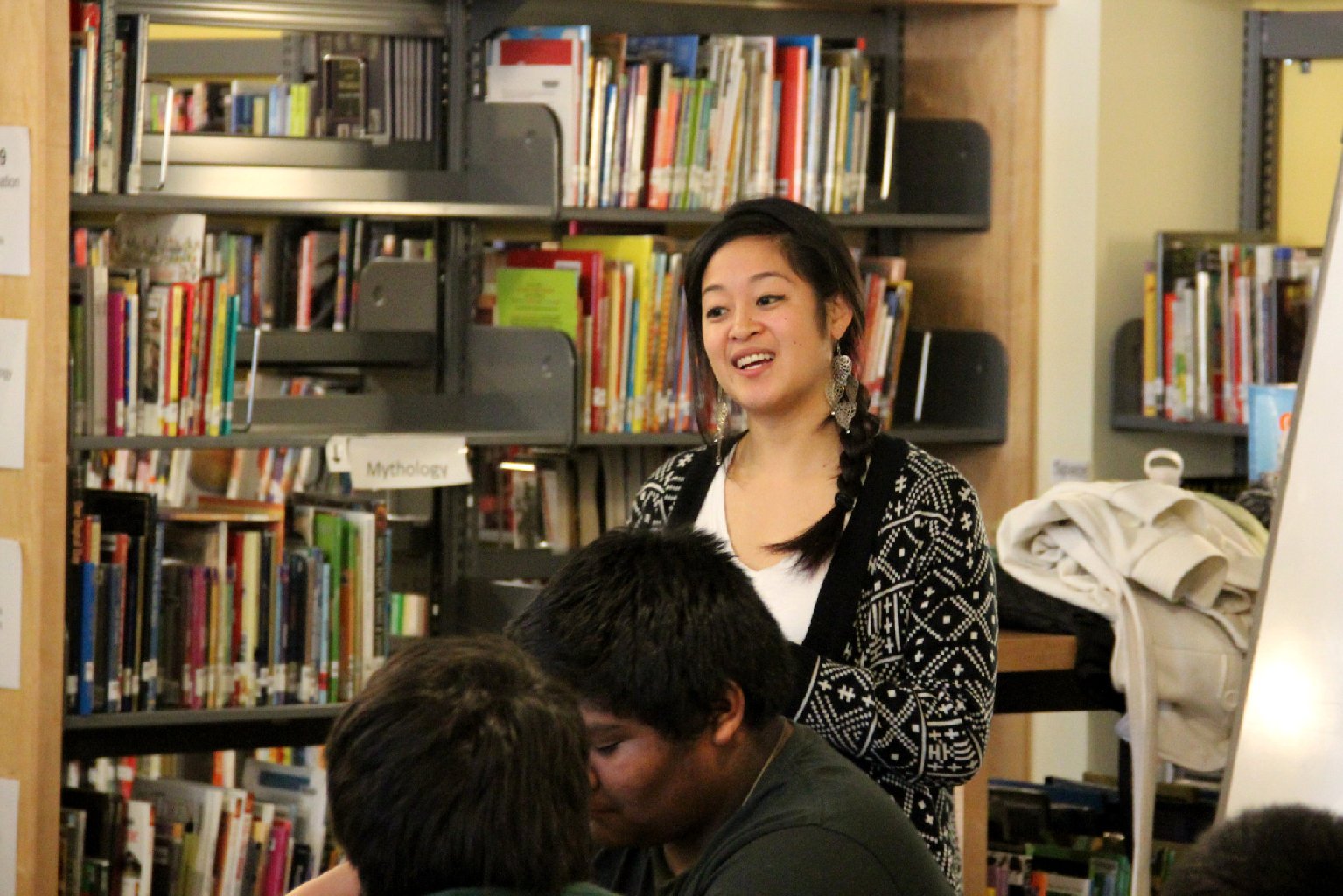
"content": "\u003cp>\u003cstrong>By Aaron Mendelson\u003c/strong>\u003c/p>\n\u003cfigure id=\"attachment_127667\" class=\"wp-caption aligncenter\" style=\"max-width: 640px\">\u003ca href=\"http://ww2.kqed.org/news/wp-content/uploads/sites/10/2014/02/RS8990_Photo1-lpr.jpg\">\u003cimg loading=\"lazy\" decoding=\"async\" class=\"size-medium wp-image-127667\" src=\"http://ww2.kqed.org/news/wp-content/uploads/sites/10/2014/02/RS8990_Photo1-lpr-640x426.jpg\" alt=\"Teacher Kirstie Mah leading class discussion on dating violence at Oakland's Lighthouse Charter School. (Aaron Mendelson/KQED)\" width=\"640\" height=\"426\">\u003c/a>\u003cfigcaption class=\"wp-caption-text\">Teacher Kirstie Mah leading class discussion on dating violence at Oakland’s Lighthouse Charter School. (Aaron Mendelson/KQED)\u003c/figcaption>\u003c/figure>\n\u003cp>Educators and health professionals are seeing kids dating earlier than ever — and along with that new reality a need to teach middle-school students about the dangers of dating violence.\u003c/p>\n\u003cp>The trend has prompted creation of \u003ca href=\"http://www.cdc.gov/violenceprevention/DatingMatters/\" target=\"_blank\" rel=\"noopener\">Dating Matters, a nationwide pilot program\u003c/a> developed and funded by the federal Centers for Disease Control and Prevention and currently being tested in four cities nationwide, including Oakland.\u003c/p>\n\u003cp>Dating Matters cycles through Oakland schools, and this month, students at Lighthouse Community Charter School in East Oakland are participating in Dating Matters.\u003c/p>\n\u003cp>On a recent school day in the Lighthouse school library, Kirstie Mah teaches a lesson from the Safe Dates curriculum about abusive relationships. The class discusses the behavior of a hypothetical abusive boyfriend.\u003c/p>\n\u003caside class=\"pullquote alignleft\">‘Our middle school students are dating. I know we often think that, ‘Maybe by eighth grade, high school definitely.’ But I would say they’re dating earlier and earlier.’\u003c/aside>\n\u003cp>“He emotionally hurt her. He called her a slut and mean stuff,” one student offers.\u003c/p>\n\u003cp>[ad fullwidth]\u003c/p>\n\u003cp>“Right,” Mah responds. “And why did he do that?”\u003c/p>\n\u003cp>“’Cause of the way she was dressed,” another student says.\u003c/p>\n\u003cp>Mah continues the thought: “So he thought she wasn’t dressed appropriately. Do you think he should be able to tell her what to do and what to wear?” A handful of students answer: “No.”\u003c/p>\n\u003cp>Later in class, students split up into small groups, taking turns placing themselves in the shoes of a victim of dating violence. As the day wraps up, they discuss gender expectations. Mah draws a box on the whiteboard, and the class free-associates ideas about women and girls. Mah writes down words like “cooking” and “makeup” in red ink. “Spectacular” and “smell good” also make the list.\u003c/p>\n\u003cp>“Are these expectations fair?” Mah asks. “Where do you think we get these expectations from?”\u003c/p>\n\u003cp>Students agree that the expectations aren’t fair, and segue into a discussion of where these perceptions come from.\u003c/p>\n\u003cp>\u003ciframe loading=\"lazy\" src=\"https://w.soundcloud.com/player/?url=https%3A//api.soundcloud.com/tracks/136776334&color=ff5500&auto_play=false&hide_related=false&show_artwork=true\" frameborder=\"no\" scrolling=\"no\" width=\"100%\" height=\"166\">\u003c/iframe>\u003c/p>\n\u003cp>The \u003ca href=\"http://www.cdc.gov/violenceprevention/DatingMatters/\" target=\"_blank\" rel=\"noopener\">Dating Matters\u003c/a> classes cover issues from why abuse happens, to identifying red flags and talking about gender roles. The initiative is funded by the U.S. Centers for Disease Control and Prevention. Oakland is one of four U.S. cities with a grant for the Dating Matters classes, and the only city on the West Coast.\u003c/p>\n\u003cp>The program is in its third year in Oakland, part of a five-year pilot. The 10 schools participating in Dating Matters implement one of two approaches. Half the schools feature instruction for eighth-grade students—this is the Safe Dates curriculum that Kirstie Mah teaches at Lighthouse. The other five schools feature classes for sixth through eighth-grade students, and also outreach to parents and educators. After five years, the CDC will review the results from both approaches.\u003c/p>\n\u003cp>“Our middle school students are dating,” says Caroline Miller, who manages Dating Matters for the Alameda County Public Health Department. “I know we often think that ‘maybe by eighth grade, high school definitely.’ But I would say they’re dating earlier and earlier.”\u003c/p>\n\u003cp>In the digital age, teens can easily bully and stalk one another. Miller says that classes remind teens that “anything that we put online or that we share, it’s almost like a tattoo. It’s forever.”\u003c/p>\n\u003cp>Miller says that “associated risk factors” — such as drug abuse and bullying — suggest that “teen dating violence may be occurring more” in Oakland than in other cities. Nationally, the CDC estimates that physical, verbal and emotional abuse affect a quarter of adolescents every year.\u003c/p>\n\u003cp>February marks National Teen Dating Violence Awareness and Prevention Month, which seeks to bring attention to the issue. President Barack Obama recognized the month in a proclamation, writing that “dating violence can affect anyone.”\u003c/p>\n\u003cp>Dating Matters focuses on dating violence and healthy relationships, but other issues in teens’ lives sometimes surface. Miller says that violence, substance abuse and teen prostitution have come up in classes. “They’ve been really honest about their reality and what they see,” Miller says of students.\u003c/p>\n\u003cp>Valeria Corona, 13, is an eighth-grade student at Lighthouse Charter School, taking Dating Matters this month. Corona says that the subject of teen dating violence “was new to me, and it surprised me how much that happens and how people don’t stand up for themselves.”\u003c/p>\n\u003cp>Corona says she’s not dating anyone right now, but that some of her classmates are. She’s glad that she and her friends are learning about dating violence. “We’re going to go into high school, and people are going to change,” Corona says.\u003c/p>\n\u003cp>\u003c/p>\n\u003cp>If the classes came later, she says, it might be too late.\u003c/p>\n\n",
"blocks": [],
"excerpt": "As kids date earlier, educators and health professionals try to instill lessons about healthy relationships. ",
"status": "publish",
"parent": 0,
"modified": 1726009632,
"stats": {
"hasAudio": true,
"hasVideo": false,
"hasChartOrMap": false,
"iframeSrcs": [],
"hasGoogleForm": false,
"hasGallery": false,
"hasHearkenModule": false,
"hasPolis": false,
"paragraphCount": 25,
"wordCount": 853
},
"headData": {
"title": "Oakland Program Seeks to Stop Teen Dating Violence Before It Starts | KQED",
"description": "As kids date earlier, educators and health professionals try to instill lessons about healthy relationships. ",
"ogTitle": "",
"ogDescription": "",
"ogImgId": "",
"twTitle": "",
"twDescription": "",
"twImgId": "",
"schema": {
"@context": "https://schema.org",
"@type": "NewsArticle",
"headline": "Oakland Program Seeks to Stop Teen Dating Violence Before It Starts",
"datePublished": "2014-02-26T07:00:40-08:00",
"dateModified": "2024-09-10T16:07:12-07:00",
"image": "https://cdn.kqed.org/wp-content/uploads/2020/02/KQED-OG-Image@1x.png",
"isAccessibleForFree": "True",
"publisher": {
"@type": "NewsMediaOrganization",
"@id": "https://www.kqed.org/#organization",
"name": "KQED",
"logo": "https://cdn.kqed.org/wp-content/uploads/2020/02/KQED-OG-Image@1x.png",
"url": "https://www.kqed.org",
"sameAs": [
"https://www.facebook.com/KQED",
"https://twitter.com/KQED",
"https://www.instagram.com/kqed/",
"https://www.tiktok.com/@kqedofficial",
"https://www.linkedin.com/company/kqed",
"https://www.youtube.com/channel/UCeC0IOo7i1P_61zVUWbJ4nw"
]
}
}
},
"sticky": false,
"customPermalink": "2014/02/26/oakland-program-seeks-to-stop-teen-dating-violence-before-it-starts/",
"path": "/news/127656/oakland-program-seeks-to-stop-teen-dating-violence-before-it-starts",
"audioTrackLength": null,
"parsedContent": [
{
"type": "contentString",
"content": "\u003cdiv class=\"post-body\">\u003cp>\u003cp>\u003cstrong>By Aaron Mendelson\u003c/strong>\u003c/p>\n\u003cfigure id=\"attachment_127667\" class=\"wp-caption aligncenter\" style=\"max-width: 640px\">\u003ca href=\"http://ww2.kqed.org/news/wp-content/uploads/sites/10/2014/02/RS8990_Photo1-lpr.jpg\">\u003cimg loading=\"lazy\" decoding=\"async\" class=\"size-medium wp-image-127667\" src=\"http://ww2.kqed.org/news/wp-content/uploads/sites/10/2014/02/RS8990_Photo1-lpr-640x426.jpg\" alt=\"Teacher Kirstie Mah leading class discussion on dating violence at Oakland's Lighthouse Charter School. (Aaron Mendelson/KQED)\" width=\"640\" height=\"426\">\u003c/a>\u003cfigcaption class=\"wp-caption-text\">Teacher Kirstie Mah leading class discussion on dating violence at Oakland’s Lighthouse Charter School. (Aaron Mendelson/KQED)\u003c/figcaption>\u003c/figure>\n\u003cp>Educators and health professionals are seeing kids dating earlier than ever — and along with that new reality a need to teach middle-school students about the dangers of dating violence.\u003c/p>\n\u003cp>The trend has prompted creation of \u003ca href=\"http://www.cdc.gov/violenceprevention/DatingMatters/\" target=\"_blank\" rel=\"noopener\">Dating Matters, a nationwide pilot program\u003c/a> developed and funded by the federal Centers for Disease Control and Prevention and currently being tested in four cities nationwide, including Oakland.\u003c/p>\n\u003cp>Dating Matters cycles through Oakland schools, and this month, students at Lighthouse Community Charter School in East Oakland are participating in Dating Matters.\u003c/p>\n\u003cp>On a recent school day in the Lighthouse school library, Kirstie Mah teaches a lesson from the Safe Dates curriculum about abusive relationships. The class discusses the behavior of a hypothetical abusive boyfriend.\u003c/p>\n\u003caside class=\"pullquote alignleft\">‘Our middle school students are dating. I know we often think that, ‘Maybe by eighth grade, high school definitely.’ But I would say they’re dating earlier and earlier.’\u003c/aside>\n\u003cp>“He emotionally hurt her. He called her a slut and mean stuff,” one student offers.\u003c/p>\n\u003cp>\u003c/p>\u003c/div>",
"attributes": {
"named": {},
"numeric": []
}
},
{
"type": "component",
"content": "",
"name": "ad",
"attributes": {
"named": {
"label": "fullwidth"
},
"numeric": [
"fullwidth"
]
}
},
{
"type": "contentString",
"content": "\u003cdiv class=\"post-body\">\u003cp>\u003c/p>\n\u003cp>“Right,” Mah responds. “And why did he do that?”\u003c/p>\n\u003cp>“’Cause of the way she was dressed,” another student says.\u003c/p>\n\u003cp>Mah continues the thought: “So he thought she wasn’t dressed appropriately. Do you think he should be able to tell her what to do and what to wear?” A handful of students answer: “No.”\u003c/p>\n\u003cp>Later in class, students split up into small groups, taking turns placing themselves in the shoes of a victim of dating violence. As the day wraps up, they discuss gender expectations. Mah draws a box on the whiteboard, and the class free-associates ideas about women and girls. Mah writes down words like “cooking” and “makeup” in red ink. “Spectacular” and “smell good” also make the list.\u003c/p>\n\u003cp>“Are these expectations fair?” Mah asks. “Where do you think we get these expectations from?”\u003c/p>\n\u003cp>Students agree that the expectations aren’t fair, and segue into a discussion of where these perceptions come from.\u003c/p>\n\u003cp>\u003ciframe loading=\"lazy\" src=\"https://w.soundcloud.com/player/?url=https%3A//api.soundcloud.com/tracks/136776334&color=ff5500&auto_play=false&hide_related=false&show_artwork=true\" frameborder=\"no\" scrolling=\"no\" width=\"100%\" height=\"166\">\u003c/iframe>\u003c/p>\n\u003cp>The \u003ca href=\"http://www.cdc.gov/violenceprevention/DatingMatters/\" target=\"_blank\" rel=\"noopener\">Dating Matters\u003c/a> classes cover issues from why abuse happens, to identifying red flags and talking about gender roles. The initiative is funded by the U.S. Centers for Disease Control and Prevention. Oakland is one of four U.S. cities with a grant for the Dating Matters classes, and the only city on the West Coast.\u003c/p>\n\u003cp>The program is in its third year in Oakland, part of a five-year pilot. The 10 schools participating in Dating Matters implement one of two approaches. Half the schools feature instruction for eighth-grade students—this is the Safe Dates curriculum that Kirstie Mah teaches at Lighthouse. The other five schools feature classes for sixth through eighth-grade students, and also outreach to parents and educators. After five years, the CDC will review the results from both approaches.\u003c/p>\n\u003cp>“Our middle school students are dating,” says Caroline Miller, who manages Dating Matters for the Alameda County Public Health Department. “I know we often think that ‘maybe by eighth grade, high school definitely.’ But I would say they’re dating earlier and earlier.”\u003c/p>\n\u003cp>In the digital age, teens can easily bully and stalk one another. Miller says that classes remind teens that “anything that we put online or that we share, it’s almost like a tattoo. It’s forever.”\u003c/p>\n\u003cp>Miller says that “associated risk factors” — such as drug abuse and bullying — suggest that “teen dating violence may be occurring more” in Oakland than in other cities. Nationally, the CDC estimates that physical, verbal and emotional abuse affect a quarter of adolescents every year.\u003c/p>\n\u003cp>February marks National Teen Dating Violence Awareness and Prevention Month, which seeks to bring attention to the issue. President Barack Obama recognized the month in a proclamation, writing that “dating violence can affect anyone.”\u003c/p>\n\u003cp>Dating Matters focuses on dating violence and healthy relationships, but other issues in teens’ lives sometimes surface. Miller says that violence, substance abuse and teen prostitution have come up in classes. “They’ve been really honest about their reality and what they see,” Miller says of students.\u003c/p>\n\u003cp>Valeria Corona, 13, is an eighth-grade student at Lighthouse Charter School, taking Dating Matters this month. Corona says that the subject of teen dating violence “was new to me, and it surprised me how much that happens and how people don’t stand up for themselves.”\u003c/p>\n\u003cp>Corona says she’s not dating anyone right now, but that some of her classmates are. She’s glad that she and her friends are learning about dating violence. “We’re going to go into high school, and people are going to change,” Corona says.\u003c/p>\n\u003cp>\u003c/p>\n\u003cp>If the classes came later, she says, it might be too late.\u003c/p>\n\n\u003c/div>\u003c/p>",
"attributes": {
"named": {},
"numeric": []
}
}
],
"link": "/news/127656/oakland-program-seeks-to-stop-teen-dating-violence-before-it-starts",
"authors": [
"236"
],
"programs": [
"news_6944"
],
"categories": [
"news_18540",
"news_457",
"news_8"
],
"tags": [
"news_20013",
"news_18543",
"news_5841",
"news_3202",
"news_98"
],
"featImg": "news_127667",
"label": "news_6944"
},
"news_126504": {
"type": "posts",
"id": "news_126504",
"meta": {
"index": "posts_1716263798",
"site": "news",
"id": "126504",
"score": null,
"sort": [
1392661090000
]
},
"parent": 0,
"labelTerm": {
"site": "news",
"term": 6944
},
"blocks": [],
"publishDate": 1392661090,
"format": "aside",
"title": "A Tale of 2 San Francisco Public Schools: Do PTAs Widen Inequality?",
"headTitle": "A Tale of 2 San Francisco Public Schools: Do PTAs Widen Inequality? | KQED",
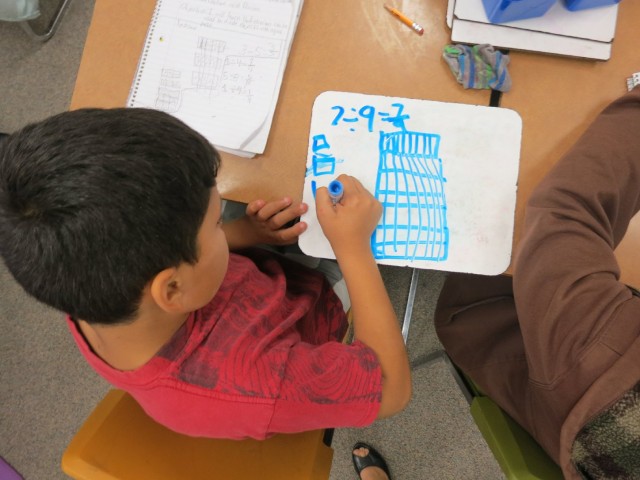
"content": "\u003cp>As if sending one’s child to public or private school were not a tough enough decision, parents now face issues related to the time and money they donate. Is it fair to focus your efforts only on the school your child attends? Should you only be concerned about other schools where parents lack the time and money to fundraise effectively? Do PTAs and booster clubs now contribute to education inequality ?\u003c/p>\n\u003cfigure id=\"attachment_126598\" class=\"wp-caption alignright\" style=\"max-width: 293px\">\u003ca href=\"http://ww2.kqed.org/news/2014/02/14/ptasandthewideninggapineducation/rs7870_img_2615/\" rel=\"attachment wp-att-126598\">\u003cimg decoding=\"async\" loading=\"lazy\" class=\"wp-image-126598 \" src=\"http://ww2.kqed.org/news/wp-content/uploads/sites/10/2014/02/RS7870_IMG_2615-640x480.jpg\" alt=\"A young boy sits at a desk, drawing a chart.\" width=\"293\" height=\"219\">\u003c/a>\u003cfigcaption class=\"wp-caption-text\">A study by San Francisco Public Press found that the PTA budgets of San Francisco Public Schools quadrupled in the past five years. Photo: Francesca Segrè\u003c/figcaption>\u003c/figure>\n\u003cp>A feature in the \u003ca href=\"http://sfpublicpress.org/news/public-schools\" target=\"_blank\" rel=\"noopener\">San Francisco Public Press\u003c/a> by Jeremy Adam Smith lays out the difference between the haves and have nots very well — faced with severe funding cutbacks during the last five years, parents stepped in to help fill the need. But as Smith pointed out during a conversation on \u003ca href=\"http://www.kqed.org/a/forum/R201402140900\" target=\"_blank\" rel=\"noopener\">KQED’s “Forum\u003c/a>, not all schools anted up equally.\u003c/p>\n\u003cp>\u003cstrong>The Fundraising Gap\u003c/strong>\u003c/p>\n\u003cp>“We found that over the course of the recession, over the course of all these budget cuts, (San Francisco public schools’) PTA budgets approximately quadrupled. … But we also found that just 10 schools raised half that money, as much as the other 61 combined.”\u003c/p>\n\u003cp>So how do those fundraising differences actually play out on school campuses? Smith cited two of the schools he reported on: Grattan Elementary School in San Francisco’s Haight district and Junipero Serra Elementary School in the city’s Bernal Heights neighborhood.\u003c/p>\n\u003cp>[ad fullwidth]\u003c/p>\n\u003cp>Grattan raised about $275,000, and that money “supports all or part of the salaries of about six staff,” Smith says.\u003c/p>\n\u003cp>Smith says that during the five years of cuts, instead of laying off employees, Grattan was “able to expand their staffing. They invested very wisely in academics, they were able to improve their standardized test scores and they created a school that people are really proud to be a part of.”\u003c/p>\n\u003cp>Across the city, Junipero Serra Elementary School, which has a predominantly Latino student population and where 90 percent of students qualify for free and reduced lunch “simply didn’t have the capacity to raise funds at the same level,” said Smith.\u003c/p>\n\u003cp>Smith’s research “found that a school’s poverty predicted its PTA budget.”\u003c/p>\n\u003cp>One listener described the concrete benefits of PTA fundraising:\u003c/p>\n\u003cp>“Without our PTA my kids would not have a music teacher, a PE teacher, a computer lab teacher, or new library books – hardly luxury items. So yes, I suppose PTA money does widen education inequality gap – by making some schools less dismal.”\u003c/p>\n\u003cp>\u003cstrong>Strong opinions on either side\u003c/strong>\u003c/p>\n\u003cp>All of the guests applauded parents’ support for their children’s schools. Time and time again, the “Forum” conversation returned to the idea that all schools in California are underfunded and that ideally, parents would not be in the position of making up for state funding. However, listeners’ opinions differed greatly on how big of a problem the difference in fundraising abilities were — especially the idea of sharing funds with a districtwide pot, as occurs in \u003ca href=\"http://sfpublicpress.org/news/2014-02/albany-school-district-levels-parent-fundraising-playing-field\" target=\"_blank\" rel=\"noopener\">Albany Unified School District\u003c/a>.\u003c/p>\n\u003cp>\u003ca href=\"http://ww2.kqed.org/news/2014/02/14/ptas-reveal-widening-gap-in/picture-340/\" rel=\"attachment wp-att-126549\">\u003cimg decoding=\"async\" loading=\"lazy\" class=\"size-medium wp-image-126549 aligncenter\" src=\"http://ww2.kqed.org/news/wp-content/uploads/sites/10/2014/02/Picture-340.png\" alt=\"Picture 340\" width=\"354\" height=\"72\">\u003c/a>\u003c/p>\n\u003cp>\u003ca href=\"http://ww2.kqed.org/news/2014/02/14/ptas-reveal-widening-gap-in/picture-337/\" rel=\"attachment wp-att-126552\">\u003cimg decoding=\"async\" loading=\"lazy\" class=\"size-medium wp-image-126552 aligncenter\" src=\"http://ww2.kqed.org/news/wp-content/uploads/sites/10/2014/02/Picture-337.png\" alt=\"Picture 337\" width=\"355\" height=\"103\">\u003c/a>\u003c/p>\n\u003cp>\u003ca href=\"http://ww2.kqed.org/news/2014/02/14/ptas-reveal-widening-gap-in/picture-339/\" rel=\"attachment wp-att-126550\">\u003cimg decoding=\"async\" loading=\"lazy\" class=\"size-medium wp-image-126550 aligncenter\" src=\"http://ww2.kqed.org/news/wp-content/uploads/sites/10/2014/02/Picture-339.png\" alt=\"Picture 339\" width=\"403\" height=\"123\">\u003c/a>\u003c/p>\n\u003cp>\u003ca href=\"http://ww2.kqed.org/news/2014/02/14/ptas-reveal-widening-gap-in/picture-341/\" rel=\"attachment wp-att-126548\">\u003cimg decoding=\"async\" loading=\"lazy\" class=\"size-medium wp-image-126548 aligncenter\" src=\"http://ww2.kqed.org/news/wp-content/uploads/sites/10/2014/02/Picture-341.png\" alt=\"Picture 341\" width=\"359\" height=\"66\">\u003c/a>\u003c/p>\n\u003cp>\u003cstrong>Empowering All Parents\u003c/strong>\u003c/p>\n\u003cp style=\"text-align: left\">Several possible solutions outside of increased state funding did surface throughout “\u003ca href=\"http://www.kqed.org/a/forum/R201402140900\" target=\"_blank\" rel=\"noopener\">Forum’s” conversation\u003c/a>. Carol Kocivar, the immediate past president of the \u003ca href=\"http://www.capta.org/\" target=\"_blank\" rel=\"noopener\">California State Parent Teacher Association,\u003c/a> mentioned an effort called \u003ca href=\"http://www.capta.org/sections/school-smarts/\" target=\"_blank\" rel=\"noopener\">School Smarts\u003c/a> to educate parents:\u003c/p>\n\u003cp style=\"text-align: left\">“One of the things the state PTA has been involved in is creating parent academies, where parents are invited into the school and are given skills and resources to understand how the school system works. Because, as we know, we have a lot of parents who are new to the United States, or didn’t finish high school or go to college and give those parents the skills and resources to be advocates for their kids.”\u003c/p>\n\u003cp style=\"text-align: left\">Another possible solution proposed was having well-to-do, more established PTAs partner with those at schools with lower-income families. Smith said that was “something so fundamental and direct that we can do right now, which is to build bridges between these different PTAs, with these different cultures.”\u003c/p>\n\u003cp style=\"text-align: left\">Two commenters who identified themselves as having children at schools that raise a lot of money supported this buddy system of funding.\u003c/p>\n\u003cp style=\"text-align: left\">A commenter named Mark cited the ability of a few parents at his school to rally and lead the fundraising charge. He said, “We should be helping more parents at more schools learn this kind of leadership, because we will never be completely able to rely on city or state support.”\u003c/p>\n\u003cp style=\"text-align: left\">Another listener said:\u003c/p>\n\u003cp style=\"text-align: left\">“Just a half-hour walk away from my son’s school is one of the schools with no PTA at all, and a very low-income population. Perhaps our PTA (which is very well organized and well supported by the parents) could help them.”\u003c/p>\n\u003cp style=\"text-align: left\">\u003cstrong>Educational foundations\u003c/strong>\u003c/p>\n\u003cp style=\"text-align: left\">Keeping with the schools-helping-schools theme, the idea of educational foundations came up several times. One caller shared his experience with a foundation in Redwood City: “I’m part of the Redwood City Educational Foundation. … In our district, which is similar demographically to San Francisco, instead of 17 schools going out to try to raise money from the community, we speak with one voice and we go out to the community.”\u003c/p>\n\u003cp style=\"text-align: left\">And Laura wrote in to say: “Please tell your listeners to take a look at what has happened through the Ravenswood Education Foundation in East Palo Alto. It’s a parent foundation supported significantly by both parents within the district and their wealthier neighbors to the West.”\u003c/p>\n\u003cp style=\"text-align: left\">\u003cstrong>Wider community involvement\u003c/strong>\u003c/p>\n\u003cp style=\"text-align: left\">That appeal to the wider community was touched on several times throughout the show. Callers and guests alike said that schools need to convince the wider community — not only parents — that investment in schools is worthwhile. Carol Kocivar said, “One of the things that schools and school districts need to do is emphasize the importance that these are community schools. This is our community.”\u003c/p>\n\u003cp style=\"text-align: left\">Norton said, “You have to show (the community) what’s going on in public schools … what are some of the wonderful things happening in our schools.”\u003c/p>\n\u003cp style=\"text-align: left\">\u003cstrong>A larger issue\u003cbr>\n\u003c/strong>\u003c/p>\n\u003cp style=\"text-align: left\">Robert Reich, professor of public policy at UC Berkeley’s Goldman School of Public Policy and a former U.S. secretary of labor under President Clinton, said the school equity question will linger as long as America’s larger equity issues continue:\u003c/p>\n\u003cp style=\"text-align: left\">“Children are being segregated geographically by income more than ever before — where you live has a direct bearing on the quality of education and other public services you are going to get …. And because families and children are segregating by income, that almost inevitably means that poor kids are going to get the short end of the stick. I think therefore one of the most important things we can do in terms of public policy is reverse and reduce the trend toward segregation by income, by neighborhood ….\u003c/p>\n\u003cp style=\"text-align: left\">“Being rich in America increasingly means not having to come across anybody who is not, and that really undermines the sense of empathy, and connection and social solidarity.”\u003c/p>\n\u003cp style=\"text-align: left\">\u003cstrong>Still not enough funding\u003c/strong>\u003c/p>\n\u003cp>[ad floatright]\u003c/p>\n\u003cp style=\"text-align: left\">As far as the great hope that increased state funding under \u003ca href=\"http://voterguide.sos.ca.gov/propositions/30/\" target=\"_blank\" rel=\"noopener\">Proposition 30\u003c/a> will help alleviate the dramatic gap between schools with active and apathetic PTAs, Norton summed up her sentiment this way: “We’re still fighting over scraps.”\u003c/p>\n\n",
"stats": {
"hasVideo": false,
"hasChartOrMap": false,
"hasAudio": false,
"hasPolis": false,
"wordCount": 1288,
"hasGoogleForm": false,
"hasGallery": false,
"hasHearkenModule": false,
"iframeSrcs": [],
"paragraphCount": 20
},
"modified": 1685486663,
"excerpt": "Is it fair that some schools benefit from active PTA fundraising while others languish?",
"headData": {
"twImgId": "",
"twTitle": "",
"ogTitle": "",
"ogImgId": "",
"twDescription": "",
"description": "Is it fair that some schools benefit from active PTA fundraising while others languish?",
"title": "A Tale of 2 San Francisco Public Schools: Do PTAs Widen Inequality? | KQED",
"ogDescription": "",
"schema": {
"@context": "https://schema.org",
"@type": "NewsArticle",
"headline": "A Tale of 2 San Francisco Public Schools: Do PTAs Widen Inequality?",
"datePublished": "2014-02-17T10:18:10-08:00",
"dateModified": "2023-05-30T15:44:23-07:00",
"image": "https://cdn.kqed.org/wp-content/uploads/2020/02/KQED-OG-Image@1x.png",
"isAccessibleForFree": "True",
"publisher": {
"@type": "NewsMediaOrganization",
"@id": "https://www.kqed.org/#organization",
"name": "KQED",
"logo": "https://cdn.kqed.org/wp-content/uploads/2020/02/KQED-OG-Image@1x.png",
"url": "https://www.kqed.org",
"sameAs": [
"https://www.facebook.com/KQED",
"https://twitter.com/KQED",
"https://www.instagram.com/kqed/",
"https://www.tiktok.com/@kqedofficial",
"https://www.linkedin.com/company/kqed",
"https://www.youtube.com/channel/UCeC0IOo7i1P_61zVUWbJ4nw"
]
}
}
},
"guestAuthors": [],
"slug": "a-tale-of-2-san-francisco-public-schools-do-ptas-widen-inquality",
"status": "publish",
"customPermalink": "2014/02/14/ptasandthewideninggapineducation/",
"templateType": "standard",
"excludeFromSiteSearch": "Include",
"featuredImageType": "standard",
"articleAge": "0",
"path": "/news/126504/a-tale-of-2-san-francisco-public-schools-do-ptas-widen-inquality",
"audioTrackLength": null,
"parsedContent": [
{
"type": "contentString",
"content": "\u003cdiv class=\"post-body\">\u003cp>\u003cp>As if sending one’s child to public or private school were not a tough enough decision, parents now face issues related to the time and money they donate. Is it fair to focus your efforts only on the school your child attends? Should you only be concerned about other schools where parents lack the time and money to fundraise effectively? Do PTAs and booster clubs now contribute to education inequality ?\u003c/p>\n\u003cfigure id=\"attachment_126598\" class=\"wp-caption alignright\" style=\"max-width: 293px\">\u003ca href=\"http://ww2.kqed.org/news/2014/02/14/ptasandthewideninggapineducation/rs7870_img_2615/\" rel=\"attachment wp-att-126598\">\u003cimg decoding=\"async\" loading=\"lazy\" class=\"wp-image-126598 \" src=\"http://ww2.kqed.org/news/wp-content/uploads/sites/10/2014/02/RS7870_IMG_2615-640x480.jpg\" alt=\"A young boy sits at a desk, drawing a chart.\" width=\"293\" height=\"219\">\u003c/a>\u003cfigcaption class=\"wp-caption-text\">A study by San Francisco Public Press found that the PTA budgets of San Francisco Public Schools quadrupled in the past five years. Photo: Francesca Segrè\u003c/figcaption>\u003c/figure>\n\u003cp>A feature in the \u003ca href=\"http://sfpublicpress.org/news/public-schools\" target=\"_blank\" rel=\"noopener\">San Francisco Public Press\u003c/a> by Jeremy Adam Smith lays out the difference between the haves and have nots very well — faced with severe funding cutbacks during the last five years, parents stepped in to help fill the need. But as Smith pointed out during a conversation on \u003ca href=\"http://www.kqed.org/a/forum/R201402140900\" target=\"_blank\" rel=\"noopener\">KQED’s “Forum\u003c/a>, not all schools anted up equally.\u003c/p>\n\u003cp>\u003cstrong>The Fundraising Gap\u003c/strong>\u003c/p>\n\u003cp>“We found that over the course of the recession, over the course of all these budget cuts, (San Francisco public schools’) PTA budgets approximately quadrupled. … But we also found that just 10 schools raised half that money, as much as the other 61 combined.”\u003c/p>\n\u003cp>So how do those fundraising differences actually play out on school campuses? Smith cited two of the schools he reported on: Grattan Elementary School in San Francisco’s Haight district and Junipero Serra Elementary School in the city’s Bernal Heights neighborhood.\u003c/p>\n\u003cp>\u003c/p>\u003c/div>",
"attributes": {
"named": {},
"numeric": []
}
},
{
"type": "component",
"content": "",
"name": "ad",
"attributes": {
"named": {
"label": "fullwidth"
},
"numeric": [
"fullwidth"
]
}
},
{
"type": "contentString",
"content": "\u003cdiv class=\"post-body\">\u003cp>\u003c/p>\n\u003cp>Grattan raised about $275,000, and that money “supports all or part of the salaries of about six staff,” Smith says.\u003c/p>\n\u003cp>Smith says that during the five years of cuts, instead of laying off employees, Grattan was “able to expand their staffing. They invested very wisely in academics, they were able to improve their standardized test scores and they created a school that people are really proud to be a part of.”\u003c/p>\n\u003cp>Across the city, Junipero Serra Elementary School, which has a predominantly Latino student population and where 90 percent of students qualify for free and reduced lunch “simply didn’t have the capacity to raise funds at the same level,” said Smith.\u003c/p>\n\u003cp>Smith’s research “found that a school’s poverty predicted its PTA budget.”\u003c/p>\n\u003cp>One listener described the concrete benefits of PTA fundraising:\u003c/p>\n\u003cp>“Without our PTA my kids would not have a music teacher, a PE teacher, a computer lab teacher, or new library books – hardly luxury items. So yes, I suppose PTA money does widen education inequality gap – by making some schools less dismal.”\u003c/p>\n\u003cp>\u003cstrong>Strong opinions on either side\u003c/strong>\u003c/p>\n\u003cp>All of the guests applauded parents’ support for their children’s schools. Time and time again, the “Forum” conversation returned to the idea that all schools in California are underfunded and that ideally, parents would not be in the position of making up for state funding. However, listeners’ opinions differed greatly on how big of a problem the difference in fundraising abilities were — especially the idea of sharing funds with a districtwide pot, as occurs in \u003ca href=\"http://sfpublicpress.org/news/2014-02/albany-school-district-levels-parent-fundraising-playing-field\" target=\"_blank\" rel=\"noopener\">Albany Unified School District\u003c/a>.\u003c/p>\n\u003cp>\u003ca href=\"http://ww2.kqed.org/news/2014/02/14/ptas-reveal-widening-gap-in/picture-340/\" rel=\"attachment wp-att-126549\">\u003cimg decoding=\"async\" loading=\"lazy\" class=\"size-medium wp-image-126549 aligncenter\" src=\"http://ww2.kqed.org/news/wp-content/uploads/sites/10/2014/02/Picture-340.png\" alt=\"Picture 340\" width=\"354\" height=\"72\">\u003c/a>\u003c/p>\n\u003cp>\u003ca href=\"http://ww2.kqed.org/news/2014/02/14/ptas-reveal-widening-gap-in/picture-337/\" rel=\"attachment wp-att-126552\">\u003cimg decoding=\"async\" loading=\"lazy\" class=\"size-medium wp-image-126552 aligncenter\" src=\"http://ww2.kqed.org/news/wp-content/uploads/sites/10/2014/02/Picture-337.png\" alt=\"Picture 337\" width=\"355\" height=\"103\">\u003c/a>\u003c/p>\n\u003cp>\u003ca href=\"http://ww2.kqed.org/news/2014/02/14/ptas-reveal-widening-gap-in/picture-339/\" rel=\"attachment wp-att-126550\">\u003cimg decoding=\"async\" loading=\"lazy\" class=\"size-medium wp-image-126550 aligncenter\" src=\"http://ww2.kqed.org/news/wp-content/uploads/sites/10/2014/02/Picture-339.png\" alt=\"Picture 339\" width=\"403\" height=\"123\">\u003c/a>\u003c/p>\n\u003cp>\u003ca href=\"http://ww2.kqed.org/news/2014/02/14/ptas-reveal-widening-gap-in/picture-341/\" rel=\"attachment wp-att-126548\">\u003cimg decoding=\"async\" loading=\"lazy\" class=\"size-medium wp-image-126548 aligncenter\" src=\"http://ww2.kqed.org/news/wp-content/uploads/sites/10/2014/02/Picture-341.png\" alt=\"Picture 341\" width=\"359\" height=\"66\">\u003c/a>\u003c/p>\n\u003cp>\u003cstrong>Empowering All Parents\u003c/strong>\u003c/p>\n\u003cp style=\"text-align: left\">Several possible solutions outside of increased state funding did surface throughout “\u003ca href=\"http://www.kqed.org/a/forum/R201402140900\" target=\"_blank\" rel=\"noopener\">Forum’s” conversation\u003c/a>. Carol Kocivar, the immediate past president of the \u003ca href=\"http://www.capta.org/\" target=\"_blank\" rel=\"noopener\">California State Parent Teacher Association,\u003c/a> mentioned an effort called \u003ca href=\"http://www.capta.org/sections/school-smarts/\" target=\"_blank\" rel=\"noopener\">School Smarts\u003c/a> to educate parents:\u003c/p>\n\u003cp style=\"text-align: left\">“One of the things the state PTA has been involved in is creating parent academies, where parents are invited into the school and are given skills and resources to understand how the school system works. Because, as we know, we have a lot of parents who are new to the United States, or didn’t finish high school or go to college and give those parents the skills and resources to be advocates for their kids.”\u003c/p>\n\u003cp style=\"text-align: left\">Another possible solution proposed was having well-to-do, more established PTAs partner with those at schools with lower-income families. Smith said that was “something so fundamental and direct that we can do right now, which is to build bridges between these different PTAs, with these different cultures.”\u003c/p>\n\u003cp style=\"text-align: left\">Two commenters who identified themselves as having children at schools that raise a lot of money supported this buddy system of funding.\u003c/p>\n\u003cp style=\"text-align: left\">A commenter named Mark cited the ability of a few parents at his school to rally and lead the fundraising charge. He said, “We should be helping more parents at more schools learn this kind of leadership, because we will never be completely able to rely on city or state support.”\u003c/p>\n\u003cp style=\"text-align: left\">Another listener said:\u003c/p>\n\u003cp style=\"text-align: left\">“Just a half-hour walk away from my son’s school is one of the schools with no PTA at all, and a very low-income population. Perhaps our PTA (which is very well organized and well supported by the parents) could help them.”\u003c/p>\n\u003cp style=\"text-align: left\">\u003cstrong>Educational foundations\u003c/strong>\u003c/p>\n\u003cp style=\"text-align: left\">Keeping with the schools-helping-schools theme, the idea of educational foundations came up several times. One caller shared his experience with a foundation in Redwood City: “I’m part of the Redwood City Educational Foundation. … In our district, which is similar demographically to San Francisco, instead of 17 schools going out to try to raise money from the community, we speak with one voice and we go out to the community.”\u003c/p>\n\u003cp style=\"text-align: left\">And Laura wrote in to say: “Please tell your listeners to take a look at what has happened through the Ravenswood Education Foundation in East Palo Alto. It’s a parent foundation supported significantly by both parents within the district and their wealthier neighbors to the West.”\u003c/p>\n\u003cp style=\"text-align: left\">\u003cstrong>Wider community involvement\u003c/strong>\u003c/p>\n\u003cp style=\"text-align: left\">That appeal to the wider community was touched on several times throughout the show. Callers and guests alike said that schools need to convince the wider community — not only parents — that investment in schools is worthwhile. Carol Kocivar said, “One of the things that schools and school districts need to do is emphasize the importance that these are community schools. This is our community.”\u003c/p>\n\u003cp style=\"text-align: left\">Norton said, “You have to show (the community) what’s going on in public schools … what are some of the wonderful things happening in our schools.”\u003c/p>\n\u003cp style=\"text-align: left\">\u003cstrong>A larger issue\u003cbr>\n\u003c/strong>\u003c/p>\n\u003cp style=\"text-align: left\">Robert Reich, professor of public policy at UC Berkeley’s Goldman School of Public Policy and a former U.S. secretary of labor under President Clinton, said the school equity question will linger as long as America’s larger equity issues continue:\u003c/p>\n\u003cp style=\"text-align: left\">“Children are being segregated geographically by income more than ever before — where you live has a direct bearing on the quality of education and other public services you are going to get …. And because families and children are segregating by income, that almost inevitably means that poor kids are going to get the short end of the stick. I think therefore one of the most important things we can do in terms of public policy is reverse and reduce the trend toward segregation by income, by neighborhood ….\u003c/p>\n\u003cp style=\"text-align: left\">“Being rich in America increasingly means not having to come across anybody who is not, and that really undermines the sense of empathy, and connection and social solidarity.”\u003c/p>\n\u003cp style=\"text-align: left\">\u003cstrong>Still not enough funding\u003c/strong>\u003c/p>\n\u003cp>\u003c/p>\u003c/div>",
"attributes": {
"named": {},
"numeric": []
}
},
{
"type": "component",
"content": "",
"name": "ad",
"attributes": {
"named": {
"label": "floatright"
},
"numeric": [
"floatright"
]
}
},
{
"type": "contentString",
"content": "\u003cdiv class=\"post-body\">\u003cp>\u003c/p>\n\u003cp style=\"text-align: left\">As far as the great hope that increased state funding under \u003ca href=\"http://voterguide.sos.ca.gov/propositions/30/\" target=\"_blank\" rel=\"noopener\">Proposition 30\u003c/a> will help alleviate the dramatic gap between schools with active and apathetic PTAs, Norton summed up her sentiment this way: “We’re still fighting over scraps.”\u003c/p>\n\n\u003c/div>\u003c/p>",
"attributes": {
"named": {},
"numeric": []
}
}
],
"link": "/news/126504/a-tale-of-2-san-francisco-public-schools-do-ptas-widen-inquality",
"authors": [
"70"
],
"programs": [
"news_6944"
],
"categories": [
"news_1758",
"news_18540"
],
"tags": [
"news_2582",
"news_689",
"news_5703",
"news_38",
"news_1290",
"news_70",
"news_98"
],
"featImg": "news_126691",
"label": "news_6944"
},
"news_126468": {
"type": "posts",
"id": "news_126468",
"meta": {
"index": "posts_1716263798",
"site": "news",
"id": "126468",
"score": null,
"sort": [
1392480024000
]
},
"parent": 0,
"labelTerm": {
"site": "news",
"term": 6944
},
"blocks": [],
"publishDate": 1392480024,
"format": "aside",
"disqusTitle": "Photo Essay: Two PTA Presidents, Two Realities",
"title": "Photo Essay: Two PTA Presidents, Two Realities",
"headTitle": "News Fix | KQED News",
"content": "\u003cfigure id=\"attachment_126493\" class=\"wp-caption aligncenter\" style=\"max-width: 640px\">\u003cimg class=\"size-medium wp-image-126493\" src=\"http://ww2.kqed.org/news/wp-content/uploads/sites/10/2014/02/girl-640x447.jpeg\" alt=\"A child buys tickets at the Halloween-Día de los Muertos fundraiser for Junipero Serra Elementary in Bernal Heights. The event netted $3,000 for the PTA. (Tearsa Joy Hammock / San Francisco Public Press)\" width=\"640\" height=\"447\">\u003cfigcaption class=\"wp-caption-text\">A child buys tickets at the Halloween Dia de los Muertos fundraiser for Junipero Serra Elementary in Bernal Heights. The event netted $3,000 for the PTA. (Tearsa Joy Hammock / San Francisco Public Press)\u003c/figcaption>\u003c/figure>\n\u003cp>\u003cem>This photo essay was originally published on \u003ca href=\"http://sfpublicpress.org/publicschools\" target=\"_blank\">San Francisco Public Press\u003c/a>, a KQED News Associate.\u003c/em>\u003c/p>\n\u003cp>\u003cstrong>By: Jeremy Adam Smith, Luke Thomas and Tearsa Joy Hammock, \u003ca href=\"http://sfpublicpress.org/\" target=\"_blank\">San Francisco Public Press\u003c/a>\u003c/strong>\u003c/p>\n\u003cp>Ana Hernandez and Barry Schmell come from very different backgrounds, but they have at least one thing in common: They both lead their schools’ parent-teacher associations — Ana Hernandez at Junipero Serra Elementary in Bernal Heights, Barry Schmell at the Harvey Milk Civil Rights Academy in the Castro.\u003c/p>\n\u003cp>Once upon a time, PTAs held bake sales to pay for field trips and annual gifts for the teachers. Those days are gone.\u003c/p>\n\u003cp>Today, after five years of severe budget cuts in the San Francisco Unified School District, PTAs are being asked to pay for teachers, reading specialists, social workers and school psychologists, computers, basic school supplies, staff training and more.\u003c/p>\n\u003cp>[ad fullwidth]\u003c/p>\n\u003cp>But not all PTAs can afford those things. Parents at just 10 elementary schools raise more than half the PTA money that all 71 elementary schools in the district take in. Many of the rest raise nothing, or almost nothing.\u003c/p>\n\u003cp>Parents at some schools have personal wealth and other advantages, such as better language and organizational skills. Fundraising has become an essential part of public school finance in San Francisco — and that is triggering far-reaching changes in the culture of the schools.\u003c/p>\n\u003cfigure id=\"attachment_126476\" class=\"wp-caption aligncenter\" style=\"max-width: 640px\">\u003ca href=\"http://ww2.kqed.org/news/wp-content/uploads/sites/10/2014/02/SchmellDaughter.jpg\">\u003cimg class=\"size-medium wp-image-126476\" src=\"http://ww2.kqed.org/news/wp-content/uploads/sites/10/2014/02/SchmellDaughter-640x426.jpg\" alt=\"(Luke Thomas / San Francisco Public Press)\" width=\"640\" height=\"426\">\u003c/a>\u003cfigcaption class=\"wp-caption-text\">(Luke Thomas / San Francisco Public Press)\u003c/figcaption>\u003c/figure>\n\u003cp>Barry Schmell’s daughter, Jonesy, attends fourth grade at Harvey Milk Civil Rights Academy, which raised more than any other elementary school in the district in 2011 — but in subsequent years lost funding. Schmell is divorced from his adopted daughter’s other father, and works from his home in the Castro as Google’s senior technical instructor and course developer. The job gives him flexibility to be deeply involved in his daughter’s life and education. Schmell was raised in Baltimore, the youngest of five in an Orthodox Jewish family, and studied at the Applied Physics Lab at Johns Hopkins. “I grew up in a home where my mother was the PTA president,” Schmell said. “I grew up stuffing envelopes in our living room, and so I kind of feel like that’s part of school. I was surprised that public schools in San Francisco required so much fundraising.”\u003c/p>\n\u003cfigure id=\"attachment_126477\" class=\"wp-caption aligncenter\" style=\"max-width: 640px\">\u003ca href=\"http://ww2.kqed.org/news/wp-content/uploads/sites/10/2014/02/HernandezFamily.jpg\">\u003cimg class=\"size-medium wp-image-126477\" src=\"http://ww2.kqed.org/news/wp-content/uploads/sites/10/2014/02/HernandezFamily-640x426.jpg\" alt=\"(Luke Thomas/ San Francisco Public Press)\" width=\"640\" height=\"426\">\u003c/a>\u003cfigcaption class=\"wp-caption-text\">(Luke Thomas/ San Francisco Public Press)\u003c/figcaption>\u003c/figure>\n\u003cp>Ana Hernandez, seated second from left, is PTA chapter president at Junipero Serra Elementary in Bernal Heights, where her daughter, Jasmine, (far right, next to her big sister) goes to school. Hernandez emigrated from Guatemala in 2004, fleeing poverty and a society shattered by 50 years of civil war. Today, she supports the entire family working 42 hours a week as a cook in Burlingame. Her husband, Byron, lost one of his fingers in an accident on his job as a laundry mechanic, and as a result he is out of work. Despite her inflexible and demanding schedule, Hernandez said she stays involved with the PTA because it gives her life meaning and community. But for the family to make ends meet, she needs a second job. If she succeeds in finding one, she said she would have to quit leading the PTA.\u003c/p>\n\u003cfigure id=\"attachment_126479\" class=\"wp-caption aligncenter\" style=\"max-width: 640px\">\u003ca href=\"http://ww2.kqed.org/news/wp-content/uploads/sites/10/2014/02/HarveyMilk.jpg\">\u003cimg class=\"size-medium wp-image-126479\" src=\"http://ww2.kqed.org/news/wp-content/uploads/sites/10/2014/02/HarveyMilk-640x426.jpg\" alt=\"(Luke Thomas / San Francisco Public Press)\" width=\"640\" height=\"426\">\u003c/a>\u003cfigcaption class=\"wp-caption-text\">(Luke Thomas/San Francisco Public Press)\u003c/figcaption>\u003c/figure>\n\u003cp>During “morning circle” at Harvey Milk Civil Rights Academy, Schmell shows off invitations to a roller-skating party fundraiser. He and members of the Parent-Faculty Club aim to raise $50,000 for supplies, field trips and arts programs this year. “It isn’t just the fundraising — this is my community,” Schmell said. “I have amazing relationships and experiences through the school.” The families are diverse, and Schmell and daughter Jonesy know others who are like theirs: multiracial, with gay parents and adopted children.\u003c/p>\n\u003cfigure id=\"attachment_126480\" class=\"wp-caption aligncenter\" style=\"max-width: 640px\">\u003ca href=\"http://ww2.kqed.org/news/wp-content/uploads/sites/10/2014/02/JuniperoSerra.jpeg\">\u003cimg class=\"size-medium wp-image-126480\" src=\"http://ww2.kqed.org/news/wp-content/uploads/sites/10/2014/02/JuniperoSerra-640x426.jpeg\" alt=\"(Luke Thomas / San Francisco Public Press)\" width=\"640\" height=\"426\">\u003c/a>\u003cfigcaption class=\"wp-caption-text\">(Luke Thomas/San Francisco Public Press)\u003c/figcaption>\u003c/figure>\n\u003cp>Ana Hernandez serves food at a monthly dinner party hosted by Junipero Serra’s PTA. She first got involved by working on the school’s food bank, distributing food to hungry families. This school year, the PTA aims to raise around $7,000 to support field trips, buy computers, get gifts for the teachers and underwrite the fifth-grade graduation project. The PTA also sets aside part of that fund to support Junipero Serra families facing economic emergencies. Because almost all the school’s families live in poverty, their financial contributions tend to be modest. “They can help with $1, $2,” Hernandez said. “Even when they have no money, people help in different ways.\"\u003c/p>\n\u003cfigure id=\"attachment_126481\" class=\"wp-caption aligncenter\" style=\"max-width: 640px\">\u003ca href=\"http://ww2.kqed.org/news/wp-content/uploads/sites/10/2014/02/HarveyLibrary.jpg\">\u003cimg class=\"size-medium wp-image-126481\" src=\"http://ww2.kqed.org/news/wp-content/uploads/sites/10/2014/02/HarveyLibrary-640x426.jpg\" alt=\"(Luke Thomas / San Francisco Public Press)\" width=\"640\" height=\"426\">\u003c/a>\u003cfigcaption class=\"wp-caption-text\">(Luke Thomas/San Francisco Public Press)\u003c/figcaption>\u003c/figure>\n\u003cp>Schmell shows off the school library to a group of parents who are considering sending their children to Harvey Milk Civil Rights Academy. By giving tours and organizing frequent “fun raisers,” Schmell is working to revitalize a school that has struggled around issues of funding equity, race and social class, as well as management. A nonprofit organization, Friends of Harvey Milk, was one of the top fundraisers in the city, spending $380,000 a year, almost exclusively on before-school and after-school enrichment programs. But that collapsed in 2011 after key supporters withdrew, leaving the school with little fundraising infrastructure. “If we had everyone at Harvey Milk give $250 for the year, then we wouldn’t have to do severe fundraising,” he said. “I’m very concerned about technology. I’d love for us to have a computer lab, and we need to do a targeted fundraising campaign for that.\"\u003c/p>\n\u003cfigure id=\"attachment_126482\" class=\"wp-caption aligncenter\" style=\"max-width: 640px\">\u003ca href=\"http://ww2.kqed.org/news/wp-content/uploads/sites/10/2014/02/JuniperoLibrary.jpg\">\u003cimg class=\"size-medium wp-image-126482\" src=\"http://ww2.kqed.org/news/wp-content/uploads/sites/10/2014/02/JuniperoLibrary-640x426.jpg\" alt=\"(Tearsa Joy Hammock / San Francisco Public Press)\" width=\"640\" height=\"426\">\u003c/a>\u003cfigcaption class=\"wp-caption-text\">(Tearsa Joy Hammock/San Francisco Public Press)\u003c/figcaption>\u003c/figure>\n\u003cp>After years of cuts, the Junipero Serra library now has an annual budget of just $500. Many parents said the library has actually improved in recent years, thanks to book donations and volunteer efforts. Even so, the shelves feel underpopulated, and the room underused. With a limited budget, Principal Evelyn Cheung had to make hard choices, so she prioritized the computer lab and technology training for the kids ahead of other costs. Hernandez supports Cheung’s priorities, and the PTA has been able to buy computers for the lab. “Some people think the government pays for everything at school, but it’s not like that,” she said. “I try to explain to the parents: We have to make fundraising, because that is how we can help the school.\"\u003c/p>\n\u003cfigure id=\"attachment_126484\" class=\"wp-caption aligncenter\" style=\"max-width: 640px\">\u003ca href=\"http://ww2.kqed.org/news/wp-content/uploads/sites/10/2014/02/SchmellMural.jpg\">\u003cimg class=\"size-medium wp-image-126484\" src=\"http://ww2.kqed.org/news/wp-content/uploads/sites/10/2014/02/SchmellMural-640x426.jpg\" alt=\"(Luke Thomas / San Francisco Public Press)\" width=\"640\" height=\"426\">\u003c/a>\u003cfigcaption class=\"wp-caption-text\">(Luke Thomas/San Francisco Public Press)\u003c/figcaption>\u003c/figure>\n\u003cp>“I waited tables in college, and I hated pooling the tips,” Schmell said. This memory makes him reluctant to support a system in which San Francisco schools would share the money raised by parents and redistribute some of it to lower-income schools. His connection to Harvey Milk Civil Rights Academy and to the Castro is strong, and that is what motivates him to give. The same is true for Castro businesses that support the school. They might not give as much if they thought their money was going to children in other communities. “But maybe it would be better for us,” he said. “If other people are able to do more, then we’ll benefit from that as well.\"\u003c/p>\n\u003cfigure id=\"attachment_126485\" class=\"wp-caption aligncenter\" style=\"max-width: 640px\">\u003ca href=\"http://ww2.kqed.org/news/wp-content/uploads/sites/10/2014/02/HernandezDaughter.jpg\">\u003cimg class=\"size-medium wp-image-126485\" src=\"http://ww2.kqed.org/news/wp-content/uploads/sites/10/2014/02/HernandezDaughter-640x414.jpg\" alt=\"(Tearsa Joy Hammock / San Francisco Public Press)\" width=\"640\" height=\"414\">\u003c/a>\u003cfigcaption class=\"wp-caption-text\">(Tearsa Joy Hammock/San Francisco Public Press)\u003c/figcaption>\u003c/figure>\n\u003cp>Sometimes, at the Italian restaurant where Hernandez works, a customer comes to the kitchen to give a tip directly to her, in appreciation for a delicious meal. She always shares the tip with the other line cooks. “Everybody’s working hard,” she said, “so we share.” Waiters also pool their tips, she said, because “the busboy, the person working at the bar, the cooks, they are all working hard.” All the families at Junipero Serra Elementary School work hard, she added, even if they make very little money. If schools shared, she said, everyone would benefit. “I think it’s good, because you give opportunity to all the kids.\"\u003c/p>\n\u003cp>\u003cem>This photo essay is part of a San Francisco Public Press \u003ca href=\"http://sfpublicpress.org/publicschools\" target=\"_blank\">special report on education inequality\u003c/a> in San Francisco.\u003c/em>\u003c/p>\n\u003cp>Listen to KQED's Mina Kim interview Jeremy Adam Smith on his research into PTA funding.\u003c/p>\n\u003cp>[ad floatright]\u003c/p>\n\u003cp>\u003ciframe src=\"https://w.soundcloud.com/player/?url=https%3A//api.soundcloud.com/tracks/132944653&color=ff5500&auto_play=false&hide_related=true&show_artwork=true\" frameborder=\"no\" scrolling=\"no\" width=\"100%\" height=\"166\">\u003c/iframe>\u003c/p>\n\n",
"disqusIdentifier": "126468 http://ww2.kqed.org/news/?p=126468",
"disqusUrl": "https://ww2.kqed.org/news/2014/02/15/photo-essay-inequality-in-san-francisco-public-schools/",
"stats": {
"hasVideo": false,
"hasChartOrMap": false,
"hasAudio": true,
"hasPolis": false,
"wordCount": 1397,
"hasGoogleForm": false,
"hasGallery": false,
"hasHearkenModule": false,
"iframeSrcs": [],
"paragraphCount": 20
},
"modified": 1392432320,
"excerpt": "The story of two parents active in their children's schools, with starkly different economic impacts.",
"headData": {
"twImgId": "",
"twTitle": "",
"ogTitle": "",
"ogImgId": "",
"twDescription": "",
"description": "The story of two parents active in their children's schools, with starkly different economic impacts.",
"title": "Photo Essay: Two PTA Presidents, Two Realities | KQED",
"ogDescription": "",
"schema": {
"@context": "https://schema.org",
"@type": "NewsArticle",
"headline": "Photo Essay: Two PTA Presidents, Two Realities",
"datePublished": "2014-02-15T08:00:24-08:00",
"dateModified": "2014-02-14T18:45:20-08:00",
"image": "https://cdn.kqed.org/wp-content/uploads/2020/02/KQED-OG-Image@1x.png",
"isAccessibleForFree": "True",
"publisher": {
"@type": "NewsMediaOrganization",
"@id": "https://www.kqed.org/#organization",
"name": "KQED",
"logo": "https://cdn.kqed.org/wp-content/uploads/2020/02/KQED-OG-Image@1x.png",
"url": "https://www.kqed.org",
"sameAs": [
"https://www.facebook.com/KQED",
"https://twitter.com/KQED",
"https://www.instagram.com/kqed/",
"https://www.tiktok.com/@kqedofficial",
"https://www.linkedin.com/company/kqed",
"https://www.youtube.com/channel/UCeC0IOo7i1P_61zVUWbJ4nw"
]
}
}
},
"guestAuthors": [],
"slug": "photo-essay-inequality-in-san-francisco-public-schools",
"status": "publish",
"customPermalink": "2014/02/14/san-francisco-public-school-parents-work-hard-for-schools-b/",
"path": "/news/126468/photo-essay-inequality-in-san-francisco-public-schools",
"audioTrackLength": null,
"parsedContent": [
{
"type": "contentString",
"content": "\u003cdiv class=\"post-body\">\u003cp>\u003cfigure id=\"attachment_126493\" class=\"wp-caption aligncenter\" style=\"max-width: 640px\">\u003cimg class=\"size-medium wp-image-126493\" src=\"http://ww2.kqed.org/news/wp-content/uploads/sites/10/2014/02/girl-640x447.jpeg\" alt=\"A child buys tickets at the Halloween-Día de los Muertos fundraiser for Junipero Serra Elementary in Bernal Heights. The event netted $3,000 for the PTA. (Tearsa Joy Hammock / San Francisco Public Press)\" width=\"640\" height=\"447\">\u003cfigcaption class=\"wp-caption-text\">A child buys tickets at the Halloween Dia de los Muertos fundraiser for Junipero Serra Elementary in Bernal Heights. The event netted $3,000 for the PTA. (Tearsa Joy Hammock / San Francisco Public Press)\u003c/figcaption>\u003c/figure>\n\u003cp>\u003cem>This photo essay was originally published on \u003ca href=\"http://sfpublicpress.org/publicschools\" target=\"_blank\">San Francisco Public Press\u003c/a>, a KQED News Associate.\u003c/em>\u003c/p>\n\u003cp>\u003cstrong>By: Jeremy Adam Smith, Luke Thomas and Tearsa Joy Hammock, \u003ca href=\"http://sfpublicpress.org/\" target=\"_blank\">San Francisco Public Press\u003c/a>\u003c/strong>\u003c/p>\n\u003cp>Ana Hernandez and Barry Schmell come from very different backgrounds, but they have at least one thing in common: They both lead their schools’ parent-teacher associations — Ana Hernandez at Junipero Serra Elementary in Bernal Heights, Barry Schmell at the Harvey Milk Civil Rights Academy in the Castro.\u003c/p>\n\u003cp>Once upon a time, PTAs held bake sales to pay for field trips and annual gifts for the teachers. Those days are gone.\u003c/p>\n\u003cp>Today, after five years of severe budget cuts in the San Francisco Unified School District, PTAs are being asked to pay for teachers, reading specialists, social workers and school psychologists, computers, basic school supplies, staff training and more.\u003c/p>\n\u003cp>\u003c/p>\u003c/div>",
"attributes": {
"named": {},
"numeric": []
}
},
{
"type": "component",
"content": "",
"name": "ad",
"attributes": {
"named": {
"label": "fullwidth"
},
"numeric": [
"fullwidth"
]
}
},
{
"type": "contentString",
"content": "\u003cdiv class=\"post-body\">\u003cp>\u003c/p>\n\u003cp>But not all PTAs can afford those things. Parents at just 10 elementary schools raise more than half the PTA money that all 71 elementary schools in the district take in. Many of the rest raise nothing, or almost nothing.\u003c/p>\n\u003cp>Parents at some schools have personal wealth and other advantages, such as better language and organizational skills. Fundraising has become an essential part of public school finance in San Francisco — and that is triggering far-reaching changes in the culture of the schools.\u003c/p>\n\u003cfigure id=\"attachment_126476\" class=\"wp-caption aligncenter\" style=\"max-width: 640px\">\u003ca href=\"http://ww2.kqed.org/news/wp-content/uploads/sites/10/2014/02/SchmellDaughter.jpg\">\u003cimg class=\"size-medium wp-image-126476\" src=\"http://ww2.kqed.org/news/wp-content/uploads/sites/10/2014/02/SchmellDaughter-640x426.jpg\" alt=\"(Luke Thomas / San Francisco Public Press)\" width=\"640\" height=\"426\">\u003c/a>\u003cfigcaption class=\"wp-caption-text\">(Luke Thomas / San Francisco Public Press)\u003c/figcaption>\u003c/figure>\n\u003cp>Barry Schmell’s daughter, Jonesy, attends fourth grade at Harvey Milk Civil Rights Academy, which raised more than any other elementary school in the district in 2011 — but in subsequent years lost funding. Schmell is divorced from his adopted daughter’s other father, and works from his home in the Castro as Google’s senior technical instructor and course developer. The job gives him flexibility to be deeply involved in his daughter’s life and education. Schmell was raised in Baltimore, the youngest of five in an Orthodox Jewish family, and studied at the Applied Physics Lab at Johns Hopkins. “I grew up in a home where my mother was the PTA president,” Schmell said. “I grew up stuffing envelopes in our living room, and so I kind of feel like that’s part of school. I was surprised that public schools in San Francisco required so much fundraising.”\u003c/p>\n\u003cfigure id=\"attachment_126477\" class=\"wp-caption aligncenter\" style=\"max-width: 640px\">\u003ca href=\"http://ww2.kqed.org/news/wp-content/uploads/sites/10/2014/02/HernandezFamily.jpg\">\u003cimg class=\"size-medium wp-image-126477\" src=\"http://ww2.kqed.org/news/wp-content/uploads/sites/10/2014/02/HernandezFamily-640x426.jpg\" alt=\"(Luke Thomas/ San Francisco Public Press)\" width=\"640\" height=\"426\">\u003c/a>\u003cfigcaption class=\"wp-caption-text\">(Luke Thomas/ San Francisco Public Press)\u003c/figcaption>\u003c/figure>\n\u003cp>Ana Hernandez, seated second from left, is PTA chapter president at Junipero Serra Elementary in Bernal Heights, where her daughter, Jasmine, (far right, next to her big sister) goes to school. Hernandez emigrated from Guatemala in 2004, fleeing poverty and a society shattered by 50 years of civil war. Today, she supports the entire family working 42 hours a week as a cook in Burlingame. Her husband, Byron, lost one of his fingers in an accident on his job as a laundry mechanic, and as a result he is out of work. Despite her inflexible and demanding schedule, Hernandez said she stays involved with the PTA because it gives her life meaning and community. But for the family to make ends meet, she needs a second job. If she succeeds in finding one, she said she would have to quit leading the PTA.\u003c/p>\n\u003cfigure id=\"attachment_126479\" class=\"wp-caption aligncenter\" style=\"max-width: 640px\">\u003ca href=\"http://ww2.kqed.org/news/wp-content/uploads/sites/10/2014/02/HarveyMilk.jpg\">\u003cimg class=\"size-medium wp-image-126479\" src=\"http://ww2.kqed.org/news/wp-content/uploads/sites/10/2014/02/HarveyMilk-640x426.jpg\" alt=\"(Luke Thomas / San Francisco Public Press)\" width=\"640\" height=\"426\">\u003c/a>\u003cfigcaption class=\"wp-caption-text\">(Luke Thomas/San Francisco Public Press)\u003c/figcaption>\u003c/figure>\n\u003cp>During “morning circle” at Harvey Milk Civil Rights Academy, Schmell shows off invitations to a roller-skating party fundraiser. He and members of the Parent-Faculty Club aim to raise $50,000 for supplies, field trips and arts programs this year. “It isn’t just the fundraising — this is my community,” Schmell said. “I have amazing relationships and experiences through the school.” The families are diverse, and Schmell and daughter Jonesy know others who are like theirs: multiracial, with gay parents and adopted children.\u003c/p>\n\u003cfigure id=\"attachment_126480\" class=\"wp-caption aligncenter\" style=\"max-width: 640px\">\u003ca href=\"http://ww2.kqed.org/news/wp-content/uploads/sites/10/2014/02/JuniperoSerra.jpeg\">\u003cimg class=\"size-medium wp-image-126480\" src=\"http://ww2.kqed.org/news/wp-content/uploads/sites/10/2014/02/JuniperoSerra-640x426.jpeg\" alt=\"(Luke Thomas / San Francisco Public Press)\" width=\"640\" height=\"426\">\u003c/a>\u003cfigcaption class=\"wp-caption-text\">(Luke Thomas/San Francisco Public Press)\u003c/figcaption>\u003c/figure>\n\u003cp>Ana Hernandez serves food at a monthly dinner party hosted by Junipero Serra’s PTA. She first got involved by working on the school’s food bank, distributing food to hungry families. This school year, the PTA aims to raise around $7,000 to support field trips, buy computers, get gifts for the teachers and underwrite the fifth-grade graduation project. The PTA also sets aside part of that fund to support Junipero Serra families facing economic emergencies. Because almost all the school’s families live in poverty, their financial contributions tend to be modest. “They can help with $1, $2,” Hernandez said. “Even when they have no money, people help in different ways.\"\u003c/p>\n\u003cfigure id=\"attachment_126481\" class=\"wp-caption aligncenter\" style=\"max-width: 640px\">\u003ca href=\"http://ww2.kqed.org/news/wp-content/uploads/sites/10/2014/02/HarveyLibrary.jpg\">\u003cimg class=\"size-medium wp-image-126481\" src=\"http://ww2.kqed.org/news/wp-content/uploads/sites/10/2014/02/HarveyLibrary-640x426.jpg\" alt=\"(Luke Thomas / San Francisco Public Press)\" width=\"640\" height=\"426\">\u003c/a>\u003cfigcaption class=\"wp-caption-text\">(Luke Thomas/San Francisco Public Press)\u003c/figcaption>\u003c/figure>\n\u003cp>Schmell shows off the school library to a group of parents who are considering sending their children to Harvey Milk Civil Rights Academy. By giving tours and organizing frequent “fun raisers,” Schmell is working to revitalize a school that has struggled around issues of funding equity, race and social class, as well as management. A nonprofit organization, Friends of Harvey Milk, was one of the top fundraisers in the city, spending $380,000 a year, almost exclusively on before-school and after-school enrichment programs. But that collapsed in 2011 after key supporters withdrew, leaving the school with little fundraising infrastructure. “If we had everyone at Harvey Milk give $250 for the year, then we wouldn’t have to do severe fundraising,” he said. “I’m very concerned about technology. I’d love for us to have a computer lab, and we need to do a targeted fundraising campaign for that.\"\u003c/p>\n\u003cfigure id=\"attachment_126482\" class=\"wp-caption aligncenter\" style=\"max-width: 640px\">\u003ca href=\"http://ww2.kqed.org/news/wp-content/uploads/sites/10/2014/02/JuniperoLibrary.jpg\">\u003cimg class=\"size-medium wp-image-126482\" src=\"http://ww2.kqed.org/news/wp-content/uploads/sites/10/2014/02/JuniperoLibrary-640x426.jpg\" alt=\"(Tearsa Joy Hammock / San Francisco Public Press)\" width=\"640\" height=\"426\">\u003c/a>\u003cfigcaption class=\"wp-caption-text\">(Tearsa Joy Hammock/San Francisco Public Press)\u003c/figcaption>\u003c/figure>\n\u003cp>After years of cuts, the Junipero Serra library now has an annual budget of just $500. Many parents said the library has actually improved in recent years, thanks to book donations and volunteer efforts. Even so, the shelves feel underpopulated, and the room underused. With a limited budget, Principal Evelyn Cheung had to make hard choices, so she prioritized the computer lab and technology training for the kids ahead of other costs. Hernandez supports Cheung’s priorities, and the PTA has been able to buy computers for the lab. “Some people think the government pays for everything at school, but it’s not like that,” she said. “I try to explain to the parents: We have to make fundraising, because that is how we can help the school.\"\u003c/p>\n\u003cfigure id=\"attachment_126484\" class=\"wp-caption aligncenter\" style=\"max-width: 640px\">\u003ca href=\"http://ww2.kqed.org/news/wp-content/uploads/sites/10/2014/02/SchmellMural.jpg\">\u003cimg class=\"size-medium wp-image-126484\" src=\"http://ww2.kqed.org/news/wp-content/uploads/sites/10/2014/02/SchmellMural-640x426.jpg\" alt=\"(Luke Thomas / San Francisco Public Press)\" width=\"640\" height=\"426\">\u003c/a>\u003cfigcaption class=\"wp-caption-text\">(Luke Thomas/San Francisco Public Press)\u003c/figcaption>\u003c/figure>\n\u003cp>“I waited tables in college, and I hated pooling the tips,” Schmell said. This memory makes him reluctant to support a system in which San Francisco schools would share the money raised by parents and redistribute some of it to lower-income schools. His connection to Harvey Milk Civil Rights Academy and to the Castro is strong, and that is what motivates him to give. The same is true for Castro businesses that support the school. They might not give as much if they thought their money was going to children in other communities. “But maybe it would be better for us,” he said. “If other people are able to do more, then we’ll benefit from that as well.\"\u003c/p>\n\u003cfigure id=\"attachment_126485\" class=\"wp-caption aligncenter\" style=\"max-width: 640px\">\u003ca href=\"http://ww2.kqed.org/news/wp-content/uploads/sites/10/2014/02/HernandezDaughter.jpg\">\u003cimg class=\"size-medium wp-image-126485\" src=\"http://ww2.kqed.org/news/wp-content/uploads/sites/10/2014/02/HernandezDaughter-640x414.jpg\" alt=\"(Tearsa Joy Hammock / San Francisco Public Press)\" width=\"640\" height=\"414\">\u003c/a>\u003cfigcaption class=\"wp-caption-text\">(Tearsa Joy Hammock/San Francisco Public Press)\u003c/figcaption>\u003c/figure>\n\u003cp>Sometimes, at the Italian restaurant where Hernandez works, a customer comes to the kitchen to give a tip directly to her, in appreciation for a delicious meal. She always shares the tip with the other line cooks. “Everybody’s working hard,” she said, “so we share.” Waiters also pool their tips, she said, because “the busboy, the person working at the bar, the cooks, they are all working hard.” All the families at Junipero Serra Elementary School work hard, she added, even if they make very little money. If schools shared, she said, everyone would benefit. “I think it’s good, because you give opportunity to all the kids.\"\u003c/p>\n\u003cp>\u003cem>This photo essay is part of a San Francisco Public Press \u003ca href=\"http://sfpublicpress.org/publicschools\" target=\"_blank\">special report on education inequality\u003c/a> in San Francisco.\u003c/em>\u003c/p>\n\u003cp>Listen to KQED's Mina Kim interview Jeremy Adam Smith on his research into PTA funding.\u003c/p>\n\u003cp>\u003c/p>\u003c/div>",
"attributes": {
"named": {},
"numeric": []
}
},
{
"type": "component",
"content": "",
"name": "ad",
"attributes": {
"named": {
"label": "floatright"
},
"numeric": [
"floatright"
]
}
},
{
"type": "contentString",
"content": "\u003cdiv class=\"post-body\">\u003cp>\u003c/p>\n\u003cp>\u003ciframe src=\"https://w.soundcloud.com/player/?url=https%3A//api.soundcloud.com/tracks/132944653&color=ff5500&auto_play=false&hide_related=true&show_artwork=true\" frameborder=\"no\" scrolling=\"no\" width=\"100%\" height=\"166\">\u003c/iframe>\u003c/p>\n\n\u003c/div>\u003c/p>",
"attributes": {
"named": {},
"numeric": []
}
}
],
"link": "/news/126468/photo-essay-inequality-in-san-francisco-public-schools",
"authors": [
"236"
],
"programs": [
"news_6944"
],
"categories": [
"news_18540",
"news_1169"
],
"tags": [
"news_854",
"news_38",
"news_5528"
],
"featImg": "news_126476",
"label": "news_6944"
},
"news_10342091": {
"type": "posts",
"id": "news_10342091",
"meta": {
"index": "posts_1716263798",
"site": "news",
"id": "10342091",
"score": null,
"sort": [
1392427234000
]
},
"parent": 0,
"labelTerm": {
"site": "news",
"term": 72
},
"blocks": [],
"publishDate": 1392427234,
"format": "standard",
"disqusTitle": "Fourth-Graders Grapple With Meaning of Love",
"title": "Fourth-Graders Grapple With Meaning of Love",
"headTitle": "The California Report | KQED News",
"content": "\u003cp>http://www.kqed.org/.stream/anon/radio/tcrmag/2014/02/2014-02-14e-tcrmag.mp3\u003c/p>\n\u003cp>Fourth-grader Dimitri Bradley stands in front of a classroom at Malcolm X Elementary School in Berkeley.\u003c/p>\n\u003cp>\"Hello, class,\" he says, raising one pointed finger in a commanding, teacherly fashion. \"Welcome to Love Academy! Today, we will be giving a demonstration on the facts of love.\"\u003c/p>\n\u003cp>His audience giggles. He pushes imaginary glasses up his nose, unfazed.\u003c/p>\n\u003cp>\"A demonstration ... of love,\" Dimitri exclaims.\u003c/p>\n\u003cp>[ad fullwidth]\u003c/p>\n\u003cp>He calls for volunteers, and the group puts on a small skit for its audience of 5-year-olds and 9-year-olds, modeling compassion and human kindness. Last fall, Bradley and his peers offered a wide variety of skits, songs, poems and stories to younger students at the school as part of a life skills curriculum designed by fourth-grade teacher Jessica Arroyo.\u003c/p>\n\u003cfigure id=\"attachment_10342096\" class=\"wp-caption alignleft\" style=\"max-width: 400px\">\u003ca href=\"http://ww2.kqed.org/news/wp-content/uploads/sites/10/2014/10/4thgraderpresentation.jpg\">\u003cimg src=\"http://ww2.kqed.org/news/wp-content/uploads/sites/10/2014/10/4thgraderpresentation-400x357.jpg\" alt=\"A Malcolm X fourth-grader makes a presentation on what love means to him. (Sara Bernard/KQED)\" width=\"400\" height=\"357\" class=\"size-thumbnail wp-image-10342096\" srcset=\"https://ww2.kqed.org/app/uploads/sites/10/2014/10/4thgraderpresentation-400x357.jpg 400w, https://ww2.kqed.org/app/uploads/sites/10/2014/10/4thgraderpresentation.jpg 600w\" sizes=\"(max-width: 400px) 100vw, 400px\">\u003c/a>\u003cfigcaption class=\"wp-caption-text\">A Malcolm X fourth-grader makes a presentation on what love means to him. (Sara Bernard/KQED)\u003c/figcaption>\u003c/figure>\n\u003cp>Each week students tackled a different theme, or \"life skill\" -- discipline, say, or respect. In mid-December, the theme was \"love,\" and fourth-graders spent a week asking their families and peers what love meant to them, participating in class activities, and coming up with their own thoughts to present at the end of the week. \u003c/p>\n\u003cp>\"Just having love being talked about in the classroom is always so eye-opening for the kids,\" says fourth-grade teacher Lisa Kelly, who decided to launch her colleague's curriculum in her own classroom after seeing it in action the previous year.\u003c/p>\n\u003cp>\"It's kind of like, 'I thought love was a private thing. I thought it was a personal thing that was only between me and my mom, or me and my dad ... or me and the person I have a crush on,’ ” Kelly says.\u003c/p>\n\u003cp>But after a week of wrangling with the concept, the students have come to realize that love is something we can all talk about and cultivate, not only as a family but also as a school and a community. So, we spread out around the school and asked the kids what they’ve learned about love.\u003c/p>\n\u003cp>\"What love means to me,\" offers Feseha Mehertu, \"is like ... caring for someone else and putting someone else's needs before yours.\"\u003c/p>\n\u003cp>\"Love is always surrounding you,\" adds Giselle Leslie. \"It's never, like, not surrounding you.\"\u003c/p>\n\u003cp>Alishba Shabir says she thinks \"love is a big tree. And family (is) the roots and friends are the stems. But after all, love is that big tree that everybody likes.\"\u003c/p>\n\u003cfigure id=\"attachment_10342097\" class=\"wp-caption alignright\" style=\"max-width: 400px\">\u003ca href=\"http://ww2.kqed.org/news/wp-content/uploads/sites/10/2014/10/RaisedHands.jpg\">\u003cimg src=\"http://ww2.kqed.org/news/wp-content/uploads/sites/10/2014/10/RaisedHands-400x340.jpg\" alt=\"Malcolm X fourth-graders discuss love in class. (Sara Bernard/KQED)\" width=\"400\" height=\"340\" class=\"size-thumbnail wp-image-10342097\" srcset=\"https://ww2.kqed.org/app/uploads/sites/10/2014/10/RaisedHands-400x340.jpg 400w, https://ww2.kqed.org/app/uploads/sites/10/2014/10/RaisedHands.jpg 600w\" sizes=\"(max-width: 400px) 100vw, 400px\">\u003c/a>\u003cfigcaption class=\"wp-caption-text\">Malcolm X fourth-graders discuss love in class. (Sara Bernard/KQED)\u003c/figcaption>\u003c/figure>\n\u003cp>Some students' thoughts go immediately to their secret crushes.\u003c/p>\n\u003cp>\"I've been in love with this boy who still goes to my school,\" says Aurora Pope, with a shy smile. \"And his name is ...\" she pauses, looking up and down the hall, then at her two friends sitting next to her. She leans in close. \"Dane. He likes to do flips and stuff, and I used to take gymnastics. That's one of the reasons I like him.\"\u003c/p>\n\u003cp>Other students are skeptical about the idea of romantic love in elementary school.\u003c/p>\n\u003cp>\"I don't really believe you can be in love until you have a boyfriend or girlfriend,\" says Zarina Dixon.\u003c/p>\n\u003cp>\"But you could like someone at any age,\" protests Isaac Mitchell. \"It doesn't really matter.\"\u003c/p>\n\u003cp>Love songs are a favorite topic. Zarina, a talented vocalist, jumped at the chance to talk about them and to sing.\u003c/p>\n\u003cp>\"I love love songs! They're like the best songs in the world,\" she exclaims.\u003c/p>\n\u003cp>She launches into one of her current favorites: \"Rolling in the Deep\" by Adele.\u003c/p>\n\u003cp>\"There's a fire starting in my heart, reaching a fever pitch, it's bringing me out the dark,\" she begins, eventually launching into the chorus: \"We could have had it all, rolling in the deep, you had my heart inside of your hand, and you played it, to the beat ...\"\u003c/p>\n\u003cp>\u003c/p>\n\u003cp>After a minute, she glances at her interlocutors. \"Should I keep singing?\"\u003c/p>\n\n",
"disqusIdentifier": "10342091 http://ww2.kqed.org/news/?p=10342091",
"disqusUrl": "https://ww2.kqed.org/news/2014/02/14/fourth-graders-grapple-with-meaning-of-love/",
"stats": {
"hasVideo": false,
"hasChartOrMap": false,
"hasAudio": true,
"hasPolis": false,
"wordCount": 682,
"hasGoogleForm": false,
"hasGallery": false,
"hasHearkenModule": false,
"iframeSrcs": [],
"paragraphCount": 24
},
"modified": 1412296928,
"excerpt": "Elementary schoolers in Berkeley learn the art of amor as part of a life skills curriculum.",
"headData": {
"twImgId": "",
"twTitle": "",
"ogTitle": "",
"ogImgId": "",
"twDescription": "",
"description": "Elementary schoolers in Berkeley learn the art of amor as part of a life skills curriculum.",
"title": "Fourth-Graders Grapple With Meaning of Love | KQED",
"ogDescription": "",
"schema": {
"@context": "https://schema.org",
"@type": "NewsArticle",
"headline": "Fourth-Graders Grapple With Meaning of Love",
"datePublished": "2014-02-14T17:20:34-08:00",
"dateModified": "2014-10-02T17:42:08-07:00",
"image": "https://cdn.kqed.org/wp-content/uploads/2020/02/KQED-OG-Image@1x.png",
"isAccessibleForFree": "True",
"publisher": {
"@type": "NewsMediaOrganization",
"@id": "https://www.kqed.org/#organization",
"name": "KQED",
"logo": "https://cdn.kqed.org/wp-content/uploads/2020/02/KQED-OG-Image@1x.png",
"url": "https://www.kqed.org",
"sameAs": [
"https://www.facebook.com/KQED",
"https://twitter.com/KQED",
"https://www.instagram.com/kqed/",
"https://www.tiktok.com/@kqedofficial",
"https://www.linkedin.com/company/kqed",
"https://www.youtube.com/channel/UCeC0IOo7i1P_61zVUWbJ4nw"
]
}
}
},
"guestAuthors": [],
"slug": "fourth-graders-grapple-with-meaning-of-love",
"status": "publish",
"nprByline": "Sara Bernard and Aaron Mendelson",
"path": "/news/10342091/fourth-graders-grapple-with-meaning-of-love",
"audioUrl": "http://www.kqed.org/.stream/anon/radio/tcrmag/2014/02/2014-02-14e-tcrmag.mp3",
"audioDuration": null,
"audioTrackLength": null,
"parsedContent": [
{
"type": "contentString",
"content": "\u003cdiv class=\"post-body\">\u003cp>\u003cp>http://www.kqed.org/.stream/anon/radio/tcrmag/2014/02/2014-02-14e-tcrmag.mp3\u003c/p>\n\u003cp>Fourth-grader Dimitri Bradley stands in front of a classroom at Malcolm X Elementary School in Berkeley.\u003c/p>\n\u003cp>\"Hello, class,\" he says, raising one pointed finger in a commanding, teacherly fashion. \"Welcome to Love Academy! Today, we will be giving a demonstration on the facts of love.\"\u003c/p>\n\u003cp>His audience giggles. He pushes imaginary glasses up his nose, unfazed.\u003c/p>\n\u003cp>\"A demonstration ... of love,\" Dimitri exclaims.\u003c/p>\n\u003cp>\u003c/p>\u003c/div>",
"attributes": {
"named": {},
"numeric": []
}
},
{
"type": "component",
"content": "",
"name": "ad",
"attributes": {
"named": {
"label": "fullwidth"
},
"numeric": [
"fullwidth"
]
}
},
{
"type": "contentString",
"content": "\u003cdiv class=\"post-body\">\u003cp>\u003c/p>\n\u003cp>He calls for volunteers, and the group puts on a small skit for its audience of 5-year-olds and 9-year-olds, modeling compassion and human kindness. Last fall, Bradley and his peers offered a wide variety of skits, songs, poems and stories to younger students at the school as part of a life skills curriculum designed by fourth-grade teacher Jessica Arroyo.\u003c/p>\n\u003cfigure id=\"attachment_10342096\" class=\"wp-caption alignleft\" style=\"max-width: 400px\">\u003ca href=\"http://ww2.kqed.org/news/wp-content/uploads/sites/10/2014/10/4thgraderpresentation.jpg\">\u003cimg src=\"http://ww2.kqed.org/news/wp-content/uploads/sites/10/2014/10/4thgraderpresentation-400x357.jpg\" alt=\"A Malcolm X fourth-grader makes a presentation on what love means to him. (Sara Bernard/KQED)\" width=\"400\" height=\"357\" class=\"size-thumbnail wp-image-10342096\" srcset=\"https://ww2.kqed.org/app/uploads/sites/10/2014/10/4thgraderpresentation-400x357.jpg 400w, https://ww2.kqed.org/app/uploads/sites/10/2014/10/4thgraderpresentation.jpg 600w\" sizes=\"(max-width: 400px) 100vw, 400px\">\u003c/a>\u003cfigcaption class=\"wp-caption-text\">A Malcolm X fourth-grader makes a presentation on what love means to him. (Sara Bernard/KQED)\u003c/figcaption>\u003c/figure>\n\u003cp>Each week students tackled a different theme, or \"life skill\" -- discipline, say, or respect. In mid-December, the theme was \"love,\" and fourth-graders spent a week asking their families and peers what love meant to them, participating in class activities, and coming up with their own thoughts to present at the end of the week. \u003c/p>\n\u003cp>\"Just having love being talked about in the classroom is always so eye-opening for the kids,\" says fourth-grade teacher Lisa Kelly, who decided to launch her colleague's curriculum in her own classroom after seeing it in action the previous year.\u003c/p>\n\u003cp>\"It's kind of like, 'I thought love was a private thing. I thought it was a personal thing that was only between me and my mom, or me and my dad ... or me and the person I have a crush on,’ ” Kelly says.\u003c/p>\n\u003cp>But after a week of wrangling with the concept, the students have come to realize that love is something we can all talk about and cultivate, not only as a family but also as a school and a community. So, we spread out around the school and asked the kids what they’ve learned about love.\u003c/p>\n\u003cp>\"What love means to me,\" offers Feseha Mehertu, \"is like ... caring for someone else and putting someone else's needs before yours.\"\u003c/p>\n\u003cp>\"Love is always surrounding you,\" adds Giselle Leslie. \"It's never, like, not surrounding you.\"\u003c/p>\n\u003cp>Alishba Shabir says she thinks \"love is a big tree. And family (is) the roots and friends are the stems. But after all, love is that big tree that everybody likes.\"\u003c/p>\n\u003cfigure id=\"attachment_10342097\" class=\"wp-caption alignright\" style=\"max-width: 400px\">\u003ca href=\"http://ww2.kqed.org/news/wp-content/uploads/sites/10/2014/10/RaisedHands.jpg\">\u003cimg src=\"http://ww2.kqed.org/news/wp-content/uploads/sites/10/2014/10/RaisedHands-400x340.jpg\" alt=\"Malcolm X fourth-graders discuss love in class. (Sara Bernard/KQED)\" width=\"400\" height=\"340\" class=\"size-thumbnail wp-image-10342097\" srcset=\"https://ww2.kqed.org/app/uploads/sites/10/2014/10/RaisedHands-400x340.jpg 400w, https://ww2.kqed.org/app/uploads/sites/10/2014/10/RaisedHands.jpg 600w\" sizes=\"(max-width: 400px) 100vw, 400px\">\u003c/a>\u003cfigcaption class=\"wp-caption-text\">Malcolm X fourth-graders discuss love in class. (Sara Bernard/KQED)\u003c/figcaption>\u003c/figure>\n\u003cp>Some students' thoughts go immediately to their secret crushes.\u003c/p>\n\u003cp>\"I've been in love with this boy who still goes to my school,\" says Aurora Pope, with a shy smile. \"And his name is ...\" she pauses, looking up and down the hall, then at her two friends sitting next to her. She leans in close. \"Dane. He likes to do flips and stuff, and I used to take gymnastics. That's one of the reasons I like him.\"\u003c/p>\n\u003cp>Other students are skeptical about the idea of romantic love in elementary school.\u003c/p>\n\u003cp>\"I don't really believe you can be in love until you have a boyfriend or girlfriend,\" says Zarina Dixon.\u003c/p>\n\u003cp>\"But you could like someone at any age,\" protests Isaac Mitchell. \"It doesn't really matter.\"\u003c/p>\n\u003cp>Love songs are a favorite topic. Zarina, a talented vocalist, jumped at the chance to talk about them and to sing.\u003c/p>\n\u003cp>\"I love love songs! They're like the best songs in the world,\" she exclaims.\u003c/p>\n\u003cp>She launches into one of her current favorites: \"Rolling in the Deep\" by Adele.\u003c/p>\n\u003cp>\"There's a fire starting in my heart, reaching a fever pitch, it's bringing me out the dark,\" she begins, eventually launching into the chorus: \"We could have had it all, rolling in the deep, you had my heart inside of your hand, and you played it, to the beat ...\"\u003c/p>\n\u003cp>\u003c/p>\n\u003cp>After a minute, she glances at her interlocutors. \"Should I keep singing?\"\u003c/p>\n\n\u003c/div>\u003c/p>",
"attributes": {
"named": {},
"numeric": []
}
}
],
"link": "/news/10342091/fourth-graders-grapple-with-meaning-of-love",
"authors": [
"byline_news_10342091"
],
"programs": [
"news_72"
],
"categories": [
"news_18540",
"news_8"
],
"featImg": "news_10342093",
"label": "news_72"
},
"news_126217": {
"type": "posts",
"id": "news_126217",
"meta": {
"index": "posts_1716263798",
"site": "news",
"id": "126217",
"score": null,
"sort": [
1392309009000
]
},
"parent": 0,
"labelTerm": {
"site": "news",
"term": 6944
},
"blocks": [],
"publishDate": 1392309009,
"format": "aside",
"disqusTitle": "State Legislative Analyst: Thumbs Down on Governor's Plan to Freeze Tuition",
"title": "State Legislative Analyst: Thumbs Down on Governor's Plan to Freeze Tuition",
"headTitle": "News Fix | KQED News",
"content": "\u003cfigure id=\"attachment_57473\" class=\"wp-caption alignright\" style=\"max-width: 259px\">\u003ca href=\"http://ww2.kqed.org/news/2012/02/24/despite-diversity-efforts-uc-minority-enrollment-down-since-prop-209/ucalberkeley/\" rel=\"attachment wp-att-57473\">\u003cimg class=\"size-medium wp-image-57473 \" src=\"http://ww2.kqed.org/news/wp-content/uploads/sites/10/2012/02/ucalberkeley-259x300.jpg\" alt=\"(Courtesy of UC- Berkeley)\" width=\"259\" height=\"300\">\u003c/a>\u003cfigcaption class=\"wp-caption-text\">(Courtesy of UC- Berkeley)\u003c/figcaption>\u003c/figure>\n\u003cp>The state's Legislative Analyst’s Office released a new \u003ca href=\"http://www.lao.ca.gov/Publications/Detail/2914\">report\u003c/a> that criticizes Governor Jerry Brown's plan to freeze tuition at state universities. The LAO also rejected his overall plan for funding higher education.\u003c/p>\n\u003cp>Let's start with tuition: Brown wants to freeze tuition at the University of California and California State University systems over the next few years now that the economy is beginning to improve.\u003c/p>\n\u003cp>Students, who have seen tuition double in the last five years, love the idea. However, Deputy Legislative Analyst Jennifer Kuhn says a tuition freeze is the wrong approach because that practice will lead to even steeper tuition increases for future students during the next economic downturn.\u003c/p>\n\u003cp>\"The state policy right now is, 'When we can afford it, we'll leave [tuition] flat. When we can't, [tuition] will increase.' Students, depending on whether they enter college during a recession or recovery, are treated very differently.\"\u003c/p>\n\u003cp>\u003ciframe src=\"https://w.soundcloud.com/player/?url=https%3A//api.soundcloud.com/tracks/134636846&color=ff5500&auto_play=false&hide_related=false&show_artwork=true\" frameborder=\"no\" scrolling=\"no\" width=\"100%\" height=\"166\">\u003c/iframe>\u003c/p>\n\u003cp>[ad fullwidth]\u003c/p>\n\u003cp>Instead, Kuhn says the governor should push a plan for modest and predicable tuition increases, and students and the universities should share the burden.\u003c/p>\n\u003cp>\"It would be a cost-sharing agreement,\" says Kuhn. \"For example , the state would bear 70 percent of the cost increases ... and students would bear 30 percent.\"\u003c/p>\n\u003cp>When it comes to the governor's overall approach to funding UC and CSU, Kuhn says Brown is wrong once again.\u003c/p>\n\u003cp>He wants to give the systems flexibility in how they spend their share of state funding. But Kuhn says that hands-off approach means important programs may fall by the wayside.\u003c/p>\n\u003cp>\"It takes the Legislature's job away from them,\" says Kuhn. \"Instead of [the Legislature] making important decisions about student access, student success, faculties and facilities, [the governor] would delegate all that to the [educational] systems.\"\u003c/p>\n\u003cp style=\"margin: 12px auto 6px auto;font-family: Helvetica,Arial,Sans-serif;font-style: normal;font-variant: normal;font-weight: normal;font-size: 14px;line-height: normal\">\u003ca style=\"text-decoration: underline\" title=\"View California LAO: Analysis of the Budget<br /> on Scribd\" href=\"http://www.scribd.com/doc/206852077/California-LAO-Analysis-of-the-Bu<br%20/>%20dget\">California LAO: Analysis of\u003cbr>\nthe Budget\u003c/a>\u003c/p>\n\u003cp>\u003c/p>\n\u003cp>\u003ciframe id=\"doc_55747\" src=\"//www.scribd.com/embeds/206852077/content?start_page=1&view_mode=scrol<br%20/>%20l&show_recommendations=true\" frameborder=\"0\" scrolling=\"no\" width=\"100%\" height=\"600\">\u003c/iframe>\u003c/p>\n\n",
"disqusIdentifier": "126217 http://ww2.kqed.org/news/?p=126217",
"disqusUrl": "https://ww2.kqed.org/news/2014/02/13/state-legislative-analyst-thumbs-down-on-governors-plan-to-freeze-tuition/",
"stats": {
"hasVideo": false,
"hasChartOrMap": false,
"hasAudio": true,
"hasPolis": false,
"wordCount": 305,
"hasGoogleForm": false,
"hasGallery": false,
"hasHearkenModule": false,
"iframeSrcs": [],
"paragraphCount": 13
},
"modified": 1392318242,
"excerpt": "A new report says freezing tuition now will just shift the burden of new increases to the next recession.",
"headData": {
"twImgId": "",
"twTitle": "",
"ogTitle": "",
"ogImgId": "",
"twDescription": "",
"description": "A new report says freezing tuition now will just shift the burden of new increases to the next recession.",
"title": "State Legislative Analyst: Thumbs Down on Governor's Plan to Freeze Tuition | KQED",
"ogDescription": "",
"schema": {
"@context": "https://schema.org",
"@type": "NewsArticle",
"headline": "State Legislative Analyst: Thumbs Down on Governor's Plan to Freeze Tuition",
"datePublished": "2014-02-13T08:30:09-08:00",
"dateModified": "2014-02-13T11:04:02-08:00",
"image": "https://cdn.kqed.org/wp-content/uploads/2020/02/KQED-OG-Image@1x.png",
"isAccessibleForFree": "True",
"publisher": {
"@type": "NewsMediaOrganization",
"@id": "https://www.kqed.org/#organization",
"name": "KQED",
"logo": "https://cdn.kqed.org/wp-content/uploads/2020/02/KQED-OG-Image@1x.png",
"url": "https://www.kqed.org",
"sameAs": [
"https://www.facebook.com/KQED",
"https://twitter.com/KQED",
"https://www.instagram.com/kqed/",
"https://www.tiktok.com/@kqedofficial",
"https://www.linkedin.com/company/kqed",
"https://www.youtube.com/channel/UCeC0IOo7i1P_61zVUWbJ4nw"
]
}
}
},
"guestAuthors": [],
"slug": "state-legislative-analyst-thumbs-down-on-governors-plan-to-freeze-tuition",
"status": "publish",
"customPermalink": "2014/02/12/126217/tuition-freeze-gov-brown-lao/",
"path": "/news/126217/state-legislative-analyst-thumbs-down-on-governors-plan-to-freeze-tuition",
"audioTrackLength": null,
"parsedContent": [
{
"type": "contentString",
"content": "\u003cdiv class=\"post-body\">\u003cp>\u003cfigure id=\"attachment_57473\" class=\"wp-caption alignright\" style=\"max-width: 259px\">\u003ca href=\"http://ww2.kqed.org/news/2012/02/24/despite-diversity-efforts-uc-minority-enrollment-down-since-prop-209/ucalberkeley/\" rel=\"attachment wp-att-57473\">\u003cimg class=\"size-medium wp-image-57473 \" src=\"http://ww2.kqed.org/news/wp-content/uploads/sites/10/2012/02/ucalberkeley-259x300.jpg\" alt=\"(Courtesy of UC- Berkeley)\" width=\"259\" height=\"300\">\u003c/a>\u003cfigcaption class=\"wp-caption-text\">(Courtesy of UC- Berkeley)\u003c/figcaption>\u003c/figure>\n\u003cp>The state's Legislative Analyst’s Office released a new \u003ca href=\"http://www.lao.ca.gov/Publications/Detail/2914\">report\u003c/a> that criticizes Governor Jerry Brown's plan to freeze tuition at state universities. The LAO also rejected his overall plan for funding higher education.\u003c/p>\n\u003cp>Let's start with tuition: Brown wants to freeze tuition at the University of California and California State University systems over the next few years now that the economy is beginning to improve.\u003c/p>\n\u003cp>Students, who have seen tuition double in the last five years, love the idea. However, Deputy Legislative Analyst Jennifer Kuhn says a tuition freeze is the wrong approach because that practice will lead to even steeper tuition increases for future students during the next economic downturn.\u003c/p>\n\u003cp>\"The state policy right now is, 'When we can afford it, we'll leave [tuition] flat. When we can't, [tuition] will increase.' Students, depending on whether they enter college during a recession or recovery, are treated very differently.\"\u003c/p>\n\u003cp>\u003ciframe src=\"https://w.soundcloud.com/player/?url=https%3A//api.soundcloud.com/tracks/134636846&color=ff5500&auto_play=false&hide_related=false&show_artwork=true\" frameborder=\"no\" scrolling=\"no\" width=\"100%\" height=\"166\">\u003c/iframe>\u003c/p>\n\u003cp>\u003c/p>\u003c/div>",
"attributes": {
"named": {},
"numeric": []
}
},
{
"type": "component",
"content": "",
"name": "ad",
"attributes": {
"named": {
"label": "fullwidth"
},
"numeric": [
"fullwidth"
]
}
},
{
"type": "contentString",
"content": "\u003cdiv class=\"post-body\">\u003cp>\u003c/p>\n\u003cp>Instead, Kuhn says the governor should push a plan for modest and predicable tuition increases, and students and the universities should share the burden.\u003c/p>\n\u003cp>\"It would be a cost-sharing agreement,\" says Kuhn. \"For example , the state would bear 70 percent of the cost increases ... and students would bear 30 percent.\"\u003c/p>\n\u003cp>When it comes to the governor's overall approach to funding UC and CSU, Kuhn says Brown is wrong once again.\u003c/p>\n\u003cp>He wants to give the systems flexibility in how they spend their share of state funding. But Kuhn says that hands-off approach means important programs may fall by the wayside.\u003c/p>\n\u003cp>\"It takes the Legislature's job away from them,\" says Kuhn. \"Instead of [the Legislature] making important decisions about student access, student success, faculties and facilities, [the governor] would delegate all that to the [educational] systems.\"\u003c/p>\n\u003cp style=\"margin: 12px auto 6px auto;font-family: Helvetica,Arial,Sans-serif;font-style: normal;font-variant: normal;font-weight: normal;font-size: 14px;line-height: normal\">\u003ca style=\"text-decoration: underline\" title=\"View California LAO: Analysis of the Budget<br /> on Scribd\" href=\"http://www.scribd.com/doc/206852077/California-LAO-Analysis-of-the-Bu<br%20/>%20dget\">California LAO: Analysis of\u003cbr>\nthe Budget\u003c/a>\u003c/p>\n\u003cp>\u003c/p>\n\u003cp>\u003ciframe id=\"doc_55747\" src=\"//www.scribd.com/embeds/206852077/content?start_page=1&view_mode=scrol<br%20/>%20l&show_recommendations=true\" frameborder=\"0\" scrolling=\"no\" width=\"100%\" height=\"600\">\u003c/iframe>\u003c/p>\n\n\u003c/div>\u003c/p>",
"attributes": {
"named": {},
"numeric": []
}
}
],
"link": "/news/126217/state-legislative-analyst-thumbs-down-on-governors-plan-to-freeze-tuition",
"authors": [
"211"
],
"programs": [
"news_6944"
],
"categories": [
"news_1758",
"news_18540"
],
"tags": [
"news_30",
"news_71",
"news_797",
"news_5748"
],
"featImg": "news_121939",
"label": "news_6944"
},
"news_125642": {
"type": "posts",
"id": "news_125642",
"meta": {
"index": "posts_1716263798",
"site": "news",
"id": "125642",
"score": null,
"sort": [
1392049818000
]
},
"parent": 0,
"labelTerm": {
"site": "news",
"term": 6944
},
"blocks": [],
"publishDate": 1392049818,
"format": "aside",
"disqusTitle": "Oakland Program to Help African-American Boys Cites Success",
"title": "Oakland Program to Help African-American Boys Cites Success",
"headTitle": "News Fix | KQED News",
"content": "\u003cfigure id=\"attachment_125643\" class=\"wp-caption aligncenter\" style=\"max-width: 640px\">\u003ca href=\"http://ww2.kqed.org/news/wp-content/uploads/sites/10/2014/02/aajohnson-659x384.jpg\">\u003cimg class=\"size-medium wp-image-125643 \" src=\"http://ww2.kqed.org/news/wp-content/uploads/sites/10/2014/02/aajohnson-659x384-640x372.jpg\" alt=\"Sophmore Anthony Johnson says the African-American Male Achievement program has helped him become a better student, see a future for himself and control his anger. (Barbara Grady/Oakland Local)\" width=\"640\" height=\"372\">\u003c/a>\u003cfigcaption class=\"wp-caption-text\">Sophomore Anthony Johnson says the African-American Male Achievement program is helping improve his life. (Barbara Grady/Oakland Local)\u003c/figcaption>\u003c/figure>\n\u003cp>\u003cstrong>By Barbara Grady, \u003ca href=\"http://oaklandlocal.com/\" target=\"_blank\">Oakland Local\u003c/a>\u003c/strong>\u003c/p>\n\u003cp>For high school sophomore Anthony Johnson, the African American Male Achievement program spurred him to become a more serious student with a career goal in mind, imagine a future for himself and be less prone to anger, he says. For Enoch Hankins, it meant becoming a B+ student instead of a C+ student. For Lionel White it provided mentors and friends he could talk with about the many issues of growing up.\u003c/p>\n\u003cp>For 2,500 of Oakland’s African-American boys, the African American Male Achievement Initiative in public schools has meant they are less likely to be suspended, more likely to achieve good grades and more likely to graduate from high school. For all of them, it has meant having mentors who are successful African-American men who care about them and where they are headed.\u003c/p>\n\u003cp>“I always have someone who wants me to do well,” Johnson said.\u003c/p>\n\u003cp>This groundbreaking initiative of the \u003ca href=\"http://ousd.k12.ca.us/\" target=\"_blank\">Oakland Unified School District\u003c/a> appears to be paying significant dividends.\u003c/p>\n\u003cp>[ad fullwidth]\u003c/p>\n\u003cp>In one year, suspensions of African-American boys dropped from 21 percent in 2012 to 14 percent last year, while some schools have eliminated suspensions altogether. The graduation rate of the district’s African-American high school boys edged up to above 50 percent in 2012 from 46 percent two years earlier. Beyond the statistics, the AAMA Initiative strives to provide a vehicle to “engage, encourage and empower” these young men, helping them believe in themselves and their futures, said Chris Chatmon, its executive director.\u003c/p>\n\u003cp>Delivering a “Community Report Back” on the program, Chatmon both exulted in progress and lamented that the needs are still great. \u003c/p>\n\u003caside class=\"pullquote alignleft\">Suspensions of African-American boys went down from 21 percent in 2012 to 14 percent in 2013.\u003c/aside>\n\u003cp>”I am humbled every day by the urgency of the need to show up,” Chatmon said to an assembly of families, teachers, administrators and students one night last week in a school auditorium.\u003c/p>\n\u003cp>“A mother in Oakland loses her whole family,” in three weeks, he continued, head bowed, referring to the latest tragic death of a promising African-American youth, when college-going Lamar Broussard was fatally shot just three weeks after his 13-year old brother was gunned down in an inexplicable act of senseless violence.\u003c/p>\n\u003cp>“I want to acknowledge all of those children who aren’t here to be celebrated,” he said.\u003c/p>\n\u003cp>The Oakland Unified School District launched the African-American Male Achievement Initiative in 2010, amid signs that the fates and fortunes of boys who were African-American were pretty bleak. Many were, and still are, vulnerable to street violence and gang life. Too many were dropping out of high school, often after a middle-school experience of frequent suspensions, some for simple acts of defiance. In the youngest grades, one in five were chronically absent from school.\u003c/p>\n\u003cp>At the time, one in five African-American boys were being suspended each year from Oakland schools, according to the \u003ca href=\"http://urbanstrategies.org/\" target=\"_blank\">Urban Strategies Council\u003c/a>, and by the eighth grade, half of the boys were off track to graduate from high school. These outcomes led the U.S. Department of Education Office of Civil Rights to launch an investigation into bias on the use of suspensions for discipline in Oakland schools.\u003c/p>\n\u003cp>Recognizing the school district was failing these children and not delivering on its obligation to provide all students a good education, then-Superintendent Tony Smith launched the African American Male Achievement Initiative.\u003c/p>\n\u003cp>About 2,500 kids have been enrolled in manhood development classes through the AAMA Initiative and assigned mentors. About 200 teachers have received training in cultural understanding, and about 700 parents have been engaged, either through parent workshops or communications from the program.\u003c/p>\n\u003cp>“We help build the capacity of parents,” said parent coordinator Kim Shipp. “We run workshops on realizing the college dream,” and how parents can support their sons.\u003c/p>\n\u003cp>In the halls of Tilden Auditorium, where the Report Back took place, smiling and proud young men told of their academic achievements and their future plans.\u003c/p>\n\u003cp>“Last year I had like a 2.2 GPA . Now I have a 3.2,” said Enock Hankins of Oakland High School. “I’m headed for college.”\u003c/p>\n\u003cp>Giavonte Bull of Fremont High School spoke about Nelson Mandela and said, “A lot of black people helped us be the people we are today.” He has been busy researching their biographies.\u003c/p>\n\u003cp>\u003c/p>\n\u003cp>Students at Montera Middle School showed off journals they create in their program. Suspensions there have fallen nearly to zero.\u003c/p>\n\n",
"disqusIdentifier": "125642 http://ww2.kqed.org/news/?p=125642",
"disqusUrl": "https://ww2.kqed.org/news/2014/02/10/oakland-program-to-help-african-american-boys-cites-success/",
"stats": {
"hasVideo": false,
"hasChartOrMap": false,
"hasAudio": false,
"hasPolis": false,
"wordCount": 797,
"hasGoogleForm": false,
"hasGallery": false,
"hasHearkenModule": false,
"iframeSrcs": [],
"paragraphCount": 21
},
"modified": 1391822325,
"excerpt": "School suspension rates are falling and high school graduation rates are rising.",
"headData": {
"twImgId": "",
"twTitle": "",
"ogTitle": "",
"ogImgId": "",
"twDescription": "",
"description": "School suspension rates are falling and high school graduation rates are rising.",
"title": "Oakland Program to Help African-American Boys Cites Success | KQED",
"ogDescription": "",
"schema": {
"@context": "https://schema.org",
"@type": "NewsArticle",
"headline": "Oakland Program to Help African-American Boys Cites Success",
"datePublished": "2014-02-10T08:30:18-08:00",
"dateModified": "2014-02-07T17:18:45-08:00",
"image": "https://cdn.kqed.org/wp-content/uploads/2020/02/KQED-OG-Image@1x.png",
"isAccessibleForFree": "True",
"publisher": {
"@type": "NewsMediaOrganization",
"@id": "https://www.kqed.org/#organization",
"name": "KQED",
"logo": "https://cdn.kqed.org/wp-content/uploads/2020/02/KQED-OG-Image@1x.png",
"url": "https://www.kqed.org",
"sameAs": [
"https://www.facebook.com/KQED",
"https://twitter.com/KQED",
"https://www.instagram.com/kqed/",
"https://www.tiktok.com/@kqedofficial",
"https://www.linkedin.com/company/kqed",
"https://www.youtube.com/channel/UCeC0IOo7i1P_61zVUWbJ4nw"
]
}
}
},
"guestAuthors": [],
"slug": "oakland-program-to-help-african-american-boys-cites-success",
"status": "publish",
"customPermalink": "2014/02/07/Oakland+African-American+Achievement+Suspensions/",
"path": "/news/125642/oakland-program-to-help-african-american-boys-cites-success",
"audioTrackLength": null,
"parsedContent": [
{
"type": "contentString",
"content": "\u003cdiv class=\"post-body\">\u003cp>\u003cfigure id=\"attachment_125643\" class=\"wp-caption aligncenter\" style=\"max-width: 640px\">\u003ca href=\"http://ww2.kqed.org/news/wp-content/uploads/sites/10/2014/02/aajohnson-659x384.jpg\">\u003cimg class=\"size-medium wp-image-125643 \" src=\"http://ww2.kqed.org/news/wp-content/uploads/sites/10/2014/02/aajohnson-659x384-640x372.jpg\" alt=\"Sophmore Anthony Johnson says the African-American Male Achievement program has helped him become a better student, see a future for himself and control his anger. (Barbara Grady/Oakland Local)\" width=\"640\" height=\"372\">\u003c/a>\u003cfigcaption class=\"wp-caption-text\">Sophomore Anthony Johnson says the African-American Male Achievement program is helping improve his life. (Barbara Grady/Oakland Local)\u003c/figcaption>\u003c/figure>\n\u003cp>\u003cstrong>By Barbara Grady, \u003ca href=\"http://oaklandlocal.com/\" target=\"_blank\">Oakland Local\u003c/a>\u003c/strong>\u003c/p>\n\u003cp>For high school sophomore Anthony Johnson, the African American Male Achievement program spurred him to become a more serious student with a career goal in mind, imagine a future for himself and be less prone to anger, he says. For Enoch Hankins, it meant becoming a B+ student instead of a C+ student. For Lionel White it provided mentors and friends he could talk with about the many issues of growing up.\u003c/p>\n\u003cp>For 2,500 of Oakland’s African-American boys, the African American Male Achievement Initiative in public schools has meant they are less likely to be suspended, more likely to achieve good grades and more likely to graduate from high school. For all of them, it has meant having mentors who are successful African-American men who care about them and where they are headed.\u003c/p>\n\u003cp>“I always have someone who wants me to do well,” Johnson said.\u003c/p>\n\u003cp>This groundbreaking initiative of the \u003ca href=\"http://ousd.k12.ca.us/\" target=\"_blank\">Oakland Unified School District\u003c/a> appears to be paying significant dividends.\u003c/p>\n\u003cp>\u003c/p>\u003c/div>",
"attributes": {
"named": {},
"numeric": []
}
},
{
"type": "component",
"content": "",
"name": "ad",
"attributes": {
"named": {
"label": "fullwidth"
},
"numeric": [
"fullwidth"
]
}
},
{
"type": "contentString",
"content": "\u003cdiv class=\"post-body\">\u003cp>\u003c/p>\n\u003cp>In one year, suspensions of African-American boys dropped from 21 percent in 2012 to 14 percent last year, while some schools have eliminated suspensions altogether. The graduation rate of the district’s African-American high school boys edged up to above 50 percent in 2012 from 46 percent two years earlier. Beyond the statistics, the AAMA Initiative strives to provide a vehicle to “engage, encourage and empower” these young men, helping them believe in themselves and their futures, said Chris Chatmon, its executive director.\u003c/p>\n\u003cp>Delivering a “Community Report Back” on the program, Chatmon both exulted in progress and lamented that the needs are still great. \u003c/p>\n\u003caside class=\"pullquote alignleft\">Suspensions of African-American boys went down from 21 percent in 2012 to 14 percent in 2013.\u003c/aside>\n\u003cp>”I am humbled every day by the urgency of the need to show up,” Chatmon said to an assembly of families, teachers, administrators and students one night last week in a school auditorium.\u003c/p>\n\u003cp>“A mother in Oakland loses her whole family,” in three weeks, he continued, head bowed, referring to the latest tragic death of a promising African-American youth, when college-going Lamar Broussard was fatally shot just three weeks after his 13-year old brother was gunned down in an inexplicable act of senseless violence.\u003c/p>\n\u003cp>“I want to acknowledge all of those children who aren’t here to be celebrated,” he said.\u003c/p>\n\u003cp>The Oakland Unified School District launched the African-American Male Achievement Initiative in 2010, amid signs that the fates and fortunes of boys who were African-American were pretty bleak. Many were, and still are, vulnerable to street violence and gang life. Too many were dropping out of high school, often after a middle-school experience of frequent suspensions, some for simple acts of defiance. In the youngest grades, one in five were chronically absent from school.\u003c/p>\n\u003cp>At the time, one in five African-American boys were being suspended each year from Oakland schools, according to the \u003ca href=\"http://urbanstrategies.org/\" target=\"_blank\">Urban Strategies Council\u003c/a>, and by the eighth grade, half of the boys were off track to graduate from high school. These outcomes led the U.S. Department of Education Office of Civil Rights to launch an investigation into bias on the use of suspensions for discipline in Oakland schools.\u003c/p>\n\u003cp>Recognizing the school district was failing these children and not delivering on its obligation to provide all students a good education, then-Superintendent Tony Smith launched the African American Male Achievement Initiative.\u003c/p>\n\u003cp>About 2,500 kids have been enrolled in manhood development classes through the AAMA Initiative and assigned mentors. About 200 teachers have received training in cultural understanding, and about 700 parents have been engaged, either through parent workshops or communications from the program.\u003c/p>\n\u003cp>“We help build the capacity of parents,” said parent coordinator Kim Shipp. “We run workshops on realizing the college dream,” and how parents can support their sons.\u003c/p>\n\u003cp>In the halls of Tilden Auditorium, where the Report Back took place, smiling and proud young men told of their academic achievements and their future plans.\u003c/p>\n\u003cp>“Last year I had like a 2.2 GPA . Now I have a 3.2,” said Enock Hankins of Oakland High School. “I’m headed for college.”\u003c/p>\n\u003cp>Giavonte Bull of Fremont High School spoke about Nelson Mandela and said, “A lot of black people helped us be the people we are today.” He has been busy researching their biographies.\u003c/p>\n\u003cp>\u003c/p>\n\u003cp>Students at Montera Middle School showed off journals they create in their program. Suspensions there have fallen nearly to zero.\u003c/p>\n\n\u003c/div>\u003c/p>",
"attributes": {
"named": {},
"numeric": []
}
}
],
"link": "/news/125642/oakland-program-to-help-african-american-boys-cites-success",
"authors": [
"236"
],
"programs": [
"news_6944"
],
"categories": [
"news_18540",
"news_8"
],
"tags": [
"news_18",
"news_98"
],
"affiliates": [
"news_1983"
],
"featImg": "news_125643",
"label": "news_6944"
},
"news_125652": {
"type": "posts",
"id": "news_125652",
"meta": {
"index": "posts_1716263798",
"site": "news",
"id": "125652",
"score": null,
"sort": [
1392046207000
]
},
"guestAuthors": [],
"slug": "s-f-pediatrician-says-toxic-stress-affects-childrens-health-education",
"title": "S.F. Pediatrician on How 'Toxic Stress' Affects Children's Health, Education",
"publishDate": 1392046207,
"format": "aside",
"headTitle": "S.F. Pediatrician on How ‘Toxic Stress’ Affects Children’s Health, Education | KQED",
"labelTerm": {
"term": 6944,
"site": "news"
},
"content": "\u003cfigure id=\"attachment_125663\" class=\"wp-caption alignnone\" style=\"max-width: 640px\">\u003ca href=\"http://ww2.kqed.org/news/2014/02/07/bayview-pediatrician-breaks-new-ground-on-child-health/buke_kid_red5/\" rel=\"attachment wp-att-125663\">\u003cimg loading=\"lazy\" decoding=\"async\" class=\"size-medium wp-image-125663 \" src=\"http://ww2.kqed.org/news/wp-content/uploads/sites/10/2014/02/Buke_kid_red5-640x480.jpg\" alt=\"Dr. Nadine Burke Harris.\" width=\"640\" height=\"480\">\u003c/a>\u003cfigcaption class=\"wp-caption-text\">Dr. Nadine Burke Harris’ pioneering work is getting a lot of attention these days. (Courtesy of Center for Youth Wellness)\u003c/figcaption>\u003c/figure>\n\u003cp>Poverty sucks.\u003c/p>\n\u003cp>By almost any measure, people living in poor neighborhoods, especially children, get the short end of the stick.\u003c/p>\n\u003cp>They’re exposed to more gun violence, less open space, more dysfunctional homes and schools, fewer neighborhood services and more undesirable infrastructure (freeways, power plants, water treatment facilities, etc.) than their counterparts in more affluent places.\u003c/p>\n\u003cp>That’s why the work of a dynamic inner-city pediatrician named \u003ca href=\"http://nadineburke.com/\">Nadine Burke Harris\u003c/a> is getting so much attention. Since opening a clinic in San Francisco’s Bayview neighborhood a few years ago, Burke Harris has won plenty of praise — and funding that she’s used to open the \u003ca href=\"http://centerforyouthwellness.org/\">Center for Youth Wellness\u003c/a> on Third Street.\u003c/p>\n\u003cp>Building on research by Kaiser Permanente, Burke Harris is pioneering a study of how chronic exposure to “\u003ca href=\"http://www.cdc.gov/ncipc/pub-res/pdf/childhood_stress.pdf\">toxic stress\u003c/a>” affects people, starting in infancy. Toxic stress among youth is caused by “adverse childhood experiences,” things like having a parent with mental illness, a father behind bars, domestic violence, friends shot or killed by gangs. These situations trigger the “fight or flight” response, according to Burke Harris. With that comes the long-term release of higher levels of stress hormones such as adrenaline and cortisol.\u003c/p>\n\u003cp>[ad fullwidth]\u003c/p>\n\u003cp>“It affects the brain architecture of younger children, and it can affect not just psychological health, but also the immune system,” says Burke Harris in an interview for “KQED Newsroom.” Toxic stress, she says, can also explain kids acting out in school. That in turn can lead to children being misdiagnosed with things like attention deficit hyperactivity disorder (ADHD) when in fact it’s their brains reacting — normally — to chronic stress.\u003c/p>\n\u003cp>\u003ciframe loading=\"lazy\" width=\"375\" align=\"right\" style=\"margin-left:20px\" height=\"211\" src=\"//www.youtube.com/embed/eQEFcM5NXRI?rel=0\" frameborder=\"0\">\u003c/iframe>\u003c/p>\n\u003cp>This is a big deal and it’s pushing school administrators to rethink policies that lead kids – especially African American students – to be suspended for a vague category of behavior known as “willful disobedience.” \u003c/p>\n\u003cp>Data compiled by EdSource from the 30 largest school districts in California found that nearly half – 48 percent — of student suspensions in California during the 2011-12 school year were for \u003ca href=\"http://edsource.org/today/2013/largest-school-districts-vary-widely-in-use-of-willful-defiance-to-suspend-students/54381#.UvVdC0JdXEk\" target=\"_blank\" rel=\"noopener\">willful defiance.\u003c/a>\u003c/p>\n\u003cp>Statistics show that kids of color are disproportionately targeted. A \u003ca href=\"http://www.sfgate.com/education/article/S-F-schools-move-away-from-suspensions-5180328.php\" target=\"_blank\" rel=\"noopener\">San Francisco Chronicle article \u003c/a>noted that 58 percent of the San Francisco students suspended for willful disobedience in 2011-12 were African-American, although they account for just 11 percent of district enrollment.\u003c/p>\n\u003cp>Los Angeles has banned the use of the willful disobedience suspension altogether. And other school districts are following suit. (In a related issue, KQED has reported on how some Bay Area school districts are using mindfulness and meditation to help kids break cycles of self-destructive behaviors). In fact, school suspensions are now falling statewide as policies change and administrators realize they simply don’t work.\u003c/p>\n\u003cp>\u003cem>Scott Shafer\u003c/em> \u003cem>reported on this story for “KQED Newsroom,” which is a weekly news magazine program on television, radio and online. Watch Fridays at 8 p.m. on KQED Public Television 9, listen on Sundays at 6 p.m. on KQED Public Radio 88.5 FM and watch on demand \u003ca href=\"http://www.kqed.org/tv/programs/newsroom/\" target=\"_blank\" rel=\"noopener\">here\u003c/a>.\u003c/em>\u003c/p>\n\u003cp>\u003c/p>\n\u003cp> \u003c/p>\n\n",
"blocks": [],
"excerpt": "At the Center for Youth Wellness on Third Street, Dr. Nadine Burke Harris works with poor children.",
"status": "publish",
"parent": 0,
"modified": 1726009644,
"stats": {
"hasAudio": false,
"hasVideo": true,
"hasChartOrMap": false,
"iframeSrcs": [],
"hasGoogleForm": false,
"hasGallery": false,
"hasHearkenModule": false,
"hasPolis": false,
"paragraphCount": 14,
"wordCount": 551
},
"headData": {
"title": "S.F. Pediatrician on How 'Toxic Stress' Affects Children's Health, Education | KQED",
"description": "At the Center for Youth Wellness on Third Street, Dr. Nadine Burke Harris works with poor children.",
"ogTitle": "",
"ogDescription": "",
"ogImgId": "",
"twTitle": "",
"twDescription": "",
"twImgId": "",
"schema": {
"@context": "https://schema.org",
"@type": "NewsArticle",
"headline": "S.F. Pediatrician on How 'Toxic Stress' Affects Children's Health, Education",
"datePublished": "2014-02-10T07:30:07-08:00",
"dateModified": "2024-09-10T16:07:24-07:00",
"image": "https://cdn.kqed.org/wp-content/uploads/2020/02/KQED-OG-Image@1x.png",
"isAccessibleForFree": "True",
"publisher": {
"@type": "NewsMediaOrganization",
"@id": "https://www.kqed.org/#organization",
"name": "KQED",
"logo": "https://cdn.kqed.org/wp-content/uploads/2020/02/KQED-OG-Image@1x.png",
"url": "https://www.kqed.org",
"sameAs": [
"https://www.facebook.com/KQED",
"https://twitter.com/KQED",
"https://www.instagram.com/kqed/",
"https://www.tiktok.com/@kqedofficial",
"https://www.linkedin.com/company/kqed",
"https://www.youtube.com/channel/UCeC0IOo7i1P_61zVUWbJ4nw"
]
}
}
},
"sticky": false,
"customPermalink": "2014/02/07/bayview-pediatrician-on-how-toxic-stress-harms-kids/",
"path": "/news/125652/s-f-pediatrician-says-toxic-stress-affects-childrens-health-education",
"audioTrackLength": null,
"parsedContent": [
{
"type": "contentString",
"content": "\u003cdiv class=\"post-body\">\u003cp>\u003cfigure id=\"attachment_125663\" class=\"wp-caption alignnone\" style=\"max-width: 640px\">\u003ca href=\"http://ww2.kqed.org/news/2014/02/07/bayview-pediatrician-breaks-new-ground-on-child-health/buke_kid_red5/\" rel=\"attachment wp-att-125663\">\u003cimg loading=\"lazy\" decoding=\"async\" class=\"size-medium wp-image-125663 \" src=\"http://ww2.kqed.org/news/wp-content/uploads/sites/10/2014/02/Buke_kid_red5-640x480.jpg\" alt=\"Dr. Nadine Burke Harris.\" width=\"640\" height=\"480\">\u003c/a>\u003cfigcaption class=\"wp-caption-text\">Dr. Nadine Burke Harris’ pioneering work is getting a lot of attention these days. (Courtesy of Center for Youth Wellness)\u003c/figcaption>\u003c/figure>\n\u003cp>Poverty sucks.\u003c/p>\n\u003cp>By almost any measure, people living in poor neighborhoods, especially children, get the short end of the stick.\u003c/p>\n\u003cp>They’re exposed to more gun violence, less open space, more dysfunctional homes and schools, fewer neighborhood services and more undesirable infrastructure (freeways, power plants, water treatment facilities, etc.) than their counterparts in more affluent places.\u003c/p>\n\u003cp>That’s why the work of a dynamic inner-city pediatrician named \u003ca href=\"http://nadineburke.com/\">Nadine Burke Harris\u003c/a> is getting so much attention. Since opening a clinic in San Francisco’s Bayview neighborhood a few years ago, Burke Harris has won plenty of praise — and funding that she’s used to open the \u003ca href=\"http://centerforyouthwellness.org/\">Center for Youth Wellness\u003c/a> on Third Street.\u003c/p>\n\u003cp>Building on research by Kaiser Permanente, Burke Harris is pioneering a study of how chronic exposure to “\u003ca href=\"http://www.cdc.gov/ncipc/pub-res/pdf/childhood_stress.pdf\">toxic stress\u003c/a>” affects people, starting in infancy. Toxic stress among youth is caused by “adverse childhood experiences,” things like having a parent with mental illness, a father behind bars, domestic violence, friends shot or killed by gangs. These situations trigger the “fight or flight” response, according to Burke Harris. With that comes the long-term release of higher levels of stress hormones such as adrenaline and cortisol.\u003c/p>\n\u003cp>\u003c/p>\u003c/div>",
"attributes": {
"named": {},
"numeric": []
}
},
{
"type": "component",
"content": "",
"name": "ad",
"attributes": {
"named": {
"label": "fullwidth"
},
"numeric": [
"fullwidth"
]
}
},
{
"type": "contentString",
"content": "\u003cdiv class=\"post-body\">\u003cp>\u003c/p>\n\u003cp>“It affects the brain architecture of younger children, and it can affect not just psychological health, but also the immune system,” says Burke Harris in an interview for “KQED Newsroom.” Toxic stress, she says, can also explain kids acting out in school. That in turn can lead to children being misdiagnosed with things like attention deficit hyperactivity disorder (ADHD) when in fact it’s their brains reacting — normally — to chronic stress.\u003c/p>\n\u003cp>\u003ciframe loading=\"lazy\" width=\"375\" align=\"right\" style=\"margin-left:20px\" height=\"211\" src=\"//www.youtube.com/embed/eQEFcM5NXRI?rel=0\" frameborder=\"0\">\u003c/iframe>\u003c/p>\n\u003cp>This is a big deal and it’s pushing school administrators to rethink policies that lead kids – especially African American students – to be suspended for a vague category of behavior known as “willful disobedience.” \u003c/p>\n\u003cp>Data compiled by EdSource from the 30 largest school districts in California found that nearly half – 48 percent — of student suspensions in California during the 2011-12 school year were for \u003ca href=\"http://edsource.org/today/2013/largest-school-districts-vary-widely-in-use-of-willful-defiance-to-suspend-students/54381#.UvVdC0JdXEk\" target=\"_blank\" rel=\"noopener\">willful defiance.\u003c/a>\u003c/p>\n\u003cp>Statistics show that kids of color are disproportionately targeted. A \u003ca href=\"http://www.sfgate.com/education/article/S-F-schools-move-away-from-suspensions-5180328.php\" target=\"_blank\" rel=\"noopener\">San Francisco Chronicle article \u003c/a>noted that 58 percent of the San Francisco students suspended for willful disobedience in 2011-12 were African-American, although they account for just 11 percent of district enrollment.\u003c/p>\n\u003cp>Los Angeles has banned the use of the willful disobedience suspension altogether. And other school districts are following suit. (In a related issue, KQED has reported on how some Bay Area school districts are using mindfulness and meditation to help kids break cycles of self-destructive behaviors). In fact, school suspensions are now falling statewide as policies change and administrators realize they simply don’t work.\u003c/p>\n\u003cp>\u003cem>Scott Shafer\u003c/em> \u003cem>reported on this story for “KQED Newsroom,” which is a weekly news magazine program on television, radio and online. Watch Fridays at 8 p.m. on KQED Public Television 9, listen on Sundays at 6 p.m. on KQED Public Radio 88.5 FM and watch on demand \u003ca href=\"http://www.kqed.org/tv/programs/newsroom/\" target=\"_blank\" rel=\"noopener\">here\u003c/a>.\u003c/em>\u003c/p>\n\u003cp>\u003c/p>\n\u003cp> \u003c/p>\n\n\u003c/div>\u003c/p>",
"attributes": {
"named": {},
"numeric": []
}
}
],
"link": "/news/125652/s-f-pediatrician-says-toxic-stress-affects-childrens-health-education",
"authors": [
"255"
],
"programs": [
"news_6944"
],
"categories": [
"news_18540",
"news_19906",
"news_457"
],
"tags": [
"news_5706",
"news_18543",
"news_854",
"news_2162",
"news_38",
"news_5707",
"news_98"
],
"featImg": "news_125663",
"label": "news_6944"
},
"news_124740": {
"type": "posts",
"id": "news_124740",
"meta": {
"index": "posts_1716263798",
"site": "news",
"id": "124740",
"score": null,
"sort": [
1391817824000
]
},
"parent": 0,
"labelTerm": {
"site": "news",
"term": 6944
},
"blocks": [],
"publishDate": 1391817824,
"format": "aside",
"disqusTitle": "In Oakland, Using Video Games to Build a Bridge to Silicon Valley",
"title": "In Oakland, Using Video Games to Build a Bridge to Silicon Valley",
"headTitle": "News Fix | KQED News",
"content": "\u003cp> \u003c/p>\n\u003cfigure id=\"attachment_125672\" class=\"wp-caption alignnone\" style=\"max-width: 640px\">\u003ca href=\"http://ww2.kqed.org/news/2014/01/29/can-video-games-help-bridge-the-minority-tech-gap/1-reed/\" rel=\"attachment wp-att-125672\">\u003cimg class=\"size-medium wp-image-125672 \" src=\"http://ww2.kqed.org/news/wp-content/uploads/sites/10/2014/02/1-Reed-640x397.jpg\" alt=\"Darius Reed is learning from Arturo Arechiga how to animate characters for the team's video game—Mr. Platformer.\" width=\"640\" height=\"397\">\u003c/a>\u003cfigcaption class=\"wp-caption-text\">Darius Reed is learning from Arturo Arechiga how to animate characters for the team's video game—Mr. Platformer. (Noam Eshel/KQED)\u003c/figcaption>\u003c/figure>\n\u003cp>\u003ca href=\"http://www.youthuprising.org/\">Youth UpRising\u003c/a> is a community center on East Oakland's MacArthur Boulevard — an oasis for children and young adults in an area afflicted with poverty, unemployment and nearly daily shootings. They come here after school to escape the violence and, more important, to develop job skills and participate in the organization's wide array of arts and education programs. One of those programs, an industry-backed pilot called Project A-Game, teaches kids how to make video games.\u003c/p>\n\u003cp>In a back room, a handful of kids are squished around computers working on their game, which is called \"Mr. Platformer.\" It sounds and looks like an old Nintendo game. Think Mario Brothers from the '80s, but it wasn't made decades ago. These five kids built it using modern game-making software.\u003c/p>\n\u003cp>Morris Jackson is mixing the sounds for \"Mr. Platformer\" — things like the digital chime of a coin being picked up, a laser being shot, and that unmistakable warble of a power-up.\u003c/p>\n\u003cp>“I signed up because I love video games, always did,” he says, “I have been playing since I was a few months old.”\u003c/p>\n\u003cp>[ad fullwidth]\u003c/p>\n\u003cp>Well, I don't know if it actually qualifies as playing, but Morris Jackson's family used to at least put the controller in his hands and let him push the buttons. Now he's 15 and wants to be a professional DJ. But if that doesn't pan out, he says he might try and do sound design for video games.\u003c/p>\n\u003cp>\u003ciframe src=\"https://w.soundcloud.com/player/?url=https%3A//api.soundcloud.com/tracks/133638496&color=ff5500&auto_play=false&hide_related=false&show_artwork=true\" frameborder=\"no\" scrolling=\"no\" width=\"100%\" height=\"166\">\u003c/iframe>\u003c/p>\n\u003cp>\"Mr. Platformer' isn't like the realistic shooting games Morris plays at home. It's old school. You have to navigate through 2-D levels and avoid pixelated monsters. It's the kind of game that Glen McKnight, the class instructor, fell in love with 20 years ago.\u003c/p>\n\u003cp>“These kids grew up on games,” he says, “kind of like I did, and that's kind of why I am in the industry.”\u003c/p>\n\u003cp>McKnight works for a small game studio, and he has been hired on here as an instructor to impart his game-building know-how. Video games, he says, could be a bridge to the tech world for these kids.\u003c/p>\n\u003cp>\"It's tough for a lot of our parents to realize that games (their kids) are addictively playing every day actually have the potential for a career,” McKnight says.\u003c/p>\n\u003cp>\u003cstrong>Introducing new career ideas\u003c/strong>\u003c/p>\n\u003cp>Project A-Game is funded by \u003ca href=\"http://www.theesa.com/newsroom/release_detail.asp?releaseID=213\" target=\"_blank\">a grant\u003c/a> from the California Endowment and the Entertainment Software Association, a trade organization for the gaming industry. The program doesn't place kids directly into tech jobs, but it does expose them to video game career opportunities they have probably never thought about — things like sound engineering and designing game levels.\u003c/p>\n\u003cp>Darius Reed, for example, didn't sign up because he loves technology. He likes to draw.\u003c/p>\n\u003cp>\"Darius, he's really an artist,” McKnight says. “He had no affinity for the technical stuff, that's not what he was interested in, but he's seen how his characters come alive inside of levels.” \u003c/p>\n\u003caside class=\"pullquote alignleft\"> Census numbers show that Latinos and African-Americans in the United States hold only between 6 and 7 percent of science and technology jobs. \u003c/aside>\n\u003cp>Reed used Photoshop to draw the game's hero -- a white boxy character with a little top hat and a skinny red tie. “Since we are just going for something simple,” he says, “I just made him look like a mister, you know like somebody who is going to work, like a guy who works in the office.”\u003c/p>\n\u003cp>An office job in the tech industry isn't something these kids thought much about before this class. Morris, the aspiring DJ, says he had never even talked with anyone in the tech industry. His instructor, McKnight, is the first person he has ever met with a tech job.\u003c/p>\n\u003cp>Census numbers show that Latinos and African-Americans have been consistently underrepresented in science and technology jobs, holding between 6 percent and 7 percent nationally. A San Jose Mercury News \u003ca href=\"http://www.mercurynews.com/ci_22094415/asian-workers-now-dominate-silicon-valley-tech-jobs\">analysis\u003c/a> confirms a similar percentage for Bay Area tech jobs, even though Latinos and African-Americans account for almost a third of the region's population.\u003c/p>\n\u003cp>\u003cstrong>\u003cem>\u003c/em>\u003c/strong>Arturo Arechiga says the goal is to try and find ways to change that percentage. Arechiga directs Project A-Game at Youth UpRising. He says many kids who come to the community center are big consumers of video games, so “why not have them also be creators?”\u003c/p>\n\u003cp>\u003c/p>\n\u003cp>Project A-Game, which is also being run in Sacramento under the sponsorship of the Salvation Army, has funding for a little more than a year. Then Youth UpRising plans to continue the program with private donors. As for \"Mr. Platformer\"? For now it can only be played in the backrooms of Youth UpRising.\u003c/p>\n\n",
"disqusIdentifier": "124740 http://ww2.kqed.org/news/?p=124740",
"disqusUrl": "https://ww2.kqed.org/news/2014/02/07/in-oakland-using-video-games-to-build-a-bridge-to-silicon-valley/",
"stats": {
"hasVideo": false,
"hasChartOrMap": false,
"hasAudio": true,
"hasPolis": false,
"wordCount": 838,
"hasGoogleForm": false,
"hasGallery": false,
"hasHearkenModule": false,
"iframeSrcs": [],
"paragraphCount": 21
},
"modified": 1392056958,
"excerpt": "Industry-supported program aims to give under-represented youth a shot at tech-focused careers. \r\n",
"headData": {
"twImgId": "",
"twTitle": "",
"ogTitle": "",
"ogImgId": "",
"twDescription": "",
"description": "Industry-supported program aims to give under-represented youth a shot at tech-focused careers. \r\n",
"title": "In Oakland, Using Video Games to Build a Bridge to Silicon Valley | KQED",
"ogDescription": "",
"schema": {
"@context": "https://schema.org",
"@type": "NewsArticle",
"headline": "In Oakland, Using Video Games to Build a Bridge to Silicon Valley",
"datePublished": "2014-02-07T16:03:44-08:00",
"dateModified": "2014-02-10T10:29:18-08:00",
"image": "https://cdn.kqed.org/wp-content/uploads/2020/02/KQED-OG-Image@1x.png",
"isAccessibleForFree": "True",
"publisher": {
"@type": "NewsMediaOrganization",
"@id": "https://www.kqed.org/#organization",
"name": "KQED",
"logo": "https://cdn.kqed.org/wp-content/uploads/2020/02/KQED-OG-Image@1x.png",
"url": "https://www.kqed.org",
"sameAs": [
"https://www.facebook.com/KQED",
"https://twitter.com/KQED",
"https://www.instagram.com/kqed/",
"https://www.tiktok.com/@kqedofficial",
"https://www.linkedin.com/company/kqed",
"https://www.youtube.com/channel/UCeC0IOo7i1P_61zVUWbJ4nw"
]
}
}
},
"guestAuthors": [],
"slug": "in-oakland-using-video-games-to-build-a-bridge-to-silicon-valley",
"status": "publish",
"customPermalink": "2014/01/29/can-video-games-help-bridge-the-minority-tech-gap/",
"path": "/news/124740/in-oakland-using-video-games-to-build-a-bridge-to-silicon-valley",
"audioTrackLength": null,
"parsedContent": [
{
"type": "contentString",
"content": "\u003cdiv class=\"post-body\">\u003cp>\u003cp> \u003c/p>\n\u003cfigure id=\"attachment_125672\" class=\"wp-caption alignnone\" style=\"max-width: 640px\">\u003ca href=\"http://ww2.kqed.org/news/2014/01/29/can-video-games-help-bridge-the-minority-tech-gap/1-reed/\" rel=\"attachment wp-att-125672\">\u003cimg class=\"size-medium wp-image-125672 \" src=\"http://ww2.kqed.org/news/wp-content/uploads/sites/10/2014/02/1-Reed-640x397.jpg\" alt=\"Darius Reed is learning from Arturo Arechiga how to animate characters for the team's video game—Mr. Platformer.\" width=\"640\" height=\"397\">\u003c/a>\u003cfigcaption class=\"wp-caption-text\">Darius Reed is learning from Arturo Arechiga how to animate characters for the team's video game—Mr. Platformer. (Noam Eshel/KQED)\u003c/figcaption>\u003c/figure>\n\u003cp>\u003ca href=\"http://www.youthuprising.org/\">Youth UpRising\u003c/a> is a community center on East Oakland's MacArthur Boulevard — an oasis for children and young adults in an area afflicted with poverty, unemployment and nearly daily shootings. They come here after school to escape the violence and, more important, to develop job skills and participate in the organization's wide array of arts and education programs. One of those programs, an industry-backed pilot called Project A-Game, teaches kids how to make video games.\u003c/p>\n\u003cp>In a back room, a handful of kids are squished around computers working on their game, which is called \"Mr. Platformer.\" It sounds and looks like an old Nintendo game. Think Mario Brothers from the '80s, but it wasn't made decades ago. These five kids built it using modern game-making software.\u003c/p>\n\u003cp>Morris Jackson is mixing the sounds for \"Mr. Platformer\" — things like the digital chime of a coin being picked up, a laser being shot, and that unmistakable warble of a power-up.\u003c/p>\n\u003cp>“I signed up because I love video games, always did,” he says, “I have been playing since I was a few months old.”\u003c/p>\n\u003cp>\u003c/p>\u003c/div>",
"attributes": {
"named": {},
"numeric": []
}
},
{
"type": "component",
"content": "",
"name": "ad",
"attributes": {
"named": {
"label": "fullwidth"
},
"numeric": [
"fullwidth"
]
}
},
{
"type": "contentString",
"content": "\u003cdiv class=\"post-body\">\u003cp>\u003c/p>\n\u003cp>Well, I don't know if it actually qualifies as playing, but Morris Jackson's family used to at least put the controller in his hands and let him push the buttons. Now he's 15 and wants to be a professional DJ. But if that doesn't pan out, he says he might try and do sound design for video games.\u003c/p>\n\u003cp>\u003ciframe src=\"https://w.soundcloud.com/player/?url=https%3A//api.soundcloud.com/tracks/133638496&color=ff5500&auto_play=false&hide_related=false&show_artwork=true\" frameborder=\"no\" scrolling=\"no\" width=\"100%\" height=\"166\">\u003c/iframe>\u003c/p>\n\u003cp>\"Mr. Platformer' isn't like the realistic shooting games Morris plays at home. It's old school. You have to navigate through 2-D levels and avoid pixelated monsters. It's the kind of game that Glen McKnight, the class instructor, fell in love with 20 years ago.\u003c/p>\n\u003cp>“These kids grew up on games,” he says, “kind of like I did, and that's kind of why I am in the industry.”\u003c/p>\n\u003cp>McKnight works for a small game studio, and he has been hired on here as an instructor to impart his game-building know-how. Video games, he says, could be a bridge to the tech world for these kids.\u003c/p>\n\u003cp>\"It's tough for a lot of our parents to realize that games (their kids) are addictively playing every day actually have the potential for a career,” McKnight says.\u003c/p>\n\u003cp>\u003cstrong>Introducing new career ideas\u003c/strong>\u003c/p>\n\u003cp>Project A-Game is funded by \u003ca href=\"http://www.theesa.com/newsroom/release_detail.asp?releaseID=213\" target=\"_blank\">a grant\u003c/a> from the California Endowment and the Entertainment Software Association, a trade organization for the gaming industry. The program doesn't place kids directly into tech jobs, but it does expose them to video game career opportunities they have probably never thought about — things like sound engineering and designing game levels.\u003c/p>\n\u003cp>Darius Reed, for example, didn't sign up because he loves technology. He likes to draw.\u003c/p>\n\u003cp>\"Darius, he's really an artist,” McKnight says. “He had no affinity for the technical stuff, that's not what he was interested in, but he's seen how his characters come alive inside of levels.” \u003c/p>\n\u003caside class=\"pullquote alignleft\"> Census numbers show that Latinos and African-Americans in the United States hold only between 6 and 7 percent of science and technology jobs. \u003c/aside>\n\u003cp>Reed used Photoshop to draw the game's hero -- a white boxy character with a little top hat and a skinny red tie. “Since we are just going for something simple,” he says, “I just made him look like a mister, you know like somebody who is going to work, like a guy who works in the office.”\u003c/p>\n\u003cp>An office job in the tech industry isn't something these kids thought much about before this class. Morris, the aspiring DJ, says he had never even talked with anyone in the tech industry. His instructor, McKnight, is the first person he has ever met with a tech job.\u003c/p>\n\u003cp>Census numbers show that Latinos and African-Americans have been consistently underrepresented in science and technology jobs, holding between 6 percent and 7 percent nationally. A San Jose Mercury News \u003ca href=\"http://www.mercurynews.com/ci_22094415/asian-workers-now-dominate-silicon-valley-tech-jobs\">analysis\u003c/a> confirms a similar percentage for Bay Area tech jobs, even though Latinos and African-Americans account for almost a third of the region's population.\u003c/p>\n\u003cp>\u003cstrong>\u003cem>\u003c/em>\u003c/strong>Arturo Arechiga says the goal is to try and find ways to change that percentage. Arechiga directs Project A-Game at Youth UpRising. He says many kids who come to the community center are big consumers of video games, so “why not have them also be creators?”\u003c/p>\n\u003cp>\u003c/p>\n\u003cp>Project A-Game, which is also being run in Sacramento under the sponsorship of the Salvation Army, has funding for a little more than a year. Then Youth UpRising plans to continue the program with private donors. As for \"Mr. Platformer\"? For now it can only be played in the backrooms of Youth UpRising.\u003c/p>\n\n\u003c/div>\u003c/p>",
"attributes": {
"named": {},
"numeric": []
}
}
],
"link": "/news/124740/in-oakland-using-video-games-to-build-a-bridge-to-silicon-valley",
"authors": [
"253"
],
"programs": [
"news_6944"
],
"categories": [
"news_18540",
"news_248"
],
"tags": [
"news_18",
"news_854",
"news_5703",
"news_5622",
"news_2162",
"news_95",
"news_5702",
"news_98"
],
"featImg": "news_125672",
"label": "news_6944"
},
"news_125175": {
"type": "posts",
"id": "news_125175",
"meta": {
"index": "posts_1716263798",
"site": "news",
"id": "125175",
"score": null,
"sort": [
1391481732000
]
},
"guestAuthors": [],
"slug": "report-slams-sjsu-on-hate-crime-case-last-fall",
"title": "Report Details Alleged Hate Crimes at San Jose State",
"publishDate": 1391481732,
"format": "aside",
"headTitle": "Report Details Alleged Hate Crimes at San Jose State | KQED",
"labelTerm": {
"term": 6944,
"site": "news"
},
"content": "\u003cfigure id=\"attachment_118993\" class=\"wp-caption alignright\" style=\"max-width: 300px\">\u003ca href=\"http://ww2.kqed.org/news/wp-content/uploads/sites/10/2013/11/sanjosestate.jpg.jpg\">\u003cimg loading=\"lazy\" decoding=\"async\" class=\"size-thumbnail wp-image-118993 \" src=\"http://ww2.kqed.org/news/wp-content/uploads/sites/10/2013/11/sanjosestate.jpg-300x300.jpg\" alt=\"Aerial view of San Jose State University. (Steve McFarland/Flickr)\" width=\"300\" height=\"300\">\u003c/a>\u003cfigcaption class=\"wp-caption-text\">Aerial view of San Jose State University. (Steve McFarland/Flickr)\u003c/figcaption>\u003c/figure>\n\u003cp>A new \u003ca href=\"<a%20href=\">report\u003c/a> released today by San Jose State University sheds light on the way administrators handled alleged \u003ca href=\"http://ww2.kqed.org/news/2013/11/21/san-jose-state-hate-crime/\">hate crimes\u003c/a> involving students in a campus dorm last fall.\u003c/p>\n\u003cp>Four students face criminal charges for allegedly harassing their black roommate, by placing a bicycle lock around his neck, barricading him in his bedroom and giving him racially offensive nicknames.\u003c/p>\n\u003cp>The report, commissioned by the university and put together by attorney Mike Moye, sought to answer the pressing question of how the incidents could have gone on throughout the entire Fall 2013 semester.\u003c/p>\n\u003cp>The report found university staff didn’t know about the incidents at first, because the victim was reluctant to come forward.\u003c/p>\n\u003cp>But, Moye points out, once dorm staff became fully aware of the incident, they reported it to the University Police Department, which opened an investigation.\u003c/p>\n\u003cp>[ad fullwidth]\u003c/p>\n\u003cp>The report details what it calls “a failure of internal communication,” which kept University President Mo Quayoumi in the dark about the investigation for over a month.\u003c/p>\n\u003cp>A task force led by retired judge LaDoris Cordell will use the report to make recommendations on how the University can become a more “safe, welcoming, tolerant community.” The task force’s meetings are public and begin this month. Their recommendations are due in April.\u003c/p>\n\u003cp>Read the report:\u003c/p>\n\u003cp style=\"margin: 12px auto 6px auto;font-family: Helvetica,Arial,Sans-serif;font-style: normal;font-variant: normal;font-weight: normal;font-size: 14px;line-height: normal\">\u003ca style=\"text-decoration: underline\" title=\"View San Jose State University Report on Hate Crime Response on Scribd\" href=\"http://www.scribd.com/doc/204419168/San-Jose-State-University-Report-%20on-Hate-Crime-Response\">San Jose State University Report on Hate Crime Response\u003c/a>\u003c/p>\n\u003cp>\u003c/p>\n\u003cp>\u003ciframe loading=\"lazy\" id=\"doc_75942\" src=\"//www.scribd.com/embeds/204419168/content?start_page=1&view_mode=scrol%20l&show_recommendations=true\" frameborder=\"0\" scrolling=\"no\" width=\"100%\" height=\"600\">\u003c/iframe>\u003c/p>\n\n",
"blocks": [],
"excerpt": "\"Internal communication failure\" kept the university's president in the dark for over a month.",
"status": "publish",
"parent": 0,
"modified": 1783963417,
"stats": {
"hasAudio": false,
"hasVideo": false,
"hasChartOrMap": true,
"iframeSrcs": [
"//www.scribd.com/embeds/204419168/content"
],
"hasGoogleForm": false,
"hasGallery": false,
"hasHearkenModule": false,
"hasPolis": false,
"paragraphCount": 11,
"wordCount": 240
},
"headData": {
"title": "Report Details Alleged Hate Crimes at San Jose State | KQED",
"description": ""Internal communication failure" kept the university's president in the dark for over a month.",
"ogTitle": "",
"ogDescription": "",
"ogImgId": "",
"twTitle": "",
"twDescription": "",
"twImgId": "",
"schema": {
"@context": "https://schema.org",
"@type": "NewsArticle",
"headline": "Report Details Alleged Hate Crimes at San Jose State",
"datePublished": "2014-02-03T18:42:12-08:00",
"dateModified": "2026-07-13T10:23:37-07:00",
"image": "https://cdn.kqed.org/wp-content/uploads/2020/02/KQED-OG-Image@1x.png",
"isAccessibleForFree": "True",
"publisher": {
"@type": "NewsMediaOrganization",
"@id": "https://www.kqed.org/#organization",
"name": "KQED",
"logo": "https://cdn.kqed.org/wp-content/uploads/2020/02/KQED-OG-Image@1x.png",
"url": "https://www.kqed.org",
"sameAs": [
"https://www.facebook.com/KQED",
"https://twitter.com/KQED",
"https://www.instagram.com/kqed/",
"https://www.tiktok.com/@kqedofficial",
"https://www.linkedin.com/company/kqed",
"https://www.youtube.com/channel/UCeC0IOo7i1P_61zVUWbJ4nw"
]
}
}
},
"primaryCategory": {
"termId": 18540,
"slug": "education",
"name": "Education"
},
"sticky": false,
"customPermalink": "2014/02/03/125175/san-jose-state-harassment-black-roommate-case/",
"nprStoryId": "kqed-125175",
"excludeFromSiteSearch": "Include",
"articleAge": "0",
"path": "/news/125175/report-slams-sjsu-on-hate-crime-case-last-fall",
"audioTrackLength": null,
"parsedContent": [
{
"type": "contentString",
"content": "\u003cdiv class=\"post-body\">\u003cp>\u003cfigure id=\"attachment_118993\" class=\"wp-caption alignright\" style=\"max-width: 300px\">\u003ca href=\"http://ww2.kqed.org/news/wp-content/uploads/sites/10/2013/11/sanjosestate.jpg.jpg\">\u003cimg loading=\"lazy\" decoding=\"async\" class=\"size-thumbnail wp-image-118993 \" src=\"http://ww2.kqed.org/news/wp-content/uploads/sites/10/2013/11/sanjosestate.jpg-300x300.jpg\" alt=\"Aerial view of San Jose State University. (Steve McFarland/Flickr)\" width=\"300\" height=\"300\">\u003c/a>\u003cfigcaption class=\"wp-caption-text\">Aerial view of San Jose State University. (Steve McFarland/Flickr)\u003c/figcaption>\u003c/figure>\n\u003cp>A new \u003ca href=\"<a%20href=\">report\u003c/a> released today by San Jose State University sheds light on the way administrators handled alleged \u003ca href=\"http://ww2.kqed.org/news/2013/11/21/san-jose-state-hate-crime/\">hate crimes\u003c/a> involving students in a campus dorm last fall.\u003c/p>\n\u003cp>Four students face criminal charges for allegedly harassing their black roommate, by placing a bicycle lock around his neck, barricading him in his bedroom and giving him racially offensive nicknames.\u003c/p>\n\u003cp>The report, commissioned by the university and put together by attorney Mike Moye, sought to answer the pressing question of how the incidents could have gone on throughout the entire Fall 2013 semester.\u003c/p>\n\u003cp>The report found university staff didn’t know about the incidents at first, because the victim was reluctant to come forward.\u003c/p>\n\u003cp>But, Moye points out, once dorm staff became fully aware of the incident, they reported it to the University Police Department, which opened an investigation.\u003c/p>\n\u003cp>\u003c/p>\u003c/div>",
"attributes": {
"named": {},
"numeric": []
}
},
{
"type": "component",
"content": "",
"name": "ad",
"attributes": {
"named": {
"label": "fullwidth"
},
"numeric": [
"fullwidth"
]
}
},
{
"type": "contentString",
"content": "\u003cdiv class=\"post-body\">\u003cp>\u003c/p>\n\u003cp>The report details what it calls “a failure of internal communication,” which kept University President Mo Quayoumi in the dark about the investigation for over a month.\u003c/p>\n\u003cp>A task force led by retired judge LaDoris Cordell will use the report to make recommendations on how the University can become a more “safe, welcoming, tolerant community.” The task force’s meetings are public and begin this month. Their recommendations are due in April.\u003c/p>\n\u003cp>Read the report:\u003c/p>\n\u003cp style=\"margin: 12px auto 6px auto;font-family: Helvetica,Arial,Sans-serif;font-style: normal;font-variant: normal;font-weight: normal;font-size: 14px;line-height: normal\">\u003ca style=\"text-decoration: underline\" title=\"View San Jose State University Report on Hate Crime Response on Scribd\" href=\"http://www.scribd.com/doc/204419168/San-Jose-State-University-Report-%20on-Hate-Crime-Response\">San Jose State University Report on Hate Crime Response\u003c/a>\u003c/p>\n\u003cp>\u003c/p>\n\u003cp>\u003ciframe loading=\"lazy\" id=\"doc_75942\" src=\"//www.scribd.com/embeds/204419168/content?start_page=1&view_mode=scrol%20l&show_recommendations=true\" frameborder=\"0\" scrolling=\"no\" width=\"100%\" height=\"600\">\u003c/iframe>\u003c/p>\n\n\u003c/div>\u003c/p>",
"attributes": {
"named": {},
"numeric": []
}
}
],
"link": "/news/125175/report-slams-sjsu-on-hate-crime-case-last-fall",
"authors": [
"3211"
],
"programs": [
"news_6944"
],
"categories": [
"news_18540",
"news_6188"
],
"tags": [
"news_4273",
"news_686",
"news_2162",
"news_18541",
"news_1394"
],
"featImg": "news_118993",
"label": "news_6944"
},
"news_10342312": {
"type": "posts",
"id": "news_10342312",
"meta": {
"index": "posts_1716263798",
"site": "news",
"id": "10342312",
"score": null,
"sort": [
1391218624000
]
},
"parent": 0,
"labelTerm": {
"site": "news",
"term": 72
},
"blocks": [],
"publishDate": 1391218624,
"format": "aside",
"disqusTitle": "Napolitano on Security and Curling",
"title": "Napolitano on Security and Curling",
"headTitle": "The California Report | KQED News",
"content": "\u003cp>http://www.kqed.org/.stream/anon/radio/tcrmag/2014/01/2014-01-31b-tcrmag.mp3\u003c/p>\n\u003cfigure id=\"attachment_10341680\" class=\"wp-caption alignleft\" style=\"max-width: 441px\">\u003ca href=\"http://ww2.kqed.org/news/wp-content/uploads/sites/10/2014/09/Napolitano.jpg\">\u003cimg class=\" wp-image-10341680\" src=\"http://ww2.kqed.org/news/wp-content/uploads/sites/10/2014/09/Napolitano-400x225.jpg\" alt=\"UC President Janet Napolitano (Deborah Svoboda/KQED)\" width=\"441\" height=\"248\" srcset=\"https://ww2.kqed.org/app/uploads/sites/10/2014/09/Napolitano-400x225.jpg 400w, https://ww2.kqed.org/app/uploads/sites/10/2014/09/Napolitano.jpg 800w\" sizes=\"(max-width: 441px) 100vw, 441px\">\u003c/a>\u003cfigcaption class=\"wp-caption-text\">UC President Janet Napolitano (Deborah Svoboda/KQED)\u003c/figcaption>\u003c/figure>\n\u003cp>University of California president Janet Napolitano is going to Russia for the Winter Olympics in Sochi as head of the official United States delegation. President Obama tapped his former secretary of Homeland Security to lead the delegation as concern remains high that terrorists will try to disrupt the games. Host Scott Shafer talks with her about the upcoming trip.\u003c/p>\n\u003cp>\u003cstrong>SCOTT SHAFER:\u003c/strong> First of all, you are getting ready to go to Sochi for the Games. What are your thoughts as you prepare to leave?\u003c/p>\n\u003cp>\u003cstrong>JANET NAPOLITANO:\u003c/strong> I am excited. I am honored to be leading the U.S. official delegation. I am fascinated by Sochi. I have never been there, so that will be interesting. And I want to go there and represent my county, represent my university, represent the team.\u003c/p>\n\u003cp>\u003cstrong>SHAFER:\u003c/strong> You, I think, are the first non-president, vice president or family member of the first family to head the delegation in about at least a decade, I know. Is there a message in that and, if so, what is it?\u003c/p>\n\u003cp>[ad fullwidth]\u003c/p>\n\u003cp>\u003cstrong>NAPOLITANO:\u003c/strong> Well, I don’t know but I think, you know, as the leader of the nation’s largest public research university -- where openness and tolerance and intellectual achievement are celebrated and practiced every day -- I think that is a huge set of American values that the university will represent that I will be able to represent. I think going to the Olympics with a delegation that you have, we have athletes, we have openly gay athletes, you have leaders of public service that represents the diversity of America. I think that sends a powerful message, too.\u003c/p>\n\u003cp>\u003cstrong>SHAFER:\u003c/strong> The big issue that everyone is talking about ahead of the Games is security. Of course you’re former secretary of Homeland Security for the United States, which gives you an interesting perspective on all the concerns going into the Games. Obviously, a lot of steps have been taken to make sure that these Games are safe. What concerns do you have as both someone heading up our delegation and as also former secretary?\u003c/p>\n\u003cp>\u003cstrong>NAPOLITANO:\u003c/strong> I think that all security precautions that can be taken are being taken in a world where there are no guarantees. I think that as the Games open and continue, the focus will shift. And I hope it shifts to where it should be, which is on these athletes and what they are able to do, whether it be skiing or skating or curling or what have you.\u003c/p>\n\u003cp>\u003cstrong>SHAFER:\u003c/strong> As you mentioned, one of the messages, I think, of this delegation is there are three openly gay athletes, Billy Jean King and Brian Boitano among them. Russia has some troubling policies about LGBT issues. I am wondering, first of all, have you talked to any of the entire delegation? Have you talked to, say, Billy Jean King and Brian Boitano about that part of the symbolism of the U.S. delegation?\u003c/p>\n\u003cp>\u003cstrong>NAPOLITANO:\u003c/strong> I haven’t talked specifically about that, but I know that they are proud to go and proud to represent and we are all proud to represent, the fact that the United State is a very open and tolerant society.\u003c/p>\n\u003cp>[youtube http://www.youtube.com/watch?v=RqXSnX6dXPY&w=500&h=315]\u003c/p>\n\u003cp>\u003cstrong>SHAFER:\u003c/strong> Let me ask you at least one question here about your job as president of the university. And, by the way, do you see the head of the delegation as part of your job in some way?\u003c/p>\n\u003cp>\u003cstrong>NAPOLITANO:\u003c/strong> Well, I think wherever I go I am president of the University of California. So I don’t segregate it out that much. It’s a huge honor to be asked by the president to go, and I go as the president of the University of California.\u003c/p>\n\u003cp>\u003cstrong>SHAFER:\u003c/strong> One of the first things you did when you came in was to say we’re going to set aside $5 million for undocumented students, and then recently you’ve divvied that money up among the different campuses. When you divide it up, it’s really not that much money, in a way, per campus. Is there anything particularly innovative or interesting or creative that any of the campuses are doing or all the campuses are doing?\u003c/p>\n\u003cp>\u003cstrong>NAPOLITANO:\u003c/strong> Well, it actually is a good chunk of money, given the population of undocumented students is still fairly small.\u003c/p>\n\u003cp>\u003cstrong>SHAFER:\u003c/strong> Is it about a thousand?\u003c/p>\n\u003cp>\u003cstrong>NAPOLITANO:\u003c/strong> Yeah, for the whole system. I think there are more. I think as they recognize that the university is open, the state policy of California and our policy at the university and my policy as the president of the university, your documentation or lack thereof is not a concern in respect to your ability to get your education. So we cement that in, and then what I’ve done with the money is we’ve divvied it up, but we’ve asked the campuses now to come back to us by the end of February with their plans on how they intend to use it.\u003c/p>\n\u003cp>\u003cstrong>SHAFER:\u003c/strong> Question about diversity: I know you’re very committed to increasing the diversity, especially in places like UCLA and Berkeley, and part of that strategy is increasing the transfer of students from community colleges and CSU campuses. What needs to be done that hasn’t been done to make that a more efficient system of transfer?\u003c/p>\n\u003cp>\u003cstrong>NAPOLITANO:\u003c/strong> What I’ve been hearing is, I’ve gone around to the campuses and talked with transfer students and so forth, is that it can be a bit opaque. What you need to do, what classes you need to take, what would qualify for what credit where? I think we can do better in that regard and be much more transparent. Another thing I’ve heard is that students don’t know what financial resources are available, and so they self-select out of applying to the University of California. We need to do a much better job of talking about the financial resources this university will provide.\u003c/p>\n\u003cp>\u003cstrong>SHAFER:\u003c/strong> Back to the Games. There are some 20 athletes, I think, from California that are going to be in Sochi. You are not one of them. But if you were, which event would you have participated in?\u003c/p>\n\u003cp>\u003cstrong>NAPOLITANO:\u003c/strong> If I were in the Games! Oh, Lord! (laughs) Well, this is going to sound funny, but I got into curling. I was into that in Vancouver; which is kind of like bocce or shuffleboard on ice with brooms, and, there is actually a fair amount of strategy involved. So, and I am not particularly athletic myself. I am not sure I’d be a good curler, but, that would be kind of fun.\u003c/p>\n\u003cp>\u003cstrong>SHAFER:\u003c/strong> It beats the alternative (laughs).\u003c/p>\n\u003cp>\u003cstrong>NAPOLITANO:\u003c/strong> Luge would be fun.\u003c/p>\n\u003cp>\u003cstrong>SHAFER:\u003c/strong> President Napolitano, good luck in Sochi. We’ll look for you out there playing curling.\u003c/p>\n\u003cp>\u003cstrong>NAPOLITANO:\u003c/strong> (Laughs) Thank you.\u003c/p>\n\u003cp>[ad floatright]\u003c/p>\n\u003cp>More: \u003ca href=\"http://ww2.kqed.org/news/2014/01/30/uc-president-janet-napolitano-leading-delegation-to-sochi-olympics\" target=\"_blank\">Napolitano Taking UC Values to Sochi Olympics\u003c/a>\u003c/p>\n\n",
"disqusIdentifier": "10342312 http://ww2.kqed.org/news/?p=10342312",
"disqusUrl": "https://ww2.kqed.org/news/2014/01/31/napolitano-on-security-and-curling/",
"stats": {
"hasVideo": true,
"hasChartOrMap": false,
"hasAudio": true,
"hasPolis": false,
"wordCount": 1202,
"hasGoogleForm": false,
"hasGallery": false,
"hasHearkenModule": false,
"iframeSrcs": [],
"paragraphCount": 27
},
"modified": 1412369466,
"excerpt": "The former head of Homeland Security and current UC president is heading to the Sochi Olympics.",
"headData": {
"twImgId": "",
"twTitle": "",
"ogTitle": "",
"ogImgId": "",
"twDescription": "",
"description": "The former head of Homeland Security and current UC president is heading to the Sochi Olympics.",
"title": "Napolitano on Security and Curling | KQED",
"ogDescription": "",
"schema": {
"@context": "https://schema.org",
"@type": "NewsArticle",
"headline": "Napolitano on Security and Curling",
"datePublished": "2014-01-31T17:37:04-08:00",
"dateModified": "2014-10-03T13:51:06-07:00",
"image": "https://cdn.kqed.org/wp-content/uploads/2020/02/KQED-OG-Image@1x.png",
"isAccessibleForFree": "True",
"publisher": {
"@type": "NewsMediaOrganization",
"@id": "https://www.kqed.org/#organization",
"name": "KQED",
"logo": "https://cdn.kqed.org/wp-content/uploads/2020/02/KQED-OG-Image@1x.png",
"url": "https://www.kqed.org",
"sameAs": [
"https://www.facebook.com/KQED",
"https://twitter.com/KQED",
"https://www.instagram.com/kqed/",
"https://www.tiktok.com/@kqedofficial",
"https://www.linkedin.com/company/kqed",
"https://www.youtube.com/channel/UCeC0IOo7i1P_61zVUWbJ4nw"
]
}
}
},
"guestAuthors": [],
"slug": "napolitano-on-security-and-curling",
"status": "publish",
"path": "/news/10342312/napolitano-on-security-and-curling",
"audioUrl": "http://www.kqed.org/.stream/anon/radio/tcrmag/2014/01/2014-01-31b-tcrmag.mp3",
"audioDuration": null,
"audioTrackLength": null,
"parsedContent": [
{
"type": "contentString",
"content": "\u003cdiv class=\"post-body\">\u003cp>\u003cp>http://www.kqed.org/.stream/anon/radio/tcrmag/2014/01/2014-01-31b-tcrmag.mp3\u003c/p>\n\u003cfigure id=\"attachment_10341680\" class=\"wp-caption alignleft\" style=\"max-width: 441px\">\u003ca href=\"http://ww2.kqed.org/news/wp-content/uploads/sites/10/2014/09/Napolitano.jpg\">\u003cimg class=\" wp-image-10341680\" src=\"http://ww2.kqed.org/news/wp-content/uploads/sites/10/2014/09/Napolitano-400x225.jpg\" alt=\"UC President Janet Napolitano (Deborah Svoboda/KQED)\" width=\"441\" height=\"248\" srcset=\"https://ww2.kqed.org/app/uploads/sites/10/2014/09/Napolitano-400x225.jpg 400w, https://ww2.kqed.org/app/uploads/sites/10/2014/09/Napolitano.jpg 800w\" sizes=\"(max-width: 441px) 100vw, 441px\">\u003c/a>\u003cfigcaption class=\"wp-caption-text\">UC President Janet Napolitano (Deborah Svoboda/KQED)\u003c/figcaption>\u003c/figure>\n\u003cp>University of California president Janet Napolitano is going to Russia for the Winter Olympics in Sochi as head of the official United States delegation. President Obama tapped his former secretary of Homeland Security to lead the delegation as concern remains high that terrorists will try to disrupt the games. Host Scott Shafer talks with her about the upcoming trip.\u003c/p>\n\u003cp>\u003cstrong>SCOTT SHAFER:\u003c/strong> First of all, you are getting ready to go to Sochi for the Games. What are your thoughts as you prepare to leave?\u003c/p>\n\u003cp>\u003cstrong>JANET NAPOLITANO:\u003c/strong> I am excited. I am honored to be leading the U.S. official delegation. I am fascinated by Sochi. I have never been there, so that will be interesting. And I want to go there and represent my county, represent my university, represent the team.\u003c/p>\n\u003cp>\u003cstrong>SHAFER:\u003c/strong> You, I think, are the first non-president, vice president or family member of the first family to head the delegation in about at least a decade, I know. Is there a message in that and, if so, what is it?\u003c/p>\n\u003cp>\u003c/p>\u003c/div>",
"attributes": {
"named": {},
"numeric": []
}
},
{
"type": "component",
"content": "",
"name": "ad",
"attributes": {
"named": {
"label": "fullwidth"
},
"numeric": [
"fullwidth"
]
}
},
{
"type": "contentString",
"content": "\u003cdiv class=\"post-body\">\u003cp>\u003c/p>\n\u003cp>\u003cstrong>NAPOLITANO:\u003c/strong> Well, I don’t know but I think, you know, as the leader of the nation’s largest public research university -- where openness and tolerance and intellectual achievement are celebrated and practiced every day -- I think that is a huge set of American values that the university will represent that I will be able to represent. I think going to the Olympics with a delegation that you have, we have athletes, we have openly gay athletes, you have leaders of public service that represents the diversity of America. I think that sends a powerful message, too.\u003c/p>\n\u003cp>\u003cstrong>SHAFER:\u003c/strong> The big issue that everyone is talking about ahead of the Games is security. Of course you’re former secretary of Homeland Security for the United States, which gives you an interesting perspective on all the concerns going into the Games. Obviously, a lot of steps have been taken to make sure that these Games are safe. What concerns do you have as both someone heading up our delegation and as also former secretary?\u003c/p>\n\u003cp>\u003cstrong>NAPOLITANO:\u003c/strong> I think that all security precautions that can be taken are being taken in a world where there are no guarantees. I think that as the Games open and continue, the focus will shift. And I hope it shifts to where it should be, which is on these athletes and what they are able to do, whether it be skiing or skating or curling or what have you.\u003c/p>\n\u003cp>\u003cstrong>SHAFER:\u003c/strong> As you mentioned, one of the messages, I think, of this delegation is there are three openly gay athletes, Billy Jean King and Brian Boitano among them. Russia has some troubling policies about LGBT issues. I am wondering, first of all, have you talked to any of the entire delegation? Have you talked to, say, Billy Jean King and Brian Boitano about that part of the symbolism of the U.S. delegation?\u003c/p>\n\u003cp>\u003cstrong>NAPOLITANO:\u003c/strong> I haven’t talked specifically about that, but I know that they are proud to go and proud to represent and we are all proud to represent, the fact that the United State is a very open and tolerant society.\u003c/p>\n\u003cp>\u003c/p>\u003cp>\u003cspan class='utils-parseShortcode-shortcodes-__youtubeShortcode__embedYoutube'>\n \u003cspan class='utils-parseShortcode-shortcodes-__youtubeShortcode__embedYoutubeInside'>\n \u003ciframe\n loading='lazy'\n class='utils-parseShortcode-shortcodes-__youtubeShortcode__youtubePlayer'\n type='text/html'\n src='//www.youtube.com/embed/RqXSnX6dXPY'\n title='//www.youtube.com/embed/RqXSnX6dXPY'\n allowfullscreen='true'\n style='border:0;'>\u003c/iframe>\n \u003c/span>\n \u003c/span>\u003c/p>\u003cp>\u003c/p>\n\u003cp>\u003cstrong>SHAFER:\u003c/strong> Let me ask you at least one question here about your job as president of the university. And, by the way, do you see the head of the delegation as part of your job in some way?\u003c/p>\n\u003cp>\u003cstrong>NAPOLITANO:\u003c/strong> Well, I think wherever I go I am president of the University of California. So I don’t segregate it out that much. It’s a huge honor to be asked by the president to go, and I go as the president of the University of California.\u003c/p>\n\u003cp>\u003cstrong>SHAFER:\u003c/strong> One of the first things you did when you came in was to say we’re going to set aside $5 million for undocumented students, and then recently you’ve divvied that money up among the different campuses. When you divide it up, it’s really not that much money, in a way, per campus. Is there anything particularly innovative or interesting or creative that any of the campuses are doing or all the campuses are doing?\u003c/p>\n\u003cp>\u003cstrong>NAPOLITANO:\u003c/strong> Well, it actually is a good chunk of money, given the population of undocumented students is still fairly small.\u003c/p>\n\u003cp>\u003cstrong>SHAFER:\u003c/strong> Is it about a thousand?\u003c/p>\n\u003cp>\u003cstrong>NAPOLITANO:\u003c/strong> Yeah, for the whole system. I think there are more. I think as they recognize that the university is open, the state policy of California and our policy at the university and my policy as the president of the university, your documentation or lack thereof is not a concern in respect to your ability to get your education. So we cement that in, and then what I’ve done with the money is we’ve divvied it up, but we’ve asked the campuses now to come back to us by the end of February with their plans on how they intend to use it.\u003c/p>\n\u003cp>\u003cstrong>SHAFER:\u003c/strong> Question about diversity: I know you’re very committed to increasing the diversity, especially in places like UCLA and Berkeley, and part of that strategy is increasing the transfer of students from community colleges and CSU campuses. What needs to be done that hasn’t been done to make that a more efficient system of transfer?\u003c/p>\n\u003cp>\u003cstrong>NAPOLITANO:\u003c/strong> What I’ve been hearing is, I’ve gone around to the campuses and talked with transfer students and so forth, is that it can be a bit opaque. What you need to do, what classes you need to take, what would qualify for what credit where? I think we can do better in that regard and be much more transparent. Another thing I’ve heard is that students don’t know what financial resources are available, and so they self-select out of applying to the University of California. We need to do a much better job of talking about the financial resources this university will provide.\u003c/p>\n\u003cp>\u003cstrong>SHAFER:\u003c/strong> Back to the Games. There are some 20 athletes, I think, from California that are going to be in Sochi. You are not one of them. But if you were, which event would you have participated in?\u003c/p>\n\u003cp>\u003cstrong>NAPOLITANO:\u003c/strong> If I were in the Games! Oh, Lord! (laughs) Well, this is going to sound funny, but I got into curling. I was into that in Vancouver; which is kind of like bocce or shuffleboard on ice with brooms, and, there is actually a fair amount of strategy involved. So, and I am not particularly athletic myself. I am not sure I’d be a good curler, but, that would be kind of fun.\u003c/p>\n\u003cp>\u003cstrong>SHAFER:\u003c/strong> It beats the alternative (laughs).\u003c/p>\n\u003cp>\u003cstrong>NAPOLITANO:\u003c/strong> Luge would be fun.\u003c/p>\n\u003cp>\u003cstrong>SHAFER:\u003c/strong> President Napolitano, good luck in Sochi. We’ll look for you out there playing curling.\u003c/p>\n\u003cp>\u003cstrong>NAPOLITANO:\u003c/strong> (Laughs) Thank you.\u003c/p>\n\u003cp>\u003c/p>\u003c/div>",
"attributes": {
"named": {},
"numeric": []
}
},
{
"type": "component",
"content": "",
"name": "ad",
"attributes": {
"named": {
"label": "floatright"
},
"numeric": [
"floatright"
]
}
},
{
"type": "contentString",
"content": "\u003cdiv class=\"post-body\">\u003cp>\u003c/p>\n\u003cp>More: \u003ca href=\"http://ww2.kqed.org/news/2014/01/30/uc-president-janet-napolitano-leading-delegation-to-sochi-olympics\" target=\"_blank\">Napolitano Taking UC Values to Sochi Olympics\u003c/a>\u003c/p>\n\n\u003c/div>\u003c/p>",
"attributes": {
"named": {},
"numeric": []
}
}
],
"link": "/news/10342312/napolitano-on-security-and-curling",
"authors": [
"255"
],
"programs": [
"news_72"
],
"categories": [
"news_18540",
"news_8",
"news_13",
"news_10"
],
"tags": [
"news_1790"
],
"featImg": "news_10341680",
"label": "news_72"
},
"news_124976": {
"type": "posts",
"id": "news_124976",
"meta": {
"index": "posts_1716263798",
"site": "news",
"id": "124976",
"score": null,
"sort": [
1391202057000
]
},
"parent": 0,
"labelTerm": {
"site": "news",
"term": 6944
},
"blocks": [],
"publishDate": 1391202057,
"format": "aside",
"disqusTitle": "News Pix: Drought-Withered Vines, Mavericks Surf Contest, and a Dog Fight",
"title": "News Pix: Drought-Withered Vines, Mavericks Surf Contest, and a Dog Fight",
"headTitle": "News Fix | KQED News",
"content": "\u003cp>\u003ca href=\"http://ww2.kqed.org/news/wp-content/uploads/sites/10/2014/01/winedrought.jpg\">\u003cimg class=\"aligncenter size-medium wp-image-124977\" src=\"http://ww2.kqed.org/news/wp-content/uploads/sites/10/2014/01/winedrought-640x449.jpg\" alt=\"winedrought\" width=\"640\" height=\"449\">\u003c/a>\u003cbr>\nPrunings pile up among vines in the Napa Valley. Heavy pruning will produce lower grape yields but reduce the amount of water needed – and could even improve the wine. It's too early to tell how California's \u003ca href=\"http://blogs.kqed.org/science/2014/01/28/california-winemakers-brace-for-drought-impacts/\" target=\"_blank\">drought will impact the next wine harvest\u003c/a>. Napa County's grape harvest produced $656 million in 2012 — that's just the grapes, not the wine. But the drought's impact is almost certain to be felt in regions like the Anderson Valley and the Central Valley, which are more reliant on surface water. (Craig Miller/KQED)\u003c/p>\n\u003cp>\u003ca href=\"http://ww2.kqed.org/news/wp-content/uploads/sites/10/2014/01/mavericks.jpg\">\u003cimg class=\"aligncenter size-medium wp-image-124979\" src=\"http://ww2.kqed.org/news/wp-content/uploads/sites/10/2014/01/mavericks-640x449.jpg\" alt=\"mavericks\" width=\"640\" height=\"449\">\u003c/a>\u003cbr>\nThe \u003ca href=\"http://ww2.kqed.org/news/2014/01/24/watch-live-mavericks-invitational-surfing-half-moon-bay\" target=\"_blank\">2014 Mavericks International big-wave surfing competition\u003c/a> is history. After a day featuring some brutal early-morning wipeouts and lots and lots of seemingly death-defying drops down monster waves off Pillar Point, Grant “Twiggy” Baker, a 40-year-old South African (and part-time resident of San Francisco) took the $50,000 first prize. (Steve Byrne/KQED)\u003c/p>\n\u003cp>\u003ca href=\"http://ww2.kqed.org/news/wp-content/uploads/sites/10/2014/01/PhotoWeek140131saveoffleash.jpg\">\u003cimg class=\"aligncenter size-medium wp-image-124980\" src=\"http://ww2.kqed.org/news/wp-content/uploads/sites/10/2014/01/PhotoWeek140131saveoffleash-640x450.jpg\" alt=\"PhotoWeek140131saveoffleash\" width=\"640\" height=\"450\">\u003c/a>\u003cbr>\nThomas Roop and Pat Taber brought a banner opposing the Golden Gate National Recreation Area's dog management plan to \u003ca href=\"http://oceanbeachbulletin.com/2014/01/30/butting-heads-building-fences-over-ggnra-dog-plan/\" target=\"_blank\">a discussion\u003c/a> at the Trocadero Clubhouse in Stern Grove. Some vocal San Francisco dog owners are upset that they will no longer be able to let their dogs go off-leash at Ocean Beach, Fort Funston and Crissy Field. (Frank Leal/\u003ca href=\"http://oceanbeachbulletin.com/\" target=\"_blank\">Ocean Beach Bulletin\u003c/a>)\u003c/p>\n\u003cp>\u003ca href=\"http://ww2.kqed.org/news/wp-content/uploads/sites/10/2014/01/PhotoWeek140131BerkGarden.jpg\">\u003cimg class=\"aligncenter size-medium wp-image-124981\" src=\"http://ww2.kqed.org/news/wp-content/uploads/sites/10/2014/01/PhotoWeek140131BerkGarden-640x450.jpg\" alt=\"PhotoWeek140131BerkGarden\" width=\"640\" height=\"450\">\u003c/a>\u003cbr>\nWashing off freshly picked asparagus at the Willard Middle School garden in Berkeley. Parents at the school are protesting \u003ca href=\"http://www.berkeleyside.com/2014/01/29/cooking-may-be-cut-in-berkeley-schools-edible-program/\" target=\"_blank\">proposed cuts to the cooking and gardening program\u003c/a>, which would eliminate Berkeley's groundbreaking program in middle and high schools and severely cut it back in elementary school. Berkeley Unified School District is trying to run the program on $300,000 instead of the $1.9 million it used to get from the federal government. (Kaia Diringer/\u003ca href=\"http://www.berkeleyside.com\" target=\"_blank\">Berkeleyside\u003c/a>)\u003c/p>\n\u003cp>\u003ca href=\"http://ww2.kqed.org/news/wp-content/uploads/sites/10/2014/01/lunar-new-year.jpg\">\u003cimg class=\"aligncenter size-medium wp-image-124982\" src=\"http://ww2.kqed.org/news/wp-content/uploads/sites/10/2014/01/lunar-new-year-640x449.jpg\" alt=\"lunar new year\" width=\"640\" height=\"449\">\u003c/a>\u003cbr>\nLunar New Year 4712 starts today. The two-week celebration is one of the largest in the world and includes a street fair and the Chinese New Year Parade on Feb. 15. Grant Avenue in the heart of Chinatown is all decked out for the Year of the Horse. (Patricia Yollin/KQED)\u003c/p>\n\u003cp>[ad fullwidth]\u003c/p>\u003cp>\u003c/p>\n",
"disqusIdentifier": "124976 http://ww2.kqed.org/news/?p=124976",
"disqusUrl": "https://ww2.kqed.org/news/2014/01/31/news-pix-drought-withered-vines-mavericks-surf-contest-and-a-dog-fight/",
"stats": {
"hasVideo": false,
"hasChartOrMap": false,
"hasAudio": false,
"hasPolis": false,
"wordCount": 352,
"hasGoogleForm": false,
"hasGallery": false,
"hasHearkenModule": false,
"iframeSrcs": [],
"paragraphCount": 7
},
"modified": 1391207181,
"excerpt": "This week's news from around the Bay Area in photos.",
"headData": {
"twImgId": "",
"twTitle": "",
"ogTitle": "",
"ogImgId": "",
"twDescription": "",
"description": "This week's news from around the Bay Area in photos.",
"title": "News Pix: Drought-Withered Vines, Mavericks Surf Contest, and a Dog Fight | KQED",
"ogDescription": "",
"schema": {
"@context": "https://schema.org",
"@type": "NewsArticle",
"headline": "News Pix: Drought-Withered Vines, Mavericks Surf Contest, and a Dog Fight",
"datePublished": "2014-01-31T13:00:57-08:00",
"dateModified": "2014-01-31T14:26:21-08:00",
"image": "https://cdn.kqed.org/wp-content/uploads/2020/02/KQED-OG-Image@1x.png",
"isAccessibleForFree": "True",
"publisher": {
"@type": "NewsMediaOrganization",
"@id": "https://www.kqed.org/#organization",
"name": "KQED",
"logo": "https://cdn.kqed.org/wp-content/uploads/2020/02/KQED-OG-Image@1x.png",
"url": "https://www.kqed.org",
"sameAs": [
"https://www.facebook.com/KQED",
"https://twitter.com/KQED",
"https://www.instagram.com/kqed/",
"https://www.tiktok.com/@kqedofficial",
"https://www.linkedin.com/company/kqed",
"https://www.youtube.com/channel/UCeC0IOo7i1P_61zVUWbJ4nw"
]
}
}
},
"guestAuthors": [],
"slug": "news-pix-drought-withered-vines-mavericks-surf-contest-and-a-dog-fight",
"status": "publish",
"customPermalink": "2014/01/31/news-pix-drought-withered-vines-mavericks-surf-contest-and-clashes-over-dogs-on-ocean-beach/",
"path": "/news/124976/news-pix-drought-withered-vines-mavericks-surf-contest-and-a-dog-fight",
"audioTrackLength": null,
"parsedContent": [
{
"type": "contentString",
"content": "\u003cdiv class=\"post-body\">\u003cp>\u003cp>\u003ca href=\"http://ww2.kqed.org/news/wp-content/uploads/sites/10/2014/01/winedrought.jpg\">\u003cimg class=\"aligncenter size-medium wp-image-124977\" src=\"http://ww2.kqed.org/news/wp-content/uploads/sites/10/2014/01/winedrought-640x449.jpg\" alt=\"winedrought\" width=\"640\" height=\"449\">\u003c/a>\u003cbr>\nPrunings pile up among vines in the Napa Valley. Heavy pruning will produce lower grape yields but reduce the amount of water needed – and could even improve the wine. It's too early to tell how California's \u003ca href=\"http://blogs.kqed.org/science/2014/01/28/california-winemakers-brace-for-drought-impacts/\" target=\"_blank\">drought will impact the next wine harvest\u003c/a>. Napa County's grape harvest produced $656 million in 2012 — that's just the grapes, not the wine. But the drought's impact is almost certain to be felt in regions like the Anderson Valley and the Central Valley, which are more reliant on surface water. (Craig Miller/KQED)\u003c/p>\n\u003cp>\u003ca href=\"http://ww2.kqed.org/news/wp-content/uploads/sites/10/2014/01/mavericks.jpg\">\u003cimg class=\"aligncenter size-medium wp-image-124979\" src=\"http://ww2.kqed.org/news/wp-content/uploads/sites/10/2014/01/mavericks-640x449.jpg\" alt=\"mavericks\" width=\"640\" height=\"449\">\u003c/a>\u003cbr>\nThe \u003ca href=\"http://ww2.kqed.org/news/2014/01/24/watch-live-mavericks-invitational-surfing-half-moon-bay\" target=\"_blank\">2014 Mavericks International big-wave surfing competition\u003c/a> is history. After a day featuring some brutal early-morning wipeouts and lots and lots of seemingly death-defying drops down monster waves off Pillar Point, Grant “Twiggy” Baker, a 40-year-old South African (and part-time resident of San Francisco) took the $50,000 first prize. (Steve Byrne/KQED)\u003c/p>\n\u003cp>\u003ca href=\"http://ww2.kqed.org/news/wp-content/uploads/sites/10/2014/01/PhotoWeek140131saveoffleash.jpg\">\u003cimg class=\"aligncenter size-medium wp-image-124980\" src=\"http://ww2.kqed.org/news/wp-content/uploads/sites/10/2014/01/PhotoWeek140131saveoffleash-640x450.jpg\" alt=\"PhotoWeek140131saveoffleash\" width=\"640\" height=\"450\">\u003c/a>\u003cbr>\nThomas Roop and Pat Taber brought a banner opposing the Golden Gate National Recreation Area's dog management plan to \u003ca href=\"http://oceanbeachbulletin.com/2014/01/30/butting-heads-building-fences-over-ggnra-dog-plan/\" target=\"_blank\">a discussion\u003c/a> at the Trocadero Clubhouse in Stern Grove. Some vocal San Francisco dog owners are upset that they will no longer be able to let their dogs go off-leash at Ocean Beach, Fort Funston and Crissy Field. (Frank Leal/\u003ca href=\"http://oceanbeachbulletin.com/\" target=\"_blank\">Ocean Beach Bulletin\u003c/a>)\u003c/p>\n\u003cp>\u003ca href=\"http://ww2.kqed.org/news/wp-content/uploads/sites/10/2014/01/PhotoWeek140131BerkGarden.jpg\">\u003cimg class=\"aligncenter size-medium wp-image-124981\" src=\"http://ww2.kqed.org/news/wp-content/uploads/sites/10/2014/01/PhotoWeek140131BerkGarden-640x450.jpg\" alt=\"PhotoWeek140131BerkGarden\" width=\"640\" height=\"450\">\u003c/a>\u003cbr>\nWashing off freshly picked asparagus at the Willard Middle School garden in Berkeley. Parents at the school are protesting \u003ca href=\"http://www.berkeleyside.com/2014/01/29/cooking-may-be-cut-in-berkeley-schools-edible-program/\" target=\"_blank\">proposed cuts to the cooking and gardening program\u003c/a>, which would eliminate Berkeley's groundbreaking program in middle and high schools and severely cut it back in elementary school. Berkeley Unified School District is trying to run the program on $300,000 instead of the $1.9 million it used to get from the federal government. (Kaia Diringer/\u003ca href=\"http://www.berkeleyside.com\" target=\"_blank\">Berkeleyside\u003c/a>)\u003c/p>\n\u003cp>\u003ca href=\"http://ww2.kqed.org/news/wp-content/uploads/sites/10/2014/01/lunar-new-year.jpg\">\u003cimg class=\"aligncenter size-medium wp-image-124982\" src=\"http://ww2.kqed.org/news/wp-content/uploads/sites/10/2014/01/lunar-new-year-640x449.jpg\" alt=\"lunar new year\" width=\"640\" height=\"449\">\u003c/a>\u003cbr>\nLunar New Year 4712 starts today. The two-week celebration is one of the largest in the world and includes a street fair and the Chinese New Year Parade on Feb. 15. Grant Avenue in the heart of Chinatown is all decked out for the Year of the Horse. (Patricia Yollin/KQED)\u003c/p>\n\u003cp>\u003c/p>\u003c/div>",
"attributes": {
"named": {},
"numeric": []
}
},
{
"type": "component",
"content": "",
"name": "ad",
"attributes": {
"named": {
"label": "fullwidth"
},
"numeric": [
"fullwidth"
]
}
},
{
"type": "contentString",
"content": "\u003cdiv class=\"post-body\">\u003cp>\u003c/p>\u003cp>\u003c/p>\n\u003c/div>\u003c/p>",
"attributes": {
"named": {},
"numeric": []
}
}
],
"link": "/news/124976/news-pix-drought-withered-vines-mavericks-surf-contest-and-a-dog-fight",
"authors": [
"234"
],
"programs": [
"news_6944"
],
"categories": [
"news_223",
"news_18540",
"news_19906",
"news_10"
],
"tags": [
"news_3094",
"news_38"
],
"featImg": "news_124980",
"label": "news_6944"
},
"news_124733": {
"type": "posts",
"id": "news_124733",
"meta": {
"index": "posts_1716263798",
"site": "news",
"id": "124733",
"score": null,
"sort": [
1391091350000
]
},
"parent": 0,
"labelTerm": {
"site": "news",
"term": 6944
},
"blocks": [],
"publishDate": 1391091350,
"format": "aside",
"disqusTitle": "New Law on Transgender Students Is Tested in Manteca",
"title": "New Law on Transgender Students Is Tested in Manteca",
"headTitle": "News Fix | KQED News",
"content": "\u003cfigure id=\"attachment_124785\" class=\"wp-caption alignnone\" style=\"max-width: 640px\">\u003ca href=\"http://ww2.kqed.org/news/wp-content/uploads/sites/10/2014/01/RS8339_photo-hpf.jpg\">\u003cimg class=\"size-full wp-image-124785 \" src=\"http://ww2.kqed.org/news/wp-content/uploads/sites/10/2014/01/RS8339_photo-hpf.jpg\" alt=\"RS8339_photo-hpf\" width=\"640\" height=\"480\">\u003c/a>\u003cfigcaption class=\"wp-caption-text\">Sixteen-year-old Ashton Lee (right) and his mother, Catherine, (left) were successful in getting the Manteca Unified School District to address the rights of transgender students on campus. (Ana Tintocalis/KQED)\u003c/figcaption>\u003c/figure>\n\u003cp>Sixteen-year-old Ashton Lee is a junior at Manteca High School in the Manteca Unified School District, located in a small conservative town in the San Joaquin Valley. He says his friends can spot him a mile away.\u003c/p>\n\u003cp>“I’m pretty masculine … I have broad shoulders and I’m pretty tall,” Ashton says. “I’m built like my dad.”\u003c/p>\n\u003cp>He is the child of a biracial marriage. But it’s not his race that has caused inner turmoil. It’s his gender identity. Ashton was born a girl but identifies as a boy.\u003c/p>\n\u003cp>“I used to go by Kimberly,” he says. “It never really felt like it was my real name. It never fit me.”\u003c/p>\n\u003cp>Ashton says he can remember not fitting in as early as preschool. Later on, in middle school, he battled depression and thoughts of suicide. He says his life finally changed a couple years ago after he did his own research and explored the meaning of being transgender.\u003c/p>\n\u003cp>[ad fullwidth]\u003c/p>\n\u003cp>“I had been struggling with not feeling right in my body my whole life,” Lee says. “It just clicked when I read that. I’m not a freak … other people feel like this.”\u003c/p>\n\u003cp>Ashton says he still felt extremely uncomfortable at school because he was treated like a female student. He saw an opportunity for change last year when a bill giving transgender students more rights on campus made its way to Gov. Jerry Brown’s desk.\u003c/p>\n\u003cp>That bill, AB1266, is also known as the \u003ca href=\"http://transgenderlawcenter.org/archives/3544\">School Success and Opportunity Act\u003c/a>. The law was enacted this year, and Ashton decided to use it after he was assigned to an all-girls aerobic class.\u003c/p>\n\u003cp>The law allows transgender students to use bathrooms and locker rooms that correspond to their gender identity. They can also try out for sports teams and take part in extracurricular activities without any gender restrictions.\u003c/p>\n\u003cp>Like many California school districts, Manteca Unified was now faced with trying to implement this very controversial new policy.\u003c/p>\n\u003caside class=\"pullquote alignleft\"> 'I had been struggling with not feeling right in my body my whole life.'\u003c/aside>\n\u003cp>“We had a lot of conversations about how to deal with this,” says Clara Schmiedt, Manteca Unified’s director of secondary education, who was picked to develop a new district policy after Ashton came forward. “Controversy on either side of this is something that a school district does not want.”\u003c/p>\n\u003cp>Schmiedt did her own research, calling other districts and meeting with attorneys. She says it became clear to her that Ashton was entitled to certain rights.\u003c/p>\n\u003cp>Manteca Unified now joins other school districts that are granting accommodations on a case-by-case basis. In Ashton’s case, his teachers have to address him by his new name and use all the corresponding male pronouns. And he is free to use the boys’ restroom and the boys’ locker rooms.\u003c/p>\n\u003cp>“It really boiled down to the fact that (Ashton) really just wanted to be treated like a male student,” says Schmiedt. “I think our staff was really good, too, about helping parents to understand that it wasn’t our choice. It really was about following the law.” \u003cstrong>\u003c/strong>\u003c/p>\n\u003cp>\u003cstrong>Fears About Kids' Privacy\u003c/strong>\u003c/p>\n\u003cp>Parents in Manteca who spoke off the record say they’re concerned about their children’s privacy. They also fear male students could abuse the law to access girl’s restrooms and locker rooms. That sentiment is echoed by Miguel Mendoza, a parent in the Chino Hills Valley Unified School District in Southern California. That district recently adopted a resolution opposing the new law.\u003c/p>\n\u003cp>“When I was in high school, I know of so many boys who would have loved to have switched their identities for a day to walk into a girl’s locker room or a girl’s restroom,” Mendoza says. “My prediction is an increase of sexual assaults in the public school system.”\u003c/p>\n\u003cp>Mendoza is throwing his support behind a referendum movement to overturn the law. Opponents have gathered enough signatures to qualify an initiative on the November ballot. California’s secretary of State is in the process of validating those signatures. Mendoza feels confident the initiative will move forward. \u003c/p>\n\u003caside class=\"pullquote alignleft\"> The district also offers teacher training to make educators feel comfortable, too.\u003c/aside>\n\u003cp>“The way this law is written, it seems like it was passed without thinking,” Mendoza says.\u003c/p>\n\u003cp>Despite the recall push, school districts are still required to follow the rule. Many are turning to the San Francisco Unified School District. SFUSD has been granting equal rights to transgender students for almost a decade, helping these young people with everything from a legal name change to coming out to families and friends.\u003c/p>\n\u003cp>The district also offers teacher training to make educators feel comfortable, too.\u003c/p>\n\u003cp>“Teachers want to be sure they’re doing the right thing,” says Kevin Gogin, SFUSD’s director of safety and wellness. “They usually come to us with some very basic questions like, ‘What if I use the wrong pronoun for a transgender student?’ ”\u003c/p>\n\u003cp>In Manteca, some community members expect a tougher road ahead as more transgender students come forward – especially if a male student identifies as a female and wants access to girls’ facilities.\u003c/p>\n\u003cp>“From talking with parents, that would be a big issue,” says Manteca High School Principal Frank Gonzales. “We’ll cross the road when we get to it. I don’t know how to handle it. That’s going to be very challenging for us.”\u003c/p>\n\u003cp>Some districts are keeping a close eye on the ongoing referendum movement. The state is expected to finish validating signatures by next month. If those signatures are legitimate, the initiative goes on the ballot and the law is put on hold, pending the November election.\u003c/p>\n\u003cp>\u003c/p>\n\u003cp>\u003ciframe src=\"https://w.soundcloud.com/player/?url=https%3A//api.soundcloud.com/tracks/132240313&color=ff5500&auto_play=false&hide_related=false&show_artwork=true\" frameborder=\"no\" scrolling=\"no\" width=\"100%\" height=\"100\">\u003c/iframe>\u003c/p>\n\n",
"disqusIdentifier": "124733 http://ww2.kqed.org/news/?p=124733",
"disqusUrl": "https://ww2.kqed.org/news/2014/01/30/new-law-on-transgender-students-gets-tested-in-a-manteca-school/",
"stats": {
"hasVideo": false,
"hasChartOrMap": false,
"hasAudio": true,
"hasPolis": false,
"wordCount": 1045,
"hasGoogleForm": false,
"hasGallery": false,
"hasHearkenModule": false,
"iframeSrcs": [],
"paragraphCount": 28
},
"modified": 1391194323,
"excerpt": "The law allows transgender students to use bathrooms and locker rooms based on their gender identity.",
"headData": {
"twImgId": "",
"twTitle": "",
"ogTitle": "",
"ogImgId": "",
"twDescription": "",
"description": "The law allows transgender students to use bathrooms and locker rooms based on their gender identity.",
"title": "New Law on Transgender Students Is Tested in Manteca | KQED",
"ogDescription": "",
"schema": {
"@context": "https://schema.org",
"@type": "NewsArticle",
"headline": "New Law on Transgender Students Is Tested in Manteca",
"datePublished": "2014-01-30T06:15:50-08:00",
"dateModified": "2014-01-31T10:52:03-08:00",
"image": "https://cdn.kqed.org/wp-content/uploads/2020/02/KQED-OG-Image@1x.png",
"isAccessibleForFree": "True",
"publisher": {
"@type": "NewsMediaOrganization",
"@id": "https://www.kqed.org/#organization",
"name": "KQED",
"logo": "https://cdn.kqed.org/wp-content/uploads/2020/02/KQED-OG-Image@1x.png",
"url": "https://www.kqed.org",
"sameAs": [
"https://www.facebook.com/KQED",
"https://twitter.com/KQED",
"https://www.instagram.com/kqed/",
"https://www.tiktok.com/@kqedofficial",
"https://www.linkedin.com/company/kqed",
"https://www.youtube.com/channel/UCeC0IOo7i1P_61zVUWbJ4nw"
]
}
}
},
"guestAuthors": [],
"slug": "new-law-on-transgender-students-gets-tested-in-a-manteca-school",
"status": "publish",
"customPermalink": "2014/01/29/124733/new-transgender-students-bill-tested-in-manteca-school/",
"path": "/news/124733/new-law-on-transgender-students-gets-tested-in-a-manteca-school",
"audioTrackLength": null,
"parsedContent": [
{
"type": "contentString",
"content": "\u003cdiv class=\"post-body\">\u003cp>\u003cfigure id=\"attachment_124785\" class=\"wp-caption alignnone\" style=\"max-width: 640px\">\u003ca href=\"http://ww2.kqed.org/news/wp-content/uploads/sites/10/2014/01/RS8339_photo-hpf.jpg\">\u003cimg class=\"size-full wp-image-124785 \" src=\"http://ww2.kqed.org/news/wp-content/uploads/sites/10/2014/01/RS8339_photo-hpf.jpg\" alt=\"RS8339_photo-hpf\" width=\"640\" height=\"480\">\u003c/a>\u003cfigcaption class=\"wp-caption-text\">Sixteen-year-old Ashton Lee (right) and his mother, Catherine, (left) were successful in getting the Manteca Unified School District to address the rights of transgender students on campus. (Ana Tintocalis/KQED)\u003c/figcaption>\u003c/figure>\n\u003cp>Sixteen-year-old Ashton Lee is a junior at Manteca High School in the Manteca Unified School District, located in a small conservative town in the San Joaquin Valley. He says his friends can spot him a mile away.\u003c/p>\n\u003cp>“I’m pretty masculine … I have broad shoulders and I’m pretty tall,” Ashton says. “I’m built like my dad.”\u003c/p>\n\u003cp>He is the child of a biracial marriage. But it’s not his race that has caused inner turmoil. It’s his gender identity. Ashton was born a girl but identifies as a boy.\u003c/p>\n\u003cp>“I used to go by Kimberly,” he says. “It never really felt like it was my real name. It never fit me.”\u003c/p>\n\u003cp>Ashton says he can remember not fitting in as early as preschool. Later on, in middle school, he battled depression and thoughts of suicide. He says his life finally changed a couple years ago after he did his own research and explored the meaning of being transgender.\u003c/p>\n\u003cp>\u003c/p>\u003c/div>",
"attributes": {
"named": {},
"numeric": []
}
},
{
"type": "component",
"content": "",
"name": "ad",
"attributes": {
"named": {
"label": "fullwidth"
},
"numeric": [
"fullwidth"
]
}
},
{
"type": "contentString",
"content": "\u003cdiv class=\"post-body\">\u003cp>\u003c/p>\n\u003cp>“I had been struggling with not feeling right in my body my whole life,” Lee says. “It just clicked when I read that. I’m not a freak … other people feel like this.”\u003c/p>\n\u003cp>Ashton says he still felt extremely uncomfortable at school because he was treated like a female student. He saw an opportunity for change last year when a bill giving transgender students more rights on campus made its way to Gov. Jerry Brown’s desk.\u003c/p>\n\u003cp>That bill, AB1266, is also known as the \u003ca href=\"http://transgenderlawcenter.org/archives/3544\">School Success and Opportunity Act\u003c/a>. The law was enacted this year, and Ashton decided to use it after he was assigned to an all-girls aerobic class.\u003c/p>\n\u003cp>The law allows transgender students to use bathrooms and locker rooms that correspond to their gender identity. They can also try out for sports teams and take part in extracurricular activities without any gender restrictions.\u003c/p>\n\u003cp>Like many California school districts, Manteca Unified was now faced with trying to implement this very controversial new policy.\u003c/p>\n\u003caside class=\"pullquote alignleft\"> 'I had been struggling with not feeling right in my body my whole life.'\u003c/aside>\n\u003cp>“We had a lot of conversations about how to deal with this,” says Clara Schmiedt, Manteca Unified’s director of secondary education, who was picked to develop a new district policy after Ashton came forward. “Controversy on either side of this is something that a school district does not want.”\u003c/p>\n\u003cp>Schmiedt did her own research, calling other districts and meeting with attorneys. She says it became clear to her that Ashton was entitled to certain rights.\u003c/p>\n\u003cp>Manteca Unified now joins other school districts that are granting accommodations on a case-by-case basis. In Ashton’s case, his teachers have to address him by his new name and use all the corresponding male pronouns. And he is free to use the boys’ restroom and the boys’ locker rooms.\u003c/p>\n\u003cp>“It really boiled down to the fact that (Ashton) really just wanted to be treated like a male student,” says Schmiedt. “I think our staff was really good, too, about helping parents to understand that it wasn’t our choice. It really was about following the law.” \u003cstrong>\u003c/strong>\u003c/p>\n\u003cp>\u003cstrong>Fears About Kids' Privacy\u003c/strong>\u003c/p>\n\u003cp>Parents in Manteca who spoke off the record say they’re concerned about their children’s privacy. They also fear male students could abuse the law to access girl’s restrooms and locker rooms. That sentiment is echoed by Miguel Mendoza, a parent in the Chino Hills Valley Unified School District in Southern California. That district recently adopted a resolution opposing the new law.\u003c/p>\n\u003cp>“When I was in high school, I know of so many boys who would have loved to have switched their identities for a day to walk into a girl’s locker room or a girl’s restroom,” Mendoza says. “My prediction is an increase of sexual assaults in the public school system.”\u003c/p>\n\u003cp>Mendoza is throwing his support behind a referendum movement to overturn the law. Opponents have gathered enough signatures to qualify an initiative on the November ballot. California’s secretary of State is in the process of validating those signatures. Mendoza feels confident the initiative will move forward. \u003c/p>\n\u003caside class=\"pullquote alignleft\"> The district also offers teacher training to make educators feel comfortable, too.\u003c/aside>\n\u003cp>“The way this law is written, it seems like it was passed without thinking,” Mendoza says.\u003c/p>\n\u003cp>Despite the recall push, school districts are still required to follow the rule. Many are turning to the San Francisco Unified School District. SFUSD has been granting equal rights to transgender students for almost a decade, helping these young people with everything from a legal name change to coming out to families and friends.\u003c/p>\n\u003cp>The district also offers teacher training to make educators feel comfortable, too.\u003c/p>\n\u003cp>“Teachers want to be sure they’re doing the right thing,” says Kevin Gogin, SFUSD’s director of safety and wellness. “They usually come to us with some very basic questions like, ‘What if I use the wrong pronoun for a transgender student?’ ”\u003c/p>\n\u003cp>In Manteca, some community members expect a tougher road ahead as more transgender students come forward – especially if a male student identifies as a female and wants access to girls’ facilities.\u003c/p>\n\u003cp>“From talking with parents, that would be a big issue,” says Manteca High School Principal Frank Gonzales. “We’ll cross the road when we get to it. I don’t know how to handle it. That’s going to be very challenging for us.”\u003c/p>\n\u003cp>Some districts are keeping a close eye on the ongoing referendum movement. The state is expected to finish validating signatures by next month. If those signatures are legitimate, the initiative goes on the ballot and the law is put on hold, pending the November election.\u003c/p>\n\u003cp>\u003c/p>\n\u003cp>\u003ciframe src=\"https://w.soundcloud.com/player/?url=https%3A//api.soundcloud.com/tracks/132240313&color=ff5500&auto_play=false&hide_related=false&show_artwork=true\" frameborder=\"no\" scrolling=\"no\" width=\"100%\" height=\"100\">\u003c/iframe>\u003c/p>\n\n\u003c/div>\u003c/p>",
"attributes": {
"named": {},
"numeric": []
}
}
],
"link": "/news/124733/new-law-on-transgender-students-gets-tested-in-a-manteca-school",
"authors": [
"211"
],
"programs": [
"news_6944"
],
"categories": [
"news_18540",
"news_8"
],
"tags": [
"news_82",
"news_5624",
"news_98"
],
"label": "news_6944"
}
},
"podcastsReducer": {
"isFetching": false,
"fetchFailed": false,
"hasFetched": false,
"podcasts": {}
},
"radioProgramsReducer": {
"isFetching": false,
"fetchFailed": false,
"hasFetched": false,
"radioPrograms": {}
},
"radioSearchSegmentsReducer": {},
"programsReducer": {
"all-things-considered": {
"id": "all-things-considered",
"title": "All Things Considered",
"info": "Every weekday, \u003cem>All Things Considered\u003c/em> hosts Robert Siegel, Audie Cornish, Ari Shapiro, and Kelly McEvers present the program's trademark mix of news, interviews, commentaries, reviews, and offbeat features. Michel Martin hosts on the weekends.",
"airtime": "MON-FRI 1pm-2pm, 4:30pm-6:30pm\u003cbr />SAT-SUN 5pm-6pm",
"imageSrc": "https://cdn.kqed.org/wp-content/uploads/2024/04/All-Things-Considered-Podcast-Tile-360x360-1.jpg",
"officialWebsiteLink": "https://www.npr.org/programs/all-things-considered/",
"meta": {
"site": "news",
"source": "npr"
},
"link": "/radio/program/all-things-considered"
},
"american-suburb-podcast": {
"id": "american-suburb-podcast",
"title": "American Suburb: The Podcast",
"tagline": "The flip side of gentrification, told through one town",
"info": "Gentrification is changing cities across America, forcing people from neighborhoods they have long called home. Call them the displaced. Now those priced out of the Bay Area are looking for a better life in an unlikely place. American Suburb follows this migration to one California town along the Delta, 45 miles from San Francisco. But is this once sleepy suburb ready for them?",
"imageSrc": "https://cdn.kqed.org/wp-content/uploads/2024/04/American-Suburb-Podcast-Tile-703x703-1.jpg",
"officialWebsiteLink": "/news/series/american-suburb-podcast",
"meta": {
"site": "news",
"source": "kqed",
"order": 19
},
"link": "/news/series/american-suburb-podcast/",
"subscribe": {
"npr": "https://rpb3r.app.goo.gl/RBrW",
"apple": "https://itunes.apple.com/WebObjects/MZStore.woa/wa/viewPodcast?mt=2&id=1287748328",
"tuneIn": "https://tunein.com/radio/American-Suburb-p1086805/",
"rss": "https://ww2.kqed.org/news/series/american-suburb-podcast/feed/podcast",
"google": "https://podcasts.google.com/feed/aHR0cHM6Ly9mZWVkcy5tZWdhcGhvbmUuZm0vS1FJTkMzMDExODgxNjA5"
}
},
"baycurious": {
"id": "baycurious",
"title": "Bay Curious",
"tagline": "Exploring the Bay Area, one question at a time",
"info": "KQED’s new podcast, Bay Curious, gets to the bottom of the mysteries — both profound and peculiar — that give the Bay Area its unique identity. And we’ll do it with your help! You ask the questions. You decide what Bay Curious investigates. And you join us on the journey to find the answers.",
"imageSrc": "https://cdn.kqed.org/wp-content/uploads/2024/04/Bay-Curious-Podcast-Tile-703x703-1.jpg",
"imageAlt": "KQED Bay Curious",
"officialWebsiteLink": "/news/series/baycurious",
"meta": {
"site": "news",
"source": "kqed",
"order": 3
},
"link": "/podcasts/baycurious",
"subscribe": {
"apple": "https://podcasts.apple.com/us/podcast/bay-curious/id1172473406",
"npr": "https://www.npr.org/podcasts/500557090/bay-curious",
"rss": "https://ww2.kqed.org/news/category/bay-curious-podcast/feed/podcast",
"amazon": "https://music.amazon.com/podcasts/9a90d476-aa04-455d-9a4c-0871ed6216d4/bay-curious",
"stitcher": "https://www.stitcher.com/podcast/kqed/bay-curious",
"spotify": "https://open.spotify.com/show/6O76IdmhixfijmhTZLIJ8k"
}
},
"bbc-world-service": {
"id": "bbc-world-service",
"title": "BBC World Service",
"info": "The day's top stories from BBC News compiled twice daily in the week, once at weekends.",
"airtime": "MON-FRI 9pm-10pm, TUE-FRI 1am-2am",
"imageSrc": "https://cdn.kqed.org/wp-content/uploads/2024/04/BBC-World-Service-Podcast-Tile-360x360-1.jpg",
"officialWebsiteLink": "https://www.bbc.co.uk/sounds/play/live:bbc_world_service",
"meta": {
"site": "news",
"source": "BBC World Service"
},
"link": "/radio/program/bbc-world-service",
"subscribe": {
"apple": "https://itunes.apple.com/us/podcast/global-news-podcast/id135067274?mt=2",
"tuneIn": "https://tunein.com/radio/BBC-World-Service-p455581/",
"rss": "https://podcasts.files.bbci.co.uk/p02nq0gn.rss"
}
},
"californiareport": {
"id": "californiareport",
"title": "The California Report",
"tagline": "California, day by day",
"info": "KQED’s statewide radio news program providing daily coverage of issues, trends and public policy decisions.",
"imageSrc": "https://cdn.kqed.org/wp-content/uploads/2024/04/The-California-Report-Podcast-Tile-703x703-1.jpg",
"imageAlt": "KQED The California Report",
"officialWebsiteLink": "/californiareport",
"meta": {
"site": "news",
"source": "kqed",
"order": 8
},
"link": "/californiareport",
"subscribe": {
"apple": "https://podcasts.apple.com/us/podcast/kqeds-the-california-report/id79681292",
"amazon": "https://music.amazon.com/podcasts/26099305-72af-4542-9dde-ac1807fe36d5/kqed-s-the-california-report",
"npr": "https://www.npr.org/podcasts/432285393/the-california-report",
"stitcher": "https://www.stitcher.com/podcast/kqedfm-kqeds-the-california-report-podcast-8838",
"rss": "https://ww2.kqed.org/news/tag/tcram/feed/podcast"
}
},
"californiareportmagazine": {
"id": "californiareportmagazine",
"title": "The California Report Magazine",
"tagline": "Your state, your stories",
"info": "Every week, The California Report Magazine takes you on a road trip for the ears: to visit the places and meet the people who make California unique. The in-depth storytelling podcast from the California Report.",
"airtime": "FRI 4:30pm-5pm, 6:30pm-7pm, 11pm-11:30pm",
"imageSrc": "https://cdn.kqed.org/wp-content/uploads/2024/04/The-California-Report-Magazine-Podcast-Tile-703x703-1.jpg",
"imageAlt": "KQED The California Report Magazine",
"officialWebsiteLink": "/californiareportmagazine",
"meta": {
"site": "news",
"source": "kqed",
"order": 10
},
"link": "/californiareportmagazine",
"subscribe": {
"apple": "https://podcasts.apple.com/us/podcast/the-california-report-magazine/id1314750545",
"google": "https://podcasts.google.com/feed/aHR0cHM6Ly9mZWVkcy5tZWdhcGhvbmUuZm0vS1FJTkM3NjkwNjk1OTAz",
"npr": "https://www.npr.org/podcasts/564733126/the-california-report-magazine",
"stitcher": "https://www.stitcher.com/podcast/kqed/the-california-report-magazine",
"rss": "https://ww2.kqed.org/news/tag/tcrmag/feed/podcast"
}
},
"city-arts": {
"id": "city-arts",
"title": "City Arts & Lectures",
"info": "A one-hour radio program to hear celebrated writers, artists and thinkers address contemporary ideas and values, often discussing the creative process. Please note: tapes or transcripts are not available",
"imageSrc": "https://ww2.kqed.org/radio/wp-content/uploads/sites/50/2018/05/cityartsandlecture-300x300.jpg",
"officialWebsiteLink": "https://www.cityarts.net/",
"airtime": "SUN 1pm-2pm, TUE 10pm, WED 1am",
"meta": {
"site": "news",
"source": "City Arts & Lectures"
},
"link": "https://www.cityarts.net",
"subscribe": {
"tuneIn": "https://tunein.com/radio/City-Arts-and-Lectures-p692/",
"rss": "https://www.cityarts.net/feed/"
}
},
"closealltabs": {
"id": "closealltabs",
"title": "Close All Tabs",
"tagline": "Your irreverent guide to the trends redefining our world",
"info": "Close All Tabs breaks down how digital culture shapes our world through thoughtful insights and irreverent humor.",
"imageSrc": "https://cdn.kqed.org/wp-content/uploads/2025/02/CAT_2_Tile-scaled.jpg",
"imageAlt": "KQED Close All Tabs",
"officialWebsiteLink": "/podcasts/closealltabs",
"meta": {
"site": "news",
"source": "kqed",
"order": 1
},
"link": "/podcasts/closealltabs",
"subscribe": {
"apple": "https://podcasts.apple.com/us/podcast/close-all-tabs/id214663465",
"rss": "https://feeds.megaphone.fm/KQINC6993880386",
"amazon": "https://music.amazon.com/podcasts/92d9d4ac-67a3-4eed-b10a-fb45d45b1ef2/close-all-tabs",
"spotify": "https://open.spotify.com/show/6LAJFHnGK1pYXYzv6SIol6?si=deb0cae19813417c"
}
},
"code-switch-life-kit": {
"id": "code-switch-life-kit",
"title": "Code Switch / Life Kit",
"info": "\u003cem>Code Switch\u003c/em>, which listeners will hear in the first part of the hour, has fearless and much-needed conversations about race. Hosted by journalists of color, the show tackles the subject of race head-on, exploring how it impacts every part of society — from politics and pop culture to history, sports and more.\u003cbr />\u003cbr />\u003cem>Life Kit\u003c/em>, which will be in the second part of the hour, guides you through spaces and feelings no one prepares you for — from finances to mental health, from workplace microaggressions to imposter syndrome, from relationships to parenting. The show features experts with real world experience and shares their knowledge. Because everyone needs a little help being human.\u003cbr />\u003cbr />\u003ca href=\"https://www.npr.org/podcasts/510312/codeswitch\">\u003cem>Code Switch\u003c/em> offical site and podcast\u003c/a>\u003cbr />\u003ca href=\"https://www.npr.org/lifekit\">\u003cem>Life Kit\u003c/em> offical site and podcast\u003c/a>\u003cbr />",
"airtime": "SUN 9pm-10pm",
"imageSrc": "https://cdn.kqed.org/wp-content/uploads/2024/04/Code-Switch-Life-Kit-Podcast-Tile-360x360-1.jpg",
"meta": {
"site": "radio",
"source": "npr"
},
"link": "/radio/program/code-switch-life-kit",
"subscribe": {
"apple": "https://podcasts.apple.com/podcast/1112190608?mt=2&at=11l79Y&ct=nprdirectory",
"google": "https://podcasts.google.com/feed/aHR0cHM6Ly93d3cubnByLm9yZy9yc3MvcG9kY2FzdC5waHA_aWQ9NTEwMzEy",
"spotify": "https://open.spotify.com/show/3bExJ9JQpkwNhoHvaIIuyV",
"rss": "https://feeds.npr.org/510312/podcast.xml"
}
},
"commonwealth-club": {
"id": "commonwealth-club",
"title": "Commonwealth Club of California Podcast",
"info": "The Commonwealth Club of California is the nation's oldest and largest public affairs forum. As a non-partisan forum, The Club brings to the public airwaves diverse viewpoints on important topics. The Club's weekly radio broadcast - the oldest in the U.S., dating back to 1924 - is carried across the nation on public radio stations and is now podcasting. Our website archive features audio of our recent programs, as well as selected speeches from our long and distinguished history. This podcast feed is usually updated twice a week and is always un-edited.",
"airtime": "THU 10pm, FRI 1am",
"imageSrc": "https://cdn.kqed.org/wp-content/uploads/2024/04/Commonwealth-Club-Podcast-Tile-360x360-1.jpg",
"officialWebsiteLink": "https://www.commonwealthclub.org/podcasts",
"meta": {
"site": "news",
"source": "Commonwealth Club of California"
},
"link": "/radio/program/commonwealth-club",
"subscribe": {
"apple": "https://itunes.apple.com/us/podcast/commonwealth-club-of-california-podcast/id976334034?mt=2",
"google": "https://podcasts.google.com/feed/aHR0cDovL3d3dy5jb21tb253ZWFsdGhjbHViLm9yZy9hdWRpby9wb2RjYXN0L3dlZWtseS54bWw",
"tuneIn": "https://tunein.com/radio/Commonwealth-Club-of-California-p1060/"
}
},
"forum": {
"id": "forum",
"title": "Forum",
"tagline": "The conversation starts here",
"info": "KQED’s live call-in program discussing local, state, national and international issues, as well as in-depth interviews.",
"airtime": "MON-FRI 9am-11am, 10pm-11pm",
"imageSrc": "https://cdn.kqed.org/wp-content/uploads/2024/04/Forum-Podcast-Tile-703x703-1.jpg",
"imageAlt": "KQED Forum with Mina Kim and Alexis Madrigal",
"officialWebsiteLink": "/forum",
"meta": {
"site": "news",
"source": "kqed",
"order": 9
},
"link": "/forum",
"subscribe": {
"apple": "https://podcasts.apple.com/us/podcast/kqeds-forum/id73329719",
"google": "https://podcasts.google.com/feed/aHR0cHM6Ly9mZWVkcy5tZWdhcGhvbmUuZm0vS1FJTkM5NTU3MzgxNjMz",
"npr": "https://www.npr.org/podcasts/432307980/forum",
"stitcher": "https://www.stitcher.com/podcast/kqedfm-kqeds-forum-podcast",
"rss": "https://feeds.megaphone.fm/KQINC9557381633"
}
},
"freakonomics-radio": {
"id": "freakonomics-radio",
"title": "Freakonomics Radio",
"info": "Freakonomics Radio is a one-hour award-winning podcast and public-radio project hosted by Stephen Dubner, with co-author Steve Levitt as a regular guest. It is produced in partnership with WNYC.",
"imageSrc": "https://ww2.kqed.org/news/wp-content/uploads/sites/10/2018/05/freakonomicsRadio.png",
"officialWebsiteLink": "http://freakonomics.com/",
"airtime": "SUN 1am-2am, SAT 3pm-4pm",
"meta": {
"site": "radio",
"source": "WNYC"
},
"link": "/radio/program/freakonomics-radio",
"subscribe": {
"npr": "https://rpb3r.app.goo.gl/4s8b",
"apple": "https://itunes.apple.com/us/podcast/freakonomics-radio/id354668519",
"tuneIn": "https://tunein.com/podcasts/WNYC-Podcasts/Freakonomics-Radio-p272293/",
"rss": "https://feeds.feedburner.com/freakonomicsradio"
}
},
"fresh-air": {
"id": "fresh-air",
"title": "Fresh Air",
"info": "Hosted by Terry Gross, \u003cem>Fresh Air from WHYY\u003c/em> is the Peabody Award-winning weekday magazine of contemporary arts and issues. One of public radio's most popular programs, Fresh Air features intimate conversations with today's biggest luminaries.",
"airtime": "MON-FRI 7pm-8pm",
"imageSrc": "https://cdn.kqed.org/wp-content/uploads/2024/04/Fresh-Air-Podcast-Tile-360x360-1.jpg",
"officialWebsiteLink": "https://www.npr.org/programs/fresh-air/",
"meta": {
"site": "radio",
"source": "npr"
},
"link": "/radio/program/fresh-air",
"subscribe": {
"npr": "https://rpb3r.app.goo.gl/4s8b",
"apple": "https://itunes.apple.com/WebObjects/MZStore.woa/wa/viewPodcast?s=143441&mt=2&id=214089682&at=11l79Y&ct=nprdirectory",
"tuneIn": "https://tunein.com/radio/Fresh-Air-p17/",
"rss": "https://feeds.npr.org/381444908/podcast.xml"
}
},
"here-and-now": {
"id": "here-and-now",
"title": "Here & Now",
"info": "A live production of NPR and WBUR Boston, in collaboration with stations across the country, Here & Now reflects the fluid world of news as it's happening in the middle of the day, with timely, in-depth news, interviews and conversation. Hosted by Robin Young, Jeremy Hobson and Tonya Mosley.",
"airtime": "MON-THU 11am-12pm",
"imageSrc": "https://cdn.kqed.org/wp-content/uploads/2024/04/Here-And-Now-Podcast-Tile-360x360-1.jpg",
"officialWebsiteLink": "http://www.wbur.org/hereandnow",
"meta": {
"site": "news",
"source": "npr"
},
"link": "/radio/program/here-and-now",
"subsdcribe": {
"apple": "https://itunes.apple.com/WebObjects/MZStore.woa/wa/viewPodcast?mt=2&id=426698661",
"tuneIn": "https://tunein.com/radio/Here--Now-p211/",
"rss": "https://feeds.npr.org/510051/podcast.xml"
}
},
"hidden-brain": {
"id": "hidden-brain",
"title": "Hidden Brain",
"info": "Shankar Vedantam uses science and storytelling to reveal the unconscious patterns that drive human behavior, shape our choices and direct our relationships.",
"imageSrc": "https://ww2.kqed.org/radio/wp-content/uploads/sites/50/2018/05/hiddenbrain.jpg",
"officialWebsiteLink": "https://www.npr.org/series/423302056/hidden-brain",
"airtime": "SUN 7pm-8pm",
"meta": {
"site": "news",
"source": "NPR"
},
"link": "/radio/program/hidden-brain",
"subscribe": {
"apple": "https://itunes.apple.com/us/podcast/hidden-brain/id1028908750?mt=2",
"tuneIn": "https://tunein.com/podcasts/Science-Podcasts/Hidden-Brain-p787503/",
"rss": "https://feeds.npr.org/510308/podcast.xml"
}
},
"how-i-built-this": {
"id": "how-i-built-this",
"title": "How I Built This with Guy Raz",
"info": "Guy Raz dives into the stories behind some of the world's best known companies. How I Built This weaves a narrative journey about innovators, entrepreneurs and idealists—and the movements they built.",
"imageSrc": "https://ww2.kqed.org/news/wp-content/uploads/sites/10/2018/05/howIBuiltThis.png",
"officialWebsiteLink": "https://www.npr.org/podcasts/510313/how-i-built-this",
"airtime": "SUN 7:30pm-8pm",
"meta": {
"site": "news",
"source": "npr"
},
"link": "/radio/program/how-i-built-this",
"subscribe": {
"npr": "https://rpb3r.app.goo.gl/3zxy",
"apple": "https://itunes.apple.com/us/podcast/how-i-built-this-with-guy-raz/id1150510297?mt=2",
"tuneIn": "https://tunein.com/podcasts/Arts--Culture-Podcasts/How-I-Built-This-p910896/",
"rss": "https://feeds.npr.org/510313/podcast.xml"
}
},
"hyphenacion": {
"id": "hyphenacion",
"title": "Hyphenación",
"tagline": "Where conversation and cultura meet",
"info": "What kind of no sabo word is Hyphenación? For us, it’s about living within a hyphenation. Like being a third-gen Mexican-American from the Texas border now living that Bay Area Chicano life. Like Xorje! Each week we bring together a couple of hyphenated Latinos to talk all about personal life choices: family, careers, relationships, belonging … everything is on the table. ",
"imageSrc": "https://cdn.kqed.org/wp-content/uploads/2025/03/Hyphenacion_FinalAssets_PodcastTile.png",
"imageAlt": "KQED Hyphenación",
"officialWebsiteLink": "/podcasts/hyphenacion",
"meta": {
"site": "news",
"source": "kqed",
"order": 15
},
"link": "/podcasts/hyphenacion",
"subscribe": {
"apple": "https://podcasts.apple.com/us/podcast/hyphenaci%C3%B3n/id1191591838",
"spotify": "https://open.spotify.com/show/2p3Fifq96nw9BPcmFdIq0o?si=39209f7b25774f38",
"youtube": "https://www.youtube.com/c/kqedarts",
"amazon": "https://music.amazon.com/podcasts/6c3dd23c-93fb-4aab-97ba-1725fa6315f1/hyphenaci%C3%B3n",
"rss": "https://feeds.megaphone.fm/KQINC2275451163"
}
},
"jerrybrown": {
"id": "jerrybrown",
"title": "The Political Mind of Jerry Brown",
"tagline": "Lessons from a lifetime in politics",
"info": "The Political Mind of Jerry Brown brings listeners the wisdom of the former Governor, Mayor, and presidential candidate. Scott Shafer interviewed Brown for more than 40 hours, covering the former governor's life and half-century in the political game – and Brown has some lessons he'd like to share. ",
"imageSrc": "https://cdn.kqed.org/wp-content/uploads/2024/04/The-Political-Mind-of-Jerry-Brown-Podcast-Tile-703x703-1.jpg",
"imageAlt": "KQED The Political Mind of Jerry Brown",
"officialWebsiteLink": "/podcasts/jerrybrown",
"meta": {
"site": "news",
"source": "kqed",
"order": 18
},
"link": "/podcasts/jerrybrown",
"subscribe": {
"npr": "https://www.npr.org/podcasts/790253322/the-political-mind-of-jerry-brown",
"apple": "https://itunes.apple.com/us/podcast/id1492194549",
"rss": "https://ww2.kqed.org/news/series/jerrybrown/feed/podcast/",
"tuneIn": "http://tun.in/pjGcK",
"stitcher": "https://www.stitcher.com/podcast/kqed/the-political-mind-of-jerry-brown",
"spotify": "https://open.spotify.com/show/54C1dmuyFyKMFttY6X2j6r?si=K8SgRCoISNK6ZbjpXrX5-w",
"amazon": "https://music.amazon.com/podcasts/44420f75-3b0e-4301-ab3b-16da6b09e543/the-political-mind-of-jerry-brown"
}
},
"latino-usa": {
"id": "latino-usa",
"title": "Latino USA",
"airtime": "MON 1am-2am, SUN 6pm-7pm",
"info": "Latino USA, the radio journal of news and culture, is the only national, English-language radio program produced from a Latino perspective.",
"imageSrc": "https://ww2.kqed.org/radio/wp-content/uploads/sites/50/2018/04/latinoUsa.jpg",
"officialWebsiteLink": "http://latinousa.org/",
"meta": {
"site": "news",
"source": "npr"
},
"link": "/radio/program/latino-usa",
"subscribe": {
"npr": "https://rpb3r.app.goo.gl/xtTd",
"apple": "https://itunes.apple.com/WebObjects/MZStore.woa/wa/viewPodcast?s=143441&mt=2&id=79681317&at=11l79Y&ct=nprdirectory",
"tuneIn": "https://tunein.com/radio/Latino-USA-p621/",
"rss": "https://feeds.npr.org/510016/podcast.xml"
}
},
"marketplace": {
"id": "marketplace",
"title": "Marketplace",
"info": "Our flagship program, helmed by Kai Ryssdal, examines what the day in money delivered, through stories, conversations, newsworthy numbers and more. Updated Monday through Friday at about 3:30 p.m. PT.",
"airtime": "MON-FRI 4pm-4:30pm, MON-WED 6:30pm-7pm",
"imageSrc": "https://cdn.kqed.org/wp-content/uploads/2024/04/Marketplace-Podcast-Tile-360x360-1.jpg",
"officialWebsiteLink": "https://www.marketplace.org/",
"meta": {
"site": "news",
"source": "American Public Media"
},
"link": "/radio/program/marketplace",
"subscribe": {
"apple": "https://itunes.apple.com/WebObjects/MZStore.woa/wa/viewPodcast?s=143441&mt=2&id=201853034&at=11l79Y&ct=nprdirectory",
"tuneIn": "https://tunein.com/radio/APM-Marketplace-p88/",
"rss": "https://feeds.publicradio.org/public_feeds/marketplace-pm/rss/rss"
}
},
"masters-of-scale": {
"id": "masters-of-scale",
"title": "Masters of Scale",
"info": "Masters of Scale is an original podcast in which LinkedIn co-founder and Greylock Partner Reid Hoffman sets out to describe and prove theories that explain how great entrepreneurs take their companies from zero to a gazillion in ingenious fashion.",
"airtime": "Every other Wednesday June 12 through October 16 at 8pm (repeats Thursdays at 2am)",
"imageSrc": "https://cdn.kqed.org/wp-content/uploads/2024/04/Masters-of-Scale-Podcast-Tile-360x360-1.jpg",
"officialWebsiteLink": "https://mastersofscale.com/",
"meta": {
"site": "radio",
"source": "WaitWhat"
},
"link": "/radio/program/masters-of-scale",
"subscribe": {
"apple": "http://mastersofscale.app.link/",
"rss": "https://rss.art19.com/masters-of-scale"
}
},
"mindshift": {
"id": "mindshift",
"title": "MindShift",
"tagline": "A podcast about the future of learning and how we raise our kids",
"info": "The MindShift podcast explores the innovations in education that are shaping how kids learn. Hosts Ki Sung and Katrina Schwartz introduce listeners to educators, researchers, parents and students who are developing effective ways to improve how kids learn. We cover topics like how fed-up administrators are developing surprising tactics to deal with classroom disruptions; how listening to podcasts are helping kids develop reading skills; the consequences of overparenting; and why interdisciplinary learning can engage students on all ends of the traditional achievement spectrum. This podcast is part of the MindShift education site, a division of KQED News. KQED is an NPR/PBS member station based in San Francisco. You can also visit the MindShift website for episodes and supplemental blog posts or tweet us \u003ca href=\"https://twitter.com/MindShiftKQED\">@MindShiftKQED\u003c/a> or visit us at \u003ca href=\"/mindshift\">MindShift.KQED.org\u003c/a>",
"imageSrc": "https://cdn.kqed.org/wp-content/uploads/2024/04/Mindshift-Podcast-Tile-703x703-1.jpg",
"imageAlt": "KQED MindShift: How We Will Learn",
"officialWebsiteLink": "/mindshift/",
"meta": {
"site": "news",
"source": "kqed",
"order": 12
},
"link": "/podcasts/mindshift",
"subscribe": {
"apple": "https://podcasts.apple.com/us/podcast/mindshift-podcast/id1078765985",
"google": "https://podcasts.google.com/feed/aHR0cHM6Ly9mZWVkcy5tZWdhcGhvbmUuZm0vS1FJTkM1NzY0NjAwNDI5",
"npr": "https://www.npr.org/podcasts/464615685/mind-shift-podcast",
"stitcher": "https://www.stitcher.com/podcast/kqed/stories-teachers-share",
"spotify": "https://open.spotify.com/show/0MxSpNYZKNprFLCl7eEtyx"
}
},
"morning-edition": {
"id": "morning-edition",
"title": "Morning Edition",
"info": "\u003cem>Morning Edition\u003c/em> takes listeners around the country and the world with multi-faceted stories and commentaries every weekday. Hosts Steve Inskeep, David Greene and Rachel Martin bring you the latest breaking news and features to prepare you for the day.",
"airtime": "MON-FRI 3am-9am",
"imageSrc": "https://cdn.kqed.org/wp-content/uploads/2024/04/Morning-Edition-Podcast-Tile-360x360-1.jpg",
"officialWebsiteLink": "https://www.npr.org/programs/morning-edition/",
"meta": {
"site": "news",
"source": "npr"
},
"link": "/radio/program/morning-edition"
},
"onourwatch": {
"id": "onourwatch",
"title": "On Our Watch",
"tagline": "Deeply-reported investigative journalism",
"info": "For decades, the process for how police police themselves has been inconsistent – if not opaque. In some states, like California, these proceedings were completely hidden. After a new police transparency law unsealed scores of internal affairs files, our reporters set out to examine these cases and the shadow world of police discipline. On Our Watch brings listeners into the rooms where officers are questioned and witnesses are interrogated to find out who this system is really protecting. Is it the officers, or the public they've sworn to serve?",
"imageSrc": "https://cdn.kqed.org/wp-content/uploads/2024/04/On-Our-Watch-Podcast-Tile-703x703-1.jpg",
"imageAlt": "On Our Watch from NPR and KQED",
"officialWebsiteLink": "/podcasts/onourwatch",
"meta": {
"site": "news",
"source": "kqed",
"order": 11
},
"link": "/podcasts/onourwatch",
"subscribe": {
"apple": "https://podcasts.apple.com/podcast/id1567098962",
"google": "https://podcasts.google.com/feed/aHR0cHM6Ly9mZWVkcy5ucHIub3JnLzUxMDM2MC9wb2RjYXN0LnhtbD9zYz1nb29nbGVwb2RjYXN0cw",
"npr": "https://rpb3r.app.goo.gl/onourwatch",
"spotify": "https://open.spotify.com/show/0OLWoyizopu6tY1XiuX70x",
"tuneIn": "https://tunein.com/radio/On-Our-Watch-p1436229/",
"stitcher": "https://www.stitcher.com/show/on-our-watch",
"rss": "https://feeds.npr.org/510360/podcast.xml"
}
},
"on-the-media": {
"id": "on-the-media",
"title": "On The Media",
"info": "Our weekly podcast explores how the media 'sausage' is made, casts an incisive eye on fluctuations in the marketplace of ideas, and examines threats to the freedom of information and expression in America and abroad. For one hour a week, the show tries to lift the veil from the process of \"making media,\" especially news media, because it's through that lens that we see the world and the world sees us",
"airtime": "SUN 2pm-3pm, MON 12am-1am",
"imageSrc": "https://ww2.kqed.org/radio/wp-content/uploads/sites/50/2018/04/onTheMedia.png",
"officialWebsiteLink": "https://www.wnycstudios.org/shows/otm",
"meta": {
"site": "news",
"source": "wnyc"
},
"link": "/radio/program/on-the-media",
"subscribe": {
"apple": "https://itunes.apple.com/us/podcast/on-the-media/id73330715?mt=2",
"tuneIn": "https://tunein.com/radio/On-the-Media-p69/",
"rss": "http://feeds.wnyc.org/onthemedia"
}
},
"pbs-newshour": {
"id": "pbs-newshour",
"title": "PBS NewsHour",
"info": "Analysis, background reports and updates from the PBS NewsHour putting today's news in context.",
"airtime": "MON-FRI 3pm-4pm",
"imageSrc": "https://cdn.kqed.org/wp-content/uploads/2024/04/PBS-News-Hour-Podcast-Tile-360x360-1.jpg",
"officialWebsiteLink": "https://www.pbs.org/newshour/",
"meta": {
"site": "news",
"source": "pbs"
},
"link": "/radio/program/pbs-newshour",
"subscribe": {
"apple": "https://itunes.apple.com/us/podcast/pbs-newshour-full-show/id394432287?mt=2",
"tuneIn": "https://tunein.com/radio/PBS-NewsHour---Full-Show-p425698/",
"rss": "https://www.pbs.org/newshour/feeds/rss/podcasts/show"
}
},
"perspectives": {
"id": "perspectives",
"title": "Perspectives",
"tagline": "KQED's series of daily listener commentaries since 1991",
"info": "KQED's series of daily listener commentaries since 1991.",
"imageSrc": "https://cdn.kqed.org/wp-content/uploads/2025/01/Perspectives_Tile_Final.jpg",
"imageAlt": "KQED Perspectives",
"officialWebsiteLink": "/perspectives/",
"meta": {
"site": "radio",
"source": "kqed",
"order": 14
},
"link": "/perspectives",
"subscribe": {
"apple": "https://podcasts.apple.com/us/podcast/id73801135",
"npr": "https://www.npr.org/podcasts/432309616/perspectives",
"rss": "https://ww2.kqed.org/perspectives/category/perspectives/feed/",
"google": "https://podcasts.google.com/feed/aHR0cHM6Ly93dzIua3FlZC5vcmcvcGVyc3BlY3RpdmVzL2NhdGVnb3J5L3BlcnNwZWN0aXZlcy9mZWVkLw"
}
},
"planet-money": {
"id": "planet-money",
"title": "Planet Money",
"info": "The economy explained. Imagine you could call up a friend and say, Meet me at the bar and tell me what's going on with the economy. Now imagine that's actually a fun evening.",
"airtime": "SUN 3pm-4pm",
"imageSrc": "https://ww2.kqed.org/radio/wp-content/uploads/sites/50/2018/04/planetmoney.jpg",
"officialWebsiteLink": "https://www.npr.org/sections/money/",
"meta": {
"site": "news",
"source": "npr"
},
"link": "/radio/program/planet-money",
"subscribe": {
"npr": "https://rpb3r.app.goo.gl/M4f5",
"apple": "https://itunes.apple.com/us/podcast/planet-money/id290783428?mt=2",
"tuneIn": "https://tunein.com/podcasts/Business--Economics-Podcasts/Planet-Money-p164680/",
"rss": "https://feeds.npr.org/510289/podcast.xml"
}
},
"politicalbreakdown": {
"id": "politicalbreakdown",
"title": "Political Breakdown",
"tagline": "Politics from a personal perspective",
"info": "Political Breakdown is a new series that explores the political intersection of California and the nation. Each week hosts Scott Shafer and Marisa Lagos are joined with a new special guest to unpack politics -- with personality — and offer an insider’s glimpse at how politics happens.",
"airtime": "THU 6:30pm-7pm",
"imageSrc": "https://cdn.kqed.org/wp-content/uploads/2024/04/Political-Breakdown-2024-Podcast-Tile-703x703-1.jpg",
"imageAlt": "KQED Political Breakdown",
"officialWebsiteLink": "/podcasts/politicalbreakdown",
"meta": {
"site": "radio",
"source": "kqed",
"order": 5
},
"link": "/podcasts/politicalbreakdown",
"subscribe": {
"apple": "https://podcasts.apple.com/us/podcast/political-breakdown/id1327641087",
"amazon": "https://music.amazon.com/podcasts/e0c2d153-ad36-4c8d-901d-f1da6a724824/political-breakdown",
"npr": "https://www.npr.org/podcasts/572155894/political-breakdown",
"stitcher": "https://www.stitcher.com/podcast/kqed/political-breakdown",
"spotify": "https://open.spotify.com/show/07RVyIjIdk2WDuVehvBMoN",
"rss": "https://ww2.kqed.org/news/tag/political-breakdown/feed/podcast"
}
},
"possible": {
"id": "possible",
"title": "Possible",
"info": "Possible is hosted by entrepreneur Reid Hoffman and writer Aria Finger. Together in Possible, Hoffman and Finger lead enlightening discussions about building a brighter collective future. The show features interviews with visionary guests like Trevor Noah, Sam Altman and Janette Sadik-Khan. Possible paints an optimistic portrait of the world we can create through science, policy, business, art and our shared humanity. It asks: What if everything goes right for once? How can we get there? Each episode also includes a short fiction story generated by advanced AI GPT-4, serving as a thought-provoking springboard to speculate how humanity could leverage technology for good.",
"airtime": "SUN 2pm",
"imageSrc": "https://cdn.kqed.org/wp-content/uploads/2024/04/Possible-Podcast-Tile-360x360-1.jpg",
"officialWebsiteLink": "https://www.possible.fm/",
"meta": {
"site": "news",
"source": "Possible"
},
"link": "/radio/program/possible",
"subscribe": {
"apple": "https://podcasts.apple.com/us/podcast/possible/id1677184070",
"spotify": "https://open.spotify.com/show/730YpdUSNlMyPQwNnyjp4k"
}
},
"pri-the-world": {
"id": "pri-the-world",
"title": "PRI's The World: Latest Edition",
"info": "Each weekday, host Marco Werman and his team of producers bring you the world's most interesting stories in an hour of radio that reminds us just how small our planet really is.",
"airtime": "MON-FRI 2pm-3pm",
"imageSrc": "https://cdn.kqed.org/wp-content/uploads/2024/04/The-World-Podcast-Tile-360x360-1.jpg",
"officialWebsiteLink": "https://www.pri.org/programs/the-world",
"meta": {
"site": "news",
"source": "PRI"
},
"link": "/radio/program/pri-the-world",
"subscribe": {
"apple": "https://itunes.apple.com/us/podcast/pris-the-world-latest-edition/id278196007?mt=2",
"tuneIn": "https://tunein.com/podcasts/News--Politics-Podcasts/PRIs-The-World-p24/",
"rss": "http://feeds.feedburner.com/pri/theworld"
}
},
"radiolab": {
"id": "radiolab",
"title": "Radiolab",
"info": "A two-time Peabody Award-winner, Radiolab is an investigation told through sounds and stories, and centered around one big idea. In the Radiolab world, information sounds like music and science and culture collide. Hosted by Jad Abumrad and Robert Krulwich, the show is designed for listeners who demand skepticism, but appreciate wonder. WNYC Studios is the producer of other leading podcasts including Freakonomics Radio, Death, Sex & Money, On the Media and many more.",
"airtime": "SUN 12am-1am, SAT 2pm-3pm",
"imageSrc": "https://ww2.kqed.org/radio/wp-content/uploads/sites/50/2018/04/radiolab1400.png",
"officialWebsiteLink": "https://www.wnycstudios.org/shows/radiolab/",
"meta": {
"site": "science",
"source": "WNYC"
},
"link": "/radio/program/radiolab",
"subscribe": {
"apple": "https://itunes.apple.com/us/podcast/radiolab/id152249110?mt=2",
"tuneIn": "https://tunein.com/radio/RadioLab-p68032/",
"rss": "https://feeds.wnyc.org/radiolab"
}
},
"reveal": {
"id": "reveal",
"title": "Reveal",
"info": "Created by The Center for Investigative Reporting and PRX, Reveal is public radios first one-hour weekly radio show and podcast dedicated to investigative reporting. Credible, fact based and without a partisan agenda, Reveal combines the power and artistry of driveway moment storytelling with data-rich reporting on critically important issues. The result is stories that inform and inspire, arming our listeners with information to right injustices, hold the powerful accountable and improve lives.Reveal is hosted by Al Letson and showcases the award-winning work of CIR and newsrooms large and small across the nation. In a radio and podcast market crowded with choices, Reveal focuses on important and often surprising stories that illuminate the world for our listeners.",
"airtime": "SAT 4pm-5pm",
"imageSrc": "https://ww2.kqed.org/radio/wp-content/uploads/sites/50/2018/04/reveal300px.png",
"officialWebsiteLink": "https://www.revealnews.org/episodes/",
"meta": {
"site": "news",
"source": "npr"
},
"link": "/radio/program/reveal",
"subscribe": {
"apple": "https://itunes.apple.com/us/podcast/reveal/id886009669",
"tuneIn": "https://tunein.com/radio/Reveal-p679597/",
"rss": "http://feeds.revealradio.org/revealpodcast"
}
},
"rightnowish": {
"id": "rightnowish",
"title": "Rightnowish",
"tagline": "Art is where you find it",
"info": "Rightnowish digs into life in the Bay Area right now… ish. Journalist Pendarvis Harshaw takes us to galleries painted on the sides of liquor stores in West Oakland. We'll dance in warehouses in the Bayview, make smoothies with kids in South Berkeley, and listen to classical music in a 1984 Cutlass Supreme in Richmond. Every week, Pen talks to movers and shakers about how the Bay Area shapes what they create, and how they shape the place we call home.",
"imageSrc": "https://cdn.kqed.org/wp-content/uploads/2024/04/Rightnowish-Podcast-Tile-500x500-1.jpg",
"imageAlt": "KQED Rightnowish with Pendarvis Harshaw",
"officialWebsiteLink": "/podcasts/rightnowish",
"meta": {
"site": "arts",
"source": "kqed",
"order": 16
},
"link": "/podcasts/rightnowish",
"subscribe": {
"npr": "https://www.npr.org/podcasts/721590300/rightnowish",
"rss": "https://ww2.kqed.org/arts/programs/rightnowish/feed/podcast",
"apple": "https://podcasts.apple.com/us/podcast/rightnowish/id1482187648",
"stitcher": "https://www.stitcher.com/podcast/kqed/rightnowish",
"google": "https://podcasts.google.com/feed/aHR0cHM6Ly9mZWVkcy5tZWdhcGhvbmUuZm0vS1FJTkMxMjU5MTY3NDc4",
"spotify": "https://open.spotify.com/show/7kEJuafTzTVan7B78ttz1I"
}
},
"science-friday": {
"id": "science-friday",
"title": "Science Friday",
"info": "Science Friday is a weekly science talk show, broadcast live over public radio stations nationwide. Each week, the show focuses on science topics that are in the news and tries to bring an educated, balanced discussion to bear on the scientific issues at hand. Panels of expert guests join host Ira Flatow, a veteran science journalist, to discuss science and to take questions from listeners during the call-in portion of the program.",
"airtime": "FRI 11am-1pm",
"imageSrc": "https://cdn.kqed.org/wp-content/uploads/2024/04/Science-Friday-Podcast-Tile-360x360-1.jpg",
"officialWebsiteLink": "https://www.wnycstudios.org/shows/science-friday",
"meta": {
"site": "news",
"source": "npr"
},
"link": "/radio/program/science-friday",
"subscribe": {
"apple": "https://itunes.apple.com/WebObjects/MZStore.woa/wa/viewPodcast?s=143441&mt=2&id=73329284&at=11l79Y&ct=nprdirectory",
"tuneIn": "https://tunein.com/radio/Science-Friday-p394/",
"rss": "http://feeds.wnyc.org/science-friday"
}
},
"snap-judgment": {
"id": "snap-judgment",
"title": "Snap Judgment",
"tagline": "Real stories with killer beats",
"info": "The Snap Judgment radio show and podcast mixes real stories with killer beats to produce cinematic, dramatic radio. Snap's musical brand of storytelling dares listeners to see the world through the eyes of another. This is storytelling... with a BEAT!! Snap first aired on public radio stations nationwide in July 2010. Today, Snap Judgment airs on over 450 public radio stations and is brought to the airwaves by KQED & PRX.",
"airtime": "SAT 1pm-2pm, 9pm-10pm",
"imageSrc": "https://cdn.kqed.org/wp-content/uploads/2024/05/Snap-Judgment-Podcast-Tile-703x703-1.jpg",
"imageAlt": "KQED Snap Judgment",
"officialWebsiteLink": "https://snapjudgment.org",
"meta": {
"site": "arts",
"source": "kqed",
"order": 4
},
"link": "https://snapjudgment.org",
"subscribe": {
"apple": "https://podcasts.apple.com/us/podcast/snap-judgment/id283657561",
"npr": "https://www.npr.org/podcasts/449018144/snap-judgment",
"stitcher": "https://www.pandora.com/podcast/snap-judgment/PC:241?source=stitcher-sunset",
"spotify": "https://open.spotify.com/show/3Cct7ZWmxHNAtLgBTqjC5v",
"rss": "https://snap.feed.snapjudgment.org/"
}
},
"soldout": {
"id": "soldout",
"title": "SOLD OUT: Rethinking Housing in America",
"tagline": "A new future for housing",
"info": "Sold Out: Rethinking Housing in America",
"imageSrc": "https://cdn.kqed.org/wp-content/uploads/2024/04/Sold-Out-Podcast-Tile-703x703-1.jpg",
"imageAlt": "KQED Sold Out: Rethinking Housing in America",
"officialWebsiteLink": "/podcasts/soldout",
"meta": {
"site": "news",
"source": "kqed",
"order": 13
},
"link": "/podcasts/soldout",
"subscribe": {
"npr": "https://www.npr.org/podcasts/911586047/s-o-l-d-o-u-t-a-new-future-for-housing",
"apple": "https://podcasts.apple.com/us/podcast/introducing-sold-out-rethinking-housing-in-america/id1531354937",
"rss": "https://feeds.megaphone.fm/soldout",
"spotify": "https://open.spotify.com/show/38dTBSk2ISFoPiyYNoKn1X",
"stitcher": "https://www.stitcher.com/podcast/kqed/sold-out-rethinking-housing-in-america",
"tunein": "https://tunein.com/radio/SOLD-OUT-Rethinking-Housing-in-America-p1365871/"
}
},
"spooked": {
"id": "spooked",
"title": "Spooked",
"tagline": "True-life supernatural stories",
"info": "",
"imageSrc": "https://cdn.kqed.org/wp-content/uploads/2024/10/Spooked-Podcast-Tile-703x703-1.jpg",
"imageAlt": "KQED Spooked",
"officialWebsiteLink": "https://spookedpodcast.org/",
"meta": {
"site": "news",
"source": "kqed",
"order": 7
},
"link": "https://spookedpodcast.org/",
"subscribe": {
"apple": "https://podcasts.apple.com/us/podcast/spooked/id1279361017",
"npr": "https://www.npr.org/podcasts/549547848/snap-judgment-presents-spooked",
"spotify": "https://open.spotify.com/show/76571Rfl3m7PLJQZKQIGCT",
"rss": "https://feeds.simplecast.com/TBotaapn"
}
},
"tech-nation": {
"id": "tech-nation",
"title": "Tech Nation Radio Podcast",
"info": "Tech Nation is a weekly public radio program, hosted by Dr. Moira Gunn. Founded in 1993, it has grown from a simple interview show to a multi-faceted production, featuring conversations with noted technology and science leaders, and a weekly science and technology-related commentary.",
"airtime": "FRI 10pm",
"imageSrc": "https://cdn.kqed.org/wp-content/uploads/2024/04/Tech-Nation-Radio-Podcast-Tile-360x360-1.jpg",
"officialWebsiteLink": "http://technation.podomatic.com/",
"meta": {
"site": "science",
"source": "Tech Nation Media"
},
"link": "/radio/program/tech-nation",
"subscribe": {
"rss": "https://technation.podomatic.com/rss2.xml"
}
},
"ted-radio-hour": {
"id": "ted-radio-hour",
"title": "TED Radio Hour",
"info": "The TED Radio Hour is a journey through fascinating ideas, astonishing inventions, fresh approaches to old problems, and new ways to think and create.",
"airtime": "SUN 3pm-4pm, SAT 10pm-11pm",
"imageSrc": "https://ww2.kqed.org/radio/wp-content/uploads/sites/50/2018/04/tedRadioHour.jpg",
"officialWebsiteLink": "https://www.npr.org/programs/ted-radio-hour/?showDate=2018-06-22",
"meta": {
"site": "news",
"source": "npr"
},
"link": "/radio/program/ted-radio-hour",
"subscribe": {
"npr": "https://rpb3r.app.goo.gl/8vsS",
"apple": "https://itunes.apple.com/WebObjects/MZStore.woa/wa/viewPodcast?s=143441&mt=2&id=523121474&at=11l79Y&ct=nprdirectory",
"tuneIn": "https://tunein.com/radio/TED-Radio-Hour-p418021/",
"rss": "https://feeds.npr.org/510298/podcast.xml"
}
},
"thebay": {
"id": "thebay",
"title": "The Bay",
"tagline": "Local news to keep you rooted",
"info": "Host Devin Katayama walks you through the biggest story of the day with reporters and newsmakers.",
"imageSrc": "https://cdn.kqed.org/wp-content/uploads/2024/04/The-Bay-Podcast-Tile-703x703-1.jpg",
"imageAlt": "KQED The Bay",
"officialWebsiteLink": "/podcasts/thebay",
"meta": {
"site": "radio",
"source": "kqed",
"order": 2
},
"link": "/podcasts/thebay",
"subscribe": {
"apple": "https://podcasts.apple.com/us/podcast/the-bay/id1350043452",
"amazon": "https://music.amazon.com/podcasts/d800ea4c-7a2c-42f2-b861-edaf78a5db0b/the-bay",
"npr": "https://www.npr.org/podcasts/586725995/the-bay",
"stitcher": "https://www.stitcher.com/podcast/kqed/the-bay",
"spotify": "https://open.spotify.com/show/4BIKBKIujizLHlIlBNaAqQ",
"rss": "https://feeds.megaphone.fm/KQINC8259786327"
}
},
"thelatest": {
"id": "thelatest",
"title": "The Latest",
"tagline": "Trusted local news in real time",
"info": "",
"imageSrc": "https://cdn.kqed.org/wp-content/uploads/2025/05/The-Latest-2025-Podcast-Tile-703x703-1.jpg",
"imageAlt": "KQED The Latest",
"officialWebsiteLink": "/thelatest",
"meta": {
"site": "news",
"source": "kqed",
"order": 6
},
"link": "/thelatest",
"subscribe": {
"apple": "https://podcasts.apple.com/us/podcast/the-latest-from-kqed/id1197721799",
"npr": "https://www.npr.org/podcasts/1257949365/the-latest-from-k-q-e-d",
"spotify": "https://open.spotify.com/show/5KIIXMgM9GTi5AepwOYvIZ?si=bd3053fec7244dba",
"rss": "https://feeds.megaphone.fm/KQINC9137121918"
}
},
"theleap": {
"id": "theleap",
"title": "The Leap",
"tagline": "What if you closed your eyes, and jumped?",
"info": "Stories about people making dramatic, risky changes, told by award-winning public radio reporter Judy Campbell.",
"imageSrc": "https://cdn.kqed.org/wp-content/uploads/2024/04/The-Leap-Podcast-Tile-703x703-1.jpg",
"imageAlt": "KQED The Leap",
"officialWebsiteLink": "/podcasts/theleap",
"meta": {
"site": "news",
"source": "kqed",
"order": 17
},
"link": "/podcasts/theleap",
"subscribe": {
"apple": "https://podcasts.apple.com/us/podcast/the-leap/id1046668171",
"npr": "https://www.npr.org/podcasts/447248267/the-leap",
"stitcher": "https://www.stitcher.com/podcast/kqed/the-leap",
"spotify": "https://open.spotify.com/show/3sSlVHHzU0ytLwuGs1SD1U",
"rss": "https://ww2.kqed.org/news/programs/the-leap/feed/podcast"
}
},
"the-moth-radio-hour": {
"id": "the-moth-radio-hour",
"title": "The Moth Radio Hour",
"info": "Since its launch in 1997, The Moth has presented thousands of true stories, told live and without notes, to standing-room-only crowds worldwide. Moth storytellers stand alone, under a spotlight, with only a microphone and a roomful of strangers. The storyteller and the audience embark on a high-wire act of shared experience which is both terrifying and exhilarating. Since 2008, The Moth podcast has featured many of our favorite stories told live on Moth stages around the country. For information on all of our programs and live events, visit themoth.org.",
"airtime": "SAT 8pm-9pm and SUN 11am-12pm",
"imageSrc": "https://ww2.kqed.org/radio/wp-content/uploads/sites/50/2018/04/theMoth.jpg",
"officialWebsiteLink": "https://themoth.org/",
"meta": {
"site": "arts",
"source": "prx"
},
"link": "/radio/program/the-moth-radio-hour",
"subscribe": {
"apple": "https://itunes.apple.com/us/podcast/the-moth-podcast/id275699983?mt=2",
"tuneIn": "https://tunein.com/radio/The-Moth-p273888/",
"rss": "http://feeds.themoth.org/themothpodcast"
}
},
"the-new-yorker-radio-hour": {
"id": "the-new-yorker-radio-hour",
"title": "The New Yorker Radio Hour",
"info": "The New Yorker Radio Hour is a weekly program presented by the magazine's editor, David Remnick, and produced by WNYC Studios and The New Yorker. Each episode features a diverse mix of interviews, profiles, storytelling, and an occasional burst of humor inspired by the magazine, and shaped by its writers, artists, and editors. This isn't a radio version of a magazine, but something all its own, reflecting the rich possibilities of audio storytelling and conversation. Theme music for the show was composed and performed by Merrill Garbus of tUnE-YArDs.",
"airtime": "SAT 10am-11am",
"imageSrc": "https://cdn.kqed.org/wp-content/uploads/2024/04/The-New-Yorker-Podcast-Tile-360x360-1.jpg",
"officialWebsiteLink": "https://www.wnycstudios.org/shows/tnyradiohour",
"meta": {
"site": "arts",
"source": "WNYC"
},
"link": "/radio/program/the-new-yorker-radio-hour",
"subscribe": {
"apple": "https://itunes.apple.com/us/podcast/id1050430296",
"tuneIn": "https://tunein.com/podcasts/WNYC-Podcasts/New-Yorker-Radio-Hour-p803804/",
"rss": "https://feeds.feedburner.com/newyorkerradiohour"
}
},
"the-sam-sanders-show": {
"id": "the-sam-sanders-show",
"title": "The Sam Sanders Show",
"info": "One of public radio's most dynamic voices, Sam Sanders helped launch The NPR Politics Podcast and hosted NPR's hit show It's Been A Minute. Now, the award-winning host returns with something brand new, The Sam Sanders Show. Every week, Sam Sanders and friends dig into the culture that shapes our lives: what's driving the biggest trends, how artists really think, and even the memes you can't stop scrolling past. Sam is beloved for his way of unpacking the world and bringing you up close to fresh currents and engaging conversations. The Sam Sanders Show is smart, funny and always a good time.",
"airtime": "FRI 12-1pm AND SAT 11am-12pm",
"imageSrc": "https://cdn.kqed.org/wp-content/uploads/2025/11/The-Sam-Sanders-Show-Podcast-Tile-400x400-1.jpg",
"officialWebsiteLink": "https://www.kcrw.com/shows/the-sam-sanders-show/latest",
"meta": {
"site": "arts",
"source": "KCRW"
},
"link": "https://www.kcrw.com/shows/the-sam-sanders-show/latest",
"subscribe": {
"rss": "https://feed.cdnstream1.com/zjb/feed/download/ac/28/59/ac28594c-e1d0-4231-8728-61865cdc80e8.xml"
}
},
"the-splendid-table": {
"id": "the-splendid-table",
"title": "The Splendid Table",
"info": "\u003cem>The Splendid Table\u003c/em> hosts our nation's conversations about cooking, sustainability and food culture.",
"imageSrc": "https://cdn.kqed.org/wp-content/uploads/2024/04/The-Splendid-Table-Podcast-Tile-360x360-1.jpg",
"officialWebsiteLink": "https://www.splendidtable.org/",
"airtime": "SUN 10-11 pm",
"meta": {
"site": "radio",
"source": "npr"
},
"link": "/radio/program/the-splendid-table"
},
"this-american-life": {
"id": "this-american-life",
"title": "This American Life",
"info": "This American Life is a weekly public radio show, heard by 2.2 million people on more than 500 stations. Another 2.5 million people download the weekly podcast. It is hosted by Ira Glass, produced in collaboration with Chicago Public Media, delivered to stations by PRX The Public Radio Exchange, and has won all of the major broadcasting awards.",
"airtime": "SAT 12pm-1pm, 7pm-8pm",
"imageSrc": "https://ww2.kqed.org/radio/wp-content/uploads/sites/50/2018/04/thisAmericanLife.png",
"officialWebsiteLink": "https://www.thisamericanlife.org/",
"meta": {
"site": "news",
"source": "wbez"
},
"link": "/radio/program/this-american-life",
"subscribe": {
"apple": "https://itunes.apple.com/WebObjects/MZStore.woa/wa/viewPodcast?s=143441&mt=2&id=201671138&at=11l79Y&ct=nprdirectory",
"rss": "https://www.thisamericanlife.org/podcast/rss.xml"
}
},
"tinydeskradio": {
"id": "tinydeskradio",
"title": "Tiny Desk Radio",
"info": "We're bringing the best of Tiny Desk to the airwaves, only on public radio.",
"airtime": "SUN 8pm and SAT 9pm",
"imageSrc": "https://cdn.kqed.org/wp-content/uploads/2025/04/300x300-For-Member-Station-Logo-Tiny-Desk-Radio-@2x.png",
"officialWebsiteLink": "https://www.npr.org/series/g-s1-52030/tiny-desk-radio",
"meta": {
"site": "news",
"source": "npr"
},
"link": "/radio/program/tinydeskradio",
"subscribe": {
"rss": "https://feeds.npr.org/g-s1-52030/rss.xml"
}
},
"wait-wait-dont-tell-me": {
"id": "wait-wait-dont-tell-me",
"title": "Wait Wait... Don't Tell Me!",
"info": "Peter Sagal and Bill Kurtis host the weekly NPR News quiz show alongside some of the best and brightest news and entertainment personalities.",
"airtime": "SUN 10am-11am, SAT 11am-12pm, SAT 6pm-7pm",
"imageSrc": "https://cdn.kqed.org/wp-content/uploads/2024/04/Wait-Wait-Podcast-Tile-300x300-1.jpg",
"officialWebsiteLink": "https://www.npr.org/programs/wait-wait-dont-tell-me/",
"meta": {
"site": "news",
"source": "npr"
},
"link": "/radio/program/wait-wait-dont-tell-me",
"subscribe": {
"npr": "https://rpb3r.app.goo.gl/Xogv",
"apple": "https://itunes.apple.com/WebObjects/MZStore.woa/wa/viewPodcast?s=143441&mt=2&id=121493804&at=11l79Y&ct=nprdirectory",
"tuneIn": "https://tunein.com/radio/Wait-Wait-Dont-Tell-Me-p46/",
"rss": "https://feeds.npr.org/344098539/podcast.xml"
}
},
"weekend-edition-saturday": {
"id": "weekend-edition-saturday",
"title": "Weekend Edition Saturday",
"info": "Weekend Edition Saturday wraps up the week's news and offers a mix of analysis and features on a wide range of topics, including arts, sports, entertainment, and human interest stories. The two-hour program is hosted by NPR's Peabody Award-winning Scott Simon.",
"airtime": "SAT 5am-10am",
"imageSrc": "https://cdn.kqed.org/wp-content/uploads/2024/04/Weekend-Edition-Podcast-Tile-360x360-1.jpg",
"officialWebsiteLink": "https://www.npr.org/programs/weekend-edition-saturday/",
"meta": {
"site": "news",
"source": "npr"
},
"link": "/radio/program/weekend-edition-saturday"
},
"weekend-edition-sunday": {
"id": "weekend-edition-sunday",
"title": "Weekend Edition Sunday",
"info": "Weekend Edition Sunday features interviews with newsmakers, artists, scientists, politicians, musicians, writers, theologians and historians. The program has covered news events from Nelson Mandela's 1990 release from a South African prison to the capture of Saddam Hussein.",
"airtime": "SUN 5am-10am",
"imageSrc": "https://cdn.kqed.org/wp-content/uploads/2024/04/Weekend-Edition-Podcast-Tile-360x360-1.jpg",
"officialWebsiteLink": "https://www.npr.org/programs/weekend-edition-sunday/",
"meta": {
"site": "news",
"source": "npr"
},
"link": "/radio/program/weekend-edition-sunday"
}
},
"racesReducer": {},
"racesGenElectionReducer": {},
"racesGenElection2026Reducer": {},
"racesGenElection2026PresidentialReducer": {},
"radioSchedulesReducer": {},
"listsReducer": {
"posts/news?category=education": {
"isFetching": false,
"latestQuery": {
"from": 2124,
"size": 12
},
"vitalsOnly": false,
"totalRequested": 12,
"isLoading": false,
"isLoadingMore": true,
"total": {
"value": 2621,
"relation": "eq"
},
"items": [
"news_127656",
"news_126504",
"news_126468",
"news_10342091",
"news_126217",
"news_125642",
"news_125652",
"news_124740",
"news_125175",
"news_10342312",
"news_124976",
"news_124733"
],
"complete": true
}
},
"recallGuideReducer": {
"intros": {},
"policy": {},
"candidates": {}
},
"savedArticleReducer": {
"articles": [],
"status": {}
},
"newslettersReducer": {
"isFetching": false,
"fetchFailed": false,
"hasFetched": false,
"newsletters": {},
"isSubscribing": false,
"isUnsubscribing": false,
"subscribedNewsletters": {}
},
"termsReducer": {
"about": {
"name": "About",
"type": "terms",
"id": "about",
"slug": "about",
"link": "/about",
"taxonomy": "site"
},
"arts": {
"name": "Arts & Culture",
"grouping": [
"arts",
"pop",
"trulyca"
],
"description": "KQED Arts provides daily in-depth coverage of the Bay Area's music, art, film, performing arts, literature and arts news, as well as cultural commentary and criticism.",
"type": "terms",
"id": "arts",
"slug": "arts",
"link": "/arts",
"taxonomy": "site"
},
"artschool": {
"name": "Art School",
"parent": "arts",
"type": "terms",
"id": "artschool",
"slug": "artschool",
"link": "/artschool",
"taxonomy": "site"
},
"bayareabites": {
"name": "KQED food",
"grouping": [
"food",
"bayareabites",
"checkplease"
],
"parent": "food",
"type": "terms",
"id": "bayareabites",
"slug": "bayareabites",
"link": "/food",
"taxonomy": "site"
},
"bayareahiphop": {
"name": "Bay Area Hiphop",
"type": "terms",
"id": "bayareahiphop",
"slug": "bayareahiphop",
"link": "/bayareahiphop",
"taxonomy": "site"
},
"campaign21": {
"name": "Campaign 21",
"type": "terms",
"id": "campaign21",
"slug": "campaign21",
"link": "/campaign21",
"taxonomy": "site"
},
"careers": {
"name": "Careers",
"type": "terms",
"id": "careers",
"slug": "careers",
"link": "/careers",
"taxonomy": "site"
},
"checkplease": {
"name": "KQED food",
"grouping": [
"food",
"bayareabites",
"checkplease"
],
"parent": "food",
"type": "terms",
"id": "checkplease",
"slug": "checkplease",
"link": "/food",
"taxonomy": "site"
},
"education": {
"name": "Education",
"grouping": [
"education"
],
"type": "terms",
"id": "education",
"slug": "education",
"link": "/education",
"taxonomy": "site"
},
"elections": {
"name": "Elections",
"type": "terms",
"id": "elections",
"slug": "elections",
"link": "/elections",
"taxonomy": "site"
},
"events": {
"name": "Events",
"type": "terms",
"id": "events",
"slug": "events",
"link": "/events",
"taxonomy": "site"
},
"event": {
"name": "Event",
"alias": "events",
"type": "terms",
"id": "event",
"slug": "event",
"link": "/event",
"taxonomy": "site"
},
"filmschoolshorts": {
"name": "Film School Shorts",
"type": "terms",
"id": "filmschoolshorts",
"slug": "filmschoolshorts",
"link": "/filmschoolshorts",
"taxonomy": "site"
},
"food": {
"name": "KQED food",
"grouping": [
"food",
"bayareabites",
"checkplease"
],
"type": "terms",
"id": "food",
"slug": "food",
"link": "/food",
"taxonomy": "site"
},
"forum": {
"name": "Forum",
"relatedContentQuery": "posts/forum?",
"parent": "news",
"type": "terms",
"id": "forum",
"slug": "forum",
"link": "/forum",
"taxonomy": "site"
},
"futureofyou": {
"name": "Future of You",
"grouping": [
"science",
"futureofyou"
],
"parent": "science",
"type": "terms",
"id": "futureofyou",
"slug": "futureofyou",
"link": "/futureofyou",
"taxonomy": "site"
},
"jpepinheart": {
"name": "KQED food",
"relatedContentQuery": "posts/food,bayareabites,checkplease",
"parent": "food",
"type": "terms",
"id": "jpepinheart",
"slug": "jpepinheart",
"link": "/food",
"taxonomy": "site"
},
"liveblog": {
"name": "Live Blog",
"type": "terms",
"id": "liveblog",
"slug": "liveblog",
"link": "/liveblog",
"taxonomy": "site"
},
"livetv": {
"name": "Live TV",
"parent": "tv",
"type": "terms",
"id": "livetv",
"slug": "livetv",
"link": "/livetv",
"taxonomy": "site"
},
"lowdown": {
"name": "The Lowdown",
"relatedContentQuery": "posts/lowdown?",
"parent": "news",
"type": "terms",
"id": "lowdown",
"slug": "lowdown",
"link": "/lowdown",
"taxonomy": "site"
},
"mindshift": {
"name": "Mindshift",
"parent": "news",
"description": "MindShift explores the future of education by highlighting the innovative – and sometimes counterintuitive – ways educators and parents are helping all children succeed.",
"type": "terms",
"id": "mindshift",
"slug": "mindshift",
"link": "/mindshift",
"taxonomy": "site"
},
"news": {
"name": "News",
"grouping": [
"news",
"forum"
],
"type": "terms",
"id": "news",
"slug": "news",
"link": "/news",
"taxonomy": "site"
},
"newsletters": {
"name": "newsletters",
"type": "terms",
"id": "newsletters",
"slug": "newsletters",
"link": "/newsletters",
"taxonomy": "site"
},
"perspectives": {
"name": "Perspectives",
"parent": "radio",
"type": "terms",
"id": "perspectives",
"slug": "perspectives",
"link": "/perspectives",
"taxonomy": "site"
},
"podcasts": {
"name": "Podcasts",
"type": "terms",
"id": "podcasts",
"slug": "podcasts",
"link": "/podcasts",
"taxonomy": "site"
},
"pop": {
"name": "Pop",
"parent": "arts",
"type": "terms",
"id": "pop",
"slug": "pop",
"link": "/pop",
"taxonomy": "site"
},
"pressroom": {
"name": "Pressroom",
"type": "terms",
"id": "pressroom",
"slug": "pressroom",
"link": "/pressroom",
"taxonomy": "site"
},
"quest": {
"name": "Quest",
"parent": "science",
"type": "terms",
"id": "quest",
"slug": "quest",
"link": "/quest",
"taxonomy": "site"
},
"radio": {
"name": "Radio",
"grouping": [
"forum",
"perspectives"
],
"description": "Listen to KQED Public Radio – home of Forum and The California Report – on 88.5 FM in San Francisco, 89.3 FM in Sacramento, 88.3 FM in Santa Rosa and 88.1 FM in Martinez.",
"type": "terms",
"id": "radio",
"slug": "radio",
"link": "/radio",
"taxonomy": "site"
},
"root": {
"name": "KQED",
"image": "https://ww2.kqed.org/app/uploads/2020/02/KQED-OG-Image@1x.png",
"imageWidth": 1200,
"imageHeight": 630,
"headData": {
"title": "KQED | News, Radio, Podcasts, TV | Public Media for Northern California",
"description": "KQED provides public radio, television, and independent reporting on issues that matter to the Bay Area. We’re the NPR and PBS member station for Northern California."
},
"type": "terms",
"id": "root",
"slug": "root",
"link": "/root",
"taxonomy": "site"
},
"science": {
"name": "Science",
"grouping": [
"science",
"futureofyou"
],
"description": "KQED Science brings you award-winning science and environment coverage from the Bay Area and beyond.",
"type": "terms",
"id": "science",
"slug": "science",
"link": "/science",
"taxonomy": "site"
},
"stateofhealth": {
"name": "State of Health",
"parent": "science",
"type": "terms",
"id": "stateofhealth",
"slug": "stateofhealth",
"link": "/stateofhealth",
"taxonomy": "site"
},
"support": {
"name": "Support",
"type": "terms",
"id": "support",
"slug": "support",
"link": "/support",
"taxonomy": "site"
},
"thedolist": {
"name": "The Do List",
"parent": "arts",
"type": "terms",
"id": "thedolist",
"slug": "thedolist",
"link": "/thedolist",
"taxonomy": "site"
},
"trulyca": {
"name": "Truly CA",
"grouping": [
"arts",
"pop",
"trulyca"
],
"parent": "arts",
"type": "terms",
"id": "trulyca",
"slug": "trulyca",
"link": "/trulyca",
"taxonomy": "site"
},
"tv": {
"name": "TV",
"type": "terms",
"id": "tv",
"slug": "tv",
"link": "/tv",
"taxonomy": "site"
},
"voterguide": {
"name": "Voter Guide",
"parent": "elections",
"alias": "elections",
"type": "terms",
"id": "voterguide",
"slug": "voterguide",
"link": "/voterguide",
"taxonomy": "site"
},
"guiaelectoral": {
"name": "Guia Electoral",
"parent": "elections",
"alias": "elections",
"type": "terms",
"id": "guiaelectoral",
"slug": "guiaelectoral",
"link": "/guiaelectoral",
"taxonomy": "site"
},
"news_category_education": {
"isLoading": true
},
"news_18540": {
"type": "terms",
"id": "news_18540",
"meta": {
"index": "terms_1716263798",
"site": "news",
"id": "18540",
"found": true
},
"relationships": {},
"featImg": null,
"name": "Education",
"description": null,
"taxonomy": "category",
"headData": {
"twImgId": null,
"twTitle": null,
"ogTitle": null,
"ogImgId": null,
"twDescription": null,
"description": null,
"title": "Education Archives | KQED News",
"ogDescription": null
},
"ttid": 2595,
"slug": "education",
"isLoading": false,
"link": "/news/category/education"
},
"news_6944": {
"type": "terms",
"id": "news_6944",
"meta": {
"index": "terms_1716263798",
"site": "news",
"id": "6944",
"found": true
},
"relationships": {},
"featImg": "https://ww2.kqed.org/app/uploads/sites/10/2014/10/News-Fix-Logo-Web-Banners-04.png",
"name": "News Fix",
"description": null,
"taxonomy": "program",
"headData": {
"twImgId": null,
"twTitle": null,
"ogTitle": null,
"ogImgId": null,
"twDescription": null,
"description": "The News Fix is a daily news podcast from KQED that breaks down the latest headlines and provides in-depth analysis of the stories that matter to the Bay Area.",
"title": "News Fix - Daily Dose of Bay Area News | KQED",
"ogDescription": null
},
"ttid": 6968,
"slug": "news-fix",
"isLoading": false,
"link": "/news/program/news-fix"
},
"news_457": {
"type": "terms",
"id": "news_457",
"meta": {
"index": "terms_1716263798",
"site": "news",
"id": "457",
"found": true
},
"relationships": {},
"featImg": null,
"name": "Health",
"description": null,
"taxonomy": "category",
"headData": {
"twImgId": null,
"twTitle": null,
"ogTitle": null,
"ogImgId": null,
"twDescription": null,
"description": null,
"title": "Health Archives | KQED News",
"ogDescription": null
},
"ttid": 16998,
"slug": "health",
"isLoading": false,
"link": "/news/category/health"
},
"news_8": {
"type": "terms",
"id": "news_8",
"meta": {
"index": "terms_1716263798",
"site": "news",
"id": "8",
"found": true
},
"relationships": {},
"featImg": null,
"name": "News",
"description": null,
"taxonomy": "category",
"headData": {
"twImgId": null,
"twTitle": null,
"ogTitle": null,
"ogImgId": null,
"twDescription": null,
"description": null,
"title": "News Archives | KQED News",
"ogDescription": null
},
"ttid": 8,
"slug": "news",
"isLoading": false,
"link": "/news/category/news"
},
"news_20013": {
"type": "terms",
"id": "news_20013",
"meta": {
"index": "terms_1716263798",
"site": "news",
"id": "20013",
"found": true
},
"relationships": {},
"featImg": null,
"name": "education",
"description": null,
"taxonomy": "tag",
"headData": {
"twImgId": null,
"twTitle": null,
"ogTitle": null,
"ogImgId": null,
"twDescription": null,
"description": null,
"title": "education Archives | KQED News",
"ogDescription": null
},
"ttid": 20030,
"slug": "education",
"isLoading": false,
"link": "/news/tag/education"
},
"news_18543": {
"type": "terms",
"id": "news_18543",
"meta": {
"index": "terms_1716263798",
"site": "news",
"id": "18543",
"found": true
},
"relationships": {},
"featImg": null,
"name": "Health",
"description": null,
"taxonomy": "tag",
"headData": {
"twImgId": null,
"twTitle": null,
"ogTitle": null,
"ogImgId": null,
"twDescription": null,
"description": null,
"title": "Health Archives | KQED News",
"ogDescription": null
},
"ttid": 466,
"slug": "health",
"isLoading": false,
"link": "/news/tag/health"
},
"news_5841": {
"type": "terms",
"id": "news_5841",
"meta": {
"index": "terms_1716263798",
"site": "news",
"id": "5841",
"found": true
},
"relationships": {},
"featImg": null,
"name": "middle schools",
"description": null,
"taxonomy": "tag",
"headData": {
"twImgId": null,
"twTitle": null,
"ogTitle": null,
"ogImgId": null,
"twDescription": null,
"description": null,
"title": "middle schools Archives | KQED News",
"ogDescription": null
},
"ttid": 5865,
"slug": "middle-schools",
"isLoading": false,
"link": "/news/tag/middle-schools"
},
"news_3202": {
"type": "terms",
"id": "news_3202",
"meta": {
"index": "terms_1716263798",
"site": "news",
"id": "3202",
"found": true
},
"relationships": {},
"featImg": null,
"name": "Oakland schools",
"description": null,
"taxonomy": "tag",
"headData": {
"twImgId": null,
"twTitle": null,
"ogTitle": null,
"ogImgId": null,
"twDescription": null,
"description": null,
"title": "Oakland schools Archives | KQED News",
"ogDescription": null
},
"ttid": 3220,
"slug": "oakland-schools",
"isLoading": false,
"link": "/news/tag/oakland-schools"
},
"news_98": {
"type": "terms",
"id": "news_98",
"meta": {
"index": "terms_1716263798",
"site": "news",
"id": "98",
"found": true
},
"relationships": {},
"featImg": null,
"name": "Youth",
"description": null,
"taxonomy": "tag",
"headData": {
"twImgId": null,
"twTitle": null,
"ogTitle": null,
"ogImgId": null,
"twDescription": null,
"description": null,
"title": "Youth Archives | KQED News",
"ogDescription": null
},
"ttid": 101,
"slug": "youth",
"isLoading": false,
"link": "/news/tag/youth"
},
"news_1758": {
"type": "terms",
"id": "news_1758",
"meta": {
"index": "terms_1716263798",
"site": "news",
"id": "1758",
"found": true
},
"relationships": {},
"featImg": null,
"name": "Economy",
"description": null,
"taxonomy": "category",
"headData": {
"twImgId": null,
"twTitle": null,
"ogTitle": null,
"ogImgId": null,
"twDescription": null,
"description": "Full coverage of the economy",
"title": "Economy Archives | KQED News",
"ogDescription": null
},
"ttid": 2648,
"slug": "economy",
"isLoading": false,
"link": "/news/category/economy"
},
"news_2582": {
"type": "terms",
"id": "news_2582",
"meta": {
"index": "terms_1716263798",
"site": "news",
"id": "2582",
"found": true
},
"relationships": {},
"featImg": null,
"name": "government",
"description": null,
"taxonomy": "tag",
"headData": {
"twImgId": null,
"twTitle": null,
"ogTitle": null,
"ogImgId": null,
"twDescription": null,
"description": null,
"title": "government Archives | KQED News",
"ogDescription": null
},
"ttid": 2598,
"slug": "government-2",
"isLoading": false,
"link": "/news/tag/government-2"
},
"news_689": {
"type": "terms",
"id": "news_689",
"meta": {
"index": "terms_1716263798",
"site": "news",
"id": "689",
"found": true
},
"relationships": {},
"featImg": null,
"name": "Parenting",
"description": null,
"taxonomy": "tag",
"headData": {
"twImgId": null,
"twTitle": null,
"ogTitle": null,
"ogImgId": null,
"twDescription": null,
"description": null,
"title": "Parenting Archives | KQED News",
"ogDescription": null
},
"ttid": 698,
"slug": "parenting",
"isLoading": false,
"link": "/news/tag/parenting"
},
"news_5703": {
"type": "terms",
"id": "news_5703",
"meta": {
"index": "terms_1716263798",
"site": "news",
"id": "5703",
"found": true
},
"relationships": {},
"featImg": null,
"name": "poverty issues",
"description": null,
"taxonomy": "tag",
"headData": {
"twImgId": null,
"twTitle": null,
"ogTitle": null,
"ogImgId": null,
"twDescription": null,
"description": null,
"title": "poverty issues Archives | KQED News",
"ogDescription": null
},
"ttid": 5727,
"slug": "poverty-issues-2",
"isLoading": false,
"link": "/news/tag/poverty-issues-2"
},
"news_38": {
"type": "terms",
"id": "news_38",
"meta": {
"index": "terms_1716263798",
"site": "news",
"id": "38",
"found": true
},
"relationships": {},
"featImg": null,
"name": "San Francisco",
"description": null,
"taxonomy": "tag",
"headData": {
"twImgId": null,
"twTitle": null,
"ogTitle": null,
"ogImgId": null,
"twDescription": null,
"description": null,
"title": "San Francisco Archives | KQED News",
"ogDescription": null
},
"ttid": 58,
"slug": "san-francisco",
"isLoading": false,
"link": "/news/tag/san-francisco"
},
"news_1290": {
"type": "terms",
"id": "news_1290",
"meta": {
"index": "terms_1716263798",
"site": "news",
"id": "1290",
"found": true
},
"relationships": {},
"featImg": null,
"name": "SFUSD",
"description": null,
"taxonomy": "tag",
"headData": {
"twImgId": null,
"twTitle": null,
"ogTitle": null,
"ogImgId": null,
"twDescription": null,
"description": null,
"title": "SFUSD Archives | KQED News",
"ogDescription": null
},
"ttid": 1302,
"slug": "sfusd",
"isLoading": false,
"link": "/news/tag/sfusd"
},
"news_70": {
"type": "terms",
"id": "news_70",
"meta": {
"index": "terms_1716263798",
"site": "news",
"id": "70",
"found": true
},
"relationships": {},
"featImg": null,
"name": "state budget",
"description": null,
"taxonomy": "tag",
"headData": {
"twImgId": null,
"twTitle": null,
"ogTitle": null,
"ogImgId": null,
"twDescription": null,
"description": null,
"title": "state budget Archives | KQED News",
"ogDescription": null
},
"ttid": 71,
"slug": "state-budget",
"isLoading": false,
"link": "/news/tag/state-budget"
},
"news_1169": {
"type": "terms",
"id": "news_1169",
"meta": {
"index": "terms_1716263798",
"site": "news",
"id": "1169",
"found": true
},
"relationships": {},
"featImg": null,
"name": "Immigration",
"description": null,
"taxonomy": "category",
"headData": {
"twImgId": null,
"twTitle": null,
"ogTitle": null,
"ogImgId": null,
"twDescription": null,
"description": null,
"title": "Immigration Archives | KQED News",
"ogDescription": null
},
"ttid": 1180,
"slug": "immigration",
"isLoading": false,
"link": "/news/category/immigration"
},
"news_854": {
"type": "terms",
"id": "news_854",
"meta": {
"index": "terms_1716263798",
"site": "news",
"id": "854",
"found": true
},
"relationships": {},
"featImg": null,
"name": "Poverty Issues",
"description": null,
"taxonomy": "tag",
"headData": {
"twImgId": null,
"twTitle": null,
"ogTitle": null,
"ogImgId": null,
"twDescription": null,
"description": null,
"title": "Poverty Issues Archives | KQED News",
"ogDescription": null
},
"ttid": 864,
"slug": "poverty-issues",
"isLoading": false,
"link": "/news/tag/poverty-issues"
},
"news_5528": {
"type": "terms",
"id": "news_5528",
"meta": {
"index": "terms_1716263798",
"site": "news",
"id": "5528",
"found": true
},
"relationships": {},
"name": "San Francisco Public Press",
"slug": "san-francisco-public-press",
"taxonomy": "tag",
"description": null,
"featImg": null,
"headData": {
"title": "San Francisco Public Press | KQED News",
"description": null,
"ogTitle": null,
"ogDescription": null,
"ogImgId": null,
"twTitle": null,
"twDescription": null,
"twImgId": null,
"metaRobotsNoIndex": "noindex"
},
"ttid": 5551,
"isLoading": false,
"link": "/news/tag/san-francisco-public-press"
},
"news_72": {
"type": "terms",
"id": "news_72",
"meta": {
"index": "terms_1716263798",
"site": "news",
"id": "72",
"found": true
},
"relationships": {},
"featImg": "https://ww2.kqed.org/app/uploads/sites/10/2014/10/TCR-2-Logo-Web-Banners-03.png",
"name": "The California Report",
"description": null,
"taxonomy": "program",
"headData": {
"twImgId": null,
"twTitle": null,
"ogTitle": null,
"ogImgId": null,
"twDescription": null,
"description": null,
"title": "The California Report Archives | KQED News",
"ogDescription": null
},
"ttid": 6969,
"slug": "the-california-report",
"isLoading": false,
"link": "/news/program/the-california-report"
},
"news_30": {
"type": "terms",
"id": "news_30",
"meta": {
"index": "terms_1716263798",
"site": "news",
"id": "30",
"found": true
},
"relationships": {},
"featImg": null,
"name": "Jerry Brown",
"description": null,
"taxonomy": "tag",
"headData": {
"twImgId": null,
"twTitle": null,
"ogTitle": null,
"ogImgId": null,
"twDescription": null,
"description": null,
"title": "Jerry Brown Archives | KQED News",
"ogDescription": null
},
"ttid": 30,
"slug": "jerry-brown",
"isLoading": false,
"link": "/news/tag/jerry-brown"
},
"news_71": {
"type": "terms",
"id": "news_71",
"meta": {
"index": "terms_1716263798",
"site": "news",
"id": "71",
"found": true
},
"relationships": {},
"featImg": null,
"name": "State Budget",
"description": null,
"taxonomy": "tag",
"headData": {
"twImgId": null,
"twTitle": null,
"ogTitle": null,
"ogImgId": null,
"twDescription": null,
"description": null,
"title": "State Budget Archives | KQED News",
"ogDescription": null
},
"ttid": 72,
"slug": "state-budget-2",
"isLoading": false,
"link": "/news/tag/state-budget-2"
},
"news_797": {
"type": "terms",
"id": "news_797",
"meta": {
"index": "terms_1716263798",
"site": "news",
"id": "797",
"found": true
},
"relationships": {},
"featImg": null,
"name": "tuition",
"description": null,
"taxonomy": "tag",
"headData": {
"twImgId": null,
"twTitle": null,
"ogTitle": null,
"ogImgId": null,
"twDescription": null,
"description": null,
"title": "tuition Archives | KQED News",
"ogDescription": null
},
"ttid": 807,
"slug": "tuition",
"isLoading": false,
"link": "/news/tag/tuition"
},
"news_5748": {
"type": "terms",
"id": "news_5748",
"meta": {
"index": "terms_1716263798",
"site": "news",
"id": "5748",
"found": true
},
"relationships": {},
"featImg": null,
"name": "U-C",
"description": null,
"taxonomy": "tag",
"headData": {
"twImgId": null,
"twTitle": null,
"ogTitle": null,
"ogImgId": null,
"twDescription": null,
"description": null,
"title": "U-C Archives | KQED News",
"ogDescription": null
},
"ttid": 5772,
"slug": "u-c",
"isLoading": false,
"link": "/news/tag/u-c"
},
"news_1983": {
"type": "terms",
"id": "news_1983",
"meta": {
"index": "terms_1716263798",
"site": "news",
"id": "1983",
"found": true
},
"relationships": {},
"featImg": null,
"name": "Oakland Local",
"description": null,
"taxonomy": "affiliate",
"headData": {
"twImgId": null,
"twTitle": null,
"ogTitle": null,
"ogImgId": null,
"twDescription": null,
"description": null,
"title": "Oakland Local Archives | KQED Arts",
"ogDescription": null
},
"ttid": 5255,
"slug": "oakland-local",
"isLoading": false,
"link": "/news/affiliate/oakland-local"
},
"news_19906": {
"type": "terms",
"id": "news_19906",
"meta": {
"index": "terms_1716263798",
"site": "news",
"id": "19906",
"found": true
},
"relationships": {},
"featImg": null,
"name": "Environment",
"description": null,
"taxonomy": "category",
"headData": {
"twImgId": null,
"twTitle": null,
"ogTitle": null,
"ogImgId": null,
"twDescription": null,
"description": null,
"title": "Environment Archives | KQED News",
"ogDescription": null
},
"ttid": 19923,
"slug": "environment",
"isLoading": false,
"link": "/news/category/environment"
},
"news_5706": {
"type": "terms",
"id": "news_5706",
"meta": {
"index": "terms_1716263798",
"site": "news",
"id": "5706",
"found": true
},
"relationships": {},
"featImg": null,
"name": "Bayview",
"description": null,
"taxonomy": "tag",
"headData": {
"twImgId": null,
"twTitle": null,
"ogTitle": null,
"ogImgId": null,
"twDescription": null,
"description": null,
"title": "Bayview Archives | KQED News",
"ogDescription": null
},
"ttid": 5730,
"slug": "bayview",
"isLoading": false,
"link": "/news/tag/bayview"
},
"news_2162": {
"type": "terms",
"id": "news_2162",
"meta": {
"index": "terms_1716263798",
"site": "news",
"id": "2162",
"found": true
},
"relationships": {},
"featImg": null,
"name": "Racial Issues",
"description": null,
"taxonomy": "tag",
"headData": {
"twImgId": null,
"twTitle": null,
"ogTitle": null,
"ogImgId": null,
"twDescription": null,
"description": null,
"title": "Racial Issues Archives | KQED News",
"ogDescription": null
},
"ttid": 2177,
"slug": "racial-issues",
"isLoading": false,
"link": "/news/tag/racial-issues"
},
"news_5707": {
"type": "terms",
"id": "news_5707",
"meta": {
"index": "terms_1716263798",
"site": "news",
"id": "5707",
"found": true
},
"relationships": {},
"name": "toxic stress",
"slug": "toxic-stress",
"taxonomy": "tag",
"description": null,
"featImg": null,
"headData": {
"title": "toxic stress | KQED News",
"description": null,
"ogTitle": null,
"ogDescription": null,
"ogImgId": null,
"twTitle": null,
"twDescription": null,
"twImgId": null,
"metaRobotsNoIndex": "noindex"
},
"ttid": 5731,
"isLoading": false,
"link": "/news/tag/toxic-stress"
},
"news_248": {
"type": "terms",
"id": "news_248",
"meta": {
"index": "terms_1716263798",
"site": "news",
"id": "248",
"found": true
},
"relationships": {},
"featImg": null,
"name": "Technology",
"description": null,
"taxonomy": "category",
"headData": {
"twImgId": null,
"twTitle": null,
"ogTitle": null,
"ogImgId": null,
"twDescription": null,
"description": null,
"title": "Technology Archives | KQED News",
"ogDescription": null
},
"ttid": 256,
"slug": "technology",
"isLoading": false,
"link": "/news/category/technology"
},
"news_5622": {
"type": "terms",
"id": "news_5622",
"meta": {
"index": "terms_1716263798",
"site": "news",
"id": "5622",
"found": true
},
"relationships": {},
"featImg": null,
"name": "Project A Game",
"description": null,
"taxonomy": "tag",
"headData": {
"twImgId": null,
"twTitle": null,
"ogTitle": null,
"ogImgId": null,
"twDescription": null,
"description": null,
"title": "Project A Game Archives | KQED News",
"ogDescription": null
},
"ttid": 5646,
"slug": "project-a-game",
"isLoading": false,
"link": "/news/tag/project-a-game"
},
"news_95": {
"type": "terms",
"id": "news_95",
"meta": {
"index": "terms_1716263798",
"site": "news",
"id": "95",
"found": true
},
"relationships": {},
"featImg": null,
"name": "Sacramento",
"description": null,
"taxonomy": "tag",
"headData": {
"twImgId": null,
"twTitle": null,
"ogTitle": null,
"ogImgId": null,
"twDescription": null,
"description": null,
"title": "Sacramento Archives | KQED News",
"ogDescription": null
},
"ttid": 411,
"slug": "sacramento",
"isLoading": false,
"link": "/news/tag/sacramento"
},
"news_5702": {
"type": "terms",
"id": "news_5702",
"meta": {
"index": "terms_1716263798",
"site": "news",
"id": "5702",
"found": true
},
"relationships": {},
"featImg": null,
"name": "video games",
"description": null,
"taxonomy": "tag",
"headData": {
"twImgId": null,
"twTitle": null,
"ogTitle": null,
"ogImgId": null,
"twDescription": null,
"description": null,
"title": "video games Archives | KQED News",
"ogDescription": null
},
"ttid": 5726,
"slug": "video-games",
"isLoading": false,
"link": "/news/tag/video-games"
},
"news_6188": {
"type": "terms",
"id": "news_6188",
"meta": {
"index": "terms_1716263798",
"site": "news",
"id": "6188",
"found": true
},
"relationships": {},
"featImg": null,
"name": "Law and Justice",
"description": null,
"taxonomy": "category",
"headData": {
"twImgId": null,
"twTitle": null,
"ogTitle": null,
"ogImgId": null,
"twDescription": null,
"description": null,
"title": "Law and Justice Archives | KQED News",
"ogDescription": null
},
"ttid": 6212,
"slug": "law-and-justice",
"isLoading": false,
"link": "/news/category/law-and-justice"
},
"news_4273": {
"type": "terms",
"id": "news_4273",
"meta": {
"index": "terms_1716263798",
"site": "news",
"id": "4273",
"found": true
},
"relationships": {},
"featImg": null,
"name": "hate crimes",
"description": null,
"taxonomy": "tag",
"headData": {
"twImgId": null,
"twTitle": null,
"ogTitle": null,
"ogImgId": null,
"twDescription": null,
"description": null,
"title": "hate crimes Archives | KQED News",
"ogDescription": null
},
"ttid": 4292,
"slug": "hate-crimes",
"isLoading": false,
"link": "/news/tag/hate-crimes"
},
"news_686": {
"type": "terms",
"id": "news_686",
"meta": {
"index": "terms_1716263798",
"site": "news",
"id": "686",
"found": true
},
"relationships": {},
"featImg": null,
"name": "Human Rights",
"description": null,
"taxonomy": "tag",
"headData": {
"twImgId": null,
"twTitle": null,
"ogTitle": null,
"ogImgId": null,
"twDescription": null,
"description": null,
"title": "Human Rights Archives | KQED News",
"ogDescription": null
},
"ttid": 695,
"slug": "human-rights",
"isLoading": false,
"link": "/news/tag/human-rights"
},
"news_18541": {
"type": "terms",
"id": "news_18541",
"meta": {
"index": "terms_1716263798",
"site": "news",
"id": "18541",
"found": true
},
"relationships": {},
"featImg": null,
"name": "San Jose",
"description": null,
"taxonomy": "tag",
"headData": {
"twImgId": null,
"twTitle": null,
"ogTitle": null,
"ogImgId": null,
"twDescription": null,
"description": null,
"title": "San Jose Archives | KQED News",
"ogDescription": null
},
"ttid": 91,
"slug": "san-jose",
"isLoading": false,
"link": "/news/tag/san-jose"
},
"news_1394": {
"type": "terms",
"id": "news_1394",
"meta": {
"index": "terms_1716263798",
"site": "news",
"id": "1394",
"found": true
},
"relationships": {},
"featImg": null,
"name": "SJSU",
"description": null,
"taxonomy": "tag",
"headData": {
"twImgId": null,
"twTitle": null,
"ogTitle": null,
"ogImgId": null,
"twDescription": null,
"description": null,
"title": "SJSU Archives | KQED News",
"ogDescription": null
},
"ttid": 1406,
"slug": "sjsu",
"isLoading": false,
"link": "/news/tag/sjsu"
},
"news_13": {
"type": "terms",
"id": "news_13",
"meta": {
"index": "terms_1716263798",
"site": "news",
"id": "13",
"found": true
},
"relationships": {},
"name": "Politics",
"slug": "politics",
"taxonomy": "category",
"description": null,
"featImg": null,
"headData": {
"title": "Politics | KQED News",
"description": null,
"ogTitle": null,
"ogDescription": null,
"ogImgId": null,
"twTitle": null,
"twDescription": null,
"twImgId": null
},
"ttid": 13,
"isLoading": false,
"link": "/news/category/politics"
},
"news_10": {
"type": "terms",
"id": "news_10",
"meta": {
"index": "terms_1716263798",
"site": "news",
"id": "10",
"found": true
},
"relationships": {},
"featImg": null,
"name": "Sports",
"description": null,
"taxonomy": "category",
"headData": {
"twImgId": null,
"twTitle": null,
"ogTitle": null,
"ogImgId": null,
"twDescription": null,
"description": null,
"title": "Sports Archives | KQED News",
"ogDescription": null
},
"ttid": 10,
"slug": "sports",
"isLoading": false,
"link": "/news/category/sports"
},
"news_1790": {
"type": "terms",
"id": "news_1790",
"meta": {
"index": "terms_1716263798",
"site": "news",
"id": "1790",
"found": true
},
"relationships": {},
"featImg": null,
"name": "Janet Napolitano",
"description": null,
"taxonomy": "tag",
"headData": {
"twImgId": null,
"twTitle": null,
"ogTitle": null,
"ogImgId": null,
"twDescription": null,
"description": null,
"title": "Janet Napolitano Archives | KQED News",
"ogDescription": null
},
"ttid": 1805,
"slug": "janet-napolitano",
"isLoading": false,
"link": "/news/tag/janet-napolitano"
},
"news_223": {
"type": "terms",
"id": "news_223",
"meta": {
"index": "terms_1716263798",
"site": "news",
"id": "223",
"found": true
},
"relationships": {},
"featImg": null,
"name": "Arts and Culture",
"description": null,
"taxonomy": "category",
"headData": {
"twImgId": null,
"twTitle": null,
"ogTitle": null,
"ogImgId": null,
"twDescription": null,
"description": null,
"title": "Arts and Culture Archives | KQED News",
"ogDescription": null
},
"ttid": 231,
"slug": "arts-and-culture",
"isLoading": false,
"link": "/news/category/arts-and-culture"
},
"news_3094": {
"type": "terms",
"id": "news_3094",
"meta": {
"index": "terms_1716263798",
"site": "news",
"id": "3094",
"found": true
},
"relationships": {},
"featImg": null,
"name": "News Pix",
"description": null,
"taxonomy": "tag",
"headData": {
"twImgId": null,
"twTitle": null,
"ogTitle": null,
"ogImgId": null,
"twDescription": null,
"description": null,
"title": "News Pix Archives | KQED News",
"ogDescription": null
},
"ttid": 3112,
"slug": "news-pix",
"isLoading": false,
"link": "/news/tag/news-pix"
},
"news_82": {
"type": "terms",
"id": "news_82",
"meta": {
"index": "terms_1716263798",
"site": "news",
"id": "82",
"found": true
},
"relationships": {},
"featImg": null,
"name": "LGBT",
"description": null,
"taxonomy": "tag",
"headData": {
"twImgId": null,
"twTitle": null,
"ogTitle": null,
"ogImgId": null,
"twDescription": null,
"description": null,
"title": "LGBT Archives | KQED News",
"ogDescription": null
},
"ttid": 83,
"slug": "lgbt",
"isLoading": false,
"link": "/news/tag/lgbt"
},
"news_5624": {
"type": "terms",
"id": "news_5624",
"meta": {
"index": "terms_1716263798",
"site": "news",
"id": "5624",
"found": true
},
"relationships": {},
"featImg": null,
"name": "Manteca",
"description": null,
"taxonomy": "tag",
"headData": {
"twImgId": null,
"twTitle": null,
"ogTitle": null,
"ogImgId": null,
"twDescription": null,
"description": null,
"title": "Manteca Archives | KQED News",
"ogDescription": null
},
"ttid": 5648,
"slug": "manteca",
"isLoading": false,
"link": "/news/tag/manteca"
}
},
"userPermissionsReducer": {
"wpLoggedIn": false
},
"eventsReducer": {},
"fssReducer": {},
"tvDailyScheduleReducer": {},
"tvWeeklyScheduleReducer": {},
"tvPrimetimeScheduleReducer": {},
"tvMonthlyScheduleReducer": {},
"userAccountReducer": {
"user": {
"email": null,
"emailStatus": "EMAIL_UNVALIDATED",
"loggedStatus": "LOGGED_OUT",
"loggingChecked": false,
"articles": [],
"firstName": null,
"lastName": null,
"phoneNumber": null,
"fetchingMembership": false,
"membershipError": false,
"memberships": [
{
"id": null,
"startDate": null,
"firstName": null,
"lastName": null,
"familyNumber": null,
"memberNumber": null,
"memberSince": null,
"expirationDate": null,
"pfsEligible": false,
"isSustaining": false,
"membershipLevel": "Prospect",
"membershipStatus": "Non Member",
"lastGiftDate": null,
"renewalDate": null,
"lastDonationAmount": null
}
]
},
"authModal": {
"isOpen": false,
"view": "LANDING_VIEW"
},
"error": null
},
"youthMediaReducer": {},
"checkPleaseReducer": {
"filterData": {
"region": {
"key": "Restaurant Region",
"filters": [
"Any Region"
]
},
"cuisine": {
"key": "Restaurant Cuisine",
"filters": [
"Any Cuisine"
]
}
},
"restaurantDataById": {},
"restaurantIdsSorted": [],
"error": null
},
"userAgentReducer": {
"userAgent": "Mozilla/5.0 AppleWebKit/537.36 (KHTML, like Gecko; compatible; ClaudeBot/1.0; +claudebot@anthropic.com)",
"isBot": true
},
"requestOutcomesReducer": {
"notFound": []
}
}