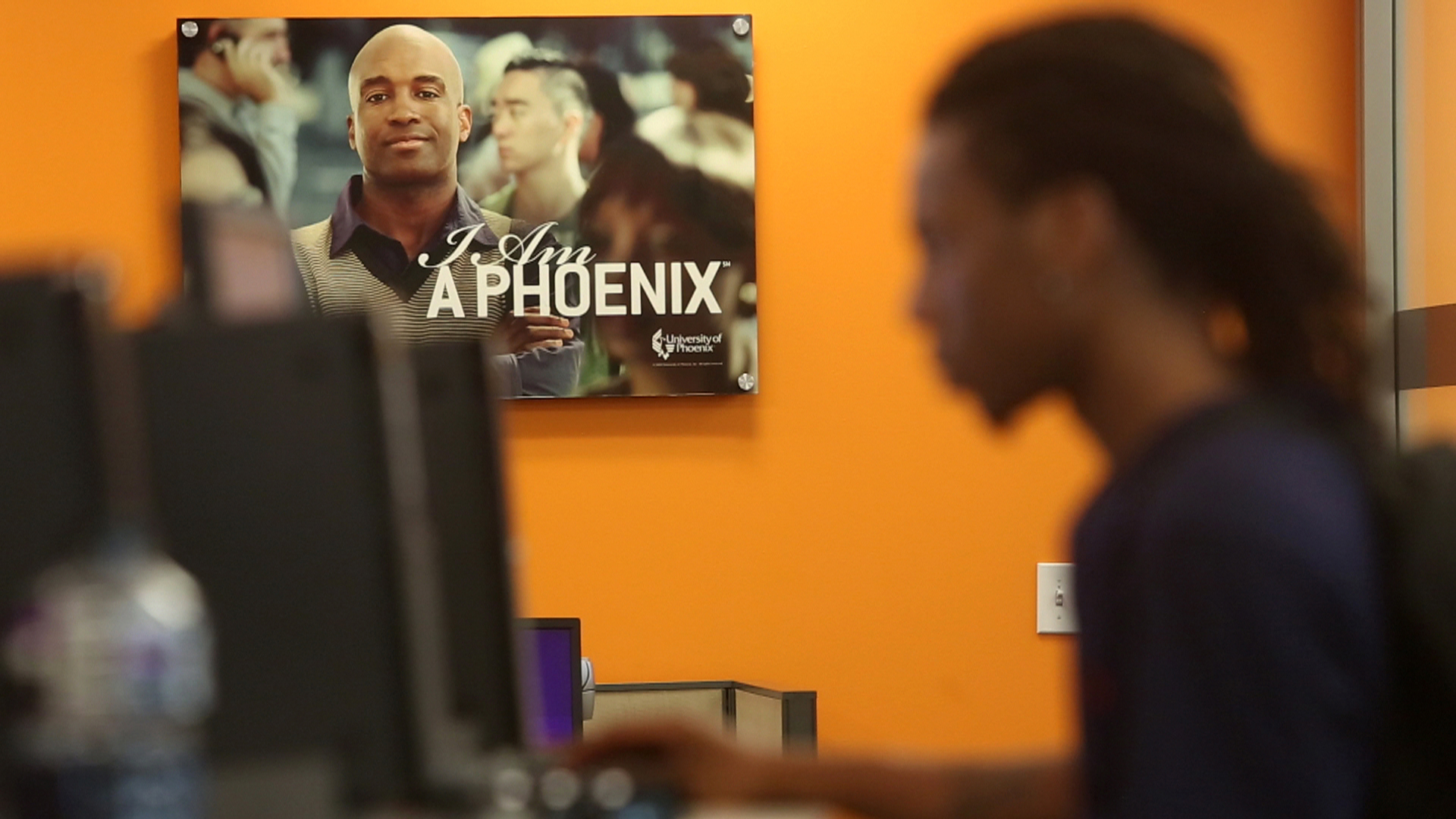
window.__IS_SSR__=true
window.__INITIAL_STATE__={
"attachmentsReducer": {
"audio_0": {
"type": "attachments",
"id": "audio_0",
"imgSizes": {
"kqedFullSize": {
"file": "https://ww2.kqed.org/news/wp-content/themes/KQED-unified/img/audio_bgs/background0.jpg"
}
}
},
"audio_1": {
"type": "attachments",
"id": "audio_1",
"imgSizes": {
"kqedFullSize": {
"file": "https://ww2.kqed.org/news/wp-content/themes/KQED-unified/img/audio_bgs/background1.jpg"
}
}
},
"audio_2": {
"type": "attachments",
"id": "audio_2",
"imgSizes": {
"kqedFullSize": {
"file": "https://ww2.kqed.org/news/wp-content/themes/KQED-unified/img/audio_bgs/background2.jpg"
}
}
},
"audio_3": {
"type": "attachments",
"id": "audio_3",
"imgSizes": {
"kqedFullSize": {
"file": "https://ww2.kqed.org/news/wp-content/themes/KQED-unified/img/audio_bgs/background3.jpg"
}
}
},
"audio_4": {
"type": "attachments",
"id": "audio_4",
"imgSizes": {
"kqedFullSize": {
"file": "https://ww2.kqed.org/news/wp-content/themes/KQED-unified/img/audio_bgs/background4.jpg"
}
}
},
"placeholder": {
"type": "attachments",
"id": "placeholder",
"imgSizes": {
"thumbnail": {
"file": "https://cdn.kqed.org/wp-content/uploads/2024/12/KQED-Default-Image-816638274-2000x1333-1-160x107.jpg",
"width": 160,
"height": 107,
"mimeType": "image/jpeg"
},
"medium": {
"file": "https://cdn.kqed.org/wp-content/uploads/2024/12/KQED-Default-Image-816638274-2000x1333-1-800x533.jpg",
"width": 800,
"height": 533,
"mimeType": "image/jpeg"
},
"medium_large": {
"file": "https://cdn.kqed.org/wp-content/uploads/2024/12/KQED-Default-Image-816638274-2000x1333-1-768x512.jpg",
"width": 768,
"height": 512,
"mimeType": "image/jpeg"
},
"large": {
"file": "https://cdn.kqed.org/wp-content/uploads/2024/12/KQED-Default-Image-816638274-2000x1333-1-1020x680.jpg",
"width": 1020,
"height": 680,
"mimeType": "image/jpeg"
},
"1536x1536": {
"file": "https://cdn.kqed.org/wp-content/uploads/2024/12/KQED-Default-Image-816638274-2000x1333-1-1536x1024.jpg",
"width": 1536,
"height": 1024,
"mimeType": "image/jpeg"
},
"fd-lrg": {
"file": "https://cdn.kqed.org/wp-content/uploads/2024/12/KQED-Default-Image-816638274-2000x1333-1-1536x1024.jpg",
"width": 1536,
"height": 1024,
"mimeType": "image/jpeg"
},
"fd-med": {
"file": "https://cdn.kqed.org/wp-content/uploads/2024/12/KQED-Default-Image-816638274-2000x1333-1-1020x680.jpg",
"width": 1020,
"height": 680,
"mimeType": "image/jpeg"
},
"fd-sm": {
"file": "https://cdn.kqed.org/wp-content/uploads/2024/12/KQED-Default-Image-816638274-2000x1333-1-800x533.jpg",
"width": 800,
"height": 533,
"mimeType": "image/jpeg"
},
"post-thumbnail": {
"file": "https://cdn.kqed.org/wp-content/uploads/2024/12/KQED-Default-Image-816638274-2000x1333-1-672x372.jpg",
"width": 672,
"height": 372,
"mimeType": "image/jpeg"
},
"twentyfourteen-full-width": {
"file": "https://cdn.kqed.org/wp-content/uploads/2024/12/KQED-Default-Image-816638274-2000x1333-1-1038x576.jpg",
"width": 1038,
"height": 576,
"mimeType": "image/jpeg"
},
"xxsmall": {
"file": "https://cdn.kqed.org/wp-content/uploads/2024/12/KQED-Default-Image-816638274-2000x1333-1-160x107.jpg",
"width": 160,
"height": 107,
"mimeType": "image/jpeg"
},
"xsmall": {
"file": "https://cdn.kqed.org/wp-content/uploads/2024/12/KQED-Default-Image-816638274-2000x1333-1-672x372.jpg",
"width": 672,
"height": 372,
"mimeType": "image/jpeg"
},
"small": {
"file": "https://cdn.kqed.org/wp-content/uploads/2024/12/KQED-Default-Image-816638274-2000x1333-1-672x372.jpg",
"width": 672,
"height": 372,
"mimeType": "image/jpeg"
},
"xlarge": {
"file": "https://cdn.kqed.org/wp-content/uploads/2024/12/KQED-Default-Image-816638274-2000x1333-1-1020x680.jpg",
"width": 1020,
"height": 680,
"mimeType": "image/jpeg"
},
"full-width": {
"file": "https://cdn.kqed.org/wp-content/uploads/2024/12/KQED-Default-Image-816638274-2000x1333-1-1920x1280.jpg",
"width": 1920,
"height": 1280,
"mimeType": "image/jpeg"
},
"guest-author-32": {
"file": "https://cdn.kqed.org/wp-content/uploads/2025/01/KQED-Default-Image-816638274-1333x1333-1-160x160.jpg",
"width": 32,
"height": 32,
"mimeType": "image/jpeg"
},
"guest-author-50": {
"file": "https://cdn.kqed.org/wp-content/uploads/2025/01/KQED-Default-Image-816638274-1333x1333-1-160x160.jpg",
"width": 50,
"height": 50,
"mimeType": "image/jpeg"
},
"guest-author-64": {
"file": "https://cdn.kqed.org/wp-content/uploads/2025/01/KQED-Default-Image-816638274-1333x1333-1-160x160.jpg",
"width": 64,
"height": 64,
"mimeType": "image/jpeg"
},
"guest-author-96": {
"file": "https://cdn.kqed.org/wp-content/uploads/2025/01/KQED-Default-Image-816638274-1333x1333-1-160x160.jpg",
"width": 96,
"height": 96,
"mimeType": "image/jpeg"
},
"guest-author-128": {
"file": "https://cdn.kqed.org/wp-content/uploads/2025/01/KQED-Default-Image-816638274-1333x1333-1-160x160.jpg",
"width": 128,
"height": 128,
"mimeType": "image/jpeg"
},
"detail": {
"file": "https://cdn.kqed.org/wp-content/uploads/2025/01/KQED-Default-Image-816638274-1333x1333-1-160x160.jpg",
"width": 160,
"height": 160,
"mimeType": "image/jpeg"
},
"kqedFullSize": {
"file": "https://cdn.kqed.org/wp-content/uploads/2024/12/KQED-Default-Image-816638274-2000x1333-1.jpg",
"width": 2000,
"height": 1333
}
}
},
"news_140423": {
"type": "attachments",
"id": "news_140423",
"meta": {
"index": "attachments_1716263798",
"site": "news",
"id": "140423",
"found": true
},
"parent": 140416,
"imgSizes": {
"kqedFullSize": {
"file": "https://ww2.kqed.org/app/uploads/sites/10/2014/06/University-of-Phoenix-framegrab02-1.jpg",
"width": 1920,
"height": 1080
}
},
"publishDate": 1403891619,
"modified": 1403891619,
"caption": "Nationally, the University of Phoenix received nearly $1 billion from the new GI Bill over the last five years. (Adithya Sambamurthy/CIR)",
"description": null,
"title": "University of Phoenix framegrab02 (1)",
"credit": null,
"status": "inherit",
"isLoading": false,
"fetchFailed": false
},
"news_139561": {
"type": "attachments",
"id": "news_139561",
"meta": {
"index": "attachments_1716263798",
"site": "news",
"id": "139561",
"found": true
},
"parent": 139526,
"imgSizes": {
"kqedFullSize": {
"file": "https://ww2.kqed.org/app/uploads/sites/10/2014/06/IMG_4056.jpg",
"width": 2592,
"height": 1936
}
},
"publishDate": 1403127207,
"modified": 1403127207,
"caption": "(John Myers, KQED)",
"description": null,
"title": "IMG_4056",
"credit": null,
"status": "inherit",
"isLoading": false,
"fetchFailed": false
},
"news_139037": {
"type": "attachments",
"id": "news_139037",
"meta": {
"index": "attachments_1716263798",
"site": "news",
"id": "139037",
"found": true
},
"parent": 138992,
"imgSizes": {
"kqedFullSize": {
"file": "https://ww2.kqed.org/app/uploads/sites/10/2014/06/photo-2.jpg",
"width": 640,
"height": 369
}
},
"publishDate": 1402620384,
"modified": 1402620384,
"caption": "Leah Francis hands out fliers at a June 12th protest against Stanford's policies on sexual assault. (Peter Jon Shuler/KQED)",
"description": null,
"title": "photo (2)",
"credit": null,
"status": "inherit",
"isLoading": false,
"fetchFailed": false
},
"news_138439": {
"type": "attachments",
"id": "news_138439",
"meta": {
"index": "attachments_1716263798",
"site": "news",
"id": "138439",
"found": true
},
"parent": 138438,
"imgSizes": {
"kqedFullSize": {
"file": "https://ww2.kqed.org/app/uploads/sites/10/2014/06/ccsf-640.jpg",
"width": 640,
"height": 360
}
},
"publishDate": 1402257916,
"modified": 1402257916,
"caption": null,
"description": null,
"title": "ccsf-640",
"credit": null,
"status": "inherit",
"isLoading": false,
"fetchFailed": false
},
"news_138671": {
"type": "attachments",
"id": "news_138671",
"meta": {
"index": "attachments_1716263798",
"site": "news",
"id": "138671",
"found": true
},
"parent": 138662,
"imgSizes": {
"kqedFullSize": {
"file": "https://ww2.kqed.org/app/uploads/sites/10/2014/06/RS6264_78253847-lpr.jpg",
"width": 2000,
"height": 1333
}
},
"publishDate": 1402421894,
"modified": 1402421894,
"caption": "A judge's ruling on teacher tenure could have huge ramifications in California. (Getty Images)",
"description": null,
"title": "teacher tenure",
"credit": null,
"status": "inherit",
"isLoading": false,
"fetchFailed": false
},
"news_138365": {
"type": "attachments",
"id": "news_138365",
"meta": {
"index": "attachments_1716263798",
"site": "news",
"id": "138365",
"found": true
},
"parent": 138355,
"imgSizes": {
"kqedFullSize": {
"file": "https://ww2.kqed.org/app/uploads/sites/10/2014/06/BuffaloSoldiers.jpg",
"width": 640,
"height": 360
}
},
"publishDate": 1402095765,
"modified": 1402095765,
"caption": "In 1899, Buffalo Soldiers in the 24th Infantry carried out mounted patrol duties in Yosemite. (Courtesy Yosemite Research Library)",
"description": "In 1899, Buffalo Soldiers in the 24th Infantry carried out mounted patrol duties in Yosemite.",
"title": "BuffaloSoldiers",
"credit": null,
"status": "inherit",
"isLoading": false,
"fetchFailed": false
},
"news_137622": {
"type": "attachments",
"id": "news_137622",
"meta": {
"index": "attachments_1716263798",
"site": "news",
"id": "137622",
"found": true
},
"parent": 137604,
"imgSizes": {
"kqedFullSize": {
"file": "https://ww2.kqed.org/app/uploads/sites/10/2014/05/OUSD.jpg",
"width": 1280,
"height": 900
}
},
"publishDate": 1401476700,
"modified": 1550277047,
"caption": "The Oakland School Board is focusing its attention on improving the city's high schools by creating career academies within schools. (Justin Sullivan/Getty Images)",
"description": null,
"title": "Oakland Teachers Go On One-Day Strike To Protest New Contract",
"credit": null,
"status": "inherit",
"isLoading": false,
"fetchFailed": false
},
"news_137590": {
"type": "attachments",
"id": "news_137590",
"meta": {
"index": "attachments_1716263798",
"site": "news",
"id": "137590",
"found": true
},
"parent": 137588,
"imgSizes": {
"kqedFullSize": {
"file": "https://ww2.kqed.org/app/uploads/sites/10/2014/05/RS10570_photo-hpf.jpg",
"width": 640,
"height": 480
}
},
"publishDate": 1401468263,
"modified": 1401468263,
"caption": "Linda Jordan is the African American community liaison at Mission High School who is determined to get more black youth into college. (Ana Tintocalis/KQED)",
"description": "Linda Jordan is the African American community liaison at Mission High School who is determined to get more black youth into college. (Ana Tintocalis/KQED)",
"title": "RS10570_photo-hpf",
"credit": null,
"status": "inherit",
"isLoading": false,
"fetchFailed": false
},
"news_137444": {
"type": "attachments",
"id": "news_137444",
"meta": {
"index": "attachments_1716263798",
"site": "news",
"id": "137444",
"found": true
},
"parent": 137442,
"imgSizes": {
"kqedFullSize": {
"file": "https://ww2.kqed.org/app/uploads/sites/10/2014/05/RS1394_57641874-lpr-e1416433920296.jpg",
"width": 1440,
"height": 958
}
},
"publishDate": 1401387722,
"modified": 1416435726,
"caption": "School funding increases under new state budget projections. (David McNew/Getty Images)",
"description": null,
"title": "School-Generic ",
"credit": null,
"status": "inherit",
"isLoading": false,
"fetchFailed": false
},
"news_137217": {
"type": "attachments",
"id": "news_137217",
"meta": {
"index": "attachments_1716263798",
"site": "news",
"id": "137217",
"found": true
},
"parent": 137216,
"imgSizes": {
"kqedFullSize": {
"file": "https://ww2.kqed.org/app/uploads/sites/10/2014/05/School-of-the-Madeleine-Berkeley.-Photo-Natalie-Orenstein.jpg",
"width": 692,
"height": 519
}
},
"publishDate": 1401222360,
"modified": 1401222360,
"caption": "The School of the Madeleine in Berkeley is the only Berkeley school affected by what is being described as a morality clause in teachers’ contracts, introduced by the new Bishop of Oakland, Michael Barber. (Natalie Orenstein/Berkeleyside)",
"description": null,
"title": "School-of-the-Madeleine-Berkeley.-Photo-Natalie-Orenstein",
"credit": null,
"status": "inherit",
"isLoading": false,
"fetchFailed": false
},
"news_137027": {
"type": "attachments",
"id": "news_137027",
"meta": {
"index": "attachments_1716263798",
"site": "news",
"id": "137027",
"found": true
},
"parent": 137037,
"imgSizes": {
"kqedFullSize": {
"file": "https://ww2.kqed.org/app/uploads/sites/10/2014/05/presidiomiddleschool.jpg",
"width": 1844,
"height": 1317
}
},
"publishDate": 1400886497,
"modified": 1400886497,
"caption": "School board member Rachel Norton's daughter couldn't follow her friends to Presidio Middle School five years ago. (Sierra Michels Slettvet/Flickr)",
"description": null,
"title": "presidiomiddleschool",
"credit": null,
"status": "inherit",
"isLoading": false,
"fetchFailed": false
},
"news_136507": {
"type": "attachments",
"id": "news_136507",
"meta": {
"index": "attachments_1716263798",
"site": "news",
"id": "136507",
"found": true
},
"parent": 136502,
"imgSizes": {
"kqedFullSize": {
"file": "https://ww2.kqed.org/app/uploads/sites/10/2014/05/Square-roots.jpg",
"width": 3264,
"height": 2448
}
},
"publishDate": 1400531524,
"modified": 1400531524,
"caption": "Two students practice a California twirl at UC Berkeley's square dance student-ran class. (Samantha Clark/KQED)",
"description": null,
"title": "Square roots",
"credit": null,
"status": "inherit",
"isLoading": false,
"fetchFailed": false
}
},
"audioPlayerReducer": {
"postId": "stream_live",
"isPaused": true,
"isPlaying": false,
"pfsActive": false,
"pledgeModalIsOpen": true,
"playerDrawerIsOpen": false,
"liveAudioPlayStartedAt": 0,
"liveAudioPlayContext": ""
},
"authorsReducer": {
"anatintocalis": {
"type": "authors",
"id": "211",
"meta": {
"index": "authors_1716337520",
"id": "211",
"found": true
},
"name": "Ana Tintocalis",
"firstName": "Ana",
"lastName": "Tintocalis",
"slug": "anatintocalis",
"email": "atintocalis@kqed.org",
"display_author_email": false,
"staff_mastheads": [],
"title": null,
"bio": null,
"avatar": "https://secure.gravatar.com/avatar/722c50f51f04eff38fa0e5a3f1d29450?s=600&d=blank&r=g",
"twitter": null,
"facebook": null,
"instagram": null,
"linkedin": null,
"sites": [
{
"site": "news",
"roles": [
"subscriber"
]
},
{
"site": "stateofhealth",
"roles": [
"subscriber"
]
}
],
"headData": {
"title": "Ana Tintocalis | KQED",
"description": null,
"ogImgSrc": "https://secure.gravatar.com/avatar/722c50f51f04eff38fa0e5a3f1d29450?s=600&d=blank&r=g",
"twImgSrc": "https://secure.gravatar.com/avatar/722c50f51f04eff38fa0e5a3f1d29450?s=600&d=blank&r=g"
},
"isLoading": false,
"link": "/author/anatintocalis"
},
"danbrekke": {
"type": "authors",
"id": "222",
"meta": {
"index": "authors_1716337520",
"id": "222",
"found": true
},
"name": "Dan Brekke",
"firstName": "Dan",
"lastName": "Brekke",
"slug": "danbrekke",
"email": "dbrekke@kqed.org",
"display_author_email": true,
"staff_mastheads": [
"news",
"science"
],
"title": "KQED Editor and Reporter",
"bio": "Dan Brekke is a reporter and editor for KQED News, responsible for coverage of topics ranging from California water issues to the Bay Area's transportation challenges. In a newsroom career that began in Chicago in 1972, Dan has worked for \u003cem>The San Francisco Examiner,\u003c/em> Wired and TechTV and has been published in The New York Times, The New York Times Magazine, Business 2.0, Salon and elsewhere.\r\n\r\nSince joining KQED in 2007, Dan has reported, edited and produced both radio and online features and breaking news pieces. He has shared as both editor and reporter in four Society of Professional Journalists Norcal Excellence in Journalism awards and one Edward R. Murrow regional award. He was chosen for a spring 2017 residency at the Mesa Refuge to advance his research on California salmon.\r\n\r\nEmail Dan at: \u003ca href=\"mailto:dbrekke@kqed.org\">dbrekke@kqed.org\u003c/a>\r\n\r\n\u003cstrong>Twitter:\u003c/strong> \u003ca href=\"https://twitter.com/danbrekke\" rel=\"noopener noreferrer\">twitter.com/danbrekke\u003c/a>\r\n\u003cstrong>Facebook:\u003c/strong> \u003ca href=\"https://www.facebook.com/danbrekke\" rel=\"noopener noreferrer\">www.facebook.com/danbrekke\u003c/a>\r\n\u003cstrong>LinkedIn:\u003c/strong> \u003ca href=\"https://www.linkedin.com/in/danbrekke\" rel=\"noopener noreferrer\">www.linkedin.com/in/danbrekke\u003c/a>",
"avatar": "https://secure.gravatar.com/avatar/8f1f0d2a978fb3b23426c922c7e2af558fa36905b49c4ce76a97dc3c72d27226?s=600&d=mm&r=g",
"twitter": "danbrekke",
"bluesky": null,
"facebook": null,
"instagram": "https://www.instagram.com/dan.brekke/",
"linkedin": "https://www.linkedin.com/in/danbrekke/",
"sites": [
{
"site": "news",
"roles": [
"administrator",
"create_posts"
]
},
{
"site": "stateofhealth",
"roles": [
"editor"
]
},
{
"site": "science",
"roles": [
"editor"
]
},
{
"site": "quest",
"roles": [
"contributor"
]
},
{
"site": "food",
"roles": [
"contributor"
]
},
{
"site": "forum",
"roles": [
"contributor"
]
},
{
"site": "elections",
"roles": [
"editor"
]
},
{
"site": "liveblog",
"roles": [
"editor"
]
}
],
"headData": {
"title": "Dan Brekke | KQED",
"description": "KQED Editor and Reporter",
"ogImgSrc": "https://secure.gravatar.com/avatar/8f1f0d2a978fb3b23426c922c7e2af558fa36905b49c4ce76a97dc3c72d27226?s=600&d=mm&r=g",
"twImgSrc": "https://secure.gravatar.com/avatar/8f1f0d2a978fb3b23426c922c7e2af558fa36905b49c4ce76a97dc3c72d27226?s=600&d=mm&r=g"
},
"isLoading": false,
"link": "/author/danbrekke"
},
"jmyers": {
"type": "authors",
"id": "232",
"meta": {
"index": "authors_1716337520",
"id": "232",
"found": true
},
"name": "John Myers",
"firstName": "John",
"lastName": "Myers",
"slug": "jmyers",
"email": "jmyers@kqed.org",
"display_author_email": false,
"staff_mastheads": [],
"title": null,
"bio": "John Myers is Senior Editor of KQED's new California Politics and Government Desk. A veteran of almost two decades of political coverage, he was KQED's longest serving statehouse bureau chief and recently was political editor for Sacramento's ABC affiliate, News10 (KXTV). John was moderator of the only 2014 gubernatorial debate, and was named by \u003cem>The Washington Post\u003c/em> to two \"Best Of\" lists: the 2015 list of top state politics reporters and 2014's list of America's most influential statehouse reporters.",
"avatar": "https://secure.gravatar.com/avatar/c0ac98482caf0b8229a792662b38722a?s=600&d=blank&r=g",
"twitter": "johnmyers",
"facebook": null,
"instagram": null,
"linkedin": null,
"sites": [
{
"site": "news",
"roles": [
"subscriber"
]
}
],
"headData": {
"title": "John Myers | KQED",
"description": null,
"ogImgSrc": "https://secure.gravatar.com/avatar/c0ac98482caf0b8229a792662b38722a?s=600&d=blank&r=g",
"twImgSrc": "https://secure.gravatar.com/avatar/c0ac98482caf0b8229a792662b38722a?s=600&d=blank&r=g"
},
"isLoading": false,
"link": "/author/jmyers"
},
"kqed": {
"type": "authors",
"id": "236",
"meta": {
"index": "authors_1716337520",
"id": "236",
"found": true
},
"name": "KQED News Staff",
"firstName": "KQED News Staff",
"lastName": null,
"slug": "kqed",
"email": "faq@kqed.org",
"display_author_email": false,
"staff_mastheads": [],
"title": null,
"bio": null,
"avatar": "https://secure.gravatar.com/avatar/ef0e801a68c4c54afa9180db14084167?s=600&d=blank&r=g",
"twitter": null,
"facebook": null,
"instagram": null,
"linkedin": null,
"sites": [
{
"site": "arts",
"roles": [
"contributor"
]
},
{
"site": "news",
"roles": [
"editor"
]
},
{
"site": "futureofyou",
"roles": [
"author"
]
}
],
"headData": {
"title": "KQED News Staff | KQED",
"description": null,
"ogImgSrc": "https://secure.gravatar.com/avatar/ef0e801a68c4c54afa9180db14084167?s=600&d=blank&r=g",
"twImgSrc": "https://secure.gravatar.com/avatar/ef0e801a68c4c54afa9180db14084167?s=600&d=blank&r=g"
},
"isLoading": false,
"link": "/author/kqed"
},
"kqednewsstaffandwires": {
"type": "authors",
"id": "237",
"meta": {
"index": "authors_1716337520",
"id": "237",
"found": true
},
"name": "KQED News Staff and Wires",
"firstName": "KQED News Staff and Wires",
"lastName": null,
"slug": "kqednewsstaffandwires",
"email": "onlinenewsstaff@kqed.org",
"display_author_email": false,
"staff_mastheads": [],
"title": null,
"bio": null,
"avatar": "https://secure.gravatar.com/avatar/72295af8ebbfbd19a4948f5271285664?s=600&d=blank&r=g",
"twitter": null,
"facebook": null,
"instagram": null,
"linkedin": null,
"sites": [
{
"site": "arts",
"roles": [
"contributor"
]
},
{
"site": "news",
"roles": [
"contributor"
]
},
{
"site": "lowdown",
"roles": [
"author"
]
},
{
"site": "stateofhealth",
"roles": [
"contributor"
]
},
{
"site": "food",
"roles": [
"author"
]
}
],
"headData": {
"title": "KQED News Staff and Wires | KQED",
"description": null,
"ogImgSrc": "https://secure.gravatar.com/avatar/72295af8ebbfbd19a4948f5271285664?s=600&d=blank&r=g",
"twImgSrc": "https://secure.gravatar.com/avatar/72295af8ebbfbd19a4948f5271285664?s=600&d=blank&r=g"
},
"isLoading": false,
"link": "/author/kqednewsstaffandwires"
},
"wjonassen": {
"type": "authors",
"id": "261",
"meta": {
"index": "authors_1716337520",
"id": "261",
"found": true
},
"name": "Wendi Jonassen",
"firstName": "Wendi",
"lastName": "Jonassen",
"slug": "wjonassen",
"email": "wendi.jonassen@gmail.com",
"display_author_email": false,
"staff_mastheads": [],
"title": "KQED Contributor",
"bio": null,
"avatar": "https://secure.gravatar.com/avatar/86a296c54acbd8b7edba69d44d70f06d?s=600&d=blank&r=g",
"twitter": null,
"facebook": null,
"instagram": null,
"linkedin": null,
"sites": [
{
"site": "news",
"roles": [
"subscriber"
]
}
],
"headData": {
"title": "Wendi Jonassen | KQED",
"description": "KQED Contributor",
"ogImgSrc": "https://secure.gravatar.com/avatar/86a296c54acbd8b7edba69d44d70f06d?s=600&d=blank&r=g",
"twImgSrc": "https://secure.gravatar.com/avatar/86a296c54acbd8b7edba69d44d70f06d?s=600&d=blank&r=g"
},
"isLoading": false,
"link": "/author/wjonassen"
}
},
"pagesReducer": {
"news_category_education": {
"type": "terms",
"id": "news_18540",
"meta": {
"index": "terms_1716263798",
"site": "news",
"id": "18540",
"score": 10.973179
},
"featImg": null,
"name": "Education",
"description": null,
"taxonomy": "category",
"headData": {
"twImgId": null,
"twTitle": null,
"ogTitle": null,
"ogImgId": null,
"twDescription": null,
"description": null,
"title": "Education Archives | KQED News",
"ogDescription": null
},
"ttid": 2595,
"slug": "education",
"isLoading": false,
"title": "Education",
"pageMeta": {
"site": "news",
"WpPageTemplate": "page-topic-editorial",
"currentPage": 175
},
"blocks": [
{
"blockName": "kqed/post-list",
"attrs": {
"layout": "cardArticle2",
"query": "posts/news?category=education",
"seeMore": false,
"paginated": true,
"page": 175
}
},
{
"blockName": "kqed/ad"
}
]
}
},
"pfsSessionReducer": {},
"postsReducer": {
"stream_live": {
"type": "live",
"id": "stream_live",
"audioUrl": "https://streams.kqed.org/kqedradio",
"title": "Live Stream",
"excerpt": "Live Stream information currently unavailable.",
"link": "/radio",
"featImg": "",
"label": {
"name": "KQED Live",
"link": "/"
}
},
"stream_kqedNewscast": {
"type": "posts",
"id": "stream_kqedNewscast",
"audioUrl": "https://www.kqed.org/.stream/anon/radio/RDnews/newscast.mp3?_=1",
"title": "KQED Newscast",
"featImg": "",
"label": {
"name": "88.5 FM",
"link": "/"
}
},
"news_140416": {
"type": "posts",
"id": "news_140416",
"meta": {
"index": "posts_1716263798",
"site": "news",
"id": "140416",
"score": null,
"sort": [
1403967637000
]
},
"parent": 0,
"labelTerm": {
"site": "news",
"term": 6944
},
"blocks": [],
"publishDate": 1403967637,
"format": "aside",
"disqusTitle": "GI Bill Funds Flow to For-Profit Colleges That Fail State Aid Standards",
"title": "GI Bill Funds Flow to For-Profit Colleges That Fail State Aid Standards",
"headTitle": "News Fix | KQED News",
"content": "\u003cp>\u003cstrong>By Aaron Glantz\u003cbr>\n\u003ca href=\"http://cironline.org/\" target=\"_blank\">The Center for Investigative Reporting\u003c/a>\u003c/strong>\u003c/p>\n\u003cfigure id=\"attachment_140423\" class=\"wp-caption aligncenter\" style=\"max-width: 640px\">\u003ca href=\"http://ww2.kqed.org/news/wp-content/uploads/sites/10/2014/06/University-of-Phoenix-framegrab02-1.jpg\">\u003cimg class=\"size-medium wp-image-140423\" src=\"http://ww2.kqed.org/news/wp-content/uploads/sites/10/2014/06/University-of-Phoenix-framegrab02-1-640x360.jpg\" alt=\"Nationally, the University of Phoenix received nearly $1 billion from the new GI Bill over the last five years. (Adithya Sambamurthy/CIR)\" width=\"640\" height=\"360\">\u003c/a>\u003cfigcaption class=\"wp-caption-text\">Nationally, the University of Phoenix received nearly $1 billion from the new GI Bill over the last five years. (Adithya Sambamurthy/CIR)\u003c/figcaption>\u003c/figure>\n\u003cp>Over the last five years, more than $600 million in college assistance for Iraq and Afghanistan veterans has been spent on California schools so substandard that they have failed to qualify for state financial aid.\u003c/p>\n\u003cp>As a result, the GI Bill — designed to help veterans live the American dream — is supporting for-profit companies that spend lavishly on marketing but can leave veterans with worthless degrees and few job prospects, The Center for Investigative Reporting found.\u003c/p>\n\u003cp>“It’s not education. I think it’s just greed,” said David Pace, a 20-year Navy veteran who used the GI Bill to obtain a business degree from the University of Phoenix’s San Diego campus.\u003c/p>\n\u003cp>[contextly_sidebar id=\"511dfa846fa8fcfa2073ff5b5b11265e\"]\u003c/p>\n\u003cp>Although taxpayers spent an estimated $50,000 on Pace’s education, he has the same blue-collar job he landed right after he left the service: running electrical cable for a defense contractor.\u003c/p>\n\u003cp>[ad fullwidth]\u003c/p>\n\u003cp>Financial records analyzed by CIR show that California is the national epicenter of this problem, with nearly 2 out of every 3 GI Bill dollars going to for-profit colleges.\u003c/p>\n\u003cp>The \u003ca href=\"http://www.phoenix.edu/campus-locations/ca/san-diego-campus/san-diego-campus.html\" target=\"_blank\">University of Phoenix in San Diego\u003c/a> outdistances its peers. Since 2009, the campus has received $95 million in GI Bill funds. That’s more than any brick-and-mortar campus in America, more than the entire 10-campus University of California system and all UC extension programs combined.\u003c/p>\n\u003cp>For the University of Phoenix, this is a sign of success.\u003c/p>\n\u003caside class=\"pullquote alignleft\">'It's not education; I think it's just greed.'\u003ccite>David Pace, Navy veteran\u003c/cite>\u003c/aside>\n\u003cp>“Veterans choose the University of Phoenix,” said Garland Williams, its vice president for military affairs. “The programs we offer are the ones that they desire and lead to careers that they want to aspire to.”\u003c/p>\n\u003cp>The school’s large share of GI Bill funding reflects more than just the number of veterans enrolling. The programs are expensive. An associate degree costs $395 a credit, for instance – nearly 10 times the cost at a public community college.\u003c/p>\n\u003cp>The University of Phoenix won’t say how many of its veterans graduate or find jobs, but the overall graduation rate at its San Diego campus is less than 15 percent, according to the U.S. Department of Education, and more than a quarter of students default on their loans within three years of leaving school.\u003c/p>\n\u003cp>Those figures fall short of the minimum standards set by the \u003ca href=\"http://sandbox.csac.ca.gov/CalGrant_Inst/CalGrantInstSearch.aspx\" target=\"_blank\">California Student Aid Commission\u003c/a>, which dispenses state financial aid. The commission considers either a graduation rate lower than 30 percent or a loan default rate of more than 15.5 percent clear indicators of a substandard education.\u003c/p>\n\u003cp>No such restrictions govern GI Bill funds. And nearly 300 California schools that received GI Bill money either were barred from receiving state financial aid at least once in the past four years or operated without accreditation, CIR has found.\u003c/p>\n\u003cp>\u003ciframe src=\"https://s3.amazonaws.com/uploads-cironline-org/interactives/substandard/index.html\" width=\"640\" height=\"300\">\u003c/iframe>\u003c/p>\n\u003cp>Of the $1.5 billion in GI Bill funds spent on tuition and fees in California since 2009, CIR found that more than 40 percent – $638 million – went to schools that have failed the state financial aid standard at least once in the past four years.\u003c/p>\n\u003cp>Four of those schools were University of Phoenix campuses, which together took in $225 million.\u003c/p>\n\u003cp>Among the others are massage schools, paralegal programs and auto repair academies. More than a third — 121 schools — have no academic accreditation, like the \u003ca href=\"http://www.humansexualityeducation.com/\" target=\"_blank\">Institute for Advanced Study of Human Sexuality\u003c/a> in San Francisco and the \u003ca href=\"http://www.farrierschool.com/\" target=\"_blank\">Pacific Coast Horseshoeing School \u003c/a>in Amador County.\u003c/p>\n\u003cp>This is not what advocates hoped for when they pushed a new GI Bill through Congress in 2008. With its approval, the government for the first time since World War II committed to funding the full cost of a college education for veterans — pegged to the price tag for in-state tuition at the most costly public universities, up to $19,000 a year.\u003c/p>\n\u003cp>The advocacy group \u003ca href=\"http://iava.org/\" target=\"_blank\">Iraq and Afghanistan Veterans of America\u003c/a> pushed hard for the bill’s passage. The results have been disappointing, said Political Director Kate O’Gorman.\u003c/p>\n\u003cp>“Enormous amounts of GI Bill dollars” are going to schools that don’t see veterans as the future of the country, she said. Instead, companies are “seeing the benefit dollars they can line their pockets with.”\u003c/p>\n\u003cfigure id=\"attachment_140424\" class=\"wp-caption alignleft\" style=\"max-width: 300px\">\u003ca href=\"http://ww2.kqed.org/news/wp-content/uploads/sites/10/2014/06/david-pace03_adi.jpg\">\u003cimg class=\"size-thumbnail wp-image-140424\" src=\"http://ww2.kqed.org/news/wp-content/uploads/sites/10/2014/06/david-pace03_adi-300x300.jpg\" alt=\"David Pace works as a maintenance electrician at Naval Base San Diego, despite having a University of Phoenix degree paid for with GI Bill funds. (Adithya Sambamurthy/CIR)\" width=\"300\" height=\"300\">\u003c/a>\u003cfigcaption class=\"wp-caption-text\">David Pace works as a maintenance electrician at Naval Base San Diego, despite having a University of Phoenix degree paid for with GI Bill funds. (Adithya Sambamurthy/CIR)\u003c/figcaption>\u003c/figure>\n\u003cp>Nationally, the University of Phoenix received nearly $1 billion from the new GI Bill over the last five years. In all, 80,000 veterans of America’s recent wars spent their GI Bill money at 89 of its campuses and its online college, Department of Veterans Affairs data show.\u003c/p>\n\u003cp>But it’s impossible to tell whether those veterans are receiving a quality education. In fact, no one from any state or federal government knows whether veterans who go to school on the GI Bill graduate or find jobs.\u003c/p>\n\u003cp>The University of Phoenix’s San Diego campus doesn’t look like a college. It’s a few mid-rise office buildings in a suburban office park, indistinguishable from the life insurance company that occupies the glass-and-steel structure across the street.\u003c/p>\n\u003cp>On a Friday morning in early May, a team of inspectors from the California VA pulled into the parking lot and headed to a conference room, where the college’s staff had laid out piles of student veterans’ transcripts and financial records.\u003c/p>\n\u003cp>The audit’s purpose is to ensure that GI Bill money is properly spent, but auditors don’t sit in on classes or review the qualifications of instructors. “That’s not a part of the visit at all,” said Latanaya Johnson, one of the agency’s senior inspectors.\u003c/p>\n\u003cp>Auditors look exclusively at paperwork, she said, to make sure schools aren’t billing the government for students who don’t exist.\u003c/p>\n\u003cp>The University of Phoenix is under fire from its accrediting agency. In a\u003ca href=\"https://www.ncahlc.org/download/_PublicDisclosureNotices/FINAL%20UPDATED%20University%20of%20Phoenix%20PDN.pdf\" target=\"_blank\"> public disclosure in October\u003c/a>, the \u003ca href=\"https://www.ncahlc.org/\" target=\"_blank\">Higher Learning Commission\u003c/a> said the school failed to show that its “learning resources support student learning and effective teaching.”\u003c/p>\n\u003cp>Williams, the University of Phoenix vice president, downplayed the severity of the sanction, noting that the school was given a year to present a correction plan. But he wouldn’t detail specific failures that led to the sanction and, as a private company, the University of Phoenix is exempt from public records laws.\u003c/p>\n\u003cfigure id=\"attachment_140427\" class=\"wp-caption alignright\" style=\"max-width: 300px\">\u003ca href=\"http://ww2.kqed.org/news/wp-content/uploads/sites/10/2014/06/gi-funds.png\">\u003cimg class=\"size-thumbnail wp-image-140427\" src=\"http://ww2.kqed.org/news/wp-content/uploads/sites/10/2014/06/gi-funds-300x300.png\" alt=\"The University of Phoenix's San Diego campus has received more GI funds since 2009 than all 10 UC campuses combined. (CIR)\" width=\"300\" height=\"300\">\u003c/a>\u003cfigcaption class=\"wp-caption-text\">The University of Phoenix's San Diego campus has received more GI funds since 2009 than all 10 UC campuses combined. (CIR)\u003c/figcaption>\u003c/figure>\n\u003cp>Lawmakers in Washington are well aware that GI Bill money is being wasted. In 2012, Iowa Sen. Tom Harkin, a Democrat and chairman of the Senate Committee on Health, Education, Labor and Pensions, issued a scathing \u003ca href=\"http://www.harkin.senate.gov/help/forprofitcolleges.cfm\" target=\"_blank\">5,000-page report \u003c/a>detailing the practices of 30 large for-profit education firms.\u003c/p>\n\u003cp>But when Harkin and his colleagues try to solve the problem, they run into a wall of opposition from the for-profit industry.\u003c/p>\n\u003cp>Among the failed legislation: a bill that would have blocked schools with no academic accreditation from receiving GI Bill money. Another bill, which would have barred for-profit schools from spending GI Bill funds on advertising, marketing or recruiting, never got out of committee.\u003c/p>\n\u003cp>Since the new GI Bill became law, the University of Phoenix’s corporate parent has spent $4.8 million on lobbying Congress, the White House and the federal VA, according to official lobbying records. Now, the legislative fight is moving to the state level, where the for-profit education industry also wields considerable clout.\u003c/p>\n\u003cp>In California, legislation to prevent schools with low graduation rates and high student loan default rates from receiving GI Bill money was gutted of those measures before its first legislative hearing earlier this year. For-profit colleges continued to oppose the bill, however, because it would have forced schools to tell regulators how many veterans graduate and how many find jobs.\u003c/p>\n\u003cp>In April, the University of Phoenix’s lobbyist, Scott Govenar, sent a letter to Mike Gatto, D-Burbank, chairman of the Assembly Appropriations Committee. It argued that telling state regulators how many veterans graduate and find jobs would be cumbersome and “of little practical value.”\u003c/p>\n\u003cp>The bill passed the Assembly at the end of May on a 62-4 vote and headed to the state Senate. But by then, the reporting requirement also had been removed, though unaccredited schools would become ineligible for GI Bill funds in 2017.\u003c/p>\n\u003cp>The bill’s author, Democrat Jim Frazier of Fairfield, characterized the weakened bill as a first step in a years-long battle.\u003c/p>\n\u003cp>“If you try to take too big a bite of the apple in some instances, it’s counterproductive because they fail,” he said. “So you try to go in increments.”\u003c/p>\n\u003cp>[ad floatright]\u003c/p>\n\u003cp>\u003cem>This story was edited by Amy Pyle and copy edited by Nikki Frick and Christine Lee.\u003cbr>\n\u003c/em>\u003c/p>\n\n",
"disqusIdentifier": "140416 http://ww2.kqed.org/news/?p=140416",
"disqusUrl": "https://ww2.kqed.org/news/2014/06/28/gi-bill-education-funds-flow-to-for-profit-colleges-that-fail-state-aid-standards/",
"stats": {
"hasVideo": false,
"hasChartOrMap": false,
"hasAudio": false,
"hasPolis": false,
"wordCount": 1566,
"hasGoogleForm": false,
"hasGallery": false,
"hasHearkenModule": false,
"iframeSrcs": [],
"paragraphCount": 41
},
"modified": 1403916399,
"excerpt": "For-profit colleges in California make big bucks off veteran education funds, but aren't showing results.",
"headData": {
"twImgId": "",
"twTitle": "",
"ogTitle": "",
"ogImgId": "",
"twDescription": "",
"description": "For-profit colleges in California make big bucks off veteran education funds, but aren't showing results.",
"title": "GI Bill Funds Flow to For-Profit Colleges That Fail State Aid Standards | KQED",
"ogDescription": "",
"schema": {
"@context": "https://schema.org",
"@type": "NewsArticle",
"headline": "GI Bill Funds Flow to For-Profit Colleges That Fail State Aid Standards",
"datePublished": "2014-06-28T08:00:37-07:00",
"dateModified": "2014-06-27T17:46:39-07:00",
"image": "https://cdn.kqed.org/wp-content/uploads/2020/02/KQED-OG-Image@1x.png",
"isAccessibleForFree": "True",
"publisher": {
"@type": "NewsMediaOrganization",
"@id": "https://www.kqed.org/#organization",
"name": "KQED",
"logo": "https://cdn.kqed.org/wp-content/uploads/2020/02/KQED-OG-Image@1x.png",
"url": "https://www.kqed.org",
"sameAs": [
"https://www.facebook.com/KQED",
"https://twitter.com/KQED",
"https://www.instagram.com/kqed/",
"https://www.tiktok.com/@kqedofficial",
"https://www.linkedin.com/company/kqed",
"https://www.youtube.com/channel/UCeC0IOo7i1P_61zVUWbJ4nw"
]
}
}
},
"guestAuthors": [],
"slug": "gi-bill-education-funds-flow-to-for-profit-colleges-that-fail-state-aid-standards",
"status": "publish",
"path": "/news/140416/gi-bill-education-funds-flow-to-for-profit-colleges-that-fail-state-aid-standards",
"audioTrackLength": null,
"parsedContent": [
{
"type": "contentString",
"content": "\u003cdiv class=\"post-body\">\u003cp>\u003cp>\u003cstrong>By Aaron Glantz\u003cbr>\n\u003ca href=\"http://cironline.org/\" target=\"_blank\">The Center for Investigative Reporting\u003c/a>\u003c/strong>\u003c/p>\n\u003cfigure id=\"attachment_140423\" class=\"wp-caption aligncenter\" style=\"max-width: 640px\">\u003ca href=\"http://ww2.kqed.org/news/wp-content/uploads/sites/10/2014/06/University-of-Phoenix-framegrab02-1.jpg\">\u003cimg class=\"size-medium wp-image-140423\" src=\"http://ww2.kqed.org/news/wp-content/uploads/sites/10/2014/06/University-of-Phoenix-framegrab02-1-640x360.jpg\" alt=\"Nationally, the University of Phoenix received nearly $1 billion from the new GI Bill over the last five years. (Adithya Sambamurthy/CIR)\" width=\"640\" height=\"360\">\u003c/a>\u003cfigcaption class=\"wp-caption-text\">Nationally, the University of Phoenix received nearly $1 billion from the new GI Bill over the last five years. (Adithya Sambamurthy/CIR)\u003c/figcaption>\u003c/figure>\n\u003cp>Over the last five years, more than $600 million in college assistance for Iraq and Afghanistan veterans has been spent on California schools so substandard that they have failed to qualify for state financial aid.\u003c/p>\n\u003cp>As a result, the GI Bill — designed to help veterans live the American dream — is supporting for-profit companies that spend lavishly on marketing but can leave veterans with worthless degrees and few job prospects, The Center for Investigative Reporting found.\u003c/p>\n\u003cp>“It’s not education. I think it’s just greed,” said David Pace, a 20-year Navy veteran who used the GI Bill to obtain a business degree from the University of Phoenix’s San Diego campus.\u003c/p>\n\u003cp>\u003c/p>\u003cp>\u003c/p>\u003cp>\u003c/p>\n\u003cp>Although taxpayers spent an estimated $50,000 on Pace’s education, he has the same blue-collar job he landed right after he left the service: running electrical cable for a defense contractor.\u003c/p>\n\u003cp>\u003c/p>\u003c/div>",
"attributes": {
"named": {},
"numeric": []
}
},
{
"type": "component",
"content": "",
"name": "ad",
"attributes": {
"named": {
"label": "fullwidth"
},
"numeric": [
"fullwidth"
]
}
},
{
"type": "contentString",
"content": "\u003cdiv class=\"post-body\">\u003cp>\u003c/p>\n\u003cp>Financial records analyzed by CIR show that California is the national epicenter of this problem, with nearly 2 out of every 3 GI Bill dollars going to for-profit colleges.\u003c/p>\n\u003cp>The \u003ca href=\"http://www.phoenix.edu/campus-locations/ca/san-diego-campus/san-diego-campus.html\" target=\"_blank\">University of Phoenix in San Diego\u003c/a> outdistances its peers. Since 2009, the campus has received $95 million in GI Bill funds. That’s more than any brick-and-mortar campus in America, more than the entire 10-campus University of California system and all UC extension programs combined.\u003c/p>\n\u003cp>For the University of Phoenix, this is a sign of success.\u003c/p>\n\u003caside class=\"pullquote alignleft\">'It's not education; I think it's just greed.'\u003ccite>David Pace, Navy veteran\u003c/cite>\u003c/aside>\n\u003cp>“Veterans choose the University of Phoenix,” said Garland Williams, its vice president for military affairs. “The programs we offer are the ones that they desire and lead to careers that they want to aspire to.”\u003c/p>\n\u003cp>The school’s large share of GI Bill funding reflects more than just the number of veterans enrolling. The programs are expensive. An associate degree costs $395 a credit, for instance – nearly 10 times the cost at a public community college.\u003c/p>\n\u003cp>The University of Phoenix won’t say how many of its veterans graduate or find jobs, but the overall graduation rate at its San Diego campus is less than 15 percent, according to the U.S. Department of Education, and more than a quarter of students default on their loans within three years of leaving school.\u003c/p>\n\u003cp>Those figures fall short of the minimum standards set by the \u003ca href=\"http://sandbox.csac.ca.gov/CalGrant_Inst/CalGrantInstSearch.aspx\" target=\"_blank\">California Student Aid Commission\u003c/a>, which dispenses state financial aid. The commission considers either a graduation rate lower than 30 percent or a loan default rate of more than 15.5 percent clear indicators of a substandard education.\u003c/p>\n\u003cp>No such restrictions govern GI Bill funds. And nearly 300 California schools that received GI Bill money either were barred from receiving state financial aid at least once in the past four years or operated without accreditation, CIR has found.\u003c/p>\n\u003cp>\u003ciframe src=\"https://s3.amazonaws.com/uploads-cironline-org/interactives/substandard/index.html\" width=\"640\" height=\"300\">\u003c/iframe>\u003c/p>\n\u003cp>Of the $1.5 billion in GI Bill funds spent on tuition and fees in California since 2009, CIR found that more than 40 percent – $638 million – went to schools that have failed the state financial aid standard at least once in the past four years.\u003c/p>\n\u003cp>Four of those schools were University of Phoenix campuses, which together took in $225 million.\u003c/p>\n\u003cp>Among the others are massage schools, paralegal programs and auto repair academies. More than a third — 121 schools — have no academic accreditation, like the \u003ca href=\"http://www.humansexualityeducation.com/\" target=\"_blank\">Institute for Advanced Study of Human Sexuality\u003c/a> in San Francisco and the \u003ca href=\"http://www.farrierschool.com/\" target=\"_blank\">Pacific Coast Horseshoeing School \u003c/a>in Amador County.\u003c/p>\n\u003cp>This is not what advocates hoped for when they pushed a new GI Bill through Congress in 2008. With its approval, the government for the first time since World War II committed to funding the full cost of a college education for veterans — pegged to the price tag for in-state tuition at the most costly public universities, up to $19,000 a year.\u003c/p>\n\u003cp>The advocacy group \u003ca href=\"http://iava.org/\" target=\"_blank\">Iraq and Afghanistan Veterans of America\u003c/a> pushed hard for the bill’s passage. The results have been disappointing, said Political Director Kate O’Gorman.\u003c/p>\n\u003cp>“Enormous amounts of GI Bill dollars” are going to schools that don’t see veterans as the future of the country, she said. Instead, companies are “seeing the benefit dollars they can line their pockets with.”\u003c/p>\n\u003cfigure id=\"attachment_140424\" class=\"wp-caption alignleft\" style=\"max-width: 300px\">\u003ca href=\"http://ww2.kqed.org/news/wp-content/uploads/sites/10/2014/06/david-pace03_adi.jpg\">\u003cimg class=\"size-thumbnail wp-image-140424\" src=\"http://ww2.kqed.org/news/wp-content/uploads/sites/10/2014/06/david-pace03_adi-300x300.jpg\" alt=\"David Pace works as a maintenance electrician at Naval Base San Diego, despite having a University of Phoenix degree paid for with GI Bill funds. (Adithya Sambamurthy/CIR)\" width=\"300\" height=\"300\">\u003c/a>\u003cfigcaption class=\"wp-caption-text\">David Pace works as a maintenance electrician at Naval Base San Diego, despite having a University of Phoenix degree paid for with GI Bill funds. (Adithya Sambamurthy/CIR)\u003c/figcaption>\u003c/figure>\n\u003cp>Nationally, the University of Phoenix received nearly $1 billion from the new GI Bill over the last five years. In all, 80,000 veterans of America’s recent wars spent their GI Bill money at 89 of its campuses and its online college, Department of Veterans Affairs data show.\u003c/p>\n\u003cp>But it’s impossible to tell whether those veterans are receiving a quality education. In fact, no one from any state or federal government knows whether veterans who go to school on the GI Bill graduate or find jobs.\u003c/p>\n\u003cp>The University of Phoenix’s San Diego campus doesn’t look like a college. It’s a few mid-rise office buildings in a suburban office park, indistinguishable from the life insurance company that occupies the glass-and-steel structure across the street.\u003c/p>\n\u003cp>On a Friday morning in early May, a team of inspectors from the California VA pulled into the parking lot and headed to a conference room, where the college’s staff had laid out piles of student veterans’ transcripts and financial records.\u003c/p>\n\u003cp>The audit’s purpose is to ensure that GI Bill money is properly spent, but auditors don’t sit in on classes or review the qualifications of instructors. “That’s not a part of the visit at all,” said Latanaya Johnson, one of the agency’s senior inspectors.\u003c/p>\n\u003cp>Auditors look exclusively at paperwork, she said, to make sure schools aren’t billing the government for students who don’t exist.\u003c/p>\n\u003cp>The University of Phoenix is under fire from its accrediting agency. In a\u003ca href=\"https://www.ncahlc.org/download/_PublicDisclosureNotices/FINAL%20UPDATED%20University%20of%20Phoenix%20PDN.pdf\" target=\"_blank\"> public disclosure in October\u003c/a>, the \u003ca href=\"https://www.ncahlc.org/\" target=\"_blank\">Higher Learning Commission\u003c/a> said the school failed to show that its “learning resources support student learning and effective teaching.”\u003c/p>\n\u003cp>Williams, the University of Phoenix vice president, downplayed the severity of the sanction, noting that the school was given a year to present a correction plan. But he wouldn’t detail specific failures that led to the sanction and, as a private company, the University of Phoenix is exempt from public records laws.\u003c/p>\n\u003cfigure id=\"attachment_140427\" class=\"wp-caption alignright\" style=\"max-width: 300px\">\u003ca href=\"http://ww2.kqed.org/news/wp-content/uploads/sites/10/2014/06/gi-funds.png\">\u003cimg class=\"size-thumbnail wp-image-140427\" src=\"http://ww2.kqed.org/news/wp-content/uploads/sites/10/2014/06/gi-funds-300x300.png\" alt=\"The University of Phoenix's San Diego campus has received more GI funds since 2009 than all 10 UC campuses combined. (CIR)\" width=\"300\" height=\"300\">\u003c/a>\u003cfigcaption class=\"wp-caption-text\">The University of Phoenix's San Diego campus has received more GI funds since 2009 than all 10 UC campuses combined. (CIR)\u003c/figcaption>\u003c/figure>\n\u003cp>Lawmakers in Washington are well aware that GI Bill money is being wasted. In 2012, Iowa Sen. Tom Harkin, a Democrat and chairman of the Senate Committee on Health, Education, Labor and Pensions, issued a scathing \u003ca href=\"http://www.harkin.senate.gov/help/forprofitcolleges.cfm\" target=\"_blank\">5,000-page report \u003c/a>detailing the practices of 30 large for-profit education firms.\u003c/p>\n\u003cp>But when Harkin and his colleagues try to solve the problem, they run into a wall of opposition from the for-profit industry.\u003c/p>\n\u003cp>Among the failed legislation: a bill that would have blocked schools with no academic accreditation from receiving GI Bill money. Another bill, which would have barred for-profit schools from spending GI Bill funds on advertising, marketing or recruiting, never got out of committee.\u003c/p>\n\u003cp>Since the new GI Bill became law, the University of Phoenix’s corporate parent has spent $4.8 million on lobbying Congress, the White House and the federal VA, according to official lobbying records. Now, the legislative fight is moving to the state level, where the for-profit education industry also wields considerable clout.\u003c/p>\n\u003cp>In California, legislation to prevent schools with low graduation rates and high student loan default rates from receiving GI Bill money was gutted of those measures before its first legislative hearing earlier this year. For-profit colleges continued to oppose the bill, however, because it would have forced schools to tell regulators how many veterans graduate and how many find jobs.\u003c/p>\n\u003cp>In April, the University of Phoenix’s lobbyist, Scott Govenar, sent a letter to Mike Gatto, D-Burbank, chairman of the Assembly Appropriations Committee. It argued that telling state regulators how many veterans graduate and find jobs would be cumbersome and “of little practical value.”\u003c/p>\n\u003cp>The bill passed the Assembly at the end of May on a 62-4 vote and headed to the state Senate. But by then, the reporting requirement also had been removed, though unaccredited schools would become ineligible for GI Bill funds in 2017.\u003c/p>\n\u003cp>The bill’s author, Democrat Jim Frazier of Fairfield, characterized the weakened bill as a first step in a years-long battle.\u003c/p>\n\u003cp>“If you try to take too big a bite of the apple in some instances, it’s counterproductive because they fail,” he said. “So you try to go in increments.”\u003c/p>\n\u003cp>\u003c/p>\u003c/div>",
"attributes": {
"named": {},
"numeric": []
}
},
{
"type": "component",
"content": "",
"name": "ad",
"attributes": {
"named": {
"label": "floatright"
},
"numeric": [
"floatright"
]
}
},
{
"type": "contentString",
"content": "\u003cdiv class=\"post-body\">\u003cp>\u003c/p>\n\u003cp>\u003cem>This story was edited by Amy Pyle and copy edited by Nikki Frick and Christine Lee.\u003cbr>\n\u003c/em>\u003c/p>\n\n\u003c/div>\u003c/p>",
"attributes": {
"named": {},
"numeric": []
}
}
],
"link": "/news/140416/gi-bill-education-funds-flow-to-for-profit-colleges-that-fail-state-aid-standards",
"authors": [
"236"
],
"programs": [
"news_6944"
],
"categories": [
"news_18540",
"news_8"
],
"tags": [
"news_5982",
"news_827"
],
"featImg": "news_140423",
"label": "news_6944"
},
"news_139526": {
"type": "posts",
"id": "news_139526",
"meta": {
"index": "posts_1716263798",
"site": "news",
"id": "139526",
"score": null,
"sort": [
1403161265000
]
},
"parent": 0,
"labelTerm": {
"site": "news",
"term": 6944
},
"blocks": [],
"publishDate": 1403161265,
"format": "aside",
"disqusTitle": "Could It Be Water Versus Schools on California's November Ballot?",
"title": "Could It Be Water Versus Schools on California's November Ballot?",
"headTitle": "California Election Watch 2014 | News Fix | KQED News",
"content": "\u003cfigure id=\"attachment_139561\" class=\"wp-caption alignleft\" style=\"max-width: 640px\">\u003ca href=\"http://ww2.kqed.org/news/wp-content/uploads/sites/10/2014/06/IMG_4056.jpg\">\u003cimg class=\"size-medium wp-image-139561\" src=\"http://ww2.kqed.org/news/wp-content/uploads/sites/10/2014/06/IMG_4056-640x478.jpg\" alt=\"(John Myers, KQED)\" width=\"640\" height=\"478\">\u003c/a>\u003cfigcaption class=\"wp-caption-text\">(John Myers/KQED)\u003c/figcaption>\u003c/figure>\n\u003cp>The safe money, so to speak, in California politics for years has been that voters are usually happy to approve long-term government borrowing. In some ways, it has seemed like free money.\u003c/p>\n\u003cp>But in the post-recession era, where debt has become a political hot potato and the incumbent governor has made debt reduction his mantra, a statewide bond measure is a bit more of a dicey proposition.\u003c/p>\n\u003cp>That helps explain what could soon be a real dilemma under the Capitol dome in Sacramento: Can two multibillion-dollar bond plans, one for water and one for schools, both succeed on Nov. 4? Might voters see it as a choice of one or the other? Or, angry over the idea of big debt, reject both?\u003c/p>\n\u003cp>The issue was raised, gingerly it seemed, on Wednesday afternoon during a hearing of the Senate Education Committee on \u003ca href=\"http://leginfo.ca.gov/pub/13-14/bill/asm/ab_2201-2250/ab_2235_bill_20140523_amended_asm_v98.htm\" target=\"_blank\">AB2235\u003c/a>, a bipartisan $9 billion dollar K-12 and higher education bond proposal. A long line of supporters at the hearing suggested that the backlog of school construction and modernization needs is actually bigger than the bond as written — a need some estimate statewide at as much as \u003cem>$12 billion\u003c/em>.\u003c/p>\n\u003cp>That explains why so many of those same education advocates seemed flummoxed by the committee's staff recommendation: Shrink the 2014 schools bond down to just $2 billon.\u003c/p>\n\u003cp>[ad fullwidth]\u003c/p>\n\u003cp>The school bond, though, has pretty much flown under the radar this year in comparison to talk of a water bond.\u003c/p>\n\u003cp>For months, public and private Capitol negotiations have labored over how to rework the priorities and reduce the size of an $11 billion water bond already on the November ballot, a water storage and operations measure crafted back in 2010. That bond is now almost universally seen as too expensive and, in light of the current drought, misguided in its approach.\u003c/p>\n\u003cp>No one believes an $11 billion bond and a $9 billion bond can both win passage in 2014; California voters might have a general proclivity to borrowing, but $20 billion? That would be exactly the kind of scenario on which Republicans would love to hound Democratic candidates in a year in which the GOP is otherwise struggling to find traction. And it certainly would be a political gift for Republican gubernatorial candidate Neel Kashkari in what may otherwise be a quixotic quest to unseat Gov. Jerry Brown.\u003c/p>\n\u003cp>To be fair, there's virtually no support these days for a water bond totaling $11 billion. Several legislative proposals remain in discussion, with most of them envisioning between $6 billion and $8 billion in new borrowing for water needs.\u003c/p>\n\u003cp>Wednesday's education hearing raised the idea of a $2 billion school bond now, one to help meet the most pressing construction needs, and then a second and larger school bond for voters to consider in 2016. The bond's author, Assemblywoman Joan Buchanan (D-Alamo), opposed that provision for AB2235 but ultimately agreed to remove a dollar amount from her bill while some of the committee's concerns about priorities and projects could be reviewed.\u003c/p>\n\u003cp>\"All of us have an interest in making the bond work,\" said Buchanan.\u003c/p>\n\u003cp>But the politics may still be tough. Many believe the governor, proud of his paying-down-California-debt mantra, \u003ca href=\"http://www.sacbee.com/2014/03/25/6268276/dan-walters-crafting-a-2014-water.html\" target=\"_blank\">is leery of having to campaign for re-election alongside more borrowing\u003c/a>, even if it's for a cause voters generally support.\u003c/p>\n\u003cp>One of the Legislature's leading voices for a water bond, state Sen. Lois Wolk (D-Davis), says the possibility of two bond measures might raise the stakes on water.\u003c/p>\n\u003cp>\"There is a need for both,\" Wolk said in an email, \"and education bonds usually fair better than water bonds. If they both are on the same ballot, it heightens the importance of there being a consensus on the water bond.\"\u003c/p>\n\u003cp>Schools may generally fare better, but voters have been supportive of both kinds of bonds in the past. Since 1998, voters have approved some $35 billion in K-12 bonds and another $10 billion for higher education. In that same time period, voters have given their blessing to more than $19 billion in bonds related to water and the environment.\u003c/p>\n\u003cp>A \u003ca href=\"http://www.ppic.org/main/publication.asp?i=1091\" target=\"_blank\">poll by the nonpartisan Public Policy Institute of California this spring\u003c/a> found that a slim majority of voters surveyed support a water bond if it were smaller than the existing $11 billion proposal\u003c/p>\n\u003cp>But two big bonds on the same ballot? It's anyone's guess. And that's what makes some policy and political observers nervous.\u003c/p>\n\u003cp>One thing is for sure: It will make for some interesting viewing over the next few weeks. Even though state law says all ballot measures must be in place by next Thursday, June 26, neither of these will make that deadline -- which means the Legislature will have to also give itself a legal extension. \u003ca href=\"http://blogs.kqed.org/capitalnotes/2011/02/16/special-election-deadline-who-knows/\" target=\"_blank\">In years past, the accepted wisdom has been that the latest that a legislative measure could be placed on the ballot is 88 days from Election Day\u003c/a>.\u003c/p>\n\u003cp>\u003c/p>\n\u003cp>That would mean that the water bond/schools bond debate must be over by Aug. 8.\u003c/p>\n\n",
"disqusIdentifier": "139526 http://ww2.kqed.org/news/?p=139526",
"disqusUrl": "https://ww2.kqed.org/news/2014/06/19/could-it-be-water-vs-schools-on-californias-november-ballot/",
"stats": {
"hasVideo": false,
"hasChartOrMap": false,
"hasAudio": false,
"hasPolis": false,
"wordCount": 853,
"hasGoogleForm": false,
"hasGallery": false,
"hasHearkenModule": false,
"iframeSrcs": [],
"paragraphCount": 21
},
"modified": 1403195842,
"excerpt": "If two bonds being considered both pass, they might be pitted against each other by leery voters.",
"headData": {
"twImgId": "",
"twTitle": "",
"ogTitle": "",
"ogImgId": "",
"twDescription": "",
"description": "Two multi-billion dollar state bonds are being considered for the November ballot. But can both pass? Would they be pitted against each other?",
"title": "Water vs. Schools on California's Fall Ballot?",
"ogDescription": "",
"schema": {
"@context": "https://schema.org",
"@type": "NewsArticle",
"headline": "Could It Be Water Versus Schools on California's November Ballot?",
"datePublished": "2014-06-19T00:01:05-07:00",
"dateModified": "2014-06-19T09:37:22-07:00",
"image": "https://cdn.kqed.org/wp-content/uploads/2020/02/KQED-OG-Image@1x.png",
"isAccessibleForFree": "True",
"publisher": {
"@type": "NewsMediaOrganization",
"@id": "https://www.kqed.org/#organization",
"name": "KQED",
"logo": "https://cdn.kqed.org/wp-content/uploads/2020/02/KQED-OG-Image@1x.png",
"url": "https://www.kqed.org",
"sameAs": [
"https://www.facebook.com/KQED",
"https://twitter.com/KQED",
"https://www.instagram.com/kqed/",
"https://www.tiktok.com/@kqedofficial",
"https://www.linkedin.com/company/kqed",
"https://www.youtube.com/channel/UCeC0IOo7i1P_61zVUWbJ4nw"
]
}
}
},
"guestAuthors": [],
"slug": "could-it-be-water-vs-schools-on-californias-november-ballot",
"status": "publish",
"customPermalink": "2014/06/19/water-versus-schools-California-election/",
"path": "/news/139526/could-it-be-water-vs-schools-on-californias-november-ballot",
"audioTrackLength": null,
"parsedContent": [
{
"type": "contentString",
"content": "\u003cdiv class=\"post-body\">\u003cp>\u003cfigure id=\"attachment_139561\" class=\"wp-caption alignleft\" style=\"max-width: 640px\">\u003ca href=\"http://ww2.kqed.org/news/wp-content/uploads/sites/10/2014/06/IMG_4056.jpg\">\u003cimg class=\"size-medium wp-image-139561\" src=\"http://ww2.kqed.org/news/wp-content/uploads/sites/10/2014/06/IMG_4056-640x478.jpg\" alt=\"(John Myers, KQED)\" width=\"640\" height=\"478\">\u003c/a>\u003cfigcaption class=\"wp-caption-text\">(John Myers/KQED)\u003c/figcaption>\u003c/figure>\n\u003cp>The safe money, so to speak, in California politics for years has been that voters are usually happy to approve long-term government borrowing. In some ways, it has seemed like free money.\u003c/p>\n\u003cp>But in the post-recession era, where debt has become a political hot potato and the incumbent governor has made debt reduction his mantra, a statewide bond measure is a bit more of a dicey proposition.\u003c/p>\n\u003cp>That helps explain what could soon be a real dilemma under the Capitol dome in Sacramento: Can two multibillion-dollar bond plans, one for water and one for schools, both succeed on Nov. 4? Might voters see it as a choice of one or the other? Or, angry over the idea of big debt, reject both?\u003c/p>\n\u003cp>The issue was raised, gingerly it seemed, on Wednesday afternoon during a hearing of the Senate Education Committee on \u003ca href=\"http://leginfo.ca.gov/pub/13-14/bill/asm/ab_2201-2250/ab_2235_bill_20140523_amended_asm_v98.htm\" target=\"_blank\">AB2235\u003c/a>, a bipartisan $9 billion dollar K-12 and higher education bond proposal. A long line of supporters at the hearing suggested that the backlog of school construction and modernization needs is actually bigger than the bond as written — a need some estimate statewide at as much as \u003cem>$12 billion\u003c/em>.\u003c/p>\n\u003cp>That explains why so many of those same education advocates seemed flummoxed by the committee's staff recommendation: Shrink the 2014 schools bond down to just $2 billon.\u003c/p>\n\u003cp>\u003c/p>\u003c/div>",
"attributes": {
"named": {},
"numeric": []
}
},
{
"type": "component",
"content": "",
"name": "ad",
"attributes": {
"named": {
"label": "fullwidth"
},
"numeric": [
"fullwidth"
]
}
},
{
"type": "contentString",
"content": "\u003cdiv class=\"post-body\">\u003cp>\u003c/p>\n\u003cp>The school bond, though, has pretty much flown under the radar this year in comparison to talk of a water bond.\u003c/p>\n\u003cp>For months, public and private Capitol negotiations have labored over how to rework the priorities and reduce the size of an $11 billion water bond already on the November ballot, a water storage and operations measure crafted back in 2010. That bond is now almost universally seen as too expensive and, in light of the current drought, misguided in its approach.\u003c/p>\n\u003cp>No one believes an $11 billion bond and a $9 billion bond can both win passage in 2014; California voters might have a general proclivity to borrowing, but $20 billion? That would be exactly the kind of scenario on which Republicans would love to hound Democratic candidates in a year in which the GOP is otherwise struggling to find traction. And it certainly would be a political gift for Republican gubernatorial candidate Neel Kashkari in what may otherwise be a quixotic quest to unseat Gov. Jerry Brown.\u003c/p>\n\u003cp>To be fair, there's virtually no support these days for a water bond totaling $11 billion. Several legislative proposals remain in discussion, with most of them envisioning between $6 billion and $8 billion in new borrowing for water needs.\u003c/p>\n\u003cp>Wednesday's education hearing raised the idea of a $2 billion school bond now, one to help meet the most pressing construction needs, and then a second and larger school bond for voters to consider in 2016. The bond's author, Assemblywoman Joan Buchanan (D-Alamo), opposed that provision for AB2235 but ultimately agreed to remove a dollar amount from her bill while some of the committee's concerns about priorities and projects could be reviewed.\u003c/p>\n\u003cp>\"All of us have an interest in making the bond work,\" said Buchanan.\u003c/p>\n\u003cp>But the politics may still be tough. Many believe the governor, proud of his paying-down-California-debt mantra, \u003ca href=\"http://www.sacbee.com/2014/03/25/6268276/dan-walters-crafting-a-2014-water.html\" target=\"_blank\">is leery of having to campaign for re-election alongside more borrowing\u003c/a>, even if it's for a cause voters generally support.\u003c/p>\n\u003cp>One of the Legislature's leading voices for a water bond, state Sen. Lois Wolk (D-Davis), says the possibility of two bond measures might raise the stakes on water.\u003c/p>\n\u003cp>\"There is a need for both,\" Wolk said in an email, \"and education bonds usually fair better than water bonds. If they both are on the same ballot, it heightens the importance of there being a consensus on the water bond.\"\u003c/p>\n\u003cp>Schools may generally fare better, but voters have been supportive of both kinds of bonds in the past. Since 1998, voters have approved some $35 billion in K-12 bonds and another $10 billion for higher education. In that same time period, voters have given their blessing to more than $19 billion in bonds related to water and the environment.\u003c/p>\n\u003cp>A \u003ca href=\"http://www.ppic.org/main/publication.asp?i=1091\" target=\"_blank\">poll by the nonpartisan Public Policy Institute of California this spring\u003c/a> found that a slim majority of voters surveyed support a water bond if it were smaller than the existing $11 billion proposal\u003c/p>\n\u003cp>But two big bonds on the same ballot? It's anyone's guess. And that's what makes some policy and political observers nervous.\u003c/p>\n\u003cp>One thing is for sure: It will make for some interesting viewing over the next few weeks. Even though state law says all ballot measures must be in place by next Thursday, June 26, neither of these will make that deadline -- which means the Legislature will have to also give itself a legal extension. \u003ca href=\"http://blogs.kqed.org/capitalnotes/2011/02/16/special-election-deadline-who-knows/\" target=\"_blank\">In years past, the accepted wisdom has been that the latest that a legislative measure could be placed on the ballot is 88 days from Election Day\u003c/a>.\u003c/p>\n\u003cp>\u003c/p>\n\u003cp>That would mean that the water bond/schools bond debate must be over by Aug. 8.\u003c/p>\n\n\u003c/div>\u003c/p>",
"attributes": {
"named": {},
"numeric": []
}
}
],
"link": "/news/139526/could-it-be-water-vs-schools-on-californias-november-ballot",
"authors": [
"232"
],
"programs": [
"news_6944"
],
"series": [
"news_6304"
],
"categories": [
"news_18540",
"news_8",
"news_13"
],
"tags": [
"news_17601",
"news_6310"
],
"featImg": "news_139561",
"label": "news_6944"
},
"news_138992": {
"type": "posts",
"id": "news_138992",
"meta": {
"index": "posts_1716263798",
"site": "news",
"id": "138992",
"score": null,
"sort": [
1402621046000
]
},
"guestAuthors": [],
"slug": "students-host-rally-against-stanfords-sexual-assault-policy",
"title": "Students Host Rally Against Stanford's Sexual Assault Policy",
"publishDate": 1402621046,
"format": "aside",
"headTitle": "Students Host Rally Against Stanford’s Sexual Assault Policy | KQED",
"labelTerm": {
"term": 6944,
"site": "news"
},
"content": "\u003cfigure id=\"attachment_139037\" class=\"wp-caption aligncenter\" style=\"max-width: 640px\">\u003ca href=\"http://ww2.kqed.org/news/wp-content/uploads/sites/10/2014/06/photo-2.jpg\">\u003cimg loading=\"lazy\" decoding=\"async\" class=\"size-full wp-image-139037\" src=\"http://ww2.kqed.org/news/wp-content/uploads/sites/10/2014/06/photo-2.jpg\" alt=\"Leah Francis at rally.\" width=\"640\" height=\"369\">\u003c/a>\u003cfigcaption class=\"wp-caption-text\">Leah Francis leads a chant at a June 12th protest against Stanford’s policies on sexual assault. (Peter Jon Shuler/KQED)\u003c/figcaption>\u003c/figure>\n\u003cp>A crowd gathered this afternoon on the Stanford University campus during a Faculty Senate meeting, as students passed out fliers that said, “#StandWithLeah” and demanding the school change its policy on how it handles sexual assault cases.\u003c/p>\n\u003cp>The rally happened one day after Stanford announced that it will not expel a student it found responsible for sexual assault, rejecting an appeal from the victim, Leah Francis, who thinks the university treated her alleged assailant too leniently.\u003c/p>\n\u003cp>“The administration dangerously mishandled my case,” says Francis, who organized today’s rally. “We need punishment that rises to the magnitude of the assault.”\u003c/p>\n\u003cp>On April 25, a five-person panel unanimously found the student responsible for sexual misconduct through a disciplinary process called the Alternative Review Process. The panel was set up in 2010 to deal with allegations of misconduct relating to sexual assault, sexual harassment, relationship violence and stalking.\u003c/p>\n\u003cp>Alhough Francis filed a police report in Juneau, Alaska, where she said the attack occurred on Jan. 1, 2014, the case is still being reviewed and charges have not been filed. The action of the university does not reflect one way or another on any potential criminal charges in the case.\u003c/p>\n\u003cp>[ad fullwidth]\u003c/p>\n\u003cp>“This disciplinary process does not seek to determine whether a crime was committed, but whether the university’s student conduct policies were violated and, if so, what discipline is appropriate,” said Lisa Lapin, associate vice president of university communications at Stanford University, in a written statement.\u003c/p>\n\u003cp>On May 6, the panel handed down its discipline, suspending the student for five quarters and requiring him to complete 40 hours of community service, as well as a sexual assault education program.\u003c/p>\n\u003cp>This discipline came too late and was too lenient, according to Francis, who reported the incident to Stanford on Jan. 7. Michele Dauber, a Stanford law professor who helped create the Alternative Review Process in 2010, helped draft Francis’s appeal.\u003c/p>\n\u003cp>“He (the alleged assailant) is responsible for sexual assault through force, but (the panel) determined paradoxically that he is not a threat to the Stanford community,” Dauber says. They came to their decision based on the alleged assailant and victim’s relationship two years prior, she adds.\u003c/p>\n\u003cp>“They are acting on the erroneous belief that he is only a danger to me,” Francis says. “That belief is outdated. This is a giant step back for Stanford.”\u003c/p>\n\u003cp>Francis and those at the rally would like to see mandatory expulsion for those found responsible for sexual assaults.\u003c/p>\n\u003cp>“We are listening,” Greg Boardman, vice provost for student affairs, wrote in a\u003ca href=\"https://studentaffairs.stanford.edu/news/safe-campus-2014\"> June 6 letter\u003c/a> to the community. “Expulsion is currently one of a range of potential outcomes of Stanford’s disciplinary process for cases of forcible sexual assault. A different approach would be to make it the ‘presumptive’ outcome — not meaning that it would be applied to every case automatically, but that it would be the starting point for the consideration of sanctions. We intend to discuss this possible approach further with students and others.”\u003c/p>\n\u003cp>He also addressed concerns about prevention efforts, due process and better education about sexual assault issues.\u003c/p>\n\u003cp>Since Francis has become vocal about campus sexual assault issues, she says hundreds of other alleged victims have reached out to her.\u003c/p>\n\u003cp>“My case is a face to rally behind, to make it real to people,” Francis says. “We are trying to change Stanford’s policies.”\u003c/p>\n\u003cp>\u003cem>Note: An earlier version of this post had an inaccurate caption for the photo and inaccurately attributed some information to Stanford University.\u003c/em>\u003c/p>\n\u003cp style=\"margin: 12px auto 6px auto;font-family: Helvetica,Arial,Sans-serif;font-style: normal;font-variant: normal;font-weight: normal;font-size: 14px;line-height: normal\">\u003ca style=\"text-decoration: underline\" href=\"http://www.scribd.com/doc/229458162/All-Reviewer-Findings\">All Reviewer Findings\u003c/a>\u003c/p>\n\u003cp>\u003c/p>\n\u003cp>\u003ciframe loading=\"lazy\" id=\"doc_18240\" class=\"scribd_iframe_embed\" src=\"//www.scribd.com/embeds/229458162/content?start_page=1&view_mode=scroll&show_recommendations=true\" width=\"100%\" height=\"600\" frameborder=\"0\" scrolling=\"no\">\u003c/iframe>\u003c/p>\n\n",
"blocks": [],
"excerpt": "Demonstration's in response to university decision not to expel student found responsible for assault.",
"status": "publish",
"parent": 0,
"modified": 1721107282,
"stats": {
"hasAudio": false,
"hasVideo": false,
"hasChartOrMap": true,
"iframeSrcs": [
"//www.scribd.com/embeds/229458162/content"
],
"hasGoogleForm": false,
"hasGallery": false,
"hasHearkenModule": false,
"hasPolis": false,
"paragraphCount": 19,
"wordCount": 642
},
"headData": {
"title": "Students Host Rally Against Stanford's Sexual Assault Policy | KQED",
"description": "Demonstration's in response to university decision not to expel student found responsible for assault.",
"ogTitle": "",
"ogDescription": "",
"ogImgId": "",
"twTitle": "",
"twDescription": "",
"twImgId": "",
"schema": {
"@context": "https://schema.org",
"@type": "NewsArticle",
"headline": "Students Host Rally Against Stanford's Sexual Assault Policy",
"datePublished": "2014-06-12T17:57:26-07:00",
"dateModified": "2024-07-15T22:21:22-07:00",
"image": "https://cdn.kqed.org/wp-content/uploads/2020/02/KQED-OG-Image@1x.png",
"isAccessibleForFree": "True",
"publisher": {
"@type": "NewsMediaOrganization",
"@id": "https://www.kqed.org/#organization",
"name": "KQED",
"logo": "https://cdn.kqed.org/wp-content/uploads/2020/02/KQED-OG-Image@1x.png",
"url": "https://www.kqed.org",
"sameAs": [
"https://www.facebook.com/KQED",
"https://twitter.com/KQED",
"https://www.instagram.com/kqed/",
"https://www.tiktok.com/@kqedofficial",
"https://www.linkedin.com/company/kqed",
"https://www.youtube.com/channel/UCeC0IOo7i1P_61zVUWbJ4nw"
]
}
}
},
"sticky": false,
"customPermalink": "2014/06/12/students-host-rally-stanford-sexual-assault-policy/",
"path": "/news/138992/students-host-rally-against-stanfords-sexual-assault-policy",
"audioTrackLength": null,
"parsedContent": [
{
"type": "contentString",
"content": "\u003cdiv class=\"post-body\">\u003cp>\u003cfigure id=\"attachment_139037\" class=\"wp-caption aligncenter\" style=\"max-width: 640px\">\u003ca href=\"http://ww2.kqed.org/news/wp-content/uploads/sites/10/2014/06/photo-2.jpg\">\u003cimg loading=\"lazy\" decoding=\"async\" class=\"size-full wp-image-139037\" src=\"http://ww2.kqed.org/news/wp-content/uploads/sites/10/2014/06/photo-2.jpg\" alt=\"Leah Francis at rally.\" width=\"640\" height=\"369\">\u003c/a>\u003cfigcaption class=\"wp-caption-text\">Leah Francis leads a chant at a June 12th protest against Stanford’s policies on sexual assault. (Peter Jon Shuler/KQED)\u003c/figcaption>\u003c/figure>\n\u003cp>A crowd gathered this afternoon on the Stanford University campus during a Faculty Senate meeting, as students passed out fliers that said, “#StandWithLeah” and demanding the school change its policy on how it handles sexual assault cases.\u003c/p>\n\u003cp>The rally happened one day after Stanford announced that it will not expel a student it found responsible for sexual assault, rejecting an appeal from the victim, Leah Francis, who thinks the university treated her alleged assailant too leniently.\u003c/p>\n\u003cp>“The administration dangerously mishandled my case,” says Francis, who organized today’s rally. “We need punishment that rises to the magnitude of the assault.”\u003c/p>\n\u003cp>On April 25, a five-person panel unanimously found the student responsible for sexual misconduct through a disciplinary process called the Alternative Review Process. The panel was set up in 2010 to deal with allegations of misconduct relating to sexual assault, sexual harassment, relationship violence and stalking.\u003c/p>\n\u003cp>Alhough Francis filed a police report in Juneau, Alaska, where she said the attack occurred on Jan. 1, 2014, the case is still being reviewed and charges have not been filed. The action of the university does not reflect one way or another on any potential criminal charges in the case.\u003c/p>\n\u003cp>\u003c/p>\u003c/div>",
"attributes": {
"named": {},
"numeric": []
}
},
{
"type": "component",
"content": "",
"name": "ad",
"attributes": {
"named": {
"label": "fullwidth"
},
"numeric": [
"fullwidth"
]
}
},
{
"type": "contentString",
"content": "\u003cdiv class=\"post-body\">\u003cp>\u003c/p>\n\u003cp>“This disciplinary process does not seek to determine whether a crime was committed, but whether the university’s student conduct policies were violated and, if so, what discipline is appropriate,” said Lisa Lapin, associate vice president of university communications at Stanford University, in a written statement.\u003c/p>\n\u003cp>On May 6, the panel handed down its discipline, suspending the student for five quarters and requiring him to complete 40 hours of community service, as well as a sexual assault education program.\u003c/p>\n\u003cp>This discipline came too late and was too lenient, according to Francis, who reported the incident to Stanford on Jan. 7. Michele Dauber, a Stanford law professor who helped create the Alternative Review Process in 2010, helped draft Francis’s appeal.\u003c/p>\n\u003cp>“He (the alleged assailant) is responsible for sexual assault through force, but (the panel) determined paradoxically that he is not a threat to the Stanford community,” Dauber says. They came to their decision based on the alleged assailant and victim’s relationship two years prior, she adds.\u003c/p>\n\u003cp>“They are acting on the erroneous belief that he is only a danger to me,” Francis says. “That belief is outdated. This is a giant step back for Stanford.”\u003c/p>\n\u003cp>Francis and those at the rally would like to see mandatory expulsion for those found responsible for sexual assaults.\u003c/p>\n\u003cp>“We are listening,” Greg Boardman, vice provost for student affairs, wrote in a\u003ca href=\"https://studentaffairs.stanford.edu/news/safe-campus-2014\"> June 6 letter\u003c/a> to the community. “Expulsion is currently one of a range of potential outcomes of Stanford’s disciplinary process for cases of forcible sexual assault. A different approach would be to make it the ‘presumptive’ outcome — not meaning that it would be applied to every case automatically, but that it would be the starting point for the consideration of sanctions. We intend to discuss this possible approach further with students and others.”\u003c/p>\n\u003cp>He also addressed concerns about prevention efforts, due process and better education about sexual assault issues.\u003c/p>\n\u003cp>Since Francis has become vocal about campus sexual assault issues, she says hundreds of other alleged victims have reached out to her.\u003c/p>\n\u003cp>“My case is a face to rally behind, to make it real to people,” Francis says. “We are trying to change Stanford’s policies.”\u003c/p>\n\u003cp>\u003cem>Note: An earlier version of this post had an inaccurate caption for the photo and inaccurately attributed some information to Stanford University.\u003c/em>\u003c/p>\n\u003cp style=\"margin: 12px auto 6px auto;font-family: Helvetica,Arial,Sans-serif;font-style: normal;font-variant: normal;font-weight: normal;font-size: 14px;line-height: normal\">\u003ca style=\"text-decoration: underline\" href=\"http://www.scribd.com/doc/229458162/All-Reviewer-Findings\">All Reviewer Findings\u003c/a>\u003c/p>\n\u003cp>\u003c/p>\n\u003cp>\u003ciframe loading=\"lazy\" id=\"doc_18240\" class=\"scribd_iframe_embed\" src=\"//www.scribd.com/embeds/229458162/content?start_page=1&view_mode=scroll&show_recommendations=true\" width=\"100%\" height=\"600\" frameborder=\"0\" scrolling=\"no\">\u003c/iframe>\u003c/p>\n\n\u003c/div>\u003c/p>",
"attributes": {
"named": {},
"numeric": []
}
}
],
"link": "/news/138992/students-host-rally-against-stanfords-sexual-assault-policy",
"authors": [
"261"
],
"programs": [
"news_6944"
],
"categories": [
"news_18540",
"news_6188",
"news_8"
],
"tags": [
"news_17725",
"news_6453",
"news_178"
],
"featImg": "news_139037",
"label": "news_6944"
},
"news_138438": {
"type": "posts",
"id": "news_138438",
"meta": {
"index": "posts_1716263798",
"site": "news",
"id": "138438",
"score": null,
"sort": [
1402526732000
]
},
"guestAuthors": [],
"slug": "ccsf-awaits-changes-to-commissions-accreditation-standards",
"title": "CCSF Gets Two-Year Extension To Meet Accreditation Standards",
"publishDate": 1402526732,
"format": "aside",
"headTitle": "CCSF Gets Two-Year Extension To Meet Accreditation Standards | KQED",
"labelTerm": {
"term": 6944,
"site": "news"
},
"content": "\u003cp>\u003cstrong>Update, Wednesday 3:45 p.m.:\u003c/strong> City College of San Francisco will get up to two more years to fix its finance and governance problems, and will not be forced to close. The 19-member commission seeking to revoke the college’s accreditation by July released the policy change today under pressure from state lawmakers and federal education officials.\u003c/p>\n\u003cp>The commission is now giving the school two years to come into compliance with its accreditation standards. The decision ends two years of uncertainty at the school, which has seen its enrollment drop by thousands of students because of the issue. Because state funding is partly tied to attendance, the school has also lost a significant amount of money.\u003c/p>\n\u003cp>\u003cstrong>Original post, Monday:\u003c/strong>\u003c/p>\n\u003cp>The \u003ca href=\"http://www.accjc.org/\" target=\"_blank\" rel=\"noopener\">Accrediting Commission for Community and Junior Colleges\u003c/a> says it will change its terms for terminating accreditation, but no one is quite sure what that means for the fate of \u003ca href=\"http://www.ccsf.edu/\" target=\"_blank\" rel=\"noopener\">City College of San Francisco\u003c/a> because the commission hasn’t released any details yet about the changes.\u003c/p>\n\u003cp>“The commission took an action that appears to have changed the termination rules for accreditation,” CCSF spokesman Larry Kamer said on \u003cem>\u003ca href=\"http://www.kqed.org/tv/programs/newsroom/\" target=\"_blank\" rel=\"noopener\">KQED Newsroom\u003c/a>\u003c/em> last Friday. “We have no idea what that is. We asked for a copy of that document. We didn’t get it. We’d like to know, because City College, the state chancellor’s office, the mayor’s office had nothing to do with it.”\u003c/p>\n\u003cp>[ad fullwidth]\u003c/p>\n\u003cp>The commission has indicated it will release its new conditions of termination on Wednesday. The ACCJC declined to make an appearance on \u003cem>KQED Newsroom\u003c/em>.\u003c/p>\n\u003cp>[contextly_sidebar id=”f9f27d743cc677abee397c9cf3555879″]\u003c/p>\n\u003cp>The ACCJC is threatening to yank CCSF’s accreditation on July 31 if the college does not come into full compliance with a list of terms regarding issues of poor college governance and finance. And the commission has taken a hard stance against granting an extension past the July 31 deadline for the college to meet the commission’s demands.\u003c/p>\n\u003cp>“The accrediting commission is holding firm to this idea that they cannot extend the deadline for City College despite the fact that the U.S. Department of Education, accrediting experts, directors told me and told the state that they may do this, that they’re allowed to extend the deadline,” San Francisco Chronicle reporter Nanette Asimov said.\u003c/p>\n\u003cp>CCSF is about 95 percent of the way to meeting the commission’s recommendations, according to Kamer, but Board of Trustees member Rafael Mandelman said that, in meeting ACCJC recommendations, other problems have arisen.\u003c/p>\n\u003cp>“The fear that City College would close has precipitated a radical decline in enrollment, which has significant implications for the college’s finances,” Mandelman said. “So, for every problem that the folks at the college have fixed, there have been new issues that have been created by the way the ACCJC operates.”\u003c/p>\n\u003cp>Mandelman said the high-water mark for enrollment was about 100,000 students, but the specter of closure has possibly pushed down enrollment below 70,000.\u003c/p>\n\u003cp>\u003ca href=\"http://ww2.kqed.org/news/2014/01/02/122601/judge-blocks-closure-City-College-San-Francisco\" target=\"_blank\" rel=\"noopener\">CCSF won a reprieve last January\u003c/a> when a San Francisco Superior Court judge granted City Attorney Dennis Herrera an injunction to keep the college open until a trial is held. The lawsuit alleges the ACCJC let political bias and improper procedures influence its decision to revoke the school’s accreditation. The trial is scheduled for October.\u003c/p>\n\u003cp>“The best-case scenario is we continue to fix our problems and we keep our accreditation. That’s the best-case scenario,” Kamer said. “The lawsuit is helpful in buying additional time, and it speaks to the unity of the city community, the elected community, all in support of City College.”\u003c/p>\n\u003cp>Last Friday, a rally was held during the semi-annual meeting of the ACCJC in Sacramento. CCSF professor of political science Timothy Killikelly was there to demand “the ACCJC rescind last year’s decision and send a team immediately to City College to show that City College is in substantial compliance with accreditation standards.”\u003c/p>\n\u003cp>“I’m actually shocked that the ACCJC continues to be so intransigent,” Killikelly said. “You would think that they would be getting the message over and over again. They need to change course. That has not happened as of yet. Thank god for Dennis Herrera and the lawsuit he has. The college is open. It will remain accredited. There will be a trial scheduled in October.”\u003c/p>\n\u003cp>“The morale of teachers is so low,” Killikelly said. “People are so frustrated. There is this uncertainty that hangs over all the students, the faculty and the staff. And the uncertainty needs to end.”\u003c/p>\n\u003cp>From KQED Newsroom’s June 6 Program:\u003c/p>\n\u003cp>[youtube http://www.youtube.com/watch?v=BbK9N9oYTKM&w=640&h=360]\u003c/p>\n\u003cp>\u003c/p>\n\u003cp>\u003cem>\u003ca href=\"http://www.kqed.org/tv/programs/newsroom/\" target=\"_blank\" rel=\"noopener\">KQED NEWSROOM\u003c/a> is a weekly news magazine program on television, radio and online. Watch Fridays at 8 p.m. on KQED Public Television 9, listen on Sundays at 6 p.m. on KQED Public Radio 88.5 FM and watch on demand \u003ca href=\"http://www.kqed.org/tv/programs/newsroom/\" target=\"_blank\" rel=\"noopener\">here\u003c/a>.\u003c/em>\u003c/p>\n\n",
"blocks": [],
"excerpt": "The accrediting commission made a policy change under pressure from lawmakers.",
"status": "publish",
"parent": 0,
"modified": 1721105400,
"stats": {
"hasAudio": false,
"hasVideo": true,
"hasChartOrMap": false,
"iframeSrcs": [],
"hasGoogleForm": false,
"hasGallery": false,
"hasHearkenModule": false,
"hasPolis": false,
"paragraphCount": 22,
"wordCount": 866
},
"headData": {
"title": "CCSF Gets Two-Year Extension To Meet Accreditation Standards | KQED",
"description": "The accrediting commission made a policy change under pressure from lawmakers.",
"ogTitle": "",
"ogDescription": "",
"ogImgId": "",
"twTitle": "",
"twDescription": "",
"twImgId": "",
"schema": {
"@context": "https://schema.org",
"@type": "NewsArticle",
"headline": "CCSF Gets Two-Year Extension To Meet Accreditation Standards",
"datePublished": "2014-06-11T15:45:32-07:00",
"dateModified": "2024-07-15T21:50:00-07:00",
"image": "https://cdn.kqed.org/wp-content/uploads/2020/02/KQED-OG-Image@1x.png",
"isAccessibleForFree": "True",
"publisher": {
"@type": "NewsMediaOrganization",
"@id": "https://www.kqed.org/#organization",
"name": "KQED",
"logo": "https://cdn.kqed.org/wp-content/uploads/2020/02/KQED-OG-Image@1x.png",
"url": "https://www.kqed.org",
"sameAs": [
"https://www.facebook.com/KQED",
"https://twitter.com/KQED",
"https://www.instagram.com/kqed/",
"https://www.tiktok.com/@kqedofficial",
"https://www.linkedin.com/company/kqed",
"https://www.youtube.com/channel/UCeC0IOo7i1P_61zVUWbJ4nw"
]
}
}
},
"sticky": false,
"customPermalink": "2014/06/09/ccsf-awaits-changes-accreditation-rules/",
"path": "/news/138438/ccsf-awaits-changes-to-commissions-accreditation-standards",
"audioTrackLength": null,
"parsedContent": [
{
"type": "contentString",
"content": "\u003cdiv class=\"post-body\">\u003cp>\u003cp>\u003cstrong>Update, Wednesday 3:45 p.m.:\u003c/strong> City College of San Francisco will get up to two more years to fix its finance and governance problems, and will not be forced to close. The 19-member commission seeking to revoke the college’s accreditation by July released the policy change today under pressure from state lawmakers and federal education officials.\u003c/p>\n\u003cp>The commission is now giving the school two years to come into compliance with its accreditation standards. The decision ends two years of uncertainty at the school, which has seen its enrollment drop by thousands of students because of the issue. Because state funding is partly tied to attendance, the school has also lost a significant amount of money.\u003c/p>\n\u003cp>\u003cstrong>Original post, Monday:\u003c/strong>\u003c/p>\n\u003cp>The \u003ca href=\"http://www.accjc.org/\" target=\"_blank\" rel=\"noopener\">Accrediting Commission for Community and Junior Colleges\u003c/a> says it will change its terms for terminating accreditation, but no one is quite sure what that means for the fate of \u003ca href=\"http://www.ccsf.edu/\" target=\"_blank\" rel=\"noopener\">City College of San Francisco\u003c/a> because the commission hasn’t released any details yet about the changes.\u003c/p>\n\u003cp>“The commission took an action that appears to have changed the termination rules for accreditation,” CCSF spokesman Larry Kamer said on \u003cem>\u003ca href=\"http://www.kqed.org/tv/programs/newsroom/\" target=\"_blank\" rel=\"noopener\">KQED Newsroom\u003c/a>\u003c/em> last Friday. “We have no idea what that is. We asked for a copy of that document. We didn’t get it. We’d like to know, because City College, the state chancellor’s office, the mayor’s office had nothing to do with it.”\u003c/p>\n\u003cp>\u003c/p>\u003c/div>",
"attributes": {
"named": {},
"numeric": []
}
},
{
"type": "component",
"content": "",
"name": "ad",
"attributes": {
"named": {
"label": "fullwidth"
},
"numeric": [
"fullwidth"
]
}
},
{
"type": "contentString",
"content": "\u003cdiv class=\"post-body\">\u003cp>\u003c/p>\n\u003cp>The commission has indicated it will release its new conditions of termination on Wednesday. The ACCJC declined to make an appearance on \u003cem>KQED Newsroom\u003c/em>.\u003c/p>\n\u003cp>\u003c/p>\u003cp>\u003c/p>\u003cp>\u003c/p>\n\u003cp>The ACCJC is threatening to yank CCSF’s accreditation on July 31 if the college does not come into full compliance with a list of terms regarding issues of poor college governance and finance. And the commission has taken a hard stance against granting an extension past the July 31 deadline for the college to meet the commission’s demands.\u003c/p>\n\u003cp>“The accrediting commission is holding firm to this idea that they cannot extend the deadline for City College despite the fact that the U.S. Department of Education, accrediting experts, directors told me and told the state that they may do this, that they’re allowed to extend the deadline,” San Francisco Chronicle reporter Nanette Asimov said.\u003c/p>\n\u003cp>CCSF is about 95 percent of the way to meeting the commission’s recommendations, according to Kamer, but Board of Trustees member Rafael Mandelman said that, in meeting ACCJC recommendations, other problems have arisen.\u003c/p>\n\u003cp>“The fear that City College would close has precipitated a radical decline in enrollment, which has significant implications for the college’s finances,” Mandelman said. “So, for every problem that the folks at the college have fixed, there have been new issues that have been created by the way the ACCJC operates.”\u003c/p>\n\u003cp>Mandelman said the high-water mark for enrollment was about 100,000 students, but the specter of closure has possibly pushed down enrollment below 70,000.\u003c/p>\n\u003cp>\u003ca href=\"http://ww2.kqed.org/news/2014/01/02/122601/judge-blocks-closure-City-College-San-Francisco\" target=\"_blank\" rel=\"noopener\">CCSF won a reprieve last January\u003c/a> when a San Francisco Superior Court judge granted City Attorney Dennis Herrera an injunction to keep the college open until a trial is held. The lawsuit alleges the ACCJC let political bias and improper procedures influence its decision to revoke the school’s accreditation. The trial is scheduled for October.\u003c/p>\n\u003cp>“The best-case scenario is we continue to fix our problems and we keep our accreditation. That’s the best-case scenario,” Kamer said. “The lawsuit is helpful in buying additional time, and it speaks to the unity of the city community, the elected community, all in support of City College.”\u003c/p>\n\u003cp>Last Friday, a rally was held during the semi-annual meeting of the ACCJC in Sacramento. CCSF professor of political science Timothy Killikelly was there to demand “the ACCJC rescind last year’s decision and send a team immediately to City College to show that City College is in substantial compliance with accreditation standards.”\u003c/p>\n\u003cp>“I’m actually shocked that the ACCJC continues to be so intransigent,” Killikelly said. “You would think that they would be getting the message over and over again. They need to change course. That has not happened as of yet. Thank god for Dennis Herrera and the lawsuit he has. The college is open. It will remain accredited. There will be a trial scheduled in October.”\u003c/p>\n\u003cp>“The morale of teachers is so low,” Killikelly said. “People are so frustrated. There is this uncertainty that hangs over all the students, the faculty and the staff. And the uncertainty needs to end.”\u003c/p>\n\u003cp>From KQED Newsroom’s June 6 Program:\u003c/p>\n\u003cp>\u003c/p>\u003cp>\u003cspan class='utils-parseShortcode-shortcodes-__youtubeShortcode__embedYoutube'>\n \u003cspan class='utils-parseShortcode-shortcodes-__youtubeShortcode__embedYoutubeInside'>\n \u003ciframe\n loading='lazy'\n class='utils-parseShortcode-shortcodes-__youtubeShortcode__youtubePlayer'\n type='text/html'\n src='//www.youtube.com/embed/BbK9N9oYTKM'\n title='//www.youtube.com/embed/BbK9N9oYTKM'\n allowfullscreen='true'\n style='border:0;'>\u003c/iframe>\n \u003c/span>\n \u003c/span>\u003c/p>\u003cp>\u003c/p>\n\u003cp>\u003c/p>\n\u003cp>\u003cem>\u003ca href=\"http://www.kqed.org/tv/programs/newsroom/\" target=\"_blank\" rel=\"noopener\">KQED NEWSROOM\u003c/a> is a weekly news magazine program on television, radio and online. Watch Fridays at 8 p.m. on KQED Public Television 9, listen on Sundays at 6 p.m. on KQED Public Radio 88.5 FM and watch on demand \u003ca href=\"http://www.kqed.org/tv/programs/newsroom/\" target=\"_blank\" rel=\"noopener\">here\u003c/a>.\u003c/em>\u003c/p>\n\n\u003c/div>\u003c/p>",
"attributes": {
"named": {},
"numeric": []
}
}
],
"link": "/news/138438/ccsf-awaits-changes-to-commissions-accreditation-standards",
"authors": [
"236"
],
"programs": [
"news_6944"
],
"categories": [
"news_18540",
"news_8"
],
"tags": [
"news_4871",
"news_2643",
"news_2863"
],
"featImg": "news_138439",
"label": "news_6944"
},
"news_138662": {
"type": "posts",
"id": "news_138662",
"meta": {
"index": "posts_1716263798",
"site": "news",
"id": "138662",
"score": null,
"sort": [
1402422169000
]
},
"parent": 0,
"labelTerm": {
"site": "news",
"term": 6944
},
"blocks": [],
"publishDate": 1402422169,
"format": "aside",
"disqusTitle": "Teacher Tenure Laws in State Unconstitutional, Judge Rules",
"title": "Teacher Tenure Laws in State Unconstitutional, Judge Rules",
"headTitle": "News Fix | KQED News",
"content": "\u003cfigure id=\"attachment_138671\" class=\"wp-caption aligncenter\" style=\"max-width: 640px\">\u003ca href=\"http://ww2.kqed.org/news/wp-content/uploads/sites/10/2014/06/RS6264_78253847-lpr.jpg\">\u003cimg class=\"size-medium wp-image-138671\" src=\"http://ww2.kqed.org/news/wp-content/uploads/sites/10/2014/06/RS6264_78253847-lpr-640x426.jpg\" alt=\"A judge's ruling on teacher tenure could have huge ramifications in California. (Getty Images)\" width=\"640\" height=\"426\">\u003c/a>\u003cfigcaption class=\"wp-caption-text\">A judge's ruling on teacher tenure could have huge ramifications in California. (Getty Images)\u003c/figcaption>\u003c/figure>\n\u003cp>\u003cstrong>Update, Tuesday 3:15 p.m.\u003c/strong>: Tom Torlakson, state superintendent of public instruction, issued a statement reflecting his disappointment about \u003ca href=\"http://studentsmatter.org/wp-content/uploads/2014/06/Tenative-Decision.pdf\" target=\"_blank\">today's ruling\u003c/a>:\u003c/p>\n\u003cblockquote>\u003cp>“All children deserve great teachers,\" Torlakson said. \"Attracting, training, and nurturing talented and dedicated educators are among the most important tasks facing every school district, tasks that require the right mix of tools, resources, and expertise. Today’s ruling may inadvertently make this critical work even more challenging than it already is.\u003c/p>\n\u003cp>“While I have no direct jurisdiction over the statutes challenged in this case, I am always ready to assist the Legislature and Governor in their work to provide high-quality teachers for all of our students. Teachers are not the problem in our schools, they are the solution.”\u003c/p>\u003c/blockquote>\n\u003cp>Of course, Marshall Tuck, who will try to take away Torlakson's job in the November election, had a different take:\u003c/p>\n\u003cblockquote>\u003cp>\"Today’s decision is a major victory for California’s students, and a repudiation of the failed Sacramento status quo,\" said Tuck's statement. \"I applaud the nine students who took a courageous stand for all of California’s kids. But the truth is, no student should ever have to go to court to get a quality education – and no elected official should ever put bureaucratic laws ahead of students’ inte\u003cspan class=\"text_exposed_show\">rest.\u003c/span>\u003c/p>\n\u003cp>\"For too long, State Superintendent Tom Torlakson and the Sacramento education establishment have defended a broken status quo. Instead of working to make sure every child has access to a quality education, they have wasted taxpayer money fighting to derail this lawsuit.\u003c/p>\n\u003cp>\"Now, State Superintendent Torlakson faces a critical choice. I urge him to do the right thing for California’s students, and not appeal this landmark ruling …\"\u003c/p>\u003c/blockquote>\n\u003cp>KQED's Mina Kim talks about the magnitude of Tuesday's ruling with KQED education reporter Ana Tintocalis, who has been following the case:\u003cbr>\n\u003ciframe width=\"100%\" height=\"166\" scrolling=\"no\" frameborder=\"no\" src=\"https://w.soundcloud.com/player/?url=https%3A//api.soundcloud.com/tracks/153797160&color=ff5500&auto_play=false&hide_related=false&show_artwork=true&show_comments=true&show_user=true&show_reposts=false\">\u003c/iframe>\u003c/p>\n\u003cp>\u003cstrong>Original post:\u003c/strong>\u003c/p>\n\u003cp>\u003cstrong>By Associated Press\u003c/strong>\u003c/p>\n\u003cp>[ad fullwidth]\u003c/p>\n\u003cp>California's tenure protections for public school teachers were ruled unconstitutional Tuesday by a judge presiding in a lawsuit brought by nine students.\u003c/p>\n\u003cp>Los Angeles County Superior Court Judge Rolf Treu cited the historic case of Brown v. Board of Education in ruling that all students are entitled to equal education, and said the current situation discriminates against minority and low-income students in placing ineffective teachers in their schools.\u003c/p>\n\u003cp>\"Plaintiffs claim that the challenged statutes result in grossly ineffective teachers obtaining and retaining permanent employment, and that these teachers are disproportionately situated in schools serving predominantly low-income and minority students,\" the decision said.\u003c/p>\n\u003cp>The judge said the plaintiffs' equal-protection claims validly stated that the statutes violated their fundamental rights to equality of education.\u003c/p>\n\u003cp>The judge stayed implementation of the ruling pending appeals. The case only involves K-12 teachers.[contextly_sidebar id=\"14e728e1d2f7379f75990620f0db806b\"]\u003c/p>\n\u003cp>Other states tackling the issue are also paying close attention to how the case plays out in the nation's most populous state.\u003c/p>\n\u003cp>One issue at the center of the lawsuit was whether bad teachers should be so heavily protected by tenure laws that they are almost impossible to fire. The lawsuit asked the courts to strike down several laws providing teachers with tenure, seniority-based job protection and other benefits.\u003c/p>\n\u003cp>Los Angeles Unified School District Superintendent John Deasy testified during the trial that it can take over two years on average to fire an incompetent tenured teacher and sometimes as long as 10. The cost of doing so, he said, can run anywhere from $250,000 to $450,000.\u003c/p>\n\u003cp>Treu heard two months of testimony for and against the lawsuit filed by students who claim that they are being deprived of a good education. The plaintiffs said that the state's teacher tenure system, which allows only two years for evaluation before a teacher is hired permanently, does not provide sufficient time to weigh a teacher's effectiveness.\u003c/p>\n\u003cp>The trial represented the latest battle in a nationwide movement to abolish or toughen the standards for granting teachers permanent employment protection and seniority-based preferences during layoffs. Dozens of states have moved in recent years to get rid of or raise the standards for obtaining such protections.\u003c/p>\n\u003cp>Lawyers for teachers object to changes that they say will allow the firing of teachers on a whim. They argue the current system preserves academic freedom and helps attract talented teachers to a profession that doesn't pay well.\u003c/p>\n\u003cp>The lawsuit, Vergara v. California, was brought by Beatriz Vergara and eight other students who said they were saddled with teachers who let classrooms get out of control, came to school unprepared and in some cases told them they'd never make anything of themselves.\u003c/p>\n\u003cp>\"This is a piece of a national debate and legal policy battle,\" plaintiffs' attorney Theodore Boutrous Jr. said. \"It's being watched around the country.\"\u003c/p>\n\u003cp>James Finberg, who represents the teachers, agreed that Treu's decision could be a bellwether for other states. With 325,000 teachers and 6 million students, California has one of the largest educational networks in the country.\u003c/p>\n\u003cp>\u003c/p>\n\u003cp> \u003c/p>\n\n",
"disqusIdentifier": "138662 http://ww2.kqed.org/news/?p=138662",
"disqusUrl": "https://ww2.kqed.org/news/2014/06/10/teacher-tenure-laws-in-state-unconstitutional-judge-rules/",
"stats": {
"hasVideo": false,
"hasChartOrMap": false,
"hasAudio": true,
"hasPolis": false,
"wordCount": 859,
"hasGoogleForm": false,
"hasGallery": false,
"hasHearkenModule": false,
"iframeSrcs": [],
"paragraphCount": 26
},
"modified": 1402447600,
"excerpt": "Decision is a triumph for nine students who sued the state, and could have big impact on hiring and firing.",
"headData": {
"twImgId": "",
"twTitle": "",
"ogTitle": "",
"ogImgId": "",
"twDescription": "",
"description": "Decision is a triumph for nine students who sued the state, and could have big impact on hiring and firing.",
"title": "Teacher Tenure Laws in State Unconstitutional, Judge Rules | KQED",
"ogDescription": "",
"schema": {
"@context": "https://schema.org",
"@type": "NewsArticle",
"headline": "Teacher Tenure Laws in State Unconstitutional, Judge Rules",
"datePublished": "2014-06-10T10:42:49-07:00",
"dateModified": "2014-06-10T17:46:40-07:00",
"image": "https://cdn.kqed.org/wp-content/uploads/2020/02/KQED-OG-Image@1x.png",
"isAccessibleForFree": "True",
"publisher": {
"@type": "NewsMediaOrganization",
"@id": "https://www.kqed.org/#organization",
"name": "KQED",
"logo": "https://cdn.kqed.org/wp-content/uploads/2020/02/KQED-OG-Image@1x.png",
"url": "https://www.kqed.org",
"sameAs": [
"https://www.facebook.com/KQED",
"https://twitter.com/KQED",
"https://www.instagram.com/kqed/",
"https://www.tiktok.com/@kqedofficial",
"https://www.linkedin.com/company/kqed",
"https://www.youtube.com/channel/UCeC0IOo7i1P_61zVUWbJ4nw"
]
}
}
},
"guestAuthors": [],
"slug": "teacher-tenure-laws-in-state-unconstitutional-judge-rules",
"status": "publish",
"customPermalink": "2014/06/10/teacher-tenure-law-unconstitutional-california/",
"path": "/news/138662/teacher-tenure-laws-in-state-unconstitutional-judge-rules",
"audioTrackLength": null,
"parsedContent": [
{
"type": "contentString",
"content": "\u003cdiv class=\"post-body\">\u003cp>\u003cfigure id=\"attachment_138671\" class=\"wp-caption aligncenter\" style=\"max-width: 640px\">\u003ca href=\"http://ww2.kqed.org/news/wp-content/uploads/sites/10/2014/06/RS6264_78253847-lpr.jpg\">\u003cimg class=\"size-medium wp-image-138671\" src=\"http://ww2.kqed.org/news/wp-content/uploads/sites/10/2014/06/RS6264_78253847-lpr-640x426.jpg\" alt=\"A judge's ruling on teacher tenure could have huge ramifications in California. (Getty Images)\" width=\"640\" height=\"426\">\u003c/a>\u003cfigcaption class=\"wp-caption-text\">A judge's ruling on teacher tenure could have huge ramifications in California. (Getty Images)\u003c/figcaption>\u003c/figure>\n\u003cp>\u003cstrong>Update, Tuesday 3:15 p.m.\u003c/strong>: Tom Torlakson, state superintendent of public instruction, issued a statement reflecting his disappointment about \u003ca href=\"http://studentsmatter.org/wp-content/uploads/2014/06/Tenative-Decision.pdf\" target=\"_blank\">today's ruling\u003c/a>:\u003c/p>\n\u003cblockquote>\u003cp>“All children deserve great teachers,\" Torlakson said. \"Attracting, training, and nurturing talented and dedicated educators are among the most important tasks facing every school district, tasks that require the right mix of tools, resources, and expertise. Today’s ruling may inadvertently make this critical work even more challenging than it already is.\u003c/p>\n\u003cp>“While I have no direct jurisdiction over the statutes challenged in this case, I am always ready to assist the Legislature and Governor in their work to provide high-quality teachers for all of our students. Teachers are not the problem in our schools, they are the solution.”\u003c/p>\u003c/blockquote>\n\u003cp>Of course, Marshall Tuck, who will try to take away Torlakson's job in the November election, had a different take:\u003c/p>\n\u003cblockquote>\u003cp>\"Today’s decision is a major victory for California’s students, and a repudiation of the failed Sacramento status quo,\" said Tuck's statement. \"I applaud the nine students who took a courageous stand for all of California’s kids. But the truth is, no student should ever have to go to court to get a quality education – and no elected official should ever put bureaucratic laws ahead of students’ inte\u003cspan class=\"text_exposed_show\">rest.\u003c/span>\u003c/p>\n\u003cp>\"For too long, State Superintendent Tom Torlakson and the Sacramento education establishment have defended a broken status quo. Instead of working to make sure every child has access to a quality education, they have wasted taxpayer money fighting to derail this lawsuit.\u003c/p>\n\u003cp>\"Now, State Superintendent Torlakson faces a critical choice. I urge him to do the right thing for California’s students, and not appeal this landmark ruling …\"\u003c/p>\u003c/blockquote>\n\u003cp>KQED's Mina Kim talks about the magnitude of Tuesday's ruling with KQED education reporter Ana Tintocalis, who has been following the case:\u003cbr>\n\u003ciframe width=\"100%\" height=\"166\" scrolling=\"no\" frameborder=\"no\" src=\"https://w.soundcloud.com/player/?url=https%3A//api.soundcloud.com/tracks/153797160&color=ff5500&auto_play=false&hide_related=false&show_artwork=true&show_comments=true&show_user=true&show_reposts=false\">\u003c/iframe>\u003c/p>\n\u003cp>\u003cstrong>Original post:\u003c/strong>\u003c/p>\n\u003cp>\u003cstrong>By Associated Press\u003c/strong>\u003c/p>\n\u003cp>\u003c/p>\u003c/div>",
"attributes": {
"named": {},
"numeric": []
}
},
{
"type": "component",
"content": "",
"name": "ad",
"attributes": {
"named": {
"label": "fullwidth"
},
"numeric": [
"fullwidth"
]
}
},
{
"type": "contentString",
"content": "\u003cdiv class=\"post-body\">\u003cp>\u003c/p>\n\u003cp>California's tenure protections for public school teachers were ruled unconstitutional Tuesday by a judge presiding in a lawsuit brought by nine students.\u003c/p>\n\u003cp>Los Angeles County Superior Court Judge Rolf Treu cited the historic case of Brown v. Board of Education in ruling that all students are entitled to equal education, and said the current situation discriminates against minority and low-income students in placing ineffective teachers in their schools.\u003c/p>\n\u003cp>\"Plaintiffs claim that the challenged statutes result in grossly ineffective teachers obtaining and retaining permanent employment, and that these teachers are disproportionately situated in schools serving predominantly low-income and minority students,\" the decision said.\u003c/p>\n\u003cp>The judge said the plaintiffs' equal-protection claims validly stated that the statutes violated their fundamental rights to equality of education.\u003c/p>\n\u003cp>The judge stayed implementation of the ruling pending appeals. The case only involves K-12 teachers.\u003c/p>\u003cp>\u003c/p>\u003cp>\u003c/p>\n\u003cp>Other states tackling the issue are also paying close attention to how the case plays out in the nation's most populous state.\u003c/p>\n\u003cp>One issue at the center of the lawsuit was whether bad teachers should be so heavily protected by tenure laws that they are almost impossible to fire. The lawsuit asked the courts to strike down several laws providing teachers with tenure, seniority-based job protection and other benefits.\u003c/p>\n\u003cp>Los Angeles Unified School District Superintendent John Deasy testified during the trial that it can take over two years on average to fire an incompetent tenured teacher and sometimes as long as 10. The cost of doing so, he said, can run anywhere from $250,000 to $450,000.\u003c/p>\n\u003cp>Treu heard two months of testimony for and against the lawsuit filed by students who claim that they are being deprived of a good education. The plaintiffs said that the state's teacher tenure system, which allows only two years for evaluation before a teacher is hired permanently, does not provide sufficient time to weigh a teacher's effectiveness.\u003c/p>\n\u003cp>The trial represented the latest battle in a nationwide movement to abolish or toughen the standards for granting teachers permanent employment protection and seniority-based preferences during layoffs. Dozens of states have moved in recent years to get rid of or raise the standards for obtaining such protections.\u003c/p>\n\u003cp>Lawyers for teachers object to changes that they say will allow the firing of teachers on a whim. They argue the current system preserves academic freedom and helps attract talented teachers to a profession that doesn't pay well.\u003c/p>\n\u003cp>The lawsuit, Vergara v. California, was brought by Beatriz Vergara and eight other students who said they were saddled with teachers who let classrooms get out of control, came to school unprepared and in some cases told them they'd never make anything of themselves.\u003c/p>\n\u003cp>\"This is a piece of a national debate and legal policy battle,\" plaintiffs' attorney Theodore Boutrous Jr. said. \"It's being watched around the country.\"\u003c/p>\n\u003cp>James Finberg, who represents the teachers, agreed that Treu's decision could be a bellwether for other states. With 325,000 teachers and 6 million students, California has one of the largest educational networks in the country.\u003c/p>\n\u003cp>\u003c/p>\n\u003cp> \u003c/p>\n\n\u003c/div>\u003c/p>",
"attributes": {
"named": {},
"numeric": []
}
}
],
"link": "/news/138662/teacher-tenure-laws-in-state-unconstitutional-judge-rules",
"authors": [
"236"
],
"programs": [
"news_6944"
],
"categories": [
"news_18540",
"news_8"
],
"tags": [
"news_6438"
],
"featImg": "news_138671",
"label": "news_6944"
},
"news_138355": {
"type": "posts",
"id": "news_138355",
"meta": {
"index": "posts_1716263798",
"site": "news",
"id": "138355",
"score": null,
"sort": [
1402097330000
]
},
"parent": 0,
"labelTerm": {
"site": "news",
"term": 6944
},
"blocks": [],
"publishDate": 1402097330,
"format": "aside",
"disqusTitle": "Channeling Buffalo Soldiers: National Parks Seek to Draw More Black Visitors",
"title": "Channeling Buffalo Soldiers: National Parks Seek to Draw More Black Visitors",
"headTitle": "News Fix | KQED News",
"content": "\u003cfigure id=\"attachment_138365\" class=\"wp-caption aligncenter\" style=\"max-width: 640px\">\u003cimg class=\"size-full wp-image-138365\" src=\"http://ww2.kqed.org/news/wp-content/uploads/sites/10/2014/06/BuffaloSoldiers.jpg\" alt=\"In 1899, Buffalo Soldiers in the 24th Infantry carried out mounted patrol duties in Yosemite.\" width=\"640\" height=\"360\">\u003cfigcaption class=\"wp-caption-text\">In 1899, Buffalo Soldiers in the 24th Infantry carried out mounted patrol duties in Yosemite. (Courtesy Yosemite Research Library)\u003c/figcaption>\u003c/figure>\n\u003cp>\u003cstrong>By Sara Bernard\u003c/strong>\u003c/p>\n\u003cp>Yosemite National Park ranger Shelton Johnson has spent a lot of time thinking about the Buffalo Soldiers — African-American Army troops who were stationed in the Sierras in the first years of the 20th century. In fact, it's been 18 years since he graduated from Yosemite's Mounted Horse Patrol School for the express purpose of portraying them in films, podcasts and live performances. Mostly, he plays Sgt. Elizy Bowman — Troop “K,” 9th U.S. Cavalry — who was one of the real-life Buffalo Soldiers who found duty in the high country.\u003c/p>\n\u003cp>\"What that job meant was patrolling Yosemite,\" Shelton's character croons, on one of the \u003ca href=\"http://www.nps.gov/yose/historyculture/buffspodcast.htm\">episodes of the podcast\u003c/a>. \"And the way of Yosemite is that there are colored soldiers here and we are the ones enforcing the rules.\"\u003c/p>\n\u003cp>That's because the Buffalo Soldiers were some of the country’s first national park rangers —before the National Park Service was created in 1916. The second African-American National Parks Event will honor their legacy with speeches, re-enactments and a performance by Shelton Johnson in Yosemite Valley.\u003c/p>\n\u003cp>Participants will first gather at San Francisco's old Army base, the Presidio, where the Buffalo Soldiers were once stationed, and then travel by bus along the route that some took into the Sierra Nevada in 1903. They'll stop in Los Banos, where one prominent Buffalo Soldier is buried, and then spend the night camping in Yosemite, trailed by the Buffalo Soldiers Motorcycle Club.\u003c/p>\n\u003cfigure id=\"attachment_138377\" class=\"wp-caption alignright\" style=\"max-width: 200px\">\u003cimg class=\"size-full wp-image-138377\" src=\"http://ww2.kqed.org/news/wp-content/uploads/sites/10/2014/06/Shelton.jpg\" alt=\"Park Ranger Shelton Johnson portrays one of the U.S. Army's Buffalo Soldiers as part of his interpretation of Yosemite's history. \" width=\"200\" height=\"267\">\u003cfigcaption class=\"wp-caption-text\">Park Ranger Shelton Johnson portrays one of the U.S. Army's Buffalo Soldiers as part of his interpretation of Yosemite's history. (Courtesy Yosemite Research Library)\u003c/figcaption>\u003c/figure>\n\u003cp>The event focuses on African-American history in the national parks to spotlight today's reality: few African-Americans visit them. A study several years ago found that at Yosemite, the proportion of black visitors is less than 1 percent.\u003c/p>\n\u003cp>[ad fullwidth]\u003c/p>\n\u003cp>\"A lot of people feel uncomfortable being the only one,\" said Teresa Baker, event founder and community leader for Outdoor Afro, a Berkeley-based social network. Its goal is to get more African-Americans outdoors nationwide.\u003c/p>\n\u003cp>\"I think that the more we see ourselves out in these spaces, the more comfortable we will become with that,\" Baker said.\u003c/p>\n\u003cp>Outdoor Afro founder Rue Mapp calls it the “anti-program program,” because eventually, she says, this kind of work won’t be necessary.\u003c/p>\n\u003cp>\"What we're really working toward is that moment when it will just be ordinary,\" she said. \"That people are accessing these places and spaces in a way that fits into their lives and it's not a banner headline. It is just a way of life.\"\u003c/p>\n\u003cp>Ranger Kelli English, chief of interpretation for four National Park sites in the Bay Area, concedes the \"perception is out there that African-Americans don't go to national parks, that African-Americans don't explore the outdoors, they don't go hiking, they don't go camping,\" but she wants to prove that stereotype wrong.\u003c/p>\n\u003cp>For many participants and event organizers, the history of the Buffalo Soldiers dispels the perception that black Americans aren’t engaged with the outdoors. The troops built the first trail to the top of Mount Whitney. They built the first botanical garden in a national park, in Yosemite. They stopped wildlife poaching and timber theft and fought wildfires.\u003c/p>\n\u003cp>\"One can argue that without the contributions that the Buffalo Soldiers made to our national parks in California that we might not have the National Park Service as we know it today,\" English said.\u003c/p>\n\u003cfigure id=\"attachment_138369\" class=\"wp-caption alignleft\" style=\"max-width: 300px\">\u003cimg class=\"size-thumbnail wp-image-138369\" src=\"http://ww2.kqed.org/news/wp-content/uploads/sites/10/2014/06/KelliEnglish-300x300.jpg\" alt=\"Ranger Kelli English talks about camping in Yosemite, and about the Buffalo Soldiers at a logistics meeting for event participants. \" width=\"300\" height=\"300\">\u003cfigcaption class=\"wp-caption-text\">Ranger Kelli English talks about camping in Yosemite, and about the Buffalo Soldiers at a logistics meeting for event participants. (Sara Bernard/KQED)\u003c/figcaption>\u003c/figure>\n\u003cp>Still, it wasn’t easy. While many Buffalo Soldiers were veterans of overseas wars — the Spanish-American War and the Philippine-American War for the most part — they never came to be seen as capable and worthy in the white-dominated society back home.\u003c/p>\n\u003cp>\"It’s amazing when you think about Colonel Charles Young serving as superintendent of Sequoia National Park for the summer\" of 1903, English said, \"and really going head-to-head with local ranchers who didn’t think a black man should be telling them what they could or couldn’t do with their livestock. The challenges that they faced a hundred years ago trying to protect these national parks were really quite astounding.\"\u003c/p>\n\u003cp>Oakland resident C.B. Smith-Dahl agrees. She and her family will join this weekend’s trip to Yosemite, and she feels the history they’ll encounter is important for all Americans.\u003c/p>\n\u003cp>\"Just like it’s important for my kids to know that there are people who look like them who were more than just slaves, it’s also important for kids who don’t look like them to know that there is this range of black experience in the United States.\"\u003c/p>\n\u003cp>And as Shelton Johnson says — through his alter ego Elizy Bowman — that experience has been both difficult and rewarding.\u003c/p>\n\u003cp>\"Every time I hear those words, Buffalo Soldier, I think about what they mean. I think about the past. I think about who I am,\" Bowman says in the podcast. \"It’s a difficult duty. It’s a hard duty. But it’s a hard job in a beautiful place.\"\u003c/p>\n\u003cp>\u003c/p>\n\u003cp>\u003ciframe width=\"100%\" height=\"166\" scrolling=\"no\" frameborder=\"no\" src=\"https://w.soundcloud.com/player/?url=https%3A//api.soundcloud.com/tracks/153188359&color=ff5500&auto_play=false&hide_related=false&show_artwork=true&show_comments=true&show_user=true&show_reposts=false\">\u003c/iframe>\u003c/p>\n\n",
"disqusIdentifier": "138355 http://ww2.kqed.org/news/?p=138355",
"disqusUrl": "https://ww2.kqed.org/news/2014/06/06/channeling-buffalo-soldiers-national-parks-seek-to-draw-more-black-visitors/",
"stats": {
"hasVideo": false,
"hasChartOrMap": false,
"hasAudio": true,
"hasPolis": false,
"wordCount": 932,
"hasGoogleForm": false,
"hasGallery": false,
"hasHearkenModule": false,
"iframeSrcs": [],
"paragraphCount": 22
},
"modified": 1402098494,
"excerpt": "This weekend, history buffs relive trek made to the Sierra more than a century ago by black Army troops. ",
"headData": {
"twImgId": "",
"twTitle": "",
"ogTitle": "",
"ogImgId": "",
"twDescription": "",
"description": "This weekend, history buffs relive trek made to the Sierra more than a century ago by black Army troops. ",
"title": "Channeling Buffalo Soldiers: National Parks Seek to Draw More Black Visitors | KQED",
"ogDescription": "",
"schema": {
"@context": "https://schema.org",
"@type": "NewsArticle",
"headline": "Channeling Buffalo Soldiers: National Parks Seek to Draw More Black Visitors",
"datePublished": "2014-06-06T16:28:50-07:00",
"dateModified": "2014-06-06T16:48:14-07:00",
"image": "https://cdn.kqed.org/wp-content/uploads/2020/02/KQED-OG-Image@1x.png",
"isAccessibleForFree": "True",
"publisher": {
"@type": "NewsMediaOrganization",
"@id": "https://www.kqed.org/#organization",
"name": "KQED",
"logo": "https://cdn.kqed.org/wp-content/uploads/2020/02/KQED-OG-Image@1x.png",
"url": "https://www.kqed.org",
"sameAs": [
"https://www.facebook.com/KQED",
"https://twitter.com/KQED",
"https://www.instagram.com/kqed/",
"https://www.tiktok.com/@kqedofficial",
"https://www.linkedin.com/company/kqed",
"https://www.youtube.com/channel/UCeC0IOo7i1P_61zVUWbJ4nw"
]
}
}
},
"guestAuthors": [],
"slug": "channeling-buffalo-soldiers-national-parks-seek-to-draw-more-black-visitors",
"status": "publish",
"customPermalink": "buffalo-soldiers-yosemite/",
"path": "/news/138355/channeling-buffalo-soldiers-national-parks-seek-to-draw-more-black-visitors",
"audioTrackLength": null,
"parsedContent": [
{
"type": "contentString",
"content": "\u003cdiv class=\"post-body\">\u003cp>\u003cfigure id=\"attachment_138365\" class=\"wp-caption aligncenter\" style=\"max-width: 640px\">\u003cimg class=\"size-full wp-image-138365\" src=\"http://ww2.kqed.org/news/wp-content/uploads/sites/10/2014/06/BuffaloSoldiers.jpg\" alt=\"In 1899, Buffalo Soldiers in the 24th Infantry carried out mounted patrol duties in Yosemite.\" width=\"640\" height=\"360\">\u003cfigcaption class=\"wp-caption-text\">In 1899, Buffalo Soldiers in the 24th Infantry carried out mounted patrol duties in Yosemite. (Courtesy Yosemite Research Library)\u003c/figcaption>\u003c/figure>\n\u003cp>\u003cstrong>By Sara Bernard\u003c/strong>\u003c/p>\n\u003cp>Yosemite National Park ranger Shelton Johnson has spent a lot of time thinking about the Buffalo Soldiers — African-American Army troops who were stationed in the Sierras in the first years of the 20th century. In fact, it's been 18 years since he graduated from Yosemite's Mounted Horse Patrol School for the express purpose of portraying them in films, podcasts and live performances. Mostly, he plays Sgt. Elizy Bowman — Troop “K,” 9th U.S. Cavalry — who was one of the real-life Buffalo Soldiers who found duty in the high country.\u003c/p>\n\u003cp>\"What that job meant was patrolling Yosemite,\" Shelton's character croons, on one of the \u003ca href=\"http://www.nps.gov/yose/historyculture/buffspodcast.htm\">episodes of the podcast\u003c/a>. \"And the way of Yosemite is that there are colored soldiers here and we are the ones enforcing the rules.\"\u003c/p>\n\u003cp>That's because the Buffalo Soldiers were some of the country’s first national park rangers —before the National Park Service was created in 1916. The second African-American National Parks Event will honor their legacy with speeches, re-enactments and a performance by Shelton Johnson in Yosemite Valley.\u003c/p>\n\u003cp>Participants will first gather at San Francisco's old Army base, the Presidio, where the Buffalo Soldiers were once stationed, and then travel by bus along the route that some took into the Sierra Nevada in 1903. They'll stop in Los Banos, where one prominent Buffalo Soldier is buried, and then spend the night camping in Yosemite, trailed by the Buffalo Soldiers Motorcycle Club.\u003c/p>\n\u003cfigure id=\"attachment_138377\" class=\"wp-caption alignright\" style=\"max-width: 200px\">\u003cimg class=\"size-full wp-image-138377\" src=\"http://ww2.kqed.org/news/wp-content/uploads/sites/10/2014/06/Shelton.jpg\" alt=\"Park Ranger Shelton Johnson portrays one of the U.S. Army's Buffalo Soldiers as part of his interpretation of Yosemite's history. \" width=\"200\" height=\"267\">\u003cfigcaption class=\"wp-caption-text\">Park Ranger Shelton Johnson portrays one of the U.S. Army's Buffalo Soldiers as part of his interpretation of Yosemite's history. (Courtesy Yosemite Research Library)\u003c/figcaption>\u003c/figure>\n\u003cp>The event focuses on African-American history in the national parks to spotlight today's reality: few African-Americans visit them. A study several years ago found that at Yosemite, the proportion of black visitors is less than 1 percent.\u003c/p>\n\u003cp>\u003c/p>\u003c/div>",
"attributes": {
"named": {},
"numeric": []
}
},
{
"type": "component",
"content": "",
"name": "ad",
"attributes": {
"named": {
"label": "fullwidth"
},
"numeric": [
"fullwidth"
]
}
},
{
"type": "contentString",
"content": "\u003cdiv class=\"post-body\">\u003cp>\u003c/p>\n\u003cp>\"A lot of people feel uncomfortable being the only one,\" said Teresa Baker, event founder and community leader for Outdoor Afro, a Berkeley-based social network. Its goal is to get more African-Americans outdoors nationwide.\u003c/p>\n\u003cp>\"I think that the more we see ourselves out in these spaces, the more comfortable we will become with that,\" Baker said.\u003c/p>\n\u003cp>Outdoor Afro founder Rue Mapp calls it the “anti-program program,” because eventually, she says, this kind of work won’t be necessary.\u003c/p>\n\u003cp>\"What we're really working toward is that moment when it will just be ordinary,\" she said. \"That people are accessing these places and spaces in a way that fits into their lives and it's not a banner headline. It is just a way of life.\"\u003c/p>\n\u003cp>Ranger Kelli English, chief of interpretation for four National Park sites in the Bay Area, concedes the \"perception is out there that African-Americans don't go to national parks, that African-Americans don't explore the outdoors, they don't go hiking, they don't go camping,\" but she wants to prove that stereotype wrong.\u003c/p>\n\u003cp>For many participants and event organizers, the history of the Buffalo Soldiers dispels the perception that black Americans aren’t engaged with the outdoors. The troops built the first trail to the top of Mount Whitney. They built the first botanical garden in a national park, in Yosemite. They stopped wildlife poaching and timber theft and fought wildfires.\u003c/p>\n\u003cp>\"One can argue that without the contributions that the Buffalo Soldiers made to our national parks in California that we might not have the National Park Service as we know it today,\" English said.\u003c/p>\n\u003cfigure id=\"attachment_138369\" class=\"wp-caption alignleft\" style=\"max-width: 300px\">\u003cimg class=\"size-thumbnail wp-image-138369\" src=\"http://ww2.kqed.org/news/wp-content/uploads/sites/10/2014/06/KelliEnglish-300x300.jpg\" alt=\"Ranger Kelli English talks about camping in Yosemite, and about the Buffalo Soldiers at a logistics meeting for event participants. \" width=\"300\" height=\"300\">\u003cfigcaption class=\"wp-caption-text\">Ranger Kelli English talks about camping in Yosemite, and about the Buffalo Soldiers at a logistics meeting for event participants. (Sara Bernard/KQED)\u003c/figcaption>\u003c/figure>\n\u003cp>Still, it wasn’t easy. While many Buffalo Soldiers were veterans of overseas wars — the Spanish-American War and the Philippine-American War for the most part — they never came to be seen as capable and worthy in the white-dominated society back home.\u003c/p>\n\u003cp>\"It’s amazing when you think about Colonel Charles Young serving as superintendent of Sequoia National Park for the summer\" of 1903, English said, \"and really going head-to-head with local ranchers who didn’t think a black man should be telling them what they could or couldn’t do with their livestock. The challenges that they faced a hundred years ago trying to protect these national parks were really quite astounding.\"\u003c/p>\n\u003cp>Oakland resident C.B. Smith-Dahl agrees. She and her family will join this weekend’s trip to Yosemite, and she feels the history they’ll encounter is important for all Americans.\u003c/p>\n\u003cp>\"Just like it’s important for my kids to know that there are people who look like them who were more than just slaves, it’s also important for kids who don’t look like them to know that there is this range of black experience in the United States.\"\u003c/p>\n\u003cp>And as Shelton Johnson says — through his alter ego Elizy Bowman — that experience has been both difficult and rewarding.\u003c/p>\n\u003cp>\"Every time I hear those words, Buffalo Soldier, I think about what they mean. I think about the past. I think about who I am,\" Bowman says in the podcast. \"It’s a difficult duty. It’s a hard duty. But it’s a hard job in a beautiful place.\"\u003c/p>\n\u003cp>\u003c/p>\n\u003cp>\u003ciframe width=\"100%\" height=\"166\" scrolling=\"no\" frameborder=\"no\" src=\"https://w.soundcloud.com/player/?url=https%3A//api.soundcloud.com/tracks/153188359&color=ff5500&auto_play=false&hide_related=false&show_artwork=true&show_comments=true&show_user=true&show_reposts=false\">\u003c/iframe>\u003c/p>\n\n\u003c/div>\u003c/p>",
"attributes": {
"named": {},
"numeric": []
}
}
],
"link": "/news/138355/channeling-buffalo-soldiers-national-parks-seek-to-draw-more-black-visitors",
"authors": [
"237"
],
"programs": [
"news_6944"
],
"categories": [
"news_18540",
"news_19906",
"news_8"
],
"tags": [
"news_5241",
"news_4746"
],
"featImg": "news_138365",
"label": "news_6944"
},
"news_137604": {
"type": "posts",
"id": "news_137604",
"meta": {
"index": "posts_1716263798",
"site": "news",
"id": "137604",
"score": null,
"sort": [
1401552026000
]
},
"parent": 0,
"labelTerm": {
"site": "news",
"term": 6944
},
"blocks": [],
"publishDate": 1401552026,
"format": "aside",
"disqusTitle": "Oakland School Board Seeks Parcel Tax to Improve High Schools",
"title": "Oakland School Board Seeks Parcel Tax to Improve High Schools",
"headTitle": "News Fix | KQED News",
"content": "\u003cp>\u003cstrong>By Barbara Grady\u003cbr>\n\u003ca href=\"http://oaklandlocal.com/2014/05/oakland-school-board-denies-charter-for-reems-seeks-parcel-tax-for-its-high-schools/\" target=\"_blank\">Oakland Local\u003c/a>\u003c/strong>\u003c/p>\n\u003cfigure id=\"attachment_137622\" class=\"wp-caption aligncenter\" style=\"max-width: 640px\">\u003ca href=\"http://ww2.kqed.org/news/wp-content/uploads/sites/10/2014/05/OUSD.jpg\">\u003cimg class=\"size-medium wp-image-137622\" src=\"http://ww2.kqed.org/news/wp-content/uploads/sites/10/2014/05/OUSD-640x450.jpg\" alt=\"The Oakland School Board wants to improve the city's high schools by creating career academies within schools. City voters would have to pass a parcel tax to pay for the changes. (Justin Sullivan/Getty Images)\" width=\"640\" height=\"450\">\u003c/a>\u003cfigcaption class=\"wp-caption-text\">The Oakland school board wants to improve the city's high schools by creating career academies within schools. City voters would have to pass a parcel tax in November to pay for the changes. (Justin Sullivan/Getty Images)\u003c/figcaption>\u003c/figure>\n\u003cp>A tiny K-8 charter school that serves kids in East Oakland’s most dangerous and desperate neighborhood lost its charter Wednesday night after an emotional session before the Oakland Board of Education.\u003c/p>\n\u003cp>In a long meeting Wednesday evening, the board of the \u003ca href=\"http://www.ousd.k12.ca.us/\" target=\"_blank\">Oakland Unified School District\u003c/a> also voted to prepare a ballot measure asking Oakland residents to consider a new parcel tax of $120 per parcel to fund improving its high schools. The measure would be on the November ballot.\u003c/p>\n\u003cp>Additionally, the board voted to limit police contact with students during school hours and to give students the right to have a parent present before answering any police questions.\u003c/p>\n\u003cp>\u003cstrong>Parcel Tax\u003c/strong>\u003c/p>\n\u003cp>[ad fullwidth]\u003c/p>\n\u003cp>The Oakland school board approved a plan to draft a ballot measure for November asking voters for a $120 per-parcel tax to help improve high school instruction in Oakland.\u003c/p>\n\u003cp>Specifically, the district wants to bring Linked Learning pedagogy to all of its high schools, as well as hire more counselors, teachers and advisors so that students receive personal advising through their high school years and have access to academically rigorous courses. OUSD aims to raise about $12 million through the parcel tax and distribute it to all high schools in Oakland, including charter schools, on an equal amount per student basis, with 10 percent saved for administering the program. Schools would develop Linked Learning — or learning through internship — curricula and apply for the funding set aside for each school. Watch the video below to learn about Linked Learning.\u003c/p>\n\u003cp>The high schools are, by the district’s own assessment, the weakest part of the school district, in that scores from the high schools as a group suggest lower proficiency among students compared with their peers elsewhere, and nearly 22 percent of high school students drop out.\u003c/p>\n\u003cp>While several high schools are academic success stories where many families try to enroll their kids, some others are fraught with problems, including high dropout rates, declining enrollment, teacher turnover and low academic achievement. Three schools in particular, located in Oakland’s poorest neighborhoods, Castlemont, Fremont and McClymonds high schools, have significant troubles. Castlemont, which is two blocks up the street from E.C. Reems in the same violence-plagued neighborhood, lost its principal mid-year, while McClymonds has yet another new principal this year.\u003c/p>\n\u003cp>Linked Learning programs developed at some district high schools, including MetWest and Life Academy with partial programs at other schools, have been successful in raising student achievement and keeping students in school to graduation. Data the district extracted from its student achievement records found that students in Linked Learning programs generally scored higher on California standardized tests and were more likely to enroll in college preparatory classes than peers not in the programs.\u003c/p>\n\u003cp>Acting Superintendent Gary Yee proposed “The Oakland College and Career Readiness for All Fund” ballot measure would have the following five goals and four uses.\u003c/p>\n\u003cp>\u003cstrong>Goals:\u003c/strong>\u003c/p>\n\u003cul>\n\u003cli>Decrease the high school dropout rate\u003c/li>\n\u003cli>Increase high school students’ readiness to succeed in college and career\u003c/li>\n\u003cli>Increase middle school students’ successful transition to high school\u003c/li>\n\u003cli>Reduce disparities in student achievement and student access to Linked Learning based on race, ethnicity, gender, socioeconomic status and residency\u003c/li>\n\u003c/ul>\n\u003cp>\u003cstrong>Uses:\u003c/strong>\u003c/p>\n\u003cul>\n\u003cli>To increase supports for students in college preparatory courses in every high school to ensure all students are eligible to attend and are prepared to succeed in college\u003c/li>\n\u003cli>To provide work-based learning in every high school, including career exploration, career technical education courses, job shadowing, internships and job certifications\u003c/li>\n\u003cli>To provide counseling, tutoring, mentoring and other intensive support services to students in danger of not graduating high school\u003c/li>\n\u003cli>To provide programs to students transitioning from eighth grade to ninth grade to prepare them to succeed in high school, including early career exploration, summer school and parent outreach.\u003c/li>\n\u003c/ul>\n\u003cp>Money raised through the tax would be apportioned to all publicly funded high schools in Oakland (including charter high schools) on a per-pupil basis, such that schools get the same amount per student. Last night, the board added a stipulation to include the county-approved charter high school in Oakland, Envision Academy, in receiving funding.\u003c/p>\n\u003cp>Community groups have been pushing for help for the high schools. The Oakland Community Organizations and East Bay Asian Youth Center took it upon themselves to survey 552 households to gauge willingness to pay a special tax to improve the city’s high schools and help teenagers. Its survey, used by the school board in making its decisions, found that 73 percent of voters polled would approve a parcel tax of $120 to improve Oakland’s high schools. Of course, attitudes shown in a poll might differ from votes actually cast. A tax measure needs two-thirds or 67 percent of votes to win passage.\u003c/p>\n\u003cp>Katy Nunez-Adler, an organizer with OCO, said, “We are a group working in support of Linked Learning and high school improvement. Our research showed that Linked Learning approaches can make a real difference in a child’s life if we have enough support. So out of our own funding, we conducted a community survey of households,” on what they think of a parcel tax. Her colleague from EBAYC, Andy Nelson, said, “We don’t take this lightly, we know it is a huge task, especially for flatlands families. We also know from the polls across the city that Oaklanders do take seriously the need to provide opportunities for high school students.”\u003c/p>\n\u003cp>\u003cstrong>E.C. Reems Charter School\u003cbr>\n\u003c/strong>\u003c/p>\n\u003cp>\u003ca href=\"http://www.ecreemsacademy.org/\" target=\"_blank\">E.C. Reems Academy of Technology and Arts\u003c/a>, on MacArthur Boulevard at 84th Street, sought a five-year renewal of its charter from OUSD. Charter schools get funding and general approval from local school districts but operate independently.\u003c/p>\n\u003cp>Tucked along a corridor where gunshots ring out daily and where unemployment shapes day-to-day life, E.C. Reems schools 243 children, almost all of them local and almost all of them African-Americans from very low-income families. It is one of Oakland’s oldest charter schools, founded 14 years ago by Bishop Ernestine C. Reems of nearby Center of Hope Community Church.\u003c/p>\n\u003cp>But citing sharply declining enrollment, financial difficulties with rising debt and mediocre academic performance — although that last point was contested — OUSD staff recommended the board not renew E.C. Reems’ charter. After an anguished discussion, the board voted 4-2 along those lines, despite pleas from parents, students, administrators, local clergy and community members. Only board members James Harris, who represents East Oakland, and Chris Dobbins voted to let the school continue.\u003c/p>\n\u003cp>“E.C. Reems is really the community. The school has done so much for the community, for families who are homeless, for families living in hotels,’’ said parent Nikka Bell with one of her three children who attend Reems at her side. “If you take it away, you’re taking away the hope of our children.”\u003c/p>\n\u003cp>Recent graduate LaVonte Thompson said the school is “my home, our home,” and another recent graduate credited her E.C. Reems education for her success getting into several colleges and state universities.\u003c/p>\n\u003cp>Principal Lisa Blair said the school has a particular mission. “We are in East Oakland to save lives. We are in East Oakland to give children who have been transferred out of other schools an opportunity to excel, an opportunity to become adults.” She acknowledged that enrollment is down and finances tough, but added that OUSD is also losing enrollment. She said families are moving out of Oakland.\u003c/p>\n\u003cp>E.C. Reems’ enrollment has plunged 33 percent in two years. Since schools are reimbursed based on how many kids are enrolled and attend school, its revenues have also plunged. It has borrowed money from OUSD as well as from its own future revenues — a risky move — to pay for ongoing expenses. Its debt is about $280,000.\u003c/p>\n\u003cp>The OUSD staff who review charter applications by analyzing the school’s practices, data on student outcomes and school finances also cited poor academic performance based on the state’s Academic Performance Index, lack of professional development opportunities for teachers and no plan in place to implement curriculum aligned with the Common Core standards although schools are required to do so.\u003c/p>\n\u003cp>However, the school’s API rose to 711 last year from 699 the year before. Most notably, scores achieved by E.C. Reems’ African-American students for the past three years are higher than the average scores for African-American students attending district-operated schools, according to data on the E.C. Reems application.\u003c/p>\n\u003cp>The Rev. Raymond Lankford of Voices of Hope Community Church asked the board perhaps the most searching question: If you close the school, he asked, what is your plan for these children?\u003c/p>\n\u003cp>In an anguished discussion, board members wondered why Reems officials filed their petition late — too late for them to provide much help to Reems administrators to shore up finances and strengthen the academic program.\u003c/p>\n\u003cp>[ad floatright]\u003c/p>\n\u003cp>Blair, in an interview, said she will appeal to the county and the state if necessary.\u003c/p>\n\n",
"disqusIdentifier": "137604 http://ww2.kqed.org/news/?p=137604",
"disqusUrl": "https://ww2.kqed.org/news/2014/05/31/oakland-school-board-seeks-parcel-tax-to-improve-high-schools/",
"stats": {
"hasVideo": false,
"hasChartOrMap": false,
"hasAudio": false,
"hasPolis": false,
"wordCount": 1577,
"hasGoogleForm": false,
"hasGallery": false,
"hasHearkenModule": false,
"iframeSrcs": [],
"paragraphCount": 31
},
"modified": 1401498110,
"excerpt": "And the city's E.C. Reems Charter School, which serves a very poor neighborhood, has lost its charter.",
"headData": {
"twImgId": "",
"twTitle": "",
"ogTitle": "",
"ogImgId": "",
"twDescription": "",
"description": "And the city's E.C. Reems Charter School, which serves a very poor neighborhood, has lost its charter.",
"title": "Oakland School Board Seeks Parcel Tax to Improve High Schools | KQED",
"ogDescription": "",
"schema": {
"@context": "https://schema.org",
"@type": "NewsArticle",
"headline": "Oakland School Board Seeks Parcel Tax to Improve High Schools",
"datePublished": "2014-05-31T09:00:26-07:00",
"dateModified": "2014-05-30T18:01:50-07:00",
"image": "https://cdn.kqed.org/wp-content/uploads/2020/02/KQED-OG-Image@1x.png",
"isAccessibleForFree": "True",
"publisher": {
"@type": "NewsMediaOrganization",
"@id": "https://www.kqed.org/#organization",
"name": "KQED",
"logo": "https://cdn.kqed.org/wp-content/uploads/2020/02/KQED-OG-Image@1x.png",
"url": "https://www.kqed.org",
"sameAs": [
"https://www.facebook.com/KQED",
"https://twitter.com/KQED",
"https://www.instagram.com/kqed/",
"https://www.tiktok.com/@kqedofficial",
"https://www.linkedin.com/company/kqed",
"https://www.youtube.com/channel/UCeC0IOo7i1P_61zVUWbJ4nw"
]
}
}
},
"guestAuthors": [],
"slug": "oakland-school-board-seeks-parcel-tax-to-improve-high-schools",
"status": "publish",
"path": "/news/137604/oakland-school-board-seeks-parcel-tax-to-improve-high-schools",
"audioTrackLength": null,
"parsedContent": [
{
"type": "contentString",
"content": "\u003cdiv class=\"post-body\">\u003cp>\u003cp>\u003cstrong>By Barbara Grady\u003cbr>\n\u003ca href=\"http://oaklandlocal.com/2014/05/oakland-school-board-denies-charter-for-reems-seeks-parcel-tax-for-its-high-schools/\" target=\"_blank\">Oakland Local\u003c/a>\u003c/strong>\u003c/p>\n\u003cfigure id=\"attachment_137622\" class=\"wp-caption aligncenter\" style=\"max-width: 640px\">\u003ca href=\"http://ww2.kqed.org/news/wp-content/uploads/sites/10/2014/05/OUSD.jpg\">\u003cimg class=\"size-medium wp-image-137622\" src=\"http://ww2.kqed.org/news/wp-content/uploads/sites/10/2014/05/OUSD-640x450.jpg\" alt=\"The Oakland School Board wants to improve the city's high schools by creating career academies within schools. City voters would have to pass a parcel tax to pay for the changes. (Justin Sullivan/Getty Images)\" width=\"640\" height=\"450\">\u003c/a>\u003cfigcaption class=\"wp-caption-text\">The Oakland school board wants to improve the city's high schools by creating career academies within schools. City voters would have to pass a parcel tax in November to pay for the changes. (Justin Sullivan/Getty Images)\u003c/figcaption>\u003c/figure>\n\u003cp>A tiny K-8 charter school that serves kids in East Oakland’s most dangerous and desperate neighborhood lost its charter Wednesday night after an emotional session before the Oakland Board of Education.\u003c/p>\n\u003cp>In a long meeting Wednesday evening, the board of the \u003ca href=\"http://www.ousd.k12.ca.us/\" target=\"_blank\">Oakland Unified School District\u003c/a> also voted to prepare a ballot measure asking Oakland residents to consider a new parcel tax of $120 per parcel to fund improving its high schools. The measure would be on the November ballot.\u003c/p>\n\u003cp>Additionally, the board voted to limit police contact with students during school hours and to give students the right to have a parent present before answering any police questions.\u003c/p>\n\u003cp>\u003cstrong>Parcel Tax\u003c/strong>\u003c/p>\n\u003cp>\u003c/p>\u003c/div>",
"attributes": {
"named": {},
"numeric": []
}
},
{
"type": "component",
"content": "",
"name": "ad",
"attributes": {
"named": {
"label": "fullwidth"
},
"numeric": [
"fullwidth"
]
}
},
{
"type": "contentString",
"content": "\u003cdiv class=\"post-body\">\u003cp>\u003c/p>\n\u003cp>The Oakland school board approved a plan to draft a ballot measure for November asking voters for a $120 per-parcel tax to help improve high school instruction in Oakland.\u003c/p>\n\u003cp>Specifically, the district wants to bring Linked Learning pedagogy to all of its high schools, as well as hire more counselors, teachers and advisors so that students receive personal advising through their high school years and have access to academically rigorous courses. OUSD aims to raise about $12 million through the parcel tax and distribute it to all high schools in Oakland, including charter schools, on an equal amount per student basis, with 10 percent saved for administering the program. Schools would develop Linked Learning — or learning through internship — curricula and apply for the funding set aside for each school. Watch the video below to learn about Linked Learning.\u003c/p>\n\u003cp>The high schools are, by the district’s own assessment, the weakest part of the school district, in that scores from the high schools as a group suggest lower proficiency among students compared with their peers elsewhere, and nearly 22 percent of high school students drop out.\u003c/p>\n\u003cp>While several high schools are academic success stories where many families try to enroll their kids, some others are fraught with problems, including high dropout rates, declining enrollment, teacher turnover and low academic achievement. Three schools in particular, located in Oakland’s poorest neighborhoods, Castlemont, Fremont and McClymonds high schools, have significant troubles. Castlemont, which is two blocks up the street from E.C. Reems in the same violence-plagued neighborhood, lost its principal mid-year, while McClymonds has yet another new principal this year.\u003c/p>\n\u003cp>Linked Learning programs developed at some district high schools, including MetWest and Life Academy with partial programs at other schools, have been successful in raising student achievement and keeping students in school to graduation. Data the district extracted from its student achievement records found that students in Linked Learning programs generally scored higher on California standardized tests and were more likely to enroll in college preparatory classes than peers not in the programs.\u003c/p>\n\u003cp>Acting Superintendent Gary Yee proposed “The Oakland College and Career Readiness for All Fund” ballot measure would have the following five goals and four uses.\u003c/p>\n\u003cp>\u003cstrong>Goals:\u003c/strong>\u003c/p>\n\u003cul>\n\u003cli>Decrease the high school dropout rate\u003c/li>\n\u003cli>Increase high school students’ readiness to succeed in college and career\u003c/li>\n\u003cli>Increase middle school students’ successful transition to high school\u003c/li>\n\u003cli>Reduce disparities in student achievement and student access to Linked Learning based on race, ethnicity, gender, socioeconomic status and residency\u003c/li>\n\u003c/ul>\n\u003cp>\u003cstrong>Uses:\u003c/strong>\u003c/p>\n\u003cul>\n\u003cli>To increase supports for students in college preparatory courses in every high school to ensure all students are eligible to attend and are prepared to succeed in college\u003c/li>\n\u003cli>To provide work-based learning in every high school, including career exploration, career technical education courses, job shadowing, internships and job certifications\u003c/li>\n\u003cli>To provide counseling, tutoring, mentoring and other intensive support services to students in danger of not graduating high school\u003c/li>\n\u003cli>To provide programs to students transitioning from eighth grade to ninth grade to prepare them to succeed in high school, including early career exploration, summer school and parent outreach.\u003c/li>\n\u003c/ul>\n\u003cp>Money raised through the tax would be apportioned to all publicly funded high schools in Oakland (including charter high schools) on a per-pupil basis, such that schools get the same amount per student. Last night, the board added a stipulation to include the county-approved charter high school in Oakland, Envision Academy, in receiving funding.\u003c/p>\n\u003cp>Community groups have been pushing for help for the high schools. The Oakland Community Organizations and East Bay Asian Youth Center took it upon themselves to survey 552 households to gauge willingness to pay a special tax to improve the city’s high schools and help teenagers. Its survey, used by the school board in making its decisions, found that 73 percent of voters polled would approve a parcel tax of $120 to improve Oakland’s high schools. Of course, attitudes shown in a poll might differ from votes actually cast. A tax measure needs two-thirds or 67 percent of votes to win passage.\u003c/p>\n\u003cp>Katy Nunez-Adler, an organizer with OCO, said, “We are a group working in support of Linked Learning and high school improvement. Our research showed that Linked Learning approaches can make a real difference in a child’s life if we have enough support. So out of our own funding, we conducted a community survey of households,” on what they think of a parcel tax. Her colleague from EBAYC, Andy Nelson, said, “We don’t take this lightly, we know it is a huge task, especially for flatlands families. We also know from the polls across the city that Oaklanders do take seriously the need to provide opportunities for high school students.”\u003c/p>\n\u003cp>\u003cstrong>E.C. Reems Charter School\u003cbr>\n\u003c/strong>\u003c/p>\n\u003cp>\u003ca href=\"http://www.ecreemsacademy.org/\" target=\"_blank\">E.C. Reems Academy of Technology and Arts\u003c/a>, on MacArthur Boulevard at 84th Street, sought a five-year renewal of its charter from OUSD. Charter schools get funding and general approval from local school districts but operate independently.\u003c/p>\n\u003cp>Tucked along a corridor where gunshots ring out daily and where unemployment shapes day-to-day life, E.C. Reems schools 243 children, almost all of them local and almost all of them African-Americans from very low-income families. It is one of Oakland’s oldest charter schools, founded 14 years ago by Bishop Ernestine C. Reems of nearby Center of Hope Community Church.\u003c/p>\n\u003cp>But citing sharply declining enrollment, financial difficulties with rising debt and mediocre academic performance — although that last point was contested — OUSD staff recommended the board not renew E.C. Reems’ charter. After an anguished discussion, the board voted 4-2 along those lines, despite pleas from parents, students, administrators, local clergy and community members. Only board members James Harris, who represents East Oakland, and Chris Dobbins voted to let the school continue.\u003c/p>\n\u003cp>“E.C. Reems is really the community. The school has done so much for the community, for families who are homeless, for families living in hotels,’’ said parent Nikka Bell with one of her three children who attend Reems at her side. “If you take it away, you’re taking away the hope of our children.”\u003c/p>\n\u003cp>Recent graduate LaVonte Thompson said the school is “my home, our home,” and another recent graduate credited her E.C. Reems education for her success getting into several colleges and state universities.\u003c/p>\n\u003cp>Principal Lisa Blair said the school has a particular mission. “We are in East Oakland to save lives. We are in East Oakland to give children who have been transferred out of other schools an opportunity to excel, an opportunity to become adults.” She acknowledged that enrollment is down and finances tough, but added that OUSD is also losing enrollment. She said families are moving out of Oakland.\u003c/p>\n\u003cp>E.C. Reems’ enrollment has plunged 33 percent in two years. Since schools are reimbursed based on how many kids are enrolled and attend school, its revenues have also plunged. It has borrowed money from OUSD as well as from its own future revenues — a risky move — to pay for ongoing expenses. Its debt is about $280,000.\u003c/p>\n\u003cp>The OUSD staff who review charter applications by analyzing the school’s practices, data on student outcomes and school finances also cited poor academic performance based on the state’s Academic Performance Index, lack of professional development opportunities for teachers and no plan in place to implement curriculum aligned with the Common Core standards although schools are required to do so.\u003c/p>\n\u003cp>However, the school’s API rose to 711 last year from 699 the year before. Most notably, scores achieved by E.C. Reems’ African-American students for the past three years are higher than the average scores for African-American students attending district-operated schools, according to data on the E.C. Reems application.\u003c/p>\n\u003cp>The Rev. Raymond Lankford of Voices of Hope Community Church asked the board perhaps the most searching question: If you close the school, he asked, what is your plan for these children?\u003c/p>\n\u003cp>In an anguished discussion, board members wondered why Reems officials filed their petition late — too late for them to provide much help to Reems administrators to shore up finances and strengthen the academic program.\u003c/p>\n\u003cp>\u003c/p>\u003c/div>",
"attributes": {
"named": {},
"numeric": []
}
},
{
"type": "component",
"content": "",
"name": "ad",
"attributes": {
"named": {
"label": "floatright"
},
"numeric": [
"floatright"
]
}
},
{
"type": "contentString",
"content": "\u003cdiv class=\"post-body\">\u003cp>\u003c/p>\n\u003cp>Blair, in an interview, said she will appeal to the county and the state if necessary.\u003c/p>\n\n\u003c/div>\u003c/p>",
"attributes": {
"named": {},
"numeric": []
}
}
],
"link": "/news/137604/oakland-school-board-seeks-parcel-tax-to-improve-high-schools",
"authors": [
"236"
],
"programs": [
"news_6944"
],
"categories": [
"news_18540",
"news_8"
],
"tags": [
"news_18"
],
"affiliates": [
"news_1983"
],
"featImg": "news_137622",
"label": "news_6944"
},
"news_137588": {
"type": "posts",
"id": "news_137588",
"meta": {
"index": "posts_1716263798",
"site": "news",
"id": "137588",
"score": null,
"sort": [
1401470822000
]
},
"parent": 0,
"labelTerm": {
"site": "news",
"term": 6944
},
"blocks": [],
"publishDate": 1401470822,
"format": "aside",
"disqusTitle": "Mission High Counselor On a Mission to Make College Dreams Come True",
"title": "Mission High Counselor On a Mission to Make College Dreams Come True",
"headTitle": "News Fix | KQED News",
"content": "\u003cfigure id=\"attachment_137590\" class=\"wp-caption aligncenter\" style=\"max-width: 640px\">\u003ca href=\"http://ww2.kqed.org/news/wp-content/uploads/sites/10/2014/05/RS10570_photo-hpf.jpg\">\u003cimg class=\"size-full wp-image-137590\" src=\"http://ww2.kqed.org/news/wp-content/uploads/sites/10/2014/05/RS10570_photo-hpf.jpg\" alt=\"Linda Jordan is the African American community liaison at Mission High School who is determined to get more black youth into college. (Ana Tintocalis/KQED)\" width=\"640\" height=\"480\">\u003c/a>\u003cfigcaption class=\"wp-caption-text\">Linda Jordan, the African-American community liaison at Mission High School, is determined to get more black youths into college. (Ana Tintocalis/KQED)\u003c/figcaption>\u003c/figure>\n\u003cp>Linda Jordan is easy to spot in the hallways at \u003ca href=\"https://mhs-sfusd-ca.schoolloop.com\">Mission High School\u003c/a> in San Francisco. She's tall with long black dreadlocks and tows along her little black dog, Mr. Socks, almost everywhere she goes.\u003c/p>\n\u003cp>Together they greet students outside her office every day between classes.\u003c/p>\n\u003cp>Jordan is a big presence on campus and a big presence in the lives of these young people because she is determined to help them graduate and move on to college.\u003c/p>\n\u003cp>\"I tell the students when they come in, 'I’m never going to disrespect you. I’m always going to be real with you. You may not like it, but I have to tell you. Otherwise, I’m not being the best I can be for you,' \" says Jordan.\u003c/p>\n\u003cp>Jordan's official title is African-American community liaison, but she's more like a social worker and college counselor for the school's black students.\u003c/p>\n\u003cp>[ad fullwidth]\u003c/p>\n\u003cp>Mission High created her position five years ago after being classified as a low-performing school for many years.\u003c/p>\n\u003cp>Assistant Principal Laura Parker says Jordan is playing a key role in helping turn the school around. Last year, Mission graduated the highest percentage of African-Americans in the San Francisco Unified School District.\u003c/p>\n\u003cp>\"Often students who have been underserved by the education system … they hold themselves back because they're not used to accessing the same [opportunities] that other students are getting,\" says Parker.\u003c/p>\n\u003cp>Jordan opens those doors for kids by connecting them with mentors and inviting college recruiters on campus. But students say the most important thing Jordan does is simply listen.\u003c/p>\n\u003cp>Jordan says she's just trying to \"pay it forward\" because she had strong leaders in her life.\u003c/p>\n\u003cp>\"I’m standing on some really broad shoulders,\" she says. \"I’m replicating what someone else already did with me beforehand and has done with others. So I don’t take a lot of credit for that. I've been blessed to connect with the students that I do.\"\u003c/p>\n\u003cp>One of the students this year is 17-year-old Jennifer Disovah Wilson, who has completed her education despite a life full of setbacks.\u003c/p>\n\u003cp>Wilson's mother was addicted to drugs. Her father died when she was just 3. A relative raised her but was physically and verbally abusive, Wilson says.\u003c/p>\n\u003cp>So in middle school, she ran away.\u003c/p>\n\u003cp>\"When I was getting abused … I was told to act like nothing is the problem,\" says Wilson. \"I hated that. Now, I feel like I shouldn't have to talk about … because I'm trying to better myself.\"\u003c/p>\n\u003cp>Jordan reminds Wilson that she does not have a \"magic wand\" and she can't \"turn back the clock.\" She constantly encourages her to \"grab her future and move forward.\"\u003c/p>\n\u003cp>Jordan says students like Wilson drive her to do the work she does. The one-on-one conversations help to keep Wilson focused on her studies, which has been especially important her senior year.\u003c/p>\n\u003cp>She has been accepted to \u003ca href=\"http://www.wileyc.edu/Pages/home.aspx\">Wiley College\u003c/a>, a historically black college in Texas. She also recently reunited with her biological mother, who is now clean and sober.\u003c/p>\n\u003cp>They're living together for the first time, but one complication is that Wilson’s mother is HIV-positive.\u003c/p>\n\u003cp>Wilson now has to make the tough decision of either going away for college or staying home to help her sick mother.\u003c/p>\n\u003cp>\"You can see the change in her face, in her body,\" says Wilson. \"It’s hard to cope because, if she was to pass, I would like to be here to have those days with her. It's only been a year that I've been with her.\"\u003c/p>\n\u003cp>Jordan sympathizes, but has been gently guiding Wilson to seize this academic opportunity.\u003c/p>\n\u003cp>\"She has to put herself first in order for this to start working for her,\" says Jordan. \"If you don’t grab an opportunity when it's present, it might not come back around.\"\u003c/p>\n\u003cp>Wilson still isn't sure what she's going to do but continues to put her best foot forward — collecting her transcripts, attending awards ceremonies and end-of-school-year functions.\u003c/p>\n\u003cp>On Wednesday, Jennifer Disovah Wilson graduated from Mission High School.\u003c/p>\n\u003cp style=\"margin: 12px auto 6px auto;font-family: Helvetica,Arial,Sans-serif;font-style: normal;font-variant: normal;font-weight: normal;font-size: 14px;line-height: normal\">\u003ca style=\"text-decoration: underline\" title=\"View 2012-13 Grad Cohort AA by School on Scribd\" href=\"http://www.scribd.com/doc/227228632/2012-13-Grad-Cohort-AA-by-School\">2012-13 Grad Cohort AA by School\u003c/a>\u003c/p>\n\u003cp>\u003c/p>\n\u003cp>\u003ciframe id=\"doc_84023\" class=\"scribd_iframe_embed\" src=\"//www.scribd.com/embeds/227228632/content?start_page=1&view_mode=scroll&show_recommendations=true\" width=\"100%\" height=\"600\" frameborder=\"0\" scrolling=\"no\">\u003c/iframe>\u003c/p>\n\n",
"disqusIdentifier": "137588 http://ww2.kqed.org/news/?p=137588",
"disqusUrl": "https://ww2.kqed.org/news/2014/05/30/mission-high-counselor-on-a-mission-to-make-college-dreams-come-true/",
"stats": {
"hasVideo": false,
"hasChartOrMap": false,
"hasAudio": false,
"hasPolis": false,
"wordCount": 743,
"hasGoogleForm": false,
"hasGallery": false,
"hasHearkenModule": false,
"iframeSrcs": [],
"paragraphCount": 28
},
"modified": 1401487643,
"excerpt": "San Francisco school achieves highest graduation rate for African-American students in the district.",
"headData": {
"twImgId": "",
"twTitle": "",
"ogTitle": "",
"ogImgId": "",
"twDescription": "",
"description": "San Francisco school achieves highest graduation rate for African-American students in the district.",
"title": "Mission High Counselor On a Mission to Make College Dreams Come True | KQED",
"ogDescription": "",
"schema": {
"@context": "https://schema.org",
"@type": "NewsArticle",
"headline": "Mission High Counselor On a Mission to Make College Dreams Come True",
"datePublished": "2014-05-30T10:27:02-07:00",
"dateModified": "2014-05-30T15:07:23-07:00",
"image": "https://cdn.kqed.org/wp-content/uploads/2020/02/KQED-OG-Image@1x.png",
"isAccessibleForFree": "True",
"publisher": {
"@type": "NewsMediaOrganization",
"@id": "https://www.kqed.org/#organization",
"name": "KQED",
"logo": "https://cdn.kqed.org/wp-content/uploads/2020/02/KQED-OG-Image@1x.png",
"url": "https://www.kqed.org",
"sameAs": [
"https://www.facebook.com/KQED",
"https://twitter.com/KQED",
"https://www.instagram.com/kqed/",
"https://www.tiktok.com/@kqedofficial",
"https://www.linkedin.com/company/kqed",
"https://www.youtube.com/channel/UCeC0IOo7i1P_61zVUWbJ4nw"
]
}
}
},
"guestAuthors": [],
"slug": "mission-high-counselor-on-a-mission-to-make-college-dreams-come-true",
"status": "publish",
"path": "/news/137588/mission-high-counselor-on-a-mission-to-make-college-dreams-come-true",
"audioTrackLength": null,
"parsedContent": [
{
"type": "contentString",
"content": "\u003cdiv class=\"post-body\">\u003cp>\u003cfigure id=\"attachment_137590\" class=\"wp-caption aligncenter\" style=\"max-width: 640px\">\u003ca href=\"http://ww2.kqed.org/news/wp-content/uploads/sites/10/2014/05/RS10570_photo-hpf.jpg\">\u003cimg class=\"size-full wp-image-137590\" src=\"http://ww2.kqed.org/news/wp-content/uploads/sites/10/2014/05/RS10570_photo-hpf.jpg\" alt=\"Linda Jordan is the African American community liaison at Mission High School who is determined to get more black youth into college. (Ana Tintocalis/KQED)\" width=\"640\" height=\"480\">\u003c/a>\u003cfigcaption class=\"wp-caption-text\">Linda Jordan, the African-American community liaison at Mission High School, is determined to get more black youths into college. (Ana Tintocalis/KQED)\u003c/figcaption>\u003c/figure>\n\u003cp>Linda Jordan is easy to spot in the hallways at \u003ca href=\"https://mhs-sfusd-ca.schoolloop.com\">Mission High School\u003c/a> in San Francisco. She's tall with long black dreadlocks and tows along her little black dog, Mr. Socks, almost everywhere she goes.\u003c/p>\n\u003cp>Together they greet students outside her office every day between classes.\u003c/p>\n\u003cp>Jordan is a big presence on campus and a big presence in the lives of these young people because she is determined to help them graduate and move on to college.\u003c/p>\n\u003cp>\"I tell the students when they come in, 'I’m never going to disrespect you. I’m always going to be real with you. You may not like it, but I have to tell you. Otherwise, I’m not being the best I can be for you,' \" says Jordan.\u003c/p>\n\u003cp>Jordan's official title is African-American community liaison, but she's more like a social worker and college counselor for the school's black students.\u003c/p>\n\u003cp>\u003c/p>\u003c/div>",
"attributes": {
"named": {},
"numeric": []
}
},
{
"type": "component",
"content": "",
"name": "ad",
"attributes": {
"named": {
"label": "fullwidth"
},
"numeric": [
"fullwidth"
]
}
},
{
"type": "contentString",
"content": "\u003cdiv class=\"post-body\">\u003cp>\u003c/p>\n\u003cp>Mission High created her position five years ago after being classified as a low-performing school for many years.\u003c/p>\n\u003cp>Assistant Principal Laura Parker says Jordan is playing a key role in helping turn the school around. Last year, Mission graduated the highest percentage of African-Americans in the San Francisco Unified School District.\u003c/p>\n\u003cp>\"Often students who have been underserved by the education system … they hold themselves back because they're not used to accessing the same [opportunities] that other students are getting,\" says Parker.\u003c/p>\n\u003cp>Jordan opens those doors for kids by connecting them with mentors and inviting college recruiters on campus. But students say the most important thing Jordan does is simply listen.\u003c/p>\n\u003cp>Jordan says she's just trying to \"pay it forward\" because she had strong leaders in her life.\u003c/p>\n\u003cp>\"I’m standing on some really broad shoulders,\" she says. \"I’m replicating what someone else already did with me beforehand and has done with others. So I don’t take a lot of credit for that. I've been blessed to connect with the students that I do.\"\u003c/p>\n\u003cp>One of the students this year is 17-year-old Jennifer Disovah Wilson, who has completed her education despite a life full of setbacks.\u003c/p>\n\u003cp>Wilson's mother was addicted to drugs. Her father died when she was just 3. A relative raised her but was physically and verbally abusive, Wilson says.\u003c/p>\n\u003cp>So in middle school, she ran away.\u003c/p>\n\u003cp>\"When I was getting abused … I was told to act like nothing is the problem,\" says Wilson. \"I hated that. Now, I feel like I shouldn't have to talk about … because I'm trying to better myself.\"\u003c/p>\n\u003cp>Jordan reminds Wilson that she does not have a \"magic wand\" and she can't \"turn back the clock.\" She constantly encourages her to \"grab her future and move forward.\"\u003c/p>\n\u003cp>Jordan says students like Wilson drive her to do the work she does. The one-on-one conversations help to keep Wilson focused on her studies, which has been especially important her senior year.\u003c/p>\n\u003cp>She has been accepted to \u003ca href=\"http://www.wileyc.edu/Pages/home.aspx\">Wiley College\u003c/a>, a historically black college in Texas. She also recently reunited with her biological mother, who is now clean and sober.\u003c/p>\n\u003cp>They're living together for the first time, but one complication is that Wilson’s mother is HIV-positive.\u003c/p>\n\u003cp>Wilson now has to make the tough decision of either going away for college or staying home to help her sick mother.\u003c/p>\n\u003cp>\"You can see the change in her face, in her body,\" says Wilson. \"It’s hard to cope because, if she was to pass, I would like to be here to have those days with her. It's only been a year that I've been with her.\"\u003c/p>\n\u003cp>Jordan sympathizes, but has been gently guiding Wilson to seize this academic opportunity.\u003c/p>\n\u003cp>\"She has to put herself first in order for this to start working for her,\" says Jordan. \"If you don’t grab an opportunity when it's present, it might not come back around.\"\u003c/p>\n\u003cp>Wilson still isn't sure what she's going to do but continues to put her best foot forward — collecting her transcripts, attending awards ceremonies and end-of-school-year functions.\u003c/p>\n\u003cp>On Wednesday, Jennifer Disovah Wilson graduated from Mission High School.\u003c/p>\n\u003cp style=\"margin: 12px auto 6px auto;font-family: Helvetica,Arial,Sans-serif;font-style: normal;font-variant: normal;font-weight: normal;font-size: 14px;line-height: normal\">\u003ca style=\"text-decoration: underline\" title=\"View 2012-13 Grad Cohort AA by School on Scribd\" href=\"http://www.scribd.com/doc/227228632/2012-13-Grad-Cohort-AA-by-School\">2012-13 Grad Cohort AA by School\u003c/a>\u003c/p>\n\u003cp>\u003c/p>\n\u003cp>\u003ciframe id=\"doc_84023\" class=\"scribd_iframe_embed\" src=\"//www.scribd.com/embeds/227228632/content?start_page=1&view_mode=scroll&show_recommendations=true\" width=\"100%\" height=\"600\" frameborder=\"0\" scrolling=\"no\">\u003c/iframe>\u003c/p>\n\n\u003c/div>\u003c/p>",
"attributes": {
"named": {},
"numeric": []
}
}
],
"link": "/news/137588/mission-high-counselor-on-a-mission-to-make-college-dreams-come-true",
"authors": [
"211"
],
"programs": [
"news_6944"
],
"categories": [
"news_18540",
"news_8"
],
"tags": [
"news_6398",
"news_6397"
],
"featImg": "news_137590",
"label": "news_6944"
},
"news_137442": {
"type": "posts",
"id": "news_137442",
"meta": {
"index": "posts_1716263798",
"site": "news",
"id": "137442",
"score": null,
"sort": [
1401390136000
]
},
"parent": 0,
"labelTerm": {
"site": "news",
"term": 6944
},
"blocks": [],
"publishDate": 1401390136,
"format": "aside",
"disqusTitle": "State Sued for Students' Lost Classroom Time",
"title": "State Sued for Students' Lost Classroom Time",
"headTitle": "News Fix | KQED News",
"content": "\u003cfigure id=\"attachment_137444\" class=\"wp-caption alignright\" style=\"max-width: 640px\">\u003ca href=\"http://ww2.kqed.org/news/wp-content/uploads/sites/10/2014/05/RS1394_57641874-lpr.jpg\">\u003cimg class=\"size-medium wp-image-137444\" src=\"http://ww2.kqed.org/news/wp-content/uploads/sites/10/2014/05/RS1394_57641874-lpr-640x425.jpg\" alt=\"(David McNew/Getty Images)\" width=\"640\" height=\"425\">\u003c/a>\u003cfigcaption class=\"wp-caption-text\">(David McNew/Getty Images)\u003c/figcaption>\u003c/figure>\n\u003cp>A lawsuit filed Thursday in Alameda County Superior Court charges that state education officials have failed in their duty to provide adequate classroom learning time in schools that serve impoverished minority communities.\u003c/p>\n\u003cp>The suit was filed on behalf of students in seven schools across the state — including Oakland's Castlemont and Fremont high schools and a grade school in Richmond. It charges that instructional time is curtailed by a wide range of factors.\u003c/p>\n\u003cp>Those include a high rate of teacher turnover, an \"extreme shortage\" of counselors and other personnel, inefficiency in how students are assigned to classes, and the frequency of school lockdowns because of gunfire and violence on or near school campuses.\u003c/p>\n\u003cp>In particular, the lawsuit targets what it says is the widespread practice of assigning students in the plaintiffs' schools to free time, giving them errands to do or simply sending them home during the school day because classes are unavailable to them.\u003c/p>\n\u003cp>Kathryn Eidmann, an attorney for the educational rights law firm Public Counsel, cited an example from Oakland.\u003c/p>\n\u003cp>[ad fullwidth]\u003c/p>\n\u003cp>\"Instead of being placed in meaningful courses, students are placed in faux courses called 'Inside Work Experience' in Oakland, where they perform administrative tasks like making copies and running errands for teachers instead of engaging in meaningful instruction,\" she said.\u003c/p>\n\u003cp>Plaintiffs include 18 students in seven schools in Oakland, Richmond, Los Angeles and Compton. Attorneys for the students, led by Public Counsel and the ACLU of Southern California, are seeking to have the suit certified as a class action.\u003c/p>\n\u003cp>The suit names the state, the California Department of Education, the state Board of Education and Superintendent of Public Instruction Tom Torlakson as defendants. It alleges that the failure to address the factors that lead to lost learning time in the state's most troubled school districts violates students' fundamental right to education.\u003c/p>\n\u003cp>The suit argues that even though state officials are aware of the many issues that lead to lost learning time in classrooms, they have done too little to support school districts in dealing with them. Ultimately, the suit says, state officials are responsible for providing resources to correct the myriad problems that are eroding instructional time.\u003c/p>\n\u003cp>“A lot of students don’t realize that these problems are a result of a failure by the state to deliver equal educational opportunities and put sufficient supports in schools,\" Eidmann said. \"Students unfortunately think it’s because of them. They say, 'Oh, this teacher left because the students are bad, or why would any teacher want to stay in a school like this?' And that’s simply not true and we can’t let students believe it any longer.”\u003c/p>\n\u003cp> Oakland schools spokesman Troy Flint said Thursday the district is already taking steps. For example, he said that Castlemont is moving to block scheduling to cut down on empty class periods. \u003c/p>\n\u003cp>\"It's about finding ways to better compensate teachers and principals to create stability,\" Flint said. \"It's about managing better from a central office level, so sites feel supported and so that students receive the services they need.\"\u003c/p>\n\u003cp>California schools Superintendent Torlakson and state Board of Education President Michael Kirst issued a statement saying that while they hadn't yet reviewed the lawsuit, they intend to continue the state's \"historic effort to shift authority over decision making to local school districts, empowering them to determine how best to meet the needs of the students they serve.\"\u003c/p>\n\u003cp>\u003cem>Below: a copy of the complaint, Cruz et al. v. State of California et al.\u003c/em>\u003c/p>\n\u003cp>\u003ciframe class=\"scribd_iframe_embed\" src=\"//www.scribd.com/embeds/227094914/content?start_page=1&view_mode=scroll&show_recommendations=true\" scrolling=\"no\" id=\"doc_16369\" width=\"100%\" height=\"600\" frameborder=\"0\">\u003c/iframe>\u003c/p>\n\u003cp>\u003c/p>\n\u003cp>\u003cem>KQED's Isabel Angell contributed to this post.\u003c/em>\u003c/p>\n\n",
"disqusIdentifier": "137442 http://ww2.kqed.org/news/?p=137442",
"disqusUrl": "https://ww2.kqed.org/news/2014/05/29/state-sued-for-students-lost-classroom-time/",
"stats": {
"hasVideo": false,
"hasChartOrMap": false,
"hasAudio": false,
"hasPolis": false,
"wordCount": 605,
"hasGoogleForm": false,
"hasGallery": false,
"hasHearkenModule": false,
"iframeSrcs": [],
"paragraphCount": 18
},
"modified": 1401409778,
"excerpt": "Lawsuit alleges that state condones practices that violate disadvantaged students' right to education.",
"headData": {
"twImgId": "",
"twTitle": "",
"ogTitle": "",
"ogImgId": "",
"twDescription": "",
"description": "Lawsuit alleges that state condones practices that violate disadvantaged students' right to education.",
"title": "State Sued for Students' Lost Classroom Time | KQED",
"ogDescription": "",
"schema": {
"@context": "https://schema.org",
"@type": "NewsArticle",
"headline": "State Sued for Students' Lost Classroom Time",
"datePublished": "2014-05-29T12:02:16-07:00",
"dateModified": "2014-05-29T17:29:38-07:00",
"image": "https://cdn.kqed.org/wp-content/uploads/2020/02/KQED-OG-Image@1x.png",
"isAccessibleForFree": "True",
"publisher": {
"@type": "NewsMediaOrganization",
"@id": "https://www.kqed.org/#organization",
"name": "KQED",
"logo": "https://cdn.kqed.org/wp-content/uploads/2020/02/KQED-OG-Image@1x.png",
"url": "https://www.kqed.org",
"sameAs": [
"https://www.facebook.com/KQED",
"https://twitter.com/KQED",
"https://www.instagram.com/kqed/",
"https://www.tiktok.com/@kqedofficial",
"https://www.linkedin.com/company/kqed",
"https://www.youtube.com/channel/UCeC0IOo7i1P_61zVUWbJ4nw"
]
}
}
},
"guestAuthors": [],
"slug": "state-sued-for-students-lost-classroom-time",
"status": "publish",
"customPermalink": "2014/05/29/suit-accuses-state-of-violating-right-to-education/",
"path": "/news/137442/state-sued-for-students-lost-classroom-time",
"audioTrackLength": null,
"parsedContent": [
{
"type": "contentString",
"content": "\u003cdiv class=\"post-body\">\u003cp>\u003cfigure id=\"attachment_137444\" class=\"wp-caption alignright\" style=\"max-width: 640px\">\u003ca href=\"http://ww2.kqed.org/news/wp-content/uploads/sites/10/2014/05/RS1394_57641874-lpr.jpg\">\u003cimg class=\"size-medium wp-image-137444\" src=\"http://ww2.kqed.org/news/wp-content/uploads/sites/10/2014/05/RS1394_57641874-lpr-640x425.jpg\" alt=\"(David McNew/Getty Images)\" width=\"640\" height=\"425\">\u003c/a>\u003cfigcaption class=\"wp-caption-text\">(David McNew/Getty Images)\u003c/figcaption>\u003c/figure>\n\u003cp>A lawsuit filed Thursday in Alameda County Superior Court charges that state education officials have failed in their duty to provide adequate classroom learning time in schools that serve impoverished minority communities.\u003c/p>\n\u003cp>The suit was filed on behalf of students in seven schools across the state — including Oakland's Castlemont and Fremont high schools and a grade school in Richmond. It charges that instructional time is curtailed by a wide range of factors.\u003c/p>\n\u003cp>Those include a high rate of teacher turnover, an \"extreme shortage\" of counselors and other personnel, inefficiency in how students are assigned to classes, and the frequency of school lockdowns because of gunfire and violence on or near school campuses.\u003c/p>\n\u003cp>In particular, the lawsuit targets what it says is the widespread practice of assigning students in the plaintiffs' schools to free time, giving them errands to do or simply sending them home during the school day because classes are unavailable to them.\u003c/p>\n\u003cp>Kathryn Eidmann, an attorney for the educational rights law firm Public Counsel, cited an example from Oakland.\u003c/p>\n\u003cp>\u003c/p>\u003c/div>",
"attributes": {
"named": {},
"numeric": []
}
},
{
"type": "component",
"content": "",
"name": "ad",
"attributes": {
"named": {
"label": "fullwidth"
},
"numeric": [
"fullwidth"
]
}
},
{
"type": "contentString",
"content": "\u003cdiv class=\"post-body\">\u003cp>\u003c/p>\n\u003cp>\"Instead of being placed in meaningful courses, students are placed in faux courses called 'Inside Work Experience' in Oakland, where they perform administrative tasks like making copies and running errands for teachers instead of engaging in meaningful instruction,\" she said.\u003c/p>\n\u003cp>Plaintiffs include 18 students in seven schools in Oakland, Richmond, Los Angeles and Compton. Attorneys for the students, led by Public Counsel and the ACLU of Southern California, are seeking to have the suit certified as a class action.\u003c/p>\n\u003cp>The suit names the state, the California Department of Education, the state Board of Education and Superintendent of Public Instruction Tom Torlakson as defendants. It alleges that the failure to address the factors that lead to lost learning time in the state's most troubled school districts violates students' fundamental right to education.\u003c/p>\n\u003cp>The suit argues that even though state officials are aware of the many issues that lead to lost learning time in classrooms, they have done too little to support school districts in dealing with them. Ultimately, the suit says, state officials are responsible for providing resources to correct the myriad problems that are eroding instructional time.\u003c/p>\n\u003cp>“A lot of students don’t realize that these problems are a result of a failure by the state to deliver equal educational opportunities and put sufficient supports in schools,\" Eidmann said. \"Students unfortunately think it’s because of them. They say, 'Oh, this teacher left because the students are bad, or why would any teacher want to stay in a school like this?' And that’s simply not true and we can’t let students believe it any longer.”\u003c/p>\n\u003cp> Oakland schools spokesman Troy Flint said Thursday the district is already taking steps. For example, he said that Castlemont is moving to block scheduling to cut down on empty class periods. \u003c/p>\n\u003cp>\"It's about finding ways to better compensate teachers and principals to create stability,\" Flint said. \"It's about managing better from a central office level, so sites feel supported and so that students receive the services they need.\"\u003c/p>\n\u003cp>California schools Superintendent Torlakson and state Board of Education President Michael Kirst issued a statement saying that while they hadn't yet reviewed the lawsuit, they intend to continue the state's \"historic effort to shift authority over decision making to local school districts, empowering them to determine how best to meet the needs of the students they serve.\"\u003c/p>\n\u003cp>\u003cem>Below: a copy of the complaint, Cruz et al. v. State of California et al.\u003c/em>\u003c/p>\n\u003cp>\u003ciframe class=\"scribd_iframe_embed\" src=\"//www.scribd.com/embeds/227094914/content?start_page=1&view_mode=scroll&show_recommendations=true\" scrolling=\"no\" id=\"doc_16369\" width=\"100%\" height=\"600\" frameborder=\"0\">\u003c/iframe>\u003c/p>\n\u003cp>\u003c/p>\n\u003cp>\u003cem>KQED's Isabel Angell contributed to this post.\u003c/em>\u003c/p>\n\n\u003c/div>\u003c/p>",
"attributes": {
"named": {},
"numeric": []
}
}
],
"link": "/news/137442/state-sued-for-students-lost-classroom-time",
"authors": [
"222"
],
"programs": [
"news_6944"
],
"categories": [
"news_18540",
"news_8"
],
"tags": [
"news_4750",
"news_1826"
],
"featImg": "news_137444",
"label": "news_6944"
},
"news_137216": {
"type": "posts",
"id": "news_137216",
"meta": {
"index": "posts_1716263798",
"site": "news",
"id": "137216",
"score": null,
"sort": [
1401225867000
]
},
"guestAuthors": [],
"slug": "parents-and-teachers-protest-new-morality-clause-at-catholic-schools",
"title": "Parents and Teachers Protest New 'Morality Clause’ at Catholic Schools in East Bay",
"publishDate": 1401225867,
"format": "aside",
"headTitle": "Parents and Teachers Protest New ‘Morality Clause’ at Catholic Schools in East Bay | KQED",
"labelTerm": {
"term": 6944,
"site": "news"
},
"content": "\u003cp>\u003cstrong>By Natalie Orenstein\u003cbr>\n\u003ca href=\"http://www.berkeleyside.com/2014/05/27/bishop-controversy/\" target=\"_blank\" rel=\"noopener\">Berkeleyside\u003c/a>\u003c/strong>\u003c/p>\n\u003cfigure id=\"attachment_137217\" class=\"wp-caption aligncenter\" style=\"max-width: 640px\">\u003ca href=\"http://ww2.kqed.org/news/wp-content/uploads/sites/10/2014/05/School-of-the-Madeleine-Berkeley.-Photo-Natalie-Orenstein.jpg\">\u003cimg loading=\"lazy\" decoding=\"async\" class=\"size-medium wp-image-137217\" src=\"http://ww2.kqed.org/news/wp-content/uploads/sites/10/2014/05/School-of-the-Madeleine-Berkeley.-Photo-Natalie-Orenstein-640x480.jpg\" alt=\"The School of the Madeleine in Berkeley is the only Berkeley school affected by what is being described as a morality clause in teachers’ contracts, introduced by Oakland Biship Michael Barber. (Natalie Orenstein/Berkeleyside)\" width=\"640\" height=\"480\">\u003c/a>\u003cfigcaption class=\"wp-caption-text\">The School of the Madeleine in Berkeley is the only Berkeley school affected by what is being described as a morality clause in teachers’ contracts, introduced by Oakland Bishop Michael Barber. (Natalie Orenstein/Berkeleyside)\u003c/figcaption>\u003c/figure>\n\u003cp>Controversial new language in the contracts of teachers who work at schools that come under the jurisdiction of the Oakland Diocese has provoked an outcry in the East Bay Catholic education community.\u003c/p>\n\u003cp>The language, which was added by Oakland’s recently appointed Bishop Michael Barber, pertains to how teachers conduct themselves in their personal lives. It asks them to pledge to conform to church teachings outside the workplace, and is seen by many as targeting non-heterosexual teachers. The move has prompted some teachers to resign, rather than sign the contract, which the diocese says is mandatory.\u003c/p>\n\u003cp>The clause in question states:\u003c/p>\n\u003cblockquote>\u003cp>“Employee acknowledges that the school operates within the philosophy of Catholic education and retains the right to employ individuals who demonstrate an ability to serve in accordance with that philosophy. In both the employee’s personal and professional life, the employee is expected to model and promote behavior in conformity with the teaching of the Roman Catholic faith in matters of faith and morals, and to do nothing that tends to bring discredit to the school or to the Diocese of Oakland.”\u003c/p>\u003c/blockquote>\n\u003cp>The issue affects several schools in Oakland, including Bishop O’Dowd High School, but just one school in Berkeley, the School of the Madeleine. St. Mary’s College High School is affiliated with the Diocese but is operated by the Christian Brothers, and its administration decided not to use the bishop’s new language in its contracts.\u003c/p>\n\u003cp>[ad fullwidth]\u003c/p>\n\u003cp>“It was our view that inserting such language was unnecessary and likely to be provocative,” Pete Imperial, St. Mary’s principal, said in an email to parents. “We trust each of our people to make personal decisions rooted in his or her conscience and good judgment.”\u003c/p>\n\u003cp>All staff at the School of the Madeleine have signed the contract, but some parents at the K-8 school are concerned about the implications of the updated clause.\u003c/p>\n\u003cp>Previously, the contract did not refer to employees’ personal lives. Staff and parents at schools in the diocese have expressed fear that the updated language could endanger non-Catholic teachers, LGBT teachers and other teachers whose personal lives don’t conform to the beliefs of the Catholic Church. Three teachers at Bishop O’Dowd have refused to sign the contract, effectively quitting.\u003c/p>\n\u003cfigure id=\"attachment_137220\" class=\"wp-caption alignleft\" style=\"max-width: 300px\">\u003ca href=\"http://ww2.kqed.org/news/wp-content/uploads/sites/10/2014/05/madeline2.jpg\">\u003cimg loading=\"lazy\" decoding=\"async\" class=\"size-thumbnail wp-image-137220\" src=\"http://ww2.kqed.org/news/wp-content/uploads/sites/10/2014/05/madeline2-300x300.jpg\" alt=\"“The only response I’ve heard is confusion, bewilderment, distress,” said Trish Plunkett, whose two kids are at the Madeleine elementary school in Berkeley. (Natalie Orenstein/Berkeleyside)\" width=\"300\" height=\"300\">\u003c/a>\u003cfigcaption class=\"wp-caption-text\">“The only response I’ve heard is confusion, bewilderment, distress,” said Trish Plunkett, whose two kids are at the Madeleine elementary school in Berkeley. (Natalie Orenstein/Berkeleyside)\u003c/figcaption>\u003c/figure>\n\u003cp>School of the Madeleine Principal Ken Willers declined to comment on the updated language. But several of the school’s parents have signed a \u003ca href=\"http://www.change.org/petitions/parents-appeal-to-bishop-michael-barber?share_id=UDuasyXKer&utm_campaign=autopublish&utm_medium=facebook&utm_source=share_petition\" target=\"_blank\" rel=\"noopener\">petition created by a group of concerned parents\u003c/a> that asks the bishop to reinstate the 2013-14 contract/handbook.\u003c/p>\n\u003cp>The petition says: “Many are considering stopping or have decided to stop making financial contributions until this controversy is resolved.” And: “Many of us are dealing with fair questions from our children about whether their schools continue to be the places of tolerance and inclusion that they love.”\u003c/p>\n\u003cp>Another Change.org petition titled \u003ca href=\"http://www.change.org/petitions/diocese-of-oakland-please-change-this-contract\" target=\"_blank\" rel=\"noopener\">Please Change This Contract\u003c/a> was created by a senior at O’Dowd. This asks the bishop to reinstate the previous language, and it had secured more than 3,200 signatures at the time of writing, with a goal of reaching 5,000.\u003c/p>\n\u003cp>Asked if the bishop has reconsidered implementing the change for the upcoming school year given the community response, Mike Brown, a spokesperson for the diocese said: “The change has been implemented and the contract renewal process is completed. All but three of the contracts to over a 1,000 teachers have been signed. Those three are O’Dowd faculty.”\u003c/p>\n\u003cp>“I understand that they want teachers to be good role models but I think the way it was done was disappointing,” said William Tarantino, parent to two School of the Madeleine students and one who will begin in the fall, and husband to an employee of the school. “I think it was upsetting to a lot of parents — the wording, the direct reference to teachers’ personal lives, and the amount of time teachers were given to consider the language.”\u003c/p>\n\u003cp>“The only response I’ve heard is confusion, bewilderment, distress,” said Trish Plunkett, whose two kids are at the Madeleine elementary school. “I haven’t heard anyone say what a great idea this is. There still doesn’t seem like there was a problem, and it still doesn’t seem like it’s necessary, from an administrative standpoint.”\u003c/p>\n\u003cp>The principal has assured the Madeleine community that nothing will change at the school, said Tarantino, who signed the Change.org petition.\u003c/p>\n\u003cp>Parents “know that our school has a commitment to diversity and inclusion,” said Tarantino. “People aren’t concerned about the kind of worst-case scenario that you read about happening at our particular school, but we do have parents that are going to be sending their kids to Oakland Diocese high schools, and who are concerned for our fellow parents at other schools where this may have more of an impact.”\u003c/p>\n\u003cp>Plunkett said she has spoken with teachers at the Madeleine, who found the language “distasteful and were disturbed by it.”\u003c/p>\n\u003cp>“It’s a terrible position to be in, to feel like this is a job you love, that you view as a calling, and then have to sign something you disagree with to keep it,” Plunkett said. “We respect [teachers] so much and we want to feel like they’re being treated respectfully, as professionals.”\u003c/p>\n\u003cp>Tarantino said he knows of at least one teacher at the school who is not Catholic.\u003c/p>\n\u003cp>According to a\u003ca href=\"http://www.catholicvoiceoakland.org/2014/05-19/frontpage3.htm\" target=\"_blank\" rel=\"noopener\"> Q&A with the bishop in the Diocese of Oakland publication The Catholic Voice\u003c/a>, nearly 20 percent of all diocese teachers are non-Catholic.\u003c/p>\n\u003cp>In the same interview, Barber says the updated language merely makes explicit “what has always been.”\u003c/p>\n\u003cp>“We have absolutely no interest in monitoring or prosecuting personal private lives,” the bishop said. “We have no ‘lists’ of prohibited behavior. There is no categorizing of individuals or groups. I have heard it said that we are targeting teachers who might be gay. This is manifestly untrue.”\u003c/p>\n\u003cp>It isn’t the first time this year that Barber’s views regarding homosexuality have been questioned. Parishioners at Berkeley’s Newman Hall Holy Spirit Parish were surprised to hear in February that the new bishop had \u003ca href=\"http://www.eastbayexpress.com/SevenDays/archives/2014/03/11/bishop-michael-barber-speaks-out-on-changes-at-newman-hall\" target=\"_blank\" rel=\"noopener\">reassigned two popular priests, one of whom is openly gay\u003c/a>. New leadership will be instated in July at Newman Hall, which serves many UC Berkeley students as well as Berkeley families and is known for its progressiveness.\u003c/p>\n\u003cp>Tarantino, who wrote a letter to Barber, said he trusts that the bishop does not intend to target certain teachers.\u003c/p>\n\u003cp>“I think that as a Catholic parent, I have to believe the bishop’s statement — that he said this is not going to intrude on faculty’s personal lives,” said Tarantino. “But I can also understand how teachers and other parents are very concerned about the language of the contract.”\u003c/p>\n\u003cp>Plunkett echoed his sentiments.\u003c/p>\n\u003cp>“I don’t distrust the bishop’s statement but I think it would be helpful for him to try to dialogue more about it. What is the concern, and what is this policy trying to address?” she said.\u003c/p>\n\u003cp>Diocese spokesman Mike Brown said that Barber will be meeting with a small group of O’Dowd teachers and administrators today, and with another group at De LaSalle High School in Concord next week, to discuss the new contract.\u003c/p>\n\u003cp>Barber has been bishop of Oakland for a year. There are 56 schools throughout the East Bay in the Oakland Diocese, but not all are subject to the contract.\u003c/p>\n\u003cp>[ad floatright]\u003c/p>\n\u003cp>\u003cem>KQED News Associate \u003ca href=\"http://www.berkeleyside.com/\">Berkeleyside\u003c/a> is an independently owned news website based in Berkeley. \u003ca href=\"http://eepurl.com/lh_3b\">Click here\u003c/a> if you would you like to receive the latest Berkeley news in your inbox once a day for free with Berkeleyside’s Daily Briefing email.\u003c/em>\u003c/p>\n\n",
"blocks": [],
"excerpt": "Bishop of Oakland Diocese added language to contracts of teachers about how they conduct personal lives.",
"status": "publish",
"parent": 0,
"modified": 1721106014,
"stats": {
"hasAudio": false,
"hasVideo": false,
"hasChartOrMap": false,
"iframeSrcs": [],
"hasGoogleForm": false,
"hasGallery": false,
"hasHearkenModule": false,
"hasPolis": false,
"paragraphCount": 33,
"wordCount": 1433
},
"headData": {
"title": "Parents and Teachers Protest New 'Morality Clause’ at Catholic Schools in East Bay | KQED",
"description": "Bishop of Oakland Diocese added language to contracts of teachers about how they conduct personal lives.",
"ogTitle": "",
"ogDescription": "",
"ogImgId": "",
"twTitle": "",
"twDescription": "",
"twImgId": "",
"schema": {
"@context": "https://schema.org",
"@type": "NewsArticle",
"headline": "Parents and Teachers Protest New 'Morality Clause’ at Catholic Schools in East Bay",
"datePublished": "2014-05-27T14:24:27-07:00",
"dateModified": "2024-07-15T22:00:14-07:00",
"image": "https://cdn.kqed.org/wp-content/uploads/2020/02/KQED-OG-Image@1x.png",
"isAccessibleForFree": "True",
"publisher": {
"@type": "NewsMediaOrganization",
"@id": "https://www.kqed.org/#organization",
"name": "KQED",
"logo": "https://cdn.kqed.org/wp-content/uploads/2020/02/KQED-OG-Image@1x.png",
"url": "https://www.kqed.org",
"sameAs": [
"https://www.facebook.com/KQED",
"https://twitter.com/KQED",
"https://www.instagram.com/kqed/",
"https://www.tiktok.com/@kqedofficial",
"https://www.linkedin.com/company/kqed",
"https://www.youtube.com/channel/UCeC0IOo7i1P_61zVUWbJ4nw"
]
}
}
},
"sticky": false,
"path": "/news/137216/parents-and-teachers-protest-new-morality-clause-at-catholic-schools",
"audioTrackLength": null,
"parsedContent": [
{
"type": "contentString",
"content": "\u003cdiv class=\"post-body\">\u003cp>\u003cp>\u003cstrong>By Natalie Orenstein\u003cbr>\n\u003ca href=\"http://www.berkeleyside.com/2014/05/27/bishop-controversy/\" target=\"_blank\" rel=\"noopener\">Berkeleyside\u003c/a>\u003c/strong>\u003c/p>\n\u003cfigure id=\"attachment_137217\" class=\"wp-caption aligncenter\" style=\"max-width: 640px\">\u003ca href=\"http://ww2.kqed.org/news/wp-content/uploads/sites/10/2014/05/School-of-the-Madeleine-Berkeley.-Photo-Natalie-Orenstein.jpg\">\u003cimg loading=\"lazy\" decoding=\"async\" class=\"size-medium wp-image-137217\" src=\"http://ww2.kqed.org/news/wp-content/uploads/sites/10/2014/05/School-of-the-Madeleine-Berkeley.-Photo-Natalie-Orenstein-640x480.jpg\" alt=\"The School of the Madeleine in Berkeley is the only Berkeley school affected by what is being described as a morality clause in teachers’ contracts, introduced by Oakland Biship Michael Barber. (Natalie Orenstein/Berkeleyside)\" width=\"640\" height=\"480\">\u003c/a>\u003cfigcaption class=\"wp-caption-text\">The School of the Madeleine in Berkeley is the only Berkeley school affected by what is being described as a morality clause in teachers’ contracts, introduced by Oakland Bishop Michael Barber. (Natalie Orenstein/Berkeleyside)\u003c/figcaption>\u003c/figure>\n\u003cp>Controversial new language in the contracts of teachers who work at schools that come under the jurisdiction of the Oakland Diocese has provoked an outcry in the East Bay Catholic education community.\u003c/p>\n\u003cp>The language, which was added by Oakland’s recently appointed Bishop Michael Barber, pertains to how teachers conduct themselves in their personal lives. It asks them to pledge to conform to church teachings outside the workplace, and is seen by many as targeting non-heterosexual teachers. The move has prompted some teachers to resign, rather than sign the contract, which the diocese says is mandatory.\u003c/p>\n\u003cp>The clause in question states:\u003c/p>\n\u003cblockquote>\u003cp>“Employee acknowledges that the school operates within the philosophy of Catholic education and retains the right to employ individuals who demonstrate an ability to serve in accordance with that philosophy. In both the employee’s personal and professional life, the employee is expected to model and promote behavior in conformity with the teaching of the Roman Catholic faith in matters of faith and morals, and to do nothing that tends to bring discredit to the school or to the Diocese of Oakland.”\u003c/p>\u003c/blockquote>\n\u003cp>The issue affects several schools in Oakland, including Bishop O’Dowd High School, but just one school in Berkeley, the School of the Madeleine. St. Mary’s College High School is affiliated with the Diocese but is operated by the Christian Brothers, and its administration decided not to use the bishop’s new language in its contracts.\u003c/p>\n\u003cp>\u003c/p>\u003c/div>",
"attributes": {
"named": {},
"numeric": []
}
},
{
"type": "component",
"content": "",
"name": "ad",
"attributes": {
"named": {
"label": "fullwidth"
},
"numeric": [
"fullwidth"
]
}
},
{
"type": "contentString",
"content": "\u003cdiv class=\"post-body\">\u003cp>\u003c/p>\n\u003cp>“It was our view that inserting such language was unnecessary and likely to be provocative,” Pete Imperial, St. Mary’s principal, said in an email to parents. “We trust each of our people to make personal decisions rooted in his or her conscience and good judgment.”\u003c/p>\n\u003cp>All staff at the School of the Madeleine have signed the contract, but some parents at the K-8 school are concerned about the implications of the updated clause.\u003c/p>\n\u003cp>Previously, the contract did not refer to employees’ personal lives. Staff and parents at schools in the diocese have expressed fear that the updated language could endanger non-Catholic teachers, LGBT teachers and other teachers whose personal lives don’t conform to the beliefs of the Catholic Church. Three teachers at Bishop O’Dowd have refused to sign the contract, effectively quitting.\u003c/p>\n\u003cfigure id=\"attachment_137220\" class=\"wp-caption alignleft\" style=\"max-width: 300px\">\u003ca href=\"http://ww2.kqed.org/news/wp-content/uploads/sites/10/2014/05/madeline2.jpg\">\u003cimg loading=\"lazy\" decoding=\"async\" class=\"size-thumbnail wp-image-137220\" src=\"http://ww2.kqed.org/news/wp-content/uploads/sites/10/2014/05/madeline2-300x300.jpg\" alt=\"“The only response I’ve heard is confusion, bewilderment, distress,” said Trish Plunkett, whose two kids are at the Madeleine elementary school in Berkeley. (Natalie Orenstein/Berkeleyside)\" width=\"300\" height=\"300\">\u003c/a>\u003cfigcaption class=\"wp-caption-text\">“The only response I’ve heard is confusion, bewilderment, distress,” said Trish Plunkett, whose two kids are at the Madeleine elementary school in Berkeley. (Natalie Orenstein/Berkeleyside)\u003c/figcaption>\u003c/figure>\n\u003cp>School of the Madeleine Principal Ken Willers declined to comment on the updated language. But several of the school’s parents have signed a \u003ca href=\"http://www.change.org/petitions/parents-appeal-to-bishop-michael-barber?share_id=UDuasyXKer&utm_campaign=autopublish&utm_medium=facebook&utm_source=share_petition\" target=\"_blank\" rel=\"noopener\">petition created by a group of concerned parents\u003c/a> that asks the bishop to reinstate the 2013-14 contract/handbook.\u003c/p>\n\u003cp>The petition says: “Many are considering stopping or have decided to stop making financial contributions until this controversy is resolved.” And: “Many of us are dealing with fair questions from our children about whether their schools continue to be the places of tolerance and inclusion that they love.”\u003c/p>\n\u003cp>Another Change.org petition titled \u003ca href=\"http://www.change.org/petitions/diocese-of-oakland-please-change-this-contract\" target=\"_blank\" rel=\"noopener\">Please Change This Contract\u003c/a> was created by a senior at O’Dowd. This asks the bishop to reinstate the previous language, and it had secured more than 3,200 signatures at the time of writing, with a goal of reaching 5,000.\u003c/p>\n\u003cp>Asked if the bishop has reconsidered implementing the change for the upcoming school year given the community response, Mike Brown, a spokesperson for the diocese said: “The change has been implemented and the contract renewal process is completed. All but three of the contracts to over a 1,000 teachers have been signed. Those three are O’Dowd faculty.”\u003c/p>\n\u003cp>“I understand that they want teachers to be good role models but I think the way it was done was disappointing,” said William Tarantino, parent to two School of the Madeleine students and one who will begin in the fall, and husband to an employee of the school. “I think it was upsetting to a lot of parents — the wording, the direct reference to teachers’ personal lives, and the amount of time teachers were given to consider the language.”\u003c/p>\n\u003cp>“The only response I’ve heard is confusion, bewilderment, distress,” said Trish Plunkett, whose two kids are at the Madeleine elementary school. “I haven’t heard anyone say what a great idea this is. There still doesn’t seem like there was a problem, and it still doesn’t seem like it’s necessary, from an administrative standpoint.”\u003c/p>\n\u003cp>The principal has assured the Madeleine community that nothing will change at the school, said Tarantino, who signed the Change.org petition.\u003c/p>\n\u003cp>Parents “know that our school has a commitment to diversity and inclusion,” said Tarantino. “People aren’t concerned about the kind of worst-case scenario that you read about happening at our particular school, but we do have parents that are going to be sending their kids to Oakland Diocese high schools, and who are concerned for our fellow parents at other schools where this may have more of an impact.”\u003c/p>\n\u003cp>Plunkett said she has spoken with teachers at the Madeleine, who found the language “distasteful and were disturbed by it.”\u003c/p>\n\u003cp>“It’s a terrible position to be in, to feel like this is a job you love, that you view as a calling, and then have to sign something you disagree with to keep it,” Plunkett said. “We respect [teachers] so much and we want to feel like they’re being treated respectfully, as professionals.”\u003c/p>\n\u003cp>Tarantino said he knows of at least one teacher at the school who is not Catholic.\u003c/p>\n\u003cp>According to a\u003ca href=\"http://www.catholicvoiceoakland.org/2014/05-19/frontpage3.htm\" target=\"_blank\" rel=\"noopener\"> Q&A with the bishop in the Diocese of Oakland publication The Catholic Voice\u003c/a>, nearly 20 percent of all diocese teachers are non-Catholic.\u003c/p>\n\u003cp>In the same interview, Barber says the updated language merely makes explicit “what has always been.”\u003c/p>\n\u003cp>“We have absolutely no interest in monitoring or prosecuting personal private lives,” the bishop said. “We have no ‘lists’ of prohibited behavior. There is no categorizing of individuals or groups. I have heard it said that we are targeting teachers who might be gay. This is manifestly untrue.”\u003c/p>\n\u003cp>It isn’t the first time this year that Barber’s views regarding homosexuality have been questioned. Parishioners at Berkeley’s Newman Hall Holy Spirit Parish were surprised to hear in February that the new bishop had \u003ca href=\"http://www.eastbayexpress.com/SevenDays/archives/2014/03/11/bishop-michael-barber-speaks-out-on-changes-at-newman-hall\" target=\"_blank\" rel=\"noopener\">reassigned two popular priests, one of whom is openly gay\u003c/a>. New leadership will be instated in July at Newman Hall, which serves many UC Berkeley students as well as Berkeley families and is known for its progressiveness.\u003c/p>\n\u003cp>Tarantino, who wrote a letter to Barber, said he trusts that the bishop does not intend to target certain teachers.\u003c/p>\n\u003cp>“I think that as a Catholic parent, I have to believe the bishop’s statement — that he said this is not going to intrude on faculty’s personal lives,” said Tarantino. “But I can also understand how teachers and other parents are very concerned about the language of the contract.”\u003c/p>\n\u003cp>Plunkett echoed his sentiments.\u003c/p>\n\u003cp>“I don’t distrust the bishop’s statement but I think it would be helpful for him to try to dialogue more about it. What is the concern, and what is this policy trying to address?” she said.\u003c/p>\n\u003cp>Diocese spokesman Mike Brown said that Barber will be meeting with a small group of O’Dowd teachers and administrators today, and with another group at De LaSalle High School in Concord next week, to discuss the new contract.\u003c/p>\n\u003cp>Barber has been bishop of Oakland for a year. There are 56 schools throughout the East Bay in the Oakland Diocese, but not all are subject to the contract.\u003c/p>\n\u003cp>\u003c/p>\u003c/div>",
"attributes": {
"named": {},
"numeric": []
}
},
{
"type": "component",
"content": "",
"name": "ad",
"attributes": {
"named": {
"label": "floatright"
},
"numeric": [
"floatright"
]
}
},
{
"type": "contentString",
"content": "\u003cdiv class=\"post-body\">\u003cp>\u003c/p>\n\u003cp>\u003cem>KQED News Associate \u003ca href=\"http://www.berkeleyside.com/\">Berkeleyside\u003c/a> is an independently owned news website based in Berkeley. \u003ca href=\"http://eepurl.com/lh_3b\">Click here\u003c/a> if you would you like to receive the latest Berkeley news in your inbox once a day for free with Berkeleyside’s Daily Briefing email.\u003c/em>\u003c/p>\n\n\u003c/div>\u003c/p>",
"attributes": {
"named": {},
"numeric": []
}
}
],
"link": "/news/137216/parents-and-teachers-protest-new-morality-clause-at-catholic-schools",
"authors": [
"236"
],
"programs": [
"news_6944"
],
"categories": [
"news_18540",
"news_8"
],
"tags": [
"news_6382",
"news_856"
],
"affiliates": [
"news_5078"
],
"featImg": "news_137217",
"label": "news_6944"
},
"news_137037": {
"type": "posts",
"id": "news_137037",
"meta": {
"index": "posts_1716263798",
"site": "news",
"id": "137037",
"score": null,
"sort": [
1400943628000
]
},
"parent": 0,
"labelTerm": {
"site": "news",
"term": 6944
},
"blocks": [],
"publishDate": 1400943628,
"format": "aside",
"disqusTitle": "San Francisco Allows Special Needs Students to Choose Their School",
"title": "San Francisco Allows Special Needs Students to Choose Their School",
"headTitle": "News Fix | KQED News",
"content": "\u003cp>\u003cstrong>by Tara Siler and Lisa Pickoff-White\u003c/strong>\u003c/p>\n\u003cfigure id=\"attachment_137027\" class=\"wp-caption aligncenter\" style=\"max-width: 640px\">\u003ca href=\"http://ww2.kqed.org/news/wp-content/uploads/sites/10/2014/05/presidiomiddleschool.jpg\">\u003cimg class=\"wp-image-137027 size-medium\" src=\"http://ww2.kqed.org/news/wp-content/uploads/sites/10/2014/05/presidiomiddleschool-640x457.jpg\" alt=\"School board member Rachel Norton's daughter couldn't follow her friends to Presidio Middle School five years ago. (Sierra Michels Slettvet/Flickr)\" width=\"640\" height=\"457\">\u003c/a>\u003cfigcaption class=\"wp-caption-text\">School board member Rachel Norton's daughter couldn't follow her friends to Presidio Middle School five years ago. (Sierra Michels Slettvet/Flickr)\u003c/figcaption>\u003c/figure>\n\u003cp>Starting this fall, San Francisco public school students with special needs will be able to attend the school of their choice. Special education teachers and teacher aides will follow the students to their new schools.\u003c/p>\n\u003cp>Currently, San Francisco Unified has assigned nearly 7,000 special needs students to certain schools based on their particular disabilities. For the upcoming school year, 74 schools out of 114 will change their staffing to accommodate the new students. Some schools are getting more teachers or aides, some fewer.\u003c/p>\n\u003cp>San Francisco school board member Rachel Norton pushed for the change. As a parent of a special needs student, she says she's faced a patchwork system with some schools integrating students with disabilities into the mainstream, and others placing them into separate classrooms.\u003c/p>\n\u003cp>\"It just felt very unfair, to me and to a lot of parents, because as a district our assignment system said kids can choose to go to any school that they want to except, apparently, if you had a disability,\" she said.\u003c/p>\n\u003cp>[ad fullwidth]\u003c/p>\n\u003cp>Now, the school district is embracing \"co-teaching.\"\u003c/p>\n\u003caside class=\"pullquote alignleft\">'It's a shift to saying, they're not a special education student, they're a student, and they just have special needs.'\u003c/aside>\n\u003cp>Special needs students will go to a middle school science class, for instance, and they will have two teachers. One is a science teacher, and one a special education teacher.\u003c/p>\n\u003cp>\"But when you're in the classroom you can't identify which kids are in special education and which aren't in special education; and both teachers are teaching all students,\" \u003ca href=\"http://www.sfgate.com/education/article/S-F-schools-special-education-shift-creates-5500410.php#photo-6341018\" target=\"_blank\">San Francisco Chronicle reporter Jill Tucker explains\u003c/a>. \"It's a shift to saying, they're not a special education student, they're a student, and they just have special needs.\"\u003c/p>\n\u003cp>All students in co-taught classes benefit from the extra instruction, Tucker said.\u003c/p>\n\u003cp>\"Maybe a student who struggles with dyslexia or reading might need some extra help reading the text, but that student might be fantastic at creating science projects. So they work with each individual student and see what help they need,\" Tucker said. \"All students benefit from having differentiated instruction and teachers that can identify what each student needs.\"\u003c/p>\n\u003cp>The district is also trying several other teaching options.\u003c/p>\n\u003cblockquote>\n\u003cp style=\"color: #000000\">There are also self-contained classrooms that serve special-needs students all day; single classes for special-education students; teachers aides who accompany special-education students to regular classes; and regular class schedules with outside tutoring and support.\u003c/p>\n\u003cp style=\"color: #000000\">Many students have a combination depending on their strengths. A student who is fine in a co-taught math class might need a special-education-only class for English, an option available to parents as they work with the district to decide a student's placement.\u003c/p>\n\u003cp style=\"color: #000000\">\"We believe in success for all kids, even though that might look different for each kid,\" said Presidio Middle School Principal Tony Payne. \"It's really important we be nimble.\"\u003c/p>\n\u003c/blockquote>\n\u003cp>However, change can be daunting. Teachers have received training district-wide. However, even special education teachers may now be working with a wider range of students.\u003c/p>\n\u003cp>\"Now you might have a student who has a learning disability, a student who has visual disability, a student who is on the autism spectrum in one classroom and trying to figure out how to adjust your instruction and how to meet the needs of these students can be difficult,\" Tucker said.\u003c/p>\n\u003cp>District officials are meeting with parents, teachers and school communities to try to work out solutions and address their needs.\u003c/p>\n\u003cp>\u003c/p>\n\u003cp>\u003ciframe src=\"https://w.soundcloud.com/player/?url=https%3A//api.soundcloud.com/tracks/150991771&color=ff5500&auto_play=false&hide_related=false&show_artwork=true\" width=\"100%\" height=\"166\" frameborder=\"no\" scrolling=\"no\">\u003c/iframe>\u003c/p>\n\n",
"disqusIdentifier": "137037 http://ww2.kqed.org/news/?p=137037",
"disqusUrl": "https://ww2.kqed.org/news/2014/05/24/san-francisco-allows-special-needs-students-to-choose-their-school/",
"stats": {
"hasVideo": false,
"hasChartOrMap": false,
"hasAudio": true,
"hasPolis": false,
"wordCount": 625,
"hasGoogleForm": false,
"hasGallery": false,
"hasHearkenModule": false,
"iframeSrcs": [],
"paragraphCount": 17
},
"modified": 1400893497,
"excerpt": "Starting this fall, nearly 7,000 students, and their teachers, will move into schools across San Francisco.",
"headData": {
"twImgId": "",
"twTitle": "",
"ogTitle": "",
"ogImgId": "",
"twDescription": "",
"description": "Starting this fall, nearly 7,000 students, and their teachers, will move into schools across San Francisco.",
"title": "San Francisco Allows Special Needs Students to Choose Their School | KQED",
"ogDescription": "",
"schema": {
"@context": "https://schema.org",
"@type": "NewsArticle",
"headline": "San Francisco Allows Special Needs Students to Choose Their School",
"datePublished": "2014-05-24T08:00:28-07:00",
"dateModified": "2014-05-23T18:04:57-07:00",
"image": "https://cdn.kqed.org/wp-content/uploads/2020/02/KQED-OG-Image@1x.png",
"isAccessibleForFree": "True",
"publisher": {
"@type": "NewsMediaOrganization",
"@id": "https://www.kqed.org/#organization",
"name": "KQED",
"logo": "https://cdn.kqed.org/wp-content/uploads/2020/02/KQED-OG-Image@1x.png",
"url": "https://www.kqed.org",
"sameAs": [
"https://www.facebook.com/KQED",
"https://twitter.com/KQED",
"https://www.instagram.com/kqed/",
"https://www.tiktok.com/@kqedofficial",
"https://www.linkedin.com/company/kqed",
"https://www.youtube.com/channel/UCeC0IOo7i1P_61zVUWbJ4nw"
]
}
}
},
"guestAuthors": [],
"slug": "san-francisco-allows-special-needs-students-to-choose-their-school",
"status": "publish",
"customPermalink": "2014/05/23/san-francisco-special-education/",
"path": "/news/137037/san-francisco-allows-special-needs-students-to-choose-their-school",
"audioTrackLength": null,
"parsedContent": [
{
"type": "contentString",
"content": "\u003cdiv class=\"post-body\">\u003cp>\u003cp>\u003cstrong>by Tara Siler and Lisa Pickoff-White\u003c/strong>\u003c/p>\n\u003cfigure id=\"attachment_137027\" class=\"wp-caption aligncenter\" style=\"max-width: 640px\">\u003ca href=\"http://ww2.kqed.org/news/wp-content/uploads/sites/10/2014/05/presidiomiddleschool.jpg\">\u003cimg class=\"wp-image-137027 size-medium\" src=\"http://ww2.kqed.org/news/wp-content/uploads/sites/10/2014/05/presidiomiddleschool-640x457.jpg\" alt=\"School board member Rachel Norton's daughter couldn't follow her friends to Presidio Middle School five years ago. (Sierra Michels Slettvet/Flickr)\" width=\"640\" height=\"457\">\u003c/a>\u003cfigcaption class=\"wp-caption-text\">School board member Rachel Norton's daughter couldn't follow her friends to Presidio Middle School five years ago. (Sierra Michels Slettvet/Flickr)\u003c/figcaption>\u003c/figure>\n\u003cp>Starting this fall, San Francisco public school students with special needs will be able to attend the school of their choice. Special education teachers and teacher aides will follow the students to their new schools.\u003c/p>\n\u003cp>Currently, San Francisco Unified has assigned nearly 7,000 special needs students to certain schools based on their particular disabilities. For the upcoming school year, 74 schools out of 114 will change their staffing to accommodate the new students. Some schools are getting more teachers or aides, some fewer.\u003c/p>\n\u003cp>San Francisco school board member Rachel Norton pushed for the change. As a parent of a special needs student, she says she's faced a patchwork system with some schools integrating students with disabilities into the mainstream, and others placing them into separate classrooms.\u003c/p>\n\u003cp>\"It just felt very unfair, to me and to a lot of parents, because as a district our assignment system said kids can choose to go to any school that they want to except, apparently, if you had a disability,\" she said.\u003c/p>\n\u003cp>\u003c/p>\u003c/div>",
"attributes": {
"named": {},
"numeric": []
}
},
{
"type": "component",
"content": "",
"name": "ad",
"attributes": {
"named": {
"label": "fullwidth"
},
"numeric": [
"fullwidth"
]
}
},
{
"type": "contentString",
"content": "\u003cdiv class=\"post-body\">\u003cp>\u003c/p>\n\u003cp>Now, the school district is embracing \"co-teaching.\"\u003c/p>\n\u003caside class=\"pullquote alignleft\">'It's a shift to saying, they're not a special education student, they're a student, and they just have special needs.'\u003c/aside>\n\u003cp>Special needs students will go to a middle school science class, for instance, and they will have two teachers. One is a science teacher, and one a special education teacher.\u003c/p>\n\u003cp>\"But when you're in the classroom you can't identify which kids are in special education and which aren't in special education; and both teachers are teaching all students,\" \u003ca href=\"http://www.sfgate.com/education/article/S-F-schools-special-education-shift-creates-5500410.php#photo-6341018\" target=\"_blank\">San Francisco Chronicle reporter Jill Tucker explains\u003c/a>. \"It's a shift to saying, they're not a special education student, they're a student, and they just have special needs.\"\u003c/p>\n\u003cp>All students in co-taught classes benefit from the extra instruction, Tucker said.\u003c/p>\n\u003cp>\"Maybe a student who struggles with dyslexia or reading might need some extra help reading the text, but that student might be fantastic at creating science projects. So they work with each individual student and see what help they need,\" Tucker said. \"All students benefit from having differentiated instruction and teachers that can identify what each student needs.\"\u003c/p>\n\u003cp>The district is also trying several other teaching options.\u003c/p>\n\u003cblockquote>\n\u003cp style=\"color: #000000\">There are also self-contained classrooms that serve special-needs students all day; single classes for special-education students; teachers aides who accompany special-education students to regular classes; and regular class schedules with outside tutoring and support.\u003c/p>\n\u003cp style=\"color: #000000\">Many students have a combination depending on their strengths. A student who is fine in a co-taught math class might need a special-education-only class for English, an option available to parents as they work with the district to decide a student's placement.\u003c/p>\n\u003cp style=\"color: #000000\">\"We believe in success for all kids, even though that might look different for each kid,\" said Presidio Middle School Principal Tony Payne. \"It's really important we be nimble.\"\u003c/p>\n\u003c/blockquote>\n\u003cp>However, change can be daunting. Teachers have received training district-wide. However, even special education teachers may now be working with a wider range of students.\u003c/p>\n\u003cp>\"Now you might have a student who has a learning disability, a student who has visual disability, a student who is on the autism spectrum in one classroom and trying to figure out how to adjust your instruction and how to meet the needs of these students can be difficult,\" Tucker said.\u003c/p>\n\u003cp>District officials are meeting with parents, teachers and school communities to try to work out solutions and address their needs.\u003c/p>\n\u003cp>\u003c/p>\n\u003cp>\u003ciframe src=\"https://w.soundcloud.com/player/?url=https%3A//api.soundcloud.com/tracks/150991771&color=ff5500&auto_play=false&hide_related=false&show_artwork=true\" width=\"100%\" height=\"166\" frameborder=\"no\" scrolling=\"no\">\u003c/iframe>\u003c/p>\n\n\u003c/div>\u003c/p>",
"attributes": {
"named": {},
"numeric": []
}
}
],
"link": "/news/137037/san-francisco-allows-special-needs-students-to-choose-their-school",
"authors": [
"236"
],
"programs": [
"news_6944"
],
"categories": [
"news_18540",
"news_8"
],
"tags": [
"news_2876",
"news_4449"
],
"featImg": "news_137027",
"label": "news_6944"
},
"news_136502": {
"type": "posts",
"id": "news_136502",
"meta": {
"index": "posts_1716263798",
"site": "news",
"id": "136502",
"score": null,
"sort": [
1400540036000
]
},
"parent": 0,
"labelTerm": {
"site": "news",
"term": 6944
},
"blocks": [],
"publishDate": 1400540036,
"format": "aside",
"disqusTitle": "Abstract Math Concepts Spring to Life at UC Square Dancing Club",
"title": "Abstract Math Concepts Spring to Life at UC Square Dancing Club",
"headTitle": "News Fix | KQED News",
"content": "\u003cp> \u003c/p>\n\u003cfigure id=\"attachment_136507\" class=\"wp-caption alignnone\" style=\"max-width: 640px\">\u003ca href=\"http://ww2.kqed.org/news/uc-berkeley-square-dancing-club-abstract-math/square-roots/\" rel=\"attachment wp-att-136507\">\u003cimg class=\"wp-image-136507 size-medium\" src=\"http://ww2.kqed.org/news/wp-content/uploads/sites/10/2014/05/Square-roots-640x480.jpg\" alt=\"Two students practice a California twirl at UC Berkeley's square dancing class, run by students. (Samantha Clark/KQED)\" width=\"640\" height=\"480\">\u003c/a>\u003cfigcaption class=\"wp-caption-text\">Two students practice a California twirl at UC Berkeley's square dancing class, run by students. (Samantha Clark/KQED)\u003c/figcaption>\u003c/figure>\n\u003cp>\u003cstrong>By Samantha Clark\u003c/strong>\u003c/p>\n\u003cp>Daniel Levine and a couple of dozen fellow students are swinging through a classroom at UC Berkeley to a remixed Rihanna song. The lyrics are telling them to \"do si do\" and \"allemande left.\"\u003c/p>\n\u003cp>Finals and graduations are wrapping up this week, but this small group of students has found a way to take a break from all that stress: square dancing.\u003c/p>\n\u003cp>But no one is wearing petticoats and cowboy boots here. It’s hoodies and sandals.\u003c/p>\n\u003cp>[ad fullwidth]\u003c/p>\n\u003cp>The appeal to science students and young tech workers is that math concepts take shape in the dance patterns. Square dancing incorporates permutations, fractions and operators, to name a few.\u003c/p>\n\u003cp>Levine, 23, founded this square dance class last fall after starting his graduate work in UC Berkeley’s chemistry department. When he came here from MIT, where he learned to square dance in his senior year, he saw an opportunity.\u003c/p>\n\u003cp>“It’s like ‘Oh look! It’s that abstract algebra that I learned, but not abstract because people are dancing now,’ ” Levine said. “For me, (math is) more interesting to see. I’m just a giant nerd, and I keep trying to relate square dancing to what I do.”\u003c/p>\n\u003cp>Math and puzzle people see square dancing as similar to solving a Rubik’s Cube — challenging and calculative. Eight dancers start and end in the same position, but they don’t know how they’ll find their way home. There’s a near infinite number of ways to get there. They have a split second to recall one of hundreds of dance moves, which a caller dictates.\u003c/p>\n\u003cp>“It’s always exciting to see what new twist might get thrown your way in the process,” said Greg Ford, a computer engineer at IBM.\u003c/p>\n\u003cp>That’s what interests Levine, making cool and intricate patterns without having to actually practice a sequence of calls. He convinced his lab partner, David Litt, to join, selling him on the mathematical challenge.\u003c/p>\n\u003caside class=\"pullquote alignleft\"> Square dancing incorporates permutations, fractions and operators, to name just a few.\u003c/aside>\n\u003cp>“He said every square has inversion symmetry,” Litt said. “If you look into group theory, which we do in a lot of organic chemistry, there’s some molecules that have inversion symmetry where you invert the points and you’ll get the same shape. I thought that was pretty cool, and I always look for that when I’m dancing.”\u003c/p>\n\u003cp>Fellow MIT alumna Risha Mars helps the students get the hang of it. She is a software engineer at Twitter who’s often out on the dance floor four nights a week at different square dance clubs.\u003c/p>\n\u003cp>“Square dancing is all I do,” Mars said. “I like it because it’s like a giant math problem.”\u003c/p>\n\u003cp>She even studies the dance calls.\u003c/p>\n\u003cp>“I have little checkers to push around to test myself whether I know what the call is going to be, and sometimes I practice with my friends if it’s a call I don’t understand,” she said.\u003c/p>\n\u003cp>Mars and Levine met at MIT’s huge square dance club, Tech Squares -- only a handful of universities have clubs or classes. After they both moved to the Bay Area, they joined Stanford Quads in Palo Alto. The two are unofficial sister clubs, emphasizing technical rigor. They both focus on the definitions and concepts of the dance calls. Many of the folks in Stanford Quads are programmers, engineers and math teachers.\u003c/p>\n\u003cp>“I enjoy learning it,” said Jenna Caldwell, a Stanford University biochemistry graduate student. “It’s totally different from what I do all day, but I still get to use my brain. It’s still sort of puzzle-solving.”\u003c/p>\n\u003cp>\u003c/p>\n\u003cp>Many in the UC Berkeley group say they’re now ready to take on more challenging calls. They’ll do that this summer in the newly formed club, called the Golden Squares.\u003c/p>\n\n",
"disqusIdentifier": "136502 http://ww2.kqed.org/news/?p=136502",
"disqusUrl": "https://ww2.kqed.org/news/2014/05/19/abstract-math-concepts-spring-to-life-at-uc-square-dancing-club/",
"stats": {
"hasVideo": false,
"hasChartOrMap": false,
"hasAudio": false,
"hasPolis": false,
"wordCount": 706,
"hasGoogleForm": false,
"hasGallery": false,
"hasHearkenModule": false,
"iframeSrcs": [],
"paragraphCount": 20
},
"modified": 1400540038,
"excerpt": "Math and puzzle people see square dancing like solving a Rubik’s Cube — challenging and computational. ",
"headData": {
"twImgId": "",
"twTitle": "",
"ogTitle": "",
"ogImgId": "",
"twDescription": "",
"description": "Math and puzzle people see square dancing like solving a Rubik’s Cube — challenging and computational. ",
"title": "Abstract Math Concepts Spring to Life at UC Square Dancing Club | KQED",
"ogDescription": "",
"schema": {
"@context": "https://schema.org",
"@type": "NewsArticle",
"headline": "Abstract Math Concepts Spring to Life at UC Square Dancing Club",
"datePublished": "2014-05-19T15:53:56-07:00",
"dateModified": "2014-05-19T15:53:58-07:00",
"image": "https://cdn.kqed.org/wp-content/uploads/2020/02/KQED-OG-Image@1x.png",
"isAccessibleForFree": "True",
"publisher": {
"@type": "NewsMediaOrganization",
"@id": "https://www.kqed.org/#organization",
"name": "KQED",
"logo": "https://cdn.kqed.org/wp-content/uploads/2020/02/KQED-OG-Image@1x.png",
"url": "https://www.kqed.org",
"sameAs": [
"https://www.facebook.com/KQED",
"https://twitter.com/KQED",
"https://www.instagram.com/kqed/",
"https://www.tiktok.com/@kqedofficial",
"https://www.linkedin.com/company/kqed",
"https://www.youtube.com/channel/UCeC0IOo7i1P_61zVUWbJ4nw"
]
}
}
},
"guestAuthors": [],
"slug": "abstract-math-concepts-spring-to-life-at-uc-square-dancing-club",
"status": "publish",
"customPermalink": "uc-berkeley-square-dancing-club-abstract-math/",
"path": "/news/136502/abstract-math-concepts-spring-to-life-at-uc-square-dancing-club",
"audioTrackLength": null,
"parsedContent": [
{
"type": "contentString",
"content": "\u003cdiv class=\"post-body\">\u003cp>\u003cp> \u003c/p>\n\u003cfigure id=\"attachment_136507\" class=\"wp-caption alignnone\" style=\"max-width: 640px\">\u003ca href=\"http://ww2.kqed.org/news/uc-berkeley-square-dancing-club-abstract-math/square-roots/\" rel=\"attachment wp-att-136507\">\u003cimg class=\"wp-image-136507 size-medium\" src=\"http://ww2.kqed.org/news/wp-content/uploads/sites/10/2014/05/Square-roots-640x480.jpg\" alt=\"Two students practice a California twirl at UC Berkeley's square dancing class, run by students. (Samantha Clark/KQED)\" width=\"640\" height=\"480\">\u003c/a>\u003cfigcaption class=\"wp-caption-text\">Two students practice a California twirl at UC Berkeley's square dancing class, run by students. (Samantha Clark/KQED)\u003c/figcaption>\u003c/figure>\n\u003cp>\u003cstrong>By Samantha Clark\u003c/strong>\u003c/p>\n\u003cp>Daniel Levine and a couple of dozen fellow students are swinging through a classroom at UC Berkeley to a remixed Rihanna song. The lyrics are telling them to \"do si do\" and \"allemande left.\"\u003c/p>\n\u003cp>Finals and graduations are wrapping up this week, but this small group of students has found a way to take a break from all that stress: square dancing.\u003c/p>\n\u003cp>But no one is wearing petticoats and cowboy boots here. It’s hoodies and sandals.\u003c/p>\n\u003cp>\u003c/p>\u003c/div>",
"attributes": {
"named": {},
"numeric": []
}
},
{
"type": "component",
"content": "",
"name": "ad",
"attributes": {
"named": {
"label": "fullwidth"
},
"numeric": [
"fullwidth"
]
}
},
{
"type": "contentString",
"content": "\u003cdiv class=\"post-body\">\u003cp>\u003c/p>\n\u003cp>The appeal to science students and young tech workers is that math concepts take shape in the dance patterns. Square dancing incorporates permutations, fractions and operators, to name a few.\u003c/p>\n\u003cp>Levine, 23, founded this square dance class last fall after starting his graduate work in UC Berkeley’s chemistry department. When he came here from MIT, where he learned to square dance in his senior year, he saw an opportunity.\u003c/p>\n\u003cp>“It’s like ‘Oh look! It’s that abstract algebra that I learned, but not abstract because people are dancing now,’ ” Levine said. “For me, (math is) more interesting to see. I’m just a giant nerd, and I keep trying to relate square dancing to what I do.”\u003c/p>\n\u003cp>Math and puzzle people see square dancing as similar to solving a Rubik’s Cube — challenging and calculative. Eight dancers start and end in the same position, but they don’t know how they’ll find their way home. There’s a near infinite number of ways to get there. They have a split second to recall one of hundreds of dance moves, which a caller dictates.\u003c/p>\n\u003cp>“It’s always exciting to see what new twist might get thrown your way in the process,” said Greg Ford, a computer engineer at IBM.\u003c/p>\n\u003cp>That’s what interests Levine, making cool and intricate patterns without having to actually practice a sequence of calls. He convinced his lab partner, David Litt, to join, selling him on the mathematical challenge.\u003c/p>\n\u003caside class=\"pullquote alignleft\"> Square dancing incorporates permutations, fractions and operators, to name just a few.\u003c/aside>\n\u003cp>“He said every square has inversion symmetry,” Litt said. “If you look into group theory, which we do in a lot of organic chemistry, there’s some molecules that have inversion symmetry where you invert the points and you’ll get the same shape. I thought that was pretty cool, and I always look for that when I’m dancing.”\u003c/p>\n\u003cp>Fellow MIT alumna Risha Mars helps the students get the hang of it. She is a software engineer at Twitter who’s often out on the dance floor four nights a week at different square dance clubs.\u003c/p>\n\u003cp>“Square dancing is all I do,” Mars said. “I like it because it’s like a giant math problem.”\u003c/p>\n\u003cp>She even studies the dance calls.\u003c/p>\n\u003cp>“I have little checkers to push around to test myself whether I know what the call is going to be, and sometimes I practice with my friends if it’s a call I don’t understand,” she said.\u003c/p>\n\u003cp>Mars and Levine met at MIT’s huge square dance club, Tech Squares -- only a handful of universities have clubs or classes. After they both moved to the Bay Area, they joined Stanford Quads in Palo Alto. The two are unofficial sister clubs, emphasizing technical rigor. They both focus on the definitions and concepts of the dance calls. Many of the folks in Stanford Quads are programmers, engineers and math teachers.\u003c/p>\n\u003cp>“I enjoy learning it,” said Jenna Caldwell, a Stanford University biochemistry graduate student. “It’s totally different from what I do all day, but I still get to use my brain. It’s still sort of puzzle-solving.”\u003c/p>\n\u003cp>\u003c/p>\n\u003cp>Many in the UC Berkeley group say they’re now ready to take on more challenging calls. They’ll do that this summer in the newly formed club, called the Golden Squares.\u003c/p>\n\n\u003c/div>\u003c/p>",
"attributes": {
"named": {},
"numeric": []
}
}
],
"link": "/news/136502/abstract-math-concepts-spring-to-life-at-uc-square-dancing-club",
"authors": [
"236"
],
"programs": [
"news_6944"
],
"categories": [
"news_223",
"news_18540",
"news_8"
],
"tags": [
"news_6332",
"news_17597"
],
"featImg": "news_136507",
"label": "news_6944"
}
},
"podcastsReducer": {
"isFetching": false,
"fetchFailed": false,
"hasFetched": false,
"podcasts": {}
},
"radioProgramsReducer": {
"isFetching": false,
"fetchFailed": false,
"hasFetched": false,
"radioPrograms": {}
},
"radioSearchSegmentsReducer": {},
"programsReducer": {
"all-things-considered": {
"id": "all-things-considered",
"title": "All Things Considered",
"info": "Every weekday, \u003cem>All Things Considered\u003c/em> hosts Robert Siegel, Audie Cornish, Ari Shapiro, and Kelly McEvers present the program's trademark mix of news, interviews, commentaries, reviews, and offbeat features. Michel Martin hosts on the weekends.",
"airtime": "MON-FRI 1pm-2pm, 4:30pm-6:30pm\u003cbr />SAT-SUN 5pm-6pm",
"imageSrc": "https://cdn.kqed.org/wp-content/uploads/2024/04/All-Things-Considered-Podcast-Tile-360x360-1.jpg",
"officialWebsiteLink": "https://www.npr.org/programs/all-things-considered/",
"meta": {
"site": "news",
"source": "npr"
},
"link": "/radio/program/all-things-considered"
},
"american-suburb-podcast": {
"id": "american-suburb-podcast",
"title": "American Suburb: The Podcast",
"tagline": "The flip side of gentrification, told through one town",
"info": "Gentrification is changing cities across America, forcing people from neighborhoods they have long called home. Call them the displaced. Now those priced out of the Bay Area are looking for a better life in an unlikely place. American Suburb follows this migration to one California town along the Delta, 45 miles from San Francisco. But is this once sleepy suburb ready for them?",
"imageSrc": "https://cdn.kqed.org/wp-content/uploads/2024/04/American-Suburb-Podcast-Tile-703x703-1.jpg",
"officialWebsiteLink": "/news/series/american-suburb-podcast",
"meta": {
"site": "news",
"source": "kqed",
"order": 19
},
"link": "/news/series/american-suburb-podcast/",
"subscribe": {
"npr": "https://rpb3r.app.goo.gl/RBrW",
"apple": "https://itunes.apple.com/WebObjects/MZStore.woa/wa/viewPodcast?mt=2&id=1287748328",
"tuneIn": "https://tunein.com/radio/American-Suburb-p1086805/",
"rss": "https://ww2.kqed.org/news/series/american-suburb-podcast/feed/podcast",
"google": "https://podcasts.google.com/feed/aHR0cHM6Ly9mZWVkcy5tZWdhcGhvbmUuZm0vS1FJTkMzMDExODgxNjA5"
}
},
"baycurious": {
"id": "baycurious",
"title": "Bay Curious",
"tagline": "Exploring the Bay Area, one question at a time",
"info": "KQED’s new podcast, Bay Curious, gets to the bottom of the mysteries — both profound and peculiar — that give the Bay Area its unique identity. And we’ll do it with your help! You ask the questions. You decide what Bay Curious investigates. And you join us on the journey to find the answers.",
"imageSrc": "https://cdn.kqed.org/wp-content/uploads/2024/04/Bay-Curious-Podcast-Tile-703x703-1.jpg",
"imageAlt": "KQED Bay Curious",
"officialWebsiteLink": "/news/series/baycurious",
"meta": {
"site": "news",
"source": "kqed",
"order": 3
},
"link": "/podcasts/baycurious",
"subscribe": {
"apple": "https://podcasts.apple.com/us/podcast/bay-curious/id1172473406",
"npr": "https://www.npr.org/podcasts/500557090/bay-curious",
"rss": "https://ww2.kqed.org/news/category/bay-curious-podcast/feed/podcast",
"amazon": "https://music.amazon.com/podcasts/9a90d476-aa04-455d-9a4c-0871ed6216d4/bay-curious",
"stitcher": "https://www.stitcher.com/podcast/kqed/bay-curious",
"spotify": "https://open.spotify.com/show/6O76IdmhixfijmhTZLIJ8k"
}
},
"bbc-world-service": {
"id": "bbc-world-service",
"title": "BBC World Service",
"info": "The day's top stories from BBC News compiled twice daily in the week, once at weekends.",
"airtime": "MON-FRI 9pm-10pm, TUE-FRI 1am-2am",
"imageSrc": "https://cdn.kqed.org/wp-content/uploads/2024/04/BBC-World-Service-Podcast-Tile-360x360-1.jpg",
"officialWebsiteLink": "https://www.bbc.co.uk/sounds/play/live:bbc_world_service",
"meta": {
"site": "news",
"source": "BBC World Service"
},
"link": "/radio/program/bbc-world-service",
"subscribe": {
"apple": "https://itunes.apple.com/us/podcast/global-news-podcast/id135067274?mt=2",
"tuneIn": "https://tunein.com/radio/BBC-World-Service-p455581/",
"rss": "https://podcasts.files.bbci.co.uk/p02nq0gn.rss"
}
},
"californiareport": {
"id": "californiareport",
"title": "The California Report",
"tagline": "California, day by day",
"info": "KQED’s statewide radio news program providing daily coverage of issues, trends and public policy decisions.",
"imageSrc": "https://cdn.kqed.org/wp-content/uploads/2024/04/The-California-Report-Podcast-Tile-703x703-1.jpg",
"imageAlt": "KQED The California Report",
"officialWebsiteLink": "/californiareport",
"meta": {
"site": "news",
"source": "kqed",
"order": 8
},
"link": "/californiareport",
"subscribe": {
"apple": "https://podcasts.apple.com/us/podcast/kqeds-the-california-report/id79681292",
"amazon": "https://music.amazon.com/podcasts/26099305-72af-4542-9dde-ac1807fe36d5/kqed-s-the-california-report",
"npr": "https://www.npr.org/podcasts/432285393/the-california-report",
"stitcher": "https://www.stitcher.com/podcast/kqedfm-kqeds-the-california-report-podcast-8838",
"rss": "https://ww2.kqed.org/news/tag/tcram/feed/podcast"
}
},
"californiareportmagazine": {
"id": "californiareportmagazine",
"title": "The California Report Magazine",
"tagline": "Your state, your stories",
"info": "Every week, The California Report Magazine takes you on a road trip for the ears: to visit the places and meet the people who make California unique. The in-depth storytelling podcast from the California Report.",
"airtime": "FRI 4:30pm-5pm, 6:30pm-7pm, 11pm-11:30pm",
"imageSrc": "https://cdn.kqed.org/wp-content/uploads/2024/04/The-California-Report-Magazine-Podcast-Tile-703x703-1.jpg",
"imageAlt": "KQED The California Report Magazine",
"officialWebsiteLink": "/californiareportmagazine",
"meta": {
"site": "news",
"source": "kqed",
"order": 10
},
"link": "/californiareportmagazine",
"subscribe": {
"apple": "https://podcasts.apple.com/us/podcast/the-california-report-magazine/id1314750545",
"google": "https://podcasts.google.com/feed/aHR0cHM6Ly9mZWVkcy5tZWdhcGhvbmUuZm0vS1FJTkM3NjkwNjk1OTAz",
"npr": "https://www.npr.org/podcasts/564733126/the-california-report-magazine",
"stitcher": "https://www.stitcher.com/podcast/kqed/the-california-report-magazine",
"rss": "https://ww2.kqed.org/news/tag/tcrmag/feed/podcast"
}
},
"city-arts": {
"id": "city-arts",
"title": "City Arts & Lectures",
"info": "A one-hour radio program to hear celebrated writers, artists and thinkers address contemporary ideas and values, often discussing the creative process. Please note: tapes or transcripts are not available",
"imageSrc": "https://ww2.kqed.org/radio/wp-content/uploads/sites/50/2018/05/cityartsandlecture-300x300.jpg",
"officialWebsiteLink": "https://www.cityarts.net/",
"airtime": "SUN 1pm-2pm, TUE 10pm, WED 1am",
"meta": {
"site": "news",
"source": "City Arts & Lectures"
},
"link": "https://www.cityarts.net",
"subscribe": {
"tuneIn": "https://tunein.com/radio/City-Arts-and-Lectures-p692/",
"rss": "https://www.cityarts.net/feed/"
}
},
"closealltabs": {
"id": "closealltabs",
"title": "Close All Tabs",
"tagline": "Your irreverent guide to the trends redefining our world",
"info": "Close All Tabs breaks down how digital culture shapes our world through thoughtful insights and irreverent humor.",
"imageSrc": "https://cdn.kqed.org/wp-content/uploads/2025/02/CAT_2_Tile-scaled.jpg",
"imageAlt": "KQED Close All Tabs",
"officialWebsiteLink": "/podcasts/closealltabs",
"meta": {
"site": "news",
"source": "kqed",
"order": 1
},
"link": "/podcasts/closealltabs",
"subscribe": {
"apple": "https://podcasts.apple.com/us/podcast/close-all-tabs/id214663465",
"rss": "https://feeds.megaphone.fm/KQINC6993880386",
"amazon": "https://music.amazon.com/podcasts/92d9d4ac-67a3-4eed-b10a-fb45d45b1ef2/close-all-tabs",
"spotify": "https://open.spotify.com/show/6LAJFHnGK1pYXYzv6SIol6?si=deb0cae19813417c"
}
},
"code-switch-life-kit": {
"id": "code-switch-life-kit",
"title": "Code Switch / Life Kit",
"info": "\u003cem>Code Switch\u003c/em>, which listeners will hear in the first part of the hour, has fearless and much-needed conversations about race. Hosted by journalists of color, the show tackles the subject of race head-on, exploring how it impacts every part of society — from politics and pop culture to history, sports and more.\u003cbr />\u003cbr />\u003cem>Life Kit\u003c/em>, which will be in the second part of the hour, guides you through spaces and feelings no one prepares you for — from finances to mental health, from workplace microaggressions to imposter syndrome, from relationships to parenting. The show features experts with real world experience and shares their knowledge. Because everyone needs a little help being human.\u003cbr />\u003cbr />\u003ca href=\"https://www.npr.org/podcasts/510312/codeswitch\">\u003cem>Code Switch\u003c/em> offical site and podcast\u003c/a>\u003cbr />\u003ca href=\"https://www.npr.org/lifekit\">\u003cem>Life Kit\u003c/em> offical site and podcast\u003c/a>\u003cbr />",
"airtime": "SUN 9pm-10pm",
"imageSrc": "https://cdn.kqed.org/wp-content/uploads/2024/04/Code-Switch-Life-Kit-Podcast-Tile-360x360-1.jpg",
"meta": {
"site": "radio",
"source": "npr"
},
"link": "/radio/program/code-switch-life-kit",
"subscribe": {
"apple": "https://podcasts.apple.com/podcast/1112190608?mt=2&at=11l79Y&ct=nprdirectory",
"google": "https://podcasts.google.com/feed/aHR0cHM6Ly93d3cubnByLm9yZy9yc3MvcG9kY2FzdC5waHA_aWQ9NTEwMzEy",
"spotify": "https://open.spotify.com/show/3bExJ9JQpkwNhoHvaIIuyV",
"rss": "https://feeds.npr.org/510312/podcast.xml"
}
},
"commonwealth-club": {
"id": "commonwealth-club",
"title": "Commonwealth Club of California Podcast",
"info": "The Commonwealth Club of California is the nation's oldest and largest public affairs forum. As a non-partisan forum, The Club brings to the public airwaves diverse viewpoints on important topics. The Club's weekly radio broadcast - the oldest in the U.S., dating back to 1924 - is carried across the nation on public radio stations and is now podcasting. Our website archive features audio of our recent programs, as well as selected speeches from our long and distinguished history. This podcast feed is usually updated twice a week and is always un-edited.",
"airtime": "THU 10pm, FRI 1am",
"imageSrc": "https://cdn.kqed.org/wp-content/uploads/2024/04/Commonwealth-Club-Podcast-Tile-360x360-1.jpg",
"officialWebsiteLink": "https://www.commonwealthclub.org/podcasts",
"meta": {
"site": "news",
"source": "Commonwealth Club of California"
},
"link": "/radio/program/commonwealth-club",
"subscribe": {
"apple": "https://itunes.apple.com/us/podcast/commonwealth-club-of-california-podcast/id976334034?mt=2",
"google": "https://podcasts.google.com/feed/aHR0cDovL3d3dy5jb21tb253ZWFsdGhjbHViLm9yZy9hdWRpby9wb2RjYXN0L3dlZWtseS54bWw",
"tuneIn": "https://tunein.com/radio/Commonwealth-Club-of-California-p1060/"
}
},
"forum": {
"id": "forum",
"title": "Forum",
"tagline": "The conversation starts here",
"info": "KQED’s live call-in program discussing local, state, national and international issues, as well as in-depth interviews.",
"airtime": "MON-FRI 9am-11am, 10pm-11pm",
"imageSrc": "https://cdn.kqed.org/wp-content/uploads/2024/04/Forum-Podcast-Tile-703x703-1.jpg",
"imageAlt": "KQED Forum with Mina Kim and Alexis Madrigal",
"officialWebsiteLink": "/forum",
"meta": {
"site": "news",
"source": "kqed",
"order": 9
},
"link": "/forum",
"subscribe": {
"apple": "https://podcasts.apple.com/us/podcast/kqeds-forum/id73329719",
"google": "https://podcasts.google.com/feed/aHR0cHM6Ly9mZWVkcy5tZWdhcGhvbmUuZm0vS1FJTkM5NTU3MzgxNjMz",
"npr": "https://www.npr.org/podcasts/432307980/forum",
"stitcher": "https://www.stitcher.com/podcast/kqedfm-kqeds-forum-podcast",
"rss": "https://feeds.megaphone.fm/KQINC9557381633"
}
},
"freakonomics-radio": {
"id": "freakonomics-radio",
"title": "Freakonomics Radio",
"info": "Freakonomics Radio is a one-hour award-winning podcast and public-radio project hosted by Stephen Dubner, with co-author Steve Levitt as a regular guest. It is produced in partnership with WNYC.",
"imageSrc": "https://ww2.kqed.org/news/wp-content/uploads/sites/10/2018/05/freakonomicsRadio.png",
"officialWebsiteLink": "http://freakonomics.com/",
"airtime": "SUN 1am-2am, SAT 3pm-4pm",
"meta": {
"site": "radio",
"source": "WNYC"
},
"link": "/radio/program/freakonomics-radio",
"subscribe": {
"npr": "https://rpb3r.app.goo.gl/4s8b",
"apple": "https://itunes.apple.com/us/podcast/freakonomics-radio/id354668519",
"tuneIn": "https://tunein.com/podcasts/WNYC-Podcasts/Freakonomics-Radio-p272293/",
"rss": "https://feeds.feedburner.com/freakonomicsradio"
}
},
"fresh-air": {
"id": "fresh-air",
"title": "Fresh Air",
"info": "Hosted by Terry Gross, \u003cem>Fresh Air from WHYY\u003c/em> is the Peabody Award-winning weekday magazine of contemporary arts and issues. One of public radio's most popular programs, Fresh Air features intimate conversations with today's biggest luminaries.",
"airtime": "MON-FRI 7pm-8pm",
"imageSrc": "https://cdn.kqed.org/wp-content/uploads/2024/04/Fresh-Air-Podcast-Tile-360x360-1.jpg",
"officialWebsiteLink": "https://www.npr.org/programs/fresh-air/",
"meta": {
"site": "radio",
"source": "npr"
},
"link": "/radio/program/fresh-air",
"subscribe": {
"npr": "https://rpb3r.app.goo.gl/4s8b",
"apple": "https://itunes.apple.com/WebObjects/MZStore.woa/wa/viewPodcast?s=143441&mt=2&id=214089682&at=11l79Y&ct=nprdirectory",
"tuneIn": "https://tunein.com/radio/Fresh-Air-p17/",
"rss": "https://feeds.npr.org/381444908/podcast.xml"
}
},
"here-and-now": {
"id": "here-and-now",
"title": "Here & Now",
"info": "A live production of NPR and WBUR Boston, in collaboration with stations across the country, Here & Now reflects the fluid world of news as it's happening in the middle of the day, with timely, in-depth news, interviews and conversation. Hosted by Robin Young, Jeremy Hobson and Tonya Mosley.",
"airtime": "MON-THU 11am-12pm",
"imageSrc": "https://cdn.kqed.org/wp-content/uploads/2024/04/Here-And-Now-Podcast-Tile-360x360-1.jpg",
"officialWebsiteLink": "http://www.wbur.org/hereandnow",
"meta": {
"site": "news",
"source": "npr"
},
"link": "/radio/program/here-and-now",
"subsdcribe": {
"apple": "https://itunes.apple.com/WebObjects/MZStore.woa/wa/viewPodcast?mt=2&id=426698661",
"tuneIn": "https://tunein.com/radio/Here--Now-p211/",
"rss": "https://feeds.npr.org/510051/podcast.xml"
}
},
"hidden-brain": {
"id": "hidden-brain",
"title": "Hidden Brain",
"info": "Shankar Vedantam uses science and storytelling to reveal the unconscious patterns that drive human behavior, shape our choices and direct our relationships.",
"imageSrc": "https://ww2.kqed.org/radio/wp-content/uploads/sites/50/2018/05/hiddenbrain.jpg",
"officialWebsiteLink": "https://www.npr.org/series/423302056/hidden-brain",
"airtime": "SUN 7pm-8pm",
"meta": {
"site": "news",
"source": "NPR"
},
"link": "/radio/program/hidden-brain",
"subscribe": {
"apple": "https://itunes.apple.com/us/podcast/hidden-brain/id1028908750?mt=2",
"tuneIn": "https://tunein.com/podcasts/Science-Podcasts/Hidden-Brain-p787503/",
"rss": "https://feeds.npr.org/510308/podcast.xml"
}
},
"how-i-built-this": {
"id": "how-i-built-this",
"title": "How I Built This with Guy Raz",
"info": "Guy Raz dives into the stories behind some of the world's best known companies. How I Built This weaves a narrative journey about innovators, entrepreneurs and idealists—and the movements they built.",
"imageSrc": "https://ww2.kqed.org/news/wp-content/uploads/sites/10/2018/05/howIBuiltThis.png",
"officialWebsiteLink": "https://www.npr.org/podcasts/510313/how-i-built-this",
"airtime": "SUN 7:30pm-8pm",
"meta": {
"site": "news",
"source": "npr"
},
"link": "/radio/program/how-i-built-this",
"subscribe": {
"npr": "https://rpb3r.app.goo.gl/3zxy",
"apple": "https://itunes.apple.com/us/podcast/how-i-built-this-with-guy-raz/id1150510297?mt=2",
"tuneIn": "https://tunein.com/podcasts/Arts--Culture-Podcasts/How-I-Built-This-p910896/",
"rss": "https://feeds.npr.org/510313/podcast.xml"
}
},
"hyphenacion": {
"id": "hyphenacion",
"title": "Hyphenación",
"tagline": "Where conversation and cultura meet",
"info": "What kind of no sabo word is Hyphenación? For us, it’s about living within a hyphenation. Like being a third-gen Mexican-American from the Texas border now living that Bay Area Chicano life. Like Xorje! Each week we bring together a couple of hyphenated Latinos to talk all about personal life choices: family, careers, relationships, belonging … everything is on the table. ",
"imageSrc": "https://cdn.kqed.org/wp-content/uploads/2025/03/Hyphenacion_FinalAssets_PodcastTile.png",
"imageAlt": "KQED Hyphenación",
"officialWebsiteLink": "/podcasts/hyphenacion",
"meta": {
"site": "news",
"source": "kqed",
"order": 15
},
"link": "/podcasts/hyphenacion",
"subscribe": {
"apple": "https://podcasts.apple.com/us/podcast/hyphenaci%C3%B3n/id1191591838",
"spotify": "https://open.spotify.com/show/2p3Fifq96nw9BPcmFdIq0o?si=39209f7b25774f38",
"youtube": "https://www.youtube.com/c/kqedarts",
"amazon": "https://music.amazon.com/podcasts/6c3dd23c-93fb-4aab-97ba-1725fa6315f1/hyphenaci%C3%B3n",
"rss": "https://feeds.megaphone.fm/KQINC2275451163"
}
},
"jerrybrown": {
"id": "jerrybrown",
"title": "The Political Mind of Jerry Brown",
"tagline": "Lessons from a lifetime in politics",
"info": "The Political Mind of Jerry Brown brings listeners the wisdom of the former Governor, Mayor, and presidential candidate. Scott Shafer interviewed Brown for more than 40 hours, covering the former governor's life and half-century in the political game – and Brown has some lessons he'd like to share. ",
"imageSrc": "https://cdn.kqed.org/wp-content/uploads/2024/04/The-Political-Mind-of-Jerry-Brown-Podcast-Tile-703x703-1.jpg",
"imageAlt": "KQED The Political Mind of Jerry Brown",
"officialWebsiteLink": "/podcasts/jerrybrown",
"meta": {
"site": "news",
"source": "kqed",
"order": 18
},
"link": "/podcasts/jerrybrown",
"subscribe": {
"npr": "https://www.npr.org/podcasts/790253322/the-political-mind-of-jerry-brown",
"apple": "https://itunes.apple.com/us/podcast/id1492194549",
"rss": "https://ww2.kqed.org/news/series/jerrybrown/feed/podcast/",
"tuneIn": "http://tun.in/pjGcK",
"stitcher": "https://www.stitcher.com/podcast/kqed/the-political-mind-of-jerry-brown",
"spotify": "https://open.spotify.com/show/54C1dmuyFyKMFttY6X2j6r?si=K8SgRCoISNK6ZbjpXrX5-w",
"amazon": "https://music.amazon.com/podcasts/44420f75-3b0e-4301-ab3b-16da6b09e543/the-political-mind-of-jerry-brown"
}
},
"latino-usa": {
"id": "latino-usa",
"title": "Latino USA",
"airtime": "MON 1am-2am, SUN 6pm-7pm",
"info": "Latino USA, the radio journal of news and culture, is the only national, English-language radio program produced from a Latino perspective.",
"imageSrc": "https://ww2.kqed.org/radio/wp-content/uploads/sites/50/2018/04/latinoUsa.jpg",
"officialWebsiteLink": "http://latinousa.org/",
"meta": {
"site": "news",
"source": "npr"
},
"link": "/radio/program/latino-usa",
"subscribe": {
"npr": "https://rpb3r.app.goo.gl/xtTd",
"apple": "https://itunes.apple.com/WebObjects/MZStore.woa/wa/viewPodcast?s=143441&mt=2&id=79681317&at=11l79Y&ct=nprdirectory",
"tuneIn": "https://tunein.com/radio/Latino-USA-p621/",
"rss": "https://feeds.npr.org/510016/podcast.xml"
}
},
"marketplace": {
"id": "marketplace",
"title": "Marketplace",
"info": "Our flagship program, helmed by Kai Ryssdal, examines what the day in money delivered, through stories, conversations, newsworthy numbers and more. Updated Monday through Friday at about 3:30 p.m. PT.",
"airtime": "MON-FRI 4pm-4:30pm, MON-WED 6:30pm-7pm",
"imageSrc": "https://cdn.kqed.org/wp-content/uploads/2024/04/Marketplace-Podcast-Tile-360x360-1.jpg",
"officialWebsiteLink": "https://www.marketplace.org/",
"meta": {
"site": "news",
"source": "American Public Media"
},
"link": "/radio/program/marketplace",
"subscribe": {
"apple": "https://itunes.apple.com/WebObjects/MZStore.woa/wa/viewPodcast?s=143441&mt=2&id=201853034&at=11l79Y&ct=nprdirectory",
"tuneIn": "https://tunein.com/radio/APM-Marketplace-p88/",
"rss": "https://feeds.publicradio.org/public_feeds/marketplace-pm/rss/rss"
}
},
"masters-of-scale": {
"id": "masters-of-scale",
"title": "Masters of Scale",
"info": "Masters of Scale is an original podcast in which LinkedIn co-founder and Greylock Partner Reid Hoffman sets out to describe and prove theories that explain how great entrepreneurs take their companies from zero to a gazillion in ingenious fashion.",
"airtime": "Every other Wednesday June 12 through October 16 at 8pm (repeats Thursdays at 2am)",
"imageSrc": "https://cdn.kqed.org/wp-content/uploads/2024/04/Masters-of-Scale-Podcast-Tile-360x360-1.jpg",
"officialWebsiteLink": "https://mastersofscale.com/",
"meta": {
"site": "radio",
"source": "WaitWhat"
},
"link": "/radio/program/masters-of-scale",
"subscribe": {
"apple": "http://mastersofscale.app.link/",
"rss": "https://rss.art19.com/masters-of-scale"
}
},
"mindshift": {
"id": "mindshift",
"title": "MindShift",
"tagline": "A podcast about the future of learning and how we raise our kids",
"info": "The MindShift podcast explores the innovations in education that are shaping how kids learn. Hosts Ki Sung and Katrina Schwartz introduce listeners to educators, researchers, parents and students who are developing effective ways to improve how kids learn. We cover topics like how fed-up administrators are developing surprising tactics to deal with classroom disruptions; how listening to podcasts are helping kids develop reading skills; the consequences of overparenting; and why interdisciplinary learning can engage students on all ends of the traditional achievement spectrum. This podcast is part of the MindShift education site, a division of KQED News. KQED is an NPR/PBS member station based in San Francisco. You can also visit the MindShift website for episodes and supplemental blog posts or tweet us \u003ca href=\"https://twitter.com/MindShiftKQED\">@MindShiftKQED\u003c/a> or visit us at \u003ca href=\"/mindshift\">MindShift.KQED.org\u003c/a>",
"imageSrc": "https://cdn.kqed.org/wp-content/uploads/2024/04/Mindshift-Podcast-Tile-703x703-1.jpg",
"imageAlt": "KQED MindShift: How We Will Learn",
"officialWebsiteLink": "/mindshift/",
"meta": {
"site": "news",
"source": "kqed",
"order": 12
},
"link": "/podcasts/mindshift",
"subscribe": {
"apple": "https://podcasts.apple.com/us/podcast/mindshift-podcast/id1078765985",
"google": "https://podcasts.google.com/feed/aHR0cHM6Ly9mZWVkcy5tZWdhcGhvbmUuZm0vS1FJTkM1NzY0NjAwNDI5",
"npr": "https://www.npr.org/podcasts/464615685/mind-shift-podcast",
"stitcher": "https://www.stitcher.com/podcast/kqed/stories-teachers-share",
"spotify": "https://open.spotify.com/show/0MxSpNYZKNprFLCl7eEtyx"
}
},
"morning-edition": {
"id": "morning-edition",
"title": "Morning Edition",
"info": "\u003cem>Morning Edition\u003c/em> takes listeners around the country and the world with multi-faceted stories and commentaries every weekday. Hosts Steve Inskeep, David Greene and Rachel Martin bring you the latest breaking news and features to prepare you for the day.",
"airtime": "MON-FRI 3am-9am",
"imageSrc": "https://cdn.kqed.org/wp-content/uploads/2024/04/Morning-Edition-Podcast-Tile-360x360-1.jpg",
"officialWebsiteLink": "https://www.npr.org/programs/morning-edition/",
"meta": {
"site": "news",
"source": "npr"
},
"link": "/radio/program/morning-edition"
},
"onourwatch": {
"id": "onourwatch",
"title": "On Our Watch",
"tagline": "Deeply-reported investigative journalism",
"info": "For decades, the process for how police police themselves has been inconsistent – if not opaque. In some states, like California, these proceedings were completely hidden. After a new police transparency law unsealed scores of internal affairs files, our reporters set out to examine these cases and the shadow world of police discipline. On Our Watch brings listeners into the rooms where officers are questioned and witnesses are interrogated to find out who this system is really protecting. Is it the officers, or the public they've sworn to serve?",
"imageSrc": "https://cdn.kqed.org/wp-content/uploads/2024/04/On-Our-Watch-Podcast-Tile-703x703-1.jpg",
"imageAlt": "On Our Watch from NPR and KQED",
"officialWebsiteLink": "/podcasts/onourwatch",
"meta": {
"site": "news",
"source": "kqed",
"order": 11
},
"link": "/podcasts/onourwatch",
"subscribe": {
"apple": "https://podcasts.apple.com/podcast/id1567098962",
"google": "https://podcasts.google.com/feed/aHR0cHM6Ly9mZWVkcy5ucHIub3JnLzUxMDM2MC9wb2RjYXN0LnhtbD9zYz1nb29nbGVwb2RjYXN0cw",
"npr": "https://rpb3r.app.goo.gl/onourwatch",
"spotify": "https://open.spotify.com/show/0OLWoyizopu6tY1XiuX70x",
"tuneIn": "https://tunein.com/radio/On-Our-Watch-p1436229/",
"stitcher": "https://www.stitcher.com/show/on-our-watch",
"rss": "https://feeds.npr.org/510360/podcast.xml"
}
},
"on-the-media": {
"id": "on-the-media",
"title": "On The Media",
"info": "Our weekly podcast explores how the media 'sausage' is made, casts an incisive eye on fluctuations in the marketplace of ideas, and examines threats to the freedom of information and expression in America and abroad. For one hour a week, the show tries to lift the veil from the process of \"making media,\" especially news media, because it's through that lens that we see the world and the world sees us",
"airtime": "SUN 2pm-3pm, MON 12am-1am",
"imageSrc": "https://ww2.kqed.org/radio/wp-content/uploads/sites/50/2018/04/onTheMedia.png",
"officialWebsiteLink": "https://www.wnycstudios.org/shows/otm",
"meta": {
"site": "news",
"source": "wnyc"
},
"link": "/radio/program/on-the-media",
"subscribe": {
"apple": "https://itunes.apple.com/us/podcast/on-the-media/id73330715?mt=2",
"tuneIn": "https://tunein.com/radio/On-the-Media-p69/",
"rss": "http://feeds.wnyc.org/onthemedia"
}
},
"pbs-newshour": {
"id": "pbs-newshour",
"title": "PBS NewsHour",
"info": "Analysis, background reports and updates from the PBS NewsHour putting today's news in context.",
"airtime": "MON-FRI 3pm-4pm",
"imageSrc": "https://cdn.kqed.org/wp-content/uploads/2024/04/PBS-News-Hour-Podcast-Tile-360x360-1.jpg",
"officialWebsiteLink": "https://www.pbs.org/newshour/",
"meta": {
"site": "news",
"source": "pbs"
},
"link": "/radio/program/pbs-newshour",
"subscribe": {
"apple": "https://itunes.apple.com/us/podcast/pbs-newshour-full-show/id394432287?mt=2",
"tuneIn": "https://tunein.com/radio/PBS-NewsHour---Full-Show-p425698/",
"rss": "https://www.pbs.org/newshour/feeds/rss/podcasts/show"
}
},
"perspectives": {
"id": "perspectives",
"title": "Perspectives",
"tagline": "KQED's series of daily listener commentaries since 1991",
"info": "KQED's series of daily listener commentaries since 1991.",
"imageSrc": "https://cdn.kqed.org/wp-content/uploads/2025/01/Perspectives_Tile_Final.jpg",
"imageAlt": "KQED Perspectives",
"officialWebsiteLink": "/perspectives/",
"meta": {
"site": "radio",
"source": "kqed",
"order": 14
},
"link": "/perspectives",
"subscribe": {
"apple": "https://podcasts.apple.com/us/podcast/id73801135",
"npr": "https://www.npr.org/podcasts/432309616/perspectives",
"rss": "https://ww2.kqed.org/perspectives/category/perspectives/feed/",
"google": "https://podcasts.google.com/feed/aHR0cHM6Ly93dzIua3FlZC5vcmcvcGVyc3BlY3RpdmVzL2NhdGVnb3J5L3BlcnNwZWN0aXZlcy9mZWVkLw"
}
},
"planet-money": {
"id": "planet-money",
"title": "Planet Money",
"info": "The economy explained. Imagine you could call up a friend and say, Meet me at the bar and tell me what's going on with the economy. Now imagine that's actually a fun evening.",
"airtime": "SUN 3pm-4pm",
"imageSrc": "https://ww2.kqed.org/radio/wp-content/uploads/sites/50/2018/04/planetmoney.jpg",
"officialWebsiteLink": "https://www.npr.org/sections/money/",
"meta": {
"site": "news",
"source": "npr"
},
"link": "/radio/program/planet-money",
"subscribe": {
"npr": "https://rpb3r.app.goo.gl/M4f5",
"apple": "https://itunes.apple.com/us/podcast/planet-money/id290783428?mt=2",
"tuneIn": "https://tunein.com/podcasts/Business--Economics-Podcasts/Planet-Money-p164680/",
"rss": "https://feeds.npr.org/510289/podcast.xml"
}
},
"politicalbreakdown": {
"id": "politicalbreakdown",
"title": "Political Breakdown",
"tagline": "Politics from a personal perspective",
"info": "Political Breakdown is a new series that explores the political intersection of California and the nation. Each week hosts Scott Shafer and Marisa Lagos are joined with a new special guest to unpack politics -- with personality — and offer an insider’s glimpse at how politics happens.",
"airtime": "THU 6:30pm-7pm",
"imageSrc": "https://cdn.kqed.org/wp-content/uploads/2024/04/Political-Breakdown-2024-Podcast-Tile-703x703-1.jpg",
"imageAlt": "KQED Political Breakdown",
"officialWebsiteLink": "/podcasts/politicalbreakdown",
"meta": {
"site": "radio",
"source": "kqed",
"order": 5
},
"link": "/podcasts/politicalbreakdown",
"subscribe": {
"apple": "https://podcasts.apple.com/us/podcast/political-breakdown/id1327641087",
"amazon": "https://music.amazon.com/podcasts/e0c2d153-ad36-4c8d-901d-f1da6a724824/political-breakdown",
"npr": "https://www.npr.org/podcasts/572155894/political-breakdown",
"stitcher": "https://www.stitcher.com/podcast/kqed/political-breakdown",
"spotify": "https://open.spotify.com/show/07RVyIjIdk2WDuVehvBMoN",
"rss": "https://ww2.kqed.org/news/tag/political-breakdown/feed/podcast"
}
},
"possible": {
"id": "possible",
"title": "Possible",
"info": "Possible is hosted by entrepreneur Reid Hoffman and writer Aria Finger. Together in Possible, Hoffman and Finger lead enlightening discussions about building a brighter collective future. The show features interviews with visionary guests like Trevor Noah, Sam Altman and Janette Sadik-Khan. Possible paints an optimistic portrait of the world we can create through science, policy, business, art and our shared humanity. It asks: What if everything goes right for once? How can we get there? Each episode also includes a short fiction story generated by advanced AI GPT-4, serving as a thought-provoking springboard to speculate how humanity could leverage technology for good.",
"airtime": "SUN 2pm",
"imageSrc": "https://cdn.kqed.org/wp-content/uploads/2024/04/Possible-Podcast-Tile-360x360-1.jpg",
"officialWebsiteLink": "https://www.possible.fm/",
"meta": {
"site": "news",
"source": "Possible"
},
"link": "/radio/program/possible",
"subscribe": {
"apple": "https://podcasts.apple.com/us/podcast/possible/id1677184070",
"spotify": "https://open.spotify.com/show/730YpdUSNlMyPQwNnyjp4k"
}
},
"pri-the-world": {
"id": "pri-the-world",
"title": "PRI's The World: Latest Edition",
"info": "Each weekday, host Marco Werman and his team of producers bring you the world's most interesting stories in an hour of radio that reminds us just how small our planet really is.",
"airtime": "MON-FRI 2pm-3pm",
"imageSrc": "https://cdn.kqed.org/wp-content/uploads/2024/04/The-World-Podcast-Tile-360x360-1.jpg",
"officialWebsiteLink": "https://www.pri.org/programs/the-world",
"meta": {
"site": "news",
"source": "PRI"
},
"link": "/radio/program/pri-the-world",
"subscribe": {
"apple": "https://itunes.apple.com/us/podcast/pris-the-world-latest-edition/id278196007?mt=2",
"tuneIn": "https://tunein.com/podcasts/News--Politics-Podcasts/PRIs-The-World-p24/",
"rss": "http://feeds.feedburner.com/pri/theworld"
}
},
"radiolab": {
"id": "radiolab",
"title": "Radiolab",
"info": "A two-time Peabody Award-winner, Radiolab is an investigation told through sounds and stories, and centered around one big idea. In the Radiolab world, information sounds like music and science and culture collide. Hosted by Jad Abumrad and Robert Krulwich, the show is designed for listeners who demand skepticism, but appreciate wonder. WNYC Studios is the producer of other leading podcasts including Freakonomics Radio, Death, Sex & Money, On the Media and many more.",
"airtime": "SUN 12am-1am, SAT 2pm-3pm",
"imageSrc": "https://ww2.kqed.org/radio/wp-content/uploads/sites/50/2018/04/radiolab1400.png",
"officialWebsiteLink": "https://www.wnycstudios.org/shows/radiolab/",
"meta": {
"site": "science",
"source": "WNYC"
},
"link": "/radio/program/radiolab",
"subscribe": {
"apple": "https://itunes.apple.com/us/podcast/radiolab/id152249110?mt=2",
"tuneIn": "https://tunein.com/radio/RadioLab-p68032/",
"rss": "https://feeds.wnyc.org/radiolab"
}
},
"reveal": {
"id": "reveal",
"title": "Reveal",
"info": "Created by The Center for Investigative Reporting and PRX, Reveal is public radios first one-hour weekly radio show and podcast dedicated to investigative reporting. Credible, fact based and without a partisan agenda, Reveal combines the power and artistry of driveway moment storytelling with data-rich reporting on critically important issues. The result is stories that inform and inspire, arming our listeners with information to right injustices, hold the powerful accountable and improve lives.Reveal is hosted by Al Letson and showcases the award-winning work of CIR and newsrooms large and small across the nation. In a radio and podcast market crowded with choices, Reveal focuses on important and often surprising stories that illuminate the world for our listeners.",
"airtime": "SAT 4pm-5pm",
"imageSrc": "https://ww2.kqed.org/radio/wp-content/uploads/sites/50/2018/04/reveal300px.png",
"officialWebsiteLink": "https://www.revealnews.org/episodes/",
"meta": {
"site": "news",
"source": "npr"
},
"link": "/radio/program/reveal",
"subscribe": {
"apple": "https://itunes.apple.com/us/podcast/reveal/id886009669",
"tuneIn": "https://tunein.com/radio/Reveal-p679597/",
"rss": "http://feeds.revealradio.org/revealpodcast"
}
},
"rightnowish": {
"id": "rightnowish",
"title": "Rightnowish",
"tagline": "Art is where you find it",
"info": "Rightnowish digs into life in the Bay Area right now… ish. Journalist Pendarvis Harshaw takes us to galleries painted on the sides of liquor stores in West Oakland. We'll dance in warehouses in the Bayview, make smoothies with kids in South Berkeley, and listen to classical music in a 1984 Cutlass Supreme in Richmond. Every week, Pen talks to movers and shakers about how the Bay Area shapes what they create, and how they shape the place we call home.",
"imageSrc": "https://cdn.kqed.org/wp-content/uploads/2024/04/Rightnowish-Podcast-Tile-500x500-1.jpg",
"imageAlt": "KQED Rightnowish with Pendarvis Harshaw",
"officialWebsiteLink": "/podcasts/rightnowish",
"meta": {
"site": "arts",
"source": "kqed",
"order": 16
},
"link": "/podcasts/rightnowish",
"subscribe": {
"npr": "https://www.npr.org/podcasts/721590300/rightnowish",
"rss": "https://ww2.kqed.org/arts/programs/rightnowish/feed/podcast",
"apple": "https://podcasts.apple.com/us/podcast/rightnowish/id1482187648",
"stitcher": "https://www.stitcher.com/podcast/kqed/rightnowish",
"google": "https://podcasts.google.com/feed/aHR0cHM6Ly9mZWVkcy5tZWdhcGhvbmUuZm0vS1FJTkMxMjU5MTY3NDc4",
"spotify": "https://open.spotify.com/show/7kEJuafTzTVan7B78ttz1I"
}
},
"science-friday": {
"id": "science-friday",
"title": "Science Friday",
"info": "Science Friday is a weekly science talk show, broadcast live over public radio stations nationwide. Each week, the show focuses on science topics that are in the news and tries to bring an educated, balanced discussion to bear on the scientific issues at hand. Panels of expert guests join host Ira Flatow, a veteran science journalist, to discuss science and to take questions from listeners during the call-in portion of the program.",
"airtime": "FRI 11am-1pm",
"imageSrc": "https://cdn.kqed.org/wp-content/uploads/2024/04/Science-Friday-Podcast-Tile-360x360-1.jpg",
"officialWebsiteLink": "https://www.wnycstudios.org/shows/science-friday",
"meta": {
"site": "news",
"source": "npr"
},
"link": "/radio/program/science-friday",
"subscribe": {
"apple": "https://itunes.apple.com/WebObjects/MZStore.woa/wa/viewPodcast?s=143441&mt=2&id=73329284&at=11l79Y&ct=nprdirectory",
"tuneIn": "https://tunein.com/radio/Science-Friday-p394/",
"rss": "http://feeds.wnyc.org/science-friday"
}
},
"snap-judgment": {
"id": "snap-judgment",
"title": "Snap Judgment",
"tagline": "Real stories with killer beats",
"info": "The Snap Judgment radio show and podcast mixes real stories with killer beats to produce cinematic, dramatic radio. Snap's musical brand of storytelling dares listeners to see the world through the eyes of another. This is storytelling... with a BEAT!! Snap first aired on public radio stations nationwide in July 2010. Today, Snap Judgment airs on over 450 public radio stations and is brought to the airwaves by KQED & PRX.",
"airtime": "SAT 1pm-2pm, 9pm-10pm",
"imageSrc": "https://cdn.kqed.org/wp-content/uploads/2024/05/Snap-Judgment-Podcast-Tile-703x703-1.jpg",
"imageAlt": "KQED Snap Judgment",
"officialWebsiteLink": "https://snapjudgment.org",
"meta": {
"site": "arts",
"source": "kqed",
"order": 4
},
"link": "https://snapjudgment.org",
"subscribe": {
"apple": "https://podcasts.apple.com/us/podcast/snap-judgment/id283657561",
"npr": "https://www.npr.org/podcasts/449018144/snap-judgment",
"stitcher": "https://www.pandora.com/podcast/snap-judgment/PC:241?source=stitcher-sunset",
"spotify": "https://open.spotify.com/show/3Cct7ZWmxHNAtLgBTqjC5v",
"rss": "https://snap.feed.snapjudgment.org/"
}
},
"soldout": {
"id": "soldout",
"title": "SOLD OUT: Rethinking Housing in America",
"tagline": "A new future for housing",
"info": "Sold Out: Rethinking Housing in America",
"imageSrc": "https://cdn.kqed.org/wp-content/uploads/2024/04/Sold-Out-Podcast-Tile-703x703-1.jpg",
"imageAlt": "KQED Sold Out: Rethinking Housing in America",
"officialWebsiteLink": "/podcasts/soldout",
"meta": {
"site": "news",
"source": "kqed",
"order": 13
},
"link": "/podcasts/soldout",
"subscribe": {
"npr": "https://www.npr.org/podcasts/911586047/s-o-l-d-o-u-t-a-new-future-for-housing",
"apple": "https://podcasts.apple.com/us/podcast/introducing-sold-out-rethinking-housing-in-america/id1531354937",
"rss": "https://feeds.megaphone.fm/soldout",
"spotify": "https://open.spotify.com/show/38dTBSk2ISFoPiyYNoKn1X",
"stitcher": "https://www.stitcher.com/podcast/kqed/sold-out-rethinking-housing-in-america",
"tunein": "https://tunein.com/radio/SOLD-OUT-Rethinking-Housing-in-America-p1365871/"
}
},
"spooked": {
"id": "spooked",
"title": "Spooked",
"tagline": "True-life supernatural stories",
"info": "",
"imageSrc": "https://cdn.kqed.org/wp-content/uploads/2024/10/Spooked-Podcast-Tile-703x703-1.jpg",
"imageAlt": "KQED Spooked",
"officialWebsiteLink": "https://spookedpodcast.org/",
"meta": {
"site": "news",
"source": "kqed",
"order": 7
},
"link": "https://spookedpodcast.org/",
"subscribe": {
"apple": "https://podcasts.apple.com/us/podcast/spooked/id1279361017",
"npr": "https://www.npr.org/podcasts/549547848/snap-judgment-presents-spooked",
"spotify": "https://open.spotify.com/show/76571Rfl3m7PLJQZKQIGCT",
"rss": "https://feeds.simplecast.com/TBotaapn"
}
},
"tech-nation": {
"id": "tech-nation",
"title": "Tech Nation Radio Podcast",
"info": "Tech Nation is a weekly public radio program, hosted by Dr. Moira Gunn. Founded in 1993, it has grown from a simple interview show to a multi-faceted production, featuring conversations with noted technology and science leaders, and a weekly science and technology-related commentary.",
"airtime": "FRI 10pm",
"imageSrc": "https://cdn.kqed.org/wp-content/uploads/2024/04/Tech-Nation-Radio-Podcast-Tile-360x360-1.jpg",
"officialWebsiteLink": "http://technation.podomatic.com/",
"meta": {
"site": "science",
"source": "Tech Nation Media"
},
"link": "/radio/program/tech-nation",
"subscribe": {
"rss": "https://technation.podomatic.com/rss2.xml"
}
},
"ted-radio-hour": {
"id": "ted-radio-hour",
"title": "TED Radio Hour",
"info": "The TED Radio Hour is a journey through fascinating ideas, astonishing inventions, fresh approaches to old problems, and new ways to think and create.",
"airtime": "SUN 3pm-4pm, SAT 10pm-11pm",
"imageSrc": "https://ww2.kqed.org/radio/wp-content/uploads/sites/50/2018/04/tedRadioHour.jpg",
"officialWebsiteLink": "https://www.npr.org/programs/ted-radio-hour/?showDate=2018-06-22",
"meta": {
"site": "news",
"source": "npr"
},
"link": "/radio/program/ted-radio-hour",
"subscribe": {
"npr": "https://rpb3r.app.goo.gl/8vsS",
"apple": "https://itunes.apple.com/WebObjects/MZStore.woa/wa/viewPodcast?s=143441&mt=2&id=523121474&at=11l79Y&ct=nprdirectory",
"tuneIn": "https://tunein.com/radio/TED-Radio-Hour-p418021/",
"rss": "https://feeds.npr.org/510298/podcast.xml"
}
},
"thebay": {
"id": "thebay",
"title": "The Bay",
"tagline": "Local news to keep you rooted",
"info": "Host Devin Katayama walks you through the biggest story of the day with reporters and newsmakers.",
"imageSrc": "https://cdn.kqed.org/wp-content/uploads/2024/04/The-Bay-Podcast-Tile-703x703-1.jpg",
"imageAlt": "KQED The Bay",
"officialWebsiteLink": "/podcasts/thebay",
"meta": {
"site": "radio",
"source": "kqed",
"order": 2
},
"link": "/podcasts/thebay",
"subscribe": {
"apple": "https://podcasts.apple.com/us/podcast/the-bay/id1350043452",
"amazon": "https://music.amazon.com/podcasts/d800ea4c-7a2c-42f2-b861-edaf78a5db0b/the-bay",
"npr": "https://www.npr.org/podcasts/586725995/the-bay",
"stitcher": "https://www.stitcher.com/podcast/kqed/the-bay",
"spotify": "https://open.spotify.com/show/4BIKBKIujizLHlIlBNaAqQ",
"rss": "https://feeds.megaphone.fm/KQINC8259786327"
}
},
"thelatest": {
"id": "thelatest",
"title": "The Latest",
"tagline": "Trusted local news in real time",
"info": "",
"imageSrc": "https://cdn.kqed.org/wp-content/uploads/2025/05/The-Latest-2025-Podcast-Tile-703x703-1.jpg",
"imageAlt": "KQED The Latest",
"officialWebsiteLink": "/thelatest",
"meta": {
"site": "news",
"source": "kqed",
"order": 6
},
"link": "/thelatest",
"subscribe": {
"apple": "https://podcasts.apple.com/us/podcast/the-latest-from-kqed/id1197721799",
"npr": "https://www.npr.org/podcasts/1257949365/the-latest-from-k-q-e-d",
"spotify": "https://open.spotify.com/show/5KIIXMgM9GTi5AepwOYvIZ?si=bd3053fec7244dba",
"rss": "https://feeds.megaphone.fm/KQINC9137121918"
}
},
"theleap": {
"id": "theleap",
"title": "The Leap",
"tagline": "What if you closed your eyes, and jumped?",
"info": "Stories about people making dramatic, risky changes, told by award-winning public radio reporter Judy Campbell.",
"imageSrc": "https://cdn.kqed.org/wp-content/uploads/2024/04/The-Leap-Podcast-Tile-703x703-1.jpg",
"imageAlt": "KQED The Leap",
"officialWebsiteLink": "/podcasts/theleap",
"meta": {
"site": "news",
"source": "kqed",
"order": 17
},
"link": "/podcasts/theleap",
"subscribe": {
"apple": "https://podcasts.apple.com/us/podcast/the-leap/id1046668171",
"npr": "https://www.npr.org/podcasts/447248267/the-leap",
"stitcher": "https://www.stitcher.com/podcast/kqed/the-leap",
"spotify": "https://open.spotify.com/show/3sSlVHHzU0ytLwuGs1SD1U",
"rss": "https://ww2.kqed.org/news/programs/the-leap/feed/podcast"
}
},
"the-moth-radio-hour": {
"id": "the-moth-radio-hour",
"title": "The Moth Radio Hour",
"info": "Since its launch in 1997, The Moth has presented thousands of true stories, told live and without notes, to standing-room-only crowds worldwide. Moth storytellers stand alone, under a spotlight, with only a microphone and a roomful of strangers. The storyteller and the audience embark on a high-wire act of shared experience which is both terrifying and exhilarating. Since 2008, The Moth podcast has featured many of our favorite stories told live on Moth stages around the country. For information on all of our programs and live events, visit themoth.org.",
"airtime": "SAT 8pm-9pm and SUN 11am-12pm",
"imageSrc": "https://ww2.kqed.org/radio/wp-content/uploads/sites/50/2018/04/theMoth.jpg",
"officialWebsiteLink": "https://themoth.org/",
"meta": {
"site": "arts",
"source": "prx"
},
"link": "/radio/program/the-moth-radio-hour",
"subscribe": {
"apple": "https://itunes.apple.com/us/podcast/the-moth-podcast/id275699983?mt=2",
"tuneIn": "https://tunein.com/radio/The-Moth-p273888/",
"rss": "http://feeds.themoth.org/themothpodcast"
}
},
"the-new-yorker-radio-hour": {
"id": "the-new-yorker-radio-hour",
"title": "The New Yorker Radio Hour",
"info": "The New Yorker Radio Hour is a weekly program presented by the magazine's editor, David Remnick, and produced by WNYC Studios and The New Yorker. Each episode features a diverse mix of interviews, profiles, storytelling, and an occasional burst of humor inspired by the magazine, and shaped by its writers, artists, and editors. This isn't a radio version of a magazine, but something all its own, reflecting the rich possibilities of audio storytelling and conversation. Theme music for the show was composed and performed by Merrill Garbus of tUnE-YArDs.",
"airtime": "SAT 10am-11am",
"imageSrc": "https://cdn.kqed.org/wp-content/uploads/2024/04/The-New-Yorker-Podcast-Tile-360x360-1.jpg",
"officialWebsiteLink": "https://www.wnycstudios.org/shows/tnyradiohour",
"meta": {
"site": "arts",
"source": "WNYC"
},
"link": "/radio/program/the-new-yorker-radio-hour",
"subscribe": {
"apple": "https://itunes.apple.com/us/podcast/id1050430296",
"tuneIn": "https://tunein.com/podcasts/WNYC-Podcasts/New-Yorker-Radio-Hour-p803804/",
"rss": "https://feeds.feedburner.com/newyorkerradiohour"
}
},
"the-sam-sanders-show": {
"id": "the-sam-sanders-show",
"title": "The Sam Sanders Show",
"info": "One of public radio's most dynamic voices, Sam Sanders helped launch The NPR Politics Podcast and hosted NPR's hit show It's Been A Minute. Now, the award-winning host returns with something brand new, The Sam Sanders Show. Every week, Sam Sanders and friends dig into the culture that shapes our lives: what's driving the biggest trends, how artists really think, and even the memes you can't stop scrolling past. Sam is beloved for his way of unpacking the world and bringing you up close to fresh currents and engaging conversations. The Sam Sanders Show is smart, funny and always a good time.",
"airtime": "FRI 12-1pm AND SAT 11am-12pm",
"imageSrc": "https://cdn.kqed.org/wp-content/uploads/2025/11/The-Sam-Sanders-Show-Podcast-Tile-400x400-1.jpg",
"officialWebsiteLink": "https://www.kcrw.com/shows/the-sam-sanders-show/latest",
"meta": {
"site": "arts",
"source": "KCRW"
},
"link": "https://www.kcrw.com/shows/the-sam-sanders-show/latest",
"subscribe": {
"rss": "https://feed.cdnstream1.com/zjb/feed/download/ac/28/59/ac28594c-e1d0-4231-8728-61865cdc80e8.xml"
}
},
"the-splendid-table": {
"id": "the-splendid-table",
"title": "The Splendid Table",
"info": "\u003cem>The Splendid Table\u003c/em> hosts our nation's conversations about cooking, sustainability and food culture.",
"imageSrc": "https://cdn.kqed.org/wp-content/uploads/2024/04/The-Splendid-Table-Podcast-Tile-360x360-1.jpg",
"officialWebsiteLink": "https://www.splendidtable.org/",
"airtime": "SUN 10-11 pm",
"meta": {
"site": "radio",
"source": "npr"
},
"link": "/radio/program/the-splendid-table"
},
"this-american-life": {
"id": "this-american-life",
"title": "This American Life",
"info": "This American Life is a weekly public radio show, heard by 2.2 million people on more than 500 stations. Another 2.5 million people download the weekly podcast. It is hosted by Ira Glass, produced in collaboration with Chicago Public Media, delivered to stations by PRX The Public Radio Exchange, and has won all of the major broadcasting awards.",
"airtime": "SAT 12pm-1pm, 7pm-8pm",
"imageSrc": "https://ww2.kqed.org/radio/wp-content/uploads/sites/50/2018/04/thisAmericanLife.png",
"officialWebsiteLink": "https://www.thisamericanlife.org/",
"meta": {
"site": "news",
"source": "wbez"
},
"link": "/radio/program/this-american-life",
"subscribe": {
"apple": "https://itunes.apple.com/WebObjects/MZStore.woa/wa/viewPodcast?s=143441&mt=2&id=201671138&at=11l79Y&ct=nprdirectory",
"rss": "https://www.thisamericanlife.org/podcast/rss.xml"
}
},
"tinydeskradio": {
"id": "tinydeskradio",
"title": "Tiny Desk Radio",
"info": "We're bringing the best of Tiny Desk to the airwaves, only on public radio.",
"airtime": "SUN 8pm and SAT 9pm",
"imageSrc": "https://cdn.kqed.org/wp-content/uploads/2025/04/300x300-For-Member-Station-Logo-Tiny-Desk-Radio-@2x.png",
"officialWebsiteLink": "https://www.npr.org/series/g-s1-52030/tiny-desk-radio",
"meta": {
"site": "news",
"source": "npr"
},
"link": "/radio/program/tinydeskradio",
"subscribe": {
"rss": "https://feeds.npr.org/g-s1-52030/rss.xml"
}
},
"wait-wait-dont-tell-me": {
"id": "wait-wait-dont-tell-me",
"title": "Wait Wait... Don't Tell Me!",
"info": "Peter Sagal and Bill Kurtis host the weekly NPR News quiz show alongside some of the best and brightest news and entertainment personalities.",
"airtime": "SUN 10am-11am, SAT 11am-12pm, SAT 6pm-7pm",
"imageSrc": "https://cdn.kqed.org/wp-content/uploads/2024/04/Wait-Wait-Podcast-Tile-300x300-1.jpg",
"officialWebsiteLink": "https://www.npr.org/programs/wait-wait-dont-tell-me/",
"meta": {
"site": "news",
"source": "npr"
},
"link": "/radio/program/wait-wait-dont-tell-me",
"subscribe": {
"npr": "https://rpb3r.app.goo.gl/Xogv",
"apple": "https://itunes.apple.com/WebObjects/MZStore.woa/wa/viewPodcast?s=143441&mt=2&id=121493804&at=11l79Y&ct=nprdirectory",
"tuneIn": "https://tunein.com/radio/Wait-Wait-Dont-Tell-Me-p46/",
"rss": "https://feeds.npr.org/344098539/podcast.xml"
}
},
"weekend-edition-saturday": {
"id": "weekend-edition-saturday",
"title": "Weekend Edition Saturday",
"info": "Weekend Edition Saturday wraps up the week's news and offers a mix of analysis and features on a wide range of topics, including arts, sports, entertainment, and human interest stories. The two-hour program is hosted by NPR's Peabody Award-winning Scott Simon.",
"airtime": "SAT 5am-10am",
"imageSrc": "https://cdn.kqed.org/wp-content/uploads/2024/04/Weekend-Edition-Podcast-Tile-360x360-1.jpg",
"officialWebsiteLink": "https://www.npr.org/programs/weekend-edition-saturday/",
"meta": {
"site": "news",
"source": "npr"
},
"link": "/radio/program/weekend-edition-saturday"
},
"weekend-edition-sunday": {
"id": "weekend-edition-sunday",
"title": "Weekend Edition Sunday",
"info": "Weekend Edition Sunday features interviews with newsmakers, artists, scientists, politicians, musicians, writers, theologians and historians. The program has covered news events from Nelson Mandela's 1990 release from a South African prison to the capture of Saddam Hussein.",
"airtime": "SUN 5am-10am",
"imageSrc": "https://cdn.kqed.org/wp-content/uploads/2024/04/Weekend-Edition-Podcast-Tile-360x360-1.jpg",
"officialWebsiteLink": "https://www.npr.org/programs/weekend-edition-sunday/",
"meta": {
"site": "news",
"source": "npr"
},
"link": "/radio/program/weekend-edition-sunday"
}
},
"racesReducer": {},
"racesGenElectionReducer": {},
"racesGenElection2026Reducer": {},
"racesGenElection2026PresidentialReducer": {},
"radioSchedulesReducer": {},
"listsReducer": {
"posts/news?category=education": {
"isFetching": false,
"latestQuery": {
"from": 2088,
"size": 12
},
"vitalsOnly": false,
"totalRequested": 12,
"isLoading": false,
"isLoadingMore": true,
"total": {
"value": 2621,
"relation": "eq"
},
"items": [
"news_140416",
"news_139526",
"news_138992",
"news_138438",
"news_138662",
"news_138355",
"news_137604",
"news_137588",
"news_137442",
"news_137216",
"news_137037",
"news_136502"
],
"complete": true
}
},
"recallGuideReducer": {
"intros": {},
"policy": {},
"candidates": {}
},
"savedArticleReducer": {
"articles": [],
"status": {}
},
"newslettersReducer": {
"isFetching": false,
"fetchFailed": false,
"hasFetched": false,
"newsletters": {},
"isSubscribing": false,
"isUnsubscribing": false,
"subscribedNewsletters": {}
},
"termsReducer": {
"about": {
"name": "About",
"type": "terms",
"id": "about",
"slug": "about",
"link": "/about",
"taxonomy": "site"
},
"arts": {
"name": "Arts & Culture",
"grouping": [
"arts",
"pop",
"trulyca"
],
"description": "KQED Arts provides daily in-depth coverage of the Bay Area's music, art, film, performing arts, literature and arts news, as well as cultural commentary and criticism.",
"type": "terms",
"id": "arts",
"slug": "arts",
"link": "/arts",
"taxonomy": "site"
},
"artschool": {
"name": "Art School",
"parent": "arts",
"type": "terms",
"id": "artschool",
"slug": "artschool",
"link": "/artschool",
"taxonomy": "site"
},
"bayareabites": {
"name": "KQED food",
"grouping": [
"food",
"bayareabites",
"checkplease"
],
"parent": "food",
"type": "terms",
"id": "bayareabites",
"slug": "bayareabites",
"link": "/food",
"taxonomy": "site"
},
"bayareahiphop": {
"name": "Bay Area Hiphop",
"type": "terms",
"id": "bayareahiphop",
"slug": "bayareahiphop",
"link": "/bayareahiphop",
"taxonomy": "site"
},
"campaign21": {
"name": "Campaign 21",
"type": "terms",
"id": "campaign21",
"slug": "campaign21",
"link": "/campaign21",
"taxonomy": "site"
},
"careers": {
"name": "Careers",
"type": "terms",
"id": "careers",
"slug": "careers",
"link": "/careers",
"taxonomy": "site"
},
"checkplease": {
"name": "KQED food",
"grouping": [
"food",
"bayareabites",
"checkplease"
],
"parent": "food",
"type": "terms",
"id": "checkplease",
"slug": "checkplease",
"link": "/food",
"taxonomy": "site"
},
"education": {
"name": "Education",
"grouping": [
"education"
],
"type": "terms",
"id": "education",
"slug": "education",
"link": "/education",
"taxonomy": "site"
},
"elections": {
"name": "Elections",
"type": "terms",
"id": "elections",
"slug": "elections",
"link": "/elections",
"taxonomy": "site"
},
"events": {
"name": "Events",
"type": "terms",
"id": "events",
"slug": "events",
"link": "/events",
"taxonomy": "site"
},
"event": {
"name": "Event",
"alias": "events",
"type": "terms",
"id": "event",
"slug": "event",
"link": "/event",
"taxonomy": "site"
},
"filmschoolshorts": {
"name": "Film School Shorts",
"type": "terms",
"id": "filmschoolshorts",
"slug": "filmschoolshorts",
"link": "/filmschoolshorts",
"taxonomy": "site"
},
"food": {
"name": "KQED food",
"grouping": [
"food",
"bayareabites",
"checkplease"
],
"type": "terms",
"id": "food",
"slug": "food",
"link": "/food",
"taxonomy": "site"
},
"forum": {
"name": "Forum",
"relatedContentQuery": "posts/forum?",
"parent": "news",
"type": "terms",
"id": "forum",
"slug": "forum",
"link": "/forum",
"taxonomy": "site"
},
"futureofyou": {
"name": "Future of You",
"grouping": [
"science",
"futureofyou"
],
"parent": "science",
"type": "terms",
"id": "futureofyou",
"slug": "futureofyou",
"link": "/futureofyou",
"taxonomy": "site"
},
"jpepinheart": {
"name": "KQED food",
"relatedContentQuery": "posts/food,bayareabites,checkplease",
"parent": "food",
"type": "terms",
"id": "jpepinheart",
"slug": "jpepinheart",
"link": "/food",
"taxonomy": "site"
},
"liveblog": {
"name": "Live Blog",
"type": "terms",
"id": "liveblog",
"slug": "liveblog",
"link": "/liveblog",
"taxonomy": "site"
},
"livetv": {
"name": "Live TV",
"parent": "tv",
"type": "terms",
"id": "livetv",
"slug": "livetv",
"link": "/livetv",
"taxonomy": "site"
},
"lowdown": {
"name": "The Lowdown",
"relatedContentQuery": "posts/lowdown?",
"parent": "news",
"type": "terms",
"id": "lowdown",
"slug": "lowdown",
"link": "/lowdown",
"taxonomy": "site"
},
"mindshift": {
"name": "Mindshift",
"parent": "news",
"description": "MindShift explores the future of education by highlighting the innovative – and sometimes counterintuitive – ways educators and parents are helping all children succeed.",
"type": "terms",
"id": "mindshift",
"slug": "mindshift",
"link": "/mindshift",
"taxonomy": "site"
},
"news": {
"name": "News",
"grouping": [
"news",
"forum"
],
"type": "terms",
"id": "news",
"slug": "news",
"link": "/news",
"taxonomy": "site"
},
"newsletters": {
"name": "newsletters",
"type": "terms",
"id": "newsletters",
"slug": "newsletters",
"link": "/newsletters",
"taxonomy": "site"
},
"perspectives": {
"name": "Perspectives",
"parent": "radio",
"type": "terms",
"id": "perspectives",
"slug": "perspectives",
"link": "/perspectives",
"taxonomy": "site"
},
"podcasts": {
"name": "Podcasts",
"type": "terms",
"id": "podcasts",
"slug": "podcasts",
"link": "/podcasts",
"taxonomy": "site"
},
"pop": {
"name": "Pop",
"parent": "arts",
"type": "terms",
"id": "pop",
"slug": "pop",
"link": "/pop",
"taxonomy": "site"
},
"pressroom": {
"name": "Pressroom",
"type": "terms",
"id": "pressroom",
"slug": "pressroom",
"link": "/pressroom",
"taxonomy": "site"
},
"quest": {
"name": "Quest",
"parent": "science",
"type": "terms",
"id": "quest",
"slug": "quest",
"link": "/quest",
"taxonomy": "site"
},
"radio": {
"name": "Radio",
"grouping": [
"forum",
"perspectives"
],
"description": "Listen to KQED Public Radio – home of Forum and The California Report – on 88.5 FM in San Francisco, 89.3 FM in Sacramento, 88.3 FM in Santa Rosa and 88.1 FM in Martinez.",
"type": "terms",
"id": "radio",
"slug": "radio",
"link": "/radio",
"taxonomy": "site"
},
"root": {
"name": "KQED",
"image": "https://ww2.kqed.org/app/uploads/2020/02/KQED-OG-Image@1x.png",
"imageWidth": 1200,
"imageHeight": 630,
"headData": {
"title": "KQED | News, Radio, Podcasts, TV | Public Media for Northern California",
"description": "KQED provides public radio, television, and independent reporting on issues that matter to the Bay Area. We’re the NPR and PBS member station for Northern California."
},
"type": "terms",
"id": "root",
"slug": "root",
"link": "/root",
"taxonomy": "site"
},
"science": {
"name": "Science",
"grouping": [
"science",
"futureofyou"
],
"description": "KQED Science brings you award-winning science and environment coverage from the Bay Area and beyond.",
"type": "terms",
"id": "science",
"slug": "science",
"link": "/science",
"taxonomy": "site"
},
"stateofhealth": {
"name": "State of Health",
"parent": "science",
"type": "terms",
"id": "stateofhealth",
"slug": "stateofhealth",
"link": "/stateofhealth",
"taxonomy": "site"
},
"support": {
"name": "Support",
"type": "terms",
"id": "support",
"slug": "support",
"link": "/support",
"taxonomy": "site"
},
"thedolist": {
"name": "The Do List",
"parent": "arts",
"type": "terms",
"id": "thedolist",
"slug": "thedolist",
"link": "/thedolist",
"taxonomy": "site"
},
"trulyca": {
"name": "Truly CA",
"grouping": [
"arts",
"pop",
"trulyca"
],
"parent": "arts",
"type": "terms",
"id": "trulyca",
"slug": "trulyca",
"link": "/trulyca",
"taxonomy": "site"
},
"tv": {
"name": "TV",
"type": "terms",
"id": "tv",
"slug": "tv",
"link": "/tv",
"taxonomy": "site"
},
"voterguide": {
"name": "Voter Guide",
"parent": "elections",
"alias": "elections",
"type": "terms",
"id": "voterguide",
"slug": "voterguide",
"link": "/voterguide",
"taxonomy": "site"
},
"guiaelectoral": {
"name": "Guia Electoral",
"parent": "elections",
"alias": "elections",
"type": "terms",
"id": "guiaelectoral",
"slug": "guiaelectoral",
"link": "/guiaelectoral",
"taxonomy": "site"
},
"news_category_education": {
"isLoading": true
},
"news_18540": {
"type": "terms",
"id": "news_18540",
"meta": {
"index": "terms_1716263798",
"site": "news",
"id": "18540",
"found": true
},
"relationships": {},
"featImg": null,
"name": "Education",
"description": null,
"taxonomy": "category",
"headData": {
"twImgId": null,
"twTitle": null,
"ogTitle": null,
"ogImgId": null,
"twDescription": null,
"description": null,
"title": "Education Archives | KQED News",
"ogDescription": null
},
"ttid": 2595,
"slug": "education",
"isLoading": false,
"link": "/news/category/education"
},
"news_6944": {
"type": "terms",
"id": "news_6944",
"meta": {
"index": "terms_1716263798",
"site": "news",
"id": "6944",
"found": true
},
"relationships": {},
"featImg": "https://ww2.kqed.org/app/uploads/sites/10/2014/10/News-Fix-Logo-Web-Banners-04.png",
"name": "News Fix",
"description": null,
"taxonomy": "program",
"headData": {
"twImgId": null,
"twTitle": null,
"ogTitle": null,
"ogImgId": null,
"twDescription": null,
"description": "The News Fix is a daily news podcast from KQED that breaks down the latest headlines and provides in-depth analysis of the stories that matter to the Bay Area.",
"title": "News Fix - Daily Dose of Bay Area News | KQED",
"ogDescription": null
},
"ttid": 6968,
"slug": "news-fix",
"isLoading": false,
"link": "/news/program/news-fix"
},
"news_8": {
"type": "terms",
"id": "news_8",
"meta": {
"index": "terms_1716263798",
"site": "news",
"id": "8",
"found": true
},
"relationships": {},
"featImg": null,
"name": "News",
"description": null,
"taxonomy": "category",
"headData": {
"twImgId": null,
"twTitle": null,
"ogTitle": null,
"ogImgId": null,
"twDescription": null,
"description": null,
"title": "News Archives | KQED News",
"ogDescription": null
},
"ttid": 8,
"slug": "news",
"isLoading": false,
"link": "/news/category/news"
},
"news_5982": {
"type": "terms",
"id": "news_5982",
"meta": {
"index": "terms_1716263798",
"site": "news",
"id": "5982",
"found": true
},
"relationships": {},
"name": "The Center for Investigative Reporting",
"slug": "the-center-for-investigative-reporting",
"taxonomy": "tag",
"description": null,
"featImg": null,
"headData": {
"title": "The Center for Investigative Reporting | KQED News",
"description": null,
"ogTitle": null,
"ogDescription": null,
"ogImgId": null,
"twTitle": null,
"twDescription": null,
"twImgId": null,
"metaRobotsNoIndex": "noindex"
},
"ttid": 6006,
"isLoading": false,
"link": "/news/tag/the-center-for-investigative-reporting"
},
"news_827": {
"type": "terms",
"id": "news_827",
"meta": {
"index": "terms_1716263798",
"site": "news",
"id": "827",
"found": true
},
"relationships": {},
"featImg": null,
"name": "veterans affairs",
"description": null,
"taxonomy": "tag",
"headData": {
"twImgId": null,
"twTitle": null,
"ogTitle": null,
"ogImgId": null,
"twDescription": null,
"description": null,
"title": "veterans affairs Archives | KQED News",
"ogDescription": null
},
"ttid": 837,
"slug": "veterans-affairs",
"isLoading": false,
"link": "/news/tag/veterans-affairs"
},
"news_6304": {
"type": "terms",
"id": "news_6304",
"meta": {
"index": "terms_1716263798",
"site": "news",
"id": "6304",
"found": true
},
"relationships": {},
"featImg": null,
"name": "California Election Watch 2014",
"description": "\u003cstyle>\r\n.column-left{ float: left; width: 33%; }\r\n.column-right{ float: right; width: 33%; }\r\n.column-center{ display: inline-block; width: 33%; }\r\n.archive-title{display:none;}\r\n@media screen and (max-width: 680px) {\r\n.column-left, .column-right, .column-center { float: none; width: auto; }\r\n}\r\n\u003c/style>\r\n\u003cimg class=\"aligncenter size-medium wp-image-10343791\" src=\"http://u.s.kqed.net/2014/10/14/cewseries.png\" alt=\"\" width=\"500px\" />\r\n\u003cdiv class=\"column-left\">\r\n\u003ch3>Get The Latest\u003c/h3>\r\n\u003cul>\r\n\u003cli>\u003ca href=\"https://twitter.com/kqednews\" target=\"_blank\">Follow @KQEDNews\u003c/a>\u003c/li>\r\n\u003c/ul>\r\n\u003ch3>Propositions\u003c/h3>\r\n\u003cul>\r\n\u003cli>\u003ca href=\"http://ww2.kqed.org/news/tag/proposition-1/\" target=\"_blank\">Prop 1\u003c/a>\u003c/li>\r\n\u003cli>\u003ca href=\"http://ww2.kqed.org/news/tag/proposition-2/\" target=\"_blank\">Prop 2\u003c/a>\u003c/li>\r\n\u003cli>\u003ca href=\"http://ww2.kqed.org/news/tag/proposition-45/\" target=\"_blank\">Prop 45\u003c/a>\u003c/li>\r\n\u003cli>\u003ca href=\"http://ww2.kqed.org/news/tag/proposition-46/\" target=\"_blank\">Prop 46\u003c/a>\u003c/li>\r\n\u003cli>\u003ca href=\"http://ww2.kqed.org/news/tag/proposition-47/\" target=\"_blank\">Prop 47\u003c/a>\u003c/li>\r\n\u003cli>\u003ca href=\"http://ww2.kqed.org/news/tag/proposition-48/\" target=\"_blank\">Prop 48\u003c/a>\u003c/li>\r\n\u003c/ul>\r\n\u003c/div>\r\n\u003cdiv class=\"column-center\">\r\n\u003ch3>Statewide Races\u003c/h3>\r\n\u003cul>\r\n\u003cli>\u003ca href=\"http://ww2.kqed.org/news/tag/governor/\" target=\"_blank\">Governor\u003c/a>\u003c/li>\r\n\u003cli>\u003ca href=\"http://ww2.kqed.org/news/tag/lieutenant-governor/\" target=\"_blank\">Lieutenant Governor\u003c/a>\u003c/li>\r\n\u003cli>\u003ca href=\"http://ww2.kqed.org/news/tag/attorney-general/\" target=\"_blank\">Attorney General\u003c/a>\u003c/li>\r\n\u003cli>\u003ca href=\"http://ww2.kqed.org/news/tag/secretary-of-state\" target=\"_blank\">Secretary of State\u003c/a>\u003c/li>\r\n\u003cli>\u003ca href=\"http://ww2.kqed.org/news/tag/controller\" target=\"_blank\">Controller\u003c/a>\u003c/li>\r\n\u003cli>\u003ca href=\"http://ww2.kqed.org/news/tag/treasurer\" target=\"_blank\">Treasurer\u003c/a>\u003c/li>\r\n\u003cli>\u003ca href=\"http://ww2.kqed.org/news/tag/insurance-commissioner\" target=\"_blank\">Insurance Commissioner\u003c/a>\u003c/li>\r\n\u003cli>\u003ca href=\"http://ww2.kqed.org/news/tag/Superintendent-of-Public-Instruction\" target=\"_blank\">Superintendent of Public Instruction\u003c/a>\u003c/li>\r\n\u003c/ul>\r\n\u003c/div>\r\n\u003cdiv class=\"column-right\">\r\n\u003ch3>Local Measures & Races\u003c/h3>\r\n\u003cul>\r\n\u003cli>\u003ca href=\"http://ww2.kqed.org/news/tag/soda-tax\" target=\"_blank\">Soda Tax\u003c/a>\u003c/li>\r\n\u003cli>\u003ca href=\"http://ww2.kqed.org/news/tag/17th-congressional-district\" target=\"_blank\">Congressional District 17\u003c/a>\u003c/li>\r\n\u003cli>\u003ca href=\"http://ww2.kqed.org/news/tag/district-17\" target=\"_blank\">Assembly District 17\u003c/a>\u003c/li>\r\n\u003cli>\u003ca href=\"http://ww2.kqed.org/news/tag/oakland-mayor\" target=\"_blank\">Oakland Mayoral\u003c/a>\u003c/li>\r\n\u003cli>\u003ca href=\"http://ww2.kqed.org/news/tag/san-jose-mayor\" target=\"_blank\">San Jose Mayoral\u003c/a>\u003c/li>\r\n\u003c/ul>\r\n\u003ch3>Guides\u003c/h3>\r\n\u003cul>\r\n\u003cli>\u003ca href=\"http://ww2.kqed.org/news/2014/10/03/california-watch-2014-election-guide\" target=\"_blank\">KQED Election Guide\u003c/a>\u003c/li>\r\n\u003cbr />\r\n\u003c/ul>\r\n\u003c/div>\r\n\u003ch2>Latest Coverage\u003c/h2>",
"taxonomy": "series",
"headData": {
"twImgId": null,
"twTitle": null,
"ogTitle": null,
"ogImgId": null,
"twDescription": null,
"description": "Get The Latest Follow @KQEDNews Propositions Prop 1 Prop 2 Prop 45 Prop 46 Prop 47 Prop 48 Statewide Races Governor Lieutenant Governor Attorney General Secretary of State Controller Treasurer Insurance Commissioner Superintendent of Public Instruction Local Measures & Races Soda Tax Congressional District 17 Assembly District 17 Oakland Mayoral San Jose Mayoral Guides KQED Election Guide Latest Coverage",
"title": "California Election Watch 2014 Archives | KQED News",
"ogDescription": null
},
"ttid": 6328,
"slug": "election-watch-2014",
"isLoading": false,
"link": "/news/series/election-watch-2014"
},
"news_13": {
"type": "terms",
"id": "news_13",
"meta": {
"index": "terms_1716263798",
"site": "news",
"id": "13",
"found": true
},
"relationships": {},
"name": "Politics",
"slug": "politics",
"taxonomy": "category",
"description": null,
"featImg": null,
"headData": {
"title": "Politics | KQED News",
"description": null,
"ogTitle": null,
"ogDescription": null,
"ogImgId": null,
"twTitle": null,
"twDescription": null,
"twImgId": null
},
"ttid": 13,
"isLoading": false,
"link": "/news/category/politics"
},
"news_17601": {
"type": "terms",
"id": "news_17601",
"meta": {
"index": "terms_1716263798",
"site": "news",
"id": "17601",
"found": true
},
"relationships": {},
"featImg": null,
"name": "Drought",
"description": null,
"taxonomy": "tag",
"headData": {
"twImgId": null,
"twTitle": null,
"ogTitle": null,
"ogImgId": null,
"twDescription": null,
"description": null,
"title": "Drought Archives | KQED News",
"ogDescription": null
},
"ttid": 17635,
"slug": "drought",
"isLoading": false,
"link": "/news/tag/drought"
},
"news_6310": {
"type": "terms",
"id": "news_6310",
"meta": {
"index": "terms_1716263798",
"site": "news",
"id": "6310",
"found": true
},
"relationships": {},
"featImg": null,
"name": "Election Watch 2014",
"description": null,
"taxonomy": "tag",
"headData": {
"twImgId": null,
"twTitle": null,
"ogTitle": null,
"ogImgId": null,
"twDescription": null,
"description": null,
"title": "Election Watch 2014 Archives | KQED News",
"ogDescription": null
},
"ttid": 6334,
"slug": "election-watch-2014-2",
"isLoading": false,
"link": "/news/tag/election-watch-2014-2"
},
"news_6188": {
"type": "terms",
"id": "news_6188",
"meta": {
"index": "terms_1716263798",
"site": "news",
"id": "6188",
"found": true
},
"relationships": {},
"featImg": null,
"name": "Law and Justice",
"description": null,
"taxonomy": "category",
"headData": {
"twImgId": null,
"twTitle": null,
"ogTitle": null,
"ogImgId": null,
"twDescription": null,
"description": null,
"title": "Law and Justice Archives | KQED News",
"ogDescription": null
},
"ttid": 6212,
"slug": "law-and-justice",
"isLoading": false,
"link": "/news/category/law-and-justice"
},
"news_17725": {
"type": "terms",
"id": "news_17725",
"meta": {
"index": "terms_1716263798",
"site": "news",
"id": "17725",
"found": true
},
"relationships": {},
"featImg": null,
"name": "criminal justice",
"description": null,
"taxonomy": "tag",
"headData": {
"twImgId": null,
"twTitle": null,
"ogTitle": null,
"ogImgId": null,
"twDescription": null,
"description": null,
"title": "criminal justice Archives | KQED News",
"ogDescription": null
},
"ttid": 17759,
"slug": "criminal-justice",
"isLoading": false,
"link": "/news/tag/criminal-justice"
},
"news_6453": {
"type": "terms",
"id": "news_6453",
"meta": {
"index": "terms_1716263798",
"site": "news",
"id": "6453",
"found": true
},
"relationships": {},
"name": "Leah Francis",
"slug": "leah-francis",
"taxonomy": "tag",
"description": null,
"featImg": null,
"headData": {
"title": "Leah Francis | KQED News",
"description": null,
"ogTitle": null,
"ogDescription": null,
"ogImgId": null,
"twTitle": null,
"twDescription": null,
"twImgId": null,
"metaRobotsNoIndex": "noindex"
},
"ttid": 6477,
"isLoading": false,
"link": "/news/tag/leah-francis"
},
"news_178": {
"type": "terms",
"id": "news_178",
"meta": {
"index": "terms_1716263798",
"site": "news",
"id": "178",
"found": true
},
"relationships": {},
"featImg": null,
"name": "Stanford",
"description": null,
"taxonomy": "tag",
"headData": {
"twImgId": null,
"twTitle": null,
"ogTitle": null,
"ogImgId": null,
"twDescription": null,
"description": null,
"title": "Stanford Archives | KQED News",
"ogDescription": null
},
"ttid": 185,
"slug": "stanford",
"isLoading": false,
"link": "/news/tag/stanford"
},
"news_4871": {
"type": "terms",
"id": "news_4871",
"meta": {
"index": "terms_1716263798",
"site": "news",
"id": "4871",
"found": true
},
"relationships": {},
"name": "ACCJC",
"slug": "accjc",
"taxonomy": "tag",
"description": null,
"featImg": null,
"headData": {
"title": "ACCJC | KQED News",
"description": null,
"ogTitle": null,
"ogDescription": null,
"ogImgId": null,
"twTitle": null,
"twDescription": null,
"twImgId": null,
"metaRobotsNoIndex": "noindex"
},
"ttid": 4890,
"isLoading": false,
"link": "/news/tag/accjc"
},
"news_2643": {
"type": "terms",
"id": "news_2643",
"meta": {
"index": "terms_1716263798",
"site": "news",
"id": "2643",
"found": true
},
"relationships": {},
"name": "accreditation",
"slug": "accreditation",
"taxonomy": "tag",
"description": null,
"featImg": null,
"headData": {
"title": "accreditation | KQED News",
"description": null,
"ogTitle": null,
"ogDescription": null,
"ogImgId": null,
"twTitle": null,
"twDescription": null,
"twImgId": null,
"metaRobotsNoIndex": "noindex"
},
"ttid": 2660,
"isLoading": false,
"link": "/news/tag/accreditation"
},
"news_2863": {
"type": "terms",
"id": "news_2863",
"meta": {
"index": "terms_1716263798",
"site": "news",
"id": "2863",
"found": true
},
"relationships": {},
"featImg": null,
"name": "City College of San Francisco",
"description": null,
"taxonomy": "tag",
"headData": {
"twImgId": null,
"twTitle": null,
"ogTitle": null,
"ogImgId": null,
"twDescription": null,
"description": null,
"title": "City College of San Francisco Archives | KQED News",
"ogDescription": null
},
"ttid": 2881,
"slug": "city-college-of-san-francisco",
"isLoading": false,
"link": "/news/tag/city-college-of-san-francisco"
},
"news_6438": {
"type": "terms",
"id": "news_6438",
"meta": {
"index": "terms_1716263798",
"site": "news",
"id": "6438",
"found": true
},
"relationships": {},
"featImg": null,
"name": "teacher tenure in California",
"description": null,
"taxonomy": "tag",
"headData": {
"twImgId": null,
"twTitle": null,
"ogTitle": null,
"ogImgId": null,
"twDescription": null,
"description": null,
"title": "teacher tenure in California Archives | KQED News",
"ogDescription": null
},
"ttid": 6462,
"slug": "teacher-tenure-in-california",
"isLoading": false,
"link": "/news/tag/teacher-tenure-in-california"
},
"news_19906": {
"type": "terms",
"id": "news_19906",
"meta": {
"index": "terms_1716263798",
"site": "news",
"id": "19906",
"found": true
},
"relationships": {},
"featImg": null,
"name": "Environment",
"description": null,
"taxonomy": "category",
"headData": {
"twImgId": null,
"twTitle": null,
"ogTitle": null,
"ogImgId": null,
"twDescription": null,
"description": null,
"title": "Environment Archives | KQED News",
"ogDescription": null
},
"ttid": 19923,
"slug": "environment",
"isLoading": false,
"link": "/news/category/environment"
},
"news_5241": {
"type": "terms",
"id": "news_5241",
"meta": {
"index": "terms_1716263798",
"site": "news",
"id": "5241",
"found": true
},
"relationships": {},
"featImg": null,
"name": "African-American history",
"description": null,
"taxonomy": "tag",
"headData": {
"twImgId": null,
"twTitle": null,
"ogTitle": null,
"ogImgId": null,
"twDescription": null,
"description": null,
"title": "African-American history Archives | KQED News",
"ogDescription": null
},
"ttid": 5263,
"slug": "african-american-history",
"isLoading": false,
"link": "/news/tag/african-american-history"
},
"news_4746": {
"type": "terms",
"id": "news_4746",
"meta": {
"index": "terms_1716263798",
"site": "news",
"id": "4746",
"found": true
},
"relationships": {},
"featImg": null,
"name": "Yosemite National Park",
"description": null,
"taxonomy": "tag",
"headData": {
"twImgId": null,
"twTitle": null,
"ogTitle": null,
"ogImgId": null,
"twDescription": null,
"description": null,
"title": "Yosemite National Park Archives | KQED News",
"ogDescription": null
},
"ttid": 4765,
"slug": "yosemite-national-park",
"isLoading": false,
"link": "/news/tag/yosemite-national-park"
},
"news_1983": {
"type": "terms",
"id": "news_1983",
"meta": {
"index": "terms_1716263798",
"site": "news",
"id": "1983",
"found": true
},
"relationships": {},
"featImg": null,
"name": "Oakland Local",
"description": null,
"taxonomy": "affiliate",
"headData": {
"twImgId": null,
"twTitle": null,
"ogTitle": null,
"ogImgId": null,
"twDescription": null,
"description": null,
"title": "Oakland Local Archives | KQED Arts",
"ogDescription": null
},
"ttid": 5255,
"slug": "oakland-local",
"isLoading": false,
"link": "/news/affiliate/oakland-local"
},
"news_6398": {
"type": "terms",
"id": "news_6398",
"meta": {
"index": "terms_1716263798",
"site": "news",
"id": "6398",
"found": true
},
"relationships": {},
"featImg": null,
"name": "Linda Jordan",
"description": null,
"taxonomy": "tag",
"headData": {
"twImgId": null,
"twTitle": null,
"ogTitle": null,
"ogImgId": null,
"twDescription": null,
"description": null,
"title": "Linda Jordan Archives | KQED News",
"ogDescription": null
},
"ttid": 6422,
"slug": "linda-jordan",
"isLoading": false,
"link": "/news/tag/linda-jordan"
},
"news_6397": {
"type": "terms",
"id": "news_6397",
"meta": {
"index": "terms_1716263798",
"site": "news",
"id": "6397",
"found": true
},
"relationships": {},
"featImg": null,
"name": "Mission High",
"description": null,
"taxonomy": "tag",
"headData": {
"twImgId": null,
"twTitle": null,
"ogTitle": null,
"ogImgId": null,
"twDescription": null,
"description": null,
"title": "Mission High Archives | KQED News",
"ogDescription": null
},
"ttid": 6421,
"slug": "mission-high",
"isLoading": false,
"link": "/news/tag/mission-high"
},
"news_4750": {
"type": "terms",
"id": "news_4750",
"meta": {
"index": "terms_1716263798",
"site": "news",
"id": "4750",
"found": true
},
"relationships": {},
"featImg": null,
"name": "civil rights",
"description": null,
"taxonomy": "tag",
"headData": {
"twImgId": null,
"twTitle": null,
"ogTitle": null,
"ogImgId": null,
"twDescription": null,
"description": null,
"title": "civil rights Archives | KQED News",
"ogDescription": null
},
"ttid": 4769,
"slug": "civil-rights",
"isLoading": false,
"link": "/news/tag/civil-rights"
},
"news_1826": {
"type": "terms",
"id": "news_1826",
"meta": {
"index": "terms_1716263798",
"site": "news",
"id": "1826",
"found": true
},
"relationships": {},
"featImg": null,
"name": "Oakland Unified School District",
"description": null,
"taxonomy": "tag",
"headData": {
"twImgId": null,
"twTitle": null,
"ogTitle": null,
"ogImgId": null,
"twDescription": null,
"description": null,
"title": "Oakland Unified School District Archives | KQED News",
"ogDescription": null
},
"ttid": 1841,
"slug": "oakland-unified-school-district",
"isLoading": false,
"link": "/news/tag/oakland-unified-school-district"
},
"news_6382": {
"type": "terms",
"id": "news_6382",
"meta": {
"index": "terms_1716263798",
"site": "news",
"id": "6382",
"found": true
},
"relationships": {},
"name": "morality clause",
"slug": "morality-clause",
"taxonomy": "tag",
"description": null,
"featImg": null,
"headData": {
"title": "morality clause | KQED News",
"description": null,
"ogTitle": null,
"ogDescription": null,
"ogImgId": null,
"twTitle": null,
"twDescription": null,
"twImgId": null,
"metaRobotsNoIndex": "noindex"
},
"ttid": 6406,
"isLoading": false,
"link": "/news/tag/morality-clause"
},
"news_856": {
"type": "terms",
"id": "news_856",
"meta": {
"index": "terms_1716263798",
"site": "news",
"id": "856",
"found": true
},
"relationships": {},
"featImg": null,
"name": "Religion",
"description": null,
"taxonomy": "tag",
"headData": {
"twImgId": null,
"twTitle": null,
"ogTitle": null,
"ogImgId": null,
"twDescription": null,
"description": null,
"title": "Religion Archives | KQED News",
"ogDescription": null
},
"ttid": 866,
"slug": "religion",
"isLoading": false,
"link": "/news/tag/religion"
},
"news_5078": {
"type": "terms",
"id": "news_5078",
"meta": {
"index": "terms_1716263798",
"site": "news",
"id": "5078",
"found": true
},
"relationships": {},
"featImg": null,
"name": "Berkeleyside",
"description": "Berkeleyside is Berkeley, California’s independently owned local news site. We report on the extraordinary diversity of people, issues, events, food and environment in our city on the Bay.",
"taxonomy": "affiliate",
"headData": {
"twImgId": null,
"twTitle": null,
"ogTitle": null,
"ogImgId": null,
"twDescription": null,
"description": "Berkeleyside is Berkeley, California’s independently owned local news site. We report on the extraordinary diversity of people, issues, events, food and environment in our city on the Bay.",
"title": "Berkeleyside Archives | KQED Arts",
"ogDescription": null
},
"ttid": 5099,
"slug": "berkeleyside-2",
"isLoading": false,
"link": "/news/affiliate/berkeleyside-2"
},
"news_2876": {
"type": "terms",
"id": "news_2876",
"meta": {
"index": "terms_1716263798",
"site": "news",
"id": "2876",
"found": true
},
"relationships": {},
"featImg": null,
"name": "San Francisco School District",
"description": null,
"taxonomy": "tag",
"headData": {
"twImgId": null,
"twTitle": null,
"ogTitle": null,
"ogImgId": null,
"twDescription": null,
"description": null,
"title": "San Francisco School District Archives | KQED News",
"ogDescription": null
},
"ttid": 2894,
"slug": "san-francisco-school-district",
"isLoading": false,
"link": "/news/tag/san-francisco-school-district"
},
"news_4449": {
"type": "terms",
"id": "news_4449",
"meta": {
"index": "terms_1716263798",
"site": "news",
"id": "4449",
"found": true
},
"relationships": {},
"featImg": null,
"name": "special education",
"description": null,
"taxonomy": "tag",
"headData": {
"twImgId": null,
"twTitle": null,
"ogTitle": null,
"ogImgId": null,
"twDescription": null,
"description": null,
"title": "special education Archives | KQED News",
"ogDescription": null
},
"ttid": 4468,
"slug": "special-education",
"isLoading": false,
"link": "/news/tag/special-education"
},
"news_223": {
"type": "terms",
"id": "news_223",
"meta": {
"index": "terms_1716263798",
"site": "news",
"id": "223",
"found": true
},
"relationships": {},
"featImg": null,
"name": "Arts and Culture",
"description": null,
"taxonomy": "category",
"headData": {
"twImgId": null,
"twTitle": null,
"ogTitle": null,
"ogImgId": null,
"twDescription": null,
"description": null,
"title": "Arts and Culture Archives | KQED News",
"ogDescription": null
},
"ttid": 231,
"slug": "arts-and-culture",
"isLoading": false,
"link": "/news/category/arts-and-culture"
},
"news_6332": {
"type": "terms",
"id": "news_6332",
"meta": {
"index": "terms_1716263798",
"site": "news",
"id": "6332",
"found": true
},
"relationships": {},
"featImg": null,
"name": "square dancing",
"description": null,
"taxonomy": "tag",
"headData": {
"twImgId": null,
"twTitle": null,
"ogTitle": null,
"ogImgId": null,
"twDescription": null,
"description": null,
"title": "square dancing Archives | KQED News",
"ogDescription": null
},
"ttid": 6356,
"slug": "square-dancing",
"isLoading": false,
"link": "/news/tag/square-dancing"
},
"news_17597": {
"type": "terms",
"id": "news_17597",
"meta": {
"index": "terms_1716263798",
"site": "news",
"id": "17597",
"found": true
},
"relationships": {},
"featImg": null,
"name": "UC Berkeley",
"description": null,
"taxonomy": "tag",
"headData": {
"twImgId": null,
"twTitle": null,
"ogTitle": null,
"ogImgId": null,
"twDescription": null,
"description": null,
"title": "UC Berkeley Archives | KQED News",
"ogDescription": null
},
"ttid": 17631,
"slug": "uc-berkeley",
"isLoading": false,
"link": "/news/tag/uc-berkeley"
}
},
"userPermissionsReducer": {
"wpLoggedIn": false
},
"eventsReducer": {},
"fssReducer": {},
"tvDailyScheduleReducer": {},
"tvWeeklyScheduleReducer": {},
"tvPrimetimeScheduleReducer": {},
"tvMonthlyScheduleReducer": {},
"userAccountReducer": {
"user": {
"email": null,
"emailStatus": "EMAIL_UNVALIDATED",
"loggedStatus": "LOGGED_OUT",
"loggingChecked": false,
"articles": [],
"firstName": null,
"lastName": null,
"phoneNumber": null,
"fetchingMembership": false,
"membershipError": false,
"memberships": [
{
"id": null,
"startDate": null,
"firstName": null,
"lastName": null,
"familyNumber": null,
"memberNumber": null,
"memberSince": null,
"expirationDate": null,
"pfsEligible": false,
"isSustaining": false,
"membershipLevel": "Prospect",
"membershipStatus": "Non Member",
"lastGiftDate": null,
"renewalDate": null,
"lastDonationAmount": null
}
]
},
"authModal": {
"isOpen": false,
"view": "LANDING_VIEW"
},
"error": null
},
"youthMediaReducer": {},
"checkPleaseReducer": {
"filterData": {
"region": {
"key": "Restaurant Region",
"filters": [
"Any Region"
]
},
"cuisine": {
"key": "Restaurant Cuisine",
"filters": [
"Any Cuisine"
]
}
},
"restaurantDataById": {},
"restaurantIdsSorted": [],
"error": null
},
"userAgentReducer": {
"userAgent": "Mozilla/5.0 AppleWebKit/537.36 (KHTML, like Gecko; compatible; ClaudeBot/1.0; +claudebot@anthropic.com)",
"isBot": true
},
"requestOutcomesReducer": {
"notFound": []
}
}