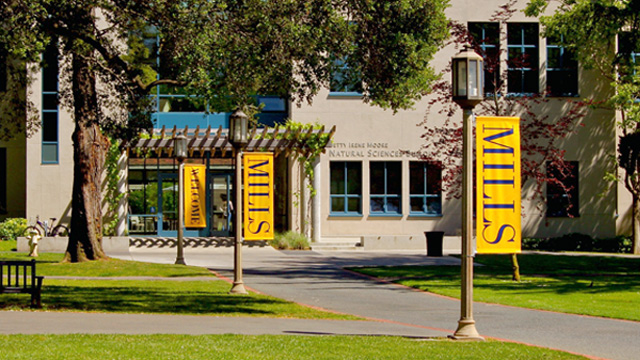
window.__IS_SSR__=true
window.__INITIAL_STATE__={
"attachmentsReducer": {
"audio_0": {
"type": "attachments",
"id": "audio_0",
"imgSizes": {
"kqedFullSize": {
"file": "https://ww2.kqed.org/news/wp-content/themes/KQED-unified/img/audio_bgs/background0.jpg"
}
}
},
"audio_1": {
"type": "attachments",
"id": "audio_1",
"imgSizes": {
"kqedFullSize": {
"file": "https://ww2.kqed.org/news/wp-content/themes/KQED-unified/img/audio_bgs/background1.jpg"
}
}
},
"audio_2": {
"type": "attachments",
"id": "audio_2",
"imgSizes": {
"kqedFullSize": {
"file": "https://ww2.kqed.org/news/wp-content/themes/KQED-unified/img/audio_bgs/background2.jpg"
}
}
},
"audio_3": {
"type": "attachments",
"id": "audio_3",
"imgSizes": {
"kqedFullSize": {
"file": "https://ww2.kqed.org/news/wp-content/themes/KQED-unified/img/audio_bgs/background3.jpg"
}
}
},
"audio_4": {
"type": "attachments",
"id": "audio_4",
"imgSizes": {
"kqedFullSize": {
"file": "https://ww2.kqed.org/news/wp-content/themes/KQED-unified/img/audio_bgs/background4.jpg"
}
}
},
"placeholder": {
"type": "attachments",
"id": "placeholder",
"imgSizes": {
"thumbnail": {
"file": "https://cdn.kqed.org/wp-content/uploads/2024/12/KQED-Default-Image-816638274-2000x1333-1-160x107.jpg",
"width": 160,
"height": 107,
"mimeType": "image/jpeg"
},
"medium": {
"file": "https://cdn.kqed.org/wp-content/uploads/2024/12/KQED-Default-Image-816638274-2000x1333-1-800x533.jpg",
"width": 800,
"height": 533,
"mimeType": "image/jpeg"
},
"medium_large": {
"file": "https://cdn.kqed.org/wp-content/uploads/2024/12/KQED-Default-Image-816638274-2000x1333-1-768x512.jpg",
"width": 768,
"height": 512,
"mimeType": "image/jpeg"
},
"large": {
"file": "https://cdn.kqed.org/wp-content/uploads/2024/12/KQED-Default-Image-816638274-2000x1333-1-1020x680.jpg",
"width": 1020,
"height": 680,
"mimeType": "image/jpeg"
},
"1536x1536": {
"file": "https://cdn.kqed.org/wp-content/uploads/2024/12/KQED-Default-Image-816638274-2000x1333-1-1536x1024.jpg",
"width": 1536,
"height": 1024,
"mimeType": "image/jpeg"
},
"fd-lrg": {
"file": "https://cdn.kqed.org/wp-content/uploads/2024/12/KQED-Default-Image-816638274-2000x1333-1-1536x1024.jpg",
"width": 1536,
"height": 1024,
"mimeType": "image/jpeg"
},
"fd-med": {
"file": "https://cdn.kqed.org/wp-content/uploads/2024/12/KQED-Default-Image-816638274-2000x1333-1-1020x680.jpg",
"width": 1020,
"height": 680,
"mimeType": "image/jpeg"
},
"fd-sm": {
"file": "https://cdn.kqed.org/wp-content/uploads/2024/12/KQED-Default-Image-816638274-2000x1333-1-800x533.jpg",
"width": 800,
"height": 533,
"mimeType": "image/jpeg"
},
"post-thumbnail": {
"file": "https://cdn.kqed.org/wp-content/uploads/2024/12/KQED-Default-Image-816638274-2000x1333-1-672x372.jpg",
"width": 672,
"height": 372,
"mimeType": "image/jpeg"
},
"twentyfourteen-full-width": {
"file": "https://cdn.kqed.org/wp-content/uploads/2024/12/KQED-Default-Image-816638274-2000x1333-1-1038x576.jpg",
"width": 1038,
"height": 576,
"mimeType": "image/jpeg"
},
"xxsmall": {
"file": "https://cdn.kqed.org/wp-content/uploads/2024/12/KQED-Default-Image-816638274-2000x1333-1-160x107.jpg",
"width": 160,
"height": 107,
"mimeType": "image/jpeg"
},
"xsmall": {
"file": "https://cdn.kqed.org/wp-content/uploads/2024/12/KQED-Default-Image-816638274-2000x1333-1-672x372.jpg",
"width": 672,
"height": 372,
"mimeType": "image/jpeg"
},
"small": {
"file": "https://cdn.kqed.org/wp-content/uploads/2024/12/KQED-Default-Image-816638274-2000x1333-1-672x372.jpg",
"width": 672,
"height": 372,
"mimeType": "image/jpeg"
},
"xlarge": {
"file": "https://cdn.kqed.org/wp-content/uploads/2024/12/KQED-Default-Image-816638274-2000x1333-1-1020x680.jpg",
"width": 1020,
"height": 680,
"mimeType": "image/jpeg"
},
"full-width": {
"file": "https://cdn.kqed.org/wp-content/uploads/2024/12/KQED-Default-Image-816638274-2000x1333-1-1920x1280.jpg",
"width": 1920,
"height": 1280,
"mimeType": "image/jpeg"
},
"guest-author-32": {
"file": "https://cdn.kqed.org/wp-content/uploads/2025/01/KQED-Default-Image-816638274-1333x1333-1-160x160.jpg",
"width": 32,
"height": 32,
"mimeType": "image/jpeg"
},
"guest-author-50": {
"file": "https://cdn.kqed.org/wp-content/uploads/2025/01/KQED-Default-Image-816638274-1333x1333-1-160x160.jpg",
"width": 50,
"height": 50,
"mimeType": "image/jpeg"
},
"guest-author-64": {
"file": "https://cdn.kqed.org/wp-content/uploads/2025/01/KQED-Default-Image-816638274-1333x1333-1-160x160.jpg",
"width": 64,
"height": 64,
"mimeType": "image/jpeg"
},
"guest-author-96": {
"file": "https://cdn.kqed.org/wp-content/uploads/2025/01/KQED-Default-Image-816638274-1333x1333-1-160x160.jpg",
"width": 96,
"height": 96,
"mimeType": "image/jpeg"
},
"guest-author-128": {
"file": "https://cdn.kqed.org/wp-content/uploads/2025/01/KQED-Default-Image-816638274-1333x1333-1-160x160.jpg",
"width": 128,
"height": 128,
"mimeType": "image/jpeg"
},
"detail": {
"file": "https://cdn.kqed.org/wp-content/uploads/2025/01/KQED-Default-Image-816638274-1333x1333-1-160x160.jpg",
"width": 160,
"height": 160,
"mimeType": "image/jpeg"
},
"kqedFullSize": {
"file": "https://cdn.kqed.org/wp-content/uploads/2024/12/KQED-Default-Image-816638274-2000x1333-1.jpg",
"width": 2000,
"height": 1333
}
}
},
"news_145345": {
"type": "attachments",
"id": "news_145345",
"meta": {
"index": "attachments_1716263798",
"site": "news",
"id": "145345",
"found": true
},
"parent": 145337,
"imgSizes": {
"kqedFullSize": {
"file": "https://ww2.kqed.org/app/uploads/sites/10/2014/08/RS11731_MillsCampus.jpg",
"width": 640,
"height": 360
}
},
"publishDate": 1408661364,
"modified": 1570660549,
"caption": "Mills College in Oakland will be closed Wednesday and Thursday.",
"description": "Mills College in Oakland will be closed Wednesday and Thursday.",
"title": "RS11731_MillsCampus",
"credit": "Flickr Curtis Cronn",
"status": "inherit",
"isLoading": false,
"fetchFailed": false
},
"news_137444": {
"type": "attachments",
"id": "news_137444",
"meta": {
"index": "attachments_1716263798",
"site": "news",
"id": "137444",
"found": true
},
"parent": 137442,
"imgSizes": {
"kqedFullSize": {
"file": "https://ww2.kqed.org/app/uploads/sites/10/2014/05/RS1394_57641874-lpr-e1416433920296.jpg",
"width": 1440,
"height": 958
}
},
"publishDate": 1401387722,
"modified": 1416435726,
"caption": "School funding increases under new state budget projections. (David McNew/Getty Images)",
"description": null,
"title": "School-Generic ",
"credit": null,
"status": "inherit",
"isLoading": false,
"fetchFailed": false
},
"news_144810": {
"type": "attachments",
"id": "news_144810",
"meta": {
"index": "attachments_1716263798",
"site": "news",
"id": "144810",
"found": true
},
"parent": 144803,
"imgSizes": {
"kqedFullSize": {
"file": "https://ww2.kqed.org/app/uploads/sites/10/2014/08/womensaudio.jpg",
"width": 2000,
"height": 1600
}
},
"publishDate": 1408057711,
"modified": 1408057711,
"caption": "An instructional session in a control room at San Francisco's Women's Audio Mission. (Courtesy Women's Audio Mission)",
"description": "An instructional session in a control room at San Francisco's Women's Audio Mission. (Courtesy Women's Audio Mission)",
"title": "Women's Audio Mission",
"credit": null,
"status": "inherit",
"isLoading": false,
"fetchFailed": false
},
"news_144127": {
"type": "attachments",
"id": "news_144127",
"meta": {
"index": "attachments_1716263798",
"site": "news",
"id": "144127",
"found": true
},
"parent": 144125,
"imgSizes": {
"kqedFullSize": {
"file": "https://ww2.kqed.org/app/uploads/sites/10/2014/08/kindergarten-659x431.jpg",
"width": 659,
"height": 431
}
},
"publishDate": 1407438878,
"modified": 1407438878,
"caption": "Oakland children wait in line at the St. Vincent de Paul meal program. (Anna Vignet/Oakland Local)",
"description": null,
"title": "kindergarten-659x431",
"credit": null,
"status": "inherit",
"isLoading": false,
"fetchFailed": false
},
"news_138832": {
"type": "attachments",
"id": "news_138832",
"meta": {
"index": "attachments_1716263798",
"site": "news",
"id": "138832",
"found": true
},
"parent": 138801,
"imgSizes": {
"kqedFullSize": {
"file": "https://ww2.kqed.org/app/uploads/sites/10/2014/06/va-seal.png",
"width": 1200,
"height": 1200
}
},
"publishDate": 1402513155,
"modified": 1402513155,
"caption": "Courtesy of the U.S. Department of Veterans Affairs.",
"description": null,
"title": "Veterans Affairs-Seal",
"credit": null,
"status": "inherit",
"isLoading": false,
"fetchFailed": false
},
"news_133551": {
"type": "attachments",
"id": "news_133551",
"meta": {
"index": "attachments_1716263798",
"site": "news",
"id": "133551",
"found": true
},
"parent": 133507,
"imgSizes": {
"kqedFullSize": {
"file": "https://ww2.kqed.org/app/uploads/sites/10/2014/04/174015208.jpg",
"width": 1517,
"height": 1037
}
},
"publishDate": 1398215736,
"modified": 1450135365,
"caption": "Rep. Jackie Speier poke with military sexual assault survivors during a House Veteran Affairs Subcomittee on Capitol Hill.",
"description": "Rep. Jackie Speier (D-CA) spoke with military sexual assault survivors during a House Veteran Affairs Subcomittee on Capitol Hill. ",
"title": "Rep. Jackie Speier",
"credit": "Mark Wilson/Getty Images",
"status": "inherit",
"isLoading": false,
"fetchFailed": false
},
"news_10340996": {
"type": "attachments",
"id": "news_10340996",
"meta": {
"index": "attachments_1716263798",
"site": "news",
"id": "10340996",
"found": true
},
"parent": 10140977,
"imgSizes": {
"thumbnail": {
"file": "https://ww2.kqed.org/app/uploads/sites/10/2014/09/4-Somali-Refugees-in-San-Diego-Prep-for-College-Break-Cultural-Norms-400x225.jpg",
"width": 400,
"mimeType": "image/jpeg",
"height": 225
},
"kqedFullSize": {
"file": "https://ww2.kqed.org/app/uploads/sites/10/2014/09/4-Somali-Refugees-in-San-Diego-Prep-for-College-Break-Cultural-Norms.jpg",
"width": 640,
"height": 360
},
"guest-author-96": {
"file": "https://ww2.kqed.org/app/uploads/sites/10/2014/09/4-Somali-Refugees-in-San-Diego-Prep-for-College-Break-Cultural-Norms-96x96.jpg",
"width": 96,
"mimeType": "image/jpeg",
"height": 96
},
"guest-author-64": {
"file": "https://ww2.kqed.org/app/uploads/sites/10/2014/09/4-Somali-Refugees-in-San-Diego-Prep-for-College-Break-Cultural-Norms-64x64.jpg",
"width": 64,
"mimeType": "image/jpeg",
"height": 64
},
"detail": {
"file": "https://ww2.kqed.org/app/uploads/sites/10/2014/09/4-Somali-Refugees-in-San-Diego-Prep-for-College-Break-Cultural-Norms-75x75.jpg",
"width": 75,
"mimeType": "image/jpeg",
"height": 75
},
"guest-author-32": {
"file": "https://ww2.kqed.org/app/uploads/sites/10/2014/09/4-Somali-Refugees-in-San-Diego-Prep-for-College-Break-Cultural-Norms-32x32.jpg",
"width": 32,
"mimeType": "image/jpeg",
"height": 32
},
"guest-author-128": {
"file": "https://ww2.kqed.org/app/uploads/sites/10/2014/09/4-Somali-Refugees-in-San-Diego-Prep-for-College-Break-Cultural-Norms-128x128.jpg",
"width": 128,
"mimeType": "image/jpeg",
"height": 128
}
},
"publishDate": 1410474681,
"modified": 1410474681,
"caption": "Student doing her homework.",
"description": null,
"title": "4-Somali Refugees in San Diego Prep for College, Break Cultural Norms",
"credit": null,
"status": "inherit",
"isLoading": false,
"fetchFailed": false
},
"news_142570": {
"type": "attachments",
"id": "news_142570",
"meta": {
"index": "attachments_1716263798",
"site": "news",
"id": "142570",
"found": true
},
"parent": 142555,
"imgSizes": {
"kqedFullSize": {
"file": "https://ww2.kqed.org/app/uploads/sites/10/2014/07/Kline.jpg",
"width": 5760,
"height": 3840
}
},
"publishDate": 1406071659,
"modified": 1406071659,
"caption": "John Kline is a Republican congressman from Minnesota. (Photo courtesy of House Committee on Education and the Workforce)",
"description": null,
"title": "John Kline",
"credit": null,
"status": "inherit",
"isLoading": false,
"fetchFailed": false
},
"news_90045": {
"type": "attachments",
"id": "news_90045",
"meta": {
"index": "attachments_1716263798",
"site": "news",
"id": "90045",
"found": true
},
"parent": 90042,
"imgSizes": {
"kqedFullSize": {
"file": "https://ww2.kqed.org/app/uploads/sites/10/2013/02/Light-Painting_Svoboda-11-copy.jpg",
"width": 3000,
"height": 2000
}
},
"publishDate": 1361582303,
"modified": 1447879949,
"caption": "A student at City College of San Francisco speaks to a crowd of students and protesters who have marched to Chancellor Thelma Scott-Skillman's office and have taken over the lobby, demanding to be heard. Feb. 21, 2013. Photo by Deborah Svoboda/KQED",
"description": "Eric Blanc, a student at City College of San Francisco, speaks to a crowd of students and protesters who have marched to Chancellor Thelma Scott-Skillman's office and have taken over the lobby, demanding to be heard. Feb. 21, 2013. Photo by Deborah Svoboda/KQED",
"title": "CCSF protest",
"credit": null,
"status": "inherit",
"isLoading": false,
"fetchFailed": false
},
"news_141905": {
"type": "attachments",
"id": "news_141905",
"meta": {
"index": "attachments_1716263798",
"site": "news",
"id": "141905",
"found": true
},
"parent": 141894,
"imgSizes": {
"kqedFullSize": {
"file": "https://ww2.kqed.org/app/uploads/sites/10/2015/07/Impact-Hub-e1405463126937.jpg",
"width": 640,
"height": 480
}
},
"publishDate": 1405463105,
"modified": 1405463105,
"caption": "Impact Hub Oakland, a new downtown tech-centric co-working and event space. (Sam Harnett/KQED)",
"description": "Impact Hub Oakland, a new downtown tech-centric co-working and event space. (Sam Harnett/KQED)",
"title": "Impact Hub",
"credit": null,
"status": "inherit",
"isLoading": false,
"fetchFailed": false
},
"news_141852": {
"type": "attachments",
"id": "news_141852",
"meta": {
"index": "attachments_1716263798",
"site": "news",
"id": "141852",
"found": true
},
"parent": 141740,
"imgSizes": {
"kqedFullSize": {
"file": "https://ww2.kqed.org/app/uploads/sites/10/2015/07/OaklandGentrification-e1405452226686.jpg",
"width": 640,
"height": 480
}
},
"publishDate": 1405452057,
"modified": 1405452057,
"caption": "Zephyr Gate, a new condo complex several blocks from the West Oakland BART station. (Sam Harnett/KQED)",
"description": null,
"title": "OaklandGentrification",
"credit": null,
"status": "inherit",
"isLoading": false,
"fetchFailed": false
},
"news_140861": {
"type": "attachments",
"id": "news_140861",
"meta": {
"index": "attachments_1716263798",
"site": "news",
"id": "140861",
"found": true
},
"parent": 140857,
"imgSizes": {
"kqedFullSize": {
"file": "https://ww2.kqed.org/app/uploads/sites/10/2014/07/antwanwilson-640.jpg",
"width": 659,
"height": 371
}
},
"publishDate": 1404331557,
"modified": 1404331557,
"caption": null,
"description": null,
"title": null,
"credit": null,
"status": "inherit",
"isLoading": false,
"fetchFailed": false
}
},
"audioPlayerReducer": {
"postId": "stream_live",
"isPaused": true,
"isPlaying": false,
"pfsActive": false,
"pledgeModalIsOpen": true,
"playerDrawerIsOpen": false,
"liveAudioPlayStartedAt": 0,
"liveAudioPlayContext": ""
},
"authorsReducer": {
"byline_news_10340977": {
"type": "authors",
"id": "byline_news_10340977",
"meta": {
"override": true
},
"slug": "byline_news_10340977",
"name": "Megan Burks",
"isLoading": false
},
"iangell": {
"type": "authors",
"id": "229",
"meta": {
"index": "authors_1716337520",
"id": "229",
"found": true
},
"name": "Isabel Angell",
"firstName": "Isabel",
"lastName": "Angell",
"slug": "iangell",
"email": "iangell@KQED.org",
"display_author_email": false,
"staff_mastheads": [],
"title": null,
"bio": "Isabel Angell is an on-call reporter for KQED. She joined the station as a newsroom intern in 2013. \u003ca href=\"https://twitter.com/IsabeltheAngell\" target=\"_blank\" rel=\"noopener\">@IsabeltheAngell \u003c/a>",
"avatar": "https://secure.gravatar.com/avatar/e5d0b523fbffce6592a52f1dccafabe5?s=600&d=blank&r=g",
"twitter": null,
"facebook": null,
"instagram": null,
"linkedin": null,
"sites": [
{
"site": "news",
"roles": [
"subscriber"
]
}
],
"headData": {
"title": "Isabel Angell | KQED",
"description": null,
"ogImgSrc": "https://secure.gravatar.com/avatar/e5d0b523fbffce6592a52f1dccafabe5?s=600&d=blank&r=g",
"twImgSrc": "https://secure.gravatar.com/avatar/e5d0b523fbffce6592a52f1dccafabe5?s=600&d=blank&r=g"
},
"isLoading": false,
"link": "/author/iangell"
},
"kqed": {
"type": "authors",
"id": "236",
"meta": {
"index": "authors_1716337520",
"id": "236",
"found": true
},
"name": "KQED News Staff",
"firstName": "KQED News Staff",
"lastName": null,
"slug": "kqed",
"email": "faq@kqed.org",
"display_author_email": false,
"staff_mastheads": [],
"title": null,
"bio": null,
"avatar": "https://secure.gravatar.com/avatar/ef0e801a68c4c54afa9180db14084167?s=600&d=blank&r=g",
"twitter": null,
"facebook": null,
"instagram": null,
"linkedin": null,
"sites": [
{
"site": "arts",
"roles": [
"contributor"
]
},
{
"site": "news",
"roles": [
"editor"
]
},
{
"site": "futureofyou",
"roles": [
"author"
]
}
],
"headData": {
"title": "KQED News Staff | KQED",
"description": null,
"ogImgSrc": "https://secure.gravatar.com/avatar/ef0e801a68c4c54afa9180db14084167?s=600&d=blank&r=g",
"twImgSrc": "https://secure.gravatar.com/avatar/ef0e801a68c4c54afa9180db14084167?s=600&d=blank&r=g"
},
"isLoading": false,
"link": "/author/kqed"
},
"samharnett": {
"type": "authors",
"id": "253",
"meta": {
"index": "authors_1716337520",
"id": "253",
"found": true
},
"name": "Sam Harnett",
"firstName": "Sam",
"lastName": "Harnett",
"slug": "samharnett",
"email": "samharnett@gmail.com",
"display_author_email": false,
"staff_mastheads": [],
"title": "KQED Contributor",
"bio": "Sam Harnett covered tech and work at KQED. He is the co-creator of \u003cem>\u003ca href=\"http://www.theworldaccordingtosound.org\">The World According to Sound\u003c/a>,\u003c/em> a 90-second podcast that features different sounds and the stories behind them.\r\n\r\nBefore coming to KQED, Sam worked as an independent reporter who contributed regularly to \u003cem>The California Report, Marketplace,\u003c/em> \u003cem>The World \u003c/em>and NPR.",
"avatar": "https://secure.gravatar.com/avatar/2538b972ac02f2b9546c7a6c59a0f3d0?s=600&d=blank&r=g",
"twitter": "Samwharnett",
"facebook": null,
"instagram": null,
"linkedin": null,
"sites": [
{
"site": "news",
"roles": [
"edit_others_posts",
"subscriber"
]
},
{
"site": "stateofhealth",
"roles": [
"author"
]
},
{
"site": "science",
"roles": [
"editor"
]
},
{
"site": "quest",
"roles": [
"subscriber"
]
}
],
"headData": {
"title": "Sam Harnett | KQED",
"description": "KQED Contributor",
"ogImgSrc": "https://secure.gravatar.com/avatar/2538b972ac02f2b9546c7a6c59a0f3d0?s=600&d=blank&r=g",
"twImgSrc": "https://secure.gravatar.com/avatar/2538b972ac02f2b9546c7a6c59a0f3d0?s=600&d=blank&r=g"
},
"isLoading": false,
"link": "/author/samharnett"
}
},
"pagesReducer": {
"news_category_education": {
"type": "terms",
"id": "news_18540",
"meta": {
"index": "terms_1716263798",
"site": "news",
"id": "18540",
"score": 10.973221
},
"featImg": null,
"name": "Education",
"description": null,
"taxonomy": "category",
"headData": {
"twImgId": null,
"twTitle": null,
"ogTitle": null,
"ogImgId": null,
"twDescription": null,
"description": null,
"title": "Education Archives | KQED News",
"ogDescription": null
},
"ttid": 2595,
"slug": "education",
"isLoading": false,
"title": "Education",
"pageMeta": {
"site": "news",
"WpPageTemplate": "page-topic-editorial",
"currentPage": 174
},
"blocks": [
{
"blockName": "kqed/post-list",
"attrs": {
"layout": "cardArticle2",
"query": "posts/news?category=education",
"seeMore": false,
"paginated": true,
"page": 174
}
},
{
"blockName": "kqed/ad"
}
]
}
},
"pfsSessionReducer": {},
"postsReducer": {
"stream_live": {
"type": "live",
"id": "stream_live",
"audioUrl": "https://streams.kqed.org/kqedradio",
"title": "Live Stream",
"excerpt": "Live Stream information currently unavailable.",
"link": "/radio",
"featImg": "",
"label": {
"name": "KQED Live",
"link": "/"
}
},
"stream_kqedNewscast": {
"type": "posts",
"id": "stream_kqedNewscast",
"audioUrl": "https://www.kqed.org/.stream/anon/radio/RDnews/newscast.mp3?_=1",
"title": "KQED Newscast",
"featImg": "",
"label": {
"name": "88.5 FM",
"link": "/"
}
},
"news_145337": {
"type": "posts",
"id": "news_145337",
"meta": {
"index": "posts_1716263798",
"site": "news",
"id": "145337",
"score": null,
"sort": [
1408668631000
]
},
"guestAuthors": [],
"slug": "all-womens-mills-college-welcomes-transgender-students",
"title": "All-Women's Mills College Welcomes Transgender Students",
"publishDate": 1408668631,
"format": "aside",
"headTitle": "All-Women’s Mills College Welcomes Transgender Students | KQED",
"labelTerm": {
"term": 6944,
"site": "news"
},
"content": "\u003cfigure id=\"attachment_145345\" class=\"wp-caption aligncenter\" style=\"max-width: 640px\">\u003cimg loading=\"lazy\" decoding=\"async\" class=\"size-full wp-image-145345\" src=\"http://ww2.kqed.org/news/wp-content/uploads/sites/10/2014/08/RS11731_MillsCampus.jpg\" alt='The campus of Mills College in Oakland. (<a href=\"https://www.flickr.com/photos/cronncc/5740450376/in/photolist-9KgiUm-6phKZp-6pnfpQ-2Q61hp-2QarHs-2Q61Bc-6phHDz-6pnscJ-6pi8x8-6pi6kV-9KggJU-6pnthY-6phJBK-6pnvof-6phNzX-6piHwk-56BZgb-6phD1F-8v1tV7-6piadn-82sX8E-6pmKi3-6piEGV-9Kdt5X-6pn5KW-6pi9m2-6pn7dm-6pnnW7-6pnzrL-6piebv-6picbx-8RCCZT-9KdwNP-7xu3Sb-eRqKJH-9evDio-9evDco-9evDFJ-9evDZJ-9evDA9-9evE4A-9esysF-9esyNZ-9evDPm-9eszFV-9eszpT-9evErC-9esyxx-9evDV3-9eszdZ\">Curtis Cronn/Flickr</a>)' width=\"640\" height=\"360\">\u003cfigcaption class=\"wp-caption-text\">The campus of Mills College in Oakland. (\u003ca href=\"https://www.flickr.com/photos/cronncc/5740450376/in/photolist-9KgiUm-6phKZp-6pnfpQ-2Q61hp-2QarHs-2Q61Bc-6phHDz-6pnscJ-6pi8x8-6pi6kV-9KggJU-6pnthY-6phJBK-6pnvof-6phNzX-6piHwk-56BZgb-6phD1F-8v1tV7-6piadn-82sX8E-6pmKi3-6piEGV-9Kdt5X-6pn5KW-6pi9m2-6pn7dm-6pnnW7-6pnzrL-6piebv-6picbx-8RCCZT-9KdwNP-7xu3Sb-eRqKJH-9evDio-9evDco-9evDFJ-9evDZJ-9evDA9-9evE4A-9esysF-9esyNZ-9evDPm-9eszFV-9eszpT-9evErC-9esyxx-9evDV3-9eszdZ\">Curtis Cronn/Flickr\u003c/a>) \u003ccite>(Flickr Curtis Cronn)\u003c/cite>\u003c/figcaption>\u003c/figure>\n\u003cp class=\"p1\">\u003cstrong>By Sukey Lewis\u003c/strong>\u003c/p>\n\u003cp class=\"p1\">Transgender students that identify as female will now be considered for enrollment at Mills College, an all-female school in Oakland.\u003c/p>\n\u003cp class=\"p1\">\u003cspan style=\"color: #000000\">Mills is the first single-sex college in the country to have a published policy for transgender applicants.\u003c/span>\u003c/p>\n\u003cp class=\"p1\">While some have said this new policy calls into question Mills College’s identity as a women-only undergraduate institution (the graduate division is coed), many students and alumni see this as the natural progression of Mills’ dedication to female education and inclusivity.\u003c/p>\n\u003cp class=\"p1\">“When people can be authentically who they are — that’s who Mills is,” said Mills senior Tess Fillbeck-Bates.\u003c/p>\n\u003cp>[ad fullwidth]\u003c/p>\n\u003cp class=\"p1\">“This is really just a codification of our practice for several years,” said Brian O’Rourke, vice president for enrollment management.\u003c/p>\n\u003cp class=\"p1\">O’Rourke said that between three and five of Mills’ 1,000 applicants each year identify as transgender or gender non-conforming. A clear admissions policy will help make the application process easier and less stressful for these students, he said.\u003c/p>\n\u003cp class=\"p1\">One Mills alum commented on the KQED \u003cem>Forum\u003c/em> page that something might also be lost with this new policy.\u003c/p>\n\u003cp class=\"p1\">“I would argue that women’s education was established to meet a great and persistent problem of disparity in educational involvement and leadership opportunities among young women and girls — not to protect marginalized populations at large,” she wrote.\u003c/p>\n\u003cp class=\"p1\">Senior Sonj Basha says the new policy is an opportunity for the college to create a campus culture that is safe, inclusive and committed to social justice. Basha, who identifies as gender queer or gender non-conforming and prefers gender-neutral pronouns, said it’s not so much about policing pronouns as respecting identities.\u003c/p>\n\u003cp class=\"p1\">“I take all of my identities into consideration, and I think Mills also prides itself on understanding intersectionality,” Basha said. “For me, being gender queer is just one aspect of my identity. But I ask people to respect all aspects of my identity.”\u003c/p>\n\u003cp class=\"p1\">Fillbeck-Bates said she was largely unaware of the scope of gender identities before coming to Mills.\u003c/p>\n\u003cp class=\"p1\">“On my first day of orientation they asked me to say where I was from and what my PGP was. And I (was) like, ‘What is a PGP?’ “she said. (PGP stands for preferred gender pronoun.)\u003c/p>\n\u003cp class=\"p1\">But Fillbeck-Bates quickly learned that Mills was a safe place to ask these kinds of questions.\u003c/p>\n\u003cp class=\"p1\">“Misunderstanding becomes a place for learning, for higher education. That is what Mills does,” she said.\u003c/p>\n\u003cp class=\"p1\">Brad Dacus, constitutional attorney and \u003cspan class=\"s1\">president of the Pacific Justice Institute, a nonprofit legal defense organization,\u003c/span> said that while he would defend the school’s right to have this policy, there might also be some legal and privacy issues.\u003c/p>\n\u003cp class=\"p1\">\u003cspan class=\"s1\">“\u003c/span>For example, if you have someone who’s transgender, perhaps they haven’t had the surgery. They’re still biologically, physically male,” he said. “Then the school needs to be very sensitive to the privacy interests of females, for instance, who may not feel comfortable changing in the same locker room or showering.”\u003c/p>\n\u003cp>\u003c/p>\n\u003cp class=\"p1\">The policy takes effect on Sept. 1, and the first students affected by this policy change would begin their studies in the spring semester of 2015.\u003c/p>\n\n",
"blocks": [],
"excerpt": "It's the first single-sex college in the country to have a published policy for transgender applicants.",
"status": "publish",
"parent": 0,
"modified": 1738777634,
"stats": {
"hasAudio": false,
"hasVideo": false,
"hasChartOrMap": false,
"iframeSrcs": [],
"hasGoogleForm": false,
"hasGallery": false,
"hasHearkenModule": false,
"hasPolis": false,
"paragraphCount": 2,
"wordCount": 575
},
"headData": {
"title": "All-Women's Mills College Welcomes Transgender Students | KQED",
"description": "It's the first single-sex college in the country to have a published policy for transgender applicants.",
"ogTitle": "",
"ogDescription": "",
"ogImgId": "",
"twTitle": "",
"twDescription": "",
"twImgId": "",
"schema": {
"@context": "https://schema.org",
"@type": "NewsArticle",
"headline": "All-Women's Mills College Welcomes Transgender Students",
"datePublished": "2014-08-21T17:50:31-07:00",
"dateModified": "2025-02-05T09:47:14-08:00",
"image": "https://cdn.kqed.org/wp-content/uploads/2020/02/KQED-OG-Image@1x.png",
"isAccessibleForFree": "True",
"publisher": {
"@type": "NewsMediaOrganization",
"@id": "https://www.kqed.org/#organization",
"name": "KQED",
"logo": "https://cdn.kqed.org/wp-content/uploads/2020/02/KQED-OG-Image@1x.png",
"url": "https://www.kqed.org",
"sameAs": [
"https://www.facebook.com/KQED",
"https://twitter.com/KQED",
"https://www.instagram.com/kqed/",
"https://www.tiktok.com/@kqedofficial",
"https://www.linkedin.com/company/kqed",
"https://www.youtube.com/channel/UCeC0IOo7i1P_61zVUWbJ4nw"
]
}
}
},
"sticky": false,
"customPermalink": "2014/8/21/all-womens-mills-college-welcomes-transgender-students/",
"path": "/news/145337/all-womens-mills-college-welcomes-transgender-students",
"audioTrackLength": null,
"parsedContent": [
{
"type": "contentString",
"content": "\u003cdiv class=\"post-body\">\u003cp>\u003cfigure id=\"attachment_145345\" class=\"wp-caption aligncenter\" style=\"max-width: 640px\">\u003cimg loading=\"lazy\" decoding=\"async\" class=\"size-full wp-image-145345\" src=\"http://ww2.kqed.org/news/wp-content/uploads/sites/10/2014/08/RS11731_MillsCampus.jpg\" alt='The campus of Mills College in Oakland. (<a href=\"https://www.flickr.com/photos/cronncc/5740450376/in/photolist-9KgiUm-6phKZp-6pnfpQ-2Q61hp-2QarHs-2Q61Bc-6phHDz-6pnscJ-6pi8x8-6pi6kV-9KggJU-6pnthY-6phJBK-6pnvof-6phNzX-6piHwk-56BZgb-6phD1F-8v1tV7-6piadn-82sX8E-6pmKi3-6piEGV-9Kdt5X-6pn5KW-6pi9m2-6pn7dm-6pnnW7-6pnzrL-6piebv-6picbx-8RCCZT-9KdwNP-7xu3Sb-eRqKJH-9evDio-9evDco-9evDFJ-9evDZJ-9evDA9-9evE4A-9esysF-9esyNZ-9evDPm-9eszFV-9eszpT-9evErC-9esyxx-9evDV3-9eszdZ\">Curtis Cronn/Flickr</a>)' width=\"640\" height=\"360\">\u003cfigcaption class=\"wp-caption-text\">The campus of Mills College in Oakland. (\u003ca href=\"https://www.flickr.com/photos/cronncc/5740450376/in/photolist-9KgiUm-6phKZp-6pnfpQ-2Q61hp-2QarHs-2Q61Bc-6phHDz-6pnscJ-6pi8x8-6pi6kV-9KggJU-6pnthY-6phJBK-6pnvof-6phNzX-6piHwk-56BZgb-6phD1F-8v1tV7-6piadn-82sX8E-6pmKi3-6piEGV-9Kdt5X-6pn5KW-6pi9m2-6pn7dm-6pnnW7-6pnzrL-6piebv-6picbx-8RCCZT-9KdwNP-7xu3Sb-eRqKJH-9evDio-9evDco-9evDFJ-9evDZJ-9evDA9-9evE4A-9esysF-9esyNZ-9evDPm-9eszFV-9eszpT-9evErC-9esyxx-9evDV3-9eszdZ\">Curtis Cronn/Flickr\u003c/a>) \u003ccite>(Flickr Curtis Cronn)\u003c/cite>\u003c/figcaption>\u003c/figure>\n\u003cp class=\"p1\">\u003cstrong>By Sukey Lewis\u003c/strong>\u003c/p>\n\u003cp class=\"p1\">Transgender students that identify as female will now be considered for enrollment at Mills College, an all-female school in Oakland.\u003c/p>\n\u003cp class=\"p1\">\u003cspan style=\"color: #000000\">Mills is the first single-sex college in the country to have a published policy for transgender applicants.\u003c/span>\u003c/p>\n\u003cp class=\"p1\">While some have said this new policy calls into question Mills College’s identity as a women-only undergraduate institution (the graduate division is coed), many students and alumni see this as the natural progression of Mills’ dedication to female education and inclusivity.\u003c/p>\n\u003cp class=\"p1\">“When people can be authentically who they are — that’s who Mills is,” said Mills senior Tess Fillbeck-Bates.\u003c/p>\n\u003cp>\u003c/p>\u003c/div>",
"attributes": {
"named": {},
"numeric": []
}
},
{
"type": "component",
"content": "",
"name": "ad",
"attributes": {
"named": {
"label": "fullwidth"
},
"numeric": [
"fullwidth"
]
}
},
{
"type": "contentString",
"content": "\u003cdiv class=\"post-body\">\u003cp>\u003c/p>\n\u003cp class=\"p1\">“This is really just a codification of our practice for several years,” said Brian O’Rourke, vice president for enrollment management.\u003c/p>\n\u003cp class=\"p1\">O’Rourke said that between three and five of Mills’ 1,000 applicants each year identify as transgender or gender non-conforming. A clear admissions policy will help make the application process easier and less stressful for these students, he said.\u003c/p>\n\u003cp class=\"p1\">One Mills alum commented on the KQED \u003cem>Forum\u003c/em> page that something might also be lost with this new policy.\u003c/p>\n\u003cp class=\"p1\">“I would argue that women’s education was established to meet a great and persistent problem of disparity in educational involvement and leadership opportunities among young women and girls — not to protect marginalized populations at large,” she wrote.\u003c/p>\n\u003cp class=\"p1\">Senior Sonj Basha says the new policy is an opportunity for the college to create a campus culture that is safe, inclusive and committed to social justice. Basha, who identifies as gender queer or gender non-conforming and prefers gender-neutral pronouns, said it’s not so much about policing pronouns as respecting identities.\u003c/p>\n\u003cp class=\"p1\">“I take all of my identities into consideration, and I think Mills also prides itself on understanding intersectionality,” Basha said. “For me, being gender queer is just one aspect of my identity. But I ask people to respect all aspects of my identity.”\u003c/p>\n\u003cp class=\"p1\">Fillbeck-Bates said she was largely unaware of the scope of gender identities before coming to Mills.\u003c/p>\n\u003cp class=\"p1\">“On my first day of orientation they asked me to say where I was from and what my PGP was. And I (was) like, ‘What is a PGP?’ “she said. (PGP stands for preferred gender pronoun.)\u003c/p>\n\u003cp class=\"p1\">But Fillbeck-Bates quickly learned that Mills was a safe place to ask these kinds of questions.\u003c/p>\n\u003cp class=\"p1\">“Misunderstanding becomes a place for learning, for higher education. That is what Mills does,” she said.\u003c/p>\n\u003cp class=\"p1\">Brad Dacus, constitutional attorney and \u003cspan class=\"s1\">president of the Pacific Justice Institute, a nonprofit legal defense organization,\u003c/span> said that while he would defend the school’s right to have this policy, there might also be some legal and privacy issues.\u003c/p>\n\u003cp class=\"p1\">\u003cspan class=\"s1\">“\u003c/span>For example, if you have someone who’s transgender, perhaps they haven’t had the surgery. They’re still biologically, physically male,” he said. “Then the school needs to be very sensitive to the privacy interests of females, for instance, who may not feel comfortable changing in the same locker room or showering.”\u003c/p>\n\u003cp>\u003c/p>\n\u003cp class=\"p1\">The policy takes effect on Sept. 1, and the first students affected by this policy change would begin their studies in the spring semester of 2015.\u003c/p>\n\n\u003c/div>\u003c/p>",
"attributes": {
"named": {},
"numeric": []
}
}
],
"link": "/news/145337/all-womens-mills-college-welcomes-transgender-students",
"authors": [
"236"
],
"programs": [
"news_6944"
],
"categories": [
"news_18540",
"news_8"
],
"tags": [
"news_851",
"news_6200",
"news_2486"
],
"featImg": "news_145345",
"label": "news_6944"
},
"news_145006": {
"type": "posts",
"id": "news_145006",
"meta": {
"index": "posts_1716263798",
"site": "news",
"id": "145006",
"score": null,
"sort": [
1408460401000
]
},
"parent": 0,
"labelTerm": {
"site": "news",
"term": 6944
},
"blocks": [],
"publishDate": 1408460401,
"format": "aside",
"disqusTitle": "California Public Schools Usher In Funding and Curriculum Changes",
"title": "California Public Schools Usher In Funding and Curriculum Changes",
"headTitle": "News Fix | KQED News",
"content": "\u003cfigure id=\"attachment_137444\" class=\"wp-caption aligncenter\" style=\"max-width: 640px\">\u003ca href=\"http://ww2.kqed.org/news/wp-content/uploads/sites/10/2014/05/RS1394_57641874-lpr.jpg\">\u003cimg class=\"size-medium wp-image-137444\" src=\"http://ww2.kqed.org/news/wp-content/uploads/sites/10/2014/05/RS1394_57641874-lpr-640x425.jpg\" alt=\"The 2014-2015 school year will see reforms to funding and curriculum for California schools. (David McNew/Getty Images)\" width=\"640\" height=\"425\">\u003c/a>\u003cfigcaption class=\"wp-caption-text\">The 2014-2015 school year will see reforms to funding and curriculum for California schools. (David McNew/Getty Images)\u003c/figcaption>\u003c/figure>\n\u003cp>\u003cstrong>By Tara Golshan and Adam Grossberg\u003c/strong>\u003c/p>\n\u003cp>With the new academic year set to begin this month, California’s education system will see changes in terms of both funding and curriculum for the 2014-15 academic year.\u003c/p>\n\u003cp>Last year, California adopted a new way of funding its public school system by giving local districts \u003ca href=\"http://www.dof.ca.gov/reports_and_periodicals/district_estimate/documents/LCFF_Policy_Brief.pdf\" target=\"_blank\">more control\u003c/a> over how they spend the money they get from the state. Backed by Gov. Jerry Brown, the revamped system is meant to increase budgeting flexibility for both districts and individual schools.\u003c/p>\n\u003caside class=\"pullquote alignleft\">The old funding system 'had no underlying rationale, it did not adjust for different pupil needs, it was ... almost impossible to understand.'\u003ccite>— Michael Kirst,\u003cbr>\nState school board president\u003c/cite>\u003c/aside>\n\u003cp>For the past several decades, schools received two-thirds of their state money as general purpose funding and one-third through so-called categorical programs -- additional funding meant to address very specific needs, such as American Indian childhood education or reducing classroom size. However, many of the more than 40 “categorical programs” were frozen due to California’s fiscal restraints. Opponents of the old funding model argued that the outdated system had become overcomplicated over many decades of reform.\u003c/p>\n\u003cp>“The old system was really an historical accretion, going back to the 1960s,” said Michael Kirst, president of the California State Board of Education, in a recent \u003ca href=\"http://www.kqed.org/tv/programs/newsroom/\" target=\"_blank\">\u003cem>KQED Newsroom\u003c/em> \u003c/a>interview. “[The funding system] had no underlying rationale, it did not adjust for different pupil needs, it was convoluted and almost impossible to understand. The change made was to really throw all that out and start over.”\u003c/p>\n\u003cp>[ad fullwidth]\u003c/p>\n\u003cp>The local funding formula attempts to simplify the process. Under the new system, funding is based largely on student demographics. Schools receive a base grant per number of registered students and additional grants depending on the schools’ population of high-need students: English learners, socioeconomically disadvantaged students and foster kids. Individual school districts then have the discretion to spend the grant money as they see fit.\u003c/p>\n\u003cp>Kirst estimates that low-income districts will see roughly a 50 percent increase in funding per pupil over the next five or six years.\u003c/p>\n\u003cp>The formula also seeks to address accountability in a way the old system did not. California public school district administrators were required to submit a three-year plan, to be updated each year, outlining how their budgets will improve student performance.\u003c/p>\n\u003cp>This change in fiscal policy comes alongside another major change in California’s education policy with the implementation of \u003ca href=\"http://www.corestandards.org\" target=\"_blank\">Common Core\u003c/a>, a standardized nationwide curriculum for students from kindergarten through 12th grade.\u003c/p>\n\u003cp>Common Core started as \u003ca href=\"http://www.usnews.com/news/special-reports/articles/2014/02/27/the-history-of-common-core-state-standards\" target=\"_blank\">an initiative of the National Governors Association\u003c/a> with a goal of establishing consistent curriculum across the 50 states. Currently 43 states have adopted the curriculum, including California.\u003c/p>\n\u003cp>“It’s a whole new ballgame,” Kirst said, noting Common Core has a “very, very different assessment theory and implementation” process, compared with the current California education model.\u003c/p>\n\u003cp>“It will bring all students up over time to a level where they’re much better able to succeed in secondary education or job training,\" he said.\u003c/p>\n\u003cp>The new Common Core curriculum is still being phased in to California schools and teachers are still being trained, a process that will take three to four years to complete, according to Kirst.\u003c/p>\n\u003cp>The change isn’t without controversy, however.\u003c/p>\n\u003cp>In a \u003ca href=\"http://online.wsj.com/articles/marina-ratner-making-math-education-even-worse-1407283282\" target=\"_blank\">recent Wall Street Journal\u003c/a> op-ed piece, UC Berkeley mathematics Professor Marina Ratner criticized Common Core for complicating basic principles. Ratner also argued that the standard Common Core curriculum does not even exceed California’s old standards.\u003c/p>\n\u003cp>Although first endorsed by both ends of the political spectrum, the Obama administration's support of the change has prompted \u003ca href=\"http://www.nytimes.com/2014/05/30/education/common-core-standards-face-a-new-wave-of-opposition.html?_r=0\" target=\"_blank\">Republican legislators in some states\u003c/a> to fight Common Core as a federal takeover of the education system. Some states have opted out of the curriculum, citing concerns about the lack of local input.\u003c/p>\n\u003cp>Concern has also risen about the lack of involvement from higher education professionals in the Common Core, questioning whether the curriculum will actually allow for students to excel beyond middle school and high school level math, science and language arts instruction.\u003c/p>\n\u003cp>Nonetheless, public school administrators and teachers are working to bring this new curriculum to the classrooms.\u003c/p>\n\u003cp>Jill Tucker, education reporter for the San Francisco Chronicle, recently told \u003cem>KQED Newsroom's\u003c/em> Thuy Vu, “This year is definitely going to be an interesting year” for California schools.\u003c/p>\n\u003cp>\u003c/p>\n\u003cp>\u003cem>Watch the entire panel from Friday's episode of \u003ca href=\"http://www.kqed.org/tv/programs/newsroom/\" target=\"_blank\">KQED NEWSROOM:\u003c/a>\u003c/em>\u003cbr>\n[youtube http://www.youtube.com/watch?v=HZJAIaym7BU&w=640&h=360]\u003cbr>\n\u003cem>\u003ca href=\"http://www.kqed.org/tv/programs/newsroom/\" target=\"_blank\">KQED NEWSROOM\u003c/a> is a weekly news magazine program on television, radio and online. Watch Fridays at 8 p.m. on KQED Public Television 9, listen on Sundays at 6 p.m. on KQED Public Radio 88.5 FM and watch on demand \u003ca href=\"http://www.kqed.org/tv/programs/newsroom/\" target=\"_blank\">here\u003c/a>.\u003c/em>\u003c/p>\n\n",
"disqusIdentifier": "145006 http://ww2.kqed.org/news/?p=145006",
"disqusUrl": "https://ww2.kqed.org/news/2014/08/19/california-public-schools-usher-in-funding-and-curriculum-changes/",
"stats": {
"hasVideo": true,
"hasChartOrMap": false,
"hasAudio": false,
"hasPolis": false,
"wordCount": 838,
"hasGoogleForm": false,
"hasGallery": false,
"hasHearkenModule": false,
"iframeSrcs": [],
"paragraphCount": 22
},
"modified": 1521761930,
"excerpt": "New local funding model and Common Core curriculum to be phased in for 2014-2015 school year.",
"headData": {
"twImgId": "",
"twTitle": "",
"ogTitle": "",
"ogImgId": "",
"twDescription": "",
"description": "New local funding model and Common Core curriculum to be phased in for 2014-2015 school year.",
"title": "California Public Schools Usher In Funding and Curriculum Changes | KQED",
"ogDescription": "",
"schema": {
"@context": "https://schema.org",
"@type": "NewsArticle",
"headline": "California Public Schools Usher In Funding and Curriculum Changes",
"datePublished": "2014-08-19T08:00:01-07:00",
"dateModified": "2018-03-22T16:38:50-07:00",
"image": "https://cdn.kqed.org/wp-content/uploads/2020/02/KQED-OG-Image@1x.png",
"isAccessibleForFree": "True",
"publisher": {
"@type": "NewsMediaOrganization",
"@id": "https://www.kqed.org/#organization",
"name": "KQED",
"logo": "https://cdn.kqed.org/wp-content/uploads/2020/02/KQED-OG-Image@1x.png",
"url": "https://www.kqed.org",
"sameAs": [
"https://www.facebook.com/KQED",
"https://twitter.com/KQED",
"https://www.instagram.com/kqed/",
"https://www.tiktok.com/@kqedofficial",
"https://www.linkedin.com/company/kqed",
"https://www.youtube.com/channel/UCeC0IOo7i1P_61zVUWbJ4nw"
]
}
}
},
"guestAuthors": [],
"slug": "california-public-schools-usher-in-funding-and-curriculum-changes",
"status": "publish",
"customPermalink": "2014/08/18/california-public-schools-usher-in-reform/+/",
"path": "/news/145006/california-public-schools-usher-in-funding-and-curriculum-changes",
"audioTrackLength": null,
"parsedContent": [
{
"type": "contentString",
"content": "\u003cdiv class=\"post-body\">\u003cp>\u003cfigure id=\"attachment_137444\" class=\"wp-caption aligncenter\" style=\"max-width: 640px\">\u003ca href=\"http://ww2.kqed.org/news/wp-content/uploads/sites/10/2014/05/RS1394_57641874-lpr.jpg\">\u003cimg class=\"size-medium wp-image-137444\" src=\"http://ww2.kqed.org/news/wp-content/uploads/sites/10/2014/05/RS1394_57641874-lpr-640x425.jpg\" alt=\"The 2014-2015 school year will see reforms to funding and curriculum for California schools. (David McNew/Getty Images)\" width=\"640\" height=\"425\">\u003c/a>\u003cfigcaption class=\"wp-caption-text\">The 2014-2015 school year will see reforms to funding and curriculum for California schools. (David McNew/Getty Images)\u003c/figcaption>\u003c/figure>\n\u003cp>\u003cstrong>By Tara Golshan and Adam Grossberg\u003c/strong>\u003c/p>\n\u003cp>With the new academic year set to begin this month, California’s education system will see changes in terms of both funding and curriculum for the 2014-15 academic year.\u003c/p>\n\u003cp>Last year, California adopted a new way of funding its public school system by giving local districts \u003ca href=\"http://www.dof.ca.gov/reports_and_periodicals/district_estimate/documents/LCFF_Policy_Brief.pdf\" target=\"_blank\">more control\u003c/a> over how they spend the money they get from the state. Backed by Gov. Jerry Brown, the revamped system is meant to increase budgeting flexibility for both districts and individual schools.\u003c/p>\n\u003caside class=\"pullquote alignleft\">The old funding system 'had no underlying rationale, it did not adjust for different pupil needs, it was ... almost impossible to understand.'\u003ccite>— Michael Kirst,\u003cbr>\nState school board president\u003c/cite>\u003c/aside>\n\u003cp>For the past several decades, schools received two-thirds of their state money as general purpose funding and one-third through so-called categorical programs -- additional funding meant to address very specific needs, such as American Indian childhood education or reducing classroom size. However, many of the more than 40 “categorical programs” were frozen due to California’s fiscal restraints. Opponents of the old funding model argued that the outdated system had become overcomplicated over many decades of reform.\u003c/p>\n\u003cp>“The old system was really an historical accretion, going back to the 1960s,” said Michael Kirst, president of the California State Board of Education, in a recent \u003ca href=\"http://www.kqed.org/tv/programs/newsroom/\" target=\"_blank\">\u003cem>KQED Newsroom\u003c/em> \u003c/a>interview. “[The funding system] had no underlying rationale, it did not adjust for different pupil needs, it was convoluted and almost impossible to understand. The change made was to really throw all that out and start over.”\u003c/p>\n\u003cp>\u003c/p>\u003c/div>",
"attributes": {
"named": {},
"numeric": []
}
},
{
"type": "component",
"content": "",
"name": "ad",
"attributes": {
"named": {
"label": "fullwidth"
},
"numeric": [
"fullwidth"
]
}
},
{
"type": "contentString",
"content": "\u003cdiv class=\"post-body\">\u003cp>\u003c/p>\n\u003cp>The local funding formula attempts to simplify the process. Under the new system, funding is based largely on student demographics. Schools receive a base grant per number of registered students and additional grants depending on the schools’ population of high-need students: English learners, socioeconomically disadvantaged students and foster kids. Individual school districts then have the discretion to spend the grant money as they see fit.\u003c/p>\n\u003cp>Kirst estimates that low-income districts will see roughly a 50 percent increase in funding per pupil over the next five or six years.\u003c/p>\n\u003cp>The formula also seeks to address accountability in a way the old system did not. California public school district administrators were required to submit a three-year plan, to be updated each year, outlining how their budgets will improve student performance.\u003c/p>\n\u003cp>This change in fiscal policy comes alongside another major change in California’s education policy with the implementation of \u003ca href=\"http://www.corestandards.org\" target=\"_blank\">Common Core\u003c/a>, a standardized nationwide curriculum for students from kindergarten through 12th grade.\u003c/p>\n\u003cp>Common Core started as \u003ca href=\"http://www.usnews.com/news/special-reports/articles/2014/02/27/the-history-of-common-core-state-standards\" target=\"_blank\">an initiative of the National Governors Association\u003c/a> with a goal of establishing consistent curriculum across the 50 states. Currently 43 states have adopted the curriculum, including California.\u003c/p>\n\u003cp>“It’s a whole new ballgame,” Kirst said, noting Common Core has a “very, very different assessment theory and implementation” process, compared with the current California education model.\u003c/p>\n\u003cp>“It will bring all students up over time to a level where they’re much better able to succeed in secondary education or job training,\" he said.\u003c/p>\n\u003cp>The new Common Core curriculum is still being phased in to California schools and teachers are still being trained, a process that will take three to four years to complete, according to Kirst.\u003c/p>\n\u003cp>The change isn’t without controversy, however.\u003c/p>\n\u003cp>In a \u003ca href=\"http://online.wsj.com/articles/marina-ratner-making-math-education-even-worse-1407283282\" target=\"_blank\">recent Wall Street Journal\u003c/a> op-ed piece, UC Berkeley mathematics Professor Marina Ratner criticized Common Core for complicating basic principles. Ratner also argued that the standard Common Core curriculum does not even exceed California’s old standards.\u003c/p>\n\u003cp>Although first endorsed by both ends of the political spectrum, the Obama administration's support of the change has prompted \u003ca href=\"http://www.nytimes.com/2014/05/30/education/common-core-standards-face-a-new-wave-of-opposition.html?_r=0\" target=\"_blank\">Republican legislators in some states\u003c/a> to fight Common Core as a federal takeover of the education system. Some states have opted out of the curriculum, citing concerns about the lack of local input.\u003c/p>\n\u003cp>Concern has also risen about the lack of involvement from higher education professionals in the Common Core, questioning whether the curriculum will actually allow for students to excel beyond middle school and high school level math, science and language arts instruction.\u003c/p>\n\u003cp>Nonetheless, public school administrators and teachers are working to bring this new curriculum to the classrooms.\u003c/p>\n\u003cp>Jill Tucker, education reporter for the San Francisco Chronicle, recently told \u003cem>KQED Newsroom's\u003c/em> Thuy Vu, “This year is definitely going to be an interesting year” for California schools.\u003c/p>\n\u003cp>\u003c/p>\n\u003cp>\u003cem>Watch the entire panel from Friday's episode of \u003ca href=\"http://www.kqed.org/tv/programs/newsroom/\" target=\"_blank\">KQED NEWSROOM:\u003c/a>\u003c/em>\u003cbr>\n\u003c/p>\u003cp>\u003cspan class='utils-parseShortcode-shortcodes-__youtubeShortcode__embedYoutube'>\n \u003cspan class='utils-parseShortcode-shortcodes-__youtubeShortcode__embedYoutubeInside'>\n \u003ciframe\n loading='lazy'\n class='utils-parseShortcode-shortcodes-__youtubeShortcode__youtubePlayer'\n type='text/html'\n src='//www.youtube.com/embed/HZJAIaym7BU'\n title='//www.youtube.com/embed/HZJAIaym7BU'\n allowfullscreen='true'\n style='border:0;'>\u003c/iframe>\n \u003c/span>\n \u003c/span>\u003c/p>\u003cp>\u003cbr>\n\u003cem>\u003ca href=\"http://www.kqed.org/tv/programs/newsroom/\" target=\"_blank\">KQED NEWSROOM\u003c/a> is a weekly news magazine program on television, radio and online. Watch Fridays at 8 p.m. on KQED Public Television 9, listen on Sundays at 6 p.m. on KQED Public Radio 88.5 FM and watch on demand \u003ca href=\"http://www.kqed.org/tv/programs/newsroom/\" target=\"_blank\">here\u003c/a>.\u003c/em>\u003c/p>\n\n\u003c/div>\u003c/p>",
"attributes": {
"named": {},
"numeric": []
}
}
],
"link": "/news/145006/california-public-schools-usher-in-funding-and-curriculum-changes",
"authors": [
"236"
],
"programs": [
"news_6944"
],
"categories": [
"news_18540"
],
"tags": [
"news_4830",
"news_4593"
],
"featImg": "news_137444",
"label": "news_6944"
},
"news_144803": {
"type": "posts",
"id": "news_144803",
"meta": {
"index": "posts_1716263798",
"site": "news",
"id": "144803",
"score": null,
"sort": [
1408111223000
]
},
"guestAuthors": [],
"slug": "how-to-get-girls-to-try-tech-listen-to-this-sound",
"title": "How to Get Girls to Try Tech? Listen Here",
"publishDate": 1408111223,
"format": "aside",
"headTitle": "How to Get Girls to Try Tech? Listen Here | KQED",
"labelTerm": {
"term": 6944,
"site": "news"
},
"content": "\u003cp>\u003cstrong>By April Laissle\u003c/strong>\u003c/p>\n\u003cfigure id=\"attachment_144810\" class=\"wp-caption aligncenter\" style=\"max-width: 640px\">\u003ca href=\"http://ww2.kqed.org/news/wp-content/uploads/sites/10/2014/08/womensaudio.jpg\">\u003cimg loading=\"lazy\" decoding=\"async\" class=\"size-medium wp-image-144810\" src=\"http://ww2.kqed.org/news/wp-content/uploads/sites/10/2014/08/womensaudio-640x512.jpg\" alt=\"An instructional session in a control room at San Francisco's Women's Audio Mission. (Courtesy Women's Audio Mission)\" width=\"640\" height=\"512\">\u003c/a>\u003cfigcaption class=\"wp-caption-text\">An instructional session in a control room at San Francisco’s Women’s Audio Mission. (Courtesy of Women’s Audio Mission)\u003c/figcaption>\u003c/figure>\n\u003cp> \u003cbr>\n\u003ciframe loading=\"lazy\" width=\"100%\" height=\"20\" scrolling=\"no\" frameborder=\"no\" src=\"https://w.soundcloud.com/player/?url=https%3A//api.soundcloud.com/tracks/163199545&color=ff5500&inverse=false&auto_play=false&show_user=true\">\u003c/iframe>\u003cbr>\n \u003cbr>\nAs the start of the school year nears, educators continue to grapple with how to get girls interested in STEM — science, technology, engineering and mathematics, all fields in which women are underrepresented. One Bay Area organization says it’s found the secret in sound.\u003c/p>\n\u003cp>\u003ca href=\"http://www.womensaudiomission.org/\" target=\"_blank\" rel=\"noopener\">Women’s Audio Mission\u003c/a> is a nonprofit that offers free audio engineering and recording arts classes to women and low-income girls.\u003c/p>\n\u003cp>“This is a way to connect creativity to technology,” says Terri Winston, who founded the Mission District group in 2003. “That’s a proven way to get girls interested in technology — you have to link it to some social need or impact, or something that’s creative. They won’t just work with a gadget just because it’s a gadget.”\u003c/p>\n\u003cp>Winston set up the program to mirror her own journey into engineering. She started out as a musician, but switched gears after spending time behind the scenes working with the recording equipment. She’s worked with bands like the Flaming Lips and the Pixies, and created music for TV shows and commercials.\u003c/p>\n\u003cp>[ad fullwidth]\u003c/p>\n\u003cp>All in all, she’s spent more than 20 years in the music industry. A lot has changed in that time, but one big thing hasn’t. Women still make up only about 5 percent of all audio engineers.\u003c/p>\n\u003cp>Winston says she knows one reason why the statistics are so low.\u003c/p>\n\u003cp>“It’s like 99 percent have never heard of these careers before,” Winston says. “So it’s like, ‘Wow, I didn’t even know this was a job.’ So we can tell them, and we can have people come in and say, ‘This is what I do, this is my job,’ and they’re like, ‘Wow, you can do this every day?’ ”\u003c/p>\n\u003cp>Twice a week, six middle school girls come to WAM’s studio to work on several small projects to get a feel for the recording arts. They create podcasts, record music and engineer the sound for cartoons.\u003c/p>\n\u003cp>Winston says that by the end of the program, nearly 90 percent of the students say they want to pursue careers in science and technology.\u003c/p>\n\u003cp>While it’s difficult for Women’s Audio Mission to track students’ career paths through high school, Winston says WAM is starting to get through to them.\u003c/p>\n\u003cp>“We’re finally getting them to the point where they’re attracted to the gear and the gadgets, and not pushed away from it,” said Winston.\u003c/p>\n\u003cp>\u003c/p>\n\u003cp>For WAM, the next step is expansion. The group want to replicate the program online so more girls will have access to it. Google recently awarded a Google Glass headset. People at WAM plan to use the wearable computer to live-stream videos of their in-studio classes to girls nationwide.\u003c/p>\n\n",
"blocks": [],
"excerpt": "Women's Audio Mission introduces students to audio engineering and perhaps to a new path in school.",
"status": "publish",
"parent": 0,
"modified": 1721107789,
"stats": {
"hasAudio": true,
"hasVideo": false,
"hasChartOrMap": false,
"iframeSrcs": [],
"hasGoogleForm": false,
"hasGallery": false,
"hasHearkenModule": false,
"hasPolis": false,
"paragraphCount": 14,
"wordCount": 526
},
"headData": {
"title": "How to Get Girls to Try Tech? Listen Here | KQED",
"description": "Women's Audio Mission introduces students to audio engineering and perhaps to a new path in school.",
"ogTitle": "",
"ogDescription": "",
"ogImgId": "",
"twTitle": "",
"twDescription": "",
"twImgId": "",
"schema": {
"@context": "https://schema.org",
"@type": "NewsArticle",
"headline": "How to Get Girls to Try Tech? Listen Here",
"datePublished": "2014-08-15T07:00:23-07:00",
"dateModified": "2024-07-15T22:29:49-07:00",
"image": "https://cdn.kqed.org/wp-content/uploads/2020/02/KQED-OG-Image@1x.png",
"isAccessibleForFree": "True",
"publisher": {
"@type": "NewsMediaOrganization",
"@id": "https://www.kqed.org/#organization",
"name": "KQED",
"logo": "https://cdn.kqed.org/wp-content/uploads/2020/02/KQED-OG-Image@1x.png",
"url": "https://www.kqed.org",
"sameAs": [
"https://www.facebook.com/KQED",
"https://twitter.com/KQED",
"https://www.instagram.com/kqed/",
"https://www.tiktok.com/@kqedofficial",
"https://www.linkedin.com/company/kqed",
"https://www.youtube.com/channel/UCeC0IOo7i1P_61zVUWbJ4nw"
]
}
}
},
"sticky": false,
"path": "/news/144803/how-to-get-girls-to-try-tech-listen-to-this-sound",
"audioTrackLength": null,
"parsedContent": [
{
"type": "contentString",
"content": "\u003cdiv class=\"post-body\">\u003cp>\u003cp>\u003cstrong>By April Laissle\u003c/strong>\u003c/p>\n\u003cfigure id=\"attachment_144810\" class=\"wp-caption aligncenter\" style=\"max-width: 640px\">\u003ca href=\"http://ww2.kqed.org/news/wp-content/uploads/sites/10/2014/08/womensaudio.jpg\">\u003cimg loading=\"lazy\" decoding=\"async\" class=\"size-medium wp-image-144810\" src=\"http://ww2.kqed.org/news/wp-content/uploads/sites/10/2014/08/womensaudio-640x512.jpg\" alt=\"An instructional session in a control room at San Francisco's Women's Audio Mission. (Courtesy Women's Audio Mission)\" width=\"640\" height=\"512\">\u003c/a>\u003cfigcaption class=\"wp-caption-text\">An instructional session in a control room at San Francisco’s Women’s Audio Mission. (Courtesy of Women’s Audio Mission)\u003c/figcaption>\u003c/figure>\n\u003cp> \u003cbr>\n\u003ciframe loading=\"lazy\" width=\"100%\" height=\"20\" scrolling=\"no\" frameborder=\"no\" src=\"https://w.soundcloud.com/player/?url=https%3A//api.soundcloud.com/tracks/163199545&color=ff5500&inverse=false&auto_play=false&show_user=true\">\u003c/iframe>\u003cbr>\n \u003cbr>\nAs the start of the school year nears, educators continue to grapple with how to get girls interested in STEM — science, technology, engineering and mathematics, all fields in which women are underrepresented. One Bay Area organization says it’s found the secret in sound.\u003c/p>\n\u003cp>\u003ca href=\"http://www.womensaudiomission.org/\" target=\"_blank\" rel=\"noopener\">Women’s Audio Mission\u003c/a> is a nonprofit that offers free audio engineering and recording arts classes to women and low-income girls.\u003c/p>\n\u003cp>“This is a way to connect creativity to technology,” says Terri Winston, who founded the Mission District group in 2003. “That’s a proven way to get girls interested in technology — you have to link it to some social need or impact, or something that’s creative. They won’t just work with a gadget just because it’s a gadget.”\u003c/p>\n\u003cp>Winston set up the program to mirror her own journey into engineering. She started out as a musician, but switched gears after spending time behind the scenes working with the recording equipment. She’s worked with bands like the Flaming Lips and the Pixies, and created music for TV shows and commercials.\u003c/p>\n\u003cp>\u003c/p>\u003c/div>",
"attributes": {
"named": {},
"numeric": []
}
},
{
"type": "component",
"content": "",
"name": "ad",
"attributes": {
"named": {
"label": "fullwidth"
},
"numeric": [
"fullwidth"
]
}
},
{
"type": "contentString",
"content": "\u003cdiv class=\"post-body\">\u003cp>\u003c/p>\n\u003cp>All in all, she’s spent more than 20 years in the music industry. A lot has changed in that time, but one big thing hasn’t. Women still make up only about 5 percent of all audio engineers.\u003c/p>\n\u003cp>Winston says she knows one reason why the statistics are so low.\u003c/p>\n\u003cp>“It’s like 99 percent have never heard of these careers before,” Winston says. “So it’s like, ‘Wow, I didn’t even know this was a job.’ So we can tell them, and we can have people come in and say, ‘This is what I do, this is my job,’ and they’re like, ‘Wow, you can do this every day?’ ”\u003c/p>\n\u003cp>Twice a week, six middle school girls come to WAM’s studio to work on several small projects to get a feel for the recording arts. They create podcasts, record music and engineer the sound for cartoons.\u003c/p>\n\u003cp>Winston says that by the end of the program, nearly 90 percent of the students say they want to pursue careers in science and technology.\u003c/p>\n\u003cp>While it’s difficult for Women’s Audio Mission to track students’ career paths through high school, Winston says WAM is starting to get through to them.\u003c/p>\n\u003cp>“We’re finally getting them to the point where they’re attracted to the gear and the gadgets, and not pushed away from it,” said Winston.\u003c/p>\n\u003cp>\u003c/p>\n\u003cp>For WAM, the next step is expansion. The group want to replicate the program online so more girls will have access to it. Google recently awarded a Google Glass headset. People at WAM plan to use the wearable computer to live-stream videos of their in-studio classes to girls nationwide.\u003c/p>\n\n\u003c/div>\u003c/p>",
"attributes": {
"named": {},
"numeric": []
}
}
],
"link": "/news/144803/how-to-get-girls-to-try-tech-listen-to-this-sound",
"authors": [
"236"
],
"programs": [
"news_6944"
],
"categories": [
"news_18540",
"news_8"
],
"tags": [
"news_6793",
"news_6792"
],
"featImg": "news_144810",
"label": "news_6944"
},
"news_144125": {
"type": "posts",
"id": "news_144125",
"meta": {
"index": "posts_1716263798",
"site": "news",
"id": "144125",
"score": null,
"sort": [
1407456014000
]
},
"parent": 0,
"labelTerm": {
"site": "news",
"term": 6944
},
"blocks": [],
"publishDate": 1407456014,
"format": "aside",
"disqusTitle": "Only 40 Percent of Oakland Kindergartners Ready to Start School",
"title": "Only 40 Percent of Oakland Kindergartners Ready to Start School",
"headTitle": "News Fix | KQED News",
"content": "\u003cp>\u003cstrong>By Barbara Grady,\u003cbr>\n\u003ca href=\"http://oaklandlocal.com/2014/08/ready-for-kindergarten-in-oakland-hunger-and-fatigue-play-a-role/\" target=\"_blank\">Oakland Local\u003c/a>\u003c/strong>\u003c/p>\n\u003cfigure id=\"attachment_144127\" class=\"wp-caption aligncenter\" style=\"max-width: 659px\">\u003ca href=\"http://ww2.kqed.org/news/wp-content/uploads/sites/10/2014/08/kindergarten-659x431.jpg\">\u003cimg class=\"size-full wp-image-144127\" src=\"http://ww2.kqed.org/news/wp-content/uploads/sites/10/2014/08/kindergarten-659x431.jpg\" alt=\"Oakland children wait in line at the St. Vincent de Paul meal program. (Anna Vignet/Oakland Local)\" width=\"659\" height=\"431\">\u003c/a>\u003cfigcaption class=\"wp-caption-text\">Oakland children wait in line at the St. Vincent de Paul meal program. (Anna Vignet/Oakland Local)\u003c/figcaption>\u003c/figure>\n\u003cp>Most kids starting kindergarten in Oakland public schools are not ready for the demands of school.\u003c/p>\n\u003cp>What’s in their way? Hunger. Hunger and tiredness and illness, according to a report released this month. Here in America, in Oakland, hunger and its related afflictions are hindering kids.\u003c/p>\n\u003cp>In a detailed statistical report called \"\u003ca href=\"http://oaklandachieves.org/\" target=\"_blank\">Oakland Achieves\u003c/a>,\" the \u003ca href=\"http://www.goleadershipcenter.org/\" target=\"_blank\">Great Oakland Public Schools Leadership Center\u003c/a> and the \u003ca href=\"http://www.urbanstrategies.org/\" target=\"_blank\">Urban Strategies Council\u003c/a> looked at everything from graduation rates to state test scores to third grade reading to kindergarten readiness. It’s that last that’s among the most startling.\u003c/p>\n\u003caside class=\"pullquote alignleft\">\"We have a lot of students who come to school too tired. We just have to let them sleep or they won’t function.\"\u003cbr>\n-- Emma Coufal, Allendale Elementary kindergarten teacher\u003c/aside>\n\u003cp>Fewer than half of children entering kindergarten are considered “ready.” Only 40 percent have the pre-academic skills, as well as abilities in social expression, self-care and self-regulation to be ready for classroom learning. It is partly because of a shortage of preschool opportunities here.\u003c/p>\n\u003cp>[ad fullwidth]\u003c/p>\n\u003cp>Even more basically, however, their unpreparedness is about not getting enough nutrition and sleep. Among “factors strongly associated with school readiness” the report states that whether a child comes to school “hungry, tired or ill” was twice as important as the next most important factor.\u003c/p>\n\u003cp>That hunger is such a big issue would seem strange except for the line of people visible at the food pantry on 36th Street and San Pablo Avenue or at the \u003ca href=\"http://www.svdp-alameda.org/\" target=\"_blank\">St. Vincent de Paul\u003c/a>’s midday meal.\u003c/p>\n\u003cp>On a recent afternoon, 5-year-old Abria and her sister Asha were in line with their mother Regina. Their mother makes sure her girls get three meals a day, but since they have no kitchen in the shelter where they live, it is a huge strategic effort involving traveling around the city and spending hours in lines or walking.\u003c/p>\n\u003cp>“The Lord provides, so we can’t complain,” Regina said.\u003c/p>\n\u003cp>Over on San Pablo Avenue and 36th Street, the line goes 77 people deep as another soon-to-be kindergartener, Vanessa, and her mother, Ronnie, wait for their turn to get free groceries. It’s a long wait that will take all of that afternoon.\u003c/p>\n\u003cp>“For breakfast, we have food from WIC (\u003ca href=\"http://www.fns.usda.gov/wic/women-infants-and-children-wic\" target=\"_blank\">The Special Supplemental Nutrition Program for Women, Infants, and Children\u003c/a>),” Ronnie explains, and her children can get lunch at school. But summer is more challenging.\u003c/p>\n\u003cp>Bright-eyed and clearly athletic as she does acrobatics from the line, Abria is not hungry. But what if her mother were not willing to make such efforts? According to teachers, some parents are not.\u003c/p>\n\u003cp>Teacher Emma Coufal, who has been teaching kindergarten at Allendale Elementary in Oakland for the last three years, said that she sees these problems every day.\u003c/p>\n\u003cp>“We have a lot of students who come to school too tired,” Coufal said. “We just have to let them sleep or they won’t function. They sleep at their desk or on a beanbag chair in library.”\u003c/p>\n\u003cp>Other kids are malnourished, a first-world form of hunger.\u003c/p>\n\u003cp>“A lot of our kids eat poor food, like spicy chips and candy. It is hard to focus on learning when coming down from a sugar high,” Coufal said.\u003c/p>\n\u003cp>One of her students was found to have a high lead content in his blood from something he was eating.\u003c/p>\n\u003cp>Allendale serves both breakfast and lunch to all its students. But if students arrive at school too late for breakfast, they are also typically unfed, and listless or restless.\u003c/p>\n\u003cp>That hunger is an issue is not lost on the school district. Food programs have become a significant operation of the \u003ca href=\"http://ousd.k12.ca.us/\" target=\"_blank\">Oakland Unified School District\u003c/a>, which serves 21,500 lunches, 8,500 breakfasts, 8,400 snacks and 500 dinners every day to its students.\u003c/p>\n\u003cp>Recognizing the influence of hunger and nutrition, and how breakfast influences a child’s day, it serves breakfast at 75 of it 86 schools. It organizes fruit and vegetable farmers' markets at 22 school sites and has launched a farm-to-school program, and so most of its produce is farmed in Northern California.\u003c/p>\n\u003cp>Once children are old enough to attend school regularly, they may have more regular access to nutritious food.\u003c/p>\n\u003cp>Jennifer LeBarre, OUSD director of nutrition services, is well aware of the role hunger and nutrition play in academic success. To make the point, she asks adults if they’ve ever had to get through a workday without eating –- or even had to show up at a morning meeting without breakfast -- and to think about how unfocused and irritable most people are in such situations.\u003c/p>\n\u003cp>\u003cem>Read the full Oakland Achieves \u003ca href=\"https://oaklandachieves.files.wordpress.com/2013/02/oakland_achieve_report_july_2014final_lowres.pdf\" target=\"_blank\">report here\u003c/a>.\u003c/em>\u003c/p>\n\u003cp>\u003c/p>\n\u003cp>\u003cem>This story originally appeared on KQED News Associate site \u003ca href=\"http://oaklandlocal.com/\" target=\"_blank\">Oakland Local\u003c/a>.\u003c/em>\u003c/p>\n\n",
"disqusIdentifier": "144125 http://ww2.kqed.org/news/?p=144125",
"disqusUrl": "https://ww2.kqed.org/news/2014/08/07/only-forty-percent-of-oakland-kindergarteners-ready-to-start-school/",
"stats": {
"hasVideo": false,
"hasChartOrMap": false,
"hasAudio": false,
"hasPolis": false,
"wordCount": 838,
"hasGoogleForm": false,
"hasGallery": false,
"hasHearkenModule": false,
"iframeSrcs": [],
"paragraphCount": 26
},
"modified": 1549913657,
"excerpt": "\"Oakland Achieves\" partnership report digs into public school data to see where things stand.",
"headData": {
"twImgId": "",
"twTitle": "",
"ogTitle": "",
"ogImgId": "",
"twDescription": "",
"description": ""Oakland Achieves" partnership report digs into public school data to see where things stand.",
"title": "Only 40 Percent of Oakland Kindergartners Ready to Start School | KQED",
"ogDescription": "",
"schema": {
"@context": "https://schema.org",
"@type": "NewsArticle",
"headline": "Only 40 Percent of Oakland Kindergartners Ready to Start School",
"datePublished": "2014-08-07T17:00:14-07:00",
"dateModified": "2019-02-11T11:34:17-08:00",
"image": "https://cdn.kqed.org/wp-content/uploads/2020/02/KQED-OG-Image@1x.png",
"isAccessibleForFree": "True",
"publisher": {
"@type": "NewsMediaOrganization",
"@id": "https://www.kqed.org/#organization",
"name": "KQED",
"logo": "https://cdn.kqed.org/wp-content/uploads/2020/02/KQED-OG-Image@1x.png",
"url": "https://www.kqed.org",
"sameAs": [
"https://www.facebook.com/KQED",
"https://twitter.com/KQED",
"https://www.instagram.com/kqed/",
"https://www.tiktok.com/@kqedofficial",
"https://www.linkedin.com/company/kqed",
"https://www.youtube.com/channel/UCeC0IOo7i1P_61zVUWbJ4nw"
]
}
}
},
"guestAuthors": [],
"slug": "only-forty-percent-of-oakland-kindergarteners-ready-to-start-school",
"status": "publish",
"customPermalink": "2014/08/07/Oakland-kindergarten-readiness-schools/",
"path": "/news/144125/only-forty-percent-of-oakland-kindergarteners-ready-to-start-school",
"audioTrackLength": null,
"parsedContent": [
{
"type": "contentString",
"content": "\u003cdiv class=\"post-body\">\u003cp>\u003cp>\u003cstrong>By Barbara Grady,\u003cbr>\n\u003ca href=\"http://oaklandlocal.com/2014/08/ready-for-kindergarten-in-oakland-hunger-and-fatigue-play-a-role/\" target=\"_blank\">Oakland Local\u003c/a>\u003c/strong>\u003c/p>\n\u003cfigure id=\"attachment_144127\" class=\"wp-caption aligncenter\" style=\"max-width: 659px\">\u003ca href=\"http://ww2.kqed.org/news/wp-content/uploads/sites/10/2014/08/kindergarten-659x431.jpg\">\u003cimg class=\"size-full wp-image-144127\" src=\"http://ww2.kqed.org/news/wp-content/uploads/sites/10/2014/08/kindergarten-659x431.jpg\" alt=\"Oakland children wait in line at the St. Vincent de Paul meal program. (Anna Vignet/Oakland Local)\" width=\"659\" height=\"431\">\u003c/a>\u003cfigcaption class=\"wp-caption-text\">Oakland children wait in line at the St. Vincent de Paul meal program. (Anna Vignet/Oakland Local)\u003c/figcaption>\u003c/figure>\n\u003cp>Most kids starting kindergarten in Oakland public schools are not ready for the demands of school.\u003c/p>\n\u003cp>What’s in their way? Hunger. Hunger and tiredness and illness, according to a report released this month. Here in America, in Oakland, hunger and its related afflictions are hindering kids.\u003c/p>\n\u003cp>In a detailed statistical report called \"\u003ca href=\"http://oaklandachieves.org/\" target=\"_blank\">Oakland Achieves\u003c/a>,\" the \u003ca href=\"http://www.goleadershipcenter.org/\" target=\"_blank\">Great Oakland Public Schools Leadership Center\u003c/a> and the \u003ca href=\"http://www.urbanstrategies.org/\" target=\"_blank\">Urban Strategies Council\u003c/a> looked at everything from graduation rates to state test scores to third grade reading to kindergarten readiness. It’s that last that’s among the most startling.\u003c/p>\n\u003caside class=\"pullquote alignleft\">\"We have a lot of students who come to school too tired. We just have to let them sleep or they won’t function.\"\u003cbr>\n-- Emma Coufal, Allendale Elementary kindergarten teacher\u003c/aside>\n\u003cp>Fewer than half of children entering kindergarten are considered “ready.” Only 40 percent have the pre-academic skills, as well as abilities in social expression, self-care and self-regulation to be ready for classroom learning. It is partly because of a shortage of preschool opportunities here.\u003c/p>\n\u003cp>\u003c/p>\u003c/div>",
"attributes": {
"named": {},
"numeric": []
}
},
{
"type": "component",
"content": "",
"name": "ad",
"attributes": {
"named": {
"label": "fullwidth"
},
"numeric": [
"fullwidth"
]
}
},
{
"type": "contentString",
"content": "\u003cdiv class=\"post-body\">\u003cp>\u003c/p>\n\u003cp>Even more basically, however, their unpreparedness is about not getting enough nutrition and sleep. Among “factors strongly associated with school readiness” the report states that whether a child comes to school “hungry, tired or ill” was twice as important as the next most important factor.\u003c/p>\n\u003cp>That hunger is such a big issue would seem strange except for the line of people visible at the food pantry on 36th Street and San Pablo Avenue or at the \u003ca href=\"http://www.svdp-alameda.org/\" target=\"_blank\">St. Vincent de Paul\u003c/a>’s midday meal.\u003c/p>\n\u003cp>On a recent afternoon, 5-year-old Abria and her sister Asha were in line with their mother Regina. Their mother makes sure her girls get three meals a day, but since they have no kitchen in the shelter where they live, it is a huge strategic effort involving traveling around the city and spending hours in lines or walking.\u003c/p>\n\u003cp>“The Lord provides, so we can’t complain,” Regina said.\u003c/p>\n\u003cp>Over on San Pablo Avenue and 36th Street, the line goes 77 people deep as another soon-to-be kindergartener, Vanessa, and her mother, Ronnie, wait for their turn to get free groceries. It’s a long wait that will take all of that afternoon.\u003c/p>\n\u003cp>“For breakfast, we have food from WIC (\u003ca href=\"http://www.fns.usda.gov/wic/women-infants-and-children-wic\" target=\"_blank\">The Special Supplemental Nutrition Program for Women, Infants, and Children\u003c/a>),” Ronnie explains, and her children can get lunch at school. But summer is more challenging.\u003c/p>\n\u003cp>Bright-eyed and clearly athletic as she does acrobatics from the line, Abria is not hungry. But what if her mother were not willing to make such efforts? According to teachers, some parents are not.\u003c/p>\n\u003cp>Teacher Emma Coufal, who has been teaching kindergarten at Allendale Elementary in Oakland for the last three years, said that she sees these problems every day.\u003c/p>\n\u003cp>“We have a lot of students who come to school too tired,” Coufal said. “We just have to let them sleep or they won’t function. They sleep at their desk or on a beanbag chair in library.”\u003c/p>\n\u003cp>Other kids are malnourished, a first-world form of hunger.\u003c/p>\n\u003cp>“A lot of our kids eat poor food, like spicy chips and candy. It is hard to focus on learning when coming down from a sugar high,” Coufal said.\u003c/p>\n\u003cp>One of her students was found to have a high lead content in his blood from something he was eating.\u003c/p>\n\u003cp>Allendale serves both breakfast and lunch to all its students. But if students arrive at school too late for breakfast, they are also typically unfed, and listless or restless.\u003c/p>\n\u003cp>That hunger is an issue is not lost on the school district. Food programs have become a significant operation of the \u003ca href=\"http://ousd.k12.ca.us/\" target=\"_blank\">Oakland Unified School District\u003c/a>, which serves 21,500 lunches, 8,500 breakfasts, 8,400 snacks and 500 dinners every day to its students.\u003c/p>\n\u003cp>Recognizing the influence of hunger and nutrition, and how breakfast influences a child’s day, it serves breakfast at 75 of it 86 schools. It organizes fruit and vegetable farmers' markets at 22 school sites and has launched a farm-to-school program, and so most of its produce is farmed in Northern California.\u003c/p>\n\u003cp>Once children are old enough to attend school regularly, they may have more regular access to nutritious food.\u003c/p>\n\u003cp>Jennifer LeBarre, OUSD director of nutrition services, is well aware of the role hunger and nutrition play in academic success. To make the point, she asks adults if they’ve ever had to get through a workday without eating –- or even had to show up at a morning meeting without breakfast -- and to think about how unfocused and irritable most people are in such situations.\u003c/p>\n\u003cp>\u003cem>Read the full Oakland Achieves \u003ca href=\"https://oaklandachieves.files.wordpress.com/2013/02/oakland_achieve_report_july_2014final_lowres.pdf\" target=\"_blank\">report here\u003c/a>.\u003c/em>\u003c/p>\n\u003cp>\u003c/p>\n\u003cp>\u003cem>This story originally appeared on KQED News Associate site \u003ca href=\"http://oaklandlocal.com/\" target=\"_blank\">Oakland Local\u003c/a>.\u003c/em>\u003c/p>\n\n\u003c/div>\u003c/p>",
"attributes": {
"named": {},
"numeric": []
}
}
],
"link": "/news/144125/only-forty-percent-of-oakland-kindergarteners-ready-to-start-school",
"authors": [
"236"
],
"programs": [
"news_6944"
],
"categories": [
"news_18540",
"news_8"
],
"tags": [
"news_3202",
"news_1826",
"news_3366"
],
"affiliates": [
"news_1983"
],
"featImg": "news_144127",
"label": "news_6944"
},
"news_143970": {
"type": "posts",
"id": "news_143970",
"meta": {
"index": "posts_1716263798",
"site": "news",
"id": "143970",
"score": null,
"sort": [
1407333654000
]
},
"parent": 0,
"labelTerm": {
"site": "news",
"term": 6944
},
"blocks": [],
"publishDate": 1407333654,
"format": "aside",
"disqusTitle": "VA Overturns Vet Enrollment Ban on University of Phoenix Programs",
"title": "VA Overturns Vet Enrollment Ban on University of Phoenix Programs",
"headTitle": "News Fix | KQED News",
"content": "\u003cfigure id=\"attachment_140421\" class=\"wp-caption alignleft\" style=\"max-width: 200px\">\u003ca href=\"http://ww2.kqed.org/news/2014/06/28/gi-bill-education-funds-flow-to-for-profit-colleges-that-fail-state-aid-standards/university-of-phoenix-framegrab02/\" rel=\"attachment wp-att-140421\">\u003cimg class=\"wp-image-140421 size-full\" src=\"http://ww2.kqed.org/news/wp-content/uploads/sites/10/2014/06/University-of-Phoenix-framegrab02.png\" alt=\"Nationally, the University of Phoenix received nearly $1 billion from the new GI Bill over the last five years. (Adithya Sambamurthy/CIR)\" width=\"200\" height=\"200\">\u003c/a>\u003cfigcaption class=\"wp-caption-text\">Nationally, the University of Phoenix received nearly $1 billion from the new GI Bill over the last five years. (Adithya Sambamurthy/CIR)\u003c/figcaption>\u003c/figure>\n\u003cp>\u003cstrong>By Aaron Glantz\u003c/strong>\u003cbr>\n\u003cstrong>\u003ca href=\"http://cironline.org/\" target=\"_blank\">The Center for Investigative Reporting\u003c/a>\u003c/strong>\u003c/p>\n\u003cp>Within days of news that California regulators had blocked enrollment of additional veterans in seven programs at the University of Phoenix’s San Diego campus, the federal Department of Veterans Affairs has stepped in and lifted the ban.\u003c/p>\n\u003cp>The VA said Monday that the about-face was based on new information provided by the for-profit campus, which contradicts facts gathered during an on-site state audit in May.\u003c/p>\n\u003cp>\u003ca href=\"https://www.documentcloud.org/documents/1236731-university-of-phoenix-audit-report.html\" target=\"_blank\">That audit\u003c/a>, conducted by inspectors from the California Department of Veterans Affairs, found that the campus had exceeded the 85 percent cap on the number of veterans enrolled in seven degree programs, including those in business, criminology and Web design.\u003c/p>\n\u003cp>The cap has been on the books since the Korean War, when lawmakers became concerned that fly-by-night trade schools were tailoring programs exclusively to receive GI Bill education funds.\u003c/p>\n\u003cp>[ad fullwidth]\u003c/p>\n\u003cp>The University of Phoenix did not respond to requests for comment, but in a \u003ca href=\"http://www.apollo.edu/learnmore/csaave-audit.html\" target=\"_blank\">statement posted on its website\u003c/a>, Mark Brenner, chief of staff at the school’s parent company, the Apollo Education Group,said the company still has questions about “the way the May 2 state compliance audit has been handled,” but was “pleased by the Federal Department of Veterans Affairs’ rapid response to quickly clarify and remedy the situation for our veteran students.”\u003c/p>\n\u003cp>The 85 percent cap is one of the few regulations that schools must follow to qualify for GI Bill funds. Tom Tarantino, chief policy officer for Iraq and Afghanistan Veterans of America, said the fact that the cap was even an issue at the University of Phoenix raises concerns about improper targeting of veterans.\u003c/p>\n\u003cp>“You have to be really far afield to be violating that, given the small proportion of veterans in this country,” Tarantino said. “The fact that you are even close to violating it means there is something really below board here.”\u003c/p>\n\u003cp>When The Center for Investigative Reporting \u003ca href=\"https://beta.cironline.org/reports/university-of-phoenix-barred-from-enrolling-veterans-in-7-programs/\" target=\"_blank\">revealed\u003c/a> the results of the state audit Wednesday, the University of Phoenix posted \u003ca href=\"https://www.documentcloud.org/documents/1262642-apollo-group-statement-on-center-for.html\" target=\"_blank\">another statement\u003c/a> from Brenner stating that only one of the seven programs exceeded the cap. For that program, a Bachelor of Science in organizational security and management, it said, “the University agreed voluntarily to close enrollment to VA students.”\u003c/p>\n\u003cp>The University of Phoenix also launched a vigorous social media campaign against CIR’s story, including sending \u003ca href=\"https://twitter.com/askphoenix/with_replies\" target=\"_blank\">75 tweets\u003c/a> disputing it from the school’s official Twitter account.\u003c/p>\n\u003cp>In a statement, Keith Boylan, deputy secretary at the California Department of Veterans Affairs, said his agency continues to stand by its audit, but said there is no dispute between the federal and state departments of veterans affairs.\u003c/p>\n\u003cp>The federal VA “reviewed new information” provided by the University of Phoenix and validated it, Boylan said, adding that, “CalVet considers the matter closed.”\u003c/p>\n\u003cp>VA officials wouldnot explain how they determined that all of the seven programs identified by the state audit as out of compliance with the federal law were, in fact, in compliance.\u003c/p>\n\u003cp>VA spokeswoman Victoria Dillon said she wasn’t sure if anyone from her agency visited the school, referring instead to a prepared statement that said the “VA believes it is important to protect Veterans and ensure that they are armed with information to make the right choice and prevent any institution from taking advantage of them solely for their GI Bill benefits without providing a quality education in return.”\u003c/p>\n\u003cp>Federal law does not require that schools receiving GI Bill money be accredited or report whether veterans graduate or find jobs.\u003c/p>\n\u003cp>The overall graduation rate at the University of Phoenix’s San Diego campus is under 15 percent, according to the U.S. Department of Education, and more than a quarter of students default on their loans within three years of leaving the school.\u003c/p>\n\u003cp>In June, CIR reported that the school had received more GI Bill funding than any other brick-and-mortar campus in America, $95 million since 2009. Nationally, the University of Phoenix has taken in nearly $1 billion in GI Bill funding over the past five years.\u003c/p>\n\u003cp>\u003cem>This story was edited by Amy Pyle and copy edited by Sheela Kamath and Christine Lee.\u003c/em>\u003c/p>\n\u003cp>\u003c/p>\n\u003cp>\u003cstrong>This story was produced by The Center for Investigative Reporting, an independent, nonprofit newsroom based in the San Francisco Bay Area. For more, visit cironline.org. Glantz can be reached at aglantz@cironline.org. Follow him on Twitter: @Aaron_Glantz. \u003c/strong>\u003c/p>\n\n",
"disqusIdentifier": "143970 http://ww2.kqed.org/news/?p=143970",
"disqusUrl": "https://ww2.kqed.org/news/2014/08/06/va-overturns-vet-enrollment-ban-on-university-of-phoenix-programs/",
"stats": {
"hasVideo": false,
"hasChartOrMap": false,
"hasAudio": false,
"hasPolis": false,
"wordCount": 777,
"hasGoogleForm": false,
"hasGallery": false,
"hasHearkenModule": false,
"iframeSrcs": [],
"paragraphCount": 21
},
"modified": 1407371051,
"excerpt": "The VA said Monday that the about-face was based on new information provided by the for-profit campus.",
"headData": {
"twImgId": "",
"twTitle": "",
"ogTitle": "",
"ogImgId": "",
"twDescription": "",
"description": "The VA said Monday that the about-face was based on new information provided by the for-profit campus.",
"title": "VA Overturns Vet Enrollment Ban on University of Phoenix Programs | KQED",
"ogDescription": "",
"schema": {
"@context": "https://schema.org",
"@type": "NewsArticle",
"headline": "VA Overturns Vet Enrollment Ban on University of Phoenix Programs",
"datePublished": "2014-08-06T07:00:54-07:00",
"dateModified": "2014-08-06T17:24:11-07:00",
"image": "https://cdn.kqed.org/wp-content/uploads/2020/02/KQED-OG-Image@1x.png",
"isAccessibleForFree": "True",
"publisher": {
"@type": "NewsMediaOrganization",
"@id": "https://www.kqed.org/#organization",
"name": "KQED",
"logo": "https://cdn.kqed.org/wp-content/uploads/2020/02/KQED-OG-Image@1x.png",
"url": "https://www.kqed.org",
"sameAs": [
"https://www.facebook.com/KQED",
"https://twitter.com/KQED",
"https://www.instagram.com/kqed/",
"https://www.tiktok.com/@kqedofficial",
"https://www.linkedin.com/company/kqed",
"https://www.youtube.com/channel/UCeC0IOo7i1P_61zVUWbJ4nw"
]
}
}
},
"guestAuthors": [],
"slug": "va-overturns-vet-enrollment-ban-on-university-of-phoenix-programs",
"status": "publish",
"customPermalink": "2014/08/06/va-overturns-university-phoenix-ban/",
"path": "/news/143970/va-overturns-vet-enrollment-ban-on-university-of-phoenix-programs",
"audioTrackLength": null,
"parsedContent": [
{
"type": "contentString",
"content": "\u003cdiv class=\"post-body\">\u003cp>\u003cfigure id=\"attachment_140421\" class=\"wp-caption alignleft\" style=\"max-width: 200px\">\u003ca href=\"http://ww2.kqed.org/news/2014/06/28/gi-bill-education-funds-flow-to-for-profit-colleges-that-fail-state-aid-standards/university-of-phoenix-framegrab02/\" rel=\"attachment wp-att-140421\">\u003cimg class=\"wp-image-140421 size-full\" src=\"http://ww2.kqed.org/news/wp-content/uploads/sites/10/2014/06/University-of-Phoenix-framegrab02.png\" alt=\"Nationally, the University of Phoenix received nearly $1 billion from the new GI Bill over the last five years. (Adithya Sambamurthy/CIR)\" width=\"200\" height=\"200\">\u003c/a>\u003cfigcaption class=\"wp-caption-text\">Nationally, the University of Phoenix received nearly $1 billion from the new GI Bill over the last five years. (Adithya Sambamurthy/CIR)\u003c/figcaption>\u003c/figure>\n\u003cp>\u003cstrong>By Aaron Glantz\u003c/strong>\u003cbr>\n\u003cstrong>\u003ca href=\"http://cironline.org/\" target=\"_blank\">The Center for Investigative Reporting\u003c/a>\u003c/strong>\u003c/p>\n\u003cp>Within days of news that California regulators had blocked enrollment of additional veterans in seven programs at the University of Phoenix’s San Diego campus, the federal Department of Veterans Affairs has stepped in and lifted the ban.\u003c/p>\n\u003cp>The VA said Monday that the about-face was based on new information provided by the for-profit campus, which contradicts facts gathered during an on-site state audit in May.\u003c/p>\n\u003cp>\u003ca href=\"https://www.documentcloud.org/documents/1236731-university-of-phoenix-audit-report.html\" target=\"_blank\">That audit\u003c/a>, conducted by inspectors from the California Department of Veterans Affairs, found that the campus had exceeded the 85 percent cap on the number of veterans enrolled in seven degree programs, including those in business, criminology and Web design.\u003c/p>\n\u003cp>The cap has been on the books since the Korean War, when lawmakers became concerned that fly-by-night trade schools were tailoring programs exclusively to receive GI Bill education funds.\u003c/p>\n\u003cp>\u003c/p>\u003c/div>",
"attributes": {
"named": {},
"numeric": []
}
},
{
"type": "component",
"content": "",
"name": "ad",
"attributes": {
"named": {
"label": "fullwidth"
},
"numeric": [
"fullwidth"
]
}
},
{
"type": "contentString",
"content": "\u003cdiv class=\"post-body\">\u003cp>\u003c/p>\n\u003cp>The University of Phoenix did not respond to requests for comment, but in a \u003ca href=\"http://www.apollo.edu/learnmore/csaave-audit.html\" target=\"_blank\">statement posted on its website\u003c/a>, Mark Brenner, chief of staff at the school’s parent company, the Apollo Education Group,said the company still has questions about “the way the May 2 state compliance audit has been handled,” but was “pleased by the Federal Department of Veterans Affairs’ rapid response to quickly clarify and remedy the situation for our veteran students.”\u003c/p>\n\u003cp>The 85 percent cap is one of the few regulations that schools must follow to qualify for GI Bill funds. Tom Tarantino, chief policy officer for Iraq and Afghanistan Veterans of America, said the fact that the cap was even an issue at the University of Phoenix raises concerns about improper targeting of veterans.\u003c/p>\n\u003cp>“You have to be really far afield to be violating that, given the small proportion of veterans in this country,” Tarantino said. “The fact that you are even close to violating it means there is something really below board here.”\u003c/p>\n\u003cp>When The Center for Investigative Reporting \u003ca href=\"https://beta.cironline.org/reports/university-of-phoenix-barred-from-enrolling-veterans-in-7-programs/\" target=\"_blank\">revealed\u003c/a> the results of the state audit Wednesday, the University of Phoenix posted \u003ca href=\"https://www.documentcloud.org/documents/1262642-apollo-group-statement-on-center-for.html\" target=\"_blank\">another statement\u003c/a> from Brenner stating that only one of the seven programs exceeded the cap. For that program, a Bachelor of Science in organizational security and management, it said, “the University agreed voluntarily to close enrollment to VA students.”\u003c/p>\n\u003cp>The University of Phoenix also launched a vigorous social media campaign against CIR’s story, including sending \u003ca href=\"https://twitter.com/askphoenix/with_replies\" target=\"_blank\">75 tweets\u003c/a> disputing it from the school’s official Twitter account.\u003c/p>\n\u003cp>In a statement, Keith Boylan, deputy secretary at the California Department of Veterans Affairs, said his agency continues to stand by its audit, but said there is no dispute between the federal and state departments of veterans affairs.\u003c/p>\n\u003cp>The federal VA “reviewed new information” provided by the University of Phoenix and validated it, Boylan said, adding that, “CalVet considers the matter closed.”\u003c/p>\n\u003cp>VA officials wouldnot explain how they determined that all of the seven programs identified by the state audit as out of compliance with the federal law were, in fact, in compliance.\u003c/p>\n\u003cp>VA spokeswoman Victoria Dillon said she wasn’t sure if anyone from her agency visited the school, referring instead to a prepared statement that said the “VA believes it is important to protect Veterans and ensure that they are armed with information to make the right choice and prevent any institution from taking advantage of them solely for their GI Bill benefits without providing a quality education in return.”\u003c/p>\n\u003cp>Federal law does not require that schools receiving GI Bill money be accredited or report whether veterans graduate or find jobs.\u003c/p>\n\u003cp>The overall graduation rate at the University of Phoenix’s San Diego campus is under 15 percent, according to the U.S. Department of Education, and more than a quarter of students default on their loans within three years of leaving the school.\u003c/p>\n\u003cp>In June, CIR reported that the school had received more GI Bill funding than any other brick-and-mortar campus in America, $95 million since 2009. Nationally, the University of Phoenix has taken in nearly $1 billion in GI Bill funding over the past five years.\u003c/p>\n\u003cp>\u003cem>This story was edited by Amy Pyle and copy edited by Sheela Kamath and Christine Lee.\u003c/em>\u003c/p>\n\u003cp>\u003c/p>\n\u003cp>\u003cstrong>This story was produced by The Center for Investigative Reporting, an independent, nonprofit newsroom based in the San Francisco Bay Area. For more, visit cironline.org. Glantz can be reached at aglantz@cironline.org. Follow him on Twitter: @Aaron_Glantz. \u003c/strong>\u003c/p>\n\n\u003c/div>\u003c/p>",
"attributes": {
"named": {},
"numeric": []
}
}
],
"link": "/news/143970/va-overturns-vet-enrollment-ban-on-university-of-phoenix-programs",
"authors": [
"236"
],
"programs": [
"news_6944"
],
"categories": [
"news_18540",
"news_8"
],
"tags": [
"news_6737",
"news_828"
],
"featImg": "news_138832",
"label": "news_6944"
},
"news_143316": {
"type": "posts",
"id": "news_143316",
"meta": {
"index": "posts_1716263798",
"site": "news",
"id": "143316",
"score": null,
"sort": [
1406767668000
]
},
"guestAuthors": [],
"slug": "legislation-introduced-to-address-sexual-assaults-on-u-s-campuses",
"title": "Legislation Introduced to Address Sexual Assaults on College Campuses",
"publishDate": 1406767668,
"format": "aside",
"headTitle": "Legislation Introduced to Address Sexual Assaults on College Campuses | KQED",
"labelTerm": {
"term": 6944,
"site": "news"
},
"content": "\u003cp>\u003cstrong>By Don Clyde and Mina Kim\u003c/strong>\u003c/p>\n\u003cfigure id=\"attachment_133551\" class=\"wp-caption alignright\" style=\"max-width: 640px\">\u003ca href=\"http://ww2.kqed.org/news/wp-content/uploads/sites/10/2014/04/174015208.jpg\">\u003cimg loading=\"lazy\" decoding=\"async\" class=\"size-medium wp-image-133551\" src=\"http://ww2.kqed.org/news/wp-content/uploads/sites/10/2014/04/174015208-640x437.jpg\" alt=\"Rep. Jackie Speier (D-CA) spoke with military sexual assault survivors during a House Veteran Affairs Subcomittee on Capitol Hill. (Mark Wilson/Getty Images)\" width=\"640\" height=\"437\">\u003c/a>\u003cfigcaption class=\"wp-caption-text\">Rep. Jackie Speier (D-Calif.) spoke with military sexual assault survivors during a House Veteran Affairs Subcomittee on Capitol Hill. (Mark Wilson/Getty Images) \u003ccite>(Mark Wilson/Getty Images)\u003c/cite>\u003c/figcaption>\u003c/figure>\n\u003cp>A slew of new legislation targeting sexual assaults on college campuses was introduced in both houses of Congress Wednesday.\u003c/p>\n\u003cp>\u003ca href=\"https://www.boxer.senate.gov/\" target=\"_blank\" rel=\"noopener\">Sen. Barbara Boxer\u003c/a> (D-Calif.) introduced a bill called the Survivor Outreach and Support Campus Act. It would require universities to provide assault victims with an on-campus advocate to offer guidance on legal and medical matters.\u003c/p>\n\u003cp>“Survivors of sexual assault deserve an advocate who will fight for them every step of the way,” Boxer said in a press release. “Our bill, which has been endorsed by the University of California, will help encourage more victims to come forward and report these heinous crimes. I will work with my colleagues to pass this important bill and other broader legislation to end the epidemic of violence on our nation’s campuses.”\u003c/p>\n\u003cp>In the House, Bay Area Rep. \u003ca href=\"http://speier.house.gov/\" target=\"_blank\" rel=\"noopener\">Jackie Speier\u003c/a> (D-San Mateo) introduced a bill that would require universities to survey students on whether they’ve experienced sexual violence, post online the names of colleges under investigation by the U.S. Department of Education for their handling of sexual assault cases, and stiffen penalties for violations. (Read the bill at the end of the post.)\u003c/p>\n\u003caside class=\"pullquote alignleft\">I think there’s just a heightened awareness that we’ve got a huge problem here that for the most part has been swept under the proverbial rug for a very long period of time.\u003cbr>\n— Congresswoman Jackie Speier\u003c/aside>\n\u003cp>“I think there’s just a heightened awareness that we’ve got a huge problem here that for the most part has been swept under the proverbial rug for a very long period of time, and Title IX has not been taken seriously in terms of making sure that there’s an equal educational opportunity for all students regardless of sex or sexual orientation,” Speier said. “And we are going to fix it.”\u003c/p>\n\u003cp>[ad fullwidth]\u003c/p>\n\u003cp>Speier described some of the stipulations that would be placed on universities by her legislation in an interview with KQED:\u003c/p>\n\u003cp>“If a university is not appropriately reporting under what’s called the Clery Act when there have been incidents on campus, there is an opportunity now to bring a private right of action (a lawsuit) against the university,” Speier said. “It also extends the protection and the education to the LGBT community and those who are eligible under the \u003ca href=\"http://www.dol.gov/dol/topic/disability/ada.htm\" target=\"_blank\" rel=\"noopener\">Americans With Disabilities Act\u003c/a>, because we do know the incidents of sexual harassment extends beyond gender. It also applies to those under sexual orientation.”\u003c/p>\n\u003cp>Speier said the university surveys would help hold campuses accountable to students and their families.\u003c/p>\n\u003cp>“We are patterning this after the military system, where climate surveys have been done and we’ve been able to track the incidents of sexual assault and rape in the military. And it creates accountability by virtue of seeing how many victims will report,” Speier said. “Now they tend to report anonymously in a survey, and you see the disparity between the figure that represents those who actually have been sexually assaulted and those who report. And that draws in clear relief the problem and the fact that there has to be something done about it.”\u003c/p>\n\u003cp>Earlier this year, a White House task force found that \u003ca href=\"http://www.whitehouse.gov/the-press-office/2014/04/29/fact-sheet-not-alone-protecting-students-sexual-assault\" target=\"_blank\" rel=\"noopener\">one out of five female college students has been assaulted\u003c/a>. In May, the U.S. Department of Education’s Office for Civil Rights released a list of \u003ca href=\"http://www.ed.gov/news/press-releases/us-department-education-releases-list-higher-education-institutions-open-title-i\" target=\"_blank\" rel=\"noopener\">55 colleges and universities under investigation\u003c/a> over their handling of sexual violence and harassment complaints.\u003c/p>\n\u003cp>Listen to an extended interview with Speier below:\u003c/p>\n\u003cp>\u003ciframe loading=\"lazy\" src=\"https://w.soundcloud.com/player/?url=https%3A//api.soundcloud.com/tracks/161033691&color=ff5500&auto_play=false&hide_related=false&show_comments=true&show_user=true&show_reposts=false\" width=\"100%\" height=\"166\" frameborder=\"no\" scrolling=\"no\">\u003c/iframe>\u003c/p>\n\u003cp>A bipartisan group of U.S. senators also introduced legislation Wednesday aimed at curbing sexual assaults on campus. \u003ca href=\"http://www.nytimes.com/2014/07/31/us/college-sexual-assault-bill-in-senate.html?_r=1\" target=\"_blank\" rel=\"noopener\">The New York Times\u003c/a> described some of the requirements and punitive measures that would be placed on universities:\u003c/p>\n\u003cblockquote>\u003cp>The new measure would require every university in the United States to conduct anonymous surveys of students about their experience with sexual violence on campus, with the results published online. The survey, which had been pushed for by sexual assault victims, is similar to one conducted by the military, and would allow parents and high school students to make comparative choices.\u003c/p>\n\u003cp>The bill would also increase the financial risk for schools that do not comply with certain requirements of the bill, like conducting the surveys. Schools would face possible penalties of up to 1 percent of their operating budget; previously, universities that violated student rights in sexual assault cases risked the loss of federal funding, but the punishment (had) never been applied and lawmakers said it was impractical.\u003c/p>\n\u003cp>The bill increases penalties under the Clery Act — a federal law requiring all colleges and universities receiving federal financial aid to disclose information about campus crimes — to up to $150,000 per violation, from $35,000. Last year, the Department of Education fined Yale University $165,000 for failing to disclose four sexual offenses involving force that had occurred over several years, and other schools have also been fined.\u003c/p>\u003c/blockquote>\n\u003cp>\u003cstrong>Stanford University Creates Its Own Sexual Assault Task Force\u003c/strong>\u003c/p>\n\u003cp>Stanford University is taking steps to crack down on campus sexual assaults and has named 17 students, faculty and staff to a task force that will review and recommend changes to the universities’ policies.\u003c/p>\n\u003cp>They will consider how to prevent sexual assaults, help with support following an incident and improve the disciplinary process. From the Palo Alto Weekly:\u003c/p>\n\u003cblockquote>\u003cp>The university said in a release that the Task Force on Sexual Assault Policies and Practices, chaired by Stanford Law School Dean M. Elizabeth Magill and Associated Students of Stanford University (ASSU) President Elizabeth Woodson, will begin work shortly and continue through the upcoming academic year.\u003c/p>\n\u003cp>The task force has been asked to seek input from the campus community and to review and make recommendations about Stanford’s activities in three areas: education and prevention, support following an incident and adjudication of reported cases of sexual violence, including both the Title IX investigation process and the disciplinary process. The task force will make its first set of recommendations this fall, the university said.\u003c/p>\u003c/blockquote>\n\u003cp>The Stanford task force is calling for expulsion as the default sanction for students who are found guilty of sexual assault.\u003c/p>\n\u003cp>“In the institution there’s a code of conduct, and if you violate the code of conduct by committing a crime, I believe you should be expelled,” Speier said. “And what many of these universities have done is suspended the student or expelled them after they graduated and prevented them from coming back to take course work on campus as a postgraduate until one or two semesters have passed. That is the proverbial slap on the hand.”\u003c/p>\n\u003cp style=\"margin: 12px auto 6px auto;font-family: Helvetica,Arial,Sans-serif;font-style: normal;font-variant: normal;font-weight: normal;font-size: 14px;line-height: normal\">\u003ca style=\"text-decoration: underline\" title=\"View Congresswoman Jackie Speier's bill to increase transparency and reporting on campus sexual violence. on Scribd\" href=\"http://www.scribd.com/doc/235480904/Congresswoman-Jackie-Speier-s-bill-to-increase-transparency-and-reporting-on-campus-sexual-violence\">Congresswoman Jackie Speier’s bill to increase transparency and reporting on campus sexual violence.\u003c/a>\u003c/p>\n\u003cp>[ad floatright]\u003c/p>\n\u003cp>\u003ciframe loading=\"lazy\" id=\"doc_80905\" class=\"scribd_iframe_embed\" src=\"//www.scribd.com/embeds/235480904/content?start_page=1&view_mode=scroll&show_recommendations=true\" width=\"100%\" height=\"600\" frameborder=\"0\" scrolling=\"no\">\u003c/iframe>\u003c/p>\n\n",
"blocks": [],
"excerpt": "Three bills from House and Senate include proposals for campus advocate and for anonymous surveys.",
"status": "publish",
"parent": 0,
"modified": 1721107277,
"stats": {
"hasAudio": true,
"hasVideo": false,
"hasChartOrMap": true,
"iframeSrcs": [
"//www.scribd.com/embeds/235480904/content"
],
"hasGoogleForm": false,
"hasGallery": false,
"hasHearkenModule": false,
"hasPolis": false,
"paragraphCount": 27,
"wordCount": 1181
},
"headData": {
"title": "Legislation Introduced to Address Sexual Assaults on College Campuses | KQED",
"description": "Three bills from House and Senate include proposals for campus advocate and for anonymous surveys.",
"ogTitle": "",
"ogDescription": "",
"ogImgId": "",
"twTitle": "",
"twDescription": "",
"twImgId": "",
"schema": {
"@context": "https://schema.org",
"@type": "NewsArticle",
"headline": "Legislation Introduced to Address Sexual Assaults on College Campuses",
"datePublished": "2014-07-30T17:47:48-07:00",
"dateModified": "2024-07-15T22:21:17-07:00",
"image": "https://cdn.kqed.org/wp-content/uploads/2020/02/KQED-OG-Image@1x.png",
"isAccessibleForFree": "True",
"publisher": {
"@type": "NewsMediaOrganization",
"@id": "https://www.kqed.org/#organization",
"name": "KQED",
"logo": "https://cdn.kqed.org/wp-content/uploads/2020/02/KQED-OG-Image@1x.png",
"url": "https://www.kqed.org",
"sameAs": [
"https://www.facebook.com/KQED",
"https://twitter.com/KQED",
"https://www.instagram.com/kqed/",
"https://www.tiktok.com/@kqedofficial",
"https://www.linkedin.com/company/kqed",
"https://www.youtube.com/channel/UCeC0IOo7i1P_61zVUWbJ4nw"
]
}
}
},
"sticky": false,
"customPermalink": "2014/07/30/Legislation-Introduced-to-Address-Campus-Sexual-Assaults/",
"path": "/news/143316/legislation-introduced-to-address-sexual-assaults-on-u-s-campuses",
"audioTrackLength": null,
"parsedContent": [
{
"type": "contentString",
"content": "\u003cdiv class=\"post-body\">\u003cp>\u003cp>\u003cstrong>By Don Clyde and Mina Kim\u003c/strong>\u003c/p>\n\u003cfigure id=\"attachment_133551\" class=\"wp-caption alignright\" style=\"max-width: 640px\">\u003ca href=\"http://ww2.kqed.org/news/wp-content/uploads/sites/10/2014/04/174015208.jpg\">\u003cimg loading=\"lazy\" decoding=\"async\" class=\"size-medium wp-image-133551\" src=\"http://ww2.kqed.org/news/wp-content/uploads/sites/10/2014/04/174015208-640x437.jpg\" alt=\"Rep. Jackie Speier (D-CA) spoke with military sexual assault survivors during a House Veteran Affairs Subcomittee on Capitol Hill. (Mark Wilson/Getty Images)\" width=\"640\" height=\"437\">\u003c/a>\u003cfigcaption class=\"wp-caption-text\">Rep. Jackie Speier (D-Calif.) spoke with military sexual assault survivors during a House Veteran Affairs Subcomittee on Capitol Hill. (Mark Wilson/Getty Images) \u003ccite>(Mark Wilson/Getty Images)\u003c/cite>\u003c/figcaption>\u003c/figure>\n\u003cp>A slew of new legislation targeting sexual assaults on college campuses was introduced in both houses of Congress Wednesday.\u003c/p>\n\u003cp>\u003ca href=\"https://www.boxer.senate.gov/\" target=\"_blank\" rel=\"noopener\">Sen. Barbara Boxer\u003c/a> (D-Calif.) introduced a bill called the Survivor Outreach and Support Campus Act. It would require universities to provide assault victims with an on-campus advocate to offer guidance on legal and medical matters.\u003c/p>\n\u003cp>“Survivors of sexual assault deserve an advocate who will fight for them every step of the way,” Boxer said in a press release. “Our bill, which has been endorsed by the University of California, will help encourage more victims to come forward and report these heinous crimes. I will work with my colleagues to pass this important bill and other broader legislation to end the epidemic of violence on our nation’s campuses.”\u003c/p>\n\u003cp>In the House, Bay Area Rep. \u003ca href=\"http://speier.house.gov/\" target=\"_blank\" rel=\"noopener\">Jackie Speier\u003c/a> (D-San Mateo) introduced a bill that would require universities to survey students on whether they’ve experienced sexual violence, post online the names of colleges under investigation by the U.S. Department of Education for their handling of sexual assault cases, and stiffen penalties for violations. (Read the bill at the end of the post.)\u003c/p>\n\u003caside class=\"pullquote alignleft\">I think there’s just a heightened awareness that we’ve got a huge problem here that for the most part has been swept under the proverbial rug for a very long period of time.\u003cbr>\n— Congresswoman Jackie Speier\u003c/aside>\n\u003cp>“I think there’s just a heightened awareness that we’ve got a huge problem here that for the most part has been swept under the proverbial rug for a very long period of time, and Title IX has not been taken seriously in terms of making sure that there’s an equal educational opportunity for all students regardless of sex or sexual orientation,” Speier said. “And we are going to fix it.”\u003c/p>\n\u003cp>\u003c/p>\u003c/div>",
"attributes": {
"named": {},
"numeric": []
}
},
{
"type": "component",
"content": "",
"name": "ad",
"attributes": {
"named": {
"label": "fullwidth"
},
"numeric": [
"fullwidth"
]
}
},
{
"type": "contentString",
"content": "\u003cdiv class=\"post-body\">\u003cp>\u003c/p>\n\u003cp>Speier described some of the stipulations that would be placed on universities by her legislation in an interview with KQED:\u003c/p>\n\u003cp>“If a university is not appropriately reporting under what’s called the Clery Act when there have been incidents on campus, there is an opportunity now to bring a private right of action (a lawsuit) against the university,” Speier said. “It also extends the protection and the education to the LGBT community and those who are eligible under the \u003ca href=\"http://www.dol.gov/dol/topic/disability/ada.htm\" target=\"_blank\" rel=\"noopener\">Americans With Disabilities Act\u003c/a>, because we do know the incidents of sexual harassment extends beyond gender. It also applies to those under sexual orientation.”\u003c/p>\n\u003cp>Speier said the university surveys would help hold campuses accountable to students and their families.\u003c/p>\n\u003cp>“We are patterning this after the military system, where climate surveys have been done and we’ve been able to track the incidents of sexual assault and rape in the military. And it creates accountability by virtue of seeing how many victims will report,” Speier said. “Now they tend to report anonymously in a survey, and you see the disparity between the figure that represents those who actually have been sexually assaulted and those who report. And that draws in clear relief the problem and the fact that there has to be something done about it.”\u003c/p>\n\u003cp>Earlier this year, a White House task force found that \u003ca href=\"http://www.whitehouse.gov/the-press-office/2014/04/29/fact-sheet-not-alone-protecting-students-sexual-assault\" target=\"_blank\" rel=\"noopener\">one out of five female college students has been assaulted\u003c/a>. In May, the U.S. Department of Education’s Office for Civil Rights released a list of \u003ca href=\"http://www.ed.gov/news/press-releases/us-department-education-releases-list-higher-education-institutions-open-title-i\" target=\"_blank\" rel=\"noopener\">55 colleges and universities under investigation\u003c/a> over their handling of sexual violence and harassment complaints.\u003c/p>\n\u003cp>Listen to an extended interview with Speier below:\u003c/p>\n\u003cp>\u003ciframe loading=\"lazy\" src=\"https://w.soundcloud.com/player/?url=https%3A//api.soundcloud.com/tracks/161033691&color=ff5500&auto_play=false&hide_related=false&show_comments=true&show_user=true&show_reposts=false\" width=\"100%\" height=\"166\" frameborder=\"no\" scrolling=\"no\">\u003c/iframe>\u003c/p>\n\u003cp>A bipartisan group of U.S. senators also introduced legislation Wednesday aimed at curbing sexual assaults on campus. \u003ca href=\"http://www.nytimes.com/2014/07/31/us/college-sexual-assault-bill-in-senate.html?_r=1\" target=\"_blank\" rel=\"noopener\">The New York Times\u003c/a> described some of the requirements and punitive measures that would be placed on universities:\u003c/p>\n\u003cblockquote>\u003cp>The new measure would require every university in the United States to conduct anonymous surveys of students about their experience with sexual violence on campus, with the results published online. The survey, which had been pushed for by sexual assault victims, is similar to one conducted by the military, and would allow parents and high school students to make comparative choices.\u003c/p>\n\u003cp>The bill would also increase the financial risk for schools that do not comply with certain requirements of the bill, like conducting the surveys. Schools would face possible penalties of up to 1 percent of their operating budget; previously, universities that violated student rights in sexual assault cases risked the loss of federal funding, but the punishment (had) never been applied and lawmakers said it was impractical.\u003c/p>\n\u003cp>The bill increases penalties under the Clery Act — a federal law requiring all colleges and universities receiving federal financial aid to disclose information about campus crimes — to up to $150,000 per violation, from $35,000. Last year, the Department of Education fined Yale University $165,000 for failing to disclose four sexual offenses involving force that had occurred over several years, and other schools have also been fined.\u003c/p>\u003c/blockquote>\n\u003cp>\u003cstrong>Stanford University Creates Its Own Sexual Assault Task Force\u003c/strong>\u003c/p>\n\u003cp>Stanford University is taking steps to crack down on campus sexual assaults and has named 17 students, faculty and staff to a task force that will review and recommend changes to the universities’ policies.\u003c/p>\n\u003cp>They will consider how to prevent sexual assaults, help with support following an incident and improve the disciplinary process. From the Palo Alto Weekly:\u003c/p>\n\u003cblockquote>\u003cp>The university said in a release that the Task Force on Sexual Assault Policies and Practices, chaired by Stanford Law School Dean M. Elizabeth Magill and Associated Students of Stanford University (ASSU) President Elizabeth Woodson, will begin work shortly and continue through the upcoming academic year.\u003c/p>\n\u003cp>The task force has been asked to seek input from the campus community and to review and make recommendations about Stanford’s activities in three areas: education and prevention, support following an incident and adjudication of reported cases of sexual violence, including both the Title IX investigation process and the disciplinary process. The task force will make its first set of recommendations this fall, the university said.\u003c/p>\u003c/blockquote>\n\u003cp>The Stanford task force is calling for expulsion as the default sanction for students who are found guilty of sexual assault.\u003c/p>\n\u003cp>“In the institution there’s a code of conduct, and if you violate the code of conduct by committing a crime, I believe you should be expelled,” Speier said. “And what many of these universities have done is suspended the student or expelled them after they graduated and prevented them from coming back to take course work on campus as a postgraduate until one or two semesters have passed. That is the proverbial slap on the hand.”\u003c/p>\n\u003cp style=\"margin: 12px auto 6px auto;font-family: Helvetica,Arial,Sans-serif;font-style: normal;font-variant: normal;font-weight: normal;font-size: 14px;line-height: normal\">\u003ca style=\"text-decoration: underline\" title=\"View Congresswoman Jackie Speier's bill to increase transparency and reporting on campus sexual violence. on Scribd\" href=\"http://www.scribd.com/doc/235480904/Congresswoman-Jackie-Speier-s-bill-to-increase-transparency-and-reporting-on-campus-sexual-violence\">Congresswoman Jackie Speier’s bill to increase transparency and reporting on campus sexual violence.\u003c/a>\u003c/p>\n\u003cp>\u003c/p>\u003c/div>",
"attributes": {
"named": {},
"numeric": []
}
},
{
"type": "component",
"content": "",
"name": "ad",
"attributes": {
"named": {
"label": "floatright"
},
"numeric": [
"floatright"
]
}
},
{
"type": "contentString",
"content": "\u003cdiv class=\"post-body\">\u003cp>\u003c/p>\n\u003cp>\u003ciframe loading=\"lazy\" id=\"doc_80905\" class=\"scribd_iframe_embed\" src=\"//www.scribd.com/embeds/235480904/content?start_page=1&view_mode=scroll&show_recommendations=true\" width=\"100%\" height=\"600\" frameborder=\"0\" scrolling=\"no\">\u003c/iframe>\u003c/p>\n\n\u003c/div>\u003c/p>",
"attributes": {
"named": {},
"numeric": []
}
}
],
"link": "/news/143316/legislation-introduced-to-address-sexual-assaults-on-u-s-campuses",
"authors": [
"236"
],
"programs": [
"news_6944"
],
"categories": [
"news_18540",
"news_8"
],
"tags": [
"news_34",
"news_17725",
"news_602",
"news_6699"
],
"featImg": "news_133551",
"label": "news_6944"
},
"news_10340977": {
"type": "posts",
"id": "news_10340977",
"meta": {
"index": "posts_1716263798",
"site": "news",
"id": "10340977",
"score": null,
"sort": [
1406275205000
]
},
"parent": 0,
"labelTerm": {
"site": "news",
"term": 72
},
"blocks": [],
"publishDate": 1406275205,
"format": "standard",
"disqusTitle": "Somali Refugees in San Diego Prep for College, Break Cultural Norms",
"title": "Somali Refugees in San Diego Prep for College, Break Cultural Norms",
"headTitle": "The California Report | KQED News",
"content": "\u003cp>http://www.kqed.org/.stream/anon/radio/tcrmag/2014/07/2014-07-25d-tcrmag.mp3\u003c/p>\n\u003cp>Khadija Osman, 18, shuffles a stack of certificates, one for making the honor roll and several others awarded by teachers. She just graduated from Arroyo Paseo Charter High School in City Heights and is heading to UC Merced in the fall to study biochemistry.\u003c/p>\n\u003cp>In Somalia, where her family comes from, girls are much less likely to go to school than boys are. Here in the United States, Somali girls attending San Diego city schools are surpassing their male counterparts academically.\u003c/p>\n\u003cp>Generally, boys are more likely to drop out of school than girls are. Statewide, high school boys were nearly 46 percent more likely to drop out than girls during the 2012-2013 school year. The state doesn't keep dropout rates by refugee status, but leaders in the local Somali community say anecdotally that refugee boys are at even higher risk of dropping out than girls are. They say the boys often are drawn into fights and, like many refugees, lack resources and struggle with language.\u003c/p>\n\u003cp>The graduation gap is feeding a rapid gender shift for the Somali community — one that's tricky to navigate for young women like Osman.\u003c/p>\n\u003cp>[ad fullwidth]\u003c/p>\n\u003cp>When Osman learned she was accepted to a university an eight-hour drive away, she got a lot of pushback from her sister. That's because Osman helps with the household and her nieces and nephews. It's customary for Somali girls to help look after siblings and other younger relatives.\u003c/p>\n\u003cp>\"There's girls that would love to go to college but because of all the responsibilities put on us, you know, taking care of the house, and helping parents with translation and appointments, you know, we're not able,\" Osman said. \"It's annoying because a lot of the guys take it for granted.\"\u003c/p>\n\u003cp>Osman believes that's why some refugee boys drop out — school is just not a priority for them. But Oliva Espin has a different take on why refugee boys have a harder time than girls do. She's a professor emerita at San Diego State University who studies psychology and immigrant women.\u003c/p>\n\u003cfigure id=\"attachment_10141321\" class=\"wp-caption alignright\" style=\"max-width: 424px\">\u003ca href=\"http://ww2.kqed.org/news/wp-content/uploads/sites/10/2014/07/SomaliGradsStreet.jpg\">\u003cimg src=\"http://ww2.kqed.org/news/wp-content/uploads/sites/10/2014/07/SomaliGradsStreet-424x450.jpg\" alt=\"Isha Aweyso and her mother, Nuriya Abshiro walk through the Little Mogadishu district of City Heights in San Diego. (Brian Myers/Media Arts Center San Diego)\" width=\"424\" height=\"450\" class=\"size-medium wp-image-10141321\">\u003c/a>\u003cfigcaption class=\"wp-caption-text\">Isha Aweyso and her mother, Nuriya Abshiro walk through the Little Mogadishu district of City Heights in San Diego. (Brian Myers/Media Arts Center San Diego)\u003c/figcaption>\u003c/figure>\n\u003cp>\"Women find jobs immediately because women clean, cook, take care of old people — they do the same thing they had always done,\" Espin said.\u003c/p>\n\u003cp>Refugee men, on the other hand, often have skills or degrees that don't quite translate to the U.S. job market. Espin's own father worked as a lawyer in Cuba but had to get a job sorting mail when he moved his family to the U.S. in the 1960s. She says boys often see their fathers and older brothers stagnate, while girls see their mothers and sisters rising to meet the challenges of living in a new country.\u003c/p>\n\u003cp>\"The women have to do things that they would not have done back there in terms of supporting the family. And the girls are seeing that,\" Espin said. \"The other thing is, most teachers are women. Boys don't have that many role models.\"\u003c/p>\n\u003cp>Isha Aweyso, 17, will start her senior year this fall at Health Sciences High and Middle College, a charter school in City Heights, and is on track to go to a university. Wearing an intricate headscarf and vibrant traditional dress, she said boys get distracted at school because they can wear whatever they want.\u003c/p>\n\u003cp>\"As long as they get their education and make their family proud, (girls are) fine with that,\" Aweyso said. \"Boys, they worry too much about whether or not their clothes look perfect on them and if that specific group is going to want them.\"\u003c/p>\n\u003cp>Unlike Osman, Aweyso has the full support of her female relatives when it comes to higher education.\u003c/p>\n\u003cp>Her mother, Nuriya Abshiro, said she's really happy her daughter can go to school and get a job. It's something she wanted for herself, but by the time her family earned enough money to enroll her, she had to flee to a refugee camp in Kenya.\u003c/p>\n\u003cp>But here's the difference between Aweyso and Osman. Aweyso wants to stay local and go to San Diego State University. She'll be around to help raise her brothers and sisters, and she'll be a greater support to her family after she has a degree.\u003c/p>\n\u003cp>Osman said she also knows she'll have to put her degree to work to support her family. And that's OK with her as long as she gets to go to UC Merced, which has the smaller class sizes she believes she'll need to be successful.\u003c/p>\n\u003cp>\"The thought of telling my dad I want to go away to college was kind of terrifying,\" Osman said. \"But then I told him why I want to go and he said, 'You know, at this point, I trust you. You're old enough and you know what's best for you.' So he gave me his blessings.\"\u003c/p>\n\u003cp>Both Osman and Aweyso said they hope to become high school teachers, serving as role models for the refugee girls and boys who come after them.\u003c/p>\n\u003cp>\u003cem>Megan Burks is a reporter for Speak City Heights, a KPBS and Voice of San Diego media project looking at quality-of-life issues in the City Heights neighborhood of San Diego.\u003c/em>\u003c/p>\n\u003cp>\u003c/p>\n\u003cp>http://youtu.be/2KQjK_7vC8g\u003c/p>\n\n",
"disqusIdentifier": "10340977 http://ww2.kqed.org/news/?p=10140977",
"disqusUrl": "https://ww2.kqed.org/news/2014/07/25/somali-refugees-in-san-diego-prep-for-college-break-cultural-norms/",
"stats": {
"hasVideo": false,
"hasChartOrMap": false,
"hasAudio": true,
"hasPolis": false,
"wordCount": 929,
"hasGoogleForm": false,
"hasGallery": false,
"hasHearkenModule": false,
"iframeSrcs": [],
"paragraphCount": 21
},
"modified": 1410999994,
"excerpt": "Students hope to become role models for refugees that come after them.",
"headData": {
"twImgId": "",
"twTitle": "",
"ogTitle": "",
"ogImgId": "",
"twDescription": "",
"description": "Students hope to become role models for refugees that come after them.",
"title": "Somali Refugees in San Diego Prep for College, Break Cultural Norms | KQED",
"ogDescription": "",
"schema": {
"@context": "https://schema.org",
"@type": "NewsArticle",
"headline": "Somali Refugees in San Diego Prep for College, Break Cultural Norms",
"datePublished": "2014-07-25T01:00:05-07:00",
"dateModified": "2014-09-17T17:26:34-07:00",
"image": "https://cdn.kqed.org/wp-content/uploads/2020/02/KQED-OG-Image@1x.png",
"isAccessibleForFree": "True",
"publisher": {
"@type": "NewsMediaOrganization",
"@id": "https://www.kqed.org/#organization",
"name": "KQED",
"logo": "https://cdn.kqed.org/wp-content/uploads/2020/02/KQED-OG-Image@1x.png",
"url": "https://www.kqed.org",
"sameAs": [
"https://www.facebook.com/KQED",
"https://twitter.com/KQED",
"https://www.instagram.com/kqed/",
"https://www.tiktok.com/@kqedofficial",
"https://www.linkedin.com/company/kqed",
"https://www.youtube.com/channel/UCeC0IOo7i1P_61zVUWbJ4nw"
]
}
}
},
"guestAuthors": [],
"slug": "somali-refugees-in-san-diego-prep-for-college-break-cultural-norms",
"status": "publish",
"nprByline": "Megan Burks",
"path": "/news/10340977/somali-refugees-in-san-diego-prep-for-college-break-cultural-norms",
"audioUrl": "http://www.kqed.org/.stream/anon/radio/tcrmag/2014/07/2014-07-25d-tcrmag.mp3",
"audioDuration": null,
"audioTrackLength": null,
"parsedContent": [
{
"type": "contentString",
"content": "\u003cdiv class=\"post-body\">\u003cp>\u003cp>http://www.kqed.org/.stream/anon/radio/tcrmag/2014/07/2014-07-25d-tcrmag.mp3\u003c/p>\n\u003cp>Khadija Osman, 18, shuffles a stack of certificates, one for making the honor roll and several others awarded by teachers. She just graduated from Arroyo Paseo Charter High School in City Heights and is heading to UC Merced in the fall to study biochemistry.\u003c/p>\n\u003cp>In Somalia, where her family comes from, girls are much less likely to go to school than boys are. Here in the United States, Somali girls attending San Diego city schools are surpassing their male counterparts academically.\u003c/p>\n\u003cp>Generally, boys are more likely to drop out of school than girls are. Statewide, high school boys were nearly 46 percent more likely to drop out than girls during the 2012-2013 school year. The state doesn't keep dropout rates by refugee status, but leaders in the local Somali community say anecdotally that refugee boys are at even higher risk of dropping out than girls are. They say the boys often are drawn into fights and, like many refugees, lack resources and struggle with language.\u003c/p>\n\u003cp>The graduation gap is feeding a rapid gender shift for the Somali community — one that's tricky to navigate for young women like Osman.\u003c/p>\n\u003cp>\u003c/p>\u003c/div>",
"attributes": {
"named": {},
"numeric": []
}
},
{
"type": "component",
"content": "",
"name": "ad",
"attributes": {
"named": {
"label": "fullwidth"
},
"numeric": [
"fullwidth"
]
}
},
{
"type": "contentString",
"content": "\u003cdiv class=\"post-body\">\u003cp>\u003c/p>\n\u003cp>When Osman learned she was accepted to a university an eight-hour drive away, she got a lot of pushback from her sister. That's because Osman helps with the household and her nieces and nephews. It's customary for Somali girls to help look after siblings and other younger relatives.\u003c/p>\n\u003cp>\"There's girls that would love to go to college but because of all the responsibilities put on us, you know, taking care of the house, and helping parents with translation and appointments, you know, we're not able,\" Osman said. \"It's annoying because a lot of the guys take it for granted.\"\u003c/p>\n\u003cp>Osman believes that's why some refugee boys drop out — school is just not a priority for them. But Oliva Espin has a different take on why refugee boys have a harder time than girls do. She's a professor emerita at San Diego State University who studies psychology and immigrant women.\u003c/p>\n\u003cfigure id=\"attachment_10141321\" class=\"wp-caption alignright\" style=\"max-width: 424px\">\u003ca href=\"http://ww2.kqed.org/news/wp-content/uploads/sites/10/2014/07/SomaliGradsStreet.jpg\">\u003cimg src=\"http://ww2.kqed.org/news/wp-content/uploads/sites/10/2014/07/SomaliGradsStreet-424x450.jpg\" alt=\"Isha Aweyso and her mother, Nuriya Abshiro walk through the Little Mogadishu district of City Heights in San Diego. (Brian Myers/Media Arts Center San Diego)\" width=\"424\" height=\"450\" class=\"size-medium wp-image-10141321\">\u003c/a>\u003cfigcaption class=\"wp-caption-text\">Isha Aweyso and her mother, Nuriya Abshiro walk through the Little Mogadishu district of City Heights in San Diego. (Brian Myers/Media Arts Center San Diego)\u003c/figcaption>\u003c/figure>\n\u003cp>\"Women find jobs immediately because women clean, cook, take care of old people — they do the same thing they had always done,\" Espin said.\u003c/p>\n\u003cp>Refugee men, on the other hand, often have skills or degrees that don't quite translate to the U.S. job market. Espin's own father worked as a lawyer in Cuba but had to get a job sorting mail when he moved his family to the U.S. in the 1960s. She says boys often see their fathers and older brothers stagnate, while girls see their mothers and sisters rising to meet the challenges of living in a new country.\u003c/p>\n\u003cp>\"The women have to do things that they would not have done back there in terms of supporting the family. And the girls are seeing that,\" Espin said. \"The other thing is, most teachers are women. Boys don't have that many role models.\"\u003c/p>\n\u003cp>Isha Aweyso, 17, will start her senior year this fall at Health Sciences High and Middle College, a charter school in City Heights, and is on track to go to a university. Wearing an intricate headscarf and vibrant traditional dress, she said boys get distracted at school because they can wear whatever they want.\u003c/p>\n\u003cp>\"As long as they get their education and make their family proud, (girls are) fine with that,\" Aweyso said. \"Boys, they worry too much about whether or not their clothes look perfect on them and if that specific group is going to want them.\"\u003c/p>\n\u003cp>Unlike Osman, Aweyso has the full support of her female relatives when it comes to higher education.\u003c/p>\n\u003cp>Her mother, Nuriya Abshiro, said she's really happy her daughter can go to school and get a job. It's something she wanted for herself, but by the time her family earned enough money to enroll her, she had to flee to a refugee camp in Kenya.\u003c/p>\n\u003cp>But here's the difference between Aweyso and Osman. Aweyso wants to stay local and go to San Diego State University. She'll be around to help raise her brothers and sisters, and she'll be a greater support to her family after she has a degree.\u003c/p>\n\u003cp>Osman said she also knows she'll have to put her degree to work to support her family. And that's OK with her as long as she gets to go to UC Merced, which has the smaller class sizes she believes she'll need to be successful.\u003c/p>\n\u003cp>\"The thought of telling my dad I want to go away to college was kind of terrifying,\" Osman said. \"But then I told him why I want to go and he said, 'You know, at this point, I trust you. You're old enough and you know what's best for you.' So he gave me his blessings.\"\u003c/p>\n\u003cp>Both Osman and Aweyso said they hope to become high school teachers, serving as role models for the refugee girls and boys who come after them.\u003c/p>\n\u003cp>\u003cem>Megan Burks is a reporter for Speak City Heights, a KPBS and Voice of San Diego media project looking at quality-of-life issues in the City Heights neighborhood of San Diego.\u003c/em>\u003c/p>\n\u003cp>\u003c/p>\u003c/p>\u003cp>\u003cspan class='utils-parseShortcode-shortcodes-__youtubeShortcode__embedYoutube'>\n \u003cspan class='utils-parseShortcode-shortcodes-__youtubeShortcode__embedYoutubeInside'>\n \u003ciframe\n loading='lazy'\n class='utils-parseShortcode-shortcodes-__youtubeShortcode__youtubePlayer'\n type='text/html'\n src='//www.youtube.com/embed/2KQjK_7vC8g'\n title='//www.youtube.com/embed/2KQjK_7vC8g'\n allowfullscreen='true'\n style='border:0;'>\u003c/iframe>\n \u003c/span>\n \u003c/span>\u003c/p>\u003cp>\n\u003c/div>\u003c/p>",
"attributes": {
"named": {},
"numeric": []
}
}
],
"link": "/news/10340977/somali-refugees-in-san-diego-prep-for-college-break-cultural-norms",
"authors": [
"byline_news_10340977"
],
"programs": [
"news_72"
],
"categories": [
"news_18540",
"news_8"
],
"tags": [
"news_4486"
],
"featImg": "news_10340996",
"label": "news_72"
},
"news_142555": {
"type": "posts",
"id": "news_142555",
"meta": {
"index": "posts_1716263798",
"site": "news",
"id": "142555",
"score": null,
"sort": [
1406127635000
]
},
"guestAuthors": [],
"slug": "legislation-to-close-loophole-in-gi-bill-college-aid-dies-in-minutes",
"title": "Legislation to Close Loophole in GI Bill College Aid Dies in Minutes",
"publishDate": 1406127635,
"format": "aside",
"headTitle": "Legislation to Close Loophole in GI Bill College Aid Dies in Minutes | KQED",
"labelTerm": {
"term": 6944,
"site": "news"
},
"content": "\u003cfigure id=\"attachment_142570\" class=\"wp-caption aligncenter\" style=\"max-width: 640px\">\u003ca href=\"http://ww2.kqed.org/news/wp-content/uploads/sites/10/2014/07/Kline.jpg\">\u003cimg loading=\"lazy\" decoding=\"async\" class=\"size-medium wp-image-142570\" src=\"http://ww2.kqed.org/news/wp-content/uploads/sites/10/2014/07/Kline-640x426.jpg\" alt=\"John Kline is a Republican congressman from Minnesota. (Photo courtesy of House Committee on Education and the Workforce)\" width=\"640\" height=\"426\">\u003c/a>\u003cfigcaption class=\"wp-caption-text\">John Kline is a Republican congressman from Minnesota. (Photo courtesy of House Committee on Education and the Workforce)\u003c/figcaption>\u003c/figure>\n\u003cp>\u003cstrong>By Aaron Glantz\u003c/strong>\u003cbr>\n\u003cstrong>The Center for Investigative Reporting\u003cbr>\n\u003c/strong>\u003cbr>\nLegislation designed to prevent for-profit colleges from gaming the federal aid system and exploiting veterans died within 15 minutes of being introduced earlier this month.\u003c/p>\n\u003cp>U.S. Rep. John Kline of Minnesota, the Republican chairman of the House Committee on Education and the Workforce, quashed the bill by ruling it non-germane to the topic of financial aid being discussed at his July 10 hearing.\u003c/p>\n\u003cp>Kline receives more campaign funds than any other member of Congress from the parent company of the University of Phoenix, a for-profit education giant. In an email, Kline’s spokesman, Brian Newell, said the $48,100 in contributions since 2011 from the Apollo Education Group did not influence the congressman’s decision.\u003c/p>\n\u003cp>“Rep. Kline has long championed policies that encourage a diverse higher education system, and it’s not surprising that organizations that share his views offer their support,” Newell said.\u003c/p>\n\u003cp>At issue was the so-called 90/10 rule, which bans for-profit schools from receiving government funding if they draw more than 90 percent of their revenue from federal student aid programs. The rule excludes tuition assistance from the GI Bill for veterans and from the Department of Defense, which funds education for active-duty military.\u003c/p>\n\u003cp>[ad fullwidth]\u003c/p>\n\u003cp>Critics say the loophole leads for-profit schools to aggressively target veterans to draw additional federal funding. Many analysts believe closing it would push some for-profit college chains over the 90 percent cap, gutting their support system. The University of Phoenix, for instance, receives 83 percent of its funds from federal programs, according to its most recent filings with the U.S. Securities and Exchange Commission.\u003c/p>\n\u003cp>That figure doesn’t include the nearly $1 billion the company received from the post-9/11 GI Bill over the last five years.\u003c/p>\n\u003cp>“We have a great concern now in the country,” Rep. Susan Davis, a San Diego Democrat, said in offering a measure to close the loophole at the House education committee hearing. She accused some for-profit schools of a “predatory nature,” taking millions of taxpayer dollars while giving veterans little in return.\u003c/p>\n\u003cp>Davis and Rep. Mark Takano, a Democrat from Riverside, then tried to attach a change to the 90/10 rule to a broader bill on higher education. As soon as they finished speaking, Kline ruled the amendment out of order. A party-line 20-13 vote sealed its fate.\u003c/p>\n\u003cp>In introducing their amendment, both Davis and Takano cited a recent \u003ca href=\"http://cironline.org/reports/gi-bill-funds-flow-profit-colleges-fail-state-aid-standards-6477\">story\u003c/a> from The Center for Investigative Reporting.\u003c/p>\n\u003cp>CIR revealed that more than $600 million in GI Bill funding earmarked for Iraq and Afghanistan veterans had gone to California for-profit schools that failed the minimum standards for the state’s own financial aid.\u003c/p>\n\u003cp>The largest recipient of GI Bill money was the University of Phoenix, which does not qualify for separate state Cal Grant funds because of its combination of a low graduation rate and high rate of student loan default at an institution where more than 40 percent of students rely on loans.\u003c/p>\n\u003cp>The University of Phoenix’s San Diego campus received $95 million from the post-9/11 GI Bill over the last five years, more than the entire 10-campus University of California system and all UC extension programs combined.\u003c/p>\n\u003cp>The San Diego campus’s overall graduation rate is under 15 percent, according to the federal Department of Education, and more than a quarter of students there default on their loans within three years of leaving school. No one from any state or federal government agency knows how many veterans who go to school on the GI Bill graduate or find jobs.\u003c/p>\n\u003cp>“I don’t think Congress ever intended this situation to get out of hand the way it has,” Davis said at the hearing.\u003c/p>\n\u003cp>The University of Phoenix did not respond to multiple requests to comment. It has retained a crisis public relations firm, The Clyde Group, and disputed the CIR investigation in other media.\u003c/p>\n\u003cp>In a letter to the editor published in some newspapers that printed CIR’s investigation, Mark Brenner, a senior vice president of the Apollo Education Group, argued that CIR “skewed facts and ignored others to fit an ideological-informed opinion.”\u003c/p>\n\u003cp>Since 2011, when Kline became chairman of the education committee, Apollo has been his largest campaign contributor, according to the nonprofit, nonpartisan Center for Responsive Politics.\u003c/p>\n\u003cp>“It’s enough money to make an impression,” said Viveca Novak, communications director for the group.\u003c/p>\n\u003cp>As Kline made his procedural ruling against tightening the 90/10 rule, he also spoke against the substance of the reform, saying it would limit veterans’ education options improperly.\u003c/p>\n\u003cp>“We should be expanding college access to our veterans, not denying them the opportunity to attend the institution of their choice,” he said.\u003c/p>\n\u003cp>\u003cstrong> \u003c/strong>Since the new GI Bill took effect in 2009, nearly all legislation aimed at modifying it has failed. During that time, the amount of money for-profit education firms have spent on lobbying has skyrocketed.\u003c/p>\n\u003cp>The Apollo Education Group has spent $4.8 million to lobby Congress, the White House and the Department of Veterans Affairs, according to official federal lobbying records. Bridgepoint Education, owner of the largely online Ashford University, has put $4.6 million toward lobbying; Corinthian Colleges Inc. spent $4.4 million. Education Management Corp. — which controls South University, Brown Mackie College, Argosy University and the Art Institutes chain — spent $2.8 million.\u003c/p>\n\u003cp>“This is a relatively new industry related to Washington,” Novak said. “They’ve come on very strong, and they focus on members of the committees that matter for them.\u003cstrong>”\u003c/strong>\u003c/p>\n\u003cp>A bill that would have blocked schools with no academic accreditation from receiving GI Bill money is among the reform efforts that have died. Another, which would have barred for-profit schools from spending GI Bill funds on advertising, marketing or recruiting, never got out of committee.\u003c/p>\n\u003cp>\u003c/p>\n\u003cp>The recent failure of Davis and Takano’s proposal marks at least the fifth time since 2010 that lawmakers have tried to modify the 90/10 rule.\u003c/p>\n\n",
"blocks": [],
"excerpt": "Republican who quashed law gets lots of campaign funds from parent company of for-profit education giant.",
"status": "publish",
"parent": 0,
"modified": 1721107485,
"stats": {
"hasAudio": false,
"hasVideo": false,
"hasChartOrMap": false,
"iframeSrcs": [],
"hasGoogleForm": false,
"hasGallery": false,
"hasHearkenModule": false,
"hasPolis": false,
"paragraphCount": 27,
"wordCount": 1062
},
"headData": {
"title": "Legislation to Close Loophole in GI Bill College Aid Dies in Minutes | KQED",
"description": "Republican who quashed law gets lots of campaign funds from parent company of for-profit education giant.",
"ogTitle": "",
"ogDescription": "",
"ogImgId": "",
"twTitle": "",
"twDescription": "",
"twImgId": "",
"schema": {
"@context": "https://schema.org",
"@type": "NewsArticle",
"headline": "Legislation to Close Loophole in GI Bill College Aid Dies in Minutes",
"datePublished": "2014-07-23T08:00:35-07:00",
"dateModified": "2024-07-15T22:24:45-07:00",
"image": "https://cdn.kqed.org/wp-content/uploads/2020/02/KQED-OG-Image@1x.png",
"isAccessibleForFree": "True",
"publisher": {
"@type": "NewsMediaOrganization",
"@id": "https://www.kqed.org/#organization",
"name": "KQED",
"logo": "https://cdn.kqed.org/wp-content/uploads/2020/02/KQED-OG-Image@1x.png",
"url": "https://www.kqed.org",
"sameAs": [
"https://www.facebook.com/KQED",
"https://twitter.com/KQED",
"https://www.instagram.com/kqed/",
"https://www.tiktok.com/@kqedofficial",
"https://www.linkedin.com/company/kqed",
"https://www.youtube.com/channel/UCeC0IOo7i1P_61zVUWbJ4nw"
]
}
}
},
"sticky": false,
"path": "/news/142555/legislation-to-close-loophole-in-gi-bill-college-aid-dies-in-minutes",
"audioTrackLength": null,
"parsedContent": [
{
"type": "contentString",
"content": "\u003cdiv class=\"post-body\">\u003cp>\u003cfigure id=\"attachment_142570\" class=\"wp-caption aligncenter\" style=\"max-width: 640px\">\u003ca href=\"http://ww2.kqed.org/news/wp-content/uploads/sites/10/2014/07/Kline.jpg\">\u003cimg loading=\"lazy\" decoding=\"async\" class=\"size-medium wp-image-142570\" src=\"http://ww2.kqed.org/news/wp-content/uploads/sites/10/2014/07/Kline-640x426.jpg\" alt=\"John Kline is a Republican congressman from Minnesota. (Photo courtesy of House Committee on Education and the Workforce)\" width=\"640\" height=\"426\">\u003c/a>\u003cfigcaption class=\"wp-caption-text\">John Kline is a Republican congressman from Minnesota. (Photo courtesy of House Committee on Education and the Workforce)\u003c/figcaption>\u003c/figure>\n\u003cp>\u003cstrong>By Aaron Glantz\u003c/strong>\u003cbr>\n\u003cstrong>The Center for Investigative Reporting\u003cbr>\n\u003c/strong>\u003cbr>\nLegislation designed to prevent for-profit colleges from gaming the federal aid system and exploiting veterans died within 15 minutes of being introduced earlier this month.\u003c/p>\n\u003cp>U.S. Rep. John Kline of Minnesota, the Republican chairman of the House Committee on Education and the Workforce, quashed the bill by ruling it non-germane to the topic of financial aid being discussed at his July 10 hearing.\u003c/p>\n\u003cp>Kline receives more campaign funds than any other member of Congress from the parent company of the University of Phoenix, a for-profit education giant. In an email, Kline’s spokesman, Brian Newell, said the $48,100 in contributions since 2011 from the Apollo Education Group did not influence the congressman’s decision.\u003c/p>\n\u003cp>“Rep. Kline has long championed policies that encourage a diverse higher education system, and it’s not surprising that organizations that share his views offer their support,” Newell said.\u003c/p>\n\u003cp>At issue was the so-called 90/10 rule, which bans for-profit schools from receiving government funding if they draw more than 90 percent of their revenue from federal student aid programs. The rule excludes tuition assistance from the GI Bill for veterans and from the Department of Defense, which funds education for active-duty military.\u003c/p>\n\u003cp>\u003c/p>\u003c/div>",
"attributes": {
"named": {},
"numeric": []
}
},
{
"type": "component",
"content": "",
"name": "ad",
"attributes": {
"named": {
"label": "fullwidth"
},
"numeric": [
"fullwidth"
]
}
},
{
"type": "contentString",
"content": "\u003cdiv class=\"post-body\">\u003cp>\u003c/p>\n\u003cp>Critics say the loophole leads for-profit schools to aggressively target veterans to draw additional federal funding. Many analysts believe closing it would push some for-profit college chains over the 90 percent cap, gutting their support system. The University of Phoenix, for instance, receives 83 percent of its funds from federal programs, according to its most recent filings with the U.S. Securities and Exchange Commission.\u003c/p>\n\u003cp>That figure doesn’t include the nearly $1 billion the company received from the post-9/11 GI Bill over the last five years.\u003c/p>\n\u003cp>“We have a great concern now in the country,” Rep. Susan Davis, a San Diego Democrat, said in offering a measure to close the loophole at the House education committee hearing. She accused some for-profit schools of a “predatory nature,” taking millions of taxpayer dollars while giving veterans little in return.\u003c/p>\n\u003cp>Davis and Rep. Mark Takano, a Democrat from Riverside, then tried to attach a change to the 90/10 rule to a broader bill on higher education. As soon as they finished speaking, Kline ruled the amendment out of order. A party-line 20-13 vote sealed its fate.\u003c/p>\n\u003cp>In introducing their amendment, both Davis and Takano cited a recent \u003ca href=\"http://cironline.org/reports/gi-bill-funds-flow-profit-colleges-fail-state-aid-standards-6477\">story\u003c/a> from The Center for Investigative Reporting.\u003c/p>\n\u003cp>CIR revealed that more than $600 million in GI Bill funding earmarked for Iraq and Afghanistan veterans had gone to California for-profit schools that failed the minimum standards for the state’s own financial aid.\u003c/p>\n\u003cp>The largest recipient of GI Bill money was the University of Phoenix, which does not qualify for separate state Cal Grant funds because of its combination of a low graduation rate and high rate of student loan default at an institution where more than 40 percent of students rely on loans.\u003c/p>\n\u003cp>The University of Phoenix’s San Diego campus received $95 million from the post-9/11 GI Bill over the last five years, more than the entire 10-campus University of California system and all UC extension programs combined.\u003c/p>\n\u003cp>The San Diego campus’s overall graduation rate is under 15 percent, according to the federal Department of Education, and more than a quarter of students there default on their loans within three years of leaving school. No one from any state or federal government agency knows how many veterans who go to school on the GI Bill graduate or find jobs.\u003c/p>\n\u003cp>“I don’t think Congress ever intended this situation to get out of hand the way it has,” Davis said at the hearing.\u003c/p>\n\u003cp>The University of Phoenix did not respond to multiple requests to comment. It has retained a crisis public relations firm, The Clyde Group, and disputed the CIR investigation in other media.\u003c/p>\n\u003cp>In a letter to the editor published in some newspapers that printed CIR’s investigation, Mark Brenner, a senior vice president of the Apollo Education Group, argued that CIR “skewed facts and ignored others to fit an ideological-informed opinion.”\u003c/p>\n\u003cp>Since 2011, when Kline became chairman of the education committee, Apollo has been his largest campaign contributor, according to the nonprofit, nonpartisan Center for Responsive Politics.\u003c/p>\n\u003cp>“It’s enough money to make an impression,” said Viveca Novak, communications director for the group.\u003c/p>\n\u003cp>As Kline made his procedural ruling against tightening the 90/10 rule, he also spoke against the substance of the reform, saying it would limit veterans’ education options improperly.\u003c/p>\n\u003cp>“We should be expanding college access to our veterans, not denying them the opportunity to attend the institution of their choice,” he said.\u003c/p>\n\u003cp>\u003cstrong> \u003c/strong>Since the new GI Bill took effect in 2009, nearly all legislation aimed at modifying it has failed. During that time, the amount of money for-profit education firms have spent on lobbying has skyrocketed.\u003c/p>\n\u003cp>The Apollo Education Group has spent $4.8 million to lobby Congress, the White House and the Department of Veterans Affairs, according to official federal lobbying records. Bridgepoint Education, owner of the largely online Ashford University, has put $4.6 million toward lobbying; Corinthian Colleges Inc. spent $4.4 million. Education Management Corp. — which controls South University, Brown Mackie College, Argosy University and the Art Institutes chain — spent $2.8 million.\u003c/p>\n\u003cp>“This is a relatively new industry related to Washington,” Novak said. “They’ve come on very strong, and they focus on members of the committees that matter for them.\u003cstrong>”\u003c/strong>\u003c/p>\n\u003cp>A bill that would have blocked schools with no academic accreditation from receiving GI Bill money is among the reform efforts that have died. Another, which would have barred for-profit schools from spending GI Bill funds on advertising, marketing or recruiting, never got out of committee.\u003c/p>\n\u003cp>\u003c/p>\n\u003cp>The recent failure of Davis and Takano’s proposal marks at least the fifth time since 2010 that lawmakers have tried to modify the 90/10 rule.\u003c/p>\n\n\u003c/div>\u003c/p>",
"attributes": {
"named": {},
"numeric": []
}
}
],
"link": "/news/142555/legislation-to-close-loophole-in-gi-bill-college-aid-dies-in-minutes",
"authors": [
"236"
],
"programs": [
"news_6944"
],
"categories": [
"news_18540",
"news_8"
],
"tags": [
"news_2924",
"news_6644"
],
"featImg": "news_142570",
"label": "news_6944"
},
"news_142566": {
"type": "posts",
"id": "news_142566",
"meta": {
"index": "posts_1716263798",
"site": "news",
"id": "142566",
"score": null,
"sort": [
1406074744000
]
},
"parent": 0,
"labelTerm": {
"site": "news",
"term": 6944
},
"blocks": [],
"publishDate": 1406074744,
"format": "aside",
"disqusTitle": "City College Loses Latest Appeal, Running Out of Options to Stay Open",
"title": "City College Loses Latest Appeal, Running Out of Options to Stay Open",
"headTitle": "News Fix | KQED News",
"content": "\u003cfigure id=\"attachment_90045\" class=\"wp-caption alignnone\" style=\"max-width: 640px\">\u003ca href=\"http://ww2.kqed.org/news/wp-content/uploads/sites/10/2013/02/Light-Painting_Svoboda-11-copy.jpg\">\u003cimg class=\"size-medium wp-image-90045\" src=\"http://ww2.kqed.org/news/wp-content/uploads/sites/10/2013/02/Light-Painting_Svoboda-11-copy-640x426.jpg\" alt=\"CCSF protest\" width=\"640\" height=\"426\">\u003c/a>\u003cfigcaption class=\"wp-caption-text\">Eric Blanc, a student at City College of San Francisco, speaks to a crowd of students and protesters who have marched to Chancellor Thelma Scott-Skillman's office and have taken over the lobby, demanding to be heard. Feb. 21, 2013. Photo by Deborah Svoboda/KQED\u003c/figcaption>\u003c/figure>\n\u003cp>\u003ca href=\"http://ww2.kqed.org/news/tag/city-college-of-san-francisco/\" target=\"_blank\">City College of San Francisco\u003c/a> is mulling over one of its final options in its fight to stay open. The commission overseeing its fate rejected new evidence Monday that school administrators presented in hopes to prove it has fixed financial and managerial problems behind the threatened loss of accreditation.\u003c/p>\n\u003cp>City College must now decide by the end of this month whether to ask the Accrediting Commission for Community and Junior Colleges to grant it \"\u003ca href=\"http://ww2.kqed.org/news/2014/06/09/ccsf-awaits-changes-accreditation-rules/\" target=\"_blank\">restoration status\u003c/a>.\"\u003c/p>\n\u003cp>Paul Feist, a spokesman for the statewide community college chancellor's office, said he's \"tremendously disappointed\" with the commission's decision. He said restoration is \"something to consider.\"\u003c/p>\n\u003cp>\"If the college is accepted into this status it would have two years under which to complete its recovery,\" he said.\u003c/p>\n\u003cp>But Feist said \u003ca href=\"http://ww2.kqed.org/news/2013/08/16/107170/City-College-of-San-Francisco\" target=\"_blank\">college administrators\u003c/a> haven't made a final decision about whether to apply for this status, which is a brand-new policy in response to City College's situation.\u003c/p>\n\u003cp>[ad fullwidth]\u003c/p>\n\u003cp>Politicians and the U.S. Department of Education \u003ca href=\"http://ww2.kqed.org/news/2013/08/13/106731/city-college-ccsf-accreditation\" target=\"_blank\">have waded\u003c/a> into the battle between the college and the commission over the past year.\u003c/p>\n\u003cp>In what could be the school's only alternative to restoration, San Francisco City Attorney Dennis Herrera has \u003ca href=\"http://ww2.kqed.org/news/2013/08/22/sf-city-attorney-sues-CCSF\">sued the commission\u003c/a> for allowing political bias to cloud its judgement in its decision to revoke the college's accreditation.\u003c/p>\n\u003cp>\u003c/p>\n\u003cp>That trial is set for October, and under a \u003ca href=\"http://ww2.kqed.org/news/2014/01/02/122601/judge-blocks-closure-City-College-San-Francisco\" target=\"_blank\">preliminary injunction granted\u003c/a> by the court, the school stays open until its conclusion.\u003c/p>\n\n",
"disqusIdentifier": "142566 http://ww2.kqed.org/news/?p=142566",
"disqusUrl": "https://ww2.kqed.org/news/2014/07/22/city-college-loses-latest-appeal-running-out-of-options-to-stay-open/",
"stats": {
"hasVideo": false,
"hasChartOrMap": false,
"hasAudio": false,
"hasPolis": false,
"wordCount": 290,
"hasGoogleForm": false,
"hasGallery": false,
"hasHearkenModule": false,
"iframeSrcs": [],
"paragraphCount": 10
},
"modified": 1406074744,
"excerpt": "Commission overseeing school's fate rejected new evidence that it's fixed fiscal and managerial problems.",
"headData": {
"twImgId": "",
"twTitle": "",
"ogTitle": "",
"ogImgId": "",
"twDescription": "",
"description": "Commission overseeing school's fate rejected new evidence that it's fixed fiscal and managerial problems.",
"title": "City College Loses Latest Appeal, Running Out of Options to Stay Open | KQED",
"ogDescription": "",
"schema": {
"@context": "https://schema.org",
"@type": "NewsArticle",
"headline": "City College Loses Latest Appeal, Running Out of Options to Stay Open",
"datePublished": "2014-07-22T17:19:04-07:00",
"dateModified": "2014-07-22T17:19:04-07:00",
"image": "https://cdn.kqed.org/wp-content/uploads/2020/02/KQED-OG-Image@1x.png",
"isAccessibleForFree": "True",
"publisher": {
"@type": "NewsMediaOrganization",
"@id": "https://www.kqed.org/#organization",
"name": "KQED",
"logo": "https://cdn.kqed.org/wp-content/uploads/2020/02/KQED-OG-Image@1x.png",
"url": "https://www.kqed.org",
"sameAs": [
"https://www.facebook.com/KQED",
"https://twitter.com/KQED",
"https://www.instagram.com/kqed/",
"https://www.tiktok.com/@kqedofficial",
"https://www.linkedin.com/company/kqed",
"https://www.youtube.com/channel/UCeC0IOo7i1P_61zVUWbJ4nw"
]
}
}
},
"guestAuthors": [],
"slug": "city-college-loses-latest-appeal-running-out-of-options-to-stay-open",
"status": "publish",
"customPermalink": "2014/07/22/ccsf-loses-appeal-running-out-of-options/",
"path": "/news/142566/city-college-loses-latest-appeal-running-out-of-options-to-stay-open",
"audioTrackLength": null,
"parsedContent": [
{
"type": "contentString",
"content": "\u003cdiv class=\"post-body\">\u003cp>\u003cfigure id=\"attachment_90045\" class=\"wp-caption alignnone\" style=\"max-width: 640px\">\u003ca href=\"http://ww2.kqed.org/news/wp-content/uploads/sites/10/2013/02/Light-Painting_Svoboda-11-copy.jpg\">\u003cimg class=\"size-medium wp-image-90045\" src=\"http://ww2.kqed.org/news/wp-content/uploads/sites/10/2013/02/Light-Painting_Svoboda-11-copy-640x426.jpg\" alt=\"CCSF protest\" width=\"640\" height=\"426\">\u003c/a>\u003cfigcaption class=\"wp-caption-text\">Eric Blanc, a student at City College of San Francisco, speaks to a crowd of students and protesters who have marched to Chancellor Thelma Scott-Skillman's office and have taken over the lobby, demanding to be heard. Feb. 21, 2013. Photo by Deborah Svoboda/KQED\u003c/figcaption>\u003c/figure>\n\u003cp>\u003ca href=\"http://ww2.kqed.org/news/tag/city-college-of-san-francisco/\" target=\"_blank\">City College of San Francisco\u003c/a> is mulling over one of its final options in its fight to stay open. The commission overseeing its fate rejected new evidence Monday that school administrators presented in hopes to prove it has fixed financial and managerial problems behind the threatened loss of accreditation.\u003c/p>\n\u003cp>City College must now decide by the end of this month whether to ask the Accrediting Commission for Community and Junior Colleges to grant it \"\u003ca href=\"http://ww2.kqed.org/news/2014/06/09/ccsf-awaits-changes-accreditation-rules/\" target=\"_blank\">restoration status\u003c/a>.\"\u003c/p>\n\u003cp>Paul Feist, a spokesman for the statewide community college chancellor's office, said he's \"tremendously disappointed\" with the commission's decision. He said restoration is \"something to consider.\"\u003c/p>\n\u003cp>\"If the college is accepted into this status it would have two years under which to complete its recovery,\" he said.\u003c/p>\n\u003cp>But Feist said \u003ca href=\"http://ww2.kqed.org/news/2013/08/16/107170/City-College-of-San-Francisco\" target=\"_blank\">college administrators\u003c/a> haven't made a final decision about whether to apply for this status, which is a brand-new policy in response to City College's situation.\u003c/p>\n\u003cp>\u003c/p>\u003c/div>",
"attributes": {
"named": {},
"numeric": []
}
},
{
"type": "component",
"content": "",
"name": "ad",
"attributes": {
"named": {
"label": "fullwidth"
},
"numeric": [
"fullwidth"
]
}
},
{
"type": "contentString",
"content": "\u003cdiv class=\"post-body\">\u003cp>\u003c/p>\n\u003cp>Politicians and the U.S. Department of Education \u003ca href=\"http://ww2.kqed.org/news/2013/08/13/106731/city-college-ccsf-accreditation\" target=\"_blank\">have waded\u003c/a> into the battle between the college and the commission over the past year.\u003c/p>\n\u003cp>In what could be the school's only alternative to restoration, San Francisco City Attorney Dennis Herrera has \u003ca href=\"http://ww2.kqed.org/news/2013/08/22/sf-city-attorney-sues-CCSF\">sued the commission\u003c/a> for allowing political bias to cloud its judgement in its decision to revoke the college's accreditation.\u003c/p>\n\u003cp>\u003c/p>\n\u003cp>That trial is set for October, and under a \u003ca href=\"http://ww2.kqed.org/news/2014/01/02/122601/judge-blocks-closure-City-College-San-Francisco\" target=\"_blank\">preliminary injunction granted\u003c/a> by the court, the school stays open until its conclusion.\u003c/p>\n\n\u003c/div>\u003c/p>",
"attributes": {
"named": {},
"numeric": []
}
}
],
"link": "/news/142566/city-college-loses-latest-appeal-running-out-of-options-to-stay-open",
"authors": [
"229"
],
"programs": [
"news_6944"
],
"categories": [
"news_18540",
"news_8"
],
"tags": [
"news_2863"
],
"featImg": "news_90045",
"label": "news_6944"
},
"news_141894": {
"type": "posts",
"id": "news_141894",
"meta": {
"index": "posts_1716263798",
"site": "news",
"id": "141894",
"score": null,
"sort": [
1405528227000
]
},
"guestAuthors": [],
"slug": "can-oakland-avoid-tech-conflicts-as-startups-move-in",
"title": "Can Oakland Avoid Tech Conflicts as Startups Move In?",
"publishDate": 1405528227,
"format": "aside",
"headTitle": "Can Oakland Avoid Tech Conflicts as Startups Move In? | KQED",
"labelTerm": {
"term": 6944,
"site": "news"
},
"content": "\u003cfigure id=\"attachment_141905\" class=\"wp-caption aligncenter\" style=\"max-width: 640px\">\u003ca href=\"http://ww2.kqed.org/news/wp-content/uploads/sites/10/2015/07/Impact-Hub-e1405463126937.jpg\">\u003cimg loading=\"lazy\" decoding=\"async\" class=\"size-medium wp-image-141905\" src=\"http://ww2.kqed.org/news/wp-content/uploads/sites/10/2015/07/Impact-Hub-640x480.jpg\" alt=\"Impact Hub Oakland, a new downtown tech-centric co-working and event space. (Sam Harnett/KQED)\" width=\"640\" height=\"480\">\u003c/a>\u003cfigcaption class=\"wp-caption-text\">Impact Hub Oakland, a new downtown tech-centric co-working and event space. (Sam Harnett/KQED)\u003c/figcaption>\u003c/figure>\n\u003cp>\u003cspan style=\"font-size: 4.6875em;float: left;line-height: 0.733em;padding: 0.05em 0.1em 0 0;font-family: times, serif, georgia\">T\u003c/span>he start-up scene has spilled over from San Francisco into Oakland. The blog \u003ca href=\"http://liveworkoakland.com/\" target=\"_blank\" rel=\"noopener\">Live Work Oakland\u003c/a> has created a map showing where all these new tech companies are popping up in the city. The city’s emerging tech industry is trying to cultivate a new brand — one that’s more diverse and has a better relationship with the community. Entrepreneurs, investors and activists are hoping to avoid the “pricing out” of locals and cultural displacement happening in parts of San Francisco.\u003c/p>\n\u003cp>Like most of the new start-up founders in Oakland, Daniel Rodriguez and his business partner aren’t originally from the city. They came to the Bay Area from Colombia, and they expected to end up in San Francisco.\u003c/p>\n\u003caside class=\"pullquote alignleft\">‘We are already off to a different start here in Oakland, and that bodes well.’\u003ccite>Mitchell Kapor,\u003cbr>\nVenture capitalist\u003c/cite>\u003c/aside>\n\u003cp>“When we thought about the U.S., we thought about San Francisco, like the mecca of the Silicon Valley,” he says. “But when we got there, the price of the rent was so high. Even sharing a room was high.”\u003c/p>\n\u003cp>So instead, the pair moved into West Oakland, a place they had heard about from others in the tech world. Now, they run their start-up out of Impact Hub Oakland. It’s a new shared co-working and event space at Grand and Broadway that’s buzzing with people trying to create the next big thing.\u003c/p>\n\u003cp>Mitchell Kapor, a venture capitalist also based in Oakland, thinks some of them will succeed.\u003c/p>\n\u003cp>[ad fullwidth]\u003c/p>\n\u003cp>Kapor, whose \u003ca href=\"http://kaporcenter.org/\" target=\"_blank\" rel=\"noopener\">Kapor Center for Social Impact\u003c/a> is just down the street from Impact Hub, says tech can have a different culture here than it does in San Francisco. He thinks it can be more diverse, socially aware and connected to the community.\u003c/p>\n\u003cp>“I do not want to be a Pollyanna. I think change is always a challenging process,” Kapor says, then adds: “We are already off to a different start here in Oakland, and that bodes well.”\u003c/p>\n\u003cp>[contextly_sidebar id=”5tqal8nysLGHFvvZWZptXWpSCNlQZUcE”]\u003c/p>\n\u003cp>Entrepreneurs and investors like Kapor are trying to grow local talent. The Hidden Genius Project and \u003ca href=\"http://www.blackgirlscode.com/\" target=\"_blank\" rel=\"noopener\">Black Girls Code\u003c/a> are initiatives in Oakland that help African American youth get involved in tech. Google just gave $500,000 to a charity that teaches low-income kids coding and business skills.\u003c/p>\n\u003cp>Community organizer Olis Simmons says it’s nice if a few local kids get to learn coding, but that’s not nearly enough if Oakland wants to head off the kind of displacement happening in San Francisco.\u003c/p>\n\u003cp>“It’s tokenism,” she says. “It’s marketing. It’s public relations.”\u003c/p>\n\u003cp>Simmons heads \u003ca href=\"http://www.youthuprising.org/\" target=\"_blank\" rel=\"noopener\">Youth Uprising\u003c/a>, a neighborhood center in East Oakland, far from downtown. Unemployment there hovers around 20 percent, and the school next door doesn’t have reliable high-speed internet. In order for real change to happen, she says, Oakland needs money for social programs and improving public schools—real investments that would help stabilize her neighborhood. She points out that Google and other big tech companies send billions of dollars in profits overseas to avoid taxes that fund services and education.\u003c/p>\n\u003cp>“The truth is, if you don’t invest, then over the long haul what you do is you transfer ownership of the city to someone new,” Simmons says.\u003c/p>\n\u003cp>And she says if that happens in Oakland, there will be conflict, and it will be more severe than the clash over tech in San Francisco.\u003c/p>\n\u003cp>“I hate to say this. It breaks my heart to say this,” Simmons says. “San Francisco had a very long ramp of displacement and gentrification, that by the time things exploded, the vast majority of the poor people and the people of color were long gone. That’s not true in Oakland. It will happen much more rapidly and it will be a much grittier experience.”\u003c/p>\n\u003caside class=\"pullquote alignleft\">‘If you don’t invest, then over the long haul what you do is you transfer ownership of the city to someone new.’\u003ccite>Ollis Simmons,\u003cbr>\nYouth Uprisings\u003c/cite>\u003c/aside>\n\u003cp>Economist Carol Zabin thinks that distributing the wealth generated by tech could ease the tensions. Zabin is the research director at the \u003ca href=\"http://laborcenter.berkeley.edu/index.shtml\" target=\"_blank\" rel=\"noopener\">UC Berkeley Labor Center\u003c/a>. One of the quickest ways to do that, she says, would be raising minimum wage. Higher pay would ensure that when the cost of living increases, regular folks could afford to stay.\u003c/p>\n\u003cp>“It’s not just about getting into the tech jobs.” Zabin says. “It’s also about improving the jobs that tech creates.”\u003c/p>\n\u003cp>Zabin’s colleague Enrico Moretti calculates that each tech job eventually creates five additional jobs outside of the innovation sector. The wealth that tech generates leads to the employment of more people in areas like food service and construction. That’s why Zabin says other tech hubs should follow Seattle’s lead.\u003c/p>\n\u003cp>Seattle is increasing minimum wage to $15 an hour. San Francisco has a similar measure on this November’s ballot.\u003c/p>\n\u003cp>“What are the economic costs of that?” Zabin asks. “It means those wealthy tech workers have to pay more for their restaurant meals and their retail expenditures, and their services, and not very much more — 1 or 2 or 3 percentage points more when we get a wage jump of 50 or 60 percent.”\u003c/p>\n\u003cp>The start-up scene is relatively new in Oakland, but the city is already grappling with wage inequality.\u003c/p>\n\u003cp>\u003c/p>\n\u003cp>In November, Oakland will ask voters to decide whether to increase minimum wage to $12.25 an hour, and in West Oakland, there are protests against two new redevelopment zones that community members fear will speed up gentrification. As more start-ups move in, locals are wondering what roll tech companies will play in these issues.\u003c/p>\n\n",
"blocks": [],
"excerpt": "Entrepreneurs, investors and activists look to avoid tensions that have beset San Francisco's boom.",
"status": "publish",
"parent": 0,
"modified": 1729029852,
"stats": {
"hasAudio": false,
"hasVideo": false,
"hasChartOrMap": false,
"iframeSrcs": [],
"hasGoogleForm": false,
"hasGallery": false,
"hasHearkenModule": false,
"hasPolis": false,
"paragraphCount": 24,
"wordCount": 1016
},
"headData": {
"title": "Can Oakland Avoid Tech Conflicts as Startups Move In? | KQED",
"description": "Entrepreneurs, investors and activists look to avoid tensions that have beset San Francisco's boom.",
"ogTitle": "",
"ogDescription": "",
"ogImgId": "",
"twTitle": "",
"twDescription": "",
"twImgId": "",
"schema": {
"@context": "https://schema.org",
"@type": "NewsArticle",
"headline": "Can Oakland Avoid Tech Conflicts as Startups Move In?",
"datePublished": "2014-07-16T09:30:27-07:00",
"dateModified": "2024-10-15T15:04:12-07:00",
"image": "https://cdn.kqed.org/wp-content/uploads/2020/02/KQED-OG-Image@1x.png",
"isAccessibleForFree": "True",
"publisher": {
"@type": "NewsMediaOrganization",
"@id": "https://www.kqed.org/#organization",
"name": "KQED",
"logo": "https://cdn.kqed.org/wp-content/uploads/2020/02/KQED-OG-Image@1x.png",
"url": "https://www.kqed.org",
"sameAs": [
"https://www.facebook.com/KQED",
"https://twitter.com/KQED",
"https://www.instagram.com/kqed/",
"https://www.tiktok.com/@kqedofficial",
"https://www.linkedin.com/company/kqed",
"https://www.youtube.com/channel/UCeC0IOo7i1P_61zVUWbJ4nw"
]
}
}
},
"sticky": false,
"customPermalink": "2014/07/16/oakland-tech-startups-innovation-gentrification/",
"path": "/news/141894/can-oakland-avoid-tech-conflicts-as-startups-move-in",
"audioTrackLength": null,
"parsedContent": [
{
"type": "contentString",
"content": "\u003cdiv class=\"post-body\">\u003cp>\u003cfigure id=\"attachment_141905\" class=\"wp-caption aligncenter\" style=\"max-width: 640px\">\u003ca href=\"http://ww2.kqed.org/news/wp-content/uploads/sites/10/2015/07/Impact-Hub-e1405463126937.jpg\">\u003cimg loading=\"lazy\" decoding=\"async\" class=\"size-medium wp-image-141905\" src=\"http://ww2.kqed.org/news/wp-content/uploads/sites/10/2015/07/Impact-Hub-640x480.jpg\" alt=\"Impact Hub Oakland, a new downtown tech-centric co-working and event space. (Sam Harnett/KQED)\" width=\"640\" height=\"480\">\u003c/a>\u003cfigcaption class=\"wp-caption-text\">Impact Hub Oakland, a new downtown tech-centric co-working and event space. (Sam Harnett/KQED)\u003c/figcaption>\u003c/figure>\n\u003cp>\u003cspan style=\"font-size: 4.6875em;float: left;line-height: 0.733em;padding: 0.05em 0.1em 0 0;font-family: times, serif, georgia\">T\u003c/span>he start-up scene has spilled over from San Francisco into Oakland. The blog \u003ca href=\"http://liveworkoakland.com/\" target=\"_blank\" rel=\"noopener\">Live Work Oakland\u003c/a> has created a map showing where all these new tech companies are popping up in the city. The city’s emerging tech industry is trying to cultivate a new brand — one that’s more diverse and has a better relationship with the community. Entrepreneurs, investors and activists are hoping to avoid the “pricing out” of locals and cultural displacement happening in parts of San Francisco.\u003c/p>\n\u003cp>Like most of the new start-up founders in Oakland, Daniel Rodriguez and his business partner aren’t originally from the city. They came to the Bay Area from Colombia, and they expected to end up in San Francisco.\u003c/p>\n\u003caside class=\"pullquote alignleft\">‘We are already off to a different start here in Oakland, and that bodes well.’\u003ccite>Mitchell Kapor,\u003cbr>\nVenture capitalist\u003c/cite>\u003c/aside>\n\u003cp>“When we thought about the U.S., we thought about San Francisco, like the mecca of the Silicon Valley,” he says. “But when we got there, the price of the rent was so high. Even sharing a room was high.”\u003c/p>\n\u003cp>So instead, the pair moved into West Oakland, a place they had heard about from others in the tech world. Now, they run their start-up out of Impact Hub Oakland. It’s a new shared co-working and event space at Grand and Broadway that’s buzzing with people trying to create the next big thing.\u003c/p>\n\u003cp>Mitchell Kapor, a venture capitalist also based in Oakland, thinks some of them will succeed.\u003c/p>\n\u003cp>\u003c/p>\u003c/div>",
"attributes": {
"named": {},
"numeric": []
}
},
{
"type": "component",
"content": "",
"name": "ad",
"attributes": {
"named": {
"label": "fullwidth"
},
"numeric": [
"fullwidth"
]
}
},
{
"type": "contentString",
"content": "\u003cdiv class=\"post-body\">\u003cp>\u003c/p>\n\u003cp>Kapor, whose \u003ca href=\"http://kaporcenter.org/\" target=\"_blank\" rel=\"noopener\">Kapor Center for Social Impact\u003c/a> is just down the street from Impact Hub, says tech can have a different culture here than it does in San Francisco. He thinks it can be more diverse, socially aware and connected to the community.\u003c/p>\n\u003cp>“I do not want to be a Pollyanna. I think change is always a challenging process,” Kapor says, then adds: “We are already off to a different start here in Oakland, and that bodes well.”\u003c/p>\n\u003cp>\u003c/p>\u003cp>\u003c/p>\u003cp>\u003c/p>\n\u003cp>Entrepreneurs and investors like Kapor are trying to grow local talent. The Hidden Genius Project and \u003ca href=\"http://www.blackgirlscode.com/\" target=\"_blank\" rel=\"noopener\">Black Girls Code\u003c/a> are initiatives in Oakland that help African American youth get involved in tech. Google just gave $500,000 to a charity that teaches low-income kids coding and business skills.\u003c/p>\n\u003cp>Community organizer Olis Simmons says it’s nice if a few local kids get to learn coding, but that’s not nearly enough if Oakland wants to head off the kind of displacement happening in San Francisco.\u003c/p>\n\u003cp>“It’s tokenism,” she says. “It’s marketing. It’s public relations.”\u003c/p>\n\u003cp>Simmons heads \u003ca href=\"http://www.youthuprising.org/\" target=\"_blank\" rel=\"noopener\">Youth Uprising\u003c/a>, a neighborhood center in East Oakland, far from downtown. Unemployment there hovers around 20 percent, and the school next door doesn’t have reliable high-speed internet. In order for real change to happen, she says, Oakland needs money for social programs and improving public schools—real investments that would help stabilize her neighborhood. She points out that Google and other big tech companies send billions of dollars in profits overseas to avoid taxes that fund services and education.\u003c/p>\n\u003cp>“The truth is, if you don’t invest, then over the long haul what you do is you transfer ownership of the city to someone new,” Simmons says.\u003c/p>\n\u003cp>And she says if that happens in Oakland, there will be conflict, and it will be more severe than the clash over tech in San Francisco.\u003c/p>\n\u003cp>“I hate to say this. It breaks my heart to say this,” Simmons says. “San Francisco had a very long ramp of displacement and gentrification, that by the time things exploded, the vast majority of the poor people and the people of color were long gone. That’s not true in Oakland. It will happen much more rapidly and it will be a much grittier experience.”\u003c/p>\n\u003caside class=\"pullquote alignleft\">‘If you don’t invest, then over the long haul what you do is you transfer ownership of the city to someone new.’\u003ccite>Ollis Simmons,\u003cbr>\nYouth Uprisings\u003c/cite>\u003c/aside>\n\u003cp>Economist Carol Zabin thinks that distributing the wealth generated by tech could ease the tensions. Zabin is the research director at the \u003ca href=\"http://laborcenter.berkeley.edu/index.shtml\" target=\"_blank\" rel=\"noopener\">UC Berkeley Labor Center\u003c/a>. One of the quickest ways to do that, she says, would be raising minimum wage. Higher pay would ensure that when the cost of living increases, regular folks could afford to stay.\u003c/p>\n\u003cp>“It’s not just about getting into the tech jobs.” Zabin says. “It’s also about improving the jobs that tech creates.”\u003c/p>\n\u003cp>Zabin’s colleague Enrico Moretti calculates that each tech job eventually creates five additional jobs outside of the innovation sector. The wealth that tech generates leads to the employment of more people in areas like food service and construction. That’s why Zabin says other tech hubs should follow Seattle’s lead.\u003c/p>\n\u003cp>Seattle is increasing minimum wage to $15 an hour. San Francisco has a similar measure on this November’s ballot.\u003c/p>\n\u003cp>“What are the economic costs of that?” Zabin asks. “It means those wealthy tech workers have to pay more for their restaurant meals and their retail expenditures, and their services, and not very much more — 1 or 2 or 3 percentage points more when we get a wage jump of 50 or 60 percent.”\u003c/p>\n\u003cp>The start-up scene is relatively new in Oakland, but the city is already grappling with wage inequality.\u003c/p>\n\u003cp>\u003c/p>\n\u003cp>In November, Oakland will ask voters to decide whether to increase minimum wage to $12.25 an hour, and in West Oakland, there are protests against two new redevelopment zones that community members fear will speed up gentrification. As more start-ups move in, locals are wondering what roll tech companies will play in these issues.\u003c/p>\n\n\u003c/div>\u003c/p>",
"attributes": {
"named": {},
"numeric": []
}
}
],
"link": "/news/141894/can-oakland-avoid-tech-conflicts-as-startups-move-in",
"authors": [
"253"
],
"programs": [
"news_6944"
],
"series": [
"news_18549"
],
"categories": [
"news_18540",
"news_248"
],
"tags": [
"news_20013",
"news_4613",
"news_2141",
"news_23370",
"news_1631"
],
"featImg": "news_141905",
"label": "news_6944"
},
"news_141740": {
"type": "posts",
"id": "news_141740",
"meta": {
"index": "posts_1716263798",
"site": "news",
"id": "141740",
"score": null,
"sort": [
1405461653000
]
},
"guestAuthors": [],
"slug": "tech-boom-spurs-changes-in-west-oakland",
"title": "Tech Boom Spurs Changes in West Oakland",
"publishDate": 1405461653,
"format": "aside",
"headTitle": "Tech Boom Spurs Changes in West Oakland | KQED",
"labelTerm": {
"term": 6944,
"site": "news"
},
"content": "\u003cfigure id=\"attachment_141852\" class=\"wp-caption aligncenter\" style=\"max-width: 640px\">\u003cimg loading=\"lazy\" decoding=\"async\" class=\"size-medium wp-image-141852\" src=\"http://ww2.kqed.org/news/wp-content/uploads/sites/10/2015/07/OaklandGentrification-640x480.jpg\" alt=\"Zephyr Gate, a new condo complex several blocks from the West Oakland BART station. (Sam Harnett/KQED)\" width=\"640\" height=\"480\">\u003cfigcaption class=\"wp-caption-text\">A new condo complex several blocks from the West Oakland BART station. (Sam Harnett/KQED)\u003c/figcaption>\u003c/figure>\n\u003cp>[soundcloud url=”https://api.soundcloud.com/tracks/158872548″ params=”color=ff5500&inverse=false&auto_play=false” width=”100%” height=”20″ iframe=”true” /]\u003c/p>\n\u003cp>Once, you may have gone to West Oakland to hear James Brown or Aretha Franklin play the clubs on Seventh Street. The street was the center of a neighborhood rich in African-American history. NBA legend Bill Russell lived in West Oakland, and the Black Panthers had an office on Peralta Street.\u003c/p>\n\u003cp>But the clubs closed decades ago and Bill Russell is long gone. In their wake, a new wave of residents are sweeping into the neighborhood — many of them white, and many of them coming from San Francisco because of the tech boom.\u003c/p>\n\u003cp>According to the 2010 census, Oakland has more white inhabitants than black residents for the first time since the 1970s. Neighborhoods have been changing for decades, but the expanding tech industry is speeding up the process.\u003c/p>\n\u003cp>Meanwhile, sky-high rents are pushing people out of San Francisco, with many ending up in West Oakland, the first BART stop on the east side of the bay.\u003c/p>\n\u003cp>[ad fullwidth]\u003c/p>\n\u003cp>Over the last few decades, West Oakland has seen an increase of abandoned factories and shuttered businesses. Danita Robinson, a member of the Center Street Baptist Church on Tenth Street, says for a long time nobody would invest in West Oakland. But she says there is now more development in the neighborhood.\u003c/p>\n\u003cfigure id=\"attachment_141920\" class=\"wp-caption alignright\" style=\"max-width: 378px\">\u003cimg loading=\"lazy\" decoding=\"async\" class=\"wp-image-141920\" src=\"http://ww2.kqed.org/news/wp-content/uploads/sites/10/2014/07/EsthersOrbitRoom-640x593.jpg\" alt=\"Esther's Orbit Room\" width=\"378\" height=\"351\">\u003cfigcaption class=\"wp-caption-text\">The now-defunct Esther’s Orbit Room on Seventh Street in West Oakland. The unassuming club played host to many greats of jazz, blues and R&B, including Etta James, Al Green, B.B. King and Tina Turner. (Photo: RadioNicole/Flickr)\u003c/figcaption>\u003c/figure>\n\u003cp>For instance, developers recently built a high-end condo complex in West Oakland called Zephyr Gate. It’s a couple of blocks long and within walking distance from the West Oakland BART stop.\u003c/p>\n\u003cp>“That was so abandoned for such a long time,” Robinson says. “Now it is all nice over there and Mr. Google and Mr. Doctor are living there.”\u003c/p>\n\u003cp>Referring to to an old nickname for one section of the neighborhood, she asks, “What could we have put back there outside of these condos that would have been beneficial to the West Oakland area, especially what we call the lower bottoms down here?”\u003c/p>\n\u003cp>Kenna Stormwell-Gougis lives in a Victorian across from the Center Street Baptist Church. She bought the house a decade ago.\u003c/p>\n\u003cp>“I was the only white person on this block 10 years ago,” she says, “and now, I would say the block is 40 percent white.” She says lots of new people are riding by on bikes and popping in and out of old Victorian houses.\u003c/p>\n\u003cp>Danita Robinson doesn’t think of the newcomers as West Oaklanders.\u003c/p>\n\u003cp>“I call them San Franciscans,” she says. “Why else would you be moving to this area and not another area of Oakland? Because it’s three blocks from the BART station.”\u003c/p>\n\u003cp>[contextly_sidebar id=”jYESxOMr9ASis6f6knorcmBnwUnzx4Ye”]\u003c/p>\n\u003cp>Dawn Phillips is the program co-director at Causa Justa::Just Cause. His organization published a report that shows some market-rate rents in West Oakland to be higher than in Rockridge and the Oakland Hills — two of the most affluent areas in the city.\u003c/p>\n\u003cp>“When we looked at that data it blew us away,” Phillips says. “We did not know that.”\u003c/p>\n\u003cp>Rent is rising throughout Oakland. The real estate company Trulia says rents increased 10.8 percent in May from the year before. That is the third highest rent hike in the country behind San Diego and San Francisco. The median price for a two-bedroom is now $2,450 a month.\u003c/p>\n\u003cp>“This is a regional pressure that is being created,” Phillips says. “It is rippling out from San Francisco.” Soon he says, it will hit neighborhoods farther out in the Bay Area.\u003c/p>\n\u003cp>In gathering data for their report, Causa Justa::Just Cause found an increase in the eviction and displacement of Africans-Americans from Oakland. Phillips says the current demographic change is just the final stage after decades of disinvestment in the area: “We understand gentrification to be pretty long-term, long-evolving historic process that is actually very systematic in nature.”\u003c/p>\n\u003cfigure id=\"attachment_141922\" class=\"wp-caption alignright\" style=\"max-width: 340px\">\u003cimg loading=\"lazy\" decoding=\"async\" class=\"wp-image-141922\" src=\"http://ww2.kqed.org/news/wp-content/uploads/sites/10/2014/07/10thWood-640x570.jpg\" alt=\"10th and Wood\" width=\"340\" height=\"302\">\u003cfigcaption class=\"wp-caption-text\">10th and Wood, a new sandwich shop near the Zephyr Gate condo complex. (Photo: Sam Harnett/KQED)\u003c/figcaption>\u003c/figure>\n\u003cp>Ron Lindsey can tell you first-hand how the long-term process played out in West Oakland, where he grew up. His father and uncle worked at the Navy shipyard. He saw that get shut down and the factory jobs shipped overseas. Then the businesses on Seventh Street started closing. He can still point out where they all were — a clothing store, a shoe shine parlor, barber shops, candy shops and night clubs. “All of these were black businesses,” Lindsey says.\u003c/p>\n\u003cp>After companies outsourced the neighborhood’s factory jobs, the tax base eroded and social services were cut. Unemployment and violence spiked. Lindsey watched as highways and train lines carved up the neighborhood. The elevated BART rails got built right over Seventh Street. Now where there was once music, there is the screech of trains, drowning out everything below. People left. Eventually, so did Lindsey.\u003c/p>\n\u003cp>Phillips says gentrification is this whole progression, from job loss to neighborhood decay to redevelopment.\u003c/p>\n\u003cp>Danita Robinson says even though things are changing, there is no way for her to move up.\u003c/p>\n\u003cp>“I don’t want to be low-rent,” Robinson says. “I don’t want to be low-income. I would like to move up. I can’t afford that condo. It looks nice. I want to be in that condo. But you killed all my jobs, so how am I gonna get in that condo?”\u003c/p>\n\u003cp>Robinson cleans houses for a living, and her husband works two jobs. The couple is expecting a baby, so she hopes they can find better employment soon.\u003c/p>\n\u003cp>[ad floatright]\u003c/p>\n\u003cp>\u003cem>Note: The caption for the top photo in this post has been updated. The original caption identified the condo displayed as part of Zephyr Gate, which KQED has not been able to confirm.\u003c/em>\u003c/p>\n\n",
"blocks": [],
"excerpt": "Sky-high rents are pushing people out of San Francisco, with many ending up in West Oakland.",
"status": "publish",
"parent": 0,
"modified": 1729029855,
"stats": {
"hasAudio": false,
"hasVideo": false,
"hasChartOrMap": false,
"iframeSrcs": [],
"hasGoogleForm": false,
"hasGallery": false,
"hasHearkenModule": false,
"hasPolis": false,
"paragraphCount": 28,
"wordCount": 1077
},
"headData": {
"title": "Tech Boom Spurs Changes in West Oakland | KQED",
"description": "Sky-high rents are pushing people out of San Francisco, with many ending up in West Oakland.",
"ogTitle": "",
"ogDescription": "",
"ogImgId": "",
"twTitle": "",
"twDescription": "",
"twImgId": "",
"schema": {
"@context": "https://schema.org",
"@type": "NewsArticle",
"headline": "Tech Boom Spurs Changes in West Oakland",
"datePublished": "2014-07-15T15:00:53-07:00",
"dateModified": "2024-10-15T15:04:15-07:00",
"image": "https://cdn.kqed.org/wp-content/uploads/2020/02/KQED-OG-Image@1x.png",
"isAccessibleForFree": "True",
"publisher": {
"@type": "NewsMediaOrganization",
"@id": "https://www.kqed.org/#organization",
"name": "KQED",
"logo": "https://cdn.kqed.org/wp-content/uploads/2020/02/KQED-OG-Image@1x.png",
"url": "https://www.kqed.org",
"sameAs": [
"https://www.facebook.com/KQED",
"https://twitter.com/KQED",
"https://www.instagram.com/kqed/",
"https://www.tiktok.com/@kqedofficial",
"https://www.linkedin.com/company/kqed",
"https://www.youtube.com/channel/UCeC0IOo7i1P_61zVUWbJ4nw"
]
}
}
},
"sticky": false,
"customPermalink": "2014/07/15/tech-boom-west-oakland/",
"path": "/news/141740/tech-boom-spurs-changes-in-west-oakland",
"audioTrackLength": null,
"parsedContent": [
{
"type": "contentString",
"content": "\u003cdiv class=\"post-body\">\u003cp>\u003cfigure id=\"attachment_141852\" class=\"wp-caption aligncenter\" style=\"max-width: 640px\">\u003cimg loading=\"lazy\" decoding=\"async\" class=\"size-medium wp-image-141852\" src=\"http://ww2.kqed.org/news/wp-content/uploads/sites/10/2015/07/OaklandGentrification-640x480.jpg\" alt=\"Zephyr Gate, a new condo complex several blocks from the West Oakland BART station. (Sam Harnett/KQED)\" width=\"640\" height=\"480\">\u003cfigcaption class=\"wp-caption-text\">A new condo complex several blocks from the West Oakland BART station. (Sam Harnett/KQED)\u003c/figcaption>\u003c/figure>\n\u003cp>\u003c/p>\u003cp>\u003cdiv class='utils-parseShortcode-shortcodes-__shortcodes__shortcodeWrapper'>\n \u003ciframe width='”100%”' height='”20″'\n scrolling='no' frameborder='no'\n src='https://w.soundcloud.com/player/?url=”https://api.soundcloud.com/tracks/158872548″&visual=true&”color=ff5500&inverse=false&auto_play=false”'\n title='”https://api.soundcloud.com/tracks/158872548″'>\n \u003c/iframe>\n \u003c/div>\u003c/p>\u003cp>\u003c/p>\n\u003cp>Once, you may have gone to West Oakland to hear James Brown or Aretha Franklin play the clubs on Seventh Street. The street was the center of a neighborhood rich in African-American history. NBA legend Bill Russell lived in West Oakland, and the Black Panthers had an office on Peralta Street.\u003c/p>\n\u003cp>But the clubs closed decades ago and Bill Russell is long gone. In their wake, a new wave of residents are sweeping into the neighborhood — many of them white, and many of them coming from San Francisco because of the tech boom.\u003c/p>\n\u003cp>According to the 2010 census, Oakland has more white inhabitants than black residents for the first time since the 1970s. Neighborhoods have been changing for decades, but the expanding tech industry is speeding up the process.\u003c/p>\n\u003cp>Meanwhile, sky-high rents are pushing people out of San Francisco, with many ending up in West Oakland, the first BART stop on the east side of the bay.\u003c/p>\n\u003cp>\u003c/p>\u003c/div>",
"attributes": {
"named": {},
"numeric": []
}
},
{
"type": "component",
"content": "",
"name": "ad",
"attributes": {
"named": {
"label": "fullwidth"
},
"numeric": [
"fullwidth"
]
}
},
{
"type": "contentString",
"content": "\u003cdiv class=\"post-body\">\u003cp>\u003c/p>\n\u003cp>Over the last few decades, West Oakland has seen an increase of abandoned factories and shuttered businesses. Danita Robinson, a member of the Center Street Baptist Church on Tenth Street, says for a long time nobody would invest in West Oakland. But she says there is now more development in the neighborhood.\u003c/p>\n\u003cfigure id=\"attachment_141920\" class=\"wp-caption alignright\" style=\"max-width: 378px\">\u003cimg loading=\"lazy\" decoding=\"async\" class=\"wp-image-141920\" src=\"http://ww2.kqed.org/news/wp-content/uploads/sites/10/2014/07/EsthersOrbitRoom-640x593.jpg\" alt=\"Esther's Orbit Room\" width=\"378\" height=\"351\">\u003cfigcaption class=\"wp-caption-text\">The now-defunct Esther’s Orbit Room on Seventh Street in West Oakland. The unassuming club played host to many greats of jazz, blues and R&B, including Etta James, Al Green, B.B. King and Tina Turner. (Photo: RadioNicole/Flickr)\u003c/figcaption>\u003c/figure>\n\u003cp>For instance, developers recently built a high-end condo complex in West Oakland called Zephyr Gate. It’s a couple of blocks long and within walking distance from the West Oakland BART stop.\u003c/p>\n\u003cp>“That was so abandoned for such a long time,” Robinson says. “Now it is all nice over there and Mr. Google and Mr. Doctor are living there.”\u003c/p>\n\u003cp>Referring to to an old nickname for one section of the neighborhood, she asks, “What could we have put back there outside of these condos that would have been beneficial to the West Oakland area, especially what we call the lower bottoms down here?”\u003c/p>\n\u003cp>Kenna Stormwell-Gougis lives in a Victorian across from the Center Street Baptist Church. She bought the house a decade ago.\u003c/p>\n\u003cp>“I was the only white person on this block 10 years ago,” she says, “and now, I would say the block is 40 percent white.” She says lots of new people are riding by on bikes and popping in and out of old Victorian houses.\u003c/p>\n\u003cp>Danita Robinson doesn’t think of the newcomers as West Oaklanders.\u003c/p>\n\u003cp>“I call them San Franciscans,” she says. “Why else would you be moving to this area and not another area of Oakland? Because it’s three blocks from the BART station.”\u003c/p>\n\u003cp>\u003c/p>\u003cp>\u003c/p>\u003cp>\u003c/p>\n\u003cp>Dawn Phillips is the program co-director at Causa Justa::Just Cause. His organization published a report that shows some market-rate rents in West Oakland to be higher than in Rockridge and the Oakland Hills — two of the most affluent areas in the city.\u003c/p>\n\u003cp>“When we looked at that data it blew us away,” Phillips says. “We did not know that.”\u003c/p>\n\u003cp>Rent is rising throughout Oakland. The real estate company Trulia says rents increased 10.8 percent in May from the year before. That is the third highest rent hike in the country behind San Diego and San Francisco. The median price for a two-bedroom is now $2,450 a month.\u003c/p>\n\u003cp>“This is a regional pressure that is being created,” Phillips says. “It is rippling out from San Francisco.” Soon he says, it will hit neighborhoods farther out in the Bay Area.\u003c/p>\n\u003cp>In gathering data for their report, Causa Justa::Just Cause found an increase in the eviction and displacement of Africans-Americans from Oakland. Phillips says the current demographic change is just the final stage after decades of disinvestment in the area: “We understand gentrification to be pretty long-term, long-evolving historic process that is actually very systematic in nature.”\u003c/p>\n\u003cfigure id=\"attachment_141922\" class=\"wp-caption alignright\" style=\"max-width: 340px\">\u003cimg loading=\"lazy\" decoding=\"async\" class=\"wp-image-141922\" src=\"http://ww2.kqed.org/news/wp-content/uploads/sites/10/2014/07/10thWood-640x570.jpg\" alt=\"10th and Wood\" width=\"340\" height=\"302\">\u003cfigcaption class=\"wp-caption-text\">10th and Wood, a new sandwich shop near the Zephyr Gate condo complex. (Photo: Sam Harnett/KQED)\u003c/figcaption>\u003c/figure>\n\u003cp>Ron Lindsey can tell you first-hand how the long-term process played out in West Oakland, where he grew up. His father and uncle worked at the Navy shipyard. He saw that get shut down and the factory jobs shipped overseas. Then the businesses on Seventh Street started closing. He can still point out where they all were — a clothing store, a shoe shine parlor, barber shops, candy shops and night clubs. “All of these were black businesses,” Lindsey says.\u003c/p>\n\u003cp>After companies outsourced the neighborhood’s factory jobs, the tax base eroded and social services were cut. Unemployment and violence spiked. Lindsey watched as highways and train lines carved up the neighborhood. The elevated BART rails got built right over Seventh Street. Now where there was once music, there is the screech of trains, drowning out everything below. People left. Eventually, so did Lindsey.\u003c/p>\n\u003cp>Phillips says gentrification is this whole progression, from job loss to neighborhood decay to redevelopment.\u003c/p>\n\u003cp>Danita Robinson says even though things are changing, there is no way for her to move up.\u003c/p>\n\u003cp>“I don’t want to be low-rent,” Robinson says. “I don’t want to be low-income. I would like to move up. I can’t afford that condo. It looks nice. I want to be in that condo. But you killed all my jobs, so how am I gonna get in that condo?”\u003c/p>\n\u003cp>Robinson cleans houses for a living, and her husband works two jobs. The couple is expecting a baby, so she hopes they can find better employment soon.\u003c/p>\n\u003cp>\u003c/p>\u003c/div>",
"attributes": {
"named": {},
"numeric": []
}
},
{
"type": "component",
"content": "",
"name": "ad",
"attributes": {
"named": {
"label": "floatright"
},
"numeric": [
"floatright"
]
}
},
{
"type": "contentString",
"content": "\u003cdiv class=\"post-body\">\u003cp>\u003c/p>\n\u003cp>\u003cem>Note: The caption for the top photo in this post has been updated. The original caption identified the condo displayed as part of Zephyr Gate, which KQED has not been able to confirm.\u003c/em>\u003c/p>\n\n\u003c/div>\u003c/p>",
"attributes": {
"named": {},
"numeric": []
}
}
],
"link": "/news/141740/tech-boom-spurs-changes-in-west-oakland",
"authors": [
"253"
],
"programs": [
"news_6944"
],
"categories": [
"news_18540",
"news_6266",
"news_248"
],
"tags": [
"news_20013",
"news_5008",
"news_23370",
"news_1631",
"news_2318"
],
"featImg": "news_141852",
"label": "news_6944"
},
"news_140857": {
"type": "posts",
"id": "news_140857",
"meta": {
"index": "posts_1716263798",
"site": "news",
"id": "140857",
"score": null,
"sort": [
1404399615000
]
},
"parent": 0,
"labelTerm": {
"site": "news",
"term": 6944
},
"blocks": [],
"publishDate": 1404399615,
"format": "aside",
"disqusTitle": "New Oakland Schools Superintendent Promises Action",
"title": "New Oakland Schools Superintendent Promises Action",
"headTitle": "News Fix | KQED News",
"content": "\u003cp>\u003cstrong>Barbara Grady, \u003ca href=\"http://oaklandlocal.com/\" target=\"_blank\">Oakland Local\u003c/a>\u003c/strong>\u003c/p>\n\u003cp>\u003ca href=\"http://oaklandlocal.com/\">\u003cimg class=\"alignright size-full wp-image-95476\" src=\"http://ww2.kqed.org/news/wp-content/uploads/sites/10/2013/04/oaklandlocallogo.jpg\" alt=\"oaklandlocallogo\" width=\"177\" height=\"99\">\u003c/a>The first day on the job, \u003ca href=\"http://www.ousd.k12.ca.us/site/default.aspx?PageID=1\" target=\"_blank\">Oakland Unified\u003c/a>’s new superintendent, Antwan Wilson, said OUSD is not going to ignore problems sometimes considered “too hard” for school districts to overcome, such as the toll that deep poverty and trauma take on students’ ability to achieve.\u003c/p>\n\u003cp>Instead, it is going to tackle issues head-on that have caused some students and some schools to falter, and will “ensure every child is getting an excellent education.”\u003c/p>\n\u003cp>[youtube http://www.youtube.com/watch?v=8RMUcGS__R8&w=640&h=480]\u003c/p>\n\u003cp>But the district is also going to prioritize tasks and focus on achieving them fast, rather than pursue dozens of initiatives with middling commitment.\u003c/p>\n\u003cp>[ad fullwidth]\u003c/p>\n\u003cp>“We must make haste,” Wilson told an assembly of parents, administrators, press and teachers greeting him on day one Tuesday.\u003c/p>\n\u003cp>“Children are only in third grade once, they are only in middle school once,” he said. \"Delay can ruin lives.\"\u003c/p>\n\u003cp>While he said a specific plan for his first 100 days is still developing, he cited these priorities:\u003c/p>\n\u003cul>\n\u003cli>”Investing in people,” which he elaborated upon: “Make sure teachers and principals have access to training and to worthwhile feedback” as well as, presumably, pay.\u003c/li>\n\u003cli>Creating a culture around student success. “We realize we have to invest in being a values-based organization and (convene) around a consistent set of values.”\u003c/li>\n\u003cli>”Prioritize professional learning”\u003c/li>\n\u003cli>Overarching all is a goal to increase graduation and prepare students for successful lives in college or careers.\u003c/li>\n\u003c/ul>\n\u003cp>A school district must prepare students for the option to go on to college, even if they choose not to, Wilson said.\u003c/p>\n\u003cp>“They need to be able to read deeply, collaborate and problem-solve,” he said of the education OUSD or any school district must provide.\u003c/p>\n\u003cp>Wilson takes over the helm of a district of 37,000 district students and 10,000 charter students, in a city where street violence has cut life short for some young people and poverty has often trumped opportunity for kids.\u003c/p>\n\u003cp>But Wilson knew poverty well as a kid.\u003c/p>\n\u003cp>Growing up with his single teenage mother in Wichita, Kansas, he was often hungry at night and the apartment was cold. “But my mother still expected me to write that paper and my teachers expected me to finish the math homework,” he said.\u003c/p>\n\u003cp>Poverty cannot be seen as a reason to have “soft expectations” of students, he said.\u003c/p>\n\u003cp>The 42-year-old father comes to Oakland from the \u003ca href=\"http://www.dpsk12.org/\" target=\"_blank\">Denver Public Schools\u003c/a> system, where he was assistant superintendent in charge of secondary schools and student college and career readiness. While in Denver, he earned a national reputation for lifting graduation rates by 22 percent over six years and improving rigor in high schools, leading more kids to attend college after graduation. It is a district with poverty and language barriers much like Oakland's. Denver and Oakland have similar percentages of low-income students (three-quarters qualify for free or reduced lunch) and English learners. He is also known for turning around a very troubled high school, Montebello High School, to produce almost all college-going students.\u003c/p>\n\u003cp>Oakland school board members said Wilson’s success in turning around high schools in Denver was a key quality.\u003c/p>\n\u003cp>He takes the helm of a district that is both at the forefront of education reform and recognized nationally for successes and the locus of dismal failure.\u003c/p>\n\u003cp>It is a school system with such excellent elementary schools — in Peralta, Chabot, Highland, Cleveland, Lincoln and others — that parents anywhere would sell their right arms to enroll their kids in them.\u003c/p>\n\u003cp>It’s a city where an 8-year-old girl lies paralyzed in a hospital bed because a bullet intended for a 47-year-old gang member somehow lodged in her instead.\u003c/p>\n\u003cp>It is a school district with a science program at Oakland Technical High School and a music program at Skyline High School that are the envy of the state and from which students are launched into Ivy league institutions. It’s also a place where pimps hover outside some high school buildings and follow 16-year-old girls home and trap them in desperate lifestyles.\u003c/p>\n\u003cp>It’s a school district that produced California’s teacher of the year last year, as well as teachers who have thrown chairs at kids or simply not shown up to teach.\u003c/p>\n\u003cp>OUSD is an innovative district with Linked Learning internships, with restorative justice and emotional learning programs, and the nation’s first African-American Male Achievement initiative. And it’s a district that somehow allows a third of its schools to fail to produce proficiency in math and English in a majority of their students.\u003c/p>\n\u003cp>It is a school district where some kids are winning robotic and debate championships and some kids finish eighth grade not knowing how to read.\u003c/p>\n\u003cp>It’s a school district with declining enrollment in a city receiving a huge influx of 20-somethings who haven’t yet thought about having kids, much less where those kids would go to school.\u003c/p>\n\u003cp>\u003c/p>\n\u003cp>This is the district into which Antwan Wilson arrives to make his mark.\u003c/p>\n\n",
"disqusIdentifier": "140857 http://ww2.kqed.org/news/?p=140857",
"disqusUrl": "https://ww2.kqed.org/news/2014/07/03/new-oakland-schools-superintendent-promises-action/",
"stats": {
"hasVideo": true,
"hasChartOrMap": false,
"hasAudio": false,
"hasPolis": false,
"wordCount": 890,
"hasGoogleForm": false,
"hasGallery": false,
"hasHearkenModule": false,
"iframeSrcs": [],
"paragraphCount": 27
},
"modified": 1404340394,
"excerpt": "Antwan Wilson says the district won't ignore problems sometimes considered “too hard” to overcome.",
"headData": {
"twImgId": "",
"twTitle": "",
"ogTitle": "",
"ogImgId": "",
"twDescription": "",
"description": "Antwan Wilson says the district won't ignore problems sometimes considered “too hard” to overcome.",
"title": "New Oakland Schools Superintendent Promises Action | KQED",
"ogDescription": "",
"schema": {
"@context": "https://schema.org",
"@type": "NewsArticle",
"headline": "New Oakland Schools Superintendent Promises Action",
"datePublished": "2014-07-03T08:00:15-07:00",
"dateModified": "2014-07-02T15:33:14-07:00",
"image": "https://cdn.kqed.org/wp-content/uploads/2020/02/KQED-OG-Image@1x.png",
"isAccessibleForFree": "True",
"publisher": {
"@type": "NewsMediaOrganization",
"@id": "https://www.kqed.org/#organization",
"name": "KQED",
"logo": "https://cdn.kqed.org/wp-content/uploads/2020/02/KQED-OG-Image@1x.png",
"url": "https://www.kqed.org",
"sameAs": [
"https://www.facebook.com/KQED",
"https://twitter.com/KQED",
"https://www.instagram.com/kqed/",
"https://www.tiktok.com/@kqedofficial",
"https://www.linkedin.com/company/kqed",
"https://www.youtube.com/channel/UCeC0IOo7i1P_61zVUWbJ4nw"
]
}
}
},
"guestAuthors": [],
"slug": "new-oakland-schools-superintendent-promises-action",
"status": "publish",
"customPermalink": "2014/07/02/New-Oakland-Schools-Superintendent-Promises-Action/",
"path": "/news/140857/new-oakland-schools-superintendent-promises-action",
"audioTrackLength": null,
"parsedContent": [
{
"type": "contentString",
"content": "\u003cdiv class=\"post-body\">\u003cp>\u003cp>\u003cstrong>Barbara Grady, \u003ca href=\"http://oaklandlocal.com/\" target=\"_blank\">Oakland Local\u003c/a>\u003c/strong>\u003c/p>\n\u003cp>\u003ca href=\"http://oaklandlocal.com/\">\u003cimg class=\"alignright size-full wp-image-95476\" src=\"http://ww2.kqed.org/news/wp-content/uploads/sites/10/2013/04/oaklandlocallogo.jpg\" alt=\"oaklandlocallogo\" width=\"177\" height=\"99\">\u003c/a>The first day on the job, \u003ca href=\"http://www.ousd.k12.ca.us/site/default.aspx?PageID=1\" target=\"_blank\">Oakland Unified\u003c/a>’s new superintendent, Antwan Wilson, said OUSD is not going to ignore problems sometimes considered “too hard” for school districts to overcome, such as the toll that deep poverty and trauma take on students’ ability to achieve.\u003c/p>\n\u003cp>Instead, it is going to tackle issues head-on that have caused some students and some schools to falter, and will “ensure every child is getting an excellent education.”\u003c/p>\n\u003cp>\u003c/p>\u003cp>\u003cspan class='utils-parseShortcode-shortcodes-__youtubeShortcode__embedYoutube'>\n \u003cspan class='utils-parseShortcode-shortcodes-__youtubeShortcode__embedYoutubeInside'>\n \u003ciframe\n loading='lazy'\n class='utils-parseShortcode-shortcodes-__youtubeShortcode__youtubePlayer'\n type='text/html'\n src='//www.youtube.com/embed/8RMUcGS__R8'\n title='//www.youtube.com/embed/8RMUcGS__R8'\n allowfullscreen='true'\n style='border:0;'>\u003c/iframe>\n \u003c/span>\n \u003c/span>\u003c/p>\u003cp>\u003c/p>\n\u003cp>But the district is also going to prioritize tasks and focus on achieving them fast, rather than pursue dozens of initiatives with middling commitment.\u003c/p>\n\u003cp>\u003c/p>\u003c/div>",
"attributes": {
"named": {},
"numeric": []
}
},
{
"type": "component",
"content": "",
"name": "ad",
"attributes": {
"named": {
"label": "fullwidth"
},
"numeric": [
"fullwidth"
]
}
},
{
"type": "contentString",
"content": "\u003cdiv class=\"post-body\">\u003cp>\u003c/p>\n\u003cp>“We must make haste,” Wilson told an assembly of parents, administrators, press and teachers greeting him on day one Tuesday.\u003c/p>\n\u003cp>“Children are only in third grade once, they are only in middle school once,” he said. \"Delay can ruin lives.\"\u003c/p>\n\u003cp>While he said a specific plan for his first 100 days is still developing, he cited these priorities:\u003c/p>\n\u003cul>\n\u003cli>”Investing in people,” which he elaborated upon: “Make sure teachers and principals have access to training and to worthwhile feedback” as well as, presumably, pay.\u003c/li>\n\u003cli>Creating a culture around student success. “We realize we have to invest in being a values-based organization and (convene) around a consistent set of values.”\u003c/li>\n\u003cli>”Prioritize professional learning”\u003c/li>\n\u003cli>Overarching all is a goal to increase graduation and prepare students for successful lives in college or careers.\u003c/li>\n\u003c/ul>\n\u003cp>A school district must prepare students for the option to go on to college, even if they choose not to, Wilson said.\u003c/p>\n\u003cp>“They need to be able to read deeply, collaborate and problem-solve,” he said of the education OUSD or any school district must provide.\u003c/p>\n\u003cp>Wilson takes over the helm of a district of 37,000 district students and 10,000 charter students, in a city where street violence has cut life short for some young people and poverty has often trumped opportunity for kids.\u003c/p>\n\u003cp>But Wilson knew poverty well as a kid.\u003c/p>\n\u003cp>Growing up with his single teenage mother in Wichita, Kansas, he was often hungry at night and the apartment was cold. “But my mother still expected me to write that paper and my teachers expected me to finish the math homework,” he said.\u003c/p>\n\u003cp>Poverty cannot be seen as a reason to have “soft expectations” of students, he said.\u003c/p>\n\u003cp>The 42-year-old father comes to Oakland from the \u003ca href=\"http://www.dpsk12.org/\" target=\"_blank\">Denver Public Schools\u003c/a> system, where he was assistant superintendent in charge of secondary schools and student college and career readiness. While in Denver, he earned a national reputation for lifting graduation rates by 22 percent over six years and improving rigor in high schools, leading more kids to attend college after graduation. It is a district with poverty and language barriers much like Oakland's. Denver and Oakland have similar percentages of low-income students (three-quarters qualify for free or reduced lunch) and English learners. He is also known for turning around a very troubled high school, Montebello High School, to produce almost all college-going students.\u003c/p>\n\u003cp>Oakland school board members said Wilson’s success in turning around high schools in Denver was a key quality.\u003c/p>\n\u003cp>He takes the helm of a district that is both at the forefront of education reform and recognized nationally for successes and the locus of dismal failure.\u003c/p>\n\u003cp>It is a school system with such excellent elementary schools — in Peralta, Chabot, Highland, Cleveland, Lincoln and others — that parents anywhere would sell their right arms to enroll their kids in them.\u003c/p>\n\u003cp>It’s a city where an 8-year-old girl lies paralyzed in a hospital bed because a bullet intended for a 47-year-old gang member somehow lodged in her instead.\u003c/p>\n\u003cp>It is a school district with a science program at Oakland Technical High School and a music program at Skyline High School that are the envy of the state and from which students are launched into Ivy league institutions. It’s also a place where pimps hover outside some high school buildings and follow 16-year-old girls home and trap them in desperate lifestyles.\u003c/p>\n\u003cp>It’s a school district that produced California’s teacher of the year last year, as well as teachers who have thrown chairs at kids or simply not shown up to teach.\u003c/p>\n\u003cp>OUSD is an innovative district with Linked Learning internships, with restorative justice and emotional learning programs, and the nation’s first African-American Male Achievement initiative. And it’s a district that somehow allows a third of its schools to fail to produce proficiency in math and English in a majority of their students.\u003c/p>\n\u003cp>It is a school district where some kids are winning robotic and debate championships and some kids finish eighth grade not knowing how to read.\u003c/p>\n\u003cp>It’s a school district with declining enrollment in a city receiving a huge influx of 20-somethings who haven’t yet thought about having kids, much less where those kids would go to school.\u003c/p>\n\u003cp>\u003c/p>\n\u003cp>This is the district into which Antwan Wilson arrives to make his mark.\u003c/p>\n\n\u003c/div>\u003c/p>",
"attributes": {
"named": {},
"numeric": []
}
}
],
"link": "/news/140857/new-oakland-schools-superintendent-promises-action",
"authors": [
"236"
],
"programs": [
"news_6944"
],
"categories": [
"news_18540",
"news_8"
],
"tags": [
"news_3202"
],
"affiliates": [
"news_1983"
],
"featImg": "news_140861",
"label": "news_6944"
}
},
"podcastsReducer": {
"isFetching": false,
"fetchFailed": false,
"hasFetched": false,
"podcasts": {}
},
"radioProgramsReducer": {
"isFetching": false,
"fetchFailed": false,
"hasFetched": false,
"radioPrograms": {}
},
"radioSearchSegmentsReducer": {},
"programsReducer": {
"all-things-considered": {
"id": "all-things-considered",
"title": "All Things Considered",
"info": "Every weekday, \u003cem>All Things Considered\u003c/em> hosts Robert Siegel, Audie Cornish, Ari Shapiro, and Kelly McEvers present the program's trademark mix of news, interviews, commentaries, reviews, and offbeat features. Michel Martin hosts on the weekends.",
"airtime": "MON-FRI 1pm-2pm, 4:30pm-6:30pm\u003cbr />SAT-SUN 5pm-6pm",
"imageSrc": "https://cdn.kqed.org/wp-content/uploads/2024/04/All-Things-Considered-Podcast-Tile-360x360-1.jpg",
"officialWebsiteLink": "https://www.npr.org/programs/all-things-considered/",
"meta": {
"site": "news",
"source": "npr"
},
"link": "/radio/program/all-things-considered"
},
"american-suburb-podcast": {
"id": "american-suburb-podcast",
"title": "American Suburb: The Podcast",
"tagline": "The flip side of gentrification, told through one town",
"info": "Gentrification is changing cities across America, forcing people from neighborhoods they have long called home. Call them the displaced. Now those priced out of the Bay Area are looking for a better life in an unlikely place. American Suburb follows this migration to one California town along the Delta, 45 miles from San Francisco. But is this once sleepy suburb ready for them?",
"imageSrc": "https://cdn.kqed.org/wp-content/uploads/2024/04/American-Suburb-Podcast-Tile-703x703-1.jpg",
"officialWebsiteLink": "/news/series/american-suburb-podcast",
"meta": {
"site": "news",
"source": "kqed",
"order": 19
},
"link": "/news/series/american-suburb-podcast/",
"subscribe": {
"npr": "https://rpb3r.app.goo.gl/RBrW",
"apple": "https://itunes.apple.com/WebObjects/MZStore.woa/wa/viewPodcast?mt=2&id=1287748328",
"tuneIn": "https://tunein.com/radio/American-Suburb-p1086805/",
"rss": "https://ww2.kqed.org/news/series/american-suburb-podcast/feed/podcast",
"google": "https://podcasts.google.com/feed/aHR0cHM6Ly9mZWVkcy5tZWdhcGhvbmUuZm0vS1FJTkMzMDExODgxNjA5"
}
},
"baycurious": {
"id": "baycurious",
"title": "Bay Curious",
"tagline": "Exploring the Bay Area, one question at a time",
"info": "KQED’s new podcast, Bay Curious, gets to the bottom of the mysteries — both profound and peculiar — that give the Bay Area its unique identity. And we’ll do it with your help! You ask the questions. You decide what Bay Curious investigates. And you join us on the journey to find the answers.",
"imageSrc": "https://cdn.kqed.org/wp-content/uploads/2024/04/Bay-Curious-Podcast-Tile-703x703-1.jpg",
"imageAlt": "KQED Bay Curious",
"officialWebsiteLink": "/news/series/baycurious",
"meta": {
"site": "news",
"source": "kqed",
"order": 3
},
"link": "/podcasts/baycurious",
"subscribe": {
"apple": "https://podcasts.apple.com/us/podcast/bay-curious/id1172473406",
"npr": "https://www.npr.org/podcasts/500557090/bay-curious",
"rss": "https://ww2.kqed.org/news/category/bay-curious-podcast/feed/podcast",
"amazon": "https://music.amazon.com/podcasts/9a90d476-aa04-455d-9a4c-0871ed6216d4/bay-curious",
"stitcher": "https://www.stitcher.com/podcast/kqed/bay-curious",
"spotify": "https://open.spotify.com/show/6O76IdmhixfijmhTZLIJ8k"
}
},
"bbc-world-service": {
"id": "bbc-world-service",
"title": "BBC World Service",
"info": "The day's top stories from BBC News compiled twice daily in the week, once at weekends.",
"airtime": "MON-FRI 9pm-10pm, TUE-FRI 1am-2am",
"imageSrc": "https://cdn.kqed.org/wp-content/uploads/2024/04/BBC-World-Service-Podcast-Tile-360x360-1.jpg",
"officialWebsiteLink": "https://www.bbc.co.uk/sounds/play/live:bbc_world_service",
"meta": {
"site": "news",
"source": "BBC World Service"
},
"link": "/radio/program/bbc-world-service",
"subscribe": {
"apple": "https://itunes.apple.com/us/podcast/global-news-podcast/id135067274?mt=2",
"tuneIn": "https://tunein.com/radio/BBC-World-Service-p455581/",
"rss": "https://podcasts.files.bbci.co.uk/p02nq0gn.rss"
}
},
"californiareport": {
"id": "californiareport",
"title": "The California Report",
"tagline": "California, day by day",
"info": "KQED’s statewide radio news program providing daily coverage of issues, trends and public policy decisions.",
"imageSrc": "https://cdn.kqed.org/wp-content/uploads/2024/04/The-California-Report-Podcast-Tile-703x703-1.jpg",
"imageAlt": "KQED The California Report",
"officialWebsiteLink": "/californiareport",
"meta": {
"site": "news",
"source": "kqed",
"order": 8
},
"link": "/californiareport",
"subscribe": {
"apple": "https://podcasts.apple.com/us/podcast/kqeds-the-california-report/id79681292",
"amazon": "https://music.amazon.com/podcasts/26099305-72af-4542-9dde-ac1807fe36d5/kqed-s-the-california-report",
"npr": "https://www.npr.org/podcasts/432285393/the-california-report",
"stitcher": "https://www.stitcher.com/podcast/kqedfm-kqeds-the-california-report-podcast-8838",
"rss": "https://ww2.kqed.org/news/tag/tcram/feed/podcast"
}
},
"californiareportmagazine": {
"id": "californiareportmagazine",
"title": "The California Report Magazine",
"tagline": "Your state, your stories",
"info": "Every week, The California Report Magazine takes you on a road trip for the ears: to visit the places and meet the people who make California unique. The in-depth storytelling podcast from the California Report.",
"airtime": "FRI 4:30pm-5pm, 6:30pm-7pm, 11pm-11:30pm",
"imageSrc": "https://cdn.kqed.org/wp-content/uploads/2024/04/The-California-Report-Magazine-Podcast-Tile-703x703-1.jpg",
"imageAlt": "KQED The California Report Magazine",
"officialWebsiteLink": "/californiareportmagazine",
"meta": {
"site": "news",
"source": "kqed",
"order": 10
},
"link": "/californiareportmagazine",
"subscribe": {
"apple": "https://podcasts.apple.com/us/podcast/the-california-report-magazine/id1314750545",
"google": "https://podcasts.google.com/feed/aHR0cHM6Ly9mZWVkcy5tZWdhcGhvbmUuZm0vS1FJTkM3NjkwNjk1OTAz",
"npr": "https://www.npr.org/podcasts/564733126/the-california-report-magazine",
"stitcher": "https://www.stitcher.com/podcast/kqed/the-california-report-magazine",
"rss": "https://ww2.kqed.org/news/tag/tcrmag/feed/podcast"
}
},
"city-arts": {
"id": "city-arts",
"title": "City Arts & Lectures",
"info": "A one-hour radio program to hear celebrated writers, artists and thinkers address contemporary ideas and values, often discussing the creative process. Please note: tapes or transcripts are not available",
"imageSrc": "https://ww2.kqed.org/radio/wp-content/uploads/sites/50/2018/05/cityartsandlecture-300x300.jpg",
"officialWebsiteLink": "https://www.cityarts.net/",
"airtime": "SUN 1pm-2pm, TUE 10pm, WED 1am",
"meta": {
"site": "news",
"source": "City Arts & Lectures"
},
"link": "https://www.cityarts.net",
"subscribe": {
"tuneIn": "https://tunein.com/radio/City-Arts-and-Lectures-p692/",
"rss": "https://www.cityarts.net/feed/"
}
},
"closealltabs": {
"id": "closealltabs",
"title": "Close All Tabs",
"tagline": "Your irreverent guide to the trends redefining our world",
"info": "Close All Tabs breaks down how digital culture shapes our world through thoughtful insights and irreverent humor.",
"imageSrc": "https://cdn.kqed.org/wp-content/uploads/2025/02/CAT_2_Tile-scaled.jpg",
"imageAlt": "KQED Close All Tabs",
"officialWebsiteLink": "/podcasts/closealltabs",
"meta": {
"site": "news",
"source": "kqed",
"order": 1
},
"link": "/podcasts/closealltabs",
"subscribe": {
"apple": "https://podcasts.apple.com/us/podcast/close-all-tabs/id214663465",
"rss": "https://feeds.megaphone.fm/KQINC6993880386",
"amazon": "https://music.amazon.com/podcasts/92d9d4ac-67a3-4eed-b10a-fb45d45b1ef2/close-all-tabs",
"spotify": "https://open.spotify.com/show/6LAJFHnGK1pYXYzv6SIol6?si=deb0cae19813417c"
}
},
"code-switch-life-kit": {
"id": "code-switch-life-kit",
"title": "Code Switch / Life Kit",
"info": "\u003cem>Code Switch\u003c/em>, which listeners will hear in the first part of the hour, has fearless and much-needed conversations about race. Hosted by journalists of color, the show tackles the subject of race head-on, exploring how it impacts every part of society — from politics and pop culture to history, sports and more.\u003cbr />\u003cbr />\u003cem>Life Kit\u003c/em>, which will be in the second part of the hour, guides you through spaces and feelings no one prepares you for — from finances to mental health, from workplace microaggressions to imposter syndrome, from relationships to parenting. The show features experts with real world experience and shares their knowledge. Because everyone needs a little help being human.\u003cbr />\u003cbr />\u003ca href=\"https://www.npr.org/podcasts/510312/codeswitch\">\u003cem>Code Switch\u003c/em> offical site and podcast\u003c/a>\u003cbr />\u003ca href=\"https://www.npr.org/lifekit\">\u003cem>Life Kit\u003c/em> offical site and podcast\u003c/a>\u003cbr />",
"airtime": "SUN 9pm-10pm",
"imageSrc": "https://cdn.kqed.org/wp-content/uploads/2024/04/Code-Switch-Life-Kit-Podcast-Tile-360x360-1.jpg",
"meta": {
"site": "radio",
"source": "npr"
},
"link": "/radio/program/code-switch-life-kit",
"subscribe": {
"apple": "https://podcasts.apple.com/podcast/1112190608?mt=2&at=11l79Y&ct=nprdirectory",
"google": "https://podcasts.google.com/feed/aHR0cHM6Ly93d3cubnByLm9yZy9yc3MvcG9kY2FzdC5waHA_aWQ9NTEwMzEy",
"spotify": "https://open.spotify.com/show/3bExJ9JQpkwNhoHvaIIuyV",
"rss": "https://feeds.npr.org/510312/podcast.xml"
}
},
"commonwealth-club": {
"id": "commonwealth-club",
"title": "Commonwealth Club of California Podcast",
"info": "The Commonwealth Club of California is the nation's oldest and largest public affairs forum. As a non-partisan forum, The Club brings to the public airwaves diverse viewpoints on important topics. The Club's weekly radio broadcast - the oldest in the U.S., dating back to 1924 - is carried across the nation on public radio stations and is now podcasting. Our website archive features audio of our recent programs, as well as selected speeches from our long and distinguished history. This podcast feed is usually updated twice a week and is always un-edited.",
"airtime": "THU 10pm, FRI 1am",
"imageSrc": "https://cdn.kqed.org/wp-content/uploads/2024/04/Commonwealth-Club-Podcast-Tile-360x360-1.jpg",
"officialWebsiteLink": "https://www.commonwealthclub.org/podcasts",
"meta": {
"site": "news",
"source": "Commonwealth Club of California"
},
"link": "/radio/program/commonwealth-club",
"subscribe": {
"apple": "https://itunes.apple.com/us/podcast/commonwealth-club-of-california-podcast/id976334034?mt=2",
"google": "https://podcasts.google.com/feed/aHR0cDovL3d3dy5jb21tb253ZWFsdGhjbHViLm9yZy9hdWRpby9wb2RjYXN0L3dlZWtseS54bWw",
"tuneIn": "https://tunein.com/radio/Commonwealth-Club-of-California-p1060/"
}
},
"forum": {
"id": "forum",
"title": "Forum",
"tagline": "The conversation starts here",
"info": "KQED’s live call-in program discussing local, state, national and international issues, as well as in-depth interviews.",
"airtime": "MON-FRI 9am-11am, 10pm-11pm",
"imageSrc": "https://cdn.kqed.org/wp-content/uploads/2024/04/Forum-Podcast-Tile-703x703-1.jpg",
"imageAlt": "KQED Forum with Mina Kim and Alexis Madrigal",
"officialWebsiteLink": "/forum",
"meta": {
"site": "news",
"source": "kqed",
"order": 9
},
"link": "/forum",
"subscribe": {
"apple": "https://podcasts.apple.com/us/podcast/kqeds-forum/id73329719",
"google": "https://podcasts.google.com/feed/aHR0cHM6Ly9mZWVkcy5tZWdhcGhvbmUuZm0vS1FJTkM5NTU3MzgxNjMz",
"npr": "https://www.npr.org/podcasts/432307980/forum",
"stitcher": "https://www.stitcher.com/podcast/kqedfm-kqeds-forum-podcast",
"rss": "https://feeds.megaphone.fm/KQINC9557381633"
}
},
"freakonomics-radio": {
"id": "freakonomics-radio",
"title": "Freakonomics Radio",
"info": "Freakonomics Radio is a one-hour award-winning podcast and public-radio project hosted by Stephen Dubner, with co-author Steve Levitt as a regular guest. It is produced in partnership with WNYC.",
"imageSrc": "https://ww2.kqed.org/news/wp-content/uploads/sites/10/2018/05/freakonomicsRadio.png",
"officialWebsiteLink": "http://freakonomics.com/",
"airtime": "SUN 1am-2am, SAT 3pm-4pm",
"meta": {
"site": "radio",
"source": "WNYC"
},
"link": "/radio/program/freakonomics-radio",
"subscribe": {
"npr": "https://rpb3r.app.goo.gl/4s8b",
"apple": "https://itunes.apple.com/us/podcast/freakonomics-radio/id354668519",
"tuneIn": "https://tunein.com/podcasts/WNYC-Podcasts/Freakonomics-Radio-p272293/",
"rss": "https://feeds.feedburner.com/freakonomicsradio"
}
},
"fresh-air": {
"id": "fresh-air",
"title": "Fresh Air",
"info": "Hosted by Terry Gross, \u003cem>Fresh Air from WHYY\u003c/em> is the Peabody Award-winning weekday magazine of contemporary arts and issues. One of public radio's most popular programs, Fresh Air features intimate conversations with today's biggest luminaries.",
"airtime": "MON-FRI 7pm-8pm",
"imageSrc": "https://cdn.kqed.org/wp-content/uploads/2024/04/Fresh-Air-Podcast-Tile-360x360-1.jpg",
"officialWebsiteLink": "https://www.npr.org/programs/fresh-air/",
"meta": {
"site": "radio",
"source": "npr"
},
"link": "/radio/program/fresh-air",
"subscribe": {
"npr": "https://rpb3r.app.goo.gl/4s8b",
"apple": "https://itunes.apple.com/WebObjects/MZStore.woa/wa/viewPodcast?s=143441&mt=2&id=214089682&at=11l79Y&ct=nprdirectory",
"tuneIn": "https://tunein.com/radio/Fresh-Air-p17/",
"rss": "https://feeds.npr.org/381444908/podcast.xml"
}
},
"here-and-now": {
"id": "here-and-now",
"title": "Here & Now",
"info": "A live production of NPR and WBUR Boston, in collaboration with stations across the country, Here & Now reflects the fluid world of news as it's happening in the middle of the day, with timely, in-depth news, interviews and conversation. Hosted by Robin Young, Jeremy Hobson and Tonya Mosley.",
"airtime": "MON-THU 11am-12pm",
"imageSrc": "https://cdn.kqed.org/wp-content/uploads/2024/04/Here-And-Now-Podcast-Tile-360x360-1.jpg",
"officialWebsiteLink": "http://www.wbur.org/hereandnow",
"meta": {
"site": "news",
"source": "npr"
},
"link": "/radio/program/here-and-now",
"subsdcribe": {
"apple": "https://itunes.apple.com/WebObjects/MZStore.woa/wa/viewPodcast?mt=2&id=426698661",
"tuneIn": "https://tunein.com/radio/Here--Now-p211/",
"rss": "https://feeds.npr.org/510051/podcast.xml"
}
},
"hidden-brain": {
"id": "hidden-brain",
"title": "Hidden Brain",
"info": "Shankar Vedantam uses science and storytelling to reveal the unconscious patterns that drive human behavior, shape our choices and direct our relationships.",
"imageSrc": "https://ww2.kqed.org/radio/wp-content/uploads/sites/50/2018/05/hiddenbrain.jpg",
"officialWebsiteLink": "https://www.npr.org/series/423302056/hidden-brain",
"airtime": "SUN 7pm-8pm",
"meta": {
"site": "news",
"source": "NPR"
},
"link": "/radio/program/hidden-brain",
"subscribe": {
"apple": "https://itunes.apple.com/us/podcast/hidden-brain/id1028908750?mt=2",
"tuneIn": "https://tunein.com/podcasts/Science-Podcasts/Hidden-Brain-p787503/",
"rss": "https://feeds.npr.org/510308/podcast.xml"
}
},
"how-i-built-this": {
"id": "how-i-built-this",
"title": "How I Built This with Guy Raz",
"info": "Guy Raz dives into the stories behind some of the world's best known companies. How I Built This weaves a narrative journey about innovators, entrepreneurs and idealists—and the movements they built.",
"imageSrc": "https://ww2.kqed.org/news/wp-content/uploads/sites/10/2018/05/howIBuiltThis.png",
"officialWebsiteLink": "https://www.npr.org/podcasts/510313/how-i-built-this",
"airtime": "SUN 7:30pm-8pm",
"meta": {
"site": "news",
"source": "npr"
},
"link": "/radio/program/how-i-built-this",
"subscribe": {
"npr": "https://rpb3r.app.goo.gl/3zxy",
"apple": "https://itunes.apple.com/us/podcast/how-i-built-this-with-guy-raz/id1150510297?mt=2",
"tuneIn": "https://tunein.com/podcasts/Arts--Culture-Podcasts/How-I-Built-This-p910896/",
"rss": "https://feeds.npr.org/510313/podcast.xml"
}
},
"hyphenacion": {
"id": "hyphenacion",
"title": "Hyphenación",
"tagline": "Where conversation and cultura meet",
"info": "What kind of no sabo word is Hyphenación? For us, it’s about living within a hyphenation. Like being a third-gen Mexican-American from the Texas border now living that Bay Area Chicano life. Like Xorje! Each week we bring together a couple of hyphenated Latinos to talk all about personal life choices: family, careers, relationships, belonging … everything is on the table. ",
"imageSrc": "https://cdn.kqed.org/wp-content/uploads/2025/03/Hyphenacion_FinalAssets_PodcastTile.png",
"imageAlt": "KQED Hyphenación",
"officialWebsiteLink": "/podcasts/hyphenacion",
"meta": {
"site": "news",
"source": "kqed",
"order": 15
},
"link": "/podcasts/hyphenacion",
"subscribe": {
"apple": "https://podcasts.apple.com/us/podcast/hyphenaci%C3%B3n/id1191591838",
"spotify": "https://open.spotify.com/show/2p3Fifq96nw9BPcmFdIq0o?si=39209f7b25774f38",
"youtube": "https://www.youtube.com/c/kqedarts",
"amazon": "https://music.amazon.com/podcasts/6c3dd23c-93fb-4aab-97ba-1725fa6315f1/hyphenaci%C3%B3n",
"rss": "https://feeds.megaphone.fm/KQINC2275451163"
}
},
"jerrybrown": {
"id": "jerrybrown",
"title": "The Political Mind of Jerry Brown",
"tagline": "Lessons from a lifetime in politics",
"info": "The Political Mind of Jerry Brown brings listeners the wisdom of the former Governor, Mayor, and presidential candidate. Scott Shafer interviewed Brown for more than 40 hours, covering the former governor's life and half-century in the political game – and Brown has some lessons he'd like to share. ",
"imageSrc": "https://cdn.kqed.org/wp-content/uploads/2024/04/The-Political-Mind-of-Jerry-Brown-Podcast-Tile-703x703-1.jpg",
"imageAlt": "KQED The Political Mind of Jerry Brown",
"officialWebsiteLink": "/podcasts/jerrybrown",
"meta": {
"site": "news",
"source": "kqed",
"order": 18
},
"link": "/podcasts/jerrybrown",
"subscribe": {
"npr": "https://www.npr.org/podcasts/790253322/the-political-mind-of-jerry-brown",
"apple": "https://itunes.apple.com/us/podcast/id1492194549",
"rss": "https://ww2.kqed.org/news/series/jerrybrown/feed/podcast/",
"tuneIn": "http://tun.in/pjGcK",
"stitcher": "https://www.stitcher.com/podcast/kqed/the-political-mind-of-jerry-brown",
"spotify": "https://open.spotify.com/show/54C1dmuyFyKMFttY6X2j6r?si=K8SgRCoISNK6ZbjpXrX5-w",
"amazon": "https://music.amazon.com/podcasts/44420f75-3b0e-4301-ab3b-16da6b09e543/the-political-mind-of-jerry-brown"
}
},
"latino-usa": {
"id": "latino-usa",
"title": "Latino USA",
"airtime": "MON 1am-2am, SUN 6pm-7pm",
"info": "Latino USA, the radio journal of news and culture, is the only national, English-language radio program produced from a Latino perspective.",
"imageSrc": "https://ww2.kqed.org/radio/wp-content/uploads/sites/50/2018/04/latinoUsa.jpg",
"officialWebsiteLink": "http://latinousa.org/",
"meta": {
"site": "news",
"source": "npr"
},
"link": "/radio/program/latino-usa",
"subscribe": {
"npr": "https://rpb3r.app.goo.gl/xtTd",
"apple": "https://itunes.apple.com/WebObjects/MZStore.woa/wa/viewPodcast?s=143441&mt=2&id=79681317&at=11l79Y&ct=nprdirectory",
"tuneIn": "https://tunein.com/radio/Latino-USA-p621/",
"rss": "https://feeds.npr.org/510016/podcast.xml"
}
},
"marketplace": {
"id": "marketplace",
"title": "Marketplace",
"info": "Our flagship program, helmed by Kai Ryssdal, examines what the day in money delivered, through stories, conversations, newsworthy numbers and more. Updated Monday through Friday at about 3:30 p.m. PT.",
"airtime": "MON-FRI 4pm-4:30pm, MON-WED 6:30pm-7pm",
"imageSrc": "https://cdn.kqed.org/wp-content/uploads/2024/04/Marketplace-Podcast-Tile-360x360-1.jpg",
"officialWebsiteLink": "https://www.marketplace.org/",
"meta": {
"site": "news",
"source": "American Public Media"
},
"link": "/radio/program/marketplace",
"subscribe": {
"apple": "https://itunes.apple.com/WebObjects/MZStore.woa/wa/viewPodcast?s=143441&mt=2&id=201853034&at=11l79Y&ct=nprdirectory",
"tuneIn": "https://tunein.com/radio/APM-Marketplace-p88/",
"rss": "https://feeds.publicradio.org/public_feeds/marketplace-pm/rss/rss"
}
},
"masters-of-scale": {
"id": "masters-of-scale",
"title": "Masters of Scale",
"info": "Masters of Scale is an original podcast in which LinkedIn co-founder and Greylock Partner Reid Hoffman sets out to describe and prove theories that explain how great entrepreneurs take their companies from zero to a gazillion in ingenious fashion.",
"airtime": "Every other Wednesday June 12 through October 16 at 8pm (repeats Thursdays at 2am)",
"imageSrc": "https://cdn.kqed.org/wp-content/uploads/2024/04/Masters-of-Scale-Podcast-Tile-360x360-1.jpg",
"officialWebsiteLink": "https://mastersofscale.com/",
"meta": {
"site": "radio",
"source": "WaitWhat"
},
"link": "/radio/program/masters-of-scale",
"subscribe": {
"apple": "http://mastersofscale.app.link/",
"rss": "https://rss.art19.com/masters-of-scale"
}
},
"mindshift": {
"id": "mindshift",
"title": "MindShift",
"tagline": "A podcast about the future of learning and how we raise our kids",
"info": "The MindShift podcast explores the innovations in education that are shaping how kids learn. Hosts Ki Sung and Katrina Schwartz introduce listeners to educators, researchers, parents and students who are developing effective ways to improve how kids learn. We cover topics like how fed-up administrators are developing surprising tactics to deal with classroom disruptions; how listening to podcasts are helping kids develop reading skills; the consequences of overparenting; and why interdisciplinary learning can engage students on all ends of the traditional achievement spectrum. This podcast is part of the MindShift education site, a division of KQED News. KQED is an NPR/PBS member station based in San Francisco. You can also visit the MindShift website for episodes and supplemental blog posts or tweet us \u003ca href=\"https://twitter.com/MindShiftKQED\">@MindShiftKQED\u003c/a> or visit us at \u003ca href=\"/mindshift\">MindShift.KQED.org\u003c/a>",
"imageSrc": "https://cdn.kqed.org/wp-content/uploads/2024/04/Mindshift-Podcast-Tile-703x703-1.jpg",
"imageAlt": "KQED MindShift: How We Will Learn",
"officialWebsiteLink": "/mindshift/",
"meta": {
"site": "news",
"source": "kqed",
"order": 12
},
"link": "/podcasts/mindshift",
"subscribe": {
"apple": "https://podcasts.apple.com/us/podcast/mindshift-podcast/id1078765985",
"google": "https://podcasts.google.com/feed/aHR0cHM6Ly9mZWVkcy5tZWdhcGhvbmUuZm0vS1FJTkM1NzY0NjAwNDI5",
"npr": "https://www.npr.org/podcasts/464615685/mind-shift-podcast",
"stitcher": "https://www.stitcher.com/podcast/kqed/stories-teachers-share",
"spotify": "https://open.spotify.com/show/0MxSpNYZKNprFLCl7eEtyx"
}
},
"morning-edition": {
"id": "morning-edition",
"title": "Morning Edition",
"info": "\u003cem>Morning Edition\u003c/em> takes listeners around the country and the world with multi-faceted stories and commentaries every weekday. Hosts Steve Inskeep, David Greene and Rachel Martin bring you the latest breaking news and features to prepare you for the day.",
"airtime": "MON-FRI 3am-9am",
"imageSrc": "https://cdn.kqed.org/wp-content/uploads/2024/04/Morning-Edition-Podcast-Tile-360x360-1.jpg",
"officialWebsiteLink": "https://www.npr.org/programs/morning-edition/",
"meta": {
"site": "news",
"source": "npr"
},
"link": "/radio/program/morning-edition"
},
"onourwatch": {
"id": "onourwatch",
"title": "On Our Watch",
"tagline": "Deeply-reported investigative journalism",
"info": "For decades, the process for how police police themselves has been inconsistent – if not opaque. In some states, like California, these proceedings were completely hidden. After a new police transparency law unsealed scores of internal affairs files, our reporters set out to examine these cases and the shadow world of police discipline. On Our Watch brings listeners into the rooms where officers are questioned and witnesses are interrogated to find out who this system is really protecting. Is it the officers, or the public they've sworn to serve?",
"imageSrc": "https://cdn.kqed.org/wp-content/uploads/2024/04/On-Our-Watch-Podcast-Tile-703x703-1.jpg",
"imageAlt": "On Our Watch from NPR and KQED",
"officialWebsiteLink": "/podcasts/onourwatch",
"meta": {
"site": "news",
"source": "kqed",
"order": 11
},
"link": "/podcasts/onourwatch",
"subscribe": {
"apple": "https://podcasts.apple.com/podcast/id1567098962",
"google": "https://podcasts.google.com/feed/aHR0cHM6Ly9mZWVkcy5ucHIub3JnLzUxMDM2MC9wb2RjYXN0LnhtbD9zYz1nb29nbGVwb2RjYXN0cw",
"npr": "https://rpb3r.app.goo.gl/onourwatch",
"spotify": "https://open.spotify.com/show/0OLWoyizopu6tY1XiuX70x",
"tuneIn": "https://tunein.com/radio/On-Our-Watch-p1436229/",
"stitcher": "https://www.stitcher.com/show/on-our-watch",
"rss": "https://feeds.npr.org/510360/podcast.xml"
}
},
"on-the-media": {
"id": "on-the-media",
"title": "On The Media",
"info": "Our weekly podcast explores how the media 'sausage' is made, casts an incisive eye on fluctuations in the marketplace of ideas, and examines threats to the freedom of information and expression in America and abroad. For one hour a week, the show tries to lift the veil from the process of \"making media,\" especially news media, because it's through that lens that we see the world and the world sees us",
"airtime": "SUN 2pm-3pm, MON 12am-1am",
"imageSrc": "https://ww2.kqed.org/radio/wp-content/uploads/sites/50/2018/04/onTheMedia.png",
"officialWebsiteLink": "https://www.wnycstudios.org/shows/otm",
"meta": {
"site": "news",
"source": "wnyc"
},
"link": "/radio/program/on-the-media",
"subscribe": {
"apple": "https://itunes.apple.com/us/podcast/on-the-media/id73330715?mt=2",
"tuneIn": "https://tunein.com/radio/On-the-Media-p69/",
"rss": "http://feeds.wnyc.org/onthemedia"
}
},
"pbs-newshour": {
"id": "pbs-newshour",
"title": "PBS NewsHour",
"info": "Analysis, background reports and updates from the PBS NewsHour putting today's news in context.",
"airtime": "MON-FRI 3pm-4pm",
"imageSrc": "https://cdn.kqed.org/wp-content/uploads/2024/04/PBS-News-Hour-Podcast-Tile-360x360-1.jpg",
"officialWebsiteLink": "https://www.pbs.org/newshour/",
"meta": {
"site": "news",
"source": "pbs"
},
"link": "/radio/program/pbs-newshour",
"subscribe": {
"apple": "https://itunes.apple.com/us/podcast/pbs-newshour-full-show/id394432287?mt=2",
"tuneIn": "https://tunein.com/radio/PBS-NewsHour---Full-Show-p425698/",
"rss": "https://www.pbs.org/newshour/feeds/rss/podcasts/show"
}
},
"perspectives": {
"id": "perspectives",
"title": "Perspectives",
"tagline": "KQED's series of daily listener commentaries since 1991",
"info": "KQED's series of daily listener commentaries since 1991.",
"imageSrc": "https://cdn.kqed.org/wp-content/uploads/2025/01/Perspectives_Tile_Final.jpg",
"imageAlt": "KQED Perspectives",
"officialWebsiteLink": "/perspectives/",
"meta": {
"site": "radio",
"source": "kqed",
"order": 14
},
"link": "/perspectives",
"subscribe": {
"apple": "https://podcasts.apple.com/us/podcast/id73801135",
"npr": "https://www.npr.org/podcasts/432309616/perspectives",
"rss": "https://ww2.kqed.org/perspectives/category/perspectives/feed/",
"google": "https://podcasts.google.com/feed/aHR0cHM6Ly93dzIua3FlZC5vcmcvcGVyc3BlY3RpdmVzL2NhdGVnb3J5L3BlcnNwZWN0aXZlcy9mZWVkLw"
}
},
"planet-money": {
"id": "planet-money",
"title": "Planet Money",
"info": "The economy explained. Imagine you could call up a friend and say, Meet me at the bar and tell me what's going on with the economy. Now imagine that's actually a fun evening.",
"airtime": "SUN 3pm-4pm",
"imageSrc": "https://ww2.kqed.org/radio/wp-content/uploads/sites/50/2018/04/planetmoney.jpg",
"officialWebsiteLink": "https://www.npr.org/sections/money/",
"meta": {
"site": "news",
"source": "npr"
},
"link": "/radio/program/planet-money",
"subscribe": {
"npr": "https://rpb3r.app.goo.gl/M4f5",
"apple": "https://itunes.apple.com/us/podcast/planet-money/id290783428?mt=2",
"tuneIn": "https://tunein.com/podcasts/Business--Economics-Podcasts/Planet-Money-p164680/",
"rss": "https://feeds.npr.org/510289/podcast.xml"
}
},
"politicalbreakdown": {
"id": "politicalbreakdown",
"title": "Political Breakdown",
"tagline": "Politics from a personal perspective",
"info": "Political Breakdown is a new series that explores the political intersection of California and the nation. Each week hosts Scott Shafer and Marisa Lagos are joined with a new special guest to unpack politics -- with personality — and offer an insider’s glimpse at how politics happens.",
"airtime": "THU 6:30pm-7pm",
"imageSrc": "https://cdn.kqed.org/wp-content/uploads/2024/04/Political-Breakdown-2024-Podcast-Tile-703x703-1.jpg",
"imageAlt": "KQED Political Breakdown",
"officialWebsiteLink": "/podcasts/politicalbreakdown",
"meta": {
"site": "radio",
"source": "kqed",
"order": 5
},
"link": "/podcasts/politicalbreakdown",
"subscribe": {
"apple": "https://podcasts.apple.com/us/podcast/political-breakdown/id1327641087",
"amazon": "https://music.amazon.com/podcasts/e0c2d153-ad36-4c8d-901d-f1da6a724824/political-breakdown",
"npr": "https://www.npr.org/podcasts/572155894/political-breakdown",
"stitcher": "https://www.stitcher.com/podcast/kqed/political-breakdown",
"spotify": "https://open.spotify.com/show/07RVyIjIdk2WDuVehvBMoN",
"rss": "https://ww2.kqed.org/news/tag/political-breakdown/feed/podcast"
}
},
"possible": {
"id": "possible",
"title": "Possible",
"info": "Possible is hosted by entrepreneur Reid Hoffman and writer Aria Finger. Together in Possible, Hoffman and Finger lead enlightening discussions about building a brighter collective future. The show features interviews with visionary guests like Trevor Noah, Sam Altman and Janette Sadik-Khan. Possible paints an optimistic portrait of the world we can create through science, policy, business, art and our shared humanity. It asks: What if everything goes right for once? How can we get there? Each episode also includes a short fiction story generated by advanced AI GPT-4, serving as a thought-provoking springboard to speculate how humanity could leverage technology for good.",
"airtime": "SUN 2pm",
"imageSrc": "https://cdn.kqed.org/wp-content/uploads/2024/04/Possible-Podcast-Tile-360x360-1.jpg",
"officialWebsiteLink": "https://www.possible.fm/",
"meta": {
"site": "news",
"source": "Possible"
},
"link": "/radio/program/possible",
"subscribe": {
"apple": "https://podcasts.apple.com/us/podcast/possible/id1677184070",
"spotify": "https://open.spotify.com/show/730YpdUSNlMyPQwNnyjp4k"
}
},
"pri-the-world": {
"id": "pri-the-world",
"title": "PRI's The World: Latest Edition",
"info": "Each weekday, host Marco Werman and his team of producers bring you the world's most interesting stories in an hour of radio that reminds us just how small our planet really is.",
"airtime": "MON-FRI 2pm-3pm",
"imageSrc": "https://cdn.kqed.org/wp-content/uploads/2024/04/The-World-Podcast-Tile-360x360-1.jpg",
"officialWebsiteLink": "https://www.pri.org/programs/the-world",
"meta": {
"site": "news",
"source": "PRI"
},
"link": "/radio/program/pri-the-world",
"subscribe": {
"apple": "https://itunes.apple.com/us/podcast/pris-the-world-latest-edition/id278196007?mt=2",
"tuneIn": "https://tunein.com/podcasts/News--Politics-Podcasts/PRIs-The-World-p24/",
"rss": "http://feeds.feedburner.com/pri/theworld"
}
},
"radiolab": {
"id": "radiolab",
"title": "Radiolab",
"info": "A two-time Peabody Award-winner, Radiolab is an investigation told through sounds and stories, and centered around one big idea. In the Radiolab world, information sounds like music and science and culture collide. Hosted by Jad Abumrad and Robert Krulwich, the show is designed for listeners who demand skepticism, but appreciate wonder. WNYC Studios is the producer of other leading podcasts including Freakonomics Radio, Death, Sex & Money, On the Media and many more.",
"airtime": "SUN 12am-1am, SAT 2pm-3pm",
"imageSrc": "https://ww2.kqed.org/radio/wp-content/uploads/sites/50/2018/04/radiolab1400.png",
"officialWebsiteLink": "https://www.wnycstudios.org/shows/radiolab/",
"meta": {
"site": "science",
"source": "WNYC"
},
"link": "/radio/program/radiolab",
"subscribe": {
"apple": "https://itunes.apple.com/us/podcast/radiolab/id152249110?mt=2",
"tuneIn": "https://tunein.com/radio/RadioLab-p68032/",
"rss": "https://feeds.wnyc.org/radiolab"
}
},
"reveal": {
"id": "reveal",
"title": "Reveal",
"info": "Created by The Center for Investigative Reporting and PRX, Reveal is public radios first one-hour weekly radio show and podcast dedicated to investigative reporting. Credible, fact based and without a partisan agenda, Reveal combines the power and artistry of driveway moment storytelling with data-rich reporting on critically important issues. The result is stories that inform and inspire, arming our listeners with information to right injustices, hold the powerful accountable and improve lives.Reveal is hosted by Al Letson and showcases the award-winning work of CIR and newsrooms large and small across the nation. In a radio and podcast market crowded with choices, Reveal focuses on important and often surprising stories that illuminate the world for our listeners.",
"airtime": "SAT 4pm-5pm",
"imageSrc": "https://ww2.kqed.org/radio/wp-content/uploads/sites/50/2018/04/reveal300px.png",
"officialWebsiteLink": "https://www.revealnews.org/episodes/",
"meta": {
"site": "news",
"source": "npr"
},
"link": "/radio/program/reveal",
"subscribe": {
"apple": "https://itunes.apple.com/us/podcast/reveal/id886009669",
"tuneIn": "https://tunein.com/radio/Reveal-p679597/",
"rss": "http://feeds.revealradio.org/revealpodcast"
}
},
"rightnowish": {
"id": "rightnowish",
"title": "Rightnowish",
"tagline": "Art is where you find it",
"info": "Rightnowish digs into life in the Bay Area right now… ish. Journalist Pendarvis Harshaw takes us to galleries painted on the sides of liquor stores in West Oakland. We'll dance in warehouses in the Bayview, make smoothies with kids in South Berkeley, and listen to classical music in a 1984 Cutlass Supreme in Richmond. Every week, Pen talks to movers and shakers about how the Bay Area shapes what they create, and how they shape the place we call home.",
"imageSrc": "https://cdn.kqed.org/wp-content/uploads/2024/04/Rightnowish-Podcast-Tile-500x500-1.jpg",
"imageAlt": "KQED Rightnowish with Pendarvis Harshaw",
"officialWebsiteLink": "/podcasts/rightnowish",
"meta": {
"site": "arts",
"source": "kqed",
"order": 16
},
"link": "/podcasts/rightnowish",
"subscribe": {
"npr": "https://www.npr.org/podcasts/721590300/rightnowish",
"rss": "https://ww2.kqed.org/arts/programs/rightnowish/feed/podcast",
"apple": "https://podcasts.apple.com/us/podcast/rightnowish/id1482187648",
"stitcher": "https://www.stitcher.com/podcast/kqed/rightnowish",
"google": "https://podcasts.google.com/feed/aHR0cHM6Ly9mZWVkcy5tZWdhcGhvbmUuZm0vS1FJTkMxMjU5MTY3NDc4",
"spotify": "https://open.spotify.com/show/7kEJuafTzTVan7B78ttz1I"
}
},
"science-friday": {
"id": "science-friday",
"title": "Science Friday",
"info": "Science Friday is a weekly science talk show, broadcast live over public radio stations nationwide. Each week, the show focuses on science topics that are in the news and tries to bring an educated, balanced discussion to bear on the scientific issues at hand. Panels of expert guests join host Ira Flatow, a veteran science journalist, to discuss science and to take questions from listeners during the call-in portion of the program.",
"airtime": "FRI 11am-1pm",
"imageSrc": "https://cdn.kqed.org/wp-content/uploads/2024/04/Science-Friday-Podcast-Tile-360x360-1.jpg",
"officialWebsiteLink": "https://www.wnycstudios.org/shows/science-friday",
"meta": {
"site": "news",
"source": "npr"
},
"link": "/radio/program/science-friday",
"subscribe": {
"apple": "https://itunes.apple.com/WebObjects/MZStore.woa/wa/viewPodcast?s=143441&mt=2&id=73329284&at=11l79Y&ct=nprdirectory",
"tuneIn": "https://tunein.com/radio/Science-Friday-p394/",
"rss": "http://feeds.wnyc.org/science-friday"
}
},
"snap-judgment": {
"id": "snap-judgment",
"title": "Snap Judgment",
"tagline": "Real stories with killer beats",
"info": "The Snap Judgment radio show and podcast mixes real stories with killer beats to produce cinematic, dramatic radio. Snap's musical brand of storytelling dares listeners to see the world through the eyes of another. This is storytelling... with a BEAT!! Snap first aired on public radio stations nationwide in July 2010. Today, Snap Judgment airs on over 450 public radio stations and is brought to the airwaves by KQED & PRX.",
"airtime": "SAT 1pm-2pm, 9pm-10pm",
"imageSrc": "https://cdn.kqed.org/wp-content/uploads/2024/05/Snap-Judgment-Podcast-Tile-703x703-1.jpg",
"imageAlt": "KQED Snap Judgment",
"officialWebsiteLink": "https://snapjudgment.org",
"meta": {
"site": "arts",
"source": "kqed",
"order": 4
},
"link": "https://snapjudgment.org",
"subscribe": {
"apple": "https://podcasts.apple.com/us/podcast/snap-judgment/id283657561",
"npr": "https://www.npr.org/podcasts/449018144/snap-judgment",
"stitcher": "https://www.pandora.com/podcast/snap-judgment/PC:241?source=stitcher-sunset",
"spotify": "https://open.spotify.com/show/3Cct7ZWmxHNAtLgBTqjC5v",
"rss": "https://snap.feed.snapjudgment.org/"
}
},
"soldout": {
"id": "soldout",
"title": "SOLD OUT: Rethinking Housing in America",
"tagline": "A new future for housing",
"info": "Sold Out: Rethinking Housing in America",
"imageSrc": "https://cdn.kqed.org/wp-content/uploads/2024/04/Sold-Out-Podcast-Tile-703x703-1.jpg",
"imageAlt": "KQED Sold Out: Rethinking Housing in America",
"officialWebsiteLink": "/podcasts/soldout",
"meta": {
"site": "news",
"source": "kqed",
"order": 13
},
"link": "/podcasts/soldout",
"subscribe": {
"npr": "https://www.npr.org/podcasts/911586047/s-o-l-d-o-u-t-a-new-future-for-housing",
"apple": "https://podcasts.apple.com/us/podcast/introducing-sold-out-rethinking-housing-in-america/id1531354937",
"rss": "https://feeds.megaphone.fm/soldout",
"spotify": "https://open.spotify.com/show/38dTBSk2ISFoPiyYNoKn1X",
"stitcher": "https://www.stitcher.com/podcast/kqed/sold-out-rethinking-housing-in-america",
"tunein": "https://tunein.com/radio/SOLD-OUT-Rethinking-Housing-in-America-p1365871/"
}
},
"spooked": {
"id": "spooked",
"title": "Spooked",
"tagline": "True-life supernatural stories",
"info": "",
"imageSrc": "https://cdn.kqed.org/wp-content/uploads/2024/10/Spooked-Podcast-Tile-703x703-1.jpg",
"imageAlt": "KQED Spooked",
"officialWebsiteLink": "https://spookedpodcast.org/",
"meta": {
"site": "news",
"source": "kqed",
"order": 7
},
"link": "https://spookedpodcast.org/",
"subscribe": {
"apple": "https://podcasts.apple.com/us/podcast/spooked/id1279361017",
"npr": "https://www.npr.org/podcasts/549547848/snap-judgment-presents-spooked",
"spotify": "https://open.spotify.com/show/76571Rfl3m7PLJQZKQIGCT",
"rss": "https://feeds.simplecast.com/TBotaapn"
}
},
"tech-nation": {
"id": "tech-nation",
"title": "Tech Nation Radio Podcast",
"info": "Tech Nation is a weekly public radio program, hosted by Dr. Moira Gunn. Founded in 1993, it has grown from a simple interview show to a multi-faceted production, featuring conversations with noted technology and science leaders, and a weekly science and technology-related commentary.",
"airtime": "FRI 10pm",
"imageSrc": "https://cdn.kqed.org/wp-content/uploads/2024/04/Tech-Nation-Radio-Podcast-Tile-360x360-1.jpg",
"officialWebsiteLink": "http://technation.podomatic.com/",
"meta": {
"site": "science",
"source": "Tech Nation Media"
},
"link": "/radio/program/tech-nation",
"subscribe": {
"rss": "https://technation.podomatic.com/rss2.xml"
}
},
"ted-radio-hour": {
"id": "ted-radio-hour",
"title": "TED Radio Hour",
"info": "The TED Radio Hour is a journey through fascinating ideas, astonishing inventions, fresh approaches to old problems, and new ways to think and create.",
"airtime": "SUN 3pm-4pm, SAT 10pm-11pm",
"imageSrc": "https://ww2.kqed.org/radio/wp-content/uploads/sites/50/2018/04/tedRadioHour.jpg",
"officialWebsiteLink": "https://www.npr.org/programs/ted-radio-hour/?showDate=2018-06-22",
"meta": {
"site": "news",
"source": "npr"
},
"link": "/radio/program/ted-radio-hour",
"subscribe": {
"npr": "https://rpb3r.app.goo.gl/8vsS",
"apple": "https://itunes.apple.com/WebObjects/MZStore.woa/wa/viewPodcast?s=143441&mt=2&id=523121474&at=11l79Y&ct=nprdirectory",
"tuneIn": "https://tunein.com/radio/TED-Radio-Hour-p418021/",
"rss": "https://feeds.npr.org/510298/podcast.xml"
}
},
"thebay": {
"id": "thebay",
"title": "The Bay",
"tagline": "Local news to keep you rooted",
"info": "Host Devin Katayama walks you through the biggest story of the day with reporters and newsmakers.",
"imageSrc": "https://cdn.kqed.org/wp-content/uploads/2024/04/The-Bay-Podcast-Tile-703x703-1.jpg",
"imageAlt": "KQED The Bay",
"officialWebsiteLink": "/podcasts/thebay",
"meta": {
"site": "radio",
"source": "kqed",
"order": 2
},
"link": "/podcasts/thebay",
"subscribe": {
"apple": "https://podcasts.apple.com/us/podcast/the-bay/id1350043452",
"amazon": "https://music.amazon.com/podcasts/d800ea4c-7a2c-42f2-b861-edaf78a5db0b/the-bay",
"npr": "https://www.npr.org/podcasts/586725995/the-bay",
"stitcher": "https://www.stitcher.com/podcast/kqed/the-bay",
"spotify": "https://open.spotify.com/show/4BIKBKIujizLHlIlBNaAqQ",
"rss": "https://feeds.megaphone.fm/KQINC8259786327"
}
},
"thelatest": {
"id": "thelatest",
"title": "The Latest",
"tagline": "Trusted local news in real time",
"info": "",
"imageSrc": "https://cdn.kqed.org/wp-content/uploads/2025/05/The-Latest-2025-Podcast-Tile-703x703-1.jpg",
"imageAlt": "KQED The Latest",
"officialWebsiteLink": "/thelatest",
"meta": {
"site": "news",
"source": "kqed",
"order": 6
},
"link": "/thelatest",
"subscribe": {
"apple": "https://podcasts.apple.com/us/podcast/the-latest-from-kqed/id1197721799",
"npr": "https://www.npr.org/podcasts/1257949365/the-latest-from-k-q-e-d",
"spotify": "https://open.spotify.com/show/5KIIXMgM9GTi5AepwOYvIZ?si=bd3053fec7244dba",
"rss": "https://feeds.megaphone.fm/KQINC9137121918"
}
},
"theleap": {
"id": "theleap",
"title": "The Leap",
"tagline": "What if you closed your eyes, and jumped?",
"info": "Stories about people making dramatic, risky changes, told by award-winning public radio reporter Judy Campbell.",
"imageSrc": "https://cdn.kqed.org/wp-content/uploads/2024/04/The-Leap-Podcast-Tile-703x703-1.jpg",
"imageAlt": "KQED The Leap",
"officialWebsiteLink": "/podcasts/theleap",
"meta": {
"site": "news",
"source": "kqed",
"order": 17
},
"link": "/podcasts/theleap",
"subscribe": {
"apple": "https://podcasts.apple.com/us/podcast/the-leap/id1046668171",
"npr": "https://www.npr.org/podcasts/447248267/the-leap",
"stitcher": "https://www.stitcher.com/podcast/kqed/the-leap",
"spotify": "https://open.spotify.com/show/3sSlVHHzU0ytLwuGs1SD1U",
"rss": "https://ww2.kqed.org/news/programs/the-leap/feed/podcast"
}
},
"the-moth-radio-hour": {
"id": "the-moth-radio-hour",
"title": "The Moth Radio Hour",
"info": "Since its launch in 1997, The Moth has presented thousands of true stories, told live and without notes, to standing-room-only crowds worldwide. Moth storytellers stand alone, under a spotlight, with only a microphone and a roomful of strangers. The storyteller and the audience embark on a high-wire act of shared experience which is both terrifying and exhilarating. Since 2008, The Moth podcast has featured many of our favorite stories told live on Moth stages around the country. For information on all of our programs and live events, visit themoth.org.",
"airtime": "SAT 8pm-9pm and SUN 11am-12pm",
"imageSrc": "https://ww2.kqed.org/radio/wp-content/uploads/sites/50/2018/04/theMoth.jpg",
"officialWebsiteLink": "https://themoth.org/",
"meta": {
"site": "arts",
"source": "prx"
},
"link": "/radio/program/the-moth-radio-hour",
"subscribe": {
"apple": "https://itunes.apple.com/us/podcast/the-moth-podcast/id275699983?mt=2",
"tuneIn": "https://tunein.com/radio/The-Moth-p273888/",
"rss": "http://feeds.themoth.org/themothpodcast"
}
},
"the-new-yorker-radio-hour": {
"id": "the-new-yorker-radio-hour",
"title": "The New Yorker Radio Hour",
"info": "The New Yorker Radio Hour is a weekly program presented by the magazine's editor, David Remnick, and produced by WNYC Studios and The New Yorker. Each episode features a diverse mix of interviews, profiles, storytelling, and an occasional burst of humor inspired by the magazine, and shaped by its writers, artists, and editors. This isn't a radio version of a magazine, but something all its own, reflecting the rich possibilities of audio storytelling and conversation. Theme music for the show was composed and performed by Merrill Garbus of tUnE-YArDs.",
"airtime": "SAT 10am-11am",
"imageSrc": "https://cdn.kqed.org/wp-content/uploads/2024/04/The-New-Yorker-Podcast-Tile-360x360-1.jpg",
"officialWebsiteLink": "https://www.wnycstudios.org/shows/tnyradiohour",
"meta": {
"site": "arts",
"source": "WNYC"
},
"link": "/radio/program/the-new-yorker-radio-hour",
"subscribe": {
"apple": "https://itunes.apple.com/us/podcast/id1050430296",
"tuneIn": "https://tunein.com/podcasts/WNYC-Podcasts/New-Yorker-Radio-Hour-p803804/",
"rss": "https://feeds.feedburner.com/newyorkerradiohour"
}
},
"the-sam-sanders-show": {
"id": "the-sam-sanders-show",
"title": "The Sam Sanders Show",
"info": "One of public radio's most dynamic voices, Sam Sanders helped launch The NPR Politics Podcast and hosted NPR's hit show It's Been A Minute. Now, the award-winning host returns with something brand new, The Sam Sanders Show. Every week, Sam Sanders and friends dig into the culture that shapes our lives: what's driving the biggest trends, how artists really think, and even the memes you can't stop scrolling past. Sam is beloved for his way of unpacking the world and bringing you up close to fresh currents and engaging conversations. The Sam Sanders Show is smart, funny and always a good time.",
"airtime": "FRI 12-1pm AND SAT 11am-12pm",
"imageSrc": "https://cdn.kqed.org/wp-content/uploads/2025/11/The-Sam-Sanders-Show-Podcast-Tile-400x400-1.jpg",
"officialWebsiteLink": "https://www.kcrw.com/shows/the-sam-sanders-show/latest",
"meta": {
"site": "arts",
"source": "KCRW"
},
"link": "https://www.kcrw.com/shows/the-sam-sanders-show/latest",
"subscribe": {
"rss": "https://feed.cdnstream1.com/zjb/feed/download/ac/28/59/ac28594c-e1d0-4231-8728-61865cdc80e8.xml"
}
},
"the-splendid-table": {
"id": "the-splendid-table",
"title": "The Splendid Table",
"info": "\u003cem>The Splendid Table\u003c/em> hosts our nation's conversations about cooking, sustainability and food culture.",
"imageSrc": "https://cdn.kqed.org/wp-content/uploads/2024/04/The-Splendid-Table-Podcast-Tile-360x360-1.jpg",
"officialWebsiteLink": "https://www.splendidtable.org/",
"airtime": "SUN 10-11 pm",
"meta": {
"site": "radio",
"source": "npr"
},
"link": "/radio/program/the-splendid-table"
},
"this-american-life": {
"id": "this-american-life",
"title": "This American Life",
"info": "This American Life is a weekly public radio show, heard by 2.2 million people on more than 500 stations. Another 2.5 million people download the weekly podcast. It is hosted by Ira Glass, produced in collaboration with Chicago Public Media, delivered to stations by PRX The Public Radio Exchange, and has won all of the major broadcasting awards.",
"airtime": "SAT 12pm-1pm, 7pm-8pm",
"imageSrc": "https://ww2.kqed.org/radio/wp-content/uploads/sites/50/2018/04/thisAmericanLife.png",
"officialWebsiteLink": "https://www.thisamericanlife.org/",
"meta": {
"site": "news",
"source": "wbez"
},
"link": "/radio/program/this-american-life",
"subscribe": {
"apple": "https://itunes.apple.com/WebObjects/MZStore.woa/wa/viewPodcast?s=143441&mt=2&id=201671138&at=11l79Y&ct=nprdirectory",
"rss": "https://www.thisamericanlife.org/podcast/rss.xml"
}
},
"tinydeskradio": {
"id": "tinydeskradio",
"title": "Tiny Desk Radio",
"info": "We're bringing the best of Tiny Desk to the airwaves, only on public radio.",
"airtime": "SUN 8pm and SAT 9pm",
"imageSrc": "https://cdn.kqed.org/wp-content/uploads/2025/04/300x300-For-Member-Station-Logo-Tiny-Desk-Radio-@2x.png",
"officialWebsiteLink": "https://www.npr.org/series/g-s1-52030/tiny-desk-radio",
"meta": {
"site": "news",
"source": "npr"
},
"link": "/radio/program/tinydeskradio",
"subscribe": {
"rss": "https://feeds.npr.org/g-s1-52030/rss.xml"
}
},
"wait-wait-dont-tell-me": {
"id": "wait-wait-dont-tell-me",
"title": "Wait Wait... Don't Tell Me!",
"info": "Peter Sagal and Bill Kurtis host the weekly NPR News quiz show alongside some of the best and brightest news and entertainment personalities.",
"airtime": "SUN 10am-11am, SAT 11am-12pm, SAT 6pm-7pm",
"imageSrc": "https://cdn.kqed.org/wp-content/uploads/2024/04/Wait-Wait-Podcast-Tile-300x300-1.jpg",
"officialWebsiteLink": "https://www.npr.org/programs/wait-wait-dont-tell-me/",
"meta": {
"site": "news",
"source": "npr"
},
"link": "/radio/program/wait-wait-dont-tell-me",
"subscribe": {
"npr": "https://rpb3r.app.goo.gl/Xogv",
"apple": "https://itunes.apple.com/WebObjects/MZStore.woa/wa/viewPodcast?s=143441&mt=2&id=121493804&at=11l79Y&ct=nprdirectory",
"tuneIn": "https://tunein.com/radio/Wait-Wait-Dont-Tell-Me-p46/",
"rss": "https://feeds.npr.org/344098539/podcast.xml"
}
},
"weekend-edition-saturday": {
"id": "weekend-edition-saturday",
"title": "Weekend Edition Saturday",
"info": "Weekend Edition Saturday wraps up the week's news and offers a mix of analysis and features on a wide range of topics, including arts, sports, entertainment, and human interest stories. The two-hour program is hosted by NPR's Peabody Award-winning Scott Simon.",
"airtime": "SAT 5am-10am",
"imageSrc": "https://cdn.kqed.org/wp-content/uploads/2024/04/Weekend-Edition-Podcast-Tile-360x360-1.jpg",
"officialWebsiteLink": "https://www.npr.org/programs/weekend-edition-saturday/",
"meta": {
"site": "news",
"source": "npr"
},
"link": "/radio/program/weekend-edition-saturday"
},
"weekend-edition-sunday": {
"id": "weekend-edition-sunday",
"title": "Weekend Edition Sunday",
"info": "Weekend Edition Sunday features interviews with newsmakers, artists, scientists, politicians, musicians, writers, theologians and historians. The program has covered news events from Nelson Mandela's 1990 release from a South African prison to the capture of Saddam Hussein.",
"airtime": "SUN 5am-10am",
"imageSrc": "https://cdn.kqed.org/wp-content/uploads/2024/04/Weekend-Edition-Podcast-Tile-360x360-1.jpg",
"officialWebsiteLink": "https://www.npr.org/programs/weekend-edition-sunday/",
"meta": {
"site": "news",
"source": "npr"
},
"link": "/radio/program/weekend-edition-sunday"
}
},
"racesReducer": {},
"racesGenElectionReducer": {},
"racesGenElection2026Reducer": {},
"racesGenElection2026PresidentialReducer": {},
"radioSchedulesReducer": {},
"listsReducer": {
"posts/news?category=education": {
"isFetching": false,
"latestQuery": {
"from": 2076,
"size": 12
},
"vitalsOnly": false,
"totalRequested": 12,
"isLoading": false,
"isLoadingMore": true,
"total": {
"value": 2621,
"relation": "eq"
},
"items": [
"news_145337",
"news_145006",
"news_144803",
"news_144125",
"news_143970",
"news_143316",
"news_10340977",
"news_142555",
"news_142566",
"news_141894",
"news_141740",
"news_140857"
],
"complete": true
}
},
"recallGuideReducer": {
"intros": {},
"policy": {},
"candidates": {}
},
"savedArticleReducer": {
"articles": [],
"status": {}
},
"newslettersReducer": {
"isFetching": false,
"fetchFailed": false,
"hasFetched": false,
"newsletters": {},
"isSubscribing": false,
"isUnsubscribing": false,
"subscribedNewsletters": {}
},
"termsReducer": {
"about": {
"name": "About",
"type": "terms",
"id": "about",
"slug": "about",
"link": "/about",
"taxonomy": "site"
},
"arts": {
"name": "Arts & Culture",
"grouping": [
"arts",
"pop",
"trulyca"
],
"description": "KQED Arts provides daily in-depth coverage of the Bay Area's music, art, film, performing arts, literature and arts news, as well as cultural commentary and criticism.",
"type": "terms",
"id": "arts",
"slug": "arts",
"link": "/arts",
"taxonomy": "site"
},
"artschool": {
"name": "Art School",
"parent": "arts",
"type": "terms",
"id": "artschool",
"slug": "artschool",
"link": "/artschool",
"taxonomy": "site"
},
"bayareabites": {
"name": "KQED food",
"grouping": [
"food",
"bayareabites",
"checkplease"
],
"parent": "food",
"type": "terms",
"id": "bayareabites",
"slug": "bayareabites",
"link": "/food",
"taxonomy": "site"
},
"bayareahiphop": {
"name": "Bay Area Hiphop",
"type": "terms",
"id": "bayareahiphop",
"slug": "bayareahiphop",
"link": "/bayareahiphop",
"taxonomy": "site"
},
"campaign21": {
"name": "Campaign 21",
"type": "terms",
"id": "campaign21",
"slug": "campaign21",
"link": "/campaign21",
"taxonomy": "site"
},
"careers": {
"name": "Careers",
"type": "terms",
"id": "careers",
"slug": "careers",
"link": "/careers",
"taxonomy": "site"
},
"checkplease": {
"name": "KQED food",
"grouping": [
"food",
"bayareabites",
"checkplease"
],
"parent": "food",
"type": "terms",
"id": "checkplease",
"slug": "checkplease",
"link": "/food",
"taxonomy": "site"
},
"education": {
"name": "Education",
"grouping": [
"education"
],
"type": "terms",
"id": "education",
"slug": "education",
"link": "/education",
"taxonomy": "site"
},
"elections": {
"name": "Elections",
"type": "terms",
"id": "elections",
"slug": "elections",
"link": "/elections",
"taxonomy": "site"
},
"events": {
"name": "Events",
"type": "terms",
"id": "events",
"slug": "events",
"link": "/events",
"taxonomy": "site"
},
"event": {
"name": "Event",
"alias": "events",
"type": "terms",
"id": "event",
"slug": "event",
"link": "/event",
"taxonomy": "site"
},
"filmschoolshorts": {
"name": "Film School Shorts",
"type": "terms",
"id": "filmschoolshorts",
"slug": "filmschoolshorts",
"link": "/filmschoolshorts",
"taxonomy": "site"
},
"food": {
"name": "KQED food",
"grouping": [
"food",
"bayareabites",
"checkplease"
],
"type": "terms",
"id": "food",
"slug": "food",
"link": "/food",
"taxonomy": "site"
},
"forum": {
"name": "Forum",
"relatedContentQuery": "posts/forum?",
"parent": "news",
"type": "terms",
"id": "forum",
"slug": "forum",
"link": "/forum",
"taxonomy": "site"
},
"futureofyou": {
"name": "Future of You",
"grouping": [
"science",
"futureofyou"
],
"parent": "science",
"type": "terms",
"id": "futureofyou",
"slug": "futureofyou",
"link": "/futureofyou",
"taxonomy": "site"
},
"jpepinheart": {
"name": "KQED food",
"relatedContentQuery": "posts/food,bayareabites,checkplease",
"parent": "food",
"type": "terms",
"id": "jpepinheart",
"slug": "jpepinheart",
"link": "/food",
"taxonomy": "site"
},
"liveblog": {
"name": "Live Blog",
"type": "terms",
"id": "liveblog",
"slug": "liveblog",
"link": "/liveblog",
"taxonomy": "site"
},
"livetv": {
"name": "Live TV",
"parent": "tv",
"type": "terms",
"id": "livetv",
"slug": "livetv",
"link": "/livetv",
"taxonomy": "site"
},
"lowdown": {
"name": "The Lowdown",
"relatedContentQuery": "posts/lowdown?",
"parent": "news",
"type": "terms",
"id": "lowdown",
"slug": "lowdown",
"link": "/lowdown",
"taxonomy": "site"
},
"mindshift": {
"name": "Mindshift",
"parent": "news",
"description": "MindShift explores the future of education by highlighting the innovative – and sometimes counterintuitive – ways educators and parents are helping all children succeed.",
"type": "terms",
"id": "mindshift",
"slug": "mindshift",
"link": "/mindshift",
"taxonomy": "site"
},
"news": {
"name": "News",
"grouping": [
"news",
"forum"
],
"type": "terms",
"id": "news",
"slug": "news",
"link": "/news",
"taxonomy": "site"
},
"newsletters": {
"name": "newsletters",
"type": "terms",
"id": "newsletters",
"slug": "newsletters",
"link": "/newsletters",
"taxonomy": "site"
},
"perspectives": {
"name": "Perspectives",
"parent": "radio",
"type": "terms",
"id": "perspectives",
"slug": "perspectives",
"link": "/perspectives",
"taxonomy": "site"
},
"podcasts": {
"name": "Podcasts",
"type": "terms",
"id": "podcasts",
"slug": "podcasts",
"link": "/podcasts",
"taxonomy": "site"
},
"pop": {
"name": "Pop",
"parent": "arts",
"type": "terms",
"id": "pop",
"slug": "pop",
"link": "/pop",
"taxonomy": "site"
},
"pressroom": {
"name": "Pressroom",
"type": "terms",
"id": "pressroom",
"slug": "pressroom",
"link": "/pressroom",
"taxonomy": "site"
},
"quest": {
"name": "Quest",
"parent": "science",
"type": "terms",
"id": "quest",
"slug": "quest",
"link": "/quest",
"taxonomy": "site"
},
"radio": {
"name": "Radio",
"grouping": [
"forum",
"perspectives"
],
"description": "Listen to KQED Public Radio – home of Forum and The California Report – on 88.5 FM in San Francisco, 89.3 FM in Sacramento, 88.3 FM in Santa Rosa and 88.1 FM in Martinez.",
"type": "terms",
"id": "radio",
"slug": "radio",
"link": "/radio",
"taxonomy": "site"
},
"root": {
"name": "KQED",
"image": "https://ww2.kqed.org/app/uploads/2020/02/KQED-OG-Image@1x.png",
"imageWidth": 1200,
"imageHeight": 630,
"headData": {
"title": "KQED | News, Radio, Podcasts, TV | Public Media for Northern California",
"description": "KQED provides public radio, television, and independent reporting on issues that matter to the Bay Area. We’re the NPR and PBS member station for Northern California."
},
"type": "terms",
"id": "root",
"slug": "root",
"link": "/root",
"taxonomy": "site"
},
"science": {
"name": "Science",
"grouping": [
"science",
"futureofyou"
],
"description": "KQED Science brings you award-winning science and environment coverage from the Bay Area and beyond.",
"type": "terms",
"id": "science",
"slug": "science",
"link": "/science",
"taxonomy": "site"
},
"stateofhealth": {
"name": "State of Health",
"parent": "science",
"type": "terms",
"id": "stateofhealth",
"slug": "stateofhealth",
"link": "/stateofhealth",
"taxonomy": "site"
},
"support": {
"name": "Support",
"type": "terms",
"id": "support",
"slug": "support",
"link": "/support",
"taxonomy": "site"
},
"thedolist": {
"name": "The Do List",
"parent": "arts",
"type": "terms",
"id": "thedolist",
"slug": "thedolist",
"link": "/thedolist",
"taxonomy": "site"
},
"trulyca": {
"name": "Truly CA",
"grouping": [
"arts",
"pop",
"trulyca"
],
"parent": "arts",
"type": "terms",
"id": "trulyca",
"slug": "trulyca",
"link": "/trulyca",
"taxonomy": "site"
},
"tv": {
"name": "TV",
"type": "terms",
"id": "tv",
"slug": "tv",
"link": "/tv",
"taxonomy": "site"
},
"voterguide": {
"name": "Voter Guide",
"parent": "elections",
"alias": "elections",
"type": "terms",
"id": "voterguide",
"slug": "voterguide",
"link": "/voterguide",
"taxonomy": "site"
},
"guiaelectoral": {
"name": "Guia Electoral",
"parent": "elections",
"alias": "elections",
"type": "terms",
"id": "guiaelectoral",
"slug": "guiaelectoral",
"link": "/guiaelectoral",
"taxonomy": "site"
},
"news_category_education": {
"isLoading": true
},
"news_18540": {
"type": "terms",
"id": "news_18540",
"meta": {
"index": "terms_1716263798",
"site": "news",
"id": "18540",
"found": true
},
"relationships": {},
"featImg": null,
"name": "Education",
"description": null,
"taxonomy": "category",
"headData": {
"twImgId": null,
"twTitle": null,
"ogTitle": null,
"ogImgId": null,
"twDescription": null,
"description": null,
"title": "Education Archives | KQED News",
"ogDescription": null
},
"ttid": 2595,
"slug": "education",
"isLoading": false,
"link": "/news/category/education"
},
"news_6944": {
"type": "terms",
"id": "news_6944",
"meta": {
"index": "terms_1716263798",
"site": "news",
"id": "6944",
"found": true
},
"relationships": {},
"featImg": "https://ww2.kqed.org/app/uploads/sites/10/2014/10/News-Fix-Logo-Web-Banners-04.png",
"name": "News Fix",
"description": null,
"taxonomy": "program",
"headData": {
"twImgId": null,
"twTitle": null,
"ogTitle": null,
"ogImgId": null,
"twDescription": null,
"description": "The News Fix is a daily news podcast from KQED that breaks down the latest headlines and provides in-depth analysis of the stories that matter to the Bay Area.",
"title": "News Fix - Daily Dose of Bay Area News | KQED",
"ogDescription": null
},
"ttid": 6968,
"slug": "news-fix",
"isLoading": false,
"link": "/news/program/news-fix"
},
"news_8": {
"type": "terms",
"id": "news_8",
"meta": {
"index": "terms_1716263798",
"site": "news",
"id": "8",
"found": true
},
"relationships": {},
"featImg": null,
"name": "News",
"description": null,
"taxonomy": "category",
"headData": {
"twImgId": null,
"twTitle": null,
"ogTitle": null,
"ogImgId": null,
"twDescription": null,
"description": null,
"title": "News Archives | KQED News",
"ogDescription": null
},
"ttid": 8,
"slug": "news",
"isLoading": false,
"link": "/news/category/news"
},
"news_851": {
"type": "terms",
"id": "news_851",
"meta": {
"index": "terms_1716263798",
"site": "news",
"id": "851",
"found": true
},
"relationships": {},
"featImg": null,
"name": "Gender Issues",
"description": null,
"taxonomy": "tag",
"headData": {
"twImgId": null,
"twTitle": null,
"ogTitle": null,
"ogImgId": null,
"twDescription": null,
"description": null,
"title": "Gender Issues Archives | KQED News",
"ogDescription": null
},
"ttid": 861,
"slug": "gender-issues",
"isLoading": false,
"link": "/news/tag/gender-issues"
},
"news_6200": {
"type": "terms",
"id": "news_6200",
"meta": {
"index": "terms_1716263798",
"site": "news",
"id": "6200",
"found": true
},
"relationships": {},
"featImg": null,
"name": "Mills College",
"description": null,
"taxonomy": "tag",
"headData": {
"twImgId": null,
"twTitle": null,
"ogTitle": null,
"ogImgId": null,
"twDescription": null,
"description": null,
"title": "Mills College Archives | KQED News",
"ogDescription": null
},
"ttid": 6224,
"slug": "mills-college",
"isLoading": false,
"link": "/news/tag/mills-college"
},
"news_2486": {
"type": "terms",
"id": "news_2486",
"meta": {
"index": "terms_1716263798",
"site": "news",
"id": "2486",
"found": true
},
"relationships": {},
"featImg": null,
"name": "transgender",
"description": null,
"taxonomy": "tag",
"headData": {
"twImgId": null,
"twTitle": null,
"ogTitle": null,
"ogImgId": null,
"twDescription": null,
"description": null,
"title": "transgender Archives | KQED News",
"ogDescription": null
},
"ttid": 2501,
"slug": "transgender",
"isLoading": false,
"link": "/news/tag/transgender"
},
"news_4830": {
"type": "terms",
"id": "news_4830",
"meta": {
"index": "terms_1716263798",
"site": "news",
"id": "4830",
"found": true
},
"relationships": {},
"featImg": null,
"name": "common core",
"description": null,
"taxonomy": "tag",
"headData": {
"twImgId": null,
"twTitle": null,
"ogTitle": null,
"ogImgId": null,
"twDescription": null,
"description": null,
"title": "common core Archives | KQED News",
"ogDescription": null
},
"ttid": 4849,
"slug": "common-core",
"isLoading": false,
"link": "/news/tag/common-core"
},
"news_4593": {
"type": "terms",
"id": "news_4593",
"meta": {
"index": "terms_1716263798",
"site": "news",
"id": "4593",
"found": true
},
"relationships": {},
"featImg": null,
"name": "KQED newsroom",
"description": null,
"taxonomy": "tag",
"headData": {
"twImgId": null,
"twTitle": null,
"ogTitle": null,
"ogImgId": null,
"twDescription": null,
"description": null,
"title": "KQED newsroom Archives | KQED News",
"ogDescription": null
},
"ttid": 4612,
"slug": "newsroom-kqed",
"isLoading": false,
"link": "/news/tag/newsroom-kqed"
},
"news_6793": {
"type": "terms",
"id": "news_6793",
"meta": {
"index": "terms_1716263798",
"site": "news",
"id": "6793",
"found": true
},
"relationships": {},
"featImg": null,
"name": "STEM",
"description": null,
"taxonomy": "tag",
"headData": {
"twImgId": null,
"twTitle": null,
"ogTitle": null,
"ogImgId": null,
"twDescription": null,
"description": null,
"title": "STEM Archives | KQED News",
"ogDescription": null
},
"ttid": 6817,
"slug": "stem",
"isLoading": false,
"link": "/news/tag/stem"
},
"news_6792": {
"type": "terms",
"id": "news_6792",
"meta": {
"index": "terms_1716263798",
"site": "news",
"id": "6792",
"found": true
},
"relationships": {},
"name": "Women's Audio Mission",
"slug": "womens-audio-mission",
"taxonomy": "tag",
"description": null,
"featImg": null,
"headData": {
"title": "Women's Audio Mission | KQED News",
"description": null,
"ogTitle": null,
"ogDescription": null,
"ogImgId": null,
"twTitle": null,
"twDescription": null,
"twImgId": null,
"metaRobotsNoIndex": "noindex"
},
"ttid": 6816,
"isLoading": false,
"link": "/news/tag/womens-audio-mission"
},
"news_3202": {
"type": "terms",
"id": "news_3202",
"meta": {
"index": "terms_1716263798",
"site": "news",
"id": "3202",
"found": true
},
"relationships": {},
"featImg": null,
"name": "Oakland schools",
"description": null,
"taxonomy": "tag",
"headData": {
"twImgId": null,
"twTitle": null,
"ogTitle": null,
"ogImgId": null,
"twDescription": null,
"description": null,
"title": "Oakland schools Archives | KQED News",
"ogDescription": null
},
"ttid": 3220,
"slug": "oakland-schools",
"isLoading": false,
"link": "/news/tag/oakland-schools"
},
"news_1826": {
"type": "terms",
"id": "news_1826",
"meta": {
"index": "terms_1716263798",
"site": "news",
"id": "1826",
"found": true
},
"relationships": {},
"featImg": null,
"name": "Oakland Unified School District",
"description": null,
"taxonomy": "tag",
"headData": {
"twImgId": null,
"twTitle": null,
"ogTitle": null,
"ogImgId": null,
"twDescription": null,
"description": null,
"title": "Oakland Unified School District Archives | KQED News",
"ogDescription": null
},
"ttid": 1841,
"slug": "oakland-unified-school-district",
"isLoading": false,
"link": "/news/tag/oakland-unified-school-district"
},
"news_3366": {
"type": "terms",
"id": "news_3366",
"meta": {
"index": "terms_1716263798",
"site": "news",
"id": "3366",
"found": true
},
"relationships": {},
"featImg": null,
"name": "OUSD",
"description": null,
"taxonomy": "tag",
"headData": {
"twImgId": null,
"twTitle": null,
"ogTitle": null,
"ogImgId": null,
"twDescription": null,
"description": null,
"title": "OUSD Archives | KQED News",
"ogDescription": null
},
"ttid": 3384,
"slug": "ousd",
"isLoading": false,
"link": "/news/tag/ousd"
},
"news_1983": {
"type": "terms",
"id": "news_1983",
"meta": {
"index": "terms_1716263798",
"site": "news",
"id": "1983",
"found": true
},
"relationships": {},
"featImg": null,
"name": "Oakland Local",
"description": null,
"taxonomy": "affiliate",
"headData": {
"twImgId": null,
"twTitle": null,
"ogTitle": null,
"ogImgId": null,
"twDescription": null,
"description": null,
"title": "Oakland Local Archives | KQED Arts",
"ogDescription": null
},
"ttid": 5255,
"slug": "oakland-local",
"isLoading": false,
"link": "/news/affiliate/oakland-local"
},
"news_6737": {
"type": "terms",
"id": "news_6737",
"meta": {
"index": "terms_1716263798",
"site": "news",
"id": "6737",
"found": true
},
"relationships": {},
"featImg": null,
"name": "University of Phoenix",
"description": null,
"taxonomy": "tag",
"headData": {
"twImgId": null,
"twTitle": null,
"ogTitle": null,
"ogImgId": null,
"twDescription": null,
"description": null,
"title": "University of Phoenix Archives | KQED News",
"ogDescription": null
},
"ttid": 6761,
"slug": "university-of-phoenix",
"isLoading": false,
"link": "/news/tag/university-of-phoenix"
},
"news_828": {
"type": "terms",
"id": "news_828",
"meta": {
"index": "terms_1716263798",
"site": "news",
"id": "828",
"found": true
},
"relationships": {},
"featImg": null,
"name": "va",
"description": null,
"taxonomy": "tag",
"headData": {
"twImgId": null,
"twTitle": null,
"ogTitle": null,
"ogImgId": null,
"twDescription": null,
"description": null,
"title": "va Archives | KQED News",
"ogDescription": null
},
"ttid": 838,
"slug": "va",
"isLoading": false,
"link": "/news/tag/va"
},
"news_34": {
"type": "terms",
"id": "news_34",
"meta": {
"index": "terms_1716263798",
"site": "news",
"id": "34",
"found": true
},
"relationships": {},
"featImg": null,
"name": "Barbara Boxer",
"description": null,
"taxonomy": "tag",
"headData": {
"twImgId": null,
"twTitle": null,
"ogTitle": null,
"ogImgId": null,
"twDescription": null,
"description": null,
"title": "Barbara Boxer Archives | KQED News",
"ogDescription": null
},
"ttid": 34,
"slug": "barbara-boxer",
"isLoading": false,
"link": "/news/tag/barbara-boxer"
},
"news_17725": {
"type": "terms",
"id": "news_17725",
"meta": {
"index": "terms_1716263798",
"site": "news",
"id": "17725",
"found": true
},
"relationships": {},
"featImg": null,
"name": "criminal justice",
"description": null,
"taxonomy": "tag",
"headData": {
"twImgId": null,
"twTitle": null,
"ogTitle": null,
"ogImgId": null,
"twDescription": null,
"description": null,
"title": "criminal justice Archives | KQED News",
"ogDescription": null
},
"ttid": 17759,
"slug": "criminal-justice",
"isLoading": false,
"link": "/news/tag/criminal-justice"
},
"news_602": {
"type": "terms",
"id": "news_602",
"meta": {
"index": "terms_1716263798",
"site": "news",
"id": "602",
"found": true
},
"relationships": {},
"featImg": null,
"name": "Jackie Speier",
"description": null,
"taxonomy": "tag",
"headData": {
"twImgId": null,
"twTitle": null,
"ogTitle": null,
"ogImgId": null,
"twDescription": null,
"description": null,
"title": "Jackie Speier Archives | KQED News",
"ogDescription": null
},
"ttid": 611,
"slug": "jackie-speier",
"isLoading": false,
"link": "/news/tag/jackie-speier"
},
"news_6699": {
"type": "terms",
"id": "news_6699",
"meta": {
"index": "terms_1716263798",
"site": "news",
"id": "6699",
"found": true
},
"relationships": {},
"featImg": null,
"name": "University",
"description": null,
"taxonomy": "tag",
"headData": {
"twImgId": null,
"twTitle": null,
"ogTitle": null,
"ogImgId": null,
"twDescription": null,
"description": null,
"title": "University Archives | KQED News",
"ogDescription": null
},
"ttid": 6723,
"slug": "university",
"isLoading": false,
"link": "/news/tag/university"
},
"news_72": {
"type": "terms",
"id": "news_72",
"meta": {
"index": "terms_1716263798",
"site": "news",
"id": "72",
"found": true
},
"relationships": {},
"featImg": "https://ww2.kqed.org/app/uploads/sites/10/2014/10/TCR-2-Logo-Web-Banners-03.png",
"name": "The California Report",
"description": null,
"taxonomy": "program",
"headData": {
"twImgId": null,
"twTitle": null,
"ogTitle": null,
"ogImgId": null,
"twDescription": null,
"description": null,
"title": "The California Report Archives | KQED News",
"ogDescription": null
},
"ttid": 6969,
"slug": "the-california-report",
"isLoading": false,
"link": "/news/program/the-california-report"
},
"news_4486": {
"type": "terms",
"id": "news_4486",
"meta": {
"index": "terms_1716263798",
"site": "news",
"id": "4486",
"found": true
},
"relationships": {},
"featImg": null,
"name": "San Diego",
"description": null,
"taxonomy": "tag",
"headData": {
"twImgId": null,
"twTitle": null,
"ogTitle": null,
"ogImgId": null,
"twDescription": null,
"description": null,
"title": "San Diego Archives | KQED News",
"ogDescription": null
},
"ttid": 4505,
"slug": "san-diego",
"isLoading": false,
"link": "/news/tag/san-diego"
},
"news_2924": {
"type": "terms",
"id": "news_2924",
"meta": {
"index": "terms_1716263798",
"site": "news",
"id": "2924",
"found": true
},
"relationships": {},
"featImg": null,
"name": "for-profit colleges",
"description": null,
"taxonomy": "tag",
"headData": {
"twImgId": null,
"twTitle": null,
"ogTitle": null,
"ogImgId": null,
"twDescription": null,
"description": null,
"title": "for-profit colleges Archives | KQED News",
"ogDescription": null
},
"ttid": 2942,
"slug": "for-profit-colleges",
"isLoading": false,
"link": "/news/tag/for-profit-colleges"
},
"news_6644": {
"type": "terms",
"id": "news_6644",
"meta": {
"index": "terms_1716263798",
"site": "news",
"id": "6644",
"found": true
},
"relationships": {},
"name": "John Kline",
"slug": "john-kline",
"taxonomy": "tag",
"description": null,
"featImg": null,
"headData": {
"title": "John Kline | KQED News",
"description": null,
"ogTitle": null,
"ogDescription": null,
"ogImgId": null,
"twTitle": null,
"twDescription": null,
"twImgId": null,
"metaRobotsNoIndex": "noindex"
},
"ttid": 6668,
"isLoading": false,
"link": "/news/tag/john-kline"
},
"news_2863": {
"type": "terms",
"id": "news_2863",
"meta": {
"index": "terms_1716263798",
"site": "news",
"id": "2863",
"found": true
},
"relationships": {},
"featImg": null,
"name": "City College of San Francisco",
"description": null,
"taxonomy": "tag",
"headData": {
"twImgId": null,
"twTitle": null,
"ogTitle": null,
"ogImgId": null,
"twDescription": null,
"description": null,
"title": "City College of San Francisco Archives | KQED News",
"ogDescription": null
},
"ttid": 2881,
"slug": "city-college-of-san-francisco",
"isLoading": false,
"link": "/news/tag/city-college-of-san-francisco"
},
"news_18549": {
"type": "terms",
"id": "news_18549",
"meta": {
"index": "terms_1716263798",
"site": "news",
"id": "18549",
"found": true
},
"relationships": {},
"featImg": null,
"name": "Priced Out",
"description": "It seems that almost everyone in the Bay Area has a housing horror story to tell. Anecdotes abound of renters spending months looking for a new place, and the pound of flesh extracted when they do find one. Equally scary are the stories from aspiring, seemingly qualified homeowners who are turned away by banks. \r\n \r\nThroughout 2014, KQED brought out the facts and stories behind the Bay Area housing crisis as part of our series called ‘Priced Out.’ We told the stories of people struggling and surviving amidst the increasing cost of living. We examined the changing neighborhoods and cities in the Bay Area, looked at who is getting evicted and why, as well as the potential solutions that have emerged.",
"taxonomy": "series",
"headData": {
"twImgId": null,
"twTitle": null,
"ogTitle": null,
"ogImgId": null,
"twDescription": null,
"description": "It seems that almost everyone in the Bay Area has a housing horror story to tell. Anecdotes abound of renters spending months looking for a new place, and the pound of flesh extracted when they do find one. Equally scary are the stories from aspiring, seemingly qualified homeowners who are turned away by banks. Throughout 2014, KQED brought out the facts and stories behind the Bay Area housing crisis as part of our series called ‘Priced Out.’ We told the stories of people struggling and surviving amidst the increasing cost of living. We examined the changing neighborhoods and cities in the Bay Area, looked at who is getting evicted and why, as well as the potential solutions that have emerged.",
"title": "Priced Out Archives | KQED News",
"ogDescription": null
},
"ttid": 5066,
"slug": "priced-out",
"isLoading": false,
"link": "/news/series/priced-out"
},
"news_248": {
"type": "terms",
"id": "news_248",
"meta": {
"index": "terms_1716263798",
"site": "news",
"id": "248",
"found": true
},
"relationships": {},
"featImg": null,
"name": "Technology",
"description": null,
"taxonomy": "category",
"headData": {
"twImgId": null,
"twTitle": null,
"ogTitle": null,
"ogImgId": null,
"twDescription": null,
"description": null,
"title": "Technology Archives | KQED News",
"ogDescription": null
},
"ttid": 256,
"slug": "technology",
"isLoading": false,
"link": "/news/category/technology"
},
"news_20013": {
"type": "terms",
"id": "news_20013",
"meta": {
"index": "terms_1716263798",
"site": "news",
"id": "20013",
"found": true
},
"relationships": {},
"featImg": null,
"name": "education",
"description": null,
"taxonomy": "tag",
"headData": {
"twImgId": null,
"twTitle": null,
"ogTitle": null,
"ogImgId": null,
"twDescription": null,
"description": null,
"title": "education Archives | KQED News",
"ogDescription": null
},
"ttid": 20030,
"slug": "education",
"isLoading": false,
"link": "/news/tag/education"
},
"news_4613": {
"type": "terms",
"id": "news_4613",
"meta": {
"index": "terms_1716263798",
"site": "news",
"id": "4613",
"found": true
},
"relationships": {},
"featImg": null,
"name": "gentrification",
"description": null,
"taxonomy": "tag",
"headData": {
"twImgId": null,
"twTitle": null,
"ogTitle": null,
"ogImgId": null,
"twDescription": null,
"description": null,
"title": "gentrification Archives | KQED News",
"ogDescription": null
},
"ttid": 4632,
"slug": "gentrification",
"isLoading": false,
"link": "/news/tag/gentrification"
},
"news_2141": {
"type": "terms",
"id": "news_2141",
"meta": {
"index": "terms_1716263798",
"site": "news",
"id": "2141",
"found": true
},
"relationships": {},
"featImg": null,
"name": "minimum wage",
"description": null,
"taxonomy": "tag",
"headData": {
"twImgId": null,
"twTitle": null,
"ogTitle": null,
"ogImgId": null,
"twDescription": null,
"description": null,
"title": "minimum wage Archives | KQED News",
"ogDescription": null
},
"ttid": 2156,
"slug": "minimum-wage",
"isLoading": false,
"link": "/news/tag/minimum-wage"
},
"news_23370": {
"type": "terms",
"id": "news_23370",
"meta": {
"index": "terms_1716263798",
"site": "news",
"id": "23370",
"found": true
},
"relationships": {},
"featImg": null,
"name": "SVidentity",
"description": null,
"taxonomy": "tag",
"headData": {
"twImgId": null,
"twTitle": null,
"ogTitle": null,
"ogImgId": null,
"twDescription": null,
"description": null,
"title": "SVidentity Archives | KQED News",
"ogDescription": null
},
"ttid": 23387,
"slug": "svidentity",
"isLoading": false,
"link": "/news/tag/svidentity"
},
"news_1631": {
"type": "terms",
"id": "news_1631",
"meta": {
"index": "terms_1716263798",
"site": "news",
"id": "1631",
"found": true
},
"relationships": {},
"name": "Technology",
"slug": "technology",
"taxonomy": "tag",
"description": null,
"featImg": null,
"headData": {
"title": "Technology | KQED News",
"description": null,
"ogTitle": null,
"ogDescription": null,
"ogImgId": null,
"twTitle": null,
"twDescription": null,
"twImgId": null
},
"ttid": 1643,
"isLoading": false,
"link": "/news/tag/technology"
},
"news_6266": {
"type": "terms",
"id": "news_6266",
"meta": {
"index": "terms_1716263798",
"site": "news",
"id": "6266",
"found": true
},
"relationships": {},
"featImg": null,
"name": "Housing",
"description": null,
"taxonomy": "category",
"headData": {
"twImgId": null,
"twTitle": null,
"ogTitle": null,
"ogImgId": null,
"twDescription": null,
"description": null,
"title": "Housing Archives | KQED News",
"ogDescription": null
},
"ttid": 6290,
"slug": "housing",
"isLoading": false,
"link": "/news/category/housing"
},
"news_5008": {
"type": "terms",
"id": "news_5008",
"meta": {
"index": "terms_1716263798",
"site": "news",
"id": "5008",
"found": true
},
"relationships": {},
"featImg": null,
"name": "Priced Out",
"description": "\u003cimg src=\"http://u.s.kqed.net/2013/10/30/pricedoutlogo.jpg\" width=\"640\" height=\"200\" alt=\" Priced Out logo\" border=\"0\">\r\n\r\n\u003cp>It seems that almost everyone in the Bay Area has a housing horror story to tell. Anecdotes abound of renters spending months looking for a new place, and the pound of flesh extracted when they do find one. Equally scary are the stories from aspiring, seemingly qualified homeowners who are turned away by banks.\u003c/p>\r\n\r\n\u003cp>Over the coming months KQED will bring you the facts and stories of the Bay Area housing crisis. We'll tell the stories of people struggling and surviving amidst the increasing cost of living. We'll take you into changing neighborhoods and cities, look at who is getting evicted and why, as well as show you what possible solutions look like.\u003c/p>",
"taxonomy": "tag",
"headData": {
"twImgId": null,
"twTitle": null,
"ogTitle": null,
"ogImgId": null,
"twDescription": null,
"description": "It seems that almost everyone in the Bay Area has a housing horror story to tell. Anecdotes abound of renters spending months looking for a new place, and the pound of flesh extracted when they do find one. Equally scary are the stories from aspiring, seemingly qualified homeowners who are turned away by banks. Over the coming months KQED will bring you the facts and stories of the Bay Area housing crisis. We'll tell the stories of people struggling and surviving amidst the increasing cost of living. We'll take you into changing neighborhoods and cities, look at who is getting evicted and why, as well as show you what possible solutions look like.",
"title": "Priced Out Archives | KQED News",
"ogDescription": null
},
"ttid": 5027,
"slug": "priced-out",
"isLoading": false,
"link": "/news/tag/priced-out"
},
"news_2318": {
"type": "terms",
"id": "news_2318",
"meta": {
"index": "terms_1716263798",
"site": "news",
"id": "2318",
"found": true
},
"relationships": {},
"featImg": null,
"name": "West Oakland",
"description": null,
"taxonomy": "tag",
"headData": {
"twImgId": null,
"twTitle": null,
"ogTitle": null,
"ogImgId": null,
"twDescription": null,
"description": null,
"title": "West Oakland Archives | KQED News",
"ogDescription": null
},
"ttid": 2333,
"slug": "west-oakland",
"isLoading": false,
"link": "/news/tag/west-oakland"
}
},
"userPermissionsReducer": {
"wpLoggedIn": false
},
"eventsReducer": {},
"fssReducer": {},
"tvDailyScheduleReducer": {},
"tvWeeklyScheduleReducer": {},
"tvPrimetimeScheduleReducer": {},
"tvMonthlyScheduleReducer": {},
"userAccountReducer": {
"user": {
"email": null,
"emailStatus": "EMAIL_UNVALIDATED",
"loggedStatus": "LOGGED_OUT",
"loggingChecked": false,
"articles": [],
"firstName": null,
"lastName": null,
"phoneNumber": null,
"fetchingMembership": false,
"membershipError": false,
"memberships": [
{
"id": null,
"startDate": null,
"firstName": null,
"lastName": null,
"familyNumber": null,
"memberNumber": null,
"memberSince": null,
"expirationDate": null,
"pfsEligible": false,
"isSustaining": false,
"membershipLevel": "Prospect",
"membershipStatus": "Non Member",
"lastGiftDate": null,
"renewalDate": null,
"lastDonationAmount": null
}
]
},
"authModal": {
"isOpen": false,
"view": "LANDING_VIEW"
},
"error": null
},
"youthMediaReducer": {},
"checkPleaseReducer": {
"filterData": {
"region": {
"key": "Restaurant Region",
"filters": [
"Any Region"
]
},
"cuisine": {
"key": "Restaurant Cuisine",
"filters": [
"Any Cuisine"
]
}
},
"restaurantDataById": {},
"restaurantIdsSorted": [],
"error": null
},
"userAgentReducer": {
"userAgent": "Mozilla/5.0 AppleWebKit/537.36 (KHTML, like Gecko; compatible; ClaudeBot/1.0; +claudebot@anthropic.com)",
"isBot": true
},
"requestOutcomesReducer": {
"notFound": []
}
}