window.__IS_SSR__=true
window.__INITIAL_STATE__={
"attachmentsReducer": {
"audio_0": {
"type": "attachments",
"id": "audio_0",
"imgSizes": {
"kqedFullSize": {
"file": "https://ww2.kqed.org/news/wp-content/themes/KQED-unified/img/audio_bgs/background0.jpg"
}
}
},
"audio_1": {
"type": "attachments",
"id": "audio_1",
"imgSizes": {
"kqedFullSize": {
"file": "https://ww2.kqed.org/news/wp-content/themes/KQED-unified/img/audio_bgs/background1.jpg"
}
}
},
"audio_2": {
"type": "attachments",
"id": "audio_2",
"imgSizes": {
"kqedFullSize": {
"file": "https://ww2.kqed.org/news/wp-content/themes/KQED-unified/img/audio_bgs/background2.jpg"
}
}
},
"audio_3": {
"type": "attachments",
"id": "audio_3",
"imgSizes": {
"kqedFullSize": {
"file": "https://ww2.kqed.org/news/wp-content/themes/KQED-unified/img/audio_bgs/background3.jpg"
}
}
},
"audio_4": {
"type": "attachments",
"id": "audio_4",
"imgSizes": {
"kqedFullSize": {
"file": "https://ww2.kqed.org/news/wp-content/themes/KQED-unified/img/audio_bgs/background4.jpg"
}
}
},
"placeholder": {
"type": "attachments",
"id": "placeholder",
"imgSizes": {
"thumbnail": {
"file": "https://cdn.kqed.org/wp-content/uploads/2024/12/KQED-Default-Image-816638274-2000x1333-1-160x107.jpg",
"width": 160,
"height": 107,
"mimeType": "image/jpeg"
},
"medium": {
"file": "https://cdn.kqed.org/wp-content/uploads/2024/12/KQED-Default-Image-816638274-2000x1333-1-800x533.jpg",
"width": 800,
"height": 533,
"mimeType": "image/jpeg"
},
"medium_large": {
"file": "https://cdn.kqed.org/wp-content/uploads/2024/12/KQED-Default-Image-816638274-2000x1333-1-768x512.jpg",
"width": 768,
"height": 512,
"mimeType": "image/jpeg"
},
"large": {
"file": "https://cdn.kqed.org/wp-content/uploads/2024/12/KQED-Default-Image-816638274-2000x1333-1-1020x680.jpg",
"width": 1020,
"height": 680,
"mimeType": "image/jpeg"
},
"1536x1536": {
"file": "https://cdn.kqed.org/wp-content/uploads/2024/12/KQED-Default-Image-816638274-2000x1333-1-1536x1024.jpg",
"width": 1536,
"height": 1024,
"mimeType": "image/jpeg"
},
"fd-lrg": {
"file": "https://cdn.kqed.org/wp-content/uploads/2024/12/KQED-Default-Image-816638274-2000x1333-1-1536x1024.jpg",
"width": 1536,
"height": 1024,
"mimeType": "image/jpeg"
},
"fd-med": {
"file": "https://cdn.kqed.org/wp-content/uploads/2024/12/KQED-Default-Image-816638274-2000x1333-1-1020x680.jpg",
"width": 1020,
"height": 680,
"mimeType": "image/jpeg"
},
"fd-sm": {
"file": "https://cdn.kqed.org/wp-content/uploads/2024/12/KQED-Default-Image-816638274-2000x1333-1-800x533.jpg",
"width": 800,
"height": 533,
"mimeType": "image/jpeg"
},
"post-thumbnail": {
"file": "https://cdn.kqed.org/wp-content/uploads/2024/12/KQED-Default-Image-816638274-2000x1333-1-672x372.jpg",
"width": 672,
"height": 372,
"mimeType": "image/jpeg"
},
"twentyfourteen-full-width": {
"file": "https://cdn.kqed.org/wp-content/uploads/2024/12/KQED-Default-Image-816638274-2000x1333-1-1038x576.jpg",
"width": 1038,
"height": 576,
"mimeType": "image/jpeg"
},
"xxsmall": {
"file": "https://cdn.kqed.org/wp-content/uploads/2024/12/KQED-Default-Image-816638274-2000x1333-1-160x107.jpg",
"width": 160,
"height": 107,
"mimeType": "image/jpeg"
},
"xsmall": {
"file": "https://cdn.kqed.org/wp-content/uploads/2024/12/KQED-Default-Image-816638274-2000x1333-1-672x372.jpg",
"width": 672,
"height": 372,
"mimeType": "image/jpeg"
},
"small": {
"file": "https://cdn.kqed.org/wp-content/uploads/2024/12/KQED-Default-Image-816638274-2000x1333-1-672x372.jpg",
"width": 672,
"height": 372,
"mimeType": "image/jpeg"
},
"xlarge": {
"file": "https://cdn.kqed.org/wp-content/uploads/2024/12/KQED-Default-Image-816638274-2000x1333-1-1020x680.jpg",
"width": 1020,
"height": 680,
"mimeType": "image/jpeg"
},
"full-width": {
"file": "https://cdn.kqed.org/wp-content/uploads/2024/12/KQED-Default-Image-816638274-2000x1333-1-1920x1280.jpg",
"width": 1920,
"height": 1280,
"mimeType": "image/jpeg"
},
"guest-author-32": {
"file": "https://cdn.kqed.org/wp-content/uploads/2025/01/KQED-Default-Image-816638274-1333x1333-1-160x160.jpg",
"width": 32,
"height": 32,
"mimeType": "image/jpeg"
},
"guest-author-50": {
"file": "https://cdn.kqed.org/wp-content/uploads/2025/01/KQED-Default-Image-816638274-1333x1333-1-160x160.jpg",
"width": 50,
"height": 50,
"mimeType": "image/jpeg"
},
"guest-author-64": {
"file": "https://cdn.kqed.org/wp-content/uploads/2025/01/KQED-Default-Image-816638274-1333x1333-1-160x160.jpg",
"width": 64,
"height": 64,
"mimeType": "image/jpeg"
},
"guest-author-96": {
"file": "https://cdn.kqed.org/wp-content/uploads/2025/01/KQED-Default-Image-816638274-1333x1333-1-160x160.jpg",
"width": 96,
"height": 96,
"mimeType": "image/jpeg"
},
"guest-author-128": {
"file": "https://cdn.kqed.org/wp-content/uploads/2025/01/KQED-Default-Image-816638274-1333x1333-1-160x160.jpg",
"width": 128,
"height": 128,
"mimeType": "image/jpeg"
},
"detail": {
"file": "https://cdn.kqed.org/wp-content/uploads/2025/01/KQED-Default-Image-816638274-1333x1333-1-160x160.jpg",
"width": 160,
"height": 160,
"mimeType": "image/jpeg"
},
"kqedFullSize": {
"file": "https://cdn.kqed.org/wp-content/uploads/2024/12/KQED-Default-Image-816638274-2000x1333-1.jpg",
"width": 2000,
"height": 1333
}
}
},
"news_10428497": {
"type": "attachments",
"id": "news_10428497",
"meta": {
"index": "attachments_1716263798",
"site": "news",
"id": "10428497",
"found": true
},
"parent": 10428494,
"imgSizes": {
"twentyfourteen-full-width": {
"file": "https://ww2.kqed.org/app/uploads/sites/10/2015/02/group-1038x576.jpg",
"width": 1038,
"mimeType": "image/jpeg",
"height": 576
},
"thumbnail": {
"file": "https://ww2.kqed.org/app/uploads/sites/10/2015/02/group-400x268.jpg",
"width": 400,
"mimeType": "image/jpeg",
"height": 268
},
"post-thumbnail": {
"file": "https://ww2.kqed.org/app/uploads/sites/10/2015/02/group-672x372.jpg",
"width": 672,
"mimeType": "image/jpeg",
"height": 372
},
"kqedFullSize": {
"file": "https://ww2.kqed.org/app/uploads/sites/10/2015/02/group.jpg",
"width": 1440,
"height": 964
},
"large": {
"file": "https://ww2.kqed.org/app/uploads/sites/10/2015/02/group-1440x964.jpg",
"width": 1440,
"mimeType": "image/jpeg",
"height": 964
},
"guest-author-96": {
"file": "https://ww2.kqed.org/app/uploads/sites/10/2015/02/group-96x96.jpg",
"width": 96,
"mimeType": "image/jpeg",
"height": 96
},
"medium": {
"file": "https://ww2.kqed.org/app/uploads/sites/10/2015/02/group-800x536.jpg",
"width": 800,
"mimeType": "image/jpeg",
"height": 536
},
"guest-author-64": {
"file": "https://ww2.kqed.org/app/uploads/sites/10/2015/02/group-64x64.jpg",
"width": 64,
"mimeType": "image/jpeg",
"height": 64
},
"detail": {
"file": "https://ww2.kqed.org/app/uploads/sites/10/2015/02/group-75x75.jpg",
"width": 75,
"mimeType": "image/jpeg",
"height": 75
},
"guest-author-32": {
"file": "https://ww2.kqed.org/app/uploads/sites/10/2015/02/group-32x32.jpg",
"width": 32,
"mimeType": "image/jpeg",
"height": 32
},
"guest-author-128": {
"file": "https://ww2.kqed.org/app/uploads/sites/10/2015/02/group-128x128.jpg",
"width": 128,
"mimeType": "image/jpeg",
"height": 128
}
},
"publishDate": 1423504867,
"modified": 1423505085,
"caption": "A group of community leaders march in solidarity with the Black Students Union at S.F.S.U on December 4, 1968.",
"description": null,
"title": "group",
"credit": null,
"status": "inherit",
"isLoading": false,
"fetchFailed": false
},
"news_10426191": {
"type": "attachments",
"id": "news_10426191",
"meta": {
"index": "attachments_1716263798",
"site": "news",
"id": "10426191",
"found": true
},
"parent": 10423719,
"imgSizes": {
"twentyfourteen-full-width": {
"file": "https://ww2.kqed.org/app/uploads/sites/10/2015/02/AA-teacher-1038x576.jpg",
"width": 1038,
"mimeType": "image/jpeg",
"height": 576
},
"thumbnail": {
"file": "https://ww2.kqed.org/app/uploads/sites/10/2015/02/AA-teacher-400x253.jpg",
"width": 400,
"mimeType": "image/jpeg",
"height": 253
},
"post-thumbnail": {
"file": "https://ww2.kqed.org/app/uploads/sites/10/2015/02/AA-teacher-672x372.jpg",
"width": 672,
"mimeType": "image/jpeg",
"height": 372
},
"kqedFullSize": {
"file": "https://ww2.kqed.org/app/uploads/sites/10/2015/02/AA-teacher.jpg",
"width": 1439,
"height": 910
},
"guest-author-96": {
"file": "https://ww2.kqed.org/app/uploads/sites/10/2015/02/AA-teacher-96x96.jpg",
"width": 96,
"mimeType": "image/jpeg",
"height": 96
},
"medium": {
"file": "https://ww2.kqed.org/app/uploads/sites/10/2015/02/AA-teacher-800x506.jpg",
"width": 800,
"mimeType": "image/jpeg",
"height": 506
},
"guest-author-64": {
"file": "https://ww2.kqed.org/app/uploads/sites/10/2015/02/AA-teacher-64x64.jpg",
"width": 64,
"mimeType": "image/jpeg",
"height": 64
},
"detail": {
"file": "https://ww2.kqed.org/app/uploads/sites/10/2015/02/AA-teacher-75x75.jpg",
"width": 75,
"mimeType": "image/jpeg",
"height": 75
},
"guest-author-32": {
"file": "https://ww2.kqed.org/app/uploads/sites/10/2015/02/AA-teacher-32x32.jpg",
"width": 32,
"mimeType": "image/jpeg",
"height": 32
},
"guest-author-128": {
"file": "https://ww2.kqed.org/app/uploads/sites/10/2015/02/AA-teacher-128x128.jpg",
"width": 128,
"mimeType": "image/jpeg",
"height": 128
}
},
"publishDate": 1423258896,
"modified": 1423258948,
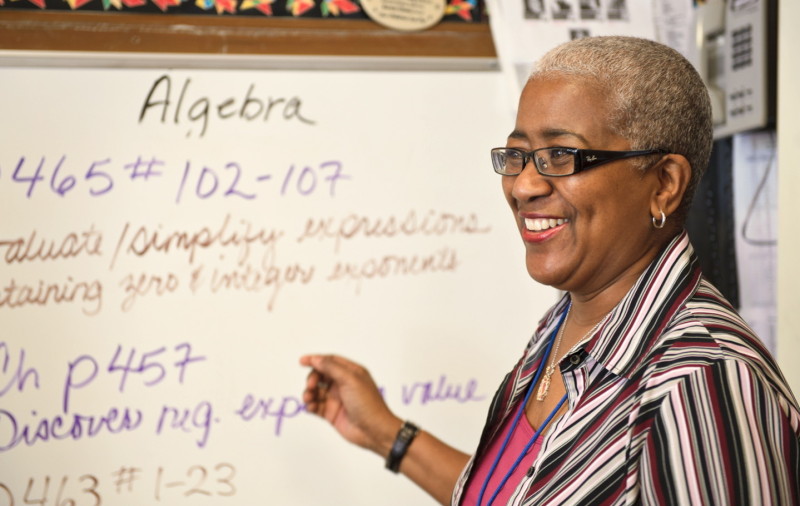
"caption": "Jeannette Williams teaches eighth grade algebra at Presidio Middle School, a San Francisco Unified School District school.",
"description": null,
"title": "AA teacher",
"credit": "(Lenny Gonzalez/KQED)",
"status": "inherit",
"isLoading": false,
"fetchFailed": false
},
"news_10420175": {
"type": "attachments",
"id": "news_10420175",
"meta": {
"index": "attachments_1716263798",
"site": "news",
"id": "10420175",
"found": true
},
"parent": 10420154,
"imgSizes": {
"twentyfourteen-full-width": {
"file": "https://ww2.kqed.org/app/uploads/sites/10/2015/01/Collier-1000x576.jpg",
"width": 1000,
"mimeType": "image/jpeg",
"height": 576
},
"thumbnail": {
"file": "https://ww2.kqed.org/app/uploads/sites/10/2015/01/Collier-400x267.jpg",
"width": 400,
"mimeType": "image/jpeg",
"height": 267
},
"post-thumbnail": {
"file": "https://ww2.kqed.org/app/uploads/sites/10/2015/01/Collier-672x372.jpg",
"width": 672,
"mimeType": "image/jpeg",
"height": 372
},
"kqedFullSize": {
"file": "https://ww2.kqed.org/app/uploads/sites/10/2015/01/Collier.jpg",
"width": 1000,
"height": 667
},
"guest-author-96": {
"file": "https://ww2.kqed.org/app/uploads/sites/10/2015/01/Collier-96x96.jpg",
"width": 96,
"mimeType": "image/jpeg",
"height": 96
},
"medium": {
"file": "https://ww2.kqed.org/app/uploads/sites/10/2015/01/Collier-800x534.jpg",
"width": 800,
"mimeType": "image/jpeg",
"height": 534
},
"guest-author-64": {
"file": "https://ww2.kqed.org/app/uploads/sites/10/2015/01/Collier-64x64.jpg",
"width": 64,
"mimeType": "image/jpeg",
"height": 64
},
"detail": {
"file": "https://ww2.kqed.org/app/uploads/sites/10/2015/01/Collier-75x75.jpg",
"width": 75,
"mimeType": "image/jpeg",
"height": 75
},
"guest-author-32": {
"file": "https://ww2.kqed.org/app/uploads/sites/10/2015/01/Collier-32x32.jpg",
"width": 32,
"mimeType": "image/jpeg",
"height": 32
},
"guest-author-128": {
"file": "https://ww2.kqed.org/app/uploads/sites/10/2015/01/Collier-128x128.jpg",
"width": 128,
"mimeType": "image/jpeg",
"height": 128
}
},
"publishDate": 1422658797,
"modified": 1422658846,
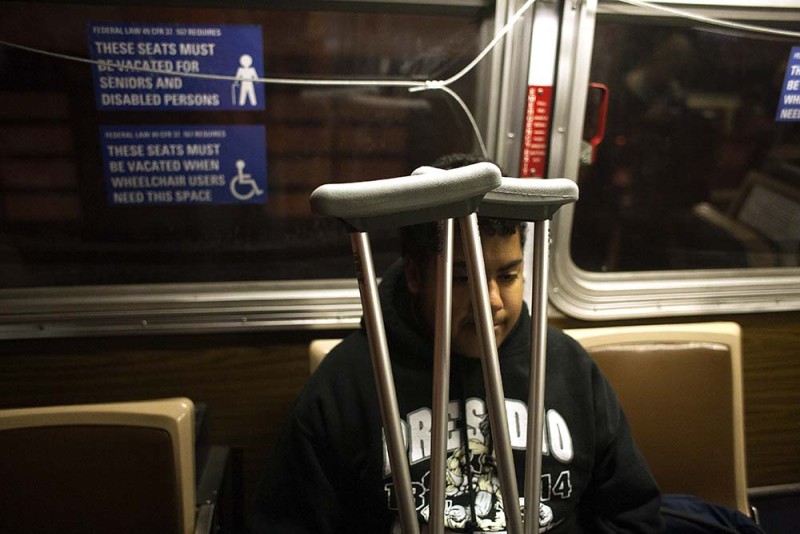
"caption": "Chris Collier, 14, rides two Muni buses to get to John O'Connell High School in the Mission. Many San Francisco Unified School District students contend with long commutes on public transit.",
"description": null,
"title": "Chris Collier",
"credit": "Colleen Cummins / San Francisco Public Press",
"status": "inherit",
"isLoading": false,
"fetchFailed": false
},
"news_10420317": {
"type": "attachments",
"id": "news_10420317",
"meta": {
"index": "attachments_1716263798",
"site": "news",
"id": "10420317",
"found": true
},
"parent": 10374030,
"imgSizes": {
"twentyfourteen-full-width": {
"file": "https://ww2.kqed.org/app/uploads/sites/10/2015/01/RS8295_IMG_8679-1038x576.jpg",
"width": 1038,
"mimeType": "image/jpeg",
"height": 576
},
"thumbnail": {
"file": "https://ww2.kqed.org/app/uploads/sites/10/2015/01/RS8295_IMG_8679-400x267.jpg",
"width": 400,
"mimeType": "image/jpeg",
"height": 267
},
"post-thumbnail": {
"file": "https://ww2.kqed.org/app/uploads/sites/10/2015/01/RS8295_IMG_8679-672x372.jpg",
"width": 672,
"mimeType": "image/jpeg",
"height": 372
},
"kqedFullSize": {
"file": "https://ww2.kqed.org/app/uploads/sites/10/2015/01/RS8295_IMG_8679.jpg",
"width": 3888,
"height": 2592
},
"large": {
"file": "https://ww2.kqed.org/app/uploads/sites/10/2015/01/RS8295_IMG_8679-1440x960.jpg",
"width": 1440,
"mimeType": "image/jpeg",
"height": 960
},
"guest-author-96": {
"file": "https://ww2.kqed.org/app/uploads/sites/10/2015/01/RS8295_IMG_8679-96x96.jpg",
"width": 96,
"mimeType": "image/jpeg",
"height": 96
},
"medium": {
"file": "https://ww2.kqed.org/app/uploads/sites/10/2015/01/RS8295_IMG_8679-800x533.jpg",
"width": 800,
"mimeType": "image/jpeg",
"height": 533
},
"guest-author-64": {
"file": "https://ww2.kqed.org/app/uploads/sites/10/2015/01/RS8295_IMG_8679-64x64.jpg",
"width": 64,
"mimeType": "image/jpeg",
"height": 64
},
"detail": {
"file": "https://ww2.kqed.org/app/uploads/sites/10/2015/01/RS8295_IMG_8679-75x75.jpg",
"width": 75,
"mimeType": "image/jpeg",
"height": 75
},
"guest-author-32": {
"file": "https://ww2.kqed.org/app/uploads/sites/10/2015/01/RS8295_IMG_8679-32x32.jpg",
"width": 32,
"mimeType": "image/jpeg",
"height": 32
},
"guest-author-128": {
"file": "https://ww2.kqed.org/app/uploads/sites/10/2015/01/RS8295_IMG_8679-128x128.jpg",
"width": 128,
"mimeType": "image/jpeg",
"height": 128
}
},
"publishDate": 1422665707,
"modified": 1422666854,
"caption": "Drug crime was up and robberies were down in 2014. (Alex Emslie/KQED)",
"description": "Drug crime was up and robberies were down in 2014. (Alex Emslie/KQED)",
"title": "OPD Stock Crimescene",
"credit": null,
"status": "inherit",
"isLoading": false,
"fetchFailed": false
},
"news_10419196": {
"type": "attachments",
"id": "news_10419196",
"meta": {
"index": "attachments_1716263798",
"site": "news",
"id": "10419196",
"found": true
},
"parent": 10419016,
"imgSizes": {
"twentyfourteen-full-width": {
"file": "https://ww2.kqed.org/app/uploads/sites/10/2015/01/vote-1038x576.jpg",
"width": 1038,
"mimeType": "image/jpeg",
"height": 576
},
"thumbnail": {
"file": "https://ww2.kqed.org/app/uploads/sites/10/2015/01/vote-400x288.jpg",
"width": 400,
"mimeType": "image/jpeg",
"height": 288
},
"post-thumbnail": {
"file": "https://ww2.kqed.org/app/uploads/sites/10/2015/01/vote-672x372.jpg",
"width": 672,
"mimeType": "image/jpeg",
"height": 372
},
"kqedFullSize": {
"file": "https://ww2.kqed.org/app/uploads/sites/10/2015/01/vote.jpg",
"width": 1440,
"height": 1038
},
"large": {
"file": "https://ww2.kqed.org/app/uploads/sites/10/2015/01/vote-1440x1038.jpg",
"width": 1440,
"mimeType": "image/jpeg",
"height": 1038
},
"guest-author-96": {
"file": "https://ww2.kqed.org/app/uploads/sites/10/2015/01/vote-96x96.jpg",
"width": 96,
"mimeType": "image/jpeg",
"height": 96
},
"medium": {
"file": "https://ww2.kqed.org/app/uploads/sites/10/2015/01/vote-800x577.jpg",
"width": 800,
"mimeType": "image/jpeg",
"height": 577
},
"guest-author-64": {
"file": "https://ww2.kqed.org/app/uploads/sites/10/2015/01/vote-64x64.jpg",
"width": 64,
"mimeType": "image/jpeg",
"height": 64
},
"detail": {
"file": "https://ww2.kqed.org/app/uploads/sites/10/2015/01/vote-75x75.jpg",
"width": 75,
"mimeType": "image/jpeg",
"height": 75
},
"guest-author-32": {
"file": "https://ww2.kqed.org/app/uploads/sites/10/2015/01/vote-32x32.jpg",
"width": 32,
"mimeType": "image/jpeg",
"height": 32
},
"guest-author-128": {
"file": "https://ww2.kqed.org/app/uploads/sites/10/2015/01/vote-128x128.jpg",
"width": 128,
"mimeType": "image/jpeg",
"height": 128
}
},
"publishDate": 1422569809,
"modified": 1422639848,
"caption": "Polls taken over the last 10 years have shown Californians want a say in how money is spent. (Getty images)",
"description": "Polls taken over the last 10 years have shown Californians want say in how money is spent. (Getty images)",
"title": "vote",
"credit": null,
"status": "inherit",
"isLoading": false,
"fetchFailed": false
},
"news_10416557": {
"type": "attachments",
"id": "news_10416557",
"meta": {
"index": "attachments_1716263798",
"site": "news",
"id": "10416557",
"found": true
},
"parent": 10416421,
"imgSizes": {
"twentyfourteen-full-width": {
"file": "https://ww2.kqed.org/app/uploads/sites/10/2015/01/napolitano-1038x576.jpg",
"width": 1038,
"mimeType": "image/jpeg",
"height": 576
},
"thumbnail": {
"file": "https://ww2.kqed.org/app/uploads/sites/10/2015/01/napolitano-400x267.jpg",
"width": 400,
"mimeType": "image/jpeg",
"height": 267
},
"post-thumbnail": {
"file": "https://ww2.kqed.org/app/uploads/sites/10/2015/01/napolitano-672x372.jpg",
"width": 672,
"mimeType": "image/jpeg",
"height": 372
},
"kqedFullSize": {
"file": "https://ww2.kqed.org/app/uploads/sites/10/2015/01/napolitano-e1422316539897.jpg",
"width": 1440,
"height": 960
},
"large": {
"file": "https://ww2.kqed.org/app/uploads/sites/10/2015/01/napolitano-1440x960.jpg",
"width": 1440,
"mimeType": "image/jpeg",
"height": 960
},
"guest-author-96": {
"file": "https://ww2.kqed.org/app/uploads/sites/10/2015/01/napolitano-96x96.jpg",
"width": 96,
"mimeType": "image/jpeg",
"height": 96
},
"medium": {
"file": "https://ww2.kqed.org/app/uploads/sites/10/2015/01/napolitano-800x533.jpg",
"width": 800,
"mimeType": "image/jpeg",
"height": 533
},
"guest-author-64": {
"file": "https://ww2.kqed.org/app/uploads/sites/10/2015/01/napolitano-64x64.jpg",
"width": 64,
"mimeType": "image/jpeg",
"height": 64
},
"detail": {
"file": "https://ww2.kqed.org/app/uploads/sites/10/2015/01/napolitano-75x75.jpg",
"width": 75,
"mimeType": "image/jpeg",
"height": 75
},
"guest-author-32": {
"file": "https://ww2.kqed.org/app/uploads/sites/10/2015/01/napolitano-32x32.jpg",
"width": 32,
"mimeType": "image/jpeg",
"height": 32
},
"guest-author-128": {
"file": "https://ww2.kqed.org/app/uploads/sites/10/2015/01/napolitano-128x128.jpg",
"width": 128,
"mimeType": "image/jpeg",
"height": 128
}
},
"publishDate": 1422316474,
"modified": 1426803391,
"caption": "University of California President Janet Napolitano in 2013. ",
"description": "University of California President Janet Napolitano in 2013. ",
"title": "Janet Napolitano-University of California",
"credit": "Deborah Svoboda/KQED",
"status": "inherit",
"isLoading": false,
"fetchFailed": false
},
"news_10414082": {
"type": "attachments",
"id": "news_10414082",
"meta": {
"index": "attachments_1716263798",
"site": "news",
"id": "10414082",
"found": true
},
"parent": 10414029,
"imgSizes": {
"twentyfourteen-full-width": {
"file": "https://ww2.kqed.org/app/uploads/sites/10/2015/01/RS10838_76754172-1038x576.jpg",
"width": 1038,
"mimeType": "image/jpeg",
"height": 576
},
"thumbnail": {
"file": "https://ww2.kqed.org/app/uploads/sites/10/2015/01/RS10838_76754172-400x266.jpg",
"width": 400,
"mimeType": "image/jpeg",
"height": 266
},
"post-thumbnail": {
"file": "https://ww2.kqed.org/app/uploads/sites/10/2015/01/RS10838_76754172-672x372.jpg",
"width": 672,
"mimeType": "image/jpeg",
"height": 372
},
"kqedFullSize": {
"file": "https://ww2.kqed.org/app/uploads/sites/10/2015/01/RS10838_76754172-e1422049485154.jpg",
"width": 1440,
"height": 958
},
"large": {
"file": "https://ww2.kqed.org/app/uploads/sites/10/2015/01/RS10838_76754172-1440x958.jpg",
"width": 1440,
"mimeType": "image/jpeg",
"height": 958
},
"guest-author-96": {
"file": "https://ww2.kqed.org/app/uploads/sites/10/2015/01/RS10838_76754172-96x96.jpg",
"width": 96,
"mimeType": "image/jpeg",
"height": 96
},
"medium": {
"file": "https://ww2.kqed.org/app/uploads/sites/10/2015/01/RS10838_76754172-800x532.jpg",
"width": 800,
"mimeType": "image/jpeg",
"height": 532
},
"guest-author-64": {
"file": "https://ww2.kqed.org/app/uploads/sites/10/2015/01/RS10838_76754172-64x64.jpg",
"width": 64,
"mimeType": "image/jpeg",
"height": 64
},
"detail": {
"file": "https://ww2.kqed.org/app/uploads/sites/10/2015/01/RS10838_76754172-75x75.jpg",
"width": 75,
"mimeType": "image/jpeg",
"height": 75
},
"guest-author-32": {
"file": "https://ww2.kqed.org/app/uploads/sites/10/2015/01/RS10838_76754172-32x32.jpg",
"width": 32,
"mimeType": "image/jpeg",
"height": 32
},
"guest-author-128": {
"file": "https://ww2.kqed.org/app/uploads/sites/10/2015/01/RS10838_76754172-128x128.jpg",
"width": 128,
"mimeType": "image/jpeg",
"height": 128
}
},
"publishDate": 1422035542,
"modified": 1422055719,
"caption": "School advocates say California is long overdue for billions of dollars to build and modernize classrooms.",
"description": "Teacher instructing class",
"title": "RS10838_76754172",
"credit": "Getty Images",
"status": "inherit",
"isLoading": false,
"fetchFailed": false
},
"news_10407991": {
"type": "attachments",
"id": "news_10407991",
"meta": {
"index": "attachments_1716263798",
"site": "news",
"id": "10407991",
"found": true
},
"parent": 10407990,
"imgSizes": {
"thumbnail": {
"file": "https://ww2.kqed.org/app/uploads/sites/10/2015/01/school-board-400x246.jpg",
"width": 400,
"mimeType": "image/jpeg",
"height": 246
},
"post-thumbnail": {
"file": "https://ww2.kqed.org/app/uploads/sites/10/2015/01/school-board-672x372.jpg",
"width": 672,
"mimeType": "image/jpeg",
"height": 372
},
"kqedFullSize": {
"file": "https://ww2.kqed.org/app/uploads/sites/10/2015/01/school-board.jpg",
"width": 720,
"height": 444
},
"guest-author-96": {
"file": "https://ww2.kqed.org/app/uploads/sites/10/2015/01/school-board-96x96.jpg",
"width": 96,
"mimeType": "image/jpeg",
"height": 96
},
"guest-author-64": {
"file": "https://ww2.kqed.org/app/uploads/sites/10/2015/01/school-board-64x64.jpg",
"width": 64,
"mimeType": "image/jpeg",
"height": 64
},
"detail": {
"file": "https://ww2.kqed.org/app/uploads/sites/10/2015/01/school-board-75x75.jpg",
"width": 75,
"mimeType": "image/jpeg",
"height": 75
},
"guest-author-32": {
"file": "https://ww2.kqed.org/app/uploads/sites/10/2015/01/school-board-32x32.jpg",
"width": 32,
"mimeType": "image/jpeg",
"height": 32
},
"guest-author-128": {
"file": "https://ww2.kqed.org/app/uploads/sites/10/2015/01/school-board-128x128.jpg",
"width": 128,
"mimeType": "image/jpeg",
"height": 128
}
},
"publishDate": 1421429793,
"modified": 1421429824,
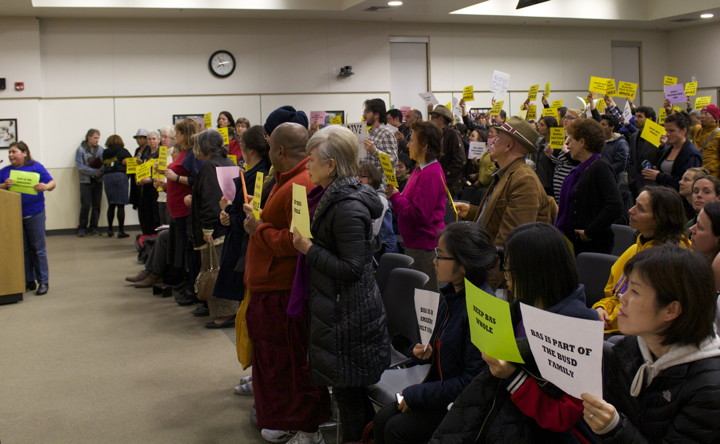
"caption": "Students and faculty from Berkeley Adult School stand and hold signs in solidarity against relocation of the school at Wednesday’s board meeting.",
"description": null,
"title": "school board",
"credit": "Seung Y. Lee/Berkeleyside",
"status": "inherit",
"isLoading": false,
"fetchFailed": false
},
"news_10408071": {
"type": "attachments",
"id": "news_10408071",
"meta": {
"index": "attachments_1716263798",
"site": "news",
"id": "10408071",
"found": true
},
"parent": 10408061,
"imgSizes": {
"thumbnail": {
"file": "https://ww2.kqed.org/app/uploads/sites/10/2015/01/RS5433_003-scr-400x266.jpg",
"width": 400,
"mimeType": "image/jpeg",
"height": 266
},
"post-thumbnail": {
"file": "https://ww2.kqed.org/app/uploads/sites/10/2015/01/RS5433_003-scr-672x372.jpg",
"width": 672,
"mimeType": "image/jpeg",
"height": 372
},
"kqedFullSize": {
"file": "https://ww2.kqed.org/app/uploads/sites/10/2015/01/RS5433_003-scr.jpg",
"width": 850,
"height": 567
},
"guest-author-96": {
"file": "https://ww2.kqed.org/app/uploads/sites/10/2015/01/RS5433_003-scr-96x96.jpg",
"width": 96,
"mimeType": "image/jpeg",
"height": 96
},
"medium": {
"file": "https://ww2.kqed.org/app/uploads/sites/10/2015/01/RS5433_003-scr-800x533.jpg",
"width": 800,
"mimeType": "image/jpeg",
"height": 533
},
"guest-author-64": {
"file": "https://ww2.kqed.org/app/uploads/sites/10/2015/01/RS5433_003-scr-64x64.jpg",
"width": 64,
"mimeType": "image/jpeg",
"height": 64
},
"detail": {
"file": "https://ww2.kqed.org/app/uploads/sites/10/2015/01/RS5433_003-scr-75x75.jpg",
"width": 75,
"mimeType": "image/jpeg",
"height": 75
},
"guest-author-32": {
"file": "https://ww2.kqed.org/app/uploads/sites/10/2015/01/RS5433_003-scr-32x32.jpg",
"width": 32,
"mimeType": "image/jpeg",
"height": 32
},
"guest-author-128": {
"file": "https://ww2.kqed.org/app/uploads/sites/10/2015/01/RS5433_003-scr-128x128.jpg",
"width": 128,
"mimeType": "image/jpeg",
"height": 128
}
},
"publishDate": 1421434248,
"modified": 1421434351,
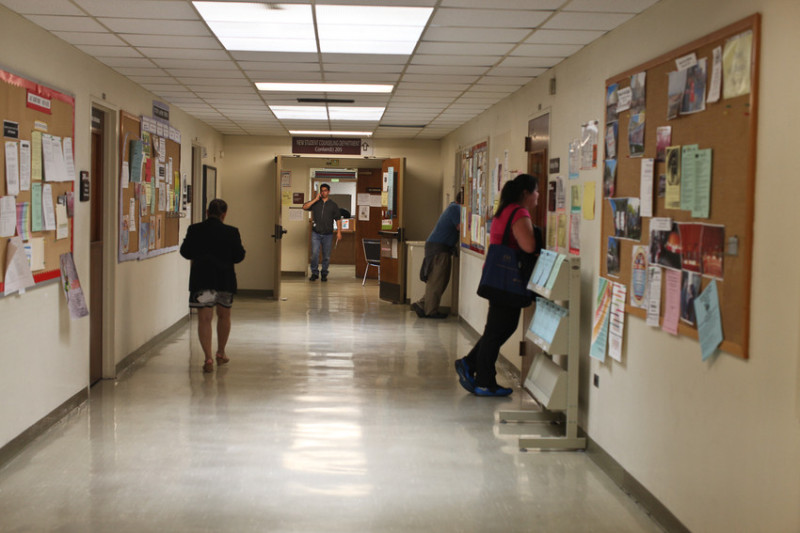
"caption": "Students at City College's new counseling and student center.",
"description": "Students at City College's new counseling and student center.",
"title": "RS5433_003-scr",
"credit": "Deborah Svoboda/KQED",
"status": "inherit",
"isLoading": false,
"fetchFailed": false
},
"news_10406250": {
"type": "attachments",
"id": "news_10406250",
"meta": {
"index": "attachments_1716263798",
"site": "news",
"id": "10406250",
"found": true
},
"parent": 10406211,
"imgSizes": {
"twentyfourteen-full-width": {
"file": "https://ww2.kqed.org/app/uploads/sites/10/2015/01/RS8738_IMG_2473-1038x576.jpg",
"width": 1038,
"mimeType": "image/jpeg",
"height": 576
},
"thumbnail": {
"file": "https://ww2.kqed.org/app/uploads/sites/10/2015/01/RS8738_IMG_2473-400x266.jpg",
"width": 400,
"mimeType": "image/jpeg",
"height": 266
},
"post-thumbnail": {
"file": "https://ww2.kqed.org/app/uploads/sites/10/2015/01/RS8738_IMG_2473-672x372.jpg",
"width": 672,
"mimeType": "image/jpeg",
"height": 372
},
"kqedFullSize": {
"file": "https://ww2.kqed.org/app/uploads/sites/10/2015/01/RS8738_IMG_2473-e1484346112599.jpg",
"width": 1920,
"height": 1280
},
"large": {
"file": "https://ww2.kqed.org/app/uploads/sites/10/2015/01/RS8738_IMG_2473-1440x959.jpg",
"width": 1440,
"mimeType": "image/jpeg",
"height": 959
},
"guest-author-96": {
"file": "https://ww2.kqed.org/app/uploads/sites/10/2015/01/RS8738_IMG_2473-96x96.jpg",
"width": 96,
"mimeType": "image/jpeg",
"height": 96
},
"medium": {
"file": "https://ww2.kqed.org/app/uploads/sites/10/2015/01/RS8738_IMG_2473-800x533.jpg",
"width": 800,
"mimeType": "image/jpeg",
"height": 533
},
"guest-author-64": {
"file": "https://ww2.kqed.org/app/uploads/sites/10/2015/01/RS8738_IMG_2473-64x64.jpg",
"width": 64,
"mimeType": "image/jpeg",
"height": 64
},
"detail": {
"file": "https://ww2.kqed.org/app/uploads/sites/10/2015/01/RS8738_IMG_2473-75x75.jpg",
"width": 75,
"mimeType": "image/jpeg",
"height": 75
},
"guest-author-32": {
"file": "https://ww2.kqed.org/app/uploads/sites/10/2015/01/RS8738_IMG_2473-32x32.jpg",
"width": 32,
"mimeType": "image/jpeg",
"height": 32
},
"guest-author-128": {
"file": "https://ww2.kqed.org/app/uploads/sites/10/2015/01/RS8738_IMG_2473-128x128.jpg",
"width": 128,
"mimeType": "image/jpeg",
"height": 128
}
},
"publishDate": 1421274870,
"modified": 1421275006,
"caption": "A sign at City College's Ocean and Phelan campus.",
"description": null,
"title": "City College of San Francisco",
"credit": "Mark Andrew Boyer/KQED",
"status": "inherit",
"isLoading": false,
"fetchFailed": false
},
"news_10402501": {
"type": "attachments",
"id": "news_10402501",
"meta": {
"index": "attachments_1716263798",
"site": "news",
"id": "10402501",
"found": true
},
"parent": 10401334,
"imgSizes": {
"twentyfourteen-full-width": {
"file": "https://ww2.kqed.org/app/uploads/sites/10/2015/01/RS13963_OlisRoc-lpr-1038x576.jpg",
"width": 1038,
"mimeType": "image/jpeg",
"height": 576
},
"thumbnail": {
"file": "https://ww2.kqed.org/app/uploads/sites/10/2015/01/RS13963_OlisRoc-lpr-400x249.jpg",
"width": 400,
"mimeType": "image/jpeg",
"height": 249
},
"post-thumbnail": {
"file": "https://ww2.kqed.org/app/uploads/sites/10/2015/01/RS13963_OlisRoc-lpr-672x372.jpg",
"width": 672,
"mimeType": "image/jpeg",
"height": 372
},
"kqedFullSize": {
"file": "https://ww2.kqed.org/app/uploads/sites/10/2015/01/RS13963_OlisRoc-lpr-e1518456005735.jpg",
"width": 1920,
"height": 1197
},
"large": {
"file": "https://ww2.kqed.org/app/uploads/sites/10/2015/01/RS13963_OlisRoc-lpr-1440x897.jpg",
"width": 1440,
"mimeType": "image/jpeg",
"height": 897
},
"guest-author-96": {
"file": "https://ww2.kqed.org/app/uploads/sites/10/2015/01/RS13963_OlisRoc-lpr-96x96.jpg",
"width": 96,
"mimeType": "image/jpeg",
"height": 96
},
"medium": {
"file": "https://ww2.kqed.org/app/uploads/sites/10/2015/01/RS13963_OlisRoc-lpr-800x498.jpg",
"width": 800,
"mimeType": "image/jpeg",
"height": 498
},
"guest-author-64": {
"file": "https://ww2.kqed.org/app/uploads/sites/10/2015/01/RS13963_OlisRoc-lpr-64x64.jpg",
"width": 64,
"mimeType": "image/jpeg",
"height": 64
},
"detail": {
"file": "https://ww2.kqed.org/app/uploads/sites/10/2015/01/RS13963_OlisRoc-lpr-75x75.jpg",
"width": 75,
"mimeType": "image/jpeg",
"height": 75
},
"guest-author-32": {
"file": "https://ww2.kqed.org/app/uploads/sites/10/2015/01/RS13963_OlisRoc-lpr-32x32.jpg",
"width": 32,
"mimeType": "image/jpeg",
"height": 32
},
"guest-author-128": {
"file": "https://ww2.kqed.org/app/uploads/sites/10/2015/01/RS13963_OlisRoc-lpr-128x128.jpg",
"width": 128,
"mimeType": "image/jpeg",
"height": 128
}
},
"publishDate": 1420849011,
"modified": 1518455994,
"caption": "Olis Simmons with members of Youth Uprising.",
"description": "Olis Simmons with members of YouthUprising",
"title": "RS13963_OlisRoc-lpr",
"credit": "Courtesy Olis Simmons",
"status": "inherit",
"isLoading": false,
"fetchFailed": false
},
"news_10402249": {
"type": "attachments",
"id": "news_10402249",
"meta": {
"index": "attachments_1716263798",
"site": "news",
"id": "10402249",
"found": true
},
"parent": 10402121,
"imgSizes": {
"twentyfourteen-full-width": {
"file": "https://ww2.kqed.org/app/uploads/sites/10/2015/01/community-college-1038x576.jpg",
"width": 1038,
"mimeType": "image/jpeg",
"height": 576
},
"thumbnail": {
"file": "https://ww2.kqed.org/app/uploads/sites/10/2015/01/community-college-400x252.jpg",
"width": 400,
"mimeType": "image/jpeg",
"height": 252
},
"post-thumbnail": {
"file": "https://ww2.kqed.org/app/uploads/sites/10/2015/01/community-college-672x372.jpg",
"width": 672,
"mimeType": "image/jpeg",
"height": 372
},
"kqedFullSize": {
"file": "https://ww2.kqed.org/app/uploads/sites/10/2015/01/community-college.jpg",
"width": 1440,
"height": 910
},
"guest-author-96": {
"file": "https://ww2.kqed.org/app/uploads/sites/10/2015/01/community-college-96x96.jpg",
"width": 96,
"mimeType": "image/jpeg",
"height": 96
},
"medium": {
"file": "https://ww2.kqed.org/app/uploads/sites/10/2015/01/community-college-800x505.jpg",
"width": 800,
"mimeType": "image/jpeg",
"height": 505
},
"guest-author-64": {
"file": "https://ww2.kqed.org/app/uploads/sites/10/2015/01/community-college-64x64.jpg",
"width": 64,
"mimeType": "image/jpeg",
"height": 64
},
"detail": {
"file": "https://ww2.kqed.org/app/uploads/sites/10/2015/01/community-college-75x75.jpg",
"width": 75,
"mimeType": "image/jpeg",
"height": 75
},
"guest-author-32": {
"file": "https://ww2.kqed.org/app/uploads/sites/10/2015/01/community-college-32x32.jpg",
"width": 32,
"mimeType": "image/jpeg",
"height": 32
},
"guest-author-128": {
"file": "https://ww2.kqed.org/app/uploads/sites/10/2015/01/community-college-128x128.jpg",
"width": 128,
"mimeType": "image/jpeg",
"height": 128
}
},
"publishDate": 1420835995,
"modified": 1433260351,
"caption": "Graduation. ",
"description": "Graduation shot",
"title": "Graduation-Caps",
"credit": "Getty Images",
"status": "inherit",
"isLoading": false,
"fetchFailed": false
}
},
"audioPlayerReducer": {
"postId": "stream_live",
"isPaused": true,
"isPlaying": false,
"pfsActive": false,
"pledgeModalIsOpen": true,
"playerDrawerIsOpen": false,
"liveAudioPlayStartedAt": 0,
"liveAudioPlayContext": ""
},
"authorsReducer": {
"byline_news_10428494": {
"type": "authors",
"id": "byline_news_10428494",
"meta": {
"override": true
},
"slug": "byline_news_10428494",
"name": "Dan Brekke, Alex Cherian and Adam Grossberg",
"isLoading": false
},
"byline_news_10420154": {
"type": "authors",
"id": "byline_news_10420154",
"meta": {
"override": true
},
"slug": "byline_news_10420154",
"name": "\u003ca href=\"http://sfpublicpress.org/members/rebecca-robinson\">Rebecca Robinson\u003c/a>\u003cbr>San Francisco Public Press",
"isLoading": false
},
"byline_news_10416421": {
"type": "authors",
"id": "byline_news_10416421",
"meta": {
"override": true
},
"slug": "byline_news_10416421",
"name": "Queena Kim\u003cbr />KQED",
"isLoading": false
},
"byline_news_10407990": {
"type": "authors",
"id": "byline_news_10407990",
"meta": {
"override": true
},
"slug": "byline_news_10407990",
"name": "\u003ca href=\"http://www.berkeleyside.com/author/seung-y-lee/\">Seung Y. Lee\u003c/a>\u003cbr>Berkeleyside",
"isLoading": false
},
"lisapickoffwhite-2": {
"type": "authors",
"id": "199",
"meta": {
"index": "authors_1716337520",
"id": "199",
"found": true
},
"name": "Lisa Pickoff-White",
"firstName": "Lisa",
"lastName": "Pickoff-White",
"slug": "lisapickoffwhite-2",
"email": "lpickoffwhite@kqed.org",
"display_author_email": false,
"staff_mastheads": [
"news"
],
"title": "Data Journalist, Senior Producer",
"bio": "Lisa Pickoff-White is KQED's data reporter. Lisa specializes in simplifying complex topics and bringing them to life through compelling visuals, including photography and data visualizations. She previously has worked at the Center for Investigative Reporting and other national outlets. Her work has been honored with awards from the Online News Association, Investigative Reporters and Editors, the Society of Professional Journalists and SXSW Interactive. \u003cstrong> \u003c/strong>",
"avatar": "https://secure.gravatar.com/avatar/5513c5f3967df792aa65bee2501e84d6?s=600&d=blank&r=g",
"twitter": "pickoffwhite",
"facebook": null,
"instagram": null,
"linkedin": null,
"sites": [
{
"site": "",
"roles": [
"editor"
]
},
{
"site": "arts",
"roles": []
},
{
"site": "news",
"roles": [
"administrator"
]
},
{
"site": "about",
"roles": [
"editor"
]
},
{
"site": "stateofhealth",
"roles": [
"administrator"
]
},
{
"site": "science",
"roles": [
"editor"
]
},
{
"site": "quest",
"roles": [
"editor"
]
},
{
"site": "forum",
"roles": [
"editor"
]
}
],
"headData": {
"title": "Lisa Pickoff-White | KQED",
"description": "Data Journalist, Senior Producer",
"ogImgSrc": "https://secure.gravatar.com/avatar/5513c5f3967df792aa65bee2501e84d6?s=600&d=blank&r=g",
"twImgSrc": "https://secure.gravatar.com/avatar/5513c5f3967df792aa65bee2501e84d6?s=600&d=blank&r=g"
},
"isLoading": false,
"link": "/author/lisapickoffwhite-2"
},
"danbrekke": {
"type": "authors",
"id": "222",
"meta": {
"index": "authors_1716337520",
"id": "222",
"found": true
},
"name": "Dan Brekke",
"firstName": "Dan",
"lastName": "Brekke",
"slug": "danbrekke",
"email": "dbrekke@kqed.org",
"display_author_email": true,
"staff_mastheads": [
"news",
"science"
],
"title": "KQED Editor and Reporter",
"bio": "Dan Brekke is a reporter and editor for KQED News, responsible for coverage of topics ranging from California water issues to the Bay Area's transportation challenges. In a newsroom career that began in Chicago in 1972, Dan has worked for \u003cem>The San Francisco Examiner,\u003c/em> Wired and TechTV and has been published in The New York Times, The New York Times Magazine, Business 2.0, Salon and elsewhere.\r\n\r\nSince joining KQED in 2007, Dan has reported, edited and produced both radio and online features and breaking news pieces. He has shared as both editor and reporter in four Society of Professional Journalists Norcal Excellence in Journalism awards and one Edward R. Murrow regional award. He was chosen for a spring 2017 residency at the Mesa Refuge to advance his research on California salmon.\r\n\r\nEmail Dan at: \u003ca href=\"mailto:dbrekke@kqed.org\">dbrekke@kqed.org\u003c/a>\r\n\r\n\u003cstrong>Twitter:\u003c/strong> \u003ca href=\"https://twitter.com/danbrekke\" rel=\"noopener noreferrer\">twitter.com/danbrekke\u003c/a>\r\n\u003cstrong>Facebook:\u003c/strong> \u003ca href=\"https://www.facebook.com/danbrekke\" rel=\"noopener noreferrer\">www.facebook.com/danbrekke\u003c/a>\r\n\u003cstrong>LinkedIn:\u003c/strong> \u003ca href=\"https://www.linkedin.com/in/danbrekke\" rel=\"noopener noreferrer\">www.linkedin.com/in/danbrekke\u003c/a>",
"avatar": "https://secure.gravatar.com/avatar/8f1f0d2a978fb3b23426c922c7e2af558fa36905b49c4ce76a97dc3c72d27226?s=600&d=mm&r=g",
"twitter": "danbrekke",
"bluesky": null,
"facebook": null,
"instagram": "https://www.instagram.com/dan.brekke/",
"linkedin": "https://www.linkedin.com/in/danbrekke/",
"sites": [
{
"site": "news",
"roles": [
"administrator",
"create_posts"
]
},
{
"site": "stateofhealth",
"roles": [
"editor"
]
},
{
"site": "science",
"roles": [
"editor"
]
},
{
"site": "quest",
"roles": [
"contributor"
]
},
{
"site": "food",
"roles": [
"contributor"
]
},
{
"site": "forum",
"roles": [
"contributor"
]
},
{
"site": "elections",
"roles": [
"editor"
]
},
{
"site": "liveblog",
"roles": [
"editor"
]
}
],
"headData": {
"title": "Dan Brekke | KQED",
"description": "KQED Editor and Reporter",
"ogImgSrc": "https://secure.gravatar.com/avatar/8f1f0d2a978fb3b23426c922c7e2af558fa36905b49c4ce76a97dc3c72d27226?s=600&d=mm&r=g",
"twImgSrc": "https://secure.gravatar.com/avatar/8f1f0d2a978fb3b23426c922c7e2af558fa36905b49c4ce76a97dc3c72d27226?s=600&d=mm&r=g"
},
"isLoading": false,
"link": "/author/danbrekke"
},
"jmyers": {
"type": "authors",
"id": "232",
"meta": {
"index": "authors_1716337520",
"id": "232",
"found": true
},
"name": "John Myers",
"firstName": "John",
"lastName": "Myers",
"slug": "jmyers",
"email": "jmyers@kqed.org",
"display_author_email": false,
"staff_mastheads": [],
"title": null,
"bio": "John Myers is Senior Editor of KQED's new California Politics and Government Desk. A veteran of almost two decades of political coverage, he was KQED's longest serving statehouse bureau chief and recently was political editor for Sacramento's ABC affiliate, News10 (KXTV). John was moderator of the only 2014 gubernatorial debate, and was named by \u003cem>The Washington Post\u003c/em> to two \"Best Of\" lists: the 2015 list of top state politics reporters and 2014's list of America's most influential statehouse reporters.",
"avatar": "https://secure.gravatar.com/avatar/c0ac98482caf0b8229a792662b38722a?s=600&d=blank&r=g",
"twitter": "johnmyers",
"facebook": null,
"instagram": null,
"linkedin": null,
"sites": [
{
"site": "news",
"roles": [
"subscriber"
]
}
],
"headData": {
"title": "John Myers | KQED",
"description": null,
"ogImgSrc": "https://secure.gravatar.com/avatar/c0ac98482caf0b8229a792662b38722a?s=600&d=blank&r=g",
"twImgSrc": "https://secure.gravatar.com/avatar/c0ac98482caf0b8229a792662b38722a?s=600&d=blank&r=g"
},
"isLoading": false,
"link": "/author/jmyers"
},
"joshuajohnson": {
"type": "authors",
"id": "233",
"meta": {
"index": "authors_1716337520",
"id": "233",
"found": true
},
"name": "Joshua Johnson",
"firstName": "Joshua",
"lastName": "Johnson",
"slug": "joshuajohnson",
"email": "jejohnson@kqed.org",
"display_author_email": false,
"staff_mastheads": [],
"title": null,
"bio": "Joshua Johnson is the creator and host of \u003cem>\u003ca href=\"http://www.truthbetoldshow.org\">Truth Be Told\u003c/a>,\u003c/em> a special series on race from KQED and PRI. Prior to creating the show, he served as the station's morning news anchor for five-and-half years.\r\n\r\nPrior to joining KQED, Joshua spent six years as an anchor/reporter for WLRN Miami Herald News. He's a native of South Florida, with degrees from the University of Miami. His reporting and newscasting have won awards from the Radio Television Digital News Association and from the National Association of Black Journalists. Joshua is also active in his union, SAG-AFTRA. He lives in San Francisco.",
"avatar": "https://secure.gravatar.com/avatar/2abea375594cdd54e4837846e3561fa4?s=600&d=blank&r=g",
"twitter": "@JEJohnson322",
"facebook": null,
"instagram": null,
"linkedin": null,
"sites": [
{
"site": "news",
"roles": [
"subscriber"
]
}
],
"headData": {
"title": "Joshua Johnson | KQED",
"description": null,
"ogImgSrc": "https://secure.gravatar.com/avatar/2abea375594cdd54e4837846e3561fa4?s=600&d=blank&r=g",
"twImgSrc": "https://secure.gravatar.com/avatar/2abea375594cdd54e4837846e3561fa4?s=600&d=blank&r=g"
},
"isLoading": false,
"link": "/author/joshuajohnson"
},
"katrinaschwartz": {
"type": "authors",
"id": "234",
"meta": {
"index": "authors_1716337520",
"id": "234",
"found": true
},
"name": "Katrina Schwartz",
"firstName": "Katrina",
"lastName": "Schwartz",
"slug": "katrinaschwartz",
"email": "kschwartz@kqed.org",
"display_author_email": false,
"staff_mastheads": [
"news"
],
"title": "Producer",
"bio": "Katrina Schwartz is a journalist based in San Francisco. She's worked at KPCC public radio in LA and has reported on air and online for KQED since 2010. She covered how teaching and learning is changing for MindShift between 2012 and 2020. She is the co-host of the MindShift podcast and now produces KQED's Bay Curious podcast.",
"avatar": "https://secure.gravatar.com/avatar/edb4ee79070447a018538c9aae6eeecf28786515b8a0c30e43b6b7dce5aa44c8?s=600&d=blank&r=g",
"twitter": "kschwart",
"bluesky": null,
"facebook": null,
"instagram": null,
"linkedin": null,
"sites": [
{
"site": "",
"roles": [
"editor"
]
},
{
"site": "news",
"roles": [
"editor"
]
},
{
"site": "mindshift",
"roles": [
"administrator"
]
},
{
"site": "stateofhealth",
"roles": [
"author"
]
},
{
"site": "science",
"roles": [
"editor"
]
}
],
"headData": {
"title": "Katrina Schwartz | KQED",
"description": "Producer",
"ogImgSrc": "https://secure.gravatar.com/avatar/edb4ee79070447a018538c9aae6eeecf28786515b8a0c30e43b6b7dce5aa44c8?s=600&d=blank&r=g",
"twImgSrc": "https://secure.gravatar.com/avatar/edb4ee79070447a018538c9aae6eeecf28786515b8a0c30e43b6b7dce5aa44c8?s=600&d=blank&r=g"
},
"isLoading": false,
"link": "/author/katrinaschwartz"
},
"shossaini": {
"type": "authors",
"id": "3214",
"meta": {
"index": "authors_1716337520",
"id": "3214",
"found": true
},
"name": "Sara Hossaini",
"firstName": "Sara",
"lastName": "Hossaini",
"slug": "shossaini",
"email": "shossaini@kqed.org",
"display_author_email": true,
"staff_mastheads": [
"news"
],
"title": "KQED Reporter",
"bio": "Sara Hossaini came to general assignment reporting at KQED in 2013 after two winters reporting at Wyoming Public Radio. She holds a bachelor's degree in broadcast journalism from the University of Nebraska-Lincoln. Her radio romance began after a bitter breakup with documentary film (Ok, maybe it's still complicated). Her first simultaneous jobs in San Francisco were as Associate Producer on a PBS film series through the Center for Asian American Media and as a butler. She likes to trot, plot and make things with her hands.",
"avatar": "https://secure.gravatar.com/avatar/060e9f56b9554e17942e89f413242774?s=600&d=blank&r=g",
"twitter": "mshossaini",
"facebook": null,
"instagram": null,
"linkedin": null,
"sites": [
{
"site": "news",
"roles": [
"author"
]
},
{
"site": "stateofhealth",
"roles": [
"author"
]
}
],
"headData": {
"title": "Sara Hossaini | KQED",
"description": "KQED Reporter",
"ogImgSrc": "https://secure.gravatar.com/avatar/060e9f56b9554e17942e89f413242774?s=600&d=blank&r=g",
"twImgSrc": "https://secure.gravatar.com/avatar/060e9f56b9554e17942e89f413242774?s=600&d=blank&r=g"
},
"isLoading": false,
"link": "/author/shossaini"
}
},
"pagesReducer": {
"news_category_education": {
"type": "terms",
"id": "news_18540",
"meta": {
"index": "terms_1716263798",
"site": "news",
"id": "18540",
"score": 10.973221
},
"featImg": null,
"name": "Education",
"description": null,
"taxonomy": "category",
"headData": {
"twImgId": null,
"twTitle": null,
"ogTitle": null,
"ogImgId": null,
"twDescription": null,
"description": null,
"title": "Education Archives | KQED News",
"ogDescription": null
},
"ttid": 2595,
"slug": "education",
"isLoading": false,
"title": "Education",
"pageMeta": {
"site": "news",
"WpPageTemplate": "page-topic-editorial",
"currentPage": 170
},
"blocks": [
{
"blockName": "kqed/post-list",
"attrs": {
"layout": "cardArticle2",
"query": "posts/news?category=education",
"seeMore": false,
"paginated": true,
"page": 170
}
},
{
"blockName": "kqed/ad"
}
]
}
},
"pfsSessionReducer": {},
"postsReducer": {
"stream_live": {
"type": "live",
"id": "stream_live",
"audioUrl": "https://streams.kqed.org/kqedradio",
"title": "Live Stream",
"excerpt": "Live Stream information currently unavailable.",
"link": "/radio",
"featImg": "",
"label": {
"name": "KQED Live",
"link": "/"
}
},
"stream_kqedNewscast": {
"type": "posts",
"id": "stream_kqedNewscast",
"audioUrl": "https://www.kqed.org/.stream/anon/radio/RDnews/newscast.mp3?_=1",
"title": "KQED Newscast",
"featImg": "",
"label": {
"name": "88.5 FM",
"link": "/"
}
},
"news_10428494": {
"type": "posts",
"id": "news_10428494",
"meta": {
"index": "posts_1716263798",
"site": "news",
"id": "10428494",
"score": null,
"sort": [
1423580415000
]
},
"parent": 0,
"labelTerm": {
"site": "news",
"term": 6944
},
"blocks": [],
"publishDate": 1423580415,
"format": "video",
"disqusTitle": "From the Archive: Bayview-Hunters Point Backs S.F. State Strike, December 1968",
"title": "From the Archive: Bayview-Hunters Point Backs S.F. State Strike, December 1968",
"headTitle": "News Fix | KQED News",
"content": "\u003cblockquote>\u003cp>\u003cem>To celebrate Black History Month, we will be highlighting clips from the KQED video archive throughout the month of February. All clips have been made available by the \u003ca href=\"https://diva.sfsu.edu/collections/sfbatv\" target=\"_blank\">Bay Area TV Archive at San Francisco State University\u003c/a>.\u003c/em>\u003c/p>\n\u003cp>\u003cem>The above clip features KQED footage taken from three different news reports from Dec. 4, 1968, featuring the African-American community of Bayview/Hunters Point at San Francisco State College, supporting the Black Students Union and Third World Liberation Front in their efforts to establish a college of Ethnic Studies.\u003c/em>\u003c/p>\u003c/blockquote>\n\u003cp>In early November 1968, the Black Student Union at San Francisco State University presented a list of 10 \"non-negotiable\" demands to administrators -- a list focusing on creating a black studies department and increasing black access to the university. College officials didn't grant the demands. So the BSU, along with other people of color organized as the Third World Liberation Front, launched what would become the longest campus strike in U.S. history.\u003c/p>\n\u003cp>The 115-day strike, lasting into late March 1969, led to repeated clashes between students and the hundreds of police officers summoned to campus to impose order. More than 700 students were arrested and scores injured during the strike's first two months. The standoff led to headline-grabbing confrontations between students on one side and Gov. Ronald Reagan and S.F. State's acting president on the other.\u003c/p>\n\u003cfigure id=\"attachment_10428497\" class=\"wp-caption alignright\" style=\"max-width: 640px\">\u003ca href=\"http://ww2.kqed.org/news/wp-content/uploads/sites/10/2015/02/group.jpg\">\u003cimg class=\"wp-image-10428497 size-large\" src=\"http://ww2.kqed.org/news/wp-content/uploads/sites/10/2015/02/group-1440x964.jpg\" alt=\"A group of community leaders march in solidarity with the Black Students Union at San Francisco State on Dec. 4, 1968.\" width=\"640\" height=\"428\" srcset=\"https://ww2.kqed.org/app/uploads/sites/10/2015/02/group.jpg 1440w, https://ww2.kqed.org/app/uploads/sites/10/2015/02/group-400x268.jpg 400w, https://ww2.kqed.org/app/uploads/sites/10/2015/02/group-800x536.jpg 800w\" sizes=\"(max-width: 640px) 100vw, 640px\">\u003c/a>\u003cfigcaption class=\"wp-caption-text\">A group of community leaders marches in solidarity with the Black Student Union at San Francisco State on Dec. 4, 1968.\u003c/figcaption>\u003c/figure>\n\u003cp>In the end, the strike resulted in the creation of San Francisco State's College of Ethnic Studies, a division that today offers hundreds of classes each year and serves thousands of students.\u003c/p>\n\u003cp>The strike had a wider significance for San Francisco's black community, which was fighting its own battles for a more effective voice in community affairs and which came out strongly in support of the student activists.\u003c/p>\n\u003cfigure id=\"attachment_10428495\" class=\"wp-caption alignleft\" style=\"max-width: 390px\">\u003ca href=\"http://ww2.kqed.org/news/wp-content/uploads/sites/10/2015/02/Eloise-Westbrook.jpg\">\u003cimg class=\" wp-image-10428495\" src=\"http://ww2.kqed.org/news/wp-content/uploads/sites/10/2015/02/Eloise-Westbrook-400x271.jpg\" alt=\"Eloise Westbrook (1915-2011) speaking at a protest in support of a student strike at San Francisco State on Dec. 4, 1968. \" width=\"390\" height=\"264\" srcset=\"https://ww2.kqed.org/app/uploads/sites/10/2015/02/Eloise-Westbrook-400x271.jpg 400w, https://ww2.kqed.org/app/uploads/sites/10/2015/02/Eloise-Westbrook-800x541.jpg 800w, https://ww2.kqed.org/app/uploads/sites/10/2015/02/Eloise-Westbrook.jpg 1440w\" sizes=\"(max-width: 390px) 100vw, 390px\">\u003c/a>\u003cfigcaption class=\"wp-caption-text\">Eloise Westbrook (1915-2011) speaking at a protest in support of a student strike at San Francisco State on Dec. 4, 1968.\u003c/figcaption>\u003c/figure>\n\u003cp>Eloise Westbrook (1915-2011), seen first on camera in this clip, was a formidable community activist in Bayview-Hunters Point for many years. In 1970, as part of a 15-person delegation that went to Washington, D.C., to lobby for housing funds, Westbrook used her strength and determination to help secure financial backing from the Republican Party.\u003c/p>\n\u003cp>[ad fullwidth]\u003c/p>\n\u003cp>At one point, when confronted with a cafe sign stating: \"Senators only,\" she declared: \"I ain't no Senator, but I'm only!\" and pushed her way inside for lunch.\u003c/p>\n\u003cp>Ruth Williams, shown second on camera in this clip, was also a widely respected community leader in Bayview-Hunters Point, who (with Westbrook) was part of a group of women known as the \"Big Five.\"\u003c/p>\n\u003cfigure id=\"attachment_10428496\" class=\"wp-caption alignleft\" style=\"max-width: 390px\">\u003ca href=\"http://ww2.kqed.org/news/wp-content/uploads/sites/10/2015/02/ruth-williams.jpg\">\u003cimg class=\" wp-image-10428496\" src=\"http://ww2.kqed.org/news/wp-content/uploads/sites/10/2015/02/ruth-williams-400x273.jpg\" alt=\"Ruth Williams speaking at a protest in support of a student strike at San Francisco State on Dec. 4, 1968. \" width=\"390\" height=\"266\" srcset=\"https://ww2.kqed.org/app/uploads/sites/10/2015/02/ruth-williams-400x273.jpg 400w, https://ww2.kqed.org/app/uploads/sites/10/2015/02/ruth-williams-800x547.jpg 800w, https://ww2.kqed.org/app/uploads/sites/10/2015/02/ruth-williams.jpg 1440w\" sizes=\"(max-width: 390px) 100vw, 390px\">\u003c/a>\u003cfigcaption class=\"wp-caption-text\">Ruth Williams speaking at a protest in support of a student strike at San Francisco State on Dec. 4, 1968.\u003c/figcaption>\u003c/figure>\n\u003cp>Williams was instrumental in campaigning to prevent the demolition of the historic Opera House on Third Street, and a video is currently being made by local filmmakers and residents to commemorate her work.\u003c/p>\n\u003cp>When Williams proudly announces onstage, \"I'm from the ghetto community!\" it's worth knowing -- as her son, Kevin Williams, points out -- that she wanted to reclaim the word \"ghetto\" for the African-American community and use it as a means of empowerment.\u003c/p>\n\u003cp>In 2014, the Bayview-Hunters Point community worked with the \u003ca href=\"http://sfpl.org\" target=\"_blank\">San Francisco Public Library\u003c/a>, the \u003ca href=\"http://bavc.org\" target=\"_blank\">Bay Area Video Coalition\u003c/a> and the \u003ca href=\"https://diva.sfsu.edu/collections/sfbatv\" target=\"_blank\">Bay Area Television Archive\u003c/a> to produce a short documentary film that considers the legacy of Eloise Westbrook, Ruth Williams and other Bayview-Hunters Point community leaders from the 1960s. It's called \u003ca href=\"https://www.youtube.com/watch?v=ozflNOVzd6w\" target=\"_blank\">\u003cem>Point of Pride\u003c/em>\u003c/a> (available online) and is being screened at S.F. State on Wednesday, Feb. 18, in the Richard Oakes Multicultural Center at 6 p.m.\u003c/p>\n\u003cp>\u003c/p>\n\u003cp>\u003cem>Alex Cherian is a Film Archivist at the San Francisco Bay Area Television Archive. He can be reached at acherian@sfsu.edu. \u003c/em>\u003c/p>\n\n",
"disqusIdentifier": "10428494 http://ww2.kqed.org/news/?p=10428494",
"disqusUrl": "https://ww2.kqed.org/news/2015/02/10/from-the-archive-bayview-hunters-point-backs-s-f-states-student-strike-december-1968/",
"stats": {
"hasVideo": false,
"hasChartOrMap": false,
"hasAudio": false,
"hasPolis": false,
"wordCount": 667,
"hasGoogleForm": false,
"hasGallery": false,
"hasHearkenModule": false,
"iframeSrcs": [],
"paragraphCount": 15
},
"modified": 1423589785,
"excerpt": "In celebration of Black History Month, we look back at historic four-month-long campus struggle. ",
"headData": {
"twImgId": "",
"twTitle": "",
"ogTitle": "",
"ogImgId": "",
"twDescription": "",
"description": "In celebration of Black History Month, we look back at historic four-month-long campus struggle. ",
"title": "From the Archive: Bayview-Hunters Point Backs S.F. State Strike, December 1968 | KQED",
"ogDescription": "",
"schema": {
"@context": "https://schema.org",
"@type": "NewsArticle",
"headline": "From the Archive: Bayview-Hunters Point Backs S.F. State Strike, December 1968",
"datePublished": "2015-02-10T07:00:15-08:00",
"dateModified": "2015-02-10T09:36:25-08:00",
"image": "https://cdn.kqed.org/wp-content/uploads/2020/02/KQED-OG-Image@1x.png",
"isAccessibleForFree": "True",
"publisher": {
"@type": "NewsMediaOrganization",
"@id": "https://www.kqed.org/#organization",
"name": "KQED",
"logo": "https://cdn.kqed.org/wp-content/uploads/2020/02/KQED-OG-Image@1x.png",
"url": "https://www.kqed.org",
"sameAs": [
"https://www.facebook.com/KQED",
"https://twitter.com/KQED",
"https://www.instagram.com/kqed/",
"https://www.tiktok.com/@kqedofficial",
"https://www.linkedin.com/company/kqed",
"https://www.youtube.com/channel/UCeC0IOo7i1P_61zVUWbJ4nw"
]
}
}
},
"guestAuthors": [],
"slug": "from-the-archive-bayview-hunters-point-backs-s-f-states-student-strike-december-1968",
"status": "publish",
"customPermalink": "2010/02/10-from-the-archive-bayview-hunters-point-backs-sf-state-student-strike-december-1968/",
"videoEmbed": "http://youtu.be/dnvAFgEIMEA",
"nprByline": "Dan Brekke, Alex Cherian and Adam Grossberg",
"path": "/news/10428494/from-the-archive-bayview-hunters-point-backs-s-f-states-student-strike-december-1968",
"audioTrackLength": null,
"parsedContent": [
{
"type": "contentString",
"content": "\u003cdiv class=\"post-body\">\u003cp>\u003cblockquote>\u003cp>\u003cem>To celebrate Black History Month, we will be highlighting clips from the KQED video archive throughout the month of February. All clips have been made available by the \u003ca href=\"https://diva.sfsu.edu/collections/sfbatv\" target=\"_blank\">Bay Area TV Archive at San Francisco State University\u003c/a>.\u003c/em>\u003c/p>\n\u003cp>\u003cem>The above clip features KQED footage taken from three different news reports from Dec. 4, 1968, featuring the African-American community of Bayview/Hunters Point at San Francisco State College, supporting the Black Students Union and Third World Liberation Front in their efforts to establish a college of Ethnic Studies.\u003c/em>\u003c/p>\u003c/blockquote>\n\u003cp>In early November 1968, the Black Student Union at San Francisco State University presented a list of 10 \"non-negotiable\" demands to administrators -- a list focusing on creating a black studies department and increasing black access to the university. College officials didn't grant the demands. So the BSU, along with other people of color organized as the Third World Liberation Front, launched what would become the longest campus strike in U.S. history.\u003c/p>\n\u003cp>The 115-day strike, lasting into late March 1969, led to repeated clashes between students and the hundreds of police officers summoned to campus to impose order. More than 700 students were arrested and scores injured during the strike's first two months. The standoff led to headline-grabbing confrontations between students on one side and Gov. Ronald Reagan and S.F. State's acting president on the other.\u003c/p>\n\u003cfigure id=\"attachment_10428497\" class=\"wp-caption alignright\" style=\"max-width: 640px\">\u003ca href=\"http://ww2.kqed.org/news/wp-content/uploads/sites/10/2015/02/group.jpg\">\u003cimg class=\"wp-image-10428497 size-large\" src=\"http://ww2.kqed.org/news/wp-content/uploads/sites/10/2015/02/group-1440x964.jpg\" alt=\"A group of community leaders march in solidarity with the Black Students Union at San Francisco State on Dec. 4, 1968.\" width=\"640\" height=\"428\" srcset=\"https://ww2.kqed.org/app/uploads/sites/10/2015/02/group.jpg 1440w, https://ww2.kqed.org/app/uploads/sites/10/2015/02/group-400x268.jpg 400w, https://ww2.kqed.org/app/uploads/sites/10/2015/02/group-800x536.jpg 800w\" sizes=\"(max-width: 640px) 100vw, 640px\">\u003c/a>\u003cfigcaption class=\"wp-caption-text\">A group of community leaders marches in solidarity with the Black Student Union at San Francisco State on Dec. 4, 1968.\u003c/figcaption>\u003c/figure>\n\u003cp>In the end, the strike resulted in the creation of San Francisco State's College of Ethnic Studies, a division that today offers hundreds of classes each year and serves thousands of students.\u003c/p>\n\u003cp>The strike had a wider significance for San Francisco's black community, which was fighting its own battles for a more effective voice in community affairs and which came out strongly in support of the student activists.\u003c/p>\n\u003cfigure id=\"attachment_10428495\" class=\"wp-caption alignleft\" style=\"max-width: 390px\">\u003ca href=\"http://ww2.kqed.org/news/wp-content/uploads/sites/10/2015/02/Eloise-Westbrook.jpg\">\u003cimg class=\" wp-image-10428495\" src=\"http://ww2.kqed.org/news/wp-content/uploads/sites/10/2015/02/Eloise-Westbrook-400x271.jpg\" alt=\"Eloise Westbrook (1915-2011) speaking at a protest in support of a student strike at San Francisco State on Dec. 4, 1968. \" width=\"390\" height=\"264\" srcset=\"https://ww2.kqed.org/app/uploads/sites/10/2015/02/Eloise-Westbrook-400x271.jpg 400w, https://ww2.kqed.org/app/uploads/sites/10/2015/02/Eloise-Westbrook-800x541.jpg 800w, https://ww2.kqed.org/app/uploads/sites/10/2015/02/Eloise-Westbrook.jpg 1440w\" sizes=\"(max-width: 390px) 100vw, 390px\">\u003c/a>\u003cfigcaption class=\"wp-caption-text\">Eloise Westbrook (1915-2011) speaking at a protest in support of a student strike at San Francisco State on Dec. 4, 1968.\u003c/figcaption>\u003c/figure>\n\u003cp>Eloise Westbrook (1915-2011), seen first on camera in this clip, was a formidable community activist in Bayview-Hunters Point for many years. In 1970, as part of a 15-person delegation that went to Washington, D.C., to lobby for housing funds, Westbrook used her strength and determination to help secure financial backing from the Republican Party.\u003c/p>\n\u003cp>\u003c/p>\u003c/div>",
"attributes": {
"named": {},
"numeric": []
}
},
{
"type": "component",
"content": "",
"name": "ad",
"attributes": {
"named": {
"label": "fullwidth"
},
"numeric": [
"fullwidth"
]
}
},
{
"type": "contentString",
"content": "\u003cdiv class=\"post-body\">\u003cp>\u003c/p>\n\u003cp>At one point, when confronted with a cafe sign stating: \"Senators only,\" she declared: \"I ain't no Senator, but I'm only!\" and pushed her way inside for lunch.\u003c/p>\n\u003cp>Ruth Williams, shown second on camera in this clip, was also a widely respected community leader in Bayview-Hunters Point, who (with Westbrook) was part of a group of women known as the \"Big Five.\"\u003c/p>\n\u003cfigure id=\"attachment_10428496\" class=\"wp-caption alignleft\" style=\"max-width: 390px\">\u003ca href=\"http://ww2.kqed.org/news/wp-content/uploads/sites/10/2015/02/ruth-williams.jpg\">\u003cimg class=\" wp-image-10428496\" src=\"http://ww2.kqed.org/news/wp-content/uploads/sites/10/2015/02/ruth-williams-400x273.jpg\" alt=\"Ruth Williams speaking at a protest in support of a student strike at San Francisco State on Dec. 4, 1968. \" width=\"390\" height=\"266\" srcset=\"https://ww2.kqed.org/app/uploads/sites/10/2015/02/ruth-williams-400x273.jpg 400w, https://ww2.kqed.org/app/uploads/sites/10/2015/02/ruth-williams-800x547.jpg 800w, https://ww2.kqed.org/app/uploads/sites/10/2015/02/ruth-williams.jpg 1440w\" sizes=\"(max-width: 390px) 100vw, 390px\">\u003c/a>\u003cfigcaption class=\"wp-caption-text\">Ruth Williams speaking at a protest in support of a student strike at San Francisco State on Dec. 4, 1968.\u003c/figcaption>\u003c/figure>\n\u003cp>Williams was instrumental in campaigning to prevent the demolition of the historic Opera House on Third Street, and a video is currently being made by local filmmakers and residents to commemorate her work.\u003c/p>\n\u003cp>When Williams proudly announces onstage, \"I'm from the ghetto community!\" it's worth knowing -- as her son, Kevin Williams, points out -- that she wanted to reclaim the word \"ghetto\" for the African-American community and use it as a means of empowerment.\u003c/p>\n\u003cp>In 2014, the Bayview-Hunters Point community worked with the \u003ca href=\"http://sfpl.org\" target=\"_blank\">San Francisco Public Library\u003c/a>, the \u003ca href=\"http://bavc.org\" target=\"_blank\">Bay Area Video Coalition\u003c/a> and the \u003ca href=\"https://diva.sfsu.edu/collections/sfbatv\" target=\"_blank\">Bay Area Television Archive\u003c/a> to produce a short documentary film that considers the legacy of Eloise Westbrook, Ruth Williams and other Bayview-Hunters Point community leaders from the 1960s. It's called \u003ca href=\"https://www.youtube.com/watch?v=ozflNOVzd6w\" target=\"_blank\">\u003cem>Point of Pride\u003c/em>\u003c/a> (available online) and is being screened at S.F. State on Wednesday, Feb. 18, in the Richard Oakes Multicultural Center at 6 p.m.\u003c/p>\n\u003cp>\u003c/p>\n\u003cp>\u003cem>Alex Cherian is a Film Archivist at the San Francisco Bay Area Television Archive. He can be reached at acherian@sfsu.edu. \u003c/em>\u003c/p>\n\n\u003c/div>\u003c/p>",
"attributes": {
"named": {},
"numeric": []
}
}
],
"link": "/news/10428494/from-the-archive-bayview-hunters-point-backs-s-f-states-student-strike-december-1968",
"authors": [
"byline_news_10428494"
],
"programs": [
"news_6944"
],
"categories": [
"news_18540",
"news_8"
],
"tags": [
"news_17651",
"news_1260"
],
"featImg": "news_10428497",
"label": "news_6944"
},
"news_10423719": {
"type": "posts",
"id": "news_10423719",
"meta": {
"index": "posts_1716263798",
"site": "news",
"id": "10423719",
"score": null,
"sort": [
1423062028000
]
},
"parent": 0,
"labelTerm": {
"site": "news",
"term": 6944
},
"blocks": [],
"publishDate": 1423062028,
"format": "standard",
"disqusTitle": "San Francisco Schools Try to Attract More African-American Teachers",
"title": "San Francisco Schools Try to Attract More African-American Teachers",
"headTitle": "News Fix | KQED News",
"content": "\u003cp>The San Francisco Unified School District is trying to hire teachers that reflect its student body. At a recruitment event on Wednesday, Feb. 4, prospective African-American teachers and support staff will have the chance to meet principals, submit resumes and get a sense of what working for the district might be like.\u003c/p>\n\u003cp>\"It's an opportunity for African-Americans in the community who want to work with our students to get a one-on-one opportunity to engage with the district, with our administrators and with our human resources staff,\" said Swen Ervin, a human capital specialist at the district with an emphasis on diversity.\u003c/p>\n\u003cp>Ervin's job is to reach out to organizations, schools of education and community members to attract more qualified candidates of color to the district. The focus is working -- three years ago the district hired 17 African-American teachers. That number increased to 23 two years ago and peaked at 39 last year. But that doesn't mean those teachers always stay. Ervin says African-American teachers have the lowest retention rate of any demographic in the district.\u003c/p>\n\u003caside class=\"pullquote alignright\">'It's hugely impactful to see someone that looks like you on a daily basis.'\u003ccite>Landon Dickey, SFUSD Special Assistant for African-American Achievement and Leadership\u003c/cite>\u003c/aside>\n\u003cp>\"A lot of teachers of color experience very high rates of burnout,\" Ervin said. \"A lot of times when they work in diverse schools, whenever something is going on with the students of the community they represent, they are kind of deferred to or burdened with whatever those issues are.\"\u003c/p>\n\u003cp>Teachers of color can also feel isolated in their school buildings, unheard as a minority group, Ervin added. His goal is to not only hire more African-American teachers, but to check in on them and make sure they have what they need to be successful. He'd like African-American teachers working across the district to be able to rely on one another for support, but has found it hard to convene meetups because teachers' schedules are already stretched so thin.\u003c/p>\n\u003cp>[ad fullwidth]\u003c/p>\n\u003cp>Public schools in San Francisco overwhelmingly serve students of color, and the district is aiming to have its teaching staff mirror those demographics. Right now, about 8 percent of students are African-American, but only about 5.5 percent of their teachers are African-American.\u003c/p>\n\u003cp>[contextly_sidebar id=\"eDvnFwOnbBa09f7IaHaa9bjfRxXpsv5C\"]\u003c/p>\n\u003cp>\"It's hugely impactful to see someone that looks like you on a daily basis,\" said Landon Dickey, the district's new special assistant for African-American achievement and leadership. \"That person can serve as a role model for students. And it shapes their perception of whether or not they can be successful, based on how many African-American adults that are in positions to help shape their own lives.\"\u003c/p>\n\u003cp>Dickey attended Lakeshore Elementary, then A.P. Giannini Middle School and finally Lowell High School in San Francisco. He can pinpoint several points in his own education when a dedicated teacher helped him through an academic struggle or helped him stay motivated. In kindergarten and first grade, Dickey says, he was a problem child, acting out and getting held after class.\u003c/p>\n\u003cp>\"I had a speech coach in the first grade that helped me work through a stutter that often times left me in tears,\" Dickey said, \"that was there as my support to coach me through that challenge that I had, and ultimately got me a lot more excited in school.\" He also credits his eighth-grade teacher for helping him love writing and a high school geometry teacher for taking a special interest in him when he was on the edge of failing.\u003c/p>\n\u003cp>These personal experiences shape Dickey's hope that in his tenure at SFUSD he will be able to help all African-American students find a mentor.\u003c/p>\n\u003cp>\"If nothing else, if you have a person who's there for you consistently that can help you understand how to navigate the school system, that can help you shape your goals, that can help you when you're down -- if you can have that person, that goes a long way in keeping up your engagement and excitement about going to school,\" Dickey said.\u003c/p>\n\u003cp>He will also be working to carry out three recommendations made by a team that SFUSD Superintendent Richard Carranza convened to look at African-American achievement in 2013.\u003c/p>\n\u003cp>Dickey plans to focus on building up trust and engagement among the African-American community, rooting out racial bias in the classroom, and trying to build on success stories happening in pockets across the district. He's only in his second week, so right now he's trying to meet lots of community members, visit schools and learn from parents and students.\u003c/p>\n\u003cp>\u003c/p>\n\u003cp>\u003cem>The recruitment event will be held at the African American Art & Culture Complex at 762 Fulton St. and runs from 6 to 8 p.m. \u003c/em>\u003c/p>\n\n",
"disqusIdentifier": "10423719 http://ww2.kqed.org/news/?p=10423719",
"disqusUrl": "https://ww2.kqed.org/news/2015/02/04/san-francisco-schools-try-to-attract-more-african-american-teachers/",
"stats": {
"hasVideo": false,
"hasChartOrMap": false,
"hasAudio": false,
"hasPolis": false,
"wordCount": 812,
"hasGoogleForm": false,
"hasGallery": false,
"hasHearkenModule": false,
"iframeSrcs": [],
"paragraphCount": 17
},
"modified": 1423258985,
"excerpt": "It's part of a districtwide effort to make the teaching population mirror the student population.",
"headData": {
"twImgId": "",
"twTitle": "",
"ogTitle": "",
"ogImgId": "",
"twDescription": "",
"description": "It's part of a districtwide effort to make the teaching population mirror the student population.",
"title": "San Francisco Schools Try to Attract More African-American Teachers | KQED",
"ogDescription": "",
"schema": {
"@context": "https://schema.org",
"@type": "NewsArticle",
"headline": "San Francisco Schools Try to Attract More African-American Teachers",
"datePublished": "2015-02-04T07:00:28-08:00",
"dateModified": "2015-02-06T13:43:05-08:00",
"image": "https://cdn.kqed.org/wp-content/uploads/2020/02/KQED-OG-Image@1x.png",
"isAccessibleForFree": "True",
"publisher": {
"@type": "NewsMediaOrganization",
"@id": "https://www.kqed.org/#organization",
"name": "KQED",
"logo": "https://cdn.kqed.org/wp-content/uploads/2020/02/KQED-OG-Image@1x.png",
"url": "https://www.kqed.org",
"sameAs": [
"https://www.facebook.com/KQED",
"https://twitter.com/KQED",
"https://www.instagram.com/kqed/",
"https://www.tiktok.com/@kqedofficial",
"https://www.linkedin.com/company/kqed",
"https://www.youtube.com/channel/UCeC0IOo7i1P_61zVUWbJ4nw"
]
}
}
},
"guestAuthors": [],
"slug": "san-francisco-schools-try-to-attract-more-african-american-teachers",
"status": "publish",
"path": "/news/10423719/san-francisco-schools-try-to-attract-more-african-american-teachers",
"audioTrackLength": null,
"parsedContent": [
{
"type": "contentString",
"content": "\u003cdiv class=\"post-body\">\u003cp>\u003cp>The San Francisco Unified School District is trying to hire teachers that reflect its student body. At a recruitment event on Wednesday, Feb. 4, prospective African-American teachers and support staff will have the chance to meet principals, submit resumes and get a sense of what working for the district might be like.\u003c/p>\n\u003cp>\"It's an opportunity for African-Americans in the community who want to work with our students to get a one-on-one opportunity to engage with the district, with our administrators and with our human resources staff,\" said Swen Ervin, a human capital specialist at the district with an emphasis on diversity.\u003c/p>\n\u003cp>Ervin's job is to reach out to organizations, schools of education and community members to attract more qualified candidates of color to the district. The focus is working -- three years ago the district hired 17 African-American teachers. That number increased to 23 two years ago and peaked at 39 last year. But that doesn't mean those teachers always stay. Ervin says African-American teachers have the lowest retention rate of any demographic in the district.\u003c/p>\n\u003caside class=\"pullquote alignright\">'It's hugely impactful to see someone that looks like you on a daily basis.'\u003ccite>Landon Dickey, SFUSD Special Assistant for African-American Achievement and Leadership\u003c/cite>\u003c/aside>\n\u003cp>\"A lot of teachers of color experience very high rates of burnout,\" Ervin said. \"A lot of times when they work in diverse schools, whenever something is going on with the students of the community they represent, they are kind of deferred to or burdened with whatever those issues are.\"\u003c/p>\n\u003cp>Teachers of color can also feel isolated in their school buildings, unheard as a minority group, Ervin added. His goal is to not only hire more African-American teachers, but to check in on them and make sure they have what they need to be successful. He'd like African-American teachers working across the district to be able to rely on one another for support, but has found it hard to convene meetups because teachers' schedules are already stretched so thin.\u003c/p>\n\u003cp>\u003c/p>\u003c/div>",
"attributes": {
"named": {},
"numeric": []
}
},
{
"type": "component",
"content": "",
"name": "ad",
"attributes": {
"named": {
"label": "fullwidth"
},
"numeric": [
"fullwidth"
]
}
},
{
"type": "contentString",
"content": "\u003cdiv class=\"post-body\">\u003cp>\u003c/p>\n\u003cp>Public schools in San Francisco overwhelmingly serve students of color, and the district is aiming to have its teaching staff mirror those demographics. Right now, about 8 percent of students are African-American, but only about 5.5 percent of their teachers are African-American.\u003c/p>\n\u003cp>\u003c/p>\u003cp>\u003c/p>\u003cp>\u003c/p>\n\u003cp>\"It's hugely impactful to see someone that looks like you on a daily basis,\" said Landon Dickey, the district's new special assistant for African-American achievement and leadership. \"That person can serve as a role model for students. And it shapes their perception of whether or not they can be successful, based on how many African-American adults that are in positions to help shape their own lives.\"\u003c/p>\n\u003cp>Dickey attended Lakeshore Elementary, then A.P. Giannini Middle School and finally Lowell High School in San Francisco. He can pinpoint several points in his own education when a dedicated teacher helped him through an academic struggle or helped him stay motivated. In kindergarten and first grade, Dickey says, he was a problem child, acting out and getting held after class.\u003c/p>\n\u003cp>\"I had a speech coach in the first grade that helped me work through a stutter that often times left me in tears,\" Dickey said, \"that was there as my support to coach me through that challenge that I had, and ultimately got me a lot more excited in school.\" He also credits his eighth-grade teacher for helping him love writing and a high school geometry teacher for taking a special interest in him when he was on the edge of failing.\u003c/p>\n\u003cp>These personal experiences shape Dickey's hope that in his tenure at SFUSD he will be able to help all African-American students find a mentor.\u003c/p>\n\u003cp>\"If nothing else, if you have a person who's there for you consistently that can help you understand how to navigate the school system, that can help you shape your goals, that can help you when you're down -- if you can have that person, that goes a long way in keeping up your engagement and excitement about going to school,\" Dickey said.\u003c/p>\n\u003cp>He will also be working to carry out three recommendations made by a team that SFUSD Superintendent Richard Carranza convened to look at African-American achievement in 2013.\u003c/p>\n\u003cp>Dickey plans to focus on building up trust and engagement among the African-American community, rooting out racial bias in the classroom, and trying to build on success stories happening in pockets across the district. He's only in his second week, so right now he's trying to meet lots of community members, visit schools and learn from parents and students.\u003c/p>\n\u003cp>\u003c/p>\n\u003cp>\u003cem>The recruitment event will be held at the African American Art & Culture Complex at 762 Fulton St. and runs from 6 to 8 p.m. \u003c/em>\u003c/p>\n\n\u003c/div>\u003c/p>",
"attributes": {
"named": {},
"numeric": []
}
}
],
"link": "/news/10423719/san-francisco-schools-try-to-attract-more-african-american-teachers",
"authors": [
"234"
],
"programs": [
"news_6944"
],
"categories": [
"news_18540",
"news_8"
],
"tags": [
"news_3946"
],
"featImg": "news_10426191",
"label": "news_6944"
},
"news_10420154": {
"type": "posts",
"id": "news_10420154",
"meta": {
"index": "posts_1716263798",
"site": "news",
"id": "10420154",
"score": null,
"sort": [
1422810001000
]
},
"parent": 0,
"labelTerm": {
"site": "news",
"term": 6944
},
"blocks": [],
"publishDate": 1422810001,
"format": "standard",
"disqusTitle": "Transportation Issues Bar Many San Francisco Families From School Choice",
"title": "Transportation Issues Bar Many San Francisco Families From School Choice",
"headTitle": "News Fix | KQED News",
"content": "\u003cp>Eight-year-old Karishma Sears started her trek to school with her father in the family car one Thursday in December. It took only 15 minutes to drive from their home near Mount Davidson 4.6 miles to Starr King Elementary in Potrero Hill, where she participates in a highly regarded Mandarin immersion program her parents chose for her. Their jobs are on the Peninsula, but both can work from home and help shuttle Karishma to school.\u003c/p>\n\u003cp>If she had to take mass transit? It would be an hourlong commute each way, even if Karishma were old enough to do that on her own.\u003c/p>\n\u003cp>While San Francisco’s school assignment system has benefited families with the means to transport their children to schools with the most desirable programs, it creates dilemmas for more disadvantaged students who must travel long distances to school, often without the help of their parents.\u003c/p>\n\u003caside class=\"pullquote alignright\">'Even if you can get into a school that’s performing much better but is on the other side of the city, a trip on Muni might require one, two, even three transfers.'\u003ccite>Joel Ramos, regional planning director TransForm\u003c/cite>\u003c/aside>\n\u003cp>Many lower-income students must choose between long commutes on unreliable public transit and attending lower-performing schools closer to home. This may help explain why San Francisco public schools, like those in many cities nationwide, are increasingly resegregating as decades of court-ordered diversity measures recede into history.\u003c/p>\n\u003cp>At the same time, San Francisco Unified School District data show that most families of all socioeconomic backgrounds travel outside of their neighborhoods for school. There are numerous potential reasons: Their children got into a school they preferred to the one in their neighborhood, or they did not get assigned their neighborhood school because there were too few seats to accommodate nearby residents. But the district lacks solid information about exactly who is trekking across town and why, making it difficult to understand transportation’s effect on school choice.\u003c/p>\n\u003cp>[ad fullwidth]\u003c/p>\n\u003cp>In a district that lacks robust school bus service, even students who do not get a top-choice school are caught up in public transit headaches when the system assigns them across town.\u003c/p>\n\u003cfigure id=\"attachment_10420190\" class=\"wp-caption alignleft\" style=\"max-width: 400px\">\u003ca href=\"http://ww2.kqed.org/news/wp-content/uploads/sites/10/2015/01/collier-bus-route.jpg\">\u003cimg class=\"wp-image-10420190 size-thumbnail\" src=\"http://ww2.kqed.org/news/wp-content/uploads/sites/10/2015/01/collier-bus-route-400x210.jpg\" alt=\"Chris Collier's journey on public transportation: 75 minutes, 6.4 miles.\" width=\"400\" height=\"210\" srcset=\"https://ww2.kqed.org/app/uploads/sites/10/2015/01/collier-bus-route-400x210.jpg 400w, https://ww2.kqed.org/app/uploads/sites/10/2015/01/collier-bus-route-800x421.jpg 800w, https://ww2.kqed.org/app/uploads/sites/10/2015/01/collier-bus-route.jpg 1000w\" sizes=\"(max-width: 400px) 100vw, 400px\">\u003c/a>\u003cfigcaption class=\"wp-caption-text\">Chris Collier's journey on public transportation: 75 minutes, 6.4 miles. \u003ccite>(Illustration by Erika Rae Langdon / San Francisco Public Press, Stamen Maps / Creative Commons)\u003c/cite>\u003c/figcaption>\u003c/figure>\n\u003cp>Chris Collier leaves his home in the Richmond District each morning long before sunrise — nearly two hours before school starts. The ninth-grader first takes a bus on Muni’s busiest line, the 38, more than 4 miles east to Van Ness Avenue and O’Farrell Street. There, he transfers to the 49 for the final 2 miles to John O’Connell High School in the Mission District.\u003c/p>\n\u003cp>Chris, 14, had hoped to attend Washington High School, just half a mile from his home. But he did not get his top choice, or any of his choices in the district’s school-assignment system. And he has no one to drive him across town. So his commute takes 75 minutes, at best. When the 38 is overcrowded and he cannot squeeze in, he risks being late for his first-period English class.\u003c/p>\n\u003cfigure id=\"attachment_10420192\" class=\"wp-caption aligncenter\" style=\"max-width: 1000px\">\u003ca href=\"http://ww2.kqed.org/news/wp-content/uploads/sites/10/2015/01/Collier-38.jpg\">\u003cimg class=\"wp-image-10420192 size-full\" src=\"http://ww2.kqed.org/news/wp-content/uploads/sites/10/2015/01/Collier-38.jpg\" alt=\"Chris leaves the 38 bus to catch the 49.\" width=\"1000\" height=\"662\" srcset=\"https://ww2.kqed.org/app/uploads/sites/10/2015/01/Collier-38.jpg 1000w, https://ww2.kqed.org/app/uploads/sites/10/2015/01/Collier-38-400x265.jpg 400w, https://ww2.kqed.org/app/uploads/sites/10/2015/01/Collier-38-800x530.jpg 800w\" sizes=\"(max-width: 1000px) 100vw, 1000px\">\u003c/a>\u003cfigcaption class=\"wp-caption-text\">Chris leaves the 38 bus to catch the 49. \u003ccite>( Colleen Cummins / San Francisco Public Press )\u003c/cite>\u003c/figcaption>\u003c/figure>\n\u003cp>San Francisco Unified School District in 2010 adopted a student assignment system intended to increase diversity and give all families access to the best schools. The policy lets parents select schools they like the most, creating competition. It is a contest that not everyone wins.\u003c/p>\n\u003cp>\u003cstrong>EQUITY CHALLENGES\u003c/strong>\u003c/p>\n\u003cp>Daniel Sears, Karishma’s father, knows his daughter is lucky. A group of recent Chinese immigrant families in Visitacion Valley who wanted to send their children to Starr King could not, because they had no way to get them there. The San Francisco Municipal Transportation Agency — aka Muni — does not offer direct service, and no school bus runs that route.\u003c/p>\n\u003cp>The district prioritizes bus service for its most disadvantaged students, including those who live in census tracts with the lowest test scores: Treasure Island, parts of the Tenderloin, the Western Addition and most of the southeastern neighborhoods.\u003c/p>\n\u003cp>But the district does not transport elementary-age students from more affluent areas to schools in low-performing neighborhoods, while the buses that serve most lower-performing schools pick up kids who live in nearby neighborhoods.\u003c/p>\n\u003cfigure id=\"attachment_10420194\" class=\"wp-caption aligncenter\" style=\"max-width: 1000px\">\u003ca href=\"http://ww2.kqed.org/news/wp-content/uploads/sites/10/2015/01/Karishma.jpg\">\u003cimg class=\"size-full wp-image-10420194\" src=\"http://ww2.kqed.org/news/wp-content/uploads/sites/10/2015/01/Karishma.jpg\" alt=\"Karishma gets dropped off at her school.\" width=\"1000\" height=\"609\" srcset=\"https://ww2.kqed.org/app/uploads/sites/10/2015/01/Karishma.jpg 1000w, https://ww2.kqed.org/app/uploads/sites/10/2015/01/Karishma-400x244.jpg 400w, https://ww2.kqed.org/app/uploads/sites/10/2015/01/Karishma-800x487.jpg 800w\" sizes=\"(max-width: 1000px) 100vw, 1000px\">\u003c/a>\u003cfigcaption class=\"wp-caption-text\">Karishma gets dropped off at her school. \u003ccite>(Anna Vignet / San Francisco Public Press)\u003c/cite>\u003c/figcaption>\u003c/figure>\n\u003cp>So the Visitacion Valley families lose out two times over: their schools perform below average, but not at the bottom, and the school they wanted to attend is in a neighborhood to which the district will not bus their children. Thus, isolation and inequity persist, bus or no bus, for all kinds of students.\u003c/p>\n\u003cp>“What we've heard from families, especially in the southeast neighborhoods, is that while we have choices as to where to send students, getting them there is a barrier that’s too high to overcome,” said Masharika Maddison, executive director of the nonprofit Parents for Public Schools, which advocates on policy for families throughout the school district.\u003c/p>\n\u003cp>Joel Ramos, regional planning director for the mass transit advocacy nonprofit TransForm and a board member of Muni, said many families simply cannot use public transit to get their children to school.\u003c/p>\n\u003cfigure id=\"attachment_10420195\" class=\"wp-caption alignleft\" style=\"max-width: 400px\">\u003ca href=\"http://ww2.kqed.org/news/wp-content/uploads/sites/10/2015/01/karishma-route.jpg\">\u003cimg class=\"wp-image-10420195 size-thumbnail\" src=\"http://ww2.kqed.org/news/wp-content/uploads/sites/10/2015/01/karishma-route-400x210.jpg\" alt=\"Karishma Sears’ drive: 15 minutes, 4.6 miles.\" width=\"400\" height=\"210\" srcset=\"https://ww2.kqed.org/app/uploads/sites/10/2015/01/karishma-route-400x210.jpg 400w, https://ww2.kqed.org/app/uploads/sites/10/2015/01/karishma-route-800x421.jpg 800w, https://ww2.kqed.org/app/uploads/sites/10/2015/01/karishma-route.jpg 1000w\" sizes=\"(max-width: 400px) 100vw, 400px\">\u003c/a>\u003cfigcaption class=\"wp-caption-text\">Karishma Sears’ drive: 15 minutes, 4.6 miles. \u003ccite>(Illustration by Erika Rae Langdon / San Francisco Public Press, Stamen Maps / Creative Commons)\u003c/cite>\u003c/figcaption>\u003c/figure>\n\u003cp>“Even if you can get into a school that’s performing much better but is on the other side of the city, a trip on Muni might require one, two, even three transfers,” Ramos said. “A lot of people aren’t going to feel comfortable letting their kids do that.”\u003c/p>\n\u003cp>District data, collected by researchers at the University of California, Berkeley, show that few students have changed their commute patterns since 2010–2011, the year before the current assignment system took effect.\u003c/p>\n\u003cp>At eight of the 25 district elementary schools with below-average statewide academic rankings, the number of students who live within a mile of school has increased over the last four years. With few exceptions, a significantly higher percentage of these students live closer to school than do students at the highest-performing and most requested schools.\u003c/p>\n\u003cp>While a number of factors are at play, lack of mobility looms large. Even though families of all socioeconomic backgrounds are traveling long distances, many schools in the most economically disadvantaged parts of town draw the bulk of their students from the surrounding neighborhoods.\u003c/p>\n\u003cp>Student populations at some of these schools are so imbalanced that the district considers them “racially isolated,” meaning that more than 60 percent of the school’s students are of a single race.\u003c/p>\n\u003cp>\u003cstrong>PUBLIC TRANSIT POOR SUBSTITUTE\u003c/strong>\u003c/p>\n\u003cp>Rosario Bolos walks her daughter, Jessica, three blocks from their house to Cesar Chavez Elementary in the Mission. She knows it is one of the city’s lowest-performing schools. But she likes its feeling of community, and her top priority when choosing a school for Jessica was, by necessity, its proximity to home.\u003c/p>\n\u003cfigure id=\"attachment_10420228\" class=\"wp-caption aligncenter\" style=\"max-width: 1000px\">\u003ca href=\"http://ww2.kqed.org/news/wp-content/uploads/sites/10/2015/01/Jessica.jpg\">\u003cimg class=\"size-full wp-image-10420228\" src=\"http://ww2.kqed.org/news/wp-content/uploads/sites/10/2015/01/Jessica.jpg\" alt=\"Rosario Bolos walks with her daughter Jessica, 6, to Cesar Chavez Elementary school in the Mission.\" width=\"1000\" height=\"667\" srcset=\"https://ww2.kqed.org/app/uploads/sites/10/2015/01/Jessica.jpg 1000w, https://ww2.kqed.org/app/uploads/sites/10/2015/01/Jessica-400x267.jpg 400w, https://ww2.kqed.org/app/uploads/sites/10/2015/01/Jessica-800x534.jpg 800w\" sizes=\"(max-width: 1000px) 100vw, 1000px\">\u003c/a>\u003cfigcaption class=\"wp-caption-text\">Rosario Bolos walks with her daughter Jessica, 6, to Cesar Chavez Elementary school in the Mission. \u003ccite>(Anna Vignet / San Francisco Public Press )\u003c/cite>\u003c/figcaption>\u003c/figure>\n\u003cp>“We can’t afford a car, and my husband works full time, so this is the only choice we have,” she said. She does not let Jessica, 6, ride Muni alone. “That’s for older kids.”\u003c/p>\n\u003cp>As part of its effort to align its transportation services with the new student assignment policy, the district cut its fleet to 25 buses last school year, down from 44 buses in 2011–2012. As a result, 20 schools lost all bus service, and service to many others shrank or changed. The district does not plan more cuts or additions, according to school district spokeswoman Heidi Anderson.\u003c/p>\n\u003cp>As school board member Rachel Norton sees it, every dollar spent on busing is a dollar taken out of the classroom. One bus costs $100,000 to operate and maintain for a year. The money comes out of the district’s general fund, which also covers teacher salaries and operating essentials.\u003c/p>\n\u003cp>“We don’t have a lot of money, and we have to be careful to invest in the highest-impact strategy,” said Norton, who was first elected in 2009 and now chairs the Ad-Hoc Committee on Student Assignment. “You can pay for a literacy coach and a half with the money it costs to run a bus. Is a bus that carries students to a school without literacy coaches the best strategy?”\u003c/p>\n\u003cfigure id=\"attachment_10420229\" class=\"wp-caption aligncenter\" style=\"max-width: 1000px\">\u003ca href=\"http://ww2.kqed.org/news/wp-content/uploads/sites/10/2015/01/Bolos-and-Jessica.jpg\">\u003cimg class=\"wp-image-10420229 size-full\" src=\"http://ww2.kqed.org/news/wp-content/uploads/sites/10/2015/01/Bolos-and-Jessica.jpg\" alt=\"The Bolos have no car, so choosing a school a few blocks from home is essential. \" width=\"1000\" height=\"667\" srcset=\"https://ww2.kqed.org/app/uploads/sites/10/2015/01/Bolos-and-Jessica.jpg 1000w, https://ww2.kqed.org/app/uploads/sites/10/2015/01/Bolos-and-Jessica-400x267.jpg 400w, https://ww2.kqed.org/app/uploads/sites/10/2015/01/Bolos-and-Jessica-800x534.jpg 800w\" sizes=\"(max-width: 1000px) 100vw, 1000px\">\u003c/a>\u003cfigcaption class=\"wp-caption-text\">The Bolos have no car, so choosing a school a few blocks from home is essential. \u003ccite>(Anna Vignet / San Francisco Public Press)\u003c/cite>\u003c/figcaption>\u003c/figure>\n\u003cp>Norton said that while the district knows the demographics of students who request transportation, it does not have stop-by-stop data, nor the expertise to design routes that would optimally serve the most students. “We as a district could use some planning assistance,” she said.\u003c/p>\n\u003cp>\u003cstrong>CHARITY BUYS BUS PASSES\u003c/strong>\u003c/p>\n\u003cp>Muni in 2013 started offering free passes to low- and moderate-income San Franciscans ages 5 to 18 through a pilot program funded by the Metropolitan Transportation Commission. Last February, Google donated $6.8 million to continue the program for two more years. So far, 26,000 kids have signed up.\u003c/p>\n\u003cp>Chris Collier said it saves his family about $30 per month, and many families praise the program for making the commute to school more affordable.\u003c/p>\n\u003cfigure id=\"attachment_10420230\" class=\"wp-caption alignleft\" style=\"max-width: 400px\">\u003ca href=\"http://ww2.kqed.org/news/wp-content/uploads/sites/10/2015/01/Jessica-route.jpg\">\u003cimg class=\"wp-image-10420230 size-thumbnail\" src=\"http://ww2.kqed.org/news/wp-content/uploads/sites/10/2015/01/Jessica-route-400x447.jpg\" alt=\"Jessica Bolos’ walk: 9 minutes, 0.5 miles.\" width=\"400\" height=\"447\" srcset=\"https://ww2.kqed.org/app/uploads/sites/10/2015/01/Jessica-route-400x447.jpg 400w, https://ww2.kqed.org/app/uploads/sites/10/2015/01/Jessica-route-800x894.jpg 800w, https://ww2.kqed.org/app/uploads/sites/10/2015/01/Jessica-route.jpg 895w\" sizes=\"(max-width: 400px) 100vw, 400px\">\u003c/a>\u003cfigcaption class=\"wp-caption-text\">Jessica Bolos’ walk: 9 minutes, 0.5 miles. \u003ccite>(Illustration by Erika Rae Langdon / San Francisco Public Press, Stamen Maps / Creative Commons)\u003c/cite>\u003c/figcaption>\u003c/figure>\n\u003cp>For families with younger children, who need to be accompanied on public transit, the cost of travel is even more significant because caregivers must pay $2.25 per trip, even if a student qualifies for a free pass. The crowded and delay-plagued Muni system, which gets fewer than 60 percent of buses and trolleys to arrive on time, will bring in millions in new funding to upgrade infrastructure and add service starting this year, thanks to propositions A and B, approved by voters in November. But Muni is not a transit system designed to transport large numbers of students.\u003c/p>\n\u003cp>As for what families really want, some certainly prioritize community, family history and convenience over test scores when choosing a school. But the district found in a 2012 survey of more than 10,000 families that academic reputation usually trumped proximity to home as a factor. Fewer than half the families responding to the survey included nearby schools in their choices.\u003c/p>\n\u003cp>And yet, a number of families interviewed for this story chose otherwise. This contradiction demonstrates the difficulty of drawing conclusions about what drives choice patterns in the district.\u003c/p>\n\u003cp>Data from the 2014 application process shows that half of the 22 schools least requested by families living in their attendance areas are located in the city’s poorest neighborhoods, and eight of them have student populations dominated by a single race.\u003c/p>\n\u003cp>Further, reports produced by the district show that a higher percentage of African-Americans and Latinos submit school choice applications late than do their Asian and white peers, and by doing so are placed at the bottom of the heap during student-assignment season. This limits their access to the district’s best schools, and can result in assignment to the least-requested schools, which are often in their neighborhoods.\u003c/p>\n\u003cp>A 2014 report produced by the Denver transit advocacy organization Mile High Connects and UC Berkeley’s Center for Cities + Schools, notes that reforming student transportation can be complicated by the sharing of responsibility for busing by local, regional and federal agencies. It can get very political as a result.\u003c/p>\n\u003cp>Julia Ehrman, a sustainable transportation fellow with San Francisco public schools and a fellow at the Center for Cities + Schools, spent last summer investigating the district’s transportation landscape. She found that there was very little data about how transportation affects families’ ability to take advantage of school choice. But she cautioned against the view that programs intended to promote walking and biking as part of the district’s sustainability goals can replace school bus and transit service for public school students.\u003c/p>\n\u003cp>“If we only promote walking and biking, then we sort of contradict the premise of school choice: that mobility is a good way to pursue educational equity,” Ehrman said.\u003c/p>\n\u003cp>Maddison said the biggest problem actually is not transportation. It is the vast disparities among San Francisco schools.\u003c/p>\n\u003cp>“School choice can never be a replacement for ensuring that all our schools are excellent.”\u003c/p>\n\u003cp>[ad floatright]\u003c/p>\n\u003cp>\u003cem>This post originally appeared on KQED News Associate site \u003ca href=\"http://sfpublicpress.org/\" target=\"_blank\">San Francisco Public Press\u003c/a>.\u003c/em>\u003c/p>\n\n",
"disqusIdentifier": "10420154 http://ww2.kqed.org/news/?p=10420154",
"disqusUrl": "https://ww2.kqed.org/news/2015/02/01/transportation-issues-bar-many-san-francisco-families-from-school-choice/",
"stats": {
"hasVideo": false,
"hasChartOrMap": false,
"hasAudio": false,
"hasPolis": false,
"wordCount": 2153,
"hasGoogleForm": false,
"hasGallery": false,
"hasHearkenModule": false,
"iframeSrcs": [],
"paragraphCount": 44
},
"modified": 1422669825,
"excerpt": "Distance and travel costs make it hard for low-income students to attend the best city schools. ",
"headData": {
"twImgId": "",
"twTitle": "",
"ogTitle": "",
"ogImgId": "",
"twDescription": "",
"description": "Distance and travel costs make it hard for low-income students to attend the best city schools. ",
"title": "Transportation Issues Bar Many San Francisco Families From School Choice | KQED",
"ogDescription": "",
"schema": {
"@context": "https://schema.org",
"@type": "NewsArticle",
"headline": "Transportation Issues Bar Many San Francisco Families From School Choice",
"datePublished": "2015-02-01T09:00:01-08:00",
"dateModified": "2015-01-30T18:03:45-08:00",
"image": "https://cdn.kqed.org/wp-content/uploads/2020/02/KQED-OG-Image@1x.png",
"isAccessibleForFree": "True",
"publisher": {
"@type": "NewsMediaOrganization",
"@id": "https://www.kqed.org/#organization",
"name": "KQED",
"logo": "https://cdn.kqed.org/wp-content/uploads/2020/02/KQED-OG-Image@1x.png",
"url": "https://www.kqed.org",
"sameAs": [
"https://www.facebook.com/KQED",
"https://twitter.com/KQED",
"https://www.instagram.com/kqed/",
"https://www.tiktok.com/@kqedofficial",
"https://www.linkedin.com/company/kqed",
"https://www.youtube.com/channel/UCeC0IOo7i1P_61zVUWbJ4nw"
]
}
}
},
"guestAuthors": [],
"slug": "transportation-issues-bar-many-san-francisco-families-from-school-choice",
"status": "publish",
"nprByline": "\u003ca href=\"http://sfpublicpress.org/members/rebecca-robinson\">Rebecca Robinson\u003c/a>\u003cbr>San Francisco Public Press",
"path": "/news/10420154/transportation-issues-bar-many-san-francisco-families-from-school-choice",
"audioTrackLength": null,
"parsedContent": [
{
"type": "contentString",
"content": "\u003cdiv class=\"post-body\">\u003cp>\u003cp>Eight-year-old Karishma Sears started her trek to school with her father in the family car one Thursday in December. It took only 15 minutes to drive from their home near Mount Davidson 4.6 miles to Starr King Elementary in Potrero Hill, where she participates in a highly regarded Mandarin immersion program her parents chose for her. Their jobs are on the Peninsula, but both can work from home and help shuttle Karishma to school.\u003c/p>\n\u003cp>If she had to take mass transit? It would be an hourlong commute each way, even if Karishma were old enough to do that on her own.\u003c/p>\n\u003cp>While San Francisco’s school assignment system has benefited families with the means to transport their children to schools with the most desirable programs, it creates dilemmas for more disadvantaged students who must travel long distances to school, often without the help of their parents.\u003c/p>\n\u003caside class=\"pullquote alignright\">'Even if you can get into a school that’s performing much better but is on the other side of the city, a trip on Muni might require one, two, even three transfers.'\u003ccite>Joel Ramos, regional planning director TransForm\u003c/cite>\u003c/aside>\n\u003cp>Many lower-income students must choose between long commutes on unreliable public transit and attending lower-performing schools closer to home. This may help explain why San Francisco public schools, like those in many cities nationwide, are increasingly resegregating as decades of court-ordered diversity measures recede into history.\u003c/p>\n\u003cp>At the same time, San Francisco Unified School District data show that most families of all socioeconomic backgrounds travel outside of their neighborhoods for school. There are numerous potential reasons: Their children got into a school they preferred to the one in their neighborhood, or they did not get assigned their neighborhood school because there were too few seats to accommodate nearby residents. But the district lacks solid information about exactly who is trekking across town and why, making it difficult to understand transportation’s effect on school choice.\u003c/p>\n\u003cp>\u003c/p>\u003c/div>",
"attributes": {
"named": {},
"numeric": []
}
},
{
"type": "component",
"content": "",
"name": "ad",
"attributes": {
"named": {
"label": "fullwidth"
},
"numeric": [
"fullwidth"
]
}
},
{
"type": "contentString",
"content": "\u003cdiv class=\"post-body\">\u003cp>\u003c/p>\n\u003cp>In a district that lacks robust school bus service, even students who do not get a top-choice school are caught up in public transit headaches when the system assigns them across town.\u003c/p>\n\u003cfigure id=\"attachment_10420190\" class=\"wp-caption alignleft\" style=\"max-width: 400px\">\u003ca href=\"http://ww2.kqed.org/news/wp-content/uploads/sites/10/2015/01/collier-bus-route.jpg\">\u003cimg class=\"wp-image-10420190 size-thumbnail\" src=\"http://ww2.kqed.org/news/wp-content/uploads/sites/10/2015/01/collier-bus-route-400x210.jpg\" alt=\"Chris Collier's journey on public transportation: 75 minutes, 6.4 miles.\" width=\"400\" height=\"210\" srcset=\"https://ww2.kqed.org/app/uploads/sites/10/2015/01/collier-bus-route-400x210.jpg 400w, https://ww2.kqed.org/app/uploads/sites/10/2015/01/collier-bus-route-800x421.jpg 800w, https://ww2.kqed.org/app/uploads/sites/10/2015/01/collier-bus-route.jpg 1000w\" sizes=\"(max-width: 400px) 100vw, 400px\">\u003c/a>\u003cfigcaption class=\"wp-caption-text\">Chris Collier's journey on public transportation: 75 minutes, 6.4 miles. \u003ccite>(Illustration by Erika Rae Langdon / San Francisco Public Press, Stamen Maps / Creative Commons)\u003c/cite>\u003c/figcaption>\u003c/figure>\n\u003cp>Chris Collier leaves his home in the Richmond District each morning long before sunrise — nearly two hours before school starts. The ninth-grader first takes a bus on Muni’s busiest line, the 38, more than 4 miles east to Van Ness Avenue and O’Farrell Street. There, he transfers to the 49 for the final 2 miles to John O’Connell High School in the Mission District.\u003c/p>\n\u003cp>Chris, 14, had hoped to attend Washington High School, just half a mile from his home. But he did not get his top choice, or any of his choices in the district’s school-assignment system. And he has no one to drive him across town. So his commute takes 75 minutes, at best. When the 38 is overcrowded and he cannot squeeze in, he risks being late for his first-period English class.\u003c/p>\n\u003cfigure id=\"attachment_10420192\" class=\"wp-caption aligncenter\" style=\"max-width: 1000px\">\u003ca href=\"http://ww2.kqed.org/news/wp-content/uploads/sites/10/2015/01/Collier-38.jpg\">\u003cimg class=\"wp-image-10420192 size-full\" src=\"http://ww2.kqed.org/news/wp-content/uploads/sites/10/2015/01/Collier-38.jpg\" alt=\"Chris leaves the 38 bus to catch the 49.\" width=\"1000\" height=\"662\" srcset=\"https://ww2.kqed.org/app/uploads/sites/10/2015/01/Collier-38.jpg 1000w, https://ww2.kqed.org/app/uploads/sites/10/2015/01/Collier-38-400x265.jpg 400w, https://ww2.kqed.org/app/uploads/sites/10/2015/01/Collier-38-800x530.jpg 800w\" sizes=\"(max-width: 1000px) 100vw, 1000px\">\u003c/a>\u003cfigcaption class=\"wp-caption-text\">Chris leaves the 38 bus to catch the 49. \u003ccite>( Colleen Cummins / San Francisco Public Press )\u003c/cite>\u003c/figcaption>\u003c/figure>\n\u003cp>San Francisco Unified School District in 2010 adopted a student assignment system intended to increase diversity and give all families access to the best schools. The policy lets parents select schools they like the most, creating competition. It is a contest that not everyone wins.\u003c/p>\n\u003cp>\u003cstrong>EQUITY CHALLENGES\u003c/strong>\u003c/p>\n\u003cp>Daniel Sears, Karishma’s father, knows his daughter is lucky. A group of recent Chinese immigrant families in Visitacion Valley who wanted to send their children to Starr King could not, because they had no way to get them there. The San Francisco Municipal Transportation Agency — aka Muni — does not offer direct service, and no school bus runs that route.\u003c/p>\n\u003cp>The district prioritizes bus service for its most disadvantaged students, including those who live in census tracts with the lowest test scores: Treasure Island, parts of the Tenderloin, the Western Addition and most of the southeastern neighborhoods.\u003c/p>\n\u003cp>But the district does not transport elementary-age students from more affluent areas to schools in low-performing neighborhoods, while the buses that serve most lower-performing schools pick up kids who live in nearby neighborhoods.\u003c/p>\n\u003cfigure id=\"attachment_10420194\" class=\"wp-caption aligncenter\" style=\"max-width: 1000px\">\u003ca href=\"http://ww2.kqed.org/news/wp-content/uploads/sites/10/2015/01/Karishma.jpg\">\u003cimg class=\"size-full wp-image-10420194\" src=\"http://ww2.kqed.org/news/wp-content/uploads/sites/10/2015/01/Karishma.jpg\" alt=\"Karishma gets dropped off at her school.\" width=\"1000\" height=\"609\" srcset=\"https://ww2.kqed.org/app/uploads/sites/10/2015/01/Karishma.jpg 1000w, https://ww2.kqed.org/app/uploads/sites/10/2015/01/Karishma-400x244.jpg 400w, https://ww2.kqed.org/app/uploads/sites/10/2015/01/Karishma-800x487.jpg 800w\" sizes=\"(max-width: 1000px) 100vw, 1000px\">\u003c/a>\u003cfigcaption class=\"wp-caption-text\">Karishma gets dropped off at her school. \u003ccite>(Anna Vignet / San Francisco Public Press)\u003c/cite>\u003c/figcaption>\u003c/figure>\n\u003cp>So the Visitacion Valley families lose out two times over: their schools perform below average, but not at the bottom, and the school they wanted to attend is in a neighborhood to which the district will not bus their children. Thus, isolation and inequity persist, bus or no bus, for all kinds of students.\u003c/p>\n\u003cp>“What we've heard from families, especially in the southeast neighborhoods, is that while we have choices as to where to send students, getting them there is a barrier that’s too high to overcome,” said Masharika Maddison, executive director of the nonprofit Parents for Public Schools, which advocates on policy for families throughout the school district.\u003c/p>\n\u003cp>Joel Ramos, regional planning director for the mass transit advocacy nonprofit TransForm and a board member of Muni, said many families simply cannot use public transit to get their children to school.\u003c/p>\n\u003cfigure id=\"attachment_10420195\" class=\"wp-caption alignleft\" style=\"max-width: 400px\">\u003ca href=\"http://ww2.kqed.org/news/wp-content/uploads/sites/10/2015/01/karishma-route.jpg\">\u003cimg class=\"wp-image-10420195 size-thumbnail\" src=\"http://ww2.kqed.org/news/wp-content/uploads/sites/10/2015/01/karishma-route-400x210.jpg\" alt=\"Karishma Sears’ drive: 15 minutes, 4.6 miles.\" width=\"400\" height=\"210\" srcset=\"https://ww2.kqed.org/app/uploads/sites/10/2015/01/karishma-route-400x210.jpg 400w, https://ww2.kqed.org/app/uploads/sites/10/2015/01/karishma-route-800x421.jpg 800w, https://ww2.kqed.org/app/uploads/sites/10/2015/01/karishma-route.jpg 1000w\" sizes=\"(max-width: 400px) 100vw, 400px\">\u003c/a>\u003cfigcaption class=\"wp-caption-text\">Karishma Sears’ drive: 15 minutes, 4.6 miles. \u003ccite>(Illustration by Erika Rae Langdon / San Francisco Public Press, Stamen Maps / Creative Commons)\u003c/cite>\u003c/figcaption>\u003c/figure>\n\u003cp>“Even if you can get into a school that’s performing much better but is on the other side of the city, a trip on Muni might require one, two, even three transfers,” Ramos said. “A lot of people aren’t going to feel comfortable letting their kids do that.”\u003c/p>\n\u003cp>District data, collected by researchers at the University of California, Berkeley, show that few students have changed their commute patterns since 2010–2011, the year before the current assignment system took effect.\u003c/p>\n\u003cp>At eight of the 25 district elementary schools with below-average statewide academic rankings, the number of students who live within a mile of school has increased over the last four years. With few exceptions, a significantly higher percentage of these students live closer to school than do students at the highest-performing and most requested schools.\u003c/p>\n\u003cp>While a number of factors are at play, lack of mobility looms large. Even though families of all socioeconomic backgrounds are traveling long distances, many schools in the most economically disadvantaged parts of town draw the bulk of their students from the surrounding neighborhoods.\u003c/p>\n\u003cp>Student populations at some of these schools are so imbalanced that the district considers them “racially isolated,” meaning that more than 60 percent of the school’s students are of a single race.\u003c/p>\n\u003cp>\u003cstrong>PUBLIC TRANSIT POOR SUBSTITUTE\u003c/strong>\u003c/p>\n\u003cp>Rosario Bolos walks her daughter, Jessica, three blocks from their house to Cesar Chavez Elementary in the Mission. She knows it is one of the city’s lowest-performing schools. But she likes its feeling of community, and her top priority when choosing a school for Jessica was, by necessity, its proximity to home.\u003c/p>\n\u003cfigure id=\"attachment_10420228\" class=\"wp-caption aligncenter\" style=\"max-width: 1000px\">\u003ca href=\"http://ww2.kqed.org/news/wp-content/uploads/sites/10/2015/01/Jessica.jpg\">\u003cimg class=\"size-full wp-image-10420228\" src=\"http://ww2.kqed.org/news/wp-content/uploads/sites/10/2015/01/Jessica.jpg\" alt=\"Rosario Bolos walks with her daughter Jessica, 6, to Cesar Chavez Elementary school in the Mission.\" width=\"1000\" height=\"667\" srcset=\"https://ww2.kqed.org/app/uploads/sites/10/2015/01/Jessica.jpg 1000w, https://ww2.kqed.org/app/uploads/sites/10/2015/01/Jessica-400x267.jpg 400w, https://ww2.kqed.org/app/uploads/sites/10/2015/01/Jessica-800x534.jpg 800w\" sizes=\"(max-width: 1000px) 100vw, 1000px\">\u003c/a>\u003cfigcaption class=\"wp-caption-text\">Rosario Bolos walks with her daughter Jessica, 6, to Cesar Chavez Elementary school in the Mission. \u003ccite>(Anna Vignet / San Francisco Public Press )\u003c/cite>\u003c/figcaption>\u003c/figure>\n\u003cp>“We can’t afford a car, and my husband works full time, so this is the only choice we have,” she said. She does not let Jessica, 6, ride Muni alone. “That’s for older kids.”\u003c/p>\n\u003cp>As part of its effort to align its transportation services with the new student assignment policy, the district cut its fleet to 25 buses last school year, down from 44 buses in 2011–2012. As a result, 20 schools lost all bus service, and service to many others shrank or changed. The district does not plan more cuts or additions, according to school district spokeswoman Heidi Anderson.\u003c/p>\n\u003cp>As school board member Rachel Norton sees it, every dollar spent on busing is a dollar taken out of the classroom. One bus costs $100,000 to operate and maintain for a year. The money comes out of the district’s general fund, which also covers teacher salaries and operating essentials.\u003c/p>\n\u003cp>“We don’t have a lot of money, and we have to be careful to invest in the highest-impact strategy,” said Norton, who was first elected in 2009 and now chairs the Ad-Hoc Committee on Student Assignment. “You can pay for a literacy coach and a half with the money it costs to run a bus. Is a bus that carries students to a school without literacy coaches the best strategy?”\u003c/p>\n\u003cfigure id=\"attachment_10420229\" class=\"wp-caption aligncenter\" style=\"max-width: 1000px\">\u003ca href=\"http://ww2.kqed.org/news/wp-content/uploads/sites/10/2015/01/Bolos-and-Jessica.jpg\">\u003cimg class=\"wp-image-10420229 size-full\" src=\"http://ww2.kqed.org/news/wp-content/uploads/sites/10/2015/01/Bolos-and-Jessica.jpg\" alt=\"The Bolos have no car, so choosing a school a few blocks from home is essential. \" width=\"1000\" height=\"667\" srcset=\"https://ww2.kqed.org/app/uploads/sites/10/2015/01/Bolos-and-Jessica.jpg 1000w, https://ww2.kqed.org/app/uploads/sites/10/2015/01/Bolos-and-Jessica-400x267.jpg 400w, https://ww2.kqed.org/app/uploads/sites/10/2015/01/Bolos-and-Jessica-800x534.jpg 800w\" sizes=\"(max-width: 1000px) 100vw, 1000px\">\u003c/a>\u003cfigcaption class=\"wp-caption-text\">The Bolos have no car, so choosing a school a few blocks from home is essential. \u003ccite>(Anna Vignet / San Francisco Public Press)\u003c/cite>\u003c/figcaption>\u003c/figure>\n\u003cp>Norton said that while the district knows the demographics of students who request transportation, it does not have stop-by-stop data, nor the expertise to design routes that would optimally serve the most students. “We as a district could use some planning assistance,” she said.\u003c/p>\n\u003cp>\u003cstrong>CHARITY BUYS BUS PASSES\u003c/strong>\u003c/p>\n\u003cp>Muni in 2013 started offering free passes to low- and moderate-income San Franciscans ages 5 to 18 through a pilot program funded by the Metropolitan Transportation Commission. Last February, Google donated $6.8 million to continue the program for two more years. So far, 26,000 kids have signed up.\u003c/p>\n\u003cp>Chris Collier said it saves his family about $30 per month, and many families praise the program for making the commute to school more affordable.\u003c/p>\n\u003cfigure id=\"attachment_10420230\" class=\"wp-caption alignleft\" style=\"max-width: 400px\">\u003ca href=\"http://ww2.kqed.org/news/wp-content/uploads/sites/10/2015/01/Jessica-route.jpg\">\u003cimg class=\"wp-image-10420230 size-thumbnail\" src=\"http://ww2.kqed.org/news/wp-content/uploads/sites/10/2015/01/Jessica-route-400x447.jpg\" alt=\"Jessica Bolos’ walk: 9 minutes, 0.5 miles.\" width=\"400\" height=\"447\" srcset=\"https://ww2.kqed.org/app/uploads/sites/10/2015/01/Jessica-route-400x447.jpg 400w, https://ww2.kqed.org/app/uploads/sites/10/2015/01/Jessica-route-800x894.jpg 800w, https://ww2.kqed.org/app/uploads/sites/10/2015/01/Jessica-route.jpg 895w\" sizes=\"(max-width: 400px) 100vw, 400px\">\u003c/a>\u003cfigcaption class=\"wp-caption-text\">Jessica Bolos’ walk: 9 minutes, 0.5 miles. \u003ccite>(Illustration by Erika Rae Langdon / San Francisco Public Press, Stamen Maps / Creative Commons)\u003c/cite>\u003c/figcaption>\u003c/figure>\n\u003cp>For families with younger children, who need to be accompanied on public transit, the cost of travel is even more significant because caregivers must pay $2.25 per trip, even if a student qualifies for a free pass. The crowded and delay-plagued Muni system, which gets fewer than 60 percent of buses and trolleys to arrive on time, will bring in millions in new funding to upgrade infrastructure and add service starting this year, thanks to propositions A and B, approved by voters in November. But Muni is not a transit system designed to transport large numbers of students.\u003c/p>\n\u003cp>As for what families really want, some certainly prioritize community, family history and convenience over test scores when choosing a school. But the district found in a 2012 survey of more than 10,000 families that academic reputation usually trumped proximity to home as a factor. Fewer than half the families responding to the survey included nearby schools in their choices.\u003c/p>\n\u003cp>And yet, a number of families interviewed for this story chose otherwise. This contradiction demonstrates the difficulty of drawing conclusions about what drives choice patterns in the district.\u003c/p>\n\u003cp>Data from the 2014 application process shows that half of the 22 schools least requested by families living in their attendance areas are located in the city’s poorest neighborhoods, and eight of them have student populations dominated by a single race.\u003c/p>\n\u003cp>Further, reports produced by the district show that a higher percentage of African-Americans and Latinos submit school choice applications late than do their Asian and white peers, and by doing so are placed at the bottom of the heap during student-assignment season. This limits their access to the district’s best schools, and can result in assignment to the least-requested schools, which are often in their neighborhoods.\u003c/p>\n\u003cp>A 2014 report produced by the Denver transit advocacy organization Mile High Connects and UC Berkeley’s Center for Cities + Schools, notes that reforming student transportation can be complicated by the sharing of responsibility for busing by local, regional and federal agencies. It can get very political as a result.\u003c/p>\n\u003cp>Julia Ehrman, a sustainable transportation fellow with San Francisco public schools and a fellow at the Center for Cities + Schools, spent last summer investigating the district’s transportation landscape. She found that there was very little data about how transportation affects families’ ability to take advantage of school choice. But she cautioned against the view that programs intended to promote walking and biking as part of the district’s sustainability goals can replace school bus and transit service for public school students.\u003c/p>\n\u003cp>“If we only promote walking and biking, then we sort of contradict the premise of school choice: that mobility is a good way to pursue educational equity,” Ehrman said.\u003c/p>\n\u003cp>Maddison said the biggest problem actually is not transportation. It is the vast disparities among San Francisco schools.\u003c/p>\n\u003cp>“School choice can never be a replacement for ensuring that all our schools are excellent.”\u003c/p>\n\u003cp>\u003c/p>\u003c/div>",
"attributes": {
"named": {},
"numeric": []
}
},
{
"type": "component",
"content": "",
"name": "ad",
"attributes": {
"named": {
"label": "floatright"
},
"numeric": [
"floatright"
]
}
},
{
"type": "contentString",
"content": "\u003cdiv class=\"post-body\">\u003cp>\u003c/p>\n\u003cp>\u003cem>This post originally appeared on KQED News Associate site \u003ca href=\"http://sfpublicpress.org/\" target=\"_blank\">San Francisco Public Press\u003c/a>.\u003c/em>\u003c/p>\n\n\u003c/div>\u003c/p>",
"attributes": {
"named": {},
"numeric": []
}
}
],
"link": "/news/10420154/transportation-issues-bar-many-san-francisco-families-from-school-choice",
"authors": [
"byline_news_10420154"
],
"programs": [
"news_6944"
],
"categories": [
"news_18540",
"news_8"
],
"tags": [
"news_3946"
],
"affiliates": [
"news_1832"
],
"featImg": "news_10420175",
"label": "news_6944"
},
"news_10374030": {
"type": "posts",
"id": "news_10374030",
"meta": {
"index": "posts_1716263798",
"site": "news",
"id": "10374030",
"score": null,
"sort": [
1422723653000
]
},
"guestAuthors": [],
"slug": "leaders-differ-over-whats-driving-oaklands-fluctuating-crime-rates",
"title": "Leaders Differ Over What's Driving Oakland's Fluctuating Crime Rates",
"publishDate": 1422723653,
"format": "standard",
"headTitle": "Leaders Differ Over What’s Driving Oakland’s Fluctuating Crime Rates | KQED",
"labelTerm": {
"term": 6944,
"site": "news"
},
"content": "\u003cp>“Morris” is a stocky, friendly young man who works in the cafeteria of the Youth Uprising community center. I meet him there in East Oakland, a neighborhood that police say bears the brunt of the city’s robberies. Morris was recently robbed at gunpoint outside a check-cashing place. He didn’t want to use his real name for fear that speaking out would make him more of a target.\u003c/p>\n\u003cp>“Somebody asked me, like, they see my watch, they was like, ‘What kind of watch is that?’ And then another guy came from around the corner, there they both just … ‘Give me everything’. Took my wallet, my watch, all the little stuff I had on me,” says Morris.\u003c/p>\n\u003cp>He says it wasn’t the first time.\u003c/p>\n\u003cp>“You know you feel like a sucker,” he shrugs, “stripped you for all [your] dignity, like, you don’t feel like a man no more.”\u003c/p>\n\u003cp>Robbery — it’s one of the quintessential crimes that we fear when we think of strangers. Overall, robberies in Oakland were down substantially over the past year — by almost a \u003ca href=\"http://www2.oaklandnet.com/oakca1/groups/police/documents/webcontent/oak050910.pdf\">third\u003c/a>. That’s after they peaked at 4,838 in 2013, or more than 13 a day.\u003c/p>\n\u003cp>[ad fullwidth]\u003c/p>\n\u003cp>That year also registered as the city’s worst for the crime since at least \u003ca href=\"http://www2.oaklandnet.com/oakca1/groups/police/documents/webcontent/oak050833.pdf\" target=\"_blank\" rel=\"noopener\">1969\u003c/a>. Cops, criminologists and community leaders disagree about what is driving the ups and downs in the city’s crime rates.\u003c/p>\n\u003cp>\u003cstrong>Gangs or Gentrification?\u003c/strong>\u003c/p>\n\u003cp>Oakland Police Chief Sean Whent says Oakland’s 50 or so gangs shifted the way they make money — from drugs to, in part, robberies.\u003c/p>\n\u003cp>“We used to get significantly more drug hotline calls than we do now,” says Whent, “many more calls about street drug dealing. And that’s really reduced. And so what have those groups and gangs done? Well, we have seen the increase obviously in the street robberies and fraud crimes.”\u003c/p>\n\u003cp>Whent says police had some success curbing those robberies in 2014. He points to Ceasefire, the city’s chief anti-violence strategy. Its purpose is to reduce homicides, which fell 10 percent last year. But Whent says the heavy focus on certain gang members is turning the robbery rate around, too.\u003c/p>\n\u003cp>Youth Uprising Director Olis Simmons is skeptical of Whent’s view that gangs were responsible for the increase in robbery.\u003c/p>\n\u003cp>“Big-time crime syndicates \u003ca href=\"http://www.sfgate.com/bayarea/article/Drug-Kingpin-s-Sentencing-Ends-Bloody-Era-in-2946651.php\" target=\"_blank\" rel=\"noopener\">went away\u003c/a> 20 years ago,” says Simmons, “What we see is acts of desperation. People are robbing their neighbors, their community members, out of hunger.”\u003c/p>\n\u003cp>She and other Oakland community leaders say the surge in robberies was more like a canary in the coal mine. A sign that as Oakland enters its so-called renaissance, the economic gap is widening.\u003c/p>\n\u003cp>“While Oakland is realizing the dream of economic vitality — a renaissance right? — sadly, there is a concentration of people who are locked out,” says Simmons.\u003c/p>\n\u003cp>She says she thinks for many years those people, largely in East and West Oakland, felt that as the city did better, their neighborhoods would also turn around; they’d get a job, maybe a store would open.\u003c/p>\n\u003cp>“The realization that it’s never going to happen for (them) is what’s new,” she says.\u003c/p>\n\u003cp>Simmons says the best way for Oakland to fight crime is by helping the community. That means helping kids like Morris, who says he empathizes with the people who stole from him.\u003c/p>\n\u003cp>“It just be the lack of having, like, because if a kid got everything he needs, he don’t need to be in no gang, he don’t need to be out here stealing. Why?” asks Morris, “‘Cause he got his own. But somebody else that ain’t got nothing to take. … ‘Hey, What I’m gonna lose? Go to jail? I ain’t got nothing out here anyway.’ ”\u003c/p>\n\u003cp>\u003cstrong>A power relationship\u003c/strong>\u003c/p>\n\u003cp>But none of that reasoning convinces UC Berkeley crime expert Franklin Zimring. The first thing to know about robbery, he says, is that it’s usually not about money.\u003c/p>\n\u003cp>“You go into a 7-Eleven store and you come out with $93. And for this you’re risking 10 years of your life in Pelican Bay,” says Zimring, a law professor at Cal.\u003c/p>\n\u003cp>He says robbery as a criminal career nets vastly less than minimum wage.\u003c/p>\n\u003cp>“Robbery is on a risk/reward basis literally the worst way of making a criminal living you can imagine,” he says. “So you have to think that there’s a mix of recreation and power and a playing out of envy.”\u003c/p>\n\u003cp>Many cities face the pressures of gentrification and displacement, but not all of them can claim Oakland’s distinction of robbery capital of the U.S. for three consecutive years, according to the latest FBI \u003ca href=\"http://www.fbi.gov/about-us/cjis/ucr/crime-in-the-u.s/2013/crime-in-the-u.s.-2013\" target=\"_blank\" rel=\"noopener\">data\u003c/a>.\u003c/p>\n\u003cp>So how does Zimring explain the uptick? High-status recreation, he says, or put more simply, a fad.\u003c/p>\n\u003cp>And when it comes to the drop, he says crediting Ceasefire might be wishful thinking. Zimring says catching even a few robbers could account for last year’s dip. Others who study crime, such as UCLA’s Mark Kleiman, agree, saying that nearly 5,000 robberies could easily be accomplished by just 100 people over the course of a year.\u003c/p>\n\u003cp>\u003c/p>\n\u003cp>Meanwhile, the statistics reveal just how hard it may be for Oakland to reduce crime overall. As robberies dropped last year, drug crimes rose once again, by about the same percentage.\u003c/p>\n\n",
"blocks": [],
"excerpt": "Police, criminologists and community leaders disagree on reasons for dip in robberies after high in 2013.",
"status": "publish",
"parent": 0,
"modified": 1730492374,
"stats": {
"hasAudio": false,
"hasVideo": false,
"hasChartOrMap": false,
"iframeSrcs": [],
"hasGoogleForm": false,
"hasGallery": false,
"hasHearkenModule": false,
"hasPolis": false,
"paragraphCount": 29,
"wordCount": 975
},
"headData": {
"title": "Leaders Differ Over What's Driving Oakland's Fluctuating Crime Rates | KQED",
"description": "Police, criminologists and community leaders disagree on reasons for dip in robberies after high in 2013.",
"ogTitle": "",
"ogDescription": "",
"ogImgId": "",
"twTitle": "",
"twDescription": "",
"twImgId": "",
"schema": {
"@context": "https://schema.org",
"@type": "NewsArticle",
"headline": "Leaders Differ Over What's Driving Oakland's Fluctuating Crime Rates",
"datePublished": "2015-01-31T09:00:53-08:00",
"dateModified": "2024-11-01T13:19:34-07:00",
"image": "https://cdn.kqed.org/wp-content/uploads/2020/02/KQED-OG-Image@1x.png",
"isAccessibleForFree": "True",
"publisher": {
"@type": "NewsMediaOrganization",
"@id": "https://www.kqed.org/#organization",
"name": "KQED",
"logo": "https://cdn.kqed.org/wp-content/uploads/2020/02/KQED-OG-Image@1x.png",
"url": "https://www.kqed.org",
"sameAs": [
"https://www.facebook.com/KQED",
"https://twitter.com/KQED",
"https://www.instagram.com/kqed/",
"https://www.tiktok.com/@kqedofficial",
"https://www.linkedin.com/company/kqed",
"https://www.youtube.com/channel/UCeC0IOo7i1P_61zVUWbJ4nw"
]
}
}
},
"sticky": false,
"customPermalink": "2015/01/30/leaders-disagree-over-whats-driving-oakland-fluctuating-robbery-rate/",
"path": "/news/10374030/leaders-differ-over-whats-driving-oaklands-fluctuating-crime-rates",
"audioTrackLength": null,
"parsedContent": [
{
"type": "contentString",
"content": "\u003cdiv class=\"post-body\">\u003cp>\u003cp>“Morris” is a stocky, friendly young man who works in the cafeteria of the Youth Uprising community center. I meet him there in East Oakland, a neighborhood that police say bears the brunt of the city’s robberies. Morris was recently robbed at gunpoint outside a check-cashing place. He didn’t want to use his real name for fear that speaking out would make him more of a target.\u003c/p>\n\u003cp>“Somebody asked me, like, they see my watch, they was like, ‘What kind of watch is that?’ And then another guy came from around the corner, there they both just … ‘Give me everything’. Took my wallet, my watch, all the little stuff I had on me,” says Morris.\u003c/p>\n\u003cp>He says it wasn’t the first time.\u003c/p>\n\u003cp>“You know you feel like a sucker,” he shrugs, “stripped you for all [your] dignity, like, you don’t feel like a man no more.”\u003c/p>\n\u003cp>Robbery — it’s one of the quintessential crimes that we fear when we think of strangers. Overall, robberies in Oakland were down substantially over the past year — by almost a \u003ca href=\"http://www2.oaklandnet.com/oakca1/groups/police/documents/webcontent/oak050910.pdf\">third\u003c/a>. That’s after they peaked at 4,838 in 2013, or more than 13 a day.\u003c/p>\n\u003cp>\u003c/p>\u003c/div>",
"attributes": {
"named": {},
"numeric": []
}
},
{
"type": "component",
"content": "",
"name": "ad",
"attributes": {
"named": {
"label": "fullwidth"
},
"numeric": [
"fullwidth"
]
}
},
{
"type": "contentString",
"content": "\u003cdiv class=\"post-body\">\u003cp>\u003c/p>\n\u003cp>That year also registered as the city’s worst for the crime since at least \u003ca href=\"http://www2.oaklandnet.com/oakca1/groups/police/documents/webcontent/oak050833.pdf\" target=\"_blank\" rel=\"noopener\">1969\u003c/a>. Cops, criminologists and community leaders disagree about what is driving the ups and downs in the city’s crime rates.\u003c/p>\n\u003cp>\u003cstrong>Gangs or Gentrification?\u003c/strong>\u003c/p>\n\u003cp>Oakland Police Chief Sean Whent says Oakland’s 50 or so gangs shifted the way they make money — from drugs to, in part, robberies.\u003c/p>\n\u003cp>“We used to get significantly more drug hotline calls than we do now,” says Whent, “many more calls about street drug dealing. And that’s really reduced. And so what have those groups and gangs done? Well, we have seen the increase obviously in the street robberies and fraud crimes.”\u003c/p>\n\u003cp>Whent says police had some success curbing those robberies in 2014. He points to Ceasefire, the city’s chief anti-violence strategy. Its purpose is to reduce homicides, which fell 10 percent last year. But Whent says the heavy focus on certain gang members is turning the robbery rate around, too.\u003c/p>\n\u003cp>Youth Uprising Director Olis Simmons is skeptical of Whent’s view that gangs were responsible for the increase in robbery.\u003c/p>\n\u003cp>“Big-time crime syndicates \u003ca href=\"http://www.sfgate.com/bayarea/article/Drug-Kingpin-s-Sentencing-Ends-Bloody-Era-in-2946651.php\" target=\"_blank\" rel=\"noopener\">went away\u003c/a> 20 years ago,” says Simmons, “What we see is acts of desperation. People are robbing their neighbors, their community members, out of hunger.”\u003c/p>\n\u003cp>She and other Oakland community leaders say the surge in robberies was more like a canary in the coal mine. A sign that as Oakland enters its so-called renaissance, the economic gap is widening.\u003c/p>\n\u003cp>“While Oakland is realizing the dream of economic vitality — a renaissance right? — sadly, there is a concentration of people who are locked out,” says Simmons.\u003c/p>\n\u003cp>She says she thinks for many years those people, largely in East and West Oakland, felt that as the city did better, their neighborhoods would also turn around; they’d get a job, maybe a store would open.\u003c/p>\n\u003cp>“The realization that it’s never going to happen for (them) is what’s new,” she says.\u003c/p>\n\u003cp>Simmons says the best way for Oakland to fight crime is by helping the community. That means helping kids like Morris, who says he empathizes with the people who stole from him.\u003c/p>\n\u003cp>“It just be the lack of having, like, because if a kid got everything he needs, he don’t need to be in no gang, he don’t need to be out here stealing. Why?” asks Morris, “‘Cause he got his own. But somebody else that ain’t got nothing to take. … ‘Hey, What I’m gonna lose? Go to jail? I ain’t got nothing out here anyway.’ ”\u003c/p>\n\u003cp>\u003cstrong>A power relationship\u003c/strong>\u003c/p>\n\u003cp>But none of that reasoning convinces UC Berkeley crime expert Franklin Zimring. The first thing to know about robbery, he says, is that it’s usually not about money.\u003c/p>\n\u003cp>“You go into a 7-Eleven store and you come out with $93. And for this you’re risking 10 years of your life in Pelican Bay,” says Zimring, a law professor at Cal.\u003c/p>\n\u003cp>He says robbery as a criminal career nets vastly less than minimum wage.\u003c/p>\n\u003cp>“Robbery is on a risk/reward basis literally the worst way of making a criminal living you can imagine,” he says. “So you have to think that there’s a mix of recreation and power and a playing out of envy.”\u003c/p>\n\u003cp>Many cities face the pressures of gentrification and displacement, but not all of them can claim Oakland’s distinction of robbery capital of the U.S. for three consecutive years, according to the latest FBI \u003ca href=\"http://www.fbi.gov/about-us/cjis/ucr/crime-in-the-u.s/2013/crime-in-the-u.s.-2013\" target=\"_blank\" rel=\"noopener\">data\u003c/a>.\u003c/p>\n\u003cp>So how does Zimring explain the uptick? High-status recreation, he says, or put more simply, a fad.\u003c/p>\n\u003cp>And when it comes to the drop, he says crediting Ceasefire might be wishful thinking. Zimring says catching even a few robbers could account for last year’s dip. Others who study crime, such as UCLA’s Mark Kleiman, agree, saying that nearly 5,000 robberies could easily be accomplished by just 100 people over the course of a year.\u003c/p>\n\u003cp>\u003c/p>\n\u003cp>Meanwhile, the statistics reveal just how hard it may be for Oakland to reduce crime overall. As robberies dropped last year, drug crimes rose once again, by about the same percentage.\u003c/p>\n\n\u003c/div>\u003c/p>",
"attributes": {
"named": {},
"numeric": []
}
}
],
"link": "/news/10374030/leaders-differ-over-whats-driving-oaklands-fluctuating-crime-rates",
"authors": [
"3214"
],
"programs": [
"news_6944"
],
"categories": [
"news_1758",
"news_18540",
"news_6188",
"news_8"
],
"tags": [
"news_17725",
"news_20013",
"news_425",
"news_4613"
],
"featImg": "news_10420317",
"label": "news_6944"
},
"news_10419016": {
"type": "posts",
"id": "news_10419016",
"meta": {
"index": "posts_1716263798",
"site": "news",
"id": "10419016",
"score": null,
"sort": [
1422630048000
]
},
"parent": 0,
"labelTerm": {
"site": "news",
"term": 7051
},
"blocks": [],
"publishDate": 1422630048,
"format": "standard",
"disqusTitle": "On State Budget, Californians Confused ... But Convinced They Need a Role",
"title": "On State Budget, Californians Confused ... But Convinced They Need a Role",
"headTitle": "Election 2016 | FaultLines | KQED News",
"content": "\u003cp>There aren't many complex tasks where someone would be unsure about how things work but still insist on a decision-making role. After all, you wouldn't tell a mechanic that you wanted to help rebuild the engine of a car when you had no idea how engines work.\u003c/p>\n\u003cp>And yet, there's a bit of a parallel in public opinion about the Golden State's budget, opinion sampled by \u003ca href=\"http://www.ppic.org/main/publication.asp?i=1125\" target=\"_blank\">the nonpartisan Public Policy Institute of California (PPIC) in its new poll\u003c/a>.\u003c/p>\n\u003cp>In short: Californians want a say in how tax dollars are spent, but remain largely unaware of how those dollars actually \u003cem>are\u003c/em> spent.\u003c/p>\n\u003cp>Before you conclude that it's just a single poll -- a snapshot in time -- and thus somewhat of an unfair conclusion, know this: \u003cem>PPIC has been asking these same questions ... and getting the same answers ... now for 10 straight years\u003c/em>.\u003c/p>\n\u003cp>(\u003ca href=\"http://blogs.kqed.org/capitalnotes/2010/01/28/we-dont-need-no-budget-education/\" target=\"_blank\">In fact, I first wrote about this very same topic almost exactly five years ago\u003c/a>.)\u003c/p>\n\u003cp>[ad fullwidth]\u003c/p>\n\u003cp>\"We still see very low knowledge,\" says Mark Baldassare, PPIC's president and pollster.\u003c/p>\n\u003cp>Here are the two questions in which Californians seem to keep sending a mixed message. First, the knowledge test:\u003c/p>\n\u003cp>\u003cimg class=\"aligncenter size-medium wp-image-10419067\" src=\"http://ww2.kqed.org/news/wp-content/uploads/sites/10/2015/01/Screen-Shot-2015-01-29-at-10.44.34-AM-800x292.png\" alt=\"Screen Shot 2015-01-29 at 10.44.34 AM\" width=\"800\" height=\"292\" srcset=\"https://ww2.kqed.org/app/uploads/sites/10/2015/01/Screen-Shot-2015-01-29-at-10.44.34-AM-800x292.png 800w, https://ww2.kqed.org/app/uploads/sites/10/2015/01/Screen-Shot-2015-01-29-at-10.44.34-AM-400x146.png 400w, https://ww2.kqed.org/app/uploads/sites/10/2015/01/Screen-Shot-2015-01-29-at-10.44.34-AM-1440x525.png 1440w, https://ww2.kqed.org/app/uploads/sites/10/2015/01/Screen-Shot-2015-01-29-at-10.44.34-AM.png 1492w\" sizes=\"(max-width: 800px) 100vw, 800px\">\u003c/p>\n\u003cp>As has been the case now for every single year the question has been asked, Californians think prisons are the big kahuna of state government spending. But in truth, the answer is actually K-12 schools.\u003c/p>\n\u003cp>Prisons, per the \u003ca href=\"http://www.ebudget.ca.gov/\" target=\"_blank\">2015-16 state budget\u003c/a> proposed by Gov. Jerry Brown earlier this month, \u003ca href=\"http://www.ebudget.ca.gov/2015-16/StateAgencyBudgets/5210/agency.html\" target=\"_blank\">account for less than 8 cents of every dollar in total state spending\u003c/a> (about 9 cents if you're looking just at the state's general fund). On the other hand, \u003ca href=\"http://www.ebudget.ca.gov/2015-16/StateAgencyBudgets/6010/agency.html\" target=\"_blank\">K-12 schools take up 29 cents of every total state dollar\u003c/a> (and almost 42 cents of every general fund dollar) -- easily the biggest single spending category.\u003c/p>\n\u003cp>(Note: PPIC groups together \"health and human services,\" which are these days being counted separately in state spending data. Due to some \u003ca href=\"http://blogs.kqed.org/stateofhealth/2015/01/05/brown-on-health-coverage-right-thing-to-do-but-it-isnt-free/\" target=\"_blank\">pretty big growth in state spending on health through the Affordable Care Act\u003c/a>, these two sectors combined are almost 33 cents of every total state dollar -- thus edging out K-12 education. But we digress.)\u003c/p>\n\u003cp>Californians have been consistent in their lowballing of K-12 spending. As PPIC points out, \u003cem>the question has now been asked for almost 10 consecutive years and no more than 30 percent of citizens have ever picked the right answer\u003c/em>. Prisons always seems to come out on top.\u003c/p>\n\u003cp>Needless to say, one response would be: Hey, we elect lawmakers to keep tabs on tax dollars and make decisions on where they're spent.\u003c/p>\n\u003cp>Which brings us to the follow-up question.\u003c/p>\n\u003cp>\u003cimg class=\"aligncenter size-medium wp-image-10419069\" src=\"http://ww2.kqed.org/news/wp-content/uploads/sites/10/2015/01/Screen-Shot-2015-01-29-at-11.07.50-AM-800x251.png\" alt=\"Screen Shot 2015-01-29 at 11.07.50 AM\" width=\"800\" height=\"251\" srcset=\"https://ww2.kqed.org/app/uploads/sites/10/2015/01/Screen-Shot-2015-01-29-at-11.07.50-AM-800x251.png 800w, https://ww2.kqed.org/app/uploads/sites/10/2015/01/Screen-Shot-2015-01-29-at-11.07.50-AM-400x126.png 400w, https://ww2.kqed.org/app/uploads/sites/10/2015/01/Screen-Shot-2015-01-29-at-11.07.50-AM-1440x452.png 1440w, https://ww2.kqed.org/app/uploads/sites/10/2015/01/Screen-Shot-2015-01-29-at-11.07.50-AM.png 1880w\" sizes=\"(max-width: 800px) 100vw, 800px\">\u003c/p>\n\u003cp>Californians, perhaps because of the state's robust initiative and referendum process, like to get under the hood and tinker with the engine's performance. And as the poll shows, the notion of voters making some of the state's budget decisions is widely popular among partisans and independents alike.\u003c/p>\n\u003cp>But don't fault the voters, says PPIC's Baldassare.\u003c/p>\n\u003cp>\"We have a very complex budget system,\" he says, \"and one that is not transparent to the average voter.\"\u003c/p>\n\u003cp>And after a decade of asking these questions, both in good and bad economic times, the pollster says it's quite clear that voter education\" is not an area on which we've made great progress.\"\u003c/p>\n\u003cp>Needless to say, no one thinks it's an easy thing to fix. If anything, the state's budget has gotten more complicated over the decade in which PPIC has been asking this knowledge-and-power set of questions. And political campaigns, from bonds to rainy day reserve funds and mandates about local versus state expenses, often sell proposals in generalities. No doubt a decade's worth of headlines about the problems in California prisons, from high health care costs to overcrowding, haven't helped either.\u003c/p>\n\u003cp>Still, the results of the polling are unsettling.\u003c/p>\n\u003cp>\u003c/p>\n\u003cp>\"It's a major disconnect between how the state operates,\" says pollster Baldassare, \"and what the state's residents know about it.\"\u003c/p>\n\n",
"disqusIdentifier": "10419016 http://ww2.kqed.org/news/?p=10419016",
"disqusUrl": "https://ww2.kqed.org/news/2015/01/30/on-state-budget-californians-confused-but-convinced-they-need-a-role/",
"stats": {
"hasVideo": false,
"hasChartOrMap": false,
"hasAudio": false,
"hasPolis": false,
"wordCount": 679,
"hasGoogleForm": false,
"hasGallery": false,
"hasHearkenModule": false,
"iframeSrcs": [],
"paragraphCount": 24
},
"modified": 1474940494,
"excerpt": "Voters want a say in spending tax dollars, but remain largely unaware of how they're actually spent.",
"headData": {
"twImgId": "",
"twTitle": "",
"ogTitle": "",
"ogImgId": "",
"twDescription": "",
"description": "Voters want a say in spending tax dollars, but remain largely unaware of how they're actually spent.",
"title": "On State Budget, Californians Confused ... But Convinced They Need a Role | KQED",
"ogDescription": "",
"schema": {
"@context": "https://schema.org",
"@type": "NewsArticle",
"headline": "On State Budget, Californians Confused ... But Convinced They Need a Role",
"datePublished": "2015-01-30T07:00:48-08:00",
"dateModified": "2016-09-26T18:41:34-07:00",
"image": "https://cdn.kqed.org/wp-content/uploads/2020/02/KQED-OG-Image@1x.png",
"isAccessibleForFree": "True",
"publisher": {
"@type": "NewsMediaOrganization",
"@id": "https://www.kqed.org/#organization",
"name": "KQED",
"logo": "https://cdn.kqed.org/wp-content/uploads/2020/02/KQED-OG-Image@1x.png",
"url": "https://www.kqed.org",
"sameAs": [
"https://www.facebook.com/KQED",
"https://twitter.com/KQED",
"https://www.instagram.com/kqed/",
"https://www.tiktok.com/@kqedofficial",
"https://www.linkedin.com/company/kqed",
"https://www.youtube.com/channel/UCeC0IOo7i1P_61zVUWbJ4nw"
]
}
}
},
"guestAuthors": [],
"slug": "on-state-budget-californians-confused-but-convinced-they-need-a-role",
"status": "publish",
"customPermalink": "2015/01/30/californians-confused-about-state-budget-but-convinced-they-have-a-role/",
"nprStoryId": "495567093",
"path": "/news/10419016/on-state-budget-californians-confused-but-convinced-they-need-a-role",
"audioTrackLength": null,
"parsedContent": [
{
"type": "contentString",
"content": "\u003cdiv class=\"post-body\">\u003cp>\u003cp>There aren't many complex tasks where someone would be unsure about how things work but still insist on a decision-making role. After all, you wouldn't tell a mechanic that you wanted to help rebuild the engine of a car when you had no idea how engines work.\u003c/p>\n\u003cp>And yet, there's a bit of a parallel in public opinion about the Golden State's budget, opinion sampled by \u003ca href=\"http://www.ppic.org/main/publication.asp?i=1125\" target=\"_blank\">the nonpartisan Public Policy Institute of California (PPIC) in its new poll\u003c/a>.\u003c/p>\n\u003cp>In short: Californians want a say in how tax dollars are spent, but remain largely unaware of how those dollars actually \u003cem>are\u003c/em> spent.\u003c/p>\n\u003cp>Before you conclude that it's just a single poll -- a snapshot in time -- and thus somewhat of an unfair conclusion, know this: \u003cem>PPIC has been asking these same questions ... and getting the same answers ... now for 10 straight years\u003c/em>.\u003c/p>\n\u003cp>(\u003ca href=\"http://blogs.kqed.org/capitalnotes/2010/01/28/we-dont-need-no-budget-education/\" target=\"_blank\">In fact, I first wrote about this very same topic almost exactly five years ago\u003c/a>.)\u003c/p>\n\u003cp>\u003c/p>\u003c/div>",
"attributes": {
"named": {},
"numeric": []
}
},
{
"type": "component",
"content": "",
"name": "ad",
"attributes": {
"named": {
"label": "fullwidth"
},
"numeric": [
"fullwidth"
]
}
},
{
"type": "contentString",
"content": "\u003cdiv class=\"post-body\">\u003cp>\u003c/p>\n\u003cp>\"We still see very low knowledge,\" says Mark Baldassare, PPIC's president and pollster.\u003c/p>\n\u003cp>Here are the two questions in which Californians seem to keep sending a mixed message. First, the knowledge test:\u003c/p>\n\u003cp>\u003cimg class=\"aligncenter size-medium wp-image-10419067\" src=\"http://ww2.kqed.org/news/wp-content/uploads/sites/10/2015/01/Screen-Shot-2015-01-29-at-10.44.34-AM-800x292.png\" alt=\"Screen Shot 2015-01-29 at 10.44.34 AM\" width=\"800\" height=\"292\" srcset=\"https://ww2.kqed.org/app/uploads/sites/10/2015/01/Screen-Shot-2015-01-29-at-10.44.34-AM-800x292.png 800w, https://ww2.kqed.org/app/uploads/sites/10/2015/01/Screen-Shot-2015-01-29-at-10.44.34-AM-400x146.png 400w, https://ww2.kqed.org/app/uploads/sites/10/2015/01/Screen-Shot-2015-01-29-at-10.44.34-AM-1440x525.png 1440w, https://ww2.kqed.org/app/uploads/sites/10/2015/01/Screen-Shot-2015-01-29-at-10.44.34-AM.png 1492w\" sizes=\"(max-width: 800px) 100vw, 800px\">\u003c/p>\n\u003cp>As has been the case now for every single year the question has been asked, Californians think prisons are the big kahuna of state government spending. But in truth, the answer is actually K-12 schools.\u003c/p>\n\u003cp>Prisons, per the \u003ca href=\"http://www.ebudget.ca.gov/\" target=\"_blank\">2015-16 state budget\u003c/a> proposed by Gov. Jerry Brown earlier this month, \u003ca href=\"http://www.ebudget.ca.gov/2015-16/StateAgencyBudgets/5210/agency.html\" target=\"_blank\">account for less than 8 cents of every dollar in total state spending\u003c/a> (about 9 cents if you're looking just at the state's general fund). On the other hand, \u003ca href=\"http://www.ebudget.ca.gov/2015-16/StateAgencyBudgets/6010/agency.html\" target=\"_blank\">K-12 schools take up 29 cents of every total state dollar\u003c/a> (and almost 42 cents of every general fund dollar) -- easily the biggest single spending category.\u003c/p>\n\u003cp>(Note: PPIC groups together \"health and human services,\" which are these days being counted separately in state spending data. Due to some \u003ca href=\"http://blogs.kqed.org/stateofhealth/2015/01/05/brown-on-health-coverage-right-thing-to-do-but-it-isnt-free/\" target=\"_blank\">pretty big growth in state spending on health through the Affordable Care Act\u003c/a>, these two sectors combined are almost 33 cents of every total state dollar -- thus edging out K-12 education. But we digress.)\u003c/p>\n\u003cp>Californians have been consistent in their lowballing of K-12 spending. As PPIC points out, \u003cem>the question has now been asked for almost 10 consecutive years and no more than 30 percent of citizens have ever picked the right answer\u003c/em>. Prisons always seems to come out on top.\u003c/p>\n\u003cp>Needless to say, one response would be: Hey, we elect lawmakers to keep tabs on tax dollars and make decisions on where they're spent.\u003c/p>\n\u003cp>Which brings us to the follow-up question.\u003c/p>\n\u003cp>\u003cimg class=\"aligncenter size-medium wp-image-10419069\" src=\"http://ww2.kqed.org/news/wp-content/uploads/sites/10/2015/01/Screen-Shot-2015-01-29-at-11.07.50-AM-800x251.png\" alt=\"Screen Shot 2015-01-29 at 11.07.50 AM\" width=\"800\" height=\"251\" srcset=\"https://ww2.kqed.org/app/uploads/sites/10/2015/01/Screen-Shot-2015-01-29-at-11.07.50-AM-800x251.png 800w, https://ww2.kqed.org/app/uploads/sites/10/2015/01/Screen-Shot-2015-01-29-at-11.07.50-AM-400x126.png 400w, https://ww2.kqed.org/app/uploads/sites/10/2015/01/Screen-Shot-2015-01-29-at-11.07.50-AM-1440x452.png 1440w, https://ww2.kqed.org/app/uploads/sites/10/2015/01/Screen-Shot-2015-01-29-at-11.07.50-AM.png 1880w\" sizes=\"(max-width: 800px) 100vw, 800px\">\u003c/p>\n\u003cp>Californians, perhaps because of the state's robust initiative and referendum process, like to get under the hood and tinker with the engine's performance. And as the poll shows, the notion of voters making some of the state's budget decisions is widely popular among partisans and independents alike.\u003c/p>\n\u003cp>But don't fault the voters, says PPIC's Baldassare.\u003c/p>\n\u003cp>\"We have a very complex budget system,\" he says, \"and one that is not transparent to the average voter.\"\u003c/p>\n\u003cp>And after a decade of asking these questions, both in good and bad economic times, the pollster says it's quite clear that voter education\" is not an area on which we've made great progress.\"\u003c/p>\n\u003cp>Needless to say, no one thinks it's an easy thing to fix. If anything, the state's budget has gotten more complicated over the decade in which PPIC has been asking this knowledge-and-power set of questions. And political campaigns, from bonds to rainy day reserve funds and mandates about local versus state expenses, often sell proposals in generalities. No doubt a decade's worth of headlines about the problems in California prisons, from high health care costs to overcrowding, haven't helped either.\u003c/p>\n\u003cp>Still, the results of the polling are unsettling.\u003c/p>\n\u003cp>\u003c/p>\n\u003cp>\"It's a major disconnect between how the state operates,\" says pollster Baldassare, \"and what the state's residents know about it.\"\u003c/p>\n\n\u003c/div>\u003c/p>",
"attributes": {
"named": {},
"numeric": []
}
}
],
"link": "/news/10419016/on-state-budget-californians-confused-but-convinced-they-need-a-role",
"authors": [
"232"
],
"programs": [
"news_7051"
],
"series": [
"news_19101"
],
"categories": [
"news_18540",
"news_13"
],
"tags": [
"news_17599",
"news_347",
"news_70",
"news_17286",
"news_17041"
],
"featImg": "news_10419196",
"label": "news_7051"
},
"news_10416421": {
"type": "posts",
"id": "news_10416421",
"meta": {
"index": "posts_1716263798",
"site": "news",
"id": "10416421",
"score": null,
"sort": [
1422320919000
]
},
"parent": 0,
"labelTerm": {
"site": "news",
"term": 72
},
"blocks": [],
"publishDate": 1422320919,
"format": "standard",
"disqusTitle": "As Brown and Napolitano Meet, a Look Back at UC's Historic Autonomy",
"title": "As Brown and Napolitano Meet, a Look Back at UC's Historic Autonomy",
"headTitle": "The California Report | KQED News",
"content": "\u003cp>Gov. Jerry Brown and University of California President Janet Napolitano have been butting heads over plans to increase tuition.\u003c/p>\n\u003cp>In case you don’t know the back story, UC regents voted to raise tuition by a little more than $3,000 over the next five years.\u003c/p>\n\u003cp>Brown wants them to repeal the tuition hikes or he’ll pull state funds. Napolitano has said no, unless the state gives UC more money.\u003c/p>\n\u003cp>But the standoff looks like it’s softening. Brown and Napolitano are expected to meet today to look at how UC is spending money.\u003c/p>\n\u003cp>The media are not allowed at this meeting and there won’t be any other regents. Just Brown and Napolitano.\u003c/p>\n\u003cp>[ad fullwidth]\u003c/p>\n\u003cp>Some are calling today's meeting historic.\u003c/p>\n\u003cp>[soundcloud url=\"https://api.soundcloud.com/tracks/187970437\" params=\"color=ff5500&auto_play=false&hide_related=false&show_comments=true&show_user=true&show_reposts=false\" width=\"100%\" height=\"166\" iframe=\"true\" /]\u003c/p>\n\u003cp>\"Yes, I think it is. It’s unusual,\" said John Douglass, a research fellow at the Center for Studies in Higher Education at UC Berkeley, and the author of “The California Idea and American Higher Education.”\u003c/p>\n\u003cp>\"I can’t recall any other time in which this kind of venue has been set up between the governor and the president about the university's finances and how we spend money,\" Douglass said.\u003c/p>\n\u003cp>UC has an unusual amount of autonomy for a state school, he said, and while lawmakers have the power of the purse, they can’t tell an individual branch what it should teach, how much money it should spend on research and what the tuition should be.\u003c/p>\n\u003cp>This autonomy is enshrined in the state constitution, and the 10-campus UC system is one of about a half-dozen state-funded universities that enjoy such protections.\u003c/p>\n\u003cp>California gave UC its independence at its second constitutional convention in 1879, after the Gold Rush.\u003c/p>\n\u003cp>\"That is a decade of tremendous tumult,\" Douglass said. \"Economic depression, drought, race riots in San Francisco. And there was a lot of corruption in that era in the Legislature.\"\u003c/p>\n\u003cp>Douglass said all that chaos was evident at the convention, where almost every issue of the day was debated, including what to do with UC, which had already been established.\u003c/p>\n\u003cp>\"There was movement by farmers who really wanted the University of California to be a technical college,\" he said. \"And, in fact, one of the early amendments would have students do manual labor, where farmers would be trained on how to plow fields. At that time, after the mining boom, agriculture was emerging as the major economic driver in California.\"\u003c/p>\n\u003cp>And the emerging ag industry might have prevailed if not for Joseph Winans, a San Francisco lawyer and a UC regent.\u003c/p>\n\u003cp>Winans was part of a majority of regents who wanted UC to follow in the footsteps of the great research universities in Europe, which were known for independent thinking and scientific research.\u003c/p>\n\u003cp>At the same time, the regents wanted to give that mission an American twist.\u003c/p>\n\u003cp>\"In that it would really drive socioeconomic mobility in the state and economic development, but not by training farmers to plow but to do research on soils and how best to plan,\" Douglass said. \"That’s this grand vision.\"\u003c/p>\n\u003cp>At the same time, the regents believed this vision would come true only if UC didn’t have to take orders from lawmakers. Winans inserted an amendment into the constitution making it so. A majority of Californians voted in favor.\u003c/p>\n\u003cp>\"And so this is a very expansive concept, and extremely important in terms of the overall economic development of California, partly because it retained that research mission. You have the citrus industry, you have the wine industry.\"\u003c/p>\n\u003cp>UC also pushed forward the fields of computer electronics, nuclear sciences and biotech. And arguably the UC system is the envy of many states and countries around the world.\u003c/p>\n\u003cp>\"How did the University of California attain this status?\" Douglass asked rhetorically. \"It relates highly to its autonomy.\"\u003c/p>\n\u003cp>\u003c/p>\n\u003cp>Douglas believes that’s the overarching theme of the discussions that will go on between Brown and Napolitano.\u003c/p>\n\n",
"disqusIdentifier": "10416421 http://ww2.kqed.org/news/?p=10416421",
"disqusUrl": "https://ww2.kqed.org/news/2015/01/26/as-brown-and-napolitano-meet-a-look-back-at-ucs-historic-autonomy/",
"stats": {
"hasVideo": false,
"hasChartOrMap": false,
"hasAudio": false,
"hasPolis": false,
"wordCount": 710,
"hasGoogleForm": false,
"hasGallery": false,
"hasHearkenModule": false,
"iframeSrcs": [],
"paragraphCount": 26
},
"modified": 1425585575,
"excerpt": "In 1879, UC autonomy was enshrined in the state constitution after a decade of tumult and corruption.",
"headData": {
"twImgId": "",
"twTitle": "",
"ogTitle": "",
"ogImgId": "",
"twDescription": "",
"description": "In 1879, UC autonomy was enshrined in the state constitution after a decade of tumult and corruption.",
"title": "As Brown and Napolitano Meet, a Look Back at UC's Historic Autonomy | KQED",
"ogDescription": "",
"schema": {
"@context": "https://schema.org",
"@type": "NewsArticle",
"headline": "As Brown and Napolitano Meet, a Look Back at UC's Historic Autonomy",
"datePublished": "2015-01-26T17:08:39-08:00",
"dateModified": "2015-03-05T11:59:35-08:00",
"image": "https://cdn.kqed.org/wp-content/uploads/2020/02/KQED-OG-Image@1x.png",
"isAccessibleForFree": "True",
"publisher": {
"@type": "NewsMediaOrganization",
"@id": "https://www.kqed.org/#organization",
"name": "KQED",
"logo": "https://cdn.kqed.org/wp-content/uploads/2020/02/KQED-OG-Image@1x.png",
"url": "https://www.kqed.org",
"sameAs": [
"https://www.facebook.com/KQED",
"https://twitter.com/KQED",
"https://www.instagram.com/kqed/",
"https://www.tiktok.com/@kqedofficial",
"https://www.linkedin.com/company/kqed",
"https://www.youtube.com/channel/UCeC0IOo7i1P_61zVUWbJ4nw"
]
}
}
},
"guestAuthors": [],
"slug": "as-brown-and-napolitano-meet-a-look-back-at-ucs-historic-autonomy",
"status": "publish",
"customPermalink": "2015/01/26/as-brown-and-napolitano-meet-a-look-back-at-uc-historic-autonomy/",
"nprByline": "Queena Kim\u003cbr />KQED",
"path": "/news/10416421/as-brown-and-napolitano-meet-a-look-back-at-ucs-historic-autonomy",
"audioTrackLength": null,
"parsedContent": [
{
"type": "contentString",
"content": "\u003cdiv class=\"post-body\">\u003cp>\u003cp>Gov. Jerry Brown and University of California President Janet Napolitano have been butting heads over plans to increase tuition.\u003c/p>\n\u003cp>In case you don’t know the back story, UC regents voted to raise tuition by a little more than $3,000 over the next five years.\u003c/p>\n\u003cp>Brown wants them to repeal the tuition hikes or he’ll pull state funds. Napolitano has said no, unless the state gives UC more money.\u003c/p>\n\u003cp>But the standoff looks like it’s softening. Brown and Napolitano are expected to meet today to look at how UC is spending money.\u003c/p>\n\u003cp>The media are not allowed at this meeting and there won’t be any other regents. Just Brown and Napolitano.\u003c/p>\n\u003cp>\u003c/p>\u003c/div>",
"attributes": {
"named": {},
"numeric": []
}
},
{
"type": "component",
"content": "",
"name": "ad",
"attributes": {
"named": {
"label": "fullwidth"
},
"numeric": [
"fullwidth"
]
}
},
{
"type": "contentString",
"content": "\u003cdiv class=\"post-body\">\u003cp>\u003c/p>\n\u003cp>Some are calling today's meeting historic.\u003c/p>\n\u003cp>\u003c/p>\u003cp>\u003cdiv class='utils-parseShortcode-shortcodes-__shortcodes__shortcodeWrapper'>\n \u003ciframe width='100%' height='166'\n scrolling='no' frameborder='no'\n src='https://w.soundcloud.com/player/?url=https://api.soundcloud.com/tracks/187970437&visual=true&color=ff5500&auto_play=false&hide_related=false&show_comments=true&show_user=true&show_reposts=false'\n title='https://api.soundcloud.com/tracks/187970437'>\n \u003c/iframe>\n \u003c/div>\u003c/p>\u003cp>\u003c/p>\n\u003cp>\"Yes, I think it is. It’s unusual,\" said John Douglass, a research fellow at the Center for Studies in Higher Education at UC Berkeley, and the author of “The California Idea and American Higher Education.”\u003c/p>\n\u003cp>\"I can’t recall any other time in which this kind of venue has been set up between the governor and the president about the university's finances and how we spend money,\" Douglass said.\u003c/p>\n\u003cp>UC has an unusual amount of autonomy for a state school, he said, and while lawmakers have the power of the purse, they can’t tell an individual branch what it should teach, how much money it should spend on research and what the tuition should be.\u003c/p>\n\u003cp>This autonomy is enshrined in the state constitution, and the 10-campus UC system is one of about a half-dozen state-funded universities that enjoy such protections.\u003c/p>\n\u003cp>California gave UC its independence at its second constitutional convention in 1879, after the Gold Rush.\u003c/p>\n\u003cp>\"That is a decade of tremendous tumult,\" Douglass said. \"Economic depression, drought, race riots in San Francisco. And there was a lot of corruption in that era in the Legislature.\"\u003c/p>\n\u003cp>Douglass said all that chaos was evident at the convention, where almost every issue of the day was debated, including what to do with UC, which had already been established.\u003c/p>\n\u003cp>\"There was movement by farmers who really wanted the University of California to be a technical college,\" he said. \"And, in fact, one of the early amendments would have students do manual labor, where farmers would be trained on how to plow fields. At that time, after the mining boom, agriculture was emerging as the major economic driver in California.\"\u003c/p>\n\u003cp>And the emerging ag industry might have prevailed if not for Joseph Winans, a San Francisco lawyer and a UC regent.\u003c/p>\n\u003cp>Winans was part of a majority of regents who wanted UC to follow in the footsteps of the great research universities in Europe, which were known for independent thinking and scientific research.\u003c/p>\n\u003cp>At the same time, the regents wanted to give that mission an American twist.\u003c/p>\n\u003cp>\"In that it would really drive socioeconomic mobility in the state and economic development, but not by training farmers to plow but to do research on soils and how best to plan,\" Douglass said. \"That’s this grand vision.\"\u003c/p>\n\u003cp>At the same time, the regents believed this vision would come true only if UC didn’t have to take orders from lawmakers. Winans inserted an amendment into the constitution making it so. A majority of Californians voted in favor.\u003c/p>\n\u003cp>\"And so this is a very expansive concept, and extremely important in terms of the overall economic development of California, partly because it retained that research mission. You have the citrus industry, you have the wine industry.\"\u003c/p>\n\u003cp>UC also pushed forward the fields of computer electronics, nuclear sciences and biotech. And arguably the UC system is the envy of many states and countries around the world.\u003c/p>\n\u003cp>\"How did the University of California attain this status?\" Douglass asked rhetorically. \"It relates highly to its autonomy.\"\u003c/p>\n\u003cp>\u003c/p>\n\u003cp>Douglas believes that’s the overarching theme of the discussions that will go on between Brown and Napolitano.\u003c/p>\n\n\u003c/div>\u003c/p>",
"attributes": {
"named": {},
"numeric": []
}
}
],
"link": "/news/10416421/as-brown-and-napolitano-meet-a-look-back-at-ucs-historic-autonomy",
"authors": [
"byline_news_10416421"
],
"programs": [
"news_6944",
"news_72"
],
"categories": [
"news_18540",
"news_8"
],
"tags": [
"news_1790",
"news_30",
"news_17286",
"news_206"
],
"featImg": "news_10416557",
"label": "news_72"
},
"news_10414029": {
"type": "posts",
"id": "news_10414029",
"meta": {
"index": "posts_1716263798",
"site": "news",
"id": "10414029",
"score": null,
"sort": [
1422047908000
]
},
"parent": 0,
"labelTerm": {
"site": "news",
"term": 7051
},
"blocks": [],
"publishDate": 1422047908,
"format": "standard",
"disqusTitle": "Showdown Looms Over California's School Construction Needs",
"title": "Showdown Looms Over California's School Construction Needs",
"headTitle": "Election 2016 | FaultLines | KQED News",
"content": "\u003cp>Big fights in state political and policy circles are usually about what either someone \u003cem>wants\u003c/em> to do ... or what they \u003cem>don't\u003c/em> want to do. Count in that second category the 2015 fight that looms over the future of financing California's school construction and modernization needs.\u003c/p>\n\u003cp>The key question is this: Is it time to rethink the existing system where state and local officials share responsibility for building and improving schools, financed in large part by the state government selling multibillion-dollar general obligation bonds?\u003c/p>\n\u003cp>Yes, says Gov. Jerry Brown; no, says a group of legislators and school district officials.\u003c/p>\n\u003cp>\"The governor, by his budget presentation, is against it,\" said Joe Dixon, assistant superintendent of the Santa Ana Unified School District.\u003c/p>\n\u003cp>Dixon is also chairman of \u003ca href=\"https://www.cashnet.org/\" target=\"_blank\">the Coalition for Adequate School Housing\u003c/a>, a group formed to help alleviate the delay in funding billions of dollars of waiting school construction projects across California.\u003c/p>\n\u003cp>[ad fullwidth]\u003c/p>\n\u003cp>Since 1982, school bond measures on statewide ballots have been both frequent and almost always successful. A total of $52.68 billion for school construction needs was approved by voters over a quarter-century, the most recent bond being approved in 2006.\u003c/p>\n\u003cp>But that was it, and the well is now dry.\u003c/p>\n\u003cp>[soundcloud url=\"https://api.soundcloud.com/tracks/187519264\" params=\"color=ff5500&auto_play=false&hide_related=false&show_comments=true&show_user=true&show_reposts=false\" width=\"100%\" height=\"166\" iframe=\"true\" /]\u003c/p>\n\u003cp>\"There is currently no bond authority remaining in the state's core school facilities new construction and modernization programs,\" says the January state budget proposal by Brown.\u003c/p>\n\u003cp>Brown, though, is opposed to simply going back to the ballot. In late 2014, \u003ca href=\"http://www.independentnews.com/news/article_d11654de-1e59-11e4-be1f-0019bb2963f4.html\" target=\"_blank\">as legislators were crafting a new $9 billion school bond for the fall ballot\u003c/a>, the governor quietly squashed the plan before it ever reached a final vote in the Legislature.\u003c/p>\n\u003cp>Observers wondered whether Brown, who had already agreed to a $7.5 billion water bond on the November ballot, simply didn't want any more borrowing proposals at the same time he was reminding voters of how he was leading state government into a more frugal future.\u003c/p>\n\u003cp>Now the governor's budget proposes a lengthy \"dialogue on the future of school facilities funding,\" and one thing is clear: He no longer wants to borrow money on the state's credit card for construction and modernization needs at all California schools.\u003c/p>\n\u003cp>Brown's budget director, Michael Cohen, said earlier this month that the governor wants to limit state school bonds to only a portion of schools.\u003c/p>\n\u003cp>\"Leaving the state role at assisting those [school districts] who don't have the financial wherewithal to build the schools they need,\" said Cohen.\u003c/p>\n\u003cp>The governor's goals, only broadly outlined in the budget he unveiled on Jan. 9, include some kind of \"means test\" that would push more responsibility to the local level -- including school bonds approved by local voters, which require a 55 percent vote to pass.\u003c/p>\n\u003cp>\"I don't know how he thinks that's going to make things better,\" responded Santa Ana USD's Dixon. While historical data show about 80 percent of local school bonds pass, Dixon said those local ballot measures aren't spread out among the schools with the most need for building and improving their facilities.\u003c/p>\n\u003cp>\"It's uneven,\" said Dixon. \"There are 1,000 school districts. There's a state role and a partnership to make sure that all kids in California have good school facilities.\"\u003c/p>\n\u003cp>And that's why the coalition that Dixon and others -- school officials and members of the state's building industry -- have formed is ready to bypass the state Capitol in 2016.\u003c/p>\n\u003cp>Three days after Brown unveiled his budget with its call to rethink statewide school bonds, \u003ca href=\"http://laschoolreport.com/group-plans-9-billion-school-construction-bond-2016-ballot/\" target=\"_blank\">the Coalition for Adequate School Housing submitted a statewide ballot initiative for a $9 billion school bond in November 2016\u003c/a>.\u003c/p>\n\u003cp>Once cleared for signature-gathering, the group intends to move forward on its own -- a rare rejection of the normal process where legislators put bond measures on the ballot, and a move that could force Brown into the uncomfortable position of accepting something he doesn't want ... or provoking a fight with school officials and others who have often supported his policies.\u003c/p>\n\u003cp>\u003c/p>\n\u003cp>\"We're not letting off,\" said Dixon. \"We feel we have to go full speed ahead.\"\u003c/p>\n\n",
"disqusIdentifier": "10414029 http://ww2.kqed.org/news/?p=10414029",
"disqusUrl": "https://ww2.kqed.org/news/2015/01/23/showdown-looms-over-californias-school-construction-needs/",
"stats": {
"hasVideo": false,
"hasChartOrMap": false,
"hasAudio": false,
"hasPolis": false,
"wordCount": 730,
"hasGoogleForm": false,
"hasGallery": false,
"hasHearkenModule": false,
"iframeSrcs": [],
"paragraphCount": 23
},
"modified": 1474940524,
"excerpt": "Gov. Jerry Brown wants to rethink statewide school bonds. Advocates are angling to go around him.",
"headData": {
"twImgId": "",
"twTitle": "",
"ogTitle": "",
"ogImgId": "",
"twDescription": "",
"description": "Gov. Jerry Brown wants to rethink statewide school bonds. Advocates are angling to go around him.",
"title": "Showdown Looms Over California's School Construction Needs | KQED",
"ogDescription": "",
"schema": {
"@context": "https://schema.org",
"@type": "NewsArticle",
"headline": "Showdown Looms Over California's School Construction Needs",
"datePublished": "2015-01-23T13:18:28-08:00",
"dateModified": "2016-09-26T18:42:04-07:00",
"image": "https://cdn.kqed.org/wp-content/uploads/2020/02/KQED-OG-Image@1x.png",
"isAccessibleForFree": "True",
"publisher": {
"@type": "NewsMediaOrganization",
"@id": "https://www.kqed.org/#organization",
"name": "KQED",
"logo": "https://cdn.kqed.org/wp-content/uploads/2020/02/KQED-OG-Image@1x.png",
"url": "https://www.kqed.org",
"sameAs": [
"https://www.facebook.com/KQED",
"https://twitter.com/KQED",
"https://www.instagram.com/kqed/",
"https://www.tiktok.com/@kqedofficial",
"https://www.linkedin.com/company/kqed",
"https://www.youtube.com/channel/UCeC0IOo7i1P_61zVUWbJ4nw"
]
}
}
},
"guestAuthors": [],
"slug": "showdown-looms-over-californias-school-construction-needs",
"status": "publish",
"customPermalink": "2015/01/23/showdown-looms-over-california-school-construction-needs/",
"nprStoryId": "495567192",
"path": "/news/10414029/showdown-looms-over-californias-school-construction-needs",
"audioTrackLength": null,
"parsedContent": [
{
"type": "contentString",
"content": "\u003cdiv class=\"post-body\">\u003cp>\u003cp>Big fights in state political and policy circles are usually about what either someone \u003cem>wants\u003c/em> to do ... or what they \u003cem>don't\u003c/em> want to do. Count in that second category the 2015 fight that looms over the future of financing California's school construction and modernization needs.\u003c/p>\n\u003cp>The key question is this: Is it time to rethink the existing system where state and local officials share responsibility for building and improving schools, financed in large part by the state government selling multibillion-dollar general obligation bonds?\u003c/p>\n\u003cp>Yes, says Gov. Jerry Brown; no, says a group of legislators and school district officials.\u003c/p>\n\u003cp>\"The governor, by his budget presentation, is against it,\" said Joe Dixon, assistant superintendent of the Santa Ana Unified School District.\u003c/p>\n\u003cp>Dixon is also chairman of \u003ca href=\"https://www.cashnet.org/\" target=\"_blank\">the Coalition for Adequate School Housing\u003c/a>, a group formed to help alleviate the delay in funding billions of dollars of waiting school construction projects across California.\u003c/p>\n\u003cp>\u003c/p>\u003c/div>",
"attributes": {
"named": {},
"numeric": []
}
},
{
"type": "component",
"content": "",
"name": "ad",
"attributes": {
"named": {
"label": "fullwidth"
},
"numeric": [
"fullwidth"
]
}
},
{
"type": "contentString",
"content": "\u003cdiv class=\"post-body\">\u003cp>\u003c/p>\n\u003cp>Since 1982, school bond measures on statewide ballots have been both frequent and almost always successful. A total of $52.68 billion for school construction needs was approved by voters over a quarter-century, the most recent bond being approved in 2006.\u003c/p>\n\u003cp>But that was it, and the well is now dry.\u003c/p>\n\u003cp>\u003c/p>\u003cp>\u003cdiv class='utils-parseShortcode-shortcodes-__shortcodes__shortcodeWrapper'>\n \u003ciframe width='100%' height='166'\n scrolling='no' frameborder='no'\n src='https://w.soundcloud.com/player/?url=https://api.soundcloud.com/tracks/187519264&visual=true&color=ff5500&auto_play=false&hide_related=false&show_comments=true&show_user=true&show_reposts=false'\n title='https://api.soundcloud.com/tracks/187519264'>\n \u003c/iframe>\n \u003c/div>\u003c/p>\u003cp>\u003c/p>\n\u003cp>\"There is currently no bond authority remaining in the state's core school facilities new construction and modernization programs,\" says the January state budget proposal by Brown.\u003c/p>\n\u003cp>Brown, though, is opposed to simply going back to the ballot. In late 2014, \u003ca href=\"http://www.independentnews.com/news/article_d11654de-1e59-11e4-be1f-0019bb2963f4.html\" target=\"_blank\">as legislators were crafting a new $9 billion school bond for the fall ballot\u003c/a>, the governor quietly squashed the plan before it ever reached a final vote in the Legislature.\u003c/p>\n\u003cp>Observers wondered whether Brown, who had already agreed to a $7.5 billion water bond on the November ballot, simply didn't want any more borrowing proposals at the same time he was reminding voters of how he was leading state government into a more frugal future.\u003c/p>\n\u003cp>Now the governor's budget proposes a lengthy \"dialogue on the future of school facilities funding,\" and one thing is clear: He no longer wants to borrow money on the state's credit card for construction and modernization needs at all California schools.\u003c/p>\n\u003cp>Brown's budget director, Michael Cohen, said earlier this month that the governor wants to limit state school bonds to only a portion of schools.\u003c/p>\n\u003cp>\"Leaving the state role at assisting those [school districts] who don't have the financial wherewithal to build the schools they need,\" said Cohen.\u003c/p>\n\u003cp>The governor's goals, only broadly outlined in the budget he unveiled on Jan. 9, include some kind of \"means test\" that would push more responsibility to the local level -- including school bonds approved by local voters, which require a 55 percent vote to pass.\u003c/p>\n\u003cp>\"I don't know how he thinks that's going to make things better,\" responded Santa Ana USD's Dixon. While historical data show about 80 percent of local school bonds pass, Dixon said those local ballot measures aren't spread out among the schools with the most need for building and improving their facilities.\u003c/p>\n\u003cp>\"It's uneven,\" said Dixon. \"There are 1,000 school districts. There's a state role and a partnership to make sure that all kids in California have good school facilities.\"\u003c/p>\n\u003cp>And that's why the coalition that Dixon and others -- school officials and members of the state's building industry -- have formed is ready to bypass the state Capitol in 2016.\u003c/p>\n\u003cp>Three days after Brown unveiled his budget with its call to rethink statewide school bonds, \u003ca href=\"http://laschoolreport.com/group-plans-9-billion-school-construction-bond-2016-ballot/\" target=\"_blank\">the Coalition for Adequate School Housing submitted a statewide ballot initiative for a $9 billion school bond in November 2016\u003c/a>.\u003c/p>\n\u003cp>Once cleared for signature-gathering, the group intends to move forward on its own -- a rare rejection of the normal process where legislators put bond measures on the ballot, and a move that could force Brown into the uncomfortable position of accepting something he doesn't want ... or provoking a fight with school officials and others who have often supported his policies.\u003c/p>\n\u003cp>\u003c/p>\n\u003cp>\"We're not letting off,\" said Dixon. \"We feel we have to go full speed ahead.\"\u003c/p>\n\n\u003c/div>\u003c/p>",
"attributes": {
"named": {},
"numeric": []
}
}
],
"link": "/news/10414029/showdown-looms-over-californias-school-construction-needs",
"authors": [
"232"
],
"programs": [
"news_7051"
],
"series": [
"news_19101"
],
"categories": [
"news_18540",
"news_8",
"news_13"
],
"tags": [
"news_30",
"news_17286"
],
"featImg": "news_10414082",
"label": "news_7051"
},
"news_10407990": {
"type": "posts",
"id": "news_10407990",
"meta": {
"index": "posts_1716263798",
"site": "news",
"id": "10407990",
"score": null,
"sort": [
1421514009000
]
},
"parent": 0,
"labelTerm": {
"site": "news",
"term": 6944
},
"blocks": [],
"publishDate": 1421514009,
"format": "standard",
"disqusTitle": "Berkeley School Board Votes On Short-Term Overcrowding Solutions",
"title": "Berkeley School Board Votes On Short-Term Overcrowding Solutions",
"headTitle": "News Fix | KQED News",
"content": "\u003cp>The Berkeley School Board voted unanimously Wednesday on a two-year stop-gap solution to handle overcrowding in schools in the coming years.\u003c/p>\n\u003cp>Although the discussion for the long-term solution, which involves replacing the Berkeley Adult School with an elementary school, was not discussed by the Board, the issue drew over 200 people, including over 100 BAS students and faculty members holding signs in solidarity.\u003c/p>\n\u003caside class=\"pullquote alignright\">'We're not in a position to talk about the long-term solutions.'\u003ccite>Donald Evans, Berkeley Superintendent\u003c/cite>\u003c/aside>\n\u003cp>Over 20 Berkeley residents and students spoke during the public comments, providing a wide spectrum of opinions in support and against the BAS relocation proposal. Board member Judy Appel announced there will be a town hall meeting on February to allow more people to speak.\u003c/p>\n\u003cp>“We’re not in a position to talk about the long-term solutions,” said Superintendent Donald Evans.\u003c/p>\n\u003cp>The solution was split into short-term (the 2015-16 school year) and medium-term (2016-17 school year). The Board decided on what flex spaces would be converted to classrooms and consolidating Transitional Kindergarten (TK) classes to a new site for the former, and on how many portables would be installed for the latter.\u003c/p>\n\u003cp>[ad fullwidth]\u003c/p>\n\u003cp>Following board president Josh Daniels’ revised short-term proposal, flex rooms in Jefferson and Rosa Parks elementary schools would respectively be the first rooms used to accommodate the surplus of students. If enrollment projections call for three to five new classes, three TK sections at the King Child Development Center would be first consolidated to make space, followed by Jefferson and Rosa Parks.\u003c/p>\n\u003cp>[contextly_sidebar id=\"JH0kvimK3gIrxCycB9eAfxtcm8fU0Lnv\"]\u003c/p>\n\u003cp>The Board did not make a decision on what may happen if projections call for more than five classes, as it could not decide whether a flex space in John Muir or Emerson elementary schools would be the next in line.\u003c/p>\n\u003cp>It deferred to asking for a staff recommendation on what spaces would be prioritized if projections called for six to eight classes. The Board agreed to discuss it in the next meeting on Feb. 10.\u003c/p>\n\u003cp>For the 2016-17 school year, the Board voted on having three portables at both Thousand Oaks Elementary and LeConte Elementary and one portable at John Muir Elementary. While concerns for lack of space at John Muir were raised by Evans, the Board approved with the clarification that the portables issue will be revisited for revision in the next 18 months.\u003c/p>\n\u003cp>“It’s alway easier practically and politically to pull back than to expand later,” said Daniels, who proposed including a portable in John Muir in the plan.\u003c/p>\n\u003cp>Despite coming to consensus on how to solve the overcrowding issue for the next two school years, the long-term future remained contentious. The long-term solution has been narrowed down to two choices: developing a new elementary school on the Berkeley Adult School’s current site at 1701 San Pablo Ave. or at 1723 Oregon St., currently a maintenance facility.\u003c/p>\n\u003cp>The 1723 Oregon St. project would require more time and money to develop into a school than the BAS site. The former is projected to take about five years to develop and $20-25 million, according to a presentation from Asst. Superintendent Pasquale Scuderi.\u003c/p>\n\u003cp>The BAS site could be opened as soon as the 2017-18 school year and will cost a fraction of the Oregon Street project at between $2-3 million.\u003c/p>\n\u003cp>During public comments, student parents said that the Board has a responsibility to serve K-12 education first and that the BAS site was the more practical solution.\u003c/p>\n\u003cp>“I submit the only place available within the next three years in the Adult School,” said Joshua Room, a parent. “I think the board has a mandate to primarily serve K-12 but in doing so it must cushion the damage this change might incur.”\u003c/p>\n\u003cp>Several teachers, especially those who teach in the flex rooms that are in jeopardy, spoke of the impact it will have on themselves and the students.\u003c/p>\n\u003cp>“Room 11 is used to its best advantage,” said Lucy Ames, an art teacher at Emerson. “We’re stretched really thin. I really hope that you’ll consider other options.”\u003c/p>\n\u003cp>BAS supporters pushed back, saying adult education is as important as K-12 education, especially for first-generation immigrants who do not speak fluent English and lack the technical skills to find a job in the United States.\u003c/p>\n\u003cp>“Just as you wouldn’t considering eliminating the high school side, why would you eliminate the BAS side?” said Joyce Harrison, an ESL teacher at BAS. “We as educators have responsibility to provide for all.”\u003c/p>\n\u003cp>Former students told their experiences on how BAS opened new paths to community colleges and further educational developments.\u003c/p>\n\u003cp>“It was because of BAS that I was able to transition to college,” said Tangela Griffin, a former BAS valedictorian and student at Berkeley City College. “If this college is relocated, it would displace hundreds of people who are trying to be active members of society. I’m living proof that Berkeley Adult School works.”\u003c/p>\n\u003cp>\u003c/p>\n\u003cp>\u003cem>KQED News Associate \u003ca href=\"http://www.berkeleyside.com/\" target=\"_blank\">Berkeleyside\u003c/a> is an independently owned news website based in Berkeley, Calif. \u003ca href=\"http://eepurl.com/lh_3b\" target=\"_blank\">Click here\u003c/a> if you would you like to receive the latest Berkeley news in your inbox once a day for free with Berkeleyside's Daily Briefing email.\u003c/em>\u003c/p>\n\n",
"disqusIdentifier": "10407990 http://ww2.kqed.org/news/?p=10407990",
"disqusUrl": "https://ww2.kqed.org/news/2015/01/17/berkeley-school-board-votes-on-short-term-overcrowding-solutions/",
"stats": {
"hasVideo": false,
"hasChartOrMap": false,
"hasAudio": false,
"hasPolis": false,
"wordCount": 910,
"hasGoogleForm": false,
"hasGallery": false,
"hasHearkenModule": false,
"iframeSrcs": [],
"paragraphCount": 25
},
"modified": 1421456743,
"excerpt": "The district plans to take over flex spaces and consolidate transitional kindergarten classes.",
"headData": {
"twImgId": "",
"twTitle": "",
"ogTitle": "",
"ogImgId": "",
"twDescription": "",
"description": "The district plans to take over flex spaces and consolidate transitional kindergarten classes.",
"title": "Berkeley School Board Votes On Short-Term Overcrowding Solutions | KQED",
"ogDescription": "",
"schema": {
"@context": "https://schema.org",
"@type": "NewsArticle",
"headline": "Berkeley School Board Votes On Short-Term Overcrowding Solutions",
"datePublished": "2015-01-17T09:00:09-08:00",
"dateModified": "2015-01-16T17:05:43-08:00",
"image": "https://cdn.kqed.org/wp-content/uploads/2020/02/KQED-OG-Image@1x.png",
"isAccessibleForFree": "True",
"publisher": {
"@type": "NewsMediaOrganization",
"@id": "https://www.kqed.org/#organization",
"name": "KQED",
"logo": "https://cdn.kqed.org/wp-content/uploads/2020/02/KQED-OG-Image@1x.png",
"url": "https://www.kqed.org",
"sameAs": [
"https://www.facebook.com/KQED",
"https://twitter.com/KQED",
"https://www.instagram.com/kqed/",
"https://www.tiktok.com/@kqedofficial",
"https://www.linkedin.com/company/kqed",
"https://www.youtube.com/channel/UCeC0IOo7i1P_61zVUWbJ4nw"
]
}
}
},
"guestAuthors": [],
"slug": "berkeley-school-board-votes-on-short-term-overcrowding-solutions",
"status": "publish",
"nprByline": "\u003ca href=\"http://www.berkeleyside.com/author/seung-y-lee/\">Seung Y. Lee\u003c/a>\u003cbr>Berkeleyside",
"path": "/news/10407990/berkeley-school-board-votes-on-short-term-overcrowding-solutions",
"audioTrackLength": null,
"parsedContent": [
{
"type": "contentString",
"content": "\u003cdiv class=\"post-body\">\u003cp>\u003cp>The Berkeley School Board voted unanimously Wednesday on a two-year stop-gap solution to handle overcrowding in schools in the coming years.\u003c/p>\n\u003cp>Although the discussion for the long-term solution, which involves replacing the Berkeley Adult School with an elementary school, was not discussed by the Board, the issue drew over 200 people, including over 100 BAS students and faculty members holding signs in solidarity.\u003c/p>\n\u003caside class=\"pullquote alignright\">'We're not in a position to talk about the long-term solutions.'\u003ccite>Donald Evans, Berkeley Superintendent\u003c/cite>\u003c/aside>\n\u003cp>Over 20 Berkeley residents and students spoke during the public comments, providing a wide spectrum of opinions in support and against the BAS relocation proposal. Board member Judy Appel announced there will be a town hall meeting on February to allow more people to speak.\u003c/p>\n\u003cp>“We’re not in a position to talk about the long-term solutions,” said Superintendent Donald Evans.\u003c/p>\n\u003cp>The solution was split into short-term (the 2015-16 school year) and medium-term (2016-17 school year). The Board decided on what flex spaces would be converted to classrooms and consolidating Transitional Kindergarten (TK) classes to a new site for the former, and on how many portables would be installed for the latter.\u003c/p>\n\u003cp>\u003c/p>\u003c/div>",
"attributes": {
"named": {},
"numeric": []
}
},
{
"type": "component",
"content": "",
"name": "ad",
"attributes": {
"named": {
"label": "fullwidth"
},
"numeric": [
"fullwidth"
]
}
},
{
"type": "contentString",
"content": "\u003cdiv class=\"post-body\">\u003cp>\u003c/p>\n\u003cp>Following board president Josh Daniels’ revised short-term proposal, flex rooms in Jefferson and Rosa Parks elementary schools would respectively be the first rooms used to accommodate the surplus of students. If enrollment projections call for three to five new classes, three TK sections at the King Child Development Center would be first consolidated to make space, followed by Jefferson and Rosa Parks.\u003c/p>\n\u003cp>\u003c/p>\u003cp>\u003c/p>\u003cp>\u003c/p>\n\u003cp>The Board did not make a decision on what may happen if projections call for more than five classes, as it could not decide whether a flex space in John Muir or Emerson elementary schools would be the next in line.\u003c/p>\n\u003cp>It deferred to asking for a staff recommendation on what spaces would be prioritized if projections called for six to eight classes. The Board agreed to discuss it in the next meeting on Feb. 10.\u003c/p>\n\u003cp>For the 2016-17 school year, the Board voted on having three portables at both Thousand Oaks Elementary and LeConte Elementary and one portable at John Muir Elementary. While concerns for lack of space at John Muir were raised by Evans, the Board approved with the clarification that the portables issue will be revisited for revision in the next 18 months.\u003c/p>\n\u003cp>“It’s alway easier practically and politically to pull back than to expand later,” said Daniels, who proposed including a portable in John Muir in the plan.\u003c/p>\n\u003cp>Despite coming to consensus on how to solve the overcrowding issue for the next two school years, the long-term future remained contentious. The long-term solution has been narrowed down to two choices: developing a new elementary school on the Berkeley Adult School’s current site at 1701 San Pablo Ave. or at 1723 Oregon St., currently a maintenance facility.\u003c/p>\n\u003cp>The 1723 Oregon St. project would require more time and money to develop into a school than the BAS site. The former is projected to take about five years to develop and $20-25 million, according to a presentation from Asst. Superintendent Pasquale Scuderi.\u003c/p>\n\u003cp>The BAS site could be opened as soon as the 2017-18 school year and will cost a fraction of the Oregon Street project at between $2-3 million.\u003c/p>\n\u003cp>During public comments, student parents said that the Board has a responsibility to serve K-12 education first and that the BAS site was the more practical solution.\u003c/p>\n\u003cp>“I submit the only place available within the next three years in the Adult School,” said Joshua Room, a parent. “I think the board has a mandate to primarily serve K-12 but in doing so it must cushion the damage this change might incur.”\u003c/p>\n\u003cp>Several teachers, especially those who teach in the flex rooms that are in jeopardy, spoke of the impact it will have on themselves and the students.\u003c/p>\n\u003cp>“Room 11 is used to its best advantage,” said Lucy Ames, an art teacher at Emerson. “We’re stretched really thin. I really hope that you’ll consider other options.”\u003c/p>\n\u003cp>BAS supporters pushed back, saying adult education is as important as K-12 education, especially for first-generation immigrants who do not speak fluent English and lack the technical skills to find a job in the United States.\u003c/p>\n\u003cp>“Just as you wouldn’t considering eliminating the high school side, why would you eliminate the BAS side?” said Joyce Harrison, an ESL teacher at BAS. “We as educators have responsibility to provide for all.”\u003c/p>\n\u003cp>Former students told their experiences on how BAS opened new paths to community colleges and further educational developments.\u003c/p>\n\u003cp>“It was because of BAS that I was able to transition to college,” said Tangela Griffin, a former BAS valedictorian and student at Berkeley City College. “If this college is relocated, it would displace hundreds of people who are trying to be active members of society. I’m living proof that Berkeley Adult School works.”\u003c/p>\n\u003cp>\u003c/p>\n\u003cp>\u003cem>KQED News Associate \u003ca href=\"http://www.berkeleyside.com/\" target=\"_blank\">Berkeleyside\u003c/a> is an independently owned news website based in Berkeley, Calif. \u003ca href=\"http://eepurl.com/lh_3b\" target=\"_blank\">Click here\u003c/a> if you would you like to receive the latest Berkeley news in your inbox once a day for free with Berkeleyside's Daily Briefing email.\u003c/em>\u003c/p>\n\n\u003c/div>\u003c/p>",
"attributes": {
"named": {},
"numeric": []
}
}
],
"link": "/news/10407990/berkeley-school-board-votes-on-short-term-overcrowding-solutions",
"authors": [
"byline_news_10407990"
],
"programs": [
"news_6944"
],
"categories": [
"news_18540",
"news_8"
],
"affiliates": [
"news_5078"
],
"featImg": "news_10407991",
"label": "news_6944"
},
"news_10408061": {
"type": "posts",
"id": "news_10408061",
"meta": {
"index": "posts_1716263798",
"site": "news",
"id": "10408061",
"score": null,
"sort": [
1421435223000
]
},
"parent": 0,
"labelTerm": {
"site": "news",
"term": 6944
},
"blocks": [],
"publishDate": 1421435223,
"format": "standard",
"disqusTitle": "Judge: City College Did Not Receive 'Fair' Accreditation Hearing",
"title": "Judge: City College Did Not Receive 'Fair' Accreditation Hearing",
"headTitle": "News Fix | KQED News",
"content": "\u003cp>A Superior Court judge has handed City College of San Francisco a temporary legal win in its fight to maintain accreditation.\u003c/p>\n\u003cp>\u003ca href=\"http://www.sfsuperiorcourt.org/divisions/civil/litigation\" target=\"_blank\">Judge Curtis E. A. Karnow \u003c/a>issued a decision Friday morning saying that the \u003ca href=\"http://www.accjc.org/\" target=\"_blank\">Accrediting Commission for Community and Junior Colleges\u003c/a> (ACCJC) responsible for evaluating CCSF made it impossible for the school to get a fair hearing. The ACCJC voted in July 2013 to \u003ca href=\"http://ww2.kqed.org/news/2013/07/03/city-college-accreditation/\" target=\"_blank\">revoke CCSF's accreditation\u003c/a>.\u003c/p>\n\u003cp>\"City College was deprived of an opportunity to respond in writing to findings of deficiencies in 2013, and to prepare for a hearing on those same deficiencies,\" Karnow wrote in his ruling. \"We do not know if the Commissioners would have exercised their discretion differently had City College been given an opportunity to address the additional findings in writing.\"\u003c/p>\n\u003cp>[contextly_sidebar id=\"8xXZwIyjKPIzcBdBtBq5hEnLlJiTk5Y4\"]\u003c/p>\n\u003cp>Losing accreditation would likely force the college to close because unaccredited schools are ineligible for state and federal funding.\u003c/p>\n\u003cp>[ad fullwidth]\u003c/p>\n\u003cp>The decision stops short of restoring City College to full accreditation as the San Francisco City Attorney’s Office requested in its lawsuit. Instead, the commission must defend the findings that led to its decision to revoke City College's accreditation and give the school an opportunity to defend itself before reaching a final decision.\u003c/p>\n\u003cp>Both parties have 15 days to file additional information with the court. The final trial court decision will be issued after that time.\u003c/p>\n\u003cp>\"We are happy to say that the court agreed that there were fundamental and numerous violations of law, and we are extremely gratified by Judge Karnow's ruling today,\" said San Francisco City Attorney Dennis Herrera.\u003c/p>\n\u003cp>But in a statement, Commission President Barbara Beno said the judge's ruling showed the accrediting agency was out of compliance with only a small number of issues, and discounted Herrera's accusations.\u003c/p>\n\u003cp>The lawsuit was one of two attempts by City College supporters to keep the school accredited and open. On Wednesday, the \u003ca href=\"http://ww2.kqed.org/news/2015/01/14/city-college-of-san-francisco-gets-two-more-years-to-resolve-accreditation-issues\" target=\"_blank\">ACCJC announced\u003c/a> that it voted to give City College two more years to comply with eligibility standards. The \"restoration status\" was specifically created to give City College a way to keep from closing down. The U.S. Department of Education, which oversees the commission, suggested the two-year extension in June.\u003c/p>\n\u003cp>Assemblyman Phil Ting (D-San Francisco) said that the state needs to examine whether the ACCJC is the \"right body to continue the accreditation process.\" Ting said that he will introduce legislation to better regulate the accrediting agency.\u003c/p>\n\u003cp>\u003c/p>\n\u003cp>\u003c!-- iframe plugin v.4.3 wordpress.org/plugins/iframe/ -->\u003cbr>\n\u003ciframe class=\"scribd_iframe_embed\" src=\"https://www.scribd.com/embeds/252841788/content?start_page=1&view_mode=scroll&access_key=key-1BreSMfBNTwvJt1mX4Vi&show_recommendations=false\" data-auto-height=\"false\" data-aspect-ratio=\"0.7747205503009458\" scrolling=\"no\" id=\"doc_79016\" width=\"780\" height=\"1040\" frameborder=\"0\">\u003c/iframe>\u003c/p>\n\n",
"disqusIdentifier": "10408061 http://ww2.kqed.org/news/?p=10408061",
"disqusUrl": "https://ww2.kqed.org/news/2015/01/16/judge-city-college-did-not-receive-fair-accreditation-hearing/",
"stats": {
"hasVideo": false,
"hasChartOrMap": false,
"hasAudio": false,
"hasPolis": false,
"wordCount": 410,
"hasGoogleForm": false,
"hasGallery": false,
"hasHearkenModule": false,
"iframeSrcs": [],
"paragraphCount": 14
},
"modified": 1421458552,
"excerpt": "A Superior Court judge has handed City College of San Francisco a brief legal win.",
"headData": {
"twImgId": "",
"twTitle": "",
"ogTitle": "",
"ogImgId": "",
"twDescription": "",
"description": "A Superior Court judge has handed City College of San Francisco a brief legal win.",
"title": "Judge: City College Did Not Receive 'Fair' Accreditation Hearing | KQED",
"ogDescription": "",
"schema": {
"@context": "https://schema.org",
"@type": "NewsArticle",
"headline": "Judge: City College Did Not Receive 'Fair' Accreditation Hearing",
"datePublished": "2015-01-16T11:07:03-08:00",
"dateModified": "2015-01-16T17:35:52-08:00",
"image": "https://cdn.kqed.org/wp-content/uploads/2020/02/KQED-OG-Image@1x.png",
"isAccessibleForFree": "True",
"publisher": {
"@type": "NewsMediaOrganization",
"@id": "https://www.kqed.org/#organization",
"name": "KQED",
"logo": "https://cdn.kqed.org/wp-content/uploads/2020/02/KQED-OG-Image@1x.png",
"url": "https://www.kqed.org",
"sameAs": [
"https://www.facebook.com/KQED",
"https://twitter.com/KQED",
"https://www.instagram.com/kqed/",
"https://www.tiktok.com/@kqedofficial",
"https://www.linkedin.com/company/kqed",
"https://www.youtube.com/channel/UCeC0IOo7i1P_61zVUWbJ4nw"
]
}
}
},
"guestAuthors": [],
"slug": "judge-city-college-did-not-receive-fair-accreditation-hearing",
"status": "publish",
"path": "/news/10408061/judge-city-college-did-not-receive-fair-accreditation-hearing",
"audioTrackLength": null,
"parsedContent": [
{
"type": "contentString",
"content": "\u003cdiv class=\"post-body\">\u003cp>\u003cp>A Superior Court judge has handed City College of San Francisco a temporary legal win in its fight to maintain accreditation.\u003c/p>\n\u003cp>\u003ca href=\"http://www.sfsuperiorcourt.org/divisions/civil/litigation\" target=\"_blank\">Judge Curtis E. A. Karnow \u003c/a>issued a decision Friday morning saying that the \u003ca href=\"http://www.accjc.org/\" target=\"_blank\">Accrediting Commission for Community and Junior Colleges\u003c/a> (ACCJC) responsible for evaluating CCSF made it impossible for the school to get a fair hearing. The ACCJC voted in July 2013 to \u003ca href=\"http://ww2.kqed.org/news/2013/07/03/city-college-accreditation/\" target=\"_blank\">revoke CCSF's accreditation\u003c/a>.\u003c/p>\n\u003cp>\"City College was deprived of an opportunity to respond in writing to findings of deficiencies in 2013, and to prepare for a hearing on those same deficiencies,\" Karnow wrote in his ruling. \"We do not know if the Commissioners would have exercised their discretion differently had City College been given an opportunity to address the additional findings in writing.\"\u003c/p>\n\u003cp>\u003c/p>\u003cp>\u003c/p>\u003cp>\u003c/p>\n\u003cp>Losing accreditation would likely force the college to close because unaccredited schools are ineligible for state and federal funding.\u003c/p>\n\u003cp>\u003c/p>\u003c/div>",
"attributes": {
"named": {},
"numeric": []
}
},
{
"type": "component",
"content": "",
"name": "ad",
"attributes": {
"named": {
"label": "fullwidth"
},
"numeric": [
"fullwidth"
]
}
},
{
"type": "contentString",
"content": "\u003cdiv class=\"post-body\">\u003cp>\u003c/p>\n\u003cp>The decision stops short of restoring City College to full accreditation as the San Francisco City Attorney’s Office requested in its lawsuit. Instead, the commission must defend the findings that led to its decision to revoke City College's accreditation and give the school an opportunity to defend itself before reaching a final decision.\u003c/p>\n\u003cp>Both parties have 15 days to file additional information with the court. The final trial court decision will be issued after that time.\u003c/p>\n\u003cp>\"We are happy to say that the court agreed that there were fundamental and numerous violations of law, and we are extremely gratified by Judge Karnow's ruling today,\" said San Francisco City Attorney Dennis Herrera.\u003c/p>\n\u003cp>But in a statement, Commission President Barbara Beno said the judge's ruling showed the accrediting agency was out of compliance with only a small number of issues, and discounted Herrera's accusations.\u003c/p>\n\u003cp>The lawsuit was one of two attempts by City College supporters to keep the school accredited and open. On Wednesday, the \u003ca href=\"http://ww2.kqed.org/news/2015/01/14/city-college-of-san-francisco-gets-two-more-years-to-resolve-accreditation-issues\" target=\"_blank\">ACCJC announced\u003c/a> that it voted to give City College two more years to comply with eligibility standards. The \"restoration status\" was specifically created to give City College a way to keep from closing down. The U.S. Department of Education, which oversees the commission, suggested the two-year extension in June.\u003c/p>\n\u003cp>Assemblyman Phil Ting (D-San Francisco) said that the state needs to examine whether the ACCJC is the \"right body to continue the accreditation process.\" Ting said that he will introduce legislation to better regulate the accrediting agency.\u003c/p>\n\u003cp>\u003c/p>\n\u003cp>\u003c!-- iframe plugin v.4.3 wordpress.org/plugins/iframe/ -->\u003cbr>\n\u003ciframe class=\"scribd_iframe_embed\" src=\"https://www.scribd.com/embeds/252841788/content?start_page=1&view_mode=scroll&access_key=key-1BreSMfBNTwvJt1mX4Vi&show_recommendations=false\" data-auto-height=\"false\" data-aspect-ratio=\"0.7747205503009458\" scrolling=\"no\" id=\"doc_79016\" width=\"780\" height=\"1040\" frameborder=\"0\">\u003c/iframe>\u003c/p>\n\n\u003c/div>\u003c/p>",
"attributes": {
"named": {},
"numeric": []
}
}
],
"link": "/news/10408061/judge-city-college-did-not-receive-fair-accreditation-hearing",
"authors": [
"199"
],
"programs": [
"news_6944"
],
"categories": [
"news_18540",
"news_6188"
],
"tags": [
"news_2863"
],
"featImg": "news_10408071",
"label": "news_6944"
},
"news_10406211": {
"type": "posts",
"id": "news_10406211",
"meta": {
"index": "posts_1716263798",
"site": "news",
"id": "10406211",
"score": null,
"sort": [
1421276695000
]
},
"parent": 0,
"labelTerm": {
"site": "news",
"term": 6944
},
"blocks": [],
"publishDate": 1421276695,
"format": "standard",
"disqusTitle": "City College of San Francisco Gets Two More Years to Resolve Accreditation Issues",
"title": "City College of San Francisco Gets Two More Years to Resolve Accreditation Issues",
"headTitle": "News Fix | KQED News",
"content": "\u003cp>The agency in charge of certifying the state's junior and community colleges has given City College of San Francisco two more years to comply with eligibility standards. For now, that decision -- made last week and announced Wednesday -- effectively ends a shutdown threat that has hung over the school for more than two years.\u003c/p>\n\u003caside class=\"alignright\">KQED's Mina Kim speaks to San Francisco Chronicle reporter Nanette Asimov about what the decision means.[soundcloud url=\"https://api.soundcloud.com/tracks/186101138\" params=\"color=ff5500&auto_play=false&hide_related=false&show_comments=true&show_user=true&show_reposts=false\" width=\"100%\" height=\"166\" iframe=\"true\" /]\u003c/aside>\n\u003cp>The vote by the \u003ca href=\"http://www.accjc.org/\" target=\"_blank\">Accrediting Commission for Community and Junior Colleges\u003c/a> (or ACCJC to its friends) to grant City College \"restoration\" status doesn't exactly amount to a clean bill of health.\u003c/p>\n\u003cp>The agency, which formally \u003ca href=\"http://ww2.kqed.org/news/2013/07/03/city-college-accreditation/\" target=\"_blank\">revoked CCSF's accreditation in 2013\u003c/a>, has focused much of its scrutiny on the school's alleged administrative shortcomings and its financial condition. In a statement today, it noted that its most recent review of CCSF still finds the school out of compliance with standards in dozens of areas.\u003c/p>\n\u003cp>Nonetheless, the statement attributed to ACCJC Chair Steven Kinsella said:\u003c/p>\n\u003cblockquote>\u003cp>“Although the evaluation team found 32 areas of continuing noncompliance, ACCJC’s judgment is that the College, assuming a concerted and good faith effort, has the ability to resolve these issues within the two-year [restoration] period. It has been the commission’s intent to help CCSF provide a quality educational experience to its students. CCSF has made progress and completed much work, and is focused on addressing the outstanding issues in time for its next review in two years.”\u003c/p>\u003c/blockquote>\n\u003cp>City College spokesman Jeff Hamilton told KQED's Zaidee Stavely the decision is \"very welcome news\" for the school, which serves about 80,000 students. \"It affirms and acknowledges the tremendous progress we've made.\"\u003c/p>\n\u003cp>[ad fullwidth]\u003c/p>\n\u003cp>Asked whether two years is enough time to meet the ACCJC's requirements, Hamilton said, \"We're already, depending on how you count it, between 85 percent and 95 percent compliant. So the remaining number of issues are fully within our capacity to complete within the two-year time frame.\"\u003c/p>\n\u003cp>Hamilton said that as part of the ACCJC's recent evaluation, City College has developed an action plan and timeline to address the issues the agency has raised. He said those issues include improving student development and further work on administrative functions and financial controls.\u003c/p>\n\u003cp>\"This gives us a clear path forward, and it should remove the doubt that some people have had throughout this process about our ability to continue to serve our students,\" Hamilton said.\u003c/p>\n\u003cp>The restoration policy was specifically created to give City College a way to keep from closing down.\u003c/p>\n\u003cp>\"Honestly, the commission created it in a way kicking and screaming. There was a lot of pressure, not only from faculty, but from Nancy Pelosi and other politicians,\" said San Francisco Chronicle reporter \u003ca href=\"https://twitter.com/nanetteasimov\" target=\"_blank\">Nanette Asimov\u003c/a>.\u003c/p>\n\u003cp>The U.S. Department of Education, which oversees the commission, suggested the two-year extension in June.\u003c/p>\n\u003cp>Some faculty and City College supporters are concerned that the extension could backfire, Asimov said. If the school does not meet the ACCJC's standards in all 32 areas in two years, then the college would lose accreditation without a chance to appeal.\u003c/p>\n\u003cp>Wednesday's announcement comes as a San Francisco judge \u003ca href=\"http://www.sfgate.com/bayarea/article/Fate-of-City-College-of-S-F-now-in-judge-s-5946253.php\" target=\"_blank\">prepares to rule\u003c/a> on a city lawsuit challenging the ACCJC's decision to revoke City College's accreditation in the first place. If the judge rules in favor of the city, then the two-year extension is moot.\u003c/p>\n\u003cp>\u003c/p>\n\u003cp>A preliminary ruling in the case is due by the end of the month.\u003c/p>\n\n",
"disqusIdentifier": "10406211 http://ww2.kqed.org/news/?p=10406211",
"disqusUrl": "https://ww2.kqed.org/news/2015/01/14/city-college-of-san-francisco-gets-two-more-years-to-resolve-accreditation-issues/",
"stats": {
"hasVideo": false,
"hasChartOrMap": false,
"hasAudio": false,
"hasPolis": false,
"wordCount": 619,
"hasGoogleForm": false,
"hasGallery": false,
"hasHearkenModule": false,
"iframeSrcs": [],
"paragraphCount": 17
},
"modified": 1421288672,
"excerpt": "Agency says CCSF is still out of compliance in dozens of areas but is moving toward resolving them. ",
"headData": {
"twImgId": "",
"twTitle": "",
"ogTitle": "",
"ogImgId": "",
"twDescription": "",
"description": "Agency says CCSF is still out of compliance in dozens of areas but is moving toward resolving them. ",
"title": "City College of San Francisco Gets Two More Years to Resolve Accreditation Issues | KQED",
"ogDescription": "",
"schema": {
"@context": "https://schema.org",
"@type": "NewsArticle",
"headline": "City College of San Francisco Gets Two More Years to Resolve Accreditation Issues",
"datePublished": "2015-01-14T15:04:55-08:00",
"dateModified": "2015-01-14T18:24:32-08:00",
"image": "https://cdn.kqed.org/wp-content/uploads/2020/02/KQED-OG-Image@1x.png",
"isAccessibleForFree": "True",
"publisher": {
"@type": "NewsMediaOrganization",
"@id": "https://www.kqed.org/#organization",
"name": "KQED",
"logo": "https://cdn.kqed.org/wp-content/uploads/2020/02/KQED-OG-Image@1x.png",
"url": "https://www.kqed.org",
"sameAs": [
"https://www.facebook.com/KQED",
"https://twitter.com/KQED",
"https://www.instagram.com/kqed/",
"https://www.tiktok.com/@kqedofficial",
"https://www.linkedin.com/company/kqed",
"https://www.youtube.com/channel/UCeC0IOo7i1P_61zVUWbJ4nw"
]
}
}
},
"guestAuthors": [],
"slug": "city-college-of-san-francisco-gets-two-more-years-to-resolve-accreditation-issues",
"status": "publish",
"path": "/news/10406211/city-college-of-san-francisco-gets-two-more-years-to-resolve-accreditation-issues",
"audioTrackLength": null,
"parsedContent": [
{
"type": "contentString",
"content": "\u003cdiv class=\"post-body\">\u003cp>\u003cp>The agency in charge of certifying the state's junior and community colleges has given City College of San Francisco two more years to comply with eligibility standards. For now, that decision -- made last week and announced Wednesday -- effectively ends a shutdown threat that has hung over the school for more than two years.\u003c/p>\n\u003caside class=\"alignright\">KQED's Mina Kim speaks to San Francisco Chronicle reporter Nanette Asimov about what the decision means.\u003c/p>\u003cp>\u003cdiv class='utils-parseShortcode-shortcodes-__shortcodes__shortcodeWrapper'>\n \u003ciframe width='100%' height='166'\n scrolling='no' frameborder='no'\n src='https://w.soundcloud.com/player/?url=https://api.soundcloud.com/tracks/186101138&visual=true&color=ff5500&auto_play=false&hide_related=false&show_comments=true&show_user=true&show_reposts=false'\n title='https://api.soundcloud.com/tracks/186101138'>\n \u003c/iframe>\n \u003c/div>\u003c/p>\u003cp>\u003c/aside>\n\u003cp>The vote by the \u003ca href=\"http://www.accjc.org/\" target=\"_blank\">Accrediting Commission for Community and Junior Colleges\u003c/a> (or ACCJC to its friends) to grant City College \"restoration\" status doesn't exactly amount to a clean bill of health.\u003c/p>\n\u003cp>The agency, which formally \u003ca href=\"http://ww2.kqed.org/news/2013/07/03/city-college-accreditation/\" target=\"_blank\">revoked CCSF's accreditation in 2013\u003c/a>, has focused much of its scrutiny on the school's alleged administrative shortcomings and its financial condition. In a statement today, it noted that its most recent review of CCSF still finds the school out of compliance with standards in dozens of areas.\u003c/p>\n\u003cp>Nonetheless, the statement attributed to ACCJC Chair Steven Kinsella said:\u003c/p>\n\u003cblockquote>\u003cp>“Although the evaluation team found 32 areas of continuing noncompliance, ACCJC’s judgment is that the College, assuming a concerted and good faith effort, has the ability to resolve these issues within the two-year [restoration] period. It has been the commission’s intent to help CCSF provide a quality educational experience to its students. CCSF has made progress and completed much work, and is focused on addressing the outstanding issues in time for its next review in two years.”\u003c/p>\u003c/blockquote>\n\u003cp>City College spokesman Jeff Hamilton told KQED's Zaidee Stavely the decision is \"very welcome news\" for the school, which serves about 80,000 students. \"It affirms and acknowledges the tremendous progress we've made.\"\u003c/p>\n\u003cp>\u003c/p>\u003c/div>",
"attributes": {
"named": {},
"numeric": []
}
},
{
"type": "component",
"content": "",
"name": "ad",
"attributes": {
"named": {
"label": "fullwidth"
},
"numeric": [
"fullwidth"
]
}
},
{
"type": "contentString",
"content": "\u003cdiv class=\"post-body\">\u003cp>\u003c/p>\n\u003cp>Asked whether two years is enough time to meet the ACCJC's requirements, Hamilton said, \"We're already, depending on how you count it, between 85 percent and 95 percent compliant. So the remaining number of issues are fully within our capacity to complete within the two-year time frame.\"\u003c/p>\n\u003cp>Hamilton said that as part of the ACCJC's recent evaluation, City College has developed an action plan and timeline to address the issues the agency has raised. He said those issues include improving student development and further work on administrative functions and financial controls.\u003c/p>\n\u003cp>\"This gives us a clear path forward, and it should remove the doubt that some people have had throughout this process about our ability to continue to serve our students,\" Hamilton said.\u003c/p>\n\u003cp>The restoration policy was specifically created to give City College a way to keep from closing down.\u003c/p>\n\u003cp>\"Honestly, the commission created it in a way kicking and screaming. There was a lot of pressure, not only from faculty, but from Nancy Pelosi and other politicians,\" said San Francisco Chronicle reporter \u003ca href=\"https://twitter.com/nanetteasimov\" target=\"_blank\">Nanette Asimov\u003c/a>.\u003c/p>\n\u003cp>The U.S. Department of Education, which oversees the commission, suggested the two-year extension in June.\u003c/p>\n\u003cp>Some faculty and City College supporters are concerned that the extension could backfire, Asimov said. If the school does not meet the ACCJC's standards in all 32 areas in two years, then the college would lose accreditation without a chance to appeal.\u003c/p>\n\u003cp>Wednesday's announcement comes as a San Francisco judge \u003ca href=\"http://www.sfgate.com/bayarea/article/Fate-of-City-College-of-S-F-now-in-judge-s-5946253.php\" target=\"_blank\">prepares to rule\u003c/a> on a city lawsuit challenging the ACCJC's decision to revoke City College's accreditation in the first place. If the judge rules in favor of the city, then the two-year extension is moot.\u003c/p>\n\u003cp>\u003c/p>\n\u003cp>A preliminary ruling in the case is due by the end of the month.\u003c/p>\n\n\u003c/div>\u003c/p>",
"attributes": {
"named": {},
"numeric": []
}
}
],
"link": "/news/10406211/city-college-of-san-francisco-gets-two-more-years-to-resolve-accreditation-issues",
"authors": [
"222"
],
"programs": [
"news_6944"
],
"categories": [
"news_18540",
"news_8"
],
"tags": [
"news_2863"
],
"featImg": "news_10406250",
"label": "news_6944"
},
"news_10401334": {
"type": "posts",
"id": "news_10401334",
"meta": {
"index": "posts_1716263798",
"site": "news",
"id": "10401334",
"score": null,
"sort": [
1420992023000
]
},
"guestAuthors": [],
"slug": "olis-simmons-bay-areas-boom-not-benefiting-oakland-youth",
"title": "Olis Simmons: Bay Area's Boom Not Benefiting Oakland Youth",
"publishDate": 1420992023,
"format": "aside",
"headTitle": "Olis Simmons: Bay Area’s Boom Not Benefiting Oakland Youth | KQED",
"labelTerm": {
"term": 6944,
"site": "news"
},
"content": "\u003cp>[soundcloud url=”https://api.soundcloud.com/tracks/185106330?secret_token=s-56fi1″ params=”auto_play=false&hide_related=false&show_comments=true&show_user=true&show_reposts=false&visual=true” width=”100%” height=”450″ iframe=”true” /]\u003cbr>\n\u003cstrong>Olis Simmons, 54, President/CEO of Youth UpRising\u003c/strong>\u003cbr>\n\u003cstrong>Has lived in Oakland for 30 years\u003c/strong>\u003c/p>\n\u003cp>\u003cstrong>How did you come to the Bay Area?\u003c/strong>\u003c/p>\n\u003cp>I came from Manhattan straight to Oakland. When you are from Manhattan, it is the megacity of all cities in the world. And I wasn’t looking for another city, and San Francisco in comparison is quite a small place. I was looking for a feel, a tone, a texture, and Oakland offered that. It feels like home to me. Often I get on a flight, and people say, “Where do you live?” And when I say Oakland you can feel them pull away from you, ever so slightly lean away.\u003c/p>\n\u003cp>\u003cstrong>What do you make of this latest boom?\u003c/strong>\u003c/p>\n\u003cp>I think that it highlights both the division in America that has come up most perceptibly around race and some of the #BlackLivesMatter issues, but it also represents a tremendous opportunity for us to be much more thoughtful and to get it right this time. To really think differently about what does it mean as a nation to be “indivisible” and what does it mean for us to really make sure that there’s a place for everybody at the table. “Right” would look like a mixed-income opportunity: that you have neighborhoods that are not all affluent or all poor, but in fact we begin to really deliver on the American Dream and create an opportunity for people across a much broader range … to live in a neighborhood where all the benefits of a healthy community are available to everyone in our nation.\u003c/p>\n\u003cp>[ad fullwidth]\u003c/p>\n\u003cp>\u003cstrong>Is this boom having any benefit for the young people you serve at Youth UpRising?\u003c/strong>\u003c/p>\n\u003cp>[contextly_sidebar id=”z9UQlyDMpe4adprPJp1jaG6hKfGeamjA”]\u003c/p>\n\u003cp>No. And that’s not just the truth in East Oakland. We work in a neighborhood that we call the \u003ca href=\"http://www.youthuprising.org/media/14552/copy%20of%20castlemont_advantage_privatepartners%20%287%29.pdf\" target=\"_blank\">Castlemont Community\u003c/a>, at Census Tract 4097. That neighborhood really has been untouched by the boom. We have seven times the national crime rate in our neighborhood. And so the interface between crime and gentrification — or “boom,” as some people will call it more politely — isn’t often explored. But the truth is people are not running into a neighborhood where homicide is the leading cause of death. We also, though, have the cover of that to allow us an opportunity to really advance an agenda that’s a mixed-income housing, as opposed to a displacement, strategy.\u003c/p>\n\u003cp>\u003cstrong>A young staff member at Youth UpRising was recently shot dead, years after turning his life around. Tell us about him and how you view his passing in light of this boom.\u003c/strong>\u003c/p>\n\u003cp>(He was) Born and raised in Sobrante Park, mother strung out on drugs, father completely absent. At 9 years old, really started fending for himself on the streets. And came to us six years ago, I promise you, the kind of kid you see and you cross the street. I \u003cem>promise\u003c/em> you. Very dark, very large, and looked menacing, because life had not been good to him. But as you began to love him, because love changes everything, he unfolded and became by far the best worker on our janitorial crew. …. The problem is that as you become softer, but you’re still living in a hard place, you become much more at risk. He was shot in the head in a dispute with someone else that was ultimately about $8.\u003c/p>\n\u003cp>And we should be ashamed of ourselves. As we drink our lattes and we commute back and forth with our heated seats and the comfort of what we’ve been fortunate enough to have, what is our responsibility to other Americans? And how dare we pathologize them for a failure that they were born into? That they didn’t create, but they suffer?\u003c/p>\n\u003cp>\u003cstrong>But simply bringing more tech jobs to East Oakland wouldn’t solve the problem, because it would displace these struggling young people, too, right?\u003c/strong>\u003c/p>\n\u003cp>The beauty of our economy and capitalism is that we can specialize. I just need (tech firms) to be an economic engine. Young people are dying in your backyard for a job. They’re \u003cem>dying!\u003c/em> And you have an obligation to that as a corporate citizen, as an economic member of this region. If you don’t want to hire people, let’s have a job creation strategy that’s based on procurement. Let’s onshore Oakland. Let’s bring dollars back in these communities. Because the real test of a country is not how the affluent are doing, but how the affluent treat the people who are lesser among them.\u003c/p>\n\u003cp>\u003c/p>\n\u003cp class=\"p1\">\u003cem>Curious about the boom/bust cycle that is reshaping the Bay Area? Check out our \u003ca href=\"http://kqed.org/boomtown\" target=\"_blank\">Boomtown series.\u003c/a>\u003c/em>\u003c/p>\n\n",
"blocks": [],
"excerpt": "Youth UpRising president and CEO says tackling inequality requires thinking differently",
"status": "publish",
"parent": 0,
"modified": 1740180280,
"stats": {
"hasAudio": false,
"hasVideo": false,
"hasChartOrMap": false,
"iframeSrcs": [],
"hasGoogleForm": false,
"hasGallery": false,
"hasHearkenModule": false,
"hasPolis": false,
"paragraphCount": 15,
"wordCount": 859
},
"headData": {
"title": "Olis Simmons: Bay Area's Boom Not Benefiting Oakland Youth | KQED",
"description": "Youth UpRising president and CEO says tackling inequality requires thinking differently",
"ogTitle": "",
"ogDescription": "",
"ogImgId": "",
"twTitle": "",
"twDescription": "",
"twImgId": "",
"schema": {
"@context": "https://schema.org",
"@type": "NewsArticle",
"headline": "Olis Simmons: Bay Area's Boom Not Benefiting Oakland Youth",
"datePublished": "2015-01-11T08:00:23-08:00",
"dateModified": "2025-02-21T15:24:40-08:00",
"image": "https://cdn.kqed.org/wp-content/uploads/2020/02/KQED-OG-Image@1x.png",
"isAccessibleForFree": "True",
"publisher": {
"@type": "NewsMediaOrganization",
"@id": "https://www.kqed.org/#organization",
"name": "KQED",
"logo": "https://cdn.kqed.org/wp-content/uploads/2020/02/KQED-OG-Image@1x.png",
"url": "https://www.kqed.org",
"sameAs": [
"https://www.facebook.com/KQED",
"https://twitter.com/KQED",
"https://www.instagram.com/kqed/",
"https://www.tiktok.com/@kqedofficial",
"https://www.linkedin.com/company/kqed",
"https://www.youtube.com/channel/UCeC0IOo7i1P_61zVUWbJ4nw"
]
}
}
},
"sticky": false,
"path": "/news/10401334/olis-simmons-bay-areas-boom-not-benefiting-oakland-youth",
"audioTrackLength": null,
"parsedContent": [
{
"type": "contentString",
"content": "\u003cdiv class=\"post-body\">\u003cp>\u003cp>\u003c/p>\u003cp>\u003cdiv class='utils-parseShortcode-shortcodes-__shortcodes__shortcodeWrapper'>\n \u003ciframe width='”100%”' height='”450″'\n scrolling='no' frameborder='no'\n src='https://w.soundcloud.com/player/?url=”https://api.soundcloud.com/tracks/185106330?secret_token=s-56fi1″&visual=true&”auto_play=false&hide_related=false&show_comments=true&show_user=true&show_reposts=false&visual=true”'\n title='”https://api.soundcloud.com/tracks/185106330?secret_token=s-56fi1″'>\n \u003c/iframe>\n \u003c/div>\u003c/p>\u003cp>\u003cbr>\n\u003cstrong>Olis Simmons, 54, President/CEO of Youth UpRising\u003c/strong>\u003cbr>\n\u003cstrong>Has lived in Oakland for 30 years\u003c/strong>\u003c/p>\n\u003cp>\u003cstrong>How did you come to the Bay Area?\u003c/strong>\u003c/p>\n\u003cp>I came from Manhattan straight to Oakland. When you are from Manhattan, it is the megacity of all cities in the world. And I wasn’t looking for another city, and San Francisco in comparison is quite a small place. I was looking for a feel, a tone, a texture, and Oakland offered that. It feels like home to me. Often I get on a flight, and people say, “Where do you live?” And when I say Oakland you can feel them pull away from you, ever so slightly lean away.\u003c/p>\n\u003cp>\u003cstrong>What do you make of this latest boom?\u003c/strong>\u003c/p>\n\u003cp>I think that it highlights both the division in America that has come up most perceptibly around race and some of the #BlackLivesMatter issues, but it also represents a tremendous opportunity for us to be much more thoughtful and to get it right this time. To really think differently about what does it mean as a nation to be “indivisible” and what does it mean for us to really make sure that there’s a place for everybody at the table. “Right” would look like a mixed-income opportunity: that you have neighborhoods that are not all affluent or all poor, but in fact we begin to really deliver on the American Dream and create an opportunity for people across a much broader range … to live in a neighborhood where all the benefits of a healthy community are available to everyone in our nation.\u003c/p>\n\u003cp>\u003c/p>\u003c/div>",
"attributes": {
"named": {},
"numeric": []
}
},
{
"type": "component",
"content": "",
"name": "ad",
"attributes": {
"named": {
"label": "fullwidth"
},
"numeric": [
"fullwidth"
]
}
},
{
"type": "contentString",
"content": "\u003cdiv class=\"post-body\">\u003cp>\u003c/p>\n\u003cp>\u003cstrong>Is this boom having any benefit for the young people you serve at Youth UpRising?\u003c/strong>\u003c/p>\n\u003cp>\u003c/p>\u003cp>\u003c/p>\u003cp>\u003c/p>\n\u003cp>No. And that’s not just the truth in East Oakland. We work in a neighborhood that we call the \u003ca href=\"http://www.youthuprising.org/media/14552/copy%20of%20castlemont_advantage_privatepartners%20%287%29.pdf\" target=\"_blank\">Castlemont Community\u003c/a>, at Census Tract 4097. That neighborhood really has been untouched by the boom. We have seven times the national crime rate in our neighborhood. And so the interface between crime and gentrification — or “boom,” as some people will call it more politely — isn’t often explored. But the truth is people are not running into a neighborhood where homicide is the leading cause of death. We also, though, have the cover of that to allow us an opportunity to really advance an agenda that’s a mixed-income housing, as opposed to a displacement, strategy.\u003c/p>\n\u003cp>\u003cstrong>A young staff member at Youth UpRising was recently shot dead, years after turning his life around. Tell us about him and how you view his passing in light of this boom.\u003c/strong>\u003c/p>\n\u003cp>(He was) Born and raised in Sobrante Park, mother strung out on drugs, father completely absent. At 9 years old, really started fending for himself on the streets. And came to us six years ago, I promise you, the kind of kid you see and you cross the street. I \u003cem>promise\u003c/em> you. Very dark, very large, and looked menacing, because life had not been good to him. But as you began to love him, because love changes everything, he unfolded and became by far the best worker on our janitorial crew. …. The problem is that as you become softer, but you’re still living in a hard place, you become much more at risk. He was shot in the head in a dispute with someone else that was ultimately about $8.\u003c/p>\n\u003cp>And we should be ashamed of ourselves. As we drink our lattes and we commute back and forth with our heated seats and the comfort of what we’ve been fortunate enough to have, what is our responsibility to other Americans? And how dare we pathologize them for a failure that they were born into? That they didn’t create, but they suffer?\u003c/p>\n\u003cp>\u003cstrong>But simply bringing more tech jobs to East Oakland wouldn’t solve the problem, because it would displace these struggling young people, too, right?\u003c/strong>\u003c/p>\n\u003cp>The beauty of our economy and capitalism is that we can specialize. I just need (tech firms) to be an economic engine. Young people are dying in your backyard for a job. They’re \u003cem>dying!\u003c/em> And you have an obligation to that as a corporate citizen, as an economic member of this region. If you don’t want to hire people, let’s have a job creation strategy that’s based on procurement. Let’s onshore Oakland. Let’s bring dollars back in these communities. Because the real test of a country is not how the affluent are doing, but how the affluent treat the people who are lesser among them.\u003c/p>\n\u003cp>\u003c/p>\n\u003cp class=\"p1\">\u003cem>Curious about the boom/bust cycle that is reshaping the Bay Area? Check out our \u003ca href=\"http://kqed.org/boomtown\" target=\"_blank\">Boomtown series.\u003c/a>\u003c/em>\u003c/p>\n\n\u003c/div>\u003c/p>",
"attributes": {
"named": {},
"numeric": []
}
}
],
"link": "/news/10401334/olis-simmons-bay-areas-boom-not-benefiting-oakland-youth",
"authors": [
"233"
],
"programs": [
"news_6944"
],
"series": [
"news_17411"
],
"categories": [
"news_1758",
"news_18540",
"news_8",
"news_248"
],
"tags": [
"news_20013",
"news_1631"
],
"featImg": "news_10402501",
"label": "news_6944"
},
"news_10402121": {
"type": "posts",
"id": "news_10402121",
"meta": {
"index": "posts_1716263798",
"site": "news",
"id": "10402121",
"score": null,
"sort": [
1420842336000
]
},
"parent": 0,
"labelTerm": {
"site": "news",
"term": 6944
},
"blocks": [],
"publishDate": 1420842336,
"format": "standard",
"disqusTitle": "Obama's Community College Plan Could Affect Thousands of Bay Area Students",
"title": "Obama's Community College Plan Could Affect Thousands of Bay Area Students",
"headTitle": "News Fix | KQED News",
"content": "\u003cp>President Barack Obama wants to make publicly funded community college available to all Americans -- a sweeping, multibillion-dollar proposal that would make higher education as accessible as a high school diploma to boost weak U.S. wages and skills for the modern workforce.\u003c/p>\n\u003cp>The program, dubbed America's College Promise, is expected to cost the federal government $60 billion over 10 years, said White House spokesman Eric Schultz, and it faces a Republican Congress averse to big new spending programs. Obama was promoting the idea on Friday at Pellissippi State Community College in Knoxville, Tennessee, a follow-up to a video message posted to Facebook Thursday evening.\u003c/p>\n\u003cp>\"Put simply, what I'd like to do is to see the first two years of community college free for everybody who is willing to work for it,\" Obama said in the video. He spoke seated on the front of his desk from his office aboard Air Force One, in the midst of a three-day tour to preview the agenda he'll be outlining in his Jan. 20 State of the Union address.\u003c/p>\n\u003cp>\u003c!-- iframe plugin v.4.3 wordpress.org/plugins/iframe/ -->\u003cbr>\n\u003ciframe width=\"640\" height=\"360\" src=\"//www.youtube.com/embed/d-QDfEMXAgk\" frameborder=\"0\" scrolling=\"yes\" class=\"iframe-class\">\u003c/iframe>\u003c/p>\n\u003cp>\"It's something that we can accomplish, and it's something that will train our workforce so that we can compete with anybody in the world,\" Obama said.\u003c/p>\n\u003cp>[ad fullwidth]\u003c/p>\n\u003cp>Administration officials on a conference call with reporters Thursday evening said funding details would be released next month with the president's budget proposal. They estimated 9 million students could participate and save an average of $3,800 in tuition per year, suggesting an annual cost in the tens of billions of dollars.\u003c/p>\n\u003caside class=\"pullquote alignright\">'Community colleges nationally and in the state of California serve primarily low income, certainly the middle class, and they have been the entry point, the doorway, to immigrants. The impact is quite focused, quite targeted on the highest need.'\u003ccite>Rita Cepeda, Chancellor San Jose Evergreen Community College District\u003c/cite>\u003c/aside>\n\u003cp>Students would qualify if they attend at least half time, maintain a 2.5 GPA and make progress toward completing a degree or certificate program. Participating schools would have to meet certain academic requirements.\u003c/p>\n\u003cp>The White House said the federal government would pick up 75 percent of the cost, and the final quarter would come from states that opt into the program.\u003c/p>\n\u003cp>If passed, the program could affect thousands of Bay Area college students. San Jose Evergreen Community College District alone serves over 20,000 students from diverse backgrounds at its two campuses. Chancellor Rita Cepeda is optimistic about Obama's proposal and says she hopes partisan politics won't get in the way of investing in education.\u003c/p>\n\u003cp>\"Community colleges nationally and in the state of California serve primarily low-income, certainly the middle-class and they have been the entry point, the doorway, to immigrants,\" Cepeda said. \"The impact is quite focused, quite targeted on the highest need.\"\u003c/p>\n\u003cp>Cepeda has been working in community college education for over 30 years and remembers when all higher education in California was free. While community college is still the least expensive way to earn a degree, \u003ca href=\"http://californiacommunitycolleges.cccco.edu/PolicyInAction/KeyFacts.aspx\" target=\"_blank\">costs have risen steadily\u003c/a> from $5 per unit in 1984-85 to $46 per unit in the summer of 2012.\u003c/p>\n\u003cp>[contextly_sidebar id=\"jnoCp1oxefn7p7JubXRkM76Gb3UMnwwx\"]\u003c/p>\n\u003cp>California is well placed to take advantage of the proposed plan, Cepeda said, because its community colleges have been \u003ca href=\"http://www.lao.ca.gov/reports/2014/education/ccc-student-success/progress-report-SSA-070114.pdf\" target=\"_blank\">steadily working to comply with the Student Success Act of 2012,\u003c/a> which restructured elements of the community college experience to focus on helping students reach a degree or certificate, or transfer to a four-year university.\u003c/p>\n\u003cp>\"We're on target,\" Cepeda said. \"We're sort of aligned, if you will. Both policies are consummate.\"\u003c/p>\n\u003cp>She said that six years ago most students came to San Jose Evergreen pursuing the prerequisites to transfer to a Cal State or UC school. Since then she's seen a shift, as more students aim to finish their associate degrees or obtain a specialized certification instead.\u003c/p>\n\u003cp>\"We have focused on career and technical education programs where there's high skill and high worth, in terms of employment,\" Cepeda said. \"So many of our students are seeking the associate's degree, getting that certification and going right to work, earning as much and sometimes more than a person with a baccalaureate.\"\u003c/p>\n\u003cp>Obama's proposal was inspired by a pioneering scholarship program called \u003ca href=\"http://tennesseepromise.gov/\" target=\"_blank\">Tennessee Promise\u003c/a> that provides free community and technical college tuition for two years, and was signed into law by Republican Gov. Bill Haslam last year. It has drawn 58,000 applicants, almost 90 percent of the state's high school seniors.\u003c/p>\n\u003cp>Sen. Lamar Alexander, R-Tenn., a former education secretary who is set to take over the Senate committee that oversees education, said states and not the federal government should follow Tennessee's lead. He said Washington's role should be to reduce paperwork for student aid applications and fund Pell Grants for low-income students that would result from an expansion of community college enrollment.\u003c/p>\n\u003cp>\"The reason Tennessee can afford Tennessee Promise is that 56 percent of our state's community college students already have a federal Pell Grant, which averages $3,300, to help pay for the average $3,800-per-year tuition. The state pays the difference — $500 on average,\" Alexander said in a written statement.\u003c/p>\n\u003cp>Other critics say the public education system is broken, top-to-bottom, and Obama's proposal doubles down on an ineffective system.\u003c/p>\n\u003cp>“President Obama's answer to a broken higher education system is to fold it into an equally broken secondary education system,\" \u003ca href=\"http://generationopportunity.org/about/mission/\" target=\"_blank\">Generation Opportunity\u003c/a> President Evan Feinberg said in a statement. \"There's no reason to think that a government-run K-14 education will do much more to prepare us for the jobs of the future than a government-run K-12 education.\"\u003c/p>\n\u003cp>Democratic Leader Nancy Pelosi supports the plan, writing in a statement:\u003c/p>\n\u003cblockquote>\u003cp>\"Nothing returns more to the treasury than our investments in education, from early childhood through lifetime learning. Affordable, accessible education is essential to keeping America number one, and it is my hope that Republicans will work with us to strengthen our community colleges and empower every American to succeed.\"\u003c/p>\u003c/blockquote>\n\u003cp>\u003c/p>\n\u003cp>\u003cem>Nedra Pickler of the Associated Press contributed to this report.\u003c/em>\u003c/p>\n\n",
"disqusIdentifier": "10402121 http://ww2.kqed.org/news/?p=10402121",
"disqusUrl": "https://ww2.kqed.org/news/2015/01/09/obamas-community-college-plan-could-affect-thousands-of-bay-area-students/",
"stats": {
"hasVideo": true,
"hasChartOrMap": false,
"hasAudio": false,
"hasPolis": false,
"wordCount": 1030,
"hasGoogleForm": false,
"hasGallery": false,
"hasHearkenModule": false,
"iframeSrcs": [],
"paragraphCount": 26
},
"modified": 1420849642,
"excerpt": "There are 2.1 million community college students in California, many of whom are low income.",
"headData": {
"twImgId": "",
"twTitle": "",
"ogTitle": "",
"ogImgId": "",
"twDescription": "",
"description": "There are 2.1 million community college students in California, many of whom are low income.",
"title": "Obama's Community College Plan Could Affect Thousands of Bay Area Students | KQED",
"ogDescription": "",
"schema": {
"@context": "https://schema.org",
"@type": "NewsArticle",
"headline": "Obama's Community College Plan Could Affect Thousands of Bay Area Students",
"datePublished": "2015-01-09T14:25:36-08:00",
"dateModified": "2015-01-09T16:27:22-08:00",
"image": "https://cdn.kqed.org/wp-content/uploads/2020/02/KQED-OG-Image@1x.png",
"isAccessibleForFree": "True",
"publisher": {
"@type": "NewsMediaOrganization",
"@id": "https://www.kqed.org/#organization",
"name": "KQED",
"logo": "https://cdn.kqed.org/wp-content/uploads/2020/02/KQED-OG-Image@1x.png",
"url": "https://www.kqed.org",
"sameAs": [
"https://www.facebook.com/KQED",
"https://twitter.com/KQED",
"https://www.instagram.com/kqed/",
"https://www.tiktok.com/@kqedofficial",
"https://www.linkedin.com/company/kqed",
"https://www.youtube.com/channel/UCeC0IOo7i1P_61zVUWbJ4nw"
]
}
}
},
"guestAuthors": [],
"slug": "obamas-community-college-plan-could-affect-thousands-of-bay-area-students",
"status": "publish",
"path": "/news/10402121/obamas-community-college-plan-could-affect-thousands-of-bay-area-students",
"audioTrackLength": null,
"parsedContent": [
{
"type": "contentString",
"content": "\u003cdiv class=\"post-body\">\u003cp>\u003cp>President Barack Obama wants to make publicly funded community college available to all Americans -- a sweeping, multibillion-dollar proposal that would make higher education as accessible as a high school diploma to boost weak U.S. wages and skills for the modern workforce.\u003c/p>\n\u003cp>The program, dubbed America's College Promise, is expected to cost the federal government $60 billion over 10 years, said White House spokesman Eric Schultz, and it faces a Republican Congress averse to big new spending programs. Obama was promoting the idea on Friday at Pellissippi State Community College in Knoxville, Tennessee, a follow-up to a video message posted to Facebook Thursday evening.\u003c/p>\n\u003cp>\"Put simply, what I'd like to do is to see the first two years of community college free for everybody who is willing to work for it,\" Obama said in the video. He spoke seated on the front of his desk from his office aboard Air Force One, in the midst of a three-day tour to preview the agenda he'll be outlining in his Jan. 20 State of the Union address.\u003c/p>\n\u003cp>\u003c!-- iframe plugin v.4.3 wordpress.org/plugins/iframe/ -->\u003cbr>\n\u003ciframe width=\"640\" height=\"360\" src=\"//www.youtube.com/embed/d-QDfEMXAgk\" frameborder=\"0\" scrolling=\"yes\" class=\"iframe-class\">\u003c/iframe>\u003c/p>\n\u003cp>\"It's something that we can accomplish, and it's something that will train our workforce so that we can compete with anybody in the world,\" Obama said.\u003c/p>\n\u003cp>\u003c/p>\u003c/div>",
"attributes": {
"named": {},
"numeric": []
}
},
{
"type": "component",
"content": "",
"name": "ad",
"attributes": {
"named": {
"label": "fullwidth"
},
"numeric": [
"fullwidth"
]
}
},
{
"type": "contentString",
"content": "\u003cdiv class=\"post-body\">\u003cp>\u003c/p>\n\u003cp>Administration officials on a conference call with reporters Thursday evening said funding details would be released next month with the president's budget proposal. They estimated 9 million students could participate and save an average of $3,800 in tuition per year, suggesting an annual cost in the tens of billions of dollars.\u003c/p>\n\u003caside class=\"pullquote alignright\">'Community colleges nationally and in the state of California serve primarily low income, certainly the middle class, and they have been the entry point, the doorway, to immigrants. The impact is quite focused, quite targeted on the highest need.'\u003ccite>Rita Cepeda, Chancellor San Jose Evergreen Community College District\u003c/cite>\u003c/aside>\n\u003cp>Students would qualify if they attend at least half time, maintain a 2.5 GPA and make progress toward completing a degree or certificate program. Participating schools would have to meet certain academic requirements.\u003c/p>\n\u003cp>The White House said the federal government would pick up 75 percent of the cost, and the final quarter would come from states that opt into the program.\u003c/p>\n\u003cp>If passed, the program could affect thousands of Bay Area college students. San Jose Evergreen Community College District alone serves over 20,000 students from diverse backgrounds at its two campuses. Chancellor Rita Cepeda is optimistic about Obama's proposal and says she hopes partisan politics won't get in the way of investing in education.\u003c/p>\n\u003cp>\"Community colleges nationally and in the state of California serve primarily low-income, certainly the middle-class and they have been the entry point, the doorway, to immigrants,\" Cepeda said. \"The impact is quite focused, quite targeted on the highest need.\"\u003c/p>\n\u003cp>Cepeda has been working in community college education for over 30 years and remembers when all higher education in California was free. While community college is still the least expensive way to earn a degree, \u003ca href=\"http://californiacommunitycolleges.cccco.edu/PolicyInAction/KeyFacts.aspx\" target=\"_blank\">costs have risen steadily\u003c/a> from $5 per unit in 1984-85 to $46 per unit in the summer of 2012.\u003c/p>\n\u003cp>\u003c/p>\u003cp>\u003c/p>\u003cp>\u003c/p>\n\u003cp>California is well placed to take advantage of the proposed plan, Cepeda said, because its community colleges have been \u003ca href=\"http://www.lao.ca.gov/reports/2014/education/ccc-student-success/progress-report-SSA-070114.pdf\" target=\"_blank\">steadily working to comply with the Student Success Act of 2012,\u003c/a> which restructured elements of the community college experience to focus on helping students reach a degree or certificate, or transfer to a four-year university.\u003c/p>\n\u003cp>\"We're on target,\" Cepeda said. \"We're sort of aligned, if you will. Both policies are consummate.\"\u003c/p>\n\u003cp>She said that six years ago most students came to San Jose Evergreen pursuing the prerequisites to transfer to a Cal State or UC school. Since then she's seen a shift, as more students aim to finish their associate degrees or obtain a specialized certification instead.\u003c/p>\n\u003cp>\"We have focused on career and technical education programs where there's high skill and high worth, in terms of employment,\" Cepeda said. \"So many of our students are seeking the associate's degree, getting that certification and going right to work, earning as much and sometimes more than a person with a baccalaureate.\"\u003c/p>\n\u003cp>Obama's proposal was inspired by a pioneering scholarship program called \u003ca href=\"http://tennesseepromise.gov/\" target=\"_blank\">Tennessee Promise\u003c/a> that provides free community and technical college tuition for two years, and was signed into law by Republican Gov. Bill Haslam last year. It has drawn 58,000 applicants, almost 90 percent of the state's high school seniors.\u003c/p>\n\u003cp>Sen. Lamar Alexander, R-Tenn., a former education secretary who is set to take over the Senate committee that oversees education, said states and not the federal government should follow Tennessee's lead. He said Washington's role should be to reduce paperwork for student aid applications and fund Pell Grants for low-income students that would result from an expansion of community college enrollment.\u003c/p>\n\u003cp>\"The reason Tennessee can afford Tennessee Promise is that 56 percent of our state's community college students already have a federal Pell Grant, which averages $3,300, to help pay for the average $3,800-per-year tuition. The state pays the difference — $500 on average,\" Alexander said in a written statement.\u003c/p>\n\u003cp>Other critics say the public education system is broken, top-to-bottom, and Obama's proposal doubles down on an ineffective system.\u003c/p>\n\u003cp>“President Obama's answer to a broken higher education system is to fold it into an equally broken secondary education system,\" \u003ca href=\"http://generationopportunity.org/about/mission/\" target=\"_blank\">Generation Opportunity\u003c/a> President Evan Feinberg said in a statement. \"There's no reason to think that a government-run K-14 education will do much more to prepare us for the jobs of the future than a government-run K-12 education.\"\u003c/p>\n\u003cp>Democratic Leader Nancy Pelosi supports the plan, writing in a statement:\u003c/p>\n\u003cblockquote>\u003cp>\"Nothing returns more to the treasury than our investments in education, from early childhood through lifetime learning. Affordable, accessible education is essential to keeping America number one, and it is my hope that Republicans will work with us to strengthen our community colleges and empower every American to succeed.\"\u003c/p>\u003c/blockquote>\n\u003cp>\u003c/p>\n\u003cp>\u003cem>Nedra Pickler of the Associated Press contributed to this report.\u003c/em>\u003c/p>\n\n\u003c/div>\u003c/p>",
"attributes": {
"named": {},
"numeric": []
}
}
],
"link": "/news/10402121/obamas-community-college-plan-could-affect-thousands-of-bay-area-students",
"authors": [
"234"
],
"programs": [
"news_6944"
],
"categories": [
"news_18540",
"news_8"
],
"tags": [
"news_1737"
],
"featImg": "news_10402249",
"label": "news_6944"
}
},
"podcastsReducer": {
"isFetching": false,
"fetchFailed": false,
"hasFetched": false,
"podcasts": {}
},
"radioProgramsReducer": {
"isFetching": false,
"fetchFailed": false,
"hasFetched": false,
"radioPrograms": {}
},
"radioSearchSegmentsReducer": {},
"programsReducer": {
"all-things-considered": {
"id": "all-things-considered",
"title": "All Things Considered",
"info": "Every weekday, \u003cem>All Things Considered\u003c/em> hosts Robert Siegel, Audie Cornish, Ari Shapiro, and Kelly McEvers present the program's trademark mix of news, interviews, commentaries, reviews, and offbeat features. Michel Martin hosts on the weekends.",
"airtime": "MON-FRI 1pm-2pm, 4:30pm-6:30pm\u003cbr />SAT-SUN 5pm-6pm",
"imageSrc": "https://cdn.kqed.org/wp-content/uploads/2024/04/All-Things-Considered-Podcast-Tile-360x360-1.jpg",
"officialWebsiteLink": "https://www.npr.org/programs/all-things-considered/",
"meta": {
"site": "news",
"source": "npr"
},
"link": "/radio/program/all-things-considered"
},
"american-suburb-podcast": {
"id": "american-suburb-podcast",
"title": "American Suburb: The Podcast",
"tagline": "The flip side of gentrification, told through one town",
"info": "Gentrification is changing cities across America, forcing people from neighborhoods they have long called home. Call them the displaced. Now those priced out of the Bay Area are looking for a better life in an unlikely place. American Suburb follows this migration to one California town along the Delta, 45 miles from San Francisco. But is this once sleepy suburb ready for them?",
"imageSrc": "https://cdn.kqed.org/wp-content/uploads/2024/04/American-Suburb-Podcast-Tile-703x703-1.jpg",
"officialWebsiteLink": "/news/series/american-suburb-podcast",
"meta": {
"site": "news",
"source": "kqed",
"order": 19
},
"link": "/news/series/american-suburb-podcast/",
"subscribe": {
"npr": "https://rpb3r.app.goo.gl/RBrW",
"apple": "https://itunes.apple.com/WebObjects/MZStore.woa/wa/viewPodcast?mt=2&id=1287748328",
"tuneIn": "https://tunein.com/radio/American-Suburb-p1086805/",
"rss": "https://ww2.kqed.org/news/series/american-suburb-podcast/feed/podcast",
"google": "https://podcasts.google.com/feed/aHR0cHM6Ly9mZWVkcy5tZWdhcGhvbmUuZm0vS1FJTkMzMDExODgxNjA5"
}
},
"baycurious": {
"id": "baycurious",
"title": "Bay Curious",
"tagline": "Exploring the Bay Area, one question at a time",
"info": "KQED’s new podcast, Bay Curious, gets to the bottom of the mysteries — both profound and peculiar — that give the Bay Area its unique identity. And we’ll do it with your help! You ask the questions. You decide what Bay Curious investigates. And you join us on the journey to find the answers.",
"imageSrc": "https://cdn.kqed.org/wp-content/uploads/2024/04/Bay-Curious-Podcast-Tile-703x703-1.jpg",
"imageAlt": "KQED Bay Curious",
"officialWebsiteLink": "/news/series/baycurious",
"meta": {
"site": "news",
"source": "kqed",
"order": 3
},
"link": "/podcasts/baycurious",
"subscribe": {
"apple": "https://podcasts.apple.com/us/podcast/bay-curious/id1172473406",
"npr": "https://www.npr.org/podcasts/500557090/bay-curious",
"rss": "https://ww2.kqed.org/news/category/bay-curious-podcast/feed/podcast",
"amazon": "https://music.amazon.com/podcasts/9a90d476-aa04-455d-9a4c-0871ed6216d4/bay-curious",
"stitcher": "https://www.stitcher.com/podcast/kqed/bay-curious",
"spotify": "https://open.spotify.com/show/6O76IdmhixfijmhTZLIJ8k"
}
},
"bbc-world-service": {
"id": "bbc-world-service",
"title": "BBC World Service",
"info": "The day's top stories from BBC News compiled twice daily in the week, once at weekends.",
"airtime": "MON-FRI 9pm-10pm, TUE-FRI 1am-2am",
"imageSrc": "https://cdn.kqed.org/wp-content/uploads/2024/04/BBC-World-Service-Podcast-Tile-360x360-1.jpg",
"officialWebsiteLink": "https://www.bbc.co.uk/sounds/play/live:bbc_world_service",
"meta": {
"site": "news",
"source": "BBC World Service"
},
"link": "/radio/program/bbc-world-service",
"subscribe": {
"apple": "https://itunes.apple.com/us/podcast/global-news-podcast/id135067274?mt=2",
"tuneIn": "https://tunein.com/radio/BBC-World-Service-p455581/",
"rss": "https://podcasts.files.bbci.co.uk/p02nq0gn.rss"
}
},
"californiareport": {
"id": "californiareport",
"title": "The California Report",
"tagline": "California, day by day",
"info": "KQED’s statewide radio news program providing daily coverage of issues, trends and public policy decisions.",
"imageSrc": "https://cdn.kqed.org/wp-content/uploads/2024/04/The-California-Report-Podcast-Tile-703x703-1.jpg",
"imageAlt": "KQED The California Report",
"officialWebsiteLink": "/californiareport",
"meta": {
"site": "news",
"source": "kqed",
"order": 8
},
"link": "/californiareport",
"subscribe": {
"apple": "https://podcasts.apple.com/us/podcast/kqeds-the-california-report/id79681292",
"amazon": "https://music.amazon.com/podcasts/26099305-72af-4542-9dde-ac1807fe36d5/kqed-s-the-california-report",
"npr": "https://www.npr.org/podcasts/432285393/the-california-report",
"stitcher": "https://www.stitcher.com/podcast/kqedfm-kqeds-the-california-report-podcast-8838",
"rss": "https://ww2.kqed.org/news/tag/tcram/feed/podcast"
}
},
"californiareportmagazine": {
"id": "californiareportmagazine",
"title": "The California Report Magazine",
"tagline": "Your state, your stories",
"info": "Every week, The California Report Magazine takes you on a road trip for the ears: to visit the places and meet the people who make California unique. The in-depth storytelling podcast from the California Report.",
"airtime": "FRI 4:30pm-5pm, 6:30pm-7pm, 11pm-11:30pm",
"imageSrc": "https://cdn.kqed.org/wp-content/uploads/2024/04/The-California-Report-Magazine-Podcast-Tile-703x703-1.jpg",
"imageAlt": "KQED The California Report Magazine",
"officialWebsiteLink": "/californiareportmagazine",
"meta": {
"site": "news",
"source": "kqed",
"order": 10
},
"link": "/californiareportmagazine",
"subscribe": {
"apple": "https://podcasts.apple.com/us/podcast/the-california-report-magazine/id1314750545",
"google": "https://podcasts.google.com/feed/aHR0cHM6Ly9mZWVkcy5tZWdhcGhvbmUuZm0vS1FJTkM3NjkwNjk1OTAz",
"npr": "https://www.npr.org/podcasts/564733126/the-california-report-magazine",
"stitcher": "https://www.stitcher.com/podcast/kqed/the-california-report-magazine",
"rss": "https://ww2.kqed.org/news/tag/tcrmag/feed/podcast"
}
},
"city-arts": {
"id": "city-arts",
"title": "City Arts & Lectures",
"info": "A one-hour radio program to hear celebrated writers, artists and thinkers address contemporary ideas and values, often discussing the creative process. Please note: tapes or transcripts are not available",
"imageSrc": "https://ww2.kqed.org/radio/wp-content/uploads/sites/50/2018/05/cityartsandlecture-300x300.jpg",
"officialWebsiteLink": "https://www.cityarts.net/",
"airtime": "SUN 1pm-2pm, TUE 10pm, WED 1am",
"meta": {
"site": "news",
"source": "City Arts & Lectures"
},
"link": "https://www.cityarts.net",
"subscribe": {
"tuneIn": "https://tunein.com/radio/City-Arts-and-Lectures-p692/",
"rss": "https://www.cityarts.net/feed/"
}
},
"closealltabs": {
"id": "closealltabs",
"title": "Close All Tabs",
"tagline": "Your irreverent guide to the trends redefining our world",
"info": "Close All Tabs breaks down how digital culture shapes our world through thoughtful insights and irreverent humor.",
"imageSrc": "https://cdn.kqed.org/wp-content/uploads/2025/02/CAT_2_Tile-scaled.jpg",
"imageAlt": "KQED Close All Tabs",
"officialWebsiteLink": "/podcasts/closealltabs",
"meta": {
"site": "news",
"source": "kqed",
"order": 1
},
"link": "/podcasts/closealltabs",
"subscribe": {
"apple": "https://podcasts.apple.com/us/podcast/close-all-tabs/id214663465",
"rss": "https://feeds.megaphone.fm/KQINC6993880386",
"amazon": "https://music.amazon.com/podcasts/92d9d4ac-67a3-4eed-b10a-fb45d45b1ef2/close-all-tabs",
"spotify": "https://open.spotify.com/show/6LAJFHnGK1pYXYzv6SIol6?si=deb0cae19813417c"
}
},
"code-switch-life-kit": {
"id": "code-switch-life-kit",
"title": "Code Switch / Life Kit",
"info": "\u003cem>Code Switch\u003c/em>, which listeners will hear in the first part of the hour, has fearless and much-needed conversations about race. Hosted by journalists of color, the show tackles the subject of race head-on, exploring how it impacts every part of society — from politics and pop culture to history, sports and more.\u003cbr />\u003cbr />\u003cem>Life Kit\u003c/em>, which will be in the second part of the hour, guides you through spaces and feelings no one prepares you for — from finances to mental health, from workplace microaggressions to imposter syndrome, from relationships to parenting. The show features experts with real world experience and shares their knowledge. Because everyone needs a little help being human.\u003cbr />\u003cbr />\u003ca href=\"https://www.npr.org/podcasts/510312/codeswitch\">\u003cem>Code Switch\u003c/em> offical site and podcast\u003c/a>\u003cbr />\u003ca href=\"https://www.npr.org/lifekit\">\u003cem>Life Kit\u003c/em> offical site and podcast\u003c/a>\u003cbr />",
"airtime": "SUN 9pm-10pm",
"imageSrc": "https://cdn.kqed.org/wp-content/uploads/2024/04/Code-Switch-Life-Kit-Podcast-Tile-360x360-1.jpg",
"meta": {
"site": "radio",
"source": "npr"
},
"link": "/radio/program/code-switch-life-kit",
"subscribe": {
"apple": "https://podcasts.apple.com/podcast/1112190608?mt=2&at=11l79Y&ct=nprdirectory",
"google": "https://podcasts.google.com/feed/aHR0cHM6Ly93d3cubnByLm9yZy9yc3MvcG9kY2FzdC5waHA_aWQ9NTEwMzEy",
"spotify": "https://open.spotify.com/show/3bExJ9JQpkwNhoHvaIIuyV",
"rss": "https://feeds.npr.org/510312/podcast.xml"
}
},
"commonwealth-club": {
"id": "commonwealth-club",
"title": "Commonwealth Club of California Podcast",
"info": "The Commonwealth Club of California is the nation's oldest and largest public affairs forum. As a non-partisan forum, The Club brings to the public airwaves diverse viewpoints on important topics. The Club's weekly radio broadcast - the oldest in the U.S., dating back to 1924 - is carried across the nation on public radio stations and is now podcasting. Our website archive features audio of our recent programs, as well as selected speeches from our long and distinguished history. This podcast feed is usually updated twice a week and is always un-edited.",
"airtime": "THU 10pm, FRI 1am",
"imageSrc": "https://cdn.kqed.org/wp-content/uploads/2024/04/Commonwealth-Club-Podcast-Tile-360x360-1.jpg",
"officialWebsiteLink": "https://www.commonwealthclub.org/podcasts",
"meta": {
"site": "news",
"source": "Commonwealth Club of California"
},
"link": "/radio/program/commonwealth-club",
"subscribe": {
"apple": "https://itunes.apple.com/us/podcast/commonwealth-club-of-california-podcast/id976334034?mt=2",
"google": "https://podcasts.google.com/feed/aHR0cDovL3d3dy5jb21tb253ZWFsdGhjbHViLm9yZy9hdWRpby9wb2RjYXN0L3dlZWtseS54bWw",
"tuneIn": "https://tunein.com/radio/Commonwealth-Club-of-California-p1060/"
}
},
"forum": {
"id": "forum",
"title": "Forum",
"tagline": "The conversation starts here",
"info": "KQED’s live call-in program discussing local, state, national and international issues, as well as in-depth interviews.",
"airtime": "MON-FRI 9am-11am, 10pm-11pm",
"imageSrc": "https://cdn.kqed.org/wp-content/uploads/2024/04/Forum-Podcast-Tile-703x703-1.jpg",
"imageAlt": "KQED Forum with Mina Kim and Alexis Madrigal",
"officialWebsiteLink": "/forum",
"meta": {
"site": "news",
"source": "kqed",
"order": 9
},
"link": "/forum",
"subscribe": {
"apple": "https://podcasts.apple.com/us/podcast/kqeds-forum/id73329719",
"google": "https://podcasts.google.com/feed/aHR0cHM6Ly9mZWVkcy5tZWdhcGhvbmUuZm0vS1FJTkM5NTU3MzgxNjMz",
"npr": "https://www.npr.org/podcasts/432307980/forum",
"stitcher": "https://www.stitcher.com/podcast/kqedfm-kqeds-forum-podcast",
"rss": "https://feeds.megaphone.fm/KQINC9557381633"
}
},
"freakonomics-radio": {
"id": "freakonomics-radio",
"title": "Freakonomics Radio",
"info": "Freakonomics Radio is a one-hour award-winning podcast and public-radio project hosted by Stephen Dubner, with co-author Steve Levitt as a regular guest. It is produced in partnership with WNYC.",
"imageSrc": "https://ww2.kqed.org/news/wp-content/uploads/sites/10/2018/05/freakonomicsRadio.png",
"officialWebsiteLink": "http://freakonomics.com/",
"airtime": "SUN 1am-2am, SAT 3pm-4pm",
"meta": {
"site": "radio",
"source": "WNYC"
},
"link": "/radio/program/freakonomics-radio",
"subscribe": {
"npr": "https://rpb3r.app.goo.gl/4s8b",
"apple": "https://itunes.apple.com/us/podcast/freakonomics-radio/id354668519",
"tuneIn": "https://tunein.com/podcasts/WNYC-Podcasts/Freakonomics-Radio-p272293/",
"rss": "https://feeds.feedburner.com/freakonomicsradio"
}
},
"fresh-air": {
"id": "fresh-air",
"title": "Fresh Air",
"info": "Hosted by Terry Gross, \u003cem>Fresh Air from WHYY\u003c/em> is the Peabody Award-winning weekday magazine of contemporary arts and issues. One of public radio's most popular programs, Fresh Air features intimate conversations with today's biggest luminaries.",
"airtime": "MON-FRI 7pm-8pm",
"imageSrc": "https://cdn.kqed.org/wp-content/uploads/2024/04/Fresh-Air-Podcast-Tile-360x360-1.jpg",
"officialWebsiteLink": "https://www.npr.org/programs/fresh-air/",
"meta": {
"site": "radio",
"source": "npr"
},
"link": "/radio/program/fresh-air",
"subscribe": {
"npr": "https://rpb3r.app.goo.gl/4s8b",
"apple": "https://itunes.apple.com/WebObjects/MZStore.woa/wa/viewPodcast?s=143441&mt=2&id=214089682&at=11l79Y&ct=nprdirectory",
"tuneIn": "https://tunein.com/radio/Fresh-Air-p17/",
"rss": "https://feeds.npr.org/381444908/podcast.xml"
}
},
"here-and-now": {
"id": "here-and-now",
"title": "Here & Now",
"info": "A live production of NPR and WBUR Boston, in collaboration with stations across the country, Here & Now reflects the fluid world of news as it's happening in the middle of the day, with timely, in-depth news, interviews and conversation. Hosted by Robin Young, Jeremy Hobson and Tonya Mosley.",
"airtime": "MON-THU 11am-12pm",
"imageSrc": "https://cdn.kqed.org/wp-content/uploads/2024/04/Here-And-Now-Podcast-Tile-360x360-1.jpg",
"officialWebsiteLink": "http://www.wbur.org/hereandnow",
"meta": {
"site": "news",
"source": "npr"
},
"link": "/radio/program/here-and-now",
"subsdcribe": {
"apple": "https://itunes.apple.com/WebObjects/MZStore.woa/wa/viewPodcast?mt=2&id=426698661",
"tuneIn": "https://tunein.com/radio/Here--Now-p211/",
"rss": "https://feeds.npr.org/510051/podcast.xml"
}
},
"hidden-brain": {
"id": "hidden-brain",
"title": "Hidden Brain",
"info": "Shankar Vedantam uses science and storytelling to reveal the unconscious patterns that drive human behavior, shape our choices and direct our relationships.",
"imageSrc": "https://ww2.kqed.org/radio/wp-content/uploads/sites/50/2018/05/hiddenbrain.jpg",
"officialWebsiteLink": "https://www.npr.org/series/423302056/hidden-brain",
"airtime": "SUN 7pm-8pm",
"meta": {
"site": "news",
"source": "NPR"
},
"link": "/radio/program/hidden-brain",
"subscribe": {
"apple": "https://itunes.apple.com/us/podcast/hidden-brain/id1028908750?mt=2",
"tuneIn": "https://tunein.com/podcasts/Science-Podcasts/Hidden-Brain-p787503/",
"rss": "https://feeds.npr.org/510308/podcast.xml"
}
},
"how-i-built-this": {
"id": "how-i-built-this",
"title": "How I Built This with Guy Raz",
"info": "Guy Raz dives into the stories behind some of the world's best known companies. How I Built This weaves a narrative journey about innovators, entrepreneurs and idealists—and the movements they built.",
"imageSrc": "https://ww2.kqed.org/news/wp-content/uploads/sites/10/2018/05/howIBuiltThis.png",
"officialWebsiteLink": "https://www.npr.org/podcasts/510313/how-i-built-this",
"airtime": "SUN 7:30pm-8pm",
"meta": {
"site": "news",
"source": "npr"
},
"link": "/radio/program/how-i-built-this",
"subscribe": {
"npr": "https://rpb3r.app.goo.gl/3zxy",
"apple": "https://itunes.apple.com/us/podcast/how-i-built-this-with-guy-raz/id1150510297?mt=2",
"tuneIn": "https://tunein.com/podcasts/Arts--Culture-Podcasts/How-I-Built-This-p910896/",
"rss": "https://feeds.npr.org/510313/podcast.xml"
}
},
"hyphenacion": {
"id": "hyphenacion",
"title": "Hyphenación",
"tagline": "Where conversation and cultura meet",
"info": "What kind of no sabo word is Hyphenación? For us, it’s about living within a hyphenation. Like being a third-gen Mexican-American from the Texas border now living that Bay Area Chicano life. Like Xorje! Each week we bring together a couple of hyphenated Latinos to talk all about personal life choices: family, careers, relationships, belonging … everything is on the table. ",
"imageSrc": "https://cdn.kqed.org/wp-content/uploads/2025/03/Hyphenacion_FinalAssets_PodcastTile.png",
"imageAlt": "KQED Hyphenación",
"officialWebsiteLink": "/podcasts/hyphenacion",
"meta": {
"site": "news",
"source": "kqed",
"order": 15
},
"link": "/podcasts/hyphenacion",
"subscribe": {
"apple": "https://podcasts.apple.com/us/podcast/hyphenaci%C3%B3n/id1191591838",
"spotify": "https://open.spotify.com/show/2p3Fifq96nw9BPcmFdIq0o?si=39209f7b25774f38",
"youtube": "https://www.youtube.com/c/kqedarts",
"amazon": "https://music.amazon.com/podcasts/6c3dd23c-93fb-4aab-97ba-1725fa6315f1/hyphenaci%C3%B3n",
"rss": "https://feeds.megaphone.fm/KQINC2275451163"
}
},
"jerrybrown": {
"id": "jerrybrown",
"title": "The Political Mind of Jerry Brown",
"tagline": "Lessons from a lifetime in politics",
"info": "The Political Mind of Jerry Brown brings listeners the wisdom of the former Governor, Mayor, and presidential candidate. Scott Shafer interviewed Brown for more than 40 hours, covering the former governor's life and half-century in the political game – and Brown has some lessons he'd like to share. ",
"imageSrc": "https://cdn.kqed.org/wp-content/uploads/2024/04/The-Political-Mind-of-Jerry-Brown-Podcast-Tile-703x703-1.jpg",
"imageAlt": "KQED The Political Mind of Jerry Brown",
"officialWebsiteLink": "/podcasts/jerrybrown",
"meta": {
"site": "news",
"source": "kqed",
"order": 18
},
"link": "/podcasts/jerrybrown",
"subscribe": {
"npr": "https://www.npr.org/podcasts/790253322/the-political-mind-of-jerry-brown",
"apple": "https://itunes.apple.com/us/podcast/id1492194549",
"rss": "https://ww2.kqed.org/news/series/jerrybrown/feed/podcast/",
"tuneIn": "http://tun.in/pjGcK",
"stitcher": "https://www.stitcher.com/podcast/kqed/the-political-mind-of-jerry-brown",
"spotify": "https://open.spotify.com/show/54C1dmuyFyKMFttY6X2j6r?si=K8SgRCoISNK6ZbjpXrX5-w",
"amazon": "https://music.amazon.com/podcasts/44420f75-3b0e-4301-ab3b-16da6b09e543/the-political-mind-of-jerry-brown"
}
},
"latino-usa": {
"id": "latino-usa",
"title": "Latino USA",
"airtime": "MON 1am-2am, SUN 6pm-7pm",
"info": "Latino USA, the radio journal of news and culture, is the only national, English-language radio program produced from a Latino perspective.",
"imageSrc": "https://ww2.kqed.org/radio/wp-content/uploads/sites/50/2018/04/latinoUsa.jpg",
"officialWebsiteLink": "http://latinousa.org/",
"meta": {
"site": "news",
"source": "npr"
},
"link": "/radio/program/latino-usa",
"subscribe": {
"npr": "https://rpb3r.app.goo.gl/xtTd",
"apple": "https://itunes.apple.com/WebObjects/MZStore.woa/wa/viewPodcast?s=143441&mt=2&id=79681317&at=11l79Y&ct=nprdirectory",
"tuneIn": "https://tunein.com/radio/Latino-USA-p621/",
"rss": "https://feeds.npr.org/510016/podcast.xml"
}
},
"marketplace": {
"id": "marketplace",
"title": "Marketplace",
"info": "Our flagship program, helmed by Kai Ryssdal, examines what the day in money delivered, through stories, conversations, newsworthy numbers and more. Updated Monday through Friday at about 3:30 p.m. PT.",
"airtime": "MON-FRI 4pm-4:30pm, MON-WED 6:30pm-7pm",
"imageSrc": "https://cdn.kqed.org/wp-content/uploads/2024/04/Marketplace-Podcast-Tile-360x360-1.jpg",
"officialWebsiteLink": "https://www.marketplace.org/",
"meta": {
"site": "news",
"source": "American Public Media"
},
"link": "/radio/program/marketplace",
"subscribe": {
"apple": "https://itunes.apple.com/WebObjects/MZStore.woa/wa/viewPodcast?s=143441&mt=2&id=201853034&at=11l79Y&ct=nprdirectory",
"tuneIn": "https://tunein.com/radio/APM-Marketplace-p88/",
"rss": "https://feeds.publicradio.org/public_feeds/marketplace-pm/rss/rss"
}
},
"masters-of-scale": {
"id": "masters-of-scale",
"title": "Masters of Scale",
"info": "Masters of Scale is an original podcast in which LinkedIn co-founder and Greylock Partner Reid Hoffman sets out to describe and prove theories that explain how great entrepreneurs take their companies from zero to a gazillion in ingenious fashion.",
"airtime": "Every other Wednesday June 12 through October 16 at 8pm (repeats Thursdays at 2am)",
"imageSrc": "https://cdn.kqed.org/wp-content/uploads/2024/04/Masters-of-Scale-Podcast-Tile-360x360-1.jpg",
"officialWebsiteLink": "https://mastersofscale.com/",
"meta": {
"site": "radio",
"source": "WaitWhat"
},
"link": "/radio/program/masters-of-scale",
"subscribe": {
"apple": "http://mastersofscale.app.link/",
"rss": "https://rss.art19.com/masters-of-scale"
}
},
"mindshift": {
"id": "mindshift",
"title": "MindShift",
"tagline": "A podcast about the future of learning and how we raise our kids",
"info": "The MindShift podcast explores the innovations in education that are shaping how kids learn. Hosts Ki Sung and Katrina Schwartz introduce listeners to educators, researchers, parents and students who are developing effective ways to improve how kids learn. We cover topics like how fed-up administrators are developing surprising tactics to deal with classroom disruptions; how listening to podcasts are helping kids develop reading skills; the consequences of overparenting; and why interdisciplinary learning can engage students on all ends of the traditional achievement spectrum. This podcast is part of the MindShift education site, a division of KQED News. KQED is an NPR/PBS member station based in San Francisco. You can also visit the MindShift website for episodes and supplemental blog posts or tweet us \u003ca href=\"https://twitter.com/MindShiftKQED\">@MindShiftKQED\u003c/a> or visit us at \u003ca href=\"/mindshift\">MindShift.KQED.org\u003c/a>",
"imageSrc": "https://cdn.kqed.org/wp-content/uploads/2024/04/Mindshift-Podcast-Tile-703x703-1.jpg",
"imageAlt": "KQED MindShift: How We Will Learn",
"officialWebsiteLink": "/mindshift/",
"meta": {
"site": "news",
"source": "kqed",
"order": 12
},
"link": "/podcasts/mindshift",
"subscribe": {
"apple": "https://podcasts.apple.com/us/podcast/mindshift-podcast/id1078765985",
"google": "https://podcasts.google.com/feed/aHR0cHM6Ly9mZWVkcy5tZWdhcGhvbmUuZm0vS1FJTkM1NzY0NjAwNDI5",
"npr": "https://www.npr.org/podcasts/464615685/mind-shift-podcast",
"stitcher": "https://www.stitcher.com/podcast/kqed/stories-teachers-share",
"spotify": "https://open.spotify.com/show/0MxSpNYZKNprFLCl7eEtyx"
}
},
"morning-edition": {
"id": "morning-edition",
"title": "Morning Edition",
"info": "\u003cem>Morning Edition\u003c/em> takes listeners around the country and the world with multi-faceted stories and commentaries every weekday. Hosts Steve Inskeep, David Greene and Rachel Martin bring you the latest breaking news and features to prepare you for the day.",
"airtime": "MON-FRI 3am-9am",
"imageSrc": "https://cdn.kqed.org/wp-content/uploads/2024/04/Morning-Edition-Podcast-Tile-360x360-1.jpg",
"officialWebsiteLink": "https://www.npr.org/programs/morning-edition/",
"meta": {
"site": "news",
"source": "npr"
},
"link": "/radio/program/morning-edition"
},
"onourwatch": {
"id": "onourwatch",
"title": "On Our Watch",
"tagline": "Deeply-reported investigative journalism",
"info": "For decades, the process for how police police themselves has been inconsistent – if not opaque. In some states, like California, these proceedings were completely hidden. After a new police transparency law unsealed scores of internal affairs files, our reporters set out to examine these cases and the shadow world of police discipline. On Our Watch brings listeners into the rooms where officers are questioned and witnesses are interrogated to find out who this system is really protecting. Is it the officers, or the public they've sworn to serve?",
"imageSrc": "https://cdn.kqed.org/wp-content/uploads/2024/04/On-Our-Watch-Podcast-Tile-703x703-1.jpg",
"imageAlt": "On Our Watch from NPR and KQED",
"officialWebsiteLink": "/podcasts/onourwatch",
"meta": {
"site": "news",
"source": "kqed",
"order": 11
},
"link": "/podcasts/onourwatch",
"subscribe": {
"apple": "https://podcasts.apple.com/podcast/id1567098962",
"google": "https://podcasts.google.com/feed/aHR0cHM6Ly9mZWVkcy5ucHIub3JnLzUxMDM2MC9wb2RjYXN0LnhtbD9zYz1nb29nbGVwb2RjYXN0cw",
"npr": "https://rpb3r.app.goo.gl/onourwatch",
"spotify": "https://open.spotify.com/show/0OLWoyizopu6tY1XiuX70x",
"tuneIn": "https://tunein.com/radio/On-Our-Watch-p1436229/",
"stitcher": "https://www.stitcher.com/show/on-our-watch",
"rss": "https://feeds.npr.org/510360/podcast.xml"
}
},
"on-the-media": {
"id": "on-the-media",
"title": "On The Media",
"info": "Our weekly podcast explores how the media 'sausage' is made, casts an incisive eye on fluctuations in the marketplace of ideas, and examines threats to the freedom of information and expression in America and abroad. For one hour a week, the show tries to lift the veil from the process of \"making media,\" especially news media, because it's through that lens that we see the world and the world sees us",
"airtime": "SUN 2pm-3pm, MON 12am-1am",
"imageSrc": "https://ww2.kqed.org/radio/wp-content/uploads/sites/50/2018/04/onTheMedia.png",
"officialWebsiteLink": "https://www.wnycstudios.org/shows/otm",
"meta": {
"site": "news",
"source": "wnyc"
},
"link": "/radio/program/on-the-media",
"subscribe": {
"apple": "https://itunes.apple.com/us/podcast/on-the-media/id73330715?mt=2",
"tuneIn": "https://tunein.com/radio/On-the-Media-p69/",
"rss": "http://feeds.wnyc.org/onthemedia"
}
},
"pbs-newshour": {
"id": "pbs-newshour",
"title": "PBS NewsHour",
"info": "Analysis, background reports and updates from the PBS NewsHour putting today's news in context.",
"airtime": "MON-FRI 3pm-4pm",
"imageSrc": "https://cdn.kqed.org/wp-content/uploads/2024/04/PBS-News-Hour-Podcast-Tile-360x360-1.jpg",
"officialWebsiteLink": "https://www.pbs.org/newshour/",
"meta": {
"site": "news",
"source": "pbs"
},
"link": "/radio/program/pbs-newshour",
"subscribe": {
"apple": "https://itunes.apple.com/us/podcast/pbs-newshour-full-show/id394432287?mt=2",
"tuneIn": "https://tunein.com/radio/PBS-NewsHour---Full-Show-p425698/",
"rss": "https://www.pbs.org/newshour/feeds/rss/podcasts/show"
}
},
"perspectives": {
"id": "perspectives",
"title": "Perspectives",
"tagline": "KQED's series of daily listener commentaries since 1991",
"info": "KQED's series of daily listener commentaries since 1991.",
"imageSrc": "https://cdn.kqed.org/wp-content/uploads/2025/01/Perspectives_Tile_Final.jpg",
"imageAlt": "KQED Perspectives",
"officialWebsiteLink": "/perspectives/",
"meta": {
"site": "radio",
"source": "kqed",
"order": 14
},
"link": "/perspectives",
"subscribe": {
"apple": "https://podcasts.apple.com/us/podcast/id73801135",
"npr": "https://www.npr.org/podcasts/432309616/perspectives",
"rss": "https://ww2.kqed.org/perspectives/category/perspectives/feed/",
"google": "https://podcasts.google.com/feed/aHR0cHM6Ly93dzIua3FlZC5vcmcvcGVyc3BlY3RpdmVzL2NhdGVnb3J5L3BlcnNwZWN0aXZlcy9mZWVkLw"
}
},
"planet-money": {
"id": "planet-money",
"title": "Planet Money",
"info": "The economy explained. Imagine you could call up a friend and say, Meet me at the bar and tell me what's going on with the economy. Now imagine that's actually a fun evening.",
"airtime": "SUN 3pm-4pm",
"imageSrc": "https://ww2.kqed.org/radio/wp-content/uploads/sites/50/2018/04/planetmoney.jpg",
"officialWebsiteLink": "https://www.npr.org/sections/money/",
"meta": {
"site": "news",
"source": "npr"
},
"link": "/radio/program/planet-money",
"subscribe": {
"npr": "https://rpb3r.app.goo.gl/M4f5",
"apple": "https://itunes.apple.com/us/podcast/planet-money/id290783428?mt=2",
"tuneIn": "https://tunein.com/podcasts/Business--Economics-Podcasts/Planet-Money-p164680/",
"rss": "https://feeds.npr.org/510289/podcast.xml"
}
},
"politicalbreakdown": {
"id": "politicalbreakdown",
"title": "Political Breakdown",
"tagline": "Politics from a personal perspective",
"info": "Political Breakdown is a new series that explores the political intersection of California and the nation. Each week hosts Scott Shafer and Marisa Lagos are joined with a new special guest to unpack politics -- with personality — and offer an insider’s glimpse at how politics happens.",
"airtime": "THU 6:30pm-7pm",
"imageSrc": "https://cdn.kqed.org/wp-content/uploads/2024/04/Political-Breakdown-2024-Podcast-Tile-703x703-1.jpg",
"imageAlt": "KQED Political Breakdown",
"officialWebsiteLink": "/podcasts/politicalbreakdown",
"meta": {
"site": "radio",
"source": "kqed",
"order": 5
},
"link": "/podcasts/politicalbreakdown",
"subscribe": {
"apple": "https://podcasts.apple.com/us/podcast/political-breakdown/id1327641087",
"amazon": "https://music.amazon.com/podcasts/e0c2d153-ad36-4c8d-901d-f1da6a724824/political-breakdown",
"npr": "https://www.npr.org/podcasts/572155894/political-breakdown",
"stitcher": "https://www.stitcher.com/podcast/kqed/political-breakdown",
"spotify": "https://open.spotify.com/show/07RVyIjIdk2WDuVehvBMoN",
"rss": "https://ww2.kqed.org/news/tag/political-breakdown/feed/podcast"
}
},
"possible": {
"id": "possible",
"title": "Possible",
"info": "Possible is hosted by entrepreneur Reid Hoffman and writer Aria Finger. Together in Possible, Hoffman and Finger lead enlightening discussions about building a brighter collective future. The show features interviews with visionary guests like Trevor Noah, Sam Altman and Janette Sadik-Khan. Possible paints an optimistic portrait of the world we can create through science, policy, business, art and our shared humanity. It asks: What if everything goes right for once? How can we get there? Each episode also includes a short fiction story generated by advanced AI GPT-4, serving as a thought-provoking springboard to speculate how humanity could leverage technology for good.",
"airtime": "SUN 2pm",
"imageSrc": "https://cdn.kqed.org/wp-content/uploads/2024/04/Possible-Podcast-Tile-360x360-1.jpg",
"officialWebsiteLink": "https://www.possible.fm/",
"meta": {
"site": "news",
"source": "Possible"
},
"link": "/radio/program/possible",
"subscribe": {
"apple": "https://podcasts.apple.com/us/podcast/possible/id1677184070",
"spotify": "https://open.spotify.com/show/730YpdUSNlMyPQwNnyjp4k"
}
},
"pri-the-world": {
"id": "pri-the-world",
"title": "PRI's The World: Latest Edition",
"info": "Each weekday, host Marco Werman and his team of producers bring you the world's most interesting stories in an hour of radio that reminds us just how small our planet really is.",
"airtime": "MON-FRI 2pm-3pm",
"imageSrc": "https://cdn.kqed.org/wp-content/uploads/2024/04/The-World-Podcast-Tile-360x360-1.jpg",
"officialWebsiteLink": "https://www.pri.org/programs/the-world",
"meta": {
"site": "news",
"source": "PRI"
},
"link": "/radio/program/pri-the-world",
"subscribe": {
"apple": "https://itunes.apple.com/us/podcast/pris-the-world-latest-edition/id278196007?mt=2",
"tuneIn": "https://tunein.com/podcasts/News--Politics-Podcasts/PRIs-The-World-p24/",
"rss": "http://feeds.feedburner.com/pri/theworld"
}
},
"radiolab": {
"id": "radiolab",
"title": "Radiolab",
"info": "A two-time Peabody Award-winner, Radiolab is an investigation told through sounds and stories, and centered around one big idea. In the Radiolab world, information sounds like music and science and culture collide. Hosted by Jad Abumrad and Robert Krulwich, the show is designed for listeners who demand skepticism, but appreciate wonder. WNYC Studios is the producer of other leading podcasts including Freakonomics Radio, Death, Sex & Money, On the Media and many more.",
"airtime": "SUN 12am-1am, SAT 2pm-3pm",
"imageSrc": "https://ww2.kqed.org/radio/wp-content/uploads/sites/50/2018/04/radiolab1400.png",
"officialWebsiteLink": "https://www.wnycstudios.org/shows/radiolab/",
"meta": {
"site": "science",
"source": "WNYC"
},
"link": "/radio/program/radiolab",
"subscribe": {
"apple": "https://itunes.apple.com/us/podcast/radiolab/id152249110?mt=2",
"tuneIn": "https://tunein.com/radio/RadioLab-p68032/",
"rss": "https://feeds.wnyc.org/radiolab"
}
},
"reveal": {
"id": "reveal",
"title": "Reveal",
"info": "Created by The Center for Investigative Reporting and PRX, Reveal is public radios first one-hour weekly radio show and podcast dedicated to investigative reporting. Credible, fact based and without a partisan agenda, Reveal combines the power and artistry of driveway moment storytelling with data-rich reporting on critically important issues. The result is stories that inform and inspire, arming our listeners with information to right injustices, hold the powerful accountable and improve lives.Reveal is hosted by Al Letson and showcases the award-winning work of CIR and newsrooms large and small across the nation. In a radio and podcast market crowded with choices, Reveal focuses on important and often surprising stories that illuminate the world for our listeners.",
"airtime": "SAT 4pm-5pm",
"imageSrc": "https://ww2.kqed.org/radio/wp-content/uploads/sites/50/2018/04/reveal300px.png",
"officialWebsiteLink": "https://www.revealnews.org/episodes/",
"meta": {
"site": "news",
"source": "npr"
},
"link": "/radio/program/reveal",
"subscribe": {
"apple": "https://itunes.apple.com/us/podcast/reveal/id886009669",
"tuneIn": "https://tunein.com/radio/Reveal-p679597/",
"rss": "http://feeds.revealradio.org/revealpodcast"
}
},
"rightnowish": {
"id": "rightnowish",
"title": "Rightnowish",
"tagline": "Art is where you find it",
"info": "Rightnowish digs into life in the Bay Area right now… ish. Journalist Pendarvis Harshaw takes us to galleries painted on the sides of liquor stores in West Oakland. We'll dance in warehouses in the Bayview, make smoothies with kids in South Berkeley, and listen to classical music in a 1984 Cutlass Supreme in Richmond. Every week, Pen talks to movers and shakers about how the Bay Area shapes what they create, and how they shape the place we call home.",
"imageSrc": "https://cdn.kqed.org/wp-content/uploads/2024/04/Rightnowish-Podcast-Tile-500x500-1.jpg",
"imageAlt": "KQED Rightnowish with Pendarvis Harshaw",
"officialWebsiteLink": "/podcasts/rightnowish",
"meta": {
"site": "arts",
"source": "kqed",
"order": 16
},
"link": "/podcasts/rightnowish",
"subscribe": {
"npr": "https://www.npr.org/podcasts/721590300/rightnowish",
"rss": "https://ww2.kqed.org/arts/programs/rightnowish/feed/podcast",
"apple": "https://podcasts.apple.com/us/podcast/rightnowish/id1482187648",
"stitcher": "https://www.stitcher.com/podcast/kqed/rightnowish",
"google": "https://podcasts.google.com/feed/aHR0cHM6Ly9mZWVkcy5tZWdhcGhvbmUuZm0vS1FJTkMxMjU5MTY3NDc4",
"spotify": "https://open.spotify.com/show/7kEJuafTzTVan7B78ttz1I"
}
},
"science-friday": {
"id": "science-friday",
"title": "Science Friday",
"info": "Science Friday is a weekly science talk show, broadcast live over public radio stations nationwide. Each week, the show focuses on science topics that are in the news and tries to bring an educated, balanced discussion to bear on the scientific issues at hand. Panels of expert guests join host Ira Flatow, a veteran science journalist, to discuss science and to take questions from listeners during the call-in portion of the program.",
"airtime": "FRI 11am-1pm",
"imageSrc": "https://cdn.kqed.org/wp-content/uploads/2024/04/Science-Friday-Podcast-Tile-360x360-1.jpg",
"officialWebsiteLink": "https://www.wnycstudios.org/shows/science-friday",
"meta": {
"site": "news",
"source": "npr"
},
"link": "/radio/program/science-friday",
"subscribe": {
"apple": "https://itunes.apple.com/WebObjects/MZStore.woa/wa/viewPodcast?s=143441&mt=2&id=73329284&at=11l79Y&ct=nprdirectory",
"tuneIn": "https://tunein.com/radio/Science-Friday-p394/",
"rss": "http://feeds.wnyc.org/science-friday"
}
},
"snap-judgment": {
"id": "snap-judgment",
"title": "Snap Judgment",
"tagline": "Real stories with killer beats",
"info": "The Snap Judgment radio show and podcast mixes real stories with killer beats to produce cinematic, dramatic radio. Snap's musical brand of storytelling dares listeners to see the world through the eyes of another. This is storytelling... with a BEAT!! Snap first aired on public radio stations nationwide in July 2010. Today, Snap Judgment airs on over 450 public radio stations and is brought to the airwaves by KQED & PRX.",
"airtime": "SAT 1pm-2pm, 9pm-10pm",
"imageSrc": "https://cdn.kqed.org/wp-content/uploads/2024/05/Snap-Judgment-Podcast-Tile-703x703-1.jpg",
"imageAlt": "KQED Snap Judgment",
"officialWebsiteLink": "https://snapjudgment.org",
"meta": {
"site": "arts",
"source": "kqed",
"order": 4
},
"link": "https://snapjudgment.org",
"subscribe": {
"apple": "https://podcasts.apple.com/us/podcast/snap-judgment/id283657561",
"npr": "https://www.npr.org/podcasts/449018144/snap-judgment",
"stitcher": "https://www.pandora.com/podcast/snap-judgment/PC:241?source=stitcher-sunset",
"spotify": "https://open.spotify.com/show/3Cct7ZWmxHNAtLgBTqjC5v",
"rss": "https://snap.feed.snapjudgment.org/"
}
},
"soldout": {
"id": "soldout",
"title": "SOLD OUT: Rethinking Housing in America",
"tagline": "A new future for housing",
"info": "Sold Out: Rethinking Housing in America",
"imageSrc": "https://cdn.kqed.org/wp-content/uploads/2024/04/Sold-Out-Podcast-Tile-703x703-1.jpg",
"imageAlt": "KQED Sold Out: Rethinking Housing in America",
"officialWebsiteLink": "/podcasts/soldout",
"meta": {
"site": "news",
"source": "kqed",
"order": 13
},
"link": "/podcasts/soldout",
"subscribe": {
"npr": "https://www.npr.org/podcasts/911586047/s-o-l-d-o-u-t-a-new-future-for-housing",
"apple": "https://podcasts.apple.com/us/podcast/introducing-sold-out-rethinking-housing-in-america/id1531354937",
"rss": "https://feeds.megaphone.fm/soldout",
"spotify": "https://open.spotify.com/show/38dTBSk2ISFoPiyYNoKn1X",
"stitcher": "https://www.stitcher.com/podcast/kqed/sold-out-rethinking-housing-in-america",
"tunein": "https://tunein.com/radio/SOLD-OUT-Rethinking-Housing-in-America-p1365871/"
}
},
"spooked": {
"id": "spooked",
"title": "Spooked",
"tagline": "True-life supernatural stories",
"info": "",
"imageSrc": "https://cdn.kqed.org/wp-content/uploads/2024/10/Spooked-Podcast-Tile-703x703-1.jpg",
"imageAlt": "KQED Spooked",
"officialWebsiteLink": "https://spookedpodcast.org/",
"meta": {
"site": "news",
"source": "kqed",
"order": 7
},
"link": "https://spookedpodcast.org/",
"subscribe": {
"apple": "https://podcasts.apple.com/us/podcast/spooked/id1279361017",
"npr": "https://www.npr.org/podcasts/549547848/snap-judgment-presents-spooked",
"spotify": "https://open.spotify.com/show/76571Rfl3m7PLJQZKQIGCT",
"rss": "https://feeds.simplecast.com/TBotaapn"
}
},
"tech-nation": {
"id": "tech-nation",
"title": "Tech Nation Radio Podcast",
"info": "Tech Nation is a weekly public radio program, hosted by Dr. Moira Gunn. Founded in 1993, it has grown from a simple interview show to a multi-faceted production, featuring conversations with noted technology and science leaders, and a weekly science and technology-related commentary.",
"airtime": "FRI 10pm",
"imageSrc": "https://cdn.kqed.org/wp-content/uploads/2024/04/Tech-Nation-Radio-Podcast-Tile-360x360-1.jpg",
"officialWebsiteLink": "http://technation.podomatic.com/",
"meta": {
"site": "science",
"source": "Tech Nation Media"
},
"link": "/radio/program/tech-nation",
"subscribe": {
"rss": "https://technation.podomatic.com/rss2.xml"
}
},
"ted-radio-hour": {
"id": "ted-radio-hour",
"title": "TED Radio Hour",
"info": "The TED Radio Hour is a journey through fascinating ideas, astonishing inventions, fresh approaches to old problems, and new ways to think and create.",
"airtime": "SUN 3pm-4pm, SAT 10pm-11pm",
"imageSrc": "https://ww2.kqed.org/radio/wp-content/uploads/sites/50/2018/04/tedRadioHour.jpg",
"officialWebsiteLink": "https://www.npr.org/programs/ted-radio-hour/?showDate=2018-06-22",
"meta": {
"site": "news",
"source": "npr"
},
"link": "/radio/program/ted-radio-hour",
"subscribe": {
"npr": "https://rpb3r.app.goo.gl/8vsS",
"apple": "https://itunes.apple.com/WebObjects/MZStore.woa/wa/viewPodcast?s=143441&mt=2&id=523121474&at=11l79Y&ct=nprdirectory",
"tuneIn": "https://tunein.com/radio/TED-Radio-Hour-p418021/",
"rss": "https://feeds.npr.org/510298/podcast.xml"
}
},
"thebay": {
"id": "thebay",
"title": "The Bay",
"tagline": "Local news to keep you rooted",
"info": "Host Devin Katayama walks you through the biggest story of the day with reporters and newsmakers.",
"imageSrc": "https://cdn.kqed.org/wp-content/uploads/2024/04/The-Bay-Podcast-Tile-703x703-1.jpg",
"imageAlt": "KQED The Bay",
"officialWebsiteLink": "/podcasts/thebay",
"meta": {
"site": "radio",
"source": "kqed",
"order": 2
},
"link": "/podcasts/thebay",
"subscribe": {
"apple": "https://podcasts.apple.com/us/podcast/the-bay/id1350043452",
"amazon": "https://music.amazon.com/podcasts/d800ea4c-7a2c-42f2-b861-edaf78a5db0b/the-bay",
"npr": "https://www.npr.org/podcasts/586725995/the-bay",
"stitcher": "https://www.stitcher.com/podcast/kqed/the-bay",
"spotify": "https://open.spotify.com/show/4BIKBKIujizLHlIlBNaAqQ",
"rss": "https://feeds.megaphone.fm/KQINC8259786327"
}
},
"thelatest": {
"id": "thelatest",
"title": "The Latest",
"tagline": "Trusted local news in real time",
"info": "",
"imageSrc": "https://cdn.kqed.org/wp-content/uploads/2025/05/The-Latest-2025-Podcast-Tile-703x703-1.jpg",
"imageAlt": "KQED The Latest",
"officialWebsiteLink": "/thelatest",
"meta": {
"site": "news",
"source": "kqed",
"order": 6
},
"link": "/thelatest",
"subscribe": {
"apple": "https://podcasts.apple.com/us/podcast/the-latest-from-kqed/id1197721799",
"npr": "https://www.npr.org/podcasts/1257949365/the-latest-from-k-q-e-d",
"spotify": "https://open.spotify.com/show/5KIIXMgM9GTi5AepwOYvIZ?si=bd3053fec7244dba",
"rss": "https://feeds.megaphone.fm/KQINC9137121918"
}
},
"theleap": {
"id": "theleap",
"title": "The Leap",
"tagline": "What if you closed your eyes, and jumped?",
"info": "Stories about people making dramatic, risky changes, told by award-winning public radio reporter Judy Campbell.",
"imageSrc": "https://cdn.kqed.org/wp-content/uploads/2024/04/The-Leap-Podcast-Tile-703x703-1.jpg",
"imageAlt": "KQED The Leap",
"officialWebsiteLink": "/podcasts/theleap",
"meta": {
"site": "news",
"source": "kqed",
"order": 17
},
"link": "/podcasts/theleap",
"subscribe": {
"apple": "https://podcasts.apple.com/us/podcast/the-leap/id1046668171",
"npr": "https://www.npr.org/podcasts/447248267/the-leap",
"stitcher": "https://www.stitcher.com/podcast/kqed/the-leap",
"spotify": "https://open.spotify.com/show/3sSlVHHzU0ytLwuGs1SD1U",
"rss": "https://ww2.kqed.org/news/programs/the-leap/feed/podcast"
}
},
"the-moth-radio-hour": {
"id": "the-moth-radio-hour",
"title": "The Moth Radio Hour",
"info": "Since its launch in 1997, The Moth has presented thousands of true stories, told live and without notes, to standing-room-only crowds worldwide. Moth storytellers stand alone, under a spotlight, with only a microphone and a roomful of strangers. The storyteller and the audience embark on a high-wire act of shared experience which is both terrifying and exhilarating. Since 2008, The Moth podcast has featured many of our favorite stories told live on Moth stages around the country. For information on all of our programs and live events, visit themoth.org.",
"airtime": "SAT 8pm-9pm and SUN 11am-12pm",
"imageSrc": "https://ww2.kqed.org/radio/wp-content/uploads/sites/50/2018/04/theMoth.jpg",
"officialWebsiteLink": "https://themoth.org/",
"meta": {
"site": "arts",
"source": "prx"
},
"link": "/radio/program/the-moth-radio-hour",
"subscribe": {
"apple": "https://itunes.apple.com/us/podcast/the-moth-podcast/id275699983?mt=2",
"tuneIn": "https://tunein.com/radio/The-Moth-p273888/",
"rss": "http://feeds.themoth.org/themothpodcast"
}
},
"the-new-yorker-radio-hour": {
"id": "the-new-yorker-radio-hour",
"title": "The New Yorker Radio Hour",
"info": "The New Yorker Radio Hour is a weekly program presented by the magazine's editor, David Remnick, and produced by WNYC Studios and The New Yorker. Each episode features a diverse mix of interviews, profiles, storytelling, and an occasional burst of humor inspired by the magazine, and shaped by its writers, artists, and editors. This isn't a radio version of a magazine, but something all its own, reflecting the rich possibilities of audio storytelling and conversation. Theme music for the show was composed and performed by Merrill Garbus of tUnE-YArDs.",
"airtime": "SAT 10am-11am",
"imageSrc": "https://cdn.kqed.org/wp-content/uploads/2024/04/The-New-Yorker-Podcast-Tile-360x360-1.jpg",
"officialWebsiteLink": "https://www.wnycstudios.org/shows/tnyradiohour",
"meta": {
"site": "arts",
"source": "WNYC"
},
"link": "/radio/program/the-new-yorker-radio-hour",
"subscribe": {
"apple": "https://itunes.apple.com/us/podcast/id1050430296",
"tuneIn": "https://tunein.com/podcasts/WNYC-Podcasts/New-Yorker-Radio-Hour-p803804/",
"rss": "https://feeds.feedburner.com/newyorkerradiohour"
}
},
"the-sam-sanders-show": {
"id": "the-sam-sanders-show",
"title": "The Sam Sanders Show",
"info": "One of public radio's most dynamic voices, Sam Sanders helped launch The NPR Politics Podcast and hosted NPR's hit show It's Been A Minute. Now, the award-winning host returns with something brand new, The Sam Sanders Show. Every week, Sam Sanders and friends dig into the culture that shapes our lives: what's driving the biggest trends, how artists really think, and even the memes you can't stop scrolling past. Sam is beloved for his way of unpacking the world and bringing you up close to fresh currents and engaging conversations. The Sam Sanders Show is smart, funny and always a good time.",
"airtime": "FRI 12-1pm AND SAT 11am-12pm",
"imageSrc": "https://cdn.kqed.org/wp-content/uploads/2025/11/The-Sam-Sanders-Show-Podcast-Tile-400x400-1.jpg",
"officialWebsiteLink": "https://www.kcrw.com/shows/the-sam-sanders-show/latest",
"meta": {
"site": "arts",
"source": "KCRW"
},
"link": "https://www.kcrw.com/shows/the-sam-sanders-show/latest",
"subscribe": {
"rss": "https://feed.cdnstream1.com/zjb/feed/download/ac/28/59/ac28594c-e1d0-4231-8728-61865cdc80e8.xml"
}
},
"the-splendid-table": {
"id": "the-splendid-table",
"title": "The Splendid Table",
"info": "\u003cem>The Splendid Table\u003c/em> hosts our nation's conversations about cooking, sustainability and food culture.",
"imageSrc": "https://cdn.kqed.org/wp-content/uploads/2024/04/The-Splendid-Table-Podcast-Tile-360x360-1.jpg",
"officialWebsiteLink": "https://www.splendidtable.org/",
"airtime": "SUN 10-11 pm",
"meta": {
"site": "radio",
"source": "npr"
},
"link": "/radio/program/the-splendid-table"
},
"this-american-life": {
"id": "this-american-life",
"title": "This American Life",
"info": "This American Life is a weekly public radio show, heard by 2.2 million people on more than 500 stations. Another 2.5 million people download the weekly podcast. It is hosted by Ira Glass, produced in collaboration with Chicago Public Media, delivered to stations by PRX The Public Radio Exchange, and has won all of the major broadcasting awards.",
"airtime": "SAT 12pm-1pm, 7pm-8pm",
"imageSrc": "https://ww2.kqed.org/radio/wp-content/uploads/sites/50/2018/04/thisAmericanLife.png",
"officialWebsiteLink": "https://www.thisamericanlife.org/",
"meta": {
"site": "news",
"source": "wbez"
},
"link": "/radio/program/this-american-life",
"subscribe": {
"apple": "https://itunes.apple.com/WebObjects/MZStore.woa/wa/viewPodcast?s=143441&mt=2&id=201671138&at=11l79Y&ct=nprdirectory",
"rss": "https://www.thisamericanlife.org/podcast/rss.xml"
}
},
"tinydeskradio": {
"id": "tinydeskradio",
"title": "Tiny Desk Radio",
"info": "We're bringing the best of Tiny Desk to the airwaves, only on public radio.",
"airtime": "SUN 8pm and SAT 9pm",
"imageSrc": "https://cdn.kqed.org/wp-content/uploads/2025/04/300x300-For-Member-Station-Logo-Tiny-Desk-Radio-@2x.png",
"officialWebsiteLink": "https://www.npr.org/series/g-s1-52030/tiny-desk-radio",
"meta": {
"site": "news",
"source": "npr"
},
"link": "/radio/program/tinydeskradio",
"subscribe": {
"rss": "https://feeds.npr.org/g-s1-52030/rss.xml"
}
},
"wait-wait-dont-tell-me": {
"id": "wait-wait-dont-tell-me",
"title": "Wait Wait... Don't Tell Me!",
"info": "Peter Sagal and Bill Kurtis host the weekly NPR News quiz show alongside some of the best and brightest news and entertainment personalities.",
"airtime": "SUN 10am-11am, SAT 11am-12pm, SAT 6pm-7pm",
"imageSrc": "https://cdn.kqed.org/wp-content/uploads/2024/04/Wait-Wait-Podcast-Tile-300x300-1.jpg",
"officialWebsiteLink": "https://www.npr.org/programs/wait-wait-dont-tell-me/",
"meta": {
"site": "news",
"source": "npr"
},
"link": "/radio/program/wait-wait-dont-tell-me",
"subscribe": {
"npr": "https://rpb3r.app.goo.gl/Xogv",
"apple": "https://itunes.apple.com/WebObjects/MZStore.woa/wa/viewPodcast?s=143441&mt=2&id=121493804&at=11l79Y&ct=nprdirectory",
"tuneIn": "https://tunein.com/radio/Wait-Wait-Dont-Tell-Me-p46/",
"rss": "https://feeds.npr.org/344098539/podcast.xml"
}
},
"weekend-edition-saturday": {
"id": "weekend-edition-saturday",
"title": "Weekend Edition Saturday",
"info": "Weekend Edition Saturday wraps up the week's news and offers a mix of analysis and features on a wide range of topics, including arts, sports, entertainment, and human interest stories. The two-hour program is hosted by NPR's Peabody Award-winning Scott Simon.",
"airtime": "SAT 5am-10am",
"imageSrc": "https://cdn.kqed.org/wp-content/uploads/2024/04/Weekend-Edition-Podcast-Tile-360x360-1.jpg",
"officialWebsiteLink": "https://www.npr.org/programs/weekend-edition-saturday/",
"meta": {
"site": "news",
"source": "npr"
},
"link": "/radio/program/weekend-edition-saturday"
},
"weekend-edition-sunday": {
"id": "weekend-edition-sunday",
"title": "Weekend Edition Sunday",
"info": "Weekend Edition Sunday features interviews with newsmakers, artists, scientists, politicians, musicians, writers, theologians and historians. The program has covered news events from Nelson Mandela's 1990 release from a South African prison to the capture of Saddam Hussein.",
"airtime": "SUN 5am-10am",
"imageSrc": "https://cdn.kqed.org/wp-content/uploads/2024/04/Weekend-Edition-Podcast-Tile-360x360-1.jpg",
"officialWebsiteLink": "https://www.npr.org/programs/weekend-edition-sunday/",
"meta": {
"site": "news",
"source": "npr"
},
"link": "/radio/program/weekend-edition-sunday"
}
},
"racesReducer": {},
"racesGenElectionReducer": {},
"racesGenElection2026Reducer": {},
"racesGenElection2026PresidentialReducer": {},
"radioSchedulesReducer": {},
"listsReducer": {
"posts/news?category=education": {
"isFetching": false,
"latestQuery": {
"from": 2028,
"size": 12
},
"vitalsOnly": false,
"totalRequested": 12,
"isLoading": false,
"isLoadingMore": true,
"total": {
"value": 2621,
"relation": "eq"
},
"items": [
"news_10428494",
"news_10423719",
"news_10420154",
"news_10374030",
"news_10419016",
"news_10416421",
"news_10414029",
"news_10407990",
"news_10408061",
"news_10406211",
"news_10401334",
"news_10402121"
],
"complete": true
}
},
"recallGuideReducer": {
"intros": {},
"policy": {},
"candidates": {}
},
"savedArticleReducer": {
"articles": [],
"status": {}
},
"newslettersReducer": {
"isFetching": false,
"fetchFailed": false,
"hasFetched": false,
"newsletters": {},
"isSubscribing": false,
"isUnsubscribing": false,
"subscribedNewsletters": {}
},
"termsReducer": {
"about": {
"name": "About",
"type": "terms",
"id": "about",
"slug": "about",
"link": "/about",
"taxonomy": "site"
},
"arts": {
"name": "Arts & Culture",
"grouping": [
"arts",
"pop",
"trulyca"
],
"description": "KQED Arts provides daily in-depth coverage of the Bay Area's music, art, film, performing arts, literature and arts news, as well as cultural commentary and criticism.",
"type": "terms",
"id": "arts",
"slug": "arts",
"link": "/arts",
"taxonomy": "site"
},
"artschool": {
"name": "Art School",
"parent": "arts",
"type": "terms",
"id": "artschool",
"slug": "artschool",
"link": "/artschool",
"taxonomy": "site"
},
"bayareabites": {
"name": "KQED food",
"grouping": [
"food",
"bayareabites",
"checkplease"
],
"parent": "food",
"type": "terms",
"id": "bayareabites",
"slug": "bayareabites",
"link": "/food",
"taxonomy": "site"
},
"bayareahiphop": {
"name": "Bay Area Hiphop",
"type": "terms",
"id": "bayareahiphop",
"slug": "bayareahiphop",
"link": "/bayareahiphop",
"taxonomy": "site"
},
"campaign21": {
"name": "Campaign 21",
"type": "terms",
"id": "campaign21",
"slug": "campaign21",
"link": "/campaign21",
"taxonomy": "site"
},
"careers": {
"name": "Careers",
"type": "terms",
"id": "careers",
"slug": "careers",
"link": "/careers",
"taxonomy": "site"
},
"checkplease": {
"name": "KQED food",
"grouping": [
"food",
"bayareabites",
"checkplease"
],
"parent": "food",
"type": "terms",
"id": "checkplease",
"slug": "checkplease",
"link": "/food",
"taxonomy": "site"
},
"education": {
"name": "Education",
"grouping": [
"education"
],
"type": "terms",
"id": "education",
"slug": "education",
"link": "/education",
"taxonomy": "site"
},
"elections": {
"name": "Elections",
"type": "terms",
"id": "elections",
"slug": "elections",
"link": "/elections",
"taxonomy": "site"
},
"events": {
"name": "Events",
"type": "terms",
"id": "events",
"slug": "events",
"link": "/events",
"taxonomy": "site"
},
"event": {
"name": "Event",
"alias": "events",
"type": "terms",
"id": "event",
"slug": "event",
"link": "/event",
"taxonomy": "site"
},
"filmschoolshorts": {
"name": "Film School Shorts",
"type": "terms",
"id": "filmschoolshorts",
"slug": "filmschoolshorts",
"link": "/filmschoolshorts",
"taxonomy": "site"
},
"food": {
"name": "KQED food",
"grouping": [
"food",
"bayareabites",
"checkplease"
],
"type": "terms",
"id": "food",
"slug": "food",
"link": "/food",
"taxonomy": "site"
},
"forum": {
"name": "Forum",
"relatedContentQuery": "posts/forum?",
"parent": "news",
"type": "terms",
"id": "forum",
"slug": "forum",
"link": "/forum",
"taxonomy": "site"
},
"futureofyou": {
"name": "Future of You",
"grouping": [
"science",
"futureofyou"
],
"parent": "science",
"type": "terms",
"id": "futureofyou",
"slug": "futureofyou",
"link": "/futureofyou",
"taxonomy": "site"
},
"jpepinheart": {
"name": "KQED food",
"relatedContentQuery": "posts/food,bayareabites,checkplease",
"parent": "food",
"type": "terms",
"id": "jpepinheart",
"slug": "jpepinheart",
"link": "/food",
"taxonomy": "site"
},
"liveblog": {
"name": "Live Blog",
"type": "terms",
"id": "liveblog",
"slug": "liveblog",
"link": "/liveblog",
"taxonomy": "site"
},
"livetv": {
"name": "Live TV",
"parent": "tv",
"type": "terms",
"id": "livetv",
"slug": "livetv",
"link": "/livetv",
"taxonomy": "site"
},
"lowdown": {
"name": "The Lowdown",
"relatedContentQuery": "posts/lowdown?",
"parent": "news",
"type": "terms",
"id": "lowdown",
"slug": "lowdown",
"link": "/lowdown",
"taxonomy": "site"
},
"mindshift": {
"name": "Mindshift",
"parent": "news",
"description": "MindShift explores the future of education by highlighting the innovative – and sometimes counterintuitive – ways educators and parents are helping all children succeed.",
"type": "terms",
"id": "mindshift",
"slug": "mindshift",
"link": "/mindshift",
"taxonomy": "site"
},
"news": {
"name": "News",
"grouping": [
"news",
"forum"
],
"type": "terms",
"id": "news",
"slug": "news",
"link": "/news",
"taxonomy": "site"
},
"newsletters": {
"name": "newsletters",
"type": "terms",
"id": "newsletters",
"slug": "newsletters",
"link": "/newsletters",
"taxonomy": "site"
},
"perspectives": {
"name": "Perspectives",
"parent": "radio",
"type": "terms",
"id": "perspectives",
"slug": "perspectives",
"link": "/perspectives",
"taxonomy": "site"
},
"podcasts": {
"name": "Podcasts",
"type": "terms",
"id": "podcasts",
"slug": "podcasts",
"link": "/podcasts",
"taxonomy": "site"
},
"pop": {
"name": "Pop",
"parent": "arts",
"type": "terms",
"id": "pop",
"slug": "pop",
"link": "/pop",
"taxonomy": "site"
},
"pressroom": {
"name": "Pressroom",
"type": "terms",
"id": "pressroom",
"slug": "pressroom",
"link": "/pressroom",
"taxonomy": "site"
},
"quest": {
"name": "Quest",
"parent": "science",
"type": "terms",
"id": "quest",
"slug": "quest",
"link": "/quest",
"taxonomy": "site"
},
"radio": {
"name": "Radio",
"grouping": [
"forum",
"perspectives"
],
"description": "Listen to KQED Public Radio – home of Forum and The California Report – on 88.5 FM in San Francisco, 89.3 FM in Sacramento, 88.3 FM in Santa Rosa and 88.1 FM in Martinez.",
"type": "terms",
"id": "radio",
"slug": "radio",
"link": "/radio",
"taxonomy": "site"
},
"root": {
"name": "KQED",
"image": "https://ww2.kqed.org/app/uploads/2020/02/KQED-OG-Image@1x.png",
"imageWidth": 1200,
"imageHeight": 630,
"headData": {
"title": "KQED | News, Radio, Podcasts, TV | Public Media for Northern California",
"description": "KQED provides public radio, television, and independent reporting on issues that matter to the Bay Area. We’re the NPR and PBS member station for Northern California."
},
"type": "terms",
"id": "root",
"slug": "root",
"link": "/root",
"taxonomy": "site"
},
"science": {
"name": "Science",
"grouping": [
"science",
"futureofyou"
],
"description": "KQED Science brings you award-winning science and environment coverage from the Bay Area and beyond.",
"type": "terms",
"id": "science",
"slug": "science",
"link": "/science",
"taxonomy": "site"
},
"stateofhealth": {
"name": "State of Health",
"parent": "science",
"type": "terms",
"id": "stateofhealth",
"slug": "stateofhealth",
"link": "/stateofhealth",
"taxonomy": "site"
},
"support": {
"name": "Support",
"type": "terms",
"id": "support",
"slug": "support",
"link": "/support",
"taxonomy": "site"
},
"thedolist": {
"name": "The Do List",
"parent": "arts",
"type": "terms",
"id": "thedolist",
"slug": "thedolist",
"link": "/thedolist",
"taxonomy": "site"
},
"trulyca": {
"name": "Truly CA",
"grouping": [
"arts",
"pop",
"trulyca"
],
"parent": "arts",
"type": "terms",
"id": "trulyca",
"slug": "trulyca",
"link": "/trulyca",
"taxonomy": "site"
},
"tv": {
"name": "TV",
"type": "terms",
"id": "tv",
"slug": "tv",
"link": "/tv",
"taxonomy": "site"
},
"voterguide": {
"name": "Voter Guide",
"parent": "elections",
"alias": "elections",
"type": "terms",
"id": "voterguide",
"slug": "voterguide",
"link": "/voterguide",
"taxonomy": "site"
},
"guiaelectoral": {
"name": "Guia Electoral",
"parent": "elections",
"alias": "elections",
"type": "terms",
"id": "guiaelectoral",
"slug": "guiaelectoral",
"link": "/guiaelectoral",
"taxonomy": "site"
},
"news_category_education": {
"isLoading": true
},
"news_18540": {
"type": "terms",
"id": "news_18540",
"meta": {
"index": "terms_1716263798",
"site": "news",
"id": "18540",
"found": true
},
"relationships": {},
"featImg": null,
"name": "Education",
"description": null,
"taxonomy": "category",
"headData": {
"twImgId": null,
"twTitle": null,
"ogTitle": null,
"ogImgId": null,
"twDescription": null,
"description": null,
"title": "Education Archives | KQED News",
"ogDescription": null
},
"ttid": 2595,
"slug": "education",
"isLoading": false,
"link": "/news/category/education"
},
"news_6944": {
"type": "terms",
"id": "news_6944",
"meta": {
"index": "terms_1716263798",
"site": "news",
"id": "6944",
"found": true
},
"relationships": {},
"featImg": "https://ww2.kqed.org/app/uploads/sites/10/2014/10/News-Fix-Logo-Web-Banners-04.png",
"name": "News Fix",
"description": null,
"taxonomy": "program",
"headData": {
"twImgId": null,
"twTitle": null,
"ogTitle": null,
"ogImgId": null,
"twDescription": null,
"description": "The News Fix is a daily news podcast from KQED that breaks down the latest headlines and provides in-depth analysis of the stories that matter to the Bay Area.",
"title": "News Fix - Daily Dose of Bay Area News | KQED",
"ogDescription": null
},
"ttid": 6968,
"slug": "news-fix",
"isLoading": false,
"link": "/news/program/news-fix"
},
"news_8": {
"type": "terms",
"id": "news_8",
"meta": {
"index": "terms_1716263798",
"site": "news",
"id": "8",
"found": true
},
"relationships": {},
"featImg": null,
"name": "News",
"description": null,
"taxonomy": "category",
"headData": {
"twImgId": null,
"twTitle": null,
"ogTitle": null,
"ogImgId": null,
"twDescription": null,
"description": null,
"title": "News Archives | KQED News",
"ogDescription": null
},
"ttid": 8,
"slug": "news",
"isLoading": false,
"link": "/news/category/news"
},
"news_17651": {
"type": "terms",
"id": "news_17651",
"meta": {
"index": "terms_1716263798",
"site": "news",
"id": "17651",
"found": true
},
"relationships": {},
"featImg": null,
"name": "Black History Month",
"description": null,
"taxonomy": "tag",
"headData": {
"twImgId": null,
"twTitle": null,
"ogTitle": null,
"ogImgId": null,
"twDescription": null,
"description": null,
"title": "Black History Month Archives | KQED News",
"ogDescription": null
},
"ttid": 17685,
"slug": "black-history-month",
"isLoading": false,
"link": "/news/tag/black-history-month"
},
"news_1260": {
"type": "terms",
"id": "news_1260",
"meta": {
"index": "terms_1716263798",
"site": "news",
"id": "1260",
"found": true
},
"relationships": {},
"featImg": null,
"name": "San Francisco State",
"description": null,
"taxonomy": "tag",
"headData": {
"twImgId": null,
"twTitle": null,
"ogTitle": null,
"ogImgId": null,
"twDescription": null,
"description": null,
"title": "San Francisco State Archives | KQED News",
"ogDescription": null
},
"ttid": 1272,
"slug": "san-francisco-state",
"isLoading": false,
"link": "/news/tag/san-francisco-state"
},
"news_3946": {
"type": "terms",
"id": "news_3946",
"meta": {
"index": "terms_1716263798",
"site": "news",
"id": "3946",
"found": true
},
"relationships": {},
"featImg": null,
"name": "San Francisco Unified School District",
"description": null,
"taxonomy": "tag",
"headData": {
"twImgId": null,
"twTitle": null,
"ogTitle": null,
"ogImgId": null,
"twDescription": null,
"description": null,
"title": "San Francisco Unified School District Archives | KQED News",
"ogDescription": null
},
"ttid": 3965,
"slug": "san-francisco-unified-school-district",
"isLoading": false,
"link": "/news/tag/san-francisco-unified-school-district"
},
"news_1832": {
"type": "terms",
"id": "news_1832",
"meta": {
"index": "terms_1716263798",
"site": "news",
"id": "1832",
"found": true
},
"relationships": {},
"featImg": "https://ww2.kqed.org/app/uploads/sites/10/2014/09/SF-Public-Press-Big-Logo.jpg",
"name": "SF Public Press",
"description": null,
"taxonomy": "affiliate",
"headData": {
"twImgId": null,
"twTitle": null,
"ogTitle": null,
"ogImgId": null,
"twDescription": null,
"description": null,
"title": "SF Public Press Archives | KQED Arts",
"ogDescription": null
},
"ttid": 7085,
"slug": "sf-public-press",
"isLoading": false,
"link": "/news/affiliate/sf-public-press"
},
"news_1758": {
"type": "terms",
"id": "news_1758",
"meta": {
"index": "terms_1716263798",
"site": "news",
"id": "1758",
"found": true
},
"relationships": {},
"featImg": null,
"name": "Economy",
"description": null,
"taxonomy": "category",
"headData": {
"twImgId": null,
"twTitle": null,
"ogTitle": null,
"ogImgId": null,
"twDescription": null,
"description": "Full coverage of the economy",
"title": "Economy Archives | KQED News",
"ogDescription": null
},
"ttid": 2648,
"slug": "economy",
"isLoading": false,
"link": "/news/category/economy"
},
"news_6188": {
"type": "terms",
"id": "news_6188",
"meta": {
"index": "terms_1716263798",
"site": "news",
"id": "6188",
"found": true
},
"relationships": {},
"featImg": null,
"name": "Law and Justice",
"description": null,
"taxonomy": "category",
"headData": {
"twImgId": null,
"twTitle": null,
"ogTitle": null,
"ogImgId": null,
"twDescription": null,
"description": null,
"title": "Law and Justice Archives | KQED News",
"ogDescription": null
},
"ttid": 6212,
"slug": "law-and-justice",
"isLoading": false,
"link": "/news/category/law-and-justice"
},
"news_17725": {
"type": "terms",
"id": "news_17725",
"meta": {
"index": "terms_1716263798",
"site": "news",
"id": "17725",
"found": true
},
"relationships": {},
"featImg": null,
"name": "criminal justice",
"description": null,
"taxonomy": "tag",
"headData": {
"twImgId": null,
"twTitle": null,
"ogTitle": null,
"ogImgId": null,
"twDescription": null,
"description": null,
"title": "criminal justice Archives | KQED News",
"ogDescription": null
},
"ttid": 17759,
"slug": "criminal-justice",
"isLoading": false,
"link": "/news/tag/criminal-justice"
},
"news_20013": {
"type": "terms",
"id": "news_20013",
"meta": {
"index": "terms_1716263798",
"site": "news",
"id": "20013",
"found": true
},
"relationships": {},
"featImg": null,
"name": "education",
"description": null,
"taxonomy": "tag",
"headData": {
"twImgId": null,
"twTitle": null,
"ogTitle": null,
"ogImgId": null,
"twDescription": null,
"description": null,
"title": "education Archives | KQED News",
"ogDescription": null
},
"ttid": 20030,
"slug": "education",
"isLoading": false,
"link": "/news/tag/education"
},
"news_425": {
"type": "terms",
"id": "news_425",
"meta": {
"index": "terms_1716263798",
"site": "news",
"id": "425",
"found": true
},
"relationships": {},
"featImg": null,
"name": "FBI",
"description": null,
"taxonomy": "tag",
"headData": {
"twImgId": null,
"twTitle": null,
"ogTitle": null,
"ogImgId": null,
"twDescription": null,
"description": null,
"title": "FBI Archives | KQED News",
"ogDescription": null
},
"ttid": 434,
"slug": "fbi",
"isLoading": false,
"link": "/news/tag/fbi"
},
"news_4613": {
"type": "terms",
"id": "news_4613",
"meta": {
"index": "terms_1716263798",
"site": "news",
"id": "4613",
"found": true
},
"relationships": {},
"featImg": null,
"name": "gentrification",
"description": null,
"taxonomy": "tag",
"headData": {
"twImgId": null,
"twTitle": null,
"ogTitle": null,
"ogImgId": null,
"twDescription": null,
"description": null,
"title": "gentrification Archives | KQED News",
"ogDescription": null
},
"ttid": 4632,
"slug": "gentrification",
"isLoading": false,
"link": "/news/tag/gentrification"
},
"news_7051": {
"type": "terms",
"id": "news_7051",
"meta": {
"index": "terms_1716263798",
"site": "news",
"id": "7051",
"found": true
},
"relationships": {},
"featImg": "https://ww2.kqed.org/app/uploads/sites/10/2014/10/Faultlines-2.png",
"name": "FaultLines",
"description": null,
"taxonomy": "program",
"headData": {
"twImgId": null,
"twTitle": null,
"ogTitle": null,
"ogImgId": null,
"twDescription": null,
"description": null,
"title": "FaultLines Archives | KQED News",
"ogDescription": null
},
"ttid": 7077,
"slug": "faultlines",
"isLoading": false,
"link": "/news/program/faultlines"
},
"news_19101": {
"type": "terms",
"id": "news_19101",
"meta": {
"index": "terms_1716263798",
"site": "news",
"id": "19101",
"found": true
},
"relationships": {},
"featImg": "https://ww2.kqed.org/app/uploads/sites/10/2016/04/election2016_hor.png",
"name": "Election 2016",
"description": null,
"taxonomy": "series",
"headData": {
"twImgId": null,
"twTitle": null,
"ogTitle": null,
"ogImgId": null,
"twDescription": null,
"description": null,
"title": "Election 2016 Archives | KQED News",
"ogDescription": null
},
"ttid": 19118,
"slug": "election-2016",
"isLoading": false,
"link": "/news/series/election-2016"
},
"news_13": {
"type": "terms",
"id": "news_13",
"meta": {
"index": "terms_1716263798",
"site": "news",
"id": "13",
"found": true
},
"relationships": {},
"name": "Politics",
"slug": "politics",
"taxonomy": "category",
"description": null,
"featImg": null,
"headData": {
"title": "Politics | KQED News",
"description": null,
"ogTitle": null,
"ogDescription": null,
"ogImgId": null,
"twTitle": null,
"twDescription": null,
"twImgId": null
},
"ttid": 13,
"isLoading": false,
"link": "/news/category/politics"
},
"news_17599": {
"type": "terms",
"id": "news_17599",
"meta": {
"index": "terms_1716263798",
"site": "news",
"id": "17599",
"found": true
},
"relationships": {},
"featImg": null,
"name": "faultlines-featured",
"description": null,
"taxonomy": "tag",
"headData": {
"twImgId": null,
"twTitle": null,
"ogTitle": null,
"ogImgId": null,
"twDescription": null,
"description": null,
"title": "faultlines-featured Archives | KQED News",
"ogDescription": null
},
"ttid": 17633,
"slug": "faultlines-featured",
"isLoading": false,
"link": "/news/tag/faultlines-featured"
},
"news_347": {
"type": "terms",
"id": "news_347",
"meta": {
"index": "terms_1716263798",
"site": "news",
"id": "347",
"found": true
},
"relationships": {},
"featImg": null,
"name": "PPIC",
"description": null,
"taxonomy": "tag",
"headData": {
"twImgId": null,
"twTitle": null,
"ogTitle": null,
"ogImgId": null,
"twDescription": null,
"description": null,
"title": "PPIC Archives | KQED News",
"ogDescription": null
},
"ttid": 355,
"slug": "ppic",
"isLoading": false,
"link": "/news/tag/ppic"
},
"news_70": {
"type": "terms",
"id": "news_70",
"meta": {
"index": "terms_1716263798",
"site": "news",
"id": "70",
"found": true
},
"relationships": {},
"featImg": null,
"name": "state budget",
"description": null,
"taxonomy": "tag",
"headData": {
"twImgId": null,
"twTitle": null,
"ogTitle": null,
"ogImgId": null,
"twDescription": null,
"description": null,
"title": "state budget Archives | KQED News",
"ogDescription": null
},
"ttid": 71,
"slug": "state-budget",
"isLoading": false,
"link": "/news/tag/state-budget"
},
"news_17286": {
"type": "terms",
"id": "news_17286",
"meta": {
"index": "terms_1716263798",
"site": "news",
"id": "17286",
"found": true
},
"relationships": {},
"featImg": null,
"name": "tcr",
"description": null,
"taxonomy": "tag",
"headData": {
"twImgId": null,
"twTitle": null,
"ogTitle": null,
"ogImgId": null,
"twDescription": null,
"description": null,
"title": "tcr Archives | KQED News",
"ogDescription": null
},
"ttid": 17318,
"slug": "tcr",
"isLoading": false,
"link": "/news/tag/tcr"
},
"news_17041": {
"type": "terms",
"id": "news_17041",
"meta": {
"index": "terms_1716263798",
"site": "news",
"id": "17041",
"found": true
},
"relationships": {},
"featImg": null,
"name": "the-california-report-featured",
"description": null,
"taxonomy": "tag",
"headData": {
"twImgId": null,
"twTitle": null,
"ogTitle": null,
"ogImgId": null,
"twDescription": null,
"description": null,
"title": "the-california-report-featured Archives | KQED News",
"ogDescription": null
},
"ttid": 17067,
"slug": "the-california-report-featured",
"isLoading": false,
"link": "/news/tag/the-california-report-featured"
},
"news_72": {
"type": "terms",
"id": "news_72",
"meta": {
"index": "terms_1716263798",
"site": "news",
"id": "72",
"found": true
},
"relationships": {},
"featImg": "https://ww2.kqed.org/app/uploads/sites/10/2014/10/TCR-2-Logo-Web-Banners-03.png",
"name": "The California Report",
"description": null,
"taxonomy": "program",
"headData": {
"twImgId": null,
"twTitle": null,
"ogTitle": null,
"ogImgId": null,
"twDescription": null,
"description": null,
"title": "The California Report Archives | KQED News",
"ogDescription": null
},
"ttid": 6969,
"slug": "the-california-report",
"isLoading": false,
"link": "/news/program/the-california-report"
},
"news_1790": {
"type": "terms",
"id": "news_1790",
"meta": {
"index": "terms_1716263798",
"site": "news",
"id": "1790",
"found": true
},
"relationships": {},
"featImg": null,
"name": "Janet Napolitano",
"description": null,
"taxonomy": "tag",
"headData": {
"twImgId": null,
"twTitle": null,
"ogTitle": null,
"ogImgId": null,
"twDescription": null,
"description": null,
"title": "Janet Napolitano Archives | KQED News",
"ogDescription": null
},
"ttid": 1805,
"slug": "janet-napolitano",
"isLoading": false,
"link": "/news/tag/janet-napolitano"
},
"news_30": {
"type": "terms",
"id": "news_30",
"meta": {
"index": "terms_1716263798",
"site": "news",
"id": "30",
"found": true
},
"relationships": {},
"featImg": null,
"name": "Jerry Brown",
"description": null,
"taxonomy": "tag",
"headData": {
"twImgId": null,
"twTitle": null,
"ogTitle": null,
"ogImgId": null,
"twDescription": null,
"description": null,
"title": "Jerry Brown Archives | KQED News",
"ogDescription": null
},
"ttid": 30,
"slug": "jerry-brown",
"isLoading": false,
"link": "/news/tag/jerry-brown"
},
"news_206": {
"type": "terms",
"id": "news_206",
"meta": {
"index": "terms_1716263798",
"site": "news",
"id": "206",
"found": true
},
"relationships": {},
"featImg": null,
"name": "University of California",
"description": null,
"taxonomy": "tag",
"headData": {
"twImgId": null,
"twTitle": null,
"ogTitle": null,
"ogImgId": null,
"twDescription": null,
"description": null,
"title": "University of California Archives | KQED News",
"ogDescription": null
},
"ttid": 214,
"slug": "university-of-california",
"isLoading": false,
"link": "/news/tag/university-of-california"
},
"news_5078": {
"type": "terms",
"id": "news_5078",
"meta": {
"index": "terms_1716263798",
"site": "news",
"id": "5078",
"found": true
},
"relationships": {},
"featImg": null,
"name": "Berkeleyside",
"description": "Berkeleyside is Berkeley, California’s independently owned local news site. We report on the extraordinary diversity of people, issues, events, food and environment in our city on the Bay.",
"taxonomy": "affiliate",
"headData": {
"twImgId": null,
"twTitle": null,
"ogTitle": null,
"ogImgId": null,
"twDescription": null,
"description": "Berkeleyside is Berkeley, California’s independently owned local news site. We report on the extraordinary diversity of people, issues, events, food and environment in our city on the Bay.",
"title": "Berkeleyside Archives | KQED Arts",
"ogDescription": null
},
"ttid": 5099,
"slug": "berkeleyside-2",
"isLoading": false,
"link": "/news/affiliate/berkeleyside-2"
},
"news_2863": {
"type": "terms",
"id": "news_2863",
"meta": {
"index": "terms_1716263798",
"site": "news",
"id": "2863",
"found": true
},
"relationships": {},
"featImg": null,
"name": "City College of San Francisco",
"description": null,
"taxonomy": "tag",
"headData": {
"twImgId": null,
"twTitle": null,
"ogTitle": null,
"ogImgId": null,
"twDescription": null,
"description": null,
"title": "City College of San Francisco Archives | KQED News",
"ogDescription": null
},
"ttid": 2881,
"slug": "city-college-of-san-francisco",
"isLoading": false,
"link": "/news/tag/city-college-of-san-francisco"
},
"news_17411": {
"type": "terms",
"id": "news_17411",
"meta": {
"index": "terms_1716263798",
"site": "news",
"id": "17411",
"found": true
},
"relationships": {},
"featImg": "https://ww2.kqed.org/app/uploads/sites/10/2014/12/boomtown-logo-series.jpg",
"name": "Boomtown",
"description": "Boom-bust. Starting with the Gold Rush in 1849, the Bay Area has experienced dramatic up-and-down cycles that generate tremendous new wealth for some and trouble for others. Exhibit A is the current tech boom.\r\n\r\nKQED’s “Boomtown” series seeks to identify not only what is happening in real time in this boom but drawing out the causes and possible solutions to the conflicts and pressures between the old and the new.",
"taxonomy": "series",
"headData": {
"twImgId": null,
"twTitle": null,
"ogTitle": null,
"ogImgId": null,
"twDescription": null,
"description": "Boom-bust. Starting with the Gold Rush in 1849, the Bay Area has experienced dramatic up-and-down cycles that generate tremendous new wealth for some and trouble for others. Exhibit A is the current tech boom. KQED’s “Boomtown” series seeks to identify not only what is happening in real time in this boom but drawing out the causes and possible solutions to the conflicts and pressures between the old and the new.",
"title": "Boomtown Archives | KQED News",
"ogDescription": null
},
"ttid": 17444,
"slug": "boomtown",
"isLoading": false,
"link": "/news/series/boomtown"
},
"news_248": {
"type": "terms",
"id": "news_248",
"meta": {
"index": "terms_1716263798",
"site": "news",
"id": "248",
"found": true
},
"relationships": {},
"featImg": null,
"name": "Technology",
"description": null,
"taxonomy": "category",
"headData": {
"twImgId": null,
"twTitle": null,
"ogTitle": null,
"ogImgId": null,
"twDescription": null,
"description": null,
"title": "Technology Archives | KQED News",
"ogDescription": null
},
"ttid": 256,
"slug": "technology",
"isLoading": false,
"link": "/news/category/technology"
},
"news_1631": {
"type": "terms",
"id": "news_1631",
"meta": {
"index": "terms_1716263798",
"site": "news",
"id": "1631",
"found": true
},
"relationships": {},
"name": "Technology",
"slug": "technology",
"taxonomy": "tag",
"description": null,
"featImg": null,
"headData": {
"title": "Technology | KQED News",
"description": null,
"ogTitle": null,
"ogDescription": null,
"ogImgId": null,
"twTitle": null,
"twDescription": null,
"twImgId": null
},
"ttid": 1643,
"isLoading": false,
"link": "/news/tag/technology"
},
"news_1737": {
"type": "terms",
"id": "news_1737",
"meta": {
"index": "terms_1716263798",
"site": "news",
"id": "1737",
"found": true
},
"relationships": {},
"featImg": null,
"name": "President Obama",
"description": null,
"taxonomy": "tag",
"headData": {
"twImgId": null,
"twTitle": null,
"ogTitle": null,
"ogImgId": null,
"twDescription": null,
"description": null,
"title": "President Obama Archives | KQED News",
"ogDescription": null
},
"ttid": 1749,
"slug": "president-obama",
"isLoading": false,
"link": "/news/tag/president-obama"
}
},
"userPermissionsReducer": {
"wpLoggedIn": false
},
"eventsReducer": {},
"fssReducer": {},
"tvDailyScheduleReducer": {},
"tvWeeklyScheduleReducer": {},
"tvPrimetimeScheduleReducer": {},
"tvMonthlyScheduleReducer": {},
"userAccountReducer": {
"user": {
"email": null,
"emailStatus": "EMAIL_UNVALIDATED",
"loggedStatus": "LOGGED_OUT",
"loggingChecked": false,
"articles": [],
"firstName": null,
"lastName": null,
"phoneNumber": null,
"fetchingMembership": false,
"membershipError": false,
"memberships": [
{
"id": null,
"startDate": null,
"firstName": null,
"lastName": null,
"familyNumber": null,
"memberNumber": null,
"memberSince": null,
"expirationDate": null,
"pfsEligible": false,
"isSustaining": false,
"membershipLevel": "Prospect",
"membershipStatus": "Non Member",
"lastGiftDate": null,
"renewalDate": null,
"lastDonationAmount": null
}
]
},
"authModal": {
"isOpen": false,
"view": "LANDING_VIEW"
},
"error": null
},
"youthMediaReducer": {},
"checkPleaseReducer": {
"filterData": {
"region": {
"key": "Restaurant Region",
"filters": [
"Any Region"
]
},
"cuisine": {
"key": "Restaurant Cuisine",
"filters": [
"Any Cuisine"
]
}
},
"restaurantDataById": {},
"restaurantIdsSorted": [],
"error": null
},
"userAgentReducer": {
"userAgent": "Mozilla/5.0 AppleWebKit/537.36 (KHTML, like Gecko; compatible; ClaudeBot/1.0; +claudebot@anthropic.com)",
"isBot": true
},
"requestOutcomesReducer": {
"notFound": []
}
}