window.__IS_SSR__=true
window.__INITIAL_STATE__={
"attachmentsReducer": {
"audio_0": {
"type": "attachments",
"id": "audio_0",
"imgSizes": {
"kqedFullSize": {
"file": "https://ww2.kqed.org/news/wp-content/themes/KQED-unified/img/audio_bgs/background0.jpg"
}
}
},
"audio_1": {
"type": "attachments",
"id": "audio_1",
"imgSizes": {
"kqedFullSize": {
"file": "https://ww2.kqed.org/news/wp-content/themes/KQED-unified/img/audio_bgs/background1.jpg"
}
}
},
"audio_2": {
"type": "attachments",
"id": "audio_2",
"imgSizes": {
"kqedFullSize": {
"file": "https://ww2.kqed.org/news/wp-content/themes/KQED-unified/img/audio_bgs/background2.jpg"
}
}
},
"audio_3": {
"type": "attachments",
"id": "audio_3",
"imgSizes": {
"kqedFullSize": {
"file": "https://ww2.kqed.org/news/wp-content/themes/KQED-unified/img/audio_bgs/background3.jpg"
}
}
},
"audio_4": {
"type": "attachments",
"id": "audio_4",
"imgSizes": {
"kqedFullSize": {
"file": "https://ww2.kqed.org/news/wp-content/themes/KQED-unified/img/audio_bgs/background4.jpg"
}
}
},
"placeholder": {
"type": "attachments",
"id": "placeholder",
"imgSizes": {
"thumbnail": {
"file": "https://cdn.kqed.org/wp-content/uploads/2024/12/KQED-Default-Image-816638274-2000x1333-1-160x107.jpg",
"width": 160,
"height": 107,
"mimeType": "image/jpeg"
},
"medium": {
"file": "https://cdn.kqed.org/wp-content/uploads/2024/12/KQED-Default-Image-816638274-2000x1333-1-800x533.jpg",
"width": 800,
"height": 533,
"mimeType": "image/jpeg"
},
"medium_large": {
"file": "https://cdn.kqed.org/wp-content/uploads/2024/12/KQED-Default-Image-816638274-2000x1333-1-768x512.jpg",
"width": 768,
"height": 512,
"mimeType": "image/jpeg"
},
"large": {
"file": "https://cdn.kqed.org/wp-content/uploads/2024/12/KQED-Default-Image-816638274-2000x1333-1-1020x680.jpg",
"width": 1020,
"height": 680,
"mimeType": "image/jpeg"
},
"1536x1536": {
"file": "https://cdn.kqed.org/wp-content/uploads/2024/12/KQED-Default-Image-816638274-2000x1333-1-1536x1024.jpg",
"width": 1536,
"height": 1024,
"mimeType": "image/jpeg"
},
"fd-lrg": {
"file": "https://cdn.kqed.org/wp-content/uploads/2024/12/KQED-Default-Image-816638274-2000x1333-1-1536x1024.jpg",
"width": 1536,
"height": 1024,
"mimeType": "image/jpeg"
},
"fd-med": {
"file": "https://cdn.kqed.org/wp-content/uploads/2024/12/KQED-Default-Image-816638274-2000x1333-1-1020x680.jpg",
"width": 1020,
"height": 680,
"mimeType": "image/jpeg"
},
"fd-sm": {
"file": "https://cdn.kqed.org/wp-content/uploads/2024/12/KQED-Default-Image-816638274-2000x1333-1-800x533.jpg",
"width": 800,
"height": 533,
"mimeType": "image/jpeg"
},
"post-thumbnail": {
"file": "https://cdn.kqed.org/wp-content/uploads/2024/12/KQED-Default-Image-816638274-2000x1333-1-672x372.jpg",
"width": 672,
"height": 372,
"mimeType": "image/jpeg"
},
"twentyfourteen-full-width": {
"file": "https://cdn.kqed.org/wp-content/uploads/2024/12/KQED-Default-Image-816638274-2000x1333-1-1038x576.jpg",
"width": 1038,
"height": 576,
"mimeType": "image/jpeg"
},
"xxsmall": {
"file": "https://cdn.kqed.org/wp-content/uploads/2024/12/KQED-Default-Image-816638274-2000x1333-1-160x107.jpg",
"width": 160,
"height": 107,
"mimeType": "image/jpeg"
},
"xsmall": {
"file": "https://cdn.kqed.org/wp-content/uploads/2024/12/KQED-Default-Image-816638274-2000x1333-1-672x372.jpg",
"width": 672,
"height": 372,
"mimeType": "image/jpeg"
},
"small": {
"file": "https://cdn.kqed.org/wp-content/uploads/2024/12/KQED-Default-Image-816638274-2000x1333-1-672x372.jpg",
"width": 672,
"height": 372,
"mimeType": "image/jpeg"
},
"xlarge": {
"file": "https://cdn.kqed.org/wp-content/uploads/2024/12/KQED-Default-Image-816638274-2000x1333-1-1020x680.jpg",
"width": 1020,
"height": 680,
"mimeType": "image/jpeg"
},
"full-width": {
"file": "https://cdn.kqed.org/wp-content/uploads/2024/12/KQED-Default-Image-816638274-2000x1333-1-1920x1280.jpg",
"width": 1920,
"height": 1280,
"mimeType": "image/jpeg"
},
"guest-author-32": {
"file": "https://cdn.kqed.org/wp-content/uploads/2025/01/KQED-Default-Image-816638274-1333x1333-1-160x160.jpg",
"width": 32,
"height": 32,
"mimeType": "image/jpeg"
},
"guest-author-50": {
"file": "https://cdn.kqed.org/wp-content/uploads/2025/01/KQED-Default-Image-816638274-1333x1333-1-160x160.jpg",
"width": 50,
"height": 50,
"mimeType": "image/jpeg"
},
"guest-author-64": {
"file": "https://cdn.kqed.org/wp-content/uploads/2025/01/KQED-Default-Image-816638274-1333x1333-1-160x160.jpg",
"width": 64,
"height": 64,
"mimeType": "image/jpeg"
},
"guest-author-96": {
"file": "https://cdn.kqed.org/wp-content/uploads/2025/01/KQED-Default-Image-816638274-1333x1333-1-160x160.jpg",
"width": 96,
"height": 96,
"mimeType": "image/jpeg"
},
"guest-author-128": {
"file": "https://cdn.kqed.org/wp-content/uploads/2025/01/KQED-Default-Image-816638274-1333x1333-1-160x160.jpg",
"width": 128,
"height": 128,
"mimeType": "image/jpeg"
},
"detail": {
"file": "https://cdn.kqed.org/wp-content/uploads/2025/01/KQED-Default-Image-816638274-1333x1333-1-160x160.jpg",
"width": 160,
"height": 160,
"mimeType": "image/jpeg"
},
"kqedFullSize": {
"file": "https://cdn.kqed.org/wp-content/uploads/2024/12/KQED-Default-Image-816638274-2000x1333-1.jpg",
"width": 2000,
"height": 1333
}
}
},
"news_10454897": {
"type": "attachments",
"id": "news_10454897",
"meta": {
"index": "attachments_1716263798",
"site": "news",
"id": "10454897",
"found": true
},
"parent": 10454894,
"imgSizes": {
"twentyfourteen-full-width": {
"file": "https://ww2.kqed.org/app/uploads/sites/10/2015/03/UCLAMealTicket-1038x576.jpg",
"width": 1038,
"mimeType": "image/jpeg",
"height": 576
},
"thumbnail": {
"file": "https://ww2.kqed.org/app/uploads/sites/10/2015/03/UCLAMealTicket-400x225.jpg",
"width": 400,
"mimeType": "image/jpeg",
"height": 225
},
"fd-sm": {
"file": "https://ww2.kqed.org/app/uploads/sites/10/2015/03/UCLAMealTicket-320x180.jpg",
"width": 320,
"mimeType": "image/jpeg",
"height": 180
},
"post-thumbnail": {
"file": "https://ww2.kqed.org/app/uploads/sites/10/2015/03/UCLAMealTicket-672x372.jpg",
"width": 672,
"mimeType": "image/jpeg",
"height": 372
},
"kqedFullSize": {
"file": "https://ww2.kqed.org/app/uploads/sites/10/2015/03/UCLAMealTicket.jpg",
"width": 1920,
"height": 1080
},
"large": {
"file": "https://ww2.kqed.org/app/uploads/sites/10/2015/03/UCLAMealTicket-1440x810.jpg",
"width": 1440,
"mimeType": "image/jpeg",
"height": 810
},
"guest-author-96": {
"file": "https://ww2.kqed.org/app/uploads/sites/10/2015/03/UCLAMealTicket-96x96.jpg",
"width": 96,
"mimeType": "image/jpeg",
"height": 96
},
"medium": {
"file": "https://ww2.kqed.org/app/uploads/sites/10/2015/03/UCLAMealTicket-800x450.jpg",
"width": 800,
"mimeType": "image/jpeg",
"height": 450
},
"guest-author-64": {
"file": "https://ww2.kqed.org/app/uploads/sites/10/2015/03/UCLAMealTicket-64x64.jpg",
"width": 64,
"mimeType": "image/jpeg",
"height": 64
},
"guest-author-32": {
"file": "https://ww2.kqed.org/app/uploads/sites/10/2015/03/UCLAMealTicket-32x32.jpg",
"width": 32,
"mimeType": "image/jpeg",
"height": 32
},
"fd-lrg": {
"file": "https://ww2.kqed.org/app/uploads/sites/10/2015/03/UCLAMealTicket-1180x664.jpg",
"width": 1180,
"mimeType": "image/jpeg",
"height": 664
},
"fd-med": {
"file": "https://ww2.kqed.org/app/uploads/sites/10/2015/03/UCLAMealTicket-768x432.jpg",
"width": 768,
"mimeType": "image/jpeg",
"height": 432
},
"detail": {
"file": "https://ww2.kqed.org/app/uploads/sites/10/2015/03/UCLAMealTicket-75x75.jpg",
"width": 75,
"mimeType": "image/jpeg",
"height": 75
},
"guest-author-128": {
"file": "https://ww2.kqed.org/app/uploads/sites/10/2015/03/UCLAMealTicket-128x128.jpg",
"width": 128,
"mimeType": "image/jpeg",
"height": 128
}
},
"publishDate": 1426287592,
"modified": 1426287621,
"caption": "Last academic year, UCLA gave out 3,800 meal vouchers like this one to needy students.",
"description": "Last academic year, UCLA gave out 3,800 meal vouchers like this one to needy students.",
"title": "UCLAMealTicket",
"credit": "Adolfo Guzman-Lopez/KPCC",
"status": "inherit",
"isLoading": false,
"fetchFailed": false
},
"news_10453116": {
"type": "attachments",
"id": "news_10453116",
"meta": {
"index": "attachments_1716263798",
"site": "news",
"id": "10453116",
"found": true
},
"parent": 10453109,
"imgSizes": {
"twentyfourteen-full-width": {
"file": "https://ww2.kqed.org/app/uploads/sites/10/2015/03/14507_transform-1038x576.jpg",
"width": 1038,
"mimeType": "image/jpeg",
"height": 576
},
"thumbnail": {
"file": "https://ww2.kqed.org/app/uploads/sites/10/2015/03/14507_transform-400x281.jpg",
"width": 400,
"mimeType": "image/jpeg",
"height": 281
},
"fd-sm": {
"file": "https://ww2.kqed.org/app/uploads/sites/10/2015/03/14507_transform-320x225.jpg",
"width": 320,
"mimeType": "image/jpeg",
"height": 225
},
"post-thumbnail": {
"file": "https://ww2.kqed.org/app/uploads/sites/10/2015/03/14507_transform-672x372.jpg",
"width": 672,
"mimeType": "image/jpeg",
"height": 372
},
"kqedFullSize": {
"file": "https://ww2.kqed.org/app/uploads/sites/10/2015/03/14507_transform.jpg",
"width": 1920,
"height": 1349
},
"large": {
"file": "https://ww2.kqed.org/app/uploads/sites/10/2015/03/14507_transform-1440x1012.jpg",
"width": 1440,
"mimeType": "image/jpeg",
"height": 1012
},
"guest-author-96": {
"file": "https://ww2.kqed.org/app/uploads/sites/10/2015/03/14507_transform-96x96.jpg",
"width": 96,
"mimeType": "image/jpeg",
"height": 96
},
"medium": {
"file": "https://ww2.kqed.org/app/uploads/sites/10/2015/03/14507_transform-800x562.jpg",
"width": 800,
"mimeType": "image/jpeg",
"height": 562
},
"guest-author-64": {
"file": "https://ww2.kqed.org/app/uploads/sites/10/2015/03/14507_transform-64x64.jpg",
"width": 64,
"mimeType": "image/jpeg",
"height": 64
},
"guest-author-32": {
"file": "https://ww2.kqed.org/app/uploads/sites/10/2015/03/14507_transform-32x32.jpg",
"width": 32,
"mimeType": "image/jpeg",
"height": 32
},
"fd-lrg": {
"file": "https://ww2.kqed.org/app/uploads/sites/10/2015/03/14507_transform-1180x829.jpg",
"width": 1180,
"mimeType": "image/jpeg",
"height": 829
},
"fd-med": {
"file": "https://ww2.kqed.org/app/uploads/sites/10/2015/03/14507_transform-768x540.jpg",
"width": 768,
"mimeType": "image/jpeg",
"height": 540
},
"detail": {
"file": "https://ww2.kqed.org/app/uploads/sites/10/2015/03/14507_transform-75x75.jpg",
"width": 75,
"mimeType": "image/jpeg",
"height": 75
},
"guest-author-128": {
"file": "https://ww2.kqed.org/app/uploads/sites/10/2015/03/14507_transform-128x128.jpg",
"width": 128,
"mimeType": "image/jpeg",
"height": 128
}
},
"publishDate": 1426121251,
"modified": 1426121304,
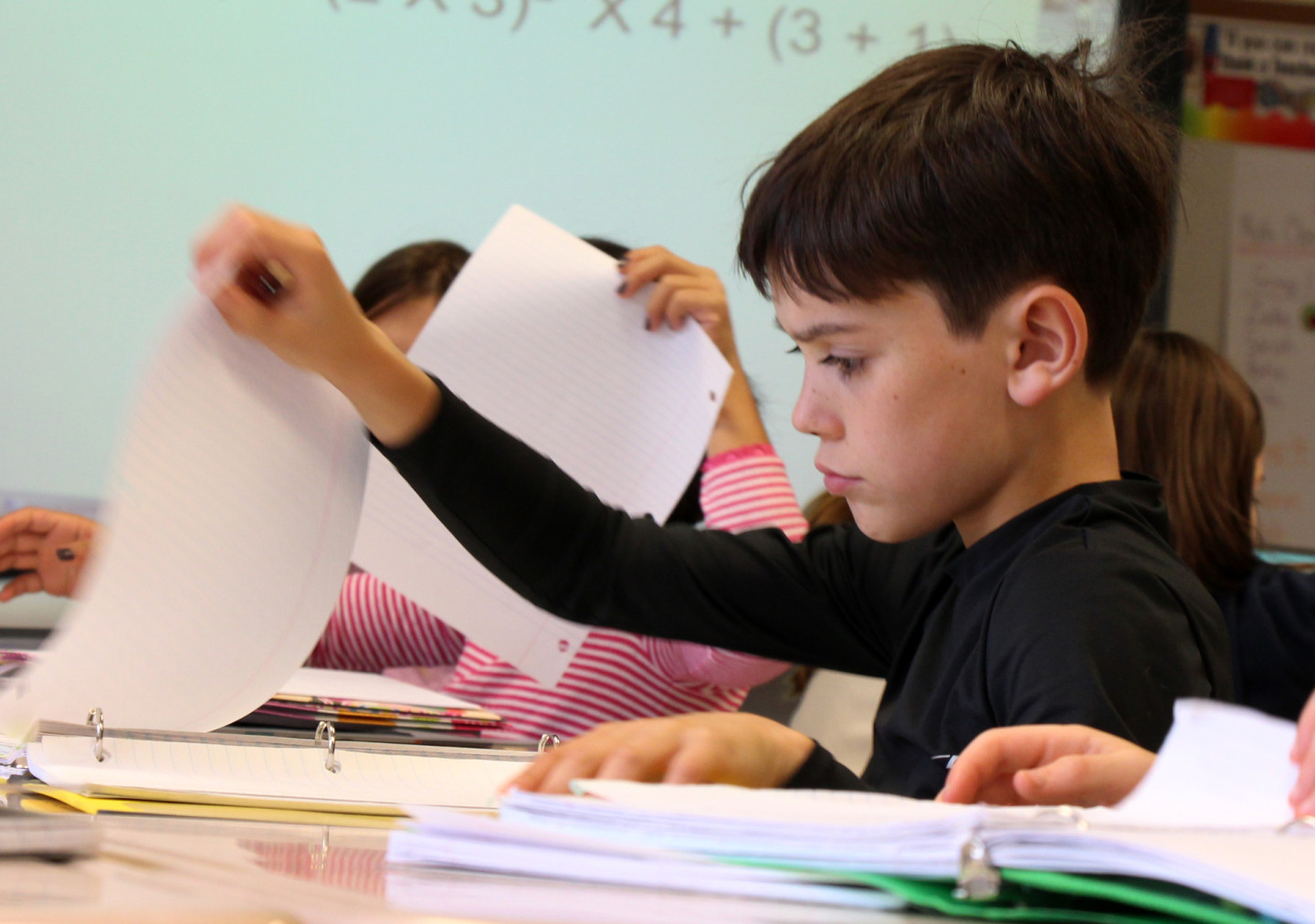
"caption": "Students studying math problems. ",
"description": "Students studying math problems. ",
"title": "14507_transform",
"credit": "woodleywonderworks/\u003ca href=\"https://www.flickr.com/photos/wwworks/8081867203/in/photolist-djaFxZ-8Jkhjr-djaFtt-5gmRgy-2jpYsH-6tSE7W-4KgiQw-8SELd2-4LhoFG-r1V8cr-di1LZa-6kv8oX-aFeTEL-dqN4Kb-9NFVNX-9NDvLH-9NGKrb-9M2DZZ-k1UHwL-niaHHt-dPcqJ1-9NEtYQ-9NJybd-9NAsCc-6oG67K-9NKJWL-8Phfb6-9NGabs-9NH11D-9NGYu8-8DkkKh-9NEwpU-9NGBho-9NJKMw-9M2DUT-9NvgtE-9NGokq-9NG7YG-9NC5eF-hE5oza-9NsCbe-9NDrQR-9NDtMv-9NGcbW-9NDy6B-9NC2JV-o2hmdW-6xe2Xo-bsGWaz-f53z1p\">Flickr\u003c/a>",
"status": "inherit",
"isLoading": false,
"fetchFailed": false
},
"news_10452211": {
"type": "attachments",
"id": "news_10452211",
"meta": {
"index": "attachments_1716263798",
"site": "news",
"id": "10452211",
"found": true
},
"parent": 10447247,
"imgSizes": {
"twentyfourteen-full-width": {
"file": "https://ww2.kqed.org/app/uploads/sites/10/2015/03/MichaelEssien-1038x576.jpg",
"width": 1038,
"mimeType": "image/jpeg",
"height": 576
},
"thumbnail": {
"file": "https://ww2.kqed.org/app/uploads/sites/10/2015/03/MichaelEssien-400x225.jpg",
"width": 400,
"mimeType": "image/jpeg",
"height": 225
},
"fd-sm": {
"file": "https://ww2.kqed.org/app/uploads/sites/10/2015/03/MichaelEssien-320x180.jpg",
"width": 320,
"mimeType": "image/jpeg",
"height": 180
},
"post-thumbnail": {
"file": "https://ww2.kqed.org/app/uploads/sites/10/2015/03/MichaelEssien-672x372.jpg",
"width": 672,
"mimeType": "image/jpeg",
"height": 372
},
"kqedFullSize": {
"file": "https://ww2.kqed.org/app/uploads/sites/10/2015/03/MichaelEssien.jpg",
"width": 1920,
"height": 1080
},
"large": {
"file": "https://ww2.kqed.org/app/uploads/sites/10/2015/03/MichaelEssien-1440x810.jpg",
"width": 1440,
"mimeType": "image/jpeg",
"height": 810
},
"guest-author-96": {
"file": "https://ww2.kqed.org/app/uploads/sites/10/2015/03/MichaelEssien-96x96.jpg",
"width": 96,
"mimeType": "image/jpeg",
"height": 96
},
"medium": {
"file": "https://ww2.kqed.org/app/uploads/sites/10/2015/03/MichaelEssien-800x450.jpg",
"width": 800,
"mimeType": "image/jpeg",
"height": 450
},
"guest-author-64": {
"file": "https://ww2.kqed.org/app/uploads/sites/10/2015/03/MichaelEssien-64x64.jpg",
"width": 64,
"mimeType": "image/jpeg",
"height": 64
},
"guest-author-32": {
"file": "https://ww2.kqed.org/app/uploads/sites/10/2015/03/MichaelEssien-32x32.jpg",
"width": 32,
"mimeType": "image/jpeg",
"height": 32
},
"fd-lrg": {
"file": "https://ww2.kqed.org/app/uploads/sites/10/2015/03/MichaelEssien-1180x664.jpg",
"width": 1180,
"mimeType": "image/jpeg",
"height": 664
},
"fd-med": {
"file": "https://ww2.kqed.org/app/uploads/sites/10/2015/03/MichaelEssien-768x432.jpg",
"width": 768,
"mimeType": "image/jpeg",
"height": 432
},
"detail": {
"file": "https://ww2.kqed.org/app/uploads/sites/10/2015/03/MichaelEssien-75x75.jpg",
"width": 75,
"mimeType": "image/jpeg",
"height": 75
},
"guest-author-128": {
"file": "https://ww2.kqed.org/app/uploads/sites/10/2015/03/MichaelEssien-128x128.jpg",
"width": 128,
"mimeType": "image/jpeg",
"height": 128
}
},
"publishDate": 1426024518,
"modified": 1426024544,
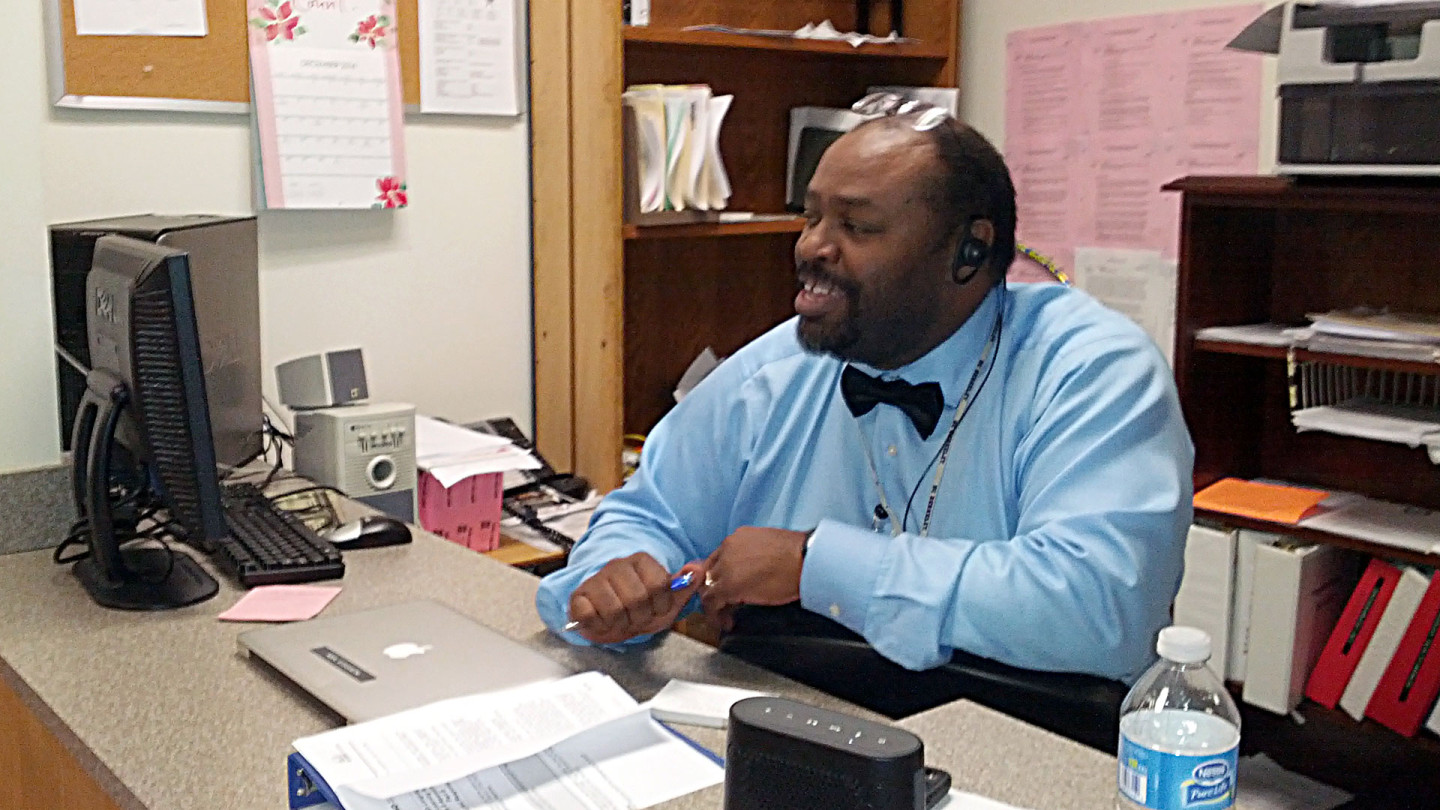
"caption": "Assistant Principal Michael Essien is in charge of discipline at Dr. Martin Luther King, Jr. Academic Middle School in San Francisco.",
"description": "Assistant Principal Michael Essien is in charge of discipline at Dr. Martin Luther King, Jr. Academic Middle School in San Francisco.",
"title": "MichaelEssien",
"credit": "Zaidee Stavely/KQED",
"status": "inherit",
"isLoading": false,
"fetchFailed": false
},
"news_10451671": {
"type": "attachments",
"id": "news_10451671",
"meta": {
"index": "attachments_1716263798",
"site": "news",
"id": "10451671",
"found": true
},
"parent": 10451540,
"imgSizes": {
"twentyfourteen-full-width": {
"file": "https://ww2.kqed.org/app/uploads/sites/10/2015/03/UC-Berkeley-1038x576.jpg",
"width": 1038,
"mimeType": "image/jpeg",
"height": 576
},
"thumbnail": {
"file": "https://ww2.kqed.org/app/uploads/sites/10/2015/03/UC-Berkeley-400x267.jpg",
"width": 400,
"mimeType": "image/jpeg",
"height": 267
},
"fd-sm": {
"file": "https://ww2.kqed.org/app/uploads/sites/10/2015/03/UC-Berkeley-320x213.jpg",
"width": 320,
"mimeType": "image/jpeg",
"height": 213
},
"post-thumbnail": {
"file": "https://ww2.kqed.org/app/uploads/sites/10/2015/03/UC-Berkeley-672x372.jpg",
"width": 672,
"mimeType": "image/jpeg",
"height": 372
},
"kqedFullSize": {
"file": "https://ww2.kqed.org/app/uploads/sites/10/2015/03/UC-Berkeley-e1425948337460.jpg",
"width": 1620,
"height": 1080
},
"large": {
"file": "https://ww2.kqed.org/app/uploads/sites/10/2015/03/UC-Berkeley-1440x960.jpg",
"width": 1440,
"mimeType": "image/jpeg",
"height": 960
},
"guest-author-96": {
"file": "https://ww2.kqed.org/app/uploads/sites/10/2015/03/UC-Berkeley-96x96.jpg",
"width": 96,
"mimeType": "image/jpeg",
"height": 96
},
"medium": {
"file": "https://ww2.kqed.org/app/uploads/sites/10/2015/03/UC-Berkeley-800x533.jpg",
"width": 800,
"mimeType": "image/jpeg",
"height": 533
},
"guest-author-64": {
"file": "https://ww2.kqed.org/app/uploads/sites/10/2015/03/UC-Berkeley-64x64.jpg",
"width": 64,
"mimeType": "image/jpeg",
"height": 64
},
"guest-author-32": {
"file": "https://ww2.kqed.org/app/uploads/sites/10/2015/03/UC-Berkeley-32x32.jpg",
"width": 32,
"mimeType": "image/jpeg",
"height": 32
},
"fd-lrg": {
"file": "https://ww2.kqed.org/app/uploads/sites/10/2015/03/UC-Berkeley-1180x787.jpg",
"width": 1180,
"mimeType": "image/jpeg",
"height": 787
},
"fd-med": {
"file": "https://ww2.kqed.org/app/uploads/sites/10/2015/03/UC-Berkeley-768x512.jpg",
"width": 768,
"mimeType": "image/jpeg",
"height": 512
},
"detail": {
"file": "https://ww2.kqed.org/app/uploads/sites/10/2015/03/UC-Berkeley-75x75.jpg",
"width": 75,
"mimeType": "image/jpeg",
"height": 75
},
"guest-author-128": {
"file": "https://ww2.kqed.org/app/uploads/sites/10/2015/03/UC-Berkeley-128x128.jpg",
"width": 128,
"mimeType": "image/jpeg",
"height": 128
}
},
"publishDate": 1425948318,
"modified": 1425948422,
"caption": "UC Berkeley students march through campus as part of an 'open university' strike in solidarity with the Occupy movement in November 2011.",
"description": "UC Berkeley students march through campus as part of an 'open university' strike in solidarity with the Occupy movement in November 2011.",
"title": "UC Berkeley",
"credit": "Max Whittaker/Getty Images",
"status": "inherit",
"isLoading": false,
"fetchFailed": false
},
"news_10449195": {
"type": "attachments",
"id": "news_10449195",
"meta": {
"index": "attachments_1716263798",
"site": "news",
"id": "10449195",
"found": true
},
"parent": 10449081,
"imgSizes": {
"twentyfourteen-full-width": {
"file": "https://ww2.kqed.org/app/uploads/sites/10/2015/03/ucsantacruz1-1038x576.jpg",
"width": 1038,
"mimeType": "image/jpeg",
"height": 576
},
"thumbnail": {
"file": "https://ww2.kqed.org/app/uploads/sites/10/2015/03/ucsantacruz1-400x245.jpg",
"width": 400,
"mimeType": "image/jpeg",
"height": 245
},
"fd-sm": {
"file": "https://ww2.kqed.org/app/uploads/sites/10/2015/03/ucsantacruz1-320x196.jpg",
"width": 320,
"mimeType": "image/jpeg",
"height": 196
},
"post-thumbnail": {
"file": "https://ww2.kqed.org/app/uploads/sites/10/2015/03/ucsantacruz1-672x372.jpg",
"width": 672,
"mimeType": "image/jpeg",
"height": 372
},
"kqedFullSize": {
"file": "https://ww2.kqed.org/app/uploads/sites/10/2015/03/ucsantacruz1.jpg",
"width": 1920,
"height": 1174
},
"large": {
"file": "https://ww2.kqed.org/app/uploads/sites/10/2015/03/ucsantacruz1-1440x881.jpg",
"width": 1440,
"mimeType": "image/jpeg",
"height": 881
},
"guest-author-96": {
"file": "https://ww2.kqed.org/app/uploads/sites/10/2015/03/ucsantacruz1-96x96.jpg",
"width": 96,
"mimeType": "image/jpeg",
"height": 96
},
"medium": {
"file": "https://ww2.kqed.org/app/uploads/sites/10/2015/03/ucsantacruz1-800x489.jpg",
"width": 800,
"mimeType": "image/jpeg",
"height": 489
},
"guest-author-64": {
"file": "https://ww2.kqed.org/app/uploads/sites/10/2015/03/ucsantacruz1-64x64.jpg",
"width": 64,
"mimeType": "image/jpeg",
"height": 64
},
"guest-author-32": {
"file": "https://ww2.kqed.org/app/uploads/sites/10/2015/03/ucsantacruz1-32x32.jpg",
"width": 32,
"mimeType": "image/jpeg",
"height": 32
},
"fd-lrg": {
"file": "https://ww2.kqed.org/app/uploads/sites/10/2015/03/ucsantacruz1-1180x722.jpg",
"width": 1180,
"mimeType": "image/jpeg",
"height": 722
},
"fd-med": {
"file": "https://ww2.kqed.org/app/uploads/sites/10/2015/03/ucsantacruz1-768x470.jpg",
"width": 768,
"mimeType": "image/jpeg",
"height": 470
},
"detail": {
"file": "https://ww2.kqed.org/app/uploads/sites/10/2015/03/ucsantacruz1-75x75.jpg",
"width": 75,
"mimeType": "image/jpeg",
"height": 75
},
"guest-author-128": {
"file": "https://ww2.kqed.org/app/uploads/sites/10/2015/03/ucsantacruz1-128x128.jpg",
"width": 128,
"mimeType": "image/jpeg",
"height": 128
}
},
"publishDate": 1425583780,
"modified": 1425583821,
"caption": "Student protesters at entrance to UC Santa Cruz on Thursday morning. ",
"description": null,
"title": "UC Santa Cruz-Tuition Protest",
"credit": "Beth Willon/KQED",
"status": "inherit",
"isLoading": false,
"fetchFailed": false
},
"news_10347449": {
"type": "attachments",
"id": "news_10347449",
"meta": {
"index": "attachments_1716263798",
"site": "news",
"id": "10347449",
"found": true
},
"parent": 10347424,
"imgSizes": {
"twentyfourteen-full-width": {
"file": "https://ww2.kqed.org/app/uploads/sites/10/2014/11/UC-2-1038x576.jpg",
"width": 1038,
"mimeType": "image/jpeg",
"height": 576
},
"thumbnail": {
"file": "https://ww2.kqed.org/app/uploads/sites/10/2014/11/UC-2-400x281.jpg",
"width": 400,
"mimeType": "image/jpeg",
"height": 281
},
"post-thumbnail": {
"file": "https://ww2.kqed.org/app/uploads/sites/10/2014/11/UC-2-672x372.jpg",
"width": 672,
"mimeType": "image/jpeg",
"height": 372
},
"kqedFullSize": {
"file": "https://ww2.kqed.org/app/uploads/sites/10/2014/11/UC-2.jpg",
"width": 1440,
"height": 1012
},
"guest-author-96": {
"file": "https://ww2.kqed.org/app/uploads/sites/10/2014/11/UC-2-96x96.jpg",
"width": 96,
"mimeType": "image/jpeg",
"height": 96
},
"medium": {
"file": "https://ww2.kqed.org/app/uploads/sites/10/2014/11/UC-2-800x562.jpg",
"width": 800,
"mimeType": "image/jpeg",
"height": 562
},
"guest-author-64": {
"file": "https://ww2.kqed.org/app/uploads/sites/10/2014/11/UC-2-64x64.jpg",
"width": 64,
"mimeType": "image/jpeg",
"height": 64
},
"detail": {
"file": "https://ww2.kqed.org/app/uploads/sites/10/2014/11/UC-2-75x75.jpg",
"width": 75,
"mimeType": "image/jpeg",
"height": 75
},
"guest-author-32": {
"file": "https://ww2.kqed.org/app/uploads/sites/10/2014/11/UC-2-32x32.jpg",
"width": 32,
"mimeType": "image/jpeg",
"height": 32
},
"guest-author-128": {
"file": "https://ww2.kqed.org/app/uploads/sites/10/2014/11/UC-2-128x128.jpg",
"width": 128,
"mimeType": "image/jpeg",
"height": 128
}
},
"publishDate": 1415313981,
"modified": 1425488438,
"caption": "UC Berkeley students walk through Sproul Plaza. ",
"description": "BERKELEY, CA - APRIL 17: UC Berkeley students walk through Sproul Plaza on the UC Berkeley campus.",
"title": "UC Berkeley-Sproul Plaza",
"credit": "Justin Sullivan/Getty Images",
"status": "inherit",
"isLoading": false,
"fetchFailed": false
},
"news_10444970": {
"type": "attachments",
"id": "news_10444970",
"meta": {
"index": "attachments_1716263798",
"site": "news",
"id": "10444970",
"found": true
},
"parent": 10444749,
"imgSizes": {
"twentyfourteen-full-width": {
"file": "https://ww2.kqed.org/app/uploads/sites/10/2015/02/pray2-1024x576.jpg",
"width": 1024,
"mimeType": "image/jpeg",
"height": 576
},
"thumbnail": {
"file": "https://ww2.kqed.org/app/uploads/sites/10/2015/02/pray2-400x248.jpg",
"width": 400,
"mimeType": "image/jpeg",
"height": 248
},
"fd-sm": {
"file": "https://ww2.kqed.org/app/uploads/sites/10/2015/02/pray2-320x199.jpg",
"width": 320,
"mimeType": "image/jpeg",
"height": 199
},
"post-thumbnail": {
"file": "https://ww2.kqed.org/app/uploads/sites/10/2015/02/pray2-672x372.jpg",
"width": 672,
"mimeType": "image/jpeg",
"height": 372
},
"kqedFullSize": {
"file": "https://ww2.kqed.org/app/uploads/sites/10/2015/02/pray2.jpg",
"width": 1024,
"height": 636
},
"fd-med": {
"file": "https://ww2.kqed.org/app/uploads/sites/10/2015/02/pray2-768x477.jpg",
"width": 768,
"mimeType": "image/jpeg",
"height": 477
},
"guest-author-96": {
"file": "https://ww2.kqed.org/app/uploads/sites/10/2015/02/pray2-96x96.jpg",
"width": 96,
"mimeType": "image/jpeg",
"height": 96
},
"medium": {
"file": "https://ww2.kqed.org/app/uploads/sites/10/2015/02/pray2-800x497.jpg",
"width": 800,
"mimeType": "image/jpeg",
"height": 497
},
"guest-author-64": {
"file": "https://ww2.kqed.org/app/uploads/sites/10/2015/02/pray2-64x64.jpg",
"width": 64,
"mimeType": "image/jpeg",
"height": 64
},
"detail": {
"file": "https://ww2.kqed.org/app/uploads/sites/10/2015/02/pray2-75x75.jpg",
"width": 75,
"mimeType": "image/jpeg",
"height": 75
},
"guest-author-32": {
"file": "https://ww2.kqed.org/app/uploads/sites/10/2015/02/pray2-32x32.jpg",
"width": 32,
"mimeType": "image/jpeg",
"height": 32
},
"guest-author-128": {
"file": "https://ww2.kqed.org/app/uploads/sites/10/2015/02/pray2-128x128.jpg",
"width": 128,
"mimeType": "image/jpeg",
"height": 128
}
},
"publishDate": 1425082894,
"modified": 1425082941,
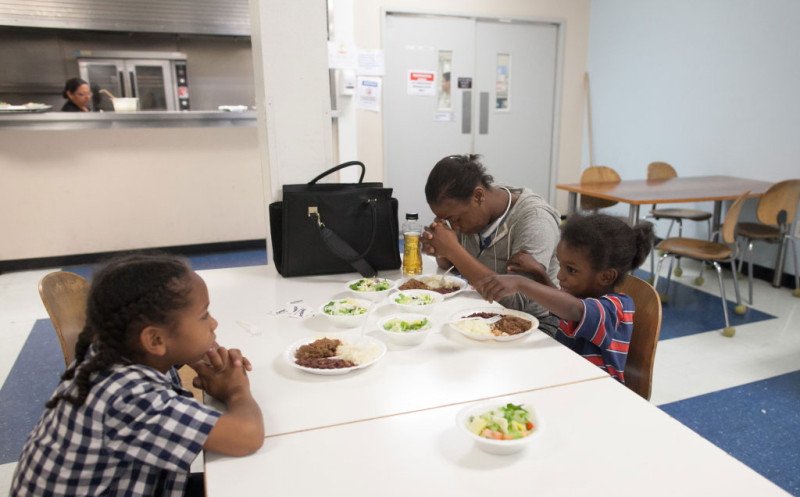
"caption": "Mayah McCoy and her family take a moment to pray before dinner on Feb. 2, 2015.\n",
"description": null,
"title": "pray2",
"credit": "Susanica Tam/KPCC",
"status": "inherit",
"isLoading": false,
"fetchFailed": false
},
"news_10444136": {
"type": "attachments",
"id": "news_10444136",
"meta": {
"index": "attachments_1716263798",
"site": "news",
"id": "10444136",
"found": true
},
"parent": 10443880,
"imgSizes": {
"twentyfourteen-full-width": {
"file": "https://ww2.kqed.org/app/uploads/sites/10/2015/02/anita-hill-1038x576.jpg",
"width": 1038,
"mimeType": "image/jpeg",
"height": 576
},
"thumbnail": {
"file": "https://ww2.kqed.org/app/uploads/sites/10/2015/02/anita-hill-400x237.jpg",
"width": 400,
"mimeType": "image/jpeg",
"height": 237
},
"fd-sm": {
"file": "https://ww2.kqed.org/app/uploads/sites/10/2015/02/anita-hill-320x190.jpg",
"width": 320,
"mimeType": "image/jpeg",
"height": 190
},
"post-thumbnail": {
"file": "https://ww2.kqed.org/app/uploads/sites/10/2015/02/anita-hill-672x372.jpg",
"width": 672,
"mimeType": "image/jpeg",
"height": 372
},
"kqedFullSize": {
"file": "https://ww2.kqed.org/app/uploads/sites/10/2015/02/anita-hill.jpg",
"width": 1920,
"height": 1139
},
"large": {
"file": "https://ww2.kqed.org/app/uploads/sites/10/2015/02/anita-hill-1440x854.jpg",
"width": 1440,
"mimeType": "image/jpeg",
"height": 854
},
"guest-author-96": {
"file": "https://ww2.kqed.org/app/uploads/sites/10/2015/02/anita-hill-96x96.jpg",
"width": 96,
"mimeType": "image/jpeg",
"height": 96
},
"medium": {
"file": "https://ww2.kqed.org/app/uploads/sites/10/2015/02/anita-hill-800x475.jpg",
"width": 800,
"mimeType": "image/jpeg",
"height": 475
},
"guest-author-64": {
"file": "https://ww2.kqed.org/app/uploads/sites/10/2015/02/anita-hill-64x64.jpg",
"width": 64,
"mimeType": "image/jpeg",
"height": 64
},
"guest-author-32": {
"file": "https://ww2.kqed.org/app/uploads/sites/10/2015/02/anita-hill-32x32.jpg",
"width": 32,
"mimeType": "image/jpeg",
"height": 32
},
"fd-lrg": {
"file": "https://ww2.kqed.org/app/uploads/sites/10/2015/02/anita-hill-1180x700.jpg",
"width": 1180,
"mimeType": "image/jpeg",
"height": 700
},
"fd-med": {
"file": "https://ww2.kqed.org/app/uploads/sites/10/2015/02/anita-hill-768x456.jpg",
"width": 768,
"mimeType": "image/jpeg",
"height": 456
},
"detail": {
"file": "https://ww2.kqed.org/app/uploads/sites/10/2015/02/anita-hill-75x75.jpg",
"width": 75,
"mimeType": "image/jpeg",
"height": 75
},
"guest-author-128": {
"file": "https://ww2.kqed.org/app/uploads/sites/10/2015/02/anita-hill-128x128.jpg",
"width": 128,
"mimeType": "image/jpeg",
"height": 128
}
},
"publishDate": 1424999783,
"modified": 1425000013,
"caption": "Anita Hill (center) spoke with UC President Janet Napolitano (right) at the conference.",
"description": "Anita Hill (center) spoke with UC President Janet Napolitano (right) at the conference.",
"title": "anita-hill",
"credit": "Peg Skorpinski/UC Berkeley",
"status": "inherit",
"isLoading": false,
"fetchFailed": false
},
"news_10438721": {
"type": "attachments",
"id": "news_10438721",
"meta": {
"index": "attachments_1716263798",
"site": "news",
"id": "10438721",
"found": true
},
"parent": 10438718,
"imgSizes": {
"twentyfourteen-full-width": {
"file": "https://ww2.kqed.org/app/uploads/sites/10/2015/02/StreetCode-1038x576.jpg",
"width": 1038,
"mimeType": "image/jpeg",
"height": 576
},
"thumbnail": {
"file": "https://ww2.kqed.org/app/uploads/sites/10/2015/02/StreetCode-400x225.jpg",
"width": 400,
"mimeType": "image/jpeg",
"height": 225
},
"post-thumbnail": {
"file": "https://ww2.kqed.org/app/uploads/sites/10/2015/02/StreetCode-672x372.jpg",
"width": 672,
"mimeType": "image/jpeg",
"height": 372
},
"kqedFullSize": {
"file": "https://ww2.kqed.org/app/uploads/sites/10/2015/02/StreetCode.jpg",
"width": 1794,
"height": 1009
},
"large": {
"file": "https://ww2.kqed.org/app/uploads/sites/10/2015/02/StreetCode-1440x810.jpg",
"width": 1440,
"mimeType": "image/jpeg",
"height": 810
},
"guest-author-96": {
"file": "https://ww2.kqed.org/app/uploads/sites/10/2015/02/StreetCode-96x96.jpg",
"width": 96,
"mimeType": "image/jpeg",
"height": 96
},
"medium": {
"file": "https://ww2.kqed.org/app/uploads/sites/10/2015/02/StreetCode-800x450.jpg",
"width": 800,
"mimeType": "image/jpeg",
"height": 450
},
"guest-author-64": {
"file": "https://ww2.kqed.org/app/uploads/sites/10/2015/02/StreetCode-64x64.jpg",
"width": 64,
"mimeType": "image/jpeg",
"height": 64
},
"detail": {
"file": "https://ww2.kqed.org/app/uploads/sites/10/2015/02/StreetCode-75x75.jpg",
"width": 75,
"mimeType": "image/jpeg",
"height": 75
},
"guest-author-32": {
"file": "https://ww2.kqed.org/app/uploads/sites/10/2015/02/StreetCode-32x32.jpg",
"width": 32,
"mimeType": "image/jpeg",
"height": 32
},
"guest-author-128": {
"file": "https://ww2.kqed.org/app/uploads/sites/10/2015/02/StreetCode-128x128.jpg",
"width": 128,
"mimeType": "image/jpeg",
"height": 128
}
},
"publishDate": 1424464702,
"modified": 1424464789,
"caption": "Students at StreetCode Academy work together.",
"description": "Students at StreetCode Academy work together.",
"title": "StreetCode",
"credit": "Sabrina Elfarra/Peninsula Press",
"status": "inherit",
"isLoading": false,
"fetchFailed": false
},
"news_10436823": {
"type": "attachments",
"id": "news_10436823",
"meta": {
"index": "attachments_1716263798",
"site": "news",
"id": "10436823",
"found": true
},
"parent": 10436736,
"imgSizes": {
"twentyfourteen-full-width": {
"file": "https://ww2.kqed.org/app/uploads/sites/10/2015/02/ygb-pictures-1038x576.jpg",
"width": 1038,
"mimeType": "image/jpeg",
"height": 576
},
"thumbnail": {
"file": "https://ww2.kqed.org/app/uploads/sites/10/2015/02/ygb-pictures-400x243.jpg",
"width": 400,
"mimeType": "image/jpeg",
"height": 243
},
"post-thumbnail": {
"file": "https://ww2.kqed.org/app/uploads/sites/10/2015/02/ygb-pictures-672x372.jpg",
"width": 672,
"mimeType": "image/jpeg",
"height": 372
},
"kqedFullSize": {
"file": "https://ww2.kqed.org/app/uploads/sites/10/2015/02/ygb-pictures.jpg",
"width": 2032,
"height": 1236
},
"large": {
"file": "https://ww2.kqed.org/app/uploads/sites/10/2015/02/ygb-pictures-1440x876.jpg",
"width": 1440,
"mimeType": "image/jpeg",
"height": 876
},
"guest-author-96": {
"file": "https://ww2.kqed.org/app/uploads/sites/10/2015/02/ygb-pictures-96x96.jpg",
"width": 96,
"mimeType": "image/jpeg",
"height": 96
},
"medium": {
"file": "https://ww2.kqed.org/app/uploads/sites/10/2015/02/ygb-pictures-800x487.jpg",
"width": 800,
"mimeType": "image/jpeg",
"height": 487
},
"guest-author-64": {
"file": "https://ww2.kqed.org/app/uploads/sites/10/2015/02/ygb-pictures-64x64.jpg",
"width": 64,
"mimeType": "image/jpeg",
"height": 64
},
"detail": {
"file": "https://ww2.kqed.org/app/uploads/sites/10/2015/02/ygb-pictures-75x75.jpg",
"width": 75,
"mimeType": "image/jpeg",
"height": 75
},
"guest-author-32": {
"file": "https://ww2.kqed.org/app/uploads/sites/10/2015/02/ygb-pictures-32x32.jpg",
"width": 32,
"mimeType": "image/jpeg",
"height": 32
},
"guest-author-128": {
"file": "https://ww2.kqed.org/app/uploads/sites/10/2015/02/ygb-pictures-128x128.jpg",
"width": 128,
"mimeType": "image/jpeg",
"height": 128
}
},
"publishDate": 1424303242,
"modified": 1424305945,
"caption": "Young Gifted and Black performers rehearse after school at Oakland School for the Arts.",
"description": "Young Gifted and Black performers rehearse after school at Oakland School for the Arts.",
"title": "ygb pictures",
"credit": "Anya Schultz/KQED",
"status": "inherit",
"isLoading": false,
"fetchFailed": false
},
"news_10436499": {
"type": "attachments",
"id": "news_10436499",
"meta": {
"index": "attachments_1716263798",
"site": "news",
"id": "10436499",
"found": true
},
"parent": 10436491,
"imgSizes": {
"twentyfourteen-full-width": {
"file": "https://ww2.kqed.org/app/uploads/sites/10/2015/02/RS8355_73908800-1038x576.jpg",
"width": 1038,
"mimeType": "image/jpeg",
"height": 576
},
"thumbnail": {
"file": "https://ww2.kqed.org/app/uploads/sites/10/2015/02/RS8355_73908800-400x271.jpg",
"width": 400,
"mimeType": "image/jpeg",
"height": 271
},
"post-thumbnail": {
"file": "https://ww2.kqed.org/app/uploads/sites/10/2015/02/RS8355_73908800-672x372.jpg",
"width": 672,
"mimeType": "image/jpeg",
"height": 372
},
"kqedFullSize": {
"file": "https://ww2.kqed.org/app/uploads/sites/10/2015/02/RS8355_73908800-e1455141170771.jpg",
"width": 1920,
"height": 1299
},
"large": {
"file": "https://ww2.kqed.org/app/uploads/sites/10/2015/02/RS8355_73908800-1440x974.jpg",
"width": 1440,
"mimeType": "image/jpeg",
"height": 974
},
"guest-author-96": {
"file": "https://ww2.kqed.org/app/uploads/sites/10/2015/02/RS8355_73908800-96x96.jpg",
"width": 96,
"mimeType": "image/jpeg",
"height": 96
},
"medium": {
"file": "https://ww2.kqed.org/app/uploads/sites/10/2015/02/RS8355_73908800-800x541.jpg",
"width": 800,
"mimeType": "image/jpeg",
"height": 541
},
"guest-author-64": {
"file": "https://ww2.kqed.org/app/uploads/sites/10/2015/02/RS8355_73908800-64x64.jpg",
"width": 64,
"mimeType": "image/jpeg",
"height": 64
},
"detail": {
"file": "https://ww2.kqed.org/app/uploads/sites/10/2015/02/RS8355_73908800-75x75.jpg",
"width": 75,
"mimeType": "image/jpeg",
"height": 75
},
"guest-author-32": {
"file": "https://ww2.kqed.org/app/uploads/sites/10/2015/02/RS8355_73908800-32x32.jpg",
"width": 32,
"mimeType": "image/jpeg",
"height": 32
},
"guest-author-128": {
"file": "https://ww2.kqed.org/app/uploads/sites/10/2015/02/RS8355_73908800-128x128.jpg",
"width": 128,
"mimeType": "image/jpeg",
"height": 128
}
},
"publishDate": 1424283486,
"modified": 1455141209,
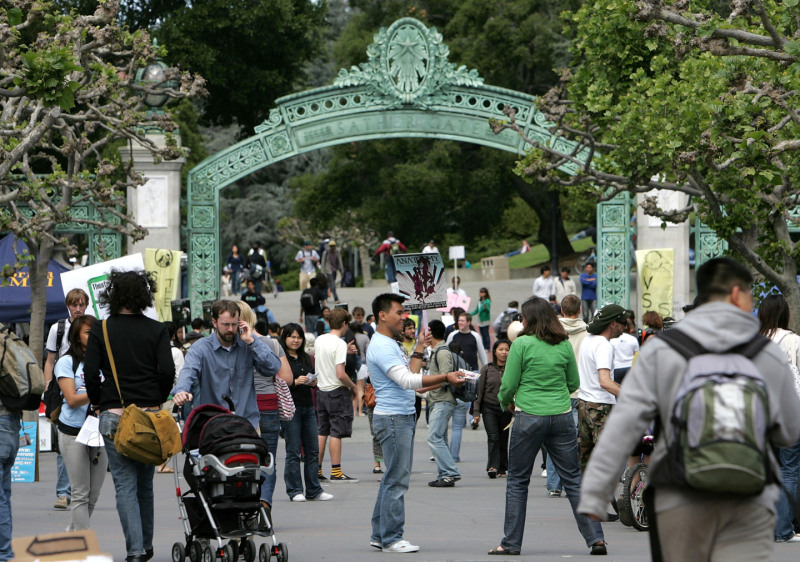
"caption": "Students at UC Berkeley's Sather Gate. ",
"description": "BERKELEY, CA - APRIL 17: UC Berkeley students walk through Sather Gate on the UC Berkeley campus April 17, 2007 in Berkeley, California. Robert Dynes, President of the University of California, said the University of California campuses across the state will reevaluate security and safety policies in the wake of the shooting massacre at Virginia Tech that left 33 people dead, including the gunman, 23 year-old student Cho Seung-Hui. (Photo by Justin Sullivan/Getty Images)",
"title": "UC Berkeley",
"credit": "Justin Sullivan/Getty Images",
"status": "inherit",
"isLoading": false,
"fetchFailed": false
},
"news_10429503": {
"type": "attachments",
"id": "news_10429503",
"meta": {
"index": "attachments_1716263798",
"site": "news",
"id": "10429503",
"found": true
},
"parent": 10429466,
"imgSizes": {
"twentyfourteen-full-width": {
"file": "https://ww2.kqed.org/app/uploads/sites/10/2015/02/income-inequality-1038x576.jpg",
"width": 1038,
"mimeType": "image/jpeg",
"height": 576
},
"thumbnail": {
"file": "https://ww2.kqed.org/app/uploads/sites/10/2015/02/income-inequality-400x267.jpg",
"width": 400,
"mimeType": "image/jpeg",
"height": 267
},
"post-thumbnail": {
"file": "https://ww2.kqed.org/app/uploads/sites/10/2015/02/income-inequality-672x372.jpg",
"width": 672,
"mimeType": "image/jpeg",
"height": 372
},
"kqedFullSize": {
"file": "https://ww2.kqed.org/app/uploads/sites/10/2015/02/income-inequality.jpg",
"width": 2881,
"height": 1920
},
"large": {
"file": "https://ww2.kqed.org/app/uploads/sites/10/2015/02/income-inequality-1440x960.jpg",
"width": 1440,
"mimeType": "image/jpeg",
"height": 960
},
"guest-author-96": {
"file": "https://ww2.kqed.org/app/uploads/sites/10/2015/02/income-inequality-96x96.jpg",
"width": 96,
"mimeType": "image/jpeg",
"height": 96
},
"medium": {
"file": "https://ww2.kqed.org/app/uploads/sites/10/2015/02/income-inequality-800x533.jpg",
"width": 800,
"mimeType": "image/jpeg",
"height": 533
},
"guest-author-64": {
"file": "https://ww2.kqed.org/app/uploads/sites/10/2015/02/income-inequality-64x64.jpg",
"width": 64,
"mimeType": "image/jpeg",
"height": 64
},
"detail": {
"file": "https://ww2.kqed.org/app/uploads/sites/10/2015/02/income-inequality-75x75.jpg",
"width": 75,
"mimeType": "image/jpeg",
"height": 75
},
"guest-author-32": {
"file": "https://ww2.kqed.org/app/uploads/sites/10/2015/02/income-inequality-32x32.jpg",
"width": 32,
"mimeType": "image/jpeg",
"height": 32
},
"guest-author-128": {
"file": "https://ww2.kqed.org/app/uploads/sites/10/2015/02/income-inequality-128x128.jpg",
"width": 128,
"mimeType": "image/jpeg",
"height": 128
}
},
"publishDate": 1423596366,
"modified": 1423596386,
"caption": "Rana Foroohar, assistant managing editor of Time Magazine, spoke at Joint Venture Silicon Valley’s annual State of the Valley conference Wednesday on the need for the public and private sector to work together to fight income inequality.",
"description": null,
"title": "income inequality",
"credit": "Carolina Wilson/Peninsula Press",
"status": "inherit",
"isLoading": false,
"fetchFailed": false
}
},
"audioPlayerReducer": {
"postId": "stream_live",
"isPaused": true,
"isPlaying": false,
"pfsActive": false,
"pledgeModalIsOpen": true,
"playerDrawerIsOpen": false,
"liveAudioPlayStartedAt": 0,
"liveAudioPlayContext": ""
},
"authorsReducer": {
"byline_news_10454894": {
"type": "authors",
"id": "byline_news_10454894",
"meta": {
"override": true
},
"slug": "byline_news_10454894",
"name": "Adolfo Guzman-Lopez",
"isLoading": false
},
"byline_news_10448542": {
"type": "authors",
"id": "byline_news_10448542",
"meta": {
"override": true
},
"slug": "byline_news_10448542",
"name": "\u003cstrong>\u003ca href=\"https://twitter.com/scoopscout\" target=\"_blank\">Lisa Leff\u003c/a>\u003cbr />Associated Press\u003c/strong>",
"isLoading": false
},
"byline_news_10444749": {
"type": "authors",
"id": "byline_news_10444749",
"meta": {
"override": true
},
"slug": "byline_news_10444749",
"name": "Deepa Fernandes",
"isLoading": false
},
"byline_news_10438718": {
"type": "authors",
"id": "byline_news_10438718",
"meta": {
"override": true
},
"slug": "byline_news_10438718",
"name": "\u003ca href=\"http://peninsulapress.com/author/sabrinaelfarra/\">Sabrina Elfarra\u003c/a>\u003cbr>Peninsula Press",
"isLoading": false
},
"byline_news_10429466": {
"type": "authors",
"id": "byline_news_10429466",
"meta": {
"override": true
},
"slug": "byline_news_10429466",
"name": "\u003ca href=\"http://peninsulapress.com/author/katharineschwab/\">Katharine Schwab\u003c/a>\u003cbr>Peninsula Press",
"isLoading": false
},
"astupi": {
"type": "authors",
"id": "70",
"meta": {
"index": "authors_1716337520",
"id": "70",
"found": true
},
"name": "Amanda Stupi",
"firstName": "Amanda",
"lastName": "Stupi",
"slug": "astupi",
"email": "astupi@kqed.org",
"display_author_email": false,
"staff_mastheads": [],
"title": "Senior Engagement Producer",
"bio": "Amanda joined KQED Science’s engagement team as a Senior Audience Engagement Strategist in the spring of 2019. She has helped craft messaging around wildfires, the coronavirus pandemic, climate change and many other stories. She has also brought KQED Science to new platforms such as Reddit’s Ask Me Anything series. Prior to joining KQED Science, Amanda spent seven years as an engagement producer with Forum, KQED’s daily live call-in show. She got her start in radio at KALW's weekly call in show, City Visions, before going on to an internship and stint at NPR's Talk of the Nation.\r\n\r\nPrior to journalism, Amanda taught English at Lowell High School. She's a native of Petaluma and currently lives under the \"South San Francisco the Industrial City\" sign in South City. She believes that engagement is vital to news’s future and that good journalism listens as much as it asks questions.",
"avatar": "https://secure.gravatar.com/avatar/e981c503e5c162da701dcaccfbf87e35?s=600&d=blank&r=g",
"twitter": null,
"facebook": null,
"instagram": null,
"linkedin": null,
"sites": [
{
"site": "arts",
"roles": [
"Contributor"
]
},
{
"site": "news",
"roles": [
"editor"
]
},
{
"site": "pop",
"roles": [
"contributor"
]
},
{
"site": "stateofhealth",
"roles": [
"editor"
]
},
{
"site": "science",
"roles": []
},
{
"site": "perspectives",
"roles": [
"editor"
]
}
],
"headData": {
"title": "Amanda Stupi | KQED",
"description": "Senior Engagement Producer",
"ogImgSrc": "https://secure.gravatar.com/avatar/e981c503e5c162da701dcaccfbf87e35?s=600&d=blank&r=g",
"twImgSrc": "https://secure.gravatar.com/avatar/e981c503e5c162da701dcaccfbf87e35?s=600&d=blank&r=g"
},
"isLoading": false,
"link": "/author/astupi"
},
"jmyers": {
"type": "authors",
"id": "232",
"meta": {
"index": "authors_1716337520",
"id": "232",
"found": true
},
"name": "John Myers",
"firstName": "John",
"lastName": "Myers",
"slug": "jmyers",
"email": "jmyers@kqed.org",
"display_author_email": false,
"staff_mastheads": [],
"title": null,
"bio": "John Myers is Senior Editor of KQED's new California Politics and Government Desk. A veteran of almost two decades of political coverage, he was KQED's longest serving statehouse bureau chief and recently was political editor for Sacramento's ABC affiliate, News10 (KXTV). John was moderator of the only 2014 gubernatorial debate, and was named by \u003cem>The Washington Post\u003c/em> to two \"Best Of\" lists: the 2015 list of top state politics reporters and 2014's list of America's most influential statehouse reporters.",
"avatar": "https://secure.gravatar.com/avatar/c0ac98482caf0b8229a792662b38722a?s=600&d=blank&r=g",
"twitter": "johnmyers",
"facebook": null,
"instagram": null,
"linkedin": null,
"sites": [
{
"site": "news",
"roles": [
"subscriber"
]
}
],
"headData": {
"title": "John Myers | KQED",
"description": null,
"ogImgSrc": "https://secure.gravatar.com/avatar/c0ac98482caf0b8229a792662b38722a?s=600&d=blank&r=g",
"twImgSrc": "https://secure.gravatar.com/avatar/c0ac98482caf0b8229a792662b38722a?s=600&d=blank&r=g"
},
"isLoading": false,
"link": "/author/jmyers"
},
"kqednewsstaffandwires": {
"type": "authors",
"id": "237",
"meta": {
"index": "authors_1716337520",
"id": "237",
"found": true
},
"name": "KQED News Staff and Wires",
"firstName": "KQED News Staff and Wires",
"lastName": null,
"slug": "kqednewsstaffandwires",
"email": "onlinenewsstaff@kqed.org",
"display_author_email": false,
"staff_mastheads": [],
"title": null,
"bio": null,
"avatar": "https://secure.gravatar.com/avatar/72295af8ebbfbd19a4948f5271285664?s=600&d=blank&r=g",
"twitter": null,
"facebook": null,
"instagram": null,
"linkedin": null,
"sites": [
{
"site": "arts",
"roles": [
"contributor"
]
},
{
"site": "news",
"roles": [
"contributor"
]
},
{
"site": "lowdown",
"roles": [
"author"
]
},
{
"site": "stateofhealth",
"roles": [
"contributor"
]
},
{
"site": "food",
"roles": [
"author"
]
}
],
"headData": {
"title": "KQED News Staff and Wires | KQED",
"description": null,
"ogImgSrc": "https://secure.gravatar.com/avatar/72295af8ebbfbd19a4948f5271285664?s=600&d=blank&r=g",
"twImgSrc": "https://secure.gravatar.com/avatar/72295af8ebbfbd19a4948f5271285664?s=600&d=blank&r=g"
},
"isLoading": false,
"link": "/author/kqednewsstaffandwires"
},
"vinneetong": {
"type": "authors",
"id": "260",
"meta": {
"index": "authors_1716337520",
"id": "260",
"found": true
},
"name": "Vinnee Tong",
"firstName": "Vinnee",
"lastName": "Tong",
"slug": "vinneetong",
"email": "vtong@kqed.org",
"display_author_email": false,
"staff_mastheads": [
"news"
],
"title": "KQED Contributor",
"bio": "\u003cspan style=\"font-weight: 400;\">Vinnee Tong is the managing editor of news at KQED. She oversees editorial standards \u003cspan class=\"s2\">and works to highlight underrepresented voices and perspectives\u003c/span>\u003cspan class=\"s3\">.\u003c/span>\u003cspan class=\"s2\"> She was founding editor\u003c/span>\u003c/span>\u003cspan style=\"font-weight: 400;\"> of \u003ca href=\"http://bit.ly/thebaykqed\">\u003cem>The Bay,\u003c/em>\u003c/a> a storytelling news podcast from KQED\u003c/span>\u003cspan style=\"font-weight: 400;\">. Previously, she was a producer on the \u003ca href=\"http://baycurious.org\">\u003cem>Bay Curious\u003c/em> podcast\u003c/a> and the lead producer of \u003c/span>\u003cspan style=\"font-weight: 400;\">\u003cem>Truth Be Told,\u003c/em> an award-winning KQED series on race and identity distributed nationally by Public Radio International. \u003c/span>\u003cspan style=\"font-weight: 400;\">Before KQED, Vinnee was a print reporter at the Associated Press and newspapers. \u003cspan class=\"s4\">She covered local news from city hall and planning commission hearings as well as business news from New York, like the financial meltdown of 2008. \u003c/span>She has won a\u003c/span>\u003cspan style=\"font-weight: 400;\">wards for her reporting including an RTNDA Edward R. Murrow Award, as well as awards from the New York Press Club and the Society of American Business Editors and Writers. She is a graduate of the Columbia University Graduate School of Journalism and the University of California at Berkeley, \u003cspan class=\"s4\">where she was editor-in-chief of \u003ci>The Daily Californian\u003c/i>.\u003c/span>\u003c/span>",
"avatar": "https://secure.gravatar.com/avatar/02245596ef0333bf29265e2fd547f108?s=600&d=blank&r=g",
"twitter": "vinneetong",
"facebook": null,
"instagram": null,
"linkedin": null,
"sites": [
{
"site": "news",
"roles": [
"editor",
"edit_others_pages",
"edit_others_posts"
]
},
{
"site": "stateofhealth",
"roles": [
"author"
]
}
],
"headData": {
"title": "Vinnee Tong | KQED",
"description": "KQED Contributor",
"ogImgSrc": "https://secure.gravatar.com/avatar/02245596ef0333bf29265e2fd547f108?s=600&d=blank&r=g",
"twImgSrc": "https://secure.gravatar.com/avatar/02245596ef0333bf29265e2fd547f108?s=600&d=blank&r=g"
},
"isLoading": false,
"link": "/author/vinneetong"
},
"bwillon": {
"type": "authors",
"id": "3207",
"meta": {
"index": "authors_1716337520",
"id": "3207",
"found": true
},
"name": "Beth Willon",
"firstName": "Beth",
"lastName": "Willon",
"slug": "bwillon",
"email": "bwillon@kqed.org",
"display_author_email": false,
"staff_mastheads": [],
"title": "KQED Contributor",
"bio": "Beth Willon is a former senior reporter for KQED's Silicon Valley News Desk in San Jose. (@KQEDNews )\r\n\r\n@BethWillon",
"avatar": "https://secure.gravatar.com/avatar/3533b741c785d6a97e8b283e7f65606d?s=600&d=blank&r=g",
"twitter": null,
"facebook": null,
"instagram": null,
"linkedin": null,
"sites": [
{
"site": "news",
"roles": [
"subscriber"
]
}
],
"headData": {
"title": "Beth Willon | KQED",
"description": "KQED Contributor",
"ogImgSrc": "https://secure.gravatar.com/avatar/3533b741c785d6a97e8b283e7f65606d?s=600&d=blank&r=g",
"twImgSrc": "https://secure.gravatar.com/avatar/3533b741c785d6a97e8b283e7f65606d?s=600&d=blank&r=g"
},
"isLoading": false,
"link": "/author/bwillon"
},
"zstavely": {
"type": "authors",
"id": "3225",
"meta": {
"index": "authors_1716337520",
"id": "3225",
"found": true
},
"name": "Zaidee Stavely",
"firstName": "Zaidee",
"lastName": "Stavely",
"slug": "zstavely",
"email": "zstavely@gmail.com",
"display_author_email": false,
"staff_mastheads": [],
"title": "KQED Contributor",
"bio": "Zaidee Stavely is an award-winning reporter who writes about race, equity, immigration, and education.",
"avatar": "https://secure.gravatar.com/avatar/5154b3ee56a721c916ca429372ae629c?s=600&d=blank&r=g",
"twitter": null,
"facebook": null,
"instagram": null,
"linkedin": null,
"sites": [
{
"site": "news",
"roles": [
"subscriber"
]
},
{
"site": "mindshift",
"roles": [
"contributor"
]
}
],
"headData": {
"title": "Zaidee Stavely | KQED",
"description": "KQED Contributor",
"ogImgSrc": "https://secure.gravatar.com/avatar/5154b3ee56a721c916ca429372ae629c?s=600&d=blank&r=g",
"twImgSrc": "https://secure.gravatar.com/avatar/5154b3ee56a721c916ca429372ae629c?s=600&d=blank&r=g"
},
"isLoading": false,
"link": "/author/zstavely"
},
"aschultz": {
"type": "authors",
"id": "3232",
"meta": {
"index": "authors_1716337520",
"id": "3232",
"found": true
},
"name": "Anya Schultz",
"firstName": "Anya",
"lastName": "Schultz",
"slug": "aschultz",
"email": "aschultz@kqed.org",
"display_author_email": false,
"staff_mastheads": [],
"title": null,
"bio": "Anya Schultz is a visual intern for KQED. She was previously the magazine editor and multimedia editor at The Daily Californian, UC Berkeley's newspaper. You can follow her on Twitter @anyaviolet.",
"avatar": "https://secure.gravatar.com/avatar/94a1e3d7afbf420889c3403463186d98?s=600&d=blank&r=g",
"twitter": null,
"facebook": null,
"instagram": null,
"linkedin": null,
"sites": [
{
"site": "news",
"roles": [
"contributor"
]
}
],
"headData": {
"title": "Anya Schultz | KQED",
"description": null,
"ogImgSrc": "https://secure.gravatar.com/avatar/94a1e3d7afbf420889c3403463186d98?s=600&d=blank&r=g",
"twImgSrc": "https://secure.gravatar.com/avatar/94a1e3d7afbf420889c3403463186d98?s=600&d=blank&r=g"
},
"isLoading": false,
"link": "/author/aschultz"
}
},
"pagesReducer": {
"news_category_education": {
"type": "terms",
"id": "news_18540",
"meta": {
"index": "terms_1716263798",
"site": "news",
"id": "18540",
"score": 10.973221
},
"featImg": null,
"name": "Education",
"description": null,
"taxonomy": "category",
"headData": {
"twImgId": null,
"twTitle": null,
"ogTitle": null,
"ogImgId": null,
"twDescription": null,
"description": null,
"title": "Education Archives | KQED News",
"ogDescription": null
},
"ttid": 2595,
"slug": "education",
"isLoading": false,
"title": "Education",
"pageMeta": {
"site": "news",
"WpPageTemplate": "page-topic-editorial",
"currentPage": 169
},
"blocks": [
{
"blockName": "kqed/post-list",
"attrs": {
"layout": "cardArticle2",
"query": "posts/news?category=education",
"seeMore": false,
"paginated": true,
"page": 169
}
},
{
"blockName": "kqed/ad"
}
]
}
},
"pfsSessionReducer": {},
"postsReducer": {
"stream_live": {
"type": "live",
"id": "stream_live",
"audioUrl": "https://streams.kqed.org/kqedradio",
"title": "Live Stream",
"excerpt": "Live Stream information currently unavailable.",
"link": "/radio",
"featImg": "",
"label": {
"name": "KQED Live",
"link": "/"
}
},
"stream_kqedNewscast": {
"type": "posts",
"id": "stream_kqedNewscast",
"audioUrl": "https://www.kqed.org/.stream/anon/radio/RDnews/newscast.mp3?_=1",
"title": "KQED Newscast",
"featImg": "",
"label": {
"name": "88.5 FM",
"link": "/"
}
},
"news_10454894": {
"type": "posts",
"id": "news_10454894",
"meta": {
"index": "posts_1716263798",
"site": "news",
"id": "10454894",
"score": null,
"sort": [
1426291480000
]
},
"parent": 0,
"labelTerm": {},
"blocks": [],
"publishDate": 1426291480,
"format": "standard",
"disqusTitle": "As University Costs Rise, Some Going Hungry to Pay for College",
"title": "As University Costs Rise, Some Going Hungry to Pay for College",
"headTitle": "The California Report | KQED News",
"content": "\u003cp>Thousands of California university students are seeking help each month from food banks and free meal programs as higher tuition and living costs squeeze their meager budgets.\u003c/p>\n\u003cp>The issue is taking on more urgency as the University of California plans further tuition hikes, if state lawmakers and Gov. Jerry Brown decide against a UC request for millions more in state funding to cover operations.\u003c/p>\n\u003cp>For University of California student regent Sadia Saiffudin, the extreme hunger she sees today isn't the occasional empty-wallet experience that some remember from their college days.\u003c/p>\n\u003cp>Saiffudin said people use the term \"starving student\" lightly because they don’t realize how much of a harsh reality it is for many. \"They weren’t the ones living out of their car or having to shower in the gym,\" she said.\u003c/p>\n\u003cp>[soundcloud url=\"https://api.soundcloud.com/tracks/195758789\" params=\"color=ff5500&auto_play=false&hide_related=false&show_comments=true&show_user=true&show_reposts=false\" width=\"100%\" height=\"166\" iframe=\"true\" /]\u003c/p>\n\u003cp>Data aren't well kept on the number of students who go hungry. But Tim Galarneau, UC Santa Cruz food systems researcher, said organizations that track hunger in the United States have noticed “a significant rise of chronic to acute food insecurity for university and college students.”\u003c/p>\n\u003cp>[ad fullwidth]\u003c/p>\n\u003cp>A biannual UC survey suggests the scale of the problem: from 2010 to 2014, roughly 50 percent of students said they skipped meals to save money \"occasionally\" to \"very often.\" And at UCLA, officials distributed in the last academic year some 3,884 meal vouchers for students in dire circumstances facing a food shortage. In 2012-2013, it gave out 7,562, and 4,652 the year before that. UC Irvine has budgeted for fewer than 100 in the first year of its voucher program.\u003c/p>\n\u003cp>Food pantries for students are now open on most UC campuses, in part because of an effort started by President Janet Napolitano to help solve global and local hunger.\u003c/p>\n\u003cp>But Napolitano has warned UC will further raise tuition in coming years if the state does not provide more funding, as much as $98 million more in 2015-2016, to maintain the university system's quality and open more seats for California students.\u003c/p>\n\u003cp>\u003c/p>\n\u003cp>\u003ca href=\"http://www.scpr.org/news/2015/03/09/50221/as-california-university-costs-rise-college-studen/?slide=1\">\u003cstrong>\u003cem>Read the full story via KPCC\u003c/em>\u003c/strong>\u003c/a>\u003c/p>\n\n",
"disqusIdentifier": "10454894 http://ww2.kqed.org/news/?p=10454894",
"disqusUrl": "https://ww2.kqed.org/news/2015/03/13/as-university-costs-rise-some-going-hungry-to-pay-for-college/",
"stats": {
"hasVideo": false,
"hasChartOrMap": false,
"hasAudio": false,
"hasPolis": false,
"wordCount": 383,
"hasGoogleForm": false,
"hasGallery": false,
"hasHearkenModule": false,
"iframeSrcs": [],
"paragraphCount": 12
},
"modified": 1426291480,
"excerpt": "Thousands of UC students are seeking help from food banks and free meal programs.\r\n",
"headData": {
"twImgId": "",
"twTitle": "",
"ogTitle": "",
"ogImgId": "",
"twDescription": "",
"description": "Thousands of UC students are seeking help from food banks and free meal programs.\r\n",
"title": "As University Costs Rise, Some Going Hungry to Pay for College | KQED",
"ogDescription": "",
"schema": {
"@context": "https://schema.org",
"@type": "NewsArticle",
"headline": "As University Costs Rise, Some Going Hungry to Pay for College",
"datePublished": "2015-03-13T17:04:40-07:00",
"dateModified": "2015-03-13T17:04:40-07:00",
"image": "https://cdn.kqed.org/wp-content/uploads/2020/02/KQED-OG-Image@1x.png",
"isAccessibleForFree": "True",
"publisher": {
"@type": "NewsMediaOrganization",
"@id": "https://www.kqed.org/#organization",
"name": "KQED",
"logo": "https://cdn.kqed.org/wp-content/uploads/2020/02/KQED-OG-Image@1x.png",
"url": "https://www.kqed.org",
"sameAs": [
"https://www.facebook.com/KQED",
"https://twitter.com/KQED",
"https://www.instagram.com/kqed/",
"https://www.tiktok.com/@kqedofficial",
"https://www.linkedin.com/company/kqed",
"https://www.youtube.com/channel/UCeC0IOo7i1P_61zVUWbJ4nw"
]
}
}
},
"guestAuthors": [],
"slug": "as-university-costs-rise-some-going-hungry-to-pay-for-college",
"status": "publish",
"sourceUrl": "http://www.scpr.org/news/2015/03/09/50221/as-california-university-costs-rise-college-studen/?slide=1",
"nprByline": "Adolfo Guzman-Lopez",
"source": "KPCC",
"path": "/news/10454894/as-university-costs-rise-some-going-hungry-to-pay-for-college",
"audioTrackLength": null,
"parsedContent": [
{
"type": "contentString",
"content": "\u003cdiv class=\"post-body\">\u003cp>\u003cp>Thousands of California university students are seeking help each month from food banks and free meal programs as higher tuition and living costs squeeze their meager budgets.\u003c/p>\n\u003cp>The issue is taking on more urgency as the University of California plans further tuition hikes, if state lawmakers and Gov. Jerry Brown decide against a UC request for millions more in state funding to cover operations.\u003c/p>\n\u003cp>For University of California student regent Sadia Saiffudin, the extreme hunger she sees today isn't the occasional empty-wallet experience that some remember from their college days.\u003c/p>\n\u003cp>Saiffudin said people use the term \"starving student\" lightly because they don’t realize how much of a harsh reality it is for many. \"They weren’t the ones living out of their car or having to shower in the gym,\" she said.\u003c/p>\n\u003cp>\u003c/p>\u003cp>\u003cdiv class='utils-parseShortcode-shortcodes-__shortcodes__shortcodeWrapper'>\n \u003ciframe width='100%' height='166'\n scrolling='no' frameborder='no'\n src='https://w.soundcloud.com/player/?url=https://api.soundcloud.com/tracks/195758789&visual=true&color=ff5500&auto_play=false&hide_related=false&show_comments=true&show_user=true&show_reposts=false'\n title='https://api.soundcloud.com/tracks/195758789'>\n \u003c/iframe>\n \u003c/div>\u003c/p>\u003cp>\u003c/p>\n\u003cp>Data aren't well kept on the number of students who go hungry. But Tim Galarneau, UC Santa Cruz food systems researcher, said organizations that track hunger in the United States have noticed “a significant rise of chronic to acute food insecurity for university and college students.”\u003c/p>\n\u003cp>\u003c/p>\u003c/div>",
"attributes": {
"named": {},
"numeric": []
}
},
{
"type": "component",
"content": "",
"name": "ad",
"attributes": {
"named": {
"label": "fullwidth"
},
"numeric": [
"fullwidth"
]
}
},
{
"type": "contentString",
"content": "\u003cdiv class=\"post-body\">\u003cp>\u003c/p>\n\u003cp>A biannual UC survey suggests the scale of the problem: from 2010 to 2014, roughly 50 percent of students said they skipped meals to save money \"occasionally\" to \"very often.\" And at UCLA, officials distributed in the last academic year some 3,884 meal vouchers for students in dire circumstances facing a food shortage. In 2012-2013, it gave out 7,562, and 4,652 the year before that. UC Irvine has budgeted for fewer than 100 in the first year of its voucher program.\u003c/p>\n\u003cp>Food pantries for students are now open on most UC campuses, in part because of an effort started by President Janet Napolitano to help solve global and local hunger.\u003c/p>\n\u003cp>But Napolitano has warned UC will further raise tuition in coming years if the state does not provide more funding, as much as $98 million more in 2015-2016, to maintain the university system's quality and open more seats for California students.\u003c/p>\n\u003cp>\u003c/p>\n\u003cp>\u003ca href=\"http://www.scpr.org/news/2015/03/09/50221/as-california-university-costs-rise-college-studen/?slide=1\">\u003cstrong>\u003cem>Read the full story via KPCC\u003c/em>\u003c/strong>\u003c/a>\u003c/p>\n\n\u003c/div>\u003c/p>",
"attributes": {
"named": {},
"numeric": []
}
}
],
"link": "/news/10454894/as-university-costs-rise-some-going-hungry-to-pay-for-college",
"authors": [
"byline_news_10454894"
],
"programs": [
"news_72"
],
"categories": [
"news_18540",
"news_8"
],
"tags": [
"news_17286",
"news_797",
"news_2792",
"news_206"
],
"affiliates": [
"news_7055"
],
"featImg": "news_10454897",
"label": "source_news_10454894"
},
"news_10453109": {
"type": "posts",
"id": "news_10453109",
"meta": {
"index": "posts_1716263798",
"site": "news",
"id": "10453109",
"score": null,
"sort": [
1426122676000
]
},
"parent": 0,
"labelTerm": {
"site": "news",
"term": 72
},
"blocks": [],
"publishDate": 1426122676,
"format": "standard",
"disqusTitle": "California Suspends School Ratings for First Year of Common Core Test",
"title": "California Suspends School Ratings for First Year of Common Core Test",
"headTitle": "The California Report | KQED News",
"content": "\u003cp>\u003cem>Christine Armario, Associated Press, contributed to this report.\u003c/em>\u003c/p>\n\u003cp>Across California, kids this week are hunkering down over new standardized tests. In the future, these tests will help determine how we decide which schools are good and which aren't. But this year schools and students are getting a break.\u003c/p>\n\u003cp>The California Board of Education suspended the state's school accountability system on Wednesday for one year to give teachers and students time to adjust to new standardized tests aligned with Common Core standards.\u003c/p>\n\u003cp>The board voted at a meeting in Sacramento not to produce an Academic Performance Index for the 2014-15 school year. The index uses student results on statewide tests to rank schools and to identify those that need improvement.\u003c/p>\n\u003cp>[soundcloud url=\"https://api.soundcloud.com/tracks/195511615\" params=\"color=ff5500&auto_play=false&hide_related=false&show_comments=true&show_user=true&show_reposts=false\" width=\"100%\" height=\"166\" iframe=\"true\" /]\u003c/p>\n\u003cp>School board President Michael Kirst said the state wants to make sure it is measuring student growth, not just baseline performance, on the new Smarter Balanced tests.\u003c/p>\n\u003cp>[ad fullwidth]\u003c/p>\n\u003cp>\"[Things like] college readiness, career and technical education, in order to understand the complex mosaic of a school and not just rely on a single test number,\" Kirst said.\u003c/p>\n\u003cp>The changes are hailed by University of Southern California Professor Morgan Polikoff. He says relying only on test scores has pushed some teachers to focus only on test prep.\u003c/p>\n\u003cp>\"It's not clear at all to me that it accurately describes which schools are, you know, doing a good job educating kids and which schools aren't. Right now it's primarily a measure of, you know, what proportion of the kids in the school are affluent,\" Polikoff said.\u003c/p>\n\u003cp>\u003cstrong>California Prepares for Common Core\u003c/strong>\u003c/p>\n\u003cp>The Common Core benchmarks adopted by a majority of states around the nation have come under fire in recent years, largely from conservatives who decry them as a federal infringement on school policy. The standards were approved for implementation by individual states, though the U.S. Department of Education encouraged their adoption through initiatives like Race to the Top.\u003c/p>\n\u003cp>The new tests have angered some parents and teachers across the nation, who say the exams distract from real learning, put added stress on students and staff members, and waste resources, especially in poor districts.\u003c/p>\n\u003cp>In California, by contrast, the Common Core standards have been largely embraced by district leaders, parents and teacher unions.\u003c/p>\n\u003cp>[contextly_sidebar id=\"RCkqA06d80cS9DcW8cvuvDFyvBzPHu8m\"]\u003c/p>\n\u003cp>Kirst said even if the new test results aren't used on the state index, they will still be reported at the school, district and state level.\u003c/p>\n\u003cp>\"They'll be held accountable to the public,\" Kirst said.\u003c/p>\n\u003cp>Several districts, including Los Angeles Unified, the nation's second-largest, requested that this year's assessments not be used for accountability purposes, arguing that students have not had enough time to practice on testing devices and that the new tests could not be reliably compared with the old pencil-and-paper standardized tests that California children took to measure growth.\u003c/p>\n\u003cp>\"We need that next year to look at this issue of growth,\" said Edgar Zarzueta, LAUSD chief of external affairs.\u003c/p>\n\u003cp>The Smarter Balanced tests are required to be taken on a computer or tablet. At LAUSD, there were numerous problems when a practice test was administered, including the website crashing and slow connectivity.\u003c/p>\n\u003cp>Those issues appear to be resolved: The tests are now being administered in 94 Los Angeles schools, and officials said Tuesday there were no major issues.\u003c/p>\n\u003cp>The tests evaluate students in grades three through eight and 11th grade in Common Core-aligned English-language arts and math.\u003c/p>\n\u003cp>\u003cstrong>Delay Gives State More Time to Build New Grading System\u003c/strong>\u003c/p>\n\u003cp>Suspending the state's evaluation system means scores in the first year won't be used to take any corrective actions. Numerous parent, teacher and education organizations commented in favor of the delay at Wednesday's meeting.\u003c/p>\n\u003cp>\"We feel that accountability is very important to the public, but it's sensible to delay because the information is not all going to be clear and solid and current, and we need the transition time,\" said Celia Jaffe, education commissioner of the California State PTA.\u003c/p>\n\u003cp>The decision to suspend California's school accountability system is also part of a larger effort to develop a new framework using multiple measures to evaluate school performance, rather than a single number tied to a test.\u003c/p>\n\u003cp>The board voted in favor of moving forward on a Department of Education recommendation to develop a new framework that would replace the one suspended this year.\u003c/p>\n\u003cp>\u003c/p>\n\u003cp>\"I think it reflects the inherent need to take a pause ... as we look at the best way to evaluate a school,\" board member Kenton Shimozaki said.\u003c/p>\n\n",
"disqusIdentifier": "10453109 http://ww2.kqed.org/news/?p=10453109",
"disqusUrl": "https://ww2.kqed.org/news/2015/03/11/california-suspends-school-grades-for-first-year-of-common-core-test/",
"stats": {
"hasVideo": false,
"hasChartOrMap": false,
"hasAudio": false,
"hasPolis": false,
"wordCount": 794,
"hasGoogleForm": false,
"hasGallery": false,
"hasHearkenModule": false,
"iframeSrcs": [],
"paragraphCount": 29
},
"modified": 1426199062,
"excerpt": "Board of Education votes to give teachers and students time to adjust to new standardized tests.",
"headData": {
"twImgId": "",
"twTitle": "",
"ogTitle": "",
"ogImgId": "",
"twDescription": "",
"description": "Board of Education votes to give teachers and students time to adjust to new standardized tests.",
"title": "California Suspends School Ratings for First Year of Common Core Test | KQED",
"ogDescription": "",
"schema": {
"@context": "https://schema.org",
"@type": "NewsArticle",
"headline": "California Suspends School Ratings for First Year of Common Core Test",
"datePublished": "2015-03-11T18:11:16-07:00",
"dateModified": "2015-03-12T15:24:22-07:00",
"image": "https://cdn.kqed.org/wp-content/uploads/2020/02/KQED-OG-Image@1x.png",
"isAccessibleForFree": "True",
"publisher": {
"@type": "NewsMediaOrganization",
"@id": "https://www.kqed.org/#organization",
"name": "KQED",
"logo": "https://cdn.kqed.org/wp-content/uploads/2020/02/KQED-OG-Image@1x.png",
"url": "https://www.kqed.org",
"sameAs": [
"https://www.facebook.com/KQED",
"https://twitter.com/KQED",
"https://www.instagram.com/kqed/",
"https://www.tiktok.com/@kqedofficial",
"https://www.linkedin.com/company/kqed",
"https://www.youtube.com/channel/UCeC0IOo7i1P_61zVUWbJ4nw"
]
}
}
},
"guestAuthors": [],
"slug": "california-suspends-school-grades-for-first-year-of-common-core-test",
"status": "publish",
"customPermalink": "2015/03/11/california-suspends-school-grades-for-first-year-of-common-core-test/",
"path": "/news/10453109/california-suspends-school-grades-for-first-year-of-common-core-test",
"audioTrackLength": null,
"parsedContent": [
{
"type": "contentString",
"content": "\u003cdiv class=\"post-body\">\u003cp>\u003cp>\u003cem>Christine Armario, Associated Press, contributed to this report.\u003c/em>\u003c/p>\n\u003cp>Across California, kids this week are hunkering down over new standardized tests. In the future, these tests will help determine how we decide which schools are good and which aren't. But this year schools and students are getting a break.\u003c/p>\n\u003cp>The California Board of Education suspended the state's school accountability system on Wednesday for one year to give teachers and students time to adjust to new standardized tests aligned with Common Core standards.\u003c/p>\n\u003cp>The board voted at a meeting in Sacramento not to produce an Academic Performance Index for the 2014-15 school year. The index uses student results on statewide tests to rank schools and to identify those that need improvement.\u003c/p>\n\u003cp>\u003c/p>\u003cp>\u003cdiv class='utils-parseShortcode-shortcodes-__shortcodes__shortcodeWrapper'>\n \u003ciframe width='100%' height='166'\n scrolling='no' frameborder='no'\n src='https://w.soundcloud.com/player/?url=https://api.soundcloud.com/tracks/195511615&visual=true&color=ff5500&auto_play=false&hide_related=false&show_comments=true&show_user=true&show_reposts=false'\n title='https://api.soundcloud.com/tracks/195511615'>\n \u003c/iframe>\n \u003c/div>\u003c/p>\u003cp>\u003c/p>\n\u003cp>School board President Michael Kirst said the state wants to make sure it is measuring student growth, not just baseline performance, on the new Smarter Balanced tests.\u003c/p>\n\u003cp>\u003c/p>\u003c/div>",
"attributes": {
"named": {},
"numeric": []
}
},
{
"type": "component",
"content": "",
"name": "ad",
"attributes": {
"named": {
"label": "fullwidth"
},
"numeric": [
"fullwidth"
]
}
},
{
"type": "contentString",
"content": "\u003cdiv class=\"post-body\">\u003cp>\u003c/p>\n\u003cp>\"[Things like] college readiness, career and technical education, in order to understand the complex mosaic of a school and not just rely on a single test number,\" Kirst said.\u003c/p>\n\u003cp>The changes are hailed by University of Southern California Professor Morgan Polikoff. He says relying only on test scores has pushed some teachers to focus only on test prep.\u003c/p>\n\u003cp>\"It's not clear at all to me that it accurately describes which schools are, you know, doing a good job educating kids and which schools aren't. Right now it's primarily a measure of, you know, what proportion of the kids in the school are affluent,\" Polikoff said.\u003c/p>\n\u003cp>\u003cstrong>California Prepares for Common Core\u003c/strong>\u003c/p>\n\u003cp>The Common Core benchmarks adopted by a majority of states around the nation have come under fire in recent years, largely from conservatives who decry them as a federal infringement on school policy. The standards were approved for implementation by individual states, though the U.S. Department of Education encouraged their adoption through initiatives like Race to the Top.\u003c/p>\n\u003cp>The new tests have angered some parents and teachers across the nation, who say the exams distract from real learning, put added stress on students and staff members, and waste resources, especially in poor districts.\u003c/p>\n\u003cp>In California, by contrast, the Common Core standards have been largely embraced by district leaders, parents and teacher unions.\u003c/p>\n\u003cp>\u003c/p>\u003cp>\u003c/p>\u003cp>\u003c/p>\n\u003cp>Kirst said even if the new test results aren't used on the state index, they will still be reported at the school, district and state level.\u003c/p>\n\u003cp>\"They'll be held accountable to the public,\" Kirst said.\u003c/p>\n\u003cp>Several districts, including Los Angeles Unified, the nation's second-largest, requested that this year's assessments not be used for accountability purposes, arguing that students have not had enough time to practice on testing devices and that the new tests could not be reliably compared with the old pencil-and-paper standardized tests that California children took to measure growth.\u003c/p>\n\u003cp>\"We need that next year to look at this issue of growth,\" said Edgar Zarzueta, LAUSD chief of external affairs.\u003c/p>\n\u003cp>The Smarter Balanced tests are required to be taken on a computer or tablet. At LAUSD, there were numerous problems when a practice test was administered, including the website crashing and slow connectivity.\u003c/p>\n\u003cp>Those issues appear to be resolved: The tests are now being administered in 94 Los Angeles schools, and officials said Tuesday there were no major issues.\u003c/p>\n\u003cp>The tests evaluate students in grades three through eight and 11th grade in Common Core-aligned English-language arts and math.\u003c/p>\n\u003cp>\u003cstrong>Delay Gives State More Time to Build New Grading System\u003c/strong>\u003c/p>\n\u003cp>Suspending the state's evaluation system means scores in the first year won't be used to take any corrective actions. Numerous parent, teacher and education organizations commented in favor of the delay at Wednesday's meeting.\u003c/p>\n\u003cp>\"We feel that accountability is very important to the public, but it's sensible to delay because the information is not all going to be clear and solid and current, and we need the transition time,\" said Celia Jaffe, education commissioner of the California State PTA.\u003c/p>\n\u003cp>The decision to suspend California's school accountability system is also part of a larger effort to develop a new framework using multiple measures to evaluate school performance, rather than a single number tied to a test.\u003c/p>\n\u003cp>The board voted in favor of moving forward on a Department of Education recommendation to develop a new framework that would replace the one suspended this year.\u003c/p>\n\u003cp>\u003c/p>\n\u003cp>\"I think it reflects the inherent need to take a pause ... as we look at the best way to evaluate a school,\" board member Kenton Shimozaki said.\u003c/p>\n\n\u003c/div>\u003c/p>",
"attributes": {
"named": {},
"numeric": []
}
}
],
"link": "/news/10453109/california-suspends-school-grades-for-first-year-of-common-core-test",
"authors": [
"237",
"3225"
],
"programs": [
"news_72"
],
"categories": [
"news_18540",
"news_8"
],
"tags": [
"news_4830",
"news_4844",
"news_17286"
],
"featImg": "news_10453116",
"label": "news_72"
},
"news_10447247": {
"type": "posts",
"id": "news_10447247",
"meta": {
"index": "posts_1716263798",
"site": "news",
"id": "10447247",
"score": null,
"sort": [
1426025335000
]
},
"parent": 0,
"labelTerm": {
"site": "news",
"term": 72
},
"blocks": [],
"publishDate": 1426025335,
"format": "standard",
"disqusTitle": "With Suspensions Down, Some Schools Struggle to Increase Learning",
"title": "With Suspensions Down, Some Schools Struggle to Increase Learning",
"headTitle": "The California Report | KQED News",
"content": "\u003cp>It's a well-known fact at Dr. Martin Luther King, Jr. Academic Middle School in San Francisco that the toughest time to teach is right after lunch. Kids are tired, and trouble that starts at lunch can sometimes carry into the classroom.\u003c/p>\n\u003cp>Today, the academic counselor is trying to mediate between two girls who were sent out of the classroom, and who are arguing about who's responsible. Later, three adults have to restrain another girl from running out into the hall.\u003c/p>\n\u003cp>These girls won't get suspended today, but they will lose learning time because they will sit in a room while school staff enter the incident into a database and then they will meet with a counselor.\u003c/p>\n\u003cp>[soundcloud url=\"https://api.soundcloud.com/tracks/195179135\" params=\"color=ff5500&auto_play=false&hide_related=false&show_comments=true&show_user=true&show_reposts=false\" width=\"100%\" height=\"166\" iframe=\"true\" /]\u003c/p>\n\u003cp>In many school districts across California, schools are cutting down on the number of suspensions. The theory is: Keep kids in class, and they'll learn more and be less likely to drop out. San Francisco Unified School District has been a leader, passing a resolution last year to ban all suspensions for \"willful defiance.\"\u003c/p>\n\u003cp>[ad fullwidth]\u003c/p>\n\u003cp>To do this right, all the teachers in a school have to build deep relationships with their most challenging kids.\u003c/p>\n\u003cp>That's not easy.\u003c/p>\n\u003cp>One of the challenges is the sheer number of disruptions. Seventh-grader Alexis Gill says the new policy hasn't improved her classmates' behavior.\u003c/p>\n\u003cp>\"They cuss out the teachers, throw tables and chairs and stuff around the classroom,\" said Gill.\u003c/p>\n\u003cp>A handful of seventh-graders I spoke with say they get sent out of class for other kinds of behavior, sometimes for things like leaving the room or talking or using their phone. When these 12- and 13-year-olds have been suspended, it's usually been for fights. One girl lit a piece of paper on fire and said she hoped the whole class burned.\u003c/p>\n\u003caside class=\"pullquote alignright\">'Once [teachers] learned how to do it, and they spent...time building relationships in their classroom through restorative practices, they cannot stop raving about how it changes the culture.'\u003ccite>Laura Faer, education rights director for Public Counsel\u003c/cite>\u003c/aside>\n\u003cp>Assistant Principal Michael Essien says the school is seeking to look at these incidents not as crimes to be punished, but as cries for help.\u003c/p>\n\u003cp>He walks the halls, greeting students with a smile and a booming voice.\u003c/p>\n\u003cp>\"Who’s bouncing that basketball up there? I need you back in class, man!\" Essien yells to a group of boys. And then, to a girl using her cellphone, \"Put that phone away, girl. You trying to give it to me?\"\u003c/p>\n\u003cp>Essien says the school needs to revamp its entire culture. Part of the problem, he says, is that teachers don’t know how to relate to students. Most students at Martin Luther King are African-American, Asian and Latino. Most of the teachers are white.\u003c/p>\n\u003cp>\"As a teacher, who may or may not have anything in connection with any of those cultures, how do I make the classroom such that there’s a relationship between the students and I, and between the students themselves, so we can reduce inappropriate behaviors that can get you referred out?\" he asks. \"It’s building relationships. But it’s challenging for teachers to do that.\"\u003c/p>\n\u003cp>Training teachers to change the way they teach is a long haul. San Francisco has been working with teachers on this since 2009. But there are gaps. At Martin Luther King, not all teachers are trained. And there's been some pushback here.\u003c/p>\n\u003cp>Eighth-grade social studies teacher Susan Warren says she supports reducing suspensions in theory.\u003c/p>\n\u003cp>\"I agree, they’re not learning if they are outside the classroom, but for some students, no one’s learning if they’re in the classroom,\" Warren says.\u003c/p>\n\u003cp>She echoes what other teachers here say: They sometimes feel overwhelmed by all the steps they have to take before sending a kid out of class. First, they give a warning. Then they send the student into the hall. If that doesn't help, they send them to another classroom to reflect, and then they make a phone call home.\u003c/p>\n\u003cp>\"I'm happy to facilitate that process,\" said Warren, \"but it gets in the way of me trying to teach literacy skills and pure content.\"\u003c/p>\n\u003cp>That could be because she needs more training, said Laura Faer, education rights director with Public Counsel, an advocacy group that has pushed for alternatives to suspension and harsh discipline statewide.\u003c/p>\n\u003cp>\"Universally, the teachers we talk to say, 'When I first started doing this, I thought, 'This is going to be so hard, it’s going to take so much of my time, how am I going to do it?' \" said Faer. \"And then once they learned how to do it, and they spent that time building relationships in their classroom, through restorative practices, they cannot stop raving about how it changes the culture. It saves them so much time, because children are behaved well, and teachers can teach.\"\u003c/p>\n\u003cp>Public Counsel has urged the state to track not just the number of suspensions, but whether teachers and students are really receiving the support they need.\u003c/p>\n\u003cp>It's not just emotional support. It's also academic. Susan Warren says even if she knows how to avoid suspensions, she still has to teach kids who act out because they struggle with the material.\u003c/p>\n\u003cp>\"And if you put something in front of them, they're not going to do it. They're going to start talking, they might get out of their seat, they might go to the garbage can six times, and then, they might hit someone on their way to the garbage can,\" said Warren.\u003c/p>\n\u003cp>[ad floatright]\u003c/p>\n\u003cp>San Francisco Unified School District officials say they are collecting data online every time a student is sent out of class now. They'll be able to see why kids are sent out, and what the outcomes are. That should help them target more help to schools that need it the most.\u003c/p>\n\n",
"disqusIdentifier": "10447247 http://ww2.kqed.org/news/?p=10447247",
"disqusUrl": "https://ww2.kqed.org/news/2015/03/10/with-suspensions-down-some-schools-struggle-to-increase-learning/",
"stats": {
"hasVideo": false,
"hasChartOrMap": false,
"hasAudio": false,
"hasPolis": false,
"wordCount": 1042,
"hasGoogleForm": false,
"hasGallery": false,
"hasHearkenModule": false,
"iframeSrcs": [],
"paragraphCount": 28
},
"modified": 1426025335,
"excerpt": "To do this right, teachers have to build deep relationships with their most challenging kids.",
"headData": {
"twImgId": "",
"twTitle": "",
"ogTitle": "",
"ogImgId": "",
"twDescription": "",
"description": "To do this right, teachers have to build deep relationships with their most challenging kids.",
"title": "With Suspensions Down, Some Schools Struggle to Increase Learning | KQED",
"ogDescription": "",
"schema": {
"@context": "https://schema.org",
"@type": "NewsArticle",
"headline": "With Suspensions Down, Some Schools Struggle to Increase Learning",
"datePublished": "2015-03-10T15:08:55-07:00",
"dateModified": "2015-03-10T15:08:55-07:00",
"image": "https://cdn.kqed.org/wp-content/uploads/2020/02/KQED-OG-Image@1x.png",
"isAccessibleForFree": "True",
"publisher": {
"@type": "NewsMediaOrganization",
"@id": "https://www.kqed.org/#organization",
"name": "KQED",
"logo": "https://cdn.kqed.org/wp-content/uploads/2020/02/KQED-OG-Image@1x.png",
"url": "https://www.kqed.org",
"sameAs": [
"https://www.facebook.com/KQED",
"https://twitter.com/KQED",
"https://www.instagram.com/kqed/",
"https://www.tiktok.com/@kqedofficial",
"https://www.linkedin.com/company/kqed",
"https://www.youtube.com/channel/UCeC0IOo7i1P_61zVUWbJ4nw"
]
}
}
},
"guestAuthors": [],
"slug": "with-suspensions-down-some-schools-struggle-to-increase-learning",
"status": "publish",
"path": "/news/10447247/with-suspensions-down-some-schools-struggle-to-increase-learning",
"audioTrackLength": null,
"parsedContent": [
{
"type": "contentString",
"content": "\u003cdiv class=\"post-body\">\u003cp>\u003cp>It's a well-known fact at Dr. Martin Luther King, Jr. Academic Middle School in San Francisco that the toughest time to teach is right after lunch. Kids are tired, and trouble that starts at lunch can sometimes carry into the classroom.\u003c/p>\n\u003cp>Today, the academic counselor is trying to mediate between two girls who were sent out of the classroom, and who are arguing about who's responsible. Later, three adults have to restrain another girl from running out into the hall.\u003c/p>\n\u003cp>These girls won't get suspended today, but they will lose learning time because they will sit in a room while school staff enter the incident into a database and then they will meet with a counselor.\u003c/p>\n\u003cp>\u003c/p>\u003cp>\u003cdiv class='utils-parseShortcode-shortcodes-__shortcodes__shortcodeWrapper'>\n \u003ciframe width='100%' height='166'\n scrolling='no' frameborder='no'\n src='https://w.soundcloud.com/player/?url=https://api.soundcloud.com/tracks/195179135&visual=true&color=ff5500&auto_play=false&hide_related=false&show_comments=true&show_user=true&show_reposts=false'\n title='https://api.soundcloud.com/tracks/195179135'>\n \u003c/iframe>\n \u003c/div>\u003c/p>\u003cp>\u003c/p>\n\u003cp>In many school districts across California, schools are cutting down on the number of suspensions. The theory is: Keep kids in class, and they'll learn more and be less likely to drop out. San Francisco Unified School District has been a leader, passing a resolution last year to ban all suspensions for \"willful defiance.\"\u003c/p>\n\u003cp>\u003c/p>\u003c/div>",
"attributes": {
"named": {},
"numeric": []
}
},
{
"type": "component",
"content": "",
"name": "ad",
"attributes": {
"named": {
"label": "fullwidth"
},
"numeric": [
"fullwidth"
]
}
},
{
"type": "contentString",
"content": "\u003cdiv class=\"post-body\">\u003cp>\u003c/p>\n\u003cp>To do this right, all the teachers in a school have to build deep relationships with their most challenging kids.\u003c/p>\n\u003cp>That's not easy.\u003c/p>\n\u003cp>One of the challenges is the sheer number of disruptions. Seventh-grader Alexis Gill says the new policy hasn't improved her classmates' behavior.\u003c/p>\n\u003cp>\"They cuss out the teachers, throw tables and chairs and stuff around the classroom,\" said Gill.\u003c/p>\n\u003cp>A handful of seventh-graders I spoke with say they get sent out of class for other kinds of behavior, sometimes for things like leaving the room or talking or using their phone. When these 12- and 13-year-olds have been suspended, it's usually been for fights. One girl lit a piece of paper on fire and said she hoped the whole class burned.\u003c/p>\n\u003caside class=\"pullquote alignright\">'Once [teachers] learned how to do it, and they spent...time building relationships in their classroom through restorative practices, they cannot stop raving about how it changes the culture.'\u003ccite>Laura Faer, education rights director for Public Counsel\u003c/cite>\u003c/aside>\n\u003cp>Assistant Principal Michael Essien says the school is seeking to look at these incidents not as crimes to be punished, but as cries for help.\u003c/p>\n\u003cp>He walks the halls, greeting students with a smile and a booming voice.\u003c/p>\n\u003cp>\"Who’s bouncing that basketball up there? I need you back in class, man!\" Essien yells to a group of boys. And then, to a girl using her cellphone, \"Put that phone away, girl. You trying to give it to me?\"\u003c/p>\n\u003cp>Essien says the school needs to revamp its entire culture. Part of the problem, he says, is that teachers don’t know how to relate to students. Most students at Martin Luther King are African-American, Asian and Latino. Most of the teachers are white.\u003c/p>\n\u003cp>\"As a teacher, who may or may not have anything in connection with any of those cultures, how do I make the classroom such that there’s a relationship between the students and I, and between the students themselves, so we can reduce inappropriate behaviors that can get you referred out?\" he asks. \"It’s building relationships. But it’s challenging for teachers to do that.\"\u003c/p>\n\u003cp>Training teachers to change the way they teach is a long haul. San Francisco has been working with teachers on this since 2009. But there are gaps. At Martin Luther King, not all teachers are trained. And there's been some pushback here.\u003c/p>\n\u003cp>Eighth-grade social studies teacher Susan Warren says she supports reducing suspensions in theory.\u003c/p>\n\u003cp>\"I agree, they’re not learning if they are outside the classroom, but for some students, no one’s learning if they’re in the classroom,\" Warren says.\u003c/p>\n\u003cp>She echoes what other teachers here say: They sometimes feel overwhelmed by all the steps they have to take before sending a kid out of class. First, they give a warning. Then they send the student into the hall. If that doesn't help, they send them to another classroom to reflect, and then they make a phone call home.\u003c/p>\n\u003cp>\"I'm happy to facilitate that process,\" said Warren, \"but it gets in the way of me trying to teach literacy skills and pure content.\"\u003c/p>\n\u003cp>That could be because she needs more training, said Laura Faer, education rights director with Public Counsel, an advocacy group that has pushed for alternatives to suspension and harsh discipline statewide.\u003c/p>\n\u003cp>\"Universally, the teachers we talk to say, 'When I first started doing this, I thought, 'This is going to be so hard, it’s going to take so much of my time, how am I going to do it?' \" said Faer. \"And then once they learned how to do it, and they spent that time building relationships in their classroom, through restorative practices, they cannot stop raving about how it changes the culture. It saves them so much time, because children are behaved well, and teachers can teach.\"\u003c/p>\n\u003cp>Public Counsel has urged the state to track not just the number of suspensions, but whether teachers and students are really receiving the support they need.\u003c/p>\n\u003cp>It's not just emotional support. It's also academic. Susan Warren says even if she knows how to avoid suspensions, she still has to teach kids who act out because they struggle with the material.\u003c/p>\n\u003cp>\"And if you put something in front of them, they're not going to do it. They're going to start talking, they might get out of their seat, they might go to the garbage can six times, and then, they might hit someone on their way to the garbage can,\" said Warren.\u003c/p>\n\u003cp>\u003c/p>\u003c/div>",
"attributes": {
"named": {},
"numeric": []
}
},
{
"type": "component",
"content": "",
"name": "ad",
"attributes": {
"named": {
"label": "floatright"
},
"numeric": [
"floatright"
]
}
},
{
"type": "contentString",
"content": "\u003cdiv class=\"post-body\">\u003cp>\u003c/p>\n\u003cp>San Francisco Unified School District officials say they are collecting data online every time a student is sent out of class now. They'll be able to see why kids are sent out, and what the outcomes are. That should help them target more help to schools that need it the most.\u003c/p>\n\n\u003c/div>\u003c/p>",
"attributes": {
"named": {},
"numeric": []
}
}
],
"link": "/news/10447247/with-suspensions-down-some-schools-struggle-to-increase-learning",
"authors": [
"3225"
],
"programs": [
"news_6944",
"news_72"
],
"categories": [
"news_18540",
"news_8"
],
"tags": [
"news_2043",
"news_17762",
"news_4921",
"news_38",
"news_2998",
"news_17286",
"news_17041"
],
"featImg": "news_10452211",
"label": "news_72"
},
"news_10451540": {
"type": "posts",
"id": "news_10451540",
"meta": {
"index": "posts_1716263798",
"site": "news",
"id": "10451540",
"score": null,
"sort": [
1425996012000
]
},
"parent": 0,
"labelTerm": {
"site": "news",
"term": 6944
},
"blocks": [],
"publishDate": 1425996012,
"format": "standard",
"disqusTitle": "UC Berkeley Chancellor Nicholas Dirks Discusses Tuition, Out-of-State Students",
"title": "UC Berkeley Chancellor Nicholas Dirks Discusses Tuition, Out-of-State Students",
"headTitle": "News Fix | KQED News",
"content": "\u003cp>These are not the calmest of days for the University of California. Late last week, \u003ca href=\"http://www.latimes.com/local/lanow/la-me-ln-uc-santa-cruz-closed-students-protest-tuition-20150305-story.html\" target=\"_blank\">students protesting tuition increases\u003c/a> approved in November shut down entrances to the Santa Cruz campus. And the ongoing standoff between Gov. Jerry Brown and UC President Janet Napolitano over those hikes took another turn recently when Napolitano threatened to \u003ca href=\"http://www.latimes.com/local/education/la-me-ln-uc-enrollment-20150303-story.html\" target=\"_blank\">freeze enrollment\u003c/a> of California residents at all campuses and of out-of-state residents at Berkeley and Los Angeles. The freeze is especially significant given that UC has experienced an increase in applications \u003ca href=\"http://www.dailycal.org/2015/01/12/uc-berkeley-sees-6-percent-jump-applications-undergraduate-admissions/\" target=\"_blank\">11 years in a row\u003c/a>.\u003c/p>\n\u003cp>Despite the protests and politicking, UC Berkeley Chancellor Nicholas Dirks addressed tuition and admission policies during his appearance on KQED's \u003ca href=\"http://www.kqed.org/a/forum/R201503090900\" target=\"_blank\">\u003cem>Forum\u003c/em>\u003c/a>. Here are some highlights:\u003c/p>\n\u003cp>\u003cstrong>On UC Berkeley's Increase in Out-of-State Students:\u003c/strong>\u003c/p>\n\u003cp style=\"padding-left: 30px\">\"At Berkeley itself, we have had over the last 10 years just about the same number of California students. We haven't reduced that number at all, even as we have been increasing out-of-state students. So we have roughly 21,000 in-state students from California. And that number has remained, plus or minus very small percentages, the same. We have increased our out-of-state enrollment.\u003c/p>\n\u003cp style=\"padding-left: 30px\">\"And of course one thing that out-of-state enrollment shows us is that there are a lot of students across the country, and indeed across the world, who would pay 2½ times as much in tuition without the same kind of advantages of financial aid to attend the University of California at Berkeley.\u003c/p>\n\u003cp>[ad fullwidth]\u003c/p>\n\u003cp style=\"padding-left: 30px\">\"The University of Michigan has 40 percent out-of-state [students], University of Virginia has 40 percent out-of-state [students]. Great universities that have been in states where similar levels of disinvestment have taken place have taken that route. We've tried not to. We have kept control over the increase in our out-of-state students, because obviously we want to have as many California students as possible.\u003c/p>\n\u003cp style=\"padding-left: 30px\">\"But you know, (given) levels of current funding, we have been obliged to think about out-of-state students not only because it diversifies the student body pool and brings incredibly interesting people from across the nation and across the world, but also it helps to pay financial aid for California students, making it more accessible for them.\"\u003c/p>\n\u003cp>\u003cstrong>On the Cost of Tuition:\u003c/strong>\u003c/p>\n\u003cp style=\"padding-left: 30px\"> \"We are well aware of the fact that students would like to pay no tuition at all and that many people in California remember the good old days when the state paid effectively for the university, in a way that didn't mean that tuition bills were at all significant. Tuition has gone up dramatically over the last few years.\u003c/p>\n\u003cp style=\"padding-left: 30px\">\"But by the same token, we've had a tuition freeze for the three years. We at Berkeley have a financial aid system in which almost all the students who come from families making up to $150,000 will not be affected by any increase in tuition.\"\u003c/p>\n\u003cp>You can listen to the complete interview below:\u003c/p>\n\u003cp>\u003c/p>\n\u003cp>[soundcloud url=\"https://api.soundcloud.com/tracks/195059529\" params=\"color=ff5500&auto_play=false&hide_related=false&show_comments=true&show_user=true&show_reposts=false\" width=\"100%\" height=\"166\" iframe=\"true\" /]\u003c/p>\n\n",
"disqusIdentifier": "10451540 http://ww2.kqed.org/news/?p=10451540",
"disqusUrl": "https://ww2.kqed.org/news/2015/03/10/uc-berkeley-chancellor-nicholas-dirks-discusses-tuition-out-of-state-students/",
"stats": {
"hasVideo": false,
"hasChartOrMap": false,
"hasAudio": false,
"hasPolis": false,
"wordCount": 539,
"hasGoogleForm": false,
"hasGallery": false,
"hasHearkenModule": false,
"iframeSrcs": [],
"paragraphCount": 8
},
"modified": 1425948536,
"excerpt": "'We are well aware of the fact that students would like to pay no tuition at all.'",
"headData": {
"twImgId": "",
"twTitle": "",
"ogTitle": "",
"ogImgId": "",
"twDescription": "",
"description": "'We are well aware of the fact that students would like to pay no tuition at all.'",
"title": "UC Berkeley Chancellor Nicholas Dirks Discusses Tuition, Out-of-State Students | KQED",
"ogDescription": "",
"schema": {
"@context": "https://schema.org",
"@type": "NewsArticle",
"headline": "UC Berkeley Chancellor Nicholas Dirks Discusses Tuition, Out-of-State Students",
"datePublished": "2015-03-10T07:00:12-07:00",
"dateModified": "2015-03-09T17:48:56-07:00",
"image": "https://cdn.kqed.org/wp-content/uploads/2020/02/KQED-OG-Image@1x.png",
"isAccessibleForFree": "True",
"publisher": {
"@type": "NewsMediaOrganization",
"@id": "https://www.kqed.org/#organization",
"name": "KQED",
"logo": "https://cdn.kqed.org/wp-content/uploads/2020/02/KQED-OG-Image@1x.png",
"url": "https://www.kqed.org",
"sameAs": [
"https://www.facebook.com/KQED",
"https://twitter.com/KQED",
"https://www.instagram.com/kqed/",
"https://www.tiktok.com/@kqedofficial",
"https://www.linkedin.com/company/kqed",
"https://www.youtube.com/channel/UCeC0IOo7i1P_61zVUWbJ4nw"
]
}
}
},
"guestAuthors": [],
"slug": "uc-berkeley-chancellor-nicholas-dirks-discusses-tuition-out-of-state-students",
"status": "publish",
"customPermalink": "2015/02/10/uc-berkeley-chancellor-nicholas-dirks-discusses-tuition-out-of-state-students/",
"path": "/news/10451540/uc-berkeley-chancellor-nicholas-dirks-discusses-tuition-out-of-state-students",
"audioTrackLength": null,
"parsedContent": [
{
"type": "contentString",
"content": "\u003cdiv class=\"post-body\">\u003cp>\u003cp>These are not the calmest of days for the University of California. Late last week, \u003ca href=\"http://www.latimes.com/local/lanow/la-me-ln-uc-santa-cruz-closed-students-protest-tuition-20150305-story.html\" target=\"_blank\">students protesting tuition increases\u003c/a> approved in November shut down entrances to the Santa Cruz campus. And the ongoing standoff between Gov. Jerry Brown and UC President Janet Napolitano over those hikes took another turn recently when Napolitano threatened to \u003ca href=\"http://www.latimes.com/local/education/la-me-ln-uc-enrollment-20150303-story.html\" target=\"_blank\">freeze enrollment\u003c/a> of California residents at all campuses and of out-of-state residents at Berkeley and Los Angeles. The freeze is especially significant given that UC has experienced an increase in applications \u003ca href=\"http://www.dailycal.org/2015/01/12/uc-berkeley-sees-6-percent-jump-applications-undergraduate-admissions/\" target=\"_blank\">11 years in a row\u003c/a>.\u003c/p>\n\u003cp>Despite the protests and politicking, UC Berkeley Chancellor Nicholas Dirks addressed tuition and admission policies during his appearance on KQED's \u003ca href=\"http://www.kqed.org/a/forum/R201503090900\" target=\"_blank\">\u003cem>Forum\u003c/em>\u003c/a>. Here are some highlights:\u003c/p>\n\u003cp>\u003cstrong>On UC Berkeley's Increase in Out-of-State Students:\u003c/strong>\u003c/p>\n\u003cp style=\"padding-left: 30px\">\"At Berkeley itself, we have had over the last 10 years just about the same number of California students. We haven't reduced that number at all, even as we have been increasing out-of-state students. So we have roughly 21,000 in-state students from California. And that number has remained, plus or minus very small percentages, the same. We have increased our out-of-state enrollment.\u003c/p>\n\u003cp style=\"padding-left: 30px\">\"And of course one thing that out-of-state enrollment shows us is that there are a lot of students across the country, and indeed across the world, who would pay 2½ times as much in tuition without the same kind of advantages of financial aid to attend the University of California at Berkeley.\u003c/p>\n\u003cp>\u003c/p>\u003c/div>",
"attributes": {
"named": {},
"numeric": []
}
},
{
"type": "component",
"content": "",
"name": "ad",
"attributes": {
"named": {
"label": "fullwidth"
},
"numeric": [
"fullwidth"
]
}
},
{
"type": "contentString",
"content": "\u003cdiv class=\"post-body\">\u003cp>\u003c/p>\n\u003cp style=\"padding-left: 30px\">\"The University of Michigan has 40 percent out-of-state [students], University of Virginia has 40 percent out-of-state [students]. Great universities that have been in states where similar levels of disinvestment have taken place have taken that route. We've tried not to. We have kept control over the increase in our out-of-state students, because obviously we want to have as many California students as possible.\u003c/p>\n\u003cp style=\"padding-left: 30px\">\"But you know, (given) levels of current funding, we have been obliged to think about out-of-state students not only because it diversifies the student body pool and brings incredibly interesting people from across the nation and across the world, but also it helps to pay financial aid for California students, making it more accessible for them.\"\u003c/p>\n\u003cp>\u003cstrong>On the Cost of Tuition:\u003c/strong>\u003c/p>\n\u003cp style=\"padding-left: 30px\"> \"We are well aware of the fact that students would like to pay no tuition at all and that many people in California remember the good old days when the state paid effectively for the university, in a way that didn't mean that tuition bills were at all significant. Tuition has gone up dramatically over the last few years.\u003c/p>\n\u003cp style=\"padding-left: 30px\">\"But by the same token, we've had a tuition freeze for the three years. We at Berkeley have a financial aid system in which almost all the students who come from families making up to $150,000 will not be affected by any increase in tuition.\"\u003c/p>\n\u003cp>You can listen to the complete interview below:\u003c/p>\n\u003cp>\u003c/p>\n\u003cp>\u003c/p>\u003cp>\u003cdiv class='utils-parseShortcode-shortcodes-__shortcodes__shortcodeWrapper'>\n \u003ciframe width='100%' height='166'\n scrolling='no' frameborder='no'\n src='https://w.soundcloud.com/player/?url=https://api.soundcloud.com/tracks/195059529&visual=true&color=ff5500&auto_play=false&hide_related=false&show_comments=true&show_user=true&show_reposts=false'\n title='https://api.soundcloud.com/tracks/195059529'>\n \u003c/iframe>\n \u003c/div>\u003c/p>\u003cp>\u003c/p>\n\n\u003c/div>\u003c/p>",
"attributes": {
"named": {},
"numeric": []
}
}
],
"link": "/news/10451540/uc-berkeley-chancellor-nicholas-dirks-discusses-tuition-out-of-state-students",
"authors": [
"70"
],
"programs": [
"news_18537",
"news_6944"
],
"categories": [
"news_18540",
"news_8"
],
"tags": [
"news_17597"
],
"featImg": "news_10451671",
"label": "news_6944"
},
"news_10449081": {
"type": "posts",
"id": "news_10449081",
"meta": {
"index": "posts_1716263798",
"site": "news",
"id": "10449081",
"score": null,
"sort": [
1425572456000
]
},
"parent": 0,
"labelTerm": {
"site": "news",
"term": 72
},
"blocks": [],
"publishDate": 1425572456,
"format": "standard",
"disqusTitle": "Tuition Protesters Shut Down UC Santa Cruz",
"title": "Tuition Protesters Shut Down UC Santa Cruz",
"headTitle": "The California Report | KQED News",
"content": "\u003cp>Protesters are blocking all entrances to UC Santa Cruz as part of an ongoing demonstration against tuition hikes.\u003c/p>\n\u003cp>The \u003ca href=\"http://news.ucsc.edu/2015/02/campus-advisory.html\" target=\"_blank\">university advised\u003c/a> students, faculty and staff to stay away from campus Thursday due to the blockade.\u003c/p>\n\u003cp>The protest began at 4:30 a.m. when students and other protesters blocked the west entrance to campus. Protesters then showed up at the main gate.\u003c/p>\n\u003cp>[soundcloud url=\"https://api.soundcloud.com/tracks/194460283\" params=\"color=ff5500&auto_play=false&hide_related=false&show_comments=true&show_user=true&show_reposts=false\" width=\"100%\" height=\"166\" iframe=\"true\" /]\u003c/p>\n\u003cp>\"I'm here to shut down the campus,\" UC Santa Cruz student Dayton Andrews said. \"I oppose the tuition hikes, and I oppose the privatization of public education.\"\u003c/p>\n\u003cp>[ad fullwidth]\u003c/p>\n\u003cp>But some students said the protest was inconveniencing them. Transfer student Alexis Brimhall said she couldn't drive her car to her dorm.\u003c/p>\n\u003cp>\"I'm paying to live on campus,\" Brimhall said. \"I've already paid for this quarter, and now I'm restricted access to my home.\"\u003c/p>\n\u003cp>The protesters say they will not be back Friday.\u003c/p>\n\u003cp>The UC Board of Regents \u003ca href=\"http://ww2.kqed.org/news/2014/11/19/gov-brown-tries-to-derail-proposed-uc-tuition-increase\" target=\"_blank\">voted last November\u003c/a> to increase tuition by up to 5 percent over each of the next five years at the institution's 10 campuses.\u003c/p>\n\u003cp>UC President Janet Napolitano argues the university needs the money to offset disinvestment by the state. Gov. Jerry Brown opposes the tuition hikes, and there have been numerous protests over the proposal.\u003c/p>\n\u003cp>https://twitter.com/mercnews/status/573513266573414400\u003c/p>\n\u003cp>On Tuesday, police arrested six protesters who shut down Highway 1 for several hours by chaining themselves to bins filled with concrete placed in lanes.\u003c/p>\n\u003cp>The California Highway Patrol used jackhammers, saws and crowbars to unwind the tangle of chains and concrete. The suspects were arrested for creating a public nuisance, failure to obey an officer and conspiracy.\u003c/p>\n\u003cp>\u003c/p>\n\u003cp>\u003cem>The Associated Press contributed to this report.\u003c/em>\u003c/p>\n\n",
"disqusIdentifier": "10449081 http://ww2.kqed.org/news/?p=10449081",
"disqusUrl": "https://ww2.kqed.org/news/2015/03/05/tuition-protesters-shut-down-uc-santa-cruz/",
"stats": {
"hasVideo": false,
"hasChartOrMap": false,
"hasAudio": false,
"hasPolis": false,
"wordCount": 313,
"hasGoogleForm": false,
"hasGallery": false,
"hasHearkenModule": false,
"iframeSrcs": [],
"paragraphCount": 15
},
"modified": 1425607218,
"excerpt": "In a continuing protest against fee increases, students blockade campus and prompt closure. ",
"headData": {
"twImgId": "",
"twTitle": "",
"ogTitle": "",
"ogImgId": "",
"twDescription": "",
"description": "In a continuing protest against fee increases, students blockade campus and prompt closure. ",
"title": "Tuition Protesters Shut Down UC Santa Cruz | KQED",
"ogDescription": "",
"schema": {
"@context": "https://schema.org",
"@type": "NewsArticle",
"headline": "Tuition Protesters Shut Down UC Santa Cruz",
"datePublished": "2015-03-05T08:20:56-08:00",
"dateModified": "2015-03-05T18:00:18-08:00",
"image": "https://cdn.kqed.org/wp-content/uploads/2020/02/KQED-OG-Image@1x.png",
"isAccessibleForFree": "True",
"publisher": {
"@type": "NewsMediaOrganization",
"@id": "https://www.kqed.org/#organization",
"name": "KQED",
"logo": "https://cdn.kqed.org/wp-content/uploads/2020/02/KQED-OG-Image@1x.png",
"url": "https://www.kqed.org",
"sameAs": [
"https://www.facebook.com/KQED",
"https://twitter.com/KQED",
"https://www.instagram.com/kqed/",
"https://www.tiktok.com/@kqedofficial",
"https://www.linkedin.com/company/kqed",
"https://www.youtube.com/channel/UCeC0IOo7i1P_61zVUWbJ4nw"
]
}
}
},
"guestAuthors": [],
"slug": "tuition-protesters-shut-down-uc-santa-cruz",
"status": "publish",
"path": "/news/10449081/tuition-protesters-shut-down-uc-santa-cruz",
"audioTrackLength": null,
"parsedContent": [
{
"type": "contentString",
"content": "\u003cdiv class=\"post-body\">\u003cp>\u003cp>Protesters are blocking all entrances to UC Santa Cruz as part of an ongoing demonstration against tuition hikes.\u003c/p>\n\u003cp>The \u003ca href=\"http://news.ucsc.edu/2015/02/campus-advisory.html\" target=\"_blank\">university advised\u003c/a> students, faculty and staff to stay away from campus Thursday due to the blockade.\u003c/p>\n\u003cp>The protest began at 4:30 a.m. when students and other protesters blocked the west entrance to campus. Protesters then showed up at the main gate.\u003c/p>\n\u003cp>\u003c/p>\u003cp>\u003cdiv class='utils-parseShortcode-shortcodes-__shortcodes__shortcodeWrapper'>\n \u003ciframe width='100%' height='166'\n scrolling='no' frameborder='no'\n src='https://w.soundcloud.com/player/?url=https://api.soundcloud.com/tracks/194460283&visual=true&color=ff5500&auto_play=false&hide_related=false&show_comments=true&show_user=true&show_reposts=false'\n title='https://api.soundcloud.com/tracks/194460283'>\n \u003c/iframe>\n \u003c/div>\u003c/p>\u003cp>\u003c/p>\n\u003cp>\"I'm here to shut down the campus,\" UC Santa Cruz student Dayton Andrews said. \"I oppose the tuition hikes, and I oppose the privatization of public education.\"\u003c/p>\n\u003cp>\u003c/p>\u003c/div>",
"attributes": {
"named": {},
"numeric": []
}
},
{
"type": "component",
"content": "",
"name": "ad",
"attributes": {
"named": {
"label": "fullwidth"
},
"numeric": [
"fullwidth"
]
}
},
{
"type": "contentString",
"content": "\u003cdiv class=\"post-body\">\u003cp>\u003c/p>\n\u003cp>But some students said the protest was inconveniencing them. Transfer student Alexis Brimhall said she couldn't drive her car to her dorm.\u003c/p>\n\u003cp>\"I'm paying to live on campus,\" Brimhall said. \"I've already paid for this quarter, and now I'm restricted access to my home.\"\u003c/p>\n\u003cp>The protesters say they will not be back Friday.\u003c/p>\n\u003cp>The UC Board of Regents \u003ca href=\"http://ww2.kqed.org/news/2014/11/19/gov-brown-tries-to-derail-proposed-uc-tuition-increase\" target=\"_blank\">voted last November\u003c/a> to increase tuition by up to 5 percent over each of the next five years at the institution's 10 campuses.\u003c/p>\n\u003cp>UC President Janet Napolitano argues the university needs the money to offset disinvestment by the state. Gov. Jerry Brown opposes the tuition hikes, and there have been numerous protests over the proposal.\u003c/p>\u003c/p>\u003c/div>",
"attributes": {
"named": {},
"numeric": []
}
},
{
"type": "component",
"content": "",
"name": "singleTwitterStatus",
"attributes": {
"named": {
"id": "573513266573414400"
},
"numeric": []
}
},
{
"type": "contentString",
"content": "\u003cdiv class=\"post-body\">\u003cp>\n\u003cp>On Tuesday, police arrested six protesters who shut down Highway 1 for several hours by chaining themselves to bins filled with concrete placed in lanes.\u003c/p>\n\u003cp>The California Highway Patrol used jackhammers, saws and crowbars to unwind the tangle of chains and concrete. The suspects were arrested for creating a public nuisance, failure to obey an officer and conspiracy.\u003c/p>\n\u003cp>\u003c/p>\n\u003cp>\u003cem>The Associated Press contributed to this report.\u003c/em>\u003c/p>\n\n\u003c/div>\u003c/p>",
"attributes": {
"named": {},
"numeric": []
}
}
],
"link": "/news/10449081/tuition-protesters-shut-down-uc-santa-cruz",
"authors": [
"3207"
],
"programs": [
"news_6944",
"news_72"
],
"categories": [
"news_18540",
"news_8"
],
"tags": [
"news_17286",
"news_17041",
"news_797",
"news_206"
],
"featImg": "news_10449195",
"label": "news_72"
},
"news_10448542": {
"type": "posts",
"id": "news_10448542",
"meta": {
"index": "posts_1716263798",
"site": "news",
"id": "10448542",
"score": null,
"sort": [
1425488497000
]
},
"parent": 0,
"labelTerm": {
"site": "news",
"term": 72
},
"blocks": [],
"publishDate": 1425488497,
"format": "standard",
"disqusTitle": "UC to Cap Nonresident Enrollment at Berkeley, UCLA",
"title": "UC to Cap Nonresident Enrollment at Berkeley, UCLA",
"headTitle": "The California Report | KQED News",
"content": "\u003cp>Nonresident enrollment will be capped at UC Berkeley and UCLA in the fall to address concerns that California students are being displaced. But the university system also does not plan to admit more residents to any of its campuses unless it gets more state funding, university President Janet Napolitano says.\u003c/p>\n\u003cp>Napolitano told lawmakers on Tuesday during a budget hearing in Sacramento that UC's two flagship campuses will not be allowed to increase the percentage of out-of-state and international undergraduates they enroll during the next academic year. Nonresidents made up 20 percent of the undergraduates at UCLA last fall and 23 percent at Berkeley during the last academic year.\u003c/p>\n\u003cp>\"The two schools where the number of out-of-state students really rubs people raw are Berkeley and UCLA because they are in the highest demand,\" she said. \"For the '15-16 school year, we will maintain the current level of out-of-state enrollment with no such guarantee for the other campuses of the University of California.\"\u003c/p>\n\u003cp>The university has been admitting more students from outside California to generate revenue because those students pay much higher tuition — $35,070 compared with the $12,192 charged to residents. Systemwide, their numbers have more than doubled in four years. Along with UCLA and Berkeley, nonresident enrollment also has increased rapidly at UC San Diego, where students from outside California accounted for one in five undergraduates in the fall.\u003c/p>\n\u003cp>The trend has emerged as a sticking point in negotiations over the university's budget. In November, Napolitano proposed raising tuition by 5 percent this fall and expanding undergraduate enrollment by 3,000 — one-third of the slots for Californians and two-thirds for students from abroad and out of state. Gov. Jerry Brown, however, has threatened to withhold about $120 million in state funds unless the university keeps both its tuition rates and nonresident enrollment flat.\u003c/p>\n\u003cp>[ad fullwidth]\u003c/p>\n\u003cp>With the March window for notifying prospective freshmen if they have been admitted now open and the funding issue unresolved, Napolitano said the university now plans not to add any new seats for Californians next year. The nine UC campuses that serve undergraduates had 161,230 in-state students enrolled last year, the most recent period for which statistics were available.\u003c/p>\n\u003cp>\"In the past, we have admitted more California residents than we were funded for,\" she said. \"We are not in a position to do that in the future.\"\u003c/p>\n\u003cp>Assembly Speaker Toni Atkins, who has proposed increasing nonresident tuition by $5,000 next year as a way of augmenting the university's budget so more in-state students could be accommodated, said she was frustrated by Napolitano's remarks, noting that the university still was planning to serve more out-of-state students, albeit not at UCLA or Berkeley. .\u003c/p>\n\u003cp>\u003c/p>\n\u003cp>\"Proposing a cap on out-of-state students at two UC campuses, while increasing out-of-state enrollment overall, does not solve the problem,\" Atkins said. \"UC's job is to educate California students, not wait-list them.\"\u003c/p>\n\n",
"disqusIdentifier": "10448542 http://ww2.kqed.org/news/?p=10448542",
"disqusUrl": "https://ww2.kqed.org/news/2015/03/04/uc-to-cap-nonresident-enrollment-at-berkeley-ucla/",
"stats": {
"hasVideo": false,
"hasChartOrMap": false,
"hasAudio": false,
"hasPolis": false,
"wordCount": 506,
"hasGoogleForm": false,
"hasGallery": false,
"hasHearkenModule": false,
"iframeSrcs": [],
"paragraphCount": 11
},
"modified": 1425585848,
"excerpt": "As budget dispute continues, UC leader also says system won't expand number of in-state students. ",
"headData": {
"twImgId": "",
"twTitle": "",
"ogTitle": "",
"ogImgId": "",
"twDescription": "",
"description": "As budget dispute continues, UC leader also says system won't expand number of in-state students. ",
"title": "UC to Cap Nonresident Enrollment at Berkeley, UCLA | KQED",
"ogDescription": "",
"schema": {
"@context": "https://schema.org",
"@type": "NewsArticle",
"headline": "UC to Cap Nonresident Enrollment at Berkeley, UCLA",
"datePublished": "2015-03-04T09:01:37-08:00",
"dateModified": "2015-03-05T12:04:08-08:00",
"image": "https://cdn.kqed.org/wp-content/uploads/2020/02/KQED-OG-Image@1x.png",
"isAccessibleForFree": "True",
"publisher": {
"@type": "NewsMediaOrganization",
"@id": "https://www.kqed.org/#organization",
"name": "KQED",
"logo": "https://cdn.kqed.org/wp-content/uploads/2020/02/KQED-OG-Image@1x.png",
"url": "https://www.kqed.org",
"sameAs": [
"https://www.facebook.com/KQED",
"https://twitter.com/KQED",
"https://www.instagram.com/kqed/",
"https://www.tiktok.com/@kqedofficial",
"https://www.linkedin.com/company/kqed",
"https://www.youtube.com/channel/UCeC0IOo7i1P_61zVUWbJ4nw"
]
}
}
},
"guestAuthors": [],
"slug": "uc-to-cap-nonresident-enrollment-at-berkeley-ucla",
"status": "publish",
"nprByline": "\u003cstrong>\u003ca href=\"https://twitter.com/scoopscout\" target=\"_blank\">Lisa Leff\u003c/a>\u003cbr />Associated Press\u003c/strong>",
"path": "/news/10448542/uc-to-cap-nonresident-enrollment-at-berkeley-ucla",
"audioTrackLength": null,
"parsedContent": [
{
"type": "contentString",
"content": "\u003cdiv class=\"post-body\">\u003cp>\u003cp>Nonresident enrollment will be capped at UC Berkeley and UCLA in the fall to address concerns that California students are being displaced. But the university system also does not plan to admit more residents to any of its campuses unless it gets more state funding, university President Janet Napolitano says.\u003c/p>\n\u003cp>Napolitano told lawmakers on Tuesday during a budget hearing in Sacramento that UC's two flagship campuses will not be allowed to increase the percentage of out-of-state and international undergraduates they enroll during the next academic year. Nonresidents made up 20 percent of the undergraduates at UCLA last fall and 23 percent at Berkeley during the last academic year.\u003c/p>\n\u003cp>\"The two schools where the number of out-of-state students really rubs people raw are Berkeley and UCLA because they are in the highest demand,\" she said. \"For the '15-16 school year, we will maintain the current level of out-of-state enrollment with no such guarantee for the other campuses of the University of California.\"\u003c/p>\n\u003cp>The university has been admitting more students from outside California to generate revenue because those students pay much higher tuition — $35,070 compared with the $12,192 charged to residents. Systemwide, their numbers have more than doubled in four years. Along with UCLA and Berkeley, nonresident enrollment also has increased rapidly at UC San Diego, where students from outside California accounted for one in five undergraduates in the fall.\u003c/p>\n\u003cp>The trend has emerged as a sticking point in negotiations over the university's budget. In November, Napolitano proposed raising tuition by 5 percent this fall and expanding undergraduate enrollment by 3,000 — one-third of the slots for Californians and two-thirds for students from abroad and out of state. Gov. Jerry Brown, however, has threatened to withhold about $120 million in state funds unless the university keeps both its tuition rates and nonresident enrollment flat.\u003c/p>\n\u003cp>\u003c/p>\u003c/div>",
"attributes": {
"named": {},
"numeric": []
}
},
{
"type": "component",
"content": "",
"name": "ad",
"attributes": {
"named": {
"label": "fullwidth"
},
"numeric": [
"fullwidth"
]
}
},
{
"type": "contentString",
"content": "\u003cdiv class=\"post-body\">\u003cp>\u003c/p>\n\u003cp>With the March window for notifying prospective freshmen if they have been admitted now open and the funding issue unresolved, Napolitano said the university now plans not to add any new seats for Californians next year. The nine UC campuses that serve undergraduates had 161,230 in-state students enrolled last year, the most recent period for which statistics were available.\u003c/p>\n\u003cp>\"In the past, we have admitted more California residents than we were funded for,\" she said. \"We are not in a position to do that in the future.\"\u003c/p>\n\u003cp>Assembly Speaker Toni Atkins, who has proposed increasing nonresident tuition by $5,000 next year as a way of augmenting the university's budget so more in-state students could be accommodated, said she was frustrated by Napolitano's remarks, noting that the university still was planning to serve more out-of-state students, albeit not at UCLA or Berkeley. .\u003c/p>\n\u003cp>\u003c/p>\n\u003cp>\"Proposing a cap on out-of-state students at two UC campuses, while increasing out-of-state enrollment overall, does not solve the problem,\" Atkins said. \"UC's job is to educate California students, not wait-list them.\"\u003c/p>\n\n\u003c/div>\u003c/p>",
"attributes": {
"named": {},
"numeric": []
}
}
],
"link": "/news/10448542/uc-to-cap-nonresident-enrollment-at-berkeley-ucla",
"authors": [
"byline_news_10448542"
],
"programs": [
"news_6944",
"news_72"
],
"categories": [
"news_18540",
"news_8"
],
"tags": [
"news_129",
"news_17286",
"news_17041",
"news_379",
"news_2792",
"news_206"
],
"featImg": "news_10347449",
"label": "news_72"
},
"news_10444749": {
"type": "posts",
"id": "news_10444749",
"meta": {
"index": "posts_1716263798",
"site": "news",
"id": "10444749",
"score": null,
"sort": [
1425312015000
]
},
"guestAuthors": [],
"slug": "homeless-kids-face-health-and-learning-difficulties",
"title": "California's Homeless Kids Face Health, Learning Difficulties",
"publishDate": 1425312015,
"format": "standard",
"headTitle": "California’s Homeless Kids Face Health, Learning Difficulties | KQED",
"labelTerm": {},
"content": "\u003cp>Young kids are not often the face of homelessness. Yet, in California more than half a million children don’t have a stable home. Instead of using the shelter system, parents with kids often shuttle between the homes of friends and relatives.\u003c/p>\n\u003cp>That’s called “doubling up,” says Melissa Schoonmaker, homeless education consultant at the Los Angeles County Office of Education. And she says it has a big impact on the development and health of small children. They face poor nutrition, lack of health care and immunizations.\u003c/p>\n\u003cp>[soundcloud url=”https://api.soundcloud.com/tracks/193883257″ params=”color=ff5500&auto_play=false&hide_related=false&show_comments=true&show_user=true&show_reposts=false” width=”100%” height=”166″ iframe=”true” /]\u003c/p>\n\u003cp>It’s the lack of stability that really affects the kids, says Yanira Rodriguez, a preschool teacher in the Pomona Unified School District who has taught many homeless children.\u003c/p>\n\u003cp>“Anytime a child is moved, it can feel to that child like a death because it’s so traumatic,” says Rodriguez.\u003c/p>\n\u003cp>[ad fullwidth]\u003c/p>\n\u003cp>She says young children can’t articulate how they’re feeling, so they either withdraw or act out. “It makes it hard for those children to make connections with other children, because we’re not worried about, ‘Are you going to play with me?’ They’re worried about, ‘Where am I going to sleep?’ ” Rodriguez says.\u003c/p>\n\u003cp>\u003c/p>\n\u003cp>\u003ca href=\"http://www.scpr.org/blogs/education/2015/02/04/17865/how-homelessness-impacts-very-youngest-in-shelters/\">\u003cstrong>\u003cem>Read the full story via KPCC\u003c/em>\u003c/strong>\u003c/a>\u003c/p>\n\n",
"blocks": [],
"excerpt": "Instability follows kids without shelter as parents shuttle between the family and friends' homes.",
"status": "publish",
"parent": 0,
"modified": 1725926805,
"stats": {
"hasAudio": false,
"hasVideo": false,
"hasChartOrMap": false,
"iframeSrcs": [],
"hasGoogleForm": false,
"hasGallery": false,
"hasHearkenModule": false,
"hasPolis": false,
"paragraphCount": 9,
"wordCount": 261
},
"headData": {
"title": "California's Homeless Kids Face Health, Learning Difficulties | KQED",
"description": "Instability follows kids without shelter as parents shuttle between the family and friends' homes.",
"ogTitle": "",
"ogDescription": "",
"ogImgId": "",
"twTitle": "",
"twDescription": "",
"twImgId": "",
"schema": {
"@context": "https://schema.org",
"@type": "NewsArticle",
"headline": "California's Homeless Kids Face Health, Learning Difficulties",
"datePublished": "2015-03-02T08:00:15-08:00",
"dateModified": "2024-09-09T17:06:45-07:00",
"image": "https://cdn.kqed.org/wp-content/uploads/2020/02/KQED-OG-Image@1x.png",
"isAccessibleForFree": "True",
"publisher": {
"@type": "NewsMediaOrganization",
"@id": "https://www.kqed.org/#organization",
"name": "KQED",
"logo": "https://cdn.kqed.org/wp-content/uploads/2020/02/KQED-OG-Image@1x.png",
"url": "https://www.kqed.org",
"sameAs": [
"https://www.facebook.com/KQED",
"https://twitter.com/KQED",
"https://www.instagram.com/kqed/",
"https://www.tiktok.com/@kqedofficial",
"https://www.linkedin.com/company/kqed",
"https://www.youtube.com/channel/UCeC0IOo7i1P_61zVUWbJ4nw"
]
}
}
},
"source": "KPCC",
"sourceUrl": "http://www.scpr.org/blogs/education/2015/02/04/17865/how-homelessness-impacts-very-youngest-in-shelters/",
"sticky": false,
"nprByline": "Deepa Fernandes",
"path": "/news/10444749/homeless-kids-face-health-and-learning-difficulties",
"audioTrackLength": null,
"parsedContent": [
{
"type": "contentString",
"content": "\u003cdiv class=\"post-body\">\u003cp>\u003cp>Young kids are not often the face of homelessness. Yet, in California more than half a million children don’t have a stable home. Instead of using the shelter system, parents with kids often shuttle between the homes of friends and relatives.\u003c/p>\n\u003cp>That’s called “doubling up,” says Melissa Schoonmaker, homeless education consultant at the Los Angeles County Office of Education. And she says it has a big impact on the development and health of small children. They face poor nutrition, lack of health care and immunizations.\u003c/p>\n\u003cp>\u003c/p>\u003cp>\u003cdiv class='utils-parseShortcode-shortcodes-__shortcodes__shortcodeWrapper'>\n \u003ciframe width='”100%”' height='”166″'\n scrolling='no' frameborder='no'\n src='https://w.soundcloud.com/player/?url=”https://api.soundcloud.com/tracks/193883257″&visual=true&”color=ff5500&auto_play=false&hide_related=false&show_comments=true&show_user=true&show_reposts=false”'\n title='”https://api.soundcloud.com/tracks/193883257″'>\n \u003c/iframe>\n \u003c/div>\u003c/p>\u003cp>\u003c/p>\n\u003cp>It’s the lack of stability that really affects the kids, says Yanira Rodriguez, a preschool teacher in the Pomona Unified School District who has taught many homeless children.\u003c/p>\n\u003cp>“Anytime a child is moved, it can feel to that child like a death because it’s so traumatic,” says Rodriguez.\u003c/p>\n\u003cp>\u003c/p>\u003c/div>",
"attributes": {
"named": {},
"numeric": []
}
},
{
"type": "component",
"content": "",
"name": "ad",
"attributes": {
"named": {
"label": "fullwidth"
},
"numeric": [
"fullwidth"
]
}
},
{
"type": "contentString",
"content": "\u003cdiv class=\"post-body\">\u003cp>\u003c/p>\n\u003cp>She says young children can’t articulate how they’re feeling, so they either withdraw or act out. “It makes it hard for those children to make connections with other children, because we’re not worried about, ‘Are you going to play with me?’ They’re worried about, ‘Where am I going to sleep?’ ” Rodriguez says.\u003c/p>\n\u003cp>\u003c/p>\n\u003cp>\u003ca href=\"http://www.scpr.org/blogs/education/2015/02/04/17865/how-homelessness-impacts-very-youngest-in-shelters/\">\u003cstrong>\u003cem>Read the full story via KPCC\u003c/em>\u003c/strong>\u003c/a>\u003c/p>\n\n\u003c/div>\u003c/p>",
"attributes": {
"named": {},
"numeric": []
}
}
],
"link": "/news/10444749/homeless-kids-face-health-and-learning-difficulties",
"authors": [
"byline_news_10444749"
],
"programs": [
"news_72"
],
"series": [
"news_19491"
],
"categories": [
"news_18540",
"news_6266",
"news_8"
],
"tags": [
"news_4020",
"news_4",
"news_17763",
"news_17286",
"news_17041"
],
"affiliates": [
"news_7055"
],
"featImg": "news_10444970",
"label": "source_news_10444749"
},
"news_10443880": {
"type": "posts",
"id": "news_10443880",
"meta": {
"index": "posts_1716263798",
"site": "news",
"id": "10443880",
"score": null,
"sort": [
1425000301000
]
},
"parent": 0,
"labelTerm": {
"site": "news",
"term": 6944
},
"blocks": [],
"publishDate": 1425000301,
"format": "standard",
"disqusTitle": "Anita Hill Criticizes Campus Sex Assault Investigations",
"title": "Anita Hill Criticizes Campus Sex Assault Investigations",
"headTitle": "News Fix | KQED News",
"content": "\u003cp>Anita Hill, who prompted one of the first national discussions on sexual harassment, is calling on universities like UC Berkeley to do a better job of responding to campus sexual assaults.\u003c/p>\n\u003cp>Hill was the final speaker at a \u003ca href=\"https://csav.berkeley.edu/schedule\" target=\"_blank\">two-day national conference\u003c/a> about the issue at \u003ca href=\"http://www.berkeley.edu/\" target=\"_blank\">Cal\u003c/a>.\u003c/p>\n\u003cp>On Wednesday night, she said students have a fundamental right to feel safe from sexual violence on college campuses.\u003c/p>\n\u003caside class=\"pullquote alignright\">“The investigations matter. Informed tribunals matter. The informed process for getting to the truth matters,”\u003ccite>Anita Hill\u003c/cite>\u003c/aside>\n\u003cp>\"What you can assure them is a fair process,” she said. “That’s what institutions can do.\"\u003c/p>\n\u003cp>Hill is now a \u003ca href=\"http://heller.brandeis.edu/facguide/person.html?emplid=e69d2f368b67d963832f9d1d8a5b8a07c6e976d5\" target=\"_blank\">Brandeis University professor \u003c/a>of social policy, law and women’s, gender and sexuality studies.\u003c/p>\n\u003cp>[ad fullwidth]\u003c/p>\n\u003cp>She became widely known almost 25 years ago when she testified before Congress that Justice Clarence Thomas, then a U.S. Supreme Court nominee, had sexually harassed her.\u003c/p>\n\u003cp>UC President \u003ca href=\"http://ucop.edu/president/about/\" target=\"_blank\">Janet Napolitano\u003c/a> was a member of her legal team during those hearings. She shared the stage with Hill on Wednesday at Wheeler Auditorium on the Cal campus.\u003c/p>\n\u003cp>\u003cstrong>Unheard Voices\u003c/strong>\u003c/p>\n\u003cp>Outside the lecture hall, advocates for survivors of sexual assault \u003ca href=\"http://blog.sfgate.com/education/2015/02/24/sex-assault-victims-to-protest-cals-huge-sex-assault-confab-wednesday/\" target=\"_blank\">organized a demonstration\u003c/a> with signs made of construction paper taped to the steps of the building.\u003c/p>\n\u003cp>“What we put on the steps are the testimony of survivors from all over the UC system,” second-year student and organizer Thanh Bercher said. “And there are quotes specifically said by administrators, faculty members and peers.”\u003c/p>\n\u003cp>Some signs said:\u003c/p>\n\u003cp>\u003cem>“Stop crying.”\u003c/em>\u003c/p>\n\u003cfigure id=\"attachment_10444165\" class=\"wp-caption alignright\" style=\"max-width: 800px\">\u003ca href=\"http://ww2.kqed.org/news/wp-content/uploads/sites/10/2015/02/vinnee-sign.jpg\">\u003cimg src=\"http://ww2.kqed.org/news/wp-content/uploads/sites/10/2015/02/vinnee-sign-800x461.jpg\" alt=\"Advocates taped signs with quotes from administrators, faculty members and peers outside the building.\" width=\"800\" height=\"461\" class=\"size-medium wp-image-10444165\" srcset=\"https://ww2.kqed.org/app/uploads/sites/10/2015/02/vinnee-sign-800x461.jpg 800w, https://ww2.kqed.org/app/uploads/sites/10/2015/02/vinnee-sign-400x231.jpg 400w, https://ww2.kqed.org/app/uploads/sites/10/2015/02/vinnee-sign-1440x830.jpg 1440w, https://ww2.kqed.org/app/uploads/sites/10/2015/02/vinnee-sign-1180x680.jpg 1180w, https://ww2.kqed.org/app/uploads/sites/10/2015/02/vinnee-sign-768x443.jpg 768w, https://ww2.kqed.org/app/uploads/sites/10/2015/02/vinnee-sign-320x185.jpg 320w, https://ww2.kqed.org/app/uploads/sites/10/2015/02/vinnee-sign.jpg 1920w\" sizes=\"(max-width: 800px) 100vw, 800px\">\u003c/a>\u003cfigcaption class=\"wp-caption-text\">Advocates taped signs with quotes from administrators, faculty members and peers outside the building. \u003ccite>(Vinnee Tong/KQED)\u003c/cite>\u003c/figcaption>\u003c/figure>\n\u003cp>\u003cem>“If you didn’t say no, how was he supposed to know it was wrong?”\u003c/em>\u003c/p>\n\u003cp>\u003cem>“You shouldn’t have drank that much.”\u003c/em>\u003c/p>\n\u003cp>\u003cem>“It’s just a busy time. We can’t help you.”\u003c/em>\u003c/p>\n\u003cp>\u003cem>“Was it your first time drinking?”\u003c/em>\u003c/p>\n\u003cp>\u003cem>“It’s just sex. Get over it.”\u003c/em>\u003c/p>\n\u003cp>Bercher said student organizers decided to put up the signs to try to get the attention of administrators. “Their voices are not being heard.”\u003c/p>\n\u003cp>Advocates want the administration to involve them in the discussion to create a process for dealing with complaints.\u003c/p>\n\u003cp>Echoing what the student demonstrators outside were saying, Hill said campuses should figure out a protocol for how to respond when survivors report assaults and how to identify repeat offenders.\u003c/p>\n\u003cp>“I’ve been doing some of these campus visits, and one of the things that’s really troubling me is the fact that we know that many of the assailants are repeat assailants,\" she said. \"But we do a very poor job, I think, of tracking different complaints about the same individual.\"\u003c/p>\n\u003cp>Hill said she learned from her experience in 1991 that the process of how to handle a complaint matters a great deal to the outcome.\u003c/p>\n\u003cp>“The investigations matter. Informed tribunals matter. The informed process for getting to the truth matters,\" Hill said. \"And it affects outcomes. And I’m saying that in 2015, not because I think we can redo what happened in 1991, but what really concerned me is that we’re still trying to figure out the processes.”\u003c/p>\n\u003cp>\u003cstrong>New Role for Universities\u003c/strong>\u003c/p>\n\u003cp>Napolitano said the universities are writing a new road map in trying to figure out how best to deal with sex assault.\u003c/p>\n\u003cp>“Thinking about a role that the academy is now rightly being asked to play, which is to both be the preventer, investigator and sanctioner, where sexual violence and sexual harassment are concerned, some of this is a new role,” Napolitano said.\u003c/p>\n\u003cp>The UC president said there are practical issues they’re considering now, such as: how to collect data on assaults, how to identify repeat assailants and how to connect survivors with traditional law enforcement agencies when appropriate. Napolitano said non-campus police are better equipped in forensics, evidence-gathering and when it comes to penalties.\u003c/p>\n\u003cp>“Because, after all, basically the maximum penalty we have is to be expelled,” she said.\u003c/p>\n\u003cp>Napolitano said UC has taken some steps, such as appointing an independent advocate on every campus, creating a website that tells survivors where to start and looking to do more widespread training.\u003c/p>\n\u003cp>Napolitano said another goal is: “Making sure that when a survivor comes forward, that a survivor knows what her rights are, and when all is said and done, gets information back about what ultimately happened with her investigation.”\u003c/p>\n\u003cp>While Hill agreed that process is very important, in the end she said it still comes down to a shift in attitudes.\u003c/p>\n\u003cp>“It’s more than just the laws being on the books, it’s more than the processes being in place,” she said. “We have to have a society that accepts that these rights count.”\u003c/p>\n\u003cp>She added:\u003c/p>\n\u003cp>“How we’re going to actually help people to understand that a civil rights violation is an infraction that is something that has consequences and that should be punished and something that not only affects the two people involved but affects entire communities, and affects everybody’s ability to feel safe in a community?” Hill said.\u003c/p>\n\u003cp>\u003c/p>\n\u003cp>“We’re a long way from it.”\u003c/p>\n\n",
"disqusIdentifier": "10443880 http://ww2.kqed.org/news/?p=10443880",
"disqusUrl": "https://ww2.kqed.org/news/2015/02/26/anita-hill-criticizes-campus-sex-assault-investigations/",
"stats": {
"hasVideo": false,
"hasChartOrMap": false,
"hasAudio": false,
"hasPolis": false,
"wordCount": 898,
"hasGoogleForm": false,
"hasGallery": false,
"hasHearkenModule": false,
"iframeSrcs": [],
"paragraphCount": 37
},
"modified": 1425000301,
"excerpt": "Woman who sparked national debate over sexual harassment in 1991: There's still a long way to go.",
"headData": {
"twImgId": "",
"twTitle": "",
"ogTitle": "",
"ogImgId": "",
"twDescription": "",
"description": "Woman who sparked national debate over sexual harassment in 1991: There's still a long way to go.",
"title": "Anita Hill Criticizes Campus Sex Assault Investigations | KQED",
"ogDescription": "",
"schema": {
"@context": "https://schema.org",
"@type": "NewsArticle",
"headline": "Anita Hill Criticizes Campus Sex Assault Investigations",
"datePublished": "2015-02-26T17:25:01-08:00",
"dateModified": "2015-02-26T17:25:01-08:00",
"image": "https://cdn.kqed.org/wp-content/uploads/2020/02/KQED-OG-Image@1x.png",
"isAccessibleForFree": "True",
"publisher": {
"@type": "NewsMediaOrganization",
"@id": "https://www.kqed.org/#organization",
"name": "KQED",
"logo": "https://cdn.kqed.org/wp-content/uploads/2020/02/KQED-OG-Image@1x.png",
"url": "https://www.kqed.org",
"sameAs": [
"https://www.facebook.com/KQED",
"https://twitter.com/KQED",
"https://www.instagram.com/kqed/",
"https://www.tiktok.com/@kqedofficial",
"https://www.linkedin.com/company/kqed",
"https://www.youtube.com/channel/UCeC0IOo7i1P_61zVUWbJ4nw"
]
}
}
},
"guestAuthors": [],
"slug": "anita-hill-criticizes-campus-sex-assault-investigations",
"status": "publish",
"path": "/news/10443880/anita-hill-criticizes-campus-sex-assault-investigations",
"audioTrackLength": null,
"parsedContent": [
{
"type": "contentString",
"content": "\u003cdiv class=\"post-body\">\u003cp>\u003cp>Anita Hill, who prompted one of the first national discussions on sexual harassment, is calling on universities like UC Berkeley to do a better job of responding to campus sexual assaults.\u003c/p>\n\u003cp>Hill was the final speaker at a \u003ca href=\"https://csav.berkeley.edu/schedule\" target=\"_blank\">two-day national conference\u003c/a> about the issue at \u003ca href=\"http://www.berkeley.edu/\" target=\"_blank\">Cal\u003c/a>.\u003c/p>\n\u003cp>On Wednesday night, she said students have a fundamental right to feel safe from sexual violence on college campuses.\u003c/p>\n\u003caside class=\"pullquote alignright\">“The investigations matter. Informed tribunals matter. The informed process for getting to the truth matters,”\u003ccite>Anita Hill\u003c/cite>\u003c/aside>\n\u003cp>\"What you can assure them is a fair process,” she said. “That’s what institutions can do.\"\u003c/p>\n\u003cp>Hill is now a \u003ca href=\"http://heller.brandeis.edu/facguide/person.html?emplid=e69d2f368b67d963832f9d1d8a5b8a07c6e976d5\" target=\"_blank\">Brandeis University professor \u003c/a>of social policy, law and women’s, gender and sexuality studies.\u003c/p>\n\u003cp>\u003c/p>\u003c/div>",
"attributes": {
"named": {},
"numeric": []
}
},
{
"type": "component",
"content": "",
"name": "ad",
"attributes": {
"named": {
"label": "fullwidth"
},
"numeric": [
"fullwidth"
]
}
},
{
"type": "contentString",
"content": "\u003cdiv class=\"post-body\">\u003cp>\u003c/p>\n\u003cp>She became widely known almost 25 years ago when she testified before Congress that Justice Clarence Thomas, then a U.S. Supreme Court nominee, had sexually harassed her.\u003c/p>\n\u003cp>UC President \u003ca href=\"http://ucop.edu/president/about/\" target=\"_blank\">Janet Napolitano\u003c/a> was a member of her legal team during those hearings. She shared the stage with Hill on Wednesday at Wheeler Auditorium on the Cal campus.\u003c/p>\n\u003cp>\u003cstrong>Unheard Voices\u003c/strong>\u003c/p>\n\u003cp>Outside the lecture hall, advocates for survivors of sexual assault \u003ca href=\"http://blog.sfgate.com/education/2015/02/24/sex-assault-victims-to-protest-cals-huge-sex-assault-confab-wednesday/\" target=\"_blank\">organized a demonstration\u003c/a> with signs made of construction paper taped to the steps of the building.\u003c/p>\n\u003cp>“What we put on the steps are the testimony of survivors from all over the UC system,” second-year student and organizer Thanh Bercher said. “And there are quotes specifically said by administrators, faculty members and peers.”\u003c/p>\n\u003cp>Some signs said:\u003c/p>\n\u003cp>\u003cem>“Stop crying.”\u003c/em>\u003c/p>\n\u003cfigure id=\"attachment_10444165\" class=\"wp-caption alignright\" style=\"max-width: 800px\">\u003ca href=\"http://ww2.kqed.org/news/wp-content/uploads/sites/10/2015/02/vinnee-sign.jpg\">\u003cimg src=\"http://ww2.kqed.org/news/wp-content/uploads/sites/10/2015/02/vinnee-sign-800x461.jpg\" alt=\"Advocates taped signs with quotes from administrators, faculty members and peers outside the building.\" width=\"800\" height=\"461\" class=\"size-medium wp-image-10444165\" srcset=\"https://ww2.kqed.org/app/uploads/sites/10/2015/02/vinnee-sign-800x461.jpg 800w, https://ww2.kqed.org/app/uploads/sites/10/2015/02/vinnee-sign-400x231.jpg 400w, https://ww2.kqed.org/app/uploads/sites/10/2015/02/vinnee-sign-1440x830.jpg 1440w, https://ww2.kqed.org/app/uploads/sites/10/2015/02/vinnee-sign-1180x680.jpg 1180w, https://ww2.kqed.org/app/uploads/sites/10/2015/02/vinnee-sign-768x443.jpg 768w, https://ww2.kqed.org/app/uploads/sites/10/2015/02/vinnee-sign-320x185.jpg 320w, https://ww2.kqed.org/app/uploads/sites/10/2015/02/vinnee-sign.jpg 1920w\" sizes=\"(max-width: 800px) 100vw, 800px\">\u003c/a>\u003cfigcaption class=\"wp-caption-text\">Advocates taped signs with quotes from administrators, faculty members and peers outside the building. \u003ccite>(Vinnee Tong/KQED)\u003c/cite>\u003c/figcaption>\u003c/figure>\n\u003cp>\u003cem>“If you didn’t say no, how was he supposed to know it was wrong?”\u003c/em>\u003c/p>\n\u003cp>\u003cem>“You shouldn’t have drank that much.”\u003c/em>\u003c/p>\n\u003cp>\u003cem>“It’s just a busy time. We can’t help you.”\u003c/em>\u003c/p>\n\u003cp>\u003cem>“Was it your first time drinking?”\u003c/em>\u003c/p>\n\u003cp>\u003cem>“It’s just sex. Get over it.”\u003c/em>\u003c/p>\n\u003cp>Bercher said student organizers decided to put up the signs to try to get the attention of administrators. “Their voices are not being heard.”\u003c/p>\n\u003cp>Advocates want the administration to involve them in the discussion to create a process for dealing with complaints.\u003c/p>\n\u003cp>Echoing what the student demonstrators outside were saying, Hill said campuses should figure out a protocol for how to respond when survivors report assaults and how to identify repeat offenders.\u003c/p>\n\u003cp>“I’ve been doing some of these campus visits, and one of the things that’s really troubling me is the fact that we know that many of the assailants are repeat assailants,\" she said. \"But we do a very poor job, I think, of tracking different complaints about the same individual.\"\u003c/p>\n\u003cp>Hill said she learned from her experience in 1991 that the process of how to handle a complaint matters a great deal to the outcome.\u003c/p>\n\u003cp>“The investigations matter. Informed tribunals matter. The informed process for getting to the truth matters,\" Hill said. \"And it affects outcomes. And I’m saying that in 2015, not because I think we can redo what happened in 1991, but what really concerned me is that we’re still trying to figure out the processes.”\u003c/p>\n\u003cp>\u003cstrong>New Role for Universities\u003c/strong>\u003c/p>\n\u003cp>Napolitano said the universities are writing a new road map in trying to figure out how best to deal with sex assault.\u003c/p>\n\u003cp>“Thinking about a role that the academy is now rightly being asked to play, which is to both be the preventer, investigator and sanctioner, where sexual violence and sexual harassment are concerned, some of this is a new role,” Napolitano said.\u003c/p>\n\u003cp>The UC president said there are practical issues they’re considering now, such as: how to collect data on assaults, how to identify repeat assailants and how to connect survivors with traditional law enforcement agencies when appropriate. Napolitano said non-campus police are better equipped in forensics, evidence-gathering and when it comes to penalties.\u003c/p>\n\u003cp>“Because, after all, basically the maximum penalty we have is to be expelled,” she said.\u003c/p>\n\u003cp>Napolitano said UC has taken some steps, such as appointing an independent advocate on every campus, creating a website that tells survivors where to start and looking to do more widespread training.\u003c/p>\n\u003cp>Napolitano said another goal is: “Making sure that when a survivor comes forward, that a survivor knows what her rights are, and when all is said and done, gets information back about what ultimately happened with her investigation.”\u003c/p>\n\u003cp>While Hill agreed that process is very important, in the end she said it still comes down to a shift in attitudes.\u003c/p>\n\u003cp>“It’s more than just the laws being on the books, it’s more than the processes being in place,” she said. “We have to have a society that accepts that these rights count.”\u003c/p>\n\u003cp>She added:\u003c/p>\n\u003cp>“How we’re going to actually help people to understand that a civil rights violation is an infraction that is something that has consequences and that should be punished and something that not only affects the two people involved but affects entire communities, and affects everybody’s ability to feel safe in a community?” Hill said.\u003c/p>\n\u003cp>\u003c/p>\n\u003cp>“We’re a long way from it.”\u003c/p>\n\n\u003c/div>\u003c/p>",
"attributes": {
"named": {},
"numeric": []
}
}
],
"link": "/news/10443880/anita-hill-criticizes-campus-sex-assault-investigations",
"authors": [
"260"
],
"programs": [
"news_6944"
],
"categories": [
"news_18540",
"news_6188"
],
"tags": [
"news_1790",
"news_1527"
],
"featImg": "news_10444136",
"label": "news_6944"
},
"news_10438718": {
"type": "posts",
"id": "news_10438718",
"meta": {
"index": "posts_1716263798",
"site": "news",
"id": "10438718",
"score": null,
"sort": [
1424534434000
]
},
"guestAuthors": [],
"slug": "east-palo-alto-program-seeks-to-train-youth-for-silicon-valley-jobs",
"title": "East Palo Alto Program Seeks to Train Youth For Silicon Valley Jobs",
"publishDate": 1424534434,
"format": "video",
"headTitle": "East Palo Alto Program Seeks to Train Youth For Silicon Valley Jobs | KQED",
"labelTerm": {
"term": 6944,
"site": "news"
},
"content": "\u003cp>A Stanford senior studying computer science, Rafael Cosman, decided to put his education to what he considers a worthy cause: teaching East Palo Alto students how to code.\u003c/p>\n\u003cp>The project started last summer with CodeCamp, a four-week intensive curriculum where East Palo Alto youth gathered to learn coding and other technical skills and participated in a hackathon where they each built a website or online features to improve society in some way.\u003c/p>\n\u003cp>“Our goal is to take East Palo Alto and Silicon Valley and plug them together,” Cosman said. “We want there to be startups coming out of East Palo Alto.”\u003c/p>\n\u003caside class=\"pullquote alignright\">‘The things that we’ve seen our students do using technology have been very different than what Silicon Valley has done.’\u003ccite>Rafael Cosman, co-founder of StreetCode Academy\u003c/cite>\u003c/aside>\n\u003cp>As impactful as CodeCamp was, Cosman and his classmate, friend and partner in this endeavor, Shadi Barhoumi, decided they needed to invest more time to create real change. Using their contacts in East Palo Alto, they have created a new educational coding experience: StreetCode Academy, which launched this past November.\u003c/p>\n\u003cp>“What we realized from CodeCamp is that it’s not enough to have a coding summer camp or a coding class. None of those things by themselves are enough. What you need is an ecosystem,” Cosman said.\u003c/p>\n\u003cp>[ad fullwidth]\u003c/p>\n\u003cp>Unlike CodeCamp, StreetCode will last throughout the school year and beyond. Cosman thinks a long-term technical experience will give EPA students the tools to stay in the area in which they grew up. Cosman and Barhoumi met with executives from Google, Facebook and other top companies in the area, along with some of their EPA students, where the executives advised the group on ways they can prepare to apply and receive internships at their companies.\u003c/p>\n\u003cp>“I think that East Palo Alto has a lot to offer Silicon Valley because it’s got this great culture and great community focus,” Cosman said. “The things that we’ve seen our students do using technology have been very different than what Silicon Valley has done.”\u003c/p>\n\u003cp>One example of a CodeCamp prodigy is Daniel Chatman, an East Palo Alto native. Through the creators of the nonprofit \u003ca href=\"http://peninsulapress.com/2014/11/17/live-in-peace-east-palo-alto/\" target=\"_blank\" rel=\"noopener\">Live in Peace\u003c/a>, an organization that teaches students how to play different instruments as a means to keep them focused, Chatman met Cosman and Barhoumi and decided to enroll in CodeCamp. His decision not only opened career doors for Chatman, but it also inspired him to create a website called Ambition Spotlight, where he highlights the creative work of people in East Palo Alto and beyond — a LinkedIn for people with atypical career paths.\u003c/p>\n\u003cp>Cosman is graduating from Stanford in June and plans to continue working with his students in East Palo Alto for the foreseeable future.\u003c/p>\n\u003cp>“We’re not just a couple of Stanford students making another nonprofit in East Palo Alto,” Cosman said. “Because that happens a lot and, frankly, they’re kind of sick of it. We’re in this for the long haul.”\u003c/p>\n\u003cp>\u003c/p>\n\u003cp>\u003cem>This story originally appeared on KQED News Associate site \u003ca href=\"http://peninsulapress.com/\" target=\"_blank\" rel=\"noopener\">The Peninsula Press\u003c/a>.\u003c/em>\u003c/p>\n\n",
"blocks": [],
"excerpt": "StreetCode Academy's founder says East Palo Youth are building innovative new things with coding.",
"status": "publish",
"parent": 0,
"modified": 1721107993,
"stats": {
"hasAudio": false,
"hasVideo": false,
"hasChartOrMap": false,
"iframeSrcs": [],
"hasGoogleForm": false,
"hasGallery": false,
"hasHearkenModule": false,
"hasPolis": false,
"paragraphCount": 13,
"wordCount": 535
},
"headData": {
"title": "East Palo Alto Program Seeks to Train Youth For Silicon Valley Jobs | KQED",
"description": "StreetCode Academy's founder says East Palo Youth are building innovative new things with coding.",
"ogTitle": "",
"ogDescription": "",
"ogImgId": "",
"twTitle": "",
"twDescription": "",
"twImgId": "",
"schema": {
"@context": "https://schema.org",
"@type": "NewsArticle",
"headline": "East Palo Alto Program Seeks to Train Youth For Silicon Valley Jobs",
"datePublished": "2015-02-21T08:00:34-08:00",
"dateModified": "2024-07-15T22:33:13-07:00",
"image": "https://cdn.kqed.org/wp-content/uploads/2020/02/KQED-OG-Image@1x.png",
"isAccessibleForFree": "True",
"publisher": {
"@type": "NewsMediaOrganization",
"@id": "https://www.kqed.org/#organization",
"name": "KQED",
"logo": "https://cdn.kqed.org/wp-content/uploads/2020/02/KQED-OG-Image@1x.png",
"url": "https://www.kqed.org",
"sameAs": [
"https://www.facebook.com/KQED",
"https://twitter.com/KQED",
"https://www.instagram.com/kqed/",
"https://www.tiktok.com/@kqedofficial",
"https://www.linkedin.com/company/kqed",
"https://www.youtube.com/channel/UCeC0IOo7i1P_61zVUWbJ4nw"
]
}
}
},
"videoEmbed": "https://www.youtube.com/watch?v=kvdsxNhc820#t=42",
"sticky": false,
"nprByline": "\u003ca href=\"http://peninsulapress.com/author/sabrinaelfarra/\">Sabrina Elfarra\u003c/a>\u003cbr>Peninsula Press",
"path": "/news/10438718/east-palo-alto-program-seeks-to-train-youth-for-silicon-valley-jobs",
"audioTrackLength": null,
"parsedContent": [
{
"type": "contentString",
"content": "\u003cdiv class=\"post-body\">\u003cp>\u003cp>A Stanford senior studying computer science, Rafael Cosman, decided to put his education to what he considers a worthy cause: teaching East Palo Alto students how to code.\u003c/p>\n\u003cp>The project started last summer with CodeCamp, a four-week intensive curriculum where East Palo Alto youth gathered to learn coding and other technical skills and participated in a hackathon where they each built a website or online features to improve society in some way.\u003c/p>\n\u003cp>“Our goal is to take East Palo Alto and Silicon Valley and plug them together,” Cosman said. “We want there to be startups coming out of East Palo Alto.”\u003c/p>\n\u003caside class=\"pullquote alignright\">‘The things that we’ve seen our students do using technology have been very different than what Silicon Valley has done.’\u003ccite>Rafael Cosman, co-founder of StreetCode Academy\u003c/cite>\u003c/aside>\n\u003cp>As impactful as CodeCamp was, Cosman and his classmate, friend and partner in this endeavor, Shadi Barhoumi, decided they needed to invest more time to create real change. Using their contacts in East Palo Alto, they have created a new educational coding experience: StreetCode Academy, which launched this past November.\u003c/p>\n\u003cp>“What we realized from CodeCamp is that it’s not enough to have a coding summer camp or a coding class. None of those things by themselves are enough. What you need is an ecosystem,” Cosman said.\u003c/p>\n\u003cp>\u003c/p>\u003c/div>",
"attributes": {
"named": {},
"numeric": []
}
},
{
"type": "component",
"content": "",
"name": "ad",
"attributes": {
"named": {
"label": "fullwidth"
},
"numeric": [
"fullwidth"
]
}
},
{
"type": "contentString",
"content": "\u003cdiv class=\"post-body\">\u003cp>\u003c/p>\n\u003cp>Unlike CodeCamp, StreetCode will last throughout the school year and beyond. Cosman thinks a long-term technical experience will give EPA students the tools to stay in the area in which they grew up. Cosman and Barhoumi met with executives from Google, Facebook and other top companies in the area, along with some of their EPA students, where the executives advised the group on ways they can prepare to apply and receive internships at their companies.\u003c/p>\n\u003cp>“I think that East Palo Alto has a lot to offer Silicon Valley because it’s got this great culture and great community focus,” Cosman said. “The things that we’ve seen our students do using technology have been very different than what Silicon Valley has done.”\u003c/p>\n\u003cp>One example of a CodeCamp prodigy is Daniel Chatman, an East Palo Alto native. Through the creators of the nonprofit \u003ca href=\"http://peninsulapress.com/2014/11/17/live-in-peace-east-palo-alto/\" target=\"_blank\" rel=\"noopener\">Live in Peace\u003c/a>, an organization that teaches students how to play different instruments as a means to keep them focused, Chatman met Cosman and Barhoumi and decided to enroll in CodeCamp. His decision not only opened career doors for Chatman, but it also inspired him to create a website called Ambition Spotlight, where he highlights the creative work of people in East Palo Alto and beyond — a LinkedIn for people with atypical career paths.\u003c/p>\n\u003cp>Cosman is graduating from Stanford in June and plans to continue working with his students in East Palo Alto for the foreseeable future.\u003c/p>\n\u003cp>“We’re not just a couple of Stanford students making another nonprofit in East Palo Alto,” Cosman said. “Because that happens a lot and, frankly, they’re kind of sick of it. We’re in this for the long haul.”\u003c/p>\n\u003cp>\u003c/p>\n\u003cp>\u003cem>This story originally appeared on KQED News Associate site \u003ca href=\"http://peninsulapress.com/\" target=\"_blank\" rel=\"noopener\">The Peninsula Press\u003c/a>.\u003c/em>\u003c/p>\n\n\u003c/div>\u003c/p>",
"attributes": {
"named": {},
"numeric": []
}
}
],
"link": "/news/10438718/east-palo-alto-program-seeks-to-train-youth-for-silicon-valley-jobs",
"authors": [
"byline_news_10438718"
],
"programs": [
"news_6944"
],
"categories": [
"news_18540",
"news_8"
],
"tags": [
"news_4612",
"news_1631"
],
"affiliates": [
"news_5933"
],
"featImg": "news_10438721",
"label": "news_6944"
},
"news_10436736": {
"type": "posts",
"id": "news_10436736",
"meta": {
"index": "posts_1716263798",
"site": "news",
"id": "10436736",
"score": null,
"sort": [
1424365237000
]
},
"parent": 0,
"labelTerm": {
"site": "news",
"term": 6944
},
"blocks": [],
"publishDate": 1424365237,
"format": "video",
"disqusTitle": "Young Gifted and Black Teaches Oakland Students History With Music",
"title": "Young Gifted and Black Teaches Oakland Students History With Music",
"headTitle": "News Fix | KQED News",
"content": "\u003cp>Young Gifted and Black, or YGB, is a youth performance ensemble based in Oakland. More than 50 performers — ranging in age from 6 to 18 — learn and memorize compilations of historical black poems and contemporary raps, which they perform around the Bay Area.\u003c/p>\n\u003cp>“We try to cover anywhere from 50 to 100 years of history in our presentation,” said Hodari Davis, director of YGB. The program aims to teach black students aspects of their history not taught in school, and to allow the students to relay their knowledge to the community through performance.\u003c/p>\n\u003cfigure id=\"attachment_10436823\" class=\"wp-caption alignright\" style=\"max-width: 800px\">\u003ca href=\"http://ww2.kqed.org/news/wp-content/uploads/sites/10/2015/02/ygb-pictures.jpg\">\u003cimg class=\"size-medium wp-image-10436823\" src=\"http://ww2.kqed.org/news/wp-content/uploads/sites/10/2015/02/ygb-pictures-800x487.jpg\" alt=\"Young Gifted and Black performers rehearse after school at Oakland School for the Arts.\" width=\"800\" height=\"487\" srcset=\"https://ww2.kqed.org/app/uploads/sites/10/2015/02/ygb-pictures-800x487.jpg 800w, https://ww2.kqed.org/app/uploads/sites/10/2015/02/ygb-pictures-400x243.jpg 400w, https://ww2.kqed.org/app/uploads/sites/10/2015/02/ygb-pictures-1440x876.jpg 1440w, https://ww2.kqed.org/app/uploads/sites/10/2015/02/ygb-pictures.jpg 2032w\" sizes=\"(max-width: 800px) 100vw, 800px\">\u003c/a>\u003cfigcaption class=\"wp-caption-text\">Young Gifted and Black performers rehearse after school at Oakland School for the Arts. \u003ccite>(Anya Schultz/KQED)\u003c/cite>\u003c/figcaption>\u003c/figure>\n\u003cp>“Through their own development of confidence and consciousness, they develop the consciousness of others,” said Davis.\u003c/p>\n\u003cp>\u003ca href=\"http://younggiftedandblack.org/index.html\" target=\"_blank\">YGB\u003c/a> has emerged in Oakland from a strong family legacy. Hodari’s mother, Laroilyn Davis, was the original founder of YGB in Ithaca, New York. She started YGB in 1981 when Hodari was in third grade, as she recognized the lack of black history in her son’s curriculum.\u003c/p>\n\u003cp>The Davis family decided to revitalize YGB in Oakland six years ago when Hodari’s daughter, Ikera Davis, was in middle school. Ikera now performs in the high school group and teaches the younger students.\u003c/p>\n\u003cp>[ad fullwidth]\u003c/p>\n\u003cp>Hodari writes original raps for the students to learn, combining them with historical songs and poems he grew up performing. The high school group incorporates more contemporary messages in their sets, with pieces about today’s police brutality and discrimination. The younger students learn and perform mantras from prominent black leaders such as Huey Newton and W.E.B. Du Bois.\u003c/p>\n\u003cp>\u003c/p>\n\u003cp>“They don’t perform like cute little kids,” said Hodari’s wife, Candice Davis, who also teaches for YGB. “They perform like they mean it.”\u003c/p>\n\n",
"disqusIdentifier": "10436736 http://ww2.kqed.org/news/?p=10436736",
"disqusUrl": "https://ww2.kqed.org/news/2015/02/19/young-gifted-and-black-teaches-oakland-students-history-with-music/",
"stats": {
"hasVideo": false,
"hasChartOrMap": false,
"hasAudio": false,
"hasPolis": false,
"wordCount": 314,
"hasGoogleForm": false,
"hasGallery": false,
"hasHearkenModule": false,
"iframeSrcs": [],
"paragraphCount": 9
},
"modified": 1424369930,
"excerpt": "Performance ensemble covers from 50 to 100 years, using original raps and historical songs and poems.",
"headData": {
"twImgId": "",
"twTitle": "",
"ogTitle": "",
"ogImgId": "",
"twDescription": "",
"description": "Performance ensemble covers from 50 to 100 years, using original raps and historical songs and poems.",
"title": "Young Gifted and Black Teaches Oakland Students History With Music | KQED",
"ogDescription": "",
"schema": {
"@context": "https://schema.org",
"@type": "NewsArticle",
"headline": "Young Gifted and Black Teaches Oakland Students History With Music",
"datePublished": "2015-02-19T09:00:37-08:00",
"dateModified": "2015-02-19T10:18:50-08:00",
"image": "https://cdn.kqed.org/wp-content/uploads/2020/02/KQED-OG-Image@1x.png",
"isAccessibleForFree": "True",
"publisher": {
"@type": "NewsMediaOrganization",
"@id": "https://www.kqed.org/#organization",
"name": "KQED",
"logo": "https://cdn.kqed.org/wp-content/uploads/2020/02/KQED-OG-Image@1x.png",
"url": "https://www.kqed.org",
"sameAs": [
"https://www.facebook.com/KQED",
"https://twitter.com/KQED",
"https://www.instagram.com/kqed/",
"https://www.tiktok.com/@kqedofficial",
"https://www.linkedin.com/company/kqed",
"https://www.youtube.com/channel/UCeC0IOo7i1P_61zVUWbJ4nw"
]
}
}
},
"guestAuthors": [],
"slug": "young-gifted-and-black-teaches-oakland-students-history-with-music",
"status": "publish",
"customPermalink": "2015/02/19/young-gifted-and-black-teaches-oakland-students-history-with-music/",
"videoEmbed": "https://vimeo.com/120003069",
"path": "/news/10436736/young-gifted-and-black-teaches-oakland-students-history-with-music",
"audioTrackLength": null,
"parsedContent": [
{
"type": "contentString",
"content": "\u003cdiv class=\"post-body\">\u003cp>\u003cp>Young Gifted and Black, or YGB, is a youth performance ensemble based in Oakland. More than 50 performers — ranging in age from 6 to 18 — learn and memorize compilations of historical black poems and contemporary raps, which they perform around the Bay Area.\u003c/p>\n\u003cp>“We try to cover anywhere from 50 to 100 years of history in our presentation,” said Hodari Davis, director of YGB. The program aims to teach black students aspects of their history not taught in school, and to allow the students to relay their knowledge to the community through performance.\u003c/p>\n\u003cfigure id=\"attachment_10436823\" class=\"wp-caption alignright\" style=\"max-width: 800px\">\u003ca href=\"http://ww2.kqed.org/news/wp-content/uploads/sites/10/2015/02/ygb-pictures.jpg\">\u003cimg class=\"size-medium wp-image-10436823\" src=\"http://ww2.kqed.org/news/wp-content/uploads/sites/10/2015/02/ygb-pictures-800x487.jpg\" alt=\"Young Gifted and Black performers rehearse after school at Oakland School for the Arts.\" width=\"800\" height=\"487\" srcset=\"https://ww2.kqed.org/app/uploads/sites/10/2015/02/ygb-pictures-800x487.jpg 800w, https://ww2.kqed.org/app/uploads/sites/10/2015/02/ygb-pictures-400x243.jpg 400w, https://ww2.kqed.org/app/uploads/sites/10/2015/02/ygb-pictures-1440x876.jpg 1440w, https://ww2.kqed.org/app/uploads/sites/10/2015/02/ygb-pictures.jpg 2032w\" sizes=\"(max-width: 800px) 100vw, 800px\">\u003c/a>\u003cfigcaption class=\"wp-caption-text\">Young Gifted and Black performers rehearse after school at Oakland School for the Arts. \u003ccite>(Anya Schultz/KQED)\u003c/cite>\u003c/figcaption>\u003c/figure>\n\u003cp>“Through their own development of confidence and consciousness, they develop the consciousness of others,” said Davis.\u003c/p>\n\u003cp>\u003ca href=\"http://younggiftedandblack.org/index.html\" target=\"_blank\">YGB\u003c/a> has emerged in Oakland from a strong family legacy. Hodari’s mother, Laroilyn Davis, was the original founder of YGB in Ithaca, New York. She started YGB in 1981 when Hodari was in third grade, as she recognized the lack of black history in her son’s curriculum.\u003c/p>\n\u003cp>The Davis family decided to revitalize YGB in Oakland six years ago when Hodari’s daughter, Ikera Davis, was in middle school. Ikera now performs in the high school group and teaches the younger students.\u003c/p>\n\u003cp>\u003c/p>\u003c/div>",
"attributes": {
"named": {},
"numeric": []
}
},
{
"type": "component",
"content": "",
"name": "ad",
"attributes": {
"named": {
"label": "fullwidth"
},
"numeric": [
"fullwidth"
]
}
},
{
"type": "contentString",
"content": "\u003cdiv class=\"post-body\">\u003cp>\u003c/p>\n\u003cp>Hodari writes original raps for the students to learn, combining them with historical songs and poems he grew up performing. The high school group incorporates more contemporary messages in their sets, with pieces about today’s police brutality and discrimination. The younger students learn and perform mantras from prominent black leaders such as Huey Newton and W.E.B. Du Bois.\u003c/p>\n\u003cp>\u003c/p>\n\u003cp>“They don’t perform like cute little kids,” said Hodari’s wife, Candice Davis, who also teaches for YGB. “They perform like they mean it.”\u003c/p>\n\n\u003c/div>\u003c/p>",
"attributes": {
"named": {},
"numeric": []
}
}
],
"link": "/news/10436736/young-gifted-and-black-teaches-oakland-students-history-with-music",
"authors": [
"3232"
],
"programs": [
"news_6944"
],
"categories": [
"news_223",
"news_18540",
"news_8"
],
"tags": [
"news_150"
],
"featImg": "news_10436823",
"label": "news_6944"
},
"news_10436491": {
"type": "posts",
"id": "news_10436491",
"meta": {
"index": "posts_1716263798",
"site": "news",
"id": "10436491",
"score": null,
"sort": [
1424332864000
]
},
"parent": 0,
"labelTerm": {
"site": "news",
"term": 7051
},
"blocks": [],
"publishDate": 1424332864,
"format": "standard",
"disqusTitle": "Can UC Answer These 5 Big Questions About Its Spending?",
"title": "Can UC Answer These 5 Big Questions About Its Spending?",
"headTitle": "FaultLines | KQED News",
"content": "\u003cp>If there's one place to watch the really hard choices about what government can afford to spend on higher education and what a college degree should cost, it's the meat grinder that now faces the University of California in Sacramento.\u003c/p>\n\u003cp>The stakes are high. The university, led by UC President Janet Napolitano, has insisted it will \u003ca href=\"http://ww2.kqed.org/news/2014/11/19/gov-brown-tries-to-derail-proposed-uc-tuition-increase\" target=\"_blank\">increase tuition for as long as the next five years\u003c/a> if lawmakers don't pony up enough taxpayer dollars. Gov. Jerry Brown and legislative leaders, on the other hand, have \u003ca href=\"http://www.sfgate.com/news/article/Gov-Jerry-Brown-fires-back-at-UC-tells-it-to-6004634.php\" target=\"_blank\">demanded that the university system cut costs and keep tuition levels constant\u003c/a> if it wants any additional dollars. You couldn't ask for \u003ca href=\"http://www.sfgate.com/news/article/Jerry-Brown-takes-on-Janet-Napolitano-over-UC-5903762.php\" target=\"_blank\">a more tense showdown than this one\u003c/a>.\u003c/p>\n\u003cp>(There was a tiny easing of that tension on Wednesday, when \u003ca href=\"http://www.latimes.com/local/education/la-me-ln-uc-summer-20150218-story.html\" target=\"_blank\">Napolitano extended an olive branch by canceling a tuition hike for summer session students\u003c/a>.)\u003c/p>\n\u003cp>In the middle of the fracas, though, has appeared something fascinating: a push for transparency.\u003c/p>\n\u003cp>It began when Assembly Speaker Toni Atkins (D-San Diego) said she'd insist \u003ca href=\"http://www.sacbee.com/opinion/op-ed/soapbox/article9912773.html\" target=\"_blank\">on a \"zero-based budget\" review of UC spending this year\u003c/a>. Translation: Justify every dollar you spend, UC leaders.\u003c/p>\n\u003cp>[ad fullwidth]\u003c/p>\n\u003cp>That process kicked off on Wednesday when an Assembly budget subcommittee summoned UC officials and the governor's team to start answering some tough questions.\u003c/p>\n\u003cp>\"This hearing marks the beginning of an overdue journey,\" Atkins said.\u003c/p>\n\u003cp>She has called for a $150 million boost in UC funding, and GOP legislators support that -- along with some new efforts at accountability.\u003c/p>\n\u003cp>\"California families are counting on us to come up with solutions,\" said Assembly GOP Leader Kristin Olsen (R-Modesto).\u003c/p>\n\u003cp>The hearing clearly wasn't going to provide all the answers needed. But here are the big questions the University of California is being asked, and some of them are doozies.\u003c/p>\n\u003cp>\u003cstrong>1. Why Has UC Spending Gone Up So Much?\u003c/strong>\u003c/p>\n\u003cp>Legislative staff \u003ca href=\"http://abgt.assembly.ca.gov/sites/abgt.assembly.ca.gov/files/UC%20Feb%2018%20agenda.pdf\" target=\"_blank\">has been digging through the university system's spending documents for weeks\u003c/a>, and still doesn't have a totally clear picture of the reason the total UC budget is now $26.9 billion. That's a 40 percent increase from the last pre-recession year of 2007-08 until 2014-15.\u003c/p>\n\u003cp>After all, consider some other government services at that same seven-year mark: court funding has been cut by 3 percent; the state's social services have been cut by 22 percent; even the California State University system's increased spending was smaller, at 24 percent.\u003c/p>\n\u003cp>Costs clearly vary by which of the 10 UC campuses is being examined. UCLA, for example, has a budget about 10 times the size of UC Santa Cruz. Even so, legislative budget experts have highlighted particularly big systemwide expenses, from a 99 percent increase in spending on health sciences instruction (medical and other specialty schools) to a 68 percent increase in spending on the five UC-run hospitals.\u003c/p>\n\u003cp>One huge cost these days: paying for UC employee pensions. The university, with the blessing of state officials, stopped putting money into its pension system for almost 20 years. Now, those pension obligations are costing about $1.3 billion a year.\u003c/p>\n\u003cp>But there's a lot more to sort out. Of the $26.9 billion budget for the university system, only $6.9 billion has been identified as being spent on \"core\" operations, like teaching. Getting details on that other $20 billion in costs will no doubt be high on the to-do list at the state Capitol.\u003c/p>\n\u003cp>\u003cstrong>2. Are out-of-state students crowding out California kids?\u003c/strong>\u003c/p>\n\u003cp>This is perhaps one of the most intense public debates out there, and it's rooted in money. During the state's recession years, when lawmakers cut general taxpayer support for the UC system, the schools boosted their non-Californian population and the amount it pays in tuition.\u003c/p>\n\u003cp>In the seven years examined by legislative researchers, UC's in-state student body grew by 4 percent; its out-of-state student body grew by … take a breath here ... \u003cem>a whopping 253 percent\u003c/em>. Each one of those non-resident students now pays $22,878 more than an in-state student.\u003c/p>\n\u003cp>University leaders have insisted that it hasn't meant fewer slots for Californians, but legislators have sounded skeptical in early Sacramento hearings on UC's funding.\u003c/p>\n\u003cp>\u003cstrong>3. What should be considered a \"competitive salary\" for a UC employee?\u003c/strong>\u003c/p>\n\u003cp>In a six-year timespan ending in 2013, the University of California doubled the number of employees who earn $200,000 or more. Now, before you go grab a pitchfork and storm Sather Gate, it's important to note that some of these positions aren't paid out of state taxpayer funds, and UC officials have told the Legislature that much of the growth in this high-paid tier of workers is in the UC health and hospital faculty.\u003c/p>\n\u003cp>But the publicly available data isn't clear about who's paid from which pots of money. And even then, legislators are asking tough questions about how UC officials consider what a fair salary should be.\u003c/p>\n\u003cp>For example: Should UC base its salary offers on what both public and private universities pay? And in the case of some managers, UC bases salary on positions with both education and non-education employers -- including Fortune 500 companies.\u003c/p>\n\u003cp>As the legislative staff report puts it:\u003c/p>\n\u003cblockquote>\u003cp>Competing with private universities and large corporations, while maintaining a public mission to sustain access to higher education for low-income students and remaining affordable to all students, is a significant challenge.\u003c/p>\u003c/blockquote>\n\u003cp>\u003cstrong>4. Are students paying for teaching ... or research?\u003c/strong>\u003c/p>\n\u003cp>The University of California's campuses pride themselves on a faculty \u003ca href=\"http://www.ucla.edu/about/mission-and-values\" target=\"_blank\">committed to education, research and public service\u003c/a>. But as cost pressures have risen and fewer classes have sometimes been offered, a debate has arisen about \u003ca href=\"http://socrates.berkeley.edu/~schwrtz/Part_22.html\" target=\"_blank\">whether the state can afford for UC faculty to spend as much time on research\u003c/a>.\u003c/p>\n\u003cp>Some say it's a unfair cost being borne on the backs of undergraduates and their families. And while UC officials have told legislators that research cost about $4 billion in 2013-14 from all funding sources, the Assembly budget subcommittee's staff report says tracking that spending is not easy ... and that UC officials are still compiling information about who's actually teaching undergraduate classes.\u003c/p>\n\u003cp>\u003cstrong>5. Why shouldn't state lawmakers impose more rules on UC's use of taxpayer dollars?\u003c/strong>\u003c/p>\n\u003cp>This final question is one that the Assembly's budget staffers say is as fairly posed to Brown's administration and the Legislature as it is to anyone.\u003c/p>\n\u003cp>It wouldn't be unusual, in a historical sense, for lawmakers to earmark more of the money they send to the UC system. But when the recession hit, and UC's share of the state budget shrank, the number of specific spending directives also shrank.\u003c/p>\n\u003cp>[ad floatright]\u003c/p>\n\u003cp>The legislative budget report says that the Brown administration has resisted efforts in recent years to lay out more marching orders for how the university spends the money from the state's general fund. But as the tension mounts in this \"more money or more tuition hikes\" showdown, it seems reasonable to ask whether more money should also come with more oversight -- even for a system of higher education \u003ca href=\"http://ww2.kqed.org/news/2014/12/05/should-UC-independent-status-be-revoked/\" target=\"_blank\">that remains one of the most independent in the United States\u003c/a>.\u003c/p>\n\n",
"disqusIdentifier": "10436491 http://ww2.kqed.org/news/?p=10436491",
"disqusUrl": "https://ww2.kqed.org/news/2015/02/19/can-the-university-of-california-answer-5-big-questions-about-its-spending/",
"stats": {
"hasVideo": false,
"hasChartOrMap": false,
"hasAudio": false,
"hasPolis": false,
"wordCount": 1220,
"hasGoogleForm": false,
"hasGallery": false,
"hasHearkenModule": false,
"iframeSrcs": [],
"paragraphCount": 35
},
"modified": 1432324293,
"excerpt": "Legislators want UC to explain every dollar it spends. And why spending has gone up so much.",
"headData": {
"twImgId": "",
"twTitle": "",
"ogTitle": "",
"ogImgId": "",
"twDescription": "",
"description": "Legislators want UC to explain every dollar it spends. And why spending has gone up so much.",
"title": "Can UC Answer These 5 Big Questions About Its Spending? | KQED",
"ogDescription": "",
"schema": {
"@context": "https://schema.org",
"@type": "NewsArticle",
"headline": "Can UC Answer These 5 Big Questions About Its Spending?",
"datePublished": "2015-02-19T00:01:04-08:00",
"dateModified": "2015-05-22T12:51:33-07:00",
"image": "https://cdn.kqed.org/wp-content/uploads/2020/02/KQED-OG-Image@1x.png",
"isAccessibleForFree": "True",
"publisher": {
"@type": "NewsMediaOrganization",
"@id": "https://www.kqed.org/#organization",
"name": "KQED",
"logo": "https://cdn.kqed.org/wp-content/uploads/2020/02/KQED-OG-Image@1x.png",
"url": "https://www.kqed.org",
"sameAs": [
"https://www.facebook.com/KQED",
"https://twitter.com/KQED",
"https://www.instagram.com/kqed/",
"https://www.tiktok.com/@kqedofficial",
"https://www.linkedin.com/company/kqed",
"https://www.youtube.com/channel/UCeC0IOo7i1P_61zVUWbJ4nw"
]
}
}
},
"guestAuthors": [],
"slug": "can-the-university-of-california-answer-5-big-questions-about-its-spending",
"status": "publish",
"customPermalink": "2015/02/19/can-the-university-of-california-answer-these-big-questions-about-its-spending/",
"path": "/news/10436491/can-the-university-of-california-answer-5-big-questions-about-its-spending",
"audioTrackLength": null,
"parsedContent": [
{
"type": "contentString",
"content": "\u003cdiv class=\"post-body\">\u003cp>\u003cp>If there's one place to watch the really hard choices about what government can afford to spend on higher education and what a college degree should cost, it's the meat grinder that now faces the University of California in Sacramento.\u003c/p>\n\u003cp>The stakes are high. The university, led by UC President Janet Napolitano, has insisted it will \u003ca href=\"http://ww2.kqed.org/news/2014/11/19/gov-brown-tries-to-derail-proposed-uc-tuition-increase\" target=\"_blank\">increase tuition for as long as the next five years\u003c/a> if lawmakers don't pony up enough taxpayer dollars. Gov. Jerry Brown and legislative leaders, on the other hand, have \u003ca href=\"http://www.sfgate.com/news/article/Gov-Jerry-Brown-fires-back-at-UC-tells-it-to-6004634.php\" target=\"_blank\">demanded that the university system cut costs and keep tuition levels constant\u003c/a> if it wants any additional dollars. You couldn't ask for \u003ca href=\"http://www.sfgate.com/news/article/Jerry-Brown-takes-on-Janet-Napolitano-over-UC-5903762.php\" target=\"_blank\">a more tense showdown than this one\u003c/a>.\u003c/p>\n\u003cp>(There was a tiny easing of that tension on Wednesday, when \u003ca href=\"http://www.latimes.com/local/education/la-me-ln-uc-summer-20150218-story.html\" target=\"_blank\">Napolitano extended an olive branch by canceling a tuition hike for summer session students\u003c/a>.)\u003c/p>\n\u003cp>In the middle of the fracas, though, has appeared something fascinating: a push for transparency.\u003c/p>\n\u003cp>It began when Assembly Speaker Toni Atkins (D-San Diego) said she'd insist \u003ca href=\"http://www.sacbee.com/opinion/op-ed/soapbox/article9912773.html\" target=\"_blank\">on a \"zero-based budget\" review of UC spending this year\u003c/a>. Translation: Justify every dollar you spend, UC leaders.\u003c/p>\n\u003cp>\u003c/p>\u003c/div>",
"attributes": {
"named": {},
"numeric": []
}
},
{
"type": "component",
"content": "",
"name": "ad",
"attributes": {
"named": {
"label": "fullwidth"
},
"numeric": [
"fullwidth"
]
}
},
{
"type": "contentString",
"content": "\u003cdiv class=\"post-body\">\u003cp>\u003c/p>\n\u003cp>That process kicked off on Wednesday when an Assembly budget subcommittee summoned UC officials and the governor's team to start answering some tough questions.\u003c/p>\n\u003cp>\"This hearing marks the beginning of an overdue journey,\" Atkins said.\u003c/p>\n\u003cp>She has called for a $150 million boost in UC funding, and GOP legislators support that -- along with some new efforts at accountability.\u003c/p>\n\u003cp>\"California families are counting on us to come up with solutions,\" said Assembly GOP Leader Kristin Olsen (R-Modesto).\u003c/p>\n\u003cp>The hearing clearly wasn't going to provide all the answers needed. But here are the big questions the University of California is being asked, and some of them are doozies.\u003c/p>\n\u003cp>\u003cstrong>1. Why Has UC Spending Gone Up So Much?\u003c/strong>\u003c/p>\n\u003cp>Legislative staff \u003ca href=\"http://abgt.assembly.ca.gov/sites/abgt.assembly.ca.gov/files/UC%20Feb%2018%20agenda.pdf\" target=\"_blank\">has been digging through the university system's spending documents for weeks\u003c/a>, and still doesn't have a totally clear picture of the reason the total UC budget is now $26.9 billion. That's a 40 percent increase from the last pre-recession year of 2007-08 until 2014-15.\u003c/p>\n\u003cp>After all, consider some other government services at that same seven-year mark: court funding has been cut by 3 percent; the state's social services have been cut by 22 percent; even the California State University system's increased spending was smaller, at 24 percent.\u003c/p>\n\u003cp>Costs clearly vary by which of the 10 UC campuses is being examined. UCLA, for example, has a budget about 10 times the size of UC Santa Cruz. Even so, legislative budget experts have highlighted particularly big systemwide expenses, from a 99 percent increase in spending on health sciences instruction (medical and other specialty schools) to a 68 percent increase in spending on the five UC-run hospitals.\u003c/p>\n\u003cp>One huge cost these days: paying for UC employee pensions. The university, with the blessing of state officials, stopped putting money into its pension system for almost 20 years. Now, those pension obligations are costing about $1.3 billion a year.\u003c/p>\n\u003cp>But there's a lot more to sort out. Of the $26.9 billion budget for the university system, only $6.9 billion has been identified as being spent on \"core\" operations, like teaching. Getting details on that other $20 billion in costs will no doubt be high on the to-do list at the state Capitol.\u003c/p>\n\u003cp>\u003cstrong>2. Are out-of-state students crowding out California kids?\u003c/strong>\u003c/p>\n\u003cp>This is perhaps one of the most intense public debates out there, and it's rooted in money. During the state's recession years, when lawmakers cut general taxpayer support for the UC system, the schools boosted their non-Californian population and the amount it pays in tuition.\u003c/p>\n\u003cp>In the seven years examined by legislative researchers, UC's in-state student body grew by 4 percent; its out-of-state student body grew by … take a breath here ... \u003cem>a whopping 253 percent\u003c/em>. Each one of those non-resident students now pays $22,878 more than an in-state student.\u003c/p>\n\u003cp>University leaders have insisted that it hasn't meant fewer slots for Californians, but legislators have sounded skeptical in early Sacramento hearings on UC's funding.\u003c/p>\n\u003cp>\u003cstrong>3. What should be considered a \"competitive salary\" for a UC employee?\u003c/strong>\u003c/p>\n\u003cp>In a six-year timespan ending in 2013, the University of California doubled the number of employees who earn $200,000 or more. Now, before you go grab a pitchfork and storm Sather Gate, it's important to note that some of these positions aren't paid out of state taxpayer funds, and UC officials have told the Legislature that much of the growth in this high-paid tier of workers is in the UC health and hospital faculty.\u003c/p>\n\u003cp>But the publicly available data isn't clear about who's paid from which pots of money. And even then, legislators are asking tough questions about how UC officials consider what a fair salary should be.\u003c/p>\n\u003cp>For example: Should UC base its salary offers on what both public and private universities pay? And in the case of some managers, UC bases salary on positions with both education and non-education employers -- including Fortune 500 companies.\u003c/p>\n\u003cp>As the legislative staff report puts it:\u003c/p>\n\u003cblockquote>\u003cp>Competing with private universities and large corporations, while maintaining a public mission to sustain access to higher education for low-income students and remaining affordable to all students, is a significant challenge.\u003c/p>\u003c/blockquote>\n\u003cp>\u003cstrong>4. Are students paying for teaching ... or research?\u003c/strong>\u003c/p>\n\u003cp>The University of California's campuses pride themselves on a faculty \u003ca href=\"http://www.ucla.edu/about/mission-and-values\" target=\"_blank\">committed to education, research and public service\u003c/a>. But as cost pressures have risen and fewer classes have sometimes been offered, a debate has arisen about \u003ca href=\"http://socrates.berkeley.edu/~schwrtz/Part_22.html\" target=\"_blank\">whether the state can afford for UC faculty to spend as much time on research\u003c/a>.\u003c/p>\n\u003cp>Some say it's a unfair cost being borne on the backs of undergraduates and their families. And while UC officials have told legislators that research cost about $4 billion in 2013-14 from all funding sources, the Assembly budget subcommittee's staff report says tracking that spending is not easy ... and that UC officials are still compiling information about who's actually teaching undergraduate classes.\u003c/p>\n\u003cp>\u003cstrong>5. Why shouldn't state lawmakers impose more rules on UC's use of taxpayer dollars?\u003c/strong>\u003c/p>\n\u003cp>This final question is one that the Assembly's budget staffers say is as fairly posed to Brown's administration and the Legislature as it is to anyone.\u003c/p>\n\u003cp>It wouldn't be unusual, in a historical sense, for lawmakers to earmark more of the money they send to the UC system. But when the recession hit, and UC's share of the state budget shrank, the number of specific spending directives also shrank.\u003c/p>\n\u003cp>\u003c/p>\u003c/div>",
"attributes": {
"named": {},
"numeric": []
}
},
{
"type": "component",
"content": "",
"name": "ad",
"attributes": {
"named": {
"label": "floatright"
},
"numeric": [
"floatright"
]
}
},
{
"type": "contentString",
"content": "\u003cdiv class=\"post-body\">\u003cp>\u003c/p>\n\u003cp>The legislative budget report says that the Brown administration has resisted efforts in recent years to lay out more marching orders for how the university spends the money from the state's general fund. But as the tension mounts in this \"more money or more tuition hikes\" showdown, it seems reasonable to ask whether more money should also come with more oversight -- even for a system of higher education \u003ca href=\"http://ww2.kqed.org/news/2014/12/05/should-UC-independent-status-be-revoked/\" target=\"_blank\">that remains one of the most independent in the United States\u003c/a>.\u003c/p>\n\n\u003c/div>\u003c/p>",
"attributes": {
"named": {},
"numeric": []
}
}
],
"link": "/news/10436491/can-the-university-of-california-answer-5-big-questions-about-its-spending",
"authors": [
"232"
],
"programs": [
"news_7051"
],
"categories": [
"news_18540",
"news_13"
],
"tags": [
"news_17599",
"news_70",
"news_17286",
"news_206"
],
"featImg": "news_10436499",
"label": "news_7051"
},
"news_10429466": {
"type": "posts",
"id": "news_10429466",
"meta": {
"index": "posts_1716263798",
"site": "news",
"id": "10429466",
"score": null,
"sort": [
1423661405000
]
},
"guestAuthors": [],
"slug": "could-public-private-collaboration-help-reduce-income-inequality",
"title": "Could Public-Private Collaboration Help Reduce Income Inequality?",
"publishDate": 1423661405,
"format": "standard",
"headTitle": "Could Public-Private Collaboration Help Reduce Income Inequality? | KQED",
"labelTerm": {
"term": 6944,
"site": "news"
},
"content": "\u003cp>The income gap in Silicon Valley is now the widest in the nation, according to the 2015 State of the Valley Index, an annual report released Tuesday.\u003c/p>\n\u003cp>The 2015 Index, published by Joint Venture Silicon Valley, a regional organization of government and industry leaders, indicated the top-tier income in Silicon Valley averages $119,000 per year and the bottom about $27,000 per year. This compares with a high of $94,000 and low of $24,000 in California, the index reported.\u003c/p>\n\u003cp>Nationally, the top-tier income averages about $81,000 and the bottom averages about $23,000, according to EMSI occupation employee statistics and the American Community Survey.\u003c/p>\n\u003caside class=\"pullquote alignright\">‘The truth is that it’s going to take more than Washington, it’s going to take more than government, to fix these things.’\u003ccite>Rana Foroohar, assistant managing editor of Time Magazine\u003c/cite>\u003c/aside>\n\u003cp>Income inequality is rising nationally, according to a\u003ca href=\"http://www.pewresearch.org/fact-tank/2013/12/05/u-s-income-inequality-on-rise-for-decades-is-now-highest-since-1928/\" target=\"_blank\" rel=\"noopener\"> Pew study\u003c/a>, and with it the need for collaboration between private companies and the public sector is growing, according to Rana Foroohar, assistant managing editor of Time Magazine, who spoke at Joint Venture Silicon Valley’s annual State of the Valley conference Wednesday.\u003c/p>\n\u003cp>“This is an idea that is taking hold, that we are in a world that is bifurcated and will become ever more bifurcated, that things are going to be getting more unequal in society before they become less so,” Foroohar said. “The truth is that it’s going to take more than Washington, it’s going to take more than government, to fix these things.”\u003c/p>\n\u003cp>[ad fullwidth]\u003c/p>\n\u003cp>Foroohar said she thinks reforming education through collaboration between the private and public sectors is one possible way to address income inequality. She added that her reporting shows that companies aren’t finding enough qualified individuals to fill middle-tier jobs, while there is a large talent pool for both high-paying jobs and low-end positions.\u003c/p>\n\u003cp>[contextly_sidebar id=”OWwUfEaQMa35C5bP89Pv8CzXJpYPvlzd”]\u003c/p>\n\u003cp>“We do not do such a good job in this country of connecting the dots between job creators and educators,” Foroohar said to a roomful of public officials and industry leaders. “The educational system, except at a very high level, is churning out skills that aren’t necessarily required.”\u003c/p>\n\u003cp>Foroohar said that 60 percent of new jobs that will be created over the next three years will require a two- or four-year degree, making education vital to the success of companies.\u003c/p>\n\u003cp>Foroohar said she believes the private sector can help improve education and the bottom line. In her talk, she cited Starbucks Corp. and IBM Corp. as examples of corporations that are investing in secondary and higher education in order to improve their respective talent pools.\u003c/p>\n\u003cp>After a companywide poll revealed that 70 percent of Starbucks’ workforce hadn’t finished their college degrees, the coffee giant announced in June 2014 that it would \u003ca href=\"http://www.starbucks.com/careers/college-plan\" target=\"_blank\" rel=\"noopener\">pay for its employees to complete their degrees online\u003c/a> through \u003ca href=\"https://asuonline.asu.edu/starbucks-and-arizona-state-university/\" target=\"_blank\" rel=\"noopener\">Arizona State University\u003c/a>. While Starbucks has not released the cost of its education program, Forbes reports that if only 3 percent of employees take up the company’s offer, the investment could cost Starbucks about $50 million annually.\u003c/p>\n\u003cp>Based on her reporting, Foroohar said that Starbucks already is experiencing lower retention costs and the program has become a recruiting tool.\u003c/p>\n\u003cp>IBM is another corporation attempting to address business weaknesses through education. In order to address the problem of finding middle-tier talent, the company started the \u003ca href=\"http://www.ptechnyc.org/site/default.aspx?PageID=1\" target=\"_blank\" rel=\"noopener\">Pathways in Technology Early College High School (P-TECH)\u003c/a> in Brooklyn, New York. \u003ca href=\"http://www.pbs.org/newshour/updates/six-years-high-school-two-extra-years-catching/\" target=\"_blank\" rel=\"noopener\">Participating students\u003c/a> can graduate with a high school diploma and an associate degree in applied science. IBM guarantees job interviews to qualified graduates of IBM-affiliated P-TECH schools, according to a company news release.\u003c/p>\n\u003cp>Five other P-TECH schools have since opened in Chicago with IBM, Cisco Systems Inc., Verizon Communications Inc., Microsoft Corp. and Motorola Inc. serving as industry partners. Since 2013, 20 more P-TECH model schools have opened in New York and by September 2016, the number of P-TECH schools in New York will triple, according to IBM.\u003c/p>\n\u003cp>In his 2013 State of the Union address, \u003ca href=\"http://www.bloomberg.com/bw/articles/2013-02-13/why-obama-praised-ibms-brooklyn-education-model\" target=\"_blank\" rel=\"noopener\">President Barack Obama pointed to P-TECH\u003c/a> as an example of the kind of programs the country needs.\u003c/p>\n\u003cp>“We need to give every American student opportunities like this,” he said. “We’ll reward schools that develop new partnerships with colleges and employers and create classes that focus on science, technology, engineering and math, the skills today’s employers are looking for to fill the jobs that are there right now and will be there in the future.”\u003c/p>\n\u003cp>The White House has said that money from the Health Care and Education Reconciliation Act is intended to help colleges build relationships with businesses in order to create training that is relevant to the skill sets employers need.\u003c/p>\n\u003cp>Foroohar said she hoped examples like Starbucks and IBM would inspire Silicon Valley’s industry leaders to take similar steps toward improving education.\u003c/p>\n\u003cp>She called it “localnomics” — initiatives designed to bring together members of the private and public sectors to work together on local and regional issues.\u003c/p>\n\u003cp>Lia Bolden, a U.S. Census Bureau data dissemination specialist who attended Wednesday’s Joint Venture conference, said the idea of companies helping their employees complete their education isn’t new. Indeed, there was a time when more companies were doing so.\u003c/p>\n\u003cp>“I’m in complete agreement with the public and private sector sharing of the public load,” Bolden said. “The government can’t, nor should it, do everything.”\u003c/p>\n\u003cp>Borth Trudi Ryan, planning officer for Sunnyvale, and Aarti Shrivastava, assistant city manager of Cupertino, said they were primarily concerned with how public and private sector collaboration could address infrastructural issues. These include high housing costs and congested transportation.\u003c/p>\n\u003cp>They said they hoped the private sector could engage with the public sector to help solve their communities’ problems.\u003c/p>\n\u003cp>“Boy, would I love to work with businesses,” Shrivastava said.\u003c/p>\n\u003cp>Private sector conference attendees also expressed similar desires to work with the public sector to find common ground, but said they were concerned about having the time to commit to civic causes.\u003c/p>\n\u003cp>David Belgum, chief financial officer of cloud infrastructure company LeoNovus Inc., said he was worried about how a company focused on running a day-to-day business could fully participate in collaboration with local governments on community issues.\u003c/p>\n\u003cp>Leon Beauchman, a consultant for AT&T and a member of the Santa Clara County Board of Education, said there was an imbalance between the lack of resources in the public sector and the lack of time companies have to invest in civic solutions.\u003c/p>\n\u003cp>“The public [sector] feels more of a sense of urgency and this is because of the resources they don’t have,” Beauchman said. “We need to have more people at the table.”\u003c/p>\n\u003cp>Jim Bowes, a managing director at Accenture, said his company is always urging its clients to follow more sustainable models of development.\u003c/p>\n\u003cp>“We think there’s a high correlation in serving the people in the world and growing the business,” he said. “It’s the special sauce.”\u003c/p>\n\u003cp>\u003cem>Peninsula Press’ Ileana Najarro and Katie Kramon contributed reporting to this story.\u003c/em>\u003c/p>\n\u003cp>[ad floatright]\u003c/p>\n\u003cp>\u003cem>This article originally appeared on KQED’s News Associate site Peninsula Press.\u003c/em>\u003c/p>\n\n",
"blocks": [],
"excerpt": "Entrepreneurs acknowledge government can't solve the problem alone.",
"status": "publish",
"parent": 0,
"modified": 1729029802,
"stats": {
"hasAudio": false,
"hasVideo": false,
"hasChartOrMap": false,
"iframeSrcs": [],
"hasGoogleForm": false,
"hasGallery": false,
"hasHearkenModule": false,
"hasPolis": false,
"paragraphCount": 34,
"wordCount": 1259
},
"headData": {
"title": "Could Public-Private Collaboration Help Reduce Income Inequality? | KQED",
"description": "Entrepreneurs acknowledge government can't solve the problem alone.",
"ogTitle": "",
"ogDescription": "",
"ogImgId": "",
"twTitle": "",
"twDescription": "",
"twImgId": "",
"schema": {
"@context": "https://schema.org",
"@type": "NewsArticle",
"headline": "Could Public-Private Collaboration Help Reduce Income Inequality?",
"datePublished": "2015-02-11T05:30:05-08:00",
"dateModified": "2024-10-15T15:03:22-07:00",
"image": "https://cdn.kqed.org/wp-content/uploads/2020/02/KQED-OG-Image@1x.png",
"isAccessibleForFree": "True",
"publisher": {
"@type": "NewsMediaOrganization",
"@id": "https://www.kqed.org/#organization",
"name": "KQED",
"logo": "https://cdn.kqed.org/wp-content/uploads/2020/02/KQED-OG-Image@1x.png",
"url": "https://www.kqed.org",
"sameAs": [
"https://www.facebook.com/KQED",
"https://twitter.com/KQED",
"https://www.instagram.com/kqed/",
"https://www.tiktok.com/@kqedofficial",
"https://www.linkedin.com/company/kqed",
"https://www.youtube.com/channel/UCeC0IOo7i1P_61zVUWbJ4nw"
]
}
}
},
"sticky": false,
"nprByline": "\u003ca href=\"http://peninsulapress.com/author/katharineschwab/\">Katharine Schwab\u003c/a>\u003cbr>Peninsula Press",
"path": "/news/10429466/could-public-private-collaboration-help-reduce-income-inequality",
"audioTrackLength": null,
"parsedContent": [
{
"type": "contentString",
"content": "\u003cdiv class=\"post-body\">\u003cp>\u003cp>The income gap in Silicon Valley is now the widest in the nation, according to the 2015 State of the Valley Index, an annual report released Tuesday.\u003c/p>\n\u003cp>The 2015 Index, published by Joint Venture Silicon Valley, a regional organization of government and industry leaders, indicated the top-tier income in Silicon Valley averages $119,000 per year and the bottom about $27,000 per year. This compares with a high of $94,000 and low of $24,000 in California, the index reported.\u003c/p>\n\u003cp>Nationally, the top-tier income averages about $81,000 and the bottom averages about $23,000, according to EMSI occupation employee statistics and the American Community Survey.\u003c/p>\n\u003caside class=\"pullquote alignright\">‘The truth is that it’s going to take more than Washington, it’s going to take more than government, to fix these things.’\u003ccite>Rana Foroohar, assistant managing editor of Time Magazine\u003c/cite>\u003c/aside>\n\u003cp>Income inequality is rising nationally, according to a\u003ca href=\"http://www.pewresearch.org/fact-tank/2013/12/05/u-s-income-inequality-on-rise-for-decades-is-now-highest-since-1928/\" target=\"_blank\" rel=\"noopener\"> Pew study\u003c/a>, and with it the need for collaboration between private companies and the public sector is growing, according to Rana Foroohar, assistant managing editor of Time Magazine, who spoke at Joint Venture Silicon Valley’s annual State of the Valley conference Wednesday.\u003c/p>\n\u003cp>“This is an idea that is taking hold, that we are in a world that is bifurcated and will become ever more bifurcated, that things are going to be getting more unequal in society before they become less so,” Foroohar said. “The truth is that it’s going to take more than Washington, it’s going to take more than government, to fix these things.”\u003c/p>\n\u003cp>\u003c/p>\u003c/div>",
"attributes": {
"named": {},
"numeric": []
}
},
{
"type": "component",
"content": "",
"name": "ad",
"attributes": {
"named": {
"label": "fullwidth"
},
"numeric": [
"fullwidth"
]
}
},
{
"type": "contentString",
"content": "\u003cdiv class=\"post-body\">\u003cp>\u003c/p>\n\u003cp>Foroohar said she thinks reforming education through collaboration between the private and public sectors is one possible way to address income inequality. She added that her reporting shows that companies aren’t finding enough qualified individuals to fill middle-tier jobs, while there is a large talent pool for both high-paying jobs and low-end positions.\u003c/p>\n\u003cp>\u003c/p>\u003cp>\u003c/p>\u003cp>\u003c/p>\n\u003cp>“We do not do such a good job in this country of connecting the dots between job creators and educators,” Foroohar said to a roomful of public officials and industry leaders. “The educational system, except at a very high level, is churning out skills that aren’t necessarily required.”\u003c/p>\n\u003cp>Foroohar said that 60 percent of new jobs that will be created over the next three years will require a two- or four-year degree, making education vital to the success of companies.\u003c/p>\n\u003cp>Foroohar said she believes the private sector can help improve education and the bottom line. In her talk, she cited Starbucks Corp. and IBM Corp. as examples of corporations that are investing in secondary and higher education in order to improve their respective talent pools.\u003c/p>\n\u003cp>After a companywide poll revealed that 70 percent of Starbucks’ workforce hadn’t finished their college degrees, the coffee giant announced in June 2014 that it would \u003ca href=\"http://www.starbucks.com/careers/college-plan\" target=\"_blank\" rel=\"noopener\">pay for its employees to complete their degrees online\u003c/a> through \u003ca href=\"https://asuonline.asu.edu/starbucks-and-arizona-state-university/\" target=\"_blank\" rel=\"noopener\">Arizona State University\u003c/a>. While Starbucks has not released the cost of its education program, Forbes reports that if only 3 percent of employees take up the company’s offer, the investment could cost Starbucks about $50 million annually.\u003c/p>\n\u003cp>Based on her reporting, Foroohar said that Starbucks already is experiencing lower retention costs and the program has become a recruiting tool.\u003c/p>\n\u003cp>IBM is another corporation attempting to address business weaknesses through education. In order to address the problem of finding middle-tier talent, the company started the \u003ca href=\"http://www.ptechnyc.org/site/default.aspx?PageID=1\" target=\"_blank\" rel=\"noopener\">Pathways in Technology Early College High School (P-TECH)\u003c/a> in Brooklyn, New York. \u003ca href=\"http://www.pbs.org/newshour/updates/six-years-high-school-two-extra-years-catching/\" target=\"_blank\" rel=\"noopener\">Participating students\u003c/a> can graduate with a high school diploma and an associate degree in applied science. IBM guarantees job interviews to qualified graduates of IBM-affiliated P-TECH schools, according to a company news release.\u003c/p>\n\u003cp>Five other P-TECH schools have since opened in Chicago with IBM, Cisco Systems Inc., Verizon Communications Inc., Microsoft Corp. and Motorola Inc. serving as industry partners. Since 2013, 20 more P-TECH model schools have opened in New York and by September 2016, the number of P-TECH schools in New York will triple, according to IBM.\u003c/p>\n\u003cp>In his 2013 State of the Union address, \u003ca href=\"http://www.bloomberg.com/bw/articles/2013-02-13/why-obama-praised-ibms-brooklyn-education-model\" target=\"_blank\" rel=\"noopener\">President Barack Obama pointed to P-TECH\u003c/a> as an example of the kind of programs the country needs.\u003c/p>\n\u003cp>“We need to give every American student opportunities like this,” he said. “We’ll reward schools that develop new partnerships with colleges and employers and create classes that focus on science, technology, engineering and math, the skills today’s employers are looking for to fill the jobs that are there right now and will be there in the future.”\u003c/p>\n\u003cp>The White House has said that money from the Health Care and Education Reconciliation Act is intended to help colleges build relationships with businesses in order to create training that is relevant to the skill sets employers need.\u003c/p>\n\u003cp>Foroohar said she hoped examples like Starbucks and IBM would inspire Silicon Valley’s industry leaders to take similar steps toward improving education.\u003c/p>\n\u003cp>She called it “localnomics” — initiatives designed to bring together members of the private and public sectors to work together on local and regional issues.\u003c/p>\n\u003cp>Lia Bolden, a U.S. Census Bureau data dissemination specialist who attended Wednesday’s Joint Venture conference, said the idea of companies helping their employees complete their education isn’t new. Indeed, there was a time when more companies were doing so.\u003c/p>\n\u003cp>“I’m in complete agreement with the public and private sector sharing of the public load,” Bolden said. “The government can’t, nor should it, do everything.”\u003c/p>\n\u003cp>Borth Trudi Ryan, planning officer for Sunnyvale, and Aarti Shrivastava, assistant city manager of Cupertino, said they were primarily concerned with how public and private sector collaboration could address infrastructural issues. These include high housing costs and congested transportation.\u003c/p>\n\u003cp>They said they hoped the private sector could engage with the public sector to help solve their communities’ problems.\u003c/p>\n\u003cp>“Boy, would I love to work with businesses,” Shrivastava said.\u003c/p>\n\u003cp>Private sector conference attendees also expressed similar desires to work with the public sector to find common ground, but said they were concerned about having the time to commit to civic causes.\u003c/p>\n\u003cp>David Belgum, chief financial officer of cloud infrastructure company LeoNovus Inc., said he was worried about how a company focused on running a day-to-day business could fully participate in collaboration with local governments on community issues.\u003c/p>\n\u003cp>Leon Beauchman, a consultant for AT&T and a member of the Santa Clara County Board of Education, said there was an imbalance between the lack of resources in the public sector and the lack of time companies have to invest in civic solutions.\u003c/p>\n\u003cp>“The public [sector] feels more of a sense of urgency and this is because of the resources they don’t have,” Beauchman said. “We need to have more people at the table.”\u003c/p>\n\u003cp>Jim Bowes, a managing director at Accenture, said his company is always urging its clients to follow more sustainable models of development.\u003c/p>\n\u003cp>“We think there’s a high correlation in serving the people in the world and growing the business,” he said. “It’s the special sauce.”\u003c/p>\n\u003cp>\u003cem>Peninsula Press’ Ileana Najarro and Katie Kramon contributed reporting to this story.\u003c/em>\u003c/p>\n\u003cp>\u003c/p>\u003c/div>",
"attributes": {
"named": {},
"numeric": []
}
},
{
"type": "component",
"content": "",
"name": "ad",
"attributes": {
"named": {
"label": "floatright"
},
"numeric": [
"floatright"
]
}
},
{
"type": "contentString",
"content": "\u003cdiv class=\"post-body\">\u003cp>\u003c/p>\n\u003cp>\u003cem>This article originally appeared on KQED’s News Associate site Peninsula Press.\u003c/em>\u003c/p>\n\n\u003c/div>\u003c/p>",
"attributes": {
"named": {},
"numeric": []
}
}
],
"link": "/news/10429466/could-public-private-collaboration-help-reduce-income-inequality",
"authors": [
"byline_news_10429466"
],
"programs": [
"news_6944"
],
"categories": [
"news_18540",
"news_8",
"news_248"
],
"tags": [
"news_5096",
"news_1631"
],
"affiliates": [
"news_5933"
],
"featImg": "news_10429503",
"label": "news_6944"
}
},
"podcastsReducer": {
"isFetching": false,
"fetchFailed": false,
"hasFetched": false,
"podcasts": {}
},
"radioProgramsReducer": {
"isFetching": false,
"fetchFailed": false,
"hasFetched": false,
"radioPrograms": {}
},
"radioSearchSegmentsReducer": {},
"programsReducer": {
"all-things-considered": {
"id": "all-things-considered",
"title": "All Things Considered",
"info": "Every weekday, \u003cem>All Things Considered\u003c/em> hosts Robert Siegel, Audie Cornish, Ari Shapiro, and Kelly McEvers present the program's trademark mix of news, interviews, commentaries, reviews, and offbeat features. Michel Martin hosts on the weekends.",
"airtime": "MON-FRI 1pm-2pm, 4:30pm-6:30pm\u003cbr />SAT-SUN 5pm-6pm",
"imageSrc": "https://cdn.kqed.org/wp-content/uploads/2024/04/All-Things-Considered-Podcast-Tile-360x360-1.jpg",
"officialWebsiteLink": "https://www.npr.org/programs/all-things-considered/",
"meta": {
"site": "news",
"source": "npr"
},
"link": "/radio/program/all-things-considered"
},
"american-suburb-podcast": {
"id": "american-suburb-podcast",
"title": "American Suburb: The Podcast",
"tagline": "The flip side of gentrification, told through one town",
"info": "Gentrification is changing cities across America, forcing people from neighborhoods they have long called home. Call them the displaced. Now those priced out of the Bay Area are looking for a better life in an unlikely place. American Suburb follows this migration to one California town along the Delta, 45 miles from San Francisco. But is this once sleepy suburb ready for them?",
"imageSrc": "https://cdn.kqed.org/wp-content/uploads/2024/04/American-Suburb-Podcast-Tile-703x703-1.jpg",
"officialWebsiteLink": "/news/series/american-suburb-podcast",
"meta": {
"site": "news",
"source": "kqed",
"order": 19
},
"link": "/news/series/american-suburb-podcast/",
"subscribe": {
"npr": "https://rpb3r.app.goo.gl/RBrW",
"apple": "https://itunes.apple.com/WebObjects/MZStore.woa/wa/viewPodcast?mt=2&id=1287748328",
"tuneIn": "https://tunein.com/radio/American-Suburb-p1086805/",
"rss": "https://ww2.kqed.org/news/series/american-suburb-podcast/feed/podcast",
"google": "https://podcasts.google.com/feed/aHR0cHM6Ly9mZWVkcy5tZWdhcGhvbmUuZm0vS1FJTkMzMDExODgxNjA5"
}
},
"baycurious": {
"id": "baycurious",
"title": "Bay Curious",
"tagline": "Exploring the Bay Area, one question at a time",
"info": "KQED’s new podcast, Bay Curious, gets to the bottom of the mysteries — both profound and peculiar — that give the Bay Area its unique identity. And we’ll do it with your help! You ask the questions. You decide what Bay Curious investigates. And you join us on the journey to find the answers.",
"imageSrc": "https://cdn.kqed.org/wp-content/uploads/2024/04/Bay-Curious-Podcast-Tile-703x703-1.jpg",
"imageAlt": "KQED Bay Curious",
"officialWebsiteLink": "/news/series/baycurious",
"meta": {
"site": "news",
"source": "kqed",
"order": 3
},
"link": "/podcasts/baycurious",
"subscribe": {
"apple": "https://podcasts.apple.com/us/podcast/bay-curious/id1172473406",
"npr": "https://www.npr.org/podcasts/500557090/bay-curious",
"rss": "https://ww2.kqed.org/news/category/bay-curious-podcast/feed/podcast",
"amazon": "https://music.amazon.com/podcasts/9a90d476-aa04-455d-9a4c-0871ed6216d4/bay-curious",
"stitcher": "https://www.stitcher.com/podcast/kqed/bay-curious",
"spotify": "https://open.spotify.com/show/6O76IdmhixfijmhTZLIJ8k"
}
},
"bbc-world-service": {
"id": "bbc-world-service",
"title": "BBC World Service",
"info": "The day's top stories from BBC News compiled twice daily in the week, once at weekends.",
"airtime": "MON-FRI 9pm-10pm, TUE-FRI 1am-2am",
"imageSrc": "https://cdn.kqed.org/wp-content/uploads/2024/04/BBC-World-Service-Podcast-Tile-360x360-1.jpg",
"officialWebsiteLink": "https://www.bbc.co.uk/sounds/play/live:bbc_world_service",
"meta": {
"site": "news",
"source": "BBC World Service"
},
"link": "/radio/program/bbc-world-service",
"subscribe": {
"apple": "https://itunes.apple.com/us/podcast/global-news-podcast/id135067274?mt=2",
"tuneIn": "https://tunein.com/radio/BBC-World-Service-p455581/",
"rss": "https://podcasts.files.bbci.co.uk/p02nq0gn.rss"
}
},
"californiareport": {
"id": "californiareport",
"title": "The California Report",
"tagline": "California, day by day",
"info": "KQED’s statewide radio news program providing daily coverage of issues, trends and public policy decisions.",
"imageSrc": "https://cdn.kqed.org/wp-content/uploads/2024/04/The-California-Report-Podcast-Tile-703x703-1.jpg",
"imageAlt": "KQED The California Report",
"officialWebsiteLink": "/californiareport",
"meta": {
"site": "news",
"source": "kqed",
"order": 8
},
"link": "/californiareport",
"subscribe": {
"apple": "https://podcasts.apple.com/us/podcast/kqeds-the-california-report/id79681292",
"amazon": "https://music.amazon.com/podcasts/26099305-72af-4542-9dde-ac1807fe36d5/kqed-s-the-california-report",
"npr": "https://www.npr.org/podcasts/432285393/the-california-report",
"stitcher": "https://www.stitcher.com/podcast/kqedfm-kqeds-the-california-report-podcast-8838",
"rss": "https://ww2.kqed.org/news/tag/tcram/feed/podcast"
}
},
"californiareportmagazine": {
"id": "californiareportmagazine",
"title": "The California Report Magazine",
"tagline": "Your state, your stories",
"info": "Every week, The California Report Magazine takes you on a road trip for the ears: to visit the places and meet the people who make California unique. The in-depth storytelling podcast from the California Report.",
"airtime": "FRI 4:30pm-5pm, 6:30pm-7pm, 11pm-11:30pm",
"imageSrc": "https://cdn.kqed.org/wp-content/uploads/2024/04/The-California-Report-Magazine-Podcast-Tile-703x703-1.jpg",
"imageAlt": "KQED The California Report Magazine",
"officialWebsiteLink": "/californiareportmagazine",
"meta": {
"site": "news",
"source": "kqed",
"order": 10
},
"link": "/californiareportmagazine",
"subscribe": {
"apple": "https://podcasts.apple.com/us/podcast/the-california-report-magazine/id1314750545",
"google": "https://podcasts.google.com/feed/aHR0cHM6Ly9mZWVkcy5tZWdhcGhvbmUuZm0vS1FJTkM3NjkwNjk1OTAz",
"npr": "https://www.npr.org/podcasts/564733126/the-california-report-magazine",
"stitcher": "https://www.stitcher.com/podcast/kqed/the-california-report-magazine",
"rss": "https://ww2.kqed.org/news/tag/tcrmag/feed/podcast"
}
},
"city-arts": {
"id": "city-arts",
"title": "City Arts & Lectures",
"info": "A one-hour radio program to hear celebrated writers, artists and thinkers address contemporary ideas and values, often discussing the creative process. Please note: tapes or transcripts are not available",
"imageSrc": "https://ww2.kqed.org/radio/wp-content/uploads/sites/50/2018/05/cityartsandlecture-300x300.jpg",
"officialWebsiteLink": "https://www.cityarts.net/",
"airtime": "SUN 1pm-2pm, TUE 10pm, WED 1am",
"meta": {
"site": "news",
"source": "City Arts & Lectures"
},
"link": "https://www.cityarts.net",
"subscribe": {
"tuneIn": "https://tunein.com/radio/City-Arts-and-Lectures-p692/",
"rss": "https://www.cityarts.net/feed/"
}
},
"closealltabs": {
"id": "closealltabs",
"title": "Close All Tabs",
"tagline": "Your irreverent guide to the trends redefining our world",
"info": "Close All Tabs breaks down how digital culture shapes our world through thoughtful insights and irreverent humor.",
"imageSrc": "https://cdn.kqed.org/wp-content/uploads/2025/02/CAT_2_Tile-scaled.jpg",
"imageAlt": "KQED Close All Tabs",
"officialWebsiteLink": "/podcasts/closealltabs",
"meta": {
"site": "news",
"source": "kqed",
"order": 1
},
"link": "/podcasts/closealltabs",
"subscribe": {
"apple": "https://podcasts.apple.com/us/podcast/close-all-tabs/id214663465",
"rss": "https://feeds.megaphone.fm/KQINC6993880386",
"amazon": "https://music.amazon.com/podcasts/92d9d4ac-67a3-4eed-b10a-fb45d45b1ef2/close-all-tabs",
"spotify": "https://open.spotify.com/show/6LAJFHnGK1pYXYzv6SIol6?si=deb0cae19813417c"
}
},
"code-switch-life-kit": {
"id": "code-switch-life-kit",
"title": "Code Switch / Life Kit",
"info": "\u003cem>Code Switch\u003c/em>, which listeners will hear in the first part of the hour, has fearless and much-needed conversations about race. Hosted by journalists of color, the show tackles the subject of race head-on, exploring how it impacts every part of society — from politics and pop culture to history, sports and more.\u003cbr />\u003cbr />\u003cem>Life Kit\u003c/em>, which will be in the second part of the hour, guides you through spaces and feelings no one prepares you for — from finances to mental health, from workplace microaggressions to imposter syndrome, from relationships to parenting. The show features experts with real world experience and shares their knowledge. Because everyone needs a little help being human.\u003cbr />\u003cbr />\u003ca href=\"https://www.npr.org/podcasts/510312/codeswitch\">\u003cem>Code Switch\u003c/em> offical site and podcast\u003c/a>\u003cbr />\u003ca href=\"https://www.npr.org/lifekit\">\u003cem>Life Kit\u003c/em> offical site and podcast\u003c/a>\u003cbr />",
"airtime": "SUN 9pm-10pm",
"imageSrc": "https://cdn.kqed.org/wp-content/uploads/2024/04/Code-Switch-Life-Kit-Podcast-Tile-360x360-1.jpg",
"meta": {
"site": "radio",
"source": "npr"
},
"link": "/radio/program/code-switch-life-kit",
"subscribe": {
"apple": "https://podcasts.apple.com/podcast/1112190608?mt=2&at=11l79Y&ct=nprdirectory",
"google": "https://podcasts.google.com/feed/aHR0cHM6Ly93d3cubnByLm9yZy9yc3MvcG9kY2FzdC5waHA_aWQ9NTEwMzEy",
"spotify": "https://open.spotify.com/show/3bExJ9JQpkwNhoHvaIIuyV",
"rss": "https://feeds.npr.org/510312/podcast.xml"
}
},
"commonwealth-club": {
"id": "commonwealth-club",
"title": "Commonwealth Club of California Podcast",
"info": "The Commonwealth Club of California is the nation's oldest and largest public affairs forum. As a non-partisan forum, The Club brings to the public airwaves diverse viewpoints on important topics. The Club's weekly radio broadcast - the oldest in the U.S., dating back to 1924 - is carried across the nation on public radio stations and is now podcasting. Our website archive features audio of our recent programs, as well as selected speeches from our long and distinguished history. This podcast feed is usually updated twice a week and is always un-edited.",
"airtime": "THU 10pm, FRI 1am",
"imageSrc": "https://cdn.kqed.org/wp-content/uploads/2024/04/Commonwealth-Club-Podcast-Tile-360x360-1.jpg",
"officialWebsiteLink": "https://www.commonwealthclub.org/podcasts",
"meta": {
"site": "news",
"source": "Commonwealth Club of California"
},
"link": "/radio/program/commonwealth-club",
"subscribe": {
"apple": "https://itunes.apple.com/us/podcast/commonwealth-club-of-california-podcast/id976334034?mt=2",
"google": "https://podcasts.google.com/feed/aHR0cDovL3d3dy5jb21tb253ZWFsdGhjbHViLm9yZy9hdWRpby9wb2RjYXN0L3dlZWtseS54bWw",
"tuneIn": "https://tunein.com/radio/Commonwealth-Club-of-California-p1060/"
}
},
"forum": {
"id": "forum",
"title": "Forum",
"tagline": "The conversation starts here",
"info": "KQED’s live call-in program discussing local, state, national and international issues, as well as in-depth interviews.",
"airtime": "MON-FRI 9am-11am, 10pm-11pm",
"imageSrc": "https://cdn.kqed.org/wp-content/uploads/2024/04/Forum-Podcast-Tile-703x703-1.jpg",
"imageAlt": "KQED Forum with Mina Kim and Alexis Madrigal",
"officialWebsiteLink": "/forum",
"meta": {
"site": "news",
"source": "kqed",
"order": 9
},
"link": "/forum",
"subscribe": {
"apple": "https://podcasts.apple.com/us/podcast/kqeds-forum/id73329719",
"google": "https://podcasts.google.com/feed/aHR0cHM6Ly9mZWVkcy5tZWdhcGhvbmUuZm0vS1FJTkM5NTU3MzgxNjMz",
"npr": "https://www.npr.org/podcasts/432307980/forum",
"stitcher": "https://www.stitcher.com/podcast/kqedfm-kqeds-forum-podcast",
"rss": "https://feeds.megaphone.fm/KQINC9557381633"
}
},
"freakonomics-radio": {
"id": "freakonomics-radio",
"title": "Freakonomics Radio",
"info": "Freakonomics Radio is a one-hour award-winning podcast and public-radio project hosted by Stephen Dubner, with co-author Steve Levitt as a regular guest. It is produced in partnership with WNYC.",
"imageSrc": "https://ww2.kqed.org/news/wp-content/uploads/sites/10/2018/05/freakonomicsRadio.png",
"officialWebsiteLink": "http://freakonomics.com/",
"airtime": "SUN 1am-2am, SAT 3pm-4pm",
"meta": {
"site": "radio",
"source": "WNYC"
},
"link": "/radio/program/freakonomics-radio",
"subscribe": {
"npr": "https://rpb3r.app.goo.gl/4s8b",
"apple": "https://itunes.apple.com/us/podcast/freakonomics-radio/id354668519",
"tuneIn": "https://tunein.com/podcasts/WNYC-Podcasts/Freakonomics-Radio-p272293/",
"rss": "https://feeds.feedburner.com/freakonomicsradio"
}
},
"fresh-air": {
"id": "fresh-air",
"title": "Fresh Air",
"info": "Hosted by Terry Gross, \u003cem>Fresh Air from WHYY\u003c/em> is the Peabody Award-winning weekday magazine of contemporary arts and issues. One of public radio's most popular programs, Fresh Air features intimate conversations with today's biggest luminaries.",
"airtime": "MON-FRI 7pm-8pm",
"imageSrc": "https://cdn.kqed.org/wp-content/uploads/2024/04/Fresh-Air-Podcast-Tile-360x360-1.jpg",
"officialWebsiteLink": "https://www.npr.org/programs/fresh-air/",
"meta": {
"site": "radio",
"source": "npr"
},
"link": "/radio/program/fresh-air",
"subscribe": {
"npr": "https://rpb3r.app.goo.gl/4s8b",
"apple": "https://itunes.apple.com/WebObjects/MZStore.woa/wa/viewPodcast?s=143441&mt=2&id=214089682&at=11l79Y&ct=nprdirectory",
"tuneIn": "https://tunein.com/radio/Fresh-Air-p17/",
"rss": "https://feeds.npr.org/381444908/podcast.xml"
}
},
"here-and-now": {
"id": "here-and-now",
"title": "Here & Now",
"info": "A live production of NPR and WBUR Boston, in collaboration with stations across the country, Here & Now reflects the fluid world of news as it's happening in the middle of the day, with timely, in-depth news, interviews and conversation. Hosted by Robin Young, Jeremy Hobson and Tonya Mosley.",
"airtime": "MON-THU 11am-12pm",
"imageSrc": "https://cdn.kqed.org/wp-content/uploads/2024/04/Here-And-Now-Podcast-Tile-360x360-1.jpg",
"officialWebsiteLink": "http://www.wbur.org/hereandnow",
"meta": {
"site": "news",
"source": "npr"
},
"link": "/radio/program/here-and-now",
"subsdcribe": {
"apple": "https://itunes.apple.com/WebObjects/MZStore.woa/wa/viewPodcast?mt=2&id=426698661",
"tuneIn": "https://tunein.com/radio/Here--Now-p211/",
"rss": "https://feeds.npr.org/510051/podcast.xml"
}
},
"hidden-brain": {
"id": "hidden-brain",
"title": "Hidden Brain",
"info": "Shankar Vedantam uses science and storytelling to reveal the unconscious patterns that drive human behavior, shape our choices and direct our relationships.",
"imageSrc": "https://ww2.kqed.org/radio/wp-content/uploads/sites/50/2018/05/hiddenbrain.jpg",
"officialWebsiteLink": "https://www.npr.org/series/423302056/hidden-brain",
"airtime": "SUN 7pm-8pm",
"meta": {
"site": "news",
"source": "NPR"
},
"link": "/radio/program/hidden-brain",
"subscribe": {
"apple": "https://itunes.apple.com/us/podcast/hidden-brain/id1028908750?mt=2",
"tuneIn": "https://tunein.com/podcasts/Science-Podcasts/Hidden-Brain-p787503/",
"rss": "https://feeds.npr.org/510308/podcast.xml"
}
},
"how-i-built-this": {
"id": "how-i-built-this",
"title": "How I Built This with Guy Raz",
"info": "Guy Raz dives into the stories behind some of the world's best known companies. How I Built This weaves a narrative journey about innovators, entrepreneurs and idealists—and the movements they built.",
"imageSrc": "https://ww2.kqed.org/news/wp-content/uploads/sites/10/2018/05/howIBuiltThis.png",
"officialWebsiteLink": "https://www.npr.org/podcasts/510313/how-i-built-this",
"airtime": "SUN 7:30pm-8pm",
"meta": {
"site": "news",
"source": "npr"
},
"link": "/radio/program/how-i-built-this",
"subscribe": {
"npr": "https://rpb3r.app.goo.gl/3zxy",
"apple": "https://itunes.apple.com/us/podcast/how-i-built-this-with-guy-raz/id1150510297?mt=2",
"tuneIn": "https://tunein.com/podcasts/Arts--Culture-Podcasts/How-I-Built-This-p910896/",
"rss": "https://feeds.npr.org/510313/podcast.xml"
}
},
"hyphenacion": {
"id": "hyphenacion",
"title": "Hyphenación",
"tagline": "Where conversation and cultura meet",
"info": "What kind of no sabo word is Hyphenación? For us, it’s about living within a hyphenation. Like being a third-gen Mexican-American from the Texas border now living that Bay Area Chicano life. Like Xorje! Each week we bring together a couple of hyphenated Latinos to talk all about personal life choices: family, careers, relationships, belonging … everything is on the table. ",
"imageSrc": "https://cdn.kqed.org/wp-content/uploads/2025/03/Hyphenacion_FinalAssets_PodcastTile.png",
"imageAlt": "KQED Hyphenación",
"officialWebsiteLink": "/podcasts/hyphenacion",
"meta": {
"site": "news",
"source": "kqed",
"order": 15
},
"link": "/podcasts/hyphenacion",
"subscribe": {
"apple": "https://podcasts.apple.com/us/podcast/hyphenaci%C3%B3n/id1191591838",
"spotify": "https://open.spotify.com/show/2p3Fifq96nw9BPcmFdIq0o?si=39209f7b25774f38",
"youtube": "https://www.youtube.com/c/kqedarts",
"amazon": "https://music.amazon.com/podcasts/6c3dd23c-93fb-4aab-97ba-1725fa6315f1/hyphenaci%C3%B3n",
"rss": "https://feeds.megaphone.fm/KQINC2275451163"
}
},
"jerrybrown": {
"id": "jerrybrown",
"title": "The Political Mind of Jerry Brown",
"tagline": "Lessons from a lifetime in politics",
"info": "The Political Mind of Jerry Brown brings listeners the wisdom of the former Governor, Mayor, and presidential candidate. Scott Shafer interviewed Brown for more than 40 hours, covering the former governor's life and half-century in the political game – and Brown has some lessons he'd like to share. ",
"imageSrc": "https://cdn.kqed.org/wp-content/uploads/2024/04/The-Political-Mind-of-Jerry-Brown-Podcast-Tile-703x703-1.jpg",
"imageAlt": "KQED The Political Mind of Jerry Brown",
"officialWebsiteLink": "/podcasts/jerrybrown",
"meta": {
"site": "news",
"source": "kqed",
"order": 18
},
"link": "/podcasts/jerrybrown",
"subscribe": {
"npr": "https://www.npr.org/podcasts/790253322/the-political-mind-of-jerry-brown",
"apple": "https://itunes.apple.com/us/podcast/id1492194549",
"rss": "https://ww2.kqed.org/news/series/jerrybrown/feed/podcast/",
"tuneIn": "http://tun.in/pjGcK",
"stitcher": "https://www.stitcher.com/podcast/kqed/the-political-mind-of-jerry-brown",
"spotify": "https://open.spotify.com/show/54C1dmuyFyKMFttY6X2j6r?si=K8SgRCoISNK6ZbjpXrX5-w",
"amazon": "https://music.amazon.com/podcasts/44420f75-3b0e-4301-ab3b-16da6b09e543/the-political-mind-of-jerry-brown"
}
},
"latino-usa": {
"id": "latino-usa",
"title": "Latino USA",
"airtime": "MON 1am-2am, SUN 6pm-7pm",
"info": "Latino USA, the radio journal of news and culture, is the only national, English-language radio program produced from a Latino perspective.",
"imageSrc": "https://ww2.kqed.org/radio/wp-content/uploads/sites/50/2018/04/latinoUsa.jpg",
"officialWebsiteLink": "http://latinousa.org/",
"meta": {
"site": "news",
"source": "npr"
},
"link": "/radio/program/latino-usa",
"subscribe": {
"npr": "https://rpb3r.app.goo.gl/xtTd",
"apple": "https://itunes.apple.com/WebObjects/MZStore.woa/wa/viewPodcast?s=143441&mt=2&id=79681317&at=11l79Y&ct=nprdirectory",
"tuneIn": "https://tunein.com/radio/Latino-USA-p621/",
"rss": "https://feeds.npr.org/510016/podcast.xml"
}
},
"marketplace": {
"id": "marketplace",
"title": "Marketplace",
"info": "Our flagship program, helmed by Kai Ryssdal, examines what the day in money delivered, through stories, conversations, newsworthy numbers and more. Updated Monday through Friday at about 3:30 p.m. PT.",
"airtime": "MON-FRI 4pm-4:30pm, MON-WED 6:30pm-7pm",
"imageSrc": "https://cdn.kqed.org/wp-content/uploads/2024/04/Marketplace-Podcast-Tile-360x360-1.jpg",
"officialWebsiteLink": "https://www.marketplace.org/",
"meta": {
"site": "news",
"source": "American Public Media"
},
"link": "/radio/program/marketplace",
"subscribe": {
"apple": "https://itunes.apple.com/WebObjects/MZStore.woa/wa/viewPodcast?s=143441&mt=2&id=201853034&at=11l79Y&ct=nprdirectory",
"tuneIn": "https://tunein.com/radio/APM-Marketplace-p88/",
"rss": "https://feeds.publicradio.org/public_feeds/marketplace-pm/rss/rss"
}
},
"masters-of-scale": {
"id": "masters-of-scale",
"title": "Masters of Scale",
"info": "Masters of Scale is an original podcast in which LinkedIn co-founder and Greylock Partner Reid Hoffman sets out to describe and prove theories that explain how great entrepreneurs take their companies from zero to a gazillion in ingenious fashion.",
"airtime": "Every other Wednesday June 12 through October 16 at 8pm (repeats Thursdays at 2am)",
"imageSrc": "https://cdn.kqed.org/wp-content/uploads/2024/04/Masters-of-Scale-Podcast-Tile-360x360-1.jpg",
"officialWebsiteLink": "https://mastersofscale.com/",
"meta": {
"site": "radio",
"source": "WaitWhat"
},
"link": "/radio/program/masters-of-scale",
"subscribe": {
"apple": "http://mastersofscale.app.link/",
"rss": "https://rss.art19.com/masters-of-scale"
}
},
"mindshift": {
"id": "mindshift",
"title": "MindShift",
"tagline": "A podcast about the future of learning and how we raise our kids",
"info": "The MindShift podcast explores the innovations in education that are shaping how kids learn. Hosts Ki Sung and Katrina Schwartz introduce listeners to educators, researchers, parents and students who are developing effective ways to improve how kids learn. We cover topics like how fed-up administrators are developing surprising tactics to deal with classroom disruptions; how listening to podcasts are helping kids develop reading skills; the consequences of overparenting; and why interdisciplinary learning can engage students on all ends of the traditional achievement spectrum. This podcast is part of the MindShift education site, a division of KQED News. KQED is an NPR/PBS member station based in San Francisco. You can also visit the MindShift website for episodes and supplemental blog posts or tweet us \u003ca href=\"https://twitter.com/MindShiftKQED\">@MindShiftKQED\u003c/a> or visit us at \u003ca href=\"/mindshift\">MindShift.KQED.org\u003c/a>",
"imageSrc": "https://cdn.kqed.org/wp-content/uploads/2024/04/Mindshift-Podcast-Tile-703x703-1.jpg",
"imageAlt": "KQED MindShift: How We Will Learn",
"officialWebsiteLink": "/mindshift/",
"meta": {
"site": "news",
"source": "kqed",
"order": 12
},
"link": "/podcasts/mindshift",
"subscribe": {
"apple": "https://podcasts.apple.com/us/podcast/mindshift-podcast/id1078765985",
"google": "https://podcasts.google.com/feed/aHR0cHM6Ly9mZWVkcy5tZWdhcGhvbmUuZm0vS1FJTkM1NzY0NjAwNDI5",
"npr": "https://www.npr.org/podcasts/464615685/mind-shift-podcast",
"stitcher": "https://www.stitcher.com/podcast/kqed/stories-teachers-share",
"spotify": "https://open.spotify.com/show/0MxSpNYZKNprFLCl7eEtyx"
}
},
"morning-edition": {
"id": "morning-edition",
"title": "Morning Edition",
"info": "\u003cem>Morning Edition\u003c/em> takes listeners around the country and the world with multi-faceted stories and commentaries every weekday. Hosts Steve Inskeep, David Greene and Rachel Martin bring you the latest breaking news and features to prepare you for the day.",
"airtime": "MON-FRI 3am-9am",
"imageSrc": "https://cdn.kqed.org/wp-content/uploads/2024/04/Morning-Edition-Podcast-Tile-360x360-1.jpg",
"officialWebsiteLink": "https://www.npr.org/programs/morning-edition/",
"meta": {
"site": "news",
"source": "npr"
},
"link": "/radio/program/morning-edition"
},
"onourwatch": {
"id": "onourwatch",
"title": "On Our Watch",
"tagline": "Deeply-reported investigative journalism",
"info": "For decades, the process for how police police themselves has been inconsistent – if not opaque. In some states, like California, these proceedings were completely hidden. After a new police transparency law unsealed scores of internal affairs files, our reporters set out to examine these cases and the shadow world of police discipline. On Our Watch brings listeners into the rooms where officers are questioned and witnesses are interrogated to find out who this system is really protecting. Is it the officers, or the public they've sworn to serve?",
"imageSrc": "https://cdn.kqed.org/wp-content/uploads/2024/04/On-Our-Watch-Podcast-Tile-703x703-1.jpg",
"imageAlt": "On Our Watch from NPR and KQED",
"officialWebsiteLink": "/podcasts/onourwatch",
"meta": {
"site": "news",
"source": "kqed",
"order": 11
},
"link": "/podcasts/onourwatch",
"subscribe": {
"apple": "https://podcasts.apple.com/podcast/id1567098962",
"google": "https://podcasts.google.com/feed/aHR0cHM6Ly9mZWVkcy5ucHIub3JnLzUxMDM2MC9wb2RjYXN0LnhtbD9zYz1nb29nbGVwb2RjYXN0cw",
"npr": "https://rpb3r.app.goo.gl/onourwatch",
"spotify": "https://open.spotify.com/show/0OLWoyizopu6tY1XiuX70x",
"tuneIn": "https://tunein.com/radio/On-Our-Watch-p1436229/",
"stitcher": "https://www.stitcher.com/show/on-our-watch",
"rss": "https://feeds.npr.org/510360/podcast.xml"
}
},
"on-the-media": {
"id": "on-the-media",
"title": "On The Media",
"info": "Our weekly podcast explores how the media 'sausage' is made, casts an incisive eye on fluctuations in the marketplace of ideas, and examines threats to the freedom of information and expression in America and abroad. For one hour a week, the show tries to lift the veil from the process of \"making media,\" especially news media, because it's through that lens that we see the world and the world sees us",
"airtime": "SUN 2pm-3pm, MON 12am-1am",
"imageSrc": "https://ww2.kqed.org/radio/wp-content/uploads/sites/50/2018/04/onTheMedia.png",
"officialWebsiteLink": "https://www.wnycstudios.org/shows/otm",
"meta": {
"site": "news",
"source": "wnyc"
},
"link": "/radio/program/on-the-media",
"subscribe": {
"apple": "https://itunes.apple.com/us/podcast/on-the-media/id73330715?mt=2",
"tuneIn": "https://tunein.com/radio/On-the-Media-p69/",
"rss": "http://feeds.wnyc.org/onthemedia"
}
},
"pbs-newshour": {
"id": "pbs-newshour",
"title": "PBS NewsHour",
"info": "Analysis, background reports and updates from the PBS NewsHour putting today's news in context.",
"airtime": "MON-FRI 3pm-4pm",
"imageSrc": "https://cdn.kqed.org/wp-content/uploads/2024/04/PBS-News-Hour-Podcast-Tile-360x360-1.jpg",
"officialWebsiteLink": "https://www.pbs.org/newshour/",
"meta": {
"site": "news",
"source": "pbs"
},
"link": "/radio/program/pbs-newshour",
"subscribe": {
"apple": "https://itunes.apple.com/us/podcast/pbs-newshour-full-show/id394432287?mt=2",
"tuneIn": "https://tunein.com/radio/PBS-NewsHour---Full-Show-p425698/",
"rss": "https://www.pbs.org/newshour/feeds/rss/podcasts/show"
}
},
"perspectives": {
"id": "perspectives",
"title": "Perspectives",
"tagline": "KQED's series of daily listener commentaries since 1991",
"info": "KQED's series of daily listener commentaries since 1991.",
"imageSrc": "https://cdn.kqed.org/wp-content/uploads/2025/01/Perspectives_Tile_Final.jpg",
"imageAlt": "KQED Perspectives",
"officialWebsiteLink": "/perspectives/",
"meta": {
"site": "radio",
"source": "kqed",
"order": 14
},
"link": "/perspectives",
"subscribe": {
"apple": "https://podcasts.apple.com/us/podcast/id73801135",
"npr": "https://www.npr.org/podcasts/432309616/perspectives",
"rss": "https://ww2.kqed.org/perspectives/category/perspectives/feed/",
"google": "https://podcasts.google.com/feed/aHR0cHM6Ly93dzIua3FlZC5vcmcvcGVyc3BlY3RpdmVzL2NhdGVnb3J5L3BlcnNwZWN0aXZlcy9mZWVkLw"
}
},
"planet-money": {
"id": "planet-money",
"title": "Planet Money",
"info": "The economy explained. Imagine you could call up a friend and say, Meet me at the bar and tell me what's going on with the economy. Now imagine that's actually a fun evening.",
"airtime": "SUN 3pm-4pm",
"imageSrc": "https://ww2.kqed.org/radio/wp-content/uploads/sites/50/2018/04/planetmoney.jpg",
"officialWebsiteLink": "https://www.npr.org/sections/money/",
"meta": {
"site": "news",
"source": "npr"
},
"link": "/radio/program/planet-money",
"subscribe": {
"npr": "https://rpb3r.app.goo.gl/M4f5",
"apple": "https://itunes.apple.com/us/podcast/planet-money/id290783428?mt=2",
"tuneIn": "https://tunein.com/podcasts/Business--Economics-Podcasts/Planet-Money-p164680/",
"rss": "https://feeds.npr.org/510289/podcast.xml"
}
},
"politicalbreakdown": {
"id": "politicalbreakdown",
"title": "Political Breakdown",
"tagline": "Politics from a personal perspective",
"info": "Political Breakdown is a new series that explores the political intersection of California and the nation. Each week hosts Scott Shafer and Marisa Lagos are joined with a new special guest to unpack politics -- with personality — and offer an insider’s glimpse at how politics happens.",
"airtime": "THU 6:30pm-7pm",
"imageSrc": "https://cdn.kqed.org/wp-content/uploads/2024/04/Political-Breakdown-2024-Podcast-Tile-703x703-1.jpg",
"imageAlt": "KQED Political Breakdown",
"officialWebsiteLink": "/podcasts/politicalbreakdown",
"meta": {
"site": "radio",
"source": "kqed",
"order": 5
},
"link": "/podcasts/politicalbreakdown",
"subscribe": {
"apple": "https://podcasts.apple.com/us/podcast/political-breakdown/id1327641087",
"amazon": "https://music.amazon.com/podcasts/e0c2d153-ad36-4c8d-901d-f1da6a724824/political-breakdown",
"npr": "https://www.npr.org/podcasts/572155894/political-breakdown",
"stitcher": "https://www.stitcher.com/podcast/kqed/political-breakdown",
"spotify": "https://open.spotify.com/show/07RVyIjIdk2WDuVehvBMoN",
"rss": "https://ww2.kqed.org/news/tag/political-breakdown/feed/podcast"
}
},
"possible": {
"id": "possible",
"title": "Possible",
"info": "Possible is hosted by entrepreneur Reid Hoffman and writer Aria Finger. Together in Possible, Hoffman and Finger lead enlightening discussions about building a brighter collective future. The show features interviews with visionary guests like Trevor Noah, Sam Altman and Janette Sadik-Khan. Possible paints an optimistic portrait of the world we can create through science, policy, business, art and our shared humanity. It asks: What if everything goes right for once? How can we get there? Each episode also includes a short fiction story generated by advanced AI GPT-4, serving as a thought-provoking springboard to speculate how humanity could leverage technology for good.",
"airtime": "SUN 2pm",
"imageSrc": "https://cdn.kqed.org/wp-content/uploads/2024/04/Possible-Podcast-Tile-360x360-1.jpg",
"officialWebsiteLink": "https://www.possible.fm/",
"meta": {
"site": "news",
"source": "Possible"
},
"link": "/radio/program/possible",
"subscribe": {
"apple": "https://podcasts.apple.com/us/podcast/possible/id1677184070",
"spotify": "https://open.spotify.com/show/730YpdUSNlMyPQwNnyjp4k"
}
},
"pri-the-world": {
"id": "pri-the-world",
"title": "PRI's The World: Latest Edition",
"info": "Each weekday, host Marco Werman and his team of producers bring you the world's most interesting stories in an hour of radio that reminds us just how small our planet really is.",
"airtime": "MON-FRI 2pm-3pm",
"imageSrc": "https://cdn.kqed.org/wp-content/uploads/2024/04/The-World-Podcast-Tile-360x360-1.jpg",
"officialWebsiteLink": "https://www.pri.org/programs/the-world",
"meta": {
"site": "news",
"source": "PRI"
},
"link": "/radio/program/pri-the-world",
"subscribe": {
"apple": "https://itunes.apple.com/us/podcast/pris-the-world-latest-edition/id278196007?mt=2",
"tuneIn": "https://tunein.com/podcasts/News--Politics-Podcasts/PRIs-The-World-p24/",
"rss": "http://feeds.feedburner.com/pri/theworld"
}
},
"radiolab": {
"id": "radiolab",
"title": "Radiolab",
"info": "A two-time Peabody Award-winner, Radiolab is an investigation told through sounds and stories, and centered around one big idea. In the Radiolab world, information sounds like music and science and culture collide. Hosted by Jad Abumrad and Robert Krulwich, the show is designed for listeners who demand skepticism, but appreciate wonder. WNYC Studios is the producer of other leading podcasts including Freakonomics Radio, Death, Sex & Money, On the Media and many more.",
"airtime": "SUN 12am-1am, SAT 2pm-3pm",
"imageSrc": "https://ww2.kqed.org/radio/wp-content/uploads/sites/50/2018/04/radiolab1400.png",
"officialWebsiteLink": "https://www.wnycstudios.org/shows/radiolab/",
"meta": {
"site": "science",
"source": "WNYC"
},
"link": "/radio/program/radiolab",
"subscribe": {
"apple": "https://itunes.apple.com/us/podcast/radiolab/id152249110?mt=2",
"tuneIn": "https://tunein.com/radio/RadioLab-p68032/",
"rss": "https://feeds.wnyc.org/radiolab"
}
},
"reveal": {
"id": "reveal",
"title": "Reveal",
"info": "Created by The Center for Investigative Reporting and PRX, Reveal is public radios first one-hour weekly radio show and podcast dedicated to investigative reporting. Credible, fact based and without a partisan agenda, Reveal combines the power and artistry of driveway moment storytelling with data-rich reporting on critically important issues. The result is stories that inform and inspire, arming our listeners with information to right injustices, hold the powerful accountable and improve lives.Reveal is hosted by Al Letson and showcases the award-winning work of CIR and newsrooms large and small across the nation. In a radio and podcast market crowded with choices, Reveal focuses on important and often surprising stories that illuminate the world for our listeners.",
"airtime": "SAT 4pm-5pm",
"imageSrc": "https://ww2.kqed.org/radio/wp-content/uploads/sites/50/2018/04/reveal300px.png",
"officialWebsiteLink": "https://www.revealnews.org/episodes/",
"meta": {
"site": "news",
"source": "npr"
},
"link": "/radio/program/reveal",
"subscribe": {
"apple": "https://itunes.apple.com/us/podcast/reveal/id886009669",
"tuneIn": "https://tunein.com/radio/Reveal-p679597/",
"rss": "http://feeds.revealradio.org/revealpodcast"
}
},
"rightnowish": {
"id": "rightnowish",
"title": "Rightnowish",
"tagline": "Art is where you find it",
"info": "Rightnowish digs into life in the Bay Area right now… ish. Journalist Pendarvis Harshaw takes us to galleries painted on the sides of liquor stores in West Oakland. We'll dance in warehouses in the Bayview, make smoothies with kids in South Berkeley, and listen to classical music in a 1984 Cutlass Supreme in Richmond. Every week, Pen talks to movers and shakers about how the Bay Area shapes what they create, and how they shape the place we call home.",
"imageSrc": "https://cdn.kqed.org/wp-content/uploads/2024/04/Rightnowish-Podcast-Tile-500x500-1.jpg",
"imageAlt": "KQED Rightnowish with Pendarvis Harshaw",
"officialWebsiteLink": "/podcasts/rightnowish",
"meta": {
"site": "arts",
"source": "kqed",
"order": 16
},
"link": "/podcasts/rightnowish",
"subscribe": {
"npr": "https://www.npr.org/podcasts/721590300/rightnowish",
"rss": "https://ww2.kqed.org/arts/programs/rightnowish/feed/podcast",
"apple": "https://podcasts.apple.com/us/podcast/rightnowish/id1482187648",
"stitcher": "https://www.stitcher.com/podcast/kqed/rightnowish",
"google": "https://podcasts.google.com/feed/aHR0cHM6Ly9mZWVkcy5tZWdhcGhvbmUuZm0vS1FJTkMxMjU5MTY3NDc4",
"spotify": "https://open.spotify.com/show/7kEJuafTzTVan7B78ttz1I"
}
},
"science-friday": {
"id": "science-friday",
"title": "Science Friday",
"info": "Science Friday is a weekly science talk show, broadcast live over public radio stations nationwide. Each week, the show focuses on science topics that are in the news and tries to bring an educated, balanced discussion to bear on the scientific issues at hand. Panels of expert guests join host Ira Flatow, a veteran science journalist, to discuss science and to take questions from listeners during the call-in portion of the program.",
"airtime": "FRI 11am-1pm",
"imageSrc": "https://cdn.kqed.org/wp-content/uploads/2024/04/Science-Friday-Podcast-Tile-360x360-1.jpg",
"officialWebsiteLink": "https://www.wnycstudios.org/shows/science-friday",
"meta": {
"site": "news",
"source": "npr"
},
"link": "/radio/program/science-friday",
"subscribe": {
"apple": "https://itunes.apple.com/WebObjects/MZStore.woa/wa/viewPodcast?s=143441&mt=2&id=73329284&at=11l79Y&ct=nprdirectory",
"tuneIn": "https://tunein.com/radio/Science-Friday-p394/",
"rss": "http://feeds.wnyc.org/science-friday"
}
},
"snap-judgment": {
"id": "snap-judgment",
"title": "Snap Judgment",
"tagline": "Real stories with killer beats",
"info": "The Snap Judgment radio show and podcast mixes real stories with killer beats to produce cinematic, dramatic radio. Snap's musical brand of storytelling dares listeners to see the world through the eyes of another. This is storytelling... with a BEAT!! Snap first aired on public radio stations nationwide in July 2010. Today, Snap Judgment airs on over 450 public radio stations and is brought to the airwaves by KQED & PRX.",
"airtime": "SAT 1pm-2pm, 9pm-10pm",
"imageSrc": "https://cdn.kqed.org/wp-content/uploads/2024/05/Snap-Judgment-Podcast-Tile-703x703-1.jpg",
"imageAlt": "KQED Snap Judgment",
"officialWebsiteLink": "https://snapjudgment.org",
"meta": {
"site": "arts",
"source": "kqed",
"order": 4
},
"link": "https://snapjudgment.org",
"subscribe": {
"apple": "https://podcasts.apple.com/us/podcast/snap-judgment/id283657561",
"npr": "https://www.npr.org/podcasts/449018144/snap-judgment",
"stitcher": "https://www.pandora.com/podcast/snap-judgment/PC:241?source=stitcher-sunset",
"spotify": "https://open.spotify.com/show/3Cct7ZWmxHNAtLgBTqjC5v",
"rss": "https://snap.feed.snapjudgment.org/"
}
},
"soldout": {
"id": "soldout",
"title": "SOLD OUT: Rethinking Housing in America",
"tagline": "A new future for housing",
"info": "Sold Out: Rethinking Housing in America",
"imageSrc": "https://cdn.kqed.org/wp-content/uploads/2024/04/Sold-Out-Podcast-Tile-703x703-1.jpg",
"imageAlt": "KQED Sold Out: Rethinking Housing in America",
"officialWebsiteLink": "/podcasts/soldout",
"meta": {
"site": "news",
"source": "kqed",
"order": 13
},
"link": "/podcasts/soldout",
"subscribe": {
"npr": "https://www.npr.org/podcasts/911586047/s-o-l-d-o-u-t-a-new-future-for-housing",
"apple": "https://podcasts.apple.com/us/podcast/introducing-sold-out-rethinking-housing-in-america/id1531354937",
"rss": "https://feeds.megaphone.fm/soldout",
"spotify": "https://open.spotify.com/show/38dTBSk2ISFoPiyYNoKn1X",
"stitcher": "https://www.stitcher.com/podcast/kqed/sold-out-rethinking-housing-in-america",
"tunein": "https://tunein.com/radio/SOLD-OUT-Rethinking-Housing-in-America-p1365871/"
}
},
"spooked": {
"id": "spooked",
"title": "Spooked",
"tagline": "True-life supernatural stories",
"info": "",
"imageSrc": "https://cdn.kqed.org/wp-content/uploads/2024/10/Spooked-Podcast-Tile-703x703-1.jpg",
"imageAlt": "KQED Spooked",
"officialWebsiteLink": "https://spookedpodcast.org/",
"meta": {
"site": "news",
"source": "kqed",
"order": 7
},
"link": "https://spookedpodcast.org/",
"subscribe": {
"apple": "https://podcasts.apple.com/us/podcast/spooked/id1279361017",
"npr": "https://www.npr.org/podcasts/549547848/snap-judgment-presents-spooked",
"spotify": "https://open.spotify.com/show/76571Rfl3m7PLJQZKQIGCT",
"rss": "https://feeds.simplecast.com/TBotaapn"
}
},
"tech-nation": {
"id": "tech-nation",
"title": "Tech Nation Radio Podcast",
"info": "Tech Nation is a weekly public radio program, hosted by Dr. Moira Gunn. Founded in 1993, it has grown from a simple interview show to a multi-faceted production, featuring conversations with noted technology and science leaders, and a weekly science and technology-related commentary.",
"airtime": "FRI 10pm",
"imageSrc": "https://cdn.kqed.org/wp-content/uploads/2024/04/Tech-Nation-Radio-Podcast-Tile-360x360-1.jpg",
"officialWebsiteLink": "http://technation.podomatic.com/",
"meta": {
"site": "science",
"source": "Tech Nation Media"
},
"link": "/radio/program/tech-nation",
"subscribe": {
"rss": "https://technation.podomatic.com/rss2.xml"
}
},
"ted-radio-hour": {
"id": "ted-radio-hour",
"title": "TED Radio Hour",
"info": "The TED Radio Hour is a journey through fascinating ideas, astonishing inventions, fresh approaches to old problems, and new ways to think and create.",
"airtime": "SUN 3pm-4pm, SAT 10pm-11pm",
"imageSrc": "https://ww2.kqed.org/radio/wp-content/uploads/sites/50/2018/04/tedRadioHour.jpg",
"officialWebsiteLink": "https://www.npr.org/programs/ted-radio-hour/?showDate=2018-06-22",
"meta": {
"site": "news",
"source": "npr"
},
"link": "/radio/program/ted-radio-hour",
"subscribe": {
"npr": "https://rpb3r.app.goo.gl/8vsS",
"apple": "https://itunes.apple.com/WebObjects/MZStore.woa/wa/viewPodcast?s=143441&mt=2&id=523121474&at=11l79Y&ct=nprdirectory",
"tuneIn": "https://tunein.com/radio/TED-Radio-Hour-p418021/",
"rss": "https://feeds.npr.org/510298/podcast.xml"
}
},
"thebay": {
"id": "thebay",
"title": "The Bay",
"tagline": "Local news to keep you rooted",
"info": "Host Devin Katayama walks you through the biggest story of the day with reporters and newsmakers.",
"imageSrc": "https://cdn.kqed.org/wp-content/uploads/2024/04/The-Bay-Podcast-Tile-703x703-1.jpg",
"imageAlt": "KQED The Bay",
"officialWebsiteLink": "/podcasts/thebay",
"meta": {
"site": "radio",
"source": "kqed",
"order": 2
},
"link": "/podcasts/thebay",
"subscribe": {
"apple": "https://podcasts.apple.com/us/podcast/the-bay/id1350043452",
"amazon": "https://music.amazon.com/podcasts/d800ea4c-7a2c-42f2-b861-edaf78a5db0b/the-bay",
"npr": "https://www.npr.org/podcasts/586725995/the-bay",
"stitcher": "https://www.stitcher.com/podcast/kqed/the-bay",
"spotify": "https://open.spotify.com/show/4BIKBKIujizLHlIlBNaAqQ",
"rss": "https://feeds.megaphone.fm/KQINC8259786327"
}
},
"thelatest": {
"id": "thelatest",
"title": "The Latest",
"tagline": "Trusted local news in real time",
"info": "",
"imageSrc": "https://cdn.kqed.org/wp-content/uploads/2025/05/The-Latest-2025-Podcast-Tile-703x703-1.jpg",
"imageAlt": "KQED The Latest",
"officialWebsiteLink": "/thelatest",
"meta": {
"site": "news",
"source": "kqed",
"order": 6
},
"link": "/thelatest",
"subscribe": {
"apple": "https://podcasts.apple.com/us/podcast/the-latest-from-kqed/id1197721799",
"npr": "https://www.npr.org/podcasts/1257949365/the-latest-from-k-q-e-d",
"spotify": "https://open.spotify.com/show/5KIIXMgM9GTi5AepwOYvIZ?si=bd3053fec7244dba",
"rss": "https://feeds.megaphone.fm/KQINC9137121918"
}
},
"theleap": {
"id": "theleap",
"title": "The Leap",
"tagline": "What if you closed your eyes, and jumped?",
"info": "Stories about people making dramatic, risky changes, told by award-winning public radio reporter Judy Campbell.",
"imageSrc": "https://cdn.kqed.org/wp-content/uploads/2024/04/The-Leap-Podcast-Tile-703x703-1.jpg",
"imageAlt": "KQED The Leap",
"officialWebsiteLink": "/podcasts/theleap",
"meta": {
"site": "news",
"source": "kqed",
"order": 17
},
"link": "/podcasts/theleap",
"subscribe": {
"apple": "https://podcasts.apple.com/us/podcast/the-leap/id1046668171",
"npr": "https://www.npr.org/podcasts/447248267/the-leap",
"stitcher": "https://www.stitcher.com/podcast/kqed/the-leap",
"spotify": "https://open.spotify.com/show/3sSlVHHzU0ytLwuGs1SD1U",
"rss": "https://ww2.kqed.org/news/programs/the-leap/feed/podcast"
}
},
"the-moth-radio-hour": {
"id": "the-moth-radio-hour",
"title": "The Moth Radio Hour",
"info": "Since its launch in 1997, The Moth has presented thousands of true stories, told live and without notes, to standing-room-only crowds worldwide. Moth storytellers stand alone, under a spotlight, with only a microphone and a roomful of strangers. The storyteller and the audience embark on a high-wire act of shared experience which is both terrifying and exhilarating. Since 2008, The Moth podcast has featured many of our favorite stories told live on Moth stages around the country. For information on all of our programs and live events, visit themoth.org.",
"airtime": "SAT 8pm-9pm and SUN 11am-12pm",
"imageSrc": "https://ww2.kqed.org/radio/wp-content/uploads/sites/50/2018/04/theMoth.jpg",
"officialWebsiteLink": "https://themoth.org/",
"meta": {
"site": "arts",
"source": "prx"
},
"link": "/radio/program/the-moth-radio-hour",
"subscribe": {
"apple": "https://itunes.apple.com/us/podcast/the-moth-podcast/id275699983?mt=2",
"tuneIn": "https://tunein.com/radio/The-Moth-p273888/",
"rss": "http://feeds.themoth.org/themothpodcast"
}
},
"the-new-yorker-radio-hour": {
"id": "the-new-yorker-radio-hour",
"title": "The New Yorker Radio Hour",
"info": "The New Yorker Radio Hour is a weekly program presented by the magazine's editor, David Remnick, and produced by WNYC Studios and The New Yorker. Each episode features a diverse mix of interviews, profiles, storytelling, and an occasional burst of humor inspired by the magazine, and shaped by its writers, artists, and editors. This isn't a radio version of a magazine, but something all its own, reflecting the rich possibilities of audio storytelling and conversation. Theme music for the show was composed and performed by Merrill Garbus of tUnE-YArDs.",
"airtime": "SAT 10am-11am",
"imageSrc": "https://cdn.kqed.org/wp-content/uploads/2024/04/The-New-Yorker-Podcast-Tile-360x360-1.jpg",
"officialWebsiteLink": "https://www.wnycstudios.org/shows/tnyradiohour",
"meta": {
"site": "arts",
"source": "WNYC"
},
"link": "/radio/program/the-new-yorker-radio-hour",
"subscribe": {
"apple": "https://itunes.apple.com/us/podcast/id1050430296",
"tuneIn": "https://tunein.com/podcasts/WNYC-Podcasts/New-Yorker-Radio-Hour-p803804/",
"rss": "https://feeds.feedburner.com/newyorkerradiohour"
}
},
"the-sam-sanders-show": {
"id": "the-sam-sanders-show",
"title": "The Sam Sanders Show",
"info": "One of public radio's most dynamic voices, Sam Sanders helped launch The NPR Politics Podcast and hosted NPR's hit show It's Been A Minute. Now, the award-winning host returns with something brand new, The Sam Sanders Show. Every week, Sam Sanders and friends dig into the culture that shapes our lives: what's driving the biggest trends, how artists really think, and even the memes you can't stop scrolling past. Sam is beloved for his way of unpacking the world and bringing you up close to fresh currents and engaging conversations. The Sam Sanders Show is smart, funny and always a good time.",
"airtime": "FRI 12-1pm AND SAT 11am-12pm",
"imageSrc": "https://cdn.kqed.org/wp-content/uploads/2025/11/The-Sam-Sanders-Show-Podcast-Tile-400x400-1.jpg",
"officialWebsiteLink": "https://www.kcrw.com/shows/the-sam-sanders-show/latest",
"meta": {
"site": "arts",
"source": "KCRW"
},
"link": "https://www.kcrw.com/shows/the-sam-sanders-show/latest",
"subscribe": {
"rss": "https://feed.cdnstream1.com/zjb/feed/download/ac/28/59/ac28594c-e1d0-4231-8728-61865cdc80e8.xml"
}
},
"the-splendid-table": {
"id": "the-splendid-table",
"title": "The Splendid Table",
"info": "\u003cem>The Splendid Table\u003c/em> hosts our nation's conversations about cooking, sustainability and food culture.",
"imageSrc": "https://cdn.kqed.org/wp-content/uploads/2024/04/The-Splendid-Table-Podcast-Tile-360x360-1.jpg",
"officialWebsiteLink": "https://www.splendidtable.org/",
"airtime": "SUN 10-11 pm",
"meta": {
"site": "radio",
"source": "npr"
},
"link": "/radio/program/the-splendid-table"
},
"this-american-life": {
"id": "this-american-life",
"title": "This American Life",
"info": "This American Life is a weekly public radio show, heard by 2.2 million people on more than 500 stations. Another 2.5 million people download the weekly podcast. It is hosted by Ira Glass, produced in collaboration with Chicago Public Media, delivered to stations by PRX The Public Radio Exchange, and has won all of the major broadcasting awards.",
"airtime": "SAT 12pm-1pm, 7pm-8pm",
"imageSrc": "https://ww2.kqed.org/radio/wp-content/uploads/sites/50/2018/04/thisAmericanLife.png",
"officialWebsiteLink": "https://www.thisamericanlife.org/",
"meta": {
"site": "news",
"source": "wbez"
},
"link": "/radio/program/this-american-life",
"subscribe": {
"apple": "https://itunes.apple.com/WebObjects/MZStore.woa/wa/viewPodcast?s=143441&mt=2&id=201671138&at=11l79Y&ct=nprdirectory",
"rss": "https://www.thisamericanlife.org/podcast/rss.xml"
}
},
"tinydeskradio": {
"id": "tinydeskradio",
"title": "Tiny Desk Radio",
"info": "We're bringing the best of Tiny Desk to the airwaves, only on public radio.",
"airtime": "SUN 8pm and SAT 9pm",
"imageSrc": "https://cdn.kqed.org/wp-content/uploads/2025/04/300x300-For-Member-Station-Logo-Tiny-Desk-Radio-@2x.png",
"officialWebsiteLink": "https://www.npr.org/series/g-s1-52030/tiny-desk-radio",
"meta": {
"site": "news",
"source": "npr"
},
"link": "/radio/program/tinydeskradio",
"subscribe": {
"rss": "https://feeds.npr.org/g-s1-52030/rss.xml"
}
},
"wait-wait-dont-tell-me": {
"id": "wait-wait-dont-tell-me",
"title": "Wait Wait... Don't Tell Me!",
"info": "Peter Sagal and Bill Kurtis host the weekly NPR News quiz show alongside some of the best and brightest news and entertainment personalities.",
"airtime": "SUN 10am-11am, SAT 11am-12pm, SAT 6pm-7pm",
"imageSrc": "https://cdn.kqed.org/wp-content/uploads/2024/04/Wait-Wait-Podcast-Tile-300x300-1.jpg",
"officialWebsiteLink": "https://www.npr.org/programs/wait-wait-dont-tell-me/",
"meta": {
"site": "news",
"source": "npr"
},
"link": "/radio/program/wait-wait-dont-tell-me",
"subscribe": {
"npr": "https://rpb3r.app.goo.gl/Xogv",
"apple": "https://itunes.apple.com/WebObjects/MZStore.woa/wa/viewPodcast?s=143441&mt=2&id=121493804&at=11l79Y&ct=nprdirectory",
"tuneIn": "https://tunein.com/radio/Wait-Wait-Dont-Tell-Me-p46/",
"rss": "https://feeds.npr.org/344098539/podcast.xml"
}
},
"weekend-edition-saturday": {
"id": "weekend-edition-saturday",
"title": "Weekend Edition Saturday",
"info": "Weekend Edition Saturday wraps up the week's news and offers a mix of analysis and features on a wide range of topics, including arts, sports, entertainment, and human interest stories. The two-hour program is hosted by NPR's Peabody Award-winning Scott Simon.",
"airtime": "SAT 5am-10am",
"imageSrc": "https://cdn.kqed.org/wp-content/uploads/2024/04/Weekend-Edition-Podcast-Tile-360x360-1.jpg",
"officialWebsiteLink": "https://www.npr.org/programs/weekend-edition-saturday/",
"meta": {
"site": "news",
"source": "npr"
},
"link": "/radio/program/weekend-edition-saturday"
},
"weekend-edition-sunday": {
"id": "weekend-edition-sunday",
"title": "Weekend Edition Sunday",
"info": "Weekend Edition Sunday features interviews with newsmakers, artists, scientists, politicians, musicians, writers, theologians and historians. The program has covered news events from Nelson Mandela's 1990 release from a South African prison to the capture of Saddam Hussein.",
"airtime": "SUN 5am-10am",
"imageSrc": "https://cdn.kqed.org/wp-content/uploads/2024/04/Weekend-Edition-Podcast-Tile-360x360-1.jpg",
"officialWebsiteLink": "https://www.npr.org/programs/weekend-edition-sunday/",
"meta": {
"site": "news",
"source": "npr"
},
"link": "/radio/program/weekend-edition-sunday"
}
},
"racesReducer": {},
"racesGenElectionReducer": {},
"racesGenElection2026Reducer": {},
"racesGenElection2026PresidentialReducer": {},
"radioSchedulesReducer": {},
"listsReducer": {
"posts/news?category=education": {
"isFetching": false,
"latestQuery": {
"from": 2016,
"size": 12
},
"vitalsOnly": false,
"totalRequested": 12,
"isLoading": false,
"isLoadingMore": true,
"total": {
"value": 2621,
"relation": "eq"
},
"items": [
"news_10454894",
"news_10453109",
"news_10447247",
"news_10451540",
"news_10449081",
"news_10448542",
"news_10444749",
"news_10443880",
"news_10438718",
"news_10436736",
"news_10436491",
"news_10429466"
],
"complete": true
}
},
"recallGuideReducer": {
"intros": {},
"policy": {},
"candidates": {}
},
"savedArticleReducer": {
"articles": [],
"status": {}
},
"newslettersReducer": {
"isFetching": false,
"fetchFailed": false,
"hasFetched": false,
"newsletters": {},
"isSubscribing": false,
"isUnsubscribing": false,
"subscribedNewsletters": {}
},
"termsReducer": {
"about": {
"name": "About",
"type": "terms",
"id": "about",
"slug": "about",
"link": "/about",
"taxonomy": "site"
},
"arts": {
"name": "Arts & Culture",
"grouping": [
"arts",
"pop",
"trulyca"
],
"description": "KQED Arts provides daily in-depth coverage of the Bay Area's music, art, film, performing arts, literature and arts news, as well as cultural commentary and criticism.",
"type": "terms",
"id": "arts",
"slug": "arts",
"link": "/arts",
"taxonomy": "site"
},
"artschool": {
"name": "Art School",
"parent": "arts",
"type": "terms",
"id": "artschool",
"slug": "artschool",
"link": "/artschool",
"taxonomy": "site"
},
"bayareabites": {
"name": "KQED food",
"grouping": [
"food",
"bayareabites",
"checkplease"
],
"parent": "food",
"type": "terms",
"id": "bayareabites",
"slug": "bayareabites",
"link": "/food",
"taxonomy": "site"
},
"bayareahiphop": {
"name": "Bay Area Hiphop",
"type": "terms",
"id": "bayareahiphop",
"slug": "bayareahiphop",
"link": "/bayareahiphop",
"taxonomy": "site"
},
"campaign21": {
"name": "Campaign 21",
"type": "terms",
"id": "campaign21",
"slug": "campaign21",
"link": "/campaign21",
"taxonomy": "site"
},
"careers": {
"name": "Careers",
"type": "terms",
"id": "careers",
"slug": "careers",
"link": "/careers",
"taxonomy": "site"
},
"checkplease": {
"name": "KQED food",
"grouping": [
"food",
"bayareabites",
"checkplease"
],
"parent": "food",
"type": "terms",
"id": "checkplease",
"slug": "checkplease",
"link": "/food",
"taxonomy": "site"
},
"education": {
"name": "Education",
"grouping": [
"education"
],
"type": "terms",
"id": "education",
"slug": "education",
"link": "/education",
"taxonomy": "site"
},
"elections": {
"name": "Elections",
"type": "terms",
"id": "elections",
"slug": "elections",
"link": "/elections",
"taxonomy": "site"
},
"events": {
"name": "Events",
"type": "terms",
"id": "events",
"slug": "events",
"link": "/events",
"taxonomy": "site"
},
"event": {
"name": "Event",
"alias": "events",
"type": "terms",
"id": "event",
"slug": "event",
"link": "/event",
"taxonomy": "site"
},
"filmschoolshorts": {
"name": "Film School Shorts",
"type": "terms",
"id": "filmschoolshorts",
"slug": "filmschoolshorts",
"link": "/filmschoolshorts",
"taxonomy": "site"
},
"food": {
"name": "KQED food",
"grouping": [
"food",
"bayareabites",
"checkplease"
],
"type": "terms",
"id": "food",
"slug": "food",
"link": "/food",
"taxonomy": "site"
},
"forum": {
"name": "Forum",
"relatedContentQuery": "posts/forum?",
"parent": "news",
"type": "terms",
"id": "forum",
"slug": "forum",
"link": "/forum",
"taxonomy": "site"
},
"futureofyou": {
"name": "Future of You",
"grouping": [
"science",
"futureofyou"
],
"parent": "science",
"type": "terms",
"id": "futureofyou",
"slug": "futureofyou",
"link": "/futureofyou",
"taxonomy": "site"
},
"jpepinheart": {
"name": "KQED food",
"relatedContentQuery": "posts/food,bayareabites,checkplease",
"parent": "food",
"type": "terms",
"id": "jpepinheart",
"slug": "jpepinheart",
"link": "/food",
"taxonomy": "site"
},
"liveblog": {
"name": "Live Blog",
"type": "terms",
"id": "liveblog",
"slug": "liveblog",
"link": "/liveblog",
"taxonomy": "site"
},
"livetv": {
"name": "Live TV",
"parent": "tv",
"type": "terms",
"id": "livetv",
"slug": "livetv",
"link": "/livetv",
"taxonomy": "site"
},
"lowdown": {
"name": "The Lowdown",
"relatedContentQuery": "posts/lowdown?",
"parent": "news",
"type": "terms",
"id": "lowdown",
"slug": "lowdown",
"link": "/lowdown",
"taxonomy": "site"
},
"mindshift": {
"name": "Mindshift",
"parent": "news",
"description": "MindShift explores the future of education by highlighting the innovative – and sometimes counterintuitive – ways educators and parents are helping all children succeed.",
"type": "terms",
"id": "mindshift",
"slug": "mindshift",
"link": "/mindshift",
"taxonomy": "site"
},
"news": {
"name": "News",
"grouping": [
"news",
"forum"
],
"type": "terms",
"id": "news",
"slug": "news",
"link": "/news",
"taxonomy": "site"
},
"newsletters": {
"name": "newsletters",
"type": "terms",
"id": "newsletters",
"slug": "newsletters",
"link": "/newsletters",
"taxonomy": "site"
},
"perspectives": {
"name": "Perspectives",
"parent": "radio",
"type": "terms",
"id": "perspectives",
"slug": "perspectives",
"link": "/perspectives",
"taxonomy": "site"
},
"podcasts": {
"name": "Podcasts",
"type": "terms",
"id": "podcasts",
"slug": "podcasts",
"link": "/podcasts",
"taxonomy": "site"
},
"pop": {
"name": "Pop",
"parent": "arts",
"type": "terms",
"id": "pop",
"slug": "pop",
"link": "/pop",
"taxonomy": "site"
},
"pressroom": {
"name": "Pressroom",
"type": "terms",
"id": "pressroom",
"slug": "pressroom",
"link": "/pressroom",
"taxonomy": "site"
},
"quest": {
"name": "Quest",
"parent": "science",
"type": "terms",
"id": "quest",
"slug": "quest",
"link": "/quest",
"taxonomy": "site"
},
"radio": {
"name": "Radio",
"grouping": [
"forum",
"perspectives"
],
"description": "Listen to KQED Public Radio – home of Forum and The California Report – on 88.5 FM in San Francisco, 89.3 FM in Sacramento, 88.3 FM in Santa Rosa and 88.1 FM in Martinez.",
"type": "terms",
"id": "radio",
"slug": "radio",
"link": "/radio",
"taxonomy": "site"
},
"root": {
"name": "KQED",
"image": "https://ww2.kqed.org/app/uploads/2020/02/KQED-OG-Image@1x.png",
"imageWidth": 1200,
"imageHeight": 630,
"headData": {
"title": "KQED | News, Radio, Podcasts, TV | Public Media for Northern California",
"description": "KQED provides public radio, television, and independent reporting on issues that matter to the Bay Area. We’re the NPR and PBS member station for Northern California."
},
"type": "terms",
"id": "root",
"slug": "root",
"link": "/root",
"taxonomy": "site"
},
"science": {
"name": "Science",
"grouping": [
"science",
"futureofyou"
],
"description": "KQED Science brings you award-winning science and environment coverage from the Bay Area and beyond.",
"type": "terms",
"id": "science",
"slug": "science",
"link": "/science",
"taxonomy": "site"
},
"stateofhealth": {
"name": "State of Health",
"parent": "science",
"type": "terms",
"id": "stateofhealth",
"slug": "stateofhealth",
"link": "/stateofhealth",
"taxonomy": "site"
},
"support": {
"name": "Support",
"type": "terms",
"id": "support",
"slug": "support",
"link": "/support",
"taxonomy": "site"
},
"thedolist": {
"name": "The Do List",
"parent": "arts",
"type": "terms",
"id": "thedolist",
"slug": "thedolist",
"link": "/thedolist",
"taxonomy": "site"
},
"trulyca": {
"name": "Truly CA",
"grouping": [
"arts",
"pop",
"trulyca"
],
"parent": "arts",
"type": "terms",
"id": "trulyca",
"slug": "trulyca",
"link": "/trulyca",
"taxonomy": "site"
},
"tv": {
"name": "TV",
"type": "terms",
"id": "tv",
"slug": "tv",
"link": "/tv",
"taxonomy": "site"
},
"voterguide": {
"name": "Voter Guide",
"parent": "elections",
"alias": "elections",
"type": "terms",
"id": "voterguide",
"slug": "voterguide",
"link": "/voterguide",
"taxonomy": "site"
},
"guiaelectoral": {
"name": "Guia Electoral",
"parent": "elections",
"alias": "elections",
"type": "terms",
"id": "guiaelectoral",
"slug": "guiaelectoral",
"link": "/guiaelectoral",
"taxonomy": "site"
},
"news_category_education": {
"isLoading": true
},
"news_18540": {
"type": "terms",
"id": "news_18540",
"meta": {
"index": "terms_1716263798",
"site": "news",
"id": "18540",
"found": true
},
"relationships": {},
"featImg": null,
"name": "Education",
"description": null,
"taxonomy": "category",
"headData": {
"twImgId": null,
"twTitle": null,
"ogTitle": null,
"ogImgId": null,
"twDescription": null,
"description": null,
"title": "Education Archives | KQED News",
"ogDescription": null
},
"ttid": 2595,
"slug": "education",
"isLoading": false,
"link": "/news/category/education"
},
"source_news_10454894": {
"type": "terms",
"id": "source_news_10454894",
"meta": {
"override": true
},
"name": "KPCC",
"link": "http://www.scpr.org/news/2015/03/09/50221/as-california-university-costs-rise-college-studen/?slide=1",
"isLoading": false
},
"source_news_10444749": {
"type": "terms",
"id": "source_news_10444749",
"meta": {
"override": true
},
"name": "KPCC",
"link": "http://www.scpr.org/blogs/education/2015/02/04/17865/how-homelessness-impacts-very-youngest-in-shelters/",
"isLoading": false
},
"news_72": {
"type": "terms",
"id": "news_72",
"meta": {
"index": "terms_1716263798",
"site": "news",
"id": "72",
"found": true
},
"relationships": {},
"featImg": "https://ww2.kqed.org/app/uploads/sites/10/2014/10/TCR-2-Logo-Web-Banners-03.png",
"name": "The California Report",
"description": null,
"taxonomy": "program",
"headData": {
"twImgId": null,
"twTitle": null,
"ogTitle": null,
"ogImgId": null,
"twDescription": null,
"description": null,
"title": "The California Report Archives | KQED News",
"ogDescription": null
},
"ttid": 6969,
"slug": "the-california-report",
"isLoading": false,
"link": "/news/program/the-california-report"
},
"news_8": {
"type": "terms",
"id": "news_8",
"meta": {
"index": "terms_1716263798",
"site": "news",
"id": "8",
"found": true
},
"relationships": {},
"featImg": null,
"name": "News",
"description": null,
"taxonomy": "category",
"headData": {
"twImgId": null,
"twTitle": null,
"ogTitle": null,
"ogImgId": null,
"twDescription": null,
"description": null,
"title": "News Archives | KQED News",
"ogDescription": null
},
"ttid": 8,
"slug": "news",
"isLoading": false,
"link": "/news/category/news"
},
"news_17286": {
"type": "terms",
"id": "news_17286",
"meta": {
"index": "terms_1716263798",
"site": "news",
"id": "17286",
"found": true
},
"relationships": {},
"featImg": null,
"name": "tcr",
"description": null,
"taxonomy": "tag",
"headData": {
"twImgId": null,
"twTitle": null,
"ogTitle": null,
"ogImgId": null,
"twDescription": null,
"description": null,
"title": "tcr Archives | KQED News",
"ogDescription": null
},
"ttid": 17318,
"slug": "tcr",
"isLoading": false,
"link": "/news/tag/tcr"
},
"news_797": {
"type": "terms",
"id": "news_797",
"meta": {
"index": "terms_1716263798",
"site": "news",
"id": "797",
"found": true
},
"relationships": {},
"featImg": null,
"name": "tuition",
"description": null,
"taxonomy": "tag",
"headData": {
"twImgId": null,
"twTitle": null,
"ogTitle": null,
"ogImgId": null,
"twDescription": null,
"description": null,
"title": "tuition Archives | KQED News",
"ogDescription": null
},
"ttid": 807,
"slug": "tuition",
"isLoading": false,
"link": "/news/tag/tuition"
},
"news_2792": {
"type": "terms",
"id": "news_2792",
"meta": {
"index": "terms_1716263798",
"site": "news",
"id": "2792",
"found": true
},
"relationships": {},
"featImg": null,
"name": "UCLA",
"description": null,
"taxonomy": "tag",
"headData": {
"twImgId": null,
"twTitle": null,
"ogTitle": null,
"ogImgId": null,
"twDescription": null,
"description": null,
"title": "UCLA Archives | KQED News",
"ogDescription": null
},
"ttid": 2810,
"slug": "ucla",
"isLoading": false,
"link": "/news/tag/ucla"
},
"news_206": {
"type": "terms",
"id": "news_206",
"meta": {
"index": "terms_1716263798",
"site": "news",
"id": "206",
"found": true
},
"relationships": {},
"featImg": null,
"name": "University of California",
"description": null,
"taxonomy": "tag",
"headData": {
"twImgId": null,
"twTitle": null,
"ogTitle": null,
"ogImgId": null,
"twDescription": null,
"description": null,
"title": "University of California Archives | KQED News",
"ogDescription": null
},
"ttid": 214,
"slug": "university-of-california",
"isLoading": false,
"link": "/news/tag/university-of-california"
},
"news_7055": {
"type": "terms",
"id": "news_7055",
"meta": {
"index": "terms_1716263798",
"site": "news",
"id": "7055",
"found": true
},
"relationships": {},
"featImg": null,
"name": "KPCC",
"description": null,
"taxonomy": "affiliate",
"headData": {
"twImgId": null,
"twTitle": null,
"ogTitle": null,
"ogImgId": null,
"twDescription": null,
"description": null,
"title": "KPCC Archives | KQED Arts",
"ogDescription": null
},
"ttid": 7082,
"slug": "kpcc",
"isLoading": false,
"link": "/news/affiliate/kpcc"
},
"news_4830": {
"type": "terms",
"id": "news_4830",
"meta": {
"index": "terms_1716263798",
"site": "news",
"id": "4830",
"found": true
},
"relationships": {},
"featImg": null,
"name": "common core",
"description": null,
"taxonomy": "tag",
"headData": {
"twImgId": null,
"twTitle": null,
"ogTitle": null,
"ogImgId": null,
"twDescription": null,
"description": null,
"title": "common core Archives | KQED News",
"ogDescription": null
},
"ttid": 4849,
"slug": "common-core",
"isLoading": false,
"link": "/news/tag/common-core"
},
"news_4844": {
"type": "terms",
"id": "news_4844",
"meta": {
"index": "terms_1716263798",
"site": "news",
"id": "4844",
"found": true
},
"relationships": {},
"featImg": null,
"name": "standardized testing",
"description": null,
"taxonomy": "tag",
"headData": {
"twImgId": null,
"twTitle": null,
"ogTitle": null,
"ogImgId": null,
"twDescription": null,
"description": null,
"title": "standardized testing Archives | KQED News",
"ogDescription": null
},
"ttid": 4863,
"slug": "standardized-testing",
"isLoading": false,
"link": "/news/tag/standardized-testing"
},
"news_6944": {
"type": "terms",
"id": "news_6944",
"meta": {
"index": "terms_1716263798",
"site": "news",
"id": "6944",
"found": true
},
"relationships": {},
"featImg": "https://ww2.kqed.org/app/uploads/sites/10/2014/10/News-Fix-Logo-Web-Banners-04.png",
"name": "News Fix",
"description": null,
"taxonomy": "program",
"headData": {
"twImgId": null,
"twTitle": null,
"ogTitle": null,
"ogImgId": null,
"twDescription": null,
"description": "The News Fix is a daily news podcast from KQED that breaks down the latest headlines and provides in-depth analysis of the stories that matter to the Bay Area.",
"title": "News Fix - Daily Dose of Bay Area News | KQED",
"ogDescription": null
},
"ttid": 6968,
"slug": "news-fix",
"isLoading": false,
"link": "/news/program/news-fix"
},
"news_2043": {
"type": "terms",
"id": "news_2043",
"meta": {
"index": "terms_1716263798",
"site": "news",
"id": "2043",
"found": true
},
"relationships": {},
"featImg": null,
"name": "children",
"description": null,
"taxonomy": "tag",
"headData": {
"twImgId": null,
"twTitle": null,
"ogTitle": null,
"ogImgId": null,
"twDescription": null,
"description": null,
"title": "children Archives | KQED News",
"ogDescription": null
},
"ttid": 2058,
"slug": "children",
"isLoading": false,
"link": "/news/tag/children"
},
"news_17762": {
"type": "terms",
"id": "news_17762",
"meta": {
"index": "terms_1716263798",
"site": "news",
"id": "17762",
"found": true
},
"relationships": {},
"featImg": null,
"name": "kids",
"description": null,
"taxonomy": "tag",
"headData": {
"twImgId": null,
"twTitle": null,
"ogTitle": null,
"ogImgId": null,
"twDescription": null,
"description": null,
"title": "kids Archives | KQED News",
"ogDescription": null
},
"ttid": 17796,
"slug": "kids",
"isLoading": false,
"link": "/news/tag/kids"
},
"news_4921": {
"type": "terms",
"id": "news_4921",
"meta": {
"index": "terms_1716263798",
"site": "news",
"id": "4921",
"found": true
},
"relationships": {},
"featImg": null,
"name": "middle school",
"description": null,
"taxonomy": "tag",
"headData": {
"twImgId": null,
"twTitle": null,
"ogTitle": null,
"ogImgId": null,
"twDescription": null,
"description": null,
"title": "middle school Archives | KQED News",
"ogDescription": null
},
"ttid": 4940,
"slug": "middle-school",
"isLoading": false,
"link": "/news/tag/middle-school"
},
"news_38": {
"type": "terms",
"id": "news_38",
"meta": {
"index": "terms_1716263798",
"site": "news",
"id": "38",
"found": true
},
"relationships": {},
"featImg": null,
"name": "San Francisco",
"description": null,
"taxonomy": "tag",
"headData": {
"twImgId": null,
"twTitle": null,
"ogTitle": null,
"ogImgId": null,
"twDescription": null,
"description": null,
"title": "San Francisco Archives | KQED News",
"ogDescription": null
},
"ttid": 58,
"slug": "san-francisco",
"isLoading": false,
"link": "/news/tag/san-francisco"
},
"news_2998": {
"type": "terms",
"id": "news_2998",
"meta": {
"index": "terms_1716263798",
"site": "news",
"id": "2998",
"found": true
},
"relationships": {},
"featImg": null,
"name": "schools",
"description": null,
"taxonomy": "tag",
"headData": {
"twImgId": null,
"twTitle": null,
"ogTitle": null,
"ogImgId": null,
"twDescription": null,
"description": null,
"title": "schools Archives | KQED News",
"ogDescription": null
},
"ttid": 3016,
"slug": "schools",
"isLoading": false,
"link": "/news/tag/schools"
},
"news_17041": {
"type": "terms",
"id": "news_17041",
"meta": {
"index": "terms_1716263798",
"site": "news",
"id": "17041",
"found": true
},
"relationships": {},
"featImg": null,
"name": "the-california-report-featured",
"description": null,
"taxonomy": "tag",
"headData": {
"twImgId": null,
"twTitle": null,
"ogTitle": null,
"ogImgId": null,
"twDescription": null,
"description": null,
"title": "the-california-report-featured Archives | KQED News",
"ogDescription": null
},
"ttid": 17067,
"slug": "the-california-report-featured",
"isLoading": false,
"link": "/news/tag/the-california-report-featured"
},
"news_18537": {
"type": "terms",
"id": "news_18537",
"meta": {
"index": "terms_1716263798",
"site": "news",
"id": "18537",
"found": true
},
"relationships": {},
"featImg": "https://ww2.kqed.org/app/uploads/sites/10/2014/10/Forum-Logo-Web-Banners-06.png",
"name": "Forum",
"description": null,
"taxonomy": "program",
"headData": {
"twImgId": null,
"twTitle": null,
"ogTitle": null,
"ogImgId": null,
"twDescription": null,
"description": null,
"title": "Forum Archives | KQED News",
"ogDescription": null
},
"ttid": 7076,
"slug": "forum",
"isLoading": false,
"link": "/news/program/forum"
},
"news_17597": {
"type": "terms",
"id": "news_17597",
"meta": {
"index": "terms_1716263798",
"site": "news",
"id": "17597",
"found": true
},
"relationships": {},
"featImg": null,
"name": "UC Berkeley",
"description": null,
"taxonomy": "tag",
"headData": {
"twImgId": null,
"twTitle": null,
"ogTitle": null,
"ogImgId": null,
"twDescription": null,
"description": null,
"title": "UC Berkeley Archives | KQED News",
"ogDescription": null
},
"ttid": 17631,
"slug": "uc-berkeley",
"isLoading": false,
"link": "/news/tag/uc-berkeley"
},
"news_129": {
"type": "terms",
"id": "news_129",
"meta": {
"index": "terms_1716263798",
"site": "news",
"id": "129",
"found": true
},
"relationships": {},
"featImg": null,
"name": "Berkeley",
"description": null,
"taxonomy": "tag",
"headData": {
"twImgId": null,
"twTitle": null,
"ogTitle": null,
"ogImgId": null,
"twDescription": null,
"description": null,
"title": "Berkeley Archives | KQED News",
"ogDescription": null
},
"ttid": 133,
"slug": "berkeley",
"isLoading": false,
"link": "/news/tag/berkeley"
},
"news_379": {
"type": "terms",
"id": "news_379",
"meta": {
"index": "terms_1716263798",
"site": "news",
"id": "379",
"found": true
},
"relationships": {},
"featImg": null,
"name": "UC",
"description": null,
"taxonomy": "tag",
"headData": {
"twImgId": null,
"twTitle": null,
"ogTitle": null,
"ogImgId": null,
"twDescription": null,
"description": null,
"title": "UC Archives | KQED News",
"ogDescription": null
},
"ttid": 387,
"slug": "uc",
"isLoading": false,
"link": "/news/tag/uc"
},
"news_19491": {
"type": "terms",
"id": "news_19491",
"meta": {
"index": "terms_1716263798",
"site": "news",
"id": "19491",
"found": true
},
"relationships": {},
"featImg": "https://ww2.kqed.org/app/uploads/sites/10/2016/06/SFHomeless_long_Horizontal-02-e1467163328567.png",
"name": "SF Homeless Project",
"description": "Thousands of people are homeless in San Francisco, and even more throughout the Bay Area. Despite years of concern and millions of dollars of investment, the problem persists.\r\n\r\nWho are the people who live on the streets and on the edge of homelessness? Why have we failed to create lasting change? And are there solutions that offer hope for the future? \u003cstrong>As part of a collaboration with dozens of Bay Area news organizations, KQED is exploring these questions, and more.\u003c/strong>",
"taxonomy": "series",
"headData": {
"twImgId": null,
"twTitle": null,
"ogTitle": null,
"ogImgId": null,
"twDescription": null,
"description": "KQED's SF Homeless Project is an in-depth look at homelessness in SF. We explore the causes, the challenges, and the efforts being made to address this crisis.",
"title": "SF Homeless Project: Diving into Homelessness in SF | KQED",
"ogDescription": null
},
"ttid": 19508,
"slug": "sf-homeless-project",
"isLoading": false,
"link": "/news/series/sf-homeless-project"
},
"news_6266": {
"type": "terms",
"id": "news_6266",
"meta": {
"index": "terms_1716263798",
"site": "news",
"id": "6266",
"found": true
},
"relationships": {},
"featImg": null,
"name": "Housing",
"description": null,
"taxonomy": "category",
"headData": {
"twImgId": null,
"twTitle": null,
"ogTitle": null,
"ogImgId": null,
"twDescription": null,
"description": null,
"title": "Housing Archives | KQED News",
"ogDescription": null
},
"ttid": 6290,
"slug": "housing",
"isLoading": false,
"link": "/news/category/housing"
},
"news_4020": {
"type": "terms",
"id": "news_4020",
"meta": {
"index": "terms_1716263798",
"site": "news",
"id": "4020",
"found": true
},
"relationships": {},
"name": "Homelessness",
"slug": "homelessness",
"taxonomy": "tag",
"description": null,
"featImg": null,
"headData": {
"title": "Homelessness | KQED News",
"description": null,
"ogTitle": null,
"ogDescription": null,
"ogImgId": null,
"twTitle": null,
"twDescription": null,
"twImgId": null,
"metaRobotsNoIndex": "index"
},
"ttid": 4039,
"isLoading": false,
"link": "/news/tag/homelessness"
},
"news_4": {
"type": "terms",
"id": "news_4",
"meta": {
"index": "terms_1716263798",
"site": "news",
"id": "4",
"found": true
},
"relationships": {},
"featImg": null,
"name": "los angeles",
"description": null,
"taxonomy": "tag",
"headData": {
"twImgId": null,
"twTitle": null,
"ogTitle": null,
"ogImgId": null,
"twDescription": null,
"description": null,
"title": "los angeles Archives | KQED News",
"ogDescription": null
},
"ttid": 4,
"slug": "los-angeles",
"isLoading": false,
"link": "/news/tag/los-angeles"
},
"news_17763": {
"type": "terms",
"id": "news_17763",
"meta": {
"index": "terms_1716263798",
"site": "news",
"id": "17763",
"found": true
},
"relationships": {},
"featImg": null,
"name": "preschool",
"description": null,
"taxonomy": "tag",
"headData": {
"twImgId": null,
"twTitle": null,
"ogTitle": null,
"ogImgId": null,
"twDescription": null,
"description": null,
"title": "preschool Archives | KQED News",
"ogDescription": null
},
"ttid": 17797,
"slug": "preschool",
"isLoading": false,
"link": "/news/tag/preschool"
},
"news_6188": {
"type": "terms",
"id": "news_6188",
"meta": {
"index": "terms_1716263798",
"site": "news",
"id": "6188",
"found": true
},
"relationships": {},
"featImg": null,
"name": "Law and Justice",
"description": null,
"taxonomy": "category",
"headData": {
"twImgId": null,
"twTitle": null,
"ogTitle": null,
"ogImgId": null,
"twDescription": null,
"description": null,
"title": "Law and Justice Archives | KQED News",
"ogDescription": null
},
"ttid": 6212,
"slug": "law-and-justice",
"isLoading": false,
"link": "/news/category/law-and-justice"
},
"news_1790": {
"type": "terms",
"id": "news_1790",
"meta": {
"index": "terms_1716263798",
"site": "news",
"id": "1790",
"found": true
},
"relationships": {},
"featImg": null,
"name": "Janet Napolitano",
"description": null,
"taxonomy": "tag",
"headData": {
"twImgId": null,
"twTitle": null,
"ogTitle": null,
"ogImgId": null,
"twDescription": null,
"description": null,
"title": "Janet Napolitano Archives | KQED News",
"ogDescription": null
},
"ttid": 1805,
"slug": "janet-napolitano",
"isLoading": false,
"link": "/news/tag/janet-napolitano"
},
"news_1527": {
"type": "terms",
"id": "news_1527",
"meta": {
"index": "terms_1716263798",
"site": "news",
"id": "1527",
"found": true
},
"relationships": {},
"featImg": null,
"name": "sexual assault",
"description": null,
"taxonomy": "tag",
"headData": {
"twImgId": null,
"twTitle": null,
"ogTitle": null,
"ogImgId": null,
"twDescription": null,
"description": null,
"title": "sexual assault Archives | KQED News",
"ogDescription": null
},
"ttid": 1539,
"slug": "sexual-assault",
"isLoading": false,
"link": "/news/tag/sexual-assault"
},
"news_4612": {
"type": "terms",
"id": "news_4612",
"meta": {
"index": "terms_1716263798",
"site": "news",
"id": "4612",
"found": true
},
"relationships": {},
"featImg": null,
"name": "East Palo Alto",
"description": null,
"taxonomy": "tag",
"headData": {
"twImgId": null,
"twTitle": null,
"ogTitle": null,
"ogImgId": null,
"twDescription": null,
"description": null,
"title": "East Palo Alto Archives | KQED News",
"ogDescription": null
},
"ttid": 4631,
"slug": "east-palo-alto",
"isLoading": false,
"link": "/news/tag/east-palo-alto"
},
"news_1631": {
"type": "terms",
"id": "news_1631",
"meta": {
"index": "terms_1716263798",
"site": "news",
"id": "1631",
"found": true
},
"relationships": {},
"name": "Technology",
"slug": "technology",
"taxonomy": "tag",
"description": null,
"featImg": null,
"headData": {
"title": "Technology | KQED News",
"description": null,
"ogTitle": null,
"ogDescription": null,
"ogImgId": null,
"twTitle": null,
"twDescription": null,
"twImgId": null
},
"ttid": 1643,
"isLoading": false,
"link": "/news/tag/technology"
},
"news_5933": {
"type": "terms",
"id": "news_5933",
"meta": {
"index": "terms_1716263798",
"site": "news",
"id": "5933",
"found": true
},
"relationships": {},
"featImg": null,
"name": "Peninsula Press",
"description": null,
"taxonomy": "affiliate",
"headData": {
"twImgId": null,
"twTitle": null,
"ogTitle": null,
"ogImgId": null,
"twDescription": null,
"description": null,
"title": "Peninsula Press Archives | KQED Arts",
"ogDescription": null
},
"ttid": 7088,
"slug": "peninsula-press",
"isLoading": false,
"link": "/news/affiliate/peninsula-press"
},
"news_223": {
"type": "terms",
"id": "news_223",
"meta": {
"index": "terms_1716263798",
"site": "news",
"id": "223",
"found": true
},
"relationships": {},
"featImg": null,
"name": "Arts and Culture",
"description": null,
"taxonomy": "category",
"headData": {
"twImgId": null,
"twTitle": null,
"ogTitle": null,
"ogImgId": null,
"twDescription": null,
"description": null,
"title": "Arts and Culture Archives | KQED News",
"ogDescription": null
},
"ttid": 231,
"slug": "arts-and-culture",
"isLoading": false,
"link": "/news/category/arts-and-culture"
},
"news_150": {
"type": "terms",
"id": "news_150",
"meta": {
"index": "terms_1716263798",
"site": "news",
"id": "150",
"found": true
},
"relationships": {},
"featImg": null,
"name": "video",
"description": null,
"taxonomy": "tag",
"headData": {
"twImgId": null,
"twTitle": null,
"ogTitle": null,
"ogImgId": null,
"twDescription": null,
"description": null,
"title": "video Archives | KQED News",
"ogDescription": null
},
"ttid": 157,
"slug": "video",
"isLoading": false,
"link": "/news/tag/video"
},
"news_7051": {
"type": "terms",
"id": "news_7051",
"meta": {
"index": "terms_1716263798",
"site": "news",
"id": "7051",
"found": true
},
"relationships": {},
"featImg": "https://ww2.kqed.org/app/uploads/sites/10/2014/10/Faultlines-2.png",
"name": "FaultLines",
"description": null,
"taxonomy": "program",
"headData": {
"twImgId": null,
"twTitle": null,
"ogTitle": null,
"ogImgId": null,
"twDescription": null,
"description": null,
"title": "FaultLines Archives | KQED News",
"ogDescription": null
},
"ttid": 7077,
"slug": "faultlines",
"isLoading": false,
"link": "/news/program/faultlines"
},
"news_13": {
"type": "terms",
"id": "news_13",
"meta": {
"index": "terms_1716263798",
"site": "news",
"id": "13",
"found": true
},
"relationships": {},
"name": "Politics",
"slug": "politics",
"taxonomy": "category",
"description": null,
"featImg": null,
"headData": {
"title": "Politics | KQED News",
"description": null,
"ogTitle": null,
"ogDescription": null,
"ogImgId": null,
"twTitle": null,
"twDescription": null,
"twImgId": null
},
"ttid": 13,
"isLoading": false,
"link": "/news/category/politics"
},
"news_17599": {
"type": "terms",
"id": "news_17599",
"meta": {
"index": "terms_1716263798",
"site": "news",
"id": "17599",
"found": true
},
"relationships": {},
"featImg": null,
"name": "faultlines-featured",
"description": null,
"taxonomy": "tag",
"headData": {
"twImgId": null,
"twTitle": null,
"ogTitle": null,
"ogImgId": null,
"twDescription": null,
"description": null,
"title": "faultlines-featured Archives | KQED News",
"ogDescription": null
},
"ttid": 17633,
"slug": "faultlines-featured",
"isLoading": false,
"link": "/news/tag/faultlines-featured"
},
"news_70": {
"type": "terms",
"id": "news_70",
"meta": {
"index": "terms_1716263798",
"site": "news",
"id": "70",
"found": true
},
"relationships": {},
"featImg": null,
"name": "state budget",
"description": null,
"taxonomy": "tag",
"headData": {
"twImgId": null,
"twTitle": null,
"ogTitle": null,
"ogImgId": null,
"twDescription": null,
"description": null,
"title": "state budget Archives | KQED News",
"ogDescription": null
},
"ttid": 71,
"slug": "state-budget",
"isLoading": false,
"link": "/news/tag/state-budget"
},
"news_248": {
"type": "terms",
"id": "news_248",
"meta": {
"index": "terms_1716263798",
"site": "news",
"id": "248",
"found": true
},
"relationships": {},
"featImg": null,
"name": "Technology",
"description": null,
"taxonomy": "category",
"headData": {
"twImgId": null,
"twTitle": null,
"ogTitle": null,
"ogImgId": null,
"twDescription": null,
"description": null,
"title": "Technology Archives | KQED News",
"ogDescription": null
},
"ttid": 256,
"slug": "technology",
"isLoading": false,
"link": "/news/category/technology"
},
"news_5096": {
"type": "terms",
"id": "news_5096",
"meta": {
"index": "terms_1716263798",
"site": "news",
"id": "5096",
"found": true
},
"relationships": {},
"featImg": null,
"name": "income inequality",
"description": null,
"taxonomy": "tag",
"headData": {
"twImgId": null,
"twTitle": null,
"ogTitle": null,
"ogImgId": null,
"twDescription": null,
"description": null,
"title": "income inequality Archives | KQED News",
"ogDescription": null
},
"ttid": 5117,
"slug": "income-inequality",
"isLoading": false,
"link": "/news/tag/income-inequality"
}
},
"userPermissionsReducer": {
"wpLoggedIn": false
},
"eventsReducer": {},
"fssReducer": {},
"tvDailyScheduleReducer": {},
"tvWeeklyScheduleReducer": {},
"tvPrimetimeScheduleReducer": {},
"tvMonthlyScheduleReducer": {},
"userAccountReducer": {
"user": {
"email": null,
"emailStatus": "EMAIL_UNVALIDATED",
"loggedStatus": "LOGGED_OUT",
"loggingChecked": false,
"articles": [],
"firstName": null,
"lastName": null,
"phoneNumber": null,
"fetchingMembership": false,
"membershipError": false,
"memberships": [
{
"id": null,
"startDate": null,
"firstName": null,
"lastName": null,
"familyNumber": null,
"memberNumber": null,
"memberSince": null,
"expirationDate": null,
"pfsEligible": false,
"isSustaining": false,
"membershipLevel": "Prospect",
"membershipStatus": "Non Member",
"lastGiftDate": null,
"renewalDate": null,
"lastDonationAmount": null
}
]
},
"authModal": {
"isOpen": false,
"view": "LANDING_VIEW"
},
"error": null
},
"youthMediaReducer": {},
"checkPleaseReducer": {
"filterData": {
"region": {
"key": "Restaurant Region",
"filters": [
"Any Region"
]
},
"cuisine": {
"key": "Restaurant Cuisine",
"filters": [
"Any Cuisine"
]
}
},
"restaurantDataById": {},
"restaurantIdsSorted": [],
"error": null
},
"userAgentReducer": {
"userAgent": "Mozilla/5.0 AppleWebKit/537.36 (KHTML, like Gecko; compatible; ClaudeBot/1.0; +claudebot@anthropic.com)",
"isBot": true
},
"requestOutcomesReducer": {
"notFound": []
}
}