window.__IS_SSR__=true
window.__INITIAL_STATE__={
"attachmentsReducer": {
"audio_0": {
"type": "attachments",
"id": "audio_0",
"imgSizes": {
"kqedFullSize": {
"file": "https://ww2.kqed.org/news/wp-content/themes/KQED-unified/img/audio_bgs/background0.jpg"
}
}
},
"audio_1": {
"type": "attachments",
"id": "audio_1",
"imgSizes": {
"kqedFullSize": {
"file": "https://ww2.kqed.org/news/wp-content/themes/KQED-unified/img/audio_bgs/background1.jpg"
}
}
},
"audio_2": {
"type": "attachments",
"id": "audio_2",
"imgSizes": {
"kqedFullSize": {
"file": "https://ww2.kqed.org/news/wp-content/themes/KQED-unified/img/audio_bgs/background2.jpg"
}
}
},
"audio_3": {
"type": "attachments",
"id": "audio_3",
"imgSizes": {
"kqedFullSize": {
"file": "https://ww2.kqed.org/news/wp-content/themes/KQED-unified/img/audio_bgs/background3.jpg"
}
}
},
"audio_4": {
"type": "attachments",
"id": "audio_4",
"imgSizes": {
"kqedFullSize": {
"file": "https://ww2.kqed.org/news/wp-content/themes/KQED-unified/img/audio_bgs/background4.jpg"
}
}
},
"placeholder": {
"type": "attachments",
"id": "placeholder",
"imgSizes": {
"thumbnail": {
"file": "https://cdn.kqed.org/wp-content/uploads/2024/12/KQED-Default-Image-816638274-2000x1333-1-160x107.jpg",
"width": 160,
"height": 107,
"mimeType": "image/jpeg"
},
"medium": {
"file": "https://cdn.kqed.org/wp-content/uploads/2024/12/KQED-Default-Image-816638274-2000x1333-1-800x533.jpg",
"width": 800,
"height": 533,
"mimeType": "image/jpeg"
},
"medium_large": {
"file": "https://cdn.kqed.org/wp-content/uploads/2024/12/KQED-Default-Image-816638274-2000x1333-1-768x512.jpg",
"width": 768,
"height": 512,
"mimeType": "image/jpeg"
},
"large": {
"file": "https://cdn.kqed.org/wp-content/uploads/2024/12/KQED-Default-Image-816638274-2000x1333-1-1020x680.jpg",
"width": 1020,
"height": 680,
"mimeType": "image/jpeg"
},
"1536x1536": {
"file": "https://cdn.kqed.org/wp-content/uploads/2024/12/KQED-Default-Image-816638274-2000x1333-1-1536x1024.jpg",
"width": 1536,
"height": 1024,
"mimeType": "image/jpeg"
},
"fd-lrg": {
"file": "https://cdn.kqed.org/wp-content/uploads/2024/12/KQED-Default-Image-816638274-2000x1333-1-1536x1024.jpg",
"width": 1536,
"height": 1024,
"mimeType": "image/jpeg"
},
"fd-med": {
"file": "https://cdn.kqed.org/wp-content/uploads/2024/12/KQED-Default-Image-816638274-2000x1333-1-1020x680.jpg",
"width": 1020,
"height": 680,
"mimeType": "image/jpeg"
},
"fd-sm": {
"file": "https://cdn.kqed.org/wp-content/uploads/2024/12/KQED-Default-Image-816638274-2000x1333-1-800x533.jpg",
"width": 800,
"height": 533,
"mimeType": "image/jpeg"
},
"post-thumbnail": {
"file": "https://cdn.kqed.org/wp-content/uploads/2024/12/KQED-Default-Image-816638274-2000x1333-1-672x372.jpg",
"width": 672,
"height": 372,
"mimeType": "image/jpeg"
},
"twentyfourteen-full-width": {
"file": "https://cdn.kqed.org/wp-content/uploads/2024/12/KQED-Default-Image-816638274-2000x1333-1-1038x576.jpg",
"width": 1038,
"height": 576,
"mimeType": "image/jpeg"
},
"xxsmall": {
"file": "https://cdn.kqed.org/wp-content/uploads/2024/12/KQED-Default-Image-816638274-2000x1333-1-160x107.jpg",
"width": 160,
"height": 107,
"mimeType": "image/jpeg"
},
"xsmall": {
"file": "https://cdn.kqed.org/wp-content/uploads/2024/12/KQED-Default-Image-816638274-2000x1333-1-672x372.jpg",
"width": 672,
"height": 372,
"mimeType": "image/jpeg"
},
"small": {
"file": "https://cdn.kqed.org/wp-content/uploads/2024/12/KQED-Default-Image-816638274-2000x1333-1-672x372.jpg",
"width": 672,
"height": 372,
"mimeType": "image/jpeg"
},
"xlarge": {
"file": "https://cdn.kqed.org/wp-content/uploads/2024/12/KQED-Default-Image-816638274-2000x1333-1-1020x680.jpg",
"width": 1020,
"height": 680,
"mimeType": "image/jpeg"
},
"full-width": {
"file": "https://cdn.kqed.org/wp-content/uploads/2024/12/KQED-Default-Image-816638274-2000x1333-1-1920x1280.jpg",
"width": 1920,
"height": 1280,
"mimeType": "image/jpeg"
},
"guest-author-32": {
"file": "https://cdn.kqed.org/wp-content/uploads/2025/01/KQED-Default-Image-816638274-1333x1333-1-160x160.jpg",
"width": 32,
"height": 32,
"mimeType": "image/jpeg"
},
"guest-author-50": {
"file": "https://cdn.kqed.org/wp-content/uploads/2025/01/KQED-Default-Image-816638274-1333x1333-1-160x160.jpg",
"width": 50,
"height": 50,
"mimeType": "image/jpeg"
},
"guest-author-64": {
"file": "https://cdn.kqed.org/wp-content/uploads/2025/01/KQED-Default-Image-816638274-1333x1333-1-160x160.jpg",
"width": 64,
"height": 64,
"mimeType": "image/jpeg"
},
"guest-author-96": {
"file": "https://cdn.kqed.org/wp-content/uploads/2025/01/KQED-Default-Image-816638274-1333x1333-1-160x160.jpg",
"width": 96,
"height": 96,
"mimeType": "image/jpeg"
},
"guest-author-128": {
"file": "https://cdn.kqed.org/wp-content/uploads/2025/01/KQED-Default-Image-816638274-1333x1333-1-160x160.jpg",
"width": 128,
"height": 128,
"mimeType": "image/jpeg"
},
"detail": {
"file": "https://cdn.kqed.org/wp-content/uploads/2025/01/KQED-Default-Image-816638274-1333x1333-1-160x160.jpg",
"width": 160,
"height": 160,
"mimeType": "image/jpeg"
},
"kqedFullSize": {
"file": "https://cdn.kqed.org/wp-content/uploads/2024/12/KQED-Default-Image-816638274-2000x1333-1.jpg",
"width": 2000,
"height": 1333
}
}
},
"news_11562247": {
"type": "attachments",
"id": "news_11562247",
"meta": {
"index": "attachments_1716263798",
"site": "news",
"id": "11562247",
"found": true
},
"parent": 11539762,
"imgSizes": {
"small": {
"file": "https://ww2.kqed.org/app/uploads/sites/10/2017/07/OCHomeless-520x413.jpg",
"width": 520,
"mimeType": "image/jpeg",
"height": 413
},
"twentyfourteen-full-width": {
"file": "https://ww2.kqed.org/app/uploads/sites/10/2017/07/OCHomeless-1038x576.jpg",
"width": 1038,
"mimeType": "image/jpeg",
"height": 576
},
"thumbnail": {
"file": "https://ww2.kqed.org/app/uploads/sites/10/2017/07/OCHomeless-160x127.jpg",
"width": 160,
"mimeType": "image/jpeg",
"height": 127
},
"fd-sm": {
"file": "https://ww2.kqed.org/app/uploads/sites/10/2017/07/OCHomeless-960x763.jpg",
"width": 960,
"mimeType": "image/jpeg",
"height": 763
},
"post-thumbnail": {
"file": "https://ww2.kqed.org/app/uploads/sites/10/2017/07/OCHomeless-672x372.jpg",
"width": 672,
"mimeType": "image/jpeg",
"height": 372
},
"xsmall": {
"file": "https://ww2.kqed.org/app/uploads/sites/10/2017/07/OCHomeless-375x298.jpg",
"width": 375,
"mimeType": "image/jpeg",
"height": 298
},
"kqedFullSize": {
"file": "https://ww2.kqed.org/app/uploads/sites/10/2017/07/OCHomeless.jpg",
"width": 1920,
"height": 1525
},
"large": {
"file": "https://ww2.kqed.org/app/uploads/sites/10/2017/07/OCHomeless-1020x810.jpg",
"width": 1020,
"mimeType": "image/jpeg",
"height": 810
},
"xlarge": {
"file": "https://ww2.kqed.org/app/uploads/sites/10/2017/07/OCHomeless-1180x937.jpg",
"width": 1180,
"mimeType": "image/jpeg",
"height": 937
},
"guest-author-50": {
"file": "https://ww2.kqed.org/app/uploads/sites/10/2017/07/OCHomeless-50x50.jpg",
"width": 50,
"mimeType": "image/jpeg",
"height": 50
},
"guest-author-96": {
"file": "https://ww2.kqed.org/app/uploads/sites/10/2017/07/OCHomeless-96x96.jpg",
"width": 96,
"mimeType": "image/jpeg",
"height": 96
},
"medium": {
"file": "https://ww2.kqed.org/app/uploads/sites/10/2017/07/OCHomeless-800x635.jpg",
"width": 800,
"mimeType": "image/jpeg",
"height": 635
},
"guest-author-64": {
"file": "https://ww2.kqed.org/app/uploads/sites/10/2017/07/OCHomeless-64x64.jpg",
"width": 64,
"mimeType": "image/jpeg",
"height": 64
},
"guest-author-32": {
"file": "https://ww2.kqed.org/app/uploads/sites/10/2017/07/OCHomeless-32x32.jpg",
"width": 32,
"mimeType": "image/jpeg",
"height": 32
},
"fd-lrg": {
"file": "https://ww2.kqed.org/app/uploads/sites/10/2017/07/OCHomeless-1920x1525.jpg",
"width": 1920,
"mimeType": "image/jpeg",
"height": 1525
},
"fd-med": {
"file": "https://ww2.kqed.org/app/uploads/sites/10/2017/07/OCHomeless-1180x937.jpg",
"width": 1180,
"mimeType": "image/jpeg",
"height": 937
},
"full-width": {
"file": "https://ww2.kqed.org/app/uploads/sites/10/2017/07/OCHomeless-1920x1525.jpg",
"width": 1920,
"mimeType": "image/jpeg",
"height": 1525
},
"detail": {
"file": "https://ww2.kqed.org/app/uploads/sites/10/2017/07/OCHomeless-150x150.jpg",
"width": 150,
"mimeType": "image/jpeg",
"height": 150
},
"guest-author-128": {
"file": "https://ww2.kqed.org/app/uploads/sites/10/2017/07/OCHomeless-128x128.jpg",
"width": 128,
"mimeType": "image/jpeg",
"height": 128
},
"xxsmall": {
"file": "https://ww2.kqed.org/app/uploads/sites/10/2017/07/OCHomeless-240x191.jpg",
"width": 240,
"mimeType": "image/jpeg",
"height": 191
}
},
"publishDate": 1499813252,
"modified": 1499816807,
"caption": "Roanne Weinstein, 59, works full time but became homeless in January, and has been living in her car on this street in Anaheim for the past six months, along with her 79-year-old mother and two dogs. She hopes the newest homeless program in Orange County, called Bridges, can help her find an affordable place to live.",
"description": "Roanne Weinstein, 59, works full-time but became homeless in January, and has been living in her car on this street in Anaheim for the past six months, along with her 79-year-old mother and two dogs. She hopes the newest homeless program in Orange County, called Bridges, can help her find an affordable place to live.",
"title": "OCHomeless",
"credit": "David Gorn/KQED",
"status": "inherit",
"isLoading": false,
"fetchFailed": false
},
"news_11554380": {
"type": "attachments",
"id": "news_11554380",
"meta": {
"index": "attachments_1716263798",
"site": "news",
"id": "11554380",
"found": true
},
"parent": 11539148,
"imgSizes": {
"small": {
"file": "https://ww2.kqed.org/app/uploads/sites/10/2017/07/DragStoryTime1-520x364.jpg",
"width": 520,
"mimeType": "image/jpeg",
"height": 364
},
"twentyfourteen-full-width": {
"file": "https://ww2.kqed.org/app/uploads/sites/10/2017/07/DragStoryTime1-1038x576.jpg",
"width": 1038,
"mimeType": "image/jpeg",
"height": 576
},
"thumbnail": {
"file": "https://ww2.kqed.org/app/uploads/sites/10/2017/07/DragStoryTime1-160x112.jpg",
"width": 160,
"mimeType": "image/jpeg",
"height": 112
},
"fd-sm": {
"file": "https://ww2.kqed.org/app/uploads/sites/10/2017/07/DragStoryTime1-960x673.jpg",
"width": 960,
"mimeType": "image/jpeg",
"height": 673
},
"post-thumbnail": {
"file": "https://ww2.kqed.org/app/uploads/sites/10/2017/07/DragStoryTime1-672x372.jpg",
"width": 672,
"mimeType": "image/jpeg",
"height": 372
},
"xsmall": {
"file": "https://ww2.kqed.org/app/uploads/sites/10/2017/07/DragStoryTime1-375x263.jpg",
"width": 375,
"mimeType": "image/jpeg",
"height": 263
},
"kqedFullSize": {
"file": "https://ww2.kqed.org/app/uploads/sites/10/2017/07/DragStoryTime1.jpg",
"width": 1920,
"height": 1345
},
"large": {
"file": "https://ww2.kqed.org/app/uploads/sites/10/2017/07/DragStoryTime1-1020x715.jpg",
"width": 1020,
"mimeType": "image/jpeg",
"height": 715
},
"xlarge": {
"file": "https://ww2.kqed.org/app/uploads/sites/10/2017/07/DragStoryTime1-1180x827.jpg",
"width": 1180,
"mimeType": "image/jpeg",
"height": 827
},
"guest-author-50": {
"file": "https://ww2.kqed.org/app/uploads/sites/10/2017/07/DragStoryTime1-50x50.jpg",
"width": 50,
"mimeType": "image/jpeg",
"height": 50
},
"guest-author-96": {
"file": "https://ww2.kqed.org/app/uploads/sites/10/2017/07/DragStoryTime1-96x96.jpg",
"width": 96,
"mimeType": "image/jpeg",
"height": 96
},
"medium": {
"file": "https://ww2.kqed.org/app/uploads/sites/10/2017/07/DragStoryTime1-800x560.jpg",
"width": 800,
"mimeType": "image/jpeg",
"height": 560
},
"guest-author-64": {
"file": "https://ww2.kqed.org/app/uploads/sites/10/2017/07/DragStoryTime1-64x64.jpg",
"width": 64,
"mimeType": "image/jpeg",
"height": 64
},
"guest-author-32": {
"file": "https://ww2.kqed.org/app/uploads/sites/10/2017/07/DragStoryTime1-32x32.jpg",
"width": 32,
"mimeType": "image/jpeg",
"height": 32
},
"fd-lrg": {
"file": "https://ww2.kqed.org/app/uploads/sites/10/2017/07/DragStoryTime1-1920x1345.jpg",
"width": 1920,
"mimeType": "image/jpeg",
"height": 1345
},
"fd-med": {
"file": "https://ww2.kqed.org/app/uploads/sites/10/2017/07/DragStoryTime1-1180x827.jpg",
"width": 1180,
"mimeType": "image/jpeg",
"height": 827
},
"full-width": {
"file": "https://ww2.kqed.org/app/uploads/sites/10/2017/07/DragStoryTime1-1920x1345.jpg",
"width": 1920,
"mimeType": "image/jpeg",
"height": 1345
},
"detail": {
"file": "https://ww2.kqed.org/app/uploads/sites/10/2017/07/DragStoryTime1-150x150.jpg",
"width": 150,
"mimeType": "image/jpeg",
"height": 150
},
"guest-author-128": {
"file": "https://ww2.kqed.org/app/uploads/sites/10/2017/07/DragStoryTime1-128x128.jpg",
"width": 128,
"mimeType": "image/jpeg",
"height": 128
},
"xxsmall": {
"file": "https://ww2.kqed.org/app/uploads/sites/10/2017/07/DragStoryTime1-240x168.jpg",
"width": 240,
"mimeType": "image/jpeg",
"height": 168
}
},
"publishDate": 1499474282,
"modified": 1499474312,
"caption": "Black Benatar reads aloud to children at Dimond Recreation Center in Oakland as part of Drag Queen Story Hour. ",
"description": "Black Benatar reads aloud to children at Dimond Recreation Center in Oakland as part of Drag Queen Story Hour. ",
"title": "DragStoryTime1",
"credit": "Lacy Roberts/KQED",
"status": "inherit",
"isLoading": false,
"fetchFailed": false
},
"news_11551770": {
"type": "attachments",
"id": "news_11551770",
"meta": {
"index": "attachments_1716263798",
"site": "news",
"id": "11551770",
"found": true
},
"parent": 11551769,
"imgSizes": {
"small": {
"file": "https://ww2.kqed.org/app/uploads/sites/10/2017/07/gettyimages-692995318-0694de8e8228f5a5abcca0189e84fc332725f95d-520x390.jpg",
"width": 520,
"mimeType": "image/jpeg",
"height": 390
},
"twentyfourteen-full-width": {
"file": "https://ww2.kqed.org/app/uploads/sites/10/2017/07/gettyimages-692995318-0694de8e8228f5a5abcca0189e84fc332725f95d-1038x576.jpg",
"width": 1038,
"mimeType": "image/jpeg",
"height": 576
},
"thumbnail": {
"file": "https://ww2.kqed.org/app/uploads/sites/10/2017/07/gettyimages-692995318-0694de8e8228f5a5abcca0189e84fc332725f95d-160x120.jpg",
"width": 160,
"mimeType": "image/jpeg",
"height": 120
},
"fd-sm": {
"file": "https://ww2.kqed.org/app/uploads/sites/10/2017/07/gettyimages-692995318-0694de8e8228f5a5abcca0189e84fc332725f95d-960x720.jpg",
"width": 960,
"mimeType": "image/jpeg",
"height": 720
},
"post-thumbnail": {
"file": "https://ww2.kqed.org/app/uploads/sites/10/2017/07/gettyimages-692995318-0694de8e8228f5a5abcca0189e84fc332725f95d-672x372.jpg",
"width": 672,
"mimeType": "image/jpeg",
"height": 372
},
"xsmall": {
"file": "https://ww2.kqed.org/app/uploads/sites/10/2017/07/gettyimages-692995318-0694de8e8228f5a5abcca0189e84fc332725f95d-375x281.jpg",
"width": 375,
"mimeType": "image/jpeg",
"height": 281
},
"kqedFullSize": {
"file": "https://ww2.kqed.org/app/uploads/sites/10/2017/07/gettyimages-692995318-0694de8e8228f5a5abcca0189e84fc332725f95d-e1499369011414.jpg",
"width": 1920,
"height": 1440
},
"large": {
"file": "https://ww2.kqed.org/app/uploads/sites/10/2017/07/gettyimages-692995318-0694de8e8228f5a5abcca0189e84fc332725f95d-1020x765.jpg",
"width": 1020,
"mimeType": "image/jpeg",
"height": 765
},
"xlarge": {
"file": "https://ww2.kqed.org/app/uploads/sites/10/2017/07/gettyimages-692995318-0694de8e8228f5a5abcca0189e84fc332725f95d-1180x885.jpg",
"width": 1180,
"mimeType": "image/jpeg",
"height": 885
},
"guest-author-50": {
"file": "https://ww2.kqed.org/app/uploads/sites/10/2017/07/gettyimages-692995318-0694de8e8228f5a5abcca0189e84fc332725f95d-50x50.jpg",
"width": 50,
"mimeType": "image/jpeg",
"height": 50
},
"guest-author-96": {
"file": "https://ww2.kqed.org/app/uploads/sites/10/2017/07/gettyimages-692995318-0694de8e8228f5a5abcca0189e84fc332725f95d-96x96.jpg",
"width": 96,
"mimeType": "image/jpeg",
"height": 96
},
"medium": {
"file": "https://ww2.kqed.org/app/uploads/sites/10/2017/07/gettyimages-692995318-0694de8e8228f5a5abcca0189e84fc332725f95d-800x600.jpg",
"width": 800,
"mimeType": "image/jpeg",
"height": 600
},
"guest-author-64": {
"file": "https://ww2.kqed.org/app/uploads/sites/10/2017/07/gettyimages-692995318-0694de8e8228f5a5abcca0189e84fc332725f95d-64x64.jpg",
"width": 64,
"mimeType": "image/jpeg",
"height": 64
},
"guest-author-32": {
"file": "https://ww2.kqed.org/app/uploads/sites/10/2017/07/gettyimages-692995318-0694de8e8228f5a5abcca0189e84fc332725f95d-32x32.jpg",
"width": 32,
"mimeType": "image/jpeg",
"height": 32
},
"fd-lrg": {
"file": "https://ww2.kqed.org/app/uploads/sites/10/2017/07/gettyimages-692995318-0694de8e8228f5a5abcca0189e84fc332725f95d-1920x1440.jpg",
"width": 1920,
"mimeType": "image/jpeg",
"height": 1440
},
"fd-med": {
"file": "https://ww2.kqed.org/app/uploads/sites/10/2017/07/gettyimages-692995318-0694de8e8228f5a5abcca0189e84fc332725f95d-1180x885.jpg",
"width": 1180,
"mimeType": "image/jpeg",
"height": 885
},
"full-width": {
"file": "https://ww2.kqed.org/app/uploads/sites/10/2017/07/gettyimages-692995318-0694de8e8228f5a5abcca0189e84fc332725f95d-1920x1440.jpg",
"width": 1920,
"mimeType": "image/jpeg",
"height": 1440
},
"detail": {
"file": "https://ww2.kqed.org/app/uploads/sites/10/2017/07/gettyimages-692995318-0694de8e8228f5a5abcca0189e84fc332725f95d-150x150.jpg",
"width": 150,
"mimeType": "image/jpeg",
"height": 150
},
"guest-author-128": {
"file": "https://ww2.kqed.org/app/uploads/sites/10/2017/07/gettyimages-692995318-0694de8e8228f5a5abcca0189e84fc332725f95d-128x128.jpg",
"width": 128,
"mimeType": "image/jpeg",
"height": 128
},
"xxsmall": {
"file": "https://ww2.kqed.org/app/uploads/sites/10/2017/07/gettyimages-692995318-0694de8e8228f5a5abcca0189e84fc332725f95d-240x180.jpg",
"width": 240,
"mimeType": "image/jpeg",
"height": 180
}
},
"publishDate": 1499368863,
"modified": 1499369082,
"caption": "Education Secretary Betsy DeVos is accused of unlawfully delaying a federal rule created to protect students from the fallout from abuses and failures by for-profit colleges.",
"description": "Education Secretary Betsy DeVos is accused of unlawfully delaying a federal rule created to protect students from the fallout from abuses and failures by for-profit colleges.",
"title": "Education Secretary Betsy DeVos is accused of unlawfully delaying a federal rule stemming from the Obama administration.",
"credit": "Win McNamee/Getty Images",
"status": "inherit",
"isLoading": false,
"fetchFailed": false
},
"science_1787233": {
"type": "attachments",
"id": "science_1787233",
"meta": {
"index": "attachments_1716263798",
"site": "science",
"id": "1787233",
"found": true
},
"parent": 1786970,
"imgSizes": {
"small": {
"file": "https://ww2.kqed.org/app/uploads/sites/35/2017/06/RJohnson_Tidepooling_FitzgeraldMarineReserve_2016-520x390.jpg",
"width": 520,
"mimeType": "image/jpeg",
"height": 390
},
"twentyfourteen-full-width": {
"file": "https://ww2.kqed.org/app/uploads/sites/35/2017/06/RJohnson_Tidepooling_FitzgeraldMarineReserve_2016-1038x576.jpg",
"width": 1038,
"mimeType": "image/jpeg",
"height": 576
},
"thumbnail": {
"file": "https://ww2.kqed.org/app/uploads/sites/35/2017/06/RJohnson_Tidepooling_FitzgeraldMarineReserve_2016-160x120.jpg",
"width": 160,
"mimeType": "image/jpeg",
"height": 120
},
"fd-sm": {
"file": "https://ww2.kqed.org/app/uploads/sites/35/2017/06/RJohnson_Tidepooling_FitzgeraldMarineReserve_2016-960x720.jpg",
"width": 960,
"mimeType": "image/jpeg",
"height": 720
},
"post-thumbnail": {
"file": "https://ww2.kqed.org/app/uploads/sites/35/2017/06/RJohnson_Tidepooling_FitzgeraldMarineReserve_2016-672x372.jpg",
"width": 672,
"mimeType": "image/jpeg",
"height": 372
},
"xsmall": {
"file": "https://ww2.kqed.org/app/uploads/sites/35/2017/06/RJohnson_Tidepooling_FitzgeraldMarineReserve_2016-375x281.jpg",
"width": 375,
"mimeType": "image/jpeg",
"height": 281
},
"kqedFullSize": {
"file": "https://ww2.kqed.org/app/uploads/sites/35/2017/06/RJohnson_Tidepooling_FitzgeraldMarineReserve_2016.jpg",
"width": 2016,
"height": 1512
},
"large": {
"file": "https://ww2.kqed.org/app/uploads/sites/35/2017/06/RJohnson_Tidepooling_FitzgeraldMarineReserve_2016-1020x765.jpg",
"width": 1020,
"mimeType": "image/jpeg",
"height": 765
},
"xlarge": {
"file": "https://ww2.kqed.org/app/uploads/sites/35/2017/06/RJohnson_Tidepooling_FitzgeraldMarineReserve_2016-1180x885.jpg",
"width": 1180,
"mimeType": "image/jpeg",
"height": 885
},
"guest-author-50": {
"file": "https://ww2.kqed.org/app/uploads/sites/35/2017/06/RJohnson_Tidepooling_FitzgeraldMarineReserve_2016-50x50.jpg",
"width": 50,
"mimeType": "image/jpeg",
"height": 50
},
"guest-author-96": {
"file": "https://ww2.kqed.org/app/uploads/sites/35/2017/06/RJohnson_Tidepooling_FitzgeraldMarineReserve_2016-96x96.jpg",
"width": 96,
"mimeType": "image/jpeg",
"height": 96
},
"medium": {
"file": "https://ww2.kqed.org/app/uploads/sites/35/2017/06/RJohnson_Tidepooling_FitzgeraldMarineReserve_2016-800x600.jpg",
"width": 800,
"mimeType": "image/jpeg",
"height": 600
},
"guest-author-64": {
"file": "https://ww2.kqed.org/app/uploads/sites/35/2017/06/RJohnson_Tidepooling_FitzgeraldMarineReserve_2016-64x64.jpg",
"width": 64,
"mimeType": "image/jpeg",
"height": 64
},
"guest-author-32": {
"file": "https://ww2.kqed.org/app/uploads/sites/35/2017/06/RJohnson_Tidepooling_FitzgeraldMarineReserve_2016-32x32.jpg",
"width": 32,
"mimeType": "image/jpeg",
"height": 32
},
"fd-lrg": {
"file": "https://ww2.kqed.org/app/uploads/sites/35/2017/06/RJohnson_Tidepooling_FitzgeraldMarineReserve_2016-1920x1440.jpg",
"width": 1920,
"mimeType": "image/jpeg",
"height": 1440
},
"fd-med": {
"file": "https://ww2.kqed.org/app/uploads/sites/35/2017/06/RJohnson_Tidepooling_FitzgeraldMarineReserve_2016-1180x885.jpg",
"width": 1180,
"mimeType": "image/jpeg",
"height": 885
},
"full-width": {
"file": "https://ww2.kqed.org/app/uploads/sites/35/2017/06/RJohnson_Tidepooling_FitzgeraldMarineReserve_2016-1920x1440.jpg",
"width": 1920,
"mimeType": "image/jpeg",
"height": 1440
},
"detail": {
"file": "https://ww2.kqed.org/app/uploads/sites/35/2017/06/RJohnson_Tidepooling_FitzgeraldMarineReserve_2016-150x150.jpg",
"width": 150,
"mimeType": "image/jpeg",
"height": 150
},
"medium_large": {
"file": "https://ww2.kqed.org/app/uploads/sites/35/2017/06/RJohnson_Tidepooling_FitzgeraldMarineReserve_2016-768x576.jpg",
"width": 768,
"mimeType": "image/jpeg",
"height": 576
},
"guest-author-128": {
"file": "https://ww2.kqed.org/app/uploads/sites/35/2017/06/RJohnson_Tidepooling_FitzgeraldMarineReserve_2016-128x128.jpg",
"width": 128,
"mimeType": "image/jpeg",
"height": 128
},
"xxsmall": {
"file": "https://ww2.kqed.org/app/uploads/sites/35/2017/06/RJohnson_Tidepooling_FitzgeraldMarineReserve_2016-240x180.jpg",
"width": 240,
"mimeType": "image/jpeg",
"height": 180
}
},
"publishDate": 1498861758,
"modified": 1499097694,
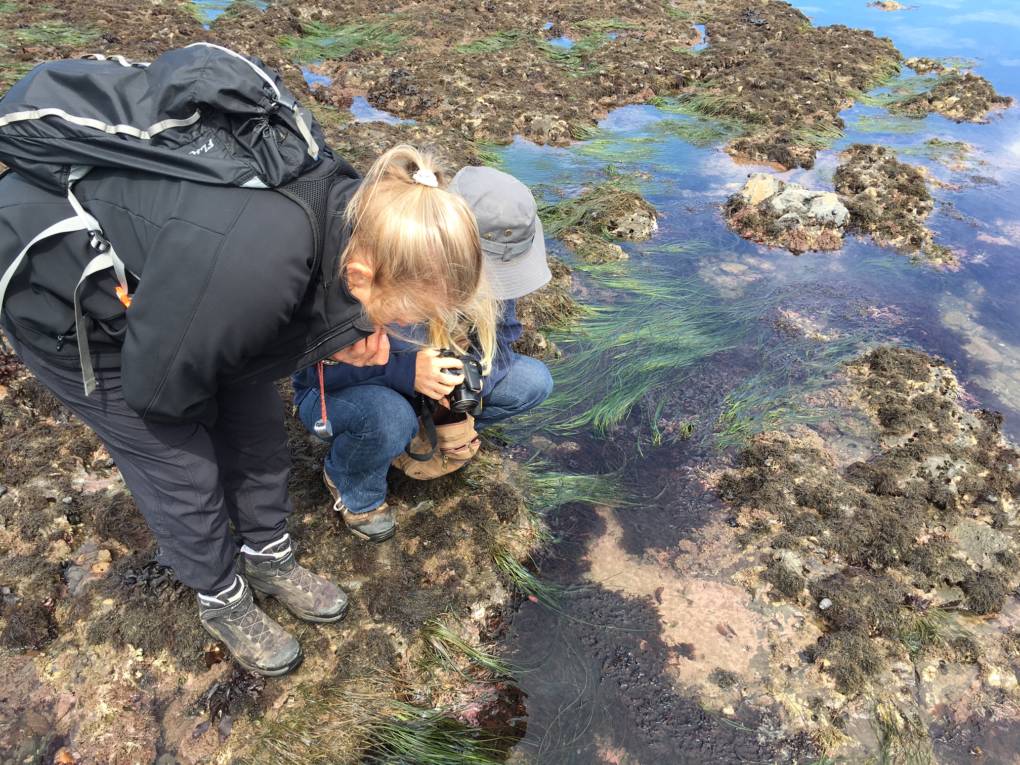
"caption": "Tidepooling at the Fitzgerald Marine Reserve during last year's bio-blitz.",
"description": null,
"title": "RJohnson_Tidepooling_FitzgeraldMarineReserve_2016",
"credit": "Rebecca Johnson/California Academy of Sciences",
"status": "inherit",
"isLoading": false,
"fetchFailed": false
},
"news_11538894": {
"type": "attachments",
"id": "news_11538894",
"meta": {
"index": "attachments_1716263798",
"site": "news",
"id": "11538894",
"found": true
},
"parent": 11508496,
"imgSizes": {
"small": {
"file": "https://ww2.kqed.org/app/uploads/sites/10/2017/06/RS22968_161118_BrittanyJones_bhs06-qut-1-520x347.jpg",
"width": 520,
"mimeType": "image/jpeg",
"height": 347
},
"twentyfourteen-full-width": {
"file": "https://ww2.kqed.org/app/uploads/sites/10/2017/06/RS22968_161118_BrittanyJones_bhs06-qut-1-1038x576.jpg",
"width": 1038,
"mimeType": "image/jpeg",
"height": 576
},
"thumbnail": {
"file": "https://ww2.kqed.org/app/uploads/sites/10/2017/06/RS22968_161118_BrittanyJones_bhs06-qut-1-160x107.jpg",
"width": 160,
"mimeType": "image/jpeg",
"height": 107
},
"fd-sm": {
"file": "https://ww2.kqed.org/app/uploads/sites/10/2017/06/RS22968_161118_BrittanyJones_bhs06-qut-1-960x640.jpg",
"width": 960,
"mimeType": "image/jpeg",
"height": 640
},
"post-thumbnail": {
"file": "https://ww2.kqed.org/app/uploads/sites/10/2017/06/RS22968_161118_BrittanyJones_bhs06-qut-1-672x372.jpg",
"width": 672,
"mimeType": "image/jpeg",
"height": 372
},
"xsmall": {
"file": "https://ww2.kqed.org/app/uploads/sites/10/2017/06/RS22968_161118_BrittanyJones_bhs06-qut-1-375x250.jpg",
"width": 375,
"mimeType": "image/jpeg",
"height": 250
},
"kqedFullSize": {
"file": "https://ww2.kqed.org/app/uploads/sites/10/2017/06/RS22968_161118_BrittanyJones_bhs06-qut-1.jpg",
"width": 1920,
"height": 1280
},
"large": {
"file": "https://ww2.kqed.org/app/uploads/sites/10/2017/06/RS22968_161118_BrittanyJones_bhs06-qut-1-1020x680.jpg",
"width": 1020,
"mimeType": "image/jpeg",
"height": 680
},
"xlarge": {
"file": "https://ww2.kqed.org/app/uploads/sites/10/2017/06/RS22968_161118_BrittanyJones_bhs06-qut-1-1180x787.jpg",
"width": 1180,
"mimeType": "image/jpeg",
"height": 787
},
"guest-author-50": {
"file": "https://ww2.kqed.org/app/uploads/sites/10/2017/06/RS22968_161118_BrittanyJones_bhs06-qut-1-50x50.jpg",
"width": 50,
"mimeType": "image/jpeg",
"height": 50
},
"guest-author-96": {
"file": "https://ww2.kqed.org/app/uploads/sites/10/2017/06/RS22968_161118_BrittanyJones_bhs06-qut-1-96x96.jpg",
"width": 96,
"mimeType": "image/jpeg",
"height": 96
},
"medium": {
"file": "https://ww2.kqed.org/app/uploads/sites/10/2017/06/RS22968_161118_BrittanyJones_bhs06-qut-1-800x533.jpg",
"width": 800,
"mimeType": "image/jpeg",
"height": 533
},
"guest-author-64": {
"file": "https://ww2.kqed.org/app/uploads/sites/10/2017/06/RS22968_161118_BrittanyJones_bhs06-qut-1-64x64.jpg",
"width": 64,
"mimeType": "image/jpeg",
"height": 64
},
"guest-author-32": {
"file": "https://ww2.kqed.org/app/uploads/sites/10/2017/06/RS22968_161118_BrittanyJones_bhs06-qut-1-32x32.jpg",
"width": 32,
"mimeType": "image/jpeg",
"height": 32
},
"fd-lrg": {
"file": "https://ww2.kqed.org/app/uploads/sites/10/2017/06/RS22968_161118_BrittanyJones_bhs06-qut-1-1920x1280.jpg",
"width": 1920,
"mimeType": "image/jpeg",
"height": 1280
},
"fd-med": {
"file": "https://ww2.kqed.org/app/uploads/sites/10/2017/06/RS22968_161118_BrittanyJones_bhs06-qut-1-1180x787.jpg",
"width": 1180,
"mimeType": "image/jpeg",
"height": 787
},
"full-width": {
"file": "https://ww2.kqed.org/app/uploads/sites/10/2017/06/RS22968_161118_BrittanyJones_bhs06-qut-1-1920x1280.jpg",
"width": 1920,
"mimeType": "image/jpeg",
"height": 1280
},
"detail": {
"file": "https://ww2.kqed.org/app/uploads/sites/10/2017/06/RS22968_161118_BrittanyJones_bhs06-qut-1-150x150.jpg",
"width": 150,
"mimeType": "image/jpeg",
"height": 150
},
"guest-author-128": {
"file": "https://ww2.kqed.org/app/uploads/sites/10/2017/06/RS22968_161118_BrittanyJones_bhs06-qut-1-128x128.jpg",
"width": 128,
"mimeType": "image/jpeg",
"height": 128
},
"xxsmall": {
"file": "https://ww2.kqed.org/app/uploads/sites/10/2017/06/RS22968_161118_BrittanyJones_bhs06-qut-1-240x160.jpg",
"width": 240,
"mimeType": "image/jpeg",
"height": 160
}
},
"publishDate": 1498759361,
"modified": 1498773408,
"caption": "Brittany Jones is one of the college students KQED reporters followed over the past several months. When we first met her in the fall, she was homeless. But since sharing her story, her life has changed dramatically.",
"description": "Brittany Jones is one of the college students KQED reporters followed over the past several months. When we first met her in the fall, she was homeless. But since sharing her story, her life has changed dramatically.",
"title": "RS22968_161118_BrittanyJones_bhs06-qut (1)",
"credit": "Brittany Hosea-Small/KQED",
"status": "inherit",
"isLoading": false,
"fetchFailed": false
},
"news_11524627": {
"type": "attachments",
"id": "news_11524627",
"meta": {
"index": "attachments_1716263798",
"site": "news",
"id": "11524627",
"found": true
},
"parent": 11524617,
"imgSizes": {
"small": {
"file": "https://ww2.kqed.org/app/uploads/sites/10/2017/06/AchievementGapMain-1-520x306.jpg",
"width": 520,
"mimeType": "image/jpeg",
"height": 306
},
"twentyfourteen-full-width": {
"file": "https://ww2.kqed.org/app/uploads/sites/10/2017/06/AchievementGapMain-1-1038x576.jpg",
"width": 1038,
"mimeType": "image/jpeg",
"height": 576
},
"thumbnail": {
"file": "https://ww2.kqed.org/app/uploads/sites/10/2017/06/AchievementGapMain-1-160x94.jpg",
"width": 160,
"mimeType": "image/jpeg",
"height": 94
},
"fd-sm": {
"file": "https://ww2.kqed.org/app/uploads/sites/10/2017/06/AchievementGapMain-1-960x564.jpg",
"width": 960,
"mimeType": "image/jpeg",
"height": 564
},
"post-thumbnail": {
"file": "https://ww2.kqed.org/app/uploads/sites/10/2017/06/AchievementGapMain-1-672x372.jpg",
"width": 672,
"mimeType": "image/jpeg",
"height": 372
},
"xsmall": {
"file": "https://ww2.kqed.org/app/uploads/sites/10/2017/06/AchievementGapMain-1-375x220.jpg",
"width": 375,
"mimeType": "image/jpeg",
"height": 220
},
"kqedFullSize": {
"file": "https://ww2.kqed.org/app/uploads/sites/10/2017/06/AchievementGapMain-1.jpg",
"width": 1920,
"height": 1128
},
"large": {
"file": "https://ww2.kqed.org/app/uploads/sites/10/2017/06/AchievementGapMain-1-1020x599.jpg",
"width": 1020,
"mimeType": "image/jpeg",
"height": 599
},
"xlarge": {
"file": "https://ww2.kqed.org/app/uploads/sites/10/2017/06/AchievementGapMain-1-1180x693.jpg",
"width": 1180,
"mimeType": "image/jpeg",
"height": 693
},
"guest-author-50": {
"file": "https://ww2.kqed.org/app/uploads/sites/10/2017/06/AchievementGapMain-1-50x50.jpg",
"width": 50,
"mimeType": "image/jpeg",
"height": 50
},
"guest-author-96": {
"file": "https://ww2.kqed.org/app/uploads/sites/10/2017/06/AchievementGapMain-1-96x96.jpg",
"width": 96,
"mimeType": "image/jpeg",
"height": 96
},
"medium": {
"file": "https://ww2.kqed.org/app/uploads/sites/10/2017/06/AchievementGapMain-1-800x470.jpg",
"width": 800,
"mimeType": "image/jpeg",
"height": 470
},
"guest-author-64": {
"file": "https://ww2.kqed.org/app/uploads/sites/10/2017/06/AchievementGapMain-1-64x64.jpg",
"width": 64,
"mimeType": "image/jpeg",
"height": 64
},
"guest-author-32": {
"file": "https://ww2.kqed.org/app/uploads/sites/10/2017/06/AchievementGapMain-1-32x32.jpg",
"width": 32,
"mimeType": "image/jpeg",
"height": 32
},
"fd-lrg": {
"file": "https://ww2.kqed.org/app/uploads/sites/10/2017/06/AchievementGapMain-1-1920x1128.jpg",
"width": 1920,
"mimeType": "image/jpeg",
"height": 1128
},
"fd-med": {
"file": "https://ww2.kqed.org/app/uploads/sites/10/2017/06/AchievementGapMain-1-1180x693.jpg",
"width": 1180,
"mimeType": "image/jpeg",
"height": 693
},
"full-width": {
"file": "https://ww2.kqed.org/app/uploads/sites/10/2017/06/AchievementGapMain-1-1920x1128.jpg",
"width": 1920,
"mimeType": "image/jpeg",
"height": 1128
},
"detail": {
"file": "https://ww2.kqed.org/app/uploads/sites/10/2017/06/AchievementGapMain-1-150x150.jpg",
"width": 150,
"mimeType": "image/jpeg",
"height": 150
},
"guest-author-128": {
"file": "https://ww2.kqed.org/app/uploads/sites/10/2017/06/AchievementGapMain-1-128x128.jpg",
"width": 128,
"mimeType": "image/jpeg",
"height": 128
},
"xxsmall": {
"file": "https://ww2.kqed.org/app/uploads/sites/10/2017/06/AchievementGapMain-1-240x141.jpg",
"width": 240,
"mimeType": "image/jpeg",
"height": 141
}
},
"publishDate": 1498080504,
"modified": 1498080567,
"caption": "A Greenfield Union student takes notes during class at Kendrick Elementary School in Bakersfield. The district is one of 15 CALmatters studied to understand how well the state’s new school funding formula is working.",
"description": "A Greenfield Union student takes notes during class at Kendrick Elementary School in Bakersfield. The district is one of 15 CALmatters studied to understand how well the state’s new school funding formula is working.",
"title": "AchievementGapMain",
"credit": "Henry Barrios/The Californian",
"status": "inherit",
"isLoading": false,
"fetchFailed": false
},
"news_11520719": {
"type": "attachments",
"id": "news_11520719",
"meta": {
"index": "attachments_1716263798",
"site": "news",
"id": "11520719",
"found": true
},
"parent": 11520718,
"imgSizes": {
"small": {
"file": "https://ww2.kqed.org/app/uploads/sites/10/2017/06/borderstudents_002a_custom-c774a222e7ffa5ccc40b0f0963e0132a4ac5e094-520x346.jpg",
"width": 520,
"mimeType": "image/jpeg",
"height": 346
},
"twentyfourteen-full-width": {
"file": "https://ww2.kqed.org/app/uploads/sites/10/2017/06/borderstudents_002a_custom-c774a222e7ffa5ccc40b0f0963e0132a4ac5e094-1038x576.jpg",
"width": 1038,
"mimeType": "image/jpeg",
"height": 576
},
"thumbnail": {
"file": "https://ww2.kqed.org/app/uploads/sites/10/2017/06/borderstudents_002a_custom-c774a222e7ffa5ccc40b0f0963e0132a4ac5e094-160x107.jpg",
"width": 160,
"mimeType": "image/jpeg",
"height": 107
},
"fd-sm": {
"file": "https://ww2.kqed.org/app/uploads/sites/10/2017/06/borderstudents_002a_custom-c774a222e7ffa5ccc40b0f0963e0132a4ac5e094-960x639.jpg",
"width": 960,
"mimeType": "image/jpeg",
"height": 639
},
"post-thumbnail": {
"file": "https://ww2.kqed.org/app/uploads/sites/10/2017/06/borderstudents_002a_custom-c774a222e7ffa5ccc40b0f0963e0132a4ac5e094-672x372.jpg",
"width": 672,
"mimeType": "image/jpeg",
"height": 372
},
"xsmall": {
"file": "https://ww2.kqed.org/app/uploads/sites/10/2017/06/borderstudents_002a_custom-c774a222e7ffa5ccc40b0f0963e0132a4ac5e094-375x250.jpg",
"width": 375,
"mimeType": "image/jpeg",
"height": 250
},
"kqedFullSize": {
"file": "https://ww2.kqed.org/app/uploads/sites/10/2017/06/borderstudents_002a_custom-c774a222e7ffa5ccc40b0f0963e0132a4ac5e094-e1497911983786.jpg",
"width": 1920,
"height": 1279
},
"large": {
"file": "https://ww2.kqed.org/app/uploads/sites/10/2017/06/borderstudents_002a_custom-c774a222e7ffa5ccc40b0f0963e0132a4ac5e094-1020x679.jpg",
"width": 1020,
"mimeType": "image/jpeg",
"height": 679
},
"xlarge": {
"file": "https://ww2.kqed.org/app/uploads/sites/10/2017/06/borderstudents_002a_custom-c774a222e7ffa5ccc40b0f0963e0132a4ac5e094-1180x786.jpg",
"width": 1180,
"mimeType": "image/jpeg",
"height": 786
},
"guest-author-50": {
"file": "https://ww2.kqed.org/app/uploads/sites/10/2017/06/borderstudents_002a_custom-c774a222e7ffa5ccc40b0f0963e0132a4ac5e094-50x50.jpg",
"width": 50,
"mimeType": "image/jpeg",
"height": 50
},
"guest-author-96": {
"file": "https://ww2.kqed.org/app/uploads/sites/10/2017/06/borderstudents_002a_custom-c774a222e7ffa5ccc40b0f0963e0132a4ac5e094-96x96.jpg",
"width": 96,
"mimeType": "image/jpeg",
"height": 96
},
"medium": {
"file": "https://ww2.kqed.org/app/uploads/sites/10/2017/06/borderstudents_002a_custom-c774a222e7ffa5ccc40b0f0963e0132a4ac5e094-800x533.jpg",
"width": 800,
"mimeType": "image/jpeg",
"height": 533
},
"guest-author-64": {
"file": "https://ww2.kqed.org/app/uploads/sites/10/2017/06/borderstudents_002a_custom-c774a222e7ffa5ccc40b0f0963e0132a4ac5e094-64x64.jpg",
"width": 64,
"mimeType": "image/jpeg",
"height": 64
},
"guest-author-32": {
"file": "https://ww2.kqed.org/app/uploads/sites/10/2017/06/borderstudents_002a_custom-c774a222e7ffa5ccc40b0f0963e0132a4ac5e094-32x32.jpg",
"width": 32,
"mimeType": "image/jpeg",
"height": 32
},
"fd-lrg": {
"file": "https://ww2.kqed.org/app/uploads/sites/10/2017/06/borderstudents_002a_custom-c774a222e7ffa5ccc40b0f0963e0132a4ac5e094-1920x1279.jpg",
"width": 1920,
"mimeType": "image/jpeg",
"height": 1279
},
"fd-med": {
"file": "https://ww2.kqed.org/app/uploads/sites/10/2017/06/borderstudents_002a_custom-c774a222e7ffa5ccc40b0f0963e0132a4ac5e094-1180x786.jpg",
"width": 1180,
"mimeType": "image/jpeg",
"height": 786
},
"full-width": {
"file": "https://ww2.kqed.org/app/uploads/sites/10/2017/06/borderstudents_002a_custom-c774a222e7ffa5ccc40b0f0963e0132a4ac5e094-1920x1279.jpg",
"width": 1920,
"mimeType": "image/jpeg",
"height": 1279
},
"detail": {
"file": "https://ww2.kqed.org/app/uploads/sites/10/2017/06/borderstudents_002a_custom-c774a222e7ffa5ccc40b0f0963e0132a4ac5e094-150x150.jpg",
"width": 150,
"mimeType": "image/jpeg",
"height": 150
},
"guest-author-128": {
"file": "https://ww2.kqed.org/app/uploads/sites/10/2017/06/borderstudents_002a_custom-c774a222e7ffa5ccc40b0f0963e0132a4ac5e094-128x128.jpg",
"width": 128,
"mimeType": "image/jpeg",
"height": 128
},
"xxsmall": {
"file": "https://ww2.kqed.org/app/uploads/sites/10/2017/06/borderstudents_002a_custom-c774a222e7ffa5ccc40b0f0963e0132a4ac5e094-240x160.jpg",
"width": 240,
"mimeType": "image/jpeg",
"height": 160
}
},
"publishDate": 1497911780,
"modified": 1497911977,
"caption": "Students in Tijuana walk toward the U.S. border early in the morning. Teachers in San Diego estimate that about 1,000 students cross from Tijuana into San Diego every day to go to school.",
"description": "Students in Tijuana walk toward the U.S. border early in the morning. Teachers in San Diego estimate that about 1,000 students cross from Tijuana into San Diego every day to go to school.",
"title": "Students in Tijuana walk toward the U.S. border early in the morning on May 2. Teachers in San Diego estimate that about 1,000 students cross from Tijuana into San Diego every day to go to school.",
"credit": "Jonathan Levinson/NPR",
"status": "inherit",
"isLoading": false,
"fetchFailed": false
},
"news_11359089": {
"type": "attachments",
"id": "news_11359089",
"meta": {
"index": "attachments_1716263798",
"site": "news",
"id": "11359089",
"found": true
},
"parent": 11358964,
"imgSizes": {
"small": {
"file": "https://ww2.kqed.org/app/uploads/sites/10/2017/03/RS24533_Internet.School-12-1-qut-520x347.jpg",
"width": 520,
"mimeType": "image/jpeg",
"height": 347
},
"twentyfourteen-full-width": {
"file": "https://ww2.kqed.org/app/uploads/sites/10/2017/03/RS24533_Internet.School-12-1-qut-1038x576.jpg",
"width": 1038,
"mimeType": "image/jpeg",
"height": 576
},
"thumbnail": {
"file": "https://ww2.kqed.org/app/uploads/sites/10/2017/03/RS24533_Internet.School-12-1-qut-160x107.jpg",
"width": 160,
"mimeType": "image/jpeg",
"height": 107
},
"fd-sm": {
"file": "https://ww2.kqed.org/app/uploads/sites/10/2017/03/RS24533_Internet.School-12-1-qut-960x640.jpg",
"width": 960,
"mimeType": "image/jpeg",
"height": 640
},
"post-thumbnail": {
"file": "https://ww2.kqed.org/app/uploads/sites/10/2017/03/RS24533_Internet.School-12-1-qut-672x372.jpg",
"width": 672,
"mimeType": "image/jpeg",
"height": 372
},
"xsmall": {
"file": "https://ww2.kqed.org/app/uploads/sites/10/2017/03/RS24533_Internet.School-12-1-qut-375x250.jpg",
"width": 375,
"mimeType": "image/jpeg",
"height": 250
},
"kqedFullSize": {
"file": "https://ww2.kqed.org/app/uploads/sites/10/2017/03/RS24533_Internet.School-12-1-qut.jpg",
"width": 1920,
"height": 1280
},
"large": {
"file": "https://ww2.kqed.org/app/uploads/sites/10/2017/03/RS24533_Internet.School-12-1-qut-1020x680.jpg",
"width": 1020,
"mimeType": "image/jpeg",
"height": 680
},
"xlarge": {
"file": "https://ww2.kqed.org/app/uploads/sites/10/2017/03/RS24533_Internet.School-12-1-qut-1180x787.jpg",
"width": 1180,
"mimeType": "image/jpeg",
"height": 787
},
"guest-author-50": {
"file": "https://ww2.kqed.org/app/uploads/sites/10/2017/03/RS24533_Internet.School-12-1-qut-50x50.jpg",
"width": 50,
"mimeType": "image/jpeg",
"height": 50
},
"guest-author-96": {
"file": "https://ww2.kqed.org/app/uploads/sites/10/2017/03/RS24533_Internet.School-12-1-qut-96x96.jpg",
"width": 96,
"mimeType": "image/jpeg",
"height": 96
},
"medium": {
"file": "https://ww2.kqed.org/app/uploads/sites/10/2017/03/RS24533_Internet.School-12-1-qut-800x533.jpg",
"width": 800,
"mimeType": "image/jpeg",
"height": 533
},
"guest-author-64": {
"file": "https://ww2.kqed.org/app/uploads/sites/10/2017/03/RS24533_Internet.School-12-1-qut-64x64.jpg",
"width": 64,
"mimeType": "image/jpeg",
"height": 64
},
"guest-author-32": {
"file": "https://ww2.kqed.org/app/uploads/sites/10/2017/03/RS24533_Internet.School-12-1-qut-32x32.jpg",
"width": 32,
"mimeType": "image/jpeg",
"height": 32
},
"fd-lrg": {
"file": "https://ww2.kqed.org/app/uploads/sites/10/2017/03/RS24533_Internet.School-12-1-qut-1920x1280.jpg",
"width": 1920,
"mimeType": "image/jpeg",
"height": 1280
},
"fd-med": {
"file": "https://ww2.kqed.org/app/uploads/sites/10/2017/03/RS24533_Internet.School-12-1-qut-1180x787.jpg",
"width": 1180,
"mimeType": "image/jpeg",
"height": 787
},
"full-width": {
"file": "https://ww2.kqed.org/app/uploads/sites/10/2017/03/RS24533_Internet.School-12-1-qut-1920x1280.jpg",
"width": 1920,
"mimeType": "image/jpeg",
"height": 1280
},
"detail": {
"file": "https://ww2.kqed.org/app/uploads/sites/10/2017/03/RS24533_Internet.School-12-1-qut-150x150.jpg",
"width": 150,
"mimeType": "image/jpeg",
"height": 150
},
"guest-author-128": {
"file": "https://ww2.kqed.org/app/uploads/sites/10/2017/03/RS24533_Internet.School-12-1-qut-128x128.jpg",
"width": 128,
"mimeType": "image/jpeg",
"height": 128
},
"xxsmall": {
"file": "https://ww2.kqed.org/app/uploads/sites/10/2017/03/RS24533_Internet.School-12-1-qut-240x160.jpg",
"width": 240,
"mimeType": "image/jpeg",
"height": 160
}
},
"publishDate": 1489514354,
"modified": 1497489818,
"caption": "Lily and Arianna, both 13, sand spoons they are making in their 7th grade woodworking class at Stone Bridge School in Napa.",
"description": null,
"title": "Woodworking at Stone Bridge School",
"credit": "Sarah Craig",
"status": "inherit",
"isLoading": false,
"fetchFailed": false
},
"news_11502055": {
"type": "attachments",
"id": "news_11502055",
"meta": {
"index": "attachments_1716263798",
"site": "news",
"id": "11502055",
"found": true
},
"parent": 11502053,
"imgSizes": {
"small": {
"file": "https://ww2.kqed.org/app/uploads/sites/10/2017/06/10484217_670472819747609_7385401834662964883_o-520x390.jpg",
"width": 520,
"mimeType": "image/jpeg",
"height": 390
},
"twentyfourteen-full-width": {
"file": "https://ww2.kqed.org/app/uploads/sites/10/2017/06/10484217_670472819747609_7385401834662964883_o-1038x576.jpg",
"width": 1038,
"mimeType": "image/jpeg",
"height": 576
},
"thumbnail": {
"file": "https://ww2.kqed.org/app/uploads/sites/10/2017/06/10484217_670472819747609_7385401834662964883_o-160x120.jpg",
"width": 160,
"mimeType": "image/jpeg",
"height": 120
},
"fd-sm": {
"file": "https://ww2.kqed.org/app/uploads/sites/10/2017/06/10484217_670472819747609_7385401834662964883_o-960x720.jpg",
"width": 960,
"mimeType": "image/jpeg",
"height": 720
},
"post-thumbnail": {
"file": "https://ww2.kqed.org/app/uploads/sites/10/2017/06/10484217_670472819747609_7385401834662964883_o-672x372.jpg",
"width": 672,
"mimeType": "image/jpeg",
"height": 372
},
"xsmall": {
"file": "https://ww2.kqed.org/app/uploads/sites/10/2017/06/10484217_670472819747609_7385401834662964883_o-375x281.jpg",
"width": 375,
"mimeType": "image/jpeg",
"height": 281
},
"kqedFullSize": {
"file": "https://ww2.kqed.org/app/uploads/sites/10/2017/06/10484217_670472819747609_7385401834662964883_o.jpg",
"width": 2048,
"height": 1536
},
"large": {
"file": "https://ww2.kqed.org/app/uploads/sites/10/2017/06/10484217_670472819747609_7385401834662964883_o-1020x765.jpg",
"width": 1020,
"mimeType": "image/jpeg",
"height": 765
},
"xlarge": {
"file": "https://ww2.kqed.org/app/uploads/sites/10/2017/06/10484217_670472819747609_7385401834662964883_o-1180x885.jpg",
"width": 1180,
"mimeType": "image/jpeg",
"height": 885
},
"guest-author-50": {
"file": "https://ww2.kqed.org/app/uploads/sites/10/2017/06/10484217_670472819747609_7385401834662964883_o-50x50.jpg",
"width": 50,
"mimeType": "image/jpeg",
"height": 50
},
"guest-author-96": {
"file": "https://ww2.kqed.org/app/uploads/sites/10/2017/06/10484217_670472819747609_7385401834662964883_o-96x96.jpg",
"width": 96,
"mimeType": "image/jpeg",
"height": 96
},
"medium": {
"file": "https://ww2.kqed.org/app/uploads/sites/10/2017/06/10484217_670472819747609_7385401834662964883_o-800x600.jpg",
"width": 800,
"mimeType": "image/jpeg",
"height": 600
},
"guest-author-64": {
"file": "https://ww2.kqed.org/app/uploads/sites/10/2017/06/10484217_670472819747609_7385401834662964883_o-64x64.jpg",
"width": 64,
"mimeType": "image/jpeg",
"height": 64
},
"guest-author-32": {
"file": "https://ww2.kqed.org/app/uploads/sites/10/2017/06/10484217_670472819747609_7385401834662964883_o-32x32.jpg",
"width": 32,
"mimeType": "image/jpeg",
"height": 32
},
"fd-lrg": {
"file": "https://ww2.kqed.org/app/uploads/sites/10/2017/06/10484217_670472819747609_7385401834662964883_o-1920x1440.jpg",
"width": 1920,
"mimeType": "image/jpeg",
"height": 1440
},
"fd-med": {
"file": "https://ww2.kqed.org/app/uploads/sites/10/2017/06/10484217_670472819747609_7385401834662964883_o-1180x885.jpg",
"width": 1180,
"mimeType": "image/jpeg",
"height": 885
},
"full-width": {
"file": "https://ww2.kqed.org/app/uploads/sites/10/2017/06/10484217_670472819747609_7385401834662964883_o-1920x1440.jpg",
"width": 1920,
"mimeType": "image/jpeg",
"height": 1440
},
"detail": {
"file": "https://ww2.kqed.org/app/uploads/sites/10/2017/06/10484217_670472819747609_7385401834662964883_o-150x150.jpg",
"width": 150,
"mimeType": "image/jpeg",
"height": 150
},
"guest-author-128": {
"file": "https://ww2.kqed.org/app/uploads/sites/10/2017/06/10484217_670472819747609_7385401834662964883_o-128x128.jpg",
"width": 128,
"mimeType": "image/jpeg",
"height": 128
},
"xxsmall": {
"file": "https://ww2.kqed.org/app/uploads/sites/10/2017/06/10484217_670472819747609_7385401834662964883_o-240x180.jpg",
"width": 240,
"mimeType": "image/jpeg",
"height": 180
}
},
"publishDate": 1497048915,
"modified": 1497291189,
"caption": "Teachers and kids enjoy visiting the growing dome at Sierra House Elementary School in South Lake Tahoe.",
"description": null,
"title": "Growing Dome",
"credit": "Amy Westervelt/KQED",
"status": "inherit",
"isLoading": false,
"fetchFailed": false
},
"news_11497292": {
"type": "attachments",
"id": "news_11497292",
"meta": {
"index": "attachments_1716263798",
"site": "news",
"id": "11497292",
"found": true
},
"parent": 11487759,
"imgSizes": {
"small": {
"file": "https://ww2.kqed.org/app/uploads/sites/10/2018/05/pageassemblyedited-520x345.jpg",
"width": 520,
"mimeType": "image/jpeg",
"height": 345
},
"twentyfourteen-full-width": {
"file": "https://ww2.kqed.org/app/uploads/sites/10/2018/05/pageassemblyedited-1038x576.jpg",
"width": 1038,
"mimeType": "image/jpeg",
"height": 576
},
"thumbnail": {
"file": "https://ww2.kqed.org/app/uploads/sites/10/2018/05/pageassemblyedited-160x106.jpg",
"width": 160,
"mimeType": "image/jpeg",
"height": 106
},
"fd-sm": {
"file": "https://ww2.kqed.org/app/uploads/sites/10/2018/05/pageassemblyedited-960x637.jpg",
"width": 960,
"mimeType": "image/jpeg",
"height": 637
},
"post-thumbnail": {
"file": "https://ww2.kqed.org/app/uploads/sites/10/2018/05/pageassemblyedited-672x372.jpg",
"width": 672,
"mimeType": "image/jpeg",
"height": 372
},
"xsmall": {
"file": "https://ww2.kqed.org/app/uploads/sites/10/2018/05/pageassemblyedited-375x249.jpg",
"width": 375,
"mimeType": "image/jpeg",
"height": 249
},
"kqedFullSize": {
"file": "https://ww2.kqed.org/app/uploads/sites/10/2018/05/pageassemblyedited.jpg",
"width": 1920,
"height": 1274
},
"large": {
"file": "https://ww2.kqed.org/app/uploads/sites/10/2018/05/pageassemblyedited-1020x677.jpg",
"width": 1020,
"mimeType": "image/jpeg",
"height": 677
},
"xlarge": {
"file": "https://ww2.kqed.org/app/uploads/sites/10/2018/05/pageassemblyedited-1180x783.jpg",
"width": 1180,
"mimeType": "image/jpeg",
"height": 783
},
"guest-author-50": {
"file": "https://ww2.kqed.org/app/uploads/sites/10/2018/05/pageassemblyedited-50x50.jpg",
"width": 50,
"mimeType": "image/jpeg",
"height": 50
},
"guest-author-96": {
"file": "https://ww2.kqed.org/app/uploads/sites/10/2018/05/pageassemblyedited-96x96.jpg",
"width": 96,
"mimeType": "image/jpeg",
"height": 96
},
"medium": {
"file": "https://ww2.kqed.org/app/uploads/sites/10/2018/05/pageassemblyedited-800x531.jpg",
"width": 800,
"mimeType": "image/jpeg",
"height": 531
},
"guest-author-64": {
"file": "https://ww2.kqed.org/app/uploads/sites/10/2018/05/pageassemblyedited-64x64.jpg",
"width": 64,
"mimeType": "image/jpeg",
"height": 64
},
"guest-author-32": {
"file": "https://ww2.kqed.org/app/uploads/sites/10/2018/05/pageassemblyedited-32x32.jpg",
"width": 32,
"mimeType": "image/jpeg",
"height": 32
},
"fd-lrg": {
"file": "https://ww2.kqed.org/app/uploads/sites/10/2018/05/pageassemblyedited-1920x1274.jpg",
"width": 1920,
"mimeType": "image/jpeg",
"height": 1274
},
"fd-med": {
"file": "https://ww2.kqed.org/app/uploads/sites/10/2018/05/pageassemblyedited-1180x783.jpg",
"width": 1180,
"mimeType": "image/jpeg",
"height": 783
},
"full-width": {
"file": "https://ww2.kqed.org/app/uploads/sites/10/2018/05/pageassemblyedited-1920x1274.jpg",
"width": 1920,
"mimeType": "image/jpeg",
"height": 1274
},
"detail": {
"file": "https://ww2.kqed.org/app/uploads/sites/10/2018/05/pageassemblyedited-150x150.jpg",
"width": 150,
"mimeType": "image/jpeg",
"height": 150
},
"guest-author-128": {
"file": "https://ww2.kqed.org/app/uploads/sites/10/2018/05/pageassemblyedited-128x128.jpg",
"width": 128,
"mimeType": "image/jpeg",
"height": 128
},
"xxsmall": {
"file": "https://ww2.kqed.org/app/uploads/sites/10/2018/05/pageassemblyedited-240x159.jpg",
"width": 240,
"mimeType": "image/jpeg",
"height": 159
}
},
"publishDate": 1496790193,
"modified": 1497045721,
"caption": "A page passes notes between members of the Assembly.",
"description": null,
"title": "pageassemblyedited",
"credit": "Amanda Font/KQED",
"status": "inherit",
"isLoading": false,
"fetchFailed": false
},
"news_11502265": {
"type": "attachments",
"id": "news_11502265",
"meta": {
"index": "attachments_1716263798",
"site": "news",
"id": "11502265",
"found": true
},
"parent": 11501622,
"imgSizes": {
"small": {
"file": "https://ww2.kqed.org/app/uploads/sites/10/2017/06/COMMEY_MARQ-520x293.jpg",
"width": 520,
"mimeType": "image/jpeg",
"height": 293
},
"twentyfourteen-full-width": {
"file": "https://ww2.kqed.org/app/uploads/sites/10/2017/06/COMMEY_MARQ-1038x576.jpg",
"width": 1038,
"mimeType": "image/jpeg",
"height": 576
},
"thumbnail": {
"file": "https://ww2.kqed.org/app/uploads/sites/10/2017/06/COMMEY_MARQ-160x90.jpg",
"width": 160,
"mimeType": "image/jpeg",
"height": 90
},
"fd-sm": {
"file": "https://ww2.kqed.org/app/uploads/sites/10/2017/06/COMMEY_MARQ-960x540.jpg",
"width": 960,
"mimeType": "image/jpeg",
"height": 540
},
"post-thumbnail": {
"file": "https://ww2.kqed.org/app/uploads/sites/10/2017/06/COMMEY_MARQ-672x372.jpg",
"width": 672,
"mimeType": "image/jpeg",
"height": 372
},
"xsmall": {
"file": "https://ww2.kqed.org/app/uploads/sites/10/2017/06/COMMEY_MARQ-375x211.jpg",
"width": 375,
"mimeType": "image/jpeg",
"height": 211
},
"kqedFullSize": {
"file": "https://ww2.kqed.org/app/uploads/sites/10/2017/06/COMMEY_MARQ.jpg",
"width": 1280,
"height": 720
},
"large": {
"file": "https://ww2.kqed.org/app/uploads/sites/10/2017/06/COMMEY_MARQ-1020x574.jpg",
"width": 1020,
"mimeType": "image/jpeg",
"height": 574
},
"xlarge": {
"file": "https://ww2.kqed.org/app/uploads/sites/10/2017/06/COMMEY_MARQ-1180x664.jpg",
"width": 1180,
"mimeType": "image/jpeg",
"height": 664
},
"guest-author-50": {
"file": "https://ww2.kqed.org/app/uploads/sites/10/2017/06/COMMEY_MARQ-50x50.jpg",
"width": 50,
"mimeType": "image/jpeg",
"height": 50
},
"guest-author-96": {
"file": "https://ww2.kqed.org/app/uploads/sites/10/2017/06/COMMEY_MARQ-96x96.jpg",
"width": 96,
"mimeType": "image/jpeg",
"height": 96
},
"medium": {
"file": "https://ww2.kqed.org/app/uploads/sites/10/2017/06/COMMEY_MARQ-800x450.jpg",
"width": 800,
"mimeType": "image/jpeg",
"height": 450
},
"guest-author-64": {
"file": "https://ww2.kqed.org/app/uploads/sites/10/2017/06/COMMEY_MARQ-64x64.jpg",
"width": 64,
"mimeType": "image/jpeg",
"height": 64
},
"guest-author-32": {
"file": "https://ww2.kqed.org/app/uploads/sites/10/2017/06/COMMEY_MARQ-32x32.jpg",
"width": 32,
"mimeType": "image/jpeg",
"height": 32
},
"fd-med": {
"file": "https://ww2.kqed.org/app/uploads/sites/10/2017/06/COMMEY_MARQ-1180x664.jpg",
"width": 1180,
"mimeType": "image/jpeg",
"height": 664
},
"detail": {
"file": "https://ww2.kqed.org/app/uploads/sites/10/2017/06/COMMEY_MARQ-150x150.jpg",
"width": 150,
"mimeType": "image/jpeg",
"height": 150
},
"guest-author-128": {
"file": "https://ww2.kqed.org/app/uploads/sites/10/2017/06/COMMEY_MARQ-128x128.jpg",
"width": 128,
"mimeType": "image/jpeg",
"height": 128
},
"xxsmall": {
"file": "https://ww2.kqed.org/app/uploads/sites/10/2017/06/COMMEY_MARQ-240x135.jpg",
"width": 240,
"mimeType": "image/jpeg",
"height": 135
}
},
"publishDate": 1497056295,
"modified": 1497056295,
"caption": null,
"description": null,
"title": "COMMEY_MARQ",
"credit": null,
"status": "inherit",
"isLoading": false,
"fetchFailed": false
},
"news_11501741": {
"type": "attachments",
"id": "news_11501741",
"meta": {
"index": "attachments_1716263798",
"site": "news",
"id": "11501741",
"found": true
},
"parent": 11501557,
"imgSizes": {
"small": {
"file": "https://ww2.kqed.org/app/uploads/sites/10/2017/06/Jeremiah4-520x390.jpg",
"width": 520,
"mimeType": "image/jpeg",
"height": 390
},
"twentyfourteen-full-width": {
"file": "https://ww2.kqed.org/app/uploads/sites/10/2017/06/Jeremiah4-800x576.jpg",
"width": 800,
"mimeType": "image/jpeg",
"height": 576
},
"thumbnail": {
"file": "https://ww2.kqed.org/app/uploads/sites/10/2017/06/Jeremiah4-160x120.jpg",
"width": 160,
"mimeType": "image/jpeg",
"height": 120
},
"post-thumbnail": {
"file": "https://ww2.kqed.org/app/uploads/sites/10/2017/06/Jeremiah4-672x372.jpg",
"width": 672,
"mimeType": "image/jpeg",
"height": 372
},
"xsmall": {
"file": "https://ww2.kqed.org/app/uploads/sites/10/2017/06/Jeremiah4-375x281.jpg",
"width": 375,
"mimeType": "image/jpeg",
"height": 281
},
"kqedFullSize": {
"file": "https://ww2.kqed.org/app/uploads/sites/10/2017/06/Jeremiah4.jpg",
"width": 800,
"height": 600
},
"guest-author-50": {
"file": "https://ww2.kqed.org/app/uploads/sites/10/2017/06/Jeremiah4-50x50.jpg",
"width": 50,
"mimeType": "image/jpeg",
"height": 50
},
"guest-author-96": {
"file": "https://ww2.kqed.org/app/uploads/sites/10/2017/06/Jeremiah4-96x96.jpg",
"width": 96,
"mimeType": "image/jpeg",
"height": 96
},
"medium": {
"file": "https://ww2.kqed.org/app/uploads/sites/10/2017/06/Jeremiah4-800x600.jpg",
"width": 800,
"mimeType": "image/jpeg",
"height": 600
},
"guest-author-64": {
"file": "https://ww2.kqed.org/app/uploads/sites/10/2017/06/Jeremiah4-64x64.jpg",
"width": 64,
"mimeType": "image/jpeg",
"height": 64
},
"guest-author-32": {
"file": "https://ww2.kqed.org/app/uploads/sites/10/2017/06/Jeremiah4-32x32.jpg",
"width": 32,
"mimeType": "image/jpeg",
"height": 32
},
"detail": {
"file": "https://ww2.kqed.org/app/uploads/sites/10/2017/06/Jeremiah4-150x150.jpg",
"width": 150,
"mimeType": "image/jpeg",
"height": 150
},
"guest-author-128": {
"file": "https://ww2.kqed.org/app/uploads/sites/10/2017/06/Jeremiah4-128x128.jpg",
"width": 128,
"mimeType": "image/jpeg",
"height": 128
},
"xxsmall": {
"file": "https://ww2.kqed.org/app/uploads/sites/10/2017/06/Jeremiah4-240x180.jpg",
"width": 240,
"mimeType": "image/jpeg",
"height": 180
}
},
"publishDate": 1497034610,
"modified": 1497310952,
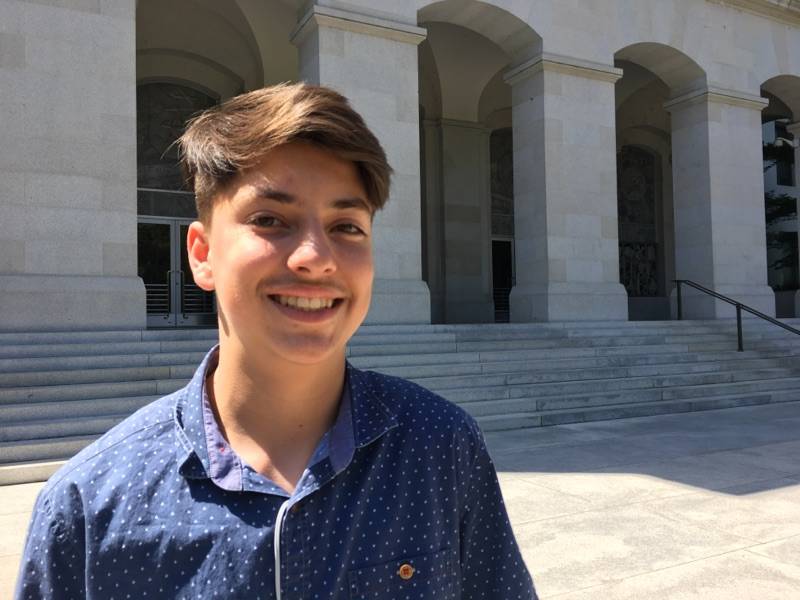
"caption": "Jeremiah Castillo outside the state Capitol as he prepares to tell his story. ",
"description": null,
"title": "Jeremiah4",
"credit": "Tim Haydock",
"status": "inherit",
"isLoading": false,
"fetchFailed": false
}
},
"audioPlayerReducer": {
"postId": "stream_live",
"isPaused": true,
"isPlaying": false,
"pfsActive": false,
"pledgeModalIsOpen": true,
"playerDrawerIsOpen": false,
"liveAudioPlayStartedAt": 0,
"liveAudioPlayContext": ""
},
"authorsReducer": {
"byline_news_11539762": {
"type": "authors",
"id": "byline_news_11539762",
"meta": {
"override": true
},
"slug": "byline_news_11539762",
"name": "David Gorn ",
"isLoading": false
},
"byline_news_11551769": {
"type": "authors",
"id": "byline_news_11551769",
"meta": {
"override": true
},
"slug": "byline_news_11551769",
"name": "Bill Chappell",
"isLoading": false
},
"byline_news_11524617": {
"type": "authors",
"id": "byline_news_11524617",
"meta": {
"override": true
},
"slug": "byline_news_11524617",
"name": "\u003cstrong>\u003ca href=\"https://calmatters.org/articles/author/jessica-calefati/\" target=\"_blank\">Jessica Calefati\u003c/a>\u003c/strong>",
"isLoading": false
},
"byline_news_11520718": {
"type": "authors",
"id": "byline_news_11520718",
"meta": {
"override": true
},
"slug": "byline_news_11520718",
"name": "Jonathan Levinson",
"isLoading": false
},
"byline_news_11502053": {
"type": "authors",
"id": "byline_news_11502053",
"meta": {
"override": true
},
"slug": "byline_news_11502053",
"name": "Amy Westervelt",
"isLoading": false
},
"byline_news_11501557": {
"type": "authors",
"id": "byline_news_11501557",
"meta": {
"override": true
},
"slug": "byline_news_11501557",
"name": "Jeremiah Castillo\u003cbr>\u003cstrong>We'Ced Youth Media\u003c/strong>",
"isLoading": false
},
"anatintocalis": {
"type": "authors",
"id": "211",
"meta": {
"index": "authors_1716337520",
"id": "211",
"found": true
},
"name": "Ana Tintocalis",
"firstName": "Ana",
"lastName": "Tintocalis",
"slug": "anatintocalis",
"email": "atintocalis@kqed.org",
"display_author_email": false,
"staff_mastheads": [],
"title": null,
"bio": null,
"avatar": "https://secure.gravatar.com/avatar/722c50f51f04eff38fa0e5a3f1d29450?s=600&d=blank&r=g",
"twitter": null,
"facebook": null,
"instagram": null,
"linkedin": null,
"sites": [
{
"site": "news",
"roles": [
"subscriber"
]
},
{
"site": "stateofhealth",
"roles": [
"subscriber"
]
}
],
"headData": {
"title": "Ana Tintocalis | KQED",
"description": null,
"ogImgSrc": "https://secure.gravatar.com/avatar/722c50f51f04eff38fa0e5a3f1d29450?s=600&d=blank&r=g",
"twImgSrc": "https://secure.gravatar.com/avatar/722c50f51f04eff38fa0e5a3f1d29450?s=600&d=blank&r=g"
},
"isLoading": false,
"link": "/author/anatintocalis"
},
"kqed": {
"type": "authors",
"id": "236",
"meta": {
"index": "authors_1716337520",
"id": "236",
"found": true
},
"name": "KQED News Staff",
"firstName": "KQED News Staff",
"lastName": null,
"slug": "kqed",
"email": "faq@kqed.org",
"display_author_email": false,
"staff_mastheads": [],
"title": null,
"bio": null,
"avatar": "https://secure.gravatar.com/avatar/ef0e801a68c4c54afa9180db14084167?s=600&d=blank&r=g",
"twitter": null,
"facebook": null,
"instagram": null,
"linkedin": null,
"sites": [
{
"site": "arts",
"roles": [
"contributor"
]
},
{
"site": "news",
"roles": [
"editor"
]
},
{
"site": "futureofyou",
"roles": [
"author"
]
}
],
"headData": {
"title": "KQED News Staff | KQED",
"description": null,
"ogImgSrc": "https://secure.gravatar.com/avatar/ef0e801a68c4c54afa9180db14084167?s=600&d=blank&r=g",
"twImgSrc": "https://secure.gravatar.com/avatar/ef0e801a68c4c54afa9180db14084167?s=600&d=blank&r=g"
},
"isLoading": false,
"link": "/author/kqed"
},
"adembosky": {
"type": "authors",
"id": "3205",
"meta": {
"index": "authors_1716337520",
"id": "3205",
"found": true
},
"name": "April Dembosky",
"firstName": "April",
"lastName": "Dembosky",
"slug": "adembosky",
"email": "adembosky@kqed.org",
"display_author_email": false,
"staff_mastheads": [
"news",
"science"
],
"title": "KQED Health Correspondent",
"bio": "April Dembosky is the health correspondent for KQED News and a regular contributor to NPR. She specializes in covering altered states of mind, from postpartum depression to methamphetamine-induced psychosis to the insanity defense. Her investigative series on insurance companies sidestepping mental health laws won multiple awards, including first place in beat reporting from the national Association of Health Care Journalists. She is the recipient of numerous other prizes and fellowships, including a national Edward R. Murrow award for investigative reporting, a Society of Professional Journalists award for long-form storytelling, and a Carter Center Fellowship for Mental Health Journalism.\r\n\r\nDembosky reported and produced \u003cem>Soundtrack of Silence\u003c/em>, an audio documentary about music and memory that is currently being made into a feature film by Paramount Pictures.\r\n\r\nBefore joining KQED in 2013, Dembosky covered technology and Silicon Valley for \u003cem>The Financial Times of London,\u003c/em> and contributed business and arts stories to \u003cem>Marketplace \u003c/em>and \u003cem>The New York Times.\u003c/em> She got her undergraduate degree in philosophy from Smith College and her master's in journalism from the University of California, Berkeley. She is a classically trained violinist and proud alum of the first symphony orchestra at Burning Man.",
"avatar": "https://secure.gravatar.com/avatar/d6593cd737b732102fe0b6250b5351c2d3bc9b2987566514aa3c9a106494d684?s=600&d=blank&r=g",
"twitter": "adembosky",
"bluesky": null,
"facebook": null,
"instagram": null,
"linkedin": null,
"sites": [
{
"site": "arts",
"roles": [
"author"
]
},
{
"site": "news",
"roles": [
"editor"
]
},
{
"site": "futureofyou",
"roles": [
"author"
]
},
{
"site": "stateofhealth",
"roles": [
"editor"
]
},
{
"site": "science",
"roles": [
"editor"
]
},
{
"site": "forum",
"roles": [
"editor"
]
}
],
"headData": {
"title": "April Dembosky | KQED",
"description": "KQED Health Correspondent",
"ogImgSrc": "https://secure.gravatar.com/avatar/d6593cd737b732102fe0b6250b5351c2d3bc9b2987566514aa3c9a106494d684?s=600&d=blank&r=g",
"twImgSrc": "https://secure.gravatar.com/avatar/d6593cd737b732102fe0b6250b5351c2d3bc9b2987566514aa3c9a106494d684?s=600&d=blank&r=g"
},
"isLoading": false,
"link": "/author/adembosky"
},
"afont": {
"type": "authors",
"id": "8637",
"meta": {
"index": "authors_1716337520",
"id": "8637",
"found": true
},
"name": "Amanda Font",
"firstName": "Amanda",
"lastName": "Font",
"slug": "afont",
"email": "afont@kqed.org",
"display_author_email": false,
"staff_mastheads": [],
"title": "KQED Contributor",
"bio": "Amanda Font is a producer on \u003cem>The Latest\u003c/em> podcast, and the host and co-producer of the series \u003cem>Audible Cosmos\u003c/em>. She has previously worked as a producer and reporter on the \u003cem>Bay Curious\u003c/em> podcast, and director of \u003cem>The California Report Magazine\u003c/em>. She grew up in the deserts of Southern California and moved north for the trees. Amanda earned a B.A. from the BECA program at San Francisco State, where she worked in the university's radio station. Amanda Font is represented by SAG-AFTRA.",
"avatar": "https://secure.gravatar.com/avatar/d9e81cf0117d5849b9cfb7ab4b1422f1?s=600&d=blank&r=g",
"twitter": null,
"facebook": null,
"instagram": null,
"linkedin": null,
"sites": [
{
"site": "news",
"roles": [
"add_users",
"create_users"
]
},
{
"site": "science",
"roles": []
},
{
"site": "forum",
"roles": [
"administrator"
]
},
{
"site": "perspectives",
"roles": [
"administrator"
]
},
{
"site": "radio",
"roles": [
"administrator"
]
}
],
"headData": {
"title": "Amanda Font | KQED",
"description": "KQED Contributor",
"ogImgSrc": "https://secure.gravatar.com/avatar/d9e81cf0117d5849b9cfb7ab4b1422f1?s=600&d=blank&r=g",
"twImgSrc": "https://secure.gravatar.com/avatar/d9e81cf0117d5849b9cfb7ab4b1422f1?s=600&d=blank&r=g"
},
"isLoading": false,
"link": "/author/afont"
},
"lklivans": {
"type": "authors",
"id": "8648",
"meta": {
"index": "authors_1716337520",
"id": "8648",
"found": true
},
"name": "Laura Klivans",
"firstName": "Laura",
"lastName": "Klivans",
"slug": "lklivans",
"email": "lklivans@kqed.org",
"display_author_email": true,
"staff_mastheads": [
"news",
"science"
],
"title": "Reporter",
"bio": "Laura Klivans is an award-winning science reporter for KQED News, where she covers climate change with an eye on both groundbreaking progress and gaps in action. She is the former host of KQED's blockbuster video series about tiny, amazing animals, \u003cem>Deep Look\u003c/em>. Her work reaches national audiences through NPR, \u003cem>Here & Now, \u003c/em>PRI, and other major outlets. \r\n\r\nLaura’s won five Northern California Area Emmy Awards for Deep Look and First Place in the Greater Bay Area Journalism Awards for a podcast exploring how one Oakland neighborhood teamed up to reduce planet-heating pollution.\r\n\r\nBeyond her reporting, she hosts and moderates events. In the past, she taught audio storytelling at the UC Berkeley Graduate School of Journalism, led international education programs, worked with immigrants and refugees along the Thai-Burmese border, taught high schoolers sex ed, and was an actress. \r\n\r\nShe's a former UC Berkeley Human Rights Fellow, USC Center for Health Journalism's California Fellow and Coro Fellow in Public Affairs. Laura has a master’s in journalism from UC Berkeley, a master’s in education from Harvard, and an undergraduate degree from Northwestern University.\r\n\r\nShe loves trying to riddle the meaning out of vanity license plates.",
"avatar": "https://secure.gravatar.com/avatar/2d2ecd1550a494cc10ad4a503406965585902124739e775a9b3817eebf1d88be?s=600&d=blank&r=g",
"twitter": "lauraklivans",
"bluesky": null,
"facebook": null,
"instagram": null,
"linkedin": null,
"sites": [
{
"site": "news",
"roles": [
"editor"
]
},
{
"site": "stateofhealth",
"roles": [
"contributor",
"editor"
]
},
{
"site": "science",
"roles": [
"editor"
]
},
{
"site": "forum",
"roles": [
"editor"
]
}
],
"headData": {
"title": "Laura Klivans | KQED",
"description": "Reporter",
"ogImgSrc": "https://secure.gravatar.com/avatar/2d2ecd1550a494cc10ad4a503406965585902124739e775a9b3817eebf1d88be?s=600&d=blank&r=g",
"twImgSrc": "https://secure.gravatar.com/avatar/2d2ecd1550a494cc10ad4a503406965585902124739e775a9b3817eebf1d88be?s=600&d=blank&r=g"
},
"isLoading": false,
"link": "/author/lklivans"
},
"scraig": {
"type": "authors",
"id": "11327",
"meta": {
"index": "authors_1716337520",
"id": "11327",
"found": true
},
"name": "Sarah Craig",
"firstName": "Sarah",
"lastName": "Craig",
"slug": "scraig",
"email": "scraig@KQED.org",
"display_author_email": false,
"staff_mastheads": [],
"title": "KQED Contributor",
"bio": "Sarah Craig is a freelance radio reporter and documentary photographer. She is currently working on \u003cem>Dreams of Dust\u003c/em>, @dreamsofdust, a multimedia project that documents stories of climate migration in California’s Central Valley, previously funded by the California Humanities. Her completed projects include \u003cem>\u003ca href=\"http://www.facesoffracking.org/\" target=\"_blank\" rel=\"nofollow noopener noreferrer\">Faces of Fracking\u003c/a>,\u003c/em> an investigation into the impact of fracking on the people and places of California, and \u003cem>\u003ca href=\"http://sarahcraig.visura.co/gulf-disaster-2\" target=\"_blank\" rel=\"nofollow noopener noreferrer\">The Gulf Disaster\u003c/a>,\u003c/em> stories on the lives of fishermen in the aftermath of the BP spill. Her work has been published by Marketplace, KQED's Bay Curious and Q'ed Up podcasts, KQED's California Report Magazine, KALW's Crosscurrents, Grist.org, High Country News, Earth Island Journal, and others. Sarah received a B.A. in Geography at Vassar College and attended the \u003ca href=\"http://www.salt.edu/\" target=\"_blank\" rel=\"nofollow noopener noreferrer\">Salt Institute of Documentary Studies\u003c/a> in Portland, ME. She recently received an Excellence in Journalism Award from the NorCal Society of Professional Journalists for her documentary radio piece, \u003ca href=\"http://kalw.org/post/215-will-water-come#stream/0\">\"Will the Water Come.\"\u003c/a> Email: scraig@kqed.org Twitter: @sarahcraigmedia Website: sarahcraigmedia.com",
"avatar": "https://secure.gravatar.com/avatar/97f17950c828429d3df9f2907412a50b?s=600&d=blank&r=g",
"twitter": null,
"facebook": null,
"instagram": null,
"linkedin": null,
"sites": [
{
"site": "news",
"roles": [
"subscriber"
]
},
{
"site": "science",
"roles": [
"editor"
]
}
],
"headData": {
"title": "Sarah Craig | KQED",
"description": "KQED Contributor",
"ogImgSrc": "https://secure.gravatar.com/avatar/97f17950c828429d3df9f2907412a50b?s=600&d=blank&r=g",
"twImgSrc": "https://secure.gravatar.com/avatar/97f17950c828429d3df9f2907412a50b?s=600&d=blank&r=g"
},
"isLoading": false,
"link": "/author/scraig"
},
"akusmer": {
"type": "authors",
"id": "11361",
"meta": {
"index": "authors_1716337520",
"id": "11361",
"found": true
},
"name": "Anna Kusmer",
"firstName": "Anna",
"lastName": "Kusmer",
"slug": "akusmer",
"email": "akusmer@kqed.org",
"display_author_email": false,
"staff_mastheads": [],
"title": "News Intern",
"bio": "Anna Kusmer was a 2018 KQED News intern. She has worked as an ecologist and a hamburger flipper. She is also a freelance writer with stories appearing in NPR and PBS.",
"avatar": "https://secure.gravatar.com/avatar/307ee2fc39d2a9dffeaad0482e616c80?s=600&d=blank&r=g",
"twitter": "askusmer",
"facebook": null,
"instagram": null,
"linkedin": null,
"sites": [
{
"site": "news",
"roles": [
"subscriber"
]
},
{
"site": "futureofyou",
"roles": [
"editor"
]
},
{
"site": "science",
"roles": []
}
],
"headData": {
"title": "Anna Kusmer | KQED",
"description": "News Intern",
"ogImgSrc": "https://secure.gravatar.com/avatar/307ee2fc39d2a9dffeaad0482e616c80?s=600&d=blank&r=g",
"twImgSrc": "https://secure.gravatar.com/avatar/307ee2fc39d2a9dffeaad0482e616c80?s=600&d=blank&r=g"
},
"isLoading": false,
"link": "/author/akusmer"
},
"btaylor": {
"type": "authors",
"id": "11365",
"meta": {
"index": "authors_1716337520",
"id": "11365",
"found": true
},
"name": "Bianca Taylor",
"firstName": "Bianca",
"lastName": "Taylor",
"slug": "btaylor",
"email": "btaylor@KQED.org",
"display_author_email": false,
"staff_mastheads": [
"news"
],
"title": "Host and Producer ",
"bio": "Bianca Taylor is a news producer and host of KQED's The Latest podcast.\r\n\r\nHer work with KQED has been honored by the Society of Professional Journalists NorCal, the Webby's, the Regional Murrow Awards, and ONA. She has also worked with NPR, the BBC World Service, and the Washington Post Creative Group.\r\n\r\nBianca is represented by SAG-AFTRA.",
"avatar": "https://secure.gravatar.com/avatar/6b9d3f6552dd10470c5d1c2e58cfe717?s=600&d=blank&r=g",
"twitter": "SoundsLkeBianca",
"facebook": null,
"instagram": null,
"linkedin": null,
"sites": [
{
"site": "arts",
"roles": [
"editor"
]
},
{
"site": "news",
"roles": [
"edit_others_posts",
"editor"
]
},
{
"site": "pop",
"roles": [
"editor"
]
},
{
"site": "bayareabites",
"roles": [
"author"
]
},
{
"site": "science",
"roles": [
"editor"
]
},
{
"site": "forum",
"roles": [
"editor"
]
},
{
"site": "radio",
"roles": [
"editor"
]
},
{
"site": "podcasts",
"roles": [
"editor"
]
}
],
"headData": {
"title": "Bianca Taylor | KQED",
"description": "Host and Producer ",
"ogImgSrc": "https://secure.gravatar.com/avatar/6b9d3f6552dd10470c5d1c2e58cfe717?s=600&d=blank&r=g",
"twImgSrc": "https://secure.gravatar.com/avatar/6b9d3f6552dd10470c5d1c2e58cfe717?s=600&d=blank&r=g"
},
"isLoading": false,
"link": "/author/btaylor"
}
},
"pagesReducer": {
"news_category_education": {
"type": "terms",
"id": "news_18540",
"meta": {
"index": "terms_1716263798",
"site": "news",
"id": "18540",
"score": 10.973221
},
"featImg": null,
"name": "Education",
"description": null,
"taxonomy": "category",
"headData": {
"twImgId": null,
"twTitle": null,
"ogTitle": null,
"ogImgId": null,
"twDescription": null,
"description": null,
"title": "Education Archives | KQED News",
"ogDescription": null
},
"ttid": 2595,
"slug": "education",
"isLoading": false,
"title": "Education",
"pageMeta": {
"site": "news",
"WpPageTemplate": "page-topic-editorial",
"currentPage": 146
},
"blocks": [
{
"blockName": "kqed/post-list",
"attrs": {
"layout": "cardArticle2",
"query": "posts/news?category=education",
"seeMore": false,
"paginated": true,
"page": 146
}
},
{
"blockName": "kqed/ad"
}
]
}
},
"pfsSessionReducer": {},
"postsReducer": {
"stream_live": {
"type": "live",
"id": "stream_live",
"audioUrl": "https://streams.kqed.org/kqedradio",
"title": "Live Stream",
"excerpt": "Live Stream information currently unavailable.",
"link": "/radio",
"featImg": "",
"label": {
"name": "KQED Live",
"link": "/"
}
},
"stream_kqedNewscast": {
"type": "posts",
"id": "stream_kqedNewscast",
"audioUrl": "https://www.kqed.org/.stream/anon/radio/RDnews/newscast.mp3?_=1",
"title": "KQED Newscast",
"featImg": "",
"label": {
"name": "88.5 FM",
"link": "/"
}
},
"news_11539762": {
"type": "posts",
"id": "news_11539762",
"meta": {
"index": "posts_1716263798",
"site": "news",
"id": "11539762",
"score": null,
"sort": [
1499815003000
]
},
"parent": 0,
"labelTerm": {
"site": "news",
"term": 72
},
"blocks": [],
"publishDate": 1499815003,
"format": "standard",
"disqusTitle": "This New Kind of Shelter Aims to Break the Cycle of Homelessness",
"title": "This New Kind of Shelter Aims to Break the Cycle of Homelessness",
"headTitle": "The California Report | KQED News",
"content": "\u003cp>Orange County's homeless numbers have increased by almost 8 percent since 2015, according to this year's initial \u003ca href=\"http://www.ocgov.com/civicax/filebank/blobdload.aspx?BlobID=64596\">tally of the homeless population\u003c/a>.\u003c/p>\n\u003cp>This year in particular, Orange County has vowed to do something about it. It opened three new shelters in the past year, and plans for three more are being considered now by the county's Board of Supervisors.\u003c/p>\n\u003cp>In May, county officials and nonprofit community groups collaborated to open a new type of homeless shelter, something Orange County has never seen before.\u003c/p>\n\u003caside class=\"pullquote alignright\">'From day one, this isn’t about rest. ... The first conversation is, what is your exit plan.'\u003ccite>Larry Haynes\u003c/cite>\u003c/aside>\n\u003cp>It's called \u003ca href=\"http://mercyhouse.net/quest-portfolio/\">Bridges at Kraemer Place\u003c/a>, and it's designed to reverse homelessness by helping people become self-sufficient. When the facility is fully functional, it will have job training, a computer room, social services, an on-site nurse, a full kitchen and dining hall.\u003c/p>\n\u003cp>It's temporary housing, though, for about 90 days -- the idea is to work with its residents to help them turn their lives around, so they're never homeless again.\u003c/p>\n\u003cp>[ad fullwidth]\u003c/p>\n\u003cp>Roanne Weinstein is one of those people.\u003c/p>\n\u003cp>She's a 59-year-old woman who works full time at Macy's, in the housewares department -- and she has lived in her car for the past six months. In fact, she has been sharing the tiny space in her Hyundai Sonata with her 79-year-old mother and two decent-sized dogs.\u003c/p>\n\u003cp>Weinstein says she can tell you the exact moment when she had no home; she calls it the worst moment in her life. It happened in January.\u003c/p>\n\u003cp>[audio src=\"http://www.kqed.org/.stream/anon/radio/tcr/2017/07/2017-07-06c-tcr.mp3\" Image=\"https://u.s.kqed.net/2017/07/11/RoanneVan.jpg\" Title=\"New Kind of Shelter in Orange County Aims to Break the Cycle of Homelessness \" program=\"The California Report\"]\u003c/p>\n\u003cp>Finances were tight back then, and Weinstein said she made a big mistake falling so far behind on rent. She and her mom came home one day to their apartment in Anaheim and found a padlocked front door.\u003c/p>\n\u003cp>“It was horrifying,\" she says now, sitting in the dining room of Bridges. \"Three months we didn’t pay the rent, and they locked us out one day when we went out to do errands. Basically, we lost everything. All our belongings, from clothes to furniture, everything.\"\u003c/p>\n\u003cp>\"I was embarrassed to tell my family,\" Weinstein says, and starts to cry. \"So we didn’t even tell them for a few months while we were on the street, I was so embarrassed. To even say anything to anybody.”\u003c/p>\n\u003cp>Weinstein and her mom don’t seem like typical homeless people. Weinstein looks like she’s on her way to a PTA meeting.\u003c/p>\n\u003cp>But the truth is, she may actually be typical, according to Larry Haynes, executive director of the Santa Ana-based Mercy House, which runs Bridges.\u003c/p>\n\u003cp>[contextly_sidebar id=\"xiprPfsgTadgZNVqlDgMpXMLXLtuN1Yl\"]\u003c/p>\n\u003cp>“The majority of homeless people in Orange County, and actually throughout California, are not chronically homeless,\" Haynes says. \"They are people who have not been homeless for more than a year.\"\u003c/p>\n\u003cp>He says the ones who are so clearly visible on the street -- the chronically homeless, many with substance abuse or mental health problems -- make up only about a third of the homeless population.\u003c/p>\n\u003cp>Most are like Weinstein, he says, homeless for the first time. At the new Bridges shelter, the emphasis is not just on providing a place to sleep, but trying to reverse homelessness, he says.\u003c/p>\n\u003cp>“Literally, our staff wear T-shirts [that say], 'Tell me your housing plan.' From day one, this isn’t about rest. It’s not even about getting out of the elements, although all that is true. But the first conversation is, what is your exit plan.”\u003c/p>\n\u003cp>Weinstein just hopes to find a place to live she can afford. Orange County has one of the most expensive markets in the nation, with housing prices and rentals going for well over double the national median.\u003c/p>\n\u003cp>And she doesn’t earn enough, even working full time, to pay for that -- so she’s coming to grips with the idea of getting a second job. Or maybe learning some new work skills, at age 59.\u003c/p>\n\u003cp>\"I’m trying to make this better, and get us back in a house,\" Weinstein says.\u003c/p>\n\u003cp>\u003c/p>\n\u003cp>Bridges opened in May and is already at full capacity, handling 100 people at a time, but will expand to serve twice as many people by next year.\u003c/p>\n\n",
"disqusIdentifier": "11539762 https://ww2.kqed.org/news/?p=11539762",
"disqusUrl": "https://ww2.kqed.org/news/2017/07/11/this-new-kind-of-shelter-aims-to-break-the-cycle-of-homelessness/",
"stats": {
"hasVideo": false,
"hasChartOrMap": false,
"hasAudio": true,
"hasPolis": false,
"wordCount": 778,
"hasGoogleForm": false,
"hasGallery": false,
"hasHearkenModule": false,
"iframeSrcs": [],
"paragraphCount": 24
},
"modified": 1499817301,
"excerpt": "With job training and more, the Orange County shelter aims to help people like 59-year-old Roanne Weinstein become self-sufficient.",
"headData": {
"twImgId": "",
"twTitle": "",
"ogTitle": "",
"ogImgId": "",
"twDescription": "",
"description": "With job training and more, the Orange County shelter aims to help people like 59-year-old Roanne Weinstein become self-sufficient.",
"title": "This New Kind of Shelter Aims to Break the Cycle of Homelessness | KQED",
"ogDescription": "",
"schema": {
"@context": "https://schema.org",
"@type": "NewsArticle",
"headline": "This New Kind of Shelter Aims to Break the Cycle of Homelessness",
"datePublished": "2017-07-11T16:16:43-07:00",
"dateModified": "2017-07-11T16:55:01-07:00",
"image": "https://cdn.kqed.org/wp-content/uploads/2020/02/KQED-OG-Image@1x.png",
"isAccessibleForFree": "True",
"publisher": {
"@type": "NewsMediaOrganization",
"@id": "https://www.kqed.org/#organization",
"name": "KQED",
"logo": "https://cdn.kqed.org/wp-content/uploads/2020/02/KQED-OG-Image@1x.png",
"url": "https://www.kqed.org",
"sameAs": [
"https://www.facebook.com/KQED",
"https://twitter.com/KQED",
"https://www.instagram.com/kqed/",
"https://www.tiktok.com/@kqedofficial",
"https://www.linkedin.com/company/kqed",
"https://www.youtube.com/channel/UCeC0IOo7i1P_61zVUWbJ4nw"
]
}
}
},
"guestAuthors": [],
"slug": "this-new-kind-of-shelter-aims-to-break-the-cycle-of-homelessness",
"status": "publish",
"nprByline": "David Gorn ",
"path": "/news/11539762/this-new-kind-of-shelter-aims-to-break-the-cycle-of-homelessness",
"audioTrackLength": null,
"parsedContent": [
{
"type": "contentString",
"content": "\u003cdiv class=\"post-body\">\u003cp>\u003cp>Orange County's homeless numbers have increased by almost 8 percent since 2015, according to this year's initial \u003ca href=\"http://www.ocgov.com/civicax/filebank/blobdload.aspx?BlobID=64596\">tally of the homeless population\u003c/a>.\u003c/p>\n\u003cp>This year in particular, Orange County has vowed to do something about it. It opened three new shelters in the past year, and plans for three more are being considered now by the county's Board of Supervisors.\u003c/p>\n\u003cp>In May, county officials and nonprofit community groups collaborated to open a new type of homeless shelter, something Orange County has never seen before.\u003c/p>\n\u003caside class=\"pullquote alignright\">'From day one, this isn’t about rest. ... The first conversation is, what is your exit plan.'\u003ccite>Larry Haynes\u003c/cite>\u003c/aside>\n\u003cp>It's called \u003ca href=\"http://mercyhouse.net/quest-portfolio/\">Bridges at Kraemer Place\u003c/a>, and it's designed to reverse homelessness by helping people become self-sufficient. When the facility is fully functional, it will have job training, a computer room, social services, an on-site nurse, a full kitchen and dining hall.\u003c/p>\n\u003cp>It's temporary housing, though, for about 90 days -- the idea is to work with its residents to help them turn their lives around, so they're never homeless again.\u003c/p>\n\u003cp>\u003c/p>\u003c/div>",
"attributes": {
"named": {},
"numeric": []
}
},
{
"type": "component",
"content": "",
"name": "ad",
"attributes": {
"named": {
"label": "fullwidth"
},
"numeric": [
"fullwidth"
]
}
},
{
"type": "contentString",
"content": "\u003cdiv class=\"post-body\">\u003cp>\u003c/p>\n\u003cp>Roanne Weinstein is one of those people.\u003c/p>\n\u003cp>She's a 59-year-old woman who works full time at Macy's, in the housewares department -- and she has lived in her car for the past six months. In fact, she has been sharing the tiny space in her Hyundai Sonata with her 79-year-old mother and two decent-sized dogs.\u003c/p>\n\u003cp>Weinstein says she can tell you the exact moment when she had no home; she calls it the worst moment in her life. It happened in January.\u003c/p>\n\u003cp>\u003c/p>\u003c/div>",
"attributes": {
"named": {},
"numeric": []
}
},
{
"type": "component",
"content": "",
"name": "audio",
"attributes": {
"named": {
"src": "http://www.kqed.org/.stream/anon/radio/tcr/2017/07/2017-07-06c-tcr.mp3",
"image": "https://u.s.kqed.net/2017/07/11/RoanneVan.jpg",
"title": "New Kind of Shelter in Orange County Aims to Break the Cycle of Homelessness ",
"program": "The California Report",
"label": ""
},
"numeric": []
}
},
{
"type": "contentString",
"content": "\u003cdiv class=\"post-body\">\u003cp>\u003c/p>\n\u003cp>Finances were tight back then, and Weinstein said she made a big mistake falling so far behind on rent. She and her mom came home one day to their apartment in Anaheim and found a padlocked front door.\u003c/p>\n\u003cp>“It was horrifying,\" she says now, sitting in the dining room of Bridges. \"Three months we didn’t pay the rent, and they locked us out one day when we went out to do errands. Basically, we lost everything. All our belongings, from clothes to furniture, everything.\"\u003c/p>\n\u003cp>\"I was embarrassed to tell my family,\" Weinstein says, and starts to cry. \"So we didn’t even tell them for a few months while we were on the street, I was so embarrassed. To even say anything to anybody.”\u003c/p>\n\u003cp>Weinstein and her mom don’t seem like typical homeless people. Weinstein looks like she’s on her way to a PTA meeting.\u003c/p>\n\u003cp>But the truth is, she may actually be typical, according to Larry Haynes, executive director of the Santa Ana-based Mercy House, which runs Bridges.\u003c/p>\n\u003cp>\u003c/p>\u003cp>\u003c/p>\u003cp>\u003c/p>\n\u003cp>“The majority of homeless people in Orange County, and actually throughout California, are not chronically homeless,\" Haynes says. \"They are people who have not been homeless for more than a year.\"\u003c/p>\n\u003cp>He says the ones who are so clearly visible on the street -- the chronically homeless, many with substance abuse or mental health problems -- make up only about a third of the homeless population.\u003c/p>\n\u003cp>Most are like Weinstein, he says, homeless for the first time. At the new Bridges shelter, the emphasis is not just on providing a place to sleep, but trying to reverse homelessness, he says.\u003c/p>\n\u003cp>“Literally, our staff wear T-shirts [that say], 'Tell me your housing plan.' From day one, this isn’t about rest. It’s not even about getting out of the elements, although all that is true. But the first conversation is, what is your exit plan.”\u003c/p>\n\u003cp>Weinstein just hopes to find a place to live she can afford. Orange County has one of the most expensive markets in the nation, with housing prices and rentals going for well over double the national median.\u003c/p>\n\u003cp>And she doesn’t earn enough, even working full time, to pay for that -- so she’s coming to grips with the idea of getting a second job. Or maybe learning some new work skills, at age 59.\u003c/p>\n\u003cp>\"I’m trying to make this better, and get us back in a house,\" Weinstein says.\u003c/p>\n\u003cp>\u003c/p>\n\u003cp>Bridges opened in May and is already at full capacity, handling 100 people at a time, but will expand to serve twice as many people by next year.\u003c/p>\n\n\u003c/div>\u003c/p>",
"attributes": {
"named": {},
"numeric": []
}
}
],
"link": "/news/11539762/this-new-kind-of-shelter-aims-to-break-the-cycle-of-homelessness",
"authors": [
"byline_news_11539762"
],
"programs": [
"news_72"
],
"categories": [
"news_18540",
"news_6266",
"news_8"
],
"tags": [
"news_4020",
"news_18371",
"news_17286"
],
"featImg": "news_11562247",
"label": "news_72"
},
"news_11539148": {
"type": "posts",
"id": "news_11539148",
"meta": {
"index": "posts_1716263798",
"site": "news",
"id": "11539148",
"score": null,
"sort": [
1499470200000
]
},
"parent": 0,
"labelTerm": {
"site": "news",
"term": 72
},
"blocks": [],
"publishDate": 1499470200,
"format": "audio",
"disqusTitle": "Drag Queen Story Hour Engages Kids With Reading, Gender Creativity",
"title": "Drag Queen Story Hour Engages Kids With Reading, Gender Creativity",
"headTitle": "The California Report | KQED News",
"content": "\u003cp>A drag queen and a 4-year-old walk into a public library. It's not the setup to a joke -- it's Saturday morning in Oakland at the Drag Queen Story Hour.\u003c/p>\n\u003cp>Hundreds of parents and kids crowded into the Dimond Recreation Center on a recent Saturday to hear drag queen Black Benatar read Pride-themed storybooks.\u003c/p>\n\u003cp>According to its website, \u003ca href=\"https://www.dragqueenstoryhour.org/\" target=\"_blank\" rel=\"noopener noreferrer\">Drag Queen Story Hour\u003c/a> is \"just what it sounds like -- drag queens reading stories to children in libraries, schools and bookstores.\" The program started in San Francisco and has spread to cities across the United States.\u003c/p>\n\u003cp>Miriam Meadow first heard about Drag Queen Story Hour when it was held at the San Francisco Public Library two years ago. She immediately knew she wanted to bring it to the East Bay. Meadow is the children’s librarian at the Dimond Branch Library.\u003c/p>\n\u003cp>She expected 100 people to attend when Drag Queen Story Hour came to Dimond earlier this summer. \"We had 300 people come here today,\" she exclaimed, unable to contain a huge smile.\u003c/p>\n\u003cp>[ad fullwidth]\u003c/p>\n\u003cp>Dressed to the nines wearing glittery makeup, sky-high curls and a green polka-dot dress, Black Benatar could hardly contain her own excitement.\u003c/p>\n\u003cp>“I’m Black Benatar and I love reading to children!” she announced, right after teaching the audience to introduce themselves like a drag queen (it’s not “hello”, but more like “HAAAAAAY.”)\u003c/p>\n\u003cfigure id=\"attachment_11553827\" class=\"wp-caption aligncenter\" style=\"max-width: 800px\">\u003cimg class=\"size-medium wp-image-11553827\" src=\"https://ww2.kqed.org/news/wp-content/uploads/sites/10/2017/07/ReadingQueen2-800x698.jpg\" alt=\"Black Benatar reads to children at Drag Queen Story Hour in Oakland.\" width=\"800\" height=\"698\" srcset=\"https://ww2.kqed.org/app/uploads/sites/10/2017/07/ReadingQueen2-800x698.jpg 800w, https://ww2.kqed.org/app/uploads/sites/10/2017/07/ReadingQueen2-160x140.jpg 160w, https://ww2.kqed.org/app/uploads/sites/10/2017/07/ReadingQueen2-1020x889.jpg 1020w, https://ww2.kqed.org/app/uploads/sites/10/2017/07/ReadingQueen2.jpg 1920w, https://ww2.kqed.org/app/uploads/sites/10/2017/07/ReadingQueen2-1180x1029.jpg 1180w, https://ww2.kqed.org/app/uploads/sites/10/2017/07/ReadingQueen2-960x837.jpg 960w, https://ww2.kqed.org/app/uploads/sites/10/2017/07/ReadingQueen2-240x209.jpg 240w, https://ww2.kqed.org/app/uploads/sites/10/2017/07/ReadingQueen2-375x327.jpg 375w, https://ww2.kqed.org/app/uploads/sites/10/2017/07/ReadingQueen2-520x453.jpg 520w\" sizes=\"(max-width: 800px) 100vw, 800px\">\u003cfigcaption class=\"wp-caption-text\">Black Benatar reads to children at Drag Queen Story Hour in Oakland. \u003ccite>(Lacy Roberts/KQED)\u003c/cite>\u003c/figcaption>\u003c/figure>\n\u003cp>Black Benatar led the audience in traditional children’s songs like \"Old MacDonald\" and \"Twinkle Twinkle Little Star,\" and read some not-so-traditional children’s books whose themes included gay marriage and being transgender. The overwhelming crowd favorite was \"\u003ca href=\"http://myprincessboy.com/\" target=\"_blank\" rel=\"noopener noreferrer\">My Princess Boy\u003c/a>,\" a tale about a young boy who likes to dress like a girl and is still loved by his family.\u003c/p>\n\u003cp>As Black Benatar read aloud (with voices and sound effects, of course), the kids in the crowd were eager participants. They even provided their own commentary. After Black Benatar read a line about people bullying the Princess Boy when he shops for girl’s clothes, a young girl shouted out, “That’s not nice!”\u003c/p>\n\u003cp>“That’s not nice!” Black Benatar echoed emphatically. “It hurts.”\u003c/p>\n\u003cp>Meadow calls Black Benatar a role model and hopes Drag Queen Story Hour will be offered at more libraries in the Oakland Public Library system next summer.\u003c/p>\n\u003cp>\u003c/p>\n\u003cp>“Having gender creativity modeled in this way is so important for young kids,\" she says. \"And to have that incorporated with the joy of sharing books fits right in with the library.\"\u003c/p>\n\n",
"disqusIdentifier": "11539148 http://ww2.kqed.org/news/?p=11539148",
"disqusUrl": "https://ww2.kqed.org/news/2017/07/07/drag-queen-story-hour-engages-kids-with-reading-gender-creativity/",
"stats": {
"hasVideo": false,
"hasChartOrMap": false,
"hasAudio": false,
"hasPolis": false,
"wordCount": 458,
"hasGoogleForm": false,
"hasGallery": false,
"hasHearkenModule": false,
"iframeSrcs": [],
"paragraphCount": 14
},
"modified": 1499474318,
"excerpt": "‘Having gender creativity modeled in this way is so important for young kids,’ says children’s librarian Miriam Meadow. And it's hugely popular.",
"headData": {
"twImgId": "",
"twTitle": "",
"ogTitle": "",
"ogImgId": "",
"twDescription": "",
"description": "‘Having gender creativity modeled in this way is so important for young kids,’ says children’s librarian Miriam Meadow. And it's hugely popular.",
"title": "Drag Queen Story Hour Engages Kids With Reading, Gender Creativity | KQED",
"ogDescription": "",
"schema": {
"@context": "https://schema.org",
"@type": "NewsArticle",
"headline": "Drag Queen Story Hour Engages Kids With Reading, Gender Creativity",
"datePublished": "2017-07-07T16:30:00-07:00",
"dateModified": "2017-07-07T17:38:38-07:00",
"image": "https://cdn.kqed.org/wp-content/uploads/2020/02/KQED-OG-Image@1x.png",
"isAccessibleForFree": "True",
"publisher": {
"@type": "NewsMediaOrganization",
"@id": "https://www.kqed.org/#organization",
"name": "KQED",
"logo": "https://cdn.kqed.org/wp-content/uploads/2020/02/KQED-OG-Image@1x.png",
"url": "https://www.kqed.org",
"sameAs": [
"https://www.facebook.com/KQED",
"https://twitter.com/KQED",
"https://www.instagram.com/kqed/",
"https://www.tiktok.com/@kqedofficial",
"https://www.linkedin.com/company/kqed",
"https://www.youtube.com/channel/UCeC0IOo7i1P_61zVUWbJ4nw"
]
}
}
},
"guestAuthors": [],
"slug": "drag-queen-story-hour-engages-kids-with-reading-gender-creativity",
"status": "publish",
"audioUrl": "http://www.kqed.org/.stream/anon/radio/tcrmag/2017/07/DragQueenStoryTime.mp3",
"guestFields": "0",
"originalAirdate": "2017-07-07 16:30:00",
"WpPageTemplate": "default",
"path": "/news/11539148/drag-queen-story-hour-engages-kids-with-reading-gender-creativity",
"audioTrackLength": null,
"parsedContent": [
{
"type": "contentString",
"content": "\u003cdiv class=\"post-body\">\u003cp>\u003cp>A drag queen and a 4-year-old walk into a public library. It's not the setup to a joke -- it's Saturday morning in Oakland at the Drag Queen Story Hour.\u003c/p>\n\u003cp>Hundreds of parents and kids crowded into the Dimond Recreation Center on a recent Saturday to hear drag queen Black Benatar read Pride-themed storybooks.\u003c/p>\n\u003cp>According to its website, \u003ca href=\"https://www.dragqueenstoryhour.org/\" target=\"_blank\" rel=\"noopener noreferrer\">Drag Queen Story Hour\u003c/a> is \"just what it sounds like -- drag queens reading stories to children in libraries, schools and bookstores.\" The program started in San Francisco and has spread to cities across the United States.\u003c/p>\n\u003cp>Miriam Meadow first heard about Drag Queen Story Hour when it was held at the San Francisco Public Library two years ago. She immediately knew she wanted to bring it to the East Bay. Meadow is the children’s librarian at the Dimond Branch Library.\u003c/p>\n\u003cp>She expected 100 people to attend when Drag Queen Story Hour came to Dimond earlier this summer. \"We had 300 people come here today,\" she exclaimed, unable to contain a huge smile.\u003c/p>\n\u003cp>\u003c/p>\u003c/div>",
"attributes": {
"named": {},
"numeric": []
}
},
{
"type": "component",
"content": "",
"name": "ad",
"attributes": {
"named": {
"label": "fullwidth"
},
"numeric": [
"fullwidth"
]
}
},
{
"type": "contentString",
"content": "\u003cdiv class=\"post-body\">\u003cp>\u003c/p>\n\u003cp>Dressed to the nines wearing glittery makeup, sky-high curls and a green polka-dot dress, Black Benatar could hardly contain her own excitement.\u003c/p>\n\u003cp>“I’m Black Benatar and I love reading to children!” she announced, right after teaching the audience to introduce themselves like a drag queen (it’s not “hello”, but more like “HAAAAAAY.”)\u003c/p>\n\u003cfigure id=\"attachment_11553827\" class=\"wp-caption aligncenter\" style=\"max-width: 800px\">\u003cimg class=\"size-medium wp-image-11553827\" src=\"https://ww2.kqed.org/news/wp-content/uploads/sites/10/2017/07/ReadingQueen2-800x698.jpg\" alt=\"Black Benatar reads to children at Drag Queen Story Hour in Oakland.\" width=\"800\" height=\"698\" srcset=\"https://ww2.kqed.org/app/uploads/sites/10/2017/07/ReadingQueen2-800x698.jpg 800w, https://ww2.kqed.org/app/uploads/sites/10/2017/07/ReadingQueen2-160x140.jpg 160w, https://ww2.kqed.org/app/uploads/sites/10/2017/07/ReadingQueen2-1020x889.jpg 1020w, https://ww2.kqed.org/app/uploads/sites/10/2017/07/ReadingQueen2.jpg 1920w, https://ww2.kqed.org/app/uploads/sites/10/2017/07/ReadingQueen2-1180x1029.jpg 1180w, https://ww2.kqed.org/app/uploads/sites/10/2017/07/ReadingQueen2-960x837.jpg 960w, https://ww2.kqed.org/app/uploads/sites/10/2017/07/ReadingQueen2-240x209.jpg 240w, https://ww2.kqed.org/app/uploads/sites/10/2017/07/ReadingQueen2-375x327.jpg 375w, https://ww2.kqed.org/app/uploads/sites/10/2017/07/ReadingQueen2-520x453.jpg 520w\" sizes=\"(max-width: 800px) 100vw, 800px\">\u003cfigcaption class=\"wp-caption-text\">Black Benatar reads to children at Drag Queen Story Hour in Oakland. \u003ccite>(Lacy Roberts/KQED)\u003c/cite>\u003c/figcaption>\u003c/figure>\n\u003cp>Black Benatar led the audience in traditional children’s songs like \"Old MacDonald\" and \"Twinkle Twinkle Little Star,\" and read some not-so-traditional children’s books whose themes included gay marriage and being transgender. The overwhelming crowd favorite was \"\u003ca href=\"http://myprincessboy.com/\" target=\"_blank\" rel=\"noopener noreferrer\">My Princess Boy\u003c/a>,\" a tale about a young boy who likes to dress like a girl and is still loved by his family.\u003c/p>\n\u003cp>As Black Benatar read aloud (with voices and sound effects, of course), the kids in the crowd were eager participants. They even provided their own commentary. After Black Benatar read a line about people bullying the Princess Boy when he shops for girl’s clothes, a young girl shouted out, “That’s not nice!”\u003c/p>\n\u003cp>“That’s not nice!” Black Benatar echoed emphatically. “It hurts.”\u003c/p>\n\u003cp>Meadow calls Black Benatar a role model and hopes Drag Queen Story Hour will be offered at more libraries in the Oakland Public Library system next summer.\u003c/p>\n\u003cp>\u003c/p>\n\u003cp>“Having gender creativity modeled in this way is so important for young kids,\" she says. \"And to have that incorporated with the joy of sharing books fits right in with the library.\"\u003c/p>\n\n\u003c/div>\u003c/p>",
"attributes": {
"named": {},
"numeric": []
}
}
],
"link": "/news/11539148/drag-queen-story-hour-engages-kids-with-reading-gender-creativity",
"authors": [
"11365"
],
"programs": [
"news_72"
],
"categories": [
"news_223",
"news_18540"
],
"featImg": "news_11554380",
"label": "news_72"
},
"news_11551769": {
"type": "posts",
"id": "news_11551769",
"meta": {
"index": "posts_1716263798",
"site": "news",
"id": "11551769",
"score": null,
"sort": [
1499370049000
]
},
"parent": 0,
"labelTerm": {},
"blocks": [],
"publishDate": 1499370049,
"format": "standard",
"disqusTitle": "California's Top Cop: Trump Decision Could Rip Off Students",
"title": "California's Top Cop: Trump Decision Could Rip Off Students",
"headTitle": "The California Report | KQED News",
"content": "\u003cp>California Attorney General Xavier Becerra joined 17 other attorneys general Thursday, suing Education Secretary Betsy DeVos and her department over her decision to delay regulations cracking down on for-profit colleges that mislead students.\u003c/p>\n\u003cp>The Obama-era regulations were supposed to take effect July 1. They would have allowed loan forgiveness in cases of misconduct by schools and made it easier for states to punish bad actors.\u003c/p>\n\u003cp>\"Whether it’s Corinthian Colleges or Trump University, no student deserves to have their parents' -- or their own -- hard-earned money fraudulently taken away from them with nothing in return,\" Becerra said in an interview with KQED News.\u003c/p>\n\u003cp>The attorney general is referring to President Trump's now-defunct real estate training program and Corinthian Colleges, which shut down and eventually filed for bankruptcy after Becerra's predecessor sued over its predatory practices. Then-Attorney General Kamala Harris -- now a U.S. senator -- secured a $1 billion judgment against Corinthian Colleges on behalf of students. Then-President-elect Trump also settled three lawsuits alleging fraud and illegal business practices last year.\u003c/p>\n\u003cp>\"These regulations do, for America's parents and kids going to college, what we simply expect to happen anyhow -- which is that our students get educated, not ripped off, when they go to a college,\" Becerra said. \"The regulations were the product of these cases against sham universities like Corinthians, and essentially try to provide these protections to avoid this sort of defrauding from occurring in the future.\"\u003c/p>\n\u003cp>[ad fullwidth]\u003c/p>\n\u003cp>Becerra said the Trump administration is \"not above the law.\"\u003c/p>\n\u003cp>\"When you’ve completed a process for enacting a law or regulation, then it must be implemented and obeyed,\" he said. \"The Trump administration ... doesn't have a right to selectively decide which laws and regulations it will execute and which it will abandon.\"\u003c/p>\n\u003cp>The suit -- brought by California, 17 other states and the District of Columbia -- accuses DeVos of breaking federal law and giving free rein to for-profit colleges by rescinding the Borrower Defense Rule.\u003c/p>\n\u003cp>The suit asks a U.S. District Court to declare the Education Department's delay of the rule unlawful and to order the agency to implement it. The states say they have pursued \"numerous costly and time-intensive investigations and enforcement actions against proprietary and for-profit schools\" that violated consumer protection laws.\u003c/p>\n\u003cp>The Borrower Defense Rule was adopted by the Obama administration last November and had been set to take effect this month. It was created to make it \"simpler for students at colleges found to be fraudulent to get their loans forgiven,\" as \u003ca href=\"http://www.npr.org/sections/ed/2017/06/17/531930366/devos-rolls-back-for-profit-college-regs-harvards-president-to-step-down\">NPR's Ed team\u003c/a> has reported.\u003c/p>\n\u003cp>Large amounts of money are potentially at stake. As the states' complaint notes, \"taxpayers invested $32 billion in for-profit schools in the 2009-10 academic year, more than the annual budget of the U.S. Department of Justice and the U.S. Department of State during that time period.\"\u003c/p>\n\u003cp>The rule was put on hold in June, less than one month after DeVos said her agency would re-evaluate it. The states say DeVos moved too quickly to quash the rule and did so without public comment, particularly compared with the rule's genesis in public hearings that began in September 2015.\u003c/p>\n\u003cp>DeVos called her move \u003ca href=\"https://www.ed.gov/news/press-releases/secretary-devos-announces-regulatory-reset-protect-students-taxpayers-higher-ed-institutions\">a \"regulatory reset\"\u003c/a> when she announced that the Department of Education would convene new public hearings on the rule that are scheduled to be held next week. The secretary said the rulemaking process had \"missed an opportunity to get it right\" and created \"a muddled process.\"\u003c/p>\n\u003cp>The states in the new federal complaint disagree, saying that DeVos is trying to use a lawsuit filed by the California Association of Private Postsecondary Schools, a trade organization, as \"a pretext\" to avoid legal requirements for a federal notice and comment period.\u003c/p>\n\u003cp>\"Since Day 1, Secretary DeVos has sided with for-profit school executives against students and families drowning in unaffordable student loans,\" Massachusetts Attorney General Maura Healey said in a news release about Thursday's court filing. \"Her decision to cancel vital protections for students and taxpayers is a betrayal of her office's responsibility and a violation of federal law. We call on Secretary DeVos and the U.S. Department of Education to restore these rules immediately.\"\u003c/p>\n\u003cp>The Borrower Defense Rule was negotiated after two large for-profit chains — \u003ca href=\"http://www.npr.org/sections/ed/2015/04/27/402560783/the-largest-for-profit-college-shutdown-in-history\">Corinthian Colleges\u003c/a> and the \u003ca href=\"http://www.npr.org/sections/ed/2016/12/07/502601724/what-former-employees-say-itt-tech-did-to-scam-its-students\">ITT Technical Institute\u003c/a> — shut down hundreds of campuses following regulatory crackdowns in recent years. The rule would allow borrowers to have their loans forgiven if a state has successfully taken action against a for-profit school.\u003c/p>\n\u003cp>[contextly_sidebar id=\"4PE0wrN7qiOZTvodokLqBeHhQisQXPqf\"]\u003c/p>\n\u003cp>\"Nearly 16,000 borrower defense claims are currently being processed,\" the Education Department said last month. Despite the postponement, DeVos said, \"promises made to students under the current rule will be promises kept.\" She added, \"Some borrowers should expect to obtain discharges within the next several weeks.\"\u003c/p>\n\u003cp>In addition to providing relief for students, the rule would also empower the Department of Education to seek money from schools where loans were forgiven.\u003c/p>\n\u003cp>\"For-profit schools receive the vast majority of their revenue from the federal government in the form of federal student loans and grants,\" the civil complaint notes. \"In 2009, the 15 publicly traded for-profit education companies received 86 percent of their revenues from taxpayer-funded loans.\"\u003c/p>\n\u003cp>The attorneys general who filed the lawsuit are from California, Connecticut, Delaware, Hawaii, Iowa, Illinois, Maryland, Massachusetts, Minnesota, New Mexico, New York, North Carolina, Oregon, Pennsylvania, Rhode Island, Vermont, Virginia, Washington and the District of Columbia.\u003c/p>\n\u003cp>\"These rules served as critical protections against predatory for-profit schools that exploit hard-working students — students who are simply trying to invest in their own education and future,\" said New York Attorney General Eric Schneiderman. \"When Washington abdicates its responsibility to protect New Yorkers, we won't hesitate to step in.\"\u003c/p>\n\u003cp>\u003c/p>\n\u003cp>\u003cem>This post includes reporting by KQED's Marisa Lagos.\u003c/em>\u003c/p>\n\u003cdiv class=\"fullattribution\">Copyright 2017 NPR. To see more, visit http://www.npr.org/.\u003cimg src=\"https://www.google-analytics.com/__utm.gif?utmac=UA-5828686-4&utmdt=18+States+Sue+Betsy+DeVos+And+Education+Dept.+Over+Delay+Of+Borrower+Defense+Rule&utme=8(APIKey)9(MDAxOTAwOTE4MDEyMTkxMDAzNjczZDljZA004)\">\u003c/div>\n\n",
"disqusIdentifier": "11551769 https://ww2.kqed.org/news/?p=11551769",
"disqusUrl": "https://ww2.kqed.org/news/2017/07/06/18-states-sue-betsy-devos-over-her-delay-of-student-loan-protections/",
"stats": {
"hasVideo": false,
"hasChartOrMap": false,
"hasAudio": false,
"hasPolis": false,
"wordCount": 1005,
"hasGoogleForm": false,
"hasGallery": false,
"hasHearkenModule": false,
"iframeSrcs": [],
"paragraphCount": 25
},
"modified": 1499387808,
"excerpt": "Attorney General Xavier Becerra joined 17 other states in suing Education Secretary Betsy DeVos over a decision to delay regulations cracking down on for-profit colleges that mislead students.\r\n",
"headData": {
"twImgId": "",
"twTitle": "",
"ogTitle": "",
"ogImgId": "",
"twDescription": "",
"description": "Attorney General Xavier Becerra joined 17 other states in suing Education Secretary Betsy DeVos over a decision to delay regulations cracking down on for-profit colleges that mislead students.\r\n",
"title": "California's Top Cop: Trump Decision Could Rip Off Students | KQED",
"ogDescription": "",
"schema": {
"@context": "https://schema.org",
"@type": "NewsArticle",
"headline": "California's Top Cop: Trump Decision Could Rip Off Students",
"datePublished": "2017-07-06T12:40:49-07:00",
"dateModified": "2017-07-06T17:36:48-07:00",
"image": "https://cdn.kqed.org/wp-content/uploads/2020/02/KQED-OG-Image@1x.png",
"isAccessibleForFree": "True",
"publisher": {
"@type": "NewsMediaOrganization",
"@id": "https://www.kqed.org/#organization",
"name": "KQED",
"logo": "https://cdn.kqed.org/wp-content/uploads/2020/02/KQED-OG-Image@1x.png",
"url": "https://www.kqed.org",
"sameAs": [
"https://www.facebook.com/KQED",
"https://twitter.com/KQED",
"https://www.instagram.com/kqed/",
"https://www.tiktok.com/@kqedofficial",
"https://www.linkedin.com/company/kqed",
"https://www.youtube.com/channel/UCeC0IOo7i1P_61zVUWbJ4nw"
]
}
}
},
"guestAuthors": [],
"slug": "18-states-sue-betsy-devos-over-her-delay-of-student-loan-protections",
"status": "publish",
"sourceUrl": "http://www.npr.org/",
"nprApiLink": "http://api.npr.org/query?id=535776573&apiKey=MDAxOTAwOTE4MDEyMTkxMDAzNjczZDljZA004",
"nprByline": "Bill Chappell",
"nprStoryDate": "Thu, 06 Jul 2017 11:45:00 -0400",
"nprLastModifiedDate": "Thu, 06 Jul 2017 14:37:47 -0400",
"nprHtmlLink": "http://www.npr.org/sections/thetwo-way/2017/07/06/535776573/18-states-sue-betsy-devos-and-education-dept-over-delay-of-borrower-defense-rule?ft=nprml&f=535776573",
"nprImageAgency": "Getty Images",
"nprImageCredit": "Win McNamee",
"source": "NPR",
"nprStoryId": "535776573",
"nprRetrievedStory": "1",
"nprPubDate": "Thu, 06 Jul 2017 14:37:00 -0400",
"path": "/news/11551769/18-states-sue-betsy-devos-over-her-delay-of-student-loan-protections",
"audioTrackLength": null,
"parsedContent": [
{
"type": "contentString",
"content": "\u003cdiv class=\"post-body\">\u003cp>\u003cp>California Attorney General Xavier Becerra joined 17 other attorneys general Thursday, suing Education Secretary Betsy DeVos and her department over her decision to delay regulations cracking down on for-profit colleges that mislead students.\u003c/p>\n\u003cp>The Obama-era regulations were supposed to take effect July 1. They would have allowed loan forgiveness in cases of misconduct by schools and made it easier for states to punish bad actors.\u003c/p>\n\u003cp>\"Whether it’s Corinthian Colleges or Trump University, no student deserves to have their parents' -- or their own -- hard-earned money fraudulently taken away from them with nothing in return,\" Becerra said in an interview with KQED News.\u003c/p>\n\u003cp>The attorney general is referring to President Trump's now-defunct real estate training program and Corinthian Colleges, which shut down and eventually filed for bankruptcy after Becerra's predecessor sued over its predatory practices. Then-Attorney General Kamala Harris -- now a U.S. senator -- secured a $1 billion judgment against Corinthian Colleges on behalf of students. Then-President-elect Trump also settled three lawsuits alleging fraud and illegal business practices last year.\u003c/p>\n\u003cp>\"These regulations do, for America's parents and kids going to college, what we simply expect to happen anyhow -- which is that our students get educated, not ripped off, when they go to a college,\" Becerra said. \"The regulations were the product of these cases against sham universities like Corinthians, and essentially try to provide these protections to avoid this sort of defrauding from occurring in the future.\"\u003c/p>\n\u003cp>\u003c/p>\u003c/div>",
"attributes": {
"named": {},
"numeric": []
}
},
{
"type": "component",
"content": "",
"name": "ad",
"attributes": {
"named": {
"label": "fullwidth"
},
"numeric": [
"fullwidth"
]
}
},
{
"type": "contentString",
"content": "\u003cdiv class=\"post-body\">\u003cp>\u003c/p>\n\u003cp>Becerra said the Trump administration is \"not above the law.\"\u003c/p>\n\u003cp>\"When you’ve completed a process for enacting a law or regulation, then it must be implemented and obeyed,\" he said. \"The Trump administration ... doesn't have a right to selectively decide which laws and regulations it will execute and which it will abandon.\"\u003c/p>\n\u003cp>The suit -- brought by California, 17 other states and the District of Columbia -- accuses DeVos of breaking federal law and giving free rein to for-profit colleges by rescinding the Borrower Defense Rule.\u003c/p>\n\u003cp>The suit asks a U.S. District Court to declare the Education Department's delay of the rule unlawful and to order the agency to implement it. The states say they have pursued \"numerous costly and time-intensive investigations and enforcement actions against proprietary and for-profit schools\" that violated consumer protection laws.\u003c/p>\n\u003cp>The Borrower Defense Rule was adopted by the Obama administration last November and had been set to take effect this month. It was created to make it \"simpler for students at colleges found to be fraudulent to get their loans forgiven,\" as \u003ca href=\"http://www.npr.org/sections/ed/2017/06/17/531930366/devos-rolls-back-for-profit-college-regs-harvards-president-to-step-down\">NPR's Ed team\u003c/a> has reported.\u003c/p>\n\u003cp>Large amounts of money are potentially at stake. As the states' complaint notes, \"taxpayers invested $32 billion in for-profit schools in the 2009-10 academic year, more than the annual budget of the U.S. Department of Justice and the U.S. Department of State during that time period.\"\u003c/p>\n\u003cp>The rule was put on hold in June, less than one month after DeVos said her agency would re-evaluate it. The states say DeVos moved too quickly to quash the rule and did so without public comment, particularly compared with the rule's genesis in public hearings that began in September 2015.\u003c/p>\n\u003cp>DeVos called her move \u003ca href=\"https://www.ed.gov/news/press-releases/secretary-devos-announces-regulatory-reset-protect-students-taxpayers-higher-ed-institutions\">a \"regulatory reset\"\u003c/a> when she announced that the Department of Education would convene new public hearings on the rule that are scheduled to be held next week. The secretary said the rulemaking process had \"missed an opportunity to get it right\" and created \"a muddled process.\"\u003c/p>\n\u003cp>The states in the new federal complaint disagree, saying that DeVos is trying to use a lawsuit filed by the California Association of Private Postsecondary Schools, a trade organization, as \"a pretext\" to avoid legal requirements for a federal notice and comment period.\u003c/p>\n\u003cp>\"Since Day 1, Secretary DeVos has sided with for-profit school executives against students and families drowning in unaffordable student loans,\" Massachusetts Attorney General Maura Healey said in a news release about Thursday's court filing. \"Her decision to cancel vital protections for students and taxpayers is a betrayal of her office's responsibility and a violation of federal law. We call on Secretary DeVos and the U.S. Department of Education to restore these rules immediately.\"\u003c/p>\n\u003cp>The Borrower Defense Rule was negotiated after two large for-profit chains — \u003ca href=\"http://www.npr.org/sections/ed/2015/04/27/402560783/the-largest-for-profit-college-shutdown-in-history\">Corinthian Colleges\u003c/a> and the \u003ca href=\"http://www.npr.org/sections/ed/2016/12/07/502601724/what-former-employees-say-itt-tech-did-to-scam-its-students\">ITT Technical Institute\u003c/a> — shut down hundreds of campuses following regulatory crackdowns in recent years. The rule would allow borrowers to have their loans forgiven if a state has successfully taken action against a for-profit school.\u003c/p>\n\u003cp>\u003c/p>\u003cp>\u003c/p>\u003cp>\u003c/p>\n\u003cp>\"Nearly 16,000 borrower defense claims are currently being processed,\" the Education Department said last month. Despite the postponement, DeVos said, \"promises made to students under the current rule will be promises kept.\" She added, \"Some borrowers should expect to obtain discharges within the next several weeks.\"\u003c/p>\n\u003cp>In addition to providing relief for students, the rule would also empower the Department of Education to seek money from schools where loans were forgiven.\u003c/p>\n\u003cp>\"For-profit schools receive the vast majority of their revenue from the federal government in the form of federal student loans and grants,\" the civil complaint notes. \"In 2009, the 15 publicly traded for-profit education companies received 86 percent of their revenues from taxpayer-funded loans.\"\u003c/p>\n\u003cp>The attorneys general who filed the lawsuit are from California, Connecticut, Delaware, Hawaii, Iowa, Illinois, Maryland, Massachusetts, Minnesota, New Mexico, New York, North Carolina, Oregon, Pennsylvania, Rhode Island, Vermont, Virginia, Washington and the District of Columbia.\u003c/p>\n\u003cp>\"These rules served as critical protections against predatory for-profit schools that exploit hard-working students — students who are simply trying to invest in their own education and future,\" said New York Attorney General Eric Schneiderman. \"When Washington abdicates its responsibility to protect New Yorkers, we won't hesitate to step in.\"\u003c/p>\n\u003cp>\u003c/p>\n\u003cp>\u003cem>This post includes reporting by KQED's Marisa Lagos.\u003c/em>\u003c/p>\n\u003cdiv class=\"fullattribution\">Copyright 2017 NPR. To see more, visit http://www.npr.org/.\u003cimg src=\"https://www.google-analytics.com/__utm.gif?utmac=UA-5828686-4&utmdt=18+States+Sue+Betsy+DeVos+And+Education+Dept.+Over+Delay+Of+Borrower+Defense+Rule&utme=8(APIKey)9(MDAxOTAwOTE4MDEyMTkxMDAzNjczZDljZA004)\">\u003c/div>\n\n\u003c/div>\u003c/p>",
"attributes": {
"named": {},
"numeric": []
}
}
],
"link": "/news/11551769/18-states-sue-betsy-devos-over-her-delay-of-student-loan-protections",
"authors": [
"byline_news_11551769"
],
"programs": [
"news_6944",
"news_72"
],
"categories": [
"news_18540",
"news_6188",
"news_8",
"news_13"
],
"tags": [
"news_20504",
"news_2924",
"news_17286"
],
"affiliates": [
"news_253"
],
"featImg": "news_11551770",
"label": "source_news_11551769"
},
"science_1786970": {
"type": "posts",
"id": "science_1786970",
"meta": {
"index": "posts_1716263798",
"site": "science",
"id": "1786970",
"score": null,
"sort": [
1498867306000
]
},
"parent": 0,
"labelTerm": {
"site": "science"
},
"blocks": [],
"publishDate": 1498867306,
"format": "standard",
"title": "Science for the People: Grab Your Phone and Help Snap Pictures of Coastal Biodiversity",
"headTitle": "Science for the People: Grab Your Phone and Help Snap Pictures of Coastal Biodiversity | KQED",
"content": "\u003cp>Your moments peering into tide pools, gazing at spiny starfish, or eyeing bashful anemones can be more than just moments. They’re observations, and scientists can learn from them about what’s happening on California’s coastline. Thousands of observations, added together—that’s valuable data.\u003c/p>\n\u003caside class=\"pullquote alignright\">‘It’s a way for people to witness global change in a real way.’\u003ccite>Dr. Rebecca Johnson,\u003cbr>\nCalifornia Academy of Sciences\u003c/cite>\u003c/aside>\n\u003cp>This weekend, Californians who love marine ecosystems can head to the bay or the beach, take pictures of all the animals they can see, upload them to the cell phone app iNaturalist, and take part in a statewide campaign to catalog the biodiversity of the state’s coast.\u003c/p>\n\u003cp>\u003ca href=\"http://www.calacademy.org/\" target=\"_blank\" rel=\"noopener noreferrer\">California Academy of Sciences\u003c/a> and the \u003ca href=\"http://www.mpacollaborative.org/\" target=\"_blank\" rel=\"noopener noreferrer\">Marine Protected Area Collaborative Network\u003c/a> are hosting \u003ca href=\"https://www.calacademy.org/citizen-science/snapshot-cal-coast\" target=\"_blank\" rel=\"noopener noreferrer\">Snapshot Cal Coast\u003c/a>, an annual coastal “bio-blitz” that started June 23 and wraps up on Sunday, July 2.\u003c/p>\n\u003cp>“No matter what kind of science it is—it starts with an observation,” says Dr. Rebecca Johnson, citizen science research coordinator at the Cal Academy. “We’re providing a way for people to share those observations and then we can look for patterns and ask more questions.”\u003c/p>\n\u003cfigure id=\"attachment_1787229\" class=\"wp-caption alignright\" style=\"max-width: 800px\">\u003ca href=\"https://ww2.kqed.org/science/wp-content/uploads/sites/35/2017/06/Calla_Allison_PhotoTakingforSnapshotCalCoast.jpg\">\u003cimg loading=\"lazy\" decoding=\"async\" class=\"size-medium wp-image-1787229\" src=\"https://ww2.kqed.org/science/wp-content/uploads/sites/35/2017/06/Calla_Allison_PhotoTakingforSnapshotCalCoast-800x533.jpg\" alt=\"\" width=\"800\" height=\"533\" srcset=\"https://cdn.kqed.org/wp-content/uploads/sites/35/2017/06/Calla_Allison_PhotoTakingforSnapshotCalCoast-800x533.jpg 800w, https://cdn.kqed.org/wp-content/uploads/sites/35/2017/06/Calla_Allison_PhotoTakingforSnapshotCalCoast-160x107.jpg 160w, https://cdn.kqed.org/wp-content/uploads/sites/35/2017/06/Calla_Allison_PhotoTakingforSnapshotCalCoast-768x512.jpg 768w, https://cdn.kqed.org/wp-content/uploads/sites/35/2017/06/Calla_Allison_PhotoTakingforSnapshotCalCoast-1020x680.jpg 1020w, https://cdn.kqed.org/wp-content/uploads/sites/35/2017/06/Calla_Allison_PhotoTakingforSnapshotCalCoast.jpg 1920w, https://cdn.kqed.org/wp-content/uploads/sites/35/2017/06/Calla_Allison_PhotoTakingforSnapshotCalCoast-1180x787.jpg 1180w, https://cdn.kqed.org/wp-content/uploads/sites/35/2017/06/Calla_Allison_PhotoTakingforSnapshotCalCoast-960x640.jpg 960w, https://cdn.kqed.org/wp-content/uploads/sites/35/2017/06/Calla_Allison_PhotoTakingforSnapshotCalCoast-240x160.jpg 240w, https://cdn.kqed.org/wp-content/uploads/sites/35/2017/06/Calla_Allison_PhotoTakingforSnapshotCalCoast-375x250.jpg 375w, https://cdn.kqed.org/wp-content/uploads/sites/35/2017/06/Calla_Allison_PhotoTakingforSnapshotCalCoast-520x347.jpg 520w\" sizes=\"(max-width: 800px) 100vw, 800px\">\u003c/a>\u003cfigcaption class=\"wp-caption-text\">Snapping a photo of a sea anemone, to upload to the iNaturalist app for Snapshot Cal Coast. \u003ccite>(Calla Allison/Marine Protected Areas Collaborative Network)\u003c/cite>\u003c/figcaption>\u003c/figure>\n\u003cp>Cal Academy and other organizations are holding cataloging parties up and down the California coastline this weekend, to encourage people to get together and collect observations. In the Bay Area, families or individuals can head down to Ocean Beach on Sunday morning to join a team for free community \u003ca href=\"http://www.inaturalist.org/projects/snapshot-cal-coast-2017-ocean-beach-bioblitz\" target=\"_blank\" rel=\"noopener noreferrer\">event\u003c/a>.\u003c/p>\n\u003cp>[ad fullwidth]\u003c/p>\n\u003cp>\u003cstrong>A Snapshot of Biodiversity \u003c/strong>\u003c/p>\n\u003cp>“If we can get observations all along the coast at the same time of year, every year,” Johnson says, “we can get a snapshot of biodiversity, and the ranges of individual species.”\u003c/p>\n\u003cp>This is the project’s second year, and there are plans to make it an annual event.\u003c/p>\n\u003cp>“If we do this every year, we can see how species’ ranges are changing,” says Johnson.\u003c/p>\n\u003cp>A coastal animal’s range can change for a variety of reasons such as invasive species, diseases such as \u003ca href=\"https://www.eeb.ucsc.edu/pacificrockyintertidal/data-products/sea-star-wasting/\" target=\"_blank\" rel=\"noopener noreferrer\">sea star wasting syndrome\u003c/a>, and warming waters due to climate change. Biodiversity data is also essential in order to answer questions about the efficacy of marine protected areas and other conservation measures.\u003c/p>\n\u003cfigure id=\"attachment_1787232\" class=\"wp-caption aligncenter\" style=\"max-width: 800px\">\u003ca href=\"https://ww2.kqed.org/science/wp-content/uploads/sites/35/2017/06/RJohnson_PillarPoint_Tidepoolers_2017.jpg\">\u003cimg loading=\"lazy\" decoding=\"async\" class=\"size-medium wp-image-1787232\" src=\"https://ww2.kqed.org/science/wp-content/uploads/sites/35/2017/06/RJohnson_PillarPoint_Tidepoolers_2017-800x600.jpg\" alt=\"\" width=\"800\" height=\"600\" srcset=\"https://cdn.kqed.org/wp-content/uploads/sites/35/2017/06/RJohnson_PillarPoint_Tidepoolers_2017-800x600.jpg 800w, https://cdn.kqed.org/wp-content/uploads/sites/35/2017/06/RJohnson_PillarPoint_Tidepoolers_2017-160x120.jpg 160w, https://cdn.kqed.org/wp-content/uploads/sites/35/2017/06/RJohnson_PillarPoint_Tidepoolers_2017-768x576.jpg 768w, https://cdn.kqed.org/wp-content/uploads/sites/35/2017/06/RJohnson_PillarPoint_Tidepoolers_2017-1020x765.jpg 1020w, https://cdn.kqed.org/wp-content/uploads/sites/35/2017/06/RJohnson_PillarPoint_Tidepoolers_2017-1920x1440.jpg 1920w, https://cdn.kqed.org/wp-content/uploads/sites/35/2017/06/RJohnson_PillarPoint_Tidepoolers_2017-1180x885.jpg 1180w, https://cdn.kqed.org/wp-content/uploads/sites/35/2017/06/RJohnson_PillarPoint_Tidepoolers_2017-960x720.jpg 960w, https://cdn.kqed.org/wp-content/uploads/sites/35/2017/06/RJohnson_PillarPoint_Tidepoolers_2017-240x180.jpg 240w, https://cdn.kqed.org/wp-content/uploads/sites/35/2017/06/RJohnson_PillarPoint_Tidepoolers_2017-375x281.jpg 375w, https://cdn.kqed.org/wp-content/uploads/sites/35/2017/06/RJohnson_PillarPoint_Tidepoolers_2017-520x390.jpg 520w, https://cdn.kqed.org/wp-content/uploads/sites/35/2017/06/RJohnson_PillarPoint_Tidepoolers_2017.jpg 2016w\" sizes=\"(max-width: 800px) 100vw, 800px\">\u003c/a>\u003cfigcaption class=\"wp-caption-text\">Tidepoolers at Pillar Point look for marine life to photograph, during this year’s bio-blitz. \u003ccite>(Rebecca Johnson/California Academy of Sciences)\u003c/cite>\u003c/figcaption>\u003c/figure>\n\u003cp>iNaturalist is an phone app and website that aggregates geo-located photos of species. And you don’t have to be an expert to use it. Users can either enter identify their observations themselves or tag something as ‘unknown.’\u003c/p>\n\u003cp>“You don’t have to know what you’re looking at,” says Johnson, “you just have to take good enough pictures that someone else can identify it.”\u003c/p>\n\u003cp>Snapshot Cal Coast is also a way for amateur naturalists, who know a lot about one place, to contribute to a larger-scale observation.\u003c/p>\n\u003cp>[contextly_sidebar id=”pY10qOhKQ34943XDliZmrOLeBjHYgS6z”]Over the last week, 400 participants have uploaded 8,000 observations of coastal organisms, representing close to 900 species.\u003c/p>\n\u003cp>Smart phones with great cameras, and apps like iNaturalist, make a model of citizen science possible that was never possible before. And Johnson says using a phone outdoors doesn’t have to distract from relaxing and observing natural spaces.\u003c/p>\n\u003cp>“Technology and looking at a screen gets a bad rap for disconnecting people from each other,” she says. “Through the work that we do, we have really been able to use that technology to build community and connect people to nature and each other.”\u003c/p>\n\u003cp>\u003cstrong>Demystifying Science \u003c/strong>\u003c/p>\n\u003cp>Some of the greatest beneficiaries of Snapshot Cal Coast are the citizen scientists themselves. By participating in an annual observation, people can start to see their local ecosystems with new eyes, and get hands-on experience with the scientific process.\u003c/p>\n\u003cfigure id=\"attachment_1787231\" class=\"wp-caption alignright\" style=\"max-width: 800px\">\u003ca href=\"https://ww2.kqed.org/science/wp-content/uploads/sites/35/2017/06/Rjohnson_BeachDiscoveries_DoranBeach_Sonoma_County_2017_2.jpg\">\u003cimg loading=\"lazy\" decoding=\"async\" class=\"size-medium wp-image-1787231\" src=\"https://ww2.kqed.org/science/wp-content/uploads/sites/35/2017/06/Rjohnson_BeachDiscoveries_DoranBeach_Sonoma_County_2017_2-800x600.jpg\" alt=\"\" width=\"800\" height=\"600\" srcset=\"https://cdn.kqed.org/wp-content/uploads/sites/35/2017/06/Rjohnson_BeachDiscoveries_DoranBeach_Sonoma_County_2017_2-800x600.jpg 800w, https://cdn.kqed.org/wp-content/uploads/sites/35/2017/06/Rjohnson_BeachDiscoveries_DoranBeach_Sonoma_County_2017_2-160x120.jpg 160w, https://cdn.kqed.org/wp-content/uploads/sites/35/2017/06/Rjohnson_BeachDiscoveries_DoranBeach_Sonoma_County_2017_2-768x576.jpg 768w, https://cdn.kqed.org/wp-content/uploads/sites/35/2017/06/Rjohnson_BeachDiscoveries_DoranBeach_Sonoma_County_2017_2-1020x765.jpg 1020w, https://cdn.kqed.org/wp-content/uploads/sites/35/2017/06/Rjohnson_BeachDiscoveries_DoranBeach_Sonoma_County_2017_2-1920x1440.jpg 1920w, https://cdn.kqed.org/wp-content/uploads/sites/35/2017/06/Rjohnson_BeachDiscoveries_DoranBeach_Sonoma_County_2017_2-1180x885.jpg 1180w, https://cdn.kqed.org/wp-content/uploads/sites/35/2017/06/Rjohnson_BeachDiscoveries_DoranBeach_Sonoma_County_2017_2-960x720.jpg 960w, https://cdn.kqed.org/wp-content/uploads/sites/35/2017/06/Rjohnson_BeachDiscoveries_DoranBeach_Sonoma_County_2017_2-240x180.jpg 240w, https://cdn.kqed.org/wp-content/uploads/sites/35/2017/06/Rjohnson_BeachDiscoveries_DoranBeach_Sonoma_County_2017_2-375x281.jpg 375w, https://cdn.kqed.org/wp-content/uploads/sites/35/2017/06/Rjohnson_BeachDiscoveries_DoranBeach_Sonoma_County_2017_2-520x390.jpg 520w, https://cdn.kqed.org/wp-content/uploads/sites/35/2017/06/Rjohnson_BeachDiscoveries_DoranBeach_Sonoma_County_2017_2.jpg 2016w\" sizes=\"(max-width: 800px) 100vw, 800px\">\u003c/a>\u003cfigcaption class=\"wp-caption-text\">Looking for marine life at Doran Beach in Sonoma County, earlier this week. \u003ccite>(Rebecca Johnson/California Academy of Sciences)\u003c/cite>\u003c/figcaption>\u003c/figure>\n\u003cp>When participants observe changes in species biodiversity from year-to-year, these changes may prompt them to ask questions about why they’re seeing what they’re seeing.\u003c/p>\n\u003cp>“It’s a way for people to witness global change in a real way,” Johnson says.\u003c/p>\n\u003cp>When people see it with their own eyes, they can feel empowered by their own experience and senses.\u003c/p>\n\u003cp>There are a lot of environmental threats to the rich biodiversity of the California coast—problems such as climate change and marine pollution—and the scale of the problems can be overwhelming to people. Working together on a project like this can, “help people have some power in a situation that seems powerless,” says Johnson, “and experience the joy of discovering something together.”\u003c/p>\n\u003cp>Interested? If you’re in the Bay Area, check out a Snapshot Cal Coast event this Sunday, July 2, 9am at Ocean Beach. Click \u003ca href=\"http://www.inaturalist.org/projects/snapshot-cal-coast-2017-ocean-beach-bioblitz\" target=\"_blank\" rel=\"noopener noreferrer\">here\u003c/a> for more information.\u003c/p>\n\u003cp>\u003c/p>\n\u003cp>\u003cstrong> \u003c/strong>\u003c/p>\n\n",
"stats": {
"hasVideo": false,
"hasChartOrMap": false,
"hasAudio": false,
"hasPolis": false,
"wordCount": 878,
"hasGoogleForm": false,
"hasGallery": false,
"hasHearkenModule": false,
"iframeSrcs": [],
"paragraphCount": 25
},
"modified": 1704928586,
"excerpt": "You don't have to be an expert at the annual Snapshot Cal Coast, with family fun at events up and down the coastline. ",
"headData": {
"twImgId": "",
"twTitle": "",
"ogTitle": "",
"ogImgId": "",
"twDescription": "",
"description": "You don't have to be an expert at the annual Snapshot Cal Coast, with family fun at events up and down the coastline. ",
"title": "Science for the People: Grab Your Phone and Help Snap Pictures of Coastal Biodiversity | KQED",
"ogDescription": "",
"schema": {
"@context": "https://schema.org",
"@type": "Article",
"headline": "Science for the People: Grab Your Phone and Help Snap Pictures of Coastal Biodiversity",
"datePublished": "2017-06-30T17:01:46-07:00",
"dateModified": "2024-01-10T15:16:26-08:00",
"image": "https://cdn.kqed.org/wp-content/uploads/2020/02/KQED-OG-Image@1x.png"
}
},
"guestAuthors": [],
"slug": "science-for-the-people-grab-your-phone-and-help-snap-pictures-of-coastal-biodiversity",
"status": "publish",
"sticky": false,
"path": "/science/1786970/science-for-the-people-grab-your-phone-and-help-snap-pictures-of-coastal-biodiversity",
"audioTrackLength": null,
"parsedContent": [
{
"type": "contentString",
"content": "\u003cdiv class=\"post-body\">\u003cp>\u003cp>Your moments peering into tide pools, gazing at spiny starfish, or eyeing bashful anemones can be more than just moments. They’re observations, and scientists can learn from them about what’s happening on California’s coastline. Thousands of observations, added together—that’s valuable data.\u003c/p>\n\u003caside class=\"pullquote alignright\">‘It’s a way for people to witness global change in a real way.’\u003ccite>Dr. Rebecca Johnson,\u003cbr>\nCalifornia Academy of Sciences\u003c/cite>\u003c/aside>\n\u003cp>This weekend, Californians who love marine ecosystems can head to the bay or the beach, take pictures of all the animals they can see, upload them to the cell phone app iNaturalist, and take part in a statewide campaign to catalog the biodiversity of the state’s coast.\u003c/p>\n\u003cp>\u003ca href=\"http://www.calacademy.org/\" target=\"_blank\" rel=\"noopener noreferrer\">California Academy of Sciences\u003c/a> and the \u003ca href=\"http://www.mpacollaborative.org/\" target=\"_blank\" rel=\"noopener noreferrer\">Marine Protected Area Collaborative Network\u003c/a> are hosting \u003ca href=\"https://www.calacademy.org/citizen-science/snapshot-cal-coast\" target=\"_blank\" rel=\"noopener noreferrer\">Snapshot Cal Coast\u003c/a>, an annual coastal “bio-blitz” that started June 23 and wraps up on Sunday, July 2.\u003c/p>\n\u003cp>“No matter what kind of science it is—it starts with an observation,” says Dr. Rebecca Johnson, citizen science research coordinator at the Cal Academy. “We’re providing a way for people to share those observations and then we can look for patterns and ask more questions.”\u003c/p>\n\u003cfigure id=\"attachment_1787229\" class=\"wp-caption alignright\" style=\"max-width: 800px\">\u003ca href=\"https://ww2.kqed.org/science/wp-content/uploads/sites/35/2017/06/Calla_Allison_PhotoTakingforSnapshotCalCoast.jpg\">\u003cimg loading=\"lazy\" decoding=\"async\" class=\"size-medium wp-image-1787229\" src=\"https://ww2.kqed.org/science/wp-content/uploads/sites/35/2017/06/Calla_Allison_PhotoTakingforSnapshotCalCoast-800x533.jpg\" alt=\"\" width=\"800\" height=\"533\" srcset=\"https://cdn.kqed.org/wp-content/uploads/sites/35/2017/06/Calla_Allison_PhotoTakingforSnapshotCalCoast-800x533.jpg 800w, https://cdn.kqed.org/wp-content/uploads/sites/35/2017/06/Calla_Allison_PhotoTakingforSnapshotCalCoast-160x107.jpg 160w, https://cdn.kqed.org/wp-content/uploads/sites/35/2017/06/Calla_Allison_PhotoTakingforSnapshotCalCoast-768x512.jpg 768w, https://cdn.kqed.org/wp-content/uploads/sites/35/2017/06/Calla_Allison_PhotoTakingforSnapshotCalCoast-1020x680.jpg 1020w, https://cdn.kqed.org/wp-content/uploads/sites/35/2017/06/Calla_Allison_PhotoTakingforSnapshotCalCoast.jpg 1920w, https://cdn.kqed.org/wp-content/uploads/sites/35/2017/06/Calla_Allison_PhotoTakingforSnapshotCalCoast-1180x787.jpg 1180w, https://cdn.kqed.org/wp-content/uploads/sites/35/2017/06/Calla_Allison_PhotoTakingforSnapshotCalCoast-960x640.jpg 960w, https://cdn.kqed.org/wp-content/uploads/sites/35/2017/06/Calla_Allison_PhotoTakingforSnapshotCalCoast-240x160.jpg 240w, https://cdn.kqed.org/wp-content/uploads/sites/35/2017/06/Calla_Allison_PhotoTakingforSnapshotCalCoast-375x250.jpg 375w, https://cdn.kqed.org/wp-content/uploads/sites/35/2017/06/Calla_Allison_PhotoTakingforSnapshotCalCoast-520x347.jpg 520w\" sizes=\"(max-width: 800px) 100vw, 800px\">\u003c/a>\u003cfigcaption class=\"wp-caption-text\">Snapping a photo of a sea anemone, to upload to the iNaturalist app for Snapshot Cal Coast. \u003ccite>(Calla Allison/Marine Protected Areas Collaborative Network)\u003c/cite>\u003c/figcaption>\u003c/figure>\n\u003cp>Cal Academy and other organizations are holding cataloging parties up and down the California coastline this weekend, to encourage people to get together and collect observations. In the Bay Area, families or individuals can head down to Ocean Beach on Sunday morning to join a team for free community \u003ca href=\"http://www.inaturalist.org/projects/snapshot-cal-coast-2017-ocean-beach-bioblitz\" target=\"_blank\" rel=\"noopener noreferrer\">event\u003c/a>.\u003c/p>\n\u003cp>\u003c/p>\u003c/div>",
"attributes": {
"named": {},
"numeric": []
}
},
{
"type": "component",
"content": "",
"name": "ad",
"attributes": {
"named": {
"label": "fullwidth"
},
"numeric": [
"fullwidth"
]
}
},
{
"type": "contentString",
"content": "\u003cdiv class=\"post-body\">\u003cp>\u003c/p>\n\u003cp>\u003cstrong>A Snapshot of Biodiversity \u003c/strong>\u003c/p>\n\u003cp>“If we can get observations all along the coast at the same time of year, every year,” Johnson says, “we can get a snapshot of biodiversity, and the ranges of individual species.”\u003c/p>\n\u003cp>This is the project’s second year, and there are plans to make it an annual event.\u003c/p>\n\u003cp>“If we do this every year, we can see how species’ ranges are changing,” says Johnson.\u003c/p>\n\u003cp>A coastal animal’s range can change for a variety of reasons such as invasive species, diseases such as \u003ca href=\"https://www.eeb.ucsc.edu/pacificrockyintertidal/data-products/sea-star-wasting/\" target=\"_blank\" rel=\"noopener noreferrer\">sea star wasting syndrome\u003c/a>, and warming waters due to climate change. Biodiversity data is also essential in order to answer questions about the efficacy of marine protected areas and other conservation measures.\u003c/p>\n\u003cfigure id=\"attachment_1787232\" class=\"wp-caption aligncenter\" style=\"max-width: 800px\">\u003ca href=\"https://ww2.kqed.org/science/wp-content/uploads/sites/35/2017/06/RJohnson_PillarPoint_Tidepoolers_2017.jpg\">\u003cimg loading=\"lazy\" decoding=\"async\" class=\"size-medium wp-image-1787232\" src=\"https://ww2.kqed.org/science/wp-content/uploads/sites/35/2017/06/RJohnson_PillarPoint_Tidepoolers_2017-800x600.jpg\" alt=\"\" width=\"800\" height=\"600\" srcset=\"https://cdn.kqed.org/wp-content/uploads/sites/35/2017/06/RJohnson_PillarPoint_Tidepoolers_2017-800x600.jpg 800w, https://cdn.kqed.org/wp-content/uploads/sites/35/2017/06/RJohnson_PillarPoint_Tidepoolers_2017-160x120.jpg 160w, https://cdn.kqed.org/wp-content/uploads/sites/35/2017/06/RJohnson_PillarPoint_Tidepoolers_2017-768x576.jpg 768w, https://cdn.kqed.org/wp-content/uploads/sites/35/2017/06/RJohnson_PillarPoint_Tidepoolers_2017-1020x765.jpg 1020w, https://cdn.kqed.org/wp-content/uploads/sites/35/2017/06/RJohnson_PillarPoint_Tidepoolers_2017-1920x1440.jpg 1920w, https://cdn.kqed.org/wp-content/uploads/sites/35/2017/06/RJohnson_PillarPoint_Tidepoolers_2017-1180x885.jpg 1180w, https://cdn.kqed.org/wp-content/uploads/sites/35/2017/06/RJohnson_PillarPoint_Tidepoolers_2017-960x720.jpg 960w, https://cdn.kqed.org/wp-content/uploads/sites/35/2017/06/RJohnson_PillarPoint_Tidepoolers_2017-240x180.jpg 240w, https://cdn.kqed.org/wp-content/uploads/sites/35/2017/06/RJohnson_PillarPoint_Tidepoolers_2017-375x281.jpg 375w, https://cdn.kqed.org/wp-content/uploads/sites/35/2017/06/RJohnson_PillarPoint_Tidepoolers_2017-520x390.jpg 520w, https://cdn.kqed.org/wp-content/uploads/sites/35/2017/06/RJohnson_PillarPoint_Tidepoolers_2017.jpg 2016w\" sizes=\"(max-width: 800px) 100vw, 800px\">\u003c/a>\u003cfigcaption class=\"wp-caption-text\">Tidepoolers at Pillar Point look for marine life to photograph, during this year’s bio-blitz. \u003ccite>(Rebecca Johnson/California Academy of Sciences)\u003c/cite>\u003c/figcaption>\u003c/figure>\n\u003cp>iNaturalist is an phone app and website that aggregates geo-located photos of species. And you don’t have to be an expert to use it. Users can either enter identify their observations themselves or tag something as ‘unknown.’\u003c/p>\n\u003cp>“You don’t have to know what you’re looking at,” says Johnson, “you just have to take good enough pictures that someone else can identify it.”\u003c/p>\n\u003cp>Snapshot Cal Coast is also a way for amateur naturalists, who know a lot about one place, to contribute to a larger-scale observation.\u003c/p>\n\u003cp>\u003c/p>\u003cp>\u003c/p>\u003cp>Over the last week, 400 participants have uploaded 8,000 observations of coastal organisms, representing close to 900 species.\u003c/p>\n\u003cp>Smart phones with great cameras, and apps like iNaturalist, make a model of citizen science possible that was never possible before. And Johnson says using a phone outdoors doesn’t have to distract from relaxing and observing natural spaces.\u003c/p>\n\u003cp>“Technology and looking at a screen gets a bad rap for disconnecting people from each other,” she says. “Through the work that we do, we have really been able to use that technology to build community and connect people to nature and each other.”\u003c/p>\n\u003cp>\u003cstrong>Demystifying Science \u003c/strong>\u003c/p>\n\u003cp>Some of the greatest beneficiaries of Snapshot Cal Coast are the citizen scientists themselves. By participating in an annual observation, people can start to see their local ecosystems with new eyes, and get hands-on experience with the scientific process.\u003c/p>\n\u003cfigure id=\"attachment_1787231\" class=\"wp-caption alignright\" style=\"max-width: 800px\">\u003ca href=\"https://ww2.kqed.org/science/wp-content/uploads/sites/35/2017/06/Rjohnson_BeachDiscoveries_DoranBeach_Sonoma_County_2017_2.jpg\">\u003cimg loading=\"lazy\" decoding=\"async\" class=\"size-medium wp-image-1787231\" src=\"https://ww2.kqed.org/science/wp-content/uploads/sites/35/2017/06/Rjohnson_BeachDiscoveries_DoranBeach_Sonoma_County_2017_2-800x600.jpg\" alt=\"\" width=\"800\" height=\"600\" srcset=\"https://cdn.kqed.org/wp-content/uploads/sites/35/2017/06/Rjohnson_BeachDiscoveries_DoranBeach_Sonoma_County_2017_2-800x600.jpg 800w, https://cdn.kqed.org/wp-content/uploads/sites/35/2017/06/Rjohnson_BeachDiscoveries_DoranBeach_Sonoma_County_2017_2-160x120.jpg 160w, https://cdn.kqed.org/wp-content/uploads/sites/35/2017/06/Rjohnson_BeachDiscoveries_DoranBeach_Sonoma_County_2017_2-768x576.jpg 768w, https://cdn.kqed.org/wp-content/uploads/sites/35/2017/06/Rjohnson_BeachDiscoveries_DoranBeach_Sonoma_County_2017_2-1020x765.jpg 1020w, https://cdn.kqed.org/wp-content/uploads/sites/35/2017/06/Rjohnson_BeachDiscoveries_DoranBeach_Sonoma_County_2017_2-1920x1440.jpg 1920w, https://cdn.kqed.org/wp-content/uploads/sites/35/2017/06/Rjohnson_BeachDiscoveries_DoranBeach_Sonoma_County_2017_2-1180x885.jpg 1180w, https://cdn.kqed.org/wp-content/uploads/sites/35/2017/06/Rjohnson_BeachDiscoveries_DoranBeach_Sonoma_County_2017_2-960x720.jpg 960w, https://cdn.kqed.org/wp-content/uploads/sites/35/2017/06/Rjohnson_BeachDiscoveries_DoranBeach_Sonoma_County_2017_2-240x180.jpg 240w, https://cdn.kqed.org/wp-content/uploads/sites/35/2017/06/Rjohnson_BeachDiscoveries_DoranBeach_Sonoma_County_2017_2-375x281.jpg 375w, https://cdn.kqed.org/wp-content/uploads/sites/35/2017/06/Rjohnson_BeachDiscoveries_DoranBeach_Sonoma_County_2017_2-520x390.jpg 520w, https://cdn.kqed.org/wp-content/uploads/sites/35/2017/06/Rjohnson_BeachDiscoveries_DoranBeach_Sonoma_County_2017_2.jpg 2016w\" sizes=\"(max-width: 800px) 100vw, 800px\">\u003c/a>\u003cfigcaption class=\"wp-caption-text\">Looking for marine life at Doran Beach in Sonoma County, earlier this week. \u003ccite>(Rebecca Johnson/California Academy of Sciences)\u003c/cite>\u003c/figcaption>\u003c/figure>\n\u003cp>When participants observe changes in species biodiversity from year-to-year, these changes may prompt them to ask questions about why they’re seeing what they’re seeing.\u003c/p>\n\u003cp>“It’s a way for people to witness global change in a real way,” Johnson says.\u003c/p>\n\u003cp>When people see it with their own eyes, they can feel empowered by their own experience and senses.\u003c/p>\n\u003cp>There are a lot of environmental threats to the rich biodiversity of the California coast—problems such as climate change and marine pollution—and the scale of the problems can be overwhelming to people. Working together on a project like this can, “help people have some power in a situation that seems powerless,” says Johnson, “and experience the joy of discovering something together.”\u003c/p>\n\u003cp>Interested? If you’re in the Bay Area, check out a Snapshot Cal Coast event this Sunday, July 2, 9am at Ocean Beach. Click \u003ca href=\"http://www.inaturalist.org/projects/snapshot-cal-coast-2017-ocean-beach-bioblitz\" target=\"_blank\" rel=\"noopener noreferrer\">here\u003c/a> for more information.\u003c/p>\n\u003cp>\u003c/p>\n\u003cp>\u003cstrong> \u003c/strong>\u003c/p>\n\n\u003c/div>\u003c/p>",
"attributes": {
"named": {},
"numeric": []
}
}
],
"link": "/science/1786970/science-for-the-people-grab-your-phone-and-help-snap-pictures-of-coastal-biodiversity",
"authors": [
"11361"
],
"categories": [
"science_32",
"science_35",
"science_37",
"science_40",
"science_2873"
],
"tags": [
"science_259",
"science_986",
"science_123",
"science_3370",
"science_2549"
],
"featImg": "science_1787233",
"label": "science"
},
"news_11508496": {
"type": "posts",
"id": "news_11508496",
"meta": {
"index": "posts_1716263798",
"site": "news",
"id": "11508496",
"score": null,
"sort": [
1498850635000
]
},
"guestAuthors": [],
"slug": "these-students-were-homeless-6-months-ago-where-are-they-now",
"title": "These Students Were Homeless 6 Months Ago. Where Are They Now?",
"publishDate": 1498850635,
"format": "image",
"headTitle": "These Students Were Homeless 6 Months Ago. Where Are They Now? | KQED",
"labelTerm": {
"term": 72,
"site": "news"
},
"content": "\u003cp>Late last fall, KQED reporters profiled three college students navigating class, work and finances. Also on their to-do list? Finding a place to sleep at night. These students were all homeless.\u003c/p>\n\u003cp>For them, not having a home meant crashing on friends’ couches, sleeping in cars, working overnight jobs or staying in shelters.\u003c/p>\n\u003cp>To hear, read and see more about their lives six months ago, you can \u003ca href=\"https://ww2.kqed.org/news/series/homelessu/\" target=\"_blank\" rel=\"noopener noreferrer\">find their stories here\u003c/a>.\u003c/p>\n\u003cp>What’s happened since then? We caught up with all three students and found that for each of them, things have changed.\u003c/p>\n\u003cp>[audio src=\"http://www.kqed.org/.stream/anon/radio/tcrmag/2017/06/TCRMag20170630.mp3\" Image=\"https://u.s.kqed.net/2017/06/30/BrittanyCrop2.jpg\" Title=\"These Students Were Homeless 6 Months Ago. Where Are They Now?\" program=\"The California Report\"]\u003c/p>\n\u003ch3>Brittany Jones\u003c/h3>\n\u003cp>Brittany Jones is a 25-year-old student who attends Laney College, a community college in downtown Oakland.\u003c/p>\n\u003cp>[ad fullwidth]\u003c/p>\n\u003cp>Brittany wasn’t interested in going to college when she was younger, but she came around to the idea later on. She found that working the jobs available to her — overnight security, stocking grocery shelves, retail — wasn’t advancing her life the way she had hoped. Brittany realized she liked being a student, and when she didn’t have a home, going to school was the most normal, consistent activity in her life. She would take one class a semester.\u003c/p>\n\u003cp>[contextly_sidebar id=”cUS4K7AtoOmIeIOo7AbK8H4cOoBW5YCn”]\u003c/p>\n\u003cp>Both Brittany’s parents died when she was a child. Her father was shot and killed when she was a baby. Brittany lived a few more years with her mother until she died of what Brittany suspects was a drug overdose, but she’s never gotten the full story.\u003c/p>\n\u003cp>After her mother’s death, Brittany became a foster kid. She spent her childhood moving between foster families, relatives and group homes. When she turned 19, she aged out of the foster care system. Since then, Brittany went in and out of homelessness.\u003c/p>\n\u003cp>\u003c!-- iframe plugin v.4.3 wordpress.org/plugins/iframe/ -->\u003cbr>\n\u003ciframe loading=\"lazy\" width=\"800\" height=\"450\" src=\"https://www.youtube.com/embed/o_Aek4zk2OQ\" frameborder=\"0\" scrolling=\"yes\" class=\"iframe-class\">\u003c/iframe>\u003c/p>\n\u003cp>When Brittany didn’t have a place of her own, she slept on the floors and couches of friends’ and families’ apartments, caught sleep on public transportation and, as a last resort, stayed up all night at 24-hour restaurants.\u003c/p>\n\u003cp>Throughout this routine, she hid the fact that she didn’t have a home. She did this through the stylish clothes she bought at thrift stores, avoiding making new friends and saying she had an apartment in Oakland or Richmond.\u003c/p>\n\u003cp>We followed Brittany for eight months, from October 2016 until May 2017. Below are images of her life over this time, changed dramatically by an outpouring of support from some of our listeners.\u003c/p>\n\u003ch3>November 2016\u003c/h3>\n\u003cp>In the fall of 2016, Brittany was homeless. She’d spend her time on public transit, at school or work if she had a job, with friends or family members, or at a Storage Mart where she rented a unit.\u003c/p>\n\u003cp>Click on the below photos and read the captions to learn more about her life back then:\u003c/p>\n\u003cp>[gallery size=\"large\" type=\"rectangular\" ids=\"11535960,11535957,11535961,11539317,11539261,11539534\"]\u003c/p>\n\u003ch3>December 2016\u003c/h3>\n\u003cp>After hiding the fact that she was homeless for months, Brittany’s story \u003ca href=\"https://ww2.kqed.org/news/2016/12/08/homelessu-a-college-students-life-without-shelter/\" target=\"_blank\" rel=\"noopener noreferrer\">aired on KQED in December\u003c/a>.\u003c/p>\n\u003cp>Immediately, there was a huge response. Old foster families reached out to have Brittany over for a meal, teachers thanked her for sharing her story and KQED audience members created streams of support. One listener created a fundraising website, which raised over $5,000 for Brittany, and a generous family from Oakland offered to help find an apartment for Brittany. Their plan was to pay the rent for at least a year.\u003c/p>\n\u003cp>Just two weeks after Brittany’s story aired, she got the keys to her new studio apartment, just a short walk from Laney College.\u003c/p>\n\u003cp>The photos below were taken the day she moved into her apartment:\u003c/p>\n\u003cp>[gallery size=\"large\" type=\"rectangular\" ids=\"11536417,11536420,11539619,11539542,11536418\"]\u003c/p>\n\u003ch3>May 2017\u003c/h3>\n\u003cp>With the foundation of an apartment and donations and emotional support from strangers, family and friends, Brittany took on a load of three courses at Laney College in the spring semester. She’s found she loves being a student, loves working on her English and math skills and grappling with new concepts.\u003c/p>\n\u003cp>Now that Brittany has a space of her own, she’s been able to better get to know herself, and be a more typical young adult in her 20s.\u003c/p>\n\u003cp>[contextly_sidebar id=”k96GHcQ7jrtHLSae1Sju1G5qVINcA0P6″]\u003c/p>\n\u003cp>She’s opening herself up to new experiences like meditation, and enjoying the things she was too exhausted to do before, like going out dancing with friends. Having an apartment has also created the mental space for Brittany to begin processing the challenges of her childhood and her time without shelter.\u003c/p>\n\u003cp>There are still big questions in Brittany’s life. How long will it take to finish school? Will the degree be all Brittany hopes for? What about housing? Brittany isn’t actually sure how long the family from Oakland is planning to pay her rent. It’s a hard conversation to have.\u003c/p>\n\u003cp>Click on the photos and captions below for a view of Brittany’s life recently:\u003c/p>\n\u003cp>[gallery type=\"rectangular\" size=\"large\" ids=\"11539620,11539598,11539621,11539623,11539618,11539617\"]\u003c/p>\n\u003cp>Since these last photos were taken, Brittany completed her semester at Laney College and passed all of her classes. She volunteered to speak at an end-of-school celebration, and has scheduled a time to talk about next steps with the family who helps her rent an apartment.\u003c/p>\n\u003ch3>Ebony Ortega\u003c/h3>\n\u003cp>When we first met her, Ebony Ortega was a full-time student at San Francisco State University. She worked at Starbucks to put herself through school. She spent her nights sleeping on friends’ couches or in her car.\u003c/p>\n\u003cp>Ebony’s plan was to graduate this spring, but she failed two of her classes and received an incomplete in another. Now she’s on academic probation.\u003c/p>\n\u003cp>“It’s a tough pill to swallow,” Ebony says. “You feel like you can handle so much. But at the end of the day, it’s not enough. Whatever is in you is not enough.”\u003c/p>\n\u003cp>But it’s not all bad news for Ebony.\u003c/p>\n\u003cfigure id=\"attachment_11211331\" class=\"wp-caption aligncenter\" style=\"max-width: 800px\">\u003cimg loading=\"lazy\" decoding=\"async\" class=\"size-medium wp-image-11211331\" src=\"https://ww2.kqed.org/news/wp-content/uploads/sites/10/2016/12/RS23167_161201_EbonyOrtega_bhs02-qut-800x533.jpg\" alt=\"\" width=\"800\" height=\"533\" srcset=\"https://cdn.kqed.org/wp-content/uploads/sites/10/2016/12/RS23167_161201_EbonyOrtega_bhs02-qut-800x533.jpg 800w, https://cdn.kqed.org/wp-content/uploads/sites/10/2016/12/RS23167_161201_EbonyOrtega_bhs02-qut-160x107.jpg 160w, https://cdn.kqed.org/wp-content/uploads/sites/10/2016/12/RS23167_161201_EbonyOrtega_bhs02-qut-1020x680.jpg 1020w, https://cdn.kqed.org/wp-content/uploads/sites/10/2016/12/RS23167_161201_EbonyOrtega_bhs02-qut.jpg 1920w, https://cdn.kqed.org/wp-content/uploads/sites/10/2016/12/RS23167_161201_EbonyOrtega_bhs02-qut-1180x787.jpg 1180w, https://cdn.kqed.org/wp-content/uploads/sites/10/2016/12/RS23167_161201_EbonyOrtega_bhs02-qut-960x640.jpg 960w, https://cdn.kqed.org/wp-content/uploads/sites/10/2016/12/RS23167_161201_EbonyOrtega_bhs02-qut-240x160.jpg 240w, https://cdn.kqed.org/wp-content/uploads/sites/10/2016/12/RS23167_161201_EbonyOrtega_bhs02-qut-375x250.jpg 375w, https://cdn.kqed.org/wp-content/uploads/sites/10/2016/12/RS23167_161201_EbonyOrtega_bhs02-qut-520x347.jpg 520w\" sizes=\"auto, (max-width: 800px) 100vw, 800px\">\u003cfigcaption class=\"wp-caption-text\">Ebony Ortega, a college student at San Francisco State University experiencing housing insecurity, studies on her computer during her work breaks. Ortega currently works at a Starbucks in San Francisco. \u003ccite>(Brittany Hosea-Small/KQED)\u003c/cite>\u003c/figcaption>\u003c/figure>\n\u003cp>After our original story aired, our listeners organized a Go Fund Me account for Ebony, which raised around $2,800. She’s using the funds to help pay her bills and not have to work so many Starbucks shifts.\u003c/p>\n\u003cp>She’s also found a permanent place to live. Her 21-year-old sister moved from Palmdale, and the two now share a $600/month room in an East Oakland apartment they share with a large family.\u003c/p>\n\u003cp>“She knows how to put me in check,” Ebony says of her sister. “She’s like my little big sister because she’s two years younger than me, but she acts like an older sister.”\u003c/p>\n\u003cp>Armed with a stable place to live, Ebony has dived into her coursework with a renewed sense of purpose. She needs to retake at least five classes so she can boost her GPA and get off academic probation. This time next year, she hopes to graduate.\u003c/p>\n\u003ch3>James de la Nueve\u003c/h3>\n\u003cp>Last December, James was attending Santa Monica College, trying to restart his life after getting kicked out of his last school. That’s not his real name. He came up with a new name to signal his new beginning, a new James. And he was determined to get it right this time, despite being homeless.\u003c/p>\n\u003cp>[contextly_sidebar id=”Qt7y7wnSQePpnR1tAEFt7OHBET73Ycfz”]\u003c/p>\n\u003cp>“Every day is a constant reminder like the world is just hammering at you. You don’t have a place to stay,” he said. “It’s like you’re in class and it’s the only thing you’re thinking about. It’s hard to focus on the chalkboard.”\u003c/p>\n\u003cp>When we met him, James was \u003ca href=\"https://ww2.kqed.org/news/2016/12/09/homeless-u-first-shelter-just-for-college-students-opens-its-doors/\" target=\"_blank\" rel=\"noopener noreferrer\">living in a shelter\u003c/a> specifically for college students, run by other college students. But he was going to have to move out by the end of the spring semester, and the deadline was paralyzing.\u003c/p>\n\u003cp>James started skipping class. He got in trouble with shelter staff. After our special aired last year, James stopped returning emails, then shut down his email address altogether. The shelter said he had “transitioned out,” which most likely means James did not survive his last disciplinary warning.\u003c/p>\n\u003cp>[ad floatright]\u003c/p>\n\u003cp>We looked for James, but then stopped. James had failed at his fresh start, he failed at becoming the new James. We figured it’s best to leave him alone to give him a chance to try again.\u003c/p>\n\n",
"blocks": [],
"excerpt": "Late last fall, KQED profiled three students navigating college while having to find a place to sleep each night. Six months later, what’s changed?",
"status": "publish",
"parent": 0,
"modified": 1740529909,
"stats": {
"hasAudio": true,
"hasVideo": true,
"hasChartOrMap": false,
"iframeSrcs": [],
"hasGoogleForm": false,
"hasGallery": true,
"hasHearkenModule": false,
"hasPolis": false,
"paragraphCount": 45,
"wordCount": 1550
},
"headData": {
"title": "These Students Were Homeless 6 Months Ago. Where Are They Now? | KQED",
"description": "Late last fall, KQED profiled three students navigating college while having to find a place to sleep each night. Six months later, what’s changed?",
"ogTitle": "",
"ogDescription": "",
"ogImgId": "",
"twTitle": "",
"twDescription": "",
"twImgId": "",
"schema": {
"@context": "https://schema.org",
"@type": "NewsArticle",
"headline": "These Students Were Homeless 6 Months Ago. Where Are They Now?",
"datePublished": "2017-06-30T12:23:55-07:00",
"dateModified": "2025-02-25T16:31:49-08:00",
"image": "https://cdn.kqed.org/wp-content/uploads/2020/02/KQED-OG-Image@1x.png",
"isAccessibleForFree": "True",
"publisher": {
"@type": "NewsMediaOrganization",
"@id": "https://www.kqed.org/#organization",
"name": "KQED",
"logo": "https://cdn.kqed.org/wp-content/uploads/2020/02/KQED-OG-Image@1x.png",
"url": "https://www.kqed.org",
"sameAs": [
"https://www.facebook.com/KQED",
"https://twitter.com/KQED",
"https://www.instagram.com/kqed/",
"https://www.tiktok.com/@kqedofficial",
"https://www.linkedin.com/company/kqed",
"https://www.youtube.com/channel/UCeC0IOo7i1P_61zVUWbJ4nw"
]
}
}
},
"sticky": false,
"path": "/news/11508496/these-students-were-homeless-6-months-ago-where-are-they-now",
"audioTrackLength": null,
"parsedContent": [
{
"type": "contentString",
"content": "\u003cdiv class=\"post-body\">\u003cp>\u003cp>Late last fall, KQED reporters profiled three college students navigating class, work and finances. Also on their to-do list? Finding a place to sleep at night. These students were all homeless.\u003c/p>\n\u003cp>For them, not having a home meant crashing on friends’ couches, sleeping in cars, working overnight jobs or staying in shelters.\u003c/p>\n\u003cp>To hear, read and see more about their lives six months ago, you can \u003ca href=\"https://ww2.kqed.org/news/series/homelessu/\" target=\"_blank\" rel=\"noopener noreferrer\">find their stories here\u003c/a>.\u003c/p>\n\u003cp>What’s happened since then? We caught up with all three students and found that for each of them, things have changed.\u003c/p>\n\u003cp>\u003c/p>\u003c/div>",
"attributes": {
"named": {},
"numeric": []
}
},
{
"type": "component",
"content": "",
"name": "audio",
"attributes": {
"named": {
"src": "http://www.kqed.org/.stream/anon/radio/tcrmag/2017/06/TCRMag20170630.mp3",
"image": "https://u.s.kqed.net/2017/06/30/BrittanyCrop2.jpg",
"title": "These Students Were Homeless 6 Months Ago. Where Are They Now?",
"program": "The California Report",
"label": ""
},
"numeric": []
}
},
{
"type": "contentString",
"content": "\u003cdiv class=\"post-body\">\u003cp>\u003c/p>\n\u003ch3>Brittany Jones\u003c/h3>\n\u003cp>Brittany Jones is a 25-year-old student who attends Laney College, a community college in downtown Oakland.\u003c/p>\n\u003cp>\u003c/p>\u003c/div>",
"attributes": {
"named": {},
"numeric": []
}
},
{
"type": "component",
"content": "",
"name": "ad",
"attributes": {
"named": {
"label": "fullwidth"
},
"numeric": [
"fullwidth"
]
}
},
{
"type": "contentString",
"content": "\u003cdiv class=\"post-body\">\u003cp>\u003c/p>\n\u003cp>Brittany wasn’t interested in going to college when she was younger, but she came around to the idea later on. She found that working the jobs available to her — overnight security, stocking grocery shelves, retail — wasn’t advancing her life the way she had hoped. Brittany realized she liked being a student, and when she didn’t have a home, going to school was the most normal, consistent activity in her life. She would take one class a semester.\u003c/p>\n\u003cp>\u003c/p>\u003cp>\u003c/p>\u003cp>\u003c/p>\n\u003cp>Both Brittany’s parents died when she was a child. Her father was shot and killed when she was a baby. Brittany lived a few more years with her mother until she died of what Brittany suspects was a drug overdose, but she’s never gotten the full story.\u003c/p>\n\u003cp>After her mother’s death, Brittany became a foster kid. She spent her childhood moving between foster families, relatives and group homes. When she turned 19, she aged out of the foster care system. Since then, Brittany went in and out of homelessness.\u003c/p>\n\u003cp>\u003c!-- iframe plugin v.4.3 wordpress.org/plugins/iframe/ -->\u003cbr>\n\u003ciframe loading=\"lazy\" width=\"800\" height=\"450\" src=\"https://www.youtube.com/embed/o_Aek4zk2OQ\" frameborder=\"0\" scrolling=\"yes\" class=\"iframe-class\">\u003c/iframe>\u003c/p>\n\u003cp>When Brittany didn’t have a place of her own, she slept on the floors and couches of friends’ and families’ apartments, caught sleep on public transportation and, as a last resort, stayed up all night at 24-hour restaurants.\u003c/p>\n\u003cp>Throughout this routine, she hid the fact that she didn’t have a home. She did this through the stylish clothes she bought at thrift stores, avoiding making new friends and saying she had an apartment in Oakland or Richmond.\u003c/p>\n\u003cp>We followed Brittany for eight months, from October 2016 until May 2017. Below are images of her life over this time, changed dramatically by an outpouring of support from some of our listeners.\u003c/p>\n\u003ch3>November 2016\u003c/h3>\n\u003cp>In the fall of 2016, Brittany was homeless. She’d spend her time on public transit, at school or work if she had a job, with friends or family members, or at a Storage Mart where she rented a unit.\u003c/p>\n\u003cp>Click on the below photos and read the captions to learn more about her life back then:\u003c/p>\n\u003cp>\u003c/p>\u003c/div>",
"attributes": {
"named": {},
"numeric": []
}
},
{
"type": "component",
"content": "",
"name": "gallery",
"attributes": {
"named": {
"size": "large",
"type": "rectangular",
"ids": "11535960,11535957,11535961,11539317,11539261,11539534",
"label": ""
},
"numeric": []
}
},
{
"type": "contentString",
"content": "\u003cdiv class=\"post-body\">\u003cp>\u003c/p>\n\u003ch3>December 2016\u003c/h3>\n\u003cp>After hiding the fact that she was homeless for months, Brittany’s story \u003ca href=\"https://ww2.kqed.org/news/2016/12/08/homelessu-a-college-students-life-without-shelter/\" target=\"_blank\" rel=\"noopener noreferrer\">aired on KQED in December\u003c/a>.\u003c/p>\n\u003cp>Immediately, there was a huge response. Old foster families reached out to have Brittany over for a meal, teachers thanked her for sharing her story and KQED audience members created streams of support. One listener created a fundraising website, which raised over $5,000 for Brittany, and a generous family from Oakland offered to help find an apartment for Brittany. Their plan was to pay the rent for at least a year.\u003c/p>\n\u003cp>Just two weeks after Brittany’s story aired, she got the keys to her new studio apartment, just a short walk from Laney College.\u003c/p>\n\u003cp>The photos below were taken the day she moved into her apartment:\u003c/p>\n\u003cp>\u003c/p>\u003c/div>",
"attributes": {
"named": {},
"numeric": []
}
},
{
"type": "component",
"content": "",
"name": "gallery",
"attributes": {
"named": {
"size": "large",
"type": "rectangular",
"ids": "11536417,11536420,11539619,11539542,11536418",
"label": ""
},
"numeric": []
}
},
{
"type": "contentString",
"content": "\u003cdiv class=\"post-body\">\u003cp>\u003c/p>\n\u003ch3>May 2017\u003c/h3>\n\u003cp>With the foundation of an apartment and donations and emotional support from strangers, family and friends, Brittany took on a load of three courses at Laney College in the spring semester. She’s found she loves being a student, loves working on her English and math skills and grappling with new concepts.\u003c/p>\n\u003cp>Now that Brittany has a space of her own, she’s been able to better get to know herself, and be a more typical young adult in her 20s.\u003c/p>\n\u003cp>\u003c/p>\u003cp>\u003c/p>\u003cp>\u003c/p>\n\u003cp>She’s opening herself up to new experiences like meditation, and enjoying the things she was too exhausted to do before, like going out dancing with friends. Having an apartment has also created the mental space for Brittany to begin processing the challenges of her childhood and her time without shelter.\u003c/p>\n\u003cp>There are still big questions in Brittany’s life. How long will it take to finish school? Will the degree be all Brittany hopes for? What about housing? Brittany isn’t actually sure how long the family from Oakland is planning to pay her rent. It’s a hard conversation to have.\u003c/p>\n\u003cp>Click on the photos and captions below for a view of Brittany’s life recently:\u003c/p>\n\u003cp>\u003c/p>\u003c/div>",
"attributes": {
"named": {},
"numeric": []
}
},
{
"type": "component",
"content": "",
"name": "gallery",
"attributes": {
"named": {
"type": "rectangular",
"size": "large",
"ids": "11539620,11539598,11539621,11539623,11539618,11539617",
"label": ""
},
"numeric": []
}
},
{
"type": "contentString",
"content": "\u003cdiv class=\"post-body\">\u003cp>\u003c/p>\n\u003cp>Since these last photos were taken, Brittany completed her semester at Laney College and passed all of her classes. She volunteered to speak at an end-of-school celebration, and has scheduled a time to talk about next steps with the family who helps her rent an apartment.\u003c/p>\n\u003ch3>Ebony Ortega\u003c/h3>\n\u003cp>When we first met her, Ebony Ortega was a full-time student at San Francisco State University. She worked at Starbucks to put herself through school. She spent her nights sleeping on friends’ couches or in her car.\u003c/p>\n\u003cp>Ebony’s plan was to graduate this spring, but she failed two of her classes and received an incomplete in another. Now she’s on academic probation.\u003c/p>\n\u003cp>“It’s a tough pill to swallow,” Ebony says. “You feel like you can handle so much. But at the end of the day, it’s not enough. Whatever is in you is not enough.”\u003c/p>\n\u003cp>But it’s not all bad news for Ebony.\u003c/p>\n\u003cfigure id=\"attachment_11211331\" class=\"wp-caption aligncenter\" style=\"max-width: 800px\">\u003cimg loading=\"lazy\" decoding=\"async\" class=\"size-medium wp-image-11211331\" src=\"https://ww2.kqed.org/news/wp-content/uploads/sites/10/2016/12/RS23167_161201_EbonyOrtega_bhs02-qut-800x533.jpg\" alt=\"\" width=\"800\" height=\"533\" srcset=\"https://cdn.kqed.org/wp-content/uploads/sites/10/2016/12/RS23167_161201_EbonyOrtega_bhs02-qut-800x533.jpg 800w, https://cdn.kqed.org/wp-content/uploads/sites/10/2016/12/RS23167_161201_EbonyOrtega_bhs02-qut-160x107.jpg 160w, https://cdn.kqed.org/wp-content/uploads/sites/10/2016/12/RS23167_161201_EbonyOrtega_bhs02-qut-1020x680.jpg 1020w, https://cdn.kqed.org/wp-content/uploads/sites/10/2016/12/RS23167_161201_EbonyOrtega_bhs02-qut.jpg 1920w, https://cdn.kqed.org/wp-content/uploads/sites/10/2016/12/RS23167_161201_EbonyOrtega_bhs02-qut-1180x787.jpg 1180w, https://cdn.kqed.org/wp-content/uploads/sites/10/2016/12/RS23167_161201_EbonyOrtega_bhs02-qut-960x640.jpg 960w, https://cdn.kqed.org/wp-content/uploads/sites/10/2016/12/RS23167_161201_EbonyOrtega_bhs02-qut-240x160.jpg 240w, https://cdn.kqed.org/wp-content/uploads/sites/10/2016/12/RS23167_161201_EbonyOrtega_bhs02-qut-375x250.jpg 375w, https://cdn.kqed.org/wp-content/uploads/sites/10/2016/12/RS23167_161201_EbonyOrtega_bhs02-qut-520x347.jpg 520w\" sizes=\"auto, (max-width: 800px) 100vw, 800px\">\u003cfigcaption class=\"wp-caption-text\">Ebony Ortega, a college student at San Francisco State University experiencing housing insecurity, studies on her computer during her work breaks. Ortega currently works at a Starbucks in San Francisco. \u003ccite>(Brittany Hosea-Small/KQED)\u003c/cite>\u003c/figcaption>\u003c/figure>\n\u003cp>After our original story aired, our listeners organized a Go Fund Me account for Ebony, which raised around $2,800. She’s using the funds to help pay her bills and not have to work so many Starbucks shifts.\u003c/p>\n\u003cp>She’s also found a permanent place to live. Her 21-year-old sister moved from Palmdale, and the two now share a $600/month room in an East Oakland apartment they share with a large family.\u003c/p>\n\u003cp>“She knows how to put me in check,” Ebony says of her sister. “She’s like my little big sister because she’s two years younger than me, but she acts like an older sister.”\u003c/p>\n\u003cp>Armed with a stable place to live, Ebony has dived into her coursework with a renewed sense of purpose. She needs to retake at least five classes so she can boost her GPA and get off academic probation. This time next year, she hopes to graduate.\u003c/p>\n\u003ch3>James de la Nueve\u003c/h3>\n\u003cp>Last December, James was attending Santa Monica College, trying to restart his life after getting kicked out of his last school. That’s not his real name. He came up with a new name to signal his new beginning, a new James. And he was determined to get it right this time, despite being homeless.\u003c/p>\n\u003cp>\u003c/p>\u003cp>\u003c/p>\u003cp>\u003c/p>\n\u003cp>“Every day is a constant reminder like the world is just hammering at you. You don’t have a place to stay,” he said. “It’s like you’re in class and it’s the only thing you’re thinking about. It’s hard to focus on the chalkboard.”\u003c/p>\n\u003cp>When we met him, James was \u003ca href=\"https://ww2.kqed.org/news/2016/12/09/homeless-u-first-shelter-just-for-college-students-opens-its-doors/\" target=\"_blank\" rel=\"noopener noreferrer\">living in a shelter\u003c/a> specifically for college students, run by other college students. But he was going to have to move out by the end of the spring semester, and the deadline was paralyzing.\u003c/p>\n\u003cp>James started skipping class. He got in trouble with shelter staff. After our special aired last year, James stopped returning emails, then shut down his email address altogether. The shelter said he had “transitioned out,” which most likely means James did not survive his last disciplinary warning.\u003c/p>\n\u003cp>\u003c/p>\u003c/div>",
"attributes": {
"named": {},
"numeric": []
}
},
{
"type": "component",
"content": "",
"name": "ad",
"attributes": {
"named": {
"label": "floatright"
},
"numeric": [
"floatright"
]
}
},
{
"type": "contentString",
"content": "\u003cdiv class=\"post-body\">\u003cp>\u003c/p>\n\u003cp>We looked for James, but then stopped. James had failed at his fresh start, he failed at becoming the new James. We figured it’s best to leave him alone to give him a chance to try again.\u003c/p>\n\n\u003c/div>\u003c/p>",
"attributes": {
"named": {},
"numeric": []
}
}
],
"link": "/news/11508496/these-students-were-homeless-6-months-ago-where-are-they-now",
"authors": [
"3205",
"211",
"8648"
],
"programs": [
"news_6944",
"news_72"
],
"series": [
"news_20295",
"news_19491"
],
"categories": [
"news_1758",
"news_18540",
"news_6266",
"news_8",
"news_33520"
],
"tags": [
"news_19542",
"news_4020",
"news_17286",
"news_17041"
],
"featImg": "news_11538894",
"label": "news_72"
},
"news_11524617": {
"type": "posts",
"id": "news_11524617",
"meta": {
"index": "posts_1716263798",
"site": "news",
"id": "11524617",
"score": null,
"sort": [
1498116604000
]
},
"parent": 0,
"labelTerm": {},
"blocks": [],
"publishDate": 1498116604,
"format": "image",
"disqusTitle": "Is California’s Investment in Needy Students Paying Off? Few Signs Indicate Achievement Gap Is Closing",
"title": "Is California’s Investment in Needy Students Paying Off? Few Signs Indicate Achievement Gap Is Closing",
"headTitle": "The California Report | KQED News",
"content": "\u003cp>[dropcap]C[/dropcap]alifornia’s new system for funding public education has pumped tens of billions of extra dollars into struggling schools, but there’s little evidence yet that the investment is helping the most disadvantaged students.\u003c/p>\n\u003cp>A CALmatters analysis of the biggest districts with the greatest clusters of needy children found limited success with the policy’s \u003ca href=\"http://www.sbsun.com/general-news/20130612/brown-plan-gives-big-money-to-close-education-gap\" target=\"_blank\">goal\u003c/a>: to close the achievement gap between these students and their more privileged peers. Instead, results in most of those places show the gap is growing.\u003c/p>\n\u003cp>The test scores echo a broader and growing concern about the four-year-old Local Control Funding Formula from civil rights groups, \u003ca href=\"https://calmatters.org/articles/needy-california-kids-still-fewer-education-choices/\" target=\"_blank\">researchers\u003c/a> and legislators. They also raise concerns about whether the $31 billion invested so far in foster youth, kids learning English and students from low-income families has been well spent.\u003c/p>\n\u003cp>That concern has created a high-stakes confrontation with Gov. Jerry Brown, the formula’s architect, because his goal of shifting more responsibility to the local level means the state does not track basic information such as how much grant money each district gets for needy students or how it’s allocated.\u003c/p>\n\u003cp>“The state has spent tens of billions of dollars trying to lift poor kids and not one penny evaluating whether any of it is working,” said Bruce Fuller, an education policy professor at UC Berkeley. \"That's outrageous.\"\u003c/p>\n\u003cp>[ad fullwidth]\u003c/p>\n\u003cp>Brown, who once championed the new system as “\u003ca href=\"https://www.gov.ca.gov/news.php?id=18123\" target=\"_blank\">revolutionary\u003c/a>,” declined to grant an interview. Last month, speaking at a Capitol news conference, the governor defended the state’s limited role in monitoring the formula’s impact.\u003c/p>\n\u003cp>“We want the activists, the parents, the teachers to go to their local boards and put pressure on them. They can drive their own cars, park in the local parking lots and argue there,” he said, later adding “but if there is something that we need to handle, we will.”\u003c/p>\n\u003cfigure id=\"attachment_11524632\" class=\"wp-caption aligncenter\" style=\"max-width: 800px\">\u003cimg class=\"wp-image-11524632 size-medium\" src=\"https://ww2.kqed.org/news/wp-content/uploads/sites/10/2017/06/PrincipalSelfie-800x533.jpg\" alt=\"Madison Elementary School Principal Lisa Gonzales-Solomon snaps a selfie with her students one morning before class in Santa Ana. The district is one of 15 CALmatters studied to understand how well the state’s new school funding formula is working.\" width=\"800\" height=\"533\" srcset=\"https://ww2.kqed.org/app/uploads/sites/10/2017/06/PrincipalSelfie-800x533.jpg 800w, https://ww2.kqed.org/app/uploads/sites/10/2017/06/PrincipalSelfie-160x107.jpg 160w, https://ww2.kqed.org/app/uploads/sites/10/2017/06/PrincipalSelfie-1020x680.jpg 1020w, https://ww2.kqed.org/app/uploads/sites/10/2017/06/PrincipalSelfie.jpg 1920w, https://ww2.kqed.org/app/uploads/sites/10/2017/06/PrincipalSelfie-1180x787.jpg 1180w, https://ww2.kqed.org/app/uploads/sites/10/2017/06/PrincipalSelfie-960x640.jpg 960w, https://ww2.kqed.org/app/uploads/sites/10/2017/06/PrincipalSelfie-240x160.jpg 240w, https://ww2.kqed.org/app/uploads/sites/10/2017/06/PrincipalSelfie-375x250.jpg 375w, https://ww2.kqed.org/app/uploads/sites/10/2017/06/PrincipalSelfie-520x347.jpg 520w\" sizes=\"(max-width: 800px) 100vw, 800px\">\u003cfigcaption class=\"wp-caption-text\">Madison Elementary School Principal Lisa Gonzales-Solomon snaps a selfie with her students one morning before class in Santa Ana. The district is one of 15 CALmatters studied to understand how well the state’s new school funding formula is working. \u003ccite>(Iris Schneider/CALmatters)\u003c/cite>\u003c/figcaption>\u003c/figure>\n\u003cp>[dropcap]T[/dropcap]wo years after the state adopted the new funding formula, it created new tests to measure student performance. Experts say it’s too early to draw sweeping conclusions from the new test scores in 2015 and 2016, but they’re troubled that the early results show little improvement for the neediest students and, in many cases, a widening achievement gap.\u003c/p>\n\u003cp>The CALmatters examination of the 15 largest \u003ca href=\"https://calmatters.org/articles/school-funding-data-table/\" target=\"_blank\">school systems\u003c/a> where nine out of 10 kids qualify for extra funding shows that serious problems remain. Large majorities of students in these districts, which are mostly in Southern California, still fail state tests. And although test scores are improving, the growth lags behind progress made by students not targeted by the new policy.\u003c/p>\n\u003cp>According to the analysis:\u003c/p>\n\u003cul>\n\u003cli>Almost all of the districts saw the gap between their low-income students’ proficiency in math and that of others across the state stay the same or grow larger. In reading, more than half the districts failed to nudge the gap.\u003c/li>\n\u003cli>English-learners enrolled in these school systems are even worse off. Gaps between their test scores and those of fluent students grew in both subjects. A few districts even saw those students’ passing rates decline.\u003c/li>\n\u003cli>Districts that responded to questions about their academic results touted improvements in raw “scale scores” that haven’t yet translated into higher levels of proficiency. But achievement gaps are growing in most of these places even when growth in raw scores is examined.\u003c/li>\n\u003c/ul>\n\u003cp>Santa Ana Deputy Superintendent David Haglund stressed the obstacles his students face: Many are Central American immigrants who arrive speaking no English, and often live with other families in crowded bungalows -- doing homework on the floor or in a garage.\u003c/p>\n\u003caside class=\"pullquote alignright\">'However we cut it, the funding higher poverty districts have received hasn’t translated into better opportunities for kids in lower-income schools.'\u003ccite>Carrie Hahnel, Education Trust-West\u003c/cite>\u003c/aside>\n\u003cp>“Are we happy with the results? It’s a crazy question,” he said. “No, we always want to do better. We can do better. But we have to be reasonable and rational about our students’ environment.”\u003c/p>\n\u003cp>Disadvantaged students may not be improving more because some key changes haven’t occurred.\u003c/p>\n\u003cp>UC Berkeley researchers Bruce Fuller and JoonHo Lee \u003ca href=\"https://gse.berkeley.edu/sites/default/files/users/bruce-fuller/CASchoolFinance_Lee_Fuller_June2017_workingpaper.pdf\" target=\"_blank\">examined\u003c/a> whether the policy led more needy students to take courses required to attend California’s public universities. Although some districts saw progress, it wasn’t evident in places with the most needy kids.\u003c/p>\n\u003cp>Another statewide \u003ca href=\"https://west.edtrust.org/resource/the-steep-road-to-resource-equity-in-california-education/\" target=\"_blank\">study\u003c/a> published by the nonprofit civil rights group Education Trust-West found that even under the new formula, low-income students still have far less access to support staff -- including counselors, nurses and psychologists -- and to key courses, such as calculus, physics and music.\u003c/p>\n\u003cp>“However we cut it, the funding higher poverty districts have received hasn’t translated into better opportunities for kids in lower-income schools,” study author Carrie Hahnel said.\u003c/p>\n\u003cp>When Brown overhauled school funding four years ago, he was responding to concerns that had been building for decades. Low-income students’ test scores had long lagged about 30 percentage points behind their peers. In addition, the state’s old “categorical” system for distributing money to public schools had for years frustrated advocates of all stripes.\u003c/p>\n\u003cp>Brown’s plan awards districts funding based on a formula and gives them more flexibility to determine how it’s spent. Since 2013, the state has distributed about $31 billion in grant funding for disadvantaged kids, according to estimates by the nonpartisan Legislative Analyst’s Office.\u003c/p>\n\u003cp>[NeedyKidsCash]\u003c/p>\n\u003cp>Once Brown, legislative leaders and key supporters settled on the formula’s framework, they turned their attention to rules for transparency and accountability. But the parties involved in those talks couldn’t reach agreement. So with a deadline looming to finalize the deal, they punted and left it up to the State Board of Education to craft the rules through regulation.\u003c/p>\n\u003cp>Democratic Assemblymembers Phil Ting of San Francisco and Shirley Weber of San Diego have been fighting for fiscal transparency alongside advocates for disadvantaged kids ever since. In 2014, the two lawmakers added a provision to the state budget that would have required each district to report the values of their supplemental and concentration grants separately.\u003c/p>\n\u003cp>But the Brown administration insisted that be deleted from the budget before lawmakers had a chance to vote on it.\u003c/p>\n\u003cp>The following year, Ting and Weber tried again, and Brown blocked their efforts a second time. He would only agree to impose more stringent fiscal reporting requirements in 2020, two years after he leaves office, when he says the Local Control Funding Formula will be fully phased in.\u003c/p>\n\u003cfigure id=\"attachment_11524720\" class=\"wp-caption aligncenter\" style=\"max-width: 800px\">\u003cimg src=\"https://ww2.kqed.org/news/wp-content/uploads/sites/10/2017/06/Weber-800x533.jpg\" alt=\"Democratic Assemblywoman Shirley Weber of San Diego is one of the most powerful members of the Assembly Education Committee. She has been fighting for greater fiscal transparency since California adopted a new school funding system four years ago.\" width=\"800\" height=\"533\" class=\"size-medium wp-image-11524720\" srcset=\"https://ww2.kqed.org/app/uploads/sites/10/2017/06/Weber-800x533.jpg 800w, https://ww2.kqed.org/app/uploads/sites/10/2017/06/Weber-160x107.jpg 160w, https://ww2.kqed.org/app/uploads/sites/10/2017/06/Weber-1020x680.jpg 1020w, https://ww2.kqed.org/app/uploads/sites/10/2017/06/Weber.jpg 1920w, https://ww2.kqed.org/app/uploads/sites/10/2017/06/Weber-1180x787.jpg 1180w, https://ww2.kqed.org/app/uploads/sites/10/2017/06/Weber-960x640.jpg 960w, https://ww2.kqed.org/app/uploads/sites/10/2017/06/Weber-240x160.jpg 240w, https://ww2.kqed.org/app/uploads/sites/10/2017/06/Weber-375x250.jpg 375w, https://ww2.kqed.org/app/uploads/sites/10/2017/06/Weber-520x347.jpg 520w\" sizes=\"(max-width: 800px) 100vw, 800px\">\u003cfigcaption class=\"wp-caption-text\">Democratic Assemblywoman Shirley Weber of San Diego is one of the most powerful members of the Assembly Education Committee. She has been fighting for greater fiscal transparency since California adopted a new school funding system four years ago. \u003ccite>(Steve Yeater/CALmatters)\u003c/cite>\u003c/figcaption>\u003c/figure>\n\u003cp>The policy called on state educators to intervene in any school district that failed to meet expectations in three out of four years. But the clock for possible state interventions wasn’t started until this year. In the meantime, the State Board of Education requires districts to file an annual Local Control and Accountability Plan with their county office of education, which will begin identifying failing school districts and offering assistance next school year.\u003c/p>\n\u003cp>“Are the extra resources reaching the populations we’re trying to help?” asked Ting, who chairs the Assembly Budget Committee. “Right now, we don’t know.”\u003cbr>\nThe governor declined to answer any questions about his opposition to collecting spending figures now. State Board of Education President Michael Kirst said in a statement that it’s too early to fairly assess the formula’s performance, and that schools need more time to adapt to new tests and curricula.\u003c/p>\n\u003cp>“Drawing any kind of hard and fast conclusion about the success or failure of California’s massive shifts in the public education landscape based on only two years of test data would be irresponsible,” Kirst said.\u003c/p>\n\u003cp>Plus, the state just unveiled its new “dashboard,” which contains performance metrics for each of its more than 1,000 districts. It displays suspension rates, graduation rates, parent engagement, and scores from a new test, Smarter Balanced, that the state began in 2015 to evaluate student achievement.\u003c/p>\n\u003cp>But the dashboard lacks information about the money districts have received under the new policy.\u003c/p>\n\u003cp>Weber has been pushing legislation that would require the state to track and publish, broken down by type, the amount of federal state and local money given to each of California’s more than 10,000 public schools. Late last month, Assembly Bill 1321 cleared the state Assembly with unanimous support.\u003c/p>\n\u003cp>“There’s a lockdown on information,” said Weber, a former school board president. “It’s a major problem. And if the governor doesn’t solve this problem, we may have to dismantle this policy.”\u003c/p>\n\u003cfigure id=\"attachment_11524717\" class=\"wp-caption aligncenter\" style=\"max-width: 800px\">\u003cimg src=\"https://ww2.kqed.org/news/wp-content/uploads/sites/10/2017/06/WorkingWStudents-800x499.jpg\" alt=\"Teacher Dennise Carter works with a small group of students at Kendrick Elementary School in Bakersfield’s Greenfield Union School District. The district used some of the money it received for needy students under the state’s new school funding system to hire veteran teachers like Carter as academic coaches.\" width=\"800\" height=\"499\" class=\"size-medium wp-image-11524717\" srcset=\"https://ww2.kqed.org/app/uploads/sites/10/2017/06/WorkingWStudents-800x499.jpg 800w, https://ww2.kqed.org/app/uploads/sites/10/2017/06/WorkingWStudents-160x100.jpg 160w, https://ww2.kqed.org/app/uploads/sites/10/2017/06/WorkingWStudents-1020x636.jpg 1020w, https://ww2.kqed.org/app/uploads/sites/10/2017/06/WorkingWStudents.jpg 1920w, https://ww2.kqed.org/app/uploads/sites/10/2017/06/WorkingWStudents-1180x736.jpg 1180w, https://ww2.kqed.org/app/uploads/sites/10/2017/06/WorkingWStudents-960x599.jpg 960w, https://ww2.kqed.org/app/uploads/sites/10/2017/06/WorkingWStudents-240x150.jpg 240w, https://ww2.kqed.org/app/uploads/sites/10/2017/06/WorkingWStudents-375x234.jpg 375w, https://ww2.kqed.org/app/uploads/sites/10/2017/06/WorkingWStudents-520x324.jpg 520w\" sizes=\"(max-width: 800px) 100vw, 800px\">\u003cfigcaption class=\"wp-caption-text\">Teacher Dennise Carter works with a small group of students at Kendrick Elementary School in Bakersfield’s Greenfield Union School District. The district used some of the money it received for needy students under the state’s new school funding system to hire veteran teachers like Carter as academic coaches. \u003ccite>(Henry Barrios/The Californian)\u003c/cite>\u003c/figcaption>\u003c/figure>\n\u003cp>[dropcap]N[/dropcap]one of the districts CALmatters \u003ca href=\"https://calmatters.org/articles/open-reporting-school-funding-california/\">studied\u003c/a> has tracked its own spending as carefully as Greenfield Union in Bakersfield. It publishes a detailed, annual list of its investments in poor kids, foster youth and English learners.\u003c/p>\n\u003cp>Previously, the district’s finance and teaching teams hardly spoke and almost never collaborated, said Lori Aragon, assistant superintendent of curriculum. “The budget used to determine our needs,” she said. “Now, our needs determine the budget.” And for the first time, parents are helping the district identify those needs by sharing feedback at popular community meetings.\u003c/p>\n\u003cp>The strategy seems to be working.\u003c/p>\n\u003cp>Greenfield Union’s share of low-income students passing standardized reading and math tests grew by 9 and 7 percentage points, respectively—among the biggest gains of any district CALmatters analyzed, and well above the state’s average increase.\u003c/p>\n\u003cp>But as California’s booming economy slows and districts face rising pension and health care costs, the formula’s ability to drive change will weaken, meaning the state may have already seen the best of what it has to offer disadvantaged kids.\u003c/p>\n\u003cp>“That’s what has me concerned,” said researcher Hahnel. “The results we’ve seen so far aren’t commensurate with the investment we’ve made. Yes, change takes time, but that assumes we’re keeping our foot on the gas. Right now, it looks like we’re about to pull away.”\u003c/p>\n\u003cp>[ad floatright]\u003c/p>\n\u003cp>\u003cem>This is an abridged version of the complete story, which is available at \u003c/em>\u003ca href=\"https://calmatters.org/\" target=\"_blank\">\u003cem>CALmatters.org\u003c/em>\u003c/a>\u003cem>—a public interest journalism venture committed to explaining how California’s state Capitol works and why it matters. \u003c/em>\u003c/p>\n\n",
"disqusIdentifier": "11524617 https://ww2.kqed.org/news/?p=11524617",
"disqusUrl": "https://ww2.kqed.org/news/2017/06/22/is-californias-investment-in-needy-students-paying-off-few-signs-indicate-achievement-gap-is-closing/",
"stats": {
"hasVideo": false,
"hasChartOrMap": false,
"hasAudio": false,
"hasPolis": false,
"wordCount": 1914,
"hasGoogleForm": false,
"hasGallery": false,
"hasHearkenModule": false,
"iframeSrcs": [],
"paragraphCount": 39
},
"modified": 1498096462,
"excerpt": "Analysis of the biggest districts with the greatest clusters of needy kids finds a still-growing gap between the disadvantaged students and their more privileged peers.",
"headData": {
"twImgId": "",
"twTitle": "",
"ogTitle": "",
"ogImgId": "",
"twDescription": "",
"description": "Analysis of the biggest districts with the greatest clusters of needy kids finds a still-growing gap between the disadvantaged students and their more privileged peers.",
"title": "Is California’s Investment in Needy Students Paying Off? Few Signs Indicate Achievement Gap Is Closing | KQED",
"ogDescription": "",
"schema": {
"@context": "https://schema.org",
"@type": "NewsArticle",
"headline": "Is California’s Investment in Needy Students Paying Off? Few Signs Indicate Achievement Gap Is Closing",
"datePublished": "2017-06-22T00:30:04-07:00",
"dateModified": "2017-06-21T18:54:22-07:00",
"image": "https://cdn.kqed.org/wp-content/uploads/2020/02/KQED-OG-Image@1x.png",
"isAccessibleForFree": "True",
"publisher": {
"@type": "NewsMediaOrganization",
"@id": "https://www.kqed.org/#organization",
"name": "KQED",
"logo": "https://cdn.kqed.org/wp-content/uploads/2020/02/KQED-OG-Image@1x.png",
"url": "https://www.kqed.org",
"sameAs": [
"https://www.facebook.com/KQED",
"https://twitter.com/KQED",
"https://www.instagram.com/kqed/",
"https://www.tiktok.com/@kqedofficial",
"https://www.linkedin.com/company/kqed",
"https://www.youtube.com/channel/UCeC0IOo7i1P_61zVUWbJ4nw"
]
}
}
},
"guestAuthors": [],
"slug": "is-californias-investment-in-needy-students-paying-off-few-signs-indicate-achievement-gap-is-closing",
"status": "publish",
"sourceUrl": "https://calmatters.org/",
"nprByline": "\u003cstrong>\u003ca href=\"https://calmatters.org/articles/author/jessica-calefati/\" target=\"_blank\">Jessica Calefati\u003c/a>\u003c/strong>",
"source": "CALmatters",
"path": "/news/11524617/is-californias-investment-in-needy-students-paying-off-few-signs-indicate-achievement-gap-is-closing",
"audioTrackLength": null,
"parsedContent": [
{
"type": "contentString",
"content": "\u003cdiv class=\"post-body\">\u003cp>\u003cp>\u003c/p>\u003cp>\u003cspan class=\"utils-parseShortcode-shortcodes-__dropcapShortcode__dropcap\">C\u003c/span>\u003c/p>\u003cp>alifornia’s new system for funding public education has pumped tens of billions of extra dollars into struggling schools, but there’s little evidence yet that the investment is helping the most disadvantaged students.\u003c/p>\n\u003cp>A CALmatters analysis of the biggest districts with the greatest clusters of needy children found limited success with the policy’s \u003ca href=\"http://www.sbsun.com/general-news/20130612/brown-plan-gives-big-money-to-close-education-gap\" target=\"_blank\">goal\u003c/a>: to close the achievement gap between these students and their more privileged peers. Instead, results in most of those places show the gap is growing.\u003c/p>\n\u003cp>The test scores echo a broader and growing concern about the four-year-old Local Control Funding Formula from civil rights groups, \u003ca href=\"https://calmatters.org/articles/needy-california-kids-still-fewer-education-choices/\" target=\"_blank\">researchers\u003c/a> and legislators. They also raise concerns about whether the $31 billion invested so far in foster youth, kids learning English and students from low-income families has been well spent.\u003c/p>\n\u003cp>That concern has created a high-stakes confrontation with Gov. Jerry Brown, the formula’s architect, because his goal of shifting more responsibility to the local level means the state does not track basic information such as how much grant money each district gets for needy students or how it’s allocated.\u003c/p>\n\u003cp>“The state has spent tens of billions of dollars trying to lift poor kids and not one penny evaluating whether any of it is working,” said Bruce Fuller, an education policy professor at UC Berkeley. \"That's outrageous.\"\u003c/p>\n\u003cp>\u003c/p>\u003c/div>",
"attributes": {
"named": {},
"numeric": []
}
},
{
"type": "component",
"content": "",
"name": "ad",
"attributes": {
"named": {
"label": "fullwidth"
},
"numeric": [
"fullwidth"
]
}
},
{
"type": "contentString",
"content": "\u003cdiv class=\"post-body\">\u003cp>\u003c/p>\n\u003cp>Brown, who once championed the new system as “\u003ca href=\"https://www.gov.ca.gov/news.php?id=18123\" target=\"_blank\">revolutionary\u003c/a>,” declined to grant an interview. Last month, speaking at a Capitol news conference, the governor defended the state’s limited role in monitoring the formula’s impact.\u003c/p>\n\u003cp>“We want the activists, the parents, the teachers to go to their local boards and put pressure on them. They can drive their own cars, park in the local parking lots and argue there,” he said, later adding “but if there is something that we need to handle, we will.”\u003c/p>\n\u003cfigure id=\"attachment_11524632\" class=\"wp-caption aligncenter\" style=\"max-width: 800px\">\u003cimg class=\"wp-image-11524632 size-medium\" src=\"https://ww2.kqed.org/news/wp-content/uploads/sites/10/2017/06/PrincipalSelfie-800x533.jpg\" alt=\"Madison Elementary School Principal Lisa Gonzales-Solomon snaps a selfie with her students one morning before class in Santa Ana. The district is one of 15 CALmatters studied to understand how well the state’s new school funding formula is working.\" width=\"800\" height=\"533\" srcset=\"https://ww2.kqed.org/app/uploads/sites/10/2017/06/PrincipalSelfie-800x533.jpg 800w, https://ww2.kqed.org/app/uploads/sites/10/2017/06/PrincipalSelfie-160x107.jpg 160w, https://ww2.kqed.org/app/uploads/sites/10/2017/06/PrincipalSelfie-1020x680.jpg 1020w, https://ww2.kqed.org/app/uploads/sites/10/2017/06/PrincipalSelfie.jpg 1920w, https://ww2.kqed.org/app/uploads/sites/10/2017/06/PrincipalSelfie-1180x787.jpg 1180w, https://ww2.kqed.org/app/uploads/sites/10/2017/06/PrincipalSelfie-960x640.jpg 960w, https://ww2.kqed.org/app/uploads/sites/10/2017/06/PrincipalSelfie-240x160.jpg 240w, https://ww2.kqed.org/app/uploads/sites/10/2017/06/PrincipalSelfie-375x250.jpg 375w, https://ww2.kqed.org/app/uploads/sites/10/2017/06/PrincipalSelfie-520x347.jpg 520w\" sizes=\"(max-width: 800px) 100vw, 800px\">\u003cfigcaption class=\"wp-caption-text\">Madison Elementary School Principal Lisa Gonzales-Solomon snaps a selfie with her students one morning before class in Santa Ana. The district is one of 15 CALmatters studied to understand how well the state’s new school funding formula is working. \u003ccite>(Iris Schneider/CALmatters)\u003c/cite>\u003c/figcaption>\u003c/figure>\n\u003cp>\u003c/p>\u003cp>\u003cspan class=\"utils-parseShortcode-shortcodes-__dropcapShortcode__dropcap\">T\u003c/span>\u003c/p>\u003cp>wo years after the state adopted the new funding formula, it created new tests to measure student performance. Experts say it’s too early to draw sweeping conclusions from the new test scores in 2015 and 2016, but they’re troubled that the early results show little improvement for the neediest students and, in many cases, a widening achievement gap.\u003c/p>\n\u003cp>The CALmatters examination of the 15 largest \u003ca href=\"https://calmatters.org/articles/school-funding-data-table/\" target=\"_blank\">school systems\u003c/a> where nine out of 10 kids qualify for extra funding shows that serious problems remain. Large majorities of students in these districts, which are mostly in Southern California, still fail state tests. And although test scores are improving, the growth lags behind progress made by students not targeted by the new policy.\u003c/p>\n\u003cp>According to the analysis:\u003c/p>\n\u003cul>\n\u003cli>Almost all of the districts saw the gap between their low-income students’ proficiency in math and that of others across the state stay the same or grow larger. In reading, more than half the districts failed to nudge the gap.\u003c/li>\n\u003cli>English-learners enrolled in these school systems are even worse off. Gaps between their test scores and those of fluent students grew in both subjects. A few districts even saw those students’ passing rates decline.\u003c/li>\n\u003cli>Districts that responded to questions about their academic results touted improvements in raw “scale scores” that haven’t yet translated into higher levels of proficiency. But achievement gaps are growing in most of these places even when growth in raw scores is examined.\u003c/li>\n\u003c/ul>\n\u003cp>Santa Ana Deputy Superintendent David Haglund stressed the obstacles his students face: Many are Central American immigrants who arrive speaking no English, and often live with other families in crowded bungalows -- doing homework on the floor or in a garage.\u003c/p>\n\u003caside class=\"pullquote alignright\">'However we cut it, the funding higher poverty districts have received hasn’t translated into better opportunities for kids in lower-income schools.'\u003ccite>Carrie Hahnel, Education Trust-West\u003c/cite>\u003c/aside>\n\u003cp>“Are we happy with the results? It’s a crazy question,” he said. “No, we always want to do better. We can do better. But we have to be reasonable and rational about our students’ environment.”\u003c/p>\n\u003cp>Disadvantaged students may not be improving more because some key changes haven’t occurred.\u003c/p>\n\u003cp>UC Berkeley researchers Bruce Fuller and JoonHo Lee \u003ca href=\"https://gse.berkeley.edu/sites/default/files/users/bruce-fuller/CASchoolFinance_Lee_Fuller_June2017_workingpaper.pdf\" target=\"_blank\">examined\u003c/a> whether the policy led more needy students to take courses required to attend California’s public universities. Although some districts saw progress, it wasn’t evident in places with the most needy kids.\u003c/p>\n\u003cp>Another statewide \u003ca href=\"https://west.edtrust.org/resource/the-steep-road-to-resource-equity-in-california-education/\" target=\"_blank\">study\u003c/a> published by the nonprofit civil rights group Education Trust-West found that even under the new formula, low-income students still have far less access to support staff -- including counselors, nurses and psychologists -- and to key courses, such as calculus, physics and music.\u003c/p>\n\u003cp>“However we cut it, the funding higher poverty districts have received hasn’t translated into better opportunities for kids in lower-income schools,” study author Carrie Hahnel said.\u003c/p>\n\u003cp>When Brown overhauled school funding four years ago, he was responding to concerns that had been building for decades. Low-income students’ test scores had long lagged about 30 percentage points behind their peers. In addition, the state’s old “categorical” system for distributing money to public schools had for years frustrated advocates of all stripes.\u003c/p>\n\u003cp>Brown’s plan awards districts funding based on a formula and gives them more flexibility to determine how it’s spent. Since 2013, the state has distributed about $31 billion in grant funding for disadvantaged kids, according to estimates by the nonpartisan Legislative Analyst’s Office.\u003c/p>\n\u003cp>[NeedyKidsCash]\u003c/p>\n\u003cp>Once Brown, legislative leaders and key supporters settled on the formula’s framework, they turned their attention to rules for transparency and accountability. But the parties involved in those talks couldn’t reach agreement. So with a deadline looming to finalize the deal, they punted and left it up to the State Board of Education to craft the rules through regulation.\u003c/p>\n\u003cp>Democratic Assemblymembers Phil Ting of San Francisco and Shirley Weber of San Diego have been fighting for fiscal transparency alongside advocates for disadvantaged kids ever since. In 2014, the two lawmakers added a provision to the state budget that would have required each district to report the values of their supplemental and concentration grants separately.\u003c/p>\n\u003cp>But the Brown administration insisted that be deleted from the budget before lawmakers had a chance to vote on it.\u003c/p>\n\u003cp>The following year, Ting and Weber tried again, and Brown blocked their efforts a second time. He would only agree to impose more stringent fiscal reporting requirements in 2020, two years after he leaves office, when he says the Local Control Funding Formula will be fully phased in.\u003c/p>\n\u003cfigure id=\"attachment_11524720\" class=\"wp-caption aligncenter\" style=\"max-width: 800px\">\u003cimg src=\"https://ww2.kqed.org/news/wp-content/uploads/sites/10/2017/06/Weber-800x533.jpg\" alt=\"Democratic Assemblywoman Shirley Weber of San Diego is one of the most powerful members of the Assembly Education Committee. She has been fighting for greater fiscal transparency since California adopted a new school funding system four years ago.\" width=\"800\" height=\"533\" class=\"size-medium wp-image-11524720\" srcset=\"https://ww2.kqed.org/app/uploads/sites/10/2017/06/Weber-800x533.jpg 800w, https://ww2.kqed.org/app/uploads/sites/10/2017/06/Weber-160x107.jpg 160w, https://ww2.kqed.org/app/uploads/sites/10/2017/06/Weber-1020x680.jpg 1020w, https://ww2.kqed.org/app/uploads/sites/10/2017/06/Weber.jpg 1920w, https://ww2.kqed.org/app/uploads/sites/10/2017/06/Weber-1180x787.jpg 1180w, https://ww2.kqed.org/app/uploads/sites/10/2017/06/Weber-960x640.jpg 960w, https://ww2.kqed.org/app/uploads/sites/10/2017/06/Weber-240x160.jpg 240w, https://ww2.kqed.org/app/uploads/sites/10/2017/06/Weber-375x250.jpg 375w, https://ww2.kqed.org/app/uploads/sites/10/2017/06/Weber-520x347.jpg 520w\" sizes=\"(max-width: 800px) 100vw, 800px\">\u003cfigcaption class=\"wp-caption-text\">Democratic Assemblywoman Shirley Weber of San Diego is one of the most powerful members of the Assembly Education Committee. She has been fighting for greater fiscal transparency since California adopted a new school funding system four years ago. \u003ccite>(Steve Yeater/CALmatters)\u003c/cite>\u003c/figcaption>\u003c/figure>\n\u003cp>The policy called on state educators to intervene in any school district that failed to meet expectations in three out of four years. But the clock for possible state interventions wasn’t started until this year. In the meantime, the State Board of Education requires districts to file an annual Local Control and Accountability Plan with their county office of education, which will begin identifying failing school districts and offering assistance next school year.\u003c/p>\n\u003cp>“Are the extra resources reaching the populations we’re trying to help?” asked Ting, who chairs the Assembly Budget Committee. “Right now, we don’t know.”\u003cbr>\nThe governor declined to answer any questions about his opposition to collecting spending figures now. State Board of Education President Michael Kirst said in a statement that it’s too early to fairly assess the formula’s performance, and that schools need more time to adapt to new tests and curricula.\u003c/p>\n\u003cp>“Drawing any kind of hard and fast conclusion about the success or failure of California’s massive shifts in the public education landscape based on only two years of test data would be irresponsible,” Kirst said.\u003c/p>\n\u003cp>Plus, the state just unveiled its new “dashboard,” which contains performance metrics for each of its more than 1,000 districts. It displays suspension rates, graduation rates, parent engagement, and scores from a new test, Smarter Balanced, that the state began in 2015 to evaluate student achievement.\u003c/p>\n\u003cp>But the dashboard lacks information about the money districts have received under the new policy.\u003c/p>\n\u003cp>Weber has been pushing legislation that would require the state to track and publish, broken down by type, the amount of federal state and local money given to each of California’s more than 10,000 public schools. Late last month, Assembly Bill 1321 cleared the state Assembly with unanimous support.\u003c/p>\n\u003cp>“There’s a lockdown on information,” said Weber, a former school board president. “It’s a major problem. And if the governor doesn’t solve this problem, we may have to dismantle this policy.”\u003c/p>\n\u003cfigure id=\"attachment_11524717\" class=\"wp-caption aligncenter\" style=\"max-width: 800px\">\u003cimg src=\"https://ww2.kqed.org/news/wp-content/uploads/sites/10/2017/06/WorkingWStudents-800x499.jpg\" alt=\"Teacher Dennise Carter works with a small group of students at Kendrick Elementary School in Bakersfield’s Greenfield Union School District. The district used some of the money it received for needy students under the state’s new school funding system to hire veteran teachers like Carter as academic coaches.\" width=\"800\" height=\"499\" class=\"size-medium wp-image-11524717\" srcset=\"https://ww2.kqed.org/app/uploads/sites/10/2017/06/WorkingWStudents-800x499.jpg 800w, https://ww2.kqed.org/app/uploads/sites/10/2017/06/WorkingWStudents-160x100.jpg 160w, https://ww2.kqed.org/app/uploads/sites/10/2017/06/WorkingWStudents-1020x636.jpg 1020w, https://ww2.kqed.org/app/uploads/sites/10/2017/06/WorkingWStudents.jpg 1920w, https://ww2.kqed.org/app/uploads/sites/10/2017/06/WorkingWStudents-1180x736.jpg 1180w, https://ww2.kqed.org/app/uploads/sites/10/2017/06/WorkingWStudents-960x599.jpg 960w, https://ww2.kqed.org/app/uploads/sites/10/2017/06/WorkingWStudents-240x150.jpg 240w, https://ww2.kqed.org/app/uploads/sites/10/2017/06/WorkingWStudents-375x234.jpg 375w, https://ww2.kqed.org/app/uploads/sites/10/2017/06/WorkingWStudents-520x324.jpg 520w\" sizes=\"(max-width: 800px) 100vw, 800px\">\u003cfigcaption class=\"wp-caption-text\">Teacher Dennise Carter works with a small group of students at Kendrick Elementary School in Bakersfield’s Greenfield Union School District. The district used some of the money it received for needy students under the state’s new school funding system to hire veteran teachers like Carter as academic coaches. \u003ccite>(Henry Barrios/The Californian)\u003c/cite>\u003c/figcaption>\u003c/figure>\n\u003cp>\u003c/p>\u003cp>\u003cspan class=\"utils-parseShortcode-shortcodes-__dropcapShortcode__dropcap\">N\u003c/span>\u003c/p>\u003cp>one of the districts CALmatters \u003ca href=\"https://calmatters.org/articles/open-reporting-school-funding-california/\">studied\u003c/a> has tracked its own spending as carefully as Greenfield Union in Bakersfield. It publishes a detailed, annual list of its investments in poor kids, foster youth and English learners.\u003c/p>\n\u003cp>Previously, the district’s finance and teaching teams hardly spoke and almost never collaborated, said Lori Aragon, assistant superintendent of curriculum. “The budget used to determine our needs,” she said. “Now, our needs determine the budget.” And for the first time, parents are helping the district identify those needs by sharing feedback at popular community meetings.\u003c/p>\n\u003cp>The strategy seems to be working.\u003c/p>\n\u003cp>Greenfield Union’s share of low-income students passing standardized reading and math tests grew by 9 and 7 percentage points, respectively—among the biggest gains of any district CALmatters analyzed, and well above the state’s average increase.\u003c/p>\n\u003cp>But as California’s booming economy slows and districts face rising pension and health care costs, the formula’s ability to drive change will weaken, meaning the state may have already seen the best of what it has to offer disadvantaged kids.\u003c/p>\n\u003cp>“That’s what has me concerned,” said researcher Hahnel. “The results we’ve seen so far aren’t commensurate with the investment we’ve made. Yes, change takes time, but that assumes we’re keeping our foot on the gas. Right now, it looks like we’re about to pull away.”\u003c/p>\n\u003cp>\u003c/p>\u003c/div>",
"attributes": {
"named": {},
"numeric": []
}
},
{
"type": "component",
"content": "",
"name": "ad",
"attributes": {
"named": {
"label": "floatright"
},
"numeric": [
"floatright"
]
}
},
{
"type": "contentString",
"content": "\u003cdiv class=\"post-body\">\u003cp>\u003c/p>\n\u003cp>\u003cem>This is an abridged version of the complete story, which is available at \u003c/em>\u003ca href=\"https://calmatters.org/\" target=\"_blank\">\u003cem>CALmatters.org\u003c/em>\u003c/a>\u003cem>—a public interest journalism venture committed to explaining how California’s state Capitol works and why it matters. \u003c/em>\u003c/p>\n\n\u003c/div>\u003c/p>",
"attributes": {
"named": {},
"numeric": []
}
}
],
"link": "/news/11524617/is-californias-investment-in-needy-students-paying-off-few-signs-indicate-achievement-gap-is-closing",
"authors": [
"byline_news_11524617"
],
"programs": [
"news_6944",
"news_72"
],
"categories": [
"news_18540",
"news_8",
"news_13"
],
"tags": [
"news_1585",
"news_2998",
"news_17286",
"news_17041"
],
"affiliates": [
"news_18481"
],
"featImg": "news_11524627",
"label": "source_news_11524617"
},
"news_11520718": {
"type": "posts",
"id": "news_11520718",
"meta": {
"index": "posts_1716263798",
"site": "news",
"id": "11520718",
"score": null,
"sort": [
1497963712000
]
},
"parent": 0,
"labelTerm": {},
"blocks": [],
"publishDate": 1497963712,
"format": "standard",
"disqusTitle": "For Some Students, Getting an Education Means Crossing the Border",
"title": "For Some Students, Getting an Education Means Crossing the Border",
"headTitle": "The California Report | KQED News",
"content": "\u003cp>The land border crossing between Tijuana and San Ysidro is one of the busiest in the world. Every day 25,000 people cross the border on foot. Among the crowd are students whose families live in Tijuana. Each morning their families commute many hours to bring the children to school in the U.S.\u003c/p>\n\u003cp>Juan and his mom, Maria, wake up at 5:30 a.m. each day to make the trek from their home in Tijuana to Juan's high school in San Ysidro. Some mornings, crossing the border can take up to an hour and half.\u003c/p>\n\u003cp>\"It's been kind of, it's been a lot,\" Juan says. \"Every day crossing it's like, the time management, it's finishing homework on time. It's a lot.\"\u003c/p>\n\u003cp>But Juan's mom says it's worth the sacrifice.\u003c/p>\n\u003cp>\"He has more of a future here in the United States,\" Maria says. \"The school is much better here than in Tijuana. It's a lot of work. A lot for him and for me. We wake up very early, wait in line, but it's worth it.\"\u003c/p>\n\u003cp>[ad fullwidth]\u003c/p>\n\u003cp>Juan and Maria asked not to be identified by their last name because families caught living outside the district can be fined the cost of their education.\u003c/p>\n\u003cp>Teachers in San Ysidro say as many as 1,000 students cross the border every morning to go to school.\u003c/p>\n\u003cfigure id=\"attachment_11520720\" class=\"wp-caption aligncenter\" style=\"max-width: 800px\">\u003cimg src=\"https://ww2.kqed.org/news/wp-content/uploads/sites/10/2017/06/borderstudents_001a_custom-487e7833873fc1e0e649bc53281d00355e08e1c0-800x533.jpg\" alt=\"Cars wait in line to cross from Mexico into the United States on May 2 in Tijuana. The U.S. government says approximately 50,000 vehicles cross between Tijuana and San Diego every day.\" width=\"800\" height=\"533\" class=\"size-medium wp-image-11520720\">\u003cfigcaption class=\"wp-caption-text\">Cars wait in line to cross from Mexico into the United States on May 2 in Tijuana. The U.S. government says approximately 50,000 vehicles cross between Tijuana and San Diego every day. \u003ccite>(Jonathan Levinson/NPR)\u003c/cite>\u003c/figcaption>\u003c/figure>\n\u003cp>By 5:30 a.m. on a typical day at the border crossing, a steady stream of cars continues to pull up to the Mexico side of the border and drop off kids. They all make their way through the fence and up the ramp to cross the border into the U.S. to go to school. The kids are of all ages. High school students come in groups of three, four and five, and younger kids walk with their parents.\u003c/p>\n\u003cp>On the other side of the border, some students get on the bus, and others take off on skateboards and bikes.\u003c/p>\n\u003cp>Many of the younger children will walk just a few blocks to Willow Elementary School where Nancy Alvarado has taught 5th grade since 2000.\u003c/p>\n\u003cp>\"In many cases, those are the kids who are here every day with their little backpacks on, their hair done, their breakfast eaten, and they get up at the crack of dawn,\" Alvarado says. \"Any parent who makes that sacrifice obviously wants their children in school.\"\u003c/p>\n\u003cp>Alvarado says there are two primary reasons families move to Tijuana.\u003c/p>\n\u003cp>[contextly_sidebar id=\"mozjCntZO3vRfhKPzzD0wHnFOgIheq0J\"]\u003c/p>\n\u003cp>One is the cost of living in southern California. The San Ysidro School District has a staggering 33 percent student homelessness rate, the highest in the country.\u003c/p>\n\u003cp>In other cases, if parents of kids who are U.S. citizens find themselves forcibly removed from the U.S., many parents still want their children to have a U.S. education.\u003c/p>\n\u003cp>\"We have kids arrive mid-year because someone got deported, and that's every year,\" Alvarado says. \"We have kids who arrive in, like, April.\"\u003c/p>\n\u003cp>She says they ask the students questions like, \" 'Where were you before? Bakersfield. And what brings you here? Ah, my dad was deported.' That's every year.\"\u003c/p>\n\u003cp>All but one of Alvarado's 30 students are Hispanic and many commute from Mexico. She says she can see that her students are visibly stressed by having to cross the border every day, especially now with the heightened rhetoric about illegal immigration.\u003c/p>\n\u003cp>\"They hear the rhetoric of 'build the wall' and imagine the Berlin Wall,\" Alvarado says. \"My kids are very aware of it.\"\u003c/p>\n\u003cp>\u003c!-- iframe plugin v.4.3 wordpress.org/plugins/iframe/ -->\u003cbr>\n\u003ciframe src=\"https://www.npr.org/player/embed/533118558/533327622\" width=\"100%\" height=\"290\" frameborder=\"0\" scrolling=\"no\" title=\"NPR embedded audio player\" class=\"iframe-class\">\u003c/iframe>\u003c/p>\n\u003cp>Public school budgets are determined by attendance and funded through property taxes. In order to enroll, families must prove residency.\u003c/p>\n\u003cp>No one from the school district responded to a request for comment on whether families or kids traveling daily from Tijuana were skirting the rules. But Jason Wells, the executive director of the San Ysidro Chamber of Commerce says the community has faith in its system.\u003c/p>\n\u003cp>\"As a community we trust in our school district and what they do as far as their handling of residency confirmation,\" Wells says. \"I wouldn't say that the community sees children coming from Mexico as a tax burden. This community is very supportive of people regardless of their immigration status.\"\u003c/p>\n\u003cp>When Maria registered Juan for school last year, the two still lived in the district.\u003c/p>\n\u003cp>\"We lived here in San Diego, but here the rent is very expensive,\" she says. \"So, I decided to go to Tijuana.\"\u003c/p>\n\u003cp>[contextly_sidebar id=\"3CI1FiF104s2AbDuX8p4RO0SUKuRLpUz\"]\u003c/p>\n\u003cp>But before next school year, they will have to find another way to prove residency.\u003c/p>\n\u003cp>\"I'm scared. Next year, they'll ask for a lot of papers,\" Maria says. \"I'll ask for an address from one of my family members. I'll ask for a favor and maybe he'll stay here with them. It will be harder for me because we're used to being together, but, well, he has to.\"\u003c/p>\n\u003cp>Alvarado is quick to point out that most of the families who cross the border would likely be homeless if they stayed in San Ysidro, and wouldn't be paying property taxes anyway.\u003c/p>\n\u003cp>\"Those kids are American citizens,\" she says. \"They have a right to live here. That they don't live here now doesn't mean they won't live here someday.\"\u003c/p>\n\u003cp>\u003c/p>\n\u003cp>With that being the case, she says it's in the community's and the country's best interest to see that these students get an education. \u003c/p>\n\u003cdiv class=\"fullattribution\">Copyright 2017 NPR. To see more, visit http://www.npr.org/.\u003cimg src=\"https://www.google-analytics.com/__utm.gif?utmac=UA-5828686-4&utmdt=For+Some+Students%2C+Getting+An+Education+Means+Crossing+The+Border&utme=8(APIKey)9(MDAxOTAwOTE4MDEyMTkxMDAzNjczZDljZA004)\">\u003c/div>\n\n",
"disqusIdentifier": "11520718 https://ww2.kqed.org/news/?p=11520718",
"disqusUrl": "https://ww2.kqed.org/news/2017/06/20/for-some-students-getting-an-education-means-crossing-the-border/",
"stats": {
"hasVideo": false,
"hasChartOrMap": false,
"hasAudio": false,
"hasPolis": false,
"wordCount": 967,
"hasGoogleForm": false,
"hasGallery": false,
"hasHearkenModule": false,
"iframeSrcs": [],
"paragraphCount": 33
},
"modified": 1497914782,
"excerpt": "Hundreds of kids are U.S. citizens, but live in Mexico. Every day they walk across the border to go to school in California.",
"headData": {
"twImgId": "",
"twTitle": "",
"ogTitle": "",
"ogImgId": "",
"twDescription": "",
"description": "Hundreds of kids are U.S. citizens, but live in Mexico. Every day they walk across the border to go to school in California.",
"title": "For Some Students, Getting an Education Means Crossing the Border | KQED",
"ogDescription": "",
"schema": {
"@context": "https://schema.org",
"@type": "NewsArticle",
"headline": "For Some Students, Getting an Education Means Crossing the Border",
"datePublished": "2017-06-20T06:01:52-07:00",
"dateModified": "2017-06-19T16:26:22-07:00",
"image": "https://cdn.kqed.org/wp-content/uploads/2020/02/KQED-OG-Image@1x.png",
"isAccessibleForFree": "True",
"publisher": {
"@type": "NewsMediaOrganization",
"@id": "https://www.kqed.org/#organization",
"name": "KQED",
"logo": "https://cdn.kqed.org/wp-content/uploads/2020/02/KQED-OG-Image@1x.png",
"url": "https://www.kqed.org",
"sameAs": [
"https://www.facebook.com/KQED",
"https://twitter.com/KQED",
"https://www.instagram.com/kqed/",
"https://www.tiktok.com/@kqedofficial",
"https://www.linkedin.com/company/kqed",
"https://www.youtube.com/channel/UCeC0IOo7i1P_61zVUWbJ4nw"
]
}
}
},
"guestAuthors": [],
"slug": "for-some-students-getting-an-education-means-crossing-the-border",
"status": "publish",
"nprApiLink": "http://api.npr.org/query?id=533118558&apiKey=MDAxOTAwOTE4MDEyMTkxMDAzNjczZDljZA004",
"nprStoryDate": "Sat, 17 Jun 2017 06:27:00 -0400",
"nprLastModifiedDate": "Sat, 17 Jun 2017 08:19:18 -0400",
"nprHtmlLink": "http://www.npr.org/2017/06/17/533118558/for-some-students-getting-an-education-means-crossing-the-border?ft=nprml&f=533118558",
"nprAudio": "https://ondemand.npr.org/anon.npr-mp3/npr/wesat/2017/06/20170617_wesat_for_some_students_getting_an_education_means_crossing_the_border.mp3?orgId=1&topicId=1013&d=284&p=7&story=533118558&t=progseg&e=533324721&seg=5&ft=nprml&f=533118558",
"nprImageAgency": "Jonathan Levinson for NPR",
"source": "NPR",
"nprAudioM3u": "http://api.npr.org/m3u/1533327622-6209a3.m3u?orgId=1&topicId=1013&d=284&p=7&story=533118558&t=progseg&e=533324721&seg=5&ft=nprml&f=533118558",
"nprStoryId": "533118558",
"sourceUrl": "http://www.npr.org/",
"nprByline": "Jonathan Levinson",
"nprRetrievedStory": "1",
"nprPubDate": "Sat, 17 Jun 2017 13:36:00 -0400",
"path": "/news/11520718/for-some-students-getting-an-education-means-crossing-the-border",
"audioUrl": "https://ondemand.npr.org/anon.npr-mp3/npr/wesat/2017/06/20170617_wesat_for_some_students_getting_an_education_means_crossing_the_border.mp3?orgId=1&topicId=1013&d=284&p=7&story=533118558&t=progseg&e=533324721&seg=5&ft=nprml&f=533118558",
"audioTrackLength": null,
"parsedContent": [
{
"type": "contentString",
"content": "\u003cdiv class=\"post-body\">\u003cp>\u003cp>The land border crossing between Tijuana and San Ysidro is one of the busiest in the world. Every day 25,000 people cross the border on foot. Among the crowd are students whose families live in Tijuana. Each morning their families commute many hours to bring the children to school in the U.S.\u003c/p>\n\u003cp>Juan and his mom, Maria, wake up at 5:30 a.m. each day to make the trek from their home in Tijuana to Juan's high school in San Ysidro. Some mornings, crossing the border can take up to an hour and half.\u003c/p>\n\u003cp>\"It's been kind of, it's been a lot,\" Juan says. \"Every day crossing it's like, the time management, it's finishing homework on time. It's a lot.\"\u003c/p>\n\u003cp>But Juan's mom says it's worth the sacrifice.\u003c/p>\n\u003cp>\"He has more of a future here in the United States,\" Maria says. \"The school is much better here than in Tijuana. It's a lot of work. A lot for him and for me. We wake up very early, wait in line, but it's worth it.\"\u003c/p>\n\u003cp>\u003c/p>\u003c/div>",
"attributes": {
"named": {},
"numeric": []
}
},
{
"type": "component",
"content": "",
"name": "ad",
"attributes": {
"named": {
"label": "fullwidth"
},
"numeric": [
"fullwidth"
]
}
},
{
"type": "contentString",
"content": "\u003cdiv class=\"post-body\">\u003cp>\u003c/p>\n\u003cp>Juan and Maria asked not to be identified by their last name because families caught living outside the district can be fined the cost of their education.\u003c/p>\n\u003cp>Teachers in San Ysidro say as many as 1,000 students cross the border every morning to go to school.\u003c/p>\n\u003cfigure id=\"attachment_11520720\" class=\"wp-caption aligncenter\" style=\"max-width: 800px\">\u003cimg src=\"https://ww2.kqed.org/news/wp-content/uploads/sites/10/2017/06/borderstudents_001a_custom-487e7833873fc1e0e649bc53281d00355e08e1c0-800x533.jpg\" alt=\"Cars wait in line to cross from Mexico into the United States on May 2 in Tijuana. The U.S. government says approximately 50,000 vehicles cross between Tijuana and San Diego every day.\" width=\"800\" height=\"533\" class=\"size-medium wp-image-11520720\">\u003cfigcaption class=\"wp-caption-text\">Cars wait in line to cross from Mexico into the United States on May 2 in Tijuana. The U.S. government says approximately 50,000 vehicles cross between Tijuana and San Diego every day. \u003ccite>(Jonathan Levinson/NPR)\u003c/cite>\u003c/figcaption>\u003c/figure>\n\u003cp>By 5:30 a.m. on a typical day at the border crossing, a steady stream of cars continues to pull up to the Mexico side of the border and drop off kids. They all make their way through the fence and up the ramp to cross the border into the U.S. to go to school. The kids are of all ages. High school students come in groups of three, four and five, and younger kids walk with their parents.\u003c/p>\n\u003cp>On the other side of the border, some students get on the bus, and others take off on skateboards and bikes.\u003c/p>\n\u003cp>Many of the younger children will walk just a few blocks to Willow Elementary School where Nancy Alvarado has taught 5th grade since 2000.\u003c/p>\n\u003cp>\"In many cases, those are the kids who are here every day with their little backpacks on, their hair done, their breakfast eaten, and they get up at the crack of dawn,\" Alvarado says. \"Any parent who makes that sacrifice obviously wants their children in school.\"\u003c/p>\n\u003cp>Alvarado says there are two primary reasons families move to Tijuana.\u003c/p>\n\u003cp>\u003c/p>\u003cp>\u003c/p>\u003cp>\u003c/p>\n\u003cp>One is the cost of living in southern California. The San Ysidro School District has a staggering 33 percent student homelessness rate, the highest in the country.\u003c/p>\n\u003cp>In other cases, if parents of kids who are U.S. citizens find themselves forcibly removed from the U.S., many parents still want their children to have a U.S. education.\u003c/p>\n\u003cp>\"We have kids arrive mid-year because someone got deported, and that's every year,\" Alvarado says. \"We have kids who arrive in, like, April.\"\u003c/p>\n\u003cp>She says they ask the students questions like, \" 'Where were you before? Bakersfield. And what brings you here? Ah, my dad was deported.' That's every year.\"\u003c/p>\n\u003cp>All but one of Alvarado's 30 students are Hispanic and many commute from Mexico. She says she can see that her students are visibly stressed by having to cross the border every day, especially now with the heightened rhetoric about illegal immigration.\u003c/p>\n\u003cp>\"They hear the rhetoric of 'build the wall' and imagine the Berlin Wall,\" Alvarado says. \"My kids are very aware of it.\"\u003c/p>\n\u003cp>\u003c!-- iframe plugin v.4.3 wordpress.org/plugins/iframe/ -->\u003cbr>\n\u003ciframe src=\"https://www.npr.org/player/embed/533118558/533327622\" width=\"100%\" height=\"290\" frameborder=\"0\" scrolling=\"no\" title=\"NPR embedded audio player\" class=\"iframe-class\">\u003c/iframe>\u003c/p>\n\u003cp>Public school budgets are determined by attendance and funded through property taxes. In order to enroll, families must prove residency.\u003c/p>\n\u003cp>No one from the school district responded to a request for comment on whether families or kids traveling daily from Tijuana were skirting the rules. But Jason Wells, the executive director of the San Ysidro Chamber of Commerce says the community has faith in its system.\u003c/p>\n\u003cp>\"As a community we trust in our school district and what they do as far as their handling of residency confirmation,\" Wells says. \"I wouldn't say that the community sees children coming from Mexico as a tax burden. This community is very supportive of people regardless of their immigration status.\"\u003c/p>\n\u003cp>When Maria registered Juan for school last year, the two still lived in the district.\u003c/p>\n\u003cp>\"We lived here in San Diego, but here the rent is very expensive,\" she says. \"So, I decided to go to Tijuana.\"\u003c/p>\n\u003cp>\u003c/p>\u003cp>\u003c/p>\u003cp>\u003c/p>\n\u003cp>But before next school year, they will have to find another way to prove residency.\u003c/p>\n\u003cp>\"I'm scared. Next year, they'll ask for a lot of papers,\" Maria says. \"I'll ask for an address from one of my family members. I'll ask for a favor and maybe he'll stay here with them. It will be harder for me because we're used to being together, but, well, he has to.\"\u003c/p>\n\u003cp>Alvarado is quick to point out that most of the families who cross the border would likely be homeless if they stayed in San Ysidro, and wouldn't be paying property taxes anyway.\u003c/p>\n\u003cp>\"Those kids are American citizens,\" she says. \"They have a right to live here. That they don't live here now doesn't mean they won't live here someday.\"\u003c/p>\n\u003cp>\u003c/p>\n\u003cp>With that being the case, she says it's in the community's and the country's best interest to see that these students get an education. \u003c/p>\n\u003cdiv class=\"fullattribution\">Copyright 2017 NPR. To see more, visit http://www.npr.org/.\u003cimg src=\"https://www.google-analytics.com/__utm.gif?utmac=UA-5828686-4&utmdt=For+Some+Students%2C+Getting+An+Education+Means+Crossing+The+Border&utme=8(APIKey)9(MDAxOTAwOTE4MDEyMTkxMDAzNjczZDljZA004)\">\u003c/div>\n\n\u003c/div>\u003c/p>",
"attributes": {
"named": {},
"numeric": []
}
}
],
"link": "/news/11520718/for-some-students-getting-an-education-means-crossing-the-border",
"authors": [
"byline_news_11520718"
],
"programs": [
"news_6944",
"news_72"
],
"categories": [
"news_18540",
"news_1169",
"news_6188",
"news_8"
],
"tags": [
"news_4486",
"news_3457",
"news_17286",
"news_17041",
"news_18121"
],
"affiliates": [
"news_253"
],
"featImg": "news_11520719",
"label": "source_news_11520718"
},
"news_11358964": {
"type": "posts",
"id": "news_11358964",
"meta": {
"index": "posts_1716263798",
"site": "news",
"id": "11358964",
"score": null,
"sort": [
1497771010000
]
},
"guestAuthors": [],
"slug": "why-one-napa-school-is-opting-out-of-online-learning",
"title": "Why One Napa School Is Opting Out of Online Learning",
"publishDate": 1497771010,
"format": "audio",
"headTitle": "Why One Napa School Is Opting Out of Online Learning | KQED",
"labelTerm": {
"term": 72,
"site": "news"
},
"content": "\u003cp>Nestled among rows of wine grapes, Stone Bridge School is a K-8 independent charter school in Napa County. On a recent afternoon, 28 first-graders sang during their main lesson. They can sing, paint, dance and sew. But what they don’t do — and are discouraged from — is use computers.\u003c/p>\n\u003cp>Bill Bindewald, principal at the Waldorf-inspired Stone Bridge School, says their philosophy around technology isn’t a no-tech approach, but a slow-tech one. He says they place an emphasis on hands-on learning.\u003c/p>\n\u003cp>But the school hasn’t gone cold turkey. By the time students reach sixth, seventh and eighth grade, they start doing reports and the state’s standardized tests online. The school has also developed a cyberethics curriculum to learn things like finding truthful sources online.\u003c/p>\n\u003cp>But if you walk into a Stone Bridge classroom, you won’t find any gadgets or screens.\u003c/p>\n\u003caside class=\"pullquote alignright\">‘It helps the student connect to the physical world in a way that the internet simply can’t.’\u003ccite>Greg Greeson, woodworking instructor\u003c/cite>\u003c/aside>\n\u003cp>First-grade teacher Michele Conyers sees the slow-tech benefits firsthand.\u003c/p>\n\u003cp>[ad fullwidth]\u003c/p>\n\u003cp>“There’s so many other things they can be learning,” she says, “Just even learning to play. It’s not just about collecting facts, but about experiencing things or being with others and learning how to get along together to play a game of basketball or the strange games they come up with sometimes.”\u003c/p>\n\u003cp>Conyers thinks it’s better to learn from a human being in the younger years. And more fun. During the morning I spent at the school, I found students doing a range of engaging activities, from making tunics with needle and thread to crafting spoons with wood.\u003c/p>\n\u003cfigure id=\"attachment_11359092\" class=\"wp-caption aligncenter\" style=\"max-width: 800px\">\u003cimg loading=\"lazy\" decoding=\"async\" class=\"wp-image-11359092 size-medium\" src=\"https://ww2.kqed.org/news/wp-content/uploads/sites/10/2017/03/RS24529_Internet.School-6-1-qut-800x533.jpg\" alt=\"First grade teacher Michele Conyers teaches watercolor painting to her class at the Waldorf-inspired Stone Bridge School in Napa.\" width=\"800\" height=\"533\" srcset=\"https://cdn.kqed.org/wp-content/uploads/sites/10/2017/03/RS24529_Internet.School-6-1-qut-800x533.jpg 800w, https://cdn.kqed.org/wp-content/uploads/sites/10/2017/03/RS24529_Internet.School-6-1-qut-160x107.jpg 160w, https://cdn.kqed.org/wp-content/uploads/sites/10/2017/03/RS24529_Internet.School-6-1-qut-1020x680.jpg 1020w, https://cdn.kqed.org/wp-content/uploads/sites/10/2017/03/RS24529_Internet.School-6-1-qut.jpg 1920w, https://cdn.kqed.org/wp-content/uploads/sites/10/2017/03/RS24529_Internet.School-6-1-qut-1180x787.jpg 1180w, https://cdn.kqed.org/wp-content/uploads/sites/10/2017/03/RS24529_Internet.School-6-1-qut-960x640.jpg 960w, https://cdn.kqed.org/wp-content/uploads/sites/10/2017/03/RS24529_Internet.School-6-1-qut-240x160.jpg 240w, https://cdn.kqed.org/wp-content/uploads/sites/10/2017/03/RS24529_Internet.School-6-1-qut-375x250.jpg 375w, https://cdn.kqed.org/wp-content/uploads/sites/10/2017/03/RS24529_Internet.School-6-1-qut-520x347.jpg 520w\" sizes=\"(max-width: 800px) 100vw, 800px\">\u003cfigcaption class=\"wp-caption-text\">First-grade teacher Michele Conyers teaches watercolor painting to her class at the Waldorf-inspired Stone Bridge School in Napa. \u003ccite>(Sarah Craig/KQED)\u003c/cite>\u003c/figcaption>\u003c/figure>\n\u003cp>Greg Greeson, the school’s woodworking instructor, thinks the school’s internet-free philosophy is vitally important.\u003c/p>\n\u003cp>“It helps the student connect to the physical world in a way that the internet simply can’t,” he says. “Sometimes all they will do is sand stuff. That’s the hard part. Understanding that it takes work to get the job done, it’s not a button push or a swipe.”\u003c/p>\n\u003cp>Pushes and swipes aside, are these schools placing kids at a digital disadvantage?\u003c/p>\n\u003cp>Conyers says that question comes up all the time.\u003c/p>\n\u003cp>“Usually one of the parents asks, ‘How do you move over to high school with all the computer use?’ ” But studies suggest that the Waldorf learning curriculum works, leading to \u003ca href=\"http://www.tandfonline.com/doi/abs/10.1080/00224545.1971.9922475?journalCode=vsoc20\" target=\"_blank\" rel=\"noopener noreferrer\">greater creativity\u003c/a> and \u003ca href=\"http://www.journeyschool.net/wp-content/uploads/Waldorf_Graduates_Gerwin_Mitchell.pdf\" target=\"_blank\" rel=\"noopener noreferrer\">critical thinking\u003c/a>. \u003ca href=\"https://cie.asu.edu/ojs/index.php/cieatasu/article/view/807\" target=\"_blank\" rel=\"noopener noreferrer\">One study\u003c/a> found eighth-grade test scores to be competitive with peer-alike public schools.\u003c/p>\n\u003cfigure id=\"attachment_11359093\" class=\"wp-caption aligncenter\" style=\"max-width: 800px\">\u003cimg loading=\"lazy\" decoding=\"async\" class=\"size-medium wp-image-11359093\" src=\"https://ww2.kqed.org/news/wp-content/uploads/sites/10/2017/03/RS24527_Internet.School-15-copy-qut-800x533.jpg\" alt=\"First grader Ryan Halstead holds the paintings he is working on in his watercolor class at Stone Bridge School in Napa, CA.\" width=\"800\" height=\"533\" srcset=\"https://cdn.kqed.org/wp-content/uploads/sites/10/2017/03/RS24527_Internet.School-15-copy-qut-800x533.jpg 800w, https://cdn.kqed.org/wp-content/uploads/sites/10/2017/03/RS24527_Internet.School-15-copy-qut-160x107.jpg 160w, https://cdn.kqed.org/wp-content/uploads/sites/10/2017/03/RS24527_Internet.School-15-copy-qut-1020x680.jpg 1020w, https://cdn.kqed.org/wp-content/uploads/sites/10/2017/03/RS24527_Internet.School-15-copy-qut.jpg 1920w, https://cdn.kqed.org/wp-content/uploads/sites/10/2017/03/RS24527_Internet.School-15-copy-qut-1180x787.jpg 1180w, https://cdn.kqed.org/wp-content/uploads/sites/10/2017/03/RS24527_Internet.School-15-copy-qut-960x640.jpg 960w, https://cdn.kqed.org/wp-content/uploads/sites/10/2017/03/RS24527_Internet.School-15-copy-qut-240x160.jpg 240w, https://cdn.kqed.org/wp-content/uploads/sites/10/2017/03/RS24527_Internet.School-15-copy-qut-375x250.jpg 375w, https://cdn.kqed.org/wp-content/uploads/sites/10/2017/03/RS24527_Internet.School-15-copy-qut-520x347.jpg 520w\" sizes=\"(max-width: 800px) 100vw, 800px\">\u003cfigcaption class=\"wp-caption-text\">First-grader Ryan Halstead holds the paintings he is working on in his watercolor class at Stone Bridge School in Napa. \u003ccite>(Sarah Craig/KQED)\u003c/cite>\u003c/figcaption>\u003c/figure>\n\u003cp>“We don’t see them shortchanged in anyway,” says principal Bindewald. He asks graduates if the transition to a digital world is difficult, and he finds most of them learned computer skills at home. He points to Stone Bridge graduates who are in technical fields such as engineering or graphic design. “Very few of them talk about any real difficulty making the transition,” he says.\u003c/p>\n\u003cp>While most Waldorf schools are private and expensive, Stone Bridge is public and tuition-free, making the slow-tech option more accessible. Bindewald says Stone Bridge is one of about 25 public Waldorf schools in the state, and about 60 nationwide.\u003c/p>\n\u003caside class=\"pullquote alignright\">‘Technology will make a good school better, but won’t make a bad school good.’\u003ccite>Mark Warschauer, UC Irvine\u003c/cite>\u003c/aside>\n\u003cp>To find out what parents think about all of this, I followed first-grader Ryan Halstead home. I found him and his father, Anthony Halstead, sewing a pillow on Ryan’s new sewing machine. But his brother, Nicolas, sat next to him typing out code. He attends a bilingual school called Napa Valley Language Academy and is currently learning an MIT coding program called Scratch.\u003c/p>\n\u003cp>“Mostly in fifth grade now, I learn on the computer and Ryan is knitting and sewing, so it’s different in ways that we learn things,” says Nicolas. “I know that Ryan is eventually going to learn what I’m learning.”\u003c/p>\n\u003cfigure id=\"attachment_11359106\" class=\"wp-caption aligncenter\" style=\"max-width: 800px\">\u003cimg loading=\"lazy\" decoding=\"async\" class=\"wp-image-11359106 size-medium\" src=\"https://ww2.kqed.org/news/wp-content/uploads/sites/10/2017/03/Edit-2-800x533.jpg\" alt=\"Ryan and Nicolas Halstead work on their homework after school in Napa, CA. Ryan is sewing, while his brother is learning to code.\" width=\"800\" height=\"533\" srcset=\"https://cdn.kqed.org/wp-content/uploads/sites/10/2017/03/Edit-2-800x533.jpg 800w, https://cdn.kqed.org/wp-content/uploads/sites/10/2017/03/Edit-2-160x107.jpg 160w, https://cdn.kqed.org/wp-content/uploads/sites/10/2017/03/Edit-2-1020x680.jpg 1020w, https://cdn.kqed.org/wp-content/uploads/sites/10/2017/03/Edit-2-1920x1280.jpg 1920w, https://cdn.kqed.org/wp-content/uploads/sites/10/2017/03/Edit-2-1180x786.jpg 1180w, https://cdn.kqed.org/wp-content/uploads/sites/10/2017/03/Edit-2-960x640.jpg 960w, https://cdn.kqed.org/wp-content/uploads/sites/10/2017/03/Edit-2-240x160.jpg 240w, https://cdn.kqed.org/wp-content/uploads/sites/10/2017/03/Edit-2-375x250.jpg 375w, https://cdn.kqed.org/wp-content/uploads/sites/10/2017/03/Edit-2-520x347.jpg 520w, https://cdn.kqed.org/wp-content/uploads/sites/10/2017/03/Edit-2.jpg 2000w\" sizes=\"(max-width: 800px) 100vw, 800px\">\u003cfigcaption class=\"wp-caption-text\">Nicolas Halstead (L) and his brother, Ryan, (R) work on their homework after school in Napa. Ryan is sewing, while Nicolas is learning to write code. \u003ccite>(Sarah Craig/KQED)\u003c/cite>\u003c/figcaption>\u003c/figure>\n\u003cp>Halstead let Ryan choose which school to attend.\u003c/p>\n\u003cp>“We said, ‘Do you wanna go to school with your big brother or do you wanna go to a school where you wanna learn how to sew?’ ” he says. “His interests were different and we wanted him to go to a school that would foster those differences.”\u003c/p>\n\u003cp>Halstead made it clear that it was a philosophical and financial decision they were able to make. But for many low-income students, internet access is not an option. Principal Leo Gonzalez at the Robert Louis Stevenson Middle School in East L.A. says many of the parents can’t afford the price of connecting.\u003c/p>\n\u003cp>“The problem is how the extension goes from school to home and what access our children have as far as doing assignments,” he says. For Gonzalez, many of his students’ families are more concerned about setting the table and paying rent. The internet isn’t going to be a priority if it costs $25 to $30, he says.\u003c/p>\n\u003cfigure id=\"attachment_11359107\" class=\"wp-caption aligncenter\" style=\"max-width: 800px\">\u003cimg loading=\"lazy\" decoding=\"async\" class=\"wp-image-11359107 size-medium\" src=\"https://ww2.kqed.org/news/wp-content/uploads/sites/10/2017/03/RS24513_Internet.School-8-copy-1-qut-800x533.jpg\" alt=\"Student classrooms still use blackboards and chalk at the Stone Bridge School, a Waldorf-inspired school in Napa, CA. \" width=\"800\" height=\"533\" srcset=\"https://cdn.kqed.org/wp-content/uploads/sites/10/2017/03/RS24513_Internet.School-8-copy-1-qut-800x533.jpg 800w, https://cdn.kqed.org/wp-content/uploads/sites/10/2017/03/RS24513_Internet.School-8-copy-1-qut-160x107.jpg 160w, https://cdn.kqed.org/wp-content/uploads/sites/10/2017/03/RS24513_Internet.School-8-copy-1-qut-1020x680.jpg 1020w, https://cdn.kqed.org/wp-content/uploads/sites/10/2017/03/RS24513_Internet.School-8-copy-1-qut.jpg 1920w, https://cdn.kqed.org/wp-content/uploads/sites/10/2017/03/RS24513_Internet.School-8-copy-1-qut-1180x787.jpg 1180w, https://cdn.kqed.org/wp-content/uploads/sites/10/2017/03/RS24513_Internet.School-8-copy-1-qut-960x640.jpg 960w, https://cdn.kqed.org/wp-content/uploads/sites/10/2017/03/RS24513_Internet.School-8-copy-1-qut-240x160.jpg 240w, https://cdn.kqed.org/wp-content/uploads/sites/10/2017/03/RS24513_Internet.School-8-copy-1-qut-375x250.jpg 375w, https://cdn.kqed.org/wp-content/uploads/sites/10/2017/03/RS24513_Internet.School-8-copy-1-qut-520x347.jpg 520w\" sizes=\"(max-width: 800px) 100vw, 800px\">\u003cfigcaption class=\"wp-caption-text\">Students still use blackboards and chalk at the Stone Bridge School, which follows the Waldorf model for hands-on teaching. \u003ccite>(Sarah Craig/KQED)\u003c/cite>\u003c/figcaption>\u003c/figure>\n\u003cp>Just as Conyers sees the benefits of Waldorf’s hands-on learning, Gonzalez sees the benefits of technology. Once he introduced Chromebooks downloaded with digital programs such as \u003ca href=\"http://www.mobymax.com/\" target=\"_blank\" rel=\"noopener noreferrer\">\u003cspan style=\"font-weight: 400\">Moby Max\u003c/span>\u003c/a>\u003cspan style=\"font-weight: 400\"> and \u003c/span>\u003ca href=\"https://www.achieve3000.com/\" target=\"_blank\" rel=\"noopener noreferrer\">\u003cspan style=\"font-weight: 400\">Achieve 3000\u003c/span>\u003c/a>\u003cspan style=\"font-weight: 400\">, state standardized test results shot through the roof. In some cases, his students doubled or tripled their scores in math and English. “That’s astronomical,” he says, “That’s huge.” \u003c/span>\u003c/p>\n\u003cp>He was able to do this through the \u003ca href=\"http://www.school2home.org/full-2014-15-evaluation-report\" target=\"_blank\" rel=\"noopener noreferrer\">\u003cspan style=\"font-weight: 400\">School2Home \u003c/span>\u003c/a>\u003cspan style=\"font-weight: 400\">program with funds from the California Emerging Technology Fund.\u003c/span>\u003c/p>\n\u003cp>Mark Warschauer, a professor in the Education Department at UC Irvine, thinks computers are important but only if you use them correctly.\u003c/p>\n\u003cp>“Technology will make a good school better, but won’t make a bad school good,” he says.\u003c/p>\n\u003cp>Warschauer sees the need to develop instructional strategies in and out of school to keep students engaged in positive ways. “If we’re seriously thinking about children developing the scientific skills, the social science research skills, the writing and editing skills they need,” he says, “you can’t really do it without computers and the internet.”\u003c/p>\n\u003cp>A \u003ca href=\"http://www.cetfund.org/files/CETF_Annual_Survey_2016.pdf\" target=\"_blank\" rel=\"noopener noreferrer\">\u003cspan style=\"font-weight: 400\">2016 survey\u003c/span>\u003c/a>\u003cspan style=\"font-weight: 400\"> by the California Emerging Technology Fund found 84 percent of parents interviewed use the internet to help their kids with homework. And among low-income adults that number is 80 percent. Tamara Straus, director of communications at the fund, says the best way to expand home internet access is to fund organizations that provide outreach for low-cost options.\u003c/span>\u003c/p>\n\u003cp>State lawmakers are currently reviewing AB 1665, which aims to provide high-speed internet to 98 percent of Californians, focusing on low-income and rural areas. Advocates say this will improve academic achievement for schoolkids who don’t have internet access at home.\u003c/p>\n\u003cp>[ad floatright]\u003c/p>\n\u003cp>If the bill passes, we will see more homes with internet service in low-income areas — and more kids with access to it. Except those, of course, going to Waldorf.\u003c/p>\n\n",
"blocks": [],
"excerpt": "‘There’s so many other things they can be learning … It’s not just about collecting facts, but about experiencing things.’",
"status": "publish",
"parent": 0,
"modified": 1721109831,
"stats": {
"hasAudio": false,
"hasVideo": false,
"hasChartOrMap": false,
"iframeSrcs": [],
"hasGoogleForm": false,
"hasGallery": false,
"hasHearkenModule": false,
"hasPolis": false,
"paragraphCount": 30,
"wordCount": 1312
},
"headData": {
"title": "Why One Napa School Is Opting Out of Online Learning | KQED",
"description": "‘There’s so many other things they can be learning … It’s not just about collecting facts, but about experiencing things.’",
"ogTitle": "",
"ogDescription": "",
"ogImgId": "",
"twTitle": "",
"twDescription": "",
"twImgId": "",
"schema": {
"@context": "https://schema.org",
"@type": "NewsArticle",
"headline": "Why One Napa School Is Opting Out of Online Learning",
"datePublished": "2017-06-18T00:30:10-07:00",
"dateModified": "2024-07-15T23:03:51-07:00",
"image": "https://cdn.kqed.org/wp-content/uploads/2020/02/KQED-OG-Image@1x.png",
"isAccessibleForFree": "True",
"publisher": {
"@type": "NewsMediaOrganization",
"@id": "https://www.kqed.org/#organization",
"name": "KQED",
"logo": "https://cdn.kqed.org/wp-content/uploads/2020/02/KQED-OG-Image@1x.png",
"url": "https://www.kqed.org",
"sameAs": [
"https://www.facebook.com/KQED",
"https://twitter.com/KQED",
"https://www.instagram.com/kqed/",
"https://www.tiktok.com/@kqedofficial",
"https://www.linkedin.com/company/kqed",
"https://www.youtube.com/channel/UCeC0IOo7i1P_61zVUWbJ4nw"
]
}
}
},
"audioUrl": "http://www.kqed.org/.stream/anon/radio/tcr/2017/06/2017-06-12c-tcr.mp3",
"guestFields": "0",
"sticky": false,
"path": "/news/11358964/why-one-napa-school-is-opting-out-of-online-learning",
"audioTrackLength": null,
"parsedContent": [
{
"type": "contentString",
"content": "\u003cdiv class=\"post-body\">\u003cp>\u003cp>Nestled among rows of wine grapes, Stone Bridge School is a K-8 independent charter school in Napa County. On a recent afternoon, 28 first-graders sang during their main lesson. They can sing, paint, dance and sew. But what they don’t do — and are discouraged from — is use computers.\u003c/p>\n\u003cp>Bill Bindewald, principal at the Waldorf-inspired Stone Bridge School, says their philosophy around technology isn’t a no-tech approach, but a slow-tech one. He says they place an emphasis on hands-on learning.\u003c/p>\n\u003cp>But the school hasn’t gone cold turkey. By the time students reach sixth, seventh and eighth grade, they start doing reports and the state’s standardized tests online. The school has also developed a cyberethics curriculum to learn things like finding truthful sources online.\u003c/p>\n\u003cp>But if you walk into a Stone Bridge classroom, you won’t find any gadgets or screens.\u003c/p>\n\u003caside class=\"pullquote alignright\">‘It helps the student connect to the physical world in a way that the internet simply can’t.’\u003ccite>Greg Greeson, woodworking instructor\u003c/cite>\u003c/aside>\n\u003cp>First-grade teacher Michele Conyers sees the slow-tech benefits firsthand.\u003c/p>\n\u003cp>\u003c/p>\u003c/div>",
"attributes": {
"named": {},
"numeric": []
}
},
{
"type": "component",
"content": "",
"name": "ad",
"attributes": {
"named": {
"label": "fullwidth"
},
"numeric": [
"fullwidth"
]
}
},
{
"type": "contentString",
"content": "\u003cdiv class=\"post-body\">\u003cp>\u003c/p>\n\u003cp>“There’s so many other things they can be learning,” she says, “Just even learning to play. It’s not just about collecting facts, but about experiencing things or being with others and learning how to get along together to play a game of basketball or the strange games they come up with sometimes.”\u003c/p>\n\u003cp>Conyers thinks it’s better to learn from a human being in the younger years. And more fun. During the morning I spent at the school, I found students doing a range of engaging activities, from making tunics with needle and thread to crafting spoons with wood.\u003c/p>\n\u003cfigure id=\"attachment_11359092\" class=\"wp-caption aligncenter\" style=\"max-width: 800px\">\u003cimg loading=\"lazy\" decoding=\"async\" class=\"wp-image-11359092 size-medium\" src=\"https://ww2.kqed.org/news/wp-content/uploads/sites/10/2017/03/RS24529_Internet.School-6-1-qut-800x533.jpg\" alt=\"First grade teacher Michele Conyers teaches watercolor painting to her class at the Waldorf-inspired Stone Bridge School in Napa.\" width=\"800\" height=\"533\" srcset=\"https://cdn.kqed.org/wp-content/uploads/sites/10/2017/03/RS24529_Internet.School-6-1-qut-800x533.jpg 800w, https://cdn.kqed.org/wp-content/uploads/sites/10/2017/03/RS24529_Internet.School-6-1-qut-160x107.jpg 160w, https://cdn.kqed.org/wp-content/uploads/sites/10/2017/03/RS24529_Internet.School-6-1-qut-1020x680.jpg 1020w, https://cdn.kqed.org/wp-content/uploads/sites/10/2017/03/RS24529_Internet.School-6-1-qut.jpg 1920w, https://cdn.kqed.org/wp-content/uploads/sites/10/2017/03/RS24529_Internet.School-6-1-qut-1180x787.jpg 1180w, https://cdn.kqed.org/wp-content/uploads/sites/10/2017/03/RS24529_Internet.School-6-1-qut-960x640.jpg 960w, https://cdn.kqed.org/wp-content/uploads/sites/10/2017/03/RS24529_Internet.School-6-1-qut-240x160.jpg 240w, https://cdn.kqed.org/wp-content/uploads/sites/10/2017/03/RS24529_Internet.School-6-1-qut-375x250.jpg 375w, https://cdn.kqed.org/wp-content/uploads/sites/10/2017/03/RS24529_Internet.School-6-1-qut-520x347.jpg 520w\" sizes=\"(max-width: 800px) 100vw, 800px\">\u003cfigcaption class=\"wp-caption-text\">First-grade teacher Michele Conyers teaches watercolor painting to her class at the Waldorf-inspired Stone Bridge School in Napa. \u003ccite>(Sarah Craig/KQED)\u003c/cite>\u003c/figcaption>\u003c/figure>\n\u003cp>Greg Greeson, the school’s woodworking instructor, thinks the school’s internet-free philosophy is vitally important.\u003c/p>\n\u003cp>“It helps the student connect to the physical world in a way that the internet simply can’t,” he says. “Sometimes all they will do is sand stuff. That’s the hard part. Understanding that it takes work to get the job done, it’s not a button push or a swipe.”\u003c/p>\n\u003cp>Pushes and swipes aside, are these schools placing kids at a digital disadvantage?\u003c/p>\n\u003cp>Conyers says that question comes up all the time.\u003c/p>\n\u003cp>“Usually one of the parents asks, ‘How do you move over to high school with all the computer use?’ ” But studies suggest that the Waldorf learning curriculum works, leading to \u003ca href=\"http://www.tandfonline.com/doi/abs/10.1080/00224545.1971.9922475?journalCode=vsoc20\" target=\"_blank\" rel=\"noopener noreferrer\">greater creativity\u003c/a> and \u003ca href=\"http://www.journeyschool.net/wp-content/uploads/Waldorf_Graduates_Gerwin_Mitchell.pdf\" target=\"_blank\" rel=\"noopener noreferrer\">critical thinking\u003c/a>. \u003ca href=\"https://cie.asu.edu/ojs/index.php/cieatasu/article/view/807\" target=\"_blank\" rel=\"noopener noreferrer\">One study\u003c/a> found eighth-grade test scores to be competitive with peer-alike public schools.\u003c/p>\n\u003cfigure id=\"attachment_11359093\" class=\"wp-caption aligncenter\" style=\"max-width: 800px\">\u003cimg loading=\"lazy\" decoding=\"async\" class=\"size-medium wp-image-11359093\" src=\"https://ww2.kqed.org/news/wp-content/uploads/sites/10/2017/03/RS24527_Internet.School-15-copy-qut-800x533.jpg\" alt=\"First grader Ryan Halstead holds the paintings he is working on in his watercolor class at Stone Bridge School in Napa, CA.\" width=\"800\" height=\"533\" srcset=\"https://cdn.kqed.org/wp-content/uploads/sites/10/2017/03/RS24527_Internet.School-15-copy-qut-800x533.jpg 800w, https://cdn.kqed.org/wp-content/uploads/sites/10/2017/03/RS24527_Internet.School-15-copy-qut-160x107.jpg 160w, https://cdn.kqed.org/wp-content/uploads/sites/10/2017/03/RS24527_Internet.School-15-copy-qut-1020x680.jpg 1020w, https://cdn.kqed.org/wp-content/uploads/sites/10/2017/03/RS24527_Internet.School-15-copy-qut.jpg 1920w, https://cdn.kqed.org/wp-content/uploads/sites/10/2017/03/RS24527_Internet.School-15-copy-qut-1180x787.jpg 1180w, https://cdn.kqed.org/wp-content/uploads/sites/10/2017/03/RS24527_Internet.School-15-copy-qut-960x640.jpg 960w, https://cdn.kqed.org/wp-content/uploads/sites/10/2017/03/RS24527_Internet.School-15-copy-qut-240x160.jpg 240w, https://cdn.kqed.org/wp-content/uploads/sites/10/2017/03/RS24527_Internet.School-15-copy-qut-375x250.jpg 375w, https://cdn.kqed.org/wp-content/uploads/sites/10/2017/03/RS24527_Internet.School-15-copy-qut-520x347.jpg 520w\" sizes=\"(max-width: 800px) 100vw, 800px\">\u003cfigcaption class=\"wp-caption-text\">First-grader Ryan Halstead holds the paintings he is working on in his watercolor class at Stone Bridge School in Napa. \u003ccite>(Sarah Craig/KQED)\u003c/cite>\u003c/figcaption>\u003c/figure>\n\u003cp>“We don’t see them shortchanged in anyway,” says principal Bindewald. He asks graduates if the transition to a digital world is difficult, and he finds most of them learned computer skills at home. He points to Stone Bridge graduates who are in technical fields such as engineering or graphic design. “Very few of them talk about any real difficulty making the transition,” he says.\u003c/p>\n\u003cp>While most Waldorf schools are private and expensive, Stone Bridge is public and tuition-free, making the slow-tech option more accessible. Bindewald says Stone Bridge is one of about 25 public Waldorf schools in the state, and about 60 nationwide.\u003c/p>\n\u003caside class=\"pullquote alignright\">‘Technology will make a good school better, but won’t make a bad school good.’\u003ccite>Mark Warschauer, UC Irvine\u003c/cite>\u003c/aside>\n\u003cp>To find out what parents think about all of this, I followed first-grader Ryan Halstead home. I found him and his father, Anthony Halstead, sewing a pillow on Ryan’s new sewing machine. But his brother, Nicolas, sat next to him typing out code. He attends a bilingual school called Napa Valley Language Academy and is currently learning an MIT coding program called Scratch.\u003c/p>\n\u003cp>“Mostly in fifth grade now, I learn on the computer and Ryan is knitting and sewing, so it’s different in ways that we learn things,” says Nicolas. “I know that Ryan is eventually going to learn what I’m learning.”\u003c/p>\n\u003cfigure id=\"attachment_11359106\" class=\"wp-caption aligncenter\" style=\"max-width: 800px\">\u003cimg loading=\"lazy\" decoding=\"async\" class=\"wp-image-11359106 size-medium\" src=\"https://ww2.kqed.org/news/wp-content/uploads/sites/10/2017/03/Edit-2-800x533.jpg\" alt=\"Ryan and Nicolas Halstead work on their homework after school in Napa, CA. Ryan is sewing, while his brother is learning to code.\" width=\"800\" height=\"533\" srcset=\"https://cdn.kqed.org/wp-content/uploads/sites/10/2017/03/Edit-2-800x533.jpg 800w, https://cdn.kqed.org/wp-content/uploads/sites/10/2017/03/Edit-2-160x107.jpg 160w, https://cdn.kqed.org/wp-content/uploads/sites/10/2017/03/Edit-2-1020x680.jpg 1020w, https://cdn.kqed.org/wp-content/uploads/sites/10/2017/03/Edit-2-1920x1280.jpg 1920w, https://cdn.kqed.org/wp-content/uploads/sites/10/2017/03/Edit-2-1180x786.jpg 1180w, https://cdn.kqed.org/wp-content/uploads/sites/10/2017/03/Edit-2-960x640.jpg 960w, https://cdn.kqed.org/wp-content/uploads/sites/10/2017/03/Edit-2-240x160.jpg 240w, https://cdn.kqed.org/wp-content/uploads/sites/10/2017/03/Edit-2-375x250.jpg 375w, https://cdn.kqed.org/wp-content/uploads/sites/10/2017/03/Edit-2-520x347.jpg 520w, https://cdn.kqed.org/wp-content/uploads/sites/10/2017/03/Edit-2.jpg 2000w\" sizes=\"(max-width: 800px) 100vw, 800px\">\u003cfigcaption class=\"wp-caption-text\">Nicolas Halstead (L) and his brother, Ryan, (R) work on their homework after school in Napa. Ryan is sewing, while Nicolas is learning to write code. \u003ccite>(Sarah Craig/KQED)\u003c/cite>\u003c/figcaption>\u003c/figure>\n\u003cp>Halstead let Ryan choose which school to attend.\u003c/p>\n\u003cp>“We said, ‘Do you wanna go to school with your big brother or do you wanna go to a school where you wanna learn how to sew?’ ” he says. “His interests were different and we wanted him to go to a school that would foster those differences.”\u003c/p>\n\u003cp>Halstead made it clear that it was a philosophical and financial decision they were able to make. But for many low-income students, internet access is not an option. Principal Leo Gonzalez at the Robert Louis Stevenson Middle School in East L.A. says many of the parents can’t afford the price of connecting.\u003c/p>\n\u003cp>“The problem is how the extension goes from school to home and what access our children have as far as doing assignments,” he says. For Gonzalez, many of his students’ families are more concerned about setting the table and paying rent. The internet isn’t going to be a priority if it costs $25 to $30, he says.\u003c/p>\n\u003cfigure id=\"attachment_11359107\" class=\"wp-caption aligncenter\" style=\"max-width: 800px\">\u003cimg loading=\"lazy\" decoding=\"async\" class=\"wp-image-11359107 size-medium\" src=\"https://ww2.kqed.org/news/wp-content/uploads/sites/10/2017/03/RS24513_Internet.School-8-copy-1-qut-800x533.jpg\" alt=\"Student classrooms still use blackboards and chalk at the Stone Bridge School, a Waldorf-inspired school in Napa, CA. \" width=\"800\" height=\"533\" srcset=\"https://cdn.kqed.org/wp-content/uploads/sites/10/2017/03/RS24513_Internet.School-8-copy-1-qut-800x533.jpg 800w, https://cdn.kqed.org/wp-content/uploads/sites/10/2017/03/RS24513_Internet.School-8-copy-1-qut-160x107.jpg 160w, https://cdn.kqed.org/wp-content/uploads/sites/10/2017/03/RS24513_Internet.School-8-copy-1-qut-1020x680.jpg 1020w, https://cdn.kqed.org/wp-content/uploads/sites/10/2017/03/RS24513_Internet.School-8-copy-1-qut.jpg 1920w, https://cdn.kqed.org/wp-content/uploads/sites/10/2017/03/RS24513_Internet.School-8-copy-1-qut-1180x787.jpg 1180w, https://cdn.kqed.org/wp-content/uploads/sites/10/2017/03/RS24513_Internet.School-8-copy-1-qut-960x640.jpg 960w, https://cdn.kqed.org/wp-content/uploads/sites/10/2017/03/RS24513_Internet.School-8-copy-1-qut-240x160.jpg 240w, https://cdn.kqed.org/wp-content/uploads/sites/10/2017/03/RS24513_Internet.School-8-copy-1-qut-375x250.jpg 375w, https://cdn.kqed.org/wp-content/uploads/sites/10/2017/03/RS24513_Internet.School-8-copy-1-qut-520x347.jpg 520w\" sizes=\"(max-width: 800px) 100vw, 800px\">\u003cfigcaption class=\"wp-caption-text\">Students still use blackboards and chalk at the Stone Bridge School, which follows the Waldorf model for hands-on teaching. \u003ccite>(Sarah Craig/KQED)\u003c/cite>\u003c/figcaption>\u003c/figure>\n\u003cp>Just as Conyers sees the benefits of Waldorf’s hands-on learning, Gonzalez sees the benefits of technology. Once he introduced Chromebooks downloaded with digital programs such as \u003ca href=\"http://www.mobymax.com/\" target=\"_blank\" rel=\"noopener noreferrer\">\u003cspan style=\"font-weight: 400\">Moby Max\u003c/span>\u003c/a>\u003cspan style=\"font-weight: 400\"> and \u003c/span>\u003ca href=\"https://www.achieve3000.com/\" target=\"_blank\" rel=\"noopener noreferrer\">\u003cspan style=\"font-weight: 400\">Achieve 3000\u003c/span>\u003c/a>\u003cspan style=\"font-weight: 400\">, state standardized test results shot through the roof. In some cases, his students doubled or tripled their scores in math and English. “That’s astronomical,” he says, “That’s huge.” \u003c/span>\u003c/p>\n\u003cp>He was able to do this through the \u003ca href=\"http://www.school2home.org/full-2014-15-evaluation-report\" target=\"_blank\" rel=\"noopener noreferrer\">\u003cspan style=\"font-weight: 400\">School2Home \u003c/span>\u003c/a>\u003cspan style=\"font-weight: 400\">program with funds from the California Emerging Technology Fund.\u003c/span>\u003c/p>\n\u003cp>Mark Warschauer, a professor in the Education Department at UC Irvine, thinks computers are important but only if you use them correctly.\u003c/p>\n\u003cp>“Technology will make a good school better, but won’t make a bad school good,” he says.\u003c/p>\n\u003cp>Warschauer sees the need to develop instructional strategies in and out of school to keep students engaged in positive ways. “If we’re seriously thinking about children developing the scientific skills, the social science research skills, the writing and editing skills they need,” he says, “you can’t really do it without computers and the internet.”\u003c/p>\n\u003cp>A \u003ca href=\"http://www.cetfund.org/files/CETF_Annual_Survey_2016.pdf\" target=\"_blank\" rel=\"noopener noreferrer\">\u003cspan style=\"font-weight: 400\">2016 survey\u003c/span>\u003c/a>\u003cspan style=\"font-weight: 400\"> by the California Emerging Technology Fund found 84 percent of parents interviewed use the internet to help their kids with homework. And among low-income adults that number is 80 percent. Tamara Straus, director of communications at the fund, says the best way to expand home internet access is to fund organizations that provide outreach for low-cost options.\u003c/span>\u003c/p>\n\u003cp>State lawmakers are currently reviewing AB 1665, which aims to provide high-speed internet to 98 percent of Californians, focusing on low-income and rural areas. Advocates say this will improve academic achievement for schoolkids who don’t have internet access at home.\u003c/p>\n\u003cp>\u003c/p>\u003c/div>",
"attributes": {
"named": {},
"numeric": []
}
},
{
"type": "component",
"content": "",
"name": "ad",
"attributes": {
"named": {
"label": "floatright"
},
"numeric": [
"floatright"
]
}
},
{
"type": "contentString",
"content": "\u003cdiv class=\"post-body\">\u003cp>\u003c/p>\n\u003cp>If the bill passes, we will see more homes with internet service in low-income areas — and more kids with access to it. Except those, of course, going to Waldorf.\u003c/p>\n\n\u003c/div>\u003c/p>",
"attributes": {
"named": {},
"numeric": []
}
}
],
"link": "/news/11358964/why-one-napa-school-is-opting-out-of-online-learning",
"authors": [
"11327"
],
"programs": [
"news_6944",
"news_72"
],
"categories": [
"news_18540",
"news_8",
"news_248"
],
"tags": [
"news_20013",
"news_3137",
"news_2520",
"news_20661",
"news_20516",
"news_17286",
"news_17041"
],
"featImg": "news_11359089",
"label": "news_72"
},
"news_11502053": {
"type": "posts",
"id": "news_11502053",
"meta": {
"index": "posts_1716263798",
"site": "news",
"id": "11502053",
"score": null,
"sort": [
1497291363000
]
},
"parent": 0,
"labelTerm": {
"site": "news",
"term": 72
},
"blocks": [],
"publishDate": 1497291363,
"format": "standard",
"title": "Tahoe Kids Learn How to Grow Kale in the Snow",
"headTitle": "Tahoe Kids Learn How to Grow Kale in the Snow | KQED",
"content": "\u003cp>It may have been a record snow year in the Sierra, but that hasn’t stopped locals from growing their own produce. In addition to the usual covered garden beds, some ambitious Tahoe gardeners have opted for a more engineered option: the Sierra Growing Dome.\u003c/p>\n\u003cp>Designed in partnership with the \u003ca href=\"http://www.tahoefoodhub.org\" target=\"_blank\" rel=\"noopener noreferrer\">Tahoe Food Hub\u003c/a> and manufactured by Colorado-based \u003ca href=\"http://geodesic-greenhouse-kits.com\" target=\"_blank\" rel=\"noopener noreferrer\">Growing Spaces\u003c/a>, the dome comes in a variety of sizes and has been engineered to withstand heavy snow loads. The geodesic greenhouses look a bit like glass golf balls and require no external heat source, which makes them fairly economical to operate. Instead of heating and cooling equipment, the domes’ temperatures are moderated via the sun, a large tank of water and some ingenious vents that keep things cool in the summer and warm in the winter.\u003c/p>\n\u003caside class=\"pullquote alignright\">‘Most kids don’t know where food comes from.’\u003ccite>Denise Pillsbury, second-grade teacher at Sierra House Elementary\u003c/cite>\u003c/aside>\n\u003cp>At around $25,000, the domes run the risk of being a luxury that only wealthy foodies can afford for individual use.\u003c/p>\n\u003cp>The dome at the Tahoe Food Hub, however, also serves as the organization’s \u003ca href=\"http://www.tahoefoodhub.org/grow-local/sierra-agroecology-cen/\" target=\"_blank\" rel=\"noopener noreferrer\">agroecology center\u003c/a>, where experts share a variety of tips for growing food in alpine climates. The food hub connects local farmers with restaurants, schools and hospitals in the region in an effort to reduce food miles. Executive director Susie Sutphin said she hopes some local cities and organizations might consider taking on a dome. “It would make a lot of sense for some of the ski resorts up here. They’d be able to grow some of their own produce, which would reduce the amount of stuff they need to have trucked in and would also provide really fresh ingredients for their restaurants,” she said. “I could see one of the towns maybe putting one up, too, and they’re great for schools.”\u003c/p>\n\u003cfigure id=\"attachment_11502114\" class=\"wp-caption alignnone\" style=\"max-width: 800px\">\u003cimg loading=\"lazy\" decoding=\"async\" class=\"size-medium wp-image-11502114\" src=\"https://ww2.kqed.org/news/wp-content/uploads/sites/10/2017/06/TahoeFoodHub_SnowDome-800x450.png\" alt=\"\" width=\"800\" height=\"450\" srcset=\"https://cdn.kqed.org/wp-content/uploads/sites/10/2017/06/TahoeFoodHub_SnowDome-800x450.png 800w, https://cdn.kqed.org/wp-content/uploads/sites/10/2017/06/TahoeFoodHub_SnowDome-160x90.png 160w, https://cdn.kqed.org/wp-content/uploads/sites/10/2017/06/TahoeFoodHub_SnowDome.png 960w, https://cdn.kqed.org/wp-content/uploads/sites/10/2017/06/TahoeFoodHub_SnowDome-240x135.png 240w, https://cdn.kqed.org/wp-content/uploads/sites/10/2017/06/TahoeFoodHub_SnowDome-375x211.png 375w, https://cdn.kqed.org/wp-content/uploads/sites/10/2017/06/TahoeFoodHub_SnowDome-520x293.png 520w\" sizes=\"(max-width: 800px) 100vw, 800px\">\u003cfigcaption class=\"wp-caption-text\">Produce can grow in the Tahoe Food Hub’s dome no matter what the weather outside is like. \u003ccite>(Amy Westervelt/KQED)\u003c/cite>\u003c/figcaption>\u003c/figure>\n\u003cp>In fact, one local school, \u003ca href=\"http://sierrahouse.ltusd.org\" target=\"_blank\" rel=\"noopener noreferrer\">Sierra House Elementary\u003c/a> in South Lake Tahoe, raised enough via donations and grants to buy not one but two domes, and start an ambitious gardening program that provides fresh produce twice per week to its students, two-thirds of whom are on the free and reduced lunch program.\u003c/p>\n\u003cp>[ad fullwidth]\u003c/p>\n\u003cp>“A big reason for supporting the domes was we thought it would not only improve the kids’ diets, but would also provide a benefit to the broader community if they were going home and encouraging their parents to buy more vegetables,” said Ryan Galles, principal of Sierra House.\u003c/p>\n\u003cp>It was actually parent Michelle McLean who got the program off the ground after touring the Tahoe Food Hub’s dome in Truckee. She has now helped the school raise enough to add a pollinator garden, garden-pegged curricula, a garden mural in the cafeteria and even a job for herself coordinating it all.\u003c/p>\n\u003cp>[contextly_sidebar id=”MFcneayQaXjvswI0AYSnahIN5quRwTlA”]\u003c/p>\n\u003cp>Twice each week, the kids go out to the domes and learn everything from basic gardening to more advanced biology and engineering. Once per week, they line up for a salad bar stocked by the domes, and you’ve never seen so many 6-year-olds this excited about salad.\u003c/p>\n\u003cp>“You can really tell the difference between the students who have had the domes all along and the ones who were older when we got them,” said McLean. “The younger ones make much healthier choices.”\u003c/p>\n\u003cp>The teachers love the domes, too, and use them as a teaching aid for everything from science to vocabulary. Second-grade teacher Denise Pillsbury said the treks out to the domes help her kids get their wiggles out during the day, and that the program is improving their diets. “Most kids don’t know where food comes from, so they’re getting a much better understanding of it, helping to plant and weed, and then enjoy the food they grow,” she said.\u003c/p>\n\u003cp>And principal Galles’ goal of reaching the broader community has been achieved, too. Hector Ochoa, the\u003ca href=\"http://fsnep.ucdavis.edu/\" target=\"_blank\" rel=\"noopener noreferrer\"> UC CalFresh Nutrition\u003c/a> educator for Lake Tahoe, said he’s seen how kids are influencing their parents’ shopping and cooking decisions.Ochoa’s been fielding lots of requests at the Family Resource Center for tips on what to do with kale, and has been coordinating cooking classes filled with advice on how to make fresh produce stretch. “Sometimes it is more expensive, so we work with people to figure out how they can use every part of the vegetable, how they might be able to cook and freeze things,” he said.\u003c/p>\n\u003cp>\u003c/p>\n\u003cp>The kids, though, just think it’s fun. They love to visit the fish in the aquaponic pond that sits in a corner of one of the domes; they like to eat everything from strawberry to mint to kale salad; and they’re noticeably chilled out after getting a little dose of nature in the middle of their school day — even when it’s snowing out.\u003c/p>\n\n",
"stats": {
"hasVideo": false,
"hasChartOrMap": false,
"hasAudio": false,
"hasPolis": false,
"wordCount": 879,
"hasGoogleForm": false,
"hasGallery": false,
"hasHearkenModule": false,
"iframeSrcs": [],
"paragraphCount": 15
},
"modified": 1701975050,
"excerpt": "It could be snowing out, but a new kind of growing dome is letting people grow food year-round. And school kids love it.",
"headData": {
"twImgId": "",
"twTitle": "",
"ogTitle": "",
"ogImgId": "",
"twDescription": "",
"description": "It could be snowing out, but a new kind of growing dome is letting people grow food year-round. And school kids love it.",
"title": "Tahoe Kids Learn How to Grow Kale in the Snow | KQED",
"ogDescription": "",
"schema": {
"@context": "https://schema.org",
"@type": "NewsArticle",
"headline": "Tahoe Kids Learn How to Grow Kale in the Snow",
"datePublished": "2017-06-12T11:16:03-07:00",
"dateModified": "2023-12-07T10:50:50-08:00",
"image": "https://cdn.kqed.org/wp-content/uploads/2020/02/KQED-OG-Image@1x.png",
"isAccessibleForFree": "True",
"publisher": {
"@type": "NewsMediaOrganization",
"@id": "https://www.kqed.org/#organization",
"name": "KQED",
"logo": "https://cdn.kqed.org/wp-content/uploads/2020/02/KQED-OG-Image@1x.png",
"url": "https://www.kqed.org",
"sameAs": [
"https://www.facebook.com/KQED",
"https://twitter.com/KQED",
"https://www.instagram.com/kqed/",
"https://www.tiktok.com/@kqedofficial",
"https://www.linkedin.com/company/kqed",
"https://www.youtube.com/channel/UCeC0IOo7i1P_61zVUWbJ4nw"
]
}
}
},
"guestAuthors": [],
"slug": "tahoe-kids-learn-how-to-grow-kale-in-the-snow",
"status": "publish",
"nprByline": "Amy Westervelt",
"sticky": false,
"path": "/news/11502053/tahoe-kids-learn-how-to-grow-kale-in-the-snow",
"audioTrackLength": null,
"parsedContent": [
{
"type": "contentString",
"content": "\u003cdiv class=\"post-body\">\u003cp>\u003cp>It may have been a record snow year in the Sierra, but that hasn’t stopped locals from growing their own produce. In addition to the usual covered garden beds, some ambitious Tahoe gardeners have opted for a more engineered option: the Sierra Growing Dome.\u003c/p>\n\u003cp>Designed in partnership with the \u003ca href=\"http://www.tahoefoodhub.org\" target=\"_blank\" rel=\"noopener noreferrer\">Tahoe Food Hub\u003c/a> and manufactured by Colorado-based \u003ca href=\"http://geodesic-greenhouse-kits.com\" target=\"_blank\" rel=\"noopener noreferrer\">Growing Spaces\u003c/a>, the dome comes in a variety of sizes and has been engineered to withstand heavy snow loads. The geodesic greenhouses look a bit like glass golf balls and require no external heat source, which makes them fairly economical to operate. Instead of heating and cooling equipment, the domes’ temperatures are moderated via the sun, a large tank of water and some ingenious vents that keep things cool in the summer and warm in the winter.\u003c/p>\n\u003caside class=\"pullquote alignright\">‘Most kids don’t know where food comes from.’\u003ccite>Denise Pillsbury, second-grade teacher at Sierra House Elementary\u003c/cite>\u003c/aside>\n\u003cp>At around $25,000, the domes run the risk of being a luxury that only wealthy foodies can afford for individual use.\u003c/p>\n\u003cp>The dome at the Tahoe Food Hub, however, also serves as the organization’s \u003ca href=\"http://www.tahoefoodhub.org/grow-local/sierra-agroecology-cen/\" target=\"_blank\" rel=\"noopener noreferrer\">agroecology center\u003c/a>, where experts share a variety of tips for growing food in alpine climates. The food hub connects local farmers with restaurants, schools and hospitals in the region in an effort to reduce food miles. Executive director Susie Sutphin said she hopes some local cities and organizations might consider taking on a dome. “It would make a lot of sense for some of the ski resorts up here. They’d be able to grow some of their own produce, which would reduce the amount of stuff they need to have trucked in and would also provide really fresh ingredients for their restaurants,” she said. “I could see one of the towns maybe putting one up, too, and they’re great for schools.”\u003c/p>\n\u003cfigure id=\"attachment_11502114\" class=\"wp-caption alignnone\" style=\"max-width: 800px\">\u003cimg loading=\"lazy\" decoding=\"async\" class=\"size-medium wp-image-11502114\" src=\"https://ww2.kqed.org/news/wp-content/uploads/sites/10/2017/06/TahoeFoodHub_SnowDome-800x450.png\" alt=\"\" width=\"800\" height=\"450\" srcset=\"https://cdn.kqed.org/wp-content/uploads/sites/10/2017/06/TahoeFoodHub_SnowDome-800x450.png 800w, https://cdn.kqed.org/wp-content/uploads/sites/10/2017/06/TahoeFoodHub_SnowDome-160x90.png 160w, https://cdn.kqed.org/wp-content/uploads/sites/10/2017/06/TahoeFoodHub_SnowDome.png 960w, https://cdn.kqed.org/wp-content/uploads/sites/10/2017/06/TahoeFoodHub_SnowDome-240x135.png 240w, https://cdn.kqed.org/wp-content/uploads/sites/10/2017/06/TahoeFoodHub_SnowDome-375x211.png 375w, https://cdn.kqed.org/wp-content/uploads/sites/10/2017/06/TahoeFoodHub_SnowDome-520x293.png 520w\" sizes=\"(max-width: 800px) 100vw, 800px\">\u003cfigcaption class=\"wp-caption-text\">Produce can grow in the Tahoe Food Hub’s dome no matter what the weather outside is like. \u003ccite>(Amy Westervelt/KQED)\u003c/cite>\u003c/figcaption>\u003c/figure>\n\u003cp>In fact, one local school, \u003ca href=\"http://sierrahouse.ltusd.org\" target=\"_blank\" rel=\"noopener noreferrer\">Sierra House Elementary\u003c/a> in South Lake Tahoe, raised enough via donations and grants to buy not one but two domes, and start an ambitious gardening program that provides fresh produce twice per week to its students, two-thirds of whom are on the free and reduced lunch program.\u003c/p>\n\u003cp>\u003c/p>\u003c/div>",
"attributes": {
"named": {},
"numeric": []
}
},
{
"type": "component",
"content": "",
"name": "ad",
"attributes": {
"named": {
"label": "fullwidth"
},
"numeric": [
"fullwidth"
]
}
},
{
"type": "contentString",
"content": "\u003cdiv class=\"post-body\">\u003cp>\u003c/p>\n\u003cp>“A big reason for supporting the domes was we thought it would not only improve the kids’ diets, but would also provide a benefit to the broader community if they were going home and encouraging their parents to buy more vegetables,” said Ryan Galles, principal of Sierra House.\u003c/p>\n\u003cp>It was actually parent Michelle McLean who got the program off the ground after touring the Tahoe Food Hub’s dome in Truckee. She has now helped the school raise enough to add a pollinator garden, garden-pegged curricula, a garden mural in the cafeteria and even a job for herself coordinating it all.\u003c/p>\n\u003cp>\u003c/p>\u003cp>\u003c/p>\u003cp>\u003c/p>\n\u003cp>Twice each week, the kids go out to the domes and learn everything from basic gardening to more advanced biology and engineering. Once per week, they line up for a salad bar stocked by the domes, and you’ve never seen so many 6-year-olds this excited about salad.\u003c/p>\n\u003cp>“You can really tell the difference between the students who have had the domes all along and the ones who were older when we got them,” said McLean. “The younger ones make much healthier choices.”\u003c/p>\n\u003cp>The teachers love the domes, too, and use them as a teaching aid for everything from science to vocabulary. Second-grade teacher Denise Pillsbury said the treks out to the domes help her kids get their wiggles out during the day, and that the program is improving their diets. “Most kids don’t know where food comes from, so they’re getting a much better understanding of it, helping to plant and weed, and then enjoy the food they grow,” she said.\u003c/p>\n\u003cp>And principal Galles’ goal of reaching the broader community has been achieved, too. Hector Ochoa, the\u003ca href=\"http://fsnep.ucdavis.edu/\" target=\"_blank\" rel=\"noopener noreferrer\"> UC CalFresh Nutrition\u003c/a> educator for Lake Tahoe, said he’s seen how kids are influencing their parents’ shopping and cooking decisions.Ochoa’s been fielding lots of requests at the Family Resource Center for tips on what to do with kale, and has been coordinating cooking classes filled with advice on how to make fresh produce stretch. “Sometimes it is more expensive, so we work with people to figure out how they can use every part of the vegetable, how they might be able to cook and freeze things,” he said.\u003c/p>\n\u003cp>\u003c/p>\n\u003cp>The kids, though, just think it’s fun. They love to visit the fish in the aquaponic pond that sits in a corner of one of the domes; they like to eat everything from strawberry to mint to kale salad; and they’re noticeably chilled out after getting a little dose of nature in the middle of their school day — even when it’s snowing out.\u003c/p>\n\n\u003c/div>\u003c/p>",
"attributes": {
"named": {},
"numeric": []
}
}
],
"link": "/news/11502053/tahoe-kids-learn-how-to-grow-kale-in-the-snow",
"authors": [
"byline_news_11502053"
],
"programs": [
"news_72"
],
"categories": [
"news_18540",
"news_19906",
"news_356",
"news_248"
],
"tags": [
"news_20013",
"news_333",
"news_4747",
"news_17286"
],
"featImg": "news_11502055",
"label": "news_72"
},
"news_11487759": {
"type": "posts",
"id": "news_11487759",
"meta": {
"index": "posts_1716263798",
"site": "news",
"id": "11487759",
"score": null,
"sort": [
1497196851000
]
},
"parent": 0,
"labelTerm": {
"site": "news",
"term": 72
},
"blocks": [],
"publishDate": 1497196851,
"format": "image",
"disqusTitle": "Youth Program Lets Teens Take the Reins of State Government",
"title": "Youth Program Lets Teens Take the Reins of State Government",
"headTitle": "The California Report | KQED News",
"content": "\u003cp>In a legislative session in the California Assembly chambers, speakers weigh the pros and cons of amending California's Paid Family Leave Act. They propose extending disability compensation for new parents or people caring for a sick relative to 12 weeks, instead of the current six.\u003c/p>\n\u003cp>From the viewing gallery above the mint-green-and-gold room, the business attire-clad group look and speak like typical legislators. But you didn't vote for them, and most aren't old enough yet to vote themselves.\u003c/p>\n\u003cp>[audio src=\"http:www.kqed.org/.stream/anon/radio//2017/06/20170609btcrmag.mp3\" title=\"Youth Program Lets Teens Take the Reins of State Government\" program=\"The California Report Magazine\" image=\"https://ww2.kqed.org/news/wp-content/uploads/sites/10/2018/05/pageassemblyedited.jpg\"]\u003c/p>\n\u003cp>They're high school students who have come from all over the state as delegates to the 69th annual \u003ca href=\"https://calymca.org/\" target=\"_blank\" rel=\"noopener noreferrer\">California YMCA Youth & Government \u003c/a>Conference, referred to often as Y&G. The program teaches teens about the processes of state government by letting them build one and run it over a four-day weekend, out of the actual state Capitol building and the nearby convention center. This year there are nearly 3,500 students, or delegates, attending.\u003c/p>\n\u003cp>Each morning of the four-day conference, the students get up early, wait in long lines for a Starbucks cuppa', and scan the thick schedule book to figure out in which room they'll spend the next few hours.\u003c/p>\n\u003cp>[ad fullwidth]\u003c/p>\n\u003cp>Delegates willing to put in the leg work can campaign and run for elected positions like speaker of the Assembly, chief justice, and that most prized seat of leadership: youth governor. Some assume traditional legislative roles in the Senate and Assembly, or as members of the judiciary. Others act as political party leaders or members of the press corps.\u003c/p>\n\u003cfigure id=\"attachment_11500046\" class=\"wp-caption aligncenter\" style=\"max-width: 1920px\">\u003ca href=\"https://ww2.kqed.org/news/wp-content/uploads/sites/10/2018/05/ilearnededited.jpg\">\u003cimg class=\"size-full wp-image-11500046\" src=\"https://ww2.kqed.org/news/wp-content/uploads/sites/10/2018/05/ilearnededited.jpg\" alt=\"\" width=\"1920\" height=\"1074\" srcset=\"https://ww2.kqed.org/app/uploads/sites/10/2018/05/ilearnededited.jpg 1920w, https://ww2.kqed.org/app/uploads/sites/10/2018/05/ilearnededited-160x90.jpg 160w, https://ww2.kqed.org/app/uploads/sites/10/2018/05/ilearnededited-800x448.jpg 800w, https://ww2.kqed.org/app/uploads/sites/10/2018/05/ilearnededited-1020x571.jpg 1020w, https://ww2.kqed.org/app/uploads/sites/10/2018/05/ilearnededited-1180x660.jpg 1180w, https://ww2.kqed.org/app/uploads/sites/10/2018/05/ilearnededited-960x537.jpg 960w, https://ww2.kqed.org/app/uploads/sites/10/2018/05/ilearnededited-240x134.jpg 240w, https://ww2.kqed.org/app/uploads/sites/10/2018/05/ilearnededited-375x210.jpg 375w, https://ww2.kqed.org/app/uploads/sites/10/2018/05/ilearnededited-520x291.jpg 520w\" sizes=\"(max-width: 1920px) 100vw, 1920px\">\u003c/a>\u003cfigcaption class=\"wp-caption-text\">A poster encourages delegates to leave notes about what they've learned at the Youth & Government Conference. \u003ccite>(Amanda Font/KQED)\u003c/cite>\u003c/figcaption>\u003c/figure>\n\u003cp>Jared Savage is a lobbyist this year. It's his fifth, and \"unfortunately,\" he says, final conference. He flags down delegates to sign an initiative to provide 20-minute nap periods to students to help them focus and recharge. It's an idea that's \u003ca href=\"http://www.npr.org/sections/health-shots/2017/05/15/527952956/stressed-out-high-schoolers-advised-to-take-a-nap-pod\" target=\"_blank\" rel=\"noopener noreferrer\">already catching on\u003c/a>.\u003c/p>\n\u003cp>A graduating senior, he heard about Y&G through a different program in the Weingart Urban YMCA in South L.A. He joined for the same reason many delegates expressed: He wants to have a say in how he's governed.\u003c/p>\n\u003cp>\"If we really want to live in a society that we can love and appreciate,\" says Jared, \"we have to be the ones that help create the rules.\"\u003c/p>\n\u003cp>[gallery size=\"large\" type=\"rectangular\" ids=\"11497291,11497290,11497293,11497295,11497368,11497304\"]\u003c/p>\n\u003cp>Jared turned 18 before the 2016 election. \"Getting to vote for the first, I wish, female president was really exciting,\" he says. Even though the results weren't what he wanted, he's proud to have voiced his opinion. That's something he's learned to do in part because of Youth & Government.\u003c/p>\n\u003cp>\"As far as our political climate, of course the tone has changed. But no one has been afraid to speak their mind,\" he says. \"And that's really awesome, because that's been consistent from when I started the program.\"\u003c/p>\n\u003cp>The focus on teaching the teens how to develop, debate and give voice to what they believe in is, in essence, what the program is all about. That leads organizers to set up some more creative program areas that don't have real-life counterparts.\u003c/p>\n\u003cp>One of those is the Constitutional Convention, nicknamed \"Con Con.\" Here a group of about 250 delegates set out to boldly establish the brand-new state of California. They can push the limits of their imagination with any idea they can come up with — from hiding the appearance of testifying witnesses to prevent racial bias, to scrapping the idea of paper money in favor of a barter system.\u003c/p>\n\u003cp>Then for each of the hundreds of proposals, two speakers for and two against debate the merits. With handmade signs bearing their names, other delegates question them. These exchanges can get really passionate.\u003c/p>\n\u003cp>https://youtu.be/FSLhRicPMoA\u003c/p>\n\u003cp>In one session, a delegate proposes that California provide comprehensive sex education to all high school students. In this case, the pro speakers clarify, that means including information about LGBT students' experiences.\u003c/p>\n\u003cp>The floor opens to questions and a delegate says, \"I would just like to point out that people are taught straight sex in school as a means of reproduction, not recreation. So, like, I don't see how other kinds would be necessary.\"\u003c/p>\n\u003cp>The crowd buzzes a bit and Charlotte Emerson, a speaker in favor of the proposal, lets out a quick, strained sigh. Someone calls out for \"decorum.\" Then, collecting herself, Charlotte responds.\u003c/p>\n\u003cfigure id=\"attachment_11500041\" class=\"wp-caption aligncenter\" style=\"max-width: 1920px\">\u003ca href=\"https://ww2.kqed.org/news/wp-content/uploads/sites/10/2018/05/CharlotteCloseupedited-1.jpg\">\u003cimg class=\"size-full wp-image-11500041\" src=\"https://ww2.kqed.org/news/wp-content/uploads/sites/10/2018/05/CharlotteCloseupedited-1.jpg\" alt=\"\" width=\"1920\" height=\"1574\" srcset=\"https://ww2.kqed.org/app/uploads/sites/10/2018/05/CharlotteCloseupedited-1.jpg 1920w, https://ww2.kqed.org/app/uploads/sites/10/2018/05/CharlotteCloseupedited-1-160x131.jpg 160w, https://ww2.kqed.org/app/uploads/sites/10/2018/05/CharlotteCloseupedited-1-800x656.jpg 800w, https://ww2.kqed.org/app/uploads/sites/10/2018/05/CharlotteCloseupedited-1-1020x836.jpg 1020w, https://ww2.kqed.org/app/uploads/sites/10/2018/05/CharlotteCloseupedited-1-1180x967.jpg 1180w, https://ww2.kqed.org/app/uploads/sites/10/2018/05/CharlotteCloseupedited-1-960x787.jpg 960w, https://ww2.kqed.org/app/uploads/sites/10/2018/05/CharlotteCloseupedited-1-240x197.jpg 240w, https://ww2.kqed.org/app/uploads/sites/10/2018/05/CharlotteCloseupedited-1-375x307.jpg 375w, https://ww2.kqed.org/app/uploads/sites/10/2018/05/CharlotteCloseupedited-1-520x426.jpg 520w\" sizes=\"(max-width: 1920px) 100vw, 1920px\">\u003c/a>\u003cfigcaption class=\"wp-caption-text\">Charlotte Emerson at the conference. \u003ccite>(Amanda Font/KQED)\u003c/cite>\u003c/figcaption>\u003c/figure>\n\u003cp>\"You can't just say that, like, sex is just for reproduction. It's something that people do and we need to accept that in our school systems.\"\u003c/p>\n\u003cp>Nearly half the people in the room raise both hands and start fluttering their fingers while she speaks. This is known as \"\u003ca href=\"https://media.tenor.com/images/689d0016467e6a6d62e5b172505cea67/tenor.gif\" target=\"_blank\" rel=\"noopener noreferrer\">spirit fingers\u003c/a>,\" and it's a way the delegates demonstrate support for what a speaker is saying without interrupting. Spirit fingers are everywhere at the Youth & Government Conference, which took place the last week of February.\u003c/p>\n\u003cp>Charlotte has been in the program for four years, and is the president of her South Pasadena YMCA delegation. She says she became interested in politics after running for a statewide office her freshman year.\u003c/p>\n\u003cp>\"Coming home, reading the news, being informed. It's exciting to be informed,\" she says. \"I thinks that's a large part of it for a lot of people.\"\u003c/p>\n\u003cp>[gallery type=\"rectangular\" ids=\"11500042,11500053,11500052,11500050,11500048,11500045\"]\u003c/p>\n\u003cp>Though the majority of sessions are entirely delegate-run, there are some 400 advisers and program directors here to offer support if needed. Many, like Tim Brice, are former delegates themselves. He runs the Con Con program. Brice has been involved with the program since 1984, when he was a sophomore in high school.\u003c/p>\n\u003cp>\"I've taken one or two years off in that time,\" he says, but \"I've been volunteering since 1989.\"\u003c/p>\n\u003cp>For the student participants and adult volunteers, the Youth & Government program is more than just an extracurricular activity. For some, the experience shapes the trajectory of their lives.\u003c/p>\n\u003cfigure id=\"attachment_11500047\" class=\"wp-caption aligncenter\" style=\"max-width: 1920px\">\u003ca href=\"https://ww2.kqed.org/news/wp-content/uploads/sites/10/2018/05/ilearnedpotentialedited.jpg\">\u003cimg class=\"size-full wp-image-11500047\" src=\"https://ww2.kqed.org/news/wp-content/uploads/sites/10/2018/05/ilearnedpotentialedited.jpg\" alt=\"\" width=\"1920\" height=\"1474\" srcset=\"https://ww2.kqed.org/app/uploads/sites/10/2018/05/ilearnedpotentialedited.jpg 1920w, https://ww2.kqed.org/app/uploads/sites/10/2018/05/ilearnedpotentialedited-160x123.jpg 160w, https://ww2.kqed.org/app/uploads/sites/10/2018/05/ilearnedpotentialedited-800x614.jpg 800w, https://ww2.kqed.org/app/uploads/sites/10/2018/05/ilearnedpotentialedited-1020x783.jpg 1020w, https://ww2.kqed.org/app/uploads/sites/10/2018/05/ilearnedpotentialedited-1180x906.jpg 1180w, https://ww2.kqed.org/app/uploads/sites/10/2018/05/ilearnedpotentialedited-960x737.jpg 960w, https://ww2.kqed.org/app/uploads/sites/10/2018/05/ilearnedpotentialedited-240x184.jpg 240w, https://ww2.kqed.org/app/uploads/sites/10/2018/05/ilearnedpotentialedited-375x288.jpg 375w, https://ww2.kqed.org/app/uploads/sites/10/2018/05/ilearnedpotentialedited-520x399.jpg 520w\" sizes=\"(max-width: 1920px) 100vw, 1920px\">\u003c/a>\u003cfigcaption class=\"wp-caption-text\">A note left on the \"In Sacramento I Learned ...\" board. \u003ccite>(Amanda Font/KQED)\u003c/cite>\u003c/figcaption>\u003c/figure>\n\u003cp>On Sunday night, the final evening of the conference, the thousands of attendees fill one giant hall in the convention center for the governor's banquet. It's at this dinner that each delegation delivers its votes, convention-style, for the next youth governor.\u003c/p>\n\u003cp>When the outgoing governor tearfully calls for a motion to end the conference, the \"nays\" are a resounding majority. The conference must end anyway. Friends hug each other; graduating seniors cry and reminisce.\u003c/p>\n\u003cp>[ad floatright]\u003c/p>\n\u003cp>In a few months, preparations will begin for next year. Many will come back to Sacramento as delegates, some in a few years as advisers. And maybe, in the future, a few will return to the Capitol as elected officials.\u003c/p>\n\n",
"disqusIdentifier": "11487759 https://ww2.kqed.org/news/?p=11487759",
"disqusUrl": "https://ww2.kqed.org/news/2017/06/11/youth-program-lets-teens-take-the-reins-of-state-government/",
"stats": {
"hasVideo": false,
"hasChartOrMap": false,
"hasAudio": true,
"hasPolis": false,
"wordCount": 1231,
"hasGoogleForm": false,
"hasGallery": true,
"hasHearkenModule": false,
"iframeSrcs": [],
"paragraphCount": 30
},
"modified": 1554328774,
"excerpt": "Nearly 3,500 students, or 'delegates,' convened in Sacramento to form their own model government and debate political proposals.",
"headData": {
"twImgId": "",
"twTitle": "",
"ogTitle": "",
"ogImgId": "",
"twDescription": "",
"description": "Nearly 3,500 students, or 'delegates,' convened in Sacramento to form their own model government and debate political proposals.",
"title": "Youth Program Lets Teens Take the Reins of State Government | KQED",
"ogDescription": "",
"schema": {
"@context": "https://schema.org",
"@type": "NewsArticle",
"headline": "Youth Program Lets Teens Take the Reins of State Government",
"datePublished": "2017-06-11T09:00:51-07:00",
"dateModified": "2019-04-03T14:59:34-07:00",
"image": "https://cdn.kqed.org/wp-content/uploads/2020/02/KQED-OG-Image@1x.png",
"isAccessibleForFree": "True",
"publisher": {
"@type": "NewsMediaOrganization",
"@id": "https://www.kqed.org/#organization",
"name": "KQED",
"logo": "https://cdn.kqed.org/wp-content/uploads/2020/02/KQED-OG-Image@1x.png",
"url": "https://www.kqed.org",
"sameAs": [
"https://www.facebook.com/KQED",
"https://twitter.com/KQED",
"https://www.instagram.com/kqed/",
"https://www.tiktok.com/@kqedofficial",
"https://www.linkedin.com/company/kqed",
"https://www.youtube.com/channel/UCeC0IOo7i1P_61zVUWbJ4nw"
]
}
}
},
"guestAuthors": [],
"slug": "youth-program-lets-teens-take-the-reins-of-state-government",
"status": "publish",
"customPermalink": "2017/06/09/youth-program-lets-teens-take-reins-of-state-government",
"path": "/news/11487759/youth-program-lets-teens-take-the-reins-of-state-government",
"audioTrackLength": null,
"parsedContent": [
{
"type": "contentString",
"content": "\u003cdiv class=\"post-body\">\u003cp>\u003cp>In a legislative session in the California Assembly chambers, speakers weigh the pros and cons of amending California's Paid Family Leave Act. They propose extending disability compensation for new parents or people caring for a sick relative to 12 weeks, instead of the current six.\u003c/p>\n\u003cp>From the viewing gallery above the mint-green-and-gold room, the business attire-clad group look and speak like typical legislators. But you didn't vote for them, and most aren't old enough yet to vote themselves.\u003c/p>\n\u003cp>\u003c/p>\u003c/div>",
"attributes": {
"named": {},
"numeric": []
}
},
{
"type": "component",
"content": "",
"name": "audio",
"attributes": {
"named": {
"src": "http:www.kqed.org/.stream/anon/radio//2017/06/20170609btcrmag.mp3",
"title": "Youth Program Lets Teens Take the Reins of State Government",
"program": "The California Report Magazine",
"image": "https://ww2.kqed.org/news/wp-content/uploads/sites/10/2018/05/pageassemblyedited.jpg",
"label": ""
},
"numeric": []
}
},
{
"type": "contentString",
"content": "\u003cdiv class=\"post-body\">\u003cp>\u003c/p>\n\u003cp>They're high school students who have come from all over the state as delegates to the 69th annual \u003ca href=\"https://calymca.org/\" target=\"_blank\" rel=\"noopener noreferrer\">California YMCA Youth & Government \u003c/a>Conference, referred to often as Y&G. The program teaches teens about the processes of state government by letting them build one and run it over a four-day weekend, out of the actual state Capitol building and the nearby convention center. This year there are nearly 3,500 students, or delegates, attending.\u003c/p>\n\u003cp>Each morning of the four-day conference, the students get up early, wait in long lines for a Starbucks cuppa', and scan the thick schedule book to figure out in which room they'll spend the next few hours.\u003c/p>\n\u003cp>\u003c/p>\u003c/div>",
"attributes": {
"named": {},
"numeric": []
}
},
{
"type": "component",
"content": "",
"name": "ad",
"attributes": {
"named": {
"label": "fullwidth"
},
"numeric": [
"fullwidth"
]
}
},
{
"type": "contentString",
"content": "\u003cdiv class=\"post-body\">\u003cp>\u003c/p>\n\u003cp>Delegates willing to put in the leg work can campaign and run for elected positions like speaker of the Assembly, chief justice, and that most prized seat of leadership: youth governor. Some assume traditional legislative roles in the Senate and Assembly, or as members of the judiciary. Others act as political party leaders or members of the press corps.\u003c/p>\n\u003cfigure id=\"attachment_11500046\" class=\"wp-caption aligncenter\" style=\"max-width: 1920px\">\u003ca href=\"https://ww2.kqed.org/news/wp-content/uploads/sites/10/2018/05/ilearnededited.jpg\">\u003cimg class=\"size-full wp-image-11500046\" src=\"https://ww2.kqed.org/news/wp-content/uploads/sites/10/2018/05/ilearnededited.jpg\" alt=\"\" width=\"1920\" height=\"1074\" srcset=\"https://ww2.kqed.org/app/uploads/sites/10/2018/05/ilearnededited.jpg 1920w, https://ww2.kqed.org/app/uploads/sites/10/2018/05/ilearnededited-160x90.jpg 160w, https://ww2.kqed.org/app/uploads/sites/10/2018/05/ilearnededited-800x448.jpg 800w, https://ww2.kqed.org/app/uploads/sites/10/2018/05/ilearnededited-1020x571.jpg 1020w, https://ww2.kqed.org/app/uploads/sites/10/2018/05/ilearnededited-1180x660.jpg 1180w, https://ww2.kqed.org/app/uploads/sites/10/2018/05/ilearnededited-960x537.jpg 960w, https://ww2.kqed.org/app/uploads/sites/10/2018/05/ilearnededited-240x134.jpg 240w, https://ww2.kqed.org/app/uploads/sites/10/2018/05/ilearnededited-375x210.jpg 375w, https://ww2.kqed.org/app/uploads/sites/10/2018/05/ilearnededited-520x291.jpg 520w\" sizes=\"(max-width: 1920px) 100vw, 1920px\">\u003c/a>\u003cfigcaption class=\"wp-caption-text\">A poster encourages delegates to leave notes about what they've learned at the Youth & Government Conference. \u003ccite>(Amanda Font/KQED)\u003c/cite>\u003c/figcaption>\u003c/figure>\n\u003cp>Jared Savage is a lobbyist this year. It's his fifth, and \"unfortunately,\" he says, final conference. He flags down delegates to sign an initiative to provide 20-minute nap periods to students to help them focus and recharge. It's an idea that's \u003ca href=\"http://www.npr.org/sections/health-shots/2017/05/15/527952956/stressed-out-high-schoolers-advised-to-take-a-nap-pod\" target=\"_blank\" rel=\"noopener noreferrer\">already catching on\u003c/a>.\u003c/p>\n\u003cp>A graduating senior, he heard about Y&G through a different program in the Weingart Urban YMCA in South L.A. He joined for the same reason many delegates expressed: He wants to have a say in how he's governed.\u003c/p>\n\u003cp>\"If we really want to live in a society that we can love and appreciate,\" says Jared, \"we have to be the ones that help create the rules.\"\u003c/p>\n\u003cp>\u003c/p>\u003c/div>",
"attributes": {
"named": {},
"numeric": []
}
},
{
"type": "component",
"content": "",
"name": "gallery",
"attributes": {
"named": {
"size": "large",
"type": "rectangular",
"ids": "11497291,11497290,11497293,11497295,11497368,11497304",
"label": ""
},
"numeric": []
}
},
{
"type": "contentString",
"content": "\u003cdiv class=\"post-body\">\u003cp>\u003c/p>\n\u003cp>Jared turned 18 before the 2016 election. \"Getting to vote for the first, I wish, female president was really exciting,\" he says. Even though the results weren't what he wanted, he's proud to have voiced his opinion. That's something he's learned to do in part because of Youth & Government.\u003c/p>\n\u003cp>\"As far as our political climate, of course the tone has changed. But no one has been afraid to speak their mind,\" he says. \"And that's really awesome, because that's been consistent from when I started the program.\"\u003c/p>\n\u003cp>The focus on teaching the teens how to develop, debate and give voice to what they believe in is, in essence, what the program is all about. That leads organizers to set up some more creative program areas that don't have real-life counterparts.\u003c/p>\n\u003cp>One of those is the Constitutional Convention, nicknamed \"Con Con.\" Here a group of about 250 delegates set out to boldly establish the brand-new state of California. They can push the limits of their imagination with any idea they can come up with — from hiding the appearance of testifying witnesses to prevent racial bias, to scrapping the idea of paper money in favor of a barter system.\u003c/p>\n\u003cp>Then for each of the hundreds of proposals, two speakers for and two against debate the merits. With handmade signs bearing their names, other delegates question them. These exchanges can get really passionate.\u003c/p>\u003c/p>\u003cp>\u003cspan class='utils-parseShortcode-shortcodes-__youtubeShortcode__embedYoutube'>\n \u003cspan class='utils-parseShortcode-shortcodes-__youtubeShortcode__embedYoutubeInside'>\n \u003ciframe\n loading='lazy'\n class='utils-parseShortcode-shortcodes-__youtubeShortcode__youtubePlayer'\n type='text/html'\n src='//www.youtube.com/embed/FSLhRicPMoA'\n title='//www.youtube.com/embed/FSLhRicPMoA'\n allowfullscreen='true'\n style='border:0;'>\u003c/iframe>\n \u003c/span>\n \u003c/span>\u003c/p>\u003cp>\u003cp>In one session, a delegate proposes that California provide comprehensive sex education to all high school students. In this case, the pro speakers clarify, that means including information about LGBT students' experiences.\u003c/p>\n\u003cp>The floor opens to questions and a delegate says, \"I would just like to point out that people are taught straight sex in school as a means of reproduction, not recreation. So, like, I don't see how other kinds would be necessary.\"\u003c/p>\n\u003cp>The crowd buzzes a bit and Charlotte Emerson, a speaker in favor of the proposal, lets out a quick, strained sigh. Someone calls out for \"decorum.\" Then, collecting herself, Charlotte responds.\u003c/p>\n\u003cfigure id=\"attachment_11500041\" class=\"wp-caption aligncenter\" style=\"max-width: 1920px\">\u003ca href=\"https://ww2.kqed.org/news/wp-content/uploads/sites/10/2018/05/CharlotteCloseupedited-1.jpg\">\u003cimg class=\"size-full wp-image-11500041\" src=\"https://ww2.kqed.org/news/wp-content/uploads/sites/10/2018/05/CharlotteCloseupedited-1.jpg\" alt=\"\" width=\"1920\" height=\"1574\" srcset=\"https://ww2.kqed.org/app/uploads/sites/10/2018/05/CharlotteCloseupedited-1.jpg 1920w, https://ww2.kqed.org/app/uploads/sites/10/2018/05/CharlotteCloseupedited-1-160x131.jpg 160w, https://ww2.kqed.org/app/uploads/sites/10/2018/05/CharlotteCloseupedited-1-800x656.jpg 800w, https://ww2.kqed.org/app/uploads/sites/10/2018/05/CharlotteCloseupedited-1-1020x836.jpg 1020w, https://ww2.kqed.org/app/uploads/sites/10/2018/05/CharlotteCloseupedited-1-1180x967.jpg 1180w, https://ww2.kqed.org/app/uploads/sites/10/2018/05/CharlotteCloseupedited-1-960x787.jpg 960w, https://ww2.kqed.org/app/uploads/sites/10/2018/05/CharlotteCloseupedited-1-240x197.jpg 240w, https://ww2.kqed.org/app/uploads/sites/10/2018/05/CharlotteCloseupedited-1-375x307.jpg 375w, https://ww2.kqed.org/app/uploads/sites/10/2018/05/CharlotteCloseupedited-1-520x426.jpg 520w\" sizes=\"(max-width: 1920px) 100vw, 1920px\">\u003c/a>\u003cfigcaption class=\"wp-caption-text\">Charlotte Emerson at the conference. \u003ccite>(Amanda Font/KQED)\u003c/cite>\u003c/figcaption>\u003c/figure>\n\u003cp>\"You can't just say that, like, sex is just for reproduction. It's something that people do and we need to accept that in our school systems.\"\u003c/p>\n\u003cp>Nearly half the people in the room raise both hands and start fluttering their fingers while she speaks. This is known as \"\u003ca href=\"https://media.tenor.com/images/689d0016467e6a6d62e5b172505cea67/tenor.gif\" target=\"_blank\" rel=\"noopener noreferrer\">spirit fingers\u003c/a>,\" and it's a way the delegates demonstrate support for what a speaker is saying without interrupting. Spirit fingers are everywhere at the Youth & Government Conference, which took place the last week of February.\u003c/p>\n\u003cp>Charlotte has been in the program for four years, and is the president of her South Pasadena YMCA delegation. She says she became interested in politics after running for a statewide office her freshman year.\u003c/p>\n\u003cp>\"Coming home, reading the news, being informed. It's exciting to be informed,\" she says. \"I thinks that's a large part of it for a lot of people.\"\u003c/p>\n\u003cp>\u003c/p>\u003c/div>",
"attributes": {
"named": {},
"numeric": []
}
},
{
"type": "component",
"content": "",
"name": "gallery",
"attributes": {
"named": {
"type": "rectangular",
"ids": "11500042,11500053,11500052,11500050,11500048,11500045",
"label": ""
},
"numeric": []
}
},
{
"type": "contentString",
"content": "\u003cdiv class=\"post-body\">\u003cp>\u003c/p>\n\u003cp>Though the majority of sessions are entirely delegate-run, there are some 400 advisers and program directors here to offer support if needed. Many, like Tim Brice, are former delegates themselves. He runs the Con Con program. Brice has been involved with the program since 1984, when he was a sophomore in high school.\u003c/p>\n\u003cp>\"I've taken one or two years off in that time,\" he says, but \"I've been volunteering since 1989.\"\u003c/p>\n\u003cp>For the student participants and adult volunteers, the Youth & Government program is more than just an extracurricular activity. For some, the experience shapes the trajectory of their lives.\u003c/p>\n\u003cfigure id=\"attachment_11500047\" class=\"wp-caption aligncenter\" style=\"max-width: 1920px\">\u003ca href=\"https://ww2.kqed.org/news/wp-content/uploads/sites/10/2018/05/ilearnedpotentialedited.jpg\">\u003cimg class=\"size-full wp-image-11500047\" src=\"https://ww2.kqed.org/news/wp-content/uploads/sites/10/2018/05/ilearnedpotentialedited.jpg\" alt=\"\" width=\"1920\" height=\"1474\" srcset=\"https://ww2.kqed.org/app/uploads/sites/10/2018/05/ilearnedpotentialedited.jpg 1920w, https://ww2.kqed.org/app/uploads/sites/10/2018/05/ilearnedpotentialedited-160x123.jpg 160w, https://ww2.kqed.org/app/uploads/sites/10/2018/05/ilearnedpotentialedited-800x614.jpg 800w, https://ww2.kqed.org/app/uploads/sites/10/2018/05/ilearnedpotentialedited-1020x783.jpg 1020w, https://ww2.kqed.org/app/uploads/sites/10/2018/05/ilearnedpotentialedited-1180x906.jpg 1180w, https://ww2.kqed.org/app/uploads/sites/10/2018/05/ilearnedpotentialedited-960x737.jpg 960w, https://ww2.kqed.org/app/uploads/sites/10/2018/05/ilearnedpotentialedited-240x184.jpg 240w, https://ww2.kqed.org/app/uploads/sites/10/2018/05/ilearnedpotentialedited-375x288.jpg 375w, https://ww2.kqed.org/app/uploads/sites/10/2018/05/ilearnedpotentialedited-520x399.jpg 520w\" sizes=\"(max-width: 1920px) 100vw, 1920px\">\u003c/a>\u003cfigcaption class=\"wp-caption-text\">A note left on the \"In Sacramento I Learned ...\" board. \u003ccite>(Amanda Font/KQED)\u003c/cite>\u003c/figcaption>\u003c/figure>\n\u003cp>On Sunday night, the final evening of the conference, the thousands of attendees fill one giant hall in the convention center for the governor's banquet. It's at this dinner that each delegation delivers its votes, convention-style, for the next youth governor.\u003c/p>\n\u003cp>When the outgoing governor tearfully calls for a motion to end the conference, the \"nays\" are a resounding majority. The conference must end anyway. Friends hug each other; graduating seniors cry and reminisce.\u003c/p>\n\u003cp>\u003c/p>\u003c/div>",
"attributes": {
"named": {},
"numeric": []
}
},
{
"type": "component",
"content": "",
"name": "ad",
"attributes": {
"named": {
"label": "floatright"
},
"numeric": [
"floatright"
]
}
},
{
"type": "contentString",
"content": "\u003cdiv class=\"post-body\">\u003cp>\u003c/p>\n\u003cp>In a few months, preparations will begin for next year. Many will come back to Sacramento as delegates, some in a few years as advisers. And maybe, in the future, a few will return to the Capitol as elected officials.\u003c/p>\n\n\u003c/div>\u003c/p>",
"attributes": {
"named": {},
"numeric": []
}
}
],
"link": "/news/11487759/youth-program-lets-teens-take-the-reins-of-state-government",
"authors": [
"8637"
],
"programs": [
"news_72"
],
"categories": [
"news_18540",
"news_8",
"news_13"
],
"tags": [
"news_17286",
"news_17041",
"news_98"
],
"featImg": "news_11497292",
"label": "news_72"
},
"news_11501622": {
"type": "posts",
"id": "news_11501622",
"meta": {
"index": "posts_1716263798",
"site": "news",
"id": "11501622",
"score": null,
"sort": [
1497057232000
]
},
"guestAuthors": [],
"slug": "comey-testimony-judge-thelton-henderson-gubernatorial-candidate-delaine-eastin",
"title": "Comey Testimony, Judge Thelton Henderson, Gubernatorial Candidate Delaine Eastin",
"publishDate": 1497057232,
"format": "video",
"headTitle": "Comey Testimony, Judge Thelton Henderson, Gubernatorial Candidate Delaine Eastin | KQED",
"labelTerm": {
"term": 7052,
"site": "news"
},
"content": "\u003cp>\u003cstrong>James Comey Testifies\u003c/strong>\u003c/p>\n\u003cp>In dramatic testimony that lasted close to three hours, former FBI Director James Comey accused President Trump and his administration of firing him over the Russia investigation and then misleading the public about the reasons for the dismissal.\u003c/p>\n\u003cp>Guests:\u003c/p>\n\u003cul>\n\u003cli>\u003cstrong>Melinda Haag\u003c/strong>, former S. Attorney for the Northern District of California\u003c/li>\n\u003cli>\u003cstrong>Sean T. Walsh\u003c/strong>, Republican political analyst and partner at Wilson Walsh Consulting\u003c/li>\n\u003c/ul>\n\u003cp>\u003cstrong> \u003c/strong>\u003cstrong>Judge Thelton Henderson\u003c/strong>\u003c/p>\n\u003cp>As a young lawyer, U.S. District Court Senior Judge Thelton Henderson worked on voting rights in Birmingham, Alabama. Since his appointment to the judiciary by President Jimmy Carter in 1980, he’s ruled on high-profile and controversial cases, from dolphin-safe tuna to prison health care. Now after 37 years of service, Judge Henderson reflects on what he wants to be best remembered for.\u003c/p>\n\u003cp>[ad fullwidth]\u003c/p>\n\u003cp>\u003cstrong>Gubernatorial Candidate Delaine Eastin\u003c/strong>\u003c/p>\n\u003cp>\u003c/p>\n\u003cp>Democrat Delaine Eastin, who served eight years as California’s top education official, tells Scott Shafer why she wants to be governor of California in 2018.\u003c/p>\n\n",
"blocks": [],
"excerpt": "Comey Testimony, Judge Thelton Henderson, Gubernatorial Candidate Delaine Eastin",
"status": "publish",
"parent": 0,
"modified": 1738109496,
"stats": {
"hasAudio": false,
"hasVideo": false,
"hasChartOrMap": false,
"iframeSrcs": [],
"hasGoogleForm": false,
"hasGallery": false,
"hasHearkenModule": false,
"hasPolis": false,
"paragraphCount": 8,
"wordCount": 173
},
"headData": {
"title": "Comey Testimony, Judge Thelton Henderson, Gubernatorial Candidate Delaine Eastin | KQED",
"description": "Comey Testimony, Judge Thelton Henderson, Gubernatorial Candidate Delaine Eastin",
"ogTitle": "",
"ogDescription": "",
"ogImgId": "",
"twTitle": "",
"twDescription": "",
"twImgId": "",
"schema": {
"@context": "https://schema.org",
"@type": "NewsArticle",
"headline": "Comey Testimony, Judge Thelton Henderson, Gubernatorial Candidate Delaine Eastin",
"datePublished": "2017-06-09T18:13:52-07:00",
"dateModified": "2025-01-28T16:11:36-08:00",
"image": "https://cdn.kqed.org/wp-content/uploads/2020/02/KQED-OG-Image@1x.png",
"isAccessibleForFree": "True",
"publisher": {
"@type": "NewsMediaOrganization",
"@id": "https://www.kqed.org/#organization",
"name": "KQED",
"logo": "https://cdn.kqed.org/wp-content/uploads/2020/02/KQED-OG-Image@1x.png",
"url": "https://www.kqed.org",
"sameAs": [
"https://www.facebook.com/KQED",
"https://twitter.com/KQED",
"https://www.instagram.com/kqed/",
"https://www.tiktok.com/@kqedofficial",
"https://www.linkedin.com/company/kqed",
"https://www.youtube.com/channel/UCeC0IOo7i1P_61zVUWbJ4nw"
]
}
}
},
"videoEmbed": "https://youtu.be/Zjqvs05zL5M",
"sticky": false,
"path": "/news/11501622/comey-testimony-judge-thelton-henderson-gubernatorial-candidate-delaine-eastin",
"audioTrackLength": null,
"parsedContent": [
{
"type": "contentString",
"content": "\u003cdiv class=\"post-body\">\u003cp>\u003cp>\u003cstrong>James Comey Testifies\u003c/strong>\u003c/p>\n\u003cp>In dramatic testimony that lasted close to three hours, former FBI Director James Comey accused President Trump and his administration of firing him over the Russia investigation and then misleading the public about the reasons for the dismissal.\u003c/p>\n\u003cp>Guests:\u003c/p>\n\u003cul>\n\u003cli>\u003cstrong>Melinda Haag\u003c/strong>, former S. Attorney for the Northern District of California\u003c/li>\n\u003cli>\u003cstrong>Sean T. Walsh\u003c/strong>, Republican political analyst and partner at Wilson Walsh Consulting\u003c/li>\n\u003c/ul>\n\u003cp>\u003cstrong> \u003c/strong>\u003cstrong>Judge Thelton Henderson\u003c/strong>\u003c/p>\n\u003cp>As a young lawyer, U.S. District Court Senior Judge Thelton Henderson worked on voting rights in Birmingham, Alabama. Since his appointment to the judiciary by President Jimmy Carter in 1980, he’s ruled on high-profile and controversial cases, from dolphin-safe tuna to prison health care. Now after 37 years of service, Judge Henderson reflects on what he wants to be best remembered for.\u003c/p>\n\u003cp>\u003c/p>\u003c/div>",
"attributes": {
"named": {},
"numeric": []
}
},
{
"type": "component",
"content": "",
"name": "ad",
"attributes": {
"named": {
"label": "fullwidth"
},
"numeric": [
"fullwidth"
]
}
},
{
"type": "contentString",
"content": "\u003cdiv class=\"post-body\">\u003cp>\u003c/p>\n\u003cp>\u003cstrong>Gubernatorial Candidate Delaine Eastin\u003c/strong>\u003c/p>\n\u003cp>\u003c/p>\n\u003cp>Democrat Delaine Eastin, who served eight years as California’s top education official, tells Scott Shafer why she wants to be governor of California in 2018.\u003c/p>\n\n\u003c/div>\u003c/p>",
"attributes": {
"named": {},
"numeric": []
}
}
],
"link": "/news/11501622/comey-testimony-judge-thelton-henderson-gubernatorial-candidate-delaine-eastin",
"authors": [
"236"
],
"programs": [
"news_7052"
],
"categories": [
"news_18540",
"news_6188",
"news_8",
"news_13"
],
"tags": [
"news_21109",
"news_1323",
"news_425",
"news_23202",
"news_20383",
"news_4593",
"news_20297",
"news_19177",
"news_17968",
"news_20963",
"news_21110"
],
"featImg": "news_11502265",
"label": "news_7052"
},
"news_11501557": {
"type": "posts",
"id": "news_11501557",
"meta": {
"index": "posts_1716263798",
"site": "news",
"id": "11501557",
"score": null,
"sort": [
1497052742000
]
},
"parent": 0,
"labelTerm": {
"site": "news",
"term": 72
},
"blocks": [],
"publishDate": 1497052742,
"format": "audio",
"disqusTitle": "Diary: What It's Like to Lobby Sacramento as a 14-Year-Old",
"title": "Diary: What It's Like to Lobby Sacramento as a 14-Year-Old",
"headTitle": "The California Report | KQED News",
"content": "\u003cp>\u003ci>\u003cspan style=\"font-weight: 400\">Jeremiah Castillo, 14, recently visited the state Capitol for the first time to lobby his elected representatives as part of a youth advocacy summit. Jeremiah wanted to talk about something that’s really important to him: preventing kids from getting profiled as gang members. He kept an audio diary chronicling his trip for The California Report Magazine’s special show on Youth and Politics.\u003c/span>\u003c/i>\u003c/p>\n\u003cfigure id=\"attachment_11501765\" class=\"wp-caption alignnone\" style=\"max-width: 800px\">\u003cimg class=\"size-medium wp-image-11501765\" src=\"https://ww2.kqed.org/news/wp-content/uploads/sites/10/2017/06/jeremiah1-800x600.jpg\" alt=\"\" width=\"800\" height=\"600\" srcset=\"https://ww2.kqed.org/app/uploads/sites/10/2017/06/jeremiah1.jpg 800w, https://ww2.kqed.org/app/uploads/sites/10/2017/06/jeremiah1-160x120.jpg 160w, https://ww2.kqed.org/app/uploads/sites/10/2017/06/jeremiah1-240x180.jpg 240w, https://ww2.kqed.org/app/uploads/sites/10/2017/06/jeremiah1-375x281.jpg 375w, https://ww2.kqed.org/app/uploads/sites/10/2017/06/jeremiah1-520x390.jpg 520w\" sizes=\"(max-width: 800px) 100vw, 800px\">\u003cfigcaption class=\"wp-caption-text\">Jeremiah and other youth advocates in the office of Assemblywoman Cristina Garcia, getting ready to tell their stories. \u003ccite>(Tim Haydock)\u003c/cite>\u003c/figcaption>\u003c/figure>\n\u003cp>\u003cb>Day 1\u003c/b>\u003c/p>\n\u003cp>\u003cspan style=\"font-weight: 400\">My name is Jeremiah Castillo. I'm 14 and I live in Merced with my mom and sister, Victoria. She’s 4.\u003c/span>\u003c/p>\n\u003cp>\u003cspan style=\"font-weight: 400\">My sister was only a few months old when my dad was arrested for evading the police. He \u003c/span>\u003cspan style=\"font-weight: 400\">had been arrested before because the police thought he had a gun. When he got \u003c/span>\u003cspan style=\"font-weight: 400\">sent to Merced County Jail, kids at my school started making fun of me and \u003c/span>\u003cspan style=\"font-weight: 400\">picking on me because he got arrested. I began to have anxiety attacks and \u003c/span>\u003cspan style=\"font-weight: 400\">that's when school started really getting hard.\u003c/span>\u003c/p>\n\u003cp>\u003cspan style=\"font-weight: 400\">I recently interviewed my dad in jail for an\u003c/span>\u003ca href=\"http://www.wecedyouth.org/2017/04/qa-hes-still-super-hero-interview-incarcerated-father/\" target=\"_blank\" rel=\"noopener noreferrer\">\u003cspan style=\"font-weight: 400\"> article I wrote\u003c/span>\u003c/a>\u003cspan style=\"font-weight: 400\"> for \u003ca href=\"http://www.wecedyouth.org\" target=\"_blank\" rel=\"noopener noreferrer\">We’Ced\u003c/a>, Merced’s youth voice. \u003c/span>\u003c/p>\n\u003cp>[ad fullwidth]\u003c/p>\n\u003cp>\u003cspan style=\"font-weight: 400\">This weekend I will be taking a bus to Sacramento for a youth advocacy summit. It’s \u003c/span>\u003cspan style=\"font-weight: 400\">called \u003c/span>\u003ca href=\"http://freeourdreams.us/\" target=\"_blank\" rel=\"noopener noreferrer\">\u003cspan style=\"font-weight: 400\">Free Our Dreams.\u003c/span>\u003c/a>\u003cspan style=\"font-weight: 400\"> About 200 young people from all over California will \u003c/span>\u003cspan style=\"font-weight: 400\">come together to learn how to advocate for ourselves and talk to our \u003c/span>\u003cspan style=\"font-weight: 400\">elected officials. The one thing I want my elected officials to hear is how hard \u003c/span>\u003cspan style=\"font-weight: 400\">it is for kids like me who are unfairly treated and targeted in school because \u003c/span>\u003cspan style=\"font-weight: 400\">people think we’re gang members, even though I've always avoided gangs \u003c/span>\u003cspan style=\"font-weight: 400\">and stayed out of trouble. I don't even dress like a gang member.\u003c/span>\u003c/p>\n\u003cfigure id=\"attachment_11501766\" class=\"wp-caption alignnone\" style=\"max-width: 800px\">\u003cimg class=\"size-medium wp-image-11501766\" src=\"https://ww2.kqed.org/news/wp-content/uploads/sites/10/2017/06/Jeremiah8-800x533.jpg\" alt=\"\" width=\"800\" height=\"533\" srcset=\"https://ww2.kqed.org/app/uploads/sites/10/2017/06/Jeremiah8-800x533.jpg 800w, https://ww2.kqed.org/app/uploads/sites/10/2017/06/Jeremiah8-160x107.jpg 160w, https://ww2.kqed.org/app/uploads/sites/10/2017/06/Jeremiah8-1020x680.jpg 1020w, https://ww2.kqed.org/app/uploads/sites/10/2017/06/Jeremiah8-1920x1280.jpg 1920w, https://ww2.kqed.org/app/uploads/sites/10/2017/06/Jeremiah8-1180x787.jpg 1180w, https://ww2.kqed.org/app/uploads/sites/10/2017/06/Jeremiah8-960x640.jpg 960w, https://ww2.kqed.org/app/uploads/sites/10/2017/06/Jeremiah8-240x160.jpg 240w, https://ww2.kqed.org/app/uploads/sites/10/2017/06/Jeremiah8-375x250.jpg 375w, https://ww2.kqed.org/app/uploads/sites/10/2017/06/Jeremiah8-520x347.jpg 520w\" sizes=\"(max-width: 800px) 100vw, 800px\">\u003cfigcaption class=\"wp-caption-text\">Jeremiah with his sister, Victoria, and his mom, also named Victoria. \u003ccite>(Tim Haydock)\u003c/cite>\u003c/figcaption>\u003c/figure>\n\u003cp>\u003cb>Day 2\u003c/b>\u003c/p>\n\u003cp>\u003cspan style=\"font-weight: 400\">I got picked up in Merced by a bus with people from Fresno on it. The bus ride wasn’t \u003c/span>\u003cspan style=\"font-weight: 400\">too long. I met a couple of new people and listened to my music. When we got to \u003c/span>\u003cspan style=\"font-weight: 400\">the hotel I checked into my room and met my roommate, Max.\u003c/span>\u003c/p>\n\u003cp>\u003cspan style=\"font-weight: 400\">After that we went to dinner and that’s when I realized how many people are here.\u003c/span>\u003c/p>\n\u003cp>\u003cspan style=\"font-weight: 400\">I’m home-schooled, so I’m not used to meeting new people, so I’m trying to get out of \u003c/span>\u003cspan style=\"font-weight: 400\">my comfort zone and meet new people. I had to, because the first meeting was \u003c/span>\u003cspan style=\"font-weight: 400\">full of games to get us to meet people we don’t know.\u003c/span>\u003c/p>\n\u003cp>\u003cb>Day 3\u003c/b>\u003c/p>\n\u003cp>\u003cspan style=\"font-weight: 400\">Today was a full schedule. I went to three workshops and learned how a bill becomes a \u003c/span>\u003cspan style=\"font-weight: 400\">law. We also broke into teams to prep for our visits. We kept practicing our \u003c/span>\u003cspan style=\"font-weight: 400\">stories with each other.\u003c/span>\u003c/p>\n\u003cp>\u003cspan style=\"font-weight: 400\">After dinner, we practiced for our march and rally.\u003c/span>\u003c/p>\n\u003cp>\u003cspan style=\"font-weight: 400\">We also had a party with spoken word performers and art-making. One of the performers \u003c/span>\u003cspan style=\"font-weight: 400\">was named King and his last poem was so good. It reminded me of how tough it \u003c/span>\u003cspan style=\"font-weight: 400\">was to grow up in my neighborhood and stay out of trouble. It really touched me \u003c/span>\u003cspan style=\"font-weight: 400\">that he went through something similar in Sacramento that I went through in \u003c/span>\u003cspan style=\"font-weight: 400\">Merced.\u003c/span>\u003c/p>\n\u003cfigure id=\"attachment_11501767\" class=\"wp-caption alignnone\" style=\"max-width: 800px\">\u003cimg class=\"size-medium wp-image-11501767\" src=\"https://ww2.kqed.org/news/wp-content/uploads/sites/10/2017/06/Jeremiah7-800x533.jpg\" alt=\"\" width=\"800\" height=\"533\" srcset=\"https://ww2.kqed.org/app/uploads/sites/10/2017/06/Jeremiah7-800x533.jpg 800w, https://ww2.kqed.org/app/uploads/sites/10/2017/06/Jeremiah7-160x107.jpg 160w, https://ww2.kqed.org/app/uploads/sites/10/2017/06/Jeremiah7-1020x680.jpg 1020w, https://ww2.kqed.org/app/uploads/sites/10/2017/06/Jeremiah7-1920x1280.jpg 1920w, https://ww2.kqed.org/app/uploads/sites/10/2017/06/Jeremiah7-1180x787.jpg 1180w, https://ww2.kqed.org/app/uploads/sites/10/2017/06/Jeremiah7-960x640.jpg 960w, https://ww2.kqed.org/app/uploads/sites/10/2017/06/Jeremiah7-240x160.jpg 240w, https://ww2.kqed.org/app/uploads/sites/10/2017/06/Jeremiah7-375x250.jpg 375w, https://ww2.kqed.org/app/uploads/sites/10/2017/06/Jeremiah7-520x347.jpg 520w\" sizes=\"(max-width: 800px) 100vw, 800px\">\u003cfigcaption class=\"wp-caption-text\">Jeremiah with his 4-year-old sister, Victoria. \u003ccite>(Tim Haydock)\u003c/cite>\u003c/figcaption>\u003c/figure>\n\u003cp>\u003cb>Day 4\u003c/b>\u003c/p>\n\u003cp>\u003cspan style=\"font-weight: 400\">We met up at the Capitol Park before telling our stories to legislators. I felt \u003c/span>\u003cspan style=\"font-weight: 400\">lightweight, nervous, but I felt fully prepared. I memorized what I was going to say.\u003c/span>\u003c/p>\n\u003cp style=\"text-align: left\">\u003cspan style=\"font-weight: 400\">When we went to talk to our representative, \u003c/span>\u003ca href=\"https://a21.asmdc.org/\" target=\"_blank\" rel=\"noopener noreferrer\">\u003cspan style=\"font-weight: 400\">Adam Gray\u003c/span>\u003c/a>\u003cspan style=\"font-weight: 400\">, the staffer we had an appointment with was out of office and no one seemed to know\u003c/span> we were coming.\u003c/p>\n\u003cp style=\"text-align: left\">Soon, another staff member came to meet with us and welcomed us back into Rep. Gray’s\u003cspan style=\"font-weight: 400\"> office. \u003c/span>\u003c/p>\n\u003cp>\u003cspan style=\"font-weight: 400\">We all introduced ourselves and then I told my story: \u003c/span>\u003c/p>\n\u003cp>\u003ci>\u003cspan style=\"font-weight: 400\">I’m 14 years old and I'm here to speak on behalf of my father, Richard Castillo, who is incarcerated in the Merced County jail. And I know that he's on the Cal Gangs database and I'm afraid that I’m on the list as well. Because last year in 7th grade I felt I was targeted by my vice principal, who was an ex-police officer, who was giving me detentions for raising my hand or dropping my pencil or asking a question or using the restroom. Basic stuff. And a detention turned into a referral and then into a home suspension. So I want to ask for Assembly member Gray to support AB 90 and SB 607.\u003c/span>\u003c/i>\u003c/p>\n\u003cp>\u003ca href=\"https://leginfo.legislature.ca.gov/faces/billTextClient.xhtml?bill_id=201720180AB90\" target=\"_blank\" rel=\"noopener noreferrer\">\u003cspan style=\"font-weight: 400\">AB 90\u003c/span>\u003c/a>\u003cspan style=\"font-weight: 400\"> is a bill that would stop the Cal Gangs database, which keeps track of gang members and potential gang members for police. But I think [it] leads to [the] profiling of young people.\u003c/span>\u003c/p>\n\u003cp>\u003cspan style=\"font-weight: 400\">This second bill,\u003c/span>\u003ca href=\"https://leginfo.legislature.ca.gov/faces/billTextClient.xhtml?bill_id=201720180SB607\" target=\"_blank\" rel=\"noopener noreferrer\">\u003cspan style=\"font-weight: 400\"> SB 607,\u003c/span>\u003c/a>\u003cspan style=\"font-weight: 400\"> would end suspensions for willful defiance. I think teachers use willful defiance to describe certain behavior they don't like. \u003c/span>\u003c/p>\n\u003cp>\u003cspan style=\"font-weight: 400\">I told all of this to the staff member, and the other kids I'm with told their stories, too.\u003c/span>\u003c/p>\n\u003cp>\u003cspan style=\"font-weight: 400\">The staff member told us he was proud of us and that stories like ours change people’s hearts and that’s what changes policy.\u003c/span>\u003c/p>\n\u003cp>\u003cspan style=\"font-weight: 400\">I felt really proud of my group. But then he told us that the Assembly member has not looked into any of the bills I have talked about. And he told us that when it comes to public safety, they've already got some other priorities.\u003c/span>\u003c/p>\n\u003cp>\u003cspan style=\"font-weight: 400\">Before we left Sacramento, we tried another way to have our voices heard. We had a youth rally on the Capitol’s lawn\u003c/span> \u003cspan style=\"font-weight: 400\">for a safer California, a California where all young people are safe even if they're undocumented, LGBTQ, or if their dad is in jail.\u003c/span>\u003c/p>\n\u003cp>\u003cspan style=\"font-weight: 400\">I feel a little energized and calm at the same time. I have energy built up. I’m going to go back to Merced and I’m just going to let it out. \u003c/span>\u003c/p>\n\u003cp>\u003cspan style=\"font-weight: 400\">I’m going to keep on pushing on. Have my voice be heard. Making a better change for the other youth out there that haven’t spoken out. I am their voice. \u003c/span>\u003c/p>\n\u003cp>[ad floatright]\u003c/p>\n\u003cp>\u003cem>\u003cspan style=\"font-weight: 400\">Jeremiah Castillo is a youth activist and a writer for \u003c/span>\u003cspan style=\"font-weight: 400\">\u003ca href=\"http://www.wecedyouth.org\">We’Ced Youth Media,\u003c/a> a project of New America Media's \u003ca href=\"http://youthwire.org/\">YouthWire\u003c/a>. \u003c/span>\u003cspan style=\"font-weight: 400\"> We’Ced equips young people with media skills in order to amplify their personal stories and the stories of their communities. \u003c/span>\u003c/em>\u003c/p>\n\n",
"disqusIdentifier": "11501557 https://ww2.kqed.org/news/?p=11501557",
"disqusUrl": "https://ww2.kqed.org/news/2017/06/09/diary-what-its-like-to-lobby-sacramento-as-a-14-year-old/",
"stats": {
"hasVideo": false,
"hasChartOrMap": false,
"hasAudio": false,
"hasPolis": false,
"wordCount": 1129,
"hasGoogleForm": false,
"hasGallery": false,
"hasHearkenModule": false,
"iframeSrcs": [],
"paragraphCount": 29
},
"modified": 1497311232,
"excerpt": "The father of 14-year-old Jeremiah Castillo is on the state's gang list, and he's afraid he's on it, too. He keeps a diary during his trip to Sacramento.",
"headData": {
"twImgId": "",
"twTitle": "",
"ogTitle": "",
"ogImgId": "",
"twDescription": "",
"description": "The father of 14-year-old Jeremiah Castillo is on the state's gang list, and he's afraid he's on it, too. He keeps a diary during his trip to Sacramento.",
"title": "Diary: What It's Like to Lobby Sacramento as a 14-Year-Old | KQED",
"ogDescription": "",
"schema": {
"@context": "https://schema.org",
"@type": "NewsArticle",
"headline": "Diary: What It's Like to Lobby Sacramento as a 14-Year-Old",
"datePublished": "2017-06-09T16:59:02-07:00",
"dateModified": "2017-06-12T16:47:12-07:00",
"image": "https://cdn.kqed.org/wp-content/uploads/2020/02/KQED-OG-Image@1x.png",
"isAccessibleForFree": "True",
"publisher": {
"@type": "NewsMediaOrganization",
"@id": "https://www.kqed.org/#organization",
"name": "KQED",
"logo": "https://cdn.kqed.org/wp-content/uploads/2020/02/KQED-OG-Image@1x.png",
"url": "https://www.kqed.org",
"sameAs": [
"https://www.facebook.com/KQED",
"https://twitter.com/KQED",
"https://www.instagram.com/kqed/",
"https://www.tiktok.com/@kqedofficial",
"https://www.linkedin.com/company/kqed",
"https://www.youtube.com/channel/UCeC0IOo7i1P_61zVUWbJ4nw"
]
}
}
},
"guestAuthors": [],
"slug": "diary-what-its-like-to-lobby-sacramento-as-a-14-year-old",
"status": "publish",
"audioUrl": "http:www.kqed.org/.stream/anon/radio//2017/06/20170609ctcrmag.mp3",
"nprByline": "Jeremiah Castillo\u003cbr>\u003cstrong>We'Ced Youth Media\u003c/strong>",
"guestFields": "0",
"path": "/news/11501557/diary-what-its-like-to-lobby-sacramento-as-a-14-year-old",
"audioTrackLength": null,
"parsedContent": [
{
"type": "contentString",
"content": "\u003cdiv class=\"post-body\">\u003cp>\u003cp>\u003ci>\u003cspan style=\"font-weight: 400\">Jeremiah Castillo, 14, recently visited the state Capitol for the first time to lobby his elected representatives as part of a youth advocacy summit. Jeremiah wanted to talk about something that’s really important to him: preventing kids from getting profiled as gang members. He kept an audio diary chronicling his trip for The California Report Magazine’s special show on Youth and Politics.\u003c/span>\u003c/i>\u003c/p>\n\u003cfigure id=\"attachment_11501765\" class=\"wp-caption alignnone\" style=\"max-width: 800px\">\u003cimg class=\"size-medium wp-image-11501765\" src=\"https://ww2.kqed.org/news/wp-content/uploads/sites/10/2017/06/jeremiah1-800x600.jpg\" alt=\"\" width=\"800\" height=\"600\" srcset=\"https://ww2.kqed.org/app/uploads/sites/10/2017/06/jeremiah1.jpg 800w, https://ww2.kqed.org/app/uploads/sites/10/2017/06/jeremiah1-160x120.jpg 160w, https://ww2.kqed.org/app/uploads/sites/10/2017/06/jeremiah1-240x180.jpg 240w, https://ww2.kqed.org/app/uploads/sites/10/2017/06/jeremiah1-375x281.jpg 375w, https://ww2.kqed.org/app/uploads/sites/10/2017/06/jeremiah1-520x390.jpg 520w\" sizes=\"(max-width: 800px) 100vw, 800px\">\u003cfigcaption class=\"wp-caption-text\">Jeremiah and other youth advocates in the office of Assemblywoman Cristina Garcia, getting ready to tell their stories. \u003ccite>(Tim Haydock)\u003c/cite>\u003c/figcaption>\u003c/figure>\n\u003cp>\u003cb>Day 1\u003c/b>\u003c/p>\n\u003cp>\u003cspan style=\"font-weight: 400\">My name is Jeremiah Castillo. I'm 14 and I live in Merced with my mom and sister, Victoria. She’s 4.\u003c/span>\u003c/p>\n\u003cp>\u003cspan style=\"font-weight: 400\">My sister was only a few months old when my dad was arrested for evading the police. He \u003c/span>\u003cspan style=\"font-weight: 400\">had been arrested before because the police thought he had a gun. When he got \u003c/span>\u003cspan style=\"font-weight: 400\">sent to Merced County Jail, kids at my school started making fun of me and \u003c/span>\u003cspan style=\"font-weight: 400\">picking on me because he got arrested. I began to have anxiety attacks and \u003c/span>\u003cspan style=\"font-weight: 400\">that's when school started really getting hard.\u003c/span>\u003c/p>\n\u003cp>\u003cspan style=\"font-weight: 400\">I recently interviewed my dad in jail for an\u003c/span>\u003ca href=\"http://www.wecedyouth.org/2017/04/qa-hes-still-super-hero-interview-incarcerated-father/\" target=\"_blank\" rel=\"noopener noreferrer\">\u003cspan style=\"font-weight: 400\"> article I wrote\u003c/span>\u003c/a>\u003cspan style=\"font-weight: 400\"> for \u003ca href=\"http://www.wecedyouth.org\" target=\"_blank\" rel=\"noopener noreferrer\">We’Ced\u003c/a>, Merced’s youth voice. \u003c/span>\u003c/p>\n\u003cp>\u003c/p>\u003c/div>",
"attributes": {
"named": {},
"numeric": []
}
},
{
"type": "component",
"content": "",
"name": "ad",
"attributes": {
"named": {
"label": "fullwidth"
},
"numeric": [
"fullwidth"
]
}
},
{
"type": "contentString",
"content": "\u003cdiv class=\"post-body\">\u003cp>\u003c/p>\n\u003cp>\u003cspan style=\"font-weight: 400\">This weekend I will be taking a bus to Sacramento for a youth advocacy summit. It’s \u003c/span>\u003cspan style=\"font-weight: 400\">called \u003c/span>\u003ca href=\"http://freeourdreams.us/\" target=\"_blank\" rel=\"noopener noreferrer\">\u003cspan style=\"font-weight: 400\">Free Our Dreams.\u003c/span>\u003c/a>\u003cspan style=\"font-weight: 400\"> About 200 young people from all over California will \u003c/span>\u003cspan style=\"font-weight: 400\">come together to learn how to advocate for ourselves and talk to our \u003c/span>\u003cspan style=\"font-weight: 400\">elected officials. The one thing I want my elected officials to hear is how hard \u003c/span>\u003cspan style=\"font-weight: 400\">it is for kids like me who are unfairly treated and targeted in school because \u003c/span>\u003cspan style=\"font-weight: 400\">people think we’re gang members, even though I've always avoided gangs \u003c/span>\u003cspan style=\"font-weight: 400\">and stayed out of trouble. I don't even dress like a gang member.\u003c/span>\u003c/p>\n\u003cfigure id=\"attachment_11501766\" class=\"wp-caption alignnone\" style=\"max-width: 800px\">\u003cimg class=\"size-medium wp-image-11501766\" src=\"https://ww2.kqed.org/news/wp-content/uploads/sites/10/2017/06/Jeremiah8-800x533.jpg\" alt=\"\" width=\"800\" height=\"533\" srcset=\"https://ww2.kqed.org/app/uploads/sites/10/2017/06/Jeremiah8-800x533.jpg 800w, https://ww2.kqed.org/app/uploads/sites/10/2017/06/Jeremiah8-160x107.jpg 160w, https://ww2.kqed.org/app/uploads/sites/10/2017/06/Jeremiah8-1020x680.jpg 1020w, https://ww2.kqed.org/app/uploads/sites/10/2017/06/Jeremiah8-1920x1280.jpg 1920w, https://ww2.kqed.org/app/uploads/sites/10/2017/06/Jeremiah8-1180x787.jpg 1180w, https://ww2.kqed.org/app/uploads/sites/10/2017/06/Jeremiah8-960x640.jpg 960w, https://ww2.kqed.org/app/uploads/sites/10/2017/06/Jeremiah8-240x160.jpg 240w, https://ww2.kqed.org/app/uploads/sites/10/2017/06/Jeremiah8-375x250.jpg 375w, https://ww2.kqed.org/app/uploads/sites/10/2017/06/Jeremiah8-520x347.jpg 520w\" sizes=\"(max-width: 800px) 100vw, 800px\">\u003cfigcaption class=\"wp-caption-text\">Jeremiah with his sister, Victoria, and his mom, also named Victoria. \u003ccite>(Tim Haydock)\u003c/cite>\u003c/figcaption>\u003c/figure>\n\u003cp>\u003cb>Day 2\u003c/b>\u003c/p>\n\u003cp>\u003cspan style=\"font-weight: 400\">I got picked up in Merced by a bus with people from Fresno on it. The bus ride wasn’t \u003c/span>\u003cspan style=\"font-weight: 400\">too long. I met a couple of new people and listened to my music. When we got to \u003c/span>\u003cspan style=\"font-weight: 400\">the hotel I checked into my room and met my roommate, Max.\u003c/span>\u003c/p>\n\u003cp>\u003cspan style=\"font-weight: 400\">After that we went to dinner and that’s when I realized how many people are here.\u003c/span>\u003c/p>\n\u003cp>\u003cspan style=\"font-weight: 400\">I’m home-schooled, so I’m not used to meeting new people, so I’m trying to get out of \u003c/span>\u003cspan style=\"font-weight: 400\">my comfort zone and meet new people. I had to, because the first meeting was \u003c/span>\u003cspan style=\"font-weight: 400\">full of games to get us to meet people we don’t know.\u003c/span>\u003c/p>\n\u003cp>\u003cb>Day 3\u003c/b>\u003c/p>\n\u003cp>\u003cspan style=\"font-weight: 400\">Today was a full schedule. I went to three workshops and learned how a bill becomes a \u003c/span>\u003cspan style=\"font-weight: 400\">law. We also broke into teams to prep for our visits. We kept practicing our \u003c/span>\u003cspan style=\"font-weight: 400\">stories with each other.\u003c/span>\u003c/p>\n\u003cp>\u003cspan style=\"font-weight: 400\">After dinner, we practiced for our march and rally.\u003c/span>\u003c/p>\n\u003cp>\u003cspan style=\"font-weight: 400\">We also had a party with spoken word performers and art-making. One of the performers \u003c/span>\u003cspan style=\"font-weight: 400\">was named King and his last poem was so good. It reminded me of how tough it \u003c/span>\u003cspan style=\"font-weight: 400\">was to grow up in my neighborhood and stay out of trouble. It really touched me \u003c/span>\u003cspan style=\"font-weight: 400\">that he went through something similar in Sacramento that I went through in \u003c/span>\u003cspan style=\"font-weight: 400\">Merced.\u003c/span>\u003c/p>\n\u003cfigure id=\"attachment_11501767\" class=\"wp-caption alignnone\" style=\"max-width: 800px\">\u003cimg class=\"size-medium wp-image-11501767\" src=\"https://ww2.kqed.org/news/wp-content/uploads/sites/10/2017/06/Jeremiah7-800x533.jpg\" alt=\"\" width=\"800\" height=\"533\" srcset=\"https://ww2.kqed.org/app/uploads/sites/10/2017/06/Jeremiah7-800x533.jpg 800w, https://ww2.kqed.org/app/uploads/sites/10/2017/06/Jeremiah7-160x107.jpg 160w, https://ww2.kqed.org/app/uploads/sites/10/2017/06/Jeremiah7-1020x680.jpg 1020w, https://ww2.kqed.org/app/uploads/sites/10/2017/06/Jeremiah7-1920x1280.jpg 1920w, https://ww2.kqed.org/app/uploads/sites/10/2017/06/Jeremiah7-1180x787.jpg 1180w, https://ww2.kqed.org/app/uploads/sites/10/2017/06/Jeremiah7-960x640.jpg 960w, https://ww2.kqed.org/app/uploads/sites/10/2017/06/Jeremiah7-240x160.jpg 240w, https://ww2.kqed.org/app/uploads/sites/10/2017/06/Jeremiah7-375x250.jpg 375w, https://ww2.kqed.org/app/uploads/sites/10/2017/06/Jeremiah7-520x347.jpg 520w\" sizes=\"(max-width: 800px) 100vw, 800px\">\u003cfigcaption class=\"wp-caption-text\">Jeremiah with his 4-year-old sister, Victoria. \u003ccite>(Tim Haydock)\u003c/cite>\u003c/figcaption>\u003c/figure>\n\u003cp>\u003cb>Day 4\u003c/b>\u003c/p>\n\u003cp>\u003cspan style=\"font-weight: 400\">We met up at the Capitol Park before telling our stories to legislators. I felt \u003c/span>\u003cspan style=\"font-weight: 400\">lightweight, nervous, but I felt fully prepared. I memorized what I was going to say.\u003c/span>\u003c/p>\n\u003cp style=\"text-align: left\">\u003cspan style=\"font-weight: 400\">When we went to talk to our representative, \u003c/span>\u003ca href=\"https://a21.asmdc.org/\" target=\"_blank\" rel=\"noopener noreferrer\">\u003cspan style=\"font-weight: 400\">Adam Gray\u003c/span>\u003c/a>\u003cspan style=\"font-weight: 400\">, the staffer we had an appointment with was out of office and no one seemed to know\u003c/span> we were coming.\u003c/p>\n\u003cp style=\"text-align: left\">Soon, another staff member came to meet with us and welcomed us back into Rep. Gray’s\u003cspan style=\"font-weight: 400\"> office. \u003c/span>\u003c/p>\n\u003cp>\u003cspan style=\"font-weight: 400\">We all introduced ourselves and then I told my story: \u003c/span>\u003c/p>\n\u003cp>\u003ci>\u003cspan style=\"font-weight: 400\">I’m 14 years old and I'm here to speak on behalf of my father, Richard Castillo, who is incarcerated in the Merced County jail. And I know that he's on the Cal Gangs database and I'm afraid that I’m on the list as well. Because last year in 7th grade I felt I was targeted by my vice principal, who was an ex-police officer, who was giving me detentions for raising my hand or dropping my pencil or asking a question or using the restroom. Basic stuff. And a detention turned into a referral and then into a home suspension. So I want to ask for Assembly member Gray to support AB 90 and SB 607.\u003c/span>\u003c/i>\u003c/p>\n\u003cp>\u003ca href=\"https://leginfo.legislature.ca.gov/faces/billTextClient.xhtml?bill_id=201720180AB90\" target=\"_blank\" rel=\"noopener noreferrer\">\u003cspan style=\"font-weight: 400\">AB 90\u003c/span>\u003c/a>\u003cspan style=\"font-weight: 400\"> is a bill that would stop the Cal Gangs database, which keeps track of gang members and potential gang members for police. But I think [it] leads to [the] profiling of young people.\u003c/span>\u003c/p>\n\u003cp>\u003cspan style=\"font-weight: 400\">This second bill,\u003c/span>\u003ca href=\"https://leginfo.legislature.ca.gov/faces/billTextClient.xhtml?bill_id=201720180SB607\" target=\"_blank\" rel=\"noopener noreferrer\">\u003cspan style=\"font-weight: 400\"> SB 607,\u003c/span>\u003c/a>\u003cspan style=\"font-weight: 400\"> would end suspensions for willful defiance. I think teachers use willful defiance to describe certain behavior they don't like. \u003c/span>\u003c/p>\n\u003cp>\u003cspan style=\"font-weight: 400\">I told all of this to the staff member, and the other kids I'm with told their stories, too.\u003c/span>\u003c/p>\n\u003cp>\u003cspan style=\"font-weight: 400\">The staff member told us he was proud of us and that stories like ours change people’s hearts and that’s what changes policy.\u003c/span>\u003c/p>\n\u003cp>\u003cspan style=\"font-weight: 400\">I felt really proud of my group. But then he told us that the Assembly member has not looked into any of the bills I have talked about. And he told us that when it comes to public safety, they've already got some other priorities.\u003c/span>\u003c/p>\n\u003cp>\u003cspan style=\"font-weight: 400\">Before we left Sacramento, we tried another way to have our voices heard. We had a youth rally on the Capitol’s lawn\u003c/span> \u003cspan style=\"font-weight: 400\">for a safer California, a California where all young people are safe even if they're undocumented, LGBTQ, or if their dad is in jail.\u003c/span>\u003c/p>\n\u003cp>\u003cspan style=\"font-weight: 400\">I feel a little energized and calm at the same time. I have energy built up. I’m going to go back to Merced and I’m just going to let it out. \u003c/span>\u003c/p>\n\u003cp>\u003cspan style=\"font-weight: 400\">I’m going to keep on pushing on. Have my voice be heard. Making a better change for the other youth out there that haven’t spoken out. I am their voice. \u003c/span>\u003c/p>\n\u003cp>\u003c/p>\u003c/div>",
"attributes": {
"named": {},
"numeric": []
}
},
{
"type": "component",
"content": "",
"name": "ad",
"attributes": {
"named": {
"label": "floatright"
},
"numeric": [
"floatright"
]
}
},
{
"type": "contentString",
"content": "\u003cdiv class=\"post-body\">\u003cp>\u003c/p>\n\u003cp>\u003cem>\u003cspan style=\"font-weight: 400\">Jeremiah Castillo is a youth activist and a writer for \u003c/span>\u003cspan style=\"font-weight: 400\">\u003ca href=\"http://www.wecedyouth.org\">We’Ced Youth Media,\u003c/a> a project of New America Media's \u003ca href=\"http://youthwire.org/\">YouthWire\u003c/a>. \u003c/span>\u003cspan style=\"font-weight: 400\"> We’Ced equips young people with media skills in order to amplify their personal stories and the stories of their communities. \u003c/span>\u003c/em>\u003c/p>\n\n\u003c/div>\u003c/p>",
"attributes": {
"named": {},
"numeric": []
}
}
],
"link": "/news/11501557/diary-what-its-like-to-lobby-sacramento-as-a-14-year-old",
"authors": [
"byline_news_11501557"
],
"programs": [
"news_72"
],
"categories": [
"news_18540",
"news_6188",
"news_8",
"news_13"
],
"tags": [
"news_86",
"news_17286",
"news_98"
],
"featImg": "news_11501741",
"label": "news_72"
}
},
"podcastsReducer": {
"isFetching": false,
"fetchFailed": false,
"hasFetched": false,
"podcasts": {}
},
"radioProgramsReducer": {
"isFetching": false,
"fetchFailed": false,
"hasFetched": false,
"radioPrograms": {}
},
"radioSearchSegmentsReducer": {},
"programsReducer": {
"all-things-considered": {
"id": "all-things-considered",
"title": "All Things Considered",
"info": "Every weekday, \u003cem>All Things Considered\u003c/em> hosts Robert Siegel, Audie Cornish, Ari Shapiro, and Kelly McEvers present the program's trademark mix of news, interviews, commentaries, reviews, and offbeat features. Michel Martin hosts on the weekends.",
"airtime": "MON-FRI 1pm-2pm, 4:30pm-6:30pm\u003cbr />SAT-SUN 5pm-6pm",
"imageSrc": "https://cdn.kqed.org/wp-content/uploads/2024/04/All-Things-Considered-Podcast-Tile-360x360-1.jpg",
"officialWebsiteLink": "https://www.npr.org/programs/all-things-considered/",
"meta": {
"site": "news",
"source": "npr"
},
"link": "/radio/program/all-things-considered"
},
"american-suburb-podcast": {
"id": "american-suburb-podcast",
"title": "American Suburb: The Podcast",
"tagline": "The flip side of gentrification, told through one town",
"info": "Gentrification is changing cities across America, forcing people from neighborhoods they have long called home. Call them the displaced. Now those priced out of the Bay Area are looking for a better life in an unlikely place. American Suburb follows this migration to one California town along the Delta, 45 miles from San Francisco. But is this once sleepy suburb ready for them?",
"imageSrc": "https://cdn.kqed.org/wp-content/uploads/2024/04/American-Suburb-Podcast-Tile-703x703-1.jpg",
"officialWebsiteLink": "/news/series/american-suburb-podcast",
"meta": {
"site": "news",
"source": "kqed",
"order": 19
},
"link": "/news/series/american-suburb-podcast/",
"subscribe": {
"npr": "https://rpb3r.app.goo.gl/RBrW",
"apple": "https://itunes.apple.com/WebObjects/MZStore.woa/wa/viewPodcast?mt=2&id=1287748328",
"tuneIn": "https://tunein.com/radio/American-Suburb-p1086805/",
"rss": "https://ww2.kqed.org/news/series/american-suburb-podcast/feed/podcast",
"google": "https://podcasts.google.com/feed/aHR0cHM6Ly9mZWVkcy5tZWdhcGhvbmUuZm0vS1FJTkMzMDExODgxNjA5"
}
},
"baycurious": {
"id": "baycurious",
"title": "Bay Curious",
"tagline": "Exploring the Bay Area, one question at a time",
"info": "KQED’s new podcast, Bay Curious, gets to the bottom of the mysteries — both profound and peculiar — that give the Bay Area its unique identity. And we’ll do it with your help! You ask the questions. You decide what Bay Curious investigates. And you join us on the journey to find the answers.",
"imageSrc": "https://cdn.kqed.org/wp-content/uploads/2024/04/Bay-Curious-Podcast-Tile-703x703-1.jpg",
"imageAlt": "KQED Bay Curious",
"officialWebsiteLink": "/news/series/baycurious",
"meta": {
"site": "news",
"source": "kqed",
"order": 3
},
"link": "/podcasts/baycurious",
"subscribe": {
"apple": "https://podcasts.apple.com/us/podcast/bay-curious/id1172473406",
"npr": "https://www.npr.org/podcasts/500557090/bay-curious",
"rss": "https://ww2.kqed.org/news/category/bay-curious-podcast/feed/podcast",
"amazon": "https://music.amazon.com/podcasts/9a90d476-aa04-455d-9a4c-0871ed6216d4/bay-curious",
"stitcher": "https://www.stitcher.com/podcast/kqed/bay-curious",
"spotify": "https://open.spotify.com/show/6O76IdmhixfijmhTZLIJ8k"
}
},
"bbc-world-service": {
"id": "bbc-world-service",
"title": "BBC World Service",
"info": "The day's top stories from BBC News compiled twice daily in the week, once at weekends.",
"airtime": "MON-FRI 9pm-10pm, TUE-FRI 1am-2am",
"imageSrc": "https://cdn.kqed.org/wp-content/uploads/2024/04/BBC-World-Service-Podcast-Tile-360x360-1.jpg",
"officialWebsiteLink": "https://www.bbc.co.uk/sounds/play/live:bbc_world_service",
"meta": {
"site": "news",
"source": "BBC World Service"
},
"link": "/radio/program/bbc-world-service",
"subscribe": {
"apple": "https://itunes.apple.com/us/podcast/global-news-podcast/id135067274?mt=2",
"tuneIn": "https://tunein.com/radio/BBC-World-Service-p455581/",
"rss": "https://podcasts.files.bbci.co.uk/p02nq0gn.rss"
}
},
"californiareport": {
"id": "californiareport",
"title": "The California Report",
"tagline": "California, day by day",
"info": "KQED’s statewide radio news program providing daily coverage of issues, trends and public policy decisions.",
"imageSrc": "https://cdn.kqed.org/wp-content/uploads/2024/04/The-California-Report-Podcast-Tile-703x703-1.jpg",
"imageAlt": "KQED The California Report",
"officialWebsiteLink": "/californiareport",
"meta": {
"site": "news",
"source": "kqed",
"order": 8
},
"link": "/californiareport",
"subscribe": {
"apple": "https://podcasts.apple.com/us/podcast/kqeds-the-california-report/id79681292",
"amazon": "https://music.amazon.com/podcasts/26099305-72af-4542-9dde-ac1807fe36d5/kqed-s-the-california-report",
"npr": "https://www.npr.org/podcasts/432285393/the-california-report",
"stitcher": "https://www.stitcher.com/podcast/kqedfm-kqeds-the-california-report-podcast-8838",
"rss": "https://ww2.kqed.org/news/tag/tcram/feed/podcast"
}
},
"californiareportmagazine": {
"id": "californiareportmagazine",
"title": "The California Report Magazine",
"tagline": "Your state, your stories",
"info": "Every week, The California Report Magazine takes you on a road trip for the ears: to visit the places and meet the people who make California unique. The in-depth storytelling podcast from the California Report.",
"airtime": "FRI 4:30pm-5pm, 6:30pm-7pm, 11pm-11:30pm",
"imageSrc": "https://cdn.kqed.org/wp-content/uploads/2024/04/The-California-Report-Magazine-Podcast-Tile-703x703-1.jpg",
"imageAlt": "KQED The California Report Magazine",
"officialWebsiteLink": "/californiareportmagazine",
"meta": {
"site": "news",
"source": "kqed",
"order": 10
},
"link": "/californiareportmagazine",
"subscribe": {
"apple": "https://podcasts.apple.com/us/podcast/the-california-report-magazine/id1314750545",
"google": "https://podcasts.google.com/feed/aHR0cHM6Ly9mZWVkcy5tZWdhcGhvbmUuZm0vS1FJTkM3NjkwNjk1OTAz",
"npr": "https://www.npr.org/podcasts/564733126/the-california-report-magazine",
"stitcher": "https://www.stitcher.com/podcast/kqed/the-california-report-magazine",
"rss": "https://ww2.kqed.org/news/tag/tcrmag/feed/podcast"
}
},
"city-arts": {
"id": "city-arts",
"title": "City Arts & Lectures",
"info": "A one-hour radio program to hear celebrated writers, artists and thinkers address contemporary ideas and values, often discussing the creative process. Please note: tapes or transcripts are not available",
"imageSrc": "https://ww2.kqed.org/radio/wp-content/uploads/sites/50/2018/05/cityartsandlecture-300x300.jpg",
"officialWebsiteLink": "https://www.cityarts.net/",
"airtime": "SUN 1pm-2pm, TUE 10pm, WED 1am",
"meta": {
"site": "news",
"source": "City Arts & Lectures"
},
"link": "https://www.cityarts.net",
"subscribe": {
"tuneIn": "https://tunein.com/radio/City-Arts-and-Lectures-p692/",
"rss": "https://www.cityarts.net/feed/"
}
},
"closealltabs": {
"id": "closealltabs",
"title": "Close All Tabs",
"tagline": "Your irreverent guide to the trends redefining our world",
"info": "Close All Tabs breaks down how digital culture shapes our world through thoughtful insights and irreverent humor.",
"imageSrc": "https://cdn.kqed.org/wp-content/uploads/2025/02/CAT_2_Tile-scaled.jpg",
"imageAlt": "KQED Close All Tabs",
"officialWebsiteLink": "/podcasts/closealltabs",
"meta": {
"site": "news",
"source": "kqed",
"order": 1
},
"link": "/podcasts/closealltabs",
"subscribe": {
"apple": "https://podcasts.apple.com/us/podcast/close-all-tabs/id214663465",
"rss": "https://feeds.megaphone.fm/KQINC6993880386",
"amazon": "https://music.amazon.com/podcasts/92d9d4ac-67a3-4eed-b10a-fb45d45b1ef2/close-all-tabs",
"spotify": "https://open.spotify.com/show/6LAJFHnGK1pYXYzv6SIol6?si=deb0cae19813417c"
}
},
"code-switch-life-kit": {
"id": "code-switch-life-kit",
"title": "Code Switch / Life Kit",
"info": "\u003cem>Code Switch\u003c/em>, which listeners will hear in the first part of the hour, has fearless and much-needed conversations about race. Hosted by journalists of color, the show tackles the subject of race head-on, exploring how it impacts every part of society — from politics and pop culture to history, sports and more.\u003cbr />\u003cbr />\u003cem>Life Kit\u003c/em>, which will be in the second part of the hour, guides you through spaces and feelings no one prepares you for — from finances to mental health, from workplace microaggressions to imposter syndrome, from relationships to parenting. The show features experts with real world experience and shares their knowledge. Because everyone needs a little help being human.\u003cbr />\u003cbr />\u003ca href=\"https://www.npr.org/podcasts/510312/codeswitch\">\u003cem>Code Switch\u003c/em> offical site and podcast\u003c/a>\u003cbr />\u003ca href=\"https://www.npr.org/lifekit\">\u003cem>Life Kit\u003c/em> offical site and podcast\u003c/a>\u003cbr />",
"airtime": "SUN 9pm-10pm",
"imageSrc": "https://cdn.kqed.org/wp-content/uploads/2024/04/Code-Switch-Life-Kit-Podcast-Tile-360x360-1.jpg",
"meta": {
"site": "radio",
"source": "npr"
},
"link": "/radio/program/code-switch-life-kit",
"subscribe": {
"apple": "https://podcasts.apple.com/podcast/1112190608?mt=2&at=11l79Y&ct=nprdirectory",
"google": "https://podcasts.google.com/feed/aHR0cHM6Ly93d3cubnByLm9yZy9yc3MvcG9kY2FzdC5waHA_aWQ9NTEwMzEy",
"spotify": "https://open.spotify.com/show/3bExJ9JQpkwNhoHvaIIuyV",
"rss": "https://feeds.npr.org/510312/podcast.xml"
}
},
"commonwealth-club": {
"id": "commonwealth-club",
"title": "Commonwealth Club of California Podcast",
"info": "The Commonwealth Club of California is the nation's oldest and largest public affairs forum. As a non-partisan forum, The Club brings to the public airwaves diverse viewpoints on important topics. The Club's weekly radio broadcast - the oldest in the U.S., dating back to 1924 - is carried across the nation on public radio stations and is now podcasting. Our website archive features audio of our recent programs, as well as selected speeches from our long and distinguished history. This podcast feed is usually updated twice a week and is always un-edited.",
"airtime": "THU 10pm, FRI 1am",
"imageSrc": "https://cdn.kqed.org/wp-content/uploads/2024/04/Commonwealth-Club-Podcast-Tile-360x360-1.jpg",
"officialWebsiteLink": "https://www.commonwealthclub.org/podcasts",
"meta": {
"site": "news",
"source": "Commonwealth Club of California"
},
"link": "/radio/program/commonwealth-club",
"subscribe": {
"apple": "https://itunes.apple.com/us/podcast/commonwealth-club-of-california-podcast/id976334034?mt=2",
"google": "https://podcasts.google.com/feed/aHR0cDovL3d3dy5jb21tb253ZWFsdGhjbHViLm9yZy9hdWRpby9wb2RjYXN0L3dlZWtseS54bWw",
"tuneIn": "https://tunein.com/radio/Commonwealth-Club-of-California-p1060/"
}
},
"forum": {
"id": "forum",
"title": "Forum",
"tagline": "The conversation starts here",
"info": "KQED’s live call-in program discussing local, state, national and international issues, as well as in-depth interviews.",
"airtime": "MON-FRI 9am-11am, 10pm-11pm",
"imageSrc": "https://cdn.kqed.org/wp-content/uploads/2024/04/Forum-Podcast-Tile-703x703-1.jpg",
"imageAlt": "KQED Forum with Mina Kim and Alexis Madrigal",
"officialWebsiteLink": "/forum",
"meta": {
"site": "news",
"source": "kqed",
"order": 9
},
"link": "/forum",
"subscribe": {
"apple": "https://podcasts.apple.com/us/podcast/kqeds-forum/id73329719",
"google": "https://podcasts.google.com/feed/aHR0cHM6Ly9mZWVkcy5tZWdhcGhvbmUuZm0vS1FJTkM5NTU3MzgxNjMz",
"npr": "https://www.npr.org/podcasts/432307980/forum",
"stitcher": "https://www.stitcher.com/podcast/kqedfm-kqeds-forum-podcast",
"rss": "https://feeds.megaphone.fm/KQINC9557381633"
}
},
"freakonomics-radio": {
"id": "freakonomics-radio",
"title": "Freakonomics Radio",
"info": "Freakonomics Radio is a one-hour award-winning podcast and public-radio project hosted by Stephen Dubner, with co-author Steve Levitt as a regular guest. It is produced in partnership with WNYC.",
"imageSrc": "https://ww2.kqed.org/news/wp-content/uploads/sites/10/2018/05/freakonomicsRadio.png",
"officialWebsiteLink": "http://freakonomics.com/",
"airtime": "SUN 1am-2am, SAT 3pm-4pm",
"meta": {
"site": "radio",
"source": "WNYC"
},
"link": "/radio/program/freakonomics-radio",
"subscribe": {
"npr": "https://rpb3r.app.goo.gl/4s8b",
"apple": "https://itunes.apple.com/us/podcast/freakonomics-radio/id354668519",
"tuneIn": "https://tunein.com/podcasts/WNYC-Podcasts/Freakonomics-Radio-p272293/",
"rss": "https://feeds.feedburner.com/freakonomicsradio"
}
},
"fresh-air": {
"id": "fresh-air",
"title": "Fresh Air",
"info": "Hosted by Terry Gross, \u003cem>Fresh Air from WHYY\u003c/em> is the Peabody Award-winning weekday magazine of contemporary arts and issues. One of public radio's most popular programs, Fresh Air features intimate conversations with today's biggest luminaries.",
"airtime": "MON-FRI 7pm-8pm",
"imageSrc": "https://cdn.kqed.org/wp-content/uploads/2024/04/Fresh-Air-Podcast-Tile-360x360-1.jpg",
"officialWebsiteLink": "https://www.npr.org/programs/fresh-air/",
"meta": {
"site": "radio",
"source": "npr"
},
"link": "/radio/program/fresh-air",
"subscribe": {
"npr": "https://rpb3r.app.goo.gl/4s8b",
"apple": "https://itunes.apple.com/WebObjects/MZStore.woa/wa/viewPodcast?s=143441&mt=2&id=214089682&at=11l79Y&ct=nprdirectory",
"tuneIn": "https://tunein.com/radio/Fresh-Air-p17/",
"rss": "https://feeds.npr.org/381444908/podcast.xml"
}
},
"here-and-now": {
"id": "here-and-now",
"title": "Here & Now",
"info": "A live production of NPR and WBUR Boston, in collaboration with stations across the country, Here & Now reflects the fluid world of news as it's happening in the middle of the day, with timely, in-depth news, interviews and conversation. Hosted by Robin Young, Jeremy Hobson and Tonya Mosley.",
"airtime": "MON-THU 11am-12pm",
"imageSrc": "https://cdn.kqed.org/wp-content/uploads/2024/04/Here-And-Now-Podcast-Tile-360x360-1.jpg",
"officialWebsiteLink": "http://www.wbur.org/hereandnow",
"meta": {
"site": "news",
"source": "npr"
},
"link": "/radio/program/here-and-now",
"subsdcribe": {
"apple": "https://itunes.apple.com/WebObjects/MZStore.woa/wa/viewPodcast?mt=2&id=426698661",
"tuneIn": "https://tunein.com/radio/Here--Now-p211/",
"rss": "https://feeds.npr.org/510051/podcast.xml"
}
},
"hidden-brain": {
"id": "hidden-brain",
"title": "Hidden Brain",
"info": "Shankar Vedantam uses science and storytelling to reveal the unconscious patterns that drive human behavior, shape our choices and direct our relationships.",
"imageSrc": "https://ww2.kqed.org/radio/wp-content/uploads/sites/50/2018/05/hiddenbrain.jpg",
"officialWebsiteLink": "https://www.npr.org/series/423302056/hidden-brain",
"airtime": "SUN 7pm-8pm",
"meta": {
"site": "news",
"source": "NPR"
},
"link": "/radio/program/hidden-brain",
"subscribe": {
"apple": "https://itunes.apple.com/us/podcast/hidden-brain/id1028908750?mt=2",
"tuneIn": "https://tunein.com/podcasts/Science-Podcasts/Hidden-Brain-p787503/",
"rss": "https://feeds.npr.org/510308/podcast.xml"
}
},
"how-i-built-this": {
"id": "how-i-built-this",
"title": "How I Built This with Guy Raz",
"info": "Guy Raz dives into the stories behind some of the world's best known companies. How I Built This weaves a narrative journey about innovators, entrepreneurs and idealists—and the movements they built.",
"imageSrc": "https://ww2.kqed.org/news/wp-content/uploads/sites/10/2018/05/howIBuiltThis.png",
"officialWebsiteLink": "https://www.npr.org/podcasts/510313/how-i-built-this",
"airtime": "SUN 7:30pm-8pm",
"meta": {
"site": "news",
"source": "npr"
},
"link": "/radio/program/how-i-built-this",
"subscribe": {
"npr": "https://rpb3r.app.goo.gl/3zxy",
"apple": "https://itunes.apple.com/us/podcast/how-i-built-this-with-guy-raz/id1150510297?mt=2",
"tuneIn": "https://tunein.com/podcasts/Arts--Culture-Podcasts/How-I-Built-This-p910896/",
"rss": "https://feeds.npr.org/510313/podcast.xml"
}
},
"hyphenacion": {
"id": "hyphenacion",
"title": "Hyphenación",
"tagline": "Where conversation and cultura meet",
"info": "What kind of no sabo word is Hyphenación? For us, it’s about living within a hyphenation. Like being a third-gen Mexican-American from the Texas border now living that Bay Area Chicano life. Like Xorje! Each week we bring together a couple of hyphenated Latinos to talk all about personal life choices: family, careers, relationships, belonging … everything is on the table. ",
"imageSrc": "https://cdn.kqed.org/wp-content/uploads/2025/03/Hyphenacion_FinalAssets_PodcastTile.png",
"imageAlt": "KQED Hyphenación",
"officialWebsiteLink": "/podcasts/hyphenacion",
"meta": {
"site": "news",
"source": "kqed",
"order": 15
},
"link": "/podcasts/hyphenacion",
"subscribe": {
"apple": "https://podcasts.apple.com/us/podcast/hyphenaci%C3%B3n/id1191591838",
"spotify": "https://open.spotify.com/show/2p3Fifq96nw9BPcmFdIq0o?si=39209f7b25774f38",
"youtube": "https://www.youtube.com/c/kqedarts",
"amazon": "https://music.amazon.com/podcasts/6c3dd23c-93fb-4aab-97ba-1725fa6315f1/hyphenaci%C3%B3n",
"rss": "https://feeds.megaphone.fm/KQINC2275451163"
}
},
"jerrybrown": {
"id": "jerrybrown",
"title": "The Political Mind of Jerry Brown",
"tagline": "Lessons from a lifetime in politics",
"info": "The Political Mind of Jerry Brown brings listeners the wisdom of the former Governor, Mayor, and presidential candidate. Scott Shafer interviewed Brown for more than 40 hours, covering the former governor's life and half-century in the political game – and Brown has some lessons he'd like to share. ",
"imageSrc": "https://cdn.kqed.org/wp-content/uploads/2024/04/The-Political-Mind-of-Jerry-Brown-Podcast-Tile-703x703-1.jpg",
"imageAlt": "KQED The Political Mind of Jerry Brown",
"officialWebsiteLink": "/podcasts/jerrybrown",
"meta": {
"site": "news",
"source": "kqed",
"order": 18
},
"link": "/podcasts/jerrybrown",
"subscribe": {
"npr": "https://www.npr.org/podcasts/790253322/the-political-mind-of-jerry-brown",
"apple": "https://itunes.apple.com/us/podcast/id1492194549",
"rss": "https://ww2.kqed.org/news/series/jerrybrown/feed/podcast/",
"tuneIn": "http://tun.in/pjGcK",
"stitcher": "https://www.stitcher.com/podcast/kqed/the-political-mind-of-jerry-brown",
"spotify": "https://open.spotify.com/show/54C1dmuyFyKMFttY6X2j6r?si=K8SgRCoISNK6ZbjpXrX5-w",
"amazon": "https://music.amazon.com/podcasts/44420f75-3b0e-4301-ab3b-16da6b09e543/the-political-mind-of-jerry-brown"
}
},
"latino-usa": {
"id": "latino-usa",
"title": "Latino USA",
"airtime": "MON 1am-2am, SUN 6pm-7pm",
"info": "Latino USA, the radio journal of news and culture, is the only national, English-language radio program produced from a Latino perspective.",
"imageSrc": "https://ww2.kqed.org/radio/wp-content/uploads/sites/50/2018/04/latinoUsa.jpg",
"officialWebsiteLink": "http://latinousa.org/",
"meta": {
"site": "news",
"source": "npr"
},
"link": "/radio/program/latino-usa",
"subscribe": {
"npr": "https://rpb3r.app.goo.gl/xtTd",
"apple": "https://itunes.apple.com/WebObjects/MZStore.woa/wa/viewPodcast?s=143441&mt=2&id=79681317&at=11l79Y&ct=nprdirectory",
"tuneIn": "https://tunein.com/radio/Latino-USA-p621/",
"rss": "https://feeds.npr.org/510016/podcast.xml"
}
},
"marketplace": {
"id": "marketplace",
"title": "Marketplace",
"info": "Our flagship program, helmed by Kai Ryssdal, examines what the day in money delivered, through stories, conversations, newsworthy numbers and more. Updated Monday through Friday at about 3:30 p.m. PT.",
"airtime": "MON-FRI 4pm-4:30pm, MON-WED 6:30pm-7pm",
"imageSrc": "https://cdn.kqed.org/wp-content/uploads/2024/04/Marketplace-Podcast-Tile-360x360-1.jpg",
"officialWebsiteLink": "https://www.marketplace.org/",
"meta": {
"site": "news",
"source": "American Public Media"
},
"link": "/radio/program/marketplace",
"subscribe": {
"apple": "https://itunes.apple.com/WebObjects/MZStore.woa/wa/viewPodcast?s=143441&mt=2&id=201853034&at=11l79Y&ct=nprdirectory",
"tuneIn": "https://tunein.com/radio/APM-Marketplace-p88/",
"rss": "https://feeds.publicradio.org/public_feeds/marketplace-pm/rss/rss"
}
},
"masters-of-scale": {
"id": "masters-of-scale",
"title": "Masters of Scale",
"info": "Masters of Scale is an original podcast in which LinkedIn co-founder and Greylock Partner Reid Hoffman sets out to describe and prove theories that explain how great entrepreneurs take their companies from zero to a gazillion in ingenious fashion.",
"airtime": "Every other Wednesday June 12 through October 16 at 8pm (repeats Thursdays at 2am)",
"imageSrc": "https://cdn.kqed.org/wp-content/uploads/2024/04/Masters-of-Scale-Podcast-Tile-360x360-1.jpg",
"officialWebsiteLink": "https://mastersofscale.com/",
"meta": {
"site": "radio",
"source": "WaitWhat"
},
"link": "/radio/program/masters-of-scale",
"subscribe": {
"apple": "http://mastersofscale.app.link/",
"rss": "https://rss.art19.com/masters-of-scale"
}
},
"mindshift": {
"id": "mindshift",
"title": "MindShift",
"tagline": "A podcast about the future of learning and how we raise our kids",
"info": "The MindShift podcast explores the innovations in education that are shaping how kids learn. Hosts Ki Sung and Katrina Schwartz introduce listeners to educators, researchers, parents and students who are developing effective ways to improve how kids learn. We cover topics like how fed-up administrators are developing surprising tactics to deal with classroom disruptions; how listening to podcasts are helping kids develop reading skills; the consequences of overparenting; and why interdisciplinary learning can engage students on all ends of the traditional achievement spectrum. This podcast is part of the MindShift education site, a division of KQED News. KQED is an NPR/PBS member station based in San Francisco. You can also visit the MindShift website for episodes and supplemental blog posts or tweet us \u003ca href=\"https://twitter.com/MindShiftKQED\">@MindShiftKQED\u003c/a> or visit us at \u003ca href=\"/mindshift\">MindShift.KQED.org\u003c/a>",
"imageSrc": "https://cdn.kqed.org/wp-content/uploads/2024/04/Mindshift-Podcast-Tile-703x703-1.jpg",
"imageAlt": "KQED MindShift: How We Will Learn",
"officialWebsiteLink": "/mindshift/",
"meta": {
"site": "news",
"source": "kqed",
"order": 12
},
"link": "/podcasts/mindshift",
"subscribe": {
"apple": "https://podcasts.apple.com/us/podcast/mindshift-podcast/id1078765985",
"google": "https://podcasts.google.com/feed/aHR0cHM6Ly9mZWVkcy5tZWdhcGhvbmUuZm0vS1FJTkM1NzY0NjAwNDI5",
"npr": "https://www.npr.org/podcasts/464615685/mind-shift-podcast",
"stitcher": "https://www.stitcher.com/podcast/kqed/stories-teachers-share",
"spotify": "https://open.spotify.com/show/0MxSpNYZKNprFLCl7eEtyx"
}
},
"morning-edition": {
"id": "morning-edition",
"title": "Morning Edition",
"info": "\u003cem>Morning Edition\u003c/em> takes listeners around the country and the world with multi-faceted stories and commentaries every weekday. Hosts Steve Inskeep, David Greene and Rachel Martin bring you the latest breaking news and features to prepare you for the day.",
"airtime": "MON-FRI 3am-9am",
"imageSrc": "https://cdn.kqed.org/wp-content/uploads/2024/04/Morning-Edition-Podcast-Tile-360x360-1.jpg",
"officialWebsiteLink": "https://www.npr.org/programs/morning-edition/",
"meta": {
"site": "news",
"source": "npr"
},
"link": "/radio/program/morning-edition"
},
"onourwatch": {
"id": "onourwatch",
"title": "On Our Watch",
"tagline": "Deeply-reported investigative journalism",
"info": "For decades, the process for how police police themselves has been inconsistent – if not opaque. In some states, like California, these proceedings were completely hidden. After a new police transparency law unsealed scores of internal affairs files, our reporters set out to examine these cases and the shadow world of police discipline. On Our Watch brings listeners into the rooms where officers are questioned and witnesses are interrogated to find out who this system is really protecting. Is it the officers, or the public they've sworn to serve?",
"imageSrc": "https://cdn.kqed.org/wp-content/uploads/2024/04/On-Our-Watch-Podcast-Tile-703x703-1.jpg",
"imageAlt": "On Our Watch from NPR and KQED",
"officialWebsiteLink": "/podcasts/onourwatch",
"meta": {
"site": "news",
"source": "kqed",
"order": 11
},
"link": "/podcasts/onourwatch",
"subscribe": {
"apple": "https://podcasts.apple.com/podcast/id1567098962",
"google": "https://podcasts.google.com/feed/aHR0cHM6Ly9mZWVkcy5ucHIub3JnLzUxMDM2MC9wb2RjYXN0LnhtbD9zYz1nb29nbGVwb2RjYXN0cw",
"npr": "https://rpb3r.app.goo.gl/onourwatch",
"spotify": "https://open.spotify.com/show/0OLWoyizopu6tY1XiuX70x",
"tuneIn": "https://tunein.com/radio/On-Our-Watch-p1436229/",
"stitcher": "https://www.stitcher.com/show/on-our-watch",
"rss": "https://feeds.npr.org/510360/podcast.xml"
}
},
"on-the-media": {
"id": "on-the-media",
"title": "On The Media",
"info": "Our weekly podcast explores how the media 'sausage' is made, casts an incisive eye on fluctuations in the marketplace of ideas, and examines threats to the freedom of information and expression in America and abroad. For one hour a week, the show tries to lift the veil from the process of \"making media,\" especially news media, because it's through that lens that we see the world and the world sees us",
"airtime": "SUN 2pm-3pm, MON 12am-1am",
"imageSrc": "https://ww2.kqed.org/radio/wp-content/uploads/sites/50/2018/04/onTheMedia.png",
"officialWebsiteLink": "https://www.wnycstudios.org/shows/otm",
"meta": {
"site": "news",
"source": "wnyc"
},
"link": "/radio/program/on-the-media",
"subscribe": {
"apple": "https://itunes.apple.com/us/podcast/on-the-media/id73330715?mt=2",
"tuneIn": "https://tunein.com/radio/On-the-Media-p69/",
"rss": "http://feeds.wnyc.org/onthemedia"
}
},
"pbs-newshour": {
"id": "pbs-newshour",
"title": "PBS NewsHour",
"info": "Analysis, background reports and updates from the PBS NewsHour putting today's news in context.",
"airtime": "MON-FRI 3pm-4pm",
"imageSrc": "https://cdn.kqed.org/wp-content/uploads/2024/04/PBS-News-Hour-Podcast-Tile-360x360-1.jpg",
"officialWebsiteLink": "https://www.pbs.org/newshour/",
"meta": {
"site": "news",
"source": "pbs"
},
"link": "/radio/program/pbs-newshour",
"subscribe": {
"apple": "https://itunes.apple.com/us/podcast/pbs-newshour-full-show/id394432287?mt=2",
"tuneIn": "https://tunein.com/radio/PBS-NewsHour---Full-Show-p425698/",
"rss": "https://www.pbs.org/newshour/feeds/rss/podcasts/show"
}
},
"perspectives": {
"id": "perspectives",
"title": "Perspectives",
"tagline": "KQED's series of daily listener commentaries since 1991",
"info": "KQED's series of daily listener commentaries since 1991.",
"imageSrc": "https://cdn.kqed.org/wp-content/uploads/2025/01/Perspectives_Tile_Final.jpg",
"imageAlt": "KQED Perspectives",
"officialWebsiteLink": "/perspectives/",
"meta": {
"site": "radio",
"source": "kqed",
"order": 14
},
"link": "/perspectives",
"subscribe": {
"apple": "https://podcasts.apple.com/us/podcast/id73801135",
"npr": "https://www.npr.org/podcasts/432309616/perspectives",
"rss": "https://ww2.kqed.org/perspectives/category/perspectives/feed/",
"google": "https://podcasts.google.com/feed/aHR0cHM6Ly93dzIua3FlZC5vcmcvcGVyc3BlY3RpdmVzL2NhdGVnb3J5L3BlcnNwZWN0aXZlcy9mZWVkLw"
}
},
"planet-money": {
"id": "planet-money",
"title": "Planet Money",
"info": "The economy explained. Imagine you could call up a friend and say, Meet me at the bar and tell me what's going on with the economy. Now imagine that's actually a fun evening.",
"airtime": "SUN 3pm-4pm",
"imageSrc": "https://ww2.kqed.org/radio/wp-content/uploads/sites/50/2018/04/planetmoney.jpg",
"officialWebsiteLink": "https://www.npr.org/sections/money/",
"meta": {
"site": "news",
"source": "npr"
},
"link": "/radio/program/planet-money",
"subscribe": {
"npr": "https://rpb3r.app.goo.gl/M4f5",
"apple": "https://itunes.apple.com/us/podcast/planet-money/id290783428?mt=2",
"tuneIn": "https://tunein.com/podcasts/Business--Economics-Podcasts/Planet-Money-p164680/",
"rss": "https://feeds.npr.org/510289/podcast.xml"
}
},
"politicalbreakdown": {
"id": "politicalbreakdown",
"title": "Political Breakdown",
"tagline": "Politics from a personal perspective",
"info": "Political Breakdown is a new series that explores the political intersection of California and the nation. Each week hosts Scott Shafer and Marisa Lagos are joined with a new special guest to unpack politics -- with personality — and offer an insider’s glimpse at how politics happens.",
"airtime": "THU 6:30pm-7pm",
"imageSrc": "https://cdn.kqed.org/wp-content/uploads/2024/04/Political-Breakdown-2024-Podcast-Tile-703x703-1.jpg",
"imageAlt": "KQED Political Breakdown",
"officialWebsiteLink": "/podcasts/politicalbreakdown",
"meta": {
"site": "radio",
"source": "kqed",
"order": 5
},
"link": "/podcasts/politicalbreakdown",
"subscribe": {
"apple": "https://podcasts.apple.com/us/podcast/political-breakdown/id1327641087",
"amazon": "https://music.amazon.com/podcasts/e0c2d153-ad36-4c8d-901d-f1da6a724824/political-breakdown",
"npr": "https://www.npr.org/podcasts/572155894/political-breakdown",
"stitcher": "https://www.stitcher.com/podcast/kqed/political-breakdown",
"spotify": "https://open.spotify.com/show/07RVyIjIdk2WDuVehvBMoN",
"rss": "https://ww2.kqed.org/news/tag/political-breakdown/feed/podcast"
}
},
"possible": {
"id": "possible",
"title": "Possible",
"info": "Possible is hosted by entrepreneur Reid Hoffman and writer Aria Finger. Together in Possible, Hoffman and Finger lead enlightening discussions about building a brighter collective future. The show features interviews with visionary guests like Trevor Noah, Sam Altman and Janette Sadik-Khan. Possible paints an optimistic portrait of the world we can create through science, policy, business, art and our shared humanity. It asks: What if everything goes right for once? How can we get there? Each episode also includes a short fiction story generated by advanced AI GPT-4, serving as a thought-provoking springboard to speculate how humanity could leverage technology for good.",
"airtime": "SUN 2pm",
"imageSrc": "https://cdn.kqed.org/wp-content/uploads/2024/04/Possible-Podcast-Tile-360x360-1.jpg",
"officialWebsiteLink": "https://www.possible.fm/",
"meta": {
"site": "news",
"source": "Possible"
},
"link": "/radio/program/possible",
"subscribe": {
"apple": "https://podcasts.apple.com/us/podcast/possible/id1677184070",
"spotify": "https://open.spotify.com/show/730YpdUSNlMyPQwNnyjp4k"
}
},
"pri-the-world": {
"id": "pri-the-world",
"title": "PRI's The World: Latest Edition",
"info": "Each weekday, host Marco Werman and his team of producers bring you the world's most interesting stories in an hour of radio that reminds us just how small our planet really is.",
"airtime": "MON-FRI 2pm-3pm",
"imageSrc": "https://cdn.kqed.org/wp-content/uploads/2024/04/The-World-Podcast-Tile-360x360-1.jpg",
"officialWebsiteLink": "https://www.pri.org/programs/the-world",
"meta": {
"site": "news",
"source": "PRI"
},
"link": "/radio/program/pri-the-world",
"subscribe": {
"apple": "https://itunes.apple.com/us/podcast/pris-the-world-latest-edition/id278196007?mt=2",
"tuneIn": "https://tunein.com/podcasts/News--Politics-Podcasts/PRIs-The-World-p24/",
"rss": "http://feeds.feedburner.com/pri/theworld"
}
},
"radiolab": {
"id": "radiolab",
"title": "Radiolab",
"info": "A two-time Peabody Award-winner, Radiolab is an investigation told through sounds and stories, and centered around one big idea. In the Radiolab world, information sounds like music and science and culture collide. Hosted by Jad Abumrad and Robert Krulwich, the show is designed for listeners who demand skepticism, but appreciate wonder. WNYC Studios is the producer of other leading podcasts including Freakonomics Radio, Death, Sex & Money, On the Media and many more.",
"airtime": "SUN 12am-1am, SAT 2pm-3pm",
"imageSrc": "https://ww2.kqed.org/radio/wp-content/uploads/sites/50/2018/04/radiolab1400.png",
"officialWebsiteLink": "https://www.wnycstudios.org/shows/radiolab/",
"meta": {
"site": "science",
"source": "WNYC"
},
"link": "/radio/program/radiolab",
"subscribe": {
"apple": "https://itunes.apple.com/us/podcast/radiolab/id152249110?mt=2",
"tuneIn": "https://tunein.com/radio/RadioLab-p68032/",
"rss": "https://feeds.wnyc.org/radiolab"
}
},
"reveal": {
"id": "reveal",
"title": "Reveal",
"info": "Created by The Center for Investigative Reporting and PRX, Reveal is public radios first one-hour weekly radio show and podcast dedicated to investigative reporting. Credible, fact based and without a partisan agenda, Reveal combines the power and artistry of driveway moment storytelling with data-rich reporting on critically important issues. The result is stories that inform and inspire, arming our listeners with information to right injustices, hold the powerful accountable and improve lives.Reveal is hosted by Al Letson and showcases the award-winning work of CIR and newsrooms large and small across the nation. In a radio and podcast market crowded with choices, Reveal focuses on important and often surprising stories that illuminate the world for our listeners.",
"airtime": "SAT 4pm-5pm",
"imageSrc": "https://ww2.kqed.org/radio/wp-content/uploads/sites/50/2018/04/reveal300px.png",
"officialWebsiteLink": "https://www.revealnews.org/episodes/",
"meta": {
"site": "news",
"source": "npr"
},
"link": "/radio/program/reveal",
"subscribe": {
"apple": "https://itunes.apple.com/us/podcast/reveal/id886009669",
"tuneIn": "https://tunein.com/radio/Reveal-p679597/",
"rss": "http://feeds.revealradio.org/revealpodcast"
}
},
"rightnowish": {
"id": "rightnowish",
"title": "Rightnowish",
"tagline": "Art is where you find it",
"info": "Rightnowish digs into life in the Bay Area right now… ish. Journalist Pendarvis Harshaw takes us to galleries painted on the sides of liquor stores in West Oakland. We'll dance in warehouses in the Bayview, make smoothies with kids in South Berkeley, and listen to classical music in a 1984 Cutlass Supreme in Richmond. Every week, Pen talks to movers and shakers about how the Bay Area shapes what they create, and how they shape the place we call home.",
"imageSrc": "https://cdn.kqed.org/wp-content/uploads/2024/04/Rightnowish-Podcast-Tile-500x500-1.jpg",
"imageAlt": "KQED Rightnowish with Pendarvis Harshaw",
"officialWebsiteLink": "/podcasts/rightnowish",
"meta": {
"site": "arts",
"source": "kqed",
"order": 16
},
"link": "/podcasts/rightnowish",
"subscribe": {
"npr": "https://www.npr.org/podcasts/721590300/rightnowish",
"rss": "https://ww2.kqed.org/arts/programs/rightnowish/feed/podcast",
"apple": "https://podcasts.apple.com/us/podcast/rightnowish/id1482187648",
"stitcher": "https://www.stitcher.com/podcast/kqed/rightnowish",
"google": "https://podcasts.google.com/feed/aHR0cHM6Ly9mZWVkcy5tZWdhcGhvbmUuZm0vS1FJTkMxMjU5MTY3NDc4",
"spotify": "https://open.spotify.com/show/7kEJuafTzTVan7B78ttz1I"
}
},
"science-friday": {
"id": "science-friday",
"title": "Science Friday",
"info": "Science Friday is a weekly science talk show, broadcast live over public radio stations nationwide. Each week, the show focuses on science topics that are in the news and tries to bring an educated, balanced discussion to bear on the scientific issues at hand. Panels of expert guests join host Ira Flatow, a veteran science journalist, to discuss science and to take questions from listeners during the call-in portion of the program.",
"airtime": "FRI 11am-1pm",
"imageSrc": "https://cdn.kqed.org/wp-content/uploads/2024/04/Science-Friday-Podcast-Tile-360x360-1.jpg",
"officialWebsiteLink": "https://www.wnycstudios.org/shows/science-friday",
"meta": {
"site": "news",
"source": "npr"
},
"link": "/radio/program/science-friday",
"subscribe": {
"apple": "https://itunes.apple.com/WebObjects/MZStore.woa/wa/viewPodcast?s=143441&mt=2&id=73329284&at=11l79Y&ct=nprdirectory",
"tuneIn": "https://tunein.com/radio/Science-Friday-p394/",
"rss": "http://feeds.wnyc.org/science-friday"
}
},
"snap-judgment": {
"id": "snap-judgment",
"title": "Snap Judgment",
"tagline": "Real stories with killer beats",
"info": "The Snap Judgment radio show and podcast mixes real stories with killer beats to produce cinematic, dramatic radio. Snap's musical brand of storytelling dares listeners to see the world through the eyes of another. This is storytelling... with a BEAT!! Snap first aired on public radio stations nationwide in July 2010. Today, Snap Judgment airs on over 450 public radio stations and is brought to the airwaves by KQED & PRX.",
"airtime": "SAT 1pm-2pm, 9pm-10pm",
"imageSrc": "https://cdn.kqed.org/wp-content/uploads/2024/05/Snap-Judgment-Podcast-Tile-703x703-1.jpg",
"imageAlt": "KQED Snap Judgment",
"officialWebsiteLink": "https://snapjudgment.org",
"meta": {
"site": "arts",
"source": "kqed",
"order": 4
},
"link": "https://snapjudgment.org",
"subscribe": {
"apple": "https://podcasts.apple.com/us/podcast/snap-judgment/id283657561",
"npr": "https://www.npr.org/podcasts/449018144/snap-judgment",
"stitcher": "https://www.pandora.com/podcast/snap-judgment/PC:241?source=stitcher-sunset",
"spotify": "https://open.spotify.com/show/3Cct7ZWmxHNAtLgBTqjC5v",
"rss": "https://snap.feed.snapjudgment.org/"
}
},
"soldout": {
"id": "soldout",
"title": "SOLD OUT: Rethinking Housing in America",
"tagline": "A new future for housing",
"info": "Sold Out: Rethinking Housing in America",
"imageSrc": "https://cdn.kqed.org/wp-content/uploads/2024/04/Sold-Out-Podcast-Tile-703x703-1.jpg",
"imageAlt": "KQED Sold Out: Rethinking Housing in America",
"officialWebsiteLink": "/podcasts/soldout",
"meta": {
"site": "news",
"source": "kqed",
"order": 13
},
"link": "/podcasts/soldout",
"subscribe": {
"npr": "https://www.npr.org/podcasts/911586047/s-o-l-d-o-u-t-a-new-future-for-housing",
"apple": "https://podcasts.apple.com/us/podcast/introducing-sold-out-rethinking-housing-in-america/id1531354937",
"rss": "https://feeds.megaphone.fm/soldout",
"spotify": "https://open.spotify.com/show/38dTBSk2ISFoPiyYNoKn1X",
"stitcher": "https://www.stitcher.com/podcast/kqed/sold-out-rethinking-housing-in-america",
"tunein": "https://tunein.com/radio/SOLD-OUT-Rethinking-Housing-in-America-p1365871/"
}
},
"spooked": {
"id": "spooked",
"title": "Spooked",
"tagline": "True-life supernatural stories",
"info": "",
"imageSrc": "https://cdn.kqed.org/wp-content/uploads/2024/10/Spooked-Podcast-Tile-703x703-1.jpg",
"imageAlt": "KQED Spooked",
"officialWebsiteLink": "https://spookedpodcast.org/",
"meta": {
"site": "news",
"source": "kqed",
"order": 7
},
"link": "https://spookedpodcast.org/",
"subscribe": {
"apple": "https://podcasts.apple.com/us/podcast/spooked/id1279361017",
"npr": "https://www.npr.org/podcasts/549547848/snap-judgment-presents-spooked",
"spotify": "https://open.spotify.com/show/76571Rfl3m7PLJQZKQIGCT",
"rss": "https://feeds.simplecast.com/TBotaapn"
}
},
"tech-nation": {
"id": "tech-nation",
"title": "Tech Nation Radio Podcast",
"info": "Tech Nation is a weekly public radio program, hosted by Dr. Moira Gunn. Founded in 1993, it has grown from a simple interview show to a multi-faceted production, featuring conversations with noted technology and science leaders, and a weekly science and technology-related commentary.",
"airtime": "FRI 10pm",
"imageSrc": "https://cdn.kqed.org/wp-content/uploads/2024/04/Tech-Nation-Radio-Podcast-Tile-360x360-1.jpg",
"officialWebsiteLink": "http://technation.podomatic.com/",
"meta": {
"site": "science",
"source": "Tech Nation Media"
},
"link": "/radio/program/tech-nation",
"subscribe": {
"rss": "https://technation.podomatic.com/rss2.xml"
}
},
"ted-radio-hour": {
"id": "ted-radio-hour",
"title": "TED Radio Hour",
"info": "The TED Radio Hour is a journey through fascinating ideas, astonishing inventions, fresh approaches to old problems, and new ways to think and create.",
"airtime": "SUN 3pm-4pm, SAT 10pm-11pm",
"imageSrc": "https://ww2.kqed.org/radio/wp-content/uploads/sites/50/2018/04/tedRadioHour.jpg",
"officialWebsiteLink": "https://www.npr.org/programs/ted-radio-hour/?showDate=2018-06-22",
"meta": {
"site": "news",
"source": "npr"
},
"link": "/radio/program/ted-radio-hour",
"subscribe": {
"npr": "https://rpb3r.app.goo.gl/8vsS",
"apple": "https://itunes.apple.com/WebObjects/MZStore.woa/wa/viewPodcast?s=143441&mt=2&id=523121474&at=11l79Y&ct=nprdirectory",
"tuneIn": "https://tunein.com/radio/TED-Radio-Hour-p418021/",
"rss": "https://feeds.npr.org/510298/podcast.xml"
}
},
"thebay": {
"id": "thebay",
"title": "The Bay",
"tagline": "Local news to keep you rooted",
"info": "Host Devin Katayama walks you through the biggest story of the day with reporters and newsmakers.",
"imageSrc": "https://cdn.kqed.org/wp-content/uploads/2024/04/The-Bay-Podcast-Tile-703x703-1.jpg",
"imageAlt": "KQED The Bay",
"officialWebsiteLink": "/podcasts/thebay",
"meta": {
"site": "radio",
"source": "kqed",
"order": 2
},
"link": "/podcasts/thebay",
"subscribe": {
"apple": "https://podcasts.apple.com/us/podcast/the-bay/id1350043452",
"amazon": "https://music.amazon.com/podcasts/d800ea4c-7a2c-42f2-b861-edaf78a5db0b/the-bay",
"npr": "https://www.npr.org/podcasts/586725995/the-bay",
"stitcher": "https://www.stitcher.com/podcast/kqed/the-bay",
"spotify": "https://open.spotify.com/show/4BIKBKIujizLHlIlBNaAqQ",
"rss": "https://feeds.megaphone.fm/KQINC8259786327"
}
},
"thelatest": {
"id": "thelatest",
"title": "The Latest",
"tagline": "Trusted local news in real time",
"info": "",
"imageSrc": "https://cdn.kqed.org/wp-content/uploads/2025/05/The-Latest-2025-Podcast-Tile-703x703-1.jpg",
"imageAlt": "KQED The Latest",
"officialWebsiteLink": "/thelatest",
"meta": {
"site": "news",
"source": "kqed",
"order": 6
},
"link": "/thelatest",
"subscribe": {
"apple": "https://podcasts.apple.com/us/podcast/the-latest-from-kqed/id1197721799",
"npr": "https://www.npr.org/podcasts/1257949365/the-latest-from-k-q-e-d",
"spotify": "https://open.spotify.com/show/5KIIXMgM9GTi5AepwOYvIZ?si=bd3053fec7244dba",
"rss": "https://feeds.megaphone.fm/KQINC9137121918"
}
},
"theleap": {
"id": "theleap",
"title": "The Leap",
"tagline": "What if you closed your eyes, and jumped?",
"info": "Stories about people making dramatic, risky changes, told by award-winning public radio reporter Judy Campbell.",
"imageSrc": "https://cdn.kqed.org/wp-content/uploads/2024/04/The-Leap-Podcast-Tile-703x703-1.jpg",
"imageAlt": "KQED The Leap",
"officialWebsiteLink": "/podcasts/theleap",
"meta": {
"site": "news",
"source": "kqed",
"order": 17
},
"link": "/podcasts/theleap",
"subscribe": {
"apple": "https://podcasts.apple.com/us/podcast/the-leap/id1046668171",
"npr": "https://www.npr.org/podcasts/447248267/the-leap",
"stitcher": "https://www.stitcher.com/podcast/kqed/the-leap",
"spotify": "https://open.spotify.com/show/3sSlVHHzU0ytLwuGs1SD1U",
"rss": "https://ww2.kqed.org/news/programs/the-leap/feed/podcast"
}
},
"the-moth-radio-hour": {
"id": "the-moth-radio-hour",
"title": "The Moth Radio Hour",
"info": "Since its launch in 1997, The Moth has presented thousands of true stories, told live and without notes, to standing-room-only crowds worldwide. Moth storytellers stand alone, under a spotlight, with only a microphone and a roomful of strangers. The storyteller and the audience embark on a high-wire act of shared experience which is both terrifying and exhilarating. Since 2008, The Moth podcast has featured many of our favorite stories told live on Moth stages around the country. For information on all of our programs and live events, visit themoth.org.",
"airtime": "SAT 8pm-9pm and SUN 11am-12pm",
"imageSrc": "https://ww2.kqed.org/radio/wp-content/uploads/sites/50/2018/04/theMoth.jpg",
"officialWebsiteLink": "https://themoth.org/",
"meta": {
"site": "arts",
"source": "prx"
},
"link": "/radio/program/the-moth-radio-hour",
"subscribe": {
"apple": "https://itunes.apple.com/us/podcast/the-moth-podcast/id275699983?mt=2",
"tuneIn": "https://tunein.com/radio/The-Moth-p273888/",
"rss": "http://feeds.themoth.org/themothpodcast"
}
},
"the-new-yorker-radio-hour": {
"id": "the-new-yorker-radio-hour",
"title": "The New Yorker Radio Hour",
"info": "The New Yorker Radio Hour is a weekly program presented by the magazine's editor, David Remnick, and produced by WNYC Studios and The New Yorker. Each episode features a diverse mix of interviews, profiles, storytelling, and an occasional burst of humor inspired by the magazine, and shaped by its writers, artists, and editors. This isn't a radio version of a magazine, but something all its own, reflecting the rich possibilities of audio storytelling and conversation. Theme music for the show was composed and performed by Merrill Garbus of tUnE-YArDs.",
"airtime": "SAT 10am-11am",
"imageSrc": "https://cdn.kqed.org/wp-content/uploads/2024/04/The-New-Yorker-Podcast-Tile-360x360-1.jpg",
"officialWebsiteLink": "https://www.wnycstudios.org/shows/tnyradiohour",
"meta": {
"site": "arts",
"source": "WNYC"
},
"link": "/radio/program/the-new-yorker-radio-hour",
"subscribe": {
"apple": "https://itunes.apple.com/us/podcast/id1050430296",
"tuneIn": "https://tunein.com/podcasts/WNYC-Podcasts/New-Yorker-Radio-Hour-p803804/",
"rss": "https://feeds.feedburner.com/newyorkerradiohour"
}
},
"the-sam-sanders-show": {
"id": "the-sam-sanders-show",
"title": "The Sam Sanders Show",
"info": "One of public radio's most dynamic voices, Sam Sanders helped launch The NPR Politics Podcast and hosted NPR's hit show It's Been A Minute. Now, the award-winning host returns with something brand new, The Sam Sanders Show. Every week, Sam Sanders and friends dig into the culture that shapes our lives: what's driving the biggest trends, how artists really think, and even the memes you can't stop scrolling past. Sam is beloved for his way of unpacking the world and bringing you up close to fresh currents and engaging conversations. The Sam Sanders Show is smart, funny and always a good time.",
"airtime": "FRI 12-1pm AND SAT 11am-12pm",
"imageSrc": "https://cdn.kqed.org/wp-content/uploads/2025/11/The-Sam-Sanders-Show-Podcast-Tile-400x400-1.jpg",
"officialWebsiteLink": "https://www.kcrw.com/shows/the-sam-sanders-show/latest",
"meta": {
"site": "arts",
"source": "KCRW"
},
"link": "https://www.kcrw.com/shows/the-sam-sanders-show/latest",
"subscribe": {
"rss": "https://feed.cdnstream1.com/zjb/feed/download/ac/28/59/ac28594c-e1d0-4231-8728-61865cdc80e8.xml"
}
},
"the-splendid-table": {
"id": "the-splendid-table",
"title": "The Splendid Table",
"info": "\u003cem>The Splendid Table\u003c/em> hosts our nation's conversations about cooking, sustainability and food culture.",
"imageSrc": "https://cdn.kqed.org/wp-content/uploads/2024/04/The-Splendid-Table-Podcast-Tile-360x360-1.jpg",
"officialWebsiteLink": "https://www.splendidtable.org/",
"airtime": "SUN 10-11 pm",
"meta": {
"site": "radio",
"source": "npr"
},
"link": "/radio/program/the-splendid-table"
},
"this-american-life": {
"id": "this-american-life",
"title": "This American Life",
"info": "This American Life is a weekly public radio show, heard by 2.2 million people on more than 500 stations. Another 2.5 million people download the weekly podcast. It is hosted by Ira Glass, produced in collaboration with Chicago Public Media, delivered to stations by PRX The Public Radio Exchange, and has won all of the major broadcasting awards.",
"airtime": "SAT 12pm-1pm, 7pm-8pm",
"imageSrc": "https://ww2.kqed.org/radio/wp-content/uploads/sites/50/2018/04/thisAmericanLife.png",
"officialWebsiteLink": "https://www.thisamericanlife.org/",
"meta": {
"site": "news",
"source": "wbez"
},
"link": "/radio/program/this-american-life",
"subscribe": {
"apple": "https://itunes.apple.com/WebObjects/MZStore.woa/wa/viewPodcast?s=143441&mt=2&id=201671138&at=11l79Y&ct=nprdirectory",
"rss": "https://www.thisamericanlife.org/podcast/rss.xml"
}
},
"tinydeskradio": {
"id": "tinydeskradio",
"title": "Tiny Desk Radio",
"info": "We're bringing the best of Tiny Desk to the airwaves, only on public radio.",
"airtime": "SUN 8pm and SAT 9pm",
"imageSrc": "https://cdn.kqed.org/wp-content/uploads/2025/04/300x300-For-Member-Station-Logo-Tiny-Desk-Radio-@2x.png",
"officialWebsiteLink": "https://www.npr.org/series/g-s1-52030/tiny-desk-radio",
"meta": {
"site": "news",
"source": "npr"
},
"link": "/radio/program/tinydeskradio",
"subscribe": {
"rss": "https://feeds.npr.org/g-s1-52030/rss.xml"
}
},
"wait-wait-dont-tell-me": {
"id": "wait-wait-dont-tell-me",
"title": "Wait Wait... Don't Tell Me!",
"info": "Peter Sagal and Bill Kurtis host the weekly NPR News quiz show alongside some of the best and brightest news and entertainment personalities.",
"airtime": "SUN 10am-11am, SAT 11am-12pm, SAT 6pm-7pm",
"imageSrc": "https://cdn.kqed.org/wp-content/uploads/2024/04/Wait-Wait-Podcast-Tile-300x300-1.jpg",
"officialWebsiteLink": "https://www.npr.org/programs/wait-wait-dont-tell-me/",
"meta": {
"site": "news",
"source": "npr"
},
"link": "/radio/program/wait-wait-dont-tell-me",
"subscribe": {
"npr": "https://rpb3r.app.goo.gl/Xogv",
"apple": "https://itunes.apple.com/WebObjects/MZStore.woa/wa/viewPodcast?s=143441&mt=2&id=121493804&at=11l79Y&ct=nprdirectory",
"tuneIn": "https://tunein.com/radio/Wait-Wait-Dont-Tell-Me-p46/",
"rss": "https://feeds.npr.org/344098539/podcast.xml"
}
},
"weekend-edition-saturday": {
"id": "weekend-edition-saturday",
"title": "Weekend Edition Saturday",
"info": "Weekend Edition Saturday wraps up the week's news and offers a mix of analysis and features on a wide range of topics, including arts, sports, entertainment, and human interest stories. The two-hour program is hosted by NPR's Peabody Award-winning Scott Simon.",
"airtime": "SAT 5am-10am",
"imageSrc": "https://cdn.kqed.org/wp-content/uploads/2024/04/Weekend-Edition-Podcast-Tile-360x360-1.jpg",
"officialWebsiteLink": "https://www.npr.org/programs/weekend-edition-saturday/",
"meta": {
"site": "news",
"source": "npr"
},
"link": "/radio/program/weekend-edition-saturday"
},
"weekend-edition-sunday": {
"id": "weekend-edition-sunday",
"title": "Weekend Edition Sunday",
"info": "Weekend Edition Sunday features interviews with newsmakers, artists, scientists, politicians, musicians, writers, theologians and historians. The program has covered news events from Nelson Mandela's 1990 release from a South African prison to the capture of Saddam Hussein.",
"airtime": "SUN 5am-10am",
"imageSrc": "https://cdn.kqed.org/wp-content/uploads/2024/04/Weekend-Edition-Podcast-Tile-360x360-1.jpg",
"officialWebsiteLink": "https://www.npr.org/programs/weekend-edition-sunday/",
"meta": {
"site": "news",
"source": "npr"
},
"link": "/radio/program/weekend-edition-sunday"
}
},
"racesReducer": {},
"racesGenElectionReducer": {},
"racesGenElection2026Reducer": {},
"racesGenElection2026PresidentialReducer": {},
"radioSchedulesReducer": {},
"listsReducer": {
"posts/news?category=education": {
"isFetching": false,
"latestQuery": {
"from": 1740,
"size": 12
},
"vitalsOnly": false,
"totalRequested": 12,
"isLoading": false,
"isLoadingMore": true,
"total": {
"value": 2621,
"relation": "eq"
},
"items": [
"news_11539762",
"news_11539148",
"news_11551769",
"science_1786970",
"news_11508496",
"news_11524617",
"news_11520718",
"news_11358964",
"news_11502053",
"news_11487759",
"news_11501622",
"news_11501557"
],
"complete": true
}
},
"recallGuideReducer": {
"intros": {},
"policy": {},
"candidates": {}
},
"savedArticleReducer": {
"articles": [],
"status": {}
},
"newslettersReducer": {
"isFetching": false,
"fetchFailed": false,
"hasFetched": false,
"newsletters": {},
"isSubscribing": false,
"isUnsubscribing": false,
"subscribedNewsletters": {}
},
"termsReducer": {
"about": {
"name": "About",
"type": "terms",
"id": "about",
"slug": "about",
"link": "/about",
"taxonomy": "site"
},
"arts": {
"name": "Arts & Culture",
"grouping": [
"arts",
"pop",
"trulyca"
],
"description": "KQED Arts provides daily in-depth coverage of the Bay Area's music, art, film, performing arts, literature and arts news, as well as cultural commentary and criticism.",
"type": "terms",
"id": "arts",
"slug": "arts",
"link": "/arts",
"taxonomy": "site"
},
"artschool": {
"name": "Art School",
"parent": "arts",
"type": "terms",
"id": "artschool",
"slug": "artschool",
"link": "/artschool",
"taxonomy": "site"
},
"bayareabites": {
"name": "KQED food",
"grouping": [
"food",
"bayareabites",
"checkplease"
],
"parent": "food",
"type": "terms",
"id": "bayareabites",
"slug": "bayareabites",
"link": "/food",
"taxonomy": "site"
},
"bayareahiphop": {
"name": "Bay Area Hiphop",
"type": "terms",
"id": "bayareahiphop",
"slug": "bayareahiphop",
"link": "/bayareahiphop",
"taxonomy": "site"
},
"campaign21": {
"name": "Campaign 21",
"type": "terms",
"id": "campaign21",
"slug": "campaign21",
"link": "/campaign21",
"taxonomy": "site"
},
"careers": {
"name": "Careers",
"type": "terms",
"id": "careers",
"slug": "careers",
"link": "/careers",
"taxonomy": "site"
},
"checkplease": {
"name": "KQED food",
"grouping": [
"food",
"bayareabites",
"checkplease"
],
"parent": "food",
"type": "terms",
"id": "checkplease",
"slug": "checkplease",
"link": "/food",
"taxonomy": "site"
},
"education": {
"name": "Education",
"grouping": [
"education"
],
"type": "terms",
"id": "education",
"slug": "education",
"link": "/education",
"taxonomy": "site"
},
"elections": {
"name": "Elections",
"type": "terms",
"id": "elections",
"slug": "elections",
"link": "/elections",
"taxonomy": "site"
},
"events": {
"name": "Events",
"type": "terms",
"id": "events",
"slug": "events",
"link": "/events",
"taxonomy": "site"
},
"event": {
"name": "Event",
"alias": "events",
"type": "terms",
"id": "event",
"slug": "event",
"link": "/event",
"taxonomy": "site"
},
"filmschoolshorts": {
"name": "Film School Shorts",
"type": "terms",
"id": "filmschoolshorts",
"slug": "filmschoolshorts",
"link": "/filmschoolshorts",
"taxonomy": "site"
},
"food": {
"name": "KQED food",
"grouping": [
"food",
"bayareabites",
"checkplease"
],
"type": "terms",
"id": "food",
"slug": "food",
"link": "/food",
"taxonomy": "site"
},
"forum": {
"name": "Forum",
"relatedContentQuery": "posts/forum?",
"parent": "news",
"type": "terms",
"id": "forum",
"slug": "forum",
"link": "/forum",
"taxonomy": "site"
},
"futureofyou": {
"name": "Future of You",
"grouping": [
"science",
"futureofyou"
],
"parent": "science",
"type": "terms",
"id": "futureofyou",
"slug": "futureofyou",
"link": "/futureofyou",
"taxonomy": "site"
},
"jpepinheart": {
"name": "KQED food",
"relatedContentQuery": "posts/food,bayareabites,checkplease",
"parent": "food",
"type": "terms",
"id": "jpepinheart",
"slug": "jpepinheart",
"link": "/food",
"taxonomy": "site"
},
"liveblog": {
"name": "Live Blog",
"type": "terms",
"id": "liveblog",
"slug": "liveblog",
"link": "/liveblog",
"taxonomy": "site"
},
"livetv": {
"name": "Live TV",
"parent": "tv",
"type": "terms",
"id": "livetv",
"slug": "livetv",
"link": "/livetv",
"taxonomy": "site"
},
"lowdown": {
"name": "The Lowdown",
"relatedContentQuery": "posts/lowdown?",
"parent": "news",
"type": "terms",
"id": "lowdown",
"slug": "lowdown",
"link": "/lowdown",
"taxonomy": "site"
},
"mindshift": {
"name": "Mindshift",
"parent": "news",
"description": "MindShift explores the future of education by highlighting the innovative – and sometimes counterintuitive – ways educators and parents are helping all children succeed.",
"type": "terms",
"id": "mindshift",
"slug": "mindshift",
"link": "/mindshift",
"taxonomy": "site"
},
"news": {
"name": "News",
"grouping": [
"news",
"forum"
],
"type": "terms",
"id": "news",
"slug": "news",
"link": "/news",
"taxonomy": "site"
},
"newsletters": {
"name": "newsletters",
"type": "terms",
"id": "newsletters",
"slug": "newsletters",
"link": "/newsletters",
"taxonomy": "site"
},
"perspectives": {
"name": "Perspectives",
"parent": "radio",
"type": "terms",
"id": "perspectives",
"slug": "perspectives",
"link": "/perspectives",
"taxonomy": "site"
},
"podcasts": {
"name": "Podcasts",
"type": "terms",
"id": "podcasts",
"slug": "podcasts",
"link": "/podcasts",
"taxonomy": "site"
},
"pop": {
"name": "Pop",
"parent": "arts",
"type": "terms",
"id": "pop",
"slug": "pop",
"link": "/pop",
"taxonomy": "site"
},
"pressroom": {
"name": "Pressroom",
"type": "terms",
"id": "pressroom",
"slug": "pressroom",
"link": "/pressroom",
"taxonomy": "site"
},
"quest": {
"name": "Quest",
"parent": "science",
"type": "terms",
"id": "quest",
"slug": "quest",
"link": "/quest",
"taxonomy": "site"
},
"radio": {
"name": "Radio",
"grouping": [
"forum",
"perspectives"
],
"description": "Listen to KQED Public Radio – home of Forum and The California Report – on 88.5 FM in San Francisco, 89.3 FM in Sacramento, 88.3 FM in Santa Rosa and 88.1 FM in Martinez.",
"type": "terms",
"id": "radio",
"slug": "radio",
"link": "/radio",
"taxonomy": "site"
},
"root": {
"name": "KQED",
"image": "https://ww2.kqed.org/app/uploads/2020/02/KQED-OG-Image@1x.png",
"imageWidth": 1200,
"imageHeight": 630,
"headData": {
"title": "KQED | News, Radio, Podcasts, TV | Public Media for Northern California",
"description": "KQED provides public radio, television, and independent reporting on issues that matter to the Bay Area. We’re the NPR and PBS member station for Northern California."
},
"type": "terms",
"id": "root",
"slug": "root",
"link": "/root",
"taxonomy": "site"
},
"science": {
"name": "Science",
"grouping": [
"science",
"futureofyou"
],
"description": "KQED Science brings you award-winning science and environment coverage from the Bay Area and beyond.",
"type": "terms",
"id": "science",
"slug": "science",
"link": "/science",
"taxonomy": "site"
},
"stateofhealth": {
"name": "State of Health",
"parent": "science",
"type": "terms",
"id": "stateofhealth",
"slug": "stateofhealth",
"link": "/stateofhealth",
"taxonomy": "site"
},
"support": {
"name": "Support",
"type": "terms",
"id": "support",
"slug": "support",
"link": "/support",
"taxonomy": "site"
},
"thedolist": {
"name": "The Do List",
"parent": "arts",
"type": "terms",
"id": "thedolist",
"slug": "thedolist",
"link": "/thedolist",
"taxonomy": "site"
},
"trulyca": {
"name": "Truly CA",
"grouping": [
"arts",
"pop",
"trulyca"
],
"parent": "arts",
"type": "terms",
"id": "trulyca",
"slug": "trulyca",
"link": "/trulyca",
"taxonomy": "site"
},
"tv": {
"name": "TV",
"type": "terms",
"id": "tv",
"slug": "tv",
"link": "/tv",
"taxonomy": "site"
},
"voterguide": {
"name": "Voter Guide",
"parent": "elections",
"alias": "elections",
"type": "terms",
"id": "voterguide",
"slug": "voterguide",
"link": "/voterguide",
"taxonomy": "site"
},
"guiaelectoral": {
"name": "Guia Electoral",
"parent": "elections",
"alias": "elections",
"type": "terms",
"id": "guiaelectoral",
"slug": "guiaelectoral",
"link": "/guiaelectoral",
"taxonomy": "site"
},
"news_category_education": {
"isLoading": true
},
"news_18540": {
"type": "terms",
"id": "news_18540",
"meta": {
"index": "terms_1716263798",
"site": "news",
"id": "18540",
"found": true
},
"relationships": {},
"featImg": null,
"name": "Education",
"description": null,
"taxonomy": "category",
"headData": {
"twImgId": null,
"twTitle": null,
"ogTitle": null,
"ogImgId": null,
"twDescription": null,
"description": null,
"title": "Education Archives | KQED News",
"ogDescription": null
},
"ttid": 2595,
"slug": "education",
"isLoading": false,
"link": "/news/category/education"
},
"source_news_11551769": {
"type": "terms",
"id": "source_news_11551769",
"meta": {
"override": true
},
"name": "NPR",
"link": "http://www.npr.org/",
"isLoading": false
},
"source_news_11524617": {
"type": "terms",
"id": "source_news_11524617",
"meta": {
"override": true
},
"name": "CALmatters",
"link": "https://calmatters.org/",
"isLoading": false
},
"source_news_11520718": {
"type": "terms",
"id": "source_news_11520718",
"meta": {
"override": true
},
"name": "NPR",
"link": "http://www.npr.org/",
"isLoading": false
},
"news_72": {
"type": "terms",
"id": "news_72",
"meta": {
"index": "terms_1716263798",
"site": "news",
"id": "72",
"found": true
},
"relationships": {},
"featImg": "https://ww2.kqed.org/app/uploads/sites/10/2014/10/TCR-2-Logo-Web-Banners-03.png",
"name": "The California Report",
"description": null,
"taxonomy": "program",
"headData": {
"twImgId": null,
"twTitle": null,
"ogTitle": null,
"ogImgId": null,
"twDescription": null,
"description": null,
"title": "The California Report Archives | KQED News",
"ogDescription": null
},
"ttid": 6969,
"slug": "the-california-report",
"isLoading": false,
"link": "/news/program/the-california-report"
},
"news_6266": {
"type": "terms",
"id": "news_6266",
"meta": {
"index": "terms_1716263798",
"site": "news",
"id": "6266",
"found": true
},
"relationships": {},
"featImg": null,
"name": "Housing",
"description": null,
"taxonomy": "category",
"headData": {
"twImgId": null,
"twTitle": null,
"ogTitle": null,
"ogImgId": null,
"twDescription": null,
"description": null,
"title": "Housing Archives | KQED News",
"ogDescription": null
},
"ttid": 6290,
"slug": "housing",
"isLoading": false,
"link": "/news/category/housing"
},
"news_8": {
"type": "terms",
"id": "news_8",
"meta": {
"index": "terms_1716263798",
"site": "news",
"id": "8",
"found": true
},
"relationships": {},
"featImg": null,
"name": "News",
"description": null,
"taxonomy": "category",
"headData": {
"twImgId": null,
"twTitle": null,
"ogTitle": null,
"ogImgId": null,
"twDescription": null,
"description": null,
"title": "News Archives | KQED News",
"ogDescription": null
},
"ttid": 8,
"slug": "news",
"isLoading": false,
"link": "/news/category/news"
},
"news_4020": {
"type": "terms",
"id": "news_4020",
"meta": {
"index": "terms_1716263798",
"site": "news",
"id": "4020",
"found": true
},
"relationships": {},
"name": "Homelessness",
"slug": "homelessness",
"taxonomy": "tag",
"description": null,
"featImg": null,
"headData": {
"title": "Homelessness | KQED News",
"description": null,
"ogTitle": null,
"ogDescription": null,
"ogImgId": null,
"twTitle": null,
"twDescription": null,
"twImgId": null,
"metaRobotsNoIndex": "index"
},
"ttid": 4039,
"isLoading": false,
"link": "/news/tag/homelessness"
},
"news_18371": {
"type": "terms",
"id": "news_18371",
"meta": {
"index": "terms_1716263798",
"site": "news",
"id": "18371",
"found": true
},
"relationships": {},
"featImg": null,
"name": "orange county",
"description": null,
"taxonomy": "tag",
"headData": {
"twImgId": null,
"twTitle": null,
"ogTitle": null,
"ogImgId": null,
"twDescription": null,
"description": null,
"title": "orange county Archives | KQED News",
"ogDescription": null
},
"ttid": 18405,
"slug": "orange-county",
"isLoading": false,
"link": "/news/tag/orange-county"
},
"news_17286": {
"type": "terms",
"id": "news_17286",
"meta": {
"index": "terms_1716263798",
"site": "news",
"id": "17286",
"found": true
},
"relationships": {},
"featImg": null,
"name": "tcr",
"description": null,
"taxonomy": "tag",
"headData": {
"twImgId": null,
"twTitle": null,
"ogTitle": null,
"ogImgId": null,
"twDescription": null,
"description": null,
"title": "tcr Archives | KQED News",
"ogDescription": null
},
"ttid": 17318,
"slug": "tcr",
"isLoading": false,
"link": "/news/tag/tcr"
},
"news_223": {
"type": "terms",
"id": "news_223",
"meta": {
"index": "terms_1716263798",
"site": "news",
"id": "223",
"found": true
},
"relationships": {},
"featImg": null,
"name": "Arts and Culture",
"description": null,
"taxonomy": "category",
"headData": {
"twImgId": null,
"twTitle": null,
"ogTitle": null,
"ogImgId": null,
"twDescription": null,
"description": null,
"title": "Arts and Culture Archives | KQED News",
"ogDescription": null
},
"ttid": 231,
"slug": "arts-and-culture",
"isLoading": false,
"link": "/news/category/arts-and-culture"
},
"news_6944": {
"type": "terms",
"id": "news_6944",
"meta": {
"index": "terms_1716263798",
"site": "news",
"id": "6944",
"found": true
},
"relationships": {},
"featImg": "https://ww2.kqed.org/app/uploads/sites/10/2014/10/News-Fix-Logo-Web-Banners-04.png",
"name": "News Fix",
"description": null,
"taxonomy": "program",
"headData": {
"twImgId": null,
"twTitle": null,
"ogTitle": null,
"ogImgId": null,
"twDescription": null,
"description": "The News Fix is a daily news podcast from KQED that breaks down the latest headlines and provides in-depth analysis of the stories that matter to the Bay Area.",
"title": "News Fix - Daily Dose of Bay Area News | KQED",
"ogDescription": null
},
"ttid": 6968,
"slug": "news-fix",
"isLoading": false,
"link": "/news/program/news-fix"
},
"news_6188": {
"type": "terms",
"id": "news_6188",
"meta": {
"index": "terms_1716263798",
"site": "news",
"id": "6188",
"found": true
},
"relationships": {},
"featImg": null,
"name": "Law and Justice",
"description": null,
"taxonomy": "category",
"headData": {
"twImgId": null,
"twTitle": null,
"ogTitle": null,
"ogImgId": null,
"twDescription": null,
"description": null,
"title": "Law and Justice Archives | KQED News",
"ogDescription": null
},
"ttid": 6212,
"slug": "law-and-justice",
"isLoading": false,
"link": "/news/category/law-and-justice"
},
"news_13": {
"type": "terms",
"id": "news_13",
"meta": {
"index": "terms_1716263798",
"site": "news",
"id": "13",
"found": true
},
"relationships": {},
"name": "Politics",
"slug": "politics",
"taxonomy": "category",
"description": null,
"featImg": null,
"headData": {
"title": "Politics | KQED News",
"description": null,
"ogTitle": null,
"ogDescription": null,
"ogImgId": null,
"twTitle": null,
"twDescription": null,
"twImgId": null
},
"ttid": 13,
"isLoading": false,
"link": "/news/category/politics"
},
"news_20504": {
"type": "terms",
"id": "news_20504",
"meta": {
"index": "terms_1716263798",
"site": "news",
"id": "20504",
"found": true
},
"relationships": {},
"featImg": null,
"name": "Betsy DeVos",
"description": null,
"taxonomy": "tag",
"headData": {
"twImgId": null,
"twTitle": null,
"ogTitle": null,
"ogImgId": null,
"twDescription": null,
"description": null,
"title": "Betsy DeVos Archives | KQED News",
"ogDescription": null
},
"ttid": 20521,
"slug": "betsy-devos",
"isLoading": false,
"link": "/news/tag/betsy-devos"
},
"news_2924": {
"type": "terms",
"id": "news_2924",
"meta": {
"index": "terms_1716263798",
"site": "news",
"id": "2924",
"found": true
},
"relationships": {},
"featImg": null,
"name": "for-profit colleges",
"description": null,
"taxonomy": "tag",
"headData": {
"twImgId": null,
"twTitle": null,
"ogTitle": null,
"ogImgId": null,
"twDescription": null,
"description": null,
"title": "for-profit colleges Archives | KQED News",
"ogDescription": null
},
"ttid": 2942,
"slug": "for-profit-colleges",
"isLoading": false,
"link": "/news/tag/for-profit-colleges"
},
"news_253": {
"type": "terms",
"id": "news_253",
"meta": {
"index": "terms_1716263798",
"site": "news",
"id": "253",
"found": true
},
"relationships": {},
"featImg": null,
"name": "NPR",
"description": null,
"taxonomy": "affiliate",
"headData": {
"twImgId": null,
"twTitle": null,
"ogTitle": null,
"ogImgId": null,
"twDescription": null,
"description": "KQED is the NPR station for the Bay Area, providing award-winning news, programming, and community engagement.",
"title": "NPR Archives - Get the Latest News and Reports from California | KQED",
"ogDescription": null
},
"ttid": 7083,
"slug": "npr",
"isLoading": false,
"link": "/news/affiliate/npr"
},
"science_32": {
"type": "terms",
"id": "science_32",
"meta": {
"index": "terms_1716263798",
"site": "science",
"id": "32",
"found": true
},
"relationships": {},
"featImg": null,
"name": "Education",
"description": null,
"taxonomy": "category",
"headData": {
"twImgId": null,
"twTitle": null,
"ogTitle": null,
"ogImgId": null,
"twDescription": null,
"description": null,
"title": "Education Archives | KQED Science",
"ogDescription": null
},
"ttid": 34,
"slug": "education",
"isLoading": false,
"link": "/science/category/education"
},
"science_35": {
"type": "terms",
"id": "science_35",
"meta": {
"index": "terms_1716263798",
"site": "science",
"id": "35",
"found": true
},
"relationships": {},
"featImg": null,
"name": "Environment",
"description": null,
"taxonomy": "category",
"headData": {
"twImgId": null,
"twTitle": null,
"ogTitle": null,
"ogImgId": null,
"twDescription": null,
"description": null,
"title": "Environment Archives | KQED Science",
"ogDescription": null
},
"ttid": 37,
"slug": "environment",
"isLoading": false,
"link": "/science/category/environment"
},
"science_37": {
"type": "terms",
"id": "science_37",
"meta": {
"index": "terms_1716263798",
"site": "science",
"id": "37",
"found": true
},
"relationships": {},
"featImg": null,
"name": "Events",
"description": null,
"taxonomy": "category",
"headData": {
"twImgId": null,
"twTitle": null,
"ogTitle": null,
"ogImgId": null,
"twDescription": null,
"description": null,
"title": "Events Archives | KQED Science",
"ogDescription": null
},
"ttid": 39,
"slug": "events",
"isLoading": false,
"link": "/science/category/events"
},
"science_40": {
"type": "terms",
"id": "science_40",
"meta": {
"index": "terms_1716263798",
"site": "science",
"id": "40",
"found": true
},
"relationships": {},
"featImg": null,
"name": "News",
"description": null,
"taxonomy": "category",
"headData": {
"twImgId": null,
"twTitle": null,
"ogTitle": null,
"ogImgId": null,
"twDescription": null,
"description": null,
"title": "News Archives | KQED Science",
"ogDescription": null
},
"ttid": 42,
"slug": "news",
"isLoading": false,
"link": "/science/category/news"
},
"science_2873": {
"type": "terms",
"id": "science_2873",
"meta": {
"index": "terms_1716263798",
"site": "science",
"id": "2873",
"found": true
},
"relationships": {},
"featImg": null,
"name": "Oceans",
"description": null,
"taxonomy": "category",
"headData": {
"twImgId": null,
"twTitle": null,
"ogTitle": null,
"ogImgId": null,
"twDescription": null,
"description": null,
"title": "Oceans Archives | KQED Science",
"ogDescription": null
},
"ttid": 2873,
"slug": "oceans",
"isLoading": false,
"link": "/science/category/oceans"
},
"science_259": {
"type": "terms",
"id": "science_259",
"meta": {
"index": "terms_1716263798",
"site": "science",
"id": "259",
"found": true
},
"relationships": {},
"featImg": null,
"name": "biodiversity",
"description": null,
"taxonomy": "tag",
"headData": {
"twImgId": null,
"twTitle": null,
"ogTitle": null,
"ogImgId": null,
"twDescription": null,
"description": null,
"title": "biodiversity Archives | KQED Science",
"ogDescription": null
},
"ttid": 263,
"slug": "biodiversity",
"isLoading": false,
"link": "/science/tag/biodiversity"
},
"science_986": {
"type": "terms",
"id": "science_986",
"meta": {
"index": "terms_1716263798",
"site": "science",
"id": "986",
"found": true
},
"relationships": {},
"featImg": null,
"name": "california academy of sciences",
"description": null,
"taxonomy": "tag",
"headData": {
"twImgId": null,
"twTitle": null,
"ogTitle": null,
"ogImgId": null,
"twDescription": null,
"description": null,
"title": "california academy of sciences Archives | KQED Science",
"ogDescription": null
},
"ttid": 993,
"slug": "california-academy-of-sciences",
"isLoading": false,
"link": "/science/tag/california-academy-of-sciences"
},
"science_123": {
"type": "terms",
"id": "science_123",
"meta": {
"index": "terms_1716263798",
"site": "science",
"id": "123",
"found": true
},
"relationships": {},
"featImg": null,
"name": "citizen science",
"description": null,
"taxonomy": "tag",
"headData": {
"twImgId": null,
"twTitle": null,
"ogTitle": null,
"ogImgId": null,
"twDescription": null,
"description": null,
"title": "citizen science Archives | KQED Science",
"ogDescription": null
},
"ttid": 127,
"slug": "citizen-science",
"isLoading": false,
"link": "/science/tag/citizen-science"
},
"science_3370": {
"type": "terms",
"id": "science_3370",
"meta": {
"index": "terms_1716263798",
"site": "science",
"id": "3370",
"found": true
},
"relationships": {},
"featImg": null,
"name": "featured",
"description": null,
"taxonomy": "tag",
"headData": {
"twImgId": null,
"twTitle": null,
"ogTitle": null,
"ogImgId": null,
"twDescription": null,
"description": null,
"title": "featured Archives | KQED Science",
"ogDescription": null
},
"ttid": 3370,
"slug": "featured",
"isLoading": false,
"link": "/science/tag/featured"
},
"science_2549": {
"type": "terms",
"id": "science_2549",
"meta": {
"index": "terms_1716263798",
"site": "science",
"id": "2549",
"found": true
},
"relationships": {},
"featImg": null,
"name": "marine animals",
"description": null,
"taxonomy": "tag",
"headData": {
"twImgId": null,
"twTitle": null,
"ogTitle": null,
"ogImgId": null,
"twDescription": null,
"description": null,
"title": "marine animals Archives | KQED Science",
"ogDescription": null
},
"ttid": 2561,
"slug": "marine-animals",
"isLoading": false,
"link": "/science/tag/marine-animals"
},
"news_20295": {
"type": "terms",
"id": "news_20295",
"meta": {
"index": "terms_1716263798",
"site": "news",
"id": "20295",
"found": true
},
"relationships": {},
"featImg": "https://ww2.kqed.org/app/uploads/sites/10/2016/12/homelessU_final.png",
"name": "Homeless U",
"description": "Homeless college students. We follow their stories, their struggles and the nascent solutions to helping out this frequently invisible part of the homeless population. Watch the videos, listen to the radio pieces and read their stories.",
"taxonomy": "series",
"headData": {
"twImgId": null,
"twTitle": null,
"ogTitle": null,
"ogImgId": null,
"twDescription": null,
"description": "Homeless college students. We follow their stories, their struggles and the nascent solutions to helping out this frequently invisible part of the homeless population. Watch the videos, listen to the radio pieces and read their stories.",
"title": "Homeless U Archives | KQED News",
"ogDescription": null
},
"ttid": 20312,
"slug": "homelessu",
"isLoading": false,
"link": "/news/series/homelessu"
},
"news_19491": {
"type": "terms",
"id": "news_19491",
"meta": {
"index": "terms_1716263798",
"site": "news",
"id": "19491",
"found": true
},
"relationships": {},
"featImg": "https://ww2.kqed.org/app/uploads/sites/10/2016/06/SFHomeless_long_Horizontal-02-e1467163328567.png",
"name": "SF Homeless Project",
"description": "Thousands of people are homeless in San Francisco, and even more throughout the Bay Area. Despite years of concern and millions of dollars of investment, the problem persists.\r\n\r\nWho are the people who live on the streets and on the edge of homelessness? Why have we failed to create lasting change? And are there solutions that offer hope for the future? \u003cstrong>As part of a collaboration with dozens of Bay Area news organizations, KQED is exploring these questions, and more.\u003c/strong>",
"taxonomy": "series",
"headData": {
"twImgId": null,
"twTitle": null,
"ogTitle": null,
"ogImgId": null,
"twDescription": null,
"description": "KQED's SF Homeless Project is an in-depth look at homelessness in SF. We explore the causes, the challenges, and the efforts being made to address this crisis.",
"title": "SF Homeless Project: Diving into Homelessness in SF | KQED",
"ogDescription": null
},
"ttid": 19508,
"slug": "sf-homeless-project",
"isLoading": false,
"link": "/news/series/sf-homeless-project"
},
"news_1758": {
"type": "terms",
"id": "news_1758",
"meta": {
"index": "terms_1716263798",
"site": "news",
"id": "1758",
"found": true
},
"relationships": {},
"featImg": null,
"name": "Economy",
"description": null,
"taxonomy": "category",
"headData": {
"twImgId": null,
"twTitle": null,
"ogTitle": null,
"ogImgId": null,
"twDescription": null,
"description": "Full coverage of the economy",
"title": "Economy Archives | KQED News",
"ogDescription": null
},
"ttid": 2648,
"slug": "economy",
"isLoading": false,
"link": "/news/category/economy"
},
"news_33520": {
"type": "terms",
"id": "news_33520",
"meta": {
"index": "terms_1716263798",
"site": "news",
"id": "33520",
"found": true
},
"relationships": {},
"featImg": null,
"name": "Podcast",
"description": null,
"taxonomy": "category",
"headData": {
"twImgId": null,
"twTitle": null,
"ogTitle": null,
"ogImgId": null,
"twDescription": null,
"description": null,
"title": "Podcast Archives | KQED News",
"ogDescription": null
},
"ttid": 33537,
"slug": "podcast",
"isLoading": false,
"link": "/news/category/podcast"
},
"news_19542": {
"type": "terms",
"id": "news_19542",
"meta": {
"index": "terms_1716263798",
"site": "news",
"id": "19542",
"found": true
},
"relationships": {},
"featImg": null,
"name": "featured",
"description": null,
"taxonomy": "tag",
"headData": {
"twImgId": null,
"twTitle": null,
"ogTitle": null,
"ogImgId": null,
"twDescription": null,
"description": null,
"title": "featured Archives | KQED News",
"ogDescription": null
},
"ttid": 19559,
"slug": "featured",
"isLoading": false,
"link": "/news/tag/featured"
},
"news_17041": {
"type": "terms",
"id": "news_17041",
"meta": {
"index": "terms_1716263798",
"site": "news",
"id": "17041",
"found": true
},
"relationships": {},
"featImg": null,
"name": "the-california-report-featured",
"description": null,
"taxonomy": "tag",
"headData": {
"twImgId": null,
"twTitle": null,
"ogTitle": null,
"ogImgId": null,
"twDescription": null,
"description": null,
"title": "the-california-report-featured Archives | KQED News",
"ogDescription": null
},
"ttid": 17067,
"slug": "the-california-report-featured",
"isLoading": false,
"link": "/news/tag/the-california-report-featured"
},
"news_1585": {
"type": "terms",
"id": "news_1585",
"meta": {
"index": "terms_1716263798",
"site": "news",
"id": "1585",
"found": true
},
"relationships": {},
"featImg": null,
"name": "poverty",
"description": null,
"taxonomy": "tag",
"headData": {
"twImgId": null,
"twTitle": null,
"ogTitle": null,
"ogImgId": null,
"twDescription": null,
"description": null,
"title": "poverty Archives | KQED News",
"ogDescription": null
},
"ttid": 1597,
"slug": "poverty",
"isLoading": false,
"link": "/news/tag/poverty"
},
"news_2998": {
"type": "terms",
"id": "news_2998",
"meta": {
"index": "terms_1716263798",
"site": "news",
"id": "2998",
"found": true
},
"relationships": {},
"featImg": null,
"name": "schools",
"description": null,
"taxonomy": "tag",
"headData": {
"twImgId": null,
"twTitle": null,
"ogTitle": null,
"ogImgId": null,
"twDescription": null,
"description": null,
"title": "schools Archives | KQED News",
"ogDescription": null
},
"ttid": 3016,
"slug": "schools",
"isLoading": false,
"link": "/news/tag/schools"
},
"news_18481": {
"type": "terms",
"id": "news_18481",
"meta": {
"index": "terms_1716263798",
"site": "news",
"id": "18481",
"found": true
},
"relationships": {},
"featImg": null,
"name": "CALmatters",
"description": null,
"taxonomy": "affiliate",
"headData": {
"twImgId": null,
"twTitle": null,
"ogTitle": null,
"ogImgId": null,
"twDescription": null,
"description": null,
"title": "CALmatters Archives | KQED Arts",
"ogDescription": null
},
"ttid": 18515,
"slug": "calmatters",
"isLoading": false,
"link": "/news/affiliate/calmatters"
},
"news_1169": {
"type": "terms",
"id": "news_1169",
"meta": {
"index": "terms_1716263798",
"site": "news",
"id": "1169",
"found": true
},
"relationships": {},
"featImg": null,
"name": "Immigration",
"description": null,
"taxonomy": "category",
"headData": {
"twImgId": null,
"twTitle": null,
"ogTitle": null,
"ogImgId": null,
"twDescription": null,
"description": null,
"title": "Immigration Archives | KQED News",
"ogDescription": null
},
"ttid": 1180,
"slug": "immigration",
"isLoading": false,
"link": "/news/category/immigration"
},
"news_4486": {
"type": "terms",
"id": "news_4486",
"meta": {
"index": "terms_1716263798",
"site": "news",
"id": "4486",
"found": true
},
"relationships": {},
"featImg": null,
"name": "San Diego",
"description": null,
"taxonomy": "tag",
"headData": {
"twImgId": null,
"twTitle": null,
"ogTitle": null,
"ogImgId": null,
"twDescription": null,
"description": null,
"title": "San Diego Archives | KQED News",
"ogDescription": null
},
"ttid": 4505,
"slug": "san-diego",
"isLoading": false,
"link": "/news/tag/san-diego"
},
"news_3457": {
"type": "terms",
"id": "news_3457",
"meta": {
"index": "terms_1716263798",
"site": "news",
"id": "3457",
"found": true
},
"relationships": {},
"name": "Students",
"slug": "students",
"taxonomy": "tag",
"description": null,
"featImg": null,
"headData": {
"title": "Students | KQED News",
"description": null,
"ogTitle": null,
"ogDescription": null,
"ogImgId": null,
"twTitle": null,
"twDescription": null,
"twImgId": null
},
"ttid": 3475,
"isLoading": false,
"link": "/news/tag/students"
},
"news_18121": {
"type": "terms",
"id": "news_18121",
"meta": {
"index": "terms_1716263798",
"site": "news",
"id": "18121",
"found": true
},
"relationships": {},
"featImg": null,
"name": "Tijuana",
"description": null,
"taxonomy": "tag",
"headData": {
"twImgId": null,
"twTitle": null,
"ogTitle": null,
"ogImgId": null,
"twDescription": null,
"description": null,
"title": "Tijuana Archives | KQED News",
"ogDescription": null
},
"ttid": 18155,
"slug": "tijuana",
"isLoading": false,
"link": "/news/tag/tijuana"
},
"news_248": {
"type": "terms",
"id": "news_248",
"meta": {
"index": "terms_1716263798",
"site": "news",
"id": "248",
"found": true
},
"relationships": {},
"featImg": null,
"name": "Technology",
"description": null,
"taxonomy": "category",
"headData": {
"twImgId": null,
"twTitle": null,
"ogTitle": null,
"ogImgId": null,
"twDescription": null,
"description": null,
"title": "Technology Archives | KQED News",
"ogDescription": null
},
"ttid": 256,
"slug": "technology",
"isLoading": false,
"link": "/news/category/technology"
},
"news_20013": {
"type": "terms",
"id": "news_20013",
"meta": {
"index": "terms_1716263798",
"site": "news",
"id": "20013",
"found": true
},
"relationships": {},
"featImg": null,
"name": "education",
"description": null,
"taxonomy": "tag",
"headData": {
"twImgId": null,
"twTitle": null,
"ogTitle": null,
"ogImgId": null,
"twDescription": null,
"description": null,
"title": "education Archives | KQED News",
"ogDescription": null
},
"ttid": 20030,
"slug": "education",
"isLoading": false,
"link": "/news/tag/education"
},
"news_3137": {
"type": "terms",
"id": "news_3137",
"meta": {
"index": "terms_1716263798",
"site": "news",
"id": "3137",
"found": true
},
"relationships": {},
"featImg": null,
"name": "internet",
"description": null,
"taxonomy": "tag",
"headData": {
"twImgId": null,
"twTitle": null,
"ogTitle": null,
"ogImgId": null,
"twDescription": null,
"description": null,
"title": "internet Archives | KQED News",
"ogDescription": null
},
"ttid": 3155,
"slug": "internet",
"isLoading": false,
"link": "/news/tag/internet"
},
"news_2520": {
"type": "terms",
"id": "news_2520",
"meta": {
"index": "terms_1716263798",
"site": "news",
"id": "2520",
"found": true
},
"relationships": {},
"featImg": null,
"name": "Napa",
"description": null,
"taxonomy": "tag",
"headData": {
"twImgId": null,
"twTitle": null,
"ogTitle": null,
"ogImgId": null,
"twDescription": null,
"description": null,
"title": "Napa Archives | KQED News",
"ogDescription": null
},
"ttid": 2535,
"slug": "napa",
"isLoading": false,
"link": "/news/tag/napa"
},
"news_20661": {
"type": "terms",
"id": "news_20661",
"meta": {
"index": "terms_1716263798",
"site": "news",
"id": "20661",
"found": true
},
"relationships": {},
"featImg": null,
"name": "online learning",
"description": null,
"taxonomy": "tag",
"headData": {
"twImgId": null,
"twTitle": null,
"ogTitle": null,
"ogImgId": null,
"twDescription": null,
"description": null,
"title": "online learning Archives | KQED News",
"ogDescription": null
},
"ttid": 20678,
"slug": "online-learning",
"isLoading": false,
"link": "/news/tag/online-learning"
},
"news_20516": {
"type": "terms",
"id": "news_20516",
"meta": {
"index": "terms_1716263798",
"site": "news",
"id": "20516",
"found": true
},
"relationships": {},
"featImg": null,
"name": "public schools",
"description": null,
"taxonomy": "tag",
"headData": {
"twImgId": null,
"twTitle": null,
"ogTitle": null,
"ogImgId": null,
"twDescription": null,
"description": null,
"title": "public schools Archives | KQED News",
"ogDescription": null
},
"ttid": 20533,
"slug": "public-schools",
"isLoading": false,
"link": "/news/tag/public-schools"
},
"news_19906": {
"type": "terms",
"id": "news_19906",
"meta": {
"index": "terms_1716263798",
"site": "news",
"id": "19906",
"found": true
},
"relationships": {},
"featImg": null,
"name": "Environment",
"description": null,
"taxonomy": "category",
"headData": {
"twImgId": null,
"twTitle": null,
"ogTitle": null,
"ogImgId": null,
"twDescription": null,
"description": null,
"title": "Environment Archives | KQED News",
"ogDescription": null
},
"ttid": 19923,
"slug": "environment",
"isLoading": false,
"link": "/news/category/environment"
},
"news_356": {
"type": "terms",
"id": "news_356",
"meta": {
"index": "terms_1716263798",
"site": "news",
"id": "356",
"found": true
},
"relationships": {},
"featImg": null,
"name": "Science",
"description": null,
"taxonomy": "category",
"headData": {
"twImgId": null,
"twTitle": null,
"ogTitle": null,
"ogImgId": null,
"twDescription": null,
"description": null,
"title": "Science Archives | KQED News",
"ogDescription": null
},
"ttid": 364,
"slug": "science",
"isLoading": false,
"link": "/news/category/science"
},
"news_333": {
"type": "terms",
"id": "news_333",
"meta": {
"index": "terms_1716263798",
"site": "news",
"id": "333",
"found": true
},
"relationships": {},
"featImg": null,
"name": "Food",
"description": null,
"taxonomy": "tag",
"headData": {
"twImgId": null,
"twTitle": null,
"ogTitle": null,
"ogImgId": null,
"twDescription": null,
"description": null,
"title": "Food Archives | KQED News",
"ogDescription": null
},
"ttid": 341,
"slug": "food",
"isLoading": false,
"link": "/news/tag/food"
},
"news_4747": {
"type": "terms",
"id": "news_4747",
"meta": {
"index": "terms_1716263798",
"site": "news",
"id": "4747",
"found": true
},
"relationships": {},
"featImg": null,
"name": "Sierra Nevada",
"description": null,
"taxonomy": "tag",
"headData": {
"twImgId": null,
"twTitle": null,
"ogTitle": null,
"ogImgId": null,
"twDescription": null,
"description": null,
"title": "Sierra Nevada Archives | KQED News",
"ogDescription": null
},
"ttid": 4766,
"slug": "sierra-nevada",
"isLoading": false,
"link": "/news/tag/sierra-nevada"
},
"news_98": {
"type": "terms",
"id": "news_98",
"meta": {
"index": "terms_1716263798",
"site": "news",
"id": "98",
"found": true
},
"relationships": {},
"featImg": null,
"name": "Youth",
"description": null,
"taxonomy": "tag",
"headData": {
"twImgId": null,
"twTitle": null,
"ogTitle": null,
"ogImgId": null,
"twDescription": null,
"description": null,
"title": "Youth Archives | KQED News",
"ogDescription": null
},
"ttid": 101,
"slug": "youth",
"isLoading": false,
"link": "/news/tag/youth"
},
"news_7052": {
"type": "terms",
"id": "news_7052",
"meta": {
"index": "terms_1716263798",
"site": "news",
"id": "7052",
"found": true
},
"relationships": {
"ogImgId": {
"data": {
"type": "attachments",
"id": "news_117396"
}
}
},
"featImg": "https://ww2.kqed.org/app/uploads/sites/10/2014/10/KQED-Newsroom-Logo-Web-Banners-051.png",
"name": "KQED Newsroom",
"description": null,
"taxonomy": "program",
"headData": {
"twImgId": null,
"twTitle": null,
"ogTitle": "KQED Newsroom",
"ogImgId": "news_117396",
"twDescription": null,
"description": "KQED Newsroom airs every Friday on KQED-9",
"title": "KQED Newsroom | KQED Arts",
"ogDescription": "KQED Newsroom is our weekly show highlighting the issues that matter most to the people of Northern California."
},
"ttid": 7078,
"slug": "kqed-newsroom",
"isLoading": false,
"link": "/news/program/kqed-newsroom"
},
"news_21109": {
"type": "terms",
"id": "news_21109",
"meta": {
"index": "terms_1716263798",
"site": "news",
"id": "21109",
"found": true
},
"relationships": {},
"featImg": null,
"name": "delaine eastin",
"description": null,
"taxonomy": "tag",
"headData": {
"twImgId": null,
"twTitle": null,
"ogTitle": null,
"ogImgId": null,
"twDescription": null,
"description": null,
"title": "delaine eastin Archives | KQED News",
"ogDescription": null
},
"ttid": 21126,
"slug": "delaine-eastin",
"isLoading": false,
"link": "/news/tag/delaine-eastin"
},
"news_1323": {
"type": "terms",
"id": "news_1323",
"meta": {
"index": "terms_1716263798",
"site": "news",
"id": "1323",
"found": true
},
"relationships": {},
"featImg": null,
"name": "Donald Trump",
"description": null,
"taxonomy": "tag",
"headData": {
"twImgId": null,
"twTitle": null,
"ogTitle": null,
"ogImgId": null,
"twDescription": null,
"description": null,
"title": "Donald Trump Archives | KQED News",
"ogDescription": null
},
"ttid": 1335,
"slug": "donald-trump",
"isLoading": false,
"link": "/news/tag/donald-trump"
},
"news_425": {
"type": "terms",
"id": "news_425",
"meta": {
"index": "terms_1716263798",
"site": "news",
"id": "425",
"found": true
},
"relationships": {},
"featImg": null,
"name": "FBI",
"description": null,
"taxonomy": "tag",
"headData": {
"twImgId": null,
"twTitle": null,
"ogTitle": null,
"ogImgId": null,
"twDescription": null,
"description": null,
"title": "FBI Archives | KQED News",
"ogDescription": null
},
"ttid": 434,
"slug": "fbi",
"isLoading": false,
"link": "/news/tag/fbi"
},
"news_23202": {
"type": "terms",
"id": "news_23202",
"meta": {
"index": "terms_1716263798",
"site": "news",
"id": "23202",
"found": true
},
"relationships": {},
"featImg": null,
"name": "Governor 2018",
"description": null,
"taxonomy": "tag",
"headData": {
"twImgId": null,
"twTitle": null,
"ogTitle": null,
"ogImgId": null,
"twDescription": null,
"description": null,
"title": "Governor 2018 Archives | KQED News",
"ogDescription": null
},
"ttid": 23219,
"slug": "governor-2018",
"isLoading": false,
"link": "/news/tag/governor-2018"
},
"news_20383": {
"type": "terms",
"id": "news_20383",
"meta": {
"index": "terms_1716263798",
"site": "news",
"id": "20383",
"found": true
},
"relationships": {},
"featImg": null,
"name": "James Comey",
"description": null,
"taxonomy": "tag",
"headData": {
"twImgId": null,
"twTitle": null,
"ogTitle": null,
"ogImgId": null,
"twDescription": null,
"description": null,
"title": "James Comey Archives | KQED News",
"ogDescription": null
},
"ttid": 20400,
"slug": "james-comey",
"isLoading": false,
"link": "/news/tag/james-comey"
},
"news_4593": {
"type": "terms",
"id": "news_4593",
"meta": {
"index": "terms_1716263798",
"site": "news",
"id": "4593",
"found": true
},
"relationships": {},
"featImg": null,
"name": "KQED newsroom",
"description": null,
"taxonomy": "tag",
"headData": {
"twImgId": null,
"twTitle": null,
"ogTitle": null,
"ogImgId": null,
"twDescription": null,
"description": null,
"title": "KQED newsroom Archives | KQED News",
"ogDescription": null
},
"ttid": 4612,
"slug": "newsroom-kqed",
"isLoading": false,
"link": "/news/tag/newsroom-kqed"
},
"news_20297": {
"type": "terms",
"id": "news_20297",
"meta": {
"index": "terms_1716263798",
"site": "news",
"id": "20297",
"found": true
},
"relationships": {},
"featImg": "https://ww2.kqed.org/app/uploads/sites/10/2014/10/KQED-Newsroom-Logo-Web-Banners-051.png",
"name": "KQED Newsroom Full Episodes",
"description": null,
"taxonomy": "tag",
"headData": {
"twImgId": null,
"twTitle": null,
"ogTitle": null,
"ogImgId": null,
"twDescription": null,
"description": null,
"title": "KQED Newsroom Full Episodes Archives | KQED News",
"ogDescription": null
},
"ttid": 20314,
"slug": "kqed-newsroom-episode",
"isLoading": false,
"link": "/news/tag/kqed-newsroom-episode"
},
"news_19177": {
"type": "terms",
"id": "news_19177",
"meta": {
"index": "terms_1716263798",
"site": "news",
"id": "19177",
"found": true
},
"relationships": {},
"featImg": null,
"name": "kqed-newsroom-featured",
"description": null,
"taxonomy": "tag",
"headData": {
"twImgId": null,
"twTitle": null,
"ogTitle": null,
"ogImgId": null,
"twDescription": null,
"description": null,
"title": "kqed-newsroom-featured Archives | KQED News",
"ogDescription": null
},
"ttid": 19194,
"slug": "kqed-newsroom-featured",
"isLoading": false,
"link": "/news/tag/kqed-newsroom-featured"
},
"news_17968": {
"type": "terms",
"id": "news_17968",
"meta": {
"index": "terms_1716263798",
"site": "news",
"id": "17968",
"found": true
},
"relationships": {},
"name": "Politics",
"slug": "politics",
"taxonomy": "tag",
"description": null,
"featImg": null,
"headData": {
"title": "Politics | KQED News",
"description": null,
"ogTitle": null,
"ogDescription": null,
"ogImgId": null,
"twTitle": null,
"twDescription": null,
"twImgId": null
},
"ttid": 18002,
"isLoading": false,
"link": "/news/tag/politics"
},
"news_20963": {
"type": "terms",
"id": "news_20963",
"meta": {
"index": "terms_1716263798",
"site": "news",
"id": "20963",
"found": true
},
"relationships": {},
"featImg": null,
"name": "Robert Mueller",
"description": null,
"taxonomy": "tag",
"headData": {
"twImgId": null,
"twTitle": null,
"ogTitle": null,
"ogImgId": null,
"twDescription": null,
"description": null,
"title": "Robert Mueller Archives | KQED News",
"ogDescription": null
},
"ttid": 20980,
"slug": "robert-mueller",
"isLoading": false,
"link": "/news/tag/robert-mueller"
},
"news_21110": {
"type": "terms",
"id": "news_21110",
"meta": {
"index": "terms_1716263798",
"site": "news",
"id": "21110",
"found": true
},
"relationships": {},
"name": "Sean T. Walsh",
"slug": "sean-t-walsh",
"taxonomy": "tag",
"description": null,
"featImg": null,
"headData": {
"title": "Sean T. Walsh | KQED News",
"description": null,
"ogTitle": null,
"ogDescription": null,
"ogImgId": null,
"twTitle": null,
"twDescription": null,
"twImgId": null,
"metaRobotsNoIndex": "noindex"
},
"ttid": 21127,
"isLoading": false,
"link": "/news/tag/sean-t-walsh"
},
"news_86": {
"type": "terms",
"id": "news_86",
"meta": {
"index": "terms_1716263798",
"site": "news",
"id": "86",
"found": true
},
"relationships": {},
"featImg": null,
"name": "gangs",
"description": null,
"taxonomy": "tag",
"headData": {
"twImgId": null,
"twTitle": null,
"ogTitle": null,
"ogImgId": null,
"twDescription": null,
"description": null,
"title": "gangs Archives | KQED News",
"ogDescription": null
},
"ttid": 88,
"slug": "gangs",
"isLoading": false,
"link": "/news/tag/gangs"
}
},
"userPermissionsReducer": {
"wpLoggedIn": false
},
"eventsReducer": {},
"fssReducer": {},
"tvDailyScheduleReducer": {},
"tvWeeklyScheduleReducer": {},
"tvPrimetimeScheduleReducer": {},
"tvMonthlyScheduleReducer": {},
"userAccountReducer": {
"user": {
"email": null,
"emailStatus": "EMAIL_UNVALIDATED",
"loggedStatus": "LOGGED_OUT",
"loggingChecked": false,
"articles": [],
"firstName": null,
"lastName": null,
"phoneNumber": null,
"fetchingMembership": false,
"membershipError": false,
"memberships": [
{
"id": null,
"startDate": null,
"firstName": null,
"lastName": null,
"familyNumber": null,
"memberNumber": null,
"memberSince": null,
"expirationDate": null,
"pfsEligible": false,
"isSustaining": false,
"membershipLevel": "Prospect",
"membershipStatus": "Non Member",
"lastGiftDate": null,
"renewalDate": null,
"lastDonationAmount": null
}
]
},
"authModal": {
"isOpen": false,
"view": "LANDING_VIEW"
},
"error": null
},
"youthMediaReducer": {},
"checkPleaseReducer": {
"filterData": {
"region": {
"key": "Restaurant Region",
"filters": [
"Any Region"
]
},
"cuisine": {
"key": "Restaurant Cuisine",
"filters": [
"Any Cuisine"
]
}
},
"restaurantDataById": {},
"restaurantIdsSorted": [],
"error": null
},
"userAgentReducer": {
"userAgent": "Mozilla/5.0 AppleWebKit/537.36 (KHTML, like Gecko; compatible; ClaudeBot/1.0; +claudebot@anthropic.com)",
"isBot": true
},
"requestOutcomesReducer": {
"notFound": []
}
}