window.__IS_SSR__=true
window.__INITIAL_STATE__={
"attachmentsReducer": {
"audio_0": {
"type": "attachments",
"id": "audio_0",
"imgSizes": {
"kqedFullSize": {
"file": "https://ww2.kqed.org/news/wp-content/themes/KQED-unified/img/audio_bgs/background0.jpg"
}
}
},
"audio_1": {
"type": "attachments",
"id": "audio_1",
"imgSizes": {
"kqedFullSize": {
"file": "https://ww2.kqed.org/news/wp-content/themes/KQED-unified/img/audio_bgs/background1.jpg"
}
}
},
"audio_2": {
"type": "attachments",
"id": "audio_2",
"imgSizes": {
"kqedFullSize": {
"file": "https://ww2.kqed.org/news/wp-content/themes/KQED-unified/img/audio_bgs/background2.jpg"
}
}
},
"audio_3": {
"type": "attachments",
"id": "audio_3",
"imgSizes": {
"kqedFullSize": {
"file": "https://ww2.kqed.org/news/wp-content/themes/KQED-unified/img/audio_bgs/background3.jpg"
}
}
},
"audio_4": {
"type": "attachments",
"id": "audio_4",
"imgSizes": {
"kqedFullSize": {
"file": "https://ww2.kqed.org/news/wp-content/themes/KQED-unified/img/audio_bgs/background4.jpg"
}
}
},
"placeholder": {
"type": "attachments",
"id": "placeholder",
"imgSizes": {
"thumbnail": {
"file": "https://cdn.kqed.org/wp-content/uploads/2024/12/KQED-Default-Image-816638274-2000x1333-1-160x107.jpg",
"width": 160,
"height": 107,
"mimeType": "image/jpeg"
},
"medium": {
"file": "https://cdn.kqed.org/wp-content/uploads/2024/12/KQED-Default-Image-816638274-2000x1333-1-800x533.jpg",
"width": 800,
"height": 533,
"mimeType": "image/jpeg"
},
"medium_large": {
"file": "https://cdn.kqed.org/wp-content/uploads/2024/12/KQED-Default-Image-816638274-2000x1333-1-768x512.jpg",
"width": 768,
"height": 512,
"mimeType": "image/jpeg"
},
"large": {
"file": "https://cdn.kqed.org/wp-content/uploads/2024/12/KQED-Default-Image-816638274-2000x1333-1-1020x680.jpg",
"width": 1020,
"height": 680,
"mimeType": "image/jpeg"
},
"1536x1536": {
"file": "https://cdn.kqed.org/wp-content/uploads/2024/12/KQED-Default-Image-816638274-2000x1333-1-1536x1024.jpg",
"width": 1536,
"height": 1024,
"mimeType": "image/jpeg"
},
"fd-lrg": {
"file": "https://cdn.kqed.org/wp-content/uploads/2024/12/KQED-Default-Image-816638274-2000x1333-1-1536x1024.jpg",
"width": 1536,
"height": 1024,
"mimeType": "image/jpeg"
},
"fd-med": {
"file": "https://cdn.kqed.org/wp-content/uploads/2024/12/KQED-Default-Image-816638274-2000x1333-1-1020x680.jpg",
"width": 1020,
"height": 680,
"mimeType": "image/jpeg"
},
"fd-sm": {
"file": "https://cdn.kqed.org/wp-content/uploads/2024/12/KQED-Default-Image-816638274-2000x1333-1-800x533.jpg",
"width": 800,
"height": 533,
"mimeType": "image/jpeg"
},
"post-thumbnail": {
"file": "https://cdn.kqed.org/wp-content/uploads/2024/12/KQED-Default-Image-816638274-2000x1333-1-672x372.jpg",
"width": 672,
"height": 372,
"mimeType": "image/jpeg"
},
"twentyfourteen-full-width": {
"file": "https://cdn.kqed.org/wp-content/uploads/2024/12/KQED-Default-Image-816638274-2000x1333-1-1038x576.jpg",
"width": 1038,
"height": 576,
"mimeType": "image/jpeg"
},
"xxsmall": {
"file": "https://cdn.kqed.org/wp-content/uploads/2024/12/KQED-Default-Image-816638274-2000x1333-1-160x107.jpg",
"width": 160,
"height": 107,
"mimeType": "image/jpeg"
},
"xsmall": {
"file": "https://cdn.kqed.org/wp-content/uploads/2024/12/KQED-Default-Image-816638274-2000x1333-1-672x372.jpg",
"width": 672,
"height": 372,
"mimeType": "image/jpeg"
},
"small": {
"file": "https://cdn.kqed.org/wp-content/uploads/2024/12/KQED-Default-Image-816638274-2000x1333-1-672x372.jpg",
"width": 672,
"height": 372,
"mimeType": "image/jpeg"
},
"xlarge": {
"file": "https://cdn.kqed.org/wp-content/uploads/2024/12/KQED-Default-Image-816638274-2000x1333-1-1020x680.jpg",
"width": 1020,
"height": 680,
"mimeType": "image/jpeg"
},
"full-width": {
"file": "https://cdn.kqed.org/wp-content/uploads/2024/12/KQED-Default-Image-816638274-2000x1333-1-1920x1280.jpg",
"width": 1920,
"height": 1280,
"mimeType": "image/jpeg"
},
"guest-author-32": {
"file": "https://cdn.kqed.org/wp-content/uploads/2025/01/KQED-Default-Image-816638274-1333x1333-1-160x160.jpg",
"width": 32,
"height": 32,
"mimeType": "image/jpeg"
},
"guest-author-50": {
"file": "https://cdn.kqed.org/wp-content/uploads/2025/01/KQED-Default-Image-816638274-1333x1333-1-160x160.jpg",
"width": 50,
"height": 50,
"mimeType": "image/jpeg"
},
"guest-author-64": {
"file": "https://cdn.kqed.org/wp-content/uploads/2025/01/KQED-Default-Image-816638274-1333x1333-1-160x160.jpg",
"width": 64,
"height": 64,
"mimeType": "image/jpeg"
},
"guest-author-96": {
"file": "https://cdn.kqed.org/wp-content/uploads/2025/01/KQED-Default-Image-816638274-1333x1333-1-160x160.jpg",
"width": 96,
"height": 96,
"mimeType": "image/jpeg"
},
"guest-author-128": {
"file": "https://cdn.kqed.org/wp-content/uploads/2025/01/KQED-Default-Image-816638274-1333x1333-1-160x160.jpg",
"width": 128,
"height": 128,
"mimeType": "image/jpeg"
},
"detail": {
"file": "https://cdn.kqed.org/wp-content/uploads/2025/01/KQED-Default-Image-816638274-1333x1333-1-160x160.jpg",
"width": 160,
"height": 160,
"mimeType": "image/jpeg"
},
"kqedFullSize": {
"file": "https://cdn.kqed.org/wp-content/uploads/2024/12/KQED-Default-Image-816638274-2000x1333-1.jpg",
"width": 2000,
"height": 1333
}
}
},
"news_11612131": {
"type": "attachments",
"id": "news_11612131",
"meta": {
"index": "attachments_1716263798",
"site": "news",
"id": "11612131",
"found": true
},
"parent": 11611940,
"imgSizes": {
"small": {
"file": "https://ww2.kqed.org/app/uploads/sites/10/2017/08/pic-520x248.jpg",
"width": 520,
"mimeType": "image/jpeg",
"height": 248
},
"thumbnail": {
"file": "https://ww2.kqed.org/app/uploads/sites/10/2017/08/pic-160x76.jpg",
"width": 160,
"mimeType": "image/jpeg",
"height": 76
},
"post-thumbnail": {
"file": "https://ww2.kqed.org/app/uploads/sites/10/2017/08/pic-672x372.jpg",
"width": 672,
"mimeType": "image/jpeg",
"height": 372
},
"xsmall": {
"file": "https://ww2.kqed.org/app/uploads/sites/10/2017/08/pic-375x179.jpg",
"width": 375,
"mimeType": "image/jpeg",
"height": 179
},
"kqedFullSize": {
"file": "https://ww2.kqed.org/app/uploads/sites/10/2017/08/pic.jpg",
"width": 834,
"height": 398
},
"guest-author-50": {
"file": "https://ww2.kqed.org/app/uploads/sites/10/2017/08/pic-50x50.jpg",
"width": 50,
"mimeType": "image/jpeg",
"height": 50
},
"guest-author-96": {
"file": "https://ww2.kqed.org/app/uploads/sites/10/2017/08/pic-96x96.jpg",
"width": 96,
"mimeType": "image/jpeg",
"height": 96
},
"medium": {
"file": "https://ww2.kqed.org/app/uploads/sites/10/2017/08/pic-800x382.jpg",
"width": 800,
"mimeType": "image/jpeg",
"height": 382
},
"guest-author-64": {
"file": "https://ww2.kqed.org/app/uploads/sites/10/2017/08/pic-64x64.jpg",
"width": 64,
"mimeType": "image/jpeg",
"height": 64
},
"guest-author-32": {
"file": "https://ww2.kqed.org/app/uploads/sites/10/2017/08/pic-32x32.jpg",
"width": 32,
"mimeType": "image/jpeg",
"height": 32
},
"detail": {
"file": "https://ww2.kqed.org/app/uploads/sites/10/2017/08/pic-150x150.jpg",
"width": 150,
"mimeType": "image/jpeg",
"height": 150
},
"guest-author-128": {
"file": "https://ww2.kqed.org/app/uploads/sites/10/2017/08/pic-128x128.jpg",
"width": 128,
"mimeType": "image/jpeg",
"height": 128
},
"xxsmall": {
"file": "https://ww2.kqed.org/app/uploads/sites/10/2017/08/pic-240x115.jpg",
"width": 240,
"mimeType": "image/jpeg",
"height": 115
}
},
"publishDate": 1502833207,
"modified": 1502833292,
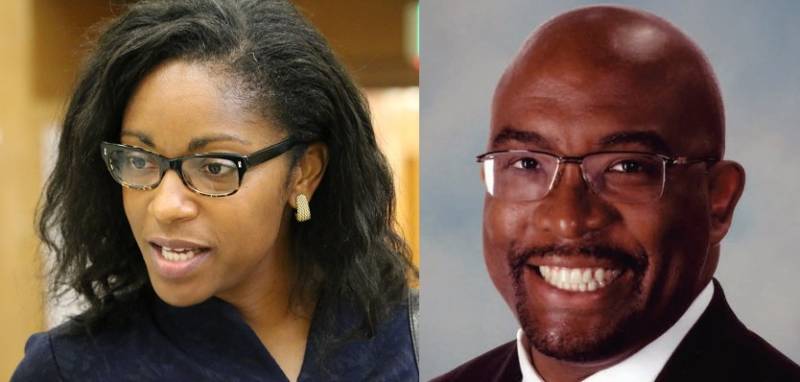
"caption": "Oakland's Kyla Johnson-Trammell and San Francisco's Vincent Matthews will lead their respective school districts in the 2017-2018 school year.",
"description": null,
"title": null,
"credit": "Devin Katayama/KQED",
"status": "inherit",
"isLoading": false,
"fetchFailed": false
},
"news_11611445": {
"type": "attachments",
"id": "news_11611445",
"meta": {
"index": "attachments_1716263798",
"site": "news",
"id": "11611445",
"found": true
},
"parent": 11611440,
"imgSizes": {
"small": {
"file": "https://ww2.kqed.org/app/uploads/sites/10/2017/08/7352097814_e0731d91c0_o-520x346.jpg",
"width": 520,
"mimeType": "image/jpeg",
"height": 346
},
"twentyfourteen-full-width": {
"file": "https://ww2.kqed.org/app/uploads/sites/10/2017/08/7352097814_e0731d91c0_o-1038x576.jpg",
"width": 1038,
"mimeType": "image/jpeg",
"height": 576
},
"thumbnail": {
"file": "https://ww2.kqed.org/app/uploads/sites/10/2017/08/7352097814_e0731d91c0_o-160x106.jpg",
"width": 160,
"mimeType": "image/jpeg",
"height": 106
},
"fd-sm": {
"file": "https://ww2.kqed.org/app/uploads/sites/10/2017/08/7352097814_e0731d91c0_o-960x638.jpg",
"width": 960,
"mimeType": "image/jpeg",
"height": 638
},
"post-thumbnail": {
"file": "https://ww2.kqed.org/app/uploads/sites/10/2017/08/7352097814_e0731d91c0_o-672x372.jpg",
"width": 672,
"mimeType": "image/jpeg",
"height": 372
},
"xsmall": {
"file": "https://ww2.kqed.org/app/uploads/sites/10/2017/08/7352097814_e0731d91c0_o-375x249.jpg",
"width": 375,
"mimeType": "image/jpeg",
"height": 249
},
"kqedFullSize": {
"file": "https://ww2.kqed.org/app/uploads/sites/10/2017/08/7352097814_e0731d91c0_o-e1502493880449.jpg",
"width": 1920,
"height": 1277
},
"large": {
"file": "https://ww2.kqed.org/app/uploads/sites/10/2017/08/7352097814_e0731d91c0_o-1020x678.jpg",
"width": 1020,
"mimeType": "image/jpeg",
"height": 678
},
"xlarge": {
"file": "https://ww2.kqed.org/app/uploads/sites/10/2017/08/7352097814_e0731d91c0_o-1180x785.jpg",
"width": 1180,
"mimeType": "image/jpeg",
"height": 785
},
"guest-author-50": {
"file": "https://ww2.kqed.org/app/uploads/sites/10/2017/08/7352097814_e0731d91c0_o-50x50.jpg",
"width": 50,
"mimeType": "image/jpeg",
"height": 50
},
"guest-author-96": {
"file": "https://ww2.kqed.org/app/uploads/sites/10/2017/08/7352097814_e0731d91c0_o-96x96.jpg",
"width": 96,
"mimeType": "image/jpeg",
"height": 96
},
"medium": {
"file": "https://ww2.kqed.org/app/uploads/sites/10/2017/08/7352097814_e0731d91c0_o-800x532.jpg",
"width": 800,
"mimeType": "image/jpeg",
"height": 532
},
"guest-author-64": {
"file": "https://ww2.kqed.org/app/uploads/sites/10/2017/08/7352097814_e0731d91c0_o-64x64.jpg",
"width": 64,
"mimeType": "image/jpeg",
"height": 64
},
"guest-author-32": {
"file": "https://ww2.kqed.org/app/uploads/sites/10/2017/08/7352097814_e0731d91c0_o-32x32.jpg",
"width": 32,
"mimeType": "image/jpeg",
"height": 32
},
"fd-lrg": {
"file": "https://ww2.kqed.org/app/uploads/sites/10/2017/08/7352097814_e0731d91c0_o-1920x1277.jpg",
"width": 1920,
"mimeType": "image/jpeg",
"height": 1277
},
"fd-med": {
"file": "https://ww2.kqed.org/app/uploads/sites/10/2017/08/7352097814_e0731d91c0_o-1180x785.jpg",
"width": 1180,
"mimeType": "image/jpeg",
"height": 785
},
"full-width": {
"file": "https://ww2.kqed.org/app/uploads/sites/10/2017/08/7352097814_e0731d91c0_o-1920x1277.jpg",
"width": 1920,
"mimeType": "image/jpeg",
"height": 1277
},
"detail": {
"file": "https://ww2.kqed.org/app/uploads/sites/10/2017/08/7352097814_e0731d91c0_o-150x150.jpg",
"width": 150,
"mimeType": "image/jpeg",
"height": 150
},
"guest-author-128": {
"file": "https://ww2.kqed.org/app/uploads/sites/10/2017/08/7352097814_e0731d91c0_o-128x128.jpg",
"width": 128,
"mimeType": "image/jpeg",
"height": 128
},
"xxsmall": {
"file": "https://ww2.kqed.org/app/uploads/sites/10/2017/08/7352097814_e0731d91c0_o-240x160.jpg",
"width": 240,
"mimeType": "image/jpeg",
"height": 160
}
},
"publishDate": 1502491353,
"modified": 1502495875,
"caption": "Sather Gate near Sproul Plaza on UC Berkeley campus. Cal's $110 million budget deficit is set to be reduced by roughly half this upcoming fiscal year.",
"description": null,
"title": null,
"credit": "John Morgan/Flickr",
"status": "inherit",
"isLoading": false,
"fetchFailed": false
},
"news_11611031": {
"type": "attachments",
"id": "news_11611031",
"meta": {
"index": "attachments_1716263798",
"site": "news",
"id": "11611031",
"found": true
},
"parent": 11611028,
"imgSizes": {
"small": {
"file": "https://ww2.kqed.org/app/uploads/sites/10/2017/08/SleepyStudents-520x347.jpg",
"width": 520,
"mimeType": "image/jpeg",
"height": 347
},
"twentyfourteen-full-width": {
"file": "https://ww2.kqed.org/app/uploads/sites/10/2017/08/SleepyStudents-1038x576.jpg",
"width": 1038,
"mimeType": "image/jpeg",
"height": 576
},
"thumbnail": {
"file": "https://ww2.kqed.org/app/uploads/sites/10/2017/08/SleepyStudents-160x107.jpg",
"width": 160,
"mimeType": "image/jpeg",
"height": 107
},
"fd-sm": {
"file": "https://ww2.kqed.org/app/uploads/sites/10/2017/08/SleepyStudents-960x640.jpg",
"width": 960,
"mimeType": "image/jpeg",
"height": 640
},
"post-thumbnail": {
"file": "https://ww2.kqed.org/app/uploads/sites/10/2017/08/SleepyStudents-672x372.jpg",
"width": 672,
"mimeType": "image/jpeg",
"height": 372
},
"xsmall": {
"file": "https://ww2.kqed.org/app/uploads/sites/10/2017/08/SleepyStudents-375x250.jpg",
"width": 375,
"mimeType": "image/jpeg",
"height": 250
},
"kqedFullSize": {
"file": "https://ww2.kqed.org/app/uploads/sites/10/2017/08/SleepyStudents.jpg",
"width": 1920,
"height": 1280
},
"large": {
"file": "https://ww2.kqed.org/app/uploads/sites/10/2017/08/SleepyStudents-1020x680.jpg",
"width": 1020,
"mimeType": "image/jpeg",
"height": 680
},
"xlarge": {
"file": "https://ww2.kqed.org/app/uploads/sites/10/2017/08/SleepyStudents-1180x787.jpg",
"width": 1180,
"mimeType": "image/jpeg",
"height": 787
},
"guest-author-50": {
"file": "https://ww2.kqed.org/app/uploads/sites/10/2017/08/SleepyStudents-50x50.jpg",
"width": 50,
"mimeType": "image/jpeg",
"height": 50
},
"guest-author-96": {
"file": "https://ww2.kqed.org/app/uploads/sites/10/2017/08/SleepyStudents-96x96.jpg",
"width": 96,
"mimeType": "image/jpeg",
"height": 96
},
"medium": {
"file": "https://ww2.kqed.org/app/uploads/sites/10/2017/08/SleepyStudents-800x533.jpg",
"width": 800,
"mimeType": "image/jpeg",
"height": 533
},
"guest-author-64": {
"file": "https://ww2.kqed.org/app/uploads/sites/10/2017/08/SleepyStudents-64x64.jpg",
"width": 64,
"mimeType": "image/jpeg",
"height": 64
},
"guest-author-32": {
"file": "https://ww2.kqed.org/app/uploads/sites/10/2017/08/SleepyStudents-32x32.jpg",
"width": 32,
"mimeType": "image/jpeg",
"height": 32
},
"fd-lrg": {
"file": "https://ww2.kqed.org/app/uploads/sites/10/2017/08/SleepyStudents-1920x1280.jpg",
"width": 1920,
"mimeType": "image/jpeg",
"height": 1280
},
"fd-med": {
"file": "https://ww2.kqed.org/app/uploads/sites/10/2017/08/SleepyStudents-1180x787.jpg",
"width": 1180,
"mimeType": "image/jpeg",
"height": 787
},
"full-width": {
"file": "https://ww2.kqed.org/app/uploads/sites/10/2017/08/SleepyStudents-1920x1280.jpg",
"width": 1920,
"mimeType": "image/jpeg",
"height": 1280
},
"detail": {
"file": "https://ww2.kqed.org/app/uploads/sites/10/2017/08/SleepyStudents-150x150.jpg",
"width": 150,
"mimeType": "image/jpeg",
"height": 150
},
"guest-author-128": {
"file": "https://ww2.kqed.org/app/uploads/sites/10/2017/08/SleepyStudents-128x128.jpg",
"width": 128,
"mimeType": "image/jpeg",
"height": 128
},
"xxsmall": {
"file": "https://ww2.kqed.org/app/uploads/sites/10/2017/08/SleepyStudents-240x160.jpg",
"width": 240,
"mimeType": "image/jpeg",
"height": 160
}
},
"publishDate": 1502401713,
"modified": 1502401754,
"caption": "Research shows two-thirds of adolescents aren’t getting enough sleep, and that the consequences are far-reaching. ",
"description": "Research shows two-thirds of adolescents aren’t getting enough sleep, and that the consequences are far-reaching. ",
"title": "SleepyStudents",
"credit": "Thinkstock",
"status": "inherit",
"isLoading": false,
"fetchFailed": false
},
"news_11610824": {
"type": "attachments",
"id": "news_11610824",
"meta": {
"index": "attachments_1716263798",
"site": "news",
"id": "11610824",
"found": true
},
"parent": 11610773,
"imgSizes": {
"small": {
"file": "https://ww2.kqed.org/app/uploads/sites/10/2017/08/BilingualEd-520x347.jpg",
"width": 520,
"mimeType": "image/jpeg",
"height": 347
},
"twentyfourteen-full-width": {
"file": "https://ww2.kqed.org/app/uploads/sites/10/2017/08/BilingualEd-1038x576.jpg",
"width": 1038,
"mimeType": "image/jpeg",
"height": 576
},
"thumbnail": {
"file": "https://ww2.kqed.org/app/uploads/sites/10/2017/08/BilingualEd-160x107.jpg",
"width": 160,
"mimeType": "image/jpeg",
"height": 107
},
"fd-sm": {
"file": "https://ww2.kqed.org/app/uploads/sites/10/2017/08/BilingualEd-960x641.jpg",
"width": 960,
"mimeType": "image/jpeg",
"height": 641
},
"post-thumbnail": {
"file": "https://ww2.kqed.org/app/uploads/sites/10/2017/08/BilingualEd-672x372.jpg",
"width": 672,
"mimeType": "image/jpeg",
"height": 372
},
"xsmall": {
"file": "https://ww2.kqed.org/app/uploads/sites/10/2017/08/BilingualEd-375x250.jpg",
"width": 375,
"mimeType": "image/jpeg",
"height": 250
},
"kqedFullSize": {
"file": "https://ww2.kqed.org/app/uploads/sites/10/2017/08/BilingualEd.jpg",
"width": 1920,
"height": 1281
},
"large": {
"file": "https://ww2.kqed.org/app/uploads/sites/10/2017/08/BilingualEd-1020x681.jpg",
"width": 1020,
"mimeType": "image/jpeg",
"height": 681
},
"xlarge": {
"file": "https://ww2.kqed.org/app/uploads/sites/10/2017/08/BilingualEd-1180x787.jpg",
"width": 1180,
"mimeType": "image/jpeg",
"height": 787
},
"guest-author-50": {
"file": "https://ww2.kqed.org/app/uploads/sites/10/2017/08/BilingualEd-50x50.jpg",
"width": 50,
"mimeType": "image/jpeg",
"height": 50
},
"guest-author-96": {
"file": "https://ww2.kqed.org/app/uploads/sites/10/2017/08/BilingualEd-96x96.jpg",
"width": 96,
"mimeType": "image/jpeg",
"height": 96
},
"medium": {
"file": "https://ww2.kqed.org/app/uploads/sites/10/2017/08/BilingualEd-800x534.jpg",
"width": 800,
"mimeType": "image/jpeg",
"height": 534
},
"guest-author-64": {
"file": "https://ww2.kqed.org/app/uploads/sites/10/2017/08/BilingualEd-64x64.jpg",
"width": 64,
"mimeType": "image/jpeg",
"height": 64
},
"guest-author-32": {
"file": "https://ww2.kqed.org/app/uploads/sites/10/2017/08/BilingualEd-32x32.jpg",
"width": 32,
"mimeType": "image/jpeg",
"height": 32
},
"fd-lrg": {
"file": "https://ww2.kqed.org/app/uploads/sites/10/2017/08/BilingualEd-1920x1281.jpg",
"width": 1920,
"mimeType": "image/jpeg",
"height": 1281
},
"fd-med": {
"file": "https://ww2.kqed.org/app/uploads/sites/10/2017/08/BilingualEd-1180x787.jpg",
"width": 1180,
"mimeType": "image/jpeg",
"height": 787
},
"full-width": {
"file": "https://ww2.kqed.org/app/uploads/sites/10/2017/08/BilingualEd-1920x1281.jpg",
"width": 1920,
"mimeType": "image/jpeg",
"height": 1281
},
"detail": {
"file": "https://ww2.kqed.org/app/uploads/sites/10/2017/08/BilingualEd-150x150.jpg",
"width": 150,
"mimeType": "image/jpeg",
"height": 150
},
"guest-author-128": {
"file": "https://ww2.kqed.org/app/uploads/sites/10/2017/08/BilingualEd-128x128.jpg",
"width": 128,
"mimeType": "image/jpeg",
"height": 128
},
"xxsmall": {
"file": "https://ww2.kqed.org/app/uploads/sites/10/2017/08/BilingualEd-240x160.jpg",
"width": 240,
"mimeType": "image/jpeg",
"height": 160
}
},
"publishDate": 1502306804,
"modified": 1502306854,
"caption": "Maria Palazzolo, owner of The Family Nest in Long Beach, reads a book in Spanish during an art class on Thursday morning, Nov. 12, 2015. Palazzolo's newly launched business provides bilingual early childhood education classes.",
"description": "Maria Palazzolo, owner of The Family Nest in Long Beach, reads a book in Spanish during an art class on Thursday morning, Nov. 12, 2015. Palazzolo's newly launched business provides bilingual early childhood education classes.",
"title": "BilingualEd",
"credit": "Maya Sugarman/KPCC",
"status": "inherit",
"isLoading": false,
"fetchFailed": false
},
"news_11610407": {
"type": "attachments",
"id": "news_11610407",
"meta": {
"index": "attachments_1716263798",
"site": "news",
"id": "11610407",
"found": true
},
"parent": 11610406,
"imgSizes": {
"small": {
"file": "https://ww2.kqed.org/app/uploads/sites/10/2017/08/housing-schoolgrades_slide-13152c853475bf0c23d8fd1c6c8397ba6fe94772-520x347.jpg",
"width": 520,
"mimeType": "image/jpeg",
"height": 347
},
"twentyfourteen-full-width": {
"file": "https://ww2.kqed.org/app/uploads/sites/10/2017/08/housing-schoolgrades_slide-13152c853475bf0c23d8fd1c6c8397ba6fe94772-1038x576.jpg",
"width": 1038,
"mimeType": "image/jpeg",
"height": 576
},
"thumbnail": {
"file": "https://ww2.kqed.org/app/uploads/sites/10/2017/08/housing-schoolgrades_slide-13152c853475bf0c23d8fd1c6c8397ba6fe94772-160x107.jpg",
"width": 160,
"mimeType": "image/jpeg",
"height": 107
},
"fd-sm": {
"file": "https://ww2.kqed.org/app/uploads/sites/10/2017/08/housing-schoolgrades_slide-13152c853475bf0c23d8fd1c6c8397ba6fe94772-960x640.jpg",
"width": 960,
"mimeType": "image/jpeg",
"height": 640
},
"post-thumbnail": {
"file": "https://ww2.kqed.org/app/uploads/sites/10/2017/08/housing-schoolgrades_slide-13152c853475bf0c23d8fd1c6c8397ba6fe94772-672x372.jpg",
"width": 672,
"mimeType": "image/jpeg",
"height": 372
},
"xsmall": {
"file": "https://ww2.kqed.org/app/uploads/sites/10/2017/08/housing-schoolgrades_slide-13152c853475bf0c23d8fd1c6c8397ba6fe94772-375x250.jpg",
"width": 375,
"mimeType": "image/jpeg",
"height": 250
},
"kqedFullSize": {
"file": "https://ww2.kqed.org/app/uploads/sites/10/2017/08/housing-schoolgrades_slide-13152c853475bf0c23d8fd1c6c8397ba6fe94772-e1502133329827.jpg",
"width": 1920,
"height": 1280
},
"large": {
"file": "https://ww2.kqed.org/app/uploads/sites/10/2017/08/housing-schoolgrades_slide-13152c853475bf0c23d8fd1c6c8397ba6fe94772-1020x680.jpg",
"width": 1020,
"mimeType": "image/jpeg",
"height": 680
},
"xlarge": {
"file": "https://ww2.kqed.org/app/uploads/sites/10/2017/08/housing-schoolgrades_slide-13152c853475bf0c23d8fd1c6c8397ba6fe94772-1180x787.jpg",
"width": 1180,
"mimeType": "image/jpeg",
"height": 787
},
"guest-author-50": {
"file": "https://ww2.kqed.org/app/uploads/sites/10/2017/08/housing-schoolgrades_slide-13152c853475bf0c23d8fd1c6c8397ba6fe94772-50x50.jpg",
"width": 50,
"mimeType": "image/jpeg",
"height": 50
},
"guest-author-96": {
"file": "https://ww2.kqed.org/app/uploads/sites/10/2017/08/housing-schoolgrades_slide-13152c853475bf0c23d8fd1c6c8397ba6fe94772-96x96.jpg",
"width": 96,
"mimeType": "image/jpeg",
"height": 96
},
"medium": {
"file": "https://ww2.kqed.org/app/uploads/sites/10/2017/08/housing-schoolgrades_slide-13152c853475bf0c23d8fd1c6c8397ba6fe94772-800x533.jpg",
"width": 800,
"mimeType": "image/jpeg",
"height": 533
},
"guest-author-64": {
"file": "https://ww2.kqed.org/app/uploads/sites/10/2017/08/housing-schoolgrades_slide-13152c853475bf0c23d8fd1c6c8397ba6fe94772-64x64.jpg",
"width": 64,
"mimeType": "image/jpeg",
"height": 64
},
"guest-author-32": {
"file": "https://ww2.kqed.org/app/uploads/sites/10/2017/08/housing-schoolgrades_slide-13152c853475bf0c23d8fd1c6c8397ba6fe94772-32x32.jpg",
"width": 32,
"mimeType": "image/jpeg",
"height": 32
},
"fd-lrg": {
"file": "https://ww2.kqed.org/app/uploads/sites/10/2017/08/housing-schoolgrades_slide-13152c853475bf0c23d8fd1c6c8397ba6fe94772-1920x1280.jpg",
"width": 1920,
"mimeType": "image/jpeg",
"height": 1280
},
"fd-med": {
"file": "https://ww2.kqed.org/app/uploads/sites/10/2017/08/housing-schoolgrades_slide-13152c853475bf0c23d8fd1c6c8397ba6fe94772-1180x787.jpg",
"width": 1180,
"mimeType": "image/jpeg",
"height": 787
},
"full-width": {
"file": "https://ww2.kqed.org/app/uploads/sites/10/2017/08/housing-schoolgrades_slide-13152c853475bf0c23d8fd1c6c8397ba6fe94772-1920x1280.jpg",
"width": 1920,
"mimeType": "image/jpeg",
"height": 1280
},
"detail": {
"file": "https://ww2.kqed.org/app/uploads/sites/10/2017/08/housing-schoolgrades_slide-13152c853475bf0c23d8fd1c6c8397ba6fe94772-150x150.jpg",
"width": 150,
"mimeType": "image/jpeg",
"height": 150
},
"guest-author-128": {
"file": "https://ww2.kqed.org/app/uploads/sites/10/2017/08/housing-schoolgrades_slide-13152c853475bf0c23d8fd1c6c8397ba6fe94772-128x128.jpg",
"width": 128,
"mimeType": "image/jpeg",
"height": 128
},
"xxsmall": {
"file": "https://ww2.kqed.org/app/uploads/sites/10/2017/08/housing-schoolgrades_slide-13152c853475bf0c23d8fd1c6c8397ba6fe94772-240x160.jpg",
"width": 240,
"mimeType": "image/jpeg",
"height": 160
}
},
"publishDate": 1502133098,
"modified": 1502133345,
"caption": null,
"description": "Housing, school scores and Real Estat",
"title": "Housing, school scores and Real Estate",
"credit": "LA Johnson/NPR",
"status": "inherit",
"isLoading": false,
"fetchFailed": false
},
"news_11610184": {
"type": "attachments",
"id": "news_11610184",
"meta": {
"index": "attachments_1716263798",
"site": "news",
"id": "11610184",
"found": true
},
"parent": 11610179,
"imgSizes": {
"small": {
"file": "https://ww2.kqed.org/app/uploads/sites/10/2017/08/AfterSchoolCutsKids-520x347.jpg",
"width": 520,
"mimeType": "image/jpeg",
"height": 347
},
"twentyfourteen-full-width": {
"file": "https://ww2.kqed.org/app/uploads/sites/10/2017/08/AfterSchoolCutsKids-1038x576.jpg",
"width": 1038,
"mimeType": "image/jpeg",
"height": 576
},
"thumbnail": {
"file": "https://ww2.kqed.org/app/uploads/sites/10/2017/08/AfterSchoolCutsKids-160x107.jpg",
"width": 160,
"mimeType": "image/jpeg",
"height": 107
},
"fd-sm": {
"file": "https://ww2.kqed.org/app/uploads/sites/10/2017/08/AfterSchoolCutsKids-960x640.jpg",
"width": 960,
"mimeType": "image/jpeg",
"height": 640
},
"post-thumbnail": {
"file": "https://ww2.kqed.org/app/uploads/sites/10/2017/08/AfterSchoolCutsKids-672x372.jpg",
"width": 672,
"mimeType": "image/jpeg",
"height": 372
},
"xsmall": {
"file": "https://ww2.kqed.org/app/uploads/sites/10/2017/08/AfterSchoolCutsKids-375x250.jpg",
"width": 375,
"mimeType": "image/jpeg",
"height": 250
},
"kqedFullSize": {
"file": "https://ww2.kqed.org/app/uploads/sites/10/2017/08/AfterSchoolCutsKids.jpg",
"width": 1920,
"height": 1280
},
"large": {
"file": "https://ww2.kqed.org/app/uploads/sites/10/2017/08/AfterSchoolCutsKids-1020x680.jpg",
"width": 1020,
"mimeType": "image/jpeg",
"height": 680
},
"xlarge": {
"file": "https://ww2.kqed.org/app/uploads/sites/10/2017/08/AfterSchoolCutsKids-1180x787.jpg",
"width": 1180,
"mimeType": "image/jpeg",
"height": 787
},
"guest-author-50": {
"file": "https://ww2.kqed.org/app/uploads/sites/10/2017/08/AfterSchoolCutsKids-50x50.jpg",
"width": 50,
"mimeType": "image/jpeg",
"height": 50
},
"guest-author-96": {
"file": "https://ww2.kqed.org/app/uploads/sites/10/2017/08/AfterSchoolCutsKids-96x96.jpg",
"width": 96,
"mimeType": "image/jpeg",
"height": 96
},
"medium": {
"file": "https://ww2.kqed.org/app/uploads/sites/10/2017/08/AfterSchoolCutsKids-800x533.jpg",
"width": 800,
"mimeType": "image/jpeg",
"height": 533
},
"guest-author-64": {
"file": "https://ww2.kqed.org/app/uploads/sites/10/2017/08/AfterSchoolCutsKids-64x64.jpg",
"width": 64,
"mimeType": "image/jpeg",
"height": 64
},
"guest-author-32": {
"file": "https://ww2.kqed.org/app/uploads/sites/10/2017/08/AfterSchoolCutsKids-32x32.jpg",
"width": 32,
"mimeType": "image/jpeg",
"height": 32
},
"fd-lrg": {
"file": "https://ww2.kqed.org/app/uploads/sites/10/2017/08/AfterSchoolCutsKids-1920x1280.jpg",
"width": 1920,
"mimeType": "image/jpeg",
"height": 1280
},
"fd-med": {
"file": "https://ww2.kqed.org/app/uploads/sites/10/2017/08/AfterSchoolCutsKids-1180x787.jpg",
"width": 1180,
"mimeType": "image/jpeg",
"height": 787
},
"full-width": {
"file": "https://ww2.kqed.org/app/uploads/sites/10/2017/08/AfterSchoolCutsKids-1920x1280.jpg",
"width": 1920,
"mimeType": "image/jpeg",
"height": 1280
},
"detail": {
"file": "https://ww2.kqed.org/app/uploads/sites/10/2017/08/AfterSchoolCutsKids-150x150.jpg",
"width": 150,
"mimeType": "image/jpeg",
"height": 150
},
"guest-author-128": {
"file": "https://ww2.kqed.org/app/uploads/sites/10/2017/08/AfterSchoolCutsKids-128x128.jpg",
"width": 128,
"mimeType": "image/jpeg",
"height": 128
},
"xxsmall": {
"file": "https://ww2.kqed.org/app/uploads/sites/10/2017/08/AfterSchoolCutsKids-240x160.jpg",
"width": 240,
"mimeType": "image/jpeg",
"height": 160
}
},
"publishDate": 1501874814,
"modified": 1501874858,
"caption": "Summer school students sign a sobriety pledge at Rosemont High Summer of Service in Sacramento.",
"description": "Summer school students sign a sobriety pledge at Rosemont High Summer of Service in Sacramento.",
"title": "AfterSchoolCutsKids",
"credit": "Max Whittaker/CALmatters",
"status": "inherit",
"isLoading": false,
"fetchFailed": false
},
"news_11593719": {
"type": "attachments",
"id": "news_11593719",
"meta": {
"index": "attachments_1716263798",
"site": "news",
"id": "11593719",
"found": true
},
"parent": 11579311,
"imgSizes": {
"small": {
"file": "https://ww2.kqed.org/app/uploads/sites/10/2017/07/primary-school-edut-520x295.jpg",
"width": 520,
"mimeType": "image/jpeg",
"height": 295
},
"twentyfourteen-full-width": {
"file": "https://ww2.kqed.org/app/uploads/sites/10/2017/07/primary-school-edut-1038x576.jpg",
"width": 1038,
"mimeType": "image/jpeg",
"height": 576
},
"thumbnail": {
"file": "https://ww2.kqed.org/app/uploads/sites/10/2017/07/primary-school-edut-160x91.jpg",
"width": 160,
"mimeType": "image/jpeg",
"height": 91
},
"fd-sm": {
"file": "https://ww2.kqed.org/app/uploads/sites/10/2017/07/primary-school-edut-960x544.jpg",
"width": 960,
"mimeType": "image/jpeg",
"height": 544
},
"post-thumbnail": {
"file": "https://ww2.kqed.org/app/uploads/sites/10/2017/07/primary-school-edut-672x372.jpg",
"width": 672,
"mimeType": "image/jpeg",
"height": 372
},
"xsmall": {
"file": "https://ww2.kqed.org/app/uploads/sites/10/2017/07/primary-school-edut-375x213.jpg",
"width": 375,
"mimeType": "image/jpeg",
"height": 213
},
"kqedFullSize": {
"file": "https://ww2.kqed.org/app/uploads/sites/10/2017/07/primary-school-edut.jpg",
"width": 1920,
"height": 1088
},
"large": {
"file": "https://ww2.kqed.org/app/uploads/sites/10/2017/07/primary-school-edut-1020x578.jpg",
"width": 1020,
"mimeType": "image/jpeg",
"height": 578
},
"xlarge": {
"file": "https://ww2.kqed.org/app/uploads/sites/10/2017/07/primary-school-edut-1180x669.jpg",
"width": 1180,
"mimeType": "image/jpeg",
"height": 669
},
"guest-author-50": {
"file": "https://ww2.kqed.org/app/uploads/sites/10/2017/07/primary-school-edut-50x50.jpg",
"width": 50,
"mimeType": "image/jpeg",
"height": 50
},
"guest-author-96": {
"file": "https://ww2.kqed.org/app/uploads/sites/10/2017/07/primary-school-edut-96x96.jpg",
"width": 96,
"mimeType": "image/jpeg",
"height": 96
},
"medium": {
"file": "https://ww2.kqed.org/app/uploads/sites/10/2017/07/primary-school-edut-800x453.jpg",
"width": 800,
"mimeType": "image/jpeg",
"height": 453
},
"guest-author-64": {
"file": "https://ww2.kqed.org/app/uploads/sites/10/2017/07/primary-school-edut-64x64.jpg",
"width": 64,
"mimeType": "image/jpeg",
"height": 64
},
"guest-author-32": {
"file": "https://ww2.kqed.org/app/uploads/sites/10/2017/07/primary-school-edut-32x32.jpg",
"width": 32,
"mimeType": "image/jpeg",
"height": 32
},
"fd-lrg": {
"file": "https://ww2.kqed.org/app/uploads/sites/10/2017/07/primary-school-edut-1920x1088.jpg",
"width": 1920,
"mimeType": "image/jpeg",
"height": 1088
},
"fd-med": {
"file": "https://ww2.kqed.org/app/uploads/sites/10/2017/07/primary-school-edut-1180x669.jpg",
"width": 1180,
"mimeType": "image/jpeg",
"height": 669
},
"full-width": {
"file": "https://ww2.kqed.org/app/uploads/sites/10/2017/07/primary-school-edut-1920x1088.jpg",
"width": 1920,
"mimeType": "image/jpeg",
"height": 1088
},
"detail": {
"file": "https://ww2.kqed.org/app/uploads/sites/10/2017/07/primary-school-edut-150x150.jpg",
"width": 150,
"mimeType": "image/jpeg",
"height": 150
},
"guest-author-128": {
"file": "https://ww2.kqed.org/app/uploads/sites/10/2017/07/primary-school-edut-128x128.jpg",
"width": 128,
"mimeType": "image/jpeg",
"height": 128
},
"xxsmall": {
"file": "https://ww2.kqed.org/app/uploads/sites/10/2017/07/primary-school-edut-240x136.jpg",
"width": 240,
"mimeType": "image/jpeg",
"height": 136
}
},
"publishDate": 1501026503,
"modified": 1501026779,
"caption": "Rendering of the proposed 76,000-square-foot expansion site of The Primary School. The school will have capacity for 511 students (K-8).",
"description": null,
"title": "The Primary School",
"credit": "Tonya Mosley/KQED",
"status": "inherit",
"isLoading": false,
"fetchFailed": false
},
"news_11577818": {
"type": "attachments",
"id": "news_11577818",
"meta": {
"index": "attachments_1716263798",
"site": "news",
"id": "11577818",
"found": true
},
"parent": 11576149,
"imgSizes": {
"small": {
"file": "https://ww2.kqed.org/app/uploads/sites/10/2017/07/KidsPlaying1-520x357.jpg",
"width": 520,
"mimeType": "image/jpeg",
"height": 357
},
"twentyfourteen-full-width": {
"file": "https://ww2.kqed.org/app/uploads/sites/10/2017/07/KidsPlaying1-1038x576.jpg",
"width": 1038,
"mimeType": "image/jpeg",
"height": 576
},
"thumbnail": {
"file": "https://ww2.kqed.org/app/uploads/sites/10/2017/07/KidsPlaying1-160x110.jpg",
"width": 160,
"mimeType": "image/jpeg",
"height": 110
},
"fd-sm": {
"file": "https://ww2.kqed.org/app/uploads/sites/10/2017/07/KidsPlaying1-960x660.jpg",
"width": 960,
"mimeType": "image/jpeg",
"height": 660
},
"post-thumbnail": {
"file": "https://ww2.kqed.org/app/uploads/sites/10/2017/07/KidsPlaying1-672x372.jpg",
"width": 672,
"mimeType": "image/jpeg",
"height": 372
},
"xsmall": {
"file": "https://ww2.kqed.org/app/uploads/sites/10/2017/07/KidsPlaying1-375x258.jpg",
"width": 375,
"mimeType": "image/jpeg",
"height": 258
},
"kqedFullSize": {
"file": "https://ww2.kqed.org/app/uploads/sites/10/2017/07/KidsPlaying1.jpg",
"width": 1920,
"height": 1319
},
"large": {
"file": "https://ww2.kqed.org/app/uploads/sites/10/2017/07/KidsPlaying1-1020x701.jpg",
"width": 1020,
"mimeType": "image/jpeg",
"height": 701
},
"xlarge": {
"file": "https://ww2.kqed.org/app/uploads/sites/10/2017/07/KidsPlaying1-1180x811.jpg",
"width": 1180,
"mimeType": "image/jpeg",
"height": 811
},
"guest-author-50": {
"file": "https://ww2.kqed.org/app/uploads/sites/10/2017/07/KidsPlaying1-50x50.jpg",
"width": 50,
"mimeType": "image/jpeg",
"height": 50
},
"guest-author-96": {
"file": "https://ww2.kqed.org/app/uploads/sites/10/2017/07/KidsPlaying1-96x96.jpg",
"width": 96,
"mimeType": "image/jpeg",
"height": 96
},
"medium": {
"file": "https://ww2.kqed.org/app/uploads/sites/10/2017/07/KidsPlaying1-800x550.jpg",
"width": 800,
"mimeType": "image/jpeg",
"height": 550
},
"guest-author-64": {
"file": "https://ww2.kqed.org/app/uploads/sites/10/2017/07/KidsPlaying1-64x64.jpg",
"width": 64,
"mimeType": "image/jpeg",
"height": 64
},
"guest-author-32": {
"file": "https://ww2.kqed.org/app/uploads/sites/10/2017/07/KidsPlaying1-32x32.jpg",
"width": 32,
"mimeType": "image/jpeg",
"height": 32
},
"fd-lrg": {
"file": "https://ww2.kqed.org/app/uploads/sites/10/2017/07/KidsPlaying1-1920x1319.jpg",
"width": 1920,
"mimeType": "image/jpeg",
"height": 1319
},
"fd-med": {
"file": "https://ww2.kqed.org/app/uploads/sites/10/2017/07/KidsPlaying1-1180x811.jpg",
"width": 1180,
"mimeType": "image/jpeg",
"height": 811
},
"full-width": {
"file": "https://ww2.kqed.org/app/uploads/sites/10/2017/07/KidsPlaying1-1920x1319.jpg",
"width": 1920,
"mimeType": "image/jpeg",
"height": 1319
},
"detail": {
"file": "https://ww2.kqed.org/app/uploads/sites/10/2017/07/KidsPlaying1-150x150.jpg",
"width": 150,
"mimeType": "image/jpeg",
"height": 150
},
"guest-author-128": {
"file": "https://ww2.kqed.org/app/uploads/sites/10/2017/07/KidsPlaying1-128x128.jpg",
"width": 128,
"mimeType": "image/jpeg",
"height": 128
},
"xxsmall": {
"file": "https://ww2.kqed.org/app/uploads/sites/10/2017/07/KidsPlaying1-240x165.jpg",
"width": 240,
"mimeType": "image/jpeg",
"height": 165
}
},
"publishDate": 1500579177,
"modified": 1500579246,
"caption": "The Play Everywhere program is designed to bring play into the lives of kids in low-income neighborhoods.",
"description": "The Play Everywhere program is designed to bring play into the lives of kids in low-income neighborhoods.",
"title": "KidsPlaying1",
"credit": "David Gorn/KQED",
"status": "inherit",
"isLoading": false,
"fetchFailed": false
},
"news_11580908": {
"type": "attachments",
"id": "news_11580908",
"meta": {
"index": "attachments_1716263798",
"site": "news",
"id": "11580908",
"found": true
},
"parent": 11580713,
"imgSizes": {
"small": {
"file": "https://ww2.kqed.org/app/uploads/sites/10/2017/07/NR440_MARQUEE-520x293.jpg",
"width": 520,
"mimeType": "image/jpeg",
"height": 293
},
"twentyfourteen-full-width": {
"file": "https://ww2.kqed.org/app/uploads/sites/10/2017/07/NR440_MARQUEE-1038x576.jpg",
"width": 1038,
"mimeType": "image/jpeg",
"height": 576
},
"thumbnail": {
"file": "https://ww2.kqed.org/app/uploads/sites/10/2017/07/NR440_MARQUEE-160x90.jpg",
"width": 160,
"mimeType": "image/jpeg",
"height": 90
},
"fd-sm": {
"file": "https://ww2.kqed.org/app/uploads/sites/10/2017/07/NR440_MARQUEE-960x540.jpg",
"width": 960,
"mimeType": "image/jpeg",
"height": 540
},
"post-thumbnail": {
"file": "https://ww2.kqed.org/app/uploads/sites/10/2017/07/NR440_MARQUEE-672x372.jpg",
"width": 672,
"mimeType": "image/jpeg",
"height": 372
},
"xsmall": {
"file": "https://ww2.kqed.org/app/uploads/sites/10/2017/07/NR440_MARQUEE-375x211.jpg",
"width": 375,
"mimeType": "image/jpeg",
"height": 211
},
"kqedFullSize": {
"file": "https://ww2.kqed.org/app/uploads/sites/10/2017/07/NR440_MARQUEE.jpg",
"width": 1280,
"height": 720
},
"large": {
"file": "https://ww2.kqed.org/app/uploads/sites/10/2017/07/NR440_MARQUEE-1020x574.jpg",
"width": 1020,
"mimeType": "image/jpeg",
"height": 574
},
"xlarge": {
"file": "https://ww2.kqed.org/app/uploads/sites/10/2017/07/NR440_MARQUEE-1180x664.jpg",
"width": 1180,
"mimeType": "image/jpeg",
"height": 664
},
"guest-author-50": {
"file": "https://ww2.kqed.org/app/uploads/sites/10/2017/07/NR440_MARQUEE-50x50.jpg",
"width": 50,
"mimeType": "image/jpeg",
"height": 50
},
"guest-author-96": {
"file": "https://ww2.kqed.org/app/uploads/sites/10/2017/07/NR440_MARQUEE-96x96.jpg",
"width": 96,
"mimeType": "image/jpeg",
"height": 96
},
"medium": {
"file": "https://ww2.kqed.org/app/uploads/sites/10/2017/07/NR440_MARQUEE-800x450.jpg",
"width": 800,
"mimeType": "image/jpeg",
"height": 450
},
"guest-author-64": {
"file": "https://ww2.kqed.org/app/uploads/sites/10/2017/07/NR440_MARQUEE-64x64.jpg",
"width": 64,
"mimeType": "image/jpeg",
"height": 64
},
"guest-author-32": {
"file": "https://ww2.kqed.org/app/uploads/sites/10/2017/07/NR440_MARQUEE-32x32.jpg",
"width": 32,
"mimeType": "image/jpeg",
"height": 32
},
"fd-med": {
"file": "https://ww2.kqed.org/app/uploads/sites/10/2017/07/NR440_MARQUEE-1180x664.jpg",
"width": 1180,
"mimeType": "image/jpeg",
"height": 664
},
"detail": {
"file": "https://ww2.kqed.org/app/uploads/sites/10/2017/07/NR440_MARQUEE-150x150.jpg",
"width": 150,
"mimeType": "image/jpeg",
"height": 150
},
"guest-author-128": {
"file": "https://ww2.kqed.org/app/uploads/sites/10/2017/07/NR440_MARQUEE-128x128.jpg",
"width": 128,
"mimeType": "image/jpeg",
"height": 128
},
"xxsmall": {
"file": "https://ww2.kqed.org/app/uploads/sites/10/2017/07/NR440_MARQUEE-240x135.jpg",
"width": 240,
"mimeType": "image/jpeg",
"height": 135
}
},
"publishDate": 1500680885,
"modified": 1500680885,
"caption": null,
"description": null,
"title": "NR440_MARQUEE",
"credit": null,
"status": "inherit",
"isLoading": false,
"fetchFailed": false
},
"news_11578034": {
"type": "attachments",
"id": "news_11578034",
"meta": {
"index": "attachments_1716263798",
"site": "news",
"id": "11578034",
"found": true
},
"parent": 11578021,
"imgSizes": {
"small": {
"file": "https://ww2.kqed.org/app/uploads/sites/10/2017/07/BenShapiro-520x376.jpg",
"width": 520,
"mimeType": "image/jpeg",
"height": 376
},
"twentyfourteen-full-width": {
"file": "https://ww2.kqed.org/app/uploads/sites/10/2017/07/BenShapiro-1038x576.jpg",
"width": 1038,
"mimeType": "image/jpeg",
"height": 576
},
"thumbnail": {
"file": "https://ww2.kqed.org/app/uploads/sites/10/2017/07/BenShapiro-160x116.jpg",
"width": 160,
"mimeType": "image/jpeg",
"height": 116
},
"fd-sm": {
"file": "https://ww2.kqed.org/app/uploads/sites/10/2017/07/BenShapiro-960x694.jpg",
"width": 960,
"mimeType": "image/jpeg",
"height": 694
},
"post-thumbnail": {
"file": "https://ww2.kqed.org/app/uploads/sites/10/2017/07/BenShapiro-672x372.jpg",
"width": 672,
"mimeType": "image/jpeg",
"height": 372
},
"xsmall": {
"file": "https://ww2.kqed.org/app/uploads/sites/10/2017/07/BenShapiro-375x271.jpg",
"width": 375,
"mimeType": "image/jpeg",
"height": 271
},
"kqedFullSize": {
"file": "https://ww2.kqed.org/app/uploads/sites/10/2017/07/BenShapiro.jpg",
"width": 1920,
"height": 1387
},
"large": {
"file": "https://ww2.kqed.org/app/uploads/sites/10/2017/07/BenShapiro-1020x737.jpg",
"width": 1020,
"mimeType": "image/jpeg",
"height": 737
},
"xlarge": {
"file": "https://ww2.kqed.org/app/uploads/sites/10/2017/07/BenShapiro-1180x852.jpg",
"width": 1180,
"mimeType": "image/jpeg",
"height": 852
},
"guest-author-50": {
"file": "https://ww2.kqed.org/app/uploads/sites/10/2017/07/BenShapiro-50x50.jpg",
"width": 50,
"mimeType": "image/jpeg",
"height": 50
},
"guest-author-96": {
"file": "https://ww2.kqed.org/app/uploads/sites/10/2017/07/BenShapiro-96x96.jpg",
"width": 96,
"mimeType": "image/jpeg",
"height": 96
},
"medium": {
"file": "https://ww2.kqed.org/app/uploads/sites/10/2017/07/BenShapiro-800x578.jpg",
"width": 800,
"mimeType": "image/jpeg",
"height": 578
},
"guest-author-64": {
"file": "https://ww2.kqed.org/app/uploads/sites/10/2017/07/BenShapiro-64x64.jpg",
"width": 64,
"mimeType": "image/jpeg",
"height": 64
},
"guest-author-32": {
"file": "https://ww2.kqed.org/app/uploads/sites/10/2017/07/BenShapiro-32x32.jpg",
"width": 32,
"mimeType": "image/jpeg",
"height": 32
},
"fd-lrg": {
"file": "https://ww2.kqed.org/app/uploads/sites/10/2017/07/BenShapiro-1920x1387.jpg",
"width": 1920,
"mimeType": "image/jpeg",
"height": 1387
},
"fd-med": {
"file": "https://ww2.kqed.org/app/uploads/sites/10/2017/07/BenShapiro-1180x852.jpg",
"width": 1180,
"mimeType": "image/jpeg",
"height": 852
},
"full-width": {
"file": "https://ww2.kqed.org/app/uploads/sites/10/2017/07/BenShapiro-1920x1387.jpg",
"width": 1920,
"mimeType": "image/jpeg",
"height": 1387
},
"detail": {
"file": "https://ww2.kqed.org/app/uploads/sites/10/2017/07/BenShapiro-150x150.jpg",
"width": 150,
"mimeType": "image/jpeg",
"height": 150
},
"guest-author-128": {
"file": "https://ww2.kqed.org/app/uploads/sites/10/2017/07/BenShapiro-128x128.jpg",
"width": 128,
"mimeType": "image/jpeg",
"height": 128
},
"xxsmall": {
"file": "https://ww2.kqed.org/app/uploads/sites/10/2017/07/BenShapiro-240x173.jpg",
"width": 240,
"mimeType": "image/jpeg",
"height": 173
}
},
"publishDate": 1500590645,
"modified": 1500590718,
"caption": "Ben Shapiro speaking in Pasadena.",
"description": "Ben Shapiro speaking in Pasadena.",
"title": "BenShapiro",
"credit": "Gage Skidmore",
"status": "inherit",
"isLoading": false,
"fetchFailed": false
},
"news_11573003": {
"type": "attachments",
"id": "news_11573003",
"meta": {
"index": "attachments_1716263798",
"site": "news",
"id": "11573003",
"found": true
},
"parent": 11559762,
"imgSizes": {
"small": {
"file": "https://ww2.kqed.org/app/uploads/sites/10/2017/07/Johnson800-520x374.jpg",
"width": 520,
"mimeType": "image/jpeg",
"height": 374
},
"twentyfourteen-full-width": {
"file": "https://ww2.kqed.org/app/uploads/sites/10/2017/07/Johnson800-800x576.jpg",
"width": 800,
"mimeType": "image/jpeg",
"height": 576
},
"thumbnail": {
"file": "https://ww2.kqed.org/app/uploads/sites/10/2017/07/Johnson800-160x115.jpg",
"width": 160,
"mimeType": "image/jpeg",
"height": 115
},
"post-thumbnail": {
"file": "https://ww2.kqed.org/app/uploads/sites/10/2017/07/Johnson800-672x372.jpg",
"width": 672,
"mimeType": "image/jpeg",
"height": 372
},
"xsmall": {
"file": "https://ww2.kqed.org/app/uploads/sites/10/2017/07/Johnson800-375x270.jpg",
"width": 375,
"mimeType": "image/jpeg",
"height": 270
},
"kqedFullSize": {
"file": "https://ww2.kqed.org/app/uploads/sites/10/2017/07/Johnson800.jpg",
"width": 800,
"height": 576
},
"guest-author-50": {
"file": "https://ww2.kqed.org/app/uploads/sites/10/2017/07/Johnson800-50x50.jpg",
"width": 50,
"mimeType": "image/jpeg",
"height": 50
},
"guest-author-96": {
"file": "https://ww2.kqed.org/app/uploads/sites/10/2017/07/Johnson800-96x96.jpg",
"width": 96,
"mimeType": "image/jpeg",
"height": 96
},
"medium": {
"file": "https://ww2.kqed.org/app/uploads/sites/10/2017/07/Johnson800-800x576.jpg",
"width": 800,
"mimeType": "image/jpeg",
"height": 576
},
"guest-author-64": {
"file": "https://ww2.kqed.org/app/uploads/sites/10/2017/07/Johnson800-64x64.jpg",
"width": 64,
"mimeType": "image/jpeg",
"height": 64
},
"guest-author-32": {
"file": "https://ww2.kqed.org/app/uploads/sites/10/2017/07/Johnson800-32x32.jpg",
"width": 32,
"mimeType": "image/jpeg",
"height": 32
},
"detail": {
"file": "https://ww2.kqed.org/app/uploads/sites/10/2017/07/Johnson800-150x150.jpg",
"width": 150,
"mimeType": "image/jpeg",
"height": 150
},
"guest-author-128": {
"file": "https://ww2.kqed.org/app/uploads/sites/10/2017/07/Johnson800-128x128.jpg",
"width": 128,
"mimeType": "image/jpeg",
"height": 128
},
"xxsmall": {
"file": "https://ww2.kqed.org/app/uploads/sites/10/2017/07/Johnson800-240x173.jpg",
"width": 240,
"mimeType": "image/jpeg",
"height": 173
}
},
"publishDate": 1500327506,
"modified": 1500327555,
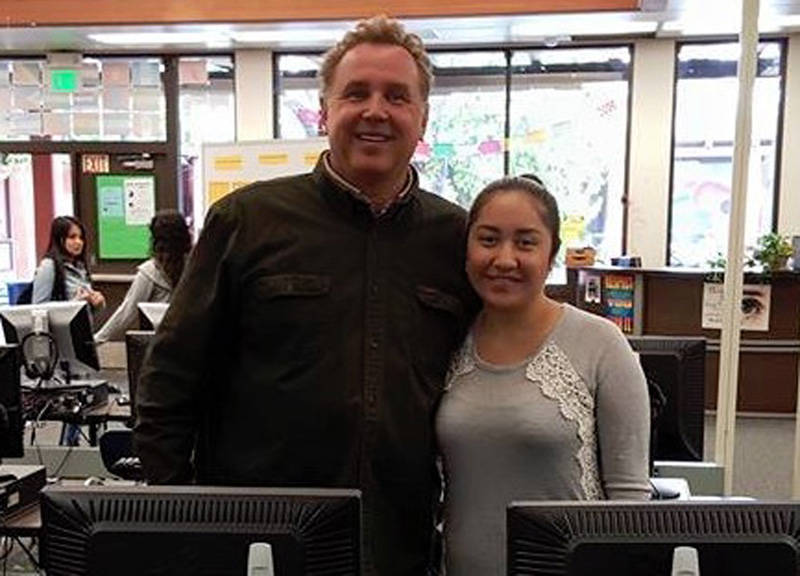
"caption": "Brandon Johnson with a former student who's now a teacher for recently arrived immigrant children.",
"description": "Brandon Johnson with a former student who's now a teacher for recently arrived immigrant children.",
"title": "Johnson800",
"credit": "Courtesy Brandon Johnson",
"status": "inherit",
"isLoading": false,
"fetchFailed": false
},
"news_11566141": {
"type": "attachments",
"id": "news_11566141",
"meta": {
"index": "attachments_1716263798",
"site": "news",
"id": "11566141",
"found": true
},
"parent": 11564073,
"imgSizes": {
"small": {
"file": "https://ww2.kqed.org/app/uploads/sites/10/2017/07/GettyImages-173969606-520x358.jpg",
"width": 520,
"mimeType": "image/jpeg",
"height": 358
},
"twentyfourteen-full-width": {
"file": "https://ww2.kqed.org/app/uploads/sites/10/2017/07/GettyImages-173969606-1038x576.jpg",
"width": 1038,
"mimeType": "image/jpeg",
"height": 576
},
"thumbnail": {
"file": "https://ww2.kqed.org/app/uploads/sites/10/2017/07/GettyImages-173969606-160x110.jpg",
"width": 160,
"mimeType": "image/jpeg",
"height": 110
},
"fd-sm": {
"file": "https://ww2.kqed.org/app/uploads/sites/10/2017/07/GettyImages-173969606-960x660.jpg",
"width": 960,
"mimeType": "image/jpeg",
"height": 660
},
"post-thumbnail": {
"file": "https://ww2.kqed.org/app/uploads/sites/10/2017/07/GettyImages-173969606-672x372.jpg",
"width": 672,
"mimeType": "image/jpeg",
"height": 372
},
"xsmall": {
"file": "https://ww2.kqed.org/app/uploads/sites/10/2017/07/GettyImages-173969606-375x258.jpg",
"width": 375,
"mimeType": "image/jpeg",
"height": 258
},
"kqedFullSize": {
"file": "https://ww2.kqed.org/app/uploads/sites/10/2017/07/GettyImages-173969606-e1499987415114.jpg",
"width": 1920,
"height": 1321
},
"large": {
"file": "https://ww2.kqed.org/app/uploads/sites/10/2017/07/GettyImages-173969606-1020x702.jpg",
"width": 1020,
"mimeType": "image/jpeg",
"height": 702
},
"xlarge": {
"file": "https://ww2.kqed.org/app/uploads/sites/10/2017/07/GettyImages-173969606-1180x812.jpg",
"width": 1180,
"mimeType": "image/jpeg",
"height": 812
},
"guest-author-50": {
"file": "https://ww2.kqed.org/app/uploads/sites/10/2017/07/GettyImages-173969606-50x50.jpg",
"width": 50,
"mimeType": "image/jpeg",
"height": 50
},
"guest-author-96": {
"file": "https://ww2.kqed.org/app/uploads/sites/10/2017/07/GettyImages-173969606-96x96.jpg",
"width": 96,
"mimeType": "image/jpeg",
"height": 96
},
"medium": {
"file": "https://ww2.kqed.org/app/uploads/sites/10/2017/07/GettyImages-173969606-800x550.jpg",
"width": 800,
"mimeType": "image/jpeg",
"height": 550
},
"guest-author-64": {
"file": "https://ww2.kqed.org/app/uploads/sites/10/2017/07/GettyImages-173969606-64x64.jpg",
"width": 64,
"mimeType": "image/jpeg",
"height": 64
},
"guest-author-32": {
"file": "https://ww2.kqed.org/app/uploads/sites/10/2017/07/GettyImages-173969606-32x32.jpg",
"width": 32,
"mimeType": "image/jpeg",
"height": 32
},
"fd-lrg": {
"file": "https://ww2.kqed.org/app/uploads/sites/10/2017/07/GettyImages-173969606-1920x1321.jpg",
"width": 1920,
"mimeType": "image/jpeg",
"height": 1321
},
"fd-med": {
"file": "https://ww2.kqed.org/app/uploads/sites/10/2017/07/GettyImages-173969606-1180x812.jpg",
"width": 1180,
"mimeType": "image/jpeg",
"height": 812
},
"full-width": {
"file": "https://ww2.kqed.org/app/uploads/sites/10/2017/07/GettyImages-173969606-1920x1321.jpg",
"width": 1920,
"mimeType": "image/jpeg",
"height": 1321
},
"detail": {
"file": "https://ww2.kqed.org/app/uploads/sites/10/2017/07/GettyImages-173969606-150x150.jpg",
"width": 150,
"mimeType": "image/jpeg",
"height": 150
},
"guest-author-128": {
"file": "https://ww2.kqed.org/app/uploads/sites/10/2017/07/GettyImages-173969606-128x128.jpg",
"width": 128,
"mimeType": "image/jpeg",
"height": 128
},
"xxsmall": {
"file": "https://ww2.kqed.org/app/uploads/sites/10/2017/07/GettyImages-173969606-240x165.jpg",
"width": 240,
"mimeType": "image/jpeg",
"height": 165
}
},
"publishDate": 1499987183,
"modified": 1499987401,
"caption": "University of California president designate Janet Napolitano speaks during a news conference following the University of California Board of Regents meeting on July 18, 2013 in San Francisco. The UC Board of Regents voted to confirm Janet Napolitano to be the next president of the UC system. ",
"description": null,
"title": "University Of California Board Votes On Napolitano Becoming President",
"credit": "Justin Sullivan/Getty Images",
"status": "inherit",
"isLoading": false,
"fetchFailed": false
}
},
"audioPlayerReducer": {
"postId": "stream_live",
"isPaused": true,
"isPlaying": false,
"pfsActive": false,
"pledgeModalIsOpen": true,
"playerDrawerIsOpen": false,
"liveAudioPlayStartedAt": 0,
"liveAudioPlayContext": ""
},
"authorsReducer": {
"byline_news_11611028": {
"type": "authors",
"id": "byline_news_11611028",
"meta": {
"override": true
},
"slug": "byline_news_11611028",
"name": "\u003cstrong>\u003ca href=\"https://calmatters.org/articles/author/jessica-calefati/\">Jessica Calefati\u003c/a>\u003c/strong>",
"isLoading": false
},
"byline_news_11610773": {
"type": "authors",
"id": "byline_news_11610773",
"meta": {
"override": true
},
"slug": "byline_news_11610773",
"name": "\u003cstrong>\u003ca href=\"http://www.scpr.org/about/people/staff/adolfo-guzman-lopez\">Adolfo Guzman-Lopez\u003c/a>\u003c/strong>",
"isLoading": false
},
"byline_news_11610406": {
"type": "authors",
"id": "byline_news_11610406",
"meta": {
"override": true
},
"slug": "byline_news_11610406",
"name": "Adolfo Guzman Lopez",
"isLoading": false
},
"byline_news_11610179": {
"type": "authors",
"id": "byline_news_11610179",
"meta": {
"override": true
},
"slug": "byline_news_11610179",
"name": "\u003cstrong>\u003ca href=\"https://calmatters.org/articles/author/jessica-calefati/\">Jessica Calefati\u003c/a>\u003c/strong>",
"isLoading": false
},
"anatintocalis": {
"type": "authors",
"id": "211",
"meta": {
"index": "authors_1716337520",
"id": "211",
"found": true
},
"name": "Ana Tintocalis",
"firstName": "Ana",
"lastName": "Tintocalis",
"slug": "anatintocalis",
"email": "atintocalis@kqed.org",
"display_author_email": false,
"staff_mastheads": [],
"title": null,
"bio": null,
"avatar": "https://secure.gravatar.com/avatar/722c50f51f04eff38fa0e5a3f1d29450?s=600&d=blank&r=g",
"twitter": null,
"facebook": null,
"instagram": null,
"linkedin": null,
"sites": [
{
"site": "news",
"roles": [
"subscriber"
]
},
{
"site": "stateofhealth",
"roles": [
"subscriber"
]
}
],
"headData": {
"title": "Ana Tintocalis | KQED",
"description": null,
"ogImgSrc": "https://secure.gravatar.com/avatar/722c50f51f04eff38fa0e5a3f1d29450?s=600&d=blank&r=g",
"twImgSrc": "https://secure.gravatar.com/avatar/722c50f51f04eff38fa0e5a3f1d29450?s=600&d=blank&r=g"
},
"isLoading": false,
"link": "/author/anatintocalis"
},
"kqed": {
"type": "authors",
"id": "236",
"meta": {
"index": "authors_1716337520",
"id": "236",
"found": true
},
"name": "KQED News Staff",
"firstName": "KQED News Staff",
"lastName": null,
"slug": "kqed",
"email": "faq@kqed.org",
"display_author_email": false,
"staff_mastheads": [],
"title": null,
"bio": null,
"avatar": "https://secure.gravatar.com/avatar/ef0e801a68c4c54afa9180db14084167?s=600&d=blank&r=g",
"twitter": null,
"facebook": null,
"instagram": null,
"linkedin": null,
"sites": [
{
"site": "arts",
"roles": [
"contributor"
]
},
{
"site": "news",
"roles": [
"editor"
]
},
{
"site": "futureofyou",
"roles": [
"author"
]
}
],
"headData": {
"title": "KQED News Staff | KQED",
"description": null,
"ogImgSrc": "https://secure.gravatar.com/avatar/ef0e801a68c4c54afa9180db14084167?s=600&d=blank&r=g",
"twImgSrc": "https://secure.gravatar.com/avatar/ef0e801a68c4c54afa9180db14084167?s=600&d=blank&r=g"
},
"isLoading": false,
"link": "/author/kqed"
},
"dkatayama": {
"type": "authors",
"id": "7240",
"meta": {
"index": "authors_1716337520",
"id": "7240",
"found": true
},
"name": "Devin Katayama",
"firstName": "Devin",
"lastName": "Katayama",
"slug": "dkatayama",
"email": "dkatayama@kqed.org",
"display_author_email": true,
"staff_mastheads": [
"news"
],
"title": "Editor of Talent and Development",
"bio": "Devin Katayama is former Editor of Talent and Development for KQED. He supported our internship program and on-call staff by looking for equitable opportunities to improve the newsroom.\r\n\r\nHe previously hosted The Bay and American Suburb podcasts from KQED News. Prior to returning to the Bay Area in 2015, Devin was the education reporter for WFPL in Louisville and worked as a producer with radio stations in Chicago and Portland, OR. His work has appeared on NPR’s \u003cem>Morning Edition, All Things Considered, The Takeaway\u003c/em> and \u003cem>Here and Now.\u003c/em>\r\n\r\nDevin earned his MA in Journalism from Columbia College Chicago, where he was a Follett Fellow and the recipient of the 2011 Studs Terkel Community Media Workshop Scholarship for his story on Chicago's homeless youth. He won WBUR's 2014 Daniel Schorr award and a regional RTNDA Edward R. Murrow Award for his documentary \"At Risk\" that looked at issues facing some of Louisville's students. Devin has also received numerous local awards from the Associated Press and the Society of Professional Journalists.",
"avatar": "https://secure.gravatar.com/avatar/d0d2978a31002fb2de107921a8e18405?s=600&d=blank&r=g",
"twitter": "RadioDevin",
"facebook": null,
"instagram": null,
"linkedin": null,
"sites": [
{
"site": "arts",
"roles": []
},
{
"site": "news",
"roles": [
"author"
]
},
{
"site": "stateofhealth",
"roles": [
"author"
]
},
{
"site": "forum",
"roles": [
"editor"
]
},
{
"site": "perspectives",
"roles": [
"editor"
]
}
],
"headData": {
"title": "Devin Katayama | KQED",
"description": "Editor of Talent and Development",
"ogImgSrc": "https://secure.gravatar.com/avatar/d0d2978a31002fb2de107921a8e18405?s=600&d=blank&r=g",
"twImgSrc": "https://secure.gravatar.com/avatar/d0d2978a31002fb2de107921a8e18405?s=600&d=blank&r=g"
},
"isLoading": false,
"link": "/author/dkatayama"
},
"dgorn": {
"type": "authors",
"id": "8656",
"meta": {
"index": "authors_1716337520",
"id": "8656",
"found": true
},
"name": "David Gorn",
"firstName": "David",
"lastName": "Gorn",
"slug": "dgorn",
"email": "dgorn+donotmail@sbcglobal.net",
"display_author_email": false,
"staff_mastheads": [],
"title": "KQED Contributor",
"bio": "David Gorn is the former Deputy News Director of KQED Radio. His public radio pieces have appeared on NPR, the World, Marketplace and the California Report.",
"avatar": "https://secure.gravatar.com/avatar/a6ad3e1eec1712e19b986b9395614010?s=600&d=blank&r=g",
"twitter": null,
"facebook": null,
"instagram": null,
"linkedin": null,
"sites": [
{
"site": "news",
"roles": [
"subscriber"
]
},
{
"site": "futureofyou",
"roles": [
"author"
]
},
{
"site": "science",
"roles": [
"author"
]
},
{
"site": "quest",
"roles": [
"editor"
]
}
],
"headData": {
"title": "David Gorn | KQED",
"description": "KQED Contributor",
"ogImgSrc": "https://secure.gravatar.com/avatar/a6ad3e1eec1712e19b986b9395614010?s=600&d=blank&r=g",
"twImgSrc": "https://secure.gravatar.com/avatar/a6ad3e1eec1712e19b986b9395614010?s=600&d=blank&r=g"
},
"isLoading": false,
"link": "/author/dgorn"
},
"shutson": {
"type": "authors",
"id": "11216",
"meta": {
"index": "authors_1716337520",
"id": "11216",
"found": true
},
"name": "Sonja Hutson",
"firstName": "Sonja",
"lastName": "Hutson",
"slug": "shutson",
"email": "shutson@kqed.org",
"display_author_email": false,
"staff_mastheads": [],
"title": "KQED Contributor",
"bio": "Sonja Hutson is a former reporter for KQED's Silicon Valley desk and weekend newscasts. She primarily covers tech and housing. Sonja is a Bay Area native and now lives in San Francisco. When she's not working, you can find her camping, skiing, scuba diving, and struggling with the New York Times Crossword. Email: \u003ca href=\"mailto:shutson@kqed.org\">shutson@kqed.org. \u003c/a>Twitter: \u003ca href=\"https://twitter.com/SonjaHutson\">@SonjaHutson\u003c/a>",
"avatar": "https://secure.gravatar.com/avatar/7537c5e36818614e599b6c0f41d72b7a?s=600&d=blank&r=g",
"twitter": "SonjaHutson",
"facebook": null,
"instagram": null,
"linkedin": null,
"sites": [
{
"site": "arts",
"roles": [
"author"
]
},
{
"site": "news",
"roles": [
"subscriber"
]
}
],
"headData": {
"title": "Sonja Hutson | KQED",
"description": "KQED Contributor",
"ogImgSrc": "https://secure.gravatar.com/avatar/7537c5e36818614e599b6c0f41d72b7a?s=600&d=blank&r=g",
"twImgSrc": "https://secure.gravatar.com/avatar/7537c5e36818614e599b6c0f41d72b7a?s=600&d=blank&r=g"
},
"isLoading": false,
"link": "/author/shutson"
},
"jeremysiegel": {
"type": "authors",
"id": "11258",
"meta": {
"index": "authors_1716337520",
"id": "11258",
"found": true
},
"name": "Jeremy Siegel",
"firstName": "Jeremy",
"lastName": "Siegel",
"slug": "jeremysiegel",
"email": "jsiegel@kqed.org",
"display_author_email": false,
"staff_mastheads": [],
"title": "KQED Contributor",
"bio": "Jeremy Siegel is is the weekend afternoon news anchor for KQED. His reporting can be heard on KQED News, Morning Edition, All Things Considered and The California Report. Jeremy's coverage of the Camp Fire in Butte County won the 2019 Society of Professional Journalists, Northern California Chapter, Excellence in Journalism Award for Breaking News. Jeremy grew up in Cincinnati, Ohio, and graduated from UC Berkeley.",
"avatar": "https://secure.gravatar.com/avatar/3921a64ceb9ed5d0ba47d9ae9782f1ab?s=600&d=blank&r=g",
"twitter": "jersiegel",
"facebook": null,
"instagram": null,
"linkedin": null,
"sites": [
{
"site": "arts",
"roles": []
},
{
"site": "news",
"roles": [
"subscriber"
]
},
{
"site": "science",
"roles": []
}
],
"headData": {
"title": "Jeremy Siegel | KQED",
"description": "KQED Contributor",
"ogImgSrc": "https://secure.gravatar.com/avatar/3921a64ceb9ed5d0ba47d9ae9782f1ab?s=600&d=blank&r=g",
"twImgSrc": "https://secure.gravatar.com/avatar/3921a64ceb9ed5d0ba47d9ae9782f1ab?s=600&d=blank&r=g"
},
"isLoading": false,
"link": "/author/jeremysiegel"
},
"rlevi": {
"type": "authors",
"id": "11260",
"meta": {
"index": "authors_1716337520",
"id": "11260",
"found": true
},
"name": "Ryan Levi",
"firstName": "Ryan",
"lastName": "Levi",
"slug": "rlevi",
"email": "rlevi@KQED.org",
"display_author_email": false,
"staff_mastheads": [],
"title": "KQED Contributor",
"bio": "Ryan Levi was a reporter and podcast producer at KQED News from 2016-2019. He worked on \u003ca href=\"https://www.kqed.org/news/series/baycurious\">Bay Curious\u003c/a>, \u003ca href=\"https://www.kqed.org/news/tag/the-bay/\">The Bay, \u003c/a>and \u003ca href=\"https://podcasts.apple.com/us/podcast/the-california-report-magazine/id1314750545\">The California Report Magazine\u003c/a>, as well as hosting and producing the weekly \u003ca href=\"https://www.kqed.org/news/program/qedup/\">Q'ed Up podcast. \u003c/a>He also helped inaugurate KQED's weekend news coverage in 2017 as one of two original digital producers. Ryan holds degrees in multimedia journalism and Spanish from the University of Missouri.",
"avatar": "https://secure.gravatar.com/avatar/4cb2ddd028ac8807d1adf09609c5555d?s=600&d=blank&r=g",
"twitter": "ryan_levi",
"facebook": null,
"instagram": null,
"linkedin": null,
"sites": [
{
"site": "arts",
"roles": [
"editor"
]
},
{
"site": "news",
"roles": [
"subscriber"
]
},
{
"site": "stateofhealth",
"roles": [
"editor"
]
},
{
"site": "science",
"roles": [
"editor"
]
},
{
"site": "forum",
"roles": [
"administrator"
]
},
{
"site": "perspectives",
"roles": [
"administrator"
]
}
],
"headData": {
"title": "Ryan Levi | KQED",
"description": "KQED Contributor",
"ogImgSrc": "https://secure.gravatar.com/avatar/4cb2ddd028ac8807d1adf09609c5555d?s=600&d=blank&r=g",
"twImgSrc": "https://secure.gravatar.com/avatar/4cb2ddd028ac8807d1adf09609c5555d?s=600&d=blank&r=g"
},
"isLoading": false,
"link": "/author/rlevi"
},
"tmosley": {
"type": "authors",
"id": "11373",
"meta": {
"index": "authors_1716337520",
"id": "11373",
"found": true
},
"name": "Tonya Mosley",
"firstName": "Tonya",
"lastName": "Mosley",
"slug": "tmosley",
"email": "tmosley@kqed.org",
"display_author_email": false,
"staff_mastheads": [],
"title": "KQED Contributor",
"bio": "Tonya Mosley is a former Silicon Valley bureau chief for KQED. She served as the senior editor, leading a team of journalists covering the impacts of technology companies on the South Bay and society. Tonya is also a former host and reporter for KQED.\r\n\r\nPrior to KQED, Tonya served as a television reporter & anchor for several media outlets, including Al Jazeera America.\r\n\r\nIn 2015, Tonya was awarded a John S. Knight Journalism Fellowship at Stanford University where she co-created a workshop for journalists on the impacts of implicit bias, and co-wrote a Belgian/American experimental study on the effects of protest coverage.\r\n\r\nTonya has won several national awards for her work, most recently an Emmy Award in 2016 for her televised piece \"Beyond Ferguson,\" and a national Edward R. Murrow award for her public radio series \"Black in Seattle.\"\r\n\r\nYou can reach Tonya at: tmosley@kqed.org.",
"avatar": "https://secure.gravatar.com/avatar/0b2ea2bbfed6bafaacd21e9398c68e5e?s=600&d=blank&r=g",
"twitter": "tonyamosley",
"facebook": null,
"instagram": null,
"linkedin": null,
"sites": [
{
"site": "arts",
"roles": [
"editor"
]
},
{
"site": "news",
"roles": [
"subscriber"
]
},
{
"site": "about",
"roles": [
"author"
]
},
{
"site": "forum",
"roles": [
"author"
]
}
],
"headData": {
"title": "Tonya Mosley | KQED",
"description": "KQED Contributor",
"ogImgSrc": "https://secure.gravatar.com/avatar/0b2ea2bbfed6bafaacd21e9398c68e5e?s=600&d=blank&r=g",
"twImgSrc": "https://secure.gravatar.com/avatar/0b2ea2bbfed6bafaacd21e9398c68e5e?s=600&d=blank&r=g"
},
"isLoading": false,
"link": "/author/tmosley"
}
},
"pagesReducer": {
"news_category_education": {
"type": "terms",
"id": "news_18540",
"meta": {
"index": "terms_1716263798",
"site": "news",
"id": "18540",
"score": 10.973221
},
"featImg": null,
"name": "Education",
"description": null,
"taxonomy": "category",
"headData": {
"twImgId": null,
"twTitle": null,
"ogTitle": null,
"ogImgId": null,
"twDescription": null,
"description": null,
"title": "Education Archives | KQED News",
"ogDescription": null
},
"ttid": 2595,
"slug": "education",
"isLoading": false,
"title": "Education",
"pageMeta": {
"site": "news",
"WpPageTemplate": "page-topic-editorial",
"currentPage": 145
},
"blocks": [
{
"blockName": "kqed/post-list",
"attrs": {
"layout": "cardArticle2",
"query": "posts/news?category=education",
"seeMore": false,
"paginated": true,
"page": 145
}
},
{
"blockName": "kqed/ad"
}
]
}
},
"pfsSessionReducer": {},
"postsReducer": {
"stream_live": {
"type": "live",
"id": "stream_live",
"audioUrl": "https://streams.kqed.org/kqedradio",
"title": "Live Stream",
"excerpt": "Live Stream information currently unavailable.",
"link": "/radio",
"featImg": "",
"label": {
"name": "KQED Live",
"link": "/"
}
},
"stream_kqedNewscast": {
"type": "posts",
"id": "stream_kqedNewscast",
"audioUrl": "https://www.kqed.org/.stream/anon/radio/RDnews/newscast.mp3?_=1",
"title": "KQED Newscast",
"featImg": "",
"label": {
"name": "88.5 FM",
"link": "/"
}
},
"news_11611940": {
"type": "posts",
"id": "news_11611940",
"meta": {
"index": "posts_1716263798",
"site": "news",
"id": "11611940",
"score": null,
"sort": [
1502925913000
]
},
"guestAuthors": [],
"slug": "meet-the-homegrown-superintendents-from-san-francisco-and-oakland",
"title": "Meet the 'Homegrown' Superintendents From San Francisco and Oakland",
"publishDate": 1502925913,
"format": "audio",
"headTitle": "Meet the ‘Homegrown’ Superintendents From San Francisco and Oakland | KQED",
"labelTerm": {
"term": 6944,
"site": "news"
},
"content": "\u003cp>If you’re a public school parent in San Francisco or Oakland, your child’s education is now in the hands of a new leader.\u003c/p>\n\u003cp>Kyla Johnson-Trammell is the new schools chief in the Oakland Unified School District.\u003c/p>\n\u003cp>Vincent Matthews now heads up San Francisco Unified.\u003c/p>\n\u003cp>While their districts are very different, these leaders have one thing in common: They attended and worked in the schools they now lead.\u003c/p>\n\u003cp>They also join a \u003ca href=\"https://edsource.org/2017/oakland-is-the-latest-big-district-turning-to-insider-to-head-schools/582833\" target=\"_blank\" rel=\"noopener noreferrer\">growing list\u003c/a> of “homegrown superintendents” in California. The trend comes after years of large urban school districts bringing in outsiders who often divided school communities with their ambitious agendas and short tenures.\u003c/p>\n\u003cp>[ad fullwidth]\u003c/p>\n\u003cp>In Oakland and San Francisco, the hope is that Johnson-Trammell and Mathews will stay longer, easily win trust among families and community members, and stabilize their districts.\u003c/p>\n\u003cp>\u003cstrong>Vincent Matthews: ‘This Is My Home’\u003c/strong>\u003c/p>\n\u003cp>A prominent African-American school administrator, Matthews led \u003ca href=\"https://ww2.kqed.org/forum/2015/08/25/california-bay-area-school-districts-scramble-to-hire-teachers/\" target=\"_blank\" rel=\"noopener noreferrer\">San Jose Unified\u003c/a> for more than five years. Before that, he was the state-appointed administrator for Oakland Unified, helping the district get out of its financial mess in 2007.\u003c/p>\n\u003cp>Until recently, he was overseeing the troubled Inglewood Unified School District near Los Angeles, also as a state-appointed administrator.\u003c/p>\n\u003cp>“I’ve loved every place that I’ve had the opportunity to be a part of. But San Francisco is where I was raised. This is my home,” Matthews said.\u003c/p>\n\u003cp>He grew up in the Haight-Ashbury District in the 1970s. His mom and siblings lived in a Victorian with two other families. He attended public schools in the neighborhood, went to San Francisco State University and returned to the district as a teacher and then a principal.\u003c/p>\n\u003cp>His deep connection to San Francisco — combined with his 30 years of experience as a successful school leader — helped him land his new job.\u003c/p>\n\u003cp>“My job is to be the chief collaborator around getting students in this city a high-quality education,” he said. “I will scream that from the mountaintops, and I will talk to each and every person who wants to hear it. Even people who don’t want to hear it. They will hear it from me.”\u003c/p>\n\u003cp>Matthews demonstrated his unique ability to connect with local educators at a recent meet-and-greet at one of Google’s downtown offices.\u003c/p>\n\u003caside class=\"pullquote alignright\">“Your ZIP code should not determine the quality of the education you receive.”\u003cbr>\n\u003ccite>Vincent Matthews, Superintendent San Francisco Unified Schools\u003cbr>\n\u003c/cite>\u003c/aside>\n\u003caside class=\"pullquote\">\u003c/aside>\n\u003caside class=\"pullquote\">\u003c/aside>\n\u003cp>Teachers from the city’s Bayview District were invited to attend, and Matthews told the crowd it felt like a reunion. He said that even though he went to school in the Haight, he spent a lot of time in the Bayview, where many African-American families lived. He has fond memories of attending church in the neighborhood, going to choir practice and hanging out with friends.\u003c/p>\n\u003cp>However, Matthews said that even as a kid he noticed the educational inequities within district schools, which he believes remain today.\u003c/p>\n\u003cp>“That is key for me. Your ZIP code should not determine the quality of the education you receive,” he told the roomful of teachers.\u003c/p>\n\u003cp>Matthews said to expect an even greater emphasis on making sure all schools are offering a high-quality education – especially at schools that he believes have not gotten the attention they deserve.\u003c/p>\n\u003cp>Above all, when it comes to learning in a city that’s the epicenter of all things tech, Matthews said he wants district students to master the skill of creativity.\u003c/p>\n\u003cp>“It assists them in becoming much more flexible. Being able not to just see two years down the road, but to begin to see five years, 10 years, 20 years down the road.”\u003c/p>\n\u003cp>Matthews’ flexibility will be tested on Day One – jumping into district contract negotiations with teachers and figuring out affordable housing solutions for all its educators.\u003c/p>\n\u003cp>He’s also expected to face some skepticism around his stance on charter schools. Matthews spent five years promoting and running charter schools during this career and he believes they play a role in offering families more options.\u003c/p>\n\u003cfigure id=\"attachment_11611968\" class=\"wp-caption aligncenter\" style=\"max-width: 800px\">\u003cimg loading=\"lazy\" decoding=\"async\" class=\"size-medium wp-image-11611968\" src=\"https://ww2.kqed.org/news/wp-content/uploads/sites/10/2017/08/IMG_2877-800x533.jpg\" alt=\"\" width=\"800\" height=\"533\" srcset=\"https://cdn.kqed.org/wp-content/uploads/sites/10/2017/08/IMG_2877-800x533.jpg 800w, https://cdn.kqed.org/wp-content/uploads/sites/10/2017/08/IMG_2877-160x107.jpg 160w, https://cdn.kqed.org/wp-content/uploads/sites/10/2017/08/IMG_2877-1020x680.jpg 1020w, https://cdn.kqed.org/wp-content/uploads/sites/10/2017/08/IMG_2877-1920x1280.jpg 1920w, https://cdn.kqed.org/wp-content/uploads/sites/10/2017/08/IMG_2877-1180x787.jpg 1180w, https://cdn.kqed.org/wp-content/uploads/sites/10/2017/08/IMG_2877-960x640.jpg 960w, https://cdn.kqed.org/wp-content/uploads/sites/10/2017/08/IMG_2877-240x160.jpg 240w, https://cdn.kqed.org/wp-content/uploads/sites/10/2017/08/IMG_2877-375x250.jpg 375w, https://cdn.kqed.org/wp-content/uploads/sites/10/2017/08/IMG_2877-520x347.jpg 520w\" sizes=\"(max-width: 800px) 100vw, 800px\">\u003cfigcaption class=\"wp-caption-text\">Kyla Johnson-Trammell looks on during a leadership event at La Escuelita Elementary School before the 2017-2018 school year. \u003ccite>(Devin Katayama/KQED)\u003c/cite>\u003c/figcaption>\u003c/figure>\n\u003cp>\u003cstrong>Kyla Johnson-Trammell: The Insider\u003c/strong>\u003c/p>\n\u003cp>Kyla Johnson-Trammell has spent her entire professional career — more than 18 years — in the Oakland Unified School District. The 41-year-old mother of two has been an elementary school teacher and principal and has held administrative positions.\u003c/p>\n\u003cp>On a recent morning, Johnson-Trammell introduced her leadership style to a crowded gym of Oakland principals and educators, most of whom she knew, saying she wants to be less of a “hero” who would offer silver-bullet solutions to solve the district’s problems and more of a “host,” who creates a culture of innovation and collaboration.\u003c/p>\n\u003cp>“I believe from my gut that it is not about one individual to help us become the organization we want to be,” she said. “It’s about the collective.”\u003c/p>\n\u003cp>Oakland Unified’s turmoil over recent years has, in large part, been caused by leadership turnover, Johnson-Trammell told KQED. OUSD has had four superintendents in the last five years.\u003c/p>\n\u003cp>Before Antwan Wilson departed earlier this year to lead the Washington, D.C., school district, he announced Oakland Unified would be forced to make millions of dollars in cuts, while ultimately impacted the central office that Johnson-Trammell would soon inherit.\u003c/p>\n\u003caside class=\"pullquote alignright\">“It is not about one individual to help us become the organization we want to be.”\u003cbr>\n\u003ccite>Kyla Johnson-Trammell, Superintendent of the Oakland Unified School District\u003cbr>\n\u003c/cite>\u003c/aside>\n\u003cp>The East Oakland native knows the task of improving the district is “daunting.” OUSD has a graduation rate that has increased slowly over the last few years, but remains low at 66 percent. Charter school enrollment continues to climb, while district school enrollment is expected to remain around 37,000.\u003c/p>\n\u003cp>Johnson-Trammell expects more budget cuts in the future caused, in part, by cost-of-living increases, pensions and more students with special needs.\u003c/p>\n\u003cp>“We’re going to have to think very conservatively,” she said.\u003c/p>\n\u003cp>[ad floatright]\u003c/p>\n\u003cp>Johnson-Trammell wants to remain superintendent as long as she can create a culture that allows teachers, principals, families and schools to find creative solutions to problems they face, she said. As to whether she’ll stay for the long run, she says she’d like to, but “I can’t make that promise.”\u003c/p>\n\n",
"blocks": [],
"excerpt": "Experience and familiarity in local districts could give new school leaders the edge that outsiders lack.",
"status": "publish",
"parent": 0,
"modified": 1721111617,
"stats": {
"hasAudio": false,
"hasVideo": false,
"hasChartOrMap": false,
"iframeSrcs": [],
"hasGoogleForm": false,
"hasGallery": false,
"hasHearkenModule": false,
"hasPolis": false,
"paragraphCount": 34,
"wordCount": 1121
},
"headData": {
"title": "Meet the 'Homegrown' Superintendents From San Francisco and Oakland | KQED",
"description": "Experience and familiarity in local districts could give new school leaders the edge that outsiders lack.",
"ogTitle": "",
"ogDescription": "",
"ogImgId": "",
"twTitle": "",
"twDescription": "",
"twImgId": "",
"schema": {
"@context": "https://schema.org",
"@type": "NewsArticle",
"headline": "Meet the 'Homegrown' Superintendents From San Francisco and Oakland",
"datePublished": "2017-08-16T16:25:13-07:00",
"dateModified": "2024-07-15T23:33:37-07:00",
"image": "https://cdn.kqed.org/wp-content/uploads/2020/02/KQED-OG-Image@1x.png",
"isAccessibleForFree": "True",
"publisher": {
"@type": "NewsMediaOrganization",
"@id": "https://www.kqed.org/#organization",
"name": "KQED",
"logo": "https://cdn.kqed.org/wp-content/uploads/2020/02/KQED-OG-Image@1x.png",
"url": "https://www.kqed.org",
"sameAs": [
"https://www.facebook.com/KQED",
"https://twitter.com/KQED",
"https://www.instagram.com/kqed/",
"https://www.tiktok.com/@kqedofficial",
"https://www.linkedin.com/company/kqed",
"https://www.youtube.com/channel/UCeC0IOo7i1P_61zVUWbJ4nw"
]
}
}
},
"audioUrl": "http://www.kqed.org/.stream/anon/radio/RDnews/2017/08/20170815HomegrownSchoolSupers.mp3",
"guestFields": "0",
"sticky": false,
"path": "/news/11611940/meet-the-homegrown-superintendents-from-san-francisco-and-oakland",
"audioTrackLength": null,
"parsedContent": [
{
"type": "contentString",
"content": "\u003cdiv class=\"post-body\">\u003cp>\u003cp>If you’re a public school parent in San Francisco or Oakland, your child’s education is now in the hands of a new leader.\u003c/p>\n\u003cp>Kyla Johnson-Trammell is the new schools chief in the Oakland Unified School District.\u003c/p>\n\u003cp>Vincent Matthews now heads up San Francisco Unified.\u003c/p>\n\u003cp>While their districts are very different, these leaders have one thing in common: They attended and worked in the schools they now lead.\u003c/p>\n\u003cp>They also join a \u003ca href=\"https://edsource.org/2017/oakland-is-the-latest-big-district-turning-to-insider-to-head-schools/582833\" target=\"_blank\" rel=\"noopener noreferrer\">growing list\u003c/a> of “homegrown superintendents” in California. The trend comes after years of large urban school districts bringing in outsiders who often divided school communities with their ambitious agendas and short tenures.\u003c/p>\n\u003cp>\u003c/p>\u003c/div>",
"attributes": {
"named": {},
"numeric": []
}
},
{
"type": "component",
"content": "",
"name": "ad",
"attributes": {
"named": {
"label": "fullwidth"
},
"numeric": [
"fullwidth"
]
}
},
{
"type": "contentString",
"content": "\u003cdiv class=\"post-body\">\u003cp>\u003c/p>\n\u003cp>In Oakland and San Francisco, the hope is that Johnson-Trammell and Mathews will stay longer, easily win trust among families and community members, and stabilize their districts.\u003c/p>\n\u003cp>\u003cstrong>Vincent Matthews: ‘This Is My Home’\u003c/strong>\u003c/p>\n\u003cp>A prominent African-American school administrator, Matthews led \u003ca href=\"https://ww2.kqed.org/forum/2015/08/25/california-bay-area-school-districts-scramble-to-hire-teachers/\" target=\"_blank\" rel=\"noopener noreferrer\">San Jose Unified\u003c/a> for more than five years. Before that, he was the state-appointed administrator for Oakland Unified, helping the district get out of its financial mess in 2007.\u003c/p>\n\u003cp>Until recently, he was overseeing the troubled Inglewood Unified School District near Los Angeles, also as a state-appointed administrator.\u003c/p>\n\u003cp>“I’ve loved every place that I’ve had the opportunity to be a part of. But San Francisco is where I was raised. This is my home,” Matthews said.\u003c/p>\n\u003cp>He grew up in the Haight-Ashbury District in the 1970s. His mom and siblings lived in a Victorian with two other families. He attended public schools in the neighborhood, went to San Francisco State University and returned to the district as a teacher and then a principal.\u003c/p>\n\u003cp>His deep connection to San Francisco — combined with his 30 years of experience as a successful school leader — helped him land his new job.\u003c/p>\n\u003cp>“My job is to be the chief collaborator around getting students in this city a high-quality education,” he said. “I will scream that from the mountaintops, and I will talk to each and every person who wants to hear it. Even people who don’t want to hear it. They will hear it from me.”\u003c/p>\n\u003cp>Matthews demonstrated his unique ability to connect with local educators at a recent meet-and-greet at one of Google’s downtown offices.\u003c/p>\n\u003caside class=\"pullquote alignright\">“Your ZIP code should not determine the quality of the education you receive.”\u003cbr>\n\u003ccite>Vincent Matthews, Superintendent San Francisco Unified Schools\u003cbr>\n\u003c/cite>\u003c/aside>\n\u003caside class=\"pullquote\">\u003c/aside>\n\u003caside class=\"pullquote\">\u003c/aside>\n\u003cp>Teachers from the city’s Bayview District were invited to attend, and Matthews told the crowd it felt like a reunion. He said that even though he went to school in the Haight, he spent a lot of time in the Bayview, where many African-American families lived. He has fond memories of attending church in the neighborhood, going to choir practice and hanging out with friends.\u003c/p>\n\u003cp>However, Matthews said that even as a kid he noticed the educational inequities within district schools, which he believes remain today.\u003c/p>\n\u003cp>“That is key for me. Your ZIP code should not determine the quality of the education you receive,” he told the roomful of teachers.\u003c/p>\n\u003cp>Matthews said to expect an even greater emphasis on making sure all schools are offering a high-quality education – especially at schools that he believes have not gotten the attention they deserve.\u003c/p>\n\u003cp>Above all, when it comes to learning in a city that’s the epicenter of all things tech, Matthews said he wants district students to master the skill of creativity.\u003c/p>\n\u003cp>“It assists them in becoming much more flexible. Being able not to just see two years down the road, but to begin to see five years, 10 years, 20 years down the road.”\u003c/p>\n\u003cp>Matthews’ flexibility will be tested on Day One – jumping into district contract negotiations with teachers and figuring out affordable housing solutions for all its educators.\u003c/p>\n\u003cp>He’s also expected to face some skepticism around his stance on charter schools. Matthews spent five years promoting and running charter schools during this career and he believes they play a role in offering families more options.\u003c/p>\n\u003cfigure id=\"attachment_11611968\" class=\"wp-caption aligncenter\" style=\"max-width: 800px\">\u003cimg loading=\"lazy\" decoding=\"async\" class=\"size-medium wp-image-11611968\" src=\"https://ww2.kqed.org/news/wp-content/uploads/sites/10/2017/08/IMG_2877-800x533.jpg\" alt=\"\" width=\"800\" height=\"533\" srcset=\"https://cdn.kqed.org/wp-content/uploads/sites/10/2017/08/IMG_2877-800x533.jpg 800w, https://cdn.kqed.org/wp-content/uploads/sites/10/2017/08/IMG_2877-160x107.jpg 160w, https://cdn.kqed.org/wp-content/uploads/sites/10/2017/08/IMG_2877-1020x680.jpg 1020w, https://cdn.kqed.org/wp-content/uploads/sites/10/2017/08/IMG_2877-1920x1280.jpg 1920w, https://cdn.kqed.org/wp-content/uploads/sites/10/2017/08/IMG_2877-1180x787.jpg 1180w, https://cdn.kqed.org/wp-content/uploads/sites/10/2017/08/IMG_2877-960x640.jpg 960w, https://cdn.kqed.org/wp-content/uploads/sites/10/2017/08/IMG_2877-240x160.jpg 240w, https://cdn.kqed.org/wp-content/uploads/sites/10/2017/08/IMG_2877-375x250.jpg 375w, https://cdn.kqed.org/wp-content/uploads/sites/10/2017/08/IMG_2877-520x347.jpg 520w\" sizes=\"(max-width: 800px) 100vw, 800px\">\u003cfigcaption class=\"wp-caption-text\">Kyla Johnson-Trammell looks on during a leadership event at La Escuelita Elementary School before the 2017-2018 school year. \u003ccite>(Devin Katayama/KQED)\u003c/cite>\u003c/figcaption>\u003c/figure>\n\u003cp>\u003cstrong>Kyla Johnson-Trammell: The Insider\u003c/strong>\u003c/p>\n\u003cp>Kyla Johnson-Trammell has spent her entire professional career — more than 18 years — in the Oakland Unified School District. The 41-year-old mother of two has been an elementary school teacher and principal and has held administrative positions.\u003c/p>\n\u003cp>On a recent morning, Johnson-Trammell introduced her leadership style to a crowded gym of Oakland principals and educators, most of whom she knew, saying she wants to be less of a “hero” who would offer silver-bullet solutions to solve the district’s problems and more of a “host,” who creates a culture of innovation and collaboration.\u003c/p>\n\u003cp>“I believe from my gut that it is not about one individual to help us become the organization we want to be,” she said. “It’s about the collective.”\u003c/p>\n\u003cp>Oakland Unified’s turmoil over recent years has, in large part, been caused by leadership turnover, Johnson-Trammell told KQED. OUSD has had four superintendents in the last five years.\u003c/p>\n\u003cp>Before Antwan Wilson departed earlier this year to lead the Washington, D.C., school district, he announced Oakland Unified would be forced to make millions of dollars in cuts, while ultimately impacted the central office that Johnson-Trammell would soon inherit.\u003c/p>\n\u003caside class=\"pullquote alignright\">“It is not about one individual to help us become the organization we want to be.”\u003cbr>\n\u003ccite>Kyla Johnson-Trammell, Superintendent of the Oakland Unified School District\u003cbr>\n\u003c/cite>\u003c/aside>\n\u003cp>The East Oakland native knows the task of improving the district is “daunting.” OUSD has a graduation rate that has increased slowly over the last few years, but remains low at 66 percent. Charter school enrollment continues to climb, while district school enrollment is expected to remain around 37,000.\u003c/p>\n\u003cp>Johnson-Trammell expects more budget cuts in the future caused, in part, by cost-of-living increases, pensions and more students with special needs.\u003c/p>\n\u003cp>“We’re going to have to think very conservatively,” she said.\u003c/p>\n\u003cp>\u003c/p>\u003c/div>",
"attributes": {
"named": {},
"numeric": []
}
},
{
"type": "component",
"content": "",
"name": "ad",
"attributes": {
"named": {
"label": "floatright"
},
"numeric": [
"floatright"
]
}
},
{
"type": "contentString",
"content": "\u003cdiv class=\"post-body\">\u003cp>\u003c/p>\n\u003cp>Johnson-Trammell wants to remain superintendent as long as she can create a culture that allows teachers, principals, families and schools to find creative solutions to problems they face, she said. As to whether she’ll stay for the long run, she says she’d like to, but “I can’t make that promise.”\u003c/p>\n\n\u003c/div>\u003c/p>",
"attributes": {
"named": {},
"numeric": []
}
}
],
"link": "/news/11611940/meet-the-homegrown-superintendents-from-san-francisco-and-oakland",
"authors": [
"7240",
"211"
],
"programs": [
"news_6944"
],
"categories": [
"news_18540",
"news_8"
],
"tags": [
"news_20013",
"news_1826",
"news_3946"
],
"featImg": "news_11612131",
"label": "news_6944"
},
"news_11611440": {
"type": "posts",
"id": "news_11611440",
"meta": {
"index": "posts_1716263798",
"site": "news",
"id": "11611440",
"score": null,
"sort": [
1502496375000
]
},
"parent": 0,
"labelTerm": {
"site": "news",
"term": 6944
},
"blocks": [],
"publishDate": 1502496375,
"format": "standard",
"disqusTitle": "UC Berkeley Budget Cuts Campus Deficit by Nearly Half",
"title": "UC Berkeley Budget Cuts Campus Deficit by Nearly Half",
"headTitle": "News Fix | KQED News",
"content": "\u003cp>UC Berkeley’s new chancellor has a plan to reduce the campus deficit by nearly half, cutting $54 million from a $110 million deficit for the 2018 fiscal year.\u003c/p>\n\u003cp>Chancellor Carol Christ released her budget Thursday.\u003c/p>\n\u003cp>More than half the reductions would come from new revenue streams, including private gifts and new or expanded academic programming.\u003c/p>\n\u003cp>The budget also includes roughly $20 million in cuts to academic, research and administrative divisions.\u003c/p>\n\u003cp>Teaching units would, for the most part, be able to use new revenue to meet their budget targets. Research units, however, would not have that cushion and would need to reduce their expenses by an average of 4 percent.\u003c/p>\n\u003cp>[ad fullwidth]\u003c/p>\n\u003cp>In the administrative branch, Cal Athletics and the Berkeley Art Museum and Pacific Film Archive would be hit hardest by expense reductions. Cal Athletics would have to shave off 4 percent from its operating budget, and BAMPFA would need to cut 5 percent.\u003c/p>\n\u003cp>The new budget also eliminates salary increases for Cal's senior leadership.\u003c/p>\n\u003cp>\u003c/p>\n\u003cp>Despite the massive deficit cut, Christ’s budget still projects a $2 billion funding gap over the next 10 years.\u003c/p>\n\n",
"disqusIdentifier": "11611440 https://ww2.kqed.org/news/?p=11611440",
"disqusUrl": "https://ww2.kqed.org/news/2017/08/11/uc-berkeley-budget-cuts-campus-deficit-by-nearly-half/",
"stats": {
"hasVideo": false,
"hasChartOrMap": false,
"hasAudio": false,
"hasPolis": false,
"wordCount": 190,
"hasGoogleForm": false,
"hasGallery": false,
"hasHearkenModule": false,
"iframeSrcs": [],
"paragraphCount": 10
},
"modified": 1502496375,
"excerpt": "More than half the reductions would be courtesy of new revenue streams, including private gifts and new or expanded academic programming. The budget also comes with roughly $20 million in cuts to academic, research and administrative divisions.",
"headData": {
"twImgId": "",
"twTitle": "",
"ogTitle": "",
"ogImgId": "",
"twDescription": "",
"description": "More than half the reductions would be courtesy of new revenue streams, including private gifts and new or expanded academic programming. The budget also comes with roughly $20 million in cuts to academic, research and administrative divisions.",
"title": "UC Berkeley Budget Cuts Campus Deficit by Nearly Half | KQED",
"ogDescription": "",
"schema": {
"@context": "https://schema.org",
"@type": "NewsArticle",
"headline": "UC Berkeley Budget Cuts Campus Deficit by Nearly Half",
"datePublished": "2017-08-11T17:06:15-07:00",
"dateModified": "2017-08-11T17:06:15-07:00",
"image": "https://cdn.kqed.org/wp-content/uploads/2020/02/KQED-OG-Image@1x.png",
"isAccessibleForFree": "True",
"publisher": {
"@type": "NewsMediaOrganization",
"@id": "https://www.kqed.org/#organization",
"name": "KQED",
"logo": "https://cdn.kqed.org/wp-content/uploads/2020/02/KQED-OG-Image@1x.png",
"url": "https://www.kqed.org",
"sameAs": [
"https://www.facebook.com/KQED",
"https://twitter.com/KQED",
"https://www.instagram.com/kqed/",
"https://www.tiktok.com/@kqedofficial",
"https://www.linkedin.com/company/kqed",
"https://www.youtube.com/channel/UCeC0IOo7i1P_61zVUWbJ4nw"
]
}
}
},
"guestAuthors": [],
"slug": "uc-berkeley-budget-cuts-campus-deficit-by-nearly-half",
"status": "publish",
"path": "/news/11611440/uc-berkeley-budget-cuts-campus-deficit-by-nearly-half",
"audioTrackLength": null,
"parsedContent": [
{
"type": "contentString",
"content": "\u003cdiv class=\"post-body\">\u003cp>\u003cp>UC Berkeley’s new chancellor has a plan to reduce the campus deficit by nearly half, cutting $54 million from a $110 million deficit for the 2018 fiscal year.\u003c/p>\n\u003cp>Chancellor Carol Christ released her budget Thursday.\u003c/p>\n\u003cp>More than half the reductions would come from new revenue streams, including private gifts and new or expanded academic programming.\u003c/p>\n\u003cp>The budget also includes roughly $20 million in cuts to academic, research and administrative divisions.\u003c/p>\n\u003cp>Teaching units would, for the most part, be able to use new revenue to meet their budget targets. Research units, however, would not have that cushion and would need to reduce their expenses by an average of 4 percent.\u003c/p>\n\u003cp>\u003c/p>\u003c/div>",
"attributes": {
"named": {},
"numeric": []
}
},
{
"type": "component",
"content": "",
"name": "ad",
"attributes": {
"named": {
"label": "fullwidth"
},
"numeric": [
"fullwidth"
]
}
},
{
"type": "contentString",
"content": "\u003cdiv class=\"post-body\">\u003cp>\u003c/p>\n\u003cp>In the administrative branch, Cal Athletics and the Berkeley Art Museum and Pacific Film Archive would be hit hardest by expense reductions. Cal Athletics would have to shave off 4 percent from its operating budget, and BAMPFA would need to cut 5 percent.\u003c/p>\n\u003cp>The new budget also eliminates salary increases for Cal's senior leadership.\u003c/p>\n\u003cp>\u003c/p>\n\u003cp>Despite the massive deficit cut, Christ’s budget still projects a $2 billion funding gap over the next 10 years.\u003c/p>\n\n\u003c/div>\u003c/p>",
"attributes": {
"named": {},
"numeric": []
}
}
],
"link": "/news/11611440/uc-berkeley-budget-cuts-campus-deficit-by-nearly-half",
"authors": [
"11216"
],
"programs": [
"news_6944"
],
"categories": [
"news_18540",
"news_8"
],
"featImg": "news_11611445",
"label": "news_6944"
},
"news_11611028": {
"type": "posts",
"id": "news_11611028",
"meta": {
"index": "posts_1716263798",
"site": "news",
"id": "11611028",
"score": null,
"sort": [
1502403449000
]
},
"parent": 0,
"labelTerm": {},
"blocks": [],
"publishDate": 1502403449,
"format": "image",
"disqusTitle": "A Later Start to the Schoolday? Why California Could Delay the Bell",
"title": "A Later Start to the Schoolday? Why California Could Delay the Bell",
"headTitle": "The California Report | KQED News",
"content": "\u003cp>Coaxing groggy teenagers out of bed and onto an early morning school bus is a challenge for many parents.\u003c/p>\n\u003cp>Democratic state Sen. Anthony Portantino of La Cañada Flintridge says you can count him among them.\u003c/p>\n\u003cp>He’s struggled to get his own sleepy teenage daughter up and out the door on schooldays, and now he’s carrying \u003ca href=\"http://leginfo.legislature.ca.gov/faces/billTextClient.xhtml?bill_id=201720180SB328\">Senate Bill 328\u003c/a>, which would make California the first state in the nation to prohibit public middle and high schools from starting first period any earlier than 8:30 a.m.\u003c/p>\n\u003cp>“If we want healthy kids and healthy schools, we should have a healthy start time based on science, biology and results,” Portantino said.\u003c/p>\n\u003cp>\u003ca href=\"http://nahic.ucsf.edu/wp-content/uploads/2014/08/Sleep-Brief-FINAL.pdf\">Research\u003c/a> shows two-thirds of adolescents aren’t getting enough sleep and that the consequences are far-reaching. The onset of puberty triggers changes in the body’s circadian rhythms, and the result, notes the National Sleep Foundation, is that the typical high schooler’s natural time to fall asleep shifts to 11 p.m. or later. Sleepy teens are more likely to slip into depression or use drugs and less likely to graduate from high school.\u003c/p>\n\u003cp>[ad fullwidth]\u003c/p>\n\u003cp>But there’s disagreement on the best way to address the problem.\u003c/p>\n\u003cp>Some observers say parents need to buckle down and impose stricter bedtimes, while others, like the \u003ca href=\"https://www.aap.org/en-us/about-the-aap/aap-press-room/pages/let-them-sleep-aap-recommends-delaying-start-times-of-middle-and-high-schools-to-combat-teen-sleep-deprivation.aspx\">American Academy of Pediatrics\u003c/a>, point to a “substantial body of research” showing that later school start times alone can reverse the negative effects of sleep deprivation among teens.\u003c/p>\n\u003cp>Currently, California schools are free to begin the schoolday whenever they’d like, and only one in five middle and high schools start as late as Portantino’s bill would require. Many also host sports practices and offer “zero period” classes before the schoolday technically begins, although the bill would not prohibit these early options.\u003c/p>\n\u003cp>Opponents such as the California School Boards Association say SB 328 would wreak havoc on working parents’ schedules and cause districts’ transportation costs to skyrocket.\u003c/p>\n\u003cp>Still, Portantino says he’s siding with science and calls the proposal a response to a “public health crisis” that California shouldn’t ignore.\u003c/p>\n\u003cp>“Schools can’t use ceiling tiles with asbestos because we know it causes cancer. They can’t put lead paint on the walls because we know it causes brain damage. And we shouldn’t let them start school so early when we know it leaves our children sleep-deprived,” Portantino said.\u003c/p>\n\u003cp>[contextly_sidebar id=\"wvOJgWaMZ4fXUuRAox6qI0FF98VuBJvW\"]\u003c/p>\n\u003cp>The value of a good night’s sleep isn’t in dispute, said Nancy Chaires Espinoza, a lobbyist for the California School Boards Association, the measure’s biggest critic.\u003c/p>\n\u003cp>“We recognize the importance of sleep. Of course we do. And we don’t oppose later school start times,” Chaires Espinoza said. “We oppose this bill because we don’t think a one-size-fits-all approach will result in kids getting any more rest.”\u003c/p>\n\u003cp>Chaires Espinoza predicts that most parents won’t be able to modify their work schedules to accommodate the policy change and that they’ll wind up dropping off their children around the same time they do now, regardless of whether school is in session.\u003c/p>\n\u003cp>The California State PTA, however, supports the bill.\u003c/p>\n\u003cp>Flipping the busing schedule so that young children who naturally shoot up out of bed early get driven to school first isn’t cost prohibitive, but it wouldn’t work either, she said. That would require sending kids to elementary school in the dark for part of the year—something parents oppose.\u003c/p>\n\u003cp>She also rejected the applicability of \u003ca href=\"https://www.spps.org/cms/lib/MN01910242/Centricity/Domain/6207/final_version_3-11-14_start_time_report.pdf\">research\u003c/a> frequently cited by Portantino as proof of his proposal’s value, noting that the 2014 study, authored by University of Minnesota researcher Kyla Wahlstrom, wasn’t conducted in California.\u003c/p>\n\u003cp>The study tracked 9,000 students attending eight public high schools in three states and found that when schools start later than 8:30 am, more than 60 percent of students are able to get at least eight hours of sleep. Those students report fewer signs of depression, less caffeine use, better grades, higher standardized test scores and fewer absences.\u003c/p>\n\u003cp>And when schools shifted their start times from 7:35 a.m. to 8:55 a.m., the number of car crashes involving teen drivers ages 16 to 18 dropped by 70 percent, the study found.\u003c/p>\n\u003cp>“The health benefits and the reduction in risky behavior are clear,” Wahlstrom said. “Whether the public health arguments outweigh the local control arguments is for the Legislature to decide.”\u003c/p>\n\u003cp>The short-term benefits of later school start times may be well documented, but the long-term benefits are more murky, say Ian Campbell and Irwin Feinberg, University of California at Davis researchers who study adolescent sleep and warn that Portantino’s promises about what the bill can do may not pan out.\u003c/p>\n\u003cp>They pointed to a 2016 \u003ca href=\"https://www.ncbi.nlm.nih.gov/pmc/articles/PMC4712391/\">study\u003c/a> that examined the impact of a New York high school’s delayed start over several years and found that the increases in sleep that students experienced at first dissipated over time as they gradually pushed back their bedtimes. Sleepiness among adolescents may also be a function of biology, they said.\u003c/p>\n\u003cp>“It would be reckless to make such a sweeping change without the evidence to back it up, and we find the evidence in this case to be pretty weak,” said Feinberg, who called the American Academy of Pediatrics’ recommendation “premature.”\u003c/p>\n\u003cp>SB 328 has already cleared the state Senate and will be taken up by the Assembly Appropriations Committee when lawmakers return from summer recess later this month.\u003c/p>\n\u003cp>Gov. Jerry Brown hasn’t commented on the legislation, but given his penchant for local control, some observers say he’s unlikely to support the measure should it reach his desk.\u003c/p>\n\u003cp>\u003c/p>\n\u003cp>\u003ca href=\"http://calmatters.org\">\u003cem>CALmatters.org\u003c/em>\u003c/a>\u003cem> is a nonprofit, nonpartisan media venture explaining California policies and politics.\u003c/em>\u003c/p>\n\n",
"disqusIdentifier": "11611028 https://ww2.kqed.org/news/?p=11611028",
"disqusUrl": "https://ww2.kqed.org/news/2017/08/10/a-later-start-to-the-school-day-why-california-could-delay-the-bell/",
"stats": {
"hasVideo": false,
"hasChartOrMap": false,
"hasAudio": false,
"hasPolis": false,
"wordCount": 1019,
"hasGoogleForm": false,
"hasGallery": false,
"hasHearkenModule": false,
"iframeSrcs": [],
"paragraphCount": 29
},
"modified": 1502409632,
"excerpt": "Senate Bill 328 would make California the first state to prohibit public middle and high schools from starting earlier than 8:30 a.m.",
"headData": {
"twImgId": "",
"twTitle": "",
"ogTitle": "",
"ogImgId": "",
"twDescription": "",
"description": "Senate Bill 328 would make California the first state to prohibit public middle and high schools from starting earlier than 8:30 a.m.",
"title": "A Later Start to the Schoolday? Why California Could Delay the Bell | KQED",
"ogDescription": "",
"schema": {
"@context": "https://schema.org",
"@type": "NewsArticle",
"headline": "A Later Start to the Schoolday? Why California Could Delay the Bell",
"datePublished": "2017-08-10T15:17:29-07:00",
"dateModified": "2017-08-10T17:00:32-07:00",
"image": "https://cdn.kqed.org/wp-content/uploads/2020/02/KQED-OG-Image@1x.png",
"isAccessibleForFree": "True",
"publisher": {
"@type": "NewsMediaOrganization",
"@id": "https://www.kqed.org/#organization",
"name": "KQED",
"logo": "https://cdn.kqed.org/wp-content/uploads/2020/02/KQED-OG-Image@1x.png",
"url": "https://www.kqed.org",
"sameAs": [
"https://www.facebook.com/KQED",
"https://twitter.com/KQED",
"https://www.instagram.com/kqed/",
"https://www.tiktok.com/@kqedofficial",
"https://www.linkedin.com/company/kqed",
"https://www.youtube.com/channel/UCeC0IOo7i1P_61zVUWbJ4nw"
]
}
}
},
"guestAuthors": [],
"slug": "a-later-start-to-the-school-day-why-california-could-delay-the-bell",
"status": "publish",
"sourceUrl": "https://calmatters.org/",
"nprByline": "\u003cstrong>\u003ca href=\"https://calmatters.org/articles/author/jessica-calefati/\">Jessica Calefati\u003c/a>\u003c/strong>",
"source": "CALmatters",
"path": "/news/11611028/a-later-start-to-the-school-day-why-california-could-delay-the-bell",
"audioTrackLength": null,
"parsedContent": [
{
"type": "contentString",
"content": "\u003cdiv class=\"post-body\">\u003cp>\u003cp>Coaxing groggy teenagers out of bed and onto an early morning school bus is a challenge for many parents.\u003c/p>\n\u003cp>Democratic state Sen. Anthony Portantino of La Cañada Flintridge says you can count him among them.\u003c/p>\n\u003cp>He’s struggled to get his own sleepy teenage daughter up and out the door on schooldays, and now he’s carrying \u003ca href=\"http://leginfo.legislature.ca.gov/faces/billTextClient.xhtml?bill_id=201720180SB328\">Senate Bill 328\u003c/a>, which would make California the first state in the nation to prohibit public middle and high schools from starting first period any earlier than 8:30 a.m.\u003c/p>\n\u003cp>“If we want healthy kids and healthy schools, we should have a healthy start time based on science, biology and results,” Portantino said.\u003c/p>\n\u003cp>\u003ca href=\"http://nahic.ucsf.edu/wp-content/uploads/2014/08/Sleep-Brief-FINAL.pdf\">Research\u003c/a> shows two-thirds of adolescents aren’t getting enough sleep and that the consequences are far-reaching. The onset of puberty triggers changes in the body’s circadian rhythms, and the result, notes the National Sleep Foundation, is that the typical high schooler’s natural time to fall asleep shifts to 11 p.m. or later. Sleepy teens are more likely to slip into depression or use drugs and less likely to graduate from high school.\u003c/p>\n\u003cp>\u003c/p>\u003c/div>",
"attributes": {
"named": {},
"numeric": []
}
},
{
"type": "component",
"content": "",
"name": "ad",
"attributes": {
"named": {
"label": "fullwidth"
},
"numeric": [
"fullwidth"
]
}
},
{
"type": "contentString",
"content": "\u003cdiv class=\"post-body\">\u003cp>\u003c/p>\n\u003cp>But there’s disagreement on the best way to address the problem.\u003c/p>\n\u003cp>Some observers say parents need to buckle down and impose stricter bedtimes, while others, like the \u003ca href=\"https://www.aap.org/en-us/about-the-aap/aap-press-room/pages/let-them-sleep-aap-recommends-delaying-start-times-of-middle-and-high-schools-to-combat-teen-sleep-deprivation.aspx\">American Academy of Pediatrics\u003c/a>, point to a “substantial body of research” showing that later school start times alone can reverse the negative effects of sleep deprivation among teens.\u003c/p>\n\u003cp>Currently, California schools are free to begin the schoolday whenever they’d like, and only one in five middle and high schools start as late as Portantino’s bill would require. Many also host sports practices and offer “zero period” classes before the schoolday technically begins, although the bill would not prohibit these early options.\u003c/p>\n\u003cp>Opponents such as the California School Boards Association say SB 328 would wreak havoc on working parents’ schedules and cause districts’ transportation costs to skyrocket.\u003c/p>\n\u003cp>Still, Portantino says he’s siding with science and calls the proposal a response to a “public health crisis” that California shouldn’t ignore.\u003c/p>\n\u003cp>“Schools can’t use ceiling tiles with asbestos because we know it causes cancer. They can’t put lead paint on the walls because we know it causes brain damage. And we shouldn’t let them start school so early when we know it leaves our children sleep-deprived,” Portantino said.\u003c/p>\n\u003cp>\u003c/p>\u003cp>\u003c/p>\u003cp>\u003c/p>\n\u003cp>The value of a good night’s sleep isn’t in dispute, said Nancy Chaires Espinoza, a lobbyist for the California School Boards Association, the measure’s biggest critic.\u003c/p>\n\u003cp>“We recognize the importance of sleep. Of course we do. And we don’t oppose later school start times,” Chaires Espinoza said. “We oppose this bill because we don’t think a one-size-fits-all approach will result in kids getting any more rest.”\u003c/p>\n\u003cp>Chaires Espinoza predicts that most parents won’t be able to modify their work schedules to accommodate the policy change and that they’ll wind up dropping off their children around the same time they do now, regardless of whether school is in session.\u003c/p>\n\u003cp>The California State PTA, however, supports the bill.\u003c/p>\n\u003cp>Flipping the busing schedule so that young children who naturally shoot up out of bed early get driven to school first isn’t cost prohibitive, but it wouldn’t work either, she said. That would require sending kids to elementary school in the dark for part of the year—something parents oppose.\u003c/p>\n\u003cp>She also rejected the applicability of \u003ca href=\"https://www.spps.org/cms/lib/MN01910242/Centricity/Domain/6207/final_version_3-11-14_start_time_report.pdf\">research\u003c/a> frequently cited by Portantino as proof of his proposal’s value, noting that the 2014 study, authored by University of Minnesota researcher Kyla Wahlstrom, wasn’t conducted in California.\u003c/p>\n\u003cp>The study tracked 9,000 students attending eight public high schools in three states and found that when schools start later than 8:30 am, more than 60 percent of students are able to get at least eight hours of sleep. Those students report fewer signs of depression, less caffeine use, better grades, higher standardized test scores and fewer absences.\u003c/p>\n\u003cp>And when schools shifted their start times from 7:35 a.m. to 8:55 a.m., the number of car crashes involving teen drivers ages 16 to 18 dropped by 70 percent, the study found.\u003c/p>\n\u003cp>“The health benefits and the reduction in risky behavior are clear,” Wahlstrom said. “Whether the public health arguments outweigh the local control arguments is for the Legislature to decide.”\u003c/p>\n\u003cp>The short-term benefits of later school start times may be well documented, but the long-term benefits are more murky, say Ian Campbell and Irwin Feinberg, University of California at Davis researchers who study adolescent sleep and warn that Portantino’s promises about what the bill can do may not pan out.\u003c/p>\n\u003cp>They pointed to a 2016 \u003ca href=\"https://www.ncbi.nlm.nih.gov/pmc/articles/PMC4712391/\">study\u003c/a> that examined the impact of a New York high school’s delayed start over several years and found that the increases in sleep that students experienced at first dissipated over time as they gradually pushed back their bedtimes. Sleepiness among adolescents may also be a function of biology, they said.\u003c/p>\n\u003cp>“It would be reckless to make such a sweeping change without the evidence to back it up, and we find the evidence in this case to be pretty weak,” said Feinberg, who called the American Academy of Pediatrics’ recommendation “premature.”\u003c/p>\n\u003cp>SB 328 has already cleared the state Senate and will be taken up by the Assembly Appropriations Committee when lawmakers return from summer recess later this month.\u003c/p>\n\u003cp>Gov. Jerry Brown hasn’t commented on the legislation, but given his penchant for local control, some observers say he’s unlikely to support the measure should it reach his desk.\u003c/p>\n\u003cp>\u003c/p>\n\u003cp>\u003ca href=\"http://calmatters.org\">\u003cem>CALmatters.org\u003c/em>\u003c/a>\u003cem> is a nonprofit, nonpartisan media venture explaining California policies and politics.\u003c/em>\u003c/p>\n\n\u003c/div>\u003c/p>",
"attributes": {
"named": {},
"numeric": []
}
}
],
"link": "/news/11611028/a-later-start-to-the-school-day-why-california-could-delay-the-bell",
"authors": [
"byline_news_11611028"
],
"programs": [
"news_6944",
"news_72"
],
"categories": [
"news_18540",
"news_457",
"news_8"
],
"tags": [
"news_3457",
"news_17286",
"news_20385"
],
"affiliates": [
"news_18481"
],
"featImg": "news_11611031",
"label": "source_news_11611028"
},
"news_11610773": {
"type": "posts",
"id": "news_11610773",
"meta": {
"index": "posts_1716263798",
"site": "news",
"id": "11610773",
"score": null,
"sort": [
1502319394000
]
},
"parent": 0,
"labelTerm": {},
"blocks": [],
"publishDate": 1502319394,
"format": "standard",
"disqusTitle": "As California Bilingual Education Grows, Teacher Training Is Key",
"title": "As California Bilingual Education Grows, Teacher Training Is Key",
"headTitle": "The California Report | KQED News",
"content": "\u003cp>Zyanya Cazares, a sixth-grade teacher who is starting a new assignment this fall teaching in a bilingual education program in Los Angeles, grew up speaking Spanish. But she was recently reminded that the casual, conversational Spanish she spoke at home is not the same as the formal form of the language she's now being asked to teach.\u003c/p>\n\u003cp>“As a Chicana, it’s very easy to say, ‘Oh I know how to say that word in Spanish, you just add an 'o' at the end,’ ” Cazares said. “But that’s not academic Spanish, and we’re in an academic setting -- so I definitely have to prepare to learn the real word of how to say it academically.”\u003c/p>\n\u003cp>Cazares was one of a dozen current and aspiring bilingual education teachers who gathered at California State University Dominguez Hills to learn about the latest teaching methods and also, for many teachers like Cazares, to fill in gaps in their language skills.\u003c/p>\n\u003caside class=\"pullquote alignright\">'One of our goals is to empower teachers, to create a space where they can use their heritage language to express themselves and to grow.'\u003ccite>Professor Lilia Sarmiento\u003c/cite>\u003c/aside>\n\u003cp>More often than not, many educators say, bilingual education teachers’ grasp of academic language in their second language trails that of their academic language in English. Experts in bilingual education say improving those skills will be essential as school districts open new programs after California voters lifted restrictions on dual-language programs last year.\u003c/p>\n\u003cp>“Principals tell us, we know that the content is important, what they need to teach, but send us teachers [who] speak Spanish well,” said Lilia Sarmiento, a professor of education at Cal State Dominguez Hills.\u003c/p>\n\u003cp>[ad fullwidth]\u003c/p>\n\u003cp>L.A. Unified is leading the pack of school districts in the state opening new bilingual education programs. It’s opening 16 programs this coming academic year, bringing the total to 101 bilingual programs.\u003c/p>\n\u003cp>The second language of the vast majority of bilingual programs in California public schools is Spanish. A smaller number are in Chinese, French and other languages.\u003c/p>\n\u003cp>[audio src=\"http://www.kqed.org/.stream/anon/radio/tcr/2017/08/170809ctcr.mp3\" Image=\"https://ww2.kqed.org/news/wp-content/uploads/sites/10/2017/08/BilingualEd-1020x681.jpg\" Title=\"As California Bilingual Education Grows, Teacher Training Is Key\" program=\"The California Report\"]\u003c/p>\n\u003cp>Sarmiento helped start the \u003ca href=\"http://csudhelcongreso.weebly.com/\">two-week summer training for bilingual teachers\u003c/a> in which Cazares enrolled. During the second-to-last class session, CSU Dominguez Hills professor Heather Kertyzia talked to them about how to defuse tension with students through the use of nonviolent language in the classroom.\u003c/p>\n\u003cp>“He can’t be independent at home because there are -- what’s the word I’m looking for -- physical punishments,” she said in Spanish, talking about why students act up in class. Kertyzia is not a fluent Spanish speaker; she learned the language in college and while living in Colombia. Despite incorrect grammar here and there, the message about the lesson remains clear.\u003c/p>\n\u003cp>Cazares noticed that and said it’s helped calm her nerves about starting her new teaching post.\u003c/p>\n\u003cp>“Through this class I’ve noticed that it’s empowering to engage the students in the, ‘Well how do we say this word,’ or 'It’s OK not to know how to say every word,'” she said.\u003c/p>\n\u003cp>Her notebook is full of terms and concepts in Spanish she’ll be using on day one.\u003c/p>\n\u003cp>“\u003cem>Charlas\u003c/em>, is like chats, or talking. So \u003cem>charlas literarias: \u003c/em>literature talks; \u003cem>cigla:\u003c/em> acronym; \u003cem>citas:\u003c/em> quotes,” she said.\u003c/p>\n\u003cp>[contextly_sidebar id=\"H4lauXaLsjAOh3JSBJFYQDhYD8ruFkCB\"]\u003c/p>\n\u003cp>It’s exactly those kinds of vocabulary gaps this class is aiming to close. Besides their teaching credential, bilingual education teachers must have additional training. Some educators say the preparation currently required by the state isn’t enough.\u003c/p>\n\u003cp>“One of our goals is to empower teachers, to create a space where they can use their heritage language to express themselves and to grow, not only professionally but personally,” Sarmiento said.\u003c/p>\n\u003cp>Educators say these kinds of teachers will be snapped up by school districts.\u003c/p>\n\u003cp>“We have a current shortage and the shortage is almost going to double, with the new programs that the districts are predicting and expanding of the current programs that they have,” said Shelly Spiegel-Coleman, a longtime bilingual education advocate and executive director of \u003ca href=\"https://www.californianstogether.org/bilingual-teacher-shortage-requires-immediate-action-study-shows-that-bilingual-teachers-exist-but-they-require-professional-development/\">Californians Together.\u003c/a>\u003c/p>\n\u003cp>The success of new programs will depend on how well trained teachers are. Spiegel-Coleman successfully lobbied Gov. Jerry Brown to create grants to train bilingual ed teachers.\u003c/p>\n\u003cp>There are hundreds of teachers with bilingual education training who have been in English classrooms for years, so their skills are rusty, Spiegel-Coleman says.\u003c/p>\n\u003cp>“This is the source that we think is most easily tapped to staff the programs, but we really need the universities, and we need the recruitment. We really need to think about building the pipeline,” she said.\u003c/p>\n\u003cp>\u003c/p>\n\u003cp>And that pipeline, she said, should include the product of current bilingual programs: the thousands of California high school seniors who are graduating with seals of biliteracy on their diplomas.\u003c/p>\n\n",
"disqusIdentifier": "11610773 https://ww2.kqed.org/news/?p=11610773",
"disqusUrl": "https://ww2.kqed.org/news/2017/08/09/as-california-bilingual-education-grows-teacher-training-is-key/",
"stats": {
"hasVideo": false,
"hasChartOrMap": false,
"hasAudio": true,
"hasPolis": false,
"wordCount": 880,
"hasGoogleForm": false,
"hasGallery": false,
"hasHearkenModule": false,
"iframeSrcs": [],
"paragraphCount": 24
},
"modified": 1502406050,
"excerpt": "Experts say improving teachers’ academic skills in their second language will be essential as districts open new dual-language programs.",
"headData": {
"twImgId": "",
"twTitle": "",
"ogTitle": "",
"ogImgId": "",
"twDescription": "",
"description": "Experts say improving teachers’ academic skills in their second language will be essential as districts open new dual-language programs.",
"title": "As California Bilingual Education Grows, Teacher Training Is Key | KQED",
"ogDescription": "",
"schema": {
"@context": "https://schema.org",
"@type": "NewsArticle",
"headline": "As California Bilingual Education Grows, Teacher Training Is Key",
"datePublished": "2017-08-09T15:56:34-07:00",
"dateModified": "2017-08-10T16:00:50-07:00",
"image": "https://cdn.kqed.org/wp-content/uploads/2020/02/KQED-OG-Image@1x.png",
"isAccessibleForFree": "True",
"publisher": {
"@type": "NewsMediaOrganization",
"@id": "https://www.kqed.org/#organization",
"name": "KQED",
"logo": "https://cdn.kqed.org/wp-content/uploads/2020/02/KQED-OG-Image@1x.png",
"url": "https://www.kqed.org",
"sameAs": [
"https://www.facebook.com/KQED",
"https://twitter.com/KQED",
"https://www.instagram.com/kqed/",
"https://www.tiktok.com/@kqedofficial",
"https://www.linkedin.com/company/kqed",
"https://www.youtube.com/channel/UCeC0IOo7i1P_61zVUWbJ4nw"
]
}
}
},
"guestAuthors": [],
"slug": "as-california-bilingual-education-grows-teacher-training-is-key",
"status": "publish",
"sourceUrl": "http://www.scpr.org/",
"audioUrl": "http://www.kqed.org/.stream/anon/radio/tcr/2017/08/170809ctcr.mp3",
"nprByline": "\u003cstrong>\u003ca href=\"http://www.scpr.org/about/people/staff/adolfo-guzman-lopez\">Adolfo Guzman-Lopez\u003c/a>\u003c/strong>",
"guestFields": "0",
"source": "KPCC",
"path": "/news/11610773/as-california-bilingual-education-grows-teacher-training-is-key",
"audioTrackLength": null,
"parsedContent": [
{
"type": "contentString",
"content": "\u003cdiv class=\"post-body\">\u003cp>\u003cp>Zyanya Cazares, a sixth-grade teacher who is starting a new assignment this fall teaching in a bilingual education program in Los Angeles, grew up speaking Spanish. But she was recently reminded that the casual, conversational Spanish she spoke at home is not the same as the formal form of the language she's now being asked to teach.\u003c/p>\n\u003cp>“As a Chicana, it’s very easy to say, ‘Oh I know how to say that word in Spanish, you just add an 'o' at the end,’ ” Cazares said. “But that’s not academic Spanish, and we’re in an academic setting -- so I definitely have to prepare to learn the real word of how to say it academically.”\u003c/p>\n\u003cp>Cazares was one of a dozen current and aspiring bilingual education teachers who gathered at California State University Dominguez Hills to learn about the latest teaching methods and also, for many teachers like Cazares, to fill in gaps in their language skills.\u003c/p>\n\u003caside class=\"pullquote alignright\">'One of our goals is to empower teachers, to create a space where they can use their heritage language to express themselves and to grow.'\u003ccite>Professor Lilia Sarmiento\u003c/cite>\u003c/aside>\n\u003cp>More often than not, many educators say, bilingual education teachers’ grasp of academic language in their second language trails that of their academic language in English. Experts in bilingual education say improving those skills will be essential as school districts open new programs after California voters lifted restrictions on dual-language programs last year.\u003c/p>\n\u003cp>“Principals tell us, we know that the content is important, what they need to teach, but send us teachers [who] speak Spanish well,” said Lilia Sarmiento, a professor of education at Cal State Dominguez Hills.\u003c/p>\n\u003cp>\u003c/p>\u003c/div>",
"attributes": {
"named": {},
"numeric": []
}
},
{
"type": "component",
"content": "",
"name": "ad",
"attributes": {
"named": {
"label": "fullwidth"
},
"numeric": [
"fullwidth"
]
}
},
{
"type": "contentString",
"content": "\u003cdiv class=\"post-body\">\u003cp>\u003c/p>\n\u003cp>L.A. Unified is leading the pack of school districts in the state opening new bilingual education programs. It’s opening 16 programs this coming academic year, bringing the total to 101 bilingual programs.\u003c/p>\n\u003cp>The second language of the vast majority of bilingual programs in California public schools is Spanish. A smaller number are in Chinese, French and other languages.\u003c/p>\n\u003cp>\u003c/p>\u003c/div>",
"attributes": {
"named": {},
"numeric": []
}
},
{
"type": "component",
"content": "",
"name": "audio",
"attributes": {
"named": {
"src": "http://www.kqed.org/.stream/anon/radio/tcr/2017/08/170809ctcr.mp3",
"image": "https://ww2.kqed.org/news/wp-content/uploads/sites/10/2017/08/BilingualEd-1020x681.jpg",
"title": "As California Bilingual Education Grows, Teacher Training Is Key",
"program": "The California Report",
"label": ""
},
"numeric": []
}
},
{
"type": "contentString",
"content": "\u003cdiv class=\"post-body\">\u003cp>\u003c/p>\n\u003cp>Sarmiento helped start the \u003ca href=\"http://csudhelcongreso.weebly.com/\">two-week summer training for bilingual teachers\u003c/a> in which Cazares enrolled. During the second-to-last class session, CSU Dominguez Hills professor Heather Kertyzia talked to them about how to defuse tension with students through the use of nonviolent language in the classroom.\u003c/p>\n\u003cp>“He can’t be independent at home because there are -- what’s the word I’m looking for -- physical punishments,” she said in Spanish, talking about why students act up in class. Kertyzia is not a fluent Spanish speaker; she learned the language in college and while living in Colombia. Despite incorrect grammar here and there, the message about the lesson remains clear.\u003c/p>\n\u003cp>Cazares noticed that and said it’s helped calm her nerves about starting her new teaching post.\u003c/p>\n\u003cp>“Through this class I’ve noticed that it’s empowering to engage the students in the, ‘Well how do we say this word,’ or 'It’s OK not to know how to say every word,'” she said.\u003c/p>\n\u003cp>Her notebook is full of terms and concepts in Spanish she’ll be using on day one.\u003c/p>\n\u003cp>“\u003cem>Charlas\u003c/em>, is like chats, or talking. So \u003cem>charlas literarias: \u003c/em>literature talks; \u003cem>cigla:\u003c/em> acronym; \u003cem>citas:\u003c/em> quotes,” she said.\u003c/p>\n\u003cp>\u003c/p>\u003cp>\u003c/p>\u003cp>\u003c/p>\n\u003cp>It’s exactly those kinds of vocabulary gaps this class is aiming to close. Besides their teaching credential, bilingual education teachers must have additional training. Some educators say the preparation currently required by the state isn’t enough.\u003c/p>\n\u003cp>“One of our goals is to empower teachers, to create a space where they can use their heritage language to express themselves and to grow, not only professionally but personally,” Sarmiento said.\u003c/p>\n\u003cp>Educators say these kinds of teachers will be snapped up by school districts.\u003c/p>\n\u003cp>“We have a current shortage and the shortage is almost going to double, with the new programs that the districts are predicting and expanding of the current programs that they have,” said Shelly Spiegel-Coleman, a longtime bilingual education advocate and executive director of \u003ca href=\"https://www.californianstogether.org/bilingual-teacher-shortage-requires-immediate-action-study-shows-that-bilingual-teachers-exist-but-they-require-professional-development/\">Californians Together.\u003c/a>\u003c/p>\n\u003cp>The success of new programs will depend on how well trained teachers are. Spiegel-Coleman successfully lobbied Gov. Jerry Brown to create grants to train bilingual ed teachers.\u003c/p>\n\u003cp>There are hundreds of teachers with bilingual education training who have been in English classrooms for years, so their skills are rusty, Spiegel-Coleman says.\u003c/p>\n\u003cp>“This is the source that we think is most easily tapped to staff the programs, but we really need the universities, and we need the recruitment. We really need to think about building the pipeline,” she said.\u003c/p>\n\u003cp>\u003c/p>\n\u003cp>And that pipeline, she said, should include the product of current bilingual programs: the thousands of California high school seniors who are graduating with seals of biliteracy on their diplomas.\u003c/p>\n\n\u003c/div>\u003c/p>",
"attributes": {
"named": {},
"numeric": []
}
}
],
"link": "/news/11610773/as-california-bilingual-education-grows-teacher-training-is-key",
"authors": [
"byline_news_11610773"
],
"programs": [
"news_6944",
"news_72"
],
"categories": [
"news_18540",
"news_8"
],
"tags": [
"news_18177",
"news_17762",
"news_17286"
],
"affiliates": [
"news_7054"
],
"featImg": "news_11610824",
"label": "source_news_11610773"
},
"news_11610406": {
"type": "posts",
"id": "news_11610406",
"meta": {
"index": "posts_1716263798",
"site": "news",
"id": "11610406",
"score": null,
"sort": [
1502143282000
]
},
"parent": 0,
"labelTerm": {},
"blocks": [],
"publishDate": 1502143282,
"format": "standard",
"disqusTitle": "This School District Asked Real Estate Agents to Help Rekindle Its Reputation",
"title": "This School District Asked Real Estate Agents to Help Rekindle Its Reputation",
"headTitle": "The California Report | KQED News",
"content": "\u003cp>Brian McDonald was looking for a new home several years ago in the wealthy city of Pasadena. He says when he told the real estate agent that he had five school-age children, she told him not to enroll in Pasadena's public schools.\u003c/p>\n\u003cp>That was pretty surprising to McDonald. He's the school district's superintendent.\u003c/p>\n\u003cp>\"Her recommendation was Arcadia, or even Glendora,\" two nearby cities, he says. \"She thought that it was OK to tell me that I should put my kids in another district. I mean, I couldn't believe it. My jaw dropped.\"\u003c/p>\n\u003cp>A contentious \u003ca href=\"https://supreme.justia.com/cases/federal/us/427/424/case.html\">desegregation order\u003c/a> decades ago has helped turn Pasadena into a city with big divisions in education. Nearly half of the area's kids attend private school or a school outside the district -- more than any district its size in the country.\u003c/p>\n\u003cp>The National Association of Realtors advises agents not to tell clients whether schools are good or bad. That may steer them away or toward a particular community -- which could be a violation of federal fair housing laws. But that doesn't mean it doesn't happen.\u003c/p>\n\u003cp>[ad fullwidth]\u003c/p>\n\u003cp>And in McDonald's view, the agent's recommendation is part of an outdated view that the city's public schools are poor quality -- a point of view that persists today.\u003c/p>\n\u003caside class=\"pullquote alignright\">'She thought that it was OK to tell me that I should put my kids in another district. I mean, I couldn't believe it. My jaw dropped.'\u003ccite>Pasadena Unified School District Superintendent Brian McDonald\u003c/cite>\u003c/aside>\n\u003cp>Just ask Lauren Lofton. When considering a move to Pasadena, she looked into the public schools for her 4-year-old daughter. Despite home price tags near or above $1 million, Lofton found low standardized test scores.\u003c/p>\n\u003cp>\"It doesn't make sense,\" she says. \"You can have these great homes, great values, great for raising families, but everyone is saying you have to go to private school.\"\u003c/p>\n\u003cp>She says many of those recommendations came from friends and family.\u003c/p>\n\u003cp>\"I think if your house is worth a lot of money in good neighborhoods, you should be able to go to the neighborhood school.\"\u003c/p>\n\u003cp>Loften's agent, Del Lile, grew up here, but moved away when he had kids, in part because of poor school reputations. That was years ago.\u003c/p>\n\u003cp>Lile says relying on hearsay, or doing a quick internet search, doesn't tell you the whole picture about a school district.\u003c/p>\n\u003cp>\"So often, people just look at a score from \u003ca href=\"https://www.greatschools.org/\">GreatSchools\u003c/a> or whatever,\" says Lile. \"And that really doesn't tell the story.\" He says those numbers can be skewed for a variety of reasons.\u003c/p>\n\u003cp>When working with Loften, he made sure to include information about Pasadena's bilingual programs, new magnet programs and its growing college admissions at one of the high schools.\u003c/p>\n\u003cp>Lile says his opinion on the district turned around after he joined something called the Realtor Initiative, a program created a couple of years ago by the school district's independent fundraising foundation.\u003c/p>\n\u003cp>The goal of the program is to give real estate agents up-to-date information about new programs and results in the district — and to ask them what schools can do to attract families like the Loftons.\u003c/p>\n\u003cp>[contextly_sidebar id=\"RrQAuIyoL5lBEnChG7uHnJA2xA4vqheu\"]\u003c/p>\n\u003cp>After all, Pasadena graduation rates have been improving faster than the state average and enrollment isn't dropping as fast as it was four years ago.\u003c/p>\n\u003cp>School officials met with hundreds of agents at their offices, asked them to volunteer in the schools and pulled the curtain back on decision-making in the school district. There's even a monthly \u003cem>Lunch with the Superintendent\u003c/em>.\u003c/p>\n\u003cp>Unlike the city as a whole, Pasadena's public school population is predominately black, Latino and low income. Superintendent McDonald says the program \"is a part of our desire to attract a more diverse group of kids into our school system.\"\u003c/p>\n\u003cp>By diverse, he means the type of families who have turned away from Pasadena schools for decades: professionals, white, Asian families. Those student populations have been growing in recent years.\u003c/p>\n\u003cp>McDonald says there's another sign that the initiative is working: He's looking for a new home — and this time, the real estate agent recommended Pasadena public schools.\u003c/p>\n\u003cp>\u003c/p>\n\u003cp>Copyright 2017 Southern California Public Radio. To see more, visit \u003ca href=\"http://www.kpcc.org/\">Southern California Public Radio\u003c/a>.\u003cimg src=\"https://www.google-analytics.com/__utm.gif?utmac=UA-5828686-4&utmdt=This+School+District+Asked+Real+Estate+Agents+To+Help+Rekindle+Its+Reputation++&utme=8(APIKey)9(MDAxOTAwOTE4MDEyMTkxMDAzNjczZDljZA004)\">\u003c/p>\n\n",
"disqusIdentifier": "11610406 https://ww2.kqed.org/news/?p=11610406",
"disqusUrl": "https://ww2.kqed.org/news/2017/08/07/this-school-district-asked-real-estate-agents-to-help-rekindle-its-reputation/",
"stats": {
"hasVideo": false,
"hasChartOrMap": false,
"hasAudio": false,
"hasPolis": false,
"wordCount": 720,
"hasGoogleForm": false,
"hasGallery": false,
"hasHearkenModule": false,
"iframeSrcs": [],
"paragraphCount": 25
},
"modified": 1502145416,
"excerpt": "Real estate agents, knowingly or not, can sway families' opinions on schools. So, school officials in Pasadena decided to ask agents to help build a better district image.",
"headData": {
"twImgId": "",
"twTitle": "",
"ogTitle": "",
"ogImgId": "",
"twDescription": "",
"description": "Real estate agents, knowingly or not, can sway families' opinions on schools. So, school officials in Pasadena decided to ask agents to help build a better district image.",
"title": "This School District Asked Real Estate Agents to Help Rekindle Its Reputation | KQED",
"ogDescription": "",
"schema": {
"@context": "https://schema.org",
"@type": "NewsArticle",
"headline": "This School District Asked Real Estate Agents to Help Rekindle Its Reputation",
"datePublished": "2017-08-07T15:01:22-07:00",
"dateModified": "2017-08-07T15:36:56-07:00",
"image": "https://cdn.kqed.org/wp-content/uploads/2020/02/KQED-OG-Image@1x.png",
"isAccessibleForFree": "True",
"publisher": {
"@type": "NewsMediaOrganization",
"@id": "https://www.kqed.org/#organization",
"name": "KQED",
"logo": "https://cdn.kqed.org/wp-content/uploads/2020/02/KQED-OG-Image@1x.png",
"url": "https://www.kqed.org",
"sameAs": [
"https://www.facebook.com/KQED",
"https://twitter.com/KQED",
"https://www.instagram.com/kqed/",
"https://www.tiktok.com/@kqedofficial",
"https://www.linkedin.com/company/kqed",
"https://www.youtube.com/channel/UCeC0IOo7i1P_61zVUWbJ4nw"
]
}
}
},
"guestAuthors": [],
"slug": "this-school-district-asked-real-estate-agents-to-help-rekindle-its-reputation",
"status": "publish",
"sourceUrl": "http://www.npr.org/",
"nprApiLink": "http://api.npr.org/query?id=531986360&apiKey=MDAxOTAwOTE4MDEyMTkxMDAzNjczZDljZA004",
"nprByline": "Adolfo Guzman Lopez",
"nprStoryDate": "Sun, 06 Aug 2017 11:00:00 -0400",
"nprLastModifiedDate": "Mon, 07 Aug 2017 09:47:45 -0400",
"nprHtmlLink": "http://www.npr.org/sections/ed/2017/08/06/531986360/this-school-district-asked-real-estate-agents-to-help-rekindle-its-reputation?ft=nprml&f=531986360",
"nprImageAgency": "NPR",
"nprImageCredit": "LA Johnson",
"source": "NPR",
"nprStoryId": "531986360",
"nprRetrievedStory": "1",
"nprPubDate": "Mon, 07 Aug 2017 09:47:00 -0400",
"path": "/news/11610406/this-school-district-asked-real-estate-agents-to-help-rekindle-its-reputation",
"audioTrackLength": null,
"parsedContent": [
{
"type": "contentString",
"content": "\u003cdiv class=\"post-body\">\u003cp>\u003cp>Brian McDonald was looking for a new home several years ago in the wealthy city of Pasadena. He says when he told the real estate agent that he had five school-age children, she told him not to enroll in Pasadena's public schools.\u003c/p>\n\u003cp>That was pretty surprising to McDonald. He's the school district's superintendent.\u003c/p>\n\u003cp>\"Her recommendation was Arcadia, or even Glendora,\" two nearby cities, he says. \"She thought that it was OK to tell me that I should put my kids in another district. I mean, I couldn't believe it. My jaw dropped.\"\u003c/p>\n\u003cp>A contentious \u003ca href=\"https://supreme.justia.com/cases/federal/us/427/424/case.html\">desegregation order\u003c/a> decades ago has helped turn Pasadena into a city with big divisions in education. Nearly half of the area's kids attend private school or a school outside the district -- more than any district its size in the country.\u003c/p>\n\u003cp>The National Association of Realtors advises agents not to tell clients whether schools are good or bad. That may steer them away or toward a particular community -- which could be a violation of federal fair housing laws. But that doesn't mean it doesn't happen.\u003c/p>\n\u003cp>\u003c/p>\u003c/div>",
"attributes": {
"named": {},
"numeric": []
}
},
{
"type": "component",
"content": "",
"name": "ad",
"attributes": {
"named": {
"label": "fullwidth"
},
"numeric": [
"fullwidth"
]
}
},
{
"type": "contentString",
"content": "\u003cdiv class=\"post-body\">\u003cp>\u003c/p>\n\u003cp>And in McDonald's view, the agent's recommendation is part of an outdated view that the city's public schools are poor quality -- a point of view that persists today.\u003c/p>\n\u003caside class=\"pullquote alignright\">'She thought that it was OK to tell me that I should put my kids in another district. I mean, I couldn't believe it. My jaw dropped.'\u003ccite>Pasadena Unified School District Superintendent Brian McDonald\u003c/cite>\u003c/aside>\n\u003cp>Just ask Lauren Lofton. When considering a move to Pasadena, she looked into the public schools for her 4-year-old daughter. Despite home price tags near or above $1 million, Lofton found low standardized test scores.\u003c/p>\n\u003cp>\"It doesn't make sense,\" she says. \"You can have these great homes, great values, great for raising families, but everyone is saying you have to go to private school.\"\u003c/p>\n\u003cp>She says many of those recommendations came from friends and family.\u003c/p>\n\u003cp>\"I think if your house is worth a lot of money in good neighborhoods, you should be able to go to the neighborhood school.\"\u003c/p>\n\u003cp>Loften's agent, Del Lile, grew up here, but moved away when he had kids, in part because of poor school reputations. That was years ago.\u003c/p>\n\u003cp>Lile says relying on hearsay, or doing a quick internet search, doesn't tell you the whole picture about a school district.\u003c/p>\n\u003cp>\"So often, people just look at a score from \u003ca href=\"https://www.greatschools.org/\">GreatSchools\u003c/a> or whatever,\" says Lile. \"And that really doesn't tell the story.\" He says those numbers can be skewed for a variety of reasons.\u003c/p>\n\u003cp>When working with Loften, he made sure to include information about Pasadena's bilingual programs, new magnet programs and its growing college admissions at one of the high schools.\u003c/p>\n\u003cp>Lile says his opinion on the district turned around after he joined something called the Realtor Initiative, a program created a couple of years ago by the school district's independent fundraising foundation.\u003c/p>\n\u003cp>The goal of the program is to give real estate agents up-to-date information about new programs and results in the district — and to ask them what schools can do to attract families like the Loftons.\u003c/p>\n\u003cp>\u003c/p>\u003cp>\u003c/p>\u003cp>\u003c/p>\n\u003cp>After all, Pasadena graduation rates have been improving faster than the state average and enrollment isn't dropping as fast as it was four years ago.\u003c/p>\n\u003cp>School officials met with hundreds of agents at their offices, asked them to volunteer in the schools and pulled the curtain back on decision-making in the school district. There's even a monthly \u003cem>Lunch with the Superintendent\u003c/em>.\u003c/p>\n\u003cp>Unlike the city as a whole, Pasadena's public school population is predominately black, Latino and low income. Superintendent McDonald says the program \"is a part of our desire to attract a more diverse group of kids into our school system.\"\u003c/p>\n\u003cp>By diverse, he means the type of families who have turned away from Pasadena schools for decades: professionals, white, Asian families. Those student populations have been growing in recent years.\u003c/p>\n\u003cp>McDonald says there's another sign that the initiative is working: He's looking for a new home — and this time, the real estate agent recommended Pasadena public schools.\u003c/p>\n\u003cp>\u003c/p>\n\u003cp>Copyright 2017 Southern California Public Radio. To see more, visit \u003ca href=\"http://www.kpcc.org/\">Southern California Public Radio\u003c/a>.\u003cimg src=\"https://www.google-analytics.com/__utm.gif?utmac=UA-5828686-4&utmdt=This+School+District+Asked+Real+Estate+Agents+To+Help+Rekindle+Its+Reputation++&utme=8(APIKey)9(MDAxOTAwOTE4MDEyMTkxMDAzNjczZDljZA004)\">\u003c/p>\n\n\u003c/div>\u003c/p>",
"attributes": {
"named": {},
"numeric": []
}
}
],
"link": "/news/11610406/this-school-district-asked-real-estate-agents-to-help-rekindle-its-reputation",
"authors": [
"byline_news_11610406"
],
"programs": [
"news_6944",
"news_72"
],
"categories": [
"news_18540",
"news_6266",
"news_8"
],
"tags": [
"news_18668",
"news_137",
"news_2998",
"news_17286"
],
"affiliates": [
"news_253"
],
"featImg": "news_11610407",
"label": "source_news_11610406"
},
"news_11610179": {
"type": "posts",
"id": "news_11610179",
"meta": {
"index": "posts_1716263798",
"site": "news",
"id": "11610179",
"score": null,
"sort": [
1502004028000
]
},
"parent": 0,
"labelTerm": {},
"blocks": [],
"publishDate": 1502004028,
"format": "image",
"disqusTitle": "After-School Programs -- Big in California -- Fight to Survive as Trump Eyes Cuts",
"title": "After-School Programs -- Big in California -- Fight to Survive as Trump Eyes Cuts",
"headTitle": "The California Report | KQED News",
"content": "\u003cp>Like many of his peers, Kaleb Long is mature enough to stay home alone, but not quite old enough for a part-time job. Had he not enrolled in Rosemont High School’s summer learning program, the 13-year-old predicts he would have spent his Sacramento summer alone, sleeping in and playing video games.\u003c/p>\n\u003cp>Instead, he took six weeks of publicly funded classes in entrepreneurship and slam poetry. He learned how to box and picked up tips that should ease his transition to the upper grades. And he started a community project to raise awareness about racism.\u003c/p>\n\u003cp>“These kids need a safe haven, and we provide one,” said Brianna James, 24, the \u003ca href=\"https://rosemont.scusd.edu/post/summer-service-2017\">program\u003c/a>’s senior team leader. Participants’ families typically can’t pay for summer enrichment out of pocket, she added. “Without us, the students would have nowhere to go.”\u003c/p>\n\u003cp>But such federally funded summer and after-school programs—serving more than 100,000 California students, predominantly middle and high schoolers—will be fighting for \u003ca href=\"http://www.npr.org/2017/05/01/526436087/trumps-budget-proposal-threatens-funding-for-major-after-school-program\">survival\u003c/a> next month as Congress and President Trump start negotiations over the federal \u003ca href=\"https://www.whitehouse.gov/sites/whitehouse.gov/files/omb/budget/fy2018/budget.pdf\">budget\u003c/a>.\u003c/p>\n\u003cp>Currently, over 400 programs operating across the state receive about $130 million annually from Washington. But as Trump seeks to shrink the federal government’s role in education, he’s trying to claw back that funding, arguing that the programs don’t actually boost student achievement like they’re supposed to.\u003c/p>\n\u003cfigure id=\"attachment_11610187\" class=\"wp-caption aligncenter\" style=\"max-width: 800px\">\u003cimg class=\"size-medium wp-image-11610187\" src=\"https://ww2.kqed.org/news/wp-content/uploads/sites/10/2017/08/ProgramTeach-800x533.jpg\" alt=\"Program team leader Erick Recuerdo discusses class options with Sean Busby for the upcoming school year.\" width=\"800\" height=\"533\" srcset=\"https://ww2.kqed.org/app/uploads/sites/10/2017/08/ProgramTeach-800x533.jpg 800w, https://ww2.kqed.org/app/uploads/sites/10/2017/08/ProgramTeach-160x107.jpg 160w, https://ww2.kqed.org/app/uploads/sites/10/2017/08/ProgramTeach-1020x680.jpg 1020w, https://ww2.kqed.org/app/uploads/sites/10/2017/08/ProgramTeach.jpg 1920w, https://ww2.kqed.org/app/uploads/sites/10/2017/08/ProgramTeach-1180x787.jpg 1180w, https://ww2.kqed.org/app/uploads/sites/10/2017/08/ProgramTeach-960x640.jpg 960w, https://ww2.kqed.org/app/uploads/sites/10/2017/08/ProgramTeach-240x160.jpg 240w, https://ww2.kqed.org/app/uploads/sites/10/2017/08/ProgramTeach-375x250.jpg 375w, https://ww2.kqed.org/app/uploads/sites/10/2017/08/ProgramTeach-520x347.jpg 520w\" sizes=\"(max-width: 800px) 100vw, 800px\">\u003cfigcaption class=\"wp-caption-text\">Program team leader Erick Recuerdo discusses class options with Sean Busby for the upcoming school year. \u003ccite>(Max Whittaker/CALmatters)\u003c/cite>\u003c/figcaption>\u003c/figure>\n\u003cp>After-school advocates, including former Gov. Arnold Schwarzenegger, say that’s not true, and point to research showing that California’s programs have prevented juvenile \u003ca href=\"http://www.lasbest.org/download/dept-of-justice-final-report\">crime\u003c/a>, boosted participants’ \u003ca href=\"http://articles.latimes.com/2006/feb/23/local/me-best23\">graduation\u003c/a> rates and improved standardized test \u003ca href=\"http://www.cde.ca.gov/ls/ba/cp/uclaeval.asp\">scores\u003c/a> for students who struggle the most.\u003c/p>\n\u003cp>[ad fullwidth]\u003c/p>\n\u003cp>“The idea that there’s no evidence showing these programs make a difference is laughable,” said Jennifer Peck, president and CEO of the Oakland-based Partnership for Children and Youth, an after-school advocacy group.\u003c/p>\n\u003cp>California sees so much promise in after-school programs that for the last decade, following a Schwarzenegger-sponsored ballot initiative, it has \u003ca href=\"http://www.afterschoolnetwork.org/state-state\">invested\u003c/a> four times as much in the programs as it gets from the federal government.\u003c/p>\n\u003caside class=\"pullquote alignright\">'These proposed cuts are shortsighted, counterproductive and just wrong.'\u003ccite>California Superintendent for Public Instruction Tom Torlakson\u003c/cite>\u003c/aside>\n\u003cp>But that steady stream of state funding won’t make the cuts Trump is seeking any easier for working families to bear, Peck said.\u003c/p>\n\u003cp>State funds may be spent only on elementary and middle school students, so California uses most of its federal money on programs for older students. Losing federal funds would likely mean shuttering hundreds of programs like Rosemont’s. Advocates, researchers and state officials all use the same word to describe the impact: devastating.\u003c/p>\n\u003cp>“These proposed cuts are shortsighted, counterproductive and just wrong,” California Superintendent for Public Instruction Tom Torlakson \u003ca href=\"http://www.cde.ca.gov/nr/ne/yr17/yr17rel54.asp\">said\u003c/a> last month, speaking at a Sacramento-area summer learning program that receives federal funding. “As leaders, we should be searching for ways to help our students thrive, rather than blocking proven paths to success.”\u003c/p>\n\u003cp>This isn’t the first time federally funded after-school programs, known formally as 21\u003csup>st\u003c/sup> Century Community Learning Centers, have faced threats of extinction.\u003c/p>\n\u003cp>Citing research conducted in the early 2000s that found little evidence of program success, President George W. Bush in 2004 sought to \u003ca href=\"http://www.aei.org/publication/dear-president-trump-afterschool-learning-matters-too/\">cut\u003c/a> the centers’ federal funding by more than a third. That effort fizzled when the Mathematica Policy Research \u003ca href=\"https://www2.ed.gov/pubs/21cent/firstyear/firstyear.pdf\">findings\u003c/a> were widely denounced by other academics.\u003c/p>\n\u003cp>But at a March press briefing when White House Office of Management and Budget Director Mick Mulvaney \u003ca href=\"https://www.nytimes.com/2017/03/17/us/politics/fact-check-mick-mulvaney-trump-budget-director.html?_r=0\">defended\u003c/a> the deep cuts Trump had proposed, the administration justified his comments with the same decade-old analysis that many regarded as discredited.\u003c/p>\n\u003cfigure id=\"attachment_11610189\" class=\"wp-caption aligncenter\" style=\"max-width: 800px\">\u003cimg class=\"size-medium wp-image-11610189\" src=\"https://ww2.kqed.org/news/wp-content/uploads/sites/10/2017/08/KidsWalkOut-800x525.jpg\" alt=\"Start of the school day at Rosemont High Summer of Service in Sacramento.\" width=\"800\" height=\"525\" srcset=\"https://ww2.kqed.org/app/uploads/sites/10/2017/08/KidsWalkOut-800x525.jpg 800w, https://ww2.kqed.org/app/uploads/sites/10/2017/08/KidsWalkOut-160x105.jpg 160w, https://ww2.kqed.org/app/uploads/sites/10/2017/08/KidsWalkOut-1020x669.jpg 1020w, https://ww2.kqed.org/app/uploads/sites/10/2017/08/KidsWalkOut.jpg 1920w, https://ww2.kqed.org/app/uploads/sites/10/2017/08/KidsWalkOut-1180x774.jpg 1180w, https://ww2.kqed.org/app/uploads/sites/10/2017/08/KidsWalkOut-960x630.jpg 960w, https://ww2.kqed.org/app/uploads/sites/10/2017/08/KidsWalkOut-240x158.jpg 240w, https://ww2.kqed.org/app/uploads/sites/10/2017/08/KidsWalkOut-375x246.jpg 375w, https://ww2.kqed.org/app/uploads/sites/10/2017/08/KidsWalkOut-520x341.jpg 520w\" sizes=\"(max-width: 800px) 100vw, 800px\">\u003cfigcaption class=\"wp-caption-text\">Start of the school day at Rosemont High Summer of Service in Sacramento. \u003ccite>(Max Whittaker/CALmatters)\u003c/cite>\u003c/figcaption>\u003c/figure>\n\u003cp>“They’re supposed to be educational programs, right? That’s what they’re supposed to do. They’re supposed to help kids who don’t get fed at home get fed so they do better in school, Mulvaney said. “Guess what? There’s no demonstrable evidence they’re actually (improving achievement.) There’s no demonstrable evidence of actually helping results, helping kids do better in school.”\u003c/p>\n\u003cp>The following month, Schwarzenegger \u003ca href=\"http://www.cnn.com/2017/04/05/politics/schwarzenegger-trump-after-school-cuts/index.html\">lashed\u003c/a> out at Trump during a national after-school summit in Los Angeles.\u003c/p>\n\u003cp>“President Trump promised us that he wants to make America great again,” Schwarzenegger said. “Why would you want to balance the budget on the backs of those kids? Kids are the most vulnerable citizens. Kids are our future. We need them. That’s why I say every time that you spend money on those kids wisely, you get it back 10 times over.”\u003c/p>\n\u003cp>That claim is supported by Deborah La Torre’s \u003ca href=\"http://cresst.org/people-of-cresst/deborah-la-torre/\">research\u003c/a>.\u003c/p>\n\u003cp>She’s an associate at UCLA’s National Center for Research on Evaluation, Standards and Student Testing and has studied California’s after-school programs closely. La Torre found that the key to success is “dosage.” Students who attended regularly were less likely to transfer, drop out or get suspended from regular school.\u003c/p>\n\u003cp>“Interacting with caring adults who have degrees can be a big motivator for kids to stay in school,” she said. “There are lots of other things these programs provide besides academic outcomes.”\u003c/p>\n\u003cp>Shrinking the “opportunity gap” between students from wealthier families and those from disadvantaged ones is one of the programs’ greatest achievements, said Jennifer Rinehart, vice president of policy and research for the Afterschool Alliance, a national advocacy group leading the \u003ca href=\"http://www.afterschoolalliance.org/policy21stcclc.cfm\">fight\u003c/a> against Trump’s proposal.\u003c/p>\n\u003cp>“Well-off families can pay for private tutoring, homework help, robotics courses and the like,” Rinehart said. “Many of these kids only get those services through after-school.\"\u003c/p>\n\u003cp>What happens when Trump and Congressional leaders meet to hash out a budget deal is anyone’s guess.\u003c/p>\n\u003cp>“Whether the president’s proposal to eliminate this ineffective federal program ultimately ends up on the chopping block is an open question,” said Lindsey Burke, director of the conservative Heritage Foundation’s center for education policy.\u003c/p>\n\u003cp>If the programs were working as designed, she said, the country’s standardized test scores wouldn’t be in the middle of the pack compared to other nations.\u003c/p>\n\u003cp>A spending plan endorsed last month by a House subcommittee seeks more modest cuts to the programs’ federal funding. But federal budget analysts note that the two sides have virtually never been so far apart, with Trump seeking cuts 10 times deeper than those sought by House Republicans.\u003c/p>\n\u003cp>“We’re not living in normal times,” said David Reich, a senior fellow at the nonpartisan Center on Budget and Policy Priorities. “It’s going to be a long, messy process.”\u003c/p>\n\u003cp>[ad floatright]\u003c/p>\n\u003cp>\u003ca href=\"https://calmatters.org/\">\u003cem>CALmatters.org\u003c/em>\u003c/a>\u003cem> is a nonprofit, nonpartisan media venture explaining California policies and politics.\u003c/em>\u003c/p>\n\n",
"disqusIdentifier": "11610179 https://ww2.kqed.org/news/?p=11610179",
"disqusUrl": "https://ww2.kqed.org/news/2017/08/06/after-school-programs-big-in-california-fight-to-survive-as-trump-eyes-cuts/",
"stats": {
"hasVideo": false,
"hasChartOrMap": false,
"hasAudio": false,
"hasPolis": false,
"wordCount": 1201,
"hasGoogleForm": false,
"hasGallery": false,
"hasHearkenModule": false,
"iframeSrcs": [],
"paragraphCount": 30
},
"modified": 1501894699,
"excerpt": "Over 400 programs in California get about $130 million annually. But as Trump seeks to shrink the government’s role, he’s trying to claw back that funding, arguing the programs don’t boost achievement.",
"headData": {
"twImgId": "",
"twTitle": "",
"ogTitle": "",
"ogImgId": "",
"twDescription": "",
"description": "Over 400 programs in California get about $130 million annually. But as Trump seeks to shrink the government’s role, he’s trying to claw back that funding, arguing the programs don’t boost achievement.",
"title": "After-School Programs -- Big in California -- Fight to Survive as Trump Eyes Cuts | KQED",
"ogDescription": "",
"schema": {
"@context": "https://schema.org",
"@type": "NewsArticle",
"headline": "After-School Programs -- Big in California -- Fight to Survive as Trump Eyes Cuts",
"datePublished": "2017-08-06T00:20:28-07:00",
"dateModified": "2017-08-04T17:58:19-07:00",
"image": "https://cdn.kqed.org/wp-content/uploads/2020/02/KQED-OG-Image@1x.png",
"isAccessibleForFree": "True",
"publisher": {
"@type": "NewsMediaOrganization",
"@id": "https://www.kqed.org/#organization",
"name": "KQED",
"logo": "https://cdn.kqed.org/wp-content/uploads/2020/02/KQED-OG-Image@1x.png",
"url": "https://www.kqed.org",
"sameAs": [
"https://www.facebook.com/KQED",
"https://twitter.com/KQED",
"https://www.instagram.com/kqed/",
"https://www.tiktok.com/@kqedofficial",
"https://www.linkedin.com/company/kqed",
"https://www.youtube.com/channel/UCeC0IOo7i1P_61zVUWbJ4nw"
]
}
}
},
"guestAuthors": [],
"slug": "after-school-programs-big-in-california-fight-to-survive-as-trump-eyes-cuts",
"status": "publish",
"sourceUrl": "https://calmatters.org/",
"nprByline": "\u003cstrong>\u003ca href=\"https://calmatters.org/articles/author/jessica-calefati/\">Jessica Calefati\u003c/a>\u003c/strong>",
"source": "CALmatters",
"path": "/news/11610179/after-school-programs-big-in-california-fight-to-survive-as-trump-eyes-cuts",
"audioTrackLength": null,
"parsedContent": [
{
"type": "contentString",
"content": "\u003cdiv class=\"post-body\">\u003cp>\u003cp>Like many of his peers, Kaleb Long is mature enough to stay home alone, but not quite old enough for a part-time job. Had he not enrolled in Rosemont High School’s summer learning program, the 13-year-old predicts he would have spent his Sacramento summer alone, sleeping in and playing video games.\u003c/p>\n\u003cp>Instead, he took six weeks of publicly funded classes in entrepreneurship and slam poetry. He learned how to box and picked up tips that should ease his transition to the upper grades. And he started a community project to raise awareness about racism.\u003c/p>\n\u003cp>“These kids need a safe haven, and we provide one,” said Brianna James, 24, the \u003ca href=\"https://rosemont.scusd.edu/post/summer-service-2017\">program\u003c/a>’s senior team leader. Participants’ families typically can’t pay for summer enrichment out of pocket, she added. “Without us, the students would have nowhere to go.”\u003c/p>\n\u003cp>But such federally funded summer and after-school programs—serving more than 100,000 California students, predominantly middle and high schoolers—will be fighting for \u003ca href=\"http://www.npr.org/2017/05/01/526436087/trumps-budget-proposal-threatens-funding-for-major-after-school-program\">survival\u003c/a> next month as Congress and President Trump start negotiations over the federal \u003ca href=\"https://www.whitehouse.gov/sites/whitehouse.gov/files/omb/budget/fy2018/budget.pdf\">budget\u003c/a>.\u003c/p>\n\u003cp>Currently, over 400 programs operating across the state receive about $130 million annually from Washington. But as Trump seeks to shrink the federal government’s role in education, he’s trying to claw back that funding, arguing that the programs don’t actually boost student achievement like they’re supposed to.\u003c/p>\n\u003cfigure id=\"attachment_11610187\" class=\"wp-caption aligncenter\" style=\"max-width: 800px\">\u003cimg class=\"size-medium wp-image-11610187\" src=\"https://ww2.kqed.org/news/wp-content/uploads/sites/10/2017/08/ProgramTeach-800x533.jpg\" alt=\"Program team leader Erick Recuerdo discusses class options with Sean Busby for the upcoming school year.\" width=\"800\" height=\"533\" srcset=\"https://ww2.kqed.org/app/uploads/sites/10/2017/08/ProgramTeach-800x533.jpg 800w, https://ww2.kqed.org/app/uploads/sites/10/2017/08/ProgramTeach-160x107.jpg 160w, https://ww2.kqed.org/app/uploads/sites/10/2017/08/ProgramTeach-1020x680.jpg 1020w, https://ww2.kqed.org/app/uploads/sites/10/2017/08/ProgramTeach.jpg 1920w, https://ww2.kqed.org/app/uploads/sites/10/2017/08/ProgramTeach-1180x787.jpg 1180w, https://ww2.kqed.org/app/uploads/sites/10/2017/08/ProgramTeach-960x640.jpg 960w, https://ww2.kqed.org/app/uploads/sites/10/2017/08/ProgramTeach-240x160.jpg 240w, https://ww2.kqed.org/app/uploads/sites/10/2017/08/ProgramTeach-375x250.jpg 375w, https://ww2.kqed.org/app/uploads/sites/10/2017/08/ProgramTeach-520x347.jpg 520w\" sizes=\"(max-width: 800px) 100vw, 800px\">\u003cfigcaption class=\"wp-caption-text\">Program team leader Erick Recuerdo discusses class options with Sean Busby for the upcoming school year. \u003ccite>(Max Whittaker/CALmatters)\u003c/cite>\u003c/figcaption>\u003c/figure>\n\u003cp>After-school advocates, including former Gov. Arnold Schwarzenegger, say that’s not true, and point to research showing that California’s programs have prevented juvenile \u003ca href=\"http://www.lasbest.org/download/dept-of-justice-final-report\">crime\u003c/a>, boosted participants’ \u003ca href=\"http://articles.latimes.com/2006/feb/23/local/me-best23\">graduation\u003c/a> rates and improved standardized test \u003ca href=\"http://www.cde.ca.gov/ls/ba/cp/uclaeval.asp\">scores\u003c/a> for students who struggle the most.\u003c/p>\n\u003cp>\u003c/p>\u003c/div>",
"attributes": {
"named": {},
"numeric": []
}
},
{
"type": "component",
"content": "",
"name": "ad",
"attributes": {
"named": {
"label": "fullwidth"
},
"numeric": [
"fullwidth"
]
}
},
{
"type": "contentString",
"content": "\u003cdiv class=\"post-body\">\u003cp>\u003c/p>\n\u003cp>“The idea that there’s no evidence showing these programs make a difference is laughable,” said Jennifer Peck, president and CEO of the Oakland-based Partnership for Children and Youth, an after-school advocacy group.\u003c/p>\n\u003cp>California sees so much promise in after-school programs that for the last decade, following a Schwarzenegger-sponsored ballot initiative, it has \u003ca href=\"http://www.afterschoolnetwork.org/state-state\">invested\u003c/a> four times as much in the programs as it gets from the federal government.\u003c/p>\n\u003caside class=\"pullquote alignright\">'These proposed cuts are shortsighted, counterproductive and just wrong.'\u003ccite>California Superintendent for Public Instruction Tom Torlakson\u003c/cite>\u003c/aside>\n\u003cp>But that steady stream of state funding won’t make the cuts Trump is seeking any easier for working families to bear, Peck said.\u003c/p>\n\u003cp>State funds may be spent only on elementary and middle school students, so California uses most of its federal money on programs for older students. Losing federal funds would likely mean shuttering hundreds of programs like Rosemont’s. Advocates, researchers and state officials all use the same word to describe the impact: devastating.\u003c/p>\n\u003cp>“These proposed cuts are shortsighted, counterproductive and just wrong,” California Superintendent for Public Instruction Tom Torlakson \u003ca href=\"http://www.cde.ca.gov/nr/ne/yr17/yr17rel54.asp\">said\u003c/a> last month, speaking at a Sacramento-area summer learning program that receives federal funding. “As leaders, we should be searching for ways to help our students thrive, rather than blocking proven paths to success.”\u003c/p>\n\u003cp>This isn’t the first time federally funded after-school programs, known formally as 21\u003csup>st\u003c/sup> Century Community Learning Centers, have faced threats of extinction.\u003c/p>\n\u003cp>Citing research conducted in the early 2000s that found little evidence of program success, President George W. Bush in 2004 sought to \u003ca href=\"http://www.aei.org/publication/dear-president-trump-afterschool-learning-matters-too/\">cut\u003c/a> the centers’ federal funding by more than a third. That effort fizzled when the Mathematica Policy Research \u003ca href=\"https://www2.ed.gov/pubs/21cent/firstyear/firstyear.pdf\">findings\u003c/a> were widely denounced by other academics.\u003c/p>\n\u003cp>But at a March press briefing when White House Office of Management and Budget Director Mick Mulvaney \u003ca href=\"https://www.nytimes.com/2017/03/17/us/politics/fact-check-mick-mulvaney-trump-budget-director.html?_r=0\">defended\u003c/a> the deep cuts Trump had proposed, the administration justified his comments with the same decade-old analysis that many regarded as discredited.\u003c/p>\n\u003cfigure id=\"attachment_11610189\" class=\"wp-caption aligncenter\" style=\"max-width: 800px\">\u003cimg class=\"size-medium wp-image-11610189\" src=\"https://ww2.kqed.org/news/wp-content/uploads/sites/10/2017/08/KidsWalkOut-800x525.jpg\" alt=\"Start of the school day at Rosemont High Summer of Service in Sacramento.\" width=\"800\" height=\"525\" srcset=\"https://ww2.kqed.org/app/uploads/sites/10/2017/08/KidsWalkOut-800x525.jpg 800w, https://ww2.kqed.org/app/uploads/sites/10/2017/08/KidsWalkOut-160x105.jpg 160w, https://ww2.kqed.org/app/uploads/sites/10/2017/08/KidsWalkOut-1020x669.jpg 1020w, https://ww2.kqed.org/app/uploads/sites/10/2017/08/KidsWalkOut.jpg 1920w, https://ww2.kqed.org/app/uploads/sites/10/2017/08/KidsWalkOut-1180x774.jpg 1180w, https://ww2.kqed.org/app/uploads/sites/10/2017/08/KidsWalkOut-960x630.jpg 960w, https://ww2.kqed.org/app/uploads/sites/10/2017/08/KidsWalkOut-240x158.jpg 240w, https://ww2.kqed.org/app/uploads/sites/10/2017/08/KidsWalkOut-375x246.jpg 375w, https://ww2.kqed.org/app/uploads/sites/10/2017/08/KidsWalkOut-520x341.jpg 520w\" sizes=\"(max-width: 800px) 100vw, 800px\">\u003cfigcaption class=\"wp-caption-text\">Start of the school day at Rosemont High Summer of Service in Sacramento. \u003ccite>(Max Whittaker/CALmatters)\u003c/cite>\u003c/figcaption>\u003c/figure>\n\u003cp>“They’re supposed to be educational programs, right? That’s what they’re supposed to do. They’re supposed to help kids who don’t get fed at home get fed so they do better in school, Mulvaney said. “Guess what? There’s no demonstrable evidence they’re actually (improving achievement.) There’s no demonstrable evidence of actually helping results, helping kids do better in school.”\u003c/p>\n\u003cp>The following month, Schwarzenegger \u003ca href=\"http://www.cnn.com/2017/04/05/politics/schwarzenegger-trump-after-school-cuts/index.html\">lashed\u003c/a> out at Trump during a national after-school summit in Los Angeles.\u003c/p>\n\u003cp>“President Trump promised us that he wants to make America great again,” Schwarzenegger said. “Why would you want to balance the budget on the backs of those kids? Kids are the most vulnerable citizens. Kids are our future. We need them. That’s why I say every time that you spend money on those kids wisely, you get it back 10 times over.”\u003c/p>\n\u003cp>That claim is supported by Deborah La Torre’s \u003ca href=\"http://cresst.org/people-of-cresst/deborah-la-torre/\">research\u003c/a>.\u003c/p>\n\u003cp>She’s an associate at UCLA’s National Center for Research on Evaluation, Standards and Student Testing and has studied California’s after-school programs closely. La Torre found that the key to success is “dosage.” Students who attended regularly were less likely to transfer, drop out or get suspended from regular school.\u003c/p>\n\u003cp>“Interacting with caring adults who have degrees can be a big motivator for kids to stay in school,” she said. “There are lots of other things these programs provide besides academic outcomes.”\u003c/p>\n\u003cp>Shrinking the “opportunity gap” between students from wealthier families and those from disadvantaged ones is one of the programs’ greatest achievements, said Jennifer Rinehart, vice president of policy and research for the Afterschool Alliance, a national advocacy group leading the \u003ca href=\"http://www.afterschoolalliance.org/policy21stcclc.cfm\">fight\u003c/a> against Trump’s proposal.\u003c/p>\n\u003cp>“Well-off families can pay for private tutoring, homework help, robotics courses and the like,” Rinehart said. “Many of these kids only get those services through after-school.\"\u003c/p>\n\u003cp>What happens when Trump and Congressional leaders meet to hash out a budget deal is anyone’s guess.\u003c/p>\n\u003cp>“Whether the president’s proposal to eliminate this ineffective federal program ultimately ends up on the chopping block is an open question,” said Lindsey Burke, director of the conservative Heritage Foundation’s center for education policy.\u003c/p>\n\u003cp>If the programs were working as designed, she said, the country’s standardized test scores wouldn’t be in the middle of the pack compared to other nations.\u003c/p>\n\u003cp>A spending plan endorsed last month by a House subcommittee seeks more modest cuts to the programs’ federal funding. But federal budget analysts note that the two sides have virtually never been so far apart, with Trump seeking cuts 10 times deeper than those sought by House Republicans.\u003c/p>\n\u003cp>“We’re not living in normal times,” said David Reich, a senior fellow at the nonpartisan Center on Budget and Policy Priorities. “It’s going to be a long, messy process.”\u003c/p>\n\u003cp>\u003c/p>\u003c/div>",
"attributes": {
"named": {},
"numeric": []
}
},
{
"type": "component",
"content": "",
"name": "ad",
"attributes": {
"named": {
"label": "floatright"
},
"numeric": [
"floatright"
]
}
},
{
"type": "contentString",
"content": "\u003cdiv class=\"post-body\">\u003cp>\u003c/p>\n\u003cp>\u003ca href=\"https://calmatters.org/\">\u003cem>CALmatters.org\u003c/em>\u003c/a>\u003cem> is a nonprofit, nonpartisan media venture explaining California policies and politics.\u003c/em>\u003c/p>\n\n\u003c/div>\u003c/p>",
"attributes": {
"named": {},
"numeric": []
}
}
],
"link": "/news/11610179/after-school-programs-big-in-california-fight-to-survive-as-trump-eyes-cuts",
"authors": [
"byline_news_11610179"
],
"programs": [
"news_6944",
"news_72"
],
"categories": [
"news_18540",
"news_8",
"news_13"
],
"tags": [
"news_17286",
"news_17041",
"news_98"
],
"affiliates": [
"news_18481"
],
"featImg": "news_11610184",
"label": "source_news_11610179"
},
"news_11579311": {
"type": "posts",
"id": "news_11579311",
"meta": {
"index": "posts_1716263798",
"site": "news",
"id": "11579311",
"score": null,
"sort": [
1501025725000
]
},
"guestAuthors": [],
"slug": "a-sneak-peak-at-plans-to-expand-the-chan-zuckerberg-school",
"title": "A Sneak Peek at Plans to Expand the Priscilla Chan School",
"publishDate": 1501025725,
"format": "audio",
"headTitle": "A Sneak Peek at Plans to Expand the Priscilla Chan School | KQED",
"labelTerm": {
"term": 6944,
"site": "news"
},
"content": "\u003cp>The Primary School, a free private school backed by Priscilla Chan, wife of Facebook CEO Mark Zuckerberg, is planning to construct a 76,000-square-foot building that will serve as a school and health center in East Palo Alto.\u003c/p>\n\u003cp>The school just completed its first full year and is temporarily operating out of the Ravenswood Child Development campus. School leaders unveiled for the first time last week renderings of the plans during a community meeting. The campus will sit on 3.5 acres of land on Weeks Street near the East Palo Alto Baylands.\u003c/p>\n\u003cp>The school serves low-income students and their families from East Palo Alto and the Belle Haven neighborhood of Menlo Park.\u003c/p>\n\u003cp>The renderings show a rooftop playground for students, an 11,000-square-foot gymnasium and several play yards and recreation areas.\u003c/p>\n\u003cfigure id=\"attachment_11579453\" class=\"wp-caption alignnone\" style=\"max-width: 800px\">\u003cimg loading=\"lazy\" decoding=\"async\" class=\"wp-image-11579453 size-medium\" src=\"https://ww2.kqed.org/news/wp-content/uploads/sites/10/2017/07/IMG_1676-800x600.jpg\" alt=\"\" width=\"800\" height=\"600\" srcset=\"https://cdn.kqed.org/wp-content/uploads/sites/10/2017/07/IMG_1676-800x600.jpg 800w, https://cdn.kqed.org/wp-content/uploads/sites/10/2017/07/IMG_1676-160x120.jpg 160w, https://cdn.kqed.org/wp-content/uploads/sites/10/2017/07/IMG_1676-1020x765.jpg 1020w, https://cdn.kqed.org/wp-content/uploads/sites/10/2017/07/IMG_1676-1920x1440.jpg 1920w, https://cdn.kqed.org/wp-content/uploads/sites/10/2017/07/IMG_1676-1180x885.jpg 1180w, https://cdn.kqed.org/wp-content/uploads/sites/10/2017/07/IMG_1676-960x720.jpg 960w, https://cdn.kqed.org/wp-content/uploads/sites/10/2017/07/IMG_1676-240x180.jpg 240w, https://cdn.kqed.org/wp-content/uploads/sites/10/2017/07/IMG_1676-375x281.jpg 375w, https://cdn.kqed.org/wp-content/uploads/sites/10/2017/07/IMG_1676-520x390.jpg 520w\" sizes=\"(max-width: 800px) 100vw, 800px\">\u003cfigcaption class=\"wp-caption-text\">An overhead map of the proposed building, which will be built on 3.5 acres of land off Weeks Street in East Palo Alto. The school will have capacity for 511 students (K-8). \u003ccite>(Tonya Mosley/KQED)\u003c/cite>\u003c/figcaption>\u003c/figure>\n\u003cp>The color scheme, according to \u003ca href=\"http://studiobondy.com/\" target=\"_blank\" rel=\"noopener noreferrer\">Studio Bondy Architecture\u003c/a>, is inspired by the changing colors of the Baylands. Twenty-five percent of the building would serve as a community space for \u003cspan style=\"font-weight: 400\">adult-learning classrooms, a meeting space for parents, and a parent education library. \u003c/span>\u003c/p>\n\u003cp>[ad fullwidth]\u003c/p>\n\u003cp>During the first community meeting, some residents expressed concern over increased traffic, and the accessibility of the school for other students, who don’t qualify as low income. City planners said there will be at least two additional community meetings for residents to give their input into the plan.\u003c/p>\n\u003cfigure id=\"attachment_11579455\" class=\"wp-caption alignnone\" style=\"max-width: 800px\">\u003cimg loading=\"lazy\" decoding=\"async\" class=\"wp-image-11579455 size-medium\" src=\"https://ww2.kqed.org/news/wp-content/uploads/sites/10/2017/07/IMG_1679-800x600.jpg\" alt=\"\" width=\"800\" height=\"600\" srcset=\"https://cdn.kqed.org/wp-content/uploads/sites/10/2017/07/IMG_1679-800x600.jpg 800w, https://cdn.kqed.org/wp-content/uploads/sites/10/2017/07/IMG_1679-160x120.jpg 160w, https://cdn.kqed.org/wp-content/uploads/sites/10/2017/07/IMG_1679-1020x765.jpg 1020w, https://cdn.kqed.org/wp-content/uploads/sites/10/2017/07/IMG_1679-1920x1440.jpg 1920w, https://cdn.kqed.org/wp-content/uploads/sites/10/2017/07/IMG_1679-1180x885.jpg 1180w, https://cdn.kqed.org/wp-content/uploads/sites/10/2017/07/IMG_1679-960x720.jpg 960w, https://cdn.kqed.org/wp-content/uploads/sites/10/2017/07/IMG_1679-240x180.jpg 240w, https://cdn.kqed.org/wp-content/uploads/sites/10/2017/07/IMG_1679-375x281.jpg 375w, https://cdn.kqed.org/wp-content/uploads/sites/10/2017/07/IMG_1679-520x390.jpg 520w\" sizes=\"(max-width: 800px) 100vw, 800px\">\u003cfigcaption class=\"wp-caption-text\">A rendering of the proposed 76,000-square-foot expansion site of The Primary School. The school will have capacity for 511 students (K-8). \u003ccite>(Tonya Mosley/KQED)\u003c/cite>\u003c/figcaption>\u003c/figure>\n\u003cp>In June, the school held its first graduation ceremony for 51 preschoolers. This coming school year, it will welcome 150 preschoolers and serve an additional 100 infants and toddlers. The ultimate goal is to provide on-site health care services and education to 511 students and their families from birth through eighth grade. The school partners with the Ravenswood Health Clinic to provide health services to its students.\u003c/p>\n\u003cp>There is still a long way to go before the new school campus becomes official. The plans must first go through a city environmental review and traffic analysis this fall and winter. The East Palo Alto City Council will vote on the plan sometime in 2018.\u003c/p>\n\u003cfigure id=\"attachment_11579456\" class=\"wp-caption alignnone\" style=\"max-width: 800px\">\u003cimg loading=\"lazy\" decoding=\"async\" class=\"wp-image-11579456 size-medium\" src=\"https://ww2.kqed.org/news/wp-content/uploads/sites/10/2017/07/IMG_1675-800x600.jpg\" alt=\"\" width=\"800\" height=\"600\" srcset=\"https://cdn.kqed.org/wp-content/uploads/sites/10/2017/07/IMG_1675-800x600.jpg 800w, https://cdn.kqed.org/wp-content/uploads/sites/10/2017/07/IMG_1675-160x120.jpg 160w, https://cdn.kqed.org/wp-content/uploads/sites/10/2017/07/IMG_1675-1020x765.jpg 1020w, https://cdn.kqed.org/wp-content/uploads/sites/10/2017/07/IMG_1675-1920x1440.jpg 1920w, https://cdn.kqed.org/wp-content/uploads/sites/10/2017/07/IMG_1675-1180x885.jpg 1180w, https://cdn.kqed.org/wp-content/uploads/sites/10/2017/07/IMG_1675-960x720.jpg 960w, https://cdn.kqed.org/wp-content/uploads/sites/10/2017/07/IMG_1675-240x180.jpg 240w, https://cdn.kqed.org/wp-content/uploads/sites/10/2017/07/IMG_1675-375x281.jpg 375w, https://cdn.kqed.org/wp-content/uploads/sites/10/2017/07/IMG_1675-520x390.jpg 520w\" sizes=\"(max-width: 800px) 100vw, 800px\">\u003cfigcaption class=\"wp-caption-text\">An overhead map of the proposed building, which will be built on 3.5 acres of land off of Weeks Street in East Palo Alto. The school will have capacity for 511 students (K-8). \u003ccite>(Tonya Mosley/KQED)\u003c/cite>\u003c/figcaption>\u003c/figure>\n\u003cp>\u003c/p>\n\u003cp>\u003cem>Note: This post has been updated to clarify the number of students expected to attend the school in the fall. \u003c/em>\u003c/p>\n\n",
"blocks": [],
"excerpt": "The ultimate goal for The Primary School will be to provide on-site health care and education to low-income students. ",
"status": "publish",
"parent": 0,
"modified": 1721109848,
"stats": {
"hasAudio": false,
"hasVideo": false,
"hasChartOrMap": false,
"iframeSrcs": [],
"hasGoogleForm": false,
"hasGallery": false,
"hasHearkenModule": false,
"hasPolis": false,
"paragraphCount": 11,
"wordCount": 483
},
"headData": {
"title": "A Sneak Peek at Plans to Expand the Priscilla Chan School | KQED",
"description": "The ultimate goal for The Primary School will be to provide on-site health care and education to low-income students. ",
"ogTitle": "",
"ogDescription": "",
"ogImgId": "",
"twTitle": "",
"twDescription": "",
"twImgId": "",
"schema": {
"@context": "https://schema.org",
"@type": "NewsArticle",
"headline": "A Sneak Peek at Plans to Expand the Priscilla Chan School",
"datePublished": "2017-07-25T16:35:25-07:00",
"dateModified": "2024-07-15T23:04:08-07:00",
"image": "https://cdn.kqed.org/wp-content/uploads/2020/02/KQED-OG-Image@1x.png",
"isAccessibleForFree": "True",
"publisher": {
"@type": "NewsMediaOrganization",
"@id": "https://www.kqed.org/#organization",
"name": "KQED",
"logo": "https://cdn.kqed.org/wp-content/uploads/2020/02/KQED-OG-Image@1x.png",
"url": "https://www.kqed.org",
"sameAs": [
"https://www.facebook.com/KQED",
"https://twitter.com/KQED",
"https://www.instagram.com/kqed/",
"https://www.tiktok.com/@kqedofficial",
"https://www.linkedin.com/company/kqed",
"https://www.youtube.com/channel/UCeC0IOo7i1P_61zVUWbJ4nw"
]
}
}
},
"audioUrl": "http://www.kqed.org/.stream/anon/radio/tcr/2017/07/2017-07-25b-tcr.mp3",
"guestFields": "0",
"sticky": false,
"path": "/news/11579311/a-sneak-peak-at-plans-to-expand-the-chan-zuckerberg-school",
"audioTrackLength": null,
"parsedContent": [
{
"type": "contentString",
"content": "\u003cdiv class=\"post-body\">\u003cp>\u003cp>The Primary School, a free private school backed by Priscilla Chan, wife of Facebook CEO Mark Zuckerberg, is planning to construct a 76,000-square-foot building that will serve as a school and health center in East Palo Alto.\u003c/p>\n\u003cp>The school just completed its first full year and is temporarily operating out of the Ravenswood Child Development campus. School leaders unveiled for the first time last week renderings of the plans during a community meeting. The campus will sit on 3.5 acres of land on Weeks Street near the East Palo Alto Baylands.\u003c/p>\n\u003cp>The school serves low-income students and their families from East Palo Alto and the Belle Haven neighborhood of Menlo Park.\u003c/p>\n\u003cp>The renderings show a rooftop playground for students, an 11,000-square-foot gymnasium and several play yards and recreation areas.\u003c/p>\n\u003cfigure id=\"attachment_11579453\" class=\"wp-caption alignnone\" style=\"max-width: 800px\">\u003cimg loading=\"lazy\" decoding=\"async\" class=\"wp-image-11579453 size-medium\" src=\"https://ww2.kqed.org/news/wp-content/uploads/sites/10/2017/07/IMG_1676-800x600.jpg\" alt=\"\" width=\"800\" height=\"600\" srcset=\"https://cdn.kqed.org/wp-content/uploads/sites/10/2017/07/IMG_1676-800x600.jpg 800w, https://cdn.kqed.org/wp-content/uploads/sites/10/2017/07/IMG_1676-160x120.jpg 160w, https://cdn.kqed.org/wp-content/uploads/sites/10/2017/07/IMG_1676-1020x765.jpg 1020w, https://cdn.kqed.org/wp-content/uploads/sites/10/2017/07/IMG_1676-1920x1440.jpg 1920w, https://cdn.kqed.org/wp-content/uploads/sites/10/2017/07/IMG_1676-1180x885.jpg 1180w, https://cdn.kqed.org/wp-content/uploads/sites/10/2017/07/IMG_1676-960x720.jpg 960w, https://cdn.kqed.org/wp-content/uploads/sites/10/2017/07/IMG_1676-240x180.jpg 240w, https://cdn.kqed.org/wp-content/uploads/sites/10/2017/07/IMG_1676-375x281.jpg 375w, https://cdn.kqed.org/wp-content/uploads/sites/10/2017/07/IMG_1676-520x390.jpg 520w\" sizes=\"(max-width: 800px) 100vw, 800px\">\u003cfigcaption class=\"wp-caption-text\">An overhead map of the proposed building, which will be built on 3.5 acres of land off Weeks Street in East Palo Alto. The school will have capacity for 511 students (K-8). \u003ccite>(Tonya Mosley/KQED)\u003c/cite>\u003c/figcaption>\u003c/figure>\n\u003cp>The color scheme, according to \u003ca href=\"http://studiobondy.com/\" target=\"_blank\" rel=\"noopener noreferrer\">Studio Bondy Architecture\u003c/a>, is inspired by the changing colors of the Baylands. Twenty-five percent of the building would serve as a community space for \u003cspan style=\"font-weight: 400\">adult-learning classrooms, a meeting space for parents, and a parent education library. \u003c/span>\u003c/p>\n\u003cp>\u003c/p>\u003c/div>",
"attributes": {
"named": {},
"numeric": []
}
},
{
"type": "component",
"content": "",
"name": "ad",
"attributes": {
"named": {
"label": "fullwidth"
},
"numeric": [
"fullwidth"
]
}
},
{
"type": "contentString",
"content": "\u003cdiv class=\"post-body\">\u003cp>\u003c/p>\n\u003cp>During the first community meeting, some residents expressed concern over increased traffic, and the accessibility of the school for other students, who don’t qualify as low income. City planners said there will be at least two additional community meetings for residents to give their input into the plan.\u003c/p>\n\u003cfigure id=\"attachment_11579455\" class=\"wp-caption alignnone\" style=\"max-width: 800px\">\u003cimg loading=\"lazy\" decoding=\"async\" class=\"wp-image-11579455 size-medium\" src=\"https://ww2.kqed.org/news/wp-content/uploads/sites/10/2017/07/IMG_1679-800x600.jpg\" alt=\"\" width=\"800\" height=\"600\" srcset=\"https://cdn.kqed.org/wp-content/uploads/sites/10/2017/07/IMG_1679-800x600.jpg 800w, https://cdn.kqed.org/wp-content/uploads/sites/10/2017/07/IMG_1679-160x120.jpg 160w, https://cdn.kqed.org/wp-content/uploads/sites/10/2017/07/IMG_1679-1020x765.jpg 1020w, https://cdn.kqed.org/wp-content/uploads/sites/10/2017/07/IMG_1679-1920x1440.jpg 1920w, https://cdn.kqed.org/wp-content/uploads/sites/10/2017/07/IMG_1679-1180x885.jpg 1180w, https://cdn.kqed.org/wp-content/uploads/sites/10/2017/07/IMG_1679-960x720.jpg 960w, https://cdn.kqed.org/wp-content/uploads/sites/10/2017/07/IMG_1679-240x180.jpg 240w, https://cdn.kqed.org/wp-content/uploads/sites/10/2017/07/IMG_1679-375x281.jpg 375w, https://cdn.kqed.org/wp-content/uploads/sites/10/2017/07/IMG_1679-520x390.jpg 520w\" sizes=\"(max-width: 800px) 100vw, 800px\">\u003cfigcaption class=\"wp-caption-text\">A rendering of the proposed 76,000-square-foot expansion site of The Primary School. The school will have capacity for 511 students (K-8). \u003ccite>(Tonya Mosley/KQED)\u003c/cite>\u003c/figcaption>\u003c/figure>\n\u003cp>In June, the school held its first graduation ceremony for 51 preschoolers. This coming school year, it will welcome 150 preschoolers and serve an additional 100 infants and toddlers. The ultimate goal is to provide on-site health care services and education to 511 students and their families from birth through eighth grade. The school partners with the Ravenswood Health Clinic to provide health services to its students.\u003c/p>\n\u003cp>There is still a long way to go before the new school campus becomes official. The plans must first go through a city environmental review and traffic analysis this fall and winter. The East Palo Alto City Council will vote on the plan sometime in 2018.\u003c/p>\n\u003cfigure id=\"attachment_11579456\" class=\"wp-caption alignnone\" style=\"max-width: 800px\">\u003cimg loading=\"lazy\" decoding=\"async\" class=\"wp-image-11579456 size-medium\" src=\"https://ww2.kqed.org/news/wp-content/uploads/sites/10/2017/07/IMG_1675-800x600.jpg\" alt=\"\" width=\"800\" height=\"600\" srcset=\"https://cdn.kqed.org/wp-content/uploads/sites/10/2017/07/IMG_1675-800x600.jpg 800w, https://cdn.kqed.org/wp-content/uploads/sites/10/2017/07/IMG_1675-160x120.jpg 160w, https://cdn.kqed.org/wp-content/uploads/sites/10/2017/07/IMG_1675-1020x765.jpg 1020w, https://cdn.kqed.org/wp-content/uploads/sites/10/2017/07/IMG_1675-1920x1440.jpg 1920w, https://cdn.kqed.org/wp-content/uploads/sites/10/2017/07/IMG_1675-1180x885.jpg 1180w, https://cdn.kqed.org/wp-content/uploads/sites/10/2017/07/IMG_1675-960x720.jpg 960w, https://cdn.kqed.org/wp-content/uploads/sites/10/2017/07/IMG_1675-240x180.jpg 240w, https://cdn.kqed.org/wp-content/uploads/sites/10/2017/07/IMG_1675-375x281.jpg 375w, https://cdn.kqed.org/wp-content/uploads/sites/10/2017/07/IMG_1675-520x390.jpg 520w\" sizes=\"(max-width: 800px) 100vw, 800px\">\u003cfigcaption class=\"wp-caption-text\">An overhead map of the proposed building, which will be built on 3.5 acres of land off of Weeks Street in East Palo Alto. The school will have capacity for 511 students (K-8). \u003ccite>(Tonya Mosley/KQED)\u003c/cite>\u003c/figcaption>\u003c/figure>\n\u003cp>\u003c/p>\n\u003cp>\u003cem>Note: This post has been updated to clarify the number of students expected to attend the school in the fall. \u003c/em>\u003c/p>\n\n\u003c/div>\u003c/p>",
"attributes": {
"named": {},
"numeric": []
}
}
],
"link": "/news/11579311/a-sneak-peak-at-plans-to-expand-the-chan-zuckerberg-school",
"authors": [
"11373"
],
"programs": [
"news_6944"
],
"categories": [
"news_18540",
"news_457",
"news_8",
"news_248"
],
"tags": [
"news_4612",
"news_20013",
"news_250"
],
"featImg": "news_11593719",
"label": "news_6944"
},
"news_11576149": {
"type": "posts",
"id": "news_11576149",
"meta": {
"index": "posts_1716263798",
"site": "news",
"id": "11576149",
"score": null,
"sort": [
1500925306000
]
},
"parent": 0,
"labelTerm": {
"site": "news",
"term": 72
},
"blocks": [],
"publishDate": 1500925306,
"format": "audio",
"disqusTitle": "Group Aims to Make Safe Places for Low-Income Kids to Play in L.A.",
"title": "Group Aims to Make Safe Places for Low-Income Kids to Play in L.A.",
"headTitle": "The California Report | KQED News",
"content": "\u003cp>For children in low-income urban neighborhoods in California, there's often no safe place to play.\u003c/p>\n\u003cp>Building playgrounds is a start, but a pilot program in Los Angeles wants to take a different approach: putting play where you wouldn't expect it, and where kids can use it.\u003c/p>\n\u003cp>\"Let's Play Everywhere Los Angeles\" is \u003ca href=\"https://kaboom.org/playability/play_everywhere/los_angeles\">launching this summer\u003c/a> in L.A., aiming to convert some of the urban spaces that children visit every day -- like vacant lots, bus stops or laundromats -- into places where they can play. It's the brainchild of KaBOOM, a nonprofit that will build 10 such projects in the city.\u003c/p>\n\u003caside class=\"pullquote alignright\">'Playgrounds are great. But there’s equity issues around play, and sometimes it’s not the easiest option to take your child physically to a playground.'\u003ccite>Jen De Melo, KaBOOM\u003c/cite>\u003c/aside>\n\u003cp>\"Sometimes single-parent families don’t have that luxury to drop off their kids at the park,\" said L.A. Deputy Mayor Barbara Romero, who is tasked with expanding parks and play opportunities in the city's underserved neighborhoods. \"So how do we build interim play areas for kids who can't get to a park?\"\u003c/p>\n\u003cp>In other cities and states where KaBOOM has rolled out projects, people have come up with a variety of answers: A laundromat in Vermont became a puppet theater for kids; a bus stop shelter in the Central Valley was transformed into an interactive game station.\u003c/p>\n\u003cp>[ad fullwidth]\u003c/p>\n\u003cp>Many people think of play as a luxury, but for kids it’s a necessity to build the social, physical and emotional skills they need to become healthy adults, said Jen De Melo, of KaBOOM.\u003c/p>\n\u003cp>De Melo builds traditional playgrounds across the country, but she said they aren't the only answer.\u003c/p>\n\u003cp>\"Playgrounds are great, don’t get me wrong, I love them,\" she said. \"But there’s equity issues around play, and sometimes it’s not the easiest choice or the easiest option to take your child physically to a playground.\"\u003c/p>\n\u003cfigure id=\"attachment_11577812\" class=\"wp-caption aligncenter\" style=\"max-width: 800px\">\u003cimg class=\"size-medium wp-image-11577812\" src=\"https://ww2.kqed.org/news/wp-content/uploads/sites/10/2017/07/JenDeMelo-800x579.jpg\" alt=\"Jen De Melo sits at a park in Richmond, which closed off an adjoining street to help open a playground to the neighborhood beyond its normal boundary. De Melo works for the nonprofit Kaboom!, which is sponsoring a pilot program in Los Angeles to fund 10 projects that incorporate play into kids' everyday lives.\" width=\"800\" height=\"579\" srcset=\"https://ww2.kqed.org/app/uploads/sites/10/2017/07/JenDeMelo-800x579.jpg 800w, https://ww2.kqed.org/app/uploads/sites/10/2017/07/JenDeMelo-160x116.jpg 160w, https://ww2.kqed.org/app/uploads/sites/10/2017/07/JenDeMelo-1020x738.jpg 1020w, https://ww2.kqed.org/app/uploads/sites/10/2017/07/JenDeMelo.jpg 1920w, https://ww2.kqed.org/app/uploads/sites/10/2017/07/JenDeMelo-1180x854.jpg 1180w, https://ww2.kqed.org/app/uploads/sites/10/2017/07/JenDeMelo-960x695.jpg 960w, https://ww2.kqed.org/app/uploads/sites/10/2017/07/JenDeMelo-240x174.jpg 240w, https://ww2.kqed.org/app/uploads/sites/10/2017/07/JenDeMelo-375x271.jpg 375w, https://ww2.kqed.org/app/uploads/sites/10/2017/07/JenDeMelo-520x376.jpg 520w\" sizes=\"(max-width: 800px) 100vw, 800px\">\u003cfigcaption class=\"wp-caption-text\">Jen De Melo sits at a park in Richmond, which closed off an adjoining street to help open a playground to the neighborhood beyond its normal boundary. De Melo works for the nonprofit Kaboom, which is sponsoring a pilot program in Los Angeles to fund 10 projects that incorporate play into kids' everyday lives. \u003ccite>(David Gorn/KQED)\u003c/cite>\u003c/figcaption>\u003c/figure>\n\u003cp>For Janice Galindo, a single mom to a 3-year-old boy, it's not a question of nearby access to a park or playground, it's being able to find the time for kids to play there. She's concerned about safety, too.\u003c/p>\n\u003cp>But she does see the benefits of having a space where her boy can play: On a recent day at \u003ca href=\"http://parks.lacounty.gov/wps/portal/dpr/Parks/Ruben_F_Salazar_Park\">Ruben Salazar Park\u003c/a> in east L.A., she watched him play with two other kids, which also helps him to improve his social skills.\u003c/p>\n\u003cp>\"Within five minutes, he had two little girlfriends already,\" said Galindo, 26. \"And I was like, 'Wow. This is fun for him.' \"\u003c/p>\n\u003cp>Galindo grew up a few blocks from Ruben Salazar Park, but she almost never played there.\u003c/p>\n\u003cp>\"I didn’t really play at a park because my parents worked a lot,\" she says.\u003c/p>\n\u003cp>That gets to the heart of the Play Everywhere pilot project: Kids often have to tag along with their parents on errands, or join them at work -- meaning play opportunities at playgrounds are limited.\u003c/p>\n\u003cp>That’s the case for every family in her neighborhood, Galindo said. Even though a traditional playground may be just down the block, that doesn't mean kids will use it.\u003c/p>\n\u003cp>Back in her office in L.A.'s city hall, Romero said \"Let's Play Everywhere\" is an idea that might ripple out and take on a life of its own.\u003c/p>\n\u003cp>For instance, if one laundromat with a puppet theater or dress-up play stage starts to draw more parents to it because of its imaginative play area, other laundromats might start installing their own.\u003c/p>\n\u003cp>\u003c/p>\n\u003cp>\"Change needs to happen,\" De Melo said. \"Really making play an easy choice by having it in lots of spaces, not just playgrounds.\"\u003c/p>\n\n",
"disqusIdentifier": "11576149 https://ww2.kqed.org/news/?p=11576149",
"disqusUrl": "https://ww2.kqed.org/news/2017/07/24/group-aims-to-make-safe-places-for-low-income-kids-to-play-in-l-a/",
"stats": {
"hasVideo": false,
"hasChartOrMap": false,
"hasAudio": false,
"hasPolis": false,
"wordCount": 715,
"hasGoogleForm": false,
"hasGallery": false,
"hasHearkenModule": false,
"iframeSrcs": [],
"paragraphCount": 20
},
"modified": 1500931277,
"excerpt": "The Play Everywhere project goes beyond building playgrounds — it looks at redesigning urban spaces.",
"headData": {
"twImgId": "",
"twTitle": "",
"ogTitle": "",
"ogImgId": "",
"twDescription": "",
"description": "The Play Everywhere project goes beyond building playgrounds — it looks at redesigning urban spaces.",
"title": "Group Aims to Make Safe Places for Low-Income Kids to Play in L.A. | KQED",
"ogDescription": "",
"schema": {
"@context": "https://schema.org",
"@type": "NewsArticle",
"headline": "Group Aims to Make Safe Places for Low-Income Kids to Play in L.A.",
"datePublished": "2017-07-24T12:41:46-07:00",
"dateModified": "2017-07-24T14:21:17-07:00",
"image": "https://cdn.kqed.org/wp-content/uploads/2020/02/KQED-OG-Image@1x.png",
"isAccessibleForFree": "True",
"publisher": {
"@type": "NewsMediaOrganization",
"@id": "https://www.kqed.org/#organization",
"name": "KQED",
"logo": "https://cdn.kqed.org/wp-content/uploads/2020/02/KQED-OG-Image@1x.png",
"url": "https://www.kqed.org",
"sameAs": [
"https://www.facebook.com/KQED",
"https://twitter.com/KQED",
"https://www.instagram.com/kqed/",
"https://www.tiktok.com/@kqedofficial",
"https://www.linkedin.com/company/kqed",
"https://www.youtube.com/channel/UCeC0IOo7i1P_61zVUWbJ4nw"
]
}
}
},
"guestAuthors": [],
"slug": "group-aims-to-make-safe-places-for-low-income-kids-to-play-in-l-a",
"status": "publish",
"audioUrl": "http://www.kqed.org/.stream/anon/radio/tcr/2017/07/2017-07-20d-tcr.mp3",
"guestFields": "0",
"path": "/news/11576149/group-aims-to-make-safe-places-for-low-income-kids-to-play-in-l-a",
"audioTrackLength": null,
"parsedContent": [
{
"type": "contentString",
"content": "\u003cdiv class=\"post-body\">\u003cp>\u003cp>For children in low-income urban neighborhoods in California, there's often no safe place to play.\u003c/p>\n\u003cp>Building playgrounds is a start, but a pilot program in Los Angeles wants to take a different approach: putting play where you wouldn't expect it, and where kids can use it.\u003c/p>\n\u003cp>\"Let's Play Everywhere Los Angeles\" is \u003ca href=\"https://kaboom.org/playability/play_everywhere/los_angeles\">launching this summer\u003c/a> in L.A., aiming to convert some of the urban spaces that children visit every day -- like vacant lots, bus stops or laundromats -- into places where they can play. It's the brainchild of KaBOOM, a nonprofit that will build 10 such projects in the city.\u003c/p>\n\u003caside class=\"pullquote alignright\">'Playgrounds are great. But there’s equity issues around play, and sometimes it’s not the easiest option to take your child physically to a playground.'\u003ccite>Jen De Melo, KaBOOM\u003c/cite>\u003c/aside>\n\u003cp>\"Sometimes single-parent families don’t have that luxury to drop off their kids at the park,\" said L.A. Deputy Mayor Barbara Romero, who is tasked with expanding parks and play opportunities in the city's underserved neighborhoods. \"So how do we build interim play areas for kids who can't get to a park?\"\u003c/p>\n\u003cp>In other cities and states where KaBOOM has rolled out projects, people have come up with a variety of answers: A laundromat in Vermont became a puppet theater for kids; a bus stop shelter in the Central Valley was transformed into an interactive game station.\u003c/p>\n\u003cp>\u003c/p>\u003c/div>",
"attributes": {
"named": {},
"numeric": []
}
},
{
"type": "component",
"content": "",
"name": "ad",
"attributes": {
"named": {
"label": "fullwidth"
},
"numeric": [
"fullwidth"
]
}
},
{
"type": "contentString",
"content": "\u003cdiv class=\"post-body\">\u003cp>\u003c/p>\n\u003cp>Many people think of play as a luxury, but for kids it’s a necessity to build the social, physical and emotional skills they need to become healthy adults, said Jen De Melo, of KaBOOM.\u003c/p>\n\u003cp>De Melo builds traditional playgrounds across the country, but she said they aren't the only answer.\u003c/p>\n\u003cp>\"Playgrounds are great, don’t get me wrong, I love them,\" she said. \"But there’s equity issues around play, and sometimes it’s not the easiest choice or the easiest option to take your child physically to a playground.\"\u003c/p>\n\u003cfigure id=\"attachment_11577812\" class=\"wp-caption aligncenter\" style=\"max-width: 800px\">\u003cimg class=\"size-medium wp-image-11577812\" src=\"https://ww2.kqed.org/news/wp-content/uploads/sites/10/2017/07/JenDeMelo-800x579.jpg\" alt=\"Jen De Melo sits at a park in Richmond, which closed off an adjoining street to help open a playground to the neighborhood beyond its normal boundary. De Melo works for the nonprofit Kaboom!, which is sponsoring a pilot program in Los Angeles to fund 10 projects that incorporate play into kids' everyday lives.\" width=\"800\" height=\"579\" srcset=\"https://ww2.kqed.org/app/uploads/sites/10/2017/07/JenDeMelo-800x579.jpg 800w, https://ww2.kqed.org/app/uploads/sites/10/2017/07/JenDeMelo-160x116.jpg 160w, https://ww2.kqed.org/app/uploads/sites/10/2017/07/JenDeMelo-1020x738.jpg 1020w, https://ww2.kqed.org/app/uploads/sites/10/2017/07/JenDeMelo.jpg 1920w, https://ww2.kqed.org/app/uploads/sites/10/2017/07/JenDeMelo-1180x854.jpg 1180w, https://ww2.kqed.org/app/uploads/sites/10/2017/07/JenDeMelo-960x695.jpg 960w, https://ww2.kqed.org/app/uploads/sites/10/2017/07/JenDeMelo-240x174.jpg 240w, https://ww2.kqed.org/app/uploads/sites/10/2017/07/JenDeMelo-375x271.jpg 375w, https://ww2.kqed.org/app/uploads/sites/10/2017/07/JenDeMelo-520x376.jpg 520w\" sizes=\"(max-width: 800px) 100vw, 800px\">\u003cfigcaption class=\"wp-caption-text\">Jen De Melo sits at a park in Richmond, which closed off an adjoining street to help open a playground to the neighborhood beyond its normal boundary. De Melo works for the nonprofit Kaboom, which is sponsoring a pilot program in Los Angeles to fund 10 projects that incorporate play into kids' everyday lives. \u003ccite>(David Gorn/KQED)\u003c/cite>\u003c/figcaption>\u003c/figure>\n\u003cp>For Janice Galindo, a single mom to a 3-year-old boy, it's not a question of nearby access to a park or playground, it's being able to find the time for kids to play there. She's concerned about safety, too.\u003c/p>\n\u003cp>But she does see the benefits of having a space where her boy can play: On a recent day at \u003ca href=\"http://parks.lacounty.gov/wps/portal/dpr/Parks/Ruben_F_Salazar_Park\">Ruben Salazar Park\u003c/a> in east L.A., she watched him play with two other kids, which also helps him to improve his social skills.\u003c/p>\n\u003cp>\"Within five minutes, he had two little girlfriends already,\" said Galindo, 26. \"And I was like, 'Wow. This is fun for him.' \"\u003c/p>\n\u003cp>Galindo grew up a few blocks from Ruben Salazar Park, but she almost never played there.\u003c/p>\n\u003cp>\"I didn’t really play at a park because my parents worked a lot,\" she says.\u003c/p>\n\u003cp>That gets to the heart of the Play Everywhere pilot project: Kids often have to tag along with their parents on errands, or join them at work -- meaning play opportunities at playgrounds are limited.\u003c/p>\n\u003cp>That’s the case for every family in her neighborhood, Galindo said. Even though a traditional playground may be just down the block, that doesn't mean kids will use it.\u003c/p>\n\u003cp>Back in her office in L.A.'s city hall, Romero said \"Let's Play Everywhere\" is an idea that might ripple out and take on a life of its own.\u003c/p>\n\u003cp>For instance, if one laundromat with a puppet theater or dress-up play stage starts to draw more parents to it because of its imaginative play area, other laundromats might start installing their own.\u003c/p>\n\u003cp>\u003c/p>\n\u003cp>\"Change needs to happen,\" De Melo said. \"Really making play an easy choice by having it in lots of spaces, not just playgrounds.\"\u003c/p>\n\n\u003c/div>\u003c/p>",
"attributes": {
"named": {},
"numeric": []
}
}
],
"link": "/news/11576149/group-aims-to-make-safe-places-for-low-income-kids-to-play-in-l-a",
"authors": [
"8656"
],
"programs": [
"news_72"
],
"categories": [
"news_18540",
"news_19906",
"news_457",
"news_8"
],
"tags": [
"news_2043",
"news_17762",
"news_4",
"news_17286"
],
"featImg": "news_11577818",
"label": "news_72"
},
"news_11580713": {
"type": "posts",
"id": "news_11580713",
"meta": {
"index": "posts_1716263798",
"site": "news",
"id": "11580713",
"score": null,
"sort": [
1500686087000
]
},
"guestAuthors": [],
"slug": "political-analysis-bay-area-native-sings-hamilton-self-driving-cars",
"title": "Political Analysis, Self-Driving Cars, Bay Area Native Sings 'Hamilton'",
"publishDate": 1500686087,
"format": "video",
"headTitle": "Political Analysis, Self-Driving Cars, Bay Area Native Sings ‘Hamilton’ | KQED",
"labelTerm": {
"term": 7052,
"site": "news"
},
"content": "\u003cp>\u003cstrong>Political Analysis\u003c/strong>\u003c/p>\n\u003cp>Chaos within the Trump administration was back in the spotlight this morning, when White House Press Secretary Sean Spicer resigned, saying he strongly disagreed with the president’s pick for communications director. We also discuss continuing fallout over the investigation into alleged ties between Russia and the Trump administration, the GOP’s efforts to dismantle Obamacare, and Gov. Jerry Brown’s success in lobbying for an extension of California’s cap-and-trade program.\u003c/p>\n\u003cp>Guests:\u003c/p>\n\u003cul>\n\u003cli> Marisa Lagos, KQED politics and government reporter\u003c/li>\n\u003cli> Carla Marinucci, Politico senior writer\u003c/li>\n\u003cli> Sean Walsh, Wilson Walsh Consulting\u003c/li>\n\u003c/ul>\n\u003cp> \u003c/p>\n\u003cp>\u003cstrong>Self-Driving Cars\u003c/strong>\u003c/p>\n\u003cp>[ad fullwidth]\u003c/p>\n\u003cp>Big automakers and tech companies are racing to perfect technology to make self-driving cars a reality. Much of the innovation is happening here in the Bay Area, fueled by engineering talent, Silicon Valley startup culture and putting prototypes through their paces.\u003c/p>\n\u003cp>Guests:\u003c/p>\n\u003cul>\n\u003cli> David Baker & Carolyn Said, San Francisco Chronicle business reporters\u003c/li>\n\u003c/ul>\n\u003cp>\u003cstrong>Bay Area Native Sings ‘Hamilton’\u003c/strong>\u003c/p>\n\u003cp>\u003c/p>\n\u003cp>The hip-hop musical “Hamilton” has been breaking box office records and stealing hearts with its diverse cast bringing to life the story of one of America’s founding fathers. Bay Area native Ryan Vasquez got his start at the Children’s Musical Theater in San Jose, and is now performing in the Tony-Award winning show’s San Francisco run.\u003c/p>\n\n",
"blocks": [],
"excerpt": "Chaos within the Trump administration was back in the spotlight this morning, when White House Press Secretary Sean Spicer resigned, saying he strongly disagreed with the president’s pick for communications director. ",
"status": "publish",
"parent": 0,
"modified": 1738109493,
"stats": {
"hasAudio": false,
"hasVideo": false,
"hasChartOrMap": false,
"iframeSrcs": [],
"hasGoogleForm": false,
"hasGallery": false,
"hasHearkenModule": false,
"hasPolis": false,
"paragraphCount": 10,
"wordCount": 256
},
"headData": {
"title": "Political Analysis, Self-Driving Cars, Bay Area Native Sings 'Hamilton' | KQED",
"description": "Chaos within the Trump administration was back in the spotlight this morning, when White House Press Secretary Sean Spicer resigned, saying he strongly disagreed with the president’s pick for communications director. ",
"ogTitle": "",
"ogDescription": "",
"ogImgId": "",
"twTitle": "",
"twDescription": "",
"twImgId": "",
"schema": {
"@context": "https://schema.org",
"@type": "NewsArticle",
"headline": "Political Analysis, Self-Driving Cars, Bay Area Native Sings 'Hamilton'",
"datePublished": "2017-07-21T18:14:47-07:00",
"dateModified": "2025-01-28T16:11:33-08:00",
"image": "https://cdn.kqed.org/wp-content/uploads/2020/02/KQED-OG-Image@1x.png",
"isAccessibleForFree": "True",
"publisher": {
"@type": "NewsMediaOrganization",
"@id": "https://www.kqed.org/#organization",
"name": "KQED",
"logo": "https://cdn.kqed.org/wp-content/uploads/2020/02/KQED-OG-Image@1x.png",
"url": "https://www.kqed.org",
"sameAs": [
"https://www.facebook.com/KQED",
"https://twitter.com/KQED",
"https://www.instagram.com/kqed/",
"https://www.tiktok.com/@kqedofficial",
"https://www.linkedin.com/company/kqed",
"https://www.youtube.com/channel/UCeC0IOo7i1P_61zVUWbJ4nw"
]
}
}
},
"videoEmbed": "https://youtu.be/T7HQ0OpjmJA",
"sticky": false,
"path": "/news/11580713/political-analysis-bay-area-native-sings-hamilton-self-driving-cars",
"audioTrackLength": null,
"parsedContent": [
{
"type": "contentString",
"content": "\u003cdiv class=\"post-body\">\u003cp>\u003cp>\u003cstrong>Political Analysis\u003c/strong>\u003c/p>\n\u003cp>Chaos within the Trump administration was back in the spotlight this morning, when White House Press Secretary Sean Spicer resigned, saying he strongly disagreed with the president’s pick for communications director. We also discuss continuing fallout over the investigation into alleged ties between Russia and the Trump administration, the GOP’s efforts to dismantle Obamacare, and Gov. Jerry Brown’s success in lobbying for an extension of California’s cap-and-trade program.\u003c/p>\n\u003cp>Guests:\u003c/p>\n\u003cul>\n\u003cli> Marisa Lagos, KQED politics and government reporter\u003c/li>\n\u003cli> Carla Marinucci, Politico senior writer\u003c/li>\n\u003cli> Sean Walsh, Wilson Walsh Consulting\u003c/li>\n\u003c/ul>\n\u003cp> \u003c/p>\n\u003cp>\u003cstrong>Self-Driving Cars\u003c/strong>\u003c/p>\n\u003cp>\u003c/p>\u003c/div>",
"attributes": {
"named": {},
"numeric": []
}
},
{
"type": "component",
"content": "",
"name": "ad",
"attributes": {
"named": {
"label": "fullwidth"
},
"numeric": [
"fullwidth"
]
}
},
{
"type": "contentString",
"content": "\u003cdiv class=\"post-body\">\u003cp>\u003c/p>\n\u003cp>Big automakers and tech companies are racing to perfect technology to make self-driving cars a reality. Much of the innovation is happening here in the Bay Area, fueled by engineering talent, Silicon Valley startup culture and putting prototypes through their paces.\u003c/p>\n\u003cp>Guests:\u003c/p>\n\u003cul>\n\u003cli> David Baker & Carolyn Said, San Francisco Chronicle business reporters\u003c/li>\n\u003c/ul>\n\u003cp>\u003cstrong>Bay Area Native Sings ‘Hamilton’\u003c/strong>\u003c/p>\n\u003cp>\u003c/p>\n\u003cp>The hip-hop musical “Hamilton” has been breaking box office records and stealing hearts with its diverse cast bringing to life the story of one of America’s founding fathers. Bay Area native Ryan Vasquez got his start at the Children’s Musical Theater in San Jose, and is now performing in the Tony-Award winning show’s San Francisco run.\u003c/p>\n\n\u003c/div>\u003c/p>",
"attributes": {
"named": {},
"numeric": []
}
}
],
"link": "/news/11580713/political-analysis-bay-area-native-sings-hamilton-self-driving-cars",
"authors": [
"236"
],
"programs": [
"news_7052"
],
"categories": [
"news_223",
"news_18540",
"news_457",
"news_6188",
"news_8",
"news_13",
"news_248",
"news_1397"
],
"tags": [
"news_19133",
"news_782",
"news_262",
"news_1323",
"news_20297",
"news_19177",
"news_20562",
"news_3890",
"news_17968",
"news_2011",
"news_20871",
"news_18078",
"news_1631",
"news_4592"
],
"featImg": "news_11580908",
"label": "news_7052"
},
"news_11578021": {
"type": "posts",
"id": "news_11578021",
"meta": {
"index": "posts_1716263798",
"site": "news",
"id": "11578021",
"score": null,
"sort": [
1500591805000
]
},
"parent": 0,
"labelTerm": {
"site": "news",
"term": 72
},
"blocks": [],
"publishDate": 1500591805,
"format": "standard",
"disqusTitle": "UC Berkeley Now Says It Will Host Conservative Speaker Ben Shapiro",
"title": "UC Berkeley Now Says It Will Host Conservative Speaker Ben Shapiro",
"headTitle": "The California Report | KQED News",
"content": "\u003cp>UC Berkeley officials said Thursday they will now find a venue for controversial conservative writer Ben Shapiro to speak on Sept. 14.\u003c/p>\n\u003cp>In an email exchange obtained by KQED between UC Berkeley's Division of Student Affairs and the Berkeley College Republicans (BCR), Cal officials Tuesday initially said they “were unable to find an available campus venue” where Shapiro could speak that met the student group's stated criteria. On Wednesday, UC Berkeley officials added that they were willing to look into the availability of campus buildings that require a rental fee.\u003c/p>\n\u003cp>BCR did not immediately respond to UC Berkeley’s email, but on Wednesday they put out a \u003ca href=\"http://www.yaf.org/news/berkeley-blocks-ben-shapiro/\">press release\u003c/a> with the\u003ca href=\"http://www.yaf.org/\">\u003cspan style=\"font-weight: 400\"> Young America’s Foundation\u003c/span>\u003c/a> that said, “Berkeley blocks Ben Shapiro.”\u003c/p>\n\u003cp>Since then, UC Berkeley decided to look into alternative venues for Shapiro’s appearance.\u003c/p>\n\u003cp>“We decided not to wait for their response, so we went ahead and checked on those venues regardless,” campus spokesman Dan Mogulof said Thursday in an interview with KQED. “And we’ve determined that there are other venues available.”\u003c/p>\n\u003cp>[ad fullwidth]\u003c/p>\n\u003cp>Mogulof added that the university will help underwrite the cost of a venue that requires a rental fee.\u003c/p>\n\u003cp>California Republican Party leader Harmeet Dhillon -- also a member of the Republican National Committee and a lawyer representing the Berkeley College Republicans in a lawsuit against UC Berkeley -- told KQED Thursday that she and the student members of BCR were not notified by the university that Shapiro will be able to speak, but that they found out through KQED.\u003c/p>\n\u003cp>“I really only wish the university would just communicate with us directly rather than leaking emails to the press and doing it in the media,” Dhillon said. “That’s just not productive.”\u003c/p>\n\u003cp>https://twitter.com/benshapiro/status/888138193370963968\u003c/p>\n\u003cp>On Twitter Thursday, Shapiro echoed Dhillon’s sentiment, saying, “Neither I nor YAF have heard from Berkeley, nor have College Republicans.”\u003c/p>\n\u003cp>“Let’s hope Berkeley keeps their word,” he added.\u003c/p>\n\u003cp>Shapiro is the latest in a series of controversial right-wing speakers to be invited to Berkeley’s campus.\u003c/p>\n\u003cp>In April, BCR invited Ann Coulter to speak, but campus \u003ca href=\"https://ww2.kqed.org/news/2017/04/26/reports-controversial-coulter-speech-at-uc-berkeley-cancelled/\">officials refused to host her\u003c/a>, citing safety concerns.\u003c/p>\n\u003cp>[contextly_sidebar id=\"i7tGts2uLkrWK8o4MjVmN9yZkYw9U4ys\"]\u003c/p>\n\u003cp>In February, a scheduled appearance by Milo Yiannopoulos \u003ca href=\"https://ww2.kqed.org/news/2017/02/01/milo-yiannopoulos-event-at-uc-berkeley-canceled/\">was canceled\u003c/a> after protests broke out outside where he was supposed to speak.\u003c/p>\n\u003cp>\u003c/p>\n\u003cp>Shapiro is a former Breitbart News editor, who now heads up \u003ca href=\"http://www.dailywire.com/\">DailyWire.com\u003c/a>, an online right-wing publication. He has come under fire in the past for \u003ca href=\"https://www.youtube.com/watch?v=__Vj3DXwOBI\">controversial statements\u003c/a> regarding the Black Lives Matter movement.\u003c/p>\n\n",
"disqusIdentifier": "11578021 https://ww2.kqed.org/news/?p=11578021",
"disqusUrl": "https://ww2.kqed.org/news/2017/07/20/uc-berkeley-now-says-it-will-host-conservative-speaker-ben-shapiro/",
"stats": {
"hasVideo": false,
"hasChartOrMap": false,
"hasAudio": false,
"hasPolis": false,
"wordCount": 444,
"hasGoogleForm": false,
"hasGallery": false,
"hasHearkenModule": false,
"iframeSrcs": [],
"paragraphCount": 17
},
"modified": 1500603086,
"excerpt": "University officials initially said they 'were unable to find an available campus venue' for Shapiro to speak at.",
"headData": {
"twImgId": "",
"twTitle": "",
"ogTitle": "",
"ogImgId": "",
"twDescription": "",
"description": "University officials initially said they 'were unable to find an available campus venue' for Shapiro to speak at.",
"title": "UC Berkeley Now Says It Will Host Conservative Speaker Ben Shapiro | KQED",
"ogDescription": "",
"schema": {
"@context": "https://schema.org",
"@type": "NewsArticle",
"headline": "UC Berkeley Now Says It Will Host Conservative Speaker Ben Shapiro",
"datePublished": "2017-07-20T16:03:25-07:00",
"dateModified": "2017-07-20T19:11:26-07:00",
"image": "https://cdn.kqed.org/wp-content/uploads/2020/02/KQED-OG-Image@1x.png",
"isAccessibleForFree": "True",
"publisher": {
"@type": "NewsMediaOrganization",
"@id": "https://www.kqed.org/#organization",
"name": "KQED",
"logo": "https://cdn.kqed.org/wp-content/uploads/2020/02/KQED-OG-Image@1x.png",
"url": "https://www.kqed.org",
"sameAs": [
"https://www.facebook.com/KQED",
"https://twitter.com/KQED",
"https://www.instagram.com/kqed/",
"https://www.tiktok.com/@kqedofficial",
"https://www.linkedin.com/company/kqed",
"https://www.youtube.com/channel/UCeC0IOo7i1P_61zVUWbJ4nw"
]
}
}
},
"guestAuthors": [],
"slug": "uc-berkeley-now-says-it-will-host-conservative-speaker-ben-shapiro",
"status": "publish",
"path": "/news/11578021/uc-berkeley-now-says-it-will-host-conservative-speaker-ben-shapiro",
"audioTrackLength": null,
"parsedContent": [
{
"type": "contentString",
"content": "\u003cdiv class=\"post-body\">\u003cp>\u003cp>UC Berkeley officials said Thursday they will now find a venue for controversial conservative writer Ben Shapiro to speak on Sept. 14.\u003c/p>\n\u003cp>In an email exchange obtained by KQED between UC Berkeley's Division of Student Affairs and the Berkeley College Republicans (BCR), Cal officials Tuesday initially said they “were unable to find an available campus venue” where Shapiro could speak that met the student group's stated criteria. On Wednesday, UC Berkeley officials added that they were willing to look into the availability of campus buildings that require a rental fee.\u003c/p>\n\u003cp>BCR did not immediately respond to UC Berkeley’s email, but on Wednesday they put out a \u003ca href=\"http://www.yaf.org/news/berkeley-blocks-ben-shapiro/\">press release\u003c/a> with the\u003ca href=\"http://www.yaf.org/\">\u003cspan style=\"font-weight: 400\"> Young America’s Foundation\u003c/span>\u003c/a> that said, “Berkeley blocks Ben Shapiro.”\u003c/p>\n\u003cp>Since then, UC Berkeley decided to look into alternative venues for Shapiro’s appearance.\u003c/p>\n\u003cp>“We decided not to wait for their response, so we went ahead and checked on those venues regardless,” campus spokesman Dan Mogulof said Thursday in an interview with KQED. “And we’ve determined that there are other venues available.”\u003c/p>\n\u003cp>\u003c/p>\u003c/div>",
"attributes": {
"named": {},
"numeric": []
}
},
{
"type": "component",
"content": "",
"name": "ad",
"attributes": {
"named": {
"label": "fullwidth"
},
"numeric": [
"fullwidth"
]
}
},
{
"type": "contentString",
"content": "\u003cdiv class=\"post-body\">\u003cp>\u003c/p>\n\u003cp>Mogulof added that the university will help underwrite the cost of a venue that requires a rental fee.\u003c/p>\n\u003cp>California Republican Party leader Harmeet Dhillon -- also a member of the Republican National Committee and a lawyer representing the Berkeley College Republicans in a lawsuit against UC Berkeley -- told KQED Thursday that she and the student members of BCR were not notified by the university that Shapiro will be able to speak, but that they found out through KQED.\u003c/p>\n\u003cp>“I really only wish the university would just communicate with us directly rather than leaking emails to the press and doing it in the media,” Dhillon said. “That’s just not productive.”\u003c/p>\u003c/p>\u003c/div>",
"attributes": {
"named": {},
"numeric": []
}
},
{
"type": "component",
"content": "",
"name": "singleTwitterStatus",
"attributes": {
"named": {
"id": "888138193370963968"
},
"numeric": []
}
},
{
"type": "contentString",
"content": "\u003cdiv class=\"post-body\">\u003cp>\n\u003cp>On Twitter Thursday, Shapiro echoed Dhillon’s sentiment, saying, “Neither I nor YAF have heard from Berkeley, nor have College Republicans.”\u003c/p>\n\u003cp>“Let’s hope Berkeley keeps their word,” he added.\u003c/p>\n\u003cp>Shapiro is the latest in a series of controversial right-wing speakers to be invited to Berkeley’s campus.\u003c/p>\n\u003cp>In April, BCR invited Ann Coulter to speak, but campus \u003ca href=\"https://ww2.kqed.org/news/2017/04/26/reports-controversial-coulter-speech-at-uc-berkeley-cancelled/\">officials refused to host her\u003c/a>, citing safety concerns.\u003c/p>\n\u003cp>\u003c/p>\u003cp>\u003c/p>\u003cp>\u003c/p>\n\u003cp>In February, a scheduled appearance by Milo Yiannopoulos \u003ca href=\"https://ww2.kqed.org/news/2017/02/01/milo-yiannopoulos-event-at-uc-berkeley-canceled/\">was canceled\u003c/a> after protests broke out outside where he was supposed to speak.\u003c/p>\n\u003cp>\u003c/p>\n\u003cp>Shapiro is a former Breitbart News editor, who now heads up \u003ca href=\"http://www.dailywire.com/\">DailyWire.com\u003c/a>, an online right-wing publication. He has come under fire in the past for \u003ca href=\"https://www.youtube.com/watch?v=__Vj3DXwOBI\">controversial statements\u003c/a> regarding the Black Lives Matter movement.\u003c/p>\n\n\u003c/div>\u003c/p>",
"attributes": {
"named": {},
"numeric": []
}
}
],
"link": "/news/11578021/uc-berkeley-now-says-it-will-host-conservative-speaker-ben-shapiro",
"authors": [
"11258"
],
"programs": [
"news_6944",
"news_72"
],
"categories": [
"news_18540",
"news_8",
"news_13"
],
"tags": [
"news_21281",
"news_20848",
"news_17286",
"news_17597"
],
"featImg": "news_11578034",
"label": "news_72"
},
"news_11559762": {
"type": "posts",
"id": "news_11559762",
"meta": {
"index": "posts_1716263798",
"site": "news",
"id": "11559762",
"score": null,
"sort": [
1500341429000
]
},
"parent": 0,
"labelTerm": {
"site": "news",
"term": 72
},
"blocks": [],
"publishDate": 1500341429,
"format": "standard",
"disqusTitle": "Despite Political Differences, Two High School Teachers Find Common Ground",
"title": "Despite Political Differences, Two High School Teachers Find Common Ground",
"headTitle": "Start the Conversation | The California Report | KQED News",
"content": "\u003cp>\u003cem>For our series \u003ca href=\"https://ww2.kqed.org/news/series/start-the-conversation/\">Start the Conversation\u003c/a>, we’ve been bringing people together who sit on different sides of a political or cultural divide, to talk about the issues that are important to them.\u003c/em>\u003c/p>\n\u003cp>\u003cem>They’re civil dialogues, not debates -- and we hope they’re a way to try to bridge some of the divisions between us in this politically charged time.\u003c/em>\u003c/p>\n\u003cp>\u003cem>Two teachers -- Brandon Johnson and Ysidro Valenzuela -- talk about the intersection of politics and education.\u003c/em>\u003c/p>\n\u003cp>Brandon Johnson and Ysidro Valenzuela both took roundabout paths to their current jobs as high school teachers.\u003c/p>\n\u003cfigure id=\"attachment_11567925\" class=\"wp-caption alignright\" style=\"max-width: 434px\">\u003cimg class=\"size-full wp-image-11567925\" src=\"https://ww2.kqed.org/news/wp-content/uploads/sites/10/2017/07/RS25994_Ysidro-qut.jpg\" alt=\"\" width=\"434\" height=\"443\" srcset=\"https://ww2.kqed.org/app/uploads/sites/10/2017/07/RS25994_Ysidro-qut.jpg 434w, https://ww2.kqed.org/app/uploads/sites/10/2017/07/RS25994_Ysidro-qut-160x163.jpg 160w, https://ww2.kqed.org/app/uploads/sites/10/2017/07/RS25994_Ysidro-qut-240x245.jpg 240w, https://ww2.kqed.org/app/uploads/sites/10/2017/07/RS25994_Ysidro-qut-375x383.jpg 375w, https://ww2.kqed.org/app/uploads/sites/10/2017/07/RS25994_Ysidro-qut-32x32.jpg 32w, https://ww2.kqed.org/app/uploads/sites/10/2017/07/RS25994_Ysidro-qut-50x50.jpg 50w, https://ww2.kqed.org/app/uploads/sites/10/2017/07/RS25994_Ysidro-qut-64x64.jpg 64w\" sizes=\"(max-width: 434px) 100vw, 434px\">\u003cfigcaption class=\"wp-caption-text\">Ysidro Valenzuela teaches History and Race and Social Justice at Fresno High School. \u003ccite>(Courtesy of Ysidro Valenzuela )\u003c/cite>\u003c/figcaption>\u003c/figure>\n\u003cp>Johnson spent years working in the corporate world \"chasing the dollar,\" but found himself unhappy. He'd been a Boy Scout leader for 15 years and enjoyed working with kids, so he decided to move into teaching. He currently teaches social studies and Spanish at Skyline High School in Oakland.\u003c/p>\n\u003cp>[ad fullwidth]\u003c/p>\n\u003cp>Ysidro Valenzuela didn't know what he wanted to do with his life when he was in college, and it took him 10 years to get his first four-year college degree. Now he teaches history and social justice classes at Fresno High School.\u003c/p>\n\u003cp>While they share a circuitous route to teaching, they differ when it comes to politics. Johnson is a former Marine who identifies as conservative and is part of a small minority in the Bay Area that voted for Donald Trump. Ysidro, on the other hand, is a \"lifelong liberal\" and member of the Democratic Party. He supported Bernie Sanders, though he lives in the more politically conservative Central Valley.\u003c/p>\n\u003cp>But when they came together to talk, they found themselves finding a lot of common ground, especially when it came to their students.\u003c/p>\n\u003cp>[audio src=\"http://www.kqed.org/.stream/anon/radio/tcrmag/2017/07/TeacherConvo.mp3\" Image=\"https://ww2.kqed.org/news/wp-content/uploads/sites/10/2017/07/Johnson800.jpg\" Title=\"Despite Political Differences, Two High School Teachers Find Common Ground\" program=\"The California Report\"]\u003c/p>\n\u003cp>Here are some highlights from their conversation:\u003c/p>\n\u003ch3>On their immigrant students:\u003c/h3>\n\u003cp>\u003cstrong>Brandon Johnson\u003c/strong>: A large percentage of my students are first- and second-generation immigrants from all over the world, and they do heroic things with big goals and big dreams, and we send them off to major universities. When you think about especially the individual kids for me and many of my colleagues, it brings tears to your eyes. You know what they overcome, and they still stay. And I think that's what makes me proud as an American.\u003c/p>\n\u003cp>\u003cstrong>Ysidro Valenzuela\u003c/strong>: I think it's fantastic to compare the American Dream [to immigrant students] as you just did. I completely agree with you. That's patriotism, right? It comes in many forms, and when I watch [immigrant students] overcome their own obstacles and do the best they possibly can, that's just about as an American Dream as you can get.\u003c/p>\n\u003ch3>On talking politics with their students:\u003c/h3>\n\u003cp>\u003cstrong>Johnson\u003c/strong>: I kind of have an interesting position because in Oakland we try to have both sides of every issue. It's kind of a district mandate that when you have a guest speaker, you need to have somebody [from the other side]. And because most teachers didn't know any other conservatives, I became the token counter guy. I'm a conservative. I explain to them why I voted the way I did, and yes, I voted for Trump, not that I am a Trump fan.\u003c/p>\n\u003cp>[contextly_sidebar id=\"G0X8H6nWRMKV1TEQD9jsQCeJfmm0ONq6\"]\u003cbr>\n\u003cstrong>Valenzuela\u003c/strong>: One of the things that students, especially the curious students, ask a lot is, \"Well, what do you think, Mr. Valenzuela?\" When it comes to politics, when students ask, I answer them. I'm a lifelong liberal. I have been a member of the Democratic Party for some time. I try to make sure we present both sides, but when they ask me a personal question, I certainly answer, especially when it comes to things like immigration.\u003c/p>\n\u003ch3>On politics today:\u003c/h3>\n\u003cp>\u003cstrong>Johnson\u003c/strong>: To be honest, I'm totally disappointed with both parties. It used to be the Democratic Party was about social justice and helping the poor and jobs and unions. Where has that gotten [the country]? Look at the systems it has established. And the Republican Party, it's money for grabs. They're both the same, and hence the outsiders. You liked Bernie, I like Trump. I think there needs to be a housecleaning.\u003c/p>\n\u003cp>\u003cstrong>Valenzuela\u003c/strong>: I think what makes me hopeful is that we're seeing more civic activism. I know it seems like we're in divisive times, but it's also an opportunity to see the best of us, to see what makes us Americans.\u003c/p>\n\u003cp>\u003c/p>\n\u003cp>Every day I have a student who comes in, and they ask a question about something going on in the headlines. \"What does this mean? How do I find out more about that?\" And then it leads to another question and then another question. And that's education, right? You talk about a teachable moment. Every day these days is a teachable moment for students.\u003c/p>\n\n",
"disqusIdentifier": "11559762 https://ww2.kqed.org/news/?p=11559762",
"disqusUrl": "https://ww2.kqed.org/news/2017/07/17/despite-political-differences-two-high-school-teachers-find-common-ground/",
"stats": {
"hasVideo": false,
"hasChartOrMap": false,
"hasAudio": true,
"hasPolis": false,
"wordCount": 862,
"hasGoogleForm": false,
"hasGallery": false,
"hasHearkenModule": false,
"iframeSrcs": [],
"paragraphCount": 18
},
"modified": 1500401253,
"excerpt": "One is liberal, the other conservative -- but Brandon Johnson and Ysidro Valenzuela both share a faith in their students.",
"headData": {
"twImgId": "",
"twTitle": "",
"ogTitle": "",
"ogImgId": "",
"twDescription": "",
"description": "One is liberal, the other conservative -- but Brandon Johnson and Ysidro Valenzuela both share a faith in their students.",
"title": "Despite Political Differences, Two High School Teachers Find Common Ground | KQED",
"ogDescription": "",
"schema": {
"@context": "https://schema.org",
"@type": "NewsArticle",
"headline": "Despite Political Differences, Two High School Teachers Find Common Ground",
"datePublished": "2017-07-17T18:30:29-07:00",
"dateModified": "2017-07-18T11:07:33-07:00",
"image": "https://cdn.kqed.org/wp-content/uploads/2020/02/KQED-OG-Image@1x.png",
"isAccessibleForFree": "True",
"publisher": {
"@type": "NewsMediaOrganization",
"@id": "https://www.kqed.org/#organization",
"name": "KQED",
"logo": "https://cdn.kqed.org/wp-content/uploads/2020/02/KQED-OG-Image@1x.png",
"url": "https://www.kqed.org",
"sameAs": [
"https://www.facebook.com/KQED",
"https://twitter.com/KQED",
"https://www.instagram.com/kqed/",
"https://www.tiktok.com/@kqedofficial",
"https://www.linkedin.com/company/kqed",
"https://www.youtube.com/channel/UCeC0IOo7i1P_61zVUWbJ4nw"
]
}
}
},
"guestAuthors": [],
"slug": "despite-political-differences-two-high-school-teachers-find-common-ground",
"status": "publish",
"audioUrl": "http://www.kqed.org/.stream/anon/radio/tcrmag/2017/07/TeacherConvo.mp3",
"guestFields": "0",
"path": "/news/11559762/despite-political-differences-two-high-school-teachers-find-common-ground",
"audioTrackLength": null,
"parsedContent": [
{
"type": "contentString",
"content": "\u003cdiv class=\"post-body\">\u003cp>\u003cp>\u003cem>For our series \u003ca href=\"https://ww2.kqed.org/news/series/start-the-conversation/\">Start the Conversation\u003c/a>, we’ve been bringing people together who sit on different sides of a political or cultural divide, to talk about the issues that are important to them.\u003c/em>\u003c/p>\n\u003cp>\u003cem>They’re civil dialogues, not debates -- and we hope they’re a way to try to bridge some of the divisions between us in this politically charged time.\u003c/em>\u003c/p>\n\u003cp>\u003cem>Two teachers -- Brandon Johnson and Ysidro Valenzuela -- talk about the intersection of politics and education.\u003c/em>\u003c/p>\n\u003cp>Brandon Johnson and Ysidro Valenzuela both took roundabout paths to their current jobs as high school teachers.\u003c/p>\n\u003cfigure id=\"attachment_11567925\" class=\"wp-caption alignright\" style=\"max-width: 434px\">\u003cimg class=\"size-full wp-image-11567925\" src=\"https://ww2.kqed.org/news/wp-content/uploads/sites/10/2017/07/RS25994_Ysidro-qut.jpg\" alt=\"\" width=\"434\" height=\"443\" srcset=\"https://ww2.kqed.org/app/uploads/sites/10/2017/07/RS25994_Ysidro-qut.jpg 434w, https://ww2.kqed.org/app/uploads/sites/10/2017/07/RS25994_Ysidro-qut-160x163.jpg 160w, https://ww2.kqed.org/app/uploads/sites/10/2017/07/RS25994_Ysidro-qut-240x245.jpg 240w, https://ww2.kqed.org/app/uploads/sites/10/2017/07/RS25994_Ysidro-qut-375x383.jpg 375w, https://ww2.kqed.org/app/uploads/sites/10/2017/07/RS25994_Ysidro-qut-32x32.jpg 32w, https://ww2.kqed.org/app/uploads/sites/10/2017/07/RS25994_Ysidro-qut-50x50.jpg 50w, https://ww2.kqed.org/app/uploads/sites/10/2017/07/RS25994_Ysidro-qut-64x64.jpg 64w\" sizes=\"(max-width: 434px) 100vw, 434px\">\u003cfigcaption class=\"wp-caption-text\">Ysidro Valenzuela teaches History and Race and Social Justice at Fresno High School. \u003ccite>(Courtesy of Ysidro Valenzuela )\u003c/cite>\u003c/figcaption>\u003c/figure>\n\u003cp>Johnson spent years working in the corporate world \"chasing the dollar,\" but found himself unhappy. He'd been a Boy Scout leader for 15 years and enjoyed working with kids, so he decided to move into teaching. He currently teaches social studies and Spanish at Skyline High School in Oakland.\u003c/p>\n\u003cp>\u003c/p>\u003c/div>",
"attributes": {
"named": {},
"numeric": []
}
},
{
"type": "component",
"content": "",
"name": "ad",
"attributes": {
"named": {
"label": "fullwidth"
},
"numeric": [
"fullwidth"
]
}
},
{
"type": "contentString",
"content": "\u003cdiv class=\"post-body\">\u003cp>\u003c/p>\n\u003cp>Ysidro Valenzuela didn't know what he wanted to do with his life when he was in college, and it took him 10 years to get his first four-year college degree. Now he teaches history and social justice classes at Fresno High School.\u003c/p>\n\u003cp>While they share a circuitous route to teaching, they differ when it comes to politics. Johnson is a former Marine who identifies as conservative and is part of a small minority in the Bay Area that voted for Donald Trump. Ysidro, on the other hand, is a \"lifelong liberal\" and member of the Democratic Party. He supported Bernie Sanders, though he lives in the more politically conservative Central Valley.\u003c/p>\n\u003cp>But when they came together to talk, they found themselves finding a lot of common ground, especially when it came to their students.\u003c/p>\n\u003cp>\u003c/p>\u003c/div>",
"attributes": {
"named": {},
"numeric": []
}
},
{
"type": "component",
"content": "",
"name": "audio",
"attributes": {
"named": {
"src": "http://www.kqed.org/.stream/anon/radio/tcrmag/2017/07/TeacherConvo.mp3",
"image": "https://ww2.kqed.org/news/wp-content/uploads/sites/10/2017/07/Johnson800.jpg",
"title": "Despite Political Differences, Two High School Teachers Find Common Ground",
"program": "The California Report",
"label": ""
},
"numeric": []
}
},
{
"type": "contentString",
"content": "\u003cdiv class=\"post-body\">\u003cp>\u003c/p>\n\u003cp>Here are some highlights from their conversation:\u003c/p>\n\u003ch3>On their immigrant students:\u003c/h3>\n\u003cp>\u003cstrong>Brandon Johnson\u003c/strong>: A large percentage of my students are first- and second-generation immigrants from all over the world, and they do heroic things with big goals and big dreams, and we send them off to major universities. When you think about especially the individual kids for me and many of my colleagues, it brings tears to your eyes. You know what they overcome, and they still stay. And I think that's what makes me proud as an American.\u003c/p>\n\u003cp>\u003cstrong>Ysidro Valenzuela\u003c/strong>: I think it's fantastic to compare the American Dream [to immigrant students] as you just did. I completely agree with you. That's patriotism, right? It comes in many forms, and when I watch [immigrant students] overcome their own obstacles and do the best they possibly can, that's just about as an American Dream as you can get.\u003c/p>\n\u003ch3>On talking politics with their students:\u003c/h3>\n\u003cp>\u003cstrong>Johnson\u003c/strong>: I kind of have an interesting position because in Oakland we try to have both sides of every issue. It's kind of a district mandate that when you have a guest speaker, you need to have somebody [from the other side]. And because most teachers didn't know any other conservatives, I became the token counter guy. I'm a conservative. I explain to them why I voted the way I did, and yes, I voted for Trump, not that I am a Trump fan.\u003c/p>\n\u003cp>\u003c/p>\u003cp>\u003c/p>\u003cp>\u003cbr>\n\u003cstrong>Valenzuela\u003c/strong>: One of the things that students, especially the curious students, ask a lot is, \"Well, what do you think, Mr. Valenzuela?\" When it comes to politics, when students ask, I answer them. I'm a lifelong liberal. I have been a member of the Democratic Party for some time. I try to make sure we present both sides, but when they ask me a personal question, I certainly answer, especially when it comes to things like immigration.\u003c/p>\n\u003ch3>On politics today:\u003c/h3>\n\u003cp>\u003cstrong>Johnson\u003c/strong>: To be honest, I'm totally disappointed with both parties. It used to be the Democratic Party was about social justice and helping the poor and jobs and unions. Where has that gotten [the country]? Look at the systems it has established. And the Republican Party, it's money for grabs. They're both the same, and hence the outsiders. You liked Bernie, I like Trump. I think there needs to be a housecleaning.\u003c/p>\n\u003cp>\u003cstrong>Valenzuela\u003c/strong>: I think what makes me hopeful is that we're seeing more civic activism. I know it seems like we're in divisive times, but it's also an opportunity to see the best of us, to see what makes us Americans.\u003c/p>\n\u003cp>\u003c/p>\n\u003cp>Every day I have a student who comes in, and they ask a question about something going on in the headlines. \"What does this mean? How do I find out more about that?\" And then it leads to another question and then another question. And that's education, right? You talk about a teachable moment. Every day these days is a teachable moment for students.\u003c/p>\n\n\u003c/div>\u003c/p>",
"attributes": {
"named": {},
"numeric": []
}
}
],
"link": "/news/11559762/despite-political-differences-two-high-school-teachers-find-common-ground",
"authors": [
"11260"
],
"programs": [
"news_72"
],
"series": [
"news_20558"
],
"categories": [
"news_18540",
"news_1169",
"news_8",
"news_13"
],
"tags": [
"news_17286",
"news_4398"
],
"featImg": "news_11573003",
"label": "news_72"
},
"news_11564073": {
"type": "posts",
"id": "news_11564073",
"meta": {
"index": "posts_1716263798",
"site": "news",
"id": "11564073",
"score": null,
"sort": [
1499987575000
]
},
"parent": 0,
"labelTerm": {
"site": "news",
"term": 72
},
"blocks": [],
"publishDate": 1499987575,
"format": "standard",
"disqusTitle": "UC Regents Approve President's Budget, Question Constitutionality of Legislative Control",
"title": "UC Regents Approve President's Budget, Question Constitutionality of Legislative Control",
"headTitle": "The California Report | KQED News",
"content": "\u003cp>The University of California Board of Regents reluctantly approved a new $797.5 million budget for the Office of the President, while questioning the constitutionality of new direct funding from the state Legislature.\u003c/p>\n\u003cp>Just under $300 million of the budget approved Thursday, during the regents' meeting at the UCSF Mission Bay campus, came directly from the Legislature as part of the state budget deal signed by Gov. Jerry Brown in June.\u003c/p>\n\u003cp>Previously, state funding for the UC Office of the President, headed by Janet Napolitano, was sent to the 10 campuses, and the president's office collected fees from each campus, giving it complete discretion on how those funds were spent. Now state lawmakers will have more control of those funds.\u003c/p>\n\u003cp>Increased legislative oversight was one of the recommendations that came out of a \u003ca href=\"https://ww2.kqed.org/news/2017/05/03/uc-president-napolitano-apologizes-for-interfering-with-state-audit/\" target=\"_blank\" rel=\"noopener noreferrer\">damning state audit\u003c/a> of the office's budget practices released in April. It found that the Office of the President had \"amassed substantial reserve funds, used misleading budgeting practices, provided its employees with generous salaries and atypical benefits, and failed to satisfactorily justify its spending on systemwide initiatives.\"\u003c/p>\n\u003cp>At Thursday's meeting, board chair George Kieffer said he agreed with much of what State Auditor Elaine Howle found in her \u003ca href=\"http://documents.latimes.com/california-audit-university-california-office-president/\" target=\"_blank\" rel=\"noopener noreferrer\">audit\u003c/a>, but singled out the Legislature taking direct control of state funding as a \"troubling incursion into the board's authority.\" He and other regents questioned the constitutionality of the move and warned that it could lead to further direct control of the university.\u003c/p>\n\u003cp>[ad fullwidth]\u003c/p>\n\u003cp>\"This is an erosion of our autonomy,\" Regent Hadi Makarechian said. \"We need to preserve our rights. If we continue with this precedent, next time we may get into the chancellors' budgets.\"\u003c/p>\n\u003cp>Kieffer said the university has asked outside counsel to weigh in on the constitutionality of the move. The change is authorized only for one year, but Los Angeles state Sen. Ed Hernandez has introduced a \u003ca href=\"http://www.latimes.com/local/lanow/la-me-uc-autonomy-limit-20170523-story.html\" target=\"_blank\" rel=\"noopener noreferrer\">constitutional amendment\u003c/a> that would enshrine stricter legislative control over the UC system in the state's constitution.\u003c/p>\n\u003cp>Kieffer said the university brought some of these issues on itself with its previous lax budget practices and that it must communicate better with state lawmakers to improve things.\u003c/p>\n\u003cp>\u003c/p>\n\u003cp>\"I hope by doing our jobs right, this will be a onetime occurrence,\" Kieffer said. \"Because if it's not, we've got a problem.\"\u003c/p>\n\n",
"disqusIdentifier": "11564073 https://ww2.kqed.org/news/?p=11564073",
"disqusUrl": "https://ww2.kqed.org/news/2017/07/13/uc-regents-approve-presidents-budget-question-constitutionality-of-legislative-control/",
"stats": {
"hasVideo": false,
"hasChartOrMap": false,
"hasAudio": false,
"hasPolis": false,
"wordCount": 388,
"hasGoogleForm": false,
"hasGallery": false,
"hasHearkenModule": false,
"iframeSrcs": [],
"paragraphCount": 11
},
"modified": 1499991095,
"excerpt": "Board chair George Kieffer says new budget rules erode the university's independence.",
"headData": {
"twImgId": "",
"twTitle": "",
"ogTitle": "",
"ogImgId": "",
"twDescription": "",
"description": "Board chair George Kieffer says new budget rules erode the university's independence.",
"title": "UC Regents Approve President's Budget, Question Constitutionality of Legislative Control | KQED",
"ogDescription": "",
"schema": {
"@context": "https://schema.org",
"@type": "NewsArticle",
"headline": "UC Regents Approve President's Budget, Question Constitutionality of Legislative Control",
"datePublished": "2017-07-13T16:12:55-07:00",
"dateModified": "2017-07-13T17:11:35-07:00",
"image": "https://cdn.kqed.org/wp-content/uploads/2020/02/KQED-OG-Image@1x.png",
"isAccessibleForFree": "True",
"publisher": {
"@type": "NewsMediaOrganization",
"@id": "https://www.kqed.org/#organization",
"name": "KQED",
"logo": "https://cdn.kqed.org/wp-content/uploads/2020/02/KQED-OG-Image@1x.png",
"url": "https://www.kqed.org",
"sameAs": [
"https://www.facebook.com/KQED",
"https://twitter.com/KQED",
"https://www.instagram.com/kqed/",
"https://www.tiktok.com/@kqedofficial",
"https://www.linkedin.com/company/kqed",
"https://www.youtube.com/channel/UCeC0IOo7i1P_61zVUWbJ4nw"
]
}
}
},
"guestAuthors": [],
"slug": "uc-regents-approve-presidents-budget-question-constitutionality-of-legislative-control",
"status": "publish",
"path": "/news/11564073/uc-regents-approve-presidents-budget-question-constitutionality-of-legislative-control",
"audioTrackLength": null,
"parsedContent": [
{
"type": "contentString",
"content": "\u003cdiv class=\"post-body\">\u003cp>\u003cp>The University of California Board of Regents reluctantly approved a new $797.5 million budget for the Office of the President, while questioning the constitutionality of new direct funding from the state Legislature.\u003c/p>\n\u003cp>Just under $300 million of the budget approved Thursday, during the regents' meeting at the UCSF Mission Bay campus, came directly from the Legislature as part of the state budget deal signed by Gov. Jerry Brown in June.\u003c/p>\n\u003cp>Previously, state funding for the UC Office of the President, headed by Janet Napolitano, was sent to the 10 campuses, and the president's office collected fees from each campus, giving it complete discretion on how those funds were spent. Now state lawmakers will have more control of those funds.\u003c/p>\n\u003cp>Increased legislative oversight was one of the recommendations that came out of a \u003ca href=\"https://ww2.kqed.org/news/2017/05/03/uc-president-napolitano-apologizes-for-interfering-with-state-audit/\" target=\"_blank\" rel=\"noopener noreferrer\">damning state audit\u003c/a> of the office's budget practices released in April. It found that the Office of the President had \"amassed substantial reserve funds, used misleading budgeting practices, provided its employees with generous salaries and atypical benefits, and failed to satisfactorily justify its spending on systemwide initiatives.\"\u003c/p>\n\u003cp>At Thursday's meeting, board chair George Kieffer said he agreed with much of what State Auditor Elaine Howle found in her \u003ca href=\"http://documents.latimes.com/california-audit-university-california-office-president/\" target=\"_blank\" rel=\"noopener noreferrer\">audit\u003c/a>, but singled out the Legislature taking direct control of state funding as a \"troubling incursion into the board's authority.\" He and other regents questioned the constitutionality of the move and warned that it could lead to further direct control of the university.\u003c/p>\n\u003cp>\u003c/p>\u003c/div>",
"attributes": {
"named": {},
"numeric": []
}
},
{
"type": "component",
"content": "",
"name": "ad",
"attributes": {
"named": {
"label": "fullwidth"
},
"numeric": [
"fullwidth"
]
}
},
{
"type": "contentString",
"content": "\u003cdiv class=\"post-body\">\u003cp>\u003c/p>\n\u003cp>\"This is an erosion of our autonomy,\" Regent Hadi Makarechian said. \"We need to preserve our rights. If we continue with this precedent, next time we may get into the chancellors' budgets.\"\u003c/p>\n\u003cp>Kieffer said the university has asked outside counsel to weigh in on the constitutionality of the move. The change is authorized only for one year, but Los Angeles state Sen. Ed Hernandez has introduced a \u003ca href=\"http://www.latimes.com/local/lanow/la-me-uc-autonomy-limit-20170523-story.html\" target=\"_blank\" rel=\"noopener noreferrer\">constitutional amendment\u003c/a> that would enshrine stricter legislative control over the UC system in the state's constitution.\u003c/p>\n\u003cp>Kieffer said the university brought some of these issues on itself with its previous lax budget practices and that it must communicate better with state lawmakers to improve things.\u003c/p>\n\u003cp>\u003c/p>\n\u003cp>\"I hope by doing our jobs right, this will be a onetime occurrence,\" Kieffer said. \"Because if it's not, we've got a problem.\"\u003c/p>\n\n\u003c/div>\u003c/p>",
"attributes": {
"named": {},
"numeric": []
}
}
],
"link": "/news/11564073/uc-regents-approve-presidents-budget-question-constitutionality-of-legislative-control",
"authors": [
"11260"
],
"programs": [
"news_6944",
"news_72"
],
"categories": [
"news_18540",
"news_8",
"news_13"
],
"tags": [
"news_1759",
"news_1790",
"news_17041",
"news_206"
],
"featImg": "news_11566141",
"label": "news_72"
}
},
"podcastsReducer": {
"isFetching": false,
"fetchFailed": false,
"hasFetched": false,
"podcasts": {}
},
"radioProgramsReducer": {
"isFetching": false,
"fetchFailed": false,
"hasFetched": false,
"radioPrograms": {}
},
"radioSearchSegmentsReducer": {},
"programsReducer": {
"all-things-considered": {
"id": "all-things-considered",
"title": "All Things Considered",
"info": "Every weekday, \u003cem>All Things Considered\u003c/em> hosts Robert Siegel, Audie Cornish, Ari Shapiro, and Kelly McEvers present the program's trademark mix of news, interviews, commentaries, reviews, and offbeat features. Michel Martin hosts on the weekends.",
"airtime": "MON-FRI 1pm-2pm, 4:30pm-6:30pm\u003cbr />SAT-SUN 5pm-6pm",
"imageSrc": "https://cdn.kqed.org/wp-content/uploads/2024/04/All-Things-Considered-Podcast-Tile-360x360-1.jpg",
"officialWebsiteLink": "https://www.npr.org/programs/all-things-considered/",
"meta": {
"site": "news",
"source": "npr"
},
"link": "/radio/program/all-things-considered"
},
"american-suburb-podcast": {
"id": "american-suburb-podcast",
"title": "American Suburb: The Podcast",
"tagline": "The flip side of gentrification, told through one town",
"info": "Gentrification is changing cities across America, forcing people from neighborhoods they have long called home. Call them the displaced. Now those priced out of the Bay Area are looking for a better life in an unlikely place. American Suburb follows this migration to one California town along the Delta, 45 miles from San Francisco. But is this once sleepy suburb ready for them?",
"imageSrc": "https://cdn.kqed.org/wp-content/uploads/2024/04/American-Suburb-Podcast-Tile-703x703-1.jpg",
"officialWebsiteLink": "/news/series/american-suburb-podcast",
"meta": {
"site": "news",
"source": "kqed",
"order": 19
},
"link": "/news/series/american-suburb-podcast/",
"subscribe": {
"npr": "https://rpb3r.app.goo.gl/RBrW",
"apple": "https://itunes.apple.com/WebObjects/MZStore.woa/wa/viewPodcast?mt=2&id=1287748328",
"tuneIn": "https://tunein.com/radio/American-Suburb-p1086805/",
"rss": "https://ww2.kqed.org/news/series/american-suburb-podcast/feed/podcast",
"google": "https://podcasts.google.com/feed/aHR0cHM6Ly9mZWVkcy5tZWdhcGhvbmUuZm0vS1FJTkMzMDExODgxNjA5"
}
},
"baycurious": {
"id": "baycurious",
"title": "Bay Curious",
"tagline": "Exploring the Bay Area, one question at a time",
"info": "KQED’s new podcast, Bay Curious, gets to the bottom of the mysteries — both profound and peculiar — that give the Bay Area its unique identity. And we’ll do it with your help! You ask the questions. You decide what Bay Curious investigates. And you join us on the journey to find the answers.",
"imageSrc": "https://cdn.kqed.org/wp-content/uploads/2024/04/Bay-Curious-Podcast-Tile-703x703-1.jpg",
"imageAlt": "KQED Bay Curious",
"officialWebsiteLink": "/news/series/baycurious",
"meta": {
"site": "news",
"source": "kqed",
"order": 3
},
"link": "/podcasts/baycurious",
"subscribe": {
"apple": "https://podcasts.apple.com/us/podcast/bay-curious/id1172473406",
"npr": "https://www.npr.org/podcasts/500557090/bay-curious",
"rss": "https://ww2.kqed.org/news/category/bay-curious-podcast/feed/podcast",
"amazon": "https://music.amazon.com/podcasts/9a90d476-aa04-455d-9a4c-0871ed6216d4/bay-curious",
"stitcher": "https://www.stitcher.com/podcast/kqed/bay-curious",
"spotify": "https://open.spotify.com/show/6O76IdmhixfijmhTZLIJ8k"
}
},
"bbc-world-service": {
"id": "bbc-world-service",
"title": "BBC World Service",
"info": "The day's top stories from BBC News compiled twice daily in the week, once at weekends.",
"airtime": "MON-FRI 9pm-10pm, TUE-FRI 1am-2am",
"imageSrc": "https://cdn.kqed.org/wp-content/uploads/2024/04/BBC-World-Service-Podcast-Tile-360x360-1.jpg",
"officialWebsiteLink": "https://www.bbc.co.uk/sounds/play/live:bbc_world_service",
"meta": {
"site": "news",
"source": "BBC World Service"
},
"link": "/radio/program/bbc-world-service",
"subscribe": {
"apple": "https://itunes.apple.com/us/podcast/global-news-podcast/id135067274?mt=2",
"tuneIn": "https://tunein.com/radio/BBC-World-Service-p455581/",
"rss": "https://podcasts.files.bbci.co.uk/p02nq0gn.rss"
}
},
"californiareport": {
"id": "californiareport",
"title": "The California Report",
"tagline": "California, day by day",
"info": "KQED’s statewide radio news program providing daily coverage of issues, trends and public policy decisions.",
"imageSrc": "https://cdn.kqed.org/wp-content/uploads/2024/04/The-California-Report-Podcast-Tile-703x703-1.jpg",
"imageAlt": "KQED The California Report",
"officialWebsiteLink": "/californiareport",
"meta": {
"site": "news",
"source": "kqed",
"order": 8
},
"link": "/californiareport",
"subscribe": {
"apple": "https://podcasts.apple.com/us/podcast/kqeds-the-california-report/id79681292",
"amazon": "https://music.amazon.com/podcasts/26099305-72af-4542-9dde-ac1807fe36d5/kqed-s-the-california-report",
"npr": "https://www.npr.org/podcasts/432285393/the-california-report",
"stitcher": "https://www.stitcher.com/podcast/kqedfm-kqeds-the-california-report-podcast-8838",
"rss": "https://ww2.kqed.org/news/tag/tcram/feed/podcast"
}
},
"californiareportmagazine": {
"id": "californiareportmagazine",
"title": "The California Report Magazine",
"tagline": "Your state, your stories",
"info": "Every week, The California Report Magazine takes you on a road trip for the ears: to visit the places and meet the people who make California unique. The in-depth storytelling podcast from the California Report.",
"airtime": "FRI 4:30pm-5pm, 6:30pm-7pm, 11pm-11:30pm",
"imageSrc": "https://cdn.kqed.org/wp-content/uploads/2024/04/The-California-Report-Magazine-Podcast-Tile-703x703-1.jpg",
"imageAlt": "KQED The California Report Magazine",
"officialWebsiteLink": "/californiareportmagazine",
"meta": {
"site": "news",
"source": "kqed",
"order": 10
},
"link": "/californiareportmagazine",
"subscribe": {
"apple": "https://podcasts.apple.com/us/podcast/the-california-report-magazine/id1314750545",
"google": "https://podcasts.google.com/feed/aHR0cHM6Ly9mZWVkcy5tZWdhcGhvbmUuZm0vS1FJTkM3NjkwNjk1OTAz",
"npr": "https://www.npr.org/podcasts/564733126/the-california-report-magazine",
"stitcher": "https://www.stitcher.com/podcast/kqed/the-california-report-magazine",
"rss": "https://ww2.kqed.org/news/tag/tcrmag/feed/podcast"
}
},
"city-arts": {
"id": "city-arts",
"title": "City Arts & Lectures",
"info": "A one-hour radio program to hear celebrated writers, artists and thinkers address contemporary ideas and values, often discussing the creative process. Please note: tapes or transcripts are not available",
"imageSrc": "https://ww2.kqed.org/radio/wp-content/uploads/sites/50/2018/05/cityartsandlecture-300x300.jpg",
"officialWebsiteLink": "https://www.cityarts.net/",
"airtime": "SUN 1pm-2pm, TUE 10pm, WED 1am",
"meta": {
"site": "news",
"source": "City Arts & Lectures"
},
"link": "https://www.cityarts.net",
"subscribe": {
"tuneIn": "https://tunein.com/radio/City-Arts-and-Lectures-p692/",
"rss": "https://www.cityarts.net/feed/"
}
},
"closealltabs": {
"id": "closealltabs",
"title": "Close All Tabs",
"tagline": "Your irreverent guide to the trends redefining our world",
"info": "Close All Tabs breaks down how digital culture shapes our world through thoughtful insights and irreverent humor.",
"imageSrc": "https://cdn.kqed.org/wp-content/uploads/2025/02/CAT_2_Tile-scaled.jpg",
"imageAlt": "KQED Close All Tabs",
"officialWebsiteLink": "/podcasts/closealltabs",
"meta": {
"site": "news",
"source": "kqed",
"order": 1
},
"link": "/podcasts/closealltabs",
"subscribe": {
"apple": "https://podcasts.apple.com/us/podcast/close-all-tabs/id214663465",
"rss": "https://feeds.megaphone.fm/KQINC6993880386",
"amazon": "https://music.amazon.com/podcasts/92d9d4ac-67a3-4eed-b10a-fb45d45b1ef2/close-all-tabs",
"spotify": "https://open.spotify.com/show/6LAJFHnGK1pYXYzv6SIol6?si=deb0cae19813417c"
}
},
"code-switch-life-kit": {
"id": "code-switch-life-kit",
"title": "Code Switch / Life Kit",
"info": "\u003cem>Code Switch\u003c/em>, which listeners will hear in the first part of the hour, has fearless and much-needed conversations about race. Hosted by journalists of color, the show tackles the subject of race head-on, exploring how it impacts every part of society — from politics and pop culture to history, sports and more.\u003cbr />\u003cbr />\u003cem>Life Kit\u003c/em>, which will be in the second part of the hour, guides you through spaces and feelings no one prepares you for — from finances to mental health, from workplace microaggressions to imposter syndrome, from relationships to parenting. The show features experts with real world experience and shares their knowledge. Because everyone needs a little help being human.\u003cbr />\u003cbr />\u003ca href=\"https://www.npr.org/podcasts/510312/codeswitch\">\u003cem>Code Switch\u003c/em> offical site and podcast\u003c/a>\u003cbr />\u003ca href=\"https://www.npr.org/lifekit\">\u003cem>Life Kit\u003c/em> offical site and podcast\u003c/a>\u003cbr />",
"airtime": "SUN 9pm-10pm",
"imageSrc": "https://cdn.kqed.org/wp-content/uploads/2024/04/Code-Switch-Life-Kit-Podcast-Tile-360x360-1.jpg",
"meta": {
"site": "radio",
"source": "npr"
},
"link": "/radio/program/code-switch-life-kit",
"subscribe": {
"apple": "https://podcasts.apple.com/podcast/1112190608?mt=2&at=11l79Y&ct=nprdirectory",
"google": "https://podcasts.google.com/feed/aHR0cHM6Ly93d3cubnByLm9yZy9yc3MvcG9kY2FzdC5waHA_aWQ9NTEwMzEy",
"spotify": "https://open.spotify.com/show/3bExJ9JQpkwNhoHvaIIuyV",
"rss": "https://feeds.npr.org/510312/podcast.xml"
}
},
"commonwealth-club": {
"id": "commonwealth-club",
"title": "Commonwealth Club of California Podcast",
"info": "The Commonwealth Club of California is the nation's oldest and largest public affairs forum. As a non-partisan forum, The Club brings to the public airwaves diverse viewpoints on important topics. The Club's weekly radio broadcast - the oldest in the U.S., dating back to 1924 - is carried across the nation on public radio stations and is now podcasting. Our website archive features audio of our recent programs, as well as selected speeches from our long and distinguished history. This podcast feed is usually updated twice a week and is always un-edited.",
"airtime": "THU 10pm, FRI 1am",
"imageSrc": "https://cdn.kqed.org/wp-content/uploads/2024/04/Commonwealth-Club-Podcast-Tile-360x360-1.jpg",
"officialWebsiteLink": "https://www.commonwealthclub.org/podcasts",
"meta": {
"site": "news",
"source": "Commonwealth Club of California"
},
"link": "/radio/program/commonwealth-club",
"subscribe": {
"apple": "https://itunes.apple.com/us/podcast/commonwealth-club-of-california-podcast/id976334034?mt=2",
"google": "https://podcasts.google.com/feed/aHR0cDovL3d3dy5jb21tb253ZWFsdGhjbHViLm9yZy9hdWRpby9wb2RjYXN0L3dlZWtseS54bWw",
"tuneIn": "https://tunein.com/radio/Commonwealth-Club-of-California-p1060/"
}
},
"forum": {
"id": "forum",
"title": "Forum",
"tagline": "The conversation starts here",
"info": "KQED’s live call-in program discussing local, state, national and international issues, as well as in-depth interviews.",
"airtime": "MON-FRI 9am-11am, 10pm-11pm",
"imageSrc": "https://cdn.kqed.org/wp-content/uploads/2024/04/Forum-Podcast-Tile-703x703-1.jpg",
"imageAlt": "KQED Forum with Mina Kim and Alexis Madrigal",
"officialWebsiteLink": "/forum",
"meta": {
"site": "news",
"source": "kqed",
"order": 9
},
"link": "/forum",
"subscribe": {
"apple": "https://podcasts.apple.com/us/podcast/kqeds-forum/id73329719",
"google": "https://podcasts.google.com/feed/aHR0cHM6Ly9mZWVkcy5tZWdhcGhvbmUuZm0vS1FJTkM5NTU3MzgxNjMz",
"npr": "https://www.npr.org/podcasts/432307980/forum",
"stitcher": "https://www.stitcher.com/podcast/kqedfm-kqeds-forum-podcast",
"rss": "https://feeds.megaphone.fm/KQINC9557381633"
}
},
"freakonomics-radio": {
"id": "freakonomics-radio",
"title": "Freakonomics Radio",
"info": "Freakonomics Radio is a one-hour award-winning podcast and public-radio project hosted by Stephen Dubner, with co-author Steve Levitt as a regular guest. It is produced in partnership with WNYC.",
"imageSrc": "https://ww2.kqed.org/news/wp-content/uploads/sites/10/2018/05/freakonomicsRadio.png",
"officialWebsiteLink": "http://freakonomics.com/",
"airtime": "SUN 1am-2am, SAT 3pm-4pm",
"meta": {
"site": "radio",
"source": "WNYC"
},
"link": "/radio/program/freakonomics-radio",
"subscribe": {
"npr": "https://rpb3r.app.goo.gl/4s8b",
"apple": "https://itunes.apple.com/us/podcast/freakonomics-radio/id354668519",
"tuneIn": "https://tunein.com/podcasts/WNYC-Podcasts/Freakonomics-Radio-p272293/",
"rss": "https://feeds.feedburner.com/freakonomicsradio"
}
},
"fresh-air": {
"id": "fresh-air",
"title": "Fresh Air",
"info": "Hosted by Terry Gross, \u003cem>Fresh Air from WHYY\u003c/em> is the Peabody Award-winning weekday magazine of contemporary arts and issues. One of public radio's most popular programs, Fresh Air features intimate conversations with today's biggest luminaries.",
"airtime": "MON-FRI 7pm-8pm",
"imageSrc": "https://cdn.kqed.org/wp-content/uploads/2024/04/Fresh-Air-Podcast-Tile-360x360-1.jpg",
"officialWebsiteLink": "https://www.npr.org/programs/fresh-air/",
"meta": {
"site": "radio",
"source": "npr"
},
"link": "/radio/program/fresh-air",
"subscribe": {
"npr": "https://rpb3r.app.goo.gl/4s8b",
"apple": "https://itunes.apple.com/WebObjects/MZStore.woa/wa/viewPodcast?s=143441&mt=2&id=214089682&at=11l79Y&ct=nprdirectory",
"tuneIn": "https://tunein.com/radio/Fresh-Air-p17/",
"rss": "https://feeds.npr.org/381444908/podcast.xml"
}
},
"here-and-now": {
"id": "here-and-now",
"title": "Here & Now",
"info": "A live production of NPR and WBUR Boston, in collaboration with stations across the country, Here & Now reflects the fluid world of news as it's happening in the middle of the day, with timely, in-depth news, interviews and conversation. Hosted by Robin Young, Jeremy Hobson and Tonya Mosley.",
"airtime": "MON-THU 11am-12pm",
"imageSrc": "https://cdn.kqed.org/wp-content/uploads/2024/04/Here-And-Now-Podcast-Tile-360x360-1.jpg",
"officialWebsiteLink": "http://www.wbur.org/hereandnow",
"meta": {
"site": "news",
"source": "npr"
},
"link": "/radio/program/here-and-now",
"subsdcribe": {
"apple": "https://itunes.apple.com/WebObjects/MZStore.woa/wa/viewPodcast?mt=2&id=426698661",
"tuneIn": "https://tunein.com/radio/Here--Now-p211/",
"rss": "https://feeds.npr.org/510051/podcast.xml"
}
},
"hidden-brain": {
"id": "hidden-brain",
"title": "Hidden Brain",
"info": "Shankar Vedantam uses science and storytelling to reveal the unconscious patterns that drive human behavior, shape our choices and direct our relationships.",
"imageSrc": "https://ww2.kqed.org/radio/wp-content/uploads/sites/50/2018/05/hiddenbrain.jpg",
"officialWebsiteLink": "https://www.npr.org/series/423302056/hidden-brain",
"airtime": "SUN 7pm-8pm",
"meta": {
"site": "news",
"source": "NPR"
},
"link": "/radio/program/hidden-brain",
"subscribe": {
"apple": "https://itunes.apple.com/us/podcast/hidden-brain/id1028908750?mt=2",
"tuneIn": "https://tunein.com/podcasts/Science-Podcasts/Hidden-Brain-p787503/",
"rss": "https://feeds.npr.org/510308/podcast.xml"
}
},
"how-i-built-this": {
"id": "how-i-built-this",
"title": "How I Built This with Guy Raz",
"info": "Guy Raz dives into the stories behind some of the world's best known companies. How I Built This weaves a narrative journey about innovators, entrepreneurs and idealists—and the movements they built.",
"imageSrc": "https://ww2.kqed.org/news/wp-content/uploads/sites/10/2018/05/howIBuiltThis.png",
"officialWebsiteLink": "https://www.npr.org/podcasts/510313/how-i-built-this",
"airtime": "SUN 7:30pm-8pm",
"meta": {
"site": "news",
"source": "npr"
},
"link": "/radio/program/how-i-built-this",
"subscribe": {
"npr": "https://rpb3r.app.goo.gl/3zxy",
"apple": "https://itunes.apple.com/us/podcast/how-i-built-this-with-guy-raz/id1150510297?mt=2",
"tuneIn": "https://tunein.com/podcasts/Arts--Culture-Podcasts/How-I-Built-This-p910896/",
"rss": "https://feeds.npr.org/510313/podcast.xml"
}
},
"hyphenacion": {
"id": "hyphenacion",
"title": "Hyphenación",
"tagline": "Where conversation and cultura meet",
"info": "What kind of no sabo word is Hyphenación? For us, it’s about living within a hyphenation. Like being a third-gen Mexican-American from the Texas border now living that Bay Area Chicano life. Like Xorje! Each week we bring together a couple of hyphenated Latinos to talk all about personal life choices: family, careers, relationships, belonging … everything is on the table. ",
"imageSrc": "https://cdn.kqed.org/wp-content/uploads/2025/03/Hyphenacion_FinalAssets_PodcastTile.png",
"imageAlt": "KQED Hyphenación",
"officialWebsiteLink": "/podcasts/hyphenacion",
"meta": {
"site": "news",
"source": "kqed",
"order": 15
},
"link": "/podcasts/hyphenacion",
"subscribe": {
"apple": "https://podcasts.apple.com/us/podcast/hyphenaci%C3%B3n/id1191591838",
"spotify": "https://open.spotify.com/show/2p3Fifq96nw9BPcmFdIq0o?si=39209f7b25774f38",
"youtube": "https://www.youtube.com/c/kqedarts",
"amazon": "https://music.amazon.com/podcasts/6c3dd23c-93fb-4aab-97ba-1725fa6315f1/hyphenaci%C3%B3n",
"rss": "https://feeds.megaphone.fm/KQINC2275451163"
}
},
"jerrybrown": {
"id": "jerrybrown",
"title": "The Political Mind of Jerry Brown",
"tagline": "Lessons from a lifetime in politics",
"info": "The Political Mind of Jerry Brown brings listeners the wisdom of the former Governor, Mayor, and presidential candidate. Scott Shafer interviewed Brown for more than 40 hours, covering the former governor's life and half-century in the political game – and Brown has some lessons he'd like to share. ",
"imageSrc": "https://cdn.kqed.org/wp-content/uploads/2024/04/The-Political-Mind-of-Jerry-Brown-Podcast-Tile-703x703-1.jpg",
"imageAlt": "KQED The Political Mind of Jerry Brown",
"officialWebsiteLink": "/podcasts/jerrybrown",
"meta": {
"site": "news",
"source": "kqed",
"order": 18
},
"link": "/podcasts/jerrybrown",
"subscribe": {
"npr": "https://www.npr.org/podcasts/790253322/the-political-mind-of-jerry-brown",
"apple": "https://itunes.apple.com/us/podcast/id1492194549",
"rss": "https://ww2.kqed.org/news/series/jerrybrown/feed/podcast/",
"tuneIn": "http://tun.in/pjGcK",
"stitcher": "https://www.stitcher.com/podcast/kqed/the-political-mind-of-jerry-brown",
"spotify": "https://open.spotify.com/show/54C1dmuyFyKMFttY6X2j6r?si=K8SgRCoISNK6ZbjpXrX5-w",
"amazon": "https://music.amazon.com/podcasts/44420f75-3b0e-4301-ab3b-16da6b09e543/the-political-mind-of-jerry-brown"
}
},
"latino-usa": {
"id": "latino-usa",
"title": "Latino USA",
"airtime": "MON 1am-2am, SUN 6pm-7pm",
"info": "Latino USA, the radio journal of news and culture, is the only national, English-language radio program produced from a Latino perspective.",
"imageSrc": "https://ww2.kqed.org/radio/wp-content/uploads/sites/50/2018/04/latinoUsa.jpg",
"officialWebsiteLink": "http://latinousa.org/",
"meta": {
"site": "news",
"source": "npr"
},
"link": "/radio/program/latino-usa",
"subscribe": {
"npr": "https://rpb3r.app.goo.gl/xtTd",
"apple": "https://itunes.apple.com/WebObjects/MZStore.woa/wa/viewPodcast?s=143441&mt=2&id=79681317&at=11l79Y&ct=nprdirectory",
"tuneIn": "https://tunein.com/radio/Latino-USA-p621/",
"rss": "https://feeds.npr.org/510016/podcast.xml"
}
},
"marketplace": {
"id": "marketplace",
"title": "Marketplace",
"info": "Our flagship program, helmed by Kai Ryssdal, examines what the day in money delivered, through stories, conversations, newsworthy numbers and more. Updated Monday through Friday at about 3:30 p.m. PT.",
"airtime": "MON-FRI 4pm-4:30pm, MON-WED 6:30pm-7pm",
"imageSrc": "https://cdn.kqed.org/wp-content/uploads/2024/04/Marketplace-Podcast-Tile-360x360-1.jpg",
"officialWebsiteLink": "https://www.marketplace.org/",
"meta": {
"site": "news",
"source": "American Public Media"
},
"link": "/radio/program/marketplace",
"subscribe": {
"apple": "https://itunes.apple.com/WebObjects/MZStore.woa/wa/viewPodcast?s=143441&mt=2&id=201853034&at=11l79Y&ct=nprdirectory",
"tuneIn": "https://tunein.com/radio/APM-Marketplace-p88/",
"rss": "https://feeds.publicradio.org/public_feeds/marketplace-pm/rss/rss"
}
},
"masters-of-scale": {
"id": "masters-of-scale",
"title": "Masters of Scale",
"info": "Masters of Scale is an original podcast in which LinkedIn co-founder and Greylock Partner Reid Hoffman sets out to describe and prove theories that explain how great entrepreneurs take their companies from zero to a gazillion in ingenious fashion.",
"airtime": "Every other Wednesday June 12 through October 16 at 8pm (repeats Thursdays at 2am)",
"imageSrc": "https://cdn.kqed.org/wp-content/uploads/2024/04/Masters-of-Scale-Podcast-Tile-360x360-1.jpg",
"officialWebsiteLink": "https://mastersofscale.com/",
"meta": {
"site": "radio",
"source": "WaitWhat"
},
"link": "/radio/program/masters-of-scale",
"subscribe": {
"apple": "http://mastersofscale.app.link/",
"rss": "https://rss.art19.com/masters-of-scale"
}
},
"mindshift": {
"id": "mindshift",
"title": "MindShift",
"tagline": "A podcast about the future of learning and how we raise our kids",
"info": "The MindShift podcast explores the innovations in education that are shaping how kids learn. Hosts Ki Sung and Katrina Schwartz introduce listeners to educators, researchers, parents and students who are developing effective ways to improve how kids learn. We cover topics like how fed-up administrators are developing surprising tactics to deal with classroom disruptions; how listening to podcasts are helping kids develop reading skills; the consequences of overparenting; and why interdisciplinary learning can engage students on all ends of the traditional achievement spectrum. This podcast is part of the MindShift education site, a division of KQED News. KQED is an NPR/PBS member station based in San Francisco. You can also visit the MindShift website for episodes and supplemental blog posts or tweet us \u003ca href=\"https://twitter.com/MindShiftKQED\">@MindShiftKQED\u003c/a> or visit us at \u003ca href=\"/mindshift\">MindShift.KQED.org\u003c/a>",
"imageSrc": "https://cdn.kqed.org/wp-content/uploads/2024/04/Mindshift-Podcast-Tile-703x703-1.jpg",
"imageAlt": "KQED MindShift: How We Will Learn",
"officialWebsiteLink": "/mindshift/",
"meta": {
"site": "news",
"source": "kqed",
"order": 12
},
"link": "/podcasts/mindshift",
"subscribe": {
"apple": "https://podcasts.apple.com/us/podcast/mindshift-podcast/id1078765985",
"google": "https://podcasts.google.com/feed/aHR0cHM6Ly9mZWVkcy5tZWdhcGhvbmUuZm0vS1FJTkM1NzY0NjAwNDI5",
"npr": "https://www.npr.org/podcasts/464615685/mind-shift-podcast",
"stitcher": "https://www.stitcher.com/podcast/kqed/stories-teachers-share",
"spotify": "https://open.spotify.com/show/0MxSpNYZKNprFLCl7eEtyx"
}
},
"morning-edition": {
"id": "morning-edition",
"title": "Morning Edition",
"info": "\u003cem>Morning Edition\u003c/em> takes listeners around the country and the world with multi-faceted stories and commentaries every weekday. Hosts Steve Inskeep, David Greene and Rachel Martin bring you the latest breaking news and features to prepare you for the day.",
"airtime": "MON-FRI 3am-9am",
"imageSrc": "https://cdn.kqed.org/wp-content/uploads/2024/04/Morning-Edition-Podcast-Tile-360x360-1.jpg",
"officialWebsiteLink": "https://www.npr.org/programs/morning-edition/",
"meta": {
"site": "news",
"source": "npr"
},
"link": "/radio/program/morning-edition"
},
"onourwatch": {
"id": "onourwatch",
"title": "On Our Watch",
"tagline": "Deeply-reported investigative journalism",
"info": "For decades, the process for how police police themselves has been inconsistent – if not opaque. In some states, like California, these proceedings were completely hidden. After a new police transparency law unsealed scores of internal affairs files, our reporters set out to examine these cases and the shadow world of police discipline. On Our Watch brings listeners into the rooms where officers are questioned and witnesses are interrogated to find out who this system is really protecting. Is it the officers, or the public they've sworn to serve?",
"imageSrc": "https://cdn.kqed.org/wp-content/uploads/2024/04/On-Our-Watch-Podcast-Tile-703x703-1.jpg",
"imageAlt": "On Our Watch from NPR and KQED",
"officialWebsiteLink": "/podcasts/onourwatch",
"meta": {
"site": "news",
"source": "kqed",
"order": 11
},
"link": "/podcasts/onourwatch",
"subscribe": {
"apple": "https://podcasts.apple.com/podcast/id1567098962",
"google": "https://podcasts.google.com/feed/aHR0cHM6Ly9mZWVkcy5ucHIub3JnLzUxMDM2MC9wb2RjYXN0LnhtbD9zYz1nb29nbGVwb2RjYXN0cw",
"npr": "https://rpb3r.app.goo.gl/onourwatch",
"spotify": "https://open.spotify.com/show/0OLWoyizopu6tY1XiuX70x",
"tuneIn": "https://tunein.com/radio/On-Our-Watch-p1436229/",
"stitcher": "https://www.stitcher.com/show/on-our-watch",
"rss": "https://feeds.npr.org/510360/podcast.xml"
}
},
"on-the-media": {
"id": "on-the-media",
"title": "On The Media",
"info": "Our weekly podcast explores how the media 'sausage' is made, casts an incisive eye on fluctuations in the marketplace of ideas, and examines threats to the freedom of information and expression in America and abroad. For one hour a week, the show tries to lift the veil from the process of \"making media,\" especially news media, because it's through that lens that we see the world and the world sees us",
"airtime": "SUN 2pm-3pm, MON 12am-1am",
"imageSrc": "https://ww2.kqed.org/radio/wp-content/uploads/sites/50/2018/04/onTheMedia.png",
"officialWebsiteLink": "https://www.wnycstudios.org/shows/otm",
"meta": {
"site": "news",
"source": "wnyc"
},
"link": "/radio/program/on-the-media",
"subscribe": {
"apple": "https://itunes.apple.com/us/podcast/on-the-media/id73330715?mt=2",
"tuneIn": "https://tunein.com/radio/On-the-Media-p69/",
"rss": "http://feeds.wnyc.org/onthemedia"
}
},
"pbs-newshour": {
"id": "pbs-newshour",
"title": "PBS NewsHour",
"info": "Analysis, background reports and updates from the PBS NewsHour putting today's news in context.",
"airtime": "MON-FRI 3pm-4pm",
"imageSrc": "https://cdn.kqed.org/wp-content/uploads/2024/04/PBS-News-Hour-Podcast-Tile-360x360-1.jpg",
"officialWebsiteLink": "https://www.pbs.org/newshour/",
"meta": {
"site": "news",
"source": "pbs"
},
"link": "/radio/program/pbs-newshour",
"subscribe": {
"apple": "https://itunes.apple.com/us/podcast/pbs-newshour-full-show/id394432287?mt=2",
"tuneIn": "https://tunein.com/radio/PBS-NewsHour---Full-Show-p425698/",
"rss": "https://www.pbs.org/newshour/feeds/rss/podcasts/show"
}
},
"perspectives": {
"id": "perspectives",
"title": "Perspectives",
"tagline": "KQED's series of daily listener commentaries since 1991",
"info": "KQED's series of daily listener commentaries since 1991.",
"imageSrc": "https://cdn.kqed.org/wp-content/uploads/2025/01/Perspectives_Tile_Final.jpg",
"imageAlt": "KQED Perspectives",
"officialWebsiteLink": "/perspectives/",
"meta": {
"site": "radio",
"source": "kqed",
"order": 14
},
"link": "/perspectives",
"subscribe": {
"apple": "https://podcasts.apple.com/us/podcast/id73801135",
"npr": "https://www.npr.org/podcasts/432309616/perspectives",
"rss": "https://ww2.kqed.org/perspectives/category/perspectives/feed/",
"google": "https://podcasts.google.com/feed/aHR0cHM6Ly93dzIua3FlZC5vcmcvcGVyc3BlY3RpdmVzL2NhdGVnb3J5L3BlcnNwZWN0aXZlcy9mZWVkLw"
}
},
"planet-money": {
"id": "planet-money",
"title": "Planet Money",
"info": "The economy explained. Imagine you could call up a friend and say, Meet me at the bar and tell me what's going on with the economy. Now imagine that's actually a fun evening.",
"airtime": "SUN 3pm-4pm",
"imageSrc": "https://ww2.kqed.org/radio/wp-content/uploads/sites/50/2018/04/planetmoney.jpg",
"officialWebsiteLink": "https://www.npr.org/sections/money/",
"meta": {
"site": "news",
"source": "npr"
},
"link": "/radio/program/planet-money",
"subscribe": {
"npr": "https://rpb3r.app.goo.gl/M4f5",
"apple": "https://itunes.apple.com/us/podcast/planet-money/id290783428?mt=2",
"tuneIn": "https://tunein.com/podcasts/Business--Economics-Podcasts/Planet-Money-p164680/",
"rss": "https://feeds.npr.org/510289/podcast.xml"
}
},
"politicalbreakdown": {
"id": "politicalbreakdown",
"title": "Political Breakdown",
"tagline": "Politics from a personal perspective",
"info": "Political Breakdown is a new series that explores the political intersection of California and the nation. Each week hosts Scott Shafer and Marisa Lagos are joined with a new special guest to unpack politics -- with personality — and offer an insider’s glimpse at how politics happens.",
"airtime": "THU 6:30pm-7pm",
"imageSrc": "https://cdn.kqed.org/wp-content/uploads/2024/04/Political-Breakdown-2024-Podcast-Tile-703x703-1.jpg",
"imageAlt": "KQED Political Breakdown",
"officialWebsiteLink": "/podcasts/politicalbreakdown",
"meta": {
"site": "radio",
"source": "kqed",
"order": 5
},
"link": "/podcasts/politicalbreakdown",
"subscribe": {
"apple": "https://podcasts.apple.com/us/podcast/political-breakdown/id1327641087",
"amazon": "https://music.amazon.com/podcasts/e0c2d153-ad36-4c8d-901d-f1da6a724824/political-breakdown",
"npr": "https://www.npr.org/podcasts/572155894/political-breakdown",
"stitcher": "https://www.stitcher.com/podcast/kqed/political-breakdown",
"spotify": "https://open.spotify.com/show/07RVyIjIdk2WDuVehvBMoN",
"rss": "https://ww2.kqed.org/news/tag/political-breakdown/feed/podcast"
}
},
"possible": {
"id": "possible",
"title": "Possible",
"info": "Possible is hosted by entrepreneur Reid Hoffman and writer Aria Finger. Together in Possible, Hoffman and Finger lead enlightening discussions about building a brighter collective future. The show features interviews with visionary guests like Trevor Noah, Sam Altman and Janette Sadik-Khan. Possible paints an optimistic portrait of the world we can create through science, policy, business, art and our shared humanity. It asks: What if everything goes right for once? How can we get there? Each episode also includes a short fiction story generated by advanced AI GPT-4, serving as a thought-provoking springboard to speculate how humanity could leverage technology for good.",
"airtime": "SUN 2pm",
"imageSrc": "https://cdn.kqed.org/wp-content/uploads/2024/04/Possible-Podcast-Tile-360x360-1.jpg",
"officialWebsiteLink": "https://www.possible.fm/",
"meta": {
"site": "news",
"source": "Possible"
},
"link": "/radio/program/possible",
"subscribe": {
"apple": "https://podcasts.apple.com/us/podcast/possible/id1677184070",
"spotify": "https://open.spotify.com/show/730YpdUSNlMyPQwNnyjp4k"
}
},
"pri-the-world": {
"id": "pri-the-world",
"title": "PRI's The World: Latest Edition",
"info": "Each weekday, host Marco Werman and his team of producers bring you the world's most interesting stories in an hour of radio that reminds us just how small our planet really is.",
"airtime": "MON-FRI 2pm-3pm",
"imageSrc": "https://cdn.kqed.org/wp-content/uploads/2024/04/The-World-Podcast-Tile-360x360-1.jpg",
"officialWebsiteLink": "https://www.pri.org/programs/the-world",
"meta": {
"site": "news",
"source": "PRI"
},
"link": "/radio/program/pri-the-world",
"subscribe": {
"apple": "https://itunes.apple.com/us/podcast/pris-the-world-latest-edition/id278196007?mt=2",
"tuneIn": "https://tunein.com/podcasts/News--Politics-Podcasts/PRIs-The-World-p24/",
"rss": "http://feeds.feedburner.com/pri/theworld"
}
},
"radiolab": {
"id": "radiolab",
"title": "Radiolab",
"info": "A two-time Peabody Award-winner, Radiolab is an investigation told through sounds and stories, and centered around one big idea. In the Radiolab world, information sounds like music and science and culture collide. Hosted by Jad Abumrad and Robert Krulwich, the show is designed for listeners who demand skepticism, but appreciate wonder. WNYC Studios is the producer of other leading podcasts including Freakonomics Radio, Death, Sex & Money, On the Media and many more.",
"airtime": "SUN 12am-1am, SAT 2pm-3pm",
"imageSrc": "https://ww2.kqed.org/radio/wp-content/uploads/sites/50/2018/04/radiolab1400.png",
"officialWebsiteLink": "https://www.wnycstudios.org/shows/radiolab/",
"meta": {
"site": "science",
"source": "WNYC"
},
"link": "/radio/program/radiolab",
"subscribe": {
"apple": "https://itunes.apple.com/us/podcast/radiolab/id152249110?mt=2",
"tuneIn": "https://tunein.com/radio/RadioLab-p68032/",
"rss": "https://feeds.wnyc.org/radiolab"
}
},
"reveal": {
"id": "reveal",
"title": "Reveal",
"info": "Created by The Center for Investigative Reporting and PRX, Reveal is public radios first one-hour weekly radio show and podcast dedicated to investigative reporting. Credible, fact based and without a partisan agenda, Reveal combines the power and artistry of driveway moment storytelling with data-rich reporting on critically important issues. The result is stories that inform and inspire, arming our listeners with information to right injustices, hold the powerful accountable and improve lives.Reveal is hosted by Al Letson and showcases the award-winning work of CIR and newsrooms large and small across the nation. In a radio and podcast market crowded with choices, Reveal focuses on important and often surprising stories that illuminate the world for our listeners.",
"airtime": "SAT 4pm-5pm",
"imageSrc": "https://ww2.kqed.org/radio/wp-content/uploads/sites/50/2018/04/reveal300px.png",
"officialWebsiteLink": "https://www.revealnews.org/episodes/",
"meta": {
"site": "news",
"source": "npr"
},
"link": "/radio/program/reveal",
"subscribe": {
"apple": "https://itunes.apple.com/us/podcast/reveal/id886009669",
"tuneIn": "https://tunein.com/radio/Reveal-p679597/",
"rss": "http://feeds.revealradio.org/revealpodcast"
}
},
"rightnowish": {
"id": "rightnowish",
"title": "Rightnowish",
"tagline": "Art is where you find it",
"info": "Rightnowish digs into life in the Bay Area right now… ish. Journalist Pendarvis Harshaw takes us to galleries painted on the sides of liquor stores in West Oakland. We'll dance in warehouses in the Bayview, make smoothies with kids in South Berkeley, and listen to classical music in a 1984 Cutlass Supreme in Richmond. Every week, Pen talks to movers and shakers about how the Bay Area shapes what they create, and how they shape the place we call home.",
"imageSrc": "https://cdn.kqed.org/wp-content/uploads/2024/04/Rightnowish-Podcast-Tile-500x500-1.jpg",
"imageAlt": "KQED Rightnowish with Pendarvis Harshaw",
"officialWebsiteLink": "/podcasts/rightnowish",
"meta": {
"site": "arts",
"source": "kqed",
"order": 16
},
"link": "/podcasts/rightnowish",
"subscribe": {
"npr": "https://www.npr.org/podcasts/721590300/rightnowish",
"rss": "https://ww2.kqed.org/arts/programs/rightnowish/feed/podcast",
"apple": "https://podcasts.apple.com/us/podcast/rightnowish/id1482187648",
"stitcher": "https://www.stitcher.com/podcast/kqed/rightnowish",
"google": "https://podcasts.google.com/feed/aHR0cHM6Ly9mZWVkcy5tZWdhcGhvbmUuZm0vS1FJTkMxMjU5MTY3NDc4",
"spotify": "https://open.spotify.com/show/7kEJuafTzTVan7B78ttz1I"
}
},
"science-friday": {
"id": "science-friday",
"title": "Science Friday",
"info": "Science Friday is a weekly science talk show, broadcast live over public radio stations nationwide. Each week, the show focuses on science topics that are in the news and tries to bring an educated, balanced discussion to bear on the scientific issues at hand. Panels of expert guests join host Ira Flatow, a veteran science journalist, to discuss science and to take questions from listeners during the call-in portion of the program.",
"airtime": "FRI 11am-1pm",
"imageSrc": "https://cdn.kqed.org/wp-content/uploads/2024/04/Science-Friday-Podcast-Tile-360x360-1.jpg",
"officialWebsiteLink": "https://www.wnycstudios.org/shows/science-friday",
"meta": {
"site": "news",
"source": "npr"
},
"link": "/radio/program/science-friday",
"subscribe": {
"apple": "https://itunes.apple.com/WebObjects/MZStore.woa/wa/viewPodcast?s=143441&mt=2&id=73329284&at=11l79Y&ct=nprdirectory",
"tuneIn": "https://tunein.com/radio/Science-Friday-p394/",
"rss": "http://feeds.wnyc.org/science-friday"
}
},
"snap-judgment": {
"id": "snap-judgment",
"title": "Snap Judgment",
"tagline": "Real stories with killer beats",
"info": "The Snap Judgment radio show and podcast mixes real stories with killer beats to produce cinematic, dramatic radio. Snap's musical brand of storytelling dares listeners to see the world through the eyes of another. This is storytelling... with a BEAT!! Snap first aired on public radio stations nationwide in July 2010. Today, Snap Judgment airs on over 450 public radio stations and is brought to the airwaves by KQED & PRX.",
"airtime": "SAT 1pm-2pm, 9pm-10pm",
"imageSrc": "https://cdn.kqed.org/wp-content/uploads/2024/05/Snap-Judgment-Podcast-Tile-703x703-1.jpg",
"imageAlt": "KQED Snap Judgment",
"officialWebsiteLink": "https://snapjudgment.org",
"meta": {
"site": "arts",
"source": "kqed",
"order": 4
},
"link": "https://snapjudgment.org",
"subscribe": {
"apple": "https://podcasts.apple.com/us/podcast/snap-judgment/id283657561",
"npr": "https://www.npr.org/podcasts/449018144/snap-judgment",
"stitcher": "https://www.pandora.com/podcast/snap-judgment/PC:241?source=stitcher-sunset",
"spotify": "https://open.spotify.com/show/3Cct7ZWmxHNAtLgBTqjC5v",
"rss": "https://snap.feed.snapjudgment.org/"
}
},
"soldout": {
"id": "soldout",
"title": "SOLD OUT: Rethinking Housing in America",
"tagline": "A new future for housing",
"info": "Sold Out: Rethinking Housing in America",
"imageSrc": "https://cdn.kqed.org/wp-content/uploads/2024/04/Sold-Out-Podcast-Tile-703x703-1.jpg",
"imageAlt": "KQED Sold Out: Rethinking Housing in America",
"officialWebsiteLink": "/podcasts/soldout",
"meta": {
"site": "news",
"source": "kqed",
"order": 13
},
"link": "/podcasts/soldout",
"subscribe": {
"npr": "https://www.npr.org/podcasts/911586047/s-o-l-d-o-u-t-a-new-future-for-housing",
"apple": "https://podcasts.apple.com/us/podcast/introducing-sold-out-rethinking-housing-in-america/id1531354937",
"rss": "https://feeds.megaphone.fm/soldout",
"spotify": "https://open.spotify.com/show/38dTBSk2ISFoPiyYNoKn1X",
"stitcher": "https://www.stitcher.com/podcast/kqed/sold-out-rethinking-housing-in-america",
"tunein": "https://tunein.com/radio/SOLD-OUT-Rethinking-Housing-in-America-p1365871/"
}
},
"spooked": {
"id": "spooked",
"title": "Spooked",
"tagline": "True-life supernatural stories",
"info": "",
"imageSrc": "https://cdn.kqed.org/wp-content/uploads/2024/10/Spooked-Podcast-Tile-703x703-1.jpg",
"imageAlt": "KQED Spooked",
"officialWebsiteLink": "https://spookedpodcast.org/",
"meta": {
"site": "news",
"source": "kqed",
"order": 7
},
"link": "https://spookedpodcast.org/",
"subscribe": {
"apple": "https://podcasts.apple.com/us/podcast/spooked/id1279361017",
"npr": "https://www.npr.org/podcasts/549547848/snap-judgment-presents-spooked",
"spotify": "https://open.spotify.com/show/76571Rfl3m7PLJQZKQIGCT",
"rss": "https://feeds.simplecast.com/TBotaapn"
}
},
"tech-nation": {
"id": "tech-nation",
"title": "Tech Nation Radio Podcast",
"info": "Tech Nation is a weekly public radio program, hosted by Dr. Moira Gunn. Founded in 1993, it has grown from a simple interview show to a multi-faceted production, featuring conversations with noted technology and science leaders, and a weekly science and technology-related commentary.",
"airtime": "FRI 10pm",
"imageSrc": "https://cdn.kqed.org/wp-content/uploads/2024/04/Tech-Nation-Radio-Podcast-Tile-360x360-1.jpg",
"officialWebsiteLink": "http://technation.podomatic.com/",
"meta": {
"site": "science",
"source": "Tech Nation Media"
},
"link": "/radio/program/tech-nation",
"subscribe": {
"rss": "https://technation.podomatic.com/rss2.xml"
}
},
"ted-radio-hour": {
"id": "ted-radio-hour",
"title": "TED Radio Hour",
"info": "The TED Radio Hour is a journey through fascinating ideas, astonishing inventions, fresh approaches to old problems, and new ways to think and create.",
"airtime": "SUN 3pm-4pm, SAT 10pm-11pm",
"imageSrc": "https://ww2.kqed.org/radio/wp-content/uploads/sites/50/2018/04/tedRadioHour.jpg",
"officialWebsiteLink": "https://www.npr.org/programs/ted-radio-hour/?showDate=2018-06-22",
"meta": {
"site": "news",
"source": "npr"
},
"link": "/radio/program/ted-radio-hour",
"subscribe": {
"npr": "https://rpb3r.app.goo.gl/8vsS",
"apple": "https://itunes.apple.com/WebObjects/MZStore.woa/wa/viewPodcast?s=143441&mt=2&id=523121474&at=11l79Y&ct=nprdirectory",
"tuneIn": "https://tunein.com/radio/TED-Radio-Hour-p418021/",
"rss": "https://feeds.npr.org/510298/podcast.xml"
}
},
"thebay": {
"id": "thebay",
"title": "The Bay",
"tagline": "Local news to keep you rooted",
"info": "Host Devin Katayama walks you through the biggest story of the day with reporters and newsmakers.",
"imageSrc": "https://cdn.kqed.org/wp-content/uploads/2024/04/The-Bay-Podcast-Tile-703x703-1.jpg",
"imageAlt": "KQED The Bay",
"officialWebsiteLink": "/podcasts/thebay",
"meta": {
"site": "radio",
"source": "kqed",
"order": 2
},
"link": "/podcasts/thebay",
"subscribe": {
"apple": "https://podcasts.apple.com/us/podcast/the-bay/id1350043452",
"amazon": "https://music.amazon.com/podcasts/d800ea4c-7a2c-42f2-b861-edaf78a5db0b/the-bay",
"npr": "https://www.npr.org/podcasts/586725995/the-bay",
"stitcher": "https://www.stitcher.com/podcast/kqed/the-bay",
"spotify": "https://open.spotify.com/show/4BIKBKIujizLHlIlBNaAqQ",
"rss": "https://feeds.megaphone.fm/KQINC8259786327"
}
},
"thelatest": {
"id": "thelatest",
"title": "The Latest",
"tagline": "Trusted local news in real time",
"info": "",
"imageSrc": "https://cdn.kqed.org/wp-content/uploads/2025/05/The-Latest-2025-Podcast-Tile-703x703-1.jpg",
"imageAlt": "KQED The Latest",
"officialWebsiteLink": "/thelatest",
"meta": {
"site": "news",
"source": "kqed",
"order": 6
},
"link": "/thelatest",
"subscribe": {
"apple": "https://podcasts.apple.com/us/podcast/the-latest-from-kqed/id1197721799",
"npr": "https://www.npr.org/podcasts/1257949365/the-latest-from-k-q-e-d",
"spotify": "https://open.spotify.com/show/5KIIXMgM9GTi5AepwOYvIZ?si=bd3053fec7244dba",
"rss": "https://feeds.megaphone.fm/KQINC9137121918"
}
},
"theleap": {
"id": "theleap",
"title": "The Leap",
"tagline": "What if you closed your eyes, and jumped?",
"info": "Stories about people making dramatic, risky changes, told by award-winning public radio reporter Judy Campbell.",
"imageSrc": "https://cdn.kqed.org/wp-content/uploads/2024/04/The-Leap-Podcast-Tile-703x703-1.jpg",
"imageAlt": "KQED The Leap",
"officialWebsiteLink": "/podcasts/theleap",
"meta": {
"site": "news",
"source": "kqed",
"order": 17
},
"link": "/podcasts/theleap",
"subscribe": {
"apple": "https://podcasts.apple.com/us/podcast/the-leap/id1046668171",
"npr": "https://www.npr.org/podcasts/447248267/the-leap",
"stitcher": "https://www.stitcher.com/podcast/kqed/the-leap",
"spotify": "https://open.spotify.com/show/3sSlVHHzU0ytLwuGs1SD1U",
"rss": "https://ww2.kqed.org/news/programs/the-leap/feed/podcast"
}
},
"the-moth-radio-hour": {
"id": "the-moth-radio-hour",
"title": "The Moth Radio Hour",
"info": "Since its launch in 1997, The Moth has presented thousands of true stories, told live and without notes, to standing-room-only crowds worldwide. Moth storytellers stand alone, under a spotlight, with only a microphone and a roomful of strangers. The storyteller and the audience embark on a high-wire act of shared experience which is both terrifying and exhilarating. Since 2008, The Moth podcast has featured many of our favorite stories told live on Moth stages around the country. For information on all of our programs and live events, visit themoth.org.",
"airtime": "SAT 8pm-9pm and SUN 11am-12pm",
"imageSrc": "https://ww2.kqed.org/radio/wp-content/uploads/sites/50/2018/04/theMoth.jpg",
"officialWebsiteLink": "https://themoth.org/",
"meta": {
"site": "arts",
"source": "prx"
},
"link": "/radio/program/the-moth-radio-hour",
"subscribe": {
"apple": "https://itunes.apple.com/us/podcast/the-moth-podcast/id275699983?mt=2",
"tuneIn": "https://tunein.com/radio/The-Moth-p273888/",
"rss": "http://feeds.themoth.org/themothpodcast"
}
},
"the-new-yorker-radio-hour": {
"id": "the-new-yorker-radio-hour",
"title": "The New Yorker Radio Hour",
"info": "The New Yorker Radio Hour is a weekly program presented by the magazine's editor, David Remnick, and produced by WNYC Studios and The New Yorker. Each episode features a diverse mix of interviews, profiles, storytelling, and an occasional burst of humor inspired by the magazine, and shaped by its writers, artists, and editors. This isn't a radio version of a magazine, but something all its own, reflecting the rich possibilities of audio storytelling and conversation. Theme music for the show was composed and performed by Merrill Garbus of tUnE-YArDs.",
"airtime": "SAT 10am-11am",
"imageSrc": "https://cdn.kqed.org/wp-content/uploads/2024/04/The-New-Yorker-Podcast-Tile-360x360-1.jpg",
"officialWebsiteLink": "https://www.wnycstudios.org/shows/tnyradiohour",
"meta": {
"site": "arts",
"source": "WNYC"
},
"link": "/radio/program/the-new-yorker-radio-hour",
"subscribe": {
"apple": "https://itunes.apple.com/us/podcast/id1050430296",
"tuneIn": "https://tunein.com/podcasts/WNYC-Podcasts/New-Yorker-Radio-Hour-p803804/",
"rss": "https://feeds.feedburner.com/newyorkerradiohour"
}
},
"the-sam-sanders-show": {
"id": "the-sam-sanders-show",
"title": "The Sam Sanders Show",
"info": "One of public radio's most dynamic voices, Sam Sanders helped launch The NPR Politics Podcast and hosted NPR's hit show It's Been A Minute. Now, the award-winning host returns with something brand new, The Sam Sanders Show. Every week, Sam Sanders and friends dig into the culture that shapes our lives: what's driving the biggest trends, how artists really think, and even the memes you can't stop scrolling past. Sam is beloved for his way of unpacking the world and bringing you up close to fresh currents and engaging conversations. The Sam Sanders Show is smart, funny and always a good time.",
"airtime": "FRI 12-1pm AND SAT 11am-12pm",
"imageSrc": "https://cdn.kqed.org/wp-content/uploads/2025/11/The-Sam-Sanders-Show-Podcast-Tile-400x400-1.jpg",
"officialWebsiteLink": "https://www.kcrw.com/shows/the-sam-sanders-show/latest",
"meta": {
"site": "arts",
"source": "KCRW"
},
"link": "https://www.kcrw.com/shows/the-sam-sanders-show/latest",
"subscribe": {
"rss": "https://feed.cdnstream1.com/zjb/feed/download/ac/28/59/ac28594c-e1d0-4231-8728-61865cdc80e8.xml"
}
},
"the-splendid-table": {
"id": "the-splendid-table",
"title": "The Splendid Table",
"info": "\u003cem>The Splendid Table\u003c/em> hosts our nation's conversations about cooking, sustainability and food culture.",
"imageSrc": "https://cdn.kqed.org/wp-content/uploads/2024/04/The-Splendid-Table-Podcast-Tile-360x360-1.jpg",
"officialWebsiteLink": "https://www.splendidtable.org/",
"airtime": "SUN 10-11 pm",
"meta": {
"site": "radio",
"source": "npr"
},
"link": "/radio/program/the-splendid-table"
},
"this-american-life": {
"id": "this-american-life",
"title": "This American Life",
"info": "This American Life is a weekly public radio show, heard by 2.2 million people on more than 500 stations. Another 2.5 million people download the weekly podcast. It is hosted by Ira Glass, produced in collaboration with Chicago Public Media, delivered to stations by PRX The Public Radio Exchange, and has won all of the major broadcasting awards.",
"airtime": "SAT 12pm-1pm, 7pm-8pm",
"imageSrc": "https://ww2.kqed.org/radio/wp-content/uploads/sites/50/2018/04/thisAmericanLife.png",
"officialWebsiteLink": "https://www.thisamericanlife.org/",
"meta": {
"site": "news",
"source": "wbez"
},
"link": "/radio/program/this-american-life",
"subscribe": {
"apple": "https://itunes.apple.com/WebObjects/MZStore.woa/wa/viewPodcast?s=143441&mt=2&id=201671138&at=11l79Y&ct=nprdirectory",
"rss": "https://www.thisamericanlife.org/podcast/rss.xml"
}
},
"tinydeskradio": {
"id": "tinydeskradio",
"title": "Tiny Desk Radio",
"info": "We're bringing the best of Tiny Desk to the airwaves, only on public radio.",
"airtime": "SUN 8pm and SAT 9pm",
"imageSrc": "https://cdn.kqed.org/wp-content/uploads/2025/04/300x300-For-Member-Station-Logo-Tiny-Desk-Radio-@2x.png",
"officialWebsiteLink": "https://www.npr.org/series/g-s1-52030/tiny-desk-radio",
"meta": {
"site": "news",
"source": "npr"
},
"link": "/radio/program/tinydeskradio",
"subscribe": {
"rss": "https://feeds.npr.org/g-s1-52030/rss.xml"
}
},
"wait-wait-dont-tell-me": {
"id": "wait-wait-dont-tell-me",
"title": "Wait Wait... Don't Tell Me!",
"info": "Peter Sagal and Bill Kurtis host the weekly NPR News quiz show alongside some of the best and brightest news and entertainment personalities.",
"airtime": "SUN 10am-11am, SAT 11am-12pm, SAT 6pm-7pm",
"imageSrc": "https://cdn.kqed.org/wp-content/uploads/2024/04/Wait-Wait-Podcast-Tile-300x300-1.jpg",
"officialWebsiteLink": "https://www.npr.org/programs/wait-wait-dont-tell-me/",
"meta": {
"site": "news",
"source": "npr"
},
"link": "/radio/program/wait-wait-dont-tell-me",
"subscribe": {
"npr": "https://rpb3r.app.goo.gl/Xogv",
"apple": "https://itunes.apple.com/WebObjects/MZStore.woa/wa/viewPodcast?s=143441&mt=2&id=121493804&at=11l79Y&ct=nprdirectory",
"tuneIn": "https://tunein.com/radio/Wait-Wait-Dont-Tell-Me-p46/",
"rss": "https://feeds.npr.org/344098539/podcast.xml"
}
},
"weekend-edition-saturday": {
"id": "weekend-edition-saturday",
"title": "Weekend Edition Saturday",
"info": "Weekend Edition Saturday wraps up the week's news and offers a mix of analysis and features on a wide range of topics, including arts, sports, entertainment, and human interest stories. The two-hour program is hosted by NPR's Peabody Award-winning Scott Simon.",
"airtime": "SAT 5am-10am",
"imageSrc": "https://cdn.kqed.org/wp-content/uploads/2024/04/Weekend-Edition-Podcast-Tile-360x360-1.jpg",
"officialWebsiteLink": "https://www.npr.org/programs/weekend-edition-saturday/",
"meta": {
"site": "news",
"source": "npr"
},
"link": "/radio/program/weekend-edition-saturday"
},
"weekend-edition-sunday": {
"id": "weekend-edition-sunday",
"title": "Weekend Edition Sunday",
"info": "Weekend Edition Sunday features interviews with newsmakers, artists, scientists, politicians, musicians, writers, theologians and historians. The program has covered news events from Nelson Mandela's 1990 release from a South African prison to the capture of Saddam Hussein.",
"airtime": "SUN 5am-10am",
"imageSrc": "https://cdn.kqed.org/wp-content/uploads/2024/04/Weekend-Edition-Podcast-Tile-360x360-1.jpg",
"officialWebsiteLink": "https://www.npr.org/programs/weekend-edition-sunday/",
"meta": {
"site": "news",
"source": "npr"
},
"link": "/radio/program/weekend-edition-sunday"
}
},
"racesReducer": {},
"racesGenElectionReducer": {},
"racesGenElection2026Reducer": {},
"racesGenElection2026PresidentialReducer": {},
"radioSchedulesReducer": {},
"listsReducer": {
"posts/news?category=education": {
"isFetching": false,
"latestQuery": {
"from": 1728,
"size": 12
},
"vitalsOnly": false,
"totalRequested": 12,
"isLoading": false,
"isLoadingMore": true,
"total": {
"value": 2621,
"relation": "eq"
},
"items": [
"news_11611940",
"news_11611440",
"news_11611028",
"news_11610773",
"news_11610406",
"news_11610179",
"news_11579311",
"news_11576149",
"news_11580713",
"news_11578021",
"news_11559762",
"news_11564073"
],
"complete": true
}
},
"recallGuideReducer": {
"intros": {},
"policy": {},
"candidates": {}
},
"savedArticleReducer": {
"articles": [],
"status": {}
},
"newslettersReducer": {
"isFetching": false,
"fetchFailed": false,
"hasFetched": false,
"newsletters": {},
"isSubscribing": false,
"isUnsubscribing": false,
"subscribedNewsletters": {}
},
"termsReducer": {
"about": {
"name": "About",
"type": "terms",
"id": "about",
"slug": "about",
"link": "/about",
"taxonomy": "site"
},
"arts": {
"name": "Arts & Culture",
"grouping": [
"arts",
"pop",
"trulyca"
],
"description": "KQED Arts provides daily in-depth coverage of the Bay Area's music, art, film, performing arts, literature and arts news, as well as cultural commentary and criticism.",
"type": "terms",
"id": "arts",
"slug": "arts",
"link": "/arts",
"taxonomy": "site"
},
"artschool": {
"name": "Art School",
"parent": "arts",
"type": "terms",
"id": "artschool",
"slug": "artschool",
"link": "/artschool",
"taxonomy": "site"
},
"bayareabites": {
"name": "KQED food",
"grouping": [
"food",
"bayareabites",
"checkplease"
],
"parent": "food",
"type": "terms",
"id": "bayareabites",
"slug": "bayareabites",
"link": "/food",
"taxonomy": "site"
},
"bayareahiphop": {
"name": "Bay Area Hiphop",
"type": "terms",
"id": "bayareahiphop",
"slug": "bayareahiphop",
"link": "/bayareahiphop",
"taxonomy": "site"
},
"campaign21": {
"name": "Campaign 21",
"type": "terms",
"id": "campaign21",
"slug": "campaign21",
"link": "/campaign21",
"taxonomy": "site"
},
"careers": {
"name": "Careers",
"type": "terms",
"id": "careers",
"slug": "careers",
"link": "/careers",
"taxonomy": "site"
},
"checkplease": {
"name": "KQED food",
"grouping": [
"food",
"bayareabites",
"checkplease"
],
"parent": "food",
"type": "terms",
"id": "checkplease",
"slug": "checkplease",
"link": "/food",
"taxonomy": "site"
},
"education": {
"name": "Education",
"grouping": [
"education"
],
"type": "terms",
"id": "education",
"slug": "education",
"link": "/education",
"taxonomy": "site"
},
"elections": {
"name": "Elections",
"type": "terms",
"id": "elections",
"slug": "elections",
"link": "/elections",
"taxonomy": "site"
},
"events": {
"name": "Events",
"type": "terms",
"id": "events",
"slug": "events",
"link": "/events",
"taxonomy": "site"
},
"event": {
"name": "Event",
"alias": "events",
"type": "terms",
"id": "event",
"slug": "event",
"link": "/event",
"taxonomy": "site"
},
"filmschoolshorts": {
"name": "Film School Shorts",
"type": "terms",
"id": "filmschoolshorts",
"slug": "filmschoolshorts",
"link": "/filmschoolshorts",
"taxonomy": "site"
},
"food": {
"name": "KQED food",
"grouping": [
"food",
"bayareabites",
"checkplease"
],
"type": "terms",
"id": "food",
"slug": "food",
"link": "/food",
"taxonomy": "site"
},
"forum": {
"name": "Forum",
"relatedContentQuery": "posts/forum?",
"parent": "news",
"type": "terms",
"id": "forum",
"slug": "forum",
"link": "/forum",
"taxonomy": "site"
},
"futureofyou": {
"name": "Future of You",
"grouping": [
"science",
"futureofyou"
],
"parent": "science",
"type": "terms",
"id": "futureofyou",
"slug": "futureofyou",
"link": "/futureofyou",
"taxonomy": "site"
},
"jpepinheart": {
"name": "KQED food",
"relatedContentQuery": "posts/food,bayareabites,checkplease",
"parent": "food",
"type": "terms",
"id": "jpepinheart",
"slug": "jpepinheart",
"link": "/food",
"taxonomy": "site"
},
"liveblog": {
"name": "Live Blog",
"type": "terms",
"id": "liveblog",
"slug": "liveblog",
"link": "/liveblog",
"taxonomy": "site"
},
"livetv": {
"name": "Live TV",
"parent": "tv",
"type": "terms",
"id": "livetv",
"slug": "livetv",
"link": "/livetv",
"taxonomy": "site"
},
"lowdown": {
"name": "The Lowdown",
"relatedContentQuery": "posts/lowdown?",
"parent": "news",
"type": "terms",
"id": "lowdown",
"slug": "lowdown",
"link": "/lowdown",
"taxonomy": "site"
},
"mindshift": {
"name": "Mindshift",
"parent": "news",
"description": "MindShift explores the future of education by highlighting the innovative – and sometimes counterintuitive – ways educators and parents are helping all children succeed.",
"type": "terms",
"id": "mindshift",
"slug": "mindshift",
"link": "/mindshift",
"taxonomy": "site"
},
"news": {
"name": "News",
"grouping": [
"news",
"forum"
],
"type": "terms",
"id": "news",
"slug": "news",
"link": "/news",
"taxonomy": "site"
},
"newsletters": {
"name": "newsletters",
"type": "terms",
"id": "newsletters",
"slug": "newsletters",
"link": "/newsletters",
"taxonomy": "site"
},
"perspectives": {
"name": "Perspectives",
"parent": "radio",
"type": "terms",
"id": "perspectives",
"slug": "perspectives",
"link": "/perspectives",
"taxonomy": "site"
},
"podcasts": {
"name": "Podcasts",
"type": "terms",
"id": "podcasts",
"slug": "podcasts",
"link": "/podcasts",
"taxonomy": "site"
},
"pop": {
"name": "Pop",
"parent": "arts",
"type": "terms",
"id": "pop",
"slug": "pop",
"link": "/pop",
"taxonomy": "site"
},
"pressroom": {
"name": "Pressroom",
"type": "terms",
"id": "pressroom",
"slug": "pressroom",
"link": "/pressroom",
"taxonomy": "site"
},
"quest": {
"name": "Quest",
"parent": "science",
"type": "terms",
"id": "quest",
"slug": "quest",
"link": "/quest",
"taxonomy": "site"
},
"radio": {
"name": "Radio",
"grouping": [
"forum",
"perspectives"
],
"description": "Listen to KQED Public Radio – home of Forum and The California Report – on 88.5 FM in San Francisco, 89.3 FM in Sacramento, 88.3 FM in Santa Rosa and 88.1 FM in Martinez.",
"type": "terms",
"id": "radio",
"slug": "radio",
"link": "/radio",
"taxonomy": "site"
},
"root": {
"name": "KQED",
"image": "https://ww2.kqed.org/app/uploads/2020/02/KQED-OG-Image@1x.png",
"imageWidth": 1200,
"imageHeight": 630,
"headData": {
"title": "KQED | News, Radio, Podcasts, TV | Public Media for Northern California",
"description": "KQED provides public radio, television, and independent reporting on issues that matter to the Bay Area. We’re the NPR and PBS member station for Northern California."
},
"type": "terms",
"id": "root",
"slug": "root",
"link": "/root",
"taxonomy": "site"
},
"science": {
"name": "Science",
"grouping": [
"science",
"futureofyou"
],
"description": "KQED Science brings you award-winning science and environment coverage from the Bay Area and beyond.",
"type": "terms",
"id": "science",
"slug": "science",
"link": "/science",
"taxonomy": "site"
},
"stateofhealth": {
"name": "State of Health",
"parent": "science",
"type": "terms",
"id": "stateofhealth",
"slug": "stateofhealth",
"link": "/stateofhealth",
"taxonomy": "site"
},
"support": {
"name": "Support",
"type": "terms",
"id": "support",
"slug": "support",
"link": "/support",
"taxonomy": "site"
},
"thedolist": {
"name": "The Do List",
"parent": "arts",
"type": "terms",
"id": "thedolist",
"slug": "thedolist",
"link": "/thedolist",
"taxonomy": "site"
},
"trulyca": {
"name": "Truly CA",
"grouping": [
"arts",
"pop",
"trulyca"
],
"parent": "arts",
"type": "terms",
"id": "trulyca",
"slug": "trulyca",
"link": "/trulyca",
"taxonomy": "site"
},
"tv": {
"name": "TV",
"type": "terms",
"id": "tv",
"slug": "tv",
"link": "/tv",
"taxonomy": "site"
},
"voterguide": {
"name": "Voter Guide",
"parent": "elections",
"alias": "elections",
"type": "terms",
"id": "voterguide",
"slug": "voterguide",
"link": "/voterguide",
"taxonomy": "site"
},
"guiaelectoral": {
"name": "Guia Electoral",
"parent": "elections",
"alias": "elections",
"type": "terms",
"id": "guiaelectoral",
"slug": "guiaelectoral",
"link": "/guiaelectoral",
"taxonomy": "site"
},
"news_category_education": {
"isLoading": true
},
"news_18540": {
"type": "terms",
"id": "news_18540",
"meta": {
"index": "terms_1716263798",
"site": "news",
"id": "18540",
"found": true
},
"relationships": {},
"featImg": null,
"name": "Education",
"description": null,
"taxonomy": "category",
"headData": {
"twImgId": null,
"twTitle": null,
"ogTitle": null,
"ogImgId": null,
"twDescription": null,
"description": null,
"title": "Education Archives | KQED News",
"ogDescription": null
},
"ttid": 2595,
"slug": "education",
"isLoading": false,
"link": "/news/category/education"
},
"source_news_11611028": {
"type": "terms",
"id": "source_news_11611028",
"meta": {
"override": true
},
"name": "CALmatters",
"link": "https://calmatters.org/",
"isLoading": false
},
"source_news_11610773": {
"type": "terms",
"id": "source_news_11610773",
"meta": {
"override": true
},
"name": "KPCC",
"link": "http://www.scpr.org/",
"isLoading": false
},
"source_news_11610406": {
"type": "terms",
"id": "source_news_11610406",
"meta": {
"override": true
},
"name": "NPR",
"link": "http://www.npr.org/",
"isLoading": false
},
"source_news_11610179": {
"type": "terms",
"id": "source_news_11610179",
"meta": {
"override": true
},
"name": "CALmatters",
"link": "https://calmatters.org/",
"isLoading": false
},
"news_6944": {
"type": "terms",
"id": "news_6944",
"meta": {
"index": "terms_1716263798",
"site": "news",
"id": "6944",
"found": true
},
"relationships": {},
"featImg": "https://ww2.kqed.org/app/uploads/sites/10/2014/10/News-Fix-Logo-Web-Banners-04.png",
"name": "News Fix",
"description": null,
"taxonomy": "program",
"headData": {
"twImgId": null,
"twTitle": null,
"ogTitle": null,
"ogImgId": null,
"twDescription": null,
"description": "The News Fix is a daily news podcast from KQED that breaks down the latest headlines and provides in-depth analysis of the stories that matter to the Bay Area.",
"title": "News Fix - Daily Dose of Bay Area News | KQED",
"ogDescription": null
},
"ttid": 6968,
"slug": "news-fix",
"isLoading": false,
"link": "/news/program/news-fix"
},
"news_8": {
"type": "terms",
"id": "news_8",
"meta": {
"index": "terms_1716263798",
"site": "news",
"id": "8",
"found": true
},
"relationships": {},
"featImg": null,
"name": "News",
"description": null,
"taxonomy": "category",
"headData": {
"twImgId": null,
"twTitle": null,
"ogTitle": null,
"ogImgId": null,
"twDescription": null,
"description": null,
"title": "News Archives | KQED News",
"ogDescription": null
},
"ttid": 8,
"slug": "news",
"isLoading": false,
"link": "/news/category/news"
},
"news_20013": {
"type": "terms",
"id": "news_20013",
"meta": {
"index": "terms_1716263798",
"site": "news",
"id": "20013",
"found": true
},
"relationships": {},
"featImg": null,
"name": "education",
"description": null,
"taxonomy": "tag",
"headData": {
"twImgId": null,
"twTitle": null,
"ogTitle": null,
"ogImgId": null,
"twDescription": null,
"description": null,
"title": "education Archives | KQED News",
"ogDescription": null
},
"ttid": 20030,
"slug": "education",
"isLoading": false,
"link": "/news/tag/education"
},
"news_1826": {
"type": "terms",
"id": "news_1826",
"meta": {
"index": "terms_1716263798",
"site": "news",
"id": "1826",
"found": true
},
"relationships": {},
"featImg": null,
"name": "Oakland Unified School District",
"description": null,
"taxonomy": "tag",
"headData": {
"twImgId": null,
"twTitle": null,
"ogTitle": null,
"ogImgId": null,
"twDescription": null,
"description": null,
"title": "Oakland Unified School District Archives | KQED News",
"ogDescription": null
},
"ttid": 1841,
"slug": "oakland-unified-school-district",
"isLoading": false,
"link": "/news/tag/oakland-unified-school-district"
},
"news_3946": {
"type": "terms",
"id": "news_3946",
"meta": {
"index": "terms_1716263798",
"site": "news",
"id": "3946",
"found": true
},
"relationships": {},
"featImg": null,
"name": "San Francisco Unified School District",
"description": null,
"taxonomy": "tag",
"headData": {
"twImgId": null,
"twTitle": null,
"ogTitle": null,
"ogImgId": null,
"twDescription": null,
"description": null,
"title": "San Francisco Unified School District Archives | KQED News",
"ogDescription": null
},
"ttid": 3965,
"slug": "san-francisco-unified-school-district",
"isLoading": false,
"link": "/news/tag/san-francisco-unified-school-district"
},
"news_72": {
"type": "terms",
"id": "news_72",
"meta": {
"index": "terms_1716263798",
"site": "news",
"id": "72",
"found": true
},
"relationships": {},
"featImg": "https://ww2.kqed.org/app/uploads/sites/10/2014/10/TCR-2-Logo-Web-Banners-03.png",
"name": "The California Report",
"description": null,
"taxonomy": "program",
"headData": {
"twImgId": null,
"twTitle": null,
"ogTitle": null,
"ogImgId": null,
"twDescription": null,
"description": null,
"title": "The California Report Archives | KQED News",
"ogDescription": null
},
"ttid": 6969,
"slug": "the-california-report",
"isLoading": false,
"link": "/news/program/the-california-report"
},
"news_457": {
"type": "terms",
"id": "news_457",
"meta": {
"index": "terms_1716263798",
"site": "news",
"id": "457",
"found": true
},
"relationships": {},
"featImg": null,
"name": "Health",
"description": null,
"taxonomy": "category",
"headData": {
"twImgId": null,
"twTitle": null,
"ogTitle": null,
"ogImgId": null,
"twDescription": null,
"description": null,
"title": "Health Archives | KQED News",
"ogDescription": null
},
"ttid": 16998,
"slug": "health",
"isLoading": false,
"link": "/news/category/health"
},
"news_3457": {
"type": "terms",
"id": "news_3457",
"meta": {
"index": "terms_1716263798",
"site": "news",
"id": "3457",
"found": true
},
"relationships": {},
"name": "Students",
"slug": "students",
"taxonomy": "tag",
"description": null,
"featImg": null,
"headData": {
"title": "Students | KQED News",
"description": null,
"ogTitle": null,
"ogDescription": null,
"ogImgId": null,
"twTitle": null,
"twDescription": null,
"twImgId": null
},
"ttid": 3475,
"isLoading": false,
"link": "/news/tag/students"
},
"news_17286": {
"type": "terms",
"id": "news_17286",
"meta": {
"index": "terms_1716263798",
"site": "news",
"id": "17286",
"found": true
},
"relationships": {},
"featImg": null,
"name": "tcr",
"description": null,
"taxonomy": "tag",
"headData": {
"twImgId": null,
"twTitle": null,
"ogTitle": null,
"ogImgId": null,
"twDescription": null,
"description": null,
"title": "tcr Archives | KQED News",
"ogDescription": null
},
"ttid": 17318,
"slug": "tcr",
"isLoading": false,
"link": "/news/tag/tcr"
},
"news_20385": {
"type": "terms",
"id": "news_20385",
"meta": {
"index": "terms_1716263798",
"site": "news",
"id": "20385",
"found": true
},
"relationships": {},
"featImg": null,
"name": "teens",
"description": null,
"taxonomy": "tag",
"headData": {
"twImgId": null,
"twTitle": null,
"ogTitle": null,
"ogImgId": null,
"twDescription": null,
"description": null,
"title": "teens Archives | KQED News",
"ogDescription": null
},
"ttid": 20402,
"slug": "teens",
"isLoading": false,
"link": "/news/tag/teens"
},
"news_18481": {
"type": "terms",
"id": "news_18481",
"meta": {
"index": "terms_1716263798",
"site": "news",
"id": "18481",
"found": true
},
"relationships": {},
"featImg": null,
"name": "CALmatters",
"description": null,
"taxonomy": "affiliate",
"headData": {
"twImgId": null,
"twTitle": null,
"ogTitle": null,
"ogImgId": null,
"twDescription": null,
"description": null,
"title": "CALmatters Archives | KQED Arts",
"ogDescription": null
},
"ttid": 18515,
"slug": "calmatters",
"isLoading": false,
"link": "/news/affiliate/calmatters"
},
"news_18177": {
"type": "terms",
"id": "news_18177",
"meta": {
"index": "terms_1716263798",
"site": "news",
"id": "18177",
"found": true
},
"relationships": {},
"featImg": null,
"name": "bilingual",
"description": null,
"taxonomy": "tag",
"headData": {
"twImgId": null,
"twTitle": null,
"ogTitle": null,
"ogImgId": null,
"twDescription": null,
"description": null,
"title": "bilingual Archives | KQED News",
"ogDescription": null
},
"ttid": 18211,
"slug": "bilingual",
"isLoading": false,
"link": "/news/tag/bilingual"
},
"news_17762": {
"type": "terms",
"id": "news_17762",
"meta": {
"index": "terms_1716263798",
"site": "news",
"id": "17762",
"found": true
},
"relationships": {},
"featImg": null,
"name": "kids",
"description": null,
"taxonomy": "tag",
"headData": {
"twImgId": null,
"twTitle": null,
"ogTitle": null,
"ogImgId": null,
"twDescription": null,
"description": null,
"title": "kids Archives | KQED News",
"ogDescription": null
},
"ttid": 17796,
"slug": "kids",
"isLoading": false,
"link": "/news/tag/kids"
},
"news_7054": {
"type": "terms",
"id": "news_7054",
"meta": {
"index": "terms_1716263798",
"site": "news",
"id": "7054",
"found": true
},
"relationships": {},
"featImg": null,
"name": "KPBS",
"description": null,
"taxonomy": "affiliate",
"headData": {
"twImgId": null,
"twTitle": null,
"ogTitle": null,
"ogImgId": null,
"twDescription": null,
"description": null,
"title": "KPBS Archives | KQED Arts",
"ogDescription": null
},
"ttid": 7081,
"slug": "kpbs",
"isLoading": false,
"link": "/news/affiliate/kpbs"
},
"news_6266": {
"type": "terms",
"id": "news_6266",
"meta": {
"index": "terms_1716263798",
"site": "news",
"id": "6266",
"found": true
},
"relationships": {},
"featImg": null,
"name": "Housing",
"description": null,
"taxonomy": "category",
"headData": {
"twImgId": null,
"twTitle": null,
"ogTitle": null,
"ogImgId": null,
"twDescription": null,
"description": null,
"title": "Housing Archives | KQED News",
"ogDescription": null
},
"ttid": 6290,
"slug": "housing",
"isLoading": false,
"link": "/news/category/housing"
},
"news_18668": {
"type": "terms",
"id": "news_18668",
"meta": {
"index": "terms_1716263798",
"site": "news",
"id": "18668",
"found": true
},
"relationships": {},
"featImg": null,
"name": "pasadena",
"description": null,
"taxonomy": "tag",
"headData": {
"twImgId": null,
"twTitle": null,
"ogTitle": null,
"ogImgId": null,
"twDescription": null,
"description": null,
"title": "pasadena Archives | KQED News",
"ogDescription": null
},
"ttid": 18685,
"slug": "pasadena",
"isLoading": false,
"link": "/news/tag/pasadena"
},
"news_137": {
"type": "terms",
"id": "news_137",
"meta": {
"index": "terms_1716263798",
"site": "news",
"id": "137",
"found": true
},
"relationships": {},
"featImg": null,
"name": "real estate",
"description": null,
"taxonomy": "tag",
"headData": {
"twImgId": null,
"twTitle": null,
"ogTitle": null,
"ogImgId": null,
"twDescription": null,
"description": null,
"title": "real estate Archives | KQED News",
"ogDescription": null
},
"ttid": 141,
"slug": "real-estate",
"isLoading": false,
"link": "/news/tag/real-estate"
},
"news_2998": {
"type": "terms",
"id": "news_2998",
"meta": {
"index": "terms_1716263798",
"site": "news",
"id": "2998",
"found": true
},
"relationships": {},
"featImg": null,
"name": "schools",
"description": null,
"taxonomy": "tag",
"headData": {
"twImgId": null,
"twTitle": null,
"ogTitle": null,
"ogImgId": null,
"twDescription": null,
"description": null,
"title": "schools Archives | KQED News",
"ogDescription": null
},
"ttid": 3016,
"slug": "schools",
"isLoading": false,
"link": "/news/tag/schools"
},
"news_253": {
"type": "terms",
"id": "news_253",
"meta": {
"index": "terms_1716263798",
"site": "news",
"id": "253",
"found": true
},
"relationships": {},
"featImg": null,
"name": "NPR",
"description": null,
"taxonomy": "affiliate",
"headData": {
"twImgId": null,
"twTitle": null,
"ogTitle": null,
"ogImgId": null,
"twDescription": null,
"description": "KQED is the NPR station for the Bay Area, providing award-winning news, programming, and community engagement.",
"title": "NPR Archives - Get the Latest News and Reports from California | KQED",
"ogDescription": null
},
"ttid": 7083,
"slug": "npr",
"isLoading": false,
"link": "/news/affiliate/npr"
},
"news_13": {
"type": "terms",
"id": "news_13",
"meta": {
"index": "terms_1716263798",
"site": "news",
"id": "13",
"found": true
},
"relationships": {},
"name": "Politics",
"slug": "politics",
"taxonomy": "category",
"description": null,
"featImg": null,
"headData": {
"title": "Politics | KQED News",
"description": null,
"ogTitle": null,
"ogDescription": null,
"ogImgId": null,
"twTitle": null,
"twDescription": null,
"twImgId": null
},
"ttid": 13,
"isLoading": false,
"link": "/news/category/politics"
},
"news_17041": {
"type": "terms",
"id": "news_17041",
"meta": {
"index": "terms_1716263798",
"site": "news",
"id": "17041",
"found": true
},
"relationships": {},
"featImg": null,
"name": "the-california-report-featured",
"description": null,
"taxonomy": "tag",
"headData": {
"twImgId": null,
"twTitle": null,
"ogTitle": null,
"ogImgId": null,
"twDescription": null,
"description": null,
"title": "the-california-report-featured Archives | KQED News",
"ogDescription": null
},
"ttid": 17067,
"slug": "the-california-report-featured",
"isLoading": false,
"link": "/news/tag/the-california-report-featured"
},
"news_98": {
"type": "terms",
"id": "news_98",
"meta": {
"index": "terms_1716263798",
"site": "news",
"id": "98",
"found": true
},
"relationships": {},
"featImg": null,
"name": "Youth",
"description": null,
"taxonomy": "tag",
"headData": {
"twImgId": null,
"twTitle": null,
"ogTitle": null,
"ogImgId": null,
"twDescription": null,
"description": null,
"title": "Youth Archives | KQED News",
"ogDescription": null
},
"ttid": 101,
"slug": "youth",
"isLoading": false,
"link": "/news/tag/youth"
},
"news_248": {
"type": "terms",
"id": "news_248",
"meta": {
"index": "terms_1716263798",
"site": "news",
"id": "248",
"found": true
},
"relationships": {},
"featImg": null,
"name": "Technology",
"description": null,
"taxonomy": "category",
"headData": {
"twImgId": null,
"twTitle": null,
"ogTitle": null,
"ogImgId": null,
"twDescription": null,
"description": null,
"title": "Technology Archives | KQED News",
"ogDescription": null
},
"ttid": 256,
"slug": "technology",
"isLoading": false,
"link": "/news/category/technology"
},
"news_4612": {
"type": "terms",
"id": "news_4612",
"meta": {
"index": "terms_1716263798",
"site": "news",
"id": "4612",
"found": true
},
"relationships": {},
"featImg": null,
"name": "East Palo Alto",
"description": null,
"taxonomy": "tag",
"headData": {
"twImgId": null,
"twTitle": null,
"ogTitle": null,
"ogImgId": null,
"twDescription": null,
"description": null,
"title": "East Palo Alto Archives | KQED News",
"ogDescription": null
},
"ttid": 4631,
"slug": "east-palo-alto",
"isLoading": false,
"link": "/news/tag/east-palo-alto"
},
"news_250": {
"type": "terms",
"id": "news_250",
"meta": {
"index": "terms_1716263798",
"site": "news",
"id": "250",
"found": true
},
"relationships": {},
"featImg": null,
"name": "Mark Zuckerberg",
"description": null,
"taxonomy": "tag",
"headData": {
"twImgId": null,
"twTitle": null,
"ogTitle": null,
"ogImgId": null,
"twDescription": null,
"description": null,
"title": "Mark Zuckerberg Archives | KQED News",
"ogDescription": null
},
"ttid": 258,
"slug": "mark-zuckerberg",
"isLoading": false,
"link": "/news/tag/mark-zuckerberg"
},
"news_19906": {
"type": "terms",
"id": "news_19906",
"meta": {
"index": "terms_1716263798",
"site": "news",
"id": "19906",
"found": true
},
"relationships": {},
"featImg": null,
"name": "Environment",
"description": null,
"taxonomy": "category",
"headData": {
"twImgId": null,
"twTitle": null,
"ogTitle": null,
"ogImgId": null,
"twDescription": null,
"description": null,
"title": "Environment Archives | KQED News",
"ogDescription": null
},
"ttid": 19923,
"slug": "environment",
"isLoading": false,
"link": "/news/category/environment"
},
"news_2043": {
"type": "terms",
"id": "news_2043",
"meta": {
"index": "terms_1716263798",
"site": "news",
"id": "2043",
"found": true
},
"relationships": {},
"featImg": null,
"name": "children",
"description": null,
"taxonomy": "tag",
"headData": {
"twImgId": null,
"twTitle": null,
"ogTitle": null,
"ogImgId": null,
"twDescription": null,
"description": null,
"title": "children Archives | KQED News",
"ogDescription": null
},
"ttid": 2058,
"slug": "children",
"isLoading": false,
"link": "/news/tag/children"
},
"news_4": {
"type": "terms",
"id": "news_4",
"meta": {
"index": "terms_1716263798",
"site": "news",
"id": "4",
"found": true
},
"relationships": {},
"featImg": null,
"name": "los angeles",
"description": null,
"taxonomy": "tag",
"headData": {
"twImgId": null,
"twTitle": null,
"ogTitle": null,
"ogImgId": null,
"twDescription": null,
"description": null,
"title": "los angeles Archives | KQED News",
"ogDescription": null
},
"ttid": 4,
"slug": "los-angeles",
"isLoading": false,
"link": "/news/tag/los-angeles"
},
"news_7052": {
"type": "terms",
"id": "news_7052",
"meta": {
"index": "terms_1716263798",
"site": "news",
"id": "7052",
"found": true
},
"relationships": {
"ogImgId": {
"data": {
"type": "attachments",
"id": "news_117396"
}
}
},
"featImg": "https://ww2.kqed.org/app/uploads/sites/10/2014/10/KQED-Newsroom-Logo-Web-Banners-051.png",
"name": "KQED Newsroom",
"description": null,
"taxonomy": "program",
"headData": {
"twImgId": null,
"twTitle": null,
"ogTitle": "KQED Newsroom",
"ogImgId": "news_117396",
"twDescription": null,
"description": "KQED Newsroom airs every Friday on KQED-9",
"title": "KQED Newsroom | KQED Arts",
"ogDescription": "KQED Newsroom is our weekly show highlighting the issues that matter most to the people of Northern California."
},
"ttid": 7078,
"slug": "kqed-newsroom",
"isLoading": false,
"link": "/news/program/kqed-newsroom"
},
"news_223": {
"type": "terms",
"id": "news_223",
"meta": {
"index": "terms_1716263798",
"site": "news",
"id": "223",
"found": true
},
"relationships": {},
"featImg": null,
"name": "Arts and Culture",
"description": null,
"taxonomy": "category",
"headData": {
"twImgId": null,
"twTitle": null,
"ogTitle": null,
"ogImgId": null,
"twDescription": null,
"description": null,
"title": "Arts and Culture Archives | KQED News",
"ogDescription": null
},
"ttid": 231,
"slug": "arts-and-culture",
"isLoading": false,
"link": "/news/category/arts-and-culture"
},
"news_6188": {
"type": "terms",
"id": "news_6188",
"meta": {
"index": "terms_1716263798",
"site": "news",
"id": "6188",
"found": true
},
"relationships": {},
"featImg": null,
"name": "Law and Justice",
"description": null,
"taxonomy": "category",
"headData": {
"twImgId": null,
"twTitle": null,
"ogTitle": null,
"ogImgId": null,
"twDescription": null,
"description": null,
"title": "Law and Justice Archives | KQED News",
"ogDescription": null
},
"ttid": 6212,
"slug": "law-and-justice",
"isLoading": false,
"link": "/news/category/law-and-justice"
},
"news_1397": {
"type": "terms",
"id": "news_1397",
"meta": {
"index": "terms_1716263798",
"site": "news",
"id": "1397",
"found": true
},
"relationships": {},
"featImg": null,
"name": "Transportation",
"description": null,
"taxonomy": "category",
"headData": {
"twImgId": null,
"twTitle": null,
"ogTitle": null,
"ogImgId": null,
"twDescription": null,
"description": null,
"title": "Transportation Archives | KQED News",
"ogDescription": null
},
"ttid": 1409,
"slug": "transportation",
"isLoading": false,
"link": "/news/category/transportation"
},
"news_19133": {
"type": "terms",
"id": "news_19133",
"meta": {
"index": "terms_1716263798",
"site": "news",
"id": "19133",
"found": true
},
"relationships": {},
"featImg": null,
"name": "Arts",
"description": null,
"taxonomy": "tag",
"headData": {
"twImgId": null,
"twTitle": null,
"ogTitle": null,
"ogImgId": null,
"twDescription": null,
"description": null,
"title": "Arts Archives | KQED News",
"ogDescription": null
},
"ttid": 19150,
"slug": "arts",
"isLoading": false,
"link": "/news/tag/arts"
},
"news_782": {
"type": "terms",
"id": "news_782",
"meta": {
"index": "terms_1716263798",
"site": "news",
"id": "782",
"found": true
},
"relationships": {},
"featImg": null,
"name": "cap and trade",
"description": null,
"taxonomy": "tag",
"headData": {
"twImgId": null,
"twTitle": null,
"ogTitle": null,
"ogImgId": null,
"twDescription": null,
"description": null,
"title": "cap and trade Archives | KQED News",
"ogDescription": null
},
"ttid": 791,
"slug": "cap-and-trade",
"isLoading": false,
"link": "/news/tag/cap-and-trade"
},
"news_262": {
"type": "terms",
"id": "news_262",
"meta": {
"index": "terms_1716263798",
"site": "news",
"id": "262",
"found": true
},
"relationships": {},
"featImg": null,
"name": "Carla Marinucci",
"description": null,
"taxonomy": "tag",
"headData": {
"twImgId": null,
"twTitle": null,
"ogTitle": null,
"ogImgId": null,
"twDescription": null,
"description": null,
"title": "Carla Marinucci Archives | KQED News",
"ogDescription": null
},
"ttid": 270,
"slug": "carla-marinucci",
"isLoading": false,
"link": "/news/tag/carla-marinucci"
},
"news_1323": {
"type": "terms",
"id": "news_1323",
"meta": {
"index": "terms_1716263798",
"site": "news",
"id": "1323",
"found": true
},
"relationships": {},
"featImg": null,
"name": "Donald Trump",
"description": null,
"taxonomy": "tag",
"headData": {
"twImgId": null,
"twTitle": null,
"ogTitle": null,
"ogImgId": null,
"twDescription": null,
"description": null,
"title": "Donald Trump Archives | KQED News",
"ogDescription": null
},
"ttid": 1335,
"slug": "donald-trump",
"isLoading": false,
"link": "/news/tag/donald-trump"
},
"news_20297": {
"type": "terms",
"id": "news_20297",
"meta": {
"index": "terms_1716263798",
"site": "news",
"id": "20297",
"found": true
},
"relationships": {},
"featImg": "https://ww2.kqed.org/app/uploads/sites/10/2014/10/KQED-Newsroom-Logo-Web-Banners-051.png",
"name": "KQED Newsroom Full Episodes",
"description": null,
"taxonomy": "tag",
"headData": {
"twImgId": null,
"twTitle": null,
"ogTitle": null,
"ogImgId": null,
"twDescription": null,
"description": null,
"title": "KQED Newsroom Full Episodes Archives | KQED News",
"ogDescription": null
},
"ttid": 20314,
"slug": "kqed-newsroom-episode",
"isLoading": false,
"link": "/news/tag/kqed-newsroom-episode"
},
"news_19177": {
"type": "terms",
"id": "news_19177",
"meta": {
"index": "terms_1716263798",
"site": "news",
"id": "19177",
"found": true
},
"relationships": {},
"featImg": null,
"name": "kqed-newsroom-featured",
"description": null,
"taxonomy": "tag",
"headData": {
"twImgId": null,
"twTitle": null,
"ogTitle": null,
"ogImgId": null,
"twDescription": null,
"description": null,
"title": "kqed-newsroom-featured Archives | KQED News",
"ogDescription": null
},
"ttid": 19194,
"slug": "kqed-newsroom-featured",
"isLoading": false,
"link": "/news/tag/kqed-newsroom-featured"
},
"news_20562": {
"type": "terms",
"id": "news_20562",
"meta": {
"index": "terms_1716263798",
"site": "news",
"id": "20562",
"found": true
},
"relationships": {},
"featImg": null,
"name": "Marisa Lagos",
"description": null,
"taxonomy": "tag",
"headData": {
"twImgId": null,
"twTitle": null,
"ogTitle": null,
"ogImgId": null,
"twDescription": null,
"description": null,
"title": "Marisa Lagos Archives | KQED News",
"ogDescription": null
},
"ttid": 20579,
"slug": "marisa-lagos",
"isLoading": false,
"link": "/news/tag/marisa-lagos"
},
"news_3890": {
"type": "terms",
"id": "news_3890",
"meta": {
"index": "terms_1716263798",
"site": "news",
"id": "3890",
"found": true
},
"relationships": {},
"featImg": null,
"name": "Obamacare",
"description": null,
"taxonomy": "tag",
"headData": {
"twImgId": null,
"twTitle": null,
"ogTitle": null,
"ogImgId": null,
"twDescription": null,
"description": null,
"title": "Obamacare Archives | KQED News",
"ogDescription": null
},
"ttid": 3909,
"slug": "obamacare",
"isLoading": false,
"link": "/news/tag/obamacare"
},
"news_17968": {
"type": "terms",
"id": "news_17968",
"meta": {
"index": "terms_1716263798",
"site": "news",
"id": "17968",
"found": true
},
"relationships": {},
"name": "Politics",
"slug": "politics",
"taxonomy": "tag",
"description": null,
"featImg": null,
"headData": {
"title": "Politics | KQED News",
"description": null,
"ogTitle": null,
"ogDescription": null,
"ogImgId": null,
"twTitle": null,
"twDescription": null,
"twImgId": null
},
"ttid": 18002,
"isLoading": false,
"link": "/news/tag/politics"
},
"news_2011": {
"type": "terms",
"id": "news_2011",
"meta": {
"index": "terms_1716263798",
"site": "news",
"id": "2011",
"found": true
},
"relationships": {},
"featImg": null,
"name": "Rachael Myrow",
"description": null,
"taxonomy": "tag",
"headData": {
"twImgId": null,
"twTitle": null,
"ogTitle": null,
"ogImgId": null,
"twDescription": null,
"description": null,
"title": "Rachael Myrow Archives | KQED News",
"ogDescription": null
},
"ttid": 2026,
"slug": "rachael-myrow-2",
"isLoading": false,
"link": "/news/tag/rachael-myrow-2"
},
"news_20871": {
"type": "terms",
"id": "news_20871",
"meta": {
"index": "terms_1716263798",
"site": "news",
"id": "20871",
"found": true
},
"relationships": {},
"featImg": null,
"name": "sean walsh",
"description": null,
"taxonomy": "tag",
"headData": {
"twImgId": null,
"twTitle": null,
"ogTitle": null,
"ogImgId": null,
"twDescription": null,
"description": null,
"title": "sean walsh Archives | KQED News",
"ogDescription": null
},
"ttid": 20888,
"slug": "sean-walsh",
"isLoading": false,
"link": "/news/tag/sean-walsh"
},
"news_18078": {
"type": "terms",
"id": "news_18078",
"meta": {
"index": "terms_1716263798",
"site": "news",
"id": "18078",
"found": true
},
"relationships": {},
"featImg": null,
"name": "self-driving cars",
"description": null,
"taxonomy": "tag",
"headData": {
"twImgId": null,
"twTitle": null,
"ogTitle": null,
"ogImgId": null,
"twDescription": null,
"description": null,
"title": "self-driving cars Archives | KQED News",
"ogDescription": null
},
"ttid": 18112,
"slug": "self-driving-cars",
"isLoading": false,
"link": "/news/tag/self-driving-cars"
},
"news_1631": {
"type": "terms",
"id": "news_1631",
"meta": {
"index": "terms_1716263798",
"site": "news",
"id": "1631",
"found": true
},
"relationships": {},
"name": "Technology",
"slug": "technology",
"taxonomy": "tag",
"description": null,
"featImg": null,
"headData": {
"title": "Technology | KQED News",
"description": null,
"ogTitle": null,
"ogDescription": null,
"ogImgId": null,
"twTitle": null,
"twDescription": null,
"twImgId": null
},
"ttid": 1643,
"isLoading": false,
"link": "/news/tag/technology"
},
"news_4592": {
"type": "terms",
"id": "news_4592",
"meta": {
"index": "terms_1716263798",
"site": "news",
"id": "4592",
"found": true
},
"relationships": {},
"featImg": null,
"name": "thuy vu",
"description": null,
"taxonomy": "tag",
"headData": {
"twImgId": null,
"twTitle": null,
"ogTitle": null,
"ogImgId": null,
"twDescription": null,
"description": null,
"title": "thuy vu Archives | KQED News",
"ogDescription": null
},
"ttid": 4611,
"slug": "thuy-vu",
"isLoading": false,
"link": "/news/tag/thuy-vu"
},
"news_21281": {
"type": "terms",
"id": "news_21281",
"meta": {
"index": "terms_1716263798",
"site": "news",
"id": "21281",
"found": true
},
"relationships": {},
"name": "ben shapiro",
"slug": "ben-shapiro",
"taxonomy": "tag",
"description": null,
"featImg": null,
"headData": {
"title": "ben shapiro | KQED News",
"description": null,
"ogTitle": null,
"ogDescription": null,
"ogImgId": null,
"twTitle": null,
"twDescription": null,
"twImgId": null,
"metaRobotsNoIndex": "noindex"
},
"ttid": 21298,
"isLoading": false,
"link": "/news/tag/ben-shapiro"
},
"news_20848": {
"type": "terms",
"id": "news_20848",
"meta": {
"index": "terms_1716263798",
"site": "news",
"id": "20848",
"found": true
},
"relationships": {},
"featImg": null,
"name": "Berkeley College Republicans",
"description": null,
"taxonomy": "tag",
"headData": {
"twImgId": null,
"twTitle": null,
"ogTitle": null,
"ogImgId": null,
"twDescription": null,
"description": null,
"title": "Berkeley College Republicans Archives | KQED News",
"ogDescription": null
},
"ttid": 20865,
"slug": "berkeley-college-republicans",
"isLoading": false,
"link": "/news/tag/berkeley-college-republicans"
},
"news_17597": {
"type": "terms",
"id": "news_17597",
"meta": {
"index": "terms_1716263798",
"site": "news",
"id": "17597",
"found": true
},
"relationships": {},
"featImg": null,
"name": "UC Berkeley",
"description": null,
"taxonomy": "tag",
"headData": {
"twImgId": null,
"twTitle": null,
"ogTitle": null,
"ogImgId": null,
"twDescription": null,
"description": null,
"title": "UC Berkeley Archives | KQED News",
"ogDescription": null
},
"ttid": 17631,
"slug": "uc-berkeley",
"isLoading": false,
"link": "/news/tag/uc-berkeley"
},
"news_20558": {
"type": "terms",
"id": "news_20558",
"meta": {
"index": "terms_1716263798",
"site": "news",
"id": "20558",
"found": true
},
"relationships": {},
"featImg": null,
"name": "Start the Conversation",
"description": null,
"taxonomy": "series",
"headData": {
"twImgId": null,
"twTitle": null,
"ogTitle": null,
"ogImgId": null,
"twDescription": null,
"description": null,
"title": "Start the Conversation Archives | KQED News",
"ogDescription": null
},
"ttid": 20575,
"slug": "start-the-conversation",
"isLoading": false,
"link": "/news/series/start-the-conversation"
},
"news_1169": {
"type": "terms",
"id": "news_1169",
"meta": {
"index": "terms_1716263798",
"site": "news",
"id": "1169",
"found": true
},
"relationships": {},
"featImg": null,
"name": "Immigration",
"description": null,
"taxonomy": "category",
"headData": {
"twImgId": null,
"twTitle": null,
"ogTitle": null,
"ogImgId": null,
"twDescription": null,
"description": null,
"title": "Immigration Archives | KQED News",
"ogDescription": null
},
"ttid": 1180,
"slug": "immigration",
"isLoading": false,
"link": "/news/category/immigration"
},
"news_4398": {
"type": "terms",
"id": "news_4398",
"meta": {
"index": "terms_1716263798",
"site": "news",
"id": "4398",
"found": true
},
"relationships": {},
"featImg": null,
"name": "Teaching",
"description": null,
"taxonomy": "tag",
"headData": {
"twImgId": null,
"twTitle": null,
"ogTitle": null,
"ogImgId": null,
"twDescription": null,
"description": null,
"title": "Teaching Archives | KQED News",
"ogDescription": null
},
"ttid": 4417,
"slug": "teaching",
"isLoading": false,
"link": "/news/tag/teaching"
},
"news_1759": {
"type": "terms",
"id": "news_1759",
"meta": {
"index": "terms_1716263798",
"site": "news",
"id": "1759",
"found": true
},
"relationships": {},
"featImg": null,
"name": "budget",
"description": null,
"taxonomy": "tag",
"headData": {
"twImgId": null,
"twTitle": null,
"ogTitle": null,
"ogImgId": null,
"twDescription": null,
"description": null,
"title": "budget Archives | KQED News",
"ogDescription": null
},
"ttid": 1772,
"slug": "budget",
"isLoading": false,
"link": "/news/tag/budget"
},
"news_1790": {
"type": "terms",
"id": "news_1790",
"meta": {
"index": "terms_1716263798",
"site": "news",
"id": "1790",
"found": true
},
"relationships": {},
"featImg": null,
"name": "Janet Napolitano",
"description": null,
"taxonomy": "tag",
"headData": {
"twImgId": null,
"twTitle": null,
"ogTitle": null,
"ogImgId": null,
"twDescription": null,
"description": null,
"title": "Janet Napolitano Archives | KQED News",
"ogDescription": null
},
"ttid": 1805,
"slug": "janet-napolitano",
"isLoading": false,
"link": "/news/tag/janet-napolitano"
},
"news_206": {
"type": "terms",
"id": "news_206",
"meta": {
"index": "terms_1716263798",
"site": "news",
"id": "206",
"found": true
},
"relationships": {},
"featImg": null,
"name": "University of California",
"description": null,
"taxonomy": "tag",
"headData": {
"twImgId": null,
"twTitle": null,
"ogTitle": null,
"ogImgId": null,
"twDescription": null,
"description": null,
"title": "University of California Archives | KQED News",
"ogDescription": null
},
"ttid": 214,
"slug": "university-of-california",
"isLoading": false,
"link": "/news/tag/university-of-california"
}
},
"userPermissionsReducer": {
"wpLoggedIn": false
},
"eventsReducer": {},
"fssReducer": {},
"tvDailyScheduleReducer": {},
"tvWeeklyScheduleReducer": {},
"tvPrimetimeScheduleReducer": {},
"tvMonthlyScheduleReducer": {},
"userAccountReducer": {
"user": {
"email": null,
"emailStatus": "EMAIL_UNVALIDATED",
"loggedStatus": "LOGGED_OUT",
"loggingChecked": false,
"articles": [],
"firstName": null,
"lastName": null,
"phoneNumber": null,
"fetchingMembership": false,
"membershipError": false,
"memberships": [
{
"id": null,
"startDate": null,
"firstName": null,
"lastName": null,
"familyNumber": null,
"memberNumber": null,
"memberSince": null,
"expirationDate": null,
"pfsEligible": false,
"isSustaining": false,
"membershipLevel": "Prospect",
"membershipStatus": "Non Member",
"lastGiftDate": null,
"renewalDate": null,
"lastDonationAmount": null
}
]
},
"authModal": {
"isOpen": false,
"view": "LANDING_VIEW"
},
"error": null
},
"youthMediaReducer": {},
"checkPleaseReducer": {
"filterData": {
"region": {
"key": "Restaurant Region",
"filters": [
"Any Region"
]
},
"cuisine": {
"key": "Restaurant Cuisine",
"filters": [
"Any Cuisine"
]
}
},
"restaurantDataById": {},
"restaurantIdsSorted": [],
"error": null
},
"userAgentReducer": {
"userAgent": "Mozilla/5.0 AppleWebKit/537.36 (KHTML, like Gecko; compatible; ClaudeBot/1.0; +claudebot@anthropic.com)",
"isBot": true
},
"requestOutcomesReducer": {
"notFound": []
}
}