window.__IS_SSR__=true
window.__INITIAL_STATE__={
"attachmentsReducer": {
"audio_0": {
"type": "attachments",
"id": "audio_0",
"imgSizes": {
"kqedFullSize": {
"file": "https://ww2.kqed.org/news/wp-content/themes/KQED-unified/img/audio_bgs/background0.jpg"
}
}
},
"audio_1": {
"type": "attachments",
"id": "audio_1",
"imgSizes": {
"kqedFullSize": {
"file": "https://ww2.kqed.org/news/wp-content/themes/KQED-unified/img/audio_bgs/background1.jpg"
}
}
},
"audio_2": {
"type": "attachments",
"id": "audio_2",
"imgSizes": {
"kqedFullSize": {
"file": "https://ww2.kqed.org/news/wp-content/themes/KQED-unified/img/audio_bgs/background2.jpg"
}
}
},
"audio_3": {
"type": "attachments",
"id": "audio_3",
"imgSizes": {
"kqedFullSize": {
"file": "https://ww2.kqed.org/news/wp-content/themes/KQED-unified/img/audio_bgs/background3.jpg"
}
}
},
"audio_4": {
"type": "attachments",
"id": "audio_4",
"imgSizes": {
"kqedFullSize": {
"file": "https://ww2.kqed.org/news/wp-content/themes/KQED-unified/img/audio_bgs/background4.jpg"
}
}
},
"placeholder": {
"type": "attachments",
"id": "placeholder",
"imgSizes": {
"thumbnail": {
"file": "https://cdn.kqed.org/wp-content/uploads/2024/12/KQED-Default-Image-816638274-2000x1333-1-160x107.jpg",
"width": 160,
"height": 107,
"mimeType": "image/jpeg"
},
"medium": {
"file": "https://cdn.kqed.org/wp-content/uploads/2024/12/KQED-Default-Image-816638274-2000x1333-1-800x533.jpg",
"width": 800,
"height": 533,
"mimeType": "image/jpeg"
},
"medium_large": {
"file": "https://cdn.kqed.org/wp-content/uploads/2024/12/KQED-Default-Image-816638274-2000x1333-1-768x512.jpg",
"width": 768,
"height": 512,
"mimeType": "image/jpeg"
},
"large": {
"file": "https://cdn.kqed.org/wp-content/uploads/2024/12/KQED-Default-Image-816638274-2000x1333-1-1020x680.jpg",
"width": 1020,
"height": 680,
"mimeType": "image/jpeg"
},
"1536x1536": {
"file": "https://cdn.kqed.org/wp-content/uploads/2024/12/KQED-Default-Image-816638274-2000x1333-1-1536x1024.jpg",
"width": 1536,
"height": 1024,
"mimeType": "image/jpeg"
},
"fd-lrg": {
"file": "https://cdn.kqed.org/wp-content/uploads/2024/12/KQED-Default-Image-816638274-2000x1333-1-1536x1024.jpg",
"width": 1536,
"height": 1024,
"mimeType": "image/jpeg"
},
"fd-med": {
"file": "https://cdn.kqed.org/wp-content/uploads/2024/12/KQED-Default-Image-816638274-2000x1333-1-1020x680.jpg",
"width": 1020,
"height": 680,
"mimeType": "image/jpeg"
},
"fd-sm": {
"file": "https://cdn.kqed.org/wp-content/uploads/2024/12/KQED-Default-Image-816638274-2000x1333-1-800x533.jpg",
"width": 800,
"height": 533,
"mimeType": "image/jpeg"
},
"post-thumbnail": {
"file": "https://cdn.kqed.org/wp-content/uploads/2024/12/KQED-Default-Image-816638274-2000x1333-1-672x372.jpg",
"width": 672,
"height": 372,
"mimeType": "image/jpeg"
},
"twentyfourteen-full-width": {
"file": "https://cdn.kqed.org/wp-content/uploads/2024/12/KQED-Default-Image-816638274-2000x1333-1-1038x576.jpg",
"width": 1038,
"height": 576,
"mimeType": "image/jpeg"
},
"xxsmall": {
"file": "https://cdn.kqed.org/wp-content/uploads/2024/12/KQED-Default-Image-816638274-2000x1333-1-160x107.jpg",
"width": 160,
"height": 107,
"mimeType": "image/jpeg"
},
"xsmall": {
"file": "https://cdn.kqed.org/wp-content/uploads/2024/12/KQED-Default-Image-816638274-2000x1333-1-672x372.jpg",
"width": 672,
"height": 372,
"mimeType": "image/jpeg"
},
"small": {
"file": "https://cdn.kqed.org/wp-content/uploads/2024/12/KQED-Default-Image-816638274-2000x1333-1-672x372.jpg",
"width": 672,
"height": 372,
"mimeType": "image/jpeg"
},
"xlarge": {
"file": "https://cdn.kqed.org/wp-content/uploads/2024/12/KQED-Default-Image-816638274-2000x1333-1-1020x680.jpg",
"width": 1020,
"height": 680,
"mimeType": "image/jpeg"
},
"full-width": {
"file": "https://cdn.kqed.org/wp-content/uploads/2024/12/KQED-Default-Image-816638274-2000x1333-1-1920x1280.jpg",
"width": 1920,
"height": 1280,
"mimeType": "image/jpeg"
},
"guest-author-32": {
"file": "https://cdn.kqed.org/wp-content/uploads/2025/01/KQED-Default-Image-816638274-1333x1333-1-160x160.jpg",
"width": 32,
"height": 32,
"mimeType": "image/jpeg"
},
"guest-author-50": {
"file": "https://cdn.kqed.org/wp-content/uploads/2025/01/KQED-Default-Image-816638274-1333x1333-1-160x160.jpg",
"width": 50,
"height": 50,
"mimeType": "image/jpeg"
},
"guest-author-64": {
"file": "https://cdn.kqed.org/wp-content/uploads/2025/01/KQED-Default-Image-816638274-1333x1333-1-160x160.jpg",
"width": 64,
"height": 64,
"mimeType": "image/jpeg"
},
"guest-author-96": {
"file": "https://cdn.kqed.org/wp-content/uploads/2025/01/KQED-Default-Image-816638274-1333x1333-1-160x160.jpg",
"width": 96,
"height": 96,
"mimeType": "image/jpeg"
},
"guest-author-128": {
"file": "https://cdn.kqed.org/wp-content/uploads/2025/01/KQED-Default-Image-816638274-1333x1333-1-160x160.jpg",
"width": 128,
"height": 128,
"mimeType": "image/jpeg"
},
"detail": {
"file": "https://cdn.kqed.org/wp-content/uploads/2025/01/KQED-Default-Image-816638274-1333x1333-1-160x160.jpg",
"width": 160,
"height": 160,
"mimeType": "image/jpeg"
},
"kqedFullSize": {
"file": "https://cdn.kqed.org/wp-content/uploads/2024/12/KQED-Default-Image-816638274-2000x1333-1.jpg",
"width": 2000,
"height": 1333
}
}
},
"news_11623770": {
"type": "attachments",
"id": "news_11623770",
"meta": {
"index": "attachments_1716263798",
"site": "news",
"id": "11623770",
"found": true
},
"parent": 11623766,
"imgSizes": {
"small": {
"file": "https://ww2.kqed.org/app/uploads/sites/10/2017/10/Kerr-recording-damages_171013-520x390.jpg",
"width": 520,
"mimeType": "image/jpeg",
"height": 390
},
"twentyfourteen-full-width": {
"file": "https://ww2.kqed.org/app/uploads/sites/10/2017/10/Kerr-recording-damages_171013-1038x576.jpg",
"width": 1038,
"mimeType": "image/jpeg",
"height": 576
},
"thumbnail": {
"file": "https://ww2.kqed.org/app/uploads/sites/10/2017/10/Kerr-recording-damages_171013-160x120.jpg",
"width": 160,
"mimeType": "image/jpeg",
"height": 120
},
"fd-sm": {
"file": "https://ww2.kqed.org/app/uploads/sites/10/2017/10/Kerr-recording-damages_171013-960x720.jpg",
"width": 960,
"mimeType": "image/jpeg",
"height": 720
},
"post-thumbnail": {
"file": "https://ww2.kqed.org/app/uploads/sites/10/2017/10/Kerr-recording-damages_171013-672x372.jpg",
"width": 672,
"mimeType": "image/jpeg",
"height": 372
},
"xsmall": {
"file": "https://ww2.kqed.org/app/uploads/sites/10/2017/10/Kerr-recording-damages_171013-375x281.jpg",
"width": 375,
"mimeType": "image/jpeg",
"height": 281
},
"kqedFullSize": {
"file": "https://ww2.kqed.org/app/uploads/sites/10/2017/10/Kerr-recording-damages_171013.jpg",
"width": 3264,
"height": 2448
},
"large": {
"file": "https://ww2.kqed.org/app/uploads/sites/10/2017/10/Kerr-recording-damages_171013-1020x765.jpg",
"width": 1020,
"mimeType": "image/jpeg",
"height": 765
},
"xlarge": {
"file": "https://ww2.kqed.org/app/uploads/sites/10/2017/10/Kerr-recording-damages_171013-1180x885.jpg",
"width": 1180,
"mimeType": "image/jpeg",
"height": 885
},
"guest-author-50": {
"file": "https://ww2.kqed.org/app/uploads/sites/10/2017/10/Kerr-recording-damages_171013-50x50.jpg",
"width": 50,
"mimeType": "image/jpeg",
"height": 50
},
"guest-author-96": {
"file": "https://ww2.kqed.org/app/uploads/sites/10/2017/10/Kerr-recording-damages_171013-96x96.jpg",
"width": 96,
"mimeType": "image/jpeg",
"height": 96
},
"medium": {
"file": "https://ww2.kqed.org/app/uploads/sites/10/2017/10/Kerr-recording-damages_171013-800x600.jpg",
"width": 800,
"mimeType": "image/jpeg",
"height": 600
},
"guest-author-64": {
"file": "https://ww2.kqed.org/app/uploads/sites/10/2017/10/Kerr-recording-damages_171013-64x64.jpg",
"width": 64,
"mimeType": "image/jpeg",
"height": 64
},
"guest-author-32": {
"file": "https://ww2.kqed.org/app/uploads/sites/10/2017/10/Kerr-recording-damages_171013-32x32.jpg",
"width": 32,
"mimeType": "image/jpeg",
"height": 32
},
"fd-lrg": {
"file": "https://ww2.kqed.org/app/uploads/sites/10/2017/10/Kerr-recording-damages_171013-1920x1440.jpg",
"width": 1920,
"mimeType": "image/jpeg",
"height": 1440
},
"fd-med": {
"file": "https://ww2.kqed.org/app/uploads/sites/10/2017/10/Kerr-recording-damages_171013-1180x885.jpg",
"width": 1180,
"mimeType": "image/jpeg",
"height": 885
},
"full-width": {
"file": "https://ww2.kqed.org/app/uploads/sites/10/2017/10/Kerr-recording-damages_171013-1920x1440.jpg",
"width": 1920,
"mimeType": "image/jpeg",
"height": 1440
},
"detail": {
"file": "https://ww2.kqed.org/app/uploads/sites/10/2017/10/Kerr-recording-damages_171013-150x150.jpg",
"width": 150,
"mimeType": "image/jpeg",
"height": 150
},
"guest-author-128": {
"file": "https://ww2.kqed.org/app/uploads/sites/10/2017/10/Kerr-recording-damages_171013-128x128.jpg",
"width": 128,
"mimeType": "image/jpeg",
"height": 128
},
"xxsmall": {
"file": "https://ww2.kqed.org/app/uploads/sites/10/2017/10/Kerr-recording-damages_171013-240x180.jpg",
"width": 240,
"mimeType": "image/jpeg",
"height": 180
}
},
"publishDate": 1508186472,
"modified": 1508198046,
"caption": "Amy Jones-Kerr takes a picture of a Sonoma County school ravaged by wildfire.",
"description": null,
"title": "Kerr recording damages_171013",
"credit": "Julia McEvoy/KQED",
"status": "inherit",
"isLoading": false,
"fetchFailed": false
},
"news_11623146": {
"type": "attachments",
"id": "news_11623146",
"meta": {
"index": "attachments_1716263798",
"site": "news",
"id": "11623146",
"found": true
},
"parent": 11623102,
"imgSizes": {
"small": {
"file": "https://ww2.kqed.org/app/uploads/sites/10/2017/10/IMG_0282-520x390.jpeg",
"width": 520,
"mimeType": "image/jpeg",
"height": 390
},
"twentyfourteen-full-width": {
"file": "https://ww2.kqed.org/app/uploads/sites/10/2017/10/IMG_0282-1038x576.jpeg",
"width": 1038,
"mimeType": "image/jpeg",
"height": 576
},
"thumbnail": {
"file": "https://ww2.kqed.org/app/uploads/sites/10/2017/10/IMG_0282-160x120.jpeg",
"width": 160,
"mimeType": "image/jpeg",
"height": 120
},
"fd-sm": {
"file": "https://ww2.kqed.org/app/uploads/sites/10/2017/10/IMG_0282-960x720.jpeg",
"width": 960,
"mimeType": "image/jpeg",
"height": 720
},
"post-thumbnail": {
"file": "https://ww2.kqed.org/app/uploads/sites/10/2017/10/IMG_0282-672x372.jpeg",
"width": 672,
"mimeType": "image/jpeg",
"height": 372
},
"xsmall": {
"file": "https://ww2.kqed.org/app/uploads/sites/10/2017/10/IMG_0282-375x281.jpeg",
"width": 375,
"mimeType": "image/jpeg",
"height": 281
},
"kqedFullSize": {
"file": "https://ww2.kqed.org/app/uploads/sites/10/2017/10/IMG_0282.jpeg",
"width": 2016,
"height": 1512
},
"large": {
"file": "https://ww2.kqed.org/app/uploads/sites/10/2017/10/IMG_0282-1020x765.jpeg",
"width": 1020,
"mimeType": "image/jpeg",
"height": 765
},
"xlarge": {
"file": "https://ww2.kqed.org/app/uploads/sites/10/2017/10/IMG_0282-1180x885.jpeg",
"width": 1180,
"mimeType": "image/jpeg",
"height": 885
},
"guest-author-50": {
"file": "https://ww2.kqed.org/app/uploads/sites/10/2017/10/IMG_0282-50x50.jpeg",
"width": 50,
"mimeType": "image/jpeg",
"height": 50
},
"guest-author-96": {
"file": "https://ww2.kqed.org/app/uploads/sites/10/2017/10/IMG_0282-96x96.jpeg",
"width": 96,
"mimeType": "image/jpeg",
"height": 96
},
"medium": {
"file": "https://ww2.kqed.org/app/uploads/sites/10/2017/10/IMG_0282-800x600.jpeg",
"width": 800,
"mimeType": "image/jpeg",
"height": 600
},
"guest-author-64": {
"file": "https://ww2.kqed.org/app/uploads/sites/10/2017/10/IMG_0282-64x64.jpeg",
"width": 64,
"mimeType": "image/jpeg",
"height": 64
},
"guest-author-32": {
"file": "https://ww2.kqed.org/app/uploads/sites/10/2017/10/IMG_0282-32x32.jpeg",
"width": 32,
"mimeType": "image/jpeg",
"height": 32
},
"fd-lrg": {
"file": "https://ww2.kqed.org/app/uploads/sites/10/2017/10/IMG_0282-1920x1440.jpeg",
"width": 1920,
"mimeType": "image/jpeg",
"height": 1440
},
"fd-med": {
"file": "https://ww2.kqed.org/app/uploads/sites/10/2017/10/IMG_0282-1180x885.jpeg",
"width": 1180,
"mimeType": "image/jpeg",
"height": 885
},
"full-width": {
"file": "https://ww2.kqed.org/app/uploads/sites/10/2017/10/IMG_0282-1920x1440.jpeg",
"width": 1920,
"mimeType": "image/jpeg",
"height": 1440
},
"detail": {
"file": "https://ww2.kqed.org/app/uploads/sites/10/2017/10/IMG_0282-150x150.jpeg",
"width": 150,
"mimeType": "image/jpeg",
"height": 150
},
"guest-author-128": {
"file": "https://ww2.kqed.org/app/uploads/sites/10/2017/10/IMG_0282-128x128.jpeg",
"width": 128,
"mimeType": "image/jpeg",
"height": 128
},
"xxsmall": {
"file": "https://ww2.kqed.org/app/uploads/sites/10/2017/10/IMG_0282-240x180.jpeg",
"width": 240,
"mimeType": "image/jpeg",
"height": 180
}
},
"publishDate": 1507857225,
"modified": 1507922851,
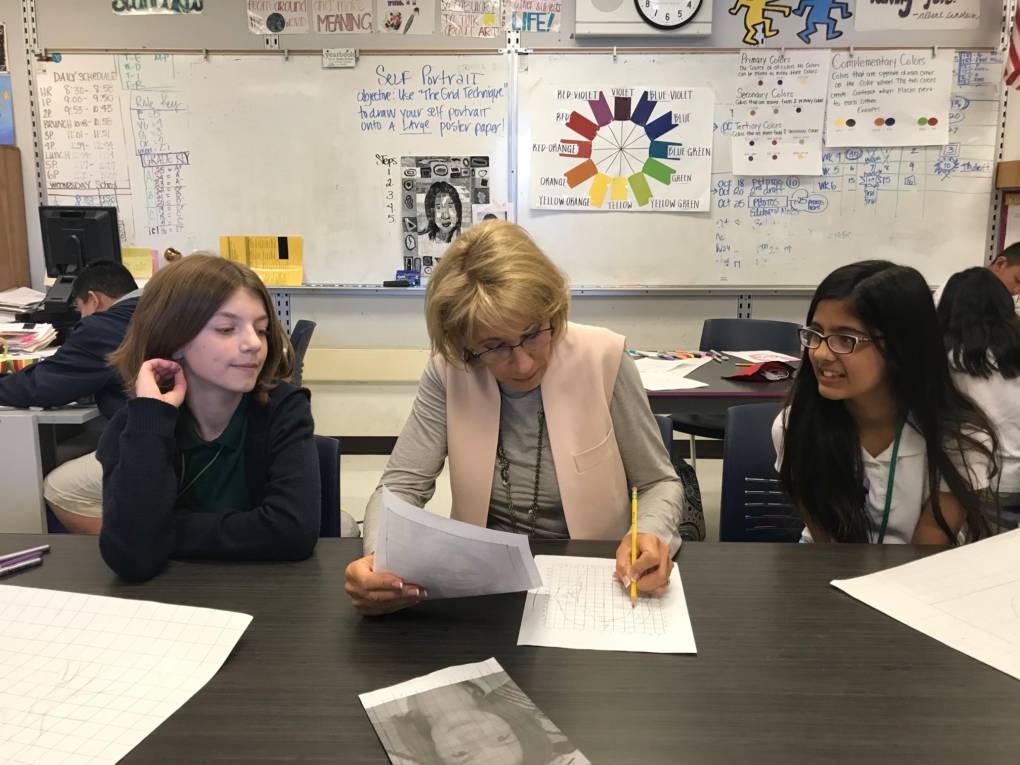
"caption": "Education Secretary Betsy DeVos visits an art class at Thomas Russell Middle School in Milpitas.",
"description": null,
"title": "IMG_0282",
"credit": "Tonya Mosley/KQED",
"status": "inherit",
"isLoading": false,
"fetchFailed": false
},
"news_11622912": {
"type": "attachments",
"id": "news_11622912",
"meta": {
"index": "attachments_1716263798",
"site": "news",
"id": "11622912",
"found": true
},
"parent": 11622830,
"imgSizes": {
"small": {
"file": "https://ww2.kqed.org/app/uploads/sites/10/2017/10/CEOWithSchoolImage-520x390.jpg",
"width": 520,
"mimeType": "image/jpeg",
"height": 390
},
"twentyfourteen-full-width": {
"file": "https://ww2.kqed.org/app/uploads/sites/10/2017/10/CEOWithSchoolImage-1038x576.jpg",
"width": 1038,
"mimeType": "image/jpeg",
"height": 576
},
"thumbnail": {
"file": "https://ww2.kqed.org/app/uploads/sites/10/2017/10/CEOWithSchoolImage-160x120.jpg",
"width": 160,
"mimeType": "image/jpeg",
"height": 120
},
"fd-sm": {
"file": "https://ww2.kqed.org/app/uploads/sites/10/2017/10/CEOWithSchoolImage-960x720.jpg",
"width": 960,
"mimeType": "image/jpeg",
"height": 720
},
"post-thumbnail": {
"file": "https://ww2.kqed.org/app/uploads/sites/10/2017/10/CEOWithSchoolImage-672x372.jpg",
"width": 672,
"mimeType": "image/jpeg",
"height": 372
},
"xsmall": {
"file": "https://ww2.kqed.org/app/uploads/sites/10/2017/10/CEOWithSchoolImage-375x281.jpg",
"width": 375,
"mimeType": "image/jpeg",
"height": 281
},
"kqedFullSize": {
"file": "https://ww2.kqed.org/app/uploads/sites/10/2017/10/CEOWithSchoolImage.jpg",
"width": 1920,
"height": 1440
},
"large": {
"file": "https://ww2.kqed.org/app/uploads/sites/10/2017/10/CEOWithSchoolImage-1020x765.jpg",
"width": 1020,
"mimeType": "image/jpeg",
"height": 765
},
"xlarge": {
"file": "https://ww2.kqed.org/app/uploads/sites/10/2017/10/CEOWithSchoolImage-1180x885.jpg",
"width": 1180,
"mimeType": "image/jpeg",
"height": 885
},
"guest-author-50": {
"file": "https://ww2.kqed.org/app/uploads/sites/10/2017/10/CEOWithSchoolImage-50x50.jpg",
"width": 50,
"mimeType": "image/jpeg",
"height": 50
},
"guest-author-96": {
"file": "https://ww2.kqed.org/app/uploads/sites/10/2017/10/CEOWithSchoolImage-96x96.jpg",
"width": 96,
"mimeType": "image/jpeg",
"height": 96
},
"medium": {
"file": "https://ww2.kqed.org/app/uploads/sites/10/2017/10/CEOWithSchoolImage-800x600.jpg",
"width": 800,
"mimeType": "image/jpeg",
"height": 600
},
"guest-author-64": {
"file": "https://ww2.kqed.org/app/uploads/sites/10/2017/10/CEOWithSchoolImage-64x64.jpg",
"width": 64,
"mimeType": "image/jpeg",
"height": 64
},
"guest-author-32": {
"file": "https://ww2.kqed.org/app/uploads/sites/10/2017/10/CEOWithSchoolImage-32x32.jpg",
"width": 32,
"mimeType": "image/jpeg",
"height": 32
},
"fd-lrg": {
"file": "https://ww2.kqed.org/app/uploads/sites/10/2017/10/CEOWithSchoolImage-1920x1440.jpg",
"width": 1920,
"mimeType": "image/jpeg",
"height": 1440
},
"fd-med": {
"file": "https://ww2.kqed.org/app/uploads/sites/10/2017/10/CEOWithSchoolImage-1180x885.jpg",
"width": 1180,
"mimeType": "image/jpeg",
"height": 885
},
"full-width": {
"file": "https://ww2.kqed.org/app/uploads/sites/10/2017/10/CEOWithSchoolImage-1920x1440.jpg",
"width": 1920,
"mimeType": "image/jpeg",
"height": 1440
},
"detail": {
"file": "https://ww2.kqed.org/app/uploads/sites/10/2017/10/CEOWithSchoolImage-150x150.jpg",
"width": 150,
"mimeType": "image/jpeg",
"height": 150
},
"guest-author-128": {
"file": "https://ww2.kqed.org/app/uploads/sites/10/2017/10/CEOWithSchoolImage-128x128.jpg",
"width": 128,
"mimeType": "image/jpeg",
"height": 128
},
"xxsmall": {
"file": "https://ww2.kqed.org/app/uploads/sites/10/2017/10/CEOWithSchoolImage-240x180.jpg",
"width": 240,
"mimeType": "image/jpeg",
"height": 180
}
},
"publishDate": 1507838411,
"modified": 1510266880,
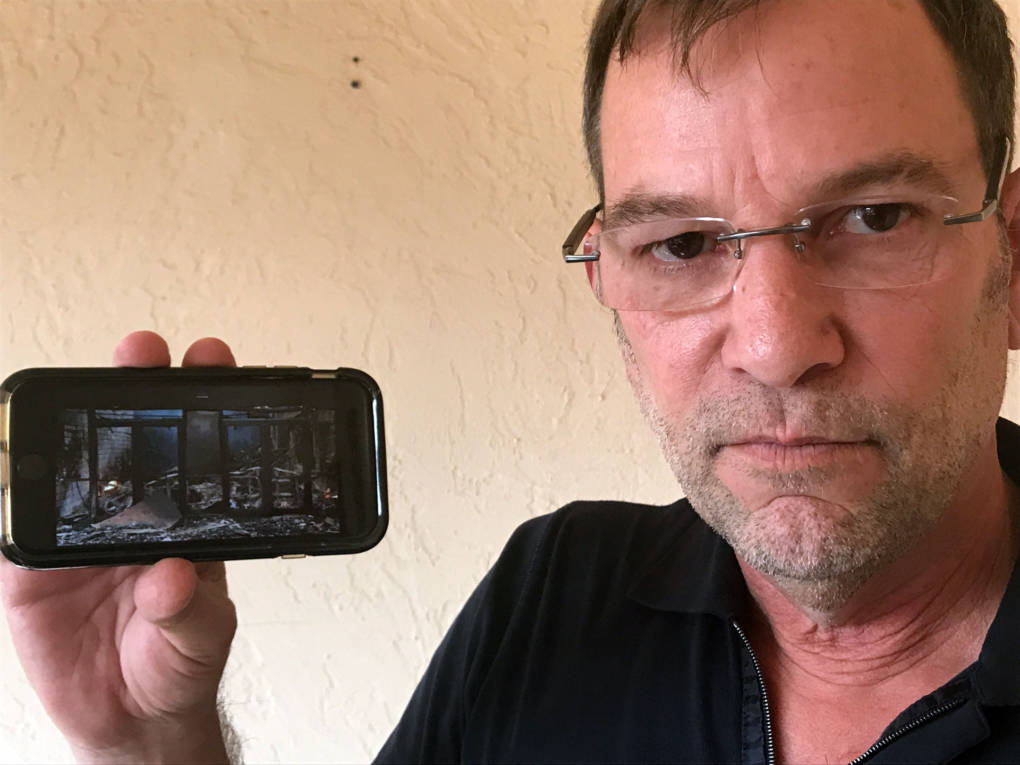
"caption": "Andrew Bailey, CEO of Anova, holds a cellphone with a photo of the school, destroyed by the Tubbs Fire.",
"description": "Andrew Bailey, CEO of Anova, holds a cellphone with a photo of the school, destroyed by the Tubbs Fire.",
"title": "CEOWithSchoolImage",
"credit": "Devin Katayama/KQED ",
"status": "inherit",
"isLoading": false,
"fetchFailed": false
},
"news_11621663": {
"type": "attachments",
"id": "news_11621663",
"meta": {
"index": "attachments_1716263798",
"site": "news",
"id": "11621663",
"found": true
},
"parent": 11621656,
"imgSizes": {
"small": {
"file": "https://ww2.kqed.org/app/uploads/sites/10/2017/10/NR501_WEB-SHOW_MARQ-520x293.jpg",
"width": 520,
"mimeType": "image/jpeg",
"height": 293
},
"twentyfourteen-full-width": {
"file": "https://ww2.kqed.org/app/uploads/sites/10/2017/10/NR501_WEB-SHOW_MARQ-1038x576.jpg",
"width": 1038,
"mimeType": "image/jpeg",
"height": 576
},
"thumbnail": {
"file": "https://ww2.kqed.org/app/uploads/sites/10/2017/10/NR501_WEB-SHOW_MARQ-160x90.jpg",
"width": 160,
"mimeType": "image/jpeg",
"height": 90
},
"fd-sm": {
"file": "https://ww2.kqed.org/app/uploads/sites/10/2017/10/NR501_WEB-SHOW_MARQ-960x540.jpg",
"width": 960,
"mimeType": "image/jpeg",
"height": 540
},
"post-thumbnail": {
"file": "https://ww2.kqed.org/app/uploads/sites/10/2017/10/NR501_WEB-SHOW_MARQ-672x372.jpg",
"width": 672,
"mimeType": "image/jpeg",
"height": 372
},
"xsmall": {
"file": "https://ww2.kqed.org/app/uploads/sites/10/2017/10/NR501_WEB-SHOW_MARQ-375x211.jpg",
"width": 375,
"mimeType": "image/jpeg",
"height": 211
},
"kqedFullSize": {
"file": "https://ww2.kqed.org/app/uploads/sites/10/2017/10/NR501_WEB-SHOW_MARQ.jpg",
"width": 1280,
"height": 720
},
"large": {
"file": "https://ww2.kqed.org/app/uploads/sites/10/2017/10/NR501_WEB-SHOW_MARQ-1020x574.jpg",
"width": 1020,
"mimeType": "image/jpeg",
"height": 574
},
"xlarge": {
"file": "https://ww2.kqed.org/app/uploads/sites/10/2017/10/NR501_WEB-SHOW_MARQ-1180x664.jpg",
"width": 1180,
"mimeType": "image/jpeg",
"height": 664
},
"guest-author-50": {
"file": "https://ww2.kqed.org/app/uploads/sites/10/2017/10/NR501_WEB-SHOW_MARQ-50x50.jpg",
"width": 50,
"mimeType": "image/jpeg",
"height": 50
},
"guest-author-96": {
"file": "https://ww2.kqed.org/app/uploads/sites/10/2017/10/NR501_WEB-SHOW_MARQ-96x96.jpg",
"width": 96,
"mimeType": "image/jpeg",
"height": 96
},
"medium": {
"file": "https://ww2.kqed.org/app/uploads/sites/10/2017/10/NR501_WEB-SHOW_MARQ-800x450.jpg",
"width": 800,
"mimeType": "image/jpeg",
"height": 450
},
"guest-author-64": {
"file": "https://ww2.kqed.org/app/uploads/sites/10/2017/10/NR501_WEB-SHOW_MARQ-64x64.jpg",
"width": 64,
"mimeType": "image/jpeg",
"height": 64
},
"guest-author-32": {
"file": "https://ww2.kqed.org/app/uploads/sites/10/2017/10/NR501_WEB-SHOW_MARQ-32x32.jpg",
"width": 32,
"mimeType": "image/jpeg",
"height": 32
},
"fd-med": {
"file": "https://ww2.kqed.org/app/uploads/sites/10/2017/10/NR501_WEB-SHOW_MARQ-1180x664.jpg",
"width": 1180,
"mimeType": "image/jpeg",
"height": 664
},
"detail": {
"file": "https://ww2.kqed.org/app/uploads/sites/10/2017/10/NR501_WEB-SHOW_MARQ-150x150.jpg",
"width": 150,
"mimeType": "image/jpeg",
"height": 150
},
"guest-author-128": {
"file": "https://ww2.kqed.org/app/uploads/sites/10/2017/10/NR501_WEB-SHOW_MARQ-128x128.jpg",
"width": 128,
"mimeType": "image/jpeg",
"height": 128
},
"xxsmall": {
"file": "https://ww2.kqed.org/app/uploads/sites/10/2017/10/NR501_WEB-SHOW_MARQ-240x135.jpg",
"width": 240,
"mimeType": "image/jpeg",
"height": 135
}
},
"publishDate": 1507338416,
"modified": 1507338416,
"caption": null,
"description": null,
"title": "NR501_WEB SHOW_MARQ",
"credit": null,
"status": "inherit",
"isLoading": false,
"fetchFailed": false
},
"news_11621547": {
"type": "attachments",
"id": "news_11621547",
"meta": {
"index": "attachments_1716263798",
"site": "news",
"id": "11621547",
"found": true
},
"parent": 11621457,
"imgSizes": {
"small": {
"file": "https://ww2.kqed.org/app/uploads/sites/10/2017/10/RS27191_alt_643-520x390.jpg",
"width": 520,
"mimeType": "image/jpeg",
"height": 390
},
"twentyfourteen-full-width": {
"file": "https://ww2.kqed.org/app/uploads/sites/10/2017/10/RS27191_alt_643-1038x576.jpg",
"width": 1038,
"mimeType": "image/jpeg",
"height": 576
},
"thumbnail": {
"file": "https://ww2.kqed.org/app/uploads/sites/10/2017/10/RS27191_alt_643-160x120.jpg",
"width": 160,
"mimeType": "image/jpeg",
"height": 120
},
"fd-sm": {
"file": "https://ww2.kqed.org/app/uploads/sites/10/2017/10/RS27191_alt_643-960x720.jpg",
"width": 960,
"mimeType": "image/jpeg",
"height": 720
},
"post-thumbnail": {
"file": "https://ww2.kqed.org/app/uploads/sites/10/2017/10/RS27191_alt_643-672x372.jpg",
"width": 672,
"mimeType": "image/jpeg",
"height": 372
},
"xsmall": {
"file": "https://ww2.kqed.org/app/uploads/sites/10/2017/10/RS27191_alt_643-375x281.jpg",
"width": 375,
"mimeType": "image/jpeg",
"height": 281
},
"kqedFullSize": {
"file": "https://ww2.kqed.org/app/uploads/sites/10/2017/10/RS27191_alt_643.jpg",
"width": 3264,
"height": 2448
},
"large": {
"file": "https://ww2.kqed.org/app/uploads/sites/10/2017/10/RS27191_alt_643-1020x765.jpg",
"width": 1020,
"mimeType": "image/jpeg",
"height": 765
},
"xlarge": {
"file": "https://ww2.kqed.org/app/uploads/sites/10/2017/10/RS27191_alt_643-1180x885.jpg",
"width": 1180,
"mimeType": "image/jpeg",
"height": 885
},
"guest-author-50": {
"file": "https://ww2.kqed.org/app/uploads/sites/10/2017/10/RS27191_alt_643-50x50.jpg",
"width": 50,
"mimeType": "image/jpeg",
"height": 50
},
"guest-author-96": {
"file": "https://ww2.kqed.org/app/uploads/sites/10/2017/10/RS27191_alt_643-96x96.jpg",
"width": 96,
"mimeType": "image/jpeg",
"height": 96
},
"medium": {
"file": "https://ww2.kqed.org/app/uploads/sites/10/2017/10/RS27191_alt_643-800x600.jpg",
"width": 800,
"mimeType": "image/jpeg",
"height": 600
},
"guest-author-64": {
"file": "https://ww2.kqed.org/app/uploads/sites/10/2017/10/RS27191_alt_643-64x64.jpg",
"width": 64,
"mimeType": "image/jpeg",
"height": 64
},
"guest-author-32": {
"file": "https://ww2.kqed.org/app/uploads/sites/10/2017/10/RS27191_alt_643-32x32.jpg",
"width": 32,
"mimeType": "image/jpeg",
"height": 32
},
"fd-lrg": {
"file": "https://ww2.kqed.org/app/uploads/sites/10/2017/10/RS27191_alt_643-1920x1440.jpg",
"width": 1920,
"mimeType": "image/jpeg",
"height": 1440
},
"fd-med": {
"file": "https://ww2.kqed.org/app/uploads/sites/10/2017/10/RS27191_alt_643-1180x885.jpg",
"width": 1180,
"mimeType": "image/jpeg",
"height": 885
},
"full-width": {
"file": "https://ww2.kqed.org/app/uploads/sites/10/2017/10/RS27191_alt_643-1920x1440.jpg",
"width": 1920,
"mimeType": "image/jpeg",
"height": 1440
},
"detail": {
"file": "https://ww2.kqed.org/app/uploads/sites/10/2017/10/RS27191_alt_643-150x150.jpg",
"width": 150,
"mimeType": "image/jpeg",
"height": 150
},
"guest-author-128": {
"file": "https://ww2.kqed.org/app/uploads/sites/10/2017/10/RS27191_alt_643-128x128.jpg",
"width": 128,
"mimeType": "image/jpeg",
"height": 128
},
"xxsmall": {
"file": "https://ww2.kqed.org/app/uploads/sites/10/2017/10/RS27191_alt_643-240x180.jpg",
"width": 240,
"mimeType": "image/jpeg",
"height": 180
}
},
"publishDate": 1507328512,
"modified": 1507340072,
"caption": "Brad Porter picks up one of his three kids at an elementary school.",
"description": null,
"title": "RS27191_alt_643",
"credit": "Farida Jhabvala Romero/KQED",
"status": "inherit",
"isLoading": false,
"fetchFailed": false
},
"news_11620875": {
"type": "attachments",
"id": "news_11620875",
"meta": {
"index": "attachments_1716263798",
"site": "news",
"id": "11620875",
"found": true
},
"parent": 11618008,
"imgSizes": {
"small": {
"file": "https://ww2.kqed.org/app/uploads/sites/10/2017/10/IMG_4285-520x390.jpg",
"width": 520,
"mimeType": "image/jpeg",
"height": 390
},
"twentyfourteen-full-width": {
"file": "https://ww2.kqed.org/app/uploads/sites/10/2017/10/IMG_4285-1038x576.jpg",
"width": 1038,
"mimeType": "image/jpeg",
"height": 576
},
"thumbnail": {
"file": "https://ww2.kqed.org/app/uploads/sites/10/2017/10/IMG_4285-160x120.jpg",
"width": 160,
"mimeType": "image/jpeg",
"height": 120
},
"fd-sm": {
"file": "https://ww2.kqed.org/app/uploads/sites/10/2017/10/IMG_4285-960x721.jpg",
"width": 960,
"mimeType": "image/jpeg",
"height": 721
},
"post-thumbnail": {
"file": "https://ww2.kqed.org/app/uploads/sites/10/2017/10/IMG_4285-672x372.jpg",
"width": 672,
"mimeType": "image/jpeg",
"height": 372
},
"xsmall": {
"file": "https://ww2.kqed.org/app/uploads/sites/10/2017/10/IMG_4285-375x282.jpg",
"width": 375,
"mimeType": "image/jpeg",
"height": 282
},
"kqedFullSize": {
"file": "https://ww2.kqed.org/app/uploads/sites/10/2017/10/IMG_4285.jpg",
"width": 1500,
"height": 1126
},
"large": {
"file": "https://ww2.kqed.org/app/uploads/sites/10/2017/10/IMG_4285-1020x766.jpg",
"width": 1020,
"mimeType": "image/jpeg",
"height": 766
},
"xlarge": {
"file": "https://ww2.kqed.org/app/uploads/sites/10/2017/10/IMG_4285-1180x886.jpg",
"width": 1180,
"mimeType": "image/jpeg",
"height": 886
},
"guest-author-50": {
"file": "https://ww2.kqed.org/app/uploads/sites/10/2017/10/IMG_4285-50x50.jpg",
"width": 50,
"mimeType": "image/jpeg",
"height": 50
},
"guest-author-96": {
"file": "https://ww2.kqed.org/app/uploads/sites/10/2017/10/IMG_4285-96x96.jpg",
"width": 96,
"mimeType": "image/jpeg",
"height": 96
},
"medium": {
"file": "https://ww2.kqed.org/app/uploads/sites/10/2017/10/IMG_4285-800x601.jpg",
"width": 800,
"mimeType": "image/jpeg",
"height": 601
},
"guest-author-64": {
"file": "https://ww2.kqed.org/app/uploads/sites/10/2017/10/IMG_4285-64x64.jpg",
"width": 64,
"mimeType": "image/jpeg",
"height": 64
},
"guest-author-32": {
"file": "https://ww2.kqed.org/app/uploads/sites/10/2017/10/IMG_4285-32x32.jpg",
"width": 32,
"mimeType": "image/jpeg",
"height": 32
},
"fd-med": {
"file": "https://ww2.kqed.org/app/uploads/sites/10/2017/10/IMG_4285-1180x886.jpg",
"width": 1180,
"mimeType": "image/jpeg",
"height": 886
},
"detail": {
"file": "https://ww2.kqed.org/app/uploads/sites/10/2017/10/IMG_4285-150x150.jpg",
"width": 150,
"mimeType": "image/jpeg",
"height": 150
},
"guest-author-128": {
"file": "https://ww2.kqed.org/app/uploads/sites/10/2017/10/IMG_4285-128x128.jpg",
"width": 128,
"mimeType": "image/jpeg",
"height": 128
},
"xxsmall": {
"file": "https://ww2.kqed.org/app/uploads/sites/10/2017/10/IMG_4285-240x180.jpg",
"width": 240,
"mimeType": "image/jpeg",
"height": 180
}
},
"publishDate": 1507135812,
"modified": 1507135916,
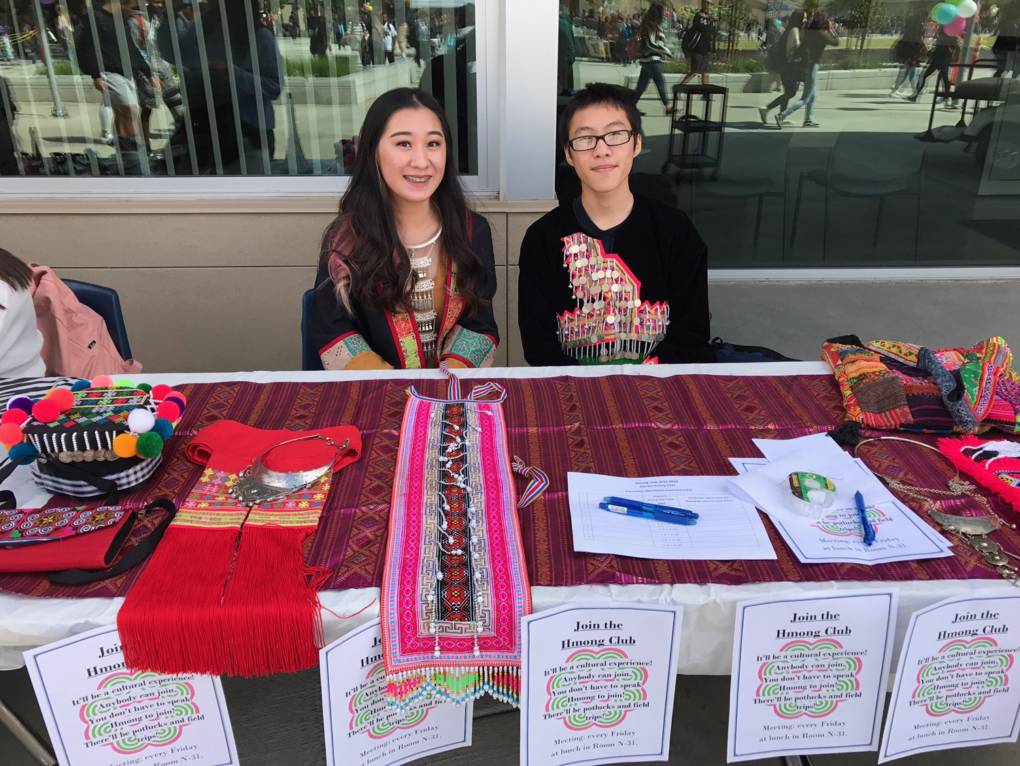
"caption": "Sarah Vang (left) representing the Hmong Club during her school's club day.",
"description": null,
"title": "IMG_4285",
"credit": "Courtesy Sarah Vang",
"status": "inherit",
"isLoading": false,
"fetchFailed": false
},
"news_11620534": {
"type": "attachments",
"id": "news_11620534",
"meta": {
"index": "attachments_1716263798",
"site": "news",
"id": "11620534",
"found": true
},
"parent": 11619892,
"imgSizes": {
"small": {
"file": "https://ww2.kqed.org/app/uploads/sites/10/2017/10/FullSizeRender-1-1-520x347.jpg",
"width": 520,
"mimeType": "image/jpeg",
"height": 347
},
"twentyfourteen-full-width": {
"file": "https://ww2.kqed.org/app/uploads/sites/10/2017/10/FullSizeRender-1-1-1038x576.jpg",
"width": 1038,
"mimeType": "image/jpeg",
"height": 576
},
"thumbnail": {
"file": "https://ww2.kqed.org/app/uploads/sites/10/2017/10/FullSizeRender-1-1-160x107.jpg",
"width": 160,
"mimeType": "image/jpeg",
"height": 107
},
"fd-sm": {
"file": "https://ww2.kqed.org/app/uploads/sites/10/2017/10/FullSizeRender-1-1-960x640.jpg",
"width": 960,
"mimeType": "image/jpeg",
"height": 640
},
"post-thumbnail": {
"file": "https://ww2.kqed.org/app/uploads/sites/10/2017/10/FullSizeRender-1-1-672x372.jpg",
"width": 672,
"mimeType": "image/jpeg",
"height": 372
},
"xsmall": {
"file": "https://ww2.kqed.org/app/uploads/sites/10/2017/10/FullSizeRender-1-1-375x250.jpg",
"width": 375,
"mimeType": "image/jpeg",
"height": 250
},
"kqedFullSize": {
"file": "https://ww2.kqed.org/app/uploads/sites/10/2017/10/FullSizeRender-1-1.jpg",
"width": 1804,
"height": 1203
},
"large": {
"file": "https://ww2.kqed.org/app/uploads/sites/10/2017/10/FullSizeRender-1-1-1020x680.jpg",
"width": 1020,
"mimeType": "image/jpeg",
"height": 680
},
"xlarge": {
"file": "https://ww2.kqed.org/app/uploads/sites/10/2017/10/FullSizeRender-1-1-1180x787.jpg",
"width": 1180,
"mimeType": "image/jpeg",
"height": 787
},
"guest-author-50": {
"file": "https://ww2.kqed.org/app/uploads/sites/10/2017/10/FullSizeRender-1-1-50x50.jpg",
"width": 50,
"mimeType": "image/jpeg",
"height": 50
},
"guest-author-96": {
"file": "https://ww2.kqed.org/app/uploads/sites/10/2017/10/FullSizeRender-1-1-96x96.jpg",
"width": 96,
"mimeType": "image/jpeg",
"height": 96
},
"medium": {
"file": "https://ww2.kqed.org/app/uploads/sites/10/2017/10/FullSizeRender-1-1-800x533.jpg",
"width": 800,
"mimeType": "image/jpeg",
"height": 533
},
"guest-author-64": {
"file": "https://ww2.kqed.org/app/uploads/sites/10/2017/10/FullSizeRender-1-1-64x64.jpg",
"width": 64,
"mimeType": "image/jpeg",
"height": 64
},
"guest-author-32": {
"file": "https://ww2.kqed.org/app/uploads/sites/10/2017/10/FullSizeRender-1-1-32x32.jpg",
"width": 32,
"mimeType": "image/jpeg",
"height": 32
},
"fd-med": {
"file": "https://ww2.kqed.org/app/uploads/sites/10/2017/10/FullSizeRender-1-1-1180x787.jpg",
"width": 1180,
"mimeType": "image/jpeg",
"height": 787
},
"detail": {
"file": "https://ww2.kqed.org/app/uploads/sites/10/2017/10/FullSizeRender-1-1-150x150.jpg",
"width": 150,
"mimeType": "image/jpeg",
"height": 150
},
"guest-author-128": {
"file": "https://ww2.kqed.org/app/uploads/sites/10/2017/10/FullSizeRender-1-1-128x128.jpg",
"width": 128,
"mimeType": "image/jpeg",
"height": 128
},
"xxsmall": {
"file": "https://ww2.kqed.org/app/uploads/sites/10/2017/10/FullSizeRender-1-1-240x160.jpg",
"width": 240,
"mimeType": "image/jpeg",
"height": 160
}
},
"publishDate": 1506983285,
"modified": 1506983329,
"caption": "That's one expensive photo op.",
"description": null,
"title": "Milo on campus",
"credit": "KQED",
"status": "inherit",
"isLoading": false,
"fetchFailed": false
},
"news_11619945": {
"type": "attachments",
"id": "news_11619945",
"meta": {
"index": "attachments_1716263798",
"site": "news",
"id": "11619945",
"found": true
},
"parent": 11619934,
"imgSizes": {
"small": {
"file": "https://ww2.kqed.org/app/uploads/sites/10/2017/09/RS27068_IMG_9179-qut-520x347.jpg",
"width": 520,
"mimeType": "image/jpeg",
"height": 347
},
"twentyfourteen-full-width": {
"file": "https://ww2.kqed.org/app/uploads/sites/10/2017/09/RS27068_IMG_9179-qut-1038x576.jpg",
"width": 1038,
"mimeType": "image/jpeg",
"height": 576
},
"thumbnail": {
"file": "https://ww2.kqed.org/app/uploads/sites/10/2017/09/RS27068_IMG_9179-qut-160x107.jpg",
"width": 160,
"mimeType": "image/jpeg",
"height": 107
},
"fd-sm": {
"file": "https://ww2.kqed.org/app/uploads/sites/10/2017/09/RS27068_IMG_9179-qut-960x640.jpg",
"width": 960,
"mimeType": "image/jpeg",
"height": 640
},
"post-thumbnail": {
"file": "https://ww2.kqed.org/app/uploads/sites/10/2017/09/RS27068_IMG_9179-qut-672x372.jpg",
"width": 672,
"mimeType": "image/jpeg",
"height": 372
},
"xsmall": {
"file": "https://ww2.kqed.org/app/uploads/sites/10/2017/09/RS27068_IMG_9179-qut-375x250.jpg",
"width": 375,
"mimeType": "image/jpeg",
"height": 250
},
"kqedFullSize": {
"file": "https://ww2.kqed.org/app/uploads/sites/10/2017/09/RS27068_IMG_9179-qut.jpg",
"width": 1920,
"height": 1280
},
"large": {
"file": "https://ww2.kqed.org/app/uploads/sites/10/2017/09/RS27068_IMG_9179-qut-1020x680.jpg",
"width": 1020,
"mimeType": "image/jpeg",
"height": 680
},
"xlarge": {
"file": "https://ww2.kqed.org/app/uploads/sites/10/2017/09/RS27068_IMG_9179-qut-1180x787.jpg",
"width": 1180,
"mimeType": "image/jpeg",
"height": 787
},
"guest-author-50": {
"file": "https://ww2.kqed.org/app/uploads/sites/10/2017/09/RS27068_IMG_9179-qut-50x50.jpg",
"width": 50,
"mimeType": "image/jpeg",
"height": 50
},
"guest-author-96": {
"file": "https://ww2.kqed.org/app/uploads/sites/10/2017/09/RS27068_IMG_9179-qut-96x96.jpg",
"width": 96,
"mimeType": "image/jpeg",
"height": 96
},
"medium": {
"file": "https://ww2.kqed.org/app/uploads/sites/10/2017/09/RS27068_IMG_9179-qut-800x533.jpg",
"width": 800,
"mimeType": "image/jpeg",
"height": 533
},
"guest-author-64": {
"file": "https://ww2.kqed.org/app/uploads/sites/10/2017/09/RS27068_IMG_9179-qut-64x64.jpg",
"width": 64,
"mimeType": "image/jpeg",
"height": 64
},
"guest-author-32": {
"file": "https://ww2.kqed.org/app/uploads/sites/10/2017/09/RS27068_IMG_9179-qut-32x32.jpg",
"width": 32,
"mimeType": "image/jpeg",
"height": 32
},
"fd-lrg": {
"file": "https://ww2.kqed.org/app/uploads/sites/10/2017/09/RS27068_IMG_9179-qut-1920x1280.jpg",
"width": 1920,
"mimeType": "image/jpeg",
"height": 1280
},
"fd-med": {
"file": "https://ww2.kqed.org/app/uploads/sites/10/2017/09/RS27068_IMG_9179-qut-1180x787.jpg",
"width": 1180,
"mimeType": "image/jpeg",
"height": 787
},
"full-width": {
"file": "https://ww2.kqed.org/app/uploads/sites/10/2017/09/RS27068_IMG_9179-qut-1920x1280.jpg",
"width": 1920,
"mimeType": "image/jpeg",
"height": 1280
},
"detail": {
"file": "https://ww2.kqed.org/app/uploads/sites/10/2017/09/RS27068_IMG_9179-qut-150x150.jpg",
"width": 150,
"mimeType": "image/jpeg",
"height": 150
},
"guest-author-128": {
"file": "https://ww2.kqed.org/app/uploads/sites/10/2017/09/RS27068_IMG_9179-qut-128x128.jpg",
"width": 128,
"mimeType": "image/jpeg",
"height": 128
},
"xxsmall": {
"file": "https://ww2.kqed.org/app/uploads/sites/10/2017/09/RS27068_IMG_9179-qut-240x160.jpg",
"width": 240,
"mimeType": "image/jpeg",
"height": 160
}
},
"publishDate": 1506703426,
"modified": 1506720238,
"caption": "Project Rebound regional director Jason Bell attends the opening of an art exhibition featuring the program's students and alumni at San Francisco State University.",
"description": "Project Rebound regional director Jason Bell attends the opening of an art exhibition featuring the program's students and alumni at San Francisco State University.",
"title": "RS27068_IMG_9179-qut",
"credit": "Audrey Garces/KQED",
"status": "inherit",
"isLoading": false,
"fetchFailed": false
},
"news_11615828": {
"type": "attachments",
"id": "news_11615828",
"meta": {
"index": "attachments_1716263798",
"site": "news",
"id": "11615828",
"found": true
},
"parent": 11615820,
"imgSizes": {
"small": {
"file": "https://ww2.kqed.org/app/uploads/sites/10/2017/09/GettyImages-687808708-520x359.jpg",
"width": 520,
"mimeType": "image/jpeg",
"height": 359
},
"twentyfourteen-full-width": {
"file": "https://ww2.kqed.org/app/uploads/sites/10/2017/09/GettyImages-687808708-1038x576.jpg",
"width": 1038,
"mimeType": "image/jpeg",
"height": 576
},
"thumbnail": {
"file": "https://ww2.kqed.org/app/uploads/sites/10/2017/09/GettyImages-687808708-160x111.jpg",
"width": 160,
"mimeType": "image/jpeg",
"height": 111
},
"fd-sm": {
"file": "https://ww2.kqed.org/app/uploads/sites/10/2017/09/GettyImages-687808708-960x663.jpg",
"width": 960,
"mimeType": "image/jpeg",
"height": 663
},
"post-thumbnail": {
"file": "https://ww2.kqed.org/app/uploads/sites/10/2017/09/GettyImages-687808708-672x372.jpg",
"width": 672,
"mimeType": "image/jpeg",
"height": 372
},
"xsmall": {
"file": "https://ww2.kqed.org/app/uploads/sites/10/2017/09/GettyImages-687808708-375x259.jpg",
"width": 375,
"mimeType": "image/jpeg",
"height": 259
},
"kqedFullSize": {
"file": "https://ww2.kqed.org/app/uploads/sites/10/2017/09/GettyImages-687808708-e1504808785838.jpg",
"width": 1920,
"height": 1327
},
"large": {
"file": "https://ww2.kqed.org/app/uploads/sites/10/2017/09/GettyImages-687808708-1020x705.jpg",
"width": 1020,
"mimeType": "image/jpeg",
"height": 705
},
"xlarge": {
"file": "https://ww2.kqed.org/app/uploads/sites/10/2017/09/GettyImages-687808708-1180x815.jpg",
"width": 1180,
"mimeType": "image/jpeg",
"height": 815
},
"guest-author-50": {
"file": "https://ww2.kqed.org/app/uploads/sites/10/2017/09/GettyImages-687808708-50x50.jpg",
"width": 50,
"mimeType": "image/jpeg",
"height": 50
},
"guest-author-96": {
"file": "https://ww2.kqed.org/app/uploads/sites/10/2017/09/GettyImages-687808708-96x96.jpg",
"width": 96,
"mimeType": "image/jpeg",
"height": 96
},
"medium": {
"file": "https://ww2.kqed.org/app/uploads/sites/10/2017/09/GettyImages-687808708-800x553.jpg",
"width": 800,
"mimeType": "image/jpeg",
"height": 553
},
"guest-author-64": {
"file": "https://ww2.kqed.org/app/uploads/sites/10/2017/09/GettyImages-687808708-64x64.jpg",
"width": 64,
"mimeType": "image/jpeg",
"height": 64
},
"guest-author-32": {
"file": "https://ww2.kqed.org/app/uploads/sites/10/2017/09/GettyImages-687808708-32x32.jpg",
"width": 32,
"mimeType": "image/jpeg",
"height": 32
},
"fd-lrg": {
"file": "https://ww2.kqed.org/app/uploads/sites/10/2017/09/GettyImages-687808708-1920x1327.jpg",
"width": 1920,
"mimeType": "image/jpeg",
"height": 1327
},
"fd-med": {
"file": "https://ww2.kqed.org/app/uploads/sites/10/2017/09/GettyImages-687808708-1180x815.jpg",
"width": 1180,
"mimeType": "image/jpeg",
"height": 815
},
"full-width": {
"file": "https://ww2.kqed.org/app/uploads/sites/10/2017/09/GettyImages-687808708-1920x1327.jpg",
"width": 1920,
"mimeType": "image/jpeg",
"height": 1327
},
"detail": {
"file": "https://ww2.kqed.org/app/uploads/sites/10/2017/09/GettyImages-687808708-150x150.jpg",
"width": 150,
"mimeType": "image/jpeg",
"height": 150
},
"guest-author-128": {
"file": "https://ww2.kqed.org/app/uploads/sites/10/2017/09/GettyImages-687808708-128x128.jpg",
"width": 128,
"mimeType": "image/jpeg",
"height": 128
},
"xxsmall": {
"file": "https://ww2.kqed.org/app/uploads/sites/10/2017/09/GettyImages-687808708-240x166.jpg",
"width": 240,
"mimeType": "image/jpeg",
"height": 166
}
},
"publishDate": 1504808689,
"modified": 1504808778,
"caption": "U.S. Secretary of Education Betsy DeVos testifies during a hearing before the Labor, Health and Human Services, Education and Related Agencies Subcommittee of the House Appropriations Committee May 24, 2017 on Capitol Hill in Washington, D.C. ",
"description": null,
"title": "Education Secretary Betsy DeVos Testifies To House Appropriations Committee On Education Dept. Budget",
"credit": "Alex Wong/Getty Images",
"status": "inherit",
"isLoading": false,
"fetchFailed": false
},
"news_11619652": {
"type": "attachments",
"id": "news_11619652",
"meta": {
"index": "attachments_1716263798",
"site": "news",
"id": "11619652",
"found": true
},
"parent": 11619646,
"imgSizes": {
"small": {
"file": "https://ww2.kqed.org/app/uploads/sites/10/2017/09/MissionProject-520x416.jpg",
"width": 520,
"mimeType": "image/jpeg",
"height": 416
},
"twentyfourteen-full-width": {
"file": "https://ww2.kqed.org/app/uploads/sites/10/2017/09/MissionProject-1038x576.jpg",
"width": 1038,
"mimeType": "image/jpeg",
"height": 576
},
"thumbnail": {
"file": "https://ww2.kqed.org/app/uploads/sites/10/2017/09/MissionProject-160x128.jpg",
"width": 160,
"mimeType": "image/jpeg",
"height": 128
},
"fd-sm": {
"file": "https://ww2.kqed.org/app/uploads/sites/10/2017/09/MissionProject-960x768.jpg",
"width": 960,
"mimeType": "image/jpeg",
"height": 768
},
"post-thumbnail": {
"file": "https://ww2.kqed.org/app/uploads/sites/10/2017/09/MissionProject-672x372.jpg",
"width": 672,
"mimeType": "image/jpeg",
"height": 372
},
"xsmall": {
"file": "https://ww2.kqed.org/app/uploads/sites/10/2017/09/MissionProject-375x300.jpg",
"width": 375,
"mimeType": "image/jpeg",
"height": 300
},
"kqedFullSize": {
"file": "https://ww2.kqed.org/app/uploads/sites/10/2017/09/MissionProject.jpg",
"width": 1920,
"height": 1536
},
"large": {
"file": "https://ww2.kqed.org/app/uploads/sites/10/2017/09/MissionProject-1020x816.jpg",
"width": 1020,
"mimeType": "image/jpeg",
"height": 816
},
"xlarge": {
"file": "https://ww2.kqed.org/app/uploads/sites/10/2017/09/MissionProject-1180x944.jpg",
"width": 1180,
"mimeType": "image/jpeg",
"height": 944
},
"guest-author-50": {
"file": "https://ww2.kqed.org/app/uploads/sites/10/2017/09/MissionProject-50x50.jpg",
"width": 50,
"mimeType": "image/jpeg",
"height": 50
},
"guest-author-96": {
"file": "https://ww2.kqed.org/app/uploads/sites/10/2017/09/MissionProject-96x96.jpg",
"width": 96,
"mimeType": "image/jpeg",
"height": 96
},
"medium": {
"file": "https://ww2.kqed.org/app/uploads/sites/10/2017/09/MissionProject-800x640.jpg",
"width": 800,
"mimeType": "image/jpeg",
"height": 640
},
"guest-author-64": {
"file": "https://ww2.kqed.org/app/uploads/sites/10/2017/09/MissionProject-64x64.jpg",
"width": 64,
"mimeType": "image/jpeg",
"height": 64
},
"guest-author-32": {
"file": "https://ww2.kqed.org/app/uploads/sites/10/2017/09/MissionProject-32x32.jpg",
"width": 32,
"mimeType": "image/jpeg",
"height": 32
},
"fd-lrg": {
"file": "https://ww2.kqed.org/app/uploads/sites/10/2017/09/MissionProject-1920x1536.jpg",
"width": 1920,
"mimeType": "image/jpeg",
"height": 1536
},
"fd-med": {
"file": "https://ww2.kqed.org/app/uploads/sites/10/2017/09/MissionProject-1180x944.jpg",
"width": 1180,
"mimeType": "image/jpeg",
"height": 944
},
"full-width": {
"file": "https://ww2.kqed.org/app/uploads/sites/10/2017/09/MissionProject-1920x1536.jpg",
"width": 1920,
"mimeType": "image/jpeg",
"height": 1536
},
"detail": {
"file": "https://ww2.kqed.org/app/uploads/sites/10/2017/09/MissionProject-150x150.jpg",
"width": 150,
"mimeType": "image/jpeg",
"height": 150
},
"guest-author-128": {
"file": "https://ww2.kqed.org/app/uploads/sites/10/2017/09/MissionProject-128x128.jpg",
"width": 128,
"mimeType": "image/jpeg",
"height": 128
},
"xxsmall": {
"file": "https://ww2.kqed.org/app/uploads/sites/10/2017/09/MissionProject-240x192.jpg",
"width": 240,
"mimeType": "image/jpeg",
"height": 192
}
},
"publishDate": 1506558555,
"modified": 1506644987,
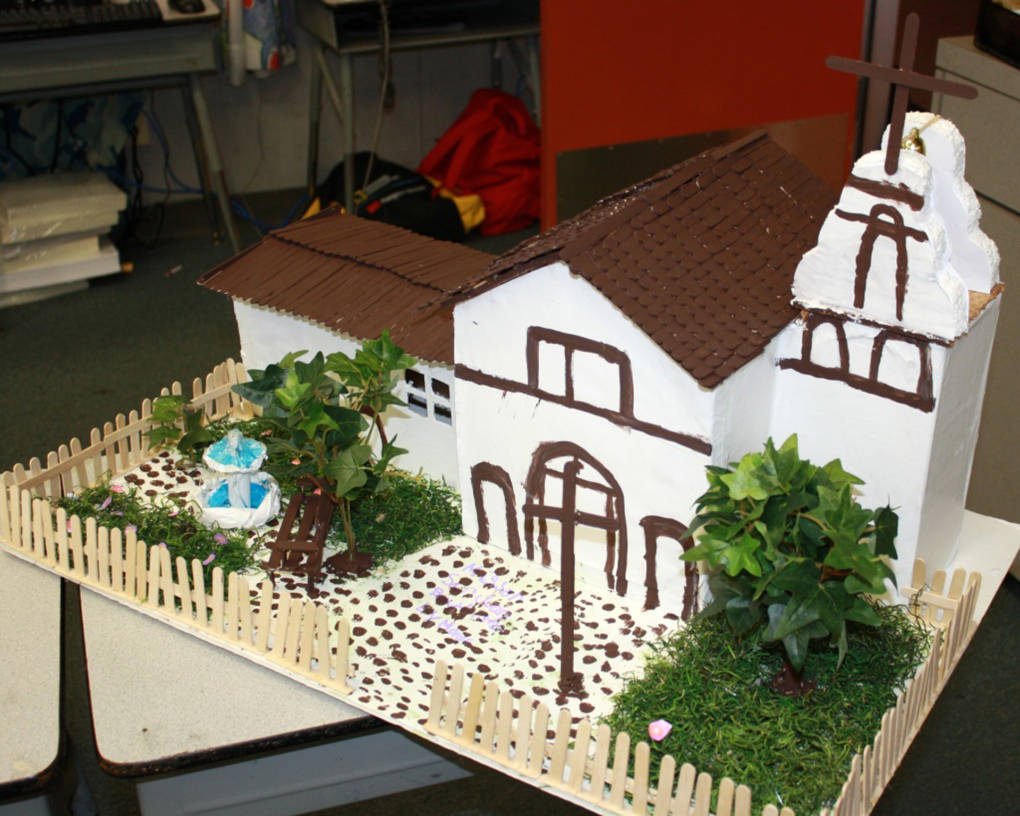
"caption": "The new history-social science framework suggests replacing the mission-building project with assignments that provide more context to the Spanish missions.",
"description": "The new History-Social Science framework suggests replacing the Mission-building project with assignments that provide more context to the Spanish missions.",
"title": "MissionProject",
"credit": "DAVID LOFINK/FLICKR CREATIVE COMMONS",
"status": "inherit",
"isLoading": false,
"fetchFailed": false
},
"news_11619464": {
"type": "attachments",
"id": "news_11619464",
"meta": {
"index": "attachments_1716263798",
"site": "news",
"id": "11619464",
"found": true
},
"parent": 11619187,
"imgSizes": {
"small": {
"file": "https://ww2.kqed.org/app/uploads/sites/10/2017/09/Gemma-Urena-L_Jennifer-Zepeda-R-e1506547183262-520x389.jpg",
"width": 520,
"mimeType": "image/jpeg",
"height": 389
},
"twentyfourteen-full-width": {
"file": "https://ww2.kqed.org/app/uploads/sites/10/2017/09/Gemma-Urena-L_Jennifer-Zepeda-R-e1506547183262-1038x576.jpg",
"width": 1038,
"mimeType": "image/jpeg",
"height": 576
},
"thumbnail": {
"file": "https://ww2.kqed.org/app/uploads/sites/10/2017/09/Gemma-Urena-L_Jennifer-Zepeda-R-e1506547183262-160x120.jpg",
"width": 160,
"mimeType": "image/jpeg",
"height": 120
},
"fd-sm": {
"file": "https://ww2.kqed.org/app/uploads/sites/10/2017/09/Gemma-Urena-L_Jennifer-Zepeda-R-e1506547183262-960x719.jpg",
"width": 960,
"mimeType": "image/jpeg",
"height": 719
},
"post-thumbnail": {
"file": "https://ww2.kqed.org/app/uploads/sites/10/2017/09/Gemma-Urena-L_Jennifer-Zepeda-R-e1506547183262-672x372.jpg",
"width": 672,
"mimeType": "image/jpeg",
"height": 372
},
"xsmall": {
"file": "https://ww2.kqed.org/app/uploads/sites/10/2017/09/Gemma-Urena-L_Jennifer-Zepeda-R-e1506547183262-375x281.jpg",
"width": 375,
"mimeType": "image/jpeg",
"height": 281
},
"kqedFullSize": {
"file": "https://ww2.kqed.org/app/uploads/sites/10/2017/09/Gemma-Urena-L_Jennifer-Zepeda-R-e1506547205950.jpg",
"width": 1920,
"height": 1437
},
"large": {
"file": "https://ww2.kqed.org/app/uploads/sites/10/2017/09/Gemma-Urena-L_Jennifer-Zepeda-R-e1506547183262-1020x763.jpg",
"width": 1020,
"mimeType": "image/jpeg",
"height": 763
},
"xlarge": {
"file": "https://ww2.kqed.org/app/uploads/sites/10/2017/09/Gemma-Urena-L_Jennifer-Zepeda-R-e1506547183262-1180x883.jpg",
"width": 1180,
"mimeType": "image/jpeg",
"height": 883
},
"guest-author-50": {
"file": "https://ww2.kqed.org/app/uploads/sites/10/2017/09/Gemma-Urena-L_Jennifer-Zepeda-R-e1506547183262-50x50.jpg",
"width": 50,
"mimeType": "image/jpeg",
"height": 50
},
"guest-author-96": {
"file": "https://ww2.kqed.org/app/uploads/sites/10/2017/09/Gemma-Urena-L_Jennifer-Zepeda-R-e1506547183262-96x96.jpg",
"width": 96,
"mimeType": "image/jpeg",
"height": 96
},
"medium": {
"file": "https://ww2.kqed.org/app/uploads/sites/10/2017/09/Gemma-Urena-L_Jennifer-Zepeda-R-e1506547183262-800x599.jpg",
"width": 800,
"mimeType": "image/jpeg",
"height": 599
},
"guest-author-64": {
"file": "https://ww2.kqed.org/app/uploads/sites/10/2017/09/Gemma-Urena-L_Jennifer-Zepeda-R-e1506547183262-64x64.jpg",
"width": 64,
"mimeType": "image/jpeg",
"height": 64
},
"guest-author-32": {
"file": "https://ww2.kqed.org/app/uploads/sites/10/2017/09/Gemma-Urena-L_Jennifer-Zepeda-R-e1506547183262-32x32.jpg",
"width": 32,
"mimeType": "image/jpeg",
"height": 32
},
"fd-lrg": {
"file": "https://ww2.kqed.org/app/uploads/sites/10/2017/09/Gemma-Urena-L_Jennifer-Zepeda-R-e1506547183262-1920x1437.jpg",
"width": 1920,
"mimeType": "image/jpeg",
"height": 1437
},
"fd-med": {
"file": "https://ww2.kqed.org/app/uploads/sites/10/2017/09/Gemma-Urena-L_Jennifer-Zepeda-R-e1506547183262-1180x883.jpg",
"width": 1180,
"mimeType": "image/jpeg",
"height": 883
},
"full-width": {
"file": "https://ww2.kqed.org/app/uploads/sites/10/2017/09/Gemma-Urena-L_Jennifer-Zepeda-R-e1506547183262-1920x1437.jpg",
"width": 1920,
"mimeType": "image/jpeg",
"height": 1437
},
"detail": {
"file": "https://ww2.kqed.org/app/uploads/sites/10/2017/09/Gemma-Urena-L_Jennifer-Zepeda-R-e1506547183262-150x150.jpg",
"width": 150,
"mimeType": "image/jpeg",
"height": 150
},
"guest-author-128": {
"file": "https://ww2.kqed.org/app/uploads/sites/10/2017/09/Gemma-Urena-L_Jennifer-Zepeda-R-e1506547183262-128x128.jpg",
"width": 128,
"mimeType": "image/jpeg",
"height": 128
},
"xxsmall": {
"file": "https://ww2.kqed.org/app/uploads/sites/10/2017/09/Gemma-Urena-L_Jennifer-Zepeda-R-e1506547183262-240x180.jpg",
"width": 240,
"mimeType": "image/jpeg",
"height": 180
}
},
"publishDate": 1506543385,
"modified": 1506549171,
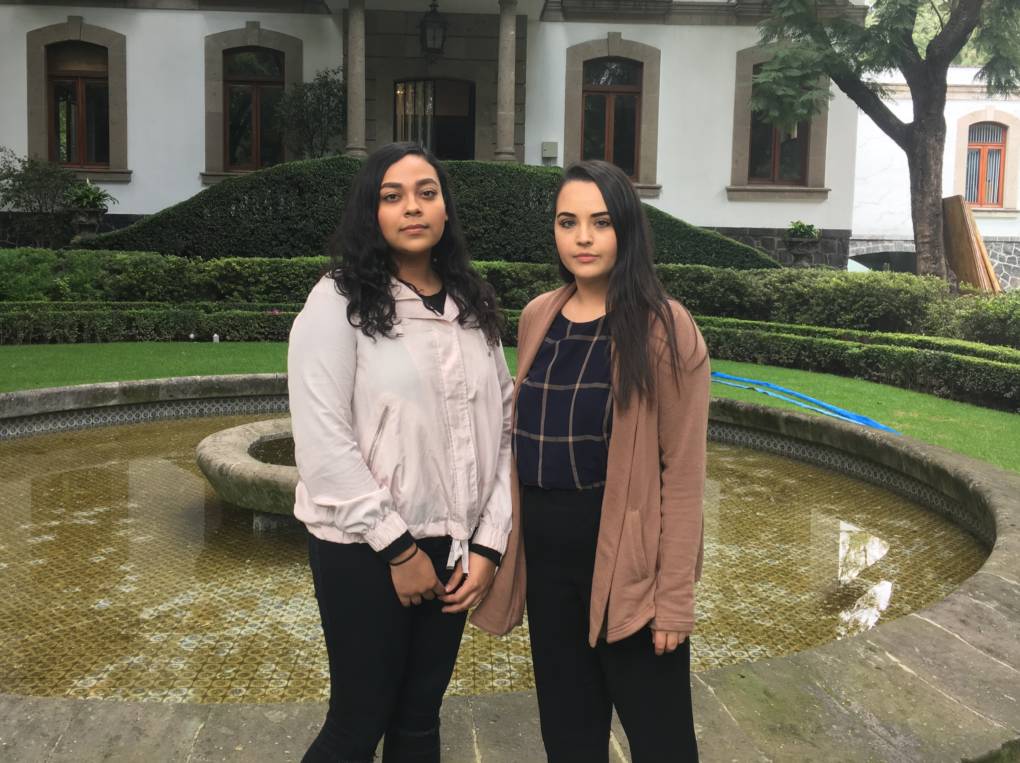
"caption": "Gemma Urena (left) and Jennifer Zepeda (right) are exchange students from UC Santa Cruz studying in Mexico City. They are raising money to help earthquake victims. ",
"description": "Gemma Urena (left) and Jennifer Zepeda (right) are exchange students from the University of California, Santa Cruz, studying in Mexico City. They are raising money to help earthquake victims. KQED/Emily Green. ",
"title": "Gemma Urena (left) and Jennifer Zepeda (right) are exchange students from the University of California, Santa Cruz, studying in Mexico City. They are raising money to help earthquake victims. KQED/Emily Green.",
"credit": "Emily Green/KQED",
"status": "inherit",
"isLoading": false,
"fetchFailed": false
},
"news_11619411": {
"type": "attachments",
"id": "news_11619411",
"meta": {
"index": "attachments_1716263798",
"site": "news",
"id": "11619411",
"found": true
},
"parent": 11619239,
"imgSizes": {
"small": {
"file": "https://ww2.kqed.org/app/uploads/sites/10/2017/09/San_Francisco_Unified_School_District_Building_3-520x390.jpg",
"width": 520,
"mimeType": "image/jpeg",
"height": 390
},
"thumbnail": {
"file": "https://ww2.kqed.org/app/uploads/sites/10/2017/09/San_Francisco_Unified_School_District_Building_3-160x120.jpg",
"width": 160,
"mimeType": "image/jpeg",
"height": 120
},
"post-thumbnail": {
"file": "https://ww2.kqed.org/app/uploads/sites/10/2017/09/San_Francisco_Unified_School_District_Building_3-672x372.jpg",
"width": 672,
"mimeType": "image/jpeg",
"height": 372
},
"xsmall": {
"file": "https://ww2.kqed.org/app/uploads/sites/10/2017/09/San_Francisco_Unified_School_District_Building_3-375x281.jpg",
"width": 375,
"mimeType": "image/jpeg",
"height": 281
},
"kqedFullSize": {
"file": "https://ww2.kqed.org/app/uploads/sites/10/2017/09/San_Francisco_Unified_School_District_Building_3.jpg",
"width": 736,
"height": 552
},
"guest-author-50": {
"file": "https://ww2.kqed.org/app/uploads/sites/10/2017/09/San_Francisco_Unified_School_District_Building_3-50x50.jpg",
"width": 50,
"mimeType": "image/jpeg",
"height": 50
},
"guest-author-96": {
"file": "https://ww2.kqed.org/app/uploads/sites/10/2017/09/San_Francisco_Unified_School_District_Building_3-96x96.jpg",
"width": 96,
"mimeType": "image/jpeg",
"height": 96
},
"guest-author-64": {
"file": "https://ww2.kqed.org/app/uploads/sites/10/2017/09/San_Francisco_Unified_School_District_Building_3-64x64.jpg",
"width": 64,
"mimeType": "image/jpeg",
"height": 64
},
"detail": {
"file": "https://ww2.kqed.org/app/uploads/sites/10/2017/09/San_Francisco_Unified_School_District_Building_3-150x150.jpg",
"width": 150,
"mimeType": "image/jpeg",
"height": 150
},
"guest-author-32": {
"file": "https://ww2.kqed.org/app/uploads/sites/10/2017/09/San_Francisco_Unified_School_District_Building_3-32x32.jpg",
"width": 32,
"mimeType": "image/jpeg",
"height": 32
},
"guest-author-128": {
"file": "https://ww2.kqed.org/app/uploads/sites/10/2017/09/San_Francisco_Unified_School_District_Building_3-128x128.jpg",
"width": 128,
"mimeType": "image/jpeg",
"height": 128
},
"xxsmall": {
"file": "https://ww2.kqed.org/app/uploads/sites/10/2017/09/San_Francisco_Unified_School_District_Building_3-240x180.jpg",
"width": 240,
"mimeType": "image/jpeg",
"height": 180
}
},
"publishDate": 1506539682,
"modified": 1506550718,
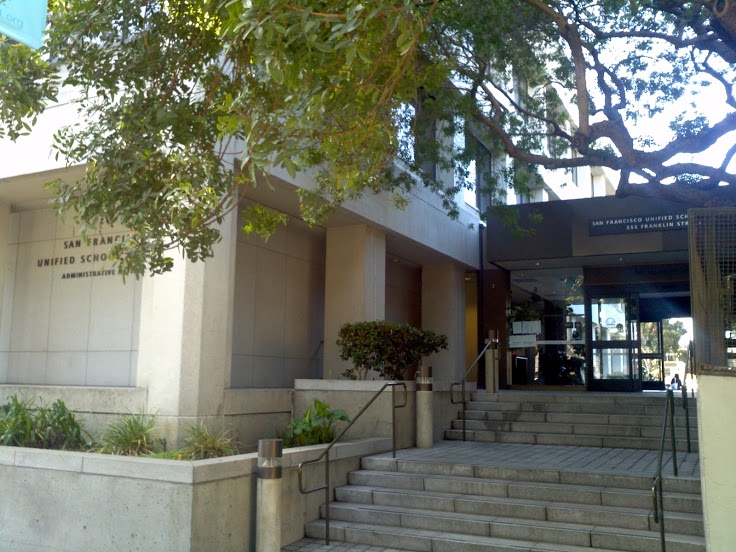
"caption": "A San Francisco Unified School District administrative building at 555 Franklin St.",
"description": null,
"title": "San_Francisco_Unified_School_District_Building_3",
"credit": "Wikimedia Commons",
"status": "inherit",
"isLoading": false,
"fetchFailed": false
}
},
"audioPlayerReducer": {
"postId": "stream_live",
"isPaused": true,
"isPlaying": false,
"pfsActive": false,
"pledgeModalIsOpen": true,
"playerDrawerIsOpen": false,
"liveAudioPlayStartedAt": 0,
"liveAudioPlayContext": ""
},
"authorsReducer": {
"byline_news_11619775": {
"type": "authors",
"id": "byline_news_11619775",
"meta": {
"override": true
},
"slug": "byline_news_11619775",
"name": "\u003cstrong>Tovia Smith\u003cbr />NPR\u003c/strong>",
"isLoading": false
},
"byline_news_11619646": {
"type": "authors",
"id": "byline_news_11619646",
"meta": {
"override": true
},
"slug": "byline_news_11619646",
"name": "\u003cstrong>\u003ca href=\"http://www.scpr.org/about/people/staff/carla-javier\">Carla Javier\u003c/a>\u003c/strong>",
"isLoading": false
},
"byline_news_11619187": {
"type": "authors",
"id": "byline_news_11619187",
"meta": {
"override": true
},
"slug": "byline_news_11619187",
"name": "Emily Green",
"isLoading": false
},
"jmcevoy": {
"type": "authors",
"id": "231",
"meta": {
"index": "authors_1716337520",
"id": "231",
"found": true
},
"name": "Julia McEvoy",
"firstName": "Julia",
"lastName": "McEvoy",
"slug": "jmcevoy",
"email": "jmcevoy@KQED.org",
"display_author_email": true,
"staff_mastheads": [
"news"
],
"title": "KQED Senior Editor",
"bio": "Julia McEvoy is KQED's Senior Editor, Education Equity.\r\n\r\nJulia heads KQED’s education coverage examining inequities students face in Bay Area and California schools, and reports on what it will take to educate the next generation.\r\n\r\nJulia's editorial work has received a Peabody Award, a Casey Medal for Coverage of Children and Families, several Edward R. Murrow awards, as well as awards from the Public Radio News Directors Inc. and the Society for Professional Journalists.",
"avatar": "https://secure.gravatar.com/avatar/aec3ce21abe02b302fd33638abd56a22?s=600&d=blank&r=g",
"twitter": "juliamcevoy1",
"facebook": null,
"instagram": null,
"linkedin": null,
"sites": [
{
"site": "news",
"roles": []
},
{
"site": "stateofhealth",
"roles": [
"author"
]
}
],
"headData": {
"title": "Julia McEvoy | KQED",
"description": "KQED Senior Editor",
"ogImgSrc": "https://secure.gravatar.com/avatar/aec3ce21abe02b302fd33638abd56a22?s=600&d=blank&r=g",
"twImgSrc": "https://secure.gravatar.com/avatar/aec3ce21abe02b302fd33638abd56a22?s=600&d=blank&r=g"
},
"isLoading": false,
"link": "/author/jmcevoy"
},
"kqed": {
"type": "authors",
"id": "236",
"meta": {
"index": "authors_1716337520",
"id": "236",
"found": true
},
"name": "KQED News Staff",
"firstName": "KQED News Staff",
"lastName": null,
"slug": "kqed",
"email": "faq@kqed.org",
"display_author_email": false,
"staff_mastheads": [],
"title": null,
"bio": null,
"avatar": "https://secure.gravatar.com/avatar/ef0e801a68c4c54afa9180db14084167?s=600&d=blank&r=g",
"twitter": null,
"facebook": null,
"instagram": null,
"linkedin": null,
"sites": [
{
"site": "arts",
"roles": [
"contributor"
]
},
{
"site": "news",
"roles": [
"editor"
]
},
{
"site": "futureofyou",
"roles": [
"author"
]
}
],
"headData": {
"title": "KQED News Staff | KQED",
"description": null,
"ogImgSrc": "https://secure.gravatar.com/avatar/ef0e801a68c4c54afa9180db14084167?s=600&d=blank&r=g",
"twImgSrc": "https://secure.gravatar.com/avatar/ef0e801a68c4c54afa9180db14084167?s=600&d=blank&r=g"
},
"isLoading": false,
"link": "/author/kqed"
},
"samharnett": {
"type": "authors",
"id": "253",
"meta": {
"index": "authors_1716337520",
"id": "253",
"found": true
},
"name": "Sam Harnett",
"firstName": "Sam",
"lastName": "Harnett",
"slug": "samharnett",
"email": "samharnett@gmail.com",
"display_author_email": false,
"staff_mastheads": [],
"title": "KQED Contributor",
"bio": "Sam Harnett covered tech and work at KQED. He is the co-creator of \u003cem>\u003ca href=\"http://www.theworldaccordingtosound.org\">The World According to Sound\u003c/a>,\u003c/em> a 90-second podcast that features different sounds and the stories behind them.\r\n\r\nBefore coming to KQED, Sam worked as an independent reporter who contributed regularly to \u003cem>The California Report, Marketplace,\u003c/em> \u003cem>The World \u003c/em>and NPR.",
"avatar": "https://secure.gravatar.com/avatar/2538b972ac02f2b9546c7a6c59a0f3d0?s=600&d=blank&r=g",
"twitter": "Samwharnett",
"facebook": null,
"instagram": null,
"linkedin": null,
"sites": [
{
"site": "news",
"roles": [
"edit_others_posts",
"subscriber"
]
},
{
"site": "stateofhealth",
"roles": [
"author"
]
},
{
"site": "science",
"roles": [
"editor"
]
},
{
"site": "quest",
"roles": [
"subscriber"
]
}
],
"headData": {
"title": "Sam Harnett | KQED",
"description": "KQED Contributor",
"ogImgSrc": "https://secure.gravatar.com/avatar/2538b972ac02f2b9546c7a6c59a0f3d0?s=600&d=blank&r=g",
"twImgSrc": "https://secure.gravatar.com/avatar/2538b972ac02f2b9546c7a6c59a0f3d0?s=600&d=blank&r=g"
},
"isLoading": false,
"link": "/author/samharnett"
},
"dkatayama": {
"type": "authors",
"id": "7240",
"meta": {
"index": "authors_1716337520",
"id": "7240",
"found": true
},
"name": "Devin Katayama",
"firstName": "Devin",
"lastName": "Katayama",
"slug": "dkatayama",
"email": "dkatayama@kqed.org",
"display_author_email": true,
"staff_mastheads": [
"news"
],
"title": "Editor of Talent and Development",
"bio": "Devin Katayama is former Editor of Talent and Development for KQED. He supported our internship program and on-call staff by looking for equitable opportunities to improve the newsroom.\r\n\r\nHe previously hosted The Bay and American Suburb podcasts from KQED News. Prior to returning to the Bay Area in 2015, Devin was the education reporter for WFPL in Louisville and worked as a producer with radio stations in Chicago and Portland, OR. His work has appeared on NPR’s \u003cem>Morning Edition, All Things Considered, The Takeaway\u003c/em> and \u003cem>Here and Now.\u003c/em>\r\n\r\nDevin earned his MA in Journalism from Columbia College Chicago, where he was a Follett Fellow and the recipient of the 2011 Studs Terkel Community Media Workshop Scholarship for his story on Chicago's homeless youth. He won WBUR's 2014 Daniel Schorr award and a regional RTNDA Edward R. Murrow Award for his documentary \"At Risk\" that looked at issues facing some of Louisville's students. Devin has also received numerous local awards from the Associated Press and the Society of Professional Journalists.",
"avatar": "https://secure.gravatar.com/avatar/d0d2978a31002fb2de107921a8e18405?s=600&d=blank&r=g",
"twitter": "RadioDevin",
"facebook": null,
"instagram": null,
"linkedin": null,
"sites": [
{
"site": "arts",
"roles": []
},
{
"site": "news",
"roles": [
"author"
]
},
{
"site": "stateofhealth",
"roles": [
"author"
]
},
{
"site": "forum",
"roles": [
"editor"
]
},
{
"site": "perspectives",
"roles": [
"editor"
]
}
],
"headData": {
"title": "Devin Katayama | KQED",
"description": "Editor of Talent and Development",
"ogImgSrc": "https://secure.gravatar.com/avatar/d0d2978a31002fb2de107921a8e18405?s=600&d=blank&r=g",
"twImgSrc": "https://secure.gravatar.com/avatar/d0d2978a31002fb2de107921a8e18405?s=600&d=blank&r=g"
},
"isLoading": false,
"link": "/author/dkatayama"
},
"fjhabvala": {
"type": "authors",
"id": "8659",
"meta": {
"index": "authors_1716337520",
"id": "8659",
"found": true
},
"name": "Farida Jhabvala Romero",
"firstName": "Farida",
"lastName": "Jhabvala Romero",
"slug": "fjhabvala",
"email": "fjhabvala@kqed.org",
"display_author_email": true,
"staff_mastheads": [
"news"
],
"title": "KQED Contributor",
"bio": "Farida Jhabvala Romero is a Labor Correspondent for KQED. She previously covered immigration. Farida was \u003ca href=\"https://www.ccnma.org/2022-most-influential-latina-journalists\">named\u003c/a> one of the 10 Most Influential Latina Journalists in California in 2022 by the California Chicano News Media Association. Her work has won awards from the Society of Professional Journalists (Northern California), as well as a national and regional Edward M. Murrow Award for the collaborative reporting projects “Dangerous Air” and “Graying California.” Before joining KQED, Farida worked as a producer at Radio Bilingüe, a national public radio network. Farida earned her master’s degree in journalism from Stanford University.",
"avatar": "https://secure.gravatar.com/avatar/f9f022d4e2609741874222a1e9d41f48fea74011aa7c615eef91d9a50c944ebe?s=600&d=blank&r=g",
"twitter": "FaridaJhabvala",
"bluesky": null,
"facebook": null,
"instagram": null,
"linkedin": "https://www.linkedin.com/in/faridajhabvala/",
"sites": [
{
"site": "news",
"roles": [
"editor"
]
},
{
"site": "stateofhealth",
"roles": [
"author"
]
},
{
"site": "liveblog",
"roles": [
"author"
]
}
],
"headData": {
"title": "Farida Jhabvala Romero | KQED",
"description": "KQED Contributor",
"ogImgSrc": "https://secure.gravatar.com/avatar/f9f022d4e2609741874222a1e9d41f48fea74011aa7c615eef91d9a50c944ebe?s=600&d=blank&r=g",
"twImgSrc": "https://secure.gravatar.com/avatar/f9f022d4e2609741874222a1e9d41f48fea74011aa7c615eef91d9a50c944ebe?s=600&d=blank&r=g"
},
"isLoading": false,
"link": "/author/fjhabvala"
},
"vrancano": {
"type": "authors",
"id": "11276",
"meta": {
"index": "authors_1716337520",
"id": "11276",
"found": true
},
"name": "Vanessa Rancaño",
"firstName": "Vanessa",
"lastName": "Rancaño",
"slug": "vrancano",
"email": "vrancano@kqed.org",
"display_author_email": false,
"staff_mastheads": [
"news"
],
"title": "Reporter",
"bio": "Vanessa Rancaño is a features reporter for KQED. She’s also covered homelessness and education for the station and reported from the Central Valley. Her work has aired across public radio, from flagship national news shows to longform narrative podcasts. Before taking up a mic, she worked as a freelance print journalist. She’s been recognized with a number of national and regional awards. Vanessa grew up in California's Central Valley. She's a former NPR Kroc Fellow, and a graduate of the UC Berkeley Graduate School of Journalism.",
"avatar": "https://secure.gravatar.com/avatar/b3a383dfb0e7ee1c17568f2cf067904ab654d6e3de9743fc661f3c788ade1bed?s=600&d=blank&r=g",
"twitter": "vanessarancano",
"bluesky": null,
"facebook": null,
"instagram": null,
"linkedin": null,
"sites": [
{
"site": "arts",
"roles": [
"editor"
]
},
{
"site": "news",
"roles": [
"editor"
]
},
{
"site": "liveblog",
"roles": [
"contributor"
]
}
],
"headData": {
"title": "Vanessa Rancaño | KQED",
"description": "Reporter",
"ogImgSrc": "https://secure.gravatar.com/avatar/b3a383dfb0e7ee1c17568f2cf067904ab654d6e3de9743fc661f3c788ade1bed?s=600&d=blank&r=g",
"twImgSrc": "https://secure.gravatar.com/avatar/b3a383dfb0e7ee1c17568f2cf067904ab654d6e3de9743fc661f3c788ade1bed?s=600&d=blank&r=g"
},
"isLoading": false,
"link": "/author/vrancano"
},
"dcronin": {
"type": "authors",
"id": "11362",
"meta": {
"index": "authors_1716337520",
"id": "11362",
"found": true
},
"name": "Dana Cronin",
"firstName": "Dana",
"lastName": "Cronin",
"slug": "dcronin",
"email": "dcronin@KQED.org",
"display_author_email": true,
"staff_mastheads": [],
"title": "KQED Contributor",
"bio": "Dana Cronin is a reporter for KQED News. She loves writing stories about climate change, environmental issues, food and agriculture. She's reported across the country, from Colorado to Washington D.C. to Illinois, and has won numerous awards for her coverage. Her work is regularly featured on national broadcasts, including NPR’s Morning Edition, All Things Considered, PBS Newshour and Science Friday. She lives in Oakland and has an avocado tree in her back yard.",
"avatar": "https://secure.gravatar.com/avatar/bcf89e3455ff7235f96ab6fa7258dd95?s=600&d=blank&r=g",
"twitter": "DanaHCronin",
"facebook": null,
"instagram": null,
"linkedin": null,
"sites": [
{
"site": "arts",
"roles": [
"author"
]
},
{
"site": "news",
"roles": [
"editor"
]
},
{
"site": "science",
"roles": [
"author"
]
},
{
"site": "liveblog",
"roles": [
"author"
]
}
],
"headData": {
"title": "Dana Cronin | KQED",
"description": "KQED Contributor",
"ogImgSrc": "https://secure.gravatar.com/avatar/bcf89e3455ff7235f96ab6fa7258dd95?s=600&d=blank&r=g",
"twImgSrc": "https://secure.gravatar.com/avatar/bcf89e3455ff7235f96ab6fa7258dd95?s=600&d=blank&r=g"
},
"isLoading": false,
"link": "/author/dcronin"
},
"agarces": {
"type": "authors",
"id": "11367",
"meta": {
"index": "authors_1716337520",
"id": "11367",
"found": true
},
"name": "Audrey Garces",
"firstName": "Audrey",
"lastName": "Garces",
"slug": "agarces",
"email": "agarces@kqed.org",
"display_author_email": false,
"staff_mastheads": [
"news"
],
"title": "Digital Producer",
"bio": "Audrey is a former digital producer at KQED News. Previously, she was a KQED Raul Ramirez Diversity Fund intern where she developed stories that focused on highlighting diverse voices in journalism. Prior to her work at KQED, she worked as a news intern at the San Francisco Examiner. Audrey graduated from San Francisco State University with a B.A. in journalism and a minor in political science.",
"avatar": "https://secure.gravatar.com/avatar/5211bc2e6a809b9956da169e35ce63d5?s=600&d=blank&r=g",
"twitter": "audgar",
"facebook": null,
"instagram": null,
"linkedin": null,
"sites": [
{
"site": "arts",
"roles": []
},
{
"site": "news",
"roles": [
"subscriber"
]
},
{
"site": "science",
"roles": [
"editor"
]
},
{
"site": "forum",
"roles": [
"editor"
]
},
{
"site": "perspectives",
"roles": [
"administrator"
]
}
],
"headData": {
"title": "Audrey Garces | KQED",
"description": "Digital Producer",
"ogImgSrc": "https://secure.gravatar.com/avatar/5211bc2e6a809b9956da169e35ce63d5?s=600&d=blank&r=g",
"twImgSrc": "https://secure.gravatar.com/avatar/5211bc2e6a809b9956da169e35ce63d5?s=600&d=blank&r=g"
},
"isLoading": false,
"link": "/author/agarces"
},
"tmosley": {
"type": "authors",
"id": "11373",
"meta": {
"index": "authors_1716337520",
"id": "11373",
"found": true
},
"name": "Tonya Mosley",
"firstName": "Tonya",
"lastName": "Mosley",
"slug": "tmosley",
"email": "tmosley@kqed.org",
"display_author_email": false,
"staff_mastheads": [],
"title": "KQED Contributor",
"bio": "Tonya Mosley is a former Silicon Valley bureau chief for KQED. She served as the senior editor, leading a team of journalists covering the impacts of technology companies on the South Bay and society. Tonya is also a former host and reporter for KQED.\r\n\r\nPrior to KQED, Tonya served as a television reporter & anchor for several media outlets, including Al Jazeera America.\r\n\r\nIn 2015, Tonya was awarded a John S. Knight Journalism Fellowship at Stanford University where she co-created a workshop for journalists on the impacts of implicit bias, and co-wrote a Belgian/American experimental study on the effects of protest coverage.\r\n\r\nTonya has won several national awards for her work, most recently an Emmy Award in 2016 for her televised piece \"Beyond Ferguson,\" and a national Edward R. Murrow award for her public radio series \"Black in Seattle.\"\r\n\r\nYou can reach Tonya at: tmosley@kqed.org.",
"avatar": "https://secure.gravatar.com/avatar/0b2ea2bbfed6bafaacd21e9398c68e5e?s=600&d=blank&r=g",
"twitter": "tonyamosley",
"facebook": null,
"instagram": null,
"linkedin": null,
"sites": [
{
"site": "arts",
"roles": [
"editor"
]
},
{
"site": "news",
"roles": [
"subscriber"
]
},
{
"site": "about",
"roles": [
"author"
]
},
{
"site": "forum",
"roles": [
"author"
]
}
],
"headData": {
"title": "Tonya Mosley | KQED",
"description": "KQED Contributor",
"ogImgSrc": "https://secure.gravatar.com/avatar/0b2ea2bbfed6bafaacd21e9398c68e5e?s=600&d=blank&r=g",
"twImgSrc": "https://secure.gravatar.com/avatar/0b2ea2bbfed6bafaacd21e9398c68e5e?s=600&d=blank&r=g"
},
"isLoading": false,
"link": "/author/tmosley"
}
},
"pagesReducer": {
"news_category_education": {
"type": "terms",
"id": "news_18540",
"meta": {
"index": "terms_1716263798",
"site": "news",
"id": "18540",
"score": 10.973221
},
"featImg": null,
"name": "Education",
"description": null,
"taxonomy": "category",
"headData": {
"twImgId": null,
"twTitle": null,
"ogTitle": null,
"ogImgId": null,
"twDescription": null,
"description": null,
"title": "Education Archives | KQED News",
"ogDescription": null
},
"ttid": 2595,
"slug": "education",
"isLoading": false,
"title": "Education",
"pageMeta": {
"site": "news",
"WpPageTemplate": "page-topic-editorial",
"currentPage": 143
},
"blocks": [
{
"blockName": "kqed/post-list",
"attrs": {
"layout": "cardArticle2",
"query": "posts/news?category=education",
"seeMore": false,
"paginated": true,
"page": 143
}
},
{
"blockName": "kqed/ad"
}
]
}
},
"pfsSessionReducer": {},
"postsReducer": {
"stream_live": {
"type": "live",
"id": "stream_live",
"audioUrl": "https://streams.kqed.org/kqedradio",
"title": "Live Stream",
"excerpt": "Live Stream information currently unavailable.",
"link": "/radio",
"featImg": "",
"label": {
"name": "KQED Live",
"link": "/"
}
},
"stream_kqedNewscast": {
"type": "posts",
"id": "stream_kqedNewscast",
"audioUrl": "https://www.kqed.org/.stream/anon/radio/RDnews/newscast.mp3?_=1",
"title": "KQED Newscast",
"featImg": "",
"label": {
"name": "88.5 FM",
"link": "/"
}
},
"news_11623766": {
"type": "posts",
"id": "news_11623766",
"meta": {
"index": "posts_1716263798",
"site": "news",
"id": "11623766",
"score": null,
"sort": [
1508202332000
]
},
"guestAuthors": [],
"slug": "after-fires-tragedy-teachers-ask-how-do-i-get-to-normal",
"title": "After Fire's Tragedy Teachers Ask: How Do I Get to Normal?",
"publishDate": 1508202332,
"format": "standard",
"headTitle": "After Fire’s Tragedy Teachers Ask: How Do I Get to Normal? | KQED",
"labelTerm": {
"term": 72,
"site": "news"
},
"content": "\u003cp>\u003cem>Editor’s note: This story contains a \u003ca href=\"#correction\">correction\u003c/a>. \u003c/em>\u003c/p>\n\u003cp>In the center of the destroyed school stands the burnt-out basketball court, and just beyond is the blackened playground. There are no walls to the school left, so Amy Jones-Kerr stares at the pile of overturned kindergarten chairs and desks that once was her daughter’s classroom. This is what’s left at Hidden Valley Satellite School near Fountaingrove in Santa Rosa. Oddly untouched is the map of the world, painted in pink and blue on playground asphalt.\u003c/p>\n\u003cp>The surrounding neighborhood, where local students lived, has also burned down.\u003c/p>\n\u003cp>Jones-Kerr is feeling the fire’s aftermath on several fronts. She lives just over the hill from here, so she’s taking photos of homes for friends she knows live nearby. And she is the Roseland School District superintendent, who has lost a school of her own to the fire: Roseland Collegiate Prep with 430 students.\u003c/p>\n\u003cp>“Five of our campuses are OK, which is fortunate. So as a team we have worked together as to how we are going to accommodate those 430 students for now,” Jones-Kerr said. “We’re just jumping in and seeing what we can do to get more students on some of our campuses.”\u003c/p>\n\u003cp>[ad fullwidth]\u003c/p>\n\u003cp>Roseland Collegiate Prep is the next school stop on this police-escorted tour Friday of Sonoma County schools hit by the fires. Jones-Kerr walks around the school, trying to hold it together as she picks up a football from the grounds. It’s emotional because teachers themselves also have had their lives overturned by the fire. Sonoma County schools reported Monday that close to 212 teachers and support staff, such as custodians, lunchroom workers and bus drivers, have lost homes. They expect that number to rise as larger districts, such as Santa Rosa City Schools, report in.\u003c/p>\n\u003cp>“We have about 10 faculty members who have lost their homes, including a principal. And about half of my staff is displaced all over,” said Jones-Kerr. “But we are still coming together for the kids and my staff to figure out what we as a unit can do.”\u003c/p>\n\u003cp>Then she starts taking video on her phone of the burnt-out high school. She knows she will need “before and after” photos to show FEMA if she wants to file a claim for reimbursement as she rebuilds.\u003c/p>\n\u003cp>Sonoma County Superintendent of Schools Steven Herrington says getting schools reopened means cleaning ash and smoke out of schools and possibly bringing in portable buildings from other parts of the state. There is also a plan to bus kids from shelters back to their schools, and to provide mental heath counseling in the shelters. Students living in shelters or anywhere outside their home district can attend school where they are, said Herrington, if they can’t return to their old school.\u003c/p>\n\u003cfigure id=\"attachment_11623805\" class=\"wp-caption aligncenter\" style=\"max-width: 800px\">\u003cimg loading=\"lazy\" decoding=\"async\" class=\"size-medium wp-image-11623805\" src=\"https://ww2.kqed.org/news/wp-content/uploads/sites/10/2017/10/Torlakson-and-Harrington-at-Hidden-Valley-Satellite_171013-800x600.jpg\" alt=\"\" width=\"800\" height=\"600\">\u003cfigcaption class=\"wp-caption-text\">State Superintendent Tom Torklakson, left, toured destroyed schools in Sonoma. \u003ccite>(Julia McEvoy/KQED)\u003c/cite>\u003c/figcaption>\u003c/figure>\n\u003cp>All of this poses challenges for local school leaders, who know one of the best things they could do to help their students is to get them back to some kind of normalcy. In a meeting of Sonoma County superintendents, Herrington — who helps provide support to all 40 individual school districts in the county — told the group that outside of home and family, what most kids know best is their school and their teacher.\u003c/p>\n\u003cp>“Anything we can do to get them back will help,” Herrington said. \u003ca href=\"http://www.scoe.org/cs/blank/print/htdocs/storm-update.html\">Most schools remain closed this week.\u003c/a>\u003c/p>\n\u003cp>Tom Torlakson, state superintendent of public instruction, and Herrington are crunching over rubble, talking about how to get more state and federal funding to these schools. Torlakson acknowledged that teachers impacted by the fire will likely add to the statewide teacher shortage. He said finding affordable housing for displaced staff is also something he’s concerned about.\u003c/p>\n\u003cp>[audio src=\"https://www.kqed.org/.stream/anon/radio/RDnews/2017/10/SonomaSchools.mp3\" title=\"After Fire’s Tragedy Teachers Ask: How Do I Get to Normal?\" program=\"KQED News\" image=\"https://u.s.kqed.net/2017/10/17/F2E93DEE7B2B4B5998654D1E84DDB659.jpg\"]\u003c/p>\n\u003cp>“This is a daunting challenge. So many of the teachers have lost their own homes. And to be able to rebuild, we don’t know that all of them will have the financial means,” said Torlakson. “We have a teacher shortage already. It’s a crisis around the state, and this exacerbates it significantly. The Legislature in this last session passed some bills to provide housing for teachers, so some of those dollars can go to work faster than we want. We need to go back to the Legislature and ask for more help.”\u003c/p>\n\u003cp>Herrington reports that Santa Rosa has lost 5 percent of its housing stock and the county has lost another 5 percent, which doesn’t include the unincorporated areas.\u003c/p>\n\u003cp>Trying to reopen is even trickier for schools serving as shelters for those displaced. They would need to find a way to cordon off adults from students, if classes were to resume. Several superintendents were serving meals to shelter families with the help of school cooks and staff. As of Monday evening, however, Herrington says just one district school is serving as a shelter, Elsie Allen High School in Santa Rosa.\u003c/p>\n\u003cp>As schools prepare for reopening, Herrington told his superintendents to first begin gathering staff to talk and grieve and share their stories, and then start the planning on how to talk to students about this tragedy after they do return to classes. After schools are determined to be environmentally safe, and only then, can schools begin to welcome students back.\u003c/p>\n\u003cp>\u003ca id=\"correction\">\u003c/a>\u003c/p>\n\u003cp>\u003c/p>\n\u003cp>\u003cem>Correction: An earlier version of this article incorrectly described the location of Roseland College Prep. The story has been corrected. \u003c/em>\u003c/p>\n\n",
"blocks": [],
"excerpt": "'This is a daunting challenge,' says state schools chief Tom Torlakson. 'So many of the teachers have lost their own homes. And to be able to rebuild, we don't know that all of them will have the financial means.' ",
"status": "publish",
"parent": 0,
"modified": 1722638649,
"stats": {
"hasAudio": true,
"hasVideo": false,
"hasChartOrMap": false,
"iframeSrcs": [],
"hasGoogleForm": false,
"hasGallery": false,
"hasHearkenModule": false,
"hasPolis": false,
"paragraphCount": 20,
"wordCount": 1001
},
"headData": {
"title": "After Fire's Tragedy Teachers Ask: How Do I Get to Normal? | KQED",
"description": "'This is a daunting challenge,' says state schools chief Tom Torlakson. 'So many of the teachers have lost their own homes. And to be able to rebuild, we don't know that all of them will have the financial means.' ",
"ogTitle": "",
"ogDescription": "",
"ogImgId": "",
"twTitle": "",
"twDescription": "",
"twImgId": "",
"schema": {
"@context": "https://schema.org",
"@type": "NewsArticle",
"headline": "After Fire's Tragedy Teachers Ask: How Do I Get to Normal?",
"datePublished": "2017-10-16T18:05:32-07:00",
"dateModified": "2024-08-02T15:44:09-07:00",
"image": "https://cdn.kqed.org/wp-content/uploads/2020/02/KQED-OG-Image@1x.png",
"isAccessibleForFree": "True",
"publisher": {
"@type": "NewsMediaOrganization",
"@id": "https://www.kqed.org/#organization",
"name": "KQED",
"logo": "https://cdn.kqed.org/wp-content/uploads/2020/02/KQED-OG-Image@1x.png",
"url": "https://www.kqed.org",
"sameAs": [
"https://www.facebook.com/KQED",
"https://twitter.com/KQED",
"https://www.instagram.com/kqed/",
"https://www.tiktok.com/@kqedofficial",
"https://www.linkedin.com/company/kqed",
"https://www.youtube.com/channel/UCeC0IOo7i1P_61zVUWbJ4nw"
]
}
}
},
"sticky": false,
"path": "/news/11623766/after-fires-tragedy-teachers-ask-how-do-i-get-to-normal",
"audioUrl": "https://www.kqed.org/.stream/anon/radio/RDnews/2017/10/SonomaSchools.mp3",
"audioDuration": 435000,
"audioTrackLength": null,
"parsedContent": [
{
"type": "contentString",
"content": "\u003cdiv class=\"post-body\">\u003cp>\u003cp>\u003cem>Editor’s note: This story contains a \u003ca href=\"#correction\">correction\u003c/a>. \u003c/em>\u003c/p>\n\u003cp>In the center of the destroyed school stands the burnt-out basketball court, and just beyond is the blackened playground. There are no walls to the school left, so Amy Jones-Kerr stares at the pile of overturned kindergarten chairs and desks that once was her daughter’s classroom. This is what’s left at Hidden Valley Satellite School near Fountaingrove in Santa Rosa. Oddly untouched is the map of the world, painted in pink and blue on playground asphalt.\u003c/p>\n\u003cp>The surrounding neighborhood, where local students lived, has also burned down.\u003c/p>\n\u003cp>Jones-Kerr is feeling the fire’s aftermath on several fronts. She lives just over the hill from here, so she’s taking photos of homes for friends she knows live nearby. And she is the Roseland School District superintendent, who has lost a school of her own to the fire: Roseland Collegiate Prep with 430 students.\u003c/p>\n\u003cp>“Five of our campuses are OK, which is fortunate. So as a team we have worked together as to how we are going to accommodate those 430 students for now,” Jones-Kerr said. “We’re just jumping in and seeing what we can do to get more students on some of our campuses.”\u003c/p>\n\u003cp>\u003c/p>\u003c/div>",
"attributes": {
"named": {},
"numeric": []
}
},
{
"type": "component",
"content": "",
"name": "ad",
"attributes": {
"named": {
"label": "fullwidth"
},
"numeric": [
"fullwidth"
]
}
},
{
"type": "contentString",
"content": "\u003cdiv class=\"post-body\">\u003cp>\u003c/p>\n\u003cp>Roseland Collegiate Prep is the next school stop on this police-escorted tour Friday of Sonoma County schools hit by the fires. Jones-Kerr walks around the school, trying to hold it together as she picks up a football from the grounds. It’s emotional because teachers themselves also have had their lives overturned by the fire. Sonoma County schools reported Monday that close to 212 teachers and support staff, such as custodians, lunchroom workers and bus drivers, have lost homes. They expect that number to rise as larger districts, such as Santa Rosa City Schools, report in.\u003c/p>\n\u003cp>“We have about 10 faculty members who have lost their homes, including a principal. And about half of my staff is displaced all over,” said Jones-Kerr. “But we are still coming together for the kids and my staff to figure out what we as a unit can do.”\u003c/p>\n\u003cp>Then she starts taking video on her phone of the burnt-out high school. She knows she will need “before and after” photos to show FEMA if she wants to file a claim for reimbursement as she rebuilds.\u003c/p>\n\u003cp>Sonoma County Superintendent of Schools Steven Herrington says getting schools reopened means cleaning ash and smoke out of schools and possibly bringing in portable buildings from other parts of the state. There is also a plan to bus kids from shelters back to their schools, and to provide mental heath counseling in the shelters. Students living in shelters or anywhere outside their home district can attend school where they are, said Herrington, if they can’t return to their old school.\u003c/p>\n\u003cfigure id=\"attachment_11623805\" class=\"wp-caption aligncenter\" style=\"max-width: 800px\">\u003cimg loading=\"lazy\" decoding=\"async\" class=\"size-medium wp-image-11623805\" src=\"https://ww2.kqed.org/news/wp-content/uploads/sites/10/2017/10/Torlakson-and-Harrington-at-Hidden-Valley-Satellite_171013-800x600.jpg\" alt=\"\" width=\"800\" height=\"600\">\u003cfigcaption class=\"wp-caption-text\">State Superintendent Tom Torklakson, left, toured destroyed schools in Sonoma. \u003ccite>(Julia McEvoy/KQED)\u003c/cite>\u003c/figcaption>\u003c/figure>\n\u003cp>All of this poses challenges for local school leaders, who know one of the best things they could do to help their students is to get them back to some kind of normalcy. In a meeting of Sonoma County superintendents, Herrington — who helps provide support to all 40 individual school districts in the county — told the group that outside of home and family, what most kids know best is their school and their teacher.\u003c/p>\n\u003cp>“Anything we can do to get them back will help,” Herrington said. \u003ca href=\"http://www.scoe.org/cs/blank/print/htdocs/storm-update.html\">Most schools remain closed this week.\u003c/a>\u003c/p>\n\u003cp>Tom Torlakson, state superintendent of public instruction, and Herrington are crunching over rubble, talking about how to get more state and federal funding to these schools. Torlakson acknowledged that teachers impacted by the fire will likely add to the statewide teacher shortage. He said finding affordable housing for displaced staff is also something he’s concerned about.\u003c/p>\n\u003cp>\u003c/p>\u003c/div>",
"attributes": {
"named": {},
"numeric": []
}
},
{
"type": "component",
"content": "",
"name": "audio",
"attributes": {
"named": {
"src": "https://www.kqed.org/.stream/anon/radio/RDnews/2017/10/SonomaSchools.mp3",
"title": "After Fire’s Tragedy Teachers Ask: How Do I Get to Normal?",
"program": "KQED News",
"image": "https://u.s.kqed.net/2017/10/17/F2E93DEE7B2B4B5998654D1E84DDB659.jpg",
"label": ""
},
"numeric": []
}
},
{
"type": "contentString",
"content": "\u003cdiv class=\"post-body\">\u003cp>\u003c/p>\n\u003cp>“This is a daunting challenge. So many of the teachers have lost their own homes. And to be able to rebuild, we don’t know that all of them will have the financial means,” said Torlakson. “We have a teacher shortage already. It’s a crisis around the state, and this exacerbates it significantly. The Legislature in this last session passed some bills to provide housing for teachers, so some of those dollars can go to work faster than we want. We need to go back to the Legislature and ask for more help.”\u003c/p>\n\u003cp>Herrington reports that Santa Rosa has lost 5 percent of its housing stock and the county has lost another 5 percent, which doesn’t include the unincorporated areas.\u003c/p>\n\u003cp>Trying to reopen is even trickier for schools serving as shelters for those displaced. They would need to find a way to cordon off adults from students, if classes were to resume. Several superintendents were serving meals to shelter families with the help of school cooks and staff. As of Monday evening, however, Herrington says just one district school is serving as a shelter, Elsie Allen High School in Santa Rosa.\u003c/p>\n\u003cp>As schools prepare for reopening, Herrington told his superintendents to first begin gathering staff to talk and grieve and share their stories, and then start the planning on how to talk to students about this tragedy after they do return to classes. After schools are determined to be environmentally safe, and only then, can schools begin to welcome students back.\u003c/p>\n\u003cp>\u003ca id=\"correction\">\u003c/a>\u003c/p>\n\u003cp>\u003c/p>\n\u003cp>\u003cem>Correction: An earlier version of this article incorrectly described the location of Roseland College Prep. The story has been corrected. \u003c/em>\u003c/p>\n\n\u003c/div>\u003c/p>",
"attributes": {
"named": {},
"numeric": []
}
}
],
"link": "/news/11623766/after-fires-tragedy-teachers-ask-how-do-i-get-to-normal",
"authors": [
"231"
],
"programs": [
"news_6944",
"news_72"
],
"categories": [
"news_18540",
"news_8"
],
"tags": [
"news_4463"
],
"featImg": "news_11623770",
"label": "news_72"
},
"news_11623102": {
"type": "posts",
"id": "news_11623102",
"meta": {
"index": "posts_1716263798",
"site": "news",
"id": "11623102",
"score": null,
"sort": [
1507930186000
]
},
"guestAuthors": [],
"slug": "education-secretary-betsy-devos-visits-milpitas-as-part-of-west-coast-tour",
"title": "Education Secretary Betsy DeVos Visits Milpitas as Part of West Coast Tour",
"publishDate": 1507930186,
"format": "standard",
"headTitle": "Education Secretary Betsy DeVos Visits Milpitas as Part of West Coast Tour | KQED",
"labelTerm": {
"term": 6944,
"site": "news"
},
"content": "\u003cp>U.S. Secretary of Education Betsy DeVos visited Thomas Russell Middle School in Milpitas Thursday. DeVos said she chose Russell because of its approach to individualized learning, which tailors curriculum based on individual students’ needs.\u003c/p>\n\u003cp>“I especially appreciate visiting the classrooms and seeing firsthand how the students are being served here,” DeVos said.\u003c/p>\n\u003cfigure id=\"attachment_11623170\" class=\"wp-caption alignnone\" style=\"max-width: 800px\">\u003cimg loading=\"lazy\" decoding=\"async\" class=\"size-medium wp-image-11623170\" src=\"https://ww2.kqed.org/news/wp-content/uploads/sites/10/2017/10/IMG_0271-800x600.jpg\" alt=\"\" width=\"800\" height=\"600\" srcset=\"https://cdn.kqed.org/wp-content/uploads/sites/10/2017/10/IMG_0271-800x600.jpg 800w, https://cdn.kqed.org/wp-content/uploads/sites/10/2017/10/IMG_0271-160x120.jpg 160w, https://cdn.kqed.org/wp-content/uploads/sites/10/2017/10/IMG_0271-1020x765.jpg 1020w, https://cdn.kqed.org/wp-content/uploads/sites/10/2017/10/IMG_0271-1920x1440.jpg 1920w, https://cdn.kqed.org/wp-content/uploads/sites/10/2017/10/IMG_0271-1180x885.jpg 1180w, https://cdn.kqed.org/wp-content/uploads/sites/10/2017/10/IMG_0271-960x720.jpg 960w, https://cdn.kqed.org/wp-content/uploads/sites/10/2017/10/IMG_0271-240x180.jpg 240w, https://cdn.kqed.org/wp-content/uploads/sites/10/2017/10/IMG_0271-375x281.jpg 375w, https://cdn.kqed.org/wp-content/uploads/sites/10/2017/10/IMG_0271-520x390.jpg 520w, https://cdn.kqed.org/wp-content/uploads/sites/10/2017/10/IMG_0271.jpg 2016w\" sizes=\"(max-width: 800px) 100vw, 800px\">\u003cfigcaption class=\"wp-caption-text\">Russell Middle School students Rhea Karanwal and Natalia Karinnyy show Education Secretary Betsy DeVos how to draw a self-portrait. \u003ccite>(Tonya Mosley/KQED)\u003c/cite>\u003c/figcaption>\u003c/figure>\n\u003cp>Her visit comes on the heels of another visit to a high school in McMinnville, Oregon, where dozens of protesters gathered outside the school.\u003c/p>\n\u003cp>DeVos has been the subject of controversy for her support of charter and religious schools and school vouchers.\u003c/p>\n\u003cp>In Milpitas, about a dozen protesters gathered outside Thomas Russell Middle School with signs that said “Shame on You DeVos!”\u003c/p>\n\u003cp>[ad fullwidth]\u003c/p>\n\u003cp>“It’s not OK to privatize schools,” said Cialysiah Washington, a freshman at De Anza College. “We want her to know that schools are not a business, and schools should be made for everybody.”\u003c/p>\n\u003cp>DeVos’ press secretary, Elizabeth Hill, says DeVos is less focused on school type and more on a parent’s ability to choose. Hill says this tour is part of DeVos’ efforts to learn how schools around the country are teaching students.\u003c/p>\n\u003cfigure id=\"attachment_11623171\" class=\"wp-caption alignnone\" style=\"max-width: 800px\">\u003cimg loading=\"lazy\" decoding=\"async\" class=\"size-medium wp-image-11623171\" src=\"https://ww2.kqed.org/news/wp-content/uploads/sites/10/2017/10/DeVosProtesters-800x600.jpg\" alt=\"\" width=\"800\" height=\"600\" srcset=\"https://cdn.kqed.org/wp-content/uploads/sites/10/2017/10/DeVosProtesters-800x600.jpg 800w, https://cdn.kqed.org/wp-content/uploads/sites/10/2017/10/DeVosProtesters-160x120.jpg 160w, https://cdn.kqed.org/wp-content/uploads/sites/10/2017/10/DeVosProtesters-1020x765.jpg 1020w, https://cdn.kqed.org/wp-content/uploads/sites/10/2017/10/DeVosProtesters-1920x1440.jpg 1920w, https://cdn.kqed.org/wp-content/uploads/sites/10/2017/10/DeVosProtesters-1180x885.jpg 1180w, https://cdn.kqed.org/wp-content/uploads/sites/10/2017/10/DeVosProtesters-960x720.jpg 960w, https://cdn.kqed.org/wp-content/uploads/sites/10/2017/10/DeVosProtesters-240x180.jpg 240w, https://cdn.kqed.org/wp-content/uploads/sites/10/2017/10/DeVosProtesters-375x281.jpg 375w, https://cdn.kqed.org/wp-content/uploads/sites/10/2017/10/DeVosProtesters-520x390.jpg 520w, https://cdn.kqed.org/wp-content/uploads/sites/10/2017/10/DeVosProtesters.jpg 2016w\" sizes=\"(max-width: 800px) 100vw, 800px\">\u003cfigcaption class=\"wp-caption-text\">Students from De Anza College protest outside of Thomas Russell Middle School in Milpitas. \u003ccite>(Tonya Mosley/KQED)\u003c/cite>\u003c/figcaption>\u003c/figure>\n\u003cp>The Milpitas district didn’t learn about the visit until Saturday, but it was kept under wraps from the public until Wednesday afternoon.\u003c/p>\n\u003cp>During her visit, DeVos visited four classrooms, including an art class where she made a self-portrait and a science class.\u003c/p>\n\u003cp>\u003c/p>\n\u003cp>As part of her West Coast tour, DeVos also will visit Seattle for a fundraiser.\u003c/p>\n\n",
"blocks": [],
"excerpt": "DeVos has been the subject of controversy for her support of charter and religious schools and school vouchers.\r\n",
"status": "publish",
"parent": 0,
"modified": 1729029472,
"stats": {
"hasAudio": false,
"hasVideo": false,
"hasChartOrMap": false,
"iframeSrcs": [],
"hasGoogleForm": false,
"hasGallery": false,
"hasHearkenModule": false,
"hasPolis": false,
"paragraphCount": 12,
"wordCount": 306
},
"headData": {
"title": "Education Secretary Betsy DeVos Visits Milpitas as Part of West Coast Tour | KQED",
"description": "DeVos has been the subject of controversy for her support of charter and religious schools and school vouchers.\r\n",
"ogTitle": "",
"ogDescription": "",
"ogImgId": "",
"twTitle": "",
"twDescription": "",
"twImgId": "",
"schema": {
"@context": "https://schema.org",
"@type": "NewsArticle",
"headline": "Education Secretary Betsy DeVos Visits Milpitas as Part of West Coast Tour",
"datePublished": "2017-10-13T14:29:46-07:00",
"dateModified": "2024-10-15T14:57:52-07:00",
"image": "https://cdn.kqed.org/wp-content/uploads/2020/02/KQED-OG-Image@1x.png",
"isAccessibleForFree": "True",
"publisher": {
"@type": "NewsMediaOrganization",
"@id": "https://www.kqed.org/#organization",
"name": "KQED",
"logo": "https://cdn.kqed.org/wp-content/uploads/2020/02/KQED-OG-Image@1x.png",
"url": "https://www.kqed.org",
"sameAs": [
"https://www.facebook.com/KQED",
"https://twitter.com/KQED",
"https://www.instagram.com/kqed/",
"https://www.tiktok.com/@kqedofficial",
"https://www.linkedin.com/company/kqed",
"https://www.youtube.com/channel/UCeC0IOo7i1P_61zVUWbJ4nw"
]
}
}
},
"sticky": false,
"path": "/news/11623102/education-secretary-betsy-devos-visits-milpitas-as-part-of-west-coast-tour",
"audioTrackLength": null,
"parsedContent": [
{
"type": "contentString",
"content": "\u003cdiv class=\"post-body\">\u003cp>\u003cp>U.S. Secretary of Education Betsy DeVos visited Thomas Russell Middle School in Milpitas Thursday. DeVos said she chose Russell because of its approach to individualized learning, which tailors curriculum based on individual students’ needs.\u003c/p>\n\u003cp>“I especially appreciate visiting the classrooms and seeing firsthand how the students are being served here,” DeVos said.\u003c/p>\n\u003cfigure id=\"attachment_11623170\" class=\"wp-caption alignnone\" style=\"max-width: 800px\">\u003cimg loading=\"lazy\" decoding=\"async\" class=\"size-medium wp-image-11623170\" src=\"https://ww2.kqed.org/news/wp-content/uploads/sites/10/2017/10/IMG_0271-800x600.jpg\" alt=\"\" width=\"800\" height=\"600\" srcset=\"https://cdn.kqed.org/wp-content/uploads/sites/10/2017/10/IMG_0271-800x600.jpg 800w, https://cdn.kqed.org/wp-content/uploads/sites/10/2017/10/IMG_0271-160x120.jpg 160w, https://cdn.kqed.org/wp-content/uploads/sites/10/2017/10/IMG_0271-1020x765.jpg 1020w, https://cdn.kqed.org/wp-content/uploads/sites/10/2017/10/IMG_0271-1920x1440.jpg 1920w, https://cdn.kqed.org/wp-content/uploads/sites/10/2017/10/IMG_0271-1180x885.jpg 1180w, https://cdn.kqed.org/wp-content/uploads/sites/10/2017/10/IMG_0271-960x720.jpg 960w, https://cdn.kqed.org/wp-content/uploads/sites/10/2017/10/IMG_0271-240x180.jpg 240w, https://cdn.kqed.org/wp-content/uploads/sites/10/2017/10/IMG_0271-375x281.jpg 375w, https://cdn.kqed.org/wp-content/uploads/sites/10/2017/10/IMG_0271-520x390.jpg 520w, https://cdn.kqed.org/wp-content/uploads/sites/10/2017/10/IMG_0271.jpg 2016w\" sizes=\"(max-width: 800px) 100vw, 800px\">\u003cfigcaption class=\"wp-caption-text\">Russell Middle School students Rhea Karanwal and Natalia Karinnyy show Education Secretary Betsy DeVos how to draw a self-portrait. \u003ccite>(Tonya Mosley/KQED)\u003c/cite>\u003c/figcaption>\u003c/figure>\n\u003cp>Her visit comes on the heels of another visit to a high school in McMinnville, Oregon, where dozens of protesters gathered outside the school.\u003c/p>\n\u003cp>DeVos has been the subject of controversy for her support of charter and religious schools and school vouchers.\u003c/p>\n\u003cp>In Milpitas, about a dozen protesters gathered outside Thomas Russell Middle School with signs that said “Shame on You DeVos!”\u003c/p>\n\u003cp>\u003c/p>\u003c/div>",
"attributes": {
"named": {},
"numeric": []
}
},
{
"type": "component",
"content": "",
"name": "ad",
"attributes": {
"named": {
"label": "fullwidth"
},
"numeric": [
"fullwidth"
]
}
},
{
"type": "contentString",
"content": "\u003cdiv class=\"post-body\">\u003cp>\u003c/p>\n\u003cp>“It’s not OK to privatize schools,” said Cialysiah Washington, a freshman at De Anza College. “We want her to know that schools are not a business, and schools should be made for everybody.”\u003c/p>\n\u003cp>DeVos’ press secretary, Elizabeth Hill, says DeVos is less focused on school type and more on a parent’s ability to choose. Hill says this tour is part of DeVos’ efforts to learn how schools around the country are teaching students.\u003c/p>\n\u003cfigure id=\"attachment_11623171\" class=\"wp-caption alignnone\" style=\"max-width: 800px\">\u003cimg loading=\"lazy\" decoding=\"async\" class=\"size-medium wp-image-11623171\" src=\"https://ww2.kqed.org/news/wp-content/uploads/sites/10/2017/10/DeVosProtesters-800x600.jpg\" alt=\"\" width=\"800\" height=\"600\" srcset=\"https://cdn.kqed.org/wp-content/uploads/sites/10/2017/10/DeVosProtesters-800x600.jpg 800w, https://cdn.kqed.org/wp-content/uploads/sites/10/2017/10/DeVosProtesters-160x120.jpg 160w, https://cdn.kqed.org/wp-content/uploads/sites/10/2017/10/DeVosProtesters-1020x765.jpg 1020w, https://cdn.kqed.org/wp-content/uploads/sites/10/2017/10/DeVosProtesters-1920x1440.jpg 1920w, https://cdn.kqed.org/wp-content/uploads/sites/10/2017/10/DeVosProtesters-1180x885.jpg 1180w, https://cdn.kqed.org/wp-content/uploads/sites/10/2017/10/DeVosProtesters-960x720.jpg 960w, https://cdn.kqed.org/wp-content/uploads/sites/10/2017/10/DeVosProtesters-240x180.jpg 240w, https://cdn.kqed.org/wp-content/uploads/sites/10/2017/10/DeVosProtesters-375x281.jpg 375w, https://cdn.kqed.org/wp-content/uploads/sites/10/2017/10/DeVosProtesters-520x390.jpg 520w, https://cdn.kqed.org/wp-content/uploads/sites/10/2017/10/DeVosProtesters.jpg 2016w\" sizes=\"(max-width: 800px) 100vw, 800px\">\u003cfigcaption class=\"wp-caption-text\">Students from De Anza College protest outside of Thomas Russell Middle School in Milpitas. \u003ccite>(Tonya Mosley/KQED)\u003c/cite>\u003c/figcaption>\u003c/figure>\n\u003cp>The Milpitas district didn’t learn about the visit until Saturday, but it was kept under wraps from the public until Wednesday afternoon.\u003c/p>\n\u003cp>During her visit, DeVos visited four classrooms, including an art class where she made a self-portrait and a science class.\u003c/p>\n\u003cp>\u003c/p>\n\u003cp>As part of her West Coast tour, DeVos also will visit Seattle for a fundraiser.\u003c/p>\n\n\u003c/div>\u003c/p>",
"attributes": {
"named": {},
"numeric": []
}
}
],
"link": "/news/11623102/education-secretary-betsy-devos-visits-milpitas-as-part-of-west-coast-tour",
"authors": [
"11373"
],
"programs": [
"news_6944"
],
"categories": [
"news_18540",
"news_8",
"news_248"
],
"tags": [
"news_20504",
"news_20013",
"news_22797",
"news_1631",
"news_22396"
],
"featImg": "news_11623146",
"label": "news_6944"
},
"news_11622830": {
"type": "posts",
"id": "news_11622830",
"meta": {
"index": "posts_1716263798",
"site": "news",
"id": "11622830",
"score": null,
"sort": [
1507842644000
]
},
"guestAuthors": [],
"slug": "fire-destroys-santa-rosa-school-for-students-with-autism",
"title": "Fire Destroys Santa Rosa School for Students With Autism",
"publishDate": 1507842644,
"format": "standard",
"headTitle": "Fire Destroys Santa Rosa School for Students With Autism | KQED",
"labelTerm": {
"term": 72,
"site": "news"
},
"content": "\u003cp>\u003cem>\u003ca href=\"https://ww2.kqed.org/news/tag/north-bay-fires-information/\" target=\"_blank\" rel=\"noopener\">Click here\u003c/a> to follow articles on finding shelters, tracking the North Bay fires, official updates, how to protect your health and how to donate.\u003c/em>\u003c/p>\n\u003cp>A school in Santa Rosa that serves about 125 students with autism has been destroyed by the Tubbs Fire.\u003c/p>\n\u003cp>The entryway to the \u003ca href=\"http://www.anovaeducation.org/page.cfm?p=619\">Anova school\u003c/a> — which is inside the Luther Burbank Center for the Arts — is burnt almost beyond recognition in photos.\u003c/p>\n\u003cp>[contextly_sidebar id=”LcW0fgBnMDf3XY118IN53E8H2pZQ1Lul”]\u003c/p>\n\u003cp>Some staff members have lost homes, said Andrew Bailey, founder and CEO of Anova, but as of Tuesday morning there hadn’t been any reports of injuries from staff or families with students attending the school.\u003c/p>\n\u003cp>[ad fullwidth]\u003c/p>\n\u003cp>“Our number one priority is making sure that our community of kids and family members and employees are safe,” he said.\u003c/p>\n\u003ch2>Kids’ Emotional Needs\u003c/h2>\n\u003cp>The Anova community is still in the assessment phase, but there’s something else on Bailey’s mind: The emotional needs of his students. Autism is a developmental disorder that impacts a person’s ability to communicate and interact. Big changes — like a disaster — can be hard for people with autism to deal with.\u003c/p>\n\u003cp>“We have students who experience anxiety and depression occasionally, sometimes fairly regularly, even without a fire event such as this,” said Bailey. “So those types of students will have a real problem with losing their school.”\u003c/p>\n\u003cp>[audio src=\"https://www.kqed.org/.stream/anon/radio/RDnews/2017/10/KatayamaAutismSchool.mp3\" Image=\"https://ww2.kqed.org/news/wp-content/uploads/sites/10/2017/10/CEOWithSchoolImage-1180x885.jpg\" Title=\"Santa Rosa School Serving Students With Autism Destroyed\" program=\"The California Report\"]\u003c/p>\n\u003cp>Bailey is organizing a meeting with families and staff to go over how to support the kids during these times. For example, having a favorite stuffed animal or an iPad around as a distraction can be helpful, he said.\u003c/p>\n\u003cp>Then there’s the question of how to talk to the students about what’s happening in a way that’s appropriate.\u003c/p>\n\u003cp>“[We] make sure we keep this simple and not explain a whole lot to these kids other than, ‘This is a dangerous situation but life is full of danger and your family is here,’ ” said Bailey.\u003c/p>\n\u003cp>He also plans on providing small pieces of information about the future and where Anova might be holding classes. His approach is about respecting the students’ routines, which are important to maintain for those on the autism spectrum.\u003c/p>\n\u003cp>Thankfully, Anova has strong community support, said Bailey. The nonprofit school serves more than 200 students from around the Bay Area at two locations — Santa Rosa and Concord.\u003c/p>\n\u003cp>[gallery columns=\"2\" size=\"large\" ids=\"11623006,11623004\"]\u003c/p>\n\u003cp>Bailey’s current job is to look for a new temporary location for the school. Local school districts have reached out to lend them space while they figure out how to rebuild, he said.\u003c/p>\n\u003cp>“We are strong people and we will survive this fire,” said Bailey.\u003c/p>\n\u003ch2>Helping the Vulnerable During Disasters\u003c/h2>\n\u003cp>But what about all the other fire-affected people with developmental challenges who lack a strong support network?\u003c/p>\n\u003cp>That’s a question Richard Ruge thinks about a lot. He leads a group in Sonoma County called \u003ca href=\"http://www.sonoma-county.org/health/meetings/dp4vp.asp\">Disaster Preparedness for Vulnerable Populations\u003c/a>, which helps educate people — especially the disabled or elderly — about the importance of preparing themselves for disasters, like keeping shoes, gloves and flashlights near the bed. Building a community network of neighbors is also a good idea, according to Ruge.\u003c/p>\n\u003cp>[contextly_sidebar id=”pcPPsH4YLaR3M2FRcrPBcQSNjNqOFyIu”]\u003c/p>\n\u003cp>Ruge has worked for many years with people with disabilities, and awhile back he realized nobody was helping the disability community think about how to prepare for disasters.\u003c/p>\n\u003cp>“Some people are on dialysis, some people have oxygen tanks and things like that,” Ruge said. “So they really need to work with their neighbors and let everyone know what needs to happen if a disaster were to strike.”\u003c/p>\n\u003cp>The county has asked Ruge to prepare a list of groups serving vulnerable people so they can help out during evacuations.\u003c/p>\n\u003cp>\u003c/p>\n\u003cp>But there’s no system in place to keep track of people with special needs during an emergency, and Ruge is concerned that many of the hundreds of people who are still unaccounted for could be these vulnerable people he’s tried to serve.\u003c/p>\n\n",
"blocks": [],
"excerpt": "The Anova School’s founder is now focused on finding the best ways to meet his students’ emotional needs while also caring for staff and family.",
"status": "publish",
"parent": 0,
"modified": 1722638718,
"stats": {
"hasAudio": true,
"hasVideo": false,
"hasChartOrMap": false,
"iframeSrcs": [],
"hasGoogleForm": false,
"hasGallery": true,
"hasHearkenModule": false,
"hasPolis": false,
"paragraphCount": 25,
"wordCount": 747
},
"headData": {
"title": "Fire Destroys Santa Rosa School for Students With Autism | KQED",
"description": "The Anova School’s founder is now focused on finding the best ways to meet his students’ emotional needs while also caring for staff and family.",
"ogTitle": "",
"ogDescription": "",
"ogImgId": "",
"twTitle": "",
"twDescription": "",
"twImgId": "",
"schema": {
"@context": "https://schema.org",
"@type": "NewsArticle",
"headline": "Fire Destroys Santa Rosa School for Students With Autism",
"datePublished": "2017-10-12T14:10:44-07:00",
"dateModified": "2024-08-02T15:45:18-07:00",
"image": "https://cdn.kqed.org/wp-content/uploads/2020/02/KQED-OG-Image@1x.png",
"isAccessibleForFree": "True",
"publisher": {
"@type": "NewsMediaOrganization",
"@id": "https://www.kqed.org/#organization",
"name": "KQED",
"logo": "https://cdn.kqed.org/wp-content/uploads/2020/02/KQED-OG-Image@1x.png",
"url": "https://www.kqed.org",
"sameAs": [
"https://www.facebook.com/KQED",
"https://twitter.com/KQED",
"https://www.instagram.com/kqed/",
"https://www.tiktok.com/@kqedofficial",
"https://www.linkedin.com/company/kqed",
"https://www.youtube.com/channel/UCeC0IOo7i1P_61zVUWbJ4nw"
]
}
}
},
"audioUrl": "https://www.kqed.org/.stream/anon/radio/RDnews/2017/10/KatayamaAutismSchool.mp3",
"sticky": false,
"path": "/news/11622830/fire-destroys-santa-rosa-school-for-students-with-autism",
"audioDuration": 202000,
"audioTrackLength": null,
"parsedContent": [
{
"type": "contentString",
"content": "\u003cdiv class=\"post-body\">\u003cp>\u003cp>\u003cem>\u003ca href=\"https://ww2.kqed.org/news/tag/north-bay-fires-information/\" target=\"_blank\" rel=\"noopener\">Click here\u003c/a> to follow articles on finding shelters, tracking the North Bay fires, official updates, how to protect your health and how to donate.\u003c/em>\u003c/p>\n\u003cp>A school in Santa Rosa that serves about 125 students with autism has been destroyed by the Tubbs Fire.\u003c/p>\n\u003cp>The entryway to the \u003ca href=\"http://www.anovaeducation.org/page.cfm?p=619\">Anova school\u003c/a> — which is inside the Luther Burbank Center for the Arts — is burnt almost beyond recognition in photos.\u003c/p>\n\u003cp>\u003c/p>\u003cp>\u003c/p>\u003cp>\u003c/p>\n\u003cp>Some staff members have lost homes, said Andrew Bailey, founder and CEO of Anova, but as of Tuesday morning there hadn’t been any reports of injuries from staff or families with students attending the school.\u003c/p>\n\u003cp>\u003c/p>\u003c/div>",
"attributes": {
"named": {},
"numeric": []
}
},
{
"type": "component",
"content": "",
"name": "ad",
"attributes": {
"named": {
"label": "fullwidth"
},
"numeric": [
"fullwidth"
]
}
},
{
"type": "contentString",
"content": "\u003cdiv class=\"post-body\">\u003cp>\u003c/p>\n\u003cp>“Our number one priority is making sure that our community of kids and family members and employees are safe,” he said.\u003c/p>\n\u003ch2>Kids’ Emotional Needs\u003c/h2>\n\u003cp>The Anova community is still in the assessment phase, but there’s something else on Bailey’s mind: The emotional needs of his students. Autism is a developmental disorder that impacts a person’s ability to communicate and interact. Big changes — like a disaster — can be hard for people with autism to deal with.\u003c/p>\n\u003cp>“We have students who experience anxiety and depression occasionally, sometimes fairly regularly, even without a fire event such as this,” said Bailey. “So those types of students will have a real problem with losing their school.”\u003c/p>\n\u003cp>\u003c/p>\u003c/div>",
"attributes": {
"named": {},
"numeric": []
}
},
{
"type": "component",
"content": "",
"name": "audio",
"attributes": {
"named": {
"src": "https://www.kqed.org/.stream/anon/radio/RDnews/2017/10/KatayamaAutismSchool.mp3",
"image": "https://ww2.kqed.org/news/wp-content/uploads/sites/10/2017/10/CEOWithSchoolImage-1180x885.jpg",
"title": "Santa Rosa School Serving Students With Autism Destroyed",
"program": "The California Report",
"label": ""
},
"numeric": []
}
},
{
"type": "contentString",
"content": "\u003cdiv class=\"post-body\">\u003cp>\u003c/p>\n\u003cp>Bailey is organizing a meeting with families and staff to go over how to support the kids during these times. For example, having a favorite stuffed animal or an iPad around as a distraction can be helpful, he said.\u003c/p>\n\u003cp>Then there’s the question of how to talk to the students about what’s happening in a way that’s appropriate.\u003c/p>\n\u003cp>“[We] make sure we keep this simple and not explain a whole lot to these kids other than, ‘This is a dangerous situation but life is full of danger and your family is here,’ ” said Bailey.\u003c/p>\n\u003cp>He also plans on providing small pieces of information about the future and where Anova might be holding classes. His approach is about respecting the students’ routines, which are important to maintain for those on the autism spectrum.\u003c/p>\n\u003cp>Thankfully, Anova has strong community support, said Bailey. The nonprofit school serves more than 200 students from around the Bay Area at two locations — Santa Rosa and Concord.\u003c/p>\n\u003cp>\u003c/p>\u003c/div>",
"attributes": {
"named": {},
"numeric": []
}
},
{
"type": "component",
"content": "",
"name": "gallery",
"attributes": {
"named": {
"columns": "2",
"size": "large",
"ids": "11623006,11623004",
"label": ""
},
"numeric": []
}
},
{
"type": "contentString",
"content": "\u003cdiv class=\"post-body\">\u003cp>\u003c/p>\n\u003cp>Bailey’s current job is to look for a new temporary location for the school. Local school districts have reached out to lend them space while they figure out how to rebuild, he said.\u003c/p>\n\u003cp>“We are strong people and we will survive this fire,” said Bailey.\u003c/p>\n\u003ch2>Helping the Vulnerable During Disasters\u003c/h2>\n\u003cp>But what about all the other fire-affected people with developmental challenges who lack a strong support network?\u003c/p>\n\u003cp>That’s a question Richard Ruge thinks about a lot. He leads a group in Sonoma County called \u003ca href=\"http://www.sonoma-county.org/health/meetings/dp4vp.asp\">Disaster Preparedness for Vulnerable Populations\u003c/a>, which helps educate people — especially the disabled or elderly — about the importance of preparing themselves for disasters, like keeping shoes, gloves and flashlights near the bed. Building a community network of neighbors is also a good idea, according to Ruge.\u003c/p>\n\u003cp>\u003c/p>\u003cp>\u003c/p>\u003cp>\u003c/p>\n\u003cp>Ruge has worked for many years with people with disabilities, and awhile back he realized nobody was helping the disability community think about how to prepare for disasters.\u003c/p>\n\u003cp>“Some people are on dialysis, some people have oxygen tanks and things like that,” Ruge said. “So they really need to work with their neighbors and let everyone know what needs to happen if a disaster were to strike.”\u003c/p>\n\u003cp>The county has asked Ruge to prepare a list of groups serving vulnerable people so they can help out during evacuations.\u003c/p>\n\u003cp>\u003c/p>\n\u003cp>But there’s no system in place to keep track of people with special needs during an emergency, and Ruge is concerned that many of the hundreds of people who are still unaccounted for could be these vulnerable people he’s tried to serve.\u003c/p>\n\n\u003c/div>\u003c/p>",
"attributes": {
"named": {},
"numeric": []
}
}
],
"link": "/news/11622830/fire-destroys-santa-rosa-school-for-students-with-autism",
"authors": [
"7240"
],
"programs": [
"news_6944",
"news_72"
],
"categories": [
"news_18540",
"news_19906",
"news_457",
"news_8",
"news_356"
],
"tags": [
"news_980",
"news_474",
"news_17286",
"news_21760",
"news_4463"
],
"featImg": "news_11622912",
"label": "news_72"
},
"news_11621656": {
"type": "posts",
"id": "news_11621656",
"meta": {
"index": "posts_1716263798",
"site": "news",
"id": "11621656",
"score": null,
"sort": [
1507341137000
]
},
"guestAuthors": [],
"slug": "las-vegas-shooting-update-gun-control-debate-u-s-supreme-court-fall-term-museum-of-ice-cream",
"title": "Las Vegas Shooting Update, Gun Control Debate, U.S. Supreme Court Fall Term, Museum of Ice Cream",
"publishDate": 1507341137,
"format": "video",
"headTitle": "Las Vegas Shooting Update, Gun Control Debate, U.S. Supreme Court Fall Term, Museum of Ice Cream | KQED",
"labelTerm": {
"term": 7052,
"site": "news"
},
"content": "\u003cp>\u003cb>Las Vegas Shooting Update\u003c/b>\u003c/p>\n\u003cp>\u003cspan style=\"font-weight: 400\">It’s been five days since the horrific mass shooting in Las Vegas that left at least 58 people dead and more than 500 injured. We get an update from Nevada Public Radio’s Joe Schoenmann on the investigation into shooter Stephen Paddock’s motives and how families, friends and the Las Vegas community are working to pick up the pieces.\u003c/span>\u003c/p>\n\u003cp>\u003cb>Gun Control Debate\u003c/b>\u003c/p>\n\u003cp>\u003cspan style=\"font-weight: 400\">In the wake of the worst mass shooting in modern U.S. history, renewed calls for stricter gun laws are reigniting a national debate. We look at California’s track record of gun control and whether increased regulation can be effective in preventing incidents like the tragedy in Las Vegas. \u003c/span>\u003c/p>\n\u003cp>\u003cspan style=\"font-weight: 400\">Guests:\u003c/span>\u003c/p>\n\u003cul>\n\u003cli style=\"font-weight: 400\">\u003cspan style=\"font-weight: 400\">Allison Anderman, Law Center to Prevent Gun Violence, managing attorney\u003c/span>\u003c/li>\n\u003cli style=\"font-weight: 400\">\u003cspan style=\"font-weight: 400\">Lois Beckett, The Guardian senior reporter\u003c/span>\u003c/li>\n\u003c/ul>\n\u003cp>\u003cb>U.S. Supreme Court Fall Term\u003c/b>\u003c/p>\n\u003cp>[ad fullwidth]\u003c/p>\n\u003cp>\u003cspan style=\"font-weight: 400\">The U.S. Supreme Court’s docket this fall includes a number of cases with significance for California. UC Hastings law professor Rory Little offers analysis on several cases with potentially lasting impact on immigration, data privacy and First Amendment rights.\u003c/span>\u003c/p>\n\u003cp>\u003cb>Museum of Ice Cream\u003c/b>\u003c/p>\n\u003cp>\u003c/p>\n\u003cp>\u003cspan style=\"font-weight: 400\">Rhinestone-studded popsicles, a pool filled with a million sprinkles and an ice cream “flavor of the week” are all part of the experience at the new Museum of Ice Cream. KQED’s Sheraz Sadiq gets a rare tour from co-founder Madison Utendahl. Located at 1 Grant Avenue in San Francisco, the museum opened its doors in September 2017 and will run through February 2018.\u003c/span>\u003c/p>\n\n",
"blocks": [],
"excerpt": "In the wake of the worst mass shooting in modern U.S. history, renewed calls for stricter gun laws are reigniting a national debate. ",
"status": "publish",
"parent": 0,
"modified": 1721112471,
"stats": {
"hasAudio": false,
"hasVideo": false,
"hasChartOrMap": false,
"iframeSrcs": [],
"hasGoogleForm": false,
"hasGallery": false,
"hasHearkenModule": false,
"hasPolis": false,
"paragraphCount": 11,
"wordCount": 262
},
"headData": {
"title": "Las Vegas Shooting Update, Gun Control Debate, U.S. Supreme Court Fall Term, Museum of Ice Cream | KQED",
"description": "In the wake of the worst mass shooting in modern U.S. history, renewed calls for stricter gun laws are reigniting a national debate. ",
"ogTitle": "",
"ogDescription": "",
"ogImgId": "",
"twTitle": "",
"twDescription": "",
"twImgId": "",
"schema": {
"@context": "https://schema.org",
"@type": "NewsArticle",
"headline": "Las Vegas Shooting Update, Gun Control Debate, U.S. Supreme Court Fall Term, Museum of Ice Cream",
"datePublished": "2017-10-06T18:52:17-07:00",
"dateModified": "2024-07-15T23:47:51-07:00",
"image": "https://cdn.kqed.org/wp-content/uploads/2020/02/KQED-OG-Image@1x.png",
"isAccessibleForFree": "True",
"publisher": {
"@type": "NewsMediaOrganization",
"@id": "https://www.kqed.org/#organization",
"name": "KQED",
"logo": "https://cdn.kqed.org/wp-content/uploads/2020/02/KQED-OG-Image@1x.png",
"url": "https://www.kqed.org",
"sameAs": [
"https://www.facebook.com/KQED",
"https://twitter.com/KQED",
"https://www.instagram.com/kqed/",
"https://www.tiktok.com/@kqedofficial",
"https://www.linkedin.com/company/kqed",
"https://www.youtube.com/channel/UCeC0IOo7i1P_61zVUWbJ4nw"
]
}
}
},
"videoEmbed": "https://youtu.be/LpmYsAhexwI",
"sticky": false,
"path": "/news/11621656/las-vegas-shooting-update-gun-control-debate-u-s-supreme-court-fall-term-museum-of-ice-cream",
"audioTrackLength": null,
"parsedContent": [
{
"type": "contentString",
"content": "\u003cdiv class=\"post-body\">\u003cp>\u003cp>\u003cb>Las Vegas Shooting Update\u003c/b>\u003c/p>\n\u003cp>\u003cspan style=\"font-weight: 400\">It’s been five days since the horrific mass shooting in Las Vegas that left at least 58 people dead and more than 500 injured. We get an update from Nevada Public Radio’s Joe Schoenmann on the investigation into shooter Stephen Paddock’s motives and how families, friends and the Las Vegas community are working to pick up the pieces.\u003c/span>\u003c/p>\n\u003cp>\u003cb>Gun Control Debate\u003c/b>\u003c/p>\n\u003cp>\u003cspan style=\"font-weight: 400\">In the wake of the worst mass shooting in modern U.S. history, renewed calls for stricter gun laws are reigniting a national debate. We look at California’s track record of gun control and whether increased regulation can be effective in preventing incidents like the tragedy in Las Vegas. \u003c/span>\u003c/p>\n\u003cp>\u003cspan style=\"font-weight: 400\">Guests:\u003c/span>\u003c/p>\n\u003cul>\n\u003cli style=\"font-weight: 400\">\u003cspan style=\"font-weight: 400\">Allison Anderman, Law Center to Prevent Gun Violence, managing attorney\u003c/span>\u003c/li>\n\u003cli style=\"font-weight: 400\">\u003cspan style=\"font-weight: 400\">Lois Beckett, The Guardian senior reporter\u003c/span>\u003c/li>\n\u003c/ul>\n\u003cp>\u003cb>U.S. Supreme Court Fall Term\u003c/b>\u003c/p>\n\u003cp>\u003c/p>\u003c/div>",
"attributes": {
"named": {},
"numeric": []
}
},
{
"type": "component",
"content": "",
"name": "ad",
"attributes": {
"named": {
"label": "fullwidth"
},
"numeric": [
"fullwidth"
]
}
},
{
"type": "contentString",
"content": "\u003cdiv class=\"post-body\">\u003cp>\u003c/p>\n\u003cp>\u003cspan style=\"font-weight: 400\">The U.S. Supreme Court’s docket this fall includes a number of cases with significance for California. UC Hastings law professor Rory Little offers analysis on several cases with potentially lasting impact on immigration, data privacy and First Amendment rights.\u003c/span>\u003c/p>\n\u003cp>\u003cb>Museum of Ice Cream\u003c/b>\u003c/p>\n\u003cp>\u003c/p>\n\u003cp>\u003cspan style=\"font-weight: 400\">Rhinestone-studded popsicles, a pool filled with a million sprinkles and an ice cream “flavor of the week” are all part of the experience at the new Museum of Ice Cream. KQED’s Sheraz Sadiq gets a rare tour from co-founder Madison Utendahl. Located at 1 Grant Avenue in San Francisco, the museum opened its doors in September 2017 and will run through February 2018.\u003c/span>\u003c/p>\n\n\u003c/div>\u003c/p>",
"attributes": {
"named": {},
"numeric": []
}
}
],
"link": "/news/11621656/las-vegas-shooting-update-gun-control-debate-u-s-supreme-court-fall-term-museum-of-ice-cream",
"authors": [
"236"
],
"programs": [
"news_7052"
],
"categories": [
"news_223",
"news_1758",
"news_18540",
"news_1169",
"news_6188",
"news_8",
"news_13"
],
"tags": [
"news_333",
"news_2795",
"news_1103",
"news_20297",
"news_20052",
"news_19177",
"news_21720",
"news_3619",
"news_38",
"news_201",
"news_20467"
],
"featImg": "news_11621663",
"label": "news_7052"
},
"news_11621457": {
"type": "posts",
"id": "news_11621457",
"meta": {
"index": "posts_1716263798",
"site": "news",
"id": "11621457",
"score": null,
"sort": [
1507340202000
]
},
"parent": 0,
"labelTerm": {
"site": "news",
"term": 72
},
"blocks": [],
"publishDate": 1507340202,
"format": "audio",
"disqusTitle": "Talking to Kids About Violence: Experts Weigh In",
"title": "Talking to Kids About Violence: Experts Weigh In",
"headTitle": "The California Report | KQED News",
"content": "\u003cp>The day after \u003ca href=\"https://ww2.kqed.org/news/tag/las-vegas-shooting/\">a shooter in Las Vegas massacred 58 people and wounded hundreds of others at a country music festival\u003c/a>, San Francisco dad Brad Porter braced for a conversation with his teen son about the news.\u003c/p>\n\u003cp>\"We are probably discussing it later tonight,\" said Porter earlier this week. \"You got to have an open dialogue or it can get worse in the mindset of the child, you know?\"\u003c/p>\n\u003cp>Porter was keenly aware of how news about tragedies can cause fear and anxiety in kids. In 2015, Porter was working at a UPS facility just blocks away from the site of \u003ca href=\"https://ww2.kqed.org/news/2015/12/04/authorities-release-names-of-the-14-people-killed-in-san-bernardino-shooting/\">an attack that killed 14 people at a Christmas party\u003c/a> in San Bernardino.\u003c/p>\n\u003cp>His son Marco, a sixth grader at the time, was very worried for his dad's safety. So when Porter returned home, he and his wife sat down to answer their son's questions as honestly as they could, and at the same time reassure him their family was safe.\u003c/p>\n\u003cp>\"It was hard to explain, but he just needed to understand what was happening,\" said Porter, 39, a former substitute teacher. \"It's not about being fearful. It's about being aware.\"\u003c/p>\n\u003cp>[ad fullwidth]\u003c/p>\n\u003cp>Sticking to the facts—mass public shootings in the U.S. are still quite rare—and answering kids' questions in words they can understand is a good strategy for caregivers to help children cope with news of tragedies and avoid becoming unnecessarily fearful, according to psychologists.\u003c/p>\n\u003cp>\"Let your children's questions be your guide,\" said Dr. Stephen Brock, a psychology professor at California State University, Sacramento. \"As children grow and mature, it is appropriate to engage them in more sophisticated and direct conversations.\"\u003c/p>\n\u003cp>Parents can first check-in with their kids to gauge the extent that an event is frightening or confusing to them. Questions such as 'Have you heard about....?' or 'What are your friends saying about...?' should help parents assess how much information kids need and are ready for, said Brock.\u003c/p>\n\u003cp>\"But don't force the conversation,\" said Brock, who helped develop a National Association of School Psychologists\u003ca href=\"https://www.nasponline.org/resources-and-publications/resources/school-safety-and-crisis/talking-to-children-about-violence-tips-for-parents-and-teachers\" target=\"_blank\" rel=\"noopener\"> tip sheet\u003c/a> on talking to children about violence.\u003c/p>\n\u003cp>\"If you ask a child if they've heard about Las Vegas and they say no, just tell them 'OK, if you hear anything let me know. Happy to answer questions for you,'\" he said. \"And then don't push it.\"\u003c/p>\n\u003cp>Still, starting those conversations can be incredibly hard, said Dr. Robin Gurwitch, a psychiatry professor at Duke University who has worked with communities after the Sandy Hook Elementary School shooting and hurricane Katrina.\u003c/p>\n\u003cp>\"We have to take a deep breath and give ourselves a little pep talk to start it,\" said Gurwitch. \"Not talking to children can make things harder for them. \u003cspan style=\"font-weight: 400\">In today's day and age, it is unusual for children to not hear about an event,\u003c/span>\u003cb> \u003c/b>particularly as they get older.\"\u003c/p>\n\u003cp>Gurwitch remembers having to tell her young daughter she was going back to work in the aftermath of the Oklahoma City bombing in 1995, which killed 168 people. Gurwitch and her family lived in the city at the time.\u003c/p>\n\u003cp>\u003cspan style=\"font-weight: 400\">\"She just knew that mommy was going to help. And in her five-year-old mind, she knew I would be safe because I had my cell phone and she could stay connected to me no matter where I was,\" said Gurwitch. \"But it was important to have that conversation with her in words that she could understand about what happened.\"\u003c/span>\u003c/p>\n\u003cp>\u003cspan style=\"font-weight: 400\">Addressing this difficult subject will help children and teens feel that they can be open with their caregivers about other challenges in their lives, said Gurwitch.\u003c/span>\u003c/p>\n\u003cp>\u003cspan style=\"font-weight: 400\">\"Everything from feeling bullied at school to other events that touch our children's lives, they'll know that 'Gosh, my parents can talk about the tough stuff, so I can talk to them about anything,'\" said Gurwitch.\u003c/span>\u003cspan style=\"font-weight: 400\"> \u003c/span>\u003cspan style=\"font-weight: 400\">\u003cbr>\n\u003c/span>\u003c/p>\n\u003cp>Gurwitch also recommends limiting young children's news media exposure, in particular. Last but not least, caregivers should take care of themselves and manage their own stress levels so they can be effective in supporting their kids, she said.\u003c/p>\n\u003cp>\"T\u003cspan style=\"font-weight: 400\">aking our own breaks from media reports, getting sleep, finding things that you enjoy, whether it's taking a walk or playing with your pets,\" she said. \"All that can help us \u003c/span>\u003cspan style=\"font-weight: 400\">when we are feeling stress.\"\u003c/span>\u003cspan style=\"font-weight: 400\">\u003cbr>\n\u003c/span>\u003c/p>\n\u003cp>\u003c/p>\n\u003cp>\u003cem>Gurwitch recommends these additional resources from the American Psychological Association and the National Child Traumatic Stress Network:\u003c/em>\u003c/p>\n\u003cul>\n\u003cli>\u003cem>\u003ca href=\"http://www.apa.org/helpcenter/talking-to-children.aspx\" target=\"_blank\" rel=\"noopener\">How to talk to children about difficult news\u003c/a>\u003c/em>\u003c/li>\n\u003cli>\u003cem>\u003ca href=\"http://www.nctsn.org/sites/default/files/assets/pdfs/parents_guidelines_for_helping_teens_after_the_recent_attacks.pdf\" target=\"_blank\" rel=\"noopener\">Parent guidelines for helping youth after the latest shooting\u003c/a>\u003c/em>\u003c/li>\n\u003cli>\u003cem>\u003ca href=\"http://www.apa.org/helpcenter/mass-shooting.aspx?utm_content=1506951022&utm_medium=social&utm_source=twitter\" target=\"_blank\" rel=\"noopener\">Managing your distress is the aftermath of a shooting\u003c/a>\u003c/em>\u003c/li>\n\u003c/ul>\n\n",
"disqusIdentifier": "11621457 https://ww2.kqed.org/news/?p=11621457",
"disqusUrl": "https://ww2.kqed.org/news/2017/10/06/talking-to-kids-about-violence-experts-weigh-in/",
"stats": {
"hasVideo": false,
"hasChartOrMap": false,
"hasAudio": false,
"hasPolis": false,
"wordCount": 777,
"hasGoogleForm": false,
"hasGallery": false,
"hasHearkenModule": false,
"iframeSrcs": [],
"paragraphCount": 21
},
"modified": 1507344664,
"excerpt": "Psychologists say you should stick to the facts and answer kids' questions in words they can understand depending on their age.",
"headData": {
"twImgId": "",
"twTitle": "",
"ogTitle": "",
"ogImgId": "",
"twDescription": "",
"description": "Psychologists say you should stick to the facts and answer kids' questions in words they can understand depending on their age.",
"title": "Talking to Kids About Violence: Experts Weigh In | KQED",
"ogDescription": "",
"schema": {
"@context": "https://schema.org",
"@type": "NewsArticle",
"headline": "Talking to Kids About Violence: Experts Weigh In",
"datePublished": "2017-10-06T18:36:42-07:00",
"dateModified": "2017-10-06T19:51:04-07:00",
"image": "https://cdn.kqed.org/wp-content/uploads/2020/02/KQED-OG-Image@1x.png",
"isAccessibleForFree": "True",
"publisher": {
"@type": "NewsMediaOrganization",
"@id": "https://www.kqed.org/#organization",
"name": "KQED",
"logo": "https://cdn.kqed.org/wp-content/uploads/2020/02/KQED-OG-Image@1x.png",
"url": "https://www.kqed.org",
"sameAs": [
"https://www.facebook.com/KQED",
"https://twitter.com/KQED",
"https://www.instagram.com/kqed/",
"https://www.tiktok.com/@kqedofficial",
"https://www.linkedin.com/company/kqed",
"https://www.youtube.com/channel/UCeC0IOo7i1P_61zVUWbJ4nw"
]
}
}
},
"guestAuthors": [],
"slug": "talking-to-kids-about-violence-experts-weigh-in",
"status": "publish",
"audioUrl": "https://www.kqed.org/.stream/anon/radio/tcr/2017/10/TCRAM171004b.mp3",
"path": "/news/11621457/talking-to-kids-about-violence-experts-weigh-in",
"audioDuration": 178000,
"audioTrackLength": null,
"parsedContent": [
{
"type": "contentString",
"content": "\u003cdiv class=\"post-body\">\u003cp>\u003cp>The day after \u003ca href=\"https://ww2.kqed.org/news/tag/las-vegas-shooting/\">a shooter in Las Vegas massacred 58 people and wounded hundreds of others at a country music festival\u003c/a>, San Francisco dad Brad Porter braced for a conversation with his teen son about the news.\u003c/p>\n\u003cp>\"We are probably discussing it later tonight,\" said Porter earlier this week. \"You got to have an open dialogue or it can get worse in the mindset of the child, you know?\"\u003c/p>\n\u003cp>Porter was keenly aware of how news about tragedies can cause fear and anxiety in kids. In 2015, Porter was working at a UPS facility just blocks away from the site of \u003ca href=\"https://ww2.kqed.org/news/2015/12/04/authorities-release-names-of-the-14-people-killed-in-san-bernardino-shooting/\">an attack that killed 14 people at a Christmas party\u003c/a> in San Bernardino.\u003c/p>\n\u003cp>His son Marco, a sixth grader at the time, was very worried for his dad's safety. So when Porter returned home, he and his wife sat down to answer their son's questions as honestly as they could, and at the same time reassure him their family was safe.\u003c/p>\n\u003cp>\"It was hard to explain, but he just needed to understand what was happening,\" said Porter, 39, a former substitute teacher. \"It's not about being fearful. It's about being aware.\"\u003c/p>\n\u003cp>\u003c/p>\u003c/div>",
"attributes": {
"named": {},
"numeric": []
}
},
{
"type": "component",
"content": "",
"name": "ad",
"attributes": {
"named": {
"label": "fullwidth"
},
"numeric": [
"fullwidth"
]
}
},
{
"type": "contentString",
"content": "\u003cdiv class=\"post-body\">\u003cp>\u003c/p>\n\u003cp>Sticking to the facts—mass public shootings in the U.S. are still quite rare—and answering kids' questions in words they can understand is a good strategy for caregivers to help children cope with news of tragedies and avoid becoming unnecessarily fearful, according to psychologists.\u003c/p>\n\u003cp>\"Let your children's questions be your guide,\" said Dr. Stephen Brock, a psychology professor at California State University, Sacramento. \"As children grow and mature, it is appropriate to engage them in more sophisticated and direct conversations.\"\u003c/p>\n\u003cp>Parents can first check-in with their kids to gauge the extent that an event is frightening or confusing to them. Questions such as 'Have you heard about....?' or 'What are your friends saying about...?' should help parents assess how much information kids need and are ready for, said Brock.\u003c/p>\n\u003cp>\"But don't force the conversation,\" said Brock, who helped develop a National Association of School Psychologists\u003ca href=\"https://www.nasponline.org/resources-and-publications/resources/school-safety-and-crisis/talking-to-children-about-violence-tips-for-parents-and-teachers\" target=\"_blank\" rel=\"noopener\"> tip sheet\u003c/a> on talking to children about violence.\u003c/p>\n\u003cp>\"If you ask a child if they've heard about Las Vegas and they say no, just tell them 'OK, if you hear anything let me know. Happy to answer questions for you,'\" he said. \"And then don't push it.\"\u003c/p>\n\u003cp>Still, starting those conversations can be incredibly hard, said Dr. Robin Gurwitch, a psychiatry professor at Duke University who has worked with communities after the Sandy Hook Elementary School shooting and hurricane Katrina.\u003c/p>\n\u003cp>\"We have to take a deep breath and give ourselves a little pep talk to start it,\" said Gurwitch. \"Not talking to children can make things harder for them. \u003cspan style=\"font-weight: 400\">In today's day and age, it is unusual for children to not hear about an event,\u003c/span>\u003cb> \u003c/b>particularly as they get older.\"\u003c/p>\n\u003cp>Gurwitch remembers having to tell her young daughter she was going back to work in the aftermath of the Oklahoma City bombing in 1995, which killed 168 people. Gurwitch and her family lived in the city at the time.\u003c/p>\n\u003cp>\u003cspan style=\"font-weight: 400\">\"She just knew that mommy was going to help. And in her five-year-old mind, she knew I would be safe because I had my cell phone and she could stay connected to me no matter where I was,\" said Gurwitch. \"But it was important to have that conversation with her in words that she could understand about what happened.\"\u003c/span>\u003c/p>\n\u003cp>\u003cspan style=\"font-weight: 400\">Addressing this difficult subject will help children and teens feel that they can be open with their caregivers about other challenges in their lives, said Gurwitch.\u003c/span>\u003c/p>\n\u003cp>\u003cspan style=\"font-weight: 400\">\"Everything from feeling bullied at school to other events that touch our children's lives, they'll know that 'Gosh, my parents can talk about the tough stuff, so I can talk to them about anything,'\" said Gurwitch.\u003c/span>\u003cspan style=\"font-weight: 400\"> \u003c/span>\u003cspan style=\"font-weight: 400\">\u003cbr>\n\u003c/span>\u003c/p>\n\u003cp>Gurwitch also recommends limiting young children's news media exposure, in particular. Last but not least, caregivers should take care of themselves and manage their own stress levels so they can be effective in supporting their kids, she said.\u003c/p>\n\u003cp>\"T\u003cspan style=\"font-weight: 400\">aking our own breaks from media reports, getting sleep, finding things that you enjoy, whether it's taking a walk or playing with your pets,\" she said. \"All that can help us \u003c/span>\u003cspan style=\"font-weight: 400\">when we are feeling stress.\"\u003c/span>\u003cspan style=\"font-weight: 400\">\u003cbr>\n\u003c/span>\u003c/p>\n\u003cp>\u003c/p>\n\u003cp>\u003cem>Gurwitch recommends these additional resources from the American Psychological Association and the National Child Traumatic Stress Network:\u003c/em>\u003c/p>\n\u003cul>\n\u003cli>\u003cem>\u003ca href=\"http://www.apa.org/helpcenter/talking-to-children.aspx\" target=\"_blank\" rel=\"noopener\">How to talk to children about difficult news\u003c/a>\u003c/em>\u003c/li>\n\u003cli>\u003cem>\u003ca href=\"http://www.nctsn.org/sites/default/files/assets/pdfs/parents_guidelines_for_helping_teens_after_the_recent_attacks.pdf\" target=\"_blank\" rel=\"noopener\">Parent guidelines for helping youth after the latest shooting\u003c/a>\u003c/em>\u003c/li>\n\u003cli>\u003cem>\u003ca href=\"http://www.apa.org/helpcenter/mass-shooting.aspx?utm_content=1506951022&utm_medium=social&utm_source=twitter\" target=\"_blank\" rel=\"noopener\">Managing your distress is the aftermath of a shooting\u003c/a>\u003c/em>\u003c/li>\n\u003c/ul>\n\n\u003c/div>\u003c/p>",
"attributes": {
"named": {},
"numeric": []
}
}
],
"link": "/news/11621457/talking-to-kids-about-violence-experts-weigh-in",
"authors": [
"8659"
],
"programs": [
"news_6944",
"news_72"
],
"categories": [
"news_18540",
"news_457",
"news_8"
],
"tags": [
"news_2043",
"news_21720",
"news_18939",
"news_2109"
],
"featImg": "news_11621547",
"label": "news_72"
},
"news_11618008": {
"type": "posts",
"id": "news_11618008",
"meta": {
"index": "posts_1716263798",
"site": "news",
"id": "11618008",
"score": null,
"sort": [
1507136631000
]
},
"parent": 0,
"labelTerm": {
"site": "news",
"term": 72
},
"blocks": [],
"publishDate": 1507136631,
"format": "image",
"disqusTitle": "Years After Tragedy, Fresno's Hmong Seek Cultural Understanding for Next Generation",
"title": "Years After Tragedy, Fresno's Hmong Seek Cultural Understanding for Next Generation",
"headTitle": "The California Report | KQED News",
"content": "\u003cp>At 15, Sarah Vang is a confident leader. With her big, persistent smile, she runs her high school Hmong Club meeting with ease, spreading enthusiasm even to the most reluctant participants.\u003c/p>\n\u003cp>She founded the club last year as a sophomore. And as president, she takes it upon herself to look out for new Hmong students.\u003c/p>\n\u003cp>“There’s a lot of Hmong freshman,” she says, “and I just want to tell them, 'Join the Hmong Club! I’m so happy you’re Hmong!' I feel like I’m the mother of all Hmong people. I love my community so much.”\u003c/p>\n\u003cp>But that love came only after years of wrestling with her identity. Sarah didn’t speak much Hmong growing up, and she didn’t really talk with her parents about their life in Laos or why they came to the United States.\u003c/p>\n\u003cp>[audio src=\"https://www.kqed.org/.stream/anon/radio/tcrmag/2017/10/tcrmag20171006Hmong.mp3\" Image=\"https://ww2.kqed.org/news/wp-content/uploads/sites/10/2017/09/Hmong-dual-immersion-3-1180x885.jpg\" Title=\"Years After Tragedy, Fresno's Hmong Seek Cultural Understanding for Next Generation\" program=\"The California Report\"]\u003c/p>\n\u003cp>In elementary school, kids tormented her with racist taunts.\u003c/p>\n\u003cp>[ad fullwidth]\u003c/p>\n\u003cp>“It made me want to diminish all Asian or Hmong aspects of me,” she says. “I did not want to associate with any Hmong people. I really hated Hmong people.”\u003c/p>\n\u003cp>She felt that way for years. Then eventually, as a teen, she started wanting to know more about her culture. Around the same time, her high school introduced its first Hmong language and history class, and Sarah enrolled. Now every high school in the Fresno Unified School District offers these classes.\u003c/p>\n\u003cp>One day her teacher showed the class a documentary about the Hmong in Fresno. It included a tragic episode in the community's history -- the suicides of eight teenagers between 1998 and 2001.\u003c/p>\n\u003caside class=\"pullquote alignright\">'These kids didn't have an identity. They don't know who they are, where they came from, why their parents were involved in the war.'\u003ccite>Peter Vang, Hmong survivor of the Vietnam War\u003c/cite>\u003c/aside>\n\u003cp>“Once I saw my brother’s face, I started crying,” Sarah says.\u003c/p>\n\u003cp>Sarah’s brother was one of those teenagers. He died before she was born.\u003c/p>\n\u003cp>“My teacher didn’t know that that was my brother, or that the person they were interviewing was my dad,” she says.\u003c/p>\n\u003cp>After her brother’s death, Sarah’s dad, Peter Vang, talked to the families and friends of the other teens who had killed themselves.\u003c/p>\n\u003cp>“I cannot save my son anymore because he’s gone,” Vang says, “but I want to make sure other parents save their kids.”\u003c/p>\n\u003cp>Vang learned the kids all had distinct troubles, but he found a common theme: “These kids didn’t have an identity,” he says. “They don’t know who they are, where they came from, why their parents were involved in the war.”\u003c/p>\n\u003cfigure id=\"attachment_11620673\" class=\"wp-caption aligncenter\" style=\"max-width: 800px\">\u003cimg class=\"size-large wp-image-11620673\" src=\"https://ww2.kqed.org/news/wp-content/uploads/sites/10/2017/10/RS27162_RS26637_IMG_42671-qut-1020x765.jpg\" alt=\"Teacher Thae Xiong reads students a book in Hmong.\" width=\"640\" height=\"480\" srcset=\"https://ww2.kqed.org/app/uploads/sites/10/2017/10/RS27162_RS26637_IMG_42671-qut-1020x765.jpg 1020w, https://ww2.kqed.org/app/uploads/sites/10/2017/10/RS27162_RS26637_IMG_42671-qut-160x120.jpg 160w, https://ww2.kqed.org/app/uploads/sites/10/2017/10/RS27162_RS26637_IMG_42671-qut-800x600.jpg 800w, https://ww2.kqed.org/app/uploads/sites/10/2017/10/RS27162_RS26637_IMG_42671-qut.jpg 1920w, https://ww2.kqed.org/app/uploads/sites/10/2017/10/RS27162_RS26637_IMG_42671-qut-1180x885.jpg 1180w, https://ww2.kqed.org/app/uploads/sites/10/2017/10/RS27162_RS26637_IMG_42671-qut-960x720.jpg 960w, https://ww2.kqed.org/app/uploads/sites/10/2017/10/RS27162_RS26637_IMG_42671-qut-240x180.jpg 240w, https://ww2.kqed.org/app/uploads/sites/10/2017/10/RS27162_RS26637_IMG_42671-qut-375x281.jpg 375w, https://ww2.kqed.org/app/uploads/sites/10/2017/10/RS27162_RS26637_IMG_42671-qut-520x390.jpg 520w\" sizes=\"(max-width: 640px) 100vw, 640px\">\u003cfigcaption class=\"wp-caption-text\">Teacher Thae Xiong reads students a book in Hmong. \u003ccite>(Vanessa Rancano/KQED)\u003c/cite>\u003c/figcaption>\u003c/figure>\n\u003cp>Vang says that for kids to have a better sense of their identity, they need to learn about that war -- the so-called \u003ca href=\"https://www.nytimes.com/2015/05/28/opinion/heirs-of-the-secret-war-in-laos.html\" target=\"_blank\" rel=\"noopener\">secret war\u003c/a> in which the CIA recruited Hmong fighters to help stop the spread of communism in Laos during the Vietnam War. At least 30,000 Hmong died.\u003c/p>\n\u003cp>After the war, many Hmong ended up in the Central Valley, home to the second-largest Hmong community in the United States. Vang says that when his son was in school, this story wasn’t told.\u003c/p>\n\u003cp>“There’s nothing in history books,” he says. \"So schools, when they talked about Vietnam War, the Hmong did not exist.”\u003c/p>\n\u003cp>So Vang and others in the community successfully advocated for California legislation that encouraged schools to teach students about the role of the Hmong in the Vietnam War. And they began pushing for Hmong language and history classes at Fresno schools, like the one Vang’s daughter, Sarah, took for the first time last year. In that class, the secret war got a lot of attention.\u003c/p>\n\u003cp>“At first we were like, 'Why are we learning about this?' We didn’t understand,” Sarah says. “But once we got into depth about it, we realized Hmong people went through a lot of hardships trying to get here. That’s when I started to ask my dad, ‘So tell me a little about the war.’ ”\u003c/p>\n\u003cp>[contextly_sidebar id=\"G1xagEdRDJkUC617msXn4Mg8RjTmi9W1\"]\u003c/p>\n\u003cp>Vang grew up in the war. As a 4-year-old, he remembers the screeching sound of rockets flying through the air, the sight of body parts strewn across the ground, and the stacks of body bags. At one point, his house was destroyed.\u003c/p>\n\u003cp>“I thought my parents were dead,” he says. “I realized they were still alive after all the smoke cleared.” Vang’s father fought with the CIA and was injured more than once. He lost multiple fingers to a grenade.\u003c/p>\n\u003cp>Hearing these stories had a big impact on Sarah.\u003c/p>\n\u003cp>“It really hit home. It made me appreciate everything the elders did,” she says. “Because of them we are here.”\u003c/p>\n\u003cp>After more than a decade, the work of Peter Vang and other community members is paying off: This year Sarah’s school offered a more advanced Hmong class for the first time, and last year \u003ca href=\"https://www.fresnostate.edu/catalog/subjects/linguistics/hmong-mn.html\" target=\"_blank\" rel=\"noopener noreferrer\">Fresno State University introduced a minor in Hmong\u003c/a>.\u003c/p>\n\u003cp>Fresno Unified has something else in the works, too. It’s testing out a dual immersion class for kindergartners so that kids like 6-year-old Logan can learn Hmong.\u003c/p>\n\u003cp>“I know how to read English,” he says, while looking through a children’s book written in Hmong. “I don’t know how to read Hmong. It’s hard.”\u003c/p>\n\u003cfigure id=\"attachment_11618123\" class=\"wp-caption aligncenter\" style=\"max-width: 800px\">\u003cimg class=\"wp-image-11618123 size-medium\" src=\"https://ww2.kqed.org/news/wp-content/uploads/sites/10/2017/09/Hmong-dual-immersion-3-800x600.jpg\" alt=\"\" width=\"800\" height=\"600\" srcset=\"https://ww2.kqed.org/app/uploads/sites/10/2017/09/Hmong-dual-immersion-3-800x600.jpg 800w, https://ww2.kqed.org/app/uploads/sites/10/2017/09/Hmong-dual-immersion-3-160x120.jpg 160w, https://ww2.kqed.org/app/uploads/sites/10/2017/09/Hmong-dual-immersion-3-1020x765.jpg 1020w, https://ww2.kqed.org/app/uploads/sites/10/2017/09/Hmong-dual-immersion-3.jpg 1920w, https://ww2.kqed.org/app/uploads/sites/10/2017/09/Hmong-dual-immersion-3-1180x885.jpg 1180w, https://ww2.kqed.org/app/uploads/sites/10/2017/09/Hmong-dual-immersion-3-960x720.jpg 960w, https://ww2.kqed.org/app/uploads/sites/10/2017/09/Hmong-dual-immersion-3-240x180.jpg 240w, https://ww2.kqed.org/app/uploads/sites/10/2017/09/Hmong-dual-immersion-3-375x281.jpg 375w, https://ww2.kqed.org/app/uploads/sites/10/2017/09/Hmong-dual-immersion-3-520x390.jpg 520w\" sizes=\"(max-width: 800px) 100vw, 800px\">\u003cfigcaption class=\"wp-caption-text\">Doua Vu works with students Isaac and Cassidy in Fresno Unified School District's Hmong-English dual-immersion pilot class. \u003ccite>(Vanessa Rancano/KQED)\u003c/cite>\u003c/figcaption>\u003c/figure>\n\u003cp>Misty Her oversees the new dual-language program. She says the biggest challenge is developing the curriculum.\u003c/p>\n\u003cp>“There’s really nothing, nothing out there for us,\" she says in terms of models. \"But what’s exciting is we get to build it from the ground up.”\u003c/p>\n\u003cp>Her says there are very few Hmong dual-immersion programs, and there aren't a lot of Hmong written texts out there to work with.\u003c/p>\n\u003cp>“Our written language only happened about the last 60, 70 years,” she says.\u003c/p>\n\u003cp>The kids are just a couple of weeks into the after-school class, but Fresno Unified is already planning to offer regular Hmong dual immersion at elementary schools as early as next year. It will be the first in Fresno, and one of\u003ca href=\"http://www.scusd.edu/program/susan-b-anthony-hmong-dual-language-program\" target=\"_blank\" rel=\"noopener noreferrer\"> just a couple in California\u003c/a>.\u003c/p>\n\u003cp>[ad floatright]\u003c/p>\n\u003cp>The Hmong who fled their homeland since the Vietnam War hope this generation -- and those to come -- will walk through the world with confidence. They hope that by knowing their language, their history and exactly where they came from, younger Hmong can decide who they want to be.\u003c/p>\n\n",
"disqusIdentifier": "11618008 https://ww2.kqed.org/news/?p=11618008",
"disqusUrl": "https://ww2.kqed.org/news/2017/10/04/years-after-tragedy-fresnos-hmong-seek-cultural-understanding-for-next-generation/",
"stats": {
"hasVideo": false,
"hasChartOrMap": false,
"hasAudio": true,
"hasPolis": false,
"wordCount": 1227,
"hasGoogleForm": false,
"hasGallery": false,
"hasHearkenModule": false,
"iframeSrcs": [],
"paragraphCount": 35
},
"modified": 1508291272,
"excerpt": "Almost two decades ago a spate of teen suicides shook Fresno's Hmong community. Something had to change.",
"headData": {
"twImgId": "",
"twTitle": "",
"ogTitle": "",
"ogImgId": "",
"twDescription": "",
"description": "Almost two decades ago a spate of teen suicides shook Fresno's Hmong community. Something had to change.",
"title": "Years After Tragedy, Fresno's Hmong Seek Cultural Understanding for Next Generation | KQED",
"ogDescription": "",
"schema": {
"@context": "https://schema.org",
"@type": "NewsArticle",
"headline": "Years After Tragedy, Fresno's Hmong Seek Cultural Understanding for Next Generation",
"datePublished": "2017-10-04T10:03:51-07:00",
"dateModified": "2017-10-17T18:47:52-07:00",
"image": "https://cdn.kqed.org/wp-content/uploads/2020/02/KQED-OG-Image@1x.png",
"isAccessibleForFree": "True",
"publisher": {
"@type": "NewsMediaOrganization",
"@id": "https://www.kqed.org/#organization",
"name": "KQED",
"logo": "https://cdn.kqed.org/wp-content/uploads/2020/02/KQED-OG-Image@1x.png",
"url": "https://www.kqed.org",
"sameAs": [
"https://www.facebook.com/KQED",
"https://twitter.com/KQED",
"https://www.instagram.com/kqed/",
"https://www.tiktok.com/@kqedofficial",
"https://www.linkedin.com/company/kqed",
"https://www.youtube.com/channel/UCeC0IOo7i1P_61zVUWbJ4nw"
]
}
}
},
"guestAuthors": [],
"slug": "years-after-tragedy-fresnos-hmong-seek-cultural-understanding-for-next-generation",
"status": "publish",
"path": "/news/11618008/years-after-tragedy-fresnos-hmong-seek-cultural-understanding-for-next-generation",
"audioTrackLength": null,
"parsedContent": [
{
"type": "contentString",
"content": "\u003cdiv class=\"post-body\">\u003cp>\u003cp>At 15, Sarah Vang is a confident leader. With her big, persistent smile, she runs her high school Hmong Club meeting with ease, spreading enthusiasm even to the most reluctant participants.\u003c/p>\n\u003cp>She founded the club last year as a sophomore. And as president, she takes it upon herself to look out for new Hmong students.\u003c/p>\n\u003cp>“There’s a lot of Hmong freshman,” she says, “and I just want to tell them, 'Join the Hmong Club! I’m so happy you’re Hmong!' I feel like I’m the mother of all Hmong people. I love my community so much.”\u003c/p>\n\u003cp>But that love came only after years of wrestling with her identity. Sarah didn’t speak much Hmong growing up, and she didn’t really talk with her parents about their life in Laos or why they came to the United States.\u003c/p>\n\u003cp>\u003c/p>\u003c/div>",
"attributes": {
"named": {},
"numeric": []
}
},
{
"type": "component",
"content": "",
"name": "audio",
"attributes": {
"named": {
"src": "https://www.kqed.org/.stream/anon/radio/tcrmag/2017/10/tcrmag20171006Hmong.mp3",
"image": "https://ww2.kqed.org/news/wp-content/uploads/sites/10/2017/09/Hmong-dual-immersion-3-1180x885.jpg",
"title": "Years After Tragedy, Fresno's Hmong Seek Cultural Understanding for Next Generation",
"program": "The California Report",
"label": ""
},
"numeric": []
}
},
{
"type": "contentString",
"content": "\u003cdiv class=\"post-body\">\u003cp>\u003c/p>\n\u003cp>In elementary school, kids tormented her with racist taunts.\u003c/p>\n\u003cp>\u003c/p>\u003c/div>",
"attributes": {
"named": {},
"numeric": []
}
},
{
"type": "component",
"content": "",
"name": "ad",
"attributes": {
"named": {
"label": "fullwidth"
},
"numeric": [
"fullwidth"
]
}
},
{
"type": "contentString",
"content": "\u003cdiv class=\"post-body\">\u003cp>\u003c/p>\n\u003cp>“It made me want to diminish all Asian or Hmong aspects of me,” she says. “I did not want to associate with any Hmong people. I really hated Hmong people.”\u003c/p>\n\u003cp>She felt that way for years. Then eventually, as a teen, she started wanting to know more about her culture. Around the same time, her high school introduced its first Hmong language and history class, and Sarah enrolled. Now every high school in the Fresno Unified School District offers these classes.\u003c/p>\n\u003cp>One day her teacher showed the class a documentary about the Hmong in Fresno. It included a tragic episode in the community's history -- the suicides of eight teenagers between 1998 and 2001.\u003c/p>\n\u003caside class=\"pullquote alignright\">'These kids didn't have an identity. They don't know who they are, where they came from, why their parents were involved in the war.'\u003ccite>Peter Vang, Hmong survivor of the Vietnam War\u003c/cite>\u003c/aside>\n\u003cp>“Once I saw my brother’s face, I started crying,” Sarah says.\u003c/p>\n\u003cp>Sarah’s brother was one of those teenagers. He died before she was born.\u003c/p>\n\u003cp>“My teacher didn’t know that that was my brother, or that the person they were interviewing was my dad,” she says.\u003c/p>\n\u003cp>After her brother’s death, Sarah’s dad, Peter Vang, talked to the families and friends of the other teens who had killed themselves.\u003c/p>\n\u003cp>“I cannot save my son anymore because he’s gone,” Vang says, “but I want to make sure other parents save their kids.”\u003c/p>\n\u003cp>Vang learned the kids all had distinct troubles, but he found a common theme: “These kids didn’t have an identity,” he says. “They don’t know who they are, where they came from, why their parents were involved in the war.”\u003c/p>\n\u003cfigure id=\"attachment_11620673\" class=\"wp-caption aligncenter\" style=\"max-width: 800px\">\u003cimg class=\"size-large wp-image-11620673\" src=\"https://ww2.kqed.org/news/wp-content/uploads/sites/10/2017/10/RS27162_RS26637_IMG_42671-qut-1020x765.jpg\" alt=\"Teacher Thae Xiong reads students a book in Hmong.\" width=\"640\" height=\"480\" srcset=\"https://ww2.kqed.org/app/uploads/sites/10/2017/10/RS27162_RS26637_IMG_42671-qut-1020x765.jpg 1020w, https://ww2.kqed.org/app/uploads/sites/10/2017/10/RS27162_RS26637_IMG_42671-qut-160x120.jpg 160w, https://ww2.kqed.org/app/uploads/sites/10/2017/10/RS27162_RS26637_IMG_42671-qut-800x600.jpg 800w, https://ww2.kqed.org/app/uploads/sites/10/2017/10/RS27162_RS26637_IMG_42671-qut.jpg 1920w, https://ww2.kqed.org/app/uploads/sites/10/2017/10/RS27162_RS26637_IMG_42671-qut-1180x885.jpg 1180w, https://ww2.kqed.org/app/uploads/sites/10/2017/10/RS27162_RS26637_IMG_42671-qut-960x720.jpg 960w, https://ww2.kqed.org/app/uploads/sites/10/2017/10/RS27162_RS26637_IMG_42671-qut-240x180.jpg 240w, https://ww2.kqed.org/app/uploads/sites/10/2017/10/RS27162_RS26637_IMG_42671-qut-375x281.jpg 375w, https://ww2.kqed.org/app/uploads/sites/10/2017/10/RS27162_RS26637_IMG_42671-qut-520x390.jpg 520w\" sizes=\"(max-width: 640px) 100vw, 640px\">\u003cfigcaption class=\"wp-caption-text\">Teacher Thae Xiong reads students a book in Hmong. \u003ccite>(Vanessa Rancano/KQED)\u003c/cite>\u003c/figcaption>\u003c/figure>\n\u003cp>Vang says that for kids to have a better sense of their identity, they need to learn about that war -- the so-called \u003ca href=\"https://www.nytimes.com/2015/05/28/opinion/heirs-of-the-secret-war-in-laos.html\" target=\"_blank\" rel=\"noopener\">secret war\u003c/a> in which the CIA recruited Hmong fighters to help stop the spread of communism in Laos during the Vietnam War. At least 30,000 Hmong died.\u003c/p>\n\u003cp>After the war, many Hmong ended up in the Central Valley, home to the second-largest Hmong community in the United States. Vang says that when his son was in school, this story wasn’t told.\u003c/p>\n\u003cp>“There’s nothing in history books,” he says. \"So schools, when they talked about Vietnam War, the Hmong did not exist.”\u003c/p>\n\u003cp>So Vang and others in the community successfully advocated for California legislation that encouraged schools to teach students about the role of the Hmong in the Vietnam War. And they began pushing for Hmong language and history classes at Fresno schools, like the one Vang’s daughter, Sarah, took for the first time last year. In that class, the secret war got a lot of attention.\u003c/p>\n\u003cp>“At first we were like, 'Why are we learning about this?' We didn’t understand,” Sarah says. “But once we got into depth about it, we realized Hmong people went through a lot of hardships trying to get here. That’s when I started to ask my dad, ‘So tell me a little about the war.’ ”\u003c/p>\n\u003cp>\u003c/p>\u003cp>\u003c/p>\u003cp>\u003c/p>\n\u003cp>Vang grew up in the war. As a 4-year-old, he remembers the screeching sound of rockets flying through the air, the sight of body parts strewn across the ground, and the stacks of body bags. At one point, his house was destroyed.\u003c/p>\n\u003cp>“I thought my parents were dead,” he says. “I realized they were still alive after all the smoke cleared.” Vang’s father fought with the CIA and was injured more than once. He lost multiple fingers to a grenade.\u003c/p>\n\u003cp>Hearing these stories had a big impact on Sarah.\u003c/p>\n\u003cp>“It really hit home. It made me appreciate everything the elders did,” she says. “Because of them we are here.”\u003c/p>\n\u003cp>After more than a decade, the work of Peter Vang and other community members is paying off: This year Sarah’s school offered a more advanced Hmong class for the first time, and last year \u003ca href=\"https://www.fresnostate.edu/catalog/subjects/linguistics/hmong-mn.html\" target=\"_blank\" rel=\"noopener noreferrer\">Fresno State University introduced a minor in Hmong\u003c/a>.\u003c/p>\n\u003cp>Fresno Unified has something else in the works, too. It’s testing out a dual immersion class for kindergartners so that kids like 6-year-old Logan can learn Hmong.\u003c/p>\n\u003cp>“I know how to read English,” he says, while looking through a children’s book written in Hmong. “I don’t know how to read Hmong. It’s hard.”\u003c/p>\n\u003cfigure id=\"attachment_11618123\" class=\"wp-caption aligncenter\" style=\"max-width: 800px\">\u003cimg class=\"wp-image-11618123 size-medium\" src=\"https://ww2.kqed.org/news/wp-content/uploads/sites/10/2017/09/Hmong-dual-immersion-3-800x600.jpg\" alt=\"\" width=\"800\" height=\"600\" srcset=\"https://ww2.kqed.org/app/uploads/sites/10/2017/09/Hmong-dual-immersion-3-800x600.jpg 800w, https://ww2.kqed.org/app/uploads/sites/10/2017/09/Hmong-dual-immersion-3-160x120.jpg 160w, https://ww2.kqed.org/app/uploads/sites/10/2017/09/Hmong-dual-immersion-3-1020x765.jpg 1020w, https://ww2.kqed.org/app/uploads/sites/10/2017/09/Hmong-dual-immersion-3.jpg 1920w, https://ww2.kqed.org/app/uploads/sites/10/2017/09/Hmong-dual-immersion-3-1180x885.jpg 1180w, https://ww2.kqed.org/app/uploads/sites/10/2017/09/Hmong-dual-immersion-3-960x720.jpg 960w, https://ww2.kqed.org/app/uploads/sites/10/2017/09/Hmong-dual-immersion-3-240x180.jpg 240w, https://ww2.kqed.org/app/uploads/sites/10/2017/09/Hmong-dual-immersion-3-375x281.jpg 375w, https://ww2.kqed.org/app/uploads/sites/10/2017/09/Hmong-dual-immersion-3-520x390.jpg 520w\" sizes=\"(max-width: 800px) 100vw, 800px\">\u003cfigcaption class=\"wp-caption-text\">Doua Vu works with students Isaac and Cassidy in Fresno Unified School District's Hmong-English dual-immersion pilot class. \u003ccite>(Vanessa Rancano/KQED)\u003c/cite>\u003c/figcaption>\u003c/figure>\n\u003cp>Misty Her oversees the new dual-language program. She says the biggest challenge is developing the curriculum.\u003c/p>\n\u003cp>“There’s really nothing, nothing out there for us,\" she says in terms of models. \"But what’s exciting is we get to build it from the ground up.”\u003c/p>\n\u003cp>Her says there are very few Hmong dual-immersion programs, and there aren't a lot of Hmong written texts out there to work with.\u003c/p>\n\u003cp>“Our written language only happened about the last 60, 70 years,” she says.\u003c/p>\n\u003cp>The kids are just a couple of weeks into the after-school class, but Fresno Unified is already planning to offer regular Hmong dual immersion at elementary schools as early as next year. It will be the first in Fresno, and one of\u003ca href=\"http://www.scusd.edu/program/susan-b-anthony-hmong-dual-language-program\" target=\"_blank\" rel=\"noopener noreferrer\"> just a couple in California\u003c/a>.\u003c/p>\n\u003cp>\u003c/p>\u003c/div>",
"attributes": {
"named": {},
"numeric": []
}
},
{
"type": "component",
"content": "",
"name": "ad",
"attributes": {
"named": {
"label": "floatright"
},
"numeric": [
"floatright"
]
}
},
{
"type": "contentString",
"content": "\u003cdiv class=\"post-body\">\u003cp>\u003c/p>\n\u003cp>The Hmong who fled their homeland since the Vietnam War hope this generation -- and those to come -- will walk through the world with confidence. They hope that by knowing their language, their history and exactly where they came from, younger Hmong can decide who they want to be.\u003c/p>\n\n\u003c/div>\u003c/p>",
"attributes": {
"named": {},
"numeric": []
}
}
],
"link": "/news/11618008/years-after-tragedy-fresnos-hmong-seek-cultural-understanding-for-next-generation",
"authors": [
"11276"
],
"programs": [
"news_6944",
"news_72"
],
"categories": [
"news_223",
"news_18540",
"news_1169"
],
"tags": [
"news_20013",
"news_37",
"news_20632",
"news_17286",
"news_5067"
],
"featImg": "news_11620875",
"label": "news_72"
},
"news_11619892": {
"type": "posts",
"id": "news_11619892",
"meta": {
"index": "posts_1716263798",
"site": "news",
"id": "11619892",
"score": null,
"sort": [
1507073869000
]
},
"parent": 0,
"labelTerm": {
"site": "news",
"term": 6944
},
"blocks": [],
"publishDate": 1507073869,
"format": "audio",
"disqusTitle": "Here's What You Could Buy With the Estimated $800k Cal Spent on Milo Yiannopolous",
"title": "Here's What You Could Buy With the Estimated $800k Cal Spent on Milo Yiannopolous",
"headTitle": "News Fix | KQED News",
"content": "\u003cp>UC Berkeley was bracing for protests over a series of inflammatory speakers who planned to visit campus during a four-day period at the end of September. The event fizzled, but the school still spent an estimated $800,000 on security.\u003c/p>\n\u003cp>In the end, only Milo Yiannopoulos (with a small contingent, including Pamela Geller) made it to campus. He didn't speak that much on Sept. 24 but had many photos taken. UC Berkeley spokesman Dan Mogulof said, “It feels a little bit like probably the most expensive photo op in the university’s history.”\u003c/p>\n\u003caside class=\"pullquote alignright\">'It feels a little bit like probably the most expensive photo op in the university’s history.' \u003ccite>UC spokesman Dan Mogulof\u003c/cite>\u003c/aside>\n\u003cp>UC Berkeley usually sets aside about $200,000 a year for protest response and demonstration management. This one event is estimated to have cost the university four times that amount.\u003c/p>\n\u003cp>All this got us thinking: What else could we do with $800,000?\u003c/p>\n\u003cp>School supplies. You could buy 8 million pencils. Or 800 MacBook Airs. Or 133,333 paperback copies of \u003ca href=\"https://www.amazon.com/Complete-Works-William-Shakespeare/dp/1974346099/ref=sr_1_2?ie=UTF8&qid=1506980381&sr=8-2&keywords=complete+works+of+william+shakespeare\">William Shakespeare’s collected works.\u003c/a>\u003c/p>\n\u003cfigure id=\"attachment_11620502\" class=\"wp-caption aligncenter\" style=\"max-width: 800px\">\u003cimg class=\"size-medium wp-image-11620502\" src=\"https://ww2.kqed.org/news/wp-content/uploads/sites/10/2017/10/Pencil_357_droste_effect_nevit-800x600.jpg\" alt=\"\" width=\"800\" height=\"600\" srcset=\"https://ww2.kqed.org/app/uploads/sites/10/2017/10/Pencil_357_droste_effect_nevit-800x600.jpg 800w, https://ww2.kqed.org/app/uploads/sites/10/2017/10/Pencil_357_droste_effect_nevit-160x120.jpg 160w, https://ww2.kqed.org/app/uploads/sites/10/2017/10/Pencil_357_droste_effect_nevit-1020x765.jpg 1020w, https://ww2.kqed.org/app/uploads/sites/10/2017/10/Pencil_357_droste_effect_nevit-1180x885.jpg 1180w, https://ww2.kqed.org/app/uploads/sites/10/2017/10/Pencil_357_droste_effect_nevit-960x720.jpg 960w, https://ww2.kqed.org/app/uploads/sites/10/2017/10/Pencil_357_droste_effect_nevit-240x180.jpg 240w, https://ww2.kqed.org/app/uploads/sites/10/2017/10/Pencil_357_droste_effect_nevit-375x281.jpg 375w, https://ww2.kqed.org/app/uploads/sites/10/2017/10/Pencil_357_droste_effect_nevit-520x390.jpg 520w, https://ww2.kqed.org/app/uploads/sites/10/2017/10/Pencil_357_droste_effect_nevit.jpg 1600w\" sizes=\"(max-width: 800px) 100vw, 800px\">\u003cfigcaption class=\"wp-caption-text\">That's 200 pencils for every Berkeley student. At the rate people use pencils these days, they'd probably be set for life. \u003ccite>(Nevit Dilmen/Wikimedia Commons)\u003c/cite>\u003c/figcaption>\u003c/figure>\n\u003cp>Need caffeine? You could purchase 188,235 cappuccinos at $4.25 a whack.\u003c/p>\n\u003cfigure id=\"attachment_11620490\" class=\"wp-caption aligncenter\" style=\"max-width: 674px\">\u003cimg class=\"size-full wp-image-11620490\" src=\"https://ww2.kqed.org/news/wp-content/uploads/sites/10/2017/10/Cappuccino_big.jpg\" alt=\"\" width=\"674\" height=\"662\" srcset=\"https://ww2.kqed.org/app/uploads/sites/10/2017/10/Cappuccino_big.jpg 674w, https://ww2.kqed.org/app/uploads/sites/10/2017/10/Cappuccino_big-160x157.jpg 160w, https://ww2.kqed.org/app/uploads/sites/10/2017/10/Cappuccino_big-240x236.jpg 240w, https://ww2.kqed.org/app/uploads/sites/10/2017/10/Cappuccino_big-375x368.jpg 375w, https://ww2.kqed.org/app/uploads/sites/10/2017/10/Cappuccino_big-520x511.jpg 520w, https://ww2.kqed.org/app/uploads/sites/10/2017/10/Cappuccino_big-32x32.jpg 32w, https://ww2.kqed.org/app/uploads/sites/10/2017/10/Cappuccino_big-50x50.jpg 50w, https://ww2.kqed.org/app/uploads/sites/10/2017/10/Cappuccino_big-64x64.jpg 64w\" sizes=\"(max-width: 674px) 100vw, 674px\">\u003cfigcaption class=\"wp-caption-text\">When did we start agreeing to pay over $4 for a cup of coffee? \u003ccite>(https://commons.wikimedia.org/wiki/File:Cappuccino_big.jpg)\u003c/cite>\u003c/figcaption>\u003c/figure>\n\u003cp>But seriously. With $800,000, Berkeley could cover the yearly costs for 23 in-state students. That includes tuition, housing, supplies — everything.\u003c/p>\n\u003cfigure id=\"attachment_11620497\" class=\"wp-caption alignnone\" style=\"max-width: 800px\">\u003cimg class=\"size-medium wp-image-11620497\" src=\"https://ww2.kqed.org/news/wp-content/uploads/sites/10/2017/10/RS12126_ucberkeley20140919-800x562.jpg\" alt=\"\" width=\"800\" height=\"562\" srcset=\"https://ww2.kqed.org/app/uploads/sites/10/2017/10/RS12126_ucberkeley20140919-800x562.jpg 800w, https://ww2.kqed.org/app/uploads/sites/10/2017/10/RS12126_ucberkeley20140919-160x112.jpg 160w, https://ww2.kqed.org/app/uploads/sites/10/2017/10/RS12126_ucberkeley20140919-1020x717.jpg 1020w, https://ww2.kqed.org/app/uploads/sites/10/2017/10/RS12126_ucberkeley20140919-1920x1350.jpg 1920w, https://ww2.kqed.org/app/uploads/sites/10/2017/10/RS12126_ucberkeley20140919-1180x830.jpg 1180w, https://ww2.kqed.org/app/uploads/sites/10/2017/10/RS12126_ucberkeley20140919-960x675.jpg 960w, https://ww2.kqed.org/app/uploads/sites/10/2017/10/RS12126_ucberkeley20140919-240x169.jpg 240w, https://ww2.kqed.org/app/uploads/sites/10/2017/10/RS12126_ucberkeley20140919-375x264.jpg 375w, https://ww2.kqed.org/app/uploads/sites/10/2017/10/RS12126_ucberkeley20140919-520x366.jpg 520w\" sizes=\"(max-width: 800px) 100vw, 800px\">\u003cfigcaption class=\"wp-caption-text\">With $800K most of the kids in this picture could go to college for free for one year \u003ccite>(Justin Sullivan/Getty Images)\u003c/cite>\u003c/figcaption>\u003c/figure>\n\u003cp>The school could give its roughly 547 custodians a one-time $1,462 bonus. That’s almost 4 percent of their average income.\u003c/p>\n\u003cp>[ad fullwidth]\u003c/p>\n\u003cp>Or, Berkeley could hire 40 more graduate students instructors like William Callison. He teaches political science and makes $20,000 a year, pretax.\u003c/p>\n\u003cp>Forget about UC Berkeley. With that money you could buy eight Tesla Roadsters.\u003c/p>\n\u003cfigure id=\"attachment_11620486\" class=\"wp-caption aligncenter\" style=\"max-width: 800px\">\u003cimg class=\"size-medium wp-image-11620486\" src=\"https://ww2.kqed.org/news/wp-content/uploads/sites/10/2017/10/GettyImages-80957524-800x534.jpg\" alt=\"\" width=\"800\" height=\"534\" srcset=\"https://ww2.kqed.org/app/uploads/sites/10/2017/10/GettyImages-80957524-800x534.jpg 800w, https://ww2.kqed.org/app/uploads/sites/10/2017/10/GettyImages-80957524-160x107.jpg 160w, https://ww2.kqed.org/app/uploads/sites/10/2017/10/GettyImages-80957524-1020x680.jpg 1020w, https://ww2.kqed.org/app/uploads/sites/10/2017/10/GettyImages-80957524-1920x1281.jpg 1920w, https://ww2.kqed.org/app/uploads/sites/10/2017/10/GettyImages-80957524-1180x787.jpg 1180w, https://ww2.kqed.org/app/uploads/sites/10/2017/10/GettyImages-80957524-960x640.jpg 960w, https://ww2.kqed.org/app/uploads/sites/10/2017/10/GettyImages-80957524-240x160.jpg 240w, https://ww2.kqed.org/app/uploads/sites/10/2017/10/GettyImages-80957524-375x250.jpg 375w, https://ww2.kqed.org/app/uploads/sites/10/2017/10/GettyImages-80957524-520x347.jpg 520w\" sizes=\"(max-width: 800px) 100vw, 800px\">\u003cfigcaption class=\"wp-caption-text\">These puppies go for around 100 grand a pop \u003ccite>(Vince Bucci/Getty Images)\u003c/cite>\u003c/figcaption>\u003c/figure>\n\u003cp>You could acquire this little house in Berkeley.\u003c/p>\n\u003cp>https://www.zillow.com/homes/for_sale/24838112_zpid/800000-800000_price/2952-2952_mp/san-francisco-_att/globalrelevanceex_sort/37.982904,-122.187538,37.616135,-122.633171_rect/10_zm/\u003c/p>\n\u003cp>And if you just really needed to get out of the Bay Area, you could fly to New York last-minute. You could do that a lot. About 1,700 times.\u003c/p>\n\u003cfigure id=\"attachment_11620477\" class=\"wp-caption aligncenter\" style=\"max-width: 800px\">\u003cimg class=\"wp-image-11620477 size-medium\" src=\"https://ww2.kqed.org/news/wp-content/uploads/sites/10/2017/10/New_York_City_skyline_end_of_day_2011-800x451.jpeg\" alt=\"\" width=\"800\" height=\"451\" srcset=\"https://ww2.kqed.org/app/uploads/sites/10/2017/10/New_York_City_skyline_end_of_day_2011-800x451.jpeg 800w, https://ww2.kqed.org/app/uploads/sites/10/2017/10/New_York_City_skyline_end_of_day_2011-160x90.jpeg 160w, https://ww2.kqed.org/app/uploads/sites/10/2017/10/New_York_City_skyline_end_of_day_2011-1020x575.jpeg 1020w, https://ww2.kqed.org/app/uploads/sites/10/2017/10/New_York_City_skyline_end_of_day_2011-1920x1082.jpeg 1920w, https://ww2.kqed.org/app/uploads/sites/10/2017/10/New_York_City_skyline_end_of_day_2011-1180x665.jpeg 1180w, https://ww2.kqed.org/app/uploads/sites/10/2017/10/New_York_City_skyline_end_of_day_2011-960x541.jpeg 960w, https://ww2.kqed.org/app/uploads/sites/10/2017/10/New_York_City_skyline_end_of_day_2011-240x135.jpeg 240w, https://ww2.kqed.org/app/uploads/sites/10/2017/10/New_York_City_skyline_end_of_day_2011-375x211.jpeg 375w, https://ww2.kqed.org/app/uploads/sites/10/2017/10/New_York_City_skyline_end_of_day_2011-520x293.jpeg 520w\" sizes=\"(max-width: 800px) 100vw, 800px\">\u003cfigcaption class=\"wp-caption-text\">A couple hundred bucks will get you a last-minute, one-way ticket away from UC Berkeley and all the way to the Big Apple \u003ccite>(Nicolas Halftermeyer)\u003c/cite>\u003c/figcaption>\u003c/figure>\n\u003cp>In the end, only Yiannopoulos actually came to UC Berkeley for what was supposed to be a four-day \"Free Speech Week\" event with numerous speakers. He didn't stay long, just about 20 minutes. If you break that down, the security cost for him was $40,000 a minute.\u003c/p>\n\u003cp>The total UC Berkeley budget deficit is projected to be about $110 million. At a rate of $40,000 a minute, the school could pay off its deficit in just under 46 hours.\u003c/p>\n\u003cp>\u003c/p>\n\u003cp>What would you do with 800 grand?\u003c/p>\n\n",
"disqusIdentifier": "11619892 https://ww2.kqed.org/news/?p=11619892",
"disqusUrl": "https://ww2.kqed.org/news/2017/10/03/heres-what-you-could-buy-with-the-estimated-800k-cal-spent-on-milo-yiannopolous/",
"stats": {
"hasVideo": false,
"hasChartOrMap": false,
"hasAudio": false,
"hasPolis": false,
"wordCount": 551,
"hasGoogleForm": false,
"hasGallery": false,
"hasHearkenModule": false,
"iframeSrcs": [],
"paragraphCount": 17
},
"modified": 1507345476,
"excerpt": "Here are a few things the university could have spent the money on.",
"headData": {
"twImgId": "",
"twTitle": "",
"ogTitle": "",
"ogImgId": "",
"twDescription": "",
"description": "Here are a few things the university could have spent the money on.",
"title": "Here's What You Could Buy With the Estimated $800k Cal Spent on Milo Yiannopolous | KQED",
"ogDescription": "",
"schema": {
"@context": "https://schema.org",
"@type": "NewsArticle",
"headline": "Here's What You Could Buy With the Estimated $800k Cal Spent on Milo Yiannopolous",
"datePublished": "2017-10-03T16:37:49-07:00",
"dateModified": "2017-10-06T20:04:36-07:00",
"image": "https://cdn.kqed.org/wp-content/uploads/2020/02/KQED-OG-Image@1x.png",
"isAccessibleForFree": "True",
"publisher": {
"@type": "NewsMediaOrganization",
"@id": "https://www.kqed.org/#organization",
"name": "KQED",
"logo": "https://cdn.kqed.org/wp-content/uploads/2020/02/KQED-OG-Image@1x.png",
"url": "https://www.kqed.org",
"sameAs": [
"https://www.facebook.com/KQED",
"https://twitter.com/KQED",
"https://www.instagram.com/kqed/",
"https://www.tiktok.com/@kqedofficial",
"https://www.linkedin.com/company/kqed",
"https://www.youtube.com/channel/UCeC0IOo7i1P_61zVUWbJ4nw"
]
}
}
},
"guestAuthors": [],
"slug": "heres-what-you-could-buy-with-the-estimated-800k-cal-spent-on-milo-yiannopolous",
"status": "publish",
"audioUrl": "https://www.kqed.org/.stream/anon/radio/RDnews/2017/10/Harnett800KForWeb.mp3",
"path": "/news/11619892/heres-what-you-could-buy-with-the-estimated-800k-cal-spent-on-milo-yiannopolous",
"audioDuration": 91000,
"audioTrackLength": null,
"parsedContent": [
{
"type": "contentString",
"content": "\u003cdiv class=\"post-body\">\u003cp>\u003cp>UC Berkeley was bracing for protests over a series of inflammatory speakers who planned to visit campus during a four-day period at the end of September. The event fizzled, but the school still spent an estimated $800,000 on security.\u003c/p>\n\u003cp>In the end, only Milo Yiannopoulos (with a small contingent, including Pamela Geller) made it to campus. He didn't speak that much on Sept. 24 but had many photos taken. UC Berkeley spokesman Dan Mogulof said, “It feels a little bit like probably the most expensive photo op in the university’s history.”\u003c/p>\n\u003caside class=\"pullquote alignright\">'It feels a little bit like probably the most expensive photo op in the university’s history.' \u003ccite>UC spokesman Dan Mogulof\u003c/cite>\u003c/aside>\n\u003cp>UC Berkeley usually sets aside about $200,000 a year for protest response and demonstration management. This one event is estimated to have cost the university four times that amount.\u003c/p>\n\u003cp>All this got us thinking: What else could we do with $800,000?\u003c/p>\n\u003cp>School supplies. You could buy 8 million pencils. Or 800 MacBook Airs. Or 133,333 paperback copies of \u003ca href=\"https://www.amazon.com/Complete-Works-William-Shakespeare/dp/1974346099/ref=sr_1_2?ie=UTF8&qid=1506980381&sr=8-2&keywords=complete+works+of+william+shakespeare\">William Shakespeare’s collected works.\u003c/a>\u003c/p>\n\u003cfigure id=\"attachment_11620502\" class=\"wp-caption aligncenter\" style=\"max-width: 800px\">\u003cimg class=\"size-medium wp-image-11620502\" src=\"https://ww2.kqed.org/news/wp-content/uploads/sites/10/2017/10/Pencil_357_droste_effect_nevit-800x600.jpg\" alt=\"\" width=\"800\" height=\"600\" srcset=\"https://ww2.kqed.org/app/uploads/sites/10/2017/10/Pencil_357_droste_effect_nevit-800x600.jpg 800w, https://ww2.kqed.org/app/uploads/sites/10/2017/10/Pencil_357_droste_effect_nevit-160x120.jpg 160w, https://ww2.kqed.org/app/uploads/sites/10/2017/10/Pencil_357_droste_effect_nevit-1020x765.jpg 1020w, https://ww2.kqed.org/app/uploads/sites/10/2017/10/Pencil_357_droste_effect_nevit-1180x885.jpg 1180w, https://ww2.kqed.org/app/uploads/sites/10/2017/10/Pencil_357_droste_effect_nevit-960x720.jpg 960w, https://ww2.kqed.org/app/uploads/sites/10/2017/10/Pencil_357_droste_effect_nevit-240x180.jpg 240w, https://ww2.kqed.org/app/uploads/sites/10/2017/10/Pencil_357_droste_effect_nevit-375x281.jpg 375w, https://ww2.kqed.org/app/uploads/sites/10/2017/10/Pencil_357_droste_effect_nevit-520x390.jpg 520w, https://ww2.kqed.org/app/uploads/sites/10/2017/10/Pencil_357_droste_effect_nevit.jpg 1600w\" sizes=\"(max-width: 800px) 100vw, 800px\">\u003cfigcaption class=\"wp-caption-text\">That's 200 pencils for every Berkeley student. At the rate people use pencils these days, they'd probably be set for life. \u003ccite>(Nevit Dilmen/Wikimedia Commons)\u003c/cite>\u003c/figcaption>\u003c/figure>\n\u003cp>Need caffeine? You could purchase 188,235 cappuccinos at $4.25 a whack.\u003c/p>\n\u003cfigure id=\"attachment_11620490\" class=\"wp-caption aligncenter\" style=\"max-width: 674px\">\u003cimg class=\"size-full wp-image-11620490\" src=\"https://ww2.kqed.org/news/wp-content/uploads/sites/10/2017/10/Cappuccino_big.jpg\" alt=\"\" width=\"674\" height=\"662\" srcset=\"https://ww2.kqed.org/app/uploads/sites/10/2017/10/Cappuccino_big.jpg 674w, https://ww2.kqed.org/app/uploads/sites/10/2017/10/Cappuccino_big-160x157.jpg 160w, https://ww2.kqed.org/app/uploads/sites/10/2017/10/Cappuccino_big-240x236.jpg 240w, https://ww2.kqed.org/app/uploads/sites/10/2017/10/Cappuccino_big-375x368.jpg 375w, https://ww2.kqed.org/app/uploads/sites/10/2017/10/Cappuccino_big-520x511.jpg 520w, https://ww2.kqed.org/app/uploads/sites/10/2017/10/Cappuccino_big-32x32.jpg 32w, https://ww2.kqed.org/app/uploads/sites/10/2017/10/Cappuccino_big-50x50.jpg 50w, https://ww2.kqed.org/app/uploads/sites/10/2017/10/Cappuccino_big-64x64.jpg 64w\" sizes=\"(max-width: 674px) 100vw, 674px\">\u003cfigcaption class=\"wp-caption-text\">When did we start agreeing to pay over $4 for a cup of coffee? \u003ccite>(https://commons.wikimedia.org/wiki/File:Cappuccino_big.jpg)\u003c/cite>\u003c/figcaption>\u003c/figure>\n\u003cp>But seriously. With $800,000, Berkeley could cover the yearly costs for 23 in-state students. That includes tuition, housing, supplies — everything.\u003c/p>\n\u003cfigure id=\"attachment_11620497\" class=\"wp-caption alignnone\" style=\"max-width: 800px\">\u003cimg class=\"size-medium wp-image-11620497\" src=\"https://ww2.kqed.org/news/wp-content/uploads/sites/10/2017/10/RS12126_ucberkeley20140919-800x562.jpg\" alt=\"\" width=\"800\" height=\"562\" srcset=\"https://ww2.kqed.org/app/uploads/sites/10/2017/10/RS12126_ucberkeley20140919-800x562.jpg 800w, https://ww2.kqed.org/app/uploads/sites/10/2017/10/RS12126_ucberkeley20140919-160x112.jpg 160w, https://ww2.kqed.org/app/uploads/sites/10/2017/10/RS12126_ucberkeley20140919-1020x717.jpg 1020w, https://ww2.kqed.org/app/uploads/sites/10/2017/10/RS12126_ucberkeley20140919-1920x1350.jpg 1920w, https://ww2.kqed.org/app/uploads/sites/10/2017/10/RS12126_ucberkeley20140919-1180x830.jpg 1180w, https://ww2.kqed.org/app/uploads/sites/10/2017/10/RS12126_ucberkeley20140919-960x675.jpg 960w, https://ww2.kqed.org/app/uploads/sites/10/2017/10/RS12126_ucberkeley20140919-240x169.jpg 240w, https://ww2.kqed.org/app/uploads/sites/10/2017/10/RS12126_ucberkeley20140919-375x264.jpg 375w, https://ww2.kqed.org/app/uploads/sites/10/2017/10/RS12126_ucberkeley20140919-520x366.jpg 520w\" sizes=\"(max-width: 800px) 100vw, 800px\">\u003cfigcaption class=\"wp-caption-text\">With $800K most of the kids in this picture could go to college for free for one year \u003ccite>(Justin Sullivan/Getty Images)\u003c/cite>\u003c/figcaption>\u003c/figure>\n\u003cp>The school could give its roughly 547 custodians a one-time $1,462 bonus. That’s almost 4 percent of their average income.\u003c/p>\n\u003cp>\u003c/p>\u003c/div>",
"attributes": {
"named": {},
"numeric": []
}
},
{
"type": "component",
"content": "",
"name": "ad",
"attributes": {
"named": {
"label": "fullwidth"
},
"numeric": [
"fullwidth"
]
}
},
{
"type": "contentString",
"content": "\u003cdiv class=\"post-body\">\u003cp>\u003c/p>\n\u003cp>Or, Berkeley could hire 40 more graduate students instructors like William Callison. He teaches political science and makes $20,000 a year, pretax.\u003c/p>\n\u003cp>Forget about UC Berkeley. With that money you could buy eight Tesla Roadsters.\u003c/p>\n\u003cfigure id=\"attachment_11620486\" class=\"wp-caption aligncenter\" style=\"max-width: 800px\">\u003cimg class=\"size-medium wp-image-11620486\" src=\"https://ww2.kqed.org/news/wp-content/uploads/sites/10/2017/10/GettyImages-80957524-800x534.jpg\" alt=\"\" width=\"800\" height=\"534\" srcset=\"https://ww2.kqed.org/app/uploads/sites/10/2017/10/GettyImages-80957524-800x534.jpg 800w, https://ww2.kqed.org/app/uploads/sites/10/2017/10/GettyImages-80957524-160x107.jpg 160w, https://ww2.kqed.org/app/uploads/sites/10/2017/10/GettyImages-80957524-1020x680.jpg 1020w, https://ww2.kqed.org/app/uploads/sites/10/2017/10/GettyImages-80957524-1920x1281.jpg 1920w, https://ww2.kqed.org/app/uploads/sites/10/2017/10/GettyImages-80957524-1180x787.jpg 1180w, https://ww2.kqed.org/app/uploads/sites/10/2017/10/GettyImages-80957524-960x640.jpg 960w, https://ww2.kqed.org/app/uploads/sites/10/2017/10/GettyImages-80957524-240x160.jpg 240w, https://ww2.kqed.org/app/uploads/sites/10/2017/10/GettyImages-80957524-375x250.jpg 375w, https://ww2.kqed.org/app/uploads/sites/10/2017/10/GettyImages-80957524-520x347.jpg 520w\" sizes=\"(max-width: 800px) 100vw, 800px\">\u003cfigcaption class=\"wp-caption-text\">These puppies go for around 100 grand a pop \u003ccite>(Vince Bucci/Getty Images)\u003c/cite>\u003c/figcaption>\u003c/figure>\n\u003cp>You could acquire this little house in Berkeley.\u003c/p>\n\u003cp>https://www.zillow.com/homes/for_sale/24838112_zpid/800000-800000_price/2952-2952_mp/san-francisco-_att/globalrelevanceex_sort/37.982904,-122.187538,37.616135,-122.633171_rect/10_zm/\u003c/p>\n\u003cp>And if you just really needed to get out of the Bay Area, you could fly to New York last-minute. You could do that a lot. About 1,700 times.\u003c/p>\n\u003cfigure id=\"attachment_11620477\" class=\"wp-caption aligncenter\" style=\"max-width: 800px\">\u003cimg class=\"wp-image-11620477 size-medium\" src=\"https://ww2.kqed.org/news/wp-content/uploads/sites/10/2017/10/New_York_City_skyline_end_of_day_2011-800x451.jpeg\" alt=\"\" width=\"800\" height=\"451\" srcset=\"https://ww2.kqed.org/app/uploads/sites/10/2017/10/New_York_City_skyline_end_of_day_2011-800x451.jpeg 800w, https://ww2.kqed.org/app/uploads/sites/10/2017/10/New_York_City_skyline_end_of_day_2011-160x90.jpeg 160w, https://ww2.kqed.org/app/uploads/sites/10/2017/10/New_York_City_skyline_end_of_day_2011-1020x575.jpeg 1020w, https://ww2.kqed.org/app/uploads/sites/10/2017/10/New_York_City_skyline_end_of_day_2011-1920x1082.jpeg 1920w, https://ww2.kqed.org/app/uploads/sites/10/2017/10/New_York_City_skyline_end_of_day_2011-1180x665.jpeg 1180w, https://ww2.kqed.org/app/uploads/sites/10/2017/10/New_York_City_skyline_end_of_day_2011-960x541.jpeg 960w, https://ww2.kqed.org/app/uploads/sites/10/2017/10/New_York_City_skyline_end_of_day_2011-240x135.jpeg 240w, https://ww2.kqed.org/app/uploads/sites/10/2017/10/New_York_City_skyline_end_of_day_2011-375x211.jpeg 375w, https://ww2.kqed.org/app/uploads/sites/10/2017/10/New_York_City_skyline_end_of_day_2011-520x293.jpeg 520w\" sizes=\"(max-width: 800px) 100vw, 800px\">\u003cfigcaption class=\"wp-caption-text\">A couple hundred bucks will get you a last-minute, one-way ticket away from UC Berkeley and all the way to the Big Apple \u003ccite>(Nicolas Halftermeyer)\u003c/cite>\u003c/figcaption>\u003c/figure>\n\u003cp>In the end, only Yiannopoulos actually came to UC Berkeley for what was supposed to be a four-day \"Free Speech Week\" event with numerous speakers. He didn't stay long, just about 20 minutes. If you break that down, the security cost for him was $40,000 a minute.\u003c/p>\n\u003cp>The total UC Berkeley budget deficit is projected to be about $110 million. At a rate of $40,000 a minute, the school could pay off its deficit in just under 46 hours.\u003c/p>\n\u003cp>\u003c/p>\n\u003cp>What would you do with 800 grand?\u003c/p>\n\n\u003c/div>\u003c/p>",
"attributes": {
"named": {},
"numeric": []
}
}
],
"link": "/news/11619892/heres-what-you-could-buy-with-the-estimated-800k-cal-spent-on-milo-yiannopolous",
"authors": [
"253"
],
"programs": [
"news_6944"
],
"categories": [
"news_18540",
"news_8"
],
"tags": [
"news_21643",
"news_20479",
"news_745",
"news_17597"
],
"featImg": "news_11620534",
"label": "news_6944"
},
"news_11619934": {
"type": "posts",
"id": "news_11619934",
"meta": {
"index": "posts_1716263798",
"site": "news",
"id": "11619934",
"score": null,
"sort": [
1506728662000
]
},
"parent": 0,
"labelTerm": {
"site": "news",
"term": 6944
},
"blocks": [],
"publishDate": 1506728662,
"format": "standard",
"disqusTitle": "Project Rebound Celebrates 50 Years of Educating Former Prisoners",
"title": "Project Rebound Celebrates 50 Years of Educating Former Prisoners",
"headTitle": "News Fix | KQED News",
"content": "\u003cp>\u003cspan style=\"font-weight: 400\">Fifty years ago, a program started at San Francisco State University that since has spread throughout much of the California State University system. \u003ca href=\"http://asi.sfsu.edu/asprograms/project-rebound/\">Project Rebound\u003c/a>, which helps formerly incarcerated people attend college, celebrated its anniversary this week with a commemorative dinner and the opening of an art exhibition featuring students and alumni.\u003c/span>\u003c/p>\n\u003cp>\u003cspan style=\"font-weight: 400\">“It’s easy for people to say, ‘You know, get out of prison, get out of jail, go do the right thing,’ \" says Jason Bell, the program’s regional director. \"But what does that right thing look like if there are not places designed to receive people who are doing the right thing?”\u003cbr>\n\u003c/span>\u003c/p>\n\u003cp>\u003cspan style=\"font-weight: 400\">Project Rebound opened up education as an option for Bell, even though he never saw himself as “college material” growing up.\u003c/span>\u003c/p>\n\u003cp>\u003cspan style=\"font-weight: 400\">That all changed when he began writing to the program from San Quentin State Prison after finding old informational brochures. Bell had spent nearly all of his 20s behind bars. Just two months shy of his 30th birthday, he was released from prison with a plan for his future.\u003c/span>\u003c/p>\n\u003cp>\u003cspan style=\"font-weight: 400\">For Bell and many others, the program offers an alternate path to the \u003ca href=\"https://www.justice.gov/sites/default/files/usao-ndga/legacy/2014/12/12/Reentry%20Fact%20Sheet%20_FINAL.pdf\">revolving door of the criminal justice system\u003c/a> by providing a supportive educational experience.\u003c/span>\u003c/p>\n\u003cp>[ad fullwidth]\u003c/p>\n\u003cp>\u003cspan style=\"font-weight: 400\">Ninety-five percent of formerly incarcerated people who seek education stay out of prison, according to data from S.F. State and the \u003ca href=\"https://uiowa.edu/higheredandsuccessfulreentry/sites/uiowa.edu.higheredandsuccessfulreentry/files/esperian.pdf\">Journal of Correctional Education\u003c/a>, while the rate for those who don’t seek education is 30 percent.\u003c/span>\u003c/p>\n\u003cfigure id=\"attachment_11619947\" class=\"wp-caption alignnone\" style=\"max-width: 800px\">\u003cimg class=\"size-medium wp-image-11619947\" src=\"https://ww2.kqed.org/news/wp-content/uploads/sites/10/2017/09/RS27065_IMG_9164-qut-800x533.jpg\" alt=\"\" width=\"800\" height=\"533\" srcset=\"https://ww2.kqed.org/app/uploads/sites/10/2017/09/RS27065_IMG_9164-qut-800x533.jpg 800w, https://ww2.kqed.org/app/uploads/sites/10/2017/09/RS27065_IMG_9164-qut-160x107.jpg 160w, https://ww2.kqed.org/app/uploads/sites/10/2017/09/RS27065_IMG_9164-qut-1020x680.jpg 1020w, https://ww2.kqed.org/app/uploads/sites/10/2017/09/RS27065_IMG_9164-qut.jpg 1920w, https://ww2.kqed.org/app/uploads/sites/10/2017/09/RS27065_IMG_9164-qut-1180x787.jpg 1180w, https://ww2.kqed.org/app/uploads/sites/10/2017/09/RS27065_IMG_9164-qut-960x640.jpg 960w, https://ww2.kqed.org/app/uploads/sites/10/2017/09/RS27065_IMG_9164-qut-240x160.jpg 240w, https://ww2.kqed.org/app/uploads/sites/10/2017/09/RS27065_IMG_9164-qut-375x250.jpg 375w, https://ww2.kqed.org/app/uploads/sites/10/2017/09/RS27065_IMG_9164-qut-520x347.jpg 520w\" sizes=\"(max-width: 800px) 100vw, 800px\">\u003cfigcaption class=\"wp-caption-text\">Project Rebound celebrates its 50th anniversary by opening an art exhibition featuring students and alumni at San Francisco State University on Thursday, Sept. 28, 2017. \u003ccite>(Audrey Garces/KQED)\u003c/cite>\u003c/figcaption>\u003c/figure>\n\u003cp>\u003cstrong>50 Years of Prison-Building\u003c/strong>\u003c/p>\n\u003cp>\u003cspan style=\"font-weight: 400\">“For fifty years, this country has embarked on this madness of building more and more prisons and locking up more and more people in harsher and harsher conditions,” said author and Yale Law School professor James Forman Jr., during the anniversary celebration. “But the question is, how are we going to move from some chatter to actual meaningful change? And I think that's where the people in this room come in.”\u003c/span>\u003c/p>\n\u003cp>\u003cspan style=\"font-weight: 400\">Project Rebound students are successful when it comes to actually graduating. The program boasts an 86 percent six-year graduation rate, compared with a 59 percent rate for all other CSU students. \u003c/span>\u003c/p>\n\u003cp>\u003cspan style=\"font-weight: 400\">“It’s been so successful because they have a lot of staff that are passionate about the work that they do,” said Tangela Griffin, a Project Rebound student and artist featured in the exhibition. “Now that I realize that I do have a second chance, Project Rebound has given me the tools that I need to keep the path going. If it wasn’t for them, I don’t know where I’d be today.”\u003c/span>\u003c/p>\n\u003cp>\u003cspan style=\"font-weight: 400\">After helping students enroll in the CSU system, the program serves as a liaison to supportive services on campus and links students with food vouchers, mental health support, textbook money, counseling, \u003ca href=\"https://sociology.sfsu.edu/content/dr-john-irwin-memorial-scholarship\">scholarships\u003c/a> and employment connections, to name a few.\u003c/span>\u003c/p>\n\u003cp>\u003cspan style=\"font-weight: 400\">“I found personally that it helps having a support system with men and women who have been through some of the same experiences that I have, in terms of being adversely impacted by the criminal justice system,” said Curtis Penn, S.F. State’s Project Rebound director.\u003c/span>\u003c/p>\n\u003cp>\u003cspan style=\"font-weight: 400\">So far, 150 Project Rebound students have graduated, and the number of graduates per year has been steadily increasing since the early 2000s. Since 2011, there has been an average of 11 graduates per year through the program.\u003c/span>\u003c/p>\n\u003cp>\u003cspan style=\"font-weight: 400\">But the future of Project Rebound did not always look so bright.\u003c/span>\u003c/p>\n\u003cp>\u003cspan style=\"font-weight: 400\">The program began in 1967 when the only open space in the sociology department at S.F. State -- a storage closet -- was converted into the project's first office.\u003cbr>\n\u003c/span>\u003c/p>\n\u003cp>\u003cspan style=\"font-weight: 400\">“There were some times where it was really rough on us, and there were some people who were trying to get rid of us,” Bell said.\u003c/span>\u003c/p>\n\u003cfigure id=\"attachment_11619948\" class=\"wp-caption alignnone\" style=\"max-width: 800px\">\u003cimg class=\"size-medium wp-image-11619948\" src=\"https://ww2.kqed.org/news/wp-content/uploads/sites/10/2017/09/RS27067_IMG_9273-qut-800x533.jpg\" alt=\"\" width=\"800\" height=\"533\" srcset=\"https://ww2.kqed.org/app/uploads/sites/10/2017/09/RS27067_IMG_9273-qut-800x533.jpg 800w, https://ww2.kqed.org/app/uploads/sites/10/2017/09/RS27067_IMG_9273-qut-160x107.jpg 160w, https://ww2.kqed.org/app/uploads/sites/10/2017/09/RS27067_IMG_9273-qut-1020x680.jpg 1020w, https://ww2.kqed.org/app/uploads/sites/10/2017/09/RS27067_IMG_9273-qut.jpg 1920w, https://ww2.kqed.org/app/uploads/sites/10/2017/09/RS27067_IMG_9273-qut-1180x787.jpg 1180w, https://ww2.kqed.org/app/uploads/sites/10/2017/09/RS27067_IMG_9273-qut-960x640.jpg 960w, https://ww2.kqed.org/app/uploads/sites/10/2017/09/RS27067_IMG_9273-qut-240x160.jpg 240w, https://ww2.kqed.org/app/uploads/sites/10/2017/09/RS27067_IMG_9273-qut-375x250.jpg 375w, https://ww2.kqed.org/app/uploads/sites/10/2017/09/RS27067_IMG_9273-qut-520x347.jpg 520w\" sizes=\"(max-width: 800px) 100vw, 800px\">\u003cfigcaption class=\"wp-caption-text\">Project Rebound regional director Jason Bell and S.F. State President Leslie Wong sit among the audience at the 50th anniversary celebration of the program at San Francisco State University on Thursday, Sept. 28, 2017. \u003ccite>(Audrey Garces/KQED)\u003c/cite>\u003c/figcaption>\u003c/figure>\n\u003cp>\u003cspan style=\"font-weight: 400\">The man who started it all, John Irwin, had served a five-year sentence at Soledad State Prison and earned college credits through a university extension program. After he was released, he earned his bachelor's at UCLA and his Ph.D. at UC Berkeley, eventually becoming a professor at S.F. State.\u003c/span>\u003c/p>\n\u003cp>\u003cspan style=\"font-weight: 400\">He founded Project Rebound to help give formerly incarcerated individuals the same opportunity for higher education that he had received. The program later expanded and became part of Associated Students, a group of services and program dedicated to students at S.F. State.\u003c/span>\u003c/p>\n\u003cp>\u003cspan style=\"font-weight: 400\">“He is no longer with us, but we continue his legacy,” Penn said about Irwin, who died in 2010.\u003c/span>\u003c/p>\n\u003cp>\u003c/p>\n\u003cp>\u003cspan style=\"font-weight: 400\">The program has been implemented at nine CSUs to date and plans to expand to seven more over the next three years, according to Bell. \u003c/span>\u003c/p>\n\n",
"disqusIdentifier": "11619934 https://ww2.kqed.org/news/?p=11619934",
"disqusUrl": "https://ww2.kqed.org/news/2017/09/29/project-rebound-celebrates-50-years-of-educating-former-prisoners/",
"stats": {
"hasVideo": false,
"hasChartOrMap": false,
"hasAudio": false,
"hasPolis": false,
"wordCount": 854,
"hasGoogleForm": false,
"hasGallery": false,
"hasHearkenModule": false,
"iframeSrcs": [],
"paragraphCount": 22
},
"modified": 1506728662,
"excerpt": "The program, which started at SFSU, has since has spread throughout much of the CSU system ",
"headData": {
"twImgId": "",
"twTitle": "",
"ogTitle": "",
"ogImgId": "",
"twDescription": "",
"description": "The program, which started at SFSU, has since has spread throughout much of the CSU system ",
"title": "Project Rebound Celebrates 50 Years of Educating Former Prisoners | KQED",
"ogDescription": "",
"schema": {
"@context": "https://schema.org",
"@type": "NewsArticle",
"headline": "Project Rebound Celebrates 50 Years of Educating Former Prisoners",
"datePublished": "2017-09-29T16:44:22-07:00",
"dateModified": "2017-09-29T16:44:22-07:00",
"image": "https://cdn.kqed.org/wp-content/uploads/2020/02/KQED-OG-Image@1x.png",
"isAccessibleForFree": "True",
"publisher": {
"@type": "NewsMediaOrganization",
"@id": "https://www.kqed.org/#organization",
"name": "KQED",
"logo": "https://cdn.kqed.org/wp-content/uploads/2020/02/KQED-OG-Image@1x.png",
"url": "https://www.kqed.org",
"sameAs": [
"https://www.facebook.com/KQED",
"https://twitter.com/KQED",
"https://www.instagram.com/kqed/",
"https://www.tiktok.com/@kqedofficial",
"https://www.linkedin.com/company/kqed",
"https://www.youtube.com/channel/UCeC0IOo7i1P_61zVUWbJ4nw"
]
}
}
},
"guestAuthors": [],
"slug": "project-rebound-celebrates-50-years-of-educating-former-prisoners",
"status": "publish",
"path": "/news/11619934/project-rebound-celebrates-50-years-of-educating-former-prisoners",
"audioTrackLength": null,
"parsedContent": [
{
"type": "contentString",
"content": "\u003cdiv class=\"post-body\">\u003cp>\u003cp>\u003cspan style=\"font-weight: 400\">Fifty years ago, a program started at San Francisco State University that since has spread throughout much of the California State University system. \u003ca href=\"http://asi.sfsu.edu/asprograms/project-rebound/\">Project Rebound\u003c/a>, which helps formerly incarcerated people attend college, celebrated its anniversary this week with a commemorative dinner and the opening of an art exhibition featuring students and alumni.\u003c/span>\u003c/p>\n\u003cp>\u003cspan style=\"font-weight: 400\">“It’s easy for people to say, ‘You know, get out of prison, get out of jail, go do the right thing,’ \" says Jason Bell, the program’s regional director. \"But what does that right thing look like if there are not places designed to receive people who are doing the right thing?”\u003cbr>\n\u003c/span>\u003c/p>\n\u003cp>\u003cspan style=\"font-weight: 400\">Project Rebound opened up education as an option for Bell, even though he never saw himself as “college material” growing up.\u003c/span>\u003c/p>\n\u003cp>\u003cspan style=\"font-weight: 400\">That all changed when he began writing to the program from San Quentin State Prison after finding old informational brochures. Bell had spent nearly all of his 20s behind bars. Just two months shy of his 30th birthday, he was released from prison with a plan for his future.\u003c/span>\u003c/p>\n\u003cp>\u003cspan style=\"font-weight: 400\">For Bell and many others, the program offers an alternate path to the \u003ca href=\"https://www.justice.gov/sites/default/files/usao-ndga/legacy/2014/12/12/Reentry%20Fact%20Sheet%20_FINAL.pdf\">revolving door of the criminal justice system\u003c/a> by providing a supportive educational experience.\u003c/span>\u003c/p>\n\u003cp>\u003c/p>\u003c/div>",
"attributes": {
"named": {},
"numeric": []
}
},
{
"type": "component",
"content": "",
"name": "ad",
"attributes": {
"named": {
"label": "fullwidth"
},
"numeric": [
"fullwidth"
]
}
},
{
"type": "contentString",
"content": "\u003cdiv class=\"post-body\">\u003cp>\u003c/p>\n\u003cp>\u003cspan style=\"font-weight: 400\">Ninety-five percent of formerly incarcerated people who seek education stay out of prison, according to data from S.F. State and the \u003ca href=\"https://uiowa.edu/higheredandsuccessfulreentry/sites/uiowa.edu.higheredandsuccessfulreentry/files/esperian.pdf\">Journal of Correctional Education\u003c/a>, while the rate for those who don’t seek education is 30 percent.\u003c/span>\u003c/p>\n\u003cfigure id=\"attachment_11619947\" class=\"wp-caption alignnone\" style=\"max-width: 800px\">\u003cimg class=\"size-medium wp-image-11619947\" src=\"https://ww2.kqed.org/news/wp-content/uploads/sites/10/2017/09/RS27065_IMG_9164-qut-800x533.jpg\" alt=\"\" width=\"800\" height=\"533\" srcset=\"https://ww2.kqed.org/app/uploads/sites/10/2017/09/RS27065_IMG_9164-qut-800x533.jpg 800w, https://ww2.kqed.org/app/uploads/sites/10/2017/09/RS27065_IMG_9164-qut-160x107.jpg 160w, https://ww2.kqed.org/app/uploads/sites/10/2017/09/RS27065_IMG_9164-qut-1020x680.jpg 1020w, https://ww2.kqed.org/app/uploads/sites/10/2017/09/RS27065_IMG_9164-qut.jpg 1920w, https://ww2.kqed.org/app/uploads/sites/10/2017/09/RS27065_IMG_9164-qut-1180x787.jpg 1180w, https://ww2.kqed.org/app/uploads/sites/10/2017/09/RS27065_IMG_9164-qut-960x640.jpg 960w, https://ww2.kqed.org/app/uploads/sites/10/2017/09/RS27065_IMG_9164-qut-240x160.jpg 240w, https://ww2.kqed.org/app/uploads/sites/10/2017/09/RS27065_IMG_9164-qut-375x250.jpg 375w, https://ww2.kqed.org/app/uploads/sites/10/2017/09/RS27065_IMG_9164-qut-520x347.jpg 520w\" sizes=\"(max-width: 800px) 100vw, 800px\">\u003cfigcaption class=\"wp-caption-text\">Project Rebound celebrates its 50th anniversary by opening an art exhibition featuring students and alumni at San Francisco State University on Thursday, Sept. 28, 2017. \u003ccite>(Audrey Garces/KQED)\u003c/cite>\u003c/figcaption>\u003c/figure>\n\u003cp>\u003cstrong>50 Years of Prison-Building\u003c/strong>\u003c/p>\n\u003cp>\u003cspan style=\"font-weight: 400\">“For fifty years, this country has embarked on this madness of building more and more prisons and locking up more and more people in harsher and harsher conditions,” said author and Yale Law School professor James Forman Jr., during the anniversary celebration. “But the question is, how are we going to move from some chatter to actual meaningful change? And I think that's where the people in this room come in.”\u003c/span>\u003c/p>\n\u003cp>\u003cspan style=\"font-weight: 400\">Project Rebound students are successful when it comes to actually graduating. The program boasts an 86 percent six-year graduation rate, compared with a 59 percent rate for all other CSU students. \u003c/span>\u003c/p>\n\u003cp>\u003cspan style=\"font-weight: 400\">“It’s been so successful because they have a lot of staff that are passionate about the work that they do,” said Tangela Griffin, a Project Rebound student and artist featured in the exhibition. “Now that I realize that I do have a second chance, Project Rebound has given me the tools that I need to keep the path going. If it wasn’t for them, I don’t know where I’d be today.”\u003c/span>\u003c/p>\n\u003cp>\u003cspan style=\"font-weight: 400\">After helping students enroll in the CSU system, the program serves as a liaison to supportive services on campus and links students with food vouchers, mental health support, textbook money, counseling, \u003ca href=\"https://sociology.sfsu.edu/content/dr-john-irwin-memorial-scholarship\">scholarships\u003c/a> and employment connections, to name a few.\u003c/span>\u003c/p>\n\u003cp>\u003cspan style=\"font-weight: 400\">“I found personally that it helps having a support system with men and women who have been through some of the same experiences that I have, in terms of being adversely impacted by the criminal justice system,” said Curtis Penn, S.F. State’s Project Rebound director.\u003c/span>\u003c/p>\n\u003cp>\u003cspan style=\"font-weight: 400\">So far, 150 Project Rebound students have graduated, and the number of graduates per year has been steadily increasing since the early 2000s. Since 2011, there has been an average of 11 graduates per year through the program.\u003c/span>\u003c/p>\n\u003cp>\u003cspan style=\"font-weight: 400\">But the future of Project Rebound did not always look so bright.\u003c/span>\u003c/p>\n\u003cp>\u003cspan style=\"font-weight: 400\">The program began in 1967 when the only open space in the sociology department at S.F. State -- a storage closet -- was converted into the project's first office.\u003cbr>\n\u003c/span>\u003c/p>\n\u003cp>\u003cspan style=\"font-weight: 400\">“There were some times where it was really rough on us, and there were some people who were trying to get rid of us,” Bell said.\u003c/span>\u003c/p>\n\u003cfigure id=\"attachment_11619948\" class=\"wp-caption alignnone\" style=\"max-width: 800px\">\u003cimg class=\"size-medium wp-image-11619948\" src=\"https://ww2.kqed.org/news/wp-content/uploads/sites/10/2017/09/RS27067_IMG_9273-qut-800x533.jpg\" alt=\"\" width=\"800\" height=\"533\" srcset=\"https://ww2.kqed.org/app/uploads/sites/10/2017/09/RS27067_IMG_9273-qut-800x533.jpg 800w, https://ww2.kqed.org/app/uploads/sites/10/2017/09/RS27067_IMG_9273-qut-160x107.jpg 160w, https://ww2.kqed.org/app/uploads/sites/10/2017/09/RS27067_IMG_9273-qut-1020x680.jpg 1020w, https://ww2.kqed.org/app/uploads/sites/10/2017/09/RS27067_IMG_9273-qut.jpg 1920w, https://ww2.kqed.org/app/uploads/sites/10/2017/09/RS27067_IMG_9273-qut-1180x787.jpg 1180w, https://ww2.kqed.org/app/uploads/sites/10/2017/09/RS27067_IMG_9273-qut-960x640.jpg 960w, https://ww2.kqed.org/app/uploads/sites/10/2017/09/RS27067_IMG_9273-qut-240x160.jpg 240w, https://ww2.kqed.org/app/uploads/sites/10/2017/09/RS27067_IMG_9273-qut-375x250.jpg 375w, https://ww2.kqed.org/app/uploads/sites/10/2017/09/RS27067_IMG_9273-qut-520x347.jpg 520w\" sizes=\"(max-width: 800px) 100vw, 800px\">\u003cfigcaption class=\"wp-caption-text\">Project Rebound regional director Jason Bell and S.F. State President Leslie Wong sit among the audience at the 50th anniversary celebration of the program at San Francisco State University on Thursday, Sept. 28, 2017. \u003ccite>(Audrey Garces/KQED)\u003c/cite>\u003c/figcaption>\u003c/figure>\n\u003cp>\u003cspan style=\"font-weight: 400\">The man who started it all, John Irwin, had served a five-year sentence at Soledad State Prison and earned college credits through a university extension program. After he was released, he earned his bachelor's at UCLA and his Ph.D. at UC Berkeley, eventually becoming a professor at S.F. State.\u003c/span>\u003c/p>\n\u003cp>\u003cspan style=\"font-weight: 400\">He founded Project Rebound to help give formerly incarcerated individuals the same opportunity for higher education that he had received. The program later expanded and became part of Associated Students, a group of services and program dedicated to students at S.F. State.\u003c/span>\u003c/p>\n\u003cp>\u003cspan style=\"font-weight: 400\">“He is no longer with us, but we continue his legacy,” Penn said about Irwin, who died in 2010.\u003c/span>\u003c/p>\n\u003cp>\u003c/p>\n\u003cp>\u003cspan style=\"font-weight: 400\">The program has been implemented at nine CSUs to date and plans to expand to seven more over the next three years, according to Bell. \u003c/span>\u003c/p>\n\n\u003c/div>\u003c/p>",
"attributes": {
"named": {},
"numeric": []
}
}
],
"link": "/news/11619934/project-rebound-celebrates-50-years-of-educating-former-prisoners",
"authors": [
"11367"
],
"programs": [
"news_6944"
],
"categories": [
"news_18540",
"news_6188",
"news_8"
],
"featImg": "news_11619945",
"label": "news_6944"
},
"news_11619775": {
"type": "posts",
"id": "news_11619775",
"meta": {
"index": "posts_1716263798",
"site": "news",
"id": "11619775",
"score": null,
"sort": [
1506642579000
]
},
"parent": 0,
"labelTerm": {},
"blocks": [],
"publishDate": 1506642579,
"format": "standard",
"title": "Campuses Cautious as They Adjust to New Sexual Assault Guidelines",
"headTitle": "Campuses Cautious as They Adjust to New Sexual Assault Guidelines | KQED",
"content": "\u003cp>New federal guidelines for handling allegations of sexual assault are prompting a range of reactions from school administrators. While many are expressing concerns and vowing to maintain current policy, others are breathing a sigh of relief or scratching their heads in confusion.\u003c/p>\n\u003cp>Education Secretary Betsy DeVos officially \u003ca href=\"http://www.npr.org/sections/ed/2017/09/07/549197971/betsy-devos-signals-a-pullback-on-campus-sex-misconduct-enforcement\" target=\"_blank\" rel=\"noopener\">rescinded Obama-era rules\u003c/a> last week, replacing them with interim guideline, until new permanent rules can be implemented. The Department of Education’s new “\u003ca href=\"https://www2.ed.gov/about/offices/list/ocr/docs/qa-title-ix-201709.pdf\" target=\"_blank\" rel=\"noopener\">Q&A on Campus Sexual Misconduct\u003c/a>” may change everything, from how much evidence should be required to prove allegations to how accused students can cross-examine witnesses.\u003c/p>\n\u003cp>Universities are “scrambling right now” to figure out what it all means, says Kristi Branham, associate professor and director of gender and women’s studies at Western Kentucky University, who serves on a committee that works on education, training and awareness around sexual assault. “This is a tricky area.”\u003c/p>\n\u003cp>“We’re reading the new guidance carefully,” says Kathleen Salvaty, systemwide Title IX coordinator for the University of California. “I definitely have some questions.”\u003c/p>\n\u003cp>For example, Salvaty says that according to the new guidance, applying “special procedures” in sexual misconduct cases “suggests a discriminatory purpose, and should be avoided.”\u003c/p>\n\u003cp>[ad fullwidth]\u003c/p>\n\u003cp>“I’m not sure what that means,” Salvaty says. Schools have lots of special procedures for sexual misconduct cases, she says, precisely because they \u003cem>are\u003c/em> different from cases of plagiarism, for example. And many of those are required by federal regulations. Schools are also unclear whether new language in the new guidance means that Title IX rules would no longer apply off campus — at a fraternity, for example.\u003c/p>\n\u003cp>“That is causing some concern and confusion,” Salvaty says. “We’re just not sure what to do.”\u003c/p>\n\u003cp>Others have raised concerns that the new interim guidance contradicts a 2001 directive that was not among those rescinded by DeVos. John Clune, an attorney with Hutchinson Black and Cook LLC, says “the whole purpose of the 2001 guidance is that grievance procedures be prompt and equitable.” But, he says, the new guidance removes time limits on investigations, allows schools to offer an appeal option exclusively to accused students, and permits schools to raise the evidentiary bar from “preponderance of the evidence” to a “clear and convincing” standard, making allegations harder to prove.\u003c/p>\n\u003cp>“That discriminates against complainants,” Clune says. “It certainly undermines the concept … that the proceedings be prompt and equitable.”\u003c/p>\n\u003cp>Many schools say they are also confused by mixed signals on whether schools can try informal resolution methods, like mediation; the new guidance allows it, but the 2001 guidance bars it.\u003c/p>\n\u003cp>Skidmore College sociology professor David Karp says he hopes it signals a new opportunity for an alternative process he has been promoting known as restorative justice, a nonadversarial model that focuses on a victim’s healing, and how offenders can contribute to that. Schools have refrained from trying the idea for fear it would be seen as a form of mediation.\u003c/p>\n\u003cp>“I do think this is a green light that hasn’t existed before,” Karp says. He cautions that more guidance and training is needed, because “if badly implemented, [RJ] can backfire and cause further harm.” But “I think schools will feel like they have more latitude to explore this as an additional option,” he says.\u003c/p>\n\u003cp>Oklahoma Wesleyan University is one school feeling freed up by DeVos’ decision to rescind the Obama-era guidance, which OKWU President Everett Piper calls “nothing short of a disaster.”\u003c/p>\n\u003cp>Last year, the university sued the Department of Education, arguing that those guidelines resulted in a “growing number of innocent students being trampled [by the] ‘shoot first, ask questions later’ approach.”\u003c/p>\n\u003cp>Piper says he is relieved now that OKWU will no longer feel pressure to “compromise … students’ rights” and can now “operate … without threat of government intrusion and overreach.” But OKWU has not yet announced any specific change in policies or practices.\u003c/p>\n\u003cp>Indeed, most schools appear to be holding off on any immediate action. Officials from schools including Harvard, Cornell, the University of Missouri and the University of Michigan say they are still reviewing the new guidance to see what, if any, changes need to be made. And many more have announced they are simply staying the course.\u003c/p>\n\u003cp>“All of us are continuing as usual,” says Sarah Berg, deputy Title IX coordinator of prevention, training and outreach at the University of Colorado, Denver and the Anschutz Medical Campus.\u003c/p>\n\u003cp>A letter to the Yale University community says the school has “no plans to deviate” from current Obama-era policies. California State University, Northridge says “Regardless of this new DOE action … we will not waver in our commitment to Title IX and its protections.” Similarly, Washington University in St. Louis says “regardless of decisions at the federal level, we have no intention of turning back on our commitment or resolve.”\u003c/p>\n\u003cp>While that kind of resolve is reassuring to some, it’s frustrating to others.\u003c/p>\n\u003cp>“It is disappointing, but not surprising,” says Joe Cohn, legislative and policy director for the Foundation for Individual Rights in Education, a group that has criticized previous policies as unfair to the accused. Many schools see the new guidance as “designed to go back to the Stone Age,” he says. “But really this is about an adjustment to make sure that both sides’ needs are met, because that wasn’t happening before.”\u003c/p>\n\u003cp>Attorney Andrew Miltenberg of Nesenoff & Miltenberg LLP, who represents dozens of accused students, says the “pushback” from universities is unfortunate. “It’s a stubborn ‘we’re still going to do it our way,’ ” he says.\u003c/p>\n\u003cp>While the interim guidance is technically just a recommendation, not a binding rule, Miltenberg says schools that stick to old policies do so at their own peril. He says DeVos’ recent comments, and her decision to rescind the old guidance, will be a big boost to accused students’ lawsuits.\u003c/p>\n\u003cp>“It’s a significant acknowledgement that there is a problem in [that] process,” says Miltenberg. “It’s a great thing to say to a judge that ‘before last week, you didn’t have to believe that there might be inherent bias throughout the process, but now those arguments carry much more weight. The secretary of the Department of Education publicly announced those very things.’ ”\u003c/p>\n\u003cp>Miltenberg rejects the notion that the new guidance causes chaos or confusion, or even what he calls the “false hysteria” that the new guidance represents a setback for rape victims.\u003c/p>\n\u003cp>“This constant refrain is an attempt to create a … big lie,” he says. “It’s like if you say it loud enough and often enough, people will believe it.”\u003c/p>\n\u003cp>Ultimately, Miltenberg says, real change will require not only new policies but also a shift in who is administering them on campuses.\u003c/p>\n\u003cp>“The reality is that most of the people that I’ve come in contact with as part of any school’s Title IX apparatus have some sort of victimcentric view, or previous work history, or something in their lives that I think makes them unable to be as impartial and objective as someone should be,” Miltenberg says.\u003c/p>\n\u003cp>Title IX administrators deny any bias in their work, but they don’t dispute how fervently they want to maintain current policies. “Everyone I know who does this work … wants to hold on to this process, because we’ve really put our careers into this,” says Berg. “We’re really proud of where we’ve gotten. So to have someone essentially gut that policy would be really painful.”\u003c/p>\n\u003cp>[ad floatright]\u003c/p>\n\u003cp>Copyright 2017 NPR. To see more, visit http://www.npr.org/.\u003c/p>\n\n",
"stats": {
"hasVideo": false,
"hasChartOrMap": false,
"hasAudio": false,
"hasPolis": false,
"wordCount": 1370,
"hasGoogleForm": false,
"hasGallery": false,
"hasHearkenModule": false,
"iframeSrcs": [],
"paragraphCount": 31
},
"modified": 1690403854,
"excerpt": "New federal guidelines for handling allegations of sexual assault have left many school administrators either vowing to maintain current policies or scrambling to figure out what to do.",
"headData": {
"twImgId": "",
"twTitle": "",
"ogTitle": "",
"ogImgId": "",
"twDescription": "",
"description": "New federal guidelines for handling allegations of sexual assault have left many school administrators either vowing to maintain current policies or scrambling to figure out what to do.",
"title": "Campuses Cautious as They Adjust to New Sexual Assault Guidelines | KQED",
"ogDescription": "",
"schema": {
"@context": "https://schema.org",
"@type": "NewsArticle",
"headline": "Campuses Cautious as They Adjust to New Sexual Assault Guidelines",
"datePublished": "2017-09-28T16:49:39-07:00",
"dateModified": "2023-07-26T13:37:34-07:00",
"image": "https://cdn.kqed.org/wp-content/uploads/2020/02/KQED-OG-Image@1x.png",
"isAccessibleForFree": "True",
"publisher": {
"@type": "NewsMediaOrganization",
"@id": "https://www.kqed.org/#organization",
"name": "KQED",
"logo": "https://cdn.kqed.org/wp-content/uploads/2020/02/KQED-OG-Image@1x.png",
"url": "https://www.kqed.org",
"sameAs": [
"https://www.facebook.com/KQED",
"https://twitter.com/KQED",
"https://www.instagram.com/kqed/",
"https://www.tiktok.com/@kqedofficial",
"https://www.linkedin.com/company/kqed",
"https://www.youtube.com/channel/UCeC0IOo7i1P_61zVUWbJ4nw"
]
}
}
},
"guestAuthors": [],
"slug": "campuses-cautious-as-they-adjust-to-new-sexual-assault-guidelines",
"status": "publish",
"sourceUrl": "http://www.npr.org/",
"nprApiLink": "http://api.npr.org/query?id=554000605&apiKey=MDAxOTAwOTE4MDEyMTkxMDAzNjczZDljZA004",
"nprByline": "\u003cstrong>Tovia Smith\u003cbr />NPR\u003c/strong>",
"nprStoryDate": "Thu, 28 Sep 2017 13:31:00 -0400",
"nprLastModifiedDate": "Thu, 28 Sep 2017 16:56:22 -0400",
"nprHtmlLink": "http://www.npr.org/sections/ed/2017/09/28/554000605/campuses-cautious-as-they-adjust-to-new-sexual-assault-guidelines?ft=nprml&f=554000605",
"nprImageAgency": "AP",
"nprImageCredit": "Jacquelyn Martin",
"source": "NPR",
"nprStoryId": "554000605",
"nprRetrievedStory": "1",
"nprPubDate": "Thu, 28 Sep 2017 16:56:00 -0400",
"path": "/news/11619775/campuses-cautious-as-they-adjust-to-new-sexual-assault-guidelines",
"audioTrackLength": null,
"parsedContent": [
{
"type": "contentString",
"content": "\u003cdiv class=\"post-body\">\u003cp>\u003cp>New federal guidelines for handling allegations of sexual assault are prompting a range of reactions from school administrators. While many are expressing concerns and vowing to maintain current policy, others are breathing a sigh of relief or scratching their heads in confusion.\u003c/p>\n\u003cp>Education Secretary Betsy DeVos officially \u003ca href=\"http://www.npr.org/sections/ed/2017/09/07/549197971/betsy-devos-signals-a-pullback-on-campus-sex-misconduct-enforcement\" target=\"_blank\" rel=\"noopener\">rescinded Obama-era rules\u003c/a> last week, replacing them with interim guideline, until new permanent rules can be implemented. The Department of Education’s new “\u003ca href=\"https://www2.ed.gov/about/offices/list/ocr/docs/qa-title-ix-201709.pdf\" target=\"_blank\" rel=\"noopener\">Q&A on Campus Sexual Misconduct\u003c/a>” may change everything, from how much evidence should be required to prove allegations to how accused students can cross-examine witnesses.\u003c/p>\n\u003cp>Universities are “scrambling right now” to figure out what it all means, says Kristi Branham, associate professor and director of gender and women’s studies at Western Kentucky University, who serves on a committee that works on education, training and awareness around sexual assault. “This is a tricky area.”\u003c/p>\n\u003cp>“We’re reading the new guidance carefully,” says Kathleen Salvaty, systemwide Title IX coordinator for the University of California. “I definitely have some questions.”\u003c/p>\n\u003cp>For example, Salvaty says that according to the new guidance, applying “special procedures” in sexual misconduct cases “suggests a discriminatory purpose, and should be avoided.”\u003c/p>\n\u003cp>\u003c/p>\u003c/div>",
"attributes": {
"named": {},
"numeric": []
}
},
{
"type": "component",
"content": "",
"name": "ad",
"attributes": {
"named": {
"label": "fullwidth"
},
"numeric": [
"fullwidth"
]
}
},
{
"type": "contentString",
"content": "\u003cdiv class=\"post-body\">\u003cp>\u003c/p>\n\u003cp>“I’m not sure what that means,” Salvaty says. Schools have lots of special procedures for sexual misconduct cases, she says, precisely because they \u003cem>are\u003c/em> different from cases of plagiarism, for example. And many of those are required by federal regulations. Schools are also unclear whether new language in the new guidance means that Title IX rules would no longer apply off campus — at a fraternity, for example.\u003c/p>\n\u003cp>“That is causing some concern and confusion,” Salvaty says. “We’re just not sure what to do.”\u003c/p>\n\u003cp>Others have raised concerns that the new interim guidance contradicts a 2001 directive that was not among those rescinded by DeVos. John Clune, an attorney with Hutchinson Black and Cook LLC, says “the whole purpose of the 2001 guidance is that grievance procedures be prompt and equitable.” But, he says, the new guidance removes time limits on investigations, allows schools to offer an appeal option exclusively to accused students, and permits schools to raise the evidentiary bar from “preponderance of the evidence” to a “clear and convincing” standard, making allegations harder to prove.\u003c/p>\n\u003cp>“That discriminates against complainants,” Clune says. “It certainly undermines the concept … that the proceedings be prompt and equitable.”\u003c/p>\n\u003cp>Many schools say they are also confused by mixed signals on whether schools can try informal resolution methods, like mediation; the new guidance allows it, but the 2001 guidance bars it.\u003c/p>\n\u003cp>Skidmore College sociology professor David Karp says he hopes it signals a new opportunity for an alternative process he has been promoting known as restorative justice, a nonadversarial model that focuses on a victim’s healing, and how offenders can contribute to that. Schools have refrained from trying the idea for fear it would be seen as a form of mediation.\u003c/p>\n\u003cp>“I do think this is a green light that hasn’t existed before,” Karp says. He cautions that more guidance and training is needed, because “if badly implemented, [RJ] can backfire and cause further harm.” But “I think schools will feel like they have more latitude to explore this as an additional option,” he says.\u003c/p>\n\u003cp>Oklahoma Wesleyan University is one school feeling freed up by DeVos’ decision to rescind the Obama-era guidance, which OKWU President Everett Piper calls “nothing short of a disaster.”\u003c/p>\n\u003cp>Last year, the university sued the Department of Education, arguing that those guidelines resulted in a “growing number of innocent students being trampled [by the] ‘shoot first, ask questions later’ approach.”\u003c/p>\n\u003cp>Piper says he is relieved now that OKWU will no longer feel pressure to “compromise … students’ rights” and can now “operate … without threat of government intrusion and overreach.” But OKWU has not yet announced any specific change in policies or practices.\u003c/p>\n\u003cp>Indeed, most schools appear to be holding off on any immediate action. Officials from schools including Harvard, Cornell, the University of Missouri and the University of Michigan say they are still reviewing the new guidance to see what, if any, changes need to be made. And many more have announced they are simply staying the course.\u003c/p>\n\u003cp>“All of us are continuing as usual,” says Sarah Berg, deputy Title IX coordinator of prevention, training and outreach at the University of Colorado, Denver and the Anschutz Medical Campus.\u003c/p>\n\u003cp>A letter to the Yale University community says the school has “no plans to deviate” from current Obama-era policies. California State University, Northridge says “Regardless of this new DOE action … we will not waver in our commitment to Title IX and its protections.” Similarly, Washington University in St. Louis says “regardless of decisions at the federal level, we have no intention of turning back on our commitment or resolve.”\u003c/p>\n\u003cp>While that kind of resolve is reassuring to some, it’s frustrating to others.\u003c/p>\n\u003cp>“It is disappointing, but not surprising,” says Joe Cohn, legislative and policy director for the Foundation for Individual Rights in Education, a group that has criticized previous policies as unfair to the accused. Many schools see the new guidance as “designed to go back to the Stone Age,” he says. “But really this is about an adjustment to make sure that both sides’ needs are met, because that wasn’t happening before.”\u003c/p>\n\u003cp>Attorney Andrew Miltenberg of Nesenoff & Miltenberg LLP, who represents dozens of accused students, says the “pushback” from universities is unfortunate. “It’s a stubborn ‘we’re still going to do it our way,’ ” he says.\u003c/p>\n\u003cp>While the interim guidance is technically just a recommendation, not a binding rule, Miltenberg says schools that stick to old policies do so at their own peril. He says DeVos’ recent comments, and her decision to rescind the old guidance, will be a big boost to accused students’ lawsuits.\u003c/p>\n\u003cp>“It’s a significant acknowledgement that there is a problem in [that] process,” says Miltenberg. “It’s a great thing to say to a judge that ‘before last week, you didn’t have to believe that there might be inherent bias throughout the process, but now those arguments carry much more weight. The secretary of the Department of Education publicly announced those very things.’ ”\u003c/p>\n\u003cp>Miltenberg rejects the notion that the new guidance causes chaos or confusion, or even what he calls the “false hysteria” that the new guidance represents a setback for rape victims.\u003c/p>\n\u003cp>“This constant refrain is an attempt to create a … big lie,” he says. “It’s like if you say it loud enough and often enough, people will believe it.”\u003c/p>\n\u003cp>Ultimately, Miltenberg says, real change will require not only new policies but also a shift in who is administering them on campuses.\u003c/p>\n\u003cp>“The reality is that most of the people that I’ve come in contact with as part of any school’s Title IX apparatus have some sort of victimcentric view, or previous work history, or something in their lives that I think makes them unable to be as impartial and objective as someone should be,” Miltenberg says.\u003c/p>\n\u003cp>Title IX administrators deny any bias in their work, but they don’t dispute how fervently they want to maintain current policies. “Everyone I know who does this work … wants to hold on to this process, because we’ve really put our careers into this,” says Berg. “We’re really proud of where we’ve gotten. So to have someone essentially gut that policy would be really painful.”\u003c/p>\n\u003cp>\u003c/p>\u003c/div>",
"attributes": {
"named": {},
"numeric": []
}
},
{
"type": "component",
"content": "",
"name": "ad",
"attributes": {
"named": {
"label": "floatright"
},
"numeric": [
"floatright"
]
}
},
{
"type": "contentString",
"content": "\u003cdiv class=\"post-body\">\u003cp>\u003c/p>\n\u003cp>Copyright 2017 NPR. To see more, visit http://www.npr.org/.\u003c/p>\n\n\u003c/div>\u003c/p>",
"attributes": {
"named": {},
"numeric": []
}
}
],
"link": "/news/11619775/campuses-cautious-as-they-adjust-to-new-sexual-assault-guidelines",
"authors": [
"byline_news_11619775"
],
"programs": [
"news_6944",
"news_72"
],
"categories": [
"news_18540",
"news_6188",
"news_8"
],
"tags": [
"news_20504",
"news_4843",
"news_5568",
"news_1527",
"news_6215"
],
"affiliates": [
"news_253"
],
"featImg": "news_11615828",
"label": "source_news_11619775"
},
"news_11619646": {
"type": "posts",
"id": "news_11619646",
"meta": {
"index": "posts_1716263798",
"site": "news",
"id": "11619646",
"score": null,
"sort": [
1506603622000
]
},
"guestAuthors": [],
"slug": "why-the-famous-mission-building-project-may-be-on-its-way-out-of-california-classrooms",
"title": "Why the Famous Mission-Building Project May Be on its Way Out of California Classrooms",
"publishDate": 1506603622,
"format": "standard",
"headTitle": "Why the Famous Mission-Building Project May Be on its Way Out of California Classrooms | KQED",
"labelTerm": {},
"content": "\u003cp>A new framework for teaching history and social science is encouraging California teachers to ditch the longtime tradition of building miniature missions in fourth grade.\u003c/p>\n\u003cp>Instead, the state’s new framework is encouraging teachers to move their lessons toward a more contextual understanding of the missions’ place in California history and effects on Native Americans.\u003c/p>\n\u003cp>“Building missions from sugar cubes or popsicle sticks does not help students understand the period and is offensive to many,” \u003ca href=\"http://www.cde.ca.gov/ci/hs/cf/sbedrafthssfw.asp\">reads the framework\u003c/a>, which state officials adopted last year and is being rolled out in classrooms this year.\u003c/p>\n\u003cp>Those who find the project offensive think that it glorifies or celebrates the colonization of indigenous people, without discussing the effects on them and their environment. It also can be expensive to execute well, and some parents complain they end up doing more of the project than their children do.\u003c/p>\n\u003cp>“Instead, students should have access to multiple sources that identify and help children understand the lives of different groups of people who lived in and around missions, so that students can place them in a comparative context,” the framework reads.\u003c/p>\n\u003cp>[ad fullwidth]\u003c/p>\n\u003cp>One of those groups? Native Americans.\u003c/p>\n\u003cp>“For example, we might not have students build a plantation or a internment camp,” says Lisa Hutton, director of the California State University, Dominguez Hills site of the \u003ca href=\"http://chssp.ucdavis.edu/blog/mission\">California History-Social Science Project,\u003c/a> which helped develop the curriculum framework. “In the same way, I think building the mission for some students is not respectful of their past.”\u003c/p>\n\u003cp>https://twitter.com/csleeter/status/905923646870372352\u003c/p>\n\u003cp>Angela Castelli has taught fourth grade for three years. When she gets to the section about the missions, she chooses to not assign mission-building projects for her students.\u003c/p>\n\u003cp>Not only does the project make her uncomfortable personally, she says, but she was also concerned about the cost to her students and their families.\u003c/p>\n\u003cp>“To ask my students who can barely afford to bring a pencil or even their lunch every single day … to go to Michael’s or to another craft store and create something that really is just going to go in the trash the week after it’s graded — it seems pretty unfortunate to ask something like that,” she said.\u003c/p>\n\u003cp>But just because she isn’t doing the project doesn’t mean she’s not teaching about the missions at all. Instead, she introduces the missions, and let students’ curiosity guide the conversation.\u003c/p>\n\u003cp>“They ask a lot of questions like, ‘Oh, the California Indians were enslaved, what does that mean?’ and, ‘What does ‘indigenous peoples’ mean?'” Castelli explained.\u003c/p>\n\u003cp>The students use their research and questions to create “lapbooks,” little books collecting their discoveries and reflections.\u003c/p>\n\u003cp>Hutton, from the California History-Social Science Project, says that’s the goal of the new framework as a whole: inquiry-based learning and — in the case of the missions — challenging teachers to come up with other interactive projects that students and families can do.\u003c/p>\n\u003cp>https://twitter.com/suckboyDrew/status/903435198238384129\u003c/p>\n\u003cp>“We want students who are able to think. We want them to be able to read multiple perspectives and think about: Where did that source come from? Who wrote it? What’s the perspective of that source, and hold it up against other sources and think about how they are the same and different,” Hutton said.\u003c/p>\n\u003cp>And the mission project alone just wasn’t accomplishing that.\u003c/p>\n\u003cp>“We don’t want the only thing they remember about history is building that mission,” Hutton said.\u003c/p>\n\u003cp>Tongvan educator Craig Torres said he’s glad to see the changes to how the history of the missions and how they affected indigenous people — including the Tongva — are taught, even if they obviously won’t undo the effects of colonization on his ancestors and on him.\u003c/p>\n\u003cp>\u003c/p>\n\u003cp>“At least it’ll give people a perspective, and it’ll start to open up their eyes to how this is really affected us to this day,” he said.\u003c/p>\n\n",
"blocks": [],
"excerpt": "Teachers are encouraged to move toward a more contextual understanding of the missions’ place in California history -- and their effects on Native Americans.",
"status": "publish",
"parent": 0,
"modified": 1721107247,
"stats": {
"hasAudio": false,
"hasVideo": false,
"hasChartOrMap": false,
"iframeSrcs": [],
"hasGoogleForm": false,
"hasGallery": false,
"hasHearkenModule": false,
"hasPolis": false,
"paragraphCount": 21,
"wordCount": 703
},
"headData": {
"title": "Why the Famous Mission-Building Project May Be on its Way Out of California Classrooms | KQED",
"description": "Teachers are encouraged to move toward a more contextual understanding of the missions’ place in California history -- and their effects on Native Americans.",
"ogTitle": "",
"ogDescription": "",
"ogImgId": "",
"twTitle": "",
"twDescription": "",
"twImgId": "",
"schema": {
"@context": "https://schema.org",
"@type": "NewsArticle",
"headline": "Why the Famous Mission-Building Project May Be on its Way Out of California Classrooms",
"datePublished": "2017-09-28T06:00:22-07:00",
"dateModified": "2024-07-15T22:20:47-07:00",
"image": "https://cdn.kqed.org/wp-content/uploads/2020/02/KQED-OG-Image@1x.png",
"isAccessibleForFree": "True",
"publisher": {
"@type": "NewsMediaOrganization",
"@id": "https://www.kqed.org/#organization",
"name": "KQED",
"logo": "https://cdn.kqed.org/wp-content/uploads/2020/02/KQED-OG-Image@1x.png",
"url": "https://www.kqed.org",
"sameAs": [
"https://www.facebook.com/KQED",
"https://twitter.com/KQED",
"https://www.instagram.com/kqed/",
"https://www.tiktok.com/@kqedofficial",
"https://www.linkedin.com/company/kqed",
"https://www.youtube.com/channel/UCeC0IOo7i1P_61zVUWbJ4nw"
]
}
}
},
"source": "KPCC",
"sourceUrl": "http://www.scpr.org/",
"sticky": false,
"nprByline": "\u003cstrong>\u003ca href=\"http://www.scpr.org/about/people/staff/carla-javier\">Carla Javier\u003c/a>\u003c/strong>",
"path": "/news/11619646/why-the-famous-mission-building-project-may-be-on-its-way-out-of-california-classrooms",
"audioTrackLength": null,
"parsedContent": [
{
"type": "contentString",
"content": "\u003cdiv class=\"post-body\">\u003cp>\u003cp>A new framework for teaching history and social science is encouraging California teachers to ditch the longtime tradition of building miniature missions in fourth grade.\u003c/p>\n\u003cp>Instead, the state’s new framework is encouraging teachers to move their lessons toward a more contextual understanding of the missions’ place in California history and effects on Native Americans.\u003c/p>\n\u003cp>“Building missions from sugar cubes or popsicle sticks does not help students understand the period and is offensive to many,” \u003ca href=\"http://www.cde.ca.gov/ci/hs/cf/sbedrafthssfw.asp\">reads the framework\u003c/a>, which state officials adopted last year and is being rolled out in classrooms this year.\u003c/p>\n\u003cp>Those who find the project offensive think that it glorifies or celebrates the colonization of indigenous people, without discussing the effects on them and their environment. It also can be expensive to execute well, and some parents complain they end up doing more of the project than their children do.\u003c/p>\n\u003cp>“Instead, students should have access to multiple sources that identify and help children understand the lives of different groups of people who lived in and around missions, so that students can place them in a comparative context,” the framework reads.\u003c/p>\n\u003cp>\u003c/p>\u003c/div>",
"attributes": {
"named": {},
"numeric": []
}
},
{
"type": "component",
"content": "",
"name": "ad",
"attributes": {
"named": {
"label": "fullwidth"
},
"numeric": [
"fullwidth"
]
}
},
{
"type": "contentString",
"content": "\u003cdiv class=\"post-body\">\u003cp>\u003c/p>\n\u003cp>One of those groups? Native Americans.\u003c/p>\n\u003cp>“For example, we might not have students build a plantation or a internment camp,” says Lisa Hutton, director of the California State University, Dominguez Hills site of the \u003ca href=\"http://chssp.ucdavis.edu/blog/mission\">California History-Social Science Project,\u003c/a> which helped develop the curriculum framework. “In the same way, I think building the mission for some students is not respectful of their past.”\u003c/p>\u003c/p>\u003c/div>",
"attributes": {
"named": {},
"numeric": []
}
},
{
"type": "component",
"content": "",
"name": "singleTwitterStatus",
"attributes": {
"named": {
"id": "905923646870372352"
},
"numeric": []
}
},
{
"type": "contentString",
"content": "\u003cdiv class=\"post-body\">\u003cp>\n\u003cp>Angela Castelli has taught fourth grade for three years. When she gets to the section about the missions, she chooses to not assign mission-building projects for her students.\u003c/p>\n\u003cp>Not only does the project make her uncomfortable personally, she says, but she was also concerned about the cost to her students and their families.\u003c/p>\n\u003cp>“To ask my students who can barely afford to bring a pencil or even their lunch every single day … to go to Michael’s or to another craft store and create something that really is just going to go in the trash the week after it’s graded — it seems pretty unfortunate to ask something like that,” she said.\u003c/p>\n\u003cp>But just because she isn’t doing the project doesn’t mean she’s not teaching about the missions at all. Instead, she introduces the missions, and let students’ curiosity guide the conversation.\u003c/p>\n\u003cp>“They ask a lot of questions like, ‘Oh, the California Indians were enslaved, what does that mean?’ and, ‘What does ‘indigenous peoples’ mean?'” Castelli explained.\u003c/p>\n\u003cp>The students use their research and questions to create “lapbooks,” little books collecting their discoveries and reflections.\u003c/p>\n\u003cp>Hutton, from the California History-Social Science Project, says that’s the goal of the new framework as a whole: inquiry-based learning and — in the case of the missions — challenging teachers to come up with other interactive projects that students and families can do.\u003c/p>\u003c/p>\u003c/div>",
"attributes": {
"named": {},
"numeric": []
}
},
{
"type": "component",
"content": "",
"name": "singleTwitterStatus",
"attributes": {
"named": {
"id": "903435198238384129"
},
"numeric": []
}
},
{
"type": "contentString",
"content": "\u003cdiv class=\"post-body\">\u003cp>\n\u003cp>“We want students who are able to think. We want them to be able to read multiple perspectives and think about: Where did that source come from? Who wrote it? What’s the perspective of that source, and hold it up against other sources and think about how they are the same and different,” Hutton said.\u003c/p>\n\u003cp>And the mission project alone just wasn’t accomplishing that.\u003c/p>\n\u003cp>“We don’t want the only thing they remember about history is building that mission,” Hutton said.\u003c/p>\n\u003cp>Tongvan educator Craig Torres said he’s glad to see the changes to how the history of the missions and how they affected indigenous people — including the Tongva — are taught, even if they obviously won’t undo the effects of colonization on his ancestors and on him.\u003c/p>\n\u003cp>\u003c/p>\n\u003cp>“At least it’ll give people a perspective, and it’ll start to open up their eyes to how this is really affected us to this day,” he said.\u003c/p>\n\n\u003c/div>\u003c/p>",
"attributes": {
"named": {},
"numeric": []
}
}
],
"link": "/news/11619646/why-the-famous-mission-building-project-may-be-on-its-way-out-of-california-classrooms",
"authors": [
"byline_news_11619646"
],
"programs": [
"news_72"
],
"categories": [
"news_18540",
"news_8"
],
"tags": [
"news_17286"
],
"affiliates": [
"news_7055"
],
"featImg": "news_11619652",
"label": "source_news_11619646"
},
"news_11619187": {
"type": "posts",
"id": "news_11619187",
"meta": {
"index": "posts_1716263798",
"site": "news",
"id": "11619187",
"score": null,
"sort": [
1506547367000
]
},
"guestAuthors": [],
"slug": "uc-exchange-students-pitch-in-to-help-mexico-quake-victims",
"title": "UC Exchange Students Pitch In to Help Mexico Quake Victims",
"publishDate": 1506547367,
"format": "standard",
"headTitle": "UC Exchange Students Pitch In to Help Mexico Quake Victims | KQED",
"labelTerm": {
"term": 72,
"site": "news"
},
"content": "\u003cp>Dozens of University of California students were in or near Mexico City when a 7.1 earthquake devastated the capital last week. After their initial shock, many took it upon themselves to raise money or buy supplies for victims.\u003c/p>\n\u003cp>Gemma Urena, a 22-year-old exchange student from UC Santa Cruz, says she and her roommates felt helpless after the quake.\u003c/p>\n\u003cp>“We were seeing a lot of organizations raising money, but we wanted to do something more proactive and see something more direct,” Urena said.\u003c/p>\n\u003cp>The group decided to ask friends and family back home in California to donate money to their Venmo accounts, which they used to buy medical supplies, baby formula and other aid for quake victims. In all, the three UC students received $1,200 — most of it, they say, from Latinos living in California.\u003c/p>\n\u003cp>[audio src=\"https://www.kqed.org/.stream/anon/radio/tcr/2017/09/UCMexicosegment.mp3\" Image=\"https://ww2.kqed.org/news/wp-content/uploads/sites/10/2017/09/Gemma-Urena-L_Jennifer-Zepeda-R-e1506547183262-800x599.jpg\" Title=\"UC Exchange Students Pitch In to Help Mexico Quake Victims\" program=\"The California Report\"]\u003c/p>\n\u003cp>Jennifer Zepeda, another UC Santa Cruz student who helped Urena raise money, says donors “wanted to see their money being used appropriately.”\u003c/p>\n\u003cp>[ad fullwidth]\u003c/p>\n\u003cp>Zepeda, 22, says many Latinos are skeptical of giving money to the Mexican government or to established groups like the Red Cross that have come under fire for how they spend donations.\u003c/p>\n\u003cp>The people who gave money, she says, were comforted by the fact that she and Urena could send them photos of how they spent the donation.\u003c/p>\n\u003cp>“A lot of people of were like, thank you so much for letting us send you money so you can buy this stuff there,” Zepeda said.\u003c/p>\n\u003cp>There are 44 UC exchange students studying in Mexico. Most attend the Mexico City campus of National Autonomous University of Mexico, while others are doing field research.\u003c/p>\n\u003cp>Donations raised from UC students for Mexico’s earthquake victims totaled over $9,000, with some giving their own money.\u003c/p>\n\u003cfigure id=\"attachment_11619466\" class=\"wp-caption aligncenter\" style=\"max-width: 800px\">\u003cimg loading=\"lazy\" decoding=\"async\" src=\"https://ww2.kqed.org/news/wp-content/uploads/sites/10/2017/09/Jason-Barajas_Brieanna-Martin-800x600.jpg\" alt=\"Jason Barajas and Brieanna Martin are University of California exchange students studying in Mexico City. KQED/Emily Green\" width=\"800\" height=\"600\" class=\"size-medium wp-image-11619466\">\u003cfigcaption class=\"wp-caption-text\">Jason Barajas and Brieanna Martin are University of California exchange students studying in Mexico City. \u003ccite>(Emily Green/KQED)\u003c/cite>\u003c/figcaption>\u003c/figure>\n\u003cp>Twenty-year-old Jason Barajas was doing research at an HIV/AIDS clinic in Mexico City when the earthquake hit. He says that in the days following the quake, he felt anxious and depressed.\u003c/p>\n\u003cp>“When I get anxious I get cold sores, so that’s how I know,” Barajas said. “The city just felt really sad in general.”\u003c/p>\n\u003cp>The day after the earthquake hit, he and his roommates bought canned tuna, milk and other food and supplies to donate. Barajas says it made him feel better, but his mom urged him to return home to Los Angeles. She was scared.\u003c/p>\n\u003cp>“I told her I just can’t leave yet,” Barajas said. “I came here for a reason, and I’m not leaving until I finish what I came here for.”\u003c/p>\n\u003cp>\u003c/p>\n\u003cp>That was the sentiment of several UC exchange students in Mexico. Not even a deadly earthquake could send them packing.\u003c/p>\n\n",
"blocks": [],
"excerpt": "California students in Mexico City raised money and bought supplies after the disaster, with contributions totaling over $9,000.\r\n",
"status": "publish",
"parent": 0,
"modified": 1721112309,
"stats": {
"hasAudio": true,
"hasVideo": false,
"hasChartOrMap": false,
"iframeSrcs": [],
"hasGoogleForm": false,
"hasGallery": false,
"hasHearkenModule": false,
"hasPolis": false,
"paragraphCount": 17,
"wordCount": 530
},
"headData": {
"title": "UC Exchange Students Pitch In to Help Mexico Quake Victims | KQED",
"description": "California students in Mexico City raised money and bought supplies after the disaster, with contributions totaling over $9,000.\r\n",
"ogTitle": "",
"ogDescription": "",
"ogImgId": "",
"twTitle": "",
"twDescription": "",
"twImgId": "",
"schema": {
"@context": "https://schema.org",
"@type": "NewsArticle",
"headline": "UC Exchange Students Pitch In to Help Mexico Quake Victims",
"datePublished": "2017-09-27T14:22:47-07:00",
"dateModified": "2024-07-15T23:45:09-07:00",
"image": "https://cdn.kqed.org/wp-content/uploads/2020/02/KQED-OG-Image@1x.png",
"isAccessibleForFree": "True",
"publisher": {
"@type": "NewsMediaOrganization",
"@id": "https://www.kqed.org/#organization",
"name": "KQED",
"logo": "https://cdn.kqed.org/wp-content/uploads/2020/02/KQED-OG-Image@1x.png",
"url": "https://www.kqed.org",
"sameAs": [
"https://www.facebook.com/KQED",
"https://twitter.com/KQED",
"https://www.instagram.com/kqed/",
"https://www.tiktok.com/@kqedofficial",
"https://www.linkedin.com/company/kqed",
"https://www.youtube.com/channel/UCeC0IOo7i1P_61zVUWbJ4nw"
]
}
}
},
"sticky": false,
"nprByline": "Emily Green",
"path": "/news/11619187/uc-exchange-students-pitch-in-to-help-mexico-quake-victims",
"audioUrl": "https://www.kqed.org/.stream/anon/radio/tcr/2017/09/UCMexicosegment.mp3",
"audioDuration": null,
"audioTrackLength": null,
"parsedContent": [
{
"type": "contentString",
"content": "\u003cdiv class=\"post-body\">\u003cp>\u003cp>Dozens of University of California students were in or near Mexico City when a 7.1 earthquake devastated the capital last week. After their initial shock, many took it upon themselves to raise money or buy supplies for victims.\u003c/p>\n\u003cp>Gemma Urena, a 22-year-old exchange student from UC Santa Cruz, says she and her roommates felt helpless after the quake.\u003c/p>\n\u003cp>“We were seeing a lot of organizations raising money, but we wanted to do something more proactive and see something more direct,” Urena said.\u003c/p>\n\u003cp>The group decided to ask friends and family back home in California to donate money to their Venmo accounts, which they used to buy medical supplies, baby formula and other aid for quake victims. In all, the three UC students received $1,200 — most of it, they say, from Latinos living in California.\u003c/p>\n\u003cp>\u003c/p>\u003c/div>",
"attributes": {
"named": {},
"numeric": []
}
},
{
"type": "component",
"content": "",
"name": "audio",
"attributes": {
"named": {
"src": "https://www.kqed.org/.stream/anon/radio/tcr/2017/09/UCMexicosegment.mp3",
"image": "https://ww2.kqed.org/news/wp-content/uploads/sites/10/2017/09/Gemma-Urena-L_Jennifer-Zepeda-R-e1506547183262-800x599.jpg",
"title": "UC Exchange Students Pitch In to Help Mexico Quake Victims",
"program": "The California Report",
"label": ""
},
"numeric": []
}
},
{
"type": "contentString",
"content": "\u003cdiv class=\"post-body\">\u003cp>\u003c/p>\n\u003cp>Jennifer Zepeda, another UC Santa Cruz student who helped Urena raise money, says donors “wanted to see their money being used appropriately.”\u003c/p>\n\u003cp>\u003c/p>\u003c/div>",
"attributes": {
"named": {},
"numeric": []
}
},
{
"type": "component",
"content": "",
"name": "ad",
"attributes": {
"named": {
"label": "fullwidth"
},
"numeric": [
"fullwidth"
]
}
},
{
"type": "contentString",
"content": "\u003cdiv class=\"post-body\">\u003cp>\u003c/p>\n\u003cp>Zepeda, 22, says many Latinos are skeptical of giving money to the Mexican government or to established groups like the Red Cross that have come under fire for how they spend donations.\u003c/p>\n\u003cp>The people who gave money, she says, were comforted by the fact that she and Urena could send them photos of how they spent the donation.\u003c/p>\n\u003cp>“A lot of people of were like, thank you so much for letting us send you money so you can buy this stuff there,” Zepeda said.\u003c/p>\n\u003cp>There are 44 UC exchange students studying in Mexico. Most attend the Mexico City campus of National Autonomous University of Mexico, while others are doing field research.\u003c/p>\n\u003cp>Donations raised from UC students for Mexico’s earthquake victims totaled over $9,000, with some giving their own money.\u003c/p>\n\u003cfigure id=\"attachment_11619466\" class=\"wp-caption aligncenter\" style=\"max-width: 800px\">\u003cimg loading=\"lazy\" decoding=\"async\" src=\"https://ww2.kqed.org/news/wp-content/uploads/sites/10/2017/09/Jason-Barajas_Brieanna-Martin-800x600.jpg\" alt=\"Jason Barajas and Brieanna Martin are University of California exchange students studying in Mexico City. KQED/Emily Green\" width=\"800\" height=\"600\" class=\"size-medium wp-image-11619466\">\u003cfigcaption class=\"wp-caption-text\">Jason Barajas and Brieanna Martin are University of California exchange students studying in Mexico City. \u003ccite>(Emily Green/KQED)\u003c/cite>\u003c/figcaption>\u003c/figure>\n\u003cp>Twenty-year-old Jason Barajas was doing research at an HIV/AIDS clinic in Mexico City when the earthquake hit. He says that in the days following the quake, he felt anxious and depressed.\u003c/p>\n\u003cp>“When I get anxious I get cold sores, so that’s how I know,” Barajas said. “The city just felt really sad in general.”\u003c/p>\n\u003cp>The day after the earthquake hit, he and his roommates bought canned tuna, milk and other food and supplies to donate. Barajas says it made him feel better, but his mom urged him to return home to Los Angeles. She was scared.\u003c/p>\n\u003cp>“I told her I just can’t leave yet,” Barajas said. “I came here for a reason, and I’m not leaving until I finish what I came here for.”\u003c/p>\n\u003cp>\u003c/p>\n\u003cp>That was the sentiment of several UC exchange students in Mexico. Not even a deadly earthquake could send them packing.\u003c/p>\n\n\u003c/div>\u003c/p>",
"attributes": {
"named": {},
"numeric": []
}
}
],
"link": "/news/11619187/uc-exchange-students-pitch-in-to-help-mexico-quake-victims",
"authors": [
"byline_news_11619187"
],
"programs": [
"news_6944",
"news_72"
],
"categories": [
"news_18540",
"news_8"
],
"tags": [
"news_1012",
"news_17286",
"news_206"
],
"featImg": "news_11619464",
"label": "news_72"
},
"news_11619239": {
"type": "posts",
"id": "news_11619239",
"meta": {
"index": "posts_1716263798",
"site": "news",
"id": "11619239",
"score": null,
"sort": [
1506539851000
]
},
"parent": 0,
"labelTerm": {
"site": "news",
"term": 6944
},
"blocks": [],
"publishDate": 1506539851,
"format": "standard",
"disqusTitle": "San Francisco Schools Aim for a Zero Carbon Footprint by 2040",
"title": "San Francisco Schools Aim for a Zero Carbon Footprint by 2040",
"headTitle": "News Fix | KQED News",
"content": "\u003cp>The San Francisco Board of Education voted unanimously Tuesday night in favor of a plan to achieve carbon neutrality -- the phasing out of fossil fuel use entirely -- by 2040. Board officials say the San Francisco Unified School District now has in place the nation's most aggressive carbon reduction goal of its kind.\u003c/p>\n\u003cp>“The old mantra of sustainability is, 'How can we be more efficient? How can we be slightly better?' \" says Nik Kaestner, the district’s sustainability director. “The new mantra is, 'How can we get to zero? How can we do it in a way that, in the end, we won’t have anything else to improve upon?\"\u003c/p>\n\u003caside class=\"pullquote alignright\">'One of the things that we always tell our students in our schools is: Lead by example.'\u003ccite>Matt Haney, S.F. Board of Education\u003c/cite>\u003c/aside>\n\u003cp>The plan aims to reduce fossil fuel use in two major areas: school buildings and the district’s fleet. Schools will be designed or retrofitted to generate enough energy to cover demand, and to collect enough rainwater to meet half of water demand. SFUSD aims to reduce its natural gas use by half by 2030 and stop burning natural gas entirely by 2040. All district-owned vehicles are scheduled to be emission-free by 2030, and buses will switch to renewable diesel over the next three years.\u003c/p>\n\u003cfigure id=\"attachment_11619242\" class=\"wp-caption alignright\" style=\"max-width: 800px\">\u003cimg class=\"size-medium wp-image-11619242\" src=\"https://ww2.kqed.org/news/wp-content/uploads/sites/10/2017/09/RS27022_IMG_2549-qut-800x600.jpg\" alt=\"The 103-year-old John Yehall Chin Elementary School has been extensively retrofitted for energy savings.\" width=\"800\" height=\"600\" srcset=\"https://ww2.kqed.org/app/uploads/sites/10/2017/09/RS27022_IMG_2549-qut-800x600.jpg 800w, https://ww2.kqed.org/app/uploads/sites/10/2017/09/RS27022_IMG_2549-qut-160x120.jpg 160w, https://ww2.kqed.org/app/uploads/sites/10/2017/09/RS27022_IMG_2549-qut-1020x765.jpg 1020w, https://ww2.kqed.org/app/uploads/sites/10/2017/09/RS27022_IMG_2549-qut.jpg 1920w, https://ww2.kqed.org/app/uploads/sites/10/2017/09/RS27022_IMG_2549-qut-1180x885.jpg 1180w, https://ww2.kqed.org/app/uploads/sites/10/2017/09/RS27022_IMG_2549-qut-960x720.jpg 960w, https://ww2.kqed.org/app/uploads/sites/10/2017/09/RS27022_IMG_2549-qut-240x180.jpg 240w, https://ww2.kqed.org/app/uploads/sites/10/2017/09/RS27022_IMG_2549-qut-375x281.jpg 375w, https://ww2.kqed.org/app/uploads/sites/10/2017/09/RS27022_IMG_2549-qut-520x390.jpg 520w\" sizes=\"(max-width: 800px) 100vw, 800px\">\u003cfigcaption class=\"wp-caption-text\">The 103-year-old John Yehall Chin Elementary School has been extensively retrofitted for energy savings. \u003ccite>(Dana Cronin/KQED)\u003c/cite>\u003c/figcaption>\u003c/figure>\n\u003cp>SFUSD claims it has already cut its energy use by 22 percent and its water use by 29 percent.\u003c/p>\n\u003cp>“One of the things that we always tell our students in our schools is, ‘Lead by example,’ ” the resolution’s co-author, Matt Haney, told a Tuesday gathering at John Yehall Chin Elementary School, a World War I-era building that has been extensively retrofitted for energy efficiency. “That is something that we’re trying to do here today with this policy.”\u003c/p>\n\u003cp>[ad fullwidth]\u003c/p>\n\u003cp>\u003c/p>\n\u003cp>District officials say the money will come from already existing school bonds.\u003c/p>\n\n",
"disqusIdentifier": "11619239 https://ww2.kqed.org/news/?p=11619239",
"disqusUrl": "https://ww2.kqed.org/news/2017/09/27/san-francisco-schools-aim-for-a-zero-carbon-footprint-by-2040/",
"stats": {
"hasVideo": false,
"hasChartOrMap": false,
"hasAudio": false,
"hasPolis": false,
"wordCount": 348,
"hasGoogleForm": false,
"hasGallery": false,
"hasHearkenModule": false,
"iframeSrcs": [],
"paragraphCount": 8
},
"modified": 1506550879,
"excerpt": "S.F. Unified School District sets goal to stop using fossil fuels by 2040 and to cut water consumption in half.",
"headData": {
"twImgId": "",
"twTitle": "",
"ogTitle": "",
"ogImgId": "",
"twDescription": "",
"description": "S.F. Unified School District sets goal to stop using fossil fuels by 2040 and to cut water consumption in half.",
"title": "San Francisco Schools Aim for a Zero Carbon Footprint by 2040 | KQED",
"ogDescription": "",
"schema": {
"@context": "https://schema.org",
"@type": "NewsArticle",
"headline": "San Francisco Schools Aim for a Zero Carbon Footprint by 2040",
"datePublished": "2017-09-27T12:17:31-07:00",
"dateModified": "2017-09-27T15:21:19-07:00",
"image": "https://cdn.kqed.org/wp-content/uploads/2020/02/KQED-OG-Image@1x.png",
"isAccessibleForFree": "True",
"publisher": {
"@type": "NewsMediaOrganization",
"@id": "https://www.kqed.org/#organization",
"name": "KQED",
"logo": "https://cdn.kqed.org/wp-content/uploads/2020/02/KQED-OG-Image@1x.png",
"url": "https://www.kqed.org",
"sameAs": [
"https://www.facebook.com/KQED",
"https://twitter.com/KQED",
"https://www.instagram.com/kqed/",
"https://www.tiktok.com/@kqedofficial",
"https://www.linkedin.com/company/kqed",
"https://www.youtube.com/channel/UCeC0IOo7i1P_61zVUWbJ4nw"
]
}
}
},
"guestAuthors": [],
"slug": "san-francisco-schools-aim-for-a-zero-carbon-footprint-by-2040",
"status": "publish",
"path": "/news/11619239/san-francisco-schools-aim-for-a-zero-carbon-footprint-by-2040",
"audioTrackLength": null,
"parsedContent": [
{
"type": "contentString",
"content": "\u003cdiv class=\"post-body\">\u003cp>\u003cp>The San Francisco Board of Education voted unanimously Tuesday night in favor of a plan to achieve carbon neutrality -- the phasing out of fossil fuel use entirely -- by 2040. Board officials say the San Francisco Unified School District now has in place the nation's most aggressive carbon reduction goal of its kind.\u003c/p>\n\u003cp>“The old mantra of sustainability is, 'How can we be more efficient? How can we be slightly better?' \" says Nik Kaestner, the district’s sustainability director. “The new mantra is, 'How can we get to zero? How can we do it in a way that, in the end, we won’t have anything else to improve upon?\"\u003c/p>\n\u003caside class=\"pullquote alignright\">'One of the things that we always tell our students in our schools is: Lead by example.'\u003ccite>Matt Haney, S.F. Board of Education\u003c/cite>\u003c/aside>\n\u003cp>The plan aims to reduce fossil fuel use in two major areas: school buildings and the district’s fleet. Schools will be designed or retrofitted to generate enough energy to cover demand, and to collect enough rainwater to meet half of water demand. SFUSD aims to reduce its natural gas use by half by 2030 and stop burning natural gas entirely by 2040. All district-owned vehicles are scheduled to be emission-free by 2030, and buses will switch to renewable diesel over the next three years.\u003c/p>\n\u003cfigure id=\"attachment_11619242\" class=\"wp-caption alignright\" style=\"max-width: 800px\">\u003cimg class=\"size-medium wp-image-11619242\" src=\"https://ww2.kqed.org/news/wp-content/uploads/sites/10/2017/09/RS27022_IMG_2549-qut-800x600.jpg\" alt=\"The 103-year-old John Yehall Chin Elementary School has been extensively retrofitted for energy savings.\" width=\"800\" height=\"600\" srcset=\"https://ww2.kqed.org/app/uploads/sites/10/2017/09/RS27022_IMG_2549-qut-800x600.jpg 800w, https://ww2.kqed.org/app/uploads/sites/10/2017/09/RS27022_IMG_2549-qut-160x120.jpg 160w, https://ww2.kqed.org/app/uploads/sites/10/2017/09/RS27022_IMG_2549-qut-1020x765.jpg 1020w, https://ww2.kqed.org/app/uploads/sites/10/2017/09/RS27022_IMG_2549-qut.jpg 1920w, https://ww2.kqed.org/app/uploads/sites/10/2017/09/RS27022_IMG_2549-qut-1180x885.jpg 1180w, https://ww2.kqed.org/app/uploads/sites/10/2017/09/RS27022_IMG_2549-qut-960x720.jpg 960w, https://ww2.kqed.org/app/uploads/sites/10/2017/09/RS27022_IMG_2549-qut-240x180.jpg 240w, https://ww2.kqed.org/app/uploads/sites/10/2017/09/RS27022_IMG_2549-qut-375x281.jpg 375w, https://ww2.kqed.org/app/uploads/sites/10/2017/09/RS27022_IMG_2549-qut-520x390.jpg 520w\" sizes=\"(max-width: 800px) 100vw, 800px\">\u003cfigcaption class=\"wp-caption-text\">The 103-year-old John Yehall Chin Elementary School has been extensively retrofitted for energy savings. \u003ccite>(Dana Cronin/KQED)\u003c/cite>\u003c/figcaption>\u003c/figure>\n\u003cp>SFUSD claims it has already cut its energy use by 22 percent and its water use by 29 percent.\u003c/p>\n\u003cp>“One of the things that we always tell our students in our schools is, ‘Lead by example,’ ” the resolution’s co-author, Matt Haney, told a Tuesday gathering at John Yehall Chin Elementary School, a World War I-era building that has been extensively retrofitted for energy efficiency. “That is something that we’re trying to do here today with this policy.”\u003c/p>\n\u003cp>\u003c/p>\u003c/div>",
"attributes": {
"named": {},
"numeric": []
}
},
{
"type": "component",
"content": "",
"name": "ad",
"attributes": {
"named": {
"label": "fullwidth"
},
"numeric": [
"fullwidth"
]
}
},
{
"type": "contentString",
"content": "\u003cdiv class=\"post-body\">\u003cp>\u003c/p>\n\u003cp>\u003c/p>\n\u003cp>District officials say the money will come from already existing school bonds.\u003c/p>\n\n\u003c/div>\u003c/p>",
"attributes": {
"named": {},
"numeric": []
}
}
],
"link": "/news/11619239/san-francisco-schools-aim-for-a-zero-carbon-footprint-by-2040",
"authors": [
"11362"
],
"programs": [
"news_6944"
],
"categories": [
"news_18540",
"news_19906",
"news_356"
],
"tags": [
"news_20013",
"news_6252",
"news_2876"
],
"featImg": "news_11619411",
"label": "news_6944"
}
},
"podcastsReducer": {
"isFetching": false,
"fetchFailed": false,
"hasFetched": false,
"podcasts": {}
},
"radioProgramsReducer": {
"isFetching": false,
"fetchFailed": false,
"hasFetched": false,
"radioPrograms": {}
},
"radioSearchSegmentsReducer": {},
"programsReducer": {
"all-things-considered": {
"id": "all-things-considered",
"title": "All Things Considered",
"info": "Every weekday, \u003cem>All Things Considered\u003c/em> hosts Robert Siegel, Audie Cornish, Ari Shapiro, and Kelly McEvers present the program's trademark mix of news, interviews, commentaries, reviews, and offbeat features. Michel Martin hosts on the weekends.",
"airtime": "MON-FRI 1pm-2pm, 4:30pm-6:30pm\u003cbr />SAT-SUN 5pm-6pm",
"imageSrc": "https://cdn.kqed.org/wp-content/uploads/2024/04/All-Things-Considered-Podcast-Tile-360x360-1.jpg",
"officialWebsiteLink": "https://www.npr.org/programs/all-things-considered/",
"meta": {
"site": "news",
"source": "npr"
},
"link": "/radio/program/all-things-considered"
},
"american-suburb-podcast": {
"id": "american-suburb-podcast",
"title": "American Suburb: The Podcast",
"tagline": "The flip side of gentrification, told through one town",
"info": "Gentrification is changing cities across America, forcing people from neighborhoods they have long called home. Call them the displaced. Now those priced out of the Bay Area are looking for a better life in an unlikely place. American Suburb follows this migration to one California town along the Delta, 45 miles from San Francisco. But is this once sleepy suburb ready for them?",
"imageSrc": "https://cdn.kqed.org/wp-content/uploads/2024/04/American-Suburb-Podcast-Tile-703x703-1.jpg",
"officialWebsiteLink": "/news/series/american-suburb-podcast",
"meta": {
"site": "news",
"source": "kqed",
"order": 19
},
"link": "/news/series/american-suburb-podcast/",
"subscribe": {
"npr": "https://rpb3r.app.goo.gl/RBrW",
"apple": "https://itunes.apple.com/WebObjects/MZStore.woa/wa/viewPodcast?mt=2&id=1287748328",
"tuneIn": "https://tunein.com/radio/American-Suburb-p1086805/",
"rss": "https://ww2.kqed.org/news/series/american-suburb-podcast/feed/podcast",
"google": "https://podcasts.google.com/feed/aHR0cHM6Ly9mZWVkcy5tZWdhcGhvbmUuZm0vS1FJTkMzMDExODgxNjA5"
}
},
"baycurious": {
"id": "baycurious",
"title": "Bay Curious",
"tagline": "Exploring the Bay Area, one question at a time",
"info": "KQED’s new podcast, Bay Curious, gets to the bottom of the mysteries — both profound and peculiar — that give the Bay Area its unique identity. And we’ll do it with your help! You ask the questions. You decide what Bay Curious investigates. And you join us on the journey to find the answers.",
"imageSrc": "https://cdn.kqed.org/wp-content/uploads/2024/04/Bay-Curious-Podcast-Tile-703x703-1.jpg",
"imageAlt": "KQED Bay Curious",
"officialWebsiteLink": "/news/series/baycurious",
"meta": {
"site": "news",
"source": "kqed",
"order": 3
},
"link": "/podcasts/baycurious",
"subscribe": {
"apple": "https://podcasts.apple.com/us/podcast/bay-curious/id1172473406",
"npr": "https://www.npr.org/podcasts/500557090/bay-curious",
"rss": "https://ww2.kqed.org/news/category/bay-curious-podcast/feed/podcast",
"amazon": "https://music.amazon.com/podcasts/9a90d476-aa04-455d-9a4c-0871ed6216d4/bay-curious",
"stitcher": "https://www.stitcher.com/podcast/kqed/bay-curious",
"spotify": "https://open.spotify.com/show/6O76IdmhixfijmhTZLIJ8k"
}
},
"bbc-world-service": {
"id": "bbc-world-service",
"title": "BBC World Service",
"info": "The day's top stories from BBC News compiled twice daily in the week, once at weekends.",
"airtime": "MON-FRI 9pm-10pm, TUE-FRI 1am-2am",
"imageSrc": "https://cdn.kqed.org/wp-content/uploads/2024/04/BBC-World-Service-Podcast-Tile-360x360-1.jpg",
"officialWebsiteLink": "https://www.bbc.co.uk/sounds/play/live:bbc_world_service",
"meta": {
"site": "news",
"source": "BBC World Service"
},
"link": "/radio/program/bbc-world-service",
"subscribe": {
"apple": "https://itunes.apple.com/us/podcast/global-news-podcast/id135067274?mt=2",
"tuneIn": "https://tunein.com/radio/BBC-World-Service-p455581/",
"rss": "https://podcasts.files.bbci.co.uk/p02nq0gn.rss"
}
},
"californiareport": {
"id": "californiareport",
"title": "The California Report",
"tagline": "California, day by day",
"info": "KQED’s statewide radio news program providing daily coverage of issues, trends and public policy decisions.",
"imageSrc": "https://cdn.kqed.org/wp-content/uploads/2024/04/The-California-Report-Podcast-Tile-703x703-1.jpg",
"imageAlt": "KQED The California Report",
"officialWebsiteLink": "/californiareport",
"meta": {
"site": "news",
"source": "kqed",
"order": 8
},
"link": "/californiareport",
"subscribe": {
"apple": "https://podcasts.apple.com/us/podcast/kqeds-the-california-report/id79681292",
"amazon": "https://music.amazon.com/podcasts/26099305-72af-4542-9dde-ac1807fe36d5/kqed-s-the-california-report",
"npr": "https://www.npr.org/podcasts/432285393/the-california-report",
"stitcher": "https://www.stitcher.com/podcast/kqedfm-kqeds-the-california-report-podcast-8838",
"rss": "https://ww2.kqed.org/news/tag/tcram/feed/podcast"
}
},
"californiareportmagazine": {
"id": "californiareportmagazine",
"title": "The California Report Magazine",
"tagline": "Your state, your stories",
"info": "Every week, The California Report Magazine takes you on a road trip for the ears: to visit the places and meet the people who make California unique. The in-depth storytelling podcast from the California Report.",
"airtime": "FRI 4:30pm-5pm, 6:30pm-7pm, 11pm-11:30pm",
"imageSrc": "https://cdn.kqed.org/wp-content/uploads/2024/04/The-California-Report-Magazine-Podcast-Tile-703x703-1.jpg",
"imageAlt": "KQED The California Report Magazine",
"officialWebsiteLink": "/californiareportmagazine",
"meta": {
"site": "news",
"source": "kqed",
"order": 10
},
"link": "/californiareportmagazine",
"subscribe": {
"apple": "https://podcasts.apple.com/us/podcast/the-california-report-magazine/id1314750545",
"google": "https://podcasts.google.com/feed/aHR0cHM6Ly9mZWVkcy5tZWdhcGhvbmUuZm0vS1FJTkM3NjkwNjk1OTAz",
"npr": "https://www.npr.org/podcasts/564733126/the-california-report-magazine",
"stitcher": "https://www.stitcher.com/podcast/kqed/the-california-report-magazine",
"rss": "https://ww2.kqed.org/news/tag/tcrmag/feed/podcast"
}
},
"city-arts": {
"id": "city-arts",
"title": "City Arts & Lectures",
"info": "A one-hour radio program to hear celebrated writers, artists and thinkers address contemporary ideas and values, often discussing the creative process. Please note: tapes or transcripts are not available",
"imageSrc": "https://ww2.kqed.org/radio/wp-content/uploads/sites/50/2018/05/cityartsandlecture-300x300.jpg",
"officialWebsiteLink": "https://www.cityarts.net/",
"airtime": "SUN 1pm-2pm, TUE 10pm, WED 1am",
"meta": {
"site": "news",
"source": "City Arts & Lectures"
},
"link": "https://www.cityarts.net",
"subscribe": {
"tuneIn": "https://tunein.com/radio/City-Arts-and-Lectures-p692/",
"rss": "https://www.cityarts.net/feed/"
}
},
"closealltabs": {
"id": "closealltabs",
"title": "Close All Tabs",
"tagline": "Your irreverent guide to the trends redefining our world",
"info": "Close All Tabs breaks down how digital culture shapes our world through thoughtful insights and irreverent humor.",
"imageSrc": "https://cdn.kqed.org/wp-content/uploads/2025/02/CAT_2_Tile-scaled.jpg",
"imageAlt": "KQED Close All Tabs",
"officialWebsiteLink": "/podcasts/closealltabs",
"meta": {
"site": "news",
"source": "kqed",
"order": 1
},
"link": "/podcasts/closealltabs",
"subscribe": {
"apple": "https://podcasts.apple.com/us/podcast/close-all-tabs/id214663465",
"rss": "https://feeds.megaphone.fm/KQINC6993880386",
"amazon": "https://music.amazon.com/podcasts/92d9d4ac-67a3-4eed-b10a-fb45d45b1ef2/close-all-tabs",
"spotify": "https://open.spotify.com/show/6LAJFHnGK1pYXYzv6SIol6?si=deb0cae19813417c"
}
},
"code-switch-life-kit": {
"id": "code-switch-life-kit",
"title": "Code Switch / Life Kit",
"info": "\u003cem>Code Switch\u003c/em>, which listeners will hear in the first part of the hour, has fearless and much-needed conversations about race. Hosted by journalists of color, the show tackles the subject of race head-on, exploring how it impacts every part of society — from politics and pop culture to history, sports and more.\u003cbr />\u003cbr />\u003cem>Life Kit\u003c/em>, which will be in the second part of the hour, guides you through spaces and feelings no one prepares you for — from finances to mental health, from workplace microaggressions to imposter syndrome, from relationships to parenting. The show features experts with real world experience and shares their knowledge. Because everyone needs a little help being human.\u003cbr />\u003cbr />\u003ca href=\"https://www.npr.org/podcasts/510312/codeswitch\">\u003cem>Code Switch\u003c/em> offical site and podcast\u003c/a>\u003cbr />\u003ca href=\"https://www.npr.org/lifekit\">\u003cem>Life Kit\u003c/em> offical site and podcast\u003c/a>\u003cbr />",
"airtime": "SUN 9pm-10pm",
"imageSrc": "https://cdn.kqed.org/wp-content/uploads/2024/04/Code-Switch-Life-Kit-Podcast-Tile-360x360-1.jpg",
"meta": {
"site": "radio",
"source": "npr"
},
"link": "/radio/program/code-switch-life-kit",
"subscribe": {
"apple": "https://podcasts.apple.com/podcast/1112190608?mt=2&at=11l79Y&ct=nprdirectory",
"google": "https://podcasts.google.com/feed/aHR0cHM6Ly93d3cubnByLm9yZy9yc3MvcG9kY2FzdC5waHA_aWQ9NTEwMzEy",
"spotify": "https://open.spotify.com/show/3bExJ9JQpkwNhoHvaIIuyV",
"rss": "https://feeds.npr.org/510312/podcast.xml"
}
},
"commonwealth-club": {
"id": "commonwealth-club",
"title": "Commonwealth Club of California Podcast",
"info": "The Commonwealth Club of California is the nation's oldest and largest public affairs forum. As a non-partisan forum, The Club brings to the public airwaves diverse viewpoints on important topics. The Club's weekly radio broadcast - the oldest in the U.S., dating back to 1924 - is carried across the nation on public radio stations and is now podcasting. Our website archive features audio of our recent programs, as well as selected speeches from our long and distinguished history. This podcast feed is usually updated twice a week and is always un-edited.",
"airtime": "THU 10pm, FRI 1am",
"imageSrc": "https://cdn.kqed.org/wp-content/uploads/2024/04/Commonwealth-Club-Podcast-Tile-360x360-1.jpg",
"officialWebsiteLink": "https://www.commonwealthclub.org/podcasts",
"meta": {
"site": "news",
"source": "Commonwealth Club of California"
},
"link": "/radio/program/commonwealth-club",
"subscribe": {
"apple": "https://itunes.apple.com/us/podcast/commonwealth-club-of-california-podcast/id976334034?mt=2",
"google": "https://podcasts.google.com/feed/aHR0cDovL3d3dy5jb21tb253ZWFsdGhjbHViLm9yZy9hdWRpby9wb2RjYXN0L3dlZWtseS54bWw",
"tuneIn": "https://tunein.com/radio/Commonwealth-Club-of-California-p1060/"
}
},
"forum": {
"id": "forum",
"title": "Forum",
"tagline": "The conversation starts here",
"info": "KQED’s live call-in program discussing local, state, national and international issues, as well as in-depth interviews.",
"airtime": "MON-FRI 9am-11am, 10pm-11pm",
"imageSrc": "https://cdn.kqed.org/wp-content/uploads/2024/04/Forum-Podcast-Tile-703x703-1.jpg",
"imageAlt": "KQED Forum with Mina Kim and Alexis Madrigal",
"officialWebsiteLink": "/forum",
"meta": {
"site": "news",
"source": "kqed",
"order": 9
},
"link": "/forum",
"subscribe": {
"apple": "https://podcasts.apple.com/us/podcast/kqeds-forum/id73329719",
"google": "https://podcasts.google.com/feed/aHR0cHM6Ly9mZWVkcy5tZWdhcGhvbmUuZm0vS1FJTkM5NTU3MzgxNjMz",
"npr": "https://www.npr.org/podcasts/432307980/forum",
"stitcher": "https://www.stitcher.com/podcast/kqedfm-kqeds-forum-podcast",
"rss": "https://feeds.megaphone.fm/KQINC9557381633"
}
},
"freakonomics-radio": {
"id": "freakonomics-radio",
"title": "Freakonomics Radio",
"info": "Freakonomics Radio is a one-hour award-winning podcast and public-radio project hosted by Stephen Dubner, with co-author Steve Levitt as a regular guest. It is produced in partnership with WNYC.",
"imageSrc": "https://ww2.kqed.org/news/wp-content/uploads/sites/10/2018/05/freakonomicsRadio.png",
"officialWebsiteLink": "http://freakonomics.com/",
"airtime": "SUN 1am-2am, SAT 3pm-4pm",
"meta": {
"site": "radio",
"source": "WNYC"
},
"link": "/radio/program/freakonomics-radio",
"subscribe": {
"npr": "https://rpb3r.app.goo.gl/4s8b",
"apple": "https://itunes.apple.com/us/podcast/freakonomics-radio/id354668519",
"tuneIn": "https://tunein.com/podcasts/WNYC-Podcasts/Freakonomics-Radio-p272293/",
"rss": "https://feeds.feedburner.com/freakonomicsradio"
}
},
"fresh-air": {
"id": "fresh-air",
"title": "Fresh Air",
"info": "Hosted by Terry Gross, \u003cem>Fresh Air from WHYY\u003c/em> is the Peabody Award-winning weekday magazine of contemporary arts and issues. One of public radio's most popular programs, Fresh Air features intimate conversations with today's biggest luminaries.",
"airtime": "MON-FRI 7pm-8pm",
"imageSrc": "https://cdn.kqed.org/wp-content/uploads/2024/04/Fresh-Air-Podcast-Tile-360x360-1.jpg",
"officialWebsiteLink": "https://www.npr.org/programs/fresh-air/",
"meta": {
"site": "radio",
"source": "npr"
},
"link": "/radio/program/fresh-air",
"subscribe": {
"npr": "https://rpb3r.app.goo.gl/4s8b",
"apple": "https://itunes.apple.com/WebObjects/MZStore.woa/wa/viewPodcast?s=143441&mt=2&id=214089682&at=11l79Y&ct=nprdirectory",
"tuneIn": "https://tunein.com/radio/Fresh-Air-p17/",
"rss": "https://feeds.npr.org/381444908/podcast.xml"
}
},
"here-and-now": {
"id": "here-and-now",
"title": "Here & Now",
"info": "A live production of NPR and WBUR Boston, in collaboration with stations across the country, Here & Now reflects the fluid world of news as it's happening in the middle of the day, with timely, in-depth news, interviews and conversation. Hosted by Robin Young, Jeremy Hobson and Tonya Mosley.",
"airtime": "MON-THU 11am-12pm",
"imageSrc": "https://cdn.kqed.org/wp-content/uploads/2024/04/Here-And-Now-Podcast-Tile-360x360-1.jpg",
"officialWebsiteLink": "http://www.wbur.org/hereandnow",
"meta": {
"site": "news",
"source": "npr"
},
"link": "/radio/program/here-and-now",
"subsdcribe": {
"apple": "https://itunes.apple.com/WebObjects/MZStore.woa/wa/viewPodcast?mt=2&id=426698661",
"tuneIn": "https://tunein.com/radio/Here--Now-p211/",
"rss": "https://feeds.npr.org/510051/podcast.xml"
}
},
"hidden-brain": {
"id": "hidden-brain",
"title": "Hidden Brain",
"info": "Shankar Vedantam uses science and storytelling to reveal the unconscious patterns that drive human behavior, shape our choices and direct our relationships.",
"imageSrc": "https://ww2.kqed.org/radio/wp-content/uploads/sites/50/2018/05/hiddenbrain.jpg",
"officialWebsiteLink": "https://www.npr.org/series/423302056/hidden-brain",
"airtime": "SUN 7pm-8pm",
"meta": {
"site": "news",
"source": "NPR"
},
"link": "/radio/program/hidden-brain",
"subscribe": {
"apple": "https://itunes.apple.com/us/podcast/hidden-brain/id1028908750?mt=2",
"tuneIn": "https://tunein.com/podcasts/Science-Podcasts/Hidden-Brain-p787503/",
"rss": "https://feeds.npr.org/510308/podcast.xml"
}
},
"how-i-built-this": {
"id": "how-i-built-this",
"title": "How I Built This with Guy Raz",
"info": "Guy Raz dives into the stories behind some of the world's best known companies. How I Built This weaves a narrative journey about innovators, entrepreneurs and idealists—and the movements they built.",
"imageSrc": "https://ww2.kqed.org/news/wp-content/uploads/sites/10/2018/05/howIBuiltThis.png",
"officialWebsiteLink": "https://www.npr.org/podcasts/510313/how-i-built-this",
"airtime": "SUN 7:30pm-8pm",
"meta": {
"site": "news",
"source": "npr"
},
"link": "/radio/program/how-i-built-this",
"subscribe": {
"npr": "https://rpb3r.app.goo.gl/3zxy",
"apple": "https://itunes.apple.com/us/podcast/how-i-built-this-with-guy-raz/id1150510297?mt=2",
"tuneIn": "https://tunein.com/podcasts/Arts--Culture-Podcasts/How-I-Built-This-p910896/",
"rss": "https://feeds.npr.org/510313/podcast.xml"
}
},
"hyphenacion": {
"id": "hyphenacion",
"title": "Hyphenación",
"tagline": "Where conversation and cultura meet",
"info": "What kind of no sabo word is Hyphenación? For us, it’s about living within a hyphenation. Like being a third-gen Mexican-American from the Texas border now living that Bay Area Chicano life. Like Xorje! Each week we bring together a couple of hyphenated Latinos to talk all about personal life choices: family, careers, relationships, belonging … everything is on the table. ",
"imageSrc": "https://cdn.kqed.org/wp-content/uploads/2025/03/Hyphenacion_FinalAssets_PodcastTile.png",
"imageAlt": "KQED Hyphenación",
"officialWebsiteLink": "/podcasts/hyphenacion",
"meta": {
"site": "news",
"source": "kqed",
"order": 15
},
"link": "/podcasts/hyphenacion",
"subscribe": {
"apple": "https://podcasts.apple.com/us/podcast/hyphenaci%C3%B3n/id1191591838",
"spotify": "https://open.spotify.com/show/2p3Fifq96nw9BPcmFdIq0o?si=39209f7b25774f38",
"youtube": "https://www.youtube.com/c/kqedarts",
"amazon": "https://music.amazon.com/podcasts/6c3dd23c-93fb-4aab-97ba-1725fa6315f1/hyphenaci%C3%B3n",
"rss": "https://feeds.megaphone.fm/KQINC2275451163"
}
},
"jerrybrown": {
"id": "jerrybrown",
"title": "The Political Mind of Jerry Brown",
"tagline": "Lessons from a lifetime in politics",
"info": "The Political Mind of Jerry Brown brings listeners the wisdom of the former Governor, Mayor, and presidential candidate. Scott Shafer interviewed Brown for more than 40 hours, covering the former governor's life and half-century in the political game – and Brown has some lessons he'd like to share. ",
"imageSrc": "https://cdn.kqed.org/wp-content/uploads/2024/04/The-Political-Mind-of-Jerry-Brown-Podcast-Tile-703x703-1.jpg",
"imageAlt": "KQED The Political Mind of Jerry Brown",
"officialWebsiteLink": "/podcasts/jerrybrown",
"meta": {
"site": "news",
"source": "kqed",
"order": 18
},
"link": "/podcasts/jerrybrown",
"subscribe": {
"npr": "https://www.npr.org/podcasts/790253322/the-political-mind-of-jerry-brown",
"apple": "https://itunes.apple.com/us/podcast/id1492194549",
"rss": "https://ww2.kqed.org/news/series/jerrybrown/feed/podcast/",
"tuneIn": "http://tun.in/pjGcK",
"stitcher": "https://www.stitcher.com/podcast/kqed/the-political-mind-of-jerry-brown",
"spotify": "https://open.spotify.com/show/54C1dmuyFyKMFttY6X2j6r?si=K8SgRCoISNK6ZbjpXrX5-w",
"amazon": "https://music.amazon.com/podcasts/44420f75-3b0e-4301-ab3b-16da6b09e543/the-political-mind-of-jerry-brown"
}
},
"latino-usa": {
"id": "latino-usa",
"title": "Latino USA",
"airtime": "MON 1am-2am, SUN 6pm-7pm",
"info": "Latino USA, the radio journal of news and culture, is the only national, English-language radio program produced from a Latino perspective.",
"imageSrc": "https://ww2.kqed.org/radio/wp-content/uploads/sites/50/2018/04/latinoUsa.jpg",
"officialWebsiteLink": "http://latinousa.org/",
"meta": {
"site": "news",
"source": "npr"
},
"link": "/radio/program/latino-usa",
"subscribe": {
"npr": "https://rpb3r.app.goo.gl/xtTd",
"apple": "https://itunes.apple.com/WebObjects/MZStore.woa/wa/viewPodcast?s=143441&mt=2&id=79681317&at=11l79Y&ct=nprdirectory",
"tuneIn": "https://tunein.com/radio/Latino-USA-p621/",
"rss": "https://feeds.npr.org/510016/podcast.xml"
}
},
"marketplace": {
"id": "marketplace",
"title": "Marketplace",
"info": "Our flagship program, helmed by Kai Ryssdal, examines what the day in money delivered, through stories, conversations, newsworthy numbers and more. Updated Monday through Friday at about 3:30 p.m. PT.",
"airtime": "MON-FRI 4pm-4:30pm, MON-WED 6:30pm-7pm",
"imageSrc": "https://cdn.kqed.org/wp-content/uploads/2024/04/Marketplace-Podcast-Tile-360x360-1.jpg",
"officialWebsiteLink": "https://www.marketplace.org/",
"meta": {
"site": "news",
"source": "American Public Media"
},
"link": "/radio/program/marketplace",
"subscribe": {
"apple": "https://itunes.apple.com/WebObjects/MZStore.woa/wa/viewPodcast?s=143441&mt=2&id=201853034&at=11l79Y&ct=nprdirectory",
"tuneIn": "https://tunein.com/radio/APM-Marketplace-p88/",
"rss": "https://feeds.publicradio.org/public_feeds/marketplace-pm/rss/rss"
}
},
"masters-of-scale": {
"id": "masters-of-scale",
"title": "Masters of Scale",
"info": "Masters of Scale is an original podcast in which LinkedIn co-founder and Greylock Partner Reid Hoffman sets out to describe and prove theories that explain how great entrepreneurs take their companies from zero to a gazillion in ingenious fashion.",
"airtime": "Every other Wednesday June 12 through October 16 at 8pm (repeats Thursdays at 2am)",
"imageSrc": "https://cdn.kqed.org/wp-content/uploads/2024/04/Masters-of-Scale-Podcast-Tile-360x360-1.jpg",
"officialWebsiteLink": "https://mastersofscale.com/",
"meta": {
"site": "radio",
"source": "WaitWhat"
},
"link": "/radio/program/masters-of-scale",
"subscribe": {
"apple": "http://mastersofscale.app.link/",
"rss": "https://rss.art19.com/masters-of-scale"
}
},
"mindshift": {
"id": "mindshift",
"title": "MindShift",
"tagline": "A podcast about the future of learning and how we raise our kids",
"info": "The MindShift podcast explores the innovations in education that are shaping how kids learn. Hosts Ki Sung and Katrina Schwartz introduce listeners to educators, researchers, parents and students who are developing effective ways to improve how kids learn. We cover topics like how fed-up administrators are developing surprising tactics to deal with classroom disruptions; how listening to podcasts are helping kids develop reading skills; the consequences of overparenting; and why interdisciplinary learning can engage students on all ends of the traditional achievement spectrum. This podcast is part of the MindShift education site, a division of KQED News. KQED is an NPR/PBS member station based in San Francisco. You can also visit the MindShift website for episodes and supplemental blog posts or tweet us \u003ca href=\"https://twitter.com/MindShiftKQED\">@MindShiftKQED\u003c/a> or visit us at \u003ca href=\"/mindshift\">MindShift.KQED.org\u003c/a>",
"imageSrc": "https://cdn.kqed.org/wp-content/uploads/2024/04/Mindshift-Podcast-Tile-703x703-1.jpg",
"imageAlt": "KQED MindShift: How We Will Learn",
"officialWebsiteLink": "/mindshift/",
"meta": {
"site": "news",
"source": "kqed",
"order": 12
},
"link": "/podcasts/mindshift",
"subscribe": {
"apple": "https://podcasts.apple.com/us/podcast/mindshift-podcast/id1078765985",
"google": "https://podcasts.google.com/feed/aHR0cHM6Ly9mZWVkcy5tZWdhcGhvbmUuZm0vS1FJTkM1NzY0NjAwNDI5",
"npr": "https://www.npr.org/podcasts/464615685/mind-shift-podcast",
"stitcher": "https://www.stitcher.com/podcast/kqed/stories-teachers-share",
"spotify": "https://open.spotify.com/show/0MxSpNYZKNprFLCl7eEtyx"
}
},
"morning-edition": {
"id": "morning-edition",
"title": "Morning Edition",
"info": "\u003cem>Morning Edition\u003c/em> takes listeners around the country and the world with multi-faceted stories and commentaries every weekday. Hosts Steve Inskeep, David Greene and Rachel Martin bring you the latest breaking news and features to prepare you for the day.",
"airtime": "MON-FRI 3am-9am",
"imageSrc": "https://cdn.kqed.org/wp-content/uploads/2024/04/Morning-Edition-Podcast-Tile-360x360-1.jpg",
"officialWebsiteLink": "https://www.npr.org/programs/morning-edition/",
"meta": {
"site": "news",
"source": "npr"
},
"link": "/radio/program/morning-edition"
},
"onourwatch": {
"id": "onourwatch",
"title": "On Our Watch",
"tagline": "Deeply-reported investigative journalism",
"info": "For decades, the process for how police police themselves has been inconsistent – if not opaque. In some states, like California, these proceedings were completely hidden. After a new police transparency law unsealed scores of internal affairs files, our reporters set out to examine these cases and the shadow world of police discipline. On Our Watch brings listeners into the rooms where officers are questioned and witnesses are interrogated to find out who this system is really protecting. Is it the officers, or the public they've sworn to serve?",
"imageSrc": "https://cdn.kqed.org/wp-content/uploads/2024/04/On-Our-Watch-Podcast-Tile-703x703-1.jpg",
"imageAlt": "On Our Watch from NPR and KQED",
"officialWebsiteLink": "/podcasts/onourwatch",
"meta": {
"site": "news",
"source": "kqed",
"order": 11
},
"link": "/podcasts/onourwatch",
"subscribe": {
"apple": "https://podcasts.apple.com/podcast/id1567098962",
"google": "https://podcasts.google.com/feed/aHR0cHM6Ly9mZWVkcy5ucHIub3JnLzUxMDM2MC9wb2RjYXN0LnhtbD9zYz1nb29nbGVwb2RjYXN0cw",
"npr": "https://rpb3r.app.goo.gl/onourwatch",
"spotify": "https://open.spotify.com/show/0OLWoyizopu6tY1XiuX70x",
"tuneIn": "https://tunein.com/radio/On-Our-Watch-p1436229/",
"stitcher": "https://www.stitcher.com/show/on-our-watch",
"rss": "https://feeds.npr.org/510360/podcast.xml"
}
},
"on-the-media": {
"id": "on-the-media",
"title": "On The Media",
"info": "Our weekly podcast explores how the media 'sausage' is made, casts an incisive eye on fluctuations in the marketplace of ideas, and examines threats to the freedom of information and expression in America and abroad. For one hour a week, the show tries to lift the veil from the process of \"making media,\" especially news media, because it's through that lens that we see the world and the world sees us",
"airtime": "SUN 2pm-3pm, MON 12am-1am",
"imageSrc": "https://ww2.kqed.org/radio/wp-content/uploads/sites/50/2018/04/onTheMedia.png",
"officialWebsiteLink": "https://www.wnycstudios.org/shows/otm",
"meta": {
"site": "news",
"source": "wnyc"
},
"link": "/radio/program/on-the-media",
"subscribe": {
"apple": "https://itunes.apple.com/us/podcast/on-the-media/id73330715?mt=2",
"tuneIn": "https://tunein.com/radio/On-the-Media-p69/",
"rss": "http://feeds.wnyc.org/onthemedia"
}
},
"pbs-newshour": {
"id": "pbs-newshour",
"title": "PBS NewsHour",
"info": "Analysis, background reports and updates from the PBS NewsHour putting today's news in context.",
"airtime": "MON-FRI 3pm-4pm",
"imageSrc": "https://cdn.kqed.org/wp-content/uploads/2024/04/PBS-News-Hour-Podcast-Tile-360x360-1.jpg",
"officialWebsiteLink": "https://www.pbs.org/newshour/",
"meta": {
"site": "news",
"source": "pbs"
},
"link": "/radio/program/pbs-newshour",
"subscribe": {
"apple": "https://itunes.apple.com/us/podcast/pbs-newshour-full-show/id394432287?mt=2",
"tuneIn": "https://tunein.com/radio/PBS-NewsHour---Full-Show-p425698/",
"rss": "https://www.pbs.org/newshour/feeds/rss/podcasts/show"
}
},
"perspectives": {
"id": "perspectives",
"title": "Perspectives",
"tagline": "KQED's series of daily listener commentaries since 1991",
"info": "KQED's series of daily listener commentaries since 1991.",
"imageSrc": "https://cdn.kqed.org/wp-content/uploads/2025/01/Perspectives_Tile_Final.jpg",
"imageAlt": "KQED Perspectives",
"officialWebsiteLink": "/perspectives/",
"meta": {
"site": "radio",
"source": "kqed",
"order": 14
},
"link": "/perspectives",
"subscribe": {
"apple": "https://podcasts.apple.com/us/podcast/id73801135",
"npr": "https://www.npr.org/podcasts/432309616/perspectives",
"rss": "https://ww2.kqed.org/perspectives/category/perspectives/feed/",
"google": "https://podcasts.google.com/feed/aHR0cHM6Ly93dzIua3FlZC5vcmcvcGVyc3BlY3RpdmVzL2NhdGVnb3J5L3BlcnNwZWN0aXZlcy9mZWVkLw"
}
},
"planet-money": {
"id": "planet-money",
"title": "Planet Money",
"info": "The economy explained. Imagine you could call up a friend and say, Meet me at the bar and tell me what's going on with the economy. Now imagine that's actually a fun evening.",
"airtime": "SUN 3pm-4pm",
"imageSrc": "https://ww2.kqed.org/radio/wp-content/uploads/sites/50/2018/04/planetmoney.jpg",
"officialWebsiteLink": "https://www.npr.org/sections/money/",
"meta": {
"site": "news",
"source": "npr"
},
"link": "/radio/program/planet-money",
"subscribe": {
"npr": "https://rpb3r.app.goo.gl/M4f5",
"apple": "https://itunes.apple.com/us/podcast/planet-money/id290783428?mt=2",
"tuneIn": "https://tunein.com/podcasts/Business--Economics-Podcasts/Planet-Money-p164680/",
"rss": "https://feeds.npr.org/510289/podcast.xml"
}
},
"politicalbreakdown": {
"id": "politicalbreakdown",
"title": "Political Breakdown",
"tagline": "Politics from a personal perspective",
"info": "Political Breakdown is a new series that explores the political intersection of California and the nation. Each week hosts Scott Shafer and Marisa Lagos are joined with a new special guest to unpack politics -- with personality — and offer an insider’s glimpse at how politics happens.",
"airtime": "THU 6:30pm-7pm",
"imageSrc": "https://cdn.kqed.org/wp-content/uploads/2024/04/Political-Breakdown-2024-Podcast-Tile-703x703-1.jpg",
"imageAlt": "KQED Political Breakdown",
"officialWebsiteLink": "/podcasts/politicalbreakdown",
"meta": {
"site": "radio",
"source": "kqed",
"order": 5
},
"link": "/podcasts/politicalbreakdown",
"subscribe": {
"apple": "https://podcasts.apple.com/us/podcast/political-breakdown/id1327641087",
"amazon": "https://music.amazon.com/podcasts/e0c2d153-ad36-4c8d-901d-f1da6a724824/political-breakdown",
"npr": "https://www.npr.org/podcasts/572155894/political-breakdown",
"stitcher": "https://www.stitcher.com/podcast/kqed/political-breakdown",
"spotify": "https://open.spotify.com/show/07RVyIjIdk2WDuVehvBMoN",
"rss": "https://ww2.kqed.org/news/tag/political-breakdown/feed/podcast"
}
},
"possible": {
"id": "possible",
"title": "Possible",
"info": "Possible is hosted by entrepreneur Reid Hoffman and writer Aria Finger. Together in Possible, Hoffman and Finger lead enlightening discussions about building a brighter collective future. The show features interviews with visionary guests like Trevor Noah, Sam Altman and Janette Sadik-Khan. Possible paints an optimistic portrait of the world we can create through science, policy, business, art and our shared humanity. It asks: What if everything goes right for once? How can we get there? Each episode also includes a short fiction story generated by advanced AI GPT-4, serving as a thought-provoking springboard to speculate how humanity could leverage technology for good.",
"airtime": "SUN 2pm",
"imageSrc": "https://cdn.kqed.org/wp-content/uploads/2024/04/Possible-Podcast-Tile-360x360-1.jpg",
"officialWebsiteLink": "https://www.possible.fm/",
"meta": {
"site": "news",
"source": "Possible"
},
"link": "/radio/program/possible",
"subscribe": {
"apple": "https://podcasts.apple.com/us/podcast/possible/id1677184070",
"spotify": "https://open.spotify.com/show/730YpdUSNlMyPQwNnyjp4k"
}
},
"pri-the-world": {
"id": "pri-the-world",
"title": "PRI's The World: Latest Edition",
"info": "Each weekday, host Marco Werman and his team of producers bring you the world's most interesting stories in an hour of radio that reminds us just how small our planet really is.",
"airtime": "MON-FRI 2pm-3pm",
"imageSrc": "https://cdn.kqed.org/wp-content/uploads/2024/04/The-World-Podcast-Tile-360x360-1.jpg",
"officialWebsiteLink": "https://www.pri.org/programs/the-world",
"meta": {
"site": "news",
"source": "PRI"
},
"link": "/radio/program/pri-the-world",
"subscribe": {
"apple": "https://itunes.apple.com/us/podcast/pris-the-world-latest-edition/id278196007?mt=2",
"tuneIn": "https://tunein.com/podcasts/News--Politics-Podcasts/PRIs-The-World-p24/",
"rss": "http://feeds.feedburner.com/pri/theworld"
}
},
"radiolab": {
"id": "radiolab",
"title": "Radiolab",
"info": "A two-time Peabody Award-winner, Radiolab is an investigation told through sounds and stories, and centered around one big idea. In the Radiolab world, information sounds like music and science and culture collide. Hosted by Jad Abumrad and Robert Krulwich, the show is designed for listeners who demand skepticism, but appreciate wonder. WNYC Studios is the producer of other leading podcasts including Freakonomics Radio, Death, Sex & Money, On the Media and many more.",
"airtime": "SUN 12am-1am, SAT 2pm-3pm",
"imageSrc": "https://ww2.kqed.org/radio/wp-content/uploads/sites/50/2018/04/radiolab1400.png",
"officialWebsiteLink": "https://www.wnycstudios.org/shows/radiolab/",
"meta": {
"site": "science",
"source": "WNYC"
},
"link": "/radio/program/radiolab",
"subscribe": {
"apple": "https://itunes.apple.com/us/podcast/radiolab/id152249110?mt=2",
"tuneIn": "https://tunein.com/radio/RadioLab-p68032/",
"rss": "https://feeds.wnyc.org/radiolab"
}
},
"reveal": {
"id": "reveal",
"title": "Reveal",
"info": "Created by The Center for Investigative Reporting and PRX, Reveal is public radios first one-hour weekly radio show and podcast dedicated to investigative reporting. Credible, fact based and without a partisan agenda, Reveal combines the power and artistry of driveway moment storytelling with data-rich reporting on critically important issues. The result is stories that inform and inspire, arming our listeners with information to right injustices, hold the powerful accountable and improve lives.Reveal is hosted by Al Letson and showcases the award-winning work of CIR and newsrooms large and small across the nation. In a radio and podcast market crowded with choices, Reveal focuses on important and often surprising stories that illuminate the world for our listeners.",
"airtime": "SAT 4pm-5pm",
"imageSrc": "https://ww2.kqed.org/radio/wp-content/uploads/sites/50/2018/04/reveal300px.png",
"officialWebsiteLink": "https://www.revealnews.org/episodes/",
"meta": {
"site": "news",
"source": "npr"
},
"link": "/radio/program/reveal",
"subscribe": {
"apple": "https://itunes.apple.com/us/podcast/reveal/id886009669",
"tuneIn": "https://tunein.com/radio/Reveal-p679597/",
"rss": "http://feeds.revealradio.org/revealpodcast"
}
},
"rightnowish": {
"id": "rightnowish",
"title": "Rightnowish",
"tagline": "Art is where you find it",
"info": "Rightnowish digs into life in the Bay Area right now… ish. Journalist Pendarvis Harshaw takes us to galleries painted on the sides of liquor stores in West Oakland. We'll dance in warehouses in the Bayview, make smoothies with kids in South Berkeley, and listen to classical music in a 1984 Cutlass Supreme in Richmond. Every week, Pen talks to movers and shakers about how the Bay Area shapes what they create, and how they shape the place we call home.",
"imageSrc": "https://cdn.kqed.org/wp-content/uploads/2024/04/Rightnowish-Podcast-Tile-500x500-1.jpg",
"imageAlt": "KQED Rightnowish with Pendarvis Harshaw",
"officialWebsiteLink": "/podcasts/rightnowish",
"meta": {
"site": "arts",
"source": "kqed",
"order": 16
},
"link": "/podcasts/rightnowish",
"subscribe": {
"npr": "https://www.npr.org/podcasts/721590300/rightnowish",
"rss": "https://ww2.kqed.org/arts/programs/rightnowish/feed/podcast",
"apple": "https://podcasts.apple.com/us/podcast/rightnowish/id1482187648",
"stitcher": "https://www.stitcher.com/podcast/kqed/rightnowish",
"google": "https://podcasts.google.com/feed/aHR0cHM6Ly9mZWVkcy5tZWdhcGhvbmUuZm0vS1FJTkMxMjU5MTY3NDc4",
"spotify": "https://open.spotify.com/show/7kEJuafTzTVan7B78ttz1I"
}
},
"science-friday": {
"id": "science-friday",
"title": "Science Friday",
"info": "Science Friday is a weekly science talk show, broadcast live over public radio stations nationwide. Each week, the show focuses on science topics that are in the news and tries to bring an educated, balanced discussion to bear on the scientific issues at hand. Panels of expert guests join host Ira Flatow, a veteran science journalist, to discuss science and to take questions from listeners during the call-in portion of the program.",
"airtime": "FRI 11am-1pm",
"imageSrc": "https://cdn.kqed.org/wp-content/uploads/2024/04/Science-Friday-Podcast-Tile-360x360-1.jpg",
"officialWebsiteLink": "https://www.wnycstudios.org/shows/science-friday",
"meta": {
"site": "news",
"source": "npr"
},
"link": "/radio/program/science-friday",
"subscribe": {
"apple": "https://itunes.apple.com/WebObjects/MZStore.woa/wa/viewPodcast?s=143441&mt=2&id=73329284&at=11l79Y&ct=nprdirectory",
"tuneIn": "https://tunein.com/radio/Science-Friday-p394/",
"rss": "http://feeds.wnyc.org/science-friday"
}
},
"snap-judgment": {
"id": "snap-judgment",
"title": "Snap Judgment",
"tagline": "Real stories with killer beats",
"info": "The Snap Judgment radio show and podcast mixes real stories with killer beats to produce cinematic, dramatic radio. Snap's musical brand of storytelling dares listeners to see the world through the eyes of another. This is storytelling... with a BEAT!! Snap first aired on public radio stations nationwide in July 2010. Today, Snap Judgment airs on over 450 public radio stations and is brought to the airwaves by KQED & PRX.",
"airtime": "SAT 1pm-2pm, 9pm-10pm",
"imageSrc": "https://cdn.kqed.org/wp-content/uploads/2024/05/Snap-Judgment-Podcast-Tile-703x703-1.jpg",
"imageAlt": "KQED Snap Judgment",
"officialWebsiteLink": "https://snapjudgment.org",
"meta": {
"site": "arts",
"source": "kqed",
"order": 4
},
"link": "https://snapjudgment.org",
"subscribe": {
"apple": "https://podcasts.apple.com/us/podcast/snap-judgment/id283657561",
"npr": "https://www.npr.org/podcasts/449018144/snap-judgment",
"stitcher": "https://www.pandora.com/podcast/snap-judgment/PC:241?source=stitcher-sunset",
"spotify": "https://open.spotify.com/show/3Cct7ZWmxHNAtLgBTqjC5v",
"rss": "https://snap.feed.snapjudgment.org/"
}
},
"soldout": {
"id": "soldout",
"title": "SOLD OUT: Rethinking Housing in America",
"tagline": "A new future for housing",
"info": "Sold Out: Rethinking Housing in America",
"imageSrc": "https://cdn.kqed.org/wp-content/uploads/2024/04/Sold-Out-Podcast-Tile-703x703-1.jpg",
"imageAlt": "KQED Sold Out: Rethinking Housing in America",
"officialWebsiteLink": "/podcasts/soldout",
"meta": {
"site": "news",
"source": "kqed",
"order": 13
},
"link": "/podcasts/soldout",
"subscribe": {
"npr": "https://www.npr.org/podcasts/911586047/s-o-l-d-o-u-t-a-new-future-for-housing",
"apple": "https://podcasts.apple.com/us/podcast/introducing-sold-out-rethinking-housing-in-america/id1531354937",
"rss": "https://feeds.megaphone.fm/soldout",
"spotify": "https://open.spotify.com/show/38dTBSk2ISFoPiyYNoKn1X",
"stitcher": "https://www.stitcher.com/podcast/kqed/sold-out-rethinking-housing-in-america",
"tunein": "https://tunein.com/radio/SOLD-OUT-Rethinking-Housing-in-America-p1365871/"
}
},
"spooked": {
"id": "spooked",
"title": "Spooked",
"tagline": "True-life supernatural stories",
"info": "",
"imageSrc": "https://cdn.kqed.org/wp-content/uploads/2024/10/Spooked-Podcast-Tile-703x703-1.jpg",
"imageAlt": "KQED Spooked",
"officialWebsiteLink": "https://spookedpodcast.org/",
"meta": {
"site": "news",
"source": "kqed",
"order": 7
},
"link": "https://spookedpodcast.org/",
"subscribe": {
"apple": "https://podcasts.apple.com/us/podcast/spooked/id1279361017",
"npr": "https://www.npr.org/podcasts/549547848/snap-judgment-presents-spooked",
"spotify": "https://open.spotify.com/show/76571Rfl3m7PLJQZKQIGCT",
"rss": "https://feeds.simplecast.com/TBotaapn"
}
},
"tech-nation": {
"id": "tech-nation",
"title": "Tech Nation Radio Podcast",
"info": "Tech Nation is a weekly public radio program, hosted by Dr. Moira Gunn. Founded in 1993, it has grown from a simple interview show to a multi-faceted production, featuring conversations with noted technology and science leaders, and a weekly science and technology-related commentary.",
"airtime": "FRI 10pm",
"imageSrc": "https://cdn.kqed.org/wp-content/uploads/2024/04/Tech-Nation-Radio-Podcast-Tile-360x360-1.jpg",
"officialWebsiteLink": "http://technation.podomatic.com/",
"meta": {
"site": "science",
"source": "Tech Nation Media"
},
"link": "/radio/program/tech-nation",
"subscribe": {
"rss": "https://technation.podomatic.com/rss2.xml"
}
},
"ted-radio-hour": {
"id": "ted-radio-hour",
"title": "TED Radio Hour",
"info": "The TED Radio Hour is a journey through fascinating ideas, astonishing inventions, fresh approaches to old problems, and new ways to think and create.",
"airtime": "SUN 3pm-4pm, SAT 10pm-11pm",
"imageSrc": "https://ww2.kqed.org/radio/wp-content/uploads/sites/50/2018/04/tedRadioHour.jpg",
"officialWebsiteLink": "https://www.npr.org/programs/ted-radio-hour/?showDate=2018-06-22",
"meta": {
"site": "news",
"source": "npr"
},
"link": "/radio/program/ted-radio-hour",
"subscribe": {
"npr": "https://rpb3r.app.goo.gl/8vsS",
"apple": "https://itunes.apple.com/WebObjects/MZStore.woa/wa/viewPodcast?s=143441&mt=2&id=523121474&at=11l79Y&ct=nprdirectory",
"tuneIn": "https://tunein.com/radio/TED-Radio-Hour-p418021/",
"rss": "https://feeds.npr.org/510298/podcast.xml"
}
},
"thebay": {
"id": "thebay",
"title": "The Bay",
"tagline": "Local news to keep you rooted",
"info": "Host Devin Katayama walks you through the biggest story of the day with reporters and newsmakers.",
"imageSrc": "https://cdn.kqed.org/wp-content/uploads/2024/04/The-Bay-Podcast-Tile-703x703-1.jpg",
"imageAlt": "KQED The Bay",
"officialWebsiteLink": "/podcasts/thebay",
"meta": {
"site": "radio",
"source": "kqed",
"order": 2
},
"link": "/podcasts/thebay",
"subscribe": {
"apple": "https://podcasts.apple.com/us/podcast/the-bay/id1350043452",
"amazon": "https://music.amazon.com/podcasts/d800ea4c-7a2c-42f2-b861-edaf78a5db0b/the-bay",
"npr": "https://www.npr.org/podcasts/586725995/the-bay",
"stitcher": "https://www.stitcher.com/podcast/kqed/the-bay",
"spotify": "https://open.spotify.com/show/4BIKBKIujizLHlIlBNaAqQ",
"rss": "https://feeds.megaphone.fm/KQINC8259786327"
}
},
"thelatest": {
"id": "thelatest",
"title": "The Latest",
"tagline": "Trusted local news in real time",
"info": "",
"imageSrc": "https://cdn.kqed.org/wp-content/uploads/2025/05/The-Latest-2025-Podcast-Tile-703x703-1.jpg",
"imageAlt": "KQED The Latest",
"officialWebsiteLink": "/thelatest",
"meta": {
"site": "news",
"source": "kqed",
"order": 6
},
"link": "/thelatest",
"subscribe": {
"apple": "https://podcasts.apple.com/us/podcast/the-latest-from-kqed/id1197721799",
"npr": "https://www.npr.org/podcasts/1257949365/the-latest-from-k-q-e-d",
"spotify": "https://open.spotify.com/show/5KIIXMgM9GTi5AepwOYvIZ?si=bd3053fec7244dba",
"rss": "https://feeds.megaphone.fm/KQINC9137121918"
}
},
"theleap": {
"id": "theleap",
"title": "The Leap",
"tagline": "What if you closed your eyes, and jumped?",
"info": "Stories about people making dramatic, risky changes, told by award-winning public radio reporter Judy Campbell.",
"imageSrc": "https://cdn.kqed.org/wp-content/uploads/2024/04/The-Leap-Podcast-Tile-703x703-1.jpg",
"imageAlt": "KQED The Leap",
"officialWebsiteLink": "/podcasts/theleap",
"meta": {
"site": "news",
"source": "kqed",
"order": 17
},
"link": "/podcasts/theleap",
"subscribe": {
"apple": "https://podcasts.apple.com/us/podcast/the-leap/id1046668171",
"npr": "https://www.npr.org/podcasts/447248267/the-leap",
"stitcher": "https://www.stitcher.com/podcast/kqed/the-leap",
"spotify": "https://open.spotify.com/show/3sSlVHHzU0ytLwuGs1SD1U",
"rss": "https://ww2.kqed.org/news/programs/the-leap/feed/podcast"
}
},
"the-moth-radio-hour": {
"id": "the-moth-radio-hour",
"title": "The Moth Radio Hour",
"info": "Since its launch in 1997, The Moth has presented thousands of true stories, told live and without notes, to standing-room-only crowds worldwide. Moth storytellers stand alone, under a spotlight, with only a microphone and a roomful of strangers. The storyteller and the audience embark on a high-wire act of shared experience which is both terrifying and exhilarating. Since 2008, The Moth podcast has featured many of our favorite stories told live on Moth stages around the country. For information on all of our programs and live events, visit themoth.org.",
"airtime": "SAT 8pm-9pm and SUN 11am-12pm",
"imageSrc": "https://ww2.kqed.org/radio/wp-content/uploads/sites/50/2018/04/theMoth.jpg",
"officialWebsiteLink": "https://themoth.org/",
"meta": {
"site": "arts",
"source": "prx"
},
"link": "/radio/program/the-moth-radio-hour",
"subscribe": {
"apple": "https://itunes.apple.com/us/podcast/the-moth-podcast/id275699983?mt=2",
"tuneIn": "https://tunein.com/radio/The-Moth-p273888/",
"rss": "http://feeds.themoth.org/themothpodcast"
}
},
"the-new-yorker-radio-hour": {
"id": "the-new-yorker-radio-hour",
"title": "The New Yorker Radio Hour",
"info": "The New Yorker Radio Hour is a weekly program presented by the magazine's editor, David Remnick, and produced by WNYC Studios and The New Yorker. Each episode features a diverse mix of interviews, profiles, storytelling, and an occasional burst of humor inspired by the magazine, and shaped by its writers, artists, and editors. This isn't a radio version of a magazine, but something all its own, reflecting the rich possibilities of audio storytelling and conversation. Theme music for the show was composed and performed by Merrill Garbus of tUnE-YArDs.",
"airtime": "SAT 10am-11am",
"imageSrc": "https://cdn.kqed.org/wp-content/uploads/2024/04/The-New-Yorker-Podcast-Tile-360x360-1.jpg",
"officialWebsiteLink": "https://www.wnycstudios.org/shows/tnyradiohour",
"meta": {
"site": "arts",
"source": "WNYC"
},
"link": "/radio/program/the-new-yorker-radio-hour",
"subscribe": {
"apple": "https://itunes.apple.com/us/podcast/id1050430296",
"tuneIn": "https://tunein.com/podcasts/WNYC-Podcasts/New-Yorker-Radio-Hour-p803804/",
"rss": "https://feeds.feedburner.com/newyorkerradiohour"
}
},
"the-sam-sanders-show": {
"id": "the-sam-sanders-show",
"title": "The Sam Sanders Show",
"info": "One of public radio's most dynamic voices, Sam Sanders helped launch The NPR Politics Podcast and hosted NPR's hit show It's Been A Minute. Now, the award-winning host returns with something brand new, The Sam Sanders Show. Every week, Sam Sanders and friends dig into the culture that shapes our lives: what's driving the biggest trends, how artists really think, and even the memes you can't stop scrolling past. Sam is beloved for his way of unpacking the world and bringing you up close to fresh currents and engaging conversations. The Sam Sanders Show is smart, funny and always a good time.",
"airtime": "FRI 12-1pm AND SAT 11am-12pm",
"imageSrc": "https://cdn.kqed.org/wp-content/uploads/2025/11/The-Sam-Sanders-Show-Podcast-Tile-400x400-1.jpg",
"officialWebsiteLink": "https://www.kcrw.com/shows/the-sam-sanders-show/latest",
"meta": {
"site": "arts",
"source": "KCRW"
},
"link": "https://www.kcrw.com/shows/the-sam-sanders-show/latest",
"subscribe": {
"rss": "https://feed.cdnstream1.com/zjb/feed/download/ac/28/59/ac28594c-e1d0-4231-8728-61865cdc80e8.xml"
}
},
"the-splendid-table": {
"id": "the-splendid-table",
"title": "The Splendid Table",
"info": "\u003cem>The Splendid Table\u003c/em> hosts our nation's conversations about cooking, sustainability and food culture.",
"imageSrc": "https://cdn.kqed.org/wp-content/uploads/2024/04/The-Splendid-Table-Podcast-Tile-360x360-1.jpg",
"officialWebsiteLink": "https://www.splendidtable.org/",
"airtime": "SUN 10-11 pm",
"meta": {
"site": "radio",
"source": "npr"
},
"link": "/radio/program/the-splendid-table"
},
"this-american-life": {
"id": "this-american-life",
"title": "This American Life",
"info": "This American Life is a weekly public radio show, heard by 2.2 million people on more than 500 stations. Another 2.5 million people download the weekly podcast. It is hosted by Ira Glass, produced in collaboration with Chicago Public Media, delivered to stations by PRX The Public Radio Exchange, and has won all of the major broadcasting awards.",
"airtime": "SAT 12pm-1pm, 7pm-8pm",
"imageSrc": "https://ww2.kqed.org/radio/wp-content/uploads/sites/50/2018/04/thisAmericanLife.png",
"officialWebsiteLink": "https://www.thisamericanlife.org/",
"meta": {
"site": "news",
"source": "wbez"
},
"link": "/radio/program/this-american-life",
"subscribe": {
"apple": "https://itunes.apple.com/WebObjects/MZStore.woa/wa/viewPodcast?s=143441&mt=2&id=201671138&at=11l79Y&ct=nprdirectory",
"rss": "https://www.thisamericanlife.org/podcast/rss.xml"
}
},
"tinydeskradio": {
"id": "tinydeskradio",
"title": "Tiny Desk Radio",
"info": "We're bringing the best of Tiny Desk to the airwaves, only on public radio.",
"airtime": "SUN 8pm and SAT 9pm",
"imageSrc": "https://cdn.kqed.org/wp-content/uploads/2025/04/300x300-For-Member-Station-Logo-Tiny-Desk-Radio-@2x.png",
"officialWebsiteLink": "https://www.npr.org/series/g-s1-52030/tiny-desk-radio",
"meta": {
"site": "news",
"source": "npr"
},
"link": "/radio/program/tinydeskradio",
"subscribe": {
"rss": "https://feeds.npr.org/g-s1-52030/rss.xml"
}
},
"wait-wait-dont-tell-me": {
"id": "wait-wait-dont-tell-me",
"title": "Wait Wait... Don't Tell Me!",
"info": "Peter Sagal and Bill Kurtis host the weekly NPR News quiz show alongside some of the best and brightest news and entertainment personalities.",
"airtime": "SUN 10am-11am, SAT 11am-12pm, SAT 6pm-7pm",
"imageSrc": "https://cdn.kqed.org/wp-content/uploads/2024/04/Wait-Wait-Podcast-Tile-300x300-1.jpg",
"officialWebsiteLink": "https://www.npr.org/programs/wait-wait-dont-tell-me/",
"meta": {
"site": "news",
"source": "npr"
},
"link": "/radio/program/wait-wait-dont-tell-me",
"subscribe": {
"npr": "https://rpb3r.app.goo.gl/Xogv",
"apple": "https://itunes.apple.com/WebObjects/MZStore.woa/wa/viewPodcast?s=143441&mt=2&id=121493804&at=11l79Y&ct=nprdirectory",
"tuneIn": "https://tunein.com/radio/Wait-Wait-Dont-Tell-Me-p46/",
"rss": "https://feeds.npr.org/344098539/podcast.xml"
}
},
"weekend-edition-saturday": {
"id": "weekend-edition-saturday",
"title": "Weekend Edition Saturday",
"info": "Weekend Edition Saturday wraps up the week's news and offers a mix of analysis and features on a wide range of topics, including arts, sports, entertainment, and human interest stories. The two-hour program is hosted by NPR's Peabody Award-winning Scott Simon.",
"airtime": "SAT 5am-10am",
"imageSrc": "https://cdn.kqed.org/wp-content/uploads/2024/04/Weekend-Edition-Podcast-Tile-360x360-1.jpg",
"officialWebsiteLink": "https://www.npr.org/programs/weekend-edition-saturday/",
"meta": {
"site": "news",
"source": "npr"
},
"link": "/radio/program/weekend-edition-saturday"
},
"weekend-edition-sunday": {
"id": "weekend-edition-sunday",
"title": "Weekend Edition Sunday",
"info": "Weekend Edition Sunday features interviews with newsmakers, artists, scientists, politicians, musicians, writers, theologians and historians. The program has covered news events from Nelson Mandela's 1990 release from a South African prison to the capture of Saddam Hussein.",
"airtime": "SUN 5am-10am",
"imageSrc": "https://cdn.kqed.org/wp-content/uploads/2024/04/Weekend-Edition-Podcast-Tile-360x360-1.jpg",
"officialWebsiteLink": "https://www.npr.org/programs/weekend-edition-sunday/",
"meta": {
"site": "news",
"source": "npr"
},
"link": "/radio/program/weekend-edition-sunday"
}
},
"racesReducer": {},
"racesGenElectionReducer": {},
"racesGenElection2026Reducer": {},
"racesGenElection2026PresidentialReducer": {},
"radioSchedulesReducer": {},
"listsReducer": {
"posts/news?category=education": {
"isFetching": false,
"latestQuery": {
"from": 1704,
"size": 12
},
"vitalsOnly": false,
"totalRequested": 12,
"isLoading": false,
"isLoadingMore": true,
"total": {
"value": 2621,
"relation": "eq"
},
"items": [
"news_11623766",
"news_11623102",
"news_11622830",
"news_11621656",
"news_11621457",
"news_11618008",
"news_11619892",
"news_11619934",
"news_11619775",
"news_11619646",
"news_11619187",
"news_11619239"
],
"complete": true
}
},
"recallGuideReducer": {
"intros": {},
"policy": {},
"candidates": {}
},
"savedArticleReducer": {
"articles": [],
"status": {}
},
"newslettersReducer": {
"isFetching": false,
"fetchFailed": false,
"hasFetched": false,
"newsletters": {},
"isSubscribing": false,
"isUnsubscribing": false,
"subscribedNewsletters": {}
},
"termsReducer": {
"about": {
"name": "About",
"type": "terms",
"id": "about",
"slug": "about",
"link": "/about",
"taxonomy": "site"
},
"arts": {
"name": "Arts & Culture",
"grouping": [
"arts",
"pop",
"trulyca"
],
"description": "KQED Arts provides daily in-depth coverage of the Bay Area's music, art, film, performing arts, literature and arts news, as well as cultural commentary and criticism.",
"type": "terms",
"id": "arts",
"slug": "arts",
"link": "/arts",
"taxonomy": "site"
},
"artschool": {
"name": "Art School",
"parent": "arts",
"type": "terms",
"id": "artschool",
"slug": "artschool",
"link": "/artschool",
"taxonomy": "site"
},
"bayareabites": {
"name": "KQED food",
"grouping": [
"food",
"bayareabites",
"checkplease"
],
"parent": "food",
"type": "terms",
"id": "bayareabites",
"slug": "bayareabites",
"link": "/food",
"taxonomy": "site"
},
"bayareahiphop": {
"name": "Bay Area Hiphop",
"type": "terms",
"id": "bayareahiphop",
"slug": "bayareahiphop",
"link": "/bayareahiphop",
"taxonomy": "site"
},
"campaign21": {
"name": "Campaign 21",
"type": "terms",
"id": "campaign21",
"slug": "campaign21",
"link": "/campaign21",
"taxonomy": "site"
},
"careers": {
"name": "Careers",
"type": "terms",
"id": "careers",
"slug": "careers",
"link": "/careers",
"taxonomy": "site"
},
"checkplease": {
"name": "KQED food",
"grouping": [
"food",
"bayareabites",
"checkplease"
],
"parent": "food",
"type": "terms",
"id": "checkplease",
"slug": "checkplease",
"link": "/food",
"taxonomy": "site"
},
"education": {
"name": "Education",
"grouping": [
"education"
],
"type": "terms",
"id": "education",
"slug": "education",
"link": "/education",
"taxonomy": "site"
},
"elections": {
"name": "Elections",
"type": "terms",
"id": "elections",
"slug": "elections",
"link": "/elections",
"taxonomy": "site"
},
"events": {
"name": "Events",
"type": "terms",
"id": "events",
"slug": "events",
"link": "/events",
"taxonomy": "site"
},
"event": {
"name": "Event",
"alias": "events",
"type": "terms",
"id": "event",
"slug": "event",
"link": "/event",
"taxonomy": "site"
},
"filmschoolshorts": {
"name": "Film School Shorts",
"type": "terms",
"id": "filmschoolshorts",
"slug": "filmschoolshorts",
"link": "/filmschoolshorts",
"taxonomy": "site"
},
"food": {
"name": "KQED food",
"grouping": [
"food",
"bayareabites",
"checkplease"
],
"type": "terms",
"id": "food",
"slug": "food",
"link": "/food",
"taxonomy": "site"
},
"forum": {
"name": "Forum",
"relatedContentQuery": "posts/forum?",
"parent": "news",
"type": "terms",
"id": "forum",
"slug": "forum",
"link": "/forum",
"taxonomy": "site"
},
"futureofyou": {
"name": "Future of You",
"grouping": [
"science",
"futureofyou"
],
"parent": "science",
"type": "terms",
"id": "futureofyou",
"slug": "futureofyou",
"link": "/futureofyou",
"taxonomy": "site"
},
"jpepinheart": {
"name": "KQED food",
"relatedContentQuery": "posts/food,bayareabites,checkplease",
"parent": "food",
"type": "terms",
"id": "jpepinheart",
"slug": "jpepinheart",
"link": "/food",
"taxonomy": "site"
},
"liveblog": {
"name": "Live Blog",
"type": "terms",
"id": "liveblog",
"slug": "liveblog",
"link": "/liveblog",
"taxonomy": "site"
},
"livetv": {
"name": "Live TV",
"parent": "tv",
"type": "terms",
"id": "livetv",
"slug": "livetv",
"link": "/livetv",
"taxonomy": "site"
},
"lowdown": {
"name": "The Lowdown",
"relatedContentQuery": "posts/lowdown?",
"parent": "news",
"type": "terms",
"id": "lowdown",
"slug": "lowdown",
"link": "/lowdown",
"taxonomy": "site"
},
"mindshift": {
"name": "Mindshift",
"parent": "news",
"description": "MindShift explores the future of education by highlighting the innovative – and sometimes counterintuitive – ways educators and parents are helping all children succeed.",
"type": "terms",
"id": "mindshift",
"slug": "mindshift",
"link": "/mindshift",
"taxonomy": "site"
},
"news": {
"name": "News",
"grouping": [
"news",
"forum"
],
"type": "terms",
"id": "news",
"slug": "news",
"link": "/news",
"taxonomy": "site"
},
"newsletters": {
"name": "newsletters",
"type": "terms",
"id": "newsletters",
"slug": "newsletters",
"link": "/newsletters",
"taxonomy": "site"
},
"perspectives": {
"name": "Perspectives",
"parent": "radio",
"type": "terms",
"id": "perspectives",
"slug": "perspectives",
"link": "/perspectives",
"taxonomy": "site"
},
"podcasts": {
"name": "Podcasts",
"type": "terms",
"id": "podcasts",
"slug": "podcasts",
"link": "/podcasts",
"taxonomy": "site"
},
"pop": {
"name": "Pop",
"parent": "arts",
"type": "terms",
"id": "pop",
"slug": "pop",
"link": "/pop",
"taxonomy": "site"
},
"pressroom": {
"name": "Pressroom",
"type": "terms",
"id": "pressroom",
"slug": "pressroom",
"link": "/pressroom",
"taxonomy": "site"
},
"quest": {
"name": "Quest",
"parent": "science",
"type": "terms",
"id": "quest",
"slug": "quest",
"link": "/quest",
"taxonomy": "site"
},
"radio": {
"name": "Radio",
"grouping": [
"forum",
"perspectives"
],
"description": "Listen to KQED Public Radio – home of Forum and The California Report – on 88.5 FM in San Francisco, 89.3 FM in Sacramento, 88.3 FM in Santa Rosa and 88.1 FM in Martinez.",
"type": "terms",
"id": "radio",
"slug": "radio",
"link": "/radio",
"taxonomy": "site"
},
"root": {
"name": "KQED",
"image": "https://ww2.kqed.org/app/uploads/2020/02/KQED-OG-Image@1x.png",
"imageWidth": 1200,
"imageHeight": 630,
"headData": {
"title": "KQED | News, Radio, Podcasts, TV | Public Media for Northern California",
"description": "KQED provides public radio, television, and independent reporting on issues that matter to the Bay Area. We’re the NPR and PBS member station for Northern California."
},
"type": "terms",
"id": "root",
"slug": "root",
"link": "/root",
"taxonomy": "site"
},
"science": {
"name": "Science",
"grouping": [
"science",
"futureofyou"
],
"description": "KQED Science brings you award-winning science and environment coverage from the Bay Area and beyond.",
"type": "terms",
"id": "science",
"slug": "science",
"link": "/science",
"taxonomy": "site"
},
"stateofhealth": {
"name": "State of Health",
"parent": "science",
"type": "terms",
"id": "stateofhealth",
"slug": "stateofhealth",
"link": "/stateofhealth",
"taxonomy": "site"
},
"support": {
"name": "Support",
"type": "terms",
"id": "support",
"slug": "support",
"link": "/support",
"taxonomy": "site"
},
"thedolist": {
"name": "The Do List",
"parent": "arts",
"type": "terms",
"id": "thedolist",
"slug": "thedolist",
"link": "/thedolist",
"taxonomy": "site"
},
"trulyca": {
"name": "Truly CA",
"grouping": [
"arts",
"pop",
"trulyca"
],
"parent": "arts",
"type": "terms",
"id": "trulyca",
"slug": "trulyca",
"link": "/trulyca",
"taxonomy": "site"
},
"tv": {
"name": "TV",
"type": "terms",
"id": "tv",
"slug": "tv",
"link": "/tv",
"taxonomy": "site"
},
"voterguide": {
"name": "Voter Guide",
"parent": "elections",
"alias": "elections",
"type": "terms",
"id": "voterguide",
"slug": "voterguide",
"link": "/voterguide",
"taxonomy": "site"
},
"guiaelectoral": {
"name": "Guia Electoral",
"parent": "elections",
"alias": "elections",
"type": "terms",
"id": "guiaelectoral",
"slug": "guiaelectoral",
"link": "/guiaelectoral",
"taxonomy": "site"
},
"news_category_education": {
"isLoading": true
},
"news_18540": {
"type": "terms",
"id": "news_18540",
"meta": {
"index": "terms_1716263798",
"site": "news",
"id": "18540",
"found": true
},
"relationships": {},
"featImg": null,
"name": "Education",
"description": null,
"taxonomy": "category",
"headData": {
"twImgId": null,
"twTitle": null,
"ogTitle": null,
"ogImgId": null,
"twDescription": null,
"description": null,
"title": "Education Archives | KQED News",
"ogDescription": null
},
"ttid": 2595,
"slug": "education",
"isLoading": false,
"link": "/news/category/education"
},
"source_news_11619775": {
"type": "terms",
"id": "source_news_11619775",
"meta": {
"override": true
},
"name": "NPR",
"link": "http://www.npr.org/",
"isLoading": false
},
"source_news_11619646": {
"type": "terms",
"id": "source_news_11619646",
"meta": {
"override": true
},
"name": "KPCC",
"link": "http://www.scpr.org/",
"isLoading": false
},
"news_6944": {
"type": "terms",
"id": "news_6944",
"meta": {
"index": "terms_1716263798",
"site": "news",
"id": "6944",
"found": true
},
"relationships": {},
"featImg": "https://ww2.kqed.org/app/uploads/sites/10/2014/10/News-Fix-Logo-Web-Banners-04.png",
"name": "News Fix",
"description": null,
"taxonomy": "program",
"headData": {
"twImgId": null,
"twTitle": null,
"ogTitle": null,
"ogImgId": null,
"twDescription": null,
"description": "The News Fix is a daily news podcast from KQED that breaks down the latest headlines and provides in-depth analysis of the stories that matter to the Bay Area.",
"title": "News Fix - Daily Dose of Bay Area News | KQED",
"ogDescription": null
},
"ttid": 6968,
"slug": "news-fix",
"isLoading": false,
"link": "/news/program/news-fix"
},
"news_72": {
"type": "terms",
"id": "news_72",
"meta": {
"index": "terms_1716263798",
"site": "news",
"id": "72",
"found": true
},
"relationships": {},
"featImg": "https://ww2.kqed.org/app/uploads/sites/10/2014/10/TCR-2-Logo-Web-Banners-03.png",
"name": "The California Report",
"description": null,
"taxonomy": "program",
"headData": {
"twImgId": null,
"twTitle": null,
"ogTitle": null,
"ogImgId": null,
"twDescription": null,
"description": null,
"title": "The California Report Archives | KQED News",
"ogDescription": null
},
"ttid": 6969,
"slug": "the-california-report",
"isLoading": false,
"link": "/news/program/the-california-report"
},
"news_8": {
"type": "terms",
"id": "news_8",
"meta": {
"index": "terms_1716263798",
"site": "news",
"id": "8",
"found": true
},
"relationships": {},
"featImg": null,
"name": "News",
"description": null,
"taxonomy": "category",
"headData": {
"twImgId": null,
"twTitle": null,
"ogTitle": null,
"ogImgId": null,
"twDescription": null,
"description": null,
"title": "News Archives | KQED News",
"ogDescription": null
},
"ttid": 8,
"slug": "news",
"isLoading": false,
"link": "/news/category/news"
},
"news_4463": {
"type": "terms",
"id": "news_4463",
"meta": {
"index": "terms_1716263798",
"site": "news",
"id": "4463",
"found": true
},
"relationships": {},
"featImg": null,
"name": "wildfires",
"description": null,
"taxonomy": "tag",
"headData": {
"twImgId": null,
"twTitle": null,
"ogTitle": null,
"ogImgId": null,
"twDescription": null,
"description": null,
"title": "wildfires Archives | KQED News",
"ogDescription": null
},
"ttid": 4482,
"slug": "wildfires",
"isLoading": false,
"link": "/news/tag/wildfires"
},
"news_248": {
"type": "terms",
"id": "news_248",
"meta": {
"index": "terms_1716263798",
"site": "news",
"id": "248",
"found": true
},
"relationships": {},
"featImg": null,
"name": "Technology",
"description": null,
"taxonomy": "category",
"headData": {
"twImgId": null,
"twTitle": null,
"ogTitle": null,
"ogImgId": null,
"twDescription": null,
"description": null,
"title": "Technology Archives | KQED News",
"ogDescription": null
},
"ttid": 256,
"slug": "technology",
"isLoading": false,
"link": "/news/category/technology"
},
"news_20504": {
"type": "terms",
"id": "news_20504",
"meta": {
"index": "terms_1716263798",
"site": "news",
"id": "20504",
"found": true
},
"relationships": {},
"featImg": null,
"name": "Betsy DeVos",
"description": null,
"taxonomy": "tag",
"headData": {
"twImgId": null,
"twTitle": null,
"ogTitle": null,
"ogImgId": null,
"twDescription": null,
"description": null,
"title": "Betsy DeVos Archives | KQED News",
"ogDescription": null
},
"ttid": 20521,
"slug": "betsy-devos",
"isLoading": false,
"link": "/news/tag/betsy-devos"
},
"news_20013": {
"type": "terms",
"id": "news_20013",
"meta": {
"index": "terms_1716263798",
"site": "news",
"id": "20013",
"found": true
},
"relationships": {},
"featImg": null,
"name": "education",
"description": null,
"taxonomy": "tag",
"headData": {
"twImgId": null,
"twTitle": null,
"ogTitle": null,
"ogImgId": null,
"twDescription": null,
"description": null,
"title": "education Archives | KQED News",
"ogDescription": null
},
"ttid": 20030,
"slug": "education",
"isLoading": false,
"link": "/news/tag/education"
},
"news_22797": {
"type": "terms",
"id": "news_22797",
"meta": {
"index": "terms_1716263798",
"site": "news",
"id": "22797",
"found": true
},
"relationships": {},
"featImg": null,
"name": "Milpitas",
"description": null,
"taxonomy": "tag",
"headData": {
"twImgId": null,
"twTitle": null,
"ogTitle": null,
"ogImgId": null,
"twDescription": null,
"description": null,
"title": "Milpitas Archives | KQED News",
"ogDescription": null
},
"ttid": 22814,
"slug": "milpitas",
"isLoading": false,
"link": "/news/tag/milpitas"
},
"news_1631": {
"type": "terms",
"id": "news_1631",
"meta": {
"index": "terms_1716263798",
"site": "news",
"id": "1631",
"found": true
},
"relationships": {},
"name": "Technology",
"slug": "technology",
"taxonomy": "tag",
"description": null,
"featImg": null,
"headData": {
"title": "Technology | KQED News",
"description": null,
"ogTitle": null,
"ogDescription": null,
"ogImgId": null,
"twTitle": null,
"twDescription": null,
"twImgId": null
},
"ttid": 1643,
"isLoading": false,
"link": "/news/tag/technology"
},
"news_22396": {
"type": "terms",
"id": "news_22396",
"meta": {
"index": "terms_1716263798",
"site": "news",
"id": "22396",
"found": true
},
"relationships": {},
"featImg": null,
"name": "Tonya Mosley",
"description": null,
"taxonomy": "tag",
"headData": {
"twImgId": null,
"twTitle": null,
"ogTitle": null,
"ogImgId": null,
"twDescription": null,
"description": null,
"title": "Tonya Mosley Archives | KQED News",
"ogDescription": null
},
"ttid": 22413,
"slug": "tonya-mosley",
"isLoading": false,
"link": "/news/tag/tonya-mosley"
},
"news_19906": {
"type": "terms",
"id": "news_19906",
"meta": {
"index": "terms_1716263798",
"site": "news",
"id": "19906",
"found": true
},
"relationships": {},
"featImg": null,
"name": "Environment",
"description": null,
"taxonomy": "category",
"headData": {
"twImgId": null,
"twTitle": null,
"ogTitle": null,
"ogImgId": null,
"twDescription": null,
"description": null,
"title": "Environment Archives | KQED News",
"ogDescription": null
},
"ttid": 19923,
"slug": "environment",
"isLoading": false,
"link": "/news/category/environment"
},
"news_457": {
"type": "terms",
"id": "news_457",
"meta": {
"index": "terms_1716263798",
"site": "news",
"id": "457",
"found": true
},
"relationships": {},
"featImg": null,
"name": "Health",
"description": null,
"taxonomy": "category",
"headData": {
"twImgId": null,
"twTitle": null,
"ogTitle": null,
"ogImgId": null,
"twDescription": null,
"description": null,
"title": "Health Archives | KQED News",
"ogDescription": null
},
"ttid": 16998,
"slug": "health",
"isLoading": false,
"link": "/news/category/health"
},
"news_356": {
"type": "terms",
"id": "news_356",
"meta": {
"index": "terms_1716263798",
"site": "news",
"id": "356",
"found": true
},
"relationships": {},
"featImg": null,
"name": "Science",
"description": null,
"taxonomy": "category",
"headData": {
"twImgId": null,
"twTitle": null,
"ogTitle": null,
"ogImgId": null,
"twDescription": null,
"description": null,
"title": "Science Archives | KQED News",
"ogDescription": null
},
"ttid": 364,
"slug": "science",
"isLoading": false,
"link": "/news/category/science"
},
"news_980": {
"type": "terms",
"id": "news_980",
"meta": {
"index": "terms_1716263798",
"site": "news",
"id": "980",
"found": true
},
"relationships": {},
"featImg": null,
"name": "autism",
"description": null,
"taxonomy": "tag",
"headData": {
"twImgId": null,
"twTitle": null,
"ogTitle": null,
"ogImgId": null,
"twDescription": null,
"description": null,
"title": "autism Archives | KQED News",
"ogDescription": null
},
"ttid": 990,
"slug": "autism",
"isLoading": false,
"link": "/news/tag/autism"
},
"news_474": {
"type": "terms",
"id": "news_474",
"meta": {
"index": "terms_1716263798",
"site": "news",
"id": "474",
"found": true
},
"relationships": {},
"featImg": null,
"name": "Santa Rosa",
"description": null,
"taxonomy": "tag",
"headData": {
"twImgId": null,
"twTitle": null,
"ogTitle": null,
"ogImgId": null,
"twDescription": null,
"description": null,
"title": "Santa Rosa Archives | KQED News",
"ogDescription": null
},
"ttid": 483,
"slug": "santa-rosa",
"isLoading": false,
"link": "/news/tag/santa-rosa"
},
"news_17286": {
"type": "terms",
"id": "news_17286",
"meta": {
"index": "terms_1716263798",
"site": "news",
"id": "17286",
"found": true
},
"relationships": {},
"featImg": null,
"name": "tcr",
"description": null,
"taxonomy": "tag",
"headData": {
"twImgId": null,
"twTitle": null,
"ogTitle": null,
"ogImgId": null,
"twDescription": null,
"description": null,
"title": "tcr Archives | KQED News",
"ogDescription": null
},
"ttid": 17318,
"slug": "tcr",
"isLoading": false,
"link": "/news/tag/tcr"
},
"news_21760": {
"type": "terms",
"id": "news_21760",
"meta": {
"index": "terms_1716263798",
"site": "news",
"id": "21760",
"found": true
},
"relationships": {},
"featImg": null,
"name": "Tubbs Fire",
"description": null,
"taxonomy": "tag",
"headData": {
"twImgId": null,
"twTitle": null,
"ogTitle": null,
"ogImgId": null,
"twDescription": null,
"description": null,
"title": "Tubbs Fire Archives | KQED News",
"ogDescription": null
},
"ttid": 21777,
"slug": "tubbs-fire",
"isLoading": false,
"link": "/news/tag/tubbs-fire"
},
"news_7052": {
"type": "terms",
"id": "news_7052",
"meta": {
"index": "terms_1716263798",
"site": "news",
"id": "7052",
"found": true
},
"relationships": {
"ogImgId": {
"data": {
"type": "attachments",
"id": "news_117396"
}
}
},
"featImg": "https://ww2.kqed.org/app/uploads/sites/10/2014/10/KQED-Newsroom-Logo-Web-Banners-051.png",
"name": "KQED Newsroom",
"description": null,
"taxonomy": "program",
"headData": {
"twImgId": null,
"twTitle": null,
"ogTitle": "KQED Newsroom",
"ogImgId": "news_117396",
"twDescription": null,
"description": "KQED Newsroom airs every Friday on KQED-9",
"title": "KQED Newsroom | KQED Arts",
"ogDescription": "KQED Newsroom is our weekly show highlighting the issues that matter most to the people of Northern California."
},
"ttid": 7078,
"slug": "kqed-newsroom",
"isLoading": false,
"link": "/news/program/kqed-newsroom"
},
"news_223": {
"type": "terms",
"id": "news_223",
"meta": {
"index": "terms_1716263798",
"site": "news",
"id": "223",
"found": true
},
"relationships": {},
"featImg": null,
"name": "Arts and Culture",
"description": null,
"taxonomy": "category",
"headData": {
"twImgId": null,
"twTitle": null,
"ogTitle": null,
"ogImgId": null,
"twDescription": null,
"description": null,
"title": "Arts and Culture Archives | KQED News",
"ogDescription": null
},
"ttid": 231,
"slug": "arts-and-culture",
"isLoading": false,
"link": "/news/category/arts-and-culture"
},
"news_1758": {
"type": "terms",
"id": "news_1758",
"meta": {
"index": "terms_1716263798",
"site": "news",
"id": "1758",
"found": true
},
"relationships": {},
"featImg": null,
"name": "Economy",
"description": null,
"taxonomy": "category",
"headData": {
"twImgId": null,
"twTitle": null,
"ogTitle": null,
"ogImgId": null,
"twDescription": null,
"description": "Full coverage of the economy",
"title": "Economy Archives | KQED News",
"ogDescription": null
},
"ttid": 2648,
"slug": "economy",
"isLoading": false,
"link": "/news/category/economy"
},
"news_1169": {
"type": "terms",
"id": "news_1169",
"meta": {
"index": "terms_1716263798",
"site": "news",
"id": "1169",
"found": true
},
"relationships": {},
"featImg": null,
"name": "Immigration",
"description": null,
"taxonomy": "category",
"headData": {
"twImgId": null,
"twTitle": null,
"ogTitle": null,
"ogImgId": null,
"twDescription": null,
"description": null,
"title": "Immigration Archives | KQED News",
"ogDescription": null
},
"ttid": 1180,
"slug": "immigration",
"isLoading": false,
"link": "/news/category/immigration"
},
"news_6188": {
"type": "terms",
"id": "news_6188",
"meta": {
"index": "terms_1716263798",
"site": "news",
"id": "6188",
"found": true
},
"relationships": {},
"featImg": null,
"name": "Law and Justice",
"description": null,
"taxonomy": "category",
"headData": {
"twImgId": null,
"twTitle": null,
"ogTitle": null,
"ogImgId": null,
"twDescription": null,
"description": null,
"title": "Law and Justice Archives | KQED News",
"ogDescription": null
},
"ttid": 6212,
"slug": "law-and-justice",
"isLoading": false,
"link": "/news/category/law-and-justice"
},
"news_13": {
"type": "terms",
"id": "news_13",
"meta": {
"index": "terms_1716263798",
"site": "news",
"id": "13",
"found": true
},
"relationships": {},
"name": "Politics",
"slug": "politics",
"taxonomy": "category",
"description": null,
"featImg": null,
"headData": {
"title": "Politics | KQED News",
"description": null,
"ogTitle": null,
"ogDescription": null,
"ogImgId": null,
"twTitle": null,
"twDescription": null,
"twImgId": null
},
"ttid": 13,
"isLoading": false,
"link": "/news/category/politics"
},
"news_333": {
"type": "terms",
"id": "news_333",
"meta": {
"index": "terms_1716263798",
"site": "news",
"id": "333",
"found": true
},
"relationships": {},
"featImg": null,
"name": "Food",
"description": null,
"taxonomy": "tag",
"headData": {
"twImgId": null,
"twTitle": null,
"ogTitle": null,
"ogImgId": null,
"twDescription": null,
"description": null,
"title": "Food Archives | KQED News",
"ogDescription": null
},
"ttid": 341,
"slug": "food",
"isLoading": false,
"link": "/news/tag/food"
},
"news_2795": {
"type": "terms",
"id": "news_2795",
"meta": {
"index": "terms_1716263798",
"site": "news",
"id": "2795",
"found": true
},
"relationships": {},
"featImg": null,
"name": "gun control",
"description": null,
"taxonomy": "tag",
"headData": {
"twImgId": null,
"twTitle": null,
"ogTitle": null,
"ogImgId": null,
"twDescription": null,
"description": null,
"title": "gun control Archives | KQED News",
"ogDescription": null
},
"ttid": 2813,
"slug": "gun-control",
"isLoading": false,
"link": "/news/tag/gun-control"
},
"news_1103": {
"type": "terms",
"id": "news_1103",
"meta": {
"index": "terms_1716263798",
"site": "news",
"id": "1103",
"found": true
},
"relationships": {},
"featImg": null,
"name": "guns",
"description": null,
"taxonomy": "tag",
"headData": {
"twImgId": null,
"twTitle": null,
"ogTitle": null,
"ogImgId": null,
"twDescription": null,
"description": null,
"title": "guns Archives | KQED News",
"ogDescription": null
},
"ttid": 1114,
"slug": "guns",
"isLoading": false,
"link": "/news/tag/guns"
},
"news_20297": {
"type": "terms",
"id": "news_20297",
"meta": {
"index": "terms_1716263798",
"site": "news",
"id": "20297",
"found": true
},
"relationships": {},
"featImg": "https://ww2.kqed.org/app/uploads/sites/10/2014/10/KQED-Newsroom-Logo-Web-Banners-051.png",
"name": "KQED Newsroom Full Episodes",
"description": null,
"taxonomy": "tag",
"headData": {
"twImgId": null,
"twTitle": null,
"ogTitle": null,
"ogImgId": null,
"twDescription": null,
"description": null,
"title": "KQED Newsroom Full Episodes Archives | KQED News",
"ogDescription": null
},
"ttid": 20314,
"slug": "kqed-newsroom-episode",
"isLoading": false,
"link": "/news/tag/kqed-newsroom-episode"
},
"news_20052": {
"type": "terms",
"id": "news_20052",
"meta": {
"index": "terms_1716263798",
"site": "news",
"id": "20052",
"found": true
},
"relationships": {},
"featImg": null,
"name": "KQED Newsroom Segments",
"description": null,
"taxonomy": "tag",
"headData": {
"twImgId": null,
"twTitle": null,
"ogTitle": null,
"ogImgId": null,
"twDescription": null,
"description": null,
"title": "KQED Newsroom Segments Archives | KQED News",
"ogDescription": null
},
"ttid": 20069,
"slug": "kqed-newsroom-video",
"isLoading": false,
"link": "/news/tag/kqed-newsroom-video"
},
"news_19177": {
"type": "terms",
"id": "news_19177",
"meta": {
"index": "terms_1716263798",
"site": "news",
"id": "19177",
"found": true
},
"relationships": {},
"featImg": null,
"name": "kqed-newsroom-featured",
"description": null,
"taxonomy": "tag",
"headData": {
"twImgId": null,
"twTitle": null,
"ogTitle": null,
"ogImgId": null,
"twDescription": null,
"description": null,
"title": "kqed-newsroom-featured Archives | KQED News",
"ogDescription": null
},
"ttid": 19194,
"slug": "kqed-newsroom-featured",
"isLoading": false,
"link": "/news/tag/kqed-newsroom-featured"
},
"news_21720": {
"type": "terms",
"id": "news_21720",
"meta": {
"index": "terms_1716263798",
"site": "news",
"id": "21720",
"found": true
},
"relationships": {},
"featImg": null,
"name": "Las Vegas shooting",
"description": null,
"taxonomy": "tag",
"headData": {
"twImgId": null,
"twTitle": null,
"ogTitle": null,
"ogImgId": null,
"twDescription": null,
"description": null,
"title": "Las Vegas shooting Archives | KQED News",
"ogDescription": null
},
"ttid": 21737,
"slug": "las-vegas-shooting",
"isLoading": false,
"link": "/news/tag/las-vegas-shooting"
},
"news_3619": {
"type": "terms",
"id": "news_3619",
"meta": {
"index": "terms_1716263798",
"site": "news",
"id": "3619",
"found": true
},
"relationships": {},
"featImg": null,
"name": "NRA",
"description": null,
"taxonomy": "tag",
"headData": {
"twImgId": null,
"twTitle": null,
"ogTitle": null,
"ogImgId": null,
"twDescription": null,
"description": null,
"title": "NRA Archives | KQED News",
"ogDescription": null
},
"ttid": 3637,
"slug": "nra",
"isLoading": false,
"link": "/news/tag/nra"
},
"news_38": {
"type": "terms",
"id": "news_38",
"meta": {
"index": "terms_1716263798",
"site": "news",
"id": "38",
"found": true
},
"relationships": {},
"featImg": null,
"name": "San Francisco",
"description": null,
"taxonomy": "tag",
"headData": {
"twImgId": null,
"twTitle": null,
"ogTitle": null,
"ogImgId": null,
"twDescription": null,
"description": null,
"title": "San Francisco Archives | KQED News",
"ogDescription": null
},
"ttid": 58,
"slug": "san-francisco",
"isLoading": false,
"link": "/news/tag/san-francisco"
},
"news_201": {
"type": "terms",
"id": "news_201",
"meta": {
"index": "terms_1716263798",
"site": "news",
"id": "201",
"found": true
},
"relationships": {},
"featImg": null,
"name": "SCOTUS",
"description": null,
"taxonomy": "tag",
"headData": {
"twImgId": null,
"twTitle": null,
"ogTitle": null,
"ogImgId": null,
"twDescription": null,
"description": null,
"title": "SCOTUS Archives | KQED News",
"ogDescription": null
},
"ttid": 209,
"slug": "scotus",
"isLoading": false,
"link": "/news/tag/scotus"
},
"news_20467": {
"type": "terms",
"id": "news_20467",
"meta": {
"index": "terms_1716263798",
"site": "news",
"id": "20467",
"found": true
},
"relationships": {},
"featImg": null,
"name": "Travel Ban",
"description": null,
"taxonomy": "tag",
"headData": {
"twImgId": null,
"twTitle": null,
"ogTitle": null,
"ogImgId": null,
"twDescription": null,
"description": null,
"title": "Travel Ban Archives | KQED News",
"ogDescription": null
},
"ttid": 20484,
"slug": "travel-ban",
"isLoading": false,
"link": "/news/tag/travel-ban"
},
"news_2043": {
"type": "terms",
"id": "news_2043",
"meta": {
"index": "terms_1716263798",
"site": "news",
"id": "2043",
"found": true
},
"relationships": {},
"featImg": null,
"name": "children",
"description": null,
"taxonomy": "tag",
"headData": {
"twImgId": null,
"twTitle": null,
"ogTitle": null,
"ogImgId": null,
"twDescription": null,
"description": null,
"title": "children Archives | KQED News",
"ogDescription": null
},
"ttid": 2058,
"slug": "children",
"isLoading": false,
"link": "/news/tag/children"
},
"news_18939": {
"type": "terms",
"id": "news_18939",
"meta": {
"index": "terms_1716263798",
"site": "news",
"id": "18939",
"found": true
},
"relationships": {},
"featImg": null,
"name": "mass shootings",
"description": null,
"taxonomy": "tag",
"headData": {
"twImgId": null,
"twTitle": null,
"ogTitle": null,
"ogImgId": null,
"twDescription": null,
"description": null,
"title": "mass shootings Archives | KQED News",
"ogDescription": null
},
"ttid": 18956,
"slug": "mass-shootings",
"isLoading": false,
"link": "/news/tag/mass-shootings"
},
"news_2109": {
"type": "terms",
"id": "news_2109",
"meta": {
"index": "terms_1716263798",
"site": "news",
"id": "2109",
"found": true
},
"relationships": {},
"featImg": null,
"name": "mental health",
"description": null,
"taxonomy": "tag",
"headData": {
"twImgId": null,
"twTitle": null,
"ogTitle": null,
"ogImgId": null,
"twDescription": null,
"description": null,
"title": "mental health Archives | KQED News",
"ogDescription": null
},
"ttid": 2124,
"slug": "mental-health",
"isLoading": false,
"link": "/news/tag/mental-health"
},
"news_37": {
"type": "terms",
"id": "news_37",
"meta": {
"index": "terms_1716263798",
"site": "news",
"id": "37",
"found": true
},
"relationships": {},
"featImg": null,
"name": "Fresno",
"description": null,
"taxonomy": "tag",
"headData": {
"twImgId": null,
"twTitle": null,
"ogTitle": null,
"ogImgId": null,
"twDescription": null,
"description": null,
"title": "Fresno Archives | KQED News",
"ogDescription": null
},
"ttid": 37,
"slug": "fresno",
"isLoading": false,
"link": "/news/tag/fresno"
},
"news_20632": {
"type": "terms",
"id": "news_20632",
"meta": {
"index": "terms_1716263798",
"site": "news",
"id": "20632",
"found": true
},
"relationships": {},
"featImg": null,
"name": "Hmong",
"description": null,
"taxonomy": "tag",
"headData": {
"twImgId": null,
"twTitle": null,
"ogTitle": null,
"ogImgId": null,
"twDescription": null,
"description": null,
"title": "Hmong Archives | KQED News",
"ogDescription": null
},
"ttid": 20649,
"slug": "hmong",
"isLoading": false,
"link": "/news/tag/hmong"
},
"news_5067": {
"type": "terms",
"id": "news_5067",
"meta": {
"index": "terms_1716263798",
"site": "news",
"id": "5067",
"found": true
},
"relationships": {},
"featImg": null,
"name": "Vietnam War",
"description": null,
"taxonomy": "tag",
"headData": {
"twImgId": null,
"twTitle": null,
"ogTitle": null,
"ogImgId": null,
"twDescription": null,
"description": null,
"title": "Vietnam War Archives | KQED News",
"ogDescription": null
},
"ttid": 5088,
"slug": "vietnam-war",
"isLoading": false,
"link": "/news/tag/vietnam-war"
},
"news_21643": {
"type": "terms",
"id": "news_21643",
"meta": {
"index": "terms_1716263798",
"site": "news",
"id": "21643",
"found": true
},
"relationships": {},
"featImg": null,
"name": "Free Speech Week",
"description": null,
"taxonomy": "tag",
"headData": {
"twImgId": null,
"twTitle": null,
"ogTitle": null,
"ogImgId": null,
"twDescription": null,
"description": null,
"title": "Free Speech Week Archives | KQED News",
"ogDescription": null
},
"ttid": 21660,
"slug": "free-speech-week",
"isLoading": false,
"link": "/news/tag/free-speech-week"
},
"news_20479": {
"type": "terms",
"id": "news_20479",
"meta": {
"index": "terms_1716263798",
"site": "news",
"id": "20479",
"found": true
},
"relationships": {},
"featImg": null,
"name": "Milo Yiannopoulos",
"description": null,
"taxonomy": "tag",
"headData": {
"twImgId": null,
"twTitle": null,
"ogTitle": null,
"ogImgId": null,
"twDescription": null,
"description": null,
"title": "Milo Yiannopoulos Archives | KQED News",
"ogDescription": null
},
"ttid": 20496,
"slug": "milo-yiannopoulos",
"isLoading": false,
"link": "/news/tag/milo-yiannopoulos"
},
"news_745": {
"type": "terms",
"id": "news_745",
"meta": {
"index": "terms_1716263798",
"site": "news",
"id": "745",
"found": true
},
"relationships": {},
"featImg": null,
"name": "protests",
"description": null,
"taxonomy": "tag",
"headData": {
"twImgId": null,
"twTitle": null,
"ogTitle": null,
"ogImgId": null,
"twDescription": null,
"description": null,
"title": "protests Archives | KQED News",
"ogDescription": null
},
"ttid": 754,
"slug": "protests",
"isLoading": false,
"link": "/news/tag/protests"
},
"news_17597": {
"type": "terms",
"id": "news_17597",
"meta": {
"index": "terms_1716263798",
"site": "news",
"id": "17597",
"found": true
},
"relationships": {},
"featImg": null,
"name": "UC Berkeley",
"description": null,
"taxonomy": "tag",
"headData": {
"twImgId": null,
"twTitle": null,
"ogTitle": null,
"ogImgId": null,
"twDescription": null,
"description": null,
"title": "UC Berkeley Archives | KQED News",
"ogDescription": null
},
"ttid": 17631,
"slug": "uc-berkeley",
"isLoading": false,
"link": "/news/tag/uc-berkeley"
},
"news_4843": {
"type": "terms",
"id": "news_4843",
"meta": {
"index": "terms_1716263798",
"site": "news",
"id": "4843",
"found": true
},
"relationships": {},
"featImg": null,
"name": "higher education",
"description": null,
"taxonomy": "tag",
"headData": {
"twImgId": null,
"twTitle": null,
"ogTitle": null,
"ogImgId": null,
"twDescription": null,
"description": null,
"title": "higher education Archives | KQED News",
"ogDescription": null
},
"ttid": 4862,
"slug": "higher-education",
"isLoading": false,
"link": "/news/tag/higher-education"
},
"news_5568": {
"type": "terms",
"id": "news_5568",
"meta": {
"index": "terms_1716263798",
"site": "news",
"id": "5568",
"found": true
},
"relationships": {},
"featImg": null,
"name": "isanyoneup",
"description": null,
"taxonomy": "tag",
"headData": {
"twImgId": null,
"twTitle": null,
"ogTitle": null,
"ogImgId": null,
"twDescription": null,
"description": null,
"title": "isanyoneup Archives | KQED News",
"ogDescription": null
},
"ttid": 5592,
"slug": "isanyoneup",
"isLoading": false,
"link": "/news/tag/isanyoneup"
},
"news_1527": {
"type": "terms",
"id": "news_1527",
"meta": {
"index": "terms_1716263798",
"site": "news",
"id": "1527",
"found": true
},
"relationships": {},
"featImg": null,
"name": "sexual assault",
"description": null,
"taxonomy": "tag",
"headData": {
"twImgId": null,
"twTitle": null,
"ogTitle": null,
"ogImgId": null,
"twDescription": null,
"description": null,
"title": "sexual assault Archives | KQED News",
"ogDescription": null
},
"ttid": 1539,
"slug": "sexual-assault",
"isLoading": false,
"link": "/news/tag/sexual-assault"
},
"news_6215": {
"type": "terms",
"id": "news_6215",
"meta": {
"index": "terms_1716263798",
"site": "news",
"id": "6215",
"found": true
},
"relationships": {},
"featImg": null,
"name": "Title IX",
"description": null,
"taxonomy": "tag",
"headData": {
"twImgId": null,
"twTitle": null,
"ogTitle": null,
"ogImgId": null,
"twDescription": null,
"description": null,
"title": "Title IX Archives | KQED News",
"ogDescription": null
},
"ttid": 6239,
"slug": "title-ix",
"isLoading": false,
"link": "/news/tag/title-ix"
},
"news_253": {
"type": "terms",
"id": "news_253",
"meta": {
"index": "terms_1716263798",
"site": "news",
"id": "253",
"found": true
},
"relationships": {},
"featImg": null,
"name": "NPR",
"description": null,
"taxonomy": "affiliate",
"headData": {
"twImgId": null,
"twTitle": null,
"ogTitle": null,
"ogImgId": null,
"twDescription": null,
"description": "KQED is the NPR station for the Bay Area, providing award-winning news, programming, and community engagement.",
"title": "NPR Archives - Get the Latest News and Reports from California | KQED",
"ogDescription": null
},
"ttid": 7083,
"slug": "npr",
"isLoading": false,
"link": "/news/affiliate/npr"
},
"news_7055": {
"type": "terms",
"id": "news_7055",
"meta": {
"index": "terms_1716263798",
"site": "news",
"id": "7055",
"found": true
},
"relationships": {},
"featImg": null,
"name": "KPCC",
"description": null,
"taxonomy": "affiliate",
"headData": {
"twImgId": null,
"twTitle": null,
"ogTitle": null,
"ogImgId": null,
"twDescription": null,
"description": null,
"title": "KPCC Archives | KQED Arts",
"ogDescription": null
},
"ttid": 7082,
"slug": "kpcc",
"isLoading": false,
"link": "/news/affiliate/kpcc"
},
"news_1012": {
"type": "terms",
"id": "news_1012",
"meta": {
"index": "terms_1716263798",
"site": "news",
"id": "1012",
"found": true
},
"relationships": {},
"featImg": null,
"name": "earthquake",
"description": null,
"taxonomy": "tag",
"headData": {
"twImgId": null,
"twTitle": null,
"ogTitle": null,
"ogImgId": null,
"twDescription": null,
"description": null,
"title": "earthquake Archives | KQED News",
"ogDescription": null
},
"ttid": 1022,
"slug": "earthquake",
"isLoading": false,
"link": "/news/tag/earthquake"
},
"news_206": {
"type": "terms",
"id": "news_206",
"meta": {
"index": "terms_1716263798",
"site": "news",
"id": "206",
"found": true
},
"relationships": {},
"featImg": null,
"name": "University of California",
"description": null,
"taxonomy": "tag",
"headData": {
"twImgId": null,
"twTitle": null,
"ogTitle": null,
"ogImgId": null,
"twDescription": null,
"description": null,
"title": "University of California Archives | KQED News",
"ogDescription": null
},
"ttid": 214,
"slug": "university-of-california",
"isLoading": false,
"link": "/news/tag/university-of-california"
},
"news_6252": {
"type": "terms",
"id": "news_6252",
"meta": {
"index": "terms_1716263798",
"site": "news",
"id": "6252",
"found": true
},
"relationships": {},
"featImg": null,
"name": "fossil fuel",
"description": null,
"taxonomy": "tag",
"headData": {
"twImgId": null,
"twTitle": null,
"ogTitle": null,
"ogImgId": null,
"twDescription": null,
"description": null,
"title": "fossil fuel Archives | KQED News",
"ogDescription": null
},
"ttid": 6276,
"slug": "fossil-fuel",
"isLoading": false,
"link": "/news/tag/fossil-fuel"
},
"news_2876": {
"type": "terms",
"id": "news_2876",
"meta": {
"index": "terms_1716263798",
"site": "news",
"id": "2876",
"found": true
},
"relationships": {},
"featImg": null,
"name": "San Francisco School District",
"description": null,
"taxonomy": "tag",
"headData": {
"twImgId": null,
"twTitle": null,
"ogTitle": null,
"ogImgId": null,
"twDescription": null,
"description": null,
"title": "San Francisco School District Archives | KQED News",
"ogDescription": null
},
"ttid": 2894,
"slug": "san-francisco-school-district",
"isLoading": false,
"link": "/news/tag/san-francisco-school-district"
}
},
"userPermissionsReducer": {
"wpLoggedIn": false
},
"eventsReducer": {},
"fssReducer": {},
"tvDailyScheduleReducer": {},
"tvWeeklyScheduleReducer": {},
"tvPrimetimeScheduleReducer": {},
"tvMonthlyScheduleReducer": {},
"userAccountReducer": {
"user": {
"email": null,
"emailStatus": "EMAIL_UNVALIDATED",
"loggedStatus": "LOGGED_OUT",
"loggingChecked": false,
"articles": [],
"firstName": null,
"lastName": null,
"phoneNumber": null,
"fetchingMembership": false,
"membershipError": false,
"memberships": [
{
"id": null,
"startDate": null,
"firstName": null,
"lastName": null,
"familyNumber": null,
"memberNumber": null,
"memberSince": null,
"expirationDate": null,
"pfsEligible": false,
"isSustaining": false,
"membershipLevel": "Prospect",
"membershipStatus": "Non Member",
"lastGiftDate": null,
"renewalDate": null,
"lastDonationAmount": null
}
]
},
"authModal": {
"isOpen": false,
"view": "LANDING_VIEW"
},
"error": null
},
"youthMediaReducer": {},
"checkPleaseReducer": {
"filterData": {
"region": {
"key": "Restaurant Region",
"filters": [
"Any Region"
]
},
"cuisine": {
"key": "Restaurant Cuisine",
"filters": [
"Any Cuisine"
]
}
},
"restaurantDataById": {},
"restaurantIdsSorted": [],
"error": null
},
"userAgentReducer": {
"userAgent": "Mozilla/5.0 AppleWebKit/537.36 (KHTML, like Gecko; compatible; ClaudeBot/1.0; +claudebot@anthropic.com)",
"isBot": true
},
"requestOutcomesReducer": {
"notFound": []
}
}