window.__IS_SSR__=true
window.__INITIAL_STATE__={
"attachmentsReducer": {
"audio_0": {
"type": "attachments",
"id": "audio_0",
"imgSizes": {
"kqedFullSize": {
"file": "https://ww2.kqed.org/news/wp-content/themes/KQED-unified/img/audio_bgs/background0.jpg"
}
}
},
"audio_1": {
"type": "attachments",
"id": "audio_1",
"imgSizes": {
"kqedFullSize": {
"file": "https://ww2.kqed.org/news/wp-content/themes/KQED-unified/img/audio_bgs/background1.jpg"
}
}
},
"audio_2": {
"type": "attachments",
"id": "audio_2",
"imgSizes": {
"kqedFullSize": {
"file": "https://ww2.kqed.org/news/wp-content/themes/KQED-unified/img/audio_bgs/background2.jpg"
}
}
},
"audio_3": {
"type": "attachments",
"id": "audio_3",
"imgSizes": {
"kqedFullSize": {
"file": "https://ww2.kqed.org/news/wp-content/themes/KQED-unified/img/audio_bgs/background3.jpg"
}
}
},
"audio_4": {
"type": "attachments",
"id": "audio_4",
"imgSizes": {
"kqedFullSize": {
"file": "https://ww2.kqed.org/news/wp-content/themes/KQED-unified/img/audio_bgs/background4.jpg"
}
}
},
"placeholder": {
"type": "attachments",
"id": "placeholder",
"imgSizes": {
"thumbnail": {
"file": "https://cdn.kqed.org/wp-content/uploads/2024/12/KQED-Default-Image-816638274-2000x1333-1-160x107.jpg",
"width": 160,
"height": 107,
"mimeType": "image/jpeg"
},
"medium": {
"file": "https://cdn.kqed.org/wp-content/uploads/2024/12/KQED-Default-Image-816638274-2000x1333-1-800x533.jpg",
"width": 800,
"height": 533,
"mimeType": "image/jpeg"
},
"medium_large": {
"file": "https://cdn.kqed.org/wp-content/uploads/2024/12/KQED-Default-Image-816638274-2000x1333-1-768x512.jpg",
"width": 768,
"height": 512,
"mimeType": "image/jpeg"
},
"large": {
"file": "https://cdn.kqed.org/wp-content/uploads/2024/12/KQED-Default-Image-816638274-2000x1333-1-1020x680.jpg",
"width": 1020,
"height": 680,
"mimeType": "image/jpeg"
},
"1536x1536": {
"file": "https://cdn.kqed.org/wp-content/uploads/2024/12/KQED-Default-Image-816638274-2000x1333-1-1536x1024.jpg",
"width": 1536,
"height": 1024,
"mimeType": "image/jpeg"
},
"fd-lrg": {
"file": "https://cdn.kqed.org/wp-content/uploads/2024/12/KQED-Default-Image-816638274-2000x1333-1-1536x1024.jpg",
"width": 1536,
"height": 1024,
"mimeType": "image/jpeg"
},
"fd-med": {
"file": "https://cdn.kqed.org/wp-content/uploads/2024/12/KQED-Default-Image-816638274-2000x1333-1-1020x680.jpg",
"width": 1020,
"height": 680,
"mimeType": "image/jpeg"
},
"fd-sm": {
"file": "https://cdn.kqed.org/wp-content/uploads/2024/12/KQED-Default-Image-816638274-2000x1333-1-800x533.jpg",
"width": 800,
"height": 533,
"mimeType": "image/jpeg"
},
"post-thumbnail": {
"file": "https://cdn.kqed.org/wp-content/uploads/2024/12/KQED-Default-Image-816638274-2000x1333-1-672x372.jpg",
"width": 672,
"height": 372,
"mimeType": "image/jpeg"
},
"twentyfourteen-full-width": {
"file": "https://cdn.kqed.org/wp-content/uploads/2024/12/KQED-Default-Image-816638274-2000x1333-1-1038x576.jpg",
"width": 1038,
"height": 576,
"mimeType": "image/jpeg"
},
"xxsmall": {
"file": "https://cdn.kqed.org/wp-content/uploads/2024/12/KQED-Default-Image-816638274-2000x1333-1-160x107.jpg",
"width": 160,
"height": 107,
"mimeType": "image/jpeg"
},
"xsmall": {
"file": "https://cdn.kqed.org/wp-content/uploads/2024/12/KQED-Default-Image-816638274-2000x1333-1-672x372.jpg",
"width": 672,
"height": 372,
"mimeType": "image/jpeg"
},
"small": {
"file": "https://cdn.kqed.org/wp-content/uploads/2024/12/KQED-Default-Image-816638274-2000x1333-1-672x372.jpg",
"width": 672,
"height": 372,
"mimeType": "image/jpeg"
},
"xlarge": {
"file": "https://cdn.kqed.org/wp-content/uploads/2024/12/KQED-Default-Image-816638274-2000x1333-1-1020x680.jpg",
"width": 1020,
"height": 680,
"mimeType": "image/jpeg"
},
"full-width": {
"file": "https://cdn.kqed.org/wp-content/uploads/2024/12/KQED-Default-Image-816638274-2000x1333-1-1920x1280.jpg",
"width": 1920,
"height": 1280,
"mimeType": "image/jpeg"
},
"guest-author-32": {
"file": "https://cdn.kqed.org/wp-content/uploads/2025/01/KQED-Default-Image-816638274-1333x1333-1-160x160.jpg",
"width": 32,
"height": 32,
"mimeType": "image/jpeg"
},
"guest-author-50": {
"file": "https://cdn.kqed.org/wp-content/uploads/2025/01/KQED-Default-Image-816638274-1333x1333-1-160x160.jpg",
"width": 50,
"height": 50,
"mimeType": "image/jpeg"
},
"guest-author-64": {
"file": "https://cdn.kqed.org/wp-content/uploads/2025/01/KQED-Default-Image-816638274-1333x1333-1-160x160.jpg",
"width": 64,
"height": 64,
"mimeType": "image/jpeg"
},
"guest-author-96": {
"file": "https://cdn.kqed.org/wp-content/uploads/2025/01/KQED-Default-Image-816638274-1333x1333-1-160x160.jpg",
"width": 96,
"height": 96,
"mimeType": "image/jpeg"
},
"guest-author-128": {
"file": "https://cdn.kqed.org/wp-content/uploads/2025/01/KQED-Default-Image-816638274-1333x1333-1-160x160.jpg",
"width": 128,
"height": 128,
"mimeType": "image/jpeg"
},
"detail": {
"file": "https://cdn.kqed.org/wp-content/uploads/2025/01/KQED-Default-Image-816638274-1333x1333-1-160x160.jpg",
"width": 160,
"height": 160,
"mimeType": "image/jpeg"
},
"kqedFullSize": {
"file": "https://cdn.kqed.org/wp-content/uploads/2024/12/KQED-Default-Image-816638274-2000x1333-1.jpg",
"width": 2000,
"height": 1333
}
}
},
"news_11613594": {
"type": "attachments",
"id": "news_11613594",
"meta": {
"index": "attachments_1716263798",
"site": "news",
"id": "11613594",
"found": true
},
"parent": 11611352,
"imgSizes": {
"small": {
"file": "https://ww2.kqed.org/app/uploads/sites/10/2017/08/grooming_final01-520x278.png",
"width": 520,
"mimeType": "image/png",
"height": 278
},
"twentyfourteen-full-width": {
"file": "https://ww2.kqed.org/app/uploads/sites/10/2017/08/grooming_final01-1038x576.png",
"width": 1038,
"mimeType": "image/png",
"height": 576
},
"thumbnail": {
"file": "https://ww2.kqed.org/app/uploads/sites/10/2017/08/grooming_final01-160x86.png",
"width": 160,
"mimeType": "image/png",
"height": 86
},
"fd-sm": {
"file": "https://ww2.kqed.org/app/uploads/sites/10/2017/08/grooming_final01-960x514.png",
"width": 960,
"mimeType": "image/png",
"height": 514
},
"post-thumbnail": {
"file": "https://ww2.kqed.org/app/uploads/sites/10/2017/08/grooming_final01-672x372.png",
"width": 672,
"mimeType": "image/png",
"height": 372
},
"xsmall": {
"file": "https://ww2.kqed.org/app/uploads/sites/10/2017/08/grooming_final01-375x201.png",
"width": 375,
"mimeType": "image/png",
"height": 201
},
"kqedFullSize": {
"file": "https://ww2.kqed.org/app/uploads/sites/10/2017/08/grooming_final01.png",
"width": 3195,
"height": 1710
},
"large": {
"file": "https://ww2.kqed.org/app/uploads/sites/10/2017/08/grooming_final01-1020x546.png",
"width": 1020,
"mimeType": "image/png",
"height": 546
},
"xlarge": {
"file": "https://ww2.kqed.org/app/uploads/sites/10/2017/08/grooming_final01-1180x632.png",
"width": 1180,
"mimeType": "image/png",
"height": 632
},
"guest-author-50": {
"file": "https://ww2.kqed.org/app/uploads/sites/10/2017/08/grooming_final01-50x50.png",
"width": 50,
"mimeType": "image/png",
"height": 50
},
"guest-author-96": {
"file": "https://ww2.kqed.org/app/uploads/sites/10/2017/08/grooming_final01-96x96.png",
"width": 96,
"mimeType": "image/png",
"height": 96
},
"medium": {
"file": "https://ww2.kqed.org/app/uploads/sites/10/2017/08/grooming_final01-800x428.png",
"width": 800,
"mimeType": "image/png",
"height": 428
},
"guest-author-64": {
"file": "https://ww2.kqed.org/app/uploads/sites/10/2017/08/grooming_final01-64x64.png",
"width": 64,
"mimeType": "image/png",
"height": 64
},
"guest-author-32": {
"file": "https://ww2.kqed.org/app/uploads/sites/10/2017/08/grooming_final01-32x32.png",
"width": 32,
"mimeType": "image/png",
"height": 32
},
"fd-lrg": {
"file": "https://ww2.kqed.org/app/uploads/sites/10/2017/08/grooming_final01-1920x1028.png",
"width": 1920,
"mimeType": "image/png",
"height": 1028
},
"fd-med": {
"file": "https://ww2.kqed.org/app/uploads/sites/10/2017/08/grooming_final01-1180x632.png",
"width": 1180,
"mimeType": "image/png",
"height": 632
},
"full-width": {
"file": "https://ww2.kqed.org/app/uploads/sites/10/2017/08/grooming_final01-1920x1028.png",
"width": 1920,
"mimeType": "image/png",
"height": 1028
},
"detail": {
"file": "https://ww2.kqed.org/app/uploads/sites/10/2017/08/grooming_final01-150x150.png",
"width": 150,
"mimeType": "image/png",
"height": 150
},
"guest-author-128": {
"file": "https://ww2.kqed.org/app/uploads/sites/10/2017/08/grooming_final01-128x128.png",
"width": 128,
"mimeType": "image/png",
"height": 128
},
"xxsmall": {
"file": "https://ww2.kqed.org/app/uploads/sites/10/2017/08/grooming_final01-240x128.png",
"width": 240,
"mimeType": "image/png",
"height": 128
}
},
"publishDate": 1503536419,
"modified": 1503536494,
"caption": null,
"description": null,
"title": "grooming_final01",
"credit": "Mark Fiore/KQED",
"status": "inherit",
"isLoading": false,
"fetchFailed": false
},
"news_11613496": {
"type": "attachments",
"id": "news_11613496",
"meta": {
"index": "attachments_1716263798",
"site": "news",
"id": "11613496",
"found": true
},
"parent": 11613490,
"imgSizes": {
"small": {
"file": "https://ww2.kqed.org/app/uploads/sites/10/2017/08/pioneer_082317_final-520x520.jpg",
"width": 520,
"mimeType": "image/jpeg",
"height": 520
},
"twentyfourteen-full-width": {
"file": "https://ww2.kqed.org/app/uploads/sites/10/2017/08/pioneer_082317_final-1038x576.jpg",
"width": 1038,
"mimeType": "image/jpeg",
"height": 576
},
"thumbnail": {
"file": "https://ww2.kqed.org/app/uploads/sites/10/2017/08/pioneer_082317_final-160x160.jpg",
"width": 160,
"mimeType": "image/jpeg",
"height": 160
},
"fd-sm": {
"file": "https://ww2.kqed.org/app/uploads/sites/10/2017/08/pioneer_082317_final-960x960.jpg",
"width": 960,
"mimeType": "image/jpeg",
"height": 960
},
"post-thumbnail": {
"file": "https://ww2.kqed.org/app/uploads/sites/10/2017/08/pioneer_082317_final-672x372.jpg",
"width": 672,
"mimeType": "image/jpeg",
"height": 372
},
"xsmall": {
"file": "https://ww2.kqed.org/app/uploads/sites/10/2017/08/pioneer_082317_final-375x375.jpg",
"width": 375,
"mimeType": "image/jpeg",
"height": 375
},
"kqedFullSize": {
"file": "https://ww2.kqed.org/app/uploads/sites/10/2017/08/pioneer_082317_final.jpg",
"width": 1920,
"height": 1920
},
"large": {
"file": "https://ww2.kqed.org/app/uploads/sites/10/2017/08/pioneer_082317_final-1020x1020.jpg",
"width": 1020,
"mimeType": "image/jpeg",
"height": 1020
},
"xlarge": {
"file": "https://ww2.kqed.org/app/uploads/sites/10/2017/08/pioneer_082317_final-1180x1180.jpg",
"width": 1180,
"mimeType": "image/jpeg",
"height": 1180
},
"guest-author-50": {
"file": "https://ww2.kqed.org/app/uploads/sites/10/2017/08/pioneer_082317_final-50x50.jpg",
"width": 50,
"mimeType": "image/jpeg",
"height": 50
},
"guest-author-96": {
"file": "https://ww2.kqed.org/app/uploads/sites/10/2017/08/pioneer_082317_final-96x96.jpg",
"width": 96,
"mimeType": "image/jpeg",
"height": 96
},
"medium": {
"file": "https://ww2.kqed.org/app/uploads/sites/10/2017/08/pioneer_082317_final-800x800.jpg",
"width": 800,
"mimeType": "image/jpeg",
"height": 800
},
"guest-author-64": {
"file": "https://ww2.kqed.org/app/uploads/sites/10/2017/08/pioneer_082317_final-64x64.jpg",
"width": 64,
"mimeType": "image/jpeg",
"height": 64
},
"guest-author-32": {
"file": "https://ww2.kqed.org/app/uploads/sites/10/2017/08/pioneer_082317_final-32x32.jpg",
"width": 32,
"mimeType": "image/jpeg",
"height": 32
},
"fd-lrg": {
"file": "https://ww2.kqed.org/app/uploads/sites/10/2017/08/pioneer_082317_final-1920x1920.jpg",
"width": 1920,
"mimeType": "image/jpeg",
"height": 1920
},
"fd-med": {
"file": "https://ww2.kqed.org/app/uploads/sites/10/2017/08/pioneer_082317_final-1180x1180.jpg",
"width": 1180,
"mimeType": "image/jpeg",
"height": 1180
},
"full-width": {
"file": "https://ww2.kqed.org/app/uploads/sites/10/2017/08/pioneer_082317_final-1920x1920.jpg",
"width": 1920,
"mimeType": "image/jpeg",
"height": 1920
},
"detail": {
"file": "https://ww2.kqed.org/app/uploads/sites/10/2017/08/pioneer_082317_final-150x150.jpg",
"width": 150,
"mimeType": "image/jpeg",
"height": 150
},
"guest-author-128": {
"file": "https://ww2.kqed.org/app/uploads/sites/10/2017/08/pioneer_082317_final-128x128.jpg",
"width": 128,
"mimeType": "image/jpeg",
"height": 128
},
"xxsmall": {
"file": "https://ww2.kqed.org/app/uploads/sites/10/2017/08/pioneer_082317_final-240x240.jpg",
"width": 240,
"mimeType": "image/jpeg",
"height": 240
}
},
"publishDate": 1503516581,
"modified": 1503516617,
"caption": null,
"description": null,
"title": "pioneer_082317_final",
"credit": null,
"status": "inherit",
"isLoading": false,
"fetchFailed": false
},
"news_11613425": {
"type": "attachments",
"id": "news_11613425",
"meta": {
"index": "attachments_1716263798",
"site": "news",
"id": "11613425",
"found": true
},
"parent": 11613383,
"imgSizes": {
"small": {
"file": "https://ww2.kqed.org/app/uploads/sites/10/2017/08/RS26290_IMG_2292-qut-520x347.jpg",
"width": 520,
"mimeType": "image/jpeg",
"height": 347
},
"twentyfourteen-full-width": {
"file": "https://ww2.kqed.org/app/uploads/sites/10/2017/08/RS26290_IMG_2292-qut-1038x576.jpg",
"width": 1038,
"mimeType": "image/jpeg",
"height": 576
},
"thumbnail": {
"file": "https://ww2.kqed.org/app/uploads/sites/10/2017/08/RS26290_IMG_2292-qut-160x107.jpg",
"width": 160,
"mimeType": "image/jpeg",
"height": 107
},
"fd-sm": {
"file": "https://ww2.kqed.org/app/uploads/sites/10/2017/08/RS26290_IMG_2292-qut-960x640.jpg",
"width": 960,
"mimeType": "image/jpeg",
"height": 640
},
"post-thumbnail": {
"file": "https://ww2.kqed.org/app/uploads/sites/10/2017/08/RS26290_IMG_2292-qut-672x372.jpg",
"width": 672,
"mimeType": "image/jpeg",
"height": 372
},
"xsmall": {
"file": "https://ww2.kqed.org/app/uploads/sites/10/2017/08/RS26290_IMG_2292-qut-375x250.jpg",
"width": 375,
"mimeType": "image/jpeg",
"height": 250
},
"kqedFullSize": {
"file": "https://ww2.kqed.org/app/uploads/sites/10/2017/08/RS26290_IMG_2292-qut.jpg",
"width": 1920,
"height": 1280
},
"large": {
"file": "https://ww2.kqed.org/app/uploads/sites/10/2017/08/RS26290_IMG_2292-qut-1020x680.jpg",
"width": 1020,
"mimeType": "image/jpeg",
"height": 680
},
"xlarge": {
"file": "https://ww2.kqed.org/app/uploads/sites/10/2017/08/RS26290_IMG_2292-qut-1180x787.jpg",
"width": 1180,
"mimeType": "image/jpeg",
"height": 787
},
"guest-author-50": {
"file": "https://ww2.kqed.org/app/uploads/sites/10/2017/08/RS26290_IMG_2292-qut-50x50.jpg",
"width": 50,
"mimeType": "image/jpeg",
"height": 50
},
"guest-author-96": {
"file": "https://ww2.kqed.org/app/uploads/sites/10/2017/08/RS26290_IMG_2292-qut-96x96.jpg",
"width": 96,
"mimeType": "image/jpeg",
"height": 96
},
"medium": {
"file": "https://ww2.kqed.org/app/uploads/sites/10/2017/08/RS26290_IMG_2292-qut-800x533.jpg",
"width": 800,
"mimeType": "image/jpeg",
"height": 533
},
"guest-author-64": {
"file": "https://ww2.kqed.org/app/uploads/sites/10/2017/08/RS26290_IMG_2292-qut-64x64.jpg",
"width": 64,
"mimeType": "image/jpeg",
"height": 64
},
"guest-author-32": {
"file": "https://ww2.kqed.org/app/uploads/sites/10/2017/08/RS26290_IMG_2292-qut-32x32.jpg",
"width": 32,
"mimeType": "image/jpeg",
"height": 32
},
"fd-lrg": {
"file": "https://ww2.kqed.org/app/uploads/sites/10/2017/08/RS26290_IMG_2292-qut-1920x1280.jpg",
"width": 1920,
"mimeType": "image/jpeg",
"height": 1280
},
"fd-med": {
"file": "https://ww2.kqed.org/app/uploads/sites/10/2017/08/RS26290_IMG_2292-qut-1180x787.jpg",
"width": 1180,
"mimeType": "image/jpeg",
"height": 787
},
"full-width": {
"file": "https://ww2.kqed.org/app/uploads/sites/10/2017/08/RS26290_IMG_2292-qut-1920x1280.jpg",
"width": 1920,
"mimeType": "image/jpeg",
"height": 1280
},
"detail": {
"file": "https://ww2.kqed.org/app/uploads/sites/10/2017/08/RS26290_IMG_2292-qut-150x150.jpg",
"width": 150,
"mimeType": "image/jpeg",
"height": 150
},
"guest-author-128": {
"file": "https://ww2.kqed.org/app/uploads/sites/10/2017/08/RS26290_IMG_2292-qut-128x128.jpg",
"width": 128,
"mimeType": "image/jpeg",
"height": 128
},
"xxsmall": {
"file": "https://ww2.kqed.org/app/uploads/sites/10/2017/08/RS26290_IMG_2292-qut-240x160.jpg",
"width": 240,
"mimeType": "image/jpeg",
"height": 160
}
},
"publishDate": 1503444705,
"modified": 1503446006,
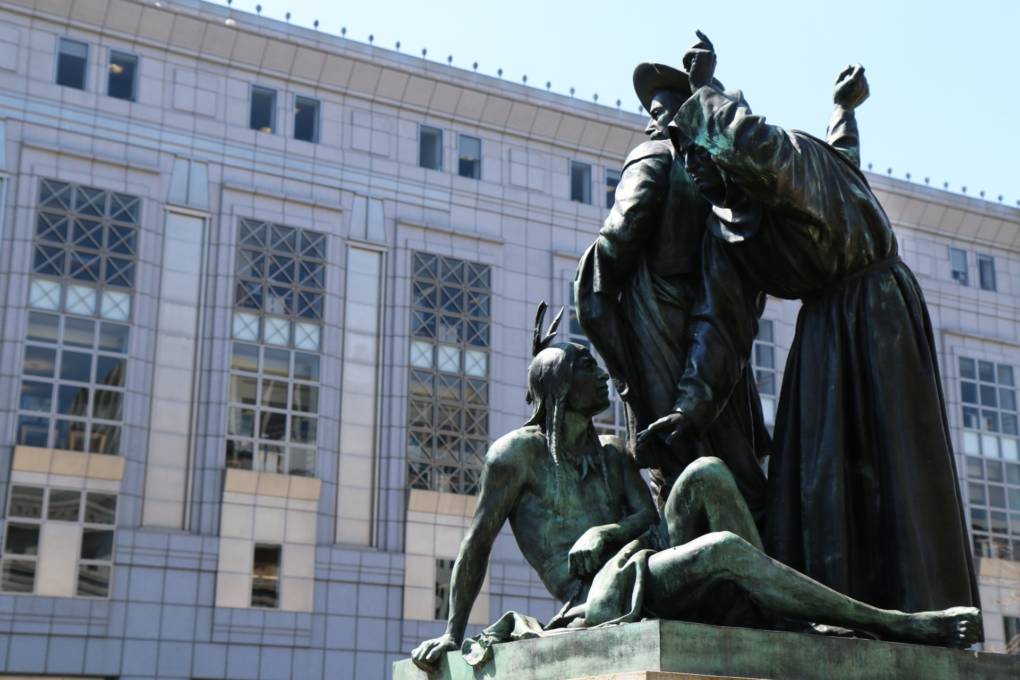
"caption": "The Pioneer Monument in San Francisco's Civic Center, photographed on Aug. 22, 2017.",
"description": null,
"title": "RS26290_IMG_2292-qut",
"credit": "Arash Malekzadeh/KQED",
"status": "inherit",
"isLoading": false,
"fetchFailed": false
},
"news_11613157": {
"type": "attachments",
"id": "news_11613157",
"meta": {
"index": "attachments_1716263798",
"site": "news",
"id": "11613157",
"found": true
},
"parent": 11613156,
"imgSizes": {
"small": {
"file": "https://ww2.kqed.org/app/uploads/sites/10/2017/08/wow_082117_final-520x520.jpg",
"width": 520,
"mimeType": "image/jpeg",
"height": 520
},
"twentyfourteen-full-width": {
"file": "https://ww2.kqed.org/app/uploads/sites/10/2017/08/wow_082117_final-1038x576.jpg",
"width": 1038,
"mimeType": "image/jpeg",
"height": 576
},
"thumbnail": {
"file": "https://ww2.kqed.org/app/uploads/sites/10/2017/08/wow_082117_final-160x160.jpg",
"width": 160,
"mimeType": "image/jpeg",
"height": 160
},
"fd-sm": {
"file": "https://ww2.kqed.org/app/uploads/sites/10/2017/08/wow_082117_final-960x960.jpg",
"width": 960,
"mimeType": "image/jpeg",
"height": 960
},
"post-thumbnail": {
"file": "https://ww2.kqed.org/app/uploads/sites/10/2017/08/wow_082117_final-672x372.jpg",
"width": 672,
"mimeType": "image/jpeg",
"height": 372
},
"xsmall": {
"file": "https://ww2.kqed.org/app/uploads/sites/10/2017/08/wow_082117_final-375x375.jpg",
"width": 375,
"mimeType": "image/jpeg",
"height": 375
},
"kqedFullSize": {
"file": "https://ww2.kqed.org/app/uploads/sites/10/2017/08/wow_082117_final.jpg",
"width": 1920,
"height": 1920
},
"large": {
"file": "https://ww2.kqed.org/app/uploads/sites/10/2017/08/wow_082117_final-1020x1020.jpg",
"width": 1020,
"mimeType": "image/jpeg",
"height": 1020
},
"xlarge": {
"file": "https://ww2.kqed.org/app/uploads/sites/10/2017/08/wow_082117_final-1180x1180.jpg",
"width": 1180,
"mimeType": "image/jpeg",
"height": 1180
},
"guest-author-50": {
"file": "https://ww2.kqed.org/app/uploads/sites/10/2017/08/wow_082117_final-50x50.jpg",
"width": 50,
"mimeType": "image/jpeg",
"height": 50
},
"guest-author-96": {
"file": "https://ww2.kqed.org/app/uploads/sites/10/2017/08/wow_082117_final-96x96.jpg",
"width": 96,
"mimeType": "image/jpeg",
"height": 96
},
"medium": {
"file": "https://ww2.kqed.org/app/uploads/sites/10/2017/08/wow_082117_final-800x800.jpg",
"width": 800,
"mimeType": "image/jpeg",
"height": 800
},
"guest-author-64": {
"file": "https://ww2.kqed.org/app/uploads/sites/10/2017/08/wow_082117_final-64x64.jpg",
"width": 64,
"mimeType": "image/jpeg",
"height": 64
},
"guest-author-32": {
"file": "https://ww2.kqed.org/app/uploads/sites/10/2017/08/wow_082117_final-32x32.jpg",
"width": 32,
"mimeType": "image/jpeg",
"height": 32
},
"fd-lrg": {
"file": "https://ww2.kqed.org/app/uploads/sites/10/2017/08/wow_082117_final-1920x1920.jpg",
"width": 1920,
"mimeType": "image/jpeg",
"height": 1920
},
"fd-med": {
"file": "https://ww2.kqed.org/app/uploads/sites/10/2017/08/wow_082117_final-1180x1180.jpg",
"width": 1180,
"mimeType": "image/jpeg",
"height": 1180
},
"full-width": {
"file": "https://ww2.kqed.org/app/uploads/sites/10/2017/08/wow_082117_final-1920x1920.jpg",
"width": 1920,
"mimeType": "image/jpeg",
"height": 1920
},
"detail": {
"file": "https://ww2.kqed.org/app/uploads/sites/10/2017/08/wow_082117_final-150x150.jpg",
"width": 150,
"mimeType": "image/jpeg",
"height": 150
},
"guest-author-128": {
"file": "https://ww2.kqed.org/app/uploads/sites/10/2017/08/wow_082117_final-128x128.jpg",
"width": 128,
"mimeType": "image/jpeg",
"height": 128
},
"xxsmall": {
"file": "https://ww2.kqed.org/app/uploads/sites/10/2017/08/wow_082117_final-240x240.jpg",
"width": 240,
"mimeType": "image/jpeg",
"height": 240
}
},
"publishDate": 1503332643,
"modified": 1503332671,
"caption": null,
"description": null,
"title": "wow_082117_final",
"credit": null,
"status": "inherit",
"isLoading": false,
"fetchFailed": false
},
"news_11612419": {
"type": "attachments",
"id": "news_11612419",
"meta": {
"index": "attachments_1716263798",
"site": "news",
"id": "11612419",
"found": true
},
"parent": 11612321,
"imgSizes": {
"small": {
"file": "https://ww2.kqed.org/app/uploads/sites/10/2017/08/RS26234_IMG_2775-qut-520x347.jpg",
"width": 520,
"mimeType": "image/jpeg",
"height": 347
},
"twentyfourteen-full-width": {
"file": "https://ww2.kqed.org/app/uploads/sites/10/2017/08/RS26234_IMG_2775-qut-1038x576.jpg",
"width": 1038,
"mimeType": "image/jpeg",
"height": 576
},
"thumbnail": {
"file": "https://ww2.kqed.org/app/uploads/sites/10/2017/08/RS26234_IMG_2775-qut-160x107.jpg",
"width": 160,
"mimeType": "image/jpeg",
"height": 107
},
"fd-sm": {
"file": "https://ww2.kqed.org/app/uploads/sites/10/2017/08/RS26234_IMG_2775-qut-960x640.jpg",
"width": 960,
"mimeType": "image/jpeg",
"height": 640
},
"post-thumbnail": {
"file": "https://ww2.kqed.org/app/uploads/sites/10/2017/08/RS26234_IMG_2775-qut-672x372.jpg",
"width": 672,
"mimeType": "image/jpeg",
"height": 372
},
"xsmall": {
"file": "https://ww2.kqed.org/app/uploads/sites/10/2017/08/RS26234_IMG_2775-qut-375x250.jpg",
"width": 375,
"mimeType": "image/jpeg",
"height": 250
},
"kqedFullSize": {
"file": "https://ww2.kqed.org/app/uploads/sites/10/2017/08/RS26234_IMG_2775-qut.jpg",
"width": 1363,
"height": 909
},
"large": {
"file": "https://ww2.kqed.org/app/uploads/sites/10/2017/08/RS26234_IMG_2775-qut-1020x680.jpg",
"width": 1020,
"mimeType": "image/jpeg",
"height": 680
},
"xlarge": {
"file": "https://ww2.kqed.org/app/uploads/sites/10/2017/08/RS26234_IMG_2775-qut-1180x787.jpg",
"width": 1180,
"mimeType": "image/jpeg",
"height": 787
},
"guest-author-50": {
"file": "https://ww2.kqed.org/app/uploads/sites/10/2017/08/RS26234_IMG_2775-qut-50x50.jpg",
"width": 50,
"mimeType": "image/jpeg",
"height": 50
},
"guest-author-96": {
"file": "https://ww2.kqed.org/app/uploads/sites/10/2017/08/RS26234_IMG_2775-qut-96x96.jpg",
"width": 96,
"mimeType": "image/jpeg",
"height": 96
},
"medium": {
"file": "https://ww2.kqed.org/app/uploads/sites/10/2017/08/RS26234_IMG_2775-qut-800x534.jpg",
"width": 800,
"mimeType": "image/jpeg",
"height": 534
},
"guest-author-64": {
"file": "https://ww2.kqed.org/app/uploads/sites/10/2017/08/RS26234_IMG_2775-qut-64x64.jpg",
"width": 64,
"mimeType": "image/jpeg",
"height": 64
},
"guest-author-32": {
"file": "https://ww2.kqed.org/app/uploads/sites/10/2017/08/RS26234_IMG_2775-qut-32x32.jpg",
"width": 32,
"mimeType": "image/jpeg",
"height": 32
},
"fd-med": {
"file": "https://ww2.kqed.org/app/uploads/sites/10/2017/08/RS26234_IMG_2775-qut-1180x787.jpg",
"width": 1180,
"mimeType": "image/jpeg",
"height": 787
},
"detail": {
"file": "https://ww2.kqed.org/app/uploads/sites/10/2017/08/RS26234_IMG_2775-qut-150x150.jpg",
"width": 150,
"mimeType": "image/jpeg",
"height": 150
},
"guest-author-128": {
"file": "https://ww2.kqed.org/app/uploads/sites/10/2017/08/RS26234_IMG_2775-qut-128x128.jpg",
"width": 128,
"mimeType": "image/jpeg",
"height": 128
},
"xxsmall": {
"file": "https://ww2.kqed.org/app/uploads/sites/10/2017/08/RS26234_IMG_2775-qut-240x160.jpg",
"width": 240,
"mimeType": "image/jpeg",
"height": 160
}
},
"publishDate": 1502923786,
"modified": 1503011955,
"caption": "Lily Gutierrez plays an instrument at the Sound Museum.",
"description": "Lily Gutierrez plays an instrument at the Sound Museum.",
"title": "RS26234_IMG_2775-qut",
"credit": "Tom McFadden",
"status": "inherit",
"isLoading": false,
"fetchFailed": false
},
"news_11612835": {
"type": "attachments",
"id": "news_11612835",
"meta": {
"index": "attachments_1716263798",
"site": "news",
"id": "11612835",
"found": true
},
"parent": 11612834,
"imgSizes": {
"small": {
"file": "https://ww2.kqed.org/app/uploads/sites/10/2017/08/eclipse_081717_final-520x520.jpg",
"width": 520,
"mimeType": "image/jpeg",
"height": 520
},
"twentyfourteen-full-width": {
"file": "https://ww2.kqed.org/app/uploads/sites/10/2017/08/eclipse_081717_final-1038x576.jpg",
"width": 1038,
"mimeType": "image/jpeg",
"height": 576
},
"thumbnail": {
"file": "https://ww2.kqed.org/app/uploads/sites/10/2017/08/eclipse_081717_final-160x160.jpg",
"width": 160,
"mimeType": "image/jpeg",
"height": 160
},
"fd-sm": {
"file": "https://ww2.kqed.org/app/uploads/sites/10/2017/08/eclipse_081717_final-960x960.jpg",
"width": 960,
"mimeType": "image/jpeg",
"height": 960
},
"post-thumbnail": {
"file": "https://ww2.kqed.org/app/uploads/sites/10/2017/08/eclipse_081717_final-672x372.jpg",
"width": 672,
"mimeType": "image/jpeg",
"height": 372
},
"xsmall": {
"file": "https://ww2.kqed.org/app/uploads/sites/10/2017/08/eclipse_081717_final-375x375.jpg",
"width": 375,
"mimeType": "image/jpeg",
"height": 375
},
"kqedFullSize": {
"file": "https://ww2.kqed.org/app/uploads/sites/10/2017/08/eclipse_081717_final.jpg",
"width": 1920,
"height": 1920
},
"large": {
"file": "https://ww2.kqed.org/app/uploads/sites/10/2017/08/eclipse_081717_final-1020x1020.jpg",
"width": 1020,
"mimeType": "image/jpeg",
"height": 1020
},
"xlarge": {
"file": "https://ww2.kqed.org/app/uploads/sites/10/2017/08/eclipse_081717_final-1180x1180.jpg",
"width": 1180,
"mimeType": "image/jpeg",
"height": 1180
},
"guest-author-50": {
"file": "https://ww2.kqed.org/app/uploads/sites/10/2017/08/eclipse_081717_final-50x50.jpg",
"width": 50,
"mimeType": "image/jpeg",
"height": 50
},
"guest-author-96": {
"file": "https://ww2.kqed.org/app/uploads/sites/10/2017/08/eclipse_081717_final-96x96.jpg",
"width": 96,
"mimeType": "image/jpeg",
"height": 96
},
"medium": {
"file": "https://ww2.kqed.org/app/uploads/sites/10/2017/08/eclipse_081717_final-800x800.jpg",
"width": 800,
"mimeType": "image/jpeg",
"height": 800
},
"guest-author-64": {
"file": "https://ww2.kqed.org/app/uploads/sites/10/2017/08/eclipse_081717_final-64x64.jpg",
"width": 64,
"mimeType": "image/jpeg",
"height": 64
},
"guest-author-32": {
"file": "https://ww2.kqed.org/app/uploads/sites/10/2017/08/eclipse_081717_final-32x32.jpg",
"width": 32,
"mimeType": "image/jpeg",
"height": 32
},
"fd-lrg": {
"file": "https://ww2.kqed.org/app/uploads/sites/10/2017/08/eclipse_081717_final-1920x1920.jpg",
"width": 1920,
"mimeType": "image/jpeg",
"height": 1920
},
"fd-med": {
"file": "https://ww2.kqed.org/app/uploads/sites/10/2017/08/eclipse_081717_final-1180x1180.jpg",
"width": 1180,
"mimeType": "image/jpeg",
"height": 1180
},
"full-width": {
"file": "https://ww2.kqed.org/app/uploads/sites/10/2017/08/eclipse_081717_final-1920x1920.jpg",
"width": 1920,
"mimeType": "image/jpeg",
"height": 1920
},
"detail": {
"file": "https://ww2.kqed.org/app/uploads/sites/10/2017/08/eclipse_081717_final-150x150.jpg",
"width": 150,
"mimeType": "image/jpeg",
"height": 150
},
"guest-author-128": {
"file": "https://ww2.kqed.org/app/uploads/sites/10/2017/08/eclipse_081717_final-128x128.jpg",
"width": 128,
"mimeType": "image/jpeg",
"height": 128
},
"xxsmall": {
"file": "https://ww2.kqed.org/app/uploads/sites/10/2017/08/eclipse_081717_final-240x240.jpg",
"width": 240,
"mimeType": "image/jpeg",
"height": 240
}
},
"publishDate": 1503059190,
"modified": 1503059243,
"caption": null,
"description": null,
"title": "eclipse_081717_final",
"credit": null,
"status": "inherit",
"isLoading": false,
"fetchFailed": false
},
"news_11612929": {
"type": "attachments",
"id": "news_11612929",
"meta": {
"index": "attachments_1716263798",
"site": "news",
"id": "11612929",
"found": true
},
"parent": 11612928,
"imgSizes": {
"small": {
"file": "https://ww2.kqed.org/app/uploads/sites/10/2017/08/tomhanks_wide-cc8f41da4ee58c993f64b9b533f14bb16cd5c109-520x292.jpg",
"width": 520,
"mimeType": "image/jpeg",
"height": 292
},
"twentyfourteen-full-width": {
"file": "https://ww2.kqed.org/app/uploads/sites/10/2017/08/tomhanks_wide-cc8f41da4ee58c993f64b9b533f14bb16cd5c109-1038x576.jpg",
"width": 1038,
"mimeType": "image/jpeg",
"height": 576
},
"thumbnail": {
"file": "https://ww2.kqed.org/app/uploads/sites/10/2017/08/tomhanks_wide-cc8f41da4ee58c993f64b9b533f14bb16cd5c109-160x90.jpg",
"width": 160,
"mimeType": "image/jpeg",
"height": 90
},
"fd-sm": {
"file": "https://ww2.kqed.org/app/uploads/sites/10/2017/08/tomhanks_wide-cc8f41da4ee58c993f64b9b533f14bb16cd5c109-960x540.jpg",
"width": 960,
"mimeType": "image/jpeg",
"height": 540
},
"post-thumbnail": {
"file": "https://ww2.kqed.org/app/uploads/sites/10/2017/08/tomhanks_wide-cc8f41da4ee58c993f64b9b533f14bb16cd5c109-672x372.jpg",
"width": 672,
"mimeType": "image/jpeg",
"height": 372
},
"xsmall": {
"file": "https://ww2.kqed.org/app/uploads/sites/10/2017/08/tomhanks_wide-cc8f41da4ee58c993f64b9b533f14bb16cd5c109-375x211.jpg",
"width": 375,
"mimeType": "image/jpeg",
"height": 211
},
"kqedFullSize": {
"file": "https://ww2.kqed.org/app/uploads/sites/10/2017/08/tomhanks_wide-cc8f41da4ee58c993f64b9b533f14bb16cd5c109.jpg",
"width": 1906,
"height": 1072
},
"large": {
"file": "https://ww2.kqed.org/app/uploads/sites/10/2017/08/tomhanks_wide-cc8f41da4ee58c993f64b9b533f14bb16cd5c109-1020x574.jpg",
"width": 1020,
"mimeType": "image/jpeg",
"height": 574
},
"xlarge": {
"file": "https://ww2.kqed.org/app/uploads/sites/10/2017/08/tomhanks_wide-cc8f41da4ee58c993f64b9b533f14bb16cd5c109-1180x664.jpg",
"width": 1180,
"mimeType": "image/jpeg",
"height": 664
},
"guest-author-50": {
"file": "https://ww2.kqed.org/app/uploads/sites/10/2017/08/tomhanks_wide-cc8f41da4ee58c993f64b9b533f14bb16cd5c109-50x50.jpg",
"width": 50,
"mimeType": "image/jpeg",
"height": 50
},
"guest-author-96": {
"file": "https://ww2.kqed.org/app/uploads/sites/10/2017/08/tomhanks_wide-cc8f41da4ee58c993f64b9b533f14bb16cd5c109-96x96.jpg",
"width": 96,
"mimeType": "image/jpeg",
"height": 96
},
"medium": {
"file": "https://ww2.kqed.org/app/uploads/sites/10/2017/08/tomhanks_wide-cc8f41da4ee58c993f64b9b533f14bb16cd5c109-800x450.jpg",
"width": 800,
"mimeType": "image/jpeg",
"height": 450
},
"guest-author-64": {
"file": "https://ww2.kqed.org/app/uploads/sites/10/2017/08/tomhanks_wide-cc8f41da4ee58c993f64b9b533f14bb16cd5c109-64x64.jpg",
"width": 64,
"mimeType": "image/jpeg",
"height": 64
},
"guest-author-32": {
"file": "https://ww2.kqed.org/app/uploads/sites/10/2017/08/tomhanks_wide-cc8f41da4ee58c993f64b9b533f14bb16cd5c109-32x32.jpg",
"width": 32,
"mimeType": "image/jpeg",
"height": 32
},
"fd-med": {
"file": "https://ww2.kqed.org/app/uploads/sites/10/2017/08/tomhanks_wide-cc8f41da4ee58c993f64b9b533f14bb16cd5c109-1180x664.jpg",
"width": 1180,
"mimeType": "image/jpeg",
"height": 664
},
"detail": {
"file": "https://ww2.kqed.org/app/uploads/sites/10/2017/08/tomhanks_wide-cc8f41da4ee58c993f64b9b533f14bb16cd5c109-150x150.jpg",
"width": 150,
"mimeType": "image/jpeg",
"height": 150
},
"guest-author-128": {
"file": "https://ww2.kqed.org/app/uploads/sites/10/2017/08/tomhanks_wide-cc8f41da4ee58c993f64b9b533f14bb16cd5c109-128x128.jpg",
"width": 128,
"mimeType": "image/jpeg",
"height": 128
},
"xxsmall": {
"file": "https://ww2.kqed.org/app/uploads/sites/10/2017/08/tomhanks_wide-cc8f41da4ee58c993f64b9b533f14bb16cd5c109-240x135.jpg",
"width": 240,
"mimeType": "image/jpeg",
"height": 135
}
},
"publishDate": 1503086530,
"modified": 1503094360,
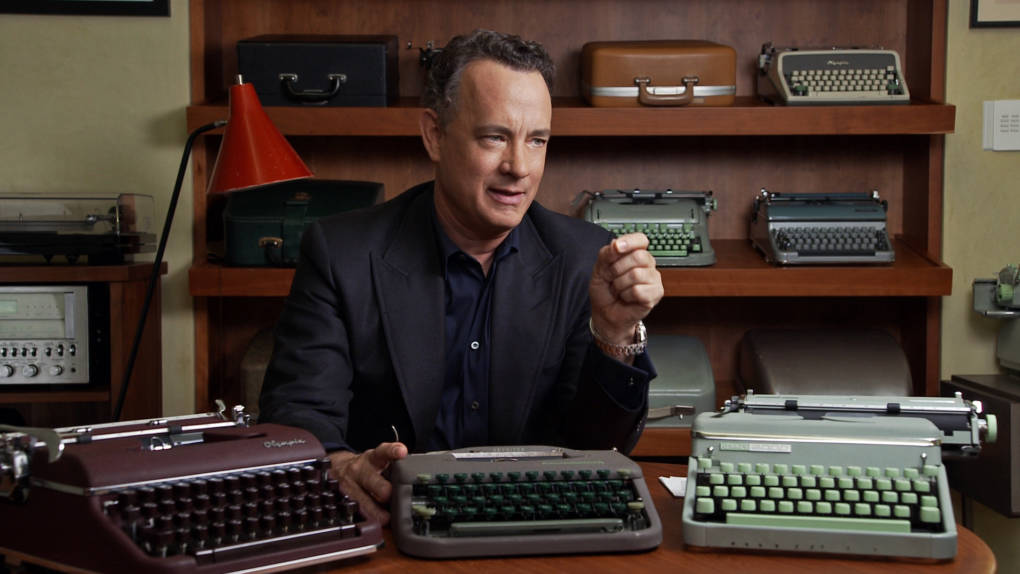
"caption": "Tom Hanks, one of the interviewees featured in 'California Typewriter,' has over 250 typewriters in his personal collection.",
"description": "Tom Hanks, one of the interviewees featured in California Typewriter\u003c/em>, has over 250 typewriters in his personal collection.",
"title": "Tom Hanks, one of the interviewees featured in California Typewriter, has over 250 typewriters in his personal collection.",
"credit": "Courtesy of Gravitas Ventures",
"status": "inherit",
"isLoading": false,
"fetchFailed": false
},
"news_11612699": {
"type": "attachments",
"id": "news_11612699",
"meta": {
"index": "attachments_1716263798",
"site": "news",
"id": "11612699",
"found": true
},
"parent": 11612695,
"imgSizes": {
"small": {
"file": "https://ww2.kqed.org/app/uploads/sites/10/2017/08/CommonMain-520x326.jpg",
"width": 520,
"mimeType": "image/jpeg",
"height": 326
},
"twentyfourteen-full-width": {
"file": "https://ww2.kqed.org/app/uploads/sites/10/2017/08/CommonMain-1038x576.jpg",
"width": 1038,
"mimeType": "image/jpeg",
"height": 576
},
"thumbnail": {
"file": "https://ww2.kqed.org/app/uploads/sites/10/2017/08/CommonMain-160x100.jpg",
"width": 160,
"mimeType": "image/jpeg",
"height": 100
},
"fd-sm": {
"file": "https://ww2.kqed.org/app/uploads/sites/10/2017/08/CommonMain-960x603.jpg",
"width": 960,
"mimeType": "image/jpeg",
"height": 603
},
"post-thumbnail": {
"file": "https://ww2.kqed.org/app/uploads/sites/10/2017/08/CommonMain-672x372.jpg",
"width": 672,
"mimeType": "image/jpeg",
"height": 372
},
"xsmall": {
"file": "https://ww2.kqed.org/app/uploads/sites/10/2017/08/CommonMain-375x235.jpg",
"width": 375,
"mimeType": "image/jpeg",
"height": 235
},
"kqedFullSize": {
"file": "https://ww2.kqed.org/app/uploads/sites/10/2017/08/CommonMain.jpg",
"width": 1920,
"height": 1205
},
"large": {
"file": "https://ww2.kqed.org/app/uploads/sites/10/2017/08/CommonMain-1020x640.jpg",
"width": 1020,
"mimeType": "image/jpeg",
"height": 640
},
"xlarge": {
"file": "https://ww2.kqed.org/app/uploads/sites/10/2017/08/CommonMain-1180x741.jpg",
"width": 1180,
"mimeType": "image/jpeg",
"height": 741
},
"guest-author-50": {
"file": "https://ww2.kqed.org/app/uploads/sites/10/2017/08/CommonMain-50x50.jpg",
"width": 50,
"mimeType": "image/jpeg",
"height": 50
},
"guest-author-96": {
"file": "https://ww2.kqed.org/app/uploads/sites/10/2017/08/CommonMain-96x96.jpg",
"width": 96,
"mimeType": "image/jpeg",
"height": 96
},
"medium": {
"file": "https://ww2.kqed.org/app/uploads/sites/10/2017/08/CommonMain-800x502.jpg",
"width": 800,
"mimeType": "image/jpeg",
"height": 502
},
"guest-author-64": {
"file": "https://ww2.kqed.org/app/uploads/sites/10/2017/08/CommonMain-64x64.jpg",
"width": 64,
"mimeType": "image/jpeg",
"height": 64
},
"guest-author-32": {
"file": "https://ww2.kqed.org/app/uploads/sites/10/2017/08/CommonMain-32x32.jpg",
"width": 32,
"mimeType": "image/jpeg",
"height": 32
},
"fd-lrg": {
"file": "https://ww2.kqed.org/app/uploads/sites/10/2017/08/CommonMain-1920x1205.jpg",
"width": 1920,
"mimeType": "image/jpeg",
"height": 1205
},
"fd-med": {
"file": "https://ww2.kqed.org/app/uploads/sites/10/2017/08/CommonMain-1180x741.jpg",
"width": 1180,
"mimeType": "image/jpeg",
"height": 741
},
"full-width": {
"file": "https://ww2.kqed.org/app/uploads/sites/10/2017/08/CommonMain-1920x1205.jpg",
"width": 1920,
"mimeType": "image/jpeg",
"height": 1205
},
"detail": {
"file": "https://ww2.kqed.org/app/uploads/sites/10/2017/08/CommonMain-150x150.jpg",
"width": 150,
"mimeType": "image/jpeg",
"height": 150
},
"guest-author-128": {
"file": "https://ww2.kqed.org/app/uploads/sites/10/2017/08/CommonMain-128x128.jpg",
"width": 128,
"mimeType": "image/jpeg",
"height": 128
},
"xxsmall": {
"file": "https://ww2.kqed.org/app/uploads/sites/10/2017/08/CommonMain-240x151.jpg",
"width": 240,
"mimeType": "image/jpeg",
"height": 151
}
},
"publishDate": 1503004654,
"modified": 1504056018,
"caption": "Hip-hop artist Common meets with inmates at a California prison. ",
"description": "Hip-hop artist Common meets with inmates at a California prison. ",
"title": "CommonMain",
"credit": "Sade C. Joseph",
"status": "inherit",
"isLoading": false,
"fetchFailed": false
},
"news_11611344": {
"type": "attachments",
"id": "news_11611344",
"meta": {
"index": "attachments_1716263798",
"site": "news",
"id": "11611344",
"found": true
},
"parent": 11611085,
"imgSizes": {
"small": {
"file": "https://ww2.kqed.org/app/uploads/sites/10/2017/08/RS26192_DSC07910-1-qut-520x347.jpg",
"width": 520,
"mimeType": "image/jpeg",
"height": 347
},
"twentyfourteen-full-width": {
"file": "https://ww2.kqed.org/app/uploads/sites/10/2017/08/RS26192_DSC07910-1-qut-1038x576.jpg",
"width": 1038,
"mimeType": "image/jpeg",
"height": 576
},
"thumbnail": {
"file": "https://ww2.kqed.org/app/uploads/sites/10/2017/08/RS26192_DSC07910-1-qut-160x107.jpg",
"width": 160,
"mimeType": "image/jpeg",
"height": 107
},
"fd-sm": {
"file": "https://ww2.kqed.org/app/uploads/sites/10/2017/08/RS26192_DSC07910-1-qut-960x641.jpg",
"width": 960,
"mimeType": "image/jpeg",
"height": 641
},
"post-thumbnail": {
"file": "https://ww2.kqed.org/app/uploads/sites/10/2017/08/RS26192_DSC07910-1-qut-672x372.jpg",
"width": 672,
"mimeType": "image/jpeg",
"height": 372
},
"xsmall": {
"file": "https://ww2.kqed.org/app/uploads/sites/10/2017/08/RS26192_DSC07910-1-qut-375x250.jpg",
"width": 375,
"mimeType": "image/jpeg",
"height": 250
},
"kqedFullSize": {
"file": "https://ww2.kqed.org/app/uploads/sites/10/2017/08/RS26192_DSC07910-1-qut.jpg",
"width": 1920,
"height": 1281
},
"large": {
"file": "https://ww2.kqed.org/app/uploads/sites/10/2017/08/RS26192_DSC07910-1-qut-1020x681.jpg",
"width": 1020,
"mimeType": "image/jpeg",
"height": 681
},
"xlarge": {
"file": "https://ww2.kqed.org/app/uploads/sites/10/2017/08/RS26192_DSC07910-1-qut-1180x787.jpg",
"width": 1180,
"mimeType": "image/jpeg",
"height": 787
},
"guest-author-50": {
"file": "https://ww2.kqed.org/app/uploads/sites/10/2017/08/RS26192_DSC07910-1-qut-50x50.jpg",
"width": 50,
"mimeType": "image/jpeg",
"height": 50
},
"guest-author-96": {
"file": "https://ww2.kqed.org/app/uploads/sites/10/2017/08/RS26192_DSC07910-1-qut-96x96.jpg",
"width": 96,
"mimeType": "image/jpeg",
"height": 96
},
"medium": {
"file": "https://ww2.kqed.org/app/uploads/sites/10/2017/08/RS26192_DSC07910-1-qut-800x534.jpg",
"width": 800,
"mimeType": "image/jpeg",
"height": 534
},
"guest-author-64": {
"file": "https://ww2.kqed.org/app/uploads/sites/10/2017/08/RS26192_DSC07910-1-qut-64x64.jpg",
"width": 64,
"mimeType": "image/jpeg",
"height": 64
},
"guest-author-32": {
"file": "https://ww2.kqed.org/app/uploads/sites/10/2017/08/RS26192_DSC07910-1-qut-32x32.jpg",
"width": 32,
"mimeType": "image/jpeg",
"height": 32
},
"fd-lrg": {
"file": "https://ww2.kqed.org/app/uploads/sites/10/2017/08/RS26192_DSC07910-1-qut-1920x1281.jpg",
"width": 1920,
"mimeType": "image/jpeg",
"height": 1281
},
"fd-med": {
"file": "https://ww2.kqed.org/app/uploads/sites/10/2017/08/RS26192_DSC07910-1-qut-1180x787.jpg",
"width": 1180,
"mimeType": "image/jpeg",
"height": 787
},
"full-width": {
"file": "https://ww2.kqed.org/app/uploads/sites/10/2017/08/RS26192_DSC07910-1-qut-1920x1281.jpg",
"width": 1920,
"mimeType": "image/jpeg",
"height": 1281
},
"detail": {
"file": "https://ww2.kqed.org/app/uploads/sites/10/2017/08/RS26192_DSC07910-1-qut-150x150.jpg",
"width": 150,
"mimeType": "image/jpeg",
"height": 150
},
"guest-author-128": {
"file": "https://ww2.kqed.org/app/uploads/sites/10/2017/08/RS26192_DSC07910-1-qut-128x128.jpg",
"width": 128,
"mimeType": "image/jpeg",
"height": 128
},
"xxsmall": {
"file": "https://ww2.kqed.org/app/uploads/sites/10/2017/08/RS26192_DSC07910-1-qut-240x160.jpg",
"width": 240,
"mimeType": "image/jpeg",
"height": 160
}
},
"publishDate": 1502476563,
"modified": 1502476659,
"caption": "Rapper 2Mex",
"description": null,
"title": "RS26192_DSC07910 (1)-qut",
"credit": "Steve Hochman/KQED",
"status": "inherit",
"isLoading": false,
"fetchFailed": false
},
"news_11611863": {
"type": "attachments",
"id": "news_11611863",
"meta": {
"index": "attachments_1716263798",
"site": "news",
"id": "11611863",
"found": true
},
"parent": 11606586,
"imgSizes": {
"small": {
"file": "https://ww2.kqed.org/app/uploads/sites/10/2017/08/Harmonica5Dimentia-520x383.jpg",
"width": 520,
"mimeType": "image/jpeg",
"height": 383
},
"twentyfourteen-full-width": {
"file": "https://ww2.kqed.org/app/uploads/sites/10/2017/08/Harmonica5Dimentia-1038x576.jpg",
"width": 1038,
"mimeType": "image/jpeg",
"height": 576
},
"thumbnail": {
"file": "https://ww2.kqed.org/app/uploads/sites/10/2017/08/Harmonica5Dimentia-160x118.jpg",
"width": 160,
"mimeType": "image/jpeg",
"height": 118
},
"fd-sm": {
"file": "https://ww2.kqed.org/app/uploads/sites/10/2017/08/Harmonica5Dimentia-960x707.jpg",
"width": 960,
"mimeType": "image/jpeg",
"height": 707
},
"post-thumbnail": {
"file": "https://ww2.kqed.org/app/uploads/sites/10/2017/08/Harmonica5Dimentia-672x372.jpg",
"width": 672,
"mimeType": "image/jpeg",
"height": 372
},
"xsmall": {
"file": "https://ww2.kqed.org/app/uploads/sites/10/2017/08/Harmonica5Dimentia-375x276.jpg",
"width": 375,
"mimeType": "image/jpeg",
"height": 276
},
"kqedFullSize": {
"file": "https://ww2.kqed.org/app/uploads/sites/10/2017/08/Harmonica5Dimentia.jpg",
"width": 1920,
"height": 1414
},
"large": {
"file": "https://ww2.kqed.org/app/uploads/sites/10/2017/08/Harmonica5Dimentia-1020x751.jpg",
"width": 1020,
"mimeType": "image/jpeg",
"height": 751
},
"xlarge": {
"file": "https://ww2.kqed.org/app/uploads/sites/10/2017/08/Harmonica5Dimentia-1180x869.jpg",
"width": 1180,
"mimeType": "image/jpeg",
"height": 869
},
"guest-author-50": {
"file": "https://ww2.kqed.org/app/uploads/sites/10/2017/08/Harmonica5Dimentia-50x50.jpg",
"width": 50,
"mimeType": "image/jpeg",
"height": 50
},
"guest-author-96": {
"file": "https://ww2.kqed.org/app/uploads/sites/10/2017/08/Harmonica5Dimentia-96x96.jpg",
"width": 96,
"mimeType": "image/jpeg",
"height": 96
},
"medium": {
"file": "https://ww2.kqed.org/app/uploads/sites/10/2017/08/Harmonica5Dimentia-800x589.jpg",
"width": 800,
"mimeType": "image/jpeg",
"height": 589
},
"guest-author-64": {
"file": "https://ww2.kqed.org/app/uploads/sites/10/2017/08/Harmonica5Dimentia-64x64.jpg",
"width": 64,
"mimeType": "image/jpeg",
"height": 64
},
"guest-author-32": {
"file": "https://ww2.kqed.org/app/uploads/sites/10/2017/08/Harmonica5Dimentia-32x32.jpg",
"width": 32,
"mimeType": "image/jpeg",
"height": 32
},
"fd-lrg": {
"file": "https://ww2.kqed.org/app/uploads/sites/10/2017/08/Harmonica5Dimentia-1920x1414.jpg",
"width": 1920,
"mimeType": "image/jpeg",
"height": 1414
},
"fd-med": {
"file": "https://ww2.kqed.org/app/uploads/sites/10/2017/08/Harmonica5Dimentia-1180x869.jpg",
"width": 1180,
"mimeType": "image/jpeg",
"height": 869
},
"full-width": {
"file": "https://ww2.kqed.org/app/uploads/sites/10/2017/08/Harmonica5Dimentia-1920x1414.jpg",
"width": 1920,
"mimeType": "image/jpeg",
"height": 1414
},
"detail": {
"file": "https://ww2.kqed.org/app/uploads/sites/10/2017/08/Harmonica5Dimentia-150x150.jpg",
"width": 150,
"mimeType": "image/jpeg",
"height": 150
},
"guest-author-128": {
"file": "https://ww2.kqed.org/app/uploads/sites/10/2017/08/Harmonica5Dimentia-128x128.jpg",
"width": 128,
"mimeType": "image/jpeg",
"height": 128
},
"xxsmall": {
"file": "https://ww2.kqed.org/app/uploads/sites/10/2017/08/Harmonica5Dimentia-240x177.jpg",
"width": 240,
"mimeType": "image/jpeg",
"height": 177
}
},
"publishDate": 1502747852,
"modified": 1502747894,
"caption": "Marine and Navy veteran Kelly Hodell volunteers on harmonica with the 5th Dementia.",
"description": "Marine and Navy veteran Kelly Hodell volunteers on harmonica with the 5th Dementia.",
"title": "Harmonica5Dimentia",
"credit": "David Gilstrap/KQED",
"status": "inherit",
"isLoading": false,
"fetchFailed": false
},
"news_11611460": {
"type": "attachments",
"id": "news_11611460",
"meta": {
"index": "attachments_1716263798",
"site": "news",
"id": "11611460",
"found": true
},
"parent": 11610993,
"imgSizes": {
"small": {
"file": "https://ww2.kqed.org/app/uploads/sites/10/2017/08/DarwinStation-520x297.jpg",
"width": 520,
"mimeType": "image/jpeg",
"height": 297
},
"twentyfourteen-full-width": {
"file": "https://ww2.kqed.org/app/uploads/sites/10/2017/08/DarwinStation-1038x576.jpg",
"width": 1038,
"mimeType": "image/jpeg",
"height": 576
},
"thumbnail": {
"file": "https://ww2.kqed.org/app/uploads/sites/10/2017/08/DarwinStation-160x91.jpg",
"width": 160,
"mimeType": "image/jpeg",
"height": 91
},
"fd-sm": {
"file": "https://ww2.kqed.org/app/uploads/sites/10/2017/08/DarwinStation-960x548.jpg",
"width": 960,
"mimeType": "image/jpeg",
"height": 548
},
"post-thumbnail": {
"file": "https://ww2.kqed.org/app/uploads/sites/10/2017/08/DarwinStation-672x372.jpg",
"width": 672,
"mimeType": "image/jpeg",
"height": 372
},
"xsmall": {
"file": "https://ww2.kqed.org/app/uploads/sites/10/2017/08/DarwinStation-375x214.jpg",
"width": 375,
"mimeType": "image/jpeg",
"height": 214
},
"kqedFullSize": {
"file": "https://ww2.kqed.org/app/uploads/sites/10/2017/08/DarwinStation.jpg",
"width": 1920,
"height": 1096
},
"large": {
"file": "https://ww2.kqed.org/app/uploads/sites/10/2017/08/DarwinStation-1020x582.jpg",
"width": 1020,
"mimeType": "image/jpeg",
"height": 582
},
"xlarge": {
"file": "https://ww2.kqed.org/app/uploads/sites/10/2017/08/DarwinStation-1180x674.jpg",
"width": 1180,
"mimeType": "image/jpeg",
"height": 674
},
"guest-author-50": {
"file": "https://ww2.kqed.org/app/uploads/sites/10/2017/08/DarwinStation-50x50.jpg",
"width": 50,
"mimeType": "image/jpeg",
"height": 50
},
"guest-author-96": {
"file": "https://ww2.kqed.org/app/uploads/sites/10/2017/08/DarwinStation-96x96.jpg",
"width": 96,
"mimeType": "image/jpeg",
"height": 96
},
"medium": {
"file": "https://ww2.kqed.org/app/uploads/sites/10/2017/08/DarwinStation-800x457.jpg",
"width": 800,
"mimeType": "image/jpeg",
"height": 457
},
"guest-author-64": {
"file": "https://ww2.kqed.org/app/uploads/sites/10/2017/08/DarwinStation-64x64.jpg",
"width": 64,
"mimeType": "image/jpeg",
"height": 64
},
"guest-author-32": {
"file": "https://ww2.kqed.org/app/uploads/sites/10/2017/08/DarwinStation-32x32.jpg",
"width": 32,
"mimeType": "image/jpeg",
"height": 32
},
"fd-lrg": {
"file": "https://ww2.kqed.org/app/uploads/sites/10/2017/08/DarwinStation-1920x1096.jpg",
"width": 1920,
"mimeType": "image/jpeg",
"height": 1096
},
"fd-med": {
"file": "https://ww2.kqed.org/app/uploads/sites/10/2017/08/DarwinStation-1180x674.jpg",
"width": 1180,
"mimeType": "image/jpeg",
"height": 674
},
"full-width": {
"file": "https://ww2.kqed.org/app/uploads/sites/10/2017/08/DarwinStation-1920x1096.jpg",
"width": 1920,
"mimeType": "image/jpeg",
"height": 1096
},
"detail": {
"file": "https://ww2.kqed.org/app/uploads/sites/10/2017/08/DarwinStation-150x150.jpg",
"width": 150,
"mimeType": "image/jpeg",
"height": 150
},
"guest-author-128": {
"file": "https://ww2.kqed.org/app/uploads/sites/10/2017/08/DarwinStation-128x128.jpg",
"width": 128,
"mimeType": "image/jpeg",
"height": 128
},
"xxsmall": {
"file": "https://ww2.kqed.org/app/uploads/sites/10/2017/08/DarwinStation-240x137.jpg",
"width": 240,
"mimeType": "image/jpeg",
"height": 137
}
},
"publishDate": 1502493348,
"modified": 1502497696,
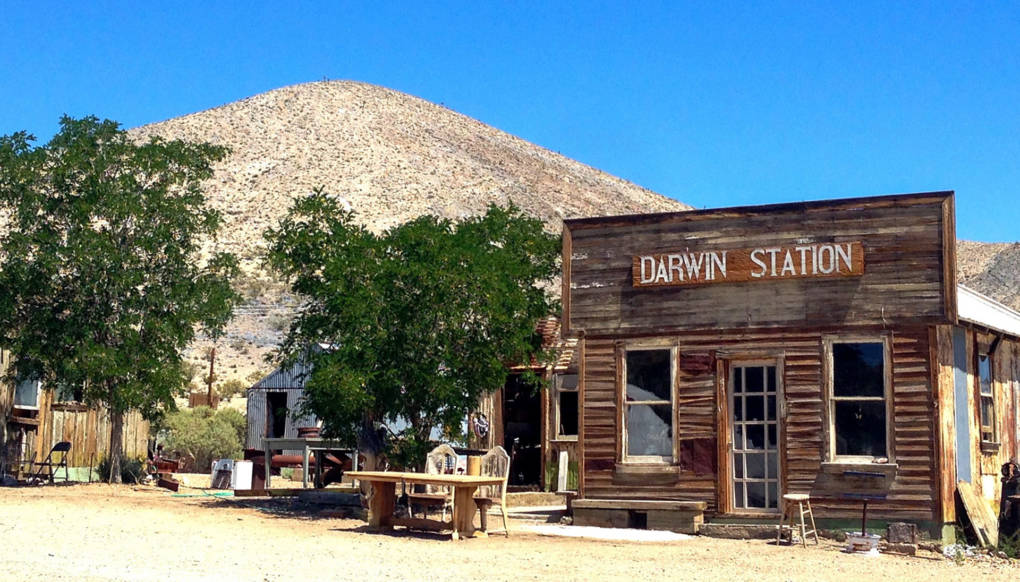
"caption": "Most people treasure the solitude of Darwin. You have to if you’re going to survive. The town’s internet service is still dial-up. Cellphone connectivity is sketchy at best, and the nearest big grocery store is a 75-mile round trip.",
"description": "Most people treasure the solitude of Darwin. You have to if you’re going to survive. The town’s internet service is still dial-up. Cell phone connectivity is sketchy at best, and the nearest big grocery store is a 75-mile round trip.",
"title": "DarwinStation",
"credit": "Steven Cuevas/KQED",
"status": "inherit",
"isLoading": false,
"fetchFailed": false
},
"news_11611452": {
"type": "attachments",
"id": "news_11611452",
"meta": {
"index": "attachments_1716263798",
"site": "news",
"id": "11611452",
"found": true
},
"parent": 11611303,
"imgSizes": {
"small": {
"file": "https://ww2.kqed.org/app/uploads/sites/10/2017/08/FreeClinicMain2-520x545.jpg",
"width": 520,
"mimeType": "image/jpeg",
"height": 545
},
"twentyfourteen-full-width": {
"file": "https://ww2.kqed.org/app/uploads/sites/10/2017/08/FreeClinicMain2-1038x576.jpg",
"width": 1038,
"mimeType": "image/jpeg",
"height": 576
},
"thumbnail": {
"file": "https://ww2.kqed.org/app/uploads/sites/10/2017/08/FreeClinicMain2-160x168.jpg",
"width": 160,
"mimeType": "image/jpeg",
"height": 168
},
"fd-sm": {
"file": "https://ww2.kqed.org/app/uploads/sites/10/2017/08/FreeClinicMain2-960x1007.jpg",
"width": 960,
"mimeType": "image/jpeg",
"height": 1007
},
"post-thumbnail": {
"file": "https://ww2.kqed.org/app/uploads/sites/10/2017/08/FreeClinicMain2-672x372.jpg",
"width": 672,
"mimeType": "image/jpeg",
"height": 372
},
"xsmall": {
"file": "https://ww2.kqed.org/app/uploads/sites/10/2017/08/FreeClinicMain2-375x393.jpg",
"width": 375,
"mimeType": "image/jpeg",
"height": 393
},
"kqedFullSize": {
"file": "https://ww2.kqed.org/app/uploads/sites/10/2017/08/FreeClinicMain2.jpg",
"width": 1920,
"height": 2013
},
"large": {
"file": "https://ww2.kqed.org/app/uploads/sites/10/2017/08/FreeClinicMain2-1020x1069.jpg",
"width": 1020,
"mimeType": "image/jpeg",
"height": 1069
},
"xlarge": {
"file": "https://ww2.kqed.org/app/uploads/sites/10/2017/08/FreeClinicMain2-1180x1237.jpg",
"width": 1180,
"mimeType": "image/jpeg",
"height": 1237
},
"guest-author-50": {
"file": "https://ww2.kqed.org/app/uploads/sites/10/2017/08/FreeClinicMain2-50x50.jpg",
"width": 50,
"mimeType": "image/jpeg",
"height": 50
},
"guest-author-96": {
"file": "https://ww2.kqed.org/app/uploads/sites/10/2017/08/FreeClinicMain2-96x96.jpg",
"width": 96,
"mimeType": "image/jpeg",
"height": 96
},
"medium": {
"file": "https://ww2.kqed.org/app/uploads/sites/10/2017/08/FreeClinicMain2-800x839.jpg",
"width": 800,
"mimeType": "image/jpeg",
"height": 839
},
"guest-author-64": {
"file": "https://ww2.kqed.org/app/uploads/sites/10/2017/08/FreeClinicMain2-64x64.jpg",
"width": 64,
"mimeType": "image/jpeg",
"height": 64
},
"guest-author-32": {
"file": "https://ww2.kqed.org/app/uploads/sites/10/2017/08/FreeClinicMain2-32x32.jpg",
"width": 32,
"mimeType": "image/jpeg",
"height": 32
},
"fd-lrg": {
"file": "https://ww2.kqed.org/app/uploads/sites/10/2017/08/FreeClinicMain2-1920x2013.jpg",
"width": 1920,
"mimeType": "image/jpeg",
"height": 2013
},
"fd-med": {
"file": "https://ww2.kqed.org/app/uploads/sites/10/2017/08/FreeClinicMain2-1180x1237.jpg",
"width": 1180,
"mimeType": "image/jpeg",
"height": 1237
},
"full-width": {
"file": "https://ww2.kqed.org/app/uploads/sites/10/2017/08/FreeClinicMain2-1920x2013.jpg",
"width": 1920,
"mimeType": "image/jpeg",
"height": 2013
},
"detail": {
"file": "https://ww2.kqed.org/app/uploads/sites/10/2017/08/FreeClinicMain2-150x150.jpg",
"width": 150,
"mimeType": "image/jpeg",
"height": 150
},
"guest-author-128": {
"file": "https://ww2.kqed.org/app/uploads/sites/10/2017/08/FreeClinicMain2-128x128.jpg",
"width": 128,
"mimeType": "image/jpeg",
"height": 128
},
"xxsmall": {
"file": "https://ww2.kqed.org/app/uploads/sites/10/2017/08/FreeClinicMain2-240x252.jpg",
"width": 240,
"mimeType": "image/jpeg",
"height": 252
}
},
"publishDate": 1502492692,
"modified": 1502492993,
"caption": "Inside the Haight Ashbury Free Medical Clinic in its earliest days. The clinic opened on June 7, 1967, and remained open past midnight. This photo was taken by Gene Anthony, who chronicled much of the Summer of Love.",
"description": "Inside the Haight Ashbury Free Medical Clinic in its earliest days. The clinic opened on June 7, 1967, and remained open past midnight. This photo was taken by Gene Anthony, who chronicled much of the Summer of Love.",
"title": "FreeClinicMain2",
"credit": "Gene Anthony/David Smith Archives",
"status": "inherit",
"isLoading": false,
"fetchFailed": false
}
},
"audioPlayerReducer": {
"postId": "stream_live",
"isPaused": true,
"isPlaying": false,
"pfsActive": false,
"pledgeModalIsOpen": true,
"playerDrawerIsOpen": false,
"liveAudioPlayStartedAt": 0,
"liveAudioPlayContext": ""
},
"authorsReducer": {
"byline_news_11612928": {
"type": "authors",
"id": "byline_news_11612928",
"meta": {
"override": true
},
"slug": "byline_news_11612928",
"name": "Andrew Lapin",
"isLoading": false
},
"byline_news_11612695": {
"type": "authors",
"id": "byline_news_11612695",
"meta": {
"override": true
},
"slug": "byline_news_11612695",
"name": "\u003cstrong>\u003ca href=\"https://calmatters.org/articles/author/laurel-rosenhall/\">Laurel Rosenhall\u003c/a>\u003c/strong>",
"isLoading": false
},
"shochman": {
"type": "authors",
"id": "87",
"meta": {
"index": "authors_1716337520",
"id": "87",
"found": true
},
"name": "Steve Hochman",
"firstName": "Steve",
"lastName": "Hochman",
"slug": "shochman",
"email": "sehochman@me.com",
"display_author_email": false,
"staff_mastheads": [],
"title": "KQED Contributor",
"bio": "Steve Hochman has covered popular, and unpopular, music for more than 30 years, most of that time as a key member of the \u003ci>Los Angeles Times\u003c/i>' music team. In that capacity he wrote about the full range of music and musicians, from Hungarian folk to industrial noise, and from 1991 through 2005 wrote the \u003ci>Times\u003c/i>' widely read weekly \"Pop Eye\" column. In addition to his role with \u003ci>The California Report\u003c/i>, he's a music critic for Pasadena station KPCC's morning magazine \u003ci>Take Two\u003c/i> and a regular contributor to Grammy.com, Fender.com and other outlets. His byline has appeared through the years in an array of major publications, including \u003ci>Rolling Stone\u003c/i>, \u003ci>Billboard\u003c/i> and \u003ci>Entertainment Weekly\u003c/i> and New Orleans' \u003ci>Offbeat\u003c/i>.",
"avatar": "https://secure.gravatar.com/avatar/37fbddee9db232a05a1be3b065171301e8baa142626c45b0caa6fc61c25a8c8d?s=600&d=blank&r=g",
"twitter": null,
"bluesky": null,
"facebook": null,
"instagram": null,
"linkedin": null,
"sites": [
{
"site": "arts",
"roles": [
"Contributor",
"subscriber"
]
},
{
"site": "news",
"roles": [
"subscriber"
]
}
],
"headData": {
"title": "Steve Hochman | KQED",
"description": "KQED Contributor",
"ogImgSrc": "https://secure.gravatar.com/avatar/37fbddee9db232a05a1be3b065171301e8baa142626c45b0caa6fc61c25a8c8d?s=600&d=blank&r=g",
"twImgSrc": "https://secure.gravatar.com/avatar/37fbddee9db232a05a1be3b065171301e8baa142626c45b0caa6fc61c25a8c8d?s=600&d=blank&r=g"
},
"isLoading": false,
"link": "/author/shochman"
},
"samharnett": {
"type": "authors",
"id": "253",
"meta": {
"index": "authors_1716337520",
"id": "253",
"found": true
},
"name": "Sam Harnett",
"firstName": "Sam",
"lastName": "Harnett",
"slug": "samharnett",
"email": "samharnett@gmail.com",
"display_author_email": false,
"staff_mastheads": [],
"title": "KQED Contributor",
"bio": "Sam Harnett covered tech and work at KQED. He is the co-creator of \u003cem>\u003ca href=\"http://www.theworldaccordingtosound.org\">The World According to Sound\u003c/a>,\u003c/em> a 90-second podcast that features different sounds and the stories behind them.\r\n\r\nBefore coming to KQED, Sam worked as an independent reporter who contributed regularly to \u003cem>The California Report, Marketplace,\u003c/em> \u003cem>The World \u003c/em>and NPR.",
"avatar": "https://secure.gravatar.com/avatar/2538b972ac02f2b9546c7a6c59a0f3d0?s=600&d=blank&r=g",
"twitter": "Samwharnett",
"facebook": null,
"instagram": null,
"linkedin": null,
"sites": [
{
"site": "news",
"roles": [
"edit_others_posts",
"subscriber"
]
},
{
"site": "stateofhealth",
"roles": [
"author"
]
},
{
"site": "science",
"roles": [
"editor"
]
},
{
"site": "quest",
"roles": [
"subscriber"
]
}
],
"headData": {
"title": "Sam Harnett | KQED",
"description": "KQED Contributor",
"ogImgSrc": "https://secure.gravatar.com/avatar/2538b972ac02f2b9546c7a6c59a0f3d0?s=600&d=blank&r=g",
"twImgSrc": "https://secure.gravatar.com/avatar/2538b972ac02f2b9546c7a6c59a0f3d0?s=600&d=blank&r=g"
},
"isLoading": false,
"link": "/author/samharnett"
},
"scuevas": {
"type": "authors",
"id": "2600",
"meta": {
"index": "authors_1716337520",
"id": "2600",
"found": true
},
"name": "Steven Cuevas",
"firstName": "Steven",
"lastName": "Cuevas",
"slug": "scuevas",
"email": "scuevas@kqed.org",
"display_author_email": false,
"staff_mastheads": [],
"title": "KQED Contributor",
"bio": "Steven is a former Los Angeles bureau chief for The California Report.\r\n\r\nHe reports on an array of issues across the Southland, from immigration and regional politics to religion, the performing arts and pop culture.\r\n\r\nPrior to joining KQED in 2012, Steven covered Inland southern California for KPCC in Pasadena. He also helped establish the first newsroom at \u003ca href=\"http://kut.org/\">KUT\u003c/a> in Austin, Texas where he was a general assignment reporter.\r\n\r\nSteven has received numerous awards for his reporting including an RTNDA Edward R. Murrow Award for investigative reporting in addition to awards from the LA Press Club, the Associated Press and the Society for Professional Journalists.\r\n\r\nSteven grew up in and around San Francisco and now lives in Pasadena just a short jog from the foot of the San Gabriel Mountains.",
"avatar": "https://secure.gravatar.com/avatar/2d253580794f8e026100fae05cfabbbd4889b4fe15146146cacb82a01974c538?s=600&d=blank&r=g",
"twitter": null,
"bluesky": null,
"facebook": null,
"instagram": null,
"linkedin": null,
"sites": [
{
"site": "news",
"roles": [
"subscriber"
]
}
],
"headData": {
"title": "Steven Cuevas | KQED",
"description": "KQED Contributor",
"ogImgSrc": "https://secure.gravatar.com/avatar/2d253580794f8e026100fae05cfabbbd4889b4fe15146146cacb82a01974c538?s=600&d=blank&r=g",
"twImgSrc": "https://secure.gravatar.com/avatar/2d253580794f8e026100fae05cfabbbd4889b4fe15146146cacb82a01974c538?s=600&d=blank&r=g"
},
"isLoading": false,
"link": "/author/scuevas"
},
"markfiore": {
"type": "authors",
"id": "3236",
"meta": {
"index": "authors_1716337520",
"id": "3236",
"found": true
},
"name": "Mark Fiore",
"firstName": "Mark",
"lastName": "Fiore",
"slug": "markfiore",
"email": "mark@markfiore.com",
"display_author_email": false,
"staff_mastheads": [
"news"
],
"title": "KQED News Cartoonist",
"bio": "\u003ca href=\"http://www.MarkFiore.com\">MarkFiore.com\u003c/a> | \u003ca href=\"https://twitter.com/markfiore\">Follow on Twitter\u003c/a> | \u003ca href=\"https://www.facebook.com/pages/Mark-Fiore-Animated-Political-Cartoons/94451707396?ref=bookmarks\">Facebook\u003c/a> | \u003ca href=\"mailto:mark@markfiore.com\">email\u003c/a>\r\n\r\nPulitzer Prize-winner, Mark Fiore, who the Wall Street Journal has called “the undisputed guru of the form,” creates animated political cartoons in San Francisco, where his work has been featured regularly on the San Francisco Chronicle’s web site, SFGate.com. His work has appeared on Newsweek.com, Slate.com, CBSNews.com, MotherJones.com, DailyKos.com and NPR’s web site. Fiore’s political animation has appeared on CNN, Frontline, Bill Moyers Journal, Salon.com and cable and broadcast outlets across the globe.\r\n\r\nBeginning his professional life by drawing traditional political cartoons for newspapers, Fiore’s work appeared in publications ranging from the Washington Post to the Los Angeles Times. In the late 1990s, he began to experiment with animating political cartoons and, after a short stint at the San Jose Mercury News as their staff cartoonist, Fiore devoted all his energies to animation.\r\nGrowing up in California, Fiore also spent a good portion of his life in the backwoods of Idaho. It was this combination that shaped him politically. Mark majored in political science at Colorado College, where, in a perfect send-off for a cartoonist, he received his diploma in 1991 as commencement speaker Dick Cheney smiled approvingly.\r\nMark Fiore was awarded the Pulitzer Prize for political cartooning in 2010, a Robert F. Kennedy Journalism Award in 2004 and has twice received an Online Journalism Award for commentary from the Online News Association (2002, 2008). Fiore has received two awards for his work in new media from the National Cartoonists Society (2001, 2002), and in 2006 received The James Madison Freedom of Information Award from The Society of Professional Journalists.",
"avatar": "https://secure.gravatar.com/avatar/fc4e2a612b15b67bad0c6f0e1db4ca9b?s=600&d=blank&r=g",
"twitter": "MarkFiore",
"facebook": null,
"instagram": "https://www.instagram.com/markfiore/?hl=en",
"linkedin": null,
"sites": [
{
"site": "arts",
"roles": [
"contributor"
]
},
{
"site": "news",
"roles": [
"editor"
]
},
{
"site": "futureofyou",
"roles": [
"editor"
]
},
{
"site": "science",
"roles": [
"editor"
]
}
],
"headData": {
"title": "Mark Fiore | KQED",
"description": "KQED News Cartoonist",
"ogImgSrc": "https://secure.gravatar.com/avatar/fc4e2a612b15b67bad0c6f0e1db4ca9b?s=600&d=blank&r=g",
"twImgSrc": "https://secure.gravatar.com/avatar/fc4e2a612b15b67bad0c6f0e1db4ca9b?s=600&d=blank&r=g"
},
"isLoading": false,
"link": "/author/markfiore"
},
"pgilstrap": {
"type": "authors",
"id": "11275",
"meta": {
"index": "authors_1716337520",
"id": "11275",
"found": true
},
"name": "Peter Gilstrap",
"firstName": "Peter",
"lastName": "Gilstrap",
"slug": "pgilstrap",
"email": "pgilstrap@sbcglobal.net",
"display_author_email": false,
"staff_mastheads": [],
"title": null,
"bio": null,
"avatar": "https://secure.gravatar.com/avatar/2bf93e4a8c1e35493845045175273916?s=600&d=blank&r=g",
"twitter": null,
"facebook": null,
"instagram": null,
"linkedin": null,
"sites": [
{
"site": "news",
"roles": [
"author"
]
}
],
"headData": {
"title": "Peter Gilstrap | KQED",
"description": null,
"ogImgSrc": "https://secure.gravatar.com/avatar/2bf93e4a8c1e35493845045175273916?s=600&d=blank&r=g",
"twImgSrc": "https://secure.gravatar.com/avatar/2bf93e4a8c1e35493845045175273916?s=600&d=blank&r=g"
},
"isLoading": false,
"link": "/author/pgilstrap"
},
"cfeibel": {
"type": "authors",
"id": "11314",
"meta": {
"index": "authors_1716337520",
"id": "11314",
"found": true
},
"name": "Carrie Feibel",
"firstName": "Carrie",
"lastName": "Feibel",
"slug": "cfeibel",
"email": "cfeibel@KQED.org",
"display_author_email": false,
"staff_mastheads": [],
"title": "KQED Contributor",
"bio": "Carrie Feibel is a former health editor at KQED, where she has also reported for radio and online. Her stories have appeared on the national NPR shows \u003cem>Morning Edition\u003c/em>, \u003cem>All Things Considered\u003c/em>, and \u003cem>Here & Now\u003c/em>, and on the national website, Kaiser Health News. Her print career included stints at the \u003cem>Houston Chronicle\u003c/em>, \u003cem>The (Bergen) Record,\u003c/em> and the Associated Press in New York City. A native of St. Louis, Feibel attended Cornell University, and earned a master's in journalism from Columbia University.",
"avatar": "https://secure.gravatar.com/avatar/c64a7e3c9a910e1bffd4ad32a5264aa9?s=600&d=blank&r=g",
"twitter": "KQEDHealth",
"facebook": null,
"instagram": null,
"linkedin": null,
"sites": [
{
"site": "news",
"roles": [
"subscriber"
]
},
{
"site": "stateofhealth",
"roles": [
"administrator"
]
}
],
"headData": {
"title": "Carrie Feibel | KQED",
"description": "KQED Contributor",
"ogImgSrc": "https://secure.gravatar.com/avatar/c64a7e3c9a910e1bffd4ad32a5264aa9?s=600&d=blank&r=g",
"twImgSrc": "https://secure.gravatar.com/avatar/c64a7e3c9a910e1bffd4ad32a5264aa9?s=600&d=blank&r=g"
},
"isLoading": false,
"link": "/author/cfeibel"
},
"dcronin": {
"type": "authors",
"id": "11362",
"meta": {
"index": "authors_1716337520",
"id": "11362",
"found": true
},
"name": "Dana Cronin",
"firstName": "Dana",
"lastName": "Cronin",
"slug": "dcronin",
"email": "dcronin@KQED.org",
"display_author_email": true,
"staff_mastheads": [],
"title": "KQED Contributor",
"bio": "Dana Cronin is a reporter for KQED News. She loves writing stories about climate change, environmental issues, food and agriculture. She's reported across the country, from Colorado to Washington D.C. to Illinois, and has won numerous awards for her coverage. Her work is regularly featured on national broadcasts, including NPR’s Morning Edition, All Things Considered, PBS Newshour and Science Friday. She lives in Oakland and has an avocado tree in her back yard.",
"avatar": "https://secure.gravatar.com/avatar/bcf89e3455ff7235f96ab6fa7258dd95?s=600&d=blank&r=g",
"twitter": "DanaHCronin",
"facebook": null,
"instagram": null,
"linkedin": null,
"sites": [
{
"site": "arts",
"roles": [
"author"
]
},
{
"site": "news",
"roles": [
"editor"
]
},
{
"site": "science",
"roles": [
"author"
]
},
{
"site": "liveblog",
"roles": [
"author"
]
}
],
"headData": {
"title": "Dana Cronin | KQED",
"description": "KQED Contributor",
"ogImgSrc": "https://secure.gravatar.com/avatar/bcf89e3455ff7235f96ab6fa7258dd95?s=600&d=blank&r=g",
"twImgSrc": "https://secure.gravatar.com/avatar/bcf89e3455ff7235f96ab6fa7258dd95?s=600&d=blank&r=g"
},
"isLoading": false,
"link": "/author/dcronin"
},
"btaylor": {
"type": "authors",
"id": "11365",
"meta": {
"index": "authors_1716337520",
"id": "11365",
"found": true
},
"name": "Bianca Taylor",
"firstName": "Bianca",
"lastName": "Taylor",
"slug": "btaylor",
"email": "btaylor@KQED.org",
"display_author_email": false,
"staff_mastheads": [
"news"
],
"title": "Host and Producer ",
"bio": "Bianca Taylor is a news producer and host of KQED's The Latest podcast.\r\n\r\nHer work with KQED has been honored by the Society of Professional Journalists NorCal, the Webby's, the Regional Murrow Awards, and ONA. She has also worked with NPR, the BBC World Service, and the Washington Post Creative Group.\r\n\r\nBianca is represented by SAG-AFTRA.",
"avatar": "https://secure.gravatar.com/avatar/6b9d3f6552dd10470c5d1c2e58cfe717?s=600&d=blank&r=g",
"twitter": "SoundsLkeBianca",
"facebook": null,
"instagram": null,
"linkedin": null,
"sites": [
{
"site": "arts",
"roles": [
"editor"
]
},
{
"site": "news",
"roles": [
"edit_others_posts",
"editor"
]
},
{
"site": "pop",
"roles": [
"editor"
]
},
{
"site": "bayareabites",
"roles": [
"author"
]
},
{
"site": "science",
"roles": [
"editor"
]
},
{
"site": "forum",
"roles": [
"editor"
]
},
{
"site": "radio",
"roles": [
"editor"
]
},
{
"site": "podcasts",
"roles": [
"editor"
]
}
],
"headData": {
"title": "Bianca Taylor | KQED",
"description": "Host and Producer ",
"ogImgSrc": "https://secure.gravatar.com/avatar/6b9d3f6552dd10470c5d1c2e58cfe717?s=600&d=blank&r=g",
"twImgSrc": "https://secure.gravatar.com/avatar/6b9d3f6552dd10470c5d1c2e58cfe717?s=600&d=blank&r=g"
},
"isLoading": false,
"link": "/author/btaylor"
}
},
"pagesReducer": {
"news_category_arts-and-culture": {
"type": "terms",
"id": "news_223",
"meta": {
"index": "terms_1716263798",
"site": "news",
"id": "223",
"score": 11.24217
},
"featImg": null,
"name": "Arts and Culture",
"description": null,
"taxonomy": "category",
"headData": {
"twImgId": null,
"twTitle": null,
"ogTitle": null,
"ogImgId": null,
"twDescription": null,
"description": null,
"title": "Arts and Culture Archives | KQED News",
"ogDescription": null
},
"ttid": 231,
"slug": "arts-and-culture",
"isLoading": false,
"title": "Arts and Culture",
"pageMeta": {
"site": "news",
"WpPageTemplate": "page-topic-editorial",
"currentPage": 94
},
"blocks": [
{
"blockName": "kqed/post-list",
"attrs": {
"layout": "cardArticle2",
"query": "posts/news?category=arts-and-culture",
"seeMore": false,
"paginated": true,
"page": 94
}
},
{
"blockName": "kqed/ad"
}
]
}
},
"pfsSessionReducer": {},
"postsReducer": {
"stream_live": {
"type": "live",
"id": "stream_live",
"audioUrl": "https://streams.kqed.org/kqedradio",
"title": "Live Stream",
"excerpt": "Live Stream information currently unavailable.",
"link": "/radio",
"featImg": "",
"label": {
"name": "KQED Live",
"link": "/"
}
},
"stream_kqedNewscast": {
"type": "posts",
"id": "stream_kqedNewscast",
"audioUrl": "https://www.kqed.org/.stream/anon/radio/RDnews/newscast.mp3?_=1",
"title": "KQED Newscast",
"featImg": "",
"label": {
"name": "88.5 FM",
"link": "/"
}
},
"news_11611352": {
"type": "posts",
"id": "news_11611352",
"meta": {
"index": "posts_1716263798",
"site": "news",
"id": "11611352",
"score": null,
"sort": [
1503531430000
]
},
"guestAuthors": [],
"slug": "is-masculine-anxiety-fueling-the-rise-of-nostalgic-barbershops",
"title": "Is Masculine Anxiety Fueling the Rise of Nostalgic Barbershops?",
"publishDate": 1503531430,
"format": "standard",
"headTitle": "Is Masculine Anxiety Fueling the Rise of Nostalgic Barbershops? | KQED",
"labelTerm": {
"term": 6944,
"site": "news"
},
"content": "\u003cp>In Bay Area cities, a new kind of barbershop is popping up to attend to men’s beards, coif their hair, even perform manly manipedis. The shops have an old-timey look and relatively high prices. Men are drawn to these nostalgic barbershops, and the reason may go beyond the desire to sport a craft haircut and shave.\u003c/p>\n\u003cp>[soundcloud url=”https://api.soundcloud.com/tracks/339174921″ params=”color=ff5500&auto_play=false&hide_related=false&show_comments=true&show_user=true&show_reposts=false” width=”100%” height=”166″ iframe=”true” /]\u003c/p>\n\u003cp>In a lot of ways Fellow Barber in San Francisco is like any other corner barbershop. Hair gets snipped, buzzed and blow-dried. The barbers and clients banter — about dating, work and travel. But the place doesn’t look like any old corner barbershop, at least not one from this century.\u003c/p>\n\u003cp>Fellow Barber has a distinctly turn-of-the-20th-century feel. There is lots of wood, antiques, old maps and black-and-white photos of Yosemite National Park. The guys getting trimmed sit in front of mirrors built into a sculpted wooden fixture along the wall.\u003c/p>\n\u003cp>It’s from the Chicago World’s Fair in 1893. The fixture embodies the aesthetic of the space. It’s solid mahogany, 9½-feet tall and has carved mermaids.\u003c/p>\n\u003cfigure id=\"attachment_11611357\" class=\"wp-caption alignright\" style=\"max-width: 414px\">\u003cimg loading=\"lazy\" decoding=\"async\" class=\" wp-image-11611357\" src=\"https://ww2.kqed.org/news/wp-content/uploads/sites/10/2017/08/IMG_1389-800x600.jpg\" alt=\"\" width=\"414\" height=\"311\" srcset=\"https://cdn.kqed.org/wp-content/uploads/sites/10/2017/08/IMG_1389-800x600.jpg 800w, https://cdn.kqed.org/wp-content/uploads/sites/10/2017/08/IMG_1389-160x120.jpg 160w, https://cdn.kqed.org/wp-content/uploads/sites/10/2017/08/IMG_1389-1020x765.jpg 1020w, https://cdn.kqed.org/wp-content/uploads/sites/10/2017/08/IMG_1389-1920x1440.jpg 1920w, https://cdn.kqed.org/wp-content/uploads/sites/10/2017/08/IMG_1389-1180x885.jpg 1180w, https://cdn.kqed.org/wp-content/uploads/sites/10/2017/08/IMG_1389-960x720.jpg 960w, https://cdn.kqed.org/wp-content/uploads/sites/10/2017/08/IMG_1389-240x180.jpg 240w, https://cdn.kqed.org/wp-content/uploads/sites/10/2017/08/IMG_1389-375x281.jpg 375w, https://cdn.kqed.org/wp-content/uploads/sites/10/2017/08/IMG_1389-520x390.jpg 520w\" sizes=\"(max-width: 414px) 100vw, 414px\">\u003cfigcaption class=\"wp-caption-text\">Jonah Buffa co-owns Fellow Barber with his brother, Sam \u003ccite>(Sam Harnett/KQED)\u003c/cite>\u003c/figcaption>\u003c/figure>\n\u003cp>Jonah Buffa owns the place with his brother, Sam. Barbershops like theirs are popping up in San Francisco, Oakland and cities across the country. The aesthetics of the shops range from frontier Gold Rush to 1960s “Mad Men.”\u003c/p>\n\u003cp>[ad fullwidth]\u003c/p>\n\u003cp>The male beautification or “manscaping” that happens inside these places has a whole new lingo, explained Kristen Barber, a professor of sociology at Southern Illinois University. She’s written a book about these new barbershops.\u003c/p>\n\u003cp>“Manicures become hand-detailing and pedicures become foot-detailing, like their cars. Highlights become man-lights and hair color becomes color camo,” Barber said.\u003c/p>\n\u003cp>Barber said the rise of these kind of barbershops is connected to anxiety over masculinity and the improving economic position women have in society.\u003c/p>\n\u003cp>“It is certainly a shift in economics and shift in gender relations that is pushing men to buy into a consumer masculinity in a way they haven’t in the past,” Barber said.\u003c/p>\n\u003cp>She said men are shelling out for haircuts and beard trims to get in touch with the masculinity of bygone eras.\u003c/p>\n\u003cp>Sean Trainor said the nostalgic atmosphere of these barbershops hearkens back to a time when white men had more power over women and minorities.\u003c/p>\n\u003cp>“Invoking them, even if in a very different way, still seems very problematic to me,” said Trainor, who teaches history as the University of Florida and researches male grooming.\u003c/p>\n\u003cp>He said male anxiety is nothing new. When women were gaining political power in the 19th century, men started growing beards.\u003c/p>\n\u003cp>“The beard became this way for men to more visibly distinguish themselves from women when they felt like a lot of the old distinctions between men and women were being eroded by the women’s rights movement,” Trainor said.\u003c/p>\n\u003cp>Fellow Barber’s co-owner, Sam Buffa — who lives in New York where he has several other barbershops — said he’s just focused on bringing back the craft of barbering.\u003c/p>\n\u003cp>“I really do truly feel that people are looking for authenticity,” he said. “They are looking for something that is solid, something that is tactile. It happens to be that that era, around a hundred years ago, there was craft there.”\u003c/p>\n\u003cp>The clients I spoke with at Fellow Barber said this isn’t about being masculine, but just looking good. That’s why Clifford Chiu started coming to get a trim.\u003c/p>\n\u003cp>“It was summer, and I’m like man, I’m single, I should try to look better!” Chiu said.\u003c/p>\n\u003cp>And Chiu and others are willing to pay for it.\u003c/p>\n\u003cp>\u003c/p>\n\u003cp>Haircuts at Fellow Barber cost between $45 and $55. Whatever the reason, in 2017, men are willing to pony that up for a new look.\u003c/p>\n\n",
"blocks": [],
"excerpt": "Men are now shelling out between $45 and $55 to get a haircut in a nostalgic setting.",
"status": "publish",
"parent": 0,
"modified": 1721153093,
"stats": {
"hasAudio": false,
"hasVideo": false,
"hasChartOrMap": false,
"iframeSrcs": [],
"hasGoogleForm": false,
"hasGallery": false,
"hasHearkenModule": false,
"hasPolis": false,
"paragraphCount": 23,
"wordCount": 721
},
"headData": {
"title": "Is Masculine Anxiety Fueling the Rise of Nostalgic Barbershops? | KQED",
"description": "Men are now shelling out between $45 and $55 to get a haircut in a nostalgic setting.",
"ogTitle": "",
"ogDescription": "",
"ogImgId": "",
"twTitle": "",
"twDescription": "",
"twImgId": "",
"schema": {
"@context": "https://schema.org",
"@type": "NewsArticle",
"headline": "Is Masculine Anxiety Fueling the Rise of Nostalgic Barbershops?",
"datePublished": "2017-08-23T16:37:10-07:00",
"dateModified": "2024-07-16T11:04:53-07:00",
"image": "https://cdn.kqed.org/wp-content/uploads/2020/02/KQED-OG-Image@1x.png",
"isAccessibleForFree": "True",
"publisher": {
"@type": "NewsMediaOrganization",
"@id": "https://www.kqed.org/#organization",
"name": "KQED",
"logo": "https://cdn.kqed.org/wp-content/uploads/2020/02/KQED-OG-Image@1x.png",
"url": "https://www.kqed.org",
"sameAs": [
"https://www.facebook.com/KQED",
"https://twitter.com/KQED",
"https://www.instagram.com/kqed/",
"https://www.tiktok.com/@kqedofficial",
"https://www.linkedin.com/company/kqed",
"https://www.youtube.com/channel/UCeC0IOo7i1P_61zVUWbJ4nw"
]
}
}
},
"audioUrl": "http://www.kqed.org/.stream/anon/radio/RDnews/2017/08/MaleGroomingHarnett.mp3",
"guestFields": "0",
"sticky": false,
"path": "/news/11611352/is-masculine-anxiety-fueling-the-rise-of-nostalgic-barbershops",
"audioTrackLength": null,
"parsedContent": [
{
"type": "contentString",
"content": "\u003cdiv class=\"post-body\">\u003cp>\u003cp>In Bay Area cities, a new kind of barbershop is popping up to attend to men’s beards, coif their hair, even perform manly manipedis. The shops have an old-timey look and relatively high prices. Men are drawn to these nostalgic barbershops, and the reason may go beyond the desire to sport a craft haircut and shave.\u003c/p>\n\u003cp>\u003c/p>\u003cp>\u003cdiv class='utils-parseShortcode-shortcodes-__shortcodes__shortcodeWrapper'>\n \u003ciframe width='”100%”' height='”166″'\n scrolling='no' frameborder='no'\n src='https://w.soundcloud.com/player/?url=”https://api.soundcloud.com/tracks/339174921″&visual=true&”color=ff5500&auto_play=false&hide_related=false&show_comments=true&show_user=true&show_reposts=false”'\n title='”https://api.soundcloud.com/tracks/339174921″'>\n \u003c/iframe>\n \u003c/div>\u003c/p>\u003cp>\u003c/p>\n\u003cp>In a lot of ways Fellow Barber in San Francisco is like any other corner barbershop. Hair gets snipped, buzzed and blow-dried. The barbers and clients banter — about dating, work and travel. But the place doesn’t look like any old corner barbershop, at least not one from this century.\u003c/p>\n\u003cp>Fellow Barber has a distinctly turn-of-the-20th-century feel. There is lots of wood, antiques, old maps and black-and-white photos of Yosemite National Park. The guys getting trimmed sit in front of mirrors built into a sculpted wooden fixture along the wall.\u003c/p>\n\u003cp>It’s from the Chicago World’s Fair in 1893. The fixture embodies the aesthetic of the space. It’s solid mahogany, 9½-feet tall and has carved mermaids.\u003c/p>\n\u003cfigure id=\"attachment_11611357\" class=\"wp-caption alignright\" style=\"max-width: 414px\">\u003cimg loading=\"lazy\" decoding=\"async\" class=\" wp-image-11611357\" src=\"https://ww2.kqed.org/news/wp-content/uploads/sites/10/2017/08/IMG_1389-800x600.jpg\" alt=\"\" width=\"414\" height=\"311\" srcset=\"https://cdn.kqed.org/wp-content/uploads/sites/10/2017/08/IMG_1389-800x600.jpg 800w, https://cdn.kqed.org/wp-content/uploads/sites/10/2017/08/IMG_1389-160x120.jpg 160w, https://cdn.kqed.org/wp-content/uploads/sites/10/2017/08/IMG_1389-1020x765.jpg 1020w, https://cdn.kqed.org/wp-content/uploads/sites/10/2017/08/IMG_1389-1920x1440.jpg 1920w, https://cdn.kqed.org/wp-content/uploads/sites/10/2017/08/IMG_1389-1180x885.jpg 1180w, https://cdn.kqed.org/wp-content/uploads/sites/10/2017/08/IMG_1389-960x720.jpg 960w, https://cdn.kqed.org/wp-content/uploads/sites/10/2017/08/IMG_1389-240x180.jpg 240w, https://cdn.kqed.org/wp-content/uploads/sites/10/2017/08/IMG_1389-375x281.jpg 375w, https://cdn.kqed.org/wp-content/uploads/sites/10/2017/08/IMG_1389-520x390.jpg 520w\" sizes=\"(max-width: 414px) 100vw, 414px\">\u003cfigcaption class=\"wp-caption-text\">Jonah Buffa co-owns Fellow Barber with his brother, Sam \u003ccite>(Sam Harnett/KQED)\u003c/cite>\u003c/figcaption>\u003c/figure>\n\u003cp>Jonah Buffa owns the place with his brother, Sam. Barbershops like theirs are popping up in San Francisco, Oakland and cities across the country. The aesthetics of the shops range from frontier Gold Rush to 1960s “Mad Men.”\u003c/p>\n\u003cp>\u003c/p>\u003c/div>",
"attributes": {
"named": {},
"numeric": []
}
},
{
"type": "component",
"content": "",
"name": "ad",
"attributes": {
"named": {
"label": "fullwidth"
},
"numeric": [
"fullwidth"
]
}
},
{
"type": "contentString",
"content": "\u003cdiv class=\"post-body\">\u003cp>\u003c/p>\n\u003cp>The male beautification or “manscaping” that happens inside these places has a whole new lingo, explained Kristen Barber, a professor of sociology at Southern Illinois University. She’s written a book about these new barbershops.\u003c/p>\n\u003cp>“Manicures become hand-detailing and pedicures become foot-detailing, like their cars. Highlights become man-lights and hair color becomes color camo,” Barber said.\u003c/p>\n\u003cp>Barber said the rise of these kind of barbershops is connected to anxiety over masculinity and the improving economic position women have in society.\u003c/p>\n\u003cp>“It is certainly a shift in economics and shift in gender relations that is pushing men to buy into a consumer masculinity in a way they haven’t in the past,” Barber said.\u003c/p>\n\u003cp>She said men are shelling out for haircuts and beard trims to get in touch with the masculinity of bygone eras.\u003c/p>\n\u003cp>Sean Trainor said the nostalgic atmosphere of these barbershops hearkens back to a time when white men had more power over women and minorities.\u003c/p>\n\u003cp>“Invoking them, even if in a very different way, still seems very problematic to me,” said Trainor, who teaches history as the University of Florida and researches male grooming.\u003c/p>\n\u003cp>He said male anxiety is nothing new. When women were gaining political power in the 19th century, men started growing beards.\u003c/p>\n\u003cp>“The beard became this way for men to more visibly distinguish themselves from women when they felt like a lot of the old distinctions between men and women were being eroded by the women’s rights movement,” Trainor said.\u003c/p>\n\u003cp>Fellow Barber’s co-owner, Sam Buffa — who lives in New York where he has several other barbershops — said he’s just focused on bringing back the craft of barbering.\u003c/p>\n\u003cp>“I really do truly feel that people are looking for authenticity,” he said. “They are looking for something that is solid, something that is tactile. It happens to be that that era, around a hundred years ago, there was craft there.”\u003c/p>\n\u003cp>The clients I spoke with at Fellow Barber said this isn’t about being masculine, but just looking good. That’s why Clifford Chiu started coming to get a trim.\u003c/p>\n\u003cp>“It was summer, and I’m like man, I’m single, I should try to look better!” Chiu said.\u003c/p>\n\u003cp>And Chiu and others are willing to pay for it.\u003c/p>\n\u003cp>\u003c/p>\n\u003cp>Haircuts at Fellow Barber cost between $45 and $55. Whatever the reason, in 2017, men are willing to pony that up for a new look.\u003c/p>\n\n\u003c/div>\u003c/p>",
"attributes": {
"named": {},
"numeric": []
}
}
],
"link": "/news/11611352/is-masculine-anxiety-fueling-the-rise-of-nostalgic-barbershops",
"authors": [
"253"
],
"programs": [
"news_6944"
],
"categories": [
"news_223",
"news_8"
],
"featImg": "news_11613594",
"label": "news_6944"
},
"news_11613490": {
"type": "posts",
"id": "news_11613490",
"meta": {
"index": "posts_1716263798",
"site": "news",
"id": "11613490",
"score": null,
"sort": [
1503527437000
]
},
"parent": 0,
"labelTerm": {
"site": "news",
"term": 18515
},
"blocks": [],
"publishDate": 1503527437,
"format": "standard",
"disqusTitle": "A Controversial Statue Right Here",
"title": "A Controversial Statue Right Here",
"headTitle": "Mark Fiore: Drawn to the Bay | KQED News",
"content": "\u003cp>Debate over \u003ca href=\"https://ww2.kqed.org/news/2017/08/22/debate-reignites-over-removal-of-s-f-monument/\">San Francisco's Pioneer Monument\u003c/a> has been reignited amid national efforts to remove Confederate statues. \u003ca href=\"http://www.nytimes.com/1996/05/07/us/san-francisco-journal-a-monument-caught-in-the-middle.html\">This isn't the first time\u003c/a> the Pioneer Monument has sparked a debate. Created in 1894, one part of the expansive statue features a Native American on the ground below a missionary and a Spanish vaquero.\u003c/p>\n\u003cp>If people want to remove statues that offend or glorify injustice, one option is to make them available for the public to see in another venue, like a museum. That is a way to avoid wiping away history and risk forgetting the sins of the past.\u003c/p>\n\u003cp>[ad fullwidth]\u003c/p>\u003cp>\u003c/p>\n",
"disqusIdentifier": "11613490 https://ww2.kqed.org/news/?p=11613490",
"disqusUrl": "https://ww2.kqed.org/news/2017/08/23/a-controversial-statue-right-here/",
"stats": {
"hasVideo": false,
"hasChartOrMap": false,
"hasAudio": false,
"hasPolis": false,
"wordCount": 103,
"hasGoogleForm": false,
"hasGallery": false,
"hasHearkenModule": false,
"iframeSrcs": [],
"paragraphCount": 4
},
"modified": 1503527437,
"excerpt": "Debate over San Francisco's Pioneer Monument has been reignited amid national efforts to remove Confederate statues.",
"headData": {
"twImgId": "",
"twTitle": "",
"ogTitle": "",
"ogImgId": "",
"twDescription": "",
"description": "Debate over San Francisco's Pioneer Monument has been reignited amid national efforts to remove Confederate statues.",
"title": "A Controversial Statue Right Here | KQED",
"ogDescription": "",
"schema": {
"@context": "https://schema.org",
"@type": "NewsArticle",
"headline": "A Controversial Statue Right Here",
"datePublished": "2017-08-23T15:30:37-07:00",
"dateModified": "2017-08-23T15:30:37-07:00",
"image": "https://cdn.kqed.org/wp-content/uploads/2020/02/KQED-OG-Image@1x.png",
"isAccessibleForFree": "True",
"publisher": {
"@type": "NewsMediaOrganization",
"@id": "https://www.kqed.org/#organization",
"name": "KQED",
"logo": "https://cdn.kqed.org/wp-content/uploads/2020/02/KQED-OG-Image@1x.png",
"url": "https://www.kqed.org",
"sameAs": [
"https://www.facebook.com/KQED",
"https://twitter.com/KQED",
"https://www.instagram.com/kqed/",
"https://www.tiktok.com/@kqedofficial",
"https://www.linkedin.com/company/kqed",
"https://www.youtube.com/channel/UCeC0IOo7i1P_61zVUWbJ4nw"
]
}
}
},
"guestAuthors": [],
"slug": "a-controversial-statue-right-here",
"status": "publish",
"path": "/news/11613490/a-controversial-statue-right-here",
"audioTrackLength": null,
"parsedContent": [
{
"type": "contentString",
"content": "\u003cdiv class=\"post-body\">\u003cp>\u003cp>Debate over \u003ca href=\"https://ww2.kqed.org/news/2017/08/22/debate-reignites-over-removal-of-s-f-monument/\">San Francisco's Pioneer Monument\u003c/a> has been reignited amid national efforts to remove Confederate statues. \u003ca href=\"http://www.nytimes.com/1996/05/07/us/san-francisco-journal-a-monument-caught-in-the-middle.html\">This isn't the first time\u003c/a> the Pioneer Monument has sparked a debate. Created in 1894, one part of the expansive statue features a Native American on the ground below a missionary and a Spanish vaquero.\u003c/p>\n\u003cp>If people want to remove statues that offend or glorify injustice, one option is to make them available for the public to see in another venue, like a museum. That is a way to avoid wiping away history and risk forgetting the sins of the past.\u003c/p>\n\u003cp>\u003c/p>\u003c/div>",
"attributes": {
"named": {},
"numeric": []
}
},
{
"type": "component",
"content": "",
"name": "ad",
"attributes": {
"named": {
"label": "fullwidth"
},
"numeric": [
"fullwidth"
]
}
},
{
"type": "contentString",
"content": "\u003cdiv class=\"post-body\">\u003cp>\u003c/p>\u003cp>\u003c/p>\n\u003c/div>\u003c/p>",
"attributes": {
"named": {},
"numeric": []
}
}
],
"link": "/news/11613490/a-controversial-statue-right-here",
"authors": [
"3236"
],
"series": [
"news_18515"
],
"categories": [
"news_223",
"news_8"
],
"tags": [
"news_20150",
"news_20949",
"news_21512",
"news_1262"
],
"featImg": "news_11613496",
"label": "news_18515"
},
"news_11613383": {
"type": "posts",
"id": "news_11613383",
"meta": {
"index": "posts_1716263798",
"site": "news",
"id": "11613383",
"score": null,
"sort": [
1503446153000
]
},
"guestAuthors": [],
"slug": "debate-reignites-over-removal-of-s-f-monument",
"title": "Debate Reignites Over Removal of S.F. Monument",
"publishDate": 1503446153,
"format": "standard",
"headTitle": "Debate Reignites Over Removal of S.F. Monument | KQED",
"labelTerm": {
"term": 6944,
"site": "news"
},
"content": "\u003cp>The debate over whether to take down the Pioneer Monument in San Francisco’s Civic Center emerged again amid national efforts to remove Confederate statues in the South.\u003c/p>\n\u003cp>The monument has drawn criticism in the past for its depiction of a Spanish vaquero, fist in the air, standing over a nearly naked Native American. A missionary also bends over the man with a finger pointed toward the sky.\u003c/p>\n\u003cp>With recent efforts to take down Confederate statues in cities such as Charlottesville and Baltimore, critics of the Pioneer Monument formed a group on Facebook calling for its removal.\u003c/p>\n\u003cp>An \u003ca href=\"https://www.facebook.com/events/1721120078192047/?acontext=%7B%22action_history%22%3A%22null%22%7D\" target=\"_blank\" rel=\"noopener noreferrer\">event\u003c/a> on Facebook also asks supporters to speak out against the monument. Its description begins:\u003c/p>\n\u003cblockquote>\u003cp>“Who is done with these white supremacist colonization states?\u003c/p>\n\u003cp>Who is tired of seeing Natives depicted as savage, less than, not here anymore or unworthy of being human?\u003c/p>\n\u003cp>Who wants to get rid of this white supremist [sic] statue right here in SF?”\u003c/p>\u003c/blockquote>\n\u003cp>There’s also an online \u003ca href=\"https://www.change.org/p/san-francisco-arts-commission-tear-down-the-pioneer-statue-in-downtown-sf-now/nftexp4/control/14153866?recruiter=14153866&utm_source=share_petition&utm_medium=facebook&utm_campaign=share_for_starters_page&utm_content=nafta_share_post_title_en_7%3Acontrol\" target=\"_blank\" rel=\"noopener noreferrer\">petition\u003c/a> titled, “It’s Time to Take Down San Francisco’s Monument to White Supremacy!”\u003c/p>\n\u003cfigure id=\"attachment_11613428\" class=\"wp-caption alignright\" style=\"max-width: 800px\">\u003cimg loading=\"lazy\" decoding=\"async\" class=\"size-medium wp-image-11613428\" src=\"https://ww2.kqed.org/news/wp-content/uploads/sites/10/2017/08/RS26292_IMG_2369-qut-800x1200.jpg\" alt=\"\" width=\"800\" height=\"1200\" srcset=\"https://cdn.kqed.org/wp-content/uploads/sites/10/2017/08/RS26292_IMG_2369-qut-800x1200.jpg 800w, https://cdn.kqed.org/wp-content/uploads/sites/10/2017/08/RS26292_IMG_2369-qut-160x240.jpg 160w, https://cdn.kqed.org/wp-content/uploads/sites/10/2017/08/RS26292_IMG_2369-qut-1020x1530.jpg 1020w, https://cdn.kqed.org/wp-content/uploads/sites/10/2017/08/RS26292_IMG_2369-qut.jpg 1920w, https://cdn.kqed.org/wp-content/uploads/sites/10/2017/08/RS26292_IMG_2369-qut-1180x1770.jpg 1180w, https://cdn.kqed.org/wp-content/uploads/sites/10/2017/08/RS26292_IMG_2369-qut-960x1440.jpg 960w, https://cdn.kqed.org/wp-content/uploads/sites/10/2017/08/RS26292_IMG_2369-qut-240x360.jpg 240w, https://cdn.kqed.org/wp-content/uploads/sites/10/2017/08/RS26292_IMG_2369-qut-375x563.jpg 375w, https://cdn.kqed.org/wp-content/uploads/sites/10/2017/08/RS26292_IMG_2369-qut-520x780.jpg 520w\" sizes=\"(max-width: 800px) 100vw, 800px\">\u003cfigcaption class=\"wp-caption-text\">The Pioneer Monument photographed on Aug. 22, 2017. \u003ccite>(Arash Malekzadeh/KQED)\u003c/cite>\u003c/figcaption>\u003c/figure>\n\u003cp>The push to remove the monument has gained support from San Francisco Mayor Ed Lee, who says he thinks it’s time the statue came down.\u003c/p>\n\u003cp>[ad fullwidth]\u003c/p>\n\u003cp>“Certainly on the streets of San Francisco, there ought to be symbols that don’t oppress people or remind them of oppression,” Lee said Tuesday. “That symbol continues to be a symbol that bothers [Native Americans], and it bothers all of us if it bothers them.”\u003c/p>\n\u003cp>Supervisor Jane Kim, who represents the district, has also called for the statue’s removal, saying it doesn’t reflect the city’s values.\u003c/p>\n\u003cp>“Preserving a monument for the sake of history holds less weight than respecting all of our community members,” Kim said. She also said that as a sanctuary city, San Francisco should be welcoming to everyone.\u003c/p>\n\u003cp>But Melanie Chan, a visitor to San Francisco, says the issue is more complicated and should be given a great deal of consideration.\u003c/p>\n\u003cp>“Think ahead to the future,” she said. “What will you replace it with? Don’t destroy it for destruction’s sake.”\u003c/p>\n\u003cp>\u003c/p>\n\u003cp>Any decision on the statue’s future is up to the city’s Arts Commission, which says it will discuss the issue at its Oct. 2 meeting.\u003c/p>\n\u003cfigure id=\"attachment_11613429\" class=\"wp-caption aligncenter\" style=\"max-width: 800px\">\u003cimg loading=\"lazy\" decoding=\"async\" class=\"size-medium wp-image-11613429\" src=\"https://ww2.kqed.org/news/wp-content/uploads/sites/10/2017/08/RS26294_IMG_2479-qut-800x533.jpg\" alt=\"\" width=\"800\" height=\"533\" srcset=\"https://cdn.kqed.org/wp-content/uploads/sites/10/2017/08/RS26294_IMG_2479-qut-800x533.jpg 800w, https://cdn.kqed.org/wp-content/uploads/sites/10/2017/08/RS26294_IMG_2479-qut-160x107.jpg 160w, https://cdn.kqed.org/wp-content/uploads/sites/10/2017/08/RS26294_IMG_2479-qut-1020x680.jpg 1020w, https://cdn.kqed.org/wp-content/uploads/sites/10/2017/08/RS26294_IMG_2479-qut.jpg 1920w, https://cdn.kqed.org/wp-content/uploads/sites/10/2017/08/RS26294_IMG_2479-qut-1180x787.jpg 1180w, https://cdn.kqed.org/wp-content/uploads/sites/10/2017/08/RS26294_IMG_2479-qut-960x640.jpg 960w, https://cdn.kqed.org/wp-content/uploads/sites/10/2017/08/RS26294_IMG_2479-qut-240x160.jpg 240w, https://cdn.kqed.org/wp-content/uploads/sites/10/2017/08/RS26294_IMG_2479-qut-375x250.jpg 375w, https://cdn.kqed.org/wp-content/uploads/sites/10/2017/08/RS26294_IMG_2479-qut-520x347.jpg 520w\" sizes=\"(max-width: 800px) 100vw, 800px\">\u003cfigcaption class=\"wp-caption-text\">A plaque for the Pioneer Monument photographed on Aug. 22, 2017. \u003ccite>(Arash Malekzadeh/KQED)\u003c/cite>\u003c/figcaption>\u003c/figure>\n\n",
"blocks": [],
"excerpt": "San Francisco's Pioneer Monument draws criticism amid national efforts to remove Confederate statues.",
"status": "publish",
"parent": 0,
"modified": 1721111670,
"stats": {
"hasAudio": false,
"hasVideo": false,
"hasChartOrMap": false,
"iframeSrcs": [],
"hasGoogleForm": false,
"hasGallery": false,
"hasHearkenModule": false,
"hasPolis": false,
"paragraphCount": 17,
"wordCount": 433
},
"headData": {
"title": "Debate Reignites Over Removal of S.F. Monument | KQED",
"description": "San Francisco's Pioneer Monument draws criticism amid national efforts to remove Confederate statues.",
"ogTitle": "",
"ogDescription": "",
"ogImgId": "",
"twTitle": "",
"twDescription": "",
"twImgId": "",
"schema": {
"@context": "https://schema.org",
"@type": "NewsArticle",
"headline": "Debate Reignites Over Removal of S.F. Monument",
"datePublished": "2017-08-22T16:55:53-07:00",
"dateModified": "2024-07-15T23:34:30-07:00",
"image": "https://cdn.kqed.org/wp-content/uploads/2020/02/KQED-OG-Image@1x.png",
"isAccessibleForFree": "True",
"publisher": {
"@type": "NewsMediaOrganization",
"@id": "https://www.kqed.org/#organization",
"name": "KQED",
"logo": "https://cdn.kqed.org/wp-content/uploads/2020/02/KQED-OG-Image@1x.png",
"url": "https://www.kqed.org",
"sameAs": [
"https://www.facebook.com/KQED",
"https://twitter.com/KQED",
"https://www.instagram.com/kqed/",
"https://www.tiktok.com/@kqedofficial",
"https://www.linkedin.com/company/kqed",
"https://www.youtube.com/channel/UCeC0IOo7i1P_61zVUWbJ4nw"
]
}
}
},
"sticky": false,
"path": "/news/11613383/debate-reignites-over-removal-of-s-f-monument",
"audioTrackLength": null,
"parsedContent": [
{
"type": "contentString",
"content": "\u003cdiv class=\"post-body\">\u003cp>\u003cp>The debate over whether to take down the Pioneer Monument in San Francisco’s Civic Center emerged again amid national efforts to remove Confederate statues in the South.\u003c/p>\n\u003cp>The monument has drawn criticism in the past for its depiction of a Spanish vaquero, fist in the air, standing over a nearly naked Native American. A missionary also bends over the man with a finger pointed toward the sky.\u003c/p>\n\u003cp>With recent efforts to take down Confederate statues in cities such as Charlottesville and Baltimore, critics of the Pioneer Monument formed a group on Facebook calling for its removal.\u003c/p>\n\u003cp>An \u003ca href=\"https://www.facebook.com/events/1721120078192047/?acontext=%7B%22action_history%22%3A%22null%22%7D\" target=\"_blank\" rel=\"noopener noreferrer\">event\u003c/a> on Facebook also asks supporters to speak out against the monument. Its description begins:\u003c/p>\n\u003cblockquote>\u003cp>“Who is done with these white supremacist colonization states?\u003c/p>\n\u003cp>Who is tired of seeing Natives depicted as savage, less than, not here anymore or unworthy of being human?\u003c/p>\n\u003cp>Who wants to get rid of this white supremist [sic] statue right here in SF?”\u003c/p>\u003c/blockquote>\n\u003cp>There’s also an online \u003ca href=\"https://www.change.org/p/san-francisco-arts-commission-tear-down-the-pioneer-statue-in-downtown-sf-now/nftexp4/control/14153866?recruiter=14153866&utm_source=share_petition&utm_medium=facebook&utm_campaign=share_for_starters_page&utm_content=nafta_share_post_title_en_7%3Acontrol\" target=\"_blank\" rel=\"noopener noreferrer\">petition\u003c/a> titled, “It’s Time to Take Down San Francisco’s Monument to White Supremacy!”\u003c/p>\n\u003cfigure id=\"attachment_11613428\" class=\"wp-caption alignright\" style=\"max-width: 800px\">\u003cimg loading=\"lazy\" decoding=\"async\" class=\"size-medium wp-image-11613428\" src=\"https://ww2.kqed.org/news/wp-content/uploads/sites/10/2017/08/RS26292_IMG_2369-qut-800x1200.jpg\" alt=\"\" width=\"800\" height=\"1200\" srcset=\"https://cdn.kqed.org/wp-content/uploads/sites/10/2017/08/RS26292_IMG_2369-qut-800x1200.jpg 800w, https://cdn.kqed.org/wp-content/uploads/sites/10/2017/08/RS26292_IMG_2369-qut-160x240.jpg 160w, https://cdn.kqed.org/wp-content/uploads/sites/10/2017/08/RS26292_IMG_2369-qut-1020x1530.jpg 1020w, https://cdn.kqed.org/wp-content/uploads/sites/10/2017/08/RS26292_IMG_2369-qut.jpg 1920w, https://cdn.kqed.org/wp-content/uploads/sites/10/2017/08/RS26292_IMG_2369-qut-1180x1770.jpg 1180w, https://cdn.kqed.org/wp-content/uploads/sites/10/2017/08/RS26292_IMG_2369-qut-960x1440.jpg 960w, https://cdn.kqed.org/wp-content/uploads/sites/10/2017/08/RS26292_IMG_2369-qut-240x360.jpg 240w, https://cdn.kqed.org/wp-content/uploads/sites/10/2017/08/RS26292_IMG_2369-qut-375x563.jpg 375w, https://cdn.kqed.org/wp-content/uploads/sites/10/2017/08/RS26292_IMG_2369-qut-520x780.jpg 520w\" sizes=\"(max-width: 800px) 100vw, 800px\">\u003cfigcaption class=\"wp-caption-text\">The Pioneer Monument photographed on Aug. 22, 2017. \u003ccite>(Arash Malekzadeh/KQED)\u003c/cite>\u003c/figcaption>\u003c/figure>\n\u003cp>The push to remove the monument has gained support from San Francisco Mayor Ed Lee, who says he thinks it’s time the statue came down.\u003c/p>\n\u003cp>\u003c/p>\u003c/div>",
"attributes": {
"named": {},
"numeric": []
}
},
{
"type": "component",
"content": "",
"name": "ad",
"attributes": {
"named": {
"label": "fullwidth"
},
"numeric": [
"fullwidth"
]
}
},
{
"type": "contentString",
"content": "\u003cdiv class=\"post-body\">\u003cp>\u003c/p>\n\u003cp>“Certainly on the streets of San Francisco, there ought to be symbols that don’t oppress people or remind them of oppression,” Lee said Tuesday. “That symbol continues to be a symbol that bothers [Native Americans], and it bothers all of us if it bothers them.”\u003c/p>\n\u003cp>Supervisor Jane Kim, who represents the district, has also called for the statue’s removal, saying it doesn’t reflect the city’s values.\u003c/p>\n\u003cp>“Preserving a monument for the sake of history holds less weight than respecting all of our community members,” Kim said. She also said that as a sanctuary city, San Francisco should be welcoming to everyone.\u003c/p>\n\u003cp>But Melanie Chan, a visitor to San Francisco, says the issue is more complicated and should be given a great deal of consideration.\u003c/p>\n\u003cp>“Think ahead to the future,” she said. “What will you replace it with? Don’t destroy it for destruction’s sake.”\u003c/p>\n\u003cp>\u003c/p>\n\u003cp>Any decision on the statue’s future is up to the city’s Arts Commission, which says it will discuss the issue at its Oct. 2 meeting.\u003c/p>\n\u003cfigure id=\"attachment_11613429\" class=\"wp-caption aligncenter\" style=\"max-width: 800px\">\u003cimg loading=\"lazy\" decoding=\"async\" class=\"size-medium wp-image-11613429\" src=\"https://ww2.kqed.org/news/wp-content/uploads/sites/10/2017/08/RS26294_IMG_2479-qut-800x533.jpg\" alt=\"\" width=\"800\" height=\"533\" srcset=\"https://cdn.kqed.org/wp-content/uploads/sites/10/2017/08/RS26294_IMG_2479-qut-800x533.jpg 800w, https://cdn.kqed.org/wp-content/uploads/sites/10/2017/08/RS26294_IMG_2479-qut-160x107.jpg 160w, https://cdn.kqed.org/wp-content/uploads/sites/10/2017/08/RS26294_IMG_2479-qut-1020x680.jpg 1020w, https://cdn.kqed.org/wp-content/uploads/sites/10/2017/08/RS26294_IMG_2479-qut.jpg 1920w, https://cdn.kqed.org/wp-content/uploads/sites/10/2017/08/RS26294_IMG_2479-qut-1180x787.jpg 1180w, https://cdn.kqed.org/wp-content/uploads/sites/10/2017/08/RS26294_IMG_2479-qut-960x640.jpg 960w, https://cdn.kqed.org/wp-content/uploads/sites/10/2017/08/RS26294_IMG_2479-qut-240x160.jpg 240w, https://cdn.kqed.org/wp-content/uploads/sites/10/2017/08/RS26294_IMG_2479-qut-375x250.jpg 375w, https://cdn.kqed.org/wp-content/uploads/sites/10/2017/08/RS26294_IMG_2479-qut-520x347.jpg 520w\" sizes=\"(max-width: 800px) 100vw, 800px\">\u003cfigcaption class=\"wp-caption-text\">A plaque for the Pioneer Monument photographed on Aug. 22, 2017. \u003ccite>(Arash Malekzadeh/KQED)\u003c/cite>\u003c/figcaption>\u003c/figure>\n\n\u003c/div>\u003c/p>",
"attributes": {
"named": {},
"numeric": []
}
}
],
"link": "/news/11613383/debate-reignites-over-removal-of-s-f-monument",
"authors": [
"11362"
],
"programs": [
"news_6944"
],
"categories": [
"news_223",
"news_8"
],
"tags": [
"news_543",
"news_17968",
"news_21025"
],
"featImg": "news_11613425",
"label": "news_6944"
},
"news_11613156": {
"type": "posts",
"id": "news_11613156",
"meta": {
"index": "posts_1716263798",
"site": "news",
"id": "11613156",
"score": null,
"sort": [
1503337900000
]
},
"guestAuthors": [],
"slug": "did-you-see-it",
"title": "Did You See It?",
"publishDate": 1503337900,
"format": "standard",
"headTitle": "Did You See It? | KQED",
"labelTerm": {
"term": 18515,
"site": "news"
},
"content": "\u003cp>The fog is making Bay Area eclipse viewing very difficult. What are your #SolarEclipse plans for today? This frustrated eclipse-hunter is pretty angry with our marine layer right now. The next best thing to seeing it with your own eyes is to \u003ca href=\"https://ww2.kqed.org/science/2017/08/21/live-blog-the-great-american-solar-eclipse/\">check out our live coverage\u003c/a>.\u003c/p>\n\u003cp>[ad fullwidth]\u003c/p>\u003cp>\u003c/p>\n",
"blocks": [],
"excerpt": "The fog is making Bay Area eclipse viewing very difficult. What are your #SolarEclipse plans for today?",
"status": "publish",
"parent": 0,
"modified": 1721111553,
"stats": {
"hasAudio": false,
"hasVideo": false,
"hasChartOrMap": false,
"iframeSrcs": [],
"hasGoogleForm": false,
"hasGallery": false,
"hasHearkenModule": false,
"hasPolis": false,
"paragraphCount": 3,
"wordCount": 50
},
"headData": {
"title": "Did You See It? | KQED",
"description": "The fog is making Bay Area eclipse viewing very difficult. What are your #SolarEclipse plans for today?",
"ogTitle": "",
"ogDescription": "",
"ogImgId": "",
"twTitle": "",
"twDescription": "",
"twImgId": "",
"schema": {
"@context": "https://schema.org",
"@type": "NewsArticle",
"headline": "Did You See It?",
"datePublished": "2017-08-21T10:51:40-07:00",
"dateModified": "2024-07-15T23:32:33-07:00",
"image": "https://cdn.kqed.org/wp-content/uploads/2020/02/KQED-OG-Image@1x.png",
"isAccessibleForFree": "True",
"publisher": {
"@type": "NewsMediaOrganization",
"@id": "https://www.kqed.org/#organization",
"name": "KQED",
"logo": "https://cdn.kqed.org/wp-content/uploads/2020/02/KQED-OG-Image@1x.png",
"url": "https://www.kqed.org",
"sameAs": [
"https://www.facebook.com/KQED",
"https://twitter.com/KQED",
"https://www.instagram.com/kqed/",
"https://www.tiktok.com/@kqedofficial",
"https://www.linkedin.com/company/kqed",
"https://www.youtube.com/channel/UCeC0IOo7i1P_61zVUWbJ4nw"
]
}
}
},
"sticky": false,
"path": "/news/11613156/did-you-see-it",
"audioTrackLength": null,
"parsedContent": [
{
"type": "contentString",
"content": "\u003cdiv class=\"post-body\">\u003cp>\u003cp>The fog is making Bay Area eclipse viewing very difficult. What are your #SolarEclipse plans for today? This frustrated eclipse-hunter is pretty angry with our marine layer right now. The next best thing to seeing it with your own eyes is to \u003ca href=\"https://ww2.kqed.org/science/2017/08/21/live-blog-the-great-american-solar-eclipse/\">check out our live coverage\u003c/a>.\u003c/p>\n\u003cp>\u003c/p>\u003c/div>",
"attributes": {
"named": {},
"numeric": []
}
},
{
"type": "component",
"content": "",
"name": "ad",
"attributes": {
"named": {
"label": "fullwidth"
},
"numeric": [
"fullwidth"
]
}
},
{
"type": "contentString",
"content": "\u003cdiv class=\"post-body\">\u003cp>\u003c/p>\u003cp>\u003c/p>\n\u003c/div>\u003c/p>",
"attributes": {
"named": {},
"numeric": []
}
}
],
"link": "/news/11613156/did-you-see-it",
"authors": [
"3236"
],
"series": [
"news_18515"
],
"categories": [
"news_223",
"news_19906",
"news_8",
"news_356"
],
"tags": [
"news_442",
"news_20150",
"news_2192",
"news_20949",
"news_2533"
],
"featImg": "news_11613157",
"label": "news_18515"
},
"news_11612321": {
"type": "posts",
"id": "news_11612321",
"meta": {
"index": "posts_1716263798",
"site": "news",
"id": "11612321",
"score": null,
"sort": [
1503097298000
]
},
"parent": 0,
"labelTerm": {
"site": "news",
"term": 72
},
"blocks": [],
"publishDate": 1503097298,
"format": "audio",
"disqusTitle": "At ‘Sound Maze’ Exhibit in Napa, Everyone Is a Musician",
"title": "At ‘Sound Maze’ Exhibit in Napa, Everyone Is a Musician",
"headTitle": "The California Report | KQED News",
"content": "\u003cp>When stuffy classical music doesn't work for you, make your own instrument. Artist Paul Dresher did exactly that.\u003c/p>\n\u003cp>Dresher is a composer and musician who has been inventing his own musical instruments since high school. His love of all things musical is loud and clear at his latest exhibit at the Napa Valley Museum, called \"\u003ca href=\"http://napavalleymuseum.org/exhibition/sound-maze-by-paul-dresher/\">Sound Maze\u003c/a>.\"\u003c/p>\n\u003cfigure id=\"attachment_11612441\" class=\"wp-caption aligncenter\" style=\"max-width: 800px\">\u003cimg class=\"wp-image-11612441 size-medium\" src=\"https://ww2.kqed.org/news/wp-content/uploads/sites/10/2017/08/RS26235_IMG_2630-qut-800x534.jpg\" alt=\"\" width=\"800\" height=\"534\" srcset=\"https://ww2.kqed.org/app/uploads/sites/10/2017/08/RS26235_IMG_2630-qut-800x534.jpg 800w, https://ww2.kqed.org/app/uploads/sites/10/2017/08/RS26235_IMG_2630-qut-160x107.jpg 160w, https://ww2.kqed.org/app/uploads/sites/10/2017/08/RS26235_IMG_2630-qut-1020x680.jpg 1020w, https://ww2.kqed.org/app/uploads/sites/10/2017/08/RS26235_IMG_2630-qut-1180x787.jpg 1180w, https://ww2.kqed.org/app/uploads/sites/10/2017/08/RS26235_IMG_2630-qut-960x640.jpg 960w, https://ww2.kqed.org/app/uploads/sites/10/2017/08/RS26235_IMG_2630-qut-240x160.jpg 240w, https://ww2.kqed.org/app/uploads/sites/10/2017/08/RS26235_IMG_2630-qut-375x250.jpg 375w, https://ww2.kqed.org/app/uploads/sites/10/2017/08/RS26235_IMG_2630-qut-520x347.jpg 520w, https://ww2.kqed.org/app/uploads/sites/10/2017/08/RS26235_IMG_2630-qut.jpg 1363w\" sizes=\"(max-width: 800px) 100vw, 800px\">\u003cfigcaption class=\"wp-caption-text\">Artist and musician Paul Dresher plays \"A-Frame\", a 17-foot pendulum with instruments attached. \u003ccite>(Tom McFadden)\u003c/cite>\u003c/figcaption>\u003c/figure>\n\u003cp>\"Sound Maze\" doesn't look or sound like anything you're used to seeing at a museum. In the center of the exhibit, a massive 17-foot metal pendulum swings, hitting vintage school bells on one side and snare drums on the other. Nearby, a metal hula hoop spins and clatters to the floor. In the back of the room, a silver pipe organ, its pipes tied together with string, blares.\u003c/p>\n\u003cp>Everything in the Sound Maze is meant to be pressed, spun, strummed, knocked and played by everybody, no matter their musical talent, said Dresher.\u003c/p>\n\u003cp>\"When you put some energy into them, the instruments play themselves,\" he said. \"That's part of the idea of this installation. You don’t have to a skilled musician or practice for years to get interesting sonic results.\"\u003c/p>\n\u003cfigure id=\"attachment_11612469\" class=\"wp-caption aligncenter\" style=\"max-width: 800px\">\u003cimg class=\"size-medium wp-image-11612469\" src=\"https://ww2.kqed.org/news/wp-content/uploads/sites/10/2017/08/RS26238_IMG_2750-qut-800x534.jpg\" alt=\"\" width=\"800\" height=\"534\" srcset=\"https://ww2.kqed.org/app/uploads/sites/10/2017/08/RS26238_IMG_2750-qut-800x534.jpg 800w, https://ww2.kqed.org/app/uploads/sites/10/2017/08/RS26238_IMG_2750-qut-160x107.jpg 160w, https://ww2.kqed.org/app/uploads/sites/10/2017/08/RS26238_IMG_2750-qut-1020x680.jpg 1020w, https://ww2.kqed.org/app/uploads/sites/10/2017/08/RS26238_IMG_2750-qut-1180x787.jpg 1180w, https://ww2.kqed.org/app/uploads/sites/10/2017/08/RS26238_IMG_2750-qut-960x640.jpg 960w, https://ww2.kqed.org/app/uploads/sites/10/2017/08/RS26238_IMG_2750-qut-240x160.jpg 240w, https://ww2.kqed.org/app/uploads/sites/10/2017/08/RS26238_IMG_2750-qut-375x250.jpg 375w, https://ww2.kqed.org/app/uploads/sites/10/2017/08/RS26238_IMG_2750-qut-520x347.jpg 520w, https://ww2.kqed.org/app/uploads/sites/10/2017/08/RS26238_IMG_2750-qut.jpg 1363w\" sizes=\"(max-width: 800px) 100vw, 800px\">\u003cfigcaption class=\"wp-caption-text\">Lily Gutierrez plays the Sound Maze's pipe organ. \u003ccite>(Tom McFadden)\u003c/cite>\u003c/figcaption>\u003c/figure>\n\u003cp>It's 7-year-old Lily Gutierrez's first time at \"Sound Maze\" -- and her first time at any museum, ever -- and she's ready for her turn at the \"Big Wheel.\"\u003c/p>\n\u003cp>[ad fullwidth]\u003c/p>\n\u003cp>The \"Big Wheel\" is a 4-foot-tall wooden wheel filled with golf balls, pingpong balls and wooden balls. When you spin it, the balls bounce around noisily until they get spit out a hole in the back, where they roll down a xylophone that chimes delightfully.\u003c/p>\n\u003cp>She pushes the wheel with both hands and squeals with delight as the balls go flying.\u003c/p>\n\u003cp>\"Oh look it! It's cool, they fall down! They're really jumping!\" she said.\u003c/p>\n\u003cp>After her turn at the \"Big Wheel,\" she moves on to a row of skinny steel rods swaying back and forth with wood blocks on the end. This instrument is called \"Field of Flowers.\" It does look like flowers, too, but out of a \u003ca href=\"https://www.pinterest.com/pin/452119250066052299/\">Dr. Seuss Book\u003c/a> rather than a garden.\u003c/p>\n\u003cfigure id=\"attachment_11612457\" class=\"wp-caption aligncenter\" style=\"max-width: 800px\">\u003cimg class=\"size-medium wp-image-11612457\" src=\"https://ww2.kqed.org/news/wp-content/uploads/sites/10/2017/08/RS26236_alt_611-800x553.jpg\" alt=\"\" width=\"800\" height=\"553\" srcset=\"https://ww2.kqed.org/app/uploads/sites/10/2017/08/RS26236_alt_611-800x553.jpg 800w, https://ww2.kqed.org/app/uploads/sites/10/2017/08/RS26236_alt_611-160x111.jpg 160w, https://ww2.kqed.org/app/uploads/sites/10/2017/08/RS26236_alt_611-1020x705.jpg 1020w, https://ww2.kqed.org/app/uploads/sites/10/2017/08/RS26236_alt_611-1180x815.jpg 1180w, https://ww2.kqed.org/app/uploads/sites/10/2017/08/RS26236_alt_611-960x663.jpg 960w, https://ww2.kqed.org/app/uploads/sites/10/2017/08/RS26236_alt_611-240x166.jpg 240w, https://ww2.kqed.org/app/uploads/sites/10/2017/08/RS26236_alt_611-375x259.jpg 375w, https://ww2.kqed.org/app/uploads/sites/10/2017/08/RS26236_alt_611-520x359.jpg 520w, https://ww2.kqed.org/app/uploads/sites/10/2017/08/RS26236_alt_611.jpg 1290w\" sizes=\"(max-width: 800px) 100vw, 800px\">\u003cfigcaption class=\"wp-caption-text\">Lily plays \"Field of Flowers\", a row of wooden blocks atop steel rods. \u003ccite>(Tom McFadden)\u003c/cite>\u003c/figcaption>\u003c/figure>\n\u003cp>Lily pulls the wooden blocks back and lets them go, listening as they knock together in a rhythmic wave.\u003c/p>\n\u003cp>\"Whoa ... cool...,\" she said.\u003c/p>\n\u003cp>The sound of wooden blocks mixes with the sound of the nearly dozen other instruments being played by people at the exhibit, and the sound swells to a loud din.\u003c/p>\n\u003cp>Dresher uses the word \"cacophony\" to describe all the noise. To him it sounds like kids and adults finding their inner musician. And that, he said, is music to his ears.\u003c/p>\n\u003cp>\u003c/p>\n\u003cp>\u003cem>You can see \"Sound Maze\" for yourself at the \u003ca href=\"http://napavalleymuseum.org/\" target=\"_blank\" rel=\"noopener noreferrer\">Napa Valley Museum\u003c/a> through Sunday, August 20.\u003c/em>\u003c/p>\n\n",
"disqusIdentifier": "11612321 https://ww2.kqed.org/news/?p=11612321",
"disqusUrl": "https://ww2.kqed.org/news/2017/08/18/at-sound-maze-exhibit-in-napa-everyone-is-a-musician/",
"stats": {
"hasVideo": false,
"hasChartOrMap": false,
"hasAudio": false,
"hasPolis": false,
"wordCount": 513,
"hasGoogleForm": false,
"hasGallery": false,
"hasHearkenModule": false,
"iframeSrcs": [],
"paragraphCount": 17
},
"modified": 1503356395,
"excerpt": "Everything in composer Paul Dresher’s experiential exhibit is meant to be pressed, spun, strummed, knocked and played by anyone, no matter their musical talent.",
"headData": {
"twImgId": "",
"twTitle": "",
"ogTitle": "",
"ogImgId": "",
"twDescription": "",
"description": "Everything in composer Paul Dresher’s experiential exhibit is meant to be pressed, spun, strummed, knocked and played by anyone, no matter their musical talent.",
"title": "At ‘Sound Maze’ Exhibit in Napa, Everyone Is a Musician | KQED",
"ogDescription": "",
"schema": {
"@context": "https://schema.org",
"@type": "NewsArticle",
"headline": "At ‘Sound Maze’ Exhibit in Napa, Everyone Is a Musician",
"datePublished": "2017-08-18T16:01:38-07:00",
"dateModified": "2017-08-21T15:59:55-07:00",
"image": "https://cdn.kqed.org/wp-content/uploads/2020/02/KQED-OG-Image@1x.png",
"isAccessibleForFree": "True",
"publisher": {
"@type": "NewsMediaOrganization",
"@id": "https://www.kqed.org/#organization",
"name": "KQED",
"logo": "https://cdn.kqed.org/wp-content/uploads/2020/02/KQED-OG-Image@1x.png",
"url": "https://www.kqed.org",
"sameAs": [
"https://www.facebook.com/KQED",
"https://twitter.com/KQED",
"https://www.instagram.com/kqed/",
"https://www.tiktok.com/@kqedofficial",
"https://www.linkedin.com/company/kqed",
"https://www.youtube.com/channel/UCeC0IOo7i1P_61zVUWbJ4nw"
]
}
}
},
"guestAuthors": [],
"slug": "at-sound-maze-exhibit-in-napa-everyone-is-a-musician",
"status": "publish",
"audioUrl": "http://www.kqed.org/.stream/anon/radio/tcrmag/2017/08/SoundMaze.mp3",
"guestFields": "0",
"path": "/news/11612321/at-sound-maze-exhibit-in-napa-everyone-is-a-musician",
"audioTrackLength": null,
"parsedContent": [
{
"type": "contentString",
"content": "\u003cdiv class=\"post-body\">\u003cp>\u003cp>When stuffy classical music doesn't work for you, make your own instrument. Artist Paul Dresher did exactly that.\u003c/p>\n\u003cp>Dresher is a composer and musician who has been inventing his own musical instruments since high school. His love of all things musical is loud and clear at his latest exhibit at the Napa Valley Museum, called \"\u003ca href=\"http://napavalleymuseum.org/exhibition/sound-maze-by-paul-dresher/\">Sound Maze\u003c/a>.\"\u003c/p>\n\u003cfigure id=\"attachment_11612441\" class=\"wp-caption aligncenter\" style=\"max-width: 800px\">\u003cimg class=\"wp-image-11612441 size-medium\" src=\"https://ww2.kqed.org/news/wp-content/uploads/sites/10/2017/08/RS26235_IMG_2630-qut-800x534.jpg\" alt=\"\" width=\"800\" height=\"534\" srcset=\"https://ww2.kqed.org/app/uploads/sites/10/2017/08/RS26235_IMG_2630-qut-800x534.jpg 800w, https://ww2.kqed.org/app/uploads/sites/10/2017/08/RS26235_IMG_2630-qut-160x107.jpg 160w, https://ww2.kqed.org/app/uploads/sites/10/2017/08/RS26235_IMG_2630-qut-1020x680.jpg 1020w, https://ww2.kqed.org/app/uploads/sites/10/2017/08/RS26235_IMG_2630-qut-1180x787.jpg 1180w, https://ww2.kqed.org/app/uploads/sites/10/2017/08/RS26235_IMG_2630-qut-960x640.jpg 960w, https://ww2.kqed.org/app/uploads/sites/10/2017/08/RS26235_IMG_2630-qut-240x160.jpg 240w, https://ww2.kqed.org/app/uploads/sites/10/2017/08/RS26235_IMG_2630-qut-375x250.jpg 375w, https://ww2.kqed.org/app/uploads/sites/10/2017/08/RS26235_IMG_2630-qut-520x347.jpg 520w, https://ww2.kqed.org/app/uploads/sites/10/2017/08/RS26235_IMG_2630-qut.jpg 1363w\" sizes=\"(max-width: 800px) 100vw, 800px\">\u003cfigcaption class=\"wp-caption-text\">Artist and musician Paul Dresher plays \"A-Frame\", a 17-foot pendulum with instruments attached. \u003ccite>(Tom McFadden)\u003c/cite>\u003c/figcaption>\u003c/figure>\n\u003cp>\"Sound Maze\" doesn't look or sound like anything you're used to seeing at a museum. In the center of the exhibit, a massive 17-foot metal pendulum swings, hitting vintage school bells on one side and snare drums on the other. Nearby, a metal hula hoop spins and clatters to the floor. In the back of the room, a silver pipe organ, its pipes tied together with string, blares.\u003c/p>\n\u003cp>Everything in the Sound Maze is meant to be pressed, spun, strummed, knocked and played by everybody, no matter their musical talent, said Dresher.\u003c/p>\n\u003cp>\"When you put some energy into them, the instruments play themselves,\" he said. \"That's part of the idea of this installation. You don’t have to a skilled musician or practice for years to get interesting sonic results.\"\u003c/p>\n\u003cfigure id=\"attachment_11612469\" class=\"wp-caption aligncenter\" style=\"max-width: 800px\">\u003cimg class=\"size-medium wp-image-11612469\" src=\"https://ww2.kqed.org/news/wp-content/uploads/sites/10/2017/08/RS26238_IMG_2750-qut-800x534.jpg\" alt=\"\" width=\"800\" height=\"534\" srcset=\"https://ww2.kqed.org/app/uploads/sites/10/2017/08/RS26238_IMG_2750-qut-800x534.jpg 800w, https://ww2.kqed.org/app/uploads/sites/10/2017/08/RS26238_IMG_2750-qut-160x107.jpg 160w, https://ww2.kqed.org/app/uploads/sites/10/2017/08/RS26238_IMG_2750-qut-1020x680.jpg 1020w, https://ww2.kqed.org/app/uploads/sites/10/2017/08/RS26238_IMG_2750-qut-1180x787.jpg 1180w, https://ww2.kqed.org/app/uploads/sites/10/2017/08/RS26238_IMG_2750-qut-960x640.jpg 960w, https://ww2.kqed.org/app/uploads/sites/10/2017/08/RS26238_IMG_2750-qut-240x160.jpg 240w, https://ww2.kqed.org/app/uploads/sites/10/2017/08/RS26238_IMG_2750-qut-375x250.jpg 375w, https://ww2.kqed.org/app/uploads/sites/10/2017/08/RS26238_IMG_2750-qut-520x347.jpg 520w, https://ww2.kqed.org/app/uploads/sites/10/2017/08/RS26238_IMG_2750-qut.jpg 1363w\" sizes=\"(max-width: 800px) 100vw, 800px\">\u003cfigcaption class=\"wp-caption-text\">Lily Gutierrez plays the Sound Maze's pipe organ. \u003ccite>(Tom McFadden)\u003c/cite>\u003c/figcaption>\u003c/figure>\n\u003cp>It's 7-year-old Lily Gutierrez's first time at \"Sound Maze\" -- and her first time at any museum, ever -- and she's ready for her turn at the \"Big Wheel.\"\u003c/p>\n\u003cp>\u003c/p>\u003c/div>",
"attributes": {
"named": {},
"numeric": []
}
},
{
"type": "component",
"content": "",
"name": "ad",
"attributes": {
"named": {
"label": "fullwidth"
},
"numeric": [
"fullwidth"
]
}
},
{
"type": "contentString",
"content": "\u003cdiv class=\"post-body\">\u003cp>\u003c/p>\n\u003cp>The \"Big Wheel\" is a 4-foot-tall wooden wheel filled with golf balls, pingpong balls and wooden balls. When you spin it, the balls bounce around noisily until they get spit out a hole in the back, where they roll down a xylophone that chimes delightfully.\u003c/p>\n\u003cp>She pushes the wheel with both hands and squeals with delight as the balls go flying.\u003c/p>\n\u003cp>\"Oh look it! It's cool, they fall down! They're really jumping!\" she said.\u003c/p>\n\u003cp>After her turn at the \"Big Wheel,\" she moves on to a row of skinny steel rods swaying back and forth with wood blocks on the end. This instrument is called \"Field of Flowers.\" It does look like flowers, too, but out of a \u003ca href=\"https://www.pinterest.com/pin/452119250066052299/\">Dr. Seuss Book\u003c/a> rather than a garden.\u003c/p>\n\u003cfigure id=\"attachment_11612457\" class=\"wp-caption aligncenter\" style=\"max-width: 800px\">\u003cimg class=\"size-medium wp-image-11612457\" src=\"https://ww2.kqed.org/news/wp-content/uploads/sites/10/2017/08/RS26236_alt_611-800x553.jpg\" alt=\"\" width=\"800\" height=\"553\" srcset=\"https://ww2.kqed.org/app/uploads/sites/10/2017/08/RS26236_alt_611-800x553.jpg 800w, https://ww2.kqed.org/app/uploads/sites/10/2017/08/RS26236_alt_611-160x111.jpg 160w, https://ww2.kqed.org/app/uploads/sites/10/2017/08/RS26236_alt_611-1020x705.jpg 1020w, https://ww2.kqed.org/app/uploads/sites/10/2017/08/RS26236_alt_611-1180x815.jpg 1180w, https://ww2.kqed.org/app/uploads/sites/10/2017/08/RS26236_alt_611-960x663.jpg 960w, https://ww2.kqed.org/app/uploads/sites/10/2017/08/RS26236_alt_611-240x166.jpg 240w, https://ww2.kqed.org/app/uploads/sites/10/2017/08/RS26236_alt_611-375x259.jpg 375w, https://ww2.kqed.org/app/uploads/sites/10/2017/08/RS26236_alt_611-520x359.jpg 520w, https://ww2.kqed.org/app/uploads/sites/10/2017/08/RS26236_alt_611.jpg 1290w\" sizes=\"(max-width: 800px) 100vw, 800px\">\u003cfigcaption class=\"wp-caption-text\">Lily plays \"Field of Flowers\", a row of wooden blocks atop steel rods. \u003ccite>(Tom McFadden)\u003c/cite>\u003c/figcaption>\u003c/figure>\n\u003cp>Lily pulls the wooden blocks back and lets them go, listening as they knock together in a rhythmic wave.\u003c/p>\n\u003cp>\"Whoa ... cool...,\" she said.\u003c/p>\n\u003cp>The sound of wooden blocks mixes with the sound of the nearly dozen other instruments being played by people at the exhibit, and the sound swells to a loud din.\u003c/p>\n\u003cp>Dresher uses the word \"cacophony\" to describe all the noise. To him it sounds like kids and adults finding their inner musician. And that, he said, is music to his ears.\u003c/p>\n\u003cp>\u003c/p>\n\u003cp>\u003cem>You can see \"Sound Maze\" for yourself at the \u003ca href=\"http://napavalleymuseum.org/\" target=\"_blank\" rel=\"noopener noreferrer\">Napa Valley Museum\u003c/a> through Sunday, August 20.\u003c/em>\u003c/p>\n\n\u003c/div>\u003c/p>",
"attributes": {
"named": {},
"numeric": []
}
}
],
"link": "/news/11612321/at-sound-maze-exhibit-in-napa-everyone-is-a-musician",
"authors": [
"11365"
],
"programs": [
"news_6944",
"news_72"
],
"categories": [
"news_223"
],
"tags": [
"news_1425",
"news_17286"
],
"featImg": "news_11612419",
"label": "news_72"
},
"news_11612834": {
"type": "posts",
"id": "news_11612834",
"meta": {
"index": "posts_1716263798",
"site": "news",
"id": "11612834",
"score": null,
"sort": [
1503090922000
]
},
"guestAuthors": [],
"slug": "the-eclipse-is-coming",
"title": "The Eclipse Is Coming",
"publishDate": 1503090922,
"format": "standard",
"headTitle": "The Eclipse Is Coming | KQED",
"labelTerm": {
"term": 18515,
"site": "news"
},
"content": "\u003cp>The eclipse is coming! Are you ready? Along the path of totality across the United States, there will be full campgrounds, packed roads and parties as the moon blocks out the sun this Monday for the first time in 99 years. Be sure to \u003ca href=\"https://ww2.kqed.org/science/series/eclipse/\">follow our coverage here\u003c/a>.\u003c/p>\n\u003cp>[ad fullwidth]\u003c/p>\u003cp>\u003c/p>\n",
"blocks": [],
"excerpt": "The eclipse is coming! Are you ready?",
"status": "publish",
"parent": 0,
"modified": 1721111562,
"stats": {
"hasAudio": false,
"hasVideo": false,
"hasChartOrMap": false,
"iframeSrcs": [],
"hasGoogleForm": false,
"hasGallery": false,
"hasHearkenModule": false,
"hasPolis": false,
"paragraphCount": 3,
"wordCount": 53
},
"headData": {
"title": "The Eclipse Is Coming | KQED",
"description": "The eclipse is coming! Are you ready?",
"ogTitle": "",
"ogDescription": "",
"ogImgId": "",
"twTitle": "",
"twDescription": "",
"twImgId": "",
"schema": {
"@context": "https://schema.org",
"@type": "NewsArticle",
"headline": "The Eclipse Is Coming",
"datePublished": "2017-08-18T14:15:22-07:00",
"dateModified": "2024-07-15T23:32:42-07:00",
"image": "https://cdn.kqed.org/wp-content/uploads/2020/02/KQED-OG-Image@1x.png",
"isAccessibleForFree": "True",
"publisher": {
"@type": "NewsMediaOrganization",
"@id": "https://www.kqed.org/#organization",
"name": "KQED",
"logo": "https://cdn.kqed.org/wp-content/uploads/2020/02/KQED-OG-Image@1x.png",
"url": "https://www.kqed.org",
"sameAs": [
"https://www.facebook.com/KQED",
"https://twitter.com/KQED",
"https://www.instagram.com/kqed/",
"https://www.tiktok.com/@kqedofficial",
"https://www.linkedin.com/company/kqed",
"https://www.youtube.com/channel/UCeC0IOo7i1P_61zVUWbJ4nw"
]
}
}
},
"sticky": false,
"path": "/news/11612834/the-eclipse-is-coming",
"audioTrackLength": null,
"parsedContent": [
{
"type": "contentString",
"content": "\u003cdiv class=\"post-body\">\u003cp>\u003cp>The eclipse is coming! Are you ready? Along the path of totality across the United States, there will be full campgrounds, packed roads and parties as the moon blocks out the sun this Monday for the first time in 99 years. Be sure to \u003ca href=\"https://ww2.kqed.org/science/series/eclipse/\">follow our coverage here\u003c/a>.\u003c/p>\n\u003cp>\u003c/p>\u003c/div>",
"attributes": {
"named": {},
"numeric": []
}
},
{
"type": "component",
"content": "",
"name": "ad",
"attributes": {
"named": {
"label": "fullwidth"
},
"numeric": [
"fullwidth"
]
}
},
{
"type": "contentString",
"content": "\u003cdiv class=\"post-body\">\u003cp>\u003c/p>\u003cp>\u003c/p>\n\u003c/div>\u003c/p>",
"attributes": {
"named": {},
"numeric": []
}
}
],
"link": "/news/11612834/the-eclipse-is-coming",
"authors": [
"3236"
],
"series": [
"news_18515"
],
"categories": [
"news_223",
"news_19906",
"news_8",
"news_356"
],
"tags": [
"news_442",
"news_20150",
"news_20949",
"news_2533"
],
"featImg": "news_11612835",
"label": "news_18515"
},
"news_11612928": {
"type": "posts",
"id": "news_11612928",
"meta": {
"index": "posts_1716263798",
"site": "news",
"id": "11612928",
"score": null,
"sort": [
1503087186000
]
},
"guestAuthors": [],
"slug": "california-typewriter-a-love-letter-to-the-carriage-return-lever",
"title": "'California Typewriter': A Love Letter to the Carriage-Return Lever",
"publishDate": 1503087186,
"format": "standard",
"headTitle": "‘California Typewriter’: A Love Letter to the Carriage-Return Lever | KQED",
"labelTerm": {
"term": 72,
"site": "news"
},
"content": "\u003cp>The typewriter is a marvelous invention because, with proper care, a single unit can last decades. And if you’re still using one now, it would have to: Since the mass adoption of personal computers in the 1980s, let’s just say the ink on these once-inescapable household items has run dry. The brilliant mechanics, the elegance of pressing a key and leaving an instant, permanent imprint on the page, became obsolete the minute humankind invented the “delete” key.\u003c/p>\n\u003cp>But the very impracticality of using a typewriter in the modern era seems to be exactly what has endeared it to a small but fanatical community of writers and collectors, who praise its tactile pleasures and note the imperfections help to preserve the user’s original, pre-spellchecked thoughts. Good news for punch-the-keys loyalists who live in the Bay Area: There’s a place for you and your fellow old souls to commiserate. \u003ca href=\"http://www.californiatypewriter.com/\">California Typewriter\u003c/a> in Berkeley may not be able to patch over the void in the human soul that the computers have carved out, but the shop \u003cem>can \u003c/em>repair that oft-abused space bar on your 1963 Smith Corona.\u003c/p>\n\u003cp>\u003ca href=\"http://californiatypewritermovie.com/\">\u003cem>California Typewriter\u003c/em>, Doug Nichol’s new documentary\u003c/a> of the same name, takes us inside this lonely shop, where we meet soft-spoken proprietor Herb Permillion and his longtime repairman, employee Ken Alexander. Their plain shelves are lined with typewriters of all eras, and folks love to stop by to enter this time capsule — though not enough folks to keep Permillion from musing about selling the place. But the film quickly feeds the paper, as it were, for a larger meditation on the magic of these physical word processors and a solemn reflection on what gets lost along the forward march of technology. It wouldn’t be quite right to call this a eulogy, since the movie is as stubborn as its subjects about making space in the modern world for the humble little typewriter. Yet death and decline is certainly on Nichol’s mind. How could it not be, when tomorrow’s tech — the very same tech that drove out the typewriters in the first place — has taken over the very region where this lone analog holdout resides?\u003c/p>\n\u003cp>Fittingly for a movie about the written (well, typed, anyway) word, \u003cem>California Typewriter \u003c/em>has a literary, essayistic quality. Nichol’s background is in music videos and band documentaries, and he links crisply conceived sequences that mimic the synchronized commotion of an actual typewriter. Opening sequences restage \u003cem>Royal Road Test\u003c/em>, a 1967 art project in which Edward Ruscha chucked his machine out the window of a speeding Buick, with the feeling of a dime-store noir that might have been banged out on one of those things. Nichol also follows an uber-collector, the proudly geeky Martin Howard, on a whimsical journey to the site of the first-ever typewriter in Milwaukee. (There’s a single plaque to commemorate, but the spot itself has met an ignoble fate as a parking lot.)\u003c/p>\n\u003cp>The first experts on the typewriter were women, since they were required to master the skill to fill secretarial roles. So it’s curious and maybe a little too revealing that almost all the subjects in \u003cem>California Typewriter\u003c/em> are men: a sign about who’s willing to take the credit for something only after it begins fading into the rearview mirror of history. At least Nichol wrangles an impressive and broad range of enthusiasts, including America’s Dad, Tom Hanks, whose philia is so great he often gives away typewriters from his 200-plus collection to friends. And John Mayer, who rambles a while about how computers inhibit the creative process before checking his phone mid-interview. The \u003ca href=\"http://www.npr.org/2017/08/04/541602156/fresh-air-remembers-pulitzer-prize-winning-playwright-and-actor-sam-shepard\">late, great Sam Shepard\u003c/a> also makes an appearance, admiring the handiwork of his Hermes model from Switzerland.\u003c/p>\n\u003cp>[ad fullwidth]\u003c/p>\n\u003cp>We also get the Boston Typewriter Orchestra, which pushes the frequently cited “musicality” of the tool to its fullest logical extent, and Jeremy Mayer, a sculptor whose pieces are composed entirely of typewriter parts. Mayer takes the machines apart, or scours flea markets for scraps, to make his figurines, which are frequently shaped like sensual females a la Fritz Lang’s \u003cem>Metropolis\u003c/em>. He weathers sizable criticism from the typewriter community for destroying the limited number of devices left in the world, but defends his art by claiming what he creates is better than seeing a typewriter sit unused on a shelf for decades.\u003c/p>\n\u003cp>\u003c/p>\n\u003cp>Nichol illuminates these characters with compassion and more heart than you would expect in an ode to a consumer product. These typewriter lovers come off as sad souls in many ways, but in others they seem to be merely goodhearted optimists, perhaps hoping their beloved noisemakers will stage a sustainable, vinyl-like comeback. And seeing what the fast lane has wrought on the human spirit, there’s something tempting in the slow-poke keystroke.\u003c/p>\n\n",
"blocks": [],
"excerpt": "Doug Nichol's documentary profiles the stubborn holdouts — collectors, repairmen and a few celebrities — who treasure the tactile pleasures of the humble typewriter.",
"status": "publish",
"parent": 0,
"modified": 1721153159,
"stats": {
"hasAudio": false,
"hasVideo": false,
"hasChartOrMap": false,
"iframeSrcs": [],
"hasGoogleForm": false,
"hasGallery": false,
"hasHearkenModule": false,
"hasPolis": false,
"paragraphCount": 9,
"wordCount": 839
},
"headData": {
"title": "'California Typewriter': A Love Letter to the Carriage-Return Lever | KQED",
"description": "Doug Nichol's documentary profiles the stubborn holdouts — collectors, repairmen and a few celebrities — who treasure the tactile pleasures of the humble typewriter.",
"ogTitle": "",
"ogDescription": "",
"ogImgId": "",
"twTitle": "",
"twDescription": "",
"twImgId": "",
"schema": {
"@context": "https://schema.org",
"@type": "NewsArticle",
"headline": "'California Typewriter': A Love Letter to the Carriage-Return Lever",
"datePublished": "2017-08-18T13:13:06-07:00",
"dateModified": "2024-07-16T11:05:59-07:00",
"image": "https://cdn.kqed.org/wp-content/uploads/2020/02/KQED-OG-Image@1x.png",
"isAccessibleForFree": "True",
"publisher": {
"@type": "NewsMediaOrganization",
"@id": "https://www.kqed.org/#organization",
"name": "KQED",
"logo": "https://cdn.kqed.org/wp-content/uploads/2020/02/KQED-OG-Image@1x.png",
"url": "https://www.kqed.org",
"sameAs": [
"https://www.facebook.com/KQED",
"https://twitter.com/KQED",
"https://www.instagram.com/kqed/",
"https://www.tiktok.com/@kqedofficial",
"https://www.linkedin.com/company/kqed",
"https://www.youtube.com/channel/UCeC0IOo7i1P_61zVUWbJ4nw"
]
}
}
},
"sticky": false,
"nprByline": "Andrew Lapin",
"nprImageAgency": "Courtesy of Gravitas Ventures",
"nprStoryId": "543705747",
"nprApiLink": "http://api.npr.org/query?id=543705747&apiKey=MDAxOTAwOTE4MDEyMTkxMDAzNjczZDljZA004",
"nprHtmlLink": "http://www.npr.org/2017/08/17/543705747/-california-typewriter-a-love-letter-to-the-carriage-return-lever?ft=nprml&f=543705747",
"nprRetrievedStory": "1",
"nprPubDate": "Fri, 18 Aug 2017 09:36:00 -0400",
"nprStoryDate": "Thu, 17 Aug 2017 17:00:00 -0400",
"nprLastModifiedDate": "Fri, 18 Aug 2017 09:36:19 -0400",
"path": "/news/11612928/california-typewriter-a-love-letter-to-the-carriage-return-lever",
"audioTrackLength": null,
"parsedContent": [
{
"type": "contentString",
"content": "\u003cdiv class=\"post-body\">\u003cp>\u003cp>The typewriter is a marvelous invention because, with proper care, a single unit can last decades. And if you’re still using one now, it would have to: Since the mass adoption of personal computers in the 1980s, let’s just say the ink on these once-inescapable household items has run dry. The brilliant mechanics, the elegance of pressing a key and leaving an instant, permanent imprint on the page, became obsolete the minute humankind invented the “delete” key.\u003c/p>\n\u003cp>But the very impracticality of using a typewriter in the modern era seems to be exactly what has endeared it to a small but fanatical community of writers and collectors, who praise its tactile pleasures and note the imperfections help to preserve the user’s original, pre-spellchecked thoughts. Good news for punch-the-keys loyalists who live in the Bay Area: There’s a place for you and your fellow old souls to commiserate. \u003ca href=\"http://www.californiatypewriter.com/\">California Typewriter\u003c/a> in Berkeley may not be able to patch over the void in the human soul that the computers have carved out, but the shop \u003cem>can \u003c/em>repair that oft-abused space bar on your 1963 Smith Corona.\u003c/p>\n\u003cp>\u003ca href=\"http://californiatypewritermovie.com/\">\u003cem>California Typewriter\u003c/em>, Doug Nichol’s new documentary\u003c/a> of the same name, takes us inside this lonely shop, where we meet soft-spoken proprietor Herb Permillion and his longtime repairman, employee Ken Alexander. Their plain shelves are lined with typewriters of all eras, and folks love to stop by to enter this time capsule — though not enough folks to keep Permillion from musing about selling the place. But the film quickly feeds the paper, as it were, for a larger meditation on the magic of these physical word processors and a solemn reflection on what gets lost along the forward march of technology. It wouldn’t be quite right to call this a eulogy, since the movie is as stubborn as its subjects about making space in the modern world for the humble little typewriter. Yet death and decline is certainly on Nichol’s mind. How could it not be, when tomorrow’s tech — the very same tech that drove out the typewriters in the first place — has taken over the very region where this lone analog holdout resides?\u003c/p>\n\u003cp>Fittingly for a movie about the written (well, typed, anyway) word, \u003cem>California Typewriter \u003c/em>has a literary, essayistic quality. Nichol’s background is in music videos and band documentaries, and he links crisply conceived sequences that mimic the synchronized commotion of an actual typewriter. Opening sequences restage \u003cem>Royal Road Test\u003c/em>, a 1967 art project in which Edward Ruscha chucked his machine out the window of a speeding Buick, with the feeling of a dime-store noir that might have been banged out on one of those things. Nichol also follows an uber-collector, the proudly geeky Martin Howard, on a whimsical journey to the site of the first-ever typewriter in Milwaukee. (There’s a single plaque to commemorate, but the spot itself has met an ignoble fate as a parking lot.)\u003c/p>\n\u003cp>The first experts on the typewriter were women, since they were required to master the skill to fill secretarial roles. So it’s curious and maybe a little too revealing that almost all the subjects in \u003cem>California Typewriter\u003c/em> are men: a sign about who’s willing to take the credit for something only after it begins fading into the rearview mirror of history. At least Nichol wrangles an impressive and broad range of enthusiasts, including America’s Dad, Tom Hanks, whose philia is so great he often gives away typewriters from his 200-plus collection to friends. And John Mayer, who rambles a while about how computers inhibit the creative process before checking his phone mid-interview. The \u003ca href=\"http://www.npr.org/2017/08/04/541602156/fresh-air-remembers-pulitzer-prize-winning-playwright-and-actor-sam-shepard\">late, great Sam Shepard\u003c/a> also makes an appearance, admiring the handiwork of his Hermes model from Switzerland.\u003c/p>\n\u003cp>\u003c/p>\u003c/div>",
"attributes": {
"named": {},
"numeric": []
}
},
{
"type": "component",
"content": "",
"name": "ad",
"attributes": {
"named": {
"label": "fullwidth"
},
"numeric": [
"fullwidth"
]
}
},
{
"type": "contentString",
"content": "\u003cdiv class=\"post-body\">\u003cp>\u003c/p>\n\u003cp>We also get the Boston Typewriter Orchestra, which pushes the frequently cited “musicality” of the tool to its fullest logical extent, and Jeremy Mayer, a sculptor whose pieces are composed entirely of typewriter parts. Mayer takes the machines apart, or scours flea markets for scraps, to make his figurines, which are frequently shaped like sensual females a la Fritz Lang’s \u003cem>Metropolis\u003c/em>. He weathers sizable criticism from the typewriter community for destroying the limited number of devices left in the world, but defends his art by claiming what he creates is better than seeing a typewriter sit unused on a shelf for decades.\u003c/p>\n\u003cp>\u003c/p>\n\u003cp>Nichol illuminates these characters with compassion and more heart than you would expect in an ode to a consumer product. These typewriter lovers come off as sad souls in many ways, but in others they seem to be merely goodhearted optimists, perhaps hoping their beloved noisemakers will stage a sustainable, vinyl-like comeback. And seeing what the fast lane has wrought on the human spirit, there’s something tempting in the slow-poke keystroke.\u003c/p>\n\n\u003c/div>\u003c/p>",
"attributes": {
"named": {},
"numeric": []
}
}
],
"link": "/news/11612928/california-typewriter-a-love-letter-to-the-carriage-return-lever",
"authors": [
"byline_news_11612928"
],
"programs": [
"news_72"
],
"categories": [
"news_223",
"news_8"
],
"tags": [
"news_129",
"news_19374",
"news_17996",
"news_17286",
"news_21490"
],
"featImg": "news_11612929",
"label": "news_72"
},
"news_11612695": {
"type": "posts",
"id": "news_11612695",
"meta": {
"index": "posts_1716263798",
"site": "news",
"id": "11612695",
"score": null,
"sort": [
1503041431000
]
},
"parent": 0,
"labelTerm": {},
"blocks": [],
"publishDate": 1503041431,
"format": "image",
"disqusTitle": "From Lyrics to Legislation: Common Comes Rapping on California's Capitol",
"title": "From Lyrics to Legislation: Common Comes Rapping on California's Capitol",
"headTitle": "The California Report | KQED News",
"content": "\u003cp>Inmates at the state prison in Lancaster got an unusual perk this spring: a private meeting with Gov. Jerry Brown’s top aide and a Grammy-award winning rapper.\u003c/p>\n\u003cp>It was one stop in a larger effort that has recently brought Common -- a musician who blends hip-hop with an activist message -- close to key California decision-makers. \u003c/p>\n\u003cp>After an artistic career that propelled him from the south side of Chicago to poetry nights in the Obama White House, the 45-year-old rapper is now working to influence state policy. A resident of Los Angeles, Common is trying to change the criminal justice system in California.\u003c/p>\n\u003cp>In addition to the meeting with Brown \u003ca href=\"https://twitter.com/NancyEMcFadden/status/853332511136464896\">aide Nancy McFadden\u003c/a> at the Southern California prison in March, Common \u003ca href=\"https://twitter.com/LorenaSGonzalez/status/866166798621605888\">met with Democratic lawmakers\u003c/a> at the Capitol in May to talk about bills that would change California’s \u003ca href=\"https://calmatters.org/articles/fix-unfair-bail-system-will-california-copy-kentucky/\">bail system\u003c/a> and juvenile justice procedures. He’ll be back in Sacramento on Monday, when legislators return from summer recess, holding a \u003ca href=\"https://www.eventbrite.com/e/imagine-justice-concert-tickets-36230203514\">free concert\u003c/a> outside the Capitol and lobbying politicians inside.\u003c/p>\n\u003cp>“I have a lot of respect for him because he goes a level deeper than some might think,” said McFadden, who described their meeting in the prison as a round-table with well-behaved inmates serving life sentences for serious violent crimes.\u003c/p>\n\u003cp>[ad fullwidth]\u003c/p>\n\u003cp>“He really is trying to understand the issue. He was just such a good listener, listening to people's stories and then understanding and connecting dots. I was just really impressed with him.”\u003c/p>\n\u003cfigure id=\"attachment_11612707\" class=\"wp-caption aligncenter\" style=\"max-width: 800px\">\u003cimg src=\"https://ww2.kqed.org/news/wp-content/uploads/sites/10/2017/08/CommonWInmates2-800x464.jpg\" alt=\"Common meets with inmates at a California prison.\" width=\"800\" height=\"464\" class=\"size-medium wp-image-11612707\" srcset=\"https://ww2.kqed.org/app/uploads/sites/10/2017/08/CommonWInmates2-800x464.jpg 800w, https://ww2.kqed.org/app/uploads/sites/10/2017/08/CommonWInmates2-160x93.jpg 160w, https://ww2.kqed.org/app/uploads/sites/10/2017/08/CommonWInmates2-1020x592.jpg 1020w, https://ww2.kqed.org/app/uploads/sites/10/2017/08/CommonWInmates2.jpg 1920w, https://ww2.kqed.org/app/uploads/sites/10/2017/08/CommonWInmates2-1180x685.jpg 1180w, https://ww2.kqed.org/app/uploads/sites/10/2017/08/CommonWInmates2-960x557.jpg 960w, https://ww2.kqed.org/app/uploads/sites/10/2017/08/CommonWInmates2-240x139.jpg 240w, https://ww2.kqed.org/app/uploads/sites/10/2017/08/CommonWInmates2-375x218.jpg 375w, https://ww2.kqed.org/app/uploads/sites/10/2017/08/CommonWInmates2-520x302.jpg 520w\" sizes=\"(max-width: 800px) 100vw, 800px\">\u003cfigcaption class=\"wp-caption-text\">Common meets with inmates at a California prison. \u003ccite>(Sade C. Joseph)\u003c/cite>\u003c/figcaption>\u003c/figure>\n\u003cp>Though Common’s music has long carried political messages, his spokesman Michael Latt said policy advocacy is new. Common’s visits to state prisons this year -- where he performed for inmates and held conversations to learn more about their experiences -- are one piece of his effort to try to curb cycles of violence and incarceration, especially in the black community.\u003c/p>\n\u003cp>The advocacy grew out of Common’s work on the soundtrack to the 2014 film “Selma,” which tells the story of civil rights icon Martin Luther King Jr. and the march he led to secure African-Americans the right to vote.\u003c/p>\n\u003cp>“It really pushed me to a new level in wanting to do more,” Common said last year in a televised \u003ca href=\"http://www.cc.com/video-clips/kz9yjm/the-daily-show-with-trevor-noah-exclusive---common-extended-interview\">interview\u003c/a> with Trevor Noah of Comedy Central’s The Daily Show, in which he described King as one of his heroes.\u003c/p>\n\u003cp>“I want to do that work.”\u003c/p>\n\u003cp>Common has long been known for songs that largely eschew the violence and misogyny of gangster rap in favor of messages with positive social messages. But his lyrics have not been controversy-free: Two years ago, a New Jersey college \u003ca href=\"https://www.washingtonpost.com/news/arts-and-entertainment/wp/2015/04/01/common-gets-disinvited-from-new-jersey-universitys-commencement/?utm_term=.645862ede81e\">rescinded an invitation\u003c/a> for Common to speak at graduation after the state troopers’ association complained about an early song in which he praised a member of the revolutionary Black Panthers group who was convicted of killing a New Jersey state trooper. In 2011, President Barack Obama faced criticism for the same reason when he invited Common to perform at the White House.\u003c/p>\n\u003cp>In Sacramento, Common will be lobbying for two juvenile justice bills. \u003ca href=\"http://leginfo.legislature.ca.gov/faces/billNavClient.xhtml?bill_id=201720180SB394\">Senate Bill 394\u003c/a> would give juvenile offenders a shot at parole after 25 years in prison, even if they were sentenced to life without the possibility of parole. \u003ca href=\"http://leginfo.legislature.ca.gov/faces/billNavClient.xhtml?bill_id=201720180SB395\">Senate Bill 395\u003c/a> would require that juveniles consult with an attorney before waiving their Miranda rights and answering questions from authorities.\u003c/p>\n\u003cp>Assemblyman Jim Cooper, who spent 30 years in law enforcement before politics, said he’s not convinced the bill makes sense. Investigators want to interview suspects as soon as possible, he said, while the details of a crime are still fresh.\u003c/p>\n\u003cp>“To actually have an attorney there takes time,” said Cooper, a Democrat from Elk Grove.\u003c/p>\n\u003cp>He emphasized that he doesn’t yet have a formal position on the bill, and said he’s planning to meet with Common next week to hear him out.\u003c/p>\n\u003cp>https://twitter.com/LorenaSGonzalez/status/866166798621605888\u003c/p>\n\u003cp>Common joins a long list of celebrities that pop into the Capitol to pose for photos and try to sway decisions. Earlier this year, actress \u003ca href=\"http://www.sacbee.com/news/politics-government/capitol-alert/article126540799.html\">Lena Dunham advocated\u003c/a> for Planned Parenthood and reality TV star Dog the Bounty Hunter \u003ca href=\"http://www.sacbee.com/news/politics-government/capitol-alert/article145294029.html\">testified against\u003c/a> a bill to change the bail system. In 2013, Jennifer Garner and Halle Berry \u003ca href=\"http://articles.latimes.com/2013/aug/14/local/la-me-ln-halle-berry-jennifer-garner-paparazzi-bill-20130814\">lobbied for a bill\u003c/a> intended to protect children from paparazzi.\u003c/p>\n\u003cp>“Obviously he’s not the first celebrity that’s been to Sacramento lobbying on an issue,” said Assemblywoman Lorena Gonzalez Fletcher, who was among the group of progressive Democrats who met with Common in May. “They can play an important role highlighting an issue.”\u003c/p>\n\u003cp>\u003c/p>\n\u003cp>\u003ca href=\"http://calmatters.org\">\u003cem>CALmatters.org\u003c/em>\u003c/a>\u003cem> is a nonprofit, nonpartisan media venture explaining California policies and politics.\u003c/em>\u003c/p>\n\n",
"disqusIdentifier": "11612695 https://ww2.kqed.org/news/?p=11612695",
"disqusUrl": "https://ww2.kqed.org/news/2017/08/18/from-lyrics-to-legislation-common-comes-rapping-on-californias-capitol/",
"stats": {
"hasVideo": false,
"hasChartOrMap": false,
"hasAudio": false,
"hasPolis": false,
"wordCount": 814,
"hasGoogleForm": false,
"hasGallery": false,
"hasHearkenModule": false,
"iframeSrcs": [],
"paragraphCount": 20
},
"modified": 1504056026,
"excerpt": "The 45-year-old hip-hop artist and L.A. resident is working to change the state's criminal justice system.",
"headData": {
"twImgId": "",
"twTitle": "",
"ogTitle": "",
"ogImgId": "",
"twDescription": "",
"description": "The 45-year-old hip-hop artist and L.A. resident is working to change the state's criminal justice system.",
"title": "From Lyrics to Legislation: Common Comes Rapping on California's Capitol | KQED",
"ogDescription": "",
"schema": {
"@context": "https://schema.org",
"@type": "NewsArticle",
"headline": "From Lyrics to Legislation: Common Comes Rapping on California's Capitol",
"datePublished": "2017-08-18T00:30:31-07:00",
"dateModified": "2017-08-29T18:20:26-07:00",
"image": "https://cdn.kqed.org/wp-content/uploads/2020/02/KQED-OG-Image@1x.png",
"isAccessibleForFree": "True",
"publisher": {
"@type": "NewsMediaOrganization",
"@id": "https://www.kqed.org/#organization",
"name": "KQED",
"logo": "https://cdn.kqed.org/wp-content/uploads/2020/02/KQED-OG-Image@1x.png",
"url": "https://www.kqed.org",
"sameAs": [
"https://www.facebook.com/KQED",
"https://twitter.com/KQED",
"https://www.instagram.com/kqed/",
"https://www.tiktok.com/@kqedofficial",
"https://www.linkedin.com/company/kqed",
"https://www.youtube.com/channel/UCeC0IOo7i1P_61zVUWbJ4nw"
]
}
}
},
"guestAuthors": [],
"slug": "from-lyrics-to-legislation-common-comes-rapping-on-californias-capitol",
"status": "publish",
"sourceUrl": "https://calmatters.org/",
"nprByline": "\u003cstrong>\u003ca href=\"https://calmatters.org/articles/author/laurel-rosenhall/\">Laurel Rosenhall\u003c/a>\u003c/strong>",
"source": "CALmatters",
"path": "/news/11612695/from-lyrics-to-legislation-common-comes-rapping-on-californias-capitol",
"audioTrackLength": null,
"parsedContent": [
{
"type": "contentString",
"content": "\u003cdiv class=\"post-body\">\u003cp>\u003cp>Inmates at the state prison in Lancaster got an unusual perk this spring: a private meeting with Gov. Jerry Brown’s top aide and a Grammy-award winning rapper.\u003c/p>\n\u003cp>It was one stop in a larger effort that has recently brought Common -- a musician who blends hip-hop with an activist message -- close to key California decision-makers. \u003c/p>\n\u003cp>After an artistic career that propelled him from the south side of Chicago to poetry nights in the Obama White House, the 45-year-old rapper is now working to influence state policy. A resident of Los Angeles, Common is trying to change the criminal justice system in California.\u003c/p>\n\u003cp>In addition to the meeting with Brown \u003ca href=\"https://twitter.com/NancyEMcFadden/status/853332511136464896\">aide Nancy McFadden\u003c/a> at the Southern California prison in March, Common \u003ca href=\"https://twitter.com/LorenaSGonzalez/status/866166798621605888\">met with Democratic lawmakers\u003c/a> at the Capitol in May to talk about bills that would change California’s \u003ca href=\"https://calmatters.org/articles/fix-unfair-bail-system-will-california-copy-kentucky/\">bail system\u003c/a> and juvenile justice procedures. He’ll be back in Sacramento on Monday, when legislators return from summer recess, holding a \u003ca href=\"https://www.eventbrite.com/e/imagine-justice-concert-tickets-36230203514\">free concert\u003c/a> outside the Capitol and lobbying politicians inside.\u003c/p>\n\u003cp>“I have a lot of respect for him because he goes a level deeper than some might think,” said McFadden, who described their meeting in the prison as a round-table with well-behaved inmates serving life sentences for serious violent crimes.\u003c/p>\n\u003cp>\u003c/p>\u003c/div>",
"attributes": {
"named": {},
"numeric": []
}
},
{
"type": "component",
"content": "",
"name": "ad",
"attributes": {
"named": {
"label": "fullwidth"
},
"numeric": [
"fullwidth"
]
}
},
{
"type": "contentString",
"content": "\u003cdiv class=\"post-body\">\u003cp>\u003c/p>\n\u003cp>“He really is trying to understand the issue. He was just such a good listener, listening to people's stories and then understanding and connecting dots. I was just really impressed with him.”\u003c/p>\n\u003cfigure id=\"attachment_11612707\" class=\"wp-caption aligncenter\" style=\"max-width: 800px\">\u003cimg src=\"https://ww2.kqed.org/news/wp-content/uploads/sites/10/2017/08/CommonWInmates2-800x464.jpg\" alt=\"Common meets with inmates at a California prison.\" width=\"800\" height=\"464\" class=\"size-medium wp-image-11612707\" srcset=\"https://ww2.kqed.org/app/uploads/sites/10/2017/08/CommonWInmates2-800x464.jpg 800w, https://ww2.kqed.org/app/uploads/sites/10/2017/08/CommonWInmates2-160x93.jpg 160w, https://ww2.kqed.org/app/uploads/sites/10/2017/08/CommonWInmates2-1020x592.jpg 1020w, https://ww2.kqed.org/app/uploads/sites/10/2017/08/CommonWInmates2.jpg 1920w, https://ww2.kqed.org/app/uploads/sites/10/2017/08/CommonWInmates2-1180x685.jpg 1180w, https://ww2.kqed.org/app/uploads/sites/10/2017/08/CommonWInmates2-960x557.jpg 960w, https://ww2.kqed.org/app/uploads/sites/10/2017/08/CommonWInmates2-240x139.jpg 240w, https://ww2.kqed.org/app/uploads/sites/10/2017/08/CommonWInmates2-375x218.jpg 375w, https://ww2.kqed.org/app/uploads/sites/10/2017/08/CommonWInmates2-520x302.jpg 520w\" sizes=\"(max-width: 800px) 100vw, 800px\">\u003cfigcaption class=\"wp-caption-text\">Common meets with inmates at a California prison. \u003ccite>(Sade C. Joseph)\u003c/cite>\u003c/figcaption>\u003c/figure>\n\u003cp>Though Common’s music has long carried political messages, his spokesman Michael Latt said policy advocacy is new. Common’s visits to state prisons this year -- where he performed for inmates and held conversations to learn more about their experiences -- are one piece of his effort to try to curb cycles of violence and incarceration, especially in the black community.\u003c/p>\n\u003cp>The advocacy grew out of Common’s work on the soundtrack to the 2014 film “Selma,” which tells the story of civil rights icon Martin Luther King Jr. and the march he led to secure African-Americans the right to vote.\u003c/p>\n\u003cp>“It really pushed me to a new level in wanting to do more,” Common said last year in a televised \u003ca href=\"http://www.cc.com/video-clips/kz9yjm/the-daily-show-with-trevor-noah-exclusive---common-extended-interview\">interview\u003c/a> with Trevor Noah of Comedy Central’s The Daily Show, in which he described King as one of his heroes.\u003c/p>\n\u003cp>“I want to do that work.”\u003c/p>\n\u003cp>Common has long been known for songs that largely eschew the violence and misogyny of gangster rap in favor of messages with positive social messages. But his lyrics have not been controversy-free: Two years ago, a New Jersey college \u003ca href=\"https://www.washingtonpost.com/news/arts-and-entertainment/wp/2015/04/01/common-gets-disinvited-from-new-jersey-universitys-commencement/?utm_term=.645862ede81e\">rescinded an invitation\u003c/a> for Common to speak at graduation after the state troopers’ association complained about an early song in which he praised a member of the revolutionary Black Panthers group who was convicted of killing a New Jersey state trooper. In 2011, President Barack Obama faced criticism for the same reason when he invited Common to perform at the White House.\u003c/p>\n\u003cp>In Sacramento, Common will be lobbying for two juvenile justice bills. \u003ca href=\"http://leginfo.legislature.ca.gov/faces/billNavClient.xhtml?bill_id=201720180SB394\">Senate Bill 394\u003c/a> would give juvenile offenders a shot at parole after 25 years in prison, even if they were sentenced to life without the possibility of parole. \u003ca href=\"http://leginfo.legislature.ca.gov/faces/billNavClient.xhtml?bill_id=201720180SB395\">Senate Bill 395\u003c/a> would require that juveniles consult with an attorney before waiving their Miranda rights and answering questions from authorities.\u003c/p>\n\u003cp>Assemblyman Jim Cooper, who spent 30 years in law enforcement before politics, said he’s not convinced the bill makes sense. Investigators want to interview suspects as soon as possible, he said, while the details of a crime are still fresh.\u003c/p>\n\u003cp>“To actually have an attorney there takes time,” said Cooper, a Democrat from Elk Grove.\u003c/p>\n\u003cp>He emphasized that he doesn’t yet have a formal position on the bill, and said he’s planning to meet with Common next week to hear him out.\u003c/p>\u003c/p>\u003c/div>",
"attributes": {
"named": {},
"numeric": []
}
},
{
"type": "component",
"content": "",
"name": "singleTwitterStatus",
"attributes": {
"named": {
"id": "866166798621605888"
},
"numeric": []
}
},
{
"type": "contentString",
"content": "\u003cdiv class=\"post-body\">\u003cp>\n\u003cp>Common joins a long list of celebrities that pop into the Capitol to pose for photos and try to sway decisions. Earlier this year, actress \u003ca href=\"http://www.sacbee.com/news/politics-government/capitol-alert/article126540799.html\">Lena Dunham advocated\u003c/a> for Planned Parenthood and reality TV star Dog the Bounty Hunter \u003ca href=\"http://www.sacbee.com/news/politics-government/capitol-alert/article145294029.html\">testified against\u003c/a> a bill to change the bail system. In 2013, Jennifer Garner and Halle Berry \u003ca href=\"http://articles.latimes.com/2013/aug/14/local/la-me-ln-halle-berry-jennifer-garner-paparazzi-bill-20130814\">lobbied for a bill\u003c/a> intended to protect children from paparazzi.\u003c/p>\n\u003cp>“Obviously he’s not the first celebrity that’s been to Sacramento lobbying on an issue,” said Assemblywoman Lorena Gonzalez Fletcher, who was among the group of progressive Democrats who met with Common in May. “They can play an important role highlighting an issue.”\u003c/p>\n\u003cp>\u003c/p>\n\u003cp>\u003ca href=\"http://calmatters.org\">\u003cem>CALmatters.org\u003c/em>\u003c/a>\u003cem> is a nonprofit, nonpartisan media venture explaining California policies and politics.\u003c/em>\u003c/p>\n\n\u003c/div>\u003c/p>",
"attributes": {
"named": {},
"numeric": []
}
}
],
"link": "/news/11612695/from-lyrics-to-legislation-common-comes-rapping-on-californias-capitol",
"authors": [
"byline_news_11612695"
],
"programs": [
"news_6944",
"news_72"
],
"categories": [
"news_223",
"news_6188",
"news_8"
],
"tags": [
"news_1107",
"news_1425",
"news_1471",
"news_17286"
],
"affiliates": [
"news_18481"
],
"featImg": "news_11612699",
"label": "source_news_11612695"
},
"news_11611085": {
"type": "posts",
"id": "news_11611085",
"meta": {
"index": "posts_1716263798",
"site": "news",
"id": "11611085",
"score": null,
"sort": [
1502929802000
]
},
"parent": 0,
"labelTerm": {
"site": "news",
"term": 72
},
"blocks": [],
"publishDate": 1502929802,
"format": "audio",
"disqusTitle": "Pop Music: The Dark Side of the California Dream From 2Mex and Frankie Rose",
"title": "Pop Music: The Dark Side of the California Dream From 2Mex and Frankie Rose",
"headTitle": "The California Report | KQED News",
"content": "\u003cp>It’s hardly news that the California Dream is partnered with what is, for some, a California Nightmare.\u003c/p>\n\u003cp>Both rapper \u003ca href=\"https://en.wikipedia.org/wiki/2Mex\">2Mex\u003c/a> and singer-songwriter \u003ca href=\"http://www.frankierose.info\">Frankie Rose\u003c/a> experienced more of the latter in recent years, 2Mex through a medical crisis, Rose with a more personal, existential one. But each pulled through, he finding the love and support of family and community, she by, well, getting out of here. Both, though, found ways to express their experiences in music, resulting in new dimensions to their art and two highly involving albums.\u003c/p>\n\u003ch2>2Mex\u003c/h2>\n\u003cp>In some ways, veteran Los Angeles rapper 2Mex’s “Lospital” is a concept album, the title not so much meant to describe a place but rather a condition of modern life.\u003c/p>\n\u003cp>In that light, two songs stand out as the centerpieces: “The Fresh Depression Anthem” is just that, a confession of life on a perilous edge: “Have you ever tried to turn a suicide note into a love song -- I’m kinda good at it,” he says, but soon explains what has saved him. “I guess what I’m trying to say is that I want to live and that I’m down with you.”\u003c/p>\n\u003cp>https://www.youtube.com/watch?v=P_LoUAJM5PU&feature=youtu.be\u003c/p>\n\u003cp>[ad fullwidth]\u003c/p>\n\u003cp>The other is the closer, “No Love Leg Lost.” See, in the seven years since the last 2Mex album, Alejandro “Alex” Ocana Jr. \u003ci>did\u003c/i> lose a leg, to diabetes. And he lost more through his experience with the dark maze of medical care, experienced as one of the millions who had been unable to afford health insurance.\u003c/p>\n\u003cp>But while the system let him down, community stepped in to save him, as many of the fans, friends and associates he’s made in two decades as a socially active, community-oriented figure came forward with both emotional and financial support.\u003c/p>\n\u003cp>The album portrays that experience, his journey from despair to hope, and in the larger sense the experiences of all the lost souls in modern life, the patients at the titular “Lospital,” not all of whom get the kind of help he did.\u003c/p>\n\u003cp>That said, there’s something quaint and old-fashioned about “Lospital.” And that’s not just because 2Mex uses the silky guitar figure from Bob Seger’s 1977 hit “Mainstreet” for the musical bed of one song. The song in question is titled “Insta-Snap-Face” and is about our obsessiveness with online validation, which is neither quaint nor old-fashioned.\u003c/p>\n\u003cp>Yet. But for all the topicality, clearly 2Mex doesn't mind an impression that he’s not fully in step with the now.\u003c/p>\n\u003cp>There’s another song titled “Yacht Rockin,'\" which both pokes fun at and shows affection for the softer sophistication of soft rock and smooth jazz, though with words that speak of frustrations.\u003c/p>\n\u003cp>You can imagine him writing this while stuck in a doctor’s waiting room, stuck with the music coming over the office audio system. But the album is full of licks that once upon a time would have been called “tasty,” not always as a compliment.\u003c/p>\n\u003cp>And another song is, simply, “Unfashionable.”\u003c/p>\n\u003cp>And right there is the lure of “Lospital” in a nutshell. A tasty nutshell, shaped by a love for the form, with help from a variety of guests and producers, including L.A. veteran soul-rocker Justin Warfield of She Wants Revenge, part of his supportive musical family.\u003c/p>\n\u003cp>But in that shell is some keen, and very in-the-right-now, observation of our condition, mixes of bemusement and anger (the profanity-laced current-events diatribe of “Bollywood Squares,” the music built on the kind of bangra beat that threaded its way through hip-hop a couple of generations ago, and the urban-information-overload confusion of “Deception”). Donald Trump’s name comes up a couple of times.\u003c/p>\n\u003cp>Other emotions, though, are the key factor to making this an engaging listen. The title song balances passion and regret in the service of love, reaching out to the lost souls in need of tender care, a “write me a love letter” chorus sung with sweet yearning by Sophia Pfister in counterpoint to 2Mex’s classic freestyle rhyming. That combo itself draws on sounds of the past that today seem nicely, earnestly stunt-free compared to much that we’ve heard in rap in recent years.\u003c/p>\n\u003cp>And right there is the appeal. In a nutshell.\u003c/p>\n\u003cp>Nothing like listening to the paranormal paranoia pushed by nighttime radio legend Art Bell to turn an “X-Files” mentality into a lifestyle. If you’re already feeling somewhat untethered, uncertain, isolated and lost in the cosmos, it could really mess with you a bit.\u003c/p>\n\u003ch2>Frankie Rose\u003c/h2>\n\u003cfigure id=\"attachment_11611086\" class=\"wp-caption aligncenter\" style=\"max-width: 800px\">\u003cimg class=\"wp-image-11611086 size-medium\" src=\"https://ww2.kqed.org/news/wp-content/uploads/sites/10/2017/08/Frankie-Rose-IMG_1093_1-800x533.jpg\" alt=\"\" width=\"800\" height=\"533\" srcset=\"https://ww2.kqed.org/app/uploads/sites/10/2017/08/Frankie-Rose-IMG_1093_1-800x533.jpg 800w, https://ww2.kqed.org/app/uploads/sites/10/2017/08/Frankie-Rose-IMG_1093_1-160x107.jpg 160w, https://ww2.kqed.org/app/uploads/sites/10/2017/08/Frankie-Rose-IMG_1093_1-1020x680.jpg 1020w, https://ww2.kqed.org/app/uploads/sites/10/2017/08/Frankie-Rose-IMG_1093_1-1920x1280.jpg 1920w, https://ww2.kqed.org/app/uploads/sites/10/2017/08/Frankie-Rose-IMG_1093_1-1180x787.jpg 1180w, https://ww2.kqed.org/app/uploads/sites/10/2017/08/Frankie-Rose-IMG_1093_1-960x640.jpg 960w, https://ww2.kqed.org/app/uploads/sites/10/2017/08/Frankie-Rose-IMG_1093_1-240x160.jpg 240w, https://ww2.kqed.org/app/uploads/sites/10/2017/08/Frankie-Rose-IMG_1093_1-375x250.jpg 375w, https://ww2.kqed.org/app/uploads/sites/10/2017/08/Frankie-Rose-IMG_1093_1-520x347.jpg 520w\" sizes=\"(max-width: 800px) 100vw, 800px\">\u003cfigcaption class=\"wp-caption-text\">Singer-songwriter Frankie Rose's \"Cage Tropical\" album explores her rough time while living in Los Angeles \u003ccite>(Erez Avissar)\u003c/cite>\u003c/figcaption>\u003c/figure>\n\u003cp>Frankie Rose has a song titled “Art Bell” on her new album, “Cage Tropical,” which tells you a lot about her.\u003c/p>\n\u003cp>The songs on “Cage Tropical” come from a period of nearly two years, 2014-2016, during which Rose had returned to Southern California -- she grew up in Seal Beach -- after having spent eight years living in Brooklyn and a few years before that around San Francisco.\u003c/p>\n\u003cp>Whatever she’d come back to find, it eluded her, and though she’d already established herself as a creative musician, with three well-received albums, she found herself working on a catering truck to pay her rent. And at night listening to the Art Bell radio archives.\u003c/p>\n\u003cp>OK, maybe not the healthiest situation. But somehow it helped her transform her existential crisis -- she’s said she thought she might be done as a musical artist -- into a new phase of musical expression.\u003c/p>\n\u003cp>Sci-fi synths, ghostly loops, echoed voices, they’re all there in these songs, spectral manifestations and psychic projections of what she experienced, every bit as much a part of it as the words. Overall it’s a lush pop landscape she paints, layers of sounds, often with ‘80s dance-pop allusions, and multiples of her voice, a distinct mix of bubbly youthfulness and hard-won maturity.\u003c/p>\n\u003cp>And the words don’t mince, uh, words when it comes to how adrift she felt.\u003c/p>\n\u003cp>In the opener “Love in Rockets” she is living in “a wheel of wasting my time here, a wheel of wasting my life here.” In “Dyson Sphere” (space themes abound) she is “already lost… in the midst of end times.” In the title song, she leaves no doubt that what for many is a SoCal paradise is nothing of the kind for her, but rather a “special kind of hell on a sunny day.” And in “Art Bell,” the titular figure, who retired from new broadcasts a couple of years ago, citing threats against him and his family, is a lamented “King without a country.” “Help me fall, over and over,” she pleads to him, fearing that “sleep will be a stranger without you.”\u003c/p>\n\u003cp>https://www.youtube.com/watch?v=8w861PcY0Fs\u003c/p>\n\u003cp>Lest you fret for her mental state, the album is a testament to the fact that she pulled herself out of all that, and perhaps not coincidentally, pulled herself back out of California. Or was pulled out, though she made the positive step of reaching out on her own.\u003c/p>\n\u003cp>After writing the basics of these songs in L.A., she sent them to some friends in New York, including musician-producer Jorge Elbrecht, who has worked closely with Ariel Pink and Gang Gang Dance, among others. And then she moved back to Brooklyn herself, the distance and community of the new/old setting letting her process the experiences into what we hear on this album.\u003c/p>\n\u003cp>[ad floatright]\u003c/p>\n\u003cp>For us here, maybe there’s some regret that she had such a troubled homecoming, and reluctant acceptance that she had to leave to make sense of it. But the album is a compelling case that there is more going on than we might know, that no matter what we have here, for many the truth is out there.\u003c/p>\n\n",
"disqusIdentifier": "11611085 https://ww2.kqed.org/news/?p=11611085",
"disqusUrl": "https://ww2.kqed.org/news/2017/08/16/pop-music-the-dark-side-of-the-california-dream-from-2mex-and-frankie-rose/",
"stats": {
"hasVideo": true,
"hasChartOrMap": false,
"hasAudio": false,
"hasPolis": false,
"wordCount": 1425,
"hasGoogleForm": false,
"hasGallery": false,
"hasHearkenModule": false,
"iframeSrcs": [],
"paragraphCount": 29
},
"modified": 1503091863,
"excerpt": "New releases from two California musicians explore the darker sides of life in the Golden State.",
"headData": {
"twImgId": "",
"twTitle": "",
"ogTitle": "",
"ogImgId": "",
"twDescription": "",
"description": "New releases from two California musicians explore the darker sides of life in the Golden State.",
"title": "Pop Music: The Dark Side of the California Dream From 2Mex and Frankie Rose | KQED",
"ogDescription": "",
"schema": {
"@context": "https://schema.org",
"@type": "NewsArticle",
"headline": "Pop Music: The Dark Side of the California Dream From 2Mex and Frankie Rose",
"datePublished": "2017-08-16T17:30:02-07:00",
"dateModified": "2017-08-18T14:31:03-07:00",
"image": "https://cdn.kqed.org/wp-content/uploads/2020/02/KQED-OG-Image@1x.png",
"isAccessibleForFree": "True",
"publisher": {
"@type": "NewsMediaOrganization",
"@id": "https://www.kqed.org/#organization",
"name": "KQED",
"logo": "https://cdn.kqed.org/wp-content/uploads/2020/02/KQED-OG-Image@1x.png",
"url": "https://www.kqed.org",
"sameAs": [
"https://www.facebook.com/KQED",
"https://twitter.com/KQED",
"https://www.instagram.com/kqed/",
"https://www.tiktok.com/@kqedofficial",
"https://www.linkedin.com/company/kqed",
"https://www.youtube.com/channel/UCeC0IOo7i1P_61zVUWbJ4nw"
]
}
}
},
"guestAuthors": [],
"slug": "pop-music-the-dark-side-of-the-california-dream-from-2mex-and-frankie-rose",
"status": "publish",
"audioUrl": "http://www.kqed.org/.stream/anon/radio/tcrmag/2017/08/TCRMag20170811c.mp3",
"guestFields": "0",
"path": "/news/11611085/pop-music-the-dark-side-of-the-california-dream-from-2mex-and-frankie-rose",
"audioTrackLength": null,
"parsedContent": [
{
"type": "contentString",
"content": "\u003cdiv class=\"post-body\">\u003cp>\u003cp>It’s hardly news that the California Dream is partnered with what is, for some, a California Nightmare.\u003c/p>\n\u003cp>Both rapper \u003ca href=\"https://en.wikipedia.org/wiki/2Mex\">2Mex\u003c/a> and singer-songwriter \u003ca href=\"http://www.frankierose.info\">Frankie Rose\u003c/a> experienced more of the latter in recent years, 2Mex through a medical crisis, Rose with a more personal, existential one. But each pulled through, he finding the love and support of family and community, she by, well, getting out of here. Both, though, found ways to express their experiences in music, resulting in new dimensions to their art and two highly involving albums.\u003c/p>\n\u003ch2>2Mex\u003c/h2>\n\u003cp>In some ways, veteran Los Angeles rapper 2Mex’s “Lospital” is a concept album, the title not so much meant to describe a place but rather a condition of modern life.\u003c/p>\n\u003cp>In that light, two songs stand out as the centerpieces: “The Fresh Depression Anthem” is just that, a confession of life on a perilous edge: “Have you ever tried to turn a suicide note into a love song -- I’m kinda good at it,” he says, but soon explains what has saved him. “I guess what I’m trying to say is that I want to live and that I’m down with you.”\u003c/p>\u003c/p>\u003cp>\u003cspan class='utils-parseShortcode-shortcodes-__youtubeShortcode__embedYoutube'>\n \u003cspan class='utils-parseShortcode-shortcodes-__youtubeShortcode__embedYoutubeInside'>\n \u003ciframe\n loading='lazy'\n class='utils-parseShortcode-shortcodes-__youtubeShortcode__youtubePlayer'\n type='text/html'\n src='//www.youtube.com/embed/P_LoUAJM5PU'\n title='//www.youtube.com/embed/P_LoUAJM5PU'\n allowfullscreen='true'\n style='border:0;'>\u003c/iframe>\n \u003c/span>\n \u003c/span>\u003c/p>\u003cp>\u003cp>\u003c/p>\u003c/div>",
"attributes": {
"named": {},
"numeric": []
}
},
{
"type": "component",
"content": "",
"name": "ad",
"attributes": {
"named": {
"label": "fullwidth"
},
"numeric": [
"fullwidth"
]
}
},
{
"type": "contentString",
"content": "\u003cdiv class=\"post-body\">\u003cp>\u003c/p>\n\u003cp>The other is the closer, “No Love Leg Lost.” See, in the seven years since the last 2Mex album, Alejandro “Alex” Ocana Jr. \u003ci>did\u003c/i> lose a leg, to diabetes. And he lost more through his experience with the dark maze of medical care, experienced as one of the millions who had been unable to afford health insurance.\u003c/p>\n\u003cp>But while the system let him down, community stepped in to save him, as many of the fans, friends and associates he’s made in two decades as a socially active, community-oriented figure came forward with both emotional and financial support.\u003c/p>\n\u003cp>The album portrays that experience, his journey from despair to hope, and in the larger sense the experiences of all the lost souls in modern life, the patients at the titular “Lospital,” not all of whom get the kind of help he did.\u003c/p>\n\u003cp>That said, there’s something quaint and old-fashioned about “Lospital.” And that’s not just because 2Mex uses the silky guitar figure from Bob Seger’s 1977 hit “Mainstreet” for the musical bed of one song. The song in question is titled “Insta-Snap-Face” and is about our obsessiveness with online validation, which is neither quaint nor old-fashioned.\u003c/p>\n\u003cp>Yet. But for all the topicality, clearly 2Mex doesn't mind an impression that he’s not fully in step with the now.\u003c/p>\n\u003cp>There’s another song titled “Yacht Rockin,'\" which both pokes fun at and shows affection for the softer sophistication of soft rock and smooth jazz, though with words that speak of frustrations.\u003c/p>\n\u003cp>You can imagine him writing this while stuck in a doctor’s waiting room, stuck with the music coming over the office audio system. But the album is full of licks that once upon a time would have been called “tasty,” not always as a compliment.\u003c/p>\n\u003cp>And another song is, simply, “Unfashionable.”\u003c/p>\n\u003cp>And right there is the lure of “Lospital” in a nutshell. A tasty nutshell, shaped by a love for the form, with help from a variety of guests and producers, including L.A. veteran soul-rocker Justin Warfield of She Wants Revenge, part of his supportive musical family.\u003c/p>\n\u003cp>But in that shell is some keen, and very in-the-right-now, observation of our condition, mixes of bemusement and anger (the profanity-laced current-events diatribe of “Bollywood Squares,” the music built on the kind of bangra beat that threaded its way through hip-hop a couple of generations ago, and the urban-information-overload confusion of “Deception”). Donald Trump’s name comes up a couple of times.\u003c/p>\n\u003cp>Other emotions, though, are the key factor to making this an engaging listen. The title song balances passion and regret in the service of love, reaching out to the lost souls in need of tender care, a “write me a love letter” chorus sung with sweet yearning by Sophia Pfister in counterpoint to 2Mex’s classic freestyle rhyming. That combo itself draws on sounds of the past that today seem nicely, earnestly stunt-free compared to much that we’ve heard in rap in recent years.\u003c/p>\n\u003cp>And right there is the appeal. In a nutshell.\u003c/p>\n\u003cp>Nothing like listening to the paranormal paranoia pushed by nighttime radio legend Art Bell to turn an “X-Files” mentality into a lifestyle. If you’re already feeling somewhat untethered, uncertain, isolated and lost in the cosmos, it could really mess with you a bit.\u003c/p>\n\u003ch2>Frankie Rose\u003c/h2>\n\u003cfigure id=\"attachment_11611086\" class=\"wp-caption aligncenter\" style=\"max-width: 800px\">\u003cimg class=\"wp-image-11611086 size-medium\" src=\"https://ww2.kqed.org/news/wp-content/uploads/sites/10/2017/08/Frankie-Rose-IMG_1093_1-800x533.jpg\" alt=\"\" width=\"800\" height=\"533\" srcset=\"https://ww2.kqed.org/app/uploads/sites/10/2017/08/Frankie-Rose-IMG_1093_1-800x533.jpg 800w, https://ww2.kqed.org/app/uploads/sites/10/2017/08/Frankie-Rose-IMG_1093_1-160x107.jpg 160w, https://ww2.kqed.org/app/uploads/sites/10/2017/08/Frankie-Rose-IMG_1093_1-1020x680.jpg 1020w, https://ww2.kqed.org/app/uploads/sites/10/2017/08/Frankie-Rose-IMG_1093_1-1920x1280.jpg 1920w, https://ww2.kqed.org/app/uploads/sites/10/2017/08/Frankie-Rose-IMG_1093_1-1180x787.jpg 1180w, https://ww2.kqed.org/app/uploads/sites/10/2017/08/Frankie-Rose-IMG_1093_1-960x640.jpg 960w, https://ww2.kqed.org/app/uploads/sites/10/2017/08/Frankie-Rose-IMG_1093_1-240x160.jpg 240w, https://ww2.kqed.org/app/uploads/sites/10/2017/08/Frankie-Rose-IMG_1093_1-375x250.jpg 375w, https://ww2.kqed.org/app/uploads/sites/10/2017/08/Frankie-Rose-IMG_1093_1-520x347.jpg 520w\" sizes=\"(max-width: 800px) 100vw, 800px\">\u003cfigcaption class=\"wp-caption-text\">Singer-songwriter Frankie Rose's \"Cage Tropical\" album explores her rough time while living in Los Angeles \u003ccite>(Erez Avissar)\u003c/cite>\u003c/figcaption>\u003c/figure>\n\u003cp>Frankie Rose has a song titled “Art Bell” on her new album, “Cage Tropical,” which tells you a lot about her.\u003c/p>\n\u003cp>The songs on “Cage Tropical” come from a period of nearly two years, 2014-2016, during which Rose had returned to Southern California -- she grew up in Seal Beach -- after having spent eight years living in Brooklyn and a few years before that around San Francisco.\u003c/p>\n\u003cp>Whatever she’d come back to find, it eluded her, and though she’d already established herself as a creative musician, with three well-received albums, she found herself working on a catering truck to pay her rent. And at night listening to the Art Bell radio archives.\u003c/p>\n\u003cp>OK, maybe not the healthiest situation. But somehow it helped her transform her existential crisis -- she’s said she thought she might be done as a musical artist -- into a new phase of musical expression.\u003c/p>\n\u003cp>Sci-fi synths, ghostly loops, echoed voices, they’re all there in these songs, spectral manifestations and psychic projections of what she experienced, every bit as much a part of it as the words. Overall it’s a lush pop landscape she paints, layers of sounds, often with ‘80s dance-pop allusions, and multiples of her voice, a distinct mix of bubbly youthfulness and hard-won maturity.\u003c/p>\n\u003cp>And the words don’t mince, uh, words when it comes to how adrift she felt.\u003c/p>\n\u003cp>In the opener “Love in Rockets” she is living in “a wheel of wasting my time here, a wheel of wasting my life here.” In “Dyson Sphere” (space themes abound) she is “already lost… in the midst of end times.” In the title song, she leaves no doubt that what for many is a SoCal paradise is nothing of the kind for her, but rather a “special kind of hell on a sunny day.” And in “Art Bell,” the titular figure, who retired from new broadcasts a couple of years ago, citing threats against him and his family, is a lamented “King without a country.” “Help me fall, over and over,” she pleads to him, fearing that “sleep will be a stranger without you.”\u003c/p>\u003c/p>\u003cp>\u003cspan class='utils-parseShortcode-shortcodes-__youtubeShortcode__embedYoutube'>\n \u003cspan class='utils-parseShortcode-shortcodes-__youtubeShortcode__embedYoutubeInside'>\n \u003ciframe\n loading='lazy'\n class='utils-parseShortcode-shortcodes-__youtubeShortcode__youtubePlayer'\n type='text/html'\n src='//www.youtube.com/embed/8w861PcY0Fs'\n title='//www.youtube.com/embed/8w861PcY0Fs'\n allowfullscreen='true'\n style='border:0;'>\u003c/iframe>\n \u003c/span>\n \u003c/span>\u003c/p>\u003cp>\u003cp>Lest you fret for her mental state, the album is a testament to the fact that she pulled herself out of all that, and perhaps not coincidentally, pulled herself back out of California. Or was pulled out, though she made the positive step of reaching out on her own.\u003c/p>\n\u003cp>After writing the basics of these songs in L.A., she sent them to some friends in New York, including musician-producer Jorge Elbrecht, who has worked closely with Ariel Pink and Gang Gang Dance, among others. And then she moved back to Brooklyn herself, the distance and community of the new/old setting letting her process the experiences into what we hear on this album.\u003c/p>\n\u003cp>\u003c/p>\u003c/div>",
"attributes": {
"named": {},
"numeric": []
}
},
{
"type": "component",
"content": "",
"name": "ad",
"attributes": {
"named": {
"label": "floatright"
},
"numeric": [
"floatright"
]
}
},
{
"type": "contentString",
"content": "\u003cdiv class=\"post-body\">\u003cp>\u003c/p>\n\u003cp>For us here, maybe there’s some regret that she had such a troubled homecoming, and reluctant acceptance that she had to leave to make sense of it. But the album is a compelling case that there is more going on than we might know, that no matter what we have here, for many the truth is out there.\u003c/p>\n\n\u003c/div>\u003c/p>",
"attributes": {
"named": {},
"numeric": []
}
}
],
"link": "/news/11611085/pop-music-the-dark-side-of-the-california-dream-from-2mex-and-frankie-rose",
"authors": [
"87"
],
"programs": [
"news_72"
],
"categories": [
"news_223"
],
"tags": [
"news_1425",
"news_17286"
],
"featImg": "news_11611344",
"label": "news_72"
},
"news_11606586": {
"type": "posts",
"id": "news_11606586",
"meta": {
"index": "posts_1716263798",
"site": "news",
"id": "11606586",
"score": null,
"sort": [
1502752818000
]
},
"guestAuthors": [],
"slug": "can-joining-a-band-fight-cognitive-decline-just-ask-the-5th-dementia",
"title": "Can Joining a Band Fight Cognitive Decline? Just Ask 'The 5th Dementia'",
"publishDate": 1502752818,
"format": "audio",
"headTitle": "Can Joining a Band Fight Cognitive Decline? Just Ask ‘The 5th Dementia’ | KQED",
"labelTerm": {
"term": 72,
"site": "news"
},
"content": "\u003cp>When you think of the debilitating, painful trauma of Parkinson’s and Alzheimer’s, you probably don’t think of people climbing onstage to belt out feel-good classics from the “Great American Songbook.”\u003c/p>\n\u003cp>But then you’re probably not thinking of The 5th Dementia, a Los Angeles group that keeps folks with neurodegenerative disease in the moment by playing music of the past — with help from a few teenage musicians.\u003c/p>\n\u003caside class=\"pullquote alignright\">‘The brain doesn’t forget music, it forgets everything else but music.’\u003ccite>Kelly Hodell, Marine Corps veteran and 5th Dementia volunteer\u003c/cite>\u003c/aside>\n\u003cp>It’s a Monday afternoon at the Brentwood Presbyterian Church in West Los Angeles, three facts that many of the members of The 5th Dementia are probably unaware of.\u003c/p>\n\u003cp>That’s no joke.\u003c/p>\n\u003cp>Of the dozen or so singers and musicians onstage, most are dealing with some form of cognitive decline. They’re men and women, mostly seniors. Some no longer speak, yet they can still sing songs they heard Frank and Dean croon decades ago, songs that have been embedded in their memories, tucked away in an area of the brain untouched by disease.\u003c/p>\n\u003cfigure id=\"attachment_11611865\" class=\"wp-caption aligncenter\" style=\"max-width: 800px\">\u003cimg loading=\"lazy\" decoding=\"async\" class=\"size-medium wp-image-11611865\" src=\"https://ww2.kqed.org/news/wp-content/uploads/sites/10/2017/08/5Dementia-800x568.jpg\" alt=\"The 5th Dementia rehearse at Brentwood Presbyterian Church in West Los Angeles. Many of the group suffer from Alzheimer’s, Parkinson’s and other neurodegenerative diseases.\" width=\"800\" height=\"568\" srcset=\"https://cdn.kqed.org/wp-content/uploads/sites/10/2017/08/5Dementia-800x568.jpg 800w, https://cdn.kqed.org/wp-content/uploads/sites/10/2017/08/5Dementia-160x114.jpg 160w, https://cdn.kqed.org/wp-content/uploads/sites/10/2017/08/5Dementia-1020x725.jpg 1020w, https://cdn.kqed.org/wp-content/uploads/sites/10/2017/08/5Dementia.jpg 1920w, https://cdn.kqed.org/wp-content/uploads/sites/10/2017/08/5Dementia-1180x838.jpg 1180w, https://cdn.kqed.org/wp-content/uploads/sites/10/2017/08/5Dementia-960x682.jpg 960w, https://cdn.kqed.org/wp-content/uploads/sites/10/2017/08/5Dementia-240x171.jpg 240w, https://cdn.kqed.org/wp-content/uploads/sites/10/2017/08/5Dementia-375x266.jpg 375w, https://cdn.kqed.org/wp-content/uploads/sites/10/2017/08/5Dementia-520x369.jpg 520w\" sizes=\"(max-width: 800px) 100vw, 800px\">\u003cfigcaption class=\"wp-caption-text\">The 5th Dementia rehearse at Brentwood Presbyterian Church in West Los Angeles. Many of the group suffer from Alzheimer’s, Parkinson’s and other neurodegenerative diseases. \u003ccite>(Peter Gilstrap/KQED)\u003c/cite>\u003c/figcaption>\u003c/figure>\n\u003cp>Family members and caregivers settle into pews in this cavernous chapel, which features massive karaoke screens on either end displaying lyrics.\u003c/p>\n\u003cp>[ad fullwidth]\u003c/p>\n\u003cp>Despite the obvious toll disease has taken on band members, many greet each other with hugs. Those who can speak say hello, those who can laugh do that, too. The mood is not what you might expect.\u003c/p>\n\u003cp>“I thought, how am I going to do this? It’s going to depress me and I’m going to see things I don’t want to see,” says singer Diana Davidow, who has Parkinson’s. It’s mild, she says, so she feels lucky. Though she initially loved the idea of the band, joining two years ago was a big step.\u003c/p>\n\u003cp>“After a couple of times I fell in love with this whole group,” Davidow says. “I didn’t see anything but these personalities and their bodies, and it doesn’t matter. We’re all here to support each other, have a few good laughs, which we do, and fool around.”\u003c/p>\n\u003cp>Not everyone in The 5th Dementia is suffering from cognitive issues. The group’s musical vision includes student volunteers from the Windward School in West L.A.\u003c/p>\n\u003cfigure id=\"attachment_11610772\" class=\"wp-caption alignright\" style=\"max-width: 800px\">\u003cimg loading=\"lazy\" decoding=\"async\" class=\"size-medium wp-image-11610772\" src=\"https://ww2.kqed.org/news/wp-content/uploads/sites/10/2017/08/RS26129_5D-4-qut-800x1067.jpg\" alt=\"\" width=\"800\" height=\"1067\" srcset=\"https://cdn.kqed.org/wp-content/uploads/sites/10/2017/08/RS26129_5D-4-qut-800x1067.jpg 800w, https://cdn.kqed.org/wp-content/uploads/sites/10/2017/08/RS26129_5D-4-qut-160x213.jpg 160w, https://cdn.kqed.org/wp-content/uploads/sites/10/2017/08/RS26129_5D-4-qut-1020x1360.jpg 1020w, https://cdn.kqed.org/wp-content/uploads/sites/10/2017/08/RS26129_5D-4-qut.jpg 1920w, https://cdn.kqed.org/wp-content/uploads/sites/10/2017/08/RS26129_5D-4-qut-1180x1573.jpg 1180w, https://cdn.kqed.org/wp-content/uploads/sites/10/2017/08/RS26129_5D-4-qut-960x1280.jpg 960w, https://cdn.kqed.org/wp-content/uploads/sites/10/2017/08/RS26129_5D-4-qut-240x320.jpg 240w, https://cdn.kqed.org/wp-content/uploads/sites/10/2017/08/RS26129_5D-4-qut-375x500.jpg 375w, https://cdn.kqed.org/wp-content/uploads/sites/10/2017/08/RS26129_5D-4-qut-520x693.jpg 520w\" sizes=\"(max-width: 800px) 100vw, 800px\">\u003cfigcaption class=\"wp-caption-text\">The 5th Dementia student volunteer Spencer Lemann, 17, who’s played bass with the group for three years. \u003ccite>(David Gilstrap/KQED)\u003c/cite>\u003c/figcaption>\u003c/figure>\n\u003cp>“The kids don’t look at us as the old people, They kinda just have a good time,” offers Davidow. “One of them said, ‘They don’t even look sick. How come they don’t they look sick?’ ”\u003c/p>\n\u003cp>Spencer Lemann is one of the “kids.” The 17-year-old is a gifted upright bassist, and has been a part of The 5th Dementia for almost three years. For Lemann — who literally keeps the musical pulse of the band going — the idea of a teenager playing oldies with the elderly is no stretch.\u003c/p>\n\u003cp>“I’ve never really viewed it that way,” he says. “What we’re really sharing with each other is music. And for a lot of these guys, I’ve learned more about them from playing with them than talking with them.”\u003c/p>\n\u003cp>As far as the playing goes, not everyone’s chops are up to Lemann’s level, but the band’s mission is not to redefine shredding. The amazing thing about The 5th Dementia is that it exists at all.\u003c/p>\n\u003cp>“It is a miracle, it’s magical and it’s given us a life,” says Carol Rosenstein who, along with her husband Irwin, founded \u003ca href=\"http://www.musicmendsminds.org/\" target=\"_blank\" rel=\"noopener noreferrer\">Music Mends Minds\u003c/a> in 2014, the nonprofit organization that spawned The 5th Dementia. Carol had the idea when Irwin was diagnosed with Parkinson’s and dementia.\u003c/p>\n\u003cp>“I noticed when he was playing the piano at home he was resurrected like a plant needing water, and this was coming from playing a musical instrument,” says Rosenstein. “The neurologist said, ‘Carol, you’re looking at the power of music changing brain chemistry.’ ”\u003c/p>\n\u003cfigure id=\"attachment_11611893\" class=\"wp-caption aligncenter\" style=\"max-width: 800px\">\u003cimg loading=\"lazy\" decoding=\"async\" class=\"size-medium wp-image-11611893\" src=\"https://ww2.kqed.org/news/wp-content/uploads/sites/10/2017/08/Rosenstein-800x563.jpg\" alt=\"Carol Rosenstein, who founded the 5th Dementia with her husband Irwin after he was diagnosed with dementia.\" width=\"800\" height=\"563\" srcset=\"https://cdn.kqed.org/wp-content/uploads/sites/10/2017/08/Rosenstein-800x563.jpg 800w, https://cdn.kqed.org/wp-content/uploads/sites/10/2017/08/Rosenstein-160x113.jpg 160w, https://cdn.kqed.org/wp-content/uploads/sites/10/2017/08/Rosenstein-1020x718.jpg 1020w, https://cdn.kqed.org/wp-content/uploads/sites/10/2017/08/Rosenstein.jpg 1920w, https://cdn.kqed.org/wp-content/uploads/sites/10/2017/08/Rosenstein-1180x831.jpg 1180w, https://cdn.kqed.org/wp-content/uploads/sites/10/2017/08/Rosenstein-960x676.jpg 960w, https://cdn.kqed.org/wp-content/uploads/sites/10/2017/08/Rosenstein-240x169.jpg 240w, https://cdn.kqed.org/wp-content/uploads/sites/10/2017/08/Rosenstein-375x264.jpg 375w, https://cdn.kqed.org/wp-content/uploads/sites/10/2017/08/Rosenstein-520x366.jpg 520w\" sizes=\"(max-width: 800px) 100vw, 800px\">\u003cfigcaption class=\"wp-caption-text\">Carol Rosenstein, who founded the 5th Dementia with her husband, Irwin, after he was diagnosed with dementia. \u003ccite>(Peter Gilstrap/KQED)\u003c/cite>\u003c/figcaption>\u003c/figure>\n\u003cp>“The brain doesn’t forget music, it forgets everything else but music,” says Kelly Hodell. He’s a Marine Corps and Navy veteran who served as a medic during the Bay of Pigs invasion in 1961. Now he serves with The 5th Dementia, volunteering on harmonica.\u003c/p>\n\u003cp>“We have people in here that can play all kinds of songs but can barely carry on a conversation,” says Hodell. “I think it wakes up a part of their mind and a part of their memories ’cause music is like a time machine. It takes you back to times and places and people that meant something to you in your life, and also keeps them socialized and active and a part of life.”\u003c/p>\n\u003cp>According to a report in AARP magazine, “music can not only improve the mood of people with neurological diseases, it can boost cognitive skills and reduce the need for antipsychotic drugs.”\u003c/p>\n\u003cp>Right now there are six other bands in California and Washington under the Music Mends Minds umbrella, with five more in the works, including a group in the Philippines. So far, Carol Rosenstein has handed out over 1,000 How to Start a Band kits.\u003c/p>\n\u003cp>\u003c/p>\n\u003cp>“I’ll tell you, when serious disease comes, there’s a lot of isolationism, and now we have people from the community, and they come weekly to be in this musical and healing environment and become happy,” says Rosenstein, as the band kicks into the classic song, \u003cem>As Time Goes By.\u003c/em> “That’s what we’re selling, happiness!”\u003c/p>\n\n",
"blocks": [],
"excerpt": "The L.A. group keeps neurodegenerative disease sufferers in the moment by playing music of the past -- with help from a few teenage musicians.",
"status": "publish",
"parent": 0,
"modified": 1721109033,
"stats": {
"hasAudio": false,
"hasVideo": false,
"hasChartOrMap": false,
"iframeSrcs": [],
"hasGoogleForm": false,
"hasGallery": false,
"hasHearkenModule": false,
"hasPolis": false,
"paragraphCount": 23,
"wordCount": 1061
},
"headData": {
"title": "Can Joining a Band Fight Cognitive Decline? Just Ask 'The 5th Dementia' | KQED",
"description": "The L.A. group keeps neurodegenerative disease sufferers in the moment by playing music of the past -- with help from a few teenage musicians.",
"ogTitle": "",
"ogDescription": "",
"ogImgId": "",
"twTitle": "",
"twDescription": "",
"twImgId": "",
"schema": {
"@context": "https://schema.org",
"@type": "NewsArticle",
"headline": "Can Joining a Band Fight Cognitive Decline? Just Ask 'The 5th Dementia'",
"datePublished": "2017-08-14T16:20:18-07:00",
"dateModified": "2024-07-15T22:50:33-07:00",
"image": "https://cdn.kqed.org/wp-content/uploads/2020/02/KQED-OG-Image@1x.png",
"isAccessibleForFree": "True",
"publisher": {
"@type": "NewsMediaOrganization",
"@id": "https://www.kqed.org/#organization",
"name": "KQED",
"logo": "https://cdn.kqed.org/wp-content/uploads/2020/02/KQED-OG-Image@1x.png",
"url": "https://www.kqed.org",
"sameAs": [
"https://www.facebook.com/KQED",
"https://twitter.com/KQED",
"https://www.instagram.com/kqed/",
"https://www.tiktok.com/@kqedofficial",
"https://www.linkedin.com/company/kqed",
"https://www.youtube.com/channel/UCeC0IOo7i1P_61zVUWbJ4nw"
]
}
}
},
"audioUrl": "http://www.kqed.org/.stream/anon/radio/tcrmag/2017/08/TCRMag20170811d.mp3",
"guestFields": "0",
"sticky": false,
"path": "/news/11606586/can-joining-a-band-fight-cognitive-decline-just-ask-the-5th-dementia",
"audioTrackLength": null,
"parsedContent": [
{
"type": "contentString",
"content": "\u003cdiv class=\"post-body\">\u003cp>\u003cp>When you think of the debilitating, painful trauma of Parkinson’s and Alzheimer’s, you probably don’t think of people climbing onstage to belt out feel-good classics from the “Great American Songbook.”\u003c/p>\n\u003cp>But then you’re probably not thinking of The 5th Dementia, a Los Angeles group that keeps folks with neurodegenerative disease in the moment by playing music of the past — with help from a few teenage musicians.\u003c/p>\n\u003caside class=\"pullquote alignright\">‘The brain doesn’t forget music, it forgets everything else but music.’\u003ccite>Kelly Hodell, Marine Corps veteran and 5th Dementia volunteer\u003c/cite>\u003c/aside>\n\u003cp>It’s a Monday afternoon at the Brentwood Presbyterian Church in West Los Angeles, three facts that many of the members of The 5th Dementia are probably unaware of.\u003c/p>\n\u003cp>That’s no joke.\u003c/p>\n\u003cp>Of the dozen or so singers and musicians onstage, most are dealing with some form of cognitive decline. They’re men and women, mostly seniors. Some no longer speak, yet they can still sing songs they heard Frank and Dean croon decades ago, songs that have been embedded in their memories, tucked away in an area of the brain untouched by disease.\u003c/p>\n\u003cfigure id=\"attachment_11611865\" class=\"wp-caption aligncenter\" style=\"max-width: 800px\">\u003cimg loading=\"lazy\" decoding=\"async\" class=\"size-medium wp-image-11611865\" src=\"https://ww2.kqed.org/news/wp-content/uploads/sites/10/2017/08/5Dementia-800x568.jpg\" alt=\"The 5th Dementia rehearse at Brentwood Presbyterian Church in West Los Angeles. Many of the group suffer from Alzheimer’s, Parkinson’s and other neurodegenerative diseases.\" width=\"800\" height=\"568\" srcset=\"https://cdn.kqed.org/wp-content/uploads/sites/10/2017/08/5Dementia-800x568.jpg 800w, https://cdn.kqed.org/wp-content/uploads/sites/10/2017/08/5Dementia-160x114.jpg 160w, https://cdn.kqed.org/wp-content/uploads/sites/10/2017/08/5Dementia-1020x725.jpg 1020w, https://cdn.kqed.org/wp-content/uploads/sites/10/2017/08/5Dementia.jpg 1920w, https://cdn.kqed.org/wp-content/uploads/sites/10/2017/08/5Dementia-1180x838.jpg 1180w, https://cdn.kqed.org/wp-content/uploads/sites/10/2017/08/5Dementia-960x682.jpg 960w, https://cdn.kqed.org/wp-content/uploads/sites/10/2017/08/5Dementia-240x171.jpg 240w, https://cdn.kqed.org/wp-content/uploads/sites/10/2017/08/5Dementia-375x266.jpg 375w, https://cdn.kqed.org/wp-content/uploads/sites/10/2017/08/5Dementia-520x369.jpg 520w\" sizes=\"(max-width: 800px) 100vw, 800px\">\u003cfigcaption class=\"wp-caption-text\">The 5th Dementia rehearse at Brentwood Presbyterian Church in West Los Angeles. Many of the group suffer from Alzheimer’s, Parkinson’s and other neurodegenerative diseases. \u003ccite>(Peter Gilstrap/KQED)\u003c/cite>\u003c/figcaption>\u003c/figure>\n\u003cp>Family members and caregivers settle into pews in this cavernous chapel, which features massive karaoke screens on either end displaying lyrics.\u003c/p>\n\u003cp>\u003c/p>\u003c/div>",
"attributes": {
"named": {},
"numeric": []
}
},
{
"type": "component",
"content": "",
"name": "ad",
"attributes": {
"named": {
"label": "fullwidth"
},
"numeric": [
"fullwidth"
]
}
},
{
"type": "contentString",
"content": "\u003cdiv class=\"post-body\">\u003cp>\u003c/p>\n\u003cp>Despite the obvious toll disease has taken on band members, many greet each other with hugs. Those who can speak say hello, those who can laugh do that, too. The mood is not what you might expect.\u003c/p>\n\u003cp>“I thought, how am I going to do this? It’s going to depress me and I’m going to see things I don’t want to see,” says singer Diana Davidow, who has Parkinson’s. It’s mild, she says, so she feels lucky. Though she initially loved the idea of the band, joining two years ago was a big step.\u003c/p>\n\u003cp>“After a couple of times I fell in love with this whole group,” Davidow says. “I didn’t see anything but these personalities and their bodies, and it doesn’t matter. We’re all here to support each other, have a few good laughs, which we do, and fool around.”\u003c/p>\n\u003cp>Not everyone in The 5th Dementia is suffering from cognitive issues. The group’s musical vision includes student volunteers from the Windward School in West L.A.\u003c/p>\n\u003cfigure id=\"attachment_11610772\" class=\"wp-caption alignright\" style=\"max-width: 800px\">\u003cimg loading=\"lazy\" decoding=\"async\" class=\"size-medium wp-image-11610772\" src=\"https://ww2.kqed.org/news/wp-content/uploads/sites/10/2017/08/RS26129_5D-4-qut-800x1067.jpg\" alt=\"\" width=\"800\" height=\"1067\" srcset=\"https://cdn.kqed.org/wp-content/uploads/sites/10/2017/08/RS26129_5D-4-qut-800x1067.jpg 800w, https://cdn.kqed.org/wp-content/uploads/sites/10/2017/08/RS26129_5D-4-qut-160x213.jpg 160w, https://cdn.kqed.org/wp-content/uploads/sites/10/2017/08/RS26129_5D-4-qut-1020x1360.jpg 1020w, https://cdn.kqed.org/wp-content/uploads/sites/10/2017/08/RS26129_5D-4-qut.jpg 1920w, https://cdn.kqed.org/wp-content/uploads/sites/10/2017/08/RS26129_5D-4-qut-1180x1573.jpg 1180w, https://cdn.kqed.org/wp-content/uploads/sites/10/2017/08/RS26129_5D-4-qut-960x1280.jpg 960w, https://cdn.kqed.org/wp-content/uploads/sites/10/2017/08/RS26129_5D-4-qut-240x320.jpg 240w, https://cdn.kqed.org/wp-content/uploads/sites/10/2017/08/RS26129_5D-4-qut-375x500.jpg 375w, https://cdn.kqed.org/wp-content/uploads/sites/10/2017/08/RS26129_5D-4-qut-520x693.jpg 520w\" sizes=\"(max-width: 800px) 100vw, 800px\">\u003cfigcaption class=\"wp-caption-text\">The 5th Dementia student volunteer Spencer Lemann, 17, who’s played bass with the group for three years. \u003ccite>(David Gilstrap/KQED)\u003c/cite>\u003c/figcaption>\u003c/figure>\n\u003cp>“The kids don’t look at us as the old people, They kinda just have a good time,” offers Davidow. “One of them said, ‘They don’t even look sick. How come they don’t they look sick?’ ”\u003c/p>\n\u003cp>Spencer Lemann is one of the “kids.” The 17-year-old is a gifted upright bassist, and has been a part of The 5th Dementia for almost three years. For Lemann — who literally keeps the musical pulse of the band going — the idea of a teenager playing oldies with the elderly is no stretch.\u003c/p>\n\u003cp>“I’ve never really viewed it that way,” he says. “What we’re really sharing with each other is music. And for a lot of these guys, I’ve learned more about them from playing with them than talking with them.”\u003c/p>\n\u003cp>As far as the playing goes, not everyone’s chops are up to Lemann’s level, but the band’s mission is not to redefine shredding. The amazing thing about The 5th Dementia is that it exists at all.\u003c/p>\n\u003cp>“It is a miracle, it’s magical and it’s given us a life,” says Carol Rosenstein who, along with her husband Irwin, founded \u003ca href=\"http://www.musicmendsminds.org/\" target=\"_blank\" rel=\"noopener noreferrer\">Music Mends Minds\u003c/a> in 2014, the nonprofit organization that spawned The 5th Dementia. Carol had the idea when Irwin was diagnosed with Parkinson’s and dementia.\u003c/p>\n\u003cp>“I noticed when he was playing the piano at home he was resurrected like a plant needing water, and this was coming from playing a musical instrument,” says Rosenstein. “The neurologist said, ‘Carol, you’re looking at the power of music changing brain chemistry.’ ”\u003c/p>\n\u003cfigure id=\"attachment_11611893\" class=\"wp-caption aligncenter\" style=\"max-width: 800px\">\u003cimg loading=\"lazy\" decoding=\"async\" class=\"size-medium wp-image-11611893\" src=\"https://ww2.kqed.org/news/wp-content/uploads/sites/10/2017/08/Rosenstein-800x563.jpg\" alt=\"Carol Rosenstein, who founded the 5th Dementia with her husband Irwin after he was diagnosed with dementia.\" width=\"800\" height=\"563\" srcset=\"https://cdn.kqed.org/wp-content/uploads/sites/10/2017/08/Rosenstein-800x563.jpg 800w, https://cdn.kqed.org/wp-content/uploads/sites/10/2017/08/Rosenstein-160x113.jpg 160w, https://cdn.kqed.org/wp-content/uploads/sites/10/2017/08/Rosenstein-1020x718.jpg 1020w, https://cdn.kqed.org/wp-content/uploads/sites/10/2017/08/Rosenstein.jpg 1920w, https://cdn.kqed.org/wp-content/uploads/sites/10/2017/08/Rosenstein-1180x831.jpg 1180w, https://cdn.kqed.org/wp-content/uploads/sites/10/2017/08/Rosenstein-960x676.jpg 960w, https://cdn.kqed.org/wp-content/uploads/sites/10/2017/08/Rosenstein-240x169.jpg 240w, https://cdn.kqed.org/wp-content/uploads/sites/10/2017/08/Rosenstein-375x264.jpg 375w, https://cdn.kqed.org/wp-content/uploads/sites/10/2017/08/Rosenstein-520x366.jpg 520w\" sizes=\"(max-width: 800px) 100vw, 800px\">\u003cfigcaption class=\"wp-caption-text\">Carol Rosenstein, who founded the 5th Dementia with her husband, Irwin, after he was diagnosed with dementia. \u003ccite>(Peter Gilstrap/KQED)\u003c/cite>\u003c/figcaption>\u003c/figure>\n\u003cp>“The brain doesn’t forget music, it forgets everything else but music,” says Kelly Hodell. He’s a Marine Corps and Navy veteran who served as a medic during the Bay of Pigs invasion in 1961. Now he serves with The 5th Dementia, volunteering on harmonica.\u003c/p>\n\u003cp>“We have people in here that can play all kinds of songs but can barely carry on a conversation,” says Hodell. “I think it wakes up a part of their mind and a part of their memories ’cause music is like a time machine. It takes you back to times and places and people that meant something to you in your life, and also keeps them socialized and active and a part of life.”\u003c/p>\n\u003cp>According to a report in AARP magazine, “music can not only improve the mood of people with neurological diseases, it can boost cognitive skills and reduce the need for antipsychotic drugs.”\u003c/p>\n\u003cp>Right now there are six other bands in California and Washington under the Music Mends Minds umbrella, with five more in the works, including a group in the Philippines. So far, Carol Rosenstein has handed out over 1,000 How to Start a Band kits.\u003c/p>\n\u003cp>\u003c/p>\n\u003cp>“I’ll tell you, when serious disease comes, there’s a lot of isolationism, and now we have people from the community, and they come weekly to be in this musical and healing environment and become happy,” says Rosenstein, as the band kicks into the classic song, \u003cem>As Time Goes By.\u003c/em> “That’s what we’re selling, happiness!”\u003c/p>\n\n\u003c/div>\u003c/p>",
"attributes": {
"named": {},
"numeric": []
}
}
],
"link": "/news/11606586/can-joining-a-band-fight-cognitive-decline-just-ask-the-5th-dementia",
"authors": [
"11275"
],
"programs": [
"news_72"
],
"categories": [
"news_223",
"news_457",
"news_8",
"news_356"
],
"tags": [
"news_2814",
"news_21407",
"news_21406",
"news_1425",
"news_19987"
],
"featImg": "news_11611863",
"label": "news_72"
},
"news_11610993": {
"type": "posts",
"id": "news_11610993",
"meta": {
"index": "posts_1716263798",
"site": "news",
"id": "11610993",
"score": null,
"sort": [
1502495669000
]
},
"parent": 0,
"labelTerm": {
"site": "news",
"term": 72
},
"blocks": [],
"publishDate": 1502495669,
"format": "standard",
"disqusTitle": "Cultural Life Flourishes in This 'Almost' Ghost Town Near Death Valley",
"title": "Cultural Life Flourishes in This 'Almost' Ghost Town Near Death Valley",
"headTitle": "The California Report | KQED News",
"content": "\u003cp>Chances are some of the three dozen or so people who live in the \u003cem>almost\u003c/em> ghost town of \u003ca href=\"http://www.owensvalleyhistory.com/darwin/page85.html\" target=\"_blank\" rel=\"noopener noreferrer\">Darwin \u003c/a>on the edge of Death Valley will see you coming way before you see them.\u003c/p>\n\u003cp>Your tires will kick up 5 miles of dust along the single washboard \u003ca href=\"https://www.google.com/maps/@36.2791394,-117.6434233,13z\" target=\"_blank\" rel=\"noopener noreferrer\">road that drops into town \u003c/a>from the highway.\u003c/p>\n\u003cp>“There’s a stop sign at an intersection where paved road seems to end. I have a feeling there's a bunch of eyes peeking at me from behind the curtains of the old falling-down houses,” says artist and writer Kathy Goss, reading from her new book, \"\u003ca href=\"http://www.kathygoss.com/about.html\" target=\"_blank\" rel=\"noopener noreferrer\">Darwoon Dyreez\u003c/a>.\"\u003c/p>\n\u003cp>[audio src=\"http://www.kqed.org/.stream/anon/radio/tcrmag/2017/08/TCRMag20170811b.mp3\" Image=\"https://ww2.kqed.org/news/wp-content/uploads/sites/10/2017/08/dar-BOOK-PIC-800x600.jpg\" Title=\"Cultural Life Flourishes in This 'Almost' Ghost Town Near Death Valley\" program=\"The California Report\"]\u003c/p>\n\u003cp>“So I turn around, drive back out of town, and that's the end of my first visit to Darwoon,” reads Goss.\u003c/p>\n\u003cp>[ad fullwidth]\u003c/p>\n\u003cp>The 75-year-old Goss now lives in that little house at the intersection she describes in \"Darwoon Dyreez.\" The book is part desert noir, part semi-fictional memoir written in \u003ca href=\"https://www.youtube.com/watch?v=XNTYFArBS_s\" target=\"_blank\" rel=\"noopener noreferrer\">\u003cem>Darwoonish\u003c/em>\u003c/a>, a desert patois she invented.\u003c/p>\n\u003cp>“I wanted to create a feeling of a desert rat kind of lingo,” said Goss. “It sort of shows the way the narrator in the book , who bears a strong resemblance to me, has become countrified.”\u003c/p>\n\u003cp>https://www.youtube.com/watch?v=XNTYFArBS_s\u003c/p>\n\u003cp>Goss arrived from San Francisco about 25 years ago following a personal tragedy and tightening finances.\u003c/p>\n\u003cp>“And I ended up buying the house I’m now living in for $18,500,” said Goss.\u003c/p>\n\u003cp>Since her days living in San Francisco’s North Beach at the tail end of the \u003ca href=\"https://www.poets.org/poetsorg/text/brief-guide-beat-poets\">Beat poetry scene\u003c/a>, Goss has always dabbled in painting, poetry and music, while juggling jobs as a book editor.\u003c/p>\n\u003cfigure id=\"attachment_11611002\" class=\"wp-caption aligncenter\" style=\"max-width: 800px\">\u003cimg class=\"size-medium wp-image-11611002\" src=\"https://ww2.kqed.org/news/wp-content/uploads/sites/10/2017/08/DAR-kathy-dome-800x596.jpg\" alt=\"\" width=\"800\" height=\"596\" srcset=\"https://ww2.kqed.org/app/uploads/sites/10/2017/08/DAR-kathy-dome-800x596.jpg 800w, https://ww2.kqed.org/app/uploads/sites/10/2017/08/DAR-kathy-dome-160x119.jpg 160w, https://ww2.kqed.org/app/uploads/sites/10/2017/08/DAR-kathy-dome-1020x760.jpg 1020w, https://ww2.kqed.org/app/uploads/sites/10/2017/08/DAR-kathy-dome.jpg 1920w, https://ww2.kqed.org/app/uploads/sites/10/2017/08/DAR-kathy-dome-1180x879.jpg 1180w, https://ww2.kqed.org/app/uploads/sites/10/2017/08/DAR-kathy-dome-960x716.jpg 960w, https://ww2.kqed.org/app/uploads/sites/10/2017/08/DAR-kathy-dome-240x179.jpg 240w, https://ww2.kqed.org/app/uploads/sites/10/2017/08/DAR-kathy-dome-375x279.jpg 375w, https://ww2.kqed.org/app/uploads/sites/10/2017/08/DAR-kathy-dome-520x388.jpg 520w\" sizes=\"(max-width: 800px) 100vw, 800px\">\u003cfigcaption class=\"wp-caption-text\">Darwin-based artist and writer Kathy Goss spins colorful desert yarns in her new semi-fictional memoir. \u003ccite>(Steven Cuevas / KQED)\u003c/cite>\u003c/figcaption>\u003c/figure>\n\u003cp>Outside near a flowering cactus, there are all kinds of creative debris, including a refrigerator that might turn into an art installation and a pile of sun-bleached animal bones.\u003c/p>\n\u003cp>Next to the house, there's an old school building that dates back to Darwin’s mining days. There’s also a more recent structure: a large geocentric dome hand-assembled by Goss and friends that functions as a meeting and performance space. She also transformed a storage container into a functioning recording studio.\u003c/p>\n\u003cfigure id=\"attachment_11611008\" class=\"wp-caption aligncenter\" style=\"max-width: 800px\">\u003cimg class=\"size-medium wp-image-11611008\" src=\"https://ww2.kqed.org/news/wp-content/uploads/sites/10/2017/08/DAR-animal-bones-800x600.jpg\" alt=\"\" width=\"800\" height=\"600\" srcset=\"https://ww2.kqed.org/app/uploads/sites/10/2017/08/DAR-animal-bones-800x600.jpg 800w, https://ww2.kqed.org/app/uploads/sites/10/2017/08/DAR-animal-bones-160x120.jpg 160w, https://ww2.kqed.org/app/uploads/sites/10/2017/08/DAR-animal-bones-1020x765.jpg 1020w, https://ww2.kqed.org/app/uploads/sites/10/2017/08/DAR-animal-bones.jpg 1920w, https://ww2.kqed.org/app/uploads/sites/10/2017/08/DAR-animal-bones-1180x885.jpg 1180w, https://ww2.kqed.org/app/uploads/sites/10/2017/08/DAR-animal-bones-960x720.jpg 960w, https://ww2.kqed.org/app/uploads/sites/10/2017/08/DAR-animal-bones-240x180.jpg 240w, https://ww2.kqed.org/app/uploads/sites/10/2017/08/DAR-animal-bones-375x281.jpg 375w, https://ww2.kqed.org/app/uploads/sites/10/2017/08/DAR-animal-bones-520x390.jpg 520w\" sizes=\"(max-width: 800px) 100vw, 800px\">\u003cfigcaption class=\"wp-caption-text\">Kathy Goss' home is overflowing with creative detritus, including a pile of sun-bleached animal bones found in the desert. \u003ccite>(Steven Cuevas / KQED)\u003c/cite>\u003c/figcaption>\u003c/figure>\n\u003cp>Goss treasures the solitude in Darwin. You have to if you’re going to survive in such an isolated place. The town’s internet service is still dial-up. Cellphone connectivity is sketchy at best. The nearest big grocery store is a 70-mile round trip.\u003c/p>\n\u003cp>Some people prefer to stay off the radar. When the occasional reporter or film crew barrels into town, they draw the shades down farther. There was a short film made not too long ago that raked over the lurid details of a few characters in town. It didn’t go over well.\u003c/p>\n\u003cp>Goss' book is a little more buoyant, shot through with humor and lovable eccentrics. But she doesn't skip over the shadows in Darwin’s past. There have been plenty since its days as a booming mineral mining town.\u003c/p>\n\u003cp>“Everybody's pretty much poverty line, or if they got more they don't go bragging around about it,” reads Goss from \"Darwoon Dyreez.\"\u003c/p>\n\u003cp>“Some do drugs or drunk their selves to death. Some are civic-minded, always doing good deeds. Paradise or something else, you can go ahead and decide for yourself.”\u003c/p>\n\u003cp>A short walk from Goss’ home is one of the few places open to strangers, some of the time. There's a note on the front door welcoming people to town.\u003c/p>\n\u003cfigure id=\"attachment_11611015\" class=\"wp-caption aligncenter\" style=\"max-width: 800px\">\u003cimg class=\"size-medium wp-image-11611015\" src=\"https://ww2.kqed.org/news/wp-content/uploads/sites/10/2017/08/DAR-sign-2-800x600.jpg\" alt=\"\" width=\"800\" height=\"600\" srcset=\"https://ww2.kqed.org/app/uploads/sites/10/2017/08/DAR-sign-2-800x600.jpg 800w, https://ww2.kqed.org/app/uploads/sites/10/2017/08/DAR-sign-2-160x120.jpg 160w, https://ww2.kqed.org/app/uploads/sites/10/2017/08/DAR-sign-2-1020x765.jpg 1020w, https://ww2.kqed.org/app/uploads/sites/10/2017/08/DAR-sign-2.jpg 1920w, https://ww2.kqed.org/app/uploads/sites/10/2017/08/DAR-sign-2-1180x885.jpg 1180w, https://ww2.kqed.org/app/uploads/sites/10/2017/08/DAR-sign-2-960x720.jpg 960w, https://ww2.kqed.org/app/uploads/sites/10/2017/08/DAR-sign-2-240x180.jpg 240w, https://ww2.kqed.org/app/uploads/sites/10/2017/08/DAR-sign-2-375x281.jpg 375w, https://ww2.kqed.org/app/uploads/sites/10/2017/08/DAR-sign-2-520x390.jpg 520w\" sizes=\"(max-width: 800px) 100vw, 800px\">\u003cfigcaption class=\"wp-caption-text\">A note welcomes visitors to one of the few places in Darwin open to the public. \u003ccite>(Steven Cuevas / KQED)\u003c/cite>\u003c/figcaption>\u003c/figure>\n\u003cp>“Space and beauty with the room to be who you are. Ahhh…,”\u003c/p>\n\u003cp>“Hit the gong and I will come out,” it says.\u003c/p>\n\u003cp>“Or my dog Finnegan will bark.”\u003c/p>\n\u003cp>It’s the home of sculptor Jim Hunolt and his partner, Rose. They also operate a little folk art store on the property.\u003c/p>\n\u003cp>A few of Jim’s sleek, abstract sculptures are scattered outside. Some of his pieces fetch tens of thousands of dollars at a \u003ca href=\"http://www.coastgalleries.com/group.cfm?Cat=Hunolt&CFID=161786568&CFTOKEN=63315646\" target=\"_blank\" rel=\"noopener noreferrer\">gallery on the coast. \u003c/a>\u003c/p>\n\u003cfigure id=\"attachment_11611018\" class=\"wp-caption aligncenter\" style=\"max-width: 800px\">\u003cimg class=\"wp-image-11611018 size-medium\" src=\"https://ww2.kqed.org/news/wp-content/uploads/sites/10/2017/08/DAR-hunolt-sculpt-800x600.jpg\" alt=\"\" width=\"800\" height=\"600\" srcset=\"https://ww2.kqed.org/app/uploads/sites/10/2017/08/DAR-hunolt-sculpt-800x600.jpg 800w, https://ww2.kqed.org/app/uploads/sites/10/2017/08/DAR-hunolt-sculpt-160x120.jpg 160w, https://ww2.kqed.org/app/uploads/sites/10/2017/08/DAR-hunolt-sculpt-1020x765.jpg 1020w, https://ww2.kqed.org/app/uploads/sites/10/2017/08/DAR-hunolt-sculpt.jpg 1920w, https://ww2.kqed.org/app/uploads/sites/10/2017/08/DAR-hunolt-sculpt-1180x885.jpg 1180w, https://ww2.kqed.org/app/uploads/sites/10/2017/08/DAR-hunolt-sculpt-960x720.jpg 960w, https://ww2.kqed.org/app/uploads/sites/10/2017/08/DAR-hunolt-sculpt-240x180.jpg 240w, https://ww2.kqed.org/app/uploads/sites/10/2017/08/DAR-hunolt-sculpt-375x281.jpg 375w, https://ww2.kqed.org/app/uploads/sites/10/2017/08/DAR-hunolt-sculpt-520x390.jpg 520w\" sizes=\"(max-width: 800px) 100vw, 800px\">\u003cfigcaption class=\"wp-caption-text\">A James Hunolt sculpture in Darwin, California. \u003ccite>(Steven Cuevas / KQED)\u003c/cite>\u003c/figcaption>\u003c/figure>\n\u003cp>Rose says the reason the couple is here is simple.\u003c/p>\n\u003cp>“Freedom. Just to do what you want,” she says. “There's what, 35 people that live here now? So you kind of find your kindred spirits amidst that.”\u003c/p>\n\u003cp>Another sculptor, \u003ca href=\"https://www.youtube.com/watch?v=zMh6ZQoSsxM\" target=\"_blank\" rel=\"noopener noreferrer\">Gordon Newell, \u003c/a>moved to Darwin in the early 1970s to escape the crowds in Monterey's Cannery Row, where he had a studio. His presence is still felt 20 years after his death. His son, Hal, built a multilevel home that’s partially embedded into the earth to help keep it cool in the sweltering summer months.\u003c/p>\n\u003cfigure id=\"attachment_11611027\" class=\"wp-caption aligncenter\" style=\"max-width: 800px\">\u003cimg class=\"size-medium wp-image-11611027\" src=\"https://ww2.kqed.org/news/wp-content/uploads/sites/10/2017/08/DAR-Gordon-sculpt-800x600.jpg\" alt=\"\" width=\"800\" height=\"600\" srcset=\"https://ww2.kqed.org/app/uploads/sites/10/2017/08/DAR-Gordon-sculpt-800x600.jpg 800w, https://ww2.kqed.org/app/uploads/sites/10/2017/08/DAR-Gordon-sculpt-160x120.jpg 160w, https://ww2.kqed.org/app/uploads/sites/10/2017/08/DAR-Gordon-sculpt-1020x765.jpg 1020w, https://ww2.kqed.org/app/uploads/sites/10/2017/08/DAR-Gordon-sculpt.jpg 1920w, https://ww2.kqed.org/app/uploads/sites/10/2017/08/DAR-Gordon-sculpt-1180x885.jpg 1180w, https://ww2.kqed.org/app/uploads/sites/10/2017/08/DAR-Gordon-sculpt-960x720.jpg 960w, https://ww2.kqed.org/app/uploads/sites/10/2017/08/DAR-Gordon-sculpt-240x180.jpg 240w, https://ww2.kqed.org/app/uploads/sites/10/2017/08/DAR-Gordon-sculpt-375x281.jpg 375w, https://ww2.kqed.org/app/uploads/sites/10/2017/08/DAR-Gordon-sculpt-520x390.jpg 520w\" sizes=\"(max-width: 800px) 100vw, 800px\">\u003cfigcaption class=\"wp-caption-text\">Gordon Newell sculptures on view in Darwin at the outdoor pavilion created by his son, Hal. \u003ccite>(Steven Cuevas / KQED)\u003c/cite>\u003c/figcaption>\u003c/figure>\n\u003cp>“There’s a lot more of the sculptures up here,” Newell said, as he makes the short hike up a slope above the house.\u003c/p>\n\u003cp>He moves toward what looks like a giant rusty umbrella suspended in midair. It is the corrugated steel covering of a sculpture garden he created as a tribute to his father. The shell is kept aloft with thick steel rods sunk deep into massive hunks of black dolomite.\u003c/p>\n\u003cfigure id=\"attachment_11611030\" class=\"wp-caption aligncenter\" style=\"max-width: 800px\">\u003cimg class=\"size-medium wp-image-11611030\" src=\"https://ww2.kqed.org/news/wp-content/uploads/sites/10/2017/08/DAR-pavillion-2-800x600.jpg\" alt=\"\" width=\"800\" height=\"600\" srcset=\"https://ww2.kqed.org/app/uploads/sites/10/2017/08/DAR-pavillion-2-800x600.jpg 800w, https://ww2.kqed.org/app/uploads/sites/10/2017/08/DAR-pavillion-2-160x120.jpg 160w, https://ww2.kqed.org/app/uploads/sites/10/2017/08/DAR-pavillion-2-1020x765.jpg 1020w, https://ww2.kqed.org/app/uploads/sites/10/2017/08/DAR-pavillion-2.jpg 1920w, https://ww2.kqed.org/app/uploads/sites/10/2017/08/DAR-pavillion-2-1180x885.jpg 1180w, https://ww2.kqed.org/app/uploads/sites/10/2017/08/DAR-pavillion-2-960x720.jpg 960w, https://ww2.kqed.org/app/uploads/sites/10/2017/08/DAR-pavillion-2-240x180.jpg 240w, https://ww2.kqed.org/app/uploads/sites/10/2017/08/DAR-pavillion-2-375x281.jpg 375w, https://ww2.kqed.org/app/uploads/sites/10/2017/08/DAR-pavillion-2-520x390.jpg 520w\" sizes=\"(max-width: 800px) 100vw, 800px\">\u003cfigcaption class=\"wp-caption-text\">Gordon Newell sculptures on view in Darwin at the outdoor pavilion created by his son, Hal. \u003ccite>(Steven Cuevas / KQED)\u003c/cite>\u003c/figcaption>\u003c/figure>\n\u003cp>“There are 12 of them, one for each month set up in a circle 48 feet in diameter,” said Newell, standing in the shade of the steel canopy.\u003c/p>\n\u003cp>Along the outer edges of the space are a series of Gordon Newell sculptures in marble, black granite and bronze. In any traditional museum space it would be a stunning sight. Set on a hill in the open desert, it is otherworldly. Locals ribbed Newell by nicknaming it Halhenge, a take off the legendary Stonehenge.\u003c/p>\n\u003cp>“It's a nice pleasant space to be in. You wander around up here and you can look at all the different sculptures through the different openings in between the rocks,\" said Newell.\u003c/p>\n\u003cfigure id=\"attachment_11611045\" class=\"wp-caption aligncenter\" style=\"max-width: 800px\">\u003cimg class=\"size-medium wp-image-11611045\" src=\"https://ww2.kqed.org/news/wp-content/uploads/sites/10/2017/08/DAR-KathnHal-800x600.jpg\" alt=\"\" width=\"800\" height=\"600\" srcset=\"https://ww2.kqed.org/app/uploads/sites/10/2017/08/DAR-KathnHal-800x600.jpg 800w, https://ww2.kqed.org/app/uploads/sites/10/2017/08/DAR-KathnHal-160x120.jpg 160w, https://ww2.kqed.org/app/uploads/sites/10/2017/08/DAR-KathnHal-1020x765.jpg 1020w, https://ww2.kqed.org/app/uploads/sites/10/2017/08/DAR-KathnHal.jpg 1920w, https://ww2.kqed.org/app/uploads/sites/10/2017/08/DAR-KathnHal-1180x885.jpg 1180w, https://ww2.kqed.org/app/uploads/sites/10/2017/08/DAR-KathnHal-960x720.jpg 960w, https://ww2.kqed.org/app/uploads/sites/10/2017/08/DAR-KathnHal-240x180.jpg 240w, https://ww2.kqed.org/app/uploads/sites/10/2017/08/DAR-KathnHal-375x281.jpg 375w, https://ww2.kqed.org/app/uploads/sites/10/2017/08/DAR-KathnHal-520x390.jpg 520w\" sizes=\"(max-width: 800px) 100vw, 800px\">\u003cfigcaption class=\"wp-caption-text\">Kathy Goss and Hal Newell at the Gordon Newell sculpture garden/pavilion created by Hal. \u003ccite>(Steven Cuevas / KQED)\u003c/cite>\u003c/figcaption>\u003c/figure>\n\u003cp>Newell doesn’t advertise this place. It’s not really the kind of thing one does in Darwin. But word’s gotten around.\u003c/p>\n\u003cp>“One lady (who visited) was very puzzled. She couldn't figure out why I built this thing way out here in the middle of nowhere,” he laughed.\u003c/p>\n\u003cp>“I told her: ‘Well, this is where I live. I can't just go and build it anywhere!' She was really confounded!”\u003c/p>\n\u003cp>One of Newell's latest jobs is a massive granite tablet. Across the surface spelled out in big black letters: DARWIN. It’s a road marker. Kathy Goss said Newell worked on it with an Eagle Scout for a community service project.\u003c/p>\n\u003cp>“So Hal used pneumatic tools to chip away the rock. The Eagle Scout and his scoutmaster worked on it executing the actual lettering,” she said.\u003c/p>\n\u003cfigure id=\"attachment_11611033\" class=\"wp-caption aligncenter\" style=\"max-width: 800px\">\u003cimg class=\"size-medium wp-image-11611033\" src=\"https://ww2.kqed.org/news/wp-content/uploads/sites/10/2017/08/DAR-road-sign-800x600.jpg\" alt=\"\" width=\"800\" height=\"600\" srcset=\"https://ww2.kqed.org/app/uploads/sites/10/2017/08/DAR-road-sign-800x600.jpg 800w, https://ww2.kqed.org/app/uploads/sites/10/2017/08/DAR-road-sign-160x120.jpg 160w, https://ww2.kqed.org/app/uploads/sites/10/2017/08/DAR-road-sign-1020x765.jpg 1020w, https://ww2.kqed.org/app/uploads/sites/10/2017/08/DAR-road-sign.jpg 1920w, https://ww2.kqed.org/app/uploads/sites/10/2017/08/DAR-road-sign-1180x885.jpg 1180w, https://ww2.kqed.org/app/uploads/sites/10/2017/08/DAR-road-sign-960x720.jpg 960w, https://ww2.kqed.org/app/uploads/sites/10/2017/08/DAR-road-sign-240x180.jpg 240w, https://ww2.kqed.org/app/uploads/sites/10/2017/08/DAR-road-sign-375x281.jpg 375w, https://ww2.kqed.org/app/uploads/sites/10/2017/08/DAR-road-sign-520x390.jpg 520w\" sizes=\"(max-width: 800px) 100vw, 800px\">\u003cfigcaption class=\"wp-caption-text\">The new Darwin road sign created by Hal Newell and an area Eagle Scout.\u003c/figcaption>\u003c/figure>\n\u003cp>The marker will be installed on Highway 190, right where that unmarked road drops into town. It is causing some mixed feelings. It means people will find Darwin easier -- and not everyone \u003cem>wants\u003c/em> to be found so easily.\u003c/p>\n\u003cp>[ad floatright]\u003c/p>\n\u003cp>So don't be too surprised if it feels like a real ghost town when you finally get to \"where paved road ends.\" It’s nothing personal. Just means you’ve finally arrived in Darwoon.\u003c/p>\n\n",
"disqusIdentifier": "11610993 https://ww2.kqed.org/news/?p=11610993",
"disqusUrl": "https://ww2.kqed.org/news/2017/08/11/cultural-life-flourishes-in-this-almost-ghost-town-near-death-valley/",
"stats": {
"hasVideo": true,
"hasChartOrMap": false,
"hasAudio": true,
"hasPolis": false,
"wordCount": 1413,
"hasGoogleForm": false,
"hasGallery": false,
"hasHearkenModule": false,
"iframeSrcs": [],
"paragraphCount": 39
},
"modified": 1502500835,
"excerpt": "We visit artist and writer Kathy Goss in Darwin, where internet service is dial-up, cellphone connectivity is sketchy at best and the nearest big grocery is a 70-mile round trip.",
"headData": {
"twImgId": "",
"twTitle": "",
"ogTitle": "",
"ogImgId": "",
"twDescription": "",
"description": "We visit artist and writer Kathy Goss in Darwin, where internet service is dial-up, cellphone connectivity is sketchy at best and the nearest big grocery is a 70-mile round trip.",
"title": "Cultural Life Flourishes in This 'Almost' Ghost Town Near Death Valley | KQED",
"ogDescription": "",
"schema": {
"@context": "https://schema.org",
"@type": "NewsArticle",
"headline": "Cultural Life Flourishes in This 'Almost' Ghost Town Near Death Valley",
"datePublished": "2017-08-11T16:54:29-07:00",
"dateModified": "2017-08-11T18:20:35-07:00",
"image": "https://cdn.kqed.org/wp-content/uploads/2020/02/KQED-OG-Image@1x.png",
"isAccessibleForFree": "True",
"publisher": {
"@type": "NewsMediaOrganization",
"@id": "https://www.kqed.org/#organization",
"name": "KQED",
"logo": "https://cdn.kqed.org/wp-content/uploads/2020/02/KQED-OG-Image@1x.png",
"url": "https://www.kqed.org",
"sameAs": [
"https://www.facebook.com/KQED",
"https://twitter.com/KQED",
"https://www.instagram.com/kqed/",
"https://www.tiktok.com/@kqedofficial",
"https://www.linkedin.com/company/kqed",
"https://www.youtube.com/channel/UCeC0IOo7i1P_61zVUWbJ4nw"
]
}
}
},
"guestAuthors": [],
"slug": "cultural-life-flourishes-in-this-almost-ghost-town-near-death-valley",
"status": "publish",
"path": "/news/11610993/cultural-life-flourishes-in-this-almost-ghost-town-near-death-valley",
"audioTrackLength": null,
"parsedContent": [
{
"type": "contentString",
"content": "\u003cdiv class=\"post-body\">\u003cp>\u003cp>Chances are some of the three dozen or so people who live in the \u003cem>almost\u003c/em> ghost town of \u003ca href=\"http://www.owensvalleyhistory.com/darwin/page85.html\" target=\"_blank\" rel=\"noopener noreferrer\">Darwin \u003c/a>on the edge of Death Valley will see you coming way before you see them.\u003c/p>\n\u003cp>Your tires will kick up 5 miles of dust along the single washboard \u003ca href=\"https://www.google.com/maps/@36.2791394,-117.6434233,13z\" target=\"_blank\" rel=\"noopener noreferrer\">road that drops into town \u003c/a>from the highway.\u003c/p>\n\u003cp>“There’s a stop sign at an intersection where paved road seems to end. I have a feeling there's a bunch of eyes peeking at me from behind the curtains of the old falling-down houses,” says artist and writer Kathy Goss, reading from her new book, \"\u003ca href=\"http://www.kathygoss.com/about.html\" target=\"_blank\" rel=\"noopener noreferrer\">Darwoon Dyreez\u003c/a>.\"\u003c/p>\n\u003cp>\u003c/p>\u003c/div>",
"attributes": {
"named": {},
"numeric": []
}
},
{
"type": "component",
"content": "",
"name": "audio",
"attributes": {
"named": {
"src": "http://www.kqed.org/.stream/anon/radio/tcrmag/2017/08/TCRMag20170811b.mp3",
"image": "https://ww2.kqed.org/news/wp-content/uploads/sites/10/2017/08/dar-BOOK-PIC-800x600.jpg",
"title": "Cultural Life Flourishes in This 'Almost' Ghost Town Near Death Valley",
"program": "The California Report",
"label": ""
},
"numeric": []
}
},
{
"type": "contentString",
"content": "\u003cdiv class=\"post-body\">\u003cp>\u003c/p>\n\u003cp>“So I turn around, drive back out of town, and that's the end of my first visit to Darwoon,” reads Goss.\u003c/p>\n\u003cp>\u003c/p>\u003c/div>",
"attributes": {
"named": {},
"numeric": []
}
},
{
"type": "component",
"content": "",
"name": "ad",
"attributes": {
"named": {
"label": "fullwidth"
},
"numeric": [
"fullwidth"
]
}
},
{
"type": "contentString",
"content": "\u003cdiv class=\"post-body\">\u003cp>\u003c/p>\n\u003cp>The 75-year-old Goss now lives in that little house at the intersection she describes in \"Darwoon Dyreez.\" The book is part desert noir, part semi-fictional memoir written in \u003ca href=\"https://www.youtube.com/watch?v=XNTYFArBS_s\" target=\"_blank\" rel=\"noopener noreferrer\">\u003cem>Darwoonish\u003c/em>\u003c/a>, a desert patois she invented.\u003c/p>\n\u003cp>“I wanted to create a feeling of a desert rat kind of lingo,” said Goss. “It sort of shows the way the narrator in the book , who bears a strong resemblance to me, has become countrified.”\u003c/p>\u003c/p>\u003cp>\u003cspan class='utils-parseShortcode-shortcodes-__youtubeShortcode__embedYoutube'>\n \u003cspan class='utils-parseShortcode-shortcodes-__youtubeShortcode__embedYoutubeInside'>\n \u003ciframe\n loading='lazy'\n class='utils-parseShortcode-shortcodes-__youtubeShortcode__youtubePlayer'\n type='text/html'\n src='//www.youtube.com/embed/XNTYFArBS_s'\n title='//www.youtube.com/embed/XNTYFArBS_s'\n allowfullscreen='true'\n style='border:0;'>\u003c/iframe>\n \u003c/span>\n \u003c/span>\u003c/p>\u003cp>\u003cp>Goss arrived from San Francisco about 25 years ago following a personal tragedy and tightening finances.\u003c/p>\n\u003cp>“And I ended up buying the house I’m now living in for $18,500,” said Goss.\u003c/p>\n\u003cp>Since her days living in San Francisco’s North Beach at the tail end of the \u003ca href=\"https://www.poets.org/poetsorg/text/brief-guide-beat-poets\">Beat poetry scene\u003c/a>, Goss has always dabbled in painting, poetry and music, while juggling jobs as a book editor.\u003c/p>\n\u003cfigure id=\"attachment_11611002\" class=\"wp-caption aligncenter\" style=\"max-width: 800px\">\u003cimg class=\"size-medium wp-image-11611002\" src=\"https://ww2.kqed.org/news/wp-content/uploads/sites/10/2017/08/DAR-kathy-dome-800x596.jpg\" alt=\"\" width=\"800\" height=\"596\" srcset=\"https://ww2.kqed.org/app/uploads/sites/10/2017/08/DAR-kathy-dome-800x596.jpg 800w, https://ww2.kqed.org/app/uploads/sites/10/2017/08/DAR-kathy-dome-160x119.jpg 160w, https://ww2.kqed.org/app/uploads/sites/10/2017/08/DAR-kathy-dome-1020x760.jpg 1020w, https://ww2.kqed.org/app/uploads/sites/10/2017/08/DAR-kathy-dome.jpg 1920w, https://ww2.kqed.org/app/uploads/sites/10/2017/08/DAR-kathy-dome-1180x879.jpg 1180w, https://ww2.kqed.org/app/uploads/sites/10/2017/08/DAR-kathy-dome-960x716.jpg 960w, https://ww2.kqed.org/app/uploads/sites/10/2017/08/DAR-kathy-dome-240x179.jpg 240w, https://ww2.kqed.org/app/uploads/sites/10/2017/08/DAR-kathy-dome-375x279.jpg 375w, https://ww2.kqed.org/app/uploads/sites/10/2017/08/DAR-kathy-dome-520x388.jpg 520w\" sizes=\"(max-width: 800px) 100vw, 800px\">\u003cfigcaption class=\"wp-caption-text\">Darwin-based artist and writer Kathy Goss spins colorful desert yarns in her new semi-fictional memoir. \u003ccite>(Steven Cuevas / KQED)\u003c/cite>\u003c/figcaption>\u003c/figure>\n\u003cp>Outside near a flowering cactus, there are all kinds of creative debris, including a refrigerator that might turn into an art installation and a pile of sun-bleached animal bones.\u003c/p>\n\u003cp>Next to the house, there's an old school building that dates back to Darwin’s mining days. There’s also a more recent structure: a large geocentric dome hand-assembled by Goss and friends that functions as a meeting and performance space. She also transformed a storage container into a functioning recording studio.\u003c/p>\n\u003cfigure id=\"attachment_11611008\" class=\"wp-caption aligncenter\" style=\"max-width: 800px\">\u003cimg class=\"size-medium wp-image-11611008\" src=\"https://ww2.kqed.org/news/wp-content/uploads/sites/10/2017/08/DAR-animal-bones-800x600.jpg\" alt=\"\" width=\"800\" height=\"600\" srcset=\"https://ww2.kqed.org/app/uploads/sites/10/2017/08/DAR-animal-bones-800x600.jpg 800w, https://ww2.kqed.org/app/uploads/sites/10/2017/08/DAR-animal-bones-160x120.jpg 160w, https://ww2.kqed.org/app/uploads/sites/10/2017/08/DAR-animal-bones-1020x765.jpg 1020w, https://ww2.kqed.org/app/uploads/sites/10/2017/08/DAR-animal-bones.jpg 1920w, https://ww2.kqed.org/app/uploads/sites/10/2017/08/DAR-animal-bones-1180x885.jpg 1180w, https://ww2.kqed.org/app/uploads/sites/10/2017/08/DAR-animal-bones-960x720.jpg 960w, https://ww2.kqed.org/app/uploads/sites/10/2017/08/DAR-animal-bones-240x180.jpg 240w, https://ww2.kqed.org/app/uploads/sites/10/2017/08/DAR-animal-bones-375x281.jpg 375w, https://ww2.kqed.org/app/uploads/sites/10/2017/08/DAR-animal-bones-520x390.jpg 520w\" sizes=\"(max-width: 800px) 100vw, 800px\">\u003cfigcaption class=\"wp-caption-text\">Kathy Goss' home is overflowing with creative detritus, including a pile of sun-bleached animal bones found in the desert. \u003ccite>(Steven Cuevas / KQED)\u003c/cite>\u003c/figcaption>\u003c/figure>\n\u003cp>Goss treasures the solitude in Darwin. You have to if you’re going to survive in such an isolated place. The town’s internet service is still dial-up. Cellphone connectivity is sketchy at best. The nearest big grocery store is a 70-mile round trip.\u003c/p>\n\u003cp>Some people prefer to stay off the radar. When the occasional reporter or film crew barrels into town, they draw the shades down farther. There was a short film made not too long ago that raked over the lurid details of a few characters in town. It didn’t go over well.\u003c/p>\n\u003cp>Goss' book is a little more buoyant, shot through with humor and lovable eccentrics. But she doesn't skip over the shadows in Darwin’s past. There have been plenty since its days as a booming mineral mining town.\u003c/p>\n\u003cp>“Everybody's pretty much poverty line, or if they got more they don't go bragging around about it,” reads Goss from \"Darwoon Dyreez.\"\u003c/p>\n\u003cp>“Some do drugs or drunk their selves to death. Some are civic-minded, always doing good deeds. Paradise or something else, you can go ahead and decide for yourself.”\u003c/p>\n\u003cp>A short walk from Goss’ home is one of the few places open to strangers, some of the time. There's a note on the front door welcoming people to town.\u003c/p>\n\u003cfigure id=\"attachment_11611015\" class=\"wp-caption aligncenter\" style=\"max-width: 800px\">\u003cimg class=\"size-medium wp-image-11611015\" src=\"https://ww2.kqed.org/news/wp-content/uploads/sites/10/2017/08/DAR-sign-2-800x600.jpg\" alt=\"\" width=\"800\" height=\"600\" srcset=\"https://ww2.kqed.org/app/uploads/sites/10/2017/08/DAR-sign-2-800x600.jpg 800w, https://ww2.kqed.org/app/uploads/sites/10/2017/08/DAR-sign-2-160x120.jpg 160w, https://ww2.kqed.org/app/uploads/sites/10/2017/08/DAR-sign-2-1020x765.jpg 1020w, https://ww2.kqed.org/app/uploads/sites/10/2017/08/DAR-sign-2.jpg 1920w, https://ww2.kqed.org/app/uploads/sites/10/2017/08/DAR-sign-2-1180x885.jpg 1180w, https://ww2.kqed.org/app/uploads/sites/10/2017/08/DAR-sign-2-960x720.jpg 960w, https://ww2.kqed.org/app/uploads/sites/10/2017/08/DAR-sign-2-240x180.jpg 240w, https://ww2.kqed.org/app/uploads/sites/10/2017/08/DAR-sign-2-375x281.jpg 375w, https://ww2.kqed.org/app/uploads/sites/10/2017/08/DAR-sign-2-520x390.jpg 520w\" sizes=\"(max-width: 800px) 100vw, 800px\">\u003cfigcaption class=\"wp-caption-text\">A note welcomes visitors to one of the few places in Darwin open to the public. \u003ccite>(Steven Cuevas / KQED)\u003c/cite>\u003c/figcaption>\u003c/figure>\n\u003cp>“Space and beauty with the room to be who you are. Ahhh…,”\u003c/p>\n\u003cp>“Hit the gong and I will come out,” it says.\u003c/p>\n\u003cp>“Or my dog Finnegan will bark.”\u003c/p>\n\u003cp>It’s the home of sculptor Jim Hunolt and his partner, Rose. They also operate a little folk art store on the property.\u003c/p>\n\u003cp>A few of Jim’s sleek, abstract sculptures are scattered outside. Some of his pieces fetch tens of thousands of dollars at a \u003ca href=\"http://www.coastgalleries.com/group.cfm?Cat=Hunolt&CFID=161786568&CFTOKEN=63315646\" target=\"_blank\" rel=\"noopener noreferrer\">gallery on the coast. \u003c/a>\u003c/p>\n\u003cfigure id=\"attachment_11611018\" class=\"wp-caption aligncenter\" style=\"max-width: 800px\">\u003cimg class=\"wp-image-11611018 size-medium\" src=\"https://ww2.kqed.org/news/wp-content/uploads/sites/10/2017/08/DAR-hunolt-sculpt-800x600.jpg\" alt=\"\" width=\"800\" height=\"600\" srcset=\"https://ww2.kqed.org/app/uploads/sites/10/2017/08/DAR-hunolt-sculpt-800x600.jpg 800w, https://ww2.kqed.org/app/uploads/sites/10/2017/08/DAR-hunolt-sculpt-160x120.jpg 160w, https://ww2.kqed.org/app/uploads/sites/10/2017/08/DAR-hunolt-sculpt-1020x765.jpg 1020w, https://ww2.kqed.org/app/uploads/sites/10/2017/08/DAR-hunolt-sculpt.jpg 1920w, https://ww2.kqed.org/app/uploads/sites/10/2017/08/DAR-hunolt-sculpt-1180x885.jpg 1180w, https://ww2.kqed.org/app/uploads/sites/10/2017/08/DAR-hunolt-sculpt-960x720.jpg 960w, https://ww2.kqed.org/app/uploads/sites/10/2017/08/DAR-hunolt-sculpt-240x180.jpg 240w, https://ww2.kqed.org/app/uploads/sites/10/2017/08/DAR-hunolt-sculpt-375x281.jpg 375w, https://ww2.kqed.org/app/uploads/sites/10/2017/08/DAR-hunolt-sculpt-520x390.jpg 520w\" sizes=\"(max-width: 800px) 100vw, 800px\">\u003cfigcaption class=\"wp-caption-text\">A James Hunolt sculpture in Darwin, California. \u003ccite>(Steven Cuevas / KQED)\u003c/cite>\u003c/figcaption>\u003c/figure>\n\u003cp>Rose says the reason the couple is here is simple.\u003c/p>\n\u003cp>“Freedom. Just to do what you want,” she says. “There's what, 35 people that live here now? So you kind of find your kindred spirits amidst that.”\u003c/p>\n\u003cp>Another sculptor, \u003ca href=\"https://www.youtube.com/watch?v=zMh6ZQoSsxM\" target=\"_blank\" rel=\"noopener noreferrer\">Gordon Newell, \u003c/a>moved to Darwin in the early 1970s to escape the crowds in Monterey's Cannery Row, where he had a studio. His presence is still felt 20 years after his death. His son, Hal, built a multilevel home that’s partially embedded into the earth to help keep it cool in the sweltering summer months.\u003c/p>\n\u003cfigure id=\"attachment_11611027\" class=\"wp-caption aligncenter\" style=\"max-width: 800px\">\u003cimg class=\"size-medium wp-image-11611027\" src=\"https://ww2.kqed.org/news/wp-content/uploads/sites/10/2017/08/DAR-Gordon-sculpt-800x600.jpg\" alt=\"\" width=\"800\" height=\"600\" srcset=\"https://ww2.kqed.org/app/uploads/sites/10/2017/08/DAR-Gordon-sculpt-800x600.jpg 800w, https://ww2.kqed.org/app/uploads/sites/10/2017/08/DAR-Gordon-sculpt-160x120.jpg 160w, https://ww2.kqed.org/app/uploads/sites/10/2017/08/DAR-Gordon-sculpt-1020x765.jpg 1020w, https://ww2.kqed.org/app/uploads/sites/10/2017/08/DAR-Gordon-sculpt.jpg 1920w, https://ww2.kqed.org/app/uploads/sites/10/2017/08/DAR-Gordon-sculpt-1180x885.jpg 1180w, https://ww2.kqed.org/app/uploads/sites/10/2017/08/DAR-Gordon-sculpt-960x720.jpg 960w, https://ww2.kqed.org/app/uploads/sites/10/2017/08/DAR-Gordon-sculpt-240x180.jpg 240w, https://ww2.kqed.org/app/uploads/sites/10/2017/08/DAR-Gordon-sculpt-375x281.jpg 375w, https://ww2.kqed.org/app/uploads/sites/10/2017/08/DAR-Gordon-sculpt-520x390.jpg 520w\" sizes=\"(max-width: 800px) 100vw, 800px\">\u003cfigcaption class=\"wp-caption-text\">Gordon Newell sculptures on view in Darwin at the outdoor pavilion created by his son, Hal. \u003ccite>(Steven Cuevas / KQED)\u003c/cite>\u003c/figcaption>\u003c/figure>\n\u003cp>“There’s a lot more of the sculptures up here,” Newell said, as he makes the short hike up a slope above the house.\u003c/p>\n\u003cp>He moves toward what looks like a giant rusty umbrella suspended in midair. It is the corrugated steel covering of a sculpture garden he created as a tribute to his father. The shell is kept aloft with thick steel rods sunk deep into massive hunks of black dolomite.\u003c/p>\n\u003cfigure id=\"attachment_11611030\" class=\"wp-caption aligncenter\" style=\"max-width: 800px\">\u003cimg class=\"size-medium wp-image-11611030\" src=\"https://ww2.kqed.org/news/wp-content/uploads/sites/10/2017/08/DAR-pavillion-2-800x600.jpg\" alt=\"\" width=\"800\" height=\"600\" srcset=\"https://ww2.kqed.org/app/uploads/sites/10/2017/08/DAR-pavillion-2-800x600.jpg 800w, https://ww2.kqed.org/app/uploads/sites/10/2017/08/DAR-pavillion-2-160x120.jpg 160w, https://ww2.kqed.org/app/uploads/sites/10/2017/08/DAR-pavillion-2-1020x765.jpg 1020w, https://ww2.kqed.org/app/uploads/sites/10/2017/08/DAR-pavillion-2.jpg 1920w, https://ww2.kqed.org/app/uploads/sites/10/2017/08/DAR-pavillion-2-1180x885.jpg 1180w, https://ww2.kqed.org/app/uploads/sites/10/2017/08/DAR-pavillion-2-960x720.jpg 960w, https://ww2.kqed.org/app/uploads/sites/10/2017/08/DAR-pavillion-2-240x180.jpg 240w, https://ww2.kqed.org/app/uploads/sites/10/2017/08/DAR-pavillion-2-375x281.jpg 375w, https://ww2.kqed.org/app/uploads/sites/10/2017/08/DAR-pavillion-2-520x390.jpg 520w\" sizes=\"(max-width: 800px) 100vw, 800px\">\u003cfigcaption class=\"wp-caption-text\">Gordon Newell sculptures on view in Darwin at the outdoor pavilion created by his son, Hal. \u003ccite>(Steven Cuevas / KQED)\u003c/cite>\u003c/figcaption>\u003c/figure>\n\u003cp>“There are 12 of them, one for each month set up in a circle 48 feet in diameter,” said Newell, standing in the shade of the steel canopy.\u003c/p>\n\u003cp>Along the outer edges of the space are a series of Gordon Newell sculptures in marble, black granite and bronze. In any traditional museum space it would be a stunning sight. Set on a hill in the open desert, it is otherworldly. Locals ribbed Newell by nicknaming it Halhenge, a take off the legendary Stonehenge.\u003c/p>\n\u003cp>“It's a nice pleasant space to be in. You wander around up here and you can look at all the different sculptures through the different openings in between the rocks,\" said Newell.\u003c/p>\n\u003cfigure id=\"attachment_11611045\" class=\"wp-caption aligncenter\" style=\"max-width: 800px\">\u003cimg class=\"size-medium wp-image-11611045\" src=\"https://ww2.kqed.org/news/wp-content/uploads/sites/10/2017/08/DAR-KathnHal-800x600.jpg\" alt=\"\" width=\"800\" height=\"600\" srcset=\"https://ww2.kqed.org/app/uploads/sites/10/2017/08/DAR-KathnHal-800x600.jpg 800w, https://ww2.kqed.org/app/uploads/sites/10/2017/08/DAR-KathnHal-160x120.jpg 160w, https://ww2.kqed.org/app/uploads/sites/10/2017/08/DAR-KathnHal-1020x765.jpg 1020w, https://ww2.kqed.org/app/uploads/sites/10/2017/08/DAR-KathnHal.jpg 1920w, https://ww2.kqed.org/app/uploads/sites/10/2017/08/DAR-KathnHal-1180x885.jpg 1180w, https://ww2.kqed.org/app/uploads/sites/10/2017/08/DAR-KathnHal-960x720.jpg 960w, https://ww2.kqed.org/app/uploads/sites/10/2017/08/DAR-KathnHal-240x180.jpg 240w, https://ww2.kqed.org/app/uploads/sites/10/2017/08/DAR-KathnHal-375x281.jpg 375w, https://ww2.kqed.org/app/uploads/sites/10/2017/08/DAR-KathnHal-520x390.jpg 520w\" sizes=\"(max-width: 800px) 100vw, 800px\">\u003cfigcaption class=\"wp-caption-text\">Kathy Goss and Hal Newell at the Gordon Newell sculpture garden/pavilion created by Hal. \u003ccite>(Steven Cuevas / KQED)\u003c/cite>\u003c/figcaption>\u003c/figure>\n\u003cp>Newell doesn’t advertise this place. It’s not really the kind of thing one does in Darwin. But word’s gotten around.\u003c/p>\n\u003cp>“One lady (who visited) was very puzzled. She couldn't figure out why I built this thing way out here in the middle of nowhere,” he laughed.\u003c/p>\n\u003cp>“I told her: ‘Well, this is where I live. I can't just go and build it anywhere!' She was really confounded!”\u003c/p>\n\u003cp>One of Newell's latest jobs is a massive granite tablet. Across the surface spelled out in big black letters: DARWIN. It’s a road marker. Kathy Goss said Newell worked on it with an Eagle Scout for a community service project.\u003c/p>\n\u003cp>“So Hal used pneumatic tools to chip away the rock. The Eagle Scout and his scoutmaster worked on it executing the actual lettering,” she said.\u003c/p>\n\u003cfigure id=\"attachment_11611033\" class=\"wp-caption aligncenter\" style=\"max-width: 800px\">\u003cimg class=\"size-medium wp-image-11611033\" src=\"https://ww2.kqed.org/news/wp-content/uploads/sites/10/2017/08/DAR-road-sign-800x600.jpg\" alt=\"\" width=\"800\" height=\"600\" srcset=\"https://ww2.kqed.org/app/uploads/sites/10/2017/08/DAR-road-sign-800x600.jpg 800w, https://ww2.kqed.org/app/uploads/sites/10/2017/08/DAR-road-sign-160x120.jpg 160w, https://ww2.kqed.org/app/uploads/sites/10/2017/08/DAR-road-sign-1020x765.jpg 1020w, https://ww2.kqed.org/app/uploads/sites/10/2017/08/DAR-road-sign.jpg 1920w, https://ww2.kqed.org/app/uploads/sites/10/2017/08/DAR-road-sign-1180x885.jpg 1180w, https://ww2.kqed.org/app/uploads/sites/10/2017/08/DAR-road-sign-960x720.jpg 960w, https://ww2.kqed.org/app/uploads/sites/10/2017/08/DAR-road-sign-240x180.jpg 240w, https://ww2.kqed.org/app/uploads/sites/10/2017/08/DAR-road-sign-375x281.jpg 375w, https://ww2.kqed.org/app/uploads/sites/10/2017/08/DAR-road-sign-520x390.jpg 520w\" sizes=\"(max-width: 800px) 100vw, 800px\">\u003cfigcaption class=\"wp-caption-text\">The new Darwin road sign created by Hal Newell and an area Eagle Scout.\u003c/figcaption>\u003c/figure>\n\u003cp>The marker will be installed on Highway 190, right where that unmarked road drops into town. It is causing some mixed feelings. It means people will find Darwin easier -- and not everyone \u003cem>wants\u003c/em> to be found so easily.\u003c/p>\n\u003cp>\u003c/p>\u003c/div>",
"attributes": {
"named": {},
"numeric": []
}
},
{
"type": "component",
"content": "",
"name": "ad",
"attributes": {
"named": {
"label": "floatright"
},
"numeric": [
"floatright"
]
}
},
{
"type": "contentString",
"content": "\u003cdiv class=\"post-body\">\u003cp>\u003c/p>\n\u003cp>So don't be too surprised if it feels like a real ghost town when you finally get to \"where paved road ends.\" It’s nothing personal. Just means you’ve finally arrived in Darwoon.\u003c/p>\n\n\u003c/div>\u003c/p>",
"attributes": {
"named": {},
"numeric": []
}
}
],
"link": "/news/11610993/cultural-life-flourishes-in-this-almost-ghost-town-near-death-valley",
"authors": [
"2600"
],
"programs": [
"news_6944",
"news_72"
],
"categories": [
"news_223",
"news_8"
],
"tags": [
"news_2749",
"news_17286"
],
"featImg": "news_11611460",
"label": "news_72"
},
"news_11611303": {
"type": "posts",
"id": "news_11611303",
"meta": {
"index": "posts_1716263798",
"site": "news",
"id": "11611303",
"score": null,
"sort": [
1502490453000
]
},
"guestAuthors": [],
"slug": "how-a-hippie-clinic-in-the-haight-ashbury-started-a-medical-revolution",
"title": "How a 'Hippie Clinic' in the Haight-Ashbury Started a Medical Revolution",
"publishDate": 1502490453,
"format": "standard",
"headTitle": "How a ‘Hippie Clinic’ in the Haight-Ashbury Started a Medical Revolution | KQED",
"labelTerm": {
"term": 72,
"site": "news"
},
"content": "\u003cp>Unlike many things from the Summer of Love, the Haight Ashbury Free Clinic survived. The clinic still operates out of a second-floor office overlooking Haight Street. You enter by way of a steep wooden staircase, which leads to a warren of small rooms. One exam room still has a wall covered by a faded psychedelic mural, featuring a collage of famous rock stars, naked bodies and peace signs.\u003c/p>\n\u003cp>The decor used to be even more colorful, according to lab manager Pam Olton. She has worked at the Free Clinic for more than 40 years.\u003c/p>\n\u003cp>“Pink, aqua, Day-Glo orange … all of these exam rooms were painted in those Day-Glo colors,” she said.\u003c/p>\n\u003cp>Olton explained the colors helped the hippies feel welcome, easing their drug-induced paranoia or reassuring them that the clinic was a safe space. In the summer of ’67, and for years after, the Free Clinic treated the countercultural denizens of the Haight-Ashbury neighborhood. They were often the patients that nobody else wanted.\u003c/p>\n\u003cp>[audio src=\"http://www.kqed.org/.stream/anon/radio/tcrmag/2017/08/TCRMag20170811a.mp3\" Image=\"https://ww2.kqed.org/news/wp-content/uploads/sites/10/2017/08/RS26136_HAFMC-2-qut-800x494.jpg\" Title=\"How a 'Hippie Clinic' in the Haight-Ashbury Started a Medical Revolution\" program=\"The California Report\"]\u003c/p>\n\u003cp>“You had a big flash mob of kids coming to this neighborhood, from all over, from everywhere in America,” Olton said.\u003c/p>\n\u003cp>[ad fullwidth]\u003c/p>\n\u003cp>Most were uninsured, and some were living in parks, on the street, or sharing crowded apartments.\u003c/p>\n\u003cp>“They’re kids, they’re dirty, they’re a mess and they’re addicted, but we have to take care of their medical needs first,” Olton said. “And we have to be nonjudgmental. They’re human beings, they’re somebody’s kid and we need to take care of them.”\u003c/p>\n\u003cfigure id=\"attachment_11615332\" class=\"wp-caption alignnone\" style=\"max-width: 800px\">\u003cimg loading=\"lazy\" decoding=\"async\" src=\"https://ww2.kqed.org/news/wp-content/uploads/sites/10/2017/08/Free-Clinic-Pam-and-Mural-e1504305340780-800x600.jpg\" alt=\"\" width=\"800\" height=\"600\" class=\"size-medium wp-image-11615332\" srcset=\"https://cdn.kqed.org/wp-content/uploads/sites/10/2017/08/Free-Clinic-Pam-and-Mural-e1504305340780-800x600.jpg 800w, https://cdn.kqed.org/wp-content/uploads/sites/10/2017/08/Free-Clinic-Pam-and-Mural-e1504305340780-160x120.jpg 160w, https://cdn.kqed.org/wp-content/uploads/sites/10/2017/08/Free-Clinic-Pam-and-Mural-e1504305340780-1020x765.jpg 1020w, https://cdn.kqed.org/wp-content/uploads/sites/10/2017/08/Free-Clinic-Pam-and-Mural-e1504305340780-1920x1440.jpg 1920w, https://cdn.kqed.org/wp-content/uploads/sites/10/2017/08/Free-Clinic-Pam-and-Mural-e1504305340780-1180x885.jpg 1180w, https://cdn.kqed.org/wp-content/uploads/sites/10/2017/08/Free-Clinic-Pam-and-Mural-e1504305340780-960x720.jpg 960w, https://cdn.kqed.org/wp-content/uploads/sites/10/2017/08/Free-Clinic-Pam-and-Mural-e1504305340780-240x180.jpg 240w, https://cdn.kqed.org/wp-content/uploads/sites/10/2017/08/Free-Clinic-Pam-and-Mural-e1504305340780-375x281.jpg 375w, https://cdn.kqed.org/wp-content/uploads/sites/10/2017/08/Free-Clinic-Pam-and-Mural-e1504305340780-520x390.jpg 520w\" sizes=\"auto, (max-width: 800px) 100vw, 800px\">\u003cfigcaption class=\"wp-caption-text\">Pam Olton, a lab manager and accupuncturist, has worked at the Haight Ashbury Free Clinics for more than 40 years. An exam room at the original location in the Haight still has a mural created by a grateful patient. \u003ccite>(Carrie Feibel/KQED)\u003c/cite>\u003c/figcaption>\u003c/figure>\n\u003cp>Dr. David Smith was a young faculty member at UCSF when he started the free clinic 50 years ago. He’s now 78, but still works in addiction medicine.\u003c/p>\n\u003cfigure id=\"attachment_11611306\" class=\"wp-caption aligncenter\" style=\"max-width: 600px\">\u003cimg loading=\"lazy\" decoding=\"async\" class=\"wp-image-11611306 size-full\" src=\"https://ww2.kqed.org/news/wp-content/uploads/sites/10/2017/08/RS26134_HAFMC-4-qut.jpg\" alt=\"\" width=\"600\" height=\"900\" srcset=\"https://cdn.kqed.org/wp-content/uploads/sites/10/2017/08/RS26134_HAFMC-4-qut.jpg 600w, https://cdn.kqed.org/wp-content/uploads/sites/10/2017/08/RS26134_HAFMC-4-qut-160x240.jpg 160w, https://cdn.kqed.org/wp-content/uploads/sites/10/2017/08/RS26134_HAFMC-4-qut-240x360.jpg 240w, https://cdn.kqed.org/wp-content/uploads/sites/10/2017/08/RS26134_HAFMC-4-qut-375x563.jpg 375w, https://cdn.kqed.org/wp-content/uploads/sites/10/2017/08/RS26134_HAFMC-4-qut-520x780.jpg 520w\" sizes=\"auto, (max-width: 600px) 100vw, 600px\">\u003cfigcaption class=\"wp-caption-text\">Dr. David Smith stands outside the Haight Ashbury Free Medical Clinic circa 1975. The clinic still provides treatment today, and the iconic sign remains. \u003ccite>(Courtesy of David Smith Archives)\u003c/cite>\u003c/figcaption>\u003c/figure>\n\u003cp>“We were kind of the caregivers to the love generation,” he said. At the beginning of 1967, Smith had one foot in the world of academic medicine and one foot in the burgeoning counterculture. He lived in the Haight and had experimented with drugs.\u003c/p>\n\u003cp>“I had an LSD spiritual experience, and a vision that denial of health care to one segment of the population is a denial to all,” Smith recalled.\u003c/p>\n\u003cp>“So there was a transformation of me in that period, in ’67, like what happened to so many young people. I just happened to have a medical skill when that transformation occurred.”\u003c/p>\n\u003ch3>‘Health Care Is a Right, Not a Privilege’\u003c/h3>\n\u003cp>Smith knew that thousands of young adults would flood into San Francisco that summer, and he was worried not only about who would treat them, but how these young people would be treated by people in mainstream medicine.\u003c/p>\n\u003cp>“Some of us went to the city and said there’s going to be a huge problem this summer, and we need what we called then ‘a hippie clinic,’ ” Smith said. “And it was soundly rejected by the health department. They had no interest in this. They said, ‘We don’t want to take care of them. We want them to go away.’ ”\u003c/p>\n\u003cp>Smith and his colleagues, along with residents of the Haight, started getting ready anyway.\u003c/p>\n\u003cp>It was during one of their planning meetings when Smith stood up and declared: “Health care is a right, not a privilege.”\u003c/p>\n\u003cp>As far as he knows, Smith coined the phrase right then and there. “It became the founding slogan of our Haight Ashbury Free Clinic,” he said.\u003c/p>\n\u003cfigure id=\"attachment_11611312\" class=\"wp-caption aligncenter\" style=\"max-width: 800px\">\u003cimg loading=\"lazy\" decoding=\"async\" class=\"wp-image-11611312 size-medium\" src=\"https://ww2.kqed.org/news/wp-content/uploads/sites/10/2017/08/RS26140_HA2-qut-800x533.jpg\" alt=\"\" width=\"800\" height=\"533\" srcset=\"https://cdn.kqed.org/wp-content/uploads/sites/10/2017/08/RS26140_HA2-qut-800x533.jpg 800w, https://cdn.kqed.org/wp-content/uploads/sites/10/2017/08/RS26140_HA2-qut-160x107.jpg 160w, https://cdn.kqed.org/wp-content/uploads/sites/10/2017/08/RS26140_HA2-qut-240x160.jpg 240w, https://cdn.kqed.org/wp-content/uploads/sites/10/2017/08/RS26140_HA2-qut-375x250.jpg 375w, https://cdn.kqed.org/wp-content/uploads/sites/10/2017/08/RS26140_HA2-qut-520x347.jpg 520w, https://cdn.kqed.org/wp-content/uploads/sites/10/2017/08/RS26140_HA2-qut.jpg 900w\" sizes=\"auto, (max-width: 800px) 100vw, 800px\">\u003cfigcaption class=\"wp-caption-text\">Dr. David Smith (C), Dr. George ‘Skip’ Gay (R) and an unidentified man look over papers in an office at the Haight Ashbury Free Clinic. \u003ccite>(Courtesy of David Smith Archives)\u003c/cite>\u003c/figcaption>\u003c/figure>\n\u003cp>The clinic opened on June 7, 1967, to a line of people stretching down the block. As Smith recalls, the team treated 250 people and worked through the night. The next day, the staff treated 350 people.\u003c/p>\n\u003cp>At that time, the staff was entirely volunteer — a mix of sympathetic doctors, progressive nurses and politically driven students from the medical and pharmacy schools.\u003c/p>\n\u003cp>Keeping the clinic going was a struggle. Public health officials opposed it. Money, for rent and supplies, was in short supply. Police officers would frequently show up and search the rooms, looking for illicit drugs and underage runaways.\u003c/p>\n\u003cp>But Smith was determined to keep the clinic open. The established medical institutions had made their disdain for the counterculture quite clear.\u003c/p>\n\u003ch3>Free of Charge, Free From Judgment\u003c/h3>\n\u003cp>If hippies hurt themselves, for example, lots of doctors thought they got what they deserved. Sometimes hospitals turned them away. And when they got sick from taking illegal drugs, or overdosed, or became psychotic, they were often shamed, restrained or thrown in jail.\u003c/p>\n\u003cp>But the Free Clinic offered a safe space.\u003c/p>\n\u003cp>“If you were taken to the Haight Ashbury Free Clinic, you would be put into a room with a tie-dye, and a talk-down guide, and a lava lamp,” he said. “You’d be examined by a physician to see if you needed medication to help you come down.”\u003c/p>\n\u003cp>And it was free. Not only free of charge, but also free from hierarchy, moral judgment and condescension.\u003c/p>\n\u003cfigure id=\"attachment_11611309\" class=\"wp-caption aligncenter\" style=\"max-width: 800px\">\u003cimg loading=\"lazy\" decoding=\"async\" class=\"wp-image-11611309 size-medium\" src=\"https://ww2.kqed.org/news/wp-content/uploads/sites/10/2017/08/RS26137_HAFMC-1-qut-e1502472021980-800x533.jpg\" alt=\"\" width=\"800\" height=\"533\" srcset=\"https://cdn.kqed.org/wp-content/uploads/sites/10/2017/08/RS26137_HAFMC-1-qut-e1502472021980-800x533.jpg 800w, https://cdn.kqed.org/wp-content/uploads/sites/10/2017/08/RS26137_HAFMC-1-qut-e1502472021980-160x107.jpg 160w, https://cdn.kqed.org/wp-content/uploads/sites/10/2017/08/RS26137_HAFMC-1-qut-e1502472021980-1020x680.jpg 1020w, https://cdn.kqed.org/wp-content/uploads/sites/10/2017/08/RS26137_HAFMC-1-qut-e1502472021980-1180x787.jpg 1180w, https://cdn.kqed.org/wp-content/uploads/sites/10/2017/08/RS26137_HAFMC-1-qut-e1502472021980-960x640.jpg 960w, https://cdn.kqed.org/wp-content/uploads/sites/10/2017/08/RS26137_HAFMC-1-qut-e1502472021980-240x160.jpg 240w, https://cdn.kqed.org/wp-content/uploads/sites/10/2017/08/RS26137_HAFMC-1-qut-e1502472021980-375x250.jpg 375w, https://cdn.kqed.org/wp-content/uploads/sites/10/2017/08/RS26137_HAFMC-1-qut-e1502472021980-520x347.jpg 520w, https://cdn.kqed.org/wp-content/uploads/sites/10/2017/08/RS26137_HAFMC-1-qut-e1502472021980.jpg 1756w\" sizes=\"auto, (max-width: 800px) 100vw, 800px\">\u003cfigcaption class=\"wp-caption-text\">Dr. David Smith (second from left) helps a young woman by bandaging her feet as part of the clinic’s street medicine in 1968. \u003ccite>(Courtesy of David Smith Archives)\u003c/cite>\u003c/figcaption>\u003c/figure>\n\u003cp>After the Summer of Love, the clinic continued to function as a medical refuge, offering help to alienated and traumatized Vietnam veterans, hard-core addicts, AIDS patients and the homeless.\u003c/p>\n\u003cp>Eric Smith remembers visiting the Free Clinic about 15 years ago. He was living on the streets of San Francisco and using heroin. He can’t remember why he went there for care, but he does remember what it felt like to be there.\u003c/p>\n\u003cp>“I went in there, there was a whole bunch of people hanging out. It was cool,” he said. They asked him, “How can we help you out?”\u003c/p>\n\u003cp>“People were eating,” he said. “Some girl asked if I was hungry. She brought me a vegetarian burrito.\u003c/p>\n\u003cp>“It was very welcoming and I didn’t feel nervous or ashamed being in there. You know? I felt like these are my people, they’ll help me out. I can be honest with them. I think that carries on right now.”\u003c/p>\n\u003ch3>Meeting Modern Challenges\u003c/h3>\n\u003cp>Eric Smith eventually got sober, and for the last two years has worked for the clinic as a patient coordinator. He is usually based at the clinic’s second location, a larger building in the Mission District of San Francisco.\u003c/p>\n\u003cp>When patients come to the clinic, Eric makes sure they are connected to the services they need — whether that’s medical or dental care, therapy, detox or a drug recovery program.\u003c/p>\n\u003cp>But he also walks the neighborhood, doing outreach.\u003c/p>\n\u003caside class=\"pullquote alignright\">‘You want the best for everybody, but you can’t really push yourself too hard on them. You’ve got to meet them where they’re at.’\u003ccite>Eric Smith, Haight Ashbury Free Clinic\u003c/cite>\u003c/aside>\n\u003cp>He brings Narcan for opioid overdoses and a CPR mask. He has a big backpack full of snacks to hand out, along with gloves, socks, condoms and toothbrushes.\u003c/p>\n\u003cfigure id=\"attachment_11615319\" class=\"wp-caption alignnone\" style=\"max-width: 800px\">\u003cimg loading=\"lazy\" decoding=\"async\" class=\"size-medium wp-image-11615319\" src=\"https://ww2.kqed.org/news/wp-content/uploads/sites/10/2017/08/Free-Clinic-Eric-Smith-at-work-e1504304263652-800x600.jpg\" alt=\"\" width=\"800\" height=\"600\" srcset=\"https://cdn.kqed.org/wp-content/uploads/sites/10/2017/08/Free-Clinic-Eric-Smith-at-work-e1504304263652-800x600.jpg 800w, https://cdn.kqed.org/wp-content/uploads/sites/10/2017/08/Free-Clinic-Eric-Smith-at-work-e1504304263652-160x120.jpg 160w, https://cdn.kqed.org/wp-content/uploads/sites/10/2017/08/Free-Clinic-Eric-Smith-at-work-e1504304263652-1020x765.jpg 1020w, https://cdn.kqed.org/wp-content/uploads/sites/10/2017/08/Free-Clinic-Eric-Smith-at-work-e1504304263652-1920x1440.jpg 1920w, https://cdn.kqed.org/wp-content/uploads/sites/10/2017/08/Free-Clinic-Eric-Smith-at-work-e1504304263652-1180x885.jpg 1180w, https://cdn.kqed.org/wp-content/uploads/sites/10/2017/08/Free-Clinic-Eric-Smith-at-work-e1504304263652-960x720.jpg 960w, https://cdn.kqed.org/wp-content/uploads/sites/10/2017/08/Free-Clinic-Eric-Smith-at-work-e1504304263652-240x180.jpg 240w, https://cdn.kqed.org/wp-content/uploads/sites/10/2017/08/Free-Clinic-Eric-Smith-at-work-e1504304263652-375x281.jpg 375w, https://cdn.kqed.org/wp-content/uploads/sites/10/2017/08/Free-Clinic-Eric-Smith-at-work-e1504304263652-520x390.jpg 520w\" sizes=\"auto, (max-width: 800px) 100vw, 800px\">\u003cfigcaption class=\"wp-caption-text\">Eric Smith shares socks, snacks and advice with Kat and Sean, who recently moved to San Francisco from Ukiah, in Mendocino County. “There’s businesses that will absolutely refuse to serve you if you’re homeless,” Sean said, explaining why they left Ukiah. “It’s actually nicer down here than it is up there. The homeless community is actually somewhat being taken care of.” \u003ccite>(Carrie Feibel/KQED )\u003c/cite>\u003c/figcaption>\u003c/figure>\n\u003cp>On the day I joined him for his rounds, Eric stopped by a row of tents on Folsom Street. Men gathered around as he passed out supplies.\u003c/p>\n\u003cp>“You guys know who I work with, right?” he asked as he handed out socks and granola bars. “So you guys need any services at all? Is there anything you need?”\u003c/p>\n\u003cp>None of the men were interested in visiting the clinic that day.\u003c/p>\n\u003cp>Eric just smiled and moved on. He told me no encounter is ever wasted.\u003c/p>\n\u003cp>“I have to build a trust and rapport with the individual, so they know no matter what they tell me, that it’s safe,” he said.\u003c/p>\n\u003cp>“You want the best for everybody, but you can’t really push yourself too hard on them,” he added. “You’ve got to meet them where they’re at, and in their time they’ll come around eventually, you hope.”\u003c/p>\n\u003cfigure id=\"attachment_11611310\" class=\"wp-caption alignright\" style=\"max-width: 355px\">\u003cimg loading=\"lazy\" decoding=\"async\" class=\"size-full wp-image-11611310\" src=\"https://ww2.kqed.org/news/wp-content/uploads/sites/10/2017/08/RS26138_Detox-Door-Trimed-2-DSC_0018-qut.jpg\" alt=\"\" width=\"355\" height=\"800\" srcset=\"https://cdn.kqed.org/wp-content/uploads/sites/10/2017/08/RS26138_Detox-Door-Trimed-2-DSC_0018-qut.jpg 355w, https://cdn.kqed.org/wp-content/uploads/sites/10/2017/08/RS26138_Detox-Door-Trimed-2-DSC_0018-qut-160x361.jpg 160w, https://cdn.kqed.org/wp-content/uploads/sites/10/2017/08/RS26138_Detox-Door-Trimed-2-DSC_0018-qut-240x541.jpg 240w\" sizes=\"auto, (max-width: 355px) 100vw, 355px\">\u003cfigcaption class=\"wp-caption-text\">This painted door marked the entrance to the detox clinic across the street from the Haight Ashbury Free Medical Clinic. \u003ccite>(Courtesy of David Smith archives)\u003c/cite>\u003c/figcaption>\u003c/figure>\n\u003cp>Erie Street is just one block from the Haight Ashbury Free Clinic’s location in the Mission. District. It’s a long alleyway of sharp shadows and slants of sunlight. There was a tent at the far end, and a guy on a stepladder, spray-painting a mural on a large blank wall.\u003c/p>\n\u003cp>“It’s heartbreaking,” Eric said. “I used to get high in this alley, too.”\u003c/p>\n\u003cp>He nodded to a spot on the curb. “Right here.” He pointed to another: “Right here. So for someone who’s come from the pit, I actually really care. I feel for these individuals.”\u003c/p>\n\u003cp>But there was no time to dwell on that past, because Eric had spotted some new faces.\u003c/p>\n\u003cp>“Hey, guys,” he boomed, smiling and striding over. “You need any socks?”\u003c/p>\n\u003cp>A man and a woman were cuddling together sleepily with just thin sleeping bags against the hard sidewalk.\u003c/p>\n\u003cp>Nearby was a shopping cart stuffed with belongings and a cooler. A pit bull puppy flopped across their legs. They sat up and happily accepted everything Eric offered.\u003c/p>\n\u003cp>“Hey, so you guys, you guys need any medical attention at all?” Eric asked. “Do you got Medi-Cal?”\u003c/p>\n\u003cp>Sean and Kat are from Ukiah, in Mendocino County, and had been in San Francisco for only a month. They needed advice, and Eric had plenty: They talked about places to get day-old pastries, charities that offered free breakfast or lunch, or even showers. Eric pointed out the clinic. They discussed getting the puppy fixed at the SPCA.\u003c/p>\n\u003cp>“You guys use?” Eric asked. “I mean I’m an old junkie, all right?”\u003c/p>\n\u003cp>“We’re working on quitting,” Kat said.\u003c/p>\n\u003cp>“Oh what, heroin?”\u003c/p>\n\u003cp>“No,” said Sean.\u003c/p>\n\u003cp>“Meth?”\u003c/p>\n\u003cp>“Yeah.”\u003c/p>\n\u003cp>“Slamming it?”\u003c/p>\n\u003cp>“No.”\u003c/p>\n\u003cp>“Smoking?”\u003c/p>\n\u003cp>“Yeah, we smoke.”\u003c/p>\n\u003cp>Kat told Eric she used to slam, meaning she used to inject it. But after meeting Sean, she was able to stop that. He helped her “get off the needle.”\u003c/p>\n\u003cp>Eric jumped on this: “Really? So you guys are together. And you’re supporting one another, all right?”\u003c/p>\n\u003cp>Giving up the needle is a small step, but a positive one. It’s a little less harmful. Eric wanted them to know he gets it: They’re \u003ci>trying\u003c/i>.\u003c/p>\n\u003cp>“So you guys, come and talk to me, OK?” he told them. “Seriously, if you want help at all. I don’t care if you don’t want recovery or not, but just to know that there’s someone out there. I used to get high right here in this alley, dude, back in the day.”\u003c/p>\n\u003cp>The kind of care Eric is offering — nonjudgmental, patient, compassionate — goes straight back to the earliest days of the Haight Ashbury Free Clinic.\u003c/p>\n\u003cp>It’s an unremarkable approach these days, common in social services. But 50 years ago, before the Summer of Love, it was radical and new.\u003c/p>\n\u003ch3>Survival in Consolidation\u003c/h3>\n\u003cp>Today, the Haight Ashbury Free Clinics are part of an umbrella organization called \u003ca href=\"https://www.healthright360.org/\">HealthRIGHT 360\u003c/a>. It’s a large network of social service agencies, tackling a variety of problems besides health care: domestic abuse, rehabilitation for ex-inmates, gay, lesbian and transgender health, and addiction.\u003c/p>\n\u003cp>Consolidating with other agencies helped the Haight Ashbury Free Clinic survive.\u003c/p>\n\u003cp>Seven years ago, in 2010, it was struggling financially. Some staffers had been caught embezzling, and the clinic couldn’t afford the transition to electronic medical records, a new requirement of the Affordable Care Act.\u003c/p>\n\u003cp>In 2011, the Free Clinic joined forces with \u003ca href=\"https://www.healthright360.org/agency/walden-house\">\u003cspan style=\"font-weight: 400\">Walden House\u003c/span>\u003c/a>\u003cspan style=\"font-weight: 400\">, a nearby addiction recovery center. Other nonprofits soon joined as well, and HealthRIGHT 360 became the umbrella brand, allowing the smaller agencies to pool resources for administration, electronic records and fundraising.\u003c/span>\u003c/p>\n\u003cp>[contextly_sidebar id=”NckxdwUTJRX5RxeRAHpp4vO0ZfgWRb0b”]\u003c/p>\n\u003cp>Dr. David Smith, who started it all, applauds the decision to consolidate with other nonprofits. But he does miss the intimacy of those early days, when volunteers from the neighborhood worked at the clinic.\u003c/p>\n\u003cp>When money got tight, there were benefit concerts featuring local bands like Big Brother and the Holding Company, during the time Janis Joplin was the lead singer.\u003c/p>\n\u003cp>Dr. Smith lived in the Haight, and so did Janis Joplin. He remembered the night he saved her life.\u003c/p>\n\u003cp>“There was somebody at our clinic that was close with her — her name was Sunshine,” he recalled. “It was near the Grateful Dead house, and we got a call that she’d overdosed. So we zipped up there with the Narcan and reversed her overdose.”\u003c/p>\n\u003cp>“She was a wonderful woman, a great singer, very involved in the community,” Smith said. “But she had a very serious addiction problem, bounced back and forth between heroin and alcohol.”\u003c/p>\n\u003cp>After the Summer of Love, free clinics opened in Seattle, L.A. and Berkeley. By the end of the ’60s, the U.S. had dozens of free clinics, a third of them in California.\u003c/p>\n\u003cp>All were founded on that simple principle Dr. Smith first articulated 50 years ago: Health care is a right, not a privilege. No matter how you look, dress or act.\u003c/p>\n\u003cp>[ad floatright]\u003c/p>\n\u003cp>“In other words, when you get treated in a humane way in the medical system, the spirit of the Summer of Love lives on,” Smith said.\u003c/p>\n\n",
"blocks": [],
"excerpt": "In the Summer of Love and for years after, the Free Clinic treated countercultural denizens. They were often patients that nobody else wanted.",
"status": "publish",
"parent": 0,
"modified": 1738187027,
"stats": {
"hasAudio": true,
"hasVideo": false,
"hasChartOrMap": false,
"iframeSrcs": [],
"hasGoogleForm": false,
"hasGallery": false,
"hasHearkenModule": false,
"hasPolis": false,
"paragraphCount": 79,
"wordCount": 2566
},
"headData": {
"title": "How a 'Hippie Clinic' in the Haight-Ashbury Started a Medical Revolution | KQED",
"description": "In the Summer of Love and for years after, the Free Clinic treated countercultural denizens. They were often patients that nobody else wanted.",
"ogTitle": "",
"ogDescription": "",
"ogImgId": "",
"twTitle": "",
"twDescription": "",
"twImgId": "",
"schema": {
"@context": "https://schema.org",
"@type": "NewsArticle",
"headline": "How a 'Hippie Clinic' in the Haight-Ashbury Started a Medical Revolution",
"datePublished": "2017-08-11T15:27:33-07:00",
"dateModified": "2025-01-29T13:43:47-08:00",
"image": "https://cdn.kqed.org/wp-content/uploads/2020/02/KQED-OG-Image@1x.png",
"isAccessibleForFree": "True",
"publisher": {
"@type": "NewsMediaOrganization",
"@id": "https://www.kqed.org/#organization",
"name": "KQED",
"logo": "https://cdn.kqed.org/wp-content/uploads/2020/02/KQED-OG-Image@1x.png",
"url": "https://www.kqed.org",
"sameAs": [
"https://www.facebook.com/KQED",
"https://twitter.com/KQED",
"https://www.instagram.com/kqed/",
"https://www.tiktok.com/@kqedofficial",
"https://www.linkedin.com/company/kqed",
"https://www.youtube.com/channel/UCeC0IOo7i1P_61zVUWbJ4nw"
]
}
}
},
"sticky": false,
"path": "/news/11611303/how-a-hippie-clinic-in-the-haight-ashbury-started-a-medical-revolution",
"audioUrl": "http://www.kqed.org/.stream/anon/radio/tcrmag/2017/08/TCRMag20170811a.mp3",
"audioDuration": null,
"audioTrackLength": null,
"parsedContent": [
{
"type": "contentString",
"content": "\u003cdiv class=\"post-body\">\u003cp>\u003cp>Unlike many things from the Summer of Love, the Haight Ashbury Free Clinic survived. The clinic still operates out of a second-floor office overlooking Haight Street. You enter by way of a steep wooden staircase, which leads to a warren of small rooms. One exam room still has a wall covered by a faded psychedelic mural, featuring a collage of famous rock stars, naked bodies and peace signs.\u003c/p>\n\u003cp>The decor used to be even more colorful, according to lab manager Pam Olton. She has worked at the Free Clinic for more than 40 years.\u003c/p>\n\u003cp>“Pink, aqua, Day-Glo orange … all of these exam rooms were painted in those Day-Glo colors,” she said.\u003c/p>\n\u003cp>Olton explained the colors helped the hippies feel welcome, easing their drug-induced paranoia or reassuring them that the clinic was a safe space. In the summer of ’67, and for years after, the Free Clinic treated the countercultural denizens of the Haight-Ashbury neighborhood. They were often the patients that nobody else wanted.\u003c/p>\n\u003cp>\u003c/p>\u003c/div>",
"attributes": {
"named": {},
"numeric": []
}
},
{
"type": "component",
"content": "",
"name": "audio",
"attributes": {
"named": {
"src": "http://www.kqed.org/.stream/anon/radio/tcrmag/2017/08/TCRMag20170811a.mp3",
"image": "https://ww2.kqed.org/news/wp-content/uploads/sites/10/2017/08/RS26136_HAFMC-2-qut-800x494.jpg",
"title": "How a 'Hippie Clinic' in the Haight-Ashbury Started a Medical Revolution",
"program": "The California Report",
"label": ""
},
"numeric": []
}
},
{
"type": "contentString",
"content": "\u003cdiv class=\"post-body\">\u003cp>\u003c/p>\n\u003cp>“You had a big flash mob of kids coming to this neighborhood, from all over, from everywhere in America,” Olton said.\u003c/p>\n\u003cp>\u003c/p>\u003c/div>",
"attributes": {
"named": {},
"numeric": []
}
},
{
"type": "component",
"content": "",
"name": "ad",
"attributes": {
"named": {
"label": "fullwidth"
},
"numeric": [
"fullwidth"
]
}
},
{
"type": "contentString",
"content": "\u003cdiv class=\"post-body\">\u003cp>\u003c/p>\n\u003cp>Most were uninsured, and some were living in parks, on the street, or sharing crowded apartments.\u003c/p>\n\u003cp>“They’re kids, they’re dirty, they’re a mess and they’re addicted, but we have to take care of their medical needs first,” Olton said. “And we have to be nonjudgmental. They’re human beings, they’re somebody’s kid and we need to take care of them.”\u003c/p>\n\u003cfigure id=\"attachment_11615332\" class=\"wp-caption alignnone\" style=\"max-width: 800px\">\u003cimg loading=\"lazy\" decoding=\"async\" src=\"https://ww2.kqed.org/news/wp-content/uploads/sites/10/2017/08/Free-Clinic-Pam-and-Mural-e1504305340780-800x600.jpg\" alt=\"\" width=\"800\" height=\"600\" class=\"size-medium wp-image-11615332\" srcset=\"https://cdn.kqed.org/wp-content/uploads/sites/10/2017/08/Free-Clinic-Pam-and-Mural-e1504305340780-800x600.jpg 800w, https://cdn.kqed.org/wp-content/uploads/sites/10/2017/08/Free-Clinic-Pam-and-Mural-e1504305340780-160x120.jpg 160w, https://cdn.kqed.org/wp-content/uploads/sites/10/2017/08/Free-Clinic-Pam-and-Mural-e1504305340780-1020x765.jpg 1020w, https://cdn.kqed.org/wp-content/uploads/sites/10/2017/08/Free-Clinic-Pam-and-Mural-e1504305340780-1920x1440.jpg 1920w, https://cdn.kqed.org/wp-content/uploads/sites/10/2017/08/Free-Clinic-Pam-and-Mural-e1504305340780-1180x885.jpg 1180w, https://cdn.kqed.org/wp-content/uploads/sites/10/2017/08/Free-Clinic-Pam-and-Mural-e1504305340780-960x720.jpg 960w, https://cdn.kqed.org/wp-content/uploads/sites/10/2017/08/Free-Clinic-Pam-and-Mural-e1504305340780-240x180.jpg 240w, https://cdn.kqed.org/wp-content/uploads/sites/10/2017/08/Free-Clinic-Pam-and-Mural-e1504305340780-375x281.jpg 375w, https://cdn.kqed.org/wp-content/uploads/sites/10/2017/08/Free-Clinic-Pam-and-Mural-e1504305340780-520x390.jpg 520w\" sizes=\"auto, (max-width: 800px) 100vw, 800px\">\u003cfigcaption class=\"wp-caption-text\">Pam Olton, a lab manager and accupuncturist, has worked at the Haight Ashbury Free Clinics for more than 40 years. An exam room at the original location in the Haight still has a mural created by a grateful patient. \u003ccite>(Carrie Feibel/KQED)\u003c/cite>\u003c/figcaption>\u003c/figure>\n\u003cp>Dr. David Smith was a young faculty member at UCSF when he started the free clinic 50 years ago. He’s now 78, but still works in addiction medicine.\u003c/p>\n\u003cfigure id=\"attachment_11611306\" class=\"wp-caption aligncenter\" style=\"max-width: 600px\">\u003cimg loading=\"lazy\" decoding=\"async\" class=\"wp-image-11611306 size-full\" src=\"https://ww2.kqed.org/news/wp-content/uploads/sites/10/2017/08/RS26134_HAFMC-4-qut.jpg\" alt=\"\" width=\"600\" height=\"900\" srcset=\"https://cdn.kqed.org/wp-content/uploads/sites/10/2017/08/RS26134_HAFMC-4-qut.jpg 600w, https://cdn.kqed.org/wp-content/uploads/sites/10/2017/08/RS26134_HAFMC-4-qut-160x240.jpg 160w, https://cdn.kqed.org/wp-content/uploads/sites/10/2017/08/RS26134_HAFMC-4-qut-240x360.jpg 240w, https://cdn.kqed.org/wp-content/uploads/sites/10/2017/08/RS26134_HAFMC-4-qut-375x563.jpg 375w, https://cdn.kqed.org/wp-content/uploads/sites/10/2017/08/RS26134_HAFMC-4-qut-520x780.jpg 520w\" sizes=\"auto, (max-width: 600px) 100vw, 600px\">\u003cfigcaption class=\"wp-caption-text\">Dr. David Smith stands outside the Haight Ashbury Free Medical Clinic circa 1975. The clinic still provides treatment today, and the iconic sign remains. \u003ccite>(Courtesy of David Smith Archives)\u003c/cite>\u003c/figcaption>\u003c/figure>\n\u003cp>“We were kind of the caregivers to the love generation,” he said. At the beginning of 1967, Smith had one foot in the world of academic medicine and one foot in the burgeoning counterculture. He lived in the Haight and had experimented with drugs.\u003c/p>\n\u003cp>“I had an LSD spiritual experience, and a vision that denial of health care to one segment of the population is a denial to all,” Smith recalled.\u003c/p>\n\u003cp>“So there was a transformation of me in that period, in ’67, like what happened to so many young people. I just happened to have a medical skill when that transformation occurred.”\u003c/p>\n\u003ch3>‘Health Care Is a Right, Not a Privilege’\u003c/h3>\n\u003cp>Smith knew that thousands of young adults would flood into San Francisco that summer, and he was worried not only about who would treat them, but how these young people would be treated by people in mainstream medicine.\u003c/p>\n\u003cp>“Some of us went to the city and said there’s going to be a huge problem this summer, and we need what we called then ‘a hippie clinic,’ ” Smith said. “And it was soundly rejected by the health department. They had no interest in this. They said, ‘We don’t want to take care of them. We want them to go away.’ ”\u003c/p>\n\u003cp>Smith and his colleagues, along with residents of the Haight, started getting ready anyway.\u003c/p>\n\u003cp>It was during one of their planning meetings when Smith stood up and declared: “Health care is a right, not a privilege.”\u003c/p>\n\u003cp>As far as he knows, Smith coined the phrase right then and there. “It became the founding slogan of our Haight Ashbury Free Clinic,” he said.\u003c/p>\n\u003cfigure id=\"attachment_11611312\" class=\"wp-caption aligncenter\" style=\"max-width: 800px\">\u003cimg loading=\"lazy\" decoding=\"async\" class=\"wp-image-11611312 size-medium\" src=\"https://ww2.kqed.org/news/wp-content/uploads/sites/10/2017/08/RS26140_HA2-qut-800x533.jpg\" alt=\"\" width=\"800\" height=\"533\" srcset=\"https://cdn.kqed.org/wp-content/uploads/sites/10/2017/08/RS26140_HA2-qut-800x533.jpg 800w, https://cdn.kqed.org/wp-content/uploads/sites/10/2017/08/RS26140_HA2-qut-160x107.jpg 160w, https://cdn.kqed.org/wp-content/uploads/sites/10/2017/08/RS26140_HA2-qut-240x160.jpg 240w, https://cdn.kqed.org/wp-content/uploads/sites/10/2017/08/RS26140_HA2-qut-375x250.jpg 375w, https://cdn.kqed.org/wp-content/uploads/sites/10/2017/08/RS26140_HA2-qut-520x347.jpg 520w, https://cdn.kqed.org/wp-content/uploads/sites/10/2017/08/RS26140_HA2-qut.jpg 900w\" sizes=\"auto, (max-width: 800px) 100vw, 800px\">\u003cfigcaption class=\"wp-caption-text\">Dr. David Smith (C), Dr. George ‘Skip’ Gay (R) and an unidentified man look over papers in an office at the Haight Ashbury Free Clinic. \u003ccite>(Courtesy of David Smith Archives)\u003c/cite>\u003c/figcaption>\u003c/figure>\n\u003cp>The clinic opened on June 7, 1967, to a line of people stretching down the block. As Smith recalls, the team treated 250 people and worked through the night. The next day, the staff treated 350 people.\u003c/p>\n\u003cp>At that time, the staff was entirely volunteer — a mix of sympathetic doctors, progressive nurses and politically driven students from the medical and pharmacy schools.\u003c/p>\n\u003cp>Keeping the clinic going was a struggle. Public health officials opposed it. Money, for rent and supplies, was in short supply. Police officers would frequently show up and search the rooms, looking for illicit drugs and underage runaways.\u003c/p>\n\u003cp>But Smith was determined to keep the clinic open. The established medical institutions had made their disdain for the counterculture quite clear.\u003c/p>\n\u003ch3>Free of Charge, Free From Judgment\u003c/h3>\n\u003cp>If hippies hurt themselves, for example, lots of doctors thought they got what they deserved. Sometimes hospitals turned them away. And when they got sick from taking illegal drugs, or overdosed, or became psychotic, they were often shamed, restrained or thrown in jail.\u003c/p>\n\u003cp>But the Free Clinic offered a safe space.\u003c/p>\n\u003cp>“If you were taken to the Haight Ashbury Free Clinic, you would be put into a room with a tie-dye, and a talk-down guide, and a lava lamp,” he said. “You’d be examined by a physician to see if you needed medication to help you come down.”\u003c/p>\n\u003cp>And it was free. Not only free of charge, but also free from hierarchy, moral judgment and condescension.\u003c/p>\n\u003cfigure id=\"attachment_11611309\" class=\"wp-caption aligncenter\" style=\"max-width: 800px\">\u003cimg loading=\"lazy\" decoding=\"async\" class=\"wp-image-11611309 size-medium\" src=\"https://ww2.kqed.org/news/wp-content/uploads/sites/10/2017/08/RS26137_HAFMC-1-qut-e1502472021980-800x533.jpg\" alt=\"\" width=\"800\" height=\"533\" srcset=\"https://cdn.kqed.org/wp-content/uploads/sites/10/2017/08/RS26137_HAFMC-1-qut-e1502472021980-800x533.jpg 800w, https://cdn.kqed.org/wp-content/uploads/sites/10/2017/08/RS26137_HAFMC-1-qut-e1502472021980-160x107.jpg 160w, https://cdn.kqed.org/wp-content/uploads/sites/10/2017/08/RS26137_HAFMC-1-qut-e1502472021980-1020x680.jpg 1020w, https://cdn.kqed.org/wp-content/uploads/sites/10/2017/08/RS26137_HAFMC-1-qut-e1502472021980-1180x787.jpg 1180w, https://cdn.kqed.org/wp-content/uploads/sites/10/2017/08/RS26137_HAFMC-1-qut-e1502472021980-960x640.jpg 960w, https://cdn.kqed.org/wp-content/uploads/sites/10/2017/08/RS26137_HAFMC-1-qut-e1502472021980-240x160.jpg 240w, https://cdn.kqed.org/wp-content/uploads/sites/10/2017/08/RS26137_HAFMC-1-qut-e1502472021980-375x250.jpg 375w, https://cdn.kqed.org/wp-content/uploads/sites/10/2017/08/RS26137_HAFMC-1-qut-e1502472021980-520x347.jpg 520w, https://cdn.kqed.org/wp-content/uploads/sites/10/2017/08/RS26137_HAFMC-1-qut-e1502472021980.jpg 1756w\" sizes=\"auto, (max-width: 800px) 100vw, 800px\">\u003cfigcaption class=\"wp-caption-text\">Dr. David Smith (second from left) helps a young woman by bandaging her feet as part of the clinic’s street medicine in 1968. \u003ccite>(Courtesy of David Smith Archives)\u003c/cite>\u003c/figcaption>\u003c/figure>\n\u003cp>After the Summer of Love, the clinic continued to function as a medical refuge, offering help to alienated and traumatized Vietnam veterans, hard-core addicts, AIDS patients and the homeless.\u003c/p>\n\u003cp>Eric Smith remembers visiting the Free Clinic about 15 years ago. He was living on the streets of San Francisco and using heroin. He can’t remember why he went there for care, but he does remember what it felt like to be there.\u003c/p>\n\u003cp>“I went in there, there was a whole bunch of people hanging out. It was cool,” he said. They asked him, “How can we help you out?”\u003c/p>\n\u003cp>“People were eating,” he said. “Some girl asked if I was hungry. She brought me a vegetarian burrito.\u003c/p>\n\u003cp>“It was very welcoming and I didn’t feel nervous or ashamed being in there. You know? I felt like these are my people, they’ll help me out. I can be honest with them. I think that carries on right now.”\u003c/p>\n\u003ch3>Meeting Modern Challenges\u003c/h3>\n\u003cp>Eric Smith eventually got sober, and for the last two years has worked for the clinic as a patient coordinator. He is usually based at the clinic’s second location, a larger building in the Mission District of San Francisco.\u003c/p>\n\u003cp>When patients come to the clinic, Eric makes sure they are connected to the services they need — whether that’s medical or dental care, therapy, detox or a drug recovery program.\u003c/p>\n\u003cp>But he also walks the neighborhood, doing outreach.\u003c/p>\n\u003caside class=\"pullquote alignright\">‘You want the best for everybody, but you can’t really push yourself too hard on them. You’ve got to meet them where they’re at.’\u003ccite>Eric Smith, Haight Ashbury Free Clinic\u003c/cite>\u003c/aside>\n\u003cp>He brings Narcan for opioid overdoses and a CPR mask. He has a big backpack full of snacks to hand out, along with gloves, socks, condoms and toothbrushes.\u003c/p>\n\u003cfigure id=\"attachment_11615319\" class=\"wp-caption alignnone\" style=\"max-width: 800px\">\u003cimg loading=\"lazy\" decoding=\"async\" class=\"size-medium wp-image-11615319\" src=\"https://ww2.kqed.org/news/wp-content/uploads/sites/10/2017/08/Free-Clinic-Eric-Smith-at-work-e1504304263652-800x600.jpg\" alt=\"\" width=\"800\" height=\"600\" srcset=\"https://cdn.kqed.org/wp-content/uploads/sites/10/2017/08/Free-Clinic-Eric-Smith-at-work-e1504304263652-800x600.jpg 800w, https://cdn.kqed.org/wp-content/uploads/sites/10/2017/08/Free-Clinic-Eric-Smith-at-work-e1504304263652-160x120.jpg 160w, https://cdn.kqed.org/wp-content/uploads/sites/10/2017/08/Free-Clinic-Eric-Smith-at-work-e1504304263652-1020x765.jpg 1020w, https://cdn.kqed.org/wp-content/uploads/sites/10/2017/08/Free-Clinic-Eric-Smith-at-work-e1504304263652-1920x1440.jpg 1920w, https://cdn.kqed.org/wp-content/uploads/sites/10/2017/08/Free-Clinic-Eric-Smith-at-work-e1504304263652-1180x885.jpg 1180w, https://cdn.kqed.org/wp-content/uploads/sites/10/2017/08/Free-Clinic-Eric-Smith-at-work-e1504304263652-960x720.jpg 960w, https://cdn.kqed.org/wp-content/uploads/sites/10/2017/08/Free-Clinic-Eric-Smith-at-work-e1504304263652-240x180.jpg 240w, https://cdn.kqed.org/wp-content/uploads/sites/10/2017/08/Free-Clinic-Eric-Smith-at-work-e1504304263652-375x281.jpg 375w, https://cdn.kqed.org/wp-content/uploads/sites/10/2017/08/Free-Clinic-Eric-Smith-at-work-e1504304263652-520x390.jpg 520w\" sizes=\"auto, (max-width: 800px) 100vw, 800px\">\u003cfigcaption class=\"wp-caption-text\">Eric Smith shares socks, snacks and advice with Kat and Sean, who recently moved to San Francisco from Ukiah, in Mendocino County. “There’s businesses that will absolutely refuse to serve you if you’re homeless,” Sean said, explaining why they left Ukiah. “It’s actually nicer down here than it is up there. The homeless community is actually somewhat being taken care of.” \u003ccite>(Carrie Feibel/KQED )\u003c/cite>\u003c/figcaption>\u003c/figure>\n\u003cp>On the day I joined him for his rounds, Eric stopped by a row of tents on Folsom Street. Men gathered around as he passed out supplies.\u003c/p>\n\u003cp>“You guys know who I work with, right?” he asked as he handed out socks and granola bars. “So you guys need any services at all? Is there anything you need?”\u003c/p>\n\u003cp>None of the men were interested in visiting the clinic that day.\u003c/p>\n\u003cp>Eric just smiled and moved on. He told me no encounter is ever wasted.\u003c/p>\n\u003cp>“I have to build a trust and rapport with the individual, so they know no matter what they tell me, that it’s safe,” he said.\u003c/p>\n\u003cp>“You want the best for everybody, but you can’t really push yourself too hard on them,” he added. “You’ve got to meet them where they’re at, and in their time they’ll come around eventually, you hope.”\u003c/p>\n\u003cfigure id=\"attachment_11611310\" class=\"wp-caption alignright\" style=\"max-width: 355px\">\u003cimg loading=\"lazy\" decoding=\"async\" class=\"size-full wp-image-11611310\" src=\"https://ww2.kqed.org/news/wp-content/uploads/sites/10/2017/08/RS26138_Detox-Door-Trimed-2-DSC_0018-qut.jpg\" alt=\"\" width=\"355\" height=\"800\" srcset=\"https://cdn.kqed.org/wp-content/uploads/sites/10/2017/08/RS26138_Detox-Door-Trimed-2-DSC_0018-qut.jpg 355w, https://cdn.kqed.org/wp-content/uploads/sites/10/2017/08/RS26138_Detox-Door-Trimed-2-DSC_0018-qut-160x361.jpg 160w, https://cdn.kqed.org/wp-content/uploads/sites/10/2017/08/RS26138_Detox-Door-Trimed-2-DSC_0018-qut-240x541.jpg 240w\" sizes=\"auto, (max-width: 355px) 100vw, 355px\">\u003cfigcaption class=\"wp-caption-text\">This painted door marked the entrance to the detox clinic across the street from the Haight Ashbury Free Medical Clinic. \u003ccite>(Courtesy of David Smith archives)\u003c/cite>\u003c/figcaption>\u003c/figure>\n\u003cp>Erie Street is just one block from the Haight Ashbury Free Clinic’s location in the Mission. District. It’s a long alleyway of sharp shadows and slants of sunlight. There was a tent at the far end, and a guy on a stepladder, spray-painting a mural on a large blank wall.\u003c/p>\n\u003cp>“It’s heartbreaking,” Eric said. “I used to get high in this alley, too.”\u003c/p>\n\u003cp>He nodded to a spot on the curb. “Right here.” He pointed to another: “Right here. So for someone who’s come from the pit, I actually really care. I feel for these individuals.”\u003c/p>\n\u003cp>But there was no time to dwell on that past, because Eric had spotted some new faces.\u003c/p>\n\u003cp>“Hey, guys,” he boomed, smiling and striding over. “You need any socks?”\u003c/p>\n\u003cp>A man and a woman were cuddling together sleepily with just thin sleeping bags against the hard sidewalk.\u003c/p>\n\u003cp>Nearby was a shopping cart stuffed with belongings and a cooler. A pit bull puppy flopped across their legs. They sat up and happily accepted everything Eric offered.\u003c/p>\n\u003cp>“Hey, so you guys, you guys need any medical attention at all?” Eric asked. “Do you got Medi-Cal?”\u003c/p>\n\u003cp>Sean and Kat are from Ukiah, in Mendocino County, and had been in San Francisco for only a month. They needed advice, and Eric had plenty: They talked about places to get day-old pastries, charities that offered free breakfast or lunch, or even showers. Eric pointed out the clinic. They discussed getting the puppy fixed at the SPCA.\u003c/p>\n\u003cp>“You guys use?” Eric asked. “I mean I’m an old junkie, all right?”\u003c/p>\n\u003cp>“We’re working on quitting,” Kat said.\u003c/p>\n\u003cp>“Oh what, heroin?”\u003c/p>\n\u003cp>“No,” said Sean.\u003c/p>\n\u003cp>“Meth?”\u003c/p>\n\u003cp>“Yeah.”\u003c/p>\n\u003cp>“Slamming it?”\u003c/p>\n\u003cp>“No.”\u003c/p>\n\u003cp>“Smoking?”\u003c/p>\n\u003cp>“Yeah, we smoke.”\u003c/p>\n\u003cp>Kat told Eric she used to slam, meaning she used to inject it. But after meeting Sean, she was able to stop that. He helped her “get off the needle.”\u003c/p>\n\u003cp>Eric jumped on this: “Really? So you guys are together. And you’re supporting one another, all right?”\u003c/p>\n\u003cp>Giving up the needle is a small step, but a positive one. It’s a little less harmful. Eric wanted them to know he gets it: They’re \u003ci>trying\u003c/i>.\u003c/p>\n\u003cp>“So you guys, come and talk to me, OK?” he told them. “Seriously, if you want help at all. I don’t care if you don’t want recovery or not, but just to know that there’s someone out there. I used to get high right here in this alley, dude, back in the day.”\u003c/p>\n\u003cp>The kind of care Eric is offering — nonjudgmental, patient, compassionate — goes straight back to the earliest days of the Haight Ashbury Free Clinic.\u003c/p>\n\u003cp>It’s an unremarkable approach these days, common in social services. But 50 years ago, before the Summer of Love, it was radical and new.\u003c/p>\n\u003ch3>Survival in Consolidation\u003c/h3>\n\u003cp>Today, the Haight Ashbury Free Clinics are part of an umbrella organization called \u003ca href=\"https://www.healthright360.org/\">HealthRIGHT 360\u003c/a>. It’s a large network of social service agencies, tackling a variety of problems besides health care: domestic abuse, rehabilitation for ex-inmates, gay, lesbian and transgender health, and addiction.\u003c/p>\n\u003cp>Consolidating with other agencies helped the Haight Ashbury Free Clinic survive.\u003c/p>\n\u003cp>Seven years ago, in 2010, it was struggling financially. Some staffers had been caught embezzling, and the clinic couldn’t afford the transition to electronic medical records, a new requirement of the Affordable Care Act.\u003c/p>\n\u003cp>In 2011, the Free Clinic joined forces with \u003ca href=\"https://www.healthright360.org/agency/walden-house\">\u003cspan style=\"font-weight: 400\">Walden House\u003c/span>\u003c/a>\u003cspan style=\"font-weight: 400\">, a nearby addiction recovery center. Other nonprofits soon joined as well, and HealthRIGHT 360 became the umbrella brand, allowing the smaller agencies to pool resources for administration, electronic records and fundraising.\u003c/span>\u003c/p>\n\u003cp>\u003c/p>\u003cp>\u003c/p>\u003cp>\u003c/p>\n\u003cp>Dr. David Smith, who started it all, applauds the decision to consolidate with other nonprofits. But he does miss the intimacy of those early days, when volunteers from the neighborhood worked at the clinic.\u003c/p>\n\u003cp>When money got tight, there were benefit concerts featuring local bands like Big Brother and the Holding Company, during the time Janis Joplin was the lead singer.\u003c/p>\n\u003cp>Dr. Smith lived in the Haight, and so did Janis Joplin. He remembered the night he saved her life.\u003c/p>\n\u003cp>“There was somebody at our clinic that was close with her — her name was Sunshine,” he recalled. “It was near the Grateful Dead house, and we got a call that she’d overdosed. So we zipped up there with the Narcan and reversed her overdose.”\u003c/p>\n\u003cp>“She was a wonderful woman, a great singer, very involved in the community,” Smith said. “But she had a very serious addiction problem, bounced back and forth between heroin and alcohol.”\u003c/p>\n\u003cp>After the Summer of Love, free clinics opened in Seattle, L.A. and Berkeley. By the end of the ’60s, the U.S. had dozens of free clinics, a third of them in California.\u003c/p>\n\u003cp>All were founded on that simple principle Dr. Smith first articulated 50 years ago: Health care is a right, not a privilege. No matter how you look, dress or act.\u003c/p>\n\u003cp>\u003c/p>\u003c/div>",
"attributes": {
"named": {},
"numeric": []
}
},
{
"type": "component",
"content": "",
"name": "ad",
"attributes": {
"named": {
"label": "floatright"
},
"numeric": [
"floatright"
]
}
},
{
"type": "contentString",
"content": "\u003cdiv class=\"post-body\">\u003cp>\u003c/p>\n\u003cp>“In other words, when you get treated in a humane way in the medical system, the spirit of the Summer of Love lives on,” Smith said.\u003c/p>\n\n\u003c/div>\u003c/p>",
"attributes": {
"named": {},
"numeric": []
}
}
],
"link": "/news/11611303/how-a-hippie-clinic-in-the-haight-ashbury-started-a-medical-revolution",
"authors": [
"11314"
],
"programs": [
"news_6944",
"news_72"
],
"categories": [
"news_223",
"news_457",
"news_6266",
"news_8",
"news_33520"
],
"tags": [
"news_3631",
"news_2587",
"news_357",
"news_18543",
"news_4020",
"news_38",
"news_21150",
"news_17286",
"news_17041"
],
"featImg": "news_11611452",
"label": "news_72"
}
},
"podcastsReducer": {
"isFetching": false,
"fetchFailed": false,
"hasFetched": false,
"podcasts": {}
},
"radioProgramsReducer": {
"isFetching": false,
"fetchFailed": false,
"hasFetched": false,
"radioPrograms": {}
},
"radioSearchSegmentsReducer": {},
"programsReducer": {
"all-things-considered": {
"id": "all-things-considered",
"title": "All Things Considered",
"info": "Every weekday, \u003cem>All Things Considered\u003c/em> hosts Robert Siegel, Audie Cornish, Ari Shapiro, and Kelly McEvers present the program's trademark mix of news, interviews, commentaries, reviews, and offbeat features. Michel Martin hosts on the weekends.",
"airtime": "MON-FRI 1pm-2pm, 4:30pm-6:30pm\u003cbr />SAT-SUN 5pm-6pm",
"imageSrc": "https://cdn.kqed.org/wp-content/uploads/2024/04/All-Things-Considered-Podcast-Tile-360x360-1.jpg",
"officialWebsiteLink": "https://www.npr.org/programs/all-things-considered/",
"meta": {
"site": "news",
"source": "npr"
},
"link": "/radio/program/all-things-considered"
},
"american-suburb-podcast": {
"id": "american-suburb-podcast",
"title": "American Suburb: The Podcast",
"tagline": "The flip side of gentrification, told through one town",
"info": "Gentrification is changing cities across America, forcing people from neighborhoods they have long called home. Call them the displaced. Now those priced out of the Bay Area are looking for a better life in an unlikely place. American Suburb follows this migration to one California town along the Delta, 45 miles from San Francisco. But is this once sleepy suburb ready for them?",
"imageSrc": "https://cdn.kqed.org/wp-content/uploads/2024/04/American-Suburb-Podcast-Tile-703x703-1.jpg",
"officialWebsiteLink": "/news/series/american-suburb-podcast",
"meta": {
"site": "news",
"source": "kqed",
"order": 19
},
"link": "/news/series/american-suburb-podcast/",
"subscribe": {
"npr": "https://rpb3r.app.goo.gl/RBrW",
"apple": "https://itunes.apple.com/WebObjects/MZStore.woa/wa/viewPodcast?mt=2&id=1287748328",
"tuneIn": "https://tunein.com/radio/American-Suburb-p1086805/",
"rss": "https://ww2.kqed.org/news/series/american-suburb-podcast/feed/podcast",
"google": "https://podcasts.google.com/feed/aHR0cHM6Ly9mZWVkcy5tZWdhcGhvbmUuZm0vS1FJTkMzMDExODgxNjA5"
}
},
"baycurious": {
"id": "baycurious",
"title": "Bay Curious",
"tagline": "Exploring the Bay Area, one question at a time",
"info": "KQED’s new podcast, Bay Curious, gets to the bottom of the mysteries — both profound and peculiar — that give the Bay Area its unique identity. And we’ll do it with your help! You ask the questions. You decide what Bay Curious investigates. And you join us on the journey to find the answers.",
"imageSrc": "https://cdn.kqed.org/wp-content/uploads/2024/04/Bay-Curious-Podcast-Tile-703x703-1.jpg",
"imageAlt": "KQED Bay Curious",
"officialWebsiteLink": "/news/series/baycurious",
"meta": {
"site": "news",
"source": "kqed",
"order": 3
},
"link": "/podcasts/baycurious",
"subscribe": {
"apple": "https://podcasts.apple.com/us/podcast/bay-curious/id1172473406",
"npr": "https://www.npr.org/podcasts/500557090/bay-curious",
"rss": "https://ww2.kqed.org/news/category/bay-curious-podcast/feed/podcast",
"amazon": "https://music.amazon.com/podcasts/9a90d476-aa04-455d-9a4c-0871ed6216d4/bay-curious",
"stitcher": "https://www.stitcher.com/podcast/kqed/bay-curious",
"spotify": "https://open.spotify.com/show/6O76IdmhixfijmhTZLIJ8k"
}
},
"bbc-world-service": {
"id": "bbc-world-service",
"title": "BBC World Service",
"info": "The day's top stories from BBC News compiled twice daily in the week, once at weekends.",
"airtime": "MON-FRI 9pm-10pm, TUE-FRI 1am-2am",
"imageSrc": "https://cdn.kqed.org/wp-content/uploads/2024/04/BBC-World-Service-Podcast-Tile-360x360-1.jpg",
"officialWebsiteLink": "https://www.bbc.co.uk/sounds/play/live:bbc_world_service",
"meta": {
"site": "news",
"source": "BBC World Service"
},
"link": "/radio/program/bbc-world-service",
"subscribe": {
"apple": "https://itunes.apple.com/us/podcast/global-news-podcast/id135067274?mt=2",
"tuneIn": "https://tunein.com/radio/BBC-World-Service-p455581/",
"rss": "https://podcasts.files.bbci.co.uk/p02nq0gn.rss"
}
},
"californiareport": {
"id": "californiareport",
"title": "The California Report",
"tagline": "California, day by day",
"info": "KQED’s statewide radio news program providing daily coverage of issues, trends and public policy decisions.",
"imageSrc": "https://cdn.kqed.org/wp-content/uploads/2024/04/The-California-Report-Podcast-Tile-703x703-1.jpg",
"imageAlt": "KQED The California Report",
"officialWebsiteLink": "/californiareport",
"meta": {
"site": "news",
"source": "kqed",
"order": 8
},
"link": "/californiareport",
"subscribe": {
"apple": "https://podcasts.apple.com/us/podcast/kqeds-the-california-report/id79681292",
"amazon": "https://music.amazon.com/podcasts/26099305-72af-4542-9dde-ac1807fe36d5/kqed-s-the-california-report",
"npr": "https://www.npr.org/podcasts/432285393/the-california-report",
"stitcher": "https://www.stitcher.com/podcast/kqedfm-kqeds-the-california-report-podcast-8838",
"rss": "https://ww2.kqed.org/news/tag/tcram/feed/podcast"
}
},
"californiareportmagazine": {
"id": "californiareportmagazine",
"title": "The California Report Magazine",
"tagline": "Your state, your stories",
"info": "Every week, The California Report Magazine takes you on a road trip for the ears: to visit the places and meet the people who make California unique. The in-depth storytelling podcast from the California Report.",
"airtime": "FRI 4:30pm-5pm, 6:30pm-7pm, 11pm-11:30pm",
"imageSrc": "https://cdn.kqed.org/wp-content/uploads/2024/04/The-California-Report-Magazine-Podcast-Tile-703x703-1.jpg",
"imageAlt": "KQED The California Report Magazine",
"officialWebsiteLink": "/californiareportmagazine",
"meta": {
"site": "news",
"source": "kqed",
"order": 10
},
"link": "/californiareportmagazine",
"subscribe": {
"apple": "https://podcasts.apple.com/us/podcast/the-california-report-magazine/id1314750545",
"google": "https://podcasts.google.com/feed/aHR0cHM6Ly9mZWVkcy5tZWdhcGhvbmUuZm0vS1FJTkM3NjkwNjk1OTAz",
"npr": "https://www.npr.org/podcasts/564733126/the-california-report-magazine",
"stitcher": "https://www.stitcher.com/podcast/kqed/the-california-report-magazine",
"rss": "https://ww2.kqed.org/news/tag/tcrmag/feed/podcast"
}
},
"city-arts": {
"id": "city-arts",
"title": "City Arts & Lectures",
"info": "A one-hour radio program to hear celebrated writers, artists and thinkers address contemporary ideas and values, often discussing the creative process. Please note: tapes or transcripts are not available",
"imageSrc": "https://ww2.kqed.org/radio/wp-content/uploads/sites/50/2018/05/cityartsandlecture-300x300.jpg",
"officialWebsiteLink": "https://www.cityarts.net/",
"airtime": "SUN 1pm-2pm, TUE 10pm, WED 1am",
"meta": {
"site": "news",
"source": "City Arts & Lectures"
},
"link": "https://www.cityarts.net",
"subscribe": {
"tuneIn": "https://tunein.com/radio/City-Arts-and-Lectures-p692/",
"rss": "https://www.cityarts.net/feed/"
}
},
"closealltabs": {
"id": "closealltabs",
"title": "Close All Tabs",
"tagline": "Your irreverent guide to the trends redefining our world",
"info": "Close All Tabs breaks down how digital culture shapes our world through thoughtful insights and irreverent humor.",
"imageSrc": "https://cdn.kqed.org/wp-content/uploads/2025/02/CAT_2_Tile-scaled.jpg",
"imageAlt": "KQED Close All Tabs",
"officialWebsiteLink": "/podcasts/closealltabs",
"meta": {
"site": "news",
"source": "kqed",
"order": 1
},
"link": "/podcasts/closealltabs",
"subscribe": {
"apple": "https://podcasts.apple.com/us/podcast/close-all-tabs/id214663465",
"rss": "https://feeds.megaphone.fm/KQINC6993880386",
"amazon": "https://music.amazon.com/podcasts/92d9d4ac-67a3-4eed-b10a-fb45d45b1ef2/close-all-tabs",
"spotify": "https://open.spotify.com/show/6LAJFHnGK1pYXYzv6SIol6?si=deb0cae19813417c"
}
},
"code-switch-life-kit": {
"id": "code-switch-life-kit",
"title": "Code Switch / Life Kit",
"info": "\u003cem>Code Switch\u003c/em>, which listeners will hear in the first part of the hour, has fearless and much-needed conversations about race. Hosted by journalists of color, the show tackles the subject of race head-on, exploring how it impacts every part of society — from politics and pop culture to history, sports and more.\u003cbr />\u003cbr />\u003cem>Life Kit\u003c/em>, which will be in the second part of the hour, guides you through spaces and feelings no one prepares you for — from finances to mental health, from workplace microaggressions to imposter syndrome, from relationships to parenting. The show features experts with real world experience and shares their knowledge. Because everyone needs a little help being human.\u003cbr />\u003cbr />\u003ca href=\"https://www.npr.org/podcasts/510312/codeswitch\">\u003cem>Code Switch\u003c/em> offical site and podcast\u003c/a>\u003cbr />\u003ca href=\"https://www.npr.org/lifekit\">\u003cem>Life Kit\u003c/em> offical site and podcast\u003c/a>\u003cbr />",
"airtime": "SUN 9pm-10pm",
"imageSrc": "https://cdn.kqed.org/wp-content/uploads/2024/04/Code-Switch-Life-Kit-Podcast-Tile-360x360-1.jpg",
"meta": {
"site": "radio",
"source": "npr"
},
"link": "/radio/program/code-switch-life-kit",
"subscribe": {
"apple": "https://podcasts.apple.com/podcast/1112190608?mt=2&at=11l79Y&ct=nprdirectory",
"google": "https://podcasts.google.com/feed/aHR0cHM6Ly93d3cubnByLm9yZy9yc3MvcG9kY2FzdC5waHA_aWQ9NTEwMzEy",
"spotify": "https://open.spotify.com/show/3bExJ9JQpkwNhoHvaIIuyV",
"rss": "https://feeds.npr.org/510312/podcast.xml"
}
},
"commonwealth-club": {
"id": "commonwealth-club",
"title": "Commonwealth Club of California Podcast",
"info": "The Commonwealth Club of California is the nation's oldest and largest public affairs forum. As a non-partisan forum, The Club brings to the public airwaves diverse viewpoints on important topics. The Club's weekly radio broadcast - the oldest in the U.S., dating back to 1924 - is carried across the nation on public radio stations and is now podcasting. Our website archive features audio of our recent programs, as well as selected speeches from our long and distinguished history. This podcast feed is usually updated twice a week and is always un-edited.",
"airtime": "THU 10pm, FRI 1am",
"imageSrc": "https://cdn.kqed.org/wp-content/uploads/2024/04/Commonwealth-Club-Podcast-Tile-360x360-1.jpg",
"officialWebsiteLink": "https://www.commonwealthclub.org/podcasts",
"meta": {
"site": "news",
"source": "Commonwealth Club of California"
},
"link": "/radio/program/commonwealth-club",
"subscribe": {
"apple": "https://itunes.apple.com/us/podcast/commonwealth-club-of-california-podcast/id976334034?mt=2",
"google": "https://podcasts.google.com/feed/aHR0cDovL3d3dy5jb21tb253ZWFsdGhjbHViLm9yZy9hdWRpby9wb2RjYXN0L3dlZWtseS54bWw",
"tuneIn": "https://tunein.com/radio/Commonwealth-Club-of-California-p1060/"
}
},
"forum": {
"id": "forum",
"title": "Forum",
"tagline": "The conversation starts here",
"info": "KQED’s live call-in program discussing local, state, national and international issues, as well as in-depth interviews.",
"airtime": "MON-FRI 9am-11am, 10pm-11pm",
"imageSrc": "https://cdn.kqed.org/wp-content/uploads/2024/04/Forum-Podcast-Tile-703x703-1.jpg",
"imageAlt": "KQED Forum with Mina Kim and Alexis Madrigal",
"officialWebsiteLink": "/forum",
"meta": {
"site": "news",
"source": "kqed",
"order": 9
},
"link": "/forum",
"subscribe": {
"apple": "https://podcasts.apple.com/us/podcast/kqeds-forum/id73329719",
"google": "https://podcasts.google.com/feed/aHR0cHM6Ly9mZWVkcy5tZWdhcGhvbmUuZm0vS1FJTkM5NTU3MzgxNjMz",
"npr": "https://www.npr.org/podcasts/432307980/forum",
"stitcher": "https://www.stitcher.com/podcast/kqedfm-kqeds-forum-podcast",
"rss": "https://feeds.megaphone.fm/KQINC9557381633"
}
},
"freakonomics-radio": {
"id": "freakonomics-radio",
"title": "Freakonomics Radio",
"info": "Freakonomics Radio is a one-hour award-winning podcast and public-radio project hosted by Stephen Dubner, with co-author Steve Levitt as a regular guest. It is produced in partnership with WNYC.",
"imageSrc": "https://ww2.kqed.org/news/wp-content/uploads/sites/10/2018/05/freakonomicsRadio.png",
"officialWebsiteLink": "http://freakonomics.com/",
"airtime": "SUN 1am-2am, SAT 3pm-4pm",
"meta": {
"site": "radio",
"source": "WNYC"
},
"link": "/radio/program/freakonomics-radio",
"subscribe": {
"npr": "https://rpb3r.app.goo.gl/4s8b",
"apple": "https://itunes.apple.com/us/podcast/freakonomics-radio/id354668519",
"tuneIn": "https://tunein.com/podcasts/WNYC-Podcasts/Freakonomics-Radio-p272293/",
"rss": "https://feeds.feedburner.com/freakonomicsradio"
}
},
"fresh-air": {
"id": "fresh-air",
"title": "Fresh Air",
"info": "Hosted by Terry Gross, \u003cem>Fresh Air from WHYY\u003c/em> is the Peabody Award-winning weekday magazine of contemporary arts and issues. One of public radio's most popular programs, Fresh Air features intimate conversations with today's biggest luminaries.",
"airtime": "MON-FRI 7pm-8pm",
"imageSrc": "https://cdn.kqed.org/wp-content/uploads/2024/04/Fresh-Air-Podcast-Tile-360x360-1.jpg",
"officialWebsiteLink": "https://www.npr.org/programs/fresh-air/",
"meta": {
"site": "radio",
"source": "npr"
},
"link": "/radio/program/fresh-air",
"subscribe": {
"npr": "https://rpb3r.app.goo.gl/4s8b",
"apple": "https://itunes.apple.com/WebObjects/MZStore.woa/wa/viewPodcast?s=143441&mt=2&id=214089682&at=11l79Y&ct=nprdirectory",
"tuneIn": "https://tunein.com/radio/Fresh-Air-p17/",
"rss": "https://feeds.npr.org/381444908/podcast.xml"
}
},
"here-and-now": {
"id": "here-and-now",
"title": "Here & Now",
"info": "A live production of NPR and WBUR Boston, in collaboration with stations across the country, Here & Now reflects the fluid world of news as it's happening in the middle of the day, with timely, in-depth news, interviews and conversation. Hosted by Robin Young, Jeremy Hobson and Tonya Mosley.",
"airtime": "MON-THU 11am-12pm",
"imageSrc": "https://cdn.kqed.org/wp-content/uploads/2024/04/Here-And-Now-Podcast-Tile-360x360-1.jpg",
"officialWebsiteLink": "http://www.wbur.org/hereandnow",
"meta": {
"site": "news",
"source": "npr"
},
"link": "/radio/program/here-and-now",
"subsdcribe": {
"apple": "https://itunes.apple.com/WebObjects/MZStore.woa/wa/viewPodcast?mt=2&id=426698661",
"tuneIn": "https://tunein.com/radio/Here--Now-p211/",
"rss": "https://feeds.npr.org/510051/podcast.xml"
}
},
"hidden-brain": {
"id": "hidden-brain",
"title": "Hidden Brain",
"info": "Shankar Vedantam uses science and storytelling to reveal the unconscious patterns that drive human behavior, shape our choices and direct our relationships.",
"imageSrc": "https://ww2.kqed.org/radio/wp-content/uploads/sites/50/2018/05/hiddenbrain.jpg",
"officialWebsiteLink": "https://www.npr.org/series/423302056/hidden-brain",
"airtime": "SUN 7pm-8pm",
"meta": {
"site": "news",
"source": "NPR"
},
"link": "/radio/program/hidden-brain",
"subscribe": {
"apple": "https://itunes.apple.com/us/podcast/hidden-brain/id1028908750?mt=2",
"tuneIn": "https://tunein.com/podcasts/Science-Podcasts/Hidden-Brain-p787503/",
"rss": "https://feeds.npr.org/510308/podcast.xml"
}
},
"how-i-built-this": {
"id": "how-i-built-this",
"title": "How I Built This with Guy Raz",
"info": "Guy Raz dives into the stories behind some of the world's best known companies. How I Built This weaves a narrative journey about innovators, entrepreneurs and idealists—and the movements they built.",
"imageSrc": "https://ww2.kqed.org/news/wp-content/uploads/sites/10/2018/05/howIBuiltThis.png",
"officialWebsiteLink": "https://www.npr.org/podcasts/510313/how-i-built-this",
"airtime": "SUN 7:30pm-8pm",
"meta": {
"site": "news",
"source": "npr"
},
"link": "/radio/program/how-i-built-this",
"subscribe": {
"npr": "https://rpb3r.app.goo.gl/3zxy",
"apple": "https://itunes.apple.com/us/podcast/how-i-built-this-with-guy-raz/id1150510297?mt=2",
"tuneIn": "https://tunein.com/podcasts/Arts--Culture-Podcasts/How-I-Built-This-p910896/",
"rss": "https://feeds.npr.org/510313/podcast.xml"
}
},
"hyphenacion": {
"id": "hyphenacion",
"title": "Hyphenación",
"tagline": "Where conversation and cultura meet",
"info": "What kind of no sabo word is Hyphenación? For us, it’s about living within a hyphenation. Like being a third-gen Mexican-American from the Texas border now living that Bay Area Chicano life. Like Xorje! Each week we bring together a couple of hyphenated Latinos to talk all about personal life choices: family, careers, relationships, belonging … everything is on the table. ",
"imageSrc": "https://cdn.kqed.org/wp-content/uploads/2025/03/Hyphenacion_FinalAssets_PodcastTile.png",
"imageAlt": "KQED Hyphenación",
"officialWebsiteLink": "/podcasts/hyphenacion",
"meta": {
"site": "news",
"source": "kqed",
"order": 15
},
"link": "/podcasts/hyphenacion",
"subscribe": {
"apple": "https://podcasts.apple.com/us/podcast/hyphenaci%C3%B3n/id1191591838",
"spotify": "https://open.spotify.com/show/2p3Fifq96nw9BPcmFdIq0o?si=39209f7b25774f38",
"youtube": "https://www.youtube.com/c/kqedarts",
"amazon": "https://music.amazon.com/podcasts/6c3dd23c-93fb-4aab-97ba-1725fa6315f1/hyphenaci%C3%B3n",
"rss": "https://feeds.megaphone.fm/KQINC2275451163"
}
},
"jerrybrown": {
"id": "jerrybrown",
"title": "The Political Mind of Jerry Brown",
"tagline": "Lessons from a lifetime in politics",
"info": "The Political Mind of Jerry Brown brings listeners the wisdom of the former Governor, Mayor, and presidential candidate. Scott Shafer interviewed Brown for more than 40 hours, covering the former governor's life and half-century in the political game – and Brown has some lessons he'd like to share. ",
"imageSrc": "https://cdn.kqed.org/wp-content/uploads/2024/04/The-Political-Mind-of-Jerry-Brown-Podcast-Tile-703x703-1.jpg",
"imageAlt": "KQED The Political Mind of Jerry Brown",
"officialWebsiteLink": "/podcasts/jerrybrown",
"meta": {
"site": "news",
"source": "kqed",
"order": 18
},
"link": "/podcasts/jerrybrown",
"subscribe": {
"npr": "https://www.npr.org/podcasts/790253322/the-political-mind-of-jerry-brown",
"apple": "https://itunes.apple.com/us/podcast/id1492194549",
"rss": "https://ww2.kqed.org/news/series/jerrybrown/feed/podcast/",
"tuneIn": "http://tun.in/pjGcK",
"stitcher": "https://www.stitcher.com/podcast/kqed/the-political-mind-of-jerry-brown",
"spotify": "https://open.spotify.com/show/54C1dmuyFyKMFttY6X2j6r?si=K8SgRCoISNK6ZbjpXrX5-w",
"amazon": "https://music.amazon.com/podcasts/44420f75-3b0e-4301-ab3b-16da6b09e543/the-political-mind-of-jerry-brown"
}
},
"latino-usa": {
"id": "latino-usa",
"title": "Latino USA",
"airtime": "MON 1am-2am, SUN 6pm-7pm",
"info": "Latino USA, the radio journal of news and culture, is the only national, English-language radio program produced from a Latino perspective.",
"imageSrc": "https://ww2.kqed.org/radio/wp-content/uploads/sites/50/2018/04/latinoUsa.jpg",
"officialWebsiteLink": "http://latinousa.org/",
"meta": {
"site": "news",
"source": "npr"
},
"link": "/radio/program/latino-usa",
"subscribe": {
"npr": "https://rpb3r.app.goo.gl/xtTd",
"apple": "https://itunes.apple.com/WebObjects/MZStore.woa/wa/viewPodcast?s=143441&mt=2&id=79681317&at=11l79Y&ct=nprdirectory",
"tuneIn": "https://tunein.com/radio/Latino-USA-p621/",
"rss": "https://feeds.npr.org/510016/podcast.xml"
}
},
"marketplace": {
"id": "marketplace",
"title": "Marketplace",
"info": "Our flagship program, helmed by Kai Ryssdal, examines what the day in money delivered, through stories, conversations, newsworthy numbers and more. Updated Monday through Friday at about 3:30 p.m. PT.",
"airtime": "MON-FRI 4pm-4:30pm, MON-WED 6:30pm-7pm",
"imageSrc": "https://cdn.kqed.org/wp-content/uploads/2024/04/Marketplace-Podcast-Tile-360x360-1.jpg",
"officialWebsiteLink": "https://www.marketplace.org/",
"meta": {
"site": "news",
"source": "American Public Media"
},
"link": "/radio/program/marketplace",
"subscribe": {
"apple": "https://itunes.apple.com/WebObjects/MZStore.woa/wa/viewPodcast?s=143441&mt=2&id=201853034&at=11l79Y&ct=nprdirectory",
"tuneIn": "https://tunein.com/radio/APM-Marketplace-p88/",
"rss": "https://feeds.publicradio.org/public_feeds/marketplace-pm/rss/rss"
}
},
"masters-of-scale": {
"id": "masters-of-scale",
"title": "Masters of Scale",
"info": "Masters of Scale is an original podcast in which LinkedIn co-founder and Greylock Partner Reid Hoffman sets out to describe and prove theories that explain how great entrepreneurs take their companies from zero to a gazillion in ingenious fashion.",
"airtime": "Every other Wednesday June 12 through October 16 at 8pm (repeats Thursdays at 2am)",
"imageSrc": "https://cdn.kqed.org/wp-content/uploads/2024/04/Masters-of-Scale-Podcast-Tile-360x360-1.jpg",
"officialWebsiteLink": "https://mastersofscale.com/",
"meta": {
"site": "radio",
"source": "WaitWhat"
},
"link": "/radio/program/masters-of-scale",
"subscribe": {
"apple": "http://mastersofscale.app.link/",
"rss": "https://rss.art19.com/masters-of-scale"
}
},
"mindshift": {
"id": "mindshift",
"title": "MindShift",
"tagline": "A podcast about the future of learning and how we raise our kids",
"info": "The MindShift podcast explores the innovations in education that are shaping how kids learn. Hosts Ki Sung and Katrina Schwartz introduce listeners to educators, researchers, parents and students who are developing effective ways to improve how kids learn. We cover topics like how fed-up administrators are developing surprising tactics to deal with classroom disruptions; how listening to podcasts are helping kids develop reading skills; the consequences of overparenting; and why interdisciplinary learning can engage students on all ends of the traditional achievement spectrum. This podcast is part of the MindShift education site, a division of KQED News. KQED is an NPR/PBS member station based in San Francisco. You can also visit the MindShift website for episodes and supplemental blog posts or tweet us \u003ca href=\"https://twitter.com/MindShiftKQED\">@MindShiftKQED\u003c/a> or visit us at \u003ca href=\"/mindshift\">MindShift.KQED.org\u003c/a>",
"imageSrc": "https://cdn.kqed.org/wp-content/uploads/2024/04/Mindshift-Podcast-Tile-703x703-1.jpg",
"imageAlt": "KQED MindShift: How We Will Learn",
"officialWebsiteLink": "/mindshift/",
"meta": {
"site": "news",
"source": "kqed",
"order": 12
},
"link": "/podcasts/mindshift",
"subscribe": {
"apple": "https://podcasts.apple.com/us/podcast/mindshift-podcast/id1078765985",
"google": "https://podcasts.google.com/feed/aHR0cHM6Ly9mZWVkcy5tZWdhcGhvbmUuZm0vS1FJTkM1NzY0NjAwNDI5",
"npr": "https://www.npr.org/podcasts/464615685/mind-shift-podcast",
"stitcher": "https://www.stitcher.com/podcast/kqed/stories-teachers-share",
"spotify": "https://open.spotify.com/show/0MxSpNYZKNprFLCl7eEtyx"
}
},
"morning-edition": {
"id": "morning-edition",
"title": "Morning Edition",
"info": "\u003cem>Morning Edition\u003c/em> takes listeners around the country and the world with multi-faceted stories and commentaries every weekday. Hosts Steve Inskeep, David Greene and Rachel Martin bring you the latest breaking news and features to prepare you for the day.",
"airtime": "MON-FRI 3am-9am",
"imageSrc": "https://cdn.kqed.org/wp-content/uploads/2024/04/Morning-Edition-Podcast-Tile-360x360-1.jpg",
"officialWebsiteLink": "https://www.npr.org/programs/morning-edition/",
"meta": {
"site": "news",
"source": "npr"
},
"link": "/radio/program/morning-edition"
},
"onourwatch": {
"id": "onourwatch",
"title": "On Our Watch",
"tagline": "Deeply-reported investigative journalism",
"info": "For decades, the process for how police police themselves has been inconsistent – if not opaque. In some states, like California, these proceedings were completely hidden. After a new police transparency law unsealed scores of internal affairs files, our reporters set out to examine these cases and the shadow world of police discipline. On Our Watch brings listeners into the rooms where officers are questioned and witnesses are interrogated to find out who this system is really protecting. Is it the officers, or the public they've sworn to serve?",
"imageSrc": "https://cdn.kqed.org/wp-content/uploads/2024/04/On-Our-Watch-Podcast-Tile-703x703-1.jpg",
"imageAlt": "On Our Watch from NPR and KQED",
"officialWebsiteLink": "/podcasts/onourwatch",
"meta": {
"site": "news",
"source": "kqed",
"order": 11
},
"link": "/podcasts/onourwatch",
"subscribe": {
"apple": "https://podcasts.apple.com/podcast/id1567098962",
"google": "https://podcasts.google.com/feed/aHR0cHM6Ly9mZWVkcy5ucHIub3JnLzUxMDM2MC9wb2RjYXN0LnhtbD9zYz1nb29nbGVwb2RjYXN0cw",
"npr": "https://rpb3r.app.goo.gl/onourwatch",
"spotify": "https://open.spotify.com/show/0OLWoyizopu6tY1XiuX70x",
"tuneIn": "https://tunein.com/radio/On-Our-Watch-p1436229/",
"stitcher": "https://www.stitcher.com/show/on-our-watch",
"rss": "https://feeds.npr.org/510360/podcast.xml"
}
},
"on-the-media": {
"id": "on-the-media",
"title": "On The Media",
"info": "Our weekly podcast explores how the media 'sausage' is made, casts an incisive eye on fluctuations in the marketplace of ideas, and examines threats to the freedom of information and expression in America and abroad. For one hour a week, the show tries to lift the veil from the process of \"making media,\" especially news media, because it's through that lens that we see the world and the world sees us",
"airtime": "SUN 2pm-3pm, MON 12am-1am",
"imageSrc": "https://ww2.kqed.org/radio/wp-content/uploads/sites/50/2018/04/onTheMedia.png",
"officialWebsiteLink": "https://www.wnycstudios.org/shows/otm",
"meta": {
"site": "news",
"source": "wnyc"
},
"link": "/radio/program/on-the-media",
"subscribe": {
"apple": "https://itunes.apple.com/us/podcast/on-the-media/id73330715?mt=2",
"tuneIn": "https://tunein.com/radio/On-the-Media-p69/",
"rss": "http://feeds.wnyc.org/onthemedia"
}
},
"pbs-newshour": {
"id": "pbs-newshour",
"title": "PBS NewsHour",
"info": "Analysis, background reports and updates from the PBS NewsHour putting today's news in context.",
"airtime": "MON-FRI 3pm-4pm",
"imageSrc": "https://cdn.kqed.org/wp-content/uploads/2024/04/PBS-News-Hour-Podcast-Tile-360x360-1.jpg",
"officialWebsiteLink": "https://www.pbs.org/newshour/",
"meta": {
"site": "news",
"source": "pbs"
},
"link": "/radio/program/pbs-newshour",
"subscribe": {
"apple": "https://itunes.apple.com/us/podcast/pbs-newshour-full-show/id394432287?mt=2",
"tuneIn": "https://tunein.com/radio/PBS-NewsHour---Full-Show-p425698/",
"rss": "https://www.pbs.org/newshour/feeds/rss/podcasts/show"
}
},
"perspectives": {
"id": "perspectives",
"title": "Perspectives",
"tagline": "KQED's series of daily listener commentaries since 1991",
"info": "KQED's series of daily listener commentaries since 1991.",
"imageSrc": "https://cdn.kqed.org/wp-content/uploads/2025/01/Perspectives_Tile_Final.jpg",
"imageAlt": "KQED Perspectives",
"officialWebsiteLink": "/perspectives/",
"meta": {
"site": "radio",
"source": "kqed",
"order": 14
},
"link": "/perspectives",
"subscribe": {
"apple": "https://podcasts.apple.com/us/podcast/id73801135",
"npr": "https://www.npr.org/podcasts/432309616/perspectives",
"rss": "https://ww2.kqed.org/perspectives/category/perspectives/feed/",
"google": "https://podcasts.google.com/feed/aHR0cHM6Ly93dzIua3FlZC5vcmcvcGVyc3BlY3RpdmVzL2NhdGVnb3J5L3BlcnNwZWN0aXZlcy9mZWVkLw"
}
},
"planet-money": {
"id": "planet-money",
"title": "Planet Money",
"info": "The economy explained. Imagine you could call up a friend and say, Meet me at the bar and tell me what's going on with the economy. Now imagine that's actually a fun evening.",
"airtime": "SUN 3pm-4pm",
"imageSrc": "https://ww2.kqed.org/radio/wp-content/uploads/sites/50/2018/04/planetmoney.jpg",
"officialWebsiteLink": "https://www.npr.org/sections/money/",
"meta": {
"site": "news",
"source": "npr"
},
"link": "/radio/program/planet-money",
"subscribe": {
"npr": "https://rpb3r.app.goo.gl/M4f5",
"apple": "https://itunes.apple.com/us/podcast/planet-money/id290783428?mt=2",
"tuneIn": "https://tunein.com/podcasts/Business--Economics-Podcasts/Planet-Money-p164680/",
"rss": "https://feeds.npr.org/510289/podcast.xml"
}
},
"politicalbreakdown": {
"id": "politicalbreakdown",
"title": "Political Breakdown",
"tagline": "Politics from a personal perspective",
"info": "Political Breakdown is a new series that explores the political intersection of California and the nation. Each week hosts Scott Shafer and Marisa Lagos are joined with a new special guest to unpack politics -- with personality — and offer an insider’s glimpse at how politics happens.",
"airtime": "THU 6:30pm-7pm",
"imageSrc": "https://cdn.kqed.org/wp-content/uploads/2024/04/Political-Breakdown-2024-Podcast-Tile-703x703-1.jpg",
"imageAlt": "KQED Political Breakdown",
"officialWebsiteLink": "/podcasts/politicalbreakdown",
"meta": {
"site": "radio",
"source": "kqed",
"order": 5
},
"link": "/podcasts/politicalbreakdown",
"subscribe": {
"apple": "https://podcasts.apple.com/us/podcast/political-breakdown/id1327641087",
"amazon": "https://music.amazon.com/podcasts/e0c2d153-ad36-4c8d-901d-f1da6a724824/political-breakdown",
"npr": "https://www.npr.org/podcasts/572155894/political-breakdown",
"stitcher": "https://www.stitcher.com/podcast/kqed/political-breakdown",
"spotify": "https://open.spotify.com/show/07RVyIjIdk2WDuVehvBMoN",
"rss": "https://ww2.kqed.org/news/tag/political-breakdown/feed/podcast"
}
},
"possible": {
"id": "possible",
"title": "Possible",
"info": "Possible is hosted by entrepreneur Reid Hoffman and writer Aria Finger. Together in Possible, Hoffman and Finger lead enlightening discussions about building a brighter collective future. The show features interviews with visionary guests like Trevor Noah, Sam Altman and Janette Sadik-Khan. Possible paints an optimistic portrait of the world we can create through science, policy, business, art and our shared humanity. It asks: What if everything goes right for once? How can we get there? Each episode also includes a short fiction story generated by advanced AI GPT-4, serving as a thought-provoking springboard to speculate how humanity could leverage technology for good.",
"airtime": "SUN 2pm",
"imageSrc": "https://cdn.kqed.org/wp-content/uploads/2024/04/Possible-Podcast-Tile-360x360-1.jpg",
"officialWebsiteLink": "https://www.possible.fm/",
"meta": {
"site": "news",
"source": "Possible"
},
"link": "/radio/program/possible",
"subscribe": {
"apple": "https://podcasts.apple.com/us/podcast/possible/id1677184070",
"spotify": "https://open.spotify.com/show/730YpdUSNlMyPQwNnyjp4k"
}
},
"pri-the-world": {
"id": "pri-the-world",
"title": "PRI's The World: Latest Edition",
"info": "Each weekday, host Marco Werman and his team of producers bring you the world's most interesting stories in an hour of radio that reminds us just how small our planet really is.",
"airtime": "MON-FRI 2pm-3pm",
"imageSrc": "https://cdn.kqed.org/wp-content/uploads/2024/04/The-World-Podcast-Tile-360x360-1.jpg",
"officialWebsiteLink": "https://www.pri.org/programs/the-world",
"meta": {
"site": "news",
"source": "PRI"
},
"link": "/radio/program/pri-the-world",
"subscribe": {
"apple": "https://itunes.apple.com/us/podcast/pris-the-world-latest-edition/id278196007?mt=2",
"tuneIn": "https://tunein.com/podcasts/News--Politics-Podcasts/PRIs-The-World-p24/",
"rss": "http://feeds.feedburner.com/pri/theworld"
}
},
"radiolab": {
"id": "radiolab",
"title": "Radiolab",
"info": "A two-time Peabody Award-winner, Radiolab is an investigation told through sounds and stories, and centered around one big idea. In the Radiolab world, information sounds like music and science and culture collide. Hosted by Jad Abumrad and Robert Krulwich, the show is designed for listeners who demand skepticism, but appreciate wonder. WNYC Studios is the producer of other leading podcasts including Freakonomics Radio, Death, Sex & Money, On the Media and many more.",
"airtime": "SUN 12am-1am, SAT 2pm-3pm",
"imageSrc": "https://ww2.kqed.org/radio/wp-content/uploads/sites/50/2018/04/radiolab1400.png",
"officialWebsiteLink": "https://www.wnycstudios.org/shows/radiolab/",
"meta": {
"site": "science",
"source": "WNYC"
},
"link": "/radio/program/radiolab",
"subscribe": {
"apple": "https://itunes.apple.com/us/podcast/radiolab/id152249110?mt=2",
"tuneIn": "https://tunein.com/radio/RadioLab-p68032/",
"rss": "https://feeds.wnyc.org/radiolab"
}
},
"reveal": {
"id": "reveal",
"title": "Reveal",
"info": "Created by The Center for Investigative Reporting and PRX, Reveal is public radios first one-hour weekly radio show and podcast dedicated to investigative reporting. Credible, fact based and without a partisan agenda, Reveal combines the power and artistry of driveway moment storytelling with data-rich reporting on critically important issues. The result is stories that inform and inspire, arming our listeners with information to right injustices, hold the powerful accountable and improve lives.Reveal is hosted by Al Letson and showcases the award-winning work of CIR and newsrooms large and small across the nation. In a radio and podcast market crowded with choices, Reveal focuses on important and often surprising stories that illuminate the world for our listeners.",
"airtime": "SAT 4pm-5pm",
"imageSrc": "https://ww2.kqed.org/radio/wp-content/uploads/sites/50/2018/04/reveal300px.png",
"officialWebsiteLink": "https://www.revealnews.org/episodes/",
"meta": {
"site": "news",
"source": "npr"
},
"link": "/radio/program/reveal",
"subscribe": {
"apple": "https://itunes.apple.com/us/podcast/reveal/id886009669",
"tuneIn": "https://tunein.com/radio/Reveal-p679597/",
"rss": "http://feeds.revealradio.org/revealpodcast"
}
},
"rightnowish": {
"id": "rightnowish",
"title": "Rightnowish",
"tagline": "Art is where you find it",
"info": "Rightnowish digs into life in the Bay Area right now… ish. Journalist Pendarvis Harshaw takes us to galleries painted on the sides of liquor stores in West Oakland. We'll dance in warehouses in the Bayview, make smoothies with kids in South Berkeley, and listen to classical music in a 1984 Cutlass Supreme in Richmond. Every week, Pen talks to movers and shakers about how the Bay Area shapes what they create, and how they shape the place we call home.",
"imageSrc": "https://cdn.kqed.org/wp-content/uploads/2024/04/Rightnowish-Podcast-Tile-500x500-1.jpg",
"imageAlt": "KQED Rightnowish with Pendarvis Harshaw",
"officialWebsiteLink": "/podcasts/rightnowish",
"meta": {
"site": "arts",
"source": "kqed",
"order": 16
},
"link": "/podcasts/rightnowish",
"subscribe": {
"npr": "https://www.npr.org/podcasts/721590300/rightnowish",
"rss": "https://ww2.kqed.org/arts/programs/rightnowish/feed/podcast",
"apple": "https://podcasts.apple.com/us/podcast/rightnowish/id1482187648",
"stitcher": "https://www.stitcher.com/podcast/kqed/rightnowish",
"google": "https://podcasts.google.com/feed/aHR0cHM6Ly9mZWVkcy5tZWdhcGhvbmUuZm0vS1FJTkMxMjU5MTY3NDc4",
"spotify": "https://open.spotify.com/show/7kEJuafTzTVan7B78ttz1I"
}
},
"science-friday": {
"id": "science-friday",
"title": "Science Friday",
"info": "Science Friday is a weekly science talk show, broadcast live over public radio stations nationwide. Each week, the show focuses on science topics that are in the news and tries to bring an educated, balanced discussion to bear on the scientific issues at hand. Panels of expert guests join host Ira Flatow, a veteran science journalist, to discuss science and to take questions from listeners during the call-in portion of the program.",
"airtime": "FRI 11am-1pm",
"imageSrc": "https://cdn.kqed.org/wp-content/uploads/2024/04/Science-Friday-Podcast-Tile-360x360-1.jpg",
"officialWebsiteLink": "https://www.wnycstudios.org/shows/science-friday",
"meta": {
"site": "news",
"source": "npr"
},
"link": "/radio/program/science-friday",
"subscribe": {
"apple": "https://itunes.apple.com/WebObjects/MZStore.woa/wa/viewPodcast?s=143441&mt=2&id=73329284&at=11l79Y&ct=nprdirectory",
"tuneIn": "https://tunein.com/radio/Science-Friday-p394/",
"rss": "http://feeds.wnyc.org/science-friday"
}
},
"snap-judgment": {
"id": "snap-judgment",
"title": "Snap Judgment",
"tagline": "Real stories with killer beats",
"info": "The Snap Judgment radio show and podcast mixes real stories with killer beats to produce cinematic, dramatic radio. Snap's musical brand of storytelling dares listeners to see the world through the eyes of another. This is storytelling... with a BEAT!! Snap first aired on public radio stations nationwide in July 2010. Today, Snap Judgment airs on over 450 public radio stations and is brought to the airwaves by KQED & PRX.",
"airtime": "SAT 1pm-2pm, 9pm-10pm",
"imageSrc": "https://cdn.kqed.org/wp-content/uploads/2024/05/Snap-Judgment-Podcast-Tile-703x703-1.jpg",
"imageAlt": "KQED Snap Judgment",
"officialWebsiteLink": "https://snapjudgment.org",
"meta": {
"site": "arts",
"source": "kqed",
"order": 4
},
"link": "https://snapjudgment.org",
"subscribe": {
"apple": "https://podcasts.apple.com/us/podcast/snap-judgment/id283657561",
"npr": "https://www.npr.org/podcasts/449018144/snap-judgment",
"stitcher": "https://www.pandora.com/podcast/snap-judgment/PC:241?source=stitcher-sunset",
"spotify": "https://open.spotify.com/show/3Cct7ZWmxHNAtLgBTqjC5v",
"rss": "https://snap.feed.snapjudgment.org/"
}
},
"soldout": {
"id": "soldout",
"title": "SOLD OUT: Rethinking Housing in America",
"tagline": "A new future for housing",
"info": "Sold Out: Rethinking Housing in America",
"imageSrc": "https://cdn.kqed.org/wp-content/uploads/2024/04/Sold-Out-Podcast-Tile-703x703-1.jpg",
"imageAlt": "KQED Sold Out: Rethinking Housing in America",
"officialWebsiteLink": "/podcasts/soldout",
"meta": {
"site": "news",
"source": "kqed",
"order": 13
},
"link": "/podcasts/soldout",
"subscribe": {
"npr": "https://www.npr.org/podcasts/911586047/s-o-l-d-o-u-t-a-new-future-for-housing",
"apple": "https://podcasts.apple.com/us/podcast/introducing-sold-out-rethinking-housing-in-america/id1531354937",
"rss": "https://feeds.megaphone.fm/soldout",
"spotify": "https://open.spotify.com/show/38dTBSk2ISFoPiyYNoKn1X",
"stitcher": "https://www.stitcher.com/podcast/kqed/sold-out-rethinking-housing-in-america",
"tunein": "https://tunein.com/radio/SOLD-OUT-Rethinking-Housing-in-America-p1365871/"
}
},
"spooked": {
"id": "spooked",
"title": "Spooked",
"tagline": "True-life supernatural stories",
"info": "",
"imageSrc": "https://cdn.kqed.org/wp-content/uploads/2024/10/Spooked-Podcast-Tile-703x703-1.jpg",
"imageAlt": "KQED Spooked",
"officialWebsiteLink": "https://spookedpodcast.org/",
"meta": {
"site": "news",
"source": "kqed",
"order": 7
},
"link": "https://spookedpodcast.org/",
"subscribe": {
"apple": "https://podcasts.apple.com/us/podcast/spooked/id1279361017",
"npr": "https://www.npr.org/podcasts/549547848/snap-judgment-presents-spooked",
"spotify": "https://open.spotify.com/show/76571Rfl3m7PLJQZKQIGCT",
"rss": "https://feeds.simplecast.com/TBotaapn"
}
},
"tech-nation": {
"id": "tech-nation",
"title": "Tech Nation Radio Podcast",
"info": "Tech Nation is a weekly public radio program, hosted by Dr. Moira Gunn. Founded in 1993, it has grown from a simple interview show to a multi-faceted production, featuring conversations with noted technology and science leaders, and a weekly science and technology-related commentary.",
"airtime": "FRI 10pm",
"imageSrc": "https://cdn.kqed.org/wp-content/uploads/2024/04/Tech-Nation-Radio-Podcast-Tile-360x360-1.jpg",
"officialWebsiteLink": "http://technation.podomatic.com/",
"meta": {
"site": "science",
"source": "Tech Nation Media"
},
"link": "/radio/program/tech-nation",
"subscribe": {
"rss": "https://technation.podomatic.com/rss2.xml"
}
},
"ted-radio-hour": {
"id": "ted-radio-hour",
"title": "TED Radio Hour",
"info": "The TED Radio Hour is a journey through fascinating ideas, astonishing inventions, fresh approaches to old problems, and new ways to think and create.",
"airtime": "SUN 3pm-4pm, SAT 10pm-11pm",
"imageSrc": "https://ww2.kqed.org/radio/wp-content/uploads/sites/50/2018/04/tedRadioHour.jpg",
"officialWebsiteLink": "https://www.npr.org/programs/ted-radio-hour/?showDate=2018-06-22",
"meta": {
"site": "news",
"source": "npr"
},
"link": "/radio/program/ted-radio-hour",
"subscribe": {
"npr": "https://rpb3r.app.goo.gl/8vsS",
"apple": "https://itunes.apple.com/WebObjects/MZStore.woa/wa/viewPodcast?s=143441&mt=2&id=523121474&at=11l79Y&ct=nprdirectory",
"tuneIn": "https://tunein.com/radio/TED-Radio-Hour-p418021/",
"rss": "https://feeds.npr.org/510298/podcast.xml"
}
},
"thebay": {
"id": "thebay",
"title": "The Bay",
"tagline": "Local news to keep you rooted",
"info": "Host Devin Katayama walks you through the biggest story of the day with reporters and newsmakers.",
"imageSrc": "https://cdn.kqed.org/wp-content/uploads/2024/04/The-Bay-Podcast-Tile-703x703-1.jpg",
"imageAlt": "KQED The Bay",
"officialWebsiteLink": "/podcasts/thebay",
"meta": {
"site": "radio",
"source": "kqed",
"order": 2
},
"link": "/podcasts/thebay",
"subscribe": {
"apple": "https://podcasts.apple.com/us/podcast/the-bay/id1350043452",
"amazon": "https://music.amazon.com/podcasts/d800ea4c-7a2c-42f2-b861-edaf78a5db0b/the-bay",
"npr": "https://www.npr.org/podcasts/586725995/the-bay",
"stitcher": "https://www.stitcher.com/podcast/kqed/the-bay",
"spotify": "https://open.spotify.com/show/4BIKBKIujizLHlIlBNaAqQ",
"rss": "https://feeds.megaphone.fm/KQINC8259786327"
}
},
"thelatest": {
"id": "thelatest",
"title": "The Latest",
"tagline": "Trusted local news in real time",
"info": "",
"imageSrc": "https://cdn.kqed.org/wp-content/uploads/2025/05/The-Latest-2025-Podcast-Tile-703x703-1.jpg",
"imageAlt": "KQED The Latest",
"officialWebsiteLink": "/thelatest",
"meta": {
"site": "news",
"source": "kqed",
"order": 6
},
"link": "/thelatest",
"subscribe": {
"apple": "https://podcasts.apple.com/us/podcast/the-latest-from-kqed/id1197721799",
"npr": "https://www.npr.org/podcasts/1257949365/the-latest-from-k-q-e-d",
"spotify": "https://open.spotify.com/show/5KIIXMgM9GTi5AepwOYvIZ?si=bd3053fec7244dba",
"rss": "https://feeds.megaphone.fm/KQINC9137121918"
}
},
"theleap": {
"id": "theleap",
"title": "The Leap",
"tagline": "What if you closed your eyes, and jumped?",
"info": "Stories about people making dramatic, risky changes, told by award-winning public radio reporter Judy Campbell.",
"imageSrc": "https://cdn.kqed.org/wp-content/uploads/2024/04/The-Leap-Podcast-Tile-703x703-1.jpg",
"imageAlt": "KQED The Leap",
"officialWebsiteLink": "/podcasts/theleap",
"meta": {
"site": "news",
"source": "kqed",
"order": 17
},
"link": "/podcasts/theleap",
"subscribe": {
"apple": "https://podcasts.apple.com/us/podcast/the-leap/id1046668171",
"npr": "https://www.npr.org/podcasts/447248267/the-leap",
"stitcher": "https://www.stitcher.com/podcast/kqed/the-leap",
"spotify": "https://open.spotify.com/show/3sSlVHHzU0ytLwuGs1SD1U",
"rss": "https://ww2.kqed.org/news/programs/the-leap/feed/podcast"
}
},
"the-moth-radio-hour": {
"id": "the-moth-radio-hour",
"title": "The Moth Radio Hour",
"info": "Since its launch in 1997, The Moth has presented thousands of true stories, told live and without notes, to standing-room-only crowds worldwide. Moth storytellers stand alone, under a spotlight, with only a microphone and a roomful of strangers. The storyteller and the audience embark on a high-wire act of shared experience which is both terrifying and exhilarating. Since 2008, The Moth podcast has featured many of our favorite stories told live on Moth stages around the country. For information on all of our programs and live events, visit themoth.org.",
"airtime": "SAT 8pm-9pm and SUN 11am-12pm",
"imageSrc": "https://ww2.kqed.org/radio/wp-content/uploads/sites/50/2018/04/theMoth.jpg",
"officialWebsiteLink": "https://themoth.org/",
"meta": {
"site": "arts",
"source": "prx"
},
"link": "/radio/program/the-moth-radio-hour",
"subscribe": {
"apple": "https://itunes.apple.com/us/podcast/the-moth-podcast/id275699983?mt=2",
"tuneIn": "https://tunein.com/radio/The-Moth-p273888/",
"rss": "http://feeds.themoth.org/themothpodcast"
}
},
"the-new-yorker-radio-hour": {
"id": "the-new-yorker-radio-hour",
"title": "The New Yorker Radio Hour",
"info": "The New Yorker Radio Hour is a weekly program presented by the magazine's editor, David Remnick, and produced by WNYC Studios and The New Yorker. Each episode features a diverse mix of interviews, profiles, storytelling, and an occasional burst of humor inspired by the magazine, and shaped by its writers, artists, and editors. This isn't a radio version of a magazine, but something all its own, reflecting the rich possibilities of audio storytelling and conversation. Theme music for the show was composed and performed by Merrill Garbus of tUnE-YArDs.",
"airtime": "SAT 10am-11am",
"imageSrc": "https://cdn.kqed.org/wp-content/uploads/2024/04/The-New-Yorker-Podcast-Tile-360x360-1.jpg",
"officialWebsiteLink": "https://www.wnycstudios.org/shows/tnyradiohour",
"meta": {
"site": "arts",
"source": "WNYC"
},
"link": "/radio/program/the-new-yorker-radio-hour",
"subscribe": {
"apple": "https://itunes.apple.com/us/podcast/id1050430296",
"tuneIn": "https://tunein.com/podcasts/WNYC-Podcasts/New-Yorker-Radio-Hour-p803804/",
"rss": "https://feeds.feedburner.com/newyorkerradiohour"
}
},
"the-sam-sanders-show": {
"id": "the-sam-sanders-show",
"title": "The Sam Sanders Show",
"info": "One of public radio's most dynamic voices, Sam Sanders helped launch The NPR Politics Podcast and hosted NPR's hit show It's Been A Minute. Now, the award-winning host returns with something brand new, The Sam Sanders Show. Every week, Sam Sanders and friends dig into the culture that shapes our lives: what's driving the biggest trends, how artists really think, and even the memes you can't stop scrolling past. Sam is beloved for his way of unpacking the world and bringing you up close to fresh currents and engaging conversations. The Sam Sanders Show is smart, funny and always a good time.",
"airtime": "FRI 12-1pm AND SAT 11am-12pm",
"imageSrc": "https://cdn.kqed.org/wp-content/uploads/2025/11/The-Sam-Sanders-Show-Podcast-Tile-400x400-1.jpg",
"officialWebsiteLink": "https://www.kcrw.com/shows/the-sam-sanders-show/latest",
"meta": {
"site": "arts",
"source": "KCRW"
},
"link": "https://www.kcrw.com/shows/the-sam-sanders-show/latest",
"subscribe": {
"rss": "https://feed.cdnstream1.com/zjb/feed/download/ac/28/59/ac28594c-e1d0-4231-8728-61865cdc80e8.xml"
}
},
"the-splendid-table": {
"id": "the-splendid-table",
"title": "The Splendid Table",
"info": "\u003cem>The Splendid Table\u003c/em> hosts our nation's conversations about cooking, sustainability and food culture.",
"imageSrc": "https://cdn.kqed.org/wp-content/uploads/2024/04/The-Splendid-Table-Podcast-Tile-360x360-1.jpg",
"officialWebsiteLink": "https://www.splendidtable.org/",
"airtime": "SUN 10-11 pm",
"meta": {
"site": "radio",
"source": "npr"
},
"link": "/radio/program/the-splendid-table"
},
"this-american-life": {
"id": "this-american-life",
"title": "This American Life",
"info": "This American Life is a weekly public radio show, heard by 2.2 million people on more than 500 stations. Another 2.5 million people download the weekly podcast. It is hosted by Ira Glass, produced in collaboration with Chicago Public Media, delivered to stations by PRX The Public Radio Exchange, and has won all of the major broadcasting awards.",
"airtime": "SAT 12pm-1pm, 7pm-8pm",
"imageSrc": "https://ww2.kqed.org/radio/wp-content/uploads/sites/50/2018/04/thisAmericanLife.png",
"officialWebsiteLink": "https://www.thisamericanlife.org/",
"meta": {
"site": "news",
"source": "wbez"
},
"link": "/radio/program/this-american-life",
"subscribe": {
"apple": "https://itunes.apple.com/WebObjects/MZStore.woa/wa/viewPodcast?s=143441&mt=2&id=201671138&at=11l79Y&ct=nprdirectory",
"rss": "https://www.thisamericanlife.org/podcast/rss.xml"
}
},
"tinydeskradio": {
"id": "tinydeskradio",
"title": "Tiny Desk Radio",
"info": "We're bringing the best of Tiny Desk to the airwaves, only on public radio.",
"airtime": "SUN 8pm and SAT 9pm",
"imageSrc": "https://cdn.kqed.org/wp-content/uploads/2025/04/300x300-For-Member-Station-Logo-Tiny-Desk-Radio-@2x.png",
"officialWebsiteLink": "https://www.npr.org/series/g-s1-52030/tiny-desk-radio",
"meta": {
"site": "news",
"source": "npr"
},
"link": "/radio/program/tinydeskradio",
"subscribe": {
"rss": "https://feeds.npr.org/g-s1-52030/rss.xml"
}
},
"wait-wait-dont-tell-me": {
"id": "wait-wait-dont-tell-me",
"title": "Wait Wait... Don't Tell Me!",
"info": "Peter Sagal and Bill Kurtis host the weekly NPR News quiz show alongside some of the best and brightest news and entertainment personalities.",
"airtime": "SUN 10am-11am, SAT 11am-12pm, SAT 6pm-7pm",
"imageSrc": "https://cdn.kqed.org/wp-content/uploads/2024/04/Wait-Wait-Podcast-Tile-300x300-1.jpg",
"officialWebsiteLink": "https://www.npr.org/programs/wait-wait-dont-tell-me/",
"meta": {
"site": "news",
"source": "npr"
},
"link": "/radio/program/wait-wait-dont-tell-me",
"subscribe": {
"npr": "https://rpb3r.app.goo.gl/Xogv",
"apple": "https://itunes.apple.com/WebObjects/MZStore.woa/wa/viewPodcast?s=143441&mt=2&id=121493804&at=11l79Y&ct=nprdirectory",
"tuneIn": "https://tunein.com/radio/Wait-Wait-Dont-Tell-Me-p46/",
"rss": "https://feeds.npr.org/344098539/podcast.xml"
}
},
"weekend-edition-saturday": {
"id": "weekend-edition-saturday",
"title": "Weekend Edition Saturday",
"info": "Weekend Edition Saturday wraps up the week's news and offers a mix of analysis and features on a wide range of topics, including arts, sports, entertainment, and human interest stories. The two-hour program is hosted by NPR's Peabody Award-winning Scott Simon.",
"airtime": "SAT 5am-10am",
"imageSrc": "https://cdn.kqed.org/wp-content/uploads/2024/04/Weekend-Edition-Podcast-Tile-360x360-1.jpg",
"officialWebsiteLink": "https://www.npr.org/programs/weekend-edition-saturday/",
"meta": {
"site": "news",
"source": "npr"
},
"link": "/radio/program/weekend-edition-saturday"
},
"weekend-edition-sunday": {
"id": "weekend-edition-sunday",
"title": "Weekend Edition Sunday",
"info": "Weekend Edition Sunday features interviews with newsmakers, artists, scientists, politicians, musicians, writers, theologians and historians. The program has covered news events from Nelson Mandela's 1990 release from a South African prison to the capture of Saddam Hussein.",
"airtime": "SUN 5am-10am",
"imageSrc": "https://cdn.kqed.org/wp-content/uploads/2024/04/Weekend-Edition-Podcast-Tile-360x360-1.jpg",
"officialWebsiteLink": "https://www.npr.org/programs/weekend-edition-sunday/",
"meta": {
"site": "news",
"source": "npr"
},
"link": "/radio/program/weekend-edition-sunday"
}
},
"racesReducer": {},
"racesGenElectionReducer": {},
"racesGenElection2026Reducer": {},
"racesGenElection2026PresidentialReducer": {},
"radioSchedulesReducer": {},
"listsReducer": {
"posts/news?category=arts-and-culture": {
"isFetching": false,
"latestQuery": {
"from": 1116,
"size": 12
},
"vitalsOnly": false,
"totalRequested": 12,
"isLoading": false,
"isLoadingMore": true,
"total": {
"value": 2196,
"relation": "eq"
},
"items": [
"news_11611352",
"news_11613490",
"news_11613383",
"news_11613156",
"news_11612321",
"news_11612834",
"news_11612928",
"news_11612695",
"news_11611085",
"news_11606586",
"news_11610993",
"news_11611303"
],
"complete": true
}
},
"recallGuideReducer": {
"intros": {},
"policy": {},
"candidates": {}
},
"savedArticleReducer": {
"articles": [],
"status": {}
},
"newslettersReducer": {
"isFetching": false,
"fetchFailed": false,
"hasFetched": false,
"newsletters": {},
"isSubscribing": false,
"isUnsubscribing": false,
"subscribedNewsletters": {}
},
"termsReducer": {
"about": {
"name": "About",
"type": "terms",
"id": "about",
"slug": "about",
"link": "/about",
"taxonomy": "site"
},
"arts": {
"name": "Arts & Culture",
"grouping": [
"arts",
"pop",
"trulyca"
],
"description": "KQED Arts provides daily in-depth coverage of the Bay Area's music, art, film, performing arts, literature and arts news, as well as cultural commentary and criticism.",
"type": "terms",
"id": "arts",
"slug": "arts",
"link": "/arts",
"taxonomy": "site"
},
"artschool": {
"name": "Art School",
"parent": "arts",
"type": "terms",
"id": "artschool",
"slug": "artschool",
"link": "/artschool",
"taxonomy": "site"
},
"bayareabites": {
"name": "KQED food",
"grouping": [
"food",
"bayareabites",
"checkplease"
],
"parent": "food",
"type": "terms",
"id": "bayareabites",
"slug": "bayareabites",
"link": "/food",
"taxonomy": "site"
},
"bayareahiphop": {
"name": "Bay Area Hiphop",
"type": "terms",
"id": "bayareahiphop",
"slug": "bayareahiphop",
"link": "/bayareahiphop",
"taxonomy": "site"
},
"campaign21": {
"name": "Campaign 21",
"type": "terms",
"id": "campaign21",
"slug": "campaign21",
"link": "/campaign21",
"taxonomy": "site"
},
"careers": {
"name": "Careers",
"type": "terms",
"id": "careers",
"slug": "careers",
"link": "/careers",
"taxonomy": "site"
},
"checkplease": {
"name": "KQED food",
"grouping": [
"food",
"bayareabites",
"checkplease"
],
"parent": "food",
"type": "terms",
"id": "checkplease",
"slug": "checkplease",
"link": "/food",
"taxonomy": "site"
},
"education": {
"name": "Education",
"grouping": [
"education"
],
"type": "terms",
"id": "education",
"slug": "education",
"link": "/education",
"taxonomy": "site"
},
"elections": {
"name": "Elections",
"type": "terms",
"id": "elections",
"slug": "elections",
"link": "/elections",
"taxonomy": "site"
},
"events": {
"name": "Events",
"type": "terms",
"id": "events",
"slug": "events",
"link": "/events",
"taxonomy": "site"
},
"event": {
"name": "Event",
"alias": "events",
"type": "terms",
"id": "event",
"slug": "event",
"link": "/event",
"taxonomy": "site"
},
"filmschoolshorts": {
"name": "Film School Shorts",
"type": "terms",
"id": "filmschoolshorts",
"slug": "filmschoolshorts",
"link": "/filmschoolshorts",
"taxonomy": "site"
},
"food": {
"name": "KQED food",
"grouping": [
"food",
"bayareabites",
"checkplease"
],
"type": "terms",
"id": "food",
"slug": "food",
"link": "/food",
"taxonomy": "site"
},
"forum": {
"name": "Forum",
"relatedContentQuery": "posts/forum?",
"parent": "news",
"type": "terms",
"id": "forum",
"slug": "forum",
"link": "/forum",
"taxonomy": "site"
},
"futureofyou": {
"name": "Future of You",
"grouping": [
"science",
"futureofyou"
],
"parent": "science",
"type": "terms",
"id": "futureofyou",
"slug": "futureofyou",
"link": "/futureofyou",
"taxonomy": "site"
},
"jpepinheart": {
"name": "KQED food",
"relatedContentQuery": "posts/food,bayareabites,checkplease",
"parent": "food",
"type": "terms",
"id": "jpepinheart",
"slug": "jpepinheart",
"link": "/food",
"taxonomy": "site"
},
"liveblog": {
"name": "Live Blog",
"type": "terms",
"id": "liveblog",
"slug": "liveblog",
"link": "/liveblog",
"taxonomy": "site"
},
"livetv": {
"name": "Live TV",
"parent": "tv",
"type": "terms",
"id": "livetv",
"slug": "livetv",
"link": "/livetv",
"taxonomy": "site"
},
"lowdown": {
"name": "The Lowdown",
"relatedContentQuery": "posts/lowdown?",
"parent": "news",
"type": "terms",
"id": "lowdown",
"slug": "lowdown",
"link": "/lowdown",
"taxonomy": "site"
},
"mindshift": {
"name": "Mindshift",
"parent": "news",
"description": "MindShift explores the future of education by highlighting the innovative – and sometimes counterintuitive – ways educators and parents are helping all children succeed.",
"type": "terms",
"id": "mindshift",
"slug": "mindshift",
"link": "/mindshift",
"taxonomy": "site"
},
"news": {
"name": "News",
"grouping": [
"news",
"forum"
],
"type": "terms",
"id": "news",
"slug": "news",
"link": "/news",
"taxonomy": "site"
},
"newsletters": {
"name": "newsletters",
"type": "terms",
"id": "newsletters",
"slug": "newsletters",
"link": "/newsletters",
"taxonomy": "site"
},
"perspectives": {
"name": "Perspectives",
"parent": "radio",
"type": "terms",
"id": "perspectives",
"slug": "perspectives",
"link": "/perspectives",
"taxonomy": "site"
},
"podcasts": {
"name": "Podcasts",
"type": "terms",
"id": "podcasts",
"slug": "podcasts",
"link": "/podcasts",
"taxonomy": "site"
},
"pop": {
"name": "Pop",
"parent": "arts",
"type": "terms",
"id": "pop",
"slug": "pop",
"link": "/pop",
"taxonomy": "site"
},
"pressroom": {
"name": "Pressroom",
"type": "terms",
"id": "pressroom",
"slug": "pressroom",
"link": "/pressroom",
"taxonomy": "site"
},
"quest": {
"name": "Quest",
"parent": "science",
"type": "terms",
"id": "quest",
"slug": "quest",
"link": "/quest",
"taxonomy": "site"
},
"radio": {
"name": "Radio",
"grouping": [
"forum",
"perspectives"
],
"description": "Listen to KQED Public Radio – home of Forum and The California Report – on 88.5 FM in San Francisco, 89.3 FM in Sacramento, 88.3 FM in Santa Rosa and 88.1 FM in Martinez.",
"type": "terms",
"id": "radio",
"slug": "radio",
"link": "/radio",
"taxonomy": "site"
},
"root": {
"name": "KQED",
"image": "https://ww2.kqed.org/app/uploads/2020/02/KQED-OG-Image@1x.png",
"imageWidth": 1200,
"imageHeight": 630,
"headData": {
"title": "KQED | News, Radio, Podcasts, TV | Public Media for Northern California",
"description": "KQED provides public radio, television, and independent reporting on issues that matter to the Bay Area. We’re the NPR and PBS member station for Northern California."
},
"type": "terms",
"id": "root",
"slug": "root",
"link": "/root",
"taxonomy": "site"
},
"science": {
"name": "Science",
"grouping": [
"science",
"futureofyou"
],
"description": "KQED Science brings you award-winning science and environment coverage from the Bay Area and beyond.",
"type": "terms",
"id": "science",
"slug": "science",
"link": "/science",
"taxonomy": "site"
},
"stateofhealth": {
"name": "State of Health",
"parent": "science",
"type": "terms",
"id": "stateofhealth",
"slug": "stateofhealth",
"link": "/stateofhealth",
"taxonomy": "site"
},
"support": {
"name": "Support",
"type": "terms",
"id": "support",
"slug": "support",
"link": "/support",
"taxonomy": "site"
},
"thedolist": {
"name": "The Do List",
"parent": "arts",
"type": "terms",
"id": "thedolist",
"slug": "thedolist",
"link": "/thedolist",
"taxonomy": "site"
},
"trulyca": {
"name": "Truly CA",
"grouping": [
"arts",
"pop",
"trulyca"
],
"parent": "arts",
"type": "terms",
"id": "trulyca",
"slug": "trulyca",
"link": "/trulyca",
"taxonomy": "site"
},
"tv": {
"name": "TV",
"type": "terms",
"id": "tv",
"slug": "tv",
"link": "/tv",
"taxonomy": "site"
},
"voterguide": {
"name": "Voter Guide",
"parent": "elections",
"alias": "elections",
"type": "terms",
"id": "voterguide",
"slug": "voterguide",
"link": "/voterguide",
"taxonomy": "site"
},
"guiaelectoral": {
"name": "Guia Electoral",
"parent": "elections",
"alias": "elections",
"type": "terms",
"id": "guiaelectoral",
"slug": "guiaelectoral",
"link": "/guiaelectoral",
"taxonomy": "site"
},
"news_category_arts-and-culture": {
"isLoading": true
},
"news_223": {
"type": "terms",
"id": "news_223",
"meta": {
"index": "terms_1716263798",
"site": "news",
"id": "223",
"found": true
},
"relationships": {},
"featImg": null,
"name": "Arts and Culture",
"description": null,
"taxonomy": "category",
"headData": {
"twImgId": null,
"twTitle": null,
"ogTitle": null,
"ogImgId": null,
"twDescription": null,
"description": null,
"title": "Arts and Culture Archives | KQED News",
"ogDescription": null
},
"ttid": 231,
"slug": "arts-and-culture",
"isLoading": false,
"link": "/news/category/arts-and-culture"
},
"source_news_11612695": {
"type": "terms",
"id": "source_news_11612695",
"meta": {
"override": true
},
"name": "CALmatters",
"link": "https://calmatters.org/",
"isLoading": false
},
"news_6944": {
"type": "terms",
"id": "news_6944",
"meta": {
"index": "terms_1716263798",
"site": "news",
"id": "6944",
"found": true
},
"relationships": {},
"featImg": "https://ww2.kqed.org/app/uploads/sites/10/2014/10/News-Fix-Logo-Web-Banners-04.png",
"name": "News Fix",
"description": null,
"taxonomy": "program",
"headData": {
"twImgId": null,
"twTitle": null,
"ogTitle": null,
"ogImgId": null,
"twDescription": null,
"description": "The News Fix is a daily news podcast from KQED that breaks down the latest headlines and provides in-depth analysis of the stories that matter to the Bay Area.",
"title": "News Fix - Daily Dose of Bay Area News | KQED",
"ogDescription": null
},
"ttid": 6968,
"slug": "news-fix",
"isLoading": false,
"link": "/news/program/news-fix"
},
"news_8": {
"type": "terms",
"id": "news_8",
"meta": {
"index": "terms_1716263798",
"site": "news",
"id": "8",
"found": true
},
"relationships": {},
"featImg": null,
"name": "News",
"description": null,
"taxonomy": "category",
"headData": {
"twImgId": null,
"twTitle": null,
"ogTitle": null,
"ogImgId": null,
"twDescription": null,
"description": null,
"title": "News Archives | KQED News",
"ogDescription": null
},
"ttid": 8,
"slug": "news",
"isLoading": false,
"link": "/news/category/news"
},
"news_18515": {
"type": "terms",
"id": "news_18515",
"meta": {
"index": "terms_1716263798",
"site": "news",
"id": "18515",
"found": true
},
"relationships": {},
"featImg": "https://ww2.kqed.org/app/uploads/sites/10/2015/09/DrawnBayHeader.jpg",
"name": "Mark Fiore: Drawn to the Bay",
"description": "\"Mark Fiore: Drawn to the Bay\" is a look at the Bay Area through the eyes of a longtime local cartoonist. Sometimes current, sometimes quirky, always interesting and engaging, you can find Drawn to the Bay here and on KQED’s Facebook, Twitter and Instagram feeds Monday through Friday. Mark Fiore is a Pulitzer Prize-winning political animator and cartoonist who hatched in California before the Intertubes were even invented.\r\n",
"taxonomy": "series",
"headData": {
"twImgId": null,
"twTitle": null,
"ogTitle": null,
"ogImgId": null,
"twDescription": null,
"description": "\"Mark Fiore: Drawn to the Bay\" is a look at the Bay Area through the eyes of a longtime local cartoonist. Sometimes current, sometimes quirky, always interesting and engaging, you can find Drawn to the Bay here and on KQED’s Facebook, Twitter and Instagram feeds Monday through Friday. Mark Fiore is a Pulitzer Prize-winning political animator and cartoonist who hatched in California before the Intertubes were even invented.",
"title": "Mark Fiore: Drawn to the Bay Archives | KQED News",
"ogDescription": null
},
"ttid": 18549,
"slug": "mark-fiore-drawn-to-the-bay",
"isLoading": false,
"link": "/news/series/mark-fiore-drawn-to-the-bay"
},
"news_20150": {
"type": "terms",
"id": "news_20150",
"meta": {
"index": "terms_1716263798",
"site": "news",
"id": "20150",
"found": true
},
"relationships": {},
"featImg": null,
"name": "exclude",
"description": null,
"taxonomy": "tag",
"headData": {
"twImgId": null,
"twTitle": null,
"ogTitle": null,
"ogImgId": null,
"twDescription": null,
"description": null,
"title": "exclude Archives | KQED News",
"ogDescription": null
},
"ttid": 20167,
"slug": "exclude",
"isLoading": false,
"link": "/news/tag/exclude"
},
"news_20949": {
"type": "terms",
"id": "news_20949",
"meta": {
"index": "terms_1716263798",
"site": "news",
"id": "20949",
"found": true
},
"relationships": {},
"featImg": null,
"name": "mark-fiore-drawn-to-the-bay-featured",
"description": null,
"taxonomy": "tag",
"headData": {
"twImgId": null,
"twTitle": null,
"ogTitle": null,
"ogImgId": null,
"twDescription": null,
"description": null,
"title": "mark-fiore-drawn-to-the-bay-featured Archives | KQED News",
"ogDescription": null
},
"ttid": 20966,
"slug": "mark-fiore-drawn-to-the-bay-featured",
"isLoading": false,
"link": "/news/tag/mark-fiore-drawn-to-the-bay-featured"
},
"news_21512": {
"type": "terms",
"id": "news_21512",
"meta": {
"index": "terms_1716263798",
"site": "news",
"id": "21512",
"found": true
},
"relationships": {},
"featImg": null,
"name": "Native American",
"description": null,
"taxonomy": "tag",
"headData": {
"twImgId": null,
"twTitle": null,
"ogTitle": null,
"ogImgId": null,
"twDescription": null,
"description": null,
"title": "Native American Archives | KQED News",
"ogDescription": null
},
"ttid": 21529,
"slug": "native-american",
"isLoading": false,
"link": "/news/tag/native-american"
},
"news_1262": {
"type": "terms",
"id": "news_1262",
"meta": {
"index": "terms_1716263798",
"site": "news",
"id": "1262",
"found": true
},
"relationships": {},
"featImg": null,
"name": "native americans",
"description": null,
"taxonomy": "tag",
"headData": {
"twImgId": null,
"twTitle": null,
"ogTitle": null,
"ogImgId": null,
"twDescription": null,
"description": null,
"title": "native americans Archives | KQED News",
"ogDescription": null
},
"ttid": 1274,
"slug": "native-americans",
"isLoading": false,
"link": "/news/tag/native-americans"
},
"news_543": {
"type": "terms",
"id": "news_543",
"meta": {
"index": "terms_1716263798",
"site": "news",
"id": "543",
"found": true
},
"relationships": {},
"featImg": null,
"name": "Ed Lee",
"description": null,
"taxonomy": "tag",
"headData": {
"twImgId": null,
"twTitle": null,
"ogTitle": null,
"ogImgId": null,
"twDescription": null,
"description": null,
"title": "Ed Lee Archives | KQED News",
"ogDescription": null
},
"ttid": 552,
"slug": "ed-lee",
"isLoading": false,
"link": "/news/tag/ed-lee"
},
"news_17968": {
"type": "terms",
"id": "news_17968",
"meta": {
"index": "terms_1716263798",
"site": "news",
"id": "17968",
"found": true
},
"relationships": {},
"name": "Politics",
"slug": "politics",
"taxonomy": "tag",
"description": null,
"featImg": null,
"headData": {
"title": "Politics | KQED News",
"description": null,
"ogTitle": null,
"ogDescription": null,
"ogImgId": null,
"twTitle": null,
"twDescription": null,
"twImgId": null
},
"ttid": 18002,
"isLoading": false,
"link": "/news/tag/politics"
},
"news_21025": {
"type": "terms",
"id": "news_21025",
"meta": {
"index": "terms_1716263798",
"site": "news",
"id": "21025",
"found": true
},
"relationships": {},
"featImg": null,
"name": "white supremacy",
"description": null,
"taxonomy": "tag",
"headData": {
"twImgId": null,
"twTitle": null,
"ogTitle": null,
"ogImgId": null,
"twDescription": null,
"description": null,
"title": "white supremacy Archives | KQED News",
"ogDescription": null
},
"ttid": 21042,
"slug": "white-supremacy",
"isLoading": false,
"link": "/news/tag/white-supremacy"
},
"news_19906": {
"type": "terms",
"id": "news_19906",
"meta": {
"index": "terms_1716263798",
"site": "news",
"id": "19906",
"found": true
},
"relationships": {},
"featImg": null,
"name": "Environment",
"description": null,
"taxonomy": "category",
"headData": {
"twImgId": null,
"twTitle": null,
"ogTitle": null,
"ogImgId": null,
"twDescription": null,
"description": null,
"title": "Environment Archives | KQED News",
"ogDescription": null
},
"ttid": 19923,
"slug": "environment",
"isLoading": false,
"link": "/news/category/environment"
},
"news_356": {
"type": "terms",
"id": "news_356",
"meta": {
"index": "terms_1716263798",
"site": "news",
"id": "356",
"found": true
},
"relationships": {},
"featImg": null,
"name": "Science",
"description": null,
"taxonomy": "category",
"headData": {
"twImgId": null,
"twTitle": null,
"ogTitle": null,
"ogImgId": null,
"twDescription": null,
"description": null,
"title": "Science Archives | KQED News",
"ogDescription": null
},
"ttid": 364,
"slug": "science",
"isLoading": false,
"link": "/news/category/science"
},
"news_442": {
"type": "terms",
"id": "news_442",
"meta": {
"index": "terms_1716263798",
"site": "news",
"id": "442",
"found": true
},
"relationships": {},
"featImg": null,
"name": "astronomy",
"description": null,
"taxonomy": "tag",
"headData": {
"twImgId": null,
"twTitle": null,
"ogTitle": null,
"ogImgId": null,
"twDescription": null,
"description": null,
"title": "astronomy Archives | KQED News",
"ogDescription": null
},
"ttid": 451,
"slug": "astronomy",
"isLoading": false,
"link": "/news/tag/astronomy"
},
"news_2192": {
"type": "terms",
"id": "news_2192",
"meta": {
"index": "terms_1716263798",
"site": "news",
"id": "2192",
"found": true
},
"relationships": {},
"featImg": null,
"name": "fog",
"description": null,
"taxonomy": "tag",
"headData": {
"twImgId": null,
"twTitle": null,
"ogTitle": null,
"ogImgId": null,
"twDescription": null,
"description": null,
"title": "fog Archives | KQED News",
"ogDescription": null
},
"ttid": 2207,
"slug": "fog",
"isLoading": false,
"link": "/news/tag/fog"
},
"news_2533": {
"type": "terms",
"id": "news_2533",
"meta": {
"index": "terms_1716263798",
"site": "news",
"id": "2533",
"found": true
},
"relationships": {},
"featImg": null,
"name": "solar eclipse",
"description": null,
"taxonomy": "tag",
"headData": {
"twImgId": null,
"twTitle": null,
"ogTitle": null,
"ogImgId": null,
"twDescription": null,
"description": null,
"title": "solar eclipse Archives | KQED News",
"ogDescription": null
},
"ttid": 2548,
"slug": "solar-eclipse",
"isLoading": false,
"link": "/news/tag/solar-eclipse"
},
"news_72": {
"type": "terms",
"id": "news_72",
"meta": {
"index": "terms_1716263798",
"site": "news",
"id": "72",
"found": true
},
"relationships": {},
"featImg": "https://ww2.kqed.org/app/uploads/sites/10/2014/10/TCR-2-Logo-Web-Banners-03.png",
"name": "The California Report",
"description": null,
"taxonomy": "program",
"headData": {
"twImgId": null,
"twTitle": null,
"ogTitle": null,
"ogImgId": null,
"twDescription": null,
"description": null,
"title": "The California Report Archives | KQED News",
"ogDescription": null
},
"ttid": 6969,
"slug": "the-california-report",
"isLoading": false,
"link": "/news/program/the-california-report"
},
"news_1425": {
"type": "terms",
"id": "news_1425",
"meta": {
"index": "terms_1716263798",
"site": "news",
"id": "1425",
"found": true
},
"relationships": {},
"featImg": null,
"name": "music",
"description": null,
"taxonomy": "tag",
"headData": {
"twImgId": null,
"twTitle": null,
"ogTitle": null,
"ogImgId": null,
"twDescription": null,
"description": null,
"title": "music Archives | KQED News",
"ogDescription": null
},
"ttid": 1437,
"slug": "music",
"isLoading": false,
"link": "/news/tag/music"
},
"news_17286": {
"type": "terms",
"id": "news_17286",
"meta": {
"index": "terms_1716263798",
"site": "news",
"id": "17286",
"found": true
},
"relationships": {},
"featImg": null,
"name": "tcr",
"description": null,
"taxonomy": "tag",
"headData": {
"twImgId": null,
"twTitle": null,
"ogTitle": null,
"ogImgId": null,
"twDescription": null,
"description": null,
"title": "tcr Archives | KQED News",
"ogDescription": null
},
"ttid": 17318,
"slug": "tcr",
"isLoading": false,
"link": "/news/tag/tcr"
},
"news_129": {
"type": "terms",
"id": "news_129",
"meta": {
"index": "terms_1716263798",
"site": "news",
"id": "129",
"found": true
},
"relationships": {},
"featImg": null,
"name": "Berkeley",
"description": null,
"taxonomy": "tag",
"headData": {
"twImgId": null,
"twTitle": null,
"ogTitle": null,
"ogImgId": null,
"twDescription": null,
"description": null,
"title": "Berkeley Archives | KQED News",
"ogDescription": null
},
"ttid": 133,
"slug": "berkeley",
"isLoading": false,
"link": "/news/tag/berkeley"
},
"news_19374": {
"type": "terms",
"id": "news_19374",
"meta": {
"index": "terms_1716263798",
"site": "news",
"id": "19374",
"found": true
},
"relationships": {},
"featImg": null,
"name": "documentary film",
"description": null,
"taxonomy": "tag",
"headData": {
"twImgId": null,
"twTitle": null,
"ogTitle": null,
"ogImgId": null,
"twDescription": null,
"description": null,
"title": "documentary film Archives | KQED News",
"ogDescription": null
},
"ttid": 19391,
"slug": "documentary-film",
"isLoading": false,
"link": "/news/tag/documentary-film"
},
"news_17996": {
"type": "terms",
"id": "news_17996",
"meta": {
"index": "terms_1716263798",
"site": "news",
"id": "17996",
"found": true
},
"relationships": {},
"featImg": null,
"name": "News",
"description": null,
"taxonomy": "tag",
"headData": {
"twImgId": null,
"twTitle": null,
"ogTitle": null,
"ogImgId": null,
"twDescription": null,
"description": null,
"title": "News Archives | KQED News",
"ogDescription": null
},
"ttid": 18030,
"slug": "news",
"isLoading": false,
"link": "/news/tag/news"
},
"news_21490": {
"type": "terms",
"id": "news_21490",
"meta": {
"index": "terms_1716263798",
"site": "news",
"id": "21490",
"found": true
},
"relationships": {},
"name": "Tom Hanks",
"slug": "tom-hanks",
"taxonomy": "tag",
"description": null,
"featImg": null,
"headData": {
"title": "Tom Hanks | KQED News",
"description": null,
"ogTitle": null,
"ogDescription": null,
"ogImgId": null,
"twTitle": null,
"twDescription": null,
"twImgId": null,
"metaRobotsNoIndex": "noindex"
},
"ttid": 21507,
"isLoading": false,
"link": "/news/tag/tom-hanks"
},
"news_6188": {
"type": "terms",
"id": "news_6188",
"meta": {
"index": "terms_1716263798",
"site": "news",
"id": "6188",
"found": true
},
"relationships": {},
"featImg": null,
"name": "Law and Justice",
"description": null,
"taxonomy": "category",
"headData": {
"twImgId": null,
"twTitle": null,
"ogTitle": null,
"ogImgId": null,
"twDescription": null,
"description": null,
"title": "Law and Justice Archives | KQED News",
"ogDescription": null
},
"ttid": 6212,
"slug": "law-and-justice",
"isLoading": false,
"link": "/news/category/law-and-justice"
},
"news_1107": {
"type": "terms",
"id": "news_1107",
"meta": {
"index": "terms_1716263798",
"site": "news",
"id": "1107",
"found": true
},
"relationships": {},
"featImg": null,
"name": "juvenile justice",
"description": null,
"taxonomy": "tag",
"headData": {
"twImgId": null,
"twTitle": null,
"ogTitle": null,
"ogImgId": null,
"twDescription": null,
"description": null,
"title": "juvenile justice Archives | KQED News",
"ogDescription": null
},
"ttid": 1118,
"slug": "juvenile-justice",
"isLoading": false,
"link": "/news/tag/juvenile-justice"
},
"news_1471": {
"type": "terms",
"id": "news_1471",
"meta": {
"index": "terms_1716263798",
"site": "news",
"id": "1471",
"found": true
},
"relationships": {},
"featImg": null,
"name": "prisons",
"description": null,
"taxonomy": "tag",
"headData": {
"twImgId": null,
"twTitle": null,
"ogTitle": null,
"ogImgId": null,
"twDescription": null,
"description": null,
"title": "prisons Archives | KQED News",
"ogDescription": null
},
"ttid": 1483,
"slug": "prisons",
"isLoading": false,
"link": "/news/tag/prisons"
},
"news_18481": {
"type": "terms",
"id": "news_18481",
"meta": {
"index": "terms_1716263798",
"site": "news",
"id": "18481",
"found": true
},
"relationships": {},
"featImg": null,
"name": "CALmatters",
"description": null,
"taxonomy": "affiliate",
"headData": {
"twImgId": null,
"twTitle": null,
"ogTitle": null,
"ogImgId": null,
"twDescription": null,
"description": null,
"title": "CALmatters Archives | KQED Arts",
"ogDescription": null
},
"ttid": 18515,
"slug": "calmatters",
"isLoading": false,
"link": "/news/affiliate/calmatters"
},
"news_457": {
"type": "terms",
"id": "news_457",
"meta": {
"index": "terms_1716263798",
"site": "news",
"id": "457",
"found": true
},
"relationships": {},
"featImg": null,
"name": "Health",
"description": null,
"taxonomy": "category",
"headData": {
"twImgId": null,
"twTitle": null,
"ogTitle": null,
"ogImgId": null,
"twDescription": null,
"description": null,
"title": "Health Archives | KQED News",
"ogDescription": null
},
"ttid": 16998,
"slug": "health",
"isLoading": false,
"link": "/news/category/health"
},
"news_2814": {
"type": "terms",
"id": "news_2814",
"meta": {
"index": "terms_1716263798",
"site": "news",
"id": "2814",
"found": true
},
"relationships": {},
"name": "aging",
"slug": "aging",
"taxonomy": "tag",
"description": null,
"featImg": null,
"headData": {
"title": "aging | KQED News",
"description": null,
"ogTitle": null,
"ogDescription": null,
"ogImgId": null,
"twTitle": null,
"twDescription": null,
"twImgId": null,
"metaRobotsNoIndex": "noindex"
},
"ttid": 2832,
"isLoading": false,
"link": "/news/tag/aging"
},
"news_21407": {
"type": "terms",
"id": "news_21407",
"meta": {
"index": "terms_1716263798",
"site": "news",
"id": "21407",
"found": true
},
"relationships": {},
"featImg": null,
"name": "Alzheimer's",
"description": null,
"taxonomy": "tag",
"headData": {
"twImgId": null,
"twTitle": null,
"ogTitle": null,
"ogImgId": null,
"twDescription": null,
"description": null,
"title": "Alzheimer's Archives | KQED News",
"ogDescription": null
},
"ttid": 21424,
"slug": "alzheimers",
"isLoading": false,
"link": "/news/tag/alzheimers"
},
"news_21406": {
"type": "terms",
"id": "news_21406",
"meta": {
"index": "terms_1716263798",
"site": "news",
"id": "21406",
"found": true
},
"relationships": {},
"featImg": null,
"name": "dementia",
"description": null,
"taxonomy": "tag",
"headData": {
"twImgId": null,
"twTitle": null,
"ogTitle": null,
"ogImgId": null,
"twDescription": null,
"description": null,
"title": "dementia Archives | KQED News",
"ogDescription": null
},
"ttid": 21423,
"slug": "dementia",
"isLoading": false,
"link": "/news/tag/dementia"
},
"news_19987": {
"type": "terms",
"id": "news_19987",
"meta": {
"index": "terms_1716263798",
"site": "news",
"id": "19987",
"found": true
},
"relationships": {},
"featImg": null,
"name": "parkinson's",
"description": null,
"taxonomy": "tag",
"headData": {
"twImgId": null,
"twTitle": null,
"ogTitle": null,
"ogImgId": null,
"twDescription": null,
"description": null,
"title": "parkinson's Archives | KQED News",
"ogDescription": null
},
"ttid": 20004,
"slug": "parkinsons",
"isLoading": false,
"link": "/news/tag/parkinsons"
},
"news_6266": {
"type": "terms",
"id": "news_6266",
"meta": {
"index": "terms_1716263798",
"site": "news",
"id": "6266",
"found": true
},
"relationships": {},
"featImg": null,
"name": "Housing",
"description": null,
"taxonomy": "category",
"headData": {
"twImgId": null,
"twTitle": null,
"ogTitle": null,
"ogImgId": null,
"twDescription": null,
"description": null,
"title": "Housing Archives | KQED News",
"ogDescription": null
},
"ttid": 6290,
"slug": "housing",
"isLoading": false,
"link": "/news/category/housing"
},
"news_33520": {
"type": "terms",
"id": "news_33520",
"meta": {
"index": "terms_1716263798",
"site": "news",
"id": "33520",
"found": true
},
"relationships": {},
"featImg": null,
"name": "Podcast",
"description": null,
"taxonomy": "category",
"headData": {
"twImgId": null,
"twTitle": null,
"ogTitle": null,
"ogImgId": null,
"twDescription": null,
"description": null,
"title": "Podcast Archives | KQED News",
"ogDescription": null
},
"ttid": 33537,
"slug": "podcast",
"isLoading": false,
"link": "/news/category/podcast"
},
"news_3631": {
"type": "terms",
"id": "news_3631",
"meta": {
"index": "terms_1716263798",
"site": "news",
"id": "3631",
"found": true
},
"relationships": {},
"featImg": null,
"name": "Bay Area History",
"description": null,
"taxonomy": "tag",
"headData": {
"twImgId": null,
"twTitle": null,
"ogTitle": null,
"ogImgId": null,
"twDescription": null,
"description": null,
"title": "Bay Area History Archives | KQED News",
"ogDescription": null
},
"ttid": 3649,
"slug": "bay-area-history",
"isLoading": false,
"link": "/news/tag/bay-area-history"
},
"news_2587": {
"type": "terms",
"id": "news_2587",
"meta": {
"index": "terms_1716263798",
"site": "news",
"id": "2587",
"found": true
},
"relationships": {},
"featImg": null,
"name": "drugs",
"description": null,
"taxonomy": "tag",
"headData": {
"twImgId": null,
"twTitle": null,
"ogTitle": null,
"ogImgId": null,
"twDescription": null,
"description": null,
"title": "drugs Archives | KQED News",
"ogDescription": null
},
"ttid": 2603,
"slug": "drugs",
"isLoading": false,
"link": "/news/tag/drugs"
},
"news_357": {
"type": "terms",
"id": "news_357",
"meta": {
"index": "terms_1716263798",
"site": "news",
"id": "357",
"found": true
},
"relationships": {},
"featImg": null,
"name": "Haight",
"description": null,
"taxonomy": "tag",
"headData": {
"twImgId": null,
"twTitle": null,
"ogTitle": null,
"ogImgId": null,
"twDescription": null,
"description": null,
"title": "Haight Archives | KQED News",
"ogDescription": null
},
"ttid": 365,
"slug": "haight",
"isLoading": false,
"link": "/news/tag/haight"
},
"news_18543": {
"type": "terms",
"id": "news_18543",
"meta": {
"index": "terms_1716263798",
"site": "news",
"id": "18543",
"found": true
},
"relationships": {},
"featImg": null,
"name": "Health",
"description": null,
"taxonomy": "tag",
"headData": {
"twImgId": null,
"twTitle": null,
"ogTitle": null,
"ogImgId": null,
"twDescription": null,
"description": null,
"title": "Health Archives | KQED News",
"ogDescription": null
},
"ttid": 466,
"slug": "health",
"isLoading": false,
"link": "/news/tag/health"
},
"news_4020": {
"type": "terms",
"id": "news_4020",
"meta": {
"index": "terms_1716263798",
"site": "news",
"id": "4020",
"found": true
},
"relationships": {},
"name": "Homelessness",
"slug": "homelessness",
"taxonomy": "tag",
"description": null,
"featImg": null,
"headData": {
"title": "Homelessness | KQED News",
"description": null,
"ogTitle": null,
"ogDescription": null,
"ogImgId": null,
"twTitle": null,
"twDescription": null,
"twImgId": null,
"metaRobotsNoIndex": "index"
},
"ttid": 4039,
"isLoading": false,
"link": "/news/tag/homelessness"
},
"news_38": {
"type": "terms",
"id": "news_38",
"meta": {
"index": "terms_1716263798",
"site": "news",
"id": "38",
"found": true
},
"relationships": {},
"featImg": null,
"name": "San Francisco",
"description": null,
"taxonomy": "tag",
"headData": {
"twImgId": null,
"twTitle": null,
"ogTitle": null,
"ogImgId": null,
"twDescription": null,
"description": null,
"title": "San Francisco Archives | KQED News",
"ogDescription": null
},
"ttid": 58,
"slug": "san-francisco",
"isLoading": false,
"link": "/news/tag/san-francisco"
},
"news_21150": {
"type": "terms",
"id": "news_21150",
"meta": {
"index": "terms_1716263798",
"site": "news",
"id": "21150",
"found": true
},
"relationships": {},
"name": "Summer of Love",
"slug": "summer-of-love",
"taxonomy": "tag",
"description": null,
"featImg": null,
"headData": {
"title": "Summer of Love | KQED News",
"description": null,
"ogTitle": null,
"ogDescription": null,
"ogImgId": null,
"twTitle": null,
"twDescription": null,
"twImgId": null,
"metaRobotsNoIndex": "noindex"
},
"ttid": 21167,
"isLoading": false,
"link": "/news/tag/summer-of-love"
},
"news_17041": {
"type": "terms",
"id": "news_17041",
"meta": {
"index": "terms_1716263798",
"site": "news",
"id": "17041",
"found": true
},
"relationships": {},
"featImg": null,
"name": "the-california-report-featured",
"description": null,
"taxonomy": "tag",
"headData": {
"twImgId": null,
"twTitle": null,
"ogTitle": null,
"ogImgId": null,
"twDescription": null,
"description": null,
"title": "the-california-report-featured Archives | KQED News",
"ogDescription": null
},
"ttid": 17067,
"slug": "the-california-report-featured",
"isLoading": false,
"link": "/news/tag/the-california-report-featured"
}
},
"userPermissionsReducer": {
"wpLoggedIn": false
},
"eventsReducer": {},
"fssReducer": {},
"tvDailyScheduleReducer": {},
"tvWeeklyScheduleReducer": {},
"tvPrimetimeScheduleReducer": {},
"tvMonthlyScheduleReducer": {},
"userAccountReducer": {
"user": {
"email": null,
"emailStatus": "EMAIL_UNVALIDATED",
"loggedStatus": "LOGGED_OUT",
"loggingChecked": false,
"articles": [],
"firstName": null,
"lastName": null,
"phoneNumber": null,
"fetchingMembership": false,
"membershipError": false,
"memberships": [
{
"id": null,
"startDate": null,
"firstName": null,
"lastName": null,
"familyNumber": null,
"memberNumber": null,
"memberSince": null,
"expirationDate": null,
"pfsEligible": false,
"isSustaining": false,
"membershipLevel": "Prospect",
"membershipStatus": "Non Member",
"lastGiftDate": null,
"renewalDate": null,
"lastDonationAmount": null
}
]
},
"authModal": {
"isOpen": false,
"view": "LANDING_VIEW"
},
"error": null
},
"youthMediaReducer": {},
"checkPleaseReducer": {
"filterData": {
"region": {
"key": "Restaurant Region",
"filters": [
"Any Region"
]
},
"cuisine": {
"key": "Restaurant Cuisine",
"filters": [
"Any Cuisine"
]
}
},
"restaurantDataById": {},
"restaurantIdsSorted": [],
"error": null
},
"userAgentReducer": {
"userAgent": "Mozilla/5.0 AppleWebKit/537.36 (KHTML, like Gecko; compatible; ClaudeBot/1.0; +claudebot@anthropic.com)",
"isBot": true
},
"requestOutcomesReducer": {
"notFound": []
}
}