window.__IS_SSR__=true
window.__INITIAL_STATE__={
"attachmentsReducer": {
"audio_0": {
"type": "attachments",
"id": "audio_0",
"imgSizes": {
"kqedFullSize": {
"file": "https://ww2.kqed.org/news/wp-content/themes/KQED-unified/img/audio_bgs/background0.jpg"
}
}
},
"audio_1": {
"type": "attachments",
"id": "audio_1",
"imgSizes": {
"kqedFullSize": {
"file": "https://ww2.kqed.org/news/wp-content/themes/KQED-unified/img/audio_bgs/background1.jpg"
}
}
},
"audio_2": {
"type": "attachments",
"id": "audio_2",
"imgSizes": {
"kqedFullSize": {
"file": "https://ww2.kqed.org/news/wp-content/themes/KQED-unified/img/audio_bgs/background2.jpg"
}
}
},
"audio_3": {
"type": "attachments",
"id": "audio_3",
"imgSizes": {
"kqedFullSize": {
"file": "https://ww2.kqed.org/news/wp-content/themes/KQED-unified/img/audio_bgs/background3.jpg"
}
}
},
"audio_4": {
"type": "attachments",
"id": "audio_4",
"imgSizes": {
"kqedFullSize": {
"file": "https://ww2.kqed.org/news/wp-content/themes/KQED-unified/img/audio_bgs/background4.jpg"
}
}
},
"placeholder": {
"type": "attachments",
"id": "placeholder",
"imgSizes": {
"thumbnail": {
"file": "https://cdn.kqed.org/wp-content/uploads/2024/12/KQED-Default-Image-816638274-2000x1333-1-160x107.jpg",
"width": 160,
"height": 107,
"mimeType": "image/jpeg"
},
"medium": {
"file": "https://cdn.kqed.org/wp-content/uploads/2024/12/KQED-Default-Image-816638274-2000x1333-1-800x533.jpg",
"width": 800,
"height": 533,
"mimeType": "image/jpeg"
},
"medium_large": {
"file": "https://cdn.kqed.org/wp-content/uploads/2024/12/KQED-Default-Image-816638274-2000x1333-1-768x512.jpg",
"width": 768,
"height": 512,
"mimeType": "image/jpeg"
},
"large": {
"file": "https://cdn.kqed.org/wp-content/uploads/2024/12/KQED-Default-Image-816638274-2000x1333-1-1020x680.jpg",
"width": 1020,
"height": 680,
"mimeType": "image/jpeg"
},
"1536x1536": {
"file": "https://cdn.kqed.org/wp-content/uploads/2024/12/KQED-Default-Image-816638274-2000x1333-1-1536x1024.jpg",
"width": 1536,
"height": 1024,
"mimeType": "image/jpeg"
},
"fd-lrg": {
"file": "https://cdn.kqed.org/wp-content/uploads/2024/12/KQED-Default-Image-816638274-2000x1333-1-1536x1024.jpg",
"width": 1536,
"height": 1024,
"mimeType": "image/jpeg"
},
"fd-med": {
"file": "https://cdn.kqed.org/wp-content/uploads/2024/12/KQED-Default-Image-816638274-2000x1333-1-1020x680.jpg",
"width": 1020,
"height": 680,
"mimeType": "image/jpeg"
},
"fd-sm": {
"file": "https://cdn.kqed.org/wp-content/uploads/2024/12/KQED-Default-Image-816638274-2000x1333-1-800x533.jpg",
"width": 800,
"height": 533,
"mimeType": "image/jpeg"
},
"post-thumbnail": {
"file": "https://cdn.kqed.org/wp-content/uploads/2024/12/KQED-Default-Image-816638274-2000x1333-1-672x372.jpg",
"width": 672,
"height": 372,
"mimeType": "image/jpeg"
},
"twentyfourteen-full-width": {
"file": "https://cdn.kqed.org/wp-content/uploads/2024/12/KQED-Default-Image-816638274-2000x1333-1-1038x576.jpg",
"width": 1038,
"height": 576,
"mimeType": "image/jpeg"
},
"xxsmall": {
"file": "https://cdn.kqed.org/wp-content/uploads/2024/12/KQED-Default-Image-816638274-2000x1333-1-160x107.jpg",
"width": 160,
"height": 107,
"mimeType": "image/jpeg"
},
"xsmall": {
"file": "https://cdn.kqed.org/wp-content/uploads/2024/12/KQED-Default-Image-816638274-2000x1333-1-672x372.jpg",
"width": 672,
"height": 372,
"mimeType": "image/jpeg"
},
"small": {
"file": "https://cdn.kqed.org/wp-content/uploads/2024/12/KQED-Default-Image-816638274-2000x1333-1-672x372.jpg",
"width": 672,
"height": 372,
"mimeType": "image/jpeg"
},
"xlarge": {
"file": "https://cdn.kqed.org/wp-content/uploads/2024/12/KQED-Default-Image-816638274-2000x1333-1-1020x680.jpg",
"width": 1020,
"height": 680,
"mimeType": "image/jpeg"
},
"full-width": {
"file": "https://cdn.kqed.org/wp-content/uploads/2024/12/KQED-Default-Image-816638274-2000x1333-1-1920x1280.jpg",
"width": 1920,
"height": 1280,
"mimeType": "image/jpeg"
},
"guest-author-32": {
"file": "https://cdn.kqed.org/wp-content/uploads/2025/01/KQED-Default-Image-816638274-1333x1333-1-160x160.jpg",
"width": 32,
"height": 32,
"mimeType": "image/jpeg"
},
"guest-author-50": {
"file": "https://cdn.kqed.org/wp-content/uploads/2025/01/KQED-Default-Image-816638274-1333x1333-1-160x160.jpg",
"width": 50,
"height": 50,
"mimeType": "image/jpeg"
},
"guest-author-64": {
"file": "https://cdn.kqed.org/wp-content/uploads/2025/01/KQED-Default-Image-816638274-1333x1333-1-160x160.jpg",
"width": 64,
"height": 64,
"mimeType": "image/jpeg"
},
"guest-author-96": {
"file": "https://cdn.kqed.org/wp-content/uploads/2025/01/KQED-Default-Image-816638274-1333x1333-1-160x160.jpg",
"width": 96,
"height": 96,
"mimeType": "image/jpeg"
},
"guest-author-128": {
"file": "https://cdn.kqed.org/wp-content/uploads/2025/01/KQED-Default-Image-816638274-1333x1333-1-160x160.jpg",
"width": 128,
"height": 128,
"mimeType": "image/jpeg"
},
"detail": {
"file": "https://cdn.kqed.org/wp-content/uploads/2025/01/KQED-Default-Image-816638274-1333x1333-1-160x160.jpg",
"width": 160,
"height": 160,
"mimeType": "image/jpeg"
},
"kqedFullSize": {
"file": "https://cdn.kqed.org/wp-content/uploads/2024/12/KQED-Default-Image-816638274-2000x1333-1.jpg",
"width": 2000,
"height": 1333
}
}
},
"news_11617869": {
"type": "attachments",
"id": "news_11617869",
"meta": {
"index": "attachments_1716263798",
"site": "news",
"id": "11617869",
"found": true
},
"parent": 11617827,
"imgSizes": {
"small": {
"file": "https://ww2.kqed.org/app/uploads/sites/10/2017/09/RS26584_20170912_VietnamStories_MichaelBuckley_MaryHelm_Credit_BertJohnson-3-qut-520x347.jpg",
"width": 520,
"mimeType": "image/jpeg",
"height": 347
},
"twentyfourteen-full-width": {
"file": "https://ww2.kqed.org/app/uploads/sites/10/2017/09/RS26584_20170912_VietnamStories_MichaelBuckley_MaryHelm_Credit_BertJohnson-3-qut-1038x576.jpg",
"width": 1038,
"mimeType": "image/jpeg",
"height": 576
},
"thumbnail": {
"file": "https://ww2.kqed.org/app/uploads/sites/10/2017/09/RS26584_20170912_VietnamStories_MichaelBuckley_MaryHelm_Credit_BertJohnson-3-qut-160x107.jpg",
"width": 160,
"mimeType": "image/jpeg",
"height": 107
},
"fd-sm": {
"file": "https://ww2.kqed.org/app/uploads/sites/10/2017/09/RS26584_20170912_VietnamStories_MichaelBuckley_MaryHelm_Credit_BertJohnson-3-qut-960x640.jpg",
"width": 960,
"mimeType": "image/jpeg",
"height": 640
},
"post-thumbnail": {
"file": "https://ww2.kqed.org/app/uploads/sites/10/2017/09/RS26584_20170912_VietnamStories_MichaelBuckley_MaryHelm_Credit_BertJohnson-3-qut-672x372.jpg",
"width": 672,
"mimeType": "image/jpeg",
"height": 372
},
"xsmall": {
"file": "https://ww2.kqed.org/app/uploads/sites/10/2017/09/RS26584_20170912_VietnamStories_MichaelBuckley_MaryHelm_Credit_BertJohnson-3-qut-375x250.jpg",
"width": 375,
"mimeType": "image/jpeg",
"height": 250
},
"kqedFullSize": {
"file": "https://ww2.kqed.org/app/uploads/sites/10/2017/09/RS26584_20170912_VietnamStories_MichaelBuckley_MaryHelm_Credit_BertJohnson-3-qut.jpg",
"width": 1920,
"height": 1280
},
"large": {
"file": "https://ww2.kqed.org/app/uploads/sites/10/2017/09/RS26584_20170912_VietnamStories_MichaelBuckley_MaryHelm_Credit_BertJohnson-3-qut-1020x680.jpg",
"width": 1020,
"mimeType": "image/jpeg",
"height": 680
},
"xlarge": {
"file": "https://ww2.kqed.org/app/uploads/sites/10/2017/09/RS26584_20170912_VietnamStories_MichaelBuckley_MaryHelm_Credit_BertJohnson-3-qut-1180x787.jpg",
"width": 1180,
"mimeType": "image/jpeg",
"height": 787
},
"guest-author-50": {
"file": "https://ww2.kqed.org/app/uploads/sites/10/2017/09/RS26584_20170912_VietnamStories_MichaelBuckley_MaryHelm_Credit_BertJohnson-3-qut-50x50.jpg",
"width": 50,
"mimeType": "image/jpeg",
"height": 50
},
"guest-author-96": {
"file": "https://ww2.kqed.org/app/uploads/sites/10/2017/09/RS26584_20170912_VietnamStories_MichaelBuckley_MaryHelm_Credit_BertJohnson-3-qut-96x96.jpg",
"width": 96,
"mimeType": "image/jpeg",
"height": 96
},
"medium": {
"file": "https://ww2.kqed.org/app/uploads/sites/10/2017/09/RS26584_20170912_VietnamStories_MichaelBuckley_MaryHelm_Credit_BertJohnson-3-qut-800x533.jpg",
"width": 800,
"mimeType": "image/jpeg",
"height": 533
},
"guest-author-64": {
"file": "https://ww2.kqed.org/app/uploads/sites/10/2017/09/RS26584_20170912_VietnamStories_MichaelBuckley_MaryHelm_Credit_BertJohnson-3-qut-64x64.jpg",
"width": 64,
"mimeType": "image/jpeg",
"height": 64
},
"guest-author-32": {
"file": "https://ww2.kqed.org/app/uploads/sites/10/2017/09/RS26584_20170912_VietnamStories_MichaelBuckley_MaryHelm_Credit_BertJohnson-3-qut-32x32.jpg",
"width": 32,
"mimeType": "image/jpeg",
"height": 32
},
"fd-lrg": {
"file": "https://ww2.kqed.org/app/uploads/sites/10/2017/09/RS26584_20170912_VietnamStories_MichaelBuckley_MaryHelm_Credit_BertJohnson-3-qut-1920x1280.jpg",
"width": 1920,
"mimeType": "image/jpeg",
"height": 1280
},
"fd-med": {
"file": "https://ww2.kqed.org/app/uploads/sites/10/2017/09/RS26584_20170912_VietnamStories_MichaelBuckley_MaryHelm_Credit_BertJohnson-3-qut-1180x787.jpg",
"width": 1180,
"mimeType": "image/jpeg",
"height": 787
},
"full-width": {
"file": "https://ww2.kqed.org/app/uploads/sites/10/2017/09/RS26584_20170912_VietnamStories_MichaelBuckley_MaryHelm_Credit_BertJohnson-3-qut-1920x1280.jpg",
"width": 1920,
"mimeType": "image/jpeg",
"height": 1280
},
"detail": {
"file": "https://ww2.kqed.org/app/uploads/sites/10/2017/09/RS26584_20170912_VietnamStories_MichaelBuckley_MaryHelm_Credit_BertJohnson-3-qut-150x150.jpg",
"width": 150,
"mimeType": "image/jpeg",
"height": 150
},
"guest-author-128": {
"file": "https://ww2.kqed.org/app/uploads/sites/10/2017/09/RS26584_20170912_VietnamStories_MichaelBuckley_MaryHelm_Credit_BertJohnson-3-qut-128x128.jpg",
"width": 128,
"mimeType": "image/jpeg",
"height": 128
},
"xxsmall": {
"file": "https://ww2.kqed.org/app/uploads/sites/10/2017/09/RS26584_20170912_VietnamStories_MichaelBuckley_MaryHelm_Credit_BertJohnson-3-qut-240x160.jpg",
"width": 240,
"mimeType": "image/jpeg",
"height": 160
}
},
"publishDate": 1505870324,
"modified": 1506028814,
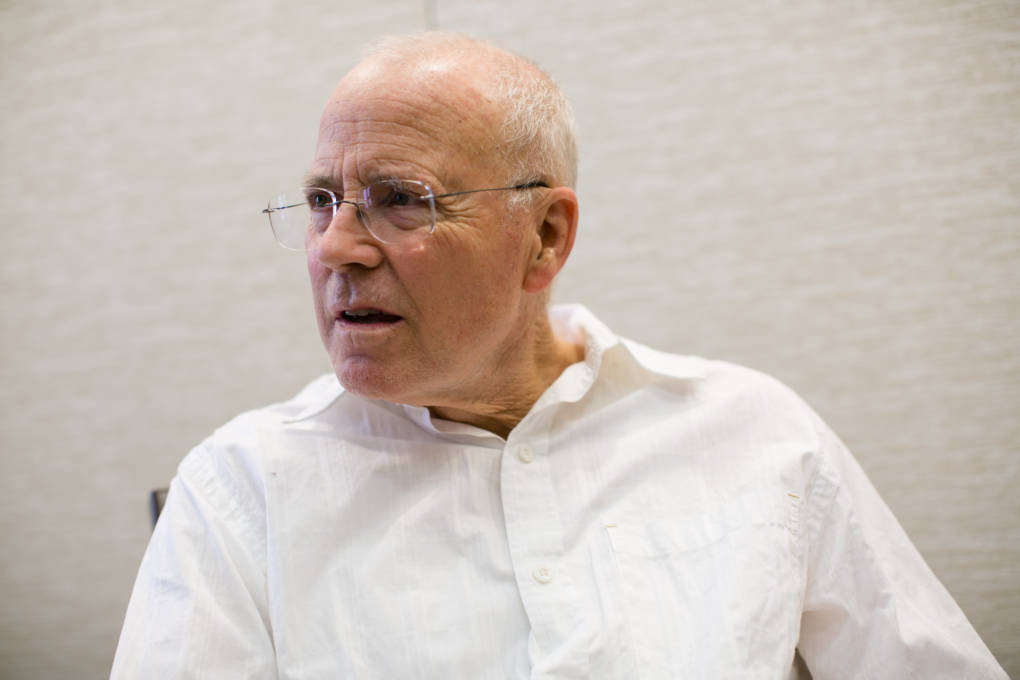
"caption": "Michael Buckley served in the U.S. Army during the Vietnam War. Now he suffers from Parkinson's disease, a neurological condition that has been linked to exposure to Agent Orange, a chemical defoliant that was widely used by the military during the war.",
"description": "Michael Buckley served in the U.S. Army during the Vietnam War. Now he suffers from Parkinson's Disease, a neurological condition that has been linked to exposure to Agent Orange, a chemical defoliant that was widely used by the military during the war.",
"title": "RS26584_20170912_VietnamStories_MichaelBuckley_MaryHelm_Credit_BertJohnson-3-qut",
"credit": "Bert Johnson/KQED",
"status": "inherit",
"isLoading": false,
"fetchFailed": false
},
"news_11617980": {
"type": "attachments",
"id": "news_11617980",
"meta": {
"index": "attachments_1716263798",
"site": "news",
"id": "11617980",
"found": true
},
"parent": 11617176,
"imgSizes": {
"small": {
"file": "https://ww2.kqed.org/app/uploads/sites/10/2017/09/Bulca2-520x336.jpg",
"width": 520,
"mimeType": "image/jpeg",
"height": 336
},
"twentyfourteen-full-width": {
"file": "https://ww2.kqed.org/app/uploads/sites/10/2017/09/Bulca2-1038x576.jpg",
"width": 1038,
"mimeType": "image/jpeg",
"height": 576
},
"thumbnail": {
"file": "https://ww2.kqed.org/app/uploads/sites/10/2017/09/Bulca2-160x104.jpg",
"width": 160,
"mimeType": "image/jpeg",
"height": 104
},
"fd-sm": {
"file": "https://ww2.kqed.org/app/uploads/sites/10/2017/09/Bulca2-960x621.jpg",
"width": 960,
"mimeType": "image/jpeg",
"height": 621
},
"post-thumbnail": {
"file": "https://ww2.kqed.org/app/uploads/sites/10/2017/09/Bulca2-672x372.jpg",
"width": 672,
"mimeType": "image/jpeg",
"height": 372
},
"xsmall": {
"file": "https://ww2.kqed.org/app/uploads/sites/10/2017/09/Bulca2-375x243.jpg",
"width": 375,
"mimeType": "image/jpeg",
"height": 243
},
"kqedFullSize": {
"file": "https://ww2.kqed.org/app/uploads/sites/10/2017/09/Bulca2.jpg",
"width": 1920,
"height": 1242
},
"large": {
"file": "https://ww2.kqed.org/app/uploads/sites/10/2017/09/Bulca2-1020x660.jpg",
"width": 1020,
"mimeType": "image/jpeg",
"height": 660
},
"xlarge": {
"file": "https://ww2.kqed.org/app/uploads/sites/10/2017/09/Bulca2-1180x763.jpg",
"width": 1180,
"mimeType": "image/jpeg",
"height": 763
},
"guest-author-50": {
"file": "https://ww2.kqed.org/app/uploads/sites/10/2017/09/Bulca2-50x50.jpg",
"width": 50,
"mimeType": "image/jpeg",
"height": 50
},
"guest-author-96": {
"file": "https://ww2.kqed.org/app/uploads/sites/10/2017/09/Bulca2-96x96.jpg",
"width": 96,
"mimeType": "image/jpeg",
"height": 96
},
"medium": {
"file": "https://ww2.kqed.org/app/uploads/sites/10/2017/09/Bulca2-800x518.jpg",
"width": 800,
"mimeType": "image/jpeg",
"height": 518
},
"guest-author-64": {
"file": "https://ww2.kqed.org/app/uploads/sites/10/2017/09/Bulca2-64x64.jpg",
"width": 64,
"mimeType": "image/jpeg",
"height": 64
},
"guest-author-32": {
"file": "https://ww2.kqed.org/app/uploads/sites/10/2017/09/Bulca2-32x32.jpg",
"width": 32,
"mimeType": "image/jpeg",
"height": 32
},
"fd-lrg": {
"file": "https://ww2.kqed.org/app/uploads/sites/10/2017/09/Bulca2-1920x1242.jpg",
"width": 1920,
"mimeType": "image/jpeg",
"height": 1242
},
"fd-med": {
"file": "https://ww2.kqed.org/app/uploads/sites/10/2017/09/Bulca2-1180x763.jpg",
"width": 1180,
"mimeType": "image/jpeg",
"height": 763
},
"full-width": {
"file": "https://ww2.kqed.org/app/uploads/sites/10/2017/09/Bulca2-1920x1242.jpg",
"width": 1920,
"mimeType": "image/jpeg",
"height": 1242
},
"detail": {
"file": "https://ww2.kqed.org/app/uploads/sites/10/2017/09/Bulca2-150x150.jpg",
"width": 150,
"mimeType": "image/jpeg",
"height": 150
},
"guest-author-128": {
"file": "https://ww2.kqed.org/app/uploads/sites/10/2017/09/Bulca2-128x128.jpg",
"width": 128,
"mimeType": "image/jpeg",
"height": 128
},
"xxsmall": {
"file": "https://ww2.kqed.org/app/uploads/sites/10/2017/09/Bulca2-240x155.jpg",
"width": 240,
"mimeType": "image/jpeg",
"height": 155
}
},
"publishDate": 1505936522,
"modified": 1505936548,
"caption": "'Bulca' by Hector Hernandez, part of the 'Mundos Alternos: Art and Science Fiction in the Americas' exhibition at UC Riverside’s Barbara and Art Culver Center of the Arts.",
"description": "'Bulca' by Hector Hernandez, part of the 'Mundos Alternos: Art and Science Fiction in the Americas' exhibition at UC Riverside’s Barbara and Art Culver Center of the Arts.",
"title": "Bulca2",
"credit": "UCR ARTSblock/ Courtesy of the artist",
"status": "inherit",
"isLoading": false,
"fetchFailed": false
},
"news_11617370": {
"type": "attachments",
"id": "news_11617370",
"meta": {
"index": "attachments_1716263798",
"site": "news",
"id": "11617370",
"found": true
},
"parent": 11617367,
"imgSizes": {
"small": {
"file": "https://ww2.kqed.org/app/uploads/sites/10/2017/09/BERKELEY-PROTEST-3_MARQ-520x293.jpg",
"width": 520,
"mimeType": "image/jpeg",
"height": 293
},
"twentyfourteen-full-width": {
"file": "https://ww2.kqed.org/app/uploads/sites/10/2017/09/BERKELEY-PROTEST-3_MARQ-1038x576.jpg",
"width": 1038,
"mimeType": "image/jpeg",
"height": 576
},
"thumbnail": {
"file": "https://ww2.kqed.org/app/uploads/sites/10/2017/09/BERKELEY-PROTEST-3_MARQ-160x90.jpg",
"width": 160,
"mimeType": "image/jpeg",
"height": 90
},
"fd-sm": {
"file": "https://ww2.kqed.org/app/uploads/sites/10/2017/09/BERKELEY-PROTEST-3_MARQ-960x540.jpg",
"width": 960,
"mimeType": "image/jpeg",
"height": 540
},
"post-thumbnail": {
"file": "https://ww2.kqed.org/app/uploads/sites/10/2017/09/BERKELEY-PROTEST-3_MARQ-672x372.jpg",
"width": 672,
"mimeType": "image/jpeg",
"height": 372
},
"xsmall": {
"file": "https://ww2.kqed.org/app/uploads/sites/10/2017/09/BERKELEY-PROTEST-3_MARQ-375x211.jpg",
"width": 375,
"mimeType": "image/jpeg",
"height": 211
},
"kqedFullSize": {
"file": "https://ww2.kqed.org/app/uploads/sites/10/2017/09/BERKELEY-PROTEST-3_MARQ.jpg",
"width": 1280,
"height": 720
},
"large": {
"file": "https://ww2.kqed.org/app/uploads/sites/10/2017/09/BERKELEY-PROTEST-3_MARQ-1020x574.jpg",
"width": 1020,
"mimeType": "image/jpeg",
"height": 574
},
"xlarge": {
"file": "https://ww2.kqed.org/app/uploads/sites/10/2017/09/BERKELEY-PROTEST-3_MARQ-1180x664.jpg",
"width": 1180,
"mimeType": "image/jpeg",
"height": 664
},
"guest-author-50": {
"file": "https://ww2.kqed.org/app/uploads/sites/10/2017/09/BERKELEY-PROTEST-3_MARQ-50x50.jpg",
"width": 50,
"mimeType": "image/jpeg",
"height": 50
},
"guest-author-96": {
"file": "https://ww2.kqed.org/app/uploads/sites/10/2017/09/BERKELEY-PROTEST-3_MARQ-96x96.jpg",
"width": 96,
"mimeType": "image/jpeg",
"height": 96
},
"medium": {
"file": "https://ww2.kqed.org/app/uploads/sites/10/2017/09/BERKELEY-PROTEST-3_MARQ-800x450.jpg",
"width": 800,
"mimeType": "image/jpeg",
"height": 450
},
"guest-author-64": {
"file": "https://ww2.kqed.org/app/uploads/sites/10/2017/09/BERKELEY-PROTEST-3_MARQ-64x64.jpg",
"width": 64,
"mimeType": "image/jpeg",
"height": 64
},
"guest-author-32": {
"file": "https://ww2.kqed.org/app/uploads/sites/10/2017/09/BERKELEY-PROTEST-3_MARQ-32x32.jpg",
"width": 32,
"mimeType": "image/jpeg",
"height": 32
},
"fd-med": {
"file": "https://ww2.kqed.org/app/uploads/sites/10/2017/09/BERKELEY-PROTEST-3_MARQ-1180x664.jpg",
"width": 1180,
"mimeType": "image/jpeg",
"height": 664
},
"detail": {
"file": "https://ww2.kqed.org/app/uploads/sites/10/2017/09/BERKELEY-PROTEST-3_MARQ-150x150.jpg",
"width": 150,
"mimeType": "image/jpeg",
"height": 150
},
"guest-author-128": {
"file": "https://ww2.kqed.org/app/uploads/sites/10/2017/09/BERKELEY-PROTEST-3_MARQ-128x128.jpg",
"width": 128,
"mimeType": "image/jpeg",
"height": 128
},
"xxsmall": {
"file": "https://ww2.kqed.org/app/uploads/sites/10/2017/09/BERKELEY-PROTEST-3_MARQ-240x135.jpg",
"width": 240,
"mimeType": "image/jpeg",
"height": 135
}
},
"publishDate": 1505523274,
"modified": 1505523274,
"caption": null,
"description": null,
"title": "BERKELEY PROTEST 3_MARQ",
"credit": null,
"status": "inherit",
"isLoading": false,
"fetchFailed": false
},
"news_11616730": {
"type": "attachments",
"id": "news_11616730",
"meta": {
"index": "attachments_1716263798",
"site": "news",
"id": "11616730",
"found": true
},
"parent": 11616723,
"imgSizes": {
"small": {
"file": "https://ww2.kqed.org/app/uploads/sites/10/2017/09/Thelonious-Monk_MJF6_1963_cRay-Avery_CTS-Images-520x347.jpg",
"width": 520,
"mimeType": "image/jpeg",
"height": 347
},
"twentyfourteen-full-width": {
"file": "https://ww2.kqed.org/app/uploads/sites/10/2017/09/Thelonious-Monk_MJF6_1963_cRay-Avery_CTS-Images-1038x576.jpg",
"width": 1038,
"mimeType": "image/jpeg",
"height": 576
},
"thumbnail": {
"file": "https://ww2.kqed.org/app/uploads/sites/10/2017/09/Thelonious-Monk_MJF6_1963_cRay-Avery_CTS-Images-160x107.jpg",
"width": 160,
"mimeType": "image/jpeg",
"height": 107
},
"fd-sm": {
"file": "https://ww2.kqed.org/app/uploads/sites/10/2017/09/Thelonious-Monk_MJF6_1963_cRay-Avery_CTS-Images-960x641.jpg",
"width": 960,
"mimeType": "image/jpeg",
"height": 641
},
"post-thumbnail": {
"file": "https://ww2.kqed.org/app/uploads/sites/10/2017/09/Thelonious-Monk_MJF6_1963_cRay-Avery_CTS-Images-672x372.jpg",
"width": 672,
"mimeType": "image/jpeg",
"height": 372
},
"xsmall": {
"file": "https://ww2.kqed.org/app/uploads/sites/10/2017/09/Thelonious-Monk_MJF6_1963_cRay-Avery_CTS-Images-375x250.jpg",
"width": 375,
"mimeType": "image/jpeg",
"height": 250
},
"kqedFullSize": {
"file": "https://ww2.kqed.org/app/uploads/sites/10/2017/09/Thelonious-Monk_MJF6_1963_cRay-Avery_CTS-Images.jpg",
"width": 1280,
"height": 854
},
"large": {
"file": "https://ww2.kqed.org/app/uploads/sites/10/2017/09/Thelonious-Monk_MJF6_1963_cRay-Avery_CTS-Images-1020x681.jpg",
"width": 1020,
"mimeType": "image/jpeg",
"height": 681
},
"xlarge": {
"file": "https://ww2.kqed.org/app/uploads/sites/10/2017/09/Thelonious-Monk_MJF6_1963_cRay-Avery_CTS-Images-1180x787.jpg",
"width": 1180,
"mimeType": "image/jpeg",
"height": 787
},
"guest-author-50": {
"file": "https://ww2.kqed.org/app/uploads/sites/10/2017/09/Thelonious-Monk_MJF6_1963_cRay-Avery_CTS-Images-50x50.jpg",
"width": 50,
"mimeType": "image/jpeg",
"height": 50
},
"guest-author-96": {
"file": "https://ww2.kqed.org/app/uploads/sites/10/2017/09/Thelonious-Monk_MJF6_1963_cRay-Avery_CTS-Images-96x96.jpg",
"width": 96,
"mimeType": "image/jpeg",
"height": 96
},
"medium": {
"file": "https://ww2.kqed.org/app/uploads/sites/10/2017/09/Thelonious-Monk_MJF6_1963_cRay-Avery_CTS-Images-800x534.jpg",
"width": 800,
"mimeType": "image/jpeg",
"height": 534
},
"guest-author-64": {
"file": "https://ww2.kqed.org/app/uploads/sites/10/2017/09/Thelonious-Monk_MJF6_1963_cRay-Avery_CTS-Images-64x64.jpg",
"width": 64,
"mimeType": "image/jpeg",
"height": 64
},
"guest-author-32": {
"file": "https://ww2.kqed.org/app/uploads/sites/10/2017/09/Thelonious-Monk_MJF6_1963_cRay-Avery_CTS-Images-32x32.jpg",
"width": 32,
"mimeType": "image/jpeg",
"height": 32
},
"fd-med": {
"file": "https://ww2.kqed.org/app/uploads/sites/10/2017/09/Thelonious-Monk_MJF6_1963_cRay-Avery_CTS-Images-1180x787.jpg",
"width": 1180,
"mimeType": "image/jpeg",
"height": 787
},
"detail": {
"file": "https://ww2.kqed.org/app/uploads/sites/10/2017/09/Thelonious-Monk_MJF6_1963_cRay-Avery_CTS-Images-150x150.jpg",
"width": 150,
"mimeType": "image/jpeg",
"height": 150
},
"guest-author-128": {
"file": "https://ww2.kqed.org/app/uploads/sites/10/2017/09/Thelonious-Monk_MJF6_1963_cRay-Avery_CTS-Images-128x128.jpg",
"width": 128,
"mimeType": "image/jpeg",
"height": 128
},
"xxsmall": {
"file": "https://ww2.kqed.org/app/uploads/sites/10/2017/09/Thelonious-Monk_MJF6_1963_cRay-Avery_CTS-Images-240x160.jpg",
"width": 240,
"mimeType": "image/jpeg",
"height": 160
}
},
"publishDate": 1505337937,
"modified": 1505338032,
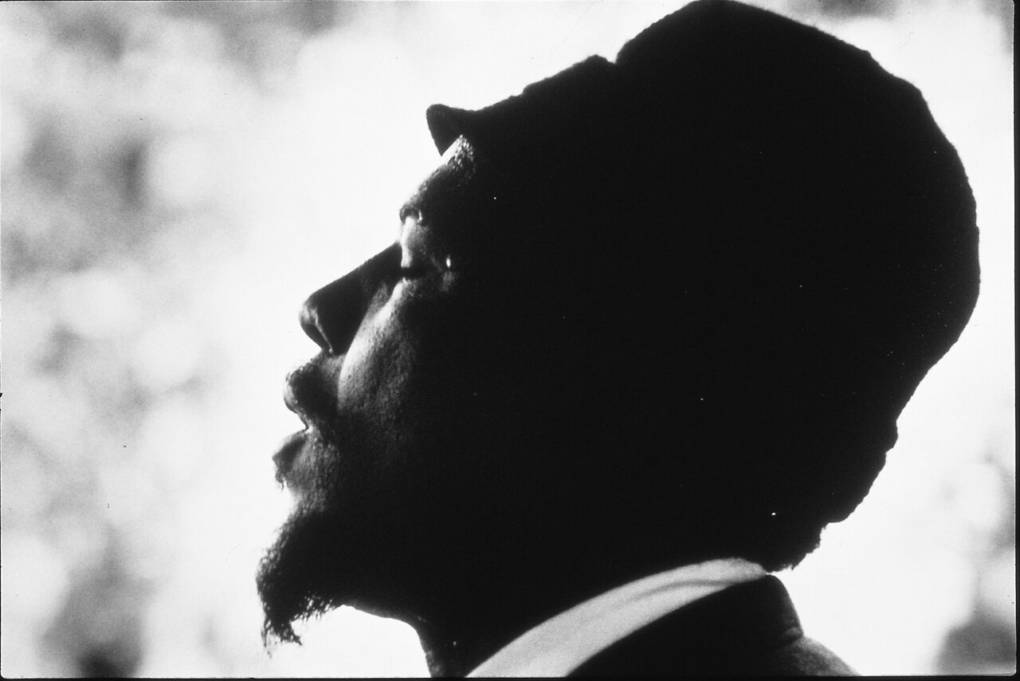
"caption": "The Monterey Jazz Festival celebrates the 100th birthday of Thelonious Monk, captured here at his festival debut in 1963. Photo by Ray Avery. ",
"description": null,
"title": "Thelonious Monk_MJF6_1963_(c)Ray Avery_CTS Images",
"credit": null,
"status": "inherit",
"isLoading": false,
"fetchFailed": false
},
"news_11616103": {
"type": "attachments",
"id": "news_11616103",
"meta": {
"index": "attachments_1716263798",
"site": "news",
"id": "11616103",
"found": true
},
"parent": 11616098,
"imgSizes": {
"small": {
"file": "https://ww2.kqed.org/app/uploads/sites/10/2017/09/Carlos-w-painting-520x390.jpg",
"width": 520,
"mimeType": "image/jpeg",
"height": 390
},
"twentyfourteen-full-width": {
"file": "https://ww2.kqed.org/app/uploads/sites/10/2017/09/Carlos-w-painting-1038x576.jpg",
"width": 1038,
"mimeType": "image/jpeg",
"height": 576
},
"thumbnail": {
"file": "https://ww2.kqed.org/app/uploads/sites/10/2017/09/Carlos-w-painting-160x120.jpg",
"width": 160,
"mimeType": "image/jpeg",
"height": 120
},
"fd-sm": {
"file": "https://ww2.kqed.org/app/uploads/sites/10/2017/09/Carlos-w-painting-960x720.jpg",
"width": 960,
"mimeType": "image/jpeg",
"height": 720
},
"post-thumbnail": {
"file": "https://ww2.kqed.org/app/uploads/sites/10/2017/09/Carlos-w-painting-672x372.jpg",
"width": 672,
"mimeType": "image/jpeg",
"height": 372
},
"xsmall": {
"file": "https://ww2.kqed.org/app/uploads/sites/10/2017/09/Carlos-w-painting-375x281.jpg",
"width": 375,
"mimeType": "image/jpeg",
"height": 281
},
"kqedFullSize": {
"file": "https://ww2.kqed.org/app/uploads/sites/10/2017/09/Carlos-w-painting.jpg",
"width": 1920,
"height": 1440
},
"large": {
"file": "https://ww2.kqed.org/app/uploads/sites/10/2017/09/Carlos-w-painting-1020x765.jpg",
"width": 1020,
"mimeType": "image/jpeg",
"height": 765
},
"xlarge": {
"file": "https://ww2.kqed.org/app/uploads/sites/10/2017/09/Carlos-w-painting-1180x885.jpg",
"width": 1180,
"mimeType": "image/jpeg",
"height": 885
},
"guest-author-50": {
"file": "https://ww2.kqed.org/app/uploads/sites/10/2017/09/Carlos-w-painting-50x50.jpg",
"width": 50,
"mimeType": "image/jpeg",
"height": 50
},
"guest-author-96": {
"file": "https://ww2.kqed.org/app/uploads/sites/10/2017/09/Carlos-w-painting-96x96.jpg",
"width": 96,
"mimeType": "image/jpeg",
"height": 96
},
"medium": {
"file": "https://ww2.kqed.org/app/uploads/sites/10/2017/09/Carlos-w-painting-800x600.jpg",
"width": 800,
"mimeType": "image/jpeg",
"height": 600
},
"guest-author-64": {
"file": "https://ww2.kqed.org/app/uploads/sites/10/2017/09/Carlos-w-painting-64x64.jpg",
"width": 64,
"mimeType": "image/jpeg",
"height": 64
},
"guest-author-32": {
"file": "https://ww2.kqed.org/app/uploads/sites/10/2017/09/Carlos-w-painting-32x32.jpg",
"width": 32,
"mimeType": "image/jpeg",
"height": 32
},
"fd-lrg": {
"file": "https://ww2.kqed.org/app/uploads/sites/10/2017/09/Carlos-w-painting-1920x1440.jpg",
"width": 1920,
"mimeType": "image/jpeg",
"height": 1440
},
"fd-med": {
"file": "https://ww2.kqed.org/app/uploads/sites/10/2017/09/Carlos-w-painting-1180x885.jpg",
"width": 1180,
"mimeType": "image/jpeg",
"height": 885
},
"full-width": {
"file": "https://ww2.kqed.org/app/uploads/sites/10/2017/09/Carlos-w-painting-1920x1440.jpg",
"width": 1920,
"mimeType": "image/jpeg",
"height": 1440
},
"detail": {
"file": "https://ww2.kqed.org/app/uploads/sites/10/2017/09/Carlos-w-painting-150x150.jpg",
"width": 150,
"mimeType": "image/jpeg",
"height": 150
},
"guest-author-128": {
"file": "https://ww2.kqed.org/app/uploads/sites/10/2017/09/Carlos-w-painting-128x128.jpg",
"width": 128,
"mimeType": "image/jpeg",
"height": 128
},
"xxsmall": {
"file": "https://ww2.kqed.org/app/uploads/sites/10/2017/09/Carlos-w-painting-240x180.jpg",
"width": 240,
"mimeType": "image/jpeg",
"height": 180
}
},
"publishDate": 1504905963,
"modified": 1504906067,
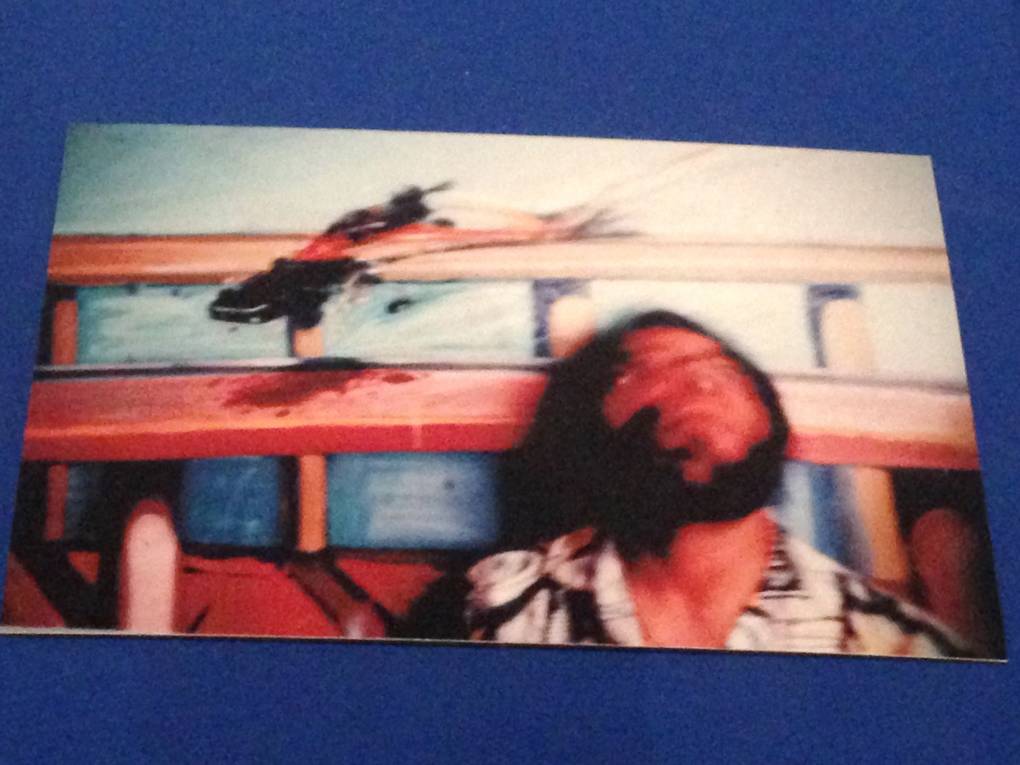
"caption": "Snapshot of Carlos Almaráz with one of his freeway car crash paintings. ",
"description": null,
"title": "Carlos w painting",
"credit": "Los Angeles County Museum of Art / Steven Cuevas (KQED)",
"status": "inherit",
"isLoading": false,
"fetchFailed": false
},
"news_11615187": {
"type": "attachments",
"id": "news_11615187",
"meta": {
"index": "attachments_1716263798",
"site": "news",
"id": "11615187",
"found": true
},
"parent": 11614958,
"imgSizes": {
"small": {
"file": "https://ww2.kqed.org/app/uploads/sites/10/2017/09/RS26473_IMG_3096-qut-520x293.jpg",
"width": 520,
"mimeType": "image/jpeg",
"height": 293
},
"twentyfourteen-full-width": {
"file": "https://ww2.kqed.org/app/uploads/sites/10/2017/09/RS26473_IMG_3096-qut-1038x576.jpg",
"width": 1038,
"mimeType": "image/jpeg",
"height": 576
},
"thumbnail": {
"file": "https://ww2.kqed.org/app/uploads/sites/10/2017/09/RS26473_IMG_3096-qut-160x90.jpg",
"width": 160,
"mimeType": "image/jpeg",
"height": 90
},
"fd-sm": {
"file": "https://ww2.kqed.org/app/uploads/sites/10/2017/09/RS26473_IMG_3096-qut-960x540.jpg",
"width": 960,
"mimeType": "image/jpeg",
"height": 540
},
"post-thumbnail": {
"file": "https://ww2.kqed.org/app/uploads/sites/10/2017/09/RS26473_IMG_3096-qut-672x372.jpg",
"width": 672,
"mimeType": "image/jpeg",
"height": 372
},
"xsmall": {
"file": "https://ww2.kqed.org/app/uploads/sites/10/2017/09/RS26473_IMG_3096-qut-375x211.jpg",
"width": 375,
"mimeType": "image/jpeg",
"height": 211
},
"kqedFullSize": {
"file": "https://ww2.kqed.org/app/uploads/sites/10/2017/09/RS26473_IMG_3096-qut.jpg",
"width": 1920,
"height": 1080
},
"large": {
"file": "https://ww2.kqed.org/app/uploads/sites/10/2017/09/RS26473_IMG_3096-qut-1020x574.jpg",
"width": 1020,
"mimeType": "image/jpeg",
"height": 574
},
"xlarge": {
"file": "https://ww2.kqed.org/app/uploads/sites/10/2017/09/RS26473_IMG_3096-qut-1180x664.jpg",
"width": 1180,
"mimeType": "image/jpeg",
"height": 664
},
"guest-author-50": {
"file": "https://ww2.kqed.org/app/uploads/sites/10/2017/09/RS26473_IMG_3096-qut-50x50.jpg",
"width": 50,
"mimeType": "image/jpeg",
"height": 50
},
"guest-author-96": {
"file": "https://ww2.kqed.org/app/uploads/sites/10/2017/09/RS26473_IMG_3096-qut-96x96.jpg",
"width": 96,
"mimeType": "image/jpeg",
"height": 96
},
"medium": {
"file": "https://ww2.kqed.org/app/uploads/sites/10/2017/09/RS26473_IMG_3096-qut-800x450.jpg",
"width": 800,
"mimeType": "image/jpeg",
"height": 450
},
"guest-author-64": {
"file": "https://ww2.kqed.org/app/uploads/sites/10/2017/09/RS26473_IMG_3096-qut-64x64.jpg",
"width": 64,
"mimeType": "image/jpeg",
"height": 64
},
"guest-author-32": {
"file": "https://ww2.kqed.org/app/uploads/sites/10/2017/09/RS26473_IMG_3096-qut-32x32.jpg",
"width": 32,
"mimeType": "image/jpeg",
"height": 32
},
"fd-lrg": {
"file": "https://ww2.kqed.org/app/uploads/sites/10/2017/09/RS26473_IMG_3096-qut-1920x1080.jpg",
"width": 1920,
"mimeType": "image/jpeg",
"height": 1080
},
"fd-med": {
"file": "https://ww2.kqed.org/app/uploads/sites/10/2017/09/RS26473_IMG_3096-qut-1180x664.jpg",
"width": 1180,
"mimeType": "image/jpeg",
"height": 664
},
"full-width": {
"file": "https://ww2.kqed.org/app/uploads/sites/10/2017/09/RS26473_IMG_3096-qut-1920x1080.jpg",
"width": 1920,
"mimeType": "image/jpeg",
"height": 1080
},
"detail": {
"file": "https://ww2.kqed.org/app/uploads/sites/10/2017/09/RS26473_IMG_3096-qut-150x150.jpg",
"width": 150,
"mimeType": "image/jpeg",
"height": 150
},
"guest-author-128": {
"file": "https://ww2.kqed.org/app/uploads/sites/10/2017/09/RS26473_IMG_3096-qut-128x128.jpg",
"width": 128,
"mimeType": "image/jpeg",
"height": 128
},
"xxsmall": {
"file": "https://ww2.kqed.org/app/uploads/sites/10/2017/09/RS26473_IMG_3096-qut-240x135.jpg",
"width": 240,
"mimeType": "image/jpeg",
"height": 135
}
},
"publishDate": 1504286742,
"modified": 1505172937,
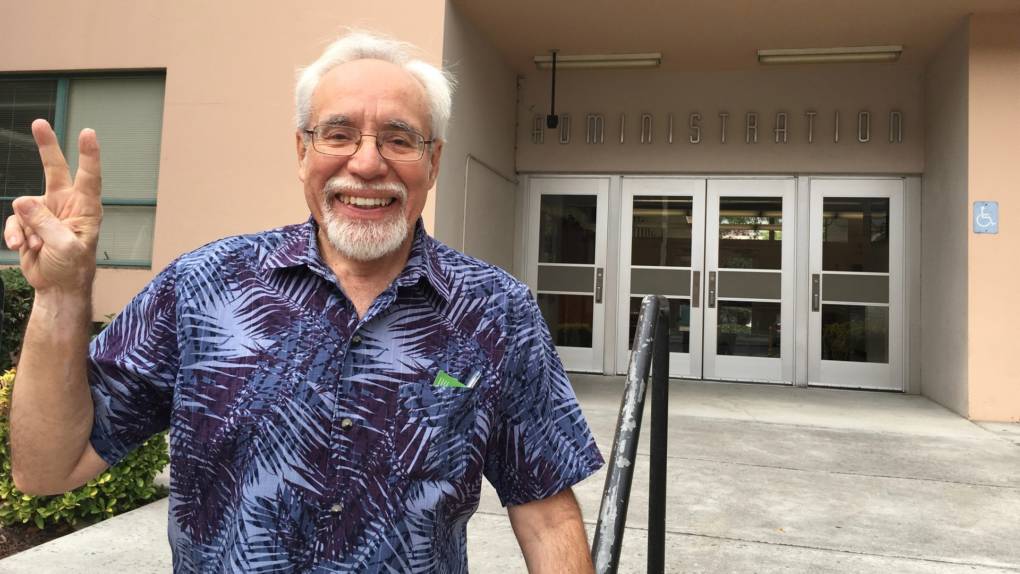
"caption": "Now an emeritus lecturer at San Jose State University, Gil Villagran was expelled as an undergraduate for protesting against the Vietnam War outside this campus administration building.",
"description": "Now an Emeritus Lecturer at San Jose State, Gil Villagran was expelled as an undergraduate for protesting against the Vietnam War outside this campus administration building.",
"title": "RS26473_IMG_3096-qut",
"credit": "Rachael Myrow/KQED",
"status": "inherit",
"isLoading": false,
"fetchFailed": false
},
"news_11615914": {
"type": "attachments",
"id": "news_11615914",
"meta": {
"index": "attachments_1716263798",
"site": "news",
"id": "11615914",
"found": true
},
"parent": 11615913,
"imgSizes": {
"small": {
"file": "https://ww2.kqed.org/app/uploads/sites/10/2017/09/RS26497_TNP_005-qut-520x302.jpg",
"width": 520,
"mimeType": "image/jpeg",
"height": 302
},
"twentyfourteen-full-width": {
"file": "https://ww2.kqed.org/app/uploads/sites/10/2017/09/RS26497_TNP_005-qut-1038x576.jpg",
"width": 1038,
"mimeType": "image/jpeg",
"height": 576
},
"thumbnail": {
"file": "https://ww2.kqed.org/app/uploads/sites/10/2017/09/RS26497_TNP_005-qut-160x93.jpg",
"width": 160,
"mimeType": "image/jpeg",
"height": 93
},
"fd-sm": {
"file": "https://ww2.kqed.org/app/uploads/sites/10/2017/09/RS26497_TNP_005-qut-960x558.jpg",
"width": 960,
"mimeType": "image/jpeg",
"height": 558
},
"post-thumbnail": {
"file": "https://ww2.kqed.org/app/uploads/sites/10/2017/09/RS26497_TNP_005-qut-672x372.jpg",
"width": 672,
"mimeType": "image/jpeg",
"height": 372
},
"xsmall": {
"file": "https://ww2.kqed.org/app/uploads/sites/10/2017/09/RS26497_TNP_005-qut-375x218.jpg",
"width": 375,
"mimeType": "image/jpeg",
"height": 218
},
"kqedFullSize": {
"file": "https://ww2.kqed.org/app/uploads/sites/10/2017/09/RS26497_TNP_005-qut.jpg",
"width": 1920,
"height": 1116
},
"large": {
"file": "https://ww2.kqed.org/app/uploads/sites/10/2017/09/RS26497_TNP_005-qut-1020x593.jpg",
"width": 1020,
"mimeType": "image/jpeg",
"height": 593
},
"xlarge": {
"file": "https://ww2.kqed.org/app/uploads/sites/10/2017/09/RS26497_TNP_005-qut-1180x686.jpg",
"width": 1180,
"mimeType": "image/jpeg",
"height": 686
},
"guest-author-50": {
"file": "https://ww2.kqed.org/app/uploads/sites/10/2017/09/RS26497_TNP_005-qut-50x50.jpg",
"width": 50,
"mimeType": "image/jpeg",
"height": 50
},
"guest-author-96": {
"file": "https://ww2.kqed.org/app/uploads/sites/10/2017/09/RS26497_TNP_005-qut-96x96.jpg",
"width": 96,
"mimeType": "image/jpeg",
"height": 96
},
"medium": {
"file": "https://ww2.kqed.org/app/uploads/sites/10/2017/09/RS26497_TNP_005-qut-800x465.jpg",
"width": 800,
"mimeType": "image/jpeg",
"height": 465
},
"guest-author-64": {
"file": "https://ww2.kqed.org/app/uploads/sites/10/2017/09/RS26497_TNP_005-qut-64x64.jpg",
"width": 64,
"mimeType": "image/jpeg",
"height": 64
},
"guest-author-32": {
"file": "https://ww2.kqed.org/app/uploads/sites/10/2017/09/RS26497_TNP_005-qut-32x32.jpg",
"width": 32,
"mimeType": "image/jpeg",
"height": 32
},
"fd-lrg": {
"file": "https://ww2.kqed.org/app/uploads/sites/10/2017/09/RS26497_TNP_005-qut-1920x1116.jpg",
"width": 1920,
"mimeType": "image/jpeg",
"height": 1116
},
"fd-med": {
"file": "https://ww2.kqed.org/app/uploads/sites/10/2017/09/RS26497_TNP_005-qut-1180x686.jpg",
"width": 1180,
"mimeType": "image/jpeg",
"height": 686
},
"full-width": {
"file": "https://ww2.kqed.org/app/uploads/sites/10/2017/09/RS26497_TNP_005-qut-1920x1116.jpg",
"width": 1920,
"mimeType": "image/jpeg",
"height": 1116
},
"detail": {
"file": "https://ww2.kqed.org/app/uploads/sites/10/2017/09/RS26497_TNP_005-qut-150x150.jpg",
"width": 150,
"mimeType": "image/jpeg",
"height": 150
},
"guest-author-128": {
"file": "https://ww2.kqed.org/app/uploads/sites/10/2017/09/RS26497_TNP_005-qut-128x128.jpg",
"width": 128,
"mimeType": "image/jpeg",
"height": 128
},
"xxsmall": {
"file": "https://ww2.kqed.org/app/uploads/sites/10/2017/09/RS26497_TNP_005-qut-240x140.jpg",
"width": 240,
"mimeType": "image/jpeg",
"height": 140
}
},
"publishDate": 1504823223,
"modified": 1504911505,
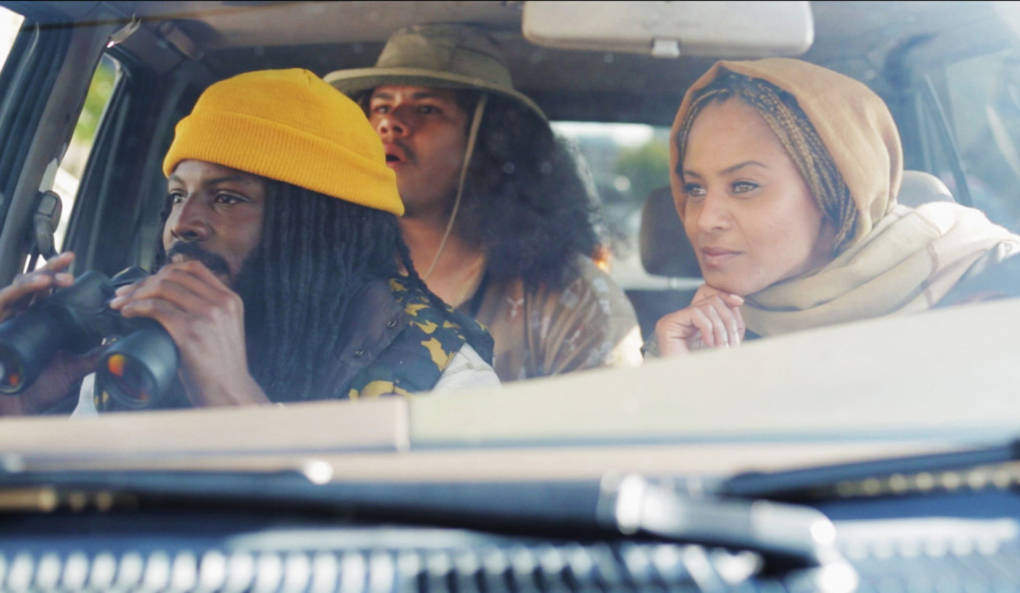
"caption": "Donte Clark, Santiago Rosas and Renya Amaya play three best friends in \"The North Pole.\"",
"description": null,
"title": "RS26497_TNP_005-qut",
"credit": "Courtesy of Danny Telles",
"status": "inherit",
"isLoading": false,
"fetchFailed": false
},
"news_11528711": {
"type": "attachments",
"id": "news_11528711",
"meta": {
"index": "attachments_1716263798",
"site": "news",
"id": "11528711",
"found": true
},
"parent": 11524457,
"imgSizes": {
"small": {
"file": "https://ww2.kqed.org/app/uploads/sites/10/2017/06/ZiplineGuides-520x319.jpg",
"width": 520,
"mimeType": "image/jpeg",
"height": 319
},
"twentyfourteen-full-width": {
"file": "https://ww2.kqed.org/app/uploads/sites/10/2017/06/ZiplineGuides-1038x576.jpg",
"width": 1038,
"mimeType": "image/jpeg",
"height": 576
},
"thumbnail": {
"file": "https://ww2.kqed.org/app/uploads/sites/10/2017/06/ZiplineGuides-160x98.jpg",
"width": 160,
"mimeType": "image/jpeg",
"height": 98
},
"fd-sm": {
"file": "https://ww2.kqed.org/app/uploads/sites/10/2017/06/ZiplineGuides-960x589.jpg",
"width": 960,
"mimeType": "image/jpeg",
"height": 589
},
"post-thumbnail": {
"file": "https://ww2.kqed.org/app/uploads/sites/10/2017/06/ZiplineGuides-672x372.jpg",
"width": 672,
"mimeType": "image/jpeg",
"height": 372
},
"xsmall": {
"file": "https://ww2.kqed.org/app/uploads/sites/10/2017/06/ZiplineGuides-375x230.jpg",
"width": 375,
"mimeType": "image/jpeg",
"height": 230
},
"kqedFullSize": {
"file": "https://ww2.kqed.org/app/uploads/sites/10/2017/06/ZiplineGuides.jpg",
"width": 1920,
"height": 1177
},
"large": {
"file": "https://ww2.kqed.org/app/uploads/sites/10/2017/06/ZiplineGuides-1020x625.jpg",
"width": 1020,
"mimeType": "image/jpeg",
"height": 625
},
"xlarge": {
"file": "https://ww2.kqed.org/app/uploads/sites/10/2017/06/ZiplineGuides-1180x723.jpg",
"width": 1180,
"mimeType": "image/jpeg",
"height": 723
},
"guest-author-50": {
"file": "https://ww2.kqed.org/app/uploads/sites/10/2017/06/ZiplineGuides-50x50.jpg",
"width": 50,
"mimeType": "image/jpeg",
"height": 50
},
"guest-author-96": {
"file": "https://ww2.kqed.org/app/uploads/sites/10/2017/06/ZiplineGuides-96x96.jpg",
"width": 96,
"mimeType": "image/jpeg",
"height": 96
},
"medium": {
"file": "https://ww2.kqed.org/app/uploads/sites/10/2017/06/ZiplineGuides-800x490.jpg",
"width": 800,
"mimeType": "image/jpeg",
"height": 490
},
"guest-author-64": {
"file": "https://ww2.kqed.org/app/uploads/sites/10/2017/06/ZiplineGuides-64x64.jpg",
"width": 64,
"mimeType": "image/jpeg",
"height": 64
},
"guest-author-32": {
"file": "https://ww2.kqed.org/app/uploads/sites/10/2017/06/ZiplineGuides-32x32.jpg",
"width": 32,
"mimeType": "image/jpeg",
"height": 32
},
"fd-lrg": {
"file": "https://ww2.kqed.org/app/uploads/sites/10/2017/06/ZiplineGuides-1920x1177.jpg",
"width": 1920,
"mimeType": "image/jpeg",
"height": 1177
},
"fd-med": {
"file": "https://ww2.kqed.org/app/uploads/sites/10/2017/06/ZiplineGuides-1180x723.jpg",
"width": 1180,
"mimeType": "image/jpeg",
"height": 723
},
"full-width": {
"file": "https://ww2.kqed.org/app/uploads/sites/10/2017/06/ZiplineGuides-1920x1177.jpg",
"width": 1920,
"mimeType": "image/jpeg",
"height": 1177
},
"detail": {
"file": "https://ww2.kqed.org/app/uploads/sites/10/2017/06/ZiplineGuides-150x150.jpg",
"width": 150,
"mimeType": "image/jpeg",
"height": 150
},
"guest-author-128": {
"file": "https://ww2.kqed.org/app/uploads/sites/10/2017/06/ZiplineGuides-128x128.jpg",
"width": 128,
"mimeType": "image/jpeg",
"height": 128
},
"xxsmall": {
"file": "https://ww2.kqed.org/app/uploads/sites/10/2017/06/ZiplineGuides-240x147.jpg",
"width": 240,
"mimeType": "image/jpeg",
"height": 147
}
},
"publishDate": 1498259998,
"modified": 1498260023,
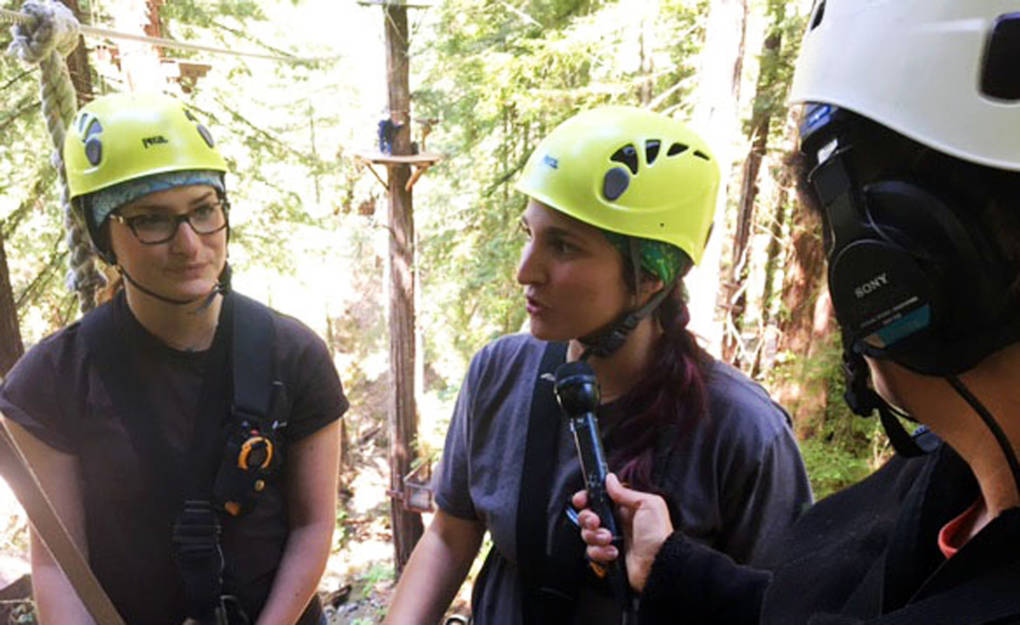
"caption": "Did you know you could go ziplining in Sonoma County? Host Sasha Khokha interviews zipline guides high above the redwoods.",
"description": "Did you know you could go ziplining in Sonoma County? Host Sasha Khokha interviews zipline guides high above the redwoods.",
"title": "ZiplineGuides",
"credit": "Suzie Racho/KQED",
"status": "inherit",
"isLoading": false,
"fetchFailed": false
},
"news_11614784": {
"type": "attachments",
"id": "news_11614784",
"meta": {
"index": "attachments_1716263798",
"site": "news",
"id": "11614784",
"found": true
},
"parent": 11613883,
"imgSizes": {
"small": {
"file": "https://ww2.kqed.org/app/uploads/sites/10/2017/08/DouyeOrange-520x425.jpg",
"width": 520,
"mimeType": "image/jpeg",
"height": 425
},
"twentyfourteen-full-width": {
"file": "https://ww2.kqed.org/app/uploads/sites/10/2017/08/DouyeOrange-1038x576.jpg",
"width": 1038,
"mimeType": "image/jpeg",
"height": 576
},
"thumbnail": {
"file": "https://ww2.kqed.org/app/uploads/sites/10/2017/08/DouyeOrange-160x131.jpg",
"width": 160,
"mimeType": "image/jpeg",
"height": 131
},
"fd-sm": {
"file": "https://ww2.kqed.org/app/uploads/sites/10/2017/08/DouyeOrange-960x784.jpg",
"width": 960,
"mimeType": "image/jpeg",
"height": 784
},
"post-thumbnail": {
"file": "https://ww2.kqed.org/app/uploads/sites/10/2017/08/DouyeOrange-672x372.jpg",
"width": 672,
"mimeType": "image/jpeg",
"height": 372
},
"xsmall": {
"file": "https://ww2.kqed.org/app/uploads/sites/10/2017/08/DouyeOrange-375x306.jpg",
"width": 375,
"mimeType": "image/jpeg",
"height": 306
},
"kqedFullSize": {
"file": "https://ww2.kqed.org/app/uploads/sites/10/2017/08/DouyeOrange.jpg",
"width": 1920,
"height": 1568
},
"large": {
"file": "https://ww2.kqed.org/app/uploads/sites/10/2017/08/DouyeOrange-1020x833.jpg",
"width": 1020,
"mimeType": "image/jpeg",
"height": 833
},
"xlarge": {
"file": "https://ww2.kqed.org/app/uploads/sites/10/2017/08/DouyeOrange-1180x964.jpg",
"width": 1180,
"mimeType": "image/jpeg",
"height": 964
},
"guest-author-50": {
"file": "https://ww2.kqed.org/app/uploads/sites/10/2017/08/DouyeOrange-50x50.jpg",
"width": 50,
"mimeType": "image/jpeg",
"height": 50
},
"guest-author-96": {
"file": "https://ww2.kqed.org/app/uploads/sites/10/2017/08/DouyeOrange-96x96.jpg",
"width": 96,
"mimeType": "image/jpeg",
"height": 96
},
"medium": {
"file": "https://ww2.kqed.org/app/uploads/sites/10/2017/08/DouyeOrange-800x653.jpg",
"width": 800,
"mimeType": "image/jpeg",
"height": 653
},
"guest-author-64": {
"file": "https://ww2.kqed.org/app/uploads/sites/10/2017/08/DouyeOrange-64x64.jpg",
"width": 64,
"mimeType": "image/jpeg",
"height": 64
},
"guest-author-32": {
"file": "https://ww2.kqed.org/app/uploads/sites/10/2017/08/DouyeOrange-32x32.jpg",
"width": 32,
"mimeType": "image/jpeg",
"height": 32
},
"fd-lrg": {
"file": "https://ww2.kqed.org/app/uploads/sites/10/2017/08/DouyeOrange-1920x1568.jpg",
"width": 1920,
"mimeType": "image/jpeg",
"height": 1568
},
"fd-med": {
"file": "https://ww2.kqed.org/app/uploads/sites/10/2017/08/DouyeOrange-1180x964.jpg",
"width": 1180,
"mimeType": "image/jpeg",
"height": 964
},
"full-width": {
"file": "https://ww2.kqed.org/app/uploads/sites/10/2017/08/DouyeOrange-1920x1568.jpg",
"width": 1920,
"mimeType": "image/jpeg",
"height": 1568
},
"detail": {
"file": "https://ww2.kqed.org/app/uploads/sites/10/2017/08/DouyeOrange-150x150.jpg",
"width": 150,
"mimeType": "image/jpeg",
"height": 150
},
"guest-author-128": {
"file": "https://ww2.kqed.org/app/uploads/sites/10/2017/08/DouyeOrange-128x128.jpg",
"width": 128,
"mimeType": "image/jpeg",
"height": 128
},
"xxsmall": {
"file": "https://ww2.kqed.org/app/uploads/sites/10/2017/08/DouyeOrange-240x196.jpg",
"width": 240,
"mimeType": "image/jpeg",
"height": 196
}
},
"publishDate": 1504131835,
"modified": 1504131866,
"caption": "After starting her career singing R & B, Douyé' takes on jazz standards on her new album \"Daddy Said So.\"",
"description": null,
"title": "DouyeOrange",
"credit": null,
"status": "inherit",
"isLoading": false,
"fetchFailed": false
},
"news_11611580": {
"type": "attachments",
"id": "news_11611580",
"meta": {
"index": "attachments_1716263798",
"site": "news",
"id": "11611580",
"found": true
},
"parent": 11610838,
"imgSizes": {
"small": {
"file": "https://ww2.kqed.org/app/uploads/sites/10/2017/08/RS26174_Buttons-2-qut-520x345.jpg",
"width": 520,
"mimeType": "image/jpeg",
"height": 345
},
"twentyfourteen-full-width": {
"file": "https://ww2.kqed.org/app/uploads/sites/10/2017/08/RS26174_Buttons-2-qut-1038x576.jpg",
"width": 1038,
"mimeType": "image/jpeg",
"height": 576
},
"thumbnail": {
"file": "https://ww2.kqed.org/app/uploads/sites/10/2017/08/RS26174_Buttons-2-qut-160x106.jpg",
"width": 160,
"mimeType": "image/jpeg",
"height": 106
},
"fd-sm": {
"file": "https://ww2.kqed.org/app/uploads/sites/10/2017/08/RS26174_Buttons-2-qut-960x636.jpg",
"width": 960,
"mimeType": "image/jpeg",
"height": 636
},
"post-thumbnail": {
"file": "https://ww2.kqed.org/app/uploads/sites/10/2017/08/RS26174_Buttons-2-qut-672x372.jpg",
"width": 672,
"mimeType": "image/jpeg",
"height": 372
},
"xsmall": {
"file": "https://ww2.kqed.org/app/uploads/sites/10/2017/08/RS26174_Buttons-2-qut-375x248.jpg",
"width": 375,
"mimeType": "image/jpeg",
"height": 248
},
"kqedFullSize": {
"file": "https://ww2.kqed.org/app/uploads/sites/10/2017/08/RS26174_Buttons-2-qut.jpg",
"width": 1920,
"height": 1272
},
"large": {
"file": "https://ww2.kqed.org/app/uploads/sites/10/2017/08/RS26174_Buttons-2-qut-1020x676.jpg",
"width": 1020,
"mimeType": "image/jpeg",
"height": 676
},
"xlarge": {
"file": "https://ww2.kqed.org/app/uploads/sites/10/2017/08/RS26174_Buttons-2-qut-1180x782.jpg",
"width": 1180,
"mimeType": "image/jpeg",
"height": 782
},
"guest-author-50": {
"file": "https://ww2.kqed.org/app/uploads/sites/10/2017/08/RS26174_Buttons-2-qut-50x50.jpg",
"width": 50,
"mimeType": "image/jpeg",
"height": 50
},
"guest-author-96": {
"file": "https://ww2.kqed.org/app/uploads/sites/10/2017/08/RS26174_Buttons-2-qut-96x96.jpg",
"width": 96,
"mimeType": "image/jpeg",
"height": 96
},
"medium": {
"file": "https://ww2.kqed.org/app/uploads/sites/10/2017/08/RS26174_Buttons-2-qut-800x530.jpg",
"width": 800,
"mimeType": "image/jpeg",
"height": 530
},
"guest-author-64": {
"file": "https://ww2.kqed.org/app/uploads/sites/10/2017/08/RS26174_Buttons-2-qut-64x64.jpg",
"width": 64,
"mimeType": "image/jpeg",
"height": 64
},
"guest-author-32": {
"file": "https://ww2.kqed.org/app/uploads/sites/10/2017/08/RS26174_Buttons-2-qut-32x32.jpg",
"width": 32,
"mimeType": "image/jpeg",
"height": 32
},
"fd-lrg": {
"file": "https://ww2.kqed.org/app/uploads/sites/10/2017/08/RS26174_Buttons-2-qut-1920x1272.jpg",
"width": 1920,
"mimeType": "image/jpeg",
"height": 1272
},
"fd-med": {
"file": "https://ww2.kqed.org/app/uploads/sites/10/2017/08/RS26174_Buttons-2-qut-1180x782.jpg",
"width": 1180,
"mimeType": "image/jpeg",
"height": 782
},
"full-width": {
"file": "https://ww2.kqed.org/app/uploads/sites/10/2017/08/RS26174_Buttons-2-qut-1920x1272.jpg",
"width": 1920,
"mimeType": "image/jpeg",
"height": 1272
},
"detail": {
"file": "https://ww2.kqed.org/app/uploads/sites/10/2017/08/RS26174_Buttons-2-qut-150x150.jpg",
"width": 150,
"mimeType": "image/jpeg",
"height": 150
},
"guest-author-128": {
"file": "https://ww2.kqed.org/app/uploads/sites/10/2017/08/RS26174_Buttons-2-qut-128x128.jpg",
"width": 128,
"mimeType": "image/jpeg",
"height": 128
},
"xxsmall": {
"file": "https://ww2.kqed.org/app/uploads/sites/10/2017/08/RS26174_Buttons-2-qut-240x159.jpg",
"width": 240,
"mimeType": "image/jpeg",
"height": 159
}
},
"publishDate": 1502589158,
"modified": 1502589207,
"caption": "Alan Rosenzweig started collecting buttons when he was 12 years old. His collection now totals more than 240,000.",
"description": "Alan Rosenzweig started collecting buttons when he was 12 years old. His collection now totals more than 240,000.",
"title": "RS26174_Buttons 2-qut",
"credit": "Ryan Levi/KQED",
"status": "inherit",
"isLoading": false,
"fetchFailed": false
},
"news_11614369": {
"type": "attachments",
"id": "news_11614369",
"meta": {
"index": "attachments_1716263798",
"site": "news",
"id": "11614369",
"found": true
},
"parent": 11614366,
"imgSizes": {
"small": {
"file": "https://ww2.kqed.org/app/uploads/sites/10/2017/08/peace_082817_final-520x520.jpg",
"width": 520,
"mimeType": "image/jpeg",
"height": 520
},
"twentyfourteen-full-width": {
"file": "https://ww2.kqed.org/app/uploads/sites/10/2017/08/peace_082817_final-1038x576.jpg",
"width": 1038,
"mimeType": "image/jpeg",
"height": 576
},
"thumbnail": {
"file": "https://ww2.kqed.org/app/uploads/sites/10/2017/08/peace_082817_final-160x160.jpg",
"width": 160,
"mimeType": "image/jpeg",
"height": 160
},
"fd-sm": {
"file": "https://ww2.kqed.org/app/uploads/sites/10/2017/08/peace_082817_final-960x960.jpg",
"width": 960,
"mimeType": "image/jpeg",
"height": 960
},
"post-thumbnail": {
"file": "https://ww2.kqed.org/app/uploads/sites/10/2017/08/peace_082817_final-672x372.jpg",
"width": 672,
"mimeType": "image/jpeg",
"height": 372
},
"xsmall": {
"file": "https://ww2.kqed.org/app/uploads/sites/10/2017/08/peace_082817_final-375x375.jpg",
"width": 375,
"mimeType": "image/jpeg",
"height": 375
},
"kqedFullSize": {
"file": "https://ww2.kqed.org/app/uploads/sites/10/2017/08/peace_082817_final.jpg",
"width": 1920,
"height": 1920
},
"large": {
"file": "https://ww2.kqed.org/app/uploads/sites/10/2017/08/peace_082817_final-1020x1020.jpg",
"width": 1020,
"mimeType": "image/jpeg",
"height": 1020
},
"xlarge": {
"file": "https://ww2.kqed.org/app/uploads/sites/10/2017/08/peace_082817_final-1180x1180.jpg",
"width": 1180,
"mimeType": "image/jpeg",
"height": 1180
},
"guest-author-50": {
"file": "https://ww2.kqed.org/app/uploads/sites/10/2017/08/peace_082817_final-50x50.jpg",
"width": 50,
"mimeType": "image/jpeg",
"height": 50
},
"guest-author-96": {
"file": "https://ww2.kqed.org/app/uploads/sites/10/2017/08/peace_082817_final-96x96.jpg",
"width": 96,
"mimeType": "image/jpeg",
"height": 96
},
"medium": {
"file": "https://ww2.kqed.org/app/uploads/sites/10/2017/08/peace_082817_final-800x800.jpg",
"width": 800,
"mimeType": "image/jpeg",
"height": 800
},
"guest-author-64": {
"file": "https://ww2.kqed.org/app/uploads/sites/10/2017/08/peace_082817_final-64x64.jpg",
"width": 64,
"mimeType": "image/jpeg",
"height": 64
},
"guest-author-32": {
"file": "https://ww2.kqed.org/app/uploads/sites/10/2017/08/peace_082817_final-32x32.jpg",
"width": 32,
"mimeType": "image/jpeg",
"height": 32
},
"fd-lrg": {
"file": "https://ww2.kqed.org/app/uploads/sites/10/2017/08/peace_082817_final-1920x1920.jpg",
"width": 1920,
"mimeType": "image/jpeg",
"height": 1920
},
"fd-med": {
"file": "https://ww2.kqed.org/app/uploads/sites/10/2017/08/peace_082817_final-1180x1180.jpg",
"width": 1180,
"mimeType": "image/jpeg",
"height": 1180
},
"full-width": {
"file": "https://ww2.kqed.org/app/uploads/sites/10/2017/08/peace_082817_final-1920x1920.jpg",
"width": 1920,
"mimeType": "image/jpeg",
"height": 1920
},
"detail": {
"file": "https://ww2.kqed.org/app/uploads/sites/10/2017/08/peace_082817_final-150x150.jpg",
"width": 150,
"mimeType": "image/jpeg",
"height": 150
},
"guest-author-128": {
"file": "https://ww2.kqed.org/app/uploads/sites/10/2017/08/peace_082817_final-128x128.jpg",
"width": 128,
"mimeType": "image/jpeg",
"height": 128
},
"xxsmall": {
"file": "https://ww2.kqed.org/app/uploads/sites/10/2017/08/peace_082817_final-240x240.jpg",
"width": 240,
"mimeType": "image/jpeg",
"height": 240
}
},
"publishDate": 1503952373,
"modified": 1503952414,
"caption": null,
"description": null,
"title": "peace_082817_final",
"credit": null,
"status": "inherit",
"isLoading": false,
"fetchFailed": false
},
"news_11614150": {
"type": "attachments",
"id": "news_11614150",
"meta": {
"index": "attachments_1716263798",
"site": "news",
"id": "11614150",
"found": true
},
"parent": 11614081,
"imgSizes": {
"small": {
"file": "https://ww2.kqed.org/app/uploads/sites/10/2017/08/Love-qut-520x390.jpg",
"width": 520,
"mimeType": "image/jpeg",
"height": 390
},
"twentyfourteen-full-width": {
"file": "https://ww2.kqed.org/app/uploads/sites/10/2017/08/Love-qut-1038x576.jpg",
"width": 1038,
"mimeType": "image/jpeg",
"height": 576
},
"thumbnail": {
"file": "https://ww2.kqed.org/app/uploads/sites/10/2017/08/Love-qut-160x120.jpg",
"width": 160,
"mimeType": "image/jpeg",
"height": 120
},
"fd-sm": {
"file": "https://ww2.kqed.org/app/uploads/sites/10/2017/08/Love-qut-960x720.jpg",
"width": 960,
"mimeType": "image/jpeg",
"height": 720
},
"post-thumbnail": {
"file": "https://ww2.kqed.org/app/uploads/sites/10/2017/08/Love-qut-672x372.jpg",
"width": 672,
"mimeType": "image/jpeg",
"height": 372
},
"xsmall": {
"file": "https://ww2.kqed.org/app/uploads/sites/10/2017/08/Love-qut-375x281.jpg",
"width": 375,
"mimeType": "image/jpeg",
"height": 281
},
"kqedFullSize": {
"file": "https://ww2.kqed.org/app/uploads/sites/10/2017/08/Love-qut.jpg",
"width": 1920,
"height": 1440
},
"large": {
"file": "https://ww2.kqed.org/app/uploads/sites/10/2017/08/Love-qut-1020x765.jpg",
"width": 1020,
"mimeType": "image/jpeg",
"height": 765
},
"xlarge": {
"file": "https://ww2.kqed.org/app/uploads/sites/10/2017/08/Love-qut-1180x885.jpg",
"width": 1180,
"mimeType": "image/jpeg",
"height": 885
},
"guest-author-50": {
"file": "https://ww2.kqed.org/app/uploads/sites/10/2017/08/Love-qut-50x50.jpg",
"width": 50,
"mimeType": "image/jpeg",
"height": 50
},
"guest-author-96": {
"file": "https://ww2.kqed.org/app/uploads/sites/10/2017/08/Love-qut-96x96.jpg",
"width": 96,
"mimeType": "image/jpeg",
"height": 96
},
"medium": {
"file": "https://ww2.kqed.org/app/uploads/sites/10/2017/08/Love-qut-800x600.jpg",
"width": 800,
"mimeType": "image/jpeg",
"height": 600
},
"guest-author-64": {
"file": "https://ww2.kqed.org/app/uploads/sites/10/2017/08/Love-qut-64x64.jpg",
"width": 64,
"mimeType": "image/jpeg",
"height": 64
},
"guest-author-32": {
"file": "https://ww2.kqed.org/app/uploads/sites/10/2017/08/Love-qut-32x32.jpg",
"width": 32,
"mimeType": "image/jpeg",
"height": 32
},
"fd-lrg": {
"file": "https://ww2.kqed.org/app/uploads/sites/10/2017/08/Love-qut-1920x1440.jpg",
"width": 1920,
"mimeType": "image/jpeg",
"height": 1440
},
"fd-med": {
"file": "https://ww2.kqed.org/app/uploads/sites/10/2017/08/Love-qut-1180x885.jpg",
"width": 1180,
"mimeType": "image/jpeg",
"height": 885
},
"full-width": {
"file": "https://ww2.kqed.org/app/uploads/sites/10/2017/08/Love-qut-1920x1440.jpg",
"width": 1920,
"mimeType": "image/jpeg",
"height": 1440
},
"detail": {
"file": "https://ww2.kqed.org/app/uploads/sites/10/2017/08/Love-qut-150x150.jpg",
"width": 150,
"mimeType": "image/jpeg",
"height": 150
},
"guest-author-128": {
"file": "https://ww2.kqed.org/app/uploads/sites/10/2017/08/Love-qut-128x128.jpg",
"width": 128,
"mimeType": "image/jpeg",
"height": 128
},
"xxsmall": {
"file": "https://ww2.kqed.org/app/uploads/sites/10/2017/08/Love-qut-240x180.jpg",
"width": 240,
"mimeType": "image/jpeg",
"height": 180
}
},
"publishDate": 1503787250,
"modified": 1503787362,
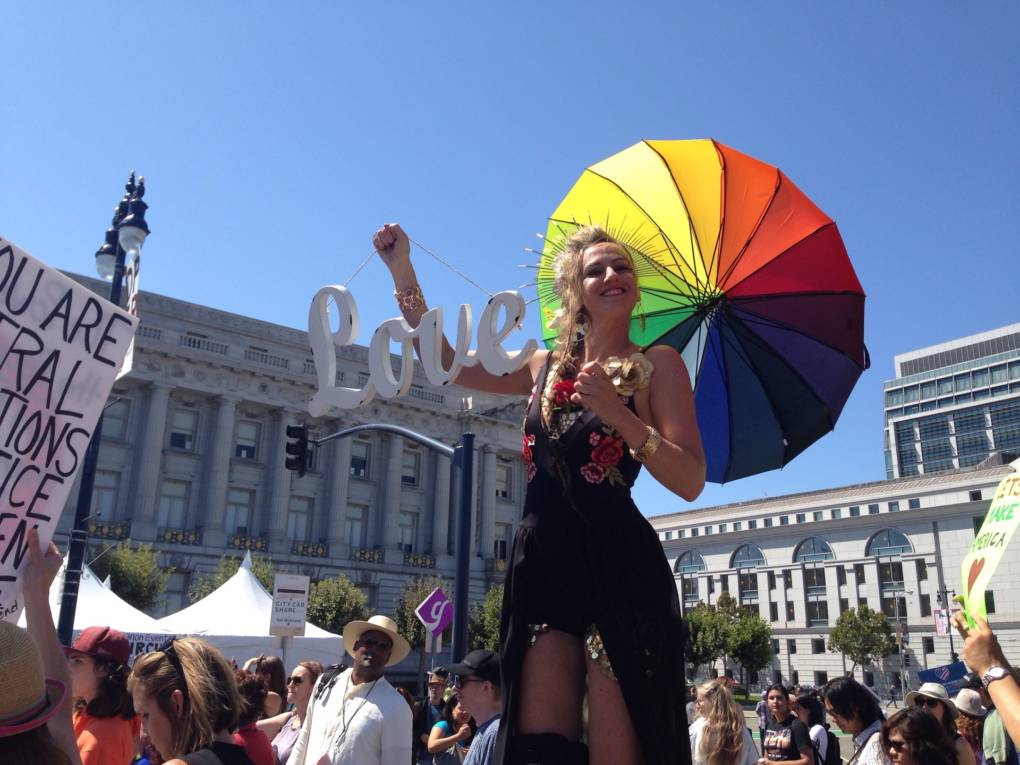
"caption": "Audette Sophia was one of the people protesting far-right activities in S.F. on Aug. 26, 2017.",
"description": null,
"title": "Love-qut",
"credit": "Farida Jhabvala Romero/KQED",
"status": "inherit",
"isLoading": false,
"fetchFailed": false
}
},
"audioPlayerReducer": {
"postId": "stream_live",
"isPaused": true,
"isPlaying": false,
"pfsActive": false,
"pledgeModalIsOpen": true,
"playerDrawerIsOpen": false,
"liveAudioPlayStartedAt": 0,
"liveAudioPlayContext": ""
},
"authorsReducer": {
"agilbert": {
"type": "authors",
"id": "86",
"meta": {
"index": "authors_1716337520",
"id": "86",
"found": true
},
"name": "Andrew Gilbert",
"firstName": "Andrew",
"lastName": "Gilbert",
"slug": "agilbert",
"email": "jazzscribe@aol.com",
"display_author_email": false,
"staff_mastheads": [],
"title": "KQED Contributor",
"bio": "A Los Angeles native based in the Berkeley area since 1996, Andrew Gilbert covers jazz, international music and dance for KQED's \u003ci>California Report, \u003c/i>the\u003ci> Mercury News\u003c/i>, \u003ci>San Francisco Chronicle\u003c/i>, \u003ci>Berkeleyside.com\u003c/i>, and other publications. He is available for weddings and bar and bat mitzvahs. #jazzscribe",
"avatar": "https://secure.gravatar.com/avatar/d7bcafdbefdd39e9a68f88724ca616eb4e7a5a6bff9cdfb62de652a1e1751471?s=600&d=blank&r=g",
"twitter": null,
"bluesky": null,
"facebook": null,
"instagram": null,
"linkedin": null,
"sites": [
{
"site": "arts",
"roles": [
"Contributor",
"author"
]
},
{
"site": "news",
"roles": [
"author"
]
}
],
"headData": {
"title": "Andrew Gilbert | KQED",
"description": "KQED Contributor",
"ogImgSrc": "https://secure.gravatar.com/avatar/d7bcafdbefdd39e9a68f88724ca616eb4e7a5a6bff9cdfb62de652a1e1751471?s=600&d=blank&r=g",
"twImgSrc": "https://secure.gravatar.com/avatar/d7bcafdbefdd39e9a68f88724ca616eb4e7a5a6bff9cdfb62de652a1e1751471?s=600&d=blank&r=g"
},
"isLoading": false,
"link": "/author/agilbert"
},
"sracho": {
"type": "authors",
"id": "107",
"meta": {
"index": "authors_1716337520",
"id": "107",
"found": true
},
"name": "Suzie Racho",
"firstName": "Suzie",
"lastName": "Racho",
"slug": "sracho",
"email": "SRacho@KQED.org",
"display_author_email": false,
"staff_mastheads": [
"news"
],
"title": "KQED Contributor",
"bio": "Suzie Racho is a correspondent-producer with \u003cem>The California Report Magazine\u003c/em>\u003cem>. S\u003c/em>he has also worked with several other KQED productions, including Bay Curious, Truth Be Told, The Do List and KQED News.\r\n\r\nSuzie came to KQED in 1996 after receiving a BA in journalism from San Francisco State University and spending several years working in the music industry. As part of \u003cem>The California Report\u003c/em> team, her work has been recognized by the Society for Professional Journalists, National Federation of Community Broadcasters and Public Radio News Directors Incorporated, among others. She was recognized with a national Gracie Award in 2019. She spends her free time baking, listening to K-pop and rooting for the Giants and Valkyries.",
"avatar": "https://secure.gravatar.com/avatar/842e457a9830b0f3c1ce3ab70ed3518d616d1e25e315c6292eab8cd611d98601?s=600&d=blank&r=g",
"twitter": null,
"bluesky": null,
"facebook": null,
"instagram": null,
"linkedin": null,
"sites": [
{
"site": "arts",
"roles": [
"editor"
]
},
{
"site": "news",
"roles": [
"editor"
]
}
],
"headData": {
"title": "Suzie Racho | KQED",
"description": "KQED Contributor",
"ogImgSrc": "https://secure.gravatar.com/avatar/842e457a9830b0f3c1ce3ab70ed3518d616d1e25e315c6292eab8cd611d98601?s=600&d=blank&r=g",
"twImgSrc": "https://secure.gravatar.com/avatar/842e457a9830b0f3c1ce3ab70ed3518d616d1e25e315c6292eab8cd611d98601?s=600&d=blank&r=g"
},
"isLoading": false,
"link": "/author/sracho"
},
"kqed": {
"type": "authors",
"id": "236",
"meta": {
"index": "authors_1716337520",
"id": "236",
"found": true
},
"name": "KQED News Staff",
"firstName": "KQED News Staff",
"lastName": null,
"slug": "kqed",
"email": "faq@kqed.org",
"display_author_email": false,
"staff_mastheads": [],
"title": null,
"bio": null,
"avatar": "https://secure.gravatar.com/avatar/ef0e801a68c4c54afa9180db14084167?s=600&d=blank&r=g",
"twitter": null,
"facebook": null,
"instagram": null,
"linkedin": null,
"sites": [
{
"site": "arts",
"roles": [
"contributor"
]
},
{
"site": "news",
"roles": [
"editor"
]
},
{
"site": "futureofyou",
"roles": [
"author"
]
}
],
"headData": {
"title": "KQED News Staff | KQED",
"description": null,
"ogImgSrc": "https://secure.gravatar.com/avatar/ef0e801a68c4c54afa9180db14084167?s=600&d=blank&r=g",
"twImgSrc": "https://secure.gravatar.com/avatar/ef0e801a68c4c54afa9180db14084167?s=600&d=blank&r=g"
},
"isLoading": false,
"link": "/author/kqed"
},
"rachael-myrow": {
"type": "authors",
"id": "251",
"meta": {
"index": "authors_1716337520",
"id": "251",
"found": true
},
"name": "Rachael Myrow",
"firstName": "Rachael",
"lastName": "Myrow",
"slug": "rachael-myrow",
"email": "rmyrow@kqed.org",
"display_author_email": true,
"staff_mastheads": [
"news"
],
"title": "Senior Editor of KQED's Silicon Valley News Desk",
"bio": "• I write and edit stories about how Silicon Valley power and policies shape everyday life in California. I’m also passionate about making Bay Area history and culture more accessible to a broad public. • I’ve been a journalist for most of my life, starting in high school with The Franklin Press in Los Angeles, where I grew up. While earning my first degree in English at UC Berkeley, I got my start in public radio at KALX-FM. After completing a second degree in journalism at Cal, I landed my first professional job at Marketplace, then moved on to KPCC (now LAist), and then KQED, where I hosted The California Report for more than seven years. • My reporting has appeared on NPR, The World, WBUR’s \u003ci>Here & Now\u003c/i>, and the BBC. I also guest host for KQED’s \u003ci>Forum\u003c/i>, as well as the Commonwealth Club in San Francisco. • I speak periodically on media, democracy and technology issues, and do voiceover work for documentaries and educational video projects. • Outside of the studio, you'll find me hiking Bay Area trails and whipping up Insta-ready meals in my kitchen. • I do not accept gifts, money, or favors from anyone connected to my reporting, I don't pay people for information, and I do not support or donate to political causes. • I strive to treat the people I report on with fairness, honesty, and respect. I also recognize there are often multiple sides to a story and work to verify information through multiple sources and documentation. If I get something wrong, I correct it.",
"avatar": "https://secure.gravatar.com/avatar/3ed8a3c5f26025e4a805ba634cda8cd764906b97438a6d9ce216b044e340da4e?s=600&d=blank&r=g",
"twitter": "rachaelmyrow",
"bluesky": null,
"facebook": null,
"instagram": null,
"linkedin": "https://www.linkedin.com/in/rachaelmyrow/",
"sites": [
{
"site": "arts",
"roles": [
"administrator"
]
},
{
"site": "news",
"roles": [
"edit_others_posts",
"editor"
]
},
{
"site": "futureofyou",
"roles": [
"editor"
]
},
{
"site": "bayareabites",
"roles": [
"editor"
]
},
{
"site": "stateofhealth",
"roles": [
"editor"
]
},
{
"site": "science",
"roles": [
"editor"
]
},
{
"site": "food",
"roles": [
"editor"
]
},
{
"site": "forum",
"roles": [
"editor"
]
},
{
"site": "liveblog",
"roles": [
"author"
]
}
],
"headData": {
"title": "Rachael Myrow | KQED",
"description": "Senior Editor of KQED's Silicon Valley News Desk",
"ogImgSrc": "https://secure.gravatar.com/avatar/3ed8a3c5f26025e4a805ba634cda8cd764906b97438a6d9ce216b044e340da4e?s=600&d=blank&r=g",
"twImgSrc": "https://secure.gravatar.com/avatar/3ed8a3c5f26025e4a805ba634cda8cd764906b97438a6d9ce216b044e340da4e?s=600&d=blank&r=g"
},
"isLoading": false,
"link": "/author/rachael-myrow"
},
"sasha-khokha": {
"type": "authors",
"id": "254",
"meta": {
"index": "authors_1716337520",
"id": "254",
"found": true
},
"name": "Sasha Khokha",
"firstName": "Sasha",
"lastName": "Khokha",
"slug": "sasha-khokha",
"email": "skhokha@kqed.org",
"display_author_email": true,
"staff_mastheads": [
"news"
],
"title": "Host, The California Report Magazine",
"bio": "Sasha Khokha is the host of \u003cem>The California Report's \u003c/em> weekly magazine program, which takes listeners on sound-rich excursions to meet the people that make the Golden State unique -- through audio documentaries and long-form stories. As \u003cem>The California Report's\u003c/em> Central Valley Bureau Chief based in Fresno for nearly a dozen years, Sasha brought the lives and concerns of rural Californians to listeners around the state. Her reporting helped expose the hidden price immigrant women janitors and farmworkers may pay to keep their jobs: sexual assault at work. It inspired two new California laws to protect them from sexual harassment. She was a key member of the reporting team for the Frontline film \u003cem>Rape on the Night Shift, \u003c/em>which was nominated for two national Emmys. Sasha has also won a national Edward R. Murrow and a national PRNDI award for investigative reporting, as well as multiple prizes from the Society for Professional Journalists. Sasha is a proud alum of the UC Berkeley Graduate School of Journalism and Brown University and a member of the South Asian Journalists Association.",
"avatar": "https://secure.gravatar.com/avatar/e4b5e1541aaeea2aa356aa1fb2a68950?s=600&d=blank&r=g",
"twitter": "KQEDSashaKhokha",
"facebook": null,
"instagram": null,
"linkedin": null,
"sites": [
{
"site": "news",
"roles": [
"editor"
]
},
{
"site": "stateofhealth",
"roles": [
"author"
]
},
{
"site": "science",
"roles": [
"author"
]
},
{
"site": "quest",
"roles": [
"subscriber"
]
}
],
"headData": {
"title": "Sasha Khokha | KQED",
"description": "Host, The California Report Magazine",
"ogImgSrc": "https://secure.gravatar.com/avatar/e4b5e1541aaeea2aa356aa1fb2a68950?s=600&d=blank&r=g",
"twImgSrc": "https://secure.gravatar.com/avatar/e4b5e1541aaeea2aa356aa1fb2a68950?s=600&d=blank&r=g"
},
"isLoading": false,
"link": "/author/sasha-khokha"
},
"scuevas": {
"type": "authors",
"id": "2600",
"meta": {
"index": "authors_1716337520",
"id": "2600",
"found": true
},
"name": "Steven Cuevas",
"firstName": "Steven",
"lastName": "Cuevas",
"slug": "scuevas",
"email": "scuevas@kqed.org",
"display_author_email": false,
"staff_mastheads": [],
"title": "KQED Contributor",
"bio": "Steven is a former Los Angeles bureau chief for The California Report.\r\n\r\nHe reports on an array of issues across the Southland, from immigration and regional politics to religion, the performing arts and pop culture.\r\n\r\nPrior to joining KQED in 2012, Steven covered Inland southern California for KPCC in Pasadena. He also helped establish the first newsroom at \u003ca href=\"http://kut.org/\">KUT\u003c/a> in Austin, Texas where he was a general assignment reporter.\r\n\r\nSteven has received numerous awards for his reporting including an RTNDA Edward R. Murrow Award for investigative reporting in addition to awards from the LA Press Club, the Associated Press and the Society for Professional Journalists.\r\n\r\nSteven grew up in and around San Francisco and now lives in Pasadena just a short jog from the foot of the San Gabriel Mountains.",
"avatar": "https://secure.gravatar.com/avatar/2d253580794f8e026100fae05cfabbbd4889b4fe15146146cacb82a01974c538?s=600&d=blank&r=g",
"twitter": null,
"bluesky": null,
"facebook": null,
"instagram": null,
"linkedin": null,
"sites": [
{
"site": "news",
"roles": [
"subscriber"
]
}
],
"headData": {
"title": "Steven Cuevas | KQED",
"description": "KQED Contributor",
"ogImgSrc": "https://secure.gravatar.com/avatar/2d253580794f8e026100fae05cfabbbd4889b4fe15146146cacb82a01974c538?s=600&d=blank&r=g",
"twImgSrc": "https://secure.gravatar.com/avatar/2d253580794f8e026100fae05cfabbbd4889b4fe15146146cacb82a01974c538?s=600&d=blank&r=g"
},
"isLoading": false,
"link": "/author/scuevas"
},
"markfiore": {
"type": "authors",
"id": "3236",
"meta": {
"index": "authors_1716337520",
"id": "3236",
"found": true
},
"name": "Mark Fiore",
"firstName": "Mark",
"lastName": "Fiore",
"slug": "markfiore",
"email": "mark@markfiore.com",
"display_author_email": false,
"staff_mastheads": [
"news"
],
"title": "KQED News Cartoonist",
"bio": "\u003ca href=\"http://www.MarkFiore.com\">MarkFiore.com\u003c/a> | \u003ca href=\"https://twitter.com/markfiore\">Follow on Twitter\u003c/a> | \u003ca href=\"https://www.facebook.com/pages/Mark-Fiore-Animated-Political-Cartoons/94451707396?ref=bookmarks\">Facebook\u003c/a> | \u003ca href=\"mailto:mark@markfiore.com\">email\u003c/a>\r\n\r\nPulitzer Prize-winner, Mark Fiore, who the Wall Street Journal has called “the undisputed guru of the form,” creates animated political cartoons in San Francisco, where his work has been featured regularly on the San Francisco Chronicle’s web site, SFGate.com. His work has appeared on Newsweek.com, Slate.com, CBSNews.com, MotherJones.com, DailyKos.com and NPR’s web site. Fiore’s political animation has appeared on CNN, Frontline, Bill Moyers Journal, Salon.com and cable and broadcast outlets across the globe.\r\n\r\nBeginning his professional life by drawing traditional political cartoons for newspapers, Fiore’s work appeared in publications ranging from the Washington Post to the Los Angeles Times. In the late 1990s, he began to experiment with animating political cartoons and, after a short stint at the San Jose Mercury News as their staff cartoonist, Fiore devoted all his energies to animation.\r\nGrowing up in California, Fiore also spent a good portion of his life in the backwoods of Idaho. It was this combination that shaped him politically. Mark majored in political science at Colorado College, where, in a perfect send-off for a cartoonist, he received his diploma in 1991 as commencement speaker Dick Cheney smiled approvingly.\r\nMark Fiore was awarded the Pulitzer Prize for political cartooning in 2010, a Robert F. Kennedy Journalism Award in 2004 and has twice received an Online Journalism Award for commentary from the Online News Association (2002, 2008). Fiore has received two awards for his work in new media from the National Cartoonists Society (2001, 2002), and in 2006 received The James Madison Freedom of Information Award from The Society of Professional Journalists.",
"avatar": "https://secure.gravatar.com/avatar/fc4e2a612b15b67bad0c6f0e1db4ca9b?s=600&d=blank&r=g",
"twitter": "MarkFiore",
"facebook": null,
"instagram": "https://www.instagram.com/markfiore/?hl=en",
"linkedin": null,
"sites": [
{
"site": "arts",
"roles": [
"contributor"
]
},
{
"site": "news",
"roles": [
"editor"
]
},
{
"site": "futureofyou",
"roles": [
"editor"
]
},
{
"site": "science",
"roles": [
"editor"
]
}
],
"headData": {
"title": "Mark Fiore | KQED",
"description": "KQED News Cartoonist",
"ogImgSrc": "https://secure.gravatar.com/avatar/fc4e2a612b15b67bad0c6f0e1db4ca9b?s=600&d=blank&r=g",
"twImgSrc": "https://secure.gravatar.com/avatar/fc4e2a612b15b67bad0c6f0e1db4ca9b?s=600&d=blank&r=g"
},
"isLoading": false,
"link": "/author/markfiore"
},
"rlevi": {
"type": "authors",
"id": "11260",
"meta": {
"index": "authors_1716337520",
"id": "11260",
"found": true
},
"name": "Ryan Levi",
"firstName": "Ryan",
"lastName": "Levi",
"slug": "rlevi",
"email": "rlevi@KQED.org",
"display_author_email": false,
"staff_mastheads": [],
"title": "KQED Contributor",
"bio": "Ryan Levi was a reporter and podcast producer at KQED News from 2016-2019. He worked on \u003ca href=\"https://www.kqed.org/news/series/baycurious\">Bay Curious\u003c/a>, \u003ca href=\"https://www.kqed.org/news/tag/the-bay/\">The Bay, \u003c/a>and \u003ca href=\"https://podcasts.apple.com/us/podcast/the-california-report-magazine/id1314750545\">The California Report Magazine\u003c/a>, as well as hosting and producing the weekly \u003ca href=\"https://www.kqed.org/news/program/qedup/\">Q'ed Up podcast. \u003c/a>He also helped inaugurate KQED's weekend news coverage in 2017 as one of two original digital producers. Ryan holds degrees in multimedia journalism and Spanish from the University of Missouri.",
"avatar": "https://secure.gravatar.com/avatar/4cb2ddd028ac8807d1adf09609c5555d?s=600&d=blank&r=g",
"twitter": "ryan_levi",
"facebook": null,
"instagram": null,
"linkedin": null,
"sites": [
{
"site": "arts",
"roles": [
"editor"
]
},
{
"site": "news",
"roles": [
"subscriber"
]
},
{
"site": "stateofhealth",
"roles": [
"editor"
]
},
{
"site": "science",
"roles": [
"editor"
]
},
{
"site": "forum",
"roles": [
"administrator"
]
},
{
"site": "perspectives",
"roles": [
"administrator"
]
}
],
"headData": {
"title": "Ryan Levi | KQED",
"description": "KQED Contributor",
"ogImgSrc": "https://secure.gravatar.com/avatar/4cb2ddd028ac8807d1adf09609c5555d?s=600&d=blank&r=g",
"twImgSrc": "https://secure.gravatar.com/avatar/4cb2ddd028ac8807d1adf09609c5555d?s=600&d=blank&r=g"
},
"isLoading": false,
"link": "/author/rlevi"
},
"parcuni": {
"type": "authors",
"id": "11368",
"meta": {
"index": "authors_1716337520",
"id": "11368",
"found": true
},
"name": "Peter Arcuni",
"firstName": "Peter",
"lastName": "Arcuni",
"slug": "parcuni",
"email": "parcuni@KQED.org",
"display_author_email": false,
"staff_mastheads": [
"science"
],
"title": "Reporter",
"bio": "Peter reports radio and online stories for \u003cem>KQED Science\u003c/em>. His work has also appeared on the \u003cem>The California Report\u003c/em> morning show and \u003cem>KQED News\u003c/em>. His production credits include \u003cem>The California Report, The California Report Magazine\u003c/em> and KQED's local news podcast \u003cem>The Bay\u003c/em>. Other credits include NPR's \u003cem>All Things Considered\u003c/em>, WNYC's \u003cem>Science Friday\u003c/em>, WBUR's \u003cem>Here & Now\u003c/em>, WIRED and SFGate. Peter graduated from Brown University and earned a master's degree in journalism from Stanford. He's covered everything from homelessness to wildfires, health, the environment, arts and Thanksgiving in San Quentin prison. In other lives, he played rock n roll music and studied neuroscience. You can email him at: parcuni@kqed.org",
"avatar": "https://secure.gravatar.com/avatar/d5032f6f27199d478af34ad2e1d98732?s=600&d=blank&r=g",
"twitter": "peterarcuni",
"facebook": null,
"instagram": null,
"linkedin": null,
"sites": [
{
"site": "news",
"roles": [
"editor"
]
},
{
"site": "science",
"roles": [
"editor"
]
}
],
"headData": {
"title": "Peter Arcuni | KQED",
"description": "Reporter",
"ogImgSrc": "https://secure.gravatar.com/avatar/d5032f6f27199d478af34ad2e1d98732?s=600&d=blank&r=g",
"twImgSrc": "https://secure.gravatar.com/avatar/d5032f6f27199d478af34ad2e1d98732?s=600&d=blank&r=g"
},
"isLoading": false,
"link": "/author/parcuni"
}
},
"pagesReducer": {
"news_category_arts-and-culture": {
"type": "terms",
"id": "news_223",
"meta": {
"index": "terms_1716263798",
"site": "news",
"id": "223",
"score": 11.24217
},
"featImg": null,
"name": "Arts and Culture",
"description": null,
"taxonomy": "category",
"headData": {
"twImgId": null,
"twTitle": null,
"ogTitle": null,
"ogImgId": null,
"twDescription": null,
"description": null,
"title": "Arts and Culture Archives | KQED News",
"ogDescription": null
},
"ttid": 231,
"slug": "arts-and-culture",
"isLoading": false,
"title": "Arts and Culture",
"pageMeta": {
"site": "news",
"WpPageTemplate": "page-topic-editorial",
"currentPage": 93
},
"blocks": [
{
"blockName": "kqed/post-list",
"attrs": {
"layout": "cardArticle2",
"query": "posts/news?category=arts-and-culture",
"seeMore": false,
"paginated": true,
"page": 93
}
},
{
"blockName": "kqed/ad"
}
]
}
},
"pfsSessionReducer": {},
"postsReducer": {
"stream_live": {
"type": "live",
"id": "stream_live",
"audioUrl": "https://streams.kqed.org/kqedradio",
"title": "Live Stream",
"excerpt": "Live Stream information currently unavailable.",
"link": "/radio",
"featImg": "",
"label": {
"name": "KQED Live",
"link": "/"
}
},
"stream_kqedNewscast": {
"type": "posts",
"id": "stream_kqedNewscast",
"audioUrl": "https://www.kqed.org/.stream/anon/radio/RDnews/newscast.mp3?_=1",
"title": "KQED Newscast",
"featImg": "",
"label": {
"name": "88.5 FM",
"link": "/"
}
},
"news_11617827": {
"type": "posts",
"id": "news_11617827",
"meta": {
"index": "posts_1716263798",
"site": "news",
"id": "11617827",
"score": null,
"sort": [
1505977848000
]
},
"guestAuthors": [],
"slug": "this-vietnam-paratrooper-was-exposed-to-agent-orange-today-he-lives-with-parkinsons",
"title": "This Vietnam Paratrooper Was Exposed to Agent Orange - Today He Lives With Parkinson's",
"publishDate": 1505977848,
"format": "image",
"headTitle": "This Vietnam Paratrooper Was Exposed to Agent Orange – Today He Lives With Parkinson’s | KQED",
"labelTerm": {
"term": 72,
"site": "news"
},
"content": "\u003cp>Michael Buckley was 19 years old when he joined the Army. It was the early 1960s, and U.S. involvement in Vietnam had yet to escalate to full-blown ground war. But the draft was in effect, and Buckley wanted his choice of assignments.\u003c/p>\n\u003cp>More than that, he craved a life of adventure, and saw the Army as his chance.\u003c/p>\n\u003cp>“I wanted to be a paratrooper and jump out of airplanes and be a tough guy — jump all over the world and do that kind of thing,” said Buckley, who grew up in Glendale in Southern California.\u003c/p>\n\u003cp>[audio src=\"https://www.kqed.org/.stream/anon/radio/tcr/2017/09/20170921tcrbuckleyvietnam.mp3\" Image=\"https://ww2.kqed.org/news/wp-content/uploads/sites/10/2017/09/RS26584_20170912_VietnamStories_MichaelBuckley_MaryHelm_Credit_BertJohnson-3-qut.jpg\" Title=\"This Vietnam Paratrooper \u003cbr> Was Exposed to Agent Orange - \u003cbr> Today He Lives With Parkinson's\" program=\"The California Report\"]\u003c/p>\n\u003cp>Just a few years later, he was assigned to the first regimental combat team in Vietnam, the 101st Airborne Division, or the Screaming Eagles, as they were known. The Eagles have roots dating back to World War II, and are often the first troops to penetrate enemy territory, securing key terrain.\u003c/p>\n\u003cp>[ad fullwidth]\u003c/p>\n\u003cp>Buckley says he never would have joined up if he had known the war was coming.\u003c/p>\n\u003cfigure id=\"attachment_11617870\" class=\"wp-caption alignright\" style=\"max-width: 500px\">\u003cimg loading=\"lazy\" decoding=\"async\" class=\"wp-image-11617870\" src=\"https://ww2.kqed.org/news/wp-content/uploads/sites/10/2017/09/Jump-school-Graduation-photo-2-Morgan-Russell-800x1219.jpg\" alt=\"\" width=\"500\" height=\"762\" srcset=\"https://cdn.kqed.org/wp-content/uploads/sites/10/2017/09/Jump-school-Graduation-photo-2-Morgan-Russell-800x1219.jpg 800w, https://cdn.kqed.org/wp-content/uploads/sites/10/2017/09/Jump-school-Graduation-photo-2-Morgan-Russell-160x244.jpg 160w, https://cdn.kqed.org/wp-content/uploads/sites/10/2017/09/Jump-school-Graduation-photo-2-Morgan-Russell-1020x1554.jpg 1020w, https://cdn.kqed.org/wp-content/uploads/sites/10/2017/09/Jump-school-Graduation-photo-2-Morgan-Russell-1920x2925.jpg 1920w, https://cdn.kqed.org/wp-content/uploads/sites/10/2017/09/Jump-school-Graduation-photo-2-Morgan-Russell-1180x1798.jpg 1180w, https://cdn.kqed.org/wp-content/uploads/sites/10/2017/09/Jump-school-Graduation-photo-2-Morgan-Russell-960x1462.jpg 960w, https://cdn.kqed.org/wp-content/uploads/sites/10/2017/09/Jump-school-Graduation-photo-2-Morgan-Russell-240x366.jpg 240w, https://cdn.kqed.org/wp-content/uploads/sites/10/2017/09/Jump-school-Graduation-photo-2-Morgan-Russell-375x571.jpg 375w, https://cdn.kqed.org/wp-content/uploads/sites/10/2017/09/Jump-school-Graduation-photo-2-Morgan-Russell-520x792.jpg 520w\" sizes=\"(max-width: 500px) 100vw, 500px\">\u003cfigcaption class=\"wp-caption-text\">Michael Buckley’s graduation photo after completing jump school. \u003ccite>(Courtesy Morgan Russell.)\u003c/cite>\u003c/figcaption>\u003c/figure>\n\u003cp>“I didn’t want to kill people. I wasn’t interested in being a bad guy at all,” he said. Back home, Buckley had a wife, small child and another on the way to think about.\u003c/p>\n\u003cp>In Vietnam, the thrill of jumping out of airplanes — which Buckley had thought was “better than surfing” — lost its luster. “I realized: Hey, I could get hurt here, I could really get hurt here, I could die.”\u003c/p>\n\u003cp>In his roughly seven months of combat, Buckley witnessed fellow jumpers smash into the ground after their chutes malfunctioned, bullets whizzing past his head and soldiers who had become like family, killed in front of his eyes.\u003c/p>\n\u003cp>“Hell” is the word he uses to describe the experience.\u003c/p>\n\u003cp>A case of appendicitis and secondary bout with dengue fever ended Buckley’s tour in Vietnam. The soldier who replaced Buckley in his unit died in combat.\u003c/p>\n\u003cp>After returning home, Buckley attended the University of Southern California, and eventually spoke out against the war.\u003c/p>\n\u003cp>“I saw what war could do to people and I didn’t want to be a part of that,” he said. Instead, Buckley decided he wanted to spend his time helping other people. He became a school counselor and family therapist.\u003c/p>\n\u003caside class=\"pullquote alignright\">‘War is terrible for everybody, for people who were in it, for people who are around it, the atmosphere.’\u003ccite>Michael Buckley\u003c/cite>\u003c/aside>\n\u003cp>Of his time in Vietnam, Buckley, now 72, said, “I don’t think about it very much. I try not to. And when I do think about it, I’m so thankful that I got out of there. I’m thankful to be alive.”\u003c/p>\n\u003cp>While he considers himself one of the lucky ones, the effects of Vietnam haunt Buckley’s civilian life. He suffers from PTSD, and the psychological trauma contributed to the dissolution of his first marriage.\u003c/p>\n\u003cp>Several years after the war, when Buckley was in his early 60s, he began to have trouble walking.\u003c/p>\n\u003cp>“I was athletic, but all of a sudden I couldn’t walk appropriately,” he said.\u003c/p>\n\u003cp>Buckley was subsequently diagnosed with Parkinson’s disease. His doctors believe his condition is linked to his exposure to Agent Orange, an herbicide used by the U.S. in Vietnam to destroy jungle foliage and the food supply of guerrilla fighters.\u003c/p>\n\u003cp>\u003ca href=\"https://ww2.kqed.org/arts/programs/vietnamwar/\">\u003cimg loading=\"lazy\" decoding=\"async\" class=\"alignright size-full wp-image-13808862\" src=\"https://ww2.kqed.org/arts/wp-content/uploads/sites/2/2017/09/TheVietnamWar_web_banners-1180x177-Ver_2-e1505759581455.png\" alt=\"\" width=\"401\" height=\"401\">\u003c/a>\u003c/p>\n\u003cp>“I was in the jungle and they were spraying. I thought it looked like crop dusters. And I realized later that it was Agent Orange. Much later,” Buckley said.\u003c/p>\n\u003cp>The effects of Agent Orange can take years to show up. While scientists still don’t know the exact mechanisms of how it acts, exposure has been implicated in the progression of several diseases, including a number of cancers, Parkinson’s, heart disease and diabetes, which Buckley also has.\u003c/p>\n\u003cp>In 1991, Congress passed the Agent Orange Act, providing disability compensation and medical care to veterans of Vietnam and Korea.\u003c/p>\n\u003cp>Following his retirement in 2012, Buckley suffered a bicycle accident that caused his condition to further deteriorate. Earlier this year, he moved to an assisted living home at the San Francisco VA Medical Center. Buckley says he receives top-notch medical care and has plenty of activities to keep him busy. He is particularly fond of gardening.\u003c/p>\n\u003cp>“There is a community of veterans here,” Buckley said. “I know a number of them, and we all feel like we’re well taken care of.”\u003c/p>\n\u003cfigure id=\"attachment_11617875\" class=\"wp-caption aligncenter\" style=\"max-width: 640px\">\u003cimg loading=\"lazy\" decoding=\"async\" class=\"size-large wp-image-11617875\" src=\"https://ww2.kqed.org/news/wp-content/uploads/sites/10/2017/09/RS26585_20170912_VietnamStories_MichaelBuckley_MaryHelm_Credit_BertJohnson-4-qut-1020x680.jpg\" alt=\"\" width=\"640\" height=\"427\" srcset=\"https://cdn.kqed.org/wp-content/uploads/sites/10/2017/09/RS26585_20170912_VietnamStories_MichaelBuckley_MaryHelm_Credit_BertJohnson-4-qut-1020x680.jpg 1020w, https://cdn.kqed.org/wp-content/uploads/sites/10/2017/09/RS26585_20170912_VietnamStories_MichaelBuckley_MaryHelm_Credit_BertJohnson-4-qut-160x107.jpg 160w, https://cdn.kqed.org/wp-content/uploads/sites/10/2017/09/RS26585_20170912_VietnamStories_MichaelBuckley_MaryHelm_Credit_BertJohnson-4-qut-800x533.jpg 800w, https://cdn.kqed.org/wp-content/uploads/sites/10/2017/09/RS26585_20170912_VietnamStories_MichaelBuckley_MaryHelm_Credit_BertJohnson-4-qut.jpg 1920w, https://cdn.kqed.org/wp-content/uploads/sites/10/2017/09/RS26585_20170912_VietnamStories_MichaelBuckley_MaryHelm_Credit_BertJohnson-4-qut-1180x787.jpg 1180w, https://cdn.kqed.org/wp-content/uploads/sites/10/2017/09/RS26585_20170912_VietnamStories_MichaelBuckley_MaryHelm_Credit_BertJohnson-4-qut-960x640.jpg 960w, https://cdn.kqed.org/wp-content/uploads/sites/10/2017/09/RS26585_20170912_VietnamStories_MichaelBuckley_MaryHelm_Credit_BertJohnson-4-qut-240x160.jpg 240w, https://cdn.kqed.org/wp-content/uploads/sites/10/2017/09/RS26585_20170912_VietnamStories_MichaelBuckley_MaryHelm_Credit_BertJohnson-4-qut-375x250.jpg 375w, https://cdn.kqed.org/wp-content/uploads/sites/10/2017/09/RS26585_20170912_VietnamStories_MichaelBuckley_MaryHelm_Credit_BertJohnson-4-qut-520x347.jpg 520w\" sizes=\"(max-width: 640px) 100vw, 640px\">\u003cfigcaption class=\"wp-caption-text\">Michael Buckley and his wife, Mary Helm. She drives from Santa Rosa two or three times a week to visit him at the VA care facility where he lives in San Francisco. \u003ccite>(Bert Johnson/KQED)\u003c/cite>\u003c/figcaption>\u003c/figure>\n\u003cp>Buckley’s wife of 22 years, a licensed therapist named Mary Helm, calls him every day and visits two or three times a week. Helm says there are times when her husband tells her he feels like he’s still at war.\u003c/p>\n\u003cp>“The effects of what he experienced has had a major impact on our life together,” Helm said. “We’ve had to work hard at our relationship to get this far.”\u003c/p>\n\u003cp>Buckley says he wants people to see how far the reach of war goes.\u003c/p>\n\u003cp>“War is terrible for everybody, for people who were in it, for people who are around it, the atmosphere,” he said. “And I think the United States is so warmongering. It makes me sick. It makes me sad.”\u003c/p>\n\u003cp>\u003cem>This story is part of a series called “Faces of the Vietnam War.” Last month, KQED asked our audience to submit their stories about the Vietnam War. We heard from refugees, military veterans, journalists, activists and more.\u003c/em>\u003c/p>\n\u003cp>\u003c/p>\n\u003cp>\u003cem>KQED’s Bert Johnson contributed to this story.\u003c/em>\u003c/p>\n\n",
"blocks": [],
"excerpt": "Seeking adventure, Michael Buckley became a paratrooper early in the war. He now suffers from PTSD, Parkinson's and effects of Agent Orange exposure — but he says he's one of the lucky ones.",
"status": "publish",
"parent": 0,
"modified": 1721152122,
"stats": {
"hasAudio": true,
"hasVideo": false,
"hasChartOrMap": false,
"iframeSrcs": [],
"hasGoogleForm": false,
"hasGallery": false,
"hasHearkenModule": false,
"hasPolis": false,
"paragraphCount": 31,
"wordCount": 1047
},
"headData": {
"title": "This Vietnam Paratrooper Was Exposed to Agent Orange - Today He Lives With Parkinson's | KQED",
"description": "Seeking adventure, Michael Buckley became a paratrooper early in the war. He now suffers from PTSD, Parkinson's and effects of Agent Orange exposure — but he says he's one of the lucky ones.",
"ogTitle": "",
"ogDescription": "",
"ogImgId": "",
"twTitle": "",
"twDescription": "",
"twImgId": "",
"schema": {
"@context": "https://schema.org",
"@type": "NewsArticle",
"headline": "This Vietnam Paratrooper Was Exposed to Agent Orange - Today He Lives With Parkinson's",
"datePublished": "2017-09-21T00:10:48-07:00",
"dateModified": "2024-07-16T10:48:42-07:00",
"image": "https://cdn.kqed.org/wp-content/uploads/2020/02/KQED-OG-Image@1x.png",
"isAccessibleForFree": "True",
"publisher": {
"@type": "NewsMediaOrganization",
"@id": "https://www.kqed.org/#organization",
"name": "KQED",
"logo": "https://cdn.kqed.org/wp-content/uploads/2020/02/KQED-OG-Image@1x.png",
"url": "https://www.kqed.org",
"sameAs": [
"https://www.facebook.com/KQED",
"https://twitter.com/KQED",
"https://www.instagram.com/kqed/",
"https://www.tiktok.com/@kqedofficial",
"https://www.linkedin.com/company/kqed",
"https://www.youtube.com/channel/UCeC0IOo7i1P_61zVUWbJ4nw"
]
}
}
},
"audioUrl": "https://www.kqed.org/.stream/anon/radio/tcr/2017/09/20170921tcrbuckleyvietnam.mp3",
"sticky": false,
"path": "/news/11617827/this-vietnam-paratrooper-was-exposed-to-agent-orange-today-he-lives-with-parkinsons",
"audioDuration": null,
"audioTrackLength": null,
"parsedContent": [
{
"type": "contentString",
"content": "\u003cdiv class=\"post-body\">\u003cp>\u003cp>Michael Buckley was 19 years old when he joined the Army. It was the early 1960s, and U.S. involvement in Vietnam had yet to escalate to full-blown ground war. But the draft was in effect, and Buckley wanted his choice of assignments.\u003c/p>\n\u003cp>More than that, he craved a life of adventure, and saw the Army as his chance.\u003c/p>\n\u003cp>“I wanted to be a paratrooper and jump out of airplanes and be a tough guy — jump all over the world and do that kind of thing,” said Buckley, who grew up in Glendale in Southern California.\u003c/p>\n\u003cp>\u003c/p>\u003c/div>",
"attributes": {
"named": {},
"numeric": []
}
},
{
"type": "component",
"content": "",
"name": "audio",
"attributes": {
"named": {
"src": "https://www.kqed.org/.stream/anon/radio/tcr/2017/09/20170921tcrbuckleyvietnam.mp3",
"image": "https://ww2.kqed.org/news/wp-content/uploads/sites/10/2017/09/RS26584_20170912_VietnamStories_MichaelBuckley_MaryHelm_Credit_BertJohnson-3-qut.jpg",
"title": "This Vietnam Paratrooper \u003cbr> Was Exposed to Agent Orange - \u003cbr> Today He Lives With Parkinson's",
"program": "The California Report",
"label": ""
},
"numeric": []
}
},
{
"type": "contentString",
"content": "\u003cdiv class=\"post-body\">\u003cp>\u003c/p>\n\u003cp>Just a few years later, he was assigned to the first regimental combat team in Vietnam, the 101st Airborne Division, or the Screaming Eagles, as they were known. The Eagles have roots dating back to World War II, and are often the first troops to penetrate enemy territory, securing key terrain.\u003c/p>\n\u003cp>\u003c/p>\u003c/div>",
"attributes": {
"named": {},
"numeric": []
}
},
{
"type": "component",
"content": "",
"name": "ad",
"attributes": {
"named": {
"label": "fullwidth"
},
"numeric": [
"fullwidth"
]
}
},
{
"type": "contentString",
"content": "\u003cdiv class=\"post-body\">\u003cp>\u003c/p>\n\u003cp>Buckley says he never would have joined up if he had known the war was coming.\u003c/p>\n\u003cfigure id=\"attachment_11617870\" class=\"wp-caption alignright\" style=\"max-width: 500px\">\u003cimg loading=\"lazy\" decoding=\"async\" class=\"wp-image-11617870\" src=\"https://ww2.kqed.org/news/wp-content/uploads/sites/10/2017/09/Jump-school-Graduation-photo-2-Morgan-Russell-800x1219.jpg\" alt=\"\" width=\"500\" height=\"762\" srcset=\"https://cdn.kqed.org/wp-content/uploads/sites/10/2017/09/Jump-school-Graduation-photo-2-Morgan-Russell-800x1219.jpg 800w, https://cdn.kqed.org/wp-content/uploads/sites/10/2017/09/Jump-school-Graduation-photo-2-Morgan-Russell-160x244.jpg 160w, https://cdn.kqed.org/wp-content/uploads/sites/10/2017/09/Jump-school-Graduation-photo-2-Morgan-Russell-1020x1554.jpg 1020w, https://cdn.kqed.org/wp-content/uploads/sites/10/2017/09/Jump-school-Graduation-photo-2-Morgan-Russell-1920x2925.jpg 1920w, https://cdn.kqed.org/wp-content/uploads/sites/10/2017/09/Jump-school-Graduation-photo-2-Morgan-Russell-1180x1798.jpg 1180w, https://cdn.kqed.org/wp-content/uploads/sites/10/2017/09/Jump-school-Graduation-photo-2-Morgan-Russell-960x1462.jpg 960w, https://cdn.kqed.org/wp-content/uploads/sites/10/2017/09/Jump-school-Graduation-photo-2-Morgan-Russell-240x366.jpg 240w, https://cdn.kqed.org/wp-content/uploads/sites/10/2017/09/Jump-school-Graduation-photo-2-Morgan-Russell-375x571.jpg 375w, https://cdn.kqed.org/wp-content/uploads/sites/10/2017/09/Jump-school-Graduation-photo-2-Morgan-Russell-520x792.jpg 520w\" sizes=\"(max-width: 500px) 100vw, 500px\">\u003cfigcaption class=\"wp-caption-text\">Michael Buckley’s graduation photo after completing jump school. \u003ccite>(Courtesy Morgan Russell.)\u003c/cite>\u003c/figcaption>\u003c/figure>\n\u003cp>“I didn’t want to kill people. I wasn’t interested in being a bad guy at all,” he said. Back home, Buckley had a wife, small child and another on the way to think about.\u003c/p>\n\u003cp>In Vietnam, the thrill of jumping out of airplanes — which Buckley had thought was “better than surfing” — lost its luster. “I realized: Hey, I could get hurt here, I could really get hurt here, I could die.”\u003c/p>\n\u003cp>In his roughly seven months of combat, Buckley witnessed fellow jumpers smash into the ground after their chutes malfunctioned, bullets whizzing past his head and soldiers who had become like family, killed in front of his eyes.\u003c/p>\n\u003cp>“Hell” is the word he uses to describe the experience.\u003c/p>\n\u003cp>A case of appendicitis and secondary bout with dengue fever ended Buckley’s tour in Vietnam. The soldier who replaced Buckley in his unit died in combat.\u003c/p>\n\u003cp>After returning home, Buckley attended the University of Southern California, and eventually spoke out against the war.\u003c/p>\n\u003cp>“I saw what war could do to people and I didn’t want to be a part of that,” he said. Instead, Buckley decided he wanted to spend his time helping other people. He became a school counselor and family therapist.\u003c/p>\n\u003caside class=\"pullquote alignright\">‘War is terrible for everybody, for people who were in it, for people who are around it, the atmosphere.’\u003ccite>Michael Buckley\u003c/cite>\u003c/aside>\n\u003cp>Of his time in Vietnam, Buckley, now 72, said, “I don’t think about it very much. I try not to. And when I do think about it, I’m so thankful that I got out of there. I’m thankful to be alive.”\u003c/p>\n\u003cp>While he considers himself one of the lucky ones, the effects of Vietnam haunt Buckley’s civilian life. He suffers from PTSD, and the psychological trauma contributed to the dissolution of his first marriage.\u003c/p>\n\u003cp>Several years after the war, when Buckley was in his early 60s, he began to have trouble walking.\u003c/p>\n\u003cp>“I was athletic, but all of a sudden I couldn’t walk appropriately,” he said.\u003c/p>\n\u003cp>Buckley was subsequently diagnosed with Parkinson’s disease. His doctors believe his condition is linked to his exposure to Agent Orange, an herbicide used by the U.S. in Vietnam to destroy jungle foliage and the food supply of guerrilla fighters.\u003c/p>\n\u003cp>\u003ca href=\"https://ww2.kqed.org/arts/programs/vietnamwar/\">\u003cimg loading=\"lazy\" decoding=\"async\" class=\"alignright size-full wp-image-13808862\" src=\"https://ww2.kqed.org/arts/wp-content/uploads/sites/2/2017/09/TheVietnamWar_web_banners-1180x177-Ver_2-e1505759581455.png\" alt=\"\" width=\"401\" height=\"401\">\u003c/a>\u003c/p>\n\u003cp>“I was in the jungle and they were spraying. I thought it looked like crop dusters. And I realized later that it was Agent Orange. Much later,” Buckley said.\u003c/p>\n\u003cp>The effects of Agent Orange can take years to show up. While scientists still don’t know the exact mechanisms of how it acts, exposure has been implicated in the progression of several diseases, including a number of cancers, Parkinson’s, heart disease and diabetes, which Buckley also has.\u003c/p>\n\u003cp>In 1991, Congress passed the Agent Orange Act, providing disability compensation and medical care to veterans of Vietnam and Korea.\u003c/p>\n\u003cp>Following his retirement in 2012, Buckley suffered a bicycle accident that caused his condition to further deteriorate. Earlier this year, he moved to an assisted living home at the San Francisco VA Medical Center. Buckley says he receives top-notch medical care and has plenty of activities to keep him busy. He is particularly fond of gardening.\u003c/p>\n\u003cp>“There is a community of veterans here,” Buckley said. “I know a number of them, and we all feel like we’re well taken care of.”\u003c/p>\n\u003cfigure id=\"attachment_11617875\" class=\"wp-caption aligncenter\" style=\"max-width: 640px\">\u003cimg loading=\"lazy\" decoding=\"async\" class=\"size-large wp-image-11617875\" src=\"https://ww2.kqed.org/news/wp-content/uploads/sites/10/2017/09/RS26585_20170912_VietnamStories_MichaelBuckley_MaryHelm_Credit_BertJohnson-4-qut-1020x680.jpg\" alt=\"\" width=\"640\" height=\"427\" srcset=\"https://cdn.kqed.org/wp-content/uploads/sites/10/2017/09/RS26585_20170912_VietnamStories_MichaelBuckley_MaryHelm_Credit_BertJohnson-4-qut-1020x680.jpg 1020w, https://cdn.kqed.org/wp-content/uploads/sites/10/2017/09/RS26585_20170912_VietnamStories_MichaelBuckley_MaryHelm_Credit_BertJohnson-4-qut-160x107.jpg 160w, https://cdn.kqed.org/wp-content/uploads/sites/10/2017/09/RS26585_20170912_VietnamStories_MichaelBuckley_MaryHelm_Credit_BertJohnson-4-qut-800x533.jpg 800w, https://cdn.kqed.org/wp-content/uploads/sites/10/2017/09/RS26585_20170912_VietnamStories_MichaelBuckley_MaryHelm_Credit_BertJohnson-4-qut.jpg 1920w, https://cdn.kqed.org/wp-content/uploads/sites/10/2017/09/RS26585_20170912_VietnamStories_MichaelBuckley_MaryHelm_Credit_BertJohnson-4-qut-1180x787.jpg 1180w, https://cdn.kqed.org/wp-content/uploads/sites/10/2017/09/RS26585_20170912_VietnamStories_MichaelBuckley_MaryHelm_Credit_BertJohnson-4-qut-960x640.jpg 960w, https://cdn.kqed.org/wp-content/uploads/sites/10/2017/09/RS26585_20170912_VietnamStories_MichaelBuckley_MaryHelm_Credit_BertJohnson-4-qut-240x160.jpg 240w, https://cdn.kqed.org/wp-content/uploads/sites/10/2017/09/RS26585_20170912_VietnamStories_MichaelBuckley_MaryHelm_Credit_BertJohnson-4-qut-375x250.jpg 375w, https://cdn.kqed.org/wp-content/uploads/sites/10/2017/09/RS26585_20170912_VietnamStories_MichaelBuckley_MaryHelm_Credit_BertJohnson-4-qut-520x347.jpg 520w\" sizes=\"(max-width: 640px) 100vw, 640px\">\u003cfigcaption class=\"wp-caption-text\">Michael Buckley and his wife, Mary Helm. She drives from Santa Rosa two or three times a week to visit him at the VA care facility where he lives in San Francisco. \u003ccite>(Bert Johnson/KQED)\u003c/cite>\u003c/figcaption>\u003c/figure>\n\u003cp>Buckley’s wife of 22 years, a licensed therapist named Mary Helm, calls him every day and visits two or three times a week. Helm says there are times when her husband tells her he feels like he’s still at war.\u003c/p>\n\u003cp>“The effects of what he experienced has had a major impact on our life together,” Helm said. “We’ve had to work hard at our relationship to get this far.”\u003c/p>\n\u003cp>Buckley says he wants people to see how far the reach of war goes.\u003c/p>\n\u003cp>“War is terrible for everybody, for people who were in it, for people who are around it, the atmosphere,” he said. “And I think the United States is so warmongering. It makes me sick. It makes me sad.”\u003c/p>\n\u003cp>\u003cem>This story is part of a series called “Faces of the Vietnam War.” Last month, KQED asked our audience to submit their stories about the Vietnam War. We heard from refugees, military veterans, journalists, activists and more.\u003c/em>\u003c/p>\n\u003cp>\u003c/p>\n\u003cp>\u003cem>KQED’s Bert Johnson contributed to this story.\u003c/em>\u003c/p>\n\n\u003c/div>\u003c/p>",
"attributes": {
"named": {},
"numeric": []
}
}
],
"link": "/news/11617827/this-vietnam-paratrooper-was-exposed-to-agent-orange-today-he-lives-with-parkinsons",
"authors": [
"11368"
],
"programs": [
"news_6944",
"news_72"
],
"categories": [
"news_223",
"news_8"
],
"tags": [
"news_1416",
"news_17286",
"news_17041",
"news_21633",
"news_5067"
],
"featImg": "news_11617869",
"label": "news_72"
},
"news_11617176": {
"type": "posts",
"id": "news_11617176",
"meta": {
"index": "posts_1716263798",
"site": "news",
"id": "11617176",
"score": null,
"sort": [
1505941209000
]
},
"parent": 0,
"labelTerm": {
"site": "news",
"term": 72
},
"blocks": [],
"publishDate": 1505941209,
"format": "audio",
"disqusTitle": "Latino Artists Cross Sci-Fi Borders in New Riverside Exhibition",
"title": "Latino Artists Cross Sci-Fi Borders in New Riverside Exhibition",
"headTitle": "The California Report | KQED News",
"content": "\u003cp>It can be a little jarring to see a vehicle parked in the middle of a museum showroom, in this case \u003ca href=\"https://artsblock.ucr.edu/Page/about\" target=\"_blank\" rel=\"noopener noreferrer\">UC Riverside’s Barbara and Art Culver Center of the Arts\u003c/a>, the flagship of UCR’s ARTSblock.\u003c/p>\n\u003cp>But there it is: a metallic green-and-white mean machine that looks like it was spawned from some unholy alliance of the ''Alien'' and ''Fast and Furious'' movie franchises.\u003c/p>\n\u003cp>\"It doesn't look like a conventional pickup truck. It looks more like an abstract sculpture. It's all fragmented,\" explains Mexican-born artist \u003ca href=\"http://www.rubenortiztorres.com/\" target=\"_blank\" rel=\"noopener noreferrer\">Ruben Ortiz-Torres\u003c/a>.\u003c/p>\n\u003cfigure id=\"attachment_11617250\" class=\"wp-caption aligncenter\" style=\"max-width: 800px\">\u003cimg class=\"size-medium wp-image-11617250\" src=\"https://ww2.kqed.org/news/wp-content/uploads/sites/10/2017/09/Alien-Space-Car-far-800x600.jpg\" alt=\"\" width=\"800\" height=\"600\" srcset=\"https://ww2.kqed.org/app/uploads/sites/10/2017/09/Alien-Space-Car-far-800x600.jpg 800w, https://ww2.kqed.org/app/uploads/sites/10/2017/09/Alien-Space-Car-far-160x120.jpg 160w, https://ww2.kqed.org/app/uploads/sites/10/2017/09/Alien-Space-Car-far-1020x765.jpg 1020w, https://ww2.kqed.org/app/uploads/sites/10/2017/09/Alien-Space-Car-far.jpg 1920w, https://ww2.kqed.org/app/uploads/sites/10/2017/09/Alien-Space-Car-far-1180x885.jpg 1180w, https://ww2.kqed.org/app/uploads/sites/10/2017/09/Alien-Space-Car-far-960x720.jpg 960w, https://ww2.kqed.org/app/uploads/sites/10/2017/09/Alien-Space-Car-far-240x180.jpg 240w, https://ww2.kqed.org/app/uploads/sites/10/2017/09/Alien-Space-Car-far-375x281.jpg 375w, https://ww2.kqed.org/app/uploads/sites/10/2017/09/Alien-Space-Car-far-520x390.jpg 520w\" sizes=\"(max-width: 800px) 100vw, 800px\">\u003cfigcaption class=\"wp-caption-text\">Ruben Ortiz-Torres' lowrider-inspired alien space border patrol vehicle. \u003ccite>(Steven Cuevas / KQED)\u003c/cite>\u003c/figcaption>\u003c/figure>\n\u003cp>The vehicle -- dubbed \"alien space toy\" -- is actually a lowrider Nissan pickup that mimics the kind of patrol vehicle you might see kicking up dust along the U.S.-Mexico border, or tearing up and down craters of the moon.\u003c/p>\n\u003cp>\"The bed of the truck, it rises and it spins,\" explains Ortiz-Torres. \"Also the doors expand and then they spin, too. The hood of the truck also expands, goes up.\"\u003c/p>\n\u003cp>[ad fullwidth]\u003c/p>\n\u003cp>The body is cut up into sections and tricked out with lowrider hydraulics. When activated it can break apart like a giant Transformer toy, each section spinning madly as if it could get airborne any second.\u003c/p>\n\u003cp>“The front of the trunk also separates from the back of the truck and runs independently,\" says Ortiz-Torres, kind of like a rolling space capsule disengaging from its mothership.\u003c/p>\n\u003cp>https://www.youtube.com/watch?v=nLSi7LMkOPk\u003c/p>\n\u003cp>Its menacing but playful exploits can be watched in an \u003ca href=\"https://www.youtube.com/watch?v=nLSi7LMkOPk\" target=\"_blank\" rel=\"noopener noreferrer\">experimental sci-fi film\u003c/a> Ortiz-Torres created to accompany the installation.\u003c/p>\n\u003cp>The \"alien\" vehicle is painted in the distinctive colors of U.S. Customs and Border Protection. But just what kind of \"aliens\" is the driverless vehicle meant to apprehend?\u003c/p>\n\u003cp>\"When I look at this thing, it looks a little bit like a space rover to me. This robot that would be this alien device that crosses across borders,\" says Ortiz-Torres.\u003c/p>\n\u003cfigure id=\"attachment_11617251\" class=\"wp-caption alignright\" style=\"max-width: 800px\">\u003cimg class=\"size-medium wp-image-11617251\" src=\"https://ww2.kqed.org/news/wp-content/uploads/sites/10/2017/09/IMG_7291-800x600.jpg\" alt=\"\" width=\"800\" height=\"600\" srcset=\"https://ww2.kqed.org/app/uploads/sites/10/2017/09/IMG_7291-800x600.jpg 800w, https://ww2.kqed.org/app/uploads/sites/10/2017/09/IMG_7291-160x120.jpg 160w, https://ww2.kqed.org/app/uploads/sites/10/2017/09/IMG_7291-1020x765.jpg 1020w, https://ww2.kqed.org/app/uploads/sites/10/2017/09/IMG_7291.jpg 1920w, https://ww2.kqed.org/app/uploads/sites/10/2017/09/IMG_7291-1180x885.jpg 1180w, https://ww2.kqed.org/app/uploads/sites/10/2017/09/IMG_7291-960x720.jpg 960w, https://ww2.kqed.org/app/uploads/sites/10/2017/09/IMG_7291-240x180.jpg 240w, https://ww2.kqed.org/app/uploads/sites/10/2017/09/IMG_7291-375x281.jpg 375w, https://ww2.kqed.org/app/uploads/sites/10/2017/09/IMG_7291-520x390.jpg 520w\" sizes=\"(max-width: 800px) 100vw, 800px\">\u003cfigcaption class=\"wp-caption-text\">Artist Ruben Ortiz-Torres inside Beatriz Cortez' 'Memory Insertion Capsule.' \u003ccite>(Steven Cuevas / KQED)\u003c/cite>\u003c/figcaption>\u003c/figure>\n\u003cp>“Obviously, I was not the first person that started playing with this double idea of 'alien.' It's in popular culture, it appears at movies,” he says. “We customized this thing in \u003ca href=\"https://openspace.sfmoma.org/2017/02/el-bordo-conversations-with-tijuanas-border-artists-in-the-trump-era/\" target=\"_blank\" rel=\"noopener noreferrer\">San Ysidro\u003c/a>, which is right next to the border, so we were looking at border patrols all the time.\"\u003c/p>\n\u003cp>His creation, done in collaboration with famed Southern California lowrider designer and customizer Salvador Munoz, is emblematic of the kind of mind-bending works brought together in \"\u003ca href=\"http://artsblock.ucr.edu/Exhibition/mundos-alternos\" target=\"_blank\" rel=\"noopener noreferrer\">Mundos Alternos: Art and Science Fiction in the Americas\u003c/a>.\"\u003c/p>\n\u003cp>It’s a sprawling new exhibition at the Culver Center and its companion space, the California Museum of Photography.\u003c/p>\n\u003cfigure id=\"attachment_11617258\" class=\"wp-caption aligncenter\" style=\"max-width: 800px\">\u003cimg class=\"size-medium wp-image-11617258\" src=\"https://ww2.kqed.org/news/wp-content/uploads/sites/10/2017/09/AMOR-ALIEN-NMMA-Oct-5-800x591.jpg\" alt=\"\" width=\"800\" height=\"591\" srcset=\"https://ww2.kqed.org/app/uploads/sites/10/2017/09/AMOR-ALIEN-NMMA-Oct-5-800x591.jpg 800w, https://ww2.kqed.org/app/uploads/sites/10/2017/09/AMOR-ALIEN-NMMA-Oct-5-160x118.jpg 160w, https://ww2.kqed.org/app/uploads/sites/10/2017/09/AMOR-ALIEN-NMMA-Oct-5-1020x754.jpg 1020w, https://ww2.kqed.org/app/uploads/sites/10/2017/09/AMOR-ALIEN-NMMA-Oct-5.jpg 1920w, https://ww2.kqed.org/app/uploads/sites/10/2017/09/AMOR-ALIEN-NMMA-Oct-5-1180x872.jpg 1180w, https://ww2.kqed.org/app/uploads/sites/10/2017/09/AMOR-ALIEN-NMMA-Oct-5-960x710.jpg 960w, https://ww2.kqed.org/app/uploads/sites/10/2017/09/AMOR-ALIEN-NMMA-Oct-5-240x177.jpg 240w, https://ww2.kqed.org/app/uploads/sites/10/2017/09/AMOR-ALIEN-NMMA-Oct-5-375x277.jpg 375w, https://ww2.kqed.org/app/uploads/sites/10/2017/09/AMOR-ALIEN-NMMA-Oct-5-520x384.jpg 520w\" sizes=\"(max-width: 800px) 100vw, 800px\">\u003cfigcaption class=\"wp-caption-text\">Laura Molina's 'Amor Alien.'\u003c/figcaption>\u003c/figure>\n\u003cp>Mundos Alternos is part of the Getty Foundation’s ongoing \u003ca href=\"http://www.pacificstandardtime.org/\" target=\"_blank\" rel=\"noopener noreferrer\">Pacific Standard Time: LA/LA \u003c/a>series spotlighting Latin American and Latino art “in dialogue” with Southern California at more than 70 cultural institutions across the region.\u003c/p>\n\u003cp>Mundos Alternos pulls together over 30 visual artists from the United States, Portugal, Brazil and across the Spanish-speaking world to take on immigration, colonialism, trade and other cross-border issues through the lens of science fiction.\u003c/p>\n\u003cp>Some, like Mexican artist \u003ca href=\"http://taniacandiani.com/\" target=\"_blank\" rel=\"noopener noreferrer\">Tania Candiani\u003c/a>, borrow old technologies to imagine utopian or dystopian futures.\u003c/p>\n\u003cfigure id=\"attachment_11617262\" class=\"wp-caption aligncenter\" style=\"max-width: 800px\">\u003cimg class=\"size-medium wp-image-11617262\" src=\"https://ww2.kqed.org/news/wp-content/uploads/sites/10/2017/09/IMG_7264-800x600.jpg\" alt=\"\" width=\"800\" height=\"600\" srcset=\"https://ww2.kqed.org/app/uploads/sites/10/2017/09/IMG_7264-800x600.jpg 800w, https://ww2.kqed.org/app/uploads/sites/10/2017/09/IMG_7264-160x120.jpg 160w, https://ww2.kqed.org/app/uploads/sites/10/2017/09/IMG_7264-1020x765.jpg 1020w, https://ww2.kqed.org/app/uploads/sites/10/2017/09/IMG_7264.jpg 1920w, https://ww2.kqed.org/app/uploads/sites/10/2017/09/IMG_7264-1180x885.jpg 1180w, https://ww2.kqed.org/app/uploads/sites/10/2017/09/IMG_7264-960x720.jpg 960w, https://ww2.kqed.org/app/uploads/sites/10/2017/09/IMG_7264-240x180.jpg 240w, https://ww2.kqed.org/app/uploads/sites/10/2017/09/IMG_7264-375x281.jpg 375w, https://ww2.kqed.org/app/uploads/sites/10/2017/09/IMG_7264-520x390.jpg 520w\" sizes=\"(max-width: 800px) 100vw, 800px\">\u003cfigcaption class=\"wp-caption-text\">Tania Candiani's 'Engraving Sound.' \u003ccite>(Steven Cuevas / KQED)\u003c/cite>\u003c/figcaption>\u003c/figure>\n\u003cp>The electronic sheets of metallic buzzes, chirps and crackles surging from the speakers of her \"Engraving Sound\" installation sound a bit like the echolocation signals of a bat colony layered over some faraway intergalactic ham radio operator who is stuck between frequencies.\u003c/p>\n\u003cp>But the futuristic sonic blizzard is actually coming from old-school technology: engraved copper plates wired to an analog synthesizer and played through long, curved rows of speakers.\u003c/p>\n\u003cp>“Speakers that are wraparound almost like bat ears,“ says curator Tyler Stallings.\u003c/p>\n\u003cp>“And there's a stylus like a record player. It's reading the engravings and then there’s the synthesizer where you can manipulate the sound and make your own (sound) information,” Stallings explains.\u003c/p>\n\u003cp>“She is interested taking antique technologies and translating it into a new language,” Stallings adds.\u003c/p>\n\u003cp>A new language only understood across the border of a place where earthlings have yet to venture, perhaps?\u003c/p>\n\u003cfigure id=\"attachment_11617266\" class=\"wp-caption aligncenter\" style=\"max-width: 800px\">\u003cimg class=\"size-medium wp-image-11617266\" src=\"https://ww2.kqed.org/news/wp-content/uploads/sites/10/2017/09/Sleep-D-sketch-800x600.jpg\" alt=\"\" width=\"800\" height=\"600\" srcset=\"https://ww2.kqed.org/app/uploads/sites/10/2017/09/Sleep-D-sketch-800x600.jpg 800w, https://ww2.kqed.org/app/uploads/sites/10/2017/09/Sleep-D-sketch-160x120.jpg 160w, https://ww2.kqed.org/app/uploads/sites/10/2017/09/Sleep-D-sketch-1020x765.jpg 1020w, https://ww2.kqed.org/app/uploads/sites/10/2017/09/Sleep-D-sketch.jpg 1920w, https://ww2.kqed.org/app/uploads/sites/10/2017/09/Sleep-D-sketch-1180x885.jpg 1180w, https://ww2.kqed.org/app/uploads/sites/10/2017/09/Sleep-D-sketch-960x720.jpg 960w, https://ww2.kqed.org/app/uploads/sites/10/2017/09/Sleep-D-sketch-240x180.jpg 240w, https://ww2.kqed.org/app/uploads/sites/10/2017/09/Sleep-D-sketch-375x281.jpg 375w, https://ww2.kqed.org/app/uploads/sites/10/2017/09/Sleep-D-sketch-520x390.jpg 520w\" sizes=\"(max-width: 800px) 100vw, 800px\">\u003cfigcaption class=\"wp-caption-text\">Production art from the 2008 film ‘Sleep Dealer.’ \u003ccite>(Steven Cuevas / KQED)\u003c/cite>\u003c/figcaption>\u003c/figure>\n\u003cp>Another installation imagines what might happen if unauthorized border crossings from Mexico to the U.S. plummeted. Not because of improved economies or stepped-up security -- but because migrant workers could instead remotely control \u003cem>robot\u003c/em> versions of themselves on the U.S side from digital sweatshops in their own hometowns.\u003c/p>\n\u003cp>It’s the premise of Mexican director Alex Rivera's acclaimed 2008 film \u003ca href=\"http://www.sleepdealer.com/\" target=\"_blank\" rel=\"noopener noreferrer\">\"Sleep Dealer,\"\u003c/a> which gets a special section of its own in the Mundos Alternos exhibit. UC Riverside ARTSblock will host a \u003ca href=\"https://artsblock.ucr.edu/Film\" target=\"_blank\" rel=\"noopener noreferrer\">free screening\u003c/a> of Sleep Dealer on Sept. 29.\u003c/p>\n\u003cfigure id=\"attachment_11617267\" class=\"wp-caption alignright\" style=\"max-width: 800px\">\u003cimg class=\"size-medium wp-image-11617267\" src=\"https://ww2.kqed.org/news/wp-content/uploads/sites/10/2017/09/SLEEP-D-poster-800x593.jpg\" alt=\"\" width=\"800\" height=\"593\" srcset=\"https://ww2.kqed.org/app/uploads/sites/10/2017/09/SLEEP-D-poster-800x593.jpg 800w, https://ww2.kqed.org/app/uploads/sites/10/2017/09/SLEEP-D-poster-160x119.jpg 160w, https://ww2.kqed.org/app/uploads/sites/10/2017/09/SLEEP-D-poster-1020x757.jpg 1020w, https://ww2.kqed.org/app/uploads/sites/10/2017/09/SLEEP-D-poster.jpg 1920w, https://ww2.kqed.org/app/uploads/sites/10/2017/09/SLEEP-D-poster-1180x875.jpg 1180w, https://ww2.kqed.org/app/uploads/sites/10/2017/09/SLEEP-D-poster-960x712.jpg 960w, https://ww2.kqed.org/app/uploads/sites/10/2017/09/SLEEP-D-poster-240x178.jpg 240w, https://ww2.kqed.org/app/uploads/sites/10/2017/09/SLEEP-D-poster-375x278.jpg 375w, https://ww2.kqed.org/app/uploads/sites/10/2017/09/SLEEP-D-poster-520x386.jpg 520w\" sizes=\"(max-width: 800px) 100vw, 800px\">\u003cfigcaption class=\"wp-caption-text\">Poster ad for the 2008 film ‘Sleep Dealer.’ \u003ccite>(Steven Cuevas / KQED)\u003c/cite>\u003c/figcaption>\u003c/figure>\n\u003cp>“It deals with ideas of labor, immigration and memory, because there’s another character that sells her memories to people in order to make money for herself,” says Stallings.\u003c/p>\n\u003cp>\"Sleep Dealer\" offers a pretty bleak view of U.S. immigration policies and where they may be headed. But most of the works in Mundos Alternos express a reach-for-the-stars kind of optimism.\u003c/p>\n\u003ch2>A Zapatista Spaceship, 'Where Many Worlds Can Fit'\u003c/h2>\n\u003cp>In a secluded sub-gallery just off the museum’s main floor, visitors enter a colorful wood-paneled corridor made from pieces of a shipping container and adorned with folk art paintings from Southern Mexico.\u003c/p>\n\u003cfigure id=\"attachment_11617271\" class=\"wp-caption aligncenter\" style=\"max-width: 800px\">\u003cimg class=\"size-medium wp-image-11617271\" src=\"https://ww2.kqed.org/news/wp-content/uploads/sites/10/2017/09/IMG_7316-800x600.jpg\" alt=\"\" width=\"800\" height=\"600\" srcset=\"https://ww2.kqed.org/app/uploads/sites/10/2017/09/IMG_7316-800x600.jpg 800w, https://ww2.kqed.org/app/uploads/sites/10/2017/09/IMG_7316-160x120.jpg 160w, https://ww2.kqed.org/app/uploads/sites/10/2017/09/IMG_7316-1020x765.jpg 1020w, https://ww2.kqed.org/app/uploads/sites/10/2017/09/IMG_7316-1920x1440.jpg 1920w, https://ww2.kqed.org/app/uploads/sites/10/2017/09/IMG_7316-1180x885.jpg 1180w, https://ww2.kqed.org/app/uploads/sites/10/2017/09/IMG_7316-960x720.jpg 960w, https://ww2.kqed.org/app/uploads/sites/10/2017/09/IMG_7316-240x180.jpg 240w, https://ww2.kqed.org/app/uploads/sites/10/2017/09/IMG_7316-375x281.jpg 375w, https://ww2.kqed.org/app/uploads/sites/10/2017/09/IMG_7316-520x390.jpg 520w\" sizes=\"(max-width: 800px) 100vw, 800px\">\u003cfigcaption class=\"wp-caption-text\">Detail from a mural inside Rigo 23’s Autonomous InterGalactic Space Program. \u003ccite>(Steven CUevas KQED)\u003c/cite>\u003c/figcaption>\u003c/figure>\n\u003cp>It gives way to an inner sanctum, where a corn-husk-shaped wooden rocket ship the size of an old station wagon is suspended from the ceiling. A couple of handmade black-masked Zapatista rebel dolls are at the controls.\u003c/p>\n\u003cp>“And then on the interior of the spaceship you see a tree of life, crop fields, so it’s the idea of taking the homeland with you,” says Stallings. “Then you see other comforts of home with a basketball court, you see a school.”\u003c/p>\n\u003cfigure id=\"attachment_11617274\" class=\"wp-caption aligncenter\" style=\"max-width: 800px\">\u003cimg class=\"size-medium wp-image-11617274\" src=\"https://ww2.kqed.org/news/wp-content/uploads/sites/10/2017/09/spaceship-front-800x600.jpg\" alt=\"\" width=\"800\" height=\"600\" srcset=\"https://ww2.kqed.org/app/uploads/sites/10/2017/09/spaceship-front-800x600.jpg 800w, https://ww2.kqed.org/app/uploads/sites/10/2017/09/spaceship-front-160x120.jpg 160w, https://ww2.kqed.org/app/uploads/sites/10/2017/09/spaceship-front-1020x765.jpg 1020w, https://ww2.kqed.org/app/uploads/sites/10/2017/09/spaceship-front.jpg 1920w, https://ww2.kqed.org/app/uploads/sites/10/2017/09/spaceship-front-1180x885.jpg 1180w, https://ww2.kqed.org/app/uploads/sites/10/2017/09/spaceship-front-960x720.jpg 960w, https://ww2.kqed.org/app/uploads/sites/10/2017/09/spaceship-front-240x180.jpg 240w, https://ww2.kqed.org/app/uploads/sites/10/2017/09/spaceship-front-375x281.jpg 375w, https://ww2.kqed.org/app/uploads/sites/10/2017/09/spaceship-front-520x390.jpg 520w\" sizes=\"(max-width: 800px) 100vw, 800px\">\u003cfigcaption class=\"wp-caption-text\">The Zapatista ‘corn husk’ rocket ship inside Rigo 23’s Autonomous InterGalactic Space Program. \u003ccite>(Steven Cuevas / KQED)\u003c/cite>\u003c/figcaption>\u003c/figure>\n\u003cp>The spaceship was constructed by L.A.-based Portuguese artist Rigo 23, in collaboration with artists affiliated with Southern Mexico’s \u003ca href=\"https://www.nytimes.com/2017/08/26/world/americas/mexico-zapatista-subcommander-marcos.html.\" target=\"_blank\" rel=\"noopener noreferrer\">Zapatista Army of National Liberation. \u003c/a>\u003c/p>\n\u003cp>The Zapatistas formed as a paramilitary group. It now operates as an autonomous self-governing collective focused on advancing the cause and political clout of indigenous people across Mexico. But Rigo 23 says the group’s militant rhetoric has always been leavened with a sense of the cosmic.\u003c/p>\n\u003cp>“One of the first meetings they ever had, they called it the 'Intergalactic Meeting.' So they invited people from all over Mexico, all over Latin America, all over Earth, the Milky Way and beyond,” says the artist.\u003c/p>\n\u003cfigure id=\"attachment_11617279\" class=\"wp-caption aligncenter\" style=\"max-width: 800px\">\u003cimg class=\"size-medium wp-image-11617279\" src=\"https://ww2.kqed.org/news/wp-content/uploads/sites/10/2017/09/IMG_7322-1-800x581.jpg\" alt=\"\" width=\"800\" height=\"581\" srcset=\"https://ww2.kqed.org/app/uploads/sites/10/2017/09/IMG_7322-1-800x581.jpg 800w, https://ww2.kqed.org/app/uploads/sites/10/2017/09/IMG_7322-1-160x116.jpg 160w, https://ww2.kqed.org/app/uploads/sites/10/2017/09/IMG_7322-1-1020x741.jpg 1020w, https://ww2.kqed.org/app/uploads/sites/10/2017/09/IMG_7322-1-1920x1396.jpg 1920w, https://ww2.kqed.org/app/uploads/sites/10/2017/09/IMG_7322-1-1180x858.jpg 1180w, https://ww2.kqed.org/app/uploads/sites/10/2017/09/IMG_7322-1-960x698.jpg 960w, https://ww2.kqed.org/app/uploads/sites/10/2017/09/IMG_7322-1-240x174.jpg 240w, https://ww2.kqed.org/app/uploads/sites/10/2017/09/IMG_7322-1-375x273.jpg 375w, https://ww2.kqed.org/app/uploads/sites/10/2017/09/IMG_7322-1-520x378.jpg 520w\" sizes=\"(max-width: 800px) 100vw, 800px\">\u003cfigcaption class=\"wp-caption-text\">Example of one of many ‘folk art’ paintings created by Zapatista movement-affiliated artists, now part of Rigo 23’s Autonomous InterGalactic Space Program. \u003ccite>(Steven Cuevas / KQED)\u003c/cite>\u003c/figcaption>\u003c/figure>\n\u003cp>After multiple visits to Chiapas state, Rigo 23 eventually won an invitation to pitch the Zapatistas a \"far-out\" idea to help spread its message here on Earth, and perhaps beyond.\u003c/p>\n\u003cp>“And we were received by a group of Maya peasant organizers with their faces covered and I said, 'You know, eventually you'll probably get invited to attend a meeting in another galaxy,'” he recalls. Then he popped the question: “So how will you get there?”\u003c/p>\n\u003cp>\"And then I could see their eyes started smiling (behind their black ski masks),\" he laughs.\u003c/p>\n\u003cp>\"If you're interested I will offer my services to build such a ship.\"\u003c/p>\n\u003cfigure id=\"attachment_11617281\" class=\"wp-caption aligncenter\" style=\"max-width: 800px\">\u003cimg class=\"size-medium wp-image-11617281\" src=\"https://ww2.kqed.org/news/wp-content/uploads/sites/10/2017/09/Rigo-23_AISP-800x482.jpg\" alt=\"\" width=\"800\" height=\"482\" srcset=\"https://ww2.kqed.org/app/uploads/sites/10/2017/09/Rigo-23_AISP-800x482.jpg 800w, https://ww2.kqed.org/app/uploads/sites/10/2017/09/Rigo-23_AISP-160x96.jpg 160w, https://ww2.kqed.org/app/uploads/sites/10/2017/09/Rigo-23_AISP-1020x614.jpg 1020w, https://ww2.kqed.org/app/uploads/sites/10/2017/09/Rigo-23_AISP-1180x710.jpg 1180w, https://ww2.kqed.org/app/uploads/sites/10/2017/09/Rigo-23_AISP-960x578.jpg 960w, https://ww2.kqed.org/app/uploads/sites/10/2017/09/Rigo-23_AISP-240x144.jpg 240w, https://ww2.kqed.org/app/uploads/sites/10/2017/09/Rigo-23_AISP-375x226.jpg 375w, https://ww2.kqed.org/app/uploads/sites/10/2017/09/Rigo-23_AISP-520x313.jpg 520w, https://ww2.kqed.org/app/uploads/sites/10/2017/09/Rigo-23_AISP.jpg 1764w\" sizes=\"(max-width: 800px) 100vw, 800px\">\u003cfigcaption class=\"wp-caption-text\">The Zapatista ‘corn husk’ rocket ship from Rigo 23’s Autonomous InterGalactic Space Program. \u003ccite>(Rigo 23 / Redcat)\u003c/cite>\u003c/figcaption>\u003c/figure>\n\u003cp>And so began a months-long collaboration with Zapatista painters, weavers and carpenters on what became known as the \u003ca href=\"https://www.redcat.org/exhibition/rigo-23-autonomous-intergalactic-space-program\" target=\"_blank\" rel=\"noopener noreferrer\">Autonomous InterGalactic Space Program\u003c/a>.\u003c/p>\n\u003cp>\"And it's fueled by Zapatista imagination and Maya capacity to endure,\" says Rigo 23.\u003c/p>\n\u003cp>\"And when you're so curious and so welcoming that you have invited beings from another galaxy, I mean, imagine \u003cem>that\u003c/em> from the people whose leader is saying, ‘Let's make \u003cem>us\u003c/em> great again let's build a wall on our borders,' \" he says.\u003c/p>\n\u003cp>“These people, who are seen as being so isolated in the mountains growing corn and coffee, their world view wants to embrace the cosmos!”\u003c/p>\n\u003cfigure id=\"attachment_11617284\" class=\"wp-caption aligncenter\" style=\"max-width: 800px\">\u003cimg class=\"size-medium wp-image-11617284\" src=\"https://ww2.kqed.org/news/wp-content/uploads/sites/10/2017/09/IMG_7323-800x516.jpg\" alt=\"\" width=\"800\" height=\"516\" srcset=\"https://ww2.kqed.org/app/uploads/sites/10/2017/09/IMG_7323-800x516.jpg 800w, https://ww2.kqed.org/app/uploads/sites/10/2017/09/IMG_7323-160x103.jpg 160w, https://ww2.kqed.org/app/uploads/sites/10/2017/09/IMG_7323-1020x658.jpg 1020w, https://ww2.kqed.org/app/uploads/sites/10/2017/09/IMG_7323-1920x1240.jpg 1920w, https://ww2.kqed.org/app/uploads/sites/10/2017/09/IMG_7323-1180x762.jpg 1180w, https://ww2.kqed.org/app/uploads/sites/10/2017/09/IMG_7323-960x620.jpg 960w, https://ww2.kqed.org/app/uploads/sites/10/2017/09/IMG_7323-240x155.jpg 240w, https://ww2.kqed.org/app/uploads/sites/10/2017/09/IMG_7323-375x242.jpg 375w, https://ww2.kqed.org/app/uploads/sites/10/2017/09/IMG_7323-520x336.jpg 520w\" sizes=\"(max-width: 800px) 100vw, 800px\">\u003cfigcaption class=\"wp-caption-text\">One of several Zapatista ‘folk art’ paintings on display in Rigo 23’s Autonomous InterGalactic Space Program. \u003ccite>(Steven Cuevas / KQED)\u003c/cite>\u003c/figcaption>\u003c/figure>\n\u003cp>There’s a motto that’s lit the path of the Zapatista movement for years. And in a sense it’s now become the guiding principle of the Mundos Alternos exhibit: \"\u003cem>We want a world where many worlds can fit.\"\u003c/em>\u003c/p>\n\u003cp>[ad floatright]\u003c/p>\n\u003cp>\u003cem>\u003cem>“Mundos Alternos: Art and Science Fiction in the Americas” is on view at UC Riverside’s Barbara and Art Culver Center of the Arts in downtown Riverside. It will be there through early February. \u003c/em>\u003c/em>\u003c/p>\n\n",
"disqusIdentifier": "11617176 https://ww2.kqed.org/news/?p=11617176",
"disqusUrl": "https://ww2.kqed.org/news/2017/09/20/latino-artists-cross-intergalactic-borders-in-new-riverside-exhibition/",
"stats": {
"hasVideo": true,
"hasChartOrMap": false,
"hasAudio": false,
"hasPolis": false,
"wordCount": 1568,
"hasGoogleForm": false,
"hasGallery": false,
"hasHearkenModule": false,
"iframeSrcs": [],
"paragraphCount": 44
},
"modified": 1505950044,
"excerpt": "In 'Mundos Alternos,' over 30 visual artists take on immigration, colonialism and other cross-border issues — all through the lens of science fiction.",
"headData": {
"twImgId": "",
"twTitle": "",
"ogTitle": "",
"ogImgId": "",
"twDescription": "",
"description": "In 'Mundos Alternos,' over 30 visual artists take on immigration, colonialism and other cross-border issues — all through the lens of science fiction.",
"title": "Latino Artists Cross Sci-Fi Borders in New Riverside Exhibition | KQED",
"ogDescription": "",
"schema": {
"@context": "https://schema.org",
"@type": "NewsArticle",
"headline": "Latino Artists Cross Sci-Fi Borders in New Riverside Exhibition",
"datePublished": "2017-09-20T14:00:09-07:00",
"dateModified": "2017-09-20T16:27:24-07:00",
"image": "https://cdn.kqed.org/wp-content/uploads/2020/02/KQED-OG-Image@1x.png",
"isAccessibleForFree": "True",
"publisher": {
"@type": "NewsMediaOrganization",
"@id": "https://www.kqed.org/#organization",
"name": "KQED",
"logo": "https://cdn.kqed.org/wp-content/uploads/2020/02/KQED-OG-Image@1x.png",
"url": "https://www.kqed.org",
"sameAs": [
"https://www.facebook.com/KQED",
"https://twitter.com/KQED",
"https://www.instagram.com/kqed/",
"https://www.tiktok.com/@kqedofficial",
"https://www.linkedin.com/company/kqed",
"https://www.youtube.com/channel/UCeC0IOo7i1P_61zVUWbJ4nw"
]
}
}
},
"guestAuthors": [],
"slug": "latino-artists-cross-intergalactic-borders-in-new-riverside-exhibition",
"status": "publish",
"audioUrl": "https://www.kqed.org/.stream/anon/radio/tcrmag/2017/09/TCRPM20170915seg4LatinoSciFi.mp3",
"path": "/news/11617176/latino-artists-cross-intergalactic-borders-in-new-riverside-exhibition",
"audioDuration": null,
"audioTrackLength": null,
"parsedContent": [
{
"type": "contentString",
"content": "\u003cdiv class=\"post-body\">\u003cp>\u003cp>It can be a little jarring to see a vehicle parked in the middle of a museum showroom, in this case \u003ca href=\"https://artsblock.ucr.edu/Page/about\" target=\"_blank\" rel=\"noopener noreferrer\">UC Riverside’s Barbara and Art Culver Center of the Arts\u003c/a>, the flagship of UCR’s ARTSblock.\u003c/p>\n\u003cp>But there it is: a metallic green-and-white mean machine that looks like it was spawned from some unholy alliance of the ''Alien'' and ''Fast and Furious'' movie franchises.\u003c/p>\n\u003cp>\"It doesn't look like a conventional pickup truck. It looks more like an abstract sculpture. It's all fragmented,\" explains Mexican-born artist \u003ca href=\"http://www.rubenortiztorres.com/\" target=\"_blank\" rel=\"noopener noreferrer\">Ruben Ortiz-Torres\u003c/a>.\u003c/p>\n\u003cfigure id=\"attachment_11617250\" class=\"wp-caption aligncenter\" style=\"max-width: 800px\">\u003cimg class=\"size-medium wp-image-11617250\" src=\"https://ww2.kqed.org/news/wp-content/uploads/sites/10/2017/09/Alien-Space-Car-far-800x600.jpg\" alt=\"\" width=\"800\" height=\"600\" srcset=\"https://ww2.kqed.org/app/uploads/sites/10/2017/09/Alien-Space-Car-far-800x600.jpg 800w, https://ww2.kqed.org/app/uploads/sites/10/2017/09/Alien-Space-Car-far-160x120.jpg 160w, https://ww2.kqed.org/app/uploads/sites/10/2017/09/Alien-Space-Car-far-1020x765.jpg 1020w, https://ww2.kqed.org/app/uploads/sites/10/2017/09/Alien-Space-Car-far.jpg 1920w, https://ww2.kqed.org/app/uploads/sites/10/2017/09/Alien-Space-Car-far-1180x885.jpg 1180w, https://ww2.kqed.org/app/uploads/sites/10/2017/09/Alien-Space-Car-far-960x720.jpg 960w, https://ww2.kqed.org/app/uploads/sites/10/2017/09/Alien-Space-Car-far-240x180.jpg 240w, https://ww2.kqed.org/app/uploads/sites/10/2017/09/Alien-Space-Car-far-375x281.jpg 375w, https://ww2.kqed.org/app/uploads/sites/10/2017/09/Alien-Space-Car-far-520x390.jpg 520w\" sizes=\"(max-width: 800px) 100vw, 800px\">\u003cfigcaption class=\"wp-caption-text\">Ruben Ortiz-Torres' lowrider-inspired alien space border patrol vehicle. \u003ccite>(Steven Cuevas / KQED)\u003c/cite>\u003c/figcaption>\u003c/figure>\n\u003cp>The vehicle -- dubbed \"alien space toy\" -- is actually a lowrider Nissan pickup that mimics the kind of patrol vehicle you might see kicking up dust along the U.S.-Mexico border, or tearing up and down craters of the moon.\u003c/p>\n\u003cp>\"The bed of the truck, it rises and it spins,\" explains Ortiz-Torres. \"Also the doors expand and then they spin, too. The hood of the truck also expands, goes up.\"\u003c/p>\n\u003cp>\u003c/p>\u003c/div>",
"attributes": {
"named": {},
"numeric": []
}
},
{
"type": "component",
"content": "",
"name": "ad",
"attributes": {
"named": {
"label": "fullwidth"
},
"numeric": [
"fullwidth"
]
}
},
{
"type": "contentString",
"content": "\u003cdiv class=\"post-body\">\u003cp>\u003c/p>\n\u003cp>The body is cut up into sections and tricked out with lowrider hydraulics. When activated it can break apart like a giant Transformer toy, each section spinning madly as if it could get airborne any second.\u003c/p>\n\u003cp>“The front of the trunk also separates from the back of the truck and runs independently,\" says Ortiz-Torres, kind of like a rolling space capsule disengaging from its mothership.\u003c/p>\u003c/p>\u003cp>\u003cspan class='utils-parseShortcode-shortcodes-__youtubeShortcode__embedYoutube'>\n \u003cspan class='utils-parseShortcode-shortcodes-__youtubeShortcode__embedYoutubeInside'>\n \u003ciframe\n loading='lazy'\n class='utils-parseShortcode-shortcodes-__youtubeShortcode__youtubePlayer'\n type='text/html'\n src='//www.youtube.com/embed/nLSi7LMkOPk'\n title='//www.youtube.com/embed/nLSi7LMkOPk'\n allowfullscreen='true'\n style='border:0;'>\u003c/iframe>\n \u003c/span>\n \u003c/span>\u003c/p>\u003cp>\u003cp>Its menacing but playful exploits can be watched in an \u003ca href=\"https://www.youtube.com/watch?v=nLSi7LMkOPk\" target=\"_blank\" rel=\"noopener noreferrer\">experimental sci-fi film\u003c/a> Ortiz-Torres created to accompany the installation.\u003c/p>\n\u003cp>The \"alien\" vehicle is painted in the distinctive colors of U.S. Customs and Border Protection. But just what kind of \"aliens\" is the driverless vehicle meant to apprehend?\u003c/p>\n\u003cp>\"When I look at this thing, it looks a little bit like a space rover to me. This robot that would be this alien device that crosses across borders,\" says Ortiz-Torres.\u003c/p>\n\u003cfigure id=\"attachment_11617251\" class=\"wp-caption alignright\" style=\"max-width: 800px\">\u003cimg class=\"size-medium wp-image-11617251\" src=\"https://ww2.kqed.org/news/wp-content/uploads/sites/10/2017/09/IMG_7291-800x600.jpg\" alt=\"\" width=\"800\" height=\"600\" srcset=\"https://ww2.kqed.org/app/uploads/sites/10/2017/09/IMG_7291-800x600.jpg 800w, https://ww2.kqed.org/app/uploads/sites/10/2017/09/IMG_7291-160x120.jpg 160w, https://ww2.kqed.org/app/uploads/sites/10/2017/09/IMG_7291-1020x765.jpg 1020w, https://ww2.kqed.org/app/uploads/sites/10/2017/09/IMG_7291.jpg 1920w, https://ww2.kqed.org/app/uploads/sites/10/2017/09/IMG_7291-1180x885.jpg 1180w, https://ww2.kqed.org/app/uploads/sites/10/2017/09/IMG_7291-960x720.jpg 960w, https://ww2.kqed.org/app/uploads/sites/10/2017/09/IMG_7291-240x180.jpg 240w, https://ww2.kqed.org/app/uploads/sites/10/2017/09/IMG_7291-375x281.jpg 375w, https://ww2.kqed.org/app/uploads/sites/10/2017/09/IMG_7291-520x390.jpg 520w\" sizes=\"(max-width: 800px) 100vw, 800px\">\u003cfigcaption class=\"wp-caption-text\">Artist Ruben Ortiz-Torres inside Beatriz Cortez' 'Memory Insertion Capsule.' \u003ccite>(Steven Cuevas / KQED)\u003c/cite>\u003c/figcaption>\u003c/figure>\n\u003cp>“Obviously, I was not the first person that started playing with this double idea of 'alien.' It's in popular culture, it appears at movies,” he says. “We customized this thing in \u003ca href=\"https://openspace.sfmoma.org/2017/02/el-bordo-conversations-with-tijuanas-border-artists-in-the-trump-era/\" target=\"_blank\" rel=\"noopener noreferrer\">San Ysidro\u003c/a>, which is right next to the border, so we were looking at border patrols all the time.\"\u003c/p>\n\u003cp>His creation, done in collaboration with famed Southern California lowrider designer and customizer Salvador Munoz, is emblematic of the kind of mind-bending works brought together in \"\u003ca href=\"http://artsblock.ucr.edu/Exhibition/mundos-alternos\" target=\"_blank\" rel=\"noopener noreferrer\">Mundos Alternos: Art and Science Fiction in the Americas\u003c/a>.\"\u003c/p>\n\u003cp>It’s a sprawling new exhibition at the Culver Center and its companion space, the California Museum of Photography.\u003c/p>\n\u003cfigure id=\"attachment_11617258\" class=\"wp-caption aligncenter\" style=\"max-width: 800px\">\u003cimg class=\"size-medium wp-image-11617258\" src=\"https://ww2.kqed.org/news/wp-content/uploads/sites/10/2017/09/AMOR-ALIEN-NMMA-Oct-5-800x591.jpg\" alt=\"\" width=\"800\" height=\"591\" srcset=\"https://ww2.kqed.org/app/uploads/sites/10/2017/09/AMOR-ALIEN-NMMA-Oct-5-800x591.jpg 800w, https://ww2.kqed.org/app/uploads/sites/10/2017/09/AMOR-ALIEN-NMMA-Oct-5-160x118.jpg 160w, https://ww2.kqed.org/app/uploads/sites/10/2017/09/AMOR-ALIEN-NMMA-Oct-5-1020x754.jpg 1020w, https://ww2.kqed.org/app/uploads/sites/10/2017/09/AMOR-ALIEN-NMMA-Oct-5.jpg 1920w, https://ww2.kqed.org/app/uploads/sites/10/2017/09/AMOR-ALIEN-NMMA-Oct-5-1180x872.jpg 1180w, https://ww2.kqed.org/app/uploads/sites/10/2017/09/AMOR-ALIEN-NMMA-Oct-5-960x710.jpg 960w, https://ww2.kqed.org/app/uploads/sites/10/2017/09/AMOR-ALIEN-NMMA-Oct-5-240x177.jpg 240w, https://ww2.kqed.org/app/uploads/sites/10/2017/09/AMOR-ALIEN-NMMA-Oct-5-375x277.jpg 375w, https://ww2.kqed.org/app/uploads/sites/10/2017/09/AMOR-ALIEN-NMMA-Oct-5-520x384.jpg 520w\" sizes=\"(max-width: 800px) 100vw, 800px\">\u003cfigcaption class=\"wp-caption-text\">Laura Molina's 'Amor Alien.'\u003c/figcaption>\u003c/figure>\n\u003cp>Mundos Alternos is part of the Getty Foundation’s ongoing \u003ca href=\"http://www.pacificstandardtime.org/\" target=\"_blank\" rel=\"noopener noreferrer\">Pacific Standard Time: LA/LA \u003c/a>series spotlighting Latin American and Latino art “in dialogue” with Southern California at more than 70 cultural institutions across the region.\u003c/p>\n\u003cp>Mundos Alternos pulls together over 30 visual artists from the United States, Portugal, Brazil and across the Spanish-speaking world to take on immigration, colonialism, trade and other cross-border issues through the lens of science fiction.\u003c/p>\n\u003cp>Some, like Mexican artist \u003ca href=\"http://taniacandiani.com/\" target=\"_blank\" rel=\"noopener noreferrer\">Tania Candiani\u003c/a>, borrow old technologies to imagine utopian or dystopian futures.\u003c/p>\n\u003cfigure id=\"attachment_11617262\" class=\"wp-caption aligncenter\" style=\"max-width: 800px\">\u003cimg class=\"size-medium wp-image-11617262\" src=\"https://ww2.kqed.org/news/wp-content/uploads/sites/10/2017/09/IMG_7264-800x600.jpg\" alt=\"\" width=\"800\" height=\"600\" srcset=\"https://ww2.kqed.org/app/uploads/sites/10/2017/09/IMG_7264-800x600.jpg 800w, https://ww2.kqed.org/app/uploads/sites/10/2017/09/IMG_7264-160x120.jpg 160w, https://ww2.kqed.org/app/uploads/sites/10/2017/09/IMG_7264-1020x765.jpg 1020w, https://ww2.kqed.org/app/uploads/sites/10/2017/09/IMG_7264.jpg 1920w, https://ww2.kqed.org/app/uploads/sites/10/2017/09/IMG_7264-1180x885.jpg 1180w, https://ww2.kqed.org/app/uploads/sites/10/2017/09/IMG_7264-960x720.jpg 960w, https://ww2.kqed.org/app/uploads/sites/10/2017/09/IMG_7264-240x180.jpg 240w, https://ww2.kqed.org/app/uploads/sites/10/2017/09/IMG_7264-375x281.jpg 375w, https://ww2.kqed.org/app/uploads/sites/10/2017/09/IMG_7264-520x390.jpg 520w\" sizes=\"(max-width: 800px) 100vw, 800px\">\u003cfigcaption class=\"wp-caption-text\">Tania Candiani's 'Engraving Sound.' \u003ccite>(Steven Cuevas / KQED)\u003c/cite>\u003c/figcaption>\u003c/figure>\n\u003cp>The electronic sheets of metallic buzzes, chirps and crackles surging from the speakers of her \"Engraving Sound\" installation sound a bit like the echolocation signals of a bat colony layered over some faraway intergalactic ham radio operator who is stuck between frequencies.\u003c/p>\n\u003cp>But the futuristic sonic blizzard is actually coming from old-school technology: engraved copper plates wired to an analog synthesizer and played through long, curved rows of speakers.\u003c/p>\n\u003cp>“Speakers that are wraparound almost like bat ears,“ says curator Tyler Stallings.\u003c/p>\n\u003cp>“And there's a stylus like a record player. It's reading the engravings and then there’s the synthesizer where you can manipulate the sound and make your own (sound) information,” Stallings explains.\u003c/p>\n\u003cp>“She is interested taking antique technologies and translating it into a new language,” Stallings adds.\u003c/p>\n\u003cp>A new language only understood across the border of a place where earthlings have yet to venture, perhaps?\u003c/p>\n\u003cfigure id=\"attachment_11617266\" class=\"wp-caption aligncenter\" style=\"max-width: 800px\">\u003cimg class=\"size-medium wp-image-11617266\" src=\"https://ww2.kqed.org/news/wp-content/uploads/sites/10/2017/09/Sleep-D-sketch-800x600.jpg\" alt=\"\" width=\"800\" height=\"600\" srcset=\"https://ww2.kqed.org/app/uploads/sites/10/2017/09/Sleep-D-sketch-800x600.jpg 800w, https://ww2.kqed.org/app/uploads/sites/10/2017/09/Sleep-D-sketch-160x120.jpg 160w, https://ww2.kqed.org/app/uploads/sites/10/2017/09/Sleep-D-sketch-1020x765.jpg 1020w, https://ww2.kqed.org/app/uploads/sites/10/2017/09/Sleep-D-sketch.jpg 1920w, https://ww2.kqed.org/app/uploads/sites/10/2017/09/Sleep-D-sketch-1180x885.jpg 1180w, https://ww2.kqed.org/app/uploads/sites/10/2017/09/Sleep-D-sketch-960x720.jpg 960w, https://ww2.kqed.org/app/uploads/sites/10/2017/09/Sleep-D-sketch-240x180.jpg 240w, https://ww2.kqed.org/app/uploads/sites/10/2017/09/Sleep-D-sketch-375x281.jpg 375w, https://ww2.kqed.org/app/uploads/sites/10/2017/09/Sleep-D-sketch-520x390.jpg 520w\" sizes=\"(max-width: 800px) 100vw, 800px\">\u003cfigcaption class=\"wp-caption-text\">Production art from the 2008 film ‘Sleep Dealer.’ \u003ccite>(Steven Cuevas / KQED)\u003c/cite>\u003c/figcaption>\u003c/figure>\n\u003cp>Another installation imagines what might happen if unauthorized border crossings from Mexico to the U.S. plummeted. Not because of improved economies or stepped-up security -- but because migrant workers could instead remotely control \u003cem>robot\u003c/em> versions of themselves on the U.S side from digital sweatshops in their own hometowns.\u003c/p>\n\u003cp>It’s the premise of Mexican director Alex Rivera's acclaimed 2008 film \u003ca href=\"http://www.sleepdealer.com/\" target=\"_blank\" rel=\"noopener noreferrer\">\"Sleep Dealer,\"\u003c/a> which gets a special section of its own in the Mundos Alternos exhibit. UC Riverside ARTSblock will host a \u003ca href=\"https://artsblock.ucr.edu/Film\" target=\"_blank\" rel=\"noopener noreferrer\">free screening\u003c/a> of Sleep Dealer on Sept. 29.\u003c/p>\n\u003cfigure id=\"attachment_11617267\" class=\"wp-caption alignright\" style=\"max-width: 800px\">\u003cimg class=\"size-medium wp-image-11617267\" src=\"https://ww2.kqed.org/news/wp-content/uploads/sites/10/2017/09/SLEEP-D-poster-800x593.jpg\" alt=\"\" width=\"800\" height=\"593\" srcset=\"https://ww2.kqed.org/app/uploads/sites/10/2017/09/SLEEP-D-poster-800x593.jpg 800w, https://ww2.kqed.org/app/uploads/sites/10/2017/09/SLEEP-D-poster-160x119.jpg 160w, https://ww2.kqed.org/app/uploads/sites/10/2017/09/SLEEP-D-poster-1020x757.jpg 1020w, https://ww2.kqed.org/app/uploads/sites/10/2017/09/SLEEP-D-poster.jpg 1920w, https://ww2.kqed.org/app/uploads/sites/10/2017/09/SLEEP-D-poster-1180x875.jpg 1180w, https://ww2.kqed.org/app/uploads/sites/10/2017/09/SLEEP-D-poster-960x712.jpg 960w, https://ww2.kqed.org/app/uploads/sites/10/2017/09/SLEEP-D-poster-240x178.jpg 240w, https://ww2.kqed.org/app/uploads/sites/10/2017/09/SLEEP-D-poster-375x278.jpg 375w, https://ww2.kqed.org/app/uploads/sites/10/2017/09/SLEEP-D-poster-520x386.jpg 520w\" sizes=\"(max-width: 800px) 100vw, 800px\">\u003cfigcaption class=\"wp-caption-text\">Poster ad for the 2008 film ‘Sleep Dealer.’ \u003ccite>(Steven Cuevas / KQED)\u003c/cite>\u003c/figcaption>\u003c/figure>\n\u003cp>“It deals with ideas of labor, immigration and memory, because there’s another character that sells her memories to people in order to make money for herself,” says Stallings.\u003c/p>\n\u003cp>\"Sleep Dealer\" offers a pretty bleak view of U.S. immigration policies and where they may be headed. But most of the works in Mundos Alternos express a reach-for-the-stars kind of optimism.\u003c/p>\n\u003ch2>A Zapatista Spaceship, 'Where Many Worlds Can Fit'\u003c/h2>\n\u003cp>In a secluded sub-gallery just off the museum’s main floor, visitors enter a colorful wood-paneled corridor made from pieces of a shipping container and adorned with folk art paintings from Southern Mexico.\u003c/p>\n\u003cfigure id=\"attachment_11617271\" class=\"wp-caption aligncenter\" style=\"max-width: 800px\">\u003cimg class=\"size-medium wp-image-11617271\" src=\"https://ww2.kqed.org/news/wp-content/uploads/sites/10/2017/09/IMG_7316-800x600.jpg\" alt=\"\" width=\"800\" height=\"600\" srcset=\"https://ww2.kqed.org/app/uploads/sites/10/2017/09/IMG_7316-800x600.jpg 800w, https://ww2.kqed.org/app/uploads/sites/10/2017/09/IMG_7316-160x120.jpg 160w, https://ww2.kqed.org/app/uploads/sites/10/2017/09/IMG_7316-1020x765.jpg 1020w, https://ww2.kqed.org/app/uploads/sites/10/2017/09/IMG_7316-1920x1440.jpg 1920w, https://ww2.kqed.org/app/uploads/sites/10/2017/09/IMG_7316-1180x885.jpg 1180w, https://ww2.kqed.org/app/uploads/sites/10/2017/09/IMG_7316-960x720.jpg 960w, https://ww2.kqed.org/app/uploads/sites/10/2017/09/IMG_7316-240x180.jpg 240w, https://ww2.kqed.org/app/uploads/sites/10/2017/09/IMG_7316-375x281.jpg 375w, https://ww2.kqed.org/app/uploads/sites/10/2017/09/IMG_7316-520x390.jpg 520w\" sizes=\"(max-width: 800px) 100vw, 800px\">\u003cfigcaption class=\"wp-caption-text\">Detail from a mural inside Rigo 23’s Autonomous InterGalactic Space Program. \u003ccite>(Steven CUevas KQED)\u003c/cite>\u003c/figcaption>\u003c/figure>\n\u003cp>It gives way to an inner sanctum, where a corn-husk-shaped wooden rocket ship the size of an old station wagon is suspended from the ceiling. A couple of handmade black-masked Zapatista rebel dolls are at the controls.\u003c/p>\n\u003cp>“And then on the interior of the spaceship you see a tree of life, crop fields, so it’s the idea of taking the homeland with you,” says Stallings. “Then you see other comforts of home with a basketball court, you see a school.”\u003c/p>\n\u003cfigure id=\"attachment_11617274\" class=\"wp-caption aligncenter\" style=\"max-width: 800px\">\u003cimg class=\"size-medium wp-image-11617274\" src=\"https://ww2.kqed.org/news/wp-content/uploads/sites/10/2017/09/spaceship-front-800x600.jpg\" alt=\"\" width=\"800\" height=\"600\" srcset=\"https://ww2.kqed.org/app/uploads/sites/10/2017/09/spaceship-front-800x600.jpg 800w, https://ww2.kqed.org/app/uploads/sites/10/2017/09/spaceship-front-160x120.jpg 160w, https://ww2.kqed.org/app/uploads/sites/10/2017/09/spaceship-front-1020x765.jpg 1020w, https://ww2.kqed.org/app/uploads/sites/10/2017/09/spaceship-front.jpg 1920w, https://ww2.kqed.org/app/uploads/sites/10/2017/09/spaceship-front-1180x885.jpg 1180w, https://ww2.kqed.org/app/uploads/sites/10/2017/09/spaceship-front-960x720.jpg 960w, https://ww2.kqed.org/app/uploads/sites/10/2017/09/spaceship-front-240x180.jpg 240w, https://ww2.kqed.org/app/uploads/sites/10/2017/09/spaceship-front-375x281.jpg 375w, https://ww2.kqed.org/app/uploads/sites/10/2017/09/spaceship-front-520x390.jpg 520w\" sizes=\"(max-width: 800px) 100vw, 800px\">\u003cfigcaption class=\"wp-caption-text\">The Zapatista ‘corn husk’ rocket ship inside Rigo 23’s Autonomous InterGalactic Space Program. \u003ccite>(Steven Cuevas / KQED)\u003c/cite>\u003c/figcaption>\u003c/figure>\n\u003cp>The spaceship was constructed by L.A.-based Portuguese artist Rigo 23, in collaboration with artists affiliated with Southern Mexico’s \u003ca href=\"https://www.nytimes.com/2017/08/26/world/americas/mexico-zapatista-subcommander-marcos.html.\" target=\"_blank\" rel=\"noopener noreferrer\">Zapatista Army of National Liberation. \u003c/a>\u003c/p>\n\u003cp>The Zapatistas formed as a paramilitary group. It now operates as an autonomous self-governing collective focused on advancing the cause and political clout of indigenous people across Mexico. But Rigo 23 says the group’s militant rhetoric has always been leavened with a sense of the cosmic.\u003c/p>\n\u003cp>“One of the first meetings they ever had, they called it the 'Intergalactic Meeting.' So they invited people from all over Mexico, all over Latin America, all over Earth, the Milky Way and beyond,” says the artist.\u003c/p>\n\u003cfigure id=\"attachment_11617279\" class=\"wp-caption aligncenter\" style=\"max-width: 800px\">\u003cimg class=\"size-medium wp-image-11617279\" src=\"https://ww2.kqed.org/news/wp-content/uploads/sites/10/2017/09/IMG_7322-1-800x581.jpg\" alt=\"\" width=\"800\" height=\"581\" srcset=\"https://ww2.kqed.org/app/uploads/sites/10/2017/09/IMG_7322-1-800x581.jpg 800w, https://ww2.kqed.org/app/uploads/sites/10/2017/09/IMG_7322-1-160x116.jpg 160w, https://ww2.kqed.org/app/uploads/sites/10/2017/09/IMG_7322-1-1020x741.jpg 1020w, https://ww2.kqed.org/app/uploads/sites/10/2017/09/IMG_7322-1-1920x1396.jpg 1920w, https://ww2.kqed.org/app/uploads/sites/10/2017/09/IMG_7322-1-1180x858.jpg 1180w, https://ww2.kqed.org/app/uploads/sites/10/2017/09/IMG_7322-1-960x698.jpg 960w, https://ww2.kqed.org/app/uploads/sites/10/2017/09/IMG_7322-1-240x174.jpg 240w, https://ww2.kqed.org/app/uploads/sites/10/2017/09/IMG_7322-1-375x273.jpg 375w, https://ww2.kqed.org/app/uploads/sites/10/2017/09/IMG_7322-1-520x378.jpg 520w\" sizes=\"(max-width: 800px) 100vw, 800px\">\u003cfigcaption class=\"wp-caption-text\">Example of one of many ‘folk art’ paintings created by Zapatista movement-affiliated artists, now part of Rigo 23’s Autonomous InterGalactic Space Program. \u003ccite>(Steven Cuevas / KQED)\u003c/cite>\u003c/figcaption>\u003c/figure>\n\u003cp>After multiple visits to Chiapas state, Rigo 23 eventually won an invitation to pitch the Zapatistas a \"far-out\" idea to help spread its message here on Earth, and perhaps beyond.\u003c/p>\n\u003cp>“And we were received by a group of Maya peasant organizers with their faces covered and I said, 'You know, eventually you'll probably get invited to attend a meeting in another galaxy,'” he recalls. Then he popped the question: “So how will you get there?”\u003c/p>\n\u003cp>\"And then I could see their eyes started smiling (behind their black ski masks),\" he laughs.\u003c/p>\n\u003cp>\"If you're interested I will offer my services to build such a ship.\"\u003c/p>\n\u003cfigure id=\"attachment_11617281\" class=\"wp-caption aligncenter\" style=\"max-width: 800px\">\u003cimg class=\"size-medium wp-image-11617281\" src=\"https://ww2.kqed.org/news/wp-content/uploads/sites/10/2017/09/Rigo-23_AISP-800x482.jpg\" alt=\"\" width=\"800\" height=\"482\" srcset=\"https://ww2.kqed.org/app/uploads/sites/10/2017/09/Rigo-23_AISP-800x482.jpg 800w, https://ww2.kqed.org/app/uploads/sites/10/2017/09/Rigo-23_AISP-160x96.jpg 160w, https://ww2.kqed.org/app/uploads/sites/10/2017/09/Rigo-23_AISP-1020x614.jpg 1020w, https://ww2.kqed.org/app/uploads/sites/10/2017/09/Rigo-23_AISP-1180x710.jpg 1180w, https://ww2.kqed.org/app/uploads/sites/10/2017/09/Rigo-23_AISP-960x578.jpg 960w, https://ww2.kqed.org/app/uploads/sites/10/2017/09/Rigo-23_AISP-240x144.jpg 240w, https://ww2.kqed.org/app/uploads/sites/10/2017/09/Rigo-23_AISP-375x226.jpg 375w, https://ww2.kqed.org/app/uploads/sites/10/2017/09/Rigo-23_AISP-520x313.jpg 520w, https://ww2.kqed.org/app/uploads/sites/10/2017/09/Rigo-23_AISP.jpg 1764w\" sizes=\"(max-width: 800px) 100vw, 800px\">\u003cfigcaption class=\"wp-caption-text\">The Zapatista ‘corn husk’ rocket ship from Rigo 23’s Autonomous InterGalactic Space Program. \u003ccite>(Rigo 23 / Redcat)\u003c/cite>\u003c/figcaption>\u003c/figure>\n\u003cp>And so began a months-long collaboration with Zapatista painters, weavers and carpenters on what became known as the \u003ca href=\"https://www.redcat.org/exhibition/rigo-23-autonomous-intergalactic-space-program\" target=\"_blank\" rel=\"noopener noreferrer\">Autonomous InterGalactic Space Program\u003c/a>.\u003c/p>\n\u003cp>\"And it's fueled by Zapatista imagination and Maya capacity to endure,\" says Rigo 23.\u003c/p>\n\u003cp>\"And when you're so curious and so welcoming that you have invited beings from another galaxy, I mean, imagine \u003cem>that\u003c/em> from the people whose leader is saying, ‘Let's make \u003cem>us\u003c/em> great again let's build a wall on our borders,' \" he says.\u003c/p>\n\u003cp>“These people, who are seen as being so isolated in the mountains growing corn and coffee, their world view wants to embrace the cosmos!”\u003c/p>\n\u003cfigure id=\"attachment_11617284\" class=\"wp-caption aligncenter\" style=\"max-width: 800px\">\u003cimg class=\"size-medium wp-image-11617284\" src=\"https://ww2.kqed.org/news/wp-content/uploads/sites/10/2017/09/IMG_7323-800x516.jpg\" alt=\"\" width=\"800\" height=\"516\" srcset=\"https://ww2.kqed.org/app/uploads/sites/10/2017/09/IMG_7323-800x516.jpg 800w, https://ww2.kqed.org/app/uploads/sites/10/2017/09/IMG_7323-160x103.jpg 160w, https://ww2.kqed.org/app/uploads/sites/10/2017/09/IMG_7323-1020x658.jpg 1020w, https://ww2.kqed.org/app/uploads/sites/10/2017/09/IMG_7323-1920x1240.jpg 1920w, https://ww2.kqed.org/app/uploads/sites/10/2017/09/IMG_7323-1180x762.jpg 1180w, https://ww2.kqed.org/app/uploads/sites/10/2017/09/IMG_7323-960x620.jpg 960w, https://ww2.kqed.org/app/uploads/sites/10/2017/09/IMG_7323-240x155.jpg 240w, https://ww2.kqed.org/app/uploads/sites/10/2017/09/IMG_7323-375x242.jpg 375w, https://ww2.kqed.org/app/uploads/sites/10/2017/09/IMG_7323-520x336.jpg 520w\" sizes=\"(max-width: 800px) 100vw, 800px\">\u003cfigcaption class=\"wp-caption-text\">One of several Zapatista ‘folk art’ paintings on display in Rigo 23’s Autonomous InterGalactic Space Program. \u003ccite>(Steven Cuevas / KQED)\u003c/cite>\u003c/figcaption>\u003c/figure>\n\u003cp>There’s a motto that’s lit the path of the Zapatista movement for years. And in a sense it’s now become the guiding principle of the Mundos Alternos exhibit: \"\u003cem>We want a world where many worlds can fit.\"\u003c/em>\u003c/p>\n\u003cp>\u003c/p>\u003c/div>",
"attributes": {
"named": {},
"numeric": []
}
},
{
"type": "component",
"content": "",
"name": "ad",
"attributes": {
"named": {
"label": "floatright"
},
"numeric": [
"floatright"
]
}
},
{
"type": "contentString",
"content": "\u003cdiv class=\"post-body\">\u003cp>\u003c/p>\n\u003cp>\u003cem>\u003cem>“Mundos Alternos: Art and Science Fiction in the Americas” is on view at UC Riverside’s Barbara and Art Culver Center of the Arts in downtown Riverside. It will be there through early February. \u003c/em>\u003c/em>\u003c/p>\n\n\u003c/div>\u003c/p>",
"attributes": {
"named": {},
"numeric": []
}
}
],
"link": "/news/11617176/latino-artists-cross-intergalactic-borders-in-new-riverside-exhibition",
"authors": [
"2600"
],
"programs": [
"news_72"
],
"categories": [
"news_223"
],
"tags": [
"news_18142",
"news_17286",
"news_21628"
],
"featImg": "news_11617980",
"label": "news_72"
},
"news_11617367": {
"type": "posts",
"id": "news_11617367",
"meta": {
"index": "posts_1716263798",
"site": "news",
"id": "11617367",
"score": null,
"sort": [
1505526000000
]
},
"guestAuthors": [],
"slug": "berkeley-protests-political-analysis-the-vietnam-war-and-taylor-mac",
"title": "Berkeley Protests, Political Analysis, “The Vietnam War” and Taylor Mac",
"publishDate": 1505526000,
"format": "video",
"headTitle": "Berkeley Protests, Political Analysis, “The Vietnam War” and Taylor Mac | KQED",
"labelTerm": {
"term": 7052,
"site": "news"
},
"content": "\u003cp>\u003cstrong>Hundreds protest Ben Shapiro’s Appearance at UC Berkeley\u003c/strong>\u003c/p>\n\u003cp>Protesters gathered at UC Berkeley last night to speak out against the appearance of conservative author and radio host Ben Shapiro. The former Breitbart editor tackled issues including abortion and affirmative action in front of a sold out crowd. The event remained largely peaceful, which campus officials credited to added security that cost an estimated $600,000. Naweed Tahmas of the Berkeley College Republicans joins us to discuss his organization’s goals in inviting Shapiro to campus.\u003c/p>\n\u003cp>\u003cstrong>DACA deal, single payer healthcare and state bills\u003c/strong>\u003c/p>\n\u003cp>We analyze this week’s big political stories, from Pres. Trump’s potential deal with Democrats on DACA, to Sen. Bernie Sanders’ proposal for single payer health care to the last minute scramble to pass key state laws in the last week of the legislative session.\u003c/p>\n\u003cp>Guests:\u003c/p>\n\u003cul>\n\u003cli>Marisa Lagos, KQED politics and government reporter\u003c/li>\n\u003cli>Tim Miller, political consultant with Definers Public Affairs\u003c/li>\n\u003c/ul>\n\u003cp>\u003cstrong>\u003cem> \u003c/em>\u003cem>‘\u003c/em>The Vietnam War’\u003c/strong>\u003c/p>\n\u003cp>[ad fullwidth]\u003c/p>\n\u003cp>Decades after the brutal conflict divided soldiers and civilians both on and off the battlefield, filmmakers Ken Burns and Lynn Novick take on the history of the Vietnam War in a 10-part,\u003cstrong> \u003c/strong>18-hour documentary series. \u003cem>The Vietnam War\u003c/em> premieres on national PBS on Sunday, Sept. 17 and airs through Sept. 28.\u003c/p>\n\u003cp>Guests:\u003c/p>\n\u003cul>\n\u003cli>Ken Burns, Co-Director, \u003cem>The Vietnam War\u003c/em>\u003c/li>\n\u003cli>Lynn Novick, Co-Director,\u003cem> The Vietnam War\u003c/em>\u003c/li>\n\u003c/ul>\n\u003cp>\u003cstrong> U.S. History Told Through Hit Songs\u003c/strong>\u003c/p>\n\u003cp>\u003cem> \u003c/em>\u003cem>A 24-Decade History of Popular Music\u003c/em> tackles 240 years of American historythrough flamboyant performances and elaborate costumes. Created and performed by drag artist and Stockton native Taylor Mac, with costumes designed by Machine Dazzle, the production shines a light on everything from slavery to gay activism.\u003c/p>\n\u003cp>The show runs through Sept. 24 at the Curran Theater in San Francisco. For more information: \u003ca href=\"https://sfcurran.com/taylor-mac/?gclid=EAIaIQobChMIhK2Kjsio1gIVTmB-Ch0BdAIFEAAYASAAEgLoLvD_BwE\">TAYLOR MAC: A 24-DECADE HISTORY OF POPULAR MUSIC\u003c/a>\u003c/p>\n\u003cp>\u003c/p>\n\u003cp> \u003c/p>\n\n",
"blocks": [],
"excerpt": "Hundreds protested conservative author and radio host Ben Shapiro at UC Berkeley last night.",
"status": "publish",
"parent": 0,
"modified": 1738185495,
"stats": {
"hasAudio": false,
"hasVideo": false,
"hasChartOrMap": false,
"iframeSrcs": [],
"hasGoogleForm": false,
"hasGallery": false,
"hasHearkenModule": false,
"hasPolis": false,
"paragraphCount": 10,
"wordCount": 323
},
"headData": {
"title": "Berkeley Protests, Political Analysis, “The Vietnam War” and Taylor Mac | KQED",
"description": "Hundreds protested conservative author and radio host Ben Shapiro at UC Berkeley last night.",
"ogTitle": "",
"ogDescription": "",
"ogImgId": "",
"twTitle": "",
"twDescription": "",
"twImgId": "",
"schema": {
"@context": "https://schema.org",
"@type": "NewsArticle",
"headline": "Berkeley Protests, Political Analysis, “The Vietnam War” and Taylor Mac",
"datePublished": "2017-09-15T18:40:00-07:00",
"dateModified": "2025-01-29T13:18:15-08:00",
"image": "https://cdn.kqed.org/wp-content/uploads/2020/02/KQED-OG-Image@1x.png",
"isAccessibleForFree": "True",
"publisher": {
"@type": "NewsMediaOrganization",
"@id": "https://www.kqed.org/#organization",
"name": "KQED",
"logo": "https://cdn.kqed.org/wp-content/uploads/2020/02/KQED-OG-Image@1x.png",
"url": "https://www.kqed.org",
"sameAs": [
"https://www.facebook.com/KQED",
"https://twitter.com/KQED",
"https://www.instagram.com/kqed/",
"https://www.tiktok.com/@kqedofficial",
"https://www.linkedin.com/company/kqed",
"https://www.youtube.com/channel/UCeC0IOo7i1P_61zVUWbJ4nw"
]
}
}
},
"videoEmbed": "https://youtu.be/tWw3r7fu3ZY",
"sticky": false,
"path": "/news/11617367/berkeley-protests-political-analysis-the-vietnam-war-and-taylor-mac",
"audioTrackLength": null,
"parsedContent": [
{
"type": "contentString",
"content": "\u003cdiv class=\"post-body\">\u003cp>\u003cp>\u003cstrong>Hundreds protest Ben Shapiro’s Appearance at UC Berkeley\u003c/strong>\u003c/p>\n\u003cp>Protesters gathered at UC Berkeley last night to speak out against the appearance of conservative author and radio host Ben Shapiro. The former Breitbart editor tackled issues including abortion and affirmative action in front of a sold out crowd. The event remained largely peaceful, which campus officials credited to added security that cost an estimated $600,000. Naweed Tahmas of the Berkeley College Republicans joins us to discuss his organization’s goals in inviting Shapiro to campus.\u003c/p>\n\u003cp>\u003cstrong>DACA deal, single payer healthcare and state bills\u003c/strong>\u003c/p>\n\u003cp>We analyze this week’s big political stories, from Pres. Trump’s potential deal with Democrats on DACA, to Sen. Bernie Sanders’ proposal for single payer health care to the last minute scramble to pass key state laws in the last week of the legislative session.\u003c/p>\n\u003cp>Guests:\u003c/p>\n\u003cul>\n\u003cli>Marisa Lagos, KQED politics and government reporter\u003c/li>\n\u003cli>Tim Miller, political consultant with Definers Public Affairs\u003c/li>\n\u003c/ul>\n\u003cp>\u003cstrong>\u003cem> \u003c/em>\u003cem>‘\u003c/em>The Vietnam War’\u003c/strong>\u003c/p>\n\u003cp>\u003c/p>\u003c/div>",
"attributes": {
"named": {},
"numeric": []
}
},
{
"type": "component",
"content": "",
"name": "ad",
"attributes": {
"named": {
"label": "fullwidth"
},
"numeric": [
"fullwidth"
]
}
},
{
"type": "contentString",
"content": "\u003cdiv class=\"post-body\">\u003cp>\u003c/p>\n\u003cp>Decades after the brutal conflict divided soldiers and civilians both on and off the battlefield, filmmakers Ken Burns and Lynn Novick take on the history of the Vietnam War in a 10-part,\u003cstrong> \u003c/strong>18-hour documentary series. \u003cem>The Vietnam War\u003c/em> premieres on national PBS on Sunday, Sept. 17 and airs through Sept. 28.\u003c/p>\n\u003cp>Guests:\u003c/p>\n\u003cul>\n\u003cli>Ken Burns, Co-Director, \u003cem>The Vietnam War\u003c/em>\u003c/li>\n\u003cli>Lynn Novick, Co-Director,\u003cem> The Vietnam War\u003c/em>\u003c/li>\n\u003c/ul>\n\u003cp>\u003cstrong> U.S. History Told Through Hit Songs\u003c/strong>\u003c/p>\n\u003cp>\u003cem> \u003c/em>\u003cem>A 24-Decade History of Popular Music\u003c/em> tackles 240 years of American historythrough flamboyant performances and elaborate costumes. Created and performed by drag artist and Stockton native Taylor Mac, with costumes designed by Machine Dazzle, the production shines a light on everything from slavery to gay activism.\u003c/p>\n\u003cp>The show runs through Sept. 24 at the Curran Theater in San Francisco. For more information: \u003ca href=\"https://sfcurran.com/taylor-mac/?gclid=EAIaIQobChMIhK2Kjsio1gIVTmB-Ch0BdAIFEAAYASAAEgLoLvD_BwE\">TAYLOR MAC: A 24-DECADE HISTORY OF POPULAR MUSIC\u003c/a>\u003c/p>\n\u003cp>\u003c/p>\n\u003cp> \u003c/p>\n\n\u003c/div>\u003c/p>",
"attributes": {
"named": {},
"numeric": []
}
}
],
"link": "/news/11617367/berkeley-protests-political-analysis-the-vietnam-war-and-taylor-mac",
"authors": [
"236"
],
"programs": [
"news_7052"
],
"categories": [
"news_223",
"news_18540",
"news_457",
"news_1169",
"news_6188",
"news_8",
"news_13"
],
"tags": [
"news_21281",
"news_20848",
"news_17423",
"news_19442",
"news_20226",
"news_18797",
"news_18543",
"news_5579",
"news_19177",
"news_20562",
"news_17968",
"news_1100",
"news_38",
"news_4592",
"news_17597"
],
"featImg": "news_11617370",
"label": "news_7052"
},
"news_11616723": {
"type": "posts",
"id": "news_11616723",
"meta": {
"index": "posts_1716263798",
"site": "news",
"id": "11616723",
"score": null,
"sort": [
1505524570000
]
},
"parent": 0,
"labelTerm": {
"site": "news",
"term": 72
},
"blocks": [],
"publishDate": 1505524570,
"format": "audio",
"disqusTitle": "Monterey Jazz Festival Celebrates 60 Years",
"title": "Monterey Jazz Festival Celebrates 60 Years",
"headTitle": "The California Report | KQED News",
"content": "\u003cp>Less than two weeks after the attacks of 9/11, a deeply unsettled audience gathered for the Monterey Jazz Festival, then in its 44th year. There were last-minute program changes, because some New York musicians couldn’t make it on time to rehearse a new commission.\u003c/p>\n\u003cp>With planes taking off from the nearby regional airport repeatedly buzzing the Monterey County Fairgrounds, a current of fear and uncertainty was palpable in the main arena. \u003c/p>\n\u003cp>Artistic director Tim Jackson knew he couldn’t do much to assuage the anxiety, but he recalled that the first festival in 1958 had opened with Dizzy Gillespie playing an unaccompanied rendition of “The Star-Spangled Banner.” Somehow his staff located the recording. As the clarion trumpet rang out over the arena, Gillespie’s horn seemed to envelop the crowd in a comforting embrace, connecting the listeners with each other and with an earlier era, one marked by very different troubles.\u003c/p>\n\u003cp>https://www.youtube.com/watch?v=LsFD5Mfl1i0\u003c/p>\n\u003cp>Though rarely in such a dramatic fashion, the \u003ca href=\"http://www.montereyjazzfestival.org\">Monterey Jazz Festival\u003c/a> has always had a knack for drawing on its own history, whether making a point of presenting artists who had first played the fairgrounds as high school students, or celebrating milestone anniversaries of momentous performances. \u003c/p>\n\u003cp>[ad fullwidth]\u003c/p>\n\u003cp>When the nation’s longest consecutively-running jazz festival returns to the fairgrounds for the 60\u003csup>th\u003c/sup> season this weekend, Sept. 15-17, its storied past will be very much part of the present.\u003c/p>\n\u003cp>One of the more anticipated sets will feature pianist and \u003ca href=\"https://www.arts.gov/honors/jazz\">NEA Jazz Master\u003c/a> \u003ca href=\"http://kennybarron.com\" target=\"_blank\" rel=\"noopener noreferrer\">Kenny Barron\u003c/a> leading a centennial tribute to Gillespie on Friday in the main area. Barron made his Monterey debut with the trumpet legend at the age of 20 in 1963, and has returned frequently since then. His trio is joined by several special guests, including trumpeters Sean Jones and Roy Hargrove and Cuban \u003cem>conguero\u003c/em> Pedrito Martinez (highlighting Gillespie’s pioneering role in the creation of Latin jazz, via his seminal recordings with Chano Pozo).\u003c/p>\n\u003cfigure id=\"attachment_11616731\" class=\"wp-caption aligncenter\" style=\"max-width: 800px\">\u003cimg class=\"size-medium wp-image-11616731\" src=\"https://ww2.kqed.org/news/wp-content/uploads/sites/10/2017/09/Sonny-Rollins_MJF_1994_cKen-Rabiroff-800x1106.jpg\" alt=\"\" width=\"800\" height=\"1106\" srcset=\"https://ww2.kqed.org/app/uploads/sites/10/2017/09/Sonny-Rollins_MJF_1994_cKen-Rabiroff-800x1106.jpg 800w, https://ww2.kqed.org/app/uploads/sites/10/2017/09/Sonny-Rollins_MJF_1994_cKen-Rabiroff-160x221.jpg 160w, https://ww2.kqed.org/app/uploads/sites/10/2017/09/Sonny-Rollins_MJF_1994_cKen-Rabiroff-240x332.jpg 240w, https://ww2.kqed.org/app/uploads/sites/10/2017/09/Sonny-Rollins_MJF_1994_cKen-Rabiroff-375x518.jpg 375w, https://ww2.kqed.org/app/uploads/sites/10/2017/09/Sonny-Rollins_MJF_1994_cKen-Rabiroff-520x719.jpg 520w, https://ww2.kqed.org/app/uploads/sites/10/2017/09/Sonny-Rollins_MJF_1994_cKen-Rabiroff.jpg 926w\" sizes=\"(max-width: 800px) 100vw, 800px\">\u003cfigcaption class=\"wp-caption-text\">Saxophonists Jimmy Heath, Joe Lovano, Branford Marsalis, and Joshua Redman come together to celebrate Sonny Rollins at the Monterey Jazz Festival. Photo by Ken Rabiroff.\u003c/figcaption>\u003c/figure>\n\u003cp>Saturday night’s main arena program kicks off with a tribute to retired tenor sax titan \u003ca href=\"http://sonnyrollins.com\">Sonny Rollins\u003c/a>, one of the few surviving artists who played the inaugural festival. (None of the other 1958 veterans, including saxophonist George Coleman, arranger Bill Holman and vocalist Betty Bennett are performing either.) \u003c/p>\n\u003cp>Featuring an all-star trio led by \u003ca href=\"http://geraldclayton.com\" target=\"_blank\" rel=\"noopener noreferrer\">pianist Gerald Clayton\u003c/a>, the ensemble brings together a formidable array of saxophone masters, including \u003ca href=\"https://en.wikipedia.org/wiki/Jimmy_Heath\" target=\"_blank\" rel=\"noopener noreferrer\">90-year-old Jimmy Heath\u003c/a>, Joe Lovano, Branford Marsalis and Joshua Redman, who made his MJF debut with the award-winning Berkeley High Jazz Band in the mid-1980s.\u003c/p>\n\u003cp>Violinist and MacArthur “Genius” Fellow \u003ca href=\"http://reginacarter.com\" target=\"_blank\" rel=\"noopener noreferrer\">Regina Carter\u003c/a> performs a different program every night as the festival’s Showcase Artist, opening in the Main Arena Friday with a centennial tribute to Ella Fitzgerald based on her latest album “Ella: Accentuate the Positive” (OKeh). On Saturday, she plays a set with her quartet in the Night Club, and Sunday hits Dizzy’s Den with her project Southern Comfort, a musical investigation into her family’s roots in the South.\u003c/p>\n\u003cp>https://www.youtube.com/watch?v=fAVEuYk5qiw\u003c/p>\n\u003cp>The festival continues its long history of showcasing Southern California-based big bands with the \u003ca href=\"https://en.wikipedia.org/wiki/Clayton-Hamilton_Jazz_Orchestra\" target=\"_blank\" rel=\"noopener noreferrer\">Clayton-Hamilton Jazz Orchestra\u003c/a>, which premieres bassist John Clayton’s festival commission, “Stories of a Groove: Conception, Evolution, Celebration,” with the Gerald Clayton Trio as special guests. And pianist John Beasley’s MONK’estra celebrates the centennial of pianist/composer Thelonious Monk, whose 1963 and ‘64 performances at Monterey were documented on excellent albums.\u003c/p>\n\u003cp>Monterey wasn’t the first jazz festival. That distinction belongs to the Newport Jazz Festival, launched by George Wein in 1954 with support from the Newport society couple Elaine and Louis Lorillard.\u003c/p>\n\u003cp>Monterey DJ Jimmy Lyons and San Francisco Chronicle music critic Ralph J. Gleason started laying the groundwork for a similar festival a few years later, convincing Monterey city leaders to support the plan after producing a successful series of concerts by popular artists like Erroll Garner and Dave Brubeck.\u003c/p>\n\u003cp>With Modern Jazz Quartet pianist/composer John Lewis serving as advisor, the festival's first decade offered an extraordinary array of jazz talent, ranging from foundational figures like Louis Armstrong, Billie Holiday, Earl “Fatha” Hine, Benny Carter and Coleman Hawkins; to modern jazz patriarchs Dizzy Gillespie, Milt Jackson, and Max Roach; and avant garde pioneers like Ornette Coleman, John Coltrane and Eric Dolphy.\u003c/p>\n\u003cp>In the mid-1960s, as jazz and folk music were swamped by the rock tsunami unleashed by the Beatles, Monterey bucked the market trend by turning several veteran players into bona fide stars. Oakland-reared \u003ca href=\"http://www.johnhandy.com\" target=\"_blank\" rel=\"noopener noreferrer\">saxophonist John Handy\u003c/a> brought a singular quintet (it included violinist Michael White and electric guitarist Jerry Hahn) to the Main Arena in 1965, which you can now hear in the classic album “Recorded Live at the Monterey Jazz Festival,” the first of a series of albums for Columbia.\u003c/p>\n\u003cp>https://www.youtube.com/watch?v=Vm61HiaBFac\u003c/p>\n\u003cp>A year later, in 1966, saxophonist Charles Lloyd recorded the hit album “Forest Flower” (Atlantic) with his quartet, featuring Keith Jarrett, Cecil McBee and Jack DeJohnette, and they became part of Bill Graham’s regular rotation of acts at the Fillmore throughout 1967. Through Gleason’s guidance, the festival anticipated the San Francisco rock explosion, booking Jefferson Airplane and the Paul Butterfield Blues Band in 1966, which paved the way for the \u003ca href=\"https://en.wikipedia.org/wiki/Monterey_Pop_Festival\" target=\"_blank\" rel=\"noopener noreferrer\">Monterey Pop Festival\u003c/a> the following June.\u003c/p>\n\u003cp>The festival doesn’t pack the same kind of punch these days. Nothing does. But it often plays a significant role by introducing artists to the California scene, like Italian-born jazz vocalist Roberta Gambarini, who made a powerful first impression at the festival in 2001, as a special guest with trumpeter Roy Hargrove.\u003c/p>\n\u003cp>[ad floatright]\u003c/p>\n\u003cp>There are too many highlights on this weekend’s program to mention them all, but here are my top five choices among the most-anticipated artists: drummer/composer \u003ca href=\"http://www.montereyjazzfestival.org/artists/matt-wilsons-honey-and-salt\" target=\"_blank\" rel=\"noopener noreferrer\">Matt Wilson’s Honey and Salt \u003c/a>(playing music inspired by the poetry of Carl Sandburg), pianist and NEA Jazz Master \u003ca href=\"https://en.wikipedia.org/wiki/Joanne_Brackeen\" target=\"_blank\" rel=\"noopener noreferrer\">Joanne Brackeen's trio\u003c/a>, the Colombian combo \u003ca href=\"http://www.mperine.com\">Monsieur Periné\u003c/a>, pianist/composer \u003ca href=\"http://vijay-iyer.com/projects/vijay-iyer-sextet/\" target=\"_blank\" rel=\"noopener noreferrer\">Vijay Iyer’s sextet\u003c/a>, and bassist/composer \u003ca href=\"http://lindamayhanoh.com\" target=\"_blank\" rel=\"noopener noreferrer\">Linda May Han Oh’s quintet\u003c/a>.\u003c/p>\n\n",
"disqusIdentifier": "11616723 https://ww2.kqed.org/news/?p=11616723",
"disqusUrl": "https://ww2.kqed.org/news/2017/09/15/monterey-jazz-festival-celebrates-60-years/",
"stats": {
"hasVideo": true,
"hasChartOrMap": false,
"hasAudio": false,
"hasPolis": false,
"wordCount": 1086,
"hasGoogleForm": false,
"hasGallery": false,
"hasHearkenModule": false,
"iframeSrcs": [],
"paragraphCount": 19
},
"modified": 1505524570,
"excerpt": "More than 500 artists will be playing this weekend at the historic fairgrounds. Here's a mini-history of the festival's sounds, scope and significance -- from 1958 through today. ",
"headData": {
"twImgId": "",
"twTitle": "",
"ogTitle": "",
"ogImgId": "",
"twDescription": "",
"description": "More than 500 artists will be playing this weekend at the historic fairgrounds. Here's a mini-history of the festival's sounds, scope and significance -- from 1958 through today. ",
"title": "Monterey Jazz Festival Celebrates 60 Years | KQED",
"ogDescription": "",
"schema": {
"@context": "https://schema.org",
"@type": "NewsArticle",
"headline": "Monterey Jazz Festival Celebrates 60 Years",
"datePublished": "2017-09-15T18:16:10-07:00",
"dateModified": "2017-09-15T18:16:10-07:00",
"image": "https://cdn.kqed.org/wp-content/uploads/2020/02/KQED-OG-Image@1x.png",
"isAccessibleForFree": "True",
"publisher": {
"@type": "NewsMediaOrganization",
"@id": "https://www.kqed.org/#organization",
"name": "KQED",
"logo": "https://cdn.kqed.org/wp-content/uploads/2020/02/KQED-OG-Image@1x.png",
"url": "https://www.kqed.org",
"sameAs": [
"https://www.facebook.com/KQED",
"https://twitter.com/KQED",
"https://www.instagram.com/kqed/",
"https://www.tiktok.com/@kqedofficial",
"https://www.linkedin.com/company/kqed",
"https://www.youtube.com/channel/UCeC0IOo7i1P_61zVUWbJ4nw"
]
}
}
},
"guestAuthors": [],
"slug": "monterey-jazz-festival-celebrates-60-years",
"status": "publish",
"audioUrl": "https://www.kqed.org/.stream/anon/radio/tcrmag/2017/09/TCRPM20170915seg3MontereyJazz60.mp3",
"path": "/news/11616723/monterey-jazz-festival-celebrates-60-years",
"audioDuration": null,
"audioTrackLength": null,
"parsedContent": [
{
"type": "contentString",
"content": "\u003cdiv class=\"post-body\">\u003cp>\u003cp>Less than two weeks after the attacks of 9/11, a deeply unsettled audience gathered for the Monterey Jazz Festival, then in its 44th year. There were last-minute program changes, because some New York musicians couldn’t make it on time to rehearse a new commission.\u003c/p>\n\u003cp>With planes taking off from the nearby regional airport repeatedly buzzing the Monterey County Fairgrounds, a current of fear and uncertainty was palpable in the main arena. \u003c/p>\n\u003cp>Artistic director Tim Jackson knew he couldn’t do much to assuage the anxiety, but he recalled that the first festival in 1958 had opened with Dizzy Gillespie playing an unaccompanied rendition of “The Star-Spangled Banner.” Somehow his staff located the recording. As the clarion trumpet rang out over the arena, Gillespie’s horn seemed to envelop the crowd in a comforting embrace, connecting the listeners with each other and with an earlier era, one marked by very different troubles.\u003c/p>\u003c/p>\u003cp>\u003cspan class='utils-parseShortcode-shortcodes-__youtubeShortcode__embedYoutube'>\n \u003cspan class='utils-parseShortcode-shortcodes-__youtubeShortcode__embedYoutubeInside'>\n \u003ciframe\n loading='lazy'\n class='utils-parseShortcode-shortcodes-__youtubeShortcode__youtubePlayer'\n type='text/html'\n src='//www.youtube.com/embed/LsFD5Mfl1i0'\n title='//www.youtube.com/embed/LsFD5Mfl1i0'\n allowfullscreen='true'\n style='border:0;'>\u003c/iframe>\n \u003c/span>\n \u003c/span>\u003c/p>\u003cp>\u003cp>Though rarely in such a dramatic fashion, the \u003ca href=\"http://www.montereyjazzfestival.org\">Monterey Jazz Festival\u003c/a> has always had a knack for drawing on its own history, whether making a point of presenting artists who had first played the fairgrounds as high school students, or celebrating milestone anniversaries of momentous performances. \u003c/p>\n\u003cp>\u003c/p>\u003c/div>",
"attributes": {
"named": {},
"numeric": []
}
},
{
"type": "component",
"content": "",
"name": "ad",
"attributes": {
"named": {
"label": "fullwidth"
},
"numeric": [
"fullwidth"
]
}
},
{
"type": "contentString",
"content": "\u003cdiv class=\"post-body\">\u003cp>\u003c/p>\n\u003cp>When the nation’s longest consecutively-running jazz festival returns to the fairgrounds for the 60\u003csup>th\u003c/sup> season this weekend, Sept. 15-17, its storied past will be very much part of the present.\u003c/p>\n\u003cp>One of the more anticipated sets will feature pianist and \u003ca href=\"https://www.arts.gov/honors/jazz\">NEA Jazz Master\u003c/a> \u003ca href=\"http://kennybarron.com\" target=\"_blank\" rel=\"noopener noreferrer\">Kenny Barron\u003c/a> leading a centennial tribute to Gillespie on Friday in the main area. Barron made his Monterey debut with the trumpet legend at the age of 20 in 1963, and has returned frequently since then. His trio is joined by several special guests, including trumpeters Sean Jones and Roy Hargrove and Cuban \u003cem>conguero\u003c/em> Pedrito Martinez (highlighting Gillespie’s pioneering role in the creation of Latin jazz, via his seminal recordings with Chano Pozo).\u003c/p>\n\u003cfigure id=\"attachment_11616731\" class=\"wp-caption aligncenter\" style=\"max-width: 800px\">\u003cimg class=\"size-medium wp-image-11616731\" src=\"https://ww2.kqed.org/news/wp-content/uploads/sites/10/2017/09/Sonny-Rollins_MJF_1994_cKen-Rabiroff-800x1106.jpg\" alt=\"\" width=\"800\" height=\"1106\" srcset=\"https://ww2.kqed.org/app/uploads/sites/10/2017/09/Sonny-Rollins_MJF_1994_cKen-Rabiroff-800x1106.jpg 800w, https://ww2.kqed.org/app/uploads/sites/10/2017/09/Sonny-Rollins_MJF_1994_cKen-Rabiroff-160x221.jpg 160w, https://ww2.kqed.org/app/uploads/sites/10/2017/09/Sonny-Rollins_MJF_1994_cKen-Rabiroff-240x332.jpg 240w, https://ww2.kqed.org/app/uploads/sites/10/2017/09/Sonny-Rollins_MJF_1994_cKen-Rabiroff-375x518.jpg 375w, https://ww2.kqed.org/app/uploads/sites/10/2017/09/Sonny-Rollins_MJF_1994_cKen-Rabiroff-520x719.jpg 520w, https://ww2.kqed.org/app/uploads/sites/10/2017/09/Sonny-Rollins_MJF_1994_cKen-Rabiroff.jpg 926w\" sizes=\"(max-width: 800px) 100vw, 800px\">\u003cfigcaption class=\"wp-caption-text\">Saxophonists Jimmy Heath, Joe Lovano, Branford Marsalis, and Joshua Redman come together to celebrate Sonny Rollins at the Monterey Jazz Festival. Photo by Ken Rabiroff.\u003c/figcaption>\u003c/figure>\n\u003cp>Saturday night’s main arena program kicks off with a tribute to retired tenor sax titan \u003ca href=\"http://sonnyrollins.com\">Sonny Rollins\u003c/a>, one of the few surviving artists who played the inaugural festival. (None of the other 1958 veterans, including saxophonist George Coleman, arranger Bill Holman and vocalist Betty Bennett are performing either.) \u003c/p>\n\u003cp>Featuring an all-star trio led by \u003ca href=\"http://geraldclayton.com\" target=\"_blank\" rel=\"noopener noreferrer\">pianist Gerald Clayton\u003c/a>, the ensemble brings together a formidable array of saxophone masters, including \u003ca href=\"https://en.wikipedia.org/wiki/Jimmy_Heath\" target=\"_blank\" rel=\"noopener noreferrer\">90-year-old Jimmy Heath\u003c/a>, Joe Lovano, Branford Marsalis and Joshua Redman, who made his MJF debut with the award-winning Berkeley High Jazz Band in the mid-1980s.\u003c/p>\n\u003cp>Violinist and MacArthur “Genius” Fellow \u003ca href=\"http://reginacarter.com\" target=\"_blank\" rel=\"noopener noreferrer\">Regina Carter\u003c/a> performs a different program every night as the festival’s Showcase Artist, opening in the Main Arena Friday with a centennial tribute to Ella Fitzgerald based on her latest album “Ella: Accentuate the Positive” (OKeh). On Saturday, she plays a set with her quartet in the Night Club, and Sunday hits Dizzy’s Den with her project Southern Comfort, a musical investigation into her family’s roots in the South.\u003c/p>\u003c/p>\u003cp>\u003cspan class='utils-parseShortcode-shortcodes-__youtubeShortcode__embedYoutube'>\n \u003cspan class='utils-parseShortcode-shortcodes-__youtubeShortcode__embedYoutubeInside'>\n \u003ciframe\n loading='lazy'\n class='utils-parseShortcode-shortcodes-__youtubeShortcode__youtubePlayer'\n type='text/html'\n src='//www.youtube.com/embed/fAVEuYk5qiw'\n title='//www.youtube.com/embed/fAVEuYk5qiw'\n allowfullscreen='true'\n style='border:0;'>\u003c/iframe>\n \u003c/span>\n \u003c/span>\u003c/p>\u003cp>\u003cp>The festival continues its long history of showcasing Southern California-based big bands with the \u003ca href=\"https://en.wikipedia.org/wiki/Clayton-Hamilton_Jazz_Orchestra\" target=\"_blank\" rel=\"noopener noreferrer\">Clayton-Hamilton Jazz Orchestra\u003c/a>, which premieres bassist John Clayton’s festival commission, “Stories of a Groove: Conception, Evolution, Celebration,” with the Gerald Clayton Trio as special guests. And pianist John Beasley’s MONK’estra celebrates the centennial of pianist/composer Thelonious Monk, whose 1963 and ‘64 performances at Monterey were documented on excellent albums.\u003c/p>\n\u003cp>Monterey wasn’t the first jazz festival. That distinction belongs to the Newport Jazz Festival, launched by George Wein in 1954 with support from the Newport society couple Elaine and Louis Lorillard.\u003c/p>\n\u003cp>Monterey DJ Jimmy Lyons and San Francisco Chronicle music critic Ralph J. Gleason started laying the groundwork for a similar festival a few years later, convincing Monterey city leaders to support the plan after producing a successful series of concerts by popular artists like Erroll Garner and Dave Brubeck.\u003c/p>\n\u003cp>With Modern Jazz Quartet pianist/composer John Lewis serving as advisor, the festival's first decade offered an extraordinary array of jazz talent, ranging from foundational figures like Louis Armstrong, Billie Holiday, Earl “Fatha” Hine, Benny Carter and Coleman Hawkins; to modern jazz patriarchs Dizzy Gillespie, Milt Jackson, and Max Roach; and avant garde pioneers like Ornette Coleman, John Coltrane and Eric Dolphy.\u003c/p>\n\u003cp>In the mid-1960s, as jazz and folk music were swamped by the rock tsunami unleashed by the Beatles, Monterey bucked the market trend by turning several veteran players into bona fide stars. Oakland-reared \u003ca href=\"http://www.johnhandy.com\" target=\"_blank\" rel=\"noopener noreferrer\">saxophonist John Handy\u003c/a> brought a singular quintet (it included violinist Michael White and electric guitarist Jerry Hahn) to the Main Arena in 1965, which you can now hear in the classic album “Recorded Live at the Monterey Jazz Festival,” the first of a series of albums for Columbia.\u003c/p>\u003c/p>\u003cp>\u003cspan class='utils-parseShortcode-shortcodes-__youtubeShortcode__embedYoutube'>\n \u003cspan class='utils-parseShortcode-shortcodes-__youtubeShortcode__embedYoutubeInside'>\n \u003ciframe\n loading='lazy'\n class='utils-parseShortcode-shortcodes-__youtubeShortcode__youtubePlayer'\n type='text/html'\n src='//www.youtube.com/embed/Vm61HiaBFac'\n title='//www.youtube.com/embed/Vm61HiaBFac'\n allowfullscreen='true'\n style='border:0;'>\u003c/iframe>\n \u003c/span>\n \u003c/span>\u003c/p>\u003cp>\u003cp>A year later, in 1966, saxophonist Charles Lloyd recorded the hit album “Forest Flower” (Atlantic) with his quartet, featuring Keith Jarrett, Cecil McBee and Jack DeJohnette, and they became part of Bill Graham’s regular rotation of acts at the Fillmore throughout 1967. Through Gleason’s guidance, the festival anticipated the San Francisco rock explosion, booking Jefferson Airplane and the Paul Butterfield Blues Band in 1966, which paved the way for the \u003ca href=\"https://en.wikipedia.org/wiki/Monterey_Pop_Festival\" target=\"_blank\" rel=\"noopener noreferrer\">Monterey Pop Festival\u003c/a> the following June.\u003c/p>\n\u003cp>The festival doesn’t pack the same kind of punch these days. Nothing does. But it often plays a significant role by introducing artists to the California scene, like Italian-born jazz vocalist Roberta Gambarini, who made a powerful first impression at the festival in 2001, as a special guest with trumpeter Roy Hargrove.\u003c/p>\n\u003cp>\u003c/p>\u003c/div>",
"attributes": {
"named": {},
"numeric": []
}
},
{
"type": "component",
"content": "",
"name": "ad",
"attributes": {
"named": {
"label": "floatright"
},
"numeric": [
"floatright"
]
}
},
{
"type": "contentString",
"content": "\u003cdiv class=\"post-body\">\u003cp>\u003c/p>\n\u003cp>There are too many highlights on this weekend’s program to mention them all, but here are my top five choices among the most-anticipated artists: drummer/composer \u003ca href=\"http://www.montereyjazzfestival.org/artists/matt-wilsons-honey-and-salt\" target=\"_blank\" rel=\"noopener noreferrer\">Matt Wilson’s Honey and Salt \u003c/a>(playing music inspired by the poetry of Carl Sandburg), pianist and NEA Jazz Master \u003ca href=\"https://en.wikipedia.org/wiki/Joanne_Brackeen\" target=\"_blank\" rel=\"noopener noreferrer\">Joanne Brackeen's trio\u003c/a>, the Colombian combo \u003ca href=\"http://www.mperine.com\">Monsieur Periné\u003c/a>, pianist/composer \u003ca href=\"http://vijay-iyer.com/projects/vijay-iyer-sextet/\" target=\"_blank\" rel=\"noopener noreferrer\">Vijay Iyer’s sextet\u003c/a>, and bassist/composer \u003ca href=\"http://lindamayhanoh.com\" target=\"_blank\" rel=\"noopener noreferrer\">Linda May Han Oh’s quintet\u003c/a>.\u003c/p>\n\n\u003c/div>\u003c/p>",
"attributes": {
"named": {},
"numeric": []
}
}
],
"link": "/news/11616723/monterey-jazz-festival-celebrates-60-years",
"authors": [
"86"
],
"programs": [
"news_72"
],
"categories": [
"news_223",
"news_8"
],
"tags": [
"news_3771",
"news_1425",
"news_17286"
],
"featImg": "news_11616730",
"label": "news_72"
},
"news_11616098": {
"type": "posts",
"id": "news_11616098",
"meta": {
"index": "posts_1716263798",
"site": "news",
"id": "11616098",
"score": null,
"sort": [
1505435451000
]
},
"parent": 0,
"labelTerm": {
"site": "news",
"term": 72
},
"blocks": [],
"publishDate": 1505435451,
"format": "audio",
"disqusTitle": "The 'Fiery' Visions of Iconic L.A. Artist Carlos Almaráz",
"title": "The 'Fiery' Visions of Iconic L.A. Artist Carlos Almaráz",
"headTitle": "The California Report | KQED News",
"content": "\u003cp>Actor, comedian and \u003ca href=\"http://cheechmarin.com/chicano-art/\" target=\"_blank\" rel=\"noopener noreferrer\">art collector Cheech Marin \u003c/a>calls \u003ca href=\"https://www.visualaids.org/artists/detail/carlos-almaraz\" target=\"_blank\" rel=\"noopener noreferrer\">Carlos Almaráz \u003c/a>the John Coltrane of Chicano art.\u003c/p>\n\u003cp>Like Coltrane, Almaráz’s life was cut short by illness before he was able to reach his full potential. But in his 48 years, he created dozens of paintings, \u003ca href=\"http://www.muralconservancy.org/\" target=\"_blank\" rel=\"noopener noreferrer\">street murals\u003c/a> and other works.\u003c/p>\n\u003cfigure id=\"attachment_11616108\" class=\"wp-caption aligncenter\" style=\"max-width: 800px\">\u003cimg class=\"size-medium wp-image-11616108\" src=\"https://ww2.kqed.org/news/wp-content/uploads/sites/10/2017/09/ECHO-1-4-800x600.jpg\" alt=\"\" width=\"800\" height=\"600\" srcset=\"https://ww2.kqed.org/app/uploads/sites/10/2017/09/ECHO-1-4-800x600.jpg 800w, https://ww2.kqed.org/app/uploads/sites/10/2017/09/ECHO-1-4-160x120.jpg 160w, https://ww2.kqed.org/app/uploads/sites/10/2017/09/ECHO-1-4-1020x765.jpg 1020w, https://ww2.kqed.org/app/uploads/sites/10/2017/09/ECHO-1-4.jpg 1920w, https://ww2.kqed.org/app/uploads/sites/10/2017/09/ECHO-1-4-1180x885.jpg 1180w, https://ww2.kqed.org/app/uploads/sites/10/2017/09/ECHO-1-4-960x720.jpg 960w, https://ww2.kqed.org/app/uploads/sites/10/2017/09/ECHO-1-4-240x180.jpg 240w, https://ww2.kqed.org/app/uploads/sites/10/2017/09/ECHO-1-4-375x281.jpg 375w, https://ww2.kqed.org/app/uploads/sites/10/2017/09/ECHO-1-4-520x390.jpg 520w\" sizes=\"(max-width: 800px) 100vw, 800px\">\u003cfigcaption class=\"wp-caption-text\">‘Echo Park nos 1-4’ (1982), a 24-foot long, four-panel work by Carlos Almaráz. Each panel is owned by a different collector. This is the first time the complete work has been available for public view in years. \u003ccite>(Steven Cuevas / KQED)\u003c/cite>\u003c/figcaption>\u003c/figure>\n\u003cp>More than 60 paintings, sketches, notebooks and other ephemera are collected in \u003ca href=\"http://www.lacma.org/art/exhibition/playing-fire-paintings-carlos-almaraz\" target=\"_blank\" rel=\"noopener noreferrer\">‘Playing With Fire: Paintings by Carlos Almaráz’ \u003c/a>at the Los Angeles County Museum of Art. It’s the first comprehensive retrospective of the Mexican-born artist’s work in decades.\u003c/p>\n\u003cp>Almaráz’s formative years in Los Angeles were as a founding member of \u003ca href=\"https://latinomurals.wordpress.com/2014/05/27/losfour/\" target=\"_blank\" rel=\"noopener noreferrer\">Los Four\u003c/a>, a Chicano artists collective that also included Frank Romero, Beto de la Rocha and Gilbert Luján. Los Four formed in the early 1970s to create art for the people, for \u003cem>la lucha\u003c/em>; the struggle.\u003c/p>\n\u003cfigure id=\"attachment_11616116\" class=\"wp-caption alignright\" style=\"max-width: 550px\">\u003cimg class=\"size-full wp-image-11616116\" src=\"https://ww2.kqed.org/news/wp-content/uploads/sites/10/2017/09/Artist_Carlos_Almaraz_1974_Los_Angeles.jpg\" alt=\"\" width=\"550\" height=\"550\" srcset=\"https://ww2.kqed.org/app/uploads/sites/10/2017/09/Artist_Carlos_Almaraz_1974_Los_Angeles.jpg 550w, https://ww2.kqed.org/app/uploads/sites/10/2017/09/Artist_Carlos_Almaraz_1974_Los_Angeles-160x160.jpg 160w, https://ww2.kqed.org/app/uploads/sites/10/2017/09/Artist_Carlos_Almaraz_1974_Los_Angeles-240x240.jpg 240w, https://ww2.kqed.org/app/uploads/sites/10/2017/09/Artist_Carlos_Almaraz_1974_Los_Angeles-375x375.jpg 375w, https://ww2.kqed.org/app/uploads/sites/10/2017/09/Artist_Carlos_Almaraz_1974_Los_Angeles-520x520.jpg 520w, https://ww2.kqed.org/app/uploads/sites/10/2017/09/Artist_Carlos_Almaraz_1974_Los_Angeles-32x32.jpg 32w, https://ww2.kqed.org/app/uploads/sites/10/2017/09/Artist_Carlos_Almaraz_1974_Los_Angeles-50x50.jpg 50w, https://ww2.kqed.org/app/uploads/sites/10/2017/09/Artist_Carlos_Almaraz_1974_Los_Angeles-64x64.jpg 64w, https://ww2.kqed.org/app/uploads/sites/10/2017/09/Artist_Carlos_Almaraz_1974_Los_Angeles-96x96.jpg 96w, https://ww2.kqed.org/app/uploads/sites/10/2017/09/Artist_Carlos_Almaraz_1974_Los_Angeles-128x128.jpg 128w, https://ww2.kqed.org/app/uploads/sites/10/2017/09/Artist_Carlos_Almaraz_1974_Los_Angeles-150x150.jpg 150w\" sizes=\"(max-width: 550px) 100vw, 550px\">\u003cfigcaption class=\"wp-caption-text\">Carlos Almaraz in 1974 during the installation of the \"Los Four\" exhibition at LACMA, Los Angeles CA. \u003ccite>(Wikipedia )\u003c/cite>\u003c/figcaption>\u003c/figure>\n\u003cp>“They had some pretty grandiose ideas with Chicano art at the center,” explains actor, comedian and filmmaker Richard Montoya. He’s wrapping up a documentary of the artist called\u003ca href=\"https://www.indiegogo.com/projects/carlos-almaraz-documentary-film-project--2#/\" target=\"_blank\" rel=\"noopener noreferrer\"> “Carlos in Wonderland.\"\u003c/a>\u003c/p>\n\u003cp>[ad fullwidth]\u003c/p>\n\u003cp>“These were big personalities to maintain in kind of healthy, sometimes unhealthy competition.”\u003c/p>\n\u003cp>Almaráz began to chafe within the rigid ideological frame of the collective. He wanted to take his art further, says Montoya. And he wanted more control.\u003c/p>\n\u003cp>“Carlos kind of takes off as an individual artist. There’s a need for him to pull away from movement identity politics and into the studio for much more personal and private work.”\u003c/p>\n\u003cp>Work that reflected more universal if very personal themes; his own bisexuality, the metaphysical, Mexican mythology. But the L.A. neighborhoods he knew and loved best -- Boyle Heights, Echo Park, East L.A. -- were never too far away.\u003c/p>\n\u003cp>You catch glimpses of them throughout \"Playing with Fire.\"\u003c/p>\n\u003cfigure id=\"attachment_11616121\" class=\"wp-caption aligncenter\" style=\"max-width: 800px\">\u003cimg class=\"size-medium wp-image-11616121\" src=\"https://ww2.kqed.org/news/wp-content/uploads/sites/10/2017/09/ECHO-Lake-detail-w-bridge-800x600.jpg\" alt=\"\" width=\"800\" height=\"600\" srcset=\"https://ww2.kqed.org/app/uploads/sites/10/2017/09/ECHO-Lake-detail-w-bridge-800x600.jpg 800w, https://ww2.kqed.org/app/uploads/sites/10/2017/09/ECHO-Lake-detail-w-bridge-160x120.jpg 160w, https://ww2.kqed.org/app/uploads/sites/10/2017/09/ECHO-Lake-detail-w-bridge-1020x765.jpg 1020w, https://ww2.kqed.org/app/uploads/sites/10/2017/09/ECHO-Lake-detail-w-bridge.jpg 1920w, https://ww2.kqed.org/app/uploads/sites/10/2017/09/ECHO-Lake-detail-w-bridge-1180x885.jpg 1180w, https://ww2.kqed.org/app/uploads/sites/10/2017/09/ECHO-Lake-detail-w-bridge-960x720.jpg 960w, https://ww2.kqed.org/app/uploads/sites/10/2017/09/ECHO-Lake-detail-w-bridge-240x180.jpg 240w, https://ww2.kqed.org/app/uploads/sites/10/2017/09/ECHO-Lake-detail-w-bridge-375x281.jpg 375w, https://ww2.kqed.org/app/uploads/sites/10/2017/09/ECHO-Lake-detail-w-bridge-520x390.jpg 520w\" sizes=\"(max-width: 800px) 100vw, 800px\">\u003cfigcaption class=\"wp-caption-text\">Detail of another Carlos Almaraz painting depicting L.A.'s Echo Park Lake. \u003ccite>(Steven Cuevas / KQED)\u003c/cite>\u003c/figcaption>\u003c/figure>\n\u003cp>I spent an afternoon with Montoya and exhibit curator Howard Fox at LACMA. Here’s some highlights of our conversation.\u003c/p>\n\u003cp>\u003cstrong>On Almaráz's L.A. urban landscapes and his iconic freeway car crash paintings, arguably his most well-known paintings:\u003c/strong>\u003c/p>\n\u003cp>Fox: “We respond to the imagery almost viscerally like you would if you saw an actual car crash, you can’t not look at it. But with the thick buttery impasto that he paints these desperate images with, it’s almost as if you want to go up and lick the painting, but don’t do that please!”\u003c/p>\n\u003cfigure id=\"attachment_11616124\" class=\"wp-caption aligncenter\" style=\"max-width: 800px\">\u003cimg class=\"size-medium wp-image-11616124\" src=\"https://ww2.kqed.org/news/wp-content/uploads/sites/10/2017/09/FREEWAY-CAR-CRASH-2-cars-800x600.jpg\" alt=\"\" width=\"800\" height=\"600\" srcset=\"https://ww2.kqed.org/app/uploads/sites/10/2017/09/FREEWAY-CAR-CRASH-2-cars-800x600.jpg 800w, https://ww2.kqed.org/app/uploads/sites/10/2017/09/FREEWAY-CAR-CRASH-2-cars-160x120.jpg 160w, https://ww2.kqed.org/app/uploads/sites/10/2017/09/FREEWAY-CAR-CRASH-2-cars-1020x765.jpg 1020w, https://ww2.kqed.org/app/uploads/sites/10/2017/09/FREEWAY-CAR-CRASH-2-cars.jpg 1920w, https://ww2.kqed.org/app/uploads/sites/10/2017/09/FREEWAY-CAR-CRASH-2-cars-1180x885.jpg 1180w, https://ww2.kqed.org/app/uploads/sites/10/2017/09/FREEWAY-CAR-CRASH-2-cars-960x720.jpg 960w, https://ww2.kqed.org/app/uploads/sites/10/2017/09/FREEWAY-CAR-CRASH-2-cars-240x180.jpg 240w, https://ww2.kqed.org/app/uploads/sites/10/2017/09/FREEWAY-CAR-CRASH-2-cars-375x281.jpg 375w, https://ww2.kqed.org/app/uploads/sites/10/2017/09/FREEWAY-CAR-CRASH-2-cars-520x390.jpg 520w\" sizes=\"(max-width: 800px) 100vw, 800px\">\u003cfigcaption class=\"wp-caption-text\">One in a series of freeway car crash paintings from the 1980’s by Carlos Almaráz. \u003ccite>(Steven Cuevas / KQED)\u003c/cite>\u003c/figcaption>\u003c/figure>\n\u003cfigure id=\"attachment_11616127\" class=\"wp-caption aligncenter\" style=\"max-width: 800px\">\u003cimg class=\"size-medium wp-image-11616127\" src=\"https://ww2.kqed.org/news/wp-content/uploads/sites/10/2017/09/FREEWAY-CAR-CRASH-detail-800x600.jpg\" alt=\"\" width=\"800\" height=\"600\" srcset=\"https://ww2.kqed.org/app/uploads/sites/10/2017/09/FREEWAY-CAR-CRASH-detail-800x600.jpg 800w, https://ww2.kqed.org/app/uploads/sites/10/2017/09/FREEWAY-CAR-CRASH-detail-160x120.jpg 160w, https://ww2.kqed.org/app/uploads/sites/10/2017/09/FREEWAY-CAR-CRASH-detail-1020x765.jpg 1020w, https://ww2.kqed.org/app/uploads/sites/10/2017/09/FREEWAY-CAR-CRASH-detail.jpg 1920w, https://ww2.kqed.org/app/uploads/sites/10/2017/09/FREEWAY-CAR-CRASH-detail-1180x885.jpg 1180w, https://ww2.kqed.org/app/uploads/sites/10/2017/09/FREEWAY-CAR-CRASH-detail-960x720.jpg 960w, https://ww2.kqed.org/app/uploads/sites/10/2017/09/FREEWAY-CAR-CRASH-detail-240x180.jpg 240w, https://ww2.kqed.org/app/uploads/sites/10/2017/09/FREEWAY-CAR-CRASH-detail-375x281.jpg 375w, https://ww2.kqed.org/app/uploads/sites/10/2017/09/FREEWAY-CAR-CRASH-detail-520x390.jpg 520w\" sizes=\"(max-width: 800px) 100vw, 800px\">\u003cfigcaption class=\"wp-caption-text\">Detail of one of Carlos Almaraz’s freeway car crash paintings from the 1980’s. \u003ccite>(Steven Cuevas / KQED)\u003c/cite>\u003c/figcaption>\u003c/figure>\n\u003cp>Montoya: “It’s got these Disney colors too, so he’s drinking in California; the open sky, the things he couldn’t see in Mexico City as a kid. But he comes to L.A. and my God there’s these things called freeways that rise over the barrios and there are these skies and these colors.”\u003c/p>\n\u003cp>Fox: “You’ll see grand cityscapes featuring naked people cavorting in the streets, freeways zooming and zigzagging all over the place and buildings themselves are wagging like puppy dogs tails, it’s visually in your face.”\u003c/p>\n\u003cfigure id=\"attachment_11616130\" class=\"wp-caption aligncenter\" style=\"max-width: 800px\">\u003cimg class=\"size-medium wp-image-11616130\" src=\"https://ww2.kqed.org/news/wp-content/uploads/sites/10/2017/09/ECHO-1-4-detail-2-800x656.jpg\" alt=\"\" width=\"800\" height=\"656\" srcset=\"https://ww2.kqed.org/app/uploads/sites/10/2017/09/ECHO-1-4-detail-2-800x656.jpg 800w, https://ww2.kqed.org/app/uploads/sites/10/2017/09/ECHO-1-4-detail-2-160x131.jpg 160w, https://ww2.kqed.org/app/uploads/sites/10/2017/09/ECHO-1-4-detail-2-1020x836.jpg 1020w, https://ww2.kqed.org/app/uploads/sites/10/2017/09/ECHO-1-4-detail-2.jpg 1920w, https://ww2.kqed.org/app/uploads/sites/10/2017/09/ECHO-1-4-detail-2-1180x967.jpg 1180w, https://ww2.kqed.org/app/uploads/sites/10/2017/09/ECHO-1-4-detail-2-960x787.jpg 960w, https://ww2.kqed.org/app/uploads/sites/10/2017/09/ECHO-1-4-detail-2-240x197.jpg 240w, https://ww2.kqed.org/app/uploads/sites/10/2017/09/ECHO-1-4-detail-2-375x307.jpg 375w, https://ww2.kqed.org/app/uploads/sites/10/2017/09/ECHO-1-4-detail-2-520x426.jpg 520w\" sizes=\"(max-width: 800px) 100vw, 800px\">\u003cfigcaption class=\"wp-caption-text\">‘Echo Park nos 1-4’ (detail) \u003ccite>(Steven Cuevas / KQED)\u003c/cite>\u003c/figcaption>\u003c/figure>\n\u003cp>\u003cstrong>On his role in Los Four, the Chicano art-collective:\u003c/strong>\u003c/p>\n\u003cp>Montoya: “It was a movement that demanded to know how militant you were, how Chicano you were, how authentic you were. It wasn’t the place to explore one’s gender or spirituality. Carlos was one of the first, but not the only artist, to retreat from that — for much more personal and private work, exploring gender for example. That’s a heartbreak for a Chicano artist such as myself. But the good news for me, the thank you I feel I owe to Almaráz is that he leaves the movement, but that he leaves the art and the conversation in a better place than where he found it.”\u003c/p>\n\u003cp>\u003cstrong>On whether Almaráz would embrace or resist the title of 'Chicano artist':\u003c/strong>\u003c/p>\n\u003cp>Fox: “Carlos said, \u003cem>I’m an American artist [who] also happens to be a Chicano.\u003c/em> So he acknowledges the heritage, he embraces it, but he does not typify himself, he does not specify or pigeonhole himself.”\u003c/p>\n\u003cfigure id=\"attachment_11616141\" class=\"wp-caption alignright\" style=\"max-width: 421px\">\u003cimg class=\"size-full wp-image-11616141\" src=\"https://ww2.kqed.org/news/wp-content/uploads/sites/10/2017/09/Mujeres-MURAL.jpg\" alt=\"\" width=\"421\" height=\"330\" srcset=\"https://ww2.kqed.org/app/uploads/sites/10/2017/09/Mujeres-MURAL.jpg 421w, https://ww2.kqed.org/app/uploads/sites/10/2017/09/Mujeres-MURAL-160x125.jpg 160w, https://ww2.kqed.org/app/uploads/sites/10/2017/09/Mujeres-MURAL-240x188.jpg 240w, https://ww2.kqed.org/app/uploads/sites/10/2017/09/Mujeres-MURAL-375x294.jpg 375w\" sizes=\"(max-width: 421px) 100vw, 421px\">\u003cfigcaption class=\"wp-caption-text\">Detail of ‘La Mujer de Aztlan’ street mural at Ramona Housing project in L.A.’s Boyle Heights, created by Judith Hernandez and Carlos Almaráz in 1976. \u003ccite>(Mural Conservancy of Los Angeles)\u003c/cite>\u003c/figcaption>\u003c/figure>\n\u003cp>Montoya: “I’ve never felt that \u003cem>Chicanismo \u003c/em>was something that needed to be transcended. Or that we grow to a greater appreciation of art. For me, his genius is taking the best of all these things, and I felt that Howard [Fox] wasn’t taking any of that away. There’s a moment in the show, in a room that carefully looks at the gay aspect of Carlos’ life. That’s super important to so many of our transgender kids, our LGBT youngsters, our undocumented kids. He was an immigrant. Each one of those things has tremendous value.\"\u003c/p>\n\u003cp>\u003cstrong>On Almaráz living on the border of multiple identities: Mexican/American, bisexual:\u003c/strong>\u003c/p>\n\u003cp>Fox: “One of his paintings, titled “Europe and the Jaguar,” I was really entranced by that because it showed a half-man half-jaguar -- a symbol right out of Mesoamerican mythology -- juxtaposed with a classical female nude, right out of European old master paintings. And between those two promenading figures, there’s this dapper young man, in a blue suit and a blue fedora. I realized, intuitively, that this was a self-portrait of the artist paying homage to the Mesoamerican mythology, modern and traditional European art.\"\u003c/p>\n\u003cfigure id=\"attachment_11616138\" class=\"wp-caption alignright\" style=\"max-width: 800px\">\u003cimg class=\"size-medium wp-image-11616138\" src=\"https://ww2.kqed.org/news/wp-content/uploads/sites/10/2017/09/Llorona-800x600.jpg\" alt=\"\" width=\"800\" height=\"600\" srcset=\"https://ww2.kqed.org/app/uploads/sites/10/2017/09/Llorona-800x600.jpg 800w, https://ww2.kqed.org/app/uploads/sites/10/2017/09/Llorona-160x120.jpg 160w, https://ww2.kqed.org/app/uploads/sites/10/2017/09/Llorona-1020x765.jpg 1020w, https://ww2.kqed.org/app/uploads/sites/10/2017/09/Llorona.jpg 1920w, https://ww2.kqed.org/app/uploads/sites/10/2017/09/Llorona-1180x885.jpg 1180w, https://ww2.kqed.org/app/uploads/sites/10/2017/09/Llorona-960x720.jpg 960w, https://ww2.kqed.org/app/uploads/sites/10/2017/09/Llorona-240x180.jpg 240w, https://ww2.kqed.org/app/uploads/sites/10/2017/09/Llorona-375x281.jpg 375w, https://ww2.kqed.org/app/uploads/sites/10/2017/09/Llorona-520x390.jpg 520w\" sizes=\"(max-width: 800px) 100vw, 800px\">\u003cfigcaption class=\"wp-caption-text\">A vision of La Llorona, the crying woman, by Carlos Almaraz. La Llorona is a popular character in Latino folklore. \u003ccite>(Steven Cuevas / KQED)\u003c/cite>\u003c/figcaption>\u003c/figure>\n\u003cp>Fox: \"A lot of people thought you could not combine them successfully, that the juxtaposition would be too much of a clangorous rupture. But Almaráz embraced those traditions in a really interesting hybrid way.”\u003c/p>\n\u003cp>\u003cstrong>On why it took 30 years for a major Los Angeles museum to stage a Carlos Almaráz retrospective, despite many art critics considering him one of the most important California artists of the 20\u003csup>th\u003c/sup> Century. \u003c/strong>\u003c/p>\n\u003cp>Fox: “That’s a very good question and I’m afraid that any of the answers would point to curatorial neglect.\"\u003c/p>\n\u003cp>Montoya: “It’s not just that we’re in an “Oscars-So-White” town. The battle now moves into the large museums and into the theaters as well. We’re keeping it up because Carlos is kind of shoving open a door for us. And now that we’re in, with help of the curators and the third-tier allies, we’re in a tremendously exciting time. But there can be no let-up. We must continue to push forward.”\u003c/p>\n\u003cp>[ad floatright]\u003c/p>\n\u003cp>\u003cem>Special thanks to Oscar Garza and Jonathan Shifflett of KPCC’s The Frame for their production help on this story.\u003c/em>\u003c/p>\n\n",
"disqusIdentifier": "11616098 https://ww2.kqed.org/news/?p=11616098",
"disqusUrl": "https://ww2.kqed.org/news/2017/09/14/the-fiery-visions-of-iconic-l-a-artist-carlos-almaraz/",
"stats": {
"hasVideo": false,
"hasChartOrMap": false,
"hasAudio": false,
"hasPolis": false,
"wordCount": 1327,
"hasGoogleForm": false,
"hasGallery": false,
"hasHearkenModule": false,
"iframeSrcs": [],
"paragraphCount": 29
},
"modified": 1505458580,
"excerpt": "The L.A. County Museum of Art is showcasing the first comprehensive retrospective of his work in decades.",
"headData": {
"twImgId": "",
"twTitle": "",
"ogTitle": "",
"ogImgId": "",
"twDescription": "",
"description": "The L.A. County Museum of Art is showcasing the first comprehensive retrospective of his work in decades.",
"title": "The 'Fiery' Visions of Iconic L.A. Artist Carlos Almaráz | KQED",
"ogDescription": "",
"schema": {
"@context": "https://schema.org",
"@type": "NewsArticle",
"headline": "The 'Fiery' Visions of Iconic L.A. Artist Carlos Almaráz",
"datePublished": "2017-09-14T17:30:51-07:00",
"dateModified": "2017-09-14T23:56:20-07:00",
"image": "https://cdn.kqed.org/wp-content/uploads/2020/02/KQED-OG-Image@1x.png",
"isAccessibleForFree": "True",
"publisher": {
"@type": "NewsMediaOrganization",
"@id": "https://www.kqed.org/#organization",
"name": "KQED",
"logo": "https://cdn.kqed.org/wp-content/uploads/2020/02/KQED-OG-Image@1x.png",
"url": "https://www.kqed.org",
"sameAs": [
"https://www.facebook.com/KQED",
"https://twitter.com/KQED",
"https://www.instagram.com/kqed/",
"https://www.tiktok.com/@kqedofficial",
"https://www.linkedin.com/company/kqed",
"https://www.youtube.com/channel/UCeC0IOo7i1P_61zVUWbJ4nw"
]
}
}
},
"guestAuthors": [],
"slug": "the-fiery-visions-of-iconic-l-a-artist-carlos-almaraz",
"status": "publish",
"audioUrl": "https://www.kqed.org/.stream/anon/radio/tcrmag/2017/09/TCRPM20170908CarlosAlmaraz.mp3",
"path": "/news/11616098/the-fiery-visions-of-iconic-l-a-artist-carlos-almaraz",
"audioDuration": null,
"audioTrackLength": null,
"parsedContent": [
{
"type": "contentString",
"content": "\u003cdiv class=\"post-body\">\u003cp>\u003cp>Actor, comedian and \u003ca href=\"http://cheechmarin.com/chicano-art/\" target=\"_blank\" rel=\"noopener noreferrer\">art collector Cheech Marin \u003c/a>calls \u003ca href=\"https://www.visualaids.org/artists/detail/carlos-almaraz\" target=\"_blank\" rel=\"noopener noreferrer\">Carlos Almaráz \u003c/a>the John Coltrane of Chicano art.\u003c/p>\n\u003cp>Like Coltrane, Almaráz’s life was cut short by illness before he was able to reach his full potential. But in his 48 years, he created dozens of paintings, \u003ca href=\"http://www.muralconservancy.org/\" target=\"_blank\" rel=\"noopener noreferrer\">street murals\u003c/a> and other works.\u003c/p>\n\u003cfigure id=\"attachment_11616108\" class=\"wp-caption aligncenter\" style=\"max-width: 800px\">\u003cimg class=\"size-medium wp-image-11616108\" src=\"https://ww2.kqed.org/news/wp-content/uploads/sites/10/2017/09/ECHO-1-4-800x600.jpg\" alt=\"\" width=\"800\" height=\"600\" srcset=\"https://ww2.kqed.org/app/uploads/sites/10/2017/09/ECHO-1-4-800x600.jpg 800w, https://ww2.kqed.org/app/uploads/sites/10/2017/09/ECHO-1-4-160x120.jpg 160w, https://ww2.kqed.org/app/uploads/sites/10/2017/09/ECHO-1-4-1020x765.jpg 1020w, https://ww2.kqed.org/app/uploads/sites/10/2017/09/ECHO-1-4.jpg 1920w, https://ww2.kqed.org/app/uploads/sites/10/2017/09/ECHO-1-4-1180x885.jpg 1180w, https://ww2.kqed.org/app/uploads/sites/10/2017/09/ECHO-1-4-960x720.jpg 960w, https://ww2.kqed.org/app/uploads/sites/10/2017/09/ECHO-1-4-240x180.jpg 240w, https://ww2.kqed.org/app/uploads/sites/10/2017/09/ECHO-1-4-375x281.jpg 375w, https://ww2.kqed.org/app/uploads/sites/10/2017/09/ECHO-1-4-520x390.jpg 520w\" sizes=\"(max-width: 800px) 100vw, 800px\">\u003cfigcaption class=\"wp-caption-text\">‘Echo Park nos 1-4’ (1982), a 24-foot long, four-panel work by Carlos Almaráz. Each panel is owned by a different collector. This is the first time the complete work has been available for public view in years. \u003ccite>(Steven Cuevas / KQED)\u003c/cite>\u003c/figcaption>\u003c/figure>\n\u003cp>More than 60 paintings, sketches, notebooks and other ephemera are collected in \u003ca href=\"http://www.lacma.org/art/exhibition/playing-fire-paintings-carlos-almaraz\" target=\"_blank\" rel=\"noopener noreferrer\">‘Playing With Fire: Paintings by Carlos Almaráz’ \u003c/a>at the Los Angeles County Museum of Art. It’s the first comprehensive retrospective of the Mexican-born artist’s work in decades.\u003c/p>\n\u003cp>Almaráz’s formative years in Los Angeles were as a founding member of \u003ca href=\"https://latinomurals.wordpress.com/2014/05/27/losfour/\" target=\"_blank\" rel=\"noopener noreferrer\">Los Four\u003c/a>, a Chicano artists collective that also included Frank Romero, Beto de la Rocha and Gilbert Luján. Los Four formed in the early 1970s to create art for the people, for \u003cem>la lucha\u003c/em>; the struggle.\u003c/p>\n\u003cfigure id=\"attachment_11616116\" class=\"wp-caption alignright\" style=\"max-width: 550px\">\u003cimg class=\"size-full wp-image-11616116\" src=\"https://ww2.kqed.org/news/wp-content/uploads/sites/10/2017/09/Artist_Carlos_Almaraz_1974_Los_Angeles.jpg\" alt=\"\" width=\"550\" height=\"550\" srcset=\"https://ww2.kqed.org/app/uploads/sites/10/2017/09/Artist_Carlos_Almaraz_1974_Los_Angeles.jpg 550w, https://ww2.kqed.org/app/uploads/sites/10/2017/09/Artist_Carlos_Almaraz_1974_Los_Angeles-160x160.jpg 160w, https://ww2.kqed.org/app/uploads/sites/10/2017/09/Artist_Carlos_Almaraz_1974_Los_Angeles-240x240.jpg 240w, https://ww2.kqed.org/app/uploads/sites/10/2017/09/Artist_Carlos_Almaraz_1974_Los_Angeles-375x375.jpg 375w, https://ww2.kqed.org/app/uploads/sites/10/2017/09/Artist_Carlos_Almaraz_1974_Los_Angeles-520x520.jpg 520w, https://ww2.kqed.org/app/uploads/sites/10/2017/09/Artist_Carlos_Almaraz_1974_Los_Angeles-32x32.jpg 32w, https://ww2.kqed.org/app/uploads/sites/10/2017/09/Artist_Carlos_Almaraz_1974_Los_Angeles-50x50.jpg 50w, https://ww2.kqed.org/app/uploads/sites/10/2017/09/Artist_Carlos_Almaraz_1974_Los_Angeles-64x64.jpg 64w, https://ww2.kqed.org/app/uploads/sites/10/2017/09/Artist_Carlos_Almaraz_1974_Los_Angeles-96x96.jpg 96w, https://ww2.kqed.org/app/uploads/sites/10/2017/09/Artist_Carlos_Almaraz_1974_Los_Angeles-128x128.jpg 128w, https://ww2.kqed.org/app/uploads/sites/10/2017/09/Artist_Carlos_Almaraz_1974_Los_Angeles-150x150.jpg 150w\" sizes=\"(max-width: 550px) 100vw, 550px\">\u003cfigcaption class=\"wp-caption-text\">Carlos Almaraz in 1974 during the installation of the \"Los Four\" exhibition at LACMA, Los Angeles CA. \u003ccite>(Wikipedia )\u003c/cite>\u003c/figcaption>\u003c/figure>\n\u003cp>“They had some pretty grandiose ideas with Chicano art at the center,” explains actor, comedian and filmmaker Richard Montoya. He’s wrapping up a documentary of the artist called\u003ca href=\"https://www.indiegogo.com/projects/carlos-almaraz-documentary-film-project--2#/\" target=\"_blank\" rel=\"noopener noreferrer\"> “Carlos in Wonderland.\"\u003c/a>\u003c/p>\n\u003cp>\u003c/p>\u003c/div>",
"attributes": {
"named": {},
"numeric": []
}
},
{
"type": "component",
"content": "",
"name": "ad",
"attributes": {
"named": {
"label": "fullwidth"
},
"numeric": [
"fullwidth"
]
}
},
{
"type": "contentString",
"content": "\u003cdiv class=\"post-body\">\u003cp>\u003c/p>\n\u003cp>“These were big personalities to maintain in kind of healthy, sometimes unhealthy competition.”\u003c/p>\n\u003cp>Almaráz began to chafe within the rigid ideological frame of the collective. He wanted to take his art further, says Montoya. And he wanted more control.\u003c/p>\n\u003cp>“Carlos kind of takes off as an individual artist. There’s a need for him to pull away from movement identity politics and into the studio for much more personal and private work.”\u003c/p>\n\u003cp>Work that reflected more universal if very personal themes; his own bisexuality, the metaphysical, Mexican mythology. But the L.A. neighborhoods he knew and loved best -- Boyle Heights, Echo Park, East L.A. -- were never too far away.\u003c/p>\n\u003cp>You catch glimpses of them throughout \"Playing with Fire.\"\u003c/p>\n\u003cfigure id=\"attachment_11616121\" class=\"wp-caption aligncenter\" style=\"max-width: 800px\">\u003cimg class=\"size-medium wp-image-11616121\" src=\"https://ww2.kqed.org/news/wp-content/uploads/sites/10/2017/09/ECHO-Lake-detail-w-bridge-800x600.jpg\" alt=\"\" width=\"800\" height=\"600\" srcset=\"https://ww2.kqed.org/app/uploads/sites/10/2017/09/ECHO-Lake-detail-w-bridge-800x600.jpg 800w, https://ww2.kqed.org/app/uploads/sites/10/2017/09/ECHO-Lake-detail-w-bridge-160x120.jpg 160w, https://ww2.kqed.org/app/uploads/sites/10/2017/09/ECHO-Lake-detail-w-bridge-1020x765.jpg 1020w, https://ww2.kqed.org/app/uploads/sites/10/2017/09/ECHO-Lake-detail-w-bridge.jpg 1920w, https://ww2.kqed.org/app/uploads/sites/10/2017/09/ECHO-Lake-detail-w-bridge-1180x885.jpg 1180w, https://ww2.kqed.org/app/uploads/sites/10/2017/09/ECHO-Lake-detail-w-bridge-960x720.jpg 960w, https://ww2.kqed.org/app/uploads/sites/10/2017/09/ECHO-Lake-detail-w-bridge-240x180.jpg 240w, https://ww2.kqed.org/app/uploads/sites/10/2017/09/ECHO-Lake-detail-w-bridge-375x281.jpg 375w, https://ww2.kqed.org/app/uploads/sites/10/2017/09/ECHO-Lake-detail-w-bridge-520x390.jpg 520w\" sizes=\"(max-width: 800px) 100vw, 800px\">\u003cfigcaption class=\"wp-caption-text\">Detail of another Carlos Almaraz painting depicting L.A.'s Echo Park Lake. \u003ccite>(Steven Cuevas / KQED)\u003c/cite>\u003c/figcaption>\u003c/figure>\n\u003cp>I spent an afternoon with Montoya and exhibit curator Howard Fox at LACMA. Here’s some highlights of our conversation.\u003c/p>\n\u003cp>\u003cstrong>On Almaráz's L.A. urban landscapes and his iconic freeway car crash paintings, arguably his most well-known paintings:\u003c/strong>\u003c/p>\n\u003cp>Fox: “We respond to the imagery almost viscerally like you would if you saw an actual car crash, you can’t not look at it. But with the thick buttery impasto that he paints these desperate images with, it’s almost as if you want to go up and lick the painting, but don’t do that please!”\u003c/p>\n\u003cfigure id=\"attachment_11616124\" class=\"wp-caption aligncenter\" style=\"max-width: 800px\">\u003cimg class=\"size-medium wp-image-11616124\" src=\"https://ww2.kqed.org/news/wp-content/uploads/sites/10/2017/09/FREEWAY-CAR-CRASH-2-cars-800x600.jpg\" alt=\"\" width=\"800\" height=\"600\" srcset=\"https://ww2.kqed.org/app/uploads/sites/10/2017/09/FREEWAY-CAR-CRASH-2-cars-800x600.jpg 800w, https://ww2.kqed.org/app/uploads/sites/10/2017/09/FREEWAY-CAR-CRASH-2-cars-160x120.jpg 160w, https://ww2.kqed.org/app/uploads/sites/10/2017/09/FREEWAY-CAR-CRASH-2-cars-1020x765.jpg 1020w, https://ww2.kqed.org/app/uploads/sites/10/2017/09/FREEWAY-CAR-CRASH-2-cars.jpg 1920w, https://ww2.kqed.org/app/uploads/sites/10/2017/09/FREEWAY-CAR-CRASH-2-cars-1180x885.jpg 1180w, https://ww2.kqed.org/app/uploads/sites/10/2017/09/FREEWAY-CAR-CRASH-2-cars-960x720.jpg 960w, https://ww2.kqed.org/app/uploads/sites/10/2017/09/FREEWAY-CAR-CRASH-2-cars-240x180.jpg 240w, https://ww2.kqed.org/app/uploads/sites/10/2017/09/FREEWAY-CAR-CRASH-2-cars-375x281.jpg 375w, https://ww2.kqed.org/app/uploads/sites/10/2017/09/FREEWAY-CAR-CRASH-2-cars-520x390.jpg 520w\" sizes=\"(max-width: 800px) 100vw, 800px\">\u003cfigcaption class=\"wp-caption-text\">One in a series of freeway car crash paintings from the 1980’s by Carlos Almaráz. \u003ccite>(Steven Cuevas / KQED)\u003c/cite>\u003c/figcaption>\u003c/figure>\n\u003cfigure id=\"attachment_11616127\" class=\"wp-caption aligncenter\" style=\"max-width: 800px\">\u003cimg class=\"size-medium wp-image-11616127\" src=\"https://ww2.kqed.org/news/wp-content/uploads/sites/10/2017/09/FREEWAY-CAR-CRASH-detail-800x600.jpg\" alt=\"\" width=\"800\" height=\"600\" srcset=\"https://ww2.kqed.org/app/uploads/sites/10/2017/09/FREEWAY-CAR-CRASH-detail-800x600.jpg 800w, https://ww2.kqed.org/app/uploads/sites/10/2017/09/FREEWAY-CAR-CRASH-detail-160x120.jpg 160w, https://ww2.kqed.org/app/uploads/sites/10/2017/09/FREEWAY-CAR-CRASH-detail-1020x765.jpg 1020w, https://ww2.kqed.org/app/uploads/sites/10/2017/09/FREEWAY-CAR-CRASH-detail.jpg 1920w, https://ww2.kqed.org/app/uploads/sites/10/2017/09/FREEWAY-CAR-CRASH-detail-1180x885.jpg 1180w, https://ww2.kqed.org/app/uploads/sites/10/2017/09/FREEWAY-CAR-CRASH-detail-960x720.jpg 960w, https://ww2.kqed.org/app/uploads/sites/10/2017/09/FREEWAY-CAR-CRASH-detail-240x180.jpg 240w, https://ww2.kqed.org/app/uploads/sites/10/2017/09/FREEWAY-CAR-CRASH-detail-375x281.jpg 375w, https://ww2.kqed.org/app/uploads/sites/10/2017/09/FREEWAY-CAR-CRASH-detail-520x390.jpg 520w\" sizes=\"(max-width: 800px) 100vw, 800px\">\u003cfigcaption class=\"wp-caption-text\">Detail of one of Carlos Almaraz’s freeway car crash paintings from the 1980’s. \u003ccite>(Steven Cuevas / KQED)\u003c/cite>\u003c/figcaption>\u003c/figure>\n\u003cp>Montoya: “It’s got these Disney colors too, so he’s drinking in California; the open sky, the things he couldn’t see in Mexico City as a kid. But he comes to L.A. and my God there’s these things called freeways that rise over the barrios and there are these skies and these colors.”\u003c/p>\n\u003cp>Fox: “You’ll see grand cityscapes featuring naked people cavorting in the streets, freeways zooming and zigzagging all over the place and buildings themselves are wagging like puppy dogs tails, it’s visually in your face.”\u003c/p>\n\u003cfigure id=\"attachment_11616130\" class=\"wp-caption aligncenter\" style=\"max-width: 800px\">\u003cimg class=\"size-medium wp-image-11616130\" src=\"https://ww2.kqed.org/news/wp-content/uploads/sites/10/2017/09/ECHO-1-4-detail-2-800x656.jpg\" alt=\"\" width=\"800\" height=\"656\" srcset=\"https://ww2.kqed.org/app/uploads/sites/10/2017/09/ECHO-1-4-detail-2-800x656.jpg 800w, https://ww2.kqed.org/app/uploads/sites/10/2017/09/ECHO-1-4-detail-2-160x131.jpg 160w, https://ww2.kqed.org/app/uploads/sites/10/2017/09/ECHO-1-4-detail-2-1020x836.jpg 1020w, https://ww2.kqed.org/app/uploads/sites/10/2017/09/ECHO-1-4-detail-2.jpg 1920w, https://ww2.kqed.org/app/uploads/sites/10/2017/09/ECHO-1-4-detail-2-1180x967.jpg 1180w, https://ww2.kqed.org/app/uploads/sites/10/2017/09/ECHO-1-4-detail-2-960x787.jpg 960w, https://ww2.kqed.org/app/uploads/sites/10/2017/09/ECHO-1-4-detail-2-240x197.jpg 240w, https://ww2.kqed.org/app/uploads/sites/10/2017/09/ECHO-1-4-detail-2-375x307.jpg 375w, https://ww2.kqed.org/app/uploads/sites/10/2017/09/ECHO-1-4-detail-2-520x426.jpg 520w\" sizes=\"(max-width: 800px) 100vw, 800px\">\u003cfigcaption class=\"wp-caption-text\">‘Echo Park nos 1-4’ (detail) \u003ccite>(Steven Cuevas / KQED)\u003c/cite>\u003c/figcaption>\u003c/figure>\n\u003cp>\u003cstrong>On his role in Los Four, the Chicano art-collective:\u003c/strong>\u003c/p>\n\u003cp>Montoya: “It was a movement that demanded to know how militant you were, how Chicano you were, how authentic you were. It wasn’t the place to explore one’s gender or spirituality. Carlos was one of the first, but not the only artist, to retreat from that — for much more personal and private work, exploring gender for example. That’s a heartbreak for a Chicano artist such as myself. But the good news for me, the thank you I feel I owe to Almaráz is that he leaves the movement, but that he leaves the art and the conversation in a better place than where he found it.”\u003c/p>\n\u003cp>\u003cstrong>On whether Almaráz would embrace or resist the title of 'Chicano artist':\u003c/strong>\u003c/p>\n\u003cp>Fox: “Carlos said, \u003cem>I’m an American artist [who] also happens to be a Chicano.\u003c/em> So he acknowledges the heritage, he embraces it, but he does not typify himself, he does not specify or pigeonhole himself.”\u003c/p>\n\u003cfigure id=\"attachment_11616141\" class=\"wp-caption alignright\" style=\"max-width: 421px\">\u003cimg class=\"size-full wp-image-11616141\" src=\"https://ww2.kqed.org/news/wp-content/uploads/sites/10/2017/09/Mujeres-MURAL.jpg\" alt=\"\" width=\"421\" height=\"330\" srcset=\"https://ww2.kqed.org/app/uploads/sites/10/2017/09/Mujeres-MURAL.jpg 421w, https://ww2.kqed.org/app/uploads/sites/10/2017/09/Mujeres-MURAL-160x125.jpg 160w, https://ww2.kqed.org/app/uploads/sites/10/2017/09/Mujeres-MURAL-240x188.jpg 240w, https://ww2.kqed.org/app/uploads/sites/10/2017/09/Mujeres-MURAL-375x294.jpg 375w\" sizes=\"(max-width: 421px) 100vw, 421px\">\u003cfigcaption class=\"wp-caption-text\">Detail of ‘La Mujer de Aztlan’ street mural at Ramona Housing project in L.A.’s Boyle Heights, created by Judith Hernandez and Carlos Almaráz in 1976. \u003ccite>(Mural Conservancy of Los Angeles)\u003c/cite>\u003c/figcaption>\u003c/figure>\n\u003cp>Montoya: “I’ve never felt that \u003cem>Chicanismo \u003c/em>was something that needed to be transcended. Or that we grow to a greater appreciation of art. For me, his genius is taking the best of all these things, and I felt that Howard [Fox] wasn’t taking any of that away. There’s a moment in the show, in a room that carefully looks at the gay aspect of Carlos’ life. That’s super important to so many of our transgender kids, our LGBT youngsters, our undocumented kids. He was an immigrant. Each one of those things has tremendous value.\"\u003c/p>\n\u003cp>\u003cstrong>On Almaráz living on the border of multiple identities: Mexican/American, bisexual:\u003c/strong>\u003c/p>\n\u003cp>Fox: “One of his paintings, titled “Europe and the Jaguar,” I was really entranced by that because it showed a half-man half-jaguar -- a symbol right out of Mesoamerican mythology -- juxtaposed with a classical female nude, right out of European old master paintings. And between those two promenading figures, there’s this dapper young man, in a blue suit and a blue fedora. I realized, intuitively, that this was a self-portrait of the artist paying homage to the Mesoamerican mythology, modern and traditional European art.\"\u003c/p>\n\u003cfigure id=\"attachment_11616138\" class=\"wp-caption alignright\" style=\"max-width: 800px\">\u003cimg class=\"size-medium wp-image-11616138\" src=\"https://ww2.kqed.org/news/wp-content/uploads/sites/10/2017/09/Llorona-800x600.jpg\" alt=\"\" width=\"800\" height=\"600\" srcset=\"https://ww2.kqed.org/app/uploads/sites/10/2017/09/Llorona-800x600.jpg 800w, https://ww2.kqed.org/app/uploads/sites/10/2017/09/Llorona-160x120.jpg 160w, https://ww2.kqed.org/app/uploads/sites/10/2017/09/Llorona-1020x765.jpg 1020w, https://ww2.kqed.org/app/uploads/sites/10/2017/09/Llorona.jpg 1920w, https://ww2.kqed.org/app/uploads/sites/10/2017/09/Llorona-1180x885.jpg 1180w, https://ww2.kqed.org/app/uploads/sites/10/2017/09/Llorona-960x720.jpg 960w, https://ww2.kqed.org/app/uploads/sites/10/2017/09/Llorona-240x180.jpg 240w, https://ww2.kqed.org/app/uploads/sites/10/2017/09/Llorona-375x281.jpg 375w, https://ww2.kqed.org/app/uploads/sites/10/2017/09/Llorona-520x390.jpg 520w\" sizes=\"(max-width: 800px) 100vw, 800px\">\u003cfigcaption class=\"wp-caption-text\">A vision of La Llorona, the crying woman, by Carlos Almaraz. La Llorona is a popular character in Latino folklore. \u003ccite>(Steven Cuevas / KQED)\u003c/cite>\u003c/figcaption>\u003c/figure>\n\u003cp>Fox: \"A lot of people thought you could not combine them successfully, that the juxtaposition would be too much of a clangorous rupture. But Almaráz embraced those traditions in a really interesting hybrid way.”\u003c/p>\n\u003cp>\u003cstrong>On why it took 30 years for a major Los Angeles museum to stage a Carlos Almaráz retrospective, despite many art critics considering him one of the most important California artists of the 20\u003csup>th\u003c/sup> Century. \u003c/strong>\u003c/p>\n\u003cp>Fox: “That’s a very good question and I’m afraid that any of the answers would point to curatorial neglect.\"\u003c/p>\n\u003cp>Montoya: “It’s not just that we’re in an “Oscars-So-White” town. The battle now moves into the large museums and into the theaters as well. We’re keeping it up because Carlos is kind of shoving open a door for us. And now that we’re in, with help of the curators and the third-tier allies, we’re in a tremendously exciting time. But there can be no let-up. We must continue to push forward.”\u003c/p>\n\u003cp>\u003c/p>\u003c/div>",
"attributes": {
"named": {},
"numeric": []
}
},
{
"type": "component",
"content": "",
"name": "ad",
"attributes": {
"named": {
"label": "floatright"
},
"numeric": [
"floatright"
]
}
},
{
"type": "contentString",
"content": "\u003cdiv class=\"post-body\">\u003cp>\u003c/p>\n\u003cp>\u003cem>Special thanks to Oscar Garza and Jonathan Shifflett of KPCC’s The Frame for their production help on this story.\u003c/em>\u003c/p>\n\n\u003c/div>\u003c/p>",
"attributes": {
"named": {},
"numeric": []
}
}
],
"link": "/news/11616098/the-fiery-visions-of-iconic-l-a-artist-carlos-almaraz",
"authors": [
"2600"
],
"programs": [
"news_72"
],
"categories": [
"news_223",
"news_8"
],
"tags": [
"news_20257",
"news_20135",
"news_4",
"news_17286"
],
"featImg": "news_11616103",
"label": "news_72"
},
"news_11614958": {
"type": "posts",
"id": "news_11614958",
"meta": {
"index": "posts_1716263798",
"site": "news",
"id": "11614958",
"score": null,
"sort": [
1505226009000
]
},
"guestAuthors": [],
"slug": "vietnam-war-inspires-a-lifetime-of-political-activism-in-san-jose",
"title": "Vietnam War Inspires a Lifetime of Political Activism in San Jose",
"publishDate": 1505226009,
"format": "audio",
"headTitle": "Vietnam War Inspires a Lifetime of Political Activism in San Jose | KQED",
"labelTerm": {
"term": 72,
"site": "news"
},
"content": "\u003cp>UC Berkeley is famous for its student protests during the Vietnam War era, but students protested all over the Bay Area.\u003c/p>\n\u003cp>Stanford students rioted to \u003ca href=\"http://www.mercurynews.com/2011/01/19/stanford-ponders-the-return-of-rotc-after-nearly-four-decades/\" target=\"_blank\" rel=\"noopener noreferrer\">kick the ROTC program\u003c/a> off-campus. San Francisco State University students gained notoriety for going\u003ca href=\"http://www.foundsf.org/index.php?title=STRIKE!..._Concerning_the_1968-69_Strike_at_San_Francisco_State_College\" target=\"_blank\" rel=\"noopener noreferrer\"> on strike\u003c/a> in 1968 to demand ethnic studies classes, but the campus was also a hotbed for \u003ca href=\"https://diva.sfsu.edu/collections/sfbatv/bundles/209216\" target=\"_blank\" rel=\"noopener noreferrer\">anti-war protest\u003c/a>.\u003c/p>\n\u003cp>And San Jose State University students garnered national headlines with a couple dynamic protests, like the one over campus recruiting by Dow Chemical.\u003c/p>\n\u003cp>Dow Chemical was a major manufacturer of napalm, a reviled weapon used extensively by the U.S. military in Vietnam, and on Nov. 20, 1967, roughly 3,000 people filled the plaza outside the administration building at San Jose State to protest the company’s presence.\u003c/p>\n\u003cp>The university’s archives contain footage of that protest:\u003c/p>\n\u003cp>[ad fullwidth]\u003c/p>\n\u003cp>https://www.youtube.com/watch?v=MOfs8iJNTeE\u003c/p>\n\u003cp>San Jose State journalism professor Gordon Greb reported on the chaotic scene, injecting some commentary that today belies what you can observe in the video footage. Many people who marched against the Vietnam War will tell you the media at that time tended to downplay the size of crowds and focus their reports on violence. (This demonstration had been peaceful for hours before the scene on this video.)\u003c/p>\n\u003cp>\u003ca href=\"https://ww2.kqed.org/arts/programs/vietnamwar/\">\u003cimg loading=\"lazy\" decoding=\"async\" class=\"alignright size-full wp-image-11616324\" src=\"https://ww2.kqed.org/news/wp-content/uploads/sites/10/2017/09/TheVietnamWar_web-banners-1180x177-e1505162432907.png\" alt=\"\" width=\"301\" height=\"301\">\u003c/a>\u003c/p>\n\u003cp>That was the perspective of one shy physics major who was part of the crowd that day, Gil Villagran. Today, Villagran’s hair is short and white. He walks with a cane. But on that day in 1967, Villagran was an obvious target for police photographers looking to identify troublemakers. He wore his hair long, and on top, a Che Guevera-style red beret, with a yellow felt star he’d sewn on himself.\u003c/p>\n\u003cp>People around Villagran spotted the photographers on the roof of the engineering building overlooking the plaza. “Somebody said, ‘Look, it’s the cops taking pictures of us. Wave to the cops.’”\u003c/p>\n\u003cfigure id=\"attachment_11616202\" class=\"wp-caption aligncenter\" style=\"max-width: 800px\">\u003cimg loading=\"lazy\" decoding=\"async\" class=\"size-medium wp-image-11616202\" src=\"https://ww2.kqed.org/news/wp-content/uploads/sites/10/2017/09/RS26507_IMG_0409-2-800x777.jpg\" alt=\"Gil Villagran's long hair and beard caught the eye of police photographers in 1967. He's trimmed since then, but his fervor for political protest remains strong.\" width=\"800\" height=\"777\" srcset=\"https://cdn.kqed.org/wp-content/uploads/sites/10/2017/09/RS26507_IMG_0409-2-800x777.jpg 800w, https://cdn.kqed.org/wp-content/uploads/sites/10/2017/09/RS26507_IMG_0409-2-160x155.jpg 160w, https://cdn.kqed.org/wp-content/uploads/sites/10/2017/09/RS26507_IMG_0409-2-1020x990.jpg 1020w, https://cdn.kqed.org/wp-content/uploads/sites/10/2017/09/RS26507_IMG_0409-2-1180x1145.jpg 1180w, https://cdn.kqed.org/wp-content/uploads/sites/10/2017/09/RS26507_IMG_0409-2-960x932.jpg 960w, https://cdn.kqed.org/wp-content/uploads/sites/10/2017/09/RS26507_IMG_0409-2-240x233.jpg 240w, https://cdn.kqed.org/wp-content/uploads/sites/10/2017/09/RS26507_IMG_0409-2-375x364.jpg 375w, https://cdn.kqed.org/wp-content/uploads/sites/10/2017/09/RS26507_IMG_0409-2-520x505.jpg 520w, https://cdn.kqed.org/wp-content/uploads/sites/10/2017/09/RS26507_IMG_0409-2-32x32.jpg 32w, https://cdn.kqed.org/wp-content/uploads/sites/10/2017/09/RS26507_IMG_0409-2-50x50.jpg 50w, https://cdn.kqed.org/wp-content/uploads/sites/10/2017/09/RS26507_IMG_0409-2.jpg 1536w\" sizes=\"(max-width: 800px) 100vw, 800px\">\u003cfigcaption class=\"wp-caption-text\">Gil Villagran’s long hair and beard caught the eye of police photographers in 1967. He’s trimmed since then, but his fervor for political protest remains strong. \u003ccite>(Photo: Courtesy of Gil Villagran)\u003c/cite>\u003c/figcaption>\u003c/figure>\n\u003cp>Those photos would lead to his expulsion, making Villagran one of a handful of demonstrators who paid a price for putting San Jose State in the national headlines. Later that week, a letter arrived, special delivery, at his parents’ home in Santa Clara.\u003c/p>\n\u003cp>It reads: “The Governor of the state of California, Ronald Reagan, the trustees of the California State University system, the president of the university, have determined that your presence on this campus is a danger to faculty, students and staff.”\u003c/p>\n\u003cp>“I’ve never seen my mother so distraught,” Villagran said.\u003c/p>\n\u003caside class=\"alignright\">\n\u003ch3>The Bay Area Reacts to the Vietnam War\u003c/h3>\n\u003cp>\u003c!-- iframe plugin v.4.3 wordpress.org/plugins/iframe/ -->\u003cbr>\n\u003ciframe loading=\"lazy\" width=\"560\" height=\"315\" src=\"https://www.youtube.com/embed/5N_CZoYSc7M?rel=0\" frameborder=\"0\" scrolling=\"yes\" class=\"iframe-class\">\u003c/iframe>\u003c/p>\n\u003c/aside>\n\u003cp>His parents were not happy about his penchant for political protest. Villagran’s father was a bracero, a farmworker from Mexico. Villagran was the first in his family to go to college. They wanted him to focus on his studies. They also worried for his physical safety.\u003c/p>\n\u003cp>But in 1967 Villlagran felt there was nothing more important than the war: a war he felt was unjust, unconstitutional and a horrific waste of human life.\u003c/p>\n\u003cp>“Two of my friends were dead. And I was a very bitter young man about that,” he says.\u003c/p>\n\u003cp>Villagran was already annoying less politically charged students by turning every class he attended into a seminar on the war.\u003c/p>\n\u003cp>“And many students would get very upset,” he says. “‘Hey, I came here to learn psychology. Why are we talking about this fucking war?’”\u003c/p>\n\u003cfigure id=\"attachment_11615194\" class=\"wp-caption aligncenter\" style=\"max-width: 800px\">\u003cimg loading=\"lazy\" decoding=\"async\" class=\"wp-image-11615194 size-medium\" src=\"https://ww2.kqed.org/news/wp-content/uploads/sites/10/2017/09/RS26474_f98ce8793f2c5f868f03355a973b2fd3-800x450.jpg\" alt=\"The Dow Chemical protest of 1967 was covered by the Spartan Daily.\" width=\"800\" height=\"450\" srcset=\"https://cdn.kqed.org/wp-content/uploads/sites/10/2017/09/RS26474_f98ce8793f2c5f868f03355a973b2fd3-800x450.jpg 800w, https://cdn.kqed.org/wp-content/uploads/sites/10/2017/09/RS26474_f98ce8793f2c5f868f03355a973b2fd3-160x90.jpg 160w, https://cdn.kqed.org/wp-content/uploads/sites/10/2017/09/RS26474_f98ce8793f2c5f868f03355a973b2fd3-960x540.jpg 960w, https://cdn.kqed.org/wp-content/uploads/sites/10/2017/09/RS26474_f98ce8793f2c5f868f03355a973b2fd3-240x135.jpg 240w, https://cdn.kqed.org/wp-content/uploads/sites/10/2017/09/RS26474_f98ce8793f2c5f868f03355a973b2fd3-375x211.jpg 375w, https://cdn.kqed.org/wp-content/uploads/sites/10/2017/09/RS26474_f98ce8793f2c5f868f03355a973b2fd3-520x293.jpg 520w, https://cdn.kqed.org/wp-content/uploads/sites/10/2017/09/RS26474_f98ce8793f2c5f868f03355a973b2fd3.jpg 999w\" sizes=\"(max-width: 800px) 100vw, 800px\">\u003cfigcaption class=\"wp-caption-text\">The Dow Chemical protest of 1967 was covered by the Spartan Daily. \u003ccite>(Photo: Courtesy of San José State University Special Collections & Archives)\u003c/cite>\u003c/figcaption>\u003c/figure>\n\u003cp>That’s when Villagran was still going to class. He admits he attended fewer and fewer classes, as the immediacy of the war gnawed on him. Almost every day, he says, there was a teach-in on the plaza by the administration building, or planning meetings for protests and marches at San Jose State. Underground newsletters like Sedition and The Red Eye kept student activists apprised of the latest news.\u003c/p>\n\u003cp>Villagran traveled with friends to other campuses to see famous people, including Angela Davis, Tom Hayden, Harry Edwards, Bobby Kennedy and Ralph Nader. But the 23,000 student campus at San Jose also pulled in top-line anti-war speakers and performers, including Joan Baez, who offered to sing a song for the first student who promised to burn his draft card should one come in the mail.\u003c/p>\n\u003cp>Villagran volunteered.\u003c/p>\n\u003cp>San Jose State students made national headlines again in 1970, when they marched to the San Jose Civic Auditorium, where President Richard Nixon’s \u003ca href=\"http://archives.chicagotribune.com/1970/10/30/page/1/article/mob-attacks-nixon-cars/\" target=\"_blank\" rel=\"noopener noreferrer\">motorcade left through a crowd\u003c/a> of angry demonstrators. GOP advertisements then used images of the scene to drum up political support for Republican candidates that election season.\u003c/p>\n\u003cp>San Jose State sociology Professor Emeritus Bob Gliner was also protesting the war back then. He says anti-war demonstrators were always a vocal minority on campus. In the decades since the Vietnam War, student activism has generally been episodic.\u003c/p>\n\u003cp>“Some people say, ‘Oh, they grew out of it, or they grew up.’ But I think, if we want to have a vibrant democracy, it’s not something you grow out of,” Gliner says. “It’s something you integrate into your day to day life, to be conscious of world events and to do something about problems that really bother you.”\u003c/p>\n\u003cp>Villagran, now 69, speaks proudly of a lifetime of political activism. After he was expelled in 1967, he returned to San Jose State to earn a masters degree. He became a social worker and returned to San Jose State to teach in the School of Social Work, where he’s still an emeritus lecturer.\u003c/p>\n\u003cp>Over the years, he’s written articles and opinion pieces for local papers and blogs. His interests range from current politics, like the presidency of \u003ca href=\"https://www.indybay.org/newsitems/2017/07/28/18801101.php\" target=\"_blank\" rel=\"noopener noreferrer\">Donald Trump\u003c/a>, to the historical, like \u003ca href=\"https://www.indybay.org/newsitems/2016/06/08/18787319.php#18786938\" target=\"_blank\" rel=\"noopener noreferrer\">this essay\u003c/a> on four San Jose women who attempted to block the loading of napalm bombs headed for Vietnam in 1966. Currently, Villagran is focused on highlighting the Latino history of the South Bay with a group called the \u003ca href=\"https://www.facebook.com/LaRazaHistoricalSocietySCV/\" target=\"_blank\" rel=\"noopener noreferrer\">La Raza Historical Society of Santa Clara Valley\u003c/a>.\u003c/p>\n\u003cp>Villagran says he would like the university to mark the area where students angrily protested Dow Chemical with a monument outside the administration building.\u003c/p>\n\u003cp>“There should be something here like that. Right here. Because that’s where it all happened,” he said.\u003c/p>\n\u003cp>[ad floatright]\u003c/p>\n\u003cp>\u003cem>To read more of KQED’s series of articles regarding the impact of the Vietnam War on the Bay Area, visit \u003ca href=\"https://ww2.kqed.org/arts/programs/vietnamwar/\" target=\"_blank\" rel=\"noopener noreferrer\">kqed.org/vietnamwar\u003c/a>. \u003c/em>\u003c/p>\n\n",
"blocks": [],
"excerpt": "Gil Villagran was expelled from San Jose State as an undergraduate for protesting against the Vietnam War.",
"status": "publish",
"parent": 0,
"modified": 1721150485,
"stats": {
"hasAudio": false,
"hasVideo": true,
"hasChartOrMap": false,
"iframeSrcs": [],
"hasGoogleForm": false,
"hasGallery": false,
"hasHearkenModule": false,
"hasPolis": false,
"paragraphCount": 31,
"wordCount": 1191
},
"headData": {
"title": "Vietnam War Inspires a Lifetime of Political Activism in San Jose | KQED",
"description": "Gil Villagran was expelled from San Jose State as an undergraduate for protesting against the Vietnam War.",
"ogTitle": "",
"ogDescription": "",
"ogImgId": "",
"twTitle": "",
"twDescription": "",
"twImgId": "",
"schema": {
"@context": "https://schema.org",
"@type": "NewsArticle",
"headline": "Vietnam War Inspires a Lifetime of Political Activism in San Jose",
"datePublished": "2017-09-12T07:20:09-07:00",
"dateModified": "2024-07-16T10:21:25-07:00",
"image": "https://cdn.kqed.org/wp-content/uploads/2020/02/KQED-OG-Image@1x.png",
"isAccessibleForFree": "True",
"publisher": {
"@type": "NewsMediaOrganization",
"@id": "https://www.kqed.org/#organization",
"name": "KQED",
"logo": "https://cdn.kqed.org/wp-content/uploads/2020/02/KQED-OG-Image@1x.png",
"url": "https://www.kqed.org",
"sameAs": [
"https://www.facebook.com/KQED",
"https://twitter.com/KQED",
"https://www.instagram.com/kqed/",
"https://www.tiktok.com/@kqedofficial",
"https://www.linkedin.com/company/kqed",
"https://www.youtube.com/channel/UCeC0IOo7i1P_61zVUWbJ4nw"
]
}
}
},
"audioUrl": "https://www.kqed.org/.stream/anon/radio/RDnews/2017/09/VietnamSJSUProtests.mp3",
"sticky": false,
"path": "/news/11614958/vietnam-war-inspires-a-lifetime-of-political-activism-in-san-jose",
"audioDuration": null,
"audioTrackLength": null,
"parsedContent": [
{
"type": "contentString",
"content": "\u003cdiv class=\"post-body\">\u003cp>\u003cp>UC Berkeley is famous for its student protests during the Vietnam War era, but students protested all over the Bay Area.\u003c/p>\n\u003cp>Stanford students rioted to \u003ca href=\"http://www.mercurynews.com/2011/01/19/stanford-ponders-the-return-of-rotc-after-nearly-four-decades/\" target=\"_blank\" rel=\"noopener noreferrer\">kick the ROTC program\u003c/a> off-campus. San Francisco State University students gained notoriety for going\u003ca href=\"http://www.foundsf.org/index.php?title=STRIKE!..._Concerning_the_1968-69_Strike_at_San_Francisco_State_College\" target=\"_blank\" rel=\"noopener noreferrer\"> on strike\u003c/a> in 1968 to demand ethnic studies classes, but the campus was also a hotbed for \u003ca href=\"https://diva.sfsu.edu/collections/sfbatv/bundles/209216\" target=\"_blank\" rel=\"noopener noreferrer\">anti-war protest\u003c/a>.\u003c/p>\n\u003cp>And San Jose State University students garnered national headlines with a couple dynamic protests, like the one over campus recruiting by Dow Chemical.\u003c/p>\n\u003cp>Dow Chemical was a major manufacturer of napalm, a reviled weapon used extensively by the U.S. military in Vietnam, and on Nov. 20, 1967, roughly 3,000 people filled the plaza outside the administration building at San Jose State to protest the company’s presence.\u003c/p>\n\u003cp>The university’s archives contain footage of that protest:\u003c/p>\n\u003cp>\u003c/p>\u003c/div>",
"attributes": {
"named": {},
"numeric": []
}
},
{
"type": "component",
"content": "",
"name": "ad",
"attributes": {
"named": {
"label": "fullwidth"
},
"numeric": [
"fullwidth"
]
}
},
{
"type": "contentString",
"content": "\u003cdiv class=\"post-body\">\u003cp>\u003c/p>\u003c/p>\u003cp>\u003cspan class='utils-parseShortcode-shortcodes-__youtubeShortcode__embedYoutube'>\n \u003cspan class='utils-parseShortcode-shortcodes-__youtubeShortcode__embedYoutubeInside'>\n \u003ciframe\n loading='lazy'\n class='utils-parseShortcode-shortcodes-__youtubeShortcode__youtubePlayer'\n type='text/html'\n src='//www.youtube.com/embed/MOfs8iJNTeE'\n title='//www.youtube.com/embed/MOfs8iJNTeE'\n allowfullscreen='true'\n style='border:0;'>\u003c/iframe>\n \u003c/span>\n \u003c/span>\u003c/p>\u003cp>\u003cp>San Jose State journalism professor Gordon Greb reported on the chaotic scene, injecting some commentary that today belies what you can observe in the video footage. Many people who marched against the Vietnam War will tell you the media at that time tended to downplay the size of crowds and focus their reports on violence. (This demonstration had been peaceful for hours before the scene on this video.)\u003c/p>\n\u003cp>\u003ca href=\"https://ww2.kqed.org/arts/programs/vietnamwar/\">\u003cimg loading=\"lazy\" decoding=\"async\" class=\"alignright size-full wp-image-11616324\" src=\"https://ww2.kqed.org/news/wp-content/uploads/sites/10/2017/09/TheVietnamWar_web-banners-1180x177-e1505162432907.png\" alt=\"\" width=\"301\" height=\"301\">\u003c/a>\u003c/p>\n\u003cp>That was the perspective of one shy physics major who was part of the crowd that day, Gil Villagran. Today, Villagran’s hair is short and white. He walks with a cane. But on that day in 1967, Villagran was an obvious target for police photographers looking to identify troublemakers. He wore his hair long, and on top, a Che Guevera-style red beret, with a yellow felt star he’d sewn on himself.\u003c/p>\n\u003cp>People around Villagran spotted the photographers on the roof of the engineering building overlooking the plaza. “Somebody said, ‘Look, it’s the cops taking pictures of us. Wave to the cops.’”\u003c/p>\n\u003cfigure id=\"attachment_11616202\" class=\"wp-caption aligncenter\" style=\"max-width: 800px\">\u003cimg loading=\"lazy\" decoding=\"async\" class=\"size-medium wp-image-11616202\" src=\"https://ww2.kqed.org/news/wp-content/uploads/sites/10/2017/09/RS26507_IMG_0409-2-800x777.jpg\" alt=\"Gil Villagran's long hair and beard caught the eye of police photographers in 1967. He's trimmed since then, but his fervor for political protest remains strong.\" width=\"800\" height=\"777\" srcset=\"https://cdn.kqed.org/wp-content/uploads/sites/10/2017/09/RS26507_IMG_0409-2-800x777.jpg 800w, https://cdn.kqed.org/wp-content/uploads/sites/10/2017/09/RS26507_IMG_0409-2-160x155.jpg 160w, https://cdn.kqed.org/wp-content/uploads/sites/10/2017/09/RS26507_IMG_0409-2-1020x990.jpg 1020w, https://cdn.kqed.org/wp-content/uploads/sites/10/2017/09/RS26507_IMG_0409-2-1180x1145.jpg 1180w, https://cdn.kqed.org/wp-content/uploads/sites/10/2017/09/RS26507_IMG_0409-2-960x932.jpg 960w, https://cdn.kqed.org/wp-content/uploads/sites/10/2017/09/RS26507_IMG_0409-2-240x233.jpg 240w, https://cdn.kqed.org/wp-content/uploads/sites/10/2017/09/RS26507_IMG_0409-2-375x364.jpg 375w, https://cdn.kqed.org/wp-content/uploads/sites/10/2017/09/RS26507_IMG_0409-2-520x505.jpg 520w, https://cdn.kqed.org/wp-content/uploads/sites/10/2017/09/RS26507_IMG_0409-2-32x32.jpg 32w, https://cdn.kqed.org/wp-content/uploads/sites/10/2017/09/RS26507_IMG_0409-2-50x50.jpg 50w, https://cdn.kqed.org/wp-content/uploads/sites/10/2017/09/RS26507_IMG_0409-2.jpg 1536w\" sizes=\"(max-width: 800px) 100vw, 800px\">\u003cfigcaption class=\"wp-caption-text\">Gil Villagran’s long hair and beard caught the eye of police photographers in 1967. He’s trimmed since then, but his fervor for political protest remains strong. \u003ccite>(Photo: Courtesy of Gil Villagran)\u003c/cite>\u003c/figcaption>\u003c/figure>\n\u003cp>Those photos would lead to his expulsion, making Villagran one of a handful of demonstrators who paid a price for putting San Jose State in the national headlines. Later that week, a letter arrived, special delivery, at his parents’ home in Santa Clara.\u003c/p>\n\u003cp>It reads: “The Governor of the state of California, Ronald Reagan, the trustees of the California State University system, the president of the university, have determined that your presence on this campus is a danger to faculty, students and staff.”\u003c/p>\n\u003cp>“I’ve never seen my mother so distraught,” Villagran said.\u003c/p>\n\u003caside class=\"alignright\">\n\u003ch3>The Bay Area Reacts to the Vietnam War\u003c/h3>\n\u003cp>\u003c!-- iframe plugin v.4.3 wordpress.org/plugins/iframe/ -->\u003cbr>\n\u003ciframe loading=\"lazy\" width=\"560\" height=\"315\" src=\"https://www.youtube.com/embed/5N_CZoYSc7M?rel=0\" frameborder=\"0\" scrolling=\"yes\" class=\"iframe-class\">\u003c/iframe>\u003c/p>\n\u003c/aside>\n\u003cp>His parents were not happy about his penchant for political protest. Villagran’s father was a bracero, a farmworker from Mexico. Villagran was the first in his family to go to college. They wanted him to focus on his studies. They also worried for his physical safety.\u003c/p>\n\u003cp>But in 1967 Villlagran felt there was nothing more important than the war: a war he felt was unjust, unconstitutional and a horrific waste of human life.\u003c/p>\n\u003cp>“Two of my friends were dead. And I was a very bitter young man about that,” he says.\u003c/p>\n\u003cp>Villagran was already annoying less politically charged students by turning every class he attended into a seminar on the war.\u003c/p>\n\u003cp>“And many students would get very upset,” he says. “‘Hey, I came here to learn psychology. Why are we talking about this fucking war?’”\u003c/p>\n\u003cfigure id=\"attachment_11615194\" class=\"wp-caption aligncenter\" style=\"max-width: 800px\">\u003cimg loading=\"lazy\" decoding=\"async\" class=\"wp-image-11615194 size-medium\" src=\"https://ww2.kqed.org/news/wp-content/uploads/sites/10/2017/09/RS26474_f98ce8793f2c5f868f03355a973b2fd3-800x450.jpg\" alt=\"The Dow Chemical protest of 1967 was covered by the Spartan Daily.\" width=\"800\" height=\"450\" srcset=\"https://cdn.kqed.org/wp-content/uploads/sites/10/2017/09/RS26474_f98ce8793f2c5f868f03355a973b2fd3-800x450.jpg 800w, https://cdn.kqed.org/wp-content/uploads/sites/10/2017/09/RS26474_f98ce8793f2c5f868f03355a973b2fd3-160x90.jpg 160w, https://cdn.kqed.org/wp-content/uploads/sites/10/2017/09/RS26474_f98ce8793f2c5f868f03355a973b2fd3-960x540.jpg 960w, https://cdn.kqed.org/wp-content/uploads/sites/10/2017/09/RS26474_f98ce8793f2c5f868f03355a973b2fd3-240x135.jpg 240w, https://cdn.kqed.org/wp-content/uploads/sites/10/2017/09/RS26474_f98ce8793f2c5f868f03355a973b2fd3-375x211.jpg 375w, https://cdn.kqed.org/wp-content/uploads/sites/10/2017/09/RS26474_f98ce8793f2c5f868f03355a973b2fd3-520x293.jpg 520w, https://cdn.kqed.org/wp-content/uploads/sites/10/2017/09/RS26474_f98ce8793f2c5f868f03355a973b2fd3.jpg 999w\" sizes=\"(max-width: 800px) 100vw, 800px\">\u003cfigcaption class=\"wp-caption-text\">The Dow Chemical protest of 1967 was covered by the Spartan Daily. \u003ccite>(Photo: Courtesy of San José State University Special Collections & Archives)\u003c/cite>\u003c/figcaption>\u003c/figure>\n\u003cp>That’s when Villagran was still going to class. He admits he attended fewer and fewer classes, as the immediacy of the war gnawed on him. Almost every day, he says, there was a teach-in on the plaza by the administration building, or planning meetings for protests and marches at San Jose State. Underground newsletters like Sedition and The Red Eye kept student activists apprised of the latest news.\u003c/p>\n\u003cp>Villagran traveled with friends to other campuses to see famous people, including Angela Davis, Tom Hayden, Harry Edwards, Bobby Kennedy and Ralph Nader. But the 23,000 student campus at San Jose also pulled in top-line anti-war speakers and performers, including Joan Baez, who offered to sing a song for the first student who promised to burn his draft card should one come in the mail.\u003c/p>\n\u003cp>Villagran volunteered.\u003c/p>\n\u003cp>San Jose State students made national headlines again in 1970, when they marched to the San Jose Civic Auditorium, where President Richard Nixon’s \u003ca href=\"http://archives.chicagotribune.com/1970/10/30/page/1/article/mob-attacks-nixon-cars/\" target=\"_blank\" rel=\"noopener noreferrer\">motorcade left through a crowd\u003c/a> of angry demonstrators. GOP advertisements then used images of the scene to drum up political support for Republican candidates that election season.\u003c/p>\n\u003cp>San Jose State sociology Professor Emeritus Bob Gliner was also protesting the war back then. He says anti-war demonstrators were always a vocal minority on campus. In the decades since the Vietnam War, student activism has generally been episodic.\u003c/p>\n\u003cp>“Some people say, ‘Oh, they grew out of it, or they grew up.’ But I think, if we want to have a vibrant democracy, it’s not something you grow out of,” Gliner says. “It’s something you integrate into your day to day life, to be conscious of world events and to do something about problems that really bother you.”\u003c/p>\n\u003cp>Villagran, now 69, speaks proudly of a lifetime of political activism. After he was expelled in 1967, he returned to San Jose State to earn a masters degree. He became a social worker and returned to San Jose State to teach in the School of Social Work, where he’s still an emeritus lecturer.\u003c/p>\n\u003cp>Over the years, he’s written articles and opinion pieces for local papers and blogs. His interests range from current politics, like the presidency of \u003ca href=\"https://www.indybay.org/newsitems/2017/07/28/18801101.php\" target=\"_blank\" rel=\"noopener noreferrer\">Donald Trump\u003c/a>, to the historical, like \u003ca href=\"https://www.indybay.org/newsitems/2016/06/08/18787319.php#18786938\" target=\"_blank\" rel=\"noopener noreferrer\">this essay\u003c/a> on four San Jose women who attempted to block the loading of napalm bombs headed for Vietnam in 1966. Currently, Villagran is focused on highlighting the Latino history of the South Bay with a group called the \u003ca href=\"https://www.facebook.com/LaRazaHistoricalSocietySCV/\" target=\"_blank\" rel=\"noopener noreferrer\">La Raza Historical Society of Santa Clara Valley\u003c/a>.\u003c/p>\n\u003cp>Villagran says he would like the university to mark the area where students angrily protested Dow Chemical with a monument outside the administration building.\u003c/p>\n\u003cp>“There should be something here like that. Right here. Because that’s where it all happened,” he said.\u003c/p>\n\u003cp>\u003c/p>\u003c/div>",
"attributes": {
"named": {},
"numeric": []
}
},
{
"type": "component",
"content": "",
"name": "ad",
"attributes": {
"named": {
"label": "floatright"
},
"numeric": [
"floatright"
]
}
},
{
"type": "contentString",
"content": "\u003cdiv class=\"post-body\">\u003cp>\u003c/p>\n\u003cp>\u003cem>To read more of KQED’s series of articles regarding the impact of the Vietnam War on the Bay Area, visit \u003ca href=\"https://ww2.kqed.org/arts/programs/vietnamwar/\" target=\"_blank\" rel=\"noopener noreferrer\">kqed.org/vietnamwar\u003c/a>. \u003c/em>\u003c/p>\n\n\u003c/div>\u003c/p>",
"attributes": {
"named": {},
"numeric": []
}
}
],
"link": "/news/11614958/vietnam-war-inspires-a-lifetime-of-political-activism-in-san-jose",
"authors": [
"251"
],
"programs": [
"news_6944",
"news_72"
],
"categories": [
"news_223",
"news_8"
],
"tags": [
"news_18541",
"news_1405",
"news_5711",
"news_5067"
],
"featImg": "news_11615187",
"label": "news_72"
},
"news_11615913": {
"type": "posts",
"id": "news_11615913",
"meta": {
"index": "posts_1716263798",
"site": "news",
"id": "11615913",
"score": null,
"sort": [
1504980013000
]
},
"guestAuthors": [],
"slug": "gentrification-and-climate-change-meet-at-the-north-pole",
"title": "Gentrification and Climate Change Meet at 'The North Pole'",
"publishDate": 1504980013,
"format": "audio",
"headTitle": "Gentrification and Climate Change Meet at ‘The North Pole’ | KQED",
"labelTerm": {
"term": 72,
"site": "news"
},
"content": "\u003cp>Can you make gentrification and climate change funny? The creators of the comedy web series, “\u003ca href=\"http://www.thenorthpoleshow.com/\" target=\"_blank\" rel=\"noopener noreferrer\">The North Pole\u003c/a>” think so. The show revolves around a homegrown trio of best friends who find themselves an endangered species in a rapidly gentrifying Oakland. The California Report’s Sasha Khokha talks to \u003ca href=\"http://joshhealey.org/\" target=\"_blank\" rel=\"noopener noreferrer\">Josh Healey\u003c/a>, writer and producer of “The North Pole,” which premieres online Sept. 12.\u003c/p>\n\u003cp>\u003cem>This interview was edited for brevity and clarity.\u003c/em>\u003c/p>\n\u003cp>\u003cstrong>This is a hilariously funny but also deadly serious web series about the Bay Area’s housing crisis. What gave you the idea to compare people of color getting pushed out of Oakland to polar bears on shrinking glaciers?\u003c/strong>\u003c/p>\n\u003cp>Josh Healey: “The North Pole” is a real nickname for the neighborhood of North Oakland. For me, that metaphor, that nickname just felt so real. To be in a city like Oakland or cities across California where it feels like the local climate is changing. The native species, the native communities, are getting pushed out almost to the point of extinction. It felt like a way to talk about these issues in a different way.\u003c/p>\n\u003cp>\u003cstrong>The show centers around three young people: Nina, a teacher at a charter school; Marcus, an aspiring designer; and their friend Benny. They all grew up together and they’re watching their neighborhood change all around them. Did the characters come first? Or did the story come first?\u003c/strong>\u003c/p>\n\u003cp>[ad fullwidth]\u003c/p>\n\u003cp>Healey: We knew that we wanted to center this story on people who had deep roots in the neighborhood. And really we wanted to do something that showed the multiracial nature of Oakland, of the Bay Area, black and brown folks especially. A lot of these stories are based on real stories.\u003c/p>\n\u003cp>\u003cstrong>You’ve done a lot of work taking these issues of environmental justice and climate change and translating them into comedy. In “The North Pole” you’ve got this tech company called “Greengos,” which is basically designing fake trees. They would offset carbon emissions but they would also have surveillance cameras.\u003c/strong>\u003c/p>\n\u003cp>Healey: I love Al Gore, he’s cool. Bill Nye the Science Guy? That’s my dude. But the PowerPoint presentations and facts and figures are not enough to reach people. We wanted to do something that addresses the seriousness but also brought the humor, the joy. Comedy is the way to introduce complex issues. It’s a way to acknowledge that even when we’re thinking and talking about these serious things, we also have the little things that make us smile. If we don’t acknowledge those things, then we’re losing the humanity that we’re trying to fight for in the first place.\u003c/p>\n\u003cp>https://youtu.be/twITH7SxWOo\u003c/p>\n\u003cp>\u003cstrong>You produced this show in conjunction with a\u003ca href=\"http://movementgeneration.org/\" target=\"_blank\" rel=\"noopener noreferrer\"> nonprofit\u003c/a> that uses the arts to raise awareness around climate change. It was funded through a \u003ca href=\"https://www.kickstarter.com/projects/1895822190/the-north-pole-a-comedic-web-series-for-the-people\" target=\"_blank\" rel=\"noopener noreferrer\">Kickstarter\u003c/a> campaign, not through a big studio like Amazon or Netflix. What was your pitch to people who contributed?\u003c/strong>\u003c/p>\n\u003cp>Healey: If we’re going to change the politics or change the policies around these issues, we have to change the story. We have to rethink and re-imagine who are the heroes and who are the villains. You don’t have very many shows based in the Bay Area, centered on people of color, on young people who are trying to navigate these serious issues in a creative, fun way. It helps that we brought in a lot of our friends and homies in the artistic and activist community. Folks like comedian \u003ca href=\"http://www.wkamaubell.com/\" target=\"_blank\" rel=\"noopener noreferrer\">W. Kamau Bell\u003c/a>, rappers\u003ca href=\"http://realmistahfab.com/\" target=\"_blank\" rel=\"noopener noreferrer\"> Mistah F.A.B\u003c/a>. and Boots Riley and one of my great “sheroes,” \u003ca href=\"https://www.erickahuggins.com/\" target=\"_blank\" rel=\"noopener noreferrer\">Ericka Huggins\u003c/a>, one of the former leaders of Black Panther Party.\u003c/p>\n\u003cp>\u003cstrong>“The North Pole” is a lot about feeling threatened by newcomers who are driving up prices. You are somewhat of an outsider too, from D.C., not Oakland. What was it like to come in and bring that kind of outsider perspective? \u003c/strong>\u003c/p>\n\u003cp>Healey: I’m the first to acknowledge I’m not from here originally. A lot of times these conversations get stuck in this cycle of outsider versus insider, homegrown versus newcomer. I look at it differently. Gentrification is just a new name on something that’s been going on in America for a long time. I’m a white boy from Washington, D.C. And I think climate change is just a new name on exacerbated environmental destruction that’s been going on for hundreds of years. No matter where you’re from, you have to acknowledge the root causes of these issues. It’s deeper than the new coffee shop or the new gluten-free doughnut spot on your block. Those are those are the immediate symbols of something that’s gone much deeper. Who are the companies and the politicians and the policies that are really pushing this?\u003c/p>\n\u003cp>\u003cstrong>After people watch this, what do you hope it empowers them to do?\u003c/strong>\u003c/p>\n\u003cp>\u003c/p>\n\u003cp>Healey: We want people to stand up and to join with their neighbors, to join with their community, to join with their families and to be part of something. We want to activate audiences to become active participants in not just consuming information, but changing the story and becoming part of the story themselves. Individually watching a web series? That’s not going to do nothing. But we also know that some things can spark and become wildfires. And right now we need wildfires of hope. We need wildfires of joy. We need laughter and liberation. We’re trying to broaden the conversation, change the world and talk a little mess along the way.\u003c/p>\n\n",
"blocks": [],
"excerpt": "A new comedy compares people getting pushed out by gentrification in Oakland to polar bears on shrinking glaciers.",
"status": "publish",
"parent": 0,
"modified": 1721153184,
"stats": {
"hasAudio": false,
"hasVideo": false,
"hasChartOrMap": false,
"iframeSrcs": [],
"hasGoogleForm": false,
"hasGallery": false,
"hasHearkenModule": false,
"hasPolis": false,
"paragraphCount": 16,
"wordCount": 999
},
"headData": {
"title": "Gentrification and Climate Change Meet at 'The North Pole' | KQED",
"description": "A new comedy compares people getting pushed out by gentrification in Oakland to polar bears on shrinking glaciers.",
"ogTitle": "",
"ogDescription": "",
"ogImgId": "",
"twTitle": "",
"twDescription": "",
"twImgId": "",
"schema": {
"@context": "https://schema.org",
"@type": "NewsArticle",
"headline": "Gentrification and Climate Change Meet at 'The North Pole'",
"datePublished": "2017-09-09T11:00:13-07:00",
"dateModified": "2024-07-16T11:06:24-07:00",
"image": "https://cdn.kqed.org/wp-content/uploads/2020/02/KQED-OG-Image@1x.png",
"isAccessibleForFree": "True",
"publisher": {
"@type": "NewsMediaOrganization",
"@id": "https://www.kqed.org/#organization",
"name": "KQED",
"logo": "https://cdn.kqed.org/wp-content/uploads/2020/02/KQED-OG-Image@1x.png",
"url": "https://www.kqed.org",
"sameAs": [
"https://www.facebook.com/KQED",
"https://twitter.com/KQED",
"https://www.instagram.com/kqed/",
"https://www.tiktok.com/@kqedofficial",
"https://www.linkedin.com/company/kqed",
"https://www.youtube.com/channel/UCeC0IOo7i1P_61zVUWbJ4nw"
]
}
}
},
"audioUrl": "https://www.kqed.org/.stream/anon/radio/tcrmag/2017/09/TCRPM20170908TheNorthPole.mp3",
"sticky": false,
"path": "/news/11615913/gentrification-and-climate-change-meet-at-the-north-pole",
"audioTrackLength": null,
"parsedContent": [
{
"type": "contentString",
"content": "\u003cdiv class=\"post-body\">\u003cp>\u003cp>Can you make gentrification and climate change funny? The creators of the comedy web series, “\u003ca href=\"http://www.thenorthpoleshow.com/\" target=\"_blank\" rel=\"noopener noreferrer\">The North Pole\u003c/a>” think so. The show revolves around a homegrown trio of best friends who find themselves an endangered species in a rapidly gentrifying Oakland. The California Report’s Sasha Khokha talks to \u003ca href=\"http://joshhealey.org/\" target=\"_blank\" rel=\"noopener noreferrer\">Josh Healey\u003c/a>, writer and producer of “The North Pole,” which premieres online Sept. 12.\u003c/p>\n\u003cp>\u003cem>This interview was edited for brevity and clarity.\u003c/em>\u003c/p>\n\u003cp>\u003cstrong>This is a hilariously funny but also deadly serious web series about the Bay Area’s housing crisis. What gave you the idea to compare people of color getting pushed out of Oakland to polar bears on shrinking glaciers?\u003c/strong>\u003c/p>\n\u003cp>Josh Healey: “The North Pole” is a real nickname for the neighborhood of North Oakland. For me, that metaphor, that nickname just felt so real. To be in a city like Oakland or cities across California where it feels like the local climate is changing. The native species, the native communities, are getting pushed out almost to the point of extinction. It felt like a way to talk about these issues in a different way.\u003c/p>\n\u003cp>\u003cstrong>The show centers around three young people: Nina, a teacher at a charter school; Marcus, an aspiring designer; and their friend Benny. They all grew up together and they’re watching their neighborhood change all around them. Did the characters come first? Or did the story come first?\u003c/strong>\u003c/p>\n\u003cp>\u003c/p>\u003c/div>",
"attributes": {
"named": {},
"numeric": []
}
},
{
"type": "component",
"content": "",
"name": "ad",
"attributes": {
"named": {
"label": "fullwidth"
},
"numeric": [
"fullwidth"
]
}
},
{
"type": "contentString",
"content": "\u003cdiv class=\"post-body\">\u003cp>\u003c/p>\n\u003cp>Healey: We knew that we wanted to center this story on people who had deep roots in the neighborhood. And really we wanted to do something that showed the multiracial nature of Oakland, of the Bay Area, black and brown folks especially. A lot of these stories are based on real stories.\u003c/p>\n\u003cp>\u003cstrong>You’ve done a lot of work taking these issues of environmental justice and climate change and translating them into comedy. In “The North Pole” you’ve got this tech company called “Greengos,” which is basically designing fake trees. They would offset carbon emissions but they would also have surveillance cameras.\u003c/strong>\u003c/p>\n\u003cp>Healey: I love Al Gore, he’s cool. Bill Nye the Science Guy? That’s my dude. But the PowerPoint presentations and facts and figures are not enough to reach people. We wanted to do something that addresses the seriousness but also brought the humor, the joy. Comedy is the way to introduce complex issues. It’s a way to acknowledge that even when we’re thinking and talking about these serious things, we also have the little things that make us smile. If we don’t acknowledge those things, then we’re losing the humanity that we’re trying to fight for in the first place.\u003c/p>\u003c/p>\u003cp>\u003cspan class='utils-parseShortcode-shortcodes-__youtubeShortcode__embedYoutube'>\n \u003cspan class='utils-parseShortcode-shortcodes-__youtubeShortcode__embedYoutubeInside'>\n \u003ciframe\n loading='lazy'\n class='utils-parseShortcode-shortcodes-__youtubeShortcode__youtubePlayer'\n type='text/html'\n src='//www.youtube.com/embed/twITH7SxWOo'\n title='//www.youtube.com/embed/twITH7SxWOo'\n allowfullscreen='true'\n style='border:0;'>\u003c/iframe>\n \u003c/span>\n \u003c/span>\u003c/p>\u003cp>\u003cp>\u003cstrong>You produced this show in conjunction with a\u003ca href=\"http://movementgeneration.org/\" target=\"_blank\" rel=\"noopener noreferrer\"> nonprofit\u003c/a> that uses the arts to raise awareness around climate change. It was funded through a \u003ca href=\"https://www.kickstarter.com/projects/1895822190/the-north-pole-a-comedic-web-series-for-the-people\" target=\"_blank\" rel=\"noopener noreferrer\">Kickstarter\u003c/a> campaign, not through a big studio like Amazon or Netflix. What was your pitch to people who contributed?\u003c/strong>\u003c/p>\n\u003cp>Healey: If we’re going to change the politics or change the policies around these issues, we have to change the story. We have to rethink and re-imagine who are the heroes and who are the villains. You don’t have very many shows based in the Bay Area, centered on people of color, on young people who are trying to navigate these serious issues in a creative, fun way. It helps that we brought in a lot of our friends and homies in the artistic and activist community. Folks like comedian \u003ca href=\"http://www.wkamaubell.com/\" target=\"_blank\" rel=\"noopener noreferrer\">W. Kamau Bell\u003c/a>, rappers\u003ca href=\"http://realmistahfab.com/\" target=\"_blank\" rel=\"noopener noreferrer\"> Mistah F.A.B\u003c/a>. and Boots Riley and one of my great “sheroes,” \u003ca href=\"https://www.erickahuggins.com/\" target=\"_blank\" rel=\"noopener noreferrer\">Ericka Huggins\u003c/a>, one of the former leaders of Black Panther Party.\u003c/p>\n\u003cp>\u003cstrong>“The North Pole” is a lot about feeling threatened by newcomers who are driving up prices. You are somewhat of an outsider too, from D.C., not Oakland. What was it like to come in and bring that kind of outsider perspective? \u003c/strong>\u003c/p>\n\u003cp>Healey: I’m the first to acknowledge I’m not from here originally. A lot of times these conversations get stuck in this cycle of outsider versus insider, homegrown versus newcomer. I look at it differently. Gentrification is just a new name on something that’s been going on in America for a long time. I’m a white boy from Washington, D.C. And I think climate change is just a new name on exacerbated environmental destruction that’s been going on for hundreds of years. No matter where you’re from, you have to acknowledge the root causes of these issues. It’s deeper than the new coffee shop or the new gluten-free doughnut spot on your block. Those are those are the immediate symbols of something that’s gone much deeper. Who are the companies and the politicians and the policies that are really pushing this?\u003c/p>\n\u003cp>\u003cstrong>After people watch this, what do you hope it empowers them to do?\u003c/strong>\u003c/p>\n\u003cp>\u003c/p>\n\u003cp>Healey: We want people to stand up and to join with their neighbors, to join with their community, to join with their families and to be part of something. We want to activate audiences to become active participants in not just consuming information, but changing the story and becoming part of the story themselves. Individually watching a web series? That’s not going to do nothing. But we also know that some things can spark and become wildfires. And right now we need wildfires of hope. We need wildfires of joy. We need laughter and liberation. We’re trying to broaden the conversation, change the world and talk a little mess along the way.\u003c/p>\n\n\u003c/div>\u003c/p>",
"attributes": {
"named": {},
"numeric": []
}
}
],
"link": "/news/11615913/gentrification-and-climate-change-meet-at-the-north-pole",
"authors": [
"107",
"254"
],
"programs": [
"news_6944",
"news_72"
],
"categories": [
"news_223",
"news_8"
],
"tags": [
"news_19129",
"news_255",
"news_4613",
"news_34054",
"news_17286",
"news_17613"
],
"featImg": "news_11615914",
"label": "news_72"
},
"news_11524457": {
"type": "posts",
"id": "news_11524457",
"meta": {
"index": "posts_1716263798",
"site": "news",
"id": "11524457",
"score": null,
"sort": [
1504306255000
]
},
"guestAuthors": [],
"slug": "an-audio-road-trip-unearthing-californias-hidden-gems",
"title": "An Audio Road Trip: Unearthing California's Hidden Gems",
"publishDate": 1504306255,
"format": "audio",
"headTitle": "An Audio Road Trip: Unearthing California’s Hidden Gems | KQED",
"labelTerm": {
"term": 72,
"site": "news"
},
"content": "\u003cp>California is full of incredible, unique places. Even for those of us who have lived here all our lives, there are still secret, off-the-beaten-path spots we’ve never even heard of.\u003c/p>\n\u003cp>Every summer, we put together a special show about some of those hidden gems.\u003c/p>\n\u003cp>I decided to host this year’s show from a \u003ca href=\"https://www.sonomacanopytours.com/\" target=\"_blank\" rel=\"noopener noreferrer\">zipline in Sonoma County\u003c/a>, with help from our intrepid producer Suzie Racho. Soaring above the redwoods — with our microphones, headphones and tape recorders — was nerve-wracking.\u003c/p>\n\u003cp>[gallery type=\"rectangular\" ids=\"11526701,11526697\"]\u003c/p>\n\u003cp>I’ve hiked through redwoods and tried to put my arms around them. But I’ve never flown above them suspended from a cable or seen the treetop canopy from a 100-foot-high platform. It gave me a different perspective on one of California’s greatest treasures.\u003c/p>\n\u003ch3>Some of This Year’s Hidden Gems\u003c/h3>\n\u003cp>At \u003ca href=\"https://ww2.kqed.org/news/2017/06/23/nancys-airport-cafe-where-regulars-fly-in-for-pie/\" target=\"_blank\" rel=\"noopener noreferrer\">\u003cstrong>Nancy’s Airport Cafe\u003c/strong>\u003c/a>, steps from the tarmac in rural Glenn County, the pie is so good that small-plane pilots fly in just for the food.\u003c/p>\n\u003cfigure id=\"attachment_11524197\" class=\"wp-caption aligncenter\" style=\"max-width: 800px\">\u003ca href=\"https://ww2.kqed.org/news/2017/06/23/nancys-airport-cafe-where-regulars-fly-in-for-pie/\">\u003cimg loading=\"lazy\" decoding=\"async\" class=\"wp-image-11524197 size-medium\" src=\"https://ww2.kqed.org/news/wp-content/uploads/sites/10/2017/06/RS25545_IMG_6759-qut-800x600.jpg\" alt=\"\" width=\"800\" height=\"600\" srcset=\"https://cdn.kqed.org/wp-content/uploads/sites/10/2017/06/RS25545_IMG_6759-qut-800x600.jpg 800w, https://cdn.kqed.org/wp-content/uploads/sites/10/2017/06/RS25545_IMG_6759-qut-160x120.jpg 160w, https://cdn.kqed.org/wp-content/uploads/sites/10/2017/06/RS25545_IMG_6759-qut-1020x765.jpg 1020w, https://cdn.kqed.org/wp-content/uploads/sites/10/2017/06/RS25545_IMG_6759-qut.jpg 1920w, https://cdn.kqed.org/wp-content/uploads/sites/10/2017/06/RS25545_IMG_6759-qut-1180x885.jpg 1180w, https://cdn.kqed.org/wp-content/uploads/sites/10/2017/06/RS25545_IMG_6759-qut-960x720.jpg 960w, https://cdn.kqed.org/wp-content/uploads/sites/10/2017/06/RS25545_IMG_6759-qut-240x180.jpg 240w, https://cdn.kqed.org/wp-content/uploads/sites/10/2017/06/RS25545_IMG_6759-qut-375x281.jpg 375w, https://cdn.kqed.org/wp-content/uploads/sites/10/2017/06/RS25545_IMG_6759-qut-520x390.jpg 520w\" sizes=\"(max-width: 800px) 100vw, 800px\">\u003c/a>\u003cfigcaption class=\"wp-caption-text\">Tricia Lawson has worked as a server at Nancy’s for 26 years. She still wears the nametag she got when she started. \u003ccite>(Lisa Morehouse/KQED)\u003c/cite>\u003c/figcaption>\u003c/figure>\n\u003cp>Madame Ganna Walska, an eccentric Polish opera diva, planted lush gardens near Santa Barbara where you can still walk among plants that predate the dinosaurs. \u003ca href=\"https://ww2.kqed.org/news/2017/06/23/33-years-after-her-death-eccentric-opera-singers-garden-still-grows/\" target=\"_blank\" rel=\"noopener noreferrer\">\u003cstrong>She called it Lotusland\u003c/strong>\u003c/a>.\u003c/p>\n\u003cfigure id=\"attachment_11524458\" class=\"wp-caption aligncenter\" style=\"max-width: 660px\">\u003ca href=\"https://ww2.kqed.org/news/2017/06/23/33-years-after-her-death-eccentric-opera-singers-garden-still-grows/\">\u003cimg loading=\"lazy\" decoding=\"async\" class=\"wp-image-11524458 size-full\" src=\"https://ww2.kqed.org/news/wp-content/uploads/sites/10/2017/06/RS25748_MGW-in-Garden-kneeling-qut.jpg\" alt=\"\" width=\"660\" height=\"444\" srcset=\"https://cdn.kqed.org/wp-content/uploads/sites/10/2017/06/RS25748_MGW-in-Garden-kneeling-qut.jpg 660w, https://cdn.kqed.org/wp-content/uploads/sites/10/2017/06/RS25748_MGW-in-Garden-kneeling-qut-160x108.jpg 160w, https://cdn.kqed.org/wp-content/uploads/sites/10/2017/06/RS25748_MGW-in-Garden-kneeling-qut-240x161.jpg 240w, https://cdn.kqed.org/wp-content/uploads/sites/10/2017/06/RS25748_MGW-in-Garden-kneeling-qut-375x252.jpg 375w, https://cdn.kqed.org/wp-content/uploads/sites/10/2017/06/RS25748_MGW-in-Garden-kneeling-qut-520x350.jpg 520w\" sizes=\"(max-width: 660px) 100vw, 660px\">\u003c/a>\u003cfigcaption class=\"wp-caption-text\">Madame Ganna Walska poses for a photographer in the garden. \u003ccite>(Courtesy of Lotusland)\u003c/cite>\u003c/figcaption>\u003c/figure>\n\u003cp>Want to get giant, fresh and legendary strawberry doughnuts near Los Angeles in the middle of the night? \u003ca href=\"https://ww2.kqed.org/news/2017/06/23/are-these-the-best-donuts-in-southern-california/\" target=\"_blank\" rel=\"noopener noreferrer\">\u003cstrong>Meet the Donut Man\u003c/strong>\u003c/a>.\u003c/p>\n\u003cfigure id=\"attachment_11528631\" class=\"wp-caption aligncenter\" style=\"max-width: 800px\">\u003ca href=\"https://ww2.kqed.org/news/2017/06/23/are-these-the-best-donuts-in-southern-california/\">\u003cimg loading=\"lazy\" decoding=\"async\" class=\"size-medium wp-image-11528631\" src=\"https://ww2.kqed.org/news/wp-content/uploads/sites/10/2017/06/StrawberryDonuts-800x685-1-800x685.jpg\" alt=\"Katelyn Johnson displays The Donut Man's calling card: the strawberry donut.\" width=\"800\" height=\"685\" srcset=\"https://cdn.kqed.org/wp-content/uploads/sites/10/2017/06/StrawberryDonuts-800x685-1.jpg 800w, https://cdn.kqed.org/wp-content/uploads/sites/10/2017/06/StrawberryDonuts-800x685-1-160x137.jpg 160w, https://cdn.kqed.org/wp-content/uploads/sites/10/2017/06/StrawberryDonuts-800x685-1-240x206.jpg 240w, https://cdn.kqed.org/wp-content/uploads/sites/10/2017/06/StrawberryDonuts-800x685-1-375x321.jpg 375w, https://cdn.kqed.org/wp-content/uploads/sites/10/2017/06/StrawberryDonuts-800x685-1-520x445.jpg 520w\" sizes=\"(max-width: 800px) 100vw, 800px\">\u003c/a>\u003cfigcaption class=\"wp-caption-text\">Katelyn Johnson displays the Donut Man’s calling card: the strawberry doughnut. \u003ccite>(Peter Gilstrap/KQED)\u003c/cite>\u003c/figcaption>\u003c/figure>\n\u003cp>Nestled among the vineyards of Napa County, there’s a place dating back to when California was part of Mexico. At 36 feet tall, \u003ca href=\"https://ww2.kqed.org/news/2017/06/23/when-in-napa-skip-the-wine-and-head-for-the-mill/\" target=\"_blank\" rel=\"noopener noreferrer\">\u003cstrong>the Bale Grist Mill’s\u003c/strong>\u003c/a> waterwheel is one of the tallest in North America.\u003c/p>\n\u003cfigure id=\"attachment_11528633\" class=\"wp-caption aligncenter\" style=\"max-width: 800px\">\u003ca href=\"https://ww2.kqed.org/news/2017/06/23/when-in-napa-skip-the-wine-and-head-for-the-mill/\">\u003cimg loading=\"lazy\" decoding=\"async\" class=\"wp-image-11528633 size-medium\" src=\"https://ww2.kqed.org/news/wp-content/uploads/sites/10/2017/06/RS25733_WHEEL-qut-1-1920x1272-1-800x530.jpg\" alt=\"\" width=\"800\" height=\"530\" srcset=\"https://cdn.kqed.org/wp-content/uploads/sites/10/2017/06/RS25733_WHEEL-qut-1-1920x1272-1-800x530.jpg 800w, https://cdn.kqed.org/wp-content/uploads/sites/10/2017/06/RS25733_WHEEL-qut-1-1920x1272-1-160x106.jpg 160w, https://cdn.kqed.org/wp-content/uploads/sites/10/2017/06/RS25733_WHEEL-qut-1-1920x1272-1-1020x676.jpg 1020w, https://cdn.kqed.org/wp-content/uploads/sites/10/2017/06/RS25733_WHEEL-qut-1-1920x1272-1.jpg 1920w, https://cdn.kqed.org/wp-content/uploads/sites/10/2017/06/RS25733_WHEEL-qut-1-1920x1272-1-1180x782.jpg 1180w, https://cdn.kqed.org/wp-content/uploads/sites/10/2017/06/RS25733_WHEEL-qut-1-1920x1272-1-960x636.jpg 960w, https://cdn.kqed.org/wp-content/uploads/sites/10/2017/06/RS25733_WHEEL-qut-1-1920x1272-1-240x159.jpg 240w, https://cdn.kqed.org/wp-content/uploads/sites/10/2017/06/RS25733_WHEEL-qut-1-1920x1272-1-375x248.jpg 375w, https://cdn.kqed.org/wp-content/uploads/sites/10/2017/06/RS25733_WHEEL-qut-1-1920x1272-1-520x345.jpg 520w\" sizes=\"(max-width: 800px) 100vw, 800px\">\u003c/a>\u003cfigcaption class=\"wp-caption-text\">The Bale Grist Mill. (Ryan Levi/KQED) \u003ccite>(Ryan Levi/KQED)\u003c/cite>\u003c/figcaption>\u003c/figure>\n\u003cp>Layers of sandstone form buttes and towering cliffs. Joshua Trees stand guard on the desert floor, and there are way more lizards than people. It’s no wonder this place has been the backdrop for a lot of Westerns. Not far from Hollywood, \u003ca href=\"https://ww2.kqed.org/news/2017/06/26/not-far-from-hollywood-this-state-park-is-a-scene-stealer/\" target=\"_blank\" rel=\"noopener noreferrer\">\u003cstrong>Red Rock Canyon State Park is a scene-stealer\u003c/strong>\u003c/a>.\u003c/p>\n\u003cfigure id=\"attachment_11533693\" class=\"wp-caption aligncenter\" style=\"max-width: 800px\">\u003cimg loading=\"lazy\" decoding=\"async\" class=\"size-medium wp-image-11533693\" src=\"https://ww2.kqed.org/news/wp-content/uploads/sites/10/2017/06/RedRockMain-800x506.jpg\" alt=\"Red Rock Canyon looks a little like Utah, except for all the Joshua Trees.\" width=\"800\" height=\"506\" srcset=\"https://cdn.kqed.org/wp-content/uploads/sites/10/2017/06/RedRockMain-800x506.jpg 800w, https://cdn.kqed.org/wp-content/uploads/sites/10/2017/06/RedRockMain-160x101.jpg 160w, https://cdn.kqed.org/wp-content/uploads/sites/10/2017/06/RedRockMain-1020x645.jpg 1020w, https://cdn.kqed.org/wp-content/uploads/sites/10/2017/06/RedRockMain.jpg 1920w, https://cdn.kqed.org/wp-content/uploads/sites/10/2017/06/RedRockMain-1180x746.jpg 1180w, https://cdn.kqed.org/wp-content/uploads/sites/10/2017/06/RedRockMain-960x607.jpg 960w, https://cdn.kqed.org/wp-content/uploads/sites/10/2017/06/RedRockMain-240x152.jpg 240w, https://cdn.kqed.org/wp-content/uploads/sites/10/2017/06/RedRockMain-375x237.jpg 375w, https://cdn.kqed.org/wp-content/uploads/sites/10/2017/06/RedRockMain-520x329.jpg 520w\" sizes=\"(max-width: 800px) 100vw, 800px\">\u003cfigcaption class=\"wp-caption-text\">Red Rock Canyon looks a little like Utah, except for all the Joshua Trees. \u003ccite>(Alice Daniel/KQED)\u003c/cite>\u003c/figcaption>\u003c/figure>\n\u003cp>[ad fullwidth]\u003c/p>\u003cp>\u003c/p>\n",
"blocks": [],
"excerpt": "We visit a garden founded by a Polish opera diva, eat what might be Southern California's best doughnuts and stop by a cafe with pie so good the pilots fly in for it.",
"status": "publish",
"parent": 0,
"modified": 1721110652,
"stats": {
"hasAudio": false,
"hasVideo": false,
"hasChartOrMap": false,
"iframeSrcs": [],
"hasGoogleForm": false,
"hasGallery": true,
"hasHearkenModule": false,
"hasPolis": false,
"paragraphCount": 12,
"wordCount": 414
},
"headData": {
"title": "An Audio Road Trip: Unearthing California's Hidden Gems | KQED",
"description": "We visit a garden founded by a Polish opera diva, eat what might be Southern California's best doughnuts and stop by a cafe with pie so good the pilots fly in for it.",
"ogTitle": "",
"ogDescription": "",
"ogImgId": "",
"twTitle": "",
"twDescription": "",
"twImgId": "",
"schema": {
"@context": "https://schema.org",
"@type": "NewsArticle",
"headline": "An Audio Road Trip: Unearthing California's Hidden Gems",
"datePublished": "2017-09-01T15:50:55-07:00",
"dateModified": "2024-07-15T23:17:32-07:00",
"image": "https://cdn.kqed.org/wp-content/uploads/2020/02/KQED-OG-Image@1x.png",
"isAccessibleForFree": "True",
"publisher": {
"@type": "NewsMediaOrganization",
"@id": "https://www.kqed.org/#organization",
"name": "KQED",
"logo": "https://cdn.kqed.org/wp-content/uploads/2020/02/KQED-OG-Image@1x.png",
"url": "https://www.kqed.org",
"sameAs": [
"https://www.facebook.com/KQED",
"https://twitter.com/KQED",
"https://www.instagram.com/kqed/",
"https://www.tiktok.com/@kqedofficial",
"https://www.linkedin.com/company/kqed",
"https://www.youtube.com/channel/UCeC0IOo7i1P_61zVUWbJ4nw"
]
}
}
},
"audioUrl": "https://www.kqed.org/.stream/anon/radio/tcrmag/2017/06/TCRMag20170623.mp3",
"sticky": false,
"path": "/news/11524457/an-audio-road-trip-unearthing-californias-hidden-gems",
"audioDuration": null,
"audioTrackLength": null,
"parsedContent": [
{
"type": "contentString",
"content": "\u003cdiv class=\"post-body\">\u003cp>\u003cp>California is full of incredible, unique places. Even for those of us who have lived here all our lives, there are still secret, off-the-beaten-path spots we’ve never even heard of.\u003c/p>\n\u003cp>Every summer, we put together a special show about some of those hidden gems.\u003c/p>\n\u003cp>I decided to host this year’s show from a \u003ca href=\"https://www.sonomacanopytours.com/\" target=\"_blank\" rel=\"noopener noreferrer\">zipline in Sonoma County\u003c/a>, with help from our intrepid producer Suzie Racho. Soaring above the redwoods — with our microphones, headphones and tape recorders — was nerve-wracking.\u003c/p>\n\u003cp>\u003c/p>\u003c/div>",
"attributes": {
"named": {},
"numeric": []
}
},
{
"type": "component",
"content": "",
"name": "gallery",
"attributes": {
"named": {
"type": "rectangular",
"ids": "11526701,11526697",
"label": ""
},
"numeric": []
}
},
{
"type": "contentString",
"content": "\u003cdiv class=\"post-body\">\u003cp>\u003c/p>\n\u003cp>I’ve hiked through redwoods and tried to put my arms around them. But I’ve never flown above them suspended from a cable or seen the treetop canopy from a 100-foot-high platform. It gave me a different perspective on one of California’s greatest treasures.\u003c/p>\n\u003ch3>Some of This Year’s Hidden Gems\u003c/h3>\n\u003cp>At \u003ca href=\"https://ww2.kqed.org/news/2017/06/23/nancys-airport-cafe-where-regulars-fly-in-for-pie/\" target=\"_blank\" rel=\"noopener noreferrer\">\u003cstrong>Nancy’s Airport Cafe\u003c/strong>\u003c/a>, steps from the tarmac in rural Glenn County, the pie is so good that small-plane pilots fly in just for the food.\u003c/p>\n\u003cfigure id=\"attachment_11524197\" class=\"wp-caption aligncenter\" style=\"max-width: 800px\">\u003ca href=\"https://ww2.kqed.org/news/2017/06/23/nancys-airport-cafe-where-regulars-fly-in-for-pie/\">\u003cimg loading=\"lazy\" decoding=\"async\" class=\"wp-image-11524197 size-medium\" src=\"https://ww2.kqed.org/news/wp-content/uploads/sites/10/2017/06/RS25545_IMG_6759-qut-800x600.jpg\" alt=\"\" width=\"800\" height=\"600\" srcset=\"https://cdn.kqed.org/wp-content/uploads/sites/10/2017/06/RS25545_IMG_6759-qut-800x600.jpg 800w, https://cdn.kqed.org/wp-content/uploads/sites/10/2017/06/RS25545_IMG_6759-qut-160x120.jpg 160w, https://cdn.kqed.org/wp-content/uploads/sites/10/2017/06/RS25545_IMG_6759-qut-1020x765.jpg 1020w, https://cdn.kqed.org/wp-content/uploads/sites/10/2017/06/RS25545_IMG_6759-qut.jpg 1920w, https://cdn.kqed.org/wp-content/uploads/sites/10/2017/06/RS25545_IMG_6759-qut-1180x885.jpg 1180w, https://cdn.kqed.org/wp-content/uploads/sites/10/2017/06/RS25545_IMG_6759-qut-960x720.jpg 960w, https://cdn.kqed.org/wp-content/uploads/sites/10/2017/06/RS25545_IMG_6759-qut-240x180.jpg 240w, https://cdn.kqed.org/wp-content/uploads/sites/10/2017/06/RS25545_IMG_6759-qut-375x281.jpg 375w, https://cdn.kqed.org/wp-content/uploads/sites/10/2017/06/RS25545_IMG_6759-qut-520x390.jpg 520w\" sizes=\"(max-width: 800px) 100vw, 800px\">\u003c/a>\u003cfigcaption class=\"wp-caption-text\">Tricia Lawson has worked as a server at Nancy’s for 26 years. She still wears the nametag she got when she started. \u003ccite>(Lisa Morehouse/KQED)\u003c/cite>\u003c/figcaption>\u003c/figure>\n\u003cp>Madame Ganna Walska, an eccentric Polish opera diva, planted lush gardens near Santa Barbara where you can still walk among plants that predate the dinosaurs. \u003ca href=\"https://ww2.kqed.org/news/2017/06/23/33-years-after-her-death-eccentric-opera-singers-garden-still-grows/\" target=\"_blank\" rel=\"noopener noreferrer\">\u003cstrong>She called it Lotusland\u003c/strong>\u003c/a>.\u003c/p>\n\u003cfigure id=\"attachment_11524458\" class=\"wp-caption aligncenter\" style=\"max-width: 660px\">\u003ca href=\"https://ww2.kqed.org/news/2017/06/23/33-years-after-her-death-eccentric-opera-singers-garden-still-grows/\">\u003cimg loading=\"lazy\" decoding=\"async\" class=\"wp-image-11524458 size-full\" src=\"https://ww2.kqed.org/news/wp-content/uploads/sites/10/2017/06/RS25748_MGW-in-Garden-kneeling-qut.jpg\" alt=\"\" width=\"660\" height=\"444\" srcset=\"https://cdn.kqed.org/wp-content/uploads/sites/10/2017/06/RS25748_MGW-in-Garden-kneeling-qut.jpg 660w, https://cdn.kqed.org/wp-content/uploads/sites/10/2017/06/RS25748_MGW-in-Garden-kneeling-qut-160x108.jpg 160w, https://cdn.kqed.org/wp-content/uploads/sites/10/2017/06/RS25748_MGW-in-Garden-kneeling-qut-240x161.jpg 240w, https://cdn.kqed.org/wp-content/uploads/sites/10/2017/06/RS25748_MGW-in-Garden-kneeling-qut-375x252.jpg 375w, https://cdn.kqed.org/wp-content/uploads/sites/10/2017/06/RS25748_MGW-in-Garden-kneeling-qut-520x350.jpg 520w\" sizes=\"(max-width: 660px) 100vw, 660px\">\u003c/a>\u003cfigcaption class=\"wp-caption-text\">Madame Ganna Walska poses for a photographer in the garden. \u003ccite>(Courtesy of Lotusland)\u003c/cite>\u003c/figcaption>\u003c/figure>\n\u003cp>Want to get giant, fresh and legendary strawberry doughnuts near Los Angeles in the middle of the night? \u003ca href=\"https://ww2.kqed.org/news/2017/06/23/are-these-the-best-donuts-in-southern-california/\" target=\"_blank\" rel=\"noopener noreferrer\">\u003cstrong>Meet the Donut Man\u003c/strong>\u003c/a>.\u003c/p>\n\u003cfigure id=\"attachment_11528631\" class=\"wp-caption aligncenter\" style=\"max-width: 800px\">\u003ca href=\"https://ww2.kqed.org/news/2017/06/23/are-these-the-best-donuts-in-southern-california/\">\u003cimg loading=\"lazy\" decoding=\"async\" class=\"size-medium wp-image-11528631\" src=\"https://ww2.kqed.org/news/wp-content/uploads/sites/10/2017/06/StrawberryDonuts-800x685-1-800x685.jpg\" alt=\"Katelyn Johnson displays The Donut Man's calling card: the strawberry donut.\" width=\"800\" height=\"685\" srcset=\"https://cdn.kqed.org/wp-content/uploads/sites/10/2017/06/StrawberryDonuts-800x685-1.jpg 800w, https://cdn.kqed.org/wp-content/uploads/sites/10/2017/06/StrawberryDonuts-800x685-1-160x137.jpg 160w, https://cdn.kqed.org/wp-content/uploads/sites/10/2017/06/StrawberryDonuts-800x685-1-240x206.jpg 240w, https://cdn.kqed.org/wp-content/uploads/sites/10/2017/06/StrawberryDonuts-800x685-1-375x321.jpg 375w, https://cdn.kqed.org/wp-content/uploads/sites/10/2017/06/StrawberryDonuts-800x685-1-520x445.jpg 520w\" sizes=\"(max-width: 800px) 100vw, 800px\">\u003c/a>\u003cfigcaption class=\"wp-caption-text\">Katelyn Johnson displays the Donut Man’s calling card: the strawberry doughnut. \u003ccite>(Peter Gilstrap/KQED)\u003c/cite>\u003c/figcaption>\u003c/figure>\n\u003cp>Nestled among the vineyards of Napa County, there’s a place dating back to when California was part of Mexico. At 36 feet tall, \u003ca href=\"https://ww2.kqed.org/news/2017/06/23/when-in-napa-skip-the-wine-and-head-for-the-mill/\" target=\"_blank\" rel=\"noopener noreferrer\">\u003cstrong>the Bale Grist Mill’s\u003c/strong>\u003c/a> waterwheel is one of the tallest in North America.\u003c/p>\n\u003cfigure id=\"attachment_11528633\" class=\"wp-caption aligncenter\" style=\"max-width: 800px\">\u003ca href=\"https://ww2.kqed.org/news/2017/06/23/when-in-napa-skip-the-wine-and-head-for-the-mill/\">\u003cimg loading=\"lazy\" decoding=\"async\" class=\"wp-image-11528633 size-medium\" src=\"https://ww2.kqed.org/news/wp-content/uploads/sites/10/2017/06/RS25733_WHEEL-qut-1-1920x1272-1-800x530.jpg\" alt=\"\" width=\"800\" height=\"530\" srcset=\"https://cdn.kqed.org/wp-content/uploads/sites/10/2017/06/RS25733_WHEEL-qut-1-1920x1272-1-800x530.jpg 800w, https://cdn.kqed.org/wp-content/uploads/sites/10/2017/06/RS25733_WHEEL-qut-1-1920x1272-1-160x106.jpg 160w, https://cdn.kqed.org/wp-content/uploads/sites/10/2017/06/RS25733_WHEEL-qut-1-1920x1272-1-1020x676.jpg 1020w, https://cdn.kqed.org/wp-content/uploads/sites/10/2017/06/RS25733_WHEEL-qut-1-1920x1272-1.jpg 1920w, https://cdn.kqed.org/wp-content/uploads/sites/10/2017/06/RS25733_WHEEL-qut-1-1920x1272-1-1180x782.jpg 1180w, https://cdn.kqed.org/wp-content/uploads/sites/10/2017/06/RS25733_WHEEL-qut-1-1920x1272-1-960x636.jpg 960w, https://cdn.kqed.org/wp-content/uploads/sites/10/2017/06/RS25733_WHEEL-qut-1-1920x1272-1-240x159.jpg 240w, https://cdn.kqed.org/wp-content/uploads/sites/10/2017/06/RS25733_WHEEL-qut-1-1920x1272-1-375x248.jpg 375w, https://cdn.kqed.org/wp-content/uploads/sites/10/2017/06/RS25733_WHEEL-qut-1-1920x1272-1-520x345.jpg 520w\" sizes=\"(max-width: 800px) 100vw, 800px\">\u003c/a>\u003cfigcaption class=\"wp-caption-text\">The Bale Grist Mill. (Ryan Levi/KQED) \u003ccite>(Ryan Levi/KQED)\u003c/cite>\u003c/figcaption>\u003c/figure>\n\u003cp>Layers of sandstone form buttes and towering cliffs. Joshua Trees stand guard on the desert floor, and there are way more lizards than people. It’s no wonder this place has been the backdrop for a lot of Westerns. Not far from Hollywood, \u003ca href=\"https://ww2.kqed.org/news/2017/06/26/not-far-from-hollywood-this-state-park-is-a-scene-stealer/\" target=\"_blank\" rel=\"noopener noreferrer\">\u003cstrong>Red Rock Canyon State Park is a scene-stealer\u003c/strong>\u003c/a>.\u003c/p>\n\u003cfigure id=\"attachment_11533693\" class=\"wp-caption aligncenter\" style=\"max-width: 800px\">\u003cimg loading=\"lazy\" decoding=\"async\" class=\"size-medium wp-image-11533693\" src=\"https://ww2.kqed.org/news/wp-content/uploads/sites/10/2017/06/RedRockMain-800x506.jpg\" alt=\"Red Rock Canyon looks a little like Utah, except for all the Joshua Trees.\" width=\"800\" height=\"506\" srcset=\"https://cdn.kqed.org/wp-content/uploads/sites/10/2017/06/RedRockMain-800x506.jpg 800w, https://cdn.kqed.org/wp-content/uploads/sites/10/2017/06/RedRockMain-160x101.jpg 160w, https://cdn.kqed.org/wp-content/uploads/sites/10/2017/06/RedRockMain-1020x645.jpg 1020w, https://cdn.kqed.org/wp-content/uploads/sites/10/2017/06/RedRockMain.jpg 1920w, https://cdn.kqed.org/wp-content/uploads/sites/10/2017/06/RedRockMain-1180x746.jpg 1180w, https://cdn.kqed.org/wp-content/uploads/sites/10/2017/06/RedRockMain-960x607.jpg 960w, https://cdn.kqed.org/wp-content/uploads/sites/10/2017/06/RedRockMain-240x152.jpg 240w, https://cdn.kqed.org/wp-content/uploads/sites/10/2017/06/RedRockMain-375x237.jpg 375w, https://cdn.kqed.org/wp-content/uploads/sites/10/2017/06/RedRockMain-520x329.jpg 520w\" sizes=\"(max-width: 800px) 100vw, 800px\">\u003cfigcaption class=\"wp-caption-text\">Red Rock Canyon looks a little like Utah, except for all the Joshua Trees. \u003ccite>(Alice Daniel/KQED)\u003c/cite>\u003c/figcaption>\u003c/figure>\n\u003cp>\u003c/p>\u003c/div>",
"attributes": {
"named": {},
"numeric": []
}
},
{
"type": "component",
"content": "",
"name": "ad",
"attributes": {
"named": {
"label": "fullwidth"
},
"numeric": [
"fullwidth"
]
}
},
{
"type": "contentString",
"content": "\u003cdiv class=\"post-body\">\u003cp>\u003c/p>\u003cp>\u003c/p>\n\u003c/div>\u003c/p>",
"attributes": {
"named": {},
"numeric": []
}
}
],
"link": "/news/11524457/an-audio-road-trip-unearthing-californias-hidden-gems",
"authors": [
"254"
],
"programs": [
"news_72"
],
"categories": [
"news_223",
"news_19906"
],
"tags": [
"news_20023",
"news_333",
"news_19623",
"news_21176",
"news_17286"
],
"featImg": "news_11528711",
"label": "news_72"
},
"news_11613883": {
"type": "posts",
"id": "news_11613883",
"meta": {
"index": "posts_1716263798",
"site": "news",
"id": "11613883",
"score": null,
"sort": [
1504141314000
]
},
"parent": 0,
"labelTerm": {
"site": "news",
"term": 72
},
"blocks": [],
"publishDate": 1504141314,
"format": "audio",
"disqusTitle": "Family Ties Shape New Albums by Douyé, and The Sons of the Soul Revivers",
"title": "Family Ties Shape New Albums by Douyé, and The Sons of the Soul Revivers",
"headTitle": "The California Report | KQED News",
"content": "\u003cp>Musical traditions are often passed down from one generation to another, but that transmission can take very different forms. New albums by vocalist Douyé and gospel combo The Sons of the Soul Revivers represent exemplary work by artists honoring their families, while walking very different paths.\u003c/p>\n\u003ch3>Douyé\u003c/h3>\n\u003cp>Born in Nigeria,\u003ca href=\"http://douyemusic.com\"> Douyé\u003c/a> (pronounced doe-yay) was well on her way to establishing herself as a Sade-inspired R&B vocalist when she felt the pull of a deathbed request made by her father. While she was growing up in Lagos he filled their house with the sounds of legendary jazz singers Ella Fitzgerald, Billie Holiday, Sarah Vaughan and Dinah Washington. He died when she was only 11, and at the end he beseeched her to follow her love of music into jazz.\u003c/p>\n\u003cp>\u003cimg class=\"wp-image-11614412 alignleft\" src=\"https://ww2.kqed.org/news/wp-content/uploads/sites/10/2017/08/Douye_DSS_HRes-copy-800x728.jpg\" alt=\"\" width=\"300\" height=\"273\" srcset=\"https://ww2.kqed.org/app/uploads/sites/10/2017/08/Douye_DSS_HRes-copy-800x728.jpg 800w, https://ww2.kqed.org/app/uploads/sites/10/2017/08/Douye_DSS_HRes-copy-160x146.jpg 160w, https://ww2.kqed.org/app/uploads/sites/10/2017/08/Douye_DSS_HRes-copy-1020x928.jpg 1020w, https://ww2.kqed.org/app/uploads/sites/10/2017/08/Douye_DSS_HRes-copy-1180x1074.jpg 1180w, https://ww2.kqed.org/app/uploads/sites/10/2017/08/Douye_DSS_HRes-copy-960x874.jpg 960w, https://ww2.kqed.org/app/uploads/sites/10/2017/08/Douye_DSS_HRes-copy-240x218.jpg 240w, https://ww2.kqed.org/app/uploads/sites/10/2017/08/Douye_DSS_HRes-copy-375x341.jpg 375w, https://ww2.kqed.org/app/uploads/sites/10/2017/08/Douye_DSS_HRes-copy-520x473.jpg 520w, https://ww2.kqed.org/app/uploads/sites/10/2017/08/Douye_DSS_HRes-copy.jpg 1500w\" sizes=\"(max-width: 300px) 100vw, 300px\">\u003c/p>\n\u003cp>Her pursuit of a musical education took her to London and then Los Angeles, where she studied at the Musicians Institute and released two sultry albums of slow-burning R&B: 2008’s “Journey” and 2014’s “So Much Love.” But in between those projects she felt the call of her father’s wish and started getting acquainted with the L.A. jazz scene, sitting in at jam sessions at \u003ca href=\"http://www.theworldstage.org\">the World Stage\u003c/a> in Leimert Park.\u003c/p>\n\u003cp>With “Daddy Said So” (Groove Note Records), she more than fulfills her commitment to her father. Teaming up with some of jazz’s greatest musicians, Douyé effectively applies her compressed range and smoky tone to a program of lush ballads. Her cool delivery often brings to mind the understated approach of Chet Baker and Julie London on their definitive 1950s recordings, and she’s well served by her strong cast of arrangers, who create a shifting array of settings for her appealing sound.\u003c/p>\n\u003cp>[ad fullwidth]\u003c/p>\n\u003cp>https://www.youtube.com/watch?v=rrovR1hn838\u003c/p>\n\u003cp>Douyé mines the L.A. scene on “Round Midnight” and “In A Sentimental Mood,” which feature pianist John Beasley’s savvy arrangements and first-call players like saxophonist Bob Sheppard, bassist John Clayton and drummer Roy McCurdy. But she also taps New York talent on “Mood Indigo” and “I Loves You Porgy,” featuring piano great Kenny Barron’s trio. “But Beautiful,” taken at a Shirley Horn time-stopping tempo, and re-harmonized “All the Things You Are,” feature impressive work by Nigerian tenor-saxophonist Zem Audu (and Nigerian-American bassist Essiet Essiet).\u003c/p>\n\u003cp>The album’s only real drawback is the lack of surprises when it comes to repertoire. Douyé brings her less-is-more sensibility to dramatic standards like “Lush Life,” “Autumn Leaves” “I Loves You Porgy,” but doesn’t change the way we hear these familiar tunes (a tall order, given how often they’ve been interpreted by jazz’s greatest artists). She’s definitely fulfilled her promise to her father. It will be interesting to see what she does next, for herself.\u003c/p>\n\u003ch3>The Sons of the Soul Revivers\u003c/h3>\n\u003cp>\u003ca href=\"http://littlevillagefoundation.com/the-sons-of-the-soul-revivers/\">The Sons of the Soul Revivers\u003c/a> are also following in their parents’ footsteps, but their journey started as kids back in the early 1970s (building on the foundation of their family’s well-regarded gospel group the Soul Revivers).\u003c/p>\n\u003cp>\u003cimg class=\"wp-image-11614414 alignleft\" src=\"https://ww2.kqed.org/news/wp-content/uploads/sites/10/2017/08/SOTSR-HR-Cover2-800x799.jpg\" alt=\"\" width=\"301\" height=\"300\" srcset=\"https://ww2.kqed.org/app/uploads/sites/10/2017/08/SOTSR-HR-Cover2-800x799.jpg 800w, https://ww2.kqed.org/app/uploads/sites/10/2017/08/SOTSR-HR-Cover2-160x160.jpg 160w, https://ww2.kqed.org/app/uploads/sites/10/2017/08/SOTSR-HR-Cover2-1020x1019.jpg 1020w, https://ww2.kqed.org/app/uploads/sites/10/2017/08/SOTSR-HR-Cover2-1180x1179.jpg 1180w, https://ww2.kqed.org/app/uploads/sites/10/2017/08/SOTSR-HR-Cover2-960x959.jpg 960w, https://ww2.kqed.org/app/uploads/sites/10/2017/08/SOTSR-HR-Cover2-240x240.jpg 240w, https://ww2.kqed.org/app/uploads/sites/10/2017/08/SOTSR-HR-Cover2-375x375.jpg 375w, https://ww2.kqed.org/app/uploads/sites/10/2017/08/SOTSR-HR-Cover2-520x520.jpg 520w, https://ww2.kqed.org/app/uploads/sites/10/2017/08/SOTSR-HR-Cover2-32x32.jpg 32w, https://ww2.kqed.org/app/uploads/sites/10/2017/08/SOTSR-HR-Cover2-50x50.jpg 50w, https://ww2.kqed.org/app/uploads/sites/10/2017/08/SOTSR-HR-Cover2-64x64.jpg 64w, https://ww2.kqed.org/app/uploads/sites/10/2017/08/SOTSR-HR-Cover2-96x96.jpg 96w, https://ww2.kqed.org/app/uploads/sites/10/2017/08/SOTSR-HR-Cover2-128x128.jpg 128w, https://ww2.kqed.org/app/uploads/sites/10/2017/08/SOTSR-HR-Cover2-150x150.jpg 150w, https://ww2.kqed.org/app/uploads/sites/10/2017/08/SOTSR-HR-Cover2.jpg 1483w\" sizes=\"(max-width: 301px) 100vw, 301px\">\u003c/p>\n\u003cp>A rousing gospel ensemble from Vallejo, the Sons are built around three brothers, James, Dwayne and Walter Morgan Jr., who are steeped in the classic gospel quartet sound that was one of the mightiest currents running through African-American culture in the middle decades of the 20th century.\u003c/p>\n\u003cp>Captured in the heat of the action on “Live! Rancho Nicasio” (Little Village Foundation), the Sons draw directly from the glorious golden-age gospel groups like the Dixie Hummingbirds, the Mighty Clouds of Joy, the Silver Leaf Quartet and the Soul Stirrers, which had huge popular followings and launched the careers of soul pioneers like Sam Cooke (and more recently Raphael Saadiq).\u003c/p>\n\u003cp>On “Rancho Nicasio” the Sons seamlessly mix rollicking arrangements of traditional songs like “Pilgrim and a Stranger” and “Come Over Here” with Dwayne Morgan’s beautifully wrought originals, like the ecstatic “Joy” and roof-raising “Shook.” Imbued with warmth and grit, the brothers’ voices deliver the good news with the authority of masters (augmented by bassist/vocalist DeQuantae Johnson, who lays irresistible grooves with commanding drummer Oliver Calloway).\u003c/p>\n\u003cp>https://www.youtube.com/watch?v=YG9uSWdEmNM\u003c/p>\n\u003cp>They’ve released several acclaimed albums over the years, and made a big impression on the East Bay music scene in the 1980s while providing an early jolt of inspiration for Raphael Saadiq and Tony! Toni! Toné!\u003c/p>\n\u003cp>[contextly_sidebar id=\"duq25hc30AgO3uuNTsHLJVHphXjARe3P\"]\u003c/p>\n\u003cp>But “Rancho Nicasio” seems ideally suited to introduce the Sons to a new audience. Veteran blues organist Jim Pugh, who contributes to the album, launched the \u003ca href=\"http://littlevillagefoundation.com\">Little Village Foundation\u003c/a> label to document roots music in California, and this album is part of a second batch of releases that include excellent albums by blues guitar great Chris Cain, Americana songsmith Maurice Tani and \u003ca href=\"https://ww2.kqed.org/news/2017/07/18/at-17-this-mariachi-veteran-is-releasing-her-first-poetry-album/\" target=\"_blank\" rel=\"noopener noreferrer\">Xochitl Morales\u003c/a>, a 17-year-old mariachi trumpeter, vocalist and slam poet from Delano.\u003c/p>\n\u003cp>\u003c/p>\n\u003cp>More than maintaining a family tradition, the Morgan brothers ensure that a joyous sound woven into the DNA of American music doesn’t get swamped by subsequent styles. Whatever one’s faith, the Sons of Soul Revivers offer a potent cure for the travails of everyday life.\u003c/p>\n\n",
"disqusIdentifier": "11613883 https://ww2.kqed.org/news/?p=11613883",
"disqusUrl": "https://ww2.kqed.org/news/2017/08/30/family-ties-shape-new-albums-by-douye-and-the-sons-of-the-soul-revivers/",
"stats": {
"hasVideo": true,
"hasChartOrMap": false,
"hasAudio": false,
"hasPolis": false,
"wordCount": 936,
"hasGoogleForm": false,
"hasGallery": false,
"hasHearkenModule": false,
"iframeSrcs": [],
"paragraphCount": 18
},
"modified": 1504141087,
"excerpt": "New albums by L.A. vocalist Douyé and Vallejo gospel combo The Sons of the Soul Revivers represent exemplary work by artists honoring their families, while walking very different paths.",
"headData": {
"twImgId": "",
"twTitle": "",
"ogTitle": "",
"ogImgId": "",
"twDescription": "",
"description": "New albums by L.A. vocalist Douyé and Vallejo gospel combo The Sons of the Soul Revivers represent exemplary work by artists honoring their families, while walking very different paths.",
"title": "Family Ties Shape New Albums by Douyé, and The Sons of the Soul Revivers | KQED",
"ogDescription": "",
"schema": {
"@context": "https://schema.org",
"@type": "NewsArticle",
"headline": "Family Ties Shape New Albums by Douyé, and The Sons of the Soul Revivers",
"datePublished": "2017-08-30T18:01:54-07:00",
"dateModified": "2017-08-30T17:58:07-07:00",
"image": "https://cdn.kqed.org/wp-content/uploads/2020/02/KQED-OG-Image@1x.png",
"isAccessibleForFree": "True",
"publisher": {
"@type": "NewsMediaOrganization",
"@id": "https://www.kqed.org/#organization",
"name": "KQED",
"logo": "https://cdn.kqed.org/wp-content/uploads/2020/02/KQED-OG-Image@1x.png",
"url": "https://www.kqed.org",
"sameAs": [
"https://www.facebook.com/KQED",
"https://twitter.com/KQED",
"https://www.instagram.com/kqed/",
"https://www.tiktok.com/@kqedofficial",
"https://www.linkedin.com/company/kqed",
"https://www.youtube.com/channel/UCeC0IOo7i1P_61zVUWbJ4nw"
]
}
}
},
"guestAuthors": [],
"slug": "family-ties-shape-new-albums-by-douye-and-the-sons-of-the-soul-revivers",
"status": "publish",
"audioUrl": "http://www.kqed.org/.stream/anon/radio/tcr/2017/08/MusicReview.mp3",
"path": "/news/11613883/family-ties-shape-new-albums-by-douye-and-the-sons-of-the-soul-revivers",
"audioTrackLength": null,
"parsedContent": [
{
"type": "contentString",
"content": "\u003cdiv class=\"post-body\">\u003cp>\u003cp>Musical traditions are often passed down from one generation to another, but that transmission can take very different forms. New albums by vocalist Douyé and gospel combo The Sons of the Soul Revivers represent exemplary work by artists honoring their families, while walking very different paths.\u003c/p>\n\u003ch3>Douyé\u003c/h3>\n\u003cp>Born in Nigeria,\u003ca href=\"http://douyemusic.com\"> Douyé\u003c/a> (pronounced doe-yay) was well on her way to establishing herself as a Sade-inspired R&B vocalist when she felt the pull of a deathbed request made by her father. While she was growing up in Lagos he filled their house with the sounds of legendary jazz singers Ella Fitzgerald, Billie Holiday, Sarah Vaughan and Dinah Washington. He died when she was only 11, and at the end he beseeched her to follow her love of music into jazz.\u003c/p>\n\u003cp>\u003cimg class=\"wp-image-11614412 alignleft\" src=\"https://ww2.kqed.org/news/wp-content/uploads/sites/10/2017/08/Douye_DSS_HRes-copy-800x728.jpg\" alt=\"\" width=\"300\" height=\"273\" srcset=\"https://ww2.kqed.org/app/uploads/sites/10/2017/08/Douye_DSS_HRes-copy-800x728.jpg 800w, https://ww2.kqed.org/app/uploads/sites/10/2017/08/Douye_DSS_HRes-copy-160x146.jpg 160w, https://ww2.kqed.org/app/uploads/sites/10/2017/08/Douye_DSS_HRes-copy-1020x928.jpg 1020w, https://ww2.kqed.org/app/uploads/sites/10/2017/08/Douye_DSS_HRes-copy-1180x1074.jpg 1180w, https://ww2.kqed.org/app/uploads/sites/10/2017/08/Douye_DSS_HRes-copy-960x874.jpg 960w, https://ww2.kqed.org/app/uploads/sites/10/2017/08/Douye_DSS_HRes-copy-240x218.jpg 240w, https://ww2.kqed.org/app/uploads/sites/10/2017/08/Douye_DSS_HRes-copy-375x341.jpg 375w, https://ww2.kqed.org/app/uploads/sites/10/2017/08/Douye_DSS_HRes-copy-520x473.jpg 520w, https://ww2.kqed.org/app/uploads/sites/10/2017/08/Douye_DSS_HRes-copy.jpg 1500w\" sizes=\"(max-width: 300px) 100vw, 300px\">\u003c/p>\n\u003cp>Her pursuit of a musical education took her to London and then Los Angeles, where she studied at the Musicians Institute and released two sultry albums of slow-burning R&B: 2008’s “Journey” and 2014’s “So Much Love.” But in between those projects she felt the call of her father’s wish and started getting acquainted with the L.A. jazz scene, sitting in at jam sessions at \u003ca href=\"http://www.theworldstage.org\">the World Stage\u003c/a> in Leimert Park.\u003c/p>\n\u003cp>With “Daddy Said So” (Groove Note Records), she more than fulfills her commitment to her father. Teaming up with some of jazz’s greatest musicians, Douyé effectively applies her compressed range and smoky tone to a program of lush ballads. Her cool delivery often brings to mind the understated approach of Chet Baker and Julie London on their definitive 1950s recordings, and she’s well served by her strong cast of arrangers, who create a shifting array of settings for her appealing sound.\u003c/p>\n\u003cp>\u003c/p>\u003c/div>",
"attributes": {
"named": {},
"numeric": []
}
},
{
"type": "component",
"content": "",
"name": "ad",
"attributes": {
"named": {
"label": "fullwidth"
},
"numeric": [
"fullwidth"
]
}
},
{
"type": "contentString",
"content": "\u003cdiv class=\"post-body\">\u003cp>\u003c/p>\u003c/p>\u003cp>\u003cspan class='utils-parseShortcode-shortcodes-__youtubeShortcode__embedYoutube'>\n \u003cspan class='utils-parseShortcode-shortcodes-__youtubeShortcode__embedYoutubeInside'>\n \u003ciframe\n loading='lazy'\n class='utils-parseShortcode-shortcodes-__youtubeShortcode__youtubePlayer'\n type='text/html'\n src='//www.youtube.com/embed/rrovR1hn838'\n title='//www.youtube.com/embed/rrovR1hn838'\n allowfullscreen='true'\n style='border:0;'>\u003c/iframe>\n \u003c/span>\n \u003c/span>\u003c/p>\u003cp>\u003cp>Douyé mines the L.A. scene on “Round Midnight” and “In A Sentimental Mood,” which feature pianist John Beasley’s savvy arrangements and first-call players like saxophonist Bob Sheppard, bassist John Clayton and drummer Roy McCurdy. But she also taps New York talent on “Mood Indigo” and “I Loves You Porgy,” featuring piano great Kenny Barron’s trio. “But Beautiful,” taken at a Shirley Horn time-stopping tempo, and re-harmonized “All the Things You Are,” feature impressive work by Nigerian tenor-saxophonist Zem Audu (and Nigerian-American bassist Essiet Essiet).\u003c/p>\n\u003cp>The album’s only real drawback is the lack of surprises when it comes to repertoire. Douyé brings her less-is-more sensibility to dramatic standards like “Lush Life,” “Autumn Leaves” “I Loves You Porgy,” but doesn’t change the way we hear these familiar tunes (a tall order, given how often they’ve been interpreted by jazz’s greatest artists). She’s definitely fulfilled her promise to her father. It will be interesting to see what she does next, for herself.\u003c/p>\n\u003ch3>The Sons of the Soul Revivers\u003c/h3>\n\u003cp>\u003ca href=\"http://littlevillagefoundation.com/the-sons-of-the-soul-revivers/\">The Sons of the Soul Revivers\u003c/a> are also following in their parents’ footsteps, but their journey started as kids back in the early 1970s (building on the foundation of their family’s well-regarded gospel group the Soul Revivers).\u003c/p>\n\u003cp>\u003cimg class=\"wp-image-11614414 alignleft\" src=\"https://ww2.kqed.org/news/wp-content/uploads/sites/10/2017/08/SOTSR-HR-Cover2-800x799.jpg\" alt=\"\" width=\"301\" height=\"300\" srcset=\"https://ww2.kqed.org/app/uploads/sites/10/2017/08/SOTSR-HR-Cover2-800x799.jpg 800w, https://ww2.kqed.org/app/uploads/sites/10/2017/08/SOTSR-HR-Cover2-160x160.jpg 160w, https://ww2.kqed.org/app/uploads/sites/10/2017/08/SOTSR-HR-Cover2-1020x1019.jpg 1020w, https://ww2.kqed.org/app/uploads/sites/10/2017/08/SOTSR-HR-Cover2-1180x1179.jpg 1180w, https://ww2.kqed.org/app/uploads/sites/10/2017/08/SOTSR-HR-Cover2-960x959.jpg 960w, https://ww2.kqed.org/app/uploads/sites/10/2017/08/SOTSR-HR-Cover2-240x240.jpg 240w, https://ww2.kqed.org/app/uploads/sites/10/2017/08/SOTSR-HR-Cover2-375x375.jpg 375w, https://ww2.kqed.org/app/uploads/sites/10/2017/08/SOTSR-HR-Cover2-520x520.jpg 520w, https://ww2.kqed.org/app/uploads/sites/10/2017/08/SOTSR-HR-Cover2-32x32.jpg 32w, https://ww2.kqed.org/app/uploads/sites/10/2017/08/SOTSR-HR-Cover2-50x50.jpg 50w, https://ww2.kqed.org/app/uploads/sites/10/2017/08/SOTSR-HR-Cover2-64x64.jpg 64w, https://ww2.kqed.org/app/uploads/sites/10/2017/08/SOTSR-HR-Cover2-96x96.jpg 96w, https://ww2.kqed.org/app/uploads/sites/10/2017/08/SOTSR-HR-Cover2-128x128.jpg 128w, https://ww2.kqed.org/app/uploads/sites/10/2017/08/SOTSR-HR-Cover2-150x150.jpg 150w, https://ww2.kqed.org/app/uploads/sites/10/2017/08/SOTSR-HR-Cover2.jpg 1483w\" sizes=\"(max-width: 301px) 100vw, 301px\">\u003c/p>\n\u003cp>A rousing gospel ensemble from Vallejo, the Sons are built around three brothers, James, Dwayne and Walter Morgan Jr., who are steeped in the classic gospel quartet sound that was one of the mightiest currents running through African-American culture in the middle decades of the 20th century.\u003c/p>\n\u003cp>Captured in the heat of the action on “Live! Rancho Nicasio” (Little Village Foundation), the Sons draw directly from the glorious golden-age gospel groups like the Dixie Hummingbirds, the Mighty Clouds of Joy, the Silver Leaf Quartet and the Soul Stirrers, which had huge popular followings and launched the careers of soul pioneers like Sam Cooke (and more recently Raphael Saadiq).\u003c/p>\n\u003cp>On “Rancho Nicasio” the Sons seamlessly mix rollicking arrangements of traditional songs like “Pilgrim and a Stranger” and “Come Over Here” with Dwayne Morgan’s beautifully wrought originals, like the ecstatic “Joy” and roof-raising “Shook.” Imbued with warmth and grit, the brothers’ voices deliver the good news with the authority of masters (augmented by bassist/vocalist DeQuantae Johnson, who lays irresistible grooves with commanding drummer Oliver Calloway).\u003c/p>\u003c/p>\u003cp>\u003cspan class='utils-parseShortcode-shortcodes-__youtubeShortcode__embedYoutube'>\n \u003cspan class='utils-parseShortcode-shortcodes-__youtubeShortcode__embedYoutubeInside'>\n \u003ciframe\n loading='lazy'\n class='utils-parseShortcode-shortcodes-__youtubeShortcode__youtubePlayer'\n type='text/html'\n src='//www.youtube.com/embed/YG9uSWdEmNM'\n title='//www.youtube.com/embed/YG9uSWdEmNM'\n allowfullscreen='true'\n style='border:0;'>\u003c/iframe>\n \u003c/span>\n \u003c/span>\u003c/p>\u003cp>\u003cp>They’ve released several acclaimed albums over the years, and made a big impression on the East Bay music scene in the 1980s while providing an early jolt of inspiration for Raphael Saadiq and Tony! Toni! Toné!\u003c/p>\n\u003cp>\u003c/p>\u003cp>\u003c/p>\u003cp>\u003c/p>\n\u003cp>But “Rancho Nicasio” seems ideally suited to introduce the Sons to a new audience. Veteran blues organist Jim Pugh, who contributes to the album, launched the \u003ca href=\"http://littlevillagefoundation.com\">Little Village Foundation\u003c/a> label to document roots music in California, and this album is part of a second batch of releases that include excellent albums by blues guitar great Chris Cain, Americana songsmith Maurice Tani and \u003ca href=\"https://ww2.kqed.org/news/2017/07/18/at-17-this-mariachi-veteran-is-releasing-her-first-poetry-album/\" target=\"_blank\" rel=\"noopener noreferrer\">Xochitl Morales\u003c/a>, a 17-year-old mariachi trumpeter, vocalist and slam poet from Delano.\u003c/p>\n\u003cp>\u003c/p>\n\u003cp>More than maintaining a family tradition, the Morgan brothers ensure that a joyous sound woven into the DNA of American music doesn’t get swamped by subsequent styles. Whatever one’s faith, the Sons of Soul Revivers offer a potent cure for the travails of everyday life.\u003c/p>\n\n\u003c/div>\u003c/p>",
"attributes": {
"named": {},
"numeric": []
}
}
],
"link": "/news/11613883/family-ties-shape-new-albums-by-douye-and-the-sons-of-the-soul-revivers",
"authors": [
"86"
],
"programs": [
"news_72"
],
"categories": [
"news_223"
],
"tags": [
"news_3771",
"news_1425",
"news_17051",
"news_17286"
],
"featImg": "news_11614784",
"label": "news_72"
},
"news_11610838": {
"type": "posts",
"id": "news_11610838",
"meta": {
"index": "posts_1716263798",
"site": "news",
"id": "11610838",
"score": null,
"sort": [
1504132215000
]
},
"parent": 0,
"labelTerm": {
"site": "news",
"term": 72
},
"blocks": [],
"publishDate": 1504132215,
"format": "image",
"disqusTitle": "For This Obsessive Button Collector, It's About the Joy of the Hunt",
"title": "For This Obsessive Button Collector, It's About the Joy of the Hunt",
"headTitle": "The California Report | KQED News",
"content": "\u003cp>Alan Rosenzweig started collecting buttons 50 years ago when he was just 12 years old as a competition with his friend Bobby.\u003c/p>\n\u003cp>Bobby got out to the early lead with 70 buttons to Rosenzweig’s 50, but Rosenzweig refused to be defeated. He nearly tripled his stash to 130 while Bobby stagnated at 80 before eventually conceding defeat and giving his collection up to Rosenzweig.\u003c/p>\n\u003cp>“I just never stopped,” Rosenzweig said. “I didn’t say, ‘I’m going to start collecting buttons for the rest of my life.’ It just kind of happened.”\u003c/p>\n\u003cp>Fifty years later, his collection has grown to nearly a quarter-million buttons.\u003c/p>\n\u003cp>[audio src=\"http://www.kqed.org/.stream/anon/radio/tcr/2017/08/ButtonMan.mp3\" Image=\"https://ww2.kqed.org/news/wp-content/uploads/sites/10/2017/08/RS26172_Button-Collector-qut-800x530.jpg\" Title=\"Do You Know the Button Man? He Lives in Sebastopol\" program=\"The California Report\"]\u003c/p>\n\u003ch3>The Hunt\u003c/h3>\n\u003cp>Rosenzweig is not a passive collector.\u003c/p>\n\u003cp>[ad fullwidth]\u003c/p>\n\u003cp>Any store he walks into, any restaurant he eats at, any vacation he’s on is an opportunity to get more buttons. He’ll even walk up to strangers on the street and ask them for the button off their shirt.\u003c/p>\n\u003cp>He’s also a flea market regular.\u003c/p>\n\u003cp>“I go to the flea market every Sunday,” he said. “I never miss.”\u003c/p>\n\u003cp>A good day at a flea market can net him hundreds of new buttons, Rosenzweig said.\u003c/p>\n\u003cp>“It's like fishing,” he said. “You go every weekend and you try to catch something. Sometimes you do, and sometimes you don't.”\u003c/p>\n\u003cfigure id=\"attachment_11611701\" class=\"wp-caption aligncenter\" style=\"max-width: 800px\">\u003cimg class=\"size-medium wp-image-11611701\" src=\"https://ww2.kqed.org/news/wp-content/uploads/sites/10/2017/08/RS26179_Flea-Market-Wide-qut-800x530.jpg\" alt=\"Alan Rosenzweig looks through a box of buttons at a flea market on Sunday, Aug. 6, 2017. Rosenzweig goes to at least one and often two flea markets every Sunday to add to his button collection.\" width=\"800\" height=\"530\" srcset=\"https://ww2.kqed.org/app/uploads/sites/10/2017/08/RS26179_Flea-Market-Wide-qut-800x530.jpg 800w, https://ww2.kqed.org/app/uploads/sites/10/2017/08/RS26179_Flea-Market-Wide-qut-160x106.jpg 160w, https://ww2.kqed.org/app/uploads/sites/10/2017/08/RS26179_Flea-Market-Wide-qut-1020x676.jpg 1020w, https://ww2.kqed.org/app/uploads/sites/10/2017/08/RS26179_Flea-Market-Wide-qut.jpg 1920w, https://ww2.kqed.org/app/uploads/sites/10/2017/08/RS26179_Flea-Market-Wide-qut-1180x782.jpg 1180w, https://ww2.kqed.org/app/uploads/sites/10/2017/08/RS26179_Flea-Market-Wide-qut-960x636.jpg 960w, https://ww2.kqed.org/app/uploads/sites/10/2017/08/RS26179_Flea-Market-Wide-qut-240x159.jpg 240w, https://ww2.kqed.org/app/uploads/sites/10/2017/08/RS26179_Flea-Market-Wide-qut-375x248.jpg 375w, https://ww2.kqed.org/app/uploads/sites/10/2017/08/RS26179_Flea-Market-Wide-qut-520x345.jpg 520w\" sizes=\"(max-width: 800px) 100vw, 800px\">\u003cfigcaption class=\"wp-caption-text\">Alan Rosenzweig looks through a box of buttons at a flea market on Sunday, Aug. 6, 2017. Rosenzweig goes to at least one and often two flea markets every Sunday to add to his button collection. \u003ccite>(Ryan Levi/KQED)\u003c/cite>\u003c/figcaption>\u003c/figure>\n\u003cp>Rosenzweig has done pretty well at a particular market in downtown Santa Rosa, thanks in large part to Earl Gwynne. In the six months he’s been going there, he said he has bought more than 500 buttons from Gwynne, and the two men have become friends: sharing stories of their kids, where they grew up, and the news of the day.\u003c/p>\n\u003cp>Rosenzweig has done some buying and trading on eBay, but he is not much of a fan. He prefers the community feel of seeing the same people every week at the flea market and searching for his buttons.\u003c/p>\n\u003cp>“The hunt is more fun,” he said of flea markets. “On eBay, everything is right there. It’s not much of a hunt.”\u003c/p>\n\u003ch3>A Building All Their Own\u003c/h3>\n\u003cp>When Rosenzweig and his wife bought their house in Sebastopol a few years ago, he had a few requirements. He needed a workshop, space to keep chickens and ducks, a garden and a building for his button collection.\u003c/p>\n\u003cp>Yes, a whole building.\u003c/p>\n\u003cp>The unassuming building previously served as a living quarters with a bathroom, wood-burning stove, kitchen and bedrooms. Now, the walls of the main room are covered floor to ceiling with sheets of burlap filled with buttons of every shape, size, color and message.\u003c/p>\n\u003cp>“Anybody who comes to the house, a maintenance guy, electrician, I’ll say, ‘Hey, I got to show you something,’ ” Rosenzweig said. “We'll go in the button room and I won't tell them what I'm showing them until they get in there. And they get in there and they go, ‘Oh wow, oh wow.’ They’ve never seen anything like this.”\u003c/p>\n\u003cp>[gallery type=\"rectangular\" ids=\"11611708,11611705,11611706,11611707,11611704\"]\u003c/p>\n\u003cp>Each burlap sheet is home to a different category of buttons: presidential campaigns, sports, colleges, social justice, movies, Disney, advertising, music and more and more.\u003c/p>\n\u003cp>But most of the 40,000 buttons he has here (another 200,000 duplicates are in boxes at his apartment in San Francisco) aren’t on the wall. They’re in boxes and bags on the floor waiting to be sorted. Rosenzweig said if all he did was eat, sleep and put up buttons, it would take him two to three years to get his whole collection mounted.\u003c/p>\n\u003cp>“Of course I'll never get them all up because I'll always be going to a flea market and getting more,” he said with a laugh.\u003c/p>\n\u003cp>There is one slice of wall not covered by burlap and buttons. It is in the far-right corner of the main room, and it is a door to a smaller room that houses another one of Rosenzweig’s collections.\u003c/p>\n\u003cp>“Anything that has John F. Kennedy’s image on it, I will buy,” Rosenzweig said as he stood surrounded by hundreds of pieces of JFK memorabilia.\u003c/p>\n\u003cfigure id=\"attachment_11611710\" class=\"wp-caption aligncenter\" style=\"max-width: 800px\">\u003cimg class=\"size-medium wp-image-11611710\" src=\"https://ww2.kqed.org/news/wp-content/uploads/sites/10/2017/08/RS26182_JFK-Room-qut-800x530.jpg\" alt=\"Alan Rosenzweig's John F. Kennedy memorabilia room. He has more than 400 pieces in this collection.\" width=\"800\" height=\"530\" srcset=\"https://ww2.kqed.org/app/uploads/sites/10/2017/08/RS26182_JFK-Room-qut-800x530.jpg 800w, https://ww2.kqed.org/app/uploads/sites/10/2017/08/RS26182_JFK-Room-qut-160x106.jpg 160w, https://ww2.kqed.org/app/uploads/sites/10/2017/08/RS26182_JFK-Room-qut-1020x676.jpg 1020w, https://ww2.kqed.org/app/uploads/sites/10/2017/08/RS26182_JFK-Room-qut.jpg 1920w, https://ww2.kqed.org/app/uploads/sites/10/2017/08/RS26182_JFK-Room-qut-1180x782.jpg 1180w, https://ww2.kqed.org/app/uploads/sites/10/2017/08/RS26182_JFK-Room-qut-960x636.jpg 960w, https://ww2.kqed.org/app/uploads/sites/10/2017/08/RS26182_JFK-Room-qut-240x159.jpg 240w, https://ww2.kqed.org/app/uploads/sites/10/2017/08/RS26182_JFK-Room-qut-375x248.jpg 375w, https://ww2.kqed.org/app/uploads/sites/10/2017/08/RS26182_JFK-Room-qut-520x345.jpg 520w\" sizes=\"(max-width: 800px) 100vw, 800px\">\u003cfigcaption class=\"wp-caption-text\">Alan Rosenzweig's John F. Kennedy memorabilia room. He has more than 400 pieces in this collection. \u003ccite>(Ryan Levi/KQED)\u003c/cite>\u003c/figcaption>\u003c/figure>\n\u003cp>Numerous busts of the late president sit on a shelf, and several colorful rugs bearing his likeness encircle the room, manufactured around the world. He even has two “Jack and Jackie O’ Lanterns.” They are orange Halloween candy holders with the president and first lady’s faces “carved” into the plastic.\u003c/p>\n\u003cp>Politics has been a fascination for Rosenzweig as long as he’s been collecting. He worked on Hubert Humphrey’s unsuccessful 1968 presidential campaign as a 13-year-old.\u003c/p>\n\u003cp>“When the campaign was over and it was clear that he lost the election, they started dumping boxes of buttons and other political items from the campaign into the dumpster,” Rosenzweig recalled. “And I said to myself, ‘I don't think it belongs in a dumpster.’ ”\u003c/p>\n\u003cfigure id=\"attachment_11611711\" class=\"wp-caption alignright\" style=\"max-width: 800px\">\u003cimg class=\"size-medium wp-image-11611711\" src=\"https://ww2.kqed.org/news/wp-content/uploads/sites/10/2017/08/RS26166_Alan-and-Jack-o-lanterns-qut-800x530.jpg\" alt=\"Alan Rosenzweig poses with one of his favorite pieces of John F. Kennedy memorabilia: Jack and Jackie O' Lanterns.\" width=\"800\" height=\"530\" srcset=\"https://ww2.kqed.org/app/uploads/sites/10/2017/08/RS26166_Alan-and-Jack-o-lanterns-qut-800x530.jpg 800w, https://ww2.kqed.org/app/uploads/sites/10/2017/08/RS26166_Alan-and-Jack-o-lanterns-qut-160x106.jpg 160w, https://ww2.kqed.org/app/uploads/sites/10/2017/08/RS26166_Alan-and-Jack-o-lanterns-qut-1020x676.jpg 1020w, https://ww2.kqed.org/app/uploads/sites/10/2017/08/RS26166_Alan-and-Jack-o-lanterns-qut.jpg 1920w, https://ww2.kqed.org/app/uploads/sites/10/2017/08/RS26166_Alan-and-Jack-o-lanterns-qut-1180x782.jpg 1180w, https://ww2.kqed.org/app/uploads/sites/10/2017/08/RS26166_Alan-and-Jack-o-lanterns-qut-960x636.jpg 960w, https://ww2.kqed.org/app/uploads/sites/10/2017/08/RS26166_Alan-and-Jack-o-lanterns-qut-240x159.jpg 240w, https://ww2.kqed.org/app/uploads/sites/10/2017/08/RS26166_Alan-and-Jack-o-lanterns-qut-375x248.jpg 375w, https://ww2.kqed.org/app/uploads/sites/10/2017/08/RS26166_Alan-and-Jack-o-lanterns-qut-520x345.jpg 520w\" sizes=\"(max-width: 800px) 100vw, 800px\">\u003cfigcaption class=\"wp-caption-text\">Alan Rosenzweig poses with one of his favorite pieces of John F. Kennedy memorabilia: Jack and Jackie O' Lanterns. \u003ccite>(Ryan Levi/KQED)\u003c/cite>\u003c/figcaption>\u003c/figure>\n\u003cp>He went dumpster diving and took home hundreds of Humphrey buttons, which helped jump-start his fledgling collection.\u003c/p>\n\u003cp>“I started working on political campaigns for local assemblymen and congressional campaigns and getting buttons from those, and I just took off with it,” Rosenzweig said. \"Fifty years later, I have over 40,000.”\u003c/p>\n\u003ch3>'I See My Whole Life'\u003c/h3>\n\u003cp>Most of the people in Rosenzweig’s life have supported his collecting, but it hasn’t always gone over well.\u003c/p>\n\u003cp>For instance, there was the period he was living with his then-wife in San Francisco. They had a house with three bedrooms: one for his daughter downstairs, one for him and his wife upstairs, and another upstairs for his buttons. When the couple had another baby, his wife wanted to put the newborn in the second bedroom upstairs and move the buttons downstairs. Rosenzweig begrudgingly agreed.\u003c/p>\n\u003cp>“I really love my daughter, and I love having her, and I'm glad she was born, but I didn't want to move my buttons,” he said.\u003c/p>\n\u003cp>It’s not surprising that Rosenzweig feels such a strong connection to a collection that has been with him for decades, through cross-country moves, the beginnings and ends of relationships, and everything in between.\u003c/p>\n\u003cp>“People that know me know me as the Button Man,\" he said. “It's the one thing that's been continuous in my life since I was 12 years old.”\u003c/p>\n\u003cp>Rosenzweig stands in his button room, surrounded by his collection. He points to the button New York City Mayor Ed Koch handed him off his own shirt at a rally. He turns to the buttons he got at the 1984 Olympics in Los Angeles. Then, he looks at the French Canadian buttons he collected when he lived in Canada.\u003c/p>\n\u003cp>[ad floatright]\u003c/p>\n\u003cp>“It just keeps my past, my history alive with me all the time,” Rosenzweig said. “I come in here, and I see my whole life.”\u003c/p>\n\n",
"disqusIdentifier": "11610838 https://ww2.kqed.org/news/?p=11610838",
"disqusUrl": "https://ww2.kqed.org/news/2017/08/30/for-this-obsessive-button-collector-its-about-the-joy-of-the-hunt/",
"stats": {
"hasVideo": false,
"hasChartOrMap": false,
"hasAudio": true,
"hasPolis": false,
"wordCount": 1341,
"hasGoogleForm": false,
"hasGallery": true,
"hasHearkenModule": false,
"iframeSrcs": [],
"paragraphCount": 37
},
"modified": 1504139946,
"excerpt": "From politics to sports, Alan Rosenzweig has amassed a collection of nearly a quarter-million buttons over 50 years.",
"headData": {
"twImgId": "",
"twTitle": "",
"ogTitle": "",
"ogImgId": "",
"twDescription": "",
"description": "From politics to sports, Alan Rosenzweig has amassed a collection of nearly a quarter-million buttons over 50 years.",
"title": "For This Obsessive Button Collector, It's About the Joy of the Hunt | KQED",
"ogDescription": "",
"schema": {
"@context": "https://schema.org",
"@type": "NewsArticle",
"headline": "For This Obsessive Button Collector, It's About the Joy of the Hunt",
"datePublished": "2017-08-30T15:30:15-07:00",
"dateModified": "2017-08-30T17:39:06-07:00",
"image": "https://cdn.kqed.org/wp-content/uploads/2020/02/KQED-OG-Image@1x.png",
"isAccessibleForFree": "True",
"publisher": {
"@type": "NewsMediaOrganization",
"@id": "https://www.kqed.org/#organization",
"name": "KQED",
"logo": "https://cdn.kqed.org/wp-content/uploads/2020/02/KQED-OG-Image@1x.png",
"url": "https://www.kqed.org",
"sameAs": [
"https://www.facebook.com/KQED",
"https://twitter.com/KQED",
"https://www.instagram.com/kqed/",
"https://www.tiktok.com/@kqedofficial",
"https://www.linkedin.com/company/kqed",
"https://www.youtube.com/channel/UCeC0IOo7i1P_61zVUWbJ4nw"
]
}
}
},
"guestAuthors": [],
"slug": "for-this-obsessive-button-collector-its-about-the-joy-of-the-hunt",
"status": "publish",
"path": "/news/11610838/for-this-obsessive-button-collector-its-about-the-joy-of-the-hunt",
"audioTrackLength": null,
"parsedContent": [
{
"type": "contentString",
"content": "\u003cdiv class=\"post-body\">\u003cp>\u003cp>Alan Rosenzweig started collecting buttons 50 years ago when he was just 12 years old as a competition with his friend Bobby.\u003c/p>\n\u003cp>Bobby got out to the early lead with 70 buttons to Rosenzweig’s 50, but Rosenzweig refused to be defeated. He nearly tripled his stash to 130 while Bobby stagnated at 80 before eventually conceding defeat and giving his collection up to Rosenzweig.\u003c/p>\n\u003cp>“I just never stopped,” Rosenzweig said. “I didn’t say, ‘I’m going to start collecting buttons for the rest of my life.’ It just kind of happened.”\u003c/p>\n\u003cp>Fifty years later, his collection has grown to nearly a quarter-million buttons.\u003c/p>\n\u003cp>\u003c/p>\u003c/div>",
"attributes": {
"named": {},
"numeric": []
}
},
{
"type": "component",
"content": "",
"name": "audio",
"attributes": {
"named": {
"src": "http://www.kqed.org/.stream/anon/radio/tcr/2017/08/ButtonMan.mp3",
"image": "https://ww2.kqed.org/news/wp-content/uploads/sites/10/2017/08/RS26172_Button-Collector-qut-800x530.jpg",
"title": "Do You Know the Button Man? He Lives in Sebastopol",
"program": "The California Report",
"label": ""
},
"numeric": []
}
},
{
"type": "contentString",
"content": "\u003cdiv class=\"post-body\">\u003cp>\u003c/p>\n\u003ch3>The Hunt\u003c/h3>\n\u003cp>Rosenzweig is not a passive collector.\u003c/p>\n\u003cp>\u003c/p>\u003c/div>",
"attributes": {
"named": {},
"numeric": []
}
},
{
"type": "component",
"content": "",
"name": "ad",
"attributes": {
"named": {
"label": "fullwidth"
},
"numeric": [
"fullwidth"
]
}
},
{
"type": "contentString",
"content": "\u003cdiv class=\"post-body\">\u003cp>\u003c/p>\n\u003cp>Any store he walks into, any restaurant he eats at, any vacation he’s on is an opportunity to get more buttons. He’ll even walk up to strangers on the street and ask them for the button off their shirt.\u003c/p>\n\u003cp>He’s also a flea market regular.\u003c/p>\n\u003cp>“I go to the flea market every Sunday,” he said. “I never miss.”\u003c/p>\n\u003cp>A good day at a flea market can net him hundreds of new buttons, Rosenzweig said.\u003c/p>\n\u003cp>“It's like fishing,” he said. “You go every weekend and you try to catch something. Sometimes you do, and sometimes you don't.”\u003c/p>\n\u003cfigure id=\"attachment_11611701\" class=\"wp-caption aligncenter\" style=\"max-width: 800px\">\u003cimg class=\"size-medium wp-image-11611701\" src=\"https://ww2.kqed.org/news/wp-content/uploads/sites/10/2017/08/RS26179_Flea-Market-Wide-qut-800x530.jpg\" alt=\"Alan Rosenzweig looks through a box of buttons at a flea market on Sunday, Aug. 6, 2017. Rosenzweig goes to at least one and often two flea markets every Sunday to add to his button collection.\" width=\"800\" height=\"530\" srcset=\"https://ww2.kqed.org/app/uploads/sites/10/2017/08/RS26179_Flea-Market-Wide-qut-800x530.jpg 800w, https://ww2.kqed.org/app/uploads/sites/10/2017/08/RS26179_Flea-Market-Wide-qut-160x106.jpg 160w, https://ww2.kqed.org/app/uploads/sites/10/2017/08/RS26179_Flea-Market-Wide-qut-1020x676.jpg 1020w, https://ww2.kqed.org/app/uploads/sites/10/2017/08/RS26179_Flea-Market-Wide-qut.jpg 1920w, https://ww2.kqed.org/app/uploads/sites/10/2017/08/RS26179_Flea-Market-Wide-qut-1180x782.jpg 1180w, https://ww2.kqed.org/app/uploads/sites/10/2017/08/RS26179_Flea-Market-Wide-qut-960x636.jpg 960w, https://ww2.kqed.org/app/uploads/sites/10/2017/08/RS26179_Flea-Market-Wide-qut-240x159.jpg 240w, https://ww2.kqed.org/app/uploads/sites/10/2017/08/RS26179_Flea-Market-Wide-qut-375x248.jpg 375w, https://ww2.kqed.org/app/uploads/sites/10/2017/08/RS26179_Flea-Market-Wide-qut-520x345.jpg 520w\" sizes=\"(max-width: 800px) 100vw, 800px\">\u003cfigcaption class=\"wp-caption-text\">Alan Rosenzweig looks through a box of buttons at a flea market on Sunday, Aug. 6, 2017. Rosenzweig goes to at least one and often two flea markets every Sunday to add to his button collection. \u003ccite>(Ryan Levi/KQED)\u003c/cite>\u003c/figcaption>\u003c/figure>\n\u003cp>Rosenzweig has done pretty well at a particular market in downtown Santa Rosa, thanks in large part to Earl Gwynne. In the six months he’s been going there, he said he has bought more than 500 buttons from Gwynne, and the two men have become friends: sharing stories of their kids, where they grew up, and the news of the day.\u003c/p>\n\u003cp>Rosenzweig has done some buying and trading on eBay, but he is not much of a fan. He prefers the community feel of seeing the same people every week at the flea market and searching for his buttons.\u003c/p>\n\u003cp>“The hunt is more fun,” he said of flea markets. “On eBay, everything is right there. It’s not much of a hunt.”\u003c/p>\n\u003ch3>A Building All Their Own\u003c/h3>\n\u003cp>When Rosenzweig and his wife bought their house in Sebastopol a few years ago, he had a few requirements. He needed a workshop, space to keep chickens and ducks, a garden and a building for his button collection.\u003c/p>\n\u003cp>Yes, a whole building.\u003c/p>\n\u003cp>The unassuming building previously served as a living quarters with a bathroom, wood-burning stove, kitchen and bedrooms. Now, the walls of the main room are covered floor to ceiling with sheets of burlap filled with buttons of every shape, size, color and message.\u003c/p>\n\u003cp>“Anybody who comes to the house, a maintenance guy, electrician, I’ll say, ‘Hey, I got to show you something,’ ” Rosenzweig said. “We'll go in the button room and I won't tell them what I'm showing them until they get in there. And they get in there and they go, ‘Oh wow, oh wow.’ They’ve never seen anything like this.”\u003c/p>\n\u003cp>\u003c/p>\u003c/div>",
"attributes": {
"named": {},
"numeric": []
}
},
{
"type": "component",
"content": "",
"name": "gallery",
"attributes": {
"named": {
"type": "rectangular",
"ids": "11611708,11611705,11611706,11611707,11611704",
"label": ""
},
"numeric": []
}
},
{
"type": "contentString",
"content": "\u003cdiv class=\"post-body\">\u003cp>\u003c/p>\n\u003cp>Each burlap sheet is home to a different category of buttons: presidential campaigns, sports, colleges, social justice, movies, Disney, advertising, music and more and more.\u003c/p>\n\u003cp>But most of the 40,000 buttons he has here (another 200,000 duplicates are in boxes at his apartment in San Francisco) aren’t on the wall. They’re in boxes and bags on the floor waiting to be sorted. Rosenzweig said if all he did was eat, sleep and put up buttons, it would take him two to three years to get his whole collection mounted.\u003c/p>\n\u003cp>“Of course I'll never get them all up because I'll always be going to a flea market and getting more,” he said with a laugh.\u003c/p>\n\u003cp>There is one slice of wall not covered by burlap and buttons. It is in the far-right corner of the main room, and it is a door to a smaller room that houses another one of Rosenzweig’s collections.\u003c/p>\n\u003cp>“Anything that has John F. Kennedy’s image on it, I will buy,” Rosenzweig said as he stood surrounded by hundreds of pieces of JFK memorabilia.\u003c/p>\n\u003cfigure id=\"attachment_11611710\" class=\"wp-caption aligncenter\" style=\"max-width: 800px\">\u003cimg class=\"size-medium wp-image-11611710\" src=\"https://ww2.kqed.org/news/wp-content/uploads/sites/10/2017/08/RS26182_JFK-Room-qut-800x530.jpg\" alt=\"Alan Rosenzweig's John F. Kennedy memorabilia room. He has more than 400 pieces in this collection.\" width=\"800\" height=\"530\" srcset=\"https://ww2.kqed.org/app/uploads/sites/10/2017/08/RS26182_JFK-Room-qut-800x530.jpg 800w, https://ww2.kqed.org/app/uploads/sites/10/2017/08/RS26182_JFK-Room-qut-160x106.jpg 160w, https://ww2.kqed.org/app/uploads/sites/10/2017/08/RS26182_JFK-Room-qut-1020x676.jpg 1020w, https://ww2.kqed.org/app/uploads/sites/10/2017/08/RS26182_JFK-Room-qut.jpg 1920w, https://ww2.kqed.org/app/uploads/sites/10/2017/08/RS26182_JFK-Room-qut-1180x782.jpg 1180w, https://ww2.kqed.org/app/uploads/sites/10/2017/08/RS26182_JFK-Room-qut-960x636.jpg 960w, https://ww2.kqed.org/app/uploads/sites/10/2017/08/RS26182_JFK-Room-qut-240x159.jpg 240w, https://ww2.kqed.org/app/uploads/sites/10/2017/08/RS26182_JFK-Room-qut-375x248.jpg 375w, https://ww2.kqed.org/app/uploads/sites/10/2017/08/RS26182_JFK-Room-qut-520x345.jpg 520w\" sizes=\"(max-width: 800px) 100vw, 800px\">\u003cfigcaption class=\"wp-caption-text\">Alan Rosenzweig's John F. Kennedy memorabilia room. He has more than 400 pieces in this collection. \u003ccite>(Ryan Levi/KQED)\u003c/cite>\u003c/figcaption>\u003c/figure>\n\u003cp>Numerous busts of the late president sit on a shelf, and several colorful rugs bearing his likeness encircle the room, manufactured around the world. He even has two “Jack and Jackie O’ Lanterns.” They are orange Halloween candy holders with the president and first lady’s faces “carved” into the plastic.\u003c/p>\n\u003cp>Politics has been a fascination for Rosenzweig as long as he’s been collecting. He worked on Hubert Humphrey’s unsuccessful 1968 presidential campaign as a 13-year-old.\u003c/p>\n\u003cp>“When the campaign was over and it was clear that he lost the election, they started dumping boxes of buttons and other political items from the campaign into the dumpster,” Rosenzweig recalled. “And I said to myself, ‘I don't think it belongs in a dumpster.’ ”\u003c/p>\n\u003cfigure id=\"attachment_11611711\" class=\"wp-caption alignright\" style=\"max-width: 800px\">\u003cimg class=\"size-medium wp-image-11611711\" src=\"https://ww2.kqed.org/news/wp-content/uploads/sites/10/2017/08/RS26166_Alan-and-Jack-o-lanterns-qut-800x530.jpg\" alt=\"Alan Rosenzweig poses with one of his favorite pieces of John F. Kennedy memorabilia: Jack and Jackie O' Lanterns.\" width=\"800\" height=\"530\" srcset=\"https://ww2.kqed.org/app/uploads/sites/10/2017/08/RS26166_Alan-and-Jack-o-lanterns-qut-800x530.jpg 800w, https://ww2.kqed.org/app/uploads/sites/10/2017/08/RS26166_Alan-and-Jack-o-lanterns-qut-160x106.jpg 160w, https://ww2.kqed.org/app/uploads/sites/10/2017/08/RS26166_Alan-and-Jack-o-lanterns-qut-1020x676.jpg 1020w, https://ww2.kqed.org/app/uploads/sites/10/2017/08/RS26166_Alan-and-Jack-o-lanterns-qut.jpg 1920w, https://ww2.kqed.org/app/uploads/sites/10/2017/08/RS26166_Alan-and-Jack-o-lanterns-qut-1180x782.jpg 1180w, https://ww2.kqed.org/app/uploads/sites/10/2017/08/RS26166_Alan-and-Jack-o-lanterns-qut-960x636.jpg 960w, https://ww2.kqed.org/app/uploads/sites/10/2017/08/RS26166_Alan-and-Jack-o-lanterns-qut-240x159.jpg 240w, https://ww2.kqed.org/app/uploads/sites/10/2017/08/RS26166_Alan-and-Jack-o-lanterns-qut-375x248.jpg 375w, https://ww2.kqed.org/app/uploads/sites/10/2017/08/RS26166_Alan-and-Jack-o-lanterns-qut-520x345.jpg 520w\" sizes=\"(max-width: 800px) 100vw, 800px\">\u003cfigcaption class=\"wp-caption-text\">Alan Rosenzweig poses with one of his favorite pieces of John F. Kennedy memorabilia: Jack and Jackie O' Lanterns. \u003ccite>(Ryan Levi/KQED)\u003c/cite>\u003c/figcaption>\u003c/figure>\n\u003cp>He went dumpster diving and took home hundreds of Humphrey buttons, which helped jump-start his fledgling collection.\u003c/p>\n\u003cp>“I started working on political campaigns for local assemblymen and congressional campaigns and getting buttons from those, and I just took off with it,” Rosenzweig said. \"Fifty years later, I have over 40,000.”\u003c/p>\n\u003ch3>'I See My Whole Life'\u003c/h3>\n\u003cp>Most of the people in Rosenzweig’s life have supported his collecting, but it hasn’t always gone over well.\u003c/p>\n\u003cp>For instance, there was the period he was living with his then-wife in San Francisco. They had a house with three bedrooms: one for his daughter downstairs, one for him and his wife upstairs, and another upstairs for his buttons. When the couple had another baby, his wife wanted to put the newborn in the second bedroom upstairs and move the buttons downstairs. Rosenzweig begrudgingly agreed.\u003c/p>\n\u003cp>“I really love my daughter, and I love having her, and I'm glad she was born, but I didn't want to move my buttons,” he said.\u003c/p>\n\u003cp>It’s not surprising that Rosenzweig feels such a strong connection to a collection that has been with him for decades, through cross-country moves, the beginnings and ends of relationships, and everything in between.\u003c/p>\n\u003cp>“People that know me know me as the Button Man,\" he said. “It's the one thing that's been continuous in my life since I was 12 years old.”\u003c/p>\n\u003cp>Rosenzweig stands in his button room, surrounded by his collection. He points to the button New York City Mayor Ed Koch handed him off his own shirt at a rally. He turns to the buttons he got at the 1984 Olympics in Los Angeles. Then, he looks at the French Canadian buttons he collected when he lived in Canada.\u003c/p>\n\u003cp>\u003c/p>\u003c/div>",
"attributes": {
"named": {},
"numeric": []
}
},
{
"type": "component",
"content": "",
"name": "ad",
"attributes": {
"named": {
"label": "floatright"
},
"numeric": [
"floatright"
]
}
},
{
"type": "contentString",
"content": "\u003cdiv class=\"post-body\">\u003cp>\u003c/p>\n\u003cp>“It just keeps my past, my history alive with me all the time,” Rosenzweig said. “I come in here, and I see my whole life.”\u003c/p>\n\n\u003c/div>\u003c/p>",
"attributes": {
"named": {},
"numeric": []
}
}
],
"link": "/news/11610838/for-this-obsessive-button-collector-its-about-the-joy-of-the-hunt",
"authors": [
"11260"
],
"programs": [
"news_6944",
"news_72"
],
"categories": [
"news_223",
"news_13"
],
"tags": [
"news_160",
"news_17286"
],
"featImg": "news_11611580",
"label": "news_72"
},
"news_11614366": {
"type": "posts",
"id": "news_11614366",
"meta": {
"index": "posts_1716263798",
"site": "news",
"id": "11614366",
"score": null,
"sort": [
1503956403000
]
},
"guestAuthors": [],
"slug": "mostly-peaceful-protest",
"title": "Mostly-Peaceful Protest",
"publishDate": 1503956403,
"format": "standard",
"headTitle": "Mostly-Peaceful Protest | KQED",
"labelTerm": {
"term": 18515,
"site": "news"
},
"content": "\u003cp>Despite some violence, the overwhelming majority of people \u003ca href=\"https://ww2.kqed.org/news/2017/08/27/no-hate-no-fear-large-protests-in-berkeley-against-far-right-rally/\">rallying against the far-right\u003c/a> over the weekend were peaceful. \u003c/p>\n\u003cp>[contextly_sidebar id=”s2tejRwsRGNaiFC70nKrMXkRqNImgg1C”]\u003c/p>\n\u003cp>With many clever and creative signs scattered throughout the crowds marching against the far-right, it wasn’t until late in the day Sunday that black clad people with covered faces clashed violently with far-right supporters.\u003c/p>\n\u003cp>[ad fullwidth]\u003c/p>\u003cp>\u003c/p>\n",
"blocks": [],
"excerpt": "Despite some violence, the overwhelming majority of people rallying against the far-right in the Bay Area over the weekend were peaceful.",
"status": "publish",
"parent": 0,
"modified": 1721111754,
"stats": {
"hasAudio": false,
"hasVideo": false,
"hasChartOrMap": false,
"iframeSrcs": [],
"hasGoogleForm": false,
"hasGallery": false,
"hasHearkenModule": false,
"hasPolis": false,
"paragraphCount": 5,
"wordCount": 67
},
"headData": {
"title": "Mostly-Peaceful Protest | KQED",
"description": "Despite some violence, the overwhelming majority of people rallying against the far-right in the Bay Area over the weekend were peaceful.",
"ogTitle": "",
"ogDescription": "",
"ogImgId": "",
"twTitle": "",
"twDescription": "",
"twImgId": "",
"schema": {
"@context": "https://schema.org",
"@type": "NewsArticle",
"headline": "Mostly-Peaceful Protest",
"datePublished": "2017-08-28T14:40:03-07:00",
"dateModified": "2024-07-15T23:35:54-07:00",
"image": "https://cdn.kqed.org/wp-content/uploads/2020/02/KQED-OG-Image@1x.png",
"isAccessibleForFree": "True",
"publisher": {
"@type": "NewsMediaOrganization",
"@id": "https://www.kqed.org/#organization",
"name": "KQED",
"logo": "https://cdn.kqed.org/wp-content/uploads/2020/02/KQED-OG-Image@1x.png",
"url": "https://www.kqed.org",
"sameAs": [
"https://www.facebook.com/KQED",
"https://twitter.com/KQED",
"https://www.instagram.com/kqed/",
"https://www.tiktok.com/@kqedofficial",
"https://www.linkedin.com/company/kqed",
"https://www.youtube.com/channel/UCeC0IOo7i1P_61zVUWbJ4nw"
]
}
}
},
"sticky": false,
"path": "/news/11614366/mostly-peaceful-protest",
"audioTrackLength": null,
"parsedContent": [
{
"type": "contentString",
"content": "\u003cdiv class=\"post-body\">\u003cp>\u003cp>Despite some violence, the overwhelming majority of people \u003ca href=\"https://ww2.kqed.org/news/2017/08/27/no-hate-no-fear-large-protests-in-berkeley-against-far-right-rally/\">rallying against the far-right\u003c/a> over the weekend were peaceful. \u003c/p>\n\u003cp>\u003c/p>\u003cp>\u003c/p>\u003cp>\u003c/p>\n\u003cp>With many clever and creative signs scattered throughout the crowds marching against the far-right, it wasn’t until late in the day Sunday that black clad people with covered faces clashed violently with far-right supporters.\u003c/p>\n\u003cp>\u003c/p>\u003c/div>",
"attributes": {
"named": {},
"numeric": []
}
},
{
"type": "component",
"content": "",
"name": "ad",
"attributes": {
"named": {
"label": "fullwidth"
},
"numeric": [
"fullwidth"
]
}
},
{
"type": "contentString",
"content": "\u003cdiv class=\"post-body\">\u003cp>\u003c/p>\u003cp>\u003c/p>\n\u003c/div>\u003c/p>",
"attributes": {
"named": {},
"numeric": []
}
}
],
"link": "/news/11614366/mostly-peaceful-protest",
"authors": [
"3236"
],
"series": [
"news_18515"
],
"categories": [
"news_223",
"news_6188",
"news_8",
"news_13"
],
"tags": [
"news_21450",
"news_17423",
"news_4867",
"news_20150",
"news_20949",
"news_21518",
"news_745"
],
"featImg": "news_11614369",
"label": "news_18515"
},
"news_11614081": {
"type": "posts",
"id": "news_11614081",
"meta": {
"index": "posts_1716263798",
"site": "news",
"id": "11614081",
"score": null,
"sort": [
1503779998000
]
},
"guestAuthors": [],
"slug": "photos-san-francisco-protests-far-right-events",
"title": "PHOTOS: This Is How San Francisco Protests the Far Right",
"publishDate": 1503779998,
"format": "standard",
"headTitle": "PHOTOS: This Is How San Francisco Protests the Far Right | KQED",
"labelTerm": {
"term": 72,
"site": "news"
},
"content": "\u003cp>Authorities in San Francisco and Alameda counties prepared for the influx of fringe-right supporters over the weekend, hoping to squelch the assemblies from turning violent — like they have in the past — through a series of legal maneuvers and bureaucratic red tape.\u003c/p>\n\u003cp>And it seems to be working.\u003c/p>\n\u003cp>Patriot Prayer organizer Joey Gibson canceled his initial rally for Saturday afternoon at San Francisco’s Crissy Field and announced a press conference at Alamo Square. Then, on Saturday morning, he scrapped the Alamo Square event. It was unclear if he intended to organize other events.\u003c/p>\n\u003cp>In the meantime, it appeared that the protests of the far-right rallies could dwarf any activities by Patriot Prayer or fringe-right activists planning another gathering in Berkeley on Sunday.\u003c/p>\n\u003cp>Here are photos of some of the action on Saturday.\u003c/p>\n\u003cfigure id=\"attachment_11614163\" class=\"wp-caption alignnone\" style=\"max-width: 800px\">\u003cimg loading=\"lazy\" decoding=\"async\" class=\"size-medium wp-image-11614163\" src=\"https://ww2.kqed.org/news/wp-content/uploads/sites/10/2017/08/Crowd-qut-800x533.jpg\" alt=\"\" width=\"800\" height=\"533\" srcset=\"https://cdn.kqed.org/wp-content/uploads/sites/10/2017/08/Crowd-qut-800x533.jpg 800w, https://cdn.kqed.org/wp-content/uploads/sites/10/2017/08/Crowd-qut-160x107.jpg 160w, https://cdn.kqed.org/wp-content/uploads/sites/10/2017/08/Crowd-qut-1020x680.jpg 1020w, https://cdn.kqed.org/wp-content/uploads/sites/10/2017/08/Crowd-qut.jpg 1920w, https://cdn.kqed.org/wp-content/uploads/sites/10/2017/08/Crowd-qut-1180x787.jpg 1180w, https://cdn.kqed.org/wp-content/uploads/sites/10/2017/08/Crowd-qut-960x640.jpg 960w, https://cdn.kqed.org/wp-content/uploads/sites/10/2017/08/Crowd-qut-240x160.jpg 240w, https://cdn.kqed.org/wp-content/uploads/sites/10/2017/08/Crowd-qut-375x250.jpg 375w, https://cdn.kqed.org/wp-content/uploads/sites/10/2017/08/Crowd-qut-520x347.jpg 520w\" sizes=\"(max-width: 800px) 100vw, 800px\">\u003cfigcaption class=\"wp-caption-text\">Thousands of people gathered at Civic Center to protest far-right activities in S.F. on Saturday, Aug. 26, 2017. \u003ccite>(Sheraz Sadiq/KQED)\u003c/cite>\u003c/figcaption>\u003c/figure>\n\u003cfigure id=\"attachment_11614133\" class=\"wp-caption alignnone\" style=\"max-width: 1920px\">\u003cimg loading=\"lazy\" decoding=\"async\" class=\"size-full wp-image-11614133\" src=\"https://ww2.kqed.org/news/wp-content/uploads/sites/10/2017/08/RS26404_Image-uploaded-from-iOS-46-qut.jpg\" alt=\"\" width=\"1920\" height=\"2560\" srcset=\"https://cdn.kqed.org/wp-content/uploads/sites/10/2017/08/RS26404_Image-uploaded-from-iOS-46-qut.jpg 1920w, https://cdn.kqed.org/wp-content/uploads/sites/10/2017/08/RS26404_Image-uploaded-from-iOS-46-qut-160x213.jpg 160w, https://cdn.kqed.org/wp-content/uploads/sites/10/2017/08/RS26404_Image-uploaded-from-iOS-46-qut-800x1067.jpg 800w, https://cdn.kqed.org/wp-content/uploads/sites/10/2017/08/RS26404_Image-uploaded-from-iOS-46-qut-1020x1360.jpg 1020w, https://cdn.kqed.org/wp-content/uploads/sites/10/2017/08/RS26404_Image-uploaded-from-iOS-46-qut-1180x1573.jpg 1180w, https://cdn.kqed.org/wp-content/uploads/sites/10/2017/08/RS26404_Image-uploaded-from-iOS-46-qut-960x1280.jpg 960w, https://cdn.kqed.org/wp-content/uploads/sites/10/2017/08/RS26404_Image-uploaded-from-iOS-46-qut-240x320.jpg 240w, https://cdn.kqed.org/wp-content/uploads/sites/10/2017/08/RS26404_Image-uploaded-from-iOS-46-qut-375x500.jpg 375w, https://cdn.kqed.org/wp-content/uploads/sites/10/2017/08/RS26404_Image-uploaded-from-iOS-46-qut-520x693.jpg 520w\" sizes=\"(max-width: 1920px) 100vw, 1920px\">\u003cfigcaption class=\"wp-caption-text\">An image of Heather Heyer, an anti-racist demonstrator killed while protesting in Charlottesville, Virginia, can be seen in the crowd of people rallying against far-right events planned for San Francisco (those activities have now been canceled). \u003ccite>(David Markus/KQED Arts)\u003c/cite>\u003c/figcaption>\u003c/figure>\n\u003cfigure id=\"attachment_11614136\" class=\"wp-caption alignnone\" style=\"max-width: 1920px\">\u003cimg loading=\"lazy\" decoding=\"async\" class=\"size-full wp-image-11614136\" src=\"https://ww2.kqed.org/news/wp-content/uploads/sites/10/2017/08/RS26406_IMG_0301-2-qut.jpg\" alt=\"\" width=\"1920\" height=\"1440\" srcset=\"https://cdn.kqed.org/wp-content/uploads/sites/10/2017/08/RS26406_IMG_0301-2-qut.jpg 1920w, https://cdn.kqed.org/wp-content/uploads/sites/10/2017/08/RS26406_IMG_0301-2-qut-160x120.jpg 160w, https://cdn.kqed.org/wp-content/uploads/sites/10/2017/08/RS26406_IMG_0301-2-qut-800x600.jpg 800w, https://cdn.kqed.org/wp-content/uploads/sites/10/2017/08/RS26406_IMG_0301-2-qut-1020x765.jpg 1020w, https://cdn.kqed.org/wp-content/uploads/sites/10/2017/08/RS26406_IMG_0301-2-qut-1180x885.jpg 1180w, https://cdn.kqed.org/wp-content/uploads/sites/10/2017/08/RS26406_IMG_0301-2-qut-960x720.jpg 960w, https://cdn.kqed.org/wp-content/uploads/sites/10/2017/08/RS26406_IMG_0301-2-qut-240x180.jpg 240w, https://cdn.kqed.org/wp-content/uploads/sites/10/2017/08/RS26406_IMG_0301-2-qut-375x281.jpg 375w, https://cdn.kqed.org/wp-content/uploads/sites/10/2017/08/RS26406_IMG_0301-2-qut-520x390.jpg 520w\" sizes=\"(max-width: 1920px) 100vw, 1920px\">\u003cfigcaption class=\"wp-caption-text\">“We are just here to spread love and peace,” says S.F. based Jenny Elephantae Fou at Civic Center. \u003ccite>(Farida Jhabvala/KQED)\u003c/cite>\u003c/figcaption>\u003c/figure>\n\u003cfigure id=\"attachment_11614092\" class=\"wp-caption aligncenter\" style=\"max-width: 1920px\">\u003cimg loading=\"lazy\" decoding=\"async\" class=\"size-full wp-image-11614092\" src=\"https://ww2.kqed.org/news/wp-content/uploads/sites/10/2017/08/Yoga-qut.jpg\" alt=\"\" width=\"1920\" height=\"1440\" srcset=\"https://cdn.kqed.org/wp-content/uploads/sites/10/2017/08/Yoga-qut.jpg 1920w, https://cdn.kqed.org/wp-content/uploads/sites/10/2017/08/Yoga-qut-160x120.jpg 160w, https://cdn.kqed.org/wp-content/uploads/sites/10/2017/08/Yoga-qut-800x600.jpg 800w, https://cdn.kqed.org/wp-content/uploads/sites/10/2017/08/Yoga-qut-1020x765.jpg 1020w, https://cdn.kqed.org/wp-content/uploads/sites/10/2017/08/Yoga-qut-1180x885.jpg 1180w, https://cdn.kqed.org/wp-content/uploads/sites/10/2017/08/Yoga-qut-960x720.jpg 960w, https://cdn.kqed.org/wp-content/uploads/sites/10/2017/08/Yoga-qut-240x180.jpg 240w, https://cdn.kqed.org/wp-content/uploads/sites/10/2017/08/Yoga-qut-375x281.jpg 375w, https://cdn.kqed.org/wp-content/uploads/sites/10/2017/08/Yoga-qut-520x390.jpg 520w\" sizes=\"(max-width: 1920px) 100vw, 1920px\">\u003cfigcaption class=\"wp-caption-text\">At Civic Center, people did yoga as a form of resistance against far-right rallies planned in San Francisco and the Bay Area on Saturday, Aug. 26, 2017. “We’re not here to fight Nazis … We want to make a safe place for everybody.” \u003ccite>(Farida Jhabvala Romero/KQED)\u003c/cite>\u003c/figcaption>\u003c/figure>\n\u003cfigure id=\"attachment_11614123\" class=\"wp-caption aligncenter\" style=\"max-width: 569px\">\u003cimg loading=\"lazy\" decoding=\"async\" class=\"size-full wp-image-11614123\" src=\"https://ww2.kqed.org/news/wp-content/uploads/sites/10/2017/08/RS26402_femmes-qut-1.jpg\" alt=\"\" width=\"569\" height=\"538\" srcset=\"https://cdn.kqed.org/wp-content/uploads/sites/10/2017/08/RS26402_femmes-qut-1.jpg 569w, https://cdn.kqed.org/wp-content/uploads/sites/10/2017/08/RS26402_femmes-qut-1-160x151.jpg 160w, https://cdn.kqed.org/wp-content/uploads/sites/10/2017/08/RS26402_femmes-qut-1-240x227.jpg 240w, https://cdn.kqed.org/wp-content/uploads/sites/10/2017/08/RS26402_femmes-qut-1-375x355.jpg 375w, https://cdn.kqed.org/wp-content/uploads/sites/10/2017/08/RS26402_femmes-qut-1-520x492.jpg 520w\" sizes=\"(max-width: 569px) 100vw, 569px\">\u003cfigcaption class=\"wp-caption-text\">Protester at Alamo Square where people had gathered to protest the far-right organizer Patriot Prayer. \u003ccite>(Eric Westervelt/NPR)\u003c/cite>\u003c/figcaption>\u003c/figure>\n\u003cfigure id=\"attachment_11614137\" class=\"wp-caption alignnone\" style=\"max-width: 1920px\">\u003cimg loading=\"lazy\" decoding=\"async\" class=\"size-full wp-image-11614137\" src=\"https://ww2.kqed.org/news/wp-content/uploads/sites/10/2017/08/RS26408_Image-uploaded-from-iOS-43-qut.jpg\" alt=\"\" width=\"1920\" height=\"2560\" srcset=\"https://cdn.kqed.org/wp-content/uploads/sites/10/2017/08/RS26408_Image-uploaded-from-iOS-43-qut.jpg 1920w, https://cdn.kqed.org/wp-content/uploads/sites/10/2017/08/RS26408_Image-uploaded-from-iOS-43-qut-160x213.jpg 160w, https://cdn.kqed.org/wp-content/uploads/sites/10/2017/08/RS26408_Image-uploaded-from-iOS-43-qut-800x1067.jpg 800w, https://cdn.kqed.org/wp-content/uploads/sites/10/2017/08/RS26408_Image-uploaded-from-iOS-43-qut-1020x1360.jpg 1020w, https://cdn.kqed.org/wp-content/uploads/sites/10/2017/08/RS26408_Image-uploaded-from-iOS-43-qut-1180x1573.jpg 1180w, https://cdn.kqed.org/wp-content/uploads/sites/10/2017/08/RS26408_Image-uploaded-from-iOS-43-qut-960x1280.jpg 960w, https://cdn.kqed.org/wp-content/uploads/sites/10/2017/08/RS26408_Image-uploaded-from-iOS-43-qut-240x320.jpg 240w, https://cdn.kqed.org/wp-content/uploads/sites/10/2017/08/RS26408_Image-uploaded-from-iOS-43-qut-375x500.jpg 375w, https://cdn.kqed.org/wp-content/uploads/sites/10/2017/08/RS26408_Image-uploaded-from-iOS-43-qut-520x693.jpg 520w\" sizes=\"(max-width: 1920px) 100vw, 1920px\">\u003cfigcaption class=\"wp-caption-text\">Protester near Alamo Square holds up sign reading, “What Would Mr. Rogers Do?” in response to Saturday’s far-right events. \u003ccite>(Christina Reagan/KQED)\u003c/cite>\u003c/figcaption>\u003c/figure>\n\u003cfigure id=\"attachment_11614126\" class=\"wp-caption alignnone\" style=\"max-width: 800px\">\u003cimg loading=\"lazy\" decoding=\"async\" class=\"size-medium wp-image-11614126\" src=\"https://ww2.kqed.org/news/wp-content/uploads/sites/10/2017/08/Solidarity-qut-800x600.jpg\" alt=\"\" width=\"800\" height=\"600\" srcset=\"https://cdn.kqed.org/wp-content/uploads/sites/10/2017/08/Solidarity-qut-800x600.jpg 800w, https://cdn.kqed.org/wp-content/uploads/sites/10/2017/08/Solidarity-qut-160x120.jpg 160w, https://cdn.kqed.org/wp-content/uploads/sites/10/2017/08/Solidarity-qut-1020x765.jpg 1020w, https://cdn.kqed.org/wp-content/uploads/sites/10/2017/08/Solidarity-qut-1180x885.jpg 1180w, https://cdn.kqed.org/wp-content/uploads/sites/10/2017/08/Solidarity-qut-960x720.jpg 960w, https://cdn.kqed.org/wp-content/uploads/sites/10/2017/08/Solidarity-qut-240x180.jpg 240w, https://cdn.kqed.org/wp-content/uploads/sites/10/2017/08/Solidarity-qut-375x281.jpg 375w, https://cdn.kqed.org/wp-content/uploads/sites/10/2017/08/Solidarity-qut-520x390.jpg 520w, https://cdn.kqed.org/wp-content/uploads/sites/10/2017/08/Solidarity-qut.jpg 1200w\" sizes=\"(max-width: 800px) 100vw, 800px\">\u003cfigcaption class=\"wp-caption-text\">Crowd of thousands marched through the Mission District, near Alamo Square on Saturday, Aug. 26, 2017 \u003ccite>(Alex Emslie/KQED)\u003c/cite>\u003c/figcaption>\u003c/figure>\n\u003cfigure id=\"attachment_11614138\" class=\"wp-caption alignnone\" style=\"max-width: 1920px\">\u003cimg loading=\"lazy\" decoding=\"async\" class=\"size-full wp-image-11614138\" src=\"https://ww2.kqed.org/news/wp-content/uploads/sites/10/2017/08/RS26407_Image-uploaded-from-iOS-44-qut.jpg\" alt=\"\" width=\"1920\" height=\"1440\" srcset=\"https://cdn.kqed.org/wp-content/uploads/sites/10/2017/08/RS26407_Image-uploaded-from-iOS-44-qut.jpg 1920w, https://cdn.kqed.org/wp-content/uploads/sites/10/2017/08/RS26407_Image-uploaded-from-iOS-44-qut-160x120.jpg 160w, https://cdn.kqed.org/wp-content/uploads/sites/10/2017/08/RS26407_Image-uploaded-from-iOS-44-qut-800x600.jpg 800w, https://cdn.kqed.org/wp-content/uploads/sites/10/2017/08/RS26407_Image-uploaded-from-iOS-44-qut-1020x765.jpg 1020w, https://cdn.kqed.org/wp-content/uploads/sites/10/2017/08/RS26407_Image-uploaded-from-iOS-44-qut-1180x885.jpg 1180w, https://cdn.kqed.org/wp-content/uploads/sites/10/2017/08/RS26407_Image-uploaded-from-iOS-44-qut-960x720.jpg 960w, https://cdn.kqed.org/wp-content/uploads/sites/10/2017/08/RS26407_Image-uploaded-from-iOS-44-qut-240x180.jpg 240w, https://cdn.kqed.org/wp-content/uploads/sites/10/2017/08/RS26407_Image-uploaded-from-iOS-44-qut-375x281.jpg 375w, https://cdn.kqed.org/wp-content/uploads/sites/10/2017/08/RS26407_Image-uploaded-from-iOS-44-qut-520x390.jpg 520w\" sizes=\"(max-width: 1920px) 100vw, 1920px\">\u003cfigcaption class=\"wp-caption-text\">Protester near Alamo Square holds up sign reading, “Never Forget/Queer Resistance” in response to Saturday’s far-right events. \u003ccite>(Christina Reagan/KQED)\u003c/cite>\u003c/figcaption>\u003c/figure>\n\u003cfigure id=\"attachment_11614090\" class=\"wp-caption aligncenter\" style=\"max-width: 1381px\">\u003cimg loading=\"lazy\" decoding=\"async\" class=\"size-full wp-image-11614090\" src=\"https://ww2.kqed.org/news/wp-content/uploads/sites/10/2017/08/VictorianHouse-qut.jpg\" alt=\"\" width=\"1381\" height=\"1381\" srcset=\"https://cdn.kqed.org/wp-content/uploads/sites/10/2017/08/VictorianHouse-qut.jpg 1381w, https://cdn.kqed.org/wp-content/uploads/sites/10/2017/08/VictorianHouse-qut-160x160.jpg 160w, https://cdn.kqed.org/wp-content/uploads/sites/10/2017/08/VictorianHouse-qut-800x800.jpg 800w, https://cdn.kqed.org/wp-content/uploads/sites/10/2017/08/VictorianHouse-qut-1020x1020.jpg 1020w, https://cdn.kqed.org/wp-content/uploads/sites/10/2017/08/VictorianHouse-qut-1180x1180.jpg 1180w, https://cdn.kqed.org/wp-content/uploads/sites/10/2017/08/VictorianHouse-qut-960x960.jpg 960w, https://cdn.kqed.org/wp-content/uploads/sites/10/2017/08/VictorianHouse-qut-240x240.jpg 240w, https://cdn.kqed.org/wp-content/uploads/sites/10/2017/08/VictorianHouse-qut-375x375.jpg 375w, https://cdn.kqed.org/wp-content/uploads/sites/10/2017/08/VictorianHouse-qut-520x520.jpg 520w, https://cdn.kqed.org/wp-content/uploads/sites/10/2017/08/VictorianHouse-qut-32x32.jpg 32w, https://cdn.kqed.org/wp-content/uploads/sites/10/2017/08/VictorianHouse-qut-50x50.jpg 50w, https://cdn.kqed.org/wp-content/uploads/sites/10/2017/08/VictorianHouse-qut-64x64.jpg 64w, https://cdn.kqed.org/wp-content/uploads/sites/10/2017/08/VictorianHouse-qut-96x96.jpg 96w, https://cdn.kqed.org/wp-content/uploads/sites/10/2017/08/VictorianHouse-qut-128x128.jpg 128w, https://cdn.kqed.org/wp-content/uploads/sites/10/2017/08/VictorianHouse-qut-150x150.jpg 150w\" sizes=\"(max-width: 1381px) 100vw, 1381px\">\u003cfigcaption class=\"wp-caption-text\">San Franciscans living on Alamo Square, where far-right Patriot Prayer planned to hold an event Saturday afternoon that was later called off, posted a few signs ahead of it. The San Francisco Police Department has limited access to Alamo Park. Patriot Prayer scrapped a rally it had initially planned for Crissy Field. \u003ccite>(Polly Stryker/KQED)\u003c/cite>\u003c/figcaption>\u003c/figure>\n\u003cfigure id=\"attachment_11614085\" class=\"wp-caption aligncenter\" style=\"max-width: 1920px\">\u003cimg loading=\"lazy\" decoding=\"async\" class=\"size-full wp-image-11614085\" src=\"https://ww2.kqed.org/news/wp-content/uploads/sites/10/2017/08/AlamoSquaresign-qut-1.jpg\" alt=\"\" width=\"1920\" height=\"1920\" srcset=\"https://cdn.kqed.org/wp-content/uploads/sites/10/2017/08/AlamoSquaresign-qut-1.jpg 1920w, https://cdn.kqed.org/wp-content/uploads/sites/10/2017/08/AlamoSquaresign-qut-1-160x160.jpg 160w, https://cdn.kqed.org/wp-content/uploads/sites/10/2017/08/AlamoSquaresign-qut-1-800x800.jpg 800w, https://cdn.kqed.org/wp-content/uploads/sites/10/2017/08/AlamoSquaresign-qut-1-1020x1020.jpg 1020w, https://cdn.kqed.org/wp-content/uploads/sites/10/2017/08/AlamoSquaresign-qut-1-1180x1180.jpg 1180w, https://cdn.kqed.org/wp-content/uploads/sites/10/2017/08/AlamoSquaresign-qut-1-960x960.jpg 960w, https://cdn.kqed.org/wp-content/uploads/sites/10/2017/08/AlamoSquaresign-qut-1-240x240.jpg 240w, https://cdn.kqed.org/wp-content/uploads/sites/10/2017/08/AlamoSquaresign-qut-1-375x375.jpg 375w, https://cdn.kqed.org/wp-content/uploads/sites/10/2017/08/AlamoSquaresign-qut-1-520x520.jpg 520w, https://cdn.kqed.org/wp-content/uploads/sites/10/2017/08/AlamoSquaresign-qut-1-32x32.jpg 32w, https://cdn.kqed.org/wp-content/uploads/sites/10/2017/08/AlamoSquaresign-qut-1-50x50.jpg 50w, https://cdn.kqed.org/wp-content/uploads/sites/10/2017/08/AlamoSquaresign-qut-1-64x64.jpg 64w, https://cdn.kqed.org/wp-content/uploads/sites/10/2017/08/AlamoSquaresign-qut-1-96x96.jpg 96w, https://cdn.kqed.org/wp-content/uploads/sites/10/2017/08/AlamoSquaresign-qut-1-128x128.jpg 128w, https://cdn.kqed.org/wp-content/uploads/sites/10/2017/08/AlamoSquaresign-qut-1-150x150.jpg 150w\" sizes=\"(max-width: 1920px) 100vw, 1920px\">\u003cfigcaption class=\"wp-caption-text\">Signs at San Francisco’s Alamo Square, where the far-right group Patriot Prayer had planned to hold an event Saturday afternoon that’s now been called off. The San Francisco Police Department has limited access to the square. \u003ccite>(Scott Shafer/KQED)\u003c/cite>\u003c/figcaption>\u003c/figure>\n\u003cfigure id=\"attachment_11614095\" class=\"wp-caption aligncenter\" style=\"max-width: 1920px\">\u003cimg loading=\"lazy\" decoding=\"async\" class=\"size-full wp-image-11614095\" src=\"https://ww2.kqed.org/news/wp-content/uploads/sites/10/2017/08/RS26396_IMG_0274-1-qut.jpg\" alt=\"\" width=\"1920\" height=\"1440\" srcset=\"https://cdn.kqed.org/wp-content/uploads/sites/10/2017/08/RS26396_IMG_0274-1-qut.jpg 1920w, https://cdn.kqed.org/wp-content/uploads/sites/10/2017/08/RS26396_IMG_0274-1-qut-160x120.jpg 160w, https://cdn.kqed.org/wp-content/uploads/sites/10/2017/08/RS26396_IMG_0274-1-qut-800x600.jpg 800w, https://cdn.kqed.org/wp-content/uploads/sites/10/2017/08/RS26396_IMG_0274-1-qut-1020x765.jpg 1020w, https://cdn.kqed.org/wp-content/uploads/sites/10/2017/08/RS26396_IMG_0274-1-qut-1180x885.jpg 1180w, https://cdn.kqed.org/wp-content/uploads/sites/10/2017/08/RS26396_IMG_0274-1-qut-960x720.jpg 960w, https://cdn.kqed.org/wp-content/uploads/sites/10/2017/08/RS26396_IMG_0274-1-qut-240x180.jpg 240w, https://cdn.kqed.org/wp-content/uploads/sites/10/2017/08/RS26396_IMG_0274-1-qut-375x281.jpg 375w, https://cdn.kqed.org/wp-content/uploads/sites/10/2017/08/RS26396_IMG_0274-1-qut-520x390.jpg 520w\" sizes=\"(max-width: 1920px) 100vw, 1920px\">\u003cfigcaption class=\"wp-caption-text\">James Morrison, 70, from Oakland grew up with the threat of the Ku Klux Klan attacking his grade school in Baton Rouge LA. He says “the most important thing is to show up … the KKK, Nazis never left. Now with Trump, they have some credence.’ \u003ccite>(Farida Jhabvala Romero/KQED)\u003c/cite>\u003c/figcaption>\u003c/figure>\n\u003cfigure id=\"attachment_11614097\" class=\"wp-caption aligncenter\" style=\"max-width: 1920px\">\u003cimg loading=\"lazy\" decoding=\"async\" class=\"size-full wp-image-11614097\" src=\"https://ww2.kqed.org/news/wp-content/uploads/sites/10/2017/08/RS26397_20170826_113648-qut.jpg\" alt=\"\" width=\"1920\" height=\"1440\" srcset=\"https://cdn.kqed.org/wp-content/uploads/sites/10/2017/08/RS26397_20170826_113648-qut.jpg 1920w, https://cdn.kqed.org/wp-content/uploads/sites/10/2017/08/RS26397_20170826_113648-qut-160x120.jpg 160w, https://cdn.kqed.org/wp-content/uploads/sites/10/2017/08/RS26397_20170826_113648-qut-800x600.jpg 800w, https://cdn.kqed.org/wp-content/uploads/sites/10/2017/08/RS26397_20170826_113648-qut-1020x765.jpg 1020w, https://cdn.kqed.org/wp-content/uploads/sites/10/2017/08/RS26397_20170826_113648-qut-1180x885.jpg 1180w, https://cdn.kqed.org/wp-content/uploads/sites/10/2017/08/RS26397_20170826_113648-qut-960x720.jpg 960w, https://cdn.kqed.org/wp-content/uploads/sites/10/2017/08/RS26397_20170826_113648-qut-240x180.jpg 240w, https://cdn.kqed.org/wp-content/uploads/sites/10/2017/08/RS26397_20170826_113648-qut-375x281.jpg 375w, https://cdn.kqed.org/wp-content/uploads/sites/10/2017/08/RS26397_20170826_113648-qut-520x390.jpg 520w\" sizes=\"(max-width: 1920px) 100vw, 1920px\">\u003cfigcaption class=\"wp-caption-text\">Counterprotesters pose for a photo at the Conservatory of Flowers before starting their march. Many attendees heard of the event through their schools and arrived with dozens of people in attendance. \u003ccite>(Creo Noveno/KQED Arts)\u003c/cite>\u003c/figcaption>\u003c/figure>\n\u003cfigure id=\"attachment_11614115\" class=\"wp-caption aligncenter\" style=\"max-width: 800px\">\u003cimg loading=\"lazy\" decoding=\"async\" class=\"wp-image-11614115 size-medium\" src=\"https://ww2.kqed.org/news/wp-content/uploads/sites/10/2017/08/Aguilar2-800x450.jpg\" alt=\"\" width=\"800\" height=\"450\" srcset=\"https://cdn.kqed.org/wp-content/uploads/sites/10/2017/08/Aguilar2-800x450.jpg 800w, https://cdn.kqed.org/wp-content/uploads/sites/10/2017/08/Aguilar2-160x90.jpg 160w, https://cdn.kqed.org/wp-content/uploads/sites/10/2017/08/Aguilar2-1020x574.jpg 1020w, https://cdn.kqed.org/wp-content/uploads/sites/10/2017/08/Aguilar2.jpg 1920w, https://cdn.kqed.org/wp-content/uploads/sites/10/2017/08/Aguilar2-1180x664.jpg 1180w, https://cdn.kqed.org/wp-content/uploads/sites/10/2017/08/Aguilar2-960x540.jpg 960w, https://cdn.kqed.org/wp-content/uploads/sites/10/2017/08/Aguilar2-240x135.jpg 240w, https://cdn.kqed.org/wp-content/uploads/sites/10/2017/08/Aguilar2-375x211.jpg 375w, https://cdn.kqed.org/wp-content/uploads/sites/10/2017/08/Aguilar2-520x293.jpg 520w\" sizes=\"(max-width: 800px) 100vw, 800px\">\u003cfigcaption class=\"wp-caption-text\">People protest at Alamo Square where Patriot Prayer had planned to hold a gathering on Saturday, Aug. 26, 2017. \u003ccite>(Erika Aguilar/KQED)\u003c/cite>\u003c/figcaption>\u003c/figure>\n\u003cfigure id=\"attachment_11614098\" class=\"wp-caption aligncenter\" style=\"max-width: 1920px\">\u003cimg loading=\"lazy\" decoding=\"async\" class=\"size-full wp-image-11614098\" src=\"https://ww2.kqed.org/news/wp-content/uploads/sites/10/2017/08/RS26398_Image-uploaded-from-iOS-6-1-qut.jpg\" alt=\"\" width=\"1920\" height=\"1440\" srcset=\"https://cdn.kqed.org/wp-content/uploads/sites/10/2017/08/RS26398_Image-uploaded-from-iOS-6-1-qut.jpg 1920w, https://cdn.kqed.org/wp-content/uploads/sites/10/2017/08/RS26398_Image-uploaded-from-iOS-6-1-qut-160x120.jpg 160w, https://cdn.kqed.org/wp-content/uploads/sites/10/2017/08/RS26398_Image-uploaded-from-iOS-6-1-qut-800x600.jpg 800w, https://cdn.kqed.org/wp-content/uploads/sites/10/2017/08/RS26398_Image-uploaded-from-iOS-6-1-qut-1020x765.jpg 1020w, https://cdn.kqed.org/wp-content/uploads/sites/10/2017/08/RS26398_Image-uploaded-from-iOS-6-1-qut-1180x885.jpg 1180w, https://cdn.kqed.org/wp-content/uploads/sites/10/2017/08/RS26398_Image-uploaded-from-iOS-6-1-qut-960x720.jpg 960w, https://cdn.kqed.org/wp-content/uploads/sites/10/2017/08/RS26398_Image-uploaded-from-iOS-6-1-qut-240x180.jpg 240w, https://cdn.kqed.org/wp-content/uploads/sites/10/2017/08/RS26398_Image-uploaded-from-iOS-6-1-qut-375x281.jpg 375w, https://cdn.kqed.org/wp-content/uploads/sites/10/2017/08/RS26398_Image-uploaded-from-iOS-6-1-qut-520x390.jpg 520w\" sizes=\"(max-width: 1920px) 100vw, 1920px\">\u003cfigcaption class=\"wp-caption-text\">The sounds of the Velvet Underground’s “Who Loves the Sun” was the soundtrack that kicked off the rally in the Castro. \u003ccite>(Kevin Jones/KQED Arts)\u003c/cite>\u003c/figcaption>\u003c/figure>\n\u003cfigure id=\"attachment_11614108\" class=\"wp-caption aligncenter\" style=\"max-width: 4608px\">\u003cimg loading=\"lazy\" decoding=\"async\" class=\"size-full wp-image-11614108\" src=\"https://ww2.kqed.org/news/wp-content/uploads/sites/10/2017/08/Image-uploaded-from-iOS-41.jpg\" alt=\"\" width=\"4608\" height=\"3072\" srcset=\"https://cdn.kqed.org/wp-content/uploads/sites/10/2017/08/Image-uploaded-from-iOS-41.jpg 4608w, https://cdn.kqed.org/wp-content/uploads/sites/10/2017/08/Image-uploaded-from-iOS-41-160x107.jpg 160w, https://cdn.kqed.org/wp-content/uploads/sites/10/2017/08/Image-uploaded-from-iOS-41-800x533.jpg 800w, https://cdn.kqed.org/wp-content/uploads/sites/10/2017/08/Image-uploaded-from-iOS-41-1020x680.jpg 1020w, https://cdn.kqed.org/wp-content/uploads/sites/10/2017/08/Image-uploaded-from-iOS-41-1920x1280.jpg 1920w, https://cdn.kqed.org/wp-content/uploads/sites/10/2017/08/Image-uploaded-from-iOS-41-1180x787.jpg 1180w, https://cdn.kqed.org/wp-content/uploads/sites/10/2017/08/Image-uploaded-from-iOS-41-960x640.jpg 960w, https://cdn.kqed.org/wp-content/uploads/sites/10/2017/08/Image-uploaded-from-iOS-41-240x160.jpg 240w, https://cdn.kqed.org/wp-content/uploads/sites/10/2017/08/Image-uploaded-from-iOS-41-375x250.jpg 375w, https://cdn.kqed.org/wp-content/uploads/sites/10/2017/08/Image-uploaded-from-iOS-41-520x347.jpg 520w\" sizes=\"(max-width: 4608px) 100vw, 4608px\">\u003cfigcaption class=\"wp-caption-text\">Humera Nawaz (L) and Amina Haque (R), are from Pakistan and today live in Pleasanton. “I feel as a Muslim Hijabi woman, I need to be present and build bridges and make my voice heard where hate is being thrown out not only against Muslims but also other minorities.” — Humera Nawaz \u003ccite>(Sheraz Sadiq/KQED)\u003c/cite>\u003c/figcaption>\u003c/figure>\n\u003cfigure id=\"attachment_11614129\" class=\"wp-caption aligncenter\" style=\"max-width: 800px\">\u003cimg loading=\"lazy\" decoding=\"async\" class=\"size-medium wp-image-11614129\" src=\"https://ww2.kqed.org/news/wp-content/uploads/sites/10/2017/08/20170826_112857-800x600.jpg\" alt=\"\" width=\"800\" height=\"600\" srcset=\"https://cdn.kqed.org/wp-content/uploads/sites/10/2017/08/20170826_112857-800x600.jpg 800w, https://cdn.kqed.org/wp-content/uploads/sites/10/2017/08/20170826_112857-160x120.jpg 160w, https://cdn.kqed.org/wp-content/uploads/sites/10/2017/08/20170826_112857-1020x765.jpg 1020w, https://cdn.kqed.org/wp-content/uploads/sites/10/2017/08/20170826_112857-1920x1440.jpg 1920w, https://cdn.kqed.org/wp-content/uploads/sites/10/2017/08/20170826_112857-1180x885.jpg 1180w, https://cdn.kqed.org/wp-content/uploads/sites/10/2017/08/20170826_112857-960x720.jpg 960w, https://cdn.kqed.org/wp-content/uploads/sites/10/2017/08/20170826_112857-240x180.jpg 240w, https://cdn.kqed.org/wp-content/uploads/sites/10/2017/08/20170826_112857-375x281.jpg 375w, https://cdn.kqed.org/wp-content/uploads/sites/10/2017/08/20170826_112857-520x390.jpg 520w\" sizes=\"(max-width: 800px) 100vw, 800px\">\u003cfigcaption class=\"wp-caption-text\">A police officer among protesters near Alamo Square in San Francisco on Aug. 26, 2017 \u003ccite>(Alex Emslie/KQED)\u003c/cite>\u003c/figcaption>\u003c/figure>\n\u003cfigure id=\"attachment_11614130\" class=\"wp-caption aligncenter\" style=\"max-width: 800px\">\u003cimg loading=\"lazy\" decoding=\"async\" class=\"size-medium wp-image-11614130\" src=\"https://ww2.kqed.org/news/wp-content/uploads/sites/10/2017/08/DILqup9UIAAT3x-.jpg-large-800x600.jpg\" alt=\"\" width=\"800\" height=\"600\" srcset=\"https://cdn.kqed.org/wp-content/uploads/sites/10/2017/08/DILqup9UIAAT3x-.jpg-large-800x600.jpg 800w, https://cdn.kqed.org/wp-content/uploads/sites/10/2017/08/DILqup9UIAAT3x-.jpg-large-160x120.jpg 160w, https://cdn.kqed.org/wp-content/uploads/sites/10/2017/08/DILqup9UIAAT3x-.jpg-large-1020x765.jpg 1020w, https://cdn.kqed.org/wp-content/uploads/sites/10/2017/08/DILqup9UIAAT3x-.jpg-large-1920x1440.jpg 1920w, https://cdn.kqed.org/wp-content/uploads/sites/10/2017/08/DILqup9UIAAT3x-.jpg-large-1180x885.jpg 1180w, https://cdn.kqed.org/wp-content/uploads/sites/10/2017/08/DILqup9UIAAT3x-.jpg-large-960x720.jpg 960w, https://cdn.kqed.org/wp-content/uploads/sites/10/2017/08/DILqup9UIAAT3x-.jpg-large-240x180.jpg 240w, https://cdn.kqed.org/wp-content/uploads/sites/10/2017/08/DILqup9UIAAT3x-.jpg-large-375x281.jpg 375w, https://cdn.kqed.org/wp-content/uploads/sites/10/2017/08/DILqup9UIAAT3x-.jpg-large-520x390.jpg 520w, https://cdn.kqed.org/wp-content/uploads/sites/10/2017/08/DILqup9UIAAT3x-.jpg-large.jpg 2048w\" sizes=\"(max-width: 800px) 100vw, 800px\">\u003cfigcaption class=\"wp-caption-text\">Police join a line on Aug. 26, 2017 near Alamo Square in San Francisco. \u003ccite>(Alex Emslie/KQED)\u003c/cite>\u003c/figcaption>\u003c/figure>\n\u003cp style=\"text-align: center\">[askquestions]\u003c/p>\n\u003cp>[ad fullwidth]\u003c/p>\u003cp>\u003c/p>\n",
"blocks": [],
"excerpt": "People protesting the far-right activities in San Francisco turned out in large numbers, appearing to outnumber fringe-right activists.",
"status": "publish",
"parent": 0,
"modified": 1721153169,
"stats": {
"hasAudio": false,
"hasVideo": false,
"hasChartOrMap": false,
"iframeSrcs": [],
"hasGoogleForm": false,
"hasGallery": false,
"hasHearkenModule": false,
"hasPolis": false,
"paragraphCount": 7,
"wordCount": 708
},
"headData": {
"title": "PHOTOS: This Is How San Francisco Protests the Far Right | KQED",
"description": "People protesting the far-right activities in San Francisco turned out in large numbers, appearing to outnumber fringe-right activists.",
"ogTitle": "",
"ogDescription": "",
"ogImgId": "",
"twTitle": "",
"twDescription": "",
"twImgId": "",
"schema": {
"@context": "https://schema.org",
"@type": "NewsArticle",
"headline": "PHOTOS: This Is How San Francisco Protests the Far Right",
"datePublished": "2017-08-26T13:39:58-07:00",
"dateModified": "2024-07-16T11:06:09-07:00",
"image": "https://cdn.kqed.org/wp-content/uploads/2020/02/KQED-OG-Image@1x.png",
"isAccessibleForFree": "True",
"publisher": {
"@type": "NewsMediaOrganization",
"@id": "https://www.kqed.org/#organization",
"name": "KQED",
"logo": "https://cdn.kqed.org/wp-content/uploads/2020/02/KQED-OG-Image@1x.png",
"url": "https://www.kqed.org",
"sameAs": [
"https://www.facebook.com/KQED",
"https://twitter.com/KQED",
"https://www.instagram.com/kqed/",
"https://www.tiktok.com/@kqedofficial",
"https://www.linkedin.com/company/kqed",
"https://www.youtube.com/channel/UCeC0IOo7i1P_61zVUWbJ4nw"
]
}
}
},
"sticky": false,
"path": "/news/11614081/photos-san-francisco-protests-far-right-events",
"audioTrackLength": null,
"parsedContent": [
{
"type": "contentString",
"content": "\u003cdiv class=\"post-body\">\u003cp>\u003cp>Authorities in San Francisco and Alameda counties prepared for the influx of fringe-right supporters over the weekend, hoping to squelch the assemblies from turning violent — like they have in the past — through a series of legal maneuvers and bureaucratic red tape.\u003c/p>\n\u003cp>And it seems to be working.\u003c/p>\n\u003cp>Patriot Prayer organizer Joey Gibson canceled his initial rally for Saturday afternoon at San Francisco’s Crissy Field and announced a press conference at Alamo Square. Then, on Saturday morning, he scrapped the Alamo Square event. It was unclear if he intended to organize other events.\u003c/p>\n\u003cp>In the meantime, it appeared that the protests of the far-right rallies could dwarf any activities by Patriot Prayer or fringe-right activists planning another gathering in Berkeley on Sunday.\u003c/p>\n\u003cp>Here are photos of some of the action on Saturday.\u003c/p>\n\u003cfigure id=\"attachment_11614163\" class=\"wp-caption alignnone\" style=\"max-width: 800px\">\u003cimg loading=\"lazy\" decoding=\"async\" class=\"size-medium wp-image-11614163\" src=\"https://ww2.kqed.org/news/wp-content/uploads/sites/10/2017/08/Crowd-qut-800x533.jpg\" alt=\"\" width=\"800\" height=\"533\" srcset=\"https://cdn.kqed.org/wp-content/uploads/sites/10/2017/08/Crowd-qut-800x533.jpg 800w, https://cdn.kqed.org/wp-content/uploads/sites/10/2017/08/Crowd-qut-160x107.jpg 160w, https://cdn.kqed.org/wp-content/uploads/sites/10/2017/08/Crowd-qut-1020x680.jpg 1020w, https://cdn.kqed.org/wp-content/uploads/sites/10/2017/08/Crowd-qut.jpg 1920w, https://cdn.kqed.org/wp-content/uploads/sites/10/2017/08/Crowd-qut-1180x787.jpg 1180w, https://cdn.kqed.org/wp-content/uploads/sites/10/2017/08/Crowd-qut-960x640.jpg 960w, https://cdn.kqed.org/wp-content/uploads/sites/10/2017/08/Crowd-qut-240x160.jpg 240w, https://cdn.kqed.org/wp-content/uploads/sites/10/2017/08/Crowd-qut-375x250.jpg 375w, https://cdn.kqed.org/wp-content/uploads/sites/10/2017/08/Crowd-qut-520x347.jpg 520w\" sizes=\"(max-width: 800px) 100vw, 800px\">\u003cfigcaption class=\"wp-caption-text\">Thousands of people gathered at Civic Center to protest far-right activities in S.F. on Saturday, Aug. 26, 2017. \u003ccite>(Sheraz Sadiq/KQED)\u003c/cite>\u003c/figcaption>\u003c/figure>\n\u003cfigure id=\"attachment_11614133\" class=\"wp-caption alignnone\" style=\"max-width: 1920px\">\u003cimg loading=\"lazy\" decoding=\"async\" class=\"size-full wp-image-11614133\" src=\"https://ww2.kqed.org/news/wp-content/uploads/sites/10/2017/08/RS26404_Image-uploaded-from-iOS-46-qut.jpg\" alt=\"\" width=\"1920\" height=\"2560\" srcset=\"https://cdn.kqed.org/wp-content/uploads/sites/10/2017/08/RS26404_Image-uploaded-from-iOS-46-qut.jpg 1920w, https://cdn.kqed.org/wp-content/uploads/sites/10/2017/08/RS26404_Image-uploaded-from-iOS-46-qut-160x213.jpg 160w, https://cdn.kqed.org/wp-content/uploads/sites/10/2017/08/RS26404_Image-uploaded-from-iOS-46-qut-800x1067.jpg 800w, https://cdn.kqed.org/wp-content/uploads/sites/10/2017/08/RS26404_Image-uploaded-from-iOS-46-qut-1020x1360.jpg 1020w, https://cdn.kqed.org/wp-content/uploads/sites/10/2017/08/RS26404_Image-uploaded-from-iOS-46-qut-1180x1573.jpg 1180w, https://cdn.kqed.org/wp-content/uploads/sites/10/2017/08/RS26404_Image-uploaded-from-iOS-46-qut-960x1280.jpg 960w, https://cdn.kqed.org/wp-content/uploads/sites/10/2017/08/RS26404_Image-uploaded-from-iOS-46-qut-240x320.jpg 240w, https://cdn.kqed.org/wp-content/uploads/sites/10/2017/08/RS26404_Image-uploaded-from-iOS-46-qut-375x500.jpg 375w, https://cdn.kqed.org/wp-content/uploads/sites/10/2017/08/RS26404_Image-uploaded-from-iOS-46-qut-520x693.jpg 520w\" sizes=\"(max-width: 1920px) 100vw, 1920px\">\u003cfigcaption class=\"wp-caption-text\">An image of Heather Heyer, an anti-racist demonstrator killed while protesting in Charlottesville, Virginia, can be seen in the crowd of people rallying against far-right events planned for San Francisco (those activities have now been canceled). \u003ccite>(David Markus/KQED Arts)\u003c/cite>\u003c/figcaption>\u003c/figure>\n\u003cfigure id=\"attachment_11614136\" class=\"wp-caption alignnone\" style=\"max-width: 1920px\">\u003cimg loading=\"lazy\" decoding=\"async\" class=\"size-full wp-image-11614136\" src=\"https://ww2.kqed.org/news/wp-content/uploads/sites/10/2017/08/RS26406_IMG_0301-2-qut.jpg\" alt=\"\" width=\"1920\" height=\"1440\" srcset=\"https://cdn.kqed.org/wp-content/uploads/sites/10/2017/08/RS26406_IMG_0301-2-qut.jpg 1920w, https://cdn.kqed.org/wp-content/uploads/sites/10/2017/08/RS26406_IMG_0301-2-qut-160x120.jpg 160w, https://cdn.kqed.org/wp-content/uploads/sites/10/2017/08/RS26406_IMG_0301-2-qut-800x600.jpg 800w, https://cdn.kqed.org/wp-content/uploads/sites/10/2017/08/RS26406_IMG_0301-2-qut-1020x765.jpg 1020w, https://cdn.kqed.org/wp-content/uploads/sites/10/2017/08/RS26406_IMG_0301-2-qut-1180x885.jpg 1180w, https://cdn.kqed.org/wp-content/uploads/sites/10/2017/08/RS26406_IMG_0301-2-qut-960x720.jpg 960w, https://cdn.kqed.org/wp-content/uploads/sites/10/2017/08/RS26406_IMG_0301-2-qut-240x180.jpg 240w, https://cdn.kqed.org/wp-content/uploads/sites/10/2017/08/RS26406_IMG_0301-2-qut-375x281.jpg 375w, https://cdn.kqed.org/wp-content/uploads/sites/10/2017/08/RS26406_IMG_0301-2-qut-520x390.jpg 520w\" sizes=\"(max-width: 1920px) 100vw, 1920px\">\u003cfigcaption class=\"wp-caption-text\">“We are just here to spread love and peace,” says S.F. based Jenny Elephantae Fou at Civic Center. \u003ccite>(Farida Jhabvala/KQED)\u003c/cite>\u003c/figcaption>\u003c/figure>\n\u003cfigure id=\"attachment_11614092\" class=\"wp-caption aligncenter\" style=\"max-width: 1920px\">\u003cimg loading=\"lazy\" decoding=\"async\" class=\"size-full wp-image-11614092\" src=\"https://ww2.kqed.org/news/wp-content/uploads/sites/10/2017/08/Yoga-qut.jpg\" alt=\"\" width=\"1920\" height=\"1440\" srcset=\"https://cdn.kqed.org/wp-content/uploads/sites/10/2017/08/Yoga-qut.jpg 1920w, https://cdn.kqed.org/wp-content/uploads/sites/10/2017/08/Yoga-qut-160x120.jpg 160w, https://cdn.kqed.org/wp-content/uploads/sites/10/2017/08/Yoga-qut-800x600.jpg 800w, https://cdn.kqed.org/wp-content/uploads/sites/10/2017/08/Yoga-qut-1020x765.jpg 1020w, https://cdn.kqed.org/wp-content/uploads/sites/10/2017/08/Yoga-qut-1180x885.jpg 1180w, https://cdn.kqed.org/wp-content/uploads/sites/10/2017/08/Yoga-qut-960x720.jpg 960w, https://cdn.kqed.org/wp-content/uploads/sites/10/2017/08/Yoga-qut-240x180.jpg 240w, https://cdn.kqed.org/wp-content/uploads/sites/10/2017/08/Yoga-qut-375x281.jpg 375w, https://cdn.kqed.org/wp-content/uploads/sites/10/2017/08/Yoga-qut-520x390.jpg 520w\" sizes=\"(max-width: 1920px) 100vw, 1920px\">\u003cfigcaption class=\"wp-caption-text\">At Civic Center, people did yoga as a form of resistance against far-right rallies planned in San Francisco and the Bay Area on Saturday, Aug. 26, 2017. “We’re not here to fight Nazis … We want to make a safe place for everybody.” \u003ccite>(Farida Jhabvala Romero/KQED)\u003c/cite>\u003c/figcaption>\u003c/figure>\n\u003cfigure id=\"attachment_11614123\" class=\"wp-caption aligncenter\" style=\"max-width: 569px\">\u003cimg loading=\"lazy\" decoding=\"async\" class=\"size-full wp-image-11614123\" src=\"https://ww2.kqed.org/news/wp-content/uploads/sites/10/2017/08/RS26402_femmes-qut-1.jpg\" alt=\"\" width=\"569\" height=\"538\" srcset=\"https://cdn.kqed.org/wp-content/uploads/sites/10/2017/08/RS26402_femmes-qut-1.jpg 569w, https://cdn.kqed.org/wp-content/uploads/sites/10/2017/08/RS26402_femmes-qut-1-160x151.jpg 160w, https://cdn.kqed.org/wp-content/uploads/sites/10/2017/08/RS26402_femmes-qut-1-240x227.jpg 240w, https://cdn.kqed.org/wp-content/uploads/sites/10/2017/08/RS26402_femmes-qut-1-375x355.jpg 375w, https://cdn.kqed.org/wp-content/uploads/sites/10/2017/08/RS26402_femmes-qut-1-520x492.jpg 520w\" sizes=\"(max-width: 569px) 100vw, 569px\">\u003cfigcaption class=\"wp-caption-text\">Protester at Alamo Square where people had gathered to protest the far-right organizer Patriot Prayer. \u003ccite>(Eric Westervelt/NPR)\u003c/cite>\u003c/figcaption>\u003c/figure>\n\u003cfigure id=\"attachment_11614137\" class=\"wp-caption alignnone\" style=\"max-width: 1920px\">\u003cimg loading=\"lazy\" decoding=\"async\" class=\"size-full wp-image-11614137\" src=\"https://ww2.kqed.org/news/wp-content/uploads/sites/10/2017/08/RS26408_Image-uploaded-from-iOS-43-qut.jpg\" alt=\"\" width=\"1920\" height=\"2560\" srcset=\"https://cdn.kqed.org/wp-content/uploads/sites/10/2017/08/RS26408_Image-uploaded-from-iOS-43-qut.jpg 1920w, https://cdn.kqed.org/wp-content/uploads/sites/10/2017/08/RS26408_Image-uploaded-from-iOS-43-qut-160x213.jpg 160w, https://cdn.kqed.org/wp-content/uploads/sites/10/2017/08/RS26408_Image-uploaded-from-iOS-43-qut-800x1067.jpg 800w, https://cdn.kqed.org/wp-content/uploads/sites/10/2017/08/RS26408_Image-uploaded-from-iOS-43-qut-1020x1360.jpg 1020w, https://cdn.kqed.org/wp-content/uploads/sites/10/2017/08/RS26408_Image-uploaded-from-iOS-43-qut-1180x1573.jpg 1180w, https://cdn.kqed.org/wp-content/uploads/sites/10/2017/08/RS26408_Image-uploaded-from-iOS-43-qut-960x1280.jpg 960w, https://cdn.kqed.org/wp-content/uploads/sites/10/2017/08/RS26408_Image-uploaded-from-iOS-43-qut-240x320.jpg 240w, https://cdn.kqed.org/wp-content/uploads/sites/10/2017/08/RS26408_Image-uploaded-from-iOS-43-qut-375x500.jpg 375w, https://cdn.kqed.org/wp-content/uploads/sites/10/2017/08/RS26408_Image-uploaded-from-iOS-43-qut-520x693.jpg 520w\" sizes=\"(max-width: 1920px) 100vw, 1920px\">\u003cfigcaption class=\"wp-caption-text\">Protester near Alamo Square holds up sign reading, “What Would Mr. Rogers Do?” in response to Saturday’s far-right events. \u003ccite>(Christina Reagan/KQED)\u003c/cite>\u003c/figcaption>\u003c/figure>\n\u003cfigure id=\"attachment_11614126\" class=\"wp-caption alignnone\" style=\"max-width: 800px\">\u003cimg loading=\"lazy\" decoding=\"async\" class=\"size-medium wp-image-11614126\" src=\"https://ww2.kqed.org/news/wp-content/uploads/sites/10/2017/08/Solidarity-qut-800x600.jpg\" alt=\"\" width=\"800\" height=\"600\" srcset=\"https://cdn.kqed.org/wp-content/uploads/sites/10/2017/08/Solidarity-qut-800x600.jpg 800w, https://cdn.kqed.org/wp-content/uploads/sites/10/2017/08/Solidarity-qut-160x120.jpg 160w, https://cdn.kqed.org/wp-content/uploads/sites/10/2017/08/Solidarity-qut-1020x765.jpg 1020w, https://cdn.kqed.org/wp-content/uploads/sites/10/2017/08/Solidarity-qut-1180x885.jpg 1180w, https://cdn.kqed.org/wp-content/uploads/sites/10/2017/08/Solidarity-qut-960x720.jpg 960w, https://cdn.kqed.org/wp-content/uploads/sites/10/2017/08/Solidarity-qut-240x180.jpg 240w, https://cdn.kqed.org/wp-content/uploads/sites/10/2017/08/Solidarity-qut-375x281.jpg 375w, https://cdn.kqed.org/wp-content/uploads/sites/10/2017/08/Solidarity-qut-520x390.jpg 520w, https://cdn.kqed.org/wp-content/uploads/sites/10/2017/08/Solidarity-qut.jpg 1200w\" sizes=\"(max-width: 800px) 100vw, 800px\">\u003cfigcaption class=\"wp-caption-text\">Crowd of thousands marched through the Mission District, near Alamo Square on Saturday, Aug. 26, 2017 \u003ccite>(Alex Emslie/KQED)\u003c/cite>\u003c/figcaption>\u003c/figure>\n\u003cfigure id=\"attachment_11614138\" class=\"wp-caption alignnone\" style=\"max-width: 1920px\">\u003cimg loading=\"lazy\" decoding=\"async\" class=\"size-full wp-image-11614138\" src=\"https://ww2.kqed.org/news/wp-content/uploads/sites/10/2017/08/RS26407_Image-uploaded-from-iOS-44-qut.jpg\" alt=\"\" width=\"1920\" height=\"1440\" srcset=\"https://cdn.kqed.org/wp-content/uploads/sites/10/2017/08/RS26407_Image-uploaded-from-iOS-44-qut.jpg 1920w, https://cdn.kqed.org/wp-content/uploads/sites/10/2017/08/RS26407_Image-uploaded-from-iOS-44-qut-160x120.jpg 160w, https://cdn.kqed.org/wp-content/uploads/sites/10/2017/08/RS26407_Image-uploaded-from-iOS-44-qut-800x600.jpg 800w, https://cdn.kqed.org/wp-content/uploads/sites/10/2017/08/RS26407_Image-uploaded-from-iOS-44-qut-1020x765.jpg 1020w, https://cdn.kqed.org/wp-content/uploads/sites/10/2017/08/RS26407_Image-uploaded-from-iOS-44-qut-1180x885.jpg 1180w, https://cdn.kqed.org/wp-content/uploads/sites/10/2017/08/RS26407_Image-uploaded-from-iOS-44-qut-960x720.jpg 960w, https://cdn.kqed.org/wp-content/uploads/sites/10/2017/08/RS26407_Image-uploaded-from-iOS-44-qut-240x180.jpg 240w, https://cdn.kqed.org/wp-content/uploads/sites/10/2017/08/RS26407_Image-uploaded-from-iOS-44-qut-375x281.jpg 375w, https://cdn.kqed.org/wp-content/uploads/sites/10/2017/08/RS26407_Image-uploaded-from-iOS-44-qut-520x390.jpg 520w\" sizes=\"(max-width: 1920px) 100vw, 1920px\">\u003cfigcaption class=\"wp-caption-text\">Protester near Alamo Square holds up sign reading, “Never Forget/Queer Resistance” in response to Saturday’s far-right events. \u003ccite>(Christina Reagan/KQED)\u003c/cite>\u003c/figcaption>\u003c/figure>\n\u003cfigure id=\"attachment_11614090\" class=\"wp-caption aligncenter\" style=\"max-width: 1381px\">\u003cimg loading=\"lazy\" decoding=\"async\" class=\"size-full wp-image-11614090\" src=\"https://ww2.kqed.org/news/wp-content/uploads/sites/10/2017/08/VictorianHouse-qut.jpg\" alt=\"\" width=\"1381\" height=\"1381\" srcset=\"https://cdn.kqed.org/wp-content/uploads/sites/10/2017/08/VictorianHouse-qut.jpg 1381w, https://cdn.kqed.org/wp-content/uploads/sites/10/2017/08/VictorianHouse-qut-160x160.jpg 160w, https://cdn.kqed.org/wp-content/uploads/sites/10/2017/08/VictorianHouse-qut-800x800.jpg 800w, https://cdn.kqed.org/wp-content/uploads/sites/10/2017/08/VictorianHouse-qut-1020x1020.jpg 1020w, https://cdn.kqed.org/wp-content/uploads/sites/10/2017/08/VictorianHouse-qut-1180x1180.jpg 1180w, https://cdn.kqed.org/wp-content/uploads/sites/10/2017/08/VictorianHouse-qut-960x960.jpg 960w, https://cdn.kqed.org/wp-content/uploads/sites/10/2017/08/VictorianHouse-qut-240x240.jpg 240w, https://cdn.kqed.org/wp-content/uploads/sites/10/2017/08/VictorianHouse-qut-375x375.jpg 375w, https://cdn.kqed.org/wp-content/uploads/sites/10/2017/08/VictorianHouse-qut-520x520.jpg 520w, https://cdn.kqed.org/wp-content/uploads/sites/10/2017/08/VictorianHouse-qut-32x32.jpg 32w, https://cdn.kqed.org/wp-content/uploads/sites/10/2017/08/VictorianHouse-qut-50x50.jpg 50w, https://cdn.kqed.org/wp-content/uploads/sites/10/2017/08/VictorianHouse-qut-64x64.jpg 64w, https://cdn.kqed.org/wp-content/uploads/sites/10/2017/08/VictorianHouse-qut-96x96.jpg 96w, https://cdn.kqed.org/wp-content/uploads/sites/10/2017/08/VictorianHouse-qut-128x128.jpg 128w, https://cdn.kqed.org/wp-content/uploads/sites/10/2017/08/VictorianHouse-qut-150x150.jpg 150w\" sizes=\"(max-width: 1381px) 100vw, 1381px\">\u003cfigcaption class=\"wp-caption-text\">San Franciscans living on Alamo Square, where far-right Patriot Prayer planned to hold an event Saturday afternoon that was later called off, posted a few signs ahead of it. The San Francisco Police Department has limited access to Alamo Park. Patriot Prayer scrapped a rally it had initially planned for Crissy Field. \u003ccite>(Polly Stryker/KQED)\u003c/cite>\u003c/figcaption>\u003c/figure>\n\u003cfigure id=\"attachment_11614085\" class=\"wp-caption aligncenter\" style=\"max-width: 1920px\">\u003cimg loading=\"lazy\" decoding=\"async\" class=\"size-full wp-image-11614085\" src=\"https://ww2.kqed.org/news/wp-content/uploads/sites/10/2017/08/AlamoSquaresign-qut-1.jpg\" alt=\"\" width=\"1920\" height=\"1920\" srcset=\"https://cdn.kqed.org/wp-content/uploads/sites/10/2017/08/AlamoSquaresign-qut-1.jpg 1920w, https://cdn.kqed.org/wp-content/uploads/sites/10/2017/08/AlamoSquaresign-qut-1-160x160.jpg 160w, https://cdn.kqed.org/wp-content/uploads/sites/10/2017/08/AlamoSquaresign-qut-1-800x800.jpg 800w, https://cdn.kqed.org/wp-content/uploads/sites/10/2017/08/AlamoSquaresign-qut-1-1020x1020.jpg 1020w, https://cdn.kqed.org/wp-content/uploads/sites/10/2017/08/AlamoSquaresign-qut-1-1180x1180.jpg 1180w, https://cdn.kqed.org/wp-content/uploads/sites/10/2017/08/AlamoSquaresign-qut-1-960x960.jpg 960w, https://cdn.kqed.org/wp-content/uploads/sites/10/2017/08/AlamoSquaresign-qut-1-240x240.jpg 240w, https://cdn.kqed.org/wp-content/uploads/sites/10/2017/08/AlamoSquaresign-qut-1-375x375.jpg 375w, https://cdn.kqed.org/wp-content/uploads/sites/10/2017/08/AlamoSquaresign-qut-1-520x520.jpg 520w, https://cdn.kqed.org/wp-content/uploads/sites/10/2017/08/AlamoSquaresign-qut-1-32x32.jpg 32w, https://cdn.kqed.org/wp-content/uploads/sites/10/2017/08/AlamoSquaresign-qut-1-50x50.jpg 50w, https://cdn.kqed.org/wp-content/uploads/sites/10/2017/08/AlamoSquaresign-qut-1-64x64.jpg 64w, https://cdn.kqed.org/wp-content/uploads/sites/10/2017/08/AlamoSquaresign-qut-1-96x96.jpg 96w, https://cdn.kqed.org/wp-content/uploads/sites/10/2017/08/AlamoSquaresign-qut-1-128x128.jpg 128w, https://cdn.kqed.org/wp-content/uploads/sites/10/2017/08/AlamoSquaresign-qut-1-150x150.jpg 150w\" sizes=\"(max-width: 1920px) 100vw, 1920px\">\u003cfigcaption class=\"wp-caption-text\">Signs at San Francisco’s Alamo Square, where the far-right group Patriot Prayer had planned to hold an event Saturday afternoon that’s now been called off. The San Francisco Police Department has limited access to the square. \u003ccite>(Scott Shafer/KQED)\u003c/cite>\u003c/figcaption>\u003c/figure>\n\u003cfigure id=\"attachment_11614095\" class=\"wp-caption aligncenter\" style=\"max-width: 1920px\">\u003cimg loading=\"lazy\" decoding=\"async\" class=\"size-full wp-image-11614095\" src=\"https://ww2.kqed.org/news/wp-content/uploads/sites/10/2017/08/RS26396_IMG_0274-1-qut.jpg\" alt=\"\" width=\"1920\" height=\"1440\" srcset=\"https://cdn.kqed.org/wp-content/uploads/sites/10/2017/08/RS26396_IMG_0274-1-qut.jpg 1920w, https://cdn.kqed.org/wp-content/uploads/sites/10/2017/08/RS26396_IMG_0274-1-qut-160x120.jpg 160w, https://cdn.kqed.org/wp-content/uploads/sites/10/2017/08/RS26396_IMG_0274-1-qut-800x600.jpg 800w, https://cdn.kqed.org/wp-content/uploads/sites/10/2017/08/RS26396_IMG_0274-1-qut-1020x765.jpg 1020w, https://cdn.kqed.org/wp-content/uploads/sites/10/2017/08/RS26396_IMG_0274-1-qut-1180x885.jpg 1180w, https://cdn.kqed.org/wp-content/uploads/sites/10/2017/08/RS26396_IMG_0274-1-qut-960x720.jpg 960w, https://cdn.kqed.org/wp-content/uploads/sites/10/2017/08/RS26396_IMG_0274-1-qut-240x180.jpg 240w, https://cdn.kqed.org/wp-content/uploads/sites/10/2017/08/RS26396_IMG_0274-1-qut-375x281.jpg 375w, https://cdn.kqed.org/wp-content/uploads/sites/10/2017/08/RS26396_IMG_0274-1-qut-520x390.jpg 520w\" sizes=\"(max-width: 1920px) 100vw, 1920px\">\u003cfigcaption class=\"wp-caption-text\">James Morrison, 70, from Oakland grew up with the threat of the Ku Klux Klan attacking his grade school in Baton Rouge LA. He says “the most important thing is to show up … the KKK, Nazis never left. Now with Trump, they have some credence.’ \u003ccite>(Farida Jhabvala Romero/KQED)\u003c/cite>\u003c/figcaption>\u003c/figure>\n\u003cfigure id=\"attachment_11614097\" class=\"wp-caption aligncenter\" style=\"max-width: 1920px\">\u003cimg loading=\"lazy\" decoding=\"async\" class=\"size-full wp-image-11614097\" src=\"https://ww2.kqed.org/news/wp-content/uploads/sites/10/2017/08/RS26397_20170826_113648-qut.jpg\" alt=\"\" width=\"1920\" height=\"1440\" srcset=\"https://cdn.kqed.org/wp-content/uploads/sites/10/2017/08/RS26397_20170826_113648-qut.jpg 1920w, https://cdn.kqed.org/wp-content/uploads/sites/10/2017/08/RS26397_20170826_113648-qut-160x120.jpg 160w, https://cdn.kqed.org/wp-content/uploads/sites/10/2017/08/RS26397_20170826_113648-qut-800x600.jpg 800w, https://cdn.kqed.org/wp-content/uploads/sites/10/2017/08/RS26397_20170826_113648-qut-1020x765.jpg 1020w, https://cdn.kqed.org/wp-content/uploads/sites/10/2017/08/RS26397_20170826_113648-qut-1180x885.jpg 1180w, https://cdn.kqed.org/wp-content/uploads/sites/10/2017/08/RS26397_20170826_113648-qut-960x720.jpg 960w, https://cdn.kqed.org/wp-content/uploads/sites/10/2017/08/RS26397_20170826_113648-qut-240x180.jpg 240w, https://cdn.kqed.org/wp-content/uploads/sites/10/2017/08/RS26397_20170826_113648-qut-375x281.jpg 375w, https://cdn.kqed.org/wp-content/uploads/sites/10/2017/08/RS26397_20170826_113648-qut-520x390.jpg 520w\" sizes=\"(max-width: 1920px) 100vw, 1920px\">\u003cfigcaption class=\"wp-caption-text\">Counterprotesters pose for a photo at the Conservatory of Flowers before starting their march. Many attendees heard of the event through their schools and arrived with dozens of people in attendance. \u003ccite>(Creo Noveno/KQED Arts)\u003c/cite>\u003c/figcaption>\u003c/figure>\n\u003cfigure id=\"attachment_11614115\" class=\"wp-caption aligncenter\" style=\"max-width: 800px\">\u003cimg loading=\"lazy\" decoding=\"async\" class=\"wp-image-11614115 size-medium\" src=\"https://ww2.kqed.org/news/wp-content/uploads/sites/10/2017/08/Aguilar2-800x450.jpg\" alt=\"\" width=\"800\" height=\"450\" srcset=\"https://cdn.kqed.org/wp-content/uploads/sites/10/2017/08/Aguilar2-800x450.jpg 800w, https://cdn.kqed.org/wp-content/uploads/sites/10/2017/08/Aguilar2-160x90.jpg 160w, https://cdn.kqed.org/wp-content/uploads/sites/10/2017/08/Aguilar2-1020x574.jpg 1020w, https://cdn.kqed.org/wp-content/uploads/sites/10/2017/08/Aguilar2.jpg 1920w, https://cdn.kqed.org/wp-content/uploads/sites/10/2017/08/Aguilar2-1180x664.jpg 1180w, https://cdn.kqed.org/wp-content/uploads/sites/10/2017/08/Aguilar2-960x540.jpg 960w, https://cdn.kqed.org/wp-content/uploads/sites/10/2017/08/Aguilar2-240x135.jpg 240w, https://cdn.kqed.org/wp-content/uploads/sites/10/2017/08/Aguilar2-375x211.jpg 375w, https://cdn.kqed.org/wp-content/uploads/sites/10/2017/08/Aguilar2-520x293.jpg 520w\" sizes=\"(max-width: 800px) 100vw, 800px\">\u003cfigcaption class=\"wp-caption-text\">People protest at Alamo Square where Patriot Prayer had planned to hold a gathering on Saturday, Aug. 26, 2017. \u003ccite>(Erika Aguilar/KQED)\u003c/cite>\u003c/figcaption>\u003c/figure>\n\u003cfigure id=\"attachment_11614098\" class=\"wp-caption aligncenter\" style=\"max-width: 1920px\">\u003cimg loading=\"lazy\" decoding=\"async\" class=\"size-full wp-image-11614098\" src=\"https://ww2.kqed.org/news/wp-content/uploads/sites/10/2017/08/RS26398_Image-uploaded-from-iOS-6-1-qut.jpg\" alt=\"\" width=\"1920\" height=\"1440\" srcset=\"https://cdn.kqed.org/wp-content/uploads/sites/10/2017/08/RS26398_Image-uploaded-from-iOS-6-1-qut.jpg 1920w, https://cdn.kqed.org/wp-content/uploads/sites/10/2017/08/RS26398_Image-uploaded-from-iOS-6-1-qut-160x120.jpg 160w, https://cdn.kqed.org/wp-content/uploads/sites/10/2017/08/RS26398_Image-uploaded-from-iOS-6-1-qut-800x600.jpg 800w, https://cdn.kqed.org/wp-content/uploads/sites/10/2017/08/RS26398_Image-uploaded-from-iOS-6-1-qut-1020x765.jpg 1020w, https://cdn.kqed.org/wp-content/uploads/sites/10/2017/08/RS26398_Image-uploaded-from-iOS-6-1-qut-1180x885.jpg 1180w, https://cdn.kqed.org/wp-content/uploads/sites/10/2017/08/RS26398_Image-uploaded-from-iOS-6-1-qut-960x720.jpg 960w, https://cdn.kqed.org/wp-content/uploads/sites/10/2017/08/RS26398_Image-uploaded-from-iOS-6-1-qut-240x180.jpg 240w, https://cdn.kqed.org/wp-content/uploads/sites/10/2017/08/RS26398_Image-uploaded-from-iOS-6-1-qut-375x281.jpg 375w, https://cdn.kqed.org/wp-content/uploads/sites/10/2017/08/RS26398_Image-uploaded-from-iOS-6-1-qut-520x390.jpg 520w\" sizes=\"(max-width: 1920px) 100vw, 1920px\">\u003cfigcaption class=\"wp-caption-text\">The sounds of the Velvet Underground’s “Who Loves the Sun” was the soundtrack that kicked off the rally in the Castro. \u003ccite>(Kevin Jones/KQED Arts)\u003c/cite>\u003c/figcaption>\u003c/figure>\n\u003cfigure id=\"attachment_11614108\" class=\"wp-caption aligncenter\" style=\"max-width: 4608px\">\u003cimg loading=\"lazy\" decoding=\"async\" class=\"size-full wp-image-11614108\" src=\"https://ww2.kqed.org/news/wp-content/uploads/sites/10/2017/08/Image-uploaded-from-iOS-41.jpg\" alt=\"\" width=\"4608\" height=\"3072\" srcset=\"https://cdn.kqed.org/wp-content/uploads/sites/10/2017/08/Image-uploaded-from-iOS-41.jpg 4608w, https://cdn.kqed.org/wp-content/uploads/sites/10/2017/08/Image-uploaded-from-iOS-41-160x107.jpg 160w, https://cdn.kqed.org/wp-content/uploads/sites/10/2017/08/Image-uploaded-from-iOS-41-800x533.jpg 800w, https://cdn.kqed.org/wp-content/uploads/sites/10/2017/08/Image-uploaded-from-iOS-41-1020x680.jpg 1020w, https://cdn.kqed.org/wp-content/uploads/sites/10/2017/08/Image-uploaded-from-iOS-41-1920x1280.jpg 1920w, https://cdn.kqed.org/wp-content/uploads/sites/10/2017/08/Image-uploaded-from-iOS-41-1180x787.jpg 1180w, https://cdn.kqed.org/wp-content/uploads/sites/10/2017/08/Image-uploaded-from-iOS-41-960x640.jpg 960w, https://cdn.kqed.org/wp-content/uploads/sites/10/2017/08/Image-uploaded-from-iOS-41-240x160.jpg 240w, https://cdn.kqed.org/wp-content/uploads/sites/10/2017/08/Image-uploaded-from-iOS-41-375x250.jpg 375w, https://cdn.kqed.org/wp-content/uploads/sites/10/2017/08/Image-uploaded-from-iOS-41-520x347.jpg 520w\" sizes=\"(max-width: 4608px) 100vw, 4608px\">\u003cfigcaption class=\"wp-caption-text\">Humera Nawaz (L) and Amina Haque (R), are from Pakistan and today live in Pleasanton. “I feel as a Muslim Hijabi woman, I need to be present and build bridges and make my voice heard where hate is being thrown out not only against Muslims but also other minorities.” — Humera Nawaz \u003ccite>(Sheraz Sadiq/KQED)\u003c/cite>\u003c/figcaption>\u003c/figure>\n\u003cfigure id=\"attachment_11614129\" class=\"wp-caption aligncenter\" style=\"max-width: 800px\">\u003cimg loading=\"lazy\" decoding=\"async\" class=\"size-medium wp-image-11614129\" src=\"https://ww2.kqed.org/news/wp-content/uploads/sites/10/2017/08/20170826_112857-800x600.jpg\" alt=\"\" width=\"800\" height=\"600\" srcset=\"https://cdn.kqed.org/wp-content/uploads/sites/10/2017/08/20170826_112857-800x600.jpg 800w, https://cdn.kqed.org/wp-content/uploads/sites/10/2017/08/20170826_112857-160x120.jpg 160w, https://cdn.kqed.org/wp-content/uploads/sites/10/2017/08/20170826_112857-1020x765.jpg 1020w, https://cdn.kqed.org/wp-content/uploads/sites/10/2017/08/20170826_112857-1920x1440.jpg 1920w, https://cdn.kqed.org/wp-content/uploads/sites/10/2017/08/20170826_112857-1180x885.jpg 1180w, https://cdn.kqed.org/wp-content/uploads/sites/10/2017/08/20170826_112857-960x720.jpg 960w, https://cdn.kqed.org/wp-content/uploads/sites/10/2017/08/20170826_112857-240x180.jpg 240w, https://cdn.kqed.org/wp-content/uploads/sites/10/2017/08/20170826_112857-375x281.jpg 375w, https://cdn.kqed.org/wp-content/uploads/sites/10/2017/08/20170826_112857-520x390.jpg 520w\" sizes=\"(max-width: 800px) 100vw, 800px\">\u003cfigcaption class=\"wp-caption-text\">A police officer among protesters near Alamo Square in San Francisco on Aug. 26, 2017 \u003ccite>(Alex Emslie/KQED)\u003c/cite>\u003c/figcaption>\u003c/figure>\n\u003cfigure id=\"attachment_11614130\" class=\"wp-caption aligncenter\" style=\"max-width: 800px\">\u003cimg loading=\"lazy\" decoding=\"async\" class=\"size-medium wp-image-11614130\" src=\"https://ww2.kqed.org/news/wp-content/uploads/sites/10/2017/08/DILqup9UIAAT3x-.jpg-large-800x600.jpg\" alt=\"\" width=\"800\" height=\"600\" srcset=\"https://cdn.kqed.org/wp-content/uploads/sites/10/2017/08/DILqup9UIAAT3x-.jpg-large-800x600.jpg 800w, https://cdn.kqed.org/wp-content/uploads/sites/10/2017/08/DILqup9UIAAT3x-.jpg-large-160x120.jpg 160w, https://cdn.kqed.org/wp-content/uploads/sites/10/2017/08/DILqup9UIAAT3x-.jpg-large-1020x765.jpg 1020w, https://cdn.kqed.org/wp-content/uploads/sites/10/2017/08/DILqup9UIAAT3x-.jpg-large-1920x1440.jpg 1920w, https://cdn.kqed.org/wp-content/uploads/sites/10/2017/08/DILqup9UIAAT3x-.jpg-large-1180x885.jpg 1180w, https://cdn.kqed.org/wp-content/uploads/sites/10/2017/08/DILqup9UIAAT3x-.jpg-large-960x720.jpg 960w, https://cdn.kqed.org/wp-content/uploads/sites/10/2017/08/DILqup9UIAAT3x-.jpg-large-240x180.jpg 240w, https://cdn.kqed.org/wp-content/uploads/sites/10/2017/08/DILqup9UIAAT3x-.jpg-large-375x281.jpg 375w, https://cdn.kqed.org/wp-content/uploads/sites/10/2017/08/DILqup9UIAAT3x-.jpg-large-520x390.jpg 520w, https://cdn.kqed.org/wp-content/uploads/sites/10/2017/08/DILqup9UIAAT3x-.jpg-large.jpg 2048w\" sizes=\"(max-width: 800px) 100vw, 800px\">\u003cfigcaption class=\"wp-caption-text\">Police join a line on Aug. 26, 2017 near Alamo Square in San Francisco. \u003ccite>(Alex Emslie/KQED)\u003c/cite>\u003c/figcaption>\u003c/figure>\n\u003cp style=\"text-align: center\">[askquestions]\u003c/p>\n\u003cp>\u003c/p>\u003c/div>",
"attributes": {
"named": {},
"numeric": []
}
},
{
"type": "component",
"content": "",
"name": "ad",
"attributes": {
"named": {
"label": "fullwidth"
},
"numeric": [
"fullwidth"
]
}
},
{
"type": "contentString",
"content": "\u003cdiv class=\"post-body\">\u003cp>\u003c/p>\u003cp>\u003c/p>\n\u003c/div>\u003c/p>",
"attributes": {
"named": {},
"numeric": []
}
}
],
"link": "/news/11614081/photos-san-francisco-protests-far-right-events",
"authors": [
"236"
],
"programs": [
"news_6944",
"news_72"
],
"categories": [
"news_223",
"news_8"
],
"tags": [
"news_19133",
"news_21534",
"news_21536",
"news_4867",
"news_21518",
"news_1100"
],
"featImg": "news_11614150",
"label": "news_72"
}
},
"podcastsReducer": {
"isFetching": false,
"fetchFailed": false,
"hasFetched": false,
"podcasts": {}
},
"radioProgramsReducer": {
"isFetching": false,
"fetchFailed": false,
"hasFetched": false,
"radioPrograms": {}
},
"radioSearchSegmentsReducer": {},
"programsReducer": {
"all-things-considered": {
"id": "all-things-considered",
"title": "All Things Considered",
"info": "Every weekday, \u003cem>All Things Considered\u003c/em> hosts Robert Siegel, Audie Cornish, Ari Shapiro, and Kelly McEvers present the program's trademark mix of news, interviews, commentaries, reviews, and offbeat features. Michel Martin hosts on the weekends.",
"airtime": "MON-FRI 1pm-2pm, 4:30pm-6:30pm\u003cbr />SAT-SUN 5pm-6pm",
"imageSrc": "https://cdn.kqed.org/wp-content/uploads/2024/04/All-Things-Considered-Podcast-Tile-360x360-1.jpg",
"officialWebsiteLink": "https://www.npr.org/programs/all-things-considered/",
"meta": {
"site": "news",
"source": "npr"
},
"link": "/radio/program/all-things-considered"
},
"american-suburb-podcast": {
"id": "american-suburb-podcast",
"title": "American Suburb: The Podcast",
"tagline": "The flip side of gentrification, told through one town",
"info": "Gentrification is changing cities across America, forcing people from neighborhoods they have long called home. Call them the displaced. Now those priced out of the Bay Area are looking for a better life in an unlikely place. American Suburb follows this migration to one California town along the Delta, 45 miles from San Francisco. But is this once sleepy suburb ready for them?",
"imageSrc": "https://cdn.kqed.org/wp-content/uploads/2024/04/American-Suburb-Podcast-Tile-703x703-1.jpg",
"officialWebsiteLink": "/news/series/american-suburb-podcast",
"meta": {
"site": "news",
"source": "kqed",
"order": 19
},
"link": "/news/series/american-suburb-podcast/",
"subscribe": {
"npr": "https://rpb3r.app.goo.gl/RBrW",
"apple": "https://itunes.apple.com/WebObjects/MZStore.woa/wa/viewPodcast?mt=2&id=1287748328",
"tuneIn": "https://tunein.com/radio/American-Suburb-p1086805/",
"rss": "https://ww2.kqed.org/news/series/american-suburb-podcast/feed/podcast",
"google": "https://podcasts.google.com/feed/aHR0cHM6Ly9mZWVkcy5tZWdhcGhvbmUuZm0vS1FJTkMzMDExODgxNjA5"
}
},
"baycurious": {
"id": "baycurious",
"title": "Bay Curious",
"tagline": "Exploring the Bay Area, one question at a time",
"info": "KQED’s new podcast, Bay Curious, gets to the bottom of the mysteries — both profound and peculiar — that give the Bay Area its unique identity. And we’ll do it with your help! You ask the questions. You decide what Bay Curious investigates. And you join us on the journey to find the answers.",
"imageSrc": "https://cdn.kqed.org/wp-content/uploads/2024/04/Bay-Curious-Podcast-Tile-703x703-1.jpg",
"imageAlt": "KQED Bay Curious",
"officialWebsiteLink": "/news/series/baycurious",
"meta": {
"site": "news",
"source": "kqed",
"order": 3
},
"link": "/podcasts/baycurious",
"subscribe": {
"apple": "https://podcasts.apple.com/us/podcast/bay-curious/id1172473406",
"npr": "https://www.npr.org/podcasts/500557090/bay-curious",
"rss": "https://ww2.kqed.org/news/category/bay-curious-podcast/feed/podcast",
"amazon": "https://music.amazon.com/podcasts/9a90d476-aa04-455d-9a4c-0871ed6216d4/bay-curious",
"stitcher": "https://www.stitcher.com/podcast/kqed/bay-curious",
"spotify": "https://open.spotify.com/show/6O76IdmhixfijmhTZLIJ8k"
}
},
"bbc-world-service": {
"id": "bbc-world-service",
"title": "BBC World Service",
"info": "The day's top stories from BBC News compiled twice daily in the week, once at weekends.",
"airtime": "MON-FRI 9pm-10pm, TUE-FRI 1am-2am",
"imageSrc": "https://cdn.kqed.org/wp-content/uploads/2024/04/BBC-World-Service-Podcast-Tile-360x360-1.jpg",
"officialWebsiteLink": "https://www.bbc.co.uk/sounds/play/live:bbc_world_service",
"meta": {
"site": "news",
"source": "BBC World Service"
},
"link": "/radio/program/bbc-world-service",
"subscribe": {
"apple": "https://itunes.apple.com/us/podcast/global-news-podcast/id135067274?mt=2",
"tuneIn": "https://tunein.com/radio/BBC-World-Service-p455581/",
"rss": "https://podcasts.files.bbci.co.uk/p02nq0gn.rss"
}
},
"californiareport": {
"id": "californiareport",
"title": "The California Report",
"tagline": "California, day by day",
"info": "KQED’s statewide radio news program providing daily coverage of issues, trends and public policy decisions.",
"imageSrc": "https://cdn.kqed.org/wp-content/uploads/2024/04/The-California-Report-Podcast-Tile-703x703-1.jpg",
"imageAlt": "KQED The California Report",
"officialWebsiteLink": "/californiareport",
"meta": {
"site": "news",
"source": "kqed",
"order": 8
},
"link": "/californiareport",
"subscribe": {
"apple": "https://podcasts.apple.com/us/podcast/kqeds-the-california-report/id79681292",
"amazon": "https://music.amazon.com/podcasts/26099305-72af-4542-9dde-ac1807fe36d5/kqed-s-the-california-report",
"npr": "https://www.npr.org/podcasts/432285393/the-california-report",
"stitcher": "https://www.stitcher.com/podcast/kqedfm-kqeds-the-california-report-podcast-8838",
"rss": "https://ww2.kqed.org/news/tag/tcram/feed/podcast"
}
},
"californiareportmagazine": {
"id": "californiareportmagazine",
"title": "The California Report Magazine",
"tagline": "Your state, your stories",
"info": "Every week, The California Report Magazine takes you on a road trip for the ears: to visit the places and meet the people who make California unique. The in-depth storytelling podcast from the California Report.",
"airtime": "FRI 4:30pm-5pm, 6:30pm-7pm, 11pm-11:30pm",
"imageSrc": "https://cdn.kqed.org/wp-content/uploads/2024/04/The-California-Report-Magazine-Podcast-Tile-703x703-1.jpg",
"imageAlt": "KQED The California Report Magazine",
"officialWebsiteLink": "/californiareportmagazine",
"meta": {
"site": "news",
"source": "kqed",
"order": 10
},
"link": "/californiareportmagazine",
"subscribe": {
"apple": "https://podcasts.apple.com/us/podcast/the-california-report-magazine/id1314750545",
"google": "https://podcasts.google.com/feed/aHR0cHM6Ly9mZWVkcy5tZWdhcGhvbmUuZm0vS1FJTkM3NjkwNjk1OTAz",
"npr": "https://www.npr.org/podcasts/564733126/the-california-report-magazine",
"stitcher": "https://www.stitcher.com/podcast/kqed/the-california-report-magazine",
"rss": "https://ww2.kqed.org/news/tag/tcrmag/feed/podcast"
}
},
"city-arts": {
"id": "city-arts",
"title": "City Arts & Lectures",
"info": "A one-hour radio program to hear celebrated writers, artists and thinkers address contemporary ideas and values, often discussing the creative process. Please note: tapes or transcripts are not available",
"imageSrc": "https://ww2.kqed.org/radio/wp-content/uploads/sites/50/2018/05/cityartsandlecture-300x300.jpg",
"officialWebsiteLink": "https://www.cityarts.net/",
"airtime": "SUN 1pm-2pm, TUE 10pm, WED 1am",
"meta": {
"site": "news",
"source": "City Arts & Lectures"
},
"link": "https://www.cityarts.net",
"subscribe": {
"tuneIn": "https://tunein.com/radio/City-Arts-and-Lectures-p692/",
"rss": "https://www.cityarts.net/feed/"
}
},
"closealltabs": {
"id": "closealltabs",
"title": "Close All Tabs",
"tagline": "Your irreverent guide to the trends redefining our world",
"info": "Close All Tabs breaks down how digital culture shapes our world through thoughtful insights and irreverent humor.",
"imageSrc": "https://cdn.kqed.org/wp-content/uploads/2025/02/CAT_2_Tile-scaled.jpg",
"imageAlt": "KQED Close All Tabs",
"officialWebsiteLink": "/podcasts/closealltabs",
"meta": {
"site": "news",
"source": "kqed",
"order": 1
},
"link": "/podcasts/closealltabs",
"subscribe": {
"apple": "https://podcasts.apple.com/us/podcast/close-all-tabs/id214663465",
"rss": "https://feeds.megaphone.fm/KQINC6993880386",
"amazon": "https://music.amazon.com/podcasts/92d9d4ac-67a3-4eed-b10a-fb45d45b1ef2/close-all-tabs",
"spotify": "https://open.spotify.com/show/6LAJFHnGK1pYXYzv6SIol6?si=deb0cae19813417c"
}
},
"code-switch-life-kit": {
"id": "code-switch-life-kit",
"title": "Code Switch / Life Kit",
"info": "\u003cem>Code Switch\u003c/em>, which listeners will hear in the first part of the hour, has fearless and much-needed conversations about race. Hosted by journalists of color, the show tackles the subject of race head-on, exploring how it impacts every part of society — from politics and pop culture to history, sports and more.\u003cbr />\u003cbr />\u003cem>Life Kit\u003c/em>, which will be in the second part of the hour, guides you through spaces and feelings no one prepares you for — from finances to mental health, from workplace microaggressions to imposter syndrome, from relationships to parenting. The show features experts with real world experience and shares their knowledge. Because everyone needs a little help being human.\u003cbr />\u003cbr />\u003ca href=\"https://www.npr.org/podcasts/510312/codeswitch\">\u003cem>Code Switch\u003c/em> offical site and podcast\u003c/a>\u003cbr />\u003ca href=\"https://www.npr.org/lifekit\">\u003cem>Life Kit\u003c/em> offical site and podcast\u003c/a>\u003cbr />",
"airtime": "SUN 9pm-10pm",
"imageSrc": "https://cdn.kqed.org/wp-content/uploads/2024/04/Code-Switch-Life-Kit-Podcast-Tile-360x360-1.jpg",
"meta": {
"site": "radio",
"source": "npr"
},
"link": "/radio/program/code-switch-life-kit",
"subscribe": {
"apple": "https://podcasts.apple.com/podcast/1112190608?mt=2&at=11l79Y&ct=nprdirectory",
"google": "https://podcasts.google.com/feed/aHR0cHM6Ly93d3cubnByLm9yZy9yc3MvcG9kY2FzdC5waHA_aWQ9NTEwMzEy",
"spotify": "https://open.spotify.com/show/3bExJ9JQpkwNhoHvaIIuyV",
"rss": "https://feeds.npr.org/510312/podcast.xml"
}
},
"commonwealth-club": {
"id": "commonwealth-club",
"title": "Commonwealth Club of California Podcast",
"info": "The Commonwealth Club of California is the nation's oldest and largest public affairs forum. As a non-partisan forum, The Club brings to the public airwaves diverse viewpoints on important topics. The Club's weekly radio broadcast - the oldest in the U.S., dating back to 1924 - is carried across the nation on public radio stations and is now podcasting. Our website archive features audio of our recent programs, as well as selected speeches from our long and distinguished history. This podcast feed is usually updated twice a week and is always un-edited.",
"airtime": "THU 10pm, FRI 1am",
"imageSrc": "https://cdn.kqed.org/wp-content/uploads/2024/04/Commonwealth-Club-Podcast-Tile-360x360-1.jpg",
"officialWebsiteLink": "https://www.commonwealthclub.org/podcasts",
"meta": {
"site": "news",
"source": "Commonwealth Club of California"
},
"link": "/radio/program/commonwealth-club",
"subscribe": {
"apple": "https://itunes.apple.com/us/podcast/commonwealth-club-of-california-podcast/id976334034?mt=2",
"google": "https://podcasts.google.com/feed/aHR0cDovL3d3dy5jb21tb253ZWFsdGhjbHViLm9yZy9hdWRpby9wb2RjYXN0L3dlZWtseS54bWw",
"tuneIn": "https://tunein.com/radio/Commonwealth-Club-of-California-p1060/"
}
},
"forum": {
"id": "forum",
"title": "Forum",
"tagline": "The conversation starts here",
"info": "KQED’s live call-in program discussing local, state, national and international issues, as well as in-depth interviews.",
"airtime": "MON-FRI 9am-11am, 10pm-11pm",
"imageSrc": "https://cdn.kqed.org/wp-content/uploads/2024/04/Forum-Podcast-Tile-703x703-1.jpg",
"imageAlt": "KQED Forum with Mina Kim and Alexis Madrigal",
"officialWebsiteLink": "/forum",
"meta": {
"site": "news",
"source": "kqed",
"order": 9
},
"link": "/forum",
"subscribe": {
"apple": "https://podcasts.apple.com/us/podcast/kqeds-forum/id73329719",
"google": "https://podcasts.google.com/feed/aHR0cHM6Ly9mZWVkcy5tZWdhcGhvbmUuZm0vS1FJTkM5NTU3MzgxNjMz",
"npr": "https://www.npr.org/podcasts/432307980/forum",
"stitcher": "https://www.stitcher.com/podcast/kqedfm-kqeds-forum-podcast",
"rss": "https://feeds.megaphone.fm/KQINC9557381633"
}
},
"freakonomics-radio": {
"id": "freakonomics-radio",
"title": "Freakonomics Radio",
"info": "Freakonomics Radio is a one-hour award-winning podcast and public-radio project hosted by Stephen Dubner, with co-author Steve Levitt as a regular guest. It is produced in partnership with WNYC.",
"imageSrc": "https://ww2.kqed.org/news/wp-content/uploads/sites/10/2018/05/freakonomicsRadio.png",
"officialWebsiteLink": "http://freakonomics.com/",
"airtime": "SUN 1am-2am, SAT 3pm-4pm",
"meta": {
"site": "radio",
"source": "WNYC"
},
"link": "/radio/program/freakonomics-radio",
"subscribe": {
"npr": "https://rpb3r.app.goo.gl/4s8b",
"apple": "https://itunes.apple.com/us/podcast/freakonomics-radio/id354668519",
"tuneIn": "https://tunein.com/podcasts/WNYC-Podcasts/Freakonomics-Radio-p272293/",
"rss": "https://feeds.feedburner.com/freakonomicsradio"
}
},
"fresh-air": {
"id": "fresh-air",
"title": "Fresh Air",
"info": "Hosted by Terry Gross, \u003cem>Fresh Air from WHYY\u003c/em> is the Peabody Award-winning weekday magazine of contemporary arts and issues. One of public radio's most popular programs, Fresh Air features intimate conversations with today's biggest luminaries.",
"airtime": "MON-FRI 7pm-8pm",
"imageSrc": "https://cdn.kqed.org/wp-content/uploads/2024/04/Fresh-Air-Podcast-Tile-360x360-1.jpg",
"officialWebsiteLink": "https://www.npr.org/programs/fresh-air/",
"meta": {
"site": "radio",
"source": "npr"
},
"link": "/radio/program/fresh-air",
"subscribe": {
"npr": "https://rpb3r.app.goo.gl/4s8b",
"apple": "https://itunes.apple.com/WebObjects/MZStore.woa/wa/viewPodcast?s=143441&mt=2&id=214089682&at=11l79Y&ct=nprdirectory",
"tuneIn": "https://tunein.com/radio/Fresh-Air-p17/",
"rss": "https://feeds.npr.org/381444908/podcast.xml"
}
},
"here-and-now": {
"id": "here-and-now",
"title": "Here & Now",
"info": "A live production of NPR and WBUR Boston, in collaboration with stations across the country, Here & Now reflects the fluid world of news as it's happening in the middle of the day, with timely, in-depth news, interviews and conversation. Hosted by Robin Young, Jeremy Hobson and Tonya Mosley.",
"airtime": "MON-THU 11am-12pm",
"imageSrc": "https://cdn.kqed.org/wp-content/uploads/2024/04/Here-And-Now-Podcast-Tile-360x360-1.jpg",
"officialWebsiteLink": "http://www.wbur.org/hereandnow",
"meta": {
"site": "news",
"source": "npr"
},
"link": "/radio/program/here-and-now",
"subsdcribe": {
"apple": "https://itunes.apple.com/WebObjects/MZStore.woa/wa/viewPodcast?mt=2&id=426698661",
"tuneIn": "https://tunein.com/radio/Here--Now-p211/",
"rss": "https://feeds.npr.org/510051/podcast.xml"
}
},
"hidden-brain": {
"id": "hidden-brain",
"title": "Hidden Brain",
"info": "Shankar Vedantam uses science and storytelling to reveal the unconscious patterns that drive human behavior, shape our choices and direct our relationships.",
"imageSrc": "https://ww2.kqed.org/radio/wp-content/uploads/sites/50/2018/05/hiddenbrain.jpg",
"officialWebsiteLink": "https://www.npr.org/series/423302056/hidden-brain",
"airtime": "SUN 7pm-8pm",
"meta": {
"site": "news",
"source": "NPR"
},
"link": "/radio/program/hidden-brain",
"subscribe": {
"apple": "https://itunes.apple.com/us/podcast/hidden-brain/id1028908750?mt=2",
"tuneIn": "https://tunein.com/podcasts/Science-Podcasts/Hidden-Brain-p787503/",
"rss": "https://feeds.npr.org/510308/podcast.xml"
}
},
"how-i-built-this": {
"id": "how-i-built-this",
"title": "How I Built This with Guy Raz",
"info": "Guy Raz dives into the stories behind some of the world's best known companies. How I Built This weaves a narrative journey about innovators, entrepreneurs and idealists—and the movements they built.",
"imageSrc": "https://ww2.kqed.org/news/wp-content/uploads/sites/10/2018/05/howIBuiltThis.png",
"officialWebsiteLink": "https://www.npr.org/podcasts/510313/how-i-built-this",
"airtime": "SUN 7:30pm-8pm",
"meta": {
"site": "news",
"source": "npr"
},
"link": "/radio/program/how-i-built-this",
"subscribe": {
"npr": "https://rpb3r.app.goo.gl/3zxy",
"apple": "https://itunes.apple.com/us/podcast/how-i-built-this-with-guy-raz/id1150510297?mt=2",
"tuneIn": "https://tunein.com/podcasts/Arts--Culture-Podcasts/How-I-Built-This-p910896/",
"rss": "https://feeds.npr.org/510313/podcast.xml"
}
},
"hyphenacion": {
"id": "hyphenacion",
"title": "Hyphenación",
"tagline": "Where conversation and cultura meet",
"info": "What kind of no sabo word is Hyphenación? For us, it’s about living within a hyphenation. Like being a third-gen Mexican-American from the Texas border now living that Bay Area Chicano life. Like Xorje! Each week we bring together a couple of hyphenated Latinos to talk all about personal life choices: family, careers, relationships, belonging … everything is on the table. ",
"imageSrc": "https://cdn.kqed.org/wp-content/uploads/2025/03/Hyphenacion_FinalAssets_PodcastTile.png",
"imageAlt": "KQED Hyphenación",
"officialWebsiteLink": "/podcasts/hyphenacion",
"meta": {
"site": "news",
"source": "kqed",
"order": 15
},
"link": "/podcasts/hyphenacion",
"subscribe": {
"apple": "https://podcasts.apple.com/us/podcast/hyphenaci%C3%B3n/id1191591838",
"spotify": "https://open.spotify.com/show/2p3Fifq96nw9BPcmFdIq0o?si=39209f7b25774f38",
"youtube": "https://www.youtube.com/c/kqedarts",
"amazon": "https://music.amazon.com/podcasts/6c3dd23c-93fb-4aab-97ba-1725fa6315f1/hyphenaci%C3%B3n",
"rss": "https://feeds.megaphone.fm/KQINC2275451163"
}
},
"jerrybrown": {
"id": "jerrybrown",
"title": "The Political Mind of Jerry Brown",
"tagline": "Lessons from a lifetime in politics",
"info": "The Political Mind of Jerry Brown brings listeners the wisdom of the former Governor, Mayor, and presidential candidate. Scott Shafer interviewed Brown for more than 40 hours, covering the former governor's life and half-century in the political game – and Brown has some lessons he'd like to share. ",
"imageSrc": "https://cdn.kqed.org/wp-content/uploads/2024/04/The-Political-Mind-of-Jerry-Brown-Podcast-Tile-703x703-1.jpg",
"imageAlt": "KQED The Political Mind of Jerry Brown",
"officialWebsiteLink": "/podcasts/jerrybrown",
"meta": {
"site": "news",
"source": "kqed",
"order": 18
},
"link": "/podcasts/jerrybrown",
"subscribe": {
"npr": "https://www.npr.org/podcasts/790253322/the-political-mind-of-jerry-brown",
"apple": "https://itunes.apple.com/us/podcast/id1492194549",
"rss": "https://ww2.kqed.org/news/series/jerrybrown/feed/podcast/",
"tuneIn": "http://tun.in/pjGcK",
"stitcher": "https://www.stitcher.com/podcast/kqed/the-political-mind-of-jerry-brown",
"spotify": "https://open.spotify.com/show/54C1dmuyFyKMFttY6X2j6r?si=K8SgRCoISNK6ZbjpXrX5-w",
"amazon": "https://music.amazon.com/podcasts/44420f75-3b0e-4301-ab3b-16da6b09e543/the-political-mind-of-jerry-brown"
}
},
"latino-usa": {
"id": "latino-usa",
"title": "Latino USA",
"airtime": "MON 1am-2am, SUN 6pm-7pm",
"info": "Latino USA, the radio journal of news and culture, is the only national, English-language radio program produced from a Latino perspective.",
"imageSrc": "https://ww2.kqed.org/radio/wp-content/uploads/sites/50/2018/04/latinoUsa.jpg",
"officialWebsiteLink": "http://latinousa.org/",
"meta": {
"site": "news",
"source": "npr"
},
"link": "/radio/program/latino-usa",
"subscribe": {
"npr": "https://rpb3r.app.goo.gl/xtTd",
"apple": "https://itunes.apple.com/WebObjects/MZStore.woa/wa/viewPodcast?s=143441&mt=2&id=79681317&at=11l79Y&ct=nprdirectory",
"tuneIn": "https://tunein.com/radio/Latino-USA-p621/",
"rss": "https://feeds.npr.org/510016/podcast.xml"
}
},
"marketplace": {
"id": "marketplace",
"title": "Marketplace",
"info": "Our flagship program, helmed by Kai Ryssdal, examines what the day in money delivered, through stories, conversations, newsworthy numbers and more. Updated Monday through Friday at about 3:30 p.m. PT.",
"airtime": "MON-FRI 4pm-4:30pm, MON-WED 6:30pm-7pm",
"imageSrc": "https://cdn.kqed.org/wp-content/uploads/2024/04/Marketplace-Podcast-Tile-360x360-1.jpg",
"officialWebsiteLink": "https://www.marketplace.org/",
"meta": {
"site": "news",
"source": "American Public Media"
},
"link": "/radio/program/marketplace",
"subscribe": {
"apple": "https://itunes.apple.com/WebObjects/MZStore.woa/wa/viewPodcast?s=143441&mt=2&id=201853034&at=11l79Y&ct=nprdirectory",
"tuneIn": "https://tunein.com/radio/APM-Marketplace-p88/",
"rss": "https://feeds.publicradio.org/public_feeds/marketplace-pm/rss/rss"
}
},
"masters-of-scale": {
"id": "masters-of-scale",
"title": "Masters of Scale",
"info": "Masters of Scale is an original podcast in which LinkedIn co-founder and Greylock Partner Reid Hoffman sets out to describe and prove theories that explain how great entrepreneurs take their companies from zero to a gazillion in ingenious fashion.",
"airtime": "Every other Wednesday June 12 through October 16 at 8pm (repeats Thursdays at 2am)",
"imageSrc": "https://cdn.kqed.org/wp-content/uploads/2024/04/Masters-of-Scale-Podcast-Tile-360x360-1.jpg",
"officialWebsiteLink": "https://mastersofscale.com/",
"meta": {
"site": "radio",
"source": "WaitWhat"
},
"link": "/radio/program/masters-of-scale",
"subscribe": {
"apple": "http://mastersofscale.app.link/",
"rss": "https://rss.art19.com/masters-of-scale"
}
},
"mindshift": {
"id": "mindshift",
"title": "MindShift",
"tagline": "A podcast about the future of learning and how we raise our kids",
"info": "The MindShift podcast explores the innovations in education that are shaping how kids learn. Hosts Ki Sung and Katrina Schwartz introduce listeners to educators, researchers, parents and students who are developing effective ways to improve how kids learn. We cover topics like how fed-up administrators are developing surprising tactics to deal with classroom disruptions; how listening to podcasts are helping kids develop reading skills; the consequences of overparenting; and why interdisciplinary learning can engage students on all ends of the traditional achievement spectrum. This podcast is part of the MindShift education site, a division of KQED News. KQED is an NPR/PBS member station based in San Francisco. You can also visit the MindShift website for episodes and supplemental blog posts or tweet us \u003ca href=\"https://twitter.com/MindShiftKQED\">@MindShiftKQED\u003c/a> or visit us at \u003ca href=\"/mindshift\">MindShift.KQED.org\u003c/a>",
"imageSrc": "https://cdn.kqed.org/wp-content/uploads/2024/04/Mindshift-Podcast-Tile-703x703-1.jpg",
"imageAlt": "KQED MindShift: How We Will Learn",
"officialWebsiteLink": "/mindshift/",
"meta": {
"site": "news",
"source": "kqed",
"order": 12
},
"link": "/podcasts/mindshift",
"subscribe": {
"apple": "https://podcasts.apple.com/us/podcast/mindshift-podcast/id1078765985",
"google": "https://podcasts.google.com/feed/aHR0cHM6Ly9mZWVkcy5tZWdhcGhvbmUuZm0vS1FJTkM1NzY0NjAwNDI5",
"npr": "https://www.npr.org/podcasts/464615685/mind-shift-podcast",
"stitcher": "https://www.stitcher.com/podcast/kqed/stories-teachers-share",
"spotify": "https://open.spotify.com/show/0MxSpNYZKNprFLCl7eEtyx"
}
},
"morning-edition": {
"id": "morning-edition",
"title": "Morning Edition",
"info": "\u003cem>Morning Edition\u003c/em> takes listeners around the country and the world with multi-faceted stories and commentaries every weekday. Hosts Steve Inskeep, David Greene and Rachel Martin bring you the latest breaking news and features to prepare you for the day.",
"airtime": "MON-FRI 3am-9am",
"imageSrc": "https://cdn.kqed.org/wp-content/uploads/2024/04/Morning-Edition-Podcast-Tile-360x360-1.jpg",
"officialWebsiteLink": "https://www.npr.org/programs/morning-edition/",
"meta": {
"site": "news",
"source": "npr"
},
"link": "/radio/program/morning-edition"
},
"onourwatch": {
"id": "onourwatch",
"title": "On Our Watch",
"tagline": "Deeply-reported investigative journalism",
"info": "For decades, the process for how police police themselves has been inconsistent – if not opaque. In some states, like California, these proceedings were completely hidden. After a new police transparency law unsealed scores of internal affairs files, our reporters set out to examine these cases and the shadow world of police discipline. On Our Watch brings listeners into the rooms where officers are questioned and witnesses are interrogated to find out who this system is really protecting. Is it the officers, or the public they've sworn to serve?",
"imageSrc": "https://cdn.kqed.org/wp-content/uploads/2024/04/On-Our-Watch-Podcast-Tile-703x703-1.jpg",
"imageAlt": "On Our Watch from NPR and KQED",
"officialWebsiteLink": "/podcasts/onourwatch",
"meta": {
"site": "news",
"source": "kqed",
"order": 11
},
"link": "/podcasts/onourwatch",
"subscribe": {
"apple": "https://podcasts.apple.com/podcast/id1567098962",
"google": "https://podcasts.google.com/feed/aHR0cHM6Ly9mZWVkcy5ucHIub3JnLzUxMDM2MC9wb2RjYXN0LnhtbD9zYz1nb29nbGVwb2RjYXN0cw",
"npr": "https://rpb3r.app.goo.gl/onourwatch",
"spotify": "https://open.spotify.com/show/0OLWoyizopu6tY1XiuX70x",
"tuneIn": "https://tunein.com/radio/On-Our-Watch-p1436229/",
"stitcher": "https://www.stitcher.com/show/on-our-watch",
"rss": "https://feeds.npr.org/510360/podcast.xml"
}
},
"on-the-media": {
"id": "on-the-media",
"title": "On The Media",
"info": "Our weekly podcast explores how the media 'sausage' is made, casts an incisive eye on fluctuations in the marketplace of ideas, and examines threats to the freedom of information and expression in America and abroad. For one hour a week, the show tries to lift the veil from the process of \"making media,\" especially news media, because it's through that lens that we see the world and the world sees us",
"airtime": "SUN 2pm-3pm, MON 12am-1am",
"imageSrc": "https://ww2.kqed.org/radio/wp-content/uploads/sites/50/2018/04/onTheMedia.png",
"officialWebsiteLink": "https://www.wnycstudios.org/shows/otm",
"meta": {
"site": "news",
"source": "wnyc"
},
"link": "/radio/program/on-the-media",
"subscribe": {
"apple": "https://itunes.apple.com/us/podcast/on-the-media/id73330715?mt=2",
"tuneIn": "https://tunein.com/radio/On-the-Media-p69/",
"rss": "http://feeds.wnyc.org/onthemedia"
}
},
"pbs-newshour": {
"id": "pbs-newshour",
"title": "PBS NewsHour",
"info": "Analysis, background reports and updates from the PBS NewsHour putting today's news in context.",
"airtime": "MON-FRI 3pm-4pm",
"imageSrc": "https://cdn.kqed.org/wp-content/uploads/2024/04/PBS-News-Hour-Podcast-Tile-360x360-1.jpg",
"officialWebsiteLink": "https://www.pbs.org/newshour/",
"meta": {
"site": "news",
"source": "pbs"
},
"link": "/radio/program/pbs-newshour",
"subscribe": {
"apple": "https://itunes.apple.com/us/podcast/pbs-newshour-full-show/id394432287?mt=2",
"tuneIn": "https://tunein.com/radio/PBS-NewsHour---Full-Show-p425698/",
"rss": "https://www.pbs.org/newshour/feeds/rss/podcasts/show"
}
},
"perspectives": {
"id": "perspectives",
"title": "Perspectives",
"tagline": "KQED's series of daily listener commentaries since 1991",
"info": "KQED's series of daily listener commentaries since 1991.",
"imageSrc": "https://cdn.kqed.org/wp-content/uploads/2025/01/Perspectives_Tile_Final.jpg",
"imageAlt": "KQED Perspectives",
"officialWebsiteLink": "/perspectives/",
"meta": {
"site": "radio",
"source": "kqed",
"order": 14
},
"link": "/perspectives",
"subscribe": {
"apple": "https://podcasts.apple.com/us/podcast/id73801135",
"npr": "https://www.npr.org/podcasts/432309616/perspectives",
"rss": "https://ww2.kqed.org/perspectives/category/perspectives/feed/",
"google": "https://podcasts.google.com/feed/aHR0cHM6Ly93dzIua3FlZC5vcmcvcGVyc3BlY3RpdmVzL2NhdGVnb3J5L3BlcnNwZWN0aXZlcy9mZWVkLw"
}
},
"planet-money": {
"id": "planet-money",
"title": "Planet Money",
"info": "The economy explained. Imagine you could call up a friend and say, Meet me at the bar and tell me what's going on with the economy. Now imagine that's actually a fun evening.",
"airtime": "SUN 3pm-4pm",
"imageSrc": "https://ww2.kqed.org/radio/wp-content/uploads/sites/50/2018/04/planetmoney.jpg",
"officialWebsiteLink": "https://www.npr.org/sections/money/",
"meta": {
"site": "news",
"source": "npr"
},
"link": "/radio/program/planet-money",
"subscribe": {
"npr": "https://rpb3r.app.goo.gl/M4f5",
"apple": "https://itunes.apple.com/us/podcast/planet-money/id290783428?mt=2",
"tuneIn": "https://tunein.com/podcasts/Business--Economics-Podcasts/Planet-Money-p164680/",
"rss": "https://feeds.npr.org/510289/podcast.xml"
}
},
"politicalbreakdown": {
"id": "politicalbreakdown",
"title": "Political Breakdown",
"tagline": "Politics from a personal perspective",
"info": "Political Breakdown is a new series that explores the political intersection of California and the nation. Each week hosts Scott Shafer and Marisa Lagos are joined with a new special guest to unpack politics -- with personality — and offer an insider’s glimpse at how politics happens.",
"airtime": "THU 6:30pm-7pm",
"imageSrc": "https://cdn.kqed.org/wp-content/uploads/2024/04/Political-Breakdown-2024-Podcast-Tile-703x703-1.jpg",
"imageAlt": "KQED Political Breakdown",
"officialWebsiteLink": "/podcasts/politicalbreakdown",
"meta": {
"site": "radio",
"source": "kqed",
"order": 5
},
"link": "/podcasts/politicalbreakdown",
"subscribe": {
"apple": "https://podcasts.apple.com/us/podcast/political-breakdown/id1327641087",
"amazon": "https://music.amazon.com/podcasts/e0c2d153-ad36-4c8d-901d-f1da6a724824/political-breakdown",
"npr": "https://www.npr.org/podcasts/572155894/political-breakdown",
"stitcher": "https://www.stitcher.com/podcast/kqed/political-breakdown",
"spotify": "https://open.spotify.com/show/07RVyIjIdk2WDuVehvBMoN",
"rss": "https://ww2.kqed.org/news/tag/political-breakdown/feed/podcast"
}
},
"possible": {
"id": "possible",
"title": "Possible",
"info": "Possible is hosted by entrepreneur Reid Hoffman and writer Aria Finger. Together in Possible, Hoffman and Finger lead enlightening discussions about building a brighter collective future. The show features interviews with visionary guests like Trevor Noah, Sam Altman and Janette Sadik-Khan. Possible paints an optimistic portrait of the world we can create through science, policy, business, art and our shared humanity. It asks: What if everything goes right for once? How can we get there? Each episode also includes a short fiction story generated by advanced AI GPT-4, serving as a thought-provoking springboard to speculate how humanity could leverage technology for good.",
"airtime": "SUN 2pm",
"imageSrc": "https://cdn.kqed.org/wp-content/uploads/2024/04/Possible-Podcast-Tile-360x360-1.jpg",
"officialWebsiteLink": "https://www.possible.fm/",
"meta": {
"site": "news",
"source": "Possible"
},
"link": "/radio/program/possible",
"subscribe": {
"apple": "https://podcasts.apple.com/us/podcast/possible/id1677184070",
"spotify": "https://open.spotify.com/show/730YpdUSNlMyPQwNnyjp4k"
}
},
"pri-the-world": {
"id": "pri-the-world",
"title": "PRI's The World: Latest Edition",
"info": "Each weekday, host Marco Werman and his team of producers bring you the world's most interesting stories in an hour of radio that reminds us just how small our planet really is.",
"airtime": "MON-FRI 2pm-3pm",
"imageSrc": "https://cdn.kqed.org/wp-content/uploads/2024/04/The-World-Podcast-Tile-360x360-1.jpg",
"officialWebsiteLink": "https://www.pri.org/programs/the-world",
"meta": {
"site": "news",
"source": "PRI"
},
"link": "/radio/program/pri-the-world",
"subscribe": {
"apple": "https://itunes.apple.com/us/podcast/pris-the-world-latest-edition/id278196007?mt=2",
"tuneIn": "https://tunein.com/podcasts/News--Politics-Podcasts/PRIs-The-World-p24/",
"rss": "http://feeds.feedburner.com/pri/theworld"
}
},
"radiolab": {
"id": "radiolab",
"title": "Radiolab",
"info": "A two-time Peabody Award-winner, Radiolab is an investigation told through sounds and stories, and centered around one big idea. In the Radiolab world, information sounds like music and science and culture collide. Hosted by Jad Abumrad and Robert Krulwich, the show is designed for listeners who demand skepticism, but appreciate wonder. WNYC Studios is the producer of other leading podcasts including Freakonomics Radio, Death, Sex & Money, On the Media and many more.",
"airtime": "SUN 12am-1am, SAT 2pm-3pm",
"imageSrc": "https://ww2.kqed.org/radio/wp-content/uploads/sites/50/2018/04/radiolab1400.png",
"officialWebsiteLink": "https://www.wnycstudios.org/shows/radiolab/",
"meta": {
"site": "science",
"source": "WNYC"
},
"link": "/radio/program/radiolab",
"subscribe": {
"apple": "https://itunes.apple.com/us/podcast/radiolab/id152249110?mt=2",
"tuneIn": "https://tunein.com/radio/RadioLab-p68032/",
"rss": "https://feeds.wnyc.org/radiolab"
}
},
"reveal": {
"id": "reveal",
"title": "Reveal",
"info": "Created by The Center for Investigative Reporting and PRX, Reveal is public radios first one-hour weekly radio show and podcast dedicated to investigative reporting. Credible, fact based and without a partisan agenda, Reveal combines the power and artistry of driveway moment storytelling with data-rich reporting on critically important issues. The result is stories that inform and inspire, arming our listeners with information to right injustices, hold the powerful accountable and improve lives.Reveal is hosted by Al Letson and showcases the award-winning work of CIR and newsrooms large and small across the nation. In a radio and podcast market crowded with choices, Reveal focuses on important and often surprising stories that illuminate the world for our listeners.",
"airtime": "SAT 4pm-5pm",
"imageSrc": "https://ww2.kqed.org/radio/wp-content/uploads/sites/50/2018/04/reveal300px.png",
"officialWebsiteLink": "https://www.revealnews.org/episodes/",
"meta": {
"site": "news",
"source": "npr"
},
"link": "/radio/program/reveal",
"subscribe": {
"apple": "https://itunes.apple.com/us/podcast/reveal/id886009669",
"tuneIn": "https://tunein.com/radio/Reveal-p679597/",
"rss": "http://feeds.revealradio.org/revealpodcast"
}
},
"rightnowish": {
"id": "rightnowish",
"title": "Rightnowish",
"tagline": "Art is where you find it",
"info": "Rightnowish digs into life in the Bay Area right now… ish. Journalist Pendarvis Harshaw takes us to galleries painted on the sides of liquor stores in West Oakland. We'll dance in warehouses in the Bayview, make smoothies with kids in South Berkeley, and listen to classical music in a 1984 Cutlass Supreme in Richmond. Every week, Pen talks to movers and shakers about how the Bay Area shapes what they create, and how they shape the place we call home.",
"imageSrc": "https://cdn.kqed.org/wp-content/uploads/2024/04/Rightnowish-Podcast-Tile-500x500-1.jpg",
"imageAlt": "KQED Rightnowish with Pendarvis Harshaw",
"officialWebsiteLink": "/podcasts/rightnowish",
"meta": {
"site": "arts",
"source": "kqed",
"order": 16
},
"link": "/podcasts/rightnowish",
"subscribe": {
"npr": "https://www.npr.org/podcasts/721590300/rightnowish",
"rss": "https://ww2.kqed.org/arts/programs/rightnowish/feed/podcast",
"apple": "https://podcasts.apple.com/us/podcast/rightnowish/id1482187648",
"stitcher": "https://www.stitcher.com/podcast/kqed/rightnowish",
"google": "https://podcasts.google.com/feed/aHR0cHM6Ly9mZWVkcy5tZWdhcGhvbmUuZm0vS1FJTkMxMjU5MTY3NDc4",
"spotify": "https://open.spotify.com/show/7kEJuafTzTVan7B78ttz1I"
}
},
"science-friday": {
"id": "science-friday",
"title": "Science Friday",
"info": "Science Friday is a weekly science talk show, broadcast live over public radio stations nationwide. Each week, the show focuses on science topics that are in the news and tries to bring an educated, balanced discussion to bear on the scientific issues at hand. Panels of expert guests join host Ira Flatow, a veteran science journalist, to discuss science and to take questions from listeners during the call-in portion of the program.",
"airtime": "FRI 11am-1pm",
"imageSrc": "https://cdn.kqed.org/wp-content/uploads/2024/04/Science-Friday-Podcast-Tile-360x360-1.jpg",
"officialWebsiteLink": "https://www.wnycstudios.org/shows/science-friday",
"meta": {
"site": "news",
"source": "npr"
},
"link": "/radio/program/science-friday",
"subscribe": {
"apple": "https://itunes.apple.com/WebObjects/MZStore.woa/wa/viewPodcast?s=143441&mt=2&id=73329284&at=11l79Y&ct=nprdirectory",
"tuneIn": "https://tunein.com/radio/Science-Friday-p394/",
"rss": "http://feeds.wnyc.org/science-friday"
}
},
"snap-judgment": {
"id": "snap-judgment",
"title": "Snap Judgment",
"tagline": "Real stories with killer beats",
"info": "The Snap Judgment radio show and podcast mixes real stories with killer beats to produce cinematic, dramatic radio. Snap's musical brand of storytelling dares listeners to see the world through the eyes of another. This is storytelling... with a BEAT!! Snap first aired on public radio stations nationwide in July 2010. Today, Snap Judgment airs on over 450 public radio stations and is brought to the airwaves by KQED & PRX.",
"airtime": "SAT 1pm-2pm, 9pm-10pm",
"imageSrc": "https://cdn.kqed.org/wp-content/uploads/2024/05/Snap-Judgment-Podcast-Tile-703x703-1.jpg",
"imageAlt": "KQED Snap Judgment",
"officialWebsiteLink": "https://snapjudgment.org",
"meta": {
"site": "arts",
"source": "kqed",
"order": 4
},
"link": "https://snapjudgment.org",
"subscribe": {
"apple": "https://podcasts.apple.com/us/podcast/snap-judgment/id283657561",
"npr": "https://www.npr.org/podcasts/449018144/snap-judgment",
"stitcher": "https://www.pandora.com/podcast/snap-judgment/PC:241?source=stitcher-sunset",
"spotify": "https://open.spotify.com/show/3Cct7ZWmxHNAtLgBTqjC5v",
"rss": "https://snap.feed.snapjudgment.org/"
}
},
"soldout": {
"id": "soldout",
"title": "SOLD OUT: Rethinking Housing in America",
"tagline": "A new future for housing",
"info": "Sold Out: Rethinking Housing in America",
"imageSrc": "https://cdn.kqed.org/wp-content/uploads/2024/04/Sold-Out-Podcast-Tile-703x703-1.jpg",
"imageAlt": "KQED Sold Out: Rethinking Housing in America",
"officialWebsiteLink": "/podcasts/soldout",
"meta": {
"site": "news",
"source": "kqed",
"order": 13
},
"link": "/podcasts/soldout",
"subscribe": {
"npr": "https://www.npr.org/podcasts/911586047/s-o-l-d-o-u-t-a-new-future-for-housing",
"apple": "https://podcasts.apple.com/us/podcast/introducing-sold-out-rethinking-housing-in-america/id1531354937",
"rss": "https://feeds.megaphone.fm/soldout",
"spotify": "https://open.spotify.com/show/38dTBSk2ISFoPiyYNoKn1X",
"stitcher": "https://www.stitcher.com/podcast/kqed/sold-out-rethinking-housing-in-america",
"tunein": "https://tunein.com/radio/SOLD-OUT-Rethinking-Housing-in-America-p1365871/"
}
},
"spooked": {
"id": "spooked",
"title": "Spooked",
"tagline": "True-life supernatural stories",
"info": "",
"imageSrc": "https://cdn.kqed.org/wp-content/uploads/2024/10/Spooked-Podcast-Tile-703x703-1.jpg",
"imageAlt": "KQED Spooked",
"officialWebsiteLink": "https://spookedpodcast.org/",
"meta": {
"site": "news",
"source": "kqed",
"order": 7
},
"link": "https://spookedpodcast.org/",
"subscribe": {
"apple": "https://podcasts.apple.com/us/podcast/spooked/id1279361017",
"npr": "https://www.npr.org/podcasts/549547848/snap-judgment-presents-spooked",
"spotify": "https://open.spotify.com/show/76571Rfl3m7PLJQZKQIGCT",
"rss": "https://feeds.simplecast.com/TBotaapn"
}
},
"tech-nation": {
"id": "tech-nation",
"title": "Tech Nation Radio Podcast",
"info": "Tech Nation is a weekly public radio program, hosted by Dr. Moira Gunn. Founded in 1993, it has grown from a simple interview show to a multi-faceted production, featuring conversations with noted technology and science leaders, and a weekly science and technology-related commentary.",
"airtime": "FRI 10pm",
"imageSrc": "https://cdn.kqed.org/wp-content/uploads/2024/04/Tech-Nation-Radio-Podcast-Tile-360x360-1.jpg",
"officialWebsiteLink": "http://technation.podomatic.com/",
"meta": {
"site": "science",
"source": "Tech Nation Media"
},
"link": "/radio/program/tech-nation",
"subscribe": {
"rss": "https://technation.podomatic.com/rss2.xml"
}
},
"ted-radio-hour": {
"id": "ted-radio-hour",
"title": "TED Radio Hour",
"info": "The TED Radio Hour is a journey through fascinating ideas, astonishing inventions, fresh approaches to old problems, and new ways to think and create.",
"airtime": "SUN 3pm-4pm, SAT 10pm-11pm",
"imageSrc": "https://ww2.kqed.org/radio/wp-content/uploads/sites/50/2018/04/tedRadioHour.jpg",
"officialWebsiteLink": "https://www.npr.org/programs/ted-radio-hour/?showDate=2018-06-22",
"meta": {
"site": "news",
"source": "npr"
},
"link": "/radio/program/ted-radio-hour",
"subscribe": {
"npr": "https://rpb3r.app.goo.gl/8vsS",
"apple": "https://itunes.apple.com/WebObjects/MZStore.woa/wa/viewPodcast?s=143441&mt=2&id=523121474&at=11l79Y&ct=nprdirectory",
"tuneIn": "https://tunein.com/radio/TED-Radio-Hour-p418021/",
"rss": "https://feeds.npr.org/510298/podcast.xml"
}
},
"thebay": {
"id": "thebay",
"title": "The Bay",
"tagline": "Local news to keep you rooted",
"info": "Host Devin Katayama walks you through the biggest story of the day with reporters and newsmakers.",
"imageSrc": "https://cdn.kqed.org/wp-content/uploads/2024/04/The-Bay-Podcast-Tile-703x703-1.jpg",
"imageAlt": "KQED The Bay",
"officialWebsiteLink": "/podcasts/thebay",
"meta": {
"site": "radio",
"source": "kqed",
"order": 2
},
"link": "/podcasts/thebay",
"subscribe": {
"apple": "https://podcasts.apple.com/us/podcast/the-bay/id1350043452",
"amazon": "https://music.amazon.com/podcasts/d800ea4c-7a2c-42f2-b861-edaf78a5db0b/the-bay",
"npr": "https://www.npr.org/podcasts/586725995/the-bay",
"stitcher": "https://www.stitcher.com/podcast/kqed/the-bay",
"spotify": "https://open.spotify.com/show/4BIKBKIujizLHlIlBNaAqQ",
"rss": "https://feeds.megaphone.fm/KQINC8259786327"
}
},
"thelatest": {
"id": "thelatest",
"title": "The Latest",
"tagline": "Trusted local news in real time",
"info": "",
"imageSrc": "https://cdn.kqed.org/wp-content/uploads/2025/05/The-Latest-2025-Podcast-Tile-703x703-1.jpg",
"imageAlt": "KQED The Latest",
"officialWebsiteLink": "/thelatest",
"meta": {
"site": "news",
"source": "kqed",
"order": 6
},
"link": "/thelatest",
"subscribe": {
"apple": "https://podcasts.apple.com/us/podcast/the-latest-from-kqed/id1197721799",
"npr": "https://www.npr.org/podcasts/1257949365/the-latest-from-k-q-e-d",
"spotify": "https://open.spotify.com/show/5KIIXMgM9GTi5AepwOYvIZ?si=bd3053fec7244dba",
"rss": "https://feeds.megaphone.fm/KQINC9137121918"
}
},
"theleap": {
"id": "theleap",
"title": "The Leap",
"tagline": "What if you closed your eyes, and jumped?",
"info": "Stories about people making dramatic, risky changes, told by award-winning public radio reporter Judy Campbell.",
"imageSrc": "https://cdn.kqed.org/wp-content/uploads/2024/04/The-Leap-Podcast-Tile-703x703-1.jpg",
"imageAlt": "KQED The Leap",
"officialWebsiteLink": "/podcasts/theleap",
"meta": {
"site": "news",
"source": "kqed",
"order": 17
},
"link": "/podcasts/theleap",
"subscribe": {
"apple": "https://podcasts.apple.com/us/podcast/the-leap/id1046668171",
"npr": "https://www.npr.org/podcasts/447248267/the-leap",
"stitcher": "https://www.stitcher.com/podcast/kqed/the-leap",
"spotify": "https://open.spotify.com/show/3sSlVHHzU0ytLwuGs1SD1U",
"rss": "https://ww2.kqed.org/news/programs/the-leap/feed/podcast"
}
},
"the-moth-radio-hour": {
"id": "the-moth-radio-hour",
"title": "The Moth Radio Hour",
"info": "Since its launch in 1997, The Moth has presented thousands of true stories, told live and without notes, to standing-room-only crowds worldwide. Moth storytellers stand alone, under a spotlight, with only a microphone and a roomful of strangers. The storyteller and the audience embark on a high-wire act of shared experience which is both terrifying and exhilarating. Since 2008, The Moth podcast has featured many of our favorite stories told live on Moth stages around the country. For information on all of our programs and live events, visit themoth.org.",
"airtime": "SAT 8pm-9pm and SUN 11am-12pm",
"imageSrc": "https://ww2.kqed.org/radio/wp-content/uploads/sites/50/2018/04/theMoth.jpg",
"officialWebsiteLink": "https://themoth.org/",
"meta": {
"site": "arts",
"source": "prx"
},
"link": "/radio/program/the-moth-radio-hour",
"subscribe": {
"apple": "https://itunes.apple.com/us/podcast/the-moth-podcast/id275699983?mt=2",
"tuneIn": "https://tunein.com/radio/The-Moth-p273888/",
"rss": "http://feeds.themoth.org/themothpodcast"
}
},
"the-new-yorker-radio-hour": {
"id": "the-new-yorker-radio-hour",
"title": "The New Yorker Radio Hour",
"info": "The New Yorker Radio Hour is a weekly program presented by the magazine's editor, David Remnick, and produced by WNYC Studios and The New Yorker. Each episode features a diverse mix of interviews, profiles, storytelling, and an occasional burst of humor inspired by the magazine, and shaped by its writers, artists, and editors. This isn't a radio version of a magazine, but something all its own, reflecting the rich possibilities of audio storytelling and conversation. Theme music for the show was composed and performed by Merrill Garbus of tUnE-YArDs.",
"airtime": "SAT 10am-11am",
"imageSrc": "https://cdn.kqed.org/wp-content/uploads/2024/04/The-New-Yorker-Podcast-Tile-360x360-1.jpg",
"officialWebsiteLink": "https://www.wnycstudios.org/shows/tnyradiohour",
"meta": {
"site": "arts",
"source": "WNYC"
},
"link": "/radio/program/the-new-yorker-radio-hour",
"subscribe": {
"apple": "https://itunes.apple.com/us/podcast/id1050430296",
"tuneIn": "https://tunein.com/podcasts/WNYC-Podcasts/New-Yorker-Radio-Hour-p803804/",
"rss": "https://feeds.feedburner.com/newyorkerradiohour"
}
},
"the-sam-sanders-show": {
"id": "the-sam-sanders-show",
"title": "The Sam Sanders Show",
"info": "One of public radio's most dynamic voices, Sam Sanders helped launch The NPR Politics Podcast and hosted NPR's hit show It's Been A Minute. Now, the award-winning host returns with something brand new, The Sam Sanders Show. Every week, Sam Sanders and friends dig into the culture that shapes our lives: what's driving the biggest trends, how artists really think, and even the memes you can't stop scrolling past. Sam is beloved for his way of unpacking the world and bringing you up close to fresh currents and engaging conversations. The Sam Sanders Show is smart, funny and always a good time.",
"airtime": "FRI 12-1pm AND SAT 11am-12pm",
"imageSrc": "https://cdn.kqed.org/wp-content/uploads/2025/11/The-Sam-Sanders-Show-Podcast-Tile-400x400-1.jpg",
"officialWebsiteLink": "https://www.kcrw.com/shows/the-sam-sanders-show/latest",
"meta": {
"site": "arts",
"source": "KCRW"
},
"link": "https://www.kcrw.com/shows/the-sam-sanders-show/latest",
"subscribe": {
"rss": "https://feed.cdnstream1.com/zjb/feed/download/ac/28/59/ac28594c-e1d0-4231-8728-61865cdc80e8.xml"
}
},
"the-splendid-table": {
"id": "the-splendid-table",
"title": "The Splendid Table",
"info": "\u003cem>The Splendid Table\u003c/em> hosts our nation's conversations about cooking, sustainability and food culture.",
"imageSrc": "https://cdn.kqed.org/wp-content/uploads/2024/04/The-Splendid-Table-Podcast-Tile-360x360-1.jpg",
"officialWebsiteLink": "https://www.splendidtable.org/",
"airtime": "SUN 10-11 pm",
"meta": {
"site": "radio",
"source": "npr"
},
"link": "/radio/program/the-splendid-table"
},
"this-american-life": {
"id": "this-american-life",
"title": "This American Life",
"info": "This American Life is a weekly public radio show, heard by 2.2 million people on more than 500 stations. Another 2.5 million people download the weekly podcast. It is hosted by Ira Glass, produced in collaboration with Chicago Public Media, delivered to stations by PRX The Public Radio Exchange, and has won all of the major broadcasting awards.",
"airtime": "SAT 12pm-1pm, 7pm-8pm",
"imageSrc": "https://ww2.kqed.org/radio/wp-content/uploads/sites/50/2018/04/thisAmericanLife.png",
"officialWebsiteLink": "https://www.thisamericanlife.org/",
"meta": {
"site": "news",
"source": "wbez"
},
"link": "/radio/program/this-american-life",
"subscribe": {
"apple": "https://itunes.apple.com/WebObjects/MZStore.woa/wa/viewPodcast?s=143441&mt=2&id=201671138&at=11l79Y&ct=nprdirectory",
"rss": "https://www.thisamericanlife.org/podcast/rss.xml"
}
},
"tinydeskradio": {
"id": "tinydeskradio",
"title": "Tiny Desk Radio",
"info": "We're bringing the best of Tiny Desk to the airwaves, only on public radio.",
"airtime": "SUN 8pm and SAT 9pm",
"imageSrc": "https://cdn.kqed.org/wp-content/uploads/2025/04/300x300-For-Member-Station-Logo-Tiny-Desk-Radio-@2x.png",
"officialWebsiteLink": "https://www.npr.org/series/g-s1-52030/tiny-desk-radio",
"meta": {
"site": "news",
"source": "npr"
},
"link": "/radio/program/tinydeskradio",
"subscribe": {
"rss": "https://feeds.npr.org/g-s1-52030/rss.xml"
}
},
"wait-wait-dont-tell-me": {
"id": "wait-wait-dont-tell-me",
"title": "Wait Wait... Don't Tell Me!",
"info": "Peter Sagal and Bill Kurtis host the weekly NPR News quiz show alongside some of the best and brightest news and entertainment personalities.",
"airtime": "SUN 10am-11am, SAT 11am-12pm, SAT 6pm-7pm",
"imageSrc": "https://cdn.kqed.org/wp-content/uploads/2024/04/Wait-Wait-Podcast-Tile-300x300-1.jpg",
"officialWebsiteLink": "https://www.npr.org/programs/wait-wait-dont-tell-me/",
"meta": {
"site": "news",
"source": "npr"
},
"link": "/radio/program/wait-wait-dont-tell-me",
"subscribe": {
"npr": "https://rpb3r.app.goo.gl/Xogv",
"apple": "https://itunes.apple.com/WebObjects/MZStore.woa/wa/viewPodcast?s=143441&mt=2&id=121493804&at=11l79Y&ct=nprdirectory",
"tuneIn": "https://tunein.com/radio/Wait-Wait-Dont-Tell-Me-p46/",
"rss": "https://feeds.npr.org/344098539/podcast.xml"
}
},
"weekend-edition-saturday": {
"id": "weekend-edition-saturday",
"title": "Weekend Edition Saturday",
"info": "Weekend Edition Saturday wraps up the week's news and offers a mix of analysis and features on a wide range of topics, including arts, sports, entertainment, and human interest stories. The two-hour program is hosted by NPR's Peabody Award-winning Scott Simon.",
"airtime": "SAT 5am-10am",
"imageSrc": "https://cdn.kqed.org/wp-content/uploads/2024/04/Weekend-Edition-Podcast-Tile-360x360-1.jpg",
"officialWebsiteLink": "https://www.npr.org/programs/weekend-edition-saturday/",
"meta": {
"site": "news",
"source": "npr"
},
"link": "/radio/program/weekend-edition-saturday"
},
"weekend-edition-sunday": {
"id": "weekend-edition-sunday",
"title": "Weekend Edition Sunday",
"info": "Weekend Edition Sunday features interviews with newsmakers, artists, scientists, politicians, musicians, writers, theologians and historians. The program has covered news events from Nelson Mandela's 1990 release from a South African prison to the capture of Saddam Hussein.",
"airtime": "SUN 5am-10am",
"imageSrc": "https://cdn.kqed.org/wp-content/uploads/2024/04/Weekend-Edition-Podcast-Tile-360x360-1.jpg",
"officialWebsiteLink": "https://www.npr.org/programs/weekend-edition-sunday/",
"meta": {
"site": "news",
"source": "npr"
},
"link": "/radio/program/weekend-edition-sunday"
}
},
"racesReducer": {},
"racesGenElectionReducer": {},
"racesGenElection2026Reducer": {},
"racesGenElection2026PresidentialReducer": {},
"radioSchedulesReducer": {},
"listsReducer": {
"posts/news?category=arts-and-culture": {
"isFetching": false,
"latestQuery": {
"from": 1104,
"size": 12
},
"vitalsOnly": false,
"totalRequested": 12,
"isLoading": false,
"isLoadingMore": true,
"total": {
"value": 2196,
"relation": "eq"
},
"items": [
"news_11617827",
"news_11617176",
"news_11617367",
"news_11616723",
"news_11616098",
"news_11614958",
"news_11615913",
"news_11524457",
"news_11613883",
"news_11610838",
"news_11614366",
"news_11614081"
],
"complete": true
}
},
"recallGuideReducer": {
"intros": {},
"policy": {},
"candidates": {}
},
"savedArticleReducer": {
"articles": [],
"status": {}
},
"newslettersReducer": {
"isFetching": false,
"fetchFailed": false,
"hasFetched": false,
"newsletters": {},
"isSubscribing": false,
"isUnsubscribing": false,
"subscribedNewsletters": {}
},
"termsReducer": {
"about": {
"name": "About",
"type": "terms",
"id": "about",
"slug": "about",
"link": "/about",
"taxonomy": "site"
},
"arts": {
"name": "Arts & Culture",
"grouping": [
"arts",
"pop",
"trulyca"
],
"description": "KQED Arts provides daily in-depth coverage of the Bay Area's music, art, film, performing arts, literature and arts news, as well as cultural commentary and criticism.",
"type": "terms",
"id": "arts",
"slug": "arts",
"link": "/arts",
"taxonomy": "site"
},
"artschool": {
"name": "Art School",
"parent": "arts",
"type": "terms",
"id": "artschool",
"slug": "artschool",
"link": "/artschool",
"taxonomy": "site"
},
"bayareabites": {
"name": "KQED food",
"grouping": [
"food",
"bayareabites",
"checkplease"
],
"parent": "food",
"type": "terms",
"id": "bayareabites",
"slug": "bayareabites",
"link": "/food",
"taxonomy": "site"
},
"bayareahiphop": {
"name": "Bay Area Hiphop",
"type": "terms",
"id": "bayareahiphop",
"slug": "bayareahiphop",
"link": "/bayareahiphop",
"taxonomy": "site"
},
"campaign21": {
"name": "Campaign 21",
"type": "terms",
"id": "campaign21",
"slug": "campaign21",
"link": "/campaign21",
"taxonomy": "site"
},
"careers": {
"name": "Careers",
"type": "terms",
"id": "careers",
"slug": "careers",
"link": "/careers",
"taxonomy": "site"
},
"checkplease": {
"name": "KQED food",
"grouping": [
"food",
"bayareabites",
"checkplease"
],
"parent": "food",
"type": "terms",
"id": "checkplease",
"slug": "checkplease",
"link": "/food",
"taxonomy": "site"
},
"education": {
"name": "Education",
"grouping": [
"education"
],
"type": "terms",
"id": "education",
"slug": "education",
"link": "/education",
"taxonomy": "site"
},
"elections": {
"name": "Elections",
"type": "terms",
"id": "elections",
"slug": "elections",
"link": "/elections",
"taxonomy": "site"
},
"events": {
"name": "Events",
"type": "terms",
"id": "events",
"slug": "events",
"link": "/events",
"taxonomy": "site"
},
"event": {
"name": "Event",
"alias": "events",
"type": "terms",
"id": "event",
"slug": "event",
"link": "/event",
"taxonomy": "site"
},
"filmschoolshorts": {
"name": "Film School Shorts",
"type": "terms",
"id": "filmschoolshorts",
"slug": "filmschoolshorts",
"link": "/filmschoolshorts",
"taxonomy": "site"
},
"food": {
"name": "KQED food",
"grouping": [
"food",
"bayareabites",
"checkplease"
],
"type": "terms",
"id": "food",
"slug": "food",
"link": "/food",
"taxonomy": "site"
},
"forum": {
"name": "Forum",
"relatedContentQuery": "posts/forum?",
"parent": "news",
"type": "terms",
"id": "forum",
"slug": "forum",
"link": "/forum",
"taxonomy": "site"
},
"futureofyou": {
"name": "Future of You",
"grouping": [
"science",
"futureofyou"
],
"parent": "science",
"type": "terms",
"id": "futureofyou",
"slug": "futureofyou",
"link": "/futureofyou",
"taxonomy": "site"
},
"jpepinheart": {
"name": "KQED food",
"relatedContentQuery": "posts/food,bayareabites,checkplease",
"parent": "food",
"type": "terms",
"id": "jpepinheart",
"slug": "jpepinheart",
"link": "/food",
"taxonomy": "site"
},
"liveblog": {
"name": "Live Blog",
"type": "terms",
"id": "liveblog",
"slug": "liveblog",
"link": "/liveblog",
"taxonomy": "site"
},
"livetv": {
"name": "Live TV",
"parent": "tv",
"type": "terms",
"id": "livetv",
"slug": "livetv",
"link": "/livetv",
"taxonomy": "site"
},
"lowdown": {
"name": "The Lowdown",
"relatedContentQuery": "posts/lowdown?",
"parent": "news",
"type": "terms",
"id": "lowdown",
"slug": "lowdown",
"link": "/lowdown",
"taxonomy": "site"
},
"mindshift": {
"name": "Mindshift",
"parent": "news",
"description": "MindShift explores the future of education by highlighting the innovative – and sometimes counterintuitive – ways educators and parents are helping all children succeed.",
"type": "terms",
"id": "mindshift",
"slug": "mindshift",
"link": "/mindshift",
"taxonomy": "site"
},
"news": {
"name": "News",
"grouping": [
"news",
"forum"
],
"type": "terms",
"id": "news",
"slug": "news",
"link": "/news",
"taxonomy": "site"
},
"newsletters": {
"name": "newsletters",
"type": "terms",
"id": "newsletters",
"slug": "newsletters",
"link": "/newsletters",
"taxonomy": "site"
},
"perspectives": {
"name": "Perspectives",
"parent": "radio",
"type": "terms",
"id": "perspectives",
"slug": "perspectives",
"link": "/perspectives",
"taxonomy": "site"
},
"podcasts": {
"name": "Podcasts",
"type": "terms",
"id": "podcasts",
"slug": "podcasts",
"link": "/podcasts",
"taxonomy": "site"
},
"pop": {
"name": "Pop",
"parent": "arts",
"type": "terms",
"id": "pop",
"slug": "pop",
"link": "/pop",
"taxonomy": "site"
},
"pressroom": {
"name": "Pressroom",
"type": "terms",
"id": "pressroom",
"slug": "pressroom",
"link": "/pressroom",
"taxonomy": "site"
},
"quest": {
"name": "Quest",
"parent": "science",
"type": "terms",
"id": "quest",
"slug": "quest",
"link": "/quest",
"taxonomy": "site"
},
"radio": {
"name": "Radio",
"grouping": [
"forum",
"perspectives"
],
"description": "Listen to KQED Public Radio – home of Forum and The California Report – on 88.5 FM in San Francisco, 89.3 FM in Sacramento, 88.3 FM in Santa Rosa and 88.1 FM in Martinez.",
"type": "terms",
"id": "radio",
"slug": "radio",
"link": "/radio",
"taxonomy": "site"
},
"root": {
"name": "KQED",
"image": "https://ww2.kqed.org/app/uploads/2020/02/KQED-OG-Image@1x.png",
"imageWidth": 1200,
"imageHeight": 630,
"headData": {
"title": "KQED | News, Radio, Podcasts, TV | Public Media for Northern California",
"description": "KQED provides public radio, television, and independent reporting on issues that matter to the Bay Area. We’re the NPR and PBS member station for Northern California."
},
"type": "terms",
"id": "root",
"slug": "root",
"link": "/root",
"taxonomy": "site"
},
"science": {
"name": "Science",
"grouping": [
"science",
"futureofyou"
],
"description": "KQED Science brings you award-winning science and environment coverage from the Bay Area and beyond.",
"type": "terms",
"id": "science",
"slug": "science",
"link": "/science",
"taxonomy": "site"
},
"stateofhealth": {
"name": "State of Health",
"parent": "science",
"type": "terms",
"id": "stateofhealth",
"slug": "stateofhealth",
"link": "/stateofhealth",
"taxonomy": "site"
},
"support": {
"name": "Support",
"type": "terms",
"id": "support",
"slug": "support",
"link": "/support",
"taxonomy": "site"
},
"thedolist": {
"name": "The Do List",
"parent": "arts",
"type": "terms",
"id": "thedolist",
"slug": "thedolist",
"link": "/thedolist",
"taxonomy": "site"
},
"trulyca": {
"name": "Truly CA",
"grouping": [
"arts",
"pop",
"trulyca"
],
"parent": "arts",
"type": "terms",
"id": "trulyca",
"slug": "trulyca",
"link": "/trulyca",
"taxonomy": "site"
},
"tv": {
"name": "TV",
"type": "terms",
"id": "tv",
"slug": "tv",
"link": "/tv",
"taxonomy": "site"
},
"voterguide": {
"name": "Voter Guide",
"parent": "elections",
"alias": "elections",
"type": "terms",
"id": "voterguide",
"slug": "voterguide",
"link": "/voterguide",
"taxonomy": "site"
},
"guiaelectoral": {
"name": "Guia Electoral",
"parent": "elections",
"alias": "elections",
"type": "terms",
"id": "guiaelectoral",
"slug": "guiaelectoral",
"link": "/guiaelectoral",
"taxonomy": "site"
},
"news_category_arts-and-culture": {
"isLoading": true
},
"news_223": {
"type": "terms",
"id": "news_223",
"meta": {
"index": "terms_1716263798",
"site": "news",
"id": "223",
"found": true
},
"relationships": {},
"featImg": null,
"name": "Arts and Culture",
"description": null,
"taxonomy": "category",
"headData": {
"twImgId": null,
"twTitle": null,
"ogTitle": null,
"ogImgId": null,
"twDescription": null,
"description": null,
"title": "Arts and Culture Archives | KQED News",
"ogDescription": null
},
"ttid": 231,
"slug": "arts-and-culture",
"isLoading": false,
"link": "/news/category/arts-and-culture"
},
"news_6944": {
"type": "terms",
"id": "news_6944",
"meta": {
"index": "terms_1716263798",
"site": "news",
"id": "6944",
"found": true
},
"relationships": {},
"featImg": "https://ww2.kqed.org/app/uploads/sites/10/2014/10/News-Fix-Logo-Web-Banners-04.png",
"name": "News Fix",
"description": null,
"taxonomy": "program",
"headData": {
"twImgId": null,
"twTitle": null,
"ogTitle": null,
"ogImgId": null,
"twDescription": null,
"description": "The News Fix is a daily news podcast from KQED that breaks down the latest headlines and provides in-depth analysis of the stories that matter to the Bay Area.",
"title": "News Fix - Daily Dose of Bay Area News | KQED",
"ogDescription": null
},
"ttid": 6968,
"slug": "news-fix",
"isLoading": false,
"link": "/news/program/news-fix"
},
"news_72": {
"type": "terms",
"id": "news_72",
"meta": {
"index": "terms_1716263798",
"site": "news",
"id": "72",
"found": true
},
"relationships": {},
"featImg": "https://ww2.kqed.org/app/uploads/sites/10/2014/10/TCR-2-Logo-Web-Banners-03.png",
"name": "The California Report",
"description": null,
"taxonomy": "program",
"headData": {
"twImgId": null,
"twTitle": null,
"ogTitle": null,
"ogImgId": null,
"twDescription": null,
"description": null,
"title": "The California Report Archives | KQED News",
"ogDescription": null
},
"ttid": 6969,
"slug": "the-california-report",
"isLoading": false,
"link": "/news/program/the-california-report"
},
"news_8": {
"type": "terms",
"id": "news_8",
"meta": {
"index": "terms_1716263798",
"site": "news",
"id": "8",
"found": true
},
"relationships": {},
"featImg": null,
"name": "News",
"description": null,
"taxonomy": "category",
"headData": {
"twImgId": null,
"twTitle": null,
"ogTitle": null,
"ogImgId": null,
"twDescription": null,
"description": null,
"title": "News Archives | KQED News",
"ogDescription": null
},
"ttid": 8,
"slug": "news",
"isLoading": false,
"link": "/news/category/news"
},
"news_1416": {
"type": "terms",
"id": "news_1416",
"meta": {
"index": "terms_1716263798",
"site": "news",
"id": "1416",
"found": true
},
"relationships": {},
"featImg": null,
"name": "Department of Veterans Affairs",
"description": null,
"taxonomy": "tag",
"headData": {
"twImgId": null,
"twTitle": null,
"ogTitle": null,
"ogImgId": null,
"twDescription": null,
"description": null,
"title": "Department of Veterans Affairs Archives | KQED News",
"ogDescription": null
},
"ttid": 1428,
"slug": "department-of-veterans-affairs",
"isLoading": false,
"link": "/news/tag/department-of-veterans-affairs"
},
"news_17286": {
"type": "terms",
"id": "news_17286",
"meta": {
"index": "terms_1716263798",
"site": "news",
"id": "17286",
"found": true
},
"relationships": {},
"featImg": null,
"name": "tcr",
"description": null,
"taxonomy": "tag",
"headData": {
"twImgId": null,
"twTitle": null,
"ogTitle": null,
"ogImgId": null,
"twDescription": null,
"description": null,
"title": "tcr Archives | KQED News",
"ogDescription": null
},
"ttid": 17318,
"slug": "tcr",
"isLoading": false,
"link": "/news/tag/tcr"
},
"news_17041": {
"type": "terms",
"id": "news_17041",
"meta": {
"index": "terms_1716263798",
"site": "news",
"id": "17041",
"found": true
},
"relationships": {},
"featImg": null,
"name": "the-california-report-featured",
"description": null,
"taxonomy": "tag",
"headData": {
"twImgId": null,
"twTitle": null,
"ogTitle": null,
"ogImgId": null,
"twDescription": null,
"description": null,
"title": "the-california-report-featured Archives | KQED News",
"ogDescription": null
},
"ttid": 17067,
"slug": "the-california-report-featured",
"isLoading": false,
"link": "/news/tag/the-california-report-featured"
},
"news_21633": {
"type": "terms",
"id": "news_21633",
"meta": {
"index": "terms_1716263798",
"site": "news",
"id": "21633",
"found": true
},
"relationships": {},
"featImg": null,
"name": "Vietnam stories",
"description": null,
"taxonomy": "tag",
"headData": {
"twImgId": null,
"twTitle": null,
"ogTitle": null,
"ogImgId": null,
"twDescription": null,
"description": null,
"title": "Vietnam stories Archives | KQED News",
"ogDescription": null
},
"ttid": 21650,
"slug": "vietnam-stories",
"isLoading": false,
"link": "/news/tag/vietnam-stories"
},
"news_5067": {
"type": "terms",
"id": "news_5067",
"meta": {
"index": "terms_1716263798",
"site": "news",
"id": "5067",
"found": true
},
"relationships": {},
"featImg": null,
"name": "Vietnam War",
"description": null,
"taxonomy": "tag",
"headData": {
"twImgId": null,
"twTitle": null,
"ogTitle": null,
"ogImgId": null,
"twDescription": null,
"description": null,
"title": "Vietnam War Archives | KQED News",
"ogDescription": null
},
"ttid": 5088,
"slug": "vietnam-war",
"isLoading": false,
"link": "/news/tag/vietnam-war"
},
"news_18142": {
"type": "terms",
"id": "news_18142",
"meta": {
"index": "terms_1716263798",
"site": "news",
"id": "18142",
"found": true
},
"relationships": {},
"featImg": null,
"name": "Latinos",
"description": null,
"taxonomy": "tag",
"headData": {
"twImgId": null,
"twTitle": null,
"ogTitle": null,
"ogImgId": null,
"twDescription": null,
"description": null,
"title": "Latinos Archives | KQED News",
"ogDescription": null
},
"ttid": 18176,
"slug": "latinos",
"isLoading": false,
"link": "/news/tag/latinos"
},
"news_21628": {
"type": "terms",
"id": "news_21628",
"meta": {
"index": "terms_1716263798",
"site": "news",
"id": "21628",
"found": true
},
"relationships": {},
"featImg": null,
"name": "US Mexico border",
"description": null,
"taxonomy": "tag",
"headData": {
"twImgId": null,
"twTitle": null,
"ogTitle": null,
"ogImgId": null,
"twDescription": null,
"description": null,
"title": "US Mexico border Archives | KQED News",
"ogDescription": null
},
"ttid": 21645,
"slug": "us-mexico-border",
"isLoading": false,
"link": "/news/tag/us-mexico-border"
},
"news_7052": {
"type": "terms",
"id": "news_7052",
"meta": {
"index": "terms_1716263798",
"site": "news",
"id": "7052",
"found": true
},
"relationships": {
"ogImgId": {
"data": {
"type": "attachments",
"id": "news_117396"
}
}
},
"featImg": "https://ww2.kqed.org/app/uploads/sites/10/2014/10/KQED-Newsroom-Logo-Web-Banners-051.png",
"name": "KQED Newsroom",
"description": null,
"taxonomy": "program",
"headData": {
"twImgId": null,
"twTitle": null,
"ogTitle": "KQED Newsroom",
"ogImgId": "news_117396",
"twDescription": null,
"description": "KQED Newsroom airs every Friday on KQED-9",
"title": "KQED Newsroom | KQED Arts",
"ogDescription": "KQED Newsroom is our weekly show highlighting the issues that matter most to the people of Northern California."
},
"ttid": 7078,
"slug": "kqed-newsroom",
"isLoading": false,
"link": "/news/program/kqed-newsroom"
},
"news_18540": {
"type": "terms",
"id": "news_18540",
"meta": {
"index": "terms_1716263798",
"site": "news",
"id": "18540",
"found": true
},
"relationships": {},
"featImg": null,
"name": "Education",
"description": null,
"taxonomy": "category",
"headData": {
"twImgId": null,
"twTitle": null,
"ogTitle": null,
"ogImgId": null,
"twDescription": null,
"description": null,
"title": "Education Archives | KQED News",
"ogDescription": null
},
"ttid": 2595,
"slug": "education",
"isLoading": false,
"link": "/news/category/education"
},
"news_457": {
"type": "terms",
"id": "news_457",
"meta": {
"index": "terms_1716263798",
"site": "news",
"id": "457",
"found": true
},
"relationships": {},
"featImg": null,
"name": "Health",
"description": null,
"taxonomy": "category",
"headData": {
"twImgId": null,
"twTitle": null,
"ogTitle": null,
"ogImgId": null,
"twDescription": null,
"description": null,
"title": "Health Archives | KQED News",
"ogDescription": null
},
"ttid": 16998,
"slug": "health",
"isLoading": false,
"link": "/news/category/health"
},
"news_1169": {
"type": "terms",
"id": "news_1169",
"meta": {
"index": "terms_1716263798",
"site": "news",
"id": "1169",
"found": true
},
"relationships": {},
"featImg": null,
"name": "Immigration",
"description": null,
"taxonomy": "category",
"headData": {
"twImgId": null,
"twTitle": null,
"ogTitle": null,
"ogImgId": null,
"twDescription": null,
"description": null,
"title": "Immigration Archives | KQED News",
"ogDescription": null
},
"ttid": 1180,
"slug": "immigration",
"isLoading": false,
"link": "/news/category/immigration"
},
"news_6188": {
"type": "terms",
"id": "news_6188",
"meta": {
"index": "terms_1716263798",
"site": "news",
"id": "6188",
"found": true
},
"relationships": {},
"featImg": null,
"name": "Law and Justice",
"description": null,
"taxonomy": "category",
"headData": {
"twImgId": null,
"twTitle": null,
"ogTitle": null,
"ogImgId": null,
"twDescription": null,
"description": null,
"title": "Law and Justice Archives | KQED News",
"ogDescription": null
},
"ttid": 6212,
"slug": "law-and-justice",
"isLoading": false,
"link": "/news/category/law-and-justice"
},
"news_13": {
"type": "terms",
"id": "news_13",
"meta": {
"index": "terms_1716263798",
"site": "news",
"id": "13",
"found": true
},
"relationships": {},
"name": "Politics",
"slug": "politics",
"taxonomy": "category",
"description": null,
"featImg": null,
"headData": {
"title": "Politics | KQED News",
"description": null,
"ogTitle": null,
"ogDescription": null,
"ogImgId": null,
"twTitle": null,
"twDescription": null,
"twImgId": null
},
"ttid": 13,
"isLoading": false,
"link": "/news/category/politics"
},
"news_21281": {
"type": "terms",
"id": "news_21281",
"meta": {
"index": "terms_1716263798",
"site": "news",
"id": "21281",
"found": true
},
"relationships": {},
"name": "ben shapiro",
"slug": "ben-shapiro",
"taxonomy": "tag",
"description": null,
"featImg": null,
"headData": {
"title": "ben shapiro | KQED News",
"description": null,
"ogTitle": null,
"ogDescription": null,
"ogImgId": null,
"twTitle": null,
"twDescription": null,
"twImgId": null,
"metaRobotsNoIndex": "noindex"
},
"ttid": 21298,
"isLoading": false,
"link": "/news/tag/ben-shapiro"
},
"news_20848": {
"type": "terms",
"id": "news_20848",
"meta": {
"index": "terms_1716263798",
"site": "news",
"id": "20848",
"found": true
},
"relationships": {},
"featImg": null,
"name": "Berkeley College Republicans",
"description": null,
"taxonomy": "tag",
"headData": {
"twImgId": null,
"twTitle": null,
"ogTitle": null,
"ogImgId": null,
"twDescription": null,
"description": null,
"title": "Berkeley College Republicans Archives | KQED News",
"ogDescription": null
},
"ttid": 20865,
"slug": "berkeley-college-republicans",
"isLoading": false,
"link": "/news/tag/berkeley-college-republicans"
},
"news_17423": {
"type": "terms",
"id": "news_17423",
"meta": {
"index": "terms_1716263798",
"site": "news",
"id": "17423",
"found": true
},
"relationships": {},
"featImg": null,
"name": "Berkeley protests",
"description": null,
"taxonomy": "tag",
"headData": {
"twImgId": null,
"twTitle": null,
"ogTitle": null,
"ogImgId": null,
"twDescription": null,
"description": null,
"title": "Berkeley protests Archives | KQED News",
"ogDescription": null
},
"ttid": 17456,
"slug": "berkeley-protests",
"isLoading": false,
"link": "/news/tag/berkeley-protests"
},
"news_19442": {
"type": "terms",
"id": "news_19442",
"meta": {
"index": "terms_1716263798",
"site": "news",
"id": "19442",
"found": true
},
"relationships": {},
"featImg": null,
"name": "Bernie Sanders",
"description": null,
"taxonomy": "tag",
"headData": {
"twImgId": null,
"twTitle": null,
"ogTitle": null,
"ogImgId": null,
"twDescription": null,
"description": null,
"title": "Bernie Sanders Archives | KQED News",
"ogDescription": null
},
"ttid": 19459,
"slug": "bernie-sanders",
"isLoading": false,
"link": "/news/tag/bernie-sanders"
},
"news_20226": {
"type": "terms",
"id": "news_20226",
"meta": {
"index": "terms_1716263798",
"site": "news",
"id": "20226",
"found": true
},
"relationships": {},
"featImg": null,
"name": "DACA",
"description": null,
"taxonomy": "tag",
"headData": {
"twImgId": null,
"twTitle": null,
"ogTitle": null,
"ogImgId": null,
"twDescription": null,
"description": null,
"title": "DACA Archives | KQED News",
"ogDescription": null
},
"ttid": 20243,
"slug": "daca",
"isLoading": false,
"link": "/news/tag/daca"
},
"news_18797": {
"type": "terms",
"id": "news_18797",
"meta": {
"index": "terms_1716263798",
"site": "news",
"id": "18797",
"found": true
},
"relationships": {},
"featImg": null,
"name": "free speech",
"description": null,
"taxonomy": "tag",
"headData": {
"twImgId": null,
"twTitle": null,
"ogTitle": null,
"ogImgId": null,
"twDescription": null,
"description": null,
"title": "free speech Archives | KQED News",
"ogDescription": null
},
"ttid": 18814,
"slug": "free-speech",
"isLoading": false,
"link": "/news/tag/free-speech"
},
"news_18543": {
"type": "terms",
"id": "news_18543",
"meta": {
"index": "terms_1716263798",
"site": "news",
"id": "18543",
"found": true
},
"relationships": {},
"featImg": null,
"name": "Health",
"description": null,
"taxonomy": "tag",
"headData": {
"twImgId": null,
"twTitle": null,
"ogTitle": null,
"ogImgId": null,
"twDescription": null,
"description": null,
"title": "Health Archives | KQED News",
"ogDescription": null
},
"ttid": 466,
"slug": "health",
"isLoading": false,
"link": "/news/tag/health"
},
"news_5579": {
"type": "terms",
"id": "news_5579",
"meta": {
"index": "terms_1716263798",
"site": "news",
"id": "5579",
"found": true
},
"relationships": {},
"featImg": null,
"name": "Ken Burns",
"description": null,
"taxonomy": "tag",
"headData": {
"twImgId": null,
"twTitle": null,
"ogTitle": null,
"ogImgId": null,
"twDescription": null,
"description": null,
"title": "Ken Burns Archives | KQED News",
"ogDescription": null
},
"ttid": 5603,
"slug": "ken-burns",
"isLoading": false,
"link": "/news/tag/ken-burns"
},
"news_19177": {
"type": "terms",
"id": "news_19177",
"meta": {
"index": "terms_1716263798",
"site": "news",
"id": "19177",
"found": true
},
"relationships": {},
"featImg": null,
"name": "kqed-newsroom-featured",
"description": null,
"taxonomy": "tag",
"headData": {
"twImgId": null,
"twTitle": null,
"ogTitle": null,
"ogImgId": null,
"twDescription": null,
"description": null,
"title": "kqed-newsroom-featured Archives | KQED News",
"ogDescription": null
},
"ttid": 19194,
"slug": "kqed-newsroom-featured",
"isLoading": false,
"link": "/news/tag/kqed-newsroom-featured"
},
"news_20562": {
"type": "terms",
"id": "news_20562",
"meta": {
"index": "terms_1716263798",
"site": "news",
"id": "20562",
"found": true
},
"relationships": {},
"featImg": null,
"name": "Marisa Lagos",
"description": null,
"taxonomy": "tag",
"headData": {
"twImgId": null,
"twTitle": null,
"ogTitle": null,
"ogImgId": null,
"twDescription": null,
"description": null,
"title": "Marisa Lagos Archives | KQED News",
"ogDescription": null
},
"ttid": 20579,
"slug": "marisa-lagos",
"isLoading": false,
"link": "/news/tag/marisa-lagos"
},
"news_17968": {
"type": "terms",
"id": "news_17968",
"meta": {
"index": "terms_1716263798",
"site": "news",
"id": "17968",
"found": true
},
"relationships": {},
"name": "Politics",
"slug": "politics",
"taxonomy": "tag",
"description": null,
"featImg": null,
"headData": {
"title": "Politics | KQED News",
"description": null,
"ogTitle": null,
"ogDescription": null,
"ogImgId": null,
"twTitle": null,
"twDescription": null,
"twImgId": null
},
"ttid": 18002,
"isLoading": false,
"link": "/news/tag/politics"
},
"news_1100": {
"type": "terms",
"id": "news_1100",
"meta": {
"index": "terms_1716263798",
"site": "news",
"id": "1100",
"found": true
},
"relationships": {},
"featImg": null,
"name": "protest",
"description": null,
"taxonomy": "tag",
"headData": {
"twImgId": null,
"twTitle": null,
"ogTitle": null,
"ogImgId": null,
"twDescription": null,
"description": null,
"title": "protest Archives | KQED News",
"ogDescription": null
},
"ttid": 1111,
"slug": "protest",
"isLoading": false,
"link": "/news/tag/protest"
},
"news_38": {
"type": "terms",
"id": "news_38",
"meta": {
"index": "terms_1716263798",
"site": "news",
"id": "38",
"found": true
},
"relationships": {},
"featImg": null,
"name": "San Francisco",
"description": null,
"taxonomy": "tag",
"headData": {
"twImgId": null,
"twTitle": null,
"ogTitle": null,
"ogImgId": null,
"twDescription": null,
"description": null,
"title": "San Francisco Archives | KQED News",
"ogDescription": null
},
"ttid": 58,
"slug": "san-francisco",
"isLoading": false,
"link": "/news/tag/san-francisco"
},
"news_4592": {
"type": "terms",
"id": "news_4592",
"meta": {
"index": "terms_1716263798",
"site": "news",
"id": "4592",
"found": true
},
"relationships": {},
"featImg": null,
"name": "thuy vu",
"description": null,
"taxonomy": "tag",
"headData": {
"twImgId": null,
"twTitle": null,
"ogTitle": null,
"ogImgId": null,
"twDescription": null,
"description": null,
"title": "thuy vu Archives | KQED News",
"ogDescription": null
},
"ttid": 4611,
"slug": "thuy-vu",
"isLoading": false,
"link": "/news/tag/thuy-vu"
},
"news_17597": {
"type": "terms",
"id": "news_17597",
"meta": {
"index": "terms_1716263798",
"site": "news",
"id": "17597",
"found": true
},
"relationships": {},
"featImg": null,
"name": "UC Berkeley",
"description": null,
"taxonomy": "tag",
"headData": {
"twImgId": null,
"twTitle": null,
"ogTitle": null,
"ogImgId": null,
"twDescription": null,
"description": null,
"title": "UC Berkeley Archives | KQED News",
"ogDescription": null
},
"ttid": 17631,
"slug": "uc-berkeley",
"isLoading": false,
"link": "/news/tag/uc-berkeley"
},
"news_3771": {
"type": "terms",
"id": "news_3771",
"meta": {
"index": "terms_1716263798",
"site": "news",
"id": "3771",
"found": true
},
"relationships": {},
"featImg": null,
"name": "jazz",
"description": null,
"taxonomy": "tag",
"headData": {
"twImgId": null,
"twTitle": null,
"ogTitle": null,
"ogImgId": null,
"twDescription": null,
"description": null,
"title": "jazz Archives | KQED News",
"ogDescription": null
},
"ttid": 3789,
"slug": "jazz",
"isLoading": false,
"link": "/news/tag/jazz"
},
"news_1425": {
"type": "terms",
"id": "news_1425",
"meta": {
"index": "terms_1716263798",
"site": "news",
"id": "1425",
"found": true
},
"relationships": {},
"featImg": null,
"name": "music",
"description": null,
"taxonomy": "tag",
"headData": {
"twImgId": null,
"twTitle": null,
"ogTitle": null,
"ogImgId": null,
"twDescription": null,
"description": null,
"title": "music Archives | KQED News",
"ogDescription": null
},
"ttid": 1437,
"slug": "music",
"isLoading": false,
"link": "/news/tag/music"
},
"news_20257": {
"type": "terms",
"id": "news_20257",
"meta": {
"index": "terms_1716263798",
"site": "news",
"id": "20257",
"found": true
},
"relationships": {},
"featImg": null,
"name": "art",
"description": null,
"taxonomy": "tag",
"headData": {
"twImgId": null,
"twTitle": null,
"ogTitle": null,
"ogImgId": null,
"twDescription": null,
"description": null,
"title": "art Archives | KQED News",
"ogDescription": null
},
"ttid": 20274,
"slug": "art",
"isLoading": false,
"link": "/news/tag/art"
},
"news_20135": {
"type": "terms",
"id": "news_20135",
"meta": {
"index": "terms_1716263798",
"site": "news",
"id": "20135",
"found": true
},
"relationships": {},
"featImg": null,
"name": "Chicano",
"description": null,
"taxonomy": "tag",
"headData": {
"twImgId": null,
"twTitle": null,
"ogTitle": null,
"ogImgId": null,
"twDescription": null,
"description": null,
"title": "Chicano Archives | KQED News",
"ogDescription": null
},
"ttid": 20152,
"slug": "chicano",
"isLoading": false,
"link": "/news/tag/chicano"
},
"news_4": {
"type": "terms",
"id": "news_4",
"meta": {
"index": "terms_1716263798",
"site": "news",
"id": "4",
"found": true
},
"relationships": {},
"featImg": null,
"name": "los angeles",
"description": null,
"taxonomy": "tag",
"headData": {
"twImgId": null,
"twTitle": null,
"ogTitle": null,
"ogImgId": null,
"twDescription": null,
"description": null,
"title": "los angeles Archives | KQED News",
"ogDescription": null
},
"ttid": 4,
"slug": "los-angeles",
"isLoading": false,
"link": "/news/tag/los-angeles"
},
"news_18541": {
"type": "terms",
"id": "news_18541",
"meta": {
"index": "terms_1716263798",
"site": "news",
"id": "18541",
"found": true
},
"relationships": {},
"featImg": null,
"name": "San Jose",
"description": null,
"taxonomy": "tag",
"headData": {
"twImgId": null,
"twTitle": null,
"ogTitle": null,
"ogImgId": null,
"twDescription": null,
"description": null,
"title": "San Jose Archives | KQED News",
"ogDescription": null
},
"ttid": 91,
"slug": "san-jose",
"isLoading": false,
"link": "/news/tag/san-jose"
},
"news_1405": {
"type": "terms",
"id": "news_1405",
"meta": {
"index": "terms_1716263798",
"site": "news",
"id": "1405",
"found": true
},
"relationships": {},
"featImg": null,
"name": "San Jose State",
"description": null,
"taxonomy": "tag",
"headData": {
"twImgId": null,
"twTitle": null,
"ogTitle": null,
"ogImgId": null,
"twDescription": null,
"description": null,
"title": "San Jose State Archives | KQED News",
"ogDescription": null
},
"ttid": 1417,
"slug": "san-jose-state",
"isLoading": false,
"link": "/news/tag/san-jose-state"
},
"news_5711": {
"type": "terms",
"id": "news_5711",
"meta": {
"index": "terms_1716263798",
"site": "news",
"id": "5711",
"found": true
},
"relationships": {},
"featImg": null,
"name": "San Jose State University",
"description": null,
"taxonomy": "tag",
"headData": {
"twImgId": null,
"twTitle": null,
"ogTitle": null,
"ogImgId": null,
"twDescription": null,
"description": null,
"title": "San Jose State University Archives | KQED News",
"ogDescription": null
},
"ttid": 5735,
"slug": "san-jose-state-university",
"isLoading": false,
"link": "/news/tag/san-jose-state-university"
},
"news_19129": {
"type": "terms",
"id": "news_19129",
"meta": {
"index": "terms_1716263798",
"site": "news",
"id": "19129",
"found": true
},
"relationships": {},
"featImg": null,
"name": "Black Panthers",
"description": null,
"taxonomy": "tag",
"headData": {
"twImgId": null,
"twTitle": null,
"ogTitle": null,
"ogImgId": null,
"twDescription": null,
"description": null,
"title": "Black Panthers Archives | KQED News",
"ogDescription": null
},
"ttid": 19146,
"slug": "black-panthers",
"isLoading": false,
"link": "/news/tag/black-panthers"
},
"news_255": {
"type": "terms",
"id": "news_255",
"meta": {
"index": "terms_1716263798",
"site": "news",
"id": "255",
"found": true
},
"relationships": {},
"featImg": null,
"name": "climate change",
"description": null,
"taxonomy": "tag",
"headData": {
"twImgId": null,
"twTitle": null,
"ogTitle": null,
"ogImgId": null,
"twDescription": null,
"description": null,
"title": "climate change Archives | KQED News",
"ogDescription": null
},
"ttid": 263,
"slug": "climate-change",
"isLoading": false,
"link": "/news/tag/climate-change"
},
"news_4613": {
"type": "terms",
"id": "news_4613",
"meta": {
"index": "terms_1716263798",
"site": "news",
"id": "4613",
"found": true
},
"relationships": {},
"featImg": null,
"name": "gentrification",
"description": null,
"taxonomy": "tag",
"headData": {
"twImgId": null,
"twTitle": null,
"ogTitle": null,
"ogImgId": null,
"twDescription": null,
"description": null,
"title": "gentrification Archives | KQED News",
"ogDescription": null
},
"ttid": 4632,
"slug": "gentrification",
"isLoading": false,
"link": "/news/tag/gentrification"
},
"news_34054": {
"type": "terms",
"id": "news_34054",
"meta": {
"index": "terms_1716263798",
"site": "news",
"id": "34054",
"found": true
},
"relationships": {},
"featImg": null,
"name": "oakland",
"description": null,
"taxonomy": "tag",
"headData": {
"twImgId": null,
"twTitle": null,
"ogTitle": null,
"ogImgId": null,
"twDescription": null,
"description": null,
"title": "oakland Archives | KQED News",
"ogDescription": null
},
"ttid": 34071,
"slug": "oakland",
"isLoading": false,
"link": "/news/tag/oakland"
},
"news_17613": {
"type": "terms",
"id": "news_17613",
"meta": {
"index": "terms_1716263798",
"site": "news",
"id": "17613",
"found": true
},
"relationships": {},
"featImg": null,
"name": "W. Kamau Bell",
"description": null,
"taxonomy": "tag",
"headData": {
"twImgId": null,
"twTitle": null,
"ogTitle": null,
"ogImgId": null,
"twDescription": null,
"description": null,
"title": "W. Kamau Bell Archives | KQED News",
"ogDescription": null
},
"ttid": 17647,
"slug": "w-kamau-bell",
"isLoading": false,
"link": "/news/tag/w-kamau-bell"
},
"news_19906": {
"type": "terms",
"id": "news_19906",
"meta": {
"index": "terms_1716263798",
"site": "news",
"id": "19906",
"found": true
},
"relationships": {},
"featImg": null,
"name": "Environment",
"description": null,
"taxonomy": "category",
"headData": {
"twImgId": null,
"twTitle": null,
"ogTitle": null,
"ogImgId": null,
"twDescription": null,
"description": null,
"title": "Environment Archives | KQED News",
"ogDescription": null
},
"ttid": 19923,
"slug": "environment",
"isLoading": false,
"link": "/news/category/environment"
},
"news_20023": {
"type": "terms",
"id": "news_20023",
"meta": {
"index": "terms_1716263798",
"site": "news",
"id": "20023",
"found": true
},
"relationships": {},
"featImg": null,
"name": "environment",
"description": null,
"taxonomy": "tag",
"headData": {
"twImgId": null,
"twTitle": null,
"ogTitle": null,
"ogImgId": null,
"twDescription": null,
"description": null,
"title": "environment Archives | KQED News",
"ogDescription": null
},
"ttid": 20040,
"slug": "environment",
"isLoading": false,
"link": "/news/tag/environment"
},
"news_333": {
"type": "terms",
"id": "news_333",
"meta": {
"index": "terms_1716263798",
"site": "news",
"id": "333",
"found": true
},
"relationships": {},
"featImg": null,
"name": "Food",
"description": null,
"taxonomy": "tag",
"headData": {
"twImgId": null,
"twTitle": null,
"ogTitle": null,
"ogImgId": null,
"twDescription": null,
"description": null,
"title": "Food Archives | KQED News",
"ogDescription": null
},
"ttid": 341,
"slug": "food",
"isLoading": false,
"link": "/news/tag/food"
},
"news_19623": {
"type": "terms",
"id": "news_19623",
"meta": {
"index": "terms_1716263798",
"site": "news",
"id": "19623",
"found": true
},
"relationships": {},
"featImg": "https://ww2.kqed.org/app/uploads/sites/10/2016/07/Ten-Commandments.jpg",
"name": "Hidden Gems",
"description": "A roller skating rink in a church, a Prohibition-era bowling alley, and a movie set tucked into dunes along the Central Coast. We’ve put together a list of hidden gems in California. ",
"taxonomy": "tag",
"headData": {
"twImgId": null,
"twTitle": null,
"ogTitle": null,
"ogImgId": null,
"twDescription": null,
"description": "A roller skating rink in a church, a Prohibition-era bowling alley, and a movie set tucked into dunes along the Central Coast. We’ve put together a list of hidden gems in California.",
"title": "Hidden Gems Archives | KQED News",
"ogDescription": null
},
"ttid": 19640,
"slug": "hidden-gems",
"isLoading": false,
"link": "/news/tag/hidden-gems"
},
"news_21176": {
"type": "terms",
"id": "news_21176",
"meta": {
"index": "terms_1716263798",
"site": "news",
"id": "21176",
"found": true
},
"relationships": {},
"featImg": null,
"name": "redwoods",
"description": null,
"taxonomy": "tag",
"headData": {
"twImgId": null,
"twTitle": null,
"ogTitle": null,
"ogImgId": null,
"twDescription": null,
"description": null,
"title": "redwoods Archives | KQED News",
"ogDescription": null
},
"ttid": 21193,
"slug": "redwoods",
"isLoading": false,
"link": "/news/tag/redwoods"
},
"news_17051": {
"type": "terms",
"id": "news_17051",
"meta": {
"index": "terms_1716263798",
"site": "news",
"id": "17051",
"found": true
},
"relationships": {},
"featImg": null,
"name": "Music Review",
"description": null,
"taxonomy": "tag",
"headData": {
"twImgId": null,
"twTitle": null,
"ogTitle": null,
"ogImgId": null,
"twDescription": null,
"description": null,
"title": "Music Review Archives | KQED News",
"ogDescription": null
},
"ttid": 17079,
"slug": "music-review",
"isLoading": false,
"link": "/news/tag/music-review"
},
"news_160": {
"type": "terms",
"id": "news_160",
"meta": {
"index": "terms_1716263798",
"site": "news",
"id": "160",
"found": true
},
"relationships": {},
"featImg": null,
"name": "history",
"description": null,
"taxonomy": "tag",
"headData": {
"twImgId": null,
"twTitle": null,
"ogTitle": null,
"ogImgId": null,
"twDescription": null,
"description": null,
"title": "history Archives | KQED News",
"ogDescription": null
},
"ttid": 167,
"slug": "history",
"isLoading": false,
"link": "/news/tag/history"
},
"news_18515": {
"type": "terms",
"id": "news_18515",
"meta": {
"index": "terms_1716263798",
"site": "news",
"id": "18515",
"found": true
},
"relationships": {},
"featImg": "https://ww2.kqed.org/app/uploads/sites/10/2015/09/DrawnBayHeader.jpg",
"name": "Mark Fiore: Drawn to the Bay",
"description": "\"Mark Fiore: Drawn to the Bay\" is a look at the Bay Area through the eyes of a longtime local cartoonist. Sometimes current, sometimes quirky, always interesting and engaging, you can find Drawn to the Bay here and on KQED’s Facebook, Twitter and Instagram feeds Monday through Friday. Mark Fiore is a Pulitzer Prize-winning political animator and cartoonist who hatched in California before the Intertubes were even invented.\r\n",
"taxonomy": "series",
"headData": {
"twImgId": null,
"twTitle": null,
"ogTitle": null,
"ogImgId": null,
"twDescription": null,
"description": "\"Mark Fiore: Drawn to the Bay\" is a look at the Bay Area through the eyes of a longtime local cartoonist. Sometimes current, sometimes quirky, always interesting and engaging, you can find Drawn to the Bay here and on KQED’s Facebook, Twitter and Instagram feeds Monday through Friday. Mark Fiore is a Pulitzer Prize-winning political animator and cartoonist who hatched in California before the Intertubes were even invented.",
"title": "Mark Fiore: Drawn to the Bay Archives | KQED News",
"ogDescription": null
},
"ttid": 18549,
"slug": "mark-fiore-drawn-to-the-bay",
"isLoading": false,
"link": "/news/series/mark-fiore-drawn-to-the-bay"
},
"news_21450": {
"type": "terms",
"id": "news_21450",
"meta": {
"index": "terms_1716263798",
"site": "news",
"id": "21450",
"found": true
},
"relationships": {},
"name": "antifa",
"slug": "antifa",
"taxonomy": "tag",
"description": null,
"featImg": null,
"headData": {
"title": "antifa | KQED News",
"description": null,
"ogTitle": null,
"ogDescription": null,
"ogImgId": null,
"twTitle": null,
"twDescription": null,
"twImgId": null,
"metaRobotsNoIndex": "noindex"
},
"ttid": 21467,
"isLoading": false,
"link": "/news/tag/antifa"
},
"news_4867": {
"type": "terms",
"id": "news_4867",
"meta": {
"index": "terms_1716263798",
"site": "news",
"id": "4867",
"found": true
},
"relationships": {},
"featImg": null,
"name": "Crissy Field",
"description": null,
"taxonomy": "tag",
"headData": {
"twImgId": null,
"twTitle": null,
"ogTitle": null,
"ogImgId": null,
"twDescription": null,
"description": null,
"title": "Crissy Field Archives | KQED News",
"ogDescription": null
},
"ttid": 4886,
"slug": "crissy-field",
"isLoading": false,
"link": "/news/tag/crissy-field"
},
"news_20150": {
"type": "terms",
"id": "news_20150",
"meta": {
"index": "terms_1716263798",
"site": "news",
"id": "20150",
"found": true
},
"relationships": {},
"featImg": null,
"name": "exclude",
"description": null,
"taxonomy": "tag",
"headData": {
"twImgId": null,
"twTitle": null,
"ogTitle": null,
"ogImgId": null,
"twDescription": null,
"description": null,
"title": "exclude Archives | KQED News",
"ogDescription": null
},
"ttid": 20167,
"slug": "exclude",
"isLoading": false,
"link": "/news/tag/exclude"
},
"news_20949": {
"type": "terms",
"id": "news_20949",
"meta": {
"index": "terms_1716263798",
"site": "news",
"id": "20949",
"found": true
},
"relationships": {},
"featImg": null,
"name": "mark-fiore-drawn-to-the-bay-featured",
"description": null,
"taxonomy": "tag",
"headData": {
"twImgId": null,
"twTitle": null,
"ogTitle": null,
"ogImgId": null,
"twDescription": null,
"description": null,
"title": "mark-fiore-drawn-to-the-bay-featured Archives | KQED News",
"ogDescription": null
},
"ttid": 20966,
"slug": "mark-fiore-drawn-to-the-bay-featured",
"isLoading": false,
"link": "/news/tag/mark-fiore-drawn-to-the-bay-featured"
},
"news_21518": {
"type": "terms",
"id": "news_21518",
"meta": {
"index": "terms_1716263798",
"site": "news",
"id": "21518",
"found": true
},
"relationships": {},
"featImg": null,
"name": "Patriot Prayer",
"description": null,
"taxonomy": "tag",
"headData": {
"twImgId": null,
"twTitle": null,
"ogTitle": null,
"ogImgId": null,
"twDescription": null,
"description": null,
"title": "Patriot Prayer Archives | KQED News",
"ogDescription": null
},
"ttid": 21535,
"slug": "patriot-prayer",
"isLoading": false,
"link": "/news/tag/patriot-prayer"
},
"news_745": {
"type": "terms",
"id": "news_745",
"meta": {
"index": "terms_1716263798",
"site": "news",
"id": "745",
"found": true
},
"relationships": {},
"featImg": null,
"name": "protests",
"description": null,
"taxonomy": "tag",
"headData": {
"twImgId": null,
"twTitle": null,
"ogTitle": null,
"ogImgId": null,
"twDescription": null,
"description": null,
"title": "protests Archives | KQED News",
"ogDescription": null
},
"ttid": 754,
"slug": "protests",
"isLoading": false,
"link": "/news/tag/protests"
},
"news_19133": {
"type": "terms",
"id": "news_19133",
"meta": {
"index": "terms_1716263798",
"site": "news",
"id": "19133",
"found": true
},
"relationships": {},
"featImg": null,
"name": "Arts",
"description": null,
"taxonomy": "tag",
"headData": {
"twImgId": null,
"twTitle": null,
"ogTitle": null,
"ogImgId": null,
"twDescription": null,
"description": null,
"title": "Arts Archives | KQED News",
"ogDescription": null
},
"ttid": 19150,
"slug": "arts",
"isLoading": false,
"link": "/news/tag/arts"
},
"news_21534": {
"type": "terms",
"id": "news_21534",
"meta": {
"index": "terms_1716263798",
"site": "news",
"id": "21534",
"found": true
},
"relationships": {},
"featImg": null,
"name": "Castro",
"description": null,
"taxonomy": "tag",
"headData": {
"twImgId": null,
"twTitle": null,
"ogTitle": null,
"ogImgId": null,
"twDescription": null,
"description": null,
"title": "Castro Archives | KQED News",
"ogDescription": null
},
"ttid": 21551,
"slug": "castro",
"isLoading": false,
"link": "/news/tag/castro"
},
"news_21536": {
"type": "terms",
"id": "news_21536",
"meta": {
"index": "terms_1716263798",
"site": "news",
"id": "21536",
"found": true
},
"relationships": {},
"featImg": null,
"name": "Civic Center",
"description": null,
"taxonomy": "tag",
"headData": {
"twImgId": null,
"twTitle": null,
"ogTitle": null,
"ogImgId": null,
"twDescription": null,
"description": null,
"title": "Civic Center Archives | KQED News",
"ogDescription": null
},
"ttid": 21553,
"slug": "civic-center",
"isLoading": false,
"link": "/news/tag/civic-center"
}
},
"userPermissionsReducer": {
"wpLoggedIn": false
},
"eventsReducer": {},
"fssReducer": {},
"tvDailyScheduleReducer": {},
"tvWeeklyScheduleReducer": {},
"tvPrimetimeScheduleReducer": {},
"tvMonthlyScheduleReducer": {},
"userAccountReducer": {
"user": {
"email": null,
"emailStatus": "EMAIL_UNVALIDATED",
"loggedStatus": "LOGGED_OUT",
"loggingChecked": false,
"articles": [],
"firstName": null,
"lastName": null,
"phoneNumber": null,
"fetchingMembership": false,
"membershipError": false,
"memberships": [
{
"id": null,
"startDate": null,
"firstName": null,
"lastName": null,
"familyNumber": null,
"memberNumber": null,
"memberSince": null,
"expirationDate": null,
"pfsEligible": false,
"isSustaining": false,
"membershipLevel": "Prospect",
"membershipStatus": "Non Member",
"lastGiftDate": null,
"renewalDate": null,
"lastDonationAmount": null
}
]
},
"authModal": {
"isOpen": false,
"view": "LANDING_VIEW"
},
"error": null
},
"youthMediaReducer": {},
"checkPleaseReducer": {
"filterData": {
"region": {
"key": "Restaurant Region",
"filters": [
"Any Region"
]
},
"cuisine": {
"key": "Restaurant Cuisine",
"filters": [
"Any Cuisine"
]
}
},
"restaurantDataById": {},
"restaurantIdsSorted": [],
"error": null
},
"userAgentReducer": {
"userAgent": "Mozilla/5.0 AppleWebKit/537.36 (KHTML, like Gecko; compatible; ClaudeBot/1.0; +claudebot@anthropic.com)",
"isBot": true
},
"requestOutcomesReducer": {
"notFound": []
}
}