window.__IS_SSR__=true
window.__INITIAL_STATE__={
"attachmentsReducer": {
"audio_0": {
"type": "attachments",
"id": "audio_0",
"imgSizes": {
"kqedFullSize": {
"file": "https://ww2.kqed.org/news/wp-content/themes/KQED-unified/img/audio_bgs/background0.jpg"
}
}
},
"audio_1": {
"type": "attachments",
"id": "audio_1",
"imgSizes": {
"kqedFullSize": {
"file": "https://ww2.kqed.org/news/wp-content/themes/KQED-unified/img/audio_bgs/background1.jpg"
}
}
},
"audio_2": {
"type": "attachments",
"id": "audio_2",
"imgSizes": {
"kqedFullSize": {
"file": "https://ww2.kqed.org/news/wp-content/themes/KQED-unified/img/audio_bgs/background2.jpg"
}
}
},
"audio_3": {
"type": "attachments",
"id": "audio_3",
"imgSizes": {
"kqedFullSize": {
"file": "https://ww2.kqed.org/news/wp-content/themes/KQED-unified/img/audio_bgs/background3.jpg"
}
}
},
"audio_4": {
"type": "attachments",
"id": "audio_4",
"imgSizes": {
"kqedFullSize": {
"file": "https://ww2.kqed.org/news/wp-content/themes/KQED-unified/img/audio_bgs/background4.jpg"
}
}
},
"placeholder": {
"type": "attachments",
"id": "placeholder",
"imgSizes": {
"thumbnail": {
"file": "https://cdn.kqed.org/wp-content/uploads/2024/12/KQED-Default-Image-816638274-2000x1333-1-160x107.jpg",
"width": 160,
"height": 107,
"mimeType": "image/jpeg"
},
"medium": {
"file": "https://cdn.kqed.org/wp-content/uploads/2024/12/KQED-Default-Image-816638274-2000x1333-1-800x533.jpg",
"width": 800,
"height": 533,
"mimeType": "image/jpeg"
},
"medium_large": {
"file": "https://cdn.kqed.org/wp-content/uploads/2024/12/KQED-Default-Image-816638274-2000x1333-1-768x512.jpg",
"width": 768,
"height": 512,
"mimeType": "image/jpeg"
},
"large": {
"file": "https://cdn.kqed.org/wp-content/uploads/2024/12/KQED-Default-Image-816638274-2000x1333-1-1020x680.jpg",
"width": 1020,
"height": 680,
"mimeType": "image/jpeg"
},
"1536x1536": {
"file": "https://cdn.kqed.org/wp-content/uploads/2024/12/KQED-Default-Image-816638274-2000x1333-1-1536x1024.jpg",
"width": 1536,
"height": 1024,
"mimeType": "image/jpeg"
},
"fd-lrg": {
"file": "https://cdn.kqed.org/wp-content/uploads/2024/12/KQED-Default-Image-816638274-2000x1333-1-1536x1024.jpg",
"width": 1536,
"height": 1024,
"mimeType": "image/jpeg"
},
"fd-med": {
"file": "https://cdn.kqed.org/wp-content/uploads/2024/12/KQED-Default-Image-816638274-2000x1333-1-1020x680.jpg",
"width": 1020,
"height": 680,
"mimeType": "image/jpeg"
},
"fd-sm": {
"file": "https://cdn.kqed.org/wp-content/uploads/2024/12/KQED-Default-Image-816638274-2000x1333-1-800x533.jpg",
"width": 800,
"height": 533,
"mimeType": "image/jpeg"
},
"post-thumbnail": {
"file": "https://cdn.kqed.org/wp-content/uploads/2024/12/KQED-Default-Image-816638274-2000x1333-1-672x372.jpg",
"width": 672,
"height": 372,
"mimeType": "image/jpeg"
},
"twentyfourteen-full-width": {
"file": "https://cdn.kqed.org/wp-content/uploads/2024/12/KQED-Default-Image-816638274-2000x1333-1-1038x576.jpg",
"width": 1038,
"height": 576,
"mimeType": "image/jpeg"
},
"xxsmall": {
"file": "https://cdn.kqed.org/wp-content/uploads/2024/12/KQED-Default-Image-816638274-2000x1333-1-160x107.jpg",
"width": 160,
"height": 107,
"mimeType": "image/jpeg"
},
"xsmall": {
"file": "https://cdn.kqed.org/wp-content/uploads/2024/12/KQED-Default-Image-816638274-2000x1333-1-672x372.jpg",
"width": 672,
"height": 372,
"mimeType": "image/jpeg"
},
"small": {
"file": "https://cdn.kqed.org/wp-content/uploads/2024/12/KQED-Default-Image-816638274-2000x1333-1-672x372.jpg",
"width": 672,
"height": 372,
"mimeType": "image/jpeg"
},
"xlarge": {
"file": "https://cdn.kqed.org/wp-content/uploads/2024/12/KQED-Default-Image-816638274-2000x1333-1-1020x680.jpg",
"width": 1020,
"height": 680,
"mimeType": "image/jpeg"
},
"full-width": {
"file": "https://cdn.kqed.org/wp-content/uploads/2024/12/KQED-Default-Image-816638274-2000x1333-1-1920x1280.jpg",
"width": 1920,
"height": 1280,
"mimeType": "image/jpeg"
},
"guest-author-32": {
"file": "https://cdn.kqed.org/wp-content/uploads/2025/01/KQED-Default-Image-816638274-1333x1333-1-160x160.jpg",
"width": 32,
"height": 32,
"mimeType": "image/jpeg"
},
"guest-author-50": {
"file": "https://cdn.kqed.org/wp-content/uploads/2025/01/KQED-Default-Image-816638274-1333x1333-1-160x160.jpg",
"width": 50,
"height": 50,
"mimeType": "image/jpeg"
},
"guest-author-64": {
"file": "https://cdn.kqed.org/wp-content/uploads/2025/01/KQED-Default-Image-816638274-1333x1333-1-160x160.jpg",
"width": 64,
"height": 64,
"mimeType": "image/jpeg"
},
"guest-author-96": {
"file": "https://cdn.kqed.org/wp-content/uploads/2025/01/KQED-Default-Image-816638274-1333x1333-1-160x160.jpg",
"width": 96,
"height": 96,
"mimeType": "image/jpeg"
},
"guest-author-128": {
"file": "https://cdn.kqed.org/wp-content/uploads/2025/01/KQED-Default-Image-816638274-1333x1333-1-160x160.jpg",
"width": 128,
"height": 128,
"mimeType": "image/jpeg"
},
"detail": {
"file": "https://cdn.kqed.org/wp-content/uploads/2025/01/KQED-Default-Image-816638274-1333x1333-1-160x160.jpg",
"width": 160,
"height": 160,
"mimeType": "image/jpeg"
},
"kqedFullSize": {
"file": "https://cdn.kqed.org/wp-content/uploads/2024/12/KQED-Default-Image-816638274-2000x1333-1.jpg",
"width": 2000,
"height": 1333
}
}
},
"news_11616653": {
"type": "attachments",
"id": "news_11616653",
"meta": {
"index": "attachments_1716263798",
"site": "news",
"id": "11616653",
"found": true
},
"parent": 11616586,
"imgSizes": {
"small": {
"file": "https://ww2.kqed.org/app/uploads/sites/10/2017/09/My-Linh-Le-packing-520x390.jpg",
"width": 520,
"mimeType": "image/jpeg",
"height": 390
},
"twentyfourteen-full-width": {
"file": "https://ww2.kqed.org/app/uploads/sites/10/2017/09/My-Linh-Le-packing-1038x576.jpg",
"width": 1038,
"mimeType": "image/jpeg",
"height": 576
},
"thumbnail": {
"file": "https://ww2.kqed.org/app/uploads/sites/10/2017/09/My-Linh-Le-packing-160x120.jpg",
"width": 160,
"mimeType": "image/jpeg",
"height": 120
},
"fd-sm": {
"file": "https://ww2.kqed.org/app/uploads/sites/10/2017/09/My-Linh-Le-packing-960x720.jpg",
"width": 960,
"mimeType": "image/jpeg",
"height": 720
},
"post-thumbnail": {
"file": "https://ww2.kqed.org/app/uploads/sites/10/2017/09/My-Linh-Le-packing-672x372.jpg",
"width": 672,
"mimeType": "image/jpeg",
"height": 372
},
"xsmall": {
"file": "https://ww2.kqed.org/app/uploads/sites/10/2017/09/My-Linh-Le-packing-375x281.jpg",
"width": 375,
"mimeType": "image/jpeg",
"height": 281
},
"kqedFullSize": {
"file": "https://ww2.kqed.org/app/uploads/sites/10/2017/09/My-Linh-Le-packing-e1505321568868.jpg",
"width": 1920,
"height": 1440
},
"large": {
"file": "https://ww2.kqed.org/app/uploads/sites/10/2017/09/My-Linh-Le-packing-1020x765.jpg",
"width": 1020,
"mimeType": "image/jpeg",
"height": 765
},
"xlarge": {
"file": "https://ww2.kqed.org/app/uploads/sites/10/2017/09/My-Linh-Le-packing-1180x885.jpg",
"width": 1180,
"mimeType": "image/jpeg",
"height": 885
},
"guest-author-50": {
"file": "https://ww2.kqed.org/app/uploads/sites/10/2017/09/My-Linh-Le-packing-50x50.jpg",
"width": 50,
"mimeType": "image/jpeg",
"height": 50
},
"guest-author-96": {
"file": "https://ww2.kqed.org/app/uploads/sites/10/2017/09/My-Linh-Le-packing-96x96.jpg",
"width": 96,
"mimeType": "image/jpeg",
"height": 96
},
"medium": {
"file": "https://ww2.kqed.org/app/uploads/sites/10/2017/09/My-Linh-Le-packing-800x600.jpg",
"width": 800,
"mimeType": "image/jpeg",
"height": 600
},
"guest-author-64": {
"file": "https://ww2.kqed.org/app/uploads/sites/10/2017/09/My-Linh-Le-packing-64x64.jpg",
"width": 64,
"mimeType": "image/jpeg",
"height": 64
},
"guest-author-32": {
"file": "https://ww2.kqed.org/app/uploads/sites/10/2017/09/My-Linh-Le-packing-32x32.jpg",
"width": 32,
"mimeType": "image/jpeg",
"height": 32
},
"fd-lrg": {
"file": "https://ww2.kqed.org/app/uploads/sites/10/2017/09/My-Linh-Le-packing-1920x1440.jpg",
"width": 1920,
"mimeType": "image/jpeg",
"height": 1440
},
"fd-med": {
"file": "https://ww2.kqed.org/app/uploads/sites/10/2017/09/My-Linh-Le-packing-1180x885.jpg",
"width": 1180,
"mimeType": "image/jpeg",
"height": 885
},
"full-width": {
"file": "https://ww2.kqed.org/app/uploads/sites/10/2017/09/My-Linh-Le-packing-1920x1440.jpg",
"width": 1920,
"mimeType": "image/jpeg",
"height": 1440
},
"detail": {
"file": "https://ww2.kqed.org/app/uploads/sites/10/2017/09/My-Linh-Le-packing-150x150.jpg",
"width": 150,
"mimeType": "image/jpeg",
"height": 150
},
"guest-author-128": {
"file": "https://ww2.kqed.org/app/uploads/sites/10/2017/09/My-Linh-Le-packing-128x128.jpg",
"width": 128,
"mimeType": "image/jpeg",
"height": 128
},
"xxsmall": {
"file": "https://ww2.kqed.org/app/uploads/sites/10/2017/09/My-Linh-Le-packing-240x180.jpg",
"width": 240,
"mimeType": "image/jpeg",
"height": 180
}
},
"publishDate": 1505321528,
"modified": 1505324521,
"caption": "My-Linh Le packs for a trip to Europe. At her age, her mother fled the war in Vietnam for the U.S. ",
"description": null,
"title": "My Linh Le packing",
"credit": "April Dembosky/KQED",
"status": "inherit",
"isLoading": false,
"fetchFailed": false
},
"news_11621543": {
"type": "attachments",
"id": "news_11621543",
"meta": {
"index": "attachments_1716263798",
"site": "news",
"id": "11621543",
"found": true
},
"parent": 11621538,
"imgSizes": {
"small": {
"file": "https://ww2.kqed.org/app/uploads/sites/10/2017/10/blue_100617_final-520x520.jpg",
"width": 520,
"mimeType": "image/jpeg",
"height": 520
},
"twentyfourteen-full-width": {
"file": "https://ww2.kqed.org/app/uploads/sites/10/2017/10/blue_100617_final-1038x576.jpg",
"width": 1038,
"mimeType": "image/jpeg",
"height": 576
},
"thumbnail": {
"file": "https://ww2.kqed.org/app/uploads/sites/10/2017/10/blue_100617_final-160x160.jpg",
"width": 160,
"mimeType": "image/jpeg",
"height": 160
},
"fd-sm": {
"file": "https://ww2.kqed.org/app/uploads/sites/10/2017/10/blue_100617_final-960x960.jpg",
"width": 960,
"mimeType": "image/jpeg",
"height": 960
},
"post-thumbnail": {
"file": "https://ww2.kqed.org/app/uploads/sites/10/2017/10/blue_100617_final-672x372.jpg",
"width": 672,
"mimeType": "image/jpeg",
"height": 372
},
"xsmall": {
"file": "https://ww2.kqed.org/app/uploads/sites/10/2017/10/blue_100617_final-375x375.jpg",
"width": 375,
"mimeType": "image/jpeg",
"height": 375
},
"kqedFullSize": {
"file": "https://ww2.kqed.org/app/uploads/sites/10/2017/10/blue_100617_final.jpg",
"width": 1920,
"height": 1920
},
"large": {
"file": "https://ww2.kqed.org/app/uploads/sites/10/2017/10/blue_100617_final-1020x1020.jpg",
"width": 1020,
"mimeType": "image/jpeg",
"height": 1020
},
"xlarge": {
"file": "https://ww2.kqed.org/app/uploads/sites/10/2017/10/blue_100617_final-1180x1180.jpg",
"width": 1180,
"mimeType": "image/jpeg",
"height": 1180
},
"guest-author-50": {
"file": "https://ww2.kqed.org/app/uploads/sites/10/2017/10/blue_100617_final-50x50.jpg",
"width": 50,
"mimeType": "image/jpeg",
"height": 50
},
"guest-author-96": {
"file": "https://ww2.kqed.org/app/uploads/sites/10/2017/10/blue_100617_final-96x96.jpg",
"width": 96,
"mimeType": "image/jpeg",
"height": 96
},
"medium": {
"file": "https://ww2.kqed.org/app/uploads/sites/10/2017/10/blue_100617_final-800x800.jpg",
"width": 800,
"mimeType": "image/jpeg",
"height": 800
},
"guest-author-64": {
"file": "https://ww2.kqed.org/app/uploads/sites/10/2017/10/blue_100617_final-64x64.jpg",
"width": 64,
"mimeType": "image/jpeg",
"height": 64
},
"guest-author-32": {
"file": "https://ww2.kqed.org/app/uploads/sites/10/2017/10/blue_100617_final-32x32.jpg",
"width": 32,
"mimeType": "image/jpeg",
"height": 32
},
"fd-lrg": {
"file": "https://ww2.kqed.org/app/uploads/sites/10/2017/10/blue_100617_final-1920x1920.jpg",
"width": 1920,
"mimeType": "image/jpeg",
"height": 1920
},
"fd-med": {
"file": "https://ww2.kqed.org/app/uploads/sites/10/2017/10/blue_100617_final-1180x1180.jpg",
"width": 1180,
"mimeType": "image/jpeg",
"height": 1180
},
"full-width": {
"file": "https://ww2.kqed.org/app/uploads/sites/10/2017/10/blue_100617_final-1920x1920.jpg",
"width": 1920,
"mimeType": "image/jpeg",
"height": 1920
},
"detail": {
"file": "https://ww2.kqed.org/app/uploads/sites/10/2017/10/blue_100617_final-150x150.jpg",
"width": 150,
"mimeType": "image/jpeg",
"height": 150
},
"guest-author-128": {
"file": "https://ww2.kqed.org/app/uploads/sites/10/2017/10/blue_100617_final-128x128.jpg",
"width": 128,
"mimeType": "image/jpeg",
"height": 128
},
"xxsmall": {
"file": "https://ww2.kqed.org/app/uploads/sites/10/2017/10/blue_100617_final-240x240.jpg",
"width": 240,
"mimeType": "image/jpeg",
"height": 240
}
},
"publishDate": 1507327929,
"modified": 1507327965,
"caption": null,
"description": null,
"title": "blue_100617_final",
"credit": null,
"status": "inherit",
"isLoading": false,
"fetchFailed": false
},
"news_11621265": {
"type": "attachments",
"id": "news_11621265",
"meta": {
"index": "attachments_1716263798",
"site": "news",
"id": "11621265",
"found": true
},
"parent": 11621258,
"imgSizes": {
"small": {
"file": "https://ww2.kqed.org/app/uploads/sites/10/2017/10/evenearlier_100517_final-520x520.jpg",
"width": 520,
"mimeType": "image/jpeg",
"height": 520
},
"twentyfourteen-full-width": {
"file": "https://ww2.kqed.org/app/uploads/sites/10/2017/10/evenearlier_100517_final-1038x576.jpg",
"width": 1038,
"mimeType": "image/jpeg",
"height": 576
},
"thumbnail": {
"file": "https://ww2.kqed.org/app/uploads/sites/10/2017/10/evenearlier_100517_final-160x160.jpg",
"width": 160,
"mimeType": "image/jpeg",
"height": 160
},
"fd-sm": {
"file": "https://ww2.kqed.org/app/uploads/sites/10/2017/10/evenearlier_100517_final-960x960.jpg",
"width": 960,
"mimeType": "image/jpeg",
"height": 960
},
"post-thumbnail": {
"file": "https://ww2.kqed.org/app/uploads/sites/10/2017/10/evenearlier_100517_final-672x372.jpg",
"width": 672,
"mimeType": "image/jpeg",
"height": 372
},
"xsmall": {
"file": "https://ww2.kqed.org/app/uploads/sites/10/2017/10/evenearlier_100517_final-375x375.jpg",
"width": 375,
"mimeType": "image/jpeg",
"height": 375
},
"kqedFullSize": {
"file": "https://ww2.kqed.org/app/uploads/sites/10/2017/10/evenearlier_100517_final.jpg",
"width": 1920,
"height": 1920
},
"large": {
"file": "https://ww2.kqed.org/app/uploads/sites/10/2017/10/evenearlier_100517_final-1020x1020.jpg",
"width": 1020,
"mimeType": "image/jpeg",
"height": 1020
},
"xlarge": {
"file": "https://ww2.kqed.org/app/uploads/sites/10/2017/10/evenearlier_100517_final-1180x1180.jpg",
"width": 1180,
"mimeType": "image/jpeg",
"height": 1180
},
"guest-author-50": {
"file": "https://ww2.kqed.org/app/uploads/sites/10/2017/10/evenearlier_100517_final-50x50.jpg",
"width": 50,
"mimeType": "image/jpeg",
"height": 50
},
"guest-author-96": {
"file": "https://ww2.kqed.org/app/uploads/sites/10/2017/10/evenearlier_100517_final-96x96.jpg",
"width": 96,
"mimeType": "image/jpeg",
"height": 96
},
"medium": {
"file": "https://ww2.kqed.org/app/uploads/sites/10/2017/10/evenearlier_100517_final-800x800.jpg",
"width": 800,
"mimeType": "image/jpeg",
"height": 800
},
"guest-author-64": {
"file": "https://ww2.kqed.org/app/uploads/sites/10/2017/10/evenearlier_100517_final-64x64.jpg",
"width": 64,
"mimeType": "image/jpeg",
"height": 64
},
"guest-author-32": {
"file": "https://ww2.kqed.org/app/uploads/sites/10/2017/10/evenearlier_100517_final-32x32.jpg",
"width": 32,
"mimeType": "image/jpeg",
"height": 32
},
"fd-lrg": {
"file": "https://ww2.kqed.org/app/uploads/sites/10/2017/10/evenearlier_100517_final-1920x1920.jpg",
"width": 1920,
"mimeType": "image/jpeg",
"height": 1920
},
"fd-med": {
"file": "https://ww2.kqed.org/app/uploads/sites/10/2017/10/evenearlier_100517_final-1180x1180.jpg",
"width": 1180,
"mimeType": "image/jpeg",
"height": 1180
},
"full-width": {
"file": "https://ww2.kqed.org/app/uploads/sites/10/2017/10/evenearlier_100517_final-1920x1920.jpg",
"width": 1920,
"mimeType": "image/jpeg",
"height": 1920
},
"detail": {
"file": "https://ww2.kqed.org/app/uploads/sites/10/2017/10/evenearlier_100517_final-150x150.jpg",
"width": 150,
"mimeType": "image/jpeg",
"height": 150
},
"guest-author-128": {
"file": "https://ww2.kqed.org/app/uploads/sites/10/2017/10/evenearlier_100517_final-128x128.jpg",
"width": 128,
"mimeType": "image/jpeg",
"height": 128
},
"xxsmall": {
"file": "https://ww2.kqed.org/app/uploads/sites/10/2017/10/evenearlier_100517_final-240x240.jpg",
"width": 240,
"mimeType": "image/jpeg",
"height": 240
}
},
"publishDate": 1507236806,
"modified": 1507236835,
"caption": null,
"description": null,
"title": "evenearlier_100517_final",
"credit": null,
"status": "inherit",
"isLoading": false,
"fetchFailed": false
},
"news_11621142": {
"type": "attachments",
"id": "news_11621142",
"meta": {
"index": "attachments_1716263798",
"site": "news",
"id": "11621142",
"found": true
},
"parent": 11620555,
"imgSizes": {
"small": {
"file": "https://ww2.kqed.org/app/uploads/sites/10/2017/10/17_OMCA_3_31_SM-2557-e1507164205404-520x293.jpg",
"width": 520,
"mimeType": "image/jpeg",
"height": 293
},
"twentyfourteen-full-width": {
"file": "https://ww2.kqed.org/app/uploads/sites/10/2017/10/17_OMCA_3_31_SM-2557-e1507164205404-1038x576.jpg",
"width": 1038,
"mimeType": "image/jpeg",
"height": 576
},
"thumbnail": {
"file": "https://ww2.kqed.org/app/uploads/sites/10/2017/10/17_OMCA_3_31_SM-2557-e1507164205404-160x90.jpg",
"width": 160,
"mimeType": "image/jpeg",
"height": 90
},
"fd-sm": {
"file": "https://ww2.kqed.org/app/uploads/sites/10/2017/10/17_OMCA_3_31_SM-2557-e1507164205404-960x541.jpg",
"width": 960,
"mimeType": "image/jpeg",
"height": 541
},
"post-thumbnail": {
"file": "https://ww2.kqed.org/app/uploads/sites/10/2017/10/17_OMCA_3_31_SM-2557-e1507164205404-672x372.jpg",
"width": 672,
"mimeType": "image/jpeg",
"height": 372
},
"xsmall": {
"file": "https://ww2.kqed.org/app/uploads/sites/10/2017/10/17_OMCA_3_31_SM-2557-e1507164205404-375x211.jpg",
"width": 375,
"mimeType": "image/jpeg",
"height": 211
},
"kqedFullSize": {
"file": "https://ww2.kqed.org/app/uploads/sites/10/2017/10/17_OMCA_3_31_SM-2557-e1507164205404.jpg",
"width": 1289,
"height": 726
},
"large": {
"file": "https://ww2.kqed.org/app/uploads/sites/10/2017/10/17_OMCA_3_31_SM-2557-e1507164205404-1020x574.jpg",
"width": 1020,
"mimeType": "image/jpeg",
"height": 574
},
"xlarge": {
"file": "https://ww2.kqed.org/app/uploads/sites/10/2017/10/17_OMCA_3_31_SM-2557-e1507164205404-1180x665.jpg",
"width": 1180,
"mimeType": "image/jpeg",
"height": 665
},
"guest-author-50": {
"file": "https://ww2.kqed.org/app/uploads/sites/10/2017/10/17_OMCA_3_31_SM-2557-e1507164205404-50x50.jpg",
"width": 50,
"mimeType": "image/jpeg",
"height": 50
},
"guest-author-96": {
"file": "https://ww2.kqed.org/app/uploads/sites/10/2017/10/17_OMCA_3_31_SM-2557-e1507164205404-96x96.jpg",
"width": 96,
"mimeType": "image/jpeg",
"height": 96
},
"medium": {
"file": "https://ww2.kqed.org/app/uploads/sites/10/2017/10/17_OMCA_3_31_SM-2557-e1507164205404-800x451.jpg",
"width": 800,
"mimeType": "image/jpeg",
"height": 451
},
"guest-author-64": {
"file": "https://ww2.kqed.org/app/uploads/sites/10/2017/10/17_OMCA_3_31_SM-2557-e1507164205404-64x64.jpg",
"width": 64,
"mimeType": "image/jpeg",
"height": 64
},
"guest-author-32": {
"file": "https://ww2.kqed.org/app/uploads/sites/10/2017/10/17_OMCA_3_31_SM-2557-e1507164205404-32x32.jpg",
"width": 32,
"mimeType": "image/jpeg",
"height": 32
},
"fd-med": {
"file": "https://ww2.kqed.org/app/uploads/sites/10/2017/10/17_OMCA_3_31_SM-2557-e1507164205404-1180x665.jpg",
"width": 1180,
"mimeType": "image/jpeg",
"height": 665
},
"detail": {
"file": "https://ww2.kqed.org/app/uploads/sites/10/2017/10/17_OMCA_3_31_SM-2557-e1507164205404-150x150.jpg",
"width": 150,
"mimeType": "image/jpeg",
"height": 150
},
"guest-author-128": {
"file": "https://ww2.kqed.org/app/uploads/sites/10/2017/10/17_OMCA_3_31_SM-2557-e1507164205404-128x128.jpg",
"width": 128,
"mimeType": "image/jpeg",
"height": 128
},
"xxsmall": {
"file": "https://ww2.kqed.org/app/uploads/sites/10/2017/10/17_OMCA_3_31_SM-2557-e1507164205404-240x135.jpg",
"width": 240,
"mimeType": "image/jpeg",
"height": 135
}
},
"publishDate": 1507164111,
"modified": 1507164264,
"caption": "Members of the Imperial Court pose at an exhibition opening at the Oakland Museum of California.",
"description": "Members of the Imperial Court pose at an exhibition opening at the Oakland Museum of California.",
"title": "17_OMCA_3_31_SM-2557",
"credit": "Photo: Courtesy of the Oakland Museum of California",
"status": "inherit",
"isLoading": false,
"fetchFailed": false
},
"news_11620875": {
"type": "attachments",
"id": "news_11620875",
"meta": {
"index": "attachments_1716263798",
"site": "news",
"id": "11620875",
"found": true
},
"parent": 11618008,
"imgSizes": {
"small": {
"file": "https://ww2.kqed.org/app/uploads/sites/10/2017/10/IMG_4285-520x390.jpg",
"width": 520,
"mimeType": "image/jpeg",
"height": 390
},
"twentyfourteen-full-width": {
"file": "https://ww2.kqed.org/app/uploads/sites/10/2017/10/IMG_4285-1038x576.jpg",
"width": 1038,
"mimeType": "image/jpeg",
"height": 576
},
"thumbnail": {
"file": "https://ww2.kqed.org/app/uploads/sites/10/2017/10/IMG_4285-160x120.jpg",
"width": 160,
"mimeType": "image/jpeg",
"height": 120
},
"fd-sm": {
"file": "https://ww2.kqed.org/app/uploads/sites/10/2017/10/IMG_4285-960x721.jpg",
"width": 960,
"mimeType": "image/jpeg",
"height": 721
},
"post-thumbnail": {
"file": "https://ww2.kqed.org/app/uploads/sites/10/2017/10/IMG_4285-672x372.jpg",
"width": 672,
"mimeType": "image/jpeg",
"height": 372
},
"xsmall": {
"file": "https://ww2.kqed.org/app/uploads/sites/10/2017/10/IMG_4285-375x282.jpg",
"width": 375,
"mimeType": "image/jpeg",
"height": 282
},
"kqedFullSize": {
"file": "https://ww2.kqed.org/app/uploads/sites/10/2017/10/IMG_4285.jpg",
"width": 1500,
"height": 1126
},
"large": {
"file": "https://ww2.kqed.org/app/uploads/sites/10/2017/10/IMG_4285-1020x766.jpg",
"width": 1020,
"mimeType": "image/jpeg",
"height": 766
},
"xlarge": {
"file": "https://ww2.kqed.org/app/uploads/sites/10/2017/10/IMG_4285-1180x886.jpg",
"width": 1180,
"mimeType": "image/jpeg",
"height": 886
},
"guest-author-50": {
"file": "https://ww2.kqed.org/app/uploads/sites/10/2017/10/IMG_4285-50x50.jpg",
"width": 50,
"mimeType": "image/jpeg",
"height": 50
},
"guest-author-96": {
"file": "https://ww2.kqed.org/app/uploads/sites/10/2017/10/IMG_4285-96x96.jpg",
"width": 96,
"mimeType": "image/jpeg",
"height": 96
},
"medium": {
"file": "https://ww2.kqed.org/app/uploads/sites/10/2017/10/IMG_4285-800x601.jpg",
"width": 800,
"mimeType": "image/jpeg",
"height": 601
},
"guest-author-64": {
"file": "https://ww2.kqed.org/app/uploads/sites/10/2017/10/IMG_4285-64x64.jpg",
"width": 64,
"mimeType": "image/jpeg",
"height": 64
},
"guest-author-32": {
"file": "https://ww2.kqed.org/app/uploads/sites/10/2017/10/IMG_4285-32x32.jpg",
"width": 32,
"mimeType": "image/jpeg",
"height": 32
},
"fd-med": {
"file": "https://ww2.kqed.org/app/uploads/sites/10/2017/10/IMG_4285-1180x886.jpg",
"width": 1180,
"mimeType": "image/jpeg",
"height": 886
},
"detail": {
"file": "https://ww2.kqed.org/app/uploads/sites/10/2017/10/IMG_4285-150x150.jpg",
"width": 150,
"mimeType": "image/jpeg",
"height": 150
},
"guest-author-128": {
"file": "https://ww2.kqed.org/app/uploads/sites/10/2017/10/IMG_4285-128x128.jpg",
"width": 128,
"mimeType": "image/jpeg",
"height": 128
},
"xxsmall": {
"file": "https://ww2.kqed.org/app/uploads/sites/10/2017/10/IMG_4285-240x180.jpg",
"width": 240,
"mimeType": "image/jpeg",
"height": 180
}
},
"publishDate": 1507135812,
"modified": 1507135916,
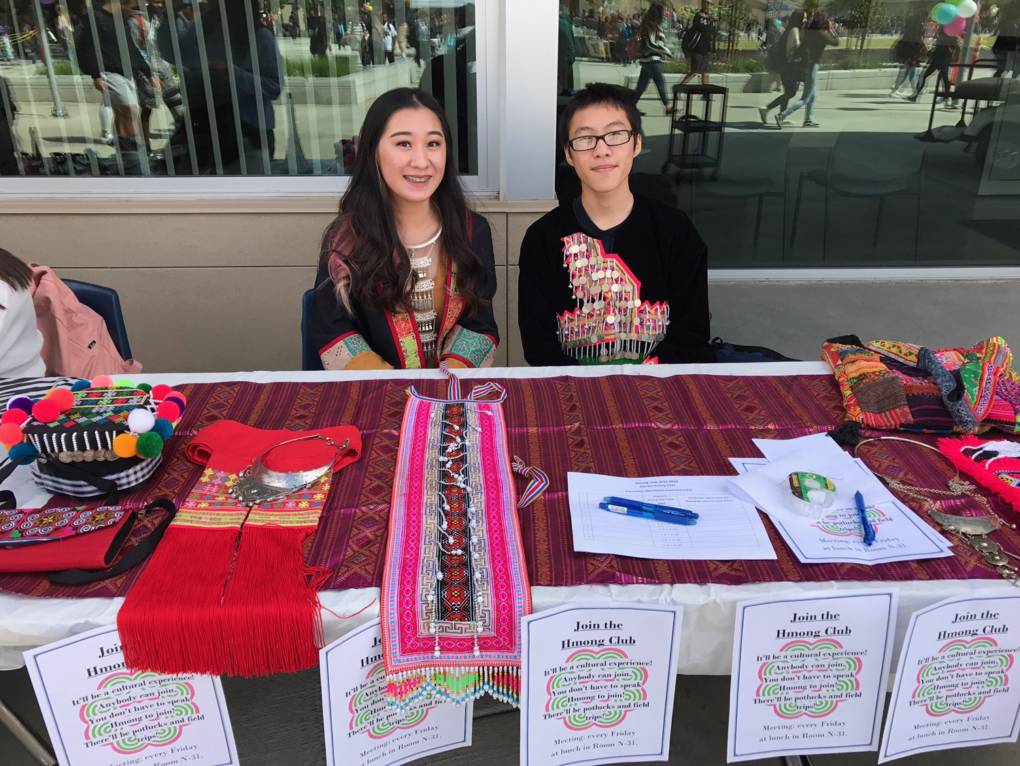
"caption": "Sarah Vang (left) representing the Hmong Club during her school's club day.",
"description": null,
"title": "IMG_4285",
"credit": "Courtesy Sarah Vang",
"status": "inherit",
"isLoading": false,
"fetchFailed": false
},
"news_11617889": {
"type": "attachments",
"id": "news_11617889",
"meta": {
"index": "attachments_1716263798",
"site": "news",
"id": "11617889",
"found": true
},
"parent": 11617888,
"imgSizes": {
"small": {
"file": "https://ww2.kqed.org/app/uploads/sites/10/2017/09/RS26575_20170912_VietnamStories_DavidMeisenheimer_Credit_BertJohnson-3-qut-520x347.jpg",
"width": 520,
"mimeType": "image/jpeg",
"height": 347
},
"twentyfourteen-full-width": {
"file": "https://ww2.kqed.org/app/uploads/sites/10/2017/09/RS26575_20170912_VietnamStories_DavidMeisenheimer_Credit_BertJohnson-3-qut-1038x576.jpg",
"width": 1038,
"mimeType": "image/jpeg",
"height": 576
},
"thumbnail": {
"file": "https://ww2.kqed.org/app/uploads/sites/10/2017/09/RS26575_20170912_VietnamStories_DavidMeisenheimer_Credit_BertJohnson-3-qut-160x107.jpg",
"width": 160,
"mimeType": "image/jpeg",
"height": 107
},
"fd-sm": {
"file": "https://ww2.kqed.org/app/uploads/sites/10/2017/09/RS26575_20170912_VietnamStories_DavidMeisenheimer_Credit_BertJohnson-3-qut-960x640.jpg",
"width": 960,
"mimeType": "image/jpeg",
"height": 640
},
"post-thumbnail": {
"file": "https://ww2.kqed.org/app/uploads/sites/10/2017/09/RS26575_20170912_VietnamStories_DavidMeisenheimer_Credit_BertJohnson-3-qut-672x372.jpg",
"width": 672,
"mimeType": "image/jpeg",
"height": 372
},
"xsmall": {
"file": "https://ww2.kqed.org/app/uploads/sites/10/2017/09/RS26575_20170912_VietnamStories_DavidMeisenheimer_Credit_BertJohnson-3-qut-375x250.jpg",
"width": 375,
"mimeType": "image/jpeg",
"height": 250
},
"kqedFullSize": {
"file": "https://ww2.kqed.org/app/uploads/sites/10/2017/09/RS26575_20170912_VietnamStories_DavidMeisenheimer_Credit_BertJohnson-3-qut.jpg",
"width": 1920,
"height": 1280
},
"large": {
"file": "https://ww2.kqed.org/app/uploads/sites/10/2017/09/RS26575_20170912_VietnamStories_DavidMeisenheimer_Credit_BertJohnson-3-qut-1020x680.jpg",
"width": 1020,
"mimeType": "image/jpeg",
"height": 680
},
"xlarge": {
"file": "https://ww2.kqed.org/app/uploads/sites/10/2017/09/RS26575_20170912_VietnamStories_DavidMeisenheimer_Credit_BertJohnson-3-qut-1180x787.jpg",
"width": 1180,
"mimeType": "image/jpeg",
"height": 787
},
"guest-author-50": {
"file": "https://ww2.kqed.org/app/uploads/sites/10/2017/09/RS26575_20170912_VietnamStories_DavidMeisenheimer_Credit_BertJohnson-3-qut-50x50.jpg",
"width": 50,
"mimeType": "image/jpeg",
"height": 50
},
"guest-author-96": {
"file": "https://ww2.kqed.org/app/uploads/sites/10/2017/09/RS26575_20170912_VietnamStories_DavidMeisenheimer_Credit_BertJohnson-3-qut-96x96.jpg",
"width": 96,
"mimeType": "image/jpeg",
"height": 96
},
"medium": {
"file": "https://ww2.kqed.org/app/uploads/sites/10/2017/09/RS26575_20170912_VietnamStories_DavidMeisenheimer_Credit_BertJohnson-3-qut-800x533.jpg",
"width": 800,
"mimeType": "image/jpeg",
"height": 533
},
"guest-author-64": {
"file": "https://ww2.kqed.org/app/uploads/sites/10/2017/09/RS26575_20170912_VietnamStories_DavidMeisenheimer_Credit_BertJohnson-3-qut-64x64.jpg",
"width": 64,
"mimeType": "image/jpeg",
"height": 64
},
"guest-author-32": {
"file": "https://ww2.kqed.org/app/uploads/sites/10/2017/09/RS26575_20170912_VietnamStories_DavidMeisenheimer_Credit_BertJohnson-3-qut-32x32.jpg",
"width": 32,
"mimeType": "image/jpeg",
"height": 32
},
"fd-lrg": {
"file": "https://ww2.kqed.org/app/uploads/sites/10/2017/09/RS26575_20170912_VietnamStories_DavidMeisenheimer_Credit_BertJohnson-3-qut-1920x1280.jpg",
"width": 1920,
"mimeType": "image/jpeg",
"height": 1280
},
"fd-med": {
"file": "https://ww2.kqed.org/app/uploads/sites/10/2017/09/RS26575_20170912_VietnamStories_DavidMeisenheimer_Credit_BertJohnson-3-qut-1180x787.jpg",
"width": 1180,
"mimeType": "image/jpeg",
"height": 787
},
"full-width": {
"file": "https://ww2.kqed.org/app/uploads/sites/10/2017/09/RS26575_20170912_VietnamStories_DavidMeisenheimer_Credit_BertJohnson-3-qut-1920x1280.jpg",
"width": 1920,
"mimeType": "image/jpeg",
"height": 1280
},
"detail": {
"file": "https://ww2.kqed.org/app/uploads/sites/10/2017/09/RS26575_20170912_VietnamStories_DavidMeisenheimer_Credit_BertJohnson-3-qut-150x150.jpg",
"width": 150,
"mimeType": "image/jpeg",
"height": 150
},
"guest-author-128": {
"file": "https://ww2.kqed.org/app/uploads/sites/10/2017/09/RS26575_20170912_VietnamStories_DavidMeisenheimer_Credit_BertJohnson-3-qut-128x128.jpg",
"width": 128,
"mimeType": "image/jpeg",
"height": 128
},
"xxsmall": {
"file": "https://ww2.kqed.org/app/uploads/sites/10/2017/09/RS26575_20170912_VietnamStories_DavidMeisenheimer_Credit_BertJohnson-3-qut-240x160.jpg",
"width": 240,
"mimeType": "image/jpeg",
"height": 160
}
},
"publishDate": 1505883226,
"modified": 1505946199,
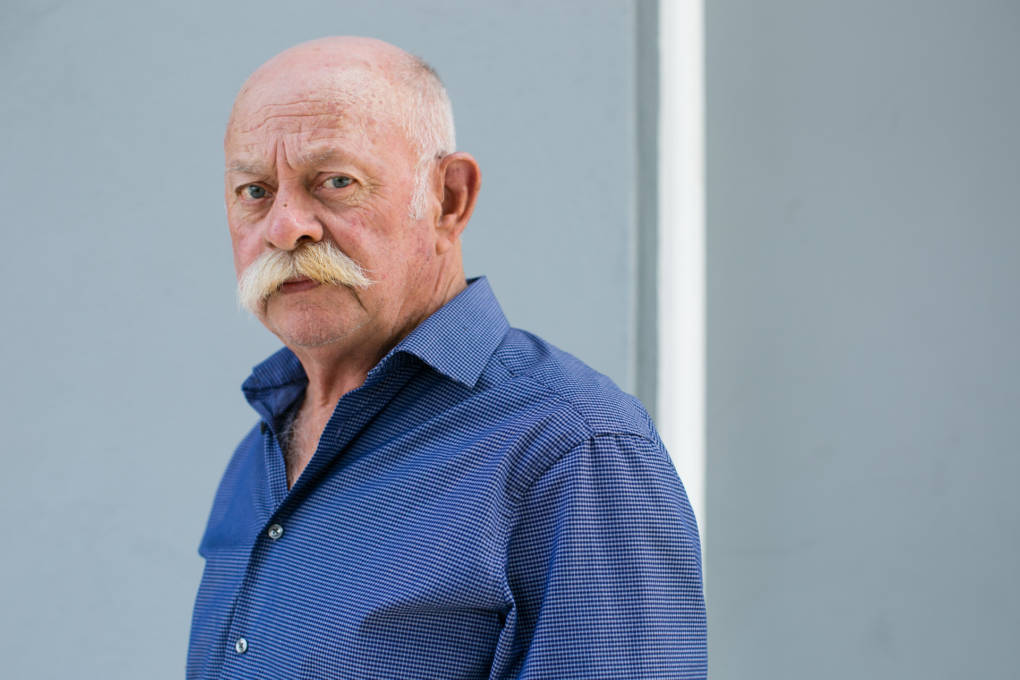
"caption": "David Meisenheimer\nsuccessfully received the status of conscientious objector during the Vietnam War, which kept him from being drafted. He was photographed in his home on Sept. 12, 2017.",
"description": null,
"title": "RS26575_20170912_VietnamStories_DavidMeisenheimer_Credit_BertJohnson-3-qut",
"credit": "Bert Johnson/KQED",
"status": "inherit",
"isLoading": false,
"fetchFailed": false
},
"news_11619586": {
"type": "attachments",
"id": "news_11619586",
"meta": {
"index": "attachments_1716263798",
"site": "news",
"id": "11619586",
"found": true
},
"parent": 11619585,
"imgSizes": {
"small": {
"file": "https://ww2.kqed.org/app/uploads/sites/10/2017/09/RS26582_20170912_VietnamStories_JohnDubpernell_Credit_BertJohnson-5-qut-520x347.jpg",
"width": 520,
"mimeType": "image/jpeg",
"height": 347
},
"twentyfourteen-full-width": {
"file": "https://ww2.kqed.org/app/uploads/sites/10/2017/09/RS26582_20170912_VietnamStories_JohnDubpernell_Credit_BertJohnson-5-qut-1038x576.jpg",
"width": 1038,
"mimeType": "image/jpeg",
"height": 576
},
"thumbnail": {
"file": "https://ww2.kqed.org/app/uploads/sites/10/2017/09/RS26582_20170912_VietnamStories_JohnDubpernell_Credit_BertJohnson-5-qut-160x107.jpg",
"width": 160,
"mimeType": "image/jpeg",
"height": 107
},
"fd-sm": {
"file": "https://ww2.kqed.org/app/uploads/sites/10/2017/09/RS26582_20170912_VietnamStories_JohnDubpernell_Credit_BertJohnson-5-qut-960x640.jpg",
"width": 960,
"mimeType": "image/jpeg",
"height": 640
},
"post-thumbnail": {
"file": "https://ww2.kqed.org/app/uploads/sites/10/2017/09/RS26582_20170912_VietnamStories_JohnDubpernell_Credit_BertJohnson-5-qut-672x372.jpg",
"width": 672,
"mimeType": "image/jpeg",
"height": 372
},
"xsmall": {
"file": "https://ww2.kqed.org/app/uploads/sites/10/2017/09/RS26582_20170912_VietnamStories_JohnDubpernell_Credit_BertJohnson-5-qut-375x250.jpg",
"width": 375,
"mimeType": "image/jpeg",
"height": 250
},
"kqedFullSize": {
"file": "https://ww2.kqed.org/app/uploads/sites/10/2017/09/RS26582_20170912_VietnamStories_JohnDubpernell_Credit_BertJohnson-5-qut.jpg",
"width": 1920,
"height": 1280
},
"large": {
"file": "https://ww2.kqed.org/app/uploads/sites/10/2017/09/RS26582_20170912_VietnamStories_JohnDubpernell_Credit_BertJohnson-5-qut-1020x680.jpg",
"width": 1020,
"mimeType": "image/jpeg",
"height": 680
},
"xlarge": {
"file": "https://ww2.kqed.org/app/uploads/sites/10/2017/09/RS26582_20170912_VietnamStories_JohnDubpernell_Credit_BertJohnson-5-qut-1180x787.jpg",
"width": 1180,
"mimeType": "image/jpeg",
"height": 787
},
"guest-author-50": {
"file": "https://ww2.kqed.org/app/uploads/sites/10/2017/09/RS26582_20170912_VietnamStories_JohnDubpernell_Credit_BertJohnson-5-qut-50x50.jpg",
"width": 50,
"mimeType": "image/jpeg",
"height": 50
},
"guest-author-96": {
"file": "https://ww2.kqed.org/app/uploads/sites/10/2017/09/RS26582_20170912_VietnamStories_JohnDubpernell_Credit_BertJohnson-5-qut-96x96.jpg",
"width": 96,
"mimeType": "image/jpeg",
"height": 96
},
"medium": {
"file": "https://ww2.kqed.org/app/uploads/sites/10/2017/09/RS26582_20170912_VietnamStories_JohnDubpernell_Credit_BertJohnson-5-qut-800x533.jpg",
"width": 800,
"mimeType": "image/jpeg",
"height": 533
},
"guest-author-64": {
"file": "https://ww2.kqed.org/app/uploads/sites/10/2017/09/RS26582_20170912_VietnamStories_JohnDubpernell_Credit_BertJohnson-5-qut-64x64.jpg",
"width": 64,
"mimeType": "image/jpeg",
"height": 64
},
"guest-author-32": {
"file": "https://ww2.kqed.org/app/uploads/sites/10/2017/09/RS26582_20170912_VietnamStories_JohnDubpernell_Credit_BertJohnson-5-qut-32x32.jpg",
"width": 32,
"mimeType": "image/jpeg",
"height": 32
},
"fd-lrg": {
"file": "https://ww2.kqed.org/app/uploads/sites/10/2017/09/RS26582_20170912_VietnamStories_JohnDubpernell_Credit_BertJohnson-5-qut-1920x1280.jpg",
"width": 1920,
"mimeType": "image/jpeg",
"height": 1280
},
"fd-med": {
"file": "https://ww2.kqed.org/app/uploads/sites/10/2017/09/RS26582_20170912_VietnamStories_JohnDubpernell_Credit_BertJohnson-5-qut-1180x787.jpg",
"width": 1180,
"mimeType": "image/jpeg",
"height": 787
},
"full-width": {
"file": "https://ww2.kqed.org/app/uploads/sites/10/2017/09/RS26582_20170912_VietnamStories_JohnDubpernell_Credit_BertJohnson-5-qut-1920x1280.jpg",
"width": 1920,
"mimeType": "image/jpeg",
"height": 1280
},
"detail": {
"file": "https://ww2.kqed.org/app/uploads/sites/10/2017/09/RS26582_20170912_VietnamStories_JohnDubpernell_Credit_BertJohnson-5-qut-150x150.jpg",
"width": 150,
"mimeType": "image/jpeg",
"height": 150
},
"guest-author-128": {
"file": "https://ww2.kqed.org/app/uploads/sites/10/2017/09/RS26582_20170912_VietnamStories_JohnDubpernell_Credit_BertJohnson-5-qut-128x128.jpg",
"width": 128,
"mimeType": "image/jpeg",
"height": 128
},
"xxsmall": {
"file": "https://ww2.kqed.org/app/uploads/sites/10/2017/09/RS26582_20170912_VietnamStories_JohnDubpernell_Credit_BertJohnson-5-qut-240x160.jpg",
"width": 240,
"mimeType": "image/jpeg",
"height": 160
}
},
"publishDate": 1506554318,
"modified": 1506554378,
"caption": "John Dubpernell served as a helicopter door gunner in the U.S. Army during the Vietnam War. He was photographed in San Francisco on Sept. 12, 2017.",
"description": "John Dubpernell",
"title": "RS26582_20170912_VietnamStories_JohnDubpernell_Credit_BertJohnson-5-qut",
"credit": "Bert Johnson/KQED",
"status": "inherit",
"isLoading": false,
"fetchFailed": false
},
"news_11618604": {
"type": "attachments",
"id": "news_11618604",
"meta": {
"index": "attachments_1716263798",
"site": "news",
"id": "11618604",
"found": true
},
"parent": 11618512,
"imgSizes": {
"small": {
"file": "https://ww2.kqed.org/app/uploads/sites/10/2018/09/Family_at_Clark_AFB.July_1977-Angela-Shortt-520x358.jpg",
"width": 520,
"mimeType": "image/jpeg",
"height": 358
},
"twentyfourteen-full-width": {
"file": "https://ww2.kqed.org/app/uploads/sites/10/2018/09/Family_at_Clark_AFB.July_1977-Angela-Shortt-1002x576.jpg",
"width": 1002,
"mimeType": "image/jpeg",
"height": 576
},
"thumbnail": {
"file": "https://ww2.kqed.org/app/uploads/sites/10/2018/09/Family_at_Clark_AFB.July_1977-Angela-Shortt-160x110.jpg",
"width": 160,
"mimeType": "image/jpeg",
"height": 110
},
"fd-sm": {
"file": "https://ww2.kqed.org/app/uploads/sites/10/2018/09/Family_at_Clark_AFB.July_1977-Angela-Shortt-960x661.jpg",
"width": 960,
"mimeType": "image/jpeg",
"height": 661
},
"post-thumbnail": {
"file": "https://ww2.kqed.org/app/uploads/sites/10/2018/09/Family_at_Clark_AFB.July_1977-Angela-Shortt-672x372.jpg",
"width": 672,
"mimeType": "image/jpeg",
"height": 372
},
"xsmall": {
"file": "https://ww2.kqed.org/app/uploads/sites/10/2018/09/Family_at_Clark_AFB.July_1977-Angela-Shortt-375x258.jpg",
"width": 375,
"mimeType": "image/jpeg",
"height": 258
},
"kqedFullSize": {
"file": "https://ww2.kqed.org/app/uploads/sites/10/2018/09/Family_at_Clark_AFB.July_1977-Angela-Shortt.jpg",
"width": 1002,
"height": 690
},
"guest-author-50": {
"file": "https://ww2.kqed.org/app/uploads/sites/10/2018/09/Family_at_Clark_AFB.July_1977-Angela-Shortt-50x50.jpg",
"width": 50,
"mimeType": "image/jpeg",
"height": 50
},
"guest-author-96": {
"file": "https://ww2.kqed.org/app/uploads/sites/10/2018/09/Family_at_Clark_AFB.July_1977-Angela-Shortt-96x96.jpg",
"width": 96,
"mimeType": "image/jpeg",
"height": 96
},
"medium": {
"file": "https://ww2.kqed.org/app/uploads/sites/10/2018/09/Family_at_Clark_AFB.July_1977-Angela-Shortt-800x551.jpg",
"width": 800,
"mimeType": "image/jpeg",
"height": 551
},
"guest-author-64": {
"file": "https://ww2.kqed.org/app/uploads/sites/10/2018/09/Family_at_Clark_AFB.July_1977-Angela-Shortt-64x64.jpg",
"width": 64,
"mimeType": "image/jpeg",
"height": 64
},
"guest-author-32": {
"file": "https://ww2.kqed.org/app/uploads/sites/10/2018/09/Family_at_Clark_AFB.July_1977-Angela-Shortt-32x32.jpg",
"width": 32,
"mimeType": "image/jpeg",
"height": 32
},
"detail": {
"file": "https://ww2.kqed.org/app/uploads/sites/10/2018/09/Family_at_Clark_AFB.July_1977-Angela-Shortt-150x150.jpg",
"width": 150,
"mimeType": "image/jpeg",
"height": 150
},
"guest-author-128": {
"file": "https://ww2.kqed.org/app/uploads/sites/10/2018/09/Family_at_Clark_AFB.July_1977-Angela-Shortt-128x128.jpg",
"width": 128,
"mimeType": "image/jpeg",
"height": 128
},
"xxsmall": {
"file": "https://ww2.kqed.org/app/uploads/sites/10/2018/09/Family_at_Clark_AFB.July_1977-Angela-Shortt-240x165.jpg",
"width": 240,
"mimeType": "image/jpeg",
"height": 165
}
},
"publishDate": 1506109405,
"modified": 1506727094,
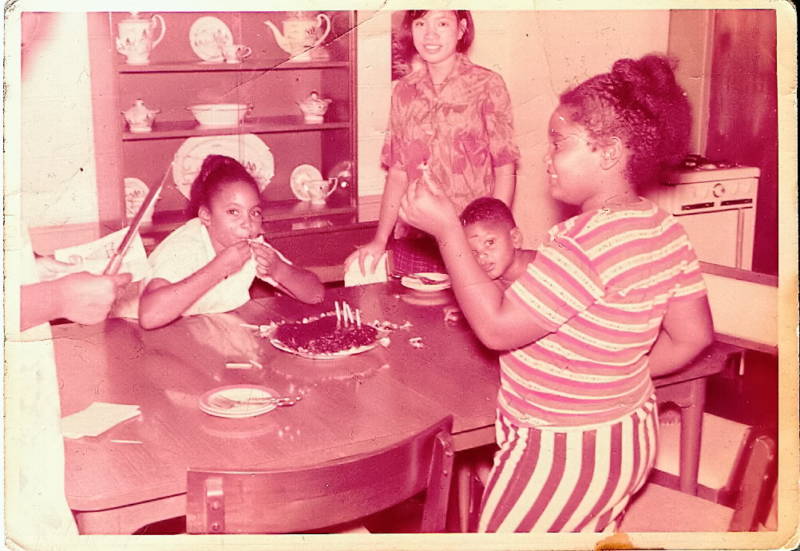
"caption": "Angela Shortt (right), with her sister Tamara, brother Ricky and their babysitter, Audrey, in their family's home on Clark Air Force Base.",
"description": "Angela Shortt (right), with her sister Tamara, brother Ricky and their babysitter, Audrey, in their family's home on Clark Air Force Base.",
"title": "Family_at_Clark_AFB.July_1977 - Angela Shortt",
"credit": "Courtesy Angela Shortt",
"status": "inherit",
"isLoading": false,
"fetchFailed": false
},
"news_11618678": {
"type": "attachments",
"id": "news_11618678",
"meta": {
"index": "attachments_1716263798",
"site": "news",
"id": "11618678",
"found": true
},
"parent": 11618623,
"imgSizes": {
"small": {
"file": "https://ww2.kqed.org/app/uploads/sites/10/2017/09/RS26896_IMG_0006-qut-520x347.jpg",
"width": 520,
"mimeType": "image/jpeg",
"height": 347
},
"twentyfourteen-full-width": {
"file": "https://ww2.kqed.org/app/uploads/sites/10/2017/09/RS26896_IMG_0006-qut-1038x576.jpg",
"width": 1038,
"mimeType": "image/jpeg",
"height": 576
},
"thumbnail": {
"file": "https://ww2.kqed.org/app/uploads/sites/10/2017/09/RS26896_IMG_0006-qut-160x107.jpg",
"width": 160,
"mimeType": "image/jpeg",
"height": 107
},
"fd-sm": {
"file": "https://ww2.kqed.org/app/uploads/sites/10/2017/09/RS26896_IMG_0006-qut-960x640.jpg",
"width": 960,
"mimeType": "image/jpeg",
"height": 640
},
"post-thumbnail": {
"file": "https://ww2.kqed.org/app/uploads/sites/10/2017/09/RS26896_IMG_0006-qut-672x372.jpg",
"width": 672,
"mimeType": "image/jpeg",
"height": 372
},
"xsmall": {
"file": "https://ww2.kqed.org/app/uploads/sites/10/2017/09/RS26896_IMG_0006-qut-375x250.jpg",
"width": 375,
"mimeType": "image/jpeg",
"height": 250
},
"kqedFullSize": {
"file": "https://ww2.kqed.org/app/uploads/sites/10/2017/09/RS26896_IMG_0006-qut.jpg",
"width": 1280,
"height": 853
},
"large": {
"file": "https://ww2.kqed.org/app/uploads/sites/10/2017/09/RS26896_IMG_0006-qut-1020x680.jpg",
"width": 1020,
"mimeType": "image/jpeg",
"height": 680
},
"xlarge": {
"file": "https://ww2.kqed.org/app/uploads/sites/10/2017/09/RS26896_IMG_0006-qut-1180x786.jpg",
"width": 1180,
"mimeType": "image/jpeg",
"height": 786
},
"guest-author-50": {
"file": "https://ww2.kqed.org/app/uploads/sites/10/2017/09/RS26896_IMG_0006-qut-50x50.jpg",
"width": 50,
"mimeType": "image/jpeg",
"height": 50
},
"guest-author-96": {
"file": "https://ww2.kqed.org/app/uploads/sites/10/2017/09/RS26896_IMG_0006-qut-96x96.jpg",
"width": 96,
"mimeType": "image/jpeg",
"height": 96
},
"medium": {
"file": "https://ww2.kqed.org/app/uploads/sites/10/2017/09/RS26896_IMG_0006-qut-800x533.jpg",
"width": 800,
"mimeType": "image/jpeg",
"height": 533
},
"guest-author-64": {
"file": "https://ww2.kqed.org/app/uploads/sites/10/2017/09/RS26896_IMG_0006-qut-64x64.jpg",
"width": 64,
"mimeType": "image/jpeg",
"height": 64
},
"guest-author-32": {
"file": "https://ww2.kqed.org/app/uploads/sites/10/2017/09/RS26896_IMG_0006-qut-32x32.jpg",
"width": 32,
"mimeType": "image/jpeg",
"height": 32
},
"fd-med": {
"file": "https://ww2.kqed.org/app/uploads/sites/10/2017/09/RS26896_IMG_0006-qut-1180x786.jpg",
"width": 1180,
"mimeType": "image/jpeg",
"height": 786
},
"detail": {
"file": "https://ww2.kqed.org/app/uploads/sites/10/2017/09/RS26896_IMG_0006-qut-150x150.jpg",
"width": 150,
"mimeType": "image/jpeg",
"height": 150
},
"guest-author-128": {
"file": "https://ww2.kqed.org/app/uploads/sites/10/2017/09/RS26896_IMG_0006-qut-128x128.jpg",
"width": 128,
"mimeType": "image/jpeg",
"height": 128
},
"xxsmall": {
"file": "https://ww2.kqed.org/app/uploads/sites/10/2017/09/RS26896_IMG_0006-qut-240x160.jpg",
"width": 240,
"mimeType": "image/jpeg",
"height": 160
}
},
"publishDate": 1506115809,
"modified": 1506560058,
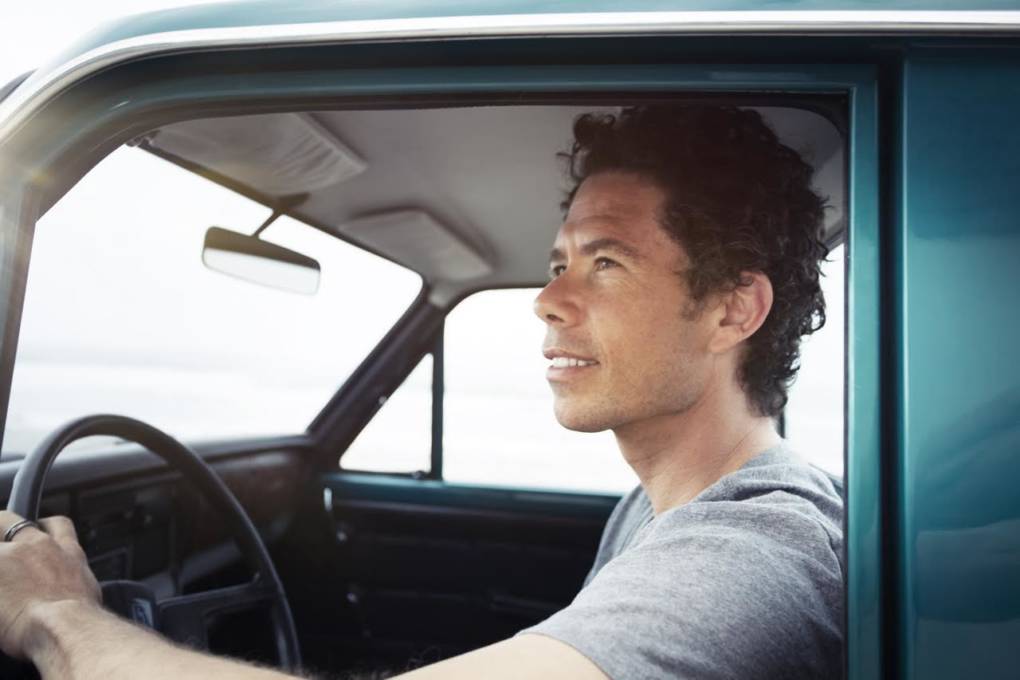
"caption": "Jaimal Yogis' new book chronicles his quest for inner peace and the perfect wave.",
"description": "Jaimal Yogis' new book chronicles his quest for inner peace, and the perfect wave.",
"title": "RS26896_IMG_0006-qut",
"credit": "Peter Dawson",
"status": "inherit",
"isLoading": false,
"fetchFailed": false
},
"news_11206090": {
"type": "attachments",
"id": "news_11206090",
"meta": {
"index": "attachments_1716263798",
"site": "news",
"id": "11206090",
"found": true
},
"parent": 11203042,
"imgSizes": {
"small": {
"file": "https://ww2.kqed.org/app/uploads/sites/10/2016/12/GettyImages-627709214-520x347.jpg",
"width": 520,
"mimeType": "image/jpeg",
"height": 347
},
"twentyfourteen-full-width": {
"file": "https://ww2.kqed.org/app/uploads/sites/10/2016/12/GettyImages-627709214-1038x576.jpg",
"width": 1038,
"mimeType": "image/jpeg",
"height": 576
},
"thumbnail": {
"file": "https://ww2.kqed.org/app/uploads/sites/10/2016/12/GettyImages-627709214-160x107.jpg",
"width": 160,
"mimeType": "image/jpeg",
"height": 107
},
"fd-sm": {
"file": "https://ww2.kqed.org/app/uploads/sites/10/2016/12/GettyImages-627709214-960x640.jpg",
"width": 960,
"mimeType": "image/jpeg",
"height": 640
},
"post-thumbnail": {
"file": "https://ww2.kqed.org/app/uploads/sites/10/2016/12/GettyImages-627709214-672x372.jpg",
"width": 672,
"mimeType": "image/jpeg",
"height": 372
},
"xsmall": {
"file": "https://ww2.kqed.org/app/uploads/sites/10/2016/12/GettyImages-627709214-375x250.jpg",
"width": 375,
"mimeType": "image/jpeg",
"height": 250
},
"kqedFullSize": {
"file": "https://ww2.kqed.org/app/uploads/sites/10/2016/12/GettyImages-627709214-e1480951115778.jpg",
"width": 1920,
"height": 1280
},
"large": {
"file": "https://ww2.kqed.org/app/uploads/sites/10/2016/12/GettyImages-627709214-1020x680.jpg",
"width": 1020,
"mimeType": "image/jpeg",
"height": 680
},
"xlarge": {
"file": "https://ww2.kqed.org/app/uploads/sites/10/2016/12/GettyImages-627709214-1180x787.jpg",
"width": 1180,
"mimeType": "image/jpeg",
"height": 787
},
"guest-author-50": {
"file": "https://ww2.kqed.org/app/uploads/sites/10/2016/12/GettyImages-627709214-50x50.jpg",
"width": 50,
"mimeType": "image/jpeg",
"height": 50
},
"guest-author-96": {
"file": "https://ww2.kqed.org/app/uploads/sites/10/2016/12/GettyImages-627709214-96x96.jpg",
"width": 96,
"mimeType": "image/jpeg",
"height": 96
},
"medium": {
"file": "https://ww2.kqed.org/app/uploads/sites/10/2016/12/GettyImages-627709214-800x533.jpg",
"width": 800,
"mimeType": "image/jpeg",
"height": 533
},
"guest-author-64": {
"file": "https://ww2.kqed.org/app/uploads/sites/10/2016/12/GettyImages-627709214-64x64.jpg",
"width": 64,
"mimeType": "image/jpeg",
"height": 64
},
"guest-author-32": {
"file": "https://ww2.kqed.org/app/uploads/sites/10/2016/12/GettyImages-627709214-32x32.jpg",
"width": 32,
"mimeType": "image/jpeg",
"height": 32
},
"jmtc-small-thumb": {
"file": "https://ww2.kqed.org/app/uploads/sites/10/2016/12/GettyImages-627709214-280x150.jpg",
"width": 280,
"mimeType": "image/jpeg",
"height": 150
},
"fd-lrg": {
"file": "https://ww2.kqed.org/app/uploads/sites/10/2016/12/GettyImages-627709214-1920x1280.jpg",
"width": 1920,
"mimeType": "image/jpeg",
"height": 1280
},
"fd-med": {
"file": "https://ww2.kqed.org/app/uploads/sites/10/2016/12/GettyImages-627709214-1180x787.jpg",
"width": 1180,
"mimeType": "image/jpeg",
"height": 787
},
"full-width": {
"file": "https://ww2.kqed.org/app/uploads/sites/10/2016/12/GettyImages-627709214-1920x1280.jpg",
"width": 1920,
"mimeType": "image/jpeg",
"height": 1280
},
"detail": {
"file": "https://ww2.kqed.org/app/uploads/sites/10/2016/12/GettyImages-627709214-150x150.jpg",
"width": 150,
"mimeType": "image/jpeg",
"height": 150
},
"guest-author-128": {
"file": "https://ww2.kqed.org/app/uploads/sites/10/2016/12/GettyImages-627709214-128x128.jpg",
"width": 128,
"mimeType": "image/jpeg",
"height": 128
},
"xxsmall": {
"file": "https://ww2.kqed.org/app/uploads/sites/10/2016/12/GettyImages-627709214-240x160.jpg",
"width": 240,
"mimeType": "image/jpeg",
"height": 160
}
},
"publishDate": 1480950966,
"modified": 1576623042,
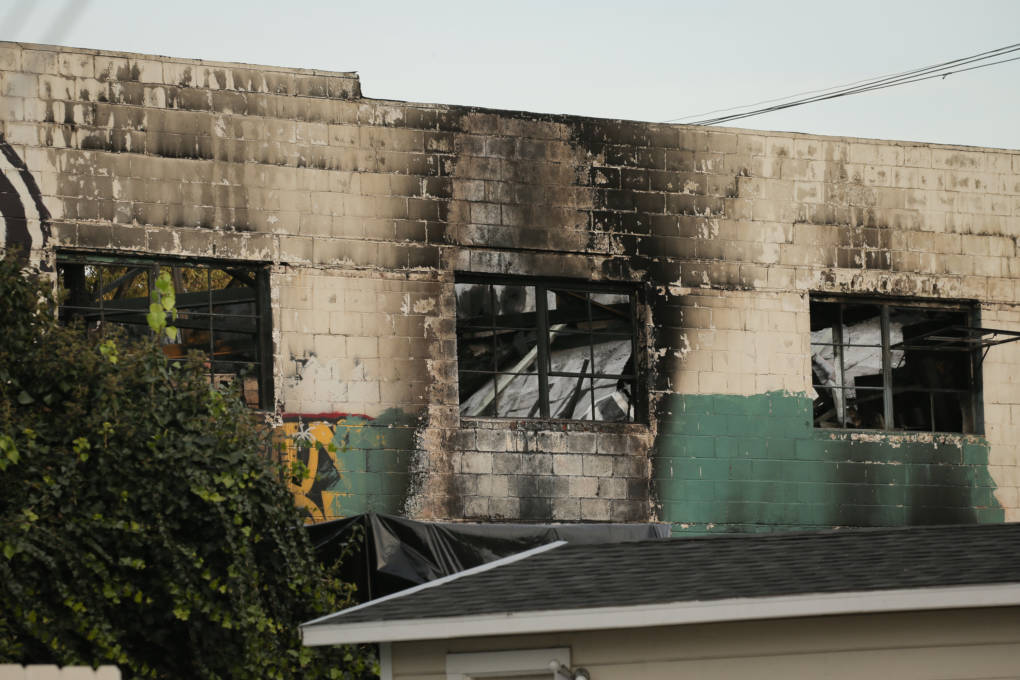
"caption": "The exterior of the warehouse where 36 people died when a fire broke out during a late-night concert on Dec. 2, 2016. ",
"description": null,
"title": "Oakland-Ghost Ship Fire",
"credit": "Elijah Nouvelage/Getty Images",
"status": "inherit",
"isLoading": false,
"fetchFailed": false
},
"news_11618999": {
"type": "attachments",
"id": "news_11618999",
"meta": {
"index": "attachments_1716263798",
"site": "news",
"id": "11618999",
"found": true
},
"parent": 11618993,
"imgSizes": {
"small": {
"file": "https://ww2.kqed.org/app/uploads/sites/10/2017/09/offense_092517_final-520x520.jpg",
"width": 520,
"mimeType": "image/jpeg",
"height": 520
},
"twentyfourteen-full-width": {
"file": "https://ww2.kqed.org/app/uploads/sites/10/2017/09/offense_092517_final-1038x576.jpg",
"width": 1038,
"mimeType": "image/jpeg",
"height": 576
},
"thumbnail": {
"file": "https://ww2.kqed.org/app/uploads/sites/10/2017/09/offense_092517_final-160x160.jpg",
"width": 160,
"mimeType": "image/jpeg",
"height": 160
},
"fd-sm": {
"file": "https://ww2.kqed.org/app/uploads/sites/10/2017/09/offense_092517_final-960x960.jpg",
"width": 960,
"mimeType": "image/jpeg",
"height": 960
},
"post-thumbnail": {
"file": "https://ww2.kqed.org/app/uploads/sites/10/2017/09/offense_092517_final-672x372.jpg",
"width": 672,
"mimeType": "image/jpeg",
"height": 372
},
"xsmall": {
"file": "https://ww2.kqed.org/app/uploads/sites/10/2017/09/offense_092517_final-375x375.jpg",
"width": 375,
"mimeType": "image/jpeg",
"height": 375
},
"kqedFullSize": {
"file": "https://ww2.kqed.org/app/uploads/sites/10/2017/09/offense_092517_final.jpg",
"width": 1920,
"height": 1920
},
"large": {
"file": "https://ww2.kqed.org/app/uploads/sites/10/2017/09/offense_092517_final-1020x1020.jpg",
"width": 1020,
"mimeType": "image/jpeg",
"height": 1020
},
"xlarge": {
"file": "https://ww2.kqed.org/app/uploads/sites/10/2017/09/offense_092517_final-1180x1180.jpg",
"width": 1180,
"mimeType": "image/jpeg",
"height": 1180
},
"guest-author-50": {
"file": "https://ww2.kqed.org/app/uploads/sites/10/2017/09/offense_092517_final-50x50.jpg",
"width": 50,
"mimeType": "image/jpeg",
"height": 50
},
"guest-author-96": {
"file": "https://ww2.kqed.org/app/uploads/sites/10/2017/09/offense_092517_final-96x96.jpg",
"width": 96,
"mimeType": "image/jpeg",
"height": 96
},
"medium": {
"file": "https://ww2.kqed.org/app/uploads/sites/10/2017/09/offense_092517_final-800x800.jpg",
"width": 800,
"mimeType": "image/jpeg",
"height": 800
},
"guest-author-64": {
"file": "https://ww2.kqed.org/app/uploads/sites/10/2017/09/offense_092517_final-64x64.jpg",
"width": 64,
"mimeType": "image/jpeg",
"height": 64
},
"guest-author-32": {
"file": "https://ww2.kqed.org/app/uploads/sites/10/2017/09/offense_092517_final-32x32.jpg",
"width": 32,
"mimeType": "image/jpeg",
"height": 32
},
"fd-lrg": {
"file": "https://ww2.kqed.org/app/uploads/sites/10/2017/09/offense_092517_final-1920x1920.jpg",
"width": 1920,
"mimeType": "image/jpeg",
"height": 1920
},
"fd-med": {
"file": "https://ww2.kqed.org/app/uploads/sites/10/2017/09/offense_092517_final-1180x1180.jpg",
"width": 1180,
"mimeType": "image/jpeg",
"height": 1180
},
"full-width": {
"file": "https://ww2.kqed.org/app/uploads/sites/10/2017/09/offense_092517_final-1920x1920.jpg",
"width": 1920,
"mimeType": "image/jpeg",
"height": 1920
},
"detail": {
"file": "https://ww2.kqed.org/app/uploads/sites/10/2017/09/offense_092517_final-150x150.jpg",
"width": 150,
"mimeType": "image/jpeg",
"height": 150
},
"guest-author-128": {
"file": "https://ww2.kqed.org/app/uploads/sites/10/2017/09/offense_092517_final-128x128.jpg",
"width": 128,
"mimeType": "image/jpeg",
"height": 128
},
"xxsmall": {
"file": "https://ww2.kqed.org/app/uploads/sites/10/2017/09/offense_092517_final-240x240.jpg",
"width": 240,
"mimeType": "image/jpeg",
"height": 240
}
},
"publishDate": 1506370136,
"modified": 1506370162,
"caption": null,
"description": null,
"title": "offense_092517_final",
"credit": null,
"status": "inherit",
"isLoading": false,
"fetchFailed": false
},
"news_11618711": {
"type": "attachments",
"id": "news_11618711",
"meta": {
"index": "attachments_1716263798",
"site": "news",
"id": "11618711",
"found": true
},
"parent": 11618592,
"imgSizes": {
"small": {
"file": "https://ww2.kqed.org/app/uploads/sites/10/2017/09/RS26910_image003-qut-520x353.jpg",
"width": 520,
"mimeType": "image/jpeg",
"height": 353
},
"thumbnail": {
"file": "https://ww2.kqed.org/app/uploads/sites/10/2017/09/RS26910_image003-qut-160x109.jpg",
"width": 160,
"mimeType": "image/jpeg",
"height": 109
},
"post-thumbnail": {
"file": "https://ww2.kqed.org/app/uploads/sites/10/2017/09/RS26910_image003-qut-672x372.jpg",
"width": 672,
"mimeType": "image/jpeg",
"height": 372
},
"xsmall": {
"file": "https://ww2.kqed.org/app/uploads/sites/10/2017/09/RS26910_image003-qut-375x255.jpg",
"width": 375,
"mimeType": "image/jpeg",
"height": 255
},
"kqedFullSize": {
"file": "https://ww2.kqed.org/app/uploads/sites/10/2017/09/RS26910_image003-qut.jpg",
"width": 788,
"height": 535
},
"guest-author-50": {
"file": "https://ww2.kqed.org/app/uploads/sites/10/2017/09/RS26910_image003-qut-50x50.jpg",
"width": 50,
"mimeType": "image/jpeg",
"height": 50
},
"guest-author-96": {
"file": "https://ww2.kqed.org/app/uploads/sites/10/2017/09/RS26910_image003-qut-96x96.jpg",
"width": 96,
"mimeType": "image/jpeg",
"height": 96
},
"guest-author-64": {
"file": "https://ww2.kqed.org/app/uploads/sites/10/2017/09/RS26910_image003-qut-64x64.jpg",
"width": 64,
"mimeType": "image/jpeg",
"height": 64
},
"detail": {
"file": "https://ww2.kqed.org/app/uploads/sites/10/2017/09/RS26910_image003-qut-150x150.jpg",
"width": 150,
"mimeType": "image/jpeg",
"height": 150
},
"guest-author-32": {
"file": "https://ww2.kqed.org/app/uploads/sites/10/2017/09/RS26910_image003-qut-32x32.jpg",
"width": 32,
"mimeType": "image/jpeg",
"height": 32
},
"guest-author-128": {
"file": "https://ww2.kqed.org/app/uploads/sites/10/2017/09/RS26910_image003-qut-128x128.jpg",
"width": 128,
"mimeType": "image/jpeg",
"height": 128
},
"xxsmall": {
"file": "https://ww2.kqed.org/app/uploads/sites/10/2017/09/RS26910_image003-qut-240x163.jpg",
"width": 240,
"mimeType": "image/jpeg",
"height": 163
}
},
"publishDate": 1506118600,
"modified": 1506126528,
"caption": "Bryanne Aler-Ningas is the unofficial bandleader of the right field rhythm section. Behind him is right field drummer and The California Report producer Nina Thorsen.",
"description": "Bryanne Aler-Ningas is the unofficial bandleader of the right field rhythm section. Behind him is right field drummer and The California Report Producer, Nina Thorsen.",
"title": "RS26910_image003-qut",
"credit": "Serginho Roosblad/KQED",
"status": "inherit",
"isLoading": false,
"fetchFailed": false
}
},
"audioPlayerReducer": {
"postId": "stream_live",
"isPaused": true,
"isPlaying": false,
"pfsActive": false,
"pledgeModalIsOpen": true,
"playerDrawerIsOpen": false,
"liveAudioPlayStartedAt": 0,
"liveAudioPlayContext": ""
},
"authorsReducer": {
"byline_news_11617888": {
"type": "authors",
"id": "byline_news_11617888",
"meta": {
"override": true
},
"slug": "byline_news_11617888",
"name": "\u003cstrong>David Meisenheimer\u003c/strong>",
"isLoading": false
},
"byline_news_11618512": {
"type": "authors",
"id": "byline_news_11618512",
"meta": {
"override": true
},
"slug": "byline_news_11618512",
"name": "\u003cstrong>Angela Shortt\u003c/strong>",
"isLoading": false
},
"byline_news_11619544": {
"type": "authors",
"id": "byline_news_11619544",
"meta": {
"override": true
},
"slug": "byline_news_11619544",
"name": "\u003cstrong>Associated Press\u003c/strong>",
"isLoading": false
},
"adembosky": {
"type": "authors",
"id": "3205",
"meta": {
"index": "authors_1716337520",
"id": "3205",
"found": true
},
"name": "April Dembosky",
"firstName": "April",
"lastName": "Dembosky",
"slug": "adembosky",
"email": "adembosky@kqed.org",
"display_author_email": false,
"staff_mastheads": [
"news",
"science"
],
"title": "KQED Health Correspondent",
"bio": "April Dembosky is the health correspondent for KQED News and a regular contributor to NPR. She specializes in covering altered states of mind, from postpartum depression to methamphetamine-induced psychosis to the insanity defense. Her investigative series on insurance companies sidestepping mental health laws won multiple awards, including first place in beat reporting from the national Association of Health Care Journalists. She is the recipient of numerous other prizes and fellowships, including a national Edward R. Murrow award for investigative reporting, a Society of Professional Journalists award for long-form storytelling, and a Carter Center Fellowship for Mental Health Journalism.\r\n\r\nDembosky reported and produced \u003cem>Soundtrack of Silence\u003c/em>, an audio documentary about music and memory that is currently being made into a feature film by Paramount Pictures.\r\n\r\nBefore joining KQED in 2013, Dembosky covered technology and Silicon Valley for \u003cem>The Financial Times of London,\u003c/em> and contributed business and arts stories to \u003cem>Marketplace \u003c/em>and \u003cem>The New York Times.\u003c/em> She got her undergraduate degree in philosophy from Smith College and her master's in journalism from the University of California, Berkeley. She is a classically trained violinist and proud alum of the first symphony orchestra at Burning Man.",
"avatar": "https://secure.gravatar.com/avatar/ef92999be4ceb9ea60701e7dc276f813?s=600&d=blank&r=g",
"twitter": "adembosky",
"facebook": null,
"instagram": null,
"linkedin": null,
"sites": [
{
"site": "arts",
"roles": [
"author"
]
},
{
"site": "news",
"roles": [
"editor"
]
},
{
"site": "futureofyou",
"roles": [
"author"
]
},
{
"site": "stateofhealth",
"roles": [
"editor"
]
},
{
"site": "science",
"roles": [
"editor"
]
},
{
"site": "forum",
"roles": [
"editor"
]
}
],
"headData": {
"title": "April Dembosky | KQED",
"description": "KQED Health Correspondent",
"ogImgSrc": "https://secure.gravatar.com/avatar/ef92999be4ceb9ea60701e7dc276f813?s=600&d=blank&r=g",
"twImgSrc": "https://secure.gravatar.com/avatar/ef92999be4ceb9ea60701e7dc276f813?s=600&d=blank&r=g"
},
"isLoading": false,
"link": "/author/adembosky"
},
"markfiore": {
"type": "authors",
"id": "3236",
"meta": {
"index": "authors_1716337520",
"id": "3236",
"found": true
},
"name": "Mark Fiore",
"firstName": "Mark",
"lastName": "Fiore",
"slug": "markfiore",
"email": "mark@markfiore.com",
"display_author_email": false,
"staff_mastheads": [
"news"
],
"title": "KQED News Cartoonist",
"bio": "\u003ca href=\"http://www.MarkFiore.com\">MarkFiore.com\u003c/a> | \u003ca href=\"https://twitter.com/markfiore\">Follow on Twitter\u003c/a> | \u003ca href=\"https://www.facebook.com/pages/Mark-Fiore-Animated-Political-Cartoons/94451707396?ref=bookmarks\">Facebook\u003c/a> | \u003ca href=\"mailto:mark@markfiore.com\">email\u003c/a>\r\n\r\nPulitzer Prize-winner, Mark Fiore, who the Wall Street Journal has called “the undisputed guru of the form,” creates animated political cartoons in San Francisco, where his work has been featured regularly on the San Francisco Chronicle’s web site, SFGate.com. His work has appeared on Newsweek.com, Slate.com, CBSNews.com, MotherJones.com, DailyKos.com and NPR’s web site. Fiore’s political animation has appeared on CNN, Frontline, Bill Moyers Journal, Salon.com and cable and broadcast outlets across the globe.\r\n\r\nBeginning his professional life by drawing traditional political cartoons for newspapers, Fiore’s work appeared in publications ranging from the Washington Post to the Los Angeles Times. In the late 1990s, he began to experiment with animating political cartoons and, after a short stint at the San Jose Mercury News as their staff cartoonist, Fiore devoted all his energies to animation.\r\nGrowing up in California, Fiore also spent a good portion of his life in the backwoods of Idaho. It was this combination that shaped him politically. Mark majored in political science at Colorado College, where, in a perfect send-off for a cartoonist, he received his diploma in 1991 as commencement speaker Dick Cheney smiled approvingly.\r\nMark Fiore was awarded the Pulitzer Prize for political cartooning in 2010, a Robert F. Kennedy Journalism Award in 2004 and has twice received an Online Journalism Award for commentary from the Online News Association (2002, 2008). Fiore has received two awards for his work in new media from the National Cartoonists Society (2001, 2002), and in 2006 received The James Madison Freedom of Information Award from The Society of Professional Journalists.",
"avatar": "https://secure.gravatar.com/avatar/fc4e2a612b15b67bad0c6f0e1db4ca9b?s=600&d=blank&r=g",
"twitter": "MarkFiore",
"facebook": null,
"instagram": "https://www.instagram.com/markfiore/?hl=en",
"linkedin": null,
"sites": [
{
"site": "arts",
"roles": [
"contributor"
]
},
{
"site": "news",
"roles": [
"editor"
]
},
{
"site": "futureofyou",
"roles": [
"editor"
]
},
{
"site": "science",
"roles": [
"editor"
]
}
],
"headData": {
"title": "Mark Fiore | KQED",
"description": "KQED News Cartoonist",
"ogImgSrc": "https://secure.gravatar.com/avatar/fc4e2a612b15b67bad0c6f0e1db4ca9b?s=600&d=blank&r=g",
"twImgSrc": "https://secure.gravatar.com/avatar/fc4e2a612b15b67bad0c6f0e1db4ca9b?s=600&d=blank&r=g"
},
"isLoading": false,
"link": "/author/markfiore"
},
"cveltman": {
"type": "authors",
"id": "8608",
"meta": {
"index": "authors_1716337520",
"id": "8608",
"found": true
},
"name": "Chloe Veltman",
"firstName": "Chloe",
"lastName": "Veltman",
"slug": "cveltman",
"email": "cveltman@kqed.org",
"display_author_email": true,
"staff_mastheads": [],
"title": "Arts and Culture Reporter",
"bio": "Chloe Veltman is a former arts and culture reporter for KQED. Prior to joining the organization, she launched and led the arts bureau at Colorado Public Radio, served as the Bay Area's culture columnist for the New York Times, and was the founder, host and executive producer of VoiceBox, a national award-winning weekly podcast/radio show and live events series all about the human voice. Chloe is the recipient of numerous prizes, grants and fellowships including a Webby Award for her work on interactive storytelling, both the John S Knight Journalism Fellowship and Humanities Center Fellowship at Stanford University, the Sundance Arts Writing Fellowship and a Library of Congress Research Fellowship. She is the author of the book \"On Acting\" and has appeared as a guest lecturer at Yale University and the San Francisco Conservatory of Music among other institutions. She holds a BA in english literature from King's College, Cambridge, and a Masters in Dramaturgy from the Central School of Speech and Drama/Harvard Institute for Advanced Theater Training.\r\n\u003ca href=\"https://www.chloeveltman.com\">www.chloeveltman.com\u003c/a>",
"avatar": "https://secure.gravatar.com/avatar/55403394b00a1ddab683952c2eb2cf85?s=600&d=blank&r=g",
"twitter": "chloeveltman",
"facebook": null,
"instagram": null,
"linkedin": null,
"sites": [
{
"site": "arts",
"roles": []
},
{
"site": "news",
"roles": [
"author"
]
},
{
"site": "pop",
"roles": [
"editor"
]
},
{
"site": "science",
"roles": []
}
],
"headData": {
"title": "Chloe Veltman | KQED",
"description": "Arts and Culture Reporter",
"ogImgSrc": "https://secure.gravatar.com/avatar/55403394b00a1ddab683952c2eb2cf85?s=600&d=blank&r=g",
"twImgSrc": "https://secure.gravatar.com/avatar/55403394b00a1ddab683952c2eb2cf85?s=600&d=blank&r=g"
},
"isLoading": false,
"link": "/author/cveltman"
},
"vrancano": {
"type": "authors",
"id": "11276",
"meta": {
"index": "authors_1716337520",
"id": "11276",
"found": true
},
"name": "Vanessa Rancaño",
"firstName": "Vanessa",
"lastName": "Rancaño",
"slug": "vrancano",
"email": "vrancano@kqed.org",
"display_author_email": false,
"staff_mastheads": [
"news"
],
"title": "Reporter",
"bio": "Vanessa Rancaño is a features reporter for KQED. She’s also covered homelessness and education for the station and reported from the Central Valley. Her work has aired across public radio, from flagship national news shows to longform narrative podcasts. Before taking up a mic, she worked as a freelance print journalist. She’s been recognized with a number of national and regional awards. Vanessa grew up in California's Central Valley. She's a former NPR Kroc Fellow, and a graduate of the UC Berkeley Graduate School of Journalism.",
"avatar": "https://secure.gravatar.com/avatar/b3a383dfb0e7ee1c17568f2cf067904ab654d6e3de9743fc661f3c788ade1bed?s=600&d=blank&r=g",
"twitter": "vanessarancano",
"bluesky": null,
"facebook": null,
"instagram": null,
"linkedin": null,
"sites": [
{
"site": "arts",
"roles": [
"editor"
]
},
{
"site": "news",
"roles": [
"editor"
]
},
{
"site": "liveblog",
"roles": [
"contributor"
]
}
],
"headData": {
"title": "Vanessa Rancaño | KQED",
"description": "Reporter",
"ogImgSrc": "https://secure.gravatar.com/avatar/b3a383dfb0e7ee1c17568f2cf067904ab654d6e3de9743fc661f3c788ade1bed?s=600&d=blank&r=g",
"twImgSrc": "https://secure.gravatar.com/avatar/b3a383dfb0e7ee1c17568f2cf067904ab654d6e3de9743fc661f3c788ade1bed?s=600&d=blank&r=g"
},
"isLoading": false,
"link": "/author/vrancano"
},
"trubio": {
"type": "authors",
"id": "11311",
"meta": {
"index": "authors_1716337520",
"id": "11311",
"found": true
},
"name": "Tena Rubio",
"firstName": "Tena",
"lastName": "Rubio",
"slug": "trubio",
"email": "trubio@KQED.org",
"display_author_email": false,
"staff_mastheads": [],
"title": null,
"bio": " \r\n\r\n\u003cstrong>TENA RUBIO \u003c/strong>is an award-winning radio journalist and multimedia producer based in San Francisco and Los Angeles. Currently, she works on contract as a producer and reporter for KQED Public Radio. She was the managing editor of NPR’s \u003cem>Latino USA \u003c/em>and is the former host & executive producer of the news magazine radio show, \u003cem>Making Contact\u003c/em>. Previously, a TV producer and newswriter, Tena continues to produce and report for various radio outlets across the country. Tena is currently the Board Secretary and Elections Chair for the Association of Independents in Radio (AIR).\r\n\r\n ",
"avatar": "https://secure.gravatar.com/avatar/3ff35feefc3472ea9e4e43ecd4df283b?s=600&d=blank&r=g",
"twitter": "@tenarubio",
"facebook": null,
"instagram": null,
"linkedin": null,
"sites": [
{
"site": "news",
"roles": [
"author"
]
}
],
"headData": {
"title": "Tena Rubio | KQED",
"description": null,
"ogImgSrc": "https://secure.gravatar.com/avatar/3ff35feefc3472ea9e4e43ecd4df283b?s=600&d=blank&r=g",
"twImgSrc": "https://secure.gravatar.com/avatar/3ff35feefc3472ea9e4e43ecd4df283b?s=600&d=blank&r=g"
},
"isLoading": false,
"link": "/author/trubio"
},
"bjohnson": {
"type": "authors",
"id": "11328",
"meta": {
"index": "authors_1716337520",
"id": "11328",
"found": true
},
"name": "Bert Johnson",
"firstName": "Bert",
"lastName": "Johnson",
"slug": "bjohnson",
"email": "bjohnson@KQED.org",
"display_author_email": false,
"staff_mastheads": [],
"title": "KQED Contributor",
"bio": "Bert Johnson is a multimedia journalist and KQED contributor. His work has also been published in the \u003cem>Sacramento News & Review\u003c/em> and he was previously the Multimedia Editor at the \u003cem>East Bay Express. \u003c/em>He covers social movements, the justice system and extremism. Email: bjohnson@kqed.org Twitter: @bertjohnsonfoto Instagram: @bertjohnsonfoto",
"avatar": "https://secure.gravatar.com/avatar/68b1d4bfae2eff83ac1d5c2ca0d0a936?s=600&d=blank&r=g",
"twitter": null,
"facebook": null,
"instagram": null,
"linkedin": null,
"sites": [
{
"site": "news",
"roles": [
"edit_others_posts",
"subscriber"
]
}
],
"headData": {
"title": "Bert Johnson | KQED",
"description": "KQED Contributor",
"ogImgSrc": "https://secure.gravatar.com/avatar/68b1d4bfae2eff83ac1d5c2ca0d0a936?s=600&d=blank&r=g",
"twImgSrc": "https://secure.gravatar.com/avatar/68b1d4bfae2eff83ac1d5c2ca0d0a936?s=600&d=blank&r=g"
},
"isLoading": false,
"link": "/author/bjohnson"
},
"btaylor": {
"type": "authors",
"id": "11365",
"meta": {
"index": "authors_1716337520",
"id": "11365",
"found": true
},
"name": "Bianca Taylor",
"firstName": "Bianca",
"lastName": "Taylor",
"slug": "btaylor",
"email": "btaylor@KQED.org",
"display_author_email": false,
"staff_mastheads": [
"news"
],
"title": "Host and Producer ",
"bio": "Bianca Taylor is a news producer and host of KQED's The Latest podcast.\r\n\r\nHer work with KQED has been honored by the Society of Professional Journalists NorCal, the Webby's, the Regional Murrow Awards, and ONA. She has also worked with NPR, the BBC World Service, and the Washington Post Creative Group.\r\n\r\nBianca is represented by SAG-AFTRA.",
"avatar": "https://secure.gravatar.com/avatar/6b9d3f6552dd10470c5d1c2e58cfe717?s=600&d=blank&r=g",
"twitter": "SoundsLkeBianca",
"facebook": null,
"instagram": null,
"linkedin": null,
"sites": [
{
"site": "arts",
"roles": [
"editor"
]
},
{
"site": "news",
"roles": [
"edit_others_posts",
"editor"
]
},
{
"site": "pop",
"roles": [
"editor"
]
},
{
"site": "bayareabites",
"roles": [
"author"
]
},
{
"site": "science",
"roles": [
"editor"
]
},
{
"site": "forum",
"roles": [
"editor"
]
},
{
"site": "radio",
"roles": [
"editor"
]
},
{
"site": "podcasts",
"roles": [
"editor"
]
}
],
"headData": {
"title": "Bianca Taylor | KQED",
"description": "Host and Producer ",
"ogImgSrc": "https://secure.gravatar.com/avatar/6b9d3f6552dd10470c5d1c2e58cfe717?s=600&d=blank&r=g",
"twImgSrc": "https://secure.gravatar.com/avatar/6b9d3f6552dd10470c5d1c2e58cfe717?s=600&d=blank&r=g"
},
"isLoading": false,
"link": "/author/btaylor"
}
},
"pagesReducer": {
"news_category_arts-and-culture": {
"type": "terms",
"id": "news_223",
"meta": {
"index": "terms_1716263798",
"site": "news",
"id": "223",
"score": 11.24217
},
"featImg": null,
"name": "Arts and Culture",
"description": null,
"taxonomy": "category",
"headData": {
"twImgId": null,
"twTitle": null,
"ogTitle": null,
"ogImgId": null,
"twDescription": null,
"description": null,
"title": "Arts and Culture Archives | KQED News",
"ogDescription": null
},
"ttid": 231,
"slug": "arts-and-culture",
"isLoading": false,
"title": "Arts and Culture",
"pageMeta": {
"site": "news",
"WpPageTemplate": "page-topic-editorial",
"currentPage": 92
},
"blocks": [
{
"blockName": "kqed/post-list",
"attrs": {
"layout": "cardArticle2",
"query": "posts/news?category=arts-and-culture",
"seeMore": false,
"paginated": true,
"page": 92
}
},
{
"blockName": "kqed/ad"
}
]
}
},
"pfsSessionReducer": {},
"postsReducer": {
"stream_live": {
"type": "live",
"id": "stream_live",
"audioUrl": "https://streams.kqed.org/kqedradio",
"title": "Live Stream",
"excerpt": "Live Stream information currently unavailable.",
"link": "/radio",
"featImg": "",
"label": {
"name": "KQED Live",
"link": "/"
}
},
"stream_kqedNewscast": {
"type": "posts",
"id": "stream_kqedNewscast",
"audioUrl": "https://www.kqed.org/.stream/anon/radio/RDnews/newscast.mp3?_=1",
"title": "KQED Newscast",
"featImg": "",
"label": {
"name": "88.5 FM",
"link": "/"
}
},
"news_11616586": {
"type": "posts",
"id": "news_11616586",
"meta": {
"index": "posts_1716263798",
"site": "news",
"id": "11616586",
"score": null,
"sort": [
1507329336000
]
},
"guestAuthors": [],
"slug": "just-like-my-mother-how-we-inherit-our-parents-traits-and-tragedies",
"title": "Just Like My Mother: How We Inherit Our Parents’ Traits and Tragedies",
"publishDate": 1507329336,
"format": "audio",
"headTitle": "Just Like My Mother: How We Inherit Our Parents’ Traits and Tragedies | KQED",
"labelTerm": {
"term": 72,
"site": "news"
},
"content": "\u003cp>\u003cem>This story originally published on Sept. 13, 2017. \u003c/em>\u003c/p>\n\u003cp>Sometimes, just when you’re about to leave, you see the past in a new way. For My-Linh Le, she was about to fly to Europe when she thought of her mom. Le is 30, about the same age her mom was when she got on a boat to leave Vietnam.\u003c/p>\n\u003cp>“There was no food and no water and people were dying left and right,” Le remembers her mom telling her. “And every time somebody died, they were just thrown overboard.”\u003c/p>\n\u003cp>Le wasn’t born yet. Her mom was divorced and had two young daughters at the time, but only one of them got on the boat with her.\u003c/p>\n\u003cp>“The older one was kicking and screaming and it was a risky thing because you know, she’s sneaking off into a boat,” Le says. Her mom was forced to leave her daughter behind.\u003c/p>\n\u003cp>[ad fullwidth]\u003c/p>\n\u003cp>Stories like these trickled out during Le’s childhood in San José. It was always hush-hush. So Le doesn’t remember that much. What she remembers about her parents is how angry they were.\u003c/p>\n\u003cp>\u003ca href=\"https://ww2.kqed.org/arts/programs/vietnamwar/\">\u003cimg loading=\"lazy\" decoding=\"async\" class=\"alignright size-full wp-image-11616324\" src=\"https://ww2.kqed.org/news/wp-content/uploads/sites/10/2017/09/TheVietnamWar_web-banners-1180x177-e1505162432907.png\" alt=\"\" width=\"301\" height=\"301\">\u003c/a>\u003c/p>\n\u003cp>Le remembers one day when she was 6. She was in first grade and she forgot her backpack at home.\u003c/p>\n\u003cp>“And no one could understand why I was so worried about that. But when I got home, my mom found out and she just lost her mind,” Le says. “We had this plastic Fisher-Price table. She kicked that thing across the room and hit the wall so hard it terrified me.”\u003c/p>\n\u003cp>Le says it was like this all the time. She forgot her books when they went to the library, and her mom started screaming. When her sister messed up a sauce for dinner, her dad threw a dish at the wall.\u003c/p>\n\u003cp>“Sometimes I just didn’t even know what I was dealing with,” she says.\u003c/p>\n\u003cp>She came to dread every day. And it also took her hours to fall asleep.\u003c/p>\n\u003cp>“Having that kind of anxiety about what mistakes I might make the next day, it would keep me up at night,” she says. “I think that’s where my anxieties over making mistakes started.”\u003c/p>\n\u003cp>As a kid, Le figured, her family was just like all the other Vietnamese families in the community. She assumed everybody’s parents wanted their kids to be serious about school and remember their backpacks.\u003c/p>\n\u003cp>“The belief is a cultural piece. But the reaction is influenced by trauma,” says \u003ca href=\"https://www.cibhs.org/board-member/clayton-chau-md-phd\">Dr. Clayton Chau\u003c/a>, a psychiatrist at St. Joseph Hoag Health in Irvine. “So parents without trauma would sit the child down and say, ‘Hey, what happened? How can we ensure that you have your backpack, and the importance of having your backpack?’ Versus, if she was traumatized then immediately she would just explode, with no control.”\u003c/p>\n\u003cp>Chau says he sees this with a lot of Vietnamese families who suffered terrible losses during or after the war. If parents don’t resolve the trauma they experienced, their kids can inherit it. It’s partly \u003ca href=\"https://doctorsonly.co.il/wp-content/uploads/2013/07/08_Epigenetic-Transmission.pdf\" target=\"_blank\" rel=\"noopener noreferrer\">genetic (PDF)\u003c/a> — trauma can\u003ca href=\"https://www.ncbi.nlm.nih.gov/pubmed/26410355\"> alter genes\u003c/a>, which get passed down to the next generation. And it’s partly behavior, usually unconscious.\u003c/p>\n\u003cp>“Children who grow up in that environment develop a lot of anxiety and are very unsure of themselves,” Chau says. “Because if parents who are supposed to love you react that way, how can you have any prediction for strangers?”\u003c/p>\n\u003cp>[contextly_sidebar id=”uWTGmG8Mm9ZgNxCUmf2o3ErI3cC1sQTy”]\u003c/p>\n\u003cp>The phenomenon is called the \u003ca href=\"https://traumaandhealing.stanford.edu/readinglist\">intergenerational transfer of trauma \u003c/a>and was first recognized in the 1960s in the children of Holocaust survivors. It has since been identified in lots of groups, including kids of Cambodian and Vietnamese refugees. But while the Jewish mode of managing trauma is commemoration and remembering, in some Buddhist cultures people cope by letting go of things that can’t be changed or focusing on the future.\u003c/p>\n\u003cp>For My-Linh Le’s family, the kids were the future.\u003c/p>\n\u003cp>“When I was in high school, my parents decided for me that I was going to be a pharmacist,” Le remembers. “I was given no say in this.”\u003c/p>\n\u003cp>As Le got older, her parents became more controlling. Because they had lost so much, they were obsessed with her safety. Le says they would listen in on all her phone conversations, and wouldn’t let her walk anywhere. She never learned how to ride the bus, because her parents insisted on hiring drivers to take her to school.\u003c/p>\n\u003cp>“Even my friends and my friends’ parents felt bad for me,” she says. “They would actually lie to my parents for me sometimes so that I could go to the movies or something.”\u003c/p>\n\u003cp>Le got really good at suppressing her own anger and frustration, so she wouldn’t set her parents off. But now, as an adult, she’s started to notice little ways that this family habit is catching up with her. She was on the phone with her boyfriend recently.\u003c/p>\n\u003cp>“And he didn’t do something that I thought he should have done by a certain time,” she says. “And this \u003cem>rage\u003c/em> just suddenly came out of nowhere, just like totally bubbled up within me.”\u003c/p>\n\u003cp>She wanted to throw the phone across the room.\u003c/p>\n\u003cp>“It was this really depressing moment of realizing that I’m just like my mother,” she says.\u003c/p>\n\u003cp>[contextly_sidebar id=”3FBxMkRLD4J2MlqlVZTzvBdbbQ14QjIi”]\u003c/p>\n\u003cp>Le recently asked her parents if she could interview them, ask them about the things that happened to them that she had always been told not to talk about. She was surprised when they said yes.\u003c/p>\n\u003cp>“It wasn’t about forgiving anybody,” she says. “It wasn’t about me working through any of my own feelings.”\u003c/p>\n\u003cp>But it \u003cem>was\u003c/em> a way of figuring out who she was, and where these different parts of herself came from.\u003c/p>\n\u003cp>Her dad told her about his first wife and their two sons. He was a helicopter pilot in the South Vietnamese air force. Then spent three years in a concentration camp after the war. He later made it to the U.S., but when he sent for his family, their boat sank, and his wife and older son drowned.\u003c/p>\n\u003cp>“He abruptly stopped talking and then started wailing,” she says. “It was weird for me to be there for him because we just never have had that kind of relationship where we were there for one another.”\u003c/p>\n\u003cp>Le had never seen her dad like this. She’d never had such a clear picture of how much suffering her family has had to bear. Similarly, with her mom, she’d never heard directly from her what it felt like to leave her daughter behind in Vietnam. Talking to them about it as an adult gave her insight into the burdens she’s been carrying.\u003c/p>\n\u003cp>“Whatever karma that was controlling that aspect of her life, never got resolved with her life, by her,” Le says. “So it just got passed on to me, and I have had to work through it all. For both of us.”\u003c/p>\n\u003cp>[ad floatright]\u003c/p>\n\u003cp>\u003cem>You’ll find all of KQED’s stories about the many ways the Vietnam war affected people in the Bay Area and throughout California at \u003ca href=\"https://ww2.kqed.org/arts/programs/vietnamwar/\">www.kqed.org/vietnamwar\u003c/a>\u003c/em>\u003c/p>\n\n",
"blocks": [],
"excerpt": "The intergenerational transfer of trauma was first recognized in the kids of Holocaust survivors and has since been identified in children of Cambodian and Vietnamese refugees.",
"status": "publish",
"parent": 0,
"modified": 1746133944,
"stats": {
"hasAudio": false,
"hasVideo": false,
"hasChartOrMap": false,
"iframeSrcs": [],
"hasGoogleForm": false,
"hasGallery": false,
"hasHearkenModule": false,
"hasPolis": false,
"paragraphCount": 38,
"wordCount": 1288
},
"headData": {
"title": "Just Like My Mother: How We Inherit Our Parents’ Traits and Tragedies | KQED",
"description": "The intergenerational transfer of trauma was first recognized in the kids of Holocaust survivors and has since been identified in children of Cambodian and Vietnamese refugees.",
"ogTitle": "",
"ogDescription": "",
"ogImgId": "",
"twTitle": "",
"twDescription": "",
"twImgId": "",
"schema": {
"@context": "https://schema.org",
"@type": "NewsArticle",
"headline": "Just Like My Mother: How We Inherit Our Parents’ Traits and Tragedies",
"datePublished": "2017-10-06T15:35:36-07:00",
"dateModified": "2025-05-01T14:12:24-07:00",
"image": "https://cdn.kqed.org/wp-content/uploads/2020/02/KQED-OG-Image@1x.png",
"isAccessibleForFree": "True",
"publisher": {
"@type": "NewsMediaOrganization",
"@id": "https://www.kqed.org/#organization",
"name": "KQED",
"logo": "https://cdn.kqed.org/wp-content/uploads/2020/02/KQED-OG-Image@1x.png",
"url": "https://www.kqed.org",
"sameAs": [
"https://www.facebook.com/KQED",
"https://twitter.com/KQED",
"https://www.instagram.com/kqed/",
"https://www.tiktok.com/@kqedofficial",
"https://www.linkedin.com/company/kqed",
"https://www.youtube.com/channel/UCeC0IOo7i1P_61zVUWbJ4nw"
]
}
}
},
"audioUrl": "https://www.kqed.org/.stream/anon/radio/RDnews/2017/09/IntergenerationalTrauma.mp3",
"sticky": false,
"templateType": "standard",
"featuredImageType": "standard",
"excludeFromSiteSearch": "Include",
"articleAge": "0",
"path": "/news/11616586/just-like-my-mother-how-we-inherit-our-parents-traits-and-tragedies",
"audioDuration": 418000,
"audioTrackLength": null,
"parsedContent": [
{
"type": "contentString",
"content": "\u003cdiv class=\"post-body\">\u003cp>\u003cp>\u003cem>This story originally published on Sept. 13, 2017. \u003c/em>\u003c/p>\n\u003cp>Sometimes, just when you’re about to leave, you see the past in a new way. For My-Linh Le, she was about to fly to Europe when she thought of her mom. Le is 30, about the same age her mom was when she got on a boat to leave Vietnam.\u003c/p>\n\u003cp>“There was no food and no water and people were dying left and right,” Le remembers her mom telling her. “And every time somebody died, they were just thrown overboard.”\u003c/p>\n\u003cp>Le wasn’t born yet. Her mom was divorced and had two young daughters at the time, but only one of them got on the boat with her.\u003c/p>\n\u003cp>“The older one was kicking and screaming and it was a risky thing because you know, she’s sneaking off into a boat,” Le says. Her mom was forced to leave her daughter behind.\u003c/p>\n\u003cp>\u003c/p>\u003c/div>",
"attributes": {
"named": {},
"numeric": []
}
},
{
"type": "component",
"content": "",
"name": "ad",
"attributes": {
"named": {
"label": "fullwidth"
},
"numeric": [
"fullwidth"
]
}
},
{
"type": "contentString",
"content": "\u003cdiv class=\"post-body\">\u003cp>\u003c/p>\n\u003cp>Stories like these trickled out during Le’s childhood in San José. It was always hush-hush. So Le doesn’t remember that much. What she remembers about her parents is how angry they were.\u003c/p>\n\u003cp>\u003ca href=\"https://ww2.kqed.org/arts/programs/vietnamwar/\">\u003cimg loading=\"lazy\" decoding=\"async\" class=\"alignright size-full wp-image-11616324\" src=\"https://ww2.kqed.org/news/wp-content/uploads/sites/10/2017/09/TheVietnamWar_web-banners-1180x177-e1505162432907.png\" alt=\"\" width=\"301\" height=\"301\">\u003c/a>\u003c/p>\n\u003cp>Le remembers one day when she was 6. She was in first grade and she forgot her backpack at home.\u003c/p>\n\u003cp>“And no one could understand why I was so worried about that. But when I got home, my mom found out and she just lost her mind,” Le says. “We had this plastic Fisher-Price table. She kicked that thing across the room and hit the wall so hard it terrified me.”\u003c/p>\n\u003cp>Le says it was like this all the time. She forgot her books when they went to the library, and her mom started screaming. When her sister messed up a sauce for dinner, her dad threw a dish at the wall.\u003c/p>\n\u003cp>“Sometimes I just didn’t even know what I was dealing with,” she says.\u003c/p>\n\u003cp>She came to dread every day. And it also took her hours to fall asleep.\u003c/p>\n\u003cp>“Having that kind of anxiety about what mistakes I might make the next day, it would keep me up at night,” she says. “I think that’s where my anxieties over making mistakes started.”\u003c/p>\n\u003cp>As a kid, Le figured, her family was just like all the other Vietnamese families in the community. She assumed everybody’s parents wanted their kids to be serious about school and remember their backpacks.\u003c/p>\n\u003cp>“The belief is a cultural piece. But the reaction is influenced by trauma,” says \u003ca href=\"https://www.cibhs.org/board-member/clayton-chau-md-phd\">Dr. Clayton Chau\u003c/a>, a psychiatrist at St. Joseph Hoag Health in Irvine. “So parents without trauma would sit the child down and say, ‘Hey, what happened? How can we ensure that you have your backpack, and the importance of having your backpack?’ Versus, if she was traumatized then immediately she would just explode, with no control.”\u003c/p>\n\u003cp>Chau says he sees this with a lot of Vietnamese families who suffered terrible losses during or after the war. If parents don’t resolve the trauma they experienced, their kids can inherit it. It’s partly \u003ca href=\"https://doctorsonly.co.il/wp-content/uploads/2013/07/08_Epigenetic-Transmission.pdf\" target=\"_blank\" rel=\"noopener noreferrer\">genetic (PDF)\u003c/a> — trauma can\u003ca href=\"https://www.ncbi.nlm.nih.gov/pubmed/26410355\"> alter genes\u003c/a>, which get passed down to the next generation. And it’s partly behavior, usually unconscious.\u003c/p>\n\u003cp>“Children who grow up in that environment develop a lot of anxiety and are very unsure of themselves,” Chau says. “Because if parents who are supposed to love you react that way, how can you have any prediction for strangers?”\u003c/p>\n\u003cp>\u003c/p>\u003cp>\u003c/p>\u003cp>\u003c/p>\n\u003cp>The phenomenon is called the \u003ca href=\"https://traumaandhealing.stanford.edu/readinglist\">intergenerational transfer of trauma \u003c/a>and was first recognized in the 1960s in the children of Holocaust survivors. It has since been identified in lots of groups, including kids of Cambodian and Vietnamese refugees. But while the Jewish mode of managing trauma is commemoration and remembering, in some Buddhist cultures people cope by letting go of things that can’t be changed or focusing on the future.\u003c/p>\n\u003cp>For My-Linh Le’s family, the kids were the future.\u003c/p>\n\u003cp>“When I was in high school, my parents decided for me that I was going to be a pharmacist,” Le remembers. “I was given no say in this.”\u003c/p>\n\u003cp>As Le got older, her parents became more controlling. Because they had lost so much, they were obsessed with her safety. Le says they would listen in on all her phone conversations, and wouldn’t let her walk anywhere. She never learned how to ride the bus, because her parents insisted on hiring drivers to take her to school.\u003c/p>\n\u003cp>“Even my friends and my friends’ parents felt bad for me,” she says. “They would actually lie to my parents for me sometimes so that I could go to the movies or something.”\u003c/p>\n\u003cp>Le got really good at suppressing her own anger and frustration, so she wouldn’t set her parents off. But now, as an adult, she’s started to notice little ways that this family habit is catching up with her. She was on the phone with her boyfriend recently.\u003c/p>\n\u003cp>“And he didn’t do something that I thought he should have done by a certain time,” she says. “And this \u003cem>rage\u003c/em> just suddenly came out of nowhere, just like totally bubbled up within me.”\u003c/p>\n\u003cp>She wanted to throw the phone across the room.\u003c/p>\n\u003cp>“It was this really depressing moment of realizing that I’m just like my mother,” she says.\u003c/p>\n\u003cp>\u003c/p>\u003cp>\u003c/p>\u003cp>\u003c/p>\n\u003cp>Le recently asked her parents if she could interview them, ask them about the things that happened to them that she had always been told not to talk about. She was surprised when they said yes.\u003c/p>\n\u003cp>“It wasn’t about forgiving anybody,” she says. “It wasn’t about me working through any of my own feelings.”\u003c/p>\n\u003cp>But it \u003cem>was\u003c/em> a way of figuring out who she was, and where these different parts of herself came from.\u003c/p>\n\u003cp>Her dad told her about his first wife and their two sons. He was a helicopter pilot in the South Vietnamese air force. Then spent three years in a concentration camp after the war. He later made it to the U.S., but when he sent for his family, their boat sank, and his wife and older son drowned.\u003c/p>\n\u003cp>“He abruptly stopped talking and then started wailing,” she says. “It was weird for me to be there for him because we just never have had that kind of relationship where we were there for one another.”\u003c/p>\n\u003cp>Le had never seen her dad like this. She’d never had such a clear picture of how much suffering her family has had to bear. Similarly, with her mom, she’d never heard directly from her what it felt like to leave her daughter behind in Vietnam. Talking to them about it as an adult gave her insight into the burdens she’s been carrying.\u003c/p>\n\u003cp>“Whatever karma that was controlling that aspect of her life, never got resolved with her life, by her,” Le says. “So it just got passed on to me, and I have had to work through it all. For both of us.”\u003c/p>\n\u003cp>\u003c/p>\u003c/div>",
"attributes": {
"named": {},
"numeric": []
}
},
{
"type": "component",
"content": "",
"name": "ad",
"attributes": {
"named": {
"label": "floatright"
},
"numeric": [
"floatright"
]
}
},
{
"type": "contentString",
"content": "\u003cdiv class=\"post-body\">\u003cp>\u003c/p>\n\u003cp>\u003cem>You’ll find all of KQED’s stories about the many ways the Vietnam war affected people in the Bay Area and throughout California at \u003ca href=\"https://ww2.kqed.org/arts/programs/vietnamwar/\">www.kqed.org/vietnamwar\u003c/a>\u003c/em>\u003c/p>\n\n\u003c/div>\u003c/p>",
"attributes": {
"named": {},
"numeric": []
}
}
],
"link": "/news/11616586/just-like-my-mother-how-we-inherit-our-parents-traits-and-tragedies",
"authors": [
"3205"
],
"programs": [
"news_6944",
"news_72"
],
"categories": [
"news_223",
"news_457",
"news_8",
"news_33520"
],
"tags": [
"news_2109",
"news_2138",
"news_5067"
],
"featImg": "news_11616653",
"label": "news_72"
},
"news_11621538": {
"type": "posts",
"id": "news_11621538",
"meta": {
"index": "posts_1716263798",
"site": "news",
"id": "11621538",
"score": null,
"sort": [
1507329279000
]
},
"parent": 0,
"labelTerm": {
"site": "news",
"term": 18515
},
"blocks": [],
"publishDate": 1507329279,
"format": "standard",
"disqusTitle": "An Embarrassment of Riches",
"title": "An Embarrassment of Riches",
"headTitle": "Mark Fiore: Drawn to the Bay | KQED News",
"content": "\u003cp>Decisions, decisions. From Fleet Week to \u003ca href=\"https://ww2.kqed.org/arts/2017/10/04/our-favorite-music-festival-returns-with-a-bit-of-levity/\">Hardly Strictly Bluegrass \u003c/a>to a perfect beach forecast, it's shaping up to be one of those beautiful fall weekends around the bay.\u003c/p>\n\u003cp>Buzzing jet fighters and amazing musicians will compete for our attention and ear drums. If you're hitting the beach, watch out for big waves and rip currents -- or have fun surfing if you're one of the thousands who will be chasing the south swell.\u003c/p>\n\u003cp>[ad fullwidth]\u003c/p>\u003cp>\u003c/p>\n",
"disqusIdentifier": "11621538 https://ww2.kqed.org/news/?p=11621538",
"disqusUrl": "https://ww2.kqed.org/news/2017/10/06/an-embarrasment-of-riches/",
"stats": {
"hasVideo": false,
"hasChartOrMap": false,
"hasAudio": false,
"hasPolis": false,
"wordCount": 78,
"hasGoogleForm": false,
"hasGallery": false,
"hasHearkenModule": false,
"iframeSrcs": [],
"paragraphCount": 4
},
"modified": 1507334734,
"excerpt": "Decisions, decisions. From Fleet Week to Hardly Strictly Bluegrass to a perfect beach forecast, it's shaping up to be one of those beautiful fall weekends around the bay. ",
"headData": {
"twImgId": "",
"twTitle": "",
"ogTitle": "",
"ogImgId": "",
"twDescription": "",
"description": "Decisions, decisions. From Fleet Week to Hardly Strictly Bluegrass to a perfect beach forecast, it's shaping up to be one of those beautiful fall weekends around the bay. ",
"title": "An Embarrassment of Riches | KQED",
"ogDescription": "",
"schema": {
"@context": "https://schema.org",
"@type": "NewsArticle",
"headline": "An Embarrassment of Riches",
"datePublished": "2017-10-06T15:34:39-07:00",
"dateModified": "2017-10-06T17:05:34-07:00",
"image": "https://cdn.kqed.org/wp-content/uploads/2020/02/KQED-OG-Image@1x.png",
"isAccessibleForFree": "True",
"publisher": {
"@type": "NewsMediaOrganization",
"@id": "https://www.kqed.org/#organization",
"name": "KQED",
"logo": "https://cdn.kqed.org/wp-content/uploads/2020/02/KQED-OG-Image@1x.png",
"url": "https://www.kqed.org",
"sameAs": [
"https://www.facebook.com/KQED",
"https://twitter.com/KQED",
"https://www.instagram.com/kqed/",
"https://www.tiktok.com/@kqedofficial",
"https://www.linkedin.com/company/kqed",
"https://www.youtube.com/channel/UCeC0IOo7i1P_61zVUWbJ4nw"
]
}
}
},
"guestAuthors": [],
"slug": "an-embarrasment-of-riches",
"status": "publish",
"path": "/news/11621538/an-embarrasment-of-riches",
"audioTrackLength": null,
"parsedContent": [
{
"type": "contentString",
"content": "\u003cdiv class=\"post-body\">\u003cp>\u003cp>Decisions, decisions. From Fleet Week to \u003ca href=\"https://ww2.kqed.org/arts/2017/10/04/our-favorite-music-festival-returns-with-a-bit-of-levity/\">Hardly Strictly Bluegrass \u003c/a>to a perfect beach forecast, it's shaping up to be one of those beautiful fall weekends around the bay.\u003c/p>\n\u003cp>Buzzing jet fighters and amazing musicians will compete for our attention and ear drums. If you're hitting the beach, watch out for big waves and rip currents -- or have fun surfing if you're one of the thousands who will be chasing the south swell.\u003c/p>\n\u003cp>\u003c/p>\u003c/div>",
"attributes": {
"named": {},
"numeric": []
}
},
{
"type": "component",
"content": "",
"name": "ad",
"attributes": {
"named": {
"label": "fullwidth"
},
"numeric": [
"fullwidth"
]
}
},
{
"type": "contentString",
"content": "\u003cdiv class=\"post-body\">\u003cp>\u003c/p>\u003cp>\u003c/p>\n\u003c/div>\u003c/p>",
"attributes": {
"named": {},
"numeric": []
}
}
],
"link": "/news/11621538/an-embarrasment-of-riches",
"authors": [
"3236"
],
"series": [
"news_18515"
],
"categories": [
"news_223",
"news_19906",
"news_8"
],
"tags": [
"news_3281",
"news_20150",
"news_3278",
"news_2553",
"news_20949"
],
"featImg": "news_11621543",
"label": "news_18515"
},
"news_11621258": {
"type": "posts",
"id": "news_11621258",
"meta": {
"index": "posts_1716263798",
"site": "news",
"id": "11621258",
"score": null,
"sort": [
1507237907000
]
},
"guestAuthors": [],
"slug": "early-days-may-be-a-goner",
"title": "'Early Days' May Be a Goner",
"publishDate": 1507237907,
"format": "standard",
"headTitle": "‘Early Days’ May Be a Goner | KQED",
"labelTerm": {
"term": 18515,
"site": "news"
},
"content": "\u003cp>The S.F. Arts Commission voted unanimously to initiate the review process to \u003ca href=\"https://ww2.kqed.org/arts/2017/10/03/san-francisco-begins-process-of-removing-early-days-statue/\">remove the controversial “Early Days” statue\u003c/a>.\u003c/p>\n\u003cp>The depiction of a Native American on the ground with a Catholic missionary and \u003cem>vaquero\u003c/em> standing above him has been condemned by the Native community for decades.\u003c/p>\n\u003cp>Why not make “Early Days” represent an even earlier time, when the Bay Area’s Ohlone were flourishing, back before the days of genocide?\u003c/p>\n\u003cp> \u003c/p>\n\u003cp>[ad fullwidth]\u003c/p>\u003cp>\u003c/p>\n",
"blocks": [],
"excerpt": "The S.F. Arts Commission voted unanimously to initiate the review process to remove the controversial \"Early Days\" statue. ",
"status": "publish",
"parent": 0,
"modified": 1721112462,
"stats": {
"hasAudio": false,
"hasVideo": false,
"hasChartOrMap": false,
"iframeSrcs": [],
"hasGoogleForm": false,
"hasGallery": false,
"hasHearkenModule": false,
"hasPolis": false,
"paragraphCount": 5,
"wordCount": 79
},
"headData": {
"title": "'Early Days' May Be a Goner | KQED",
"description": "The S.F. Arts Commission voted unanimously to initiate the review process to remove the controversial "Early Days" statue. ",
"ogTitle": "",
"ogDescription": "",
"ogImgId": "",
"twTitle": "",
"twDescription": "",
"twImgId": "",
"schema": {
"@context": "https://schema.org",
"@type": "NewsArticle",
"headline": "'Early Days' May Be a Goner",
"datePublished": "2017-10-05T14:11:47-07:00",
"dateModified": "2024-07-15T23:47:42-07:00",
"image": "https://cdn.kqed.org/wp-content/uploads/2020/02/KQED-OG-Image@1x.png",
"isAccessibleForFree": "True",
"publisher": {
"@type": "NewsMediaOrganization",
"@id": "https://www.kqed.org/#organization",
"name": "KQED",
"logo": "https://cdn.kqed.org/wp-content/uploads/2020/02/KQED-OG-Image@1x.png",
"url": "https://www.kqed.org",
"sameAs": [
"https://www.facebook.com/KQED",
"https://twitter.com/KQED",
"https://www.instagram.com/kqed/",
"https://www.tiktok.com/@kqedofficial",
"https://www.linkedin.com/company/kqed",
"https://www.youtube.com/channel/UCeC0IOo7i1P_61zVUWbJ4nw"
]
}
}
},
"sticky": false,
"path": "/news/11621258/early-days-may-be-a-goner",
"audioTrackLength": null,
"parsedContent": [
{
"type": "contentString",
"content": "\u003cdiv class=\"post-body\">\u003cp>\u003cp>The S.F. Arts Commission voted unanimously to initiate the review process to \u003ca href=\"https://ww2.kqed.org/arts/2017/10/03/san-francisco-begins-process-of-removing-early-days-statue/\">remove the controversial “Early Days” statue\u003c/a>.\u003c/p>\n\u003cp>The depiction of a Native American on the ground with a Catholic missionary and \u003cem>vaquero\u003c/em> standing above him has been condemned by the Native community for decades.\u003c/p>\n\u003cp>Why not make “Early Days” represent an even earlier time, when the Bay Area’s Ohlone were flourishing, back before the days of genocide?\u003c/p>\n\u003cp> \u003c/p>\n\u003cp>\u003c/p>\u003c/div>",
"attributes": {
"named": {},
"numeric": []
}
},
{
"type": "component",
"content": "",
"name": "ad",
"attributes": {
"named": {
"label": "fullwidth"
},
"numeric": [
"fullwidth"
]
}
},
{
"type": "contentString",
"content": "\u003cdiv class=\"post-body\">\u003cp>\u003c/p>\u003cp>\u003c/p>\n\u003c/div>\u003c/p>",
"attributes": {
"named": {},
"numeric": []
}
}
],
"link": "/news/11621258/early-days-may-be-a-goner",
"authors": [
"3236"
],
"series": [
"news_18515"
],
"categories": [
"news_223",
"news_8"
],
"tags": [
"news_19133",
"news_20150",
"news_20949",
"news_21512",
"news_1262",
"news_21733"
],
"featImg": "news_11621265",
"label": "news_18515"
},
"news_11620555": {
"type": "posts",
"id": "news_11620555",
"meta": {
"index": "posts_1716263798",
"site": "news",
"id": "11620555",
"score": null,
"sort": [
1507197633000
]
},
"parent": 0,
"labelTerm": {
"site": "news",
"term": 33523
},
"blocks": [],
"publishDate": 1507197633,
"format": "standard",
"title": "How San Francisco’s Drag Royalty Does Good, While Looking Fierce",
"headTitle": "How San Francisco’s Drag Royalty Does Good, While Looking Fierce | KQED",
"content": "\u003cp>San Francisco has always been the sort of place where people come to reinvent themselves in a big way. The trend goes back to \u003ca href=\"https://www.kqed.org/news/11652705/americas-emperor-san-franciscos-treasure-who-was-emperor-norton\" rel=\"noopener\" target=\"_blank\">Joshua Norton\u003c/a>, the eccentric wheeler-dealer who declared himself emperor of the United States in 1859.\u003c/p>\n\u003cp>[baycuriouspodcastinfo]\u003c/p>\n\u003cp>When San Francisco drag queen and political activist José Sarria declared himself the “Empress José I, The Widow Norton,” in 1965, he wasn’t just having fun with Norton’s legacy.\u003c/p>\n\u003cp>As the founder of \u003ca href=\"http://www.impcourt.org/\" target=\"_blank\" rel=\"noopener\">The Imperial Court\u003c/a>, Sarria launched and presided over an entire movement that would not only support LGBTQ causes in a profound way over the more than five decades of its existence to date, but would also do it with lashings of bejeweled and sequined flair.\u003c/p>\n\u003cp>Learn about The Imperial Court in this episode of Bay Curious.\u003c/p>\n\u003cp>[ad fullwidth]\u003c/p>\n\u003cp>[audio src=\"https://dts.podtrac.com/redirect.mp3/www.kqed.org/.stream/anon/radio/bay-curious/2017/10/ImperialCourtpodcastmastered.mp3\" Image=\"https://ww2.kqed.org/news/wp-content/uploads/sites/10/2017/10/parade-of-imperial-court-dignitaries-e1506985255419.jpg\" Title=\"LISTEN: How San Francisco’s Drag Royalty Does Good, While Playing Dress Up\" program=\"Bay Curious\"]\u003c/p>\n\u003cp>\u003c/p>\n\u003cp>Ten things to know about The Imperial Court:\u003c/p>\n\u003col>\n\u003cli>From its roots in 1960s San Francisco, today’s Imperial Court extends to around 70 chapters across the U.S., Canada and Mexico.\u003c/li>\n\u003cfigure id=\"attachment_11620612\" class=\"wp-caption aligncenter\" style=\"max-width: 800px\">\u003cimg decoding=\"async\" loading=\"lazy\" class=\"wp-image-11620612 size-medium\" src=\"https://ww2.kqed.org/news/wp-content/uploads/sites/10/2017/10/Sarria2009B-e1506994286257-800x477.jpg\" alt=\"Jose Sarria posing during a visit to the GLBT Historical Society in 2009.\" width=\"800\" height=\"477\" srcset=\"https://ww2.kqed.org/app/uploads/sites/10/2017/10/Sarria2009B-e1506994286257-800x477.jpg 800w, https://ww2.kqed.org/app/uploads/sites/10/2017/10/Sarria2009B-e1506994286257-160x95.jpg 160w, https://ww2.kqed.org/app/uploads/sites/10/2017/10/Sarria2009B-e1506994286257-1020x608.jpg 1020w, https://ww2.kqed.org/app/uploads/sites/10/2017/10/Sarria2009B-e1506994286257-1180x703.jpg 1180w, https://ww2.kqed.org/app/uploads/sites/10/2017/10/Sarria2009B-e1506994286257-960x572.jpg 960w, https://ww2.kqed.org/app/uploads/sites/10/2017/10/Sarria2009B-e1506994286257-240x143.jpg 240w, https://ww2.kqed.org/app/uploads/sites/10/2017/10/Sarria2009B-e1506994286257-375x223.jpg 375w, https://ww2.kqed.org/app/uploads/sites/10/2017/10/Sarria2009B-e1506994286257-520x310.jpg 520w, https://ww2.kqed.org/app/uploads/sites/10/2017/10/Sarria2009B-e1506994286257.jpg 1556w\" sizes=\"(max-width: 800px) 100vw, 800px\">\u003cfigcaption class=\"wp-caption-text\">José Sarria poses during a visit to the GLBT Historical Society in 2009. \u003ccite>(Gerard Koskovich)\u003c/cite>\u003c/figcaption>\u003c/figure>\n\u003cli>The San Francisco chapter raises between $50,000-$100,000 each year for a wide range of charities, including San Francisco Suicide Prevention and the Gay-Straight Alliance.\u003c/li>\n\u003cli>For nearly three decades until it shuttered in 2013, Marlena’s, a bar in Hayes Valley, was “ground zero” for Imperial Court activities in San Francisco.\u003c/li>\n\u003cfigure id=\"attachment_11620596\" class=\"wp-caption aligncenter\" style=\"max-width: 800px\">\u003cimg decoding=\"async\" loading=\"lazy\" class=\"size-medium wp-image-11620596\" src=\"https://ww2.kqed.org/news/wp-content/uploads/sites/10/2017/10/Marlena-and-bar-sign-e1506991019483-800x453.jpg\" alt=\"Empress Marlena (aka Gary Mclain) poses by the sign that used to hang above her bar. Marlena's was ground zero for the Imperial Court for close to three decades.\" width=\"800\" height=\"453\" srcset=\"https://ww2.kqed.org/app/uploads/sites/10/2017/10/Marlena-and-bar-sign-e1506991019483-800x453.jpg 800w, https://ww2.kqed.org/app/uploads/sites/10/2017/10/Marlena-and-bar-sign-e1506991019483-160x91.jpg 160w, https://ww2.kqed.org/app/uploads/sites/10/2017/10/Marlena-and-bar-sign-e1506991019483-1020x577.jpg 1020w, https://ww2.kqed.org/app/uploads/sites/10/2017/10/Marlena-and-bar-sign-e1506991019483-1920x1086.jpg 1920w, https://ww2.kqed.org/app/uploads/sites/10/2017/10/Marlena-and-bar-sign-e1506991019483-1180x668.jpg 1180w, https://ww2.kqed.org/app/uploads/sites/10/2017/10/Marlena-and-bar-sign-e1506991019483-960x543.jpg 960w, https://ww2.kqed.org/app/uploads/sites/10/2017/10/Marlena-and-bar-sign-e1506991019483-240x136.jpg 240w, https://ww2.kqed.org/app/uploads/sites/10/2017/10/Marlena-and-bar-sign-e1506991019483-375x212.jpg 375w, https://ww2.kqed.org/app/uploads/sites/10/2017/10/Marlena-and-bar-sign-e1506991019483-520x294.jpg 520w\" sizes=\"(max-width: 800px) 100vw, 800px\">\u003cfigcaption class=\"wp-caption-text\">Empress Marlena (aka Gary Mclain) poses by the sign that used to hang above her bar. Marlena’s was ground zero for the Imperial Court for close to three decades. \u003ccite>(Chloe Veltman/KQED)\u003c/cite>\u003c/figcaption>\u003c/figure>\n\u003cli>The Imperial Court elects a new emperor and empress every February. Candidates run their election campaigns for about a month leading up to the election date.\u003c/li>\n\u003cli>The results of the election are announced at the annual coronation, which is held at San Francisco’s Design Center these days.\u003c/li>\n\u003cli>There have been 52 empresses and 45 emperors to date.\u003c/li>\n\u003cfigure id=\"attachment_11620601\" class=\"wp-caption aligncenter\" style=\"max-width: 800px\">\u003cimg decoding=\"async\" loading=\"lazy\" class=\"size-medium wp-image-11620601\" src=\"https://ww2.kqed.org/news/wp-content/uploads/sites/10/2017/10/Alexis-Miranda-e1506991511440-800x450.jpg\" alt=\"Alexis Miranda, Imperial Court Empress 33 and manager at Divas in The Tenderloin, hosts a regular weekly gathering of Imperial and Ducal Court members.\" width=\"800\" height=\"450\" srcset=\"https://ww2.kqed.org/app/uploads/sites/10/2017/10/Alexis-Miranda-e1506991511440-800x450.jpg 800w, https://ww2.kqed.org/app/uploads/sites/10/2017/10/Alexis-Miranda-e1506991511440-160x90.jpg 160w, https://ww2.kqed.org/app/uploads/sites/10/2017/10/Alexis-Miranda-e1506991511440-1020x574.jpg 1020w, https://ww2.kqed.org/app/uploads/sites/10/2017/10/Alexis-Miranda-e1506991511440-1920x1080.jpg 1920w, https://ww2.kqed.org/app/uploads/sites/10/2017/10/Alexis-Miranda-e1506991511440-1180x664.jpg 1180w, https://ww2.kqed.org/app/uploads/sites/10/2017/10/Alexis-Miranda-e1506991511440-960x540.jpg 960w, https://ww2.kqed.org/app/uploads/sites/10/2017/10/Alexis-Miranda-e1506991511440-240x135.jpg 240w, https://ww2.kqed.org/app/uploads/sites/10/2017/10/Alexis-Miranda-e1506991511440-375x211.jpg 375w, https://ww2.kqed.org/app/uploads/sites/10/2017/10/Alexis-Miranda-e1506991511440-520x293.jpg 520w\" sizes=\"(max-width: 800px) 100vw, 800px\">\u003cfigcaption class=\"wp-caption-text\">Alexis Miranda, Imperial Court Empress 33 and manager at Divas in The Tenderloin, hosts a regular weekly gathering of Imperial and Ducal Court members. \u003ccite>(Chloe Veltman/KQED)\u003c/cite>\u003c/figcaption>\u003c/figure>\n\u003cli>Most Imperial Court royals hold down day jobs in addition to working hard weekends on behalf of The Imperial Court. Their main role is to raise money for their selected charities by helping out at events in their hometowns and further afield.\u003c/li>\n\u003cli>As “The Mother Court,” the San Francisco chapter is the most prestigious of the courts within the system.\u003c/li>\n\u003cfigure id=\"attachment_11620598\" class=\"wp-caption aligncenter\" style=\"max-width: 800px\">\u003cimg decoding=\"async\" loading=\"lazy\" class=\"size-medium wp-image-11620598\" src=\"https://ww2.kqed.org/news/wp-content/uploads/sites/10/2017/10/Sarrias-tomb-e1506991174130-800x450.jpg\" alt=\"The grave of Jose Sarria at Woodlawn Cemetery in Colma.\" width=\"800\" height=\"450\" srcset=\"https://ww2.kqed.org/app/uploads/sites/10/2017/10/Sarrias-tomb-e1506991174130-800x450.jpg 800w, https://ww2.kqed.org/app/uploads/sites/10/2017/10/Sarrias-tomb-e1506991174130-160x90.jpg 160w, https://ww2.kqed.org/app/uploads/sites/10/2017/10/Sarrias-tomb-e1506991174130-1020x574.jpg 1020w, https://ww2.kqed.org/app/uploads/sites/10/2017/10/Sarrias-tomb-e1506991174130-1920x1081.jpg 1920w, https://ww2.kqed.org/app/uploads/sites/10/2017/10/Sarrias-tomb-e1506991174130-1180x664.jpg 1180w, https://ww2.kqed.org/app/uploads/sites/10/2017/10/Sarrias-tomb-e1506991174130-960x540.jpg 960w, https://ww2.kqed.org/app/uploads/sites/10/2017/10/Sarrias-tomb-e1506991174130-240x135.jpg 240w, https://ww2.kqed.org/app/uploads/sites/10/2017/10/Sarrias-tomb-e1506991174130-375x211.jpg 375w, https://ww2.kqed.org/app/uploads/sites/10/2017/10/Sarrias-tomb-e1506991174130-520x293.jpg 520w\" sizes=\"(max-width: 800px) 100vw, 800px\">\u003cfigcaption class=\"wp-caption-text\">The grave of José Sarria at Woodlawn Cemetery in Colma.\u003c/figcaption>\u003c/figure>\n\u003cli>The Imperial Court is connected to several other LGBTQ organizations, including the Ducal Court and the Mr. and Miss Gay pageants.\u003c/li>\n\u003cli>Sarria died at the age of 90 in 2013 and received a stately funeral at Grace Cathedral. He is buried next to Emperor Norton in Colma’s Woodlawn Cemetery. The royal couple’s graves are surrounded by those of other key Imperial Court royals.\u003c/li>\n\u003cp>https://youtu.be/QlyQqnBEFYg\u003c/p>\n\u003cp>[baycuriousquestion]\u003c/p>\n\u003c/ol>\n",
"stats": {
"hasVideo": false,
"hasChartOrMap": false,
"hasAudio": true,
"hasPolis": false,
"wordCount": 568,
"hasGoogleForm": false,
"hasGallery": false,
"hasHearkenModule": true,
"iframeSrcs": [],
"paragraphCount": 9
},
"modified": 1700597432,
"excerpt": "How an S.F. drag artist founded one of the biggest and most bejeweled charities dedicated to LGBTQ causes. ",
"headData": {
"twImgId": "",
"twTitle": "",
"ogTitle": "",
"ogImgId": "",
"twDescription": "",
"description": "How an S.F. drag artist founded one of the biggest and most bejeweled charities dedicated to LGBTQ causes. ",
"title": "How San Francisco’s Drag Royalty Does Good, While Looking Fierce | KQED",
"ogDescription": "",
"schema": {
"@context": "https://schema.org",
"@type": "NewsArticle",
"headline": "How San Francisco’s Drag Royalty Does Good, While Looking Fierce",
"datePublished": "2017-10-05T03:00:33-07:00",
"dateModified": "2023-11-21T12:10:32-08:00",
"image": "https://cdn.kqed.org/wp-content/uploads/2020/02/KQED-OG-Image@1x.png",
"isAccessibleForFree": "True",
"publisher": {
"@type": "NewsMediaOrganization",
"@id": "https://www.kqed.org/#organization",
"name": "KQED",
"logo": "https://cdn.kqed.org/wp-content/uploads/2020/02/KQED-OG-Image@1x.png",
"url": "https://www.kqed.org",
"sameAs": [
"https://www.facebook.com/KQED",
"https://twitter.com/KQED",
"https://www.instagram.com/kqed/",
"https://www.tiktok.com/@kqedofficial",
"https://www.linkedin.com/company/kqed",
"https://www.youtube.com/channel/UCeC0IOo7i1P_61zVUWbJ4nw"
]
}
}
},
"guestAuthors": [],
"slug": "the-imperial-court-raises-serious-money-while-playing-dress-up",
"status": "publish",
"path": "/news/11620555/the-imperial-court-raises-serious-money-while-playing-dress-up",
"audioUrl": "https://www.kqed.org/.stream/anon/radio/bay-curious/2017/10/ImperialCourtpodcastmastered.mp3",
"audioDuration": 774000,
"audioTrackLength": null,
"parsedContent": [
{
"type": "contentString",
"content": "\u003cdiv class=\"post-body\">\u003cp>\u003cp>San Francisco has always been the sort of place where people come to reinvent themselves in a big way. The trend goes back to \u003ca href=\"https://www.kqed.org/news/11652705/americas-emperor-san-franciscos-treasure-who-was-emperor-norton\" rel=\"noopener\" target=\"_blank\">Joshua Norton\u003c/a>, the eccentric wheeler-dealer who declared himself emperor of the United States in 1859.\u003c/p>\n\u003cp>\u003c/p>\u003cp>\u003caside class=\"alignleft utils-parseShortcode-shortcodes-__bayCuriousPodcastShortcode__bayCurious\">\u003cimg src=https://cdn.kqed.org/wp-content/uploads/2023/02/bayCuriousLogo.png alt=\"Bay Curious Podcast\" loading=\"lazy\" />\n \u003ca href=\"/news/series/baycurious\">Bay Curious\u003c/a> is a podcast that answers your questions about the Bay Area.\n Subscribe on \u003ca href=\"https://itunes.apple.com/us/podcast/bay-curious/id1172473406\" target=\"_blank\" rel=\"noopener noreferrer\">Apple Podcasts\u003c/a>,\n \u003ca href=\"http://www.npr.org/podcasts/500557090/bay-curious\" target=\"_blank\" rel=\"noopener noreferrer\">NPR One\u003c/a> or your favorite podcast platform.\u003c/aside>\u003c/p>\u003cp>\u003c/p>\n\u003cp>When San Francisco drag queen and political activist José Sarria declared himself the “Empress José I, The Widow Norton,” in 1965, he wasn’t just having fun with Norton’s legacy.\u003c/p>\n\u003cp>As the founder of \u003ca href=\"http://www.impcourt.org/\" target=\"_blank\" rel=\"noopener\">The Imperial Court\u003c/a>, Sarria launched and presided over an entire movement that would not only support LGBTQ causes in a profound way over the more than five decades of its existence to date, but would also do it with lashings of bejeweled and sequined flair.\u003c/p>\n\u003cp>Learn about The Imperial Court in this episode of Bay Curious.\u003c/p>\n\u003cp>\u003c/p>\u003c/div>",
"attributes": {
"named": {},
"numeric": []
}
},
{
"type": "component",
"content": "",
"name": "ad",
"attributes": {
"named": {
"label": "fullwidth"
},
"numeric": [
"fullwidth"
]
}
},
{
"type": "contentString",
"content": "\u003cdiv class=\"post-body\">\u003cp>\u003c/p>\n\u003cp>\u003c/p>\u003c/div>",
"attributes": {
"named": {},
"numeric": []
}
},
{
"type": "component",
"content": "",
"name": "audio",
"attributes": {
"named": {
"src": "https://dts.podtrac.com/redirect.mp3/www.kqed.org/.stream/anon/radio/bay-curious/2017/10/ImperialCourtpodcastmastered.mp3",
"image": "https://ww2.kqed.org/news/wp-content/uploads/sites/10/2017/10/parade-of-imperial-court-dignitaries-e1506985255419.jpg",
"title": "LISTEN: How San Francisco’s Drag Royalty Does Good, While Playing Dress Up",
"program": "Bay Curious",
"label": ""
},
"numeric": []
}
},
{
"type": "contentString",
"content": "\u003cdiv class=\"post-body\">\u003cp>\u003c/p>\n\u003cp>\u003c/p>\n\u003cp>Ten things to know about The Imperial Court:\u003c/p>\n\u003col>\n\u003cli>From its roots in 1960s San Francisco, today’s Imperial Court extends to around 70 chapters across the U.S., Canada and Mexico.\u003c/li>\n\u003cfigure id=\"attachment_11620612\" class=\"wp-caption aligncenter\" style=\"max-width: 800px\">\u003cimg decoding=\"async\" loading=\"lazy\" class=\"wp-image-11620612 size-medium\" src=\"https://ww2.kqed.org/news/wp-content/uploads/sites/10/2017/10/Sarria2009B-e1506994286257-800x477.jpg\" alt=\"Jose Sarria posing during a visit to the GLBT Historical Society in 2009.\" width=\"800\" height=\"477\" srcset=\"https://ww2.kqed.org/app/uploads/sites/10/2017/10/Sarria2009B-e1506994286257-800x477.jpg 800w, https://ww2.kqed.org/app/uploads/sites/10/2017/10/Sarria2009B-e1506994286257-160x95.jpg 160w, https://ww2.kqed.org/app/uploads/sites/10/2017/10/Sarria2009B-e1506994286257-1020x608.jpg 1020w, https://ww2.kqed.org/app/uploads/sites/10/2017/10/Sarria2009B-e1506994286257-1180x703.jpg 1180w, https://ww2.kqed.org/app/uploads/sites/10/2017/10/Sarria2009B-e1506994286257-960x572.jpg 960w, https://ww2.kqed.org/app/uploads/sites/10/2017/10/Sarria2009B-e1506994286257-240x143.jpg 240w, https://ww2.kqed.org/app/uploads/sites/10/2017/10/Sarria2009B-e1506994286257-375x223.jpg 375w, https://ww2.kqed.org/app/uploads/sites/10/2017/10/Sarria2009B-e1506994286257-520x310.jpg 520w, https://ww2.kqed.org/app/uploads/sites/10/2017/10/Sarria2009B-e1506994286257.jpg 1556w\" sizes=\"(max-width: 800px) 100vw, 800px\">\u003cfigcaption class=\"wp-caption-text\">José Sarria poses during a visit to the GLBT Historical Society in 2009. \u003ccite>(Gerard Koskovich)\u003c/cite>\u003c/figcaption>\u003c/figure>\n\u003cli>The San Francisco chapter raises between $50,000-$100,000 each year for a wide range of charities, including San Francisco Suicide Prevention and the Gay-Straight Alliance.\u003c/li>\n\u003cli>For nearly three decades until it shuttered in 2013, Marlena’s, a bar in Hayes Valley, was “ground zero” for Imperial Court activities in San Francisco.\u003c/li>\n\u003cfigure id=\"attachment_11620596\" class=\"wp-caption aligncenter\" style=\"max-width: 800px\">\u003cimg decoding=\"async\" loading=\"lazy\" class=\"size-medium wp-image-11620596\" src=\"https://ww2.kqed.org/news/wp-content/uploads/sites/10/2017/10/Marlena-and-bar-sign-e1506991019483-800x453.jpg\" alt=\"Empress Marlena (aka Gary Mclain) poses by the sign that used to hang above her bar. Marlena's was ground zero for the Imperial Court for close to three decades.\" width=\"800\" height=\"453\" srcset=\"https://ww2.kqed.org/app/uploads/sites/10/2017/10/Marlena-and-bar-sign-e1506991019483-800x453.jpg 800w, https://ww2.kqed.org/app/uploads/sites/10/2017/10/Marlena-and-bar-sign-e1506991019483-160x91.jpg 160w, https://ww2.kqed.org/app/uploads/sites/10/2017/10/Marlena-and-bar-sign-e1506991019483-1020x577.jpg 1020w, https://ww2.kqed.org/app/uploads/sites/10/2017/10/Marlena-and-bar-sign-e1506991019483-1920x1086.jpg 1920w, https://ww2.kqed.org/app/uploads/sites/10/2017/10/Marlena-and-bar-sign-e1506991019483-1180x668.jpg 1180w, https://ww2.kqed.org/app/uploads/sites/10/2017/10/Marlena-and-bar-sign-e1506991019483-960x543.jpg 960w, https://ww2.kqed.org/app/uploads/sites/10/2017/10/Marlena-and-bar-sign-e1506991019483-240x136.jpg 240w, https://ww2.kqed.org/app/uploads/sites/10/2017/10/Marlena-and-bar-sign-e1506991019483-375x212.jpg 375w, https://ww2.kqed.org/app/uploads/sites/10/2017/10/Marlena-and-bar-sign-e1506991019483-520x294.jpg 520w\" sizes=\"(max-width: 800px) 100vw, 800px\">\u003cfigcaption class=\"wp-caption-text\">Empress Marlena (aka Gary Mclain) poses by the sign that used to hang above her bar. Marlena’s was ground zero for the Imperial Court for close to three decades. \u003ccite>(Chloe Veltman/KQED)\u003c/cite>\u003c/figcaption>\u003c/figure>\n\u003cli>The Imperial Court elects a new emperor and empress every February. Candidates run their election campaigns for about a month leading up to the election date.\u003c/li>\n\u003cli>The results of the election are announced at the annual coronation, which is held at San Francisco’s Design Center these days.\u003c/li>\n\u003cli>There have been 52 empresses and 45 emperors to date.\u003c/li>\n\u003cfigure id=\"attachment_11620601\" class=\"wp-caption aligncenter\" style=\"max-width: 800px\">\u003cimg decoding=\"async\" loading=\"lazy\" class=\"size-medium wp-image-11620601\" src=\"https://ww2.kqed.org/news/wp-content/uploads/sites/10/2017/10/Alexis-Miranda-e1506991511440-800x450.jpg\" alt=\"Alexis Miranda, Imperial Court Empress 33 and manager at Divas in The Tenderloin, hosts a regular weekly gathering of Imperial and Ducal Court members.\" width=\"800\" height=\"450\" srcset=\"https://ww2.kqed.org/app/uploads/sites/10/2017/10/Alexis-Miranda-e1506991511440-800x450.jpg 800w, https://ww2.kqed.org/app/uploads/sites/10/2017/10/Alexis-Miranda-e1506991511440-160x90.jpg 160w, https://ww2.kqed.org/app/uploads/sites/10/2017/10/Alexis-Miranda-e1506991511440-1020x574.jpg 1020w, https://ww2.kqed.org/app/uploads/sites/10/2017/10/Alexis-Miranda-e1506991511440-1920x1080.jpg 1920w, https://ww2.kqed.org/app/uploads/sites/10/2017/10/Alexis-Miranda-e1506991511440-1180x664.jpg 1180w, https://ww2.kqed.org/app/uploads/sites/10/2017/10/Alexis-Miranda-e1506991511440-960x540.jpg 960w, https://ww2.kqed.org/app/uploads/sites/10/2017/10/Alexis-Miranda-e1506991511440-240x135.jpg 240w, https://ww2.kqed.org/app/uploads/sites/10/2017/10/Alexis-Miranda-e1506991511440-375x211.jpg 375w, https://ww2.kqed.org/app/uploads/sites/10/2017/10/Alexis-Miranda-e1506991511440-520x293.jpg 520w\" sizes=\"(max-width: 800px) 100vw, 800px\">\u003cfigcaption class=\"wp-caption-text\">Alexis Miranda, Imperial Court Empress 33 and manager at Divas in The Tenderloin, hosts a regular weekly gathering of Imperial and Ducal Court members. \u003ccite>(Chloe Veltman/KQED)\u003c/cite>\u003c/figcaption>\u003c/figure>\n\u003cli>Most Imperial Court royals hold down day jobs in addition to working hard weekends on behalf of The Imperial Court. Their main role is to raise money for their selected charities by helping out at events in their hometowns and further afield.\u003c/li>\n\u003cli>As “The Mother Court,” the San Francisco chapter is the most prestigious of the courts within the system.\u003c/li>\n\u003cfigure id=\"attachment_11620598\" class=\"wp-caption aligncenter\" style=\"max-width: 800px\">\u003cimg decoding=\"async\" loading=\"lazy\" class=\"size-medium wp-image-11620598\" src=\"https://ww2.kqed.org/news/wp-content/uploads/sites/10/2017/10/Sarrias-tomb-e1506991174130-800x450.jpg\" alt=\"The grave of Jose Sarria at Woodlawn Cemetery in Colma.\" width=\"800\" height=\"450\" srcset=\"https://ww2.kqed.org/app/uploads/sites/10/2017/10/Sarrias-tomb-e1506991174130-800x450.jpg 800w, https://ww2.kqed.org/app/uploads/sites/10/2017/10/Sarrias-tomb-e1506991174130-160x90.jpg 160w, https://ww2.kqed.org/app/uploads/sites/10/2017/10/Sarrias-tomb-e1506991174130-1020x574.jpg 1020w, https://ww2.kqed.org/app/uploads/sites/10/2017/10/Sarrias-tomb-e1506991174130-1920x1081.jpg 1920w, https://ww2.kqed.org/app/uploads/sites/10/2017/10/Sarrias-tomb-e1506991174130-1180x664.jpg 1180w, https://ww2.kqed.org/app/uploads/sites/10/2017/10/Sarrias-tomb-e1506991174130-960x540.jpg 960w, https://ww2.kqed.org/app/uploads/sites/10/2017/10/Sarrias-tomb-e1506991174130-240x135.jpg 240w, https://ww2.kqed.org/app/uploads/sites/10/2017/10/Sarrias-tomb-e1506991174130-375x211.jpg 375w, https://ww2.kqed.org/app/uploads/sites/10/2017/10/Sarrias-tomb-e1506991174130-520x293.jpg 520w\" sizes=\"(max-width: 800px) 100vw, 800px\">\u003cfigcaption class=\"wp-caption-text\">The grave of José Sarria at Woodlawn Cemetery in Colma.\u003c/figcaption>\u003c/figure>\n\u003cli>The Imperial Court is connected to several other LGBTQ organizations, including the Ducal Court and the Mr. and Miss Gay pageants.\u003c/li>\n\u003cli>Sarria died at the age of 90 in 2013 and received a stately funeral at Grace Cathedral. He is buried next to Emperor Norton in Colma’s Woodlawn Cemetery. The royal couple’s graves are surrounded by those of other key Imperial Court royals.\u003c/li>\u003c/p>\u003cp>\u003cspan class='utils-parseShortcode-shortcodes-__youtubeShortcode__embedYoutube'>\n \u003cspan class='utils-parseShortcode-shortcodes-__youtubeShortcode__embedYoutubeInside'>\n \u003ciframe\n loading='lazy'\n class='utils-parseShortcode-shortcodes-__youtubeShortcode__youtubePlayer'\n type='text/html'\n src='//www.youtube.com/embed/QlyQqnBEFYg'\n title='//www.youtube.com/embed/QlyQqnBEFYg'\n allowfullscreen='true'\n style='border:0;'>\u003c/iframe>\n \u003c/span>\n \u003c/span>\u003c/p>\u003cp>\u003cp>\u003c/p>\u003c/div>",
"attributes": {
"named": {},
"numeric": []
}
},
{
"type": "component",
"content": "",
"name": "baycuriousquestion",
"attributes": {
"named": {
"label": ""
},
"numeric": []
}
},
{
"type": "contentString",
"content": "\u003cdiv class=\"post-body\">\u003cp>\u003c/p>\n\u003c/ol>\n\u003c/div>\u003c/p>",
"attributes": {
"named": {},
"numeric": []
}
}
],
"link": "/news/11620555/the-imperial-court-raises-serious-money-while-playing-dress-up",
"authors": [
"8608"
],
"programs": [
"news_6944",
"news_33523"
],
"series": [
"news_17986"
],
"categories": [
"news_223",
"news_33520"
],
"tags": [
"news_628"
],
"featImg": "news_11621142",
"label": "news_33523"
},
"news_11618008": {
"type": "posts",
"id": "news_11618008",
"meta": {
"index": "posts_1716263798",
"site": "news",
"id": "11618008",
"score": null,
"sort": [
1507136631000
]
},
"parent": 0,
"labelTerm": {
"site": "news",
"term": 72
},
"blocks": [],
"publishDate": 1507136631,
"format": "image",
"disqusTitle": "Years After Tragedy, Fresno's Hmong Seek Cultural Understanding for Next Generation",
"title": "Years After Tragedy, Fresno's Hmong Seek Cultural Understanding for Next Generation",
"headTitle": "The California Report | KQED News",
"content": "\u003cp>At 15, Sarah Vang is a confident leader. With her big, persistent smile, she runs her high school Hmong Club meeting with ease, spreading enthusiasm even to the most reluctant participants.\u003c/p>\n\u003cp>She founded the club last year as a sophomore. And as president, she takes it upon herself to look out for new Hmong students.\u003c/p>\n\u003cp>“There’s a lot of Hmong freshman,” she says, “and I just want to tell them, 'Join the Hmong Club! I’m so happy you’re Hmong!' I feel like I’m the mother of all Hmong people. I love my community so much.”\u003c/p>\n\u003cp>But that love came only after years of wrestling with her identity. Sarah didn’t speak much Hmong growing up, and she didn’t really talk with her parents about their life in Laos or why they came to the United States.\u003c/p>\n\u003cp>[audio src=\"https://www.kqed.org/.stream/anon/radio/tcrmag/2017/10/tcrmag20171006Hmong.mp3\" Image=\"https://ww2.kqed.org/news/wp-content/uploads/sites/10/2017/09/Hmong-dual-immersion-3-1180x885.jpg\" Title=\"Years After Tragedy, Fresno's Hmong Seek Cultural Understanding for Next Generation\" program=\"The California Report\"]\u003c/p>\n\u003cp>In elementary school, kids tormented her with racist taunts.\u003c/p>\n\u003cp>[ad fullwidth]\u003c/p>\n\u003cp>“It made me want to diminish all Asian or Hmong aspects of me,” she says. “I did not want to associate with any Hmong people. I really hated Hmong people.”\u003c/p>\n\u003cp>She felt that way for years. Then eventually, as a teen, she started wanting to know more about her culture. Around the same time, her high school introduced its first Hmong language and history class, and Sarah enrolled. Now every high school in the Fresno Unified School District offers these classes.\u003c/p>\n\u003cp>One day her teacher showed the class a documentary about the Hmong in Fresno. It included a tragic episode in the community's history -- the suicides of eight teenagers between 1998 and 2001.\u003c/p>\n\u003caside class=\"pullquote alignright\">'These kids didn't have an identity. They don't know who they are, where they came from, why their parents were involved in the war.'\u003ccite>Peter Vang, Hmong survivor of the Vietnam War\u003c/cite>\u003c/aside>\n\u003cp>“Once I saw my brother’s face, I started crying,” Sarah says.\u003c/p>\n\u003cp>Sarah’s brother was one of those teenagers. He died before she was born.\u003c/p>\n\u003cp>“My teacher didn’t know that that was my brother, or that the person they were interviewing was my dad,” she says.\u003c/p>\n\u003cp>After her brother’s death, Sarah’s dad, Peter Vang, talked to the families and friends of the other teens who had killed themselves.\u003c/p>\n\u003cp>“I cannot save my son anymore because he’s gone,” Vang says, “but I want to make sure other parents save their kids.”\u003c/p>\n\u003cp>Vang learned the kids all had distinct troubles, but he found a common theme: “These kids didn’t have an identity,” he says. “They don’t know who they are, where they came from, why their parents were involved in the war.”\u003c/p>\n\u003cfigure id=\"attachment_11620673\" class=\"wp-caption aligncenter\" style=\"max-width: 800px\">\u003cimg class=\"size-large wp-image-11620673\" src=\"https://ww2.kqed.org/news/wp-content/uploads/sites/10/2017/10/RS27162_RS26637_IMG_42671-qut-1020x765.jpg\" alt=\"Teacher Thae Xiong reads students a book in Hmong.\" width=\"640\" height=\"480\" srcset=\"https://ww2.kqed.org/app/uploads/sites/10/2017/10/RS27162_RS26637_IMG_42671-qut-1020x765.jpg 1020w, https://ww2.kqed.org/app/uploads/sites/10/2017/10/RS27162_RS26637_IMG_42671-qut-160x120.jpg 160w, https://ww2.kqed.org/app/uploads/sites/10/2017/10/RS27162_RS26637_IMG_42671-qut-800x600.jpg 800w, https://ww2.kqed.org/app/uploads/sites/10/2017/10/RS27162_RS26637_IMG_42671-qut.jpg 1920w, https://ww2.kqed.org/app/uploads/sites/10/2017/10/RS27162_RS26637_IMG_42671-qut-1180x885.jpg 1180w, https://ww2.kqed.org/app/uploads/sites/10/2017/10/RS27162_RS26637_IMG_42671-qut-960x720.jpg 960w, https://ww2.kqed.org/app/uploads/sites/10/2017/10/RS27162_RS26637_IMG_42671-qut-240x180.jpg 240w, https://ww2.kqed.org/app/uploads/sites/10/2017/10/RS27162_RS26637_IMG_42671-qut-375x281.jpg 375w, https://ww2.kqed.org/app/uploads/sites/10/2017/10/RS27162_RS26637_IMG_42671-qut-520x390.jpg 520w\" sizes=\"(max-width: 640px) 100vw, 640px\">\u003cfigcaption class=\"wp-caption-text\">Teacher Thae Xiong reads students a book in Hmong. \u003ccite>(Vanessa Rancano/KQED)\u003c/cite>\u003c/figcaption>\u003c/figure>\n\u003cp>Vang says that for kids to have a better sense of their identity, they need to learn about that war -- the so-called \u003ca href=\"https://www.nytimes.com/2015/05/28/opinion/heirs-of-the-secret-war-in-laos.html\" target=\"_blank\" rel=\"noopener\">secret war\u003c/a> in which the CIA recruited Hmong fighters to help stop the spread of communism in Laos during the Vietnam War. At least 30,000 Hmong died.\u003c/p>\n\u003cp>After the war, many Hmong ended up in the Central Valley, home to the second-largest Hmong community in the United States. Vang says that when his son was in school, this story wasn’t told.\u003c/p>\n\u003cp>“There’s nothing in history books,” he says. \"So schools, when they talked about Vietnam War, the Hmong did not exist.”\u003c/p>\n\u003cp>So Vang and others in the community successfully advocated for California legislation that encouraged schools to teach students about the role of the Hmong in the Vietnam War. And they began pushing for Hmong language and history classes at Fresno schools, like the one Vang’s daughter, Sarah, took for the first time last year. In that class, the secret war got a lot of attention.\u003c/p>\n\u003cp>“At first we were like, 'Why are we learning about this?' We didn’t understand,” Sarah says. “But once we got into depth about it, we realized Hmong people went through a lot of hardships trying to get here. That’s when I started to ask my dad, ‘So tell me a little about the war.’ ”\u003c/p>\n\u003cp>[contextly_sidebar id=\"G1xagEdRDJkUC617msXn4Mg8RjTmi9W1\"]\u003c/p>\n\u003cp>Vang grew up in the war. As a 4-year-old, he remembers the screeching sound of rockets flying through the air, the sight of body parts strewn across the ground, and the stacks of body bags. At one point, his house was destroyed.\u003c/p>\n\u003cp>“I thought my parents were dead,” he says. “I realized they were still alive after all the smoke cleared.” Vang’s father fought with the CIA and was injured more than once. He lost multiple fingers to a grenade.\u003c/p>\n\u003cp>Hearing these stories had a big impact on Sarah.\u003c/p>\n\u003cp>“It really hit home. It made me appreciate everything the elders did,” she says. “Because of them we are here.”\u003c/p>\n\u003cp>After more than a decade, the work of Peter Vang and other community members is paying off: This year Sarah’s school offered a more advanced Hmong class for the first time, and last year \u003ca href=\"https://www.fresnostate.edu/catalog/subjects/linguistics/hmong-mn.html\" target=\"_blank\" rel=\"noopener noreferrer\">Fresno State University introduced a minor in Hmong\u003c/a>.\u003c/p>\n\u003cp>Fresno Unified has something else in the works, too. It’s testing out a dual immersion class for kindergartners so that kids like 6-year-old Logan can learn Hmong.\u003c/p>\n\u003cp>“I know how to read English,” he says, while looking through a children’s book written in Hmong. “I don’t know how to read Hmong. It’s hard.”\u003c/p>\n\u003cfigure id=\"attachment_11618123\" class=\"wp-caption aligncenter\" style=\"max-width: 800px\">\u003cimg class=\"wp-image-11618123 size-medium\" src=\"https://ww2.kqed.org/news/wp-content/uploads/sites/10/2017/09/Hmong-dual-immersion-3-800x600.jpg\" alt=\"\" width=\"800\" height=\"600\" srcset=\"https://ww2.kqed.org/app/uploads/sites/10/2017/09/Hmong-dual-immersion-3-800x600.jpg 800w, https://ww2.kqed.org/app/uploads/sites/10/2017/09/Hmong-dual-immersion-3-160x120.jpg 160w, https://ww2.kqed.org/app/uploads/sites/10/2017/09/Hmong-dual-immersion-3-1020x765.jpg 1020w, https://ww2.kqed.org/app/uploads/sites/10/2017/09/Hmong-dual-immersion-3.jpg 1920w, https://ww2.kqed.org/app/uploads/sites/10/2017/09/Hmong-dual-immersion-3-1180x885.jpg 1180w, https://ww2.kqed.org/app/uploads/sites/10/2017/09/Hmong-dual-immersion-3-960x720.jpg 960w, https://ww2.kqed.org/app/uploads/sites/10/2017/09/Hmong-dual-immersion-3-240x180.jpg 240w, https://ww2.kqed.org/app/uploads/sites/10/2017/09/Hmong-dual-immersion-3-375x281.jpg 375w, https://ww2.kqed.org/app/uploads/sites/10/2017/09/Hmong-dual-immersion-3-520x390.jpg 520w\" sizes=\"(max-width: 800px) 100vw, 800px\">\u003cfigcaption class=\"wp-caption-text\">Doua Vu works with students Isaac and Cassidy in Fresno Unified School District's Hmong-English dual-immersion pilot class. \u003ccite>(Vanessa Rancano/KQED)\u003c/cite>\u003c/figcaption>\u003c/figure>\n\u003cp>Misty Her oversees the new dual-language program. She says the biggest challenge is developing the curriculum.\u003c/p>\n\u003cp>“There’s really nothing, nothing out there for us,\" she says in terms of models. \"But what’s exciting is we get to build it from the ground up.”\u003c/p>\n\u003cp>Her says there are very few Hmong dual-immersion programs, and there aren't a lot of Hmong written texts out there to work with.\u003c/p>\n\u003cp>“Our written language only happened about the last 60, 70 years,” she says.\u003c/p>\n\u003cp>The kids are just a couple of weeks into the after-school class, but Fresno Unified is already planning to offer regular Hmong dual immersion at elementary schools as early as next year. It will be the first in Fresno, and one of\u003ca href=\"http://www.scusd.edu/program/susan-b-anthony-hmong-dual-language-program\" target=\"_blank\" rel=\"noopener noreferrer\"> just a couple in California\u003c/a>.\u003c/p>\n\u003cp>[ad floatright]\u003c/p>\n\u003cp>The Hmong who fled their homeland since the Vietnam War hope this generation -- and those to come -- will walk through the world with confidence. They hope that by knowing their language, their history and exactly where they came from, younger Hmong can decide who they want to be.\u003c/p>\n\n",
"disqusIdentifier": "11618008 https://ww2.kqed.org/news/?p=11618008",
"disqusUrl": "https://ww2.kqed.org/news/2017/10/04/years-after-tragedy-fresnos-hmong-seek-cultural-understanding-for-next-generation/",
"stats": {
"hasVideo": false,
"hasChartOrMap": false,
"hasAudio": true,
"hasPolis": false,
"wordCount": 1227,
"hasGoogleForm": false,
"hasGallery": false,
"hasHearkenModule": false,
"iframeSrcs": [],
"paragraphCount": 35
},
"modified": 1508291272,
"excerpt": "Almost two decades ago a spate of teen suicides shook Fresno's Hmong community. Something had to change.",
"headData": {
"twImgId": "",
"twTitle": "",
"ogTitle": "",
"ogImgId": "",
"twDescription": "",
"description": "Almost two decades ago a spate of teen suicides shook Fresno's Hmong community. Something had to change.",
"title": "Years After Tragedy, Fresno's Hmong Seek Cultural Understanding for Next Generation | KQED",
"ogDescription": "",
"schema": {
"@context": "https://schema.org",
"@type": "NewsArticle",
"headline": "Years After Tragedy, Fresno's Hmong Seek Cultural Understanding for Next Generation",
"datePublished": "2017-10-04T10:03:51-07:00",
"dateModified": "2017-10-17T18:47:52-07:00",
"image": "https://cdn.kqed.org/wp-content/uploads/2020/02/KQED-OG-Image@1x.png",
"isAccessibleForFree": "True",
"publisher": {
"@type": "NewsMediaOrganization",
"@id": "https://www.kqed.org/#organization",
"name": "KQED",
"logo": "https://cdn.kqed.org/wp-content/uploads/2020/02/KQED-OG-Image@1x.png",
"url": "https://www.kqed.org",
"sameAs": [
"https://www.facebook.com/KQED",
"https://twitter.com/KQED",
"https://www.instagram.com/kqed/",
"https://www.tiktok.com/@kqedofficial",
"https://www.linkedin.com/company/kqed",
"https://www.youtube.com/channel/UCeC0IOo7i1P_61zVUWbJ4nw"
]
}
}
},
"guestAuthors": [],
"slug": "years-after-tragedy-fresnos-hmong-seek-cultural-understanding-for-next-generation",
"status": "publish",
"path": "/news/11618008/years-after-tragedy-fresnos-hmong-seek-cultural-understanding-for-next-generation",
"audioTrackLength": null,
"parsedContent": [
{
"type": "contentString",
"content": "\u003cdiv class=\"post-body\">\u003cp>\u003cp>At 15, Sarah Vang is a confident leader. With her big, persistent smile, she runs her high school Hmong Club meeting with ease, spreading enthusiasm even to the most reluctant participants.\u003c/p>\n\u003cp>She founded the club last year as a sophomore. And as president, she takes it upon herself to look out for new Hmong students.\u003c/p>\n\u003cp>“There’s a lot of Hmong freshman,” she says, “and I just want to tell them, 'Join the Hmong Club! I’m so happy you’re Hmong!' I feel like I’m the mother of all Hmong people. I love my community so much.”\u003c/p>\n\u003cp>But that love came only after years of wrestling with her identity. Sarah didn’t speak much Hmong growing up, and she didn’t really talk with her parents about their life in Laos or why they came to the United States.\u003c/p>\n\u003cp>\u003c/p>\u003c/div>",
"attributes": {
"named": {},
"numeric": []
}
},
{
"type": "component",
"content": "",
"name": "audio",
"attributes": {
"named": {
"src": "https://www.kqed.org/.stream/anon/radio/tcrmag/2017/10/tcrmag20171006Hmong.mp3",
"image": "https://ww2.kqed.org/news/wp-content/uploads/sites/10/2017/09/Hmong-dual-immersion-3-1180x885.jpg",
"title": "Years After Tragedy, Fresno's Hmong Seek Cultural Understanding for Next Generation",
"program": "The California Report",
"label": ""
},
"numeric": []
}
},
{
"type": "contentString",
"content": "\u003cdiv class=\"post-body\">\u003cp>\u003c/p>\n\u003cp>In elementary school, kids tormented her with racist taunts.\u003c/p>\n\u003cp>\u003c/p>\u003c/div>",
"attributes": {
"named": {},
"numeric": []
}
},
{
"type": "component",
"content": "",
"name": "ad",
"attributes": {
"named": {
"label": "fullwidth"
},
"numeric": [
"fullwidth"
]
}
},
{
"type": "contentString",
"content": "\u003cdiv class=\"post-body\">\u003cp>\u003c/p>\n\u003cp>“It made me want to diminish all Asian or Hmong aspects of me,” she says. “I did not want to associate with any Hmong people. I really hated Hmong people.”\u003c/p>\n\u003cp>She felt that way for years. Then eventually, as a teen, she started wanting to know more about her culture. Around the same time, her high school introduced its first Hmong language and history class, and Sarah enrolled. Now every high school in the Fresno Unified School District offers these classes.\u003c/p>\n\u003cp>One day her teacher showed the class a documentary about the Hmong in Fresno. It included a tragic episode in the community's history -- the suicides of eight teenagers between 1998 and 2001.\u003c/p>\n\u003caside class=\"pullquote alignright\">'These kids didn't have an identity. They don't know who they are, where they came from, why their parents were involved in the war.'\u003ccite>Peter Vang, Hmong survivor of the Vietnam War\u003c/cite>\u003c/aside>\n\u003cp>“Once I saw my brother’s face, I started crying,” Sarah says.\u003c/p>\n\u003cp>Sarah’s brother was one of those teenagers. He died before she was born.\u003c/p>\n\u003cp>“My teacher didn’t know that that was my brother, or that the person they were interviewing was my dad,” she says.\u003c/p>\n\u003cp>After her brother’s death, Sarah’s dad, Peter Vang, talked to the families and friends of the other teens who had killed themselves.\u003c/p>\n\u003cp>“I cannot save my son anymore because he’s gone,” Vang says, “but I want to make sure other parents save their kids.”\u003c/p>\n\u003cp>Vang learned the kids all had distinct troubles, but he found a common theme: “These kids didn’t have an identity,” he says. “They don’t know who they are, where they came from, why their parents were involved in the war.”\u003c/p>\n\u003cfigure id=\"attachment_11620673\" class=\"wp-caption aligncenter\" style=\"max-width: 800px\">\u003cimg class=\"size-large wp-image-11620673\" src=\"https://ww2.kqed.org/news/wp-content/uploads/sites/10/2017/10/RS27162_RS26637_IMG_42671-qut-1020x765.jpg\" alt=\"Teacher Thae Xiong reads students a book in Hmong.\" width=\"640\" height=\"480\" srcset=\"https://ww2.kqed.org/app/uploads/sites/10/2017/10/RS27162_RS26637_IMG_42671-qut-1020x765.jpg 1020w, https://ww2.kqed.org/app/uploads/sites/10/2017/10/RS27162_RS26637_IMG_42671-qut-160x120.jpg 160w, https://ww2.kqed.org/app/uploads/sites/10/2017/10/RS27162_RS26637_IMG_42671-qut-800x600.jpg 800w, https://ww2.kqed.org/app/uploads/sites/10/2017/10/RS27162_RS26637_IMG_42671-qut.jpg 1920w, https://ww2.kqed.org/app/uploads/sites/10/2017/10/RS27162_RS26637_IMG_42671-qut-1180x885.jpg 1180w, https://ww2.kqed.org/app/uploads/sites/10/2017/10/RS27162_RS26637_IMG_42671-qut-960x720.jpg 960w, https://ww2.kqed.org/app/uploads/sites/10/2017/10/RS27162_RS26637_IMG_42671-qut-240x180.jpg 240w, https://ww2.kqed.org/app/uploads/sites/10/2017/10/RS27162_RS26637_IMG_42671-qut-375x281.jpg 375w, https://ww2.kqed.org/app/uploads/sites/10/2017/10/RS27162_RS26637_IMG_42671-qut-520x390.jpg 520w\" sizes=\"(max-width: 640px) 100vw, 640px\">\u003cfigcaption class=\"wp-caption-text\">Teacher Thae Xiong reads students a book in Hmong. \u003ccite>(Vanessa Rancano/KQED)\u003c/cite>\u003c/figcaption>\u003c/figure>\n\u003cp>Vang says that for kids to have a better sense of their identity, they need to learn about that war -- the so-called \u003ca href=\"https://www.nytimes.com/2015/05/28/opinion/heirs-of-the-secret-war-in-laos.html\" target=\"_blank\" rel=\"noopener\">secret war\u003c/a> in which the CIA recruited Hmong fighters to help stop the spread of communism in Laos during the Vietnam War. At least 30,000 Hmong died.\u003c/p>\n\u003cp>After the war, many Hmong ended up in the Central Valley, home to the second-largest Hmong community in the United States. Vang says that when his son was in school, this story wasn’t told.\u003c/p>\n\u003cp>“There’s nothing in history books,” he says. \"So schools, when they talked about Vietnam War, the Hmong did not exist.”\u003c/p>\n\u003cp>So Vang and others in the community successfully advocated for California legislation that encouraged schools to teach students about the role of the Hmong in the Vietnam War. And they began pushing for Hmong language and history classes at Fresno schools, like the one Vang’s daughter, Sarah, took for the first time last year. In that class, the secret war got a lot of attention.\u003c/p>\n\u003cp>“At first we were like, 'Why are we learning about this?' We didn’t understand,” Sarah says. “But once we got into depth about it, we realized Hmong people went through a lot of hardships trying to get here. That’s when I started to ask my dad, ‘So tell me a little about the war.’ ”\u003c/p>\n\u003cp>\u003c/p>\u003cp>\u003c/p>\u003cp>\u003c/p>\n\u003cp>Vang grew up in the war. As a 4-year-old, he remembers the screeching sound of rockets flying through the air, the sight of body parts strewn across the ground, and the stacks of body bags. At one point, his house was destroyed.\u003c/p>\n\u003cp>“I thought my parents were dead,” he says. “I realized they were still alive after all the smoke cleared.” Vang’s father fought with the CIA and was injured more than once. He lost multiple fingers to a grenade.\u003c/p>\n\u003cp>Hearing these stories had a big impact on Sarah.\u003c/p>\n\u003cp>“It really hit home. It made me appreciate everything the elders did,” she says. “Because of them we are here.”\u003c/p>\n\u003cp>After more than a decade, the work of Peter Vang and other community members is paying off: This year Sarah’s school offered a more advanced Hmong class for the first time, and last year \u003ca href=\"https://www.fresnostate.edu/catalog/subjects/linguistics/hmong-mn.html\" target=\"_blank\" rel=\"noopener noreferrer\">Fresno State University introduced a minor in Hmong\u003c/a>.\u003c/p>\n\u003cp>Fresno Unified has something else in the works, too. It’s testing out a dual immersion class for kindergartners so that kids like 6-year-old Logan can learn Hmong.\u003c/p>\n\u003cp>“I know how to read English,” he says, while looking through a children’s book written in Hmong. “I don’t know how to read Hmong. It’s hard.”\u003c/p>\n\u003cfigure id=\"attachment_11618123\" class=\"wp-caption aligncenter\" style=\"max-width: 800px\">\u003cimg class=\"wp-image-11618123 size-medium\" src=\"https://ww2.kqed.org/news/wp-content/uploads/sites/10/2017/09/Hmong-dual-immersion-3-800x600.jpg\" alt=\"\" width=\"800\" height=\"600\" srcset=\"https://ww2.kqed.org/app/uploads/sites/10/2017/09/Hmong-dual-immersion-3-800x600.jpg 800w, https://ww2.kqed.org/app/uploads/sites/10/2017/09/Hmong-dual-immersion-3-160x120.jpg 160w, https://ww2.kqed.org/app/uploads/sites/10/2017/09/Hmong-dual-immersion-3-1020x765.jpg 1020w, https://ww2.kqed.org/app/uploads/sites/10/2017/09/Hmong-dual-immersion-3.jpg 1920w, https://ww2.kqed.org/app/uploads/sites/10/2017/09/Hmong-dual-immersion-3-1180x885.jpg 1180w, https://ww2.kqed.org/app/uploads/sites/10/2017/09/Hmong-dual-immersion-3-960x720.jpg 960w, https://ww2.kqed.org/app/uploads/sites/10/2017/09/Hmong-dual-immersion-3-240x180.jpg 240w, https://ww2.kqed.org/app/uploads/sites/10/2017/09/Hmong-dual-immersion-3-375x281.jpg 375w, https://ww2.kqed.org/app/uploads/sites/10/2017/09/Hmong-dual-immersion-3-520x390.jpg 520w\" sizes=\"(max-width: 800px) 100vw, 800px\">\u003cfigcaption class=\"wp-caption-text\">Doua Vu works with students Isaac and Cassidy in Fresno Unified School District's Hmong-English dual-immersion pilot class. \u003ccite>(Vanessa Rancano/KQED)\u003c/cite>\u003c/figcaption>\u003c/figure>\n\u003cp>Misty Her oversees the new dual-language program. She says the biggest challenge is developing the curriculum.\u003c/p>\n\u003cp>“There’s really nothing, nothing out there for us,\" she says in terms of models. \"But what’s exciting is we get to build it from the ground up.”\u003c/p>\n\u003cp>Her says there are very few Hmong dual-immersion programs, and there aren't a lot of Hmong written texts out there to work with.\u003c/p>\n\u003cp>“Our written language only happened about the last 60, 70 years,” she says.\u003c/p>\n\u003cp>The kids are just a couple of weeks into the after-school class, but Fresno Unified is already planning to offer regular Hmong dual immersion at elementary schools as early as next year. It will be the first in Fresno, and one of\u003ca href=\"http://www.scusd.edu/program/susan-b-anthony-hmong-dual-language-program\" target=\"_blank\" rel=\"noopener noreferrer\"> just a couple in California\u003c/a>.\u003c/p>\n\u003cp>\u003c/p>\u003c/div>",
"attributes": {
"named": {},
"numeric": []
}
},
{
"type": "component",
"content": "",
"name": "ad",
"attributes": {
"named": {
"label": "floatright"
},
"numeric": [
"floatright"
]
}
},
{
"type": "contentString",
"content": "\u003cdiv class=\"post-body\">\u003cp>\u003c/p>\n\u003cp>The Hmong who fled their homeland since the Vietnam War hope this generation -- and those to come -- will walk through the world with confidence. They hope that by knowing their language, their history and exactly where they came from, younger Hmong can decide who they want to be.\u003c/p>\n\n\u003c/div>\u003c/p>",
"attributes": {
"named": {},
"numeric": []
}
}
],
"link": "/news/11618008/years-after-tragedy-fresnos-hmong-seek-cultural-understanding-for-next-generation",
"authors": [
"11276"
],
"programs": [
"news_6944",
"news_72"
],
"categories": [
"news_223",
"news_18540",
"news_1169"
],
"tags": [
"news_20013",
"news_37",
"news_20632",
"news_17286",
"news_5067"
],
"featImg": "news_11620875",
"label": "news_72"
},
"news_11617888": {
"type": "posts",
"id": "news_11617888",
"meta": {
"index": "posts_1716263798",
"site": "news",
"id": "11617888",
"score": null,
"sort": [
1506956984000
]
},
"parent": 0,
"labelTerm": {
"site": "news",
"term": 72
},
"blocks": [],
"publishDate": 1506956984,
"format": "image",
"disqusTitle": "Fake News Used In Vietnam War, Too, Says Man Who Refused Draft",
"title": "Fake News Used In Vietnam War, Too, Says Man Who Refused Draft",
"headTitle": "The California Report | KQED News",
"content": "\u003cp>\u003cem>This story is part of a series called \"Faces of the Vietnam War.\" Recently, KQED asked our audience to submit their stories about the Vietnam War. We heard from refugees, military veterans, journalists, activists and more. This story comes from San Mateo resident David Meisenheimer, who gave up his student deferment from the draft because he felt it was too privileged. \u003c/em>\u003c/p>\n\u003cp>In the mid-'60s, while I was a high school student, I was in support of U.S. involvement in Vietnam. In the Bay Area, there was an increasing amount of voices opposing the war. I explored information available in our high school library that convinced me our politicians were not providing the complete story.\u003c/p>\n\u003cp>We really were not getting accurate information. That really shaped everything that happened to me for the rest of my life. It definitely made me think, and I wasn't gonna naturally accept what my government said to me ever again from that time forward.\u003c/p>\n\u003cp>When it came time to register to vote, I chose \"declines to state.\" I had (have) no faith in our political \"leaders\" to tell the truth about anything. I did not consider the politicians to be leaders. I felt they were more interested in their own position than they were their constituents.\u003c/p>\n\u003cp>[audio src=\"https://www.kqed.org/.stream/anon/radio/RDnews/2017/09/MeisenheimerProfile.mp3\" title=\"This Vietnam Objector Says The Government Was Spreading Fake News Back Then—And He Never Trusted What They Said Again\" Program=\"KQED News\" image=\"https://ww2.kqed.org/news/wp-content/uploads/sites/10/2017/09/RS26575_20170912_VietnamStories_DavidMeisenheimer_Credit_BertJohnson-3-qut.jpg\"]\u003c/p>\n\u003cp>In March of 1968, I turned 18 and registered for the draft. That fall, I started college and received a student deferment. Before the end of that year, I had dropped out of school and lost my student deferment. I went back to school for the 1969 spring semester. I wanted my student deferment back, and I went to Berkeley seeking assistance from the draft resistance. Their solution was for me to immediately leave the country, and they told me they had resources that would help me do that.\u003c/p>\n\u003cp>[ad fullwidth]\u003c/p>\n\u003cp>Instead, I returned to the library. I went through a copy of the Selective Service Act and located a paragraph that outlined a process for having a student deferment reinstated. I followed that process and my student deferment was reinstated.\u003c/p>\n\u003cp>At the same time, I became aware that a disproportionate number of draftees were people of color because college was not an option for so many young men of color as it was to white males. I felt like it wasn't right for me, as a white male, to have a student deferment. So, I gave up my student deferment and decided to apply for conscientious objector status.\u003c/p>\n\u003cfigure id=\"attachment_11617890\" class=\"wp-caption alignleft\" style=\"max-width: 640px\">\u003cimg class=\"wp-image-11617890 size-large\" src=\"https://ww2.kqed.org/news/wp-content/uploads/sites/10/2017/09/RS26574_20170912_VietnamStories_DavidMeisenheimer_Credit_BertJohnson-2-qut-1020x680.jpg\" alt=\"\" width=\"640\" height=\"427\" srcset=\"https://ww2.kqed.org/app/uploads/sites/10/2017/09/RS26574_20170912_VietnamStories_DavidMeisenheimer_Credit_BertJohnson-2-qut-1020x680.jpg 1020w, https://ww2.kqed.org/app/uploads/sites/10/2017/09/RS26574_20170912_VietnamStories_DavidMeisenheimer_Credit_BertJohnson-2-qut-160x107.jpg 160w, https://ww2.kqed.org/app/uploads/sites/10/2017/09/RS26574_20170912_VietnamStories_DavidMeisenheimer_Credit_BertJohnson-2-qut-800x533.jpg 800w, https://ww2.kqed.org/app/uploads/sites/10/2017/09/RS26574_20170912_VietnamStories_DavidMeisenheimer_Credit_BertJohnson-2-qut.jpg 1920w, https://ww2.kqed.org/app/uploads/sites/10/2017/09/RS26574_20170912_VietnamStories_DavidMeisenheimer_Credit_BertJohnson-2-qut-1180x787.jpg 1180w, https://ww2.kqed.org/app/uploads/sites/10/2017/09/RS26574_20170912_VietnamStories_DavidMeisenheimer_Credit_BertJohnson-2-qut-960x640.jpg 960w, https://ww2.kqed.org/app/uploads/sites/10/2017/09/RS26574_20170912_VietnamStories_DavidMeisenheimer_Credit_BertJohnson-2-qut-240x160.jpg 240w, https://ww2.kqed.org/app/uploads/sites/10/2017/09/RS26574_20170912_VietnamStories_DavidMeisenheimer_Credit_BertJohnson-2-qut-375x250.jpg 375w, https://ww2.kqed.org/app/uploads/sites/10/2017/09/RS26574_20170912_VietnamStories_DavidMeisenheimer_Credit_BertJohnson-2-qut-520x347.jpg 520w\" sizes=\"(max-width: 640px) 100vw, 640px\">\u003cfigcaption class=\"wp-caption-text\">David Meisenheimer flips through the numerous draft cards he received while pursuing his conscientious objector status. \u003ccite>(Bert Johnson/KQED)\u003c/cite>\u003c/figcaption>\u003c/figure>\n\u003cp>By late spring of 1969, my draft board had sent me notice to report for my physical. I had not had a ruling on my CO status, but I knew what I would do at my physical. By this time, I had read about others who refused to accept the military oath after passing their physicals. I knew what to expect and I was prepared to deal with those consequences whatever they might have been.\u003c/p>\n\u003cp>It was now June and time for school finals. I had an English professor who helped with a letter submitted to my draft board that said my physical was scheduled for the same day as my final, and that was the only day I would be able to take the final. The board excused me from my physical appointment.\u003c/p>\n\u003cp>The board had also denied my initial request for CO status and I began the appeal process. I did receive two more notices to report for physicals over the next several months, but because I was still in the appeal process I did not have to report. I appeared before my draft board as part of the appeal process and it did last for many months.\u003c/p>\n\u003cp>Eventually, I was awarded CO status. The only draft card I ever signed was the one I received with my CO status. No doubt I received CO status more because of the military's need to process young men who were not resisting than I did for my moral convictions. Regardless, I felt a sense of accomplishment.\u003c/p>\n\u003cp>I really felt like the people who refused induction -- those people were the heroes for me. I know that even to this day they're not viewed that way. They were sometimes viewed as having taken the easy way out. Sometimes they were viewed as cowards, but I feel like those people -- they were really heroes. They really did love their country and they did exactly what was right.\u003c/p>\n\u003cfigure id=\"attachment_11619991\" class=\"wp-caption alignright\" style=\"max-width: 640px\">\u003cimg class=\"size-large wp-image-11619991\" src=\"https://ww2.kqed.org/news/wp-content/uploads/sites/10/2017/09/RS26577_20170912_VietnamStories_DavidMeisenheimer_Credit_BertJohnson-5-qut-1-1020x680.jpg\" alt=\"\" width=\"640\" height=\"427\" srcset=\"https://ww2.kqed.org/app/uploads/sites/10/2017/09/RS26577_20170912_VietnamStories_DavidMeisenheimer_Credit_BertJohnson-5-qut-1-1020x680.jpg 1020w, https://ww2.kqed.org/app/uploads/sites/10/2017/09/RS26577_20170912_VietnamStories_DavidMeisenheimer_Credit_BertJohnson-5-qut-1-160x107.jpg 160w, https://ww2.kqed.org/app/uploads/sites/10/2017/09/RS26577_20170912_VietnamStories_DavidMeisenheimer_Credit_BertJohnson-5-qut-1-800x533.jpg 800w, https://ww2.kqed.org/app/uploads/sites/10/2017/09/RS26577_20170912_VietnamStories_DavidMeisenheimer_Credit_BertJohnson-5-qut-1.jpg 1920w, https://ww2.kqed.org/app/uploads/sites/10/2017/09/RS26577_20170912_VietnamStories_DavidMeisenheimer_Credit_BertJohnson-5-qut-1-1180x787.jpg 1180w, https://ww2.kqed.org/app/uploads/sites/10/2017/09/RS26577_20170912_VietnamStories_DavidMeisenheimer_Credit_BertJohnson-5-qut-1-960x640.jpg 960w, https://ww2.kqed.org/app/uploads/sites/10/2017/09/RS26577_20170912_VietnamStories_DavidMeisenheimer_Credit_BertJohnson-5-qut-1-240x160.jpg 240w, https://ww2.kqed.org/app/uploads/sites/10/2017/09/RS26577_20170912_VietnamStories_DavidMeisenheimer_Credit_BertJohnson-5-qut-1-375x250.jpg 375w, https://ww2.kqed.org/app/uploads/sites/10/2017/09/RS26577_20170912_VietnamStories_DavidMeisenheimer_Credit_BertJohnson-5-qut-1-520x347.jpg 520w\" sizes=\"(max-width: 640px) 100vw, 640px\">\u003cfigcaption class=\"wp-caption-text\">David Meisenheimer holds up one of the many draft cards he received while pursuing his conscientious objector status. He never signed any of them, except the card that granted him his CO status. \u003ccite>(Bert Johnson/KQED)\u003c/cite>\u003c/figcaption>\u003c/figure>\n\u003cp>I know initially my opposition to Vietnam caused strain in my relationship with my dad. He was a World War II veteran and he did support the war effort early on, as did I. He was really impacted by the Second World War and, like almost everybody, he believed that the United States had to stand up to what was going on in Vietnam. But with time and numerous conversations, as well as so many stories unfolding in the press, my dad changed his feelings about the war and was strongly opposed to our involvement.\u003c/p>\n\u003cp>\u003cem>(Editor's note: When KQED asked Meisenheimer about his strained relationship with his dad, he said it wasn't any different from a disagreement any 18-year-old would have with his father.)\u003c/em>\u003c/p>\n\u003cp>It strikes me that at this point -- 50 years later -- there's still all this strong emotion about, \"Yes, we should have been there,\" or \"No, we shouldn't have been there.\"\u003c/p>\n\u003cp>I don't feel that has changed and much of what I see happening in our country today reminds me of the turbulent '60s. There's this sense that you've got these opposing sides and people aren't listening to one another. They're not trying to be thoughtful about what's going on. They're just reacting and there are all of these really strong feelings that people are so willing to shoot at other people, and nobody's hearing what anybody else has to say.\u003c/p>\n\u003cp>\u003cem>Meisenheimer's essay has been edited for clarity, and material from his interview with KQED has been added to provide greater detail.\u003c/em>\u003c/p>\n\u003cp>[ad floatright]\u003c/p>\n\u003cp>\u003cem>KQED's Sonja Hutson and Bert Johnson produced this report.\u003c/em>\u003c/p>\n\n",
"disqusIdentifier": "11617888 https://ww2.kqed.org/news/?p=11617888",
"disqusUrl": "https://ww2.kqed.org/news/2017/10/02/fake-news-used-in-vietnam-war-too-says-man-who-refused-draft/",
"stats": {
"hasVideo": false,
"hasChartOrMap": false,
"hasAudio": true,
"hasPolis": false,
"wordCount": 1134,
"hasGoogleForm": false,
"hasGallery": false,
"hasHearkenModule": false,
"iframeSrcs": [],
"paragraphCount": 20
},
"modified": 1506980501,
"excerpt": "San Mateo resident David Meisenheimer gave up his student deferment for the Vietnam War draft in order to pursue an exemption as a conscientious objector. ",
"headData": {
"twImgId": "",
"twTitle": "",
"ogTitle": "",
"ogImgId": "",
"twDescription": "",
"description": "San Mateo resident David Meisenheimer gave up his student deferment for the Vietnam War draft in order to pursue an exemption as a conscientious objector. ",
"title": "Fake News Used In Vietnam War, Too, Says Man Who Refused Draft | KQED",
"ogDescription": "",
"schema": {
"@context": "https://schema.org",
"@type": "NewsArticle",
"headline": "Fake News Used In Vietnam War, Too, Says Man Who Refused Draft",
"datePublished": "2017-10-02T08:09:44-07:00",
"dateModified": "2017-10-02T14:41:41-07:00",
"image": "https://cdn.kqed.org/wp-content/uploads/2020/02/KQED-OG-Image@1x.png",
"isAccessibleForFree": "True",
"publisher": {
"@type": "NewsMediaOrganization",
"@id": "https://www.kqed.org/#organization",
"name": "KQED",
"logo": "https://cdn.kqed.org/wp-content/uploads/2020/02/KQED-OG-Image@1x.png",
"url": "https://www.kqed.org",
"sameAs": [
"https://www.facebook.com/KQED",
"https://twitter.com/KQED",
"https://www.instagram.com/kqed/",
"https://www.tiktok.com/@kqedofficial",
"https://www.linkedin.com/company/kqed",
"https://www.youtube.com/channel/UCeC0IOo7i1P_61zVUWbJ4nw"
]
}
}
},
"guestAuthors": [],
"slug": "fake-news-used-in-vietnam-war-too-says-man-who-refused-draft",
"status": "publish",
"nprByline": "\u003cstrong>David Meisenheimer\u003c/strong>",
"path": "/news/11617888/fake-news-used-in-vietnam-war-too-says-man-who-refused-draft",
"audioUrl": "https://www.kqed.org/.stream/anon/radio/RDnews/2017/09/MeisenheimerProfile.mp3",
"audioDuration": null,
"audioTrackLength": null,
"parsedContent": [
{
"type": "contentString",
"content": "\u003cdiv class=\"post-body\">\u003cp>\u003cp>\u003cem>This story is part of a series called \"Faces of the Vietnam War.\" Recently, KQED asked our audience to submit their stories about the Vietnam War. We heard from refugees, military veterans, journalists, activists and more. This story comes from San Mateo resident David Meisenheimer, who gave up his student deferment from the draft because he felt it was too privileged. \u003c/em>\u003c/p>\n\u003cp>In the mid-'60s, while I was a high school student, I was in support of U.S. involvement in Vietnam. In the Bay Area, there was an increasing amount of voices opposing the war. I explored information available in our high school library that convinced me our politicians were not providing the complete story.\u003c/p>\n\u003cp>We really were not getting accurate information. That really shaped everything that happened to me for the rest of my life. It definitely made me think, and I wasn't gonna naturally accept what my government said to me ever again from that time forward.\u003c/p>\n\u003cp>When it came time to register to vote, I chose \"declines to state.\" I had (have) no faith in our political \"leaders\" to tell the truth about anything. I did not consider the politicians to be leaders. I felt they were more interested in their own position than they were their constituents.\u003c/p>\n\u003cp>\u003c/p>\u003c/div>",
"attributes": {
"named": {},
"numeric": []
}
},
{
"type": "component",
"content": "",
"name": "audio",
"attributes": {
"named": {
"src": "https://www.kqed.org/.stream/anon/radio/RDnews/2017/09/MeisenheimerProfile.mp3",
"title": "This Vietnam Objector Says The Government Was Spreading Fake News Back Then—And He Never Trusted What They Said Again",
"program": "KQED News",
"image": "https://ww2.kqed.org/news/wp-content/uploads/sites/10/2017/09/RS26575_20170912_VietnamStories_DavidMeisenheimer_Credit_BertJohnson-3-qut.jpg",
"label": ""
},
"numeric": []
}
},
{
"type": "contentString",
"content": "\u003cdiv class=\"post-body\">\u003cp>\u003c/p>\n\u003cp>In March of 1968, I turned 18 and registered for the draft. That fall, I started college and received a student deferment. Before the end of that year, I had dropped out of school and lost my student deferment. I went back to school for the 1969 spring semester. I wanted my student deferment back, and I went to Berkeley seeking assistance from the draft resistance. Their solution was for me to immediately leave the country, and they told me they had resources that would help me do that.\u003c/p>\n\u003cp>\u003c/p>\u003c/div>",
"attributes": {
"named": {},
"numeric": []
}
},
{
"type": "component",
"content": "",
"name": "ad",
"attributes": {
"named": {
"label": "fullwidth"
},
"numeric": [
"fullwidth"
]
}
},
{
"type": "contentString",
"content": "\u003cdiv class=\"post-body\">\u003cp>\u003c/p>\n\u003cp>Instead, I returned to the library. I went through a copy of the Selective Service Act and located a paragraph that outlined a process for having a student deferment reinstated. I followed that process and my student deferment was reinstated.\u003c/p>\n\u003cp>At the same time, I became aware that a disproportionate number of draftees were people of color because college was not an option for so many young men of color as it was to white males. I felt like it wasn't right for me, as a white male, to have a student deferment. So, I gave up my student deferment and decided to apply for conscientious objector status.\u003c/p>\n\u003cfigure id=\"attachment_11617890\" class=\"wp-caption alignleft\" style=\"max-width: 640px\">\u003cimg class=\"wp-image-11617890 size-large\" src=\"https://ww2.kqed.org/news/wp-content/uploads/sites/10/2017/09/RS26574_20170912_VietnamStories_DavidMeisenheimer_Credit_BertJohnson-2-qut-1020x680.jpg\" alt=\"\" width=\"640\" height=\"427\" srcset=\"https://ww2.kqed.org/app/uploads/sites/10/2017/09/RS26574_20170912_VietnamStories_DavidMeisenheimer_Credit_BertJohnson-2-qut-1020x680.jpg 1020w, https://ww2.kqed.org/app/uploads/sites/10/2017/09/RS26574_20170912_VietnamStories_DavidMeisenheimer_Credit_BertJohnson-2-qut-160x107.jpg 160w, https://ww2.kqed.org/app/uploads/sites/10/2017/09/RS26574_20170912_VietnamStories_DavidMeisenheimer_Credit_BertJohnson-2-qut-800x533.jpg 800w, https://ww2.kqed.org/app/uploads/sites/10/2017/09/RS26574_20170912_VietnamStories_DavidMeisenheimer_Credit_BertJohnson-2-qut.jpg 1920w, https://ww2.kqed.org/app/uploads/sites/10/2017/09/RS26574_20170912_VietnamStories_DavidMeisenheimer_Credit_BertJohnson-2-qut-1180x787.jpg 1180w, https://ww2.kqed.org/app/uploads/sites/10/2017/09/RS26574_20170912_VietnamStories_DavidMeisenheimer_Credit_BertJohnson-2-qut-960x640.jpg 960w, https://ww2.kqed.org/app/uploads/sites/10/2017/09/RS26574_20170912_VietnamStories_DavidMeisenheimer_Credit_BertJohnson-2-qut-240x160.jpg 240w, https://ww2.kqed.org/app/uploads/sites/10/2017/09/RS26574_20170912_VietnamStories_DavidMeisenheimer_Credit_BertJohnson-2-qut-375x250.jpg 375w, https://ww2.kqed.org/app/uploads/sites/10/2017/09/RS26574_20170912_VietnamStories_DavidMeisenheimer_Credit_BertJohnson-2-qut-520x347.jpg 520w\" sizes=\"(max-width: 640px) 100vw, 640px\">\u003cfigcaption class=\"wp-caption-text\">David Meisenheimer flips through the numerous draft cards he received while pursuing his conscientious objector status. \u003ccite>(Bert Johnson/KQED)\u003c/cite>\u003c/figcaption>\u003c/figure>\n\u003cp>By late spring of 1969, my draft board had sent me notice to report for my physical. I had not had a ruling on my CO status, but I knew what I would do at my physical. By this time, I had read about others who refused to accept the military oath after passing their physicals. I knew what to expect and I was prepared to deal with those consequences whatever they might have been.\u003c/p>\n\u003cp>It was now June and time for school finals. I had an English professor who helped with a letter submitted to my draft board that said my physical was scheduled for the same day as my final, and that was the only day I would be able to take the final. The board excused me from my physical appointment.\u003c/p>\n\u003cp>The board had also denied my initial request for CO status and I began the appeal process. I did receive two more notices to report for physicals over the next several months, but because I was still in the appeal process I did not have to report. I appeared before my draft board as part of the appeal process and it did last for many months.\u003c/p>\n\u003cp>Eventually, I was awarded CO status. The only draft card I ever signed was the one I received with my CO status. No doubt I received CO status more because of the military's need to process young men who were not resisting than I did for my moral convictions. Regardless, I felt a sense of accomplishment.\u003c/p>\n\u003cp>I really felt like the people who refused induction -- those people were the heroes for me. I know that even to this day they're not viewed that way. They were sometimes viewed as having taken the easy way out. Sometimes they were viewed as cowards, but I feel like those people -- they were really heroes. They really did love their country and they did exactly what was right.\u003c/p>\n\u003cfigure id=\"attachment_11619991\" class=\"wp-caption alignright\" style=\"max-width: 640px\">\u003cimg class=\"size-large wp-image-11619991\" src=\"https://ww2.kqed.org/news/wp-content/uploads/sites/10/2017/09/RS26577_20170912_VietnamStories_DavidMeisenheimer_Credit_BertJohnson-5-qut-1-1020x680.jpg\" alt=\"\" width=\"640\" height=\"427\" srcset=\"https://ww2.kqed.org/app/uploads/sites/10/2017/09/RS26577_20170912_VietnamStories_DavidMeisenheimer_Credit_BertJohnson-5-qut-1-1020x680.jpg 1020w, https://ww2.kqed.org/app/uploads/sites/10/2017/09/RS26577_20170912_VietnamStories_DavidMeisenheimer_Credit_BertJohnson-5-qut-1-160x107.jpg 160w, https://ww2.kqed.org/app/uploads/sites/10/2017/09/RS26577_20170912_VietnamStories_DavidMeisenheimer_Credit_BertJohnson-5-qut-1-800x533.jpg 800w, https://ww2.kqed.org/app/uploads/sites/10/2017/09/RS26577_20170912_VietnamStories_DavidMeisenheimer_Credit_BertJohnson-5-qut-1.jpg 1920w, https://ww2.kqed.org/app/uploads/sites/10/2017/09/RS26577_20170912_VietnamStories_DavidMeisenheimer_Credit_BertJohnson-5-qut-1-1180x787.jpg 1180w, https://ww2.kqed.org/app/uploads/sites/10/2017/09/RS26577_20170912_VietnamStories_DavidMeisenheimer_Credit_BertJohnson-5-qut-1-960x640.jpg 960w, https://ww2.kqed.org/app/uploads/sites/10/2017/09/RS26577_20170912_VietnamStories_DavidMeisenheimer_Credit_BertJohnson-5-qut-1-240x160.jpg 240w, https://ww2.kqed.org/app/uploads/sites/10/2017/09/RS26577_20170912_VietnamStories_DavidMeisenheimer_Credit_BertJohnson-5-qut-1-375x250.jpg 375w, https://ww2.kqed.org/app/uploads/sites/10/2017/09/RS26577_20170912_VietnamStories_DavidMeisenheimer_Credit_BertJohnson-5-qut-1-520x347.jpg 520w\" sizes=\"(max-width: 640px) 100vw, 640px\">\u003cfigcaption class=\"wp-caption-text\">David Meisenheimer holds up one of the many draft cards he received while pursuing his conscientious objector status. He never signed any of them, except the card that granted him his CO status. \u003ccite>(Bert Johnson/KQED)\u003c/cite>\u003c/figcaption>\u003c/figure>\n\u003cp>I know initially my opposition to Vietnam caused strain in my relationship with my dad. He was a World War II veteran and he did support the war effort early on, as did I. He was really impacted by the Second World War and, like almost everybody, he believed that the United States had to stand up to what was going on in Vietnam. But with time and numerous conversations, as well as so many stories unfolding in the press, my dad changed his feelings about the war and was strongly opposed to our involvement.\u003c/p>\n\u003cp>\u003cem>(Editor's note: When KQED asked Meisenheimer about his strained relationship with his dad, he said it wasn't any different from a disagreement any 18-year-old would have with his father.)\u003c/em>\u003c/p>\n\u003cp>It strikes me that at this point -- 50 years later -- there's still all this strong emotion about, \"Yes, we should have been there,\" or \"No, we shouldn't have been there.\"\u003c/p>\n\u003cp>I don't feel that has changed and much of what I see happening in our country today reminds me of the turbulent '60s. There's this sense that you've got these opposing sides and people aren't listening to one another. They're not trying to be thoughtful about what's going on. They're just reacting and there are all of these really strong feelings that people are so willing to shoot at other people, and nobody's hearing what anybody else has to say.\u003c/p>\n\u003cp>\u003cem>Meisenheimer's essay has been edited for clarity, and material from his interview with KQED has been added to provide greater detail.\u003c/em>\u003c/p>\n\u003cp>\u003c/p>\u003c/div>",
"attributes": {
"named": {},
"numeric": []
}
},
{
"type": "component",
"content": "",
"name": "ad",
"attributes": {
"named": {
"label": "floatright"
},
"numeric": [
"floatright"
]
}
},
{
"type": "contentString",
"content": "\u003cdiv class=\"post-body\">\u003cp>\u003c/p>\n\u003cp>\u003cem>KQED's Sonja Hutson and Bert Johnson produced this report.\u003c/em>\u003c/p>\n\n\u003c/div>\u003c/p>",
"attributes": {
"named": {},
"numeric": []
}
}
],
"link": "/news/11617888/fake-news-used-in-vietnam-war-too-says-man-who-refused-draft",
"authors": [
"byline_news_11617888"
],
"programs": [
"news_6944",
"news_72"
],
"categories": [
"news_223",
"news_8"
],
"tags": [
"news_21077",
"news_19133",
"news_17286",
"news_17597",
"news_5067"
],
"featImg": "news_11617889",
"label": "news_72"
},
"news_11619585": {
"type": "posts",
"id": "news_11619585",
"meta": {
"index": "posts_1716263798",
"site": "news",
"id": "11619585",
"score": null,
"sort": [
1506870598000
]
},
"parent": 0,
"labelTerm": {
"site": "news",
"term": 72
},
"blocks": [],
"publishDate": 1506870598,
"format": "image",
"disqusTitle": "The Vietnam Vet Who Returned (as Santa Claus)",
"title": "The Vietnam Vet Who Returned (as Santa Claus)",
"headTitle": "The California Report | KQED News",
"content": "\u003cp>\u003cem>This story is part of a series called \"Faces of the Vietnam War.\" KQED recently asked our audience to submit their stories about the Vietnam War. We heard from refugees, military veterans, journalists, activists and more. This story is about San Francisco resident John Dubpernell, 67, who served in the U.S. Army during the war.\u003c/em>\u003c/p>\n\u003cp>Anniversaries can be important for veterans. “For me, it’s March 5,” said veteran John Dubpernell. On that date in 1971, he was a door gunner serving in Vietnam with the 282nd Assault Helicopter Company, which was providing air support for the South Vietnamese army during an operation called Lam Son 719. “Vietnam’s version of D-Day” is what he calls it.\u003c/p>\n\u003cp>The U.S. military deployed many helicopters during the massive campaign, including Dubpernell’s Huey. One day, while his aircraft was returning from a dangerous mission, a mayday call came over the radio. Dubpernell, who was sitting in the left doorway, looked out over the far side of the gunship and said he saw another helicopter going down in flames.\u003c/p>\n\u003cp>Now on high alert, his helicopter began taking fire. “I don’t know whether I hear or feel the aircraft taking hits,” he recalled. “So I immediately started firing below.” After they got clear of the area, Dubpernell said he noticed that his seat, which had been modified to include an armor plate by a previous crew member, had stopped an AK-47 bullet. “That saved my life,” he said.\u003c/p>\n\u003cfigure id=\"attachment_11619601\" class=\"wp-caption alignright\" style=\"max-width: 640px\">\u003cimg class=\"size-large wp-image-11619601\" src=\"https://ww2.kqed.org/news/wp-content/uploads/sites/10/2018/09/00186_p_11afcgqrw30067_z-1020x670.jpg\" alt=\"\" width=\"640\" height=\"420\" srcset=\"https://ww2.kqed.org/app/uploads/sites/10/2018/09/00186_p_11afcgqrw30067_z-1020x670.jpg 1020w, https://ww2.kqed.org/app/uploads/sites/10/2018/09/00186_p_11afcgqrw30067_z-160x105.jpg 160w, https://ww2.kqed.org/app/uploads/sites/10/2018/09/00186_p_11afcgqrw30067_z-800x525.jpg 800w, https://ww2.kqed.org/app/uploads/sites/10/2018/09/00186_p_11afcgqrw30067_z-1920x1260.jpg 1920w, https://ww2.kqed.org/app/uploads/sites/10/2018/09/00186_p_11afcgqrw30067_z-1180x775.jpg 1180w, https://ww2.kqed.org/app/uploads/sites/10/2018/09/00186_p_11afcgqrw30067_z-960x630.jpg 960w, https://ww2.kqed.org/app/uploads/sites/10/2018/09/00186_p_11afcgqrw30067_z-240x158.jpg 240w, https://ww2.kqed.org/app/uploads/sites/10/2018/09/00186_p_11afcgqrw30067_z-375x246.jpg 375w, https://ww2.kqed.org/app/uploads/sites/10/2018/09/00186_p_11afcgqrw30067_z-520x341.jpg 520w\" sizes=\"(max-width: 640px) 100vw, 640px\">\u003cfigcaption class=\"wp-caption-text\">Bullet holes in John Dubpernell's helicopter after a firefight on March 5, 1971 \u003ccite>(Courtesy John Dubpernell)\u003c/cite>\u003c/figcaption>\u003c/figure>\n\u003cp>Lam Son 719 was one of the bloodiest battles in the war, and Army helicopter crews \u003ca href=\"http://www.businessinsider.com/uncovering-the-story-of-one-of-the-vietnam-wars-bloodiest-battles-2015-1\">suffered heavy losses\u003c/a>.\u003c/p>\n\u003cp>[ad fullwidth]\u003c/p>\n\u003cp>For decades, Dubpernell avoided the anniversary of the day when he was nearly killed. “When I came home in December of 1971, I put a weld around the door that was that part of my life,” he told KQED. It was only much later, in the late '90s, that he would revisit his time in Vietnam.\u003c/p>\n\u003cp>Dubpernell had been drafted into the Army in June 1970 and served on UH-1 Huey gunships, which he calls “the Jeep of the sky.” He was stationed in Da Nang, a city on Vietnam's central coast, and quickly rose through the enlisted ranks to become a crew chief -- a job that made him responsible for the whole helicopter, including its maintenance, fueling and more.\u003c/p>\n\u003cp>To this day, Dubpernell still holds the fellowship of being on a combat flight crew in high esteem. “There's that unspoken aspect of camaraderie,” he said. “In civilian life, you'll never experience it.” But his combat experience left him traumatized and disenchanted.\u003c/p>\n\u003cp>The urge to put Vietnam behind him began soon after Dubpernell returned home. Revelations about the government’s dishonest handling of the war only deepened his desire to forget his experiences, he said. “I read Daniel Ellsberg's 'Pentagon Papers' and that's when it really cemented my feelings about Vietnam -- really putting a weld around the door and wanting to forget the whole thing,” he said.\u003c/p>\n\u003caside class=\"pullquote alignleft\">'I just had this compelling desire to go back to Vietnam. And in my heart, I wanted to correct all of the wrongs that were done.'\u003ccite>John Dubpernell\u003c/cite>\u003c/aside>\n\u003cp>When he was 41, Dubpernell got laid off from his job as a production coordinator for a San Francisco-based printer and began searching for meaning in life. He ended up reading \"When Heaven and Earth Changed Places,\" a memoir by Vietnamese-American author Le Ly Hayslip about her experience of the war as a child. In it, he learned that Hayslip had founded a nonprofit called East Meets West, which provides support for a government-run orphanage in Da Nang.\u003c/p>\n\u003cp>Dubpernell decided to visit the orphanage, called Village of Hope, in December 1998. “I just had this compelling desire to go back to Vietnam. And in my heart, I wanted to correct all of the wrongs that were done,” he said.\u003c/p>\n\u003cp>While Dubpernell was visiting the East Meets West offices in Da Nang, the staff told him they were planning to celebrate Christmas with the kids in the orphanage and invited him along.\u003c/p>\n\u003cp>“We're even going to have a Santa Claus,” he remembers them saying. Back at his hotel, Dubpernell thought about the celebration and came to a decision: “I'm saying to myself: I want to be that Santa Claus. I've got the moustache.”\u003c/p>\n\u003cfigure id=\"attachment_11619603\" class=\"wp-caption aligncenter\" style=\"max-width: 640px\">\u003cimg class=\"size-large wp-image-11619603\" src=\"https://ww2.kqed.org/news/wp-content/uploads/sites/10/2018/09/RS26580_20170912_VietnamStories_JohnDubpernell_Credit_BertJohnson-3-qut-1020x680.jpg\" alt=\"\" width=\"640\" height=\"427\" srcset=\"https://ww2.kqed.org/app/uploads/sites/10/2018/09/RS26580_20170912_VietnamStories_JohnDubpernell_Credit_BertJohnson-3-qut-1020x680.jpg 1020w, https://ww2.kqed.org/app/uploads/sites/10/2018/09/RS26580_20170912_VietnamStories_JohnDubpernell_Credit_BertJohnson-3-qut-160x107.jpg 160w, https://ww2.kqed.org/app/uploads/sites/10/2018/09/RS26580_20170912_VietnamStories_JohnDubpernell_Credit_BertJohnson-3-qut-800x533.jpg 800w, https://ww2.kqed.org/app/uploads/sites/10/2018/09/RS26580_20170912_VietnamStories_JohnDubpernell_Credit_BertJohnson-3-qut.jpg 1920w, https://ww2.kqed.org/app/uploads/sites/10/2018/09/RS26580_20170912_VietnamStories_JohnDubpernell_Credit_BertJohnson-3-qut-1180x787.jpg 1180w, https://ww2.kqed.org/app/uploads/sites/10/2018/09/RS26580_20170912_VietnamStories_JohnDubpernell_Credit_BertJohnson-3-qut-960x640.jpg 960w, https://ww2.kqed.org/app/uploads/sites/10/2018/09/RS26580_20170912_VietnamStories_JohnDubpernell_Credit_BertJohnson-3-qut-240x160.jpg 240w, https://ww2.kqed.org/app/uploads/sites/10/2018/09/RS26580_20170912_VietnamStories_JohnDubpernell_Credit_BertJohnson-3-qut-375x250.jpg 375w, https://ww2.kqed.org/app/uploads/sites/10/2018/09/RS26580_20170912_VietnamStories_JohnDubpernell_Credit_BertJohnson-3-qut-520x347.jpg 520w\" sizes=\"(max-width: 640px) 100vw, 640px\">\u003cfigcaption class=\"wp-caption-text\">John Dubpernell shows photos from his visits to Village of Hope, an orphanage in Da Nang, Vietnam. He has gone back three times to play Santa Claus and distribute gifts to the children who live there. \u003ccite>(Bert Johnson/KQED)\u003c/cite>\u003c/figcaption>\u003c/figure>\n\u003cp>The staff agreed and Dubpernell, dressed as St. Nicholas, shared dinner and gifts with the children at Village of Hope. The experience was so gratifying that he went back. “I have done three trips, each time going back in December and playing Santa Claus in Da Nang,” he said.\u003c/p>\n\u003cp>Following that first visit, Dubpernell started experiencing severe symptoms of post-traumatic stress disorder (PTSD). In the decades following his deployment, he'd struggled with anger issues, but his return to Da Nang set off a new series of reactions.\u003c/p>\n\u003cp>“I was a basket case in terms of crying,” he told KQED. “I was drinking heavily.”\u003c/p>\n\u003cp>Some friends, fellow combat veterans, grew concerned when they recognized his symptoms and urged him to seek help.\u003c/p>\n\u003cp>Dubpernell followed their advice and enrolled in a mental health program at the VA’s San Francisco medical center in 1999.\u003c/p>\n\u003cp>Once he was diagnosed with PTSD, Dubpernell committed himself to treatment and still attends group therapy three times a week. “All those years I invested in my PTSD therapies, it pays off,” he said.\u003c/p>\n\u003cfigure id=\"attachment_11619611\" class=\"wp-caption alignright\" style=\"max-width: 640px\">\u003cimg class=\"size-large wp-image-11619611\" src=\"https://ww2.kqed.org/news/wp-content/uploads/sites/10/2018/09/Dubpernell-edit-1020x662.jpg\" alt=\"\" width=\"640\" height=\"415\" srcset=\"https://ww2.kqed.org/app/uploads/sites/10/2018/09/Dubpernell-edit-1020x662.jpg 1020w, https://ww2.kqed.org/app/uploads/sites/10/2018/09/Dubpernell-edit-160x104.jpg 160w, https://ww2.kqed.org/app/uploads/sites/10/2018/09/Dubpernell-edit-800x519.jpg 800w, https://ww2.kqed.org/app/uploads/sites/10/2018/09/Dubpernell-edit-1180x766.jpg 1180w, https://ww2.kqed.org/app/uploads/sites/10/2018/09/Dubpernell-edit-960x623.jpg 960w, https://ww2.kqed.org/app/uploads/sites/10/2018/09/Dubpernell-edit-240x156.jpg 240w, https://ww2.kqed.org/app/uploads/sites/10/2018/09/Dubpernell-edit-375x243.jpg 375w, https://ww2.kqed.org/app/uploads/sites/10/2018/09/Dubpernell-edit-520x338.jpg 520w, https://ww2.kqed.org/app/uploads/sites/10/2018/09/Dubpernell-edit.jpg 1819w\" sizes=\"(max-width: 640px) 100vw, 640px\">\u003cfigcaption class=\"wp-caption-text\">John Dubpernell photographed early in his deployment to Vietnam. \u003ccite>(Courtesy John Dubpernell)\u003c/cite>\u003c/figcaption>\u003c/figure>\n\u003cp>The trauma Dubpernell experienced has affected his life in other ways, too. “Like other people dealing with PTSD, relationships are a real challenge,” he said.\u003c/p>\n\u003cp>Dubpernell, who came out as gay shortly after he left the military, described a fraught romantic life. “I think the longest relationship I ever had was two months, so it was very difficult.”\u003c/p>\n\u003cp>During his deployment, he remembers he had to be on guard for fear of revealing his identity as a gay man. But in the years since, Dubpernell said that other Vietnam veterans have been accepting of his sexual orientation. “It was a non-issue, as long as you did your job,” he said. “And I did.”\u003c/p>\n\u003cp>Although his return trips offered Dubpernell a chance to make amends and connect with a new generation of Vietnamese children, they were bittersweet. During his visits to Da Nang, Dubpernell said, he repressed the feelings that came back to him until he got home, just like he had during the war.\u003c/p>\n\u003cp>“In Vietnam, you had a job to do and you couldn't allow your emotions to get in the way,” he said. “When I was doing my Santa thing I couldn't allow my emotions to get in the way, because I had a job to do: playing Santa Claus.\"\u003c/p>\n\u003cp>[ad floatright]\u003c/p>\n\u003cp>\u003cem>KQED's Peter Arcuni contributed to this story.\u003c/em>\u003c/p>\n\n",
"disqusIdentifier": "11619585 https://ww2.kqed.org/news/?p=11619585",
"disqusUrl": "https://ww2.kqed.org/news/2017/10/01/the-vietnam-vet-who-returned-as-santa-claus/",
"stats": {
"hasVideo": false,
"hasChartOrMap": false,
"hasAudio": false,
"hasPolis": false,
"wordCount": 1255,
"hasGoogleForm": false,
"hasGallery": false,
"hasHearkenModule": false,
"iframeSrcs": [],
"paragraphCount": 27
},
"modified": 1506733996,
"excerpt": "John Dubpernell tried to put the Vietnam War behind him. But to move forward, he found he had to go back.",
"headData": {
"twImgId": "",
"twTitle": "",
"ogTitle": "",
"ogImgId": "",
"twDescription": "",
"description": "John Dubpernell tried to put the Vietnam War behind him. But to move forward, he found he had to go back.",
"title": "The Vietnam Vet Who Returned (as Santa Claus) | KQED",
"ogDescription": "",
"schema": {
"@context": "https://schema.org",
"@type": "NewsArticle",
"headline": "The Vietnam Vet Who Returned (as Santa Claus)",
"datePublished": "2017-10-01T08:09:58-07:00",
"dateModified": "2017-09-29T18:13:16-07:00",
"image": "https://cdn.kqed.org/wp-content/uploads/2020/02/KQED-OG-Image@1x.png",
"isAccessibleForFree": "True",
"publisher": {
"@type": "NewsMediaOrganization",
"@id": "https://www.kqed.org/#organization",
"name": "KQED",
"logo": "https://cdn.kqed.org/wp-content/uploads/2020/02/KQED-OG-Image@1x.png",
"url": "https://www.kqed.org",
"sameAs": [
"https://www.facebook.com/KQED",
"https://twitter.com/KQED",
"https://www.instagram.com/kqed/",
"https://www.tiktok.com/@kqedofficial",
"https://www.linkedin.com/company/kqed",
"https://www.youtube.com/channel/UCeC0IOo7i1P_61zVUWbJ4nw"
]
}
}
},
"guestAuthors": [],
"slug": "the-vietnam-vet-who-returned-as-santa-claus",
"status": "publish",
"path": "/news/11619585/the-vietnam-vet-who-returned-as-santa-claus",
"audioTrackLength": null,
"parsedContent": [
{
"type": "contentString",
"content": "\u003cdiv class=\"post-body\">\u003cp>\u003cp>\u003cem>This story is part of a series called \"Faces of the Vietnam War.\" KQED recently asked our audience to submit their stories about the Vietnam War. We heard from refugees, military veterans, journalists, activists and more. This story is about San Francisco resident John Dubpernell, 67, who served in the U.S. Army during the war.\u003c/em>\u003c/p>\n\u003cp>Anniversaries can be important for veterans. “For me, it’s March 5,” said veteran John Dubpernell. On that date in 1971, he was a door gunner serving in Vietnam with the 282nd Assault Helicopter Company, which was providing air support for the South Vietnamese army during an operation called Lam Son 719. “Vietnam’s version of D-Day” is what he calls it.\u003c/p>\n\u003cp>The U.S. military deployed many helicopters during the massive campaign, including Dubpernell’s Huey. One day, while his aircraft was returning from a dangerous mission, a mayday call came over the radio. Dubpernell, who was sitting in the left doorway, looked out over the far side of the gunship and said he saw another helicopter going down in flames.\u003c/p>\n\u003cp>Now on high alert, his helicopter began taking fire. “I don’t know whether I hear or feel the aircraft taking hits,” he recalled. “So I immediately started firing below.” After they got clear of the area, Dubpernell said he noticed that his seat, which had been modified to include an armor plate by a previous crew member, had stopped an AK-47 bullet. “That saved my life,” he said.\u003c/p>\n\u003cfigure id=\"attachment_11619601\" class=\"wp-caption alignright\" style=\"max-width: 640px\">\u003cimg class=\"size-large wp-image-11619601\" src=\"https://ww2.kqed.org/news/wp-content/uploads/sites/10/2018/09/00186_p_11afcgqrw30067_z-1020x670.jpg\" alt=\"\" width=\"640\" height=\"420\" srcset=\"https://ww2.kqed.org/app/uploads/sites/10/2018/09/00186_p_11afcgqrw30067_z-1020x670.jpg 1020w, https://ww2.kqed.org/app/uploads/sites/10/2018/09/00186_p_11afcgqrw30067_z-160x105.jpg 160w, https://ww2.kqed.org/app/uploads/sites/10/2018/09/00186_p_11afcgqrw30067_z-800x525.jpg 800w, https://ww2.kqed.org/app/uploads/sites/10/2018/09/00186_p_11afcgqrw30067_z-1920x1260.jpg 1920w, https://ww2.kqed.org/app/uploads/sites/10/2018/09/00186_p_11afcgqrw30067_z-1180x775.jpg 1180w, https://ww2.kqed.org/app/uploads/sites/10/2018/09/00186_p_11afcgqrw30067_z-960x630.jpg 960w, https://ww2.kqed.org/app/uploads/sites/10/2018/09/00186_p_11afcgqrw30067_z-240x158.jpg 240w, https://ww2.kqed.org/app/uploads/sites/10/2018/09/00186_p_11afcgqrw30067_z-375x246.jpg 375w, https://ww2.kqed.org/app/uploads/sites/10/2018/09/00186_p_11afcgqrw30067_z-520x341.jpg 520w\" sizes=\"(max-width: 640px) 100vw, 640px\">\u003cfigcaption class=\"wp-caption-text\">Bullet holes in John Dubpernell's helicopter after a firefight on March 5, 1971 \u003ccite>(Courtesy John Dubpernell)\u003c/cite>\u003c/figcaption>\u003c/figure>\n\u003cp>Lam Son 719 was one of the bloodiest battles in the war, and Army helicopter crews \u003ca href=\"http://www.businessinsider.com/uncovering-the-story-of-one-of-the-vietnam-wars-bloodiest-battles-2015-1\">suffered heavy losses\u003c/a>.\u003c/p>\n\u003cp>\u003c/p>\u003c/div>",
"attributes": {
"named": {},
"numeric": []
}
},
{
"type": "component",
"content": "",
"name": "ad",
"attributes": {
"named": {
"label": "fullwidth"
},
"numeric": [
"fullwidth"
]
}
},
{
"type": "contentString",
"content": "\u003cdiv class=\"post-body\">\u003cp>\u003c/p>\n\u003cp>For decades, Dubpernell avoided the anniversary of the day when he was nearly killed. “When I came home in December of 1971, I put a weld around the door that was that part of my life,” he told KQED. It was only much later, in the late '90s, that he would revisit his time in Vietnam.\u003c/p>\n\u003cp>Dubpernell had been drafted into the Army in June 1970 and served on UH-1 Huey gunships, which he calls “the Jeep of the sky.” He was stationed in Da Nang, a city on Vietnam's central coast, and quickly rose through the enlisted ranks to become a crew chief -- a job that made him responsible for the whole helicopter, including its maintenance, fueling and more.\u003c/p>\n\u003cp>To this day, Dubpernell still holds the fellowship of being on a combat flight crew in high esteem. “There's that unspoken aspect of camaraderie,” he said. “In civilian life, you'll never experience it.” But his combat experience left him traumatized and disenchanted.\u003c/p>\n\u003cp>The urge to put Vietnam behind him began soon after Dubpernell returned home. Revelations about the government’s dishonest handling of the war only deepened his desire to forget his experiences, he said. “I read Daniel Ellsberg's 'Pentagon Papers' and that's when it really cemented my feelings about Vietnam -- really putting a weld around the door and wanting to forget the whole thing,” he said.\u003c/p>\n\u003caside class=\"pullquote alignleft\">'I just had this compelling desire to go back to Vietnam. And in my heart, I wanted to correct all of the wrongs that were done.'\u003ccite>John Dubpernell\u003c/cite>\u003c/aside>\n\u003cp>When he was 41, Dubpernell got laid off from his job as a production coordinator for a San Francisco-based printer and began searching for meaning in life. He ended up reading \"When Heaven and Earth Changed Places,\" a memoir by Vietnamese-American author Le Ly Hayslip about her experience of the war as a child. In it, he learned that Hayslip had founded a nonprofit called East Meets West, which provides support for a government-run orphanage in Da Nang.\u003c/p>\n\u003cp>Dubpernell decided to visit the orphanage, called Village of Hope, in December 1998. “I just had this compelling desire to go back to Vietnam. And in my heart, I wanted to correct all of the wrongs that were done,” he said.\u003c/p>\n\u003cp>While Dubpernell was visiting the East Meets West offices in Da Nang, the staff told him they were planning to celebrate Christmas with the kids in the orphanage and invited him along.\u003c/p>\n\u003cp>“We're even going to have a Santa Claus,” he remembers them saying. Back at his hotel, Dubpernell thought about the celebration and came to a decision: “I'm saying to myself: I want to be that Santa Claus. I've got the moustache.”\u003c/p>\n\u003cfigure id=\"attachment_11619603\" class=\"wp-caption aligncenter\" style=\"max-width: 640px\">\u003cimg class=\"size-large wp-image-11619603\" src=\"https://ww2.kqed.org/news/wp-content/uploads/sites/10/2018/09/RS26580_20170912_VietnamStories_JohnDubpernell_Credit_BertJohnson-3-qut-1020x680.jpg\" alt=\"\" width=\"640\" height=\"427\" srcset=\"https://ww2.kqed.org/app/uploads/sites/10/2018/09/RS26580_20170912_VietnamStories_JohnDubpernell_Credit_BertJohnson-3-qut-1020x680.jpg 1020w, https://ww2.kqed.org/app/uploads/sites/10/2018/09/RS26580_20170912_VietnamStories_JohnDubpernell_Credit_BertJohnson-3-qut-160x107.jpg 160w, https://ww2.kqed.org/app/uploads/sites/10/2018/09/RS26580_20170912_VietnamStories_JohnDubpernell_Credit_BertJohnson-3-qut-800x533.jpg 800w, https://ww2.kqed.org/app/uploads/sites/10/2018/09/RS26580_20170912_VietnamStories_JohnDubpernell_Credit_BertJohnson-3-qut.jpg 1920w, https://ww2.kqed.org/app/uploads/sites/10/2018/09/RS26580_20170912_VietnamStories_JohnDubpernell_Credit_BertJohnson-3-qut-1180x787.jpg 1180w, https://ww2.kqed.org/app/uploads/sites/10/2018/09/RS26580_20170912_VietnamStories_JohnDubpernell_Credit_BertJohnson-3-qut-960x640.jpg 960w, https://ww2.kqed.org/app/uploads/sites/10/2018/09/RS26580_20170912_VietnamStories_JohnDubpernell_Credit_BertJohnson-3-qut-240x160.jpg 240w, https://ww2.kqed.org/app/uploads/sites/10/2018/09/RS26580_20170912_VietnamStories_JohnDubpernell_Credit_BertJohnson-3-qut-375x250.jpg 375w, https://ww2.kqed.org/app/uploads/sites/10/2018/09/RS26580_20170912_VietnamStories_JohnDubpernell_Credit_BertJohnson-3-qut-520x347.jpg 520w\" sizes=\"(max-width: 640px) 100vw, 640px\">\u003cfigcaption class=\"wp-caption-text\">John Dubpernell shows photos from his visits to Village of Hope, an orphanage in Da Nang, Vietnam. He has gone back three times to play Santa Claus and distribute gifts to the children who live there. \u003ccite>(Bert Johnson/KQED)\u003c/cite>\u003c/figcaption>\u003c/figure>\n\u003cp>The staff agreed and Dubpernell, dressed as St. Nicholas, shared dinner and gifts with the children at Village of Hope. The experience was so gratifying that he went back. “I have done three trips, each time going back in December and playing Santa Claus in Da Nang,” he said.\u003c/p>\n\u003cp>Following that first visit, Dubpernell started experiencing severe symptoms of post-traumatic stress disorder (PTSD). In the decades following his deployment, he'd struggled with anger issues, but his return to Da Nang set off a new series of reactions.\u003c/p>\n\u003cp>“I was a basket case in terms of crying,” he told KQED. “I was drinking heavily.”\u003c/p>\n\u003cp>Some friends, fellow combat veterans, grew concerned when they recognized his symptoms and urged him to seek help.\u003c/p>\n\u003cp>Dubpernell followed their advice and enrolled in a mental health program at the VA’s San Francisco medical center in 1999.\u003c/p>\n\u003cp>Once he was diagnosed with PTSD, Dubpernell committed himself to treatment and still attends group therapy three times a week. “All those years I invested in my PTSD therapies, it pays off,” he said.\u003c/p>\n\u003cfigure id=\"attachment_11619611\" class=\"wp-caption alignright\" style=\"max-width: 640px\">\u003cimg class=\"size-large wp-image-11619611\" src=\"https://ww2.kqed.org/news/wp-content/uploads/sites/10/2018/09/Dubpernell-edit-1020x662.jpg\" alt=\"\" width=\"640\" height=\"415\" srcset=\"https://ww2.kqed.org/app/uploads/sites/10/2018/09/Dubpernell-edit-1020x662.jpg 1020w, https://ww2.kqed.org/app/uploads/sites/10/2018/09/Dubpernell-edit-160x104.jpg 160w, https://ww2.kqed.org/app/uploads/sites/10/2018/09/Dubpernell-edit-800x519.jpg 800w, https://ww2.kqed.org/app/uploads/sites/10/2018/09/Dubpernell-edit-1180x766.jpg 1180w, https://ww2.kqed.org/app/uploads/sites/10/2018/09/Dubpernell-edit-960x623.jpg 960w, https://ww2.kqed.org/app/uploads/sites/10/2018/09/Dubpernell-edit-240x156.jpg 240w, https://ww2.kqed.org/app/uploads/sites/10/2018/09/Dubpernell-edit-375x243.jpg 375w, https://ww2.kqed.org/app/uploads/sites/10/2018/09/Dubpernell-edit-520x338.jpg 520w, https://ww2.kqed.org/app/uploads/sites/10/2018/09/Dubpernell-edit.jpg 1819w\" sizes=\"(max-width: 640px) 100vw, 640px\">\u003cfigcaption class=\"wp-caption-text\">John Dubpernell photographed early in his deployment to Vietnam. \u003ccite>(Courtesy John Dubpernell)\u003c/cite>\u003c/figcaption>\u003c/figure>\n\u003cp>The trauma Dubpernell experienced has affected his life in other ways, too. “Like other people dealing with PTSD, relationships are a real challenge,” he said.\u003c/p>\n\u003cp>Dubpernell, who came out as gay shortly after he left the military, described a fraught romantic life. “I think the longest relationship I ever had was two months, so it was very difficult.”\u003c/p>\n\u003cp>During his deployment, he remembers he had to be on guard for fear of revealing his identity as a gay man. But in the years since, Dubpernell said that other Vietnam veterans have been accepting of his sexual orientation. “It was a non-issue, as long as you did your job,” he said. “And I did.”\u003c/p>\n\u003cp>Although his return trips offered Dubpernell a chance to make amends and connect with a new generation of Vietnamese children, they were bittersweet. During his visits to Da Nang, Dubpernell said, he repressed the feelings that came back to him until he got home, just like he had during the war.\u003c/p>\n\u003cp>“In Vietnam, you had a job to do and you couldn't allow your emotions to get in the way,” he said. “When I was doing my Santa thing I couldn't allow my emotions to get in the way, because I had a job to do: playing Santa Claus.\"\u003c/p>\n\u003cp>\u003c/p>\u003c/div>",
"attributes": {
"named": {},
"numeric": []
}
},
{
"type": "component",
"content": "",
"name": "ad",
"attributes": {
"named": {
"label": "floatright"
},
"numeric": [
"floatright"
]
}
},
{
"type": "contentString",
"content": "\u003cdiv class=\"post-body\">\u003cp>\u003c/p>\n\u003cp>\u003cem>KQED's Peter Arcuni contributed to this story.\u003c/em>\u003c/p>\n\n\u003c/div>\u003c/p>",
"attributes": {
"named": {},
"numeric": []
}
}
],
"link": "/news/11619585/the-vietnam-vet-who-returned-as-santa-claus",
"authors": [
"11328"
],
"programs": [
"news_6944",
"news_72"
],
"categories": [
"news_223",
"news_8"
],
"tags": [
"news_19133",
"news_1416",
"news_2139",
"news_17286",
"news_237",
"news_21633",
"news_5067"
],
"featImg": "news_11619586",
"label": "news_72"
},
"news_11618512": {
"type": "posts",
"id": "news_11618512",
"meta": {
"index": "posts_1716263798",
"site": "news",
"id": "11618512",
"score": null,
"sort": [
1506784171000
]
},
"parent": 0,
"labelTerm": {
"site": "news",
"term": 72
},
"blocks": [],
"publishDate": 1506784171,
"format": "image",
"disqusTitle": "'More Than Hell': A Military Brat's Vietnam",
"title": "'More Than Hell': A Military Brat's Vietnam",
"headTitle": "The California Report | KQED News",
"content": "\u003cp>\u003cem>This story is part of a series called \"Faces of the Vietnam War.\" KQED recently asked our audience to submit their stories about the Vietnam War. We heard from refugees, military veterans, journalists, activists and more. This story comes from Sacramento resident Angela Shortt, 59, whose father served in the U.S. Air Force during the war.\u003c/em>\u003c/p>\n\u003cp>As an Air Force Base brat whose parents served during the Korean War and whose father served during the Vietnam War, my views of war, life and death were formed by what I experienced as a child. My family, which was my mother, father, sister, brother and I, were stationed at Clark Air Force Base, Luzon, the Philippines, from 1966-1968.\u003c/p>\n\u003cp>During the Vietnam War, I was the oldest daughter of Master Sgt. Richard Shortt, who was a loadmaster flying missions over Vietnam. His job was to load ammunition, food and personnel, and usually they were dropping into active firefights. They had to drop live ammunition, because the guys on the ground didn't have enough time to be opening up boxes and loading things.\u003c/p>\n\u003cfigure id=\"attachment_11618594\" class=\"wp-caption alignright\" style=\"max-width: 400px\">\u003cimg class=\"size-full wp-image-11618594\" src=\"https://ww2.kqed.org/news/wp-content/uploads/sites/10/2017/09/1461635447747-Angela-Shortt.jpg\" alt=\"\" width=\"400\" height=\"267\" srcset=\"https://ww2.kqed.org/app/uploads/sites/10/2017/09/1461635447747-Angela-Shortt.jpg 400w, https://ww2.kqed.org/app/uploads/sites/10/2017/09/1461635447747-Angela-Shortt-160x107.jpg 160w, https://ww2.kqed.org/app/uploads/sites/10/2017/09/1461635447747-Angela-Shortt-240x160.jpg 240w, https://ww2.kqed.org/app/uploads/sites/10/2017/09/1461635447747-Angela-Shortt-375x250.jpg 375w\" sizes=\"(max-width: 400px) 100vw, 400px\">\u003cfigcaption class=\"wp-caption-text\">Master Sgt. Richard Shortt receiving a medal for valor. \u003ccite>(Courtesy Angela Shortt)\u003c/cite>\u003c/figcaption>\u003c/figure>\n\u003cp>My dad did get shot once as they were dropping the ammunition — a bullet grazed his head. He didn't even feel it. It went right past his temple and caught his hair on fire, but he kept working. The flight engineer -- or navigator -- jumped down with a towel and was patting his hair. My father said he cussed him out: “What are you doing? I got to do my job!” And the flight engineer replied: \"Shortt! Your hair is on fire!\" My dad didn't tell us he was injured. We didn't know something had happened to him until he got a Bronze Medal.\u003c/p>\n\u003cp>As a loadmaster on the C-131s, my dad brought food and supplies in, and the wounded and dead out. We saw the latter whenever we went to pick him up from the flight line, which was located very close to the Military Airlift Command (MAC) headquarters. I will never forget that.\u003c/p>\n\u003cp>[ad fullwidth]\u003c/p>\n\u003cp>The wounded were always placed in cots inside the big, dark-blue buses with the large red and white crosses painted on top. They had to keep putting them into cots that were stacked up -- it looked like all the way to the top.\u003c/p>\n\u003cp>I would look over there and I used to think, \"They look like they're dead,” because they never moved. My siblings and I never saw the soldiers twitch, move or give any other indication that they were still alive.\u003c/p>\n\u003cp>[audio src=\"https://www.kqed.org/.stream/anon/radio/tcrmag/2017/09/2017-09-22c-tcrmag.mp3\" Image=\"https://ww2.kqed.org/news/wp-content/uploads/sites/10/2017/09/RS26907_20170912_VietnamStories_AngelaShortt_Credit_BertJohnson-1-2-qut.jpg\" Title=\"'More Than Hell': A Military Brat's Vietnam\" program=\"The California Report\"]\u003c/p>\n\u003cp>I used to pray that all of them would live, because we also saw the crew members tossing out what looked like large black garbage bags from the back of the C-131s and the C-141s, and my sister and I came to the nearly simultaneous conclusion that the bags contained dead bodies. We used to involuntarily shiver as we watched the airmen do their jobs, despite the stifling humidity of a typical day in the Philippines.\u003c/p>\n\u003cp>We didn’t dare ask our mother about what was going on because she always seemed so tense when we were parked outside of dad's squadron HQ. I was 8 years old when I saw the crew tossing the body bags off the back of the planes. For me, there was this revelation that war is more than hell, because it doesn't stop when the people die. There's people who are left behind.\u003c/p>\n\u003caside class=\"pullquote alignright\">'I was 8 years old when I saw the crew tossing the body bags off the back of the planes.'\u003ccite>Angela Shortt\u003c/cite>\u003c/aside>\n\u003cp>Believe it or not, that wasn't the worst. The worst was going to the hospital because we went to the same hospital as the guys who were injured. They all had that eerie deadman's stare that sent an involuntary shudder through my entire body whenever I saw them sitting in the wheelchairs that lined the hospital's hallways. They never blinked.\u003c/p>\n\u003cp>A lot of them were missing body parts. They had tubes going up their arms and bandages all over. I don't know why they would have these guys out in the hallways in wheelchairs, but they would. Maybe the rooms were too crowded.\u003c/p>\n\u003cp>I don't even remember talking about this stuff with other kids at all. And maybe things are different now, but back then you tried to live a life that was kind of normal. I used to think about my father not coming back, but I would push it away because if I dwelt on it, it would eat me up.\u003c/p>\n\u003cfigure id=\"attachment_11620168\" class=\"wp-caption aligncenter\" style=\"max-width: 640px\">\u003cimg class=\"wp-image-11620168 size-full\" src=\"https://ww2.kqed.org/news/wp-content/uploads/sites/10/2018/09/Angela-Shortt_1497838614496-qut.jpg\" alt=\"\" width=\"640\" height=\"458\" srcset=\"https://ww2.kqed.org/app/uploads/sites/10/2018/09/Angela-Shortt_1497838614496-qut.jpg 640w, https://ww2.kqed.org/app/uploads/sites/10/2018/09/Angela-Shortt_1497838614496-qut-160x115.jpg 160w, https://ww2.kqed.org/app/uploads/sites/10/2018/09/Angela-Shortt_1497838614496-qut-240x172.jpg 240w, https://ww2.kqed.org/app/uploads/sites/10/2018/09/Angela-Shortt_1497838614496-qut-375x268.jpg 375w, https://ww2.kqed.org/app/uploads/sites/10/2018/09/Angela-Shortt_1497838614496-qut-520x372.jpg 520w\" sizes=\"(max-width: 640px) 100vw, 640px\">\u003cfigcaption class=\"wp-caption-text\">Angela Shortt's mother, Mary, and father, Richard, at Maxwell Air Force Base in Montgomery, Alabama, in 1956. \u003ccite>(Courtesy of Angela Shortt)\u003c/cite>\u003c/figcaption>\u003c/figure>\n\u003cp>But I also learned much from these experiences -- primarily, war is not a game, nor is it as simple as \"killing the bad guys.\" Bullets and bombs aren't movie set pieces. They rend bodies into ghoulish, almost unrecognizable pieces of their former selves, and twist the minds of young men and women in ways that are difficult for people who never served in the armed forces or grew up on military bases to understand.\u003c/p>\n\u003caside class=\"pullquote alignright\">'There was this revelation that war is more than hell, because it doesn't stop when the people die. There's people who are left behind.'\u003ccite>Angela Shortt\u003c/cite>\u003c/aside>\n\u003cp>I was shocked to find out that the reason why I saw so many people wounded and in body bags was because our government had to stop Communism. We didn't stop it. So many lives were lost, and for what? It wasn't about Communism versus capitalism, in my opinion. It was about resources. And people died as a result.\u003c/p>\n\u003cp>You know, it hurts to lose people, it hurts to be wounded. I've seen that it does things, not just to the body, but to the mind and to the soul. That's why horror movies don't scare me. I've seen real horror and it doesn't compare.\u003c/p>\n\u003cp>[ad floatright]\u003c/p>\n\u003cp>\u003cem>KQED's Bert Johnson, Bianca Taylor and Peter Arcuni produced this report. \u003c/em>\u003cem>Shortt's essay has been edited for clarity, and material from her interview with KQED has been added to provide greater detail.\u003c/em>\u003c/p>\n\n",
"disqusIdentifier": "11618512 https://ww2.kqed.org/news/?p=11618512",
"disqusUrl": "https://ww2.kqed.org/news/2017/09/30/more-than-hell-a-military-brats-vietnam/",
"stats": {
"hasVideo": false,
"hasChartOrMap": false,
"hasAudio": true,
"hasPolis": false,
"wordCount": 1109,
"hasGoogleForm": false,
"hasGallery": false,
"hasHearkenModule": false,
"iframeSrcs": [],
"paragraphCount": 18
},
"modified": 1506734122,
"excerpt": "An 'Air Force brat' on a base in the Philippines watched her father bring back the dead and wounded from the Vietnam War.",
"headData": {
"twImgId": "",
"twTitle": "",
"ogTitle": "",
"ogImgId": "",
"twDescription": "",
"description": "An 'Air Force brat' on a base in the Philippines watched her father bring back the dead and wounded from the Vietnam War.",
"title": "'More Than Hell': A Military Brat's Vietnam | KQED",
"ogDescription": "",
"schema": {
"@context": "https://schema.org",
"@type": "NewsArticle",
"headline": "'More Than Hell': A Military Brat's Vietnam",
"datePublished": "2017-09-30T08:09:31-07:00",
"dateModified": "2017-09-29T18:15:22-07:00",
"image": "https://cdn.kqed.org/wp-content/uploads/2020/02/KQED-OG-Image@1x.png",
"isAccessibleForFree": "True",
"publisher": {
"@type": "NewsMediaOrganization",
"@id": "https://www.kqed.org/#organization",
"name": "KQED",
"logo": "https://cdn.kqed.org/wp-content/uploads/2020/02/KQED-OG-Image@1x.png",
"url": "https://www.kqed.org",
"sameAs": [
"https://www.facebook.com/KQED",
"https://twitter.com/KQED",
"https://www.instagram.com/kqed/",
"https://www.tiktok.com/@kqedofficial",
"https://www.linkedin.com/company/kqed",
"https://www.youtube.com/channel/UCeC0IOo7i1P_61zVUWbJ4nw"
]
}
}
},
"guestAuthors": [],
"slug": "more-than-hell-a-military-brats-vietnam",
"status": "publish",
"nprByline": "\u003cstrong>Angela Shortt\u003c/strong>",
"path": "/news/11618512/more-than-hell-a-military-brats-vietnam",
"audioTrackLength": null,
"parsedContent": [
{
"type": "contentString",
"content": "\u003cdiv class=\"post-body\">\u003cp>\u003cp>\u003cem>This story is part of a series called \"Faces of the Vietnam War.\" KQED recently asked our audience to submit their stories about the Vietnam War. We heard from refugees, military veterans, journalists, activists and more. This story comes from Sacramento resident Angela Shortt, 59, whose father served in the U.S. Air Force during the war.\u003c/em>\u003c/p>\n\u003cp>As an Air Force Base brat whose parents served during the Korean War and whose father served during the Vietnam War, my views of war, life and death were formed by what I experienced as a child. My family, which was my mother, father, sister, brother and I, were stationed at Clark Air Force Base, Luzon, the Philippines, from 1966-1968.\u003c/p>\n\u003cp>During the Vietnam War, I was the oldest daughter of Master Sgt. Richard Shortt, who was a loadmaster flying missions over Vietnam. His job was to load ammunition, food and personnel, and usually they were dropping into active firefights. They had to drop live ammunition, because the guys on the ground didn't have enough time to be opening up boxes and loading things.\u003c/p>\n\u003cfigure id=\"attachment_11618594\" class=\"wp-caption alignright\" style=\"max-width: 400px\">\u003cimg class=\"size-full wp-image-11618594\" src=\"https://ww2.kqed.org/news/wp-content/uploads/sites/10/2017/09/1461635447747-Angela-Shortt.jpg\" alt=\"\" width=\"400\" height=\"267\" srcset=\"https://ww2.kqed.org/app/uploads/sites/10/2017/09/1461635447747-Angela-Shortt.jpg 400w, https://ww2.kqed.org/app/uploads/sites/10/2017/09/1461635447747-Angela-Shortt-160x107.jpg 160w, https://ww2.kqed.org/app/uploads/sites/10/2017/09/1461635447747-Angela-Shortt-240x160.jpg 240w, https://ww2.kqed.org/app/uploads/sites/10/2017/09/1461635447747-Angela-Shortt-375x250.jpg 375w\" sizes=\"(max-width: 400px) 100vw, 400px\">\u003cfigcaption class=\"wp-caption-text\">Master Sgt. Richard Shortt receiving a medal for valor. \u003ccite>(Courtesy Angela Shortt)\u003c/cite>\u003c/figcaption>\u003c/figure>\n\u003cp>My dad did get shot once as they were dropping the ammunition — a bullet grazed his head. He didn't even feel it. It went right past his temple and caught his hair on fire, but he kept working. The flight engineer -- or navigator -- jumped down with a towel and was patting his hair. My father said he cussed him out: “What are you doing? I got to do my job!” And the flight engineer replied: \"Shortt! Your hair is on fire!\" My dad didn't tell us he was injured. We didn't know something had happened to him until he got a Bronze Medal.\u003c/p>\n\u003cp>As a loadmaster on the C-131s, my dad brought food and supplies in, and the wounded and dead out. We saw the latter whenever we went to pick him up from the flight line, which was located very close to the Military Airlift Command (MAC) headquarters. I will never forget that.\u003c/p>\n\u003cp>\u003c/p>\u003c/div>",
"attributes": {
"named": {},
"numeric": []
}
},
{
"type": "component",
"content": "",
"name": "ad",
"attributes": {
"named": {
"label": "fullwidth"
},
"numeric": [
"fullwidth"
]
}
},
{
"type": "contentString",
"content": "\u003cdiv class=\"post-body\">\u003cp>\u003c/p>\n\u003cp>The wounded were always placed in cots inside the big, dark-blue buses with the large red and white crosses painted on top. They had to keep putting them into cots that were stacked up -- it looked like all the way to the top.\u003c/p>\n\u003cp>I would look over there and I used to think, \"They look like they're dead,” because they never moved. My siblings and I never saw the soldiers twitch, move or give any other indication that they were still alive.\u003c/p>\n\u003cp>\u003c/p>\u003c/div>",
"attributes": {
"named": {},
"numeric": []
}
},
{
"type": "component",
"content": "",
"name": "audio",
"attributes": {
"named": {
"src": "https://www.kqed.org/.stream/anon/radio/tcrmag/2017/09/2017-09-22c-tcrmag.mp3",
"image": "https://ww2.kqed.org/news/wp-content/uploads/sites/10/2017/09/RS26907_20170912_VietnamStories_AngelaShortt_Credit_BertJohnson-1-2-qut.jpg",
"title": "'More Than Hell': A Military Brat's Vietnam",
"program": "The California Report",
"label": ""
},
"numeric": []
}
},
{
"type": "contentString",
"content": "\u003cdiv class=\"post-body\">\u003cp>\u003c/p>\n\u003cp>I used to pray that all of them would live, because we also saw the crew members tossing out what looked like large black garbage bags from the back of the C-131s and the C-141s, and my sister and I came to the nearly simultaneous conclusion that the bags contained dead bodies. We used to involuntarily shiver as we watched the airmen do their jobs, despite the stifling humidity of a typical day in the Philippines.\u003c/p>\n\u003cp>We didn’t dare ask our mother about what was going on because she always seemed so tense when we were parked outside of dad's squadron HQ. I was 8 years old when I saw the crew tossing the body bags off the back of the planes. For me, there was this revelation that war is more than hell, because it doesn't stop when the people die. There's people who are left behind.\u003c/p>\n\u003caside class=\"pullquote alignright\">'I was 8 years old when I saw the crew tossing the body bags off the back of the planes.'\u003ccite>Angela Shortt\u003c/cite>\u003c/aside>\n\u003cp>Believe it or not, that wasn't the worst. The worst was going to the hospital because we went to the same hospital as the guys who were injured. They all had that eerie deadman's stare that sent an involuntary shudder through my entire body whenever I saw them sitting in the wheelchairs that lined the hospital's hallways. They never blinked.\u003c/p>\n\u003cp>A lot of them were missing body parts. They had tubes going up their arms and bandages all over. I don't know why they would have these guys out in the hallways in wheelchairs, but they would. Maybe the rooms were too crowded.\u003c/p>\n\u003cp>I don't even remember talking about this stuff with other kids at all. And maybe things are different now, but back then you tried to live a life that was kind of normal. I used to think about my father not coming back, but I would push it away because if I dwelt on it, it would eat me up.\u003c/p>\n\u003cfigure id=\"attachment_11620168\" class=\"wp-caption aligncenter\" style=\"max-width: 640px\">\u003cimg class=\"wp-image-11620168 size-full\" src=\"https://ww2.kqed.org/news/wp-content/uploads/sites/10/2018/09/Angela-Shortt_1497838614496-qut.jpg\" alt=\"\" width=\"640\" height=\"458\" srcset=\"https://ww2.kqed.org/app/uploads/sites/10/2018/09/Angela-Shortt_1497838614496-qut.jpg 640w, https://ww2.kqed.org/app/uploads/sites/10/2018/09/Angela-Shortt_1497838614496-qut-160x115.jpg 160w, https://ww2.kqed.org/app/uploads/sites/10/2018/09/Angela-Shortt_1497838614496-qut-240x172.jpg 240w, https://ww2.kqed.org/app/uploads/sites/10/2018/09/Angela-Shortt_1497838614496-qut-375x268.jpg 375w, https://ww2.kqed.org/app/uploads/sites/10/2018/09/Angela-Shortt_1497838614496-qut-520x372.jpg 520w\" sizes=\"(max-width: 640px) 100vw, 640px\">\u003cfigcaption class=\"wp-caption-text\">Angela Shortt's mother, Mary, and father, Richard, at Maxwell Air Force Base in Montgomery, Alabama, in 1956. \u003ccite>(Courtesy of Angela Shortt)\u003c/cite>\u003c/figcaption>\u003c/figure>\n\u003cp>But I also learned much from these experiences -- primarily, war is not a game, nor is it as simple as \"killing the bad guys.\" Bullets and bombs aren't movie set pieces. They rend bodies into ghoulish, almost unrecognizable pieces of their former selves, and twist the minds of young men and women in ways that are difficult for people who never served in the armed forces or grew up on military bases to understand.\u003c/p>\n\u003caside class=\"pullquote alignright\">'There was this revelation that war is more than hell, because it doesn't stop when the people die. There's people who are left behind.'\u003ccite>Angela Shortt\u003c/cite>\u003c/aside>\n\u003cp>I was shocked to find out that the reason why I saw so many people wounded and in body bags was because our government had to stop Communism. We didn't stop it. So many lives were lost, and for what? It wasn't about Communism versus capitalism, in my opinion. It was about resources. And people died as a result.\u003c/p>\n\u003cp>You know, it hurts to lose people, it hurts to be wounded. I've seen that it does things, not just to the body, but to the mind and to the soul. That's why horror movies don't scare me. I've seen real horror and it doesn't compare.\u003c/p>\n\u003cp>\u003c/p>\u003c/div>",
"attributes": {
"named": {},
"numeric": []
}
},
{
"type": "component",
"content": "",
"name": "ad",
"attributes": {
"named": {
"label": "floatright"
},
"numeric": [
"floatright"
]
}
},
{
"type": "contentString",
"content": "\u003cdiv class=\"post-body\">\u003cp>\u003c/p>\n\u003cp>\u003cem>KQED's Bert Johnson, Bianca Taylor and Peter Arcuni produced this report. \u003c/em>\u003cem>Shortt's essay has been edited for clarity, and material from her interview with KQED has been added to provide greater detail.\u003c/em>\u003c/p>\n\n\u003c/div>\u003c/p>",
"attributes": {
"named": {},
"numeric": []
}
}
],
"link": "/news/11618512/more-than-hell-a-military-brats-vietnam",
"authors": [
"byline_news_11618512"
],
"programs": [
"news_6944",
"news_72"
],
"categories": [
"news_223",
"news_8",
"news_13"
],
"tags": [
"news_21653",
"news_19133",
"news_5579",
"news_17286",
"news_237",
"news_21633",
"news_5067"
],
"featImg": "news_11618604",
"label": "news_72"
},
"news_11618623": {
"type": "posts",
"id": "news_11618623",
"meta": {
"index": "posts_1716263798",
"site": "news",
"id": "11618623",
"score": null,
"sort": [
1506567716000
]
},
"guestAuthors": [],
"slug": "when-surfing-is-your-bridge-between-temple-and-the-world",
"title": "When Surfing Is Your Bridge Between Temple and the World",
"publishDate": 1506567716,
"format": "audio",
"headTitle": "When Surfing Is Your Bridge Between Temple and the World | KQED",
"labelTerm": {
"term": 72,
"site": "news"
},
"content": "\u003cp>What does an 83-year-old woman who surfs the cold waters of San Francisco’s Ocean Beach have in common with a Buddhist monk hiking through the Himalayas?\u003c/p>\n\u003cp>They’re both people who author \u003ca href=\"http://jaimalyogis.com\">Jaimal Yogis\u003c/a> encounters as he scours the planet looking for the secrets to internal happiness. Yogis is a San Francisco-based surfer, journalist and meditation teacher, whose new book, \u003ca href=\"http://www.jaimalyogis.com/allourwaves/\" target=\"_blank\" rel=\"noopener noreferrer\">“All Our Waves Are Water,”\u003c/a> chronicles his quest for the perfect wave, and for an internal life that can weather storms, lulls and thrilling rides.\u003c/p>\n\u003cp>\u003ca href=\"https://ww2.kqed.org/news/author/sasha-khokha/\" target=\"_blank\" rel=\"noopener\">Sasha Khokha\u003c/a>, host of \u003cem>The California Report Magazine,\u003c/em> sat down to talk with with Yogis about surfing Mavericks, the origins behind his name and how the ocean became his Zen master.\u003c/p>\n\u003cfigure id=\"attachment_11618681\" class=\"wp-caption aligncenter\" style=\"max-width: 800px\">\u003cimg loading=\"lazy\" decoding=\"async\" class=\"size-medium wp-image-11618681\" src=\"https://ww2.kqed.org/news/wp-content/uploads/sites/10/2017/09/RS26897_IMG_0196-qut-800x533.jpg\" alt=\"\" width=\"800\" height=\"533\" srcset=\"https://cdn.kqed.org/wp-content/uploads/sites/10/2017/09/RS26897_IMG_0196-qut-800x533.jpg 800w, https://cdn.kqed.org/wp-content/uploads/sites/10/2017/09/RS26897_IMG_0196-qut-160x107.jpg 160w, https://cdn.kqed.org/wp-content/uploads/sites/10/2017/09/RS26897_IMG_0196-qut-1020x680.jpg 1020w, https://cdn.kqed.org/wp-content/uploads/sites/10/2017/09/RS26897_IMG_0196-qut-960x640.jpg 960w, https://cdn.kqed.org/wp-content/uploads/sites/10/2017/09/RS26897_IMG_0196-qut-240x160.jpg 240w, https://cdn.kqed.org/wp-content/uploads/sites/10/2017/09/RS26897_IMG_0196-qut-375x250.jpg 375w, https://cdn.kqed.org/wp-content/uploads/sites/10/2017/09/RS26897_IMG_0196-qut-520x347.jpg 520w, https://cdn.kqed.org/wp-content/uploads/sites/10/2017/09/RS26897_IMG_0196-qut.jpg 1100w\" sizes=\"(max-width: 800px) 100vw, 800px\">\u003cfigcaption class=\"wp-caption-text\">Yogis has surfed all over the world, and now calls San Francisco’s Ocean Beach home. \u003ccite>(Peter Dawson)\u003c/cite>\u003c/figcaption>\u003c/figure>\n\u003cp>\u003cstrong>This book chronicles your travels to places like Mexico, Bali and the Himalayas, and explores what surfing and meditation have in common. What is that connection?\u003c/strong>\u003c/p>\n\u003cp>There is this sort of instant solitude that happens because you can’t bring yourself when you are with the elements. You have to be present because the ocean is very dynamic.\u003c/p>\n\u003cp>[ad fullwidth]\u003c/p>\n\u003cp>So it’s a little bit of a shortcut to some of the states of solitude that you might find in a Zen monastery.\u003c/p>\n\u003cp>\u003cstrong>This is a follow-up to your first memoir, \u003ca href=\"http://www.jaimalyogis.com/saltwaterbuddha/\" target=\"_blank\" rel=\"noopener noreferrer\">“Saltwater Buddha,”\u003c/a> about leaving your home and your military family in suburban Sacramento as a teenager, buying a one-way plane ticket to Hawaii without telling your parents, and just going off in search of the wave. Then you spent a year in a Buddhist monastery as a teenager?\u003c/strong>\u003c/p>\n\u003cfigure id=\"attachment_11618684\" class=\"wp-caption aligncenter\" style=\"max-width: 800px\">\u003cimg loading=\"lazy\" decoding=\"async\" class=\"size-medium wp-image-11618684\" src=\"https://ww2.kqed.org/news/wp-content/uploads/sites/10/2017/09/RS26898_IMG_0203-qut-800x533.jpg\" alt=\"\" width=\"800\" height=\"533\" srcset=\"https://cdn.kqed.org/wp-content/uploads/sites/10/2017/09/RS26898_IMG_0203-qut-800x533.jpg 800w, https://cdn.kqed.org/wp-content/uploads/sites/10/2017/09/RS26898_IMG_0203-qut-160x107.jpg 160w, https://cdn.kqed.org/wp-content/uploads/sites/10/2017/09/RS26898_IMG_0203-qut-1020x680.jpg 1020w, https://cdn.kqed.org/wp-content/uploads/sites/10/2017/09/RS26898_IMG_0203-qut.jpg 1920w, https://cdn.kqed.org/wp-content/uploads/sites/10/2017/09/RS26898_IMG_0203-qut-1180x787.jpg 1180w, https://cdn.kqed.org/wp-content/uploads/sites/10/2017/09/RS26898_IMG_0203-qut-960x640.jpg 960w, https://cdn.kqed.org/wp-content/uploads/sites/10/2017/09/RS26898_IMG_0203-qut-240x160.jpg 240w, https://cdn.kqed.org/wp-content/uploads/sites/10/2017/09/RS26898_IMG_0203-qut-375x250.jpg 375w, https://cdn.kqed.org/wp-content/uploads/sites/10/2017/09/RS26898_IMG_0203-qut-520x347.jpg 520w\" sizes=\"(max-width: 800px) 100vw, 800px\">\u003cfigcaption class=\"wp-caption-text\">When he was 16, Yogis headed to Hawaii, without telling his parents in suburban Sacramento. \u003ccite>(Nahendra Surf Photography)\u003c/cite>\u003c/figcaption>\u003c/figure>\n\u003cp>When I ran away to Maui I had this vision that surfing in the islands would save me. And when I got there at 16, I had no money. Maybe just enough to buy a surfboard and some avocados. It was hard. And I was lonely. I think you have to bump up against suffering, though, to really want to look deeper into who you are. And so that was sort of my introduction, both to surfing and to sort of a real loneliness.\u003c/p>\n\u003cp>Surfing was my bridge between the temple and the world, because there was this meditative aspect but you’re also getting beat up by the waves.\u003c/p>\n\u003cp>Surfing is hard and it’s dynamic. You can be getting your face ground into the sand, which doesn’t happen at the monastery! You might get whacked by the Zen master but it’s different. If I can use surfing as a sort of transition between this meditative place and the world, I’ll be in good shape.\u003c/p>\n\u003cp>\u003cstrong>People may be surprised to know that Yogis is your real name even though it sounds so appropriately spiritual. What’s the origin of your name?\u003c/strong>\u003c/p>\n\u003cp>It’s Lithuanian. Lithuanian is strangely the closest European language to Sanskrit. My family became interested in yoga in the ’70s, and then their teacher’s teacher in Boston at the time was named Bob Jaimal Singh. My dad wanted to name me Baba Jaimal.\u003c/p>\n\u003cp>\u003cstrong>I understand! My dad is from India, yet I have an Eastern European name.\u003c/strong>\u003c/p>\n\u003cp>We were meant to do this interview!\u003c/p>\n\u003cp>\u003cstrong>Now you’re back in California, across the street from \u003ca href=\"https://www.google.com/maps/place/Ocean+Beach/@37.7526294,-122.5448127,13z/data=!3m1!4b1!4m5!3m4!1s0x8085879469edc663:0x8a1e788f0b2d67fc!8m2!3d37.7593921!4d-122.510734\" target=\"_blank\" rel=\"noopener noreferrer\">Ocean Beach\u003c/a>. You’ve got some of these really interesting characters like the \u003ca href=\"https://www.theatlantic.com/entertainment/archive/2017/07/is-surfing-more-religion-than-sport/533721/\" target=\"_blank\" rel=\"noopener noreferrer\">Queen of Ocean Beach\u003c/a>, a very spirited woman surfer who’s in her 80s.\u003c/strong>\u003c/p>\n\u003cp>She’s 83 now and she lives on the Great Highway in San Francisco, and she’s still here almost every day on her beach cruiser or she goes to a secret spot and body-surfs without a wet suit. She gets some pretty amazing rides.\u003c/p>\n\u003cfigure id=\"attachment_11618686\" class=\"wp-caption aligncenter\" style=\"max-width: 640px\">\u003cimg loading=\"lazy\" decoding=\"async\" class=\"size-full wp-image-11618686\" src=\"https://ww2.kqed.org/news/wp-content/uploads/sites/10/2017/09/RS26901_image002-qut.jpg\" alt=\"\" width=\"640\" height=\"427\" srcset=\"https://cdn.kqed.org/wp-content/uploads/sites/10/2017/09/RS26901_image002-qut.jpg 640w, https://cdn.kqed.org/wp-content/uploads/sites/10/2017/09/RS26901_image002-qut-160x107.jpg 160w, https://cdn.kqed.org/wp-content/uploads/sites/10/2017/09/RS26901_image002-qut-240x160.jpg 240w, https://cdn.kqed.org/wp-content/uploads/sites/10/2017/09/RS26901_image002-qut-375x250.jpg 375w, https://cdn.kqed.org/wp-content/uploads/sites/10/2017/09/RS26901_image002-qut-520x347.jpg 520w\" sizes=\"(max-width: 640px) 100vw, 640px\">\u003cfigcaption class=\"wp-caption-text\">Yogis says surfing has helped him learn to weather life’s waves. \u003ccite>(Peter Dawson)\u003c/cite>\u003c/figcaption>\u003c/figure>\n\u003cp>\u003cstrong>I’ve got to ask you about the macho “bro” attitude in surf culture, where people get cuthroat and fight over waves. It’s oftentimes also a very white culture that makes some women and people of color feel left out.\u003c/strong>\u003c/p>\n\u003cp>Yeah. You know like anything, a good wave is a rare commodity and there are a lot of surfers who want that wave. So it’s people who are going to compete, and it’s going to bring out sort of that competitive macho culture.\u003c/p>\n\u003cp>It’s one of those things where you can avoid it if you want to surf for just the joy of surfing, and you just have to go to the right spots. Don’t go to the \u003ca href=\"http://www.santacruz.com/guides/santa-cruz-surf-spots\" target=\"_blank\" rel=\"noopener noreferrer\">point breaks in Santa Cruz\u003c/a> where there’s a bunch of people competing in a small area of water. Go to a beach break where it spreads out. There has been a wonderful rise of great women surfers and more diversity in surfing over the last decade.\u003c/p>\n\u003cfigure id=\"attachment_11618687\" class=\"wp-caption aligncenter\" style=\"max-width: 800px\">\u003cimg loading=\"lazy\" decoding=\"async\" class=\"size-medium wp-image-11618687\" src=\"https://ww2.kqed.org/news/wp-content/uploads/sites/10/2017/09/RS26903_peterdawson__MG_5235-qut-800x533.jpg\" alt=\"\" width=\"800\" height=\"533\" srcset=\"https://cdn.kqed.org/wp-content/uploads/sites/10/2017/09/RS26903_peterdawson__MG_5235-qut-800x533.jpg 800w, https://cdn.kqed.org/wp-content/uploads/sites/10/2017/09/RS26903_peterdawson__MG_5235-qut-160x107.jpg 160w, https://cdn.kqed.org/wp-content/uploads/sites/10/2017/09/RS26903_peterdawson__MG_5235-qut-1020x680.jpg 1020w, https://cdn.kqed.org/wp-content/uploads/sites/10/2017/09/RS26903_peterdawson__MG_5235-qut-1180x787.jpg 1180w, https://cdn.kqed.org/wp-content/uploads/sites/10/2017/09/RS26903_peterdawson__MG_5235-qut-960x640.jpg 960w, https://cdn.kqed.org/wp-content/uploads/sites/10/2017/09/RS26903_peterdawson__MG_5235-qut-240x160.jpg 240w, https://cdn.kqed.org/wp-content/uploads/sites/10/2017/09/RS26903_peterdawson__MG_5235-qut-375x250.jpg 375w, https://cdn.kqed.org/wp-content/uploads/sites/10/2017/09/RS26903_peterdawson__MG_5235-qut-520x347.jpg 520w, https://cdn.kqed.org/wp-content/uploads/sites/10/2017/09/RS26903_peterdawson__MG_5235-qut.jpg 1500w\" sizes=\"(max-width: 800px) 100vw, 800px\">\u003cfigcaption class=\"wp-caption-text\">Yogis meditates every night with his three kids. \u003ccite>(Peter Dawson)\u003c/cite>\u003c/figcaption>\u003c/figure>\n\u003cp>\u003cstrong>So now you are the parent of three small kids. If they’re anything like my kids, I can imagine your home life is not very peaceful. How do you maintain that sense of calm or even find a quiet corner to meditate?\u003c/strong>\u003c/p>\n\u003cp>I meditate with them before bed. As they’re falling asleep, I sit with them. Sometimes they fall asleep in five minutes and I get to actually meditate.\u003c/p>\n\u003cp>\u003c/p>\n\u003cp>Then there’s times they’re making me tell them the Giants score for 30 minutes, and I’m saying “shh!” So it just becomes more dynamic. There are more waves. It’s a little more stormy, but I try to surf the ones I can and let the bad ones pass.\u003c/p>\n\n",
"blocks": [],
"excerpt": "Jaimal Yogis' new book, 'All Our Waves Are Water,' chronicles his quest for the perfect wave and inner peace.",
"status": "publish",
"parent": 0,
"modified": 1726009322,
"stats": {
"hasAudio": false,
"hasVideo": false,
"hasChartOrMap": false,
"iframeSrcs": [],
"hasGoogleForm": false,
"hasGallery": false,
"hasHearkenModule": false,
"hasPolis": false,
"paragraphCount": 24,
"wordCount": 1014
},
"headData": {
"title": "When Surfing Is Your Bridge Between Temple and the World | KQED",
"description": "Jaimal Yogis' new book, 'All Our Waves Are Water,' chronicles his quest for the perfect wave and inner peace.",
"ogTitle": "",
"ogDescription": "",
"ogImgId": "",
"twTitle": "",
"twDescription": "",
"twImgId": "",
"schema": {
"@context": "https://schema.org",
"@type": "NewsArticle",
"headline": "When Surfing Is Your Bridge Between Temple and the World",
"datePublished": "2017-09-27T20:01:56-07:00",
"dateModified": "2024-09-10T16:02:02-07:00",
"image": "https://cdn.kqed.org/wp-content/uploads/2020/02/KQED-OG-Image@1x.png",
"isAccessibleForFree": "True",
"publisher": {
"@type": "NewsMediaOrganization",
"@id": "https://www.kqed.org/#organization",
"name": "KQED",
"logo": "https://cdn.kqed.org/wp-content/uploads/2020/02/KQED-OG-Image@1x.png",
"url": "https://www.kqed.org",
"sameAs": [
"https://www.facebook.com/KQED",
"https://twitter.com/KQED",
"https://www.instagram.com/kqed/",
"https://www.tiktok.com/@kqedofficial",
"https://www.linkedin.com/company/kqed",
"https://www.youtube.com/channel/UCeC0IOo7i1P_61zVUWbJ4nw"
]
}
}
},
"audioUrl": "https://www.kqed.org/.stream/anon/radio/tcrmag/2017/09/2017-09-22d-tcrmag.mp3",
"sticky": false,
"path": "/news/11618623/when-surfing-is-your-bridge-between-temple-and-the-world",
"audioTrackLength": null,
"parsedContent": [
{
"type": "contentString",
"content": "\u003cdiv class=\"post-body\">\u003cp>\u003cp>What does an 83-year-old woman who surfs the cold waters of San Francisco’s Ocean Beach have in common with a Buddhist monk hiking through the Himalayas?\u003c/p>\n\u003cp>They’re both people who author \u003ca href=\"http://jaimalyogis.com\">Jaimal Yogis\u003c/a> encounters as he scours the planet looking for the secrets to internal happiness. Yogis is a San Francisco-based surfer, journalist and meditation teacher, whose new book, \u003ca href=\"http://www.jaimalyogis.com/allourwaves/\" target=\"_blank\" rel=\"noopener noreferrer\">“All Our Waves Are Water,”\u003c/a> chronicles his quest for the perfect wave, and for an internal life that can weather storms, lulls and thrilling rides.\u003c/p>\n\u003cp>\u003ca href=\"https://ww2.kqed.org/news/author/sasha-khokha/\" target=\"_blank\" rel=\"noopener\">Sasha Khokha\u003c/a>, host of \u003cem>The California Report Magazine,\u003c/em> sat down to talk with with Yogis about surfing Mavericks, the origins behind his name and how the ocean became his Zen master.\u003c/p>\n\u003cfigure id=\"attachment_11618681\" class=\"wp-caption aligncenter\" style=\"max-width: 800px\">\u003cimg loading=\"lazy\" decoding=\"async\" class=\"size-medium wp-image-11618681\" src=\"https://ww2.kqed.org/news/wp-content/uploads/sites/10/2017/09/RS26897_IMG_0196-qut-800x533.jpg\" alt=\"\" width=\"800\" height=\"533\" srcset=\"https://cdn.kqed.org/wp-content/uploads/sites/10/2017/09/RS26897_IMG_0196-qut-800x533.jpg 800w, https://cdn.kqed.org/wp-content/uploads/sites/10/2017/09/RS26897_IMG_0196-qut-160x107.jpg 160w, https://cdn.kqed.org/wp-content/uploads/sites/10/2017/09/RS26897_IMG_0196-qut-1020x680.jpg 1020w, https://cdn.kqed.org/wp-content/uploads/sites/10/2017/09/RS26897_IMG_0196-qut-960x640.jpg 960w, https://cdn.kqed.org/wp-content/uploads/sites/10/2017/09/RS26897_IMG_0196-qut-240x160.jpg 240w, https://cdn.kqed.org/wp-content/uploads/sites/10/2017/09/RS26897_IMG_0196-qut-375x250.jpg 375w, https://cdn.kqed.org/wp-content/uploads/sites/10/2017/09/RS26897_IMG_0196-qut-520x347.jpg 520w, https://cdn.kqed.org/wp-content/uploads/sites/10/2017/09/RS26897_IMG_0196-qut.jpg 1100w\" sizes=\"(max-width: 800px) 100vw, 800px\">\u003cfigcaption class=\"wp-caption-text\">Yogis has surfed all over the world, and now calls San Francisco’s Ocean Beach home. \u003ccite>(Peter Dawson)\u003c/cite>\u003c/figcaption>\u003c/figure>\n\u003cp>\u003cstrong>This book chronicles your travels to places like Mexico, Bali and the Himalayas, and explores what surfing and meditation have in common. What is that connection?\u003c/strong>\u003c/p>\n\u003cp>There is this sort of instant solitude that happens because you can’t bring yourself when you are with the elements. You have to be present because the ocean is very dynamic.\u003c/p>\n\u003cp>\u003c/p>\u003c/div>",
"attributes": {
"named": {},
"numeric": []
}
},
{
"type": "component",
"content": "",
"name": "ad",
"attributes": {
"named": {
"label": "fullwidth"
},
"numeric": [
"fullwidth"
]
}
},
{
"type": "contentString",
"content": "\u003cdiv class=\"post-body\">\u003cp>\u003c/p>\n\u003cp>So it’s a little bit of a shortcut to some of the states of solitude that you might find in a Zen monastery.\u003c/p>\n\u003cp>\u003cstrong>This is a follow-up to your first memoir, \u003ca href=\"http://www.jaimalyogis.com/saltwaterbuddha/\" target=\"_blank\" rel=\"noopener noreferrer\">“Saltwater Buddha,”\u003c/a> about leaving your home and your military family in suburban Sacramento as a teenager, buying a one-way plane ticket to Hawaii without telling your parents, and just going off in search of the wave. Then you spent a year in a Buddhist monastery as a teenager?\u003c/strong>\u003c/p>\n\u003cfigure id=\"attachment_11618684\" class=\"wp-caption aligncenter\" style=\"max-width: 800px\">\u003cimg loading=\"lazy\" decoding=\"async\" class=\"size-medium wp-image-11618684\" src=\"https://ww2.kqed.org/news/wp-content/uploads/sites/10/2017/09/RS26898_IMG_0203-qut-800x533.jpg\" alt=\"\" width=\"800\" height=\"533\" srcset=\"https://cdn.kqed.org/wp-content/uploads/sites/10/2017/09/RS26898_IMG_0203-qut-800x533.jpg 800w, https://cdn.kqed.org/wp-content/uploads/sites/10/2017/09/RS26898_IMG_0203-qut-160x107.jpg 160w, https://cdn.kqed.org/wp-content/uploads/sites/10/2017/09/RS26898_IMG_0203-qut-1020x680.jpg 1020w, https://cdn.kqed.org/wp-content/uploads/sites/10/2017/09/RS26898_IMG_0203-qut.jpg 1920w, https://cdn.kqed.org/wp-content/uploads/sites/10/2017/09/RS26898_IMG_0203-qut-1180x787.jpg 1180w, https://cdn.kqed.org/wp-content/uploads/sites/10/2017/09/RS26898_IMG_0203-qut-960x640.jpg 960w, https://cdn.kqed.org/wp-content/uploads/sites/10/2017/09/RS26898_IMG_0203-qut-240x160.jpg 240w, https://cdn.kqed.org/wp-content/uploads/sites/10/2017/09/RS26898_IMG_0203-qut-375x250.jpg 375w, https://cdn.kqed.org/wp-content/uploads/sites/10/2017/09/RS26898_IMG_0203-qut-520x347.jpg 520w\" sizes=\"(max-width: 800px) 100vw, 800px\">\u003cfigcaption class=\"wp-caption-text\">When he was 16, Yogis headed to Hawaii, without telling his parents in suburban Sacramento. \u003ccite>(Nahendra Surf Photography)\u003c/cite>\u003c/figcaption>\u003c/figure>\n\u003cp>When I ran away to Maui I had this vision that surfing in the islands would save me. And when I got there at 16, I had no money. Maybe just enough to buy a surfboard and some avocados. It was hard. And I was lonely. I think you have to bump up against suffering, though, to really want to look deeper into who you are. And so that was sort of my introduction, both to surfing and to sort of a real loneliness.\u003c/p>\n\u003cp>Surfing was my bridge between the temple and the world, because there was this meditative aspect but you’re also getting beat up by the waves.\u003c/p>\n\u003cp>Surfing is hard and it’s dynamic. You can be getting your face ground into the sand, which doesn’t happen at the monastery! You might get whacked by the Zen master but it’s different. If I can use surfing as a sort of transition between this meditative place and the world, I’ll be in good shape.\u003c/p>\n\u003cp>\u003cstrong>People may be surprised to know that Yogis is your real name even though it sounds so appropriately spiritual. What’s the origin of your name?\u003c/strong>\u003c/p>\n\u003cp>It’s Lithuanian. Lithuanian is strangely the closest European language to Sanskrit. My family became interested in yoga in the ’70s, and then their teacher’s teacher in Boston at the time was named Bob Jaimal Singh. My dad wanted to name me Baba Jaimal.\u003c/p>\n\u003cp>\u003cstrong>I understand! My dad is from India, yet I have an Eastern European name.\u003c/strong>\u003c/p>\n\u003cp>We were meant to do this interview!\u003c/p>\n\u003cp>\u003cstrong>Now you’re back in California, across the street from \u003ca href=\"https://www.google.com/maps/place/Ocean+Beach/@37.7526294,-122.5448127,13z/data=!3m1!4b1!4m5!3m4!1s0x8085879469edc663:0x8a1e788f0b2d67fc!8m2!3d37.7593921!4d-122.510734\" target=\"_blank\" rel=\"noopener noreferrer\">Ocean Beach\u003c/a>. You’ve got some of these really interesting characters like the \u003ca href=\"https://www.theatlantic.com/entertainment/archive/2017/07/is-surfing-more-religion-than-sport/533721/\" target=\"_blank\" rel=\"noopener noreferrer\">Queen of Ocean Beach\u003c/a>, a very spirited woman surfer who’s in her 80s.\u003c/strong>\u003c/p>\n\u003cp>She’s 83 now and she lives on the Great Highway in San Francisco, and she’s still here almost every day on her beach cruiser or she goes to a secret spot and body-surfs without a wet suit. She gets some pretty amazing rides.\u003c/p>\n\u003cfigure id=\"attachment_11618686\" class=\"wp-caption aligncenter\" style=\"max-width: 640px\">\u003cimg loading=\"lazy\" decoding=\"async\" class=\"size-full wp-image-11618686\" src=\"https://ww2.kqed.org/news/wp-content/uploads/sites/10/2017/09/RS26901_image002-qut.jpg\" alt=\"\" width=\"640\" height=\"427\" srcset=\"https://cdn.kqed.org/wp-content/uploads/sites/10/2017/09/RS26901_image002-qut.jpg 640w, https://cdn.kqed.org/wp-content/uploads/sites/10/2017/09/RS26901_image002-qut-160x107.jpg 160w, https://cdn.kqed.org/wp-content/uploads/sites/10/2017/09/RS26901_image002-qut-240x160.jpg 240w, https://cdn.kqed.org/wp-content/uploads/sites/10/2017/09/RS26901_image002-qut-375x250.jpg 375w, https://cdn.kqed.org/wp-content/uploads/sites/10/2017/09/RS26901_image002-qut-520x347.jpg 520w\" sizes=\"(max-width: 640px) 100vw, 640px\">\u003cfigcaption class=\"wp-caption-text\">Yogis says surfing has helped him learn to weather life’s waves. \u003ccite>(Peter Dawson)\u003c/cite>\u003c/figcaption>\u003c/figure>\n\u003cp>\u003cstrong>I’ve got to ask you about the macho “bro” attitude in surf culture, where people get cuthroat and fight over waves. It’s oftentimes also a very white culture that makes some women and people of color feel left out.\u003c/strong>\u003c/p>\n\u003cp>Yeah. You know like anything, a good wave is a rare commodity and there are a lot of surfers who want that wave. So it’s people who are going to compete, and it’s going to bring out sort of that competitive macho culture.\u003c/p>\n\u003cp>It’s one of those things where you can avoid it if you want to surf for just the joy of surfing, and you just have to go to the right spots. Don’t go to the \u003ca href=\"http://www.santacruz.com/guides/santa-cruz-surf-spots\" target=\"_blank\" rel=\"noopener noreferrer\">point breaks in Santa Cruz\u003c/a> where there’s a bunch of people competing in a small area of water. Go to a beach break where it spreads out. There has been a wonderful rise of great women surfers and more diversity in surfing over the last decade.\u003c/p>\n\u003cfigure id=\"attachment_11618687\" class=\"wp-caption aligncenter\" style=\"max-width: 800px\">\u003cimg loading=\"lazy\" decoding=\"async\" class=\"size-medium wp-image-11618687\" src=\"https://ww2.kqed.org/news/wp-content/uploads/sites/10/2017/09/RS26903_peterdawson__MG_5235-qut-800x533.jpg\" alt=\"\" width=\"800\" height=\"533\" srcset=\"https://cdn.kqed.org/wp-content/uploads/sites/10/2017/09/RS26903_peterdawson__MG_5235-qut-800x533.jpg 800w, https://cdn.kqed.org/wp-content/uploads/sites/10/2017/09/RS26903_peterdawson__MG_5235-qut-160x107.jpg 160w, https://cdn.kqed.org/wp-content/uploads/sites/10/2017/09/RS26903_peterdawson__MG_5235-qut-1020x680.jpg 1020w, https://cdn.kqed.org/wp-content/uploads/sites/10/2017/09/RS26903_peterdawson__MG_5235-qut-1180x787.jpg 1180w, https://cdn.kqed.org/wp-content/uploads/sites/10/2017/09/RS26903_peterdawson__MG_5235-qut-960x640.jpg 960w, https://cdn.kqed.org/wp-content/uploads/sites/10/2017/09/RS26903_peterdawson__MG_5235-qut-240x160.jpg 240w, https://cdn.kqed.org/wp-content/uploads/sites/10/2017/09/RS26903_peterdawson__MG_5235-qut-375x250.jpg 375w, https://cdn.kqed.org/wp-content/uploads/sites/10/2017/09/RS26903_peterdawson__MG_5235-qut-520x347.jpg 520w, https://cdn.kqed.org/wp-content/uploads/sites/10/2017/09/RS26903_peterdawson__MG_5235-qut.jpg 1500w\" sizes=\"(max-width: 800px) 100vw, 800px\">\u003cfigcaption class=\"wp-caption-text\">Yogis meditates every night with his three kids. \u003ccite>(Peter Dawson)\u003c/cite>\u003c/figcaption>\u003c/figure>\n\u003cp>\u003cstrong>So now you are the parent of three small kids. If they’re anything like my kids, I can imagine your home life is not very peaceful. How do you maintain that sense of calm or even find a quiet corner to meditate?\u003c/strong>\u003c/p>\n\u003cp>I meditate with them before bed. As they’re falling asleep, I sit with them. Sometimes they fall asleep in five minutes and I get to actually meditate.\u003c/p>\n\u003cp>\u003c/p>\n\u003cp>Then there’s times they’re making me tell them the Giants score for 30 minutes, and I’m saying “shh!” So it just becomes more dynamic. There are more waves. It’s a little more stormy, but I try to surf the ones I can and let the bad ones pass.\u003c/p>\n\n\u003c/div>\u003c/p>",
"attributes": {
"named": {},
"numeric": []
}
}
],
"link": "/news/11618623/when-surfing-is-your-bridge-between-temple-and-the-world",
"authors": [
"11365"
],
"programs": [
"news_72"
],
"categories": [
"news_223",
"news_457"
],
"tags": [
"news_18880",
"news_18543",
"news_136",
"news_240",
"news_1071",
"news_17286"
],
"featImg": "news_11618678",
"label": "news_72"
},
"news_11619544": {
"type": "posts",
"id": "news_11619544",
"meta": {
"index": "posts_1716263798",
"site": "news",
"id": "11619544",
"score": null,
"sort": [
1506550569000
]
},
"parent": 0,
"labelTerm": {},
"blocks": [],
"publishDate": 1506550569,
"format": "standard",
"disqusTitle": "Suspects in Oakland Ghost Ship Warehouse Fire That Killed 36 Plead Not Guilty",
"title": "Suspects in Oakland Ghost Ship Warehouse Fire That Killed 36 Plead Not Guilty",
"headTitle": "The California Report | KQED News",
"content": "\u003cp>Two men have pleaded not guilty in connection with a fire in December that killed 36 people in an illegally converted Oakland warehouse.\u003c/p>\n\u003cp>Derick Almena and Max Harris entered pleas Wednesday to 36 counts of involuntary manslaughter each.\u003c/p>\n\u003cp>Prosecutors say the two men turned the Oakland warehouse, known as the Ghost Ship, into a death trap when they converted it to a housing and entertainment venue.\u003c/p>\n\u003cp>The 47-year-old Almena leased the warehouse, and prosecutors say 27-year-old Harris helped rent living space and organize for-profit concerts.\u003c/p>\n\u003cp>Both men lived in the warehouse, along with several other tenants, when a fire engulfed the structure on the night of Dec. 2 during a musical performance that dozens attended.\u003c/p>\n\u003cp>[ad fullwidth]\u003c/p>\n\u003cp>\u003c/p>\n\u003cp>The suspects' lawyers say the responsibility for the fire should be determined with lawsuits in civil court rather than with criminal charges.\u003c/p>\n\n",
"disqusIdentifier": "11619544 https://ww2.kqed.org/news/?p=11619544",
"disqusUrl": "https://ww2.kqed.org/news/2017/09/27/suspects-in-oakland-ghost-ship-warehouse-fire-that-killed-36-plead-not-guilty/",
"stats": {
"hasVideo": false,
"hasChartOrMap": false,
"hasAudio": false,
"hasPolis": false,
"wordCount": 144,
"hasGoogleForm": false,
"hasGallery": false,
"hasHearkenModule": false,
"iframeSrcs": [],
"paragraphCount": 8
},
"modified": 1506554046,
"excerpt": "Derick Almena and Max Harris entered pleas Wednesday to 36 counts of involuntary manslaughter each.",
"headData": {
"twImgId": "",
"twTitle": "",
"ogTitle": "",
"ogImgId": "",
"twDescription": "",
"description": "Derick Almena and Max Harris entered pleas Wednesday to 36 counts of involuntary manslaughter each.",
"title": "Suspects in Oakland Ghost Ship Warehouse Fire That Killed 36 Plead Not Guilty | KQED",
"ogDescription": "",
"schema": {
"@context": "https://schema.org",
"@type": "NewsArticle",
"headline": "Suspects in Oakland Ghost Ship Warehouse Fire That Killed 36 Plead Not Guilty",
"datePublished": "2017-09-27T15:16:09-07:00",
"dateModified": "2017-09-27T16:14:06-07:00",
"image": "https://cdn.kqed.org/wp-content/uploads/2020/02/KQED-OG-Image@1x.png",
"isAccessibleForFree": "True",
"publisher": {
"@type": "NewsMediaOrganization",
"@id": "https://www.kqed.org/#organization",
"name": "KQED",
"logo": "https://cdn.kqed.org/wp-content/uploads/2020/02/KQED-OG-Image@1x.png",
"url": "https://www.kqed.org",
"sameAs": [
"https://www.facebook.com/KQED",
"https://twitter.com/KQED",
"https://www.instagram.com/kqed/",
"https://www.tiktok.com/@kqedofficial",
"https://www.linkedin.com/company/kqed",
"https://www.youtube.com/channel/UCeC0IOo7i1P_61zVUWbJ4nw"
]
}
}
},
"guestAuthors": [],
"slug": "suspects-in-oakland-ghost-ship-warehouse-fire-that-killed-36-plead-not-guilty",
"status": "publish",
"nprByline": "\u003cstrong>Associated Press\u003c/strong>",
"source": "Associated Press",
"path": "/news/11619544/suspects-in-oakland-ghost-ship-warehouse-fire-that-killed-36-plead-not-guilty",
"audioTrackLength": null,
"parsedContent": [
{
"type": "contentString",
"content": "\u003cdiv class=\"post-body\">\u003cp>\u003cp>Two men have pleaded not guilty in connection with a fire in December that killed 36 people in an illegally converted Oakland warehouse.\u003c/p>\n\u003cp>Derick Almena and Max Harris entered pleas Wednesday to 36 counts of involuntary manslaughter each.\u003c/p>\n\u003cp>Prosecutors say the two men turned the Oakland warehouse, known as the Ghost Ship, into a death trap when they converted it to a housing and entertainment venue.\u003c/p>\n\u003cp>The 47-year-old Almena leased the warehouse, and prosecutors say 27-year-old Harris helped rent living space and organize for-profit concerts.\u003c/p>\n\u003cp>Both men lived in the warehouse, along with several other tenants, when a fire engulfed the structure on the night of Dec. 2 during a musical performance that dozens attended.\u003c/p>\n\u003cp>\u003c/p>\u003c/div>",
"attributes": {
"named": {},
"numeric": []
}
},
{
"type": "component",
"content": "",
"name": "ad",
"attributes": {
"named": {
"label": "fullwidth"
},
"numeric": [
"fullwidth"
]
}
},
{
"type": "contentString",
"content": "\u003cdiv class=\"post-body\">\u003cp>\u003c/p>\n\u003cp>\u003c/p>\n\u003cp>The suspects' lawyers say the responsibility for the fire should be determined with lawsuits in civil court rather than with criminal charges.\u003c/p>\n\n\u003c/div>\u003c/p>",
"attributes": {
"named": {},
"numeric": []
}
}
],
"link": "/news/11619544/suspects-in-oakland-ghost-ship-warehouse-fire-that-killed-36-plead-not-guilty",
"authors": [
"byline_news_11619544"
],
"programs": [
"news_6944",
"news_72"
],
"categories": [
"news_223",
"news_8"
],
"tags": [
"news_20258",
"news_18"
],
"featImg": "news_11206090",
"label": "source_news_11619544"
},
"news_11618993": {
"type": "posts",
"id": "news_11618993",
"meta": {
"index": "posts_1716263798",
"site": "news",
"id": "11618993",
"score": null,
"sort": [
1506371790000
]
},
"guestAuthors": [],
"slug": "oh-say-can-you-sit",
"title": "Oh Say Can You Sit",
"publishDate": 1506371790,
"format": "standard",
"headTitle": "Oh Say Can You Sit | KQED",
"labelTerm": {
"term": 18515,
"site": "news"
},
"content": "\u003cp>The Bay Area is front and center as \u003ca href=\"https://ww2.kqed.org/news/2017/09/23/trump-withdraws-golden-state-warriors-invitation-steph-curry/\">President Trump calls out athletes for acts of political protest\u003c/a>.\u003c/p>\n\u003cp>First, then-49ers quarterback Colin Kaepernick called attention to black victims of police violence by sitting out the national anthem. Now, similar protests have spread across the NFL and into other professional sports.\u003c/p>\n\u003cp>Over the weekend, Trump rescinded a White House invitation for the Golden State Warriors, Oakland A’s catcher Bruce Maxwell became the first MLB player to kneel during the anthem and the entire Oakland Raiders offensive line sat out the anthem.\u003c/p>\n\u003cp>[ad fullwidth]\u003c/p>\u003cp>\u003c/p>\n",
"blocks": [],
"excerpt": "The Bay Area is front and center as President Trump calls out athletes for acts of political protest. ",
"status": "publish",
"parent": 0,
"modified": 1721153246,
"stats": {
"hasAudio": false,
"hasVideo": false,
"hasChartOrMap": false,
"iframeSrcs": [],
"hasGoogleForm": false,
"hasGallery": false,
"hasHearkenModule": false,
"hasPolis": false,
"paragraphCount": 5,
"wordCount": 98
},
"headData": {
"title": "Oh Say Can You Sit | KQED",
"description": "The Bay Area is front and center as President Trump calls out athletes for acts of political protest. ",
"ogTitle": "",
"ogDescription": "",
"ogImgId": "",
"twTitle": "",
"twDescription": "",
"twImgId": "",
"schema": {
"@context": "https://schema.org",
"@type": "NewsArticle",
"headline": "Oh Say Can You Sit",
"datePublished": "2017-09-25T13:36:30-07:00",
"dateModified": "2024-07-16T11:07:26-07:00",
"image": "https://cdn.kqed.org/wp-content/uploads/2020/02/KQED-OG-Image@1x.png",
"isAccessibleForFree": "True",
"publisher": {
"@type": "NewsMediaOrganization",
"@id": "https://www.kqed.org/#organization",
"name": "KQED",
"logo": "https://cdn.kqed.org/wp-content/uploads/2020/02/KQED-OG-Image@1x.png",
"url": "https://www.kqed.org",
"sameAs": [
"https://www.facebook.com/KQED",
"https://twitter.com/KQED",
"https://www.instagram.com/kqed/",
"https://www.tiktok.com/@kqedofficial",
"https://www.linkedin.com/company/kqed",
"https://www.youtube.com/channel/UCeC0IOo7i1P_61zVUWbJ4nw"
]
}
}
},
"sticky": false,
"path": "/news/11618993/oh-say-can-you-sit",
"audioTrackLength": null,
"parsedContent": [
{
"type": "contentString",
"content": "\u003cdiv class=\"post-body\">\u003cp>\u003cp>The Bay Area is front and center as \u003ca href=\"https://ww2.kqed.org/news/2017/09/23/trump-withdraws-golden-state-warriors-invitation-steph-curry/\">President Trump calls out athletes for acts of political protest\u003c/a>.\u003c/p>\n\u003cp>First, then-49ers quarterback Colin Kaepernick called attention to black victims of police violence by sitting out the national anthem. Now, similar protests have spread across the NFL and into other professional sports.\u003c/p>\n\u003cp>Over the weekend, Trump rescinded a White House invitation for the Golden State Warriors, Oakland A’s catcher Bruce Maxwell became the first MLB player to kneel during the anthem and the entire Oakland Raiders offensive line sat out the anthem.\u003c/p>\n\u003cp>\u003c/p>\u003c/div>",
"attributes": {
"named": {},
"numeric": []
}
},
{
"type": "component",
"content": "",
"name": "ad",
"attributes": {
"named": {
"label": "fullwidth"
},
"numeric": [
"fullwidth"
]
}
},
{
"type": "contentString",
"content": "\u003cdiv class=\"post-body\">\u003cp>\u003c/p>\u003cp>\u003c/p>\n\u003c/div>\u003c/p>",
"attributes": {
"named": {},
"numeric": []
}
}
],
"link": "/news/11618993/oh-say-can-you-sit",
"authors": [
"3236"
],
"series": [
"news_18515"
],
"categories": [
"news_223",
"news_8",
"news_13",
"news_10"
],
"tags": [
"news_3715",
"news_1323",
"news_20150",
"news_935",
"news_20949",
"news_18057"
],
"featImg": "news_11618999",
"label": "news_18515"
},
"news_11618592": {
"type": "posts",
"id": "news_11618592",
"meta": {
"index": "posts_1716263798",
"site": "news",
"id": "11618592",
"score": null,
"sort": [
1506124721000
]
},
"parent": 0,
"labelTerm": {
"site": "news",
"term": 72
},
"blocks": [],
"publishDate": 1506124721,
"format": "video",
"disqusTitle": "Meet the Heartbeat of the Oakland A's",
"title": "Meet the Heartbeat of the Oakland A's",
"headTitle": "The California Report | KQED News",
"content": "\u003cp>On any given Oakland A’s home game -- night or day, winning or losing -- you'll find charged-up, colorful and sometime cacophonous A’s fans sitting far out in the right field bleachers at the Oakland Coliseum. You can’t miss them. They bang drums, wave flags, chant, sing and make a lot of noise.\u003c/p>\n\u003cp>But what they create is more than a big enthusiastic sound. It’s a pounding beat and jangling rhythm with a point, a mission and a history. Metallic pops, stick snaps and rimshots let radio and TV audiences know immediately. This is Oakland.\u003c/p>\n\u003cp>Welcome to Section 149.\u003c/p>\n\u003cp>[audio src=\"https://www.kqed.org/.stream/anon/radio/tcrmag/2017/09/2017-09-22e-tcrmag.mp3\" Image=\"https://ww2.kqed.org/news/wp-content/uploads/sites/10/2017/09/RS26911_image002-1-qut.jpg\" Title=\"Meet the Heartbeat of the Oakland A’s\" program=\"The California Report\"]\u003c/p>\n\u003cp>“Gotta support the team,” says Bryanne Aler-Ningas, the unofficial bandleader of the right field rhythm section. “Our atmosphere here is pretty active, pretty festive. So it’s always a party and that's what attracted me. I've been here all my life.”\u003c/p>\n\u003cp>[ad fullwidth]\u003c/p>\n\u003cp>Aler-Ningas was born and raised in Oakland and used to come to the games as a kid with his grandparents, parents and siblings.\u003c/p>\n\u003cp>“It's a time-honored tradition that we come out here and support the team,\" he says proudly. \"I remember doing our homework in the parking lot before we went in.\"\u003c/p>\n\u003cp>The drum beating is said to have begun in the early 2000s, with a small group of college-age fans who drummed in \u003cem>left\u003c/em> field.\u003c/p>\n\u003cp>“They were the originals,” says Will MacNeil, Section 149’s longest-running flag-waver and fill-in drummer. “Our group started bringing the drums about 2006, 2007, and they've been banging away ever since. I can’t complain. They help bring a lot of atmosphere to this place.”\u003c/p>\n\u003cp>MacNeil has been an A’s fan his entire life, too, even though he says his family wasn’t sure how that happened. “All my family is Giants fans. So I'm the outcast of the family,” he laughs. “I loved the colors. That's what hooked me to them. I'm not black and orange. It's not Halloween in my household!”\u003c/p>\n\u003cfigure id=\"attachment_11618714\" class=\"wp-caption aligncenter\" style=\"max-width: 789px\">\u003cimg class=\"size-full wp-image-11618714\" src=\"https://ww2.kqed.org/news/wp-content/uploads/sites/10/2017/09/RS26909_image004-qut.jpg\" alt=\"\" width=\"789\" height=\"464\" srcset=\"https://ww2.kqed.org/app/uploads/sites/10/2017/09/RS26909_image004-qut.jpg 789w, https://ww2.kqed.org/app/uploads/sites/10/2017/09/RS26909_image004-qut-160x94.jpg 160w, https://ww2.kqed.org/app/uploads/sites/10/2017/09/RS26909_image004-qut-240x141.jpg 240w, https://ww2.kqed.org/app/uploads/sites/10/2017/09/RS26909_image004-qut-375x221.jpg 375w, https://ww2.kqed.org/app/uploads/sites/10/2017/09/RS26909_image004-qut-520x306.jpg 520w\" sizes=\"(max-width: 789px) 100vw, 789px\">\u003cfigcaption class=\"wp-caption-text\">KQED employee Nina Thorsen has sat with ‘Bleacher Diehards’ for the past 12 years, but just started drumming this year. \u003ccite>(Serginho Roosblad/KQED)\u003c/cite>\u003c/figcaption>\u003c/figure>\n\u003cp>Although she just started playing the drum this year, Nina Thorsen has been sitting with the bleacher crew for the past 12 years. “I used to play the tambourine, but it's much harder to achieve the beats with one,” she says.\u003c/p>\n\u003cp>Thorsen, who also happens to work at KQED, is originally from Minnesota. She loved the Twins, but the A’s eventually won her over. “The A's have a unique character. They have a kind of ‘do-it-yourself’ almost punk quality to them,” she says earnestly. “Also it's just a very fun place. The team, the players and the fans seem to sort of all have a spirit that matches each other.”\u003c/p>\n\u003cp>It’s that welcoming spirit and underdog tale that many A’s fans say drew them to the team in the first place.\u003c/p>\n\u003cp>“We came up with the ‘I believe in Stephen Vogt’ chant up here. It's kind of like the U.S. men's soccer team chant,” explains Aler-Ningas.\u003c/p>\n\u003cp>Vogt does have a Cinderella story. He was called to the majors in 2013 after spending six seasons in the minors. By the time the A’s bought the 29-year-old rookie’s contract for $150,000, Vogt’s Major League batting stats were a painful 0 for 32. He wasn’t doing well. But with the A’s, he did. Vogt -- now a member of the Milwaukee Brewers -- became a back-to-back All-Star catcher for Oakland.\u003c/p>\n\u003cp>“He's our kind of guy. The total underdog story. That's Oakland,” says Aler-Ningas.\u003c/p>\n\u003cp>And, he says, that’s why they drum. To root for the underdog. A team that hasn’t won the World Series since 1989. A “Moneyball” team that has one of the lowest payrolls in the majors -- and that narrowly beat out the Tampa Bay Rays for the lowest league attendance over the past two seasons.\u003c/p>\n\u003cp>But those numbers don’t bother the drum-beating diehards. They seem to make them stronger. More committed. More in love with their team and their town.\u003c/p>\n\u003cp>“Whether it's 5,000 or 50,000 in this place, it's just, I love it!\" says Aler-Ningas. \"I don't know, I’m an Oakland guy.\"\u003c/p>\n\u003cfigure id=\"attachment_11618715\" class=\"wp-caption aligncenter\" style=\"max-width: 787px\">\u003cimg class=\"size-full wp-image-11618715\" src=\"https://ww2.kqed.org/news/wp-content/uploads/sites/10/2017/09/RS26912_image001-1-qut.jpg\" alt=\"\" width=\"787\" height=\"445\" srcset=\"https://ww2.kqed.org/app/uploads/sites/10/2017/09/RS26912_image001-1-qut.jpg 787w, https://ww2.kqed.org/app/uploads/sites/10/2017/09/RS26912_image001-1-qut-160x90.jpg 160w, https://ww2.kqed.org/app/uploads/sites/10/2017/09/RS26912_image001-1-qut-240x136.jpg 240w, https://ww2.kqed.org/app/uploads/sites/10/2017/09/RS26912_image001-1-qut-375x212.jpg 375w, https://ww2.kqed.org/app/uploads/sites/10/2017/09/RS26912_image001-1-qut-520x294.jpg 520w\" sizes=\"(max-width: 787px) 100vw, 787px\">\u003cfigcaption class=\"wp-caption-text\">'Bleacher Diehard' drummer Andy Cho showing off his drum in right field at an Oakland A's game. \u003ccite>(Serginho Roosblad/KQED)\u003c/cite>\u003c/figcaption>\u003c/figure>\n\u003cp>“Within the bleacher right field and left field, we call ourselves the 'FANily.' So it's something that we embraced,” says Andy Cho, a longtime A’s fan and drummer. “We're very, very close. We spend more time with each other than we do with our own families at times.”\u003c/p>\n\u003cp>And now, finally, this FANily has something else to beat the drum about. The A’s just announced their intention to build a downtown ballpark at the Lake Merritt campus of Laney College and stay rooted in Oakland.\u003c/p>\n\u003cp>\u003c/p>\n\u003cp>Rooted, just like these fans.\u003c/p>\n\n",
"disqusIdentifier": "11618592 https://ww2.kqed.org/news/?p=11618592",
"disqusUrl": "https://ww2.kqed.org/news/2017/09/22/meet-the-heartbeat-of-the-oakland-as/",
"stats": {
"hasVideo": false,
"hasChartOrMap": false,
"hasAudio": true,
"hasPolis": false,
"wordCount": 963,
"hasGoogleForm": false,
"hasGallery": false,
"hasHearkenModule": false,
"iframeSrcs": [],
"paragraphCount": 23
},
"modified": 1506126706,
"excerpt": "You'll find these diehard fans, these passionate percussionists, sitting in the right field bleachers.",
"headData": {
"twImgId": "",
"twTitle": "",
"ogTitle": "",
"ogImgId": "",
"twDescription": "",
"description": "You'll find these diehard fans, these passionate percussionists, sitting in the right field bleachers.",
"title": "Meet the Heartbeat of the Oakland A's | KQED",
"ogDescription": "",
"schema": {
"@context": "https://schema.org",
"@type": "NewsArticle",
"headline": "Meet the Heartbeat of the Oakland A's",
"datePublished": "2017-09-22T16:58:41-07:00",
"dateModified": "2017-09-22T17:31:46-07:00",
"image": "https://cdn.kqed.org/wp-content/uploads/2020/02/KQED-OG-Image@1x.png",
"isAccessibleForFree": "True",
"publisher": {
"@type": "NewsMediaOrganization",
"@id": "https://www.kqed.org/#organization",
"name": "KQED",
"logo": "https://cdn.kqed.org/wp-content/uploads/2020/02/KQED-OG-Image@1x.png",
"url": "https://www.kqed.org",
"sameAs": [
"https://www.facebook.com/KQED",
"https://twitter.com/KQED",
"https://www.instagram.com/kqed/",
"https://www.tiktok.com/@kqedofficial",
"https://www.linkedin.com/company/kqed",
"https://www.youtube.com/channel/UCeC0IOo7i1P_61zVUWbJ4nw"
]
}
}
},
"guestAuthors": [],
"slug": "meet-the-heartbeat-of-the-oakland-as",
"status": "publish",
"videoEmbed": "https://www.youtube.com/watch?v=rn7Jq1fubDE",
"path": "/news/11618592/meet-the-heartbeat-of-the-oakland-as",
"audioUrl": "https://www.kqed.org/.stream/anon/radio/tcrmag/2017/09/2017-09-22e-tcrmag.mp3",
"audioDuration": null,
"audioTrackLength": null,
"parsedContent": [
{
"type": "contentString",
"content": "\u003cdiv class=\"post-body\">\u003cp>\u003cp>On any given Oakland A’s home game -- night or day, winning or losing -- you'll find charged-up, colorful and sometime cacophonous A’s fans sitting far out in the right field bleachers at the Oakland Coliseum. You can’t miss them. They bang drums, wave flags, chant, sing and make a lot of noise.\u003c/p>\n\u003cp>But what they create is more than a big enthusiastic sound. It’s a pounding beat and jangling rhythm with a point, a mission and a history. Metallic pops, stick snaps and rimshots let radio and TV audiences know immediately. This is Oakland.\u003c/p>\n\u003cp>Welcome to Section 149.\u003c/p>\n\u003cp>\u003c/p>\u003c/div>",
"attributes": {
"named": {},
"numeric": []
}
},
{
"type": "component",
"content": "",
"name": "audio",
"attributes": {
"named": {
"src": "https://www.kqed.org/.stream/anon/radio/tcrmag/2017/09/2017-09-22e-tcrmag.mp3",
"image": "https://ww2.kqed.org/news/wp-content/uploads/sites/10/2017/09/RS26911_image002-1-qut.jpg",
"title": "Meet the Heartbeat of the Oakland A’s",
"program": "The California Report",
"label": ""
},
"numeric": []
}
},
{
"type": "contentString",
"content": "\u003cdiv class=\"post-body\">\u003cp>\u003c/p>\n\u003cp>“Gotta support the team,” says Bryanne Aler-Ningas, the unofficial bandleader of the right field rhythm section. “Our atmosphere here is pretty active, pretty festive. So it’s always a party and that's what attracted me. I've been here all my life.”\u003c/p>\n\u003cp>\u003c/p>\u003c/div>",
"attributes": {
"named": {},
"numeric": []
}
},
{
"type": "component",
"content": "",
"name": "ad",
"attributes": {
"named": {
"label": "fullwidth"
},
"numeric": [
"fullwidth"
]
}
},
{
"type": "contentString",
"content": "\u003cdiv class=\"post-body\">\u003cp>\u003c/p>\n\u003cp>Aler-Ningas was born and raised in Oakland and used to come to the games as a kid with his grandparents, parents and siblings.\u003c/p>\n\u003cp>“It's a time-honored tradition that we come out here and support the team,\" he says proudly. \"I remember doing our homework in the parking lot before we went in.\"\u003c/p>\n\u003cp>The drum beating is said to have begun in the early 2000s, with a small group of college-age fans who drummed in \u003cem>left\u003c/em> field.\u003c/p>\n\u003cp>“They were the originals,” says Will MacNeil, Section 149’s longest-running flag-waver and fill-in drummer. “Our group started bringing the drums about 2006, 2007, and they've been banging away ever since. I can’t complain. They help bring a lot of atmosphere to this place.”\u003c/p>\n\u003cp>MacNeil has been an A’s fan his entire life, too, even though he says his family wasn’t sure how that happened. “All my family is Giants fans. So I'm the outcast of the family,” he laughs. “I loved the colors. That's what hooked me to them. I'm not black and orange. It's not Halloween in my household!”\u003c/p>\n\u003cfigure id=\"attachment_11618714\" class=\"wp-caption aligncenter\" style=\"max-width: 789px\">\u003cimg class=\"size-full wp-image-11618714\" src=\"https://ww2.kqed.org/news/wp-content/uploads/sites/10/2017/09/RS26909_image004-qut.jpg\" alt=\"\" width=\"789\" height=\"464\" srcset=\"https://ww2.kqed.org/app/uploads/sites/10/2017/09/RS26909_image004-qut.jpg 789w, https://ww2.kqed.org/app/uploads/sites/10/2017/09/RS26909_image004-qut-160x94.jpg 160w, https://ww2.kqed.org/app/uploads/sites/10/2017/09/RS26909_image004-qut-240x141.jpg 240w, https://ww2.kqed.org/app/uploads/sites/10/2017/09/RS26909_image004-qut-375x221.jpg 375w, https://ww2.kqed.org/app/uploads/sites/10/2017/09/RS26909_image004-qut-520x306.jpg 520w\" sizes=\"(max-width: 789px) 100vw, 789px\">\u003cfigcaption class=\"wp-caption-text\">KQED employee Nina Thorsen has sat with ‘Bleacher Diehards’ for the past 12 years, but just started drumming this year. \u003ccite>(Serginho Roosblad/KQED)\u003c/cite>\u003c/figcaption>\u003c/figure>\n\u003cp>Although she just started playing the drum this year, Nina Thorsen has been sitting with the bleacher crew for the past 12 years. “I used to play the tambourine, but it's much harder to achieve the beats with one,” she says.\u003c/p>\n\u003cp>Thorsen, who also happens to work at KQED, is originally from Minnesota. She loved the Twins, but the A’s eventually won her over. “The A's have a unique character. They have a kind of ‘do-it-yourself’ almost punk quality to them,” she says earnestly. “Also it's just a very fun place. The team, the players and the fans seem to sort of all have a spirit that matches each other.”\u003c/p>\n\u003cp>It’s that welcoming spirit and underdog tale that many A’s fans say drew them to the team in the first place.\u003c/p>\n\u003cp>“We came up with the ‘I believe in Stephen Vogt’ chant up here. It's kind of like the U.S. men's soccer team chant,” explains Aler-Ningas.\u003c/p>\n\u003cp>Vogt does have a Cinderella story. He was called to the majors in 2013 after spending six seasons in the minors. By the time the A’s bought the 29-year-old rookie’s contract for $150,000, Vogt’s Major League batting stats were a painful 0 for 32. He wasn’t doing well. But with the A’s, he did. Vogt -- now a member of the Milwaukee Brewers -- became a back-to-back All-Star catcher for Oakland.\u003c/p>\n\u003cp>“He's our kind of guy. The total underdog story. That's Oakland,” says Aler-Ningas.\u003c/p>\n\u003cp>And, he says, that’s why they drum. To root for the underdog. A team that hasn’t won the World Series since 1989. A “Moneyball” team that has one of the lowest payrolls in the majors -- and that narrowly beat out the Tampa Bay Rays for the lowest league attendance over the past two seasons.\u003c/p>\n\u003cp>But those numbers don’t bother the drum-beating diehards. They seem to make them stronger. More committed. More in love with their team and their town.\u003c/p>\n\u003cp>“Whether it's 5,000 or 50,000 in this place, it's just, I love it!\" says Aler-Ningas. \"I don't know, I’m an Oakland guy.\"\u003c/p>\n\u003cfigure id=\"attachment_11618715\" class=\"wp-caption aligncenter\" style=\"max-width: 787px\">\u003cimg class=\"size-full wp-image-11618715\" src=\"https://ww2.kqed.org/news/wp-content/uploads/sites/10/2017/09/RS26912_image001-1-qut.jpg\" alt=\"\" width=\"787\" height=\"445\" srcset=\"https://ww2.kqed.org/app/uploads/sites/10/2017/09/RS26912_image001-1-qut.jpg 787w, https://ww2.kqed.org/app/uploads/sites/10/2017/09/RS26912_image001-1-qut-160x90.jpg 160w, https://ww2.kqed.org/app/uploads/sites/10/2017/09/RS26912_image001-1-qut-240x136.jpg 240w, https://ww2.kqed.org/app/uploads/sites/10/2017/09/RS26912_image001-1-qut-375x212.jpg 375w, https://ww2.kqed.org/app/uploads/sites/10/2017/09/RS26912_image001-1-qut-520x294.jpg 520w\" sizes=\"(max-width: 787px) 100vw, 787px\">\u003cfigcaption class=\"wp-caption-text\">'Bleacher Diehard' drummer Andy Cho showing off his drum in right field at an Oakland A's game. \u003ccite>(Serginho Roosblad/KQED)\u003c/cite>\u003c/figcaption>\u003c/figure>\n\u003cp>“Within the bleacher right field and left field, we call ourselves the 'FANily.' So it's something that we embraced,” says Andy Cho, a longtime A’s fan and drummer. “We're very, very close. We spend more time with each other than we do with our own families at times.”\u003c/p>\n\u003cp>And now, finally, this FANily has something else to beat the drum about. The A’s just announced their intention to build a downtown ballpark at the Lake Merritt campus of Laney College and stay rooted in Oakland.\u003c/p>\n\u003cp>\u003c/p>\n\u003cp>Rooted, just like these fans.\u003c/p>\n\n\u003c/div>\u003c/p>",
"attributes": {
"named": {},
"numeric": []
}
}
],
"link": "/news/11618592/meet-the-heartbeat-of-the-oakland-as",
"authors": [
"11311"
],
"programs": [
"news_72"
],
"categories": [
"news_223",
"news_10"
],
"tags": [
"news_18203",
"news_18",
"news_161",
"news_17286"
],
"featImg": "news_11618711",
"label": "news_72"
}
},
"podcastsReducer": {
"isFetching": false,
"fetchFailed": false,
"hasFetched": false,
"podcasts": {}
},
"radioProgramsReducer": {
"isFetching": false,
"fetchFailed": false,
"hasFetched": false,
"radioPrograms": {}
},
"radioSearchSegmentsReducer": {},
"programsReducer": {
"all-things-considered": {
"id": "all-things-considered",
"title": "All Things Considered",
"info": "Every weekday, \u003cem>All Things Considered\u003c/em> hosts Robert Siegel, Audie Cornish, Ari Shapiro, and Kelly McEvers present the program's trademark mix of news, interviews, commentaries, reviews, and offbeat features. Michel Martin hosts on the weekends.",
"airtime": "MON-FRI 1pm-2pm, 4:30pm-6:30pm\u003cbr />SAT-SUN 5pm-6pm",
"imageSrc": "https://cdn.kqed.org/wp-content/uploads/2024/04/All-Things-Considered-Podcast-Tile-360x360-1.jpg",
"officialWebsiteLink": "https://www.npr.org/programs/all-things-considered/",
"meta": {
"site": "news",
"source": "npr"
},
"link": "/radio/program/all-things-considered"
},
"american-suburb-podcast": {
"id": "american-suburb-podcast",
"title": "American Suburb: The Podcast",
"tagline": "The flip side of gentrification, told through one town",
"info": "Gentrification is changing cities across America, forcing people from neighborhoods they have long called home. Call them the displaced. Now those priced out of the Bay Area are looking for a better life in an unlikely place. American Suburb follows this migration to one California town along the Delta, 45 miles from San Francisco. But is this once sleepy suburb ready for them?",
"imageSrc": "https://cdn.kqed.org/wp-content/uploads/2024/04/American-Suburb-Podcast-Tile-703x703-1.jpg",
"officialWebsiteLink": "/news/series/american-suburb-podcast",
"meta": {
"site": "news",
"source": "kqed",
"order": 19
},
"link": "/news/series/american-suburb-podcast/",
"subscribe": {
"npr": "https://rpb3r.app.goo.gl/RBrW",
"apple": "https://itunes.apple.com/WebObjects/MZStore.woa/wa/viewPodcast?mt=2&id=1287748328",
"tuneIn": "https://tunein.com/radio/American-Suburb-p1086805/",
"rss": "https://ww2.kqed.org/news/series/american-suburb-podcast/feed/podcast",
"google": "https://podcasts.google.com/feed/aHR0cHM6Ly9mZWVkcy5tZWdhcGhvbmUuZm0vS1FJTkMzMDExODgxNjA5"
}
},
"baycurious": {
"id": "baycurious",
"title": "Bay Curious",
"tagline": "Exploring the Bay Area, one question at a time",
"info": "KQED’s new podcast, Bay Curious, gets to the bottom of the mysteries — both profound and peculiar — that give the Bay Area its unique identity. And we’ll do it with your help! You ask the questions. You decide what Bay Curious investigates. And you join us on the journey to find the answers.",
"imageSrc": "https://cdn.kqed.org/wp-content/uploads/2024/04/Bay-Curious-Podcast-Tile-703x703-1.jpg",
"imageAlt": "KQED Bay Curious",
"officialWebsiteLink": "/news/series/baycurious",
"meta": {
"site": "news",
"source": "kqed",
"order": 3
},
"link": "/podcasts/baycurious",
"subscribe": {
"apple": "https://podcasts.apple.com/us/podcast/bay-curious/id1172473406",
"npr": "https://www.npr.org/podcasts/500557090/bay-curious",
"rss": "https://ww2.kqed.org/news/category/bay-curious-podcast/feed/podcast",
"amazon": "https://music.amazon.com/podcasts/9a90d476-aa04-455d-9a4c-0871ed6216d4/bay-curious",
"stitcher": "https://www.stitcher.com/podcast/kqed/bay-curious",
"spotify": "https://open.spotify.com/show/6O76IdmhixfijmhTZLIJ8k"
}
},
"bbc-world-service": {
"id": "bbc-world-service",
"title": "BBC World Service",
"info": "The day's top stories from BBC News compiled twice daily in the week, once at weekends.",
"airtime": "MON-FRI 9pm-10pm, TUE-FRI 1am-2am",
"imageSrc": "https://cdn.kqed.org/wp-content/uploads/2024/04/BBC-World-Service-Podcast-Tile-360x360-1.jpg",
"officialWebsiteLink": "https://www.bbc.co.uk/sounds/play/live:bbc_world_service",
"meta": {
"site": "news",
"source": "BBC World Service"
},
"link": "/radio/program/bbc-world-service",
"subscribe": {
"apple": "https://itunes.apple.com/us/podcast/global-news-podcast/id135067274?mt=2",
"tuneIn": "https://tunein.com/radio/BBC-World-Service-p455581/",
"rss": "https://podcasts.files.bbci.co.uk/p02nq0gn.rss"
}
},
"californiareport": {
"id": "californiareport",
"title": "The California Report",
"tagline": "California, day by day",
"info": "KQED’s statewide radio news program providing daily coverage of issues, trends and public policy decisions.",
"imageSrc": "https://cdn.kqed.org/wp-content/uploads/2024/04/The-California-Report-Podcast-Tile-703x703-1.jpg",
"imageAlt": "KQED The California Report",
"officialWebsiteLink": "/californiareport",
"meta": {
"site": "news",
"source": "kqed",
"order": 8
},
"link": "/californiareport",
"subscribe": {
"apple": "https://podcasts.apple.com/us/podcast/kqeds-the-california-report/id79681292",
"amazon": "https://music.amazon.com/podcasts/26099305-72af-4542-9dde-ac1807fe36d5/kqed-s-the-california-report",
"npr": "https://www.npr.org/podcasts/432285393/the-california-report",
"stitcher": "https://www.stitcher.com/podcast/kqedfm-kqeds-the-california-report-podcast-8838",
"rss": "https://ww2.kqed.org/news/tag/tcram/feed/podcast"
}
},
"californiareportmagazine": {
"id": "californiareportmagazine",
"title": "The California Report Magazine",
"tagline": "Your state, your stories",
"info": "Every week, The California Report Magazine takes you on a road trip for the ears: to visit the places and meet the people who make California unique. The in-depth storytelling podcast from the California Report.",
"airtime": "FRI 4:30pm-5pm, 6:30pm-7pm, 11pm-11:30pm",
"imageSrc": "https://cdn.kqed.org/wp-content/uploads/2024/04/The-California-Report-Magazine-Podcast-Tile-703x703-1.jpg",
"imageAlt": "KQED The California Report Magazine",
"officialWebsiteLink": "/californiareportmagazine",
"meta": {
"site": "news",
"source": "kqed",
"order": 10
},
"link": "/californiareportmagazine",
"subscribe": {
"apple": "https://podcasts.apple.com/us/podcast/the-california-report-magazine/id1314750545",
"google": "https://podcasts.google.com/feed/aHR0cHM6Ly9mZWVkcy5tZWdhcGhvbmUuZm0vS1FJTkM3NjkwNjk1OTAz",
"npr": "https://www.npr.org/podcasts/564733126/the-california-report-magazine",
"stitcher": "https://www.stitcher.com/podcast/kqed/the-california-report-magazine",
"rss": "https://ww2.kqed.org/news/tag/tcrmag/feed/podcast"
}
},
"city-arts": {
"id": "city-arts",
"title": "City Arts & Lectures",
"info": "A one-hour radio program to hear celebrated writers, artists and thinkers address contemporary ideas and values, often discussing the creative process. Please note: tapes or transcripts are not available",
"imageSrc": "https://ww2.kqed.org/radio/wp-content/uploads/sites/50/2018/05/cityartsandlecture-300x300.jpg",
"officialWebsiteLink": "https://www.cityarts.net/",
"airtime": "SUN 1pm-2pm, TUE 10pm, WED 1am",
"meta": {
"site": "news",
"source": "City Arts & Lectures"
},
"link": "https://www.cityarts.net",
"subscribe": {
"tuneIn": "https://tunein.com/radio/City-Arts-and-Lectures-p692/",
"rss": "https://www.cityarts.net/feed/"
}
},
"closealltabs": {
"id": "closealltabs",
"title": "Close All Tabs",
"tagline": "Your irreverent guide to the trends redefining our world",
"info": "Close All Tabs breaks down how digital culture shapes our world through thoughtful insights and irreverent humor.",
"imageSrc": "https://cdn.kqed.org/wp-content/uploads/2025/02/CAT_2_Tile-scaled.jpg",
"imageAlt": "KQED Close All Tabs",
"officialWebsiteLink": "/podcasts/closealltabs",
"meta": {
"site": "news",
"source": "kqed",
"order": 1
},
"link": "/podcasts/closealltabs",
"subscribe": {
"apple": "https://podcasts.apple.com/us/podcast/close-all-tabs/id214663465",
"rss": "https://feeds.megaphone.fm/KQINC6993880386",
"amazon": "https://music.amazon.com/podcasts/92d9d4ac-67a3-4eed-b10a-fb45d45b1ef2/close-all-tabs",
"spotify": "https://open.spotify.com/show/6LAJFHnGK1pYXYzv6SIol6?si=deb0cae19813417c"
}
},
"code-switch-life-kit": {
"id": "code-switch-life-kit",
"title": "Code Switch / Life Kit",
"info": "\u003cem>Code Switch\u003c/em>, which listeners will hear in the first part of the hour, has fearless and much-needed conversations about race. Hosted by journalists of color, the show tackles the subject of race head-on, exploring how it impacts every part of society — from politics and pop culture to history, sports and more.\u003cbr />\u003cbr />\u003cem>Life Kit\u003c/em>, which will be in the second part of the hour, guides you through spaces and feelings no one prepares you for — from finances to mental health, from workplace microaggressions to imposter syndrome, from relationships to parenting. The show features experts with real world experience and shares their knowledge. Because everyone needs a little help being human.\u003cbr />\u003cbr />\u003ca href=\"https://www.npr.org/podcasts/510312/codeswitch\">\u003cem>Code Switch\u003c/em> offical site and podcast\u003c/a>\u003cbr />\u003ca href=\"https://www.npr.org/lifekit\">\u003cem>Life Kit\u003c/em> offical site and podcast\u003c/a>\u003cbr />",
"airtime": "SUN 9pm-10pm",
"imageSrc": "https://cdn.kqed.org/wp-content/uploads/2024/04/Code-Switch-Life-Kit-Podcast-Tile-360x360-1.jpg",
"meta": {
"site": "radio",
"source": "npr"
},
"link": "/radio/program/code-switch-life-kit",
"subscribe": {
"apple": "https://podcasts.apple.com/podcast/1112190608?mt=2&at=11l79Y&ct=nprdirectory",
"google": "https://podcasts.google.com/feed/aHR0cHM6Ly93d3cubnByLm9yZy9yc3MvcG9kY2FzdC5waHA_aWQ9NTEwMzEy",
"spotify": "https://open.spotify.com/show/3bExJ9JQpkwNhoHvaIIuyV",
"rss": "https://feeds.npr.org/510312/podcast.xml"
}
},
"commonwealth-club": {
"id": "commonwealth-club",
"title": "Commonwealth Club of California Podcast",
"info": "The Commonwealth Club of California is the nation's oldest and largest public affairs forum. As a non-partisan forum, The Club brings to the public airwaves diverse viewpoints on important topics. The Club's weekly radio broadcast - the oldest in the U.S., dating back to 1924 - is carried across the nation on public radio stations and is now podcasting. Our website archive features audio of our recent programs, as well as selected speeches from our long and distinguished history. This podcast feed is usually updated twice a week and is always un-edited.",
"airtime": "THU 10pm, FRI 1am",
"imageSrc": "https://cdn.kqed.org/wp-content/uploads/2024/04/Commonwealth-Club-Podcast-Tile-360x360-1.jpg",
"officialWebsiteLink": "https://www.commonwealthclub.org/podcasts",
"meta": {
"site": "news",
"source": "Commonwealth Club of California"
},
"link": "/radio/program/commonwealth-club",
"subscribe": {
"apple": "https://itunes.apple.com/us/podcast/commonwealth-club-of-california-podcast/id976334034?mt=2",
"google": "https://podcasts.google.com/feed/aHR0cDovL3d3dy5jb21tb253ZWFsdGhjbHViLm9yZy9hdWRpby9wb2RjYXN0L3dlZWtseS54bWw",
"tuneIn": "https://tunein.com/radio/Commonwealth-Club-of-California-p1060/"
}
},
"forum": {
"id": "forum",
"title": "Forum",
"tagline": "The conversation starts here",
"info": "KQED’s live call-in program discussing local, state, national and international issues, as well as in-depth interviews.",
"airtime": "MON-FRI 9am-11am, 10pm-11pm",
"imageSrc": "https://cdn.kqed.org/wp-content/uploads/2024/04/Forum-Podcast-Tile-703x703-1.jpg",
"imageAlt": "KQED Forum with Mina Kim and Alexis Madrigal",
"officialWebsiteLink": "/forum",
"meta": {
"site": "news",
"source": "kqed",
"order": 9
},
"link": "/forum",
"subscribe": {
"apple": "https://podcasts.apple.com/us/podcast/kqeds-forum/id73329719",
"google": "https://podcasts.google.com/feed/aHR0cHM6Ly9mZWVkcy5tZWdhcGhvbmUuZm0vS1FJTkM5NTU3MzgxNjMz",
"npr": "https://www.npr.org/podcasts/432307980/forum",
"stitcher": "https://www.stitcher.com/podcast/kqedfm-kqeds-forum-podcast",
"rss": "https://feeds.megaphone.fm/KQINC9557381633"
}
},
"freakonomics-radio": {
"id": "freakonomics-radio",
"title": "Freakonomics Radio",
"info": "Freakonomics Radio is a one-hour award-winning podcast and public-radio project hosted by Stephen Dubner, with co-author Steve Levitt as a regular guest. It is produced in partnership with WNYC.",
"imageSrc": "https://ww2.kqed.org/news/wp-content/uploads/sites/10/2018/05/freakonomicsRadio.png",
"officialWebsiteLink": "http://freakonomics.com/",
"airtime": "SUN 1am-2am, SAT 3pm-4pm",
"meta": {
"site": "radio",
"source": "WNYC"
},
"link": "/radio/program/freakonomics-radio",
"subscribe": {
"npr": "https://rpb3r.app.goo.gl/4s8b",
"apple": "https://itunes.apple.com/us/podcast/freakonomics-radio/id354668519",
"tuneIn": "https://tunein.com/podcasts/WNYC-Podcasts/Freakonomics-Radio-p272293/",
"rss": "https://feeds.feedburner.com/freakonomicsradio"
}
},
"fresh-air": {
"id": "fresh-air",
"title": "Fresh Air",
"info": "Hosted by Terry Gross, \u003cem>Fresh Air from WHYY\u003c/em> is the Peabody Award-winning weekday magazine of contemporary arts and issues. One of public radio's most popular programs, Fresh Air features intimate conversations with today's biggest luminaries.",
"airtime": "MON-FRI 7pm-8pm",
"imageSrc": "https://cdn.kqed.org/wp-content/uploads/2024/04/Fresh-Air-Podcast-Tile-360x360-1.jpg",
"officialWebsiteLink": "https://www.npr.org/programs/fresh-air/",
"meta": {
"site": "radio",
"source": "npr"
},
"link": "/radio/program/fresh-air",
"subscribe": {
"npr": "https://rpb3r.app.goo.gl/4s8b",
"apple": "https://itunes.apple.com/WebObjects/MZStore.woa/wa/viewPodcast?s=143441&mt=2&id=214089682&at=11l79Y&ct=nprdirectory",
"tuneIn": "https://tunein.com/radio/Fresh-Air-p17/",
"rss": "https://feeds.npr.org/381444908/podcast.xml"
}
},
"here-and-now": {
"id": "here-and-now",
"title": "Here & Now",
"info": "A live production of NPR and WBUR Boston, in collaboration with stations across the country, Here & Now reflects the fluid world of news as it's happening in the middle of the day, with timely, in-depth news, interviews and conversation. Hosted by Robin Young, Jeremy Hobson and Tonya Mosley.",
"airtime": "MON-THU 11am-12pm",
"imageSrc": "https://cdn.kqed.org/wp-content/uploads/2024/04/Here-And-Now-Podcast-Tile-360x360-1.jpg",
"officialWebsiteLink": "http://www.wbur.org/hereandnow",
"meta": {
"site": "news",
"source": "npr"
},
"link": "/radio/program/here-and-now",
"subsdcribe": {
"apple": "https://itunes.apple.com/WebObjects/MZStore.woa/wa/viewPodcast?mt=2&id=426698661",
"tuneIn": "https://tunein.com/radio/Here--Now-p211/",
"rss": "https://feeds.npr.org/510051/podcast.xml"
}
},
"hidden-brain": {
"id": "hidden-brain",
"title": "Hidden Brain",
"info": "Shankar Vedantam uses science and storytelling to reveal the unconscious patterns that drive human behavior, shape our choices and direct our relationships.",
"imageSrc": "https://ww2.kqed.org/radio/wp-content/uploads/sites/50/2018/05/hiddenbrain.jpg",
"officialWebsiteLink": "https://www.npr.org/series/423302056/hidden-brain",
"airtime": "SUN 7pm-8pm",
"meta": {
"site": "news",
"source": "NPR"
},
"link": "/radio/program/hidden-brain",
"subscribe": {
"apple": "https://itunes.apple.com/us/podcast/hidden-brain/id1028908750?mt=2",
"tuneIn": "https://tunein.com/podcasts/Science-Podcasts/Hidden-Brain-p787503/",
"rss": "https://feeds.npr.org/510308/podcast.xml"
}
},
"how-i-built-this": {
"id": "how-i-built-this",
"title": "How I Built This with Guy Raz",
"info": "Guy Raz dives into the stories behind some of the world's best known companies. How I Built This weaves a narrative journey about innovators, entrepreneurs and idealists—and the movements they built.",
"imageSrc": "https://ww2.kqed.org/news/wp-content/uploads/sites/10/2018/05/howIBuiltThis.png",
"officialWebsiteLink": "https://www.npr.org/podcasts/510313/how-i-built-this",
"airtime": "SUN 7:30pm-8pm",
"meta": {
"site": "news",
"source": "npr"
},
"link": "/radio/program/how-i-built-this",
"subscribe": {
"npr": "https://rpb3r.app.goo.gl/3zxy",
"apple": "https://itunes.apple.com/us/podcast/how-i-built-this-with-guy-raz/id1150510297?mt=2",
"tuneIn": "https://tunein.com/podcasts/Arts--Culture-Podcasts/How-I-Built-This-p910896/",
"rss": "https://feeds.npr.org/510313/podcast.xml"
}
},
"hyphenacion": {
"id": "hyphenacion",
"title": "Hyphenación",
"tagline": "Where conversation and cultura meet",
"info": "What kind of no sabo word is Hyphenación? For us, it’s about living within a hyphenation. Like being a third-gen Mexican-American from the Texas border now living that Bay Area Chicano life. Like Xorje! Each week we bring together a couple of hyphenated Latinos to talk all about personal life choices: family, careers, relationships, belonging … everything is on the table. ",
"imageSrc": "https://cdn.kqed.org/wp-content/uploads/2025/03/Hyphenacion_FinalAssets_PodcastTile.png",
"imageAlt": "KQED Hyphenación",
"officialWebsiteLink": "/podcasts/hyphenacion",
"meta": {
"site": "news",
"source": "kqed",
"order": 15
},
"link": "/podcasts/hyphenacion",
"subscribe": {
"apple": "https://podcasts.apple.com/us/podcast/hyphenaci%C3%B3n/id1191591838",
"spotify": "https://open.spotify.com/show/2p3Fifq96nw9BPcmFdIq0o?si=39209f7b25774f38",
"youtube": "https://www.youtube.com/c/kqedarts",
"amazon": "https://music.amazon.com/podcasts/6c3dd23c-93fb-4aab-97ba-1725fa6315f1/hyphenaci%C3%B3n",
"rss": "https://feeds.megaphone.fm/KQINC2275451163"
}
},
"jerrybrown": {
"id": "jerrybrown",
"title": "The Political Mind of Jerry Brown",
"tagline": "Lessons from a lifetime in politics",
"info": "The Political Mind of Jerry Brown brings listeners the wisdom of the former Governor, Mayor, and presidential candidate. Scott Shafer interviewed Brown for more than 40 hours, covering the former governor's life and half-century in the political game – and Brown has some lessons he'd like to share. ",
"imageSrc": "https://cdn.kqed.org/wp-content/uploads/2024/04/The-Political-Mind-of-Jerry-Brown-Podcast-Tile-703x703-1.jpg",
"imageAlt": "KQED The Political Mind of Jerry Brown",
"officialWebsiteLink": "/podcasts/jerrybrown",
"meta": {
"site": "news",
"source": "kqed",
"order": 18
},
"link": "/podcasts/jerrybrown",
"subscribe": {
"npr": "https://www.npr.org/podcasts/790253322/the-political-mind-of-jerry-brown",
"apple": "https://itunes.apple.com/us/podcast/id1492194549",
"rss": "https://ww2.kqed.org/news/series/jerrybrown/feed/podcast/",
"tuneIn": "http://tun.in/pjGcK",
"stitcher": "https://www.stitcher.com/podcast/kqed/the-political-mind-of-jerry-brown",
"spotify": "https://open.spotify.com/show/54C1dmuyFyKMFttY6X2j6r?si=K8SgRCoISNK6ZbjpXrX5-w",
"amazon": "https://music.amazon.com/podcasts/44420f75-3b0e-4301-ab3b-16da6b09e543/the-political-mind-of-jerry-brown"
}
},
"latino-usa": {
"id": "latino-usa",
"title": "Latino USA",
"airtime": "MON 1am-2am, SUN 6pm-7pm",
"info": "Latino USA, the radio journal of news and culture, is the only national, English-language radio program produced from a Latino perspective.",
"imageSrc": "https://ww2.kqed.org/radio/wp-content/uploads/sites/50/2018/04/latinoUsa.jpg",
"officialWebsiteLink": "http://latinousa.org/",
"meta": {
"site": "news",
"source": "npr"
},
"link": "/radio/program/latino-usa",
"subscribe": {
"npr": "https://rpb3r.app.goo.gl/xtTd",
"apple": "https://itunes.apple.com/WebObjects/MZStore.woa/wa/viewPodcast?s=143441&mt=2&id=79681317&at=11l79Y&ct=nprdirectory",
"tuneIn": "https://tunein.com/radio/Latino-USA-p621/",
"rss": "https://feeds.npr.org/510016/podcast.xml"
}
},
"marketplace": {
"id": "marketplace",
"title": "Marketplace",
"info": "Our flagship program, helmed by Kai Ryssdal, examines what the day in money delivered, through stories, conversations, newsworthy numbers and more. Updated Monday through Friday at about 3:30 p.m. PT.",
"airtime": "MON-FRI 4pm-4:30pm, MON-WED 6:30pm-7pm",
"imageSrc": "https://cdn.kqed.org/wp-content/uploads/2024/04/Marketplace-Podcast-Tile-360x360-1.jpg",
"officialWebsiteLink": "https://www.marketplace.org/",
"meta": {
"site": "news",
"source": "American Public Media"
},
"link": "/radio/program/marketplace",
"subscribe": {
"apple": "https://itunes.apple.com/WebObjects/MZStore.woa/wa/viewPodcast?s=143441&mt=2&id=201853034&at=11l79Y&ct=nprdirectory",
"tuneIn": "https://tunein.com/radio/APM-Marketplace-p88/",
"rss": "https://feeds.publicradio.org/public_feeds/marketplace-pm/rss/rss"
}
},
"masters-of-scale": {
"id": "masters-of-scale",
"title": "Masters of Scale",
"info": "Masters of Scale is an original podcast in which LinkedIn co-founder and Greylock Partner Reid Hoffman sets out to describe and prove theories that explain how great entrepreneurs take their companies from zero to a gazillion in ingenious fashion.",
"airtime": "Every other Wednesday June 12 through October 16 at 8pm (repeats Thursdays at 2am)",
"imageSrc": "https://cdn.kqed.org/wp-content/uploads/2024/04/Masters-of-Scale-Podcast-Tile-360x360-1.jpg",
"officialWebsiteLink": "https://mastersofscale.com/",
"meta": {
"site": "radio",
"source": "WaitWhat"
},
"link": "/radio/program/masters-of-scale",
"subscribe": {
"apple": "http://mastersofscale.app.link/",
"rss": "https://rss.art19.com/masters-of-scale"
}
},
"mindshift": {
"id": "mindshift",
"title": "MindShift",
"tagline": "A podcast about the future of learning and how we raise our kids",
"info": "The MindShift podcast explores the innovations in education that are shaping how kids learn. Hosts Ki Sung and Katrina Schwartz introduce listeners to educators, researchers, parents and students who are developing effective ways to improve how kids learn. We cover topics like how fed-up administrators are developing surprising tactics to deal with classroom disruptions; how listening to podcasts are helping kids develop reading skills; the consequences of overparenting; and why interdisciplinary learning can engage students on all ends of the traditional achievement spectrum. This podcast is part of the MindShift education site, a division of KQED News. KQED is an NPR/PBS member station based in San Francisco. You can also visit the MindShift website for episodes and supplemental blog posts or tweet us \u003ca href=\"https://twitter.com/MindShiftKQED\">@MindShiftKQED\u003c/a> or visit us at \u003ca href=\"/mindshift\">MindShift.KQED.org\u003c/a>",
"imageSrc": "https://cdn.kqed.org/wp-content/uploads/2024/04/Mindshift-Podcast-Tile-703x703-1.jpg",
"imageAlt": "KQED MindShift: How We Will Learn",
"officialWebsiteLink": "/mindshift/",
"meta": {
"site": "news",
"source": "kqed",
"order": 12
},
"link": "/podcasts/mindshift",
"subscribe": {
"apple": "https://podcasts.apple.com/us/podcast/mindshift-podcast/id1078765985",
"google": "https://podcasts.google.com/feed/aHR0cHM6Ly9mZWVkcy5tZWdhcGhvbmUuZm0vS1FJTkM1NzY0NjAwNDI5",
"npr": "https://www.npr.org/podcasts/464615685/mind-shift-podcast",
"stitcher": "https://www.stitcher.com/podcast/kqed/stories-teachers-share",
"spotify": "https://open.spotify.com/show/0MxSpNYZKNprFLCl7eEtyx"
}
},
"morning-edition": {
"id": "morning-edition",
"title": "Morning Edition",
"info": "\u003cem>Morning Edition\u003c/em> takes listeners around the country and the world with multi-faceted stories and commentaries every weekday. Hosts Steve Inskeep, David Greene and Rachel Martin bring you the latest breaking news and features to prepare you for the day.",
"airtime": "MON-FRI 3am-9am",
"imageSrc": "https://cdn.kqed.org/wp-content/uploads/2024/04/Morning-Edition-Podcast-Tile-360x360-1.jpg",
"officialWebsiteLink": "https://www.npr.org/programs/morning-edition/",
"meta": {
"site": "news",
"source": "npr"
},
"link": "/radio/program/morning-edition"
},
"onourwatch": {
"id": "onourwatch",
"title": "On Our Watch",
"tagline": "Deeply-reported investigative journalism",
"info": "For decades, the process for how police police themselves has been inconsistent – if not opaque. In some states, like California, these proceedings were completely hidden. After a new police transparency law unsealed scores of internal affairs files, our reporters set out to examine these cases and the shadow world of police discipline. On Our Watch brings listeners into the rooms where officers are questioned and witnesses are interrogated to find out who this system is really protecting. Is it the officers, or the public they've sworn to serve?",
"imageSrc": "https://cdn.kqed.org/wp-content/uploads/2024/04/On-Our-Watch-Podcast-Tile-703x703-1.jpg",
"imageAlt": "On Our Watch from NPR and KQED",
"officialWebsiteLink": "/podcasts/onourwatch",
"meta": {
"site": "news",
"source": "kqed",
"order": 11
},
"link": "/podcasts/onourwatch",
"subscribe": {
"apple": "https://podcasts.apple.com/podcast/id1567098962",
"google": "https://podcasts.google.com/feed/aHR0cHM6Ly9mZWVkcy5ucHIub3JnLzUxMDM2MC9wb2RjYXN0LnhtbD9zYz1nb29nbGVwb2RjYXN0cw",
"npr": "https://rpb3r.app.goo.gl/onourwatch",
"spotify": "https://open.spotify.com/show/0OLWoyizopu6tY1XiuX70x",
"tuneIn": "https://tunein.com/radio/On-Our-Watch-p1436229/",
"stitcher": "https://www.stitcher.com/show/on-our-watch",
"rss": "https://feeds.npr.org/510360/podcast.xml"
}
},
"on-the-media": {
"id": "on-the-media",
"title": "On The Media",
"info": "Our weekly podcast explores how the media 'sausage' is made, casts an incisive eye on fluctuations in the marketplace of ideas, and examines threats to the freedom of information and expression in America and abroad. For one hour a week, the show tries to lift the veil from the process of \"making media,\" especially news media, because it's through that lens that we see the world and the world sees us",
"airtime": "SUN 2pm-3pm, MON 12am-1am",
"imageSrc": "https://ww2.kqed.org/radio/wp-content/uploads/sites/50/2018/04/onTheMedia.png",
"officialWebsiteLink": "https://www.wnycstudios.org/shows/otm",
"meta": {
"site": "news",
"source": "wnyc"
},
"link": "/radio/program/on-the-media",
"subscribe": {
"apple": "https://itunes.apple.com/us/podcast/on-the-media/id73330715?mt=2",
"tuneIn": "https://tunein.com/radio/On-the-Media-p69/",
"rss": "http://feeds.wnyc.org/onthemedia"
}
},
"pbs-newshour": {
"id": "pbs-newshour",
"title": "PBS NewsHour",
"info": "Analysis, background reports and updates from the PBS NewsHour putting today's news in context.",
"airtime": "MON-FRI 3pm-4pm",
"imageSrc": "https://cdn.kqed.org/wp-content/uploads/2024/04/PBS-News-Hour-Podcast-Tile-360x360-1.jpg",
"officialWebsiteLink": "https://www.pbs.org/newshour/",
"meta": {
"site": "news",
"source": "pbs"
},
"link": "/radio/program/pbs-newshour",
"subscribe": {
"apple": "https://itunes.apple.com/us/podcast/pbs-newshour-full-show/id394432287?mt=2",
"tuneIn": "https://tunein.com/radio/PBS-NewsHour---Full-Show-p425698/",
"rss": "https://www.pbs.org/newshour/feeds/rss/podcasts/show"
}
},
"perspectives": {
"id": "perspectives",
"title": "Perspectives",
"tagline": "KQED's series of daily listener commentaries since 1991",
"info": "KQED's series of daily listener commentaries since 1991.",
"imageSrc": "https://cdn.kqed.org/wp-content/uploads/2025/01/Perspectives_Tile_Final.jpg",
"imageAlt": "KQED Perspectives",
"officialWebsiteLink": "/perspectives/",
"meta": {
"site": "radio",
"source": "kqed",
"order": 14
},
"link": "/perspectives",
"subscribe": {
"apple": "https://podcasts.apple.com/us/podcast/id73801135",
"npr": "https://www.npr.org/podcasts/432309616/perspectives",
"rss": "https://ww2.kqed.org/perspectives/category/perspectives/feed/",
"google": "https://podcasts.google.com/feed/aHR0cHM6Ly93dzIua3FlZC5vcmcvcGVyc3BlY3RpdmVzL2NhdGVnb3J5L3BlcnNwZWN0aXZlcy9mZWVkLw"
}
},
"planet-money": {
"id": "planet-money",
"title": "Planet Money",
"info": "The economy explained. Imagine you could call up a friend and say, Meet me at the bar and tell me what's going on with the economy. Now imagine that's actually a fun evening.",
"airtime": "SUN 3pm-4pm",
"imageSrc": "https://ww2.kqed.org/radio/wp-content/uploads/sites/50/2018/04/planetmoney.jpg",
"officialWebsiteLink": "https://www.npr.org/sections/money/",
"meta": {
"site": "news",
"source": "npr"
},
"link": "/radio/program/planet-money",
"subscribe": {
"npr": "https://rpb3r.app.goo.gl/M4f5",
"apple": "https://itunes.apple.com/us/podcast/planet-money/id290783428?mt=2",
"tuneIn": "https://tunein.com/podcasts/Business--Economics-Podcasts/Planet-Money-p164680/",
"rss": "https://feeds.npr.org/510289/podcast.xml"
}
},
"politicalbreakdown": {
"id": "politicalbreakdown",
"title": "Political Breakdown",
"tagline": "Politics from a personal perspective",
"info": "Political Breakdown is a new series that explores the political intersection of California and the nation. Each week hosts Scott Shafer and Marisa Lagos are joined with a new special guest to unpack politics -- with personality — and offer an insider’s glimpse at how politics happens.",
"airtime": "THU 6:30pm-7pm",
"imageSrc": "https://cdn.kqed.org/wp-content/uploads/2024/04/Political-Breakdown-2024-Podcast-Tile-703x703-1.jpg",
"imageAlt": "KQED Political Breakdown",
"officialWebsiteLink": "/podcasts/politicalbreakdown",
"meta": {
"site": "radio",
"source": "kqed",
"order": 5
},
"link": "/podcasts/politicalbreakdown",
"subscribe": {
"apple": "https://podcasts.apple.com/us/podcast/political-breakdown/id1327641087",
"amazon": "https://music.amazon.com/podcasts/e0c2d153-ad36-4c8d-901d-f1da6a724824/political-breakdown",
"npr": "https://www.npr.org/podcasts/572155894/political-breakdown",
"stitcher": "https://www.stitcher.com/podcast/kqed/political-breakdown",
"spotify": "https://open.spotify.com/show/07RVyIjIdk2WDuVehvBMoN",
"rss": "https://ww2.kqed.org/news/tag/political-breakdown/feed/podcast"
}
},
"possible": {
"id": "possible",
"title": "Possible",
"info": "Possible is hosted by entrepreneur Reid Hoffman and writer Aria Finger. Together in Possible, Hoffman and Finger lead enlightening discussions about building a brighter collective future. The show features interviews with visionary guests like Trevor Noah, Sam Altman and Janette Sadik-Khan. Possible paints an optimistic portrait of the world we can create through science, policy, business, art and our shared humanity. It asks: What if everything goes right for once? How can we get there? Each episode also includes a short fiction story generated by advanced AI GPT-4, serving as a thought-provoking springboard to speculate how humanity could leverage technology for good.",
"airtime": "SUN 2pm",
"imageSrc": "https://cdn.kqed.org/wp-content/uploads/2024/04/Possible-Podcast-Tile-360x360-1.jpg",
"officialWebsiteLink": "https://www.possible.fm/",
"meta": {
"site": "news",
"source": "Possible"
},
"link": "/radio/program/possible",
"subscribe": {
"apple": "https://podcasts.apple.com/us/podcast/possible/id1677184070",
"spotify": "https://open.spotify.com/show/730YpdUSNlMyPQwNnyjp4k"
}
},
"pri-the-world": {
"id": "pri-the-world",
"title": "PRI's The World: Latest Edition",
"info": "Each weekday, host Marco Werman and his team of producers bring you the world's most interesting stories in an hour of radio that reminds us just how small our planet really is.",
"airtime": "MON-FRI 2pm-3pm",
"imageSrc": "https://cdn.kqed.org/wp-content/uploads/2024/04/The-World-Podcast-Tile-360x360-1.jpg",
"officialWebsiteLink": "https://www.pri.org/programs/the-world",
"meta": {
"site": "news",
"source": "PRI"
},
"link": "/radio/program/pri-the-world",
"subscribe": {
"apple": "https://itunes.apple.com/us/podcast/pris-the-world-latest-edition/id278196007?mt=2",
"tuneIn": "https://tunein.com/podcasts/News--Politics-Podcasts/PRIs-The-World-p24/",
"rss": "http://feeds.feedburner.com/pri/theworld"
}
},
"radiolab": {
"id": "radiolab",
"title": "Radiolab",
"info": "A two-time Peabody Award-winner, Radiolab is an investigation told through sounds and stories, and centered around one big idea. In the Radiolab world, information sounds like music and science and culture collide. Hosted by Jad Abumrad and Robert Krulwich, the show is designed for listeners who demand skepticism, but appreciate wonder. WNYC Studios is the producer of other leading podcasts including Freakonomics Radio, Death, Sex & Money, On the Media and many more.",
"airtime": "SUN 12am-1am, SAT 2pm-3pm",
"imageSrc": "https://ww2.kqed.org/radio/wp-content/uploads/sites/50/2018/04/radiolab1400.png",
"officialWebsiteLink": "https://www.wnycstudios.org/shows/radiolab/",
"meta": {
"site": "science",
"source": "WNYC"
},
"link": "/radio/program/radiolab",
"subscribe": {
"apple": "https://itunes.apple.com/us/podcast/radiolab/id152249110?mt=2",
"tuneIn": "https://tunein.com/radio/RadioLab-p68032/",
"rss": "https://feeds.wnyc.org/radiolab"
}
},
"reveal": {
"id": "reveal",
"title": "Reveal",
"info": "Created by The Center for Investigative Reporting and PRX, Reveal is public radios first one-hour weekly radio show and podcast dedicated to investigative reporting. Credible, fact based and without a partisan agenda, Reveal combines the power and artistry of driveway moment storytelling with data-rich reporting on critically important issues. The result is stories that inform and inspire, arming our listeners with information to right injustices, hold the powerful accountable and improve lives.Reveal is hosted by Al Letson and showcases the award-winning work of CIR and newsrooms large and small across the nation. In a radio and podcast market crowded with choices, Reveal focuses on important and often surprising stories that illuminate the world for our listeners.",
"airtime": "SAT 4pm-5pm",
"imageSrc": "https://ww2.kqed.org/radio/wp-content/uploads/sites/50/2018/04/reveal300px.png",
"officialWebsiteLink": "https://www.revealnews.org/episodes/",
"meta": {
"site": "news",
"source": "npr"
},
"link": "/radio/program/reveal",
"subscribe": {
"apple": "https://itunes.apple.com/us/podcast/reveal/id886009669",
"tuneIn": "https://tunein.com/radio/Reveal-p679597/",
"rss": "http://feeds.revealradio.org/revealpodcast"
}
},
"rightnowish": {
"id": "rightnowish",
"title": "Rightnowish",
"tagline": "Art is where you find it",
"info": "Rightnowish digs into life in the Bay Area right now… ish. Journalist Pendarvis Harshaw takes us to galleries painted on the sides of liquor stores in West Oakland. We'll dance in warehouses in the Bayview, make smoothies with kids in South Berkeley, and listen to classical music in a 1984 Cutlass Supreme in Richmond. Every week, Pen talks to movers and shakers about how the Bay Area shapes what they create, and how they shape the place we call home.",
"imageSrc": "https://cdn.kqed.org/wp-content/uploads/2024/04/Rightnowish-Podcast-Tile-500x500-1.jpg",
"imageAlt": "KQED Rightnowish with Pendarvis Harshaw",
"officialWebsiteLink": "/podcasts/rightnowish",
"meta": {
"site": "arts",
"source": "kqed",
"order": 16
},
"link": "/podcasts/rightnowish",
"subscribe": {
"npr": "https://www.npr.org/podcasts/721590300/rightnowish",
"rss": "https://ww2.kqed.org/arts/programs/rightnowish/feed/podcast",
"apple": "https://podcasts.apple.com/us/podcast/rightnowish/id1482187648",
"stitcher": "https://www.stitcher.com/podcast/kqed/rightnowish",
"google": "https://podcasts.google.com/feed/aHR0cHM6Ly9mZWVkcy5tZWdhcGhvbmUuZm0vS1FJTkMxMjU5MTY3NDc4",
"spotify": "https://open.spotify.com/show/7kEJuafTzTVan7B78ttz1I"
}
},
"science-friday": {
"id": "science-friday",
"title": "Science Friday",
"info": "Science Friday is a weekly science talk show, broadcast live over public radio stations nationwide. Each week, the show focuses on science topics that are in the news and tries to bring an educated, balanced discussion to bear on the scientific issues at hand. Panels of expert guests join host Ira Flatow, a veteran science journalist, to discuss science and to take questions from listeners during the call-in portion of the program.",
"airtime": "FRI 11am-1pm",
"imageSrc": "https://cdn.kqed.org/wp-content/uploads/2024/04/Science-Friday-Podcast-Tile-360x360-1.jpg",
"officialWebsiteLink": "https://www.wnycstudios.org/shows/science-friday",
"meta": {
"site": "news",
"source": "npr"
},
"link": "/radio/program/science-friday",
"subscribe": {
"apple": "https://itunes.apple.com/WebObjects/MZStore.woa/wa/viewPodcast?s=143441&mt=2&id=73329284&at=11l79Y&ct=nprdirectory",
"tuneIn": "https://tunein.com/radio/Science-Friday-p394/",
"rss": "http://feeds.wnyc.org/science-friday"
}
},
"snap-judgment": {
"id": "snap-judgment",
"title": "Snap Judgment",
"tagline": "Real stories with killer beats",
"info": "The Snap Judgment radio show and podcast mixes real stories with killer beats to produce cinematic, dramatic radio. Snap's musical brand of storytelling dares listeners to see the world through the eyes of another. This is storytelling... with a BEAT!! Snap first aired on public radio stations nationwide in July 2010. Today, Snap Judgment airs on over 450 public radio stations and is brought to the airwaves by KQED & PRX.",
"airtime": "SAT 1pm-2pm, 9pm-10pm",
"imageSrc": "https://cdn.kqed.org/wp-content/uploads/2024/05/Snap-Judgment-Podcast-Tile-703x703-1.jpg",
"imageAlt": "KQED Snap Judgment",
"officialWebsiteLink": "https://snapjudgment.org",
"meta": {
"site": "arts",
"source": "kqed",
"order": 4
},
"link": "https://snapjudgment.org",
"subscribe": {
"apple": "https://podcasts.apple.com/us/podcast/snap-judgment/id283657561",
"npr": "https://www.npr.org/podcasts/449018144/snap-judgment",
"stitcher": "https://www.pandora.com/podcast/snap-judgment/PC:241?source=stitcher-sunset",
"spotify": "https://open.spotify.com/show/3Cct7ZWmxHNAtLgBTqjC5v",
"rss": "https://snap.feed.snapjudgment.org/"
}
},
"soldout": {
"id": "soldout",
"title": "SOLD OUT: Rethinking Housing in America",
"tagline": "A new future for housing",
"info": "Sold Out: Rethinking Housing in America",
"imageSrc": "https://cdn.kqed.org/wp-content/uploads/2024/04/Sold-Out-Podcast-Tile-703x703-1.jpg",
"imageAlt": "KQED Sold Out: Rethinking Housing in America",
"officialWebsiteLink": "/podcasts/soldout",
"meta": {
"site": "news",
"source": "kqed",
"order": 13
},
"link": "/podcasts/soldout",
"subscribe": {
"npr": "https://www.npr.org/podcasts/911586047/s-o-l-d-o-u-t-a-new-future-for-housing",
"apple": "https://podcasts.apple.com/us/podcast/introducing-sold-out-rethinking-housing-in-america/id1531354937",
"rss": "https://feeds.megaphone.fm/soldout",
"spotify": "https://open.spotify.com/show/38dTBSk2ISFoPiyYNoKn1X",
"stitcher": "https://www.stitcher.com/podcast/kqed/sold-out-rethinking-housing-in-america",
"tunein": "https://tunein.com/radio/SOLD-OUT-Rethinking-Housing-in-America-p1365871/"
}
},
"spooked": {
"id": "spooked",
"title": "Spooked",
"tagline": "True-life supernatural stories",
"info": "",
"imageSrc": "https://cdn.kqed.org/wp-content/uploads/2024/10/Spooked-Podcast-Tile-703x703-1.jpg",
"imageAlt": "KQED Spooked",
"officialWebsiteLink": "https://spookedpodcast.org/",
"meta": {
"site": "news",
"source": "kqed",
"order": 7
},
"link": "https://spookedpodcast.org/",
"subscribe": {
"apple": "https://podcasts.apple.com/us/podcast/spooked/id1279361017",
"npr": "https://www.npr.org/podcasts/549547848/snap-judgment-presents-spooked",
"spotify": "https://open.spotify.com/show/76571Rfl3m7PLJQZKQIGCT",
"rss": "https://feeds.simplecast.com/TBotaapn"
}
},
"tech-nation": {
"id": "tech-nation",
"title": "Tech Nation Radio Podcast",
"info": "Tech Nation is a weekly public radio program, hosted by Dr. Moira Gunn. Founded in 1993, it has grown from a simple interview show to a multi-faceted production, featuring conversations with noted technology and science leaders, and a weekly science and technology-related commentary.",
"airtime": "FRI 10pm",
"imageSrc": "https://cdn.kqed.org/wp-content/uploads/2024/04/Tech-Nation-Radio-Podcast-Tile-360x360-1.jpg",
"officialWebsiteLink": "http://technation.podomatic.com/",
"meta": {
"site": "science",
"source": "Tech Nation Media"
},
"link": "/radio/program/tech-nation",
"subscribe": {
"rss": "https://technation.podomatic.com/rss2.xml"
}
},
"ted-radio-hour": {
"id": "ted-radio-hour",
"title": "TED Radio Hour",
"info": "The TED Radio Hour is a journey through fascinating ideas, astonishing inventions, fresh approaches to old problems, and new ways to think and create.",
"airtime": "SUN 3pm-4pm, SAT 10pm-11pm",
"imageSrc": "https://ww2.kqed.org/radio/wp-content/uploads/sites/50/2018/04/tedRadioHour.jpg",
"officialWebsiteLink": "https://www.npr.org/programs/ted-radio-hour/?showDate=2018-06-22",
"meta": {
"site": "news",
"source": "npr"
},
"link": "/radio/program/ted-radio-hour",
"subscribe": {
"npr": "https://rpb3r.app.goo.gl/8vsS",
"apple": "https://itunes.apple.com/WebObjects/MZStore.woa/wa/viewPodcast?s=143441&mt=2&id=523121474&at=11l79Y&ct=nprdirectory",
"tuneIn": "https://tunein.com/radio/TED-Radio-Hour-p418021/",
"rss": "https://feeds.npr.org/510298/podcast.xml"
}
},
"thebay": {
"id": "thebay",
"title": "The Bay",
"tagline": "Local news to keep you rooted",
"info": "Host Devin Katayama walks you through the biggest story of the day with reporters and newsmakers.",
"imageSrc": "https://cdn.kqed.org/wp-content/uploads/2024/04/The-Bay-Podcast-Tile-703x703-1.jpg",
"imageAlt": "KQED The Bay",
"officialWebsiteLink": "/podcasts/thebay",
"meta": {
"site": "radio",
"source": "kqed",
"order": 2
},
"link": "/podcasts/thebay",
"subscribe": {
"apple": "https://podcasts.apple.com/us/podcast/the-bay/id1350043452",
"amazon": "https://music.amazon.com/podcasts/d800ea4c-7a2c-42f2-b861-edaf78a5db0b/the-bay",
"npr": "https://www.npr.org/podcasts/586725995/the-bay",
"stitcher": "https://www.stitcher.com/podcast/kqed/the-bay",
"spotify": "https://open.spotify.com/show/4BIKBKIujizLHlIlBNaAqQ",
"rss": "https://feeds.megaphone.fm/KQINC8259786327"
}
},
"thelatest": {
"id": "thelatest",
"title": "The Latest",
"tagline": "Trusted local news in real time",
"info": "",
"imageSrc": "https://cdn.kqed.org/wp-content/uploads/2025/05/The-Latest-2025-Podcast-Tile-703x703-1.jpg",
"imageAlt": "KQED The Latest",
"officialWebsiteLink": "/thelatest",
"meta": {
"site": "news",
"source": "kqed",
"order": 6
},
"link": "/thelatest",
"subscribe": {
"apple": "https://podcasts.apple.com/us/podcast/the-latest-from-kqed/id1197721799",
"npr": "https://www.npr.org/podcasts/1257949365/the-latest-from-k-q-e-d",
"spotify": "https://open.spotify.com/show/5KIIXMgM9GTi5AepwOYvIZ?si=bd3053fec7244dba",
"rss": "https://feeds.megaphone.fm/KQINC9137121918"
}
},
"theleap": {
"id": "theleap",
"title": "The Leap",
"tagline": "What if you closed your eyes, and jumped?",
"info": "Stories about people making dramatic, risky changes, told by award-winning public radio reporter Judy Campbell.",
"imageSrc": "https://cdn.kqed.org/wp-content/uploads/2024/04/The-Leap-Podcast-Tile-703x703-1.jpg",
"imageAlt": "KQED The Leap",
"officialWebsiteLink": "/podcasts/theleap",
"meta": {
"site": "news",
"source": "kqed",
"order": 17
},
"link": "/podcasts/theleap",
"subscribe": {
"apple": "https://podcasts.apple.com/us/podcast/the-leap/id1046668171",
"npr": "https://www.npr.org/podcasts/447248267/the-leap",
"stitcher": "https://www.stitcher.com/podcast/kqed/the-leap",
"spotify": "https://open.spotify.com/show/3sSlVHHzU0ytLwuGs1SD1U",
"rss": "https://ww2.kqed.org/news/programs/the-leap/feed/podcast"
}
},
"the-moth-radio-hour": {
"id": "the-moth-radio-hour",
"title": "The Moth Radio Hour",
"info": "Since its launch in 1997, The Moth has presented thousands of true stories, told live and without notes, to standing-room-only crowds worldwide. Moth storytellers stand alone, under a spotlight, with only a microphone and a roomful of strangers. The storyteller and the audience embark on a high-wire act of shared experience which is both terrifying and exhilarating. Since 2008, The Moth podcast has featured many of our favorite stories told live on Moth stages around the country. For information on all of our programs and live events, visit themoth.org.",
"airtime": "SAT 8pm-9pm and SUN 11am-12pm",
"imageSrc": "https://ww2.kqed.org/radio/wp-content/uploads/sites/50/2018/04/theMoth.jpg",
"officialWebsiteLink": "https://themoth.org/",
"meta": {
"site": "arts",
"source": "prx"
},
"link": "/radio/program/the-moth-radio-hour",
"subscribe": {
"apple": "https://itunes.apple.com/us/podcast/the-moth-podcast/id275699983?mt=2",
"tuneIn": "https://tunein.com/radio/The-Moth-p273888/",
"rss": "http://feeds.themoth.org/themothpodcast"
}
},
"the-new-yorker-radio-hour": {
"id": "the-new-yorker-radio-hour",
"title": "The New Yorker Radio Hour",
"info": "The New Yorker Radio Hour is a weekly program presented by the magazine's editor, David Remnick, and produced by WNYC Studios and The New Yorker. Each episode features a diverse mix of interviews, profiles, storytelling, and an occasional burst of humor inspired by the magazine, and shaped by its writers, artists, and editors. This isn't a radio version of a magazine, but something all its own, reflecting the rich possibilities of audio storytelling and conversation. Theme music for the show was composed and performed by Merrill Garbus of tUnE-YArDs.",
"airtime": "SAT 10am-11am",
"imageSrc": "https://cdn.kqed.org/wp-content/uploads/2024/04/The-New-Yorker-Podcast-Tile-360x360-1.jpg",
"officialWebsiteLink": "https://www.wnycstudios.org/shows/tnyradiohour",
"meta": {
"site": "arts",
"source": "WNYC"
},
"link": "/radio/program/the-new-yorker-radio-hour",
"subscribe": {
"apple": "https://itunes.apple.com/us/podcast/id1050430296",
"tuneIn": "https://tunein.com/podcasts/WNYC-Podcasts/New-Yorker-Radio-Hour-p803804/",
"rss": "https://feeds.feedburner.com/newyorkerradiohour"
}
},
"the-sam-sanders-show": {
"id": "the-sam-sanders-show",
"title": "The Sam Sanders Show",
"info": "One of public radio's most dynamic voices, Sam Sanders helped launch The NPR Politics Podcast and hosted NPR's hit show It's Been A Minute. Now, the award-winning host returns with something brand new, The Sam Sanders Show. Every week, Sam Sanders and friends dig into the culture that shapes our lives: what's driving the biggest trends, how artists really think, and even the memes you can't stop scrolling past. Sam is beloved for his way of unpacking the world and bringing you up close to fresh currents and engaging conversations. The Sam Sanders Show is smart, funny and always a good time.",
"airtime": "FRI 12-1pm AND SAT 11am-12pm",
"imageSrc": "https://cdn.kqed.org/wp-content/uploads/2025/11/The-Sam-Sanders-Show-Podcast-Tile-400x400-1.jpg",
"officialWebsiteLink": "https://www.kcrw.com/shows/the-sam-sanders-show/latest",
"meta": {
"site": "arts",
"source": "KCRW"
},
"link": "https://www.kcrw.com/shows/the-sam-sanders-show/latest",
"subscribe": {
"rss": "https://feed.cdnstream1.com/zjb/feed/download/ac/28/59/ac28594c-e1d0-4231-8728-61865cdc80e8.xml"
}
},
"the-splendid-table": {
"id": "the-splendid-table",
"title": "The Splendid Table",
"info": "\u003cem>The Splendid Table\u003c/em> hosts our nation's conversations about cooking, sustainability and food culture.",
"imageSrc": "https://cdn.kqed.org/wp-content/uploads/2024/04/The-Splendid-Table-Podcast-Tile-360x360-1.jpg",
"officialWebsiteLink": "https://www.splendidtable.org/",
"airtime": "SUN 10-11 pm",
"meta": {
"site": "radio",
"source": "npr"
},
"link": "/radio/program/the-splendid-table"
},
"this-american-life": {
"id": "this-american-life",
"title": "This American Life",
"info": "This American Life is a weekly public radio show, heard by 2.2 million people on more than 500 stations. Another 2.5 million people download the weekly podcast. It is hosted by Ira Glass, produced in collaboration with Chicago Public Media, delivered to stations by PRX The Public Radio Exchange, and has won all of the major broadcasting awards.",
"airtime": "SAT 12pm-1pm, 7pm-8pm",
"imageSrc": "https://ww2.kqed.org/radio/wp-content/uploads/sites/50/2018/04/thisAmericanLife.png",
"officialWebsiteLink": "https://www.thisamericanlife.org/",
"meta": {
"site": "news",
"source": "wbez"
},
"link": "/radio/program/this-american-life",
"subscribe": {
"apple": "https://itunes.apple.com/WebObjects/MZStore.woa/wa/viewPodcast?s=143441&mt=2&id=201671138&at=11l79Y&ct=nprdirectory",
"rss": "https://www.thisamericanlife.org/podcast/rss.xml"
}
},
"tinydeskradio": {
"id": "tinydeskradio",
"title": "Tiny Desk Radio",
"info": "We're bringing the best of Tiny Desk to the airwaves, only on public radio.",
"airtime": "SUN 8pm and SAT 9pm",
"imageSrc": "https://cdn.kqed.org/wp-content/uploads/2025/04/300x300-For-Member-Station-Logo-Tiny-Desk-Radio-@2x.png",
"officialWebsiteLink": "https://www.npr.org/series/g-s1-52030/tiny-desk-radio",
"meta": {
"site": "news",
"source": "npr"
},
"link": "/radio/program/tinydeskradio",
"subscribe": {
"rss": "https://feeds.npr.org/g-s1-52030/rss.xml"
}
},
"wait-wait-dont-tell-me": {
"id": "wait-wait-dont-tell-me",
"title": "Wait Wait... Don't Tell Me!",
"info": "Peter Sagal and Bill Kurtis host the weekly NPR News quiz show alongside some of the best and brightest news and entertainment personalities.",
"airtime": "SUN 10am-11am, SAT 11am-12pm, SAT 6pm-7pm",
"imageSrc": "https://cdn.kqed.org/wp-content/uploads/2024/04/Wait-Wait-Podcast-Tile-300x300-1.jpg",
"officialWebsiteLink": "https://www.npr.org/programs/wait-wait-dont-tell-me/",
"meta": {
"site": "news",
"source": "npr"
},
"link": "/radio/program/wait-wait-dont-tell-me",
"subscribe": {
"npr": "https://rpb3r.app.goo.gl/Xogv",
"apple": "https://itunes.apple.com/WebObjects/MZStore.woa/wa/viewPodcast?s=143441&mt=2&id=121493804&at=11l79Y&ct=nprdirectory",
"tuneIn": "https://tunein.com/radio/Wait-Wait-Dont-Tell-Me-p46/",
"rss": "https://feeds.npr.org/344098539/podcast.xml"
}
},
"weekend-edition-saturday": {
"id": "weekend-edition-saturday",
"title": "Weekend Edition Saturday",
"info": "Weekend Edition Saturday wraps up the week's news and offers a mix of analysis and features on a wide range of topics, including arts, sports, entertainment, and human interest stories. The two-hour program is hosted by NPR's Peabody Award-winning Scott Simon.",
"airtime": "SAT 5am-10am",
"imageSrc": "https://cdn.kqed.org/wp-content/uploads/2024/04/Weekend-Edition-Podcast-Tile-360x360-1.jpg",
"officialWebsiteLink": "https://www.npr.org/programs/weekend-edition-saturday/",
"meta": {
"site": "news",
"source": "npr"
},
"link": "/radio/program/weekend-edition-saturday"
},
"weekend-edition-sunday": {
"id": "weekend-edition-sunday",
"title": "Weekend Edition Sunday",
"info": "Weekend Edition Sunday features interviews with newsmakers, artists, scientists, politicians, musicians, writers, theologians and historians. The program has covered news events from Nelson Mandela's 1990 release from a South African prison to the capture of Saddam Hussein.",
"airtime": "SUN 5am-10am",
"imageSrc": "https://cdn.kqed.org/wp-content/uploads/2024/04/Weekend-Edition-Podcast-Tile-360x360-1.jpg",
"officialWebsiteLink": "https://www.npr.org/programs/weekend-edition-sunday/",
"meta": {
"site": "news",
"source": "npr"
},
"link": "/radio/program/weekend-edition-sunday"
}
},
"racesReducer": {},
"racesGenElectionReducer": {},
"racesGenElection2026Reducer": {},
"racesGenElection2026PresidentialReducer": {},
"radioSchedulesReducer": {},
"listsReducer": {
"posts/news?category=arts-and-culture": {
"isFetching": false,
"latestQuery": {
"from": 1092,
"size": 12
},
"vitalsOnly": false,
"totalRequested": 12,
"isLoading": false,
"isLoadingMore": true,
"total": {
"value": 2196,
"relation": "eq"
},
"items": [
"news_11616586",
"news_11621538",
"news_11621258",
"news_11620555",
"news_11618008",
"news_11617888",
"news_11619585",
"news_11618512",
"news_11618623",
"news_11619544",
"news_11618993",
"news_11618592"
],
"complete": true
}
},
"recallGuideReducer": {
"intros": {},
"policy": {},
"candidates": {}
},
"savedArticleReducer": {
"articles": [],
"status": {}
},
"newslettersReducer": {
"isFetching": false,
"fetchFailed": false,
"hasFetched": false,
"newsletters": {},
"isSubscribing": false,
"isUnsubscribing": false,
"subscribedNewsletters": {}
},
"termsReducer": {
"about": {
"name": "About",
"type": "terms",
"id": "about",
"slug": "about",
"link": "/about",
"taxonomy": "site"
},
"arts": {
"name": "Arts & Culture",
"grouping": [
"arts",
"pop",
"trulyca"
],
"description": "KQED Arts provides daily in-depth coverage of the Bay Area's music, art, film, performing arts, literature and arts news, as well as cultural commentary and criticism.",
"type": "terms",
"id": "arts",
"slug": "arts",
"link": "/arts",
"taxonomy": "site"
},
"artschool": {
"name": "Art School",
"parent": "arts",
"type": "terms",
"id": "artschool",
"slug": "artschool",
"link": "/artschool",
"taxonomy": "site"
},
"bayareabites": {
"name": "KQED food",
"grouping": [
"food",
"bayareabites",
"checkplease"
],
"parent": "food",
"type": "terms",
"id": "bayareabites",
"slug": "bayareabites",
"link": "/food",
"taxonomy": "site"
},
"bayareahiphop": {
"name": "Bay Area Hiphop",
"type": "terms",
"id": "bayareahiphop",
"slug": "bayareahiphop",
"link": "/bayareahiphop",
"taxonomy": "site"
},
"campaign21": {
"name": "Campaign 21",
"type": "terms",
"id": "campaign21",
"slug": "campaign21",
"link": "/campaign21",
"taxonomy": "site"
},
"careers": {
"name": "Careers",
"type": "terms",
"id": "careers",
"slug": "careers",
"link": "/careers",
"taxonomy": "site"
},
"checkplease": {
"name": "KQED food",
"grouping": [
"food",
"bayareabites",
"checkplease"
],
"parent": "food",
"type": "terms",
"id": "checkplease",
"slug": "checkplease",
"link": "/food",
"taxonomy": "site"
},
"education": {
"name": "Education",
"grouping": [
"education"
],
"type": "terms",
"id": "education",
"slug": "education",
"link": "/education",
"taxonomy": "site"
},
"elections": {
"name": "Elections",
"type": "terms",
"id": "elections",
"slug": "elections",
"link": "/elections",
"taxonomy": "site"
},
"events": {
"name": "Events",
"type": "terms",
"id": "events",
"slug": "events",
"link": "/events",
"taxonomy": "site"
},
"event": {
"name": "Event",
"alias": "events",
"type": "terms",
"id": "event",
"slug": "event",
"link": "/event",
"taxonomy": "site"
},
"filmschoolshorts": {
"name": "Film School Shorts",
"type": "terms",
"id": "filmschoolshorts",
"slug": "filmschoolshorts",
"link": "/filmschoolshorts",
"taxonomy": "site"
},
"food": {
"name": "KQED food",
"grouping": [
"food",
"bayareabites",
"checkplease"
],
"type": "terms",
"id": "food",
"slug": "food",
"link": "/food",
"taxonomy": "site"
},
"forum": {
"name": "Forum",
"relatedContentQuery": "posts/forum?",
"parent": "news",
"type": "terms",
"id": "forum",
"slug": "forum",
"link": "/forum",
"taxonomy": "site"
},
"futureofyou": {
"name": "Future of You",
"grouping": [
"science",
"futureofyou"
],
"parent": "science",
"type": "terms",
"id": "futureofyou",
"slug": "futureofyou",
"link": "/futureofyou",
"taxonomy": "site"
},
"jpepinheart": {
"name": "KQED food",
"relatedContentQuery": "posts/food,bayareabites,checkplease",
"parent": "food",
"type": "terms",
"id": "jpepinheart",
"slug": "jpepinheart",
"link": "/food",
"taxonomy": "site"
},
"liveblog": {
"name": "Live Blog",
"type": "terms",
"id": "liveblog",
"slug": "liveblog",
"link": "/liveblog",
"taxonomy": "site"
},
"livetv": {
"name": "Live TV",
"parent": "tv",
"type": "terms",
"id": "livetv",
"slug": "livetv",
"link": "/livetv",
"taxonomy": "site"
},
"lowdown": {
"name": "The Lowdown",
"relatedContentQuery": "posts/lowdown?",
"parent": "news",
"type": "terms",
"id": "lowdown",
"slug": "lowdown",
"link": "/lowdown",
"taxonomy": "site"
},
"mindshift": {
"name": "Mindshift",
"parent": "news",
"description": "MindShift explores the future of education by highlighting the innovative – and sometimes counterintuitive – ways educators and parents are helping all children succeed.",
"type": "terms",
"id": "mindshift",
"slug": "mindshift",
"link": "/mindshift",
"taxonomy": "site"
},
"news": {
"name": "News",
"grouping": [
"news",
"forum"
],
"type": "terms",
"id": "news",
"slug": "news",
"link": "/news",
"taxonomy": "site"
},
"newsletters": {
"name": "newsletters",
"type": "terms",
"id": "newsletters",
"slug": "newsletters",
"link": "/newsletters",
"taxonomy": "site"
},
"perspectives": {
"name": "Perspectives",
"parent": "radio",
"type": "terms",
"id": "perspectives",
"slug": "perspectives",
"link": "/perspectives",
"taxonomy": "site"
},
"podcasts": {
"name": "Podcasts",
"type": "terms",
"id": "podcasts",
"slug": "podcasts",
"link": "/podcasts",
"taxonomy": "site"
},
"pop": {
"name": "Pop",
"parent": "arts",
"type": "terms",
"id": "pop",
"slug": "pop",
"link": "/pop",
"taxonomy": "site"
},
"pressroom": {
"name": "Pressroom",
"type": "terms",
"id": "pressroom",
"slug": "pressroom",
"link": "/pressroom",
"taxonomy": "site"
},
"quest": {
"name": "Quest",
"parent": "science",
"type": "terms",
"id": "quest",
"slug": "quest",
"link": "/quest",
"taxonomy": "site"
},
"radio": {
"name": "Radio",
"grouping": [
"forum",
"perspectives"
],
"description": "Listen to KQED Public Radio – home of Forum and The California Report – on 88.5 FM in San Francisco, 89.3 FM in Sacramento, 88.3 FM in Santa Rosa and 88.1 FM in Martinez.",
"type": "terms",
"id": "radio",
"slug": "radio",
"link": "/radio",
"taxonomy": "site"
},
"root": {
"name": "KQED",
"image": "https://ww2.kqed.org/app/uploads/2020/02/KQED-OG-Image@1x.png",
"imageWidth": 1200,
"imageHeight": 630,
"headData": {
"title": "KQED | News, Radio, Podcasts, TV | Public Media for Northern California",
"description": "KQED provides public radio, television, and independent reporting on issues that matter to the Bay Area. We’re the NPR and PBS member station for Northern California."
},
"type": "terms",
"id": "root",
"slug": "root",
"link": "/root",
"taxonomy": "site"
},
"science": {
"name": "Science",
"grouping": [
"science",
"futureofyou"
],
"description": "KQED Science brings you award-winning science and environment coverage from the Bay Area and beyond.",
"type": "terms",
"id": "science",
"slug": "science",
"link": "/science",
"taxonomy": "site"
},
"stateofhealth": {
"name": "State of Health",
"parent": "science",
"type": "terms",
"id": "stateofhealth",
"slug": "stateofhealth",
"link": "/stateofhealth",
"taxonomy": "site"
},
"support": {
"name": "Support",
"type": "terms",
"id": "support",
"slug": "support",
"link": "/support",
"taxonomy": "site"
},
"thedolist": {
"name": "The Do List",
"parent": "arts",
"type": "terms",
"id": "thedolist",
"slug": "thedolist",
"link": "/thedolist",
"taxonomy": "site"
},
"trulyca": {
"name": "Truly CA",
"grouping": [
"arts",
"pop",
"trulyca"
],
"parent": "arts",
"type": "terms",
"id": "trulyca",
"slug": "trulyca",
"link": "/trulyca",
"taxonomy": "site"
},
"tv": {
"name": "TV",
"type": "terms",
"id": "tv",
"slug": "tv",
"link": "/tv",
"taxonomy": "site"
},
"voterguide": {
"name": "Voter Guide",
"parent": "elections",
"alias": "elections",
"type": "terms",
"id": "voterguide",
"slug": "voterguide",
"link": "/voterguide",
"taxonomy": "site"
},
"guiaelectoral": {
"name": "Guia Electoral",
"parent": "elections",
"alias": "elections",
"type": "terms",
"id": "guiaelectoral",
"slug": "guiaelectoral",
"link": "/guiaelectoral",
"taxonomy": "site"
},
"news_category_arts-and-culture": {
"isLoading": true
},
"news_223": {
"type": "terms",
"id": "news_223",
"meta": {
"index": "terms_1716263798",
"site": "news",
"id": "223",
"found": true
},
"relationships": {},
"featImg": null,
"name": "Arts and Culture",
"description": null,
"taxonomy": "category",
"headData": {
"twImgId": null,
"twTitle": null,
"ogTitle": null,
"ogImgId": null,
"twDescription": null,
"description": null,
"title": "Arts and Culture Archives | KQED News",
"ogDescription": null
},
"ttid": 231,
"slug": "arts-and-culture",
"isLoading": false,
"link": "/news/category/arts-and-culture"
},
"source_news_11619544": {
"type": "terms",
"id": "source_news_11619544",
"meta": {
"override": true
},
"name": "Associated Press",
"isLoading": false
},
"news_6944": {
"type": "terms",
"id": "news_6944",
"meta": {
"index": "terms_1716263798",
"site": "news",
"id": "6944",
"found": true
},
"relationships": {},
"featImg": "https://ww2.kqed.org/app/uploads/sites/10/2014/10/News-Fix-Logo-Web-Banners-04.png",
"name": "News Fix",
"description": null,
"taxonomy": "program",
"headData": {
"twImgId": null,
"twTitle": null,
"ogTitle": null,
"ogImgId": null,
"twDescription": null,
"description": "The News Fix is a daily news podcast from KQED that breaks down the latest headlines and provides in-depth analysis of the stories that matter to the Bay Area.",
"title": "News Fix - Daily Dose of Bay Area News | KQED",
"ogDescription": null
},
"ttid": 6968,
"slug": "news-fix",
"isLoading": false,
"link": "/news/program/news-fix"
},
"news_72": {
"type": "terms",
"id": "news_72",
"meta": {
"index": "terms_1716263798",
"site": "news",
"id": "72",
"found": true
},
"relationships": {},
"featImg": "https://ww2.kqed.org/app/uploads/sites/10/2014/10/TCR-2-Logo-Web-Banners-03.png",
"name": "The California Report",
"description": null,
"taxonomy": "program",
"headData": {
"twImgId": null,
"twTitle": null,
"ogTitle": null,
"ogImgId": null,
"twDescription": null,
"description": null,
"title": "The California Report Archives | KQED News",
"ogDescription": null
},
"ttid": 6969,
"slug": "the-california-report",
"isLoading": false,
"link": "/news/program/the-california-report"
},
"news_457": {
"type": "terms",
"id": "news_457",
"meta": {
"index": "terms_1716263798",
"site": "news",
"id": "457",
"found": true
},
"relationships": {},
"featImg": null,
"name": "Health",
"description": null,
"taxonomy": "category",
"headData": {
"twImgId": null,
"twTitle": null,
"ogTitle": null,
"ogImgId": null,
"twDescription": null,
"description": null,
"title": "Health Archives | KQED News",
"ogDescription": null
},
"ttid": 16998,
"slug": "health",
"isLoading": false,
"link": "/news/category/health"
},
"news_8": {
"type": "terms",
"id": "news_8",
"meta": {
"index": "terms_1716263798",
"site": "news",
"id": "8",
"found": true
},
"relationships": {},
"featImg": null,
"name": "News",
"description": null,
"taxonomy": "category",
"headData": {
"twImgId": null,
"twTitle": null,
"ogTitle": null,
"ogImgId": null,
"twDescription": null,
"description": null,
"title": "News Archives | KQED News",
"ogDescription": null
},
"ttid": 8,
"slug": "news",
"isLoading": false,
"link": "/news/category/news"
},
"news_33520": {
"type": "terms",
"id": "news_33520",
"meta": {
"index": "terms_1716263798",
"site": "news",
"id": "33520",
"found": true
},
"relationships": {},
"featImg": null,
"name": "Podcast",
"description": null,
"taxonomy": "category",
"headData": {
"twImgId": null,
"twTitle": null,
"ogTitle": null,
"ogImgId": null,
"twDescription": null,
"description": null,
"title": "Podcast Archives | KQED News",
"ogDescription": null
},
"ttid": 33537,
"slug": "podcast",
"isLoading": false,
"link": "/news/category/podcast"
},
"news_2109": {
"type": "terms",
"id": "news_2109",
"meta": {
"index": "terms_1716263798",
"site": "news",
"id": "2109",
"found": true
},
"relationships": {},
"featImg": null,
"name": "mental health",
"description": null,
"taxonomy": "tag",
"headData": {
"twImgId": null,
"twTitle": null,
"ogTitle": null,
"ogImgId": null,
"twDescription": null,
"description": null,
"title": "mental health Archives | KQED News",
"ogDescription": null
},
"ttid": 2124,
"slug": "mental-health",
"isLoading": false,
"link": "/news/tag/mental-health"
},
"news_2138": {
"type": "terms",
"id": "news_2138",
"meta": {
"index": "terms_1716263798",
"site": "news",
"id": "2138",
"found": true
},
"relationships": {},
"featImg": null,
"name": "trauma",
"description": null,
"taxonomy": "tag",
"headData": {
"twImgId": null,
"twTitle": null,
"ogTitle": null,
"ogImgId": null,
"twDescription": null,
"description": null,
"title": "trauma Archives | KQED News",
"ogDescription": null
},
"ttid": 2153,
"slug": "trauma",
"isLoading": false,
"link": "/news/tag/trauma"
},
"news_5067": {
"type": "terms",
"id": "news_5067",
"meta": {
"index": "terms_1716263798",
"site": "news",
"id": "5067",
"found": true
},
"relationships": {},
"featImg": null,
"name": "Vietnam War",
"description": null,
"taxonomy": "tag",
"headData": {
"twImgId": null,
"twTitle": null,
"ogTitle": null,
"ogImgId": null,
"twDescription": null,
"description": null,
"title": "Vietnam War Archives | KQED News",
"ogDescription": null
},
"ttid": 5088,
"slug": "vietnam-war",
"isLoading": false,
"link": "/news/tag/vietnam-war"
},
"news_18515": {
"type": "terms",
"id": "news_18515",
"meta": {
"index": "terms_1716263798",
"site": "news",
"id": "18515",
"found": true
},
"relationships": {},
"featImg": "https://ww2.kqed.org/app/uploads/sites/10/2015/09/DrawnBayHeader.jpg",
"name": "Mark Fiore: Drawn to the Bay",
"description": "\"Mark Fiore: Drawn to the Bay\" is a look at the Bay Area through the eyes of a longtime local cartoonist. Sometimes current, sometimes quirky, always interesting and engaging, you can find Drawn to the Bay here and on KQED’s Facebook, Twitter and Instagram feeds Monday through Friday. Mark Fiore is a Pulitzer Prize-winning political animator and cartoonist who hatched in California before the Intertubes were even invented.\r\n",
"taxonomy": "series",
"headData": {
"twImgId": null,
"twTitle": null,
"ogTitle": null,
"ogImgId": null,
"twDescription": null,
"description": "\"Mark Fiore: Drawn to the Bay\" is a look at the Bay Area through the eyes of a longtime local cartoonist. Sometimes current, sometimes quirky, always interesting and engaging, you can find Drawn to the Bay here and on KQED’s Facebook, Twitter and Instagram feeds Monday through Friday. Mark Fiore is a Pulitzer Prize-winning political animator and cartoonist who hatched in California before the Intertubes were even invented.",
"title": "Mark Fiore: Drawn to the Bay Archives | KQED News",
"ogDescription": null
},
"ttid": 18549,
"slug": "mark-fiore-drawn-to-the-bay",
"isLoading": false,
"link": "/news/series/mark-fiore-drawn-to-the-bay"
},
"news_19906": {
"type": "terms",
"id": "news_19906",
"meta": {
"index": "terms_1716263798",
"site": "news",
"id": "19906",
"found": true
},
"relationships": {},
"featImg": null,
"name": "Environment",
"description": null,
"taxonomy": "category",
"headData": {
"twImgId": null,
"twTitle": null,
"ogTitle": null,
"ogImgId": null,
"twDescription": null,
"description": null,
"title": "Environment Archives | KQED News",
"ogDescription": null
},
"ttid": 19923,
"slug": "environment",
"isLoading": false,
"link": "/news/category/environment"
},
"news_3281": {
"type": "terms",
"id": "news_3281",
"meta": {
"index": "terms_1716263798",
"site": "news",
"id": "3281",
"found": true
},
"relationships": {},
"name": "Blue Angels",
"slug": "blue-angels",
"taxonomy": "tag",
"description": null,
"featImg": null,
"headData": {
"title": "Blue Angels | KQED News",
"description": null,
"ogTitle": null,
"ogDescription": null,
"ogImgId": null,
"twTitle": null,
"twDescription": null,
"twImgId": null,
"metaRobotsNoIndex": "noindex"
},
"ttid": 3299,
"isLoading": false,
"link": "/news/tag/blue-angels"
},
"news_20150": {
"type": "terms",
"id": "news_20150",
"meta": {
"index": "terms_1716263798",
"site": "news",
"id": "20150",
"found": true
},
"relationships": {},
"featImg": null,
"name": "exclude",
"description": null,
"taxonomy": "tag",
"headData": {
"twImgId": null,
"twTitle": null,
"ogTitle": null,
"ogImgId": null,
"twDescription": null,
"description": null,
"title": "exclude Archives | KQED News",
"ogDescription": null
},
"ttid": 20167,
"slug": "exclude",
"isLoading": false,
"link": "/news/tag/exclude"
},
"news_3278": {
"type": "terms",
"id": "news_3278",
"meta": {
"index": "terms_1716263798",
"site": "news",
"id": "3278",
"found": true
},
"relationships": {},
"featImg": null,
"name": "Fleet Week",
"description": null,
"taxonomy": "tag",
"headData": {
"twImgId": null,
"twTitle": null,
"ogTitle": null,
"ogImgId": null,
"twDescription": null,
"description": null,
"title": "Fleet Week Archives | KQED News",
"ogDescription": null
},
"ttid": 3296,
"slug": "fleet-week",
"isLoading": false,
"link": "/news/tag/fleet-week"
},
"news_2553": {
"type": "terms",
"id": "news_2553",
"meta": {
"index": "terms_1716263798",
"site": "news",
"id": "2553",
"found": true
},
"relationships": {},
"featImg": null,
"name": "Hardly Strictly Bluegrass",
"description": null,
"taxonomy": "tag",
"headData": {
"twImgId": null,
"twTitle": null,
"ogTitle": null,
"ogImgId": null,
"twDescription": null,
"description": null,
"title": "Hardly Strictly Bluegrass Archives | KQED News",
"ogDescription": null
},
"ttid": 2568,
"slug": "hardly-strictly-bluegrass",
"isLoading": false,
"link": "/news/tag/hardly-strictly-bluegrass"
},
"news_20949": {
"type": "terms",
"id": "news_20949",
"meta": {
"index": "terms_1716263798",
"site": "news",
"id": "20949",
"found": true
},
"relationships": {},
"featImg": null,
"name": "mark-fiore-drawn-to-the-bay-featured",
"description": null,
"taxonomy": "tag",
"headData": {
"twImgId": null,
"twTitle": null,
"ogTitle": null,
"ogImgId": null,
"twDescription": null,
"description": null,
"title": "mark-fiore-drawn-to-the-bay-featured Archives | KQED News",
"ogDescription": null
},
"ttid": 20966,
"slug": "mark-fiore-drawn-to-the-bay-featured",
"isLoading": false,
"link": "/news/tag/mark-fiore-drawn-to-the-bay-featured"
},
"news_19133": {
"type": "terms",
"id": "news_19133",
"meta": {
"index": "terms_1716263798",
"site": "news",
"id": "19133",
"found": true
},
"relationships": {},
"featImg": null,
"name": "Arts",
"description": null,
"taxonomy": "tag",
"headData": {
"twImgId": null,
"twTitle": null,
"ogTitle": null,
"ogImgId": null,
"twDescription": null,
"description": null,
"title": "Arts Archives | KQED News",
"ogDescription": null
},
"ttid": 19150,
"slug": "arts",
"isLoading": false,
"link": "/news/tag/arts"
},
"news_21512": {
"type": "terms",
"id": "news_21512",
"meta": {
"index": "terms_1716263798",
"site": "news",
"id": "21512",
"found": true
},
"relationships": {},
"featImg": null,
"name": "Native American",
"description": null,
"taxonomy": "tag",
"headData": {
"twImgId": null,
"twTitle": null,
"ogTitle": null,
"ogImgId": null,
"twDescription": null,
"description": null,
"title": "Native American Archives | KQED News",
"ogDescription": null
},
"ttid": 21529,
"slug": "native-american",
"isLoading": false,
"link": "/news/tag/native-american"
},
"news_1262": {
"type": "terms",
"id": "news_1262",
"meta": {
"index": "terms_1716263798",
"site": "news",
"id": "1262",
"found": true
},
"relationships": {},
"featImg": null,
"name": "native americans",
"description": null,
"taxonomy": "tag",
"headData": {
"twImgId": null,
"twTitle": null,
"ogTitle": null,
"ogImgId": null,
"twDescription": null,
"description": null,
"title": "native americans Archives | KQED News",
"ogDescription": null
},
"ttid": 1274,
"slug": "native-americans",
"isLoading": false,
"link": "/news/tag/native-americans"
},
"news_21733": {
"type": "terms",
"id": "news_21733",
"meta": {
"index": "terms_1716263798",
"site": "news",
"id": "21733",
"found": true
},
"relationships": {},
"featImg": null,
"name": "Ohlone",
"description": null,
"taxonomy": "tag",
"headData": {
"twImgId": null,
"twTitle": null,
"ogTitle": null,
"ogImgId": null,
"twDescription": null,
"description": null,
"title": "Ohlone Archives | KQED News",
"ogDescription": null
},
"ttid": 21750,
"slug": "ohlone",
"isLoading": false,
"link": "/news/tag/ohlone"
},
"news_33523": {
"type": "terms",
"id": "news_33523",
"meta": {
"index": "terms_1716263798",
"site": "news",
"id": "33523",
"found": true
},
"relationships": {},
"featImg": null,
"name": "Bay Curious",
"description": null,
"taxonomy": "program",
"headData": {
"twImgId": null,
"twTitle": null,
"ogTitle": null,
"ogImgId": null,
"twDescription": null,
"description": null,
"title": "Bay Curious Archives | KQED News",
"ogDescription": null
},
"ttid": 33540,
"slug": "bay-curious",
"isLoading": false,
"link": "/news/program/bay-curious"
},
"news_17986": {
"type": "terms",
"id": "news_17986",
"meta": {
"index": "terms_1716263798",
"site": "news",
"id": "17986",
"found": true
},
"relationships": {},
"featImg": "https://ww2.kqed.org/app/uploads/sites/10/2016/11/BayCuriousLogoFinal01-e1493662037229.png",
"name": "Bay Curious",
"description": "\u003ch2>A podcast exploring the Bay Area one question at a time\u003c/h2>\r\n\r\n\u003caside>\r\n\u003cdiv style=\"width: 100%; padding-right: 20px;\">\r\n\r\nKQED’s \u003cstrong>Bay Curious\u003c/strong> gets to the bottom of the mysteries — both profound and peculiar — that give the Bay Area its unique identity. And we’ll do it with your help! You ask the questions. You decide what Bay Curious investigates. And you join us on the journey to find the answers.\r\n\u003cbr />\r\n\u003cspan class=\"alignleft\">\u003ca href=\"https://itunes.apple.com/us/podcast/id1172473406\">\u003cimg width=\"75px\" src=\"https://ww2.kqed.org/news/wp-content/uploads/sites/10/2016/11/DownloadOniTunes_100x100.png\">\u003c/a> \u003ca href=\"https://goo.gl/app/playmusic?ibi=com.google.PlayMusic&isi=691797987&ius=googleplaymusic&link=https://play.google.com/music/m/Ipi2mc5aqfen4nr2daayiziiyuy?t%3DBay_Curious\">\u003cimg width=\"75px\" src=\"https://ww2.kqed.org/news/wp-content/uploads/sites/10/2016/11/Google_Play_100x100.png\">\u003c/a>\u003c/span>\u003c/div>\r\n\u003c/aside> \r\n\u003ch2>What's your question?\u003c/h2>\r\n\u003cdiv id=\"huxq6\" class=\"curiosity-module\" data-pym-src=\"//modules.wearehearken.com/kqed/curiosity_modules/133\">\u003c/div>\r\n\u003cscript src=\"//assets.wearehearken.com/production/thirdparty/p.m.js\">\u003c/script>\r\n\u003ch2>Bay Curious monthly newsletter\u003c/h2>\r\nWe're launching it soon! \u003ca href=\"https://docs.google.com/forms/d/e/1FAIpQLSdEtzbyNbSQkRHCCAkKhoGiAl3Bd0zWxhk0ZseJ1KH_o_ZDjQ/viewform\" target=\"_blank\">Sign up\u003c/a> so you don't miss it when it drops.\r\n",
"taxonomy": "series",
"headData": {
"twImgId": null,
"twTitle": null,
"ogTitle": null,
"ogImgId": null,
"twDescription": null,
"description": "A podcast exploring the Bay Area one question at a time KQED’s Bay Curious gets to the bottom of the mysteries — both profound and peculiar — that give the Bay Area its unique identity. And we’ll do it with your help! You ask the questions. You decide what Bay Curious investigates. And you join us on the journey to find the answers. What's your question? Bay Curious monthly newsletter We're launching it soon! Sign up so you don't miss it when it drops.",
"title": "Bay Curious Archives | KQED News",
"ogDescription": null
},
"ttid": 18020,
"slug": "baycurious",
"isLoading": false,
"link": "/news/series/baycurious"
},
"news_628": {
"type": "terms",
"id": "news_628",
"meta": {
"index": "terms_1716263798",
"site": "news",
"id": "628",
"found": true
},
"relationships": {},
"featImg": null,
"name": "GLBT Historical Society",
"description": null,
"taxonomy": "tag",
"headData": {
"twImgId": null,
"twTitle": null,
"ogTitle": null,
"ogImgId": null,
"twDescription": null,
"description": null,
"title": "GLBT Historical Society Archives | KQED News",
"ogDescription": null
},
"ttid": 637,
"slug": "glbt-historical-society",
"isLoading": false,
"link": "/news/tag/glbt-historical-society"
},
"news_18540": {
"type": "terms",
"id": "news_18540",
"meta": {
"index": "terms_1716263798",
"site": "news",
"id": "18540",
"found": true
},
"relationships": {},
"featImg": null,
"name": "Education",
"description": null,
"taxonomy": "category",
"headData": {
"twImgId": null,
"twTitle": null,
"ogTitle": null,
"ogImgId": null,
"twDescription": null,
"description": null,
"title": "Education Archives | KQED News",
"ogDescription": null
},
"ttid": 2595,
"slug": "education",
"isLoading": false,
"link": "/news/category/education"
},
"news_1169": {
"type": "terms",
"id": "news_1169",
"meta": {
"index": "terms_1716263798",
"site": "news",
"id": "1169",
"found": true
},
"relationships": {},
"featImg": null,
"name": "Immigration",
"description": null,
"taxonomy": "category",
"headData": {
"twImgId": null,
"twTitle": null,
"ogTitle": null,
"ogImgId": null,
"twDescription": null,
"description": null,
"title": "Immigration Archives | KQED News",
"ogDescription": null
},
"ttid": 1180,
"slug": "immigration",
"isLoading": false,
"link": "/news/category/immigration"
},
"news_20013": {
"type": "terms",
"id": "news_20013",
"meta": {
"index": "terms_1716263798",
"site": "news",
"id": "20013",
"found": true
},
"relationships": {},
"featImg": null,
"name": "education",
"description": null,
"taxonomy": "tag",
"headData": {
"twImgId": null,
"twTitle": null,
"ogTitle": null,
"ogImgId": null,
"twDescription": null,
"description": null,
"title": "education Archives | KQED News",
"ogDescription": null
},
"ttid": 20030,
"slug": "education",
"isLoading": false,
"link": "/news/tag/education"
},
"news_37": {
"type": "terms",
"id": "news_37",
"meta": {
"index": "terms_1716263798",
"site": "news",
"id": "37",
"found": true
},
"relationships": {},
"featImg": null,
"name": "Fresno",
"description": null,
"taxonomy": "tag",
"headData": {
"twImgId": null,
"twTitle": null,
"ogTitle": null,
"ogImgId": null,
"twDescription": null,
"description": null,
"title": "Fresno Archives | KQED News",
"ogDescription": null
},
"ttid": 37,
"slug": "fresno",
"isLoading": false,
"link": "/news/tag/fresno"
},
"news_20632": {
"type": "terms",
"id": "news_20632",
"meta": {
"index": "terms_1716263798",
"site": "news",
"id": "20632",
"found": true
},
"relationships": {},
"featImg": null,
"name": "Hmong",
"description": null,
"taxonomy": "tag",
"headData": {
"twImgId": null,
"twTitle": null,
"ogTitle": null,
"ogImgId": null,
"twDescription": null,
"description": null,
"title": "Hmong Archives | KQED News",
"ogDescription": null
},
"ttid": 20649,
"slug": "hmong",
"isLoading": false,
"link": "/news/tag/hmong"
},
"news_17286": {
"type": "terms",
"id": "news_17286",
"meta": {
"index": "terms_1716263798",
"site": "news",
"id": "17286",
"found": true
},
"relationships": {},
"featImg": null,
"name": "tcr",
"description": null,
"taxonomy": "tag",
"headData": {
"twImgId": null,
"twTitle": null,
"ogTitle": null,
"ogImgId": null,
"twDescription": null,
"description": null,
"title": "tcr Archives | KQED News",
"ogDescription": null
},
"ttid": 17318,
"slug": "tcr",
"isLoading": false,
"link": "/news/tag/tcr"
},
"news_21077": {
"type": "terms",
"id": "news_21077",
"meta": {
"index": "terms_1716263798",
"site": "news",
"id": "21077",
"found": true
},
"relationships": {},
"featImg": null,
"name": "activism",
"description": null,
"taxonomy": "tag",
"headData": {
"twImgId": null,
"twTitle": null,
"ogTitle": null,
"ogImgId": null,
"twDescription": null,
"description": null,
"title": "activism Archives | KQED News",
"ogDescription": null
},
"ttid": 21094,
"slug": "activism",
"isLoading": false,
"link": "/news/tag/activism"
},
"news_17597": {
"type": "terms",
"id": "news_17597",
"meta": {
"index": "terms_1716263798",
"site": "news",
"id": "17597",
"found": true
},
"relationships": {},
"featImg": null,
"name": "UC Berkeley",
"description": null,
"taxonomy": "tag",
"headData": {
"twImgId": null,
"twTitle": null,
"ogTitle": null,
"ogImgId": null,
"twDescription": null,
"description": null,
"title": "UC Berkeley Archives | KQED News",
"ogDescription": null
},
"ttid": 17631,
"slug": "uc-berkeley",
"isLoading": false,
"link": "/news/tag/uc-berkeley"
},
"news_1416": {
"type": "terms",
"id": "news_1416",
"meta": {
"index": "terms_1716263798",
"site": "news",
"id": "1416",
"found": true
},
"relationships": {},
"featImg": null,
"name": "Department of Veterans Affairs",
"description": null,
"taxonomy": "tag",
"headData": {
"twImgId": null,
"twTitle": null,
"ogTitle": null,
"ogImgId": null,
"twDescription": null,
"description": null,
"title": "Department of Veterans Affairs Archives | KQED News",
"ogDescription": null
},
"ttid": 1428,
"slug": "department-of-veterans-affairs",
"isLoading": false,
"link": "/news/tag/department-of-veterans-affairs"
},
"news_2139": {
"type": "terms",
"id": "news_2139",
"meta": {
"index": "terms_1716263798",
"site": "news",
"id": "2139",
"found": true
},
"relationships": {},
"featImg": null,
"name": "ptsd",
"description": null,
"taxonomy": "tag",
"headData": {
"twImgId": null,
"twTitle": null,
"ogTitle": null,
"ogImgId": null,
"twDescription": null,
"description": null,
"title": "ptsd Archives | KQED News",
"ogDescription": null
},
"ttid": 2154,
"slug": "ptsd",
"isLoading": false,
"link": "/news/tag/ptsd"
},
"news_237": {
"type": "terms",
"id": "news_237",
"meta": {
"index": "terms_1716263798",
"site": "news",
"id": "237",
"found": true
},
"relationships": {},
"featImg": null,
"name": "veterans",
"description": null,
"taxonomy": "tag",
"headData": {
"twImgId": null,
"twTitle": null,
"ogTitle": null,
"ogImgId": null,
"twDescription": null,
"description": null,
"title": "veterans Archives | KQED News",
"ogDescription": null
},
"ttid": 245,
"slug": "veterans",
"isLoading": false,
"link": "/news/tag/veterans"
},
"news_21633": {
"type": "terms",
"id": "news_21633",
"meta": {
"index": "terms_1716263798",
"site": "news",
"id": "21633",
"found": true
},
"relationships": {},
"featImg": null,
"name": "Vietnam stories",
"description": null,
"taxonomy": "tag",
"headData": {
"twImgId": null,
"twTitle": null,
"ogTitle": null,
"ogImgId": null,
"twDescription": null,
"description": null,
"title": "Vietnam stories Archives | KQED News",
"ogDescription": null
},
"ttid": 21650,
"slug": "vietnam-stories",
"isLoading": false,
"link": "/news/tag/vietnam-stories"
},
"news_13": {
"type": "terms",
"id": "news_13",
"meta": {
"index": "terms_1716263798",
"site": "news",
"id": "13",
"found": true
},
"relationships": {},
"name": "Politics",
"slug": "politics",
"taxonomy": "category",
"description": null,
"featImg": null,
"headData": {
"title": "Politics | KQED News",
"description": null,
"ogTitle": null,
"ogDescription": null,
"ogImgId": null,
"twTitle": null,
"twDescription": null,
"twImgId": null
},
"ttid": 13,
"isLoading": false,
"link": "/news/category/politics"
},
"news_21653": {
"type": "terms",
"id": "news_21653",
"meta": {
"index": "terms_1716263798",
"site": "news",
"id": "21653",
"found": true
},
"relationships": {},
"featImg": null,
"name": "Air Force",
"description": null,
"taxonomy": "tag",
"headData": {
"twImgId": null,
"twTitle": null,
"ogTitle": null,
"ogImgId": null,
"twDescription": null,
"description": null,
"title": "Air Force Archives | KQED News",
"ogDescription": null
},
"ttid": 21670,
"slug": "air-force",
"isLoading": false,
"link": "/news/tag/air-force"
},
"news_5579": {
"type": "terms",
"id": "news_5579",
"meta": {
"index": "terms_1716263798",
"site": "news",
"id": "5579",
"found": true
},
"relationships": {},
"featImg": null,
"name": "Ken Burns",
"description": null,
"taxonomy": "tag",
"headData": {
"twImgId": null,
"twTitle": null,
"ogTitle": null,
"ogImgId": null,
"twDescription": null,
"description": null,
"title": "Ken Burns Archives | KQED News",
"ogDescription": null
},
"ttid": 5603,
"slug": "ken-burns",
"isLoading": false,
"link": "/news/tag/ken-burns"
},
"news_18880": {
"type": "terms",
"id": "news_18880",
"meta": {
"index": "terms_1716263798",
"site": "news",
"id": "18880",
"found": true
},
"relationships": {},
"featImg": null,
"name": "books",
"description": null,
"taxonomy": "tag",
"headData": {
"twImgId": null,
"twTitle": null,
"ogTitle": null,
"ogImgId": null,
"twDescription": null,
"description": null,
"title": "books Archives | KQED News",
"ogDescription": null
},
"ttid": 18897,
"slug": "books",
"isLoading": false,
"link": "/news/tag/books"
},
"news_18543": {
"type": "terms",
"id": "news_18543",
"meta": {
"index": "terms_1716263798",
"site": "news",
"id": "18543",
"found": true
},
"relationships": {},
"featImg": null,
"name": "Health",
"description": null,
"taxonomy": "tag",
"headData": {
"twImgId": null,
"twTitle": null,
"ogTitle": null,
"ogImgId": null,
"twDescription": null,
"description": null,
"title": "Health Archives | KQED News",
"ogDescription": null
},
"ttid": 466,
"slug": "health",
"isLoading": false,
"link": "/news/tag/health"
},
"news_136": {
"type": "terms",
"id": "news_136",
"meta": {
"index": "terms_1716263798",
"site": "news",
"id": "136",
"found": true
},
"relationships": {},
"featImg": null,
"name": "Mavericks",
"description": null,
"taxonomy": "tag",
"headData": {
"twImgId": null,
"twTitle": null,
"ogTitle": null,
"ogImgId": null,
"twDescription": null,
"description": null,
"title": "Mavericks Archives | KQED News",
"ogDescription": null
},
"ttid": 140,
"slug": "mavericks",
"isLoading": false,
"link": "/news/tag/mavericks"
},
"news_240": {
"type": "terms",
"id": "news_240",
"meta": {
"index": "terms_1716263798",
"site": "news",
"id": "240",
"found": true
},
"relationships": {},
"featImg": null,
"name": "Ocean Beach",
"description": null,
"taxonomy": "tag",
"headData": {
"twImgId": null,
"twTitle": null,
"ogTitle": null,
"ogImgId": null,
"twDescription": null,
"description": null,
"title": "Ocean Beach Archives | KQED News",
"ogDescription": null
},
"ttid": 248,
"slug": "ocean-beach",
"isLoading": false,
"link": "/news/tag/ocean-beach"
},
"news_1071": {
"type": "terms",
"id": "news_1071",
"meta": {
"index": "terms_1716263798",
"site": "news",
"id": "1071",
"found": true
},
"relationships": {},
"featImg": null,
"name": "surfing",
"description": null,
"taxonomy": "tag",
"headData": {
"twImgId": null,
"twTitle": null,
"ogTitle": null,
"ogImgId": null,
"twDescription": null,
"description": null,
"title": "surfing Archives | KQED News",
"ogDescription": null
},
"ttid": 1082,
"slug": "surfing",
"isLoading": false,
"link": "/news/tag/surfing"
},
"news_20258": {
"type": "terms",
"id": "news_20258",
"meta": {
"index": "terms_1716263798",
"site": "news",
"id": "20258",
"found": true
},
"relationships": {},
"featImg": null,
"name": "Ghost Ship Fire",
"description": null,
"taxonomy": "tag",
"headData": {
"twImgId": null,
"twTitle": null,
"ogTitle": null,
"ogImgId": null,
"twDescription": null,
"description": null,
"title": "Ghost Ship Fire Archives | KQED News",
"ogDescription": null
},
"ttid": 20275,
"slug": "ghost-ship-fire",
"isLoading": false,
"link": "/news/tag/ghost-ship-fire"
},
"news_10": {
"type": "terms",
"id": "news_10",
"meta": {
"index": "terms_1716263798",
"site": "news",
"id": "10",
"found": true
},
"relationships": {},
"featImg": null,
"name": "Sports",
"description": null,
"taxonomy": "category",
"headData": {
"twImgId": null,
"twTitle": null,
"ogTitle": null,
"ogImgId": null,
"twDescription": null,
"description": null,
"title": "Sports Archives | KQED News",
"ogDescription": null
},
"ttid": 10,
"slug": "sports",
"isLoading": false,
"link": "/news/category/sports"
},
"news_3715": {
"type": "terms",
"id": "news_3715",
"meta": {
"index": "terms_1716263798",
"site": "news",
"id": "3715",
"found": true
},
"relationships": {},
"featImg": null,
"name": "Colin Kaepernick",
"description": null,
"taxonomy": "tag",
"headData": {
"twImgId": null,
"twTitle": null,
"ogTitle": null,
"ogImgId": null,
"twDescription": null,
"description": null,
"title": "Colin Kaepernick Archives | KQED News",
"ogDescription": null
},
"ttid": 3733,
"slug": "colin-kaepernick",
"isLoading": false,
"link": "/news/tag/colin-kaepernick"
},
"news_1323": {
"type": "terms",
"id": "news_1323",
"meta": {
"index": "terms_1716263798",
"site": "news",
"id": "1323",
"found": true
},
"relationships": {},
"featImg": null,
"name": "Donald Trump",
"description": null,
"taxonomy": "tag",
"headData": {
"twImgId": null,
"twTitle": null,
"ogTitle": null,
"ogImgId": null,
"twDescription": null,
"description": null,
"title": "Donald Trump Archives | KQED News",
"ogDescription": null
},
"ttid": 1335,
"slug": "donald-trump",
"isLoading": false,
"link": "/news/tag/donald-trump"
},
"news_935": {
"type": "terms",
"id": "news_935",
"meta": {
"index": "terms_1716263798",
"site": "news",
"id": "935",
"found": true
},
"relationships": {},
"featImg": null,
"name": "golden state warriors",
"description": null,
"taxonomy": "tag",
"headData": {
"twImgId": null,
"twTitle": null,
"ogTitle": null,
"ogImgId": null,
"twDescription": null,
"description": null,
"title": "golden state warriors Archives | KQED News",
"ogDescription": null
},
"ttid": 945,
"slug": "golden-state-warriors",
"isLoading": false,
"link": "/news/tag/golden-state-warriors"
},
"news_18057": {
"type": "terms",
"id": "news_18057",
"meta": {
"index": "terms_1716263798",
"site": "news",
"id": "18057",
"found": true
},
"relationships": {},
"featImg": null,
"name": "stephen curry",
"description": null,
"taxonomy": "tag",
"headData": {
"twImgId": null,
"twTitle": null,
"ogTitle": null,
"ogImgId": null,
"twDescription": null,
"description": null,
"title": "stephen curry Archives | KQED News",
"ogDescription": null
},
"ttid": 18091,
"slug": "stephen-curry",
"isLoading": false,
"link": "/news/tag/stephen-curry"
},
"news_18203": {
"type": "terms",
"id": "news_18203",
"meta": {
"index": "terms_1716263798",
"site": "news",
"id": "18203",
"found": true
},
"relationships": {},
"featImg": null,
"name": "baseball",
"description": null,
"taxonomy": "tag",
"headData": {
"twImgId": null,
"twTitle": null,
"ogTitle": null,
"ogImgId": null,
"twDescription": null,
"description": null,
"title": "baseball Archives | KQED News",
"ogDescription": null
},
"ttid": 18237,
"slug": "baseball",
"isLoading": false,
"link": "/news/tag/baseball"
},
"news_161": {
"type": "terms",
"id": "news_161",
"meta": {
"index": "terms_1716263798",
"site": "news",
"id": "161",
"found": true
},
"relationships": {},
"name": "Oakland As",
"slug": "oakland-as",
"taxonomy": "tag",
"description": null,
"featImg": null,
"headData": {
"title": "Oakland As | KQED News",
"description": null,
"ogTitle": null,
"ogDescription": null,
"ogImgId": null,
"twTitle": null,
"twDescription": null,
"twImgId": null
},
"ttid": 168,
"isLoading": false,
"link": "/news/tag/oakland-as"
}
},
"userPermissionsReducer": {
"wpLoggedIn": false
},
"eventsReducer": {},
"fssReducer": {},
"tvDailyScheduleReducer": {},
"tvWeeklyScheduleReducer": {},
"tvPrimetimeScheduleReducer": {},
"tvMonthlyScheduleReducer": {},
"userAccountReducer": {
"user": {
"email": null,
"emailStatus": "EMAIL_UNVALIDATED",
"loggedStatus": "LOGGED_OUT",
"loggingChecked": false,
"articles": [],
"firstName": null,
"lastName": null,
"phoneNumber": null,
"fetchingMembership": false,
"membershipError": false,
"memberships": [
{
"id": null,
"startDate": null,
"firstName": null,
"lastName": null,
"familyNumber": null,
"memberNumber": null,
"memberSince": null,
"expirationDate": null,
"pfsEligible": false,
"isSustaining": false,
"membershipLevel": "Prospect",
"membershipStatus": "Non Member",
"lastGiftDate": null,
"renewalDate": null,
"lastDonationAmount": null
}
]
},
"authModal": {
"isOpen": false,
"view": "LANDING_VIEW"
},
"error": null
},
"youthMediaReducer": {},
"checkPleaseReducer": {
"filterData": {
"region": {
"key": "Restaurant Region",
"filters": [
"Any Region"
]
},
"cuisine": {
"key": "Restaurant Cuisine",
"filters": [
"Any Cuisine"
]
}
},
"restaurantDataById": {},
"restaurantIdsSorted": [],
"error": null
},
"userAgentReducer": {
"userAgent": "Mozilla/5.0 AppleWebKit/537.36 (KHTML, like Gecko; compatible; ClaudeBot/1.0; +claudebot@anthropic.com)",
"isBot": true
},
"requestOutcomesReducer": {
"notFound": []
}
}