window.__IS_SSR__=true
window.__INITIAL_STATE__={
"attachmentsReducer": {
"audio_0": {
"type": "attachments",
"id": "audio_0",
"imgSizes": {
"kqedFullSize": {
"file": "https://ww2.kqed.org/news/wp-content/themes/KQED-unified/img/audio_bgs/background0.jpg"
}
}
},
"audio_1": {
"type": "attachments",
"id": "audio_1",
"imgSizes": {
"kqedFullSize": {
"file": "https://ww2.kqed.org/news/wp-content/themes/KQED-unified/img/audio_bgs/background1.jpg"
}
}
},
"audio_2": {
"type": "attachments",
"id": "audio_2",
"imgSizes": {
"kqedFullSize": {
"file": "https://ww2.kqed.org/news/wp-content/themes/KQED-unified/img/audio_bgs/background2.jpg"
}
}
},
"audio_3": {
"type": "attachments",
"id": "audio_3",
"imgSizes": {
"kqedFullSize": {
"file": "https://ww2.kqed.org/news/wp-content/themes/KQED-unified/img/audio_bgs/background3.jpg"
}
}
},
"audio_4": {
"type": "attachments",
"id": "audio_4",
"imgSizes": {
"kqedFullSize": {
"file": "https://ww2.kqed.org/news/wp-content/themes/KQED-unified/img/audio_bgs/background4.jpg"
}
}
},
"placeholder": {
"type": "attachments",
"id": "placeholder",
"imgSizes": {
"thumbnail": {
"file": "https://cdn.kqed.org/wp-content/uploads/2024/12/KQED-Default-Image-816638274-2000x1333-1-160x107.jpg",
"width": 160,
"height": 107,
"mimeType": "image/jpeg"
},
"medium": {
"file": "https://cdn.kqed.org/wp-content/uploads/2024/12/KQED-Default-Image-816638274-2000x1333-1-800x533.jpg",
"width": 800,
"height": 533,
"mimeType": "image/jpeg"
},
"medium_large": {
"file": "https://cdn.kqed.org/wp-content/uploads/2024/12/KQED-Default-Image-816638274-2000x1333-1-768x512.jpg",
"width": 768,
"height": 512,
"mimeType": "image/jpeg"
},
"large": {
"file": "https://cdn.kqed.org/wp-content/uploads/2024/12/KQED-Default-Image-816638274-2000x1333-1-1020x680.jpg",
"width": 1020,
"height": 680,
"mimeType": "image/jpeg"
},
"1536x1536": {
"file": "https://cdn.kqed.org/wp-content/uploads/2024/12/KQED-Default-Image-816638274-2000x1333-1-1536x1024.jpg",
"width": 1536,
"height": 1024,
"mimeType": "image/jpeg"
},
"fd-lrg": {
"file": "https://cdn.kqed.org/wp-content/uploads/2024/12/KQED-Default-Image-816638274-2000x1333-1-1536x1024.jpg",
"width": 1536,
"height": 1024,
"mimeType": "image/jpeg"
},
"fd-med": {
"file": "https://cdn.kqed.org/wp-content/uploads/2024/12/KQED-Default-Image-816638274-2000x1333-1-1020x680.jpg",
"width": 1020,
"height": 680,
"mimeType": "image/jpeg"
},
"fd-sm": {
"file": "https://cdn.kqed.org/wp-content/uploads/2024/12/KQED-Default-Image-816638274-2000x1333-1-800x533.jpg",
"width": 800,
"height": 533,
"mimeType": "image/jpeg"
},
"post-thumbnail": {
"file": "https://cdn.kqed.org/wp-content/uploads/2024/12/KQED-Default-Image-816638274-2000x1333-1-672x372.jpg",
"width": 672,
"height": 372,
"mimeType": "image/jpeg"
},
"twentyfourteen-full-width": {
"file": "https://cdn.kqed.org/wp-content/uploads/2024/12/KQED-Default-Image-816638274-2000x1333-1-1038x576.jpg",
"width": 1038,
"height": 576,
"mimeType": "image/jpeg"
},
"xxsmall": {
"file": "https://cdn.kqed.org/wp-content/uploads/2024/12/KQED-Default-Image-816638274-2000x1333-1-160x107.jpg",
"width": 160,
"height": 107,
"mimeType": "image/jpeg"
},
"xsmall": {
"file": "https://cdn.kqed.org/wp-content/uploads/2024/12/KQED-Default-Image-816638274-2000x1333-1-672x372.jpg",
"width": 672,
"height": 372,
"mimeType": "image/jpeg"
},
"small": {
"file": "https://cdn.kqed.org/wp-content/uploads/2024/12/KQED-Default-Image-816638274-2000x1333-1-672x372.jpg",
"width": 672,
"height": 372,
"mimeType": "image/jpeg"
},
"xlarge": {
"file": "https://cdn.kqed.org/wp-content/uploads/2024/12/KQED-Default-Image-816638274-2000x1333-1-1020x680.jpg",
"width": 1020,
"height": 680,
"mimeType": "image/jpeg"
},
"full-width": {
"file": "https://cdn.kqed.org/wp-content/uploads/2024/12/KQED-Default-Image-816638274-2000x1333-1-1920x1280.jpg",
"width": 1920,
"height": 1280,
"mimeType": "image/jpeg"
},
"guest-author-32": {
"file": "https://cdn.kqed.org/wp-content/uploads/2025/01/KQED-Default-Image-816638274-1333x1333-1-160x160.jpg",
"width": 32,
"height": 32,
"mimeType": "image/jpeg"
},
"guest-author-50": {
"file": "https://cdn.kqed.org/wp-content/uploads/2025/01/KQED-Default-Image-816638274-1333x1333-1-160x160.jpg",
"width": 50,
"height": 50,
"mimeType": "image/jpeg"
},
"guest-author-64": {
"file": "https://cdn.kqed.org/wp-content/uploads/2025/01/KQED-Default-Image-816638274-1333x1333-1-160x160.jpg",
"width": 64,
"height": 64,
"mimeType": "image/jpeg"
},
"guest-author-96": {
"file": "https://cdn.kqed.org/wp-content/uploads/2025/01/KQED-Default-Image-816638274-1333x1333-1-160x160.jpg",
"width": 96,
"height": 96,
"mimeType": "image/jpeg"
},
"guest-author-128": {
"file": "https://cdn.kqed.org/wp-content/uploads/2025/01/KQED-Default-Image-816638274-1333x1333-1-160x160.jpg",
"width": 128,
"height": 128,
"mimeType": "image/jpeg"
},
"detail": {
"file": "https://cdn.kqed.org/wp-content/uploads/2025/01/KQED-Default-Image-816638274-1333x1333-1-160x160.jpg",
"width": 160,
"height": 160,
"mimeType": "image/jpeg"
},
"kqedFullSize": {
"file": "https://cdn.kqed.org/wp-content/uploads/2024/12/KQED-Default-Image-816638274-2000x1333-1.jpg",
"width": 2000,
"height": 1333
}
}
},
"news_11637095": {
"type": "attachments",
"id": "news_11637095",
"meta": {
"index": "attachments_1716263798",
"site": "news",
"id": "11637095",
"found": true
},
"parent": 11636996,
"imgSizes": {
"small": {
"file": "https://ww2.kqed.org/app/uploads/sites/10/2017/12/RS28570_IMG_9237-2-qut-520x293.jpg",
"width": 520,
"mimeType": "image/jpeg",
"height": 293
},
"twentyfourteen-full-width": {
"file": "https://ww2.kqed.org/app/uploads/sites/10/2017/12/RS28570_IMG_9237-2-qut-1038x576.jpg",
"width": 1038,
"mimeType": "image/jpeg",
"height": 576
},
"thumbnail": {
"file": "https://ww2.kqed.org/app/uploads/sites/10/2017/12/RS28570_IMG_9237-2-qut-160x90.jpg",
"width": 160,
"mimeType": "image/jpeg",
"height": 90
},
"fd-sm": {
"file": "https://ww2.kqed.org/app/uploads/sites/10/2017/12/RS28570_IMG_9237-2-qut-960x540.jpg",
"width": 960,
"mimeType": "image/jpeg",
"height": 540
},
"post-thumbnail": {
"file": "https://ww2.kqed.org/app/uploads/sites/10/2017/12/RS28570_IMG_9237-2-qut-672x372.jpg",
"width": 672,
"mimeType": "image/jpeg",
"height": 372
},
"xsmall": {
"file": "https://ww2.kqed.org/app/uploads/sites/10/2017/12/RS28570_IMG_9237-2-qut-375x211.jpg",
"width": 375,
"mimeType": "image/jpeg",
"height": 211
},
"kqedFullSize": {
"file": "https://ww2.kqed.org/app/uploads/sites/10/2017/12/RS28570_IMG_9237-2-qut.jpg",
"width": 1920,
"height": 1080
},
"large": {
"file": "https://ww2.kqed.org/app/uploads/sites/10/2017/12/RS28570_IMG_9237-2-qut-1020x574.jpg",
"width": 1020,
"mimeType": "image/jpeg",
"height": 574
},
"xlarge": {
"file": "https://ww2.kqed.org/app/uploads/sites/10/2017/12/RS28570_IMG_9237-2-qut-1180x664.jpg",
"width": 1180,
"mimeType": "image/jpeg",
"height": 664
},
"guest-author-50": {
"file": "https://ww2.kqed.org/app/uploads/sites/10/2017/12/RS28570_IMG_9237-2-qut-50x50.jpg",
"width": 50,
"mimeType": "image/jpeg",
"height": 50
},
"guest-author-96": {
"file": "https://ww2.kqed.org/app/uploads/sites/10/2017/12/RS28570_IMG_9237-2-qut-96x96.jpg",
"width": 96,
"mimeType": "image/jpeg",
"height": 96
},
"medium": {
"file": "https://ww2.kqed.org/app/uploads/sites/10/2017/12/RS28570_IMG_9237-2-qut-800x450.jpg",
"width": 800,
"mimeType": "image/jpeg",
"height": 450
},
"guest-author-64": {
"file": "https://ww2.kqed.org/app/uploads/sites/10/2017/12/RS28570_IMG_9237-2-qut-64x64.jpg",
"width": 64,
"mimeType": "image/jpeg",
"height": 64
},
"guest-author-32": {
"file": "https://ww2.kqed.org/app/uploads/sites/10/2017/12/RS28570_IMG_9237-2-qut-32x32.jpg",
"width": 32,
"mimeType": "image/jpeg",
"height": 32
},
"fd-lrg": {
"file": "https://ww2.kqed.org/app/uploads/sites/10/2017/12/RS28570_IMG_9237-2-qut-1920x1080.jpg",
"width": 1920,
"mimeType": "image/jpeg",
"height": 1080
},
"fd-med": {
"file": "https://ww2.kqed.org/app/uploads/sites/10/2017/12/RS28570_IMG_9237-2-qut-1180x664.jpg",
"width": 1180,
"mimeType": "image/jpeg",
"height": 664
},
"full-width": {
"file": "https://ww2.kqed.org/app/uploads/sites/10/2017/12/RS28570_IMG_9237-2-qut-1920x1080.jpg",
"width": 1920,
"mimeType": "image/jpeg",
"height": 1080
},
"detail": {
"file": "https://ww2.kqed.org/app/uploads/sites/10/2017/12/RS28570_IMG_9237-2-qut-150x150.jpg",
"width": 150,
"mimeType": "image/jpeg",
"height": 150
},
"guest-author-128": {
"file": "https://ww2.kqed.org/app/uploads/sites/10/2017/12/RS28570_IMG_9237-2-qut-128x128.jpg",
"width": 128,
"mimeType": "image/jpeg",
"height": 128
},
"xxsmall": {
"file": "https://ww2.kqed.org/app/uploads/sites/10/2017/12/RS28570_IMG_9237-2-qut-240x135.jpg",
"width": 240,
"mimeType": "image/jpeg",
"height": 135
}
},
"publishDate": 1513291930,
"modified": 1513297342,
"caption": "Amah Mutsun Tribal Band members at the Mount Umunhum Ceremonial Circle on Sept. 14, 2017.",
"description": "Amah Mutsun Tribal Band members at the Mount Umunhum Ceremonial Circle on September 14, 2017.",
"title": "RS28570_IMG_9237 2-qut",
"credit": "Courtesy of Sheryl Schaffner",
"status": "inherit",
"isLoading": false,
"fetchFailed": false
},
"news_11637147": {
"type": "attachments",
"id": "news_11637147",
"meta": {
"index": "attachments_1716263798",
"site": "news",
"id": "11637147",
"found": true
},
"parent": 11637135,
"imgSizes": {
"small": {
"file": "https://ww2.kqed.org/app/uploads/sites/10/2017/12/fcc_121417_final-520x520.jpg",
"width": 520,
"mimeType": "image/jpeg",
"height": 520
},
"twentyfourteen-full-width": {
"file": "https://ww2.kqed.org/app/uploads/sites/10/2017/12/fcc_121417_final-1038x576.jpg",
"width": 1038,
"mimeType": "image/jpeg",
"height": 576
},
"thumbnail": {
"file": "https://ww2.kqed.org/app/uploads/sites/10/2017/12/fcc_121417_final-160x160.jpg",
"width": 160,
"mimeType": "image/jpeg",
"height": 160
},
"fd-sm": {
"file": "https://ww2.kqed.org/app/uploads/sites/10/2017/12/fcc_121417_final-960x960.jpg",
"width": 960,
"mimeType": "image/jpeg",
"height": 960
},
"post-thumbnail": {
"file": "https://ww2.kqed.org/app/uploads/sites/10/2017/12/fcc_121417_final-672x372.jpg",
"width": 672,
"mimeType": "image/jpeg",
"height": 372
},
"xsmall": {
"file": "https://ww2.kqed.org/app/uploads/sites/10/2017/12/fcc_121417_final-375x375.jpg",
"width": 375,
"mimeType": "image/jpeg",
"height": 375
},
"kqedFullSize": {
"file": "https://ww2.kqed.org/app/uploads/sites/10/2017/12/fcc_121417_final.jpg",
"width": 1920,
"height": 1920
},
"large": {
"file": "https://ww2.kqed.org/app/uploads/sites/10/2017/12/fcc_121417_final-1020x1020.jpg",
"width": 1020,
"mimeType": "image/jpeg",
"height": 1020
},
"xlarge": {
"file": "https://ww2.kqed.org/app/uploads/sites/10/2017/12/fcc_121417_final-1180x1180.jpg",
"width": 1180,
"mimeType": "image/jpeg",
"height": 1180
},
"guest-author-50": {
"file": "https://ww2.kqed.org/app/uploads/sites/10/2017/12/fcc_121417_final-50x50.jpg",
"width": 50,
"mimeType": "image/jpeg",
"height": 50
},
"guest-author-96": {
"file": "https://ww2.kqed.org/app/uploads/sites/10/2017/12/fcc_121417_final-96x96.jpg",
"width": 96,
"mimeType": "image/jpeg",
"height": 96
},
"medium": {
"file": "https://ww2.kqed.org/app/uploads/sites/10/2017/12/fcc_121417_final-800x800.jpg",
"width": 800,
"mimeType": "image/jpeg",
"height": 800
},
"guest-author-64": {
"file": "https://ww2.kqed.org/app/uploads/sites/10/2017/12/fcc_121417_final-64x64.jpg",
"width": 64,
"mimeType": "image/jpeg",
"height": 64
},
"guest-author-32": {
"file": "https://ww2.kqed.org/app/uploads/sites/10/2017/12/fcc_121417_final-32x32.jpg",
"width": 32,
"mimeType": "image/jpeg",
"height": 32
},
"fd-lrg": {
"file": "https://ww2.kqed.org/app/uploads/sites/10/2017/12/fcc_121417_final-1920x1920.jpg",
"width": 1920,
"mimeType": "image/jpeg",
"height": 1920
},
"fd-med": {
"file": "https://ww2.kqed.org/app/uploads/sites/10/2017/12/fcc_121417_final-1180x1180.jpg",
"width": 1180,
"mimeType": "image/jpeg",
"height": 1180
},
"full-width": {
"file": "https://ww2.kqed.org/app/uploads/sites/10/2017/12/fcc_121417_final-1920x1920.jpg",
"width": 1920,
"mimeType": "image/jpeg",
"height": 1920
},
"detail": {
"file": "https://ww2.kqed.org/app/uploads/sites/10/2017/12/fcc_121417_final-150x150.jpg",
"width": 150,
"mimeType": "image/jpeg",
"height": 150
},
"guest-author-128": {
"file": "https://ww2.kqed.org/app/uploads/sites/10/2017/12/fcc_121417_final-128x128.jpg",
"width": 128,
"mimeType": "image/jpeg",
"height": 128
},
"xxsmall": {
"file": "https://ww2.kqed.org/app/uploads/sites/10/2017/12/fcc_121417_final-240x240.jpg",
"width": 240,
"mimeType": "image/jpeg",
"height": 240
}
},
"publishDate": 1513294398,
"modified": 1513294426,
"caption": null,
"description": null,
"title": "fcc_121417_final",
"credit": null,
"status": "inherit",
"isLoading": false,
"fetchFailed": false
},
"news_11636756": {
"type": "attachments",
"id": "news_11636756",
"meta": {
"index": "attachments_1716263798",
"site": "news",
"id": "11636756",
"found": true
},
"parent": 11636742,
"imgSizes": {
"small": {
"file": "https://ww2.kqed.org/app/uploads/sites/10/2017/12/BruceBrownWCamera-520x271.jpg",
"width": 520,
"mimeType": "image/jpeg",
"height": 271
},
"twentyfourteen-full-width": {
"file": "https://ww2.kqed.org/app/uploads/sites/10/2017/12/BruceBrownWCamera-1038x576.jpg",
"width": 1038,
"mimeType": "image/jpeg",
"height": 576
},
"thumbnail": {
"file": "https://ww2.kqed.org/app/uploads/sites/10/2017/12/BruceBrownWCamera-160x83.jpg",
"width": 160,
"mimeType": "image/jpeg",
"height": 83
},
"fd-sm": {
"file": "https://ww2.kqed.org/app/uploads/sites/10/2017/12/BruceBrownWCamera-960x501.jpg",
"width": 960,
"mimeType": "image/jpeg",
"height": 501
},
"post-thumbnail": {
"file": "https://ww2.kqed.org/app/uploads/sites/10/2017/12/BruceBrownWCamera-672x372.jpg",
"width": 672,
"mimeType": "image/jpeg",
"height": 372
},
"xsmall": {
"file": "https://ww2.kqed.org/app/uploads/sites/10/2017/12/BruceBrownWCamera-375x196.jpg",
"width": 375,
"mimeType": "image/jpeg",
"height": 196
},
"kqedFullSize": {
"file": "https://ww2.kqed.org/app/uploads/sites/10/2017/12/BruceBrownWCamera.jpg",
"width": 1920,
"height": 1001
},
"large": {
"file": "https://ww2.kqed.org/app/uploads/sites/10/2017/12/BruceBrownWCamera-1020x532.jpg",
"width": 1020,
"mimeType": "image/jpeg",
"height": 532
},
"xlarge": {
"file": "https://ww2.kqed.org/app/uploads/sites/10/2017/12/BruceBrownWCamera-1180x615.jpg",
"width": 1180,
"mimeType": "image/jpeg",
"height": 615
},
"guest-author-50": {
"file": "https://ww2.kqed.org/app/uploads/sites/10/2017/12/BruceBrownWCamera-50x50.jpg",
"width": 50,
"mimeType": "image/jpeg",
"height": 50
},
"guest-author-96": {
"file": "https://ww2.kqed.org/app/uploads/sites/10/2017/12/BruceBrownWCamera-96x96.jpg",
"width": 96,
"mimeType": "image/jpeg",
"height": 96
},
"medium": {
"file": "https://ww2.kqed.org/app/uploads/sites/10/2017/12/BruceBrownWCamera-800x417.jpg",
"width": 800,
"mimeType": "image/jpeg",
"height": 417
},
"guest-author-64": {
"file": "https://ww2.kqed.org/app/uploads/sites/10/2017/12/BruceBrownWCamera-64x64.jpg",
"width": 64,
"mimeType": "image/jpeg",
"height": 64
},
"guest-author-32": {
"file": "https://ww2.kqed.org/app/uploads/sites/10/2017/12/BruceBrownWCamera-32x32.jpg",
"width": 32,
"mimeType": "image/jpeg",
"height": 32
},
"fd-lrg": {
"file": "https://ww2.kqed.org/app/uploads/sites/10/2017/12/BruceBrownWCamera-1920x1001.jpg",
"width": 1920,
"mimeType": "image/jpeg",
"height": 1001
},
"fd-med": {
"file": "https://ww2.kqed.org/app/uploads/sites/10/2017/12/BruceBrownWCamera-1180x615.jpg",
"width": 1180,
"mimeType": "image/jpeg",
"height": 615
},
"full-width": {
"file": "https://ww2.kqed.org/app/uploads/sites/10/2017/12/BruceBrownWCamera-1920x1001.jpg",
"width": 1920,
"mimeType": "image/jpeg",
"height": 1001
},
"detail": {
"file": "https://ww2.kqed.org/app/uploads/sites/10/2017/12/BruceBrownWCamera-150x150.jpg",
"width": 150,
"mimeType": "image/jpeg",
"height": 150
},
"guest-author-128": {
"file": "https://ww2.kqed.org/app/uploads/sites/10/2017/12/BruceBrownWCamera-128x128.jpg",
"width": 128,
"mimeType": "image/jpeg",
"height": 128
},
"xxsmall": {
"file": "https://ww2.kqed.org/app/uploads/sites/10/2017/12/BruceBrownWCamera-240x125.jpg",
"width": 240,
"mimeType": "image/jpeg",
"height": 125
}
},
"publishDate": 1513203212,
"modified": 1513203247,
"caption": "Bruce Brown, surfing with a camera.",
"description": "Bruce Brown, surfing with a camera.",
"title": "BruceBrownWCamera",
"credit": "Red Bull/YouTube",
"status": "inherit",
"isLoading": false,
"fetchFailed": false
},
"news_11636143": {
"type": "attachments",
"id": "news_11636143",
"meta": {
"index": "attachments_1716263798",
"site": "news",
"id": "11636143",
"found": true
},
"parent": 11636142,
"imgSizes": {
"small": {
"file": "https://ww2.kqed.org/app/uploads/sites/10/2017/12/RS28469_3D45A9E7-2299-434F-8D89-80818E9328A6-qut-520x390.jpg",
"width": 520,
"mimeType": "image/jpeg",
"height": 390
},
"twentyfourteen-full-width": {
"file": "https://ww2.kqed.org/app/uploads/sites/10/2017/12/RS28469_3D45A9E7-2299-434F-8D89-80818E9328A6-qut-1038x576.jpg",
"width": 1038,
"mimeType": "image/jpeg",
"height": 576
},
"thumbnail": {
"file": "https://ww2.kqed.org/app/uploads/sites/10/2017/12/RS28469_3D45A9E7-2299-434F-8D89-80818E9328A6-qut-160x120.jpg",
"width": 160,
"mimeType": "image/jpeg",
"height": 120
},
"fd-sm": {
"file": "https://ww2.kqed.org/app/uploads/sites/10/2017/12/RS28469_3D45A9E7-2299-434F-8D89-80818E9328A6-qut-960x720.jpg",
"width": 960,
"mimeType": "image/jpeg",
"height": 720
},
"post-thumbnail": {
"file": "https://ww2.kqed.org/app/uploads/sites/10/2017/12/RS28469_3D45A9E7-2299-434F-8D89-80818E9328A6-qut-672x372.jpg",
"width": 672,
"mimeType": "image/jpeg",
"height": 372
},
"xsmall": {
"file": "https://ww2.kqed.org/app/uploads/sites/10/2017/12/RS28469_3D45A9E7-2299-434F-8D89-80818E9328A6-qut-375x281.jpg",
"width": 375,
"mimeType": "image/jpeg",
"height": 281
},
"kqedFullSize": {
"file": "https://ww2.kqed.org/app/uploads/sites/10/2017/12/RS28469_3D45A9E7-2299-434F-8D89-80818E9328A6-qut.jpg",
"width": 1920,
"height": 1440
},
"large": {
"file": "https://ww2.kqed.org/app/uploads/sites/10/2017/12/RS28469_3D45A9E7-2299-434F-8D89-80818E9328A6-qut-1020x765.jpg",
"width": 1020,
"mimeType": "image/jpeg",
"height": 765
},
"xlarge": {
"file": "https://ww2.kqed.org/app/uploads/sites/10/2017/12/RS28469_3D45A9E7-2299-434F-8D89-80818E9328A6-qut-1180x885.jpg",
"width": 1180,
"mimeType": "image/jpeg",
"height": 885
},
"guest-author-50": {
"file": "https://ww2.kqed.org/app/uploads/sites/10/2017/12/RS28469_3D45A9E7-2299-434F-8D89-80818E9328A6-qut-50x50.jpg",
"width": 50,
"mimeType": "image/jpeg",
"height": 50
},
"guest-author-96": {
"file": "https://ww2.kqed.org/app/uploads/sites/10/2017/12/RS28469_3D45A9E7-2299-434F-8D89-80818E9328A6-qut-96x96.jpg",
"width": 96,
"mimeType": "image/jpeg",
"height": 96
},
"medium": {
"file": "https://ww2.kqed.org/app/uploads/sites/10/2017/12/RS28469_3D45A9E7-2299-434F-8D89-80818E9328A6-qut-800x600.jpg",
"width": 800,
"mimeType": "image/jpeg",
"height": 600
},
"guest-author-64": {
"file": "https://ww2.kqed.org/app/uploads/sites/10/2017/12/RS28469_3D45A9E7-2299-434F-8D89-80818E9328A6-qut-64x64.jpg",
"width": 64,
"mimeType": "image/jpeg",
"height": 64
},
"guest-author-32": {
"file": "https://ww2.kqed.org/app/uploads/sites/10/2017/12/RS28469_3D45A9E7-2299-434F-8D89-80818E9328A6-qut-32x32.jpg",
"width": 32,
"mimeType": "image/jpeg",
"height": 32
},
"fd-lrg": {
"file": "https://ww2.kqed.org/app/uploads/sites/10/2017/12/RS28469_3D45A9E7-2299-434F-8D89-80818E9328A6-qut-1920x1440.jpg",
"width": 1920,
"mimeType": "image/jpeg",
"height": 1440
},
"fd-med": {
"file": "https://ww2.kqed.org/app/uploads/sites/10/2017/12/RS28469_3D45A9E7-2299-434F-8D89-80818E9328A6-qut-1180x885.jpg",
"width": 1180,
"mimeType": "image/jpeg",
"height": 885
},
"full-width": {
"file": "https://ww2.kqed.org/app/uploads/sites/10/2017/12/RS28469_3D45A9E7-2299-434F-8D89-80818E9328A6-qut-1920x1440.jpg",
"width": 1920,
"mimeType": "image/jpeg",
"height": 1440
},
"detail": {
"file": "https://ww2.kqed.org/app/uploads/sites/10/2017/12/RS28469_3D45A9E7-2299-434F-8D89-80818E9328A6-qut-150x150.jpg",
"width": 150,
"mimeType": "image/jpeg",
"height": 150
},
"guest-author-128": {
"file": "https://ww2.kqed.org/app/uploads/sites/10/2017/12/RS28469_3D45A9E7-2299-434F-8D89-80818E9328A6-qut-128x128.jpg",
"width": 128,
"mimeType": "image/jpeg",
"height": 128
},
"xxsmall": {
"file": "https://ww2.kqed.org/app/uploads/sites/10/2017/12/RS28469_3D45A9E7-2299-434F-8D89-80818E9328A6-qut-240x180.jpg",
"width": 240,
"mimeType": "image/jpeg",
"height": 180
}
},
"publishDate": 1512888958,
"modified": 1512889001,
"caption": "Dan Rather in the KQED Newsroom studio on Thursday, Dec. 7, 2017 talking about his book \"What Unites Us: Reflections on Patriotism.\"",
"description": "Dan Rather in the KQED Newsroom studio on Thursday, Dec. 7, 2017 talking about his book \"What Unites Us: Reflections on Patriotism.\"",
"title": "RS28469_3D45A9E7-2299-434F-8D89-80818E9328A6-qut",
"credit": "Miranda Leitsinger/KQED",
"status": "inherit",
"isLoading": false,
"fetchFailed": false
},
"news_11636122": {
"type": "attachments",
"id": "news_11636122",
"meta": {
"index": "attachments_1716263798",
"site": "news",
"id": "11636122",
"found": true
},
"parent": 11636121,
"imgSizes": {
"small": {
"file": "https://ww2.kqed.org/app/uploads/sites/10/2017/12/Calonico-520x390.jpg",
"width": 520,
"mimeType": "image/jpeg",
"height": 390
},
"twentyfourteen-full-width": {
"file": "https://ww2.kqed.org/app/uploads/sites/10/2017/12/Calonico-1038x576.jpg",
"width": 1038,
"mimeType": "image/jpeg",
"height": 576
},
"thumbnail": {
"file": "https://ww2.kqed.org/app/uploads/sites/10/2017/12/Calonico-160x120.jpg",
"width": 160,
"mimeType": "image/jpeg",
"height": 120
},
"fd-sm": {
"file": "https://ww2.kqed.org/app/uploads/sites/10/2017/12/Calonico-960x720.jpg",
"width": 960,
"mimeType": "image/jpeg",
"height": 720
},
"post-thumbnail": {
"file": "https://ww2.kqed.org/app/uploads/sites/10/2017/12/Calonico-672x372.jpg",
"width": 672,
"mimeType": "image/jpeg",
"height": 372
},
"xsmall": {
"file": "https://ww2.kqed.org/app/uploads/sites/10/2017/12/Calonico-375x281.jpg",
"width": 375,
"mimeType": "image/jpeg",
"height": 281
},
"kqedFullSize": {
"file": "https://ww2.kqed.org/app/uploads/sites/10/2017/12/Calonico.jpg",
"width": 2048,
"height": 1536
},
"large": {
"file": "https://ww2.kqed.org/app/uploads/sites/10/2017/12/Calonico-1020x765.jpg",
"width": 1020,
"mimeType": "image/jpeg",
"height": 765
},
"xlarge": {
"file": "https://ww2.kqed.org/app/uploads/sites/10/2017/12/Calonico-1180x885.jpg",
"width": 1180,
"mimeType": "image/jpeg",
"height": 885
},
"guest-author-50": {
"file": "https://ww2.kqed.org/app/uploads/sites/10/2017/12/Calonico-50x50.jpg",
"width": 50,
"mimeType": "image/jpeg",
"height": 50
},
"guest-author-96": {
"file": "https://ww2.kqed.org/app/uploads/sites/10/2017/12/Calonico-96x96.jpg",
"width": 96,
"mimeType": "image/jpeg",
"height": 96
},
"medium": {
"file": "https://ww2.kqed.org/app/uploads/sites/10/2017/12/Calonico-800x600.jpg",
"width": 800,
"mimeType": "image/jpeg",
"height": 600
},
"guest-author-64": {
"file": "https://ww2.kqed.org/app/uploads/sites/10/2017/12/Calonico-64x64.jpg",
"width": 64,
"mimeType": "image/jpeg",
"height": 64
},
"guest-author-32": {
"file": "https://ww2.kqed.org/app/uploads/sites/10/2017/12/Calonico-32x32.jpg",
"width": 32,
"mimeType": "image/jpeg",
"height": 32
},
"fd-lrg": {
"file": "https://ww2.kqed.org/app/uploads/sites/10/2017/12/Calonico-1920x1440.jpg",
"width": 1920,
"mimeType": "image/jpeg",
"height": 1440
},
"fd-med": {
"file": "https://ww2.kqed.org/app/uploads/sites/10/2017/12/Calonico-1180x885.jpg",
"width": 1180,
"mimeType": "image/jpeg",
"height": 885
},
"full-width": {
"file": "https://ww2.kqed.org/app/uploads/sites/10/2017/12/Calonico-1920x1440.jpg",
"width": 1920,
"mimeType": "image/jpeg",
"height": 1440
},
"detail": {
"file": "https://ww2.kqed.org/app/uploads/sites/10/2017/12/Calonico-150x150.jpg",
"width": 150,
"mimeType": "image/jpeg",
"height": 150
},
"guest-author-128": {
"file": "https://ww2.kqed.org/app/uploads/sites/10/2017/12/Calonico-128x128.jpg",
"width": 128,
"mimeType": "image/jpeg",
"height": 128
},
"xxsmall": {
"file": "https://ww2.kqed.org/app/uploads/sites/10/2017/12/Calonico-240x180.jpg",
"width": 240,
"mimeType": "image/jpeg",
"height": 180
}
},
"publishDate": 1512871214,
"modified": 1513034285,
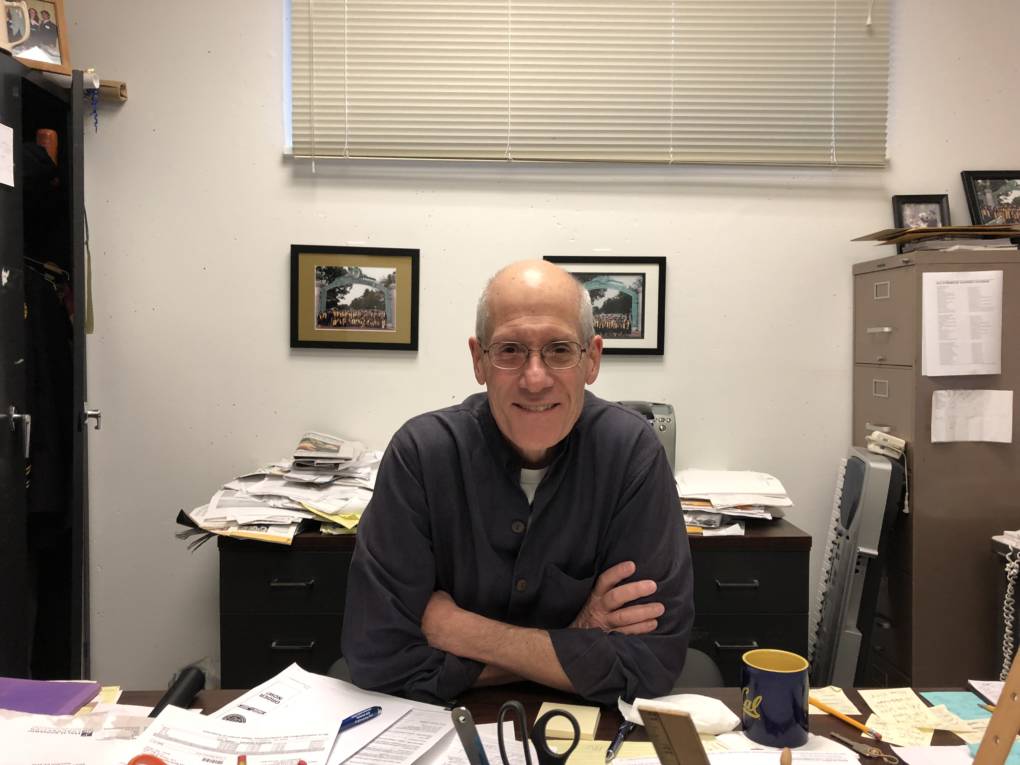
"caption": "Dr. Robert Calonico sits in his UC Berkeley office on Friday, Dec. 8, 2017.",
"description": null,
"title": "Calonico",
"credit": "Jeremy Siegel/KQED",
"status": "inherit",
"isLoading": false,
"fetchFailed": false
},
"news_11635619": {
"type": "attachments",
"id": "news_11635619",
"meta": {
"index": "attachments_1716263798",
"site": "news",
"id": "11635619",
"found": true
},
"parent": 11635285,
"imgSizes": {
"small": {
"file": "https://ww2.kqed.org/app/uploads/sites/10/2017/12/RS28377_Sphinx-face-qut-520x376.jpg",
"width": 520,
"mimeType": "image/jpeg",
"height": 376
},
"twentyfourteen-full-width": {
"file": "https://ww2.kqed.org/app/uploads/sites/10/2017/12/RS28377_Sphinx-face-qut-1038x576.jpg",
"width": 1038,
"mimeType": "image/jpeg",
"height": 576
},
"thumbnail": {
"file": "https://ww2.kqed.org/app/uploads/sites/10/2017/12/RS28377_Sphinx-face-qut-160x116.jpg",
"width": 160,
"mimeType": "image/jpeg",
"height": 116
},
"fd-sm": {
"file": "https://ww2.kqed.org/app/uploads/sites/10/2017/12/RS28377_Sphinx-face-qut-960x694.jpg",
"width": 960,
"mimeType": "image/jpeg",
"height": 694
},
"post-thumbnail": {
"file": "https://ww2.kqed.org/app/uploads/sites/10/2017/12/RS28377_Sphinx-face-qut-672x372.jpg",
"width": 672,
"mimeType": "image/jpeg",
"height": 372
},
"xsmall": {
"file": "https://ww2.kqed.org/app/uploads/sites/10/2017/12/RS28377_Sphinx-face-qut-375x271.jpg",
"width": 375,
"mimeType": "image/jpeg",
"height": 271
},
"kqedFullSize": {
"file": "https://ww2.kqed.org/app/uploads/sites/10/2017/12/RS28377_Sphinx-face-qut.jpg",
"width": 1920,
"height": 1387
},
"large": {
"file": "https://ww2.kqed.org/app/uploads/sites/10/2017/12/RS28377_Sphinx-face-qut-1020x737.jpg",
"width": 1020,
"mimeType": "image/jpeg",
"height": 737
},
"xlarge": {
"file": "https://ww2.kqed.org/app/uploads/sites/10/2017/12/RS28377_Sphinx-face-qut-1180x852.jpg",
"width": 1180,
"mimeType": "image/jpeg",
"height": 852
},
"guest-author-50": {
"file": "https://ww2.kqed.org/app/uploads/sites/10/2017/12/RS28377_Sphinx-face-qut-50x50.jpg",
"width": 50,
"mimeType": "image/jpeg",
"height": 50
},
"guest-author-96": {
"file": "https://ww2.kqed.org/app/uploads/sites/10/2017/12/RS28377_Sphinx-face-qut-96x96.jpg",
"width": 96,
"mimeType": "image/jpeg",
"height": 96
},
"medium": {
"file": "https://ww2.kqed.org/app/uploads/sites/10/2017/12/RS28377_Sphinx-face-qut-800x578.jpg",
"width": 800,
"mimeType": "image/jpeg",
"height": 578
},
"guest-author-64": {
"file": "https://ww2.kqed.org/app/uploads/sites/10/2017/12/RS28377_Sphinx-face-qut-64x64.jpg",
"width": 64,
"mimeType": "image/jpeg",
"height": 64
},
"guest-author-32": {
"file": "https://ww2.kqed.org/app/uploads/sites/10/2017/12/RS28377_Sphinx-face-qut-32x32.jpg",
"width": 32,
"mimeType": "image/jpeg",
"height": 32
},
"fd-lrg": {
"file": "https://ww2.kqed.org/app/uploads/sites/10/2017/12/RS28377_Sphinx-face-qut-1920x1387.jpg",
"width": 1920,
"mimeType": "image/jpeg",
"height": 1387
},
"fd-med": {
"file": "https://ww2.kqed.org/app/uploads/sites/10/2017/12/RS28377_Sphinx-face-qut-1180x852.jpg",
"width": 1180,
"mimeType": "image/jpeg",
"height": 852
},
"full-width": {
"file": "https://ww2.kqed.org/app/uploads/sites/10/2017/12/RS28377_Sphinx-face-qut-1920x1387.jpg",
"width": 1920,
"mimeType": "image/jpeg",
"height": 1387
},
"detail": {
"file": "https://ww2.kqed.org/app/uploads/sites/10/2017/12/RS28377_Sphinx-face-qut-150x150.jpg",
"width": 150,
"mimeType": "image/jpeg",
"height": 150
},
"guest-author-128": {
"file": "https://ww2.kqed.org/app/uploads/sites/10/2017/12/RS28377_Sphinx-face-qut-128x128.jpg",
"width": 128,
"mimeType": "image/jpeg",
"height": 128
},
"xxsmall": {
"file": "https://ww2.kqed.org/app/uploads/sites/10/2017/12/RS28377_Sphinx-face-qut-240x173.jpg",
"width": 240,
"mimeType": "image/jpeg",
"height": 173
}
},
"publishDate": 1512681450,
"modified": 1512769828,
"caption": "The face of the sphinx statue recently uncovered by archaeologists in the Guadalupe-Nipomo Sand Dunes.\n",
"description": null,
"title": "RS28377_Sphinx face-qut",
"credit": "Courtesy of Guadalupe-Nipomo Dunes Center",
"status": "inherit",
"isLoading": false,
"fetchFailed": false
},
"news_11636022": {
"type": "attachments",
"id": "news_11636022",
"meta": {
"index": "attachments_1716263798",
"site": "news",
"id": "11636022",
"found": true
},
"parent": 11636018,
"imgSizes": {
"small": {
"file": "https://ww2.kqed.org/app/uploads/sites/10/2017/12/RS28447_Photo-Dec-07-3-31-23-PM-2-qut-520x293.jpg",
"width": 520,
"mimeType": "image/jpeg",
"height": 293
},
"twentyfourteen-full-width": {
"file": "https://ww2.kqed.org/app/uploads/sites/10/2017/12/RS28447_Photo-Dec-07-3-31-23-PM-2-qut-1038x576.jpg",
"width": 1038,
"mimeType": "image/jpeg",
"height": 576
},
"thumbnail": {
"file": "https://ww2.kqed.org/app/uploads/sites/10/2017/12/RS28447_Photo-Dec-07-3-31-23-PM-2-qut-160x90.jpg",
"width": 160,
"mimeType": "image/jpeg",
"height": 90
},
"fd-sm": {
"file": "https://ww2.kqed.org/app/uploads/sites/10/2017/12/RS28447_Photo-Dec-07-3-31-23-PM-2-qut-960x540.jpg",
"width": 960,
"mimeType": "image/jpeg",
"height": 540
},
"post-thumbnail": {
"file": "https://ww2.kqed.org/app/uploads/sites/10/2017/12/RS28447_Photo-Dec-07-3-31-23-PM-2-qut-672x372.jpg",
"width": 672,
"mimeType": "image/jpeg",
"height": 372
},
"xsmall": {
"file": "https://ww2.kqed.org/app/uploads/sites/10/2017/12/RS28447_Photo-Dec-07-3-31-23-PM-2-qut-375x211.jpg",
"width": 375,
"mimeType": "image/jpeg",
"height": 211
},
"kqedFullSize": {
"file": "https://ww2.kqed.org/app/uploads/sites/10/2017/12/RS28447_Photo-Dec-07-3-31-23-PM-2-qut.jpg",
"width": 1920,
"height": 1080
},
"large": {
"file": "https://ww2.kqed.org/app/uploads/sites/10/2017/12/RS28447_Photo-Dec-07-3-31-23-PM-2-qut-1020x574.jpg",
"width": 1020,
"mimeType": "image/jpeg",
"height": 574
},
"xlarge": {
"file": "https://ww2.kqed.org/app/uploads/sites/10/2017/12/RS28447_Photo-Dec-07-3-31-23-PM-2-qut-1180x664.jpg",
"width": 1180,
"mimeType": "image/jpeg",
"height": 664
},
"guest-author-50": {
"file": "https://ww2.kqed.org/app/uploads/sites/10/2017/12/RS28447_Photo-Dec-07-3-31-23-PM-2-qut-50x50.jpg",
"width": 50,
"mimeType": "image/jpeg",
"height": 50
},
"guest-author-96": {
"file": "https://ww2.kqed.org/app/uploads/sites/10/2017/12/RS28447_Photo-Dec-07-3-31-23-PM-2-qut-96x96.jpg",
"width": 96,
"mimeType": "image/jpeg",
"height": 96
},
"medium": {
"file": "https://ww2.kqed.org/app/uploads/sites/10/2017/12/RS28447_Photo-Dec-07-3-31-23-PM-2-qut-800x450.jpg",
"width": 800,
"mimeType": "image/jpeg",
"height": 450
},
"guest-author-64": {
"file": "https://ww2.kqed.org/app/uploads/sites/10/2017/12/RS28447_Photo-Dec-07-3-31-23-PM-2-qut-64x64.jpg",
"width": 64,
"mimeType": "image/jpeg",
"height": 64
},
"guest-author-32": {
"file": "https://ww2.kqed.org/app/uploads/sites/10/2017/12/RS28447_Photo-Dec-07-3-31-23-PM-2-qut-32x32.jpg",
"width": 32,
"mimeType": "image/jpeg",
"height": 32
},
"fd-lrg": {
"file": "https://ww2.kqed.org/app/uploads/sites/10/2017/12/RS28447_Photo-Dec-07-3-31-23-PM-2-qut-1920x1080.jpg",
"width": 1920,
"mimeType": "image/jpeg",
"height": 1080
},
"fd-med": {
"file": "https://ww2.kqed.org/app/uploads/sites/10/2017/12/RS28447_Photo-Dec-07-3-31-23-PM-2-qut-1180x664.jpg",
"width": 1180,
"mimeType": "image/jpeg",
"height": 664
},
"full-width": {
"file": "https://ww2.kqed.org/app/uploads/sites/10/2017/12/RS28447_Photo-Dec-07-3-31-23-PM-2-qut-1920x1080.jpg",
"width": 1920,
"mimeType": "image/jpeg",
"height": 1080
},
"detail": {
"file": "https://ww2.kqed.org/app/uploads/sites/10/2017/12/RS28447_Photo-Dec-07-3-31-23-PM-2-qut-150x150.jpg",
"width": 150,
"mimeType": "image/jpeg",
"height": 150
},
"guest-author-128": {
"file": "https://ww2.kqed.org/app/uploads/sites/10/2017/12/RS28447_Photo-Dec-07-3-31-23-PM-2-qut-128x128.jpg",
"width": 128,
"mimeType": "image/jpeg",
"height": 128
},
"xxsmall": {
"file": "https://ww2.kqed.org/app/uploads/sites/10/2017/12/RS28447_Photo-Dec-07-3-31-23-PM-2-qut-240x135.jpg",
"width": 240,
"mimeType": "image/jpeg",
"height": 135
}
},
"publishDate": 1512799889,
"modified": 1512832716,
"caption": "Chester and Amy Nozaki of the San Jose Tofu Company are feeling ready to retire.",
"description": "Chester and Amy Nozaki of the San Jose Tofu Company are feeling ready to retire.",
"title": "RS28447_Photo Dec 07, 3 31 23 PM 2-qut",
"credit": "Rachael Myrow/KQED",
"status": "inherit",
"isLoading": false,
"fetchFailed": false
},
"news_11634712": {
"type": "attachments",
"id": "news_11634712",
"meta": {
"index": "attachments_1716263798",
"site": "news",
"id": "11634712",
"found": true
},
"parent": 11634696,
"imgSizes": {
"small": {
"file": "https://ww2.kqed.org/app/uploads/sites/10/2017/12/RS28272_alt_652-520x341.jpg",
"width": 520,
"mimeType": "image/jpeg",
"height": 341
},
"twentyfourteen-full-width": {
"file": "https://ww2.kqed.org/app/uploads/sites/10/2017/12/RS28272_alt_652-1038x576.jpg",
"width": 1038,
"mimeType": "image/jpeg",
"height": 576
},
"thumbnail": {
"file": "https://ww2.kqed.org/app/uploads/sites/10/2017/12/RS28272_alt_652-160x105.jpg",
"width": 160,
"mimeType": "image/jpeg",
"height": 105
},
"fd-sm": {
"file": "https://ww2.kqed.org/app/uploads/sites/10/2017/12/RS28272_alt_652-960x630.jpg",
"width": 960,
"mimeType": "image/jpeg",
"height": 630
},
"post-thumbnail": {
"file": "https://ww2.kqed.org/app/uploads/sites/10/2017/12/RS28272_alt_652-672x372.jpg",
"width": 672,
"mimeType": "image/jpeg",
"height": 372
},
"xsmall": {
"file": "https://ww2.kqed.org/app/uploads/sites/10/2017/12/RS28272_alt_652-375x246.jpg",
"width": 375,
"mimeType": "image/jpeg",
"height": 246
},
"kqedFullSize": {
"file": "https://ww2.kqed.org/app/uploads/sites/10/2017/12/RS28272_alt_652.jpg",
"width": 1270,
"height": 833
},
"large": {
"file": "https://ww2.kqed.org/app/uploads/sites/10/2017/12/RS28272_alt_652-1020x669.jpg",
"width": 1020,
"mimeType": "image/jpeg",
"height": 669
},
"xlarge": {
"file": "https://ww2.kqed.org/app/uploads/sites/10/2017/12/RS28272_alt_652-1180x774.jpg",
"width": 1180,
"mimeType": "image/jpeg",
"height": 774
},
"guest-author-50": {
"file": "https://ww2.kqed.org/app/uploads/sites/10/2017/12/RS28272_alt_652-50x50.jpg",
"width": 50,
"mimeType": "image/jpeg",
"height": 50
},
"guest-author-96": {
"file": "https://ww2.kqed.org/app/uploads/sites/10/2017/12/RS28272_alt_652-96x96.jpg",
"width": 96,
"mimeType": "image/jpeg",
"height": 96
},
"medium": {
"file": "https://ww2.kqed.org/app/uploads/sites/10/2017/12/RS28272_alt_652-800x525.jpg",
"width": 800,
"mimeType": "image/jpeg",
"height": 525
},
"guest-author-64": {
"file": "https://ww2.kqed.org/app/uploads/sites/10/2017/12/RS28272_alt_652-64x64.jpg",
"width": 64,
"mimeType": "image/jpeg",
"height": 64
},
"guest-author-32": {
"file": "https://ww2.kqed.org/app/uploads/sites/10/2017/12/RS28272_alt_652-32x32.jpg",
"width": 32,
"mimeType": "image/jpeg",
"height": 32
},
"fd-med": {
"file": "https://ww2.kqed.org/app/uploads/sites/10/2017/12/RS28272_alt_652-1180x774.jpg",
"width": 1180,
"mimeType": "image/jpeg",
"height": 774
},
"detail": {
"file": "https://ww2.kqed.org/app/uploads/sites/10/2017/12/RS28272_alt_652-150x150.jpg",
"width": 150,
"mimeType": "image/jpeg",
"height": 150
},
"guest-author-128": {
"file": "https://ww2.kqed.org/app/uploads/sites/10/2017/12/RS28272_alt_652-128x128.jpg",
"width": 128,
"mimeType": "image/jpeg",
"height": 128
},
"xxsmall": {
"file": "https://ww2.kqed.org/app/uploads/sites/10/2017/12/RS28272_alt_652-240x157.jpg",
"width": 240,
"mimeType": "image/jpeg",
"height": 157
}
},
"publishDate": 1512422218,
"modified": 1512422255,
"caption": "The supermoon as seen from Quintin Chisolm's North Oakland backyard.\n",
"description": null,
"title": "RS28272_alt_652",
"credit": "Quintin Chisolm",
"status": "inherit",
"isLoading": false,
"fetchFailed": false
},
"news_11634570": {
"type": "attachments",
"id": "news_11634570",
"meta": {
"index": "attachments_1716263798",
"site": "news",
"id": "11634570",
"found": true
},
"parent": 11634497,
"imgSizes": {
"small": {
"file": "https://ww2.kqed.org/app/uploads/sites/10/2017/12/RS28187_Bumpass-Hell-Basin-Overlook_Buckley-Maidt-Photo-1-qut-520x371.jpg",
"width": 520,
"mimeType": "image/jpeg",
"height": 371
},
"twentyfourteen-full-width": {
"file": "https://ww2.kqed.org/app/uploads/sites/10/2017/12/RS28187_Bumpass-Hell-Basin-Overlook_Buckley-Maidt-Photo-1-qut-999x576.jpg",
"width": 999,
"mimeType": "image/jpeg",
"height": 576
},
"thumbnail": {
"file": "https://ww2.kqed.org/app/uploads/sites/10/2017/12/RS28187_Bumpass-Hell-Basin-Overlook_Buckley-Maidt-Photo-1-qut-160x114.jpg",
"width": 160,
"mimeType": "image/jpeg",
"height": 114
},
"fd-sm": {
"file": "https://ww2.kqed.org/app/uploads/sites/10/2017/12/RS28187_Bumpass-Hell-Basin-Overlook_Buckley-Maidt-Photo-1-qut-960x685.jpg",
"width": 960,
"mimeType": "image/jpeg",
"height": 685
},
"post-thumbnail": {
"file": "https://ww2.kqed.org/app/uploads/sites/10/2017/12/RS28187_Bumpass-Hell-Basin-Overlook_Buckley-Maidt-Photo-1-qut-672x372.jpg",
"width": 672,
"mimeType": "image/jpeg",
"height": 372
},
"xsmall": {
"file": "https://ww2.kqed.org/app/uploads/sites/10/2017/12/RS28187_Bumpass-Hell-Basin-Overlook_Buckley-Maidt-Photo-1-qut-375x268.jpg",
"width": 375,
"mimeType": "image/jpeg",
"height": 268
},
"kqedFullSize": {
"file": "https://ww2.kqed.org/app/uploads/sites/10/2017/12/RS28187_Bumpass-Hell-Basin-Overlook_Buckley-Maidt-Photo-1-qut.jpg",
"width": 999,
"height": 713
},
"guest-author-50": {
"file": "https://ww2.kqed.org/app/uploads/sites/10/2017/12/RS28187_Bumpass-Hell-Basin-Overlook_Buckley-Maidt-Photo-1-qut-50x50.jpg",
"width": 50,
"mimeType": "image/jpeg",
"height": 50
},
"guest-author-96": {
"file": "https://ww2.kqed.org/app/uploads/sites/10/2017/12/RS28187_Bumpass-Hell-Basin-Overlook_Buckley-Maidt-Photo-1-qut-96x96.jpg",
"width": 96,
"mimeType": "image/jpeg",
"height": 96
},
"medium": {
"file": "https://ww2.kqed.org/app/uploads/sites/10/2017/12/RS28187_Bumpass-Hell-Basin-Overlook_Buckley-Maidt-Photo-1-qut-800x571.jpg",
"width": 800,
"mimeType": "image/jpeg",
"height": 571
},
"guest-author-64": {
"file": "https://ww2.kqed.org/app/uploads/sites/10/2017/12/RS28187_Bumpass-Hell-Basin-Overlook_Buckley-Maidt-Photo-1-qut-64x64.jpg",
"width": 64,
"mimeType": "image/jpeg",
"height": 64
},
"guest-author-32": {
"file": "https://ww2.kqed.org/app/uploads/sites/10/2017/12/RS28187_Bumpass-Hell-Basin-Overlook_Buckley-Maidt-Photo-1-qut-32x32.jpg",
"width": 32,
"mimeType": "image/jpeg",
"height": 32
},
"detail": {
"file": "https://ww2.kqed.org/app/uploads/sites/10/2017/12/RS28187_Bumpass-Hell-Basin-Overlook_Buckley-Maidt-Photo-1-qut-150x150.jpg",
"width": 150,
"mimeType": "image/jpeg",
"height": 150
},
"guest-author-128": {
"file": "https://ww2.kqed.org/app/uploads/sites/10/2017/12/RS28187_Bumpass-Hell-Basin-Overlook_Buckley-Maidt-Photo-1-qut-128x128.jpg",
"width": 128,
"mimeType": "image/jpeg",
"height": 128
},
"xxsmall": {
"file": "https://ww2.kqed.org/app/uploads/sites/10/2017/12/RS28187_Bumpass-Hell-Basin-Overlook_Buckley-Maidt-Photo-1-qut-240x171.jpg",
"width": 240,
"mimeType": "image/jpeg",
"height": 171
}
},
"publishDate": 1512266784,
"modified": 1512266817,
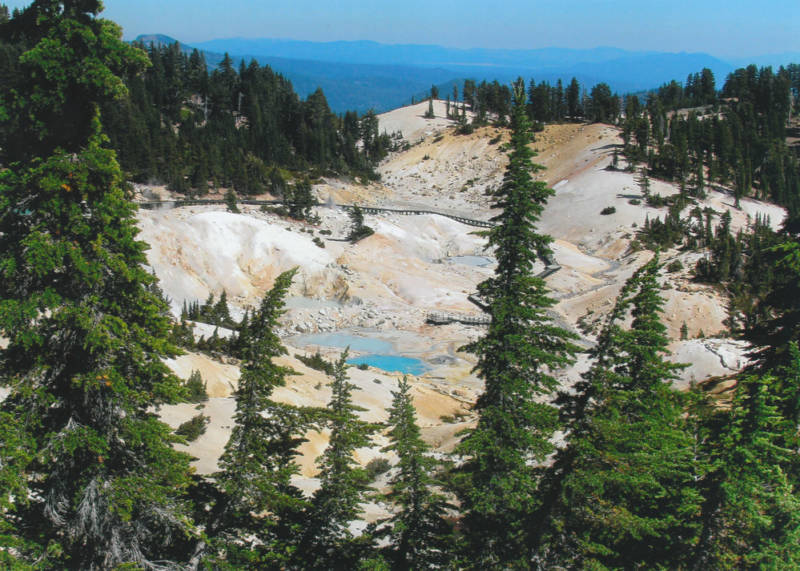
"caption": "A view of Bumpass Hell from an overlook with blue boiling pools, steaming fumaroles, and Lake Almanor in the distance.",
"description": null,
"title": "Bumpass Hell Overlook",
"credit": "Diane Buckley-Maidt",
"status": "inherit",
"isLoading": false,
"fetchFailed": false
},
"news_11634534": {
"type": "attachments",
"id": "news_11634534",
"meta": {
"index": "attachments_1716263798",
"site": "news",
"id": "11634534",
"found": true
},
"parent": 11634529,
"imgSizes": {
"small": {
"file": "https://ww2.kqed.org/app/uploads/sites/10/2017/12/Ghostship-main-e1512260026822-520x390.jpg",
"width": 520,
"mimeType": "image/jpeg",
"height": 390
},
"twentyfourteen-full-width": {
"file": "https://ww2.kqed.org/app/uploads/sites/10/2017/12/Ghostship-main-e1512260026822-1038x576.jpg",
"width": 1038,
"mimeType": "image/jpeg",
"height": 576
},
"thumbnail": {
"file": "https://ww2.kqed.org/app/uploads/sites/10/2017/12/Ghostship-main-e1512260026822-160x120.jpg",
"width": 160,
"mimeType": "image/jpeg",
"height": 120
},
"fd-sm": {
"file": "https://ww2.kqed.org/app/uploads/sites/10/2017/12/Ghostship-main-e1512260026822-960x720.jpg",
"width": 960,
"mimeType": "image/jpeg",
"height": 720
},
"post-thumbnail": {
"file": "https://ww2.kqed.org/app/uploads/sites/10/2017/12/Ghostship-main-e1512260026822-672x372.jpg",
"width": 672,
"mimeType": "image/jpeg",
"height": 372
},
"xsmall": {
"file": "https://ww2.kqed.org/app/uploads/sites/10/2017/12/Ghostship-main-e1512260026822-375x281.jpg",
"width": 375,
"mimeType": "image/jpeg",
"height": 281
},
"kqedFullSize": {
"file": "https://ww2.kqed.org/app/uploads/sites/10/2017/12/Ghostship-main-e1512260026822.jpg",
"width": 2048,
"height": 1536
},
"large": {
"file": "https://ww2.kqed.org/app/uploads/sites/10/2017/12/Ghostship-main-e1512260026822-1020x765.jpg",
"width": 1020,
"mimeType": "image/jpeg",
"height": 765
},
"xlarge": {
"file": "https://ww2.kqed.org/app/uploads/sites/10/2017/12/Ghostship-main-e1512260026822-1180x885.jpg",
"width": 1180,
"mimeType": "image/jpeg",
"height": 885
},
"guest-author-50": {
"file": "https://ww2.kqed.org/app/uploads/sites/10/2017/12/Ghostship-main-e1512260026822-50x50.jpg",
"width": 50,
"mimeType": "image/jpeg",
"height": 50
},
"guest-author-96": {
"file": "https://ww2.kqed.org/app/uploads/sites/10/2017/12/Ghostship-main-e1512260026822-96x96.jpg",
"width": 96,
"mimeType": "image/jpeg",
"height": 96
},
"medium": {
"file": "https://ww2.kqed.org/app/uploads/sites/10/2017/12/Ghostship-main-e1512260026822-800x600.jpg",
"width": 800,
"mimeType": "image/jpeg",
"height": 600
},
"guest-author-64": {
"file": "https://ww2.kqed.org/app/uploads/sites/10/2017/12/Ghostship-main-e1512260026822-64x64.jpg",
"width": 64,
"mimeType": "image/jpeg",
"height": 64
},
"guest-author-32": {
"file": "https://ww2.kqed.org/app/uploads/sites/10/2017/12/Ghostship-main-e1512260026822-32x32.jpg",
"width": 32,
"mimeType": "image/jpeg",
"height": 32
},
"fd-lrg": {
"file": "https://ww2.kqed.org/app/uploads/sites/10/2017/12/Ghostship-main-e1512260026822-1920x1440.jpg",
"width": 1920,
"mimeType": "image/jpeg",
"height": 1440
},
"fd-med": {
"file": "https://ww2.kqed.org/app/uploads/sites/10/2017/12/Ghostship-main-e1512260026822-1180x885.jpg",
"width": 1180,
"mimeType": "image/jpeg",
"height": 885
},
"full-width": {
"file": "https://ww2.kqed.org/app/uploads/sites/10/2017/12/Ghostship-main-e1512260026822-1920x1440.jpg",
"width": 1920,
"mimeType": "image/jpeg",
"height": 1440
},
"detail": {
"file": "https://ww2.kqed.org/app/uploads/sites/10/2017/12/Ghostship-main-e1512260026822-150x150.jpg",
"width": 150,
"mimeType": "image/jpeg",
"height": 150
},
"guest-author-128": {
"file": "https://ww2.kqed.org/app/uploads/sites/10/2017/12/Ghostship-main-e1512260026822-128x128.jpg",
"width": 128,
"mimeType": "image/jpeg",
"height": 128
},
"xxsmall": {
"file": "https://ww2.kqed.org/app/uploads/sites/10/2017/12/Ghostship-main-e1512260026822-240x180.jpg",
"width": 240,
"mimeType": "image/jpeg",
"height": 180
}
},
"publishDate": 1512259977,
"modified": 1512260104,
"caption": "Visitors to the Ghost Ship memorial contribute to the public art display.",
"description": null,
"title": "Ghostship main",
"credit": "Guy Marzorati/KQED",
"status": "inherit",
"isLoading": false,
"fetchFailed": false
},
"news_11634084": {
"type": "attachments",
"id": "news_11634084",
"meta": {
"index": "attachments_1716263798",
"site": "news",
"id": "11634084",
"found": true
},
"parent": 11634077,
"imgSizes": {
"small": {
"file": "https://ww2.kqed.org/app/uploads/sites/10/2017/11/ghost_ship_anniversary01-520x520.gif",
"width": 520,
"mimeType": "image/gif",
"height": 520
},
"twentyfourteen-full-width": {
"file": "https://ww2.kqed.org/app/uploads/sites/10/2017/11/ghost_ship_anniversary01-1008x576.gif",
"width": 1008,
"mimeType": "image/gif",
"height": 576
},
"thumbnail": {
"file": "https://ww2.kqed.org/app/uploads/sites/10/2017/11/ghost_ship_anniversary01-160x160.gif",
"width": 160,
"mimeType": "image/gif",
"height": 160
},
"fd-sm": {
"file": "https://ww2.kqed.org/app/uploads/sites/10/2017/11/ghost_ship_anniversary01-960x960.gif",
"width": 960,
"mimeType": "image/gif",
"height": 960
},
"post-thumbnail": {
"file": "https://ww2.kqed.org/app/uploads/sites/10/2017/11/ghost_ship_anniversary01-672x372.gif",
"width": 672,
"mimeType": "image/gif",
"height": 372
},
"xsmall": {
"file": "https://ww2.kqed.org/app/uploads/sites/10/2017/11/ghost_ship_anniversary01-375x375.gif",
"width": 375,
"mimeType": "image/gif",
"height": 375
},
"kqedFullSize": {
"file": "https://ww2.kqed.org/app/uploads/sites/10/2017/11/ghost_ship_anniversary01.gif",
"width": 1008,
"height": 1008
},
"guest-author-50": {
"file": "https://ww2.kqed.org/app/uploads/sites/10/2017/11/ghost_ship_anniversary01-50x50.gif",
"width": 50,
"mimeType": "image/gif",
"height": 50
},
"guest-author-96": {
"file": "https://ww2.kqed.org/app/uploads/sites/10/2017/11/ghost_ship_anniversary01-96x96.gif",
"width": 96,
"mimeType": "image/gif",
"height": 96
},
"medium": {
"file": "https://ww2.kqed.org/app/uploads/sites/10/2017/11/ghost_ship_anniversary01-800x800.gif",
"width": 800,
"mimeType": "image/gif",
"height": 800
},
"guest-author-64": {
"file": "https://ww2.kqed.org/app/uploads/sites/10/2017/11/ghost_ship_anniversary01-64x64.gif",
"width": 64,
"mimeType": "image/gif",
"height": 64
},
"guest-author-32": {
"file": "https://ww2.kqed.org/app/uploads/sites/10/2017/11/ghost_ship_anniversary01-32x32.gif",
"width": 32,
"mimeType": "image/gif",
"height": 32
},
"detail": {
"file": "https://ww2.kqed.org/app/uploads/sites/10/2017/11/ghost_ship_anniversary01-150x150.gif",
"width": 150,
"mimeType": "image/gif",
"height": 150
},
"guest-author-128": {
"file": "https://ww2.kqed.org/app/uploads/sites/10/2017/11/ghost_ship_anniversary01-128x128.gif",
"width": 128,
"mimeType": "image/gif",
"height": 128
},
"xxsmall": {
"file": "https://ww2.kqed.org/app/uploads/sites/10/2017/11/ghost_ship_anniversary01-240x240.gif",
"width": 240,
"mimeType": "image/gif",
"height": 240
}
},
"publishDate": 1512077366,
"modified": 1512077398,
"caption": null,
"description": null,
"title": "ghost_ship_anniversary01",
"credit": null,
"status": "inherit",
"isLoading": false,
"fetchFailed": false
},
"news_11633014": {
"type": "attachments",
"id": "news_11633014",
"meta": {
"index": "attachments_1716263798",
"site": "news",
"id": "11633014",
"found": true
},
"parent": 11632699,
"imgSizes": {
"small": {
"file": "https://ww2.kqed.org/app/uploads/sites/10/2017/11/band2-520x374.jpg",
"width": 520,
"mimeType": "image/jpeg",
"height": 374
},
"twentyfourteen-full-width": {
"file": "https://ww2.kqed.org/app/uploads/sites/10/2017/11/band2-1038x576.jpg",
"width": 1038,
"mimeType": "image/jpeg",
"height": 576
},
"thumbnail": {
"file": "https://ww2.kqed.org/app/uploads/sites/10/2017/11/band2-160x115.jpg",
"width": 160,
"mimeType": "image/jpeg",
"height": 115
},
"fd-sm": {
"file": "https://ww2.kqed.org/app/uploads/sites/10/2017/11/band2-960x690.jpg",
"width": 960,
"mimeType": "image/jpeg",
"height": 690
},
"post-thumbnail": {
"file": "https://ww2.kqed.org/app/uploads/sites/10/2017/11/band2-672x372.jpg",
"width": 672,
"mimeType": "image/jpeg",
"height": 372
},
"xsmall": {
"file": "https://ww2.kqed.org/app/uploads/sites/10/2017/11/band2-375x269.jpg",
"width": 375,
"mimeType": "image/jpeg",
"height": 269
},
"kqedFullSize": {
"file": "https://ww2.kqed.org/app/uploads/sites/10/2017/11/band2-e1511380297663.jpg",
"width": 1920,
"height": 1379
},
"large": {
"file": "https://ww2.kqed.org/app/uploads/sites/10/2017/11/band2-1020x733.jpg",
"width": 1020,
"mimeType": "image/jpeg",
"height": 733
},
"xlarge": {
"file": "https://ww2.kqed.org/app/uploads/sites/10/2017/11/band2-1180x848.jpg",
"width": 1180,
"mimeType": "image/jpeg",
"height": 848
},
"guest-author-50": {
"file": "https://ww2.kqed.org/app/uploads/sites/10/2017/11/band2-50x50.jpg",
"width": 50,
"mimeType": "image/jpeg",
"height": 50
},
"guest-author-96": {
"file": "https://ww2.kqed.org/app/uploads/sites/10/2017/11/band2-96x96.jpg",
"width": 96,
"mimeType": "image/jpeg",
"height": 96
},
"medium": {
"file": "https://ww2.kqed.org/app/uploads/sites/10/2017/11/band2-800x575.jpg",
"width": 800,
"mimeType": "image/jpeg",
"height": 575
},
"guest-author-64": {
"file": "https://ww2.kqed.org/app/uploads/sites/10/2017/11/band2-64x64.jpg",
"width": 64,
"mimeType": "image/jpeg",
"height": 64
},
"guest-author-32": {
"file": "https://ww2.kqed.org/app/uploads/sites/10/2017/11/band2-32x32.jpg",
"width": 32,
"mimeType": "image/jpeg",
"height": 32
},
"fd-lrg": {
"file": "https://ww2.kqed.org/app/uploads/sites/10/2017/11/band2-1920x1379.jpg",
"width": 1920,
"mimeType": "image/jpeg",
"height": 1379
},
"fd-med": {
"file": "https://ww2.kqed.org/app/uploads/sites/10/2017/11/band2-1180x848.jpg",
"width": 1180,
"mimeType": "image/jpeg",
"height": 848
},
"full-width": {
"file": "https://ww2.kqed.org/app/uploads/sites/10/2017/11/band2-1920x1379.jpg",
"width": 1920,
"mimeType": "image/jpeg",
"height": 1379
},
"detail": {
"file": "https://ww2.kqed.org/app/uploads/sites/10/2017/11/band2-150x150.jpg",
"width": 150,
"mimeType": "image/jpeg",
"height": 150
},
"guest-author-128": {
"file": "https://ww2.kqed.org/app/uploads/sites/10/2017/11/band2-128x128.jpg",
"width": 128,
"mimeType": "image/jpeg",
"height": 128
},
"xxsmall": {
"file": "https://ww2.kqed.org/app/uploads/sites/10/2017/11/band2-240x172.jpg",
"width": 240,
"mimeType": "image/jpeg",
"height": 172
}
},
"publishDate": 1511380165,
"modified": 1511382777,
"caption": "Walter Morgan Jr. performs in the KQED studios on Nov. 21, 2017. He founded the Sons of the Soul Revivers in 1970. He and his brothers have been singing together ever since they were kids in church. They are now finally reaching audiences outside the church walls.",
"description": null,
"title": "band2",
"credit": "Sarah Craig/KQED",
"status": "inherit",
"isLoading": false,
"fetchFailed": false
}
},
"audioPlayerReducer": {
"postId": "stream_live",
"isPaused": true,
"isPlaying": false,
"pfsActive": false,
"pledgeModalIsOpen": true,
"playerDrawerIsOpen": false,
"liveAudioPlayStartedAt": 0,
"liveAudioPlayContext": ""
},
"authorsReducer": {
"byline_news_11636742": {
"type": "authors",
"id": "byline_news_11636742",
"meta": {
"override": true
},
"slug": "byline_news_11636742",
"name": "Colin Dwyer",
"isLoading": false
},
"gmarzorati": {
"type": "authors",
"id": "227",
"meta": {
"index": "authors_1716337520",
"id": "227",
"found": true
},
"name": "Guy Marzorati",
"firstName": "Guy",
"lastName": "Marzorati",
"slug": "gmarzorati",
"email": "gmarzorati@KQED.org",
"display_author_email": true,
"staff_mastheads": [
"news"
],
"title": "Correspondent",
"bio": "Guy Marzorati is a correspondent on KQED's California Politics and Government Desk, based in San Jose. A graduate of Santa Clara University, Guy joined KQED in 2013. He reports on state and local politics and produces KQED's digital voter guide.",
"avatar": "https://secure.gravatar.com/avatar/e7038b8dbfd55b104369b76b1cd0b9de?s=600&d=blank&r=g",
"twitter": "guymarzorati",
"facebook": null,
"instagram": null,
"linkedin": null,
"sites": [
{
"site": "",
"roles": [
"editor"
]
},
{
"site": "news",
"roles": [
"editor"
]
},
{
"site": "science",
"roles": [
"editor"
]
},
{
"site": "forum",
"roles": [
"editor"
]
},
{
"site": "elections",
"roles": [
"editor"
]
},
{
"site": "liveblog",
"roles": [
"editor"
]
}
],
"headData": {
"title": "Guy Marzorati | KQED",
"description": "Correspondent",
"ogImgSrc": "https://secure.gravatar.com/avatar/e7038b8dbfd55b104369b76b1cd0b9de?s=600&d=blank&r=g",
"twImgSrc": "https://secure.gravatar.com/avatar/e7038b8dbfd55b104369b76b1cd0b9de?s=600&d=blank&r=g"
},
"isLoading": false,
"link": "/author/gmarzorati"
},
"rachael-myrow": {
"type": "authors",
"id": "251",
"meta": {
"index": "authors_1716337520",
"id": "251",
"found": true
},
"name": "Rachael Myrow",
"firstName": "Rachael",
"lastName": "Myrow",
"slug": "rachael-myrow",
"email": "rmyrow@kqed.org",
"display_author_email": true,
"staff_mastheads": [
"news"
],
"title": "Senior Editor of KQED's Silicon Valley News Desk",
"bio": "• I write and edit stories about how Silicon Valley power and policies shape everyday life in California. I’m also passionate about making Bay Area history and culture more accessible to a broad public. • I’ve been a journalist for most of my life, starting in high school with The Franklin Press in Los Angeles, where I grew up. While earning my first degree in English at UC Berkeley, I got my start in public radio at KALX-FM. After completing a second degree in journalism at Cal, I landed my first professional job at Marketplace, then moved on to KPCC (now LAist), and then KQED, where I hosted The California Report for more than seven years. • My reporting has appeared on NPR, The World, WBUR’s \u003ci>Here & Now\u003c/i>, and the BBC. I also guest host for KQED’s \u003ci>Forum\u003c/i>, as well as the Commonwealth Club in San Francisco. • I speak periodically on media, democracy and technology issues, and do voiceover work for documentaries and educational video projects. • Outside of the studio, you'll find me hiking Bay Area trails and whipping up Insta-ready meals in my kitchen. • I do not accept gifts, money, or favors from anyone connected to my reporting, I don't pay people for information, and I do not support or donate to political causes. • I strive to treat the people I report on with fairness, honesty, and respect. I also recognize there are often multiple sides to a story and work to verify information through multiple sources and documentation. If I get something wrong, I correct it.",
"avatar": "https://secure.gravatar.com/avatar/3ed8a3c5f26025e4a805ba634cda8cd764906b97438a6d9ce216b044e340da4e?s=600&d=blank&r=g",
"twitter": "rachaelmyrow",
"bluesky": null,
"facebook": null,
"instagram": null,
"linkedin": "https://www.linkedin.com/in/rachaelmyrow/",
"sites": [
{
"site": "arts",
"roles": [
"administrator"
]
},
{
"site": "news",
"roles": [
"edit_others_posts",
"editor"
]
},
{
"site": "futureofyou",
"roles": [
"editor"
]
},
{
"site": "bayareabites",
"roles": [
"editor"
]
},
{
"site": "stateofhealth",
"roles": [
"editor"
]
},
{
"site": "science",
"roles": [
"editor"
]
},
{
"site": "food",
"roles": [
"editor"
]
},
{
"site": "forum",
"roles": [
"editor"
]
},
{
"site": "liveblog",
"roles": [
"author"
]
}
],
"headData": {
"title": "Rachael Myrow | KQED",
"description": "Senior Editor of KQED's Silicon Valley News Desk",
"ogImgSrc": "https://secure.gravatar.com/avatar/3ed8a3c5f26025e4a805ba634cda8cd764906b97438a6d9ce216b044e340da4e?s=600&d=blank&r=g",
"twImgSrc": "https://secure.gravatar.com/avatar/3ed8a3c5f26025e4a805ba634cda8cd764906b97438a6d9ce216b044e340da4e?s=600&d=blank&r=g"
},
"isLoading": false,
"link": "/author/rachael-myrow"
},
"sasha-khokha": {
"type": "authors",
"id": "254",
"meta": {
"index": "authors_1716337520",
"id": "254",
"found": true
},
"name": "Sasha Khokha",
"firstName": "Sasha",
"lastName": "Khokha",
"slug": "sasha-khokha",
"email": "skhokha@kqed.org",
"display_author_email": true,
"staff_mastheads": [
"news"
],
"title": "Host, The California Report Magazine",
"bio": "Sasha Khokha is the host of \u003cem>The California Report's \u003c/em> weekly magazine program, which takes listeners on sound-rich excursions to meet the people that make the Golden State unique -- through audio documentaries and long-form stories. As \u003cem>The California Report's\u003c/em> Central Valley Bureau Chief based in Fresno for nearly a dozen years, Sasha brought the lives and concerns of rural Californians to listeners around the state. Her reporting helped expose the hidden price immigrant women janitors and farmworkers may pay to keep their jobs: sexual assault at work. It inspired two new California laws to protect them from sexual harassment. She was a key member of the reporting team for the Frontline film \u003cem>Rape on the Night Shift, \u003c/em>which was nominated for two national Emmys. Sasha has also won a national Edward R. Murrow and a national PRNDI award for investigative reporting, as well as multiple prizes from the Society for Professional Journalists. Sasha is a proud alum of the UC Berkeley Graduate School of Journalism and Brown University and a member of the South Asian Journalists Association.",
"avatar": "https://secure.gravatar.com/avatar/e4b5e1541aaeea2aa356aa1fb2a68950?s=600&d=blank&r=g",
"twitter": "KQEDSashaKhokha",
"facebook": null,
"instagram": null,
"linkedin": null,
"sites": [
{
"site": "news",
"roles": [
"editor"
]
},
{
"site": "stateofhealth",
"roles": [
"author"
]
},
{
"site": "science",
"roles": [
"author"
]
},
{
"site": "quest",
"roles": [
"subscriber"
]
}
],
"headData": {
"title": "Sasha Khokha | KQED",
"description": "Host, The California Report Magazine",
"ogImgSrc": "https://secure.gravatar.com/avatar/e4b5e1541aaeea2aa356aa1fb2a68950?s=600&d=blank&r=g",
"twImgSrc": "https://secure.gravatar.com/avatar/e4b5e1541aaeea2aa356aa1fb2a68950?s=600&d=blank&r=g"
},
"isLoading": false,
"link": "/author/sasha-khokha"
},
"markfiore": {
"type": "authors",
"id": "3236",
"meta": {
"index": "authors_1716337520",
"id": "3236",
"found": true
},
"name": "Mark Fiore",
"firstName": "Mark",
"lastName": "Fiore",
"slug": "markfiore",
"email": "mark@markfiore.com",
"display_author_email": false,
"staff_mastheads": [
"news"
],
"title": "KQED News Cartoonist",
"bio": "\u003ca href=\"http://www.MarkFiore.com\">MarkFiore.com\u003c/a> | \u003ca href=\"https://twitter.com/markfiore\">Follow on Twitter\u003c/a> | \u003ca href=\"https://www.facebook.com/pages/Mark-Fiore-Animated-Political-Cartoons/94451707396?ref=bookmarks\">Facebook\u003c/a> | \u003ca href=\"mailto:mark@markfiore.com\">email\u003c/a>\r\n\r\nPulitzer Prize-winner, Mark Fiore, who the Wall Street Journal has called “the undisputed guru of the form,” creates animated political cartoons in San Francisco, where his work has been featured regularly on the San Francisco Chronicle’s web site, SFGate.com. His work has appeared on Newsweek.com, Slate.com, CBSNews.com, MotherJones.com, DailyKos.com and NPR’s web site. Fiore’s political animation has appeared on CNN, Frontline, Bill Moyers Journal, Salon.com and cable and broadcast outlets across the globe.\r\n\r\nBeginning his professional life by drawing traditional political cartoons for newspapers, Fiore’s work appeared in publications ranging from the Washington Post to the Los Angeles Times. In the late 1990s, he began to experiment with animating political cartoons and, after a short stint at the San Jose Mercury News as their staff cartoonist, Fiore devoted all his energies to animation.\r\nGrowing up in California, Fiore also spent a good portion of his life in the backwoods of Idaho. It was this combination that shaped him politically. Mark majored in political science at Colorado College, where, in a perfect send-off for a cartoonist, he received his diploma in 1991 as commencement speaker Dick Cheney smiled approvingly.\r\nMark Fiore was awarded the Pulitzer Prize for political cartooning in 2010, a Robert F. Kennedy Journalism Award in 2004 and has twice received an Online Journalism Award for commentary from the Online News Association (2002, 2008). Fiore has received two awards for his work in new media from the National Cartoonists Society (2001, 2002), and in 2006 received The James Madison Freedom of Information Award from The Society of Professional Journalists.",
"avatar": "https://secure.gravatar.com/avatar/fc4e2a612b15b67bad0c6f0e1db4ca9b?s=600&d=blank&r=g",
"twitter": "MarkFiore",
"facebook": null,
"instagram": "https://www.instagram.com/markfiore/?hl=en",
"linkedin": null,
"sites": [
{
"site": "arts",
"roles": [
"contributor"
]
},
{
"site": "news",
"roles": [
"editor"
]
},
{
"site": "futureofyou",
"roles": [
"editor"
]
},
{
"site": "science",
"roles": [
"editor"
]
}
],
"headData": {
"title": "Mark Fiore | KQED",
"description": "KQED News Cartoonist",
"ogImgSrc": "https://secure.gravatar.com/avatar/fc4e2a612b15b67bad0c6f0e1db4ca9b?s=600&d=blank&r=g",
"twImgSrc": "https://secure.gravatar.com/avatar/fc4e2a612b15b67bad0c6f0e1db4ca9b?s=600&d=blank&r=g"
},
"isLoading": false,
"link": "/author/markfiore"
},
"jeremysiegel": {
"type": "authors",
"id": "11258",
"meta": {
"index": "authors_1716337520",
"id": "11258",
"found": true
},
"name": "Jeremy Siegel",
"firstName": "Jeremy",
"lastName": "Siegel",
"slug": "jeremysiegel",
"email": "jsiegel@kqed.org",
"display_author_email": false,
"staff_mastheads": [],
"title": "KQED Contributor",
"bio": "Jeremy Siegel is is the weekend afternoon news anchor for KQED. His reporting can be heard on KQED News, Morning Edition, All Things Considered and The California Report. Jeremy's coverage of the Camp Fire in Butte County won the 2019 Society of Professional Journalists, Northern California Chapter, Excellence in Journalism Award for Breaking News. Jeremy grew up in Cincinnati, Ohio, and graduated from UC Berkeley.",
"avatar": "https://secure.gravatar.com/avatar/3921a64ceb9ed5d0ba47d9ae9782f1ab?s=600&d=blank&r=g",
"twitter": "jersiegel",
"facebook": null,
"instagram": null,
"linkedin": null,
"sites": [
{
"site": "arts",
"roles": []
},
{
"site": "news",
"roles": [
"subscriber"
]
},
{
"site": "science",
"roles": []
}
],
"headData": {
"title": "Jeremy Siegel | KQED",
"description": "KQED Contributor",
"ogImgSrc": "https://secure.gravatar.com/avatar/3921a64ceb9ed5d0ba47d9ae9782f1ab?s=600&d=blank&r=g",
"twImgSrc": "https://secure.gravatar.com/avatar/3921a64ceb9ed5d0ba47d9ae9782f1ab?s=600&d=blank&r=g"
},
"isLoading": false,
"link": "/author/jeremysiegel"
},
"rlevi": {
"type": "authors",
"id": "11260",
"meta": {
"index": "authors_1716337520",
"id": "11260",
"found": true
},
"name": "Ryan Levi",
"firstName": "Ryan",
"lastName": "Levi",
"slug": "rlevi",
"email": "rlevi@KQED.org",
"display_author_email": false,
"staff_mastheads": [],
"title": "KQED Contributor",
"bio": "Ryan Levi was a reporter and podcast producer at KQED News from 2016-2019. He worked on \u003ca href=\"https://www.kqed.org/news/series/baycurious\">Bay Curious\u003c/a>, \u003ca href=\"https://www.kqed.org/news/tag/the-bay/\">The Bay, \u003c/a>and \u003ca href=\"https://podcasts.apple.com/us/podcast/the-california-report-magazine/id1314750545\">The California Report Magazine\u003c/a>, as well as hosting and producing the weekly \u003ca href=\"https://www.kqed.org/news/program/qedup/\">Q'ed Up podcast. \u003c/a>He also helped inaugurate KQED's weekend news coverage in 2017 as one of two original digital producers. Ryan holds degrees in multimedia journalism and Spanish from the University of Missouri.",
"avatar": "https://secure.gravatar.com/avatar/4cb2ddd028ac8807d1adf09609c5555d?s=600&d=blank&r=g",
"twitter": "ryan_levi",
"facebook": null,
"instagram": null,
"linkedin": null,
"sites": [
{
"site": "arts",
"roles": [
"editor"
]
},
{
"site": "news",
"roles": [
"subscriber"
]
},
{
"site": "stateofhealth",
"roles": [
"editor"
]
},
{
"site": "science",
"roles": [
"editor"
]
},
{
"site": "forum",
"roles": [
"administrator"
]
},
{
"site": "perspectives",
"roles": [
"administrator"
]
}
],
"headData": {
"title": "Ryan Levi | KQED",
"description": "KQED Contributor",
"ogImgSrc": "https://secure.gravatar.com/avatar/4cb2ddd028ac8807d1adf09609c5555d?s=600&d=blank&r=g",
"twImgSrc": "https://secure.gravatar.com/avatar/4cb2ddd028ac8807d1adf09609c5555d?s=600&d=blank&r=g"
},
"isLoading": false,
"link": "/author/rlevi"
},
"btaylor": {
"type": "authors",
"id": "11365",
"meta": {
"index": "authors_1716337520",
"id": "11365",
"found": true
},
"name": "Bianca Taylor",
"firstName": "Bianca",
"lastName": "Taylor",
"slug": "btaylor",
"email": "btaylor@KQED.org",
"display_author_email": false,
"staff_mastheads": [
"news"
],
"title": "Host and Producer ",
"bio": "Bianca Taylor is a news producer and host of KQED's The Latest podcast.\r\n\r\nHer work with KQED has been honored by the Society of Professional Journalists NorCal, the Webby's, the Regional Murrow Awards, and ONA. She has also worked with NPR, the BBC World Service, and the Washington Post Creative Group.\r\n\r\nBianca is represented by SAG-AFTRA.",
"avatar": "https://secure.gravatar.com/avatar/6b9d3f6552dd10470c5d1c2e58cfe717?s=600&d=blank&r=g",
"twitter": "SoundsLkeBianca",
"facebook": null,
"instagram": null,
"linkedin": null,
"sites": [
{
"site": "arts",
"roles": [
"editor"
]
},
{
"site": "news",
"roles": [
"edit_others_posts",
"editor"
]
},
{
"site": "pop",
"roles": [
"editor"
]
},
{
"site": "bayareabites",
"roles": [
"author"
]
},
{
"site": "science",
"roles": [
"editor"
]
},
{
"site": "forum",
"roles": [
"editor"
]
},
{
"site": "radio",
"roles": [
"editor"
]
},
{
"site": "podcasts",
"roles": [
"editor"
]
}
],
"headData": {
"title": "Bianca Taylor | KQED",
"description": "Host and Producer ",
"ogImgSrc": "https://secure.gravatar.com/avatar/6b9d3f6552dd10470c5d1c2e58cfe717?s=600&d=blank&r=g",
"twImgSrc": "https://secure.gravatar.com/avatar/6b9d3f6552dd10470c5d1c2e58cfe717?s=600&d=blank&r=g"
},
"isLoading": false,
"link": "/author/btaylor"
}
},
"pagesReducer": {
"news_category_arts-and-culture": {
"type": "terms",
"id": "news_223",
"meta": {
"index": "terms_1716263798",
"site": "news",
"id": "223",
"score": 11.242128
},
"featImg": null,
"name": "Arts and Culture",
"description": null,
"taxonomy": "category",
"headData": {
"twImgId": null,
"twTitle": null,
"ogTitle": null,
"ogImgId": null,
"twDescription": null,
"description": null,
"title": "Arts and Culture Archives | KQED News",
"ogDescription": null
},
"ttid": 231,
"slug": "arts-and-culture",
"isLoading": false,
"title": "Arts and Culture",
"pageMeta": {
"site": "news",
"WpPageTemplate": "page-topic-editorial",
"currentPage": 87
},
"blocks": [
{
"blockName": "kqed/post-list",
"attrs": {
"layout": "cardArticle2",
"query": "posts/news?category=arts-and-culture",
"seeMore": false,
"paginated": true,
"page": 87
}
},
{
"blockName": "kqed/ad"
}
]
}
},
"pfsSessionReducer": {},
"postsReducer": {
"stream_live": {
"type": "live",
"id": "stream_live",
"audioUrl": "https://streams.kqed.org/kqedradio",
"title": "Live Stream",
"excerpt": "Live Stream information currently unavailable.",
"link": "/radio",
"featImg": "",
"label": {
"name": "KQED Live",
"link": "/"
}
},
"stream_kqedNewscast": {
"type": "posts",
"id": "stream_kqedNewscast",
"audioUrl": "https://www.kqed.org/.stream/anon/radio/RDnews/newscast.mp3?_=1",
"title": "KQED Newscast",
"featImg": "",
"label": {
"name": "88.5 FM",
"link": "/"
}
},
"news_11636996": {
"type": "posts",
"id": "news_11636996",
"meta": {
"index": "posts_1716263798",
"site": "news",
"id": "11636996",
"score": null,
"sort": [
1513298046000
]
},
"parent": 0,
"labelTerm": {
"site": "news",
"term": 72
},
"blocks": [],
"publishDate": 1513298046,
"format": "standard",
"disqusTitle": "Bay Area Native Americans Granted Property Rights to Sacred Mountain",
"title": "Bay Area Native Americans Granted Property Rights to Sacred Mountain",
"headTitle": "The California Report | KQED News",
"content": "\u003cp>Thousands of years before Europeans arrived, Native Americans who lived near San Jose would come to the summit of \u003ca href=\"https://www.openspace.org/mount-umunhum-sierra-azul\" target=\"_blank\" rel=\"noopener\">Mount Umunhum\u003c/a> to pray and cultivate medicinal plants. Now, they’ll be able to do that again, thanks to a new kind of “cultural conservation easement,\" a deal that could become a model for other tribes looking to re-establish access to their ancestral lands.\u003c/p>\n\u003cp>Wednesday night, the board of the Midpeninsula Regional Open Space District voted unanimously to grant local Native Americans property rights to 36 acres at Mount Umunhum, which was formerly home to the Almaden Air Force Station.\u003c/p>\n\u003cp>Valentin Lopez chairs the \u003ca href=\"http://amahmutsun.org\" target=\"_blank\" rel=\"noopener\">Amah Mutsun Tribal Band\u003c/a>, a group of 600 people descended from tribes who lived near the mountain. During the Spanish colonial era, more than 80 different tribes were pressed into servitude at \u003ca href=\"http://www.oldmissionsjb.org\" target=\"_blank\" rel=\"noopener\">Mission San Juan Bautista\u003c/a> and \u003ca href=\"https://www.parks.ca.gov/?page_id=548\" target=\"_blank\" rel=\"noopener\">Mission Santa Cruz\u003c/a>, including the Mutsun and the Yokut.\u003c/p>\n\u003cp>“We’re not a tribe that descends from one tribe. We descend from the band of tribes that were taken to the missions,\" Lopez says.\u003c/p>\n\u003cp>[audio src=\"https://www.kqed.org/.stream/anon/radio/RDnews/2017/12/MountUmuhumforweb.mp3\" Image=\"https://ww2.kqed.org/news/wp-content/uploads/sites/10/2017/12/RS28569_IMG_9778-2-qut-800x450.jpg\" Title=\"Local Native Americans Granted Historic Access to Mount Umunhum\" program=\"KQED News\"]\u003c/p>\n\u003cp>Between the Spanish, and later, the Americans, this group of tribes \u003ca href=\"http://www.nativeamericancaucus.org/content/california-indian-history\" target=\"_blank\" rel=\"noopener\">lost legal claim\u003c/a> to much of the land they came from. Then, in modern times, as real estate prices rose, many enrolled members were priced out of Silicon Valley. Today, many Native Americans drive from Sacramento and the Central Valley to Mount Umunhum to conduct spiritual ceremonies.\u003c/p>\n\u003cp>[ad fullwidth]\u003c/p>\n\u003cp>Lopez, who lives in Galt (Sacramento County), says this kind of partnership with a parks agency is unprecedented. There is a \u003ca href=\"http://www.parks.ca.gov/pages/21299/files/resolution%2029-2008%20-%20ano%20nuevo%20quiroste%20valley%20cp%20-%2010-31-08%20-%20final-attest..pdf\" target=\"_blank\" rel=\"noopener\">cultural preserve\u003c/a> with \u003ca href=\"http://www.parks.ca.gov/?page_id=523\" target=\"_blank\" rel=\"noopener\">Año Nuevo State Park\u003c/a> that allows for co-management, but he says that agreement doesn’t give the tribe those rights in perpetuity.\u003c/p>\n\u003cp>\"This offers hope to our tribe. But it also offers hope to a lot of other tribes. It provides a mechanism that other tribes can use,\" Lopez says. \"This is the first real recognition of our tribes by a public agency that recognizes that we should have a voice, and an equal voice, on how a particular location of our traditional land is managed and protected and preserved.\"\u003c/p>\n\u003cfigure id=\"attachment_11637104\" class=\"wp-caption aligncenter\" style=\"max-width: 731px\">\u003cimg class=\"size-full wp-image-11637104\" src=\"https://ww2.kqed.org/news/wp-content/uploads/sites/10/2017/12/RS28571_Screen-Shot-2017-12-14-at-12.26.38-PM.png\" alt=\"Map of Mount Umunhum's Summit.\" width=\"731\" height=\"364\" srcset=\"https://ww2.kqed.org/app/uploads/sites/10/2017/12/RS28571_Screen-Shot-2017-12-14-at-12.26.38-PM.png 731w, https://ww2.kqed.org/app/uploads/sites/10/2017/12/RS28571_Screen-Shot-2017-12-14-at-12.26.38-PM-160x80.png 160w, https://ww2.kqed.org/app/uploads/sites/10/2017/12/RS28571_Screen-Shot-2017-12-14-at-12.26.38-PM-240x120.png 240w, https://ww2.kqed.org/app/uploads/sites/10/2017/12/RS28571_Screen-Shot-2017-12-14-at-12.26.38-PM-375x187.png 375w, https://ww2.kqed.org/app/uploads/sites/10/2017/12/RS28571_Screen-Shot-2017-12-14-at-12.26.38-PM-520x259.png 520w\" sizes=\"(max-width: 731px) 100vw, 731px\">\u003cfigcaption class=\"wp-caption-text\">Map of Mount Umunhum's Summit. \u003ccite>(Photo: Courtesy of Midpeninsula Regional Open Space District)\u003c/cite>\u003c/figcaption>\u003c/figure>\n\u003cp>Steve Abbors, general manager of the open space district, says, \"I think the idea of being able to reconnect the indigenous people with this land they lived on for centuries is long overdue.\"\u003c/p>\n\u003cp>Abbors says the agency began reaching out to Native Americans in the area when it realized the mountain had a sacred meaning for them historically.\u003c/p>\n\u003cp>\"We view it as a responsibility,\" Abbors says. \"We are really reconnecting a culture that was severed from the land centuries ago. This (easement) allows us to help manage the land with the people who were the original stewards. We’re trying to help make a culture that was invisible to the public for many years visible.\"\u003c/p>\n\u003cp>[vimeo 243187810 w=640 h=360]\u003c/p>\n\u003cp>Working in tandem with Midpen, the tribe is planing a 1.5-acre garden for food, medicinal and basketry plants of the kind that were there \"pre-contact,\" before Europeans showed up in California.\u003c/p>\n\u003cp>“We see this as a partnership. We want to restore the mountain, as much as possible, to its pre-contact condition,” Lopez says.\u003c/p>\n\u003cp>There are also plans to hold a joint prayer ceremony in January with the \u003ca href=\"http://www.indianhealthcenter.org\" target=\"_blank\" rel=\"noopener\">Indian Health Center of Santa Clara Valley\u003c/a>. Another ceremony in April will focus on veterans, “for the healing of all veterans, not just Native Americans, but all veterans,” Lopez says. The easement allows for six such ceremonies annually on the summit. The tribe may also eventually propose a traditional roundhouse, for educational and ceremonial purposes.\u003c/p>\n\u003cp>The open space district became the owner of the property in 1986 when it bought the parcel from the federal government. It took years before the district raised enough money to restore the area and demolish its military buildings, with the exception of the five-story concrete radar tower many call “the cube,” a historic site in Santa Clara County.\u003c/p>\n\u003cp>\u003c/p>\n\u003cp>Midpen's board also voted to retain and seal the radar tower on Mount Umunhum, long considered a local landmark because of its visibility for miles and because of its ties to the region's Cold War history. Abbors says the agency has been in conversation with veterans' groups about a possible museum to honor Cold War contributions, and those talks led to the determination they would prefer a location that would be easier for older and disabled veterans to reach than the summit at Mount Umunhum.\u003c/p>\n\n",
"disqusIdentifier": "11636996 https://ww2.kqed.org/news/?p=11636996",
"disqusUrl": "https://ww2.kqed.org/news/2017/12/14/local-native-americans-granted-property-rights-to-mount-umunhum/",
"stats": {
"hasVideo": true,
"hasChartOrMap": false,
"hasAudio": true,
"hasPolis": false,
"wordCount": 822,
"hasGoogleForm": false,
"hasGallery": false,
"hasHearkenModule": false,
"iframeSrcs": [],
"paragraphCount": 18
},
"modified": 1515018304,
"excerpt": "Deal with local open space district could become model for other tribes looking to re-establish access to their ancestral lands.",
"headData": {
"twImgId": "",
"twTitle": "",
"ogTitle": "",
"ogImgId": "",
"twDescription": "",
"description": "Deal with local open space district could become model for other tribes looking to re-establish access to their ancestral lands.",
"title": "Bay Area Native Americans Granted Property Rights to Sacred Mountain | KQED",
"ogDescription": "",
"schema": {
"@context": "https://schema.org",
"@type": "NewsArticle",
"headline": "Bay Area Native Americans Granted Property Rights to Sacred Mountain",
"datePublished": "2017-12-14T16:34:06-08:00",
"dateModified": "2018-01-03T14:25:04-08:00",
"image": "https://cdn.kqed.org/wp-content/uploads/2020/02/KQED-OG-Image@1x.png",
"isAccessibleForFree": "True",
"publisher": {
"@type": "NewsMediaOrganization",
"@id": "https://www.kqed.org/#organization",
"name": "KQED",
"logo": "https://cdn.kqed.org/wp-content/uploads/2020/02/KQED-OG-Image@1x.png",
"url": "https://www.kqed.org",
"sameAs": [
"https://www.facebook.com/KQED",
"https://twitter.com/KQED",
"https://www.instagram.com/kqed/",
"https://www.tiktok.com/@kqedofficial",
"https://www.linkedin.com/company/kqed",
"https://www.youtube.com/channel/UCeC0IOo7i1P_61zVUWbJ4nw"
]
}
}
},
"guestAuthors": [],
"slug": "local-native-americans-granted-property-rights-to-mount-umunhum",
"status": "publish",
"path": "/news/11636996/local-native-americans-granted-property-rights-to-mount-umunhum",
"audioTrackLength": null,
"parsedContent": [
{
"type": "contentString",
"content": "\u003cdiv class=\"post-body\">\u003cp>\u003cp>Thousands of years before Europeans arrived, Native Americans who lived near San Jose would come to the summit of \u003ca href=\"https://www.openspace.org/mount-umunhum-sierra-azul\" target=\"_blank\" rel=\"noopener\">Mount Umunhum\u003c/a> to pray and cultivate medicinal plants. Now, they’ll be able to do that again, thanks to a new kind of “cultural conservation easement,\" a deal that could become a model for other tribes looking to re-establish access to their ancestral lands.\u003c/p>\n\u003cp>Wednesday night, the board of the Midpeninsula Regional Open Space District voted unanimously to grant local Native Americans property rights to 36 acres at Mount Umunhum, which was formerly home to the Almaden Air Force Station.\u003c/p>\n\u003cp>Valentin Lopez chairs the \u003ca href=\"http://amahmutsun.org\" target=\"_blank\" rel=\"noopener\">Amah Mutsun Tribal Band\u003c/a>, a group of 600 people descended from tribes who lived near the mountain. During the Spanish colonial era, more than 80 different tribes were pressed into servitude at \u003ca href=\"http://www.oldmissionsjb.org\" target=\"_blank\" rel=\"noopener\">Mission San Juan Bautista\u003c/a> and \u003ca href=\"https://www.parks.ca.gov/?page_id=548\" target=\"_blank\" rel=\"noopener\">Mission Santa Cruz\u003c/a>, including the Mutsun and the Yokut.\u003c/p>\n\u003cp>“We’re not a tribe that descends from one tribe. We descend from the band of tribes that were taken to the missions,\" Lopez says.\u003c/p>\n\u003cp>\u003c/p>\u003c/div>",
"attributes": {
"named": {},
"numeric": []
}
},
{
"type": "component",
"content": "",
"name": "audio",
"attributes": {
"named": {
"src": "https://www.kqed.org/.stream/anon/radio/RDnews/2017/12/MountUmuhumforweb.mp3",
"image": "https://ww2.kqed.org/news/wp-content/uploads/sites/10/2017/12/RS28569_IMG_9778-2-qut-800x450.jpg",
"title": "Local Native Americans Granted Historic Access to Mount Umunhum",
"program": "KQED News",
"label": ""
},
"numeric": []
}
},
{
"type": "contentString",
"content": "\u003cdiv class=\"post-body\">\u003cp>\u003c/p>\n\u003cp>Between the Spanish, and later, the Americans, this group of tribes \u003ca href=\"http://www.nativeamericancaucus.org/content/california-indian-history\" target=\"_blank\" rel=\"noopener\">lost legal claim\u003c/a> to much of the land they came from. Then, in modern times, as real estate prices rose, many enrolled members were priced out of Silicon Valley. Today, many Native Americans drive from Sacramento and the Central Valley to Mount Umunhum to conduct spiritual ceremonies.\u003c/p>\n\u003cp>\u003c/p>\u003c/div>",
"attributes": {
"named": {},
"numeric": []
}
},
{
"type": "component",
"content": "",
"name": "ad",
"attributes": {
"named": {
"label": "fullwidth"
},
"numeric": [
"fullwidth"
]
}
},
{
"type": "contentString",
"content": "\u003cdiv class=\"post-body\">\u003cp>\u003c/p>\n\u003cp>Lopez, who lives in Galt (Sacramento County), says this kind of partnership with a parks agency is unprecedented. There is a \u003ca href=\"http://www.parks.ca.gov/pages/21299/files/resolution%2029-2008%20-%20ano%20nuevo%20quiroste%20valley%20cp%20-%2010-31-08%20-%20final-attest..pdf\" target=\"_blank\" rel=\"noopener\">cultural preserve\u003c/a> with \u003ca href=\"http://www.parks.ca.gov/?page_id=523\" target=\"_blank\" rel=\"noopener\">Año Nuevo State Park\u003c/a> that allows for co-management, but he says that agreement doesn’t give the tribe those rights in perpetuity.\u003c/p>\n\u003cp>\"This offers hope to our tribe. But it also offers hope to a lot of other tribes. It provides a mechanism that other tribes can use,\" Lopez says. \"This is the first real recognition of our tribes by a public agency that recognizes that we should have a voice, and an equal voice, on how a particular location of our traditional land is managed and protected and preserved.\"\u003c/p>\n\u003cfigure id=\"attachment_11637104\" class=\"wp-caption aligncenter\" style=\"max-width: 731px\">\u003cimg class=\"size-full wp-image-11637104\" src=\"https://ww2.kqed.org/news/wp-content/uploads/sites/10/2017/12/RS28571_Screen-Shot-2017-12-14-at-12.26.38-PM.png\" alt=\"Map of Mount Umunhum's Summit.\" width=\"731\" height=\"364\" srcset=\"https://ww2.kqed.org/app/uploads/sites/10/2017/12/RS28571_Screen-Shot-2017-12-14-at-12.26.38-PM.png 731w, https://ww2.kqed.org/app/uploads/sites/10/2017/12/RS28571_Screen-Shot-2017-12-14-at-12.26.38-PM-160x80.png 160w, https://ww2.kqed.org/app/uploads/sites/10/2017/12/RS28571_Screen-Shot-2017-12-14-at-12.26.38-PM-240x120.png 240w, https://ww2.kqed.org/app/uploads/sites/10/2017/12/RS28571_Screen-Shot-2017-12-14-at-12.26.38-PM-375x187.png 375w, https://ww2.kqed.org/app/uploads/sites/10/2017/12/RS28571_Screen-Shot-2017-12-14-at-12.26.38-PM-520x259.png 520w\" sizes=\"(max-width: 731px) 100vw, 731px\">\u003cfigcaption class=\"wp-caption-text\">Map of Mount Umunhum's Summit. \u003ccite>(Photo: Courtesy of Midpeninsula Regional Open Space District)\u003c/cite>\u003c/figcaption>\u003c/figure>\n\u003cp>Steve Abbors, general manager of the open space district, says, \"I think the idea of being able to reconnect the indigenous people with this land they lived on for centuries is long overdue.\"\u003c/p>\n\u003cp>Abbors says the agency began reaching out to Native Americans in the area when it realized the mountain had a sacred meaning for them historically.\u003c/p>\n\u003cp>\"We view it as a responsibility,\" Abbors says. \"We are really reconnecting a culture that was severed from the land centuries ago. This (easement) allows us to help manage the land with the people who were the original stewards. We’re trying to help make a culture that was invisible to the public for many years visible.\"\u003c/p>\n\u003cp>\u003c/p>\u003c/div>",
"attributes": {
"named": {},
"numeric": []
}
},
{
"type": "component",
"content": "",
"name": "vimeo",
"attributes": {
"named": {
"w": "640",
"h": "360",
"label": "243187810"
},
"numeric": [
"243187810"
]
}
},
{
"type": "contentString",
"content": "\u003cdiv class=\"post-body\">\u003cp>\u003c/p>\n\u003cp>Working in tandem with Midpen, the tribe is planing a 1.5-acre garden for food, medicinal and basketry plants of the kind that were there \"pre-contact,\" before Europeans showed up in California.\u003c/p>\n\u003cp>“We see this as a partnership. We want to restore the mountain, as much as possible, to its pre-contact condition,” Lopez says.\u003c/p>\n\u003cp>There are also plans to hold a joint prayer ceremony in January with the \u003ca href=\"http://www.indianhealthcenter.org\" target=\"_blank\" rel=\"noopener\">Indian Health Center of Santa Clara Valley\u003c/a>. Another ceremony in April will focus on veterans, “for the healing of all veterans, not just Native Americans, but all veterans,” Lopez says. The easement allows for six such ceremonies annually on the summit. The tribe may also eventually propose a traditional roundhouse, for educational and ceremonial purposes.\u003c/p>\n\u003cp>The open space district became the owner of the property in 1986 when it bought the parcel from the federal government. It took years before the district raised enough money to restore the area and demolish its military buildings, with the exception of the five-story concrete radar tower many call “the cube,” a historic site in Santa Clara County.\u003c/p>\n\u003cp>\u003c/p>\n\u003cp>Midpen's board also voted to retain and seal the radar tower on Mount Umunhum, long considered a local landmark because of its visibility for miles and because of its ties to the region's Cold War history. Abbors says the agency has been in conversation with veterans' groups about a possible museum to honor Cold War contributions, and those talks led to the determination they would prefer a location that would be easier for older and disabled veterans to reach than the summit at Mount Umunhum.\u003c/p>\n\n\u003c/div>\u003c/p>",
"attributes": {
"named": {},
"numeric": []
}
}
],
"link": "/news/11636996/local-native-americans-granted-property-rights-to-mount-umunhum",
"authors": [
"251"
],
"programs": [
"news_6944",
"news_72"
],
"categories": [
"news_223",
"news_8"
],
"tags": [
"news_1262",
"news_18541"
],
"featImg": "news_11637095",
"label": "news_72"
},
"news_11637135": {
"type": "posts",
"id": "news_11637135",
"meta": {
"index": "posts_1716263798",
"site": "news",
"id": "11637135",
"score": null,
"sort": [
1513296662000
]
},
"guestAuthors": [],
"slug": "back-to-the-internet-future",
"title": "Back to the Internet Future",
"publishDate": 1513296662,
"format": "standard",
"headTitle": "Back to the Internet Future | KQED",
"labelTerm": {
"term": 18515,
"site": "news"
},
"content": "\u003cp>The FCC \u003ca href=\"http://bit.ly/2j2TZm4\">killed Obama-era ‘net neutrality’ rules \u003c/a>that have prevented internet service providers from throttling loading speeds for certain websites or apps.\u003c/p>\n\u003cp>ISPs like Comcast, Verizon and AT&T will now be permitted to give priority to specific websites and slow down or even block other sites.\u003c/p>\n\u003cp>Broadband companies promise they would never do such a thing.\u003c/p>\n\u003cp>[ad fullwidth]\u003c/p>\u003cp>\u003c/p>\n",
"blocks": [],
"excerpt": "The FCC killed Obama-era 'net neutrality' rules that have prevented internet service providers from throttling loading speeds for certain websites or apps.",
"status": "publish",
"parent": 0,
"modified": 1721113257,
"stats": {
"hasAudio": false,
"hasVideo": false,
"hasChartOrMap": false,
"iframeSrcs": [],
"hasGoogleForm": false,
"hasGallery": false,
"hasHearkenModule": false,
"hasPolis": false,
"paragraphCount": 5,
"wordCount": 63
},
"headData": {
"title": "Back to the Internet Future | KQED",
"description": "The FCC killed Obama-era 'net neutrality' rules that have prevented internet service providers from throttling loading speeds for certain websites or apps.",
"ogTitle": "",
"ogDescription": "",
"ogImgId": "",
"twTitle": "",
"twDescription": "",
"twImgId": "",
"schema": {
"@context": "https://schema.org",
"@type": "NewsArticle",
"headline": "Back to the Internet Future",
"datePublished": "2017-12-14T16:11:02-08:00",
"dateModified": "2024-07-16T00:00:57-07:00",
"image": "https://cdn.kqed.org/wp-content/uploads/2020/02/KQED-OG-Image@1x.png",
"isAccessibleForFree": "True",
"publisher": {
"@type": "NewsMediaOrganization",
"@id": "https://www.kqed.org/#organization",
"name": "KQED",
"logo": "https://cdn.kqed.org/wp-content/uploads/2020/02/KQED-OG-Image@1x.png",
"url": "https://www.kqed.org",
"sameAs": [
"https://www.facebook.com/KQED",
"https://twitter.com/KQED",
"https://www.instagram.com/kqed/",
"https://www.tiktok.com/@kqedofficial",
"https://www.linkedin.com/company/kqed",
"https://www.youtube.com/channel/UCeC0IOo7i1P_61zVUWbJ4nw"
]
}
}
},
"sticky": false,
"path": "/news/11637135/back-to-the-internet-future",
"audioTrackLength": null,
"parsedContent": [
{
"type": "contentString",
"content": "\u003cdiv class=\"post-body\">\u003cp>\u003cp>The FCC \u003ca href=\"http://bit.ly/2j2TZm4\">killed Obama-era ‘net neutrality’ rules \u003c/a>that have prevented internet service providers from throttling loading speeds for certain websites or apps.\u003c/p>\n\u003cp>ISPs like Comcast, Verizon and AT&T will now be permitted to give priority to specific websites and slow down or even block other sites.\u003c/p>\n\u003cp>Broadband companies promise they would never do such a thing.\u003c/p>\n\u003cp>\u003c/p>\u003c/div>",
"attributes": {
"named": {},
"numeric": []
}
},
{
"type": "component",
"content": "",
"name": "ad",
"attributes": {
"named": {
"label": "fullwidth"
},
"numeric": [
"fullwidth"
]
}
},
{
"type": "contentString",
"content": "\u003cdiv class=\"post-body\">\u003cp>\u003c/p>\u003cp>\u003c/p>\n\u003c/div>\u003c/p>",
"attributes": {
"named": {},
"numeric": []
}
}
],
"link": "/news/11637135/back-to-the-internet-future",
"authors": [
"3236"
],
"series": [
"news_18515"
],
"categories": [
"news_223",
"news_1758",
"news_8",
"news_13",
"news_248"
],
"tags": [
"news_20150",
"news_22057",
"news_20949",
"news_17748",
"news_17968",
"news_1631"
],
"featImg": "news_11637147",
"label": "news_18515"
},
"news_11636742": {
"type": "posts",
"id": "news_11636742",
"meta": {
"index": "posts_1716263798",
"site": "news",
"id": "11636742",
"score": null,
"sort": [
1513204765000
]
},
"parent": 0,
"labelTerm": {},
"blocks": [],
"publishDate": 1513204765,
"format": "image",
"title": "Remembering Bruce Brown, Whose Search for the Perfect Break Redefined Surfing",
"headTitle": "Remembering Bruce Brown, Whose Search for the Perfect Break Redefined Surfing | KQED",
"content": "\u003cp>Writing on June 16, 1966, just one day after the film \u003cem>The Endless Summer \u003c/em>finally got a wide release, \u003ca href=\"http://www.nytimes.com/movie/review?res=9C0CE0D7153CE53BBC4E52DFB066838D679EDE&pagewanted=print\">The New York Times remarked\u003c/a> on its creator’s “courage — some might say foolhardiness.” For years, he struggled to convince film distributors that even people who had never seen a beach before would want to see his surfing film.\u003c/p>\n\u003cp>And Bruce Brown was right.\u003c/p>\n\u003cp>On Sunday, more than half a century since \u003cem>The Endless Summer\u003c/em> hit big screens across America, Brown died at the age of 80 in Santa Barbara. He leaves behind a film that defined surfing for a worldwide audience and, after a slew of earlier big-screen misrepresentations, finally did so on the sport’s own terms.\u003c/p>\n\u003cp>There had already been a surfing boom in Hollywood by the mid-1960s, to be sure, but the surfers they featured rarely failed to be flimsy depictions of no-goodniks or ninnies — and rarely failed to frustrate actual surfers. Then, Brown’s film came along.\u003c/p>\n\u003cp>“What Bruce did, and what nobody has done since, was to square the circle,” \u003ca href=\"https://encyclopediaofsurfing.com/\">Matt Warshaw\u003c/a>, author of \u003cem>The History of Surfing\u003c/em>, \u003ca href=\"https://www.nytimes.com/2017/12/12/obituaries/bruce-brown-documentarian-of-surfing-is-dead-at-80.html\">told The New York Times\u003c/a>. “He was able to present surfing as it really is, to non-surfers.”\u003c/p>\n\u003cfigure id=\"attachment_11636766\" class=\"wp-caption aligncenter\" style=\"max-width: 800px\">\u003cimg loading=\"lazy\" decoding=\"async\" class=\"size-medium wp-image-11636766\" src=\"https://ww2.kqed.org/news/wp-content/uploads/sites/10/2017/12/PipelineFirst-800x523.jpg\" alt=\"Bruce Brown captured this, the first footage of anyone surfing the infamous Banzai Pipeline off Oahu, Hawaii.\" width=\"800\" height=\"523\" srcset=\"https://cdn.kqed.org/wp-content/uploads/sites/10/2017/12/PipelineFirst-800x523.jpg 800w, https://cdn.kqed.org/wp-content/uploads/sites/10/2017/12/PipelineFirst-160x105.jpg 160w, https://cdn.kqed.org/wp-content/uploads/sites/10/2017/12/PipelineFirst-1020x667.jpg 1020w, https://cdn.kqed.org/wp-content/uploads/sites/10/2017/12/PipelineFirst.jpg 1920w, https://cdn.kqed.org/wp-content/uploads/sites/10/2017/12/PipelineFirst-1180x772.jpg 1180w, https://cdn.kqed.org/wp-content/uploads/sites/10/2017/12/PipelineFirst-960x628.jpg 960w, https://cdn.kqed.org/wp-content/uploads/sites/10/2017/12/PipelineFirst-240x157.jpg 240w, https://cdn.kqed.org/wp-content/uploads/sites/10/2017/12/PipelineFirst-375x245.jpg 375w, https://cdn.kqed.org/wp-content/uploads/sites/10/2017/12/PipelineFirst-520x340.jpg 520w\" sizes=\"(max-width: 800px) 100vw, 800px\">\u003cfigcaption class=\"wp-caption-text\">Bruce Brown captured this, the first footage of anyone surfing the infamous Banzai Pipeline off Oahu, Hawaii. \u003ccite>(Surf the Earth/YouTube)\u003c/cite>\u003c/figcaption>\u003c/figure>\n\u003cp>“\u003cem>Endless Summer\u003c/em> is 50-something years old now,” Warshaw \u003ca href=\"https://www.surfer.com/features/history-of-surfing-defining-a-surfer/\">explained to Surfer magazine\u003c/a> earlier this year, “and every year that goes by, it’s harder to remember the degree to which Bruce broke the laws of entertainment physics by managing to please and impress both his core audience and the general public.”\u003c/p>\n\u003cp>[ad fullwidth]\u003c/p>\n\u003cp>The documentary, which featured two of Brown’s friends on a round-the-globe quest to find the perfect wave, was — \u003ca href=\"https://www.npr.org/2014/07/24/334459717/revisiting-an-endless-summer\">as Ian Buckwalter wrote\u003c/a> for NPR — “part surfing film, part travelogue, occasionally even anthropological study and wildlife film, but ultimately it visually taps into the wanderlust that sends us to far-flung beaches in search of an escape from life that we can’t find at home.”\u003c/p>\n\u003cp>It was shot on a shoestring budget of $50,000 and destined to earn more than $30 million. But it was by no means his first film.\u003c/p>\n\u003cfigure id=\"attachment_11636752\" class=\"wp-caption aligncenter\" style=\"max-width: 800px\">\u003cimg loading=\"lazy\" decoding=\"async\" class=\"size-medium wp-image-11636752\" src=\"https://ww2.kqed.org/news/wp-content/uploads/sites/10/2017/12/BruceBrown-800x469.jpg\" alt=\"Bruce Brown behind the camera.\" width=\"800\" height=\"469\" srcset=\"https://cdn.kqed.org/wp-content/uploads/sites/10/2017/12/BruceBrown-800x469.jpg 800w, https://cdn.kqed.org/wp-content/uploads/sites/10/2017/12/BruceBrown-160x94.jpg 160w, https://cdn.kqed.org/wp-content/uploads/sites/10/2017/12/BruceBrown-1020x598.jpg 1020w, https://cdn.kqed.org/wp-content/uploads/sites/10/2017/12/BruceBrown.jpg 1920w, https://cdn.kqed.org/wp-content/uploads/sites/10/2017/12/BruceBrown-1180x692.jpg 1180w, https://cdn.kqed.org/wp-content/uploads/sites/10/2017/12/BruceBrown-960x563.jpg 960w, https://cdn.kqed.org/wp-content/uploads/sites/10/2017/12/BruceBrown-240x141.jpg 240w, https://cdn.kqed.org/wp-content/uploads/sites/10/2017/12/BruceBrown-375x220.jpg 375w, https://cdn.kqed.org/wp-content/uploads/sites/10/2017/12/BruceBrown-520x305.jpg 520w\" sizes=\"(max-width: 800px) 100vw, 800px\">\u003cfigcaption class=\"wp-caption-text\">Bruce Brown behind the camera. \u003ccite>(Red Bull/YouTube)\u003c/cite>\u003c/figcaption>\u003c/figure>\n\u003cp>“I started off when I was 14, with an 8-mm camera taking pictures of surfing to show my mom,” he \u003ca href=\"https://www.youtube.com/watch?v=Mjtzolb1AQk\">told the skateboard company Dusters California\u003c/a> in a 2014 interview.\u003c/p>\n\u003cp>He enlisted in the Navy after high school in the 1950s, drew a dream assignment aboard a submarine in Hawaii and used his 8-mm camera to film home surfing movies in his downtime. After his discharge, he would show the movies at small venues in Southern California for the price of a quarter, until a local surfboard manufacturer put up a few thousand dollars for him to produce a whole feature in Hawaii, \u003cem>Slippery When Wet\u003c/em>.\u003c/p>\n\u003cp>What followed was a series of movies (one every year, in fact) that would get a limited release and were attended mostly by other surfers. But even these small-scale pictures made an impact. In fact, his 1961 film \u003cem>Surfing Hollow Days\u003c/em> lays claim to its own corner of surfing history. It includes the first footage ever shot of surfers riding arguably the world’s most famous break, and even coined its name: the Banzai Pipeline off Oahu, Hawaii.\u003c/p>\n\u003cp>https://www.youtube.com/watch?time_continue=3930&v=5TLASiDL1mc\u003c/p>\n\u003cp>But it was \u003cem>The Endless Summer\u003c/em> that caught the world’s attention, at least eventually.\u003c/p>\n\u003cp>Prospective distributors were deeply skeptical about a beach film’s ability to draw audiences far from the beach. So Brown and his associates pursued a crazy idea to show the film about as far from the beach as they could get: Wichita, Kansas. The Inertia, an outdoors sports news site, \u003ca href=\"http://www.theinertia.com/surf/bomb-scare-almost-ruined-endless-summer/\">sums up how\u003c/a> the stunt “has become part of the movie’s lore”:\u003c/p>\n\u003cblockquote>\u003cp>“Wichita was slammed with a huge snowstorm that winter and icicles dangled from the marquee of the Sunset Theater that bore the name of the film in February 1966. [Promoter R. Paul] Allen feared a flop, but beneath the frosty sign that first night stretched a long line of Kansans, hopping up and down to stay warm while waiting to watch the adventures of Robert August and Mike Hynson on the big screen. The movie sold out two straight weeks. Distributors in New York still weren’t impressed, but the movie’s success in the middle of winter, in the middle of America, convinced Brown and Allen to keep fighting, and they rented out a theater in Manhattan and finally got the buzz they needed to turn the film into a $30 million behemoth.”\u003c/p>\u003c/blockquote>\n\u003cp>“I put everything I had on the line,” Brown \u003ca href=\"http://articles.latimes.com/1991-07-24/news/vw-112_1_endless-summer\">told the Los Angeles Times\u003c/a> in 1991. “If it wouldn’t have worked, it would have been the ball game.”\u003c/p>\n\u003cp>But it did work. Shortly after the film hit the big screen on a wide scale, it became a cultural icon, one so recognizable that even its movie poster is now \u003ca href=\"https://www.moma.org/collection/works/4801\">in the collection\u003c/a> of New York’s Museum of Modern Art. Brown was \u003ca href=\"https://www.surfer.com/features/bruce_brown_enters_surfers_hall_of_fame/\">eventually enshrined\u003c/a> in surfing’s Hall of Fame, and his film was added to the Library of Congress’ National Film Registry, which selects works for their cultural and historic importance to the U.S.\u003c/p>\n\u003cfigure id=\"attachment_11636743\" class=\"wp-caption aligncenter\" style=\"max-width: 800px\">\u003cimg loading=\"lazy\" decoding=\"async\" class=\"size-medium wp-image-11636743\" src=\"https://ww2.kqed.org/news/wp-content/uploads/sites/10/2017/12/endless-4_custom-1838b73c2161d6824a380a7d80b533b3d0d91cea-800x1073.jpg\" alt=\"The immortal film poster for The Endless Summer, which you may recognize from New York's Museum of Modern Art, not to mention college dorm room walls across the country.\" width=\"800\" height=\"1073\">\u003cfigcaption class=\"wp-caption-text\">The immortal film poster for ‘The Endless Summer,’ which you may recognize from New York’s Museum of Modern Art, not to mention college dorm room walls across the country. \u003ccite>(Monterey Media Inc.)\u003c/cite>\u003c/figcaption>\u003c/figure>\n\u003cp>Brown would go on to earn an Oscar nomination for his documentary on motorcycle riders, \u003cem>On a Sunday\u003c/em>, and after a long retirement, he even returned in the early ’90s to release a sequel to his seminal surfing film.\u003c/p>\n\u003cp>Still, it is \u003cem>The Endless Summer \u003c/em>that defines his legacy as a filmmaker and an ambassador for the sport he loved. And as soon as news of his death surfaced publicly, emotional tributes flowed in from some of the surfing world’s living legends — all-time greats such as Kelly Slater and Stephanie Gilmore, neither of whom had even been alive when the movie hit theaters.\u003c/p>\n\u003cp>“Thank you for showing us the world as you saw it,” Slater \u003ca href=\"https://www.instagram.com/p/BckWV02gOsa/\">said on Instagram\u003c/a>. “We need more like you. On to the other side. I hope to bump into you again in some other place and time.”\u003c/p>\n\u003cp>https://www.instagram.com/p/BckWV02gOsa/\u003c/p>\n\u003cp>Ultimately, Brown says it was less his work as a filmmaker than his love of surfing that defined him.\u003c/p>\n\u003cp>“I had no formal training,” he told Dusters. Before heading to Hawaii to film his first full-length feature, “I got in the plane with a book on how to make movies. It was a real thin book, too.\u003c/p>\n\u003cp>[ad floatright]\u003c/p>\n\u003cp>“I had no interest in cameras other than surfing,” he added. “I just wanted to take pictures of me and my buddies surfing — you know, just to show people.”\u003c/p>\n\u003cdiv class=\"fullattribution\">Copyright 2017 NPR. To see more, visit http://www.npr.org/.\u003cimg decoding=\"async\" src=\"https://www.google-analytics.com/__utm.gif?utmac=UA-5828686-4&utmdt=Remembering+Bruce+Brown%2C+Whose+Search+For+The+Perfect+Break+Redefined+Surfing&utme=8(APIKey)9(MDAxOTAwOTE4MDEyMTkxMDAzNjczZDljZA004)\">\u003c/div>\n\n",
"stats": {
"hasVideo": true,
"hasChartOrMap": false,
"hasAudio": false,
"hasPolis": false,
"wordCount": 1240,
"hasGoogleForm": false,
"hasGallery": false,
"hasHearkenModule": false,
"iframeSrcs": [],
"paragraphCount": 24
},
"modified": 1715273514,
"excerpt": "Brown, who died Sunday at the age of 80, revolutionized how the world viewed the sport with \u003cem>The Endless Summer\u003c/em>. But first, he had to struggle to get his beloved movie seen.",
"headData": {
"twImgId": "",
"twTitle": "",
"ogTitle": "",
"ogImgId": "",
"twDescription": "",
"description": "Brown, who died Sunday at the age of 80, revolutionized how the world viewed the sport with The Endless Summer. But first, he had to struggle to get his beloved movie seen.",
"title": "Remembering Bruce Brown, Whose Search for the Perfect Break Redefined Surfing | KQED",
"ogDescription": "",
"schema": {
"@context": "https://schema.org",
"@type": "NewsArticle",
"headline": "Remembering Bruce Brown, Whose Search for the Perfect Break Redefined Surfing",
"datePublished": "2017-12-13T14:39:25-08:00",
"dateModified": "2024-05-09T09:51:54-07:00",
"image": "https://cdn.kqed.org/wp-content/uploads/2020/02/KQED-OG-Image@1x.png",
"isAccessibleForFree": "True",
"publisher": {
"@type": "NewsMediaOrganization",
"@id": "https://www.kqed.org/#organization",
"name": "KQED",
"logo": "https://cdn.kqed.org/wp-content/uploads/2020/02/KQED-OG-Image@1x.png",
"url": "https://www.kqed.org",
"sameAs": [
"https://www.facebook.com/KQED",
"https://twitter.com/KQED",
"https://www.instagram.com/kqed/",
"https://www.tiktok.com/@kqedofficial",
"https://www.linkedin.com/company/kqed",
"https://www.youtube.com/channel/UCeC0IOo7i1P_61zVUWbJ4nw"
]
}
}
},
"guestAuthors": [],
"slug": "remembering-bruce-brown-whose-search-for-the-perfect-break-redefined-surfing",
"status": "publish",
"nprApiLink": "http://api.npr.org/query?id=570437097&apiKey=MDAxOTAwOTE4MDEyMTkxMDAzNjczZDljZA004",
"nprStoryDate": "Wed, 13 Dec 2017 15:34:00 -0500",
"excludeFromSiteSearch": "Include",
"nprLastModifiedDate": "Wed, 13 Dec 2017 15:48:54 -0500",
"nprHtmlLink": "https://www.npr.org/sections/thetwo-way/2017/12/13/570437097/remembering-bruce-brown-whose-search-for-the-perfect-break-redefined-surfing?ft=nprml&f=570437097",
"source": "NPR",
"nprStoryId": "570437097",
"sourceUrl": "https://www.npr.org/",
"nprByline": "Colin Dwyer",
"sticky": false,
"showOnAuthorArchivePages": "No",
"articleAge": "0",
"nprRetrievedStory": "1",
"nprPubDate": "Wed, 13 Dec 2017 15:48:00 -0500",
"path": "/news/11636742/remembering-bruce-brown-whose-search-for-the-perfect-break-redefined-surfing",
"audioTrackLength": null,
"parsedContent": [
{
"type": "contentString",
"content": "\u003cdiv class=\"post-body\">\u003cp>\u003cp>Writing on June 16, 1966, just one day after the film \u003cem>The Endless Summer \u003c/em>finally got a wide release, \u003ca href=\"http://www.nytimes.com/movie/review?res=9C0CE0D7153CE53BBC4E52DFB066838D679EDE&pagewanted=print\">The New York Times remarked\u003c/a> on its creator’s “courage — some might say foolhardiness.” For years, he struggled to convince film distributors that even people who had never seen a beach before would want to see his surfing film.\u003c/p>\n\u003cp>And Bruce Brown was right.\u003c/p>\n\u003cp>On Sunday, more than half a century since \u003cem>The Endless Summer\u003c/em> hit big screens across America, Brown died at the age of 80 in Santa Barbara. He leaves behind a film that defined surfing for a worldwide audience and, after a slew of earlier big-screen misrepresentations, finally did so on the sport’s own terms.\u003c/p>\n\u003cp>There had already been a surfing boom in Hollywood by the mid-1960s, to be sure, but the surfers they featured rarely failed to be flimsy depictions of no-goodniks or ninnies — and rarely failed to frustrate actual surfers. Then, Brown’s film came along.\u003c/p>\n\u003cp>“What Bruce did, and what nobody has done since, was to square the circle,” \u003ca href=\"https://encyclopediaofsurfing.com/\">Matt Warshaw\u003c/a>, author of \u003cem>The History of Surfing\u003c/em>, \u003ca href=\"https://www.nytimes.com/2017/12/12/obituaries/bruce-brown-documentarian-of-surfing-is-dead-at-80.html\">told The New York Times\u003c/a>. “He was able to present surfing as it really is, to non-surfers.”\u003c/p>\n\u003cfigure id=\"attachment_11636766\" class=\"wp-caption aligncenter\" style=\"max-width: 800px\">\u003cimg loading=\"lazy\" decoding=\"async\" class=\"size-medium wp-image-11636766\" src=\"https://ww2.kqed.org/news/wp-content/uploads/sites/10/2017/12/PipelineFirst-800x523.jpg\" alt=\"Bruce Brown captured this, the first footage of anyone surfing the infamous Banzai Pipeline off Oahu, Hawaii.\" width=\"800\" height=\"523\" srcset=\"https://cdn.kqed.org/wp-content/uploads/sites/10/2017/12/PipelineFirst-800x523.jpg 800w, https://cdn.kqed.org/wp-content/uploads/sites/10/2017/12/PipelineFirst-160x105.jpg 160w, https://cdn.kqed.org/wp-content/uploads/sites/10/2017/12/PipelineFirst-1020x667.jpg 1020w, https://cdn.kqed.org/wp-content/uploads/sites/10/2017/12/PipelineFirst.jpg 1920w, https://cdn.kqed.org/wp-content/uploads/sites/10/2017/12/PipelineFirst-1180x772.jpg 1180w, https://cdn.kqed.org/wp-content/uploads/sites/10/2017/12/PipelineFirst-960x628.jpg 960w, https://cdn.kqed.org/wp-content/uploads/sites/10/2017/12/PipelineFirst-240x157.jpg 240w, https://cdn.kqed.org/wp-content/uploads/sites/10/2017/12/PipelineFirst-375x245.jpg 375w, https://cdn.kqed.org/wp-content/uploads/sites/10/2017/12/PipelineFirst-520x340.jpg 520w\" sizes=\"(max-width: 800px) 100vw, 800px\">\u003cfigcaption class=\"wp-caption-text\">Bruce Brown captured this, the first footage of anyone surfing the infamous Banzai Pipeline off Oahu, Hawaii. \u003ccite>(Surf the Earth/YouTube)\u003c/cite>\u003c/figcaption>\u003c/figure>\n\u003cp>“\u003cem>Endless Summer\u003c/em> is 50-something years old now,” Warshaw \u003ca href=\"https://www.surfer.com/features/history-of-surfing-defining-a-surfer/\">explained to Surfer magazine\u003c/a> earlier this year, “and every year that goes by, it’s harder to remember the degree to which Bruce broke the laws of entertainment physics by managing to please and impress both his core audience and the general public.”\u003c/p>\n\u003cp>\u003c/p>\u003c/div>",
"attributes": {
"named": {},
"numeric": []
}
},
{
"type": "component",
"content": "",
"name": "ad",
"attributes": {
"named": {
"label": "fullwidth"
},
"numeric": [
"fullwidth"
]
}
},
{
"type": "contentString",
"content": "\u003cdiv class=\"post-body\">\u003cp>\u003c/p>\n\u003cp>The documentary, which featured two of Brown’s friends on a round-the-globe quest to find the perfect wave, was — \u003ca href=\"https://www.npr.org/2014/07/24/334459717/revisiting-an-endless-summer\">as Ian Buckwalter wrote\u003c/a> for NPR — “part surfing film, part travelogue, occasionally even anthropological study and wildlife film, but ultimately it visually taps into the wanderlust that sends us to far-flung beaches in search of an escape from life that we can’t find at home.”\u003c/p>\n\u003cp>It was shot on a shoestring budget of $50,000 and destined to earn more than $30 million. But it was by no means his first film.\u003c/p>\n\u003cfigure id=\"attachment_11636752\" class=\"wp-caption aligncenter\" style=\"max-width: 800px\">\u003cimg loading=\"lazy\" decoding=\"async\" class=\"size-medium wp-image-11636752\" src=\"https://ww2.kqed.org/news/wp-content/uploads/sites/10/2017/12/BruceBrown-800x469.jpg\" alt=\"Bruce Brown behind the camera.\" width=\"800\" height=\"469\" srcset=\"https://cdn.kqed.org/wp-content/uploads/sites/10/2017/12/BruceBrown-800x469.jpg 800w, https://cdn.kqed.org/wp-content/uploads/sites/10/2017/12/BruceBrown-160x94.jpg 160w, https://cdn.kqed.org/wp-content/uploads/sites/10/2017/12/BruceBrown-1020x598.jpg 1020w, https://cdn.kqed.org/wp-content/uploads/sites/10/2017/12/BruceBrown.jpg 1920w, https://cdn.kqed.org/wp-content/uploads/sites/10/2017/12/BruceBrown-1180x692.jpg 1180w, https://cdn.kqed.org/wp-content/uploads/sites/10/2017/12/BruceBrown-960x563.jpg 960w, https://cdn.kqed.org/wp-content/uploads/sites/10/2017/12/BruceBrown-240x141.jpg 240w, https://cdn.kqed.org/wp-content/uploads/sites/10/2017/12/BruceBrown-375x220.jpg 375w, https://cdn.kqed.org/wp-content/uploads/sites/10/2017/12/BruceBrown-520x305.jpg 520w\" sizes=\"(max-width: 800px) 100vw, 800px\">\u003cfigcaption class=\"wp-caption-text\">Bruce Brown behind the camera. \u003ccite>(Red Bull/YouTube)\u003c/cite>\u003c/figcaption>\u003c/figure>\n\u003cp>“I started off when I was 14, with an 8-mm camera taking pictures of surfing to show my mom,” he \u003ca href=\"https://www.youtube.com/watch?v=Mjtzolb1AQk\">told the skateboard company Dusters California\u003c/a> in a 2014 interview.\u003c/p>\n\u003cp>He enlisted in the Navy after high school in the 1950s, drew a dream assignment aboard a submarine in Hawaii and used his 8-mm camera to film home surfing movies in his downtime. After his discharge, he would show the movies at small venues in Southern California for the price of a quarter, until a local surfboard manufacturer put up a few thousand dollars for him to produce a whole feature in Hawaii, \u003cem>Slippery When Wet\u003c/em>.\u003c/p>\n\u003cp>What followed was a series of movies (one every year, in fact) that would get a limited release and were attended mostly by other surfers. But even these small-scale pictures made an impact. In fact, his 1961 film \u003cem>Surfing Hollow Days\u003c/em> lays claim to its own corner of surfing history. It includes the first footage ever shot of surfers riding arguably the world’s most famous break, and even coined its name: the Banzai Pipeline off Oahu, Hawaii.\u003c/p>\u003c/p>\u003cp>\u003cspan class='utils-parseShortcode-shortcodes-__youtubeShortcode__embedYoutube'>\n \u003cspan class='utils-parseShortcode-shortcodes-__youtubeShortcode__embedYoutubeInside'>\n \u003ciframe\n loading='lazy'\n class='utils-parseShortcode-shortcodes-__youtubeShortcode__youtubePlayer'\n type='text/html'\n src='//www.youtube.com/embed/5TLASiDL1mc'\n title='//www.youtube.com/embed/5TLASiDL1mc'\n allowfullscreen='true'\n style='border:0;'>\u003c/iframe>\n \u003c/span>\n \u003c/span>\u003c/p>\u003cp>\u003cp>But it was \u003cem>The Endless Summer\u003c/em> that caught the world’s attention, at least eventually.\u003c/p>\n\u003cp>Prospective distributors were deeply skeptical about a beach film’s ability to draw audiences far from the beach. So Brown and his associates pursued a crazy idea to show the film about as far from the beach as they could get: Wichita, Kansas. The Inertia, an outdoors sports news site, \u003ca href=\"http://www.theinertia.com/surf/bomb-scare-almost-ruined-endless-summer/\">sums up how\u003c/a> the stunt “has become part of the movie’s lore”:\u003c/p>\n\u003cblockquote>\u003cp>“Wichita was slammed with a huge snowstorm that winter and icicles dangled from the marquee of the Sunset Theater that bore the name of the film in February 1966. [Promoter R. Paul] Allen feared a flop, but beneath the frosty sign that first night stretched a long line of Kansans, hopping up and down to stay warm while waiting to watch the adventures of Robert August and Mike Hynson on the big screen. The movie sold out two straight weeks. Distributors in New York still weren’t impressed, but the movie’s success in the middle of winter, in the middle of America, convinced Brown and Allen to keep fighting, and they rented out a theater in Manhattan and finally got the buzz they needed to turn the film into a $30 million behemoth.”\u003c/p>\u003c/blockquote>\n\u003cp>“I put everything I had on the line,” Brown \u003ca href=\"http://articles.latimes.com/1991-07-24/news/vw-112_1_endless-summer\">told the Los Angeles Times\u003c/a> in 1991. “If it wouldn’t have worked, it would have been the ball game.”\u003c/p>\n\u003cp>But it did work. Shortly after the film hit the big screen on a wide scale, it became a cultural icon, one so recognizable that even its movie poster is now \u003ca href=\"https://www.moma.org/collection/works/4801\">in the collection\u003c/a> of New York’s Museum of Modern Art. Brown was \u003ca href=\"https://www.surfer.com/features/bruce_brown_enters_surfers_hall_of_fame/\">eventually enshrined\u003c/a> in surfing’s Hall of Fame, and his film was added to the Library of Congress’ National Film Registry, which selects works for their cultural and historic importance to the U.S.\u003c/p>\n\u003cfigure id=\"attachment_11636743\" class=\"wp-caption aligncenter\" style=\"max-width: 800px\">\u003cimg loading=\"lazy\" decoding=\"async\" class=\"size-medium wp-image-11636743\" src=\"https://ww2.kqed.org/news/wp-content/uploads/sites/10/2017/12/endless-4_custom-1838b73c2161d6824a380a7d80b533b3d0d91cea-800x1073.jpg\" alt=\"The immortal film poster for The Endless Summer, which you may recognize from New York's Museum of Modern Art, not to mention college dorm room walls across the country.\" width=\"800\" height=\"1073\">\u003cfigcaption class=\"wp-caption-text\">The immortal film poster for ‘The Endless Summer,’ which you may recognize from New York’s Museum of Modern Art, not to mention college dorm room walls across the country. \u003ccite>(Monterey Media Inc.)\u003c/cite>\u003c/figcaption>\u003c/figure>\n\u003cp>Brown would go on to earn an Oscar nomination for his documentary on motorcycle riders, \u003cem>On a Sunday\u003c/em>, and after a long retirement, he even returned in the early ’90s to release a sequel to his seminal surfing film.\u003c/p>\n\u003cp>Still, it is \u003cem>The Endless Summer \u003c/em>that defines his legacy as a filmmaker and an ambassador for the sport he loved. And as soon as news of his death surfaced publicly, emotional tributes flowed in from some of the surfing world’s living legends — all-time greats such as Kelly Slater and Stephanie Gilmore, neither of whom had even been alive when the movie hit theaters.\u003c/p>\n\u003cp>“Thank you for showing us the world as you saw it,” Slater \u003ca href=\"https://www.instagram.com/p/BckWV02gOsa/\">said on Instagram\u003c/a>. “We need more like you. On to the other side. I hope to bump into you again in some other place and time.”\u003c/p>\u003c/p>\u003c/div>",
"attributes": {
"named": {},
"numeric": []
}
},
{
"type": "component",
"content": "",
"name": "instagramLink",
"attributes": {
"named": {
"instagramUrl": "https://www.instagram.com/p/BckWV02gOsa/"
},
"numeric": []
}
},
{
"type": "contentString",
"content": "\u003cdiv class=\"post-body\">\u003cp>\u003cp>Ultimately, Brown says it was less his work as a filmmaker than his love of surfing that defined him.\u003c/p>\n\u003cp>“I had no formal training,” he told Dusters. Before heading to Hawaii to film his first full-length feature, “I got in the plane with a book on how to make movies. It was a real thin book, too.\u003c/p>\n\u003cp>\u003c/p>\u003c/div>",
"attributes": {
"named": {},
"numeric": []
}
},
{
"type": "component",
"content": "",
"name": "ad",
"attributes": {
"named": {
"label": "floatright"
},
"numeric": [
"floatright"
]
}
},
{
"type": "contentString",
"content": "\u003cdiv class=\"post-body\">\u003cp>\u003c/p>\n\u003cp>“I had no interest in cameras other than surfing,” he added. “I just wanted to take pictures of me and my buddies surfing — you know, just to show people.”\u003c/p>\n\u003cdiv class=\"fullattribution\">Copyright 2017 NPR. To see more, visit http://www.npr.org/.\u003cimg decoding=\"async\" src=\"https://www.google-analytics.com/__utm.gif?utmac=UA-5828686-4&utmdt=Remembering+Bruce+Brown%2C+Whose+Search+For+The+Perfect+Break+Redefined+Surfing&utme=8(APIKey)9(MDAxOTAwOTE4MDEyMTkxMDAzNjczZDljZA004)\">\u003c/div>\n\n\u003c/div>\u003c/p>",
"attributes": {
"named": {},
"numeric": []
}
}
],
"link": "/news/11636742/remembering-bruce-brown-whose-search-for-the-perfect-break-redefined-surfing",
"authors": [
"byline_news_11636742"
],
"programs": [
"news_6944",
"news_72"
],
"categories": [
"news_223",
"news_8",
"news_10"
],
"tags": [
"news_17719",
"news_1071",
"news_17286",
"news_17041"
],
"featImg": "news_11636756",
"label": "source_news_11636742"
},
"news_11636142": {
"type": "posts",
"id": "news_11636142",
"meta": {
"index": "posts_1716263798",
"site": "news",
"id": "11636142",
"score": null,
"sort": [
1512932441000
]
},
"guestAuthors": [],
"slug": "dan-rather-on-bay-area-sports-homer-and-social-media",
"title": "Dan Rather on Bay Area Sports, Homer and Social Media",
"publishDate": 1512932441,
"format": "audio",
"headTitle": "Dan Rather on Bay Area Sports, Homer and Social Media | KQED",
"labelTerm": {
"term": 72,
"site": "news"
},
"content": "\u003cp>For 24 years, Dan Rather was the face of CBS News as the networks nightly news anchor. Now, at 86, he’s gone digital, delivering news through his website, \u003ca href=\"https://www.newsandguts.com/\" rel=\"noopener\" target=\"_blank\">News and Guts\u003c/a>, and its associated Facebook page, which has more than one million followers.\u003c/p>\n\u003cp>Recently, Rather sat down to talk about his new book, “What Unites Us: Reflections on Patriotism,” his favorite books and his thoughts on Bay Area sports.\u003c/p>\n\u003cp>\u003cstrong>What is your least favorite thing about social media?\u003c/strong>\u003c/p>\n\u003cp>First of all, I’m very grateful for what success we’ve had on social media. I have my Facebook page, and I have a new site, separate from Facebook, newsandguts.com. I’m very grateful for the reception that both of those have received in social media. But the ability of anonymous people to smear the reputations of other people or to spread propaganda and known untruths is one of the weaknesses of the post-digital divide, the whole world of news on the Internet.\u003c/p>\n\u003cp>[contextly_sidebar id=”GM0YuV2wJmtO5GJAaUWkARMIsFYrpk46″]\u003c/p>\n\u003cp>I do think as time goes along, we’ll make adjustments and it’ll get better, but that’s the main concern. Particularly, the ability to ruin somebody’s reputation anonymously.\u003c/p>\n\u003cp>[ad fullwidth]\u003c/p>\n\u003cp>\u003cstrong>What’s your favorite thing to do in the Bay Area when you visit?\u003c/strong>\u003c/p>\n\u003cp>Well, I’m a sports fan. Right now, I love to see the Warriors play. I did not get to a game this time around, but I did get back to my hotel room in time to have a hamburger and watch the Warriors play. I also like to see the Giants who’ve had some really good years. This last baseball season wasn’t their best.\u003c/p>\n\u003cp>I’m sorry the Raiders were moving out of Oakland. If I’d had to vote, I wouldn’t have voted for that. The 49ers have been down. I’ve been following 49ers since before we had pro football in Texas, but they’ll be back. I think they got a pretty good quarterback now. We’ll see whether they can build around him.\u003c/p>\n\u003cp>\u003cstrong>If you could tell everyone in the country to read one book other than yours, what would it be?\u003c/strong>\u003c/p>\n\u003cp>Let the record show that I’m giving it a little thought. I would say read Homer. Because the wisdom in Homer’s most famous two books has stood up over the centuries. It’s also a book that you can read it and keep reading it and learn something new each time.\u003c/p>\n\u003cp>So, say if you only have one book, then I would make it “The Iliad.” If you can have two, “The Iliad” and “The Odyssey.” I would consider that one long read. On a distant island with only one book, outside of possibly the Holy Bible, that’s what I’d take.\u003c/p>\n\u003cp>\u003cstrong>Where do you get your news?\u003c/strong>\u003c/p>\n\u003cp>I’ve spent a lifetime getting news from almost every conceivable place. I read newspapers. I read six, seven newspapers a day. I read magazines. Yes, I do more than occasionally, read a book. I watch television both on a regular television set, on my computer screen and on my iPhone. I’m pretty much all news, all the time, but that’s partly because I’m in the news business. But it’s also because I have a passion for following news and a passion for trying to report news.\u003c/p>\n\u003cp>My absolute go-to base camps for news are the Associated Press and Reuters. Reasons: these are two news services with worldwide news gathering capacity. They have reporters all over the world. And two, they’ve been in business a long time, and they have high standards. So, if something appears, I say to myself quickly, “Is this news? Is it fake news? Is this true?” My base touching place is AP or Reuters.\u003c/p>\n\u003cp>\u003cstrong>Has it been liberating for you to go from the anchor chair to social media where you have more freedom to inject your own feelings?\u003c/strong>\u003c/p>\n\u003cp>Right now, I can just say, I play no favorites, pull no punches. I may be wrong, but this is what I think. This is what I know and trying to put things in context and perspective. Not only has it been liberating, but it’s been gratifying. Frankly, I had no idea that I could make it in social media. It’s one of the surprises in my life that I have.\u003c/p>\n\u003cp>\u003c/p>\n\u003cp>\u003cem>This interview has been edited for length and clarity.\u003c/em>\u003c/p>\n\n",
"blocks": [],
"excerpt": "Legendary news anchor turned social media star Dan Rather talks about why he loves Homer and why he thinks the 49ers can turn it around.",
"status": "publish",
"parent": 0,
"modified": 1721113388,
"stats": {
"hasAudio": false,
"hasVideo": false,
"hasChartOrMap": false,
"iframeSrcs": [],
"hasGoogleForm": false,
"hasGallery": false,
"hasHearkenModule": false,
"hasPolis": false,
"paragraphCount": 20,
"wordCount": 791
},
"headData": {
"title": "Dan Rather on Bay Area Sports, Homer and Social Media | KQED",
"description": "Legendary news anchor turned social media star Dan Rather talks about why he loves Homer and why he thinks the 49ers can turn it around.",
"ogTitle": "",
"ogDescription": "",
"ogImgId": "",
"twTitle": "",
"twDescription": "",
"twImgId": "",
"schema": {
"@context": "https://schema.org",
"@type": "NewsArticle",
"headline": "Dan Rather on Bay Area Sports, Homer and Social Media",
"datePublished": "2017-12-10T11:00:41-08:00",
"dateModified": "2024-07-16T00:03:08-07:00",
"image": "https://cdn.kqed.org/wp-content/uploads/2020/02/KQED-OG-Image@1x.png",
"isAccessibleForFree": "True",
"publisher": {
"@type": "NewsMediaOrganization",
"@id": "https://www.kqed.org/#organization",
"name": "KQED",
"logo": "https://cdn.kqed.org/wp-content/uploads/2020/02/KQED-OG-Image@1x.png",
"url": "https://www.kqed.org",
"sameAs": [
"https://www.facebook.com/KQED",
"https://twitter.com/KQED",
"https://www.instagram.com/kqed/",
"https://www.tiktok.com/@kqedofficial",
"https://www.linkedin.com/company/kqed",
"https://www.youtube.com/channel/UCeC0IOo7i1P_61zVUWbJ4nw"
]
}
}
},
"audioUrl": "https://www.kqed.org/.stream/anon/radio/RDnews/2017/12/DanRatherextended2waywithlede.mp3",
"sticky": false,
"path": "/news/11636142/dan-rather-on-bay-area-sports-homer-and-social-media",
"audioDuration": 311000,
"audioTrackLength": null,
"parsedContent": [
{
"type": "contentString",
"content": "\u003cdiv class=\"post-body\">\u003cp>\u003cp>For 24 years, Dan Rather was the face of CBS News as the networks nightly news anchor. Now, at 86, he’s gone digital, delivering news through his website, \u003ca href=\"https://www.newsandguts.com/\" rel=\"noopener\" target=\"_blank\">News and Guts\u003c/a>, and its associated Facebook page, which has more than one million followers.\u003c/p>\n\u003cp>Recently, Rather sat down to talk about his new book, “What Unites Us: Reflections on Patriotism,” his favorite books and his thoughts on Bay Area sports.\u003c/p>\n\u003cp>\u003cstrong>What is your least favorite thing about social media?\u003c/strong>\u003c/p>\n\u003cp>First of all, I’m very grateful for what success we’ve had on social media. I have my Facebook page, and I have a new site, separate from Facebook, newsandguts.com. I’m very grateful for the reception that both of those have received in social media. But the ability of anonymous people to smear the reputations of other people or to spread propaganda and known untruths is one of the weaknesses of the post-digital divide, the whole world of news on the Internet.\u003c/p>\n\u003cp>\u003c/p>\u003cp>\u003c/p>\u003cp>\u003c/p>\n\u003cp>I do think as time goes along, we’ll make adjustments and it’ll get better, but that’s the main concern. Particularly, the ability to ruin somebody’s reputation anonymously.\u003c/p>\n\u003cp>\u003c/p>\u003c/div>",
"attributes": {
"named": {},
"numeric": []
}
},
{
"type": "component",
"content": "",
"name": "ad",
"attributes": {
"named": {
"label": "fullwidth"
},
"numeric": [
"fullwidth"
]
}
},
{
"type": "contentString",
"content": "\u003cdiv class=\"post-body\">\u003cp>\u003c/p>\n\u003cp>\u003cstrong>What’s your favorite thing to do in the Bay Area when you visit?\u003c/strong>\u003c/p>\n\u003cp>Well, I’m a sports fan. Right now, I love to see the Warriors play. I did not get to a game this time around, but I did get back to my hotel room in time to have a hamburger and watch the Warriors play. I also like to see the Giants who’ve had some really good years. This last baseball season wasn’t their best.\u003c/p>\n\u003cp>I’m sorry the Raiders were moving out of Oakland. If I’d had to vote, I wouldn’t have voted for that. The 49ers have been down. I’ve been following 49ers since before we had pro football in Texas, but they’ll be back. I think they got a pretty good quarterback now. We’ll see whether they can build around him.\u003c/p>\n\u003cp>\u003cstrong>If you could tell everyone in the country to read one book other than yours, what would it be?\u003c/strong>\u003c/p>\n\u003cp>Let the record show that I’m giving it a little thought. I would say read Homer. Because the wisdom in Homer’s most famous two books has stood up over the centuries. It’s also a book that you can read it and keep reading it and learn something new each time.\u003c/p>\n\u003cp>So, say if you only have one book, then I would make it “The Iliad.” If you can have two, “The Iliad” and “The Odyssey.” I would consider that one long read. On a distant island with only one book, outside of possibly the Holy Bible, that’s what I’d take.\u003c/p>\n\u003cp>\u003cstrong>Where do you get your news?\u003c/strong>\u003c/p>\n\u003cp>I’ve spent a lifetime getting news from almost every conceivable place. I read newspapers. I read six, seven newspapers a day. I read magazines. Yes, I do more than occasionally, read a book. I watch television both on a regular television set, on my computer screen and on my iPhone. I’m pretty much all news, all the time, but that’s partly because I’m in the news business. But it’s also because I have a passion for following news and a passion for trying to report news.\u003c/p>\n\u003cp>My absolute go-to base camps for news are the Associated Press and Reuters. Reasons: these are two news services with worldwide news gathering capacity. They have reporters all over the world. And two, they’ve been in business a long time, and they have high standards. So, if something appears, I say to myself quickly, “Is this news? Is it fake news? Is this true?” My base touching place is AP or Reuters.\u003c/p>\n\u003cp>\u003cstrong>Has it been liberating for you to go from the anchor chair to social media where you have more freedom to inject your own feelings?\u003c/strong>\u003c/p>\n\u003cp>Right now, I can just say, I play no favorites, pull no punches. I may be wrong, but this is what I think. This is what I know and trying to put things in context and perspective. Not only has it been liberating, but it’s been gratifying. Frankly, I had no idea that I could make it in social media. It’s one of the surprises in my life that I have.\u003c/p>\n\u003cp>\u003c/p>\n\u003cp>\u003cem>This interview has been edited for length and clarity.\u003c/em>\u003c/p>\n\n\u003c/div>\u003c/p>",
"attributes": {
"named": {},
"numeric": []
}
}
],
"link": "/news/11636142/dan-rather-on-bay-area-sports-homer-and-social-media",
"authors": [
"11260"
],
"programs": [
"news_6944",
"news_72"
],
"categories": [
"news_223",
"news_8",
"news_10"
],
"tags": [
"news_18880",
"news_205"
],
"featImg": "news_11636143",
"label": "news_72"
},
"news_11636121": {
"type": "posts",
"id": "news_11636121",
"meta": {
"index": "posts_1716263798",
"site": "news",
"id": "11636121",
"score": null,
"sort": [
1512892878000
]
},
"parent": 0,
"labelTerm": {
"site": "news",
"term": 72
},
"blocks": [],
"publishDate": 1512892878,
"format": "audio",
"disqusTitle": "From Berkeley to the Great Wall: Cal Band Director to Retire After 28 Years",
"title": "From Berkeley to the Great Wall: Cal Band Director to Retire After 28 Years",
"headTitle": "The California Report | KQED News",
"content": "\u003cp>Robert Calonico bleeds Berkeley blue and gold.\u003c/p>\n\u003cp>He grew up on UC Berkeley's campus, went to college there and has served as director of the school's marching band for 28 years.\u003c/p>\n\u003cp>During his tenure as the school's director of bands -- a position that includes leading the 225-piece \"Pride of California\" marching band and the 60-piece University Wind Ensemble -- Calonico has traveled around the globe with student musicians as they performed at countless school sporting events, all while gaining the respect and admiration of students and faculty from across Berkeley's campus.\u003c/p>\n\u003cp>On Wednesday, Calonico announced that he plans to \u003ca href=\"http://www.eastbaytimes.com/2017/12/06/beloved-cal-band-director-to-retire-on-high-note/\" target=\"_blank\" rel=\"noopener\">step down\u003c/a> from his position in June. I sat down with him in his office to talk about his time at Berkeley.\u003c/p>\n\u003cp>\u003cb>After 28 years of leading Cal’s bands, what’s your favorite memory?\u003c/b>\u003c/p>\n\u003cp>[ad fullwidth]\u003c/p>\n\u003cp>“I’d have to say, with the marching band, performing at the Great Wall of China in 2016.”\u003c/p>\n\u003cp>https://www.youtube.com/watch?v=seuwsrF3hzI\u003c/p>\n\u003cp>\u003cb>I’ve heard that you grew up in Berkeley. So you essentially bleed blue and gold, don’t you?\u003c/b>\u003c/p>\n\u003cp>“You know, a lot of students say, ‘Bob, the first three letters of your last name kind of say it all.’ C-A-L, so there it is. My dad did grad school here, and my mom was an undergrad. That’s where they met. Back in the day, they would tell us, ‘You can apply anywhere you want, but you’re going to Cal.’ ”\u003c/p>\n\u003cp>\u003cb>Can you tell me a little bit about your first time playing with the Cal band?\u003c/b>\u003c/p>\n\u003cp>“My brother was a sophomore here at the time. It was my first year, in 1972. There’s an explosion that goes off at pregame, and my brother didn’t say a word about it. And I marched right over that spot right before the bomb went off, and I must have jumped 6 feet in the air. He never told me until it actually happened. I found him on the sideline and go, ‘You didn’t tell me!’ He goes, ‘Well, of course I didn’t!’ ”\u003c/p>\n\u003cp>\u003cb>Can you tell me a little bit about your experience with students here at Berkeley?\u003c/b>\u003c/p>\n\u003cp>“They are incredible on every level -- just as people, and then as musicians and students. They’re just a joy to be around. With the marching band, it’s student leadership. There are five students who run the band and every aspect of it. And I’m maybe institutional memory -- a guider, if you will, a mentor at times. They chart the course of the band.”\u003c/p>\n\u003cp>\u003cb>I was a student at Berkeley not too long ago. I’ve seen firsthand the sense of community in Cal’s band. When you watch them perform, you see that they love every second of it. Can you tell me about the culture and how it’s evolved over the years?\u003c/b>\u003c/p>\n\u003cp>“That is one of the things I talk to potential students about. Find your community, whatever it is. If it’s gonna be working on the newspaper, or if it’s gonna be a fraternity or sorority -- whatever it is, it makes a place like this a lot smaller. It’s just so strange that I’ve been here all these years, and I can walk across campus, and there isn’t one time where I’ve not seen a student that I teach -- either in the band or in the wind ensemble or something. It’s just uncanny. It does make a community within a very large one.”\u003c/p>\n\u003cp>\u003cb>You’ve been all over the world with these bands. Is there one specific instance you can point to as the moment you were most proud to be director of Cal’s bands?\u003c/b>\u003c/p>\n\u003cp>\u003c/p>\n\u003cp>“Being asked to be in Super Bowl 50. During a recording session with Will Champion, the drummer of Coldplay, he was as kind as can be to my students. And I mean that whole experience. And there was also a memorandum -- we had to not tell anyone that we were selected. So this all occurred in late December, and the performance wasn’t until the second week of February. So for six weeks, my students didn’t say a word. And they were warned: ‘If you do, they may pull you from the show,’ so I think the whole picture -- that whole Super Bowl experience in 2016 -- is probably way up there.”\u003c/p>\n\n",
"disqusIdentifier": "11636121 https://ww2.kqed.org/news/?p=11636121",
"disqusUrl": "https://ww2.kqed.org/news/2017/12/10/beloved-cal-band-director-to-retire-after-28-years/",
"stats": {
"hasVideo": true,
"hasChartOrMap": false,
"hasAudio": false,
"hasPolis": false,
"wordCount": 789,
"hasGoogleForm": false,
"hasGallery": false,
"hasHearkenModule": false,
"iframeSrcs": [],
"paragraphCount": 18
},
"modified": 1513034416,
"excerpt": "Berkeley-bred Robert Calonico reflects on his 28-year career leading bands at Cal. ",
"headData": {
"twImgId": "",
"twTitle": "",
"ogTitle": "",
"ogImgId": "",
"twDescription": "",
"description": "Berkeley-bred Robert Calonico reflects on his 28-year career leading bands at Cal. ",
"title": "From Berkeley to the Great Wall: Cal Band Director to Retire After 28 Years | KQED",
"ogDescription": "",
"schema": {
"@context": "https://schema.org",
"@type": "NewsArticle",
"headline": "From Berkeley to the Great Wall: Cal Band Director to Retire After 28 Years",
"datePublished": "2017-12-10T00:01:18-08:00",
"dateModified": "2017-12-11T15:20:16-08:00",
"image": "https://cdn.kqed.org/wp-content/uploads/2020/02/KQED-OG-Image@1x.png",
"isAccessibleForFree": "True",
"publisher": {
"@type": "NewsMediaOrganization",
"@id": "https://www.kqed.org/#organization",
"name": "KQED",
"logo": "https://cdn.kqed.org/wp-content/uploads/2020/02/KQED-OG-Image@1x.png",
"url": "https://www.kqed.org",
"sameAs": [
"https://www.facebook.com/KQED",
"https://twitter.com/KQED",
"https://www.instagram.com/kqed/",
"https://www.tiktok.com/@kqedofficial",
"https://www.linkedin.com/company/kqed",
"https://www.youtube.com/channel/UCeC0IOo7i1P_61zVUWbJ4nw"
]
}
}
},
"guestAuthors": [],
"slug": "beloved-cal-band-director-to-retire-after-28-years",
"status": "publish",
"audioUrl": "https://www.kqed.org/.stream/anon/radio/RDnews/2017/12/CalBandextendedversion.mp3",
"path": "/news/11636121/beloved-cal-band-director-to-retire-after-28-years",
"audioDuration": 264000,
"audioTrackLength": null,
"parsedContent": [
{
"type": "contentString",
"content": "\u003cdiv class=\"post-body\">\u003cp>\u003cp>Robert Calonico bleeds Berkeley blue and gold.\u003c/p>\n\u003cp>He grew up on UC Berkeley's campus, went to college there and has served as director of the school's marching band for 28 years.\u003c/p>\n\u003cp>During his tenure as the school's director of bands -- a position that includes leading the 225-piece \"Pride of California\" marching band and the 60-piece University Wind Ensemble -- Calonico has traveled around the globe with student musicians as they performed at countless school sporting events, all while gaining the respect and admiration of students and faculty from across Berkeley's campus.\u003c/p>\n\u003cp>On Wednesday, Calonico announced that he plans to \u003ca href=\"http://www.eastbaytimes.com/2017/12/06/beloved-cal-band-director-to-retire-on-high-note/\" target=\"_blank\" rel=\"noopener\">step down\u003c/a> from his position in June. I sat down with him in his office to talk about his time at Berkeley.\u003c/p>\n\u003cp>\u003cb>After 28 years of leading Cal’s bands, what’s your favorite memory?\u003c/b>\u003c/p>\n\u003cp>\u003c/p>\u003c/div>",
"attributes": {
"named": {},
"numeric": []
}
},
{
"type": "component",
"content": "",
"name": "ad",
"attributes": {
"named": {
"label": "fullwidth"
},
"numeric": [
"fullwidth"
]
}
},
{
"type": "contentString",
"content": "\u003cdiv class=\"post-body\">\u003cp>\u003c/p>\n\u003cp>“I’d have to say, with the marching band, performing at the Great Wall of China in 2016.”\u003c/p>\u003c/p>\u003cp>\u003cspan class='utils-parseShortcode-shortcodes-__youtubeShortcode__embedYoutube'>\n \u003cspan class='utils-parseShortcode-shortcodes-__youtubeShortcode__embedYoutubeInside'>\n \u003ciframe\n loading='lazy'\n class='utils-parseShortcode-shortcodes-__youtubeShortcode__youtubePlayer'\n type='text/html'\n src='//www.youtube.com/embed/seuwsrF3hzI'\n title='//www.youtube.com/embed/seuwsrF3hzI'\n allowfullscreen='true'\n style='border:0;'>\u003c/iframe>\n \u003c/span>\n \u003c/span>\u003c/p>\u003cp>\u003cp>\u003cb>I’ve heard that you grew up in Berkeley. So you essentially bleed blue and gold, don’t you?\u003c/b>\u003c/p>\n\u003cp>“You know, a lot of students say, ‘Bob, the first three letters of your last name kind of say it all.’ C-A-L, so there it is. My dad did grad school here, and my mom was an undergrad. That’s where they met. Back in the day, they would tell us, ‘You can apply anywhere you want, but you’re going to Cal.’ ”\u003c/p>\n\u003cp>\u003cb>Can you tell me a little bit about your first time playing with the Cal band?\u003c/b>\u003c/p>\n\u003cp>“My brother was a sophomore here at the time. It was my first year, in 1972. There’s an explosion that goes off at pregame, and my brother didn’t say a word about it. And I marched right over that spot right before the bomb went off, and I must have jumped 6 feet in the air. He never told me until it actually happened. I found him on the sideline and go, ‘You didn’t tell me!’ He goes, ‘Well, of course I didn’t!’ ”\u003c/p>\n\u003cp>\u003cb>Can you tell me a little bit about your experience with students here at Berkeley?\u003c/b>\u003c/p>\n\u003cp>“They are incredible on every level -- just as people, and then as musicians and students. They’re just a joy to be around. With the marching band, it’s student leadership. There are five students who run the band and every aspect of it. And I’m maybe institutional memory -- a guider, if you will, a mentor at times. They chart the course of the band.”\u003c/p>\n\u003cp>\u003cb>I was a student at Berkeley not too long ago. I’ve seen firsthand the sense of community in Cal’s band. When you watch them perform, you see that they love every second of it. Can you tell me about the culture and how it’s evolved over the years?\u003c/b>\u003c/p>\n\u003cp>“That is one of the things I talk to potential students about. Find your community, whatever it is. If it’s gonna be working on the newspaper, or if it’s gonna be a fraternity or sorority -- whatever it is, it makes a place like this a lot smaller. It’s just so strange that I’ve been here all these years, and I can walk across campus, and there isn’t one time where I’ve not seen a student that I teach -- either in the band or in the wind ensemble or something. It’s just uncanny. It does make a community within a very large one.”\u003c/p>\n\u003cp>\u003cb>You’ve been all over the world with these bands. Is there one specific instance you can point to as the moment you were most proud to be director of Cal’s bands?\u003c/b>\u003c/p>\n\u003cp>\u003c/p>\n\u003cp>“Being asked to be in Super Bowl 50. During a recording session with Will Champion, the drummer of Coldplay, he was as kind as can be to my students. And I mean that whole experience. And there was also a memorandum -- we had to not tell anyone that we were selected. So this all occurred in late December, and the performance wasn’t until the second week of February. So for six weeks, my students didn’t say a word. And they were warned: ‘If you do, they may pull you from the show,’ so I think the whole picture -- that whole Super Bowl experience in 2016 -- is probably way up there.”\u003c/p>\n\n\u003c/div>\u003c/p>",
"attributes": {
"named": {},
"numeric": []
}
}
],
"link": "/news/11636121/beloved-cal-band-director-to-retire-after-28-years",
"authors": [
"11258"
],
"programs": [
"news_6944",
"news_72"
],
"categories": [
"news_223",
"news_18540",
"news_8"
],
"tags": [
"news_129",
"news_316",
"news_1425"
],
"featImg": "news_11636122",
"label": "news_72"
},
"news_11635285": {
"type": "posts",
"id": "news_11635285",
"meta": {
"index": "posts_1716263798",
"site": "news",
"id": "11635285",
"score": null,
"sort": [
1512846038000
]
},
"guestAuthors": [],
"slug": "archaeologists-excavate-sphinx-from-socal-sand-dunes",
"title": "Archaeologists Excavate Sphinx from SoCal Sand Dunes",
"publishDate": 1512846038,
"format": "audio",
"headTitle": "Archaeologists Excavate Sphinx from SoCal Sand Dunes | KQED",
"labelTerm": {
"term": 72,
"site": "news"
},
"content": "\u003cp>When Cecil B. DeMille made his 1923 blockbuster \u003ca href=\"http://www.imdb.com/title/tt0014532/\" target=\"_blank\" rel=\"noopener\">“The Ten Commandments,”\u003c/a> he used the massive sloping sand dunes in Guadalupe, near Santa Barbara, as a stand-in for ancient Egypt. Huge gates and towering statues were built into the sand.\u003c/p>\n\u003cfigure id=\"attachment_11635624\" class=\"wp-caption alignnone\" style=\"max-width: 800px\">\u003cimg loading=\"lazy\" decoding=\"async\" class=\"size-medium wp-image-11635624\" src=\"https://ww2.kqed.org/news/wp-content/uploads/sites/10/2017/12/RS28381_013-qut-800x580.jpg\" alt=\"\" width=\"800\" height=\"580\" srcset=\"https://cdn.kqed.org/wp-content/uploads/sites/10/2017/12/RS28381_013-qut-800x580.jpg 800w, https://cdn.kqed.org/wp-content/uploads/sites/10/2017/12/RS28381_013-qut-160x116.jpg 160w, https://cdn.kqed.org/wp-content/uploads/sites/10/2017/12/RS28381_013-qut-1020x740.jpg 1020w, https://cdn.kqed.org/wp-content/uploads/sites/10/2017/12/RS28381_013-qut.jpg 1920w, https://cdn.kqed.org/wp-content/uploads/sites/10/2017/12/RS28381_013-qut-1180x856.jpg 1180w, https://cdn.kqed.org/wp-content/uploads/sites/10/2017/12/RS28381_013-qut-960x696.jpg 960w, https://cdn.kqed.org/wp-content/uploads/sites/10/2017/12/RS28381_013-qut-240x174.jpg 240w, https://cdn.kqed.org/wp-content/uploads/sites/10/2017/12/RS28381_013-qut-375x272.jpg 375w, https://cdn.kqed.org/wp-content/uploads/sites/10/2017/12/RS28381_013-qut-520x377.jpg 520w\" sizes=\"(max-width: 800px) 100vw, 800px\">\u003cfigcaption class=\"wp-caption-text\">Sphinx with unfinished “The Ten Commandments” set in the background. \u003ccite>(Courtesy of Guadalupe-Nipomo Dunes Center)\u003c/cite>\u003c/figcaption>\u003c/figure>\n\u003cp>It was biggest set ever built for the most expensive movie that had ever been made at the time.\u003c/p>\n\u003cp>When filming ended, DeMille buried the set in the sand dunes so no one from a rival studio could steal it. But that didn’t stop archaeologists from searching for treasures in the sand.\u003c/p>\n\u003cp>The California Report magazine first introduced you to the buried treasure in our annual \u003ca href=\"https://ww2.kqed.org/news/2016/11/26/hidden-gems-the-lost-city-of-cecil-b-demille/\">Hidden Gems\u003c/a> show, about cool road trip spots in California.\u003c/p>\n\u003cp>https://ww2.kqed.org/news/2016/11/26/hidden-gems-the-lost-city-of-cecil-b-demille/\u003c/p>\n\u003cp>[ad fullwidth]\u003c/p>\n\u003cp>Last month, archaeologists there dug up their most impressive find yet: a huge statue of a sphinx, made of plaster of Paris and horsehair. (A sphinx is a creature from ancient Egyptian mythology, a cat body with a human head.)\u003c/p>\n\u003cp>“It’s about 5 1/2 feet tall, and 300 pounds, and it’s quite the statue to be working with,” says Doug Jenzen, Executive Director of the \u003ca href=\"http://dunescenter.org/\" target=\"_blank\" rel=\"noopener\">Guadalupe-Nipomo Dunes Center.\u003c/a>\u003c/p>\n\u003cfigure id=\"attachment_11635622\" class=\"wp-caption alignnone\" style=\"max-width: 800px\">\u003cimg loading=\"lazy\" decoding=\"async\" class=\"wp-image-11635622 size-medium\" src=\"https://ww2.kqed.org/news/wp-content/uploads/sites/10/2017/12/RS28383_DJI_0088-qut-800x600.jpg\" alt=\"\" width=\"800\" height=\"600\" srcset=\"https://cdn.kqed.org/wp-content/uploads/sites/10/2017/12/RS28383_DJI_0088-qut-800x600.jpg 800w, https://cdn.kqed.org/wp-content/uploads/sites/10/2017/12/RS28383_DJI_0088-qut-160x120.jpg 160w, https://cdn.kqed.org/wp-content/uploads/sites/10/2017/12/RS28383_DJI_0088-qut-1020x764.jpg 1020w, https://cdn.kqed.org/wp-content/uploads/sites/10/2017/12/RS28383_DJI_0088-qut.jpg 1920w, https://cdn.kqed.org/wp-content/uploads/sites/10/2017/12/RS28383_DJI_0088-qut-1180x884.jpg 1180w, https://cdn.kqed.org/wp-content/uploads/sites/10/2017/12/RS28383_DJI_0088-qut-960x720.jpg 960w, https://cdn.kqed.org/wp-content/uploads/sites/10/2017/12/RS28383_DJI_0088-qut-240x180.jpg 240w, https://cdn.kqed.org/wp-content/uploads/sites/10/2017/12/RS28383_DJI_0088-qut-375x281.jpg 375w, https://cdn.kqed.org/wp-content/uploads/sites/10/2017/12/RS28383_DJI_0088-qut-520x390.jpg 520w\" sizes=\"(max-width: 800px) 100vw, 800px\">\u003cfigcaption class=\"wp-caption-text\">Archaeologists spent 12 days uncovering the sphinx buried nearly a century ago. \u003ccite>(Courtesy of Guadalupe-Nipomo Dunes Center)\u003c/cite>\u003c/figcaption>\u003c/figure>\n\u003cp>It took a team of ten people 12 days to excavate the waterlogged statue. The first thing they noticed was its color, which wasn’t black and white, like the other remains they’d found.\u003c/p>\n\u003cp>“The part that was in the earth the longest had this deep terra cotta pigment to it,” Jenzen explains. “It was a complete surprise.”\u003c/p>\n\u003cp>Jenzen sees uncovering these relics from “The Ten Commandments” movie set as an important way of saving a piece of cinematic history.\u003c/p>\n\u003cfigure id=\"attachment_11635621\" class=\"wp-caption alignnone\" style=\"max-width: 800px\">\u003cimg loading=\"lazy\" decoding=\"async\" class=\"wp-image-11635621 size-medium\" src=\"https://ww2.kqed.org/news/wp-content/uploads/sites/10/2017/12/RS28380_021-qut-800x627.jpg\" alt=\"\" width=\"800\" height=\"627\" srcset=\"https://cdn.kqed.org/wp-content/uploads/sites/10/2017/12/RS28380_021-qut-800x627.jpg 800w, https://cdn.kqed.org/wp-content/uploads/sites/10/2017/12/RS28380_021-qut-160x125.jpg 160w, https://cdn.kqed.org/wp-content/uploads/sites/10/2017/12/RS28380_021-qut-1020x799.jpg 1020w, https://cdn.kqed.org/wp-content/uploads/sites/10/2017/12/RS28380_021-qut.jpg 1920w, https://cdn.kqed.org/wp-content/uploads/sites/10/2017/12/RS28380_021-qut-1180x924.jpg 1180w, https://cdn.kqed.org/wp-content/uploads/sites/10/2017/12/RS28380_021-qut-960x752.jpg 960w, https://cdn.kqed.org/wp-content/uploads/sites/10/2017/12/RS28380_021-qut-240x188.jpg 240w, https://cdn.kqed.org/wp-content/uploads/sites/10/2017/12/RS28380_021-qut-375x294.jpg 375w, https://cdn.kqed.org/wp-content/uploads/sites/10/2017/12/RS28380_021-qut-520x407.jpg 520w\" sizes=\"(max-width: 800px) 100vw, 800px\">\u003cfigcaption class=\"wp-caption-text\">Reproduction still photograph of the temple up close with extras in the foreground, taken on the set of “The Ten Commandments”. \u003ccite>(Courtesy of the Academy of Motion Picture Arts and Sciences/Guadalupe-Nipomo Dunes Center)\u003c/cite>\u003c/figcaption>\u003c/figure>\n\u003cp>“People around the country – and actually around the world – could go see these films and have these shared experiences for the first time,” says Jenzen.\u003c/p>\n\u003cp>And, he adds, it’s also about bringing art to rural Guadalupe.\u003c/p>\n\u003cp>“It deserves to get some positive press and children here deserve to have these amazing things to see in museums.”\u003c/p>\n\u003cp>\u003c/p>\n\u003cp>You can see the sphinx for yourself when it’s on display at the Dunes Center next summer.\u003c/p>\n\n",
"blocks": [],
"excerpt": "Archaeologists uncovered a sphinx from \"The Ten Commandments\" movie set that had been buried since 1923 near Santa Barbara.",
"status": "publish",
"parent": 0,
"modified": 1721113367,
"stats": {
"hasAudio": false,
"hasVideo": false,
"hasChartOrMap": false,
"iframeSrcs": [],
"hasGoogleForm": false,
"hasGallery": false,
"hasHearkenModule": false,
"hasPolis": false,
"paragraphCount": 15,
"wordCount": 465
},
"headData": {
"title": "Archaeologists Excavate Sphinx from SoCal Sand Dunes | KQED",
"description": "Archaeologists uncovered a sphinx from "The Ten Commandments" movie set that had been buried since 1923 near Santa Barbara.",
"ogTitle": "",
"ogDescription": "",
"ogImgId": "",
"twTitle": "",
"twDescription": "",
"twImgId": "",
"schema": {
"@context": "https://schema.org",
"@type": "NewsArticle",
"headline": "Archaeologists Excavate Sphinx from SoCal Sand Dunes",
"datePublished": "2017-12-09T11:00:38-08:00",
"dateModified": "2024-07-16T00:02:47-07:00",
"image": "https://cdn.kqed.org/wp-content/uploads/2020/02/KQED-OG-Image@1x.png",
"isAccessibleForFree": "True",
"publisher": {
"@type": "NewsMediaOrganization",
"@id": "https://www.kqed.org/#organization",
"name": "KQED",
"logo": "https://cdn.kqed.org/wp-content/uploads/2020/02/KQED-OG-Image@1x.png",
"url": "https://www.kqed.org",
"sameAs": [
"https://www.facebook.com/KQED",
"https://twitter.com/KQED",
"https://www.instagram.com/kqed/",
"https://www.tiktok.com/@kqedofficial",
"https://www.linkedin.com/company/kqed",
"https://www.youtube.com/channel/UCeC0IOo7i1P_61zVUWbJ4nw"
]
}
}
},
"audioUrl": "https://www.kqed.org/.stream/anon/radio/tcrmag/2017/12/Sphinx.mp3",
"sticky": false,
"path": "/news/11635285/archaeologists-excavate-sphinx-from-socal-sand-dunes",
"audioTrackLength": null,
"parsedContent": [
{
"type": "contentString",
"content": "\u003cdiv class=\"post-body\">\u003cp>\u003cp>When Cecil B. DeMille made his 1923 blockbuster \u003ca href=\"http://www.imdb.com/title/tt0014532/\" target=\"_blank\" rel=\"noopener\">“The Ten Commandments,”\u003c/a> he used the massive sloping sand dunes in Guadalupe, near Santa Barbara, as a stand-in for ancient Egypt. Huge gates and towering statues were built into the sand.\u003c/p>\n\u003cfigure id=\"attachment_11635624\" class=\"wp-caption alignnone\" style=\"max-width: 800px\">\u003cimg loading=\"lazy\" decoding=\"async\" class=\"size-medium wp-image-11635624\" src=\"https://ww2.kqed.org/news/wp-content/uploads/sites/10/2017/12/RS28381_013-qut-800x580.jpg\" alt=\"\" width=\"800\" height=\"580\" srcset=\"https://cdn.kqed.org/wp-content/uploads/sites/10/2017/12/RS28381_013-qut-800x580.jpg 800w, https://cdn.kqed.org/wp-content/uploads/sites/10/2017/12/RS28381_013-qut-160x116.jpg 160w, https://cdn.kqed.org/wp-content/uploads/sites/10/2017/12/RS28381_013-qut-1020x740.jpg 1020w, https://cdn.kqed.org/wp-content/uploads/sites/10/2017/12/RS28381_013-qut.jpg 1920w, https://cdn.kqed.org/wp-content/uploads/sites/10/2017/12/RS28381_013-qut-1180x856.jpg 1180w, https://cdn.kqed.org/wp-content/uploads/sites/10/2017/12/RS28381_013-qut-960x696.jpg 960w, https://cdn.kqed.org/wp-content/uploads/sites/10/2017/12/RS28381_013-qut-240x174.jpg 240w, https://cdn.kqed.org/wp-content/uploads/sites/10/2017/12/RS28381_013-qut-375x272.jpg 375w, https://cdn.kqed.org/wp-content/uploads/sites/10/2017/12/RS28381_013-qut-520x377.jpg 520w\" sizes=\"(max-width: 800px) 100vw, 800px\">\u003cfigcaption class=\"wp-caption-text\">Sphinx with unfinished “The Ten Commandments” set in the background. \u003ccite>(Courtesy of Guadalupe-Nipomo Dunes Center)\u003c/cite>\u003c/figcaption>\u003c/figure>\n\u003cp>It was biggest set ever built for the most expensive movie that had ever been made at the time.\u003c/p>\n\u003cp>When filming ended, DeMille buried the set in the sand dunes so no one from a rival studio could steal it. But that didn’t stop archaeologists from searching for treasures in the sand.\u003c/p>\n\u003cp>The California Report magazine first introduced you to the buried treasure in our annual \u003ca href=\"https://ww2.kqed.org/news/2016/11/26/hidden-gems-the-lost-city-of-cecil-b-demille/\">Hidden Gems\u003c/a> show, about cool road trip spots in California.\u003c/p>\u003c/p>\u003c/div>",
"attributes": {
"named": {},
"numeric": []
}
},
{
"type": "component",
"content": "",
"name": "kqedEmbed",
"attributes": {
"named": {
"url": "https://ww2.kqed.org/news/2016/11/26/hidden-gems-the-lost-city-of-cecil-b-demille/"
},
"numeric": []
}
},
{
"type": "contentString",
"content": "\u003cdiv class=\"post-body\">\u003cp>\u003cp>\u003c/p>\u003c/div>",
"attributes": {
"named": {},
"numeric": []
}
},
{
"type": "component",
"content": "",
"name": "ad",
"attributes": {
"named": {
"label": "fullwidth"
},
"numeric": [
"fullwidth"
]
}
},
{
"type": "contentString",
"content": "\u003cdiv class=\"post-body\">\u003cp>\u003c/p>\n\u003cp>Last month, archaeologists there dug up their most impressive find yet: a huge statue of a sphinx, made of plaster of Paris and horsehair. (A sphinx is a creature from ancient Egyptian mythology, a cat body with a human head.)\u003c/p>\n\u003cp>“It’s about 5 1/2 feet tall, and 300 pounds, and it’s quite the statue to be working with,” says Doug Jenzen, Executive Director of the \u003ca href=\"http://dunescenter.org/\" target=\"_blank\" rel=\"noopener\">Guadalupe-Nipomo Dunes Center.\u003c/a>\u003c/p>\n\u003cfigure id=\"attachment_11635622\" class=\"wp-caption alignnone\" style=\"max-width: 800px\">\u003cimg loading=\"lazy\" decoding=\"async\" class=\"wp-image-11635622 size-medium\" src=\"https://ww2.kqed.org/news/wp-content/uploads/sites/10/2017/12/RS28383_DJI_0088-qut-800x600.jpg\" alt=\"\" width=\"800\" height=\"600\" srcset=\"https://cdn.kqed.org/wp-content/uploads/sites/10/2017/12/RS28383_DJI_0088-qut-800x600.jpg 800w, https://cdn.kqed.org/wp-content/uploads/sites/10/2017/12/RS28383_DJI_0088-qut-160x120.jpg 160w, https://cdn.kqed.org/wp-content/uploads/sites/10/2017/12/RS28383_DJI_0088-qut-1020x764.jpg 1020w, https://cdn.kqed.org/wp-content/uploads/sites/10/2017/12/RS28383_DJI_0088-qut.jpg 1920w, https://cdn.kqed.org/wp-content/uploads/sites/10/2017/12/RS28383_DJI_0088-qut-1180x884.jpg 1180w, https://cdn.kqed.org/wp-content/uploads/sites/10/2017/12/RS28383_DJI_0088-qut-960x720.jpg 960w, https://cdn.kqed.org/wp-content/uploads/sites/10/2017/12/RS28383_DJI_0088-qut-240x180.jpg 240w, https://cdn.kqed.org/wp-content/uploads/sites/10/2017/12/RS28383_DJI_0088-qut-375x281.jpg 375w, https://cdn.kqed.org/wp-content/uploads/sites/10/2017/12/RS28383_DJI_0088-qut-520x390.jpg 520w\" sizes=\"(max-width: 800px) 100vw, 800px\">\u003cfigcaption class=\"wp-caption-text\">Archaeologists spent 12 days uncovering the sphinx buried nearly a century ago. \u003ccite>(Courtesy of Guadalupe-Nipomo Dunes Center)\u003c/cite>\u003c/figcaption>\u003c/figure>\n\u003cp>It took a team of ten people 12 days to excavate the waterlogged statue. The first thing they noticed was its color, which wasn’t black and white, like the other remains they’d found.\u003c/p>\n\u003cp>“The part that was in the earth the longest had this deep terra cotta pigment to it,” Jenzen explains. “It was a complete surprise.”\u003c/p>\n\u003cp>Jenzen sees uncovering these relics from “The Ten Commandments” movie set as an important way of saving a piece of cinematic history.\u003c/p>\n\u003cfigure id=\"attachment_11635621\" class=\"wp-caption alignnone\" style=\"max-width: 800px\">\u003cimg loading=\"lazy\" decoding=\"async\" class=\"wp-image-11635621 size-medium\" src=\"https://ww2.kqed.org/news/wp-content/uploads/sites/10/2017/12/RS28380_021-qut-800x627.jpg\" alt=\"\" width=\"800\" height=\"627\" srcset=\"https://cdn.kqed.org/wp-content/uploads/sites/10/2017/12/RS28380_021-qut-800x627.jpg 800w, https://cdn.kqed.org/wp-content/uploads/sites/10/2017/12/RS28380_021-qut-160x125.jpg 160w, https://cdn.kqed.org/wp-content/uploads/sites/10/2017/12/RS28380_021-qut-1020x799.jpg 1020w, https://cdn.kqed.org/wp-content/uploads/sites/10/2017/12/RS28380_021-qut.jpg 1920w, https://cdn.kqed.org/wp-content/uploads/sites/10/2017/12/RS28380_021-qut-1180x924.jpg 1180w, https://cdn.kqed.org/wp-content/uploads/sites/10/2017/12/RS28380_021-qut-960x752.jpg 960w, https://cdn.kqed.org/wp-content/uploads/sites/10/2017/12/RS28380_021-qut-240x188.jpg 240w, https://cdn.kqed.org/wp-content/uploads/sites/10/2017/12/RS28380_021-qut-375x294.jpg 375w, https://cdn.kqed.org/wp-content/uploads/sites/10/2017/12/RS28380_021-qut-520x407.jpg 520w\" sizes=\"(max-width: 800px) 100vw, 800px\">\u003cfigcaption class=\"wp-caption-text\">Reproduction still photograph of the temple up close with extras in the foreground, taken on the set of “The Ten Commandments”. \u003ccite>(Courtesy of the Academy of Motion Picture Arts and Sciences/Guadalupe-Nipomo Dunes Center)\u003c/cite>\u003c/figcaption>\u003c/figure>\n\u003cp>“People around the country – and actually around the world – could go see these films and have these shared experiences for the first time,” says Jenzen.\u003c/p>\n\u003cp>And, he adds, it’s also about bringing art to rural Guadalupe.\u003c/p>\n\u003cp>“It deserves to get some positive press and children here deserve to have these amazing things to see in museums.”\u003c/p>\n\u003cp>\u003c/p>\n\u003cp>You can see the sphinx for yourself when it’s on display at the Dunes Center next summer.\u003c/p>\n\n\u003c/div>\u003c/p>",
"attributes": {
"named": {},
"numeric": []
}
}
],
"link": "/news/11635285/archaeologists-excavate-sphinx-from-socal-sand-dunes",
"authors": [
"11365"
],
"programs": [
"news_72"
],
"categories": [
"news_223",
"news_8"
],
"tags": [
"news_20023",
"news_17719",
"news_19623",
"news_17286"
],
"featImg": "news_11635619",
"label": "news_72"
},
"news_11636018": {
"type": "posts",
"id": "news_11636018",
"meta": {
"index": "posts_1716263798",
"site": "news",
"id": "11636018",
"score": null,
"sort": [
1512833427000
]
},
"guestAuthors": [],
"slug": "san-jose-tofu-company-a-japantown-institution-closing-after-71-years",
"title": "San Jose Tofu Company, a Japantown Institution, Closing After 71 Years",
"publishDate": 1512833427,
"format": "standard",
"headTitle": "San Jose Tofu Company, a Japantown Institution, Closing After 71 Years | KQED",
"labelTerm": {
"term": 6944,
"site": "news"
},
"content": "\u003cp>How do you know it’s time to quit? This wasn’t an easy question for Chester and Amy Nozaki of the San Jose Tofu Company. They’re the third generation of Nozakis to run this tiny storefront in San Jose’s Japantown.\u003c/p>\n\u003cp>“The wear and tear started to catch up with us,” Chester says, rubbing the small of his back. “It started to get to the point where our health is a lot more important than making as much money as possible.”\u003c/p>\n\u003cp>Chester’s 61 years old and Amy’s 59, but they say all these years of lugging 50 pound sacks of soybeans — and heavy pots filled with soybeans and water — has taken its toll.\u003c/p>\n\u003cp>“We are getting old. It’s too much physical work for us,” says Amy, who often starts in the kitchen at two in the morning. “It’s so sad to say goodbye, but nothing lasts forever.”\u003c/p>\n\u003cp>\u003cem>Back in 2007, reporter Lita Martinez profiled San Jose Tofu for the KQED program “Pacific Time.” Listen here.\u003c/em>\u003c/p>\n\u003cp>[ad fullwidth]\u003c/p>\n\u003cp>[soundcloud url=”https://api.soundcloud.com/tracks/367179839″ params=”color=#ff5500&auto_play=false&hide_related=false&show_comments=true&show_user=true&show_reposts=false&show_teaser=true” width=”100%” height=”166″ iframe=”true” /]\u003c/p>\n\u003cp>Amy married Chester Nozaki 25 years ago, so she hasn’t put in quite as many hours as Chester has. He grew up in the store his father ran before him, and his grandfather before that. Amy was part-time until Chester’s dad stopped working in 2007.\u003c/p>\n\u003cp>Chester’s dad made him takeover the family business. “Yeah, I was dragged into it. My dad convinced me not to continue with my college education and help out, because it’s a family business.”\u003c/p>\n\u003cp>They have two grown children, but neither of them wants to make tofu. “You know, we don’t want to put any pressure on the kids. It’s just going to end here,” Chester says.\u003c/p>\n\u003cp>Just the same, San Jose is sorry to see them go.\u003c/p>\n\u003cp>A steady stream of locals pop into the store to offer their rueful congratulations, and ask if there’s any tofu left. The store will stay open until the end of the month, but so many people are keen to get one last taste, the Nozakis run out of tofu daily around 11 a.m.\u003c/p>\n\u003cp>[audio src=\"https://www.kqed.org/.stream/anon/radio/RDnews/2017/12/MyrowSanJoseTofu.mp3\" Image=\"https://ww2.kqed.org/news/wp-content/uploads/sites/10/2017/12/RS28448_Photo-Dec-07-3-41-42-PM-2-qut-800x450.jpg\" Title=\"San Jose Tofu Closing After 71 Years\" program=\"KQED News\"]\u003c/p>\n\u003cp>Most tofu makers use machines now, that can make up to 300 tofu bricks an hour. The Nozakis make 42 — and they use no preservatives, so their tofu lasts only two to three days. But the tofu melts in your mouth.\u003c/p>\n\u003cp>I ask about their favorite preparations. Chester likes mabo tofu: tofu in a garlicky, spicy meat sauce. Amy likes to eat it with a little finely chopped green onion, ground ginger and soy sauce. “You can really taste the tofu flavor.”\u003c/p>\n\u003cp>They do make enough to send some tofu to Santo Market in San Jose, Marukai Market in Cupertino, local Nijiya Markets, Berkeley Bowl and Tokyo Fish. That is, until the end of December.\u003c/p>\n\u003cp>\u003c/p>\n\u003cp>Maybe local hipsters will want to revive the ancient tradition. If they’re hoping for a tutorial from the Nozakis, they’ll have to wait till the couple gets back from their first extended vacation in living memory.\u003c/p>\n\n",
"blocks": [],
"excerpt": "How do you know it's time to quit? This wasn't an easy question for Chester and Amy Nozaki. ",
"status": "publish",
"parent": 0,
"modified": 1721133208,
"stats": {
"hasAudio": true,
"hasVideo": false,
"hasChartOrMap": false,
"iframeSrcs": [],
"hasGoogleForm": false,
"hasGallery": false,
"hasHearkenModule": false,
"hasPolis": false,
"paragraphCount": 17,
"wordCount": 646
},
"headData": {
"title": "San Jose Tofu Company, a Japantown Institution, Closing After 71 Years | KQED",
"description": "How do you know it's time to quit? This wasn't an easy question for Chester and Amy Nozaki. ",
"ogTitle": "",
"ogDescription": "",
"ogImgId": "",
"twTitle": "",
"twDescription": "",
"twImgId": "",
"schema": {
"@context": "https://schema.org",
"@type": "NewsArticle",
"headline": "San Jose Tofu Company, a Japantown Institution, Closing After 71 Years",
"datePublished": "2017-12-09T07:30:27-08:00",
"dateModified": "2024-07-16T05:33:28-07:00",
"image": "https://cdn.kqed.org/wp-content/uploads/2020/02/KQED-OG-Image@1x.png",
"isAccessibleForFree": "True",
"publisher": {
"@type": "NewsMediaOrganization",
"@id": "https://www.kqed.org/#organization",
"name": "KQED",
"logo": "https://cdn.kqed.org/wp-content/uploads/2020/02/KQED-OG-Image@1x.png",
"url": "https://www.kqed.org",
"sameAs": [
"https://www.facebook.com/KQED",
"https://twitter.com/KQED",
"https://www.instagram.com/kqed/",
"https://www.tiktok.com/@kqedofficial",
"https://www.linkedin.com/company/kqed",
"https://www.youtube.com/channel/UCeC0IOo7i1P_61zVUWbJ4nw"
]
}
}
},
"sticky": false,
"excludeFromSiteSearch": "Include",
"path": "/news/11636018/san-jose-tofu-company-a-japantown-institution-closing-after-71-years",
"audioTrackLength": null,
"parsedContent": [
{
"type": "contentString",
"content": "\u003cdiv class=\"post-body\">\u003cp>\u003cp>How do you know it’s time to quit? This wasn’t an easy question for Chester and Amy Nozaki of the San Jose Tofu Company. They’re the third generation of Nozakis to run this tiny storefront in San Jose’s Japantown.\u003c/p>\n\u003cp>“The wear and tear started to catch up with us,” Chester says, rubbing the small of his back. “It started to get to the point where our health is a lot more important than making as much money as possible.”\u003c/p>\n\u003cp>Chester’s 61 years old and Amy’s 59, but they say all these years of lugging 50 pound sacks of soybeans — and heavy pots filled with soybeans and water — has taken its toll.\u003c/p>\n\u003cp>“We are getting old. It’s too much physical work for us,” says Amy, who often starts in the kitchen at two in the morning. “It’s so sad to say goodbye, but nothing lasts forever.”\u003c/p>\n\u003cp>\u003cem>Back in 2007, reporter Lita Martinez profiled San Jose Tofu for the KQED program “Pacific Time.” Listen here.\u003c/em>\u003c/p>\n\u003cp>\u003c/p>\u003c/div>",
"attributes": {
"named": {},
"numeric": []
}
},
{
"type": "component",
"content": "",
"name": "ad",
"attributes": {
"named": {
"label": "fullwidth"
},
"numeric": [
"fullwidth"
]
}
},
{
"type": "contentString",
"content": "\u003cdiv class=\"post-body\">\u003cp>\u003c/p>\n\u003cp>\u003c/p>\u003cp>\u003cdiv class='utils-parseShortcode-shortcodes-__shortcodes__shortcodeWrapper'>\n \u003ciframe width='”100%”' height='”166″'\n scrolling='no' frameborder='no'\n src='https://w.soundcloud.com/player/?url=”https://api.soundcloud.com/tracks/367179839″&visual=true&”color=#ff5500&auto_play=false&hide_related=false&show_comments=true&show_user=true&show_reposts=false&show_teaser=true”'\n title='”https://api.soundcloud.com/tracks/367179839″'>\n \u003c/iframe>\n \u003c/div>\u003c/p>\u003cp>\u003c/p>\n\u003cp>Amy married Chester Nozaki 25 years ago, so she hasn’t put in quite as many hours as Chester has. He grew up in the store his father ran before him, and his grandfather before that. Amy was part-time until Chester’s dad stopped working in 2007.\u003c/p>\n\u003cp>Chester’s dad made him takeover the family business. “Yeah, I was dragged into it. My dad convinced me not to continue with my college education and help out, because it’s a family business.”\u003c/p>\n\u003cp>They have two grown children, but neither of them wants to make tofu. “You know, we don’t want to put any pressure on the kids. It’s just going to end here,” Chester says.\u003c/p>\n\u003cp>Just the same, San Jose is sorry to see them go.\u003c/p>\n\u003cp>A steady stream of locals pop into the store to offer their rueful congratulations, and ask if there’s any tofu left. The store will stay open until the end of the month, but so many people are keen to get one last taste, the Nozakis run out of tofu daily around 11 a.m.\u003c/p>\n\u003cp>\u003c/p>\u003c/div>",
"attributes": {
"named": {},
"numeric": []
}
},
{
"type": "component",
"content": "",
"name": "audio",
"attributes": {
"named": {
"src": "https://www.kqed.org/.stream/anon/radio/RDnews/2017/12/MyrowSanJoseTofu.mp3",
"image": "https://ww2.kqed.org/news/wp-content/uploads/sites/10/2017/12/RS28448_Photo-Dec-07-3-41-42-PM-2-qut-800x450.jpg",
"title": "San Jose Tofu Closing After 71 Years",
"program": "KQED News",
"label": ""
},
"numeric": []
}
},
{
"type": "contentString",
"content": "\u003cdiv class=\"post-body\">\u003cp>\u003c/p>\n\u003cp>Most tofu makers use machines now, that can make up to 300 tofu bricks an hour. The Nozakis make 42 — and they use no preservatives, so their tofu lasts only two to three days. But the tofu melts in your mouth.\u003c/p>\n\u003cp>I ask about their favorite preparations. Chester likes mabo tofu: tofu in a garlicky, spicy meat sauce. Amy likes to eat it with a little finely chopped green onion, ground ginger and soy sauce. “You can really taste the tofu flavor.”\u003c/p>\n\u003cp>They do make enough to send some tofu to Santo Market in San Jose, Marukai Market in Cupertino, local Nijiya Markets, Berkeley Bowl and Tokyo Fish. That is, until the end of December.\u003c/p>\n\u003cp>\u003c/p>\n\u003cp>Maybe local hipsters will want to revive the ancient tradition. If they’re hoping for a tutorial from the Nozakis, they’ll have to wait till the couple gets back from their first extended vacation in living memory.\u003c/p>\n\n\u003c/div>\u003c/p>",
"attributes": {
"named": {},
"numeric": []
}
}
],
"link": "/news/11636018/san-jose-tofu-company-a-japantown-institution-closing-after-71-years",
"authors": [
"251"
],
"programs": [
"news_6944"
],
"categories": [
"news_223",
"news_8"
],
"tags": [
"news_333",
"news_17856",
"news_23056",
"news_2011",
"news_18541"
],
"featImg": "news_11636022",
"label": "news_6944"
},
"news_11634696": {
"type": "posts",
"id": "news_11634696",
"meta": {
"index": "posts_1716263798",
"site": "news",
"id": "11634696",
"score": null,
"sort": [
1512440759000
]
},
"parent": 0,
"labelTerm": {
"site": "news",
"term": 72
},
"blocks": [],
"publishDate": 1512440759,
"format": "image",
"disqusTitle": "PHOTOS: A Supermoon Rises Over the Bay Area",
"title": "PHOTOS: A Supermoon Rises Over the Bay Area",
"headTitle": "The California Report | KQED News",
"content": "\u003cp>On Sunday, the Bay Area was treated to a \"\u003ca href=\"https://ww2.kqed.org/science/2017/11/29/dance-by-the-light-of-the-2017-supermoon-the-how-and-when/\" target=\"_blank\" rel=\"noopener\">supermoon\u003c/a>,\" which occurs when the moon's close distance to Earth makes it appear brighter and larger than usual. The last supermoon was in November 2016, and it was the closest the moon will get to Earth until 2034.\u003c/p>\n\u003cp>Even though this month's supermoon wasn't as big and bright as last year's, it's still unique as our first and only supermoon of the year.\u003c/p>\n\u003cp>Given the popularity of the lunar delight, we asked our viewers and listeners to send us their best photos from the Dec. 3 supermoon, and got these snaps from the Bay Area ... and beyond.\u003c/p>\n\u003cp>\u003cstrong>Castro Valley\u003c/strong>\u003c/p>\n\u003cfigure id=\"attachment_11634732\" class=\"wp-caption aligncenter\" style=\"max-width: 800px\">\u003cimg class=\"wp-image-11634732 size-medium\" title=\"Elliot Lowe/Pointnshoot\" src=\"https://ww2.kqed.org/news/wp-content/uploads/sites/10/2017/12/RS28276_24302234_10156860401966258_864389401095549552_o-qut-800x534.jpg\" alt=\"\" width=\"800\" height=\"534\" srcset=\"https://ww2.kqed.org/app/uploads/sites/10/2017/12/RS28276_24302234_10156860401966258_864389401095549552_o-qut-800x534.jpg 800w, https://ww2.kqed.org/app/uploads/sites/10/2017/12/RS28276_24302234_10156860401966258_864389401095549552_o-qut-160x107.jpg 160w, https://ww2.kqed.org/app/uploads/sites/10/2017/12/RS28276_24302234_10156860401966258_864389401095549552_o-qut-1020x680.jpg 1020w, https://ww2.kqed.org/app/uploads/sites/10/2017/12/RS28276_24302234_10156860401966258_864389401095549552_o-qut-960x640.jpg 960w, https://ww2.kqed.org/app/uploads/sites/10/2017/12/RS28276_24302234_10156860401966258_864389401095549552_o-qut-240x160.jpg 240w, https://ww2.kqed.org/app/uploads/sites/10/2017/12/RS28276_24302234_10156860401966258_864389401095549552_o-qut-375x250.jpg 375w, https://ww2.kqed.org/app/uploads/sites/10/2017/12/RS28276_24302234_10156860401966258_864389401095549552_o-qut-520x347.jpg 520w, https://ww2.kqed.org/app/uploads/sites/10/2017/12/RS28276_24302234_10156860401966258_864389401095549552_o-qut.jpg 1024w\" sizes=\"(max-width: 800px) 100vw, 800px\">\u003cfigcaption class=\"wp-caption-text\">Taken in Castro Valley by Elliot Lowe at 6:23 p.m. using a Canon EOS 1Dx with a 600mm lens and a 2x converter ISO 400 1/200 sec f/16. \u003ccite>(Elliot Lowe/Pointnshoot)\u003c/cite>\u003c/figcaption>\u003c/figure>\n\u003cp>\u003cstrong>San Francisco\u003c/strong>\u003c/p>\n\u003cfigure id=\"attachment_11634764\" class=\"wp-caption aligncenter\" style=\"max-width: 800px\">\u003cimg class=\"size-medium wp-image-11634764\" src=\"https://ww2.kqed.org/news/wp-content/uploads/sites/10/2017/12/RS28278_24300946_10214048485473547_8900370197770175550_n-qut-800x600.jpg\" alt=\"\" width=\"800\" height=\"600\" srcset=\"https://ww2.kqed.org/app/uploads/sites/10/2017/12/RS28278_24300946_10214048485473547_8900370197770175550_n-qut-800x600.jpg 800w, https://ww2.kqed.org/app/uploads/sites/10/2017/12/RS28278_24300946_10214048485473547_8900370197770175550_n-qut-160x120.jpg 160w, https://ww2.kqed.org/app/uploads/sites/10/2017/12/RS28278_24300946_10214048485473547_8900370197770175550_n-qut.jpg 960w, https://ww2.kqed.org/app/uploads/sites/10/2017/12/RS28278_24300946_10214048485473547_8900370197770175550_n-qut-240x180.jpg 240w, https://ww2.kqed.org/app/uploads/sites/10/2017/12/RS28278_24300946_10214048485473547_8900370197770175550_n-qut-375x281.jpg 375w, https://ww2.kqed.org/app/uploads/sites/10/2017/12/RS28278_24300946_10214048485473547_8900370197770175550_n-qut-520x390.jpg 520w\" sizes=\"(max-width: 800px) 100vw, 800px\">\u003cfigcaption class=\"wp-caption-text\">Taken from an apartment in San Francisco. \u003ccite>(Michele Garcia Charles Nakashima)\u003c/cite>\u003c/figcaption>\u003c/figure>\n\u003cp>\u003cstrong>Pleasanton\u003c/strong>\u003c/p>\n\u003cfigure id=\"attachment_11634733\" class=\"wp-caption aligncenter\" style=\"max-width: 800px\">\u003cimg class=\"size-medium wp-image-11634733\" src=\"https://ww2.kqed.org/news/wp-content/uploads/sites/10/2017/12/RS28277_24785008_10155670295515991_1964704161836844492_o-1-qut-800x533.jpg\" alt=\"\" width=\"800\" height=\"533\" srcset=\"https://ww2.kqed.org/app/uploads/sites/10/2017/12/RS28277_24785008_10155670295515991_1964704161836844492_o-1-qut-800x533.jpg 800w, https://ww2.kqed.org/app/uploads/sites/10/2017/12/RS28277_24785008_10155670295515991_1964704161836844492_o-1-qut-160x107.jpg 160w, https://ww2.kqed.org/app/uploads/sites/10/2017/12/RS28277_24785008_10155670295515991_1964704161836844492_o-1-qut-1020x680.jpg 1020w, https://ww2.kqed.org/app/uploads/sites/10/2017/12/RS28277_24785008_10155670295515991_1964704161836844492_o-1-qut.jpg 1920w, https://ww2.kqed.org/app/uploads/sites/10/2017/12/RS28277_24785008_10155670295515991_1964704161836844492_o-1-qut-1180x787.jpg 1180w, https://ww2.kqed.org/app/uploads/sites/10/2017/12/RS28277_24785008_10155670295515991_1964704161836844492_o-1-qut-960x640.jpg 960w, https://ww2.kqed.org/app/uploads/sites/10/2017/12/RS28277_24785008_10155670295515991_1964704161836844492_o-1-qut-240x160.jpg 240w, https://ww2.kqed.org/app/uploads/sites/10/2017/12/RS28277_24785008_10155670295515991_1964704161836844492_o-1-qut-375x250.jpg 375w, https://ww2.kqed.org/app/uploads/sites/10/2017/12/RS28277_24785008_10155670295515991_1964704161836844492_o-1-qut-520x347.jpg 520w\" sizes=\"(max-width: 800px) 100vw, 800px\">\u003cfigcaption class=\"wp-caption-text\">Just after the moonrise. Supermoon and its reflection in Pleasanton by T3i- 300mm lens. \u003ccite>(Chi Panchal)\u003c/cite>\u003c/figcaption>\u003c/figure>\n\u003cp>\u003cstrong>San Francisco\u003c/strong>\u003c/p>\n\u003cfigure id=\"attachment_11634728\" class=\"wp-caption aligncenter\" style=\"max-width: 720px\">\u003cimg class=\"size-full wp-image-11634728\" src=\"https://ww2.kqed.org/news/wp-content/uploads/sites/10/2017/12/RS28270_24232970_10213310269785543_8017824363221594367_n-qut.jpg\" alt=\"\" width=\"720\" height=\"960\" srcset=\"https://ww2.kqed.org/app/uploads/sites/10/2017/12/RS28270_24232970_10213310269785543_8017824363221594367_n-qut.jpg 720w, https://ww2.kqed.org/app/uploads/sites/10/2017/12/RS28270_24232970_10213310269785543_8017824363221594367_n-qut-160x213.jpg 160w, https://ww2.kqed.org/app/uploads/sites/10/2017/12/RS28270_24232970_10213310269785543_8017824363221594367_n-qut-240x320.jpg 240w, https://ww2.kqed.org/app/uploads/sites/10/2017/12/RS28270_24232970_10213310269785543_8017824363221594367_n-qut-375x500.jpg 375w, https://ww2.kqed.org/app/uploads/sites/10/2017/12/RS28270_24232970_10213310269785543_8017824363221594367_n-qut-520x693.jpg 520w\" sizes=\"(max-width: 720px) 100vw, 720px\">\u003cfigcaption class=\"wp-caption-text\">Supermoon above the Union Square ice rink in downtown San Francisco. \u003ccite>(Sharon Castellanos)\u003c/cite>\u003c/figcaption>\u003c/figure>\n\u003cp>\u003cstrong>Maui\u003c/strong>\u003c/p>\n\u003cfigure id=\"attachment_11634768\" class=\"wp-caption aligncenter\" style=\"max-width: 800px\">\u003cimg class=\"size-medium wp-image-11634768\" src=\"https://ww2.kqed.org/news/wp-content/uploads/sites/10/2017/12/RS28275_24294415_10211232388549661_6958481300916018625_n-qut-800x800.jpg\" alt=\"\" width=\"800\" height=\"800\" srcset=\"https://ww2.kqed.org/app/uploads/sites/10/2017/12/RS28275_24294415_10211232388549661_6958481300916018625_n-qut-800x800.jpg 800w, https://ww2.kqed.org/app/uploads/sites/10/2017/12/RS28275_24294415_10211232388549661_6958481300916018625_n-qut-160x160.jpg 160w, https://ww2.kqed.org/app/uploads/sites/10/2017/12/RS28275_24294415_10211232388549661_6958481300916018625_n-qut.jpg 960w, https://ww2.kqed.org/app/uploads/sites/10/2017/12/RS28275_24294415_10211232388549661_6958481300916018625_n-qut-240x240.jpg 240w, https://ww2.kqed.org/app/uploads/sites/10/2017/12/RS28275_24294415_10211232388549661_6958481300916018625_n-qut-375x375.jpg 375w, https://ww2.kqed.org/app/uploads/sites/10/2017/12/RS28275_24294415_10211232388549661_6958481300916018625_n-qut-520x520.jpg 520w, https://ww2.kqed.org/app/uploads/sites/10/2017/12/RS28275_24294415_10211232388549661_6958481300916018625_n-qut-32x32.jpg 32w, https://ww2.kqed.org/app/uploads/sites/10/2017/12/RS28275_24294415_10211232388549661_6958481300916018625_n-qut-50x50.jpg 50w, https://ww2.kqed.org/app/uploads/sites/10/2017/12/RS28275_24294415_10211232388549661_6958481300916018625_n-qut-64x64.jpg 64w, https://ww2.kqed.org/app/uploads/sites/10/2017/12/RS28275_24294415_10211232388549661_6958481300916018625_n-qut-96x96.jpg 96w, https://ww2.kqed.org/app/uploads/sites/10/2017/12/RS28275_24294415_10211232388549661_6958481300916018625_n-qut-128x128.jpg 128w, https://ww2.kqed.org/app/uploads/sites/10/2017/12/RS28275_24294415_10211232388549661_6958481300916018625_n-qut-150x150.jpg 150w\" sizes=\"(max-width: 800px) 100vw, 800px\">\u003cfigcaption class=\"wp-caption-text\">Taken from Maui while a cloud partially obscured the moon. \u003ccite>(Charles Nakashima)\u003c/cite>\u003c/figcaption>\u003c/figure>\n\u003cp>\u003cstrong>Half Moon Bay\u003c/strong>\u003c/p>\n\u003cfigure id=\"attachment_11634724\" class=\"wp-caption aligncenter\" style=\"max-width: 800px\">\u003cimg class=\"size-medium wp-image-11634724\" src=\"https://ww2.kqed.org/news/wp-content/uploads/sites/10/2017/12/RS28265_24313041_10208474922909002_5005464644513676935_o-qut-800x530.jpg\" alt=\"\" width=\"800\" height=\"530\" srcset=\"https://ww2.kqed.org/app/uploads/sites/10/2017/12/RS28265_24313041_10208474922909002_5005464644513676935_o-qut-800x530.jpg 800w, https://ww2.kqed.org/app/uploads/sites/10/2017/12/RS28265_24313041_10208474922909002_5005464644513676935_o-qut-160x106.jpg 160w, https://ww2.kqed.org/app/uploads/sites/10/2017/12/RS28265_24313041_10208474922909002_5005464644513676935_o-qut-1020x675.jpg 1020w, https://ww2.kqed.org/app/uploads/sites/10/2017/12/RS28265_24313041_10208474922909002_5005464644513676935_o-qut.jpg 1920w, https://ww2.kqed.org/app/uploads/sites/10/2017/12/RS28265_24313041_10208474922909002_5005464644513676935_o-qut-1180x781.jpg 1180w, https://ww2.kqed.org/app/uploads/sites/10/2017/12/RS28265_24313041_10208474922909002_5005464644513676935_o-qut-960x636.jpg 960w, https://ww2.kqed.org/app/uploads/sites/10/2017/12/RS28265_24313041_10208474922909002_5005464644513676935_o-qut-240x159.jpg 240w, https://ww2.kqed.org/app/uploads/sites/10/2017/12/RS28265_24313041_10208474922909002_5005464644513676935_o-qut-375x248.jpg 375w, https://ww2.kqed.org/app/uploads/sites/10/2017/12/RS28265_24313041_10208474922909002_5005464644513676935_o-qut-520x344.jpg 520w\" sizes=\"(max-width: 800px) 100vw, 800px\">\u003cfigcaption class=\"wp-caption-text\">Moon rising over Pillar Point Harbor, Half Moon Bay \u003ccite>(T. Scott Pyne)\u003c/cite>\u003c/figcaption>\u003c/figure>\n\u003cp>\u003cstrong>Santa Clara\u003c/strong>\u003c/p>\n\u003cfigure id=\"attachment_11634725\" class=\"wp-caption aligncenter\" style=\"max-width: 800px\">\u003cimg class=\"size-medium wp-image-11634725\" src=\"https://ww2.kqed.org/news/wp-content/uploads/sites/10/2017/12/RS28266_24294001_10100989358140222_3812040958554680539_n-qut-800x800.jpg\" alt=\"\" width=\"800\" height=\"800\" srcset=\"https://ww2.kqed.org/app/uploads/sites/10/2017/12/RS28266_24294001_10100989358140222_3812040958554680539_n-qut-800x800.jpg 800w, https://ww2.kqed.org/app/uploads/sites/10/2017/12/RS28266_24294001_10100989358140222_3812040958554680539_n-qut-160x160.jpg 160w, https://ww2.kqed.org/app/uploads/sites/10/2017/12/RS28266_24294001_10100989358140222_3812040958554680539_n-qut.jpg 960w, https://ww2.kqed.org/app/uploads/sites/10/2017/12/RS28266_24294001_10100989358140222_3812040958554680539_n-qut-240x240.jpg 240w, https://ww2.kqed.org/app/uploads/sites/10/2017/12/RS28266_24294001_10100989358140222_3812040958554680539_n-qut-375x375.jpg 375w, https://ww2.kqed.org/app/uploads/sites/10/2017/12/RS28266_24294001_10100989358140222_3812040958554680539_n-qut-520x520.jpg 520w, https://ww2.kqed.org/app/uploads/sites/10/2017/12/RS28266_24294001_10100989358140222_3812040958554680539_n-qut-32x32.jpg 32w, https://ww2.kqed.org/app/uploads/sites/10/2017/12/RS28266_24294001_10100989358140222_3812040958554680539_n-qut-50x50.jpg 50w, https://ww2.kqed.org/app/uploads/sites/10/2017/12/RS28266_24294001_10100989358140222_3812040958554680539_n-qut-64x64.jpg 64w, https://ww2.kqed.org/app/uploads/sites/10/2017/12/RS28266_24294001_10100989358140222_3812040958554680539_n-qut-96x96.jpg 96w, https://ww2.kqed.org/app/uploads/sites/10/2017/12/RS28266_24294001_10100989358140222_3812040958554680539_n-qut-128x128.jpg 128w, https://ww2.kqed.org/app/uploads/sites/10/2017/12/RS28266_24294001_10100989358140222_3812040958554680539_n-qut-150x150.jpg 150w\" sizes=\"(max-width: 800px) 100vw, 800px\">\u003cfigcaption class=\"wp-caption-text\">Photo taken in front of Vicki Tran's home in Santa Clara. \u003ccite>(Vicki Tran)\u003c/cite>\u003c/figcaption>\u003c/figure>\n\u003cp>\u003cstrong>Oakland\u003c/strong>\u003c/p>\n\u003cfigure id=\"attachment_11634727\" class=\"wp-caption alignnone\" style=\"max-width: 800px\">\u003cimg class=\"size-medium wp-image-11634727\" src=\"https://ww2.kqed.org/news/wp-content/uploads/sites/10/2017/12/RS28269_24177127_10214688604518179_8234874530089933156_n-qut-800x502.jpg\" alt=\"\" width=\"800\" height=\"502\" srcset=\"https://ww2.kqed.org/app/uploads/sites/10/2017/12/RS28269_24177127_10214688604518179_8234874530089933156_n-qut-800x502.jpg 800w, https://ww2.kqed.org/app/uploads/sites/10/2017/12/RS28269_24177127_10214688604518179_8234874530089933156_n-qut-160x100.jpg 160w, https://ww2.kqed.org/app/uploads/sites/10/2017/12/RS28269_24177127_10214688604518179_8234874530089933156_n-qut.jpg 960w, https://ww2.kqed.org/app/uploads/sites/10/2017/12/RS28269_24177127_10214688604518179_8234874530089933156_n-qut-240x151.jpg 240w, https://ww2.kqed.org/app/uploads/sites/10/2017/12/RS28269_24177127_10214688604518179_8234874530089933156_n-qut-375x235.jpg 375w, https://ww2.kqed.org/app/uploads/sites/10/2017/12/RS28269_24177127_10214688604518179_8234874530089933156_n-qut-520x326.jpg 520w\" sizes=\"(max-width: 800px) 100vw, 800px\">\u003cfigcaption class=\"wp-caption-text\">Supermoon from Oakland. \u003ccite>(Janice Quackenbush)\u003c/cite>\u003c/figcaption>\u003c/figure>\n\u003cfigure id=\"attachment_11634712\" class=\"wp-caption aligncenter\" style=\"max-width: 800px\">\u003cimg class=\"size-medium wp-image-11634712\" src=\"https://ww2.kqed.org/news/wp-content/uploads/sites/10/2017/12/RS28272_alt_652-800x525.jpg\" alt=\"\" width=\"800\" height=\"525\" srcset=\"https://ww2.kqed.org/app/uploads/sites/10/2017/12/RS28272_alt_652-800x525.jpg 800w, https://ww2.kqed.org/app/uploads/sites/10/2017/12/RS28272_alt_652-160x105.jpg 160w, https://ww2.kqed.org/app/uploads/sites/10/2017/12/RS28272_alt_652-1020x669.jpg 1020w, https://ww2.kqed.org/app/uploads/sites/10/2017/12/RS28272_alt_652-1180x774.jpg 1180w, https://ww2.kqed.org/app/uploads/sites/10/2017/12/RS28272_alt_652-960x630.jpg 960w, https://ww2.kqed.org/app/uploads/sites/10/2017/12/RS28272_alt_652-240x157.jpg 240w, https://ww2.kqed.org/app/uploads/sites/10/2017/12/RS28272_alt_652-375x246.jpg 375w, https://ww2.kqed.org/app/uploads/sites/10/2017/12/RS28272_alt_652-520x341.jpg 520w, https://ww2.kqed.org/app/uploads/sites/10/2017/12/RS28272_alt_652.jpg 1270w\" sizes=\"(max-width: 800px) 100vw, 800px\">\u003cfigcaption class=\"wp-caption-text\">The supermoon as seen from Quintin Chisolm's North Oakland backyard. \u003ccite>(Quintin Chisolm)\u003c/cite>\u003c/figcaption>\u003c/figure>\n\u003cp>\u003cstrong>Redwood City\u003c/strong>\u003c/p>\n\u003cfigure id=\"attachment_11634730\" class=\"wp-caption aligncenter\" style=\"max-width: 800px\">\u003cimg class=\"wp-image-11634730 size-medium\" src=\"https://ww2.kqed.org/news/wp-content/uploads/sites/10/2017/12/RS28273_24294057_10213194875039781_2433394024995171225_n-qut-800x600.jpg\" alt=\"\" width=\"800\" height=\"600\" srcset=\"https://ww2.kqed.org/app/uploads/sites/10/2017/12/RS28273_24294057_10213194875039781_2433394024995171225_n-qut-800x600.jpg 800w, https://ww2.kqed.org/app/uploads/sites/10/2017/12/RS28273_24294057_10213194875039781_2433394024995171225_n-qut-160x120.jpg 160w, https://ww2.kqed.org/app/uploads/sites/10/2017/12/RS28273_24294057_10213194875039781_2433394024995171225_n-qut.jpg 960w, https://ww2.kqed.org/app/uploads/sites/10/2017/12/RS28273_24294057_10213194875039781_2433394024995171225_n-qut-240x180.jpg 240w, https://ww2.kqed.org/app/uploads/sites/10/2017/12/RS28273_24294057_10213194875039781_2433394024995171225_n-qut-375x281.jpg 375w, https://ww2.kqed.org/app/uploads/sites/10/2017/12/RS28273_24294057_10213194875039781_2433394024995171225_n-qut-520x390.jpg 520w\" sizes=\"(max-width: 800px) 100vw, 800px\">\u003cfigcaption class=\"wp-caption-text\">Taken from a lookout in Emerald Hills of Redwood City. \u003ccite>(Alayna Maria)\u003c/cite>\u003c/figcaption>\u003c/figure>\n\u003cp>\u003cstrong>Niles\u003c/strong>\u003c/p>\n\u003cfigure id=\"attachment_11634726\" class=\"wp-caption aligncenter\" style=\"max-width: 720px\">\u003cimg class=\"size-full wp-image-11634726\" src=\"https://ww2.kqed.org/news/wp-content/uploads/sites/10/2017/12/RS28267_24231982_843483815813867_2268584327502719133_n-qut.jpg\" alt=\"\" width=\"720\" height=\"960\" srcset=\"https://ww2.kqed.org/app/uploads/sites/10/2017/12/RS28267_24231982_843483815813867_2268584327502719133_n-qut.jpg 720w, https://ww2.kqed.org/app/uploads/sites/10/2017/12/RS28267_24231982_843483815813867_2268584327502719133_n-qut-160x213.jpg 160w, https://ww2.kqed.org/app/uploads/sites/10/2017/12/RS28267_24231982_843483815813867_2268584327502719133_n-qut-240x320.jpg 240w, https://ww2.kqed.org/app/uploads/sites/10/2017/12/RS28267_24231982_843483815813867_2268584327502719133_n-qut-375x500.jpg 375w, https://ww2.kqed.org/app/uploads/sites/10/2017/12/RS28267_24231982_843483815813867_2268584327502719133_n-qut-520x693.jpg 520w\" sizes=\"(max-width: 720px) 100vw, 720px\">\u003cfigcaption class=\"wp-caption-text\">Lora Douglas took this photo in the backyard of her Niles home. \u003ccite>(Lora Douglas)\u003c/cite>\u003c/figcaption>\u003c/figure>\n\u003cp>\u003cstrong>Sebastopol\u003c/strong>\u003c/p>\n\u003cfigure id=\"attachment_11634729\" class=\"wp-caption aligncenter\" style=\"max-width: 800px\">\u003cimg class=\"size-medium wp-image-11634729\" src=\"https://ww2.kqed.org/news/wp-content/uploads/sites/10/2017/12/RS28271_24312919_10214874986171966_8881236720761754463_n-qut-800x555.jpg\" alt=\"\" width=\"800\" height=\"555\" srcset=\"https://ww2.kqed.org/app/uploads/sites/10/2017/12/RS28271_24312919_10214874986171966_8881236720761754463_n-qut-800x555.jpg 800w, https://ww2.kqed.org/app/uploads/sites/10/2017/12/RS28271_24312919_10214874986171966_8881236720761754463_n-qut-160x111.jpg 160w, https://ww2.kqed.org/app/uploads/sites/10/2017/12/RS28271_24312919_10214874986171966_8881236720761754463_n-qut.jpg 960w, https://ww2.kqed.org/app/uploads/sites/10/2017/12/RS28271_24312919_10214874986171966_8881236720761754463_n-qut-240x167.jpg 240w, https://ww2.kqed.org/app/uploads/sites/10/2017/12/RS28271_24312919_10214874986171966_8881236720761754463_n-qut-375x260.jpg 375w, https://ww2.kqed.org/app/uploads/sites/10/2017/12/RS28271_24312919_10214874986171966_8881236720761754463_n-qut-520x361.jpg 520w\" sizes=\"(max-width: 800px) 100vw, 800px\">\u003cfigcaption class=\"wp-caption-text\">Super moon in Sebastopol. \u003ccite>(Shirley McGill)\u003c/cite>\u003c/figcaption>\u003c/figure>\n\u003cp>[ad fullwidth]\u003c/p>\u003cp>\u003c/p>\n",
"disqusIdentifier": "11634696 https://ww2.kqed.org/news/?p=11634696",
"disqusUrl": "https://ww2.kqed.org/news/2017/12/04/photos-a-supermoon-rises-over-the-bay-area/",
"stats": {
"hasVideo": false,
"hasChartOrMap": false,
"hasAudio": false,
"hasPolis": false,
"wordCount": 294,
"hasGoogleForm": false,
"hasGallery": false,
"hasHearkenModule": false,
"iframeSrcs": [],
"paragraphCount": 16
},
"modified": 1512440759,
"excerpt": "December's supermoon, where the moon appears closer to Earth, was the first and last supermoon of 2017. ",
"headData": {
"twImgId": "",
"twTitle": "",
"ogTitle": "",
"ogImgId": "",
"twDescription": "",
"description": "December's supermoon, where the moon appears closer to Earth, was the first and last supermoon of 2017. ",
"title": "PHOTOS: A Supermoon Rises Over the Bay Area | KQED",
"ogDescription": "",
"schema": {
"@context": "https://schema.org",
"@type": "NewsArticle",
"headline": "PHOTOS: A Supermoon Rises Over the Bay Area",
"datePublished": "2017-12-04T18:25:59-08:00",
"dateModified": "2017-12-04T18:25:59-08:00",
"image": "https://cdn.kqed.org/wp-content/uploads/2020/02/KQED-OG-Image@1x.png",
"isAccessibleForFree": "True",
"publisher": {
"@type": "NewsMediaOrganization",
"@id": "https://www.kqed.org/#organization",
"name": "KQED",
"logo": "https://cdn.kqed.org/wp-content/uploads/2020/02/KQED-OG-Image@1x.png",
"url": "https://www.kqed.org",
"sameAs": [
"https://www.facebook.com/KQED",
"https://twitter.com/KQED",
"https://www.instagram.com/kqed/",
"https://www.tiktok.com/@kqedofficial",
"https://www.linkedin.com/company/kqed",
"https://www.youtube.com/channel/UCeC0IOo7i1P_61zVUWbJ4nw"
]
}
}
},
"guestAuthors": [],
"slug": "photos-a-supermoon-rises-over-the-bay-area",
"status": "publish",
"path": "/news/11634696/photos-a-supermoon-rises-over-the-bay-area",
"audioTrackLength": null,
"parsedContent": [
{
"type": "contentString",
"content": "\u003cdiv class=\"post-body\">\u003cp>\u003cp>On Sunday, the Bay Area was treated to a \"\u003ca href=\"https://ww2.kqed.org/science/2017/11/29/dance-by-the-light-of-the-2017-supermoon-the-how-and-when/\" target=\"_blank\" rel=\"noopener\">supermoon\u003c/a>,\" which occurs when the moon's close distance to Earth makes it appear brighter and larger than usual. The last supermoon was in November 2016, and it was the closest the moon will get to Earth until 2034.\u003c/p>\n\u003cp>Even though this month's supermoon wasn't as big and bright as last year's, it's still unique as our first and only supermoon of the year.\u003c/p>\n\u003cp>Given the popularity of the lunar delight, we asked our viewers and listeners to send us their best photos from the Dec. 3 supermoon, and got these snaps from the Bay Area ... and beyond.\u003c/p>\n\u003cp>\u003cstrong>Castro Valley\u003c/strong>\u003c/p>\n\u003cfigure id=\"attachment_11634732\" class=\"wp-caption aligncenter\" style=\"max-width: 800px\">\u003cimg class=\"wp-image-11634732 size-medium\" title=\"Elliot Lowe/Pointnshoot\" src=\"https://ww2.kqed.org/news/wp-content/uploads/sites/10/2017/12/RS28276_24302234_10156860401966258_864389401095549552_o-qut-800x534.jpg\" alt=\"\" width=\"800\" height=\"534\" srcset=\"https://ww2.kqed.org/app/uploads/sites/10/2017/12/RS28276_24302234_10156860401966258_864389401095549552_o-qut-800x534.jpg 800w, https://ww2.kqed.org/app/uploads/sites/10/2017/12/RS28276_24302234_10156860401966258_864389401095549552_o-qut-160x107.jpg 160w, https://ww2.kqed.org/app/uploads/sites/10/2017/12/RS28276_24302234_10156860401966258_864389401095549552_o-qut-1020x680.jpg 1020w, https://ww2.kqed.org/app/uploads/sites/10/2017/12/RS28276_24302234_10156860401966258_864389401095549552_o-qut-960x640.jpg 960w, https://ww2.kqed.org/app/uploads/sites/10/2017/12/RS28276_24302234_10156860401966258_864389401095549552_o-qut-240x160.jpg 240w, https://ww2.kqed.org/app/uploads/sites/10/2017/12/RS28276_24302234_10156860401966258_864389401095549552_o-qut-375x250.jpg 375w, https://ww2.kqed.org/app/uploads/sites/10/2017/12/RS28276_24302234_10156860401966258_864389401095549552_o-qut-520x347.jpg 520w, https://ww2.kqed.org/app/uploads/sites/10/2017/12/RS28276_24302234_10156860401966258_864389401095549552_o-qut.jpg 1024w\" sizes=\"(max-width: 800px) 100vw, 800px\">\u003cfigcaption class=\"wp-caption-text\">Taken in Castro Valley by Elliot Lowe at 6:23 p.m. using a Canon EOS 1Dx with a 600mm lens and a 2x converter ISO 400 1/200 sec f/16. \u003ccite>(Elliot Lowe/Pointnshoot)\u003c/cite>\u003c/figcaption>\u003c/figure>\n\u003cp>\u003cstrong>San Francisco\u003c/strong>\u003c/p>\n\u003cfigure id=\"attachment_11634764\" class=\"wp-caption aligncenter\" style=\"max-width: 800px\">\u003cimg class=\"size-medium wp-image-11634764\" src=\"https://ww2.kqed.org/news/wp-content/uploads/sites/10/2017/12/RS28278_24300946_10214048485473547_8900370197770175550_n-qut-800x600.jpg\" alt=\"\" width=\"800\" height=\"600\" srcset=\"https://ww2.kqed.org/app/uploads/sites/10/2017/12/RS28278_24300946_10214048485473547_8900370197770175550_n-qut-800x600.jpg 800w, https://ww2.kqed.org/app/uploads/sites/10/2017/12/RS28278_24300946_10214048485473547_8900370197770175550_n-qut-160x120.jpg 160w, https://ww2.kqed.org/app/uploads/sites/10/2017/12/RS28278_24300946_10214048485473547_8900370197770175550_n-qut.jpg 960w, https://ww2.kqed.org/app/uploads/sites/10/2017/12/RS28278_24300946_10214048485473547_8900370197770175550_n-qut-240x180.jpg 240w, https://ww2.kqed.org/app/uploads/sites/10/2017/12/RS28278_24300946_10214048485473547_8900370197770175550_n-qut-375x281.jpg 375w, https://ww2.kqed.org/app/uploads/sites/10/2017/12/RS28278_24300946_10214048485473547_8900370197770175550_n-qut-520x390.jpg 520w\" sizes=\"(max-width: 800px) 100vw, 800px\">\u003cfigcaption class=\"wp-caption-text\">Taken from an apartment in San Francisco. \u003ccite>(Michele Garcia Charles Nakashima)\u003c/cite>\u003c/figcaption>\u003c/figure>\n\u003cp>\u003cstrong>Pleasanton\u003c/strong>\u003c/p>\n\u003cfigure id=\"attachment_11634733\" class=\"wp-caption aligncenter\" style=\"max-width: 800px\">\u003cimg class=\"size-medium wp-image-11634733\" src=\"https://ww2.kqed.org/news/wp-content/uploads/sites/10/2017/12/RS28277_24785008_10155670295515991_1964704161836844492_o-1-qut-800x533.jpg\" alt=\"\" width=\"800\" height=\"533\" srcset=\"https://ww2.kqed.org/app/uploads/sites/10/2017/12/RS28277_24785008_10155670295515991_1964704161836844492_o-1-qut-800x533.jpg 800w, https://ww2.kqed.org/app/uploads/sites/10/2017/12/RS28277_24785008_10155670295515991_1964704161836844492_o-1-qut-160x107.jpg 160w, https://ww2.kqed.org/app/uploads/sites/10/2017/12/RS28277_24785008_10155670295515991_1964704161836844492_o-1-qut-1020x680.jpg 1020w, https://ww2.kqed.org/app/uploads/sites/10/2017/12/RS28277_24785008_10155670295515991_1964704161836844492_o-1-qut.jpg 1920w, https://ww2.kqed.org/app/uploads/sites/10/2017/12/RS28277_24785008_10155670295515991_1964704161836844492_o-1-qut-1180x787.jpg 1180w, https://ww2.kqed.org/app/uploads/sites/10/2017/12/RS28277_24785008_10155670295515991_1964704161836844492_o-1-qut-960x640.jpg 960w, https://ww2.kqed.org/app/uploads/sites/10/2017/12/RS28277_24785008_10155670295515991_1964704161836844492_o-1-qut-240x160.jpg 240w, https://ww2.kqed.org/app/uploads/sites/10/2017/12/RS28277_24785008_10155670295515991_1964704161836844492_o-1-qut-375x250.jpg 375w, https://ww2.kqed.org/app/uploads/sites/10/2017/12/RS28277_24785008_10155670295515991_1964704161836844492_o-1-qut-520x347.jpg 520w\" sizes=\"(max-width: 800px) 100vw, 800px\">\u003cfigcaption class=\"wp-caption-text\">Just after the moonrise. Supermoon and its reflection in Pleasanton by T3i- 300mm lens. \u003ccite>(Chi Panchal)\u003c/cite>\u003c/figcaption>\u003c/figure>\n\u003cp>\u003cstrong>San Francisco\u003c/strong>\u003c/p>\n\u003cfigure id=\"attachment_11634728\" class=\"wp-caption aligncenter\" style=\"max-width: 720px\">\u003cimg class=\"size-full wp-image-11634728\" src=\"https://ww2.kqed.org/news/wp-content/uploads/sites/10/2017/12/RS28270_24232970_10213310269785543_8017824363221594367_n-qut.jpg\" alt=\"\" width=\"720\" height=\"960\" srcset=\"https://ww2.kqed.org/app/uploads/sites/10/2017/12/RS28270_24232970_10213310269785543_8017824363221594367_n-qut.jpg 720w, https://ww2.kqed.org/app/uploads/sites/10/2017/12/RS28270_24232970_10213310269785543_8017824363221594367_n-qut-160x213.jpg 160w, https://ww2.kqed.org/app/uploads/sites/10/2017/12/RS28270_24232970_10213310269785543_8017824363221594367_n-qut-240x320.jpg 240w, https://ww2.kqed.org/app/uploads/sites/10/2017/12/RS28270_24232970_10213310269785543_8017824363221594367_n-qut-375x500.jpg 375w, https://ww2.kqed.org/app/uploads/sites/10/2017/12/RS28270_24232970_10213310269785543_8017824363221594367_n-qut-520x693.jpg 520w\" sizes=\"(max-width: 720px) 100vw, 720px\">\u003cfigcaption class=\"wp-caption-text\">Supermoon above the Union Square ice rink in downtown San Francisco. \u003ccite>(Sharon Castellanos)\u003c/cite>\u003c/figcaption>\u003c/figure>\n\u003cp>\u003cstrong>Maui\u003c/strong>\u003c/p>\n\u003cfigure id=\"attachment_11634768\" class=\"wp-caption aligncenter\" style=\"max-width: 800px\">\u003cimg class=\"size-medium wp-image-11634768\" src=\"https://ww2.kqed.org/news/wp-content/uploads/sites/10/2017/12/RS28275_24294415_10211232388549661_6958481300916018625_n-qut-800x800.jpg\" alt=\"\" width=\"800\" height=\"800\" srcset=\"https://ww2.kqed.org/app/uploads/sites/10/2017/12/RS28275_24294415_10211232388549661_6958481300916018625_n-qut-800x800.jpg 800w, https://ww2.kqed.org/app/uploads/sites/10/2017/12/RS28275_24294415_10211232388549661_6958481300916018625_n-qut-160x160.jpg 160w, https://ww2.kqed.org/app/uploads/sites/10/2017/12/RS28275_24294415_10211232388549661_6958481300916018625_n-qut.jpg 960w, https://ww2.kqed.org/app/uploads/sites/10/2017/12/RS28275_24294415_10211232388549661_6958481300916018625_n-qut-240x240.jpg 240w, https://ww2.kqed.org/app/uploads/sites/10/2017/12/RS28275_24294415_10211232388549661_6958481300916018625_n-qut-375x375.jpg 375w, https://ww2.kqed.org/app/uploads/sites/10/2017/12/RS28275_24294415_10211232388549661_6958481300916018625_n-qut-520x520.jpg 520w, https://ww2.kqed.org/app/uploads/sites/10/2017/12/RS28275_24294415_10211232388549661_6958481300916018625_n-qut-32x32.jpg 32w, https://ww2.kqed.org/app/uploads/sites/10/2017/12/RS28275_24294415_10211232388549661_6958481300916018625_n-qut-50x50.jpg 50w, https://ww2.kqed.org/app/uploads/sites/10/2017/12/RS28275_24294415_10211232388549661_6958481300916018625_n-qut-64x64.jpg 64w, https://ww2.kqed.org/app/uploads/sites/10/2017/12/RS28275_24294415_10211232388549661_6958481300916018625_n-qut-96x96.jpg 96w, https://ww2.kqed.org/app/uploads/sites/10/2017/12/RS28275_24294415_10211232388549661_6958481300916018625_n-qut-128x128.jpg 128w, https://ww2.kqed.org/app/uploads/sites/10/2017/12/RS28275_24294415_10211232388549661_6958481300916018625_n-qut-150x150.jpg 150w\" sizes=\"(max-width: 800px) 100vw, 800px\">\u003cfigcaption class=\"wp-caption-text\">Taken from Maui while a cloud partially obscured the moon. \u003ccite>(Charles Nakashima)\u003c/cite>\u003c/figcaption>\u003c/figure>\n\u003cp>\u003cstrong>Half Moon Bay\u003c/strong>\u003c/p>\n\u003cfigure id=\"attachment_11634724\" class=\"wp-caption aligncenter\" style=\"max-width: 800px\">\u003cimg class=\"size-medium wp-image-11634724\" src=\"https://ww2.kqed.org/news/wp-content/uploads/sites/10/2017/12/RS28265_24313041_10208474922909002_5005464644513676935_o-qut-800x530.jpg\" alt=\"\" width=\"800\" height=\"530\" srcset=\"https://ww2.kqed.org/app/uploads/sites/10/2017/12/RS28265_24313041_10208474922909002_5005464644513676935_o-qut-800x530.jpg 800w, https://ww2.kqed.org/app/uploads/sites/10/2017/12/RS28265_24313041_10208474922909002_5005464644513676935_o-qut-160x106.jpg 160w, https://ww2.kqed.org/app/uploads/sites/10/2017/12/RS28265_24313041_10208474922909002_5005464644513676935_o-qut-1020x675.jpg 1020w, https://ww2.kqed.org/app/uploads/sites/10/2017/12/RS28265_24313041_10208474922909002_5005464644513676935_o-qut.jpg 1920w, https://ww2.kqed.org/app/uploads/sites/10/2017/12/RS28265_24313041_10208474922909002_5005464644513676935_o-qut-1180x781.jpg 1180w, https://ww2.kqed.org/app/uploads/sites/10/2017/12/RS28265_24313041_10208474922909002_5005464644513676935_o-qut-960x636.jpg 960w, https://ww2.kqed.org/app/uploads/sites/10/2017/12/RS28265_24313041_10208474922909002_5005464644513676935_o-qut-240x159.jpg 240w, https://ww2.kqed.org/app/uploads/sites/10/2017/12/RS28265_24313041_10208474922909002_5005464644513676935_o-qut-375x248.jpg 375w, https://ww2.kqed.org/app/uploads/sites/10/2017/12/RS28265_24313041_10208474922909002_5005464644513676935_o-qut-520x344.jpg 520w\" sizes=\"(max-width: 800px) 100vw, 800px\">\u003cfigcaption class=\"wp-caption-text\">Moon rising over Pillar Point Harbor, Half Moon Bay \u003ccite>(T. Scott Pyne)\u003c/cite>\u003c/figcaption>\u003c/figure>\n\u003cp>\u003cstrong>Santa Clara\u003c/strong>\u003c/p>\n\u003cfigure id=\"attachment_11634725\" class=\"wp-caption aligncenter\" style=\"max-width: 800px\">\u003cimg class=\"size-medium wp-image-11634725\" src=\"https://ww2.kqed.org/news/wp-content/uploads/sites/10/2017/12/RS28266_24294001_10100989358140222_3812040958554680539_n-qut-800x800.jpg\" alt=\"\" width=\"800\" height=\"800\" srcset=\"https://ww2.kqed.org/app/uploads/sites/10/2017/12/RS28266_24294001_10100989358140222_3812040958554680539_n-qut-800x800.jpg 800w, https://ww2.kqed.org/app/uploads/sites/10/2017/12/RS28266_24294001_10100989358140222_3812040958554680539_n-qut-160x160.jpg 160w, https://ww2.kqed.org/app/uploads/sites/10/2017/12/RS28266_24294001_10100989358140222_3812040958554680539_n-qut.jpg 960w, https://ww2.kqed.org/app/uploads/sites/10/2017/12/RS28266_24294001_10100989358140222_3812040958554680539_n-qut-240x240.jpg 240w, https://ww2.kqed.org/app/uploads/sites/10/2017/12/RS28266_24294001_10100989358140222_3812040958554680539_n-qut-375x375.jpg 375w, https://ww2.kqed.org/app/uploads/sites/10/2017/12/RS28266_24294001_10100989358140222_3812040958554680539_n-qut-520x520.jpg 520w, https://ww2.kqed.org/app/uploads/sites/10/2017/12/RS28266_24294001_10100989358140222_3812040958554680539_n-qut-32x32.jpg 32w, https://ww2.kqed.org/app/uploads/sites/10/2017/12/RS28266_24294001_10100989358140222_3812040958554680539_n-qut-50x50.jpg 50w, https://ww2.kqed.org/app/uploads/sites/10/2017/12/RS28266_24294001_10100989358140222_3812040958554680539_n-qut-64x64.jpg 64w, https://ww2.kqed.org/app/uploads/sites/10/2017/12/RS28266_24294001_10100989358140222_3812040958554680539_n-qut-96x96.jpg 96w, https://ww2.kqed.org/app/uploads/sites/10/2017/12/RS28266_24294001_10100989358140222_3812040958554680539_n-qut-128x128.jpg 128w, https://ww2.kqed.org/app/uploads/sites/10/2017/12/RS28266_24294001_10100989358140222_3812040958554680539_n-qut-150x150.jpg 150w\" sizes=\"(max-width: 800px) 100vw, 800px\">\u003cfigcaption class=\"wp-caption-text\">Photo taken in front of Vicki Tran's home in Santa Clara. \u003ccite>(Vicki Tran)\u003c/cite>\u003c/figcaption>\u003c/figure>\n\u003cp>\u003cstrong>Oakland\u003c/strong>\u003c/p>\n\u003cfigure id=\"attachment_11634727\" class=\"wp-caption alignnone\" style=\"max-width: 800px\">\u003cimg class=\"size-medium wp-image-11634727\" src=\"https://ww2.kqed.org/news/wp-content/uploads/sites/10/2017/12/RS28269_24177127_10214688604518179_8234874530089933156_n-qut-800x502.jpg\" alt=\"\" width=\"800\" height=\"502\" srcset=\"https://ww2.kqed.org/app/uploads/sites/10/2017/12/RS28269_24177127_10214688604518179_8234874530089933156_n-qut-800x502.jpg 800w, https://ww2.kqed.org/app/uploads/sites/10/2017/12/RS28269_24177127_10214688604518179_8234874530089933156_n-qut-160x100.jpg 160w, https://ww2.kqed.org/app/uploads/sites/10/2017/12/RS28269_24177127_10214688604518179_8234874530089933156_n-qut.jpg 960w, https://ww2.kqed.org/app/uploads/sites/10/2017/12/RS28269_24177127_10214688604518179_8234874530089933156_n-qut-240x151.jpg 240w, https://ww2.kqed.org/app/uploads/sites/10/2017/12/RS28269_24177127_10214688604518179_8234874530089933156_n-qut-375x235.jpg 375w, https://ww2.kqed.org/app/uploads/sites/10/2017/12/RS28269_24177127_10214688604518179_8234874530089933156_n-qut-520x326.jpg 520w\" sizes=\"(max-width: 800px) 100vw, 800px\">\u003cfigcaption class=\"wp-caption-text\">Supermoon from Oakland. \u003ccite>(Janice Quackenbush)\u003c/cite>\u003c/figcaption>\u003c/figure>\n\u003cfigure id=\"attachment_11634712\" class=\"wp-caption aligncenter\" style=\"max-width: 800px\">\u003cimg class=\"size-medium wp-image-11634712\" src=\"https://ww2.kqed.org/news/wp-content/uploads/sites/10/2017/12/RS28272_alt_652-800x525.jpg\" alt=\"\" width=\"800\" height=\"525\" srcset=\"https://ww2.kqed.org/app/uploads/sites/10/2017/12/RS28272_alt_652-800x525.jpg 800w, https://ww2.kqed.org/app/uploads/sites/10/2017/12/RS28272_alt_652-160x105.jpg 160w, https://ww2.kqed.org/app/uploads/sites/10/2017/12/RS28272_alt_652-1020x669.jpg 1020w, https://ww2.kqed.org/app/uploads/sites/10/2017/12/RS28272_alt_652-1180x774.jpg 1180w, https://ww2.kqed.org/app/uploads/sites/10/2017/12/RS28272_alt_652-960x630.jpg 960w, https://ww2.kqed.org/app/uploads/sites/10/2017/12/RS28272_alt_652-240x157.jpg 240w, https://ww2.kqed.org/app/uploads/sites/10/2017/12/RS28272_alt_652-375x246.jpg 375w, https://ww2.kqed.org/app/uploads/sites/10/2017/12/RS28272_alt_652-520x341.jpg 520w, https://ww2.kqed.org/app/uploads/sites/10/2017/12/RS28272_alt_652.jpg 1270w\" sizes=\"(max-width: 800px) 100vw, 800px\">\u003cfigcaption class=\"wp-caption-text\">The supermoon as seen from Quintin Chisolm's North Oakland backyard. \u003ccite>(Quintin Chisolm)\u003c/cite>\u003c/figcaption>\u003c/figure>\n\u003cp>\u003cstrong>Redwood City\u003c/strong>\u003c/p>\n\u003cfigure id=\"attachment_11634730\" class=\"wp-caption aligncenter\" style=\"max-width: 800px\">\u003cimg class=\"wp-image-11634730 size-medium\" src=\"https://ww2.kqed.org/news/wp-content/uploads/sites/10/2017/12/RS28273_24294057_10213194875039781_2433394024995171225_n-qut-800x600.jpg\" alt=\"\" width=\"800\" height=\"600\" srcset=\"https://ww2.kqed.org/app/uploads/sites/10/2017/12/RS28273_24294057_10213194875039781_2433394024995171225_n-qut-800x600.jpg 800w, https://ww2.kqed.org/app/uploads/sites/10/2017/12/RS28273_24294057_10213194875039781_2433394024995171225_n-qut-160x120.jpg 160w, https://ww2.kqed.org/app/uploads/sites/10/2017/12/RS28273_24294057_10213194875039781_2433394024995171225_n-qut.jpg 960w, https://ww2.kqed.org/app/uploads/sites/10/2017/12/RS28273_24294057_10213194875039781_2433394024995171225_n-qut-240x180.jpg 240w, https://ww2.kqed.org/app/uploads/sites/10/2017/12/RS28273_24294057_10213194875039781_2433394024995171225_n-qut-375x281.jpg 375w, https://ww2.kqed.org/app/uploads/sites/10/2017/12/RS28273_24294057_10213194875039781_2433394024995171225_n-qut-520x390.jpg 520w\" sizes=\"(max-width: 800px) 100vw, 800px\">\u003cfigcaption class=\"wp-caption-text\">Taken from a lookout in Emerald Hills of Redwood City. \u003ccite>(Alayna Maria)\u003c/cite>\u003c/figcaption>\u003c/figure>\n\u003cp>\u003cstrong>Niles\u003c/strong>\u003c/p>\n\u003cfigure id=\"attachment_11634726\" class=\"wp-caption aligncenter\" style=\"max-width: 720px\">\u003cimg class=\"size-full wp-image-11634726\" src=\"https://ww2.kqed.org/news/wp-content/uploads/sites/10/2017/12/RS28267_24231982_843483815813867_2268584327502719133_n-qut.jpg\" alt=\"\" width=\"720\" height=\"960\" srcset=\"https://ww2.kqed.org/app/uploads/sites/10/2017/12/RS28267_24231982_843483815813867_2268584327502719133_n-qut.jpg 720w, https://ww2.kqed.org/app/uploads/sites/10/2017/12/RS28267_24231982_843483815813867_2268584327502719133_n-qut-160x213.jpg 160w, https://ww2.kqed.org/app/uploads/sites/10/2017/12/RS28267_24231982_843483815813867_2268584327502719133_n-qut-240x320.jpg 240w, https://ww2.kqed.org/app/uploads/sites/10/2017/12/RS28267_24231982_843483815813867_2268584327502719133_n-qut-375x500.jpg 375w, https://ww2.kqed.org/app/uploads/sites/10/2017/12/RS28267_24231982_843483815813867_2268584327502719133_n-qut-520x693.jpg 520w\" sizes=\"(max-width: 720px) 100vw, 720px\">\u003cfigcaption class=\"wp-caption-text\">Lora Douglas took this photo in the backyard of her Niles home. \u003ccite>(Lora Douglas)\u003c/cite>\u003c/figcaption>\u003c/figure>\n\u003cp>\u003cstrong>Sebastopol\u003c/strong>\u003c/p>\n\u003cfigure id=\"attachment_11634729\" class=\"wp-caption aligncenter\" style=\"max-width: 800px\">\u003cimg class=\"size-medium wp-image-11634729\" src=\"https://ww2.kqed.org/news/wp-content/uploads/sites/10/2017/12/RS28271_24312919_10214874986171966_8881236720761754463_n-qut-800x555.jpg\" alt=\"\" width=\"800\" height=\"555\" srcset=\"https://ww2.kqed.org/app/uploads/sites/10/2017/12/RS28271_24312919_10214874986171966_8881236720761754463_n-qut-800x555.jpg 800w, https://ww2.kqed.org/app/uploads/sites/10/2017/12/RS28271_24312919_10214874986171966_8881236720761754463_n-qut-160x111.jpg 160w, https://ww2.kqed.org/app/uploads/sites/10/2017/12/RS28271_24312919_10214874986171966_8881236720761754463_n-qut.jpg 960w, https://ww2.kqed.org/app/uploads/sites/10/2017/12/RS28271_24312919_10214874986171966_8881236720761754463_n-qut-240x167.jpg 240w, https://ww2.kqed.org/app/uploads/sites/10/2017/12/RS28271_24312919_10214874986171966_8881236720761754463_n-qut-375x260.jpg 375w, https://ww2.kqed.org/app/uploads/sites/10/2017/12/RS28271_24312919_10214874986171966_8881236720761754463_n-qut-520x361.jpg 520w\" sizes=\"(max-width: 800px) 100vw, 800px\">\u003cfigcaption class=\"wp-caption-text\">Super moon in Sebastopol. \u003ccite>(Shirley McGill)\u003c/cite>\u003c/figcaption>\u003c/figure>\n\u003cp>\u003c/p>\u003c/div>",
"attributes": {
"named": {},
"numeric": []
}
},
{
"type": "component",
"content": "",
"name": "ad",
"attributes": {
"named": {
"label": "fullwidth"
},
"numeric": [
"fullwidth"
]
}
},
{
"type": "contentString",
"content": "\u003cdiv class=\"post-body\">\u003cp>\u003c/p>\u003cp>\u003c/p>\n\u003c/div>\u003c/p>",
"attributes": {
"named": {},
"numeric": []
}
}
],
"link": "/news/11634696/photos-a-supermoon-rises-over-the-bay-area",
"authors": [
"11365"
],
"programs": [
"news_6944",
"news_72"
],
"categories": [
"news_223",
"news_19906",
"news_8"
],
"tags": [
"news_442",
"news_17286"
],
"featImg": "news_11634712",
"label": "news_72"
},
"news_11634497": {
"type": "posts",
"id": "news_11634497",
"meta": {
"index": "posts_1716263798",
"site": "news",
"id": "11634497",
"score": null,
"sort": [
1512324034000
]
},
"parent": 0,
"labelTerm": {
"site": "news",
"term": 72
},
"blocks": [],
"publishDate": 1512324034,
"format": "standard",
"disqusTitle": "Your Weekend Reads: Oroville Dam, Shark Attacks and Bumpass Hell",
"title": "Your Weekend Reads: Oroville Dam, Shark Attacks and Bumpass Hell",
"headTitle": "The California Report | KQED News",
"content": "\u003cp>We know it can be hard to keep up with everything that’s going on in the world, the country and your community. So here are five stories from the past week that you may have missed but really shouldn’t.\u003c/p>\n\u003cp>\u003cstrong>\u003ca href=\"http://ww2.kqed.org/news/2017/11/27/feds-ask-state-to-explain-cracks-in-new-concrete-on-oroville-spillway/\" target=\"_blank\" rel=\"noopener\">1. How did those cracks get there? Didn't you just build this thing?\u003c/a>\u003c/strong>\u003c/p>\n\u003cfigure id=\"attachment_11633512\" class=\"wp-caption aligncenter\" style=\"max-width: 800px\">\u003ca href=\"https://ww2.kqed.org/news/wp-content/uploads/sites/10/2017/11/KJ_oroville_1926_10_19_17-e1511829691789.jpg\">\u003cimg class=\"size-medium wp-image-11633512\" src=\"https://ww2.kqed.org/news/wp-content/uploads/sites/10/2017/11/KJ_oroville_1926_10_19_17-800x591.jpg\" alt=\"\" width=\"800\" height=\"591\">\u003c/a>\u003cfigcaption class=\"wp-caption-text\">The California Department of Water Resources says extensive steel reinforcement and other measures intended to make Oroville Dam's rebuilt spillway stronger have resulted in cracking of the spillway concrete. DWR says the small cracks should not affect the spillway's integrity. \u003ccite>(Ken James/ California Department of Water Resources)\u003c/cite>\u003c/figcaption>\u003c/figure>\n\u003cp>The most popular story on our site this week chronicled the latest chapter in the effort to rebuild the Oroville Dam spillway, which failed last February and led to mass evacuations. Federal regulators asked state water officials to explain \u003ca href=\"http://ww2.kqed.org/news/2017/11/27/feds-ask-state-to-explain-cracks-in-new-concrete-on-oroville-spillway/\" target=\"_blank\" rel=\"noopener\">small cracks\u003c/a> that were found in some of the spillway's newly built concrete slabs.\u003c/p>\n\u003cp>A spokeswoman for the state Department of Water Resources said the cracks were the result of efforts to make the spillway stronger and were to be expected in concrete slabs of that size. But Robert Bea, a veteran analyst of structure failures, isn't quite convinced:\u003c/p>\n\u003cblockquote>\u003cp>“Cracking in high-strength reinforced concrete structures is never ‘to be expected,’ ” Bea said in an email. Even small cracks could increase stresses in the concrete when it is under “service loading” — for instance, when large volumes of water hurtle down the structure at speeds approaching 90 mph.\u003c/p>\u003c/blockquote>\n\u003cp>\u003cstrong>\u003ca href=\"https://ww2.kqed.org/news/2017/11/30/steinle-trial-verdict/\" target=\"_blank\" rel=\"noopener\">2. Beyond politics: understanding why the jury got to 'not guilty'\u003c/a>\u003c/strong>\u003c/p>\n\u003cfigure id=\"attachment_11629419\" class=\"wp-caption aligncenter\" style=\"max-width: 800px\">\u003ca href=\"https://ww2.kqed.org/news/wp-content/uploads/sites/10/2017/11/RS27583_alt_648.jpg\">\u003cimg class=\"size-medium wp-image-11629419\" src=\"https://ww2.kqed.org/news/wp-content/uploads/sites/10/2017/11/RS27583_alt_648-800x543.jpg\" alt=\"Jose Ines Garcia Zarate, who is also known as Juan Francisco Lopez Sanchez, enters court for an arraignment on July 7, 2015 in San Francisco.\" width=\"800\" height=\"543\" srcset=\"https://ww2.kqed.org/app/uploads/sites/10/2017/11/RS27583_alt_648-800x543.jpg 800w, https://ww2.kqed.org/app/uploads/sites/10/2017/11/RS27583_alt_648-160x109.jpg 160w, https://ww2.kqed.org/app/uploads/sites/10/2017/11/RS27583_alt_648-1020x692.jpg 1020w, https://ww2.kqed.org/app/uploads/sites/10/2017/11/RS27583_alt_648.jpg 1920w, https://ww2.kqed.org/app/uploads/sites/10/2017/11/RS27583_alt_648-1180x800.jpg 1180w, https://ww2.kqed.org/app/uploads/sites/10/2017/11/RS27583_alt_648-960x651.jpg 960w, https://ww2.kqed.org/app/uploads/sites/10/2017/11/RS27583_alt_648-240x163.jpg 240w, https://ww2.kqed.org/app/uploads/sites/10/2017/11/RS27583_alt_648-375x254.jpg 375w, https://ww2.kqed.org/app/uploads/sites/10/2017/11/RS27583_alt_648-520x353.jpg 520w\" sizes=\"(max-width: 800px) 100vw, 800px\">\u003c/a>\u003cfigcaption class=\"wp-caption-text\">Defendant Jose Ines Garcia Zarate, who is also known as Juan Francisco Lopez Sanchez, enters court for an arraignment on July 7, 2015, in San Francisco. \u003ccite>(Michael Macor-Pool/Getty Images)\u003c/cite>\u003c/figcaption>\u003c/figure>\n\u003cp>A San Francisco jury has acquitted Jose Ines Garcia Zarate on murder and manslaughter charges in the 2015 death of Kathryn Steinle. Many people around the country -- including President Donald Trump and Attorney General Jeff Sessions -- have put a spotlight on the defendant's undocumented status and San Francisco's status as a so-called sanctuary city. But there was a lot \u003ca href=\"https://ww2.kqed.org/news/2017/11/30/steinle-trial-verdict/\" target=\"_blank\" rel=\"noopener\">more to this case\u003c/a>:\u003c/p>\n\u003cul>\n\u003cli>The bullet that killed Steinle ricocheted off the ground before traveling 78 feet and hitting Stenile, suggesting an \u003ca href=\"https://ww2.kqed.org/news/2017/11/08/steinle-trial-defense-expert-says-facts-of-shooting-suggest-accidental-discharge/\" target=\"_blank\" rel=\"noopener\">accidental discharge\u003c/a>.\u003c/li>\n\u003cli>The prosecution was unable to present a motive for why Garcia Zarate would intentionally kill Steinle.\u003c/li>\n\u003cli>The gun used in the killing was \u003ca href=\"https://ww2.kqed.org/news/2017/07/07/court-filing-ids-fed-whose-stolen-gun-was-used-in-kate-steinle-killing/\" target=\"_blank\" rel=\"noopener\">stolen from the car\u003c/a> of a U.S. Bureau of Land Management ranger four days earlier. The ranger was \u003ca href=\"https://ww2.kqed.org/news/2017/10/20/federal-agency-promoted-ranger-just-months-after-his-gun-was-stolen-and-used-in-steinle-killing/\" target=\"_blank\" rel=\"noopener\">later promoted\u003c/a>.\u003c/li>\n\u003c/ul>\n\u003cp>\u003cstrong>\u003ca href=\"https://ww2.kqed.org/news/2017/11/29/risk-of-shark-attacks-in-california-has-plummeted-researchers-say/\" target=\"_blank\" rel=\"noopener\">3. Sharks don't find you \u003cem>that\u003c/em> tasty ... seals are yummier!\u003c/a>\u003c/strong>\u003c/p>\n\u003cfigure id=\"attachment_11633959\" class=\"wp-caption aligncenter\" style=\"max-width: 800px\">\u003ca href=\"https://ww2.kqed.org/news/wp-content/uploads/sites/10/2017/11/iStock-503516024-e1512002719505.jpg\">\u003cimg class=\"size-medium wp-image-11633959\" src=\"https://ww2.kqed.org/news/wp-content/uploads/sites/10/2017/11/iStock-503516024-800x415.jpg\" alt=\"White Shark breaching in an attack.\" width=\"800\" height=\"415\">\u003c/a>\u003cfigcaption class=\"wp-caption-text\">White Shark breaching in an attack. \u003ccite>(USO/iStockphoto)\u003c/cite>\u003c/figcaption>\u003c/figure>\n\u003cp>Good news! The risk of being attacked by a shark on the California coast has \u003ca href=\"https://ww2.kqed.org/news/2017/11/29/risk-of-shark-attacks-in-california-has-plummeted-researchers-say/\" target=\"_blank\" rel=\"noopener\">dropped by more than 91 percent\u003c/a> since 1950, according to Stanford researchers. Their best guess for the change is the resurgence of seals, sea lions and elephant seals, which provide sharks an attractive menu far from the California coastline.\u003c/p>\n\u003cp>[ad fullwidth]\u003c/p>\n\u003cp>\u003cstrong>\u003ca href=\"https://ww2.kqed.org/news/2017/11/28/october-fires-44th-victim-a-creative-globetrotting-engineer-with-the-kindest-heart/\" target=\"_blank\" rel=\"noopener\">4. Northern California fires claim 44th Victim\u003c/a>\u003c/strong>\u003c/p>\n\u003cfigure id=\"attachment_11633811\" class=\"wp-caption alignright\" style=\"max-width: 576px\">\u003ca href=\"https://ww2.kqed.org/news/wp-content/uploads/sites/10/2017/11/michelazarian.jpg\">\u003cimg class=\"size-full wp-image-11633811\" src=\"https://ww2.kqed.org/news/wp-content/uploads/sites/10/2017/11/michelazarian.jpg\" alt=\"\" width=\"576\" height=\"669\" srcset=\"https://ww2.kqed.org/app/uploads/sites/10/2017/11/michelazarian.jpg 576w, https://ww2.kqed.org/app/uploads/sites/10/2017/11/michelazarian-160x186.jpg 160w, https://ww2.kqed.org/app/uploads/sites/10/2017/11/michelazarian-240x279.jpg 240w, https://ww2.kqed.org/app/uploads/sites/10/2017/11/michelazarian-375x436.jpg 375w, https://ww2.kqed.org/app/uploads/sites/10/2017/11/michelazarian-520x604.jpg 520w\" sizes=\"(max-width: 576px) 100vw, 576px\">\u003c/a>\u003cfigcaption class=\"wp-caption-text\">Michel Azarian, photographed during a recent trip. Azarian lived outside Santa Rosa and died Nov. 26 as the result of burns suffered during the Tubbs Fire in October. \u003ccite>(Courtesy of Khachik Papanyan)\u003c/cite>\u003c/figcaption>\u003c/figure>\n\u003cp>Michel Azarian, 41, died last Sunday at UC Davis Medical Center from extensive burns he suffered when the Tubbs Fire trapped him outside his home on the outskirts of Santa Rosa. He is \u003ca href=\"https://ww2.kqed.org/news/2017/11/28/october-fires-44th-victim-a-creative-globetrotting-engineer-with-the-kindest-heart/\" target=\"_blank\" rel=\"noopener\">the 44th person\u003c/a> to have died as a result of the October wildfires that devastated huge swaths of the North Bay and other Northern California communities.\u003c/p>\n\u003cp>“For those of you who had the pleasure of knowing Michel, he had the kindest heart and an incredible lust for life,” wrote Mihran Aroian, parish counsel chairman for the Armenian Church of Austin, in an announcement of Azarian’s death. “He was also an active globetrotter and a brilliant photographer. He had a robust appreciation both for the quiet beauty in nature along with fun adventures and laughter with friends.”\u003c/p>\n\u003cp>\u003cstrong>\u003ca href=\"https://ww2.kqed.org/news/2017/12/01/going-to-bumpass-hell-better-watch-your-step/\" target=\"_blank\" rel=\"noopener\">5. Caution: Ground is hot\u003c/a>\u003c/strong>\u003c/p>\n\u003cfigure id=\"attachment_11633666\" class=\"wp-caption aligncenter\" style=\"max-width: 640px\">\u003ca href=\"https://ww2.kqed.org/news/wp-content/uploads/sites/10/2017/11/RS28182_HydroTherm-Warning-Sign-Bumpass-Hell_NPS-Photo-qut.jpg\">\u003cimg class=\"size-full wp-image-11633666\" src=\"https://ww2.kqed.org/news/wp-content/uploads/sites/10/2017/11/RS28182_HydroTherm-Warning-Sign-Bumpass-Hell_NPS-Photo-qut.jpg\" alt=\"A sign on the boardwalk at Bumpass Hell warns visitors to stay on the path.\" width=\"640\" height=\"480\" srcset=\"https://ww2.kqed.org/app/uploads/sites/10/2017/11/RS28182_HydroTherm-Warning-Sign-Bumpass-Hell_NPS-Photo-qut.jpg 640w, https://ww2.kqed.org/app/uploads/sites/10/2017/11/RS28182_HydroTherm-Warning-Sign-Bumpass-Hell_NPS-Photo-qut-160x120.jpg 160w, https://ww2.kqed.org/app/uploads/sites/10/2017/11/RS28182_HydroTherm-Warning-Sign-Bumpass-Hell_NPS-Photo-qut-240x180.jpg 240w, https://ww2.kqed.org/app/uploads/sites/10/2017/11/RS28182_HydroTherm-Warning-Sign-Bumpass-Hell_NPS-Photo-qut-375x281.jpg 375w, https://ww2.kqed.org/app/uploads/sites/10/2017/11/RS28182_HydroTherm-Warning-Sign-Bumpass-Hell_NPS-Photo-qut-520x390.jpg 520w\" sizes=\"(max-width: 640px) 100vw, 640px\">\u003c/a>\u003cfigcaption class=\"wp-caption-text\">A sign on the boardwalk at Bumpass Hell warns visitors to stay on the path. \u003ccite>(Karen Haner)\u003c/cite>\u003c/figcaption>\u003c/figure>\n\u003cp>In 1865, Kendall Bumpass was leading a tour around the hot pools in what we know today as Lassen Volcanic National Park.\u003c/p>\n\u003cp>“Kendall was warning everyone to be careful of where they put their feet and stepped because he knew how crumbly the ground could be,” says Karen Haner, the chief of interpretation and education at Lassen. “Unfortunately, he took a misstep, and his leg plunged into the boiling, acidic water. It burned him very severely.”\u003c/p>\n\u003cp>And so, \u003ca href=\"https://ww2.kqed.org/news/2017/12/01/going-to-bumpass-hell-better-watch-your-step/\" target=\"_blank\" rel=\"noopener\">Bumpass Hell\u003c/a> was born.\u003c/p>\n\u003ch1>\u003ca href=\"https://ww2.kqed.org/arts/programs/oakland-warehouse-memorial/\" target=\"_blank\" rel=\"noopener\">Before you go...\u003c/a>\u003c/h1>\n\u003cp>This weekend marks \u003ca href=\"https://ww2.kqed.org/arts/programs/oakland-warehouse-memorial/\" target=\"_blank\" rel=\"noopener\">one year\u003c/a> since the Ghost Ship fire that killed 36 Bay Area artists at an Oakland warehouse.\u003c/p>\n\u003cp>\u003c/p>\n\u003cp>https://www.youtube.com/watch?v=xPTMdO_15MQ\u003c/p>\n\n",
"disqusIdentifier": "11634497 https://ww2.kqed.org/news/?p=11634497",
"disqusUrl": "https://ww2.kqed.org/news/2017/12/03/your-weekend-reads-oroville-dam-shark-attacks-and-bumpass-hell/",
"stats": {
"hasVideo": true,
"hasChartOrMap": false,
"hasAudio": false,
"hasPolis": false,
"wordCount": 821,
"hasGoogleForm": false,
"hasGallery": false,
"hasHearkenModule": false,
"iframeSrcs": [],
"paragraphCount": 19
},
"modified": 1512328818,
"excerpt": "Here are five stories from the past week that you may have missed but really shouldn’t.",
"headData": {
"twImgId": "",
"twTitle": "",
"ogTitle": "",
"ogImgId": "",
"twDescription": "",
"description": "Here are five stories from the past week that you may have missed but really shouldn’t.",
"title": "Your Weekend Reads: Oroville Dam, Shark Attacks and Bumpass Hell | KQED",
"ogDescription": "",
"schema": {
"@context": "https://schema.org",
"@type": "NewsArticle",
"headline": "Your Weekend Reads: Oroville Dam, Shark Attacks and Bumpass Hell",
"datePublished": "2017-12-03T10:00:34-08:00",
"dateModified": "2017-12-03T11:20:18-08:00",
"image": "https://cdn.kqed.org/wp-content/uploads/2020/02/KQED-OG-Image@1x.png",
"isAccessibleForFree": "True",
"publisher": {
"@type": "NewsMediaOrganization",
"@id": "https://www.kqed.org/#organization",
"name": "KQED",
"logo": "https://cdn.kqed.org/wp-content/uploads/2020/02/KQED-OG-Image@1x.png",
"url": "https://www.kqed.org",
"sameAs": [
"https://www.facebook.com/KQED",
"https://twitter.com/KQED",
"https://www.instagram.com/kqed/",
"https://www.tiktok.com/@kqedofficial",
"https://www.linkedin.com/company/kqed",
"https://www.youtube.com/channel/UCeC0IOo7i1P_61zVUWbJ4nw"
]
}
}
},
"guestAuthors": [],
"slug": "your-weekend-reads-oroville-dam-shark-attacks-and-bumpass-hell",
"status": "publish",
"path": "/news/11634497/your-weekend-reads-oroville-dam-shark-attacks-and-bumpass-hell",
"audioTrackLength": null,
"parsedContent": [
{
"type": "contentString",
"content": "\u003cdiv class=\"post-body\">\u003cp>\u003cp>We know it can be hard to keep up with everything that’s going on in the world, the country and your community. So here are five stories from the past week that you may have missed but really shouldn’t.\u003c/p>\n\u003cp>\u003cstrong>\u003ca href=\"http://ww2.kqed.org/news/2017/11/27/feds-ask-state-to-explain-cracks-in-new-concrete-on-oroville-spillway/\" target=\"_blank\" rel=\"noopener\">1. How did those cracks get there? Didn't you just build this thing?\u003c/a>\u003c/strong>\u003c/p>\n\u003cfigure id=\"attachment_11633512\" class=\"wp-caption aligncenter\" style=\"max-width: 800px\">\u003ca href=\"https://ww2.kqed.org/news/wp-content/uploads/sites/10/2017/11/KJ_oroville_1926_10_19_17-e1511829691789.jpg\">\u003cimg class=\"size-medium wp-image-11633512\" src=\"https://ww2.kqed.org/news/wp-content/uploads/sites/10/2017/11/KJ_oroville_1926_10_19_17-800x591.jpg\" alt=\"\" width=\"800\" height=\"591\">\u003c/a>\u003cfigcaption class=\"wp-caption-text\">The California Department of Water Resources says extensive steel reinforcement and other measures intended to make Oroville Dam's rebuilt spillway stronger have resulted in cracking of the spillway concrete. DWR says the small cracks should not affect the spillway's integrity. \u003ccite>(Ken James/ California Department of Water Resources)\u003c/cite>\u003c/figcaption>\u003c/figure>\n\u003cp>The most popular story on our site this week chronicled the latest chapter in the effort to rebuild the Oroville Dam spillway, which failed last February and led to mass evacuations. Federal regulators asked state water officials to explain \u003ca href=\"http://ww2.kqed.org/news/2017/11/27/feds-ask-state-to-explain-cracks-in-new-concrete-on-oroville-spillway/\" target=\"_blank\" rel=\"noopener\">small cracks\u003c/a> that were found in some of the spillway's newly built concrete slabs.\u003c/p>\n\u003cp>A spokeswoman for the state Department of Water Resources said the cracks were the result of efforts to make the spillway stronger and were to be expected in concrete slabs of that size. But Robert Bea, a veteran analyst of structure failures, isn't quite convinced:\u003c/p>\n\u003cblockquote>\u003cp>“Cracking in high-strength reinforced concrete structures is never ‘to be expected,’ ” Bea said in an email. Even small cracks could increase stresses in the concrete when it is under “service loading” — for instance, when large volumes of water hurtle down the structure at speeds approaching 90 mph.\u003c/p>\u003c/blockquote>\n\u003cp>\u003cstrong>\u003ca href=\"https://ww2.kqed.org/news/2017/11/30/steinle-trial-verdict/\" target=\"_blank\" rel=\"noopener\">2. Beyond politics: understanding why the jury got to 'not guilty'\u003c/a>\u003c/strong>\u003c/p>\n\u003cfigure id=\"attachment_11629419\" class=\"wp-caption aligncenter\" style=\"max-width: 800px\">\u003ca href=\"https://ww2.kqed.org/news/wp-content/uploads/sites/10/2017/11/RS27583_alt_648.jpg\">\u003cimg class=\"size-medium wp-image-11629419\" src=\"https://ww2.kqed.org/news/wp-content/uploads/sites/10/2017/11/RS27583_alt_648-800x543.jpg\" alt=\"Jose Ines Garcia Zarate, who is also known as Juan Francisco Lopez Sanchez, enters court for an arraignment on July 7, 2015 in San Francisco.\" width=\"800\" height=\"543\" srcset=\"https://ww2.kqed.org/app/uploads/sites/10/2017/11/RS27583_alt_648-800x543.jpg 800w, https://ww2.kqed.org/app/uploads/sites/10/2017/11/RS27583_alt_648-160x109.jpg 160w, https://ww2.kqed.org/app/uploads/sites/10/2017/11/RS27583_alt_648-1020x692.jpg 1020w, https://ww2.kqed.org/app/uploads/sites/10/2017/11/RS27583_alt_648.jpg 1920w, https://ww2.kqed.org/app/uploads/sites/10/2017/11/RS27583_alt_648-1180x800.jpg 1180w, https://ww2.kqed.org/app/uploads/sites/10/2017/11/RS27583_alt_648-960x651.jpg 960w, https://ww2.kqed.org/app/uploads/sites/10/2017/11/RS27583_alt_648-240x163.jpg 240w, https://ww2.kqed.org/app/uploads/sites/10/2017/11/RS27583_alt_648-375x254.jpg 375w, https://ww2.kqed.org/app/uploads/sites/10/2017/11/RS27583_alt_648-520x353.jpg 520w\" sizes=\"(max-width: 800px) 100vw, 800px\">\u003c/a>\u003cfigcaption class=\"wp-caption-text\">Defendant Jose Ines Garcia Zarate, who is also known as Juan Francisco Lopez Sanchez, enters court for an arraignment on July 7, 2015, in San Francisco. \u003ccite>(Michael Macor-Pool/Getty Images)\u003c/cite>\u003c/figcaption>\u003c/figure>\n\u003cp>A San Francisco jury has acquitted Jose Ines Garcia Zarate on murder and manslaughter charges in the 2015 death of Kathryn Steinle. Many people around the country -- including President Donald Trump and Attorney General Jeff Sessions -- have put a spotlight on the defendant's undocumented status and San Francisco's status as a so-called sanctuary city. But there was a lot \u003ca href=\"https://ww2.kqed.org/news/2017/11/30/steinle-trial-verdict/\" target=\"_blank\" rel=\"noopener\">more to this case\u003c/a>:\u003c/p>\n\u003cul>\n\u003cli>The bullet that killed Steinle ricocheted off the ground before traveling 78 feet and hitting Stenile, suggesting an \u003ca href=\"https://ww2.kqed.org/news/2017/11/08/steinle-trial-defense-expert-says-facts-of-shooting-suggest-accidental-discharge/\" target=\"_blank\" rel=\"noopener\">accidental discharge\u003c/a>.\u003c/li>\n\u003cli>The prosecution was unable to present a motive for why Garcia Zarate would intentionally kill Steinle.\u003c/li>\n\u003cli>The gun used in the killing was \u003ca href=\"https://ww2.kqed.org/news/2017/07/07/court-filing-ids-fed-whose-stolen-gun-was-used-in-kate-steinle-killing/\" target=\"_blank\" rel=\"noopener\">stolen from the car\u003c/a> of a U.S. Bureau of Land Management ranger four days earlier. The ranger was \u003ca href=\"https://ww2.kqed.org/news/2017/10/20/federal-agency-promoted-ranger-just-months-after-his-gun-was-stolen-and-used-in-steinle-killing/\" target=\"_blank\" rel=\"noopener\">later promoted\u003c/a>.\u003c/li>\n\u003c/ul>\n\u003cp>\u003cstrong>\u003ca href=\"https://ww2.kqed.org/news/2017/11/29/risk-of-shark-attacks-in-california-has-plummeted-researchers-say/\" target=\"_blank\" rel=\"noopener\">3. Sharks don't find you \u003cem>that\u003c/em> tasty ... seals are yummier!\u003c/a>\u003c/strong>\u003c/p>\n\u003cfigure id=\"attachment_11633959\" class=\"wp-caption aligncenter\" style=\"max-width: 800px\">\u003ca href=\"https://ww2.kqed.org/news/wp-content/uploads/sites/10/2017/11/iStock-503516024-e1512002719505.jpg\">\u003cimg class=\"size-medium wp-image-11633959\" src=\"https://ww2.kqed.org/news/wp-content/uploads/sites/10/2017/11/iStock-503516024-800x415.jpg\" alt=\"White Shark breaching in an attack.\" width=\"800\" height=\"415\">\u003c/a>\u003cfigcaption class=\"wp-caption-text\">White Shark breaching in an attack. \u003ccite>(USO/iStockphoto)\u003c/cite>\u003c/figcaption>\u003c/figure>\n\u003cp>Good news! The risk of being attacked by a shark on the California coast has \u003ca href=\"https://ww2.kqed.org/news/2017/11/29/risk-of-shark-attacks-in-california-has-plummeted-researchers-say/\" target=\"_blank\" rel=\"noopener\">dropped by more than 91 percent\u003c/a> since 1950, according to Stanford researchers. Their best guess for the change is the resurgence of seals, sea lions and elephant seals, which provide sharks an attractive menu far from the California coastline.\u003c/p>\n\u003cp>\u003c/p>\u003c/div>",
"attributes": {
"named": {},
"numeric": []
}
},
{
"type": "component",
"content": "",
"name": "ad",
"attributes": {
"named": {
"label": "fullwidth"
},
"numeric": [
"fullwidth"
]
}
},
{
"type": "contentString",
"content": "\u003cdiv class=\"post-body\">\u003cp>\u003c/p>\n\u003cp>\u003cstrong>\u003ca href=\"https://ww2.kqed.org/news/2017/11/28/october-fires-44th-victim-a-creative-globetrotting-engineer-with-the-kindest-heart/\" target=\"_blank\" rel=\"noopener\">4. Northern California fires claim 44th Victim\u003c/a>\u003c/strong>\u003c/p>\n\u003cfigure id=\"attachment_11633811\" class=\"wp-caption alignright\" style=\"max-width: 576px\">\u003ca href=\"https://ww2.kqed.org/news/wp-content/uploads/sites/10/2017/11/michelazarian.jpg\">\u003cimg class=\"size-full wp-image-11633811\" src=\"https://ww2.kqed.org/news/wp-content/uploads/sites/10/2017/11/michelazarian.jpg\" alt=\"\" width=\"576\" height=\"669\" srcset=\"https://ww2.kqed.org/app/uploads/sites/10/2017/11/michelazarian.jpg 576w, https://ww2.kqed.org/app/uploads/sites/10/2017/11/michelazarian-160x186.jpg 160w, https://ww2.kqed.org/app/uploads/sites/10/2017/11/michelazarian-240x279.jpg 240w, https://ww2.kqed.org/app/uploads/sites/10/2017/11/michelazarian-375x436.jpg 375w, https://ww2.kqed.org/app/uploads/sites/10/2017/11/michelazarian-520x604.jpg 520w\" sizes=\"(max-width: 576px) 100vw, 576px\">\u003c/a>\u003cfigcaption class=\"wp-caption-text\">Michel Azarian, photographed during a recent trip. Azarian lived outside Santa Rosa and died Nov. 26 as the result of burns suffered during the Tubbs Fire in October. \u003ccite>(Courtesy of Khachik Papanyan)\u003c/cite>\u003c/figcaption>\u003c/figure>\n\u003cp>Michel Azarian, 41, died last Sunday at UC Davis Medical Center from extensive burns he suffered when the Tubbs Fire trapped him outside his home on the outskirts of Santa Rosa. He is \u003ca href=\"https://ww2.kqed.org/news/2017/11/28/october-fires-44th-victim-a-creative-globetrotting-engineer-with-the-kindest-heart/\" target=\"_blank\" rel=\"noopener\">the 44th person\u003c/a> to have died as a result of the October wildfires that devastated huge swaths of the North Bay and other Northern California communities.\u003c/p>\n\u003cp>“For those of you who had the pleasure of knowing Michel, he had the kindest heart and an incredible lust for life,” wrote Mihran Aroian, parish counsel chairman for the Armenian Church of Austin, in an announcement of Azarian’s death. “He was also an active globetrotter and a brilliant photographer. He had a robust appreciation both for the quiet beauty in nature along with fun adventures and laughter with friends.”\u003c/p>\n\u003cp>\u003cstrong>\u003ca href=\"https://ww2.kqed.org/news/2017/12/01/going-to-bumpass-hell-better-watch-your-step/\" target=\"_blank\" rel=\"noopener\">5. Caution: Ground is hot\u003c/a>\u003c/strong>\u003c/p>\n\u003cfigure id=\"attachment_11633666\" class=\"wp-caption aligncenter\" style=\"max-width: 640px\">\u003ca href=\"https://ww2.kqed.org/news/wp-content/uploads/sites/10/2017/11/RS28182_HydroTherm-Warning-Sign-Bumpass-Hell_NPS-Photo-qut.jpg\">\u003cimg class=\"size-full wp-image-11633666\" src=\"https://ww2.kqed.org/news/wp-content/uploads/sites/10/2017/11/RS28182_HydroTherm-Warning-Sign-Bumpass-Hell_NPS-Photo-qut.jpg\" alt=\"A sign on the boardwalk at Bumpass Hell warns visitors to stay on the path.\" width=\"640\" height=\"480\" srcset=\"https://ww2.kqed.org/app/uploads/sites/10/2017/11/RS28182_HydroTherm-Warning-Sign-Bumpass-Hell_NPS-Photo-qut.jpg 640w, https://ww2.kqed.org/app/uploads/sites/10/2017/11/RS28182_HydroTherm-Warning-Sign-Bumpass-Hell_NPS-Photo-qut-160x120.jpg 160w, https://ww2.kqed.org/app/uploads/sites/10/2017/11/RS28182_HydroTherm-Warning-Sign-Bumpass-Hell_NPS-Photo-qut-240x180.jpg 240w, https://ww2.kqed.org/app/uploads/sites/10/2017/11/RS28182_HydroTherm-Warning-Sign-Bumpass-Hell_NPS-Photo-qut-375x281.jpg 375w, https://ww2.kqed.org/app/uploads/sites/10/2017/11/RS28182_HydroTherm-Warning-Sign-Bumpass-Hell_NPS-Photo-qut-520x390.jpg 520w\" sizes=\"(max-width: 640px) 100vw, 640px\">\u003c/a>\u003cfigcaption class=\"wp-caption-text\">A sign on the boardwalk at Bumpass Hell warns visitors to stay on the path. \u003ccite>(Karen Haner)\u003c/cite>\u003c/figcaption>\u003c/figure>\n\u003cp>In 1865, Kendall Bumpass was leading a tour around the hot pools in what we know today as Lassen Volcanic National Park.\u003c/p>\n\u003cp>“Kendall was warning everyone to be careful of where they put their feet and stepped because he knew how crumbly the ground could be,” says Karen Haner, the chief of interpretation and education at Lassen. “Unfortunately, he took a misstep, and his leg plunged into the boiling, acidic water. It burned him very severely.”\u003c/p>\n\u003cp>And so, \u003ca href=\"https://ww2.kqed.org/news/2017/12/01/going-to-bumpass-hell-better-watch-your-step/\" target=\"_blank\" rel=\"noopener\">Bumpass Hell\u003c/a> was born.\u003c/p>\n\u003ch1>\u003ca href=\"https://ww2.kqed.org/arts/programs/oakland-warehouse-memorial/\" target=\"_blank\" rel=\"noopener\">Before you go...\u003c/a>\u003c/h1>\n\u003cp>This weekend marks \u003ca href=\"https://ww2.kqed.org/arts/programs/oakland-warehouse-memorial/\" target=\"_blank\" rel=\"noopener\">one year\u003c/a> since the Ghost Ship fire that killed 36 Bay Area artists at an Oakland warehouse.\u003c/p>\n\u003cp>\u003c/p>\u003c/p>\u003cp>\u003cspan class='utils-parseShortcode-shortcodes-__youtubeShortcode__embedYoutube'>\n \u003cspan class='utils-parseShortcode-shortcodes-__youtubeShortcode__embedYoutubeInside'>\n \u003ciframe\n loading='lazy'\n class='utils-parseShortcode-shortcodes-__youtubeShortcode__youtubePlayer'\n type='text/html'\n src='//www.youtube.com/embed/xPTMdO_15MQ'\n title='//www.youtube.com/embed/xPTMdO_15MQ'\n allowfullscreen='true'\n style='border:0;'>\u003c/iframe>\n \u003c/span>\n \u003c/span>\u003c/p>\u003cp>\n\u003c/div>\u003c/p>",
"attributes": {
"named": {},
"numeric": []
}
}
],
"link": "/news/11634497/your-weekend-reads-oroville-dam-shark-attacks-and-bumpass-hell",
"authors": [
"11260"
],
"programs": [
"news_6944",
"news_72"
],
"categories": [
"news_223",
"news_8",
"news_356"
],
"tags": [
"news_19542",
"news_22121"
],
"featImg": "news_11634570",
"label": "news_72"
},
"news_11634529": {
"type": "posts",
"id": "news_11634529",
"meta": {
"index": "posts_1716263798",
"site": "news",
"id": "11634529",
"score": null,
"sort": [
1512264288000
]
},
"parent": 0,
"labelTerm": {
"site": "news",
"term": 6944
},
"blocks": [],
"publishDate": 1512264288,
"format": "standard",
"disqusTitle": "PHOTOS: Victims of Ghost Ship Fire Remembered One Year Later",
"title": "PHOTOS: Victims of Ghost Ship Fire Remembered One Year Later",
"headTitle": "News Fix | KQED News",
"content": "\u003cp>The \u003ca href=\"https://ww2.kqed.org/arts/programs/oakland-warehouse-memorial/\" target=\"_blank\" rel=\"noopener\">36 victims\u003c/a> of last year's Ghost Ship fire in Oakland were memorialized with song, dance and prayer on Saturday afternoon, the anniversary of the tragedy.\u003c/p>\n\u003cp>Dozens of friends, family and community members gathered in front of the burned-out warehouse in the city's Fruitvale neighborhood where the fire took place.\u003c/p>\n\u003cfigure id=\"attachment_11634542\" class=\"wp-caption alignnone\" style=\"max-width: 800px\">\u003cimg class=\"wp-image-11634542 size-medium\" src=\"https://ww2.kqed.org/news/wp-content/uploads/sites/10/2017/12/ghost-ship-patten-academy-e1512261173368-800x600.jpg\" alt=\"\" width=\"800\" height=\"600\" srcset=\"https://ww2.kqed.org/app/uploads/sites/10/2017/12/ghost-ship-patten-academy-e1512261173368-800x600.jpg 800w, https://ww2.kqed.org/app/uploads/sites/10/2017/12/ghost-ship-patten-academy-e1512261173368-160x120.jpg 160w, https://ww2.kqed.org/app/uploads/sites/10/2017/12/ghost-ship-patten-academy-e1512261173368-1020x765.jpg 1020w, https://ww2.kqed.org/app/uploads/sites/10/2017/12/ghost-ship-patten-academy-e1512261173368-1920x1440.jpg 1920w, https://ww2.kqed.org/app/uploads/sites/10/2017/12/ghost-ship-patten-academy-e1512261173368-1180x885.jpg 1180w, https://ww2.kqed.org/app/uploads/sites/10/2017/12/ghost-ship-patten-academy-e1512261173368-960x720.jpg 960w, https://ww2.kqed.org/app/uploads/sites/10/2017/12/ghost-ship-patten-academy-e1512261173368-240x180.jpg 240w, https://ww2.kqed.org/app/uploads/sites/10/2017/12/ghost-ship-patten-academy-e1512261173368-375x281.jpg 375w, https://ww2.kqed.org/app/uploads/sites/10/2017/12/ghost-ship-patten-academy-e1512261173368-520x390.jpg 520w, https://ww2.kqed.org/app/uploads/sites/10/2017/12/ghost-ship-patten-academy-e1512261173368.jpg 2048w\" sizes=\"(max-width: 800px) 100vw, 800px\">\u003cfigcaption class=\"wp-caption-text\">Musicians from Oakland's Patten Academy of Christian Education performed throughout Saturday's memorial. \u003ccite>(Guy Marzorati/KQED)\u003c/cite>\u003c/figcaption>\u003c/figure>\n\u003cfigure id=\"attachment_11634555\" class=\"wp-caption aligncenter\" style=\"max-width: 800px\">\u003ca href=\"https://ww2.kqed.org/news/wp-content/uploads/sites/10/2017/12/RS28254_Image-uploaded-from-iOS-12-qut.jpg\">\u003cimg class=\"size-medium wp-image-11634555\" src=\"https://ww2.kqed.org/news/wp-content/uploads/sites/10/2017/12/RS28254_Image-uploaded-from-iOS-12-qut-800x600.jpg\" alt=\"Oakland artist Gonzalo Hidalgo describes the altar he created for fire victims.\" width=\"800\" height=\"600\" srcset=\"https://ww2.kqed.org/app/uploads/sites/10/2017/12/RS28254_Image-uploaded-from-iOS-12-qut-800x600.jpg 800w, https://ww2.kqed.org/app/uploads/sites/10/2017/12/RS28254_Image-uploaded-from-iOS-12-qut-160x120.jpg 160w, https://ww2.kqed.org/app/uploads/sites/10/2017/12/RS28254_Image-uploaded-from-iOS-12-qut-1020x765.jpg 1020w, https://ww2.kqed.org/app/uploads/sites/10/2017/12/RS28254_Image-uploaded-from-iOS-12-qut.jpg 1920w, https://ww2.kqed.org/app/uploads/sites/10/2017/12/RS28254_Image-uploaded-from-iOS-12-qut-1180x885.jpg 1180w, https://ww2.kqed.org/app/uploads/sites/10/2017/12/RS28254_Image-uploaded-from-iOS-12-qut-960x720.jpg 960w, https://ww2.kqed.org/app/uploads/sites/10/2017/12/RS28254_Image-uploaded-from-iOS-12-qut-240x180.jpg 240w, https://ww2.kqed.org/app/uploads/sites/10/2017/12/RS28254_Image-uploaded-from-iOS-12-qut-375x281.jpg 375w, https://ww2.kqed.org/app/uploads/sites/10/2017/12/RS28254_Image-uploaded-from-iOS-12-qut-520x390.jpg 520w\" sizes=\"(max-width: 800px) 100vw, 800px\">\u003c/a>\u003cfigcaption class=\"wp-caption-text\">Oakland artist Gonzalo Hidalgo describes the altar he created for fire victims. \u003ccite>(Guy Marzorati/KQED)\u003c/cite>\u003c/figcaption>\u003c/figure>\n\u003cfigure id=\"attachment_11634556\" class=\"wp-caption aligncenter\" style=\"max-width: 800px\">\u003ca href=\"https://ww2.kqed.org/news/wp-content/uploads/sites/10/2017/12/RS28255_Image-uploaded-from-iOS-13-qut.jpg\">\u003cimg class=\"wp-image-11634556 size-medium\" src=\"https://ww2.kqed.org/news/wp-content/uploads/sites/10/2017/12/RS28255_Image-uploaded-from-iOS-13-qut-e1512263934517-800x712.jpg\" alt=\"Friends of the victims of the Ghost Ship fire pay tribute at a memorial marking the one year anniversary of the fire.\" width=\"800\" height=\"712\">\u003c/a>\u003cfigcaption class=\"wp-caption-text\">Friends of the victims of the Ghost Ship fire pay tribute at a memorial marking the one year anniversary of the fire. \u003ccite>(Guy Marzorati/KQED)\u003c/cite>\u003c/figcaption>\u003c/figure>\n\u003cfigure id=\"attachment_11634548\" class=\"wp-caption alignnone\" style=\"max-width: 800px\">\u003cimg class=\"wp-image-11634548 size-medium\" src=\"https://ww2.kqed.org/news/wp-content/uploads/sites/10/2017/12/ghost-ship-letter-e1512263005615-800x635.jpg\" alt=\"\" width=\"800\" height=\"635\" srcset=\"https://ww2.kqed.org/app/uploads/sites/10/2017/12/ghost-ship-letter-e1512263005615-800x635.jpg 800w, https://ww2.kqed.org/app/uploads/sites/10/2017/12/ghost-ship-letter-e1512263005615-160x127.jpg 160w, https://ww2.kqed.org/app/uploads/sites/10/2017/12/ghost-ship-letter-e1512263005615-1020x809.jpg 1020w, https://ww2.kqed.org/app/uploads/sites/10/2017/12/ghost-ship-letter-e1512263005615-1920x1523.jpg 1920w, https://ww2.kqed.org/app/uploads/sites/10/2017/12/ghost-ship-letter-e1512263005615-1180x936.jpg 1180w, https://ww2.kqed.org/app/uploads/sites/10/2017/12/ghost-ship-letter-e1512263005615-960x762.jpg 960w, https://ww2.kqed.org/app/uploads/sites/10/2017/12/ghost-ship-letter-e1512263005615-240x190.jpg 240w, https://ww2.kqed.org/app/uploads/sites/10/2017/12/ghost-ship-letter-e1512263005615-375x297.jpg 375w, https://ww2.kqed.org/app/uploads/sites/10/2017/12/ghost-ship-letter-e1512263005615-520x413.jpg 520w, https://ww2.kqed.org/app/uploads/sites/10/2017/12/ghost-ship-letter-e1512263005615.jpg 2048w\" sizes=\"(max-width: 800px) 100vw, 800px\">\u003cfigcaption class=\"wp-caption-text\">Visitors of the memorial were invited to write how the victims of the fire should be honored. Similar cards are currently on display at the Oakland Museum of California. \u003ccite>(Guy Marzorati/KQED)\u003c/cite>\u003c/figcaption>\u003c/figure>\n\u003cfigure id=\"attachment_11634546\" class=\"wp-caption alignnone\" style=\"max-width: 800px\">\u003cimg class=\"wp-image-11634546 size-medium\" src=\"https://ww2.kqed.org/news/wp-content/uploads/sites/10/2017/12/gs-art-e1512261856218-800x600.jpg\" alt=\"\" width=\"800\" height=\"600\" srcset=\"https://ww2.kqed.org/app/uploads/sites/10/2017/12/gs-art-e1512261856218-800x600.jpg 800w, https://ww2.kqed.org/app/uploads/sites/10/2017/12/gs-art-e1512261856218-160x120.jpg 160w, https://ww2.kqed.org/app/uploads/sites/10/2017/12/gs-art-e1512261856218-1020x765.jpg 1020w, https://ww2.kqed.org/app/uploads/sites/10/2017/12/gs-art-e1512261856218-1920x1440.jpg 1920w, https://ww2.kqed.org/app/uploads/sites/10/2017/12/gs-art-e1512261856218-1180x885.jpg 1180w, https://ww2.kqed.org/app/uploads/sites/10/2017/12/gs-art-e1512261856218-960x720.jpg 960w, https://ww2.kqed.org/app/uploads/sites/10/2017/12/gs-art-e1512261856218-240x180.jpg 240w, https://ww2.kqed.org/app/uploads/sites/10/2017/12/gs-art-e1512261856218-375x281.jpg 375w, https://ww2.kqed.org/app/uploads/sites/10/2017/12/gs-art-e1512261856218-520x390.jpg 520w, https://ww2.kqed.org/app/uploads/sites/10/2017/12/gs-art-e1512261856218.jpg 2048w\" sizes=\"(max-width: 800px) 100vw, 800px\">\u003cfigcaption class=\"wp-caption-text\">Family and friends of the Ghost Ship fire victims laid flowers and art beneath this memorial. \u003ccite>(Guy Marzorati/KQED)\u003c/cite>\u003c/figcaption>\u003c/figure>\n\u003cp>[ad fullwidth]\u003c/p>\u003cp>\u003c/p>\n",
"disqusIdentifier": "11634529 https://ww2.kqed.org/news/?p=11634529",
"disqusUrl": "https://ww2.kqed.org/news/2017/12/02/photos-victims-of-ghost-ship-fire-remembered-one-year-later/",
"stats": {
"hasVideo": false,
"hasChartOrMap": false,
"hasAudio": false,
"hasPolis": false,
"wordCount": 163,
"hasGoogleForm": false,
"hasGallery": false,
"hasHearkenModule": false,
"iframeSrcs": [],
"paragraphCount": 4
},
"modified": 1512264596,
"excerpt": "The 36 victims of Oakland's Ghost Ship Fire were memorialized on Saturday, the anniversary of the tragedy.\r\n\r\n",
"headData": {
"twImgId": "",
"twTitle": "",
"ogTitle": "",
"ogImgId": "",
"twDescription": "",
"description": "The 36 victims of Oakland's Ghost Ship Fire were memorialized on Saturday, the anniversary of the tragedy.\r\n\r\n",
"title": "PHOTOS: Victims of Ghost Ship Fire Remembered One Year Later | KQED",
"ogDescription": "",
"schema": {
"@context": "https://schema.org",
"@type": "NewsArticle",
"headline": "PHOTOS: Victims of Ghost Ship Fire Remembered One Year Later",
"datePublished": "2017-12-02T17:24:48-08:00",
"dateModified": "2017-12-02T17:29:56-08:00",
"image": "https://cdn.kqed.org/wp-content/uploads/2020/02/KQED-OG-Image@1x.png",
"isAccessibleForFree": "True",
"publisher": {
"@type": "NewsMediaOrganization",
"@id": "https://www.kqed.org/#organization",
"name": "KQED",
"logo": "https://cdn.kqed.org/wp-content/uploads/2020/02/KQED-OG-Image@1x.png",
"url": "https://www.kqed.org",
"sameAs": [
"https://www.facebook.com/KQED",
"https://twitter.com/KQED",
"https://www.instagram.com/kqed/",
"https://www.tiktok.com/@kqedofficial",
"https://www.linkedin.com/company/kqed",
"https://www.youtube.com/channel/UCeC0IOo7i1P_61zVUWbJ4nw"
]
}
}
},
"guestAuthors": [],
"slug": "photos-victims-of-ghost-ship-fire-remembered-one-year-later",
"status": "publish",
"WpOldSlug": "photos-victims-of-ghost-ship-fire-honored-one-year-later",
"path": "/news/11634529/photos-victims-of-ghost-ship-fire-remembered-one-year-later",
"audioTrackLength": null,
"parsedContent": [
{
"type": "contentString",
"content": "\u003cdiv class=\"post-body\">\u003cp>\u003cp>The \u003ca href=\"https://ww2.kqed.org/arts/programs/oakland-warehouse-memorial/\" target=\"_blank\" rel=\"noopener\">36 victims\u003c/a> of last year's Ghost Ship fire in Oakland were memorialized with song, dance and prayer on Saturday afternoon, the anniversary of the tragedy.\u003c/p>\n\u003cp>Dozens of friends, family and community members gathered in front of the burned-out warehouse in the city's Fruitvale neighborhood where the fire took place.\u003c/p>\n\u003cfigure id=\"attachment_11634542\" class=\"wp-caption alignnone\" style=\"max-width: 800px\">\u003cimg class=\"wp-image-11634542 size-medium\" src=\"https://ww2.kqed.org/news/wp-content/uploads/sites/10/2017/12/ghost-ship-patten-academy-e1512261173368-800x600.jpg\" alt=\"\" width=\"800\" height=\"600\" srcset=\"https://ww2.kqed.org/app/uploads/sites/10/2017/12/ghost-ship-patten-academy-e1512261173368-800x600.jpg 800w, https://ww2.kqed.org/app/uploads/sites/10/2017/12/ghost-ship-patten-academy-e1512261173368-160x120.jpg 160w, https://ww2.kqed.org/app/uploads/sites/10/2017/12/ghost-ship-patten-academy-e1512261173368-1020x765.jpg 1020w, https://ww2.kqed.org/app/uploads/sites/10/2017/12/ghost-ship-patten-academy-e1512261173368-1920x1440.jpg 1920w, https://ww2.kqed.org/app/uploads/sites/10/2017/12/ghost-ship-patten-academy-e1512261173368-1180x885.jpg 1180w, https://ww2.kqed.org/app/uploads/sites/10/2017/12/ghost-ship-patten-academy-e1512261173368-960x720.jpg 960w, https://ww2.kqed.org/app/uploads/sites/10/2017/12/ghost-ship-patten-academy-e1512261173368-240x180.jpg 240w, https://ww2.kqed.org/app/uploads/sites/10/2017/12/ghost-ship-patten-academy-e1512261173368-375x281.jpg 375w, https://ww2.kqed.org/app/uploads/sites/10/2017/12/ghost-ship-patten-academy-e1512261173368-520x390.jpg 520w, https://ww2.kqed.org/app/uploads/sites/10/2017/12/ghost-ship-patten-academy-e1512261173368.jpg 2048w\" sizes=\"(max-width: 800px) 100vw, 800px\">\u003cfigcaption class=\"wp-caption-text\">Musicians from Oakland's Patten Academy of Christian Education performed throughout Saturday's memorial. \u003ccite>(Guy Marzorati/KQED)\u003c/cite>\u003c/figcaption>\u003c/figure>\n\u003cfigure id=\"attachment_11634555\" class=\"wp-caption aligncenter\" style=\"max-width: 800px\">\u003ca href=\"https://ww2.kqed.org/news/wp-content/uploads/sites/10/2017/12/RS28254_Image-uploaded-from-iOS-12-qut.jpg\">\u003cimg class=\"size-medium wp-image-11634555\" src=\"https://ww2.kqed.org/news/wp-content/uploads/sites/10/2017/12/RS28254_Image-uploaded-from-iOS-12-qut-800x600.jpg\" alt=\"Oakland artist Gonzalo Hidalgo describes the altar he created for fire victims.\" width=\"800\" height=\"600\" srcset=\"https://ww2.kqed.org/app/uploads/sites/10/2017/12/RS28254_Image-uploaded-from-iOS-12-qut-800x600.jpg 800w, https://ww2.kqed.org/app/uploads/sites/10/2017/12/RS28254_Image-uploaded-from-iOS-12-qut-160x120.jpg 160w, https://ww2.kqed.org/app/uploads/sites/10/2017/12/RS28254_Image-uploaded-from-iOS-12-qut-1020x765.jpg 1020w, https://ww2.kqed.org/app/uploads/sites/10/2017/12/RS28254_Image-uploaded-from-iOS-12-qut.jpg 1920w, https://ww2.kqed.org/app/uploads/sites/10/2017/12/RS28254_Image-uploaded-from-iOS-12-qut-1180x885.jpg 1180w, https://ww2.kqed.org/app/uploads/sites/10/2017/12/RS28254_Image-uploaded-from-iOS-12-qut-960x720.jpg 960w, https://ww2.kqed.org/app/uploads/sites/10/2017/12/RS28254_Image-uploaded-from-iOS-12-qut-240x180.jpg 240w, https://ww2.kqed.org/app/uploads/sites/10/2017/12/RS28254_Image-uploaded-from-iOS-12-qut-375x281.jpg 375w, https://ww2.kqed.org/app/uploads/sites/10/2017/12/RS28254_Image-uploaded-from-iOS-12-qut-520x390.jpg 520w\" sizes=\"(max-width: 800px) 100vw, 800px\">\u003c/a>\u003cfigcaption class=\"wp-caption-text\">Oakland artist Gonzalo Hidalgo describes the altar he created for fire victims. \u003ccite>(Guy Marzorati/KQED)\u003c/cite>\u003c/figcaption>\u003c/figure>\n\u003cfigure id=\"attachment_11634556\" class=\"wp-caption aligncenter\" style=\"max-width: 800px\">\u003ca href=\"https://ww2.kqed.org/news/wp-content/uploads/sites/10/2017/12/RS28255_Image-uploaded-from-iOS-13-qut.jpg\">\u003cimg class=\"wp-image-11634556 size-medium\" src=\"https://ww2.kqed.org/news/wp-content/uploads/sites/10/2017/12/RS28255_Image-uploaded-from-iOS-13-qut-e1512263934517-800x712.jpg\" alt=\"Friends of the victims of the Ghost Ship fire pay tribute at a memorial marking the one year anniversary of the fire.\" width=\"800\" height=\"712\">\u003c/a>\u003cfigcaption class=\"wp-caption-text\">Friends of the victims of the Ghost Ship fire pay tribute at a memorial marking the one year anniversary of the fire. \u003ccite>(Guy Marzorati/KQED)\u003c/cite>\u003c/figcaption>\u003c/figure>\n\u003cfigure id=\"attachment_11634548\" class=\"wp-caption alignnone\" style=\"max-width: 800px\">\u003cimg class=\"wp-image-11634548 size-medium\" src=\"https://ww2.kqed.org/news/wp-content/uploads/sites/10/2017/12/ghost-ship-letter-e1512263005615-800x635.jpg\" alt=\"\" width=\"800\" height=\"635\" srcset=\"https://ww2.kqed.org/app/uploads/sites/10/2017/12/ghost-ship-letter-e1512263005615-800x635.jpg 800w, https://ww2.kqed.org/app/uploads/sites/10/2017/12/ghost-ship-letter-e1512263005615-160x127.jpg 160w, https://ww2.kqed.org/app/uploads/sites/10/2017/12/ghost-ship-letter-e1512263005615-1020x809.jpg 1020w, https://ww2.kqed.org/app/uploads/sites/10/2017/12/ghost-ship-letter-e1512263005615-1920x1523.jpg 1920w, https://ww2.kqed.org/app/uploads/sites/10/2017/12/ghost-ship-letter-e1512263005615-1180x936.jpg 1180w, https://ww2.kqed.org/app/uploads/sites/10/2017/12/ghost-ship-letter-e1512263005615-960x762.jpg 960w, https://ww2.kqed.org/app/uploads/sites/10/2017/12/ghost-ship-letter-e1512263005615-240x190.jpg 240w, https://ww2.kqed.org/app/uploads/sites/10/2017/12/ghost-ship-letter-e1512263005615-375x297.jpg 375w, https://ww2.kqed.org/app/uploads/sites/10/2017/12/ghost-ship-letter-e1512263005615-520x413.jpg 520w, https://ww2.kqed.org/app/uploads/sites/10/2017/12/ghost-ship-letter-e1512263005615.jpg 2048w\" sizes=\"(max-width: 800px) 100vw, 800px\">\u003cfigcaption class=\"wp-caption-text\">Visitors of the memorial were invited to write how the victims of the fire should be honored. Similar cards are currently on display at the Oakland Museum of California. \u003ccite>(Guy Marzorati/KQED)\u003c/cite>\u003c/figcaption>\u003c/figure>\n\u003cfigure id=\"attachment_11634546\" class=\"wp-caption alignnone\" style=\"max-width: 800px\">\u003cimg class=\"wp-image-11634546 size-medium\" src=\"https://ww2.kqed.org/news/wp-content/uploads/sites/10/2017/12/gs-art-e1512261856218-800x600.jpg\" alt=\"\" width=\"800\" height=\"600\" srcset=\"https://ww2.kqed.org/app/uploads/sites/10/2017/12/gs-art-e1512261856218-800x600.jpg 800w, https://ww2.kqed.org/app/uploads/sites/10/2017/12/gs-art-e1512261856218-160x120.jpg 160w, https://ww2.kqed.org/app/uploads/sites/10/2017/12/gs-art-e1512261856218-1020x765.jpg 1020w, https://ww2.kqed.org/app/uploads/sites/10/2017/12/gs-art-e1512261856218-1920x1440.jpg 1920w, https://ww2.kqed.org/app/uploads/sites/10/2017/12/gs-art-e1512261856218-1180x885.jpg 1180w, https://ww2.kqed.org/app/uploads/sites/10/2017/12/gs-art-e1512261856218-960x720.jpg 960w, https://ww2.kqed.org/app/uploads/sites/10/2017/12/gs-art-e1512261856218-240x180.jpg 240w, https://ww2.kqed.org/app/uploads/sites/10/2017/12/gs-art-e1512261856218-375x281.jpg 375w, https://ww2.kqed.org/app/uploads/sites/10/2017/12/gs-art-e1512261856218-520x390.jpg 520w, https://ww2.kqed.org/app/uploads/sites/10/2017/12/gs-art-e1512261856218.jpg 2048w\" sizes=\"(max-width: 800px) 100vw, 800px\">\u003cfigcaption class=\"wp-caption-text\">Family and friends of the Ghost Ship fire victims laid flowers and art beneath this memorial. \u003ccite>(Guy Marzorati/KQED)\u003c/cite>\u003c/figcaption>\u003c/figure>\n\u003cp>\u003c/p>\u003c/div>",
"attributes": {
"named": {},
"numeric": []
}
},
{
"type": "component",
"content": "",
"name": "ad",
"attributes": {
"named": {
"label": "fullwidth"
},
"numeric": [
"fullwidth"
]
}
},
{
"type": "contentString",
"content": "\u003cdiv class=\"post-body\">\u003cp>\u003c/p>\u003cp>\u003c/p>\n\u003c/div>\u003c/p>",
"attributes": {
"named": {},
"numeric": []
}
}
],
"link": "/news/11634529/photos-victims-of-ghost-ship-fire-remembered-one-year-later",
"authors": [
"227"
],
"programs": [
"news_6944"
],
"categories": [
"news_223"
],
"tags": [
"news_20258",
"news_18"
],
"featImg": "news_11634534",
"label": "news_6944"
},
"news_11634077": {
"type": "posts",
"id": "news_11634077",
"meta": {
"index": "posts_1716263798",
"site": "news",
"id": "11634077",
"score": null,
"sort": [
1512084006000
]
},
"parent": 0,
"labelTerm": {
"site": "news",
"term": 18515
},
"blocks": [],
"publishDate": 1512084006,
"format": "standard",
"disqusTitle": "One Year Ago",
"title": "One Year Ago",
"headTitle": "Mark Fiore: Drawn to the Bay | KQED News",
"content": "\u003cp>This weekend marks the one-year anniversary of the tragic \u003ca href=\"https://ww2.kqed.org/news/tag/ghost-ship-fire/\">Ghost Ship fire \u003c/a>that killed 36 people in a converted Oakland warehouse.\u003c/p>\n\u003cp>[contextly_sidebar id=\"XFnTREGfaPcl3W2G4D00BoYUxRGfky9E\"]\u003c/p>\n\u003cp>The people who lost their lives in the fire were very active in the Bay Area art community and are \u003ca href=\"https://ww2.kqed.org/arts/programs/oakland-warehouse-memorial/\">profiled here\u003c/a>.\u003c/p>\n\u003cp>In September, two men charged with turning the warehouse space into a dangerous firetrap \u003ca href=\"https://ww2.kqed.org/news/2017/09/27/suspects-in-oakland-ghost-ship-warehouse-fire-that-killed-36-plead-not-guilty/\" rel=\"noopener\" target=\"_blank\">each pleaded not guilty\u003c/a> to 36 counts of involuntary manslaughter.\u003c/p>\n\u003cp>[ad fullwidth]\u003c/p>\u003cp>\u003c/p>\n",
"disqusIdentifier": "11634077 https://ww2.kqed.org/news/?p=11634077",
"disqusUrl": "https://ww2.kqed.org/news/2017/11/30/one-year-ago/",
"stats": {
"hasVideo": false,
"hasChartOrMap": false,
"hasAudio": false,
"hasPolis": false,
"wordCount": 73,
"hasGoogleForm": false,
"hasGallery": false,
"hasHearkenModule": false,
"iframeSrcs": [],
"paragraphCount": 6
},
"modified": 1512085267,
"excerpt": "This weekend marks the one-year anniversary of the tragic Ghost Ship fire that killed 36 people in a converted Oakland warehouse.",
"headData": {
"twImgId": "",
"twTitle": "",
"ogTitle": "",
"ogImgId": "",
"twDescription": "",
"description": "This weekend marks the one-year anniversary of the tragic Ghost Ship fire that killed 36 people in a converted Oakland warehouse.",
"title": "One Year Ago | KQED",
"ogDescription": "",
"schema": {
"@context": "https://schema.org",
"@type": "NewsArticle",
"headline": "One Year Ago",
"datePublished": "2017-11-30T15:20:06-08:00",
"dateModified": "2017-11-30T15:41:07-08:00",
"image": "https://cdn.kqed.org/wp-content/uploads/2020/02/KQED-OG-Image@1x.png",
"isAccessibleForFree": "True",
"publisher": {
"@type": "NewsMediaOrganization",
"@id": "https://www.kqed.org/#organization",
"name": "KQED",
"logo": "https://cdn.kqed.org/wp-content/uploads/2020/02/KQED-OG-Image@1x.png",
"url": "https://www.kqed.org",
"sameAs": [
"https://www.facebook.com/KQED",
"https://twitter.com/KQED",
"https://www.instagram.com/kqed/",
"https://www.tiktok.com/@kqedofficial",
"https://www.linkedin.com/company/kqed",
"https://www.youtube.com/channel/UCeC0IOo7i1P_61zVUWbJ4nw"
]
}
}
},
"guestAuthors": [],
"slug": "one-year-ago",
"status": "publish",
"path": "/news/11634077/one-year-ago",
"audioTrackLength": null,
"parsedContent": [
{
"type": "contentString",
"content": "\u003cdiv class=\"post-body\">\u003cp>\u003cp>This weekend marks the one-year anniversary of the tragic \u003ca href=\"https://ww2.kqed.org/news/tag/ghost-ship-fire/\">Ghost Ship fire \u003c/a>that killed 36 people in a converted Oakland warehouse.\u003c/p>\n\u003cp>\u003c/p>\u003cp>\u003c/p>\u003cp>\u003c/p>\n\u003cp>The people who lost their lives in the fire were very active in the Bay Area art community and are \u003ca href=\"https://ww2.kqed.org/arts/programs/oakland-warehouse-memorial/\">profiled here\u003c/a>.\u003c/p>\n\u003cp>In September, two men charged with turning the warehouse space into a dangerous firetrap \u003ca href=\"https://ww2.kqed.org/news/2017/09/27/suspects-in-oakland-ghost-ship-warehouse-fire-that-killed-36-plead-not-guilty/\" rel=\"noopener\" target=\"_blank\">each pleaded not guilty\u003c/a> to 36 counts of involuntary manslaughter.\u003c/p>\n\u003cp>\u003c/p>\u003c/div>",
"attributes": {
"named": {},
"numeric": []
}
},
{
"type": "component",
"content": "",
"name": "ad",
"attributes": {
"named": {
"label": "fullwidth"
},
"numeric": [
"fullwidth"
]
}
},
{
"type": "contentString",
"content": "\u003cdiv class=\"post-body\">\u003cp>\u003c/p>\u003cp>\u003c/p>\n\u003c/div>\u003c/p>",
"attributes": {
"named": {},
"numeric": []
}
}
],
"link": "/news/11634077/one-year-ago",
"authors": [
"3236"
],
"series": [
"news_18515"
],
"categories": [
"news_223",
"news_6266",
"news_6188",
"news_8"
],
"tags": [
"news_21915",
"news_20150",
"news_20259",
"news_20258",
"news_20949",
"news_21354"
],
"featImg": "news_11634084",
"label": "news_18515"
},
"news_11632699": {
"type": "posts",
"id": "news_11632699",
"meta": {
"index": "posts_1716263798",
"site": "news",
"id": "11632699",
"score": null,
"sort": [
1511463655000
]
},
"guestAuthors": [],
"slug": "the-sons-of-the-soul-revivers-lifting-up-spirits-outside-the-church-walls",
"title": "The Sons of the Soul Revivers: Lifting Up Spirits, Outside the Church Walls",
"publishDate": 1511463655,
"format": "standard",
"headTitle": "The Sons of the Soul Revivers: Lifting Up Spirits, Outside the Church Walls | KQED",
"labelTerm": {
"term": 72,
"site": "news"
},
"content": "\u003cp>Some families figure out their groove together by making music, like the Vallejo-based gospel quartet, \u003ca href=\"https://www.facebook.com/TheSonsOfTheSoulReviversOfSanFranciscoCA/\" target=\"_blank\" rel=\"noopener\">The Sons of the Soul Revivers\u003c/a>. The Morgan brothers – Dwayne, James and Walter Jr. have been singing together in church since they were kids. Now, together with their nephew Quantae Johnson, they’re moving beyond church walls to reach a broader audience with their new album, \u003ca href=\"https://store.cdbaby.com/cd/thesongsofthesoulreviver\" target=\"_blank\" rel=\"noopener\">Live at Rancho Nicasio\u003c/a>.\u003c/p>\n\u003cp>[audio src=\"https://www.kqed.org/.stream/anon/radio/tcrmag/2017/11/SonsoftheSoulRevivers.mp3\" Image=\"https://ww2.kqed.org/news/wp-content/uploads/sites/10/2017/11/sonsedit-960x427.jpg\" Title=\"The Sons of the Soul Revivers: Lifting Up Spirits, Outside the Church Walls\" program=\"The California Report\"]\u003c/p>\n\u003cp>The following is an excerpt from a conversation with Sasha Khokha, host of the California Report Magazine. They joined her in studio to talk religion, family, and what has kept their music full of life after more than 40 years. They also played a little in-studio concert!\u003c/p>\n\u003cp>\u003cem>On their name:\u003c/em>\u003c/p>\n\u003cp>Walter Morgan, Jr.: “Our fathers were the Soul Revivers, and the year was 1970. I was around the age of eight, and a cousin of mine, we decided we wanted to form a group and we couldn’t think of a name. So we said well temporarily we’ll call ourselves The Sons of the Soul Revivers and the name just stuck.”\u003c/p>\n\u003cp>[ad fullwidth]\u003c/p>\n\u003cp>\u003cimg loading=\"lazy\" decoding=\"async\" class=\"alignnone size-full wp-image-11632781\" src=\"https://ww2.kqed.org/news/wp-content/uploads/sites/10/2017/11/RS28112_sons4-qut.jpg\" alt=\"\" width=\"464\" height=\"528\" srcset=\"https://cdn.kqed.org/wp-content/uploads/sites/10/2017/11/RS28112_sons4-qut.jpg 464w, https://cdn.kqed.org/wp-content/uploads/sites/10/2017/11/RS28112_sons4-qut-160x182.jpg 160w, https://cdn.kqed.org/wp-content/uploads/sites/10/2017/11/RS28112_sons4-qut-240x273.jpg 240w, https://cdn.kqed.org/wp-content/uploads/sites/10/2017/11/RS28112_sons4-qut-375x427.jpg 375w\" sizes=\"(max-width: 464px) 100vw, 464px\">\u003c/p>\n\u003cp>\u003cem>On performing with family members:\u003c/em>\u003c/p>\n\u003cp>James Morgan: “It’s a joy to be able to get up there and sing with my brothers and nephew. The feeling I get when I hit the stage is just hard to describe. I mean it’s just one of the greatest feelings I ever felt. And it’s a blessing; it’s a privilege for me to be a part of this group.”\u003c/p>\n\u003cp>Quantae Johnson: “Man, it’s a dream come true. I was watching these guys since I was a little guy, and so to be able to be on the same level as them, it feels great.”\u003c/p>\n\u003cp>\u003cimg loading=\"lazy\" decoding=\"async\" class=\"alignnone wp-image-11632780 size-full\" src=\"https://ww2.kqed.org/news/wp-content/uploads/sites/10/2017/11/RS28113_sons2-qut.jpg\" alt=\"\" width=\"480\" height=\"401\" srcset=\"https://cdn.kqed.org/wp-content/uploads/sites/10/2017/11/RS28113_sons2-qut.jpg 480w, https://cdn.kqed.org/wp-content/uploads/sites/10/2017/11/RS28113_sons2-qut-160x134.jpg 160w, https://cdn.kqed.org/wp-content/uploads/sites/10/2017/11/RS28113_sons2-qut-240x201.jpg 240w, https://cdn.kqed.org/wp-content/uploads/sites/10/2017/11/RS28113_sons2-qut-375x313.jpg 375w\" sizes=\"(max-width: 480px) 100vw, 480px\">\u003c/p>\n\u003cp>\u003cem>On what inspires them:\u003c/em>\u003c/p>\n\u003cp>Dwayne Morgan: “[Our] belief in Jesus Christ, our Savior. It’s a way for us to express the gospel through song. We just love to sing. And it’s a joy to watch the audience. Sometimes people are down and out, and sometimes a song can be very uplifting. So that’s what we’re all about. We like to spread joy through our music, and we love what we do.”\u003c/p>\n\u003cp>Walter Morgan: “Sometimes the words, through the song, can settle the mind. Whatever you’re going through, it gives you hope. It’s been tough on a lot of folks this year. And when people get so depressed, they don’t where to turn to, you need something to fall back on, a kind word, a beautiful song. Anything that can help lift a burden.”\u003c/p>\n\u003cfigure id=\"attachment_11632743\" class=\"wp-caption alignnone\" style=\"max-width: 800px\">\u003cimg loading=\"lazy\" decoding=\"async\" class=\"size-medium wp-image-11632743\" src=\"https://ww2.kqed.org/news/wp-content/uploads/sites/10/2017/11/RS28111_Son-of-The-Soul-Revivers3500-qut-800x533.jpg\" alt=\"Dwayne, Walter Jr, and James Morgan -- the Sons of the Soul Revivers -- have been singing together for 47 years.\" width=\"800\" height=\"533\" srcset=\"https://cdn.kqed.org/wp-content/uploads/sites/10/2017/11/RS28111_Son-of-The-Soul-Revivers3500-qut-800x533.jpg 800w, https://cdn.kqed.org/wp-content/uploads/sites/10/2017/11/RS28111_Son-of-The-Soul-Revivers3500-qut-160x107.jpg 160w, https://cdn.kqed.org/wp-content/uploads/sites/10/2017/11/RS28111_Son-of-The-Soul-Revivers3500-qut-1020x680.jpg 1020w, https://cdn.kqed.org/wp-content/uploads/sites/10/2017/11/RS28111_Son-of-The-Soul-Revivers3500-qut.jpg 1920w, https://cdn.kqed.org/wp-content/uploads/sites/10/2017/11/RS28111_Son-of-The-Soul-Revivers3500-qut-1180x787.jpg 1180w, https://cdn.kqed.org/wp-content/uploads/sites/10/2017/11/RS28111_Son-of-The-Soul-Revivers3500-qut-960x640.jpg 960w, https://cdn.kqed.org/wp-content/uploads/sites/10/2017/11/RS28111_Son-of-The-Soul-Revivers3500-qut-240x160.jpg 240w, https://cdn.kqed.org/wp-content/uploads/sites/10/2017/11/RS28111_Son-of-The-Soul-Revivers3500-qut-375x250.jpg 375w, https://cdn.kqed.org/wp-content/uploads/sites/10/2017/11/RS28111_Son-of-The-Soul-Revivers3500-qut-520x347.jpg 520w\" sizes=\"(max-width: 800px) 100vw, 800px\">\u003cfigcaption class=\"wp-caption-text\">Dwayne, Walter Jr, and James Morgan — the Sons of the Soul Revivers — have been singing together for 47 years. \u003ccite>(Courtesy of The Sons of the Soul Revivers)\u003c/cite>\u003c/figcaption>\u003c/figure>\n\u003cp>\u003cem>On reaching a broader audience outside of church, through their new album produced by the \u003ca href=\"http://littlevillagefoundation.com/\" target=\"_blank\" rel=\"noopener\">Little Village Foundation:\u003c/a>\u003c/em>\u003c/p>\n\u003cp>James Morgan: “It’s a thrill. What’s cool about it for me is we can be ourselves. We don’t have to pretend to be who we’re not. Sometimes I feel like a rock star. People will be surrounding me. We’re all having a good time. After 47 years of being together as a group, the difference between singing for a traditional church and going to these festivals, it’s incredible. We’re having the time of our lives.”\u003c/p>\n\u003cp>Dwayne Morgan: “It’s wonderful to see people smile. You may not believe it, but there a lot of people that are really searching, looking for that something spiritual. And then you get to be able to share Christ with them, and what we believe in. There’s people that might be suicidal and come to you and say, ‘You know what, I wanted to end my life. But when I heard you sing, I had a change of mind.'”\u003c/p>\n\u003cfigure id=\"attachment_11633011\" class=\"wp-caption alignnone\" style=\"max-width: 800px\">\u003cimg loading=\"lazy\" decoding=\"async\" class=\"size-medium wp-image-11633011\" src=\"https://ww2.kqed.org/news/wp-content/uploads/sites/10/2017/11/band1-800x533.jpg\" alt=\"Quantae Johnson and his uncle, Dwayne Morgan, of the Sons of the Soul Revivers, perform in KQED's studios on Nov. 21, 2017.\" width=\"800\" height=\"533\">\u003cfigcaption class=\"wp-caption-text\">Quantae Johnson and his uncle, Dwayne Morgan, of the Sons of the Soul Revivers, perform in KQED’s studios on Nov. 21, 2017. \u003ccite>(Sarah Craig/KQED)\u003c/cite>\u003c/figcaption>\u003c/figure>\n\u003cp>\u003cem>On having a day job:\u003c/em>\u003c/p>\n\u003cp>Dwayne Morgan: “I’m a school bus driver, but I’m ready to go on the road . And when people hear me sing at the yards, they ask me ‘What are you doing here? Why are you here? Your calling is out there. You know you always talk about faith. You need to have faith and move on and go on the road.'”\u003c/p>\n\u003cp>James Morgan: “I used to deliver uniforms until I slipped and fell on the job. Unfortunately for me, I’m on disability. It is what it is. I’m learning to deal with the pain I’m in. But it has not replaced who I am. It has not replaced my joy.”\u003c/p>\n\u003cp>\u003c/p>\n\u003cp>Quantae Johnson: “I’m a touring musician. I do this for a living. Music is what I do. I breathe it. I’ve been a drummer for Fantastic Negrito, out of Oakland. It’s the same thing, people in the audience are going crazy. But to know what you’re singing about, I can appreciate that more. I like singing with my family.”\u003c/p>\n\n",
"blocks": [],
"excerpt": "After singing together for 47 years, \"The Sons of the Soul Revivers\" are finding fame beyond traditional gospel audiences.",
"status": "publish",
"parent": 0,
"modified": 1721152500,
"stats": {
"hasAudio": true,
"hasVideo": false,
"hasChartOrMap": false,
"iframeSrcs": [],
"hasGoogleForm": false,
"hasGallery": false,
"hasHearkenModule": false,
"hasPolis": false,
"paragraphCount": 21,
"wordCount": 953
},
"headData": {
"title": "The Sons of the Soul Revivers: Lifting Up Spirits, Outside the Church Walls | KQED",
"description": "After singing together for 47 years, "The Sons of the Soul Revivers" are finding fame beyond traditional gospel audiences.",
"ogTitle": "",
"ogDescription": "",
"ogImgId": "",
"twTitle": "",
"twDescription": "",
"twImgId": "",
"schema": {
"@context": "https://schema.org",
"@type": "NewsArticle",
"headline": "The Sons of the Soul Revivers: Lifting Up Spirits, Outside the Church Walls",
"datePublished": "2017-11-23T11:00:55-08:00",
"dateModified": "2024-07-16T10:55:00-07:00",
"image": "https://cdn.kqed.org/wp-content/uploads/2020/02/KQED-OG-Image@1x.png",
"isAccessibleForFree": "True",
"publisher": {
"@type": "NewsMediaOrganization",
"@id": "https://www.kqed.org/#organization",
"name": "KQED",
"logo": "https://cdn.kqed.org/wp-content/uploads/2020/02/KQED-OG-Image@1x.png",
"url": "https://www.kqed.org",
"sameAs": [
"https://www.facebook.com/KQED",
"https://twitter.com/KQED",
"https://www.instagram.com/kqed/",
"https://www.tiktok.com/@kqedofficial",
"https://www.linkedin.com/company/kqed",
"https://www.youtube.com/channel/UCeC0IOo7i1P_61zVUWbJ4nw"
]
}
}
},
"sticky": false,
"path": "/news/11632699/the-sons-of-the-soul-revivers-lifting-up-spirits-outside-the-church-walls",
"audioTrackLength": null,
"parsedContent": [
{
"type": "contentString",
"content": "\u003cdiv class=\"post-body\">\u003cp>\u003cp>Some families figure out their groove together by making music, like the Vallejo-based gospel quartet, \u003ca href=\"https://www.facebook.com/TheSonsOfTheSoulReviversOfSanFranciscoCA/\" target=\"_blank\" rel=\"noopener\">The Sons of the Soul Revivers\u003c/a>. The Morgan brothers – Dwayne, James and Walter Jr. have been singing together in church since they were kids. Now, together with their nephew Quantae Johnson, they’re moving beyond church walls to reach a broader audience with their new album, \u003ca href=\"https://store.cdbaby.com/cd/thesongsofthesoulreviver\" target=\"_blank\" rel=\"noopener\">Live at Rancho Nicasio\u003c/a>.\u003c/p>\n\u003cp>\u003c/p>\u003c/div>",
"attributes": {
"named": {},
"numeric": []
}
},
{
"type": "component",
"content": "",
"name": "audio",
"attributes": {
"named": {
"src": "https://www.kqed.org/.stream/anon/radio/tcrmag/2017/11/SonsoftheSoulRevivers.mp3",
"image": "https://ww2.kqed.org/news/wp-content/uploads/sites/10/2017/11/sonsedit-960x427.jpg",
"title": "The Sons of the Soul Revivers: Lifting Up Spirits, Outside the Church Walls",
"program": "The California Report",
"label": ""
},
"numeric": []
}
},
{
"type": "contentString",
"content": "\u003cdiv class=\"post-body\">\u003cp>\u003c/p>\n\u003cp>The following is an excerpt from a conversation with Sasha Khokha, host of the California Report Magazine. They joined her in studio to talk religion, family, and what has kept their music full of life after more than 40 years. They also played a little in-studio concert!\u003c/p>\n\u003cp>\u003cem>On their name:\u003c/em>\u003c/p>\n\u003cp>Walter Morgan, Jr.: “Our fathers were the Soul Revivers, and the year was 1970. I was around the age of eight, and a cousin of mine, we decided we wanted to form a group and we couldn’t think of a name. So we said well temporarily we’ll call ourselves The Sons of the Soul Revivers and the name just stuck.”\u003c/p>\n\u003cp>\u003c/p>\u003c/div>",
"attributes": {
"named": {},
"numeric": []
}
},
{
"type": "component",
"content": "",
"name": "ad",
"attributes": {
"named": {
"label": "fullwidth"
},
"numeric": [
"fullwidth"
]
}
},
{
"type": "contentString",
"content": "\u003cdiv class=\"post-body\">\u003cp>\u003c/p>\n\u003cp>\u003cimg loading=\"lazy\" decoding=\"async\" class=\"alignnone size-full wp-image-11632781\" src=\"https://ww2.kqed.org/news/wp-content/uploads/sites/10/2017/11/RS28112_sons4-qut.jpg\" alt=\"\" width=\"464\" height=\"528\" srcset=\"https://cdn.kqed.org/wp-content/uploads/sites/10/2017/11/RS28112_sons4-qut.jpg 464w, https://cdn.kqed.org/wp-content/uploads/sites/10/2017/11/RS28112_sons4-qut-160x182.jpg 160w, https://cdn.kqed.org/wp-content/uploads/sites/10/2017/11/RS28112_sons4-qut-240x273.jpg 240w, https://cdn.kqed.org/wp-content/uploads/sites/10/2017/11/RS28112_sons4-qut-375x427.jpg 375w\" sizes=\"(max-width: 464px) 100vw, 464px\">\u003c/p>\n\u003cp>\u003cem>On performing with family members:\u003c/em>\u003c/p>\n\u003cp>James Morgan: “It’s a joy to be able to get up there and sing with my brothers and nephew. The feeling I get when I hit the stage is just hard to describe. I mean it’s just one of the greatest feelings I ever felt. And it’s a blessing; it’s a privilege for me to be a part of this group.”\u003c/p>\n\u003cp>Quantae Johnson: “Man, it’s a dream come true. I was watching these guys since I was a little guy, and so to be able to be on the same level as them, it feels great.”\u003c/p>\n\u003cp>\u003cimg loading=\"lazy\" decoding=\"async\" class=\"alignnone wp-image-11632780 size-full\" src=\"https://ww2.kqed.org/news/wp-content/uploads/sites/10/2017/11/RS28113_sons2-qut.jpg\" alt=\"\" width=\"480\" height=\"401\" srcset=\"https://cdn.kqed.org/wp-content/uploads/sites/10/2017/11/RS28113_sons2-qut.jpg 480w, https://cdn.kqed.org/wp-content/uploads/sites/10/2017/11/RS28113_sons2-qut-160x134.jpg 160w, https://cdn.kqed.org/wp-content/uploads/sites/10/2017/11/RS28113_sons2-qut-240x201.jpg 240w, https://cdn.kqed.org/wp-content/uploads/sites/10/2017/11/RS28113_sons2-qut-375x313.jpg 375w\" sizes=\"(max-width: 480px) 100vw, 480px\">\u003c/p>\n\u003cp>\u003cem>On what inspires them:\u003c/em>\u003c/p>\n\u003cp>Dwayne Morgan: “[Our] belief in Jesus Christ, our Savior. It’s a way for us to express the gospel through song. We just love to sing. And it’s a joy to watch the audience. Sometimes people are down and out, and sometimes a song can be very uplifting. So that’s what we’re all about. We like to spread joy through our music, and we love what we do.”\u003c/p>\n\u003cp>Walter Morgan: “Sometimes the words, through the song, can settle the mind. Whatever you’re going through, it gives you hope. It’s been tough on a lot of folks this year. And when people get so depressed, they don’t where to turn to, you need something to fall back on, a kind word, a beautiful song. Anything that can help lift a burden.”\u003c/p>\n\u003cfigure id=\"attachment_11632743\" class=\"wp-caption alignnone\" style=\"max-width: 800px\">\u003cimg loading=\"lazy\" decoding=\"async\" class=\"size-medium wp-image-11632743\" src=\"https://ww2.kqed.org/news/wp-content/uploads/sites/10/2017/11/RS28111_Son-of-The-Soul-Revivers3500-qut-800x533.jpg\" alt=\"Dwayne, Walter Jr, and James Morgan -- the Sons of the Soul Revivers -- have been singing together for 47 years.\" width=\"800\" height=\"533\" srcset=\"https://cdn.kqed.org/wp-content/uploads/sites/10/2017/11/RS28111_Son-of-The-Soul-Revivers3500-qut-800x533.jpg 800w, https://cdn.kqed.org/wp-content/uploads/sites/10/2017/11/RS28111_Son-of-The-Soul-Revivers3500-qut-160x107.jpg 160w, https://cdn.kqed.org/wp-content/uploads/sites/10/2017/11/RS28111_Son-of-The-Soul-Revivers3500-qut-1020x680.jpg 1020w, https://cdn.kqed.org/wp-content/uploads/sites/10/2017/11/RS28111_Son-of-The-Soul-Revivers3500-qut.jpg 1920w, https://cdn.kqed.org/wp-content/uploads/sites/10/2017/11/RS28111_Son-of-The-Soul-Revivers3500-qut-1180x787.jpg 1180w, https://cdn.kqed.org/wp-content/uploads/sites/10/2017/11/RS28111_Son-of-The-Soul-Revivers3500-qut-960x640.jpg 960w, https://cdn.kqed.org/wp-content/uploads/sites/10/2017/11/RS28111_Son-of-The-Soul-Revivers3500-qut-240x160.jpg 240w, https://cdn.kqed.org/wp-content/uploads/sites/10/2017/11/RS28111_Son-of-The-Soul-Revivers3500-qut-375x250.jpg 375w, https://cdn.kqed.org/wp-content/uploads/sites/10/2017/11/RS28111_Son-of-The-Soul-Revivers3500-qut-520x347.jpg 520w\" sizes=\"(max-width: 800px) 100vw, 800px\">\u003cfigcaption class=\"wp-caption-text\">Dwayne, Walter Jr, and James Morgan — the Sons of the Soul Revivers — have been singing together for 47 years. \u003ccite>(Courtesy of The Sons of the Soul Revivers)\u003c/cite>\u003c/figcaption>\u003c/figure>\n\u003cp>\u003cem>On reaching a broader audience outside of church, through their new album produced by the \u003ca href=\"http://littlevillagefoundation.com/\" target=\"_blank\" rel=\"noopener\">Little Village Foundation:\u003c/a>\u003c/em>\u003c/p>\n\u003cp>James Morgan: “It’s a thrill. What’s cool about it for me is we can be ourselves. We don’t have to pretend to be who we’re not. Sometimes I feel like a rock star. People will be surrounding me. We’re all having a good time. After 47 years of being together as a group, the difference between singing for a traditional church and going to these festivals, it’s incredible. We’re having the time of our lives.”\u003c/p>\n\u003cp>Dwayne Morgan: “It’s wonderful to see people smile. You may not believe it, but there a lot of people that are really searching, looking for that something spiritual. And then you get to be able to share Christ with them, and what we believe in. There’s people that might be suicidal and come to you and say, ‘You know what, I wanted to end my life. But when I heard you sing, I had a change of mind.'”\u003c/p>\n\u003cfigure id=\"attachment_11633011\" class=\"wp-caption alignnone\" style=\"max-width: 800px\">\u003cimg loading=\"lazy\" decoding=\"async\" class=\"size-medium wp-image-11633011\" src=\"https://ww2.kqed.org/news/wp-content/uploads/sites/10/2017/11/band1-800x533.jpg\" alt=\"Quantae Johnson and his uncle, Dwayne Morgan, of the Sons of the Soul Revivers, perform in KQED's studios on Nov. 21, 2017.\" width=\"800\" height=\"533\">\u003cfigcaption class=\"wp-caption-text\">Quantae Johnson and his uncle, Dwayne Morgan, of the Sons of the Soul Revivers, perform in KQED’s studios on Nov. 21, 2017. \u003ccite>(Sarah Craig/KQED)\u003c/cite>\u003c/figcaption>\u003c/figure>\n\u003cp>\u003cem>On having a day job:\u003c/em>\u003c/p>\n\u003cp>Dwayne Morgan: “I’m a school bus driver, but I’m ready to go on the road . And when people hear me sing at the yards, they ask me ‘What are you doing here? Why are you here? Your calling is out there. You know you always talk about faith. You need to have faith and move on and go on the road.'”\u003c/p>\n\u003cp>James Morgan: “I used to deliver uniforms until I slipped and fell on the job. Unfortunately for me, I’m on disability. It is what it is. I’m learning to deal with the pain I’m in. But it has not replaced who I am. It has not replaced my joy.”\u003c/p>\n\u003cp>\u003c/p>\n\u003cp>Quantae Johnson: “I’m a touring musician. I do this for a living. Music is what I do. I breathe it. I’ve been a drummer for Fantastic Negrito, out of Oakland. It’s the same thing, people in the audience are going crazy. But to know what you’re singing about, I can appreciate that more. I like singing with my family.”\u003c/p>\n\n\u003c/div>\u003c/p>",
"attributes": {
"named": {},
"numeric": []
}
}
],
"link": "/news/11632699/the-sons-of-the-soul-revivers-lifting-up-spirits-outside-the-church-walls",
"authors": [
"254"
],
"programs": [
"news_72"
],
"categories": [
"news_223",
"news_8"
],
"tags": [
"news_18143",
"news_1425",
"news_17286",
"news_273"
],
"featImg": "news_11633014",
"label": "news_72"
}
},
"podcastsReducer": {
"isFetching": false,
"fetchFailed": false,
"hasFetched": false,
"podcasts": {}
},
"radioProgramsReducer": {
"isFetching": false,
"fetchFailed": false,
"hasFetched": false,
"radioPrograms": {}
},
"radioSearchSegmentsReducer": {},
"programsReducer": {
"all-things-considered": {
"id": "all-things-considered",
"title": "All Things Considered",
"info": "Every weekday, \u003cem>All Things Considered\u003c/em> hosts Robert Siegel, Audie Cornish, Ari Shapiro, and Kelly McEvers present the program's trademark mix of news, interviews, commentaries, reviews, and offbeat features. Michel Martin hosts on the weekends.",
"airtime": "MON-FRI 1pm-2pm, 4:30pm-6:30pm\u003cbr />SAT-SUN 5pm-6pm",
"imageSrc": "https://cdn.kqed.org/wp-content/uploads/2024/04/All-Things-Considered-Podcast-Tile-360x360-1.jpg",
"officialWebsiteLink": "https://www.npr.org/programs/all-things-considered/",
"meta": {
"site": "news",
"source": "npr"
},
"link": "/radio/program/all-things-considered"
},
"american-suburb-podcast": {
"id": "american-suburb-podcast",
"title": "American Suburb: The Podcast",
"tagline": "The flip side of gentrification, told through one town",
"info": "Gentrification is changing cities across America, forcing people from neighborhoods they have long called home. Call them the displaced. Now those priced out of the Bay Area are looking for a better life in an unlikely place. American Suburb follows this migration to one California town along the Delta, 45 miles from San Francisco. But is this once sleepy suburb ready for them?",
"imageSrc": "https://cdn.kqed.org/wp-content/uploads/2024/04/American-Suburb-Podcast-Tile-703x703-1.jpg",
"officialWebsiteLink": "/news/series/american-suburb-podcast",
"meta": {
"site": "news",
"source": "kqed",
"order": 19
},
"link": "/news/series/american-suburb-podcast/",
"subscribe": {
"npr": "https://rpb3r.app.goo.gl/RBrW",
"apple": "https://itunes.apple.com/WebObjects/MZStore.woa/wa/viewPodcast?mt=2&id=1287748328",
"tuneIn": "https://tunein.com/radio/American-Suburb-p1086805/",
"rss": "https://ww2.kqed.org/news/series/american-suburb-podcast/feed/podcast",
"google": "https://podcasts.google.com/feed/aHR0cHM6Ly9mZWVkcy5tZWdhcGhvbmUuZm0vS1FJTkMzMDExODgxNjA5"
}
},
"baycurious": {
"id": "baycurious",
"title": "Bay Curious",
"tagline": "Exploring the Bay Area, one question at a time",
"info": "KQED’s new podcast, Bay Curious, gets to the bottom of the mysteries — both profound and peculiar — that give the Bay Area its unique identity. And we’ll do it with your help! You ask the questions. You decide what Bay Curious investigates. And you join us on the journey to find the answers.",
"imageSrc": "https://cdn.kqed.org/wp-content/uploads/2024/04/Bay-Curious-Podcast-Tile-703x703-1.jpg",
"imageAlt": "KQED Bay Curious",
"officialWebsiteLink": "/news/series/baycurious",
"meta": {
"site": "news",
"source": "kqed",
"order": 3
},
"link": "/podcasts/baycurious",
"subscribe": {
"apple": "https://podcasts.apple.com/us/podcast/bay-curious/id1172473406",
"npr": "https://www.npr.org/podcasts/500557090/bay-curious",
"rss": "https://ww2.kqed.org/news/category/bay-curious-podcast/feed/podcast",
"amazon": "https://music.amazon.com/podcasts/9a90d476-aa04-455d-9a4c-0871ed6216d4/bay-curious",
"stitcher": "https://www.stitcher.com/podcast/kqed/bay-curious",
"spotify": "https://open.spotify.com/show/6O76IdmhixfijmhTZLIJ8k"
}
},
"bbc-world-service": {
"id": "bbc-world-service",
"title": "BBC World Service",
"info": "The day's top stories from BBC News compiled twice daily in the week, once at weekends.",
"airtime": "MON-FRI 9pm-10pm, TUE-FRI 1am-2am",
"imageSrc": "https://cdn.kqed.org/wp-content/uploads/2024/04/BBC-World-Service-Podcast-Tile-360x360-1.jpg",
"officialWebsiteLink": "https://www.bbc.co.uk/sounds/play/live:bbc_world_service",
"meta": {
"site": "news",
"source": "BBC World Service"
},
"link": "/radio/program/bbc-world-service",
"subscribe": {
"apple": "https://itunes.apple.com/us/podcast/global-news-podcast/id135067274?mt=2",
"tuneIn": "https://tunein.com/radio/BBC-World-Service-p455581/",
"rss": "https://podcasts.files.bbci.co.uk/p02nq0gn.rss"
}
},
"californiareport": {
"id": "californiareport",
"title": "The California Report",
"tagline": "California, day by day",
"info": "KQED’s statewide radio news program providing daily coverage of issues, trends and public policy decisions.",
"imageSrc": "https://cdn.kqed.org/wp-content/uploads/2024/04/The-California-Report-Podcast-Tile-703x703-1.jpg",
"imageAlt": "KQED The California Report",
"officialWebsiteLink": "/californiareport",
"meta": {
"site": "news",
"source": "kqed",
"order": 8
},
"link": "/californiareport",
"subscribe": {
"apple": "https://podcasts.apple.com/us/podcast/kqeds-the-california-report/id79681292",
"amazon": "https://music.amazon.com/podcasts/26099305-72af-4542-9dde-ac1807fe36d5/kqed-s-the-california-report",
"npr": "https://www.npr.org/podcasts/432285393/the-california-report",
"stitcher": "https://www.stitcher.com/podcast/kqedfm-kqeds-the-california-report-podcast-8838",
"rss": "https://ww2.kqed.org/news/tag/tcram/feed/podcast"
}
},
"californiareportmagazine": {
"id": "californiareportmagazine",
"title": "The California Report Magazine",
"tagline": "Your state, your stories",
"info": "Every week, The California Report Magazine takes you on a road trip for the ears: to visit the places and meet the people who make California unique. The in-depth storytelling podcast from the California Report.",
"airtime": "FRI 4:30pm-5pm, 6:30pm-7pm, 11pm-11:30pm",
"imageSrc": "https://cdn.kqed.org/wp-content/uploads/2024/04/The-California-Report-Magazine-Podcast-Tile-703x703-1.jpg",
"imageAlt": "KQED The California Report Magazine",
"officialWebsiteLink": "/californiareportmagazine",
"meta": {
"site": "news",
"source": "kqed",
"order": 10
},
"link": "/californiareportmagazine",
"subscribe": {
"apple": "https://podcasts.apple.com/us/podcast/the-california-report-magazine/id1314750545",
"google": "https://podcasts.google.com/feed/aHR0cHM6Ly9mZWVkcy5tZWdhcGhvbmUuZm0vS1FJTkM3NjkwNjk1OTAz",
"npr": "https://www.npr.org/podcasts/564733126/the-california-report-magazine",
"stitcher": "https://www.stitcher.com/podcast/kqed/the-california-report-magazine",
"rss": "https://ww2.kqed.org/news/tag/tcrmag/feed/podcast"
}
},
"city-arts": {
"id": "city-arts",
"title": "City Arts & Lectures",
"info": "A one-hour radio program to hear celebrated writers, artists and thinkers address contemporary ideas and values, often discussing the creative process. Please note: tapes or transcripts are not available",
"imageSrc": "https://ww2.kqed.org/radio/wp-content/uploads/sites/50/2018/05/cityartsandlecture-300x300.jpg",
"officialWebsiteLink": "https://www.cityarts.net/",
"airtime": "SUN 1pm-2pm, TUE 10pm, WED 1am",
"meta": {
"site": "news",
"source": "City Arts & Lectures"
},
"link": "https://www.cityarts.net",
"subscribe": {
"tuneIn": "https://tunein.com/radio/City-Arts-and-Lectures-p692/",
"rss": "https://www.cityarts.net/feed/"
}
},
"closealltabs": {
"id": "closealltabs",
"title": "Close All Tabs",
"tagline": "Your irreverent guide to the trends redefining our world",
"info": "Close All Tabs breaks down how digital culture shapes our world through thoughtful insights and irreverent humor.",
"imageSrc": "https://cdn.kqed.org/wp-content/uploads/2025/02/CAT_2_Tile-scaled.jpg",
"imageAlt": "KQED Close All Tabs",
"officialWebsiteLink": "/podcasts/closealltabs",
"meta": {
"site": "news",
"source": "kqed",
"order": 1
},
"link": "/podcasts/closealltabs",
"subscribe": {
"apple": "https://podcasts.apple.com/us/podcast/close-all-tabs/id214663465",
"rss": "https://feeds.megaphone.fm/KQINC6993880386",
"amazon": "https://music.amazon.com/podcasts/92d9d4ac-67a3-4eed-b10a-fb45d45b1ef2/close-all-tabs",
"spotify": "https://open.spotify.com/show/6LAJFHnGK1pYXYzv6SIol6?si=deb0cae19813417c"
}
},
"code-switch-life-kit": {
"id": "code-switch-life-kit",
"title": "Code Switch / Life Kit",
"info": "\u003cem>Code Switch\u003c/em>, which listeners will hear in the first part of the hour, has fearless and much-needed conversations about race. Hosted by journalists of color, the show tackles the subject of race head-on, exploring how it impacts every part of society — from politics and pop culture to history, sports and more.\u003cbr />\u003cbr />\u003cem>Life Kit\u003c/em>, which will be in the second part of the hour, guides you through spaces and feelings no one prepares you for — from finances to mental health, from workplace microaggressions to imposter syndrome, from relationships to parenting. The show features experts with real world experience and shares their knowledge. Because everyone needs a little help being human.\u003cbr />\u003cbr />\u003ca href=\"https://www.npr.org/podcasts/510312/codeswitch\">\u003cem>Code Switch\u003c/em> offical site and podcast\u003c/a>\u003cbr />\u003ca href=\"https://www.npr.org/lifekit\">\u003cem>Life Kit\u003c/em> offical site and podcast\u003c/a>\u003cbr />",
"airtime": "SUN 9pm-10pm",
"imageSrc": "https://cdn.kqed.org/wp-content/uploads/2024/04/Code-Switch-Life-Kit-Podcast-Tile-360x360-1.jpg",
"meta": {
"site": "radio",
"source": "npr"
},
"link": "/radio/program/code-switch-life-kit",
"subscribe": {
"apple": "https://podcasts.apple.com/podcast/1112190608?mt=2&at=11l79Y&ct=nprdirectory",
"google": "https://podcasts.google.com/feed/aHR0cHM6Ly93d3cubnByLm9yZy9yc3MvcG9kY2FzdC5waHA_aWQ9NTEwMzEy",
"spotify": "https://open.spotify.com/show/3bExJ9JQpkwNhoHvaIIuyV",
"rss": "https://feeds.npr.org/510312/podcast.xml"
}
},
"commonwealth-club": {
"id": "commonwealth-club",
"title": "Commonwealth Club of California Podcast",
"info": "The Commonwealth Club of California is the nation's oldest and largest public affairs forum. As a non-partisan forum, The Club brings to the public airwaves diverse viewpoints on important topics. The Club's weekly radio broadcast - the oldest in the U.S., dating back to 1924 - is carried across the nation on public radio stations and is now podcasting. Our website archive features audio of our recent programs, as well as selected speeches from our long and distinguished history. This podcast feed is usually updated twice a week and is always un-edited.",
"airtime": "THU 10pm, FRI 1am",
"imageSrc": "https://cdn.kqed.org/wp-content/uploads/2024/04/Commonwealth-Club-Podcast-Tile-360x360-1.jpg",
"officialWebsiteLink": "https://www.commonwealthclub.org/podcasts",
"meta": {
"site": "news",
"source": "Commonwealth Club of California"
},
"link": "/radio/program/commonwealth-club",
"subscribe": {
"apple": "https://itunes.apple.com/us/podcast/commonwealth-club-of-california-podcast/id976334034?mt=2",
"google": "https://podcasts.google.com/feed/aHR0cDovL3d3dy5jb21tb253ZWFsdGhjbHViLm9yZy9hdWRpby9wb2RjYXN0L3dlZWtseS54bWw",
"tuneIn": "https://tunein.com/radio/Commonwealth-Club-of-California-p1060/"
}
},
"forum": {
"id": "forum",
"title": "Forum",
"tagline": "The conversation starts here",
"info": "KQED’s live call-in program discussing local, state, national and international issues, as well as in-depth interviews.",
"airtime": "MON-FRI 9am-11am, 10pm-11pm",
"imageSrc": "https://cdn.kqed.org/wp-content/uploads/2024/04/Forum-Podcast-Tile-703x703-1.jpg",
"imageAlt": "KQED Forum with Mina Kim and Alexis Madrigal",
"officialWebsiteLink": "/forum",
"meta": {
"site": "news",
"source": "kqed",
"order": 9
},
"link": "/forum",
"subscribe": {
"apple": "https://podcasts.apple.com/us/podcast/kqeds-forum/id73329719",
"google": "https://podcasts.google.com/feed/aHR0cHM6Ly9mZWVkcy5tZWdhcGhvbmUuZm0vS1FJTkM5NTU3MzgxNjMz",
"npr": "https://www.npr.org/podcasts/432307980/forum",
"stitcher": "https://www.stitcher.com/podcast/kqedfm-kqeds-forum-podcast",
"rss": "https://feeds.megaphone.fm/KQINC9557381633"
}
},
"freakonomics-radio": {
"id": "freakonomics-radio",
"title": "Freakonomics Radio",
"info": "Freakonomics Radio is a one-hour award-winning podcast and public-radio project hosted by Stephen Dubner, with co-author Steve Levitt as a regular guest. It is produced in partnership with WNYC.",
"imageSrc": "https://ww2.kqed.org/news/wp-content/uploads/sites/10/2018/05/freakonomicsRadio.png",
"officialWebsiteLink": "http://freakonomics.com/",
"airtime": "SUN 1am-2am, SAT 3pm-4pm",
"meta": {
"site": "radio",
"source": "WNYC"
},
"link": "/radio/program/freakonomics-radio",
"subscribe": {
"npr": "https://rpb3r.app.goo.gl/4s8b",
"apple": "https://itunes.apple.com/us/podcast/freakonomics-radio/id354668519",
"tuneIn": "https://tunein.com/podcasts/WNYC-Podcasts/Freakonomics-Radio-p272293/",
"rss": "https://feeds.feedburner.com/freakonomicsradio"
}
},
"fresh-air": {
"id": "fresh-air",
"title": "Fresh Air",
"info": "Hosted by Terry Gross, \u003cem>Fresh Air from WHYY\u003c/em> is the Peabody Award-winning weekday magazine of contemporary arts and issues. One of public radio's most popular programs, Fresh Air features intimate conversations with today's biggest luminaries.",
"airtime": "MON-FRI 7pm-8pm",
"imageSrc": "https://cdn.kqed.org/wp-content/uploads/2024/04/Fresh-Air-Podcast-Tile-360x360-1.jpg",
"officialWebsiteLink": "https://www.npr.org/programs/fresh-air/",
"meta": {
"site": "radio",
"source": "npr"
},
"link": "/radio/program/fresh-air",
"subscribe": {
"npr": "https://rpb3r.app.goo.gl/4s8b",
"apple": "https://itunes.apple.com/WebObjects/MZStore.woa/wa/viewPodcast?s=143441&mt=2&id=214089682&at=11l79Y&ct=nprdirectory",
"tuneIn": "https://tunein.com/radio/Fresh-Air-p17/",
"rss": "https://feeds.npr.org/381444908/podcast.xml"
}
},
"here-and-now": {
"id": "here-and-now",
"title": "Here & Now",
"info": "A live production of NPR and WBUR Boston, in collaboration with stations across the country, Here & Now reflects the fluid world of news as it's happening in the middle of the day, with timely, in-depth news, interviews and conversation. Hosted by Robin Young, Jeremy Hobson and Tonya Mosley.",
"airtime": "MON-THU 11am-12pm",
"imageSrc": "https://cdn.kqed.org/wp-content/uploads/2024/04/Here-And-Now-Podcast-Tile-360x360-1.jpg",
"officialWebsiteLink": "http://www.wbur.org/hereandnow",
"meta": {
"site": "news",
"source": "npr"
},
"link": "/radio/program/here-and-now",
"subsdcribe": {
"apple": "https://itunes.apple.com/WebObjects/MZStore.woa/wa/viewPodcast?mt=2&id=426698661",
"tuneIn": "https://tunein.com/radio/Here--Now-p211/",
"rss": "https://feeds.npr.org/510051/podcast.xml"
}
},
"hidden-brain": {
"id": "hidden-brain",
"title": "Hidden Brain",
"info": "Shankar Vedantam uses science and storytelling to reveal the unconscious patterns that drive human behavior, shape our choices and direct our relationships.",
"imageSrc": "https://ww2.kqed.org/radio/wp-content/uploads/sites/50/2018/05/hiddenbrain.jpg",
"officialWebsiteLink": "https://www.npr.org/series/423302056/hidden-brain",
"airtime": "SUN 7pm-8pm",
"meta": {
"site": "news",
"source": "NPR"
},
"link": "/radio/program/hidden-brain",
"subscribe": {
"apple": "https://itunes.apple.com/us/podcast/hidden-brain/id1028908750?mt=2",
"tuneIn": "https://tunein.com/podcasts/Science-Podcasts/Hidden-Brain-p787503/",
"rss": "https://feeds.npr.org/510308/podcast.xml"
}
},
"how-i-built-this": {
"id": "how-i-built-this",
"title": "How I Built This with Guy Raz",
"info": "Guy Raz dives into the stories behind some of the world's best known companies. How I Built This weaves a narrative journey about innovators, entrepreneurs and idealists—and the movements they built.",
"imageSrc": "https://ww2.kqed.org/news/wp-content/uploads/sites/10/2018/05/howIBuiltThis.png",
"officialWebsiteLink": "https://www.npr.org/podcasts/510313/how-i-built-this",
"airtime": "SUN 7:30pm-8pm",
"meta": {
"site": "news",
"source": "npr"
},
"link": "/radio/program/how-i-built-this",
"subscribe": {
"npr": "https://rpb3r.app.goo.gl/3zxy",
"apple": "https://itunes.apple.com/us/podcast/how-i-built-this-with-guy-raz/id1150510297?mt=2",
"tuneIn": "https://tunein.com/podcasts/Arts--Culture-Podcasts/How-I-Built-This-p910896/",
"rss": "https://feeds.npr.org/510313/podcast.xml"
}
},
"hyphenacion": {
"id": "hyphenacion",
"title": "Hyphenación",
"tagline": "Where conversation and cultura meet",
"info": "What kind of no sabo word is Hyphenación? For us, it’s about living within a hyphenation. Like being a third-gen Mexican-American from the Texas border now living that Bay Area Chicano life. Like Xorje! Each week we bring together a couple of hyphenated Latinos to talk all about personal life choices: family, careers, relationships, belonging … everything is on the table. ",
"imageSrc": "https://cdn.kqed.org/wp-content/uploads/2025/03/Hyphenacion_FinalAssets_PodcastTile.png",
"imageAlt": "KQED Hyphenación",
"officialWebsiteLink": "/podcasts/hyphenacion",
"meta": {
"site": "news",
"source": "kqed",
"order": 15
},
"link": "/podcasts/hyphenacion",
"subscribe": {
"apple": "https://podcasts.apple.com/us/podcast/hyphenaci%C3%B3n/id1191591838",
"spotify": "https://open.spotify.com/show/2p3Fifq96nw9BPcmFdIq0o?si=39209f7b25774f38",
"youtube": "https://www.youtube.com/c/kqedarts",
"amazon": "https://music.amazon.com/podcasts/6c3dd23c-93fb-4aab-97ba-1725fa6315f1/hyphenaci%C3%B3n",
"rss": "https://feeds.megaphone.fm/KQINC2275451163"
}
},
"jerrybrown": {
"id": "jerrybrown",
"title": "The Political Mind of Jerry Brown",
"tagline": "Lessons from a lifetime in politics",
"info": "The Political Mind of Jerry Brown brings listeners the wisdom of the former Governor, Mayor, and presidential candidate. Scott Shafer interviewed Brown for more than 40 hours, covering the former governor's life and half-century in the political game – and Brown has some lessons he'd like to share. ",
"imageSrc": "https://cdn.kqed.org/wp-content/uploads/2024/04/The-Political-Mind-of-Jerry-Brown-Podcast-Tile-703x703-1.jpg",
"imageAlt": "KQED The Political Mind of Jerry Brown",
"officialWebsiteLink": "/podcasts/jerrybrown",
"meta": {
"site": "news",
"source": "kqed",
"order": 18
},
"link": "/podcasts/jerrybrown",
"subscribe": {
"npr": "https://www.npr.org/podcasts/790253322/the-political-mind-of-jerry-brown",
"apple": "https://itunes.apple.com/us/podcast/id1492194549",
"rss": "https://ww2.kqed.org/news/series/jerrybrown/feed/podcast/",
"tuneIn": "http://tun.in/pjGcK",
"stitcher": "https://www.stitcher.com/podcast/kqed/the-political-mind-of-jerry-brown",
"spotify": "https://open.spotify.com/show/54C1dmuyFyKMFttY6X2j6r?si=K8SgRCoISNK6ZbjpXrX5-w",
"amazon": "https://music.amazon.com/podcasts/44420f75-3b0e-4301-ab3b-16da6b09e543/the-political-mind-of-jerry-brown"
}
},
"latino-usa": {
"id": "latino-usa",
"title": "Latino USA",
"airtime": "MON 1am-2am, SUN 6pm-7pm",
"info": "Latino USA, the radio journal of news and culture, is the only national, English-language radio program produced from a Latino perspective.",
"imageSrc": "https://ww2.kqed.org/radio/wp-content/uploads/sites/50/2018/04/latinoUsa.jpg",
"officialWebsiteLink": "http://latinousa.org/",
"meta": {
"site": "news",
"source": "npr"
},
"link": "/radio/program/latino-usa",
"subscribe": {
"npr": "https://rpb3r.app.goo.gl/xtTd",
"apple": "https://itunes.apple.com/WebObjects/MZStore.woa/wa/viewPodcast?s=143441&mt=2&id=79681317&at=11l79Y&ct=nprdirectory",
"tuneIn": "https://tunein.com/radio/Latino-USA-p621/",
"rss": "https://feeds.npr.org/510016/podcast.xml"
}
},
"marketplace": {
"id": "marketplace",
"title": "Marketplace",
"info": "Our flagship program, helmed by Kai Ryssdal, examines what the day in money delivered, through stories, conversations, newsworthy numbers and more. Updated Monday through Friday at about 3:30 p.m. PT.",
"airtime": "MON-FRI 4pm-4:30pm, MON-WED 6:30pm-7pm",
"imageSrc": "https://cdn.kqed.org/wp-content/uploads/2024/04/Marketplace-Podcast-Tile-360x360-1.jpg",
"officialWebsiteLink": "https://www.marketplace.org/",
"meta": {
"site": "news",
"source": "American Public Media"
},
"link": "/radio/program/marketplace",
"subscribe": {
"apple": "https://itunes.apple.com/WebObjects/MZStore.woa/wa/viewPodcast?s=143441&mt=2&id=201853034&at=11l79Y&ct=nprdirectory",
"tuneIn": "https://tunein.com/radio/APM-Marketplace-p88/",
"rss": "https://feeds.publicradio.org/public_feeds/marketplace-pm/rss/rss"
}
},
"masters-of-scale": {
"id": "masters-of-scale",
"title": "Masters of Scale",
"info": "Masters of Scale is an original podcast in which LinkedIn co-founder and Greylock Partner Reid Hoffman sets out to describe and prove theories that explain how great entrepreneurs take their companies from zero to a gazillion in ingenious fashion.",
"airtime": "Every other Wednesday June 12 through October 16 at 8pm (repeats Thursdays at 2am)",
"imageSrc": "https://cdn.kqed.org/wp-content/uploads/2024/04/Masters-of-Scale-Podcast-Tile-360x360-1.jpg",
"officialWebsiteLink": "https://mastersofscale.com/",
"meta": {
"site": "radio",
"source": "WaitWhat"
},
"link": "/radio/program/masters-of-scale",
"subscribe": {
"apple": "http://mastersofscale.app.link/",
"rss": "https://rss.art19.com/masters-of-scale"
}
},
"mindshift": {
"id": "mindshift",
"title": "MindShift",
"tagline": "A podcast about the future of learning and how we raise our kids",
"info": "The MindShift podcast explores the innovations in education that are shaping how kids learn. Hosts Ki Sung and Katrina Schwartz introduce listeners to educators, researchers, parents and students who are developing effective ways to improve how kids learn. We cover topics like how fed-up administrators are developing surprising tactics to deal with classroom disruptions; how listening to podcasts are helping kids develop reading skills; the consequences of overparenting; and why interdisciplinary learning can engage students on all ends of the traditional achievement spectrum. This podcast is part of the MindShift education site, a division of KQED News. KQED is an NPR/PBS member station based in San Francisco. You can also visit the MindShift website for episodes and supplemental blog posts or tweet us \u003ca href=\"https://twitter.com/MindShiftKQED\">@MindShiftKQED\u003c/a> or visit us at \u003ca href=\"/mindshift\">MindShift.KQED.org\u003c/a>",
"imageSrc": "https://cdn.kqed.org/wp-content/uploads/2024/04/Mindshift-Podcast-Tile-703x703-1.jpg",
"imageAlt": "KQED MindShift: How We Will Learn",
"officialWebsiteLink": "/mindshift/",
"meta": {
"site": "news",
"source": "kqed",
"order": 12
},
"link": "/podcasts/mindshift",
"subscribe": {
"apple": "https://podcasts.apple.com/us/podcast/mindshift-podcast/id1078765985",
"google": "https://podcasts.google.com/feed/aHR0cHM6Ly9mZWVkcy5tZWdhcGhvbmUuZm0vS1FJTkM1NzY0NjAwNDI5",
"npr": "https://www.npr.org/podcasts/464615685/mind-shift-podcast",
"stitcher": "https://www.stitcher.com/podcast/kqed/stories-teachers-share",
"spotify": "https://open.spotify.com/show/0MxSpNYZKNprFLCl7eEtyx"
}
},
"morning-edition": {
"id": "morning-edition",
"title": "Morning Edition",
"info": "\u003cem>Morning Edition\u003c/em> takes listeners around the country and the world with multi-faceted stories and commentaries every weekday. Hosts Steve Inskeep, David Greene and Rachel Martin bring you the latest breaking news and features to prepare you for the day.",
"airtime": "MON-FRI 3am-9am",
"imageSrc": "https://cdn.kqed.org/wp-content/uploads/2024/04/Morning-Edition-Podcast-Tile-360x360-1.jpg",
"officialWebsiteLink": "https://www.npr.org/programs/morning-edition/",
"meta": {
"site": "news",
"source": "npr"
},
"link": "/radio/program/morning-edition"
},
"onourwatch": {
"id": "onourwatch",
"title": "On Our Watch",
"tagline": "Deeply-reported investigative journalism",
"info": "For decades, the process for how police police themselves has been inconsistent – if not opaque. In some states, like California, these proceedings were completely hidden. After a new police transparency law unsealed scores of internal affairs files, our reporters set out to examine these cases and the shadow world of police discipline. On Our Watch brings listeners into the rooms where officers are questioned and witnesses are interrogated to find out who this system is really protecting. Is it the officers, or the public they've sworn to serve?",
"imageSrc": "https://cdn.kqed.org/wp-content/uploads/2024/04/On-Our-Watch-Podcast-Tile-703x703-1.jpg",
"imageAlt": "On Our Watch from NPR and KQED",
"officialWebsiteLink": "/podcasts/onourwatch",
"meta": {
"site": "news",
"source": "kqed",
"order": 11
},
"link": "/podcasts/onourwatch",
"subscribe": {
"apple": "https://podcasts.apple.com/podcast/id1567098962",
"google": "https://podcasts.google.com/feed/aHR0cHM6Ly9mZWVkcy5ucHIub3JnLzUxMDM2MC9wb2RjYXN0LnhtbD9zYz1nb29nbGVwb2RjYXN0cw",
"npr": "https://rpb3r.app.goo.gl/onourwatch",
"spotify": "https://open.spotify.com/show/0OLWoyizopu6tY1XiuX70x",
"tuneIn": "https://tunein.com/radio/On-Our-Watch-p1436229/",
"stitcher": "https://www.stitcher.com/show/on-our-watch",
"rss": "https://feeds.npr.org/510360/podcast.xml"
}
},
"on-the-media": {
"id": "on-the-media",
"title": "On The Media",
"info": "Our weekly podcast explores how the media 'sausage' is made, casts an incisive eye on fluctuations in the marketplace of ideas, and examines threats to the freedom of information and expression in America and abroad. For one hour a week, the show tries to lift the veil from the process of \"making media,\" especially news media, because it's through that lens that we see the world and the world sees us",
"airtime": "SUN 2pm-3pm, MON 12am-1am",
"imageSrc": "https://ww2.kqed.org/radio/wp-content/uploads/sites/50/2018/04/onTheMedia.png",
"officialWebsiteLink": "https://www.wnycstudios.org/shows/otm",
"meta": {
"site": "news",
"source": "wnyc"
},
"link": "/radio/program/on-the-media",
"subscribe": {
"apple": "https://itunes.apple.com/us/podcast/on-the-media/id73330715?mt=2",
"tuneIn": "https://tunein.com/radio/On-the-Media-p69/",
"rss": "http://feeds.wnyc.org/onthemedia"
}
},
"pbs-newshour": {
"id": "pbs-newshour",
"title": "PBS NewsHour",
"info": "Analysis, background reports and updates from the PBS NewsHour putting today's news in context.",
"airtime": "MON-FRI 3pm-4pm",
"imageSrc": "https://cdn.kqed.org/wp-content/uploads/2024/04/PBS-News-Hour-Podcast-Tile-360x360-1.jpg",
"officialWebsiteLink": "https://www.pbs.org/newshour/",
"meta": {
"site": "news",
"source": "pbs"
},
"link": "/radio/program/pbs-newshour",
"subscribe": {
"apple": "https://itunes.apple.com/us/podcast/pbs-newshour-full-show/id394432287?mt=2",
"tuneIn": "https://tunein.com/radio/PBS-NewsHour---Full-Show-p425698/",
"rss": "https://www.pbs.org/newshour/feeds/rss/podcasts/show"
}
},
"perspectives": {
"id": "perspectives",
"title": "Perspectives",
"tagline": "KQED's series of daily listener commentaries since 1991",
"info": "KQED's series of daily listener commentaries since 1991.",
"imageSrc": "https://cdn.kqed.org/wp-content/uploads/2025/01/Perspectives_Tile_Final.jpg",
"imageAlt": "KQED Perspectives",
"officialWebsiteLink": "/perspectives/",
"meta": {
"site": "radio",
"source": "kqed",
"order": 14
},
"link": "/perspectives",
"subscribe": {
"apple": "https://podcasts.apple.com/us/podcast/id73801135",
"npr": "https://www.npr.org/podcasts/432309616/perspectives",
"rss": "https://ww2.kqed.org/perspectives/category/perspectives/feed/",
"google": "https://podcasts.google.com/feed/aHR0cHM6Ly93dzIua3FlZC5vcmcvcGVyc3BlY3RpdmVzL2NhdGVnb3J5L3BlcnNwZWN0aXZlcy9mZWVkLw"
}
},
"planet-money": {
"id": "planet-money",
"title": "Planet Money",
"info": "The economy explained. Imagine you could call up a friend and say, Meet me at the bar and tell me what's going on with the economy. Now imagine that's actually a fun evening.",
"airtime": "SUN 3pm-4pm",
"imageSrc": "https://ww2.kqed.org/radio/wp-content/uploads/sites/50/2018/04/planetmoney.jpg",
"officialWebsiteLink": "https://www.npr.org/sections/money/",
"meta": {
"site": "news",
"source": "npr"
},
"link": "/radio/program/planet-money",
"subscribe": {
"npr": "https://rpb3r.app.goo.gl/M4f5",
"apple": "https://itunes.apple.com/us/podcast/planet-money/id290783428?mt=2",
"tuneIn": "https://tunein.com/podcasts/Business--Economics-Podcasts/Planet-Money-p164680/",
"rss": "https://feeds.npr.org/510289/podcast.xml"
}
},
"politicalbreakdown": {
"id": "politicalbreakdown",
"title": "Political Breakdown",
"tagline": "Politics from a personal perspective",
"info": "Political Breakdown is a new series that explores the political intersection of California and the nation. Each week hosts Scott Shafer and Marisa Lagos are joined with a new special guest to unpack politics -- with personality — and offer an insider’s glimpse at how politics happens.",
"airtime": "THU 6:30pm-7pm",
"imageSrc": "https://cdn.kqed.org/wp-content/uploads/2024/04/Political-Breakdown-2024-Podcast-Tile-703x703-1.jpg",
"imageAlt": "KQED Political Breakdown",
"officialWebsiteLink": "/podcasts/politicalbreakdown",
"meta": {
"site": "radio",
"source": "kqed",
"order": 5
},
"link": "/podcasts/politicalbreakdown",
"subscribe": {
"apple": "https://podcasts.apple.com/us/podcast/political-breakdown/id1327641087",
"amazon": "https://music.amazon.com/podcasts/e0c2d153-ad36-4c8d-901d-f1da6a724824/political-breakdown",
"npr": "https://www.npr.org/podcasts/572155894/political-breakdown",
"stitcher": "https://www.stitcher.com/podcast/kqed/political-breakdown",
"spotify": "https://open.spotify.com/show/07RVyIjIdk2WDuVehvBMoN",
"rss": "https://ww2.kqed.org/news/tag/political-breakdown/feed/podcast"
}
},
"possible": {
"id": "possible",
"title": "Possible",
"info": "Possible is hosted by entrepreneur Reid Hoffman and writer Aria Finger. Together in Possible, Hoffman and Finger lead enlightening discussions about building a brighter collective future. The show features interviews with visionary guests like Trevor Noah, Sam Altman and Janette Sadik-Khan. Possible paints an optimistic portrait of the world we can create through science, policy, business, art and our shared humanity. It asks: What if everything goes right for once? How can we get there? Each episode also includes a short fiction story generated by advanced AI GPT-4, serving as a thought-provoking springboard to speculate how humanity could leverage technology for good.",
"airtime": "SUN 2pm",
"imageSrc": "https://cdn.kqed.org/wp-content/uploads/2024/04/Possible-Podcast-Tile-360x360-1.jpg",
"officialWebsiteLink": "https://www.possible.fm/",
"meta": {
"site": "news",
"source": "Possible"
},
"link": "/radio/program/possible",
"subscribe": {
"apple": "https://podcasts.apple.com/us/podcast/possible/id1677184070",
"spotify": "https://open.spotify.com/show/730YpdUSNlMyPQwNnyjp4k"
}
},
"pri-the-world": {
"id": "pri-the-world",
"title": "PRI's The World: Latest Edition",
"info": "Each weekday, host Marco Werman and his team of producers bring you the world's most interesting stories in an hour of radio that reminds us just how small our planet really is.",
"airtime": "MON-FRI 2pm-3pm",
"imageSrc": "https://cdn.kqed.org/wp-content/uploads/2024/04/The-World-Podcast-Tile-360x360-1.jpg",
"officialWebsiteLink": "https://www.pri.org/programs/the-world",
"meta": {
"site": "news",
"source": "PRI"
},
"link": "/radio/program/pri-the-world",
"subscribe": {
"apple": "https://itunes.apple.com/us/podcast/pris-the-world-latest-edition/id278196007?mt=2",
"tuneIn": "https://tunein.com/podcasts/News--Politics-Podcasts/PRIs-The-World-p24/",
"rss": "http://feeds.feedburner.com/pri/theworld"
}
},
"radiolab": {
"id": "radiolab",
"title": "Radiolab",
"info": "A two-time Peabody Award-winner, Radiolab is an investigation told through sounds and stories, and centered around one big idea. In the Radiolab world, information sounds like music and science and culture collide. Hosted by Jad Abumrad and Robert Krulwich, the show is designed for listeners who demand skepticism, but appreciate wonder. WNYC Studios is the producer of other leading podcasts including Freakonomics Radio, Death, Sex & Money, On the Media and many more.",
"airtime": "SUN 12am-1am, SAT 2pm-3pm",
"imageSrc": "https://ww2.kqed.org/radio/wp-content/uploads/sites/50/2018/04/radiolab1400.png",
"officialWebsiteLink": "https://www.wnycstudios.org/shows/radiolab/",
"meta": {
"site": "science",
"source": "WNYC"
},
"link": "/radio/program/radiolab",
"subscribe": {
"apple": "https://itunes.apple.com/us/podcast/radiolab/id152249110?mt=2",
"tuneIn": "https://tunein.com/radio/RadioLab-p68032/",
"rss": "https://feeds.wnyc.org/radiolab"
}
},
"reveal": {
"id": "reveal",
"title": "Reveal",
"info": "Created by The Center for Investigative Reporting and PRX, Reveal is public radios first one-hour weekly radio show and podcast dedicated to investigative reporting. Credible, fact based and without a partisan agenda, Reveal combines the power and artistry of driveway moment storytelling with data-rich reporting on critically important issues. The result is stories that inform and inspire, arming our listeners with information to right injustices, hold the powerful accountable and improve lives.Reveal is hosted by Al Letson and showcases the award-winning work of CIR and newsrooms large and small across the nation. In a radio and podcast market crowded with choices, Reveal focuses on important and often surprising stories that illuminate the world for our listeners.",
"airtime": "SAT 4pm-5pm",
"imageSrc": "https://ww2.kqed.org/radio/wp-content/uploads/sites/50/2018/04/reveal300px.png",
"officialWebsiteLink": "https://www.revealnews.org/episodes/",
"meta": {
"site": "news",
"source": "npr"
},
"link": "/radio/program/reveal",
"subscribe": {
"apple": "https://itunes.apple.com/us/podcast/reveal/id886009669",
"tuneIn": "https://tunein.com/radio/Reveal-p679597/",
"rss": "http://feeds.revealradio.org/revealpodcast"
}
},
"rightnowish": {
"id": "rightnowish",
"title": "Rightnowish",
"tagline": "Art is where you find it",
"info": "Rightnowish digs into life in the Bay Area right now… ish. Journalist Pendarvis Harshaw takes us to galleries painted on the sides of liquor stores in West Oakland. We'll dance in warehouses in the Bayview, make smoothies with kids in South Berkeley, and listen to classical music in a 1984 Cutlass Supreme in Richmond. Every week, Pen talks to movers and shakers about how the Bay Area shapes what they create, and how they shape the place we call home.",
"imageSrc": "https://cdn.kqed.org/wp-content/uploads/2024/04/Rightnowish-Podcast-Tile-500x500-1.jpg",
"imageAlt": "KQED Rightnowish with Pendarvis Harshaw",
"officialWebsiteLink": "/podcasts/rightnowish",
"meta": {
"site": "arts",
"source": "kqed",
"order": 16
},
"link": "/podcasts/rightnowish",
"subscribe": {
"npr": "https://www.npr.org/podcasts/721590300/rightnowish",
"rss": "https://ww2.kqed.org/arts/programs/rightnowish/feed/podcast",
"apple": "https://podcasts.apple.com/us/podcast/rightnowish/id1482187648",
"stitcher": "https://www.stitcher.com/podcast/kqed/rightnowish",
"google": "https://podcasts.google.com/feed/aHR0cHM6Ly9mZWVkcy5tZWdhcGhvbmUuZm0vS1FJTkMxMjU5MTY3NDc4",
"spotify": "https://open.spotify.com/show/7kEJuafTzTVan7B78ttz1I"
}
},
"science-friday": {
"id": "science-friday",
"title": "Science Friday",
"info": "Science Friday is a weekly science talk show, broadcast live over public radio stations nationwide. Each week, the show focuses on science topics that are in the news and tries to bring an educated, balanced discussion to bear on the scientific issues at hand. Panels of expert guests join host Ira Flatow, a veteran science journalist, to discuss science and to take questions from listeners during the call-in portion of the program.",
"airtime": "FRI 11am-1pm",
"imageSrc": "https://cdn.kqed.org/wp-content/uploads/2024/04/Science-Friday-Podcast-Tile-360x360-1.jpg",
"officialWebsiteLink": "https://www.wnycstudios.org/shows/science-friday",
"meta": {
"site": "news",
"source": "npr"
},
"link": "/radio/program/science-friday",
"subscribe": {
"apple": "https://itunes.apple.com/WebObjects/MZStore.woa/wa/viewPodcast?s=143441&mt=2&id=73329284&at=11l79Y&ct=nprdirectory",
"tuneIn": "https://tunein.com/radio/Science-Friday-p394/",
"rss": "http://feeds.wnyc.org/science-friday"
}
},
"snap-judgment": {
"id": "snap-judgment",
"title": "Snap Judgment",
"tagline": "Real stories with killer beats",
"info": "The Snap Judgment radio show and podcast mixes real stories with killer beats to produce cinematic, dramatic radio. Snap's musical brand of storytelling dares listeners to see the world through the eyes of another. This is storytelling... with a BEAT!! Snap first aired on public radio stations nationwide in July 2010. Today, Snap Judgment airs on over 450 public radio stations and is brought to the airwaves by KQED & PRX.",
"airtime": "SAT 1pm-2pm, 9pm-10pm",
"imageSrc": "https://cdn.kqed.org/wp-content/uploads/2024/05/Snap-Judgment-Podcast-Tile-703x703-1.jpg",
"imageAlt": "KQED Snap Judgment",
"officialWebsiteLink": "https://snapjudgment.org",
"meta": {
"site": "arts",
"source": "kqed",
"order": 4
},
"link": "https://snapjudgment.org",
"subscribe": {
"apple": "https://podcasts.apple.com/us/podcast/snap-judgment/id283657561",
"npr": "https://www.npr.org/podcasts/449018144/snap-judgment",
"stitcher": "https://www.pandora.com/podcast/snap-judgment/PC:241?source=stitcher-sunset",
"spotify": "https://open.spotify.com/show/3Cct7ZWmxHNAtLgBTqjC5v",
"rss": "https://snap.feed.snapjudgment.org/"
}
},
"soldout": {
"id": "soldout",
"title": "SOLD OUT: Rethinking Housing in America",
"tagline": "A new future for housing",
"info": "Sold Out: Rethinking Housing in America",
"imageSrc": "https://cdn.kqed.org/wp-content/uploads/2024/04/Sold-Out-Podcast-Tile-703x703-1.jpg",
"imageAlt": "KQED Sold Out: Rethinking Housing in America",
"officialWebsiteLink": "/podcasts/soldout",
"meta": {
"site": "news",
"source": "kqed",
"order": 13
},
"link": "/podcasts/soldout",
"subscribe": {
"npr": "https://www.npr.org/podcasts/911586047/s-o-l-d-o-u-t-a-new-future-for-housing",
"apple": "https://podcasts.apple.com/us/podcast/introducing-sold-out-rethinking-housing-in-america/id1531354937",
"rss": "https://feeds.megaphone.fm/soldout",
"spotify": "https://open.spotify.com/show/38dTBSk2ISFoPiyYNoKn1X",
"stitcher": "https://www.stitcher.com/podcast/kqed/sold-out-rethinking-housing-in-america",
"tunein": "https://tunein.com/radio/SOLD-OUT-Rethinking-Housing-in-America-p1365871/"
}
},
"spooked": {
"id": "spooked",
"title": "Spooked",
"tagline": "True-life supernatural stories",
"info": "",
"imageSrc": "https://cdn.kqed.org/wp-content/uploads/2024/10/Spooked-Podcast-Tile-703x703-1.jpg",
"imageAlt": "KQED Spooked",
"officialWebsiteLink": "https://spookedpodcast.org/",
"meta": {
"site": "news",
"source": "kqed",
"order": 7
},
"link": "https://spookedpodcast.org/",
"subscribe": {
"apple": "https://podcasts.apple.com/us/podcast/spooked/id1279361017",
"npr": "https://www.npr.org/podcasts/549547848/snap-judgment-presents-spooked",
"spotify": "https://open.spotify.com/show/76571Rfl3m7PLJQZKQIGCT",
"rss": "https://feeds.simplecast.com/TBotaapn"
}
},
"tech-nation": {
"id": "tech-nation",
"title": "Tech Nation Radio Podcast",
"info": "Tech Nation is a weekly public radio program, hosted by Dr. Moira Gunn. Founded in 1993, it has grown from a simple interview show to a multi-faceted production, featuring conversations with noted technology and science leaders, and a weekly science and technology-related commentary.",
"airtime": "FRI 10pm",
"imageSrc": "https://cdn.kqed.org/wp-content/uploads/2024/04/Tech-Nation-Radio-Podcast-Tile-360x360-1.jpg",
"officialWebsiteLink": "http://technation.podomatic.com/",
"meta": {
"site": "science",
"source": "Tech Nation Media"
},
"link": "/radio/program/tech-nation",
"subscribe": {
"rss": "https://technation.podomatic.com/rss2.xml"
}
},
"ted-radio-hour": {
"id": "ted-radio-hour",
"title": "TED Radio Hour",
"info": "The TED Radio Hour is a journey through fascinating ideas, astonishing inventions, fresh approaches to old problems, and new ways to think and create.",
"airtime": "SUN 3pm-4pm, SAT 10pm-11pm",
"imageSrc": "https://ww2.kqed.org/radio/wp-content/uploads/sites/50/2018/04/tedRadioHour.jpg",
"officialWebsiteLink": "https://www.npr.org/programs/ted-radio-hour/?showDate=2018-06-22",
"meta": {
"site": "news",
"source": "npr"
},
"link": "/radio/program/ted-radio-hour",
"subscribe": {
"npr": "https://rpb3r.app.goo.gl/8vsS",
"apple": "https://itunes.apple.com/WebObjects/MZStore.woa/wa/viewPodcast?s=143441&mt=2&id=523121474&at=11l79Y&ct=nprdirectory",
"tuneIn": "https://tunein.com/radio/TED-Radio-Hour-p418021/",
"rss": "https://feeds.npr.org/510298/podcast.xml"
}
},
"thebay": {
"id": "thebay",
"title": "The Bay",
"tagline": "Local news to keep you rooted",
"info": "Host Devin Katayama walks you through the biggest story of the day with reporters and newsmakers.",
"imageSrc": "https://cdn.kqed.org/wp-content/uploads/2024/04/The-Bay-Podcast-Tile-703x703-1.jpg",
"imageAlt": "KQED The Bay",
"officialWebsiteLink": "/podcasts/thebay",
"meta": {
"site": "radio",
"source": "kqed",
"order": 2
},
"link": "/podcasts/thebay",
"subscribe": {
"apple": "https://podcasts.apple.com/us/podcast/the-bay/id1350043452",
"amazon": "https://music.amazon.com/podcasts/d800ea4c-7a2c-42f2-b861-edaf78a5db0b/the-bay",
"npr": "https://www.npr.org/podcasts/586725995/the-bay",
"stitcher": "https://www.stitcher.com/podcast/kqed/the-bay",
"spotify": "https://open.spotify.com/show/4BIKBKIujizLHlIlBNaAqQ",
"rss": "https://feeds.megaphone.fm/KQINC8259786327"
}
},
"thelatest": {
"id": "thelatest",
"title": "The Latest",
"tagline": "Trusted local news in real time",
"info": "",
"imageSrc": "https://cdn.kqed.org/wp-content/uploads/2025/05/The-Latest-2025-Podcast-Tile-703x703-1.jpg",
"imageAlt": "KQED The Latest",
"officialWebsiteLink": "/thelatest",
"meta": {
"site": "news",
"source": "kqed",
"order": 6
},
"link": "/thelatest",
"subscribe": {
"apple": "https://podcasts.apple.com/us/podcast/the-latest-from-kqed/id1197721799",
"npr": "https://www.npr.org/podcasts/1257949365/the-latest-from-k-q-e-d",
"spotify": "https://open.spotify.com/show/5KIIXMgM9GTi5AepwOYvIZ?si=bd3053fec7244dba",
"rss": "https://feeds.megaphone.fm/KQINC9137121918"
}
},
"theleap": {
"id": "theleap",
"title": "The Leap",
"tagline": "What if you closed your eyes, and jumped?",
"info": "Stories about people making dramatic, risky changes, told by award-winning public radio reporter Judy Campbell.",
"imageSrc": "https://cdn.kqed.org/wp-content/uploads/2024/04/The-Leap-Podcast-Tile-703x703-1.jpg",
"imageAlt": "KQED The Leap",
"officialWebsiteLink": "/podcasts/theleap",
"meta": {
"site": "news",
"source": "kqed",
"order": 17
},
"link": "/podcasts/theleap",
"subscribe": {
"apple": "https://podcasts.apple.com/us/podcast/the-leap/id1046668171",
"npr": "https://www.npr.org/podcasts/447248267/the-leap",
"stitcher": "https://www.stitcher.com/podcast/kqed/the-leap",
"spotify": "https://open.spotify.com/show/3sSlVHHzU0ytLwuGs1SD1U",
"rss": "https://ww2.kqed.org/news/programs/the-leap/feed/podcast"
}
},
"the-moth-radio-hour": {
"id": "the-moth-radio-hour",
"title": "The Moth Radio Hour",
"info": "Since its launch in 1997, The Moth has presented thousands of true stories, told live and without notes, to standing-room-only crowds worldwide. Moth storytellers stand alone, under a spotlight, with only a microphone and a roomful of strangers. The storyteller and the audience embark on a high-wire act of shared experience which is both terrifying and exhilarating. Since 2008, The Moth podcast has featured many of our favorite stories told live on Moth stages around the country. For information on all of our programs and live events, visit themoth.org.",
"airtime": "SAT 8pm-9pm and SUN 11am-12pm",
"imageSrc": "https://ww2.kqed.org/radio/wp-content/uploads/sites/50/2018/04/theMoth.jpg",
"officialWebsiteLink": "https://themoth.org/",
"meta": {
"site": "arts",
"source": "prx"
},
"link": "/radio/program/the-moth-radio-hour",
"subscribe": {
"apple": "https://itunes.apple.com/us/podcast/the-moth-podcast/id275699983?mt=2",
"tuneIn": "https://tunein.com/radio/The-Moth-p273888/",
"rss": "http://feeds.themoth.org/themothpodcast"
}
},
"the-new-yorker-radio-hour": {
"id": "the-new-yorker-radio-hour",
"title": "The New Yorker Radio Hour",
"info": "The New Yorker Radio Hour is a weekly program presented by the magazine's editor, David Remnick, and produced by WNYC Studios and The New Yorker. Each episode features a diverse mix of interviews, profiles, storytelling, and an occasional burst of humor inspired by the magazine, and shaped by its writers, artists, and editors. This isn't a radio version of a magazine, but something all its own, reflecting the rich possibilities of audio storytelling and conversation. Theme music for the show was composed and performed by Merrill Garbus of tUnE-YArDs.",
"airtime": "SAT 10am-11am",
"imageSrc": "https://cdn.kqed.org/wp-content/uploads/2024/04/The-New-Yorker-Podcast-Tile-360x360-1.jpg",
"officialWebsiteLink": "https://www.wnycstudios.org/shows/tnyradiohour",
"meta": {
"site": "arts",
"source": "WNYC"
},
"link": "/radio/program/the-new-yorker-radio-hour",
"subscribe": {
"apple": "https://itunes.apple.com/us/podcast/id1050430296",
"tuneIn": "https://tunein.com/podcasts/WNYC-Podcasts/New-Yorker-Radio-Hour-p803804/",
"rss": "https://feeds.feedburner.com/newyorkerradiohour"
}
},
"the-sam-sanders-show": {
"id": "the-sam-sanders-show",
"title": "The Sam Sanders Show",
"info": "One of public radio's most dynamic voices, Sam Sanders helped launch The NPR Politics Podcast and hosted NPR's hit show It's Been A Minute. Now, the award-winning host returns with something brand new, The Sam Sanders Show. Every week, Sam Sanders and friends dig into the culture that shapes our lives: what's driving the biggest trends, how artists really think, and even the memes you can't stop scrolling past. Sam is beloved for his way of unpacking the world and bringing you up close to fresh currents and engaging conversations. The Sam Sanders Show is smart, funny and always a good time.",
"airtime": "FRI 12-1pm AND SAT 11am-12pm",
"imageSrc": "https://cdn.kqed.org/wp-content/uploads/2025/11/The-Sam-Sanders-Show-Podcast-Tile-400x400-1.jpg",
"officialWebsiteLink": "https://www.kcrw.com/shows/the-sam-sanders-show/latest",
"meta": {
"site": "arts",
"source": "KCRW"
},
"link": "https://www.kcrw.com/shows/the-sam-sanders-show/latest",
"subscribe": {
"rss": "https://feed.cdnstream1.com/zjb/feed/download/ac/28/59/ac28594c-e1d0-4231-8728-61865cdc80e8.xml"
}
},
"the-splendid-table": {
"id": "the-splendid-table",
"title": "The Splendid Table",
"info": "\u003cem>The Splendid Table\u003c/em> hosts our nation's conversations about cooking, sustainability and food culture.",
"imageSrc": "https://cdn.kqed.org/wp-content/uploads/2024/04/The-Splendid-Table-Podcast-Tile-360x360-1.jpg",
"officialWebsiteLink": "https://www.splendidtable.org/",
"airtime": "SUN 10-11 pm",
"meta": {
"site": "radio",
"source": "npr"
},
"link": "/radio/program/the-splendid-table"
},
"this-american-life": {
"id": "this-american-life",
"title": "This American Life",
"info": "This American Life is a weekly public radio show, heard by 2.2 million people on more than 500 stations. Another 2.5 million people download the weekly podcast. It is hosted by Ira Glass, produced in collaboration with Chicago Public Media, delivered to stations by PRX The Public Radio Exchange, and has won all of the major broadcasting awards.",
"airtime": "SAT 12pm-1pm, 7pm-8pm",
"imageSrc": "https://ww2.kqed.org/radio/wp-content/uploads/sites/50/2018/04/thisAmericanLife.png",
"officialWebsiteLink": "https://www.thisamericanlife.org/",
"meta": {
"site": "news",
"source": "wbez"
},
"link": "/radio/program/this-american-life",
"subscribe": {
"apple": "https://itunes.apple.com/WebObjects/MZStore.woa/wa/viewPodcast?s=143441&mt=2&id=201671138&at=11l79Y&ct=nprdirectory",
"rss": "https://www.thisamericanlife.org/podcast/rss.xml"
}
},
"tinydeskradio": {
"id": "tinydeskradio",
"title": "Tiny Desk Radio",
"info": "We're bringing the best of Tiny Desk to the airwaves, only on public radio.",
"airtime": "SUN 8pm and SAT 9pm",
"imageSrc": "https://cdn.kqed.org/wp-content/uploads/2025/04/300x300-For-Member-Station-Logo-Tiny-Desk-Radio-@2x.png",
"officialWebsiteLink": "https://www.npr.org/series/g-s1-52030/tiny-desk-radio",
"meta": {
"site": "news",
"source": "npr"
},
"link": "/radio/program/tinydeskradio",
"subscribe": {
"rss": "https://feeds.npr.org/g-s1-52030/rss.xml"
}
},
"wait-wait-dont-tell-me": {
"id": "wait-wait-dont-tell-me",
"title": "Wait Wait... Don't Tell Me!",
"info": "Peter Sagal and Bill Kurtis host the weekly NPR News quiz show alongside some of the best and brightest news and entertainment personalities.",
"airtime": "SUN 10am-11am, SAT 11am-12pm, SAT 6pm-7pm",
"imageSrc": "https://cdn.kqed.org/wp-content/uploads/2024/04/Wait-Wait-Podcast-Tile-300x300-1.jpg",
"officialWebsiteLink": "https://www.npr.org/programs/wait-wait-dont-tell-me/",
"meta": {
"site": "news",
"source": "npr"
},
"link": "/radio/program/wait-wait-dont-tell-me",
"subscribe": {
"npr": "https://rpb3r.app.goo.gl/Xogv",
"apple": "https://itunes.apple.com/WebObjects/MZStore.woa/wa/viewPodcast?s=143441&mt=2&id=121493804&at=11l79Y&ct=nprdirectory",
"tuneIn": "https://tunein.com/radio/Wait-Wait-Dont-Tell-Me-p46/",
"rss": "https://feeds.npr.org/344098539/podcast.xml"
}
},
"weekend-edition-saturday": {
"id": "weekend-edition-saturday",
"title": "Weekend Edition Saturday",
"info": "Weekend Edition Saturday wraps up the week's news and offers a mix of analysis and features on a wide range of topics, including arts, sports, entertainment, and human interest stories. The two-hour program is hosted by NPR's Peabody Award-winning Scott Simon.",
"airtime": "SAT 5am-10am",
"imageSrc": "https://cdn.kqed.org/wp-content/uploads/2024/04/Weekend-Edition-Podcast-Tile-360x360-1.jpg",
"officialWebsiteLink": "https://www.npr.org/programs/weekend-edition-saturday/",
"meta": {
"site": "news",
"source": "npr"
},
"link": "/radio/program/weekend-edition-saturday"
},
"weekend-edition-sunday": {
"id": "weekend-edition-sunday",
"title": "Weekend Edition Sunday",
"info": "Weekend Edition Sunday features interviews with newsmakers, artists, scientists, politicians, musicians, writers, theologians and historians. The program has covered news events from Nelson Mandela's 1990 release from a South African prison to the capture of Saddam Hussein.",
"airtime": "SUN 5am-10am",
"imageSrc": "https://cdn.kqed.org/wp-content/uploads/2024/04/Weekend-Edition-Podcast-Tile-360x360-1.jpg",
"officialWebsiteLink": "https://www.npr.org/programs/weekend-edition-sunday/",
"meta": {
"site": "news",
"source": "npr"
},
"link": "/radio/program/weekend-edition-sunday"
}
},
"racesReducer": {},
"racesGenElectionReducer": {},
"racesGenElection2026Reducer": {},
"racesGenElection2026PresidentialReducer": {},
"radioSchedulesReducer": {},
"listsReducer": {
"posts/news?category=arts-and-culture": {
"isFetching": false,
"latestQuery": {
"from": 1032,
"size": 12
},
"vitalsOnly": false,
"totalRequested": 12,
"isLoading": false,
"isLoadingMore": true,
"total": {
"value": 2196,
"relation": "eq"
},
"items": [
"news_11636996",
"news_11637135",
"news_11636742",
"news_11636142",
"news_11636121",
"news_11635285",
"news_11636018",
"news_11634696",
"news_11634497",
"news_11634529",
"news_11634077",
"news_11632699"
],
"complete": true
}
},
"recallGuideReducer": {
"intros": {},
"policy": {},
"candidates": {}
},
"savedArticleReducer": {
"articles": [],
"status": {}
},
"newslettersReducer": {
"isFetching": false,
"fetchFailed": false,
"hasFetched": false,
"newsletters": {},
"isSubscribing": false,
"isUnsubscribing": false,
"subscribedNewsletters": {}
},
"termsReducer": {
"about": {
"name": "About",
"type": "terms",
"id": "about",
"slug": "about",
"link": "/about",
"taxonomy": "site"
},
"arts": {
"name": "Arts & Culture",
"grouping": [
"arts",
"pop",
"trulyca"
],
"description": "KQED Arts provides daily in-depth coverage of the Bay Area's music, art, film, performing arts, literature and arts news, as well as cultural commentary and criticism.",
"type": "terms",
"id": "arts",
"slug": "arts",
"link": "/arts",
"taxonomy": "site"
},
"artschool": {
"name": "Art School",
"parent": "arts",
"type": "terms",
"id": "artschool",
"slug": "artschool",
"link": "/artschool",
"taxonomy": "site"
},
"bayareabites": {
"name": "KQED food",
"grouping": [
"food",
"bayareabites",
"checkplease"
],
"parent": "food",
"type": "terms",
"id": "bayareabites",
"slug": "bayareabites",
"link": "/food",
"taxonomy": "site"
},
"bayareahiphop": {
"name": "Bay Area Hiphop",
"type": "terms",
"id": "bayareahiphop",
"slug": "bayareahiphop",
"link": "/bayareahiphop",
"taxonomy": "site"
},
"campaign21": {
"name": "Campaign 21",
"type": "terms",
"id": "campaign21",
"slug": "campaign21",
"link": "/campaign21",
"taxonomy": "site"
},
"careers": {
"name": "Careers",
"type": "terms",
"id": "careers",
"slug": "careers",
"link": "/careers",
"taxonomy": "site"
},
"checkplease": {
"name": "KQED food",
"grouping": [
"food",
"bayareabites",
"checkplease"
],
"parent": "food",
"type": "terms",
"id": "checkplease",
"slug": "checkplease",
"link": "/food",
"taxonomy": "site"
},
"education": {
"name": "Education",
"grouping": [
"education"
],
"type": "terms",
"id": "education",
"slug": "education",
"link": "/education",
"taxonomy": "site"
},
"elections": {
"name": "Elections",
"type": "terms",
"id": "elections",
"slug": "elections",
"link": "/elections",
"taxonomy": "site"
},
"events": {
"name": "Events",
"type": "terms",
"id": "events",
"slug": "events",
"link": "/events",
"taxonomy": "site"
},
"event": {
"name": "Event",
"alias": "events",
"type": "terms",
"id": "event",
"slug": "event",
"link": "/event",
"taxonomy": "site"
},
"filmschoolshorts": {
"name": "Film School Shorts",
"type": "terms",
"id": "filmschoolshorts",
"slug": "filmschoolshorts",
"link": "/filmschoolshorts",
"taxonomy": "site"
},
"food": {
"name": "KQED food",
"grouping": [
"food",
"bayareabites",
"checkplease"
],
"type": "terms",
"id": "food",
"slug": "food",
"link": "/food",
"taxonomy": "site"
},
"forum": {
"name": "Forum",
"relatedContentQuery": "posts/forum?",
"parent": "news",
"type": "terms",
"id": "forum",
"slug": "forum",
"link": "/forum",
"taxonomy": "site"
},
"futureofyou": {
"name": "Future of You",
"grouping": [
"science",
"futureofyou"
],
"parent": "science",
"type": "terms",
"id": "futureofyou",
"slug": "futureofyou",
"link": "/futureofyou",
"taxonomy": "site"
},
"jpepinheart": {
"name": "KQED food",
"relatedContentQuery": "posts/food,bayareabites,checkplease",
"parent": "food",
"type": "terms",
"id": "jpepinheart",
"slug": "jpepinheart",
"link": "/food",
"taxonomy": "site"
},
"liveblog": {
"name": "Live Blog",
"type": "terms",
"id": "liveblog",
"slug": "liveblog",
"link": "/liveblog",
"taxonomy": "site"
},
"livetv": {
"name": "Live TV",
"parent": "tv",
"type": "terms",
"id": "livetv",
"slug": "livetv",
"link": "/livetv",
"taxonomy": "site"
},
"lowdown": {
"name": "The Lowdown",
"relatedContentQuery": "posts/lowdown?",
"parent": "news",
"type": "terms",
"id": "lowdown",
"slug": "lowdown",
"link": "/lowdown",
"taxonomy": "site"
},
"mindshift": {
"name": "Mindshift",
"parent": "news",
"description": "MindShift explores the future of education by highlighting the innovative – and sometimes counterintuitive – ways educators and parents are helping all children succeed.",
"type": "terms",
"id": "mindshift",
"slug": "mindshift",
"link": "/mindshift",
"taxonomy": "site"
},
"news": {
"name": "News",
"grouping": [
"news",
"forum"
],
"type": "terms",
"id": "news",
"slug": "news",
"link": "/news",
"taxonomy": "site"
},
"newsletters": {
"name": "newsletters",
"type": "terms",
"id": "newsletters",
"slug": "newsletters",
"link": "/newsletters",
"taxonomy": "site"
},
"perspectives": {
"name": "Perspectives",
"parent": "radio",
"type": "terms",
"id": "perspectives",
"slug": "perspectives",
"link": "/perspectives",
"taxonomy": "site"
},
"podcasts": {
"name": "Podcasts",
"type": "terms",
"id": "podcasts",
"slug": "podcasts",
"link": "/podcasts",
"taxonomy": "site"
},
"pop": {
"name": "Pop",
"parent": "arts",
"type": "terms",
"id": "pop",
"slug": "pop",
"link": "/pop",
"taxonomy": "site"
},
"pressroom": {
"name": "Pressroom",
"type": "terms",
"id": "pressroom",
"slug": "pressroom",
"link": "/pressroom",
"taxonomy": "site"
},
"quest": {
"name": "Quest",
"parent": "science",
"type": "terms",
"id": "quest",
"slug": "quest",
"link": "/quest",
"taxonomy": "site"
},
"radio": {
"name": "Radio",
"grouping": [
"forum",
"perspectives"
],
"description": "Listen to KQED Public Radio – home of Forum and The California Report – on 88.5 FM in San Francisco, 89.3 FM in Sacramento, 88.3 FM in Santa Rosa and 88.1 FM in Martinez.",
"type": "terms",
"id": "radio",
"slug": "radio",
"link": "/radio",
"taxonomy": "site"
},
"root": {
"name": "KQED",
"image": "https://ww2.kqed.org/app/uploads/2020/02/KQED-OG-Image@1x.png",
"imageWidth": 1200,
"imageHeight": 630,
"headData": {
"title": "KQED | News, Radio, Podcasts, TV | Public Media for Northern California",
"description": "KQED provides public radio, television, and independent reporting on issues that matter to the Bay Area. We’re the NPR and PBS member station for Northern California."
},
"type": "terms",
"id": "root",
"slug": "root",
"link": "/root",
"taxonomy": "site"
},
"science": {
"name": "Science",
"grouping": [
"science",
"futureofyou"
],
"description": "KQED Science brings you award-winning science and environment coverage from the Bay Area and beyond.",
"type": "terms",
"id": "science",
"slug": "science",
"link": "/science",
"taxonomy": "site"
},
"stateofhealth": {
"name": "State of Health",
"parent": "science",
"type": "terms",
"id": "stateofhealth",
"slug": "stateofhealth",
"link": "/stateofhealth",
"taxonomy": "site"
},
"support": {
"name": "Support",
"type": "terms",
"id": "support",
"slug": "support",
"link": "/support",
"taxonomy": "site"
},
"thedolist": {
"name": "The Do List",
"parent": "arts",
"type": "terms",
"id": "thedolist",
"slug": "thedolist",
"link": "/thedolist",
"taxonomy": "site"
},
"trulyca": {
"name": "Truly CA",
"grouping": [
"arts",
"pop",
"trulyca"
],
"parent": "arts",
"type": "terms",
"id": "trulyca",
"slug": "trulyca",
"link": "/trulyca",
"taxonomy": "site"
},
"tv": {
"name": "TV",
"type": "terms",
"id": "tv",
"slug": "tv",
"link": "/tv",
"taxonomy": "site"
},
"voterguide": {
"name": "Voter Guide",
"parent": "elections",
"alias": "elections",
"type": "terms",
"id": "voterguide",
"slug": "voterguide",
"link": "/voterguide",
"taxonomy": "site"
},
"guiaelectoral": {
"name": "Guia Electoral",
"parent": "elections",
"alias": "elections",
"type": "terms",
"id": "guiaelectoral",
"slug": "guiaelectoral",
"link": "/guiaelectoral",
"taxonomy": "site"
},
"news_category_arts-and-culture": {
"isLoading": true
},
"news_223": {
"type": "terms",
"id": "news_223",
"meta": {
"index": "terms_1716263798",
"site": "news",
"id": "223",
"found": true
},
"relationships": {},
"featImg": null,
"name": "Arts and Culture",
"description": null,
"taxonomy": "category",
"headData": {
"twImgId": null,
"twTitle": null,
"ogTitle": null,
"ogImgId": null,
"twDescription": null,
"description": null,
"title": "Arts and Culture Archives | KQED News",
"ogDescription": null
},
"ttid": 231,
"slug": "arts-and-culture",
"isLoading": false,
"link": "/news/category/arts-and-culture"
},
"source_news_11636742": {
"type": "terms",
"id": "source_news_11636742",
"meta": {
"override": true
},
"name": "NPR",
"link": "https://www.npr.org/",
"isLoading": false
},
"news_6944": {
"type": "terms",
"id": "news_6944",
"meta": {
"index": "terms_1716263798",
"site": "news",
"id": "6944",
"found": true
},
"relationships": {},
"featImg": "https://ww2.kqed.org/app/uploads/sites/10/2014/10/News-Fix-Logo-Web-Banners-04.png",
"name": "News Fix",
"description": null,
"taxonomy": "program",
"headData": {
"twImgId": null,
"twTitle": null,
"ogTitle": null,
"ogImgId": null,
"twDescription": null,
"description": "The News Fix is a daily news podcast from KQED that breaks down the latest headlines and provides in-depth analysis of the stories that matter to the Bay Area.",
"title": "News Fix - Daily Dose of Bay Area News | KQED",
"ogDescription": null
},
"ttid": 6968,
"slug": "news-fix",
"isLoading": false,
"link": "/news/program/news-fix"
},
"news_72": {
"type": "terms",
"id": "news_72",
"meta": {
"index": "terms_1716263798",
"site": "news",
"id": "72",
"found": true
},
"relationships": {},
"featImg": "https://ww2.kqed.org/app/uploads/sites/10/2014/10/TCR-2-Logo-Web-Banners-03.png",
"name": "The California Report",
"description": null,
"taxonomy": "program",
"headData": {
"twImgId": null,
"twTitle": null,
"ogTitle": null,
"ogImgId": null,
"twDescription": null,
"description": null,
"title": "The California Report Archives | KQED News",
"ogDescription": null
},
"ttid": 6969,
"slug": "the-california-report",
"isLoading": false,
"link": "/news/program/the-california-report"
},
"news_8": {
"type": "terms",
"id": "news_8",
"meta": {
"index": "terms_1716263798",
"site": "news",
"id": "8",
"found": true
},
"relationships": {},
"featImg": null,
"name": "News",
"description": null,
"taxonomy": "category",
"headData": {
"twImgId": null,
"twTitle": null,
"ogTitle": null,
"ogImgId": null,
"twDescription": null,
"description": null,
"title": "News Archives | KQED News",
"ogDescription": null
},
"ttid": 8,
"slug": "news",
"isLoading": false,
"link": "/news/category/news"
},
"news_1262": {
"type": "terms",
"id": "news_1262",
"meta": {
"index": "terms_1716263798",
"site": "news",
"id": "1262",
"found": true
},
"relationships": {},
"featImg": null,
"name": "native americans",
"description": null,
"taxonomy": "tag",
"headData": {
"twImgId": null,
"twTitle": null,
"ogTitle": null,
"ogImgId": null,
"twDescription": null,
"description": null,
"title": "native americans Archives | KQED News",
"ogDescription": null
},
"ttid": 1274,
"slug": "native-americans",
"isLoading": false,
"link": "/news/tag/native-americans"
},
"news_18541": {
"type": "terms",
"id": "news_18541",
"meta": {
"index": "terms_1716263798",
"site": "news",
"id": "18541",
"found": true
},
"relationships": {},
"featImg": null,
"name": "San Jose",
"description": null,
"taxonomy": "tag",
"headData": {
"twImgId": null,
"twTitle": null,
"ogTitle": null,
"ogImgId": null,
"twDescription": null,
"description": null,
"title": "San Jose Archives | KQED News",
"ogDescription": null
},
"ttid": 91,
"slug": "san-jose",
"isLoading": false,
"link": "/news/tag/san-jose"
},
"news_18515": {
"type": "terms",
"id": "news_18515",
"meta": {
"index": "terms_1716263798",
"site": "news",
"id": "18515",
"found": true
},
"relationships": {},
"featImg": "https://ww2.kqed.org/app/uploads/sites/10/2015/09/DrawnBayHeader.jpg",
"name": "Mark Fiore: Drawn to the Bay",
"description": "\"Mark Fiore: Drawn to the Bay\" is a look at the Bay Area through the eyes of a longtime local cartoonist. Sometimes current, sometimes quirky, always interesting and engaging, you can find Drawn to the Bay here and on KQED’s Facebook, Twitter and Instagram feeds Monday through Friday. Mark Fiore is a Pulitzer Prize-winning political animator and cartoonist who hatched in California before the Intertubes were even invented.\r\n",
"taxonomy": "series",
"headData": {
"twImgId": null,
"twTitle": null,
"ogTitle": null,
"ogImgId": null,
"twDescription": null,
"description": "\"Mark Fiore: Drawn to the Bay\" is a look at the Bay Area through the eyes of a longtime local cartoonist. Sometimes current, sometimes quirky, always interesting and engaging, you can find Drawn to the Bay here and on KQED’s Facebook, Twitter and Instagram feeds Monday through Friday. Mark Fiore is a Pulitzer Prize-winning political animator and cartoonist who hatched in California before the Intertubes were even invented.",
"title": "Mark Fiore: Drawn to the Bay Archives | KQED News",
"ogDescription": null
},
"ttid": 18549,
"slug": "mark-fiore-drawn-to-the-bay",
"isLoading": false,
"link": "/news/series/mark-fiore-drawn-to-the-bay"
},
"news_1758": {
"type": "terms",
"id": "news_1758",
"meta": {
"index": "terms_1716263798",
"site": "news",
"id": "1758",
"found": true
},
"relationships": {},
"featImg": null,
"name": "Economy",
"description": null,
"taxonomy": "category",
"headData": {
"twImgId": null,
"twTitle": null,
"ogTitle": null,
"ogImgId": null,
"twDescription": null,
"description": "Full coverage of the economy",
"title": "Economy Archives | KQED News",
"ogDescription": null
},
"ttid": 2648,
"slug": "economy",
"isLoading": false,
"link": "/news/category/economy"
},
"news_13": {
"type": "terms",
"id": "news_13",
"meta": {
"index": "terms_1716263798",
"site": "news",
"id": "13",
"found": true
},
"relationships": {},
"name": "Politics",
"slug": "politics",
"taxonomy": "category",
"description": null,
"featImg": null,
"headData": {
"title": "Politics | KQED News",
"description": null,
"ogTitle": null,
"ogDescription": null,
"ogImgId": null,
"twTitle": null,
"twDescription": null,
"twImgId": null
},
"ttid": 13,
"isLoading": false,
"link": "/news/category/politics"
},
"news_248": {
"type": "terms",
"id": "news_248",
"meta": {
"index": "terms_1716263798",
"site": "news",
"id": "248",
"found": true
},
"relationships": {},
"featImg": null,
"name": "Technology",
"description": null,
"taxonomy": "category",
"headData": {
"twImgId": null,
"twTitle": null,
"ogTitle": null,
"ogImgId": null,
"twDescription": null,
"description": null,
"title": "Technology Archives | KQED News",
"ogDescription": null
},
"ttid": 256,
"slug": "technology",
"isLoading": false,
"link": "/news/category/technology"
},
"news_20150": {
"type": "terms",
"id": "news_20150",
"meta": {
"index": "terms_1716263798",
"site": "news",
"id": "20150",
"found": true
},
"relationships": {},
"featImg": null,
"name": "exclude",
"description": null,
"taxonomy": "tag",
"headData": {
"twImgId": null,
"twTitle": null,
"ogTitle": null,
"ogImgId": null,
"twDescription": null,
"description": null,
"title": "exclude Archives | KQED News",
"ogDescription": null
},
"ttid": 20167,
"slug": "exclude",
"isLoading": false,
"link": "/news/tag/exclude"
},
"news_22057": {
"type": "terms",
"id": "news_22057",
"meta": {
"index": "terms_1716263798",
"site": "news",
"id": "22057",
"found": true
},
"relationships": {},
"featImg": null,
"name": "FCC",
"description": null,
"taxonomy": "tag",
"headData": {
"twImgId": null,
"twTitle": null,
"ogTitle": null,
"ogImgId": null,
"twDescription": null,
"description": null,
"title": "FCC Archives | KQED News",
"ogDescription": null
},
"ttid": 22074,
"slug": "fcc",
"isLoading": false,
"link": "/news/tag/fcc"
},
"news_20949": {
"type": "terms",
"id": "news_20949",
"meta": {
"index": "terms_1716263798",
"site": "news",
"id": "20949",
"found": true
},
"relationships": {},
"featImg": null,
"name": "mark-fiore-drawn-to-the-bay-featured",
"description": null,
"taxonomy": "tag",
"headData": {
"twImgId": null,
"twTitle": null,
"ogTitle": null,
"ogImgId": null,
"twDescription": null,
"description": null,
"title": "mark-fiore-drawn-to-the-bay-featured Archives | KQED News",
"ogDescription": null
},
"ttid": 20966,
"slug": "mark-fiore-drawn-to-the-bay-featured",
"isLoading": false,
"link": "/news/tag/mark-fiore-drawn-to-the-bay-featured"
},
"news_17748": {
"type": "terms",
"id": "news_17748",
"meta": {
"index": "terms_1716263798",
"site": "news",
"id": "17748",
"found": true
},
"relationships": {},
"featImg": null,
"name": "net neutrality",
"description": null,
"taxonomy": "tag",
"headData": {
"twImgId": null,
"twTitle": null,
"ogTitle": null,
"ogImgId": null,
"twDescription": null,
"description": null,
"title": "net neutrality Archives | KQED News",
"ogDescription": null
},
"ttid": 17782,
"slug": "net-neutrality",
"isLoading": false,
"link": "/news/tag/net-neutrality"
},
"news_17968": {
"type": "terms",
"id": "news_17968",
"meta": {
"index": "terms_1716263798",
"site": "news",
"id": "17968",
"found": true
},
"relationships": {},
"name": "Politics",
"slug": "politics",
"taxonomy": "tag",
"description": null,
"featImg": null,
"headData": {
"title": "Politics | KQED News",
"description": null,
"ogTitle": null,
"ogDescription": null,
"ogImgId": null,
"twTitle": null,
"twDescription": null,
"twImgId": null
},
"ttid": 18002,
"isLoading": false,
"link": "/news/tag/politics"
},
"news_1631": {
"type": "terms",
"id": "news_1631",
"meta": {
"index": "terms_1716263798",
"site": "news",
"id": "1631",
"found": true
},
"relationships": {},
"name": "Technology",
"slug": "technology",
"taxonomy": "tag",
"description": null,
"featImg": null,
"headData": {
"title": "Technology | KQED News",
"description": null,
"ogTitle": null,
"ogDescription": null,
"ogImgId": null,
"twTitle": null,
"twDescription": null,
"twImgId": null
},
"ttid": 1643,
"isLoading": false,
"link": "/news/tag/technology"
},
"news_10": {
"type": "terms",
"id": "news_10",
"meta": {
"index": "terms_1716263798",
"site": "news",
"id": "10",
"found": true
},
"relationships": {},
"featImg": null,
"name": "Sports",
"description": null,
"taxonomy": "category",
"headData": {
"twImgId": null,
"twTitle": null,
"ogTitle": null,
"ogImgId": null,
"twDescription": null,
"description": null,
"title": "Sports Archives | KQED News",
"ogDescription": null
},
"ttid": 10,
"slug": "sports",
"isLoading": false,
"link": "/news/category/sports"
},
"news_17719": {
"type": "terms",
"id": "news_17719",
"meta": {
"index": "terms_1716263798",
"site": "news",
"id": "17719",
"found": true
},
"relationships": {},
"featImg": null,
"name": "film",
"description": null,
"taxonomy": "tag",
"headData": {
"twImgId": null,
"twTitle": null,
"ogTitle": null,
"ogImgId": null,
"twDescription": null,
"description": null,
"title": "film Archives | KQED News",
"ogDescription": null
},
"ttid": 17753,
"slug": "film",
"isLoading": false,
"link": "/news/tag/film"
},
"news_1071": {
"type": "terms",
"id": "news_1071",
"meta": {
"index": "terms_1716263798",
"site": "news",
"id": "1071",
"found": true
},
"relationships": {},
"featImg": null,
"name": "surfing",
"description": null,
"taxonomy": "tag",
"headData": {
"twImgId": null,
"twTitle": null,
"ogTitle": null,
"ogImgId": null,
"twDescription": null,
"description": null,
"title": "surfing Archives | KQED News",
"ogDescription": null
},
"ttid": 1082,
"slug": "surfing",
"isLoading": false,
"link": "/news/tag/surfing"
},
"news_17286": {
"type": "terms",
"id": "news_17286",
"meta": {
"index": "terms_1716263798",
"site": "news",
"id": "17286",
"found": true
},
"relationships": {},
"featImg": null,
"name": "tcr",
"description": null,
"taxonomy": "tag",
"headData": {
"twImgId": null,
"twTitle": null,
"ogTitle": null,
"ogImgId": null,
"twDescription": null,
"description": null,
"title": "tcr Archives | KQED News",
"ogDescription": null
},
"ttid": 17318,
"slug": "tcr",
"isLoading": false,
"link": "/news/tag/tcr"
},
"news_17041": {
"type": "terms",
"id": "news_17041",
"meta": {
"index": "terms_1716263798",
"site": "news",
"id": "17041",
"found": true
},
"relationships": {},
"featImg": null,
"name": "the-california-report-featured",
"description": null,
"taxonomy": "tag",
"headData": {
"twImgId": null,
"twTitle": null,
"ogTitle": null,
"ogImgId": null,
"twDescription": null,
"description": null,
"title": "the-california-report-featured Archives | KQED News",
"ogDescription": null
},
"ttid": 17067,
"slug": "the-california-report-featured",
"isLoading": false,
"link": "/news/tag/the-california-report-featured"
},
"news_18880": {
"type": "terms",
"id": "news_18880",
"meta": {
"index": "terms_1716263798",
"site": "news",
"id": "18880",
"found": true
},
"relationships": {},
"featImg": null,
"name": "books",
"description": null,
"taxonomy": "tag",
"headData": {
"twImgId": null,
"twTitle": null,
"ogTitle": null,
"ogImgId": null,
"twDescription": null,
"description": null,
"title": "books Archives | KQED News",
"ogDescription": null
},
"ttid": 18897,
"slug": "books",
"isLoading": false,
"link": "/news/tag/books"
},
"news_205": {
"type": "terms",
"id": "news_205",
"meta": {
"index": "terms_1716263798",
"site": "news",
"id": "205",
"found": true
},
"relationships": {},
"featImg": null,
"name": "Media",
"description": null,
"taxonomy": "tag",
"headData": {
"twImgId": null,
"twTitle": null,
"ogTitle": null,
"ogImgId": null,
"twDescription": null,
"description": null,
"title": "Media Archives | KQED News",
"ogDescription": null
},
"ttid": 213,
"slug": "media",
"isLoading": false,
"link": "/news/tag/media"
},
"news_18540": {
"type": "terms",
"id": "news_18540",
"meta": {
"index": "terms_1716263798",
"site": "news",
"id": "18540",
"found": true
},
"relationships": {},
"featImg": null,
"name": "Education",
"description": null,
"taxonomy": "category",
"headData": {
"twImgId": null,
"twTitle": null,
"ogTitle": null,
"ogImgId": null,
"twDescription": null,
"description": null,
"title": "Education Archives | KQED News",
"ogDescription": null
},
"ttid": 2595,
"slug": "education",
"isLoading": false,
"link": "/news/category/education"
},
"news_129": {
"type": "terms",
"id": "news_129",
"meta": {
"index": "terms_1716263798",
"site": "news",
"id": "129",
"found": true
},
"relationships": {},
"featImg": null,
"name": "Berkeley",
"description": null,
"taxonomy": "tag",
"headData": {
"twImgId": null,
"twTitle": null,
"ogTitle": null,
"ogImgId": null,
"twDescription": null,
"description": null,
"title": "Berkeley Archives | KQED News",
"ogDescription": null
},
"ttid": 133,
"slug": "berkeley",
"isLoading": false,
"link": "/news/tag/berkeley"
},
"news_316": {
"type": "terms",
"id": "news_316",
"meta": {
"index": "terms_1716263798",
"site": "news",
"id": "316",
"found": true
},
"relationships": {},
"featImg": null,
"name": "Cal",
"description": null,
"taxonomy": "tag",
"headData": {
"twImgId": null,
"twTitle": null,
"ogTitle": null,
"ogImgId": null,
"twDescription": null,
"description": null,
"title": "Cal Archives | KQED News",
"ogDescription": null
},
"ttid": 324,
"slug": "cal",
"isLoading": false,
"link": "/news/tag/cal"
},
"news_1425": {
"type": "terms",
"id": "news_1425",
"meta": {
"index": "terms_1716263798",
"site": "news",
"id": "1425",
"found": true
},
"relationships": {},
"featImg": null,
"name": "music",
"description": null,
"taxonomy": "tag",
"headData": {
"twImgId": null,
"twTitle": null,
"ogTitle": null,
"ogImgId": null,
"twDescription": null,
"description": null,
"title": "music Archives | KQED News",
"ogDescription": null
},
"ttid": 1437,
"slug": "music",
"isLoading": false,
"link": "/news/tag/music"
},
"news_20023": {
"type": "terms",
"id": "news_20023",
"meta": {
"index": "terms_1716263798",
"site": "news",
"id": "20023",
"found": true
},
"relationships": {},
"featImg": null,
"name": "environment",
"description": null,
"taxonomy": "tag",
"headData": {
"twImgId": null,
"twTitle": null,
"ogTitle": null,
"ogImgId": null,
"twDescription": null,
"description": null,
"title": "environment Archives | KQED News",
"ogDescription": null
},
"ttid": 20040,
"slug": "environment",
"isLoading": false,
"link": "/news/tag/environment"
},
"news_19623": {
"type": "terms",
"id": "news_19623",
"meta": {
"index": "terms_1716263798",
"site": "news",
"id": "19623",
"found": true
},
"relationships": {},
"featImg": "https://ww2.kqed.org/app/uploads/sites/10/2016/07/Ten-Commandments.jpg",
"name": "Hidden Gems",
"description": "A roller skating rink in a church, a Prohibition-era bowling alley, and a movie set tucked into dunes along the Central Coast. We’ve put together a list of hidden gems in California. ",
"taxonomy": "tag",
"headData": {
"twImgId": null,
"twTitle": null,
"ogTitle": null,
"ogImgId": null,
"twDescription": null,
"description": "A roller skating rink in a church, a Prohibition-era bowling alley, and a movie set tucked into dunes along the Central Coast. We’ve put together a list of hidden gems in California.",
"title": "Hidden Gems Archives | KQED News",
"ogDescription": null
},
"ttid": 19640,
"slug": "hidden-gems",
"isLoading": false,
"link": "/news/tag/hidden-gems"
},
"news_333": {
"type": "terms",
"id": "news_333",
"meta": {
"index": "terms_1716263798",
"site": "news",
"id": "333",
"found": true
},
"relationships": {},
"featImg": null,
"name": "Food",
"description": null,
"taxonomy": "tag",
"headData": {
"twImgId": null,
"twTitle": null,
"ogTitle": null,
"ogImgId": null,
"twDescription": null,
"description": null,
"title": "Food Archives | KQED News",
"ogDescription": null
},
"ttid": 341,
"slug": "food",
"isLoading": false,
"link": "/news/tag/food"
},
"news_17856": {
"type": "terms",
"id": "news_17856",
"meta": {
"index": "terms_1716263798",
"site": "news",
"id": "17856",
"found": true
},
"relationships": {},
"featImg": null,
"name": "Japanese Americans",
"description": null,
"taxonomy": "tag",
"headData": {
"twImgId": null,
"twTitle": null,
"ogTitle": null,
"ogImgId": null,
"twDescription": null,
"description": null,
"title": "Japanese Americans Archives | KQED News",
"ogDescription": null
},
"ttid": 17890,
"slug": "japanese-americans",
"isLoading": false,
"link": "/news/tag/japanese-americans"
},
"news_23056": {
"type": "terms",
"id": "news_23056",
"meta": {
"index": "terms_1716263798",
"site": "news",
"id": "23056",
"found": true
},
"relationships": {},
"featImg": null,
"name": "japantown",
"description": null,
"taxonomy": "tag",
"headData": {
"twImgId": null,
"twTitle": null,
"ogTitle": null,
"ogImgId": null,
"twDescription": null,
"description": null,
"title": "japantown Archives | KQED News",
"ogDescription": null
},
"ttid": 23073,
"slug": "japantown",
"isLoading": false,
"link": "/news/tag/japantown"
},
"news_2011": {
"type": "terms",
"id": "news_2011",
"meta": {
"index": "terms_1716263798",
"site": "news",
"id": "2011",
"found": true
},
"relationships": {},
"featImg": null,
"name": "Rachael Myrow",
"description": null,
"taxonomy": "tag",
"headData": {
"twImgId": null,
"twTitle": null,
"ogTitle": null,
"ogImgId": null,
"twDescription": null,
"description": null,
"title": "Rachael Myrow Archives | KQED News",
"ogDescription": null
},
"ttid": 2026,
"slug": "rachael-myrow-2",
"isLoading": false,
"link": "/news/tag/rachael-myrow-2"
},
"news_19906": {
"type": "terms",
"id": "news_19906",
"meta": {
"index": "terms_1716263798",
"site": "news",
"id": "19906",
"found": true
},
"relationships": {},
"featImg": null,
"name": "Environment",
"description": null,
"taxonomy": "category",
"headData": {
"twImgId": null,
"twTitle": null,
"ogTitle": null,
"ogImgId": null,
"twDescription": null,
"description": null,
"title": "Environment Archives | KQED News",
"ogDescription": null
},
"ttid": 19923,
"slug": "environment",
"isLoading": false,
"link": "/news/category/environment"
},
"news_442": {
"type": "terms",
"id": "news_442",
"meta": {
"index": "terms_1716263798",
"site": "news",
"id": "442",
"found": true
},
"relationships": {},
"featImg": null,
"name": "astronomy",
"description": null,
"taxonomy": "tag",
"headData": {
"twImgId": null,
"twTitle": null,
"ogTitle": null,
"ogImgId": null,
"twDescription": null,
"description": null,
"title": "astronomy Archives | KQED News",
"ogDescription": null
},
"ttid": 451,
"slug": "astronomy",
"isLoading": false,
"link": "/news/tag/astronomy"
},
"news_356": {
"type": "terms",
"id": "news_356",
"meta": {
"index": "terms_1716263798",
"site": "news",
"id": "356",
"found": true
},
"relationships": {},
"featImg": null,
"name": "Science",
"description": null,
"taxonomy": "category",
"headData": {
"twImgId": null,
"twTitle": null,
"ogTitle": null,
"ogImgId": null,
"twDescription": null,
"description": null,
"title": "Science Archives | KQED News",
"ogDescription": null
},
"ttid": 364,
"slug": "science",
"isLoading": false,
"link": "/news/category/science"
},
"news_19542": {
"type": "terms",
"id": "news_19542",
"meta": {
"index": "terms_1716263798",
"site": "news",
"id": "19542",
"found": true
},
"relationships": {},
"featImg": null,
"name": "featured",
"description": null,
"taxonomy": "tag",
"headData": {
"twImgId": null,
"twTitle": null,
"ogTitle": null,
"ogImgId": null,
"twDescription": null,
"description": null,
"title": "featured Archives | KQED News",
"ogDescription": null
},
"ttid": 19559,
"slug": "featured",
"isLoading": false,
"link": "/news/tag/featured"
},
"news_22121": {
"type": "terms",
"id": "news_22121",
"meta": {
"index": "terms_1716263798",
"site": "news",
"id": "22121",
"found": true
},
"relationships": {},
"featImg": null,
"name": "Your Weekend Reads",
"description": null,
"taxonomy": "tag",
"headData": {
"twImgId": null,
"twTitle": null,
"ogTitle": null,
"ogImgId": null,
"twDescription": null,
"description": null,
"title": "Your Weekend Reads Archives | KQED News",
"ogDescription": null
},
"ttid": 22138,
"slug": "your-weekend-reads",
"isLoading": false,
"link": "/news/tag/your-weekend-reads"
},
"news_20258": {
"type": "terms",
"id": "news_20258",
"meta": {
"index": "terms_1716263798",
"site": "news",
"id": "20258",
"found": true
},
"relationships": {},
"featImg": null,
"name": "Ghost Ship Fire",
"description": null,
"taxonomy": "tag",
"headData": {
"twImgId": null,
"twTitle": null,
"ogTitle": null,
"ogImgId": null,
"twDescription": null,
"description": null,
"title": "Ghost Ship Fire Archives | KQED News",
"ogDescription": null
},
"ttid": 20275,
"slug": "ghost-ship-fire",
"isLoading": false,
"link": "/news/tag/ghost-ship-fire"
},
"news_6266": {
"type": "terms",
"id": "news_6266",
"meta": {
"index": "terms_1716263798",
"site": "news",
"id": "6266",
"found": true
},
"relationships": {},
"featImg": null,
"name": "Housing",
"description": null,
"taxonomy": "category",
"headData": {
"twImgId": null,
"twTitle": null,
"ogTitle": null,
"ogImgId": null,
"twDescription": null,
"description": null,
"title": "Housing Archives | KQED News",
"ogDescription": null
},
"ttid": 6290,
"slug": "housing",
"isLoading": false,
"link": "/news/category/housing"
},
"news_6188": {
"type": "terms",
"id": "news_6188",
"meta": {
"index": "terms_1716263798",
"site": "news",
"id": "6188",
"found": true
},
"relationships": {},
"featImg": null,
"name": "Law and Justice",
"description": null,
"taxonomy": "category",
"headData": {
"twImgId": null,
"twTitle": null,
"ogTitle": null,
"ogImgId": null,
"twDescription": null,
"description": null,
"title": "Law and Justice Archives | KQED News",
"ogDescription": null
},
"ttid": 6212,
"slug": "law-and-justice",
"isLoading": false,
"link": "/news/category/law-and-justice"
},
"news_21915": {
"type": "terms",
"id": "news_21915",
"meta": {
"index": "terms_1716263798",
"site": "news",
"id": "21915",
"found": true
},
"relationships": {},
"featImg": null,
"name": "Derick Almena",
"description": null,
"taxonomy": "tag",
"headData": {
"twImgId": null,
"twTitle": null,
"ogTitle": null,
"ogImgId": null,
"twDescription": null,
"description": null,
"title": "Derick Almena Archives | KQED News",
"ogDescription": null
},
"ttid": 21932,
"slug": "derick-almena",
"isLoading": false,
"link": "/news/tag/derick-almena"
},
"news_20259": {
"type": "terms",
"id": "news_20259",
"meta": {
"index": "terms_1716263798",
"site": "news",
"id": "20259",
"found": true
},
"relationships": {},
"featImg": null,
"name": "Ghost Ship",
"description": null,
"taxonomy": "tag",
"headData": {
"twImgId": null,
"twTitle": null,
"ogTitle": null,
"ogImgId": null,
"twDescription": null,
"description": null,
"title": "Ghost Ship Archives | KQED News",
"ogDescription": null
},
"ttid": 20276,
"slug": "ghost-ship",
"isLoading": false,
"link": "/news/tag/ghost-ship"
},
"news_21354": {
"type": "terms",
"id": "news_21354",
"meta": {
"index": "terms_1716263798",
"site": "news",
"id": "21354",
"found": true
},
"relationships": {},
"featImg": null,
"name": "Max Harris",
"description": null,
"taxonomy": "tag",
"headData": {
"twImgId": null,
"twTitle": null,
"ogTitle": null,
"ogImgId": null,
"twDescription": null,
"description": null,
"title": "Max Harris Archives | KQED News",
"ogDescription": null
},
"ttid": 21371,
"slug": "max-harris",
"isLoading": false,
"link": "/news/tag/max-harris"
},
"news_18143": {
"type": "terms",
"id": "news_18143",
"meta": {
"index": "terms_1716263798",
"site": "news",
"id": "18143",
"found": true
},
"relationships": {},
"featImg": null,
"name": "family",
"description": null,
"taxonomy": "tag",
"headData": {
"twImgId": null,
"twTitle": null,
"ogTitle": null,
"ogImgId": null,
"twDescription": null,
"description": null,
"title": "family Archives | KQED News",
"ogDescription": null
},
"ttid": 18177,
"slug": "family",
"isLoading": false,
"link": "/news/tag/family"
},
"news_273": {
"type": "terms",
"id": "news_273",
"meta": {
"index": "terms_1716263798",
"site": "news",
"id": "273",
"found": true
},
"relationships": {},
"featImg": null,
"name": "Vallejo",
"description": null,
"taxonomy": "tag",
"headData": {
"twImgId": null,
"twTitle": null,
"ogTitle": null,
"ogImgId": null,
"twDescription": null,
"description": null,
"title": "Vallejo Archives | KQED News",
"ogDescription": null
},
"ttid": 281,
"slug": "vallejo",
"isLoading": false,
"link": "/news/tag/vallejo"
}
},
"userPermissionsReducer": {
"wpLoggedIn": false
},
"eventsReducer": {},
"fssReducer": {},
"tvDailyScheduleReducer": {},
"tvWeeklyScheduleReducer": {},
"tvPrimetimeScheduleReducer": {},
"tvMonthlyScheduleReducer": {},
"userAccountReducer": {
"user": {
"email": null,
"emailStatus": "EMAIL_UNVALIDATED",
"loggedStatus": "LOGGED_OUT",
"loggingChecked": false,
"articles": [],
"firstName": null,
"lastName": null,
"phoneNumber": null,
"fetchingMembership": false,
"membershipError": false,
"memberships": [
{
"id": null,
"startDate": null,
"firstName": null,
"lastName": null,
"familyNumber": null,
"memberNumber": null,
"memberSince": null,
"expirationDate": null,
"pfsEligible": false,
"isSustaining": false,
"membershipLevel": "Prospect",
"membershipStatus": "Non Member",
"lastGiftDate": null,
"renewalDate": null,
"lastDonationAmount": null
}
]
},
"authModal": {
"isOpen": false,
"view": "LANDING_VIEW"
},
"error": null
},
"youthMediaReducer": {},
"checkPleaseReducer": {
"filterData": {
"region": {
"key": "Restaurant Region",
"filters": [
"Any Region"
]
},
"cuisine": {
"key": "Restaurant Cuisine",
"filters": [
"Any Cuisine"
]
}
},
"restaurantDataById": {},
"restaurantIdsSorted": [],
"error": null
},
"userAgentReducer": {
"userAgent": "Mozilla/5.0 AppleWebKit/537.36 (KHTML, like Gecko; compatible; ClaudeBot/1.0; +claudebot@anthropic.com)",
"isBot": true
},
"requestOutcomesReducer": {
"notFound": []
}
}