window.__IS_SSR__=true
window.__INITIAL_STATE__={
"attachmentsReducer": {
"audio_0": {
"type": "attachments",
"id": "audio_0",
"imgSizes": {
"kqedFullSize": {
"file": "https://ww2.kqed.org/news/wp-content/themes/KQED-unified/img/audio_bgs/background0.jpg"
}
}
},
"audio_1": {
"type": "attachments",
"id": "audio_1",
"imgSizes": {
"kqedFullSize": {
"file": "https://ww2.kqed.org/news/wp-content/themes/KQED-unified/img/audio_bgs/background1.jpg"
}
}
},
"audio_2": {
"type": "attachments",
"id": "audio_2",
"imgSizes": {
"kqedFullSize": {
"file": "https://ww2.kqed.org/news/wp-content/themes/KQED-unified/img/audio_bgs/background2.jpg"
}
}
},
"audio_3": {
"type": "attachments",
"id": "audio_3",
"imgSizes": {
"kqedFullSize": {
"file": "https://ww2.kqed.org/news/wp-content/themes/KQED-unified/img/audio_bgs/background3.jpg"
}
}
},
"audio_4": {
"type": "attachments",
"id": "audio_4",
"imgSizes": {
"kqedFullSize": {
"file": "https://ww2.kqed.org/news/wp-content/themes/KQED-unified/img/audio_bgs/background4.jpg"
}
}
},
"placeholder": {
"type": "attachments",
"id": "placeholder",
"imgSizes": {
"thumbnail": {
"file": "https://cdn.kqed.org/wp-content/uploads/2024/12/KQED-Default-Image-816638274-2000x1333-1-160x107.jpg",
"width": 160,
"height": 107,
"mimeType": "image/jpeg"
},
"medium": {
"file": "https://cdn.kqed.org/wp-content/uploads/2024/12/KQED-Default-Image-816638274-2000x1333-1-800x533.jpg",
"width": 800,
"height": 533,
"mimeType": "image/jpeg"
},
"medium_large": {
"file": "https://cdn.kqed.org/wp-content/uploads/2024/12/KQED-Default-Image-816638274-2000x1333-1-768x512.jpg",
"width": 768,
"height": 512,
"mimeType": "image/jpeg"
},
"large": {
"file": "https://cdn.kqed.org/wp-content/uploads/2024/12/KQED-Default-Image-816638274-2000x1333-1-1020x680.jpg",
"width": 1020,
"height": 680,
"mimeType": "image/jpeg"
},
"1536x1536": {
"file": "https://cdn.kqed.org/wp-content/uploads/2024/12/KQED-Default-Image-816638274-2000x1333-1-1536x1024.jpg",
"width": 1536,
"height": 1024,
"mimeType": "image/jpeg"
},
"fd-lrg": {
"file": "https://cdn.kqed.org/wp-content/uploads/2024/12/KQED-Default-Image-816638274-2000x1333-1-1536x1024.jpg",
"width": 1536,
"height": 1024,
"mimeType": "image/jpeg"
},
"fd-med": {
"file": "https://cdn.kqed.org/wp-content/uploads/2024/12/KQED-Default-Image-816638274-2000x1333-1-1020x680.jpg",
"width": 1020,
"height": 680,
"mimeType": "image/jpeg"
},
"fd-sm": {
"file": "https://cdn.kqed.org/wp-content/uploads/2024/12/KQED-Default-Image-816638274-2000x1333-1-800x533.jpg",
"width": 800,
"height": 533,
"mimeType": "image/jpeg"
},
"post-thumbnail": {
"file": "https://cdn.kqed.org/wp-content/uploads/2024/12/KQED-Default-Image-816638274-2000x1333-1-672x372.jpg",
"width": 672,
"height": 372,
"mimeType": "image/jpeg"
},
"twentyfourteen-full-width": {
"file": "https://cdn.kqed.org/wp-content/uploads/2024/12/KQED-Default-Image-816638274-2000x1333-1-1038x576.jpg",
"width": 1038,
"height": 576,
"mimeType": "image/jpeg"
},
"xxsmall": {
"file": "https://cdn.kqed.org/wp-content/uploads/2024/12/KQED-Default-Image-816638274-2000x1333-1-160x107.jpg",
"width": 160,
"height": 107,
"mimeType": "image/jpeg"
},
"xsmall": {
"file": "https://cdn.kqed.org/wp-content/uploads/2024/12/KQED-Default-Image-816638274-2000x1333-1-672x372.jpg",
"width": 672,
"height": 372,
"mimeType": "image/jpeg"
},
"small": {
"file": "https://cdn.kqed.org/wp-content/uploads/2024/12/KQED-Default-Image-816638274-2000x1333-1-672x372.jpg",
"width": 672,
"height": 372,
"mimeType": "image/jpeg"
},
"xlarge": {
"file": "https://cdn.kqed.org/wp-content/uploads/2024/12/KQED-Default-Image-816638274-2000x1333-1-1020x680.jpg",
"width": 1020,
"height": 680,
"mimeType": "image/jpeg"
},
"full-width": {
"file": "https://cdn.kqed.org/wp-content/uploads/2024/12/KQED-Default-Image-816638274-2000x1333-1-1920x1280.jpg",
"width": 1920,
"height": 1280,
"mimeType": "image/jpeg"
},
"guest-author-32": {
"file": "https://cdn.kqed.org/wp-content/uploads/2025/01/KQED-Default-Image-816638274-1333x1333-1-160x160.jpg",
"width": 32,
"height": 32,
"mimeType": "image/jpeg"
},
"guest-author-50": {
"file": "https://cdn.kqed.org/wp-content/uploads/2025/01/KQED-Default-Image-816638274-1333x1333-1-160x160.jpg",
"width": 50,
"height": 50,
"mimeType": "image/jpeg"
},
"guest-author-64": {
"file": "https://cdn.kqed.org/wp-content/uploads/2025/01/KQED-Default-Image-816638274-1333x1333-1-160x160.jpg",
"width": 64,
"height": 64,
"mimeType": "image/jpeg"
},
"guest-author-96": {
"file": "https://cdn.kqed.org/wp-content/uploads/2025/01/KQED-Default-Image-816638274-1333x1333-1-160x160.jpg",
"width": 96,
"height": 96,
"mimeType": "image/jpeg"
},
"guest-author-128": {
"file": "https://cdn.kqed.org/wp-content/uploads/2025/01/KQED-Default-Image-816638274-1333x1333-1-160x160.jpg",
"width": 128,
"height": 128,
"mimeType": "image/jpeg"
},
"detail": {
"file": "https://cdn.kqed.org/wp-content/uploads/2025/01/KQED-Default-Image-816638274-1333x1333-1-160x160.jpg",
"width": 160,
"height": 160,
"mimeType": "image/jpeg"
},
"kqedFullSize": {
"file": "https://cdn.kqed.org/wp-content/uploads/2024/12/KQED-Default-Image-816638274-2000x1333-1.jpg",
"width": 2000,
"height": 1333
}
}
},
"news_11641437": {
"type": "attachments",
"id": "news_11641437",
"meta": {
"index": "attachments_1716263798",
"site": "news",
"id": "11641437",
"found": true
},
"parent": 11641425,
"imgSizes": {
"small": {
"file": "https://ww2.kqed.org/app/uploads/sites/10/2018/01/RS28840_InCar2-qut-520x293.jpg",
"width": 520,
"mimeType": "image/jpeg",
"height": 293
},
"twentyfourteen-full-width": {
"file": "https://ww2.kqed.org/app/uploads/sites/10/2018/01/RS28840_InCar2-qut-1038x576.jpg",
"width": 1038,
"mimeType": "image/jpeg",
"height": 576
},
"thumbnail": {
"file": "https://ww2.kqed.org/app/uploads/sites/10/2018/01/RS28840_InCar2-qut-160x90.jpg",
"width": 160,
"mimeType": "image/jpeg",
"height": 90
},
"fd-sm": {
"file": "https://ww2.kqed.org/app/uploads/sites/10/2018/01/RS28840_InCar2-qut-960x540.jpg",
"width": 960,
"mimeType": "image/jpeg",
"height": 540
},
"post-thumbnail": {
"file": "https://ww2.kqed.org/app/uploads/sites/10/2018/01/RS28840_InCar2-qut-672x372.jpg",
"width": 672,
"mimeType": "image/jpeg",
"height": 372
},
"xsmall": {
"file": "https://ww2.kqed.org/app/uploads/sites/10/2018/01/RS28840_InCar2-qut-375x211.jpg",
"width": 375,
"mimeType": "image/jpeg",
"height": 211
},
"kqedFullSize": {
"file": "https://ww2.kqed.org/app/uploads/sites/10/2018/01/RS28840_InCar2-qut.jpg",
"width": 1920,
"height": 1080
},
"large": {
"file": "https://ww2.kqed.org/app/uploads/sites/10/2018/01/RS28840_InCar2-qut-1020x574.jpg",
"width": 1020,
"mimeType": "image/jpeg",
"height": 574
},
"xlarge": {
"file": "https://ww2.kqed.org/app/uploads/sites/10/2018/01/RS28840_InCar2-qut-1180x664.jpg",
"width": 1180,
"mimeType": "image/jpeg",
"height": 664
},
"guest-author-50": {
"file": "https://ww2.kqed.org/app/uploads/sites/10/2018/01/RS28840_InCar2-qut-50x50.jpg",
"width": 50,
"mimeType": "image/jpeg",
"height": 50
},
"guest-author-96": {
"file": "https://ww2.kqed.org/app/uploads/sites/10/2018/01/RS28840_InCar2-qut-96x96.jpg",
"width": 96,
"mimeType": "image/jpeg",
"height": 96
},
"medium": {
"file": "https://ww2.kqed.org/app/uploads/sites/10/2018/01/RS28840_InCar2-qut-800x450.jpg",
"width": 800,
"mimeType": "image/jpeg",
"height": 450
},
"guest-author-64": {
"file": "https://ww2.kqed.org/app/uploads/sites/10/2018/01/RS28840_InCar2-qut-64x64.jpg",
"width": 64,
"mimeType": "image/jpeg",
"height": 64
},
"guest-author-32": {
"file": "https://ww2.kqed.org/app/uploads/sites/10/2018/01/RS28840_InCar2-qut-32x32.jpg",
"width": 32,
"mimeType": "image/jpeg",
"height": 32
},
"fd-lrg": {
"file": "https://ww2.kqed.org/app/uploads/sites/10/2018/01/RS28840_InCar2-qut-1920x1080.jpg",
"width": 1920,
"mimeType": "image/jpeg",
"height": 1080
},
"fd-med": {
"file": "https://ww2.kqed.org/app/uploads/sites/10/2018/01/RS28840_InCar2-qut-1180x664.jpg",
"width": 1180,
"mimeType": "image/jpeg",
"height": 664
},
"full-width": {
"file": "https://ww2.kqed.org/app/uploads/sites/10/2018/01/RS28840_InCar2-qut-1920x1080.jpg",
"width": 1920,
"mimeType": "image/jpeg",
"height": 1080
},
"detail": {
"file": "https://ww2.kqed.org/app/uploads/sites/10/2018/01/RS28840_InCar2-qut-150x150.jpg",
"width": 150,
"mimeType": "image/jpeg",
"height": 150
},
"guest-author-128": {
"file": "https://ww2.kqed.org/app/uploads/sites/10/2018/01/RS28840_InCar2-qut-128x128.jpg",
"width": 128,
"mimeType": "image/jpeg",
"height": 128
},
"xxsmall": {
"file": "https://ww2.kqed.org/app/uploads/sites/10/2018/01/RS28840_InCar2-qut-240x135.jpg",
"width": 240,
"mimeType": "image/jpeg",
"height": 135
}
},
"publishDate": 1515694432,
"modified": 1515695405,
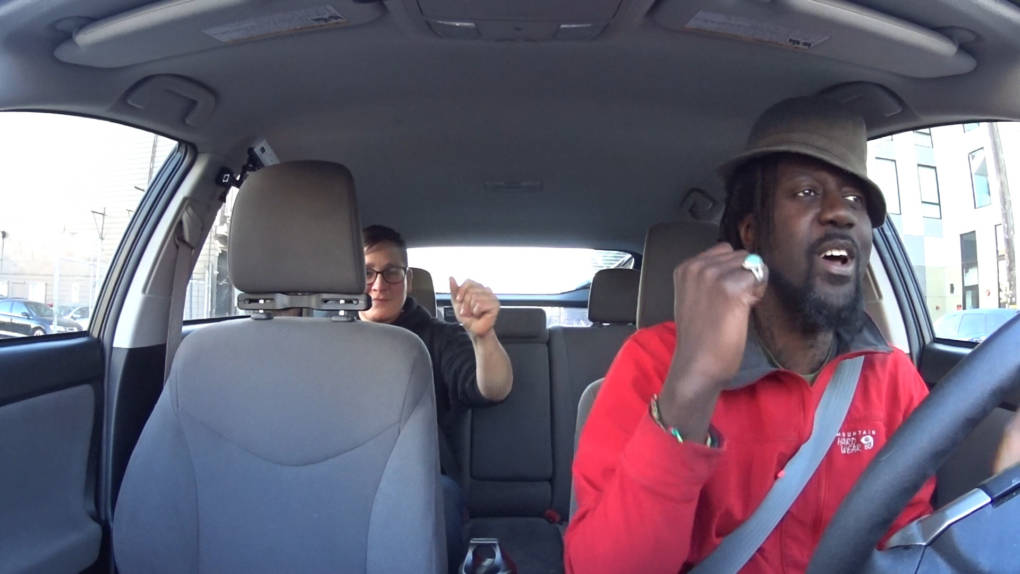
"caption": "Ashel Eldridge calls himself the Lyft Rapper, freestyling for passengers about goofy topics and more serious issues.",
"description": null,
"title": "RS28840_InCar2-qut",
"credit": "Ashel Eldridge",
"status": "inherit",
"isLoading": false,
"fetchFailed": false
},
"news_11640660": {
"type": "attachments",
"id": "news_11640660",
"meta": {
"index": "attachments_1716263798",
"site": "news",
"id": "11640660",
"found": true
},
"parent": 11640648,
"imgSizes": {
"small": {
"file": "https://ww2.kqed.org/app/uploads/sites/10/2018/01/RS15531_GettyImages-477379026-qut-520x352.jpg",
"width": 520,
"mimeType": "image/jpeg",
"height": 352
},
"twentyfourteen-full-width": {
"file": "https://ww2.kqed.org/app/uploads/sites/10/2018/01/RS15531_GettyImages-477379026-qut-1038x576.jpg",
"width": 1038,
"mimeType": "image/jpeg",
"height": 576
},
"thumbnail": {
"file": "https://ww2.kqed.org/app/uploads/sites/10/2018/01/RS15531_GettyImages-477379026-qut-160x108.jpg",
"width": 160,
"mimeType": "image/jpeg",
"height": 108
},
"fd-sm": {
"file": "https://ww2.kqed.org/app/uploads/sites/10/2018/01/RS15531_GettyImages-477379026-qut-960x651.jpg",
"width": 960,
"mimeType": "image/jpeg",
"height": 651
},
"post-thumbnail": {
"file": "https://ww2.kqed.org/app/uploads/sites/10/2018/01/RS15531_GettyImages-477379026-qut-672x372.jpg",
"width": 672,
"mimeType": "image/jpeg",
"height": 372
},
"xsmall": {
"file": "https://ww2.kqed.org/app/uploads/sites/10/2018/01/RS15531_GettyImages-477379026-qut-375x254.jpg",
"width": 375,
"mimeType": "image/jpeg",
"height": 254
},
"kqedFullSize": {
"file": "https://ww2.kqed.org/app/uploads/sites/10/2018/01/RS15531_GettyImages-477379026-qut.jpg",
"width": 1920,
"height": 1301
},
"large": {
"file": "https://ww2.kqed.org/app/uploads/sites/10/2018/01/RS15531_GettyImages-477379026-qut-1020x691.jpg",
"width": 1020,
"mimeType": "image/jpeg",
"height": 691
},
"xlarge": {
"file": "https://ww2.kqed.org/app/uploads/sites/10/2018/01/RS15531_GettyImages-477379026-qut-1180x800.jpg",
"width": 1180,
"mimeType": "image/jpeg",
"height": 800
},
"guest-author-50": {
"file": "https://ww2.kqed.org/app/uploads/sites/10/2018/01/RS15531_GettyImages-477379026-qut-50x50.jpg",
"width": 50,
"mimeType": "image/jpeg",
"height": 50
},
"guest-author-96": {
"file": "https://ww2.kqed.org/app/uploads/sites/10/2018/01/RS15531_GettyImages-477379026-qut-96x96.jpg",
"width": 96,
"mimeType": "image/jpeg",
"height": 96
},
"medium": {
"file": "https://ww2.kqed.org/app/uploads/sites/10/2018/01/RS15531_GettyImages-477379026-qut-800x542.jpg",
"width": 800,
"mimeType": "image/jpeg",
"height": 542
},
"guest-author-64": {
"file": "https://ww2.kqed.org/app/uploads/sites/10/2018/01/RS15531_GettyImages-477379026-qut-64x64.jpg",
"width": 64,
"mimeType": "image/jpeg",
"height": 64
},
"guest-author-32": {
"file": "https://ww2.kqed.org/app/uploads/sites/10/2018/01/RS15531_GettyImages-477379026-qut-32x32.jpg",
"width": 32,
"mimeType": "image/jpeg",
"height": 32
},
"fd-lrg": {
"file": "https://ww2.kqed.org/app/uploads/sites/10/2018/01/RS15531_GettyImages-477379026-qut-1920x1301.jpg",
"width": 1920,
"mimeType": "image/jpeg",
"height": 1301
},
"fd-med": {
"file": "https://ww2.kqed.org/app/uploads/sites/10/2018/01/RS15531_GettyImages-477379026-qut-1180x800.jpg",
"width": 1180,
"mimeType": "image/jpeg",
"height": 800
},
"full-width": {
"file": "https://ww2.kqed.org/app/uploads/sites/10/2018/01/RS15531_GettyImages-477379026-qut-1920x1301.jpg",
"width": 1920,
"mimeType": "image/jpeg",
"height": 1301
},
"detail": {
"file": "https://ww2.kqed.org/app/uploads/sites/10/2018/01/RS15531_GettyImages-477379026-qut-150x150.jpg",
"width": 150,
"mimeType": "image/jpeg",
"height": 150
},
"guest-author-128": {
"file": "https://ww2.kqed.org/app/uploads/sites/10/2018/01/RS15531_GettyImages-477379026-qut-128x128.jpg",
"width": 128,
"mimeType": "image/jpeg",
"height": 128
},
"xxsmall": {
"file": "https://ww2.kqed.org/app/uploads/sites/10/2018/01/RS15531_GettyImages-477379026-qut-240x163.jpg",
"width": 240,
"mimeType": "image/jpeg",
"height": 163
}
},
"publishDate": 1515355812,
"modified": 1515355901,
"caption": "Could Steph Curry be the star of 2018's top song? Probably not.",
"description": "Could Steph Curry be the star of 2018's top song? Probably not.",
"title": "RS15531_GettyImages-477379026-qut",
"credit": "Ezra Shaw/Getty Images",
"status": "inherit",
"isLoading": false,
"fetchFailed": false
},
"news_11640566": {
"type": "attachments",
"id": "news_11640566",
"meta": {
"index": "attachments_1716263798",
"site": "news",
"id": "11640566",
"found": true
},
"parent": 11640555,
"imgSizes": {
"small": {
"file": "https://ww2.kqed.org/app/uploads/sites/10/2018/01/GettyImages-84185993-520x347.jpg",
"width": 520,
"mimeType": "image/jpeg",
"height": 347
},
"twentyfourteen-full-width": {
"file": "https://ww2.kqed.org/app/uploads/sites/10/2018/01/GettyImages-84185993-1038x576.jpg",
"width": 1038,
"mimeType": "image/jpeg",
"height": 576
},
"thumbnail": {
"file": "https://ww2.kqed.org/app/uploads/sites/10/2018/01/GettyImages-84185993-160x107.jpg",
"width": 160,
"mimeType": "image/jpeg",
"height": 107
},
"fd-sm": {
"file": "https://ww2.kqed.org/app/uploads/sites/10/2018/01/GettyImages-84185993-960x640.jpg",
"width": 960,
"mimeType": "image/jpeg",
"height": 640
},
"post-thumbnail": {
"file": "https://ww2.kqed.org/app/uploads/sites/10/2018/01/GettyImages-84185993-672x372.jpg",
"width": 672,
"mimeType": "image/jpeg",
"height": 372
},
"xsmall": {
"file": "https://ww2.kqed.org/app/uploads/sites/10/2018/01/GettyImages-84185993-375x250.jpg",
"width": 375,
"mimeType": "image/jpeg",
"height": 250
},
"kqedFullSize": {
"file": "https://ww2.kqed.org/app/uploads/sites/10/2018/01/GettyImages-84185993-e1515278533682.jpg",
"width": 1920,
"height": 1280
},
"large": {
"file": "https://ww2.kqed.org/app/uploads/sites/10/2018/01/GettyImages-84185993-1020x680.jpg",
"width": 1020,
"mimeType": "image/jpeg",
"height": 680
},
"xlarge": {
"file": "https://ww2.kqed.org/app/uploads/sites/10/2018/01/GettyImages-84185993-1180x787.jpg",
"width": 1180,
"mimeType": "image/jpeg",
"height": 787
},
"guest-author-50": {
"file": "https://ww2.kqed.org/app/uploads/sites/10/2018/01/GettyImages-84185993-50x50.jpg",
"width": 50,
"mimeType": "image/jpeg",
"height": 50
},
"guest-author-96": {
"file": "https://ww2.kqed.org/app/uploads/sites/10/2018/01/GettyImages-84185993-96x96.jpg",
"width": 96,
"mimeType": "image/jpeg",
"height": 96
},
"medium": {
"file": "https://ww2.kqed.org/app/uploads/sites/10/2018/01/GettyImages-84185993-800x533.jpg",
"width": 800,
"mimeType": "image/jpeg",
"height": 533
},
"guest-author-64": {
"file": "https://ww2.kqed.org/app/uploads/sites/10/2018/01/GettyImages-84185993-64x64.jpg",
"width": 64,
"mimeType": "image/jpeg",
"height": 64
},
"guest-author-32": {
"file": "https://ww2.kqed.org/app/uploads/sites/10/2018/01/GettyImages-84185993-32x32.jpg",
"width": 32,
"mimeType": "image/jpeg",
"height": 32
},
"fd-lrg": {
"file": "https://ww2.kqed.org/app/uploads/sites/10/2018/01/GettyImages-84185993-1920x1280.jpg",
"width": 1920,
"mimeType": "image/jpeg",
"height": 1280
},
"fd-med": {
"file": "https://ww2.kqed.org/app/uploads/sites/10/2018/01/GettyImages-84185993-1180x787.jpg",
"width": 1180,
"mimeType": "image/jpeg",
"height": 787
},
"full-width": {
"file": "https://ww2.kqed.org/app/uploads/sites/10/2018/01/GettyImages-84185993-1920x1280.jpg",
"width": 1920,
"mimeType": "image/jpeg",
"height": 1280
},
"detail": {
"file": "https://ww2.kqed.org/app/uploads/sites/10/2018/01/GettyImages-84185993-150x150.jpg",
"width": 150,
"mimeType": "image/jpeg",
"height": 150
},
"guest-author-128": {
"file": "https://ww2.kqed.org/app/uploads/sites/10/2018/01/GettyImages-84185993-128x128.jpg",
"width": 128,
"mimeType": "image/jpeg",
"height": 128
},
"xxsmall": {
"file": "https://ww2.kqed.org/app/uploads/sites/10/2018/01/GettyImages-84185993-240x160.jpg",
"width": 240,
"mimeType": "image/jpeg",
"height": 160
}
},
"publishDate": 1515278444,
"modified": 1515279071,
"caption": "The Bay Area will be well-represented in tonight's Golden Globe Awards. ",
"description": "The Bay Area will be well-represented in tonight's Golden Globe Awards. ",
"title": "Unveiling Of The New 2009 Golden Globe Statuettes",
"credit": "Frazer Harrison/Getty Images",
"status": "inherit",
"isLoading": false,
"fetchFailed": false
},
"news_11640584": {
"type": "attachments",
"id": "news_11640584",
"meta": {
"index": "attachments_1716263798",
"site": "news",
"id": "11640584",
"found": true
},
"parent": 11640574,
"imgSizes": {
"small": {
"file": "https://ww2.kqed.org/app/uploads/sites/10/2018/01/RS28760_IMG_4954-qut-520x390.jpg",
"width": 520,
"mimeType": "image/jpeg",
"height": 390
},
"twentyfourteen-full-width": {
"file": "https://ww2.kqed.org/app/uploads/sites/10/2018/01/RS28760_IMG_4954-qut-1038x576.jpg",
"width": 1038,
"mimeType": "image/jpeg",
"height": 576
},
"thumbnail": {
"file": "https://ww2.kqed.org/app/uploads/sites/10/2018/01/RS28760_IMG_4954-qut-160x120.jpg",
"width": 160,
"mimeType": "image/jpeg",
"height": 120
},
"fd-sm": {
"file": "https://ww2.kqed.org/app/uploads/sites/10/2018/01/RS28760_IMG_4954-qut-960x720.jpg",
"width": 960,
"mimeType": "image/jpeg",
"height": 720
},
"post-thumbnail": {
"file": "https://ww2.kqed.org/app/uploads/sites/10/2018/01/RS28760_IMG_4954-qut-672x372.jpg",
"width": 672,
"mimeType": "image/jpeg",
"height": 372
},
"xsmall": {
"file": "https://ww2.kqed.org/app/uploads/sites/10/2018/01/RS28760_IMG_4954-qut-375x281.jpg",
"width": 375,
"mimeType": "image/jpeg",
"height": 281
},
"kqedFullSize": {
"file": "https://ww2.kqed.org/app/uploads/sites/10/2018/01/RS28760_IMG_4954-qut.jpg",
"width": 1920,
"height": 1440
},
"large": {
"file": "https://ww2.kqed.org/app/uploads/sites/10/2018/01/RS28760_IMG_4954-qut-1020x765.jpg",
"width": 1020,
"mimeType": "image/jpeg",
"height": 765
},
"xlarge": {
"file": "https://ww2.kqed.org/app/uploads/sites/10/2018/01/RS28760_IMG_4954-qut-1180x885.jpg",
"width": 1180,
"mimeType": "image/jpeg",
"height": 885
},
"guest-author-50": {
"file": "https://ww2.kqed.org/app/uploads/sites/10/2018/01/RS28760_IMG_4954-qut-50x50.jpg",
"width": 50,
"mimeType": "image/jpeg",
"height": 50
},
"guest-author-96": {
"file": "https://ww2.kqed.org/app/uploads/sites/10/2018/01/RS28760_IMG_4954-qut-96x96.jpg",
"width": 96,
"mimeType": "image/jpeg",
"height": 96
},
"medium": {
"file": "https://ww2.kqed.org/app/uploads/sites/10/2018/01/RS28760_IMG_4954-qut-800x600.jpg",
"width": 800,
"mimeType": "image/jpeg",
"height": 600
},
"guest-author-64": {
"file": "https://ww2.kqed.org/app/uploads/sites/10/2018/01/RS28760_IMG_4954-qut-64x64.jpg",
"width": 64,
"mimeType": "image/jpeg",
"height": 64
},
"guest-author-32": {
"file": "https://ww2.kqed.org/app/uploads/sites/10/2018/01/RS28760_IMG_4954-qut-32x32.jpg",
"width": 32,
"mimeType": "image/jpeg",
"height": 32
},
"fd-lrg": {
"file": "https://ww2.kqed.org/app/uploads/sites/10/2018/01/RS28760_IMG_4954-qut-1920x1440.jpg",
"width": 1920,
"mimeType": "image/jpeg",
"height": 1440
},
"fd-med": {
"file": "https://ww2.kqed.org/app/uploads/sites/10/2018/01/RS28760_IMG_4954-qut-1180x885.jpg",
"width": 1180,
"mimeType": "image/jpeg",
"height": 885
},
"full-width": {
"file": "https://ww2.kqed.org/app/uploads/sites/10/2018/01/RS28760_IMG_4954-qut-1920x1440.jpg",
"width": 1920,
"mimeType": "image/jpeg",
"height": 1440
},
"detail": {
"file": "https://ww2.kqed.org/app/uploads/sites/10/2018/01/RS28760_IMG_4954-qut-150x150.jpg",
"width": 150,
"mimeType": "image/jpeg",
"height": 150
},
"guest-author-128": {
"file": "https://ww2.kqed.org/app/uploads/sites/10/2018/01/RS28760_IMG_4954-qut-128x128.jpg",
"width": 128,
"mimeType": "image/jpeg",
"height": 128
},
"xxsmall": {
"file": "https://ww2.kqed.org/app/uploads/sites/10/2018/01/RS28760_IMG_4954-qut-240x180.jpg",
"width": 240,
"mimeType": "image/jpeg",
"height": 180
}
},
"publishDate": 1515282255,
"modified": 1515289334,
"caption": "Three Kings Cake on Display at La Reyna Bakery in San Francisco's Mission District on Jan. 6, 2018.",
"description": "Three Kings Cake on Display at La Reyna Bakery in San Francisco's Mission District on Jan. 6, 2018.",
"title": "RS28760_IMG_4954-qut",
"credit": "Sonja Hutson/KQED",
"status": "inherit",
"isLoading": false,
"fetchFailed": false
},
"news_11639888": {
"type": "attachments",
"id": "news_11639888",
"meta": {
"index": "attachments_1716263798",
"site": "news",
"id": "11639888",
"found": true
},
"parent": 11635574,
"imgSizes": {
"small": {
"file": "https://ww2.kqed.org/app/uploads/sites/10/2018/01/SM-Highlands-tour-66.-1564-Tarrytown-520x390.jpg",
"width": 520,
"mimeType": "image/jpeg",
"height": 390
},
"twentyfourteen-full-width": {
"file": "https://ww2.kqed.org/app/uploads/sites/10/2018/01/SM-Highlands-tour-66.-1564-Tarrytown-1038x576.jpg",
"width": 1038,
"mimeType": "image/jpeg",
"height": 576
},
"thumbnail": {
"file": "https://ww2.kqed.org/app/uploads/sites/10/2018/01/SM-Highlands-tour-66.-1564-Tarrytown-160x120.jpg",
"width": 160,
"mimeType": "image/jpeg",
"height": 120
},
"fd-sm": {
"file": "https://ww2.kqed.org/app/uploads/sites/10/2018/01/SM-Highlands-tour-66.-1564-Tarrytown-960x720.jpg",
"width": 960,
"mimeType": "image/jpeg",
"height": 720
},
"post-thumbnail": {
"file": "https://ww2.kqed.org/app/uploads/sites/10/2018/01/SM-Highlands-tour-66.-1564-Tarrytown-672x372.jpg",
"width": 672,
"mimeType": "image/jpeg",
"height": 372
},
"xsmall": {
"file": "https://ww2.kqed.org/app/uploads/sites/10/2018/01/SM-Highlands-tour-66.-1564-Tarrytown-375x281.jpg",
"width": 375,
"mimeType": "image/jpeg",
"height": 281
},
"kqedFullSize": {
"file": "https://ww2.kqed.org/app/uploads/sites/10/2018/01/SM-Highlands-tour-66.-1564-Tarrytown-e1515025685931.jpg",
"width": 1920,
"height": 1440
},
"large": {
"file": "https://ww2.kqed.org/app/uploads/sites/10/2018/01/SM-Highlands-tour-66.-1564-Tarrytown-1020x765.jpg",
"width": 1020,
"mimeType": "image/jpeg",
"height": 765
},
"xlarge": {
"file": "https://ww2.kqed.org/app/uploads/sites/10/2018/01/SM-Highlands-tour-66.-1564-Tarrytown-1180x885.jpg",
"width": 1180,
"mimeType": "image/jpeg",
"height": 885
},
"guest-author-50": {
"file": "https://ww2.kqed.org/app/uploads/sites/10/2018/01/SM-Highlands-tour-66.-1564-Tarrytown-50x50.jpg",
"width": 50,
"mimeType": "image/jpeg",
"height": 50
},
"guest-author-96": {
"file": "https://ww2.kqed.org/app/uploads/sites/10/2018/01/SM-Highlands-tour-66.-1564-Tarrytown-96x96.jpg",
"width": 96,
"mimeType": "image/jpeg",
"height": 96
},
"medium": {
"file": "https://ww2.kqed.org/app/uploads/sites/10/2018/01/SM-Highlands-tour-66.-1564-Tarrytown-800x600.jpg",
"width": 800,
"mimeType": "image/jpeg",
"height": 600
},
"guest-author-64": {
"file": "https://ww2.kqed.org/app/uploads/sites/10/2018/01/SM-Highlands-tour-66.-1564-Tarrytown-64x64.jpg",
"width": 64,
"mimeType": "image/jpeg",
"height": 64
},
"guest-author-32": {
"file": "https://ww2.kqed.org/app/uploads/sites/10/2018/01/SM-Highlands-tour-66.-1564-Tarrytown-32x32.jpg",
"width": 32,
"mimeType": "image/jpeg",
"height": 32
},
"fd-lrg": {
"file": "https://ww2.kqed.org/app/uploads/sites/10/2018/01/SM-Highlands-tour-66.-1564-Tarrytown-1920x1440.jpg",
"width": 1920,
"mimeType": "image/jpeg",
"height": 1440
},
"fd-med": {
"file": "https://ww2.kqed.org/app/uploads/sites/10/2018/01/SM-Highlands-tour-66.-1564-Tarrytown-1180x885.jpg",
"width": 1180,
"mimeType": "image/jpeg",
"height": 885
},
"full-width": {
"file": "https://ww2.kqed.org/app/uploads/sites/10/2018/01/SM-Highlands-tour-66.-1564-Tarrytown-1920x1440.jpg",
"width": 1920,
"mimeType": "image/jpeg",
"height": 1440
},
"detail": {
"file": "https://ww2.kqed.org/app/uploads/sites/10/2018/01/SM-Highlands-tour-66.-1564-Tarrytown-150x150.jpg",
"width": 150,
"mimeType": "image/jpeg",
"height": 150
},
"guest-author-128": {
"file": "https://ww2.kqed.org/app/uploads/sites/10/2018/01/SM-Highlands-tour-66.-1564-Tarrytown-128x128.jpg",
"width": 128,
"mimeType": "image/jpeg",
"height": 128
},
"xxsmall": {
"file": "https://ww2.kqed.org/app/uploads/sites/10/2018/01/SM-Highlands-tour-66.-1564-Tarrytown-240x180.jpg",
"width": 240,
"mimeType": "image/jpeg",
"height": 180
}
},
"publishDate": 1514938731,
"modified": 1515025693,
"caption": "An Eichler in Highlands. ",
"description": "An Eichler in Highlands. ",
"title": "SM Highlands tour 66. 1564 Tarrytown",
"credit": "Courtesy of Eichler Network.",
"status": "inherit",
"isLoading": false,
"fetchFailed": false
},
"news_11637724": {
"type": "attachments",
"id": "news_11637724",
"meta": {
"index": "attachments_1716263798",
"site": "news",
"id": "11637724",
"found": true
},
"parent": 11637723,
"imgSizes": {
"small": {
"file": "https://ww2.kqed.org/app/uploads/sites/10/2017/12/IMG_1541-520x390.jpg",
"width": 520,
"mimeType": "image/jpeg",
"height": 390
},
"twentyfourteen-full-width": {
"file": "https://ww2.kqed.org/app/uploads/sites/10/2017/12/IMG_1541-1038x576.jpg",
"width": 1038,
"mimeType": "image/jpeg",
"height": 576
},
"thumbnail": {
"file": "https://ww2.kqed.org/app/uploads/sites/10/2017/12/IMG_1541-160x120.jpg",
"width": 160,
"mimeType": "image/jpeg",
"height": 120
},
"fd-sm": {
"file": "https://ww2.kqed.org/app/uploads/sites/10/2017/12/IMG_1541-960x720.jpg",
"width": 960,
"mimeType": "image/jpeg",
"height": 720
},
"post-thumbnail": {
"file": "https://ww2.kqed.org/app/uploads/sites/10/2017/12/IMG_1541-672x372.jpg",
"width": 672,
"mimeType": "image/jpeg",
"height": 372
},
"xsmall": {
"file": "https://ww2.kqed.org/app/uploads/sites/10/2017/12/IMG_1541-375x281.jpg",
"width": 375,
"mimeType": "image/jpeg",
"height": 281
},
"kqedFullSize": {
"file": "https://ww2.kqed.org/app/uploads/sites/10/2017/12/IMG_1541-e1513551249924.jpg",
"width": 1920,
"height": 1440
},
"large": {
"file": "https://ww2.kqed.org/app/uploads/sites/10/2017/12/IMG_1541-1020x765.jpg",
"width": 1020,
"mimeType": "image/jpeg",
"height": 765
},
"xlarge": {
"file": "https://ww2.kqed.org/app/uploads/sites/10/2017/12/IMG_1541-1180x885.jpg",
"width": 1180,
"mimeType": "image/jpeg",
"height": 885
},
"guest-author-50": {
"file": "https://ww2.kqed.org/app/uploads/sites/10/2017/12/IMG_1541-50x50.jpg",
"width": 50,
"mimeType": "image/jpeg",
"height": 50
},
"guest-author-96": {
"file": "https://ww2.kqed.org/app/uploads/sites/10/2017/12/IMG_1541-96x96.jpg",
"width": 96,
"mimeType": "image/jpeg",
"height": 96
},
"medium": {
"file": "https://ww2.kqed.org/app/uploads/sites/10/2017/12/IMG_1541-800x600.jpg",
"width": 800,
"mimeType": "image/jpeg",
"height": 600
},
"guest-author-64": {
"file": "https://ww2.kqed.org/app/uploads/sites/10/2017/12/IMG_1541-64x64.jpg",
"width": 64,
"mimeType": "image/jpeg",
"height": 64
},
"guest-author-32": {
"file": "https://ww2.kqed.org/app/uploads/sites/10/2017/12/IMG_1541-32x32.jpg",
"width": 32,
"mimeType": "image/jpeg",
"height": 32
},
"fd-lrg": {
"file": "https://ww2.kqed.org/app/uploads/sites/10/2017/12/IMG_1541-1920x1440.jpg",
"width": 1920,
"mimeType": "image/jpeg",
"height": 1440
},
"fd-med": {
"file": "https://ww2.kqed.org/app/uploads/sites/10/2017/12/IMG_1541-1180x885.jpg",
"width": 1180,
"mimeType": "image/jpeg",
"height": 885
},
"full-width": {
"file": "https://ww2.kqed.org/app/uploads/sites/10/2017/12/IMG_1541-1920x1440.jpg",
"width": 1920,
"mimeType": "image/jpeg",
"height": 1440
},
"detail": {
"file": "https://ww2.kqed.org/app/uploads/sites/10/2017/12/IMG_1541-150x150.jpg",
"width": 150,
"mimeType": "image/jpeg",
"height": 150
},
"guest-author-128": {
"file": "https://ww2.kqed.org/app/uploads/sites/10/2017/12/IMG_1541-128x128.jpg",
"width": 128,
"mimeType": "image/jpeg",
"height": 128
},
"xxsmall": {
"file": "https://ww2.kqed.org/app/uploads/sites/10/2017/12/IMG_1541-240x180.jpg",
"width": 240,
"mimeType": "image/jpeg",
"height": 180
}
},
"publishDate": 1513536075,
"modified": 1559334777,
"caption": "Jin di Giordano and Shawna Seth practice a new technique at a Saber Guild event. ",
"description": "Jin di Giordano, Vallejo and Shawna Seth, San Francisco, practice a new technique at a Saber Guild event. Local lightsaber combat groups practice across the Bay Area and give Star Wars fans a unique workout experience.",
"title": "IMG_1541",
"credit": "Bianca Hernandez/KQED",
"status": "inherit",
"isLoading": false,
"fetchFailed": false
},
"news_11638628": {
"type": "attachments",
"id": "news_11638628",
"meta": {
"index": "attachments_1716263798",
"site": "news",
"id": "11638628",
"found": true
},
"parent": 11638481,
"imgSizes": {
"small": {
"file": "https://ww2.kqed.org/app/uploads/sites/10/2017/12/RS28682_RG2-qut-520x347.jpg",
"width": 520,
"mimeType": "image/jpeg",
"height": 347
},
"twentyfourteen-full-width": {
"file": "https://ww2.kqed.org/app/uploads/sites/10/2017/12/RS28682_RG2-qut-1024x576.jpg",
"width": 1024,
"mimeType": "image/jpeg",
"height": 576
},
"thumbnail": {
"file": "https://ww2.kqed.org/app/uploads/sites/10/2017/12/RS28682_RG2-qut-160x107.jpg",
"width": 160,
"mimeType": "image/jpeg",
"height": 107
},
"fd-sm": {
"file": "https://ww2.kqed.org/app/uploads/sites/10/2017/12/RS28682_RG2-qut-960x640.jpg",
"width": 960,
"mimeType": "image/jpeg",
"height": 640
},
"post-thumbnail": {
"file": "https://ww2.kqed.org/app/uploads/sites/10/2017/12/RS28682_RG2-qut-672x372.jpg",
"width": 672,
"mimeType": "image/jpeg",
"height": 372
},
"xsmall": {
"file": "https://ww2.kqed.org/app/uploads/sites/10/2017/12/RS28682_RG2-qut-375x250.jpg",
"width": 375,
"mimeType": "image/jpeg",
"height": 250
},
"kqedFullSize": {
"file": "https://ww2.kqed.org/app/uploads/sites/10/2017/12/RS28682_RG2-qut.jpg",
"width": 1024,
"height": 683
},
"large": {
"file": "https://ww2.kqed.org/app/uploads/sites/10/2017/12/RS28682_RG2-qut-1020x680.jpg",
"width": 1020,
"mimeType": "image/jpeg",
"height": 680
},
"guest-author-50": {
"file": "https://ww2.kqed.org/app/uploads/sites/10/2017/12/RS28682_RG2-qut-50x50.jpg",
"width": 50,
"mimeType": "image/jpeg",
"height": 50
},
"guest-author-96": {
"file": "https://ww2.kqed.org/app/uploads/sites/10/2017/12/RS28682_RG2-qut-96x96.jpg",
"width": 96,
"mimeType": "image/jpeg",
"height": 96
},
"medium": {
"file": "https://ww2.kqed.org/app/uploads/sites/10/2017/12/RS28682_RG2-qut-800x534.jpg",
"width": 800,
"mimeType": "image/jpeg",
"height": 534
},
"guest-author-64": {
"file": "https://ww2.kqed.org/app/uploads/sites/10/2017/12/RS28682_RG2-qut-64x64.jpg",
"width": 64,
"mimeType": "image/jpeg",
"height": 64
},
"guest-author-32": {
"file": "https://ww2.kqed.org/app/uploads/sites/10/2017/12/RS28682_RG2-qut-32x32.jpg",
"width": 32,
"mimeType": "image/jpeg",
"height": 32
},
"detail": {
"file": "https://ww2.kqed.org/app/uploads/sites/10/2017/12/RS28682_RG2-qut-150x150.jpg",
"width": 150,
"mimeType": "image/jpeg",
"height": 150
},
"guest-author-128": {
"file": "https://ww2.kqed.org/app/uploads/sites/10/2017/12/RS28682_RG2-qut-128x128.jpg",
"width": 128,
"mimeType": "image/jpeg",
"height": 128
},
"xxsmall": {
"file": "https://ww2.kqed.org/app/uploads/sites/10/2017/12/RS28682_RG2-qut-240x160.jpg",
"width": 240,
"mimeType": "image/jpeg",
"height": 160
}
},
"publishDate": 1513819424,
"modified": 1514424477,
"caption": "Rainbow Girls bandmates Caitlin Gowdey, Vanessa May and Erin Chapin live and play music together in Bodega Bay.",
"description": null,
"title": "RS28682_RG2-qut",
"credit": "Giant Eye Photography",
"status": "inherit",
"isLoading": false,
"fetchFailed": false
},
"news_11639085": {
"type": "attachments",
"id": "news_11639085",
"meta": {
"index": "attachments_1716263798",
"site": "news",
"id": "11639085",
"found": true
},
"parent": 11639036,
"imgSizes": {
"small": {
"file": "https://ww2.kqed.org/app/uploads/sites/10/2017/12/RS28719_IMG_2376-qut-520x347.jpg",
"width": 520,
"mimeType": "image/jpeg",
"height": 347
},
"twentyfourteen-full-width": {
"file": "https://ww2.kqed.org/app/uploads/sites/10/2017/12/RS28719_IMG_2376-qut-1038x576.jpg",
"width": 1038,
"mimeType": "image/jpeg",
"height": 576
},
"thumbnail": {
"file": "https://ww2.kqed.org/app/uploads/sites/10/2017/12/RS28719_IMG_2376-qut-160x107.jpg",
"width": 160,
"mimeType": "image/jpeg",
"height": 107
},
"fd-sm": {
"file": "https://ww2.kqed.org/app/uploads/sites/10/2017/12/RS28719_IMG_2376-qut-960x640.jpg",
"width": 960,
"mimeType": "image/jpeg",
"height": 640
},
"post-thumbnail": {
"file": "https://ww2.kqed.org/app/uploads/sites/10/2017/12/RS28719_IMG_2376-qut-672x372.jpg",
"width": 672,
"mimeType": "image/jpeg",
"height": 372
},
"xsmall": {
"file": "https://ww2.kqed.org/app/uploads/sites/10/2017/12/RS28719_IMG_2376-qut-375x250.jpg",
"width": 375,
"mimeType": "image/jpeg",
"height": 250
},
"kqedFullSize": {
"file": "https://ww2.kqed.org/app/uploads/sites/10/2017/12/RS28719_IMG_2376-qut.jpg",
"width": 1920,
"height": 1280
},
"large": {
"file": "https://ww2.kqed.org/app/uploads/sites/10/2017/12/RS28719_IMG_2376-qut-1020x680.jpg",
"width": 1020,
"mimeType": "image/jpeg",
"height": 680
},
"xlarge": {
"file": "https://ww2.kqed.org/app/uploads/sites/10/2017/12/RS28719_IMG_2376-qut-1180x787.jpg",
"width": 1180,
"mimeType": "image/jpeg",
"height": 787
},
"guest-author-50": {
"file": "https://ww2.kqed.org/app/uploads/sites/10/2017/12/RS28719_IMG_2376-qut-50x50.jpg",
"width": 50,
"mimeType": "image/jpeg",
"height": 50
},
"guest-author-96": {
"file": "https://ww2.kqed.org/app/uploads/sites/10/2017/12/RS28719_IMG_2376-qut-96x96.jpg",
"width": 96,
"mimeType": "image/jpeg",
"height": 96
},
"medium": {
"file": "https://ww2.kqed.org/app/uploads/sites/10/2017/12/RS28719_IMG_2376-qut-800x533.jpg",
"width": 800,
"mimeType": "image/jpeg",
"height": 533
},
"guest-author-64": {
"file": "https://ww2.kqed.org/app/uploads/sites/10/2017/12/RS28719_IMG_2376-qut-64x64.jpg",
"width": 64,
"mimeType": "image/jpeg",
"height": 64
},
"guest-author-32": {
"file": "https://ww2.kqed.org/app/uploads/sites/10/2017/12/RS28719_IMG_2376-qut-32x32.jpg",
"width": 32,
"mimeType": "image/jpeg",
"height": 32
},
"fd-lrg": {
"file": "https://ww2.kqed.org/app/uploads/sites/10/2017/12/RS28719_IMG_2376-qut-1920x1280.jpg",
"width": 1920,
"mimeType": "image/jpeg",
"height": 1280
},
"fd-med": {
"file": "https://ww2.kqed.org/app/uploads/sites/10/2017/12/RS28719_IMG_2376-qut-1180x787.jpg",
"width": 1180,
"mimeType": "image/jpeg",
"height": 787
},
"full-width": {
"file": "https://ww2.kqed.org/app/uploads/sites/10/2017/12/RS28719_IMG_2376-qut-1920x1280.jpg",
"width": 1920,
"mimeType": "image/jpeg",
"height": 1280
},
"detail": {
"file": "https://ww2.kqed.org/app/uploads/sites/10/2017/12/RS28719_IMG_2376-qut-150x150.jpg",
"width": 150,
"mimeType": "image/jpeg",
"height": 150
},
"guest-author-128": {
"file": "https://ww2.kqed.org/app/uploads/sites/10/2017/12/RS28719_IMG_2376-qut-128x128.jpg",
"width": 128,
"mimeType": "image/jpeg",
"height": 128
},
"xxsmall": {
"file": "https://ww2.kqed.org/app/uploads/sites/10/2017/12/RS28719_IMG_2376-qut-240x160.jpg",
"width": 240,
"mimeType": "image/jpeg",
"height": 160
}
},
"publishDate": 1513982294,
"modified": 1513982856,
"caption": "In 1949, Sundar Shadi built a wooden star like the one above, and displayed it in his yard. Within a few years, he had built an entire city.",
"description": null,
"title": "RS28719_IMG_2376-qut",
"credit": "Spencer Silva/KQED",
"status": "inherit",
"isLoading": false,
"fetchFailed": false
},
"news_11638918": {
"type": "attachments",
"id": "news_11638918",
"meta": {
"index": "attachments_1716263798",
"site": "news",
"id": "11638918",
"found": true
},
"parent": 11638652,
"imgSizes": {
"small": {
"file": "https://ww2.kqed.org/app/uploads/sites/10/2017/12/RS28689_04-qut-520x346.jpg",
"width": 520,
"mimeType": "image/jpeg",
"height": 346
},
"twentyfourteen-full-width": {
"file": "https://ww2.kqed.org/app/uploads/sites/10/2017/12/RS28689_04-qut-1038x576.jpg",
"width": 1038,
"mimeType": "image/jpeg",
"height": 576
},
"thumbnail": {
"file": "https://ww2.kqed.org/app/uploads/sites/10/2017/12/RS28689_04-qut-160x107.jpg",
"width": 160,
"mimeType": "image/jpeg",
"height": 107
},
"fd-sm": {
"file": "https://ww2.kqed.org/app/uploads/sites/10/2017/12/RS28689_04-qut-960x639.jpg",
"width": 960,
"mimeType": "image/jpeg",
"height": 639
},
"post-thumbnail": {
"file": "https://ww2.kqed.org/app/uploads/sites/10/2017/12/RS28689_04-qut-672x372.jpg",
"width": 672,
"mimeType": "image/jpeg",
"height": 372
},
"xsmall": {
"file": "https://ww2.kqed.org/app/uploads/sites/10/2017/12/RS28689_04-qut-375x250.jpg",
"width": 375,
"mimeType": "image/jpeg",
"height": 250
},
"kqedFullSize": {
"file": "https://ww2.kqed.org/app/uploads/sites/10/2017/12/RS28689_04-qut.jpg",
"width": 1920,
"height": 1278
},
"large": {
"file": "https://ww2.kqed.org/app/uploads/sites/10/2017/12/RS28689_04-qut-1020x679.jpg",
"width": 1020,
"mimeType": "image/jpeg",
"height": 679
},
"xlarge": {
"file": "https://ww2.kqed.org/app/uploads/sites/10/2017/12/RS28689_04-qut-1180x785.jpg",
"width": 1180,
"mimeType": "image/jpeg",
"height": 785
},
"guest-author-50": {
"file": "https://ww2.kqed.org/app/uploads/sites/10/2017/12/RS28689_04-qut-50x50.jpg",
"width": 50,
"mimeType": "image/jpeg",
"height": 50
},
"guest-author-96": {
"file": "https://ww2.kqed.org/app/uploads/sites/10/2017/12/RS28689_04-qut-96x96.jpg",
"width": 96,
"mimeType": "image/jpeg",
"height": 96
},
"medium": {
"file": "https://ww2.kqed.org/app/uploads/sites/10/2017/12/RS28689_04-qut-800x533.jpg",
"width": 800,
"mimeType": "image/jpeg",
"height": 533
},
"guest-author-64": {
"file": "https://ww2.kqed.org/app/uploads/sites/10/2017/12/RS28689_04-qut-64x64.jpg",
"width": 64,
"mimeType": "image/jpeg",
"height": 64
},
"guest-author-32": {
"file": "https://ww2.kqed.org/app/uploads/sites/10/2017/12/RS28689_04-qut-32x32.jpg",
"width": 32,
"mimeType": "image/jpeg",
"height": 32
},
"fd-lrg": {
"file": "https://ww2.kqed.org/app/uploads/sites/10/2017/12/RS28689_04-qut-1920x1278.jpg",
"width": 1920,
"mimeType": "image/jpeg",
"height": 1278
},
"fd-med": {
"file": "https://ww2.kqed.org/app/uploads/sites/10/2017/12/RS28689_04-qut-1180x785.jpg",
"width": 1180,
"mimeType": "image/jpeg",
"height": 785
},
"full-width": {
"file": "https://ww2.kqed.org/app/uploads/sites/10/2017/12/RS28689_04-qut-1920x1278.jpg",
"width": 1920,
"mimeType": "image/jpeg",
"height": 1278
},
"detail": {
"file": "https://ww2.kqed.org/app/uploads/sites/10/2017/12/RS28689_04-qut-150x150.jpg",
"width": 150,
"mimeType": "image/jpeg",
"height": 150
},
"guest-author-128": {
"file": "https://ww2.kqed.org/app/uploads/sites/10/2017/12/RS28689_04-qut-128x128.jpg",
"width": 128,
"mimeType": "image/jpeg",
"height": 128
},
"xxsmall": {
"file": "https://ww2.kqed.org/app/uploads/sites/10/2017/12/RS28689_04-qut-240x160.jpg",
"width": 240,
"mimeType": "image/jpeg",
"height": 160
}
},
"publishDate": 1513903787,
"modified": 1513971746,
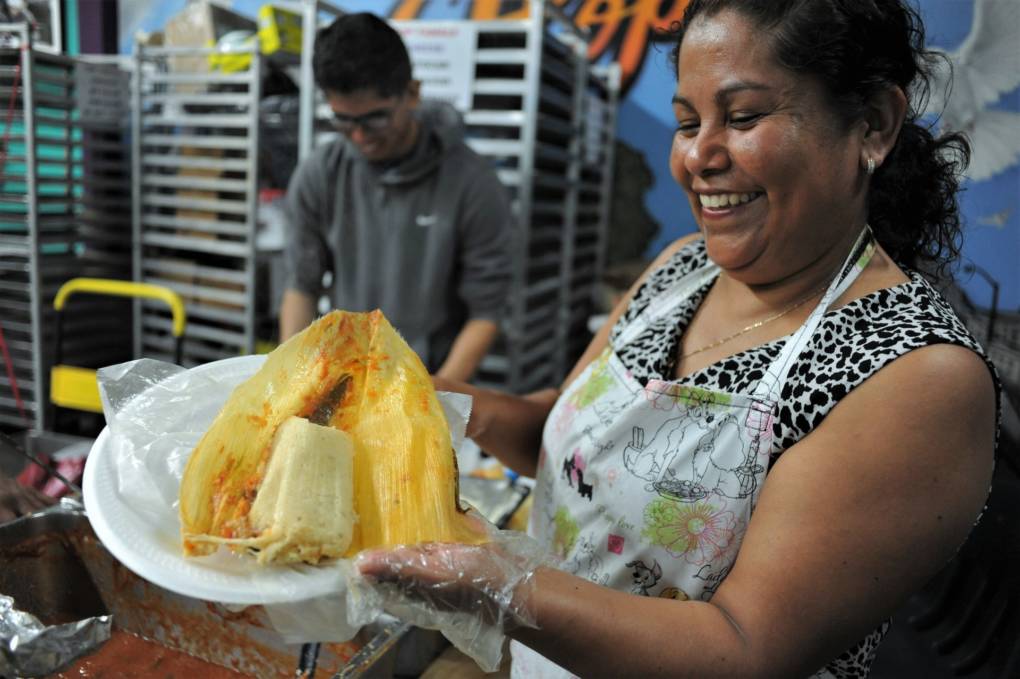
"caption": "Lucila Velázquez, one of the “Top Tamale” chefs at the St. Francis Center in Los Angeles, shows off one of her cheese tamales.",
"description": null,
"title": "RS28689_04-qut",
"credit": "Blair Wells/KQED",
"status": "inherit",
"isLoading": false,
"fetchFailed": false
},
"news_11637686": {
"type": "attachments",
"id": "news_11637686",
"meta": {
"index": "attachments_1716263798",
"site": "news",
"id": "11637686",
"found": true
},
"parent": 11637685,
"imgSizes": {
"small": {
"file": "https://ww2.kqed.org/app/uploads/sites/10/2017/12/IMG_0451-520x390.jpg",
"width": 520,
"mimeType": "image/jpeg",
"height": 390
},
"twentyfourteen-full-width": {
"file": "https://ww2.kqed.org/app/uploads/sites/10/2017/12/IMG_0451-1038x576.jpg",
"width": 1038,
"mimeType": "image/jpeg",
"height": 576
},
"thumbnail": {
"file": "https://ww2.kqed.org/app/uploads/sites/10/2017/12/IMG_0451-160x120.jpg",
"width": 160,
"mimeType": "image/jpeg",
"height": 120
},
"fd-sm": {
"file": "https://ww2.kqed.org/app/uploads/sites/10/2017/12/IMG_0451-960x720.jpg",
"width": 960,
"mimeType": "image/jpeg",
"height": 720
},
"post-thumbnail": {
"file": "https://ww2.kqed.org/app/uploads/sites/10/2017/12/IMG_0451-672x372.jpg",
"width": 672,
"mimeType": "image/jpeg",
"height": 372
},
"xsmall": {
"file": "https://ww2.kqed.org/app/uploads/sites/10/2017/12/IMG_0451-375x281.jpg",
"width": 375,
"mimeType": "image/jpeg",
"height": 281
},
"kqedFullSize": {
"file": "https://ww2.kqed.org/app/uploads/sites/10/2017/12/IMG_0451.jpg",
"width": 3264,
"height": 2448
},
"large": {
"file": "https://ww2.kqed.org/app/uploads/sites/10/2017/12/IMG_0451-1020x765.jpg",
"width": 1020,
"mimeType": "image/jpeg",
"height": 765
},
"xlarge": {
"file": "https://ww2.kqed.org/app/uploads/sites/10/2017/12/IMG_0451-1180x885.jpg",
"width": 1180,
"mimeType": "image/jpeg",
"height": 885
},
"guest-author-50": {
"file": "https://ww2.kqed.org/app/uploads/sites/10/2017/12/IMG_0451-50x50.jpg",
"width": 50,
"mimeType": "image/jpeg",
"height": 50
},
"guest-author-96": {
"file": "https://ww2.kqed.org/app/uploads/sites/10/2017/12/IMG_0451-96x96.jpg",
"width": 96,
"mimeType": "image/jpeg",
"height": 96
},
"medium": {
"file": "https://ww2.kqed.org/app/uploads/sites/10/2017/12/IMG_0451-800x600.jpg",
"width": 800,
"mimeType": "image/jpeg",
"height": 600
},
"guest-author-64": {
"file": "https://ww2.kqed.org/app/uploads/sites/10/2017/12/IMG_0451-64x64.jpg",
"width": 64,
"mimeType": "image/jpeg",
"height": 64
},
"guest-author-32": {
"file": "https://ww2.kqed.org/app/uploads/sites/10/2017/12/IMG_0451-32x32.jpg",
"width": 32,
"mimeType": "image/jpeg",
"height": 32
},
"fd-lrg": {
"file": "https://ww2.kqed.org/app/uploads/sites/10/2017/12/IMG_0451-1920x1440.jpg",
"width": 1920,
"mimeType": "image/jpeg",
"height": 1440
},
"fd-med": {
"file": "https://ww2.kqed.org/app/uploads/sites/10/2017/12/IMG_0451-1180x885.jpg",
"width": 1180,
"mimeType": "image/jpeg",
"height": 885
},
"full-width": {
"file": "https://ww2.kqed.org/app/uploads/sites/10/2017/12/IMG_0451-1920x1440.jpg",
"width": 1920,
"mimeType": "image/jpeg",
"height": 1440
},
"detail": {
"file": "https://ww2.kqed.org/app/uploads/sites/10/2017/12/IMG_0451-150x150.jpg",
"width": 150,
"mimeType": "image/jpeg",
"height": 150
},
"guest-author-128": {
"file": "https://ww2.kqed.org/app/uploads/sites/10/2017/12/IMG_0451-128x128.jpg",
"width": 128,
"mimeType": "image/jpeg",
"height": 128
},
"xxsmall": {
"file": "https://ww2.kqed.org/app/uploads/sites/10/2017/12/IMG_0451-240x180.jpg",
"width": 240,
"mimeType": "image/jpeg",
"height": 180
}
},
"publishDate": 1513479092,
"modified": 1513642888,
"caption": "Andy Weir is the author of the best-seller 'The Martian.' His new book about a colony on the moon is called 'Artemis.'",
"description": "Andy Weir is the author of the bestseller 'The Martian.' His new book about a colony on the moon is called 'Artemis.'",
"title": "IMG_0451",
"credit": "Ryan Levi/KQED",
"status": "inherit",
"isLoading": false,
"fetchFailed": false
},
"news_11637177": {
"type": "attachments",
"id": "news_11637177",
"meta": {
"index": "attachments_1716263798",
"site": "news",
"id": "11637177",
"found": true
},
"parent": 11636617,
"imgSizes": {
"small": {
"file": "https://ww2.kqed.org/app/uploads/sites/10/2017/12/RS28375_Fred.Rosie-Mother-qut-1-520x376.jpg",
"width": 520,
"mimeType": "image/jpeg",
"height": 376
},
"twentyfourteen-full-width": {
"file": "https://ww2.kqed.org/app/uploads/sites/10/2017/12/RS28375_Fred.Rosie-Mother-qut-1-1038x576.jpg",
"width": 1038,
"mimeType": "image/jpeg",
"height": 576
},
"thumbnail": {
"file": "https://ww2.kqed.org/app/uploads/sites/10/2017/12/RS28375_Fred.Rosie-Mother-qut-1-160x116.jpg",
"width": 160,
"mimeType": "image/jpeg",
"height": 116
},
"fd-sm": {
"file": "https://ww2.kqed.org/app/uploads/sites/10/2017/12/RS28375_Fred.Rosie-Mother-qut-1-960x695.jpg",
"width": 960,
"mimeType": "image/jpeg",
"height": 695
},
"post-thumbnail": {
"file": "https://ww2.kqed.org/app/uploads/sites/10/2017/12/RS28375_Fred.Rosie-Mother-qut-1-672x372.jpg",
"width": 672,
"mimeType": "image/jpeg",
"height": 372
},
"xsmall": {
"file": "https://ww2.kqed.org/app/uploads/sites/10/2017/12/RS28375_Fred.Rosie-Mother-qut-1-375x271.jpg",
"width": 375,
"mimeType": "image/jpeg",
"height": 271
},
"kqedFullSize": {
"file": "https://ww2.kqed.org/app/uploads/sites/10/2017/12/RS28375_Fred.Rosie-Mother-qut-1.jpg",
"width": 1920,
"height": 1389
},
"large": {
"file": "https://ww2.kqed.org/app/uploads/sites/10/2017/12/RS28375_Fred.Rosie-Mother-qut-1-1020x738.jpg",
"width": 1020,
"mimeType": "image/jpeg",
"height": 738
},
"xlarge": {
"file": "https://ww2.kqed.org/app/uploads/sites/10/2017/12/RS28375_Fred.Rosie-Mother-qut-1-1180x854.jpg",
"width": 1180,
"mimeType": "image/jpeg",
"height": 854
},
"guest-author-50": {
"file": "https://ww2.kqed.org/app/uploads/sites/10/2017/12/RS28375_Fred.Rosie-Mother-qut-1-50x50.jpg",
"width": 50,
"mimeType": "image/jpeg",
"height": 50
},
"guest-author-96": {
"file": "https://ww2.kqed.org/app/uploads/sites/10/2017/12/RS28375_Fred.Rosie-Mother-qut-1-96x96.jpg",
"width": 96,
"mimeType": "image/jpeg",
"height": 96
},
"medium": {
"file": "https://ww2.kqed.org/app/uploads/sites/10/2017/12/RS28375_Fred.Rosie-Mother-qut-1-800x579.jpg",
"width": 800,
"mimeType": "image/jpeg",
"height": 579
},
"guest-author-64": {
"file": "https://ww2.kqed.org/app/uploads/sites/10/2017/12/RS28375_Fred.Rosie-Mother-qut-1-64x64.jpg",
"width": 64,
"mimeType": "image/jpeg",
"height": 64
},
"guest-author-32": {
"file": "https://ww2.kqed.org/app/uploads/sites/10/2017/12/RS28375_Fred.Rosie-Mother-qut-1-32x32.jpg",
"width": 32,
"mimeType": "image/jpeg",
"height": 32
},
"fd-lrg": {
"file": "https://ww2.kqed.org/app/uploads/sites/10/2017/12/RS28375_Fred.Rosie-Mother-qut-1-1920x1389.jpg",
"width": 1920,
"mimeType": "image/jpeg",
"height": 1389
},
"fd-med": {
"file": "https://ww2.kqed.org/app/uploads/sites/10/2017/12/RS28375_Fred.Rosie-Mother-qut-1-1180x854.jpg",
"width": 1180,
"mimeType": "image/jpeg",
"height": 854
},
"full-width": {
"file": "https://ww2.kqed.org/app/uploads/sites/10/2017/12/RS28375_Fred.Rosie-Mother-qut-1-1920x1389.jpg",
"width": 1920,
"mimeType": "image/jpeg",
"height": 1389
},
"detail": {
"file": "https://ww2.kqed.org/app/uploads/sites/10/2017/12/RS28375_Fred.Rosie-Mother-qut-1-150x150.jpg",
"width": 150,
"mimeType": "image/jpeg",
"height": 150
},
"guest-author-128": {
"file": "https://ww2.kqed.org/app/uploads/sites/10/2017/12/RS28375_Fred.Rosie-Mother-qut-1-128x128.jpg",
"width": 128,
"mimeType": "image/jpeg",
"height": 128
},
"xxsmall": {
"file": "https://ww2.kqed.org/app/uploads/sites/10/2017/12/RS28375_Fred.Rosie-Mother-qut-1-240x174.jpg",
"width": 240,
"mimeType": "image/jpeg",
"height": 174
}
},
"publishDate": 1513297070,
"modified": 1513455152,
"caption": "Fred Ruiz and his mother Rosie in an early publicity still.",
"description": "Fred Ruiz and his mother Rosie in an early publicity still.",
"title": "RS28375_Fred.Rosie-Mother-qut (1)",
"credit": "Courtesy of Ruiz Foods",
"status": "inherit",
"isLoading": false,
"fetchFailed": false
},
"news_11637459": {
"type": "attachments",
"id": "news_11637459",
"meta": {
"index": "attachments_1716263798",
"site": "news",
"id": "11637459",
"found": true
},
"parent": 11634055,
"imgSizes": {
"small": {
"file": "https://ww2.kqed.org/app/uploads/sites/10/2017/12/SalesForceMain-520x270.jpg",
"width": 520,
"mimeType": "image/jpeg",
"height": 270
},
"twentyfourteen-full-width": {
"file": "https://ww2.kqed.org/app/uploads/sites/10/2017/12/SalesForceMain-1038x576.jpg",
"width": 1038,
"mimeType": "image/jpeg",
"height": 576
},
"thumbnail": {
"file": "https://ww2.kqed.org/app/uploads/sites/10/2017/12/SalesForceMain-160x83.jpg",
"width": 160,
"mimeType": "image/jpeg",
"height": 83
},
"fd-sm": {
"file": "https://ww2.kqed.org/app/uploads/sites/10/2017/12/SalesForceMain-960x499.jpg",
"width": 960,
"mimeType": "image/jpeg",
"height": 499
},
"post-thumbnail": {
"file": "https://ww2.kqed.org/app/uploads/sites/10/2017/12/SalesForceMain-672x372.jpg",
"width": 672,
"mimeType": "image/jpeg",
"height": 372
},
"xsmall": {
"file": "https://ww2.kqed.org/app/uploads/sites/10/2017/12/SalesForceMain-375x195.jpg",
"width": 375,
"mimeType": "image/jpeg",
"height": 195
},
"kqedFullSize": {
"file": "https://ww2.kqed.org/app/uploads/sites/10/2017/12/SalesForceMain.jpg",
"width": 1920,
"height": 997
},
"large": {
"file": "https://ww2.kqed.org/app/uploads/sites/10/2017/12/SalesForceMain-1020x530.jpg",
"width": 1020,
"mimeType": "image/jpeg",
"height": 530
},
"xlarge": {
"file": "https://ww2.kqed.org/app/uploads/sites/10/2017/12/SalesForceMain-1180x613.jpg",
"width": 1180,
"mimeType": "image/jpeg",
"height": 613
},
"guest-author-50": {
"file": "https://ww2.kqed.org/app/uploads/sites/10/2017/12/SalesForceMain-50x50.jpg",
"width": 50,
"mimeType": "image/jpeg",
"height": 50
},
"guest-author-96": {
"file": "https://ww2.kqed.org/app/uploads/sites/10/2017/12/SalesForceMain-96x96.jpg",
"width": 96,
"mimeType": "image/jpeg",
"height": 96
},
"medium": {
"file": "https://ww2.kqed.org/app/uploads/sites/10/2017/12/SalesForceMain-800x415.jpg",
"width": 800,
"mimeType": "image/jpeg",
"height": 415
},
"guest-author-64": {
"file": "https://ww2.kqed.org/app/uploads/sites/10/2017/12/SalesForceMain-64x64.jpg",
"width": 64,
"mimeType": "image/jpeg",
"height": 64
},
"guest-author-32": {
"file": "https://ww2.kqed.org/app/uploads/sites/10/2017/12/SalesForceMain-32x32.jpg",
"width": 32,
"mimeType": "image/jpeg",
"height": 32
},
"fd-lrg": {
"file": "https://ww2.kqed.org/app/uploads/sites/10/2017/12/SalesForceMain-1920x997.jpg",
"width": 1920,
"mimeType": "image/jpeg",
"height": 997
},
"fd-med": {
"file": "https://ww2.kqed.org/app/uploads/sites/10/2017/12/SalesForceMain-1180x613.jpg",
"width": 1180,
"mimeType": "image/jpeg",
"height": 613
},
"full-width": {
"file": "https://ww2.kqed.org/app/uploads/sites/10/2017/12/SalesForceMain-1920x997.jpg",
"width": 1920,
"mimeType": "image/jpeg",
"height": 997
},
"detail": {
"file": "https://ww2.kqed.org/app/uploads/sites/10/2017/12/SalesForceMain-150x150.jpg",
"width": 150,
"mimeType": "image/jpeg",
"height": 150
},
"guest-author-128": {
"file": "https://ww2.kqed.org/app/uploads/sites/10/2017/12/SalesForceMain-128x128.jpg",
"width": 128,
"mimeType": "image/jpeg",
"height": 128
},
"xxsmall": {
"file": "https://ww2.kqed.org/app/uploads/sites/10/2017/12/SalesForceMain-240x125.jpg",
"width": 240,
"mimeType": "image/jpeg",
"height": 125
}
},
"publishDate": 1513382434,
"modified": 1513382537,
"caption": "An artist's rendering of the \"Day for Night\" installation atop Salesforce Tower in San Francisco.",
"description": "An artist's rendering of the \"Day for Night\" installation atop Salesforce Tower in San Francisco.",
"title": "SalesForceMain",
"credit": "Courtesy of the artist and Boston Properties",
"status": "inherit",
"isLoading": false,
"fetchFailed": false
}
},
"audioPlayerReducer": {
"postId": "stream_live",
"isPaused": true,
"isPlaying": false,
"pfsActive": false,
"pledgeModalIsOpen": true,
"playerDrawerIsOpen": false,
"liveAudioPlayStartedAt": 0,
"liveAudioPlayContext": ""
},
"authorsReducer": {
"byline_news_11641425": {
"type": "authors",
"id": "byline_news_11641425",
"meta": {
"override": true
},
"slug": "byline_news_11641425",
"name": "Allen Young",
"isLoading": false
},
"byline_news_11638481": {
"type": "authors",
"id": "byline_news_11638481",
"meta": {
"override": true
},
"slug": "byline_news_11638481",
"name": "Bianca Taylor",
"isLoading": false
},
"byline_news_11639036": {
"type": "authors",
"id": "byline_news_11639036",
"meta": {
"override": true
},
"slug": "byline_news_11639036",
"name": "\u003cstrong>Spencer Silva\u003c/strong>",
"isLoading": false
},
"byline_news_11634055": {
"type": "authors",
"id": "byline_news_11634055",
"meta": {
"override": true
},
"slug": "byline_news_11634055",
"name": "\u003cstrong>Cari Spivack\u003c/strong>",
"isLoading": false
},
"rachael-myrow": {
"type": "authors",
"id": "251",
"meta": {
"index": "authors_1716337520",
"id": "251",
"found": true
},
"name": "Rachael Myrow",
"firstName": "Rachael",
"lastName": "Myrow",
"slug": "rachael-myrow",
"email": "rmyrow@kqed.org",
"display_author_email": true,
"staff_mastheads": [
"news"
],
"title": "Senior Editor of KQED's Silicon Valley News Desk",
"bio": "• I write and edit stories about how Silicon Valley power and policies shape everyday life in California. I’m also passionate about making Bay Area history and culture more accessible to a broad public. • I’ve been a journalist for most of my life, starting in high school with The Franklin Press in Los Angeles, where I grew up. While earning my first degree in English at UC Berkeley, I got my start in public radio at KALX-FM. After completing a second degree in journalism at Cal, I landed my first professional job at Marketplace, then moved on to KPCC (now LAist), and then KQED, where I hosted The California Report for more than seven years. • My reporting has appeared on NPR, The World, WBUR’s \u003ci>Here & Now\u003c/i>, and the BBC. I also guest host for KQED’s \u003ci>Forum\u003c/i>, as well as the Commonwealth Club in San Francisco. • I speak periodically on media, democracy and technology issues, and do voiceover work for documentaries and educational video projects. • Outside of the studio, you'll find me hiking Bay Area trails and whipping up Insta-ready meals in my kitchen. • I do not accept gifts, money, or favors from anyone connected to my reporting, I don't pay people for information, and I do not support or donate to political causes. • I strive to treat the people I report on with fairness, honesty, and respect. I also recognize there are often multiple sides to a story and work to verify information through multiple sources and documentation. If I get something wrong, I correct it.",
"avatar": "https://secure.gravatar.com/avatar/3ed8a3c5f26025e4a805ba634cda8cd764906b97438a6d9ce216b044e340da4e?s=600&d=blank&r=g",
"twitter": "rachaelmyrow",
"bluesky": null,
"facebook": null,
"instagram": null,
"linkedin": "https://www.linkedin.com/in/rachaelmyrow/",
"sites": [
{
"site": "arts",
"roles": [
"administrator"
]
},
{
"site": "news",
"roles": [
"edit_others_posts",
"editor"
]
},
{
"site": "futureofyou",
"roles": [
"editor"
]
},
{
"site": "bayareabites",
"roles": [
"editor"
]
},
{
"site": "stateofhealth",
"roles": [
"editor"
]
},
{
"site": "science",
"roles": [
"editor"
]
},
{
"site": "food",
"roles": [
"editor"
]
},
{
"site": "forum",
"roles": [
"editor"
]
},
{
"site": "liveblog",
"roles": [
"author"
]
}
],
"headData": {
"title": "Rachael Myrow | KQED",
"description": "Senior Editor of KQED's Silicon Valley News Desk",
"ogImgSrc": "https://secure.gravatar.com/avatar/3ed8a3c5f26025e4a805ba634cda8cd764906b97438a6d9ce216b044e340da4e?s=600&d=blank&r=g",
"twImgSrc": "https://secure.gravatar.com/avatar/3ed8a3c5f26025e4a805ba634cda8cd764906b97438a6d9ce216b044e340da4e?s=600&d=blank&r=g"
},
"isLoading": false,
"link": "/author/rachael-myrow"
},
"lmorehouse": {
"type": "authors",
"id": "3229",
"meta": {
"index": "authors_1716337520",
"id": "3229",
"found": true
},
"name": "Lisa Morehouse",
"firstName": "Lisa",
"lastName": "Morehouse",
"slug": "lmorehouse",
"email": "morehouse.lisa@gmail.com",
"display_author_email": false,
"staff_mastheads": [],
"title": "KQED Contributor",
"bio": "Lisa Morehouse is an award-winning public radio and print journalist, who has filed for National Public Radio, American Public Media, KQED Public Radio, Edutopia, and McSweeney’s. Her reporting has taken her from Samoan traveling circuses to Mississippi Delta classrooms to the homes of Lao refugees in rural Iowa. In addition to reporting, she teaches radio production to at-risk youth in the Bay Area. Her series \u003ca href=\"http://afterthegoldrushradio.com/\">After the Gold Rush\u003c/a> featured the changing industries, populations and identities of rural towns throughout California. She’s now producing \u003ca href=\"http://www.californiafoodways.com/\">California Foodways\u003c/a>, a series exploring the intersections of food, culture, economics, history and labor. Follow along on the \u003ca href=\"https://www.facebook.com/californiafoodways?ref=hl\">Facebook page\u003c/a> or on Twitter @cafoodways.",
"avatar": "https://secure.gravatar.com/avatar/dae74b002a6e256f39abb19d6f5acaea?s=600&d=blank&r=g",
"twitter": null,
"facebook": null,
"instagram": null,
"linkedin": null,
"sites": [
{
"site": "",
"roles": [
"editor"
]
},
{
"site": "news",
"roles": [
"author"
]
}
],
"headData": {
"title": "Lisa Morehouse | KQED",
"description": "KQED Contributor",
"ogImgSrc": "https://secure.gravatar.com/avatar/dae74b002a6e256f39abb19d6f5acaea?s=600&d=blank&r=g",
"twImgSrc": "https://secure.gravatar.com/avatar/dae74b002a6e256f39abb19d6f5acaea?s=600&d=blank&r=g"
},
"isLoading": false,
"link": "/author/lmorehouse"
},
"shutson": {
"type": "authors",
"id": "11216",
"meta": {
"index": "authors_1716337520",
"id": "11216",
"found": true
},
"name": "Sonja Hutson",
"firstName": "Sonja",
"lastName": "Hutson",
"slug": "shutson",
"email": "shutson@kqed.org",
"display_author_email": false,
"staff_mastheads": [],
"title": "KQED Contributor",
"bio": "Sonja Hutson is a former reporter for KQED's Silicon Valley desk and weekend newscasts. She primarily covers tech and housing. Sonja is a Bay Area native and now lives in San Francisco. When she's not working, you can find her camping, skiing, scuba diving, and struggling with the New York Times Crossword. Email: \u003ca href=\"mailto:shutson@kqed.org\">shutson@kqed.org. \u003c/a>Twitter: \u003ca href=\"https://twitter.com/SonjaHutson\">@SonjaHutson\u003c/a>",
"avatar": "https://secure.gravatar.com/avatar/7537c5e36818614e599b6c0f41d72b7a?s=600&d=blank&r=g",
"twitter": "SonjaHutson",
"facebook": null,
"instagram": null,
"linkedin": null,
"sites": [
{
"site": "arts",
"roles": [
"author"
]
},
{
"site": "news",
"roles": [
"subscriber"
]
}
],
"headData": {
"title": "Sonja Hutson | KQED",
"description": "KQED Contributor",
"ogImgSrc": "https://secure.gravatar.com/avatar/7537c5e36818614e599b6c0f41d72b7a?s=600&d=blank&r=g",
"twImgSrc": "https://secure.gravatar.com/avatar/7537c5e36818614e599b6c0f41d72b7a?s=600&d=blank&r=g"
},
"isLoading": false,
"link": "/author/shutson"
},
"rlevi": {
"type": "authors",
"id": "11260",
"meta": {
"index": "authors_1716337520",
"id": "11260",
"found": true
},
"name": "Ryan Levi",
"firstName": "Ryan",
"lastName": "Levi",
"slug": "rlevi",
"email": "rlevi@KQED.org",
"display_author_email": false,
"staff_mastheads": [],
"title": "KQED Contributor",
"bio": "Ryan Levi was a reporter and podcast producer at KQED News from 2016-2019. He worked on \u003ca href=\"https://www.kqed.org/news/series/baycurious\">Bay Curious\u003c/a>, \u003ca href=\"https://www.kqed.org/news/tag/the-bay/\">The Bay, \u003c/a>and \u003ca href=\"https://podcasts.apple.com/us/podcast/the-california-report-magazine/id1314750545\">The California Report Magazine\u003c/a>, as well as hosting and producing the weekly \u003ca href=\"https://www.kqed.org/news/program/qedup/\">Q'ed Up podcast. \u003c/a>He also helped inaugurate KQED's weekend news coverage in 2017 as one of two original digital producers. Ryan holds degrees in multimedia journalism and Spanish from the University of Missouri.",
"avatar": "https://secure.gravatar.com/avatar/4cb2ddd028ac8807d1adf09609c5555d?s=600&d=blank&r=g",
"twitter": "ryan_levi",
"facebook": null,
"instagram": null,
"linkedin": null,
"sites": [
{
"site": "arts",
"roles": [
"editor"
]
},
{
"site": "news",
"roles": [
"subscriber"
]
},
{
"site": "stateofhealth",
"roles": [
"editor"
]
},
{
"site": "science",
"roles": [
"editor"
]
},
{
"site": "forum",
"roles": [
"administrator"
]
},
{
"site": "perspectives",
"roles": [
"administrator"
]
}
],
"headData": {
"title": "Ryan Levi | KQED",
"description": "KQED Contributor",
"ogImgSrc": "https://secure.gravatar.com/avatar/4cb2ddd028ac8807d1adf09609c5555d?s=600&d=blank&r=g",
"twImgSrc": "https://secure.gravatar.com/avatar/4cb2ddd028ac8807d1adf09609c5555d?s=600&d=blank&r=g"
},
"isLoading": false,
"link": "/author/rlevi"
},
"pnelson": {
"type": "authors",
"id": "11293",
"meta": {
"index": "authors_1716337520",
"id": "11293",
"found": true
},
"name": "Penny Nelson",
"firstName": "Penny",
"lastName": "Nelson",
"slug": "pnelson",
"email": "PNelson@KQED.org",
"display_author_email": false,
"staff_mastheads": [],
"title": "KQED Contributor",
"bio": "Penny Nelson was based in the Bay Area and worked at KQED in many capacities since 1996. Prior to working in San Francisco, she worked at WHYY. At KQED, Penny was an anchor, host, producer and editor.",
"avatar": "https://secure.gravatar.com/avatar/986e19a6d0bd017e82bf77481175c4ad?s=600&d=blank&r=g",
"twitter": null,
"facebook": null,
"instagram": null,
"linkedin": null,
"sites": [
{
"site": "arts",
"roles": [
"author"
]
},
{
"site": "news",
"roles": [
"subscriber"
]
}
],
"headData": {
"title": "Penny Nelson | KQED",
"description": "KQED Contributor",
"ogImgSrc": "https://secure.gravatar.com/avatar/986e19a6d0bd017e82bf77481175c4ad?s=600&d=blank&r=g",
"twImgSrc": "https://secure.gravatar.com/avatar/986e19a6d0bd017e82bf77481175c4ad?s=600&d=blank&r=g"
},
"isLoading": false,
"link": "/author/pnelson"
},
"trubio": {
"type": "authors",
"id": "11311",
"meta": {
"index": "authors_1716337520",
"id": "11311",
"found": true
},
"name": "Tena Rubio",
"firstName": "Tena",
"lastName": "Rubio",
"slug": "trubio",
"email": "trubio@KQED.org",
"display_author_email": false,
"staff_mastheads": [],
"title": null,
"bio": " \r\n\r\n\u003cstrong>TENA RUBIO \u003c/strong>is an award-winning radio journalist and multimedia producer based in San Francisco and Los Angeles. Currently, she works on contract as a producer and reporter for KQED Public Radio. She was the managing editor of NPR’s \u003cem>Latino USA \u003c/em>and is the former host & executive producer of the news magazine radio show, \u003cem>Making Contact\u003c/em>. Previously, a TV producer and newswriter, Tena continues to produce and report for various radio outlets across the country. Tena is currently the Board Secretary and Elections Chair for the Association of Independents in Radio (AIR).\r\n\r\n ",
"avatar": "https://secure.gravatar.com/avatar/3ff35feefc3472ea9e4e43ecd4df283b?s=600&d=blank&r=g",
"twitter": "@tenarubio",
"facebook": null,
"instagram": null,
"linkedin": null,
"sites": [
{
"site": "news",
"roles": [
"author"
]
}
],
"headData": {
"title": "Tena Rubio | KQED",
"description": null,
"ogImgSrc": "https://secure.gravatar.com/avatar/3ff35feefc3472ea9e4e43ecd4df283b?s=600&d=blank&r=g",
"twImgSrc": "https://secure.gravatar.com/avatar/3ff35feefc3472ea9e4e43ecd4df283b?s=600&d=blank&r=g"
},
"isLoading": false,
"link": "/author/trubio"
},
"bhernandez": {
"type": "authors",
"id": "11359",
"meta": {
"index": "authors_1716337520",
"id": "11359",
"found": true
},
"name": "Bianca Hernandez",
"firstName": "Bianca",
"lastName": "Hernandez",
"slug": "bhernandez",
"email": "bhernandez@kqed.org",
"display_author_email": false,
"staff_mastheads": [],
"title": "KQED Contributor",
"bio": "Bianca Hernandez is a former Interactive Producer for KQED. She has produced at KGPE, KSEE24 and Sierra Magazine. In 2011 she received an undergraduate degree in Journalism and Anthropology from CSU, Chico . She earned a Master's from the University of Southern California in 2013, where she completed a documentary on teenage farmworkers. She is an avid Jane Austen fan and takes lightsaber combat class for fun.",
"avatar": "https://secure.gravatar.com/avatar/75b3424851e2f9fa131f2cb6a051aeac?s=600&d=blank&r=g",
"twitter": "bookhoarding",
"facebook": null,
"instagram": null,
"linkedin": null,
"sites": [
{
"site": "arts",
"roles": []
},
{
"site": "news",
"roles": []
},
{
"site": "science",
"roles": []
},
{
"site": "forum",
"roles": []
}
],
"headData": {
"title": "Bianca Hernandez | KQED",
"description": "KQED Contributor",
"ogImgSrc": "https://secure.gravatar.com/avatar/75b3424851e2f9fa131f2cb6a051aeac?s=600&d=blank&r=g",
"twImgSrc": "https://secure.gravatar.com/avatar/75b3424851e2f9fa131f2cb6a051aeac?s=600&d=blank&r=g"
},
"isLoading": false,
"link": "/author/bhernandez"
}
},
"pagesReducer": {
"news_category_arts-and-culture": {
"type": "terms",
"id": "news_223",
"meta": {
"index": "terms_1716263798",
"site": "news",
"id": "223",
"score": 11.242128
},
"featImg": null,
"name": "Arts and Culture",
"description": null,
"taxonomy": "category",
"headData": {
"twImgId": null,
"twTitle": null,
"ogTitle": null,
"ogImgId": null,
"twDescription": null,
"description": null,
"title": "Arts and Culture Archives | KQED News",
"ogDescription": null
},
"ttid": 231,
"slug": "arts-and-culture",
"isLoading": false,
"title": "Arts and Culture",
"pageMeta": {
"site": "news",
"WpPageTemplate": "page-topic-editorial",
"currentPage": 86
},
"blocks": [
{
"blockName": "kqed/post-list",
"attrs": {
"layout": "cardArticle2",
"query": "posts/news?category=arts-and-culture",
"seeMore": false,
"paginated": true,
"page": 86
}
},
{
"blockName": "kqed/ad"
}
]
}
},
"pfsSessionReducer": {},
"postsReducer": {
"stream_live": {
"type": "live",
"id": "stream_live",
"audioUrl": "https://streams.kqed.org/kqedradio",
"title": "Live Stream",
"excerpt": "Live Stream information currently unavailable.",
"link": "/radio",
"featImg": "",
"label": {
"name": "KQED Live",
"link": "/"
}
},
"stream_kqedNewscast": {
"type": "posts",
"id": "stream_kqedNewscast",
"audioUrl": "https://www.kqed.org/.stream/anon/radio/RDnews/newscast.mp3?_=1",
"title": "KQED Newscast",
"featImg": "",
"label": {
"name": "88.5 FM",
"link": "/"
}
},
"news_11641425": {
"type": "posts",
"id": "news_11641425",
"meta": {
"index": "posts_1716263798",
"site": "news",
"id": "11641425",
"score": null,
"sort": [
1515801961000
]
},
"guestAuthors": [],
"slug": "hop-in-your-lyft-rapper-has-arrived",
"title": "Hop in, Your Lyft Rapper Has Arrived",
"publishDate": 1515801961,
"format": "audio",
"headTitle": "Hop in, Your Lyft Rapper Has Arrived | KQED",
"labelTerm": {
"term": 72,
"site": "news"
},
"content": "\u003cp>For anyone who has taken a Lyft ride, the signature bell sound announcing the driver’s arrival might be the only sound they hear for the duration of the trip.\u003c/p>\n\u003cp>Ride-hailing can be a silent and somewhat awkward experience. But one Bay Area driver seeks to establish a human connection with everyone who steps into his white Prius, with some spontaneous entertainment.\u003c/p>\n\u003cfigure id=\"attachment_11641436\" class=\"wp-caption aligncenter\" style=\"max-width: 800px\">\u003cimg loading=\"lazy\" decoding=\"async\" class=\"size-medium wp-image-11641436\" src=\"https://ww2.kqed.org/news/wp-content/uploads/sites/10/2018/01/RS28829_23120117_934141496736552_2567588069972442369_o28129-qut-800x507.jpg\" alt=\"\" width=\"800\" height=\"507\" srcset=\"https://cdn.kqed.org/wp-content/uploads/sites/10/2018/01/RS28829_23120117_934141496736552_2567588069972442369_o28129-qut-800x507.jpg 800w, https://cdn.kqed.org/wp-content/uploads/sites/10/2018/01/RS28829_23120117_934141496736552_2567588069972442369_o28129-qut-160x101.jpg 160w, https://cdn.kqed.org/wp-content/uploads/sites/10/2018/01/RS28829_23120117_934141496736552_2567588069972442369_o28129-qut-1020x646.jpg 1020w, https://cdn.kqed.org/wp-content/uploads/sites/10/2018/01/RS28829_23120117_934141496736552_2567588069972442369_o28129-qut-960x608.jpg 960w, https://cdn.kqed.org/wp-content/uploads/sites/10/2018/01/RS28829_23120117_934141496736552_2567588069972442369_o28129-qut-240x152.jpg 240w, https://cdn.kqed.org/wp-content/uploads/sites/10/2018/01/RS28829_23120117_934141496736552_2567588069972442369_o28129-qut-375x237.jpg 375w, https://cdn.kqed.org/wp-content/uploads/sites/10/2018/01/RS28829_23120117_934141496736552_2567588069972442369_o28129-qut-520x329.jpg 520w, https://cdn.kqed.org/wp-content/uploads/sites/10/2018/01/RS28829_23120117_934141496736552_2567588069972442369_o28129-qut.jpg 1137w\" sizes=\"(max-width: 800px) 100vw, 800px\">\u003cfigcaption class=\"wp-caption-text\">Ashel Eldridge has a YouTube channel called the Legend of the Lyft Rapper. \u003ccite>(Ashel Eldridge)\u003c/cite>\u003c/figcaption>\u003c/figure>\n\u003cp>Oakland-based Ashel Eldridge calls himself The Lyft Rapper. He asks his passengers to come up with a topic and a style of music, and he makes up a song, on the spot, while driving to the destination.\u003c/p>\n\u003cp>Riders often make goofy requests — asking for songs about deli sandwiches, pizza or popcorn — but Eldridge’s freestyle flows often gravitate into more complex commentary about social issues.\u003c/p>\n\u003cp>He says he loves it when riders request songs about immigration, gentrification or community health.\u003c/p>\n\u003cp>[ad fullwidth]\u003c/p>\n\u003cp>https://www.youtube.com/watch?v=LDA1N2Y3gag\u003c/p>\n\u003cp>Elridge, who also goes by the emcee name Seasunz, says his mission is to elevate the consciousness of his community by helping people understand the forces that may be manipulating them.\u003c/p>\n\u003cp>His passengers say they’re startled at first when their Lyft driver begins rapping to them. But after the song, they admit the Lyft Rapper has turned a typically mundane trip into an unforgettable experience.\u003c/p>\n\u003cp>“Clearly I got to witness a very high level of creativity and being able to think on the spot,” said Tom Cheng, a UC Berkeley student.\u003c/p>\n\u003cp>Cheng, who was on his way to take the GRE, asked Eldridge to rap about anxiety and uncertainty.\u003c/p>\n\u003cfigure id=\"attachment_11641433\" class=\"wp-caption aligncenter\" style=\"max-width: 800px\">\u003cimg loading=\"lazy\" decoding=\"async\" class=\"size-medium wp-image-11641433\" src=\"https://ww2.kqed.org/news/wp-content/uploads/sites/10/2018/01/RS28848_TomCheng2-qut-800x450.jpg\" alt=\"\" width=\"800\" height=\"450\" srcset=\"https://cdn.kqed.org/wp-content/uploads/sites/10/2018/01/RS28848_TomCheng2-qut-800x450.jpg 800w, https://cdn.kqed.org/wp-content/uploads/sites/10/2018/01/RS28848_TomCheng2-qut-160x90.jpg 160w, https://cdn.kqed.org/wp-content/uploads/sites/10/2018/01/RS28848_TomCheng2-qut-1020x574.jpg 1020w, https://cdn.kqed.org/wp-content/uploads/sites/10/2018/01/RS28848_TomCheng2-qut.jpg 1920w, https://cdn.kqed.org/wp-content/uploads/sites/10/2018/01/RS28848_TomCheng2-qut-1180x664.jpg 1180w, https://cdn.kqed.org/wp-content/uploads/sites/10/2018/01/RS28848_TomCheng2-qut-960x540.jpg 960w, https://cdn.kqed.org/wp-content/uploads/sites/10/2018/01/RS28848_TomCheng2-qut-240x135.jpg 240w, https://cdn.kqed.org/wp-content/uploads/sites/10/2018/01/RS28848_TomCheng2-qut-375x211.jpg 375w, https://cdn.kqed.org/wp-content/uploads/sites/10/2018/01/RS28848_TomCheng2-qut-520x293.jpg 520w\" sizes=\"(max-width: 800px) 100vw, 800px\">\u003cfigcaption class=\"wp-caption-text\">Tom Cheng was on his way to take the GRE when he met — and was sung to by — the Lyft Rapper. \u003ccite>(Allen Young/KQED)\u003c/cite>\u003c/figcaption>\u003c/figure>\n\u003cp>“I think everyone has a very interesting life story, and [the Lyft Rapper] is definitely one that should be heard,” said Cheng.\u003c/p>\n\u003cp>Eldridge said he started rapping for his ride-hailing passengers a few years ago as a way to pass the time behind the wheel.\u003c/p>\n\u003cp>Eventually, he decided to turn it into a show for his YouTube channel called \u003ca href=\"https://www.youtube.com/channel/UCDc1Jp-2EIDmYsA7q1r-9lQ\" target=\"_blank\" rel=\"noopener\">The Legend of the Lyft Rapper\u003c/a>. The beats are all copyright-free. After the song, passengers give their consent to be recorded.\u003c/p>\n\u003cfigure id=\"attachment_11641440\" class=\"wp-caption aligncenter\" style=\"max-width: 800px\">\u003cimg loading=\"lazy\" decoding=\"async\" class=\"size-medium wp-image-11641440\" src=\"https://ww2.kqed.org/news/wp-content/uploads/sites/10/2018/01/RS28833_12801194_10153934628935270_8627821588379718627_n-qut-800x800.jpg\" alt=\"\" width=\"800\" height=\"800\" srcset=\"https://cdn.kqed.org/wp-content/uploads/sites/10/2018/01/RS28833_12801194_10153934628935270_8627821588379718627_n-qut-800x800.jpg 800w, https://cdn.kqed.org/wp-content/uploads/sites/10/2018/01/RS28833_12801194_10153934628935270_8627821588379718627_n-qut-160x160.jpg 160w, https://cdn.kqed.org/wp-content/uploads/sites/10/2018/01/RS28833_12801194_10153934628935270_8627821588379718627_n-qut.jpg 960w, https://cdn.kqed.org/wp-content/uploads/sites/10/2018/01/RS28833_12801194_10153934628935270_8627821588379718627_n-qut-240x240.jpg 240w, https://cdn.kqed.org/wp-content/uploads/sites/10/2018/01/RS28833_12801194_10153934628935270_8627821588379718627_n-qut-375x375.jpg 375w, https://cdn.kqed.org/wp-content/uploads/sites/10/2018/01/RS28833_12801194_10153934628935270_8627821588379718627_n-qut-520x520.jpg 520w, https://cdn.kqed.org/wp-content/uploads/sites/10/2018/01/RS28833_12801194_10153934628935270_8627821588379718627_n-qut-32x32.jpg 32w, https://cdn.kqed.org/wp-content/uploads/sites/10/2018/01/RS28833_12801194_10153934628935270_8627821588379718627_n-qut-50x50.jpg 50w, https://cdn.kqed.org/wp-content/uploads/sites/10/2018/01/RS28833_12801194_10153934628935270_8627821588379718627_n-qut-64x64.jpg 64w, https://cdn.kqed.org/wp-content/uploads/sites/10/2018/01/RS28833_12801194_10153934628935270_8627821588379718627_n-qut-96x96.jpg 96w, https://cdn.kqed.org/wp-content/uploads/sites/10/2018/01/RS28833_12801194_10153934628935270_8627821588379718627_n-qut-128x128.jpg 128w, https://cdn.kqed.org/wp-content/uploads/sites/10/2018/01/RS28833_12801194_10153934628935270_8627821588379718627_n-qut-150x150.jpg 150w\" sizes=\"(max-width: 800px) 100vw, 800px\">\u003cfigcaption class=\"wp-caption-text\">Eldridge grew up in Chicago, where his grandfather was a preacher. \u003ccite>(Ashel Eldridge)\u003c/cite>\u003c/figcaption>\u003c/figure>\n\u003cp>Eldridge draws inspiration from his family, starting with his grandfather, who was a minister. As a boy growing up in Chicago, Eldridge would sit in church each week and listen to his grandfather preach.\u003c/p>\n\u003cp>“It’s poetry,” said Eldridge, describing his grandfather. “How he [starts] the sermon, how he ends it, what he says and doesn’t say, his pausing, how he raises his voice, all that I was attracted to. … It was the storytelling.”\u003c/p>\n\u003cp>Eldridge said he hopes the stories he’s telling through his songs provide his passengers with a greater awareness of the forces that impact their stress and well-being.\u003c/p>\n\u003cfigure id=\"attachment_11641441\" class=\"wp-caption aligncenter\" style=\"max-width: 800px\">\u003cimg loading=\"lazy\" decoding=\"async\" class=\"size-medium wp-image-11641441\" src=\"https://ww2.kqed.org/news/wp-content/uploads/sites/10/2018/01/RS28830_alt_670-800x373.png\" alt=\"\" width=\"800\" height=\"373\" srcset=\"https://cdn.kqed.org/wp-content/uploads/sites/10/2018/01/RS28830_alt_670-800x373.png 800w, https://cdn.kqed.org/wp-content/uploads/sites/10/2018/01/RS28830_alt_670-160x75.png 160w, https://cdn.kqed.org/wp-content/uploads/sites/10/2018/01/RS28830_alt_670-1020x476.png 1020w, https://cdn.kqed.org/wp-content/uploads/sites/10/2018/01/RS28830_alt_670-1180x551.png 1180w, https://cdn.kqed.org/wp-content/uploads/sites/10/2018/01/RS28830_alt_670-960x448.png 960w, https://cdn.kqed.org/wp-content/uploads/sites/10/2018/01/RS28830_alt_670-240x112.png 240w, https://cdn.kqed.org/wp-content/uploads/sites/10/2018/01/RS28830_alt_670-375x175.png 375w, https://cdn.kqed.org/wp-content/uploads/sites/10/2018/01/RS28830_alt_670-520x243.png 520w, https://cdn.kqed.org/wp-content/uploads/sites/10/2018/01/RS28830_alt_670.png 1665w\" sizes=\"(max-width: 800px) 100vw, 800px\">\u003cfigcaption class=\"wp-caption-text\">Eldridge is part of a nonprofit called Hip Hop is Green, which uses live hip hop to raise awareness about community health. \u003ccite>(Ashel Eldridge)\u003c/cite>\u003c/figcaption>\u003c/figure>\n\u003cp>His activism extends beyond the driver’s seat: Eldridge is part of a nonprofit called Hip Hop is Green, which hosts dinners and uses live hip-hop to raise awareness about community health.\u003c/p>\n\u003cp>He says he learned about the importance of healthy eating from his grandmother, who died of diabetes, and his aunt, Geraldine Eldridge, who was a former member of the Black Panther Party. The Panthers are known in part for creating an array of community social programs, including free breakfasts for school kids.\u003c/p>\n\u003cp>https://www.youtube.com/watch?v=7PJIt4vp1BU\u003c/p>\n\u003cp>Eldridge believes that new forms of in-person performance art will naturally emerge as workers are replaced by machines, including drivers for ride-hailing companies as companies convert to driverless cars.\u003c/p>\n\u003cp>While machines can replace drivers, Eldridge argues that companies won’t be able to replace the human connection that people crave to avoid loneliness throughout the day.\u003c/p>\n\u003cp>“It’s something inherently human to create art, which is based off the moment,” Eldridge said.\u003c/p>\n\u003cp>\u003c/p>\n\u003cp>“It’s based off of the bumps in the road, the left turn or right turn, what we ate today. What’s going in the news, what’s going on in people’s personal lives. All those things are playing into the music.”\u003c/p>\n\n",
"blocks": [],
"excerpt": "Oakland’s Ashel Eldridge calls himself the Lyft Rapper, freestyling for passengers about goofy topics and more serious issues like immigration and gentrification.",
"status": "publish",
"parent": 0,
"modified": 1726009170,
"stats": {
"hasAudio": false,
"hasVideo": true,
"hasChartOrMap": false,
"iframeSrcs": [],
"hasGoogleForm": false,
"hasGallery": false,
"hasHearkenModule": false,
"hasPolis": false,
"paragraphCount": 23,
"wordCount": 764
},
"headData": {
"title": "Hop in, Your Lyft Rapper Has Arrived | KQED",
"description": "Oakland’s Ashel Eldridge calls himself the Lyft Rapper, freestyling for passengers about goofy topics and more serious issues like immigration and gentrification.",
"ogTitle": "",
"ogDescription": "",
"ogImgId": "",
"twTitle": "",
"twDescription": "",
"twImgId": "",
"schema": {
"@context": "https://schema.org",
"@type": "NewsArticle",
"headline": "Hop in, Your Lyft Rapper Has Arrived",
"datePublished": "2018-01-12T16:06:01-08:00",
"dateModified": "2024-09-10T15:59:30-07:00",
"image": "https://cdn.kqed.org/wp-content/uploads/2020/02/KQED-OG-Image@1x.png",
"isAccessibleForFree": "True",
"publisher": {
"@type": "NewsMediaOrganization",
"@id": "https://www.kqed.org/#organization",
"name": "KQED",
"logo": "https://cdn.kqed.org/wp-content/uploads/2020/02/KQED-OG-Image@1x.png",
"url": "https://www.kqed.org",
"sameAs": [
"https://www.facebook.com/KQED",
"https://twitter.com/KQED",
"https://www.instagram.com/kqed/",
"https://www.tiktok.com/@kqedofficial",
"https://www.linkedin.com/company/kqed",
"https://www.youtube.com/channel/UCeC0IOo7i1P_61zVUWbJ4nw"
]
}
}
},
"audioUrl": "https://www.kqed.org/.stream/anon/radio/tcrmag/2018/01/LyftRapper2.mp3",
"sticky": false,
"nprByline": "Allen Young",
"path": "/news/11641425/hop-in-your-lyft-rapper-has-arrived",
"audioTrackLength": null,
"parsedContent": [
{
"type": "contentString",
"content": "\u003cdiv class=\"post-body\">\u003cp>\u003cp>For anyone who has taken a Lyft ride, the signature bell sound announcing the driver’s arrival might be the only sound they hear for the duration of the trip.\u003c/p>\n\u003cp>Ride-hailing can be a silent and somewhat awkward experience. But one Bay Area driver seeks to establish a human connection with everyone who steps into his white Prius, with some spontaneous entertainment.\u003c/p>\n\u003cfigure id=\"attachment_11641436\" class=\"wp-caption aligncenter\" style=\"max-width: 800px\">\u003cimg loading=\"lazy\" decoding=\"async\" class=\"size-medium wp-image-11641436\" src=\"https://ww2.kqed.org/news/wp-content/uploads/sites/10/2018/01/RS28829_23120117_934141496736552_2567588069972442369_o28129-qut-800x507.jpg\" alt=\"\" width=\"800\" height=\"507\" srcset=\"https://cdn.kqed.org/wp-content/uploads/sites/10/2018/01/RS28829_23120117_934141496736552_2567588069972442369_o28129-qut-800x507.jpg 800w, https://cdn.kqed.org/wp-content/uploads/sites/10/2018/01/RS28829_23120117_934141496736552_2567588069972442369_o28129-qut-160x101.jpg 160w, https://cdn.kqed.org/wp-content/uploads/sites/10/2018/01/RS28829_23120117_934141496736552_2567588069972442369_o28129-qut-1020x646.jpg 1020w, https://cdn.kqed.org/wp-content/uploads/sites/10/2018/01/RS28829_23120117_934141496736552_2567588069972442369_o28129-qut-960x608.jpg 960w, https://cdn.kqed.org/wp-content/uploads/sites/10/2018/01/RS28829_23120117_934141496736552_2567588069972442369_o28129-qut-240x152.jpg 240w, https://cdn.kqed.org/wp-content/uploads/sites/10/2018/01/RS28829_23120117_934141496736552_2567588069972442369_o28129-qut-375x237.jpg 375w, https://cdn.kqed.org/wp-content/uploads/sites/10/2018/01/RS28829_23120117_934141496736552_2567588069972442369_o28129-qut-520x329.jpg 520w, https://cdn.kqed.org/wp-content/uploads/sites/10/2018/01/RS28829_23120117_934141496736552_2567588069972442369_o28129-qut.jpg 1137w\" sizes=\"(max-width: 800px) 100vw, 800px\">\u003cfigcaption class=\"wp-caption-text\">Ashel Eldridge has a YouTube channel called the Legend of the Lyft Rapper. \u003ccite>(Ashel Eldridge)\u003c/cite>\u003c/figcaption>\u003c/figure>\n\u003cp>Oakland-based Ashel Eldridge calls himself The Lyft Rapper. He asks his passengers to come up with a topic and a style of music, and he makes up a song, on the spot, while driving to the destination.\u003c/p>\n\u003cp>Riders often make goofy requests — asking for songs about deli sandwiches, pizza or popcorn — but Eldridge’s freestyle flows often gravitate into more complex commentary about social issues.\u003c/p>\n\u003cp>He says he loves it when riders request songs about immigration, gentrification or community health.\u003c/p>\n\u003cp>\u003c/p>\u003c/div>",
"attributes": {
"named": {},
"numeric": []
}
},
{
"type": "component",
"content": "",
"name": "ad",
"attributes": {
"named": {
"label": "fullwidth"
},
"numeric": [
"fullwidth"
]
}
},
{
"type": "contentString",
"content": "\u003cdiv class=\"post-body\">\u003cp>\u003c/p>\u003c/p>\u003cp>\u003cspan class='utils-parseShortcode-shortcodes-__youtubeShortcode__embedYoutube'>\n \u003cspan class='utils-parseShortcode-shortcodes-__youtubeShortcode__embedYoutubeInside'>\n \u003ciframe\n loading='lazy'\n class='utils-parseShortcode-shortcodes-__youtubeShortcode__youtubePlayer'\n type='text/html'\n src='//www.youtube.com/embed/LDA1N2Y3gag'\n title='//www.youtube.com/embed/LDA1N2Y3gag'\n allowfullscreen='true'\n style='border:0;'>\u003c/iframe>\n \u003c/span>\n \u003c/span>\u003c/p>\u003cp>\u003cp>Elridge, who also goes by the emcee name Seasunz, says his mission is to elevate the consciousness of his community by helping people understand the forces that may be manipulating them.\u003c/p>\n\u003cp>His passengers say they’re startled at first when their Lyft driver begins rapping to them. But after the song, they admit the Lyft Rapper has turned a typically mundane trip into an unforgettable experience.\u003c/p>\n\u003cp>“Clearly I got to witness a very high level of creativity and being able to think on the spot,” said Tom Cheng, a UC Berkeley student.\u003c/p>\n\u003cp>Cheng, who was on his way to take the GRE, asked Eldridge to rap about anxiety and uncertainty.\u003c/p>\n\u003cfigure id=\"attachment_11641433\" class=\"wp-caption aligncenter\" style=\"max-width: 800px\">\u003cimg loading=\"lazy\" decoding=\"async\" class=\"size-medium wp-image-11641433\" src=\"https://ww2.kqed.org/news/wp-content/uploads/sites/10/2018/01/RS28848_TomCheng2-qut-800x450.jpg\" alt=\"\" width=\"800\" height=\"450\" srcset=\"https://cdn.kqed.org/wp-content/uploads/sites/10/2018/01/RS28848_TomCheng2-qut-800x450.jpg 800w, https://cdn.kqed.org/wp-content/uploads/sites/10/2018/01/RS28848_TomCheng2-qut-160x90.jpg 160w, https://cdn.kqed.org/wp-content/uploads/sites/10/2018/01/RS28848_TomCheng2-qut-1020x574.jpg 1020w, https://cdn.kqed.org/wp-content/uploads/sites/10/2018/01/RS28848_TomCheng2-qut.jpg 1920w, https://cdn.kqed.org/wp-content/uploads/sites/10/2018/01/RS28848_TomCheng2-qut-1180x664.jpg 1180w, https://cdn.kqed.org/wp-content/uploads/sites/10/2018/01/RS28848_TomCheng2-qut-960x540.jpg 960w, https://cdn.kqed.org/wp-content/uploads/sites/10/2018/01/RS28848_TomCheng2-qut-240x135.jpg 240w, https://cdn.kqed.org/wp-content/uploads/sites/10/2018/01/RS28848_TomCheng2-qut-375x211.jpg 375w, https://cdn.kqed.org/wp-content/uploads/sites/10/2018/01/RS28848_TomCheng2-qut-520x293.jpg 520w\" sizes=\"(max-width: 800px) 100vw, 800px\">\u003cfigcaption class=\"wp-caption-text\">Tom Cheng was on his way to take the GRE when he met — and was sung to by — the Lyft Rapper. \u003ccite>(Allen Young/KQED)\u003c/cite>\u003c/figcaption>\u003c/figure>\n\u003cp>“I think everyone has a very interesting life story, and [the Lyft Rapper] is definitely one that should be heard,” said Cheng.\u003c/p>\n\u003cp>Eldridge said he started rapping for his ride-hailing passengers a few years ago as a way to pass the time behind the wheel.\u003c/p>\n\u003cp>Eventually, he decided to turn it into a show for his YouTube channel called \u003ca href=\"https://www.youtube.com/channel/UCDc1Jp-2EIDmYsA7q1r-9lQ\" target=\"_blank\" rel=\"noopener\">The Legend of the Lyft Rapper\u003c/a>. The beats are all copyright-free. After the song, passengers give their consent to be recorded.\u003c/p>\n\u003cfigure id=\"attachment_11641440\" class=\"wp-caption aligncenter\" style=\"max-width: 800px\">\u003cimg loading=\"lazy\" decoding=\"async\" class=\"size-medium wp-image-11641440\" src=\"https://ww2.kqed.org/news/wp-content/uploads/sites/10/2018/01/RS28833_12801194_10153934628935270_8627821588379718627_n-qut-800x800.jpg\" alt=\"\" width=\"800\" height=\"800\" srcset=\"https://cdn.kqed.org/wp-content/uploads/sites/10/2018/01/RS28833_12801194_10153934628935270_8627821588379718627_n-qut-800x800.jpg 800w, https://cdn.kqed.org/wp-content/uploads/sites/10/2018/01/RS28833_12801194_10153934628935270_8627821588379718627_n-qut-160x160.jpg 160w, https://cdn.kqed.org/wp-content/uploads/sites/10/2018/01/RS28833_12801194_10153934628935270_8627821588379718627_n-qut.jpg 960w, https://cdn.kqed.org/wp-content/uploads/sites/10/2018/01/RS28833_12801194_10153934628935270_8627821588379718627_n-qut-240x240.jpg 240w, https://cdn.kqed.org/wp-content/uploads/sites/10/2018/01/RS28833_12801194_10153934628935270_8627821588379718627_n-qut-375x375.jpg 375w, https://cdn.kqed.org/wp-content/uploads/sites/10/2018/01/RS28833_12801194_10153934628935270_8627821588379718627_n-qut-520x520.jpg 520w, https://cdn.kqed.org/wp-content/uploads/sites/10/2018/01/RS28833_12801194_10153934628935270_8627821588379718627_n-qut-32x32.jpg 32w, https://cdn.kqed.org/wp-content/uploads/sites/10/2018/01/RS28833_12801194_10153934628935270_8627821588379718627_n-qut-50x50.jpg 50w, https://cdn.kqed.org/wp-content/uploads/sites/10/2018/01/RS28833_12801194_10153934628935270_8627821588379718627_n-qut-64x64.jpg 64w, https://cdn.kqed.org/wp-content/uploads/sites/10/2018/01/RS28833_12801194_10153934628935270_8627821588379718627_n-qut-96x96.jpg 96w, https://cdn.kqed.org/wp-content/uploads/sites/10/2018/01/RS28833_12801194_10153934628935270_8627821588379718627_n-qut-128x128.jpg 128w, https://cdn.kqed.org/wp-content/uploads/sites/10/2018/01/RS28833_12801194_10153934628935270_8627821588379718627_n-qut-150x150.jpg 150w\" sizes=\"(max-width: 800px) 100vw, 800px\">\u003cfigcaption class=\"wp-caption-text\">Eldridge grew up in Chicago, where his grandfather was a preacher. \u003ccite>(Ashel Eldridge)\u003c/cite>\u003c/figcaption>\u003c/figure>\n\u003cp>Eldridge draws inspiration from his family, starting with his grandfather, who was a minister. As a boy growing up in Chicago, Eldridge would sit in church each week and listen to his grandfather preach.\u003c/p>\n\u003cp>“It’s poetry,” said Eldridge, describing his grandfather. “How he [starts] the sermon, how he ends it, what he says and doesn’t say, his pausing, how he raises his voice, all that I was attracted to. … It was the storytelling.”\u003c/p>\n\u003cp>Eldridge said he hopes the stories he’s telling through his songs provide his passengers with a greater awareness of the forces that impact their stress and well-being.\u003c/p>\n\u003cfigure id=\"attachment_11641441\" class=\"wp-caption aligncenter\" style=\"max-width: 800px\">\u003cimg loading=\"lazy\" decoding=\"async\" class=\"size-medium wp-image-11641441\" src=\"https://ww2.kqed.org/news/wp-content/uploads/sites/10/2018/01/RS28830_alt_670-800x373.png\" alt=\"\" width=\"800\" height=\"373\" srcset=\"https://cdn.kqed.org/wp-content/uploads/sites/10/2018/01/RS28830_alt_670-800x373.png 800w, https://cdn.kqed.org/wp-content/uploads/sites/10/2018/01/RS28830_alt_670-160x75.png 160w, https://cdn.kqed.org/wp-content/uploads/sites/10/2018/01/RS28830_alt_670-1020x476.png 1020w, https://cdn.kqed.org/wp-content/uploads/sites/10/2018/01/RS28830_alt_670-1180x551.png 1180w, https://cdn.kqed.org/wp-content/uploads/sites/10/2018/01/RS28830_alt_670-960x448.png 960w, https://cdn.kqed.org/wp-content/uploads/sites/10/2018/01/RS28830_alt_670-240x112.png 240w, https://cdn.kqed.org/wp-content/uploads/sites/10/2018/01/RS28830_alt_670-375x175.png 375w, https://cdn.kqed.org/wp-content/uploads/sites/10/2018/01/RS28830_alt_670-520x243.png 520w, https://cdn.kqed.org/wp-content/uploads/sites/10/2018/01/RS28830_alt_670.png 1665w\" sizes=\"(max-width: 800px) 100vw, 800px\">\u003cfigcaption class=\"wp-caption-text\">Eldridge is part of a nonprofit called Hip Hop is Green, which uses live hip hop to raise awareness about community health. \u003ccite>(Ashel Eldridge)\u003c/cite>\u003c/figcaption>\u003c/figure>\n\u003cp>His activism extends beyond the driver’s seat: Eldridge is part of a nonprofit called Hip Hop is Green, which hosts dinners and uses live hip-hop to raise awareness about community health.\u003c/p>\n\u003cp>He says he learned about the importance of healthy eating from his grandmother, who died of diabetes, and his aunt, Geraldine Eldridge, who was a former member of the Black Panther Party. The Panthers are known in part for creating an array of community social programs, including free breakfasts for school kids.\u003c/p>\u003c/p>\u003cp>\u003cspan class='utils-parseShortcode-shortcodes-__youtubeShortcode__embedYoutube'>\n \u003cspan class='utils-parseShortcode-shortcodes-__youtubeShortcode__embedYoutubeInside'>\n \u003ciframe\n loading='lazy'\n class='utils-parseShortcode-shortcodes-__youtubeShortcode__youtubePlayer'\n type='text/html'\n src='//www.youtube.com/embed/7PJIt4vp1BU'\n title='//www.youtube.com/embed/7PJIt4vp1BU'\n allowfullscreen='true'\n style='border:0;'>\u003c/iframe>\n \u003c/span>\n \u003c/span>\u003c/p>\u003cp>\u003cp>Eldridge believes that new forms of in-person performance art will naturally emerge as workers are replaced by machines, including drivers for ride-hailing companies as companies convert to driverless cars.\u003c/p>\n\u003cp>While machines can replace drivers, Eldridge argues that companies won’t be able to replace the human connection that people crave to avoid loneliness throughout the day.\u003c/p>\n\u003cp>“It’s something inherently human to create art, which is based off the moment,” Eldridge said.\u003c/p>\n\u003cp>\u003c/p>\n\u003cp>“It’s based off of the bumps in the road, the left turn or right turn, what we ate today. What’s going in the news, what’s going on in people’s personal lives. All those things are playing into the music.”\u003c/p>\n\n\u003c/div>\u003c/p>",
"attributes": {
"named": {},
"numeric": []
}
}
],
"link": "/news/11641425/hop-in-your-lyft-rapper-has-arrived",
"authors": [
"byline_news_11641425"
],
"programs": [
"news_6944",
"news_72"
],
"categories": [
"news_223",
"news_457",
"news_8"
],
"tags": [
"news_19129",
"news_20013",
"news_18543",
"news_18477",
"news_4524",
"news_1425",
"news_17286"
],
"featImg": "news_11641437",
"label": "news_72"
},
"news_11640648": {
"type": "posts",
"id": "news_11640648",
"meta": {
"index": "posts_1716263798",
"site": "news",
"id": "11640648",
"score": null,
"sort": [
1515356990000
]
},
"parent": 0,
"labelTerm": {
"site": "news",
"term": 6944
},
"blocks": [],
"publishDate": 1515356990,
"format": "audio",
"disqusTitle": "Good Luck Getting This New Steph Curry Song Out of Your Head",
"title": "Good Luck Getting This New Steph Curry Song Out of Your Head",
"headTitle": "News Fix | KQED News",
"content": "\u003cp>The year is only a week old, but some people are saying that 2018's best song is already here. And it features the Bay Area's beloved Steph Curry.\u003c/p>\n\u003cp>The Warriors star is featured in a \u003ca href=\"https://www.youtube.com/watch?v=qT0mpVcH3ZU\" target=\"_blank\" rel=\"noopener\">new online ad\u003c/a> for the water filtration company Brita, along with YouTube personality Rudy Mancuso. Curry helps Mancuso stick to his New Year's resolutions while singing a melody that is bound to get stuck in your head.\u003c/p>\n\u003cp>It's being called \"\u003ca href=\"https://www.gq.com/story/steph-curry-brita-ad\" target=\"_blank\" rel=\"noopener\">inspirational\" and\u003c/a> \"\u003ca href=\"https://www.cbssports.com/nba/news/watch-stephen-curry-changes-some-guys-life-in-an-ad-thats-so-bad-its-amazing/\" target=\"_blank\" rel=\"noopener\">so bad it's amazing\u003c/a>,\" and Twitter is both loving it and loving to hate it.\u003c/p>\n\u003cp>https://twitter.com/samythesaint/status/949730608296718336\u003c/p>\n\u003cp>https://twitter.com/ewangs/status/949427134304604162\u003c/p>\n\u003cp>[ad fullwidth]\u003c/p>\n\u003cp>I spoke with Santa Clara University professor Chuck Byers, a marketing and brand management expert, about how this ad fits into Curry's larger brand.\u003c/p>\n\u003ch3>What did you think of the ad?\u003c/h3>\n\u003cp>Candidly, I loved it. That song is definitely targeted to a younger audience. Clearly not something targeted to middle-aged professors. I think it was a great job matching creative to the target audience.\u003c/p>\n\u003ch3>This isn't Curry's first offbeat ad. How do these ads fit into his larger brand?\u003c/h3>\n\u003cp>I think it fits into his brand because he definitely comes across as hip. He knows what's in. He knows what's cool. He knows how to reach people through that genre.\u003c/p>\n\u003ch3>Is there anything more substantial here than a basketball star singing a goofy song?\u003c/h3>\n\u003cp>I think so. When we look at online ads, the first thing we encourage people to do is to be entertaining and bring value. If you listen, it doesn't even mention Brita. So it meets the first criteria of a great piece of online creative in that it is entertaining, it is funny. It creates audience involvement because people are going to watch because they love it or they hate it, and involvement is what it really looks to me they're trying to target. Along with what I would consider a public service message of eat healthy, drink healthy.\u003c/p>\n\u003ch3>Could this be setting up a post-basketball career move for Curry into acting or music?\u003c/h3>\n\u003cp>\u003c/p>\n\u003cp>Definitely, he is pointing to a post-basketball career as a valued spokesperson for a lot of potential brands.\u003c/p>\n\n",
"disqusIdentifier": "11640648 https://ww2.kqed.org/news/?p=11640648",
"disqusUrl": "https://ww2.kqed.org/news/2018/01/07/good-luck-getting-this-new-steph-curry-song-out-of-your-head/",
"stats": {
"hasVideo": false,
"hasChartOrMap": false,
"hasAudio": false,
"hasPolis": false,
"wordCount": 378,
"hasGoogleForm": false,
"hasGallery": false,
"hasHearkenModule": false,
"iframeSrcs": [],
"paragraphCount": 10
},
"modified": 1515456755,
"excerpt": "Curry is featured in a new online ad that's being called 'inspirational' and 'so bad it's amazing.'",
"headData": {
"twImgId": "",
"twTitle": "",
"ogTitle": "",
"ogImgId": "",
"twDescription": "",
"description": "Curry is featured in a new online ad that's being called 'inspirational' and 'so bad it's amazing.'",
"title": "Good Luck Getting This New Steph Curry Song Out of Your Head | KQED",
"ogDescription": "",
"schema": {
"@context": "https://schema.org",
"@type": "NewsArticle",
"headline": "Good Luck Getting This New Steph Curry Song Out of Your Head",
"datePublished": "2018-01-07T12:29:50-08:00",
"dateModified": "2018-01-08T16:12:35-08:00",
"image": "https://cdn.kqed.org/wp-content/uploads/2020/02/KQED-OG-Image@1x.png",
"isAccessibleForFree": "True",
"publisher": {
"@type": "NewsMediaOrganization",
"@id": "https://www.kqed.org/#organization",
"name": "KQED",
"logo": "https://cdn.kqed.org/wp-content/uploads/2020/02/KQED-OG-Image@1x.png",
"url": "https://www.kqed.org",
"sameAs": [
"https://www.facebook.com/KQED",
"https://twitter.com/KQED",
"https://www.instagram.com/kqed/",
"https://www.tiktok.com/@kqedofficial",
"https://www.linkedin.com/company/kqed",
"https://www.youtube.com/channel/UCeC0IOo7i1P_61zVUWbJ4nw"
]
}
}
},
"guestAuthors": [],
"slug": "good-luck-getting-this-new-steph-curry-song-out-of-your-head",
"status": "publish",
"audioUrl": "https://ww2.kqed.org/news/wp-content/uploads/sites/10/2018/01/StephCurryBrita.mp3",
"path": "/news/11640648/good-luck-getting-this-new-steph-curry-song-out-of-your-head",
"audioTrackLength": null,
"parsedContent": [
{
"type": "contentString",
"content": "\u003cdiv class=\"post-body\">\u003cp>\u003cp>The year is only a week old, but some people are saying that 2018's best song is already here. And it features the Bay Area's beloved Steph Curry.\u003c/p>\n\u003cp>The Warriors star is featured in a \u003ca href=\"https://www.youtube.com/watch?v=qT0mpVcH3ZU\" target=\"_blank\" rel=\"noopener\">new online ad\u003c/a> for the water filtration company Brita, along with YouTube personality Rudy Mancuso. Curry helps Mancuso stick to his New Year's resolutions while singing a melody that is bound to get stuck in your head.\u003c/p>\n\u003cp>It's being called \"\u003ca href=\"https://www.gq.com/story/steph-curry-brita-ad\" target=\"_blank\" rel=\"noopener\">inspirational\" and\u003c/a> \"\u003ca href=\"https://www.cbssports.com/nba/news/watch-stephen-curry-changes-some-guys-life-in-an-ad-thats-so-bad-its-amazing/\" target=\"_blank\" rel=\"noopener\">so bad it's amazing\u003c/a>,\" and Twitter is both loving it and loving to hate it.\u003c/p>\u003c/p>\u003c/div>",
"attributes": {
"named": {},
"numeric": []
}
},
{
"type": "component",
"content": "",
"name": "singleTwitterStatus",
"attributes": {
"named": {
"id": "949730608296718336"
},
"numeric": []
}
},
{
"type": "contentString",
"content": "\u003cdiv class=\"post-body\">\u003cp>\u003c/p>\u003c/div>",
"attributes": {
"named": {},
"numeric": []
}
},
{
"type": "component",
"content": "",
"name": "singleTwitterStatus",
"attributes": {
"named": {
"id": "949427134304604162"
},
"numeric": []
}
},
{
"type": "contentString",
"content": "\u003cdiv class=\"post-body\">\u003cp>\n\u003cp>\u003c/p>\u003c/div>",
"attributes": {
"named": {},
"numeric": []
}
},
{
"type": "component",
"content": "",
"name": "ad",
"attributes": {
"named": {
"label": "fullwidth"
},
"numeric": [
"fullwidth"
]
}
},
{
"type": "contentString",
"content": "\u003cdiv class=\"post-body\">\u003cp>\u003c/p>\n\u003cp>I spoke with Santa Clara University professor Chuck Byers, a marketing and brand management expert, about how this ad fits into Curry's larger brand.\u003c/p>\n\u003ch3>What did you think of the ad?\u003c/h3>\n\u003cp>Candidly, I loved it. That song is definitely targeted to a younger audience. Clearly not something targeted to middle-aged professors. I think it was a great job matching creative to the target audience.\u003c/p>\n\u003ch3>This isn't Curry's first offbeat ad. How do these ads fit into his larger brand?\u003c/h3>\n\u003cp>I think it fits into his brand because he definitely comes across as hip. He knows what's in. He knows what's cool. He knows how to reach people through that genre.\u003c/p>\n\u003ch3>Is there anything more substantial here than a basketball star singing a goofy song?\u003c/h3>\n\u003cp>I think so. When we look at online ads, the first thing we encourage people to do is to be entertaining and bring value. If you listen, it doesn't even mention Brita. So it meets the first criteria of a great piece of online creative in that it is entertaining, it is funny. It creates audience involvement because people are going to watch because they love it or they hate it, and involvement is what it really looks to me they're trying to target. Along with what I would consider a public service message of eat healthy, drink healthy.\u003c/p>\n\u003ch3>Could this be setting up a post-basketball career move for Curry into acting or music?\u003c/h3>\n\u003cp>\u003c/p>\n\u003cp>Definitely, he is pointing to a post-basketball career as a valued spokesperson for a lot of potential brands.\u003c/p>\n\n\u003c/div>\u003c/p>",
"attributes": {
"named": {},
"numeric": []
}
}
],
"link": "/news/11640648/good-luck-getting-this-new-steph-curry-song-out-of-your-head",
"authors": [
"11260"
],
"programs": [
"news_6944"
],
"categories": [
"news_223",
"news_8",
"news_10"
],
"tags": [
"news_935",
"news_18057"
],
"featImg": "news_11640660",
"label": "news_6944"
},
"news_11640555": {
"type": "posts",
"id": "news_11640555",
"meta": {
"index": "posts_1716263798",
"site": "news",
"id": "11640555",
"score": null,
"sort": [
1515351644000
]
},
"guestAuthors": [],
"slug": "golden-globes-draws-talent-from-the-northern-part-of-the-golden-state",
"title": "Golden Globes Draws Talent From the Northern Part of the Golden State",
"publishDate": 1515351644,
"format": "standard",
"headTitle": "Golden Globes Draws Talent From the Northern Part of the Golden State | KQED",
"labelTerm": {
"term": 6944,
"site": "news"
},
"content": "\u003cp>The Golden Globe Awards, a mix of TV, movies and fun, takes place tonight. And the Bay Area will be well-represented.\u003c/p>\n\u003cp>If Oakland’s own Tom Hanks is in a movie, he’s likely at the awards shows as well. That’ll be the case this year with his nomination for Best Performance by an Actor in a Motion Picture Drama for his role as newspaper heavy-hitter Ben Bradlee in “The Post.” \u003c/p>\n\u003cp>Meanwhile, in the Best Actress category, Sacramento is showing off its native child Jessica Chastain, who is up for her gritty portrayal in “Molly’s Game.” But, the Bay Area can also claim Chastain as their own since she developed early acting chops at \u003ca href=\"https://theatreworks.org/\" rel=\"noopener\" target=\"_blank\">TheatreWorks Silicon Valley\u003c/a>.\u003c/p>\n\u003cp>Speaking of Silicon Valley, James Franco, the Palo Alto kid who started performing on the stage at Palo Alto High School is recognized this year in multiple categories. He earned a nomination for Best Actor in a Comedy or Musical for his lead role in “The Disaster Artist,” a film he also produced and directed. The film is also nominated for Best Motion Picture Comedy or Musical. [contextly_sidebar id=”AGtRObXvKGShnBKARHptzSGjrriPkADW”]\u003c/p>\n\u003cp>Franco is still seen down at Palo Alto High School, known locally as “Paly,” now and again. In the last few years he’s painted around the campus as well taught some film classes.\u003c/p>\n\u003cp>[ad fullwidth]\u003c/p>\n\u003cp>Daly City gets a nod with a supporting actor nomination going to their own Sam Rockwell for his role in “Three Billboards Outside Ebbing, Missouri.”\u003c/p>\n\u003cp>Never rule Emeryville’s Pixar out. They pulled in a nomination for Best Animated Film with their last feature “Coco.” The movie earned another nomination with the song “Remember Me,” which just happened to be performed by San Francisco native Benjamin Bratt.\u003c/p>\n\u003cp>When it comes to TV, Stanford’s alum Issa Rae ’07 is nominated for Best Actress in a Comedy or Musical for her show “Insecure.” Fellow alum Sterling K. Brown ‘98, from “This is Us,” is nominated for Best Actor in a Drama. He will be up against another San Francisco native – Liev Schreiber for his role as Ray Donovan in the show of the same name.\u003c/p>\n\u003cp>\u003c/p>\n\u003cp>And think how much other talent from the Bay Area has made an impact on the films of 2017. Not bad.\u003c/p>\n\n",
"blocks": [],
"excerpt": "The Bay Area will be well-represented in tonight's Golden Globe Awards. ",
"status": "publish",
"parent": 0,
"modified": 1721113661,
"stats": {
"hasAudio": false,
"hasVideo": false,
"hasChartOrMap": false,
"iframeSrcs": [],
"hasGoogleForm": false,
"hasGallery": false,
"hasHearkenModule": false,
"hasPolis": false,
"paragraphCount": 11,
"wordCount": 412
},
"headData": {
"title": "Golden Globes Draws Talent From the Northern Part of the Golden State | KQED",
"description": "The Bay Area will be well-represented in tonight's Golden Globe Awards. ",
"ogTitle": "",
"ogDescription": "",
"ogImgId": "",
"twTitle": "",
"twDescription": "",
"twImgId": "",
"schema": {
"@context": "https://schema.org",
"@type": "NewsArticle",
"headline": "Golden Globes Draws Talent From the Northern Part of the Golden State",
"datePublished": "2018-01-07T11:00:44-08:00",
"dateModified": "2024-07-16T00:07:41-07:00",
"image": "https://cdn.kqed.org/wp-content/uploads/2020/02/KQED-OG-Image@1x.png",
"isAccessibleForFree": "True",
"publisher": {
"@type": "NewsMediaOrganization",
"@id": "https://www.kqed.org/#organization",
"name": "KQED",
"logo": "https://cdn.kqed.org/wp-content/uploads/2020/02/KQED-OG-Image@1x.png",
"url": "https://www.kqed.org",
"sameAs": [
"https://www.facebook.com/KQED",
"https://twitter.com/KQED",
"https://www.instagram.com/kqed/",
"https://www.tiktok.com/@kqedofficial",
"https://www.linkedin.com/company/kqed",
"https://www.youtube.com/channel/UCeC0IOo7i1P_61zVUWbJ4nw"
]
}
}
},
"sticky": false,
"path": "/news/11640555/golden-globes-draws-talent-from-the-northern-part-of-the-golden-state",
"audioTrackLength": null,
"parsedContent": [
{
"type": "contentString",
"content": "\u003cdiv class=\"post-body\">\u003cp>\u003cp>The Golden Globe Awards, a mix of TV, movies and fun, takes place tonight. And the Bay Area will be well-represented.\u003c/p>\n\u003cp>If Oakland’s own Tom Hanks is in a movie, he’s likely at the awards shows as well. That’ll be the case this year with his nomination for Best Performance by an Actor in a Motion Picture Drama for his role as newspaper heavy-hitter Ben Bradlee in “The Post.” \u003c/p>\n\u003cp>Meanwhile, in the Best Actress category, Sacramento is showing off its native child Jessica Chastain, who is up for her gritty portrayal in “Molly’s Game.” But, the Bay Area can also claim Chastain as their own since she developed early acting chops at \u003ca href=\"https://theatreworks.org/\" rel=\"noopener\" target=\"_blank\">TheatreWorks Silicon Valley\u003c/a>.\u003c/p>\n\u003cp>Speaking of Silicon Valley, James Franco, the Palo Alto kid who started performing on the stage at Palo Alto High School is recognized this year in multiple categories. He earned a nomination for Best Actor in a Comedy or Musical for his lead role in “The Disaster Artist,” a film he also produced and directed. The film is also nominated for Best Motion Picture Comedy or Musical. \u003c/p>\u003cp>\u003c/p>\u003cp>\u003c/p>\n\u003cp>Franco is still seen down at Palo Alto High School, known locally as “Paly,” now and again. In the last few years he’s painted around the campus as well taught some film classes.\u003c/p>\n\u003cp>\u003c/p>\u003c/div>",
"attributes": {
"named": {},
"numeric": []
}
},
{
"type": "component",
"content": "",
"name": "ad",
"attributes": {
"named": {
"label": "fullwidth"
},
"numeric": [
"fullwidth"
]
}
},
{
"type": "contentString",
"content": "\u003cdiv class=\"post-body\">\u003cp>\u003c/p>\n\u003cp>Daly City gets a nod with a supporting actor nomination going to their own Sam Rockwell for his role in “Three Billboards Outside Ebbing, Missouri.”\u003c/p>\n\u003cp>Never rule Emeryville’s Pixar out. They pulled in a nomination for Best Animated Film with their last feature “Coco.” The movie earned another nomination with the song “Remember Me,” which just happened to be performed by San Francisco native Benjamin Bratt.\u003c/p>\n\u003cp>When it comes to TV, Stanford’s alum Issa Rae ’07 is nominated for Best Actress in a Comedy or Musical for her show “Insecure.” Fellow alum Sterling K. Brown ‘98, from “This is Us,” is nominated for Best Actor in a Drama. He will be up against another San Francisco native – Liev Schreiber for his role as Ray Donovan in the show of the same name.\u003c/p>\n\u003cp>\u003c/p>\n\u003cp>And think how much other talent from the Bay Area has made an impact on the films of 2017. Not bad.\u003c/p>\n\n\u003c/div>\u003c/p>",
"attributes": {
"named": {},
"numeric": []
}
}
],
"link": "/news/11640555/golden-globes-draws-talent-from-the-northern-part-of-the-golden-state",
"authors": [
"11293"
],
"programs": [
"news_6944"
],
"categories": [
"news_223",
"news_8"
],
"tags": [
"news_19133",
"news_701",
"news_472"
],
"featImg": "news_11640566",
"label": "news_6944"
},
"news_11640574": {
"type": "posts",
"id": "news_11640574",
"meta": {
"index": "posts_1716263798",
"site": "news",
"id": "11640574",
"score": null,
"sort": [
1515289476000
]
},
"parent": 0,
"labelTerm": {
"site": "news",
"term": 6944
},
"blocks": [],
"publishDate": 1515289476,
"format": "audio",
"disqusTitle": "Bakeries Celebrate Three Kings Day in San Francisco's Mission District",
"title": "Bakeries Celebrate Three Kings Day in San Francisco's Mission District",
"headTitle": "News Fix | KQED News",
"content": "\u003cp>San Francisco residents joined Christians around the world in celebrating \u003ca href=\"https://www.npr.org/sections/therecord/2018/01/05/575919244/new-three-kings-day-traditions-after-hurricane-maria\" target=\"_blank\" rel=\"noopener\">Three Kings Day on Saturday\u003c/a>.\u003c/p>\n\u003cp>Also known as Epiphany, the holiday is celebrated every Jan. 6 to commemorate when the Magi, or wise men from the East, brought gifts to the infant Jesus.\u003c/p>\n\u003cp>In many Latin American cultures, a big part of the holiday is eating a \u003cem>rosca de reyes\u003c/em>, or \u003ca href=\"https://ww2.kqed.org/bayareabites/2018/01/05/u-s-bakeries-grab-a-slice-of-a-latin-american-tradition-3-kings-cake/\" target=\"_blank\" rel=\"noopener\">Three Kings cake\u003c/a>.\u003c/p>\n\u003cfigure id=\"attachment_11640587\" class=\"wp-caption alignleft\" style=\"max-width: 800px\">\u003ca href=\"https://ww2.kqed.org/news/wp-content/uploads/sites/10/2018/01/28756_transform.jpg\">\u003cimg class=\"wp-image-11640587 size-medium\" src=\"https://ww2.kqed.org/news/wp-content/uploads/sites/10/2018/01/28756_transform-800x1067.jpg\" alt=\"\" width=\"800\" height=\"1067\" srcset=\"https://ww2.kqed.org/app/uploads/sites/10/2018/01/28756_transform-800x1067.jpg 800w, https://ww2.kqed.org/app/uploads/sites/10/2018/01/28756_transform-160x213.jpg 160w, https://ww2.kqed.org/app/uploads/sites/10/2018/01/28756_transform-1020x1360.jpg 1020w, https://ww2.kqed.org/app/uploads/sites/10/2018/01/28756_transform-1920x2560.jpg 1920w, https://ww2.kqed.org/app/uploads/sites/10/2018/01/28756_transform-1180x1573.jpg 1180w, https://ww2.kqed.org/app/uploads/sites/10/2018/01/28756_transform-960x1280.jpg 960w, https://ww2.kqed.org/app/uploads/sites/10/2018/01/28756_transform-240x320.jpg 240w, https://ww2.kqed.org/app/uploads/sites/10/2018/01/28756_transform-375x500.jpg 375w, https://ww2.kqed.org/app/uploads/sites/10/2018/01/28756_transform-520x693.jpg 520w\" sizes=\"(max-width: 800px) 100vw, 800px\">\u003c/a>\u003cfigcaption class=\"wp-caption-text\">La Mejor Bakery in San Francisco's Mission District advertises its Rosca de Reyes, or Three Kings Cake, on Jan. 6, 2018. \u003ccite>(Sonja Hutson/KQED)\u003c/cite>\u003c/figcaption>\u003c/figure>\n\u003cp>At bakeries across San Francisco's Mission District on Saturday, the display windows were filled with the colorful kings cakes -- big, oval shaped cakes with a hole in the middle, topped with candied fruit and strips of pink and yellow sugar paste.\u003c/p>\n\u003cp>What you can't see is the figurine of a baby Jesus hidden inside the cake. Tradition holds that whoever ends up with the baby in their slice of cake has to throw a party on Feb. 2.\u003c/p>\n\u003cp>[ad fullwidth]\u003c/p>\n\u003cp>Louie Gutierrez, who owns La Reyna Bakery with his family, says in the U.S., it's mostly immigrants who celebrate the holiday.\u003c/p>\n\u003cp>\"They're the ones that make this day thrive,\" Gutierrez said. \"Without the immigrant population in the Mission or California in general, Mexican bakeries would be obsolete.\"\u003c/p>\n\u003cp>\u003c/p>\n\u003cp>Gutierrez says when the bakery closes, he and the staff share a \u003cem>rosca de reyes\u003c/em> together.\u003c/p>\n\u003cfigure id=\"attachment_11640585\" class=\"wp-caption aligncenter\" style=\"max-width: 800px\">\u003ca href=\"https://ww2.kqed.org/news/wp-content/uploads/sites/10/2018/01/RS28759_IMG_4963-qut.jpg\">\u003cimg class=\"wp-image-11640585 size-medium\" src=\"https://ww2.kqed.org/news/wp-content/uploads/sites/10/2018/01/RS28759_IMG_4963-qut-800x600.jpg\" alt=\"Customers purchase Three Kings Cake at La Reyna Bakery in San Francisco's Mission District on Jan. 6, 2018.\" width=\"800\" height=\"600\" srcset=\"https://ww2.kqed.org/app/uploads/sites/10/2018/01/RS28759_IMG_4963-qut-800x600.jpg 800w, https://ww2.kqed.org/app/uploads/sites/10/2018/01/RS28759_IMG_4963-qut-160x120.jpg 160w, https://ww2.kqed.org/app/uploads/sites/10/2018/01/RS28759_IMG_4963-qut-1020x765.jpg 1020w, https://ww2.kqed.org/app/uploads/sites/10/2018/01/RS28759_IMG_4963-qut.jpg 1920w, https://ww2.kqed.org/app/uploads/sites/10/2018/01/RS28759_IMG_4963-qut-1180x885.jpg 1180w, https://ww2.kqed.org/app/uploads/sites/10/2018/01/RS28759_IMG_4963-qut-960x720.jpg 960w, https://ww2.kqed.org/app/uploads/sites/10/2018/01/RS28759_IMG_4963-qut-240x180.jpg 240w, https://ww2.kqed.org/app/uploads/sites/10/2018/01/RS28759_IMG_4963-qut-375x281.jpg 375w, https://ww2.kqed.org/app/uploads/sites/10/2018/01/RS28759_IMG_4963-qut-520x390.jpg 520w\" sizes=\"(max-width: 800px) 100vw, 800px\">\u003c/a>\u003cfigcaption class=\"wp-caption-text\">Customers purchase Three Kings Cake at La Reyna Bakery in San Francisco's Mission District on Jan. 6, 2018. \u003ccite>(Sonja Hutson/KQED)\u003c/cite>\u003c/figcaption>\u003c/figure>\n\n",
"disqusIdentifier": "11640574 https://ww2.kqed.org/news/?p=11640574",
"disqusUrl": "https://ww2.kqed.org/news/2018/01/06/bakeries-celebrate-three-kings-day-in-san-franciscos-mission-district/",
"stats": {
"hasVideo": false,
"hasChartOrMap": false,
"hasAudio": false,
"hasPolis": false,
"wordCount": 260,
"hasGoogleForm": false,
"hasGallery": false,
"hasHearkenModule": false,
"iframeSrcs": [],
"paragraphCount": 10
},
"modified": 1515367011,
"excerpt": "People in San Francisco's Mission District celebrated Three Kings Day on Saturday, which includes eating a large, colorful Three Kings Cake. ",
"headData": {
"twImgId": "",
"twTitle": "",
"ogTitle": "",
"ogImgId": "",
"twDescription": "",
"description": "People in San Francisco's Mission District celebrated Three Kings Day on Saturday, which includes eating a large, colorful Three Kings Cake. ",
"title": "Bakeries Celebrate Three Kings Day in San Francisco's Mission District | KQED",
"ogDescription": "",
"schema": {
"@context": "https://schema.org",
"@type": "NewsArticle",
"headline": "Bakeries Celebrate Three Kings Day in San Francisco's Mission District",
"datePublished": "2018-01-06T17:44:36-08:00",
"dateModified": "2018-01-07T15:16:51-08:00",
"image": "https://cdn.kqed.org/wp-content/uploads/2020/02/KQED-OG-Image@1x.png",
"isAccessibleForFree": "True",
"publisher": {
"@type": "NewsMediaOrganization",
"@id": "https://www.kqed.org/#organization",
"name": "KQED",
"logo": "https://cdn.kqed.org/wp-content/uploads/2020/02/KQED-OG-Image@1x.png",
"url": "https://www.kqed.org",
"sameAs": [
"https://www.facebook.com/KQED",
"https://twitter.com/KQED",
"https://www.instagram.com/kqed/",
"https://www.tiktok.com/@kqedofficial",
"https://www.linkedin.com/company/kqed",
"https://www.youtube.com/channel/UCeC0IOo7i1P_61zVUWbJ4nw"
]
}
}
},
"guestAuthors": [],
"slug": "bakeries-celebrate-three-kings-day-in-san-franciscos-mission-district",
"status": "publish",
"audioUrl": "https://ww2.kqed.org/news/wp-content/uploads/sites/10/2018/01/kingscake.mp3",
"path": "/news/11640574/bakeries-celebrate-three-kings-day-in-san-franciscos-mission-district",
"audioTrackLength": null,
"parsedContent": [
{
"type": "contentString",
"content": "\u003cdiv class=\"post-body\">\u003cp>\u003cp>San Francisco residents joined Christians around the world in celebrating \u003ca href=\"https://www.npr.org/sections/therecord/2018/01/05/575919244/new-three-kings-day-traditions-after-hurricane-maria\" target=\"_blank\" rel=\"noopener\">Three Kings Day on Saturday\u003c/a>.\u003c/p>\n\u003cp>Also known as Epiphany, the holiday is celebrated every Jan. 6 to commemorate when the Magi, or wise men from the East, brought gifts to the infant Jesus.\u003c/p>\n\u003cp>In many Latin American cultures, a big part of the holiday is eating a \u003cem>rosca de reyes\u003c/em>, or \u003ca href=\"https://ww2.kqed.org/bayareabites/2018/01/05/u-s-bakeries-grab-a-slice-of-a-latin-american-tradition-3-kings-cake/\" target=\"_blank\" rel=\"noopener\">Three Kings cake\u003c/a>.\u003c/p>\n\u003cfigure id=\"attachment_11640587\" class=\"wp-caption alignleft\" style=\"max-width: 800px\">\u003ca href=\"https://ww2.kqed.org/news/wp-content/uploads/sites/10/2018/01/28756_transform.jpg\">\u003cimg class=\"wp-image-11640587 size-medium\" src=\"https://ww2.kqed.org/news/wp-content/uploads/sites/10/2018/01/28756_transform-800x1067.jpg\" alt=\"\" width=\"800\" height=\"1067\" srcset=\"https://ww2.kqed.org/app/uploads/sites/10/2018/01/28756_transform-800x1067.jpg 800w, https://ww2.kqed.org/app/uploads/sites/10/2018/01/28756_transform-160x213.jpg 160w, https://ww2.kqed.org/app/uploads/sites/10/2018/01/28756_transform-1020x1360.jpg 1020w, https://ww2.kqed.org/app/uploads/sites/10/2018/01/28756_transform-1920x2560.jpg 1920w, https://ww2.kqed.org/app/uploads/sites/10/2018/01/28756_transform-1180x1573.jpg 1180w, https://ww2.kqed.org/app/uploads/sites/10/2018/01/28756_transform-960x1280.jpg 960w, https://ww2.kqed.org/app/uploads/sites/10/2018/01/28756_transform-240x320.jpg 240w, https://ww2.kqed.org/app/uploads/sites/10/2018/01/28756_transform-375x500.jpg 375w, https://ww2.kqed.org/app/uploads/sites/10/2018/01/28756_transform-520x693.jpg 520w\" sizes=\"(max-width: 800px) 100vw, 800px\">\u003c/a>\u003cfigcaption class=\"wp-caption-text\">La Mejor Bakery in San Francisco's Mission District advertises its Rosca de Reyes, or Three Kings Cake, on Jan. 6, 2018. \u003ccite>(Sonja Hutson/KQED)\u003c/cite>\u003c/figcaption>\u003c/figure>\n\u003cp>At bakeries across San Francisco's Mission District on Saturday, the display windows were filled with the colorful kings cakes -- big, oval shaped cakes with a hole in the middle, topped with candied fruit and strips of pink and yellow sugar paste.\u003c/p>\n\u003cp>What you can't see is the figurine of a baby Jesus hidden inside the cake. Tradition holds that whoever ends up with the baby in their slice of cake has to throw a party on Feb. 2.\u003c/p>\n\u003cp>\u003c/p>\u003c/div>",
"attributes": {
"named": {},
"numeric": []
}
},
{
"type": "component",
"content": "",
"name": "ad",
"attributes": {
"named": {
"label": "fullwidth"
},
"numeric": [
"fullwidth"
]
}
},
{
"type": "contentString",
"content": "\u003cdiv class=\"post-body\">\u003cp>\u003c/p>\n\u003cp>Louie Gutierrez, who owns La Reyna Bakery with his family, says in the U.S., it's mostly immigrants who celebrate the holiday.\u003c/p>\n\u003cp>\"They're the ones that make this day thrive,\" Gutierrez said. \"Without the immigrant population in the Mission or California in general, Mexican bakeries would be obsolete.\"\u003c/p>\n\u003cp>\u003c/p>\n\u003cp>Gutierrez says when the bakery closes, he and the staff share a \u003cem>rosca de reyes\u003c/em> together.\u003c/p>\n\u003cfigure id=\"attachment_11640585\" class=\"wp-caption aligncenter\" style=\"max-width: 800px\">\u003ca href=\"https://ww2.kqed.org/news/wp-content/uploads/sites/10/2018/01/RS28759_IMG_4963-qut.jpg\">\u003cimg class=\"wp-image-11640585 size-medium\" src=\"https://ww2.kqed.org/news/wp-content/uploads/sites/10/2018/01/RS28759_IMG_4963-qut-800x600.jpg\" alt=\"Customers purchase Three Kings Cake at La Reyna Bakery in San Francisco's Mission District on Jan. 6, 2018.\" width=\"800\" height=\"600\" srcset=\"https://ww2.kqed.org/app/uploads/sites/10/2018/01/RS28759_IMG_4963-qut-800x600.jpg 800w, https://ww2.kqed.org/app/uploads/sites/10/2018/01/RS28759_IMG_4963-qut-160x120.jpg 160w, https://ww2.kqed.org/app/uploads/sites/10/2018/01/RS28759_IMG_4963-qut-1020x765.jpg 1020w, https://ww2.kqed.org/app/uploads/sites/10/2018/01/RS28759_IMG_4963-qut.jpg 1920w, https://ww2.kqed.org/app/uploads/sites/10/2018/01/RS28759_IMG_4963-qut-1180x885.jpg 1180w, https://ww2.kqed.org/app/uploads/sites/10/2018/01/RS28759_IMG_4963-qut-960x720.jpg 960w, https://ww2.kqed.org/app/uploads/sites/10/2018/01/RS28759_IMG_4963-qut-240x180.jpg 240w, https://ww2.kqed.org/app/uploads/sites/10/2018/01/RS28759_IMG_4963-qut-375x281.jpg 375w, https://ww2.kqed.org/app/uploads/sites/10/2018/01/RS28759_IMG_4963-qut-520x390.jpg 520w\" sizes=\"(max-width: 800px) 100vw, 800px\">\u003c/a>\u003cfigcaption class=\"wp-caption-text\">Customers purchase Three Kings Cake at La Reyna Bakery in San Francisco's Mission District on Jan. 6, 2018. \u003ccite>(Sonja Hutson/KQED)\u003c/cite>\u003c/figcaption>\u003c/figure>\n\n\u003c/div>\u003c/p>",
"attributes": {
"named": {},
"numeric": []
}
}
],
"link": "/news/11640574/bakeries-celebrate-three-kings-day-in-san-franciscos-mission-district",
"authors": [
"11216"
],
"programs": [
"news_6944"
],
"categories": [
"news_223",
"news_8"
],
"tags": [
"news_333",
"news_5270"
],
"featImg": "news_11640584",
"label": "news_6944"
},
"news_11635574": {
"type": "posts",
"id": "news_11635574",
"meta": {
"index": "posts_1716263798",
"site": "news",
"id": "11635574",
"score": null,
"sort": [
1514977206000
]
},
"parent": 0,
"labelTerm": {},
"blocks": [],
"publishDate": 1514977206,
"format": "audio",
"title": "How Joseph Eichler Introduced Stylish Housing for the Masses",
"headTitle": "How Joseph Eichler Introduced Stylish Housing for the Masses | KQED",
"content": "\u003cp>Suburbia: The very word conjures up rows and rows of cookie-cutter houses, laid out on a vast, grim grid of blah. At the time they were built, after World War II, the nation was desperate for new housing. But \u003ci>some\u003c/i> of those homes are considered architectural treasures today, especially if they were made by one\u003ci> particular\u003c/i> Silicon Valley real estate developer.\u003c/p>\n\u003cp>[baycuriouspodcastinfo]\u003c/p>\n\u003ch3>Birth of the Eichler\u003c/h3>\n\u003cp>Let’s travel back in time to the 1940s, when a Bay Area businessman named Joseph Eichler rented the \u003ca href=\"http://www.eichlernetwork.com/article/bazett-house-hillsborough\" target=\"_blank\" rel=\"noopener\">Bazett house\u003c/a> in Hillsborough, designed by rock star architect Frank Lloyd Wright. Eichler fell in love. He hired the Wright-loving architecture firm of Anshen and Allen to make him something along the same lines.\u003c/p>\n\u003cp>Then Eichler started thinking about making homes for other people.\u003c/p>\n\u003cfigure id=\"attachment_11635825\" class=\"wp-caption aligncenter\" style=\"max-width: 800px\">\u003cimg decoding=\"async\" loading=\"lazy\" class=\"size-medium wp-image-11635825\" src=\"https://ww2.kqed.org/news/wp-content/uploads/sites/10/2017/12/RS28401_Bazett-house-1-qut-800x600.jpg\" alt=\"The Bazett house of Hillsborough was designed by Frank Lloyd Wright. After renting it, Joseph Eichler was so impressed, he launchd into a new career as a design-savvy tract house developer.\" width=\"800\" height=\"600\" srcset=\"https://ww2.kqed.org/app/uploads/sites/10/2017/12/RS28401_Bazett-house-1-qut-800x600.jpg 800w, https://ww2.kqed.org/app/uploads/sites/10/2017/12/RS28401_Bazett-house-1-qut-160x120.jpg 160w, https://ww2.kqed.org/app/uploads/sites/10/2017/12/RS28401_Bazett-house-1-qut-1020x765.jpg 1020w, https://ww2.kqed.org/app/uploads/sites/10/2017/12/RS28401_Bazett-house-1-qut.jpg 1920w, https://ww2.kqed.org/app/uploads/sites/10/2017/12/RS28401_Bazett-house-1-qut-1180x885.jpg 1180w, https://ww2.kqed.org/app/uploads/sites/10/2017/12/RS28401_Bazett-house-1-qut-960x720.jpg 960w, https://ww2.kqed.org/app/uploads/sites/10/2017/12/RS28401_Bazett-house-1-qut-240x180.jpg 240w, https://ww2.kqed.org/app/uploads/sites/10/2017/12/RS28401_Bazett-house-1-qut-375x281.jpg 375w, https://ww2.kqed.org/app/uploads/sites/10/2017/12/RS28401_Bazett-house-1-qut-520x390.jpg 520w\" sizes=\"(max-width: 800px) 100vw, 800px\">\u003cfigcaption class=\"wp-caption-text\">The Bazett house of Hillsborough was designed by Frank Lloyd Wright. After renting it, Joseph Eichler was so impressed, he launchd into a new career as a design-savvy tract house developer. \u003ccite>(Courtesy of David Weinstein)\u003c/cite>\u003c/figcaption>\u003c/figure>\n\u003cp>“He was looking around for something to do. A lot of people at that time from other professions were going into homebuilding,” says David Weinstein, who writes for the \u003ca href=\"https://www.eichlernetwork.com\" target=\"_blank\" rel=\"noopener\">Eichler Network\u003c/a>, a website for Eichler enthusiasts.\u003c/p>\n\u003cp>[ad fullwidth]\u003c/p>\n\u003cp>Eichler’s vision developed gradually, and the homes he built initially in Sunnyvale weren’t much to look at.\u003c/p>\n\u003cp>“His very first subdivisions don’t look like Eichlers at all,” Weinstein says.\u003c/p>\n\u003cp>But then Robert Anshen convinced Eichler to use architects and designers for his \u003ci>tract houses\u003c/i>, too — something that \u003ca href=\"http://www.eichlernetwork.com/blog/dave-weinstein/why-joe-wouldn%E2%80%99t-%E2%80%98scrap-architects%E2%80%99\" target=\"_blank\" rel=\"noopener\">most developers\u003c/a> were not doing at the time. That’s what pushed Eichler homes onto a different plane of development: the people he had working for him. If that makes him sound a little like Steve Jobs at Apple, well, that would be an apt comparison.\u003c/p>\n\u003cfigure id=\"attachment_11635769\" class=\"wp-caption alignright\" style=\"max-width: 800px\">\u003cimg decoding=\"async\" loading=\"lazy\" class=\"size-medium wp-image-11635769\" src=\"https://ww2.kqed.org/news/wp-content/uploads/sites/10/2017/12/Screen-Shot-2017-12-08-at-7.19.28-AM-800x507.png\" alt=\"Ads like this one enticed young families to scrimp and save for something better than your average tract house.\" width=\"800\" height=\"507\" srcset=\"https://ww2.kqed.org/app/uploads/sites/10/2017/12/Screen-Shot-2017-12-08-at-7.19.28-AM-800x507.png 800w, https://ww2.kqed.org/app/uploads/sites/10/2017/12/Screen-Shot-2017-12-08-at-7.19.28-AM-160x101.png 160w, https://ww2.kqed.org/app/uploads/sites/10/2017/12/Screen-Shot-2017-12-08-at-7.19.28-AM-1020x646.png 1020w, https://ww2.kqed.org/app/uploads/sites/10/2017/12/Screen-Shot-2017-12-08-at-7.19.28-AM-1180x748.png 1180w, https://ww2.kqed.org/app/uploads/sites/10/2017/12/Screen-Shot-2017-12-08-at-7.19.28-AM-960x608.png 960w, https://ww2.kqed.org/app/uploads/sites/10/2017/12/Screen-Shot-2017-12-08-at-7.19.28-AM-240x152.png 240w, https://ww2.kqed.org/app/uploads/sites/10/2017/12/Screen-Shot-2017-12-08-at-7.19.28-AM-375x238.png 375w, https://ww2.kqed.org/app/uploads/sites/10/2017/12/Screen-Shot-2017-12-08-at-7.19.28-AM-520x329.png 520w, https://ww2.kqed.org/app/uploads/sites/10/2017/12/Screen-Shot-2017-12-08-at-7.19.28-AM.png 1269w\" sizes=\"(max-width: 800px) 100vw, 800px\">\u003cfigcaption class=\"wp-caption-text\">Ads like this one enticed young families to scrimp and save for something better than your average tract house. \u003ccite>(Courtesy of Page & Turnbull)\u003c/cite>\u003c/figcaption>\u003c/figure>\n\u003cp>“They were always innovating, coming up with new ways for space arrangement. It’s really the spirit of Silicon Valley. These were experimental houses,” says Weinstein.\u003c/p>\n\u003cp>Between 1949 and 1974, when Eichler died, his group built roughly 11,000 homes in California, mostly in the San Francisco Bay Area.\u003c/p>\n\u003cp>You’ll find them north, east and south of San Francisco, but Palo Alto is home to more Eichlers than anyplace else: \u003ca href=\"http://www.cityofpaloalto.org/civicax/filebank/documents/56865\" target=\"_blank\" rel=\"noopener\">more than 2,700 houses\u003c/a>, packing the tightly curving streets and cul-de-sacs Eichler preferred because they encourage people to hang out with each other.\u003c/p>\n\u003cp>Two of Palo Alto’s Eichler neighborhoods, Green Gables and Greenmeadow, are historic districts listed in the National Register of Historic Places.\u003c/p>\n\u003cfigure id=\"attachment_11635763\" class=\"wp-caption aligncenter\" style=\"max-width: 500px\">\u003cimg decoding=\"async\" loading=\"lazy\" class=\"size-full wp-image-11635763\" src=\"https://ww2.kqed.org/news/wp-content/uploads/sites/10/2017/12/6a00d8341c796653ef01156ed30e77970c.jpg\" alt=\"As blogger Stephen Coles points out on The Midcentury Modernist, when the Pixar team wanted an mid-century modern home for Bob and Helen Parr in “The Incredibles,” they opted for an Eichler. \" width=\"500\" height=\"210\" srcset=\"https://ww2.kqed.org/app/uploads/sites/10/2017/12/6a00d8341c796653ef01156ed30e77970c.jpg 500w, https://ww2.kqed.org/app/uploads/sites/10/2017/12/6a00d8341c796653ef01156ed30e77970c-160x67.jpg 160w, https://ww2.kqed.org/app/uploads/sites/10/2017/12/6a00d8341c796653ef01156ed30e77970c-240x101.jpg 240w, https://ww2.kqed.org/app/uploads/sites/10/2017/12/6a00d8341c796653ef01156ed30e77970c-375x158.jpg 375w\" sizes=\"(max-width: 500px) 100vw, 500px\">\u003cfigcaption class=\"wp-caption-text\">As blogger Stephen Coles points out on The Mid-Century Modernist, when the Pixar team wanted a midcentury modern home for Bob and Helen Parr in “The Incredibles,” they opted for an Eichler. \u003ccite>(Courtesy of Pixar Animation Studios)\u003c/cite>\u003c/figcaption>\u003c/figure>\n\u003ch3>The Eichler Look\u003c/h3>\n\u003cp>From the outside, Eichlers appear modest, crisp, angular. But step inside, and your attention is drawn to floor-to-ceiling windows that look out onto the backyard, taking full advantage of California’s year-round sunshine. You know that phrase “indoor/outdoor living”? This is that.\u003c/p>\n\u003cp>“The openness, the airiness, looking up from a window and seeing the sky when you’re in the house,” says Bonnie Borton, an Eichler owner who moved in right after the neighborhood in Palo Alto was built in 1959-1960.\u003c/p>\n\u003cfigure id=\"attachment_11635765\" class=\"wp-caption aligncenter\" style=\"max-width: 800px\">\u003cimg decoding=\"async\" loading=\"lazy\" class=\"size-medium wp-image-11635765\" src=\"https://ww2.kqed.org/news/wp-content/uploads/sites/10/2017/12/RS28399_Photo-Sep-06-11-12-12-AM-2-qut-800x450.jpg\" alt=\"The exterior of Edita Donnelly's remodeled Eichler home in Palo Alto.\" width=\"800\" height=\"450\" srcset=\"https://ww2.kqed.org/app/uploads/sites/10/2017/12/RS28399_Photo-Sep-06-11-12-12-AM-2-qut-800x450.jpg 800w, https://ww2.kqed.org/app/uploads/sites/10/2017/12/RS28399_Photo-Sep-06-11-12-12-AM-2-qut-160x90.jpg 160w, https://ww2.kqed.org/app/uploads/sites/10/2017/12/RS28399_Photo-Sep-06-11-12-12-AM-2-qut-1020x574.jpg 1020w, https://ww2.kqed.org/app/uploads/sites/10/2017/12/RS28399_Photo-Sep-06-11-12-12-AM-2-qut.jpg 1920w, https://ww2.kqed.org/app/uploads/sites/10/2017/12/RS28399_Photo-Sep-06-11-12-12-AM-2-qut-1180x664.jpg 1180w, https://ww2.kqed.org/app/uploads/sites/10/2017/12/RS28399_Photo-Sep-06-11-12-12-AM-2-qut-960x540.jpg 960w, https://ww2.kqed.org/app/uploads/sites/10/2017/12/RS28399_Photo-Sep-06-11-12-12-AM-2-qut-240x135.jpg 240w, https://ww2.kqed.org/app/uploads/sites/10/2017/12/RS28399_Photo-Sep-06-11-12-12-AM-2-qut-375x211.jpg 375w, https://ww2.kqed.org/app/uploads/sites/10/2017/12/RS28399_Photo-Sep-06-11-12-12-AM-2-qut-520x293.jpg 520w\" sizes=\"(max-width: 800px) 100vw, 800px\">\u003cfigcaption class=\"wp-caption-text\">The exterior of Edita Donnelly’s remodeled Eichler home in Palo Alto. \u003ccite>(Rachael Myrow/KQED)\u003c/cite>\u003c/figcaption>\u003c/figure>\n\u003cp>If your parents — or grandparents — subscribed to \u003ca href=\"https://www.sunset.com/home-garden/idea-houses\" target=\"_blank\" rel=\"noopener\">\u003ci>Sunset Magazine\u003c/i>\u003c/a>, you’ve seen an Eichler, because for more than two decades, Sunset’s vision of the California Dream House looked like an Eichler: open floor plans, clean lines stretching in every direction. It’s a style that has come to be known as midcentury modern.\u003c/p>\n\u003cp>Even today, when people buy Eichlers and remodel them, they often use Sunset for inspiration.\u003c/p>\n\u003cfigure id=\"attachment_11639898\" class=\"wp-caption aligncenter\" style=\"max-width: 800px\">\u003cimg decoding=\"async\" loading=\"lazy\" class=\"size-medium wp-image-11639898\" src=\"https://ww2.kqed.org/news/wp-content/uploads/sites/10/2018/01/Photo-Oct-04-2-11-25-PM-800x572.jpg\" alt='Eichler homes makes the most of \"indoor/outdoor living.\"' width=\"800\" height=\"572\" srcset=\"https://ww2.kqed.org/app/uploads/sites/10/2018/01/Photo-Oct-04-2-11-25-PM-800x572.jpg 800w, https://ww2.kqed.org/app/uploads/sites/10/2018/01/Photo-Oct-04-2-11-25-PM-160x114.jpg 160w, https://ww2.kqed.org/app/uploads/sites/10/2018/01/Photo-Oct-04-2-11-25-PM-1020x730.jpg 1020w, https://ww2.kqed.org/app/uploads/sites/10/2018/01/Photo-Oct-04-2-11-25-PM-1920x1374.jpg 1920w, https://ww2.kqed.org/app/uploads/sites/10/2018/01/Photo-Oct-04-2-11-25-PM-1180x844.jpg 1180w, https://ww2.kqed.org/app/uploads/sites/10/2018/01/Photo-Oct-04-2-11-25-PM-960x687.jpg 960w, https://ww2.kqed.org/app/uploads/sites/10/2018/01/Photo-Oct-04-2-11-25-PM-240x172.jpg 240w, https://ww2.kqed.org/app/uploads/sites/10/2018/01/Photo-Oct-04-2-11-25-PM-375x268.jpg 375w, https://ww2.kqed.org/app/uploads/sites/10/2018/01/Photo-Oct-04-2-11-25-PM-520x372.jpg 520w\" sizes=\"(max-width: 800px) 100vw, 800px\">\u003cfigcaption class=\"wp-caption-text\">Eichler homes makes the most of “indoor/outdoor living.” \u003ccite>(Rachael Myrow/KQED)\u003c/cite>\u003c/figcaption>\u003c/figure>\n\u003cp>“We replaced everything,” says Edita Donnelly of Palo Alto, who wanted her Eichler to look even more “Eichler-esque” if you will, than it was when she bought it. That is to say, she did things like raise the ceiling in the living room, and she added sliding glass doors to every room in the house.\u003c/p>\n\u003cp>“We designed it so that every room has access to the outside, and I think that idea came from a \u003ci>Sunset Magazine\u003c/i> model house for me,” Donnelly says.\u003c/p>\n\u003cfigure id=\"attachment_11635766\" class=\"wp-caption aligncenter\" style=\"max-width: 800px\">\u003cimg decoding=\"async\" loading=\"lazy\" class=\"size-medium wp-image-11635766\" src=\"https://ww2.kqed.org/news/wp-content/uploads/sites/10/2017/12/RS28398_Photo-Sep-06-11-14-28-AM-2-qut-800x450.jpg\" alt=\"Floor-to-ceiling windows in Edita Donnelly's Palo Alto living room draw the eye to the backyard. This is what "indoor/outdoor" living means.\" width=\"800\" height=\"450\" srcset=\"https://ww2.kqed.org/app/uploads/sites/10/2017/12/RS28398_Photo-Sep-06-11-14-28-AM-2-qut-800x450.jpg 800w, https://ww2.kqed.org/app/uploads/sites/10/2017/12/RS28398_Photo-Sep-06-11-14-28-AM-2-qut-160x90.jpg 160w, https://ww2.kqed.org/app/uploads/sites/10/2017/12/RS28398_Photo-Sep-06-11-14-28-AM-2-qut-1020x574.jpg 1020w, https://ww2.kqed.org/app/uploads/sites/10/2017/12/RS28398_Photo-Sep-06-11-14-28-AM-2-qut.jpg 1920w, https://ww2.kqed.org/app/uploads/sites/10/2017/12/RS28398_Photo-Sep-06-11-14-28-AM-2-qut-1180x664.jpg 1180w, https://ww2.kqed.org/app/uploads/sites/10/2017/12/RS28398_Photo-Sep-06-11-14-28-AM-2-qut-960x540.jpg 960w, https://ww2.kqed.org/app/uploads/sites/10/2017/12/RS28398_Photo-Sep-06-11-14-28-AM-2-qut-240x135.jpg 240w, https://ww2.kqed.org/app/uploads/sites/10/2017/12/RS28398_Photo-Sep-06-11-14-28-AM-2-qut-375x211.jpg 375w, https://ww2.kqed.org/app/uploads/sites/10/2017/12/RS28398_Photo-Sep-06-11-14-28-AM-2-qut-520x293.jpg 520w\" sizes=\"(max-width: 800px) 100vw, 800px\">\u003cfigcaption class=\"wp-caption-text\">Floor-to-ceiling windows in Edita Donnelly’s Palo Alto living room draw the eye to the backyard. This is what “indoor/outdoor” living means. \u003ccite>(Rachael Myrow/KQED)\u003c/cite>\u003c/figcaption>\u003c/figure>\n\u003ch3>They Used to Be Affordable\u003c/h3>\n\u003cp>When Bonnie Borton bought her Eichler in 1960, she paid $19,500. Let that sink in for a moment. Today in Palo Alto, one of these homes can sell for up to $3 million. Eichlers in less affluent cities aren’t quite as pricey, but it’s all a far cry from the days when these homes were sold to people in the middle class.\u003c/p>\n\u003cp>(Lovely side note: Eichler also had a nondiscrimination policy and insisted on selling to people of all ethnicities and religions — a progressive attitude that wasn’t matched by many other tract home developers at the time.)\u003c/p>\n\u003cp>And in even wealthier neighborhoods, like Atherton and Hillsborough, some people have bought the property and \u003ca href=\"http://www.eichlernetwork.com/article/slipping-away\" target=\"_blank\" rel=\"noopener\">bulldozed the Eichler\u003c/a> to make way for something bigger, newer, \u003ci>whatever\u003c/i>.\u003c/p>\n\u003cp>So in recent years, a number of Eichler-rich neighborhoods in Silicon Valley have developed \u003ca href=\"http://www.cityofpaloalto.org/gov/depts/pln/special_projects/eichler_neighborhood_design_guidelines_.asp\" target=\"_blank\" rel=\"noopener\">design guidelines\u003c/a>, zoning overlays or even historic districts in an attempt to keep their neighborhoods aesthetically cohesive.\u003c/p>\n\u003cfigure id=\"attachment_11635764\" class=\"wp-caption aligncenter\" style=\"max-width: 800px\">\u003cimg decoding=\"async\" loading=\"lazy\" class=\"size-medium wp-image-11635764\" src=\"https://ww2.kqed.org/news/wp-content/uploads/sites/10/2017/12/Screen-Shot-2017-12-08-at-6.23.20-AM-800x529.png\" alt=\"Palo Alto is home to more Eichlers than anyplace else: more than 2,700 homes.\" width=\"800\" height=\"529\" srcset=\"https://ww2.kqed.org/app/uploads/sites/10/2017/12/Screen-Shot-2017-12-08-at-6.23.20-AM-800x529.png 800w, https://ww2.kqed.org/app/uploads/sites/10/2017/12/Screen-Shot-2017-12-08-at-6.23.20-AM-160x106.png 160w, https://ww2.kqed.org/app/uploads/sites/10/2017/12/Screen-Shot-2017-12-08-at-6.23.20-AM-1020x675.png 1020w, https://ww2.kqed.org/app/uploads/sites/10/2017/12/Screen-Shot-2017-12-08-at-6.23.20-AM-1180x781.png 1180w, https://ww2.kqed.org/app/uploads/sites/10/2017/12/Screen-Shot-2017-12-08-at-6.23.20-AM-960x635.png 960w, https://ww2.kqed.org/app/uploads/sites/10/2017/12/Screen-Shot-2017-12-08-at-6.23.20-AM-240x159.png 240w, https://ww2.kqed.org/app/uploads/sites/10/2017/12/Screen-Shot-2017-12-08-at-6.23.20-AM-375x248.png 375w, https://ww2.kqed.org/app/uploads/sites/10/2017/12/Screen-Shot-2017-12-08-at-6.23.20-AM-520x344.png 520w, https://ww2.kqed.org/app/uploads/sites/10/2017/12/Screen-Shot-2017-12-08-at-6.23.20-AM.png 1280w\" sizes=\"(max-width: 800px) 100vw, 800px\">\u003cfigcaption class=\"wp-caption-text\">Palo Alto is home to more Eichlers than anyplace else: more than 2,700 homes. \u003ccite>(Courtesy of Page & Turnbull)\u003c/cite>\u003c/figcaption>\u003c/figure>\n\u003cp>“People who like the Eichlers aren’t saying the wealthy shouldn’t have big houses. They should just do it someplace else,” Weinstein says drolly.\u003c/p>\n\u003cp>Rebecca Thompson, another Palo Alto Eichler owner, explains that something as ostensibly simple as adding another story can negatively affects the neighbors, even if tastefully done.\u003c/p>\n\u003cp>[baycuriousbug]\u003c/p>\n\u003cp>“Because our homes have these floor-to-ceiling windows in the primary living areas, in the master bedroom, in the kitchen, in the living room. Most people don’t have blinds,” she says.\u003c/p>\n\u003cp>Most Eichlers are only one story. If you have to install drapes or blinds to block the neighbor’s view, you lose that “indoor/outdoor” space you bought your house to enjoy.\u003c/p>\n\u003cp>On the flip side, you might be thinking: Why would someone who can \u003ci>afford\u003c/i> to buy an Eichler in Silicon Valley these days \u003ci>want\u003c/i> to buy one? After all, they’re modestly sized, aging tract homes — some of which now come with zoning restrictions. I asked Thompson, who moved from Seattle to Palo Alto with her husband about eight years ago.\u003c/p>\n\u003cfigure id=\"attachment_11635770\" class=\"wp-caption aligncenter\" style=\"max-width: 800px\">\u003cimg decoding=\"async\" loading=\"lazy\" class=\"wp-image-11635770 size-medium\" src=\"https://ww2.kqed.org/news/wp-content/uploads/sites/10/2017/12/RS28396_Photo-Oct-04-2-14-22-PM-2-qut-800x450.jpg\" alt=\"Indoor atriums like this one in the home of Dorene Loew and Jennifer Brown of Palo function as a second living room, outdoors. Californians may take it for granted, but for those who move here, this is jaw-droppingly desirable.\" width=\"800\" height=\"450\" srcset=\"https://ww2.kqed.org/app/uploads/sites/10/2017/12/RS28396_Photo-Oct-04-2-14-22-PM-2-qut-800x450.jpg 800w, https://ww2.kqed.org/app/uploads/sites/10/2017/12/RS28396_Photo-Oct-04-2-14-22-PM-2-qut-160x90.jpg 160w, https://ww2.kqed.org/app/uploads/sites/10/2017/12/RS28396_Photo-Oct-04-2-14-22-PM-2-qut-1020x574.jpg 1020w, https://ww2.kqed.org/app/uploads/sites/10/2017/12/RS28396_Photo-Oct-04-2-14-22-PM-2-qut.jpg 1920w, https://ww2.kqed.org/app/uploads/sites/10/2017/12/RS28396_Photo-Oct-04-2-14-22-PM-2-qut-1180x664.jpg 1180w, https://ww2.kqed.org/app/uploads/sites/10/2017/12/RS28396_Photo-Oct-04-2-14-22-PM-2-qut-960x540.jpg 960w, https://ww2.kqed.org/app/uploads/sites/10/2017/12/RS28396_Photo-Oct-04-2-14-22-PM-2-qut-240x135.jpg 240w, https://ww2.kqed.org/app/uploads/sites/10/2017/12/RS28396_Photo-Oct-04-2-14-22-PM-2-qut-375x211.jpg 375w, https://ww2.kqed.org/app/uploads/sites/10/2017/12/RS28396_Photo-Oct-04-2-14-22-PM-2-qut-520x293.jpg 520w\" sizes=\"(max-width: 800px) 100vw, 800px\">\u003cfigcaption class=\"wp-caption-text\">Indoor atriums like this one in the home of Dorene Loew and Jennifer Brown of Palo function as a second living room, outdoors. Californians may take it for granted, but for those who move here, this is jaw-droppingly desirable. \u003ccite>(Rachael Myrow/KQED)\u003c/cite>\u003c/figcaption>\u003c/figure>\n\u003cp>“Most people, if they move here from elsewhere, they downsize, because the cost of living is so much more expensive. So we downsized into a smaller house than we had in Seattle. However, we gained access to a large atrium, a front yard, a backyard that we could use for most months out of the year. So we really don’t miss the extra space,” Thompson says.\u003c/p>\n\u003cp>But over the years, Thompson adds, it’s the neighbors they’ve come to appreciate most: the block parties, book clubs, not to mention shared Rolodexes of plumbers, electricians and interior decorators who specialize in Eichlers. “This is something that doesn’t exist as much anymore in this country. You don’t just buy a home. You’re buying into a community!\u003c/p>\n\u003cp>To be fair, a lot of tract developers thought they were building communities back in the 1940s, ’50s and ’60s. What’s different about Eichlers? Distinctive design and that definite sense, if you live in one, that you’re living the California Dream.\u003c/p>\n\u003cp>\u003cem>Special thanks to Palo Alto real estate agent \u003ca href=\"http://Desireedocktor.com\">Desiree Docktor\u003c/a> for her invaluable help in producing this story.\u003c/em>\u003c/p>\n\u003cfigure id=\"attachment_11635771\" class=\"wp-caption aligncenter\" style=\"max-width: 800px\">\u003cimg decoding=\"async\" loading=\"lazy\" class=\"size-medium wp-image-11635771\" src=\"https://ww2.kqed.org/news/wp-content/uploads/sites/10/2017/12/RS28397_Photo-Sep-06-11-13-53-AM-2-qut-800x450.jpg\" alt=\"If you sense a Japanese aesthetic to Eichlers, you're not imagining things. Joseph Eichler was originally inspired by a rock star American architect who loved Japanese art and design, Frank Lloyd Wright.\" width=\"800\" height=\"450\" srcset=\"https://ww2.kqed.org/app/uploads/sites/10/2017/12/RS28397_Photo-Sep-06-11-13-53-AM-2-qut-800x450.jpg 800w, https://ww2.kqed.org/app/uploads/sites/10/2017/12/RS28397_Photo-Sep-06-11-13-53-AM-2-qut-160x90.jpg 160w, https://ww2.kqed.org/app/uploads/sites/10/2017/12/RS28397_Photo-Sep-06-11-13-53-AM-2-qut-1020x574.jpg 1020w, https://ww2.kqed.org/app/uploads/sites/10/2017/12/RS28397_Photo-Sep-06-11-13-53-AM-2-qut.jpg 1920w, https://ww2.kqed.org/app/uploads/sites/10/2017/12/RS28397_Photo-Sep-06-11-13-53-AM-2-qut-1180x664.jpg 1180w, https://ww2.kqed.org/app/uploads/sites/10/2017/12/RS28397_Photo-Sep-06-11-13-53-AM-2-qut-960x540.jpg 960w, https://ww2.kqed.org/app/uploads/sites/10/2017/12/RS28397_Photo-Sep-06-11-13-53-AM-2-qut-240x135.jpg 240w, https://ww2.kqed.org/app/uploads/sites/10/2017/12/RS28397_Photo-Sep-06-11-13-53-AM-2-qut-375x211.jpg 375w, https://ww2.kqed.org/app/uploads/sites/10/2017/12/RS28397_Photo-Sep-06-11-13-53-AM-2-qut-520x293.jpg 520w\" sizes=\"(max-width: 800px) 100vw, 800px\">\u003cfigcaption class=\"wp-caption-text\">If you sense a Japanese aesthetic to Eichlers, you’re not imagining things. Joseph Eichler was originally inspired by a rock star American architect who loved Japanese art and design, Frank Lloyd Wright. \u003ccite>(Rachael Myrow/KQED)\u003c/cite>\u003c/figcaption>\u003c/figure>\n\u003cp>[ad floatright]\u003c/p>\n\u003cp>[baycuriousquestion]\u003c/p>\n\n",
"stats": {
"hasVideo": false,
"hasChartOrMap": false,
"hasAudio": false,
"hasPolis": false,
"wordCount": 1490,
"hasGoogleForm": false,
"hasGallery": false,
"hasHearkenModule": true,
"iframeSrcs": [],
"paragraphCount": 35
},
"modified": 1700597298,
"excerpt": "Between 1949 and 1974, when the developer died, his group built roughly 11,000 homes in California, mostly in the San Francisco Bay Area.",
"headData": {
"twImgId": "",
"twTitle": "",
"ogTitle": "",
"ogImgId": "",
"twDescription": "",
"description": "Between 1949 and 1974, when the developer died, his group built roughly 11,000 homes in California, mostly in the San Francisco Bay Area.",
"title": "How Joseph Eichler Introduced Stylish Housing for the Masses | KQED",
"ogDescription": "",
"schema": {
"@context": "https://schema.org",
"@type": "NewsArticle",
"headline": "How Joseph Eichler Introduced Stylish Housing for the Masses",
"datePublished": "2018-01-03T03:00:06-08:00",
"dateModified": "2023-11-21T12:08:18-08:00",
"image": "https://cdn.kqed.org/wp-content/uploads/2020/02/KQED-OG-Image@1x.png",
"isAccessibleForFree": "True",
"publisher": {
"@type": "NewsMediaOrganization",
"@id": "https://www.kqed.org/#organization",
"name": "KQED",
"logo": "https://cdn.kqed.org/wp-content/uploads/2020/02/KQED-OG-Image@1x.png",
"url": "https://www.kqed.org",
"sameAs": [
"https://www.facebook.com/KQED",
"https://twitter.com/KQED",
"https://www.instagram.com/kqed/",
"https://www.tiktok.com/@kqedofficial",
"https://www.linkedin.com/company/kqed",
"https://www.youtube.com/channel/UCeC0IOo7i1P_61zVUWbJ4nw"
]
}
}
},
"guestAuthors": [],
"slug": "how-joseph-eichler-introduced-stylish-housing-for-the-masses",
"status": "publish",
"audioUrl": "https://www.kqed.org/.stream/anon/radio/bay-curious/2018/01/Eichlerpodcastmastered.mp3",
"source": "Bay Curious",
"path": "/news/11635574/how-joseph-eichler-introduced-stylish-housing-for-the-masses",
"audioDuration": 474000,
"audioTrackLength": null,
"parsedContent": [
{
"type": "contentString",
"content": "\u003cdiv class=\"post-body\">\u003cp>\u003cp>Suburbia: The very word conjures up rows and rows of cookie-cutter houses, laid out on a vast, grim grid of blah. At the time they were built, after World War II, the nation was desperate for new housing. But \u003ci>some\u003c/i> of those homes are considered architectural treasures today, especially if they were made by one\u003ci> particular\u003c/i> Silicon Valley real estate developer.\u003c/p>\n\u003cp>\u003c/p>\u003cp>\u003caside class=\"alignleft utils-parseShortcode-shortcodes-__bayCuriousPodcastShortcode__bayCurious\">\u003cimg src=https://cdn.kqed.org/wp-content/uploads/2023/02/bayCuriousLogo.png alt=\"Bay Curious Podcast\" loading=\"lazy\" />\n \u003ca href=\"/news/series/baycurious\">Bay Curious\u003c/a> is a podcast that answers your questions about the Bay Area.\n Subscribe on \u003ca href=\"https://itunes.apple.com/us/podcast/bay-curious/id1172473406\" target=\"_blank\" rel=\"noopener noreferrer\">Apple Podcasts\u003c/a>,\n \u003ca href=\"http://www.npr.org/podcasts/500557090/bay-curious\" target=\"_blank\" rel=\"noopener noreferrer\">NPR One\u003c/a> or your favorite podcast platform.\u003c/aside>\u003c/p>\u003cp>\u003c/p>\n\u003ch3>Birth of the Eichler\u003c/h3>\n\u003cp>Let’s travel back in time to the 1940s, when a Bay Area businessman named Joseph Eichler rented the \u003ca href=\"http://www.eichlernetwork.com/article/bazett-house-hillsborough\" target=\"_blank\" rel=\"noopener\">Bazett house\u003c/a> in Hillsborough, designed by rock star architect Frank Lloyd Wright. Eichler fell in love. He hired the Wright-loving architecture firm of Anshen and Allen to make him something along the same lines.\u003c/p>\n\u003cp>Then Eichler started thinking about making homes for other people.\u003c/p>\n\u003cfigure id=\"attachment_11635825\" class=\"wp-caption aligncenter\" style=\"max-width: 800px\">\u003cimg decoding=\"async\" loading=\"lazy\" class=\"size-medium wp-image-11635825\" src=\"https://ww2.kqed.org/news/wp-content/uploads/sites/10/2017/12/RS28401_Bazett-house-1-qut-800x600.jpg\" alt=\"The Bazett house of Hillsborough was designed by Frank Lloyd Wright. After renting it, Joseph Eichler was so impressed, he launchd into a new career as a design-savvy tract house developer.\" width=\"800\" height=\"600\" srcset=\"https://ww2.kqed.org/app/uploads/sites/10/2017/12/RS28401_Bazett-house-1-qut-800x600.jpg 800w, https://ww2.kqed.org/app/uploads/sites/10/2017/12/RS28401_Bazett-house-1-qut-160x120.jpg 160w, https://ww2.kqed.org/app/uploads/sites/10/2017/12/RS28401_Bazett-house-1-qut-1020x765.jpg 1020w, https://ww2.kqed.org/app/uploads/sites/10/2017/12/RS28401_Bazett-house-1-qut.jpg 1920w, https://ww2.kqed.org/app/uploads/sites/10/2017/12/RS28401_Bazett-house-1-qut-1180x885.jpg 1180w, https://ww2.kqed.org/app/uploads/sites/10/2017/12/RS28401_Bazett-house-1-qut-960x720.jpg 960w, https://ww2.kqed.org/app/uploads/sites/10/2017/12/RS28401_Bazett-house-1-qut-240x180.jpg 240w, https://ww2.kqed.org/app/uploads/sites/10/2017/12/RS28401_Bazett-house-1-qut-375x281.jpg 375w, https://ww2.kqed.org/app/uploads/sites/10/2017/12/RS28401_Bazett-house-1-qut-520x390.jpg 520w\" sizes=\"(max-width: 800px) 100vw, 800px\">\u003cfigcaption class=\"wp-caption-text\">The Bazett house of Hillsborough was designed by Frank Lloyd Wright. After renting it, Joseph Eichler was so impressed, he launchd into a new career as a design-savvy tract house developer. \u003ccite>(Courtesy of David Weinstein)\u003c/cite>\u003c/figcaption>\u003c/figure>\n\u003cp>“He was looking around for something to do. A lot of people at that time from other professions were going into homebuilding,” says David Weinstein, who writes for the \u003ca href=\"https://www.eichlernetwork.com\" target=\"_blank\" rel=\"noopener\">Eichler Network\u003c/a>, a website for Eichler enthusiasts.\u003c/p>\n\u003cp>\u003c/p>\u003c/div>",
"attributes": {
"named": {},
"numeric": []
}
},
{
"type": "component",
"content": "",
"name": "ad",
"attributes": {
"named": {
"label": "fullwidth"
},
"numeric": [
"fullwidth"
]
}
},
{
"type": "contentString",
"content": "\u003cdiv class=\"post-body\">\u003cp>\u003c/p>\n\u003cp>Eichler’s vision developed gradually, and the homes he built initially in Sunnyvale weren’t much to look at.\u003c/p>\n\u003cp>“His very first subdivisions don’t look like Eichlers at all,” Weinstein says.\u003c/p>\n\u003cp>But then Robert Anshen convinced Eichler to use architects and designers for his \u003ci>tract houses\u003c/i>, too — something that \u003ca href=\"http://www.eichlernetwork.com/blog/dave-weinstein/why-joe-wouldn%E2%80%99t-%E2%80%98scrap-architects%E2%80%99\" target=\"_blank\" rel=\"noopener\">most developers\u003c/a> were not doing at the time. That’s what pushed Eichler homes onto a different plane of development: the people he had working for him. If that makes him sound a little like Steve Jobs at Apple, well, that would be an apt comparison.\u003c/p>\n\u003cfigure id=\"attachment_11635769\" class=\"wp-caption alignright\" style=\"max-width: 800px\">\u003cimg decoding=\"async\" loading=\"lazy\" class=\"size-medium wp-image-11635769\" src=\"https://ww2.kqed.org/news/wp-content/uploads/sites/10/2017/12/Screen-Shot-2017-12-08-at-7.19.28-AM-800x507.png\" alt=\"Ads like this one enticed young families to scrimp and save for something better than your average tract house.\" width=\"800\" height=\"507\" srcset=\"https://ww2.kqed.org/app/uploads/sites/10/2017/12/Screen-Shot-2017-12-08-at-7.19.28-AM-800x507.png 800w, https://ww2.kqed.org/app/uploads/sites/10/2017/12/Screen-Shot-2017-12-08-at-7.19.28-AM-160x101.png 160w, https://ww2.kqed.org/app/uploads/sites/10/2017/12/Screen-Shot-2017-12-08-at-7.19.28-AM-1020x646.png 1020w, https://ww2.kqed.org/app/uploads/sites/10/2017/12/Screen-Shot-2017-12-08-at-7.19.28-AM-1180x748.png 1180w, https://ww2.kqed.org/app/uploads/sites/10/2017/12/Screen-Shot-2017-12-08-at-7.19.28-AM-960x608.png 960w, https://ww2.kqed.org/app/uploads/sites/10/2017/12/Screen-Shot-2017-12-08-at-7.19.28-AM-240x152.png 240w, https://ww2.kqed.org/app/uploads/sites/10/2017/12/Screen-Shot-2017-12-08-at-7.19.28-AM-375x238.png 375w, https://ww2.kqed.org/app/uploads/sites/10/2017/12/Screen-Shot-2017-12-08-at-7.19.28-AM-520x329.png 520w, https://ww2.kqed.org/app/uploads/sites/10/2017/12/Screen-Shot-2017-12-08-at-7.19.28-AM.png 1269w\" sizes=\"(max-width: 800px) 100vw, 800px\">\u003cfigcaption class=\"wp-caption-text\">Ads like this one enticed young families to scrimp and save for something better than your average tract house. \u003ccite>(Courtesy of Page & Turnbull)\u003c/cite>\u003c/figcaption>\u003c/figure>\n\u003cp>“They were always innovating, coming up with new ways for space arrangement. It’s really the spirit of Silicon Valley. These were experimental houses,” says Weinstein.\u003c/p>\n\u003cp>Between 1949 and 1974, when Eichler died, his group built roughly 11,000 homes in California, mostly in the San Francisco Bay Area.\u003c/p>\n\u003cp>You’ll find them north, east and south of San Francisco, but Palo Alto is home to more Eichlers than anyplace else: \u003ca href=\"http://www.cityofpaloalto.org/civicax/filebank/documents/56865\" target=\"_blank\" rel=\"noopener\">more than 2,700 houses\u003c/a>, packing the tightly curving streets and cul-de-sacs Eichler preferred because they encourage people to hang out with each other.\u003c/p>\n\u003cp>Two of Palo Alto’s Eichler neighborhoods, Green Gables and Greenmeadow, are historic districts listed in the National Register of Historic Places.\u003c/p>\n\u003cfigure id=\"attachment_11635763\" class=\"wp-caption aligncenter\" style=\"max-width: 500px\">\u003cimg decoding=\"async\" loading=\"lazy\" class=\"size-full wp-image-11635763\" src=\"https://ww2.kqed.org/news/wp-content/uploads/sites/10/2017/12/6a00d8341c796653ef01156ed30e77970c.jpg\" alt=\"As blogger Stephen Coles points out on The Midcentury Modernist, when the Pixar team wanted an mid-century modern home for Bob and Helen Parr in “The Incredibles,” they opted for an Eichler. \" width=\"500\" height=\"210\" srcset=\"https://ww2.kqed.org/app/uploads/sites/10/2017/12/6a00d8341c796653ef01156ed30e77970c.jpg 500w, https://ww2.kqed.org/app/uploads/sites/10/2017/12/6a00d8341c796653ef01156ed30e77970c-160x67.jpg 160w, https://ww2.kqed.org/app/uploads/sites/10/2017/12/6a00d8341c796653ef01156ed30e77970c-240x101.jpg 240w, https://ww2.kqed.org/app/uploads/sites/10/2017/12/6a00d8341c796653ef01156ed30e77970c-375x158.jpg 375w\" sizes=\"(max-width: 500px) 100vw, 500px\">\u003cfigcaption class=\"wp-caption-text\">As blogger Stephen Coles points out on The Mid-Century Modernist, when the Pixar team wanted a midcentury modern home for Bob and Helen Parr in “The Incredibles,” they opted for an Eichler. \u003ccite>(Courtesy of Pixar Animation Studios)\u003c/cite>\u003c/figcaption>\u003c/figure>\n\u003ch3>The Eichler Look\u003c/h3>\n\u003cp>From the outside, Eichlers appear modest, crisp, angular. But step inside, and your attention is drawn to floor-to-ceiling windows that look out onto the backyard, taking full advantage of California’s year-round sunshine. You know that phrase “indoor/outdoor living”? This is that.\u003c/p>\n\u003cp>“The openness, the airiness, looking up from a window and seeing the sky when you’re in the house,” says Bonnie Borton, an Eichler owner who moved in right after the neighborhood in Palo Alto was built in 1959-1960.\u003c/p>\n\u003cfigure id=\"attachment_11635765\" class=\"wp-caption aligncenter\" style=\"max-width: 800px\">\u003cimg decoding=\"async\" loading=\"lazy\" class=\"size-medium wp-image-11635765\" src=\"https://ww2.kqed.org/news/wp-content/uploads/sites/10/2017/12/RS28399_Photo-Sep-06-11-12-12-AM-2-qut-800x450.jpg\" alt=\"The exterior of Edita Donnelly's remodeled Eichler home in Palo Alto.\" width=\"800\" height=\"450\" srcset=\"https://ww2.kqed.org/app/uploads/sites/10/2017/12/RS28399_Photo-Sep-06-11-12-12-AM-2-qut-800x450.jpg 800w, https://ww2.kqed.org/app/uploads/sites/10/2017/12/RS28399_Photo-Sep-06-11-12-12-AM-2-qut-160x90.jpg 160w, https://ww2.kqed.org/app/uploads/sites/10/2017/12/RS28399_Photo-Sep-06-11-12-12-AM-2-qut-1020x574.jpg 1020w, https://ww2.kqed.org/app/uploads/sites/10/2017/12/RS28399_Photo-Sep-06-11-12-12-AM-2-qut.jpg 1920w, https://ww2.kqed.org/app/uploads/sites/10/2017/12/RS28399_Photo-Sep-06-11-12-12-AM-2-qut-1180x664.jpg 1180w, https://ww2.kqed.org/app/uploads/sites/10/2017/12/RS28399_Photo-Sep-06-11-12-12-AM-2-qut-960x540.jpg 960w, https://ww2.kqed.org/app/uploads/sites/10/2017/12/RS28399_Photo-Sep-06-11-12-12-AM-2-qut-240x135.jpg 240w, https://ww2.kqed.org/app/uploads/sites/10/2017/12/RS28399_Photo-Sep-06-11-12-12-AM-2-qut-375x211.jpg 375w, https://ww2.kqed.org/app/uploads/sites/10/2017/12/RS28399_Photo-Sep-06-11-12-12-AM-2-qut-520x293.jpg 520w\" sizes=\"(max-width: 800px) 100vw, 800px\">\u003cfigcaption class=\"wp-caption-text\">The exterior of Edita Donnelly’s remodeled Eichler home in Palo Alto. \u003ccite>(Rachael Myrow/KQED)\u003c/cite>\u003c/figcaption>\u003c/figure>\n\u003cp>If your parents — or grandparents — subscribed to \u003ca href=\"https://www.sunset.com/home-garden/idea-houses\" target=\"_blank\" rel=\"noopener\">\u003ci>Sunset Magazine\u003c/i>\u003c/a>, you’ve seen an Eichler, because for more than two decades, Sunset’s vision of the California Dream House looked like an Eichler: open floor plans, clean lines stretching in every direction. It’s a style that has come to be known as midcentury modern.\u003c/p>\n\u003cp>Even today, when people buy Eichlers and remodel them, they often use Sunset for inspiration.\u003c/p>\n\u003cfigure id=\"attachment_11639898\" class=\"wp-caption aligncenter\" style=\"max-width: 800px\">\u003cimg decoding=\"async\" loading=\"lazy\" class=\"size-medium wp-image-11639898\" src=\"https://ww2.kqed.org/news/wp-content/uploads/sites/10/2018/01/Photo-Oct-04-2-11-25-PM-800x572.jpg\" alt='Eichler homes makes the most of \"indoor/outdoor living.\"' width=\"800\" height=\"572\" srcset=\"https://ww2.kqed.org/app/uploads/sites/10/2018/01/Photo-Oct-04-2-11-25-PM-800x572.jpg 800w, https://ww2.kqed.org/app/uploads/sites/10/2018/01/Photo-Oct-04-2-11-25-PM-160x114.jpg 160w, https://ww2.kqed.org/app/uploads/sites/10/2018/01/Photo-Oct-04-2-11-25-PM-1020x730.jpg 1020w, https://ww2.kqed.org/app/uploads/sites/10/2018/01/Photo-Oct-04-2-11-25-PM-1920x1374.jpg 1920w, https://ww2.kqed.org/app/uploads/sites/10/2018/01/Photo-Oct-04-2-11-25-PM-1180x844.jpg 1180w, https://ww2.kqed.org/app/uploads/sites/10/2018/01/Photo-Oct-04-2-11-25-PM-960x687.jpg 960w, https://ww2.kqed.org/app/uploads/sites/10/2018/01/Photo-Oct-04-2-11-25-PM-240x172.jpg 240w, https://ww2.kqed.org/app/uploads/sites/10/2018/01/Photo-Oct-04-2-11-25-PM-375x268.jpg 375w, https://ww2.kqed.org/app/uploads/sites/10/2018/01/Photo-Oct-04-2-11-25-PM-520x372.jpg 520w\" sizes=\"(max-width: 800px) 100vw, 800px\">\u003cfigcaption class=\"wp-caption-text\">Eichler homes makes the most of “indoor/outdoor living.” \u003ccite>(Rachael Myrow/KQED)\u003c/cite>\u003c/figcaption>\u003c/figure>\n\u003cp>“We replaced everything,” says Edita Donnelly of Palo Alto, who wanted her Eichler to look even more “Eichler-esque” if you will, than it was when she bought it. That is to say, she did things like raise the ceiling in the living room, and she added sliding glass doors to every room in the house.\u003c/p>\n\u003cp>“We designed it so that every room has access to the outside, and I think that idea came from a \u003ci>Sunset Magazine\u003c/i> model house for me,” Donnelly says.\u003c/p>\n\u003cfigure id=\"attachment_11635766\" class=\"wp-caption aligncenter\" style=\"max-width: 800px\">\u003cimg decoding=\"async\" loading=\"lazy\" class=\"size-medium wp-image-11635766\" src=\"https://ww2.kqed.org/news/wp-content/uploads/sites/10/2017/12/RS28398_Photo-Sep-06-11-14-28-AM-2-qut-800x450.jpg\" alt=\"Floor-to-ceiling windows in Edita Donnelly's Palo Alto living room draw the eye to the backyard. This is what "indoor/outdoor" living means.\" width=\"800\" height=\"450\" srcset=\"https://ww2.kqed.org/app/uploads/sites/10/2017/12/RS28398_Photo-Sep-06-11-14-28-AM-2-qut-800x450.jpg 800w, https://ww2.kqed.org/app/uploads/sites/10/2017/12/RS28398_Photo-Sep-06-11-14-28-AM-2-qut-160x90.jpg 160w, https://ww2.kqed.org/app/uploads/sites/10/2017/12/RS28398_Photo-Sep-06-11-14-28-AM-2-qut-1020x574.jpg 1020w, https://ww2.kqed.org/app/uploads/sites/10/2017/12/RS28398_Photo-Sep-06-11-14-28-AM-2-qut.jpg 1920w, https://ww2.kqed.org/app/uploads/sites/10/2017/12/RS28398_Photo-Sep-06-11-14-28-AM-2-qut-1180x664.jpg 1180w, https://ww2.kqed.org/app/uploads/sites/10/2017/12/RS28398_Photo-Sep-06-11-14-28-AM-2-qut-960x540.jpg 960w, https://ww2.kqed.org/app/uploads/sites/10/2017/12/RS28398_Photo-Sep-06-11-14-28-AM-2-qut-240x135.jpg 240w, https://ww2.kqed.org/app/uploads/sites/10/2017/12/RS28398_Photo-Sep-06-11-14-28-AM-2-qut-375x211.jpg 375w, https://ww2.kqed.org/app/uploads/sites/10/2017/12/RS28398_Photo-Sep-06-11-14-28-AM-2-qut-520x293.jpg 520w\" sizes=\"(max-width: 800px) 100vw, 800px\">\u003cfigcaption class=\"wp-caption-text\">Floor-to-ceiling windows in Edita Donnelly’s Palo Alto living room draw the eye to the backyard. This is what “indoor/outdoor” living means. \u003ccite>(Rachael Myrow/KQED)\u003c/cite>\u003c/figcaption>\u003c/figure>\n\u003ch3>They Used to Be Affordable\u003c/h3>\n\u003cp>When Bonnie Borton bought her Eichler in 1960, she paid $19,500. Let that sink in for a moment. Today in Palo Alto, one of these homes can sell for up to $3 million. Eichlers in less affluent cities aren’t quite as pricey, but it’s all a far cry from the days when these homes were sold to people in the middle class.\u003c/p>\n\u003cp>(Lovely side note: Eichler also had a nondiscrimination policy and insisted on selling to people of all ethnicities and religions — a progressive attitude that wasn’t matched by many other tract home developers at the time.)\u003c/p>\n\u003cp>And in even wealthier neighborhoods, like Atherton and Hillsborough, some people have bought the property and \u003ca href=\"http://www.eichlernetwork.com/article/slipping-away\" target=\"_blank\" rel=\"noopener\">bulldozed the Eichler\u003c/a> to make way for something bigger, newer, \u003ci>whatever\u003c/i>.\u003c/p>\n\u003cp>So in recent years, a number of Eichler-rich neighborhoods in Silicon Valley have developed \u003ca href=\"http://www.cityofpaloalto.org/gov/depts/pln/special_projects/eichler_neighborhood_design_guidelines_.asp\" target=\"_blank\" rel=\"noopener\">design guidelines\u003c/a>, zoning overlays or even historic districts in an attempt to keep their neighborhoods aesthetically cohesive.\u003c/p>\n\u003cfigure id=\"attachment_11635764\" class=\"wp-caption aligncenter\" style=\"max-width: 800px\">\u003cimg decoding=\"async\" loading=\"lazy\" class=\"size-medium wp-image-11635764\" src=\"https://ww2.kqed.org/news/wp-content/uploads/sites/10/2017/12/Screen-Shot-2017-12-08-at-6.23.20-AM-800x529.png\" alt=\"Palo Alto is home to more Eichlers than anyplace else: more than 2,700 homes.\" width=\"800\" height=\"529\" srcset=\"https://ww2.kqed.org/app/uploads/sites/10/2017/12/Screen-Shot-2017-12-08-at-6.23.20-AM-800x529.png 800w, https://ww2.kqed.org/app/uploads/sites/10/2017/12/Screen-Shot-2017-12-08-at-6.23.20-AM-160x106.png 160w, https://ww2.kqed.org/app/uploads/sites/10/2017/12/Screen-Shot-2017-12-08-at-6.23.20-AM-1020x675.png 1020w, https://ww2.kqed.org/app/uploads/sites/10/2017/12/Screen-Shot-2017-12-08-at-6.23.20-AM-1180x781.png 1180w, https://ww2.kqed.org/app/uploads/sites/10/2017/12/Screen-Shot-2017-12-08-at-6.23.20-AM-960x635.png 960w, https://ww2.kqed.org/app/uploads/sites/10/2017/12/Screen-Shot-2017-12-08-at-6.23.20-AM-240x159.png 240w, https://ww2.kqed.org/app/uploads/sites/10/2017/12/Screen-Shot-2017-12-08-at-6.23.20-AM-375x248.png 375w, https://ww2.kqed.org/app/uploads/sites/10/2017/12/Screen-Shot-2017-12-08-at-6.23.20-AM-520x344.png 520w, https://ww2.kqed.org/app/uploads/sites/10/2017/12/Screen-Shot-2017-12-08-at-6.23.20-AM.png 1280w\" sizes=\"(max-width: 800px) 100vw, 800px\">\u003cfigcaption class=\"wp-caption-text\">Palo Alto is home to more Eichlers than anyplace else: more than 2,700 homes. \u003ccite>(Courtesy of Page & Turnbull)\u003c/cite>\u003c/figcaption>\u003c/figure>\n\u003cp>“People who like the Eichlers aren’t saying the wealthy shouldn’t have big houses. They should just do it someplace else,” Weinstein says drolly.\u003c/p>\n\u003cp>Rebecca Thompson, another Palo Alto Eichler owner, explains that something as ostensibly simple as adding another story can negatively affects the neighbors, even if tastefully done.\u003c/p>\n\u003cp>\u003c/p>\u003cp>\u003caside class=\"alignleft utils-parseShortcode-shortcodes-__bayCuriousPodcastShortcode__bayCurious\">\u003cimg src=https://cdn.kqed.org/wp-content/uploads/2023/02/bayCuriousLogo.png alt=\"Bay Curious Podcast\" loading=\"lazy\" />\n What do you wonder about the Bay Area, its culture or people that you want KQED to investigate?\n \u003ca href=\"/news/series/baycurious\">Ask Bay Curious.\u003c/a>\u003c/aside>\u003c/p>\u003cp>\u003c/p>\n\u003cp>“Because our homes have these floor-to-ceiling windows in the primary living areas, in the master bedroom, in the kitchen, in the living room. Most people don’t have blinds,” she says.\u003c/p>\n\u003cp>Most Eichlers are only one story. If you have to install drapes or blinds to block the neighbor’s view, you lose that “indoor/outdoor” space you bought your house to enjoy.\u003c/p>\n\u003cp>On the flip side, you might be thinking: Why would someone who can \u003ci>afford\u003c/i> to buy an Eichler in Silicon Valley these days \u003ci>want\u003c/i> to buy one? After all, they’re modestly sized, aging tract homes — some of which now come with zoning restrictions. I asked Thompson, who moved from Seattle to Palo Alto with her husband about eight years ago.\u003c/p>\n\u003cfigure id=\"attachment_11635770\" class=\"wp-caption aligncenter\" style=\"max-width: 800px\">\u003cimg decoding=\"async\" loading=\"lazy\" class=\"wp-image-11635770 size-medium\" src=\"https://ww2.kqed.org/news/wp-content/uploads/sites/10/2017/12/RS28396_Photo-Oct-04-2-14-22-PM-2-qut-800x450.jpg\" alt=\"Indoor atriums like this one in the home of Dorene Loew and Jennifer Brown of Palo function as a second living room, outdoors. Californians may take it for granted, but for those who move here, this is jaw-droppingly desirable.\" width=\"800\" height=\"450\" srcset=\"https://ww2.kqed.org/app/uploads/sites/10/2017/12/RS28396_Photo-Oct-04-2-14-22-PM-2-qut-800x450.jpg 800w, https://ww2.kqed.org/app/uploads/sites/10/2017/12/RS28396_Photo-Oct-04-2-14-22-PM-2-qut-160x90.jpg 160w, https://ww2.kqed.org/app/uploads/sites/10/2017/12/RS28396_Photo-Oct-04-2-14-22-PM-2-qut-1020x574.jpg 1020w, https://ww2.kqed.org/app/uploads/sites/10/2017/12/RS28396_Photo-Oct-04-2-14-22-PM-2-qut.jpg 1920w, https://ww2.kqed.org/app/uploads/sites/10/2017/12/RS28396_Photo-Oct-04-2-14-22-PM-2-qut-1180x664.jpg 1180w, https://ww2.kqed.org/app/uploads/sites/10/2017/12/RS28396_Photo-Oct-04-2-14-22-PM-2-qut-960x540.jpg 960w, https://ww2.kqed.org/app/uploads/sites/10/2017/12/RS28396_Photo-Oct-04-2-14-22-PM-2-qut-240x135.jpg 240w, https://ww2.kqed.org/app/uploads/sites/10/2017/12/RS28396_Photo-Oct-04-2-14-22-PM-2-qut-375x211.jpg 375w, https://ww2.kqed.org/app/uploads/sites/10/2017/12/RS28396_Photo-Oct-04-2-14-22-PM-2-qut-520x293.jpg 520w\" sizes=\"(max-width: 800px) 100vw, 800px\">\u003cfigcaption class=\"wp-caption-text\">Indoor atriums like this one in the home of Dorene Loew and Jennifer Brown of Palo function as a second living room, outdoors. Californians may take it for granted, but for those who move here, this is jaw-droppingly desirable. \u003ccite>(Rachael Myrow/KQED)\u003c/cite>\u003c/figcaption>\u003c/figure>\n\u003cp>“Most people, if they move here from elsewhere, they downsize, because the cost of living is so much more expensive. So we downsized into a smaller house than we had in Seattle. However, we gained access to a large atrium, a front yard, a backyard that we could use for most months out of the year. So we really don’t miss the extra space,” Thompson says.\u003c/p>\n\u003cp>But over the years, Thompson adds, it’s the neighbors they’ve come to appreciate most: the block parties, book clubs, not to mention shared Rolodexes of plumbers, electricians and interior decorators who specialize in Eichlers. “This is something that doesn’t exist as much anymore in this country. You don’t just buy a home. You’re buying into a community!\u003c/p>\n\u003cp>To be fair, a lot of tract developers thought they were building communities back in the 1940s, ’50s and ’60s. What’s different about Eichlers? Distinctive design and that definite sense, if you live in one, that you’re living the California Dream.\u003c/p>\n\u003cp>\u003cem>Special thanks to Palo Alto real estate agent \u003ca href=\"http://Desireedocktor.com\">Desiree Docktor\u003c/a> for her invaluable help in producing this story.\u003c/em>\u003c/p>\n\u003cfigure id=\"attachment_11635771\" class=\"wp-caption aligncenter\" style=\"max-width: 800px\">\u003cimg decoding=\"async\" loading=\"lazy\" class=\"size-medium wp-image-11635771\" src=\"https://ww2.kqed.org/news/wp-content/uploads/sites/10/2017/12/RS28397_Photo-Sep-06-11-13-53-AM-2-qut-800x450.jpg\" alt=\"If you sense a Japanese aesthetic to Eichlers, you're not imagining things. Joseph Eichler was originally inspired by a rock star American architect who loved Japanese art and design, Frank Lloyd Wright.\" width=\"800\" height=\"450\" srcset=\"https://ww2.kqed.org/app/uploads/sites/10/2017/12/RS28397_Photo-Sep-06-11-13-53-AM-2-qut-800x450.jpg 800w, https://ww2.kqed.org/app/uploads/sites/10/2017/12/RS28397_Photo-Sep-06-11-13-53-AM-2-qut-160x90.jpg 160w, https://ww2.kqed.org/app/uploads/sites/10/2017/12/RS28397_Photo-Sep-06-11-13-53-AM-2-qut-1020x574.jpg 1020w, https://ww2.kqed.org/app/uploads/sites/10/2017/12/RS28397_Photo-Sep-06-11-13-53-AM-2-qut.jpg 1920w, https://ww2.kqed.org/app/uploads/sites/10/2017/12/RS28397_Photo-Sep-06-11-13-53-AM-2-qut-1180x664.jpg 1180w, https://ww2.kqed.org/app/uploads/sites/10/2017/12/RS28397_Photo-Sep-06-11-13-53-AM-2-qut-960x540.jpg 960w, https://ww2.kqed.org/app/uploads/sites/10/2017/12/RS28397_Photo-Sep-06-11-13-53-AM-2-qut-240x135.jpg 240w, https://ww2.kqed.org/app/uploads/sites/10/2017/12/RS28397_Photo-Sep-06-11-13-53-AM-2-qut-375x211.jpg 375w, https://ww2.kqed.org/app/uploads/sites/10/2017/12/RS28397_Photo-Sep-06-11-13-53-AM-2-qut-520x293.jpg 520w\" sizes=\"(max-width: 800px) 100vw, 800px\">\u003cfigcaption class=\"wp-caption-text\">If you sense a Japanese aesthetic to Eichlers, you’re not imagining things. Joseph Eichler was originally inspired by a rock star American architect who loved Japanese art and design, Frank Lloyd Wright. \u003ccite>(Rachael Myrow/KQED)\u003c/cite>\u003c/figcaption>\u003c/figure>\n\u003cp>\u003c/p>\u003c/div>",
"attributes": {
"named": {},
"numeric": []
}
},
{
"type": "component",
"content": "",
"name": "ad",
"attributes": {
"named": {
"label": "floatright"
},
"numeric": [
"floatright"
]
}
},
{
"type": "contentString",
"content": "\u003cdiv class=\"post-body\">\u003cp>\u003c/p>\n\u003cp>\u003c/p>\u003c/div>",
"attributes": {
"named": {},
"numeric": []
}
},
{
"type": "component",
"content": "",
"name": "baycuriousquestion",
"attributes": {
"named": {
"label": ""
},
"numeric": []
}
},
{
"type": "contentString",
"content": "\u003cdiv class=\"post-body\">\u003cp>\u003c/p>\n\n\u003c/div>\u003c/p>",
"attributes": {
"named": {},
"numeric": []
}
}
],
"link": "/news/11635574/how-joseph-eichler-introduced-stylish-housing-for-the-masses",
"authors": [
"251"
],
"programs": [
"news_6944",
"news_33523"
],
"series": [
"news_17986"
],
"categories": [
"news_223",
"news_8",
"news_33520"
],
"tags": [
"news_17657",
"news_22136",
"news_19542",
"news_22148",
"news_803"
],
"featImg": "news_11639888",
"label": "source_news_11635574"
},
"news_11637723": {
"type": "posts",
"id": "news_11637723",
"meta": {
"index": "posts_1716263798",
"site": "news",
"id": "11637723",
"score": null,
"sort": [
1514815214000
]
},
"parent": 0,
"labelTerm": {
"site": "news",
"term": 72
},
"blocks": [],
"publishDate": 1514815214,
"format": "standard",
"disqusTitle": "From Fitness to Fencing: Fans Learn How to Fight Star Wars Style",
"title": "From Fitness to Fencing: Fans Learn How to Fight Star Wars Style",
"headTitle": "The California Report | KQED News",
"content": "\u003cp>For fans of the blockbuster Star Wars series, swinging a lightsaber around the backyard was probably a fond childhood memory. \u003c/p>\n\u003cp>Now, thanks to the progression of technology and a burgeoning local combat community, some Bay Area fans get to learn to fight like their favorite characters.\u003c/p>\n\u003cp>\"As a kid you throw around a lightsaber, playing around with it. As an adult, you find something like this, and it’s like you’ve found it,\" says Michael Masangkay about finding lightsaber combat classes. \"It’s just a pure joy, a pure enthusiasm. And it’s very infectious.\"\u003c/p>\n\u003cfigure id=\"attachment_11637728\" class=\"wp-caption aligncenter\" style=\"max-width: 800px\">\u003cimg class=\"size-medium wp-image-11637728\" src=\"https://ww2.kqed.org/news/wp-content/uploads/sites/10/2017/12/IMG_1318-800x600.jpg\" alt=\"Golden Gate Knight instructors Steven Steffen and Lee Thomason demonstrate the next moves in the sequence the class is learning. Though costumes are not required for the class, many feel create their own. \" width=\"800\" height=\"600\" srcset=\"https://ww2.kqed.org/app/uploads/sites/10/2017/12/IMG_1318-800x600.jpg 800w, https://ww2.kqed.org/app/uploads/sites/10/2017/12/IMG_1318-160x120.jpg 160w, https://ww2.kqed.org/app/uploads/sites/10/2017/12/IMG_1318-1020x765.jpg 1020w, https://ww2.kqed.org/app/uploads/sites/10/2017/12/IMG_1318-1920x1440.jpg 1920w, https://ww2.kqed.org/app/uploads/sites/10/2017/12/IMG_1318-1180x885.jpg 1180w, https://ww2.kqed.org/app/uploads/sites/10/2017/12/IMG_1318-960x720.jpg 960w, https://ww2.kqed.org/app/uploads/sites/10/2017/12/IMG_1318-240x180.jpg 240w, https://ww2.kqed.org/app/uploads/sites/10/2017/12/IMG_1318-375x281.jpg 375w, https://ww2.kqed.org/app/uploads/sites/10/2017/12/IMG_1318-520x390.jpg 520w\" sizes=\"(max-width: 800px) 100vw, 800px\">\u003cfigcaption class=\"wp-caption-text\">Golden Gate Knight instructors Steven Steffen and Lee Thomason demonstrate the next moves in the sequence the class is learning. Though costumes are not required for the class, many create their own. \u003ccite>(Bianca Hernandez/KQED)\u003c/cite>\u003c/figcaption>\u003c/figure>\n\u003cp>Masangkay is an instructor at \u003ca href=\"https://www.ludosport.net/en/\" target=\"_blank\" rel=\"noopener\">LudoSport\u003c/a> in San Francisco, one of several places in the Bay Area that teaches kids and adults how to use a lightsaber, or rather, the closest option they can get to the real thing. The sabers used in these classes aren't something someone can pick up at a store. They're made to be durable and safe to fight with, and they can usually only be found online.\u003c/p>\n\u003cp>\"The technology has gotten a lot simpler, and it’s a lot easier for someone to actually build their own lightsaber than it was 10 years ago,\" says Erich Bitonia, who builds his own lightsabers and uses them at lightsaber combat classes in the South Bay. \"What's cooler than walking around with a lightsaber?\" \u003c/p>\n\u003cp>[ad fullwidth]\u003c/p>\n\u003cp>The handles are commonly made from aluminum, often customized to look like something seen in the movies. The blades are a polycarbonate tube affixed to the handle for safety. Some sabers are fancier than others -- made to be lighter or have extra color options for the blade -- while others can be much simpler.\u003c/p>\n\u003cfigure id=\"attachment_11637732\" class=\"wp-caption aligncenter\" style=\"max-width: 800px\">\u003cimg class=\"size-medium wp-image-11637732\" src=\"https://ww2.kqed.org/news/wp-content/uploads/sites/10/2017/12/IMG_1296-800x600.jpg\" alt=\"Combat-ready sabers are used in classes like the one held by Golden Gate Knights. The specially made hilt and blade are made to be durable, but easy to fight with. \" width=\"800\" height=\"600\" srcset=\"https://ww2.kqed.org/app/uploads/sites/10/2017/12/IMG_1296-800x600.jpg 800w, https://ww2.kqed.org/app/uploads/sites/10/2017/12/IMG_1296-160x120.jpg 160w, https://ww2.kqed.org/app/uploads/sites/10/2017/12/IMG_1296-1020x765.jpg 1020w, https://ww2.kqed.org/app/uploads/sites/10/2017/12/IMG_1296-1920x1440.jpg 1920w, https://ww2.kqed.org/app/uploads/sites/10/2017/12/IMG_1296-1180x885.jpg 1180w, https://ww2.kqed.org/app/uploads/sites/10/2017/12/IMG_1296-960x720.jpg 960w, https://ww2.kqed.org/app/uploads/sites/10/2017/12/IMG_1296-240x180.jpg 240w, https://ww2.kqed.org/app/uploads/sites/10/2017/12/IMG_1296-375x281.jpg 375w, https://ww2.kqed.org/app/uploads/sites/10/2017/12/IMG_1296-520x390.jpg 520w\" sizes=\"(max-width: 800px) 100vw, 800px\">\u003cfigcaption class=\"wp-caption-text\">Combat-ready sabers are used in classes like the one held by Golden Gate Knights. The specially made hilt and blade are made to be durable, but easy to fight with. \u003ccite>(Bianca Hernandez/KQED)\u003c/cite>\u003c/figcaption>\u003c/figure>\n\u003cp>Each lightsaber combat class has its own spin, appealing to the wide spectrum of fans. \u003c/p>\n\u003cp>LudoSport, where Masangkay is an instructor, is more technical and teaches students a system that is reminiscent of fencing. All the students learn a fighting system, and many of them compete at tournaments. \u003c/p>\n\u003cp>\u003ca href=\"http://www.goldengateknights.com/\" target=\"_blank\" rel=\"noopener\">Golden Gate Knights\u003c/a>, also in San Francisco, focuses on choreography. This gives students, who often create costumes of their favorite Star Wars characters to perform in, a way to mimic the fights seen on screen.\u003c/p>\n\u003cp>\"I first started wanting to go to these classes because I was cosplaying Star Wars characters and wanted to know how to pose and play around with a lightsaber,\" says Jin di Giordano, who is now working on choreography for her favorite character in the Golden Gate Knights class. \"A lot of people don't even know this kind of thing exists.\" \u003c/p>\n\u003cfigure id=\"attachment_11637730\" class=\"wp-caption aligncenter\" style=\"max-width: 800px\">\u003cimg class=\"size-medium wp-image-11637730\" src=\"https://ww2.kqed.org/news/wp-content/uploads/sites/10/2017/12/IMG_1250-800x600.jpg\" alt=\"Members of LudoSport learn a system that can be used in class or in competition. The program exists internationally, but San Francisco was one of the first cities in the U.S. to get a LudoSport class. \" width=\"800\" height=\"600\" srcset=\"https://ww2.kqed.org/app/uploads/sites/10/2017/12/IMG_1250-800x600.jpg 800w, https://ww2.kqed.org/app/uploads/sites/10/2017/12/IMG_1250-160x120.jpg 160w, https://ww2.kqed.org/app/uploads/sites/10/2017/12/IMG_1250-1020x765.jpg 1020w, https://ww2.kqed.org/app/uploads/sites/10/2017/12/IMG_1250-1920x1440.jpg 1920w, https://ww2.kqed.org/app/uploads/sites/10/2017/12/IMG_1250-1180x885.jpg 1180w, https://ww2.kqed.org/app/uploads/sites/10/2017/12/IMG_1250-960x720.jpg 960w, https://ww2.kqed.org/app/uploads/sites/10/2017/12/IMG_1250-240x180.jpg 240w, https://ww2.kqed.org/app/uploads/sites/10/2017/12/IMG_1250-375x281.jpg 375w, https://ww2.kqed.org/app/uploads/sites/10/2017/12/IMG_1250-520x390.jpg 520w\" sizes=\"(max-width: 800px) 100vw, 800px\">\u003cfigcaption class=\"wp-caption-text\">Members of LudoSport learn a system that can be used in class or in competition. The program exists internationally, but San Francisco was one of the first cities in the U.S. to get a LudoSport class. \u003ccite>(Bianca Hernandez/KQED)\u003c/cite>\u003c/figcaption>\u003c/figure>\n\u003cp>In the South Bay, there is \u003ca href=\"http://www.lightsaberteam.com/\" target=\"_blank\" rel=\"noopener\">Lightsaber Team\u003c/a>, a combat choreography and fitness group, offering fans who want a workout a chance to learn moves and stay fit. \u003c/p>\n\u003cp>Also in the South and East Bay, the local \u003ca href=\"http://saberguild.org/\" target=\"_blank\" rel=\"noopener\">Saber Guild\u003c/a> chapter offers classes that teaches choreography. Guild members have to create a \u003ca href=\"https://ww2.kqed.org/news/2017/12/10/photos-bay-area-fans-get-first-look-at-last-jedi/\" rel=\"noopener\" target=\"_blank\">costume that meets certain standards\u003c/a> since the group is Lucasfilm-sanctioned, but non-members with no costumes can still go to lightsaber classes.\u003c/p>\n\u003cfigure id=\"attachment_11637777\" class=\"wp-caption aligncenter\" style=\"max-width: 800px\">\u003cimg class=\"size-medium wp-image-11637777\" src=\"https://ww2.kqed.org/news/wp-content/uploads/sites/10/2017/12/IMG_1559-1-800x600.jpg\" alt=\"Lightsabers light up the night as students wrap up a Saber Guild class. \" width=\"800\" height=\"600\" srcset=\"https://ww2.kqed.org/app/uploads/sites/10/2017/12/IMG_1559-1-800x600.jpg 800w, https://ww2.kqed.org/app/uploads/sites/10/2017/12/IMG_1559-1-160x120.jpg 160w, https://ww2.kqed.org/app/uploads/sites/10/2017/12/IMG_1559-1-1020x765.jpg 1020w, https://ww2.kqed.org/app/uploads/sites/10/2017/12/IMG_1559-1-1920x1440.jpg 1920w, https://ww2.kqed.org/app/uploads/sites/10/2017/12/IMG_1559-1-1180x885.jpg 1180w, https://ww2.kqed.org/app/uploads/sites/10/2017/12/IMG_1559-1-960x720.jpg 960w, https://ww2.kqed.org/app/uploads/sites/10/2017/12/IMG_1559-1-240x180.jpg 240w, https://ww2.kqed.org/app/uploads/sites/10/2017/12/IMG_1559-1-375x281.jpg 375w, https://ww2.kqed.org/app/uploads/sites/10/2017/12/IMG_1559-1-520x390.jpg 520w\" sizes=\"(max-width: 800px) 100vw, 800px\">\u003cfigcaption class=\"wp-caption-text\">Lightsabers light up the night as students wrap up a Saber Guild class. \u003ccite>(Bianca Hernandez/KQED)\u003c/cite>\u003c/figcaption>\u003c/figure>\n\u003cp>Masangkay says that the movies and lightsabers bring people in, but something else keeps them coming back. \u003c/p>\n\u003cp>\u003c/p>\n\u003cp>\"What keeps them here is the sportsmanship, the evolution of your skills, the challenge and the friendships people build,\" he says. \u003c/p>\n\n",
"disqusIdentifier": "11637723 https://ww2.kqed.org/news/?p=11637723",
"disqusUrl": "https://ww2.kqed.org/news/2018/01/01/from-fitness-to-fencing-fans-learn-how-to-fight-star-wars-style/",
"stats": {
"hasVideo": false,
"hasChartOrMap": false,
"hasAudio": false,
"hasPolis": false,
"wordCount": 667,
"hasGoogleForm": false,
"hasGallery": false,
"hasHearkenModule": false,
"iframeSrcs": [],
"paragraphCount": 16
},
"modified": 1514765920,
"excerpt": "Bay Area lightsaber combat classes give Star Wars fans a chance to fight like their favorite characters.",
"headData": {
"twImgId": "",
"twTitle": "",
"ogTitle": "",
"ogImgId": "",
"twDescription": "",
"description": "Bay Area lightsaber combat classes give Star Wars fans a chance to fight like their favorite characters.",
"title": "From Fitness to Fencing: Fans Learn How to Fight Star Wars Style | KQED",
"ogDescription": "",
"schema": {
"@context": "https://schema.org",
"@type": "NewsArticle",
"headline": "From Fitness to Fencing: Fans Learn How to Fight Star Wars Style",
"datePublished": "2018-01-01T06:00:14-08:00",
"dateModified": "2017-12-31T16:18:40-08:00",
"image": "https://cdn.kqed.org/wp-content/uploads/2020/02/KQED-OG-Image@1x.png",
"isAccessibleForFree": "True",
"publisher": {
"@type": "NewsMediaOrganization",
"@id": "https://www.kqed.org/#organization",
"name": "KQED",
"logo": "https://cdn.kqed.org/wp-content/uploads/2020/02/KQED-OG-Image@1x.png",
"url": "https://www.kqed.org",
"sameAs": [
"https://www.facebook.com/KQED",
"https://twitter.com/KQED",
"https://www.instagram.com/kqed/",
"https://www.tiktok.com/@kqedofficial",
"https://www.linkedin.com/company/kqed",
"https://www.youtube.com/channel/UCeC0IOo7i1P_61zVUWbJ4nw"
]
}
}
},
"guestAuthors": [],
"slug": "from-fitness-to-fencing-fans-learn-how-to-fight-star-wars-style",
"status": "publish",
"path": "/news/11637723/from-fitness-to-fencing-fans-learn-how-to-fight-star-wars-style",
"audioTrackLength": null,
"parsedContent": [
{
"type": "contentString",
"content": "\u003cdiv class=\"post-body\">\u003cp>\u003cp>For fans of the blockbuster Star Wars series, swinging a lightsaber around the backyard was probably a fond childhood memory. \u003c/p>\n\u003cp>Now, thanks to the progression of technology and a burgeoning local combat community, some Bay Area fans get to learn to fight like their favorite characters.\u003c/p>\n\u003cp>\"As a kid you throw around a lightsaber, playing around with it. As an adult, you find something like this, and it’s like you’ve found it,\" says Michael Masangkay about finding lightsaber combat classes. \"It’s just a pure joy, a pure enthusiasm. And it’s very infectious.\"\u003c/p>\n\u003cfigure id=\"attachment_11637728\" class=\"wp-caption aligncenter\" style=\"max-width: 800px\">\u003cimg class=\"size-medium wp-image-11637728\" src=\"https://ww2.kqed.org/news/wp-content/uploads/sites/10/2017/12/IMG_1318-800x600.jpg\" alt=\"Golden Gate Knight instructors Steven Steffen and Lee Thomason demonstrate the next moves in the sequence the class is learning. Though costumes are not required for the class, many feel create their own. \" width=\"800\" height=\"600\" srcset=\"https://ww2.kqed.org/app/uploads/sites/10/2017/12/IMG_1318-800x600.jpg 800w, https://ww2.kqed.org/app/uploads/sites/10/2017/12/IMG_1318-160x120.jpg 160w, https://ww2.kqed.org/app/uploads/sites/10/2017/12/IMG_1318-1020x765.jpg 1020w, https://ww2.kqed.org/app/uploads/sites/10/2017/12/IMG_1318-1920x1440.jpg 1920w, https://ww2.kqed.org/app/uploads/sites/10/2017/12/IMG_1318-1180x885.jpg 1180w, https://ww2.kqed.org/app/uploads/sites/10/2017/12/IMG_1318-960x720.jpg 960w, https://ww2.kqed.org/app/uploads/sites/10/2017/12/IMG_1318-240x180.jpg 240w, https://ww2.kqed.org/app/uploads/sites/10/2017/12/IMG_1318-375x281.jpg 375w, https://ww2.kqed.org/app/uploads/sites/10/2017/12/IMG_1318-520x390.jpg 520w\" sizes=\"(max-width: 800px) 100vw, 800px\">\u003cfigcaption class=\"wp-caption-text\">Golden Gate Knight instructors Steven Steffen and Lee Thomason demonstrate the next moves in the sequence the class is learning. Though costumes are not required for the class, many create their own. \u003ccite>(Bianca Hernandez/KQED)\u003c/cite>\u003c/figcaption>\u003c/figure>\n\u003cp>Masangkay is an instructor at \u003ca href=\"https://www.ludosport.net/en/\" target=\"_blank\" rel=\"noopener\">LudoSport\u003c/a> in San Francisco, one of several places in the Bay Area that teaches kids and adults how to use a lightsaber, or rather, the closest option they can get to the real thing. The sabers used in these classes aren't something someone can pick up at a store. They're made to be durable and safe to fight with, and they can usually only be found online.\u003c/p>\n\u003cp>\"The technology has gotten a lot simpler, and it’s a lot easier for someone to actually build their own lightsaber than it was 10 years ago,\" says Erich Bitonia, who builds his own lightsabers and uses them at lightsaber combat classes in the South Bay. \"What's cooler than walking around with a lightsaber?\" \u003c/p>\n\u003cp>\u003c/p>\u003c/div>",
"attributes": {
"named": {},
"numeric": []
}
},
{
"type": "component",
"content": "",
"name": "ad",
"attributes": {
"named": {
"label": "fullwidth"
},
"numeric": [
"fullwidth"
]
}
},
{
"type": "contentString",
"content": "\u003cdiv class=\"post-body\">\u003cp>\u003c/p>\n\u003cp>The handles are commonly made from aluminum, often customized to look like something seen in the movies. The blades are a polycarbonate tube affixed to the handle for safety. Some sabers are fancier than others -- made to be lighter or have extra color options for the blade -- while others can be much simpler.\u003c/p>\n\u003cfigure id=\"attachment_11637732\" class=\"wp-caption aligncenter\" style=\"max-width: 800px\">\u003cimg class=\"size-medium wp-image-11637732\" src=\"https://ww2.kqed.org/news/wp-content/uploads/sites/10/2017/12/IMG_1296-800x600.jpg\" alt=\"Combat-ready sabers are used in classes like the one held by Golden Gate Knights. The specially made hilt and blade are made to be durable, but easy to fight with. \" width=\"800\" height=\"600\" srcset=\"https://ww2.kqed.org/app/uploads/sites/10/2017/12/IMG_1296-800x600.jpg 800w, https://ww2.kqed.org/app/uploads/sites/10/2017/12/IMG_1296-160x120.jpg 160w, https://ww2.kqed.org/app/uploads/sites/10/2017/12/IMG_1296-1020x765.jpg 1020w, https://ww2.kqed.org/app/uploads/sites/10/2017/12/IMG_1296-1920x1440.jpg 1920w, https://ww2.kqed.org/app/uploads/sites/10/2017/12/IMG_1296-1180x885.jpg 1180w, https://ww2.kqed.org/app/uploads/sites/10/2017/12/IMG_1296-960x720.jpg 960w, https://ww2.kqed.org/app/uploads/sites/10/2017/12/IMG_1296-240x180.jpg 240w, https://ww2.kqed.org/app/uploads/sites/10/2017/12/IMG_1296-375x281.jpg 375w, https://ww2.kqed.org/app/uploads/sites/10/2017/12/IMG_1296-520x390.jpg 520w\" sizes=\"(max-width: 800px) 100vw, 800px\">\u003cfigcaption class=\"wp-caption-text\">Combat-ready sabers are used in classes like the one held by Golden Gate Knights. The specially made hilt and blade are made to be durable, but easy to fight with. \u003ccite>(Bianca Hernandez/KQED)\u003c/cite>\u003c/figcaption>\u003c/figure>\n\u003cp>Each lightsaber combat class has its own spin, appealing to the wide spectrum of fans. \u003c/p>\n\u003cp>LudoSport, where Masangkay is an instructor, is more technical and teaches students a system that is reminiscent of fencing. All the students learn a fighting system, and many of them compete at tournaments. \u003c/p>\n\u003cp>\u003ca href=\"http://www.goldengateknights.com/\" target=\"_blank\" rel=\"noopener\">Golden Gate Knights\u003c/a>, also in San Francisco, focuses on choreography. This gives students, who often create costumes of their favorite Star Wars characters to perform in, a way to mimic the fights seen on screen.\u003c/p>\n\u003cp>\"I first started wanting to go to these classes because I was cosplaying Star Wars characters and wanted to know how to pose and play around with a lightsaber,\" says Jin di Giordano, who is now working on choreography for her favorite character in the Golden Gate Knights class. \"A lot of people don't even know this kind of thing exists.\" \u003c/p>\n\u003cfigure id=\"attachment_11637730\" class=\"wp-caption aligncenter\" style=\"max-width: 800px\">\u003cimg class=\"size-medium wp-image-11637730\" src=\"https://ww2.kqed.org/news/wp-content/uploads/sites/10/2017/12/IMG_1250-800x600.jpg\" alt=\"Members of LudoSport learn a system that can be used in class or in competition. The program exists internationally, but San Francisco was one of the first cities in the U.S. to get a LudoSport class. \" width=\"800\" height=\"600\" srcset=\"https://ww2.kqed.org/app/uploads/sites/10/2017/12/IMG_1250-800x600.jpg 800w, https://ww2.kqed.org/app/uploads/sites/10/2017/12/IMG_1250-160x120.jpg 160w, https://ww2.kqed.org/app/uploads/sites/10/2017/12/IMG_1250-1020x765.jpg 1020w, https://ww2.kqed.org/app/uploads/sites/10/2017/12/IMG_1250-1920x1440.jpg 1920w, https://ww2.kqed.org/app/uploads/sites/10/2017/12/IMG_1250-1180x885.jpg 1180w, https://ww2.kqed.org/app/uploads/sites/10/2017/12/IMG_1250-960x720.jpg 960w, https://ww2.kqed.org/app/uploads/sites/10/2017/12/IMG_1250-240x180.jpg 240w, https://ww2.kqed.org/app/uploads/sites/10/2017/12/IMG_1250-375x281.jpg 375w, https://ww2.kqed.org/app/uploads/sites/10/2017/12/IMG_1250-520x390.jpg 520w\" sizes=\"(max-width: 800px) 100vw, 800px\">\u003cfigcaption class=\"wp-caption-text\">Members of LudoSport learn a system that can be used in class or in competition. The program exists internationally, but San Francisco was one of the first cities in the U.S. to get a LudoSport class. \u003ccite>(Bianca Hernandez/KQED)\u003c/cite>\u003c/figcaption>\u003c/figure>\n\u003cp>In the South Bay, there is \u003ca href=\"http://www.lightsaberteam.com/\" target=\"_blank\" rel=\"noopener\">Lightsaber Team\u003c/a>, a combat choreography and fitness group, offering fans who want a workout a chance to learn moves and stay fit. \u003c/p>\n\u003cp>Also in the South and East Bay, the local \u003ca href=\"http://saberguild.org/\" target=\"_blank\" rel=\"noopener\">Saber Guild\u003c/a> chapter offers classes that teaches choreography. Guild members have to create a \u003ca href=\"https://ww2.kqed.org/news/2017/12/10/photos-bay-area-fans-get-first-look-at-last-jedi/\" rel=\"noopener\" target=\"_blank\">costume that meets certain standards\u003c/a> since the group is Lucasfilm-sanctioned, but non-members with no costumes can still go to lightsaber classes.\u003c/p>\n\u003cfigure id=\"attachment_11637777\" class=\"wp-caption aligncenter\" style=\"max-width: 800px\">\u003cimg class=\"size-medium wp-image-11637777\" src=\"https://ww2.kqed.org/news/wp-content/uploads/sites/10/2017/12/IMG_1559-1-800x600.jpg\" alt=\"Lightsabers light up the night as students wrap up a Saber Guild class. \" width=\"800\" height=\"600\" srcset=\"https://ww2.kqed.org/app/uploads/sites/10/2017/12/IMG_1559-1-800x600.jpg 800w, https://ww2.kqed.org/app/uploads/sites/10/2017/12/IMG_1559-1-160x120.jpg 160w, https://ww2.kqed.org/app/uploads/sites/10/2017/12/IMG_1559-1-1020x765.jpg 1020w, https://ww2.kqed.org/app/uploads/sites/10/2017/12/IMG_1559-1-1920x1440.jpg 1920w, https://ww2.kqed.org/app/uploads/sites/10/2017/12/IMG_1559-1-1180x885.jpg 1180w, https://ww2.kqed.org/app/uploads/sites/10/2017/12/IMG_1559-1-960x720.jpg 960w, https://ww2.kqed.org/app/uploads/sites/10/2017/12/IMG_1559-1-240x180.jpg 240w, https://ww2.kqed.org/app/uploads/sites/10/2017/12/IMG_1559-1-375x281.jpg 375w, https://ww2.kqed.org/app/uploads/sites/10/2017/12/IMG_1559-1-520x390.jpg 520w\" sizes=\"(max-width: 800px) 100vw, 800px\">\u003cfigcaption class=\"wp-caption-text\">Lightsabers light up the night as students wrap up a Saber Guild class. \u003ccite>(Bianca Hernandez/KQED)\u003c/cite>\u003c/figcaption>\u003c/figure>\n\u003cp>Masangkay says that the movies and lightsabers bring people in, but something else keeps them coming back. \u003c/p>\n\u003cp>\u003c/p>\n\u003cp>\"What keeps them here is the sportsmanship, the evolution of your skills, the challenge and the friendships people build,\" he says. \u003c/p>\n\n\u003c/div>\u003c/p>",
"attributes": {
"named": {},
"numeric": []
}
}
],
"link": "/news/11637723/from-fitness-to-fencing-fans-learn-how-to-fight-star-wars-style",
"authors": [
"11359"
],
"programs": [
"news_6944",
"news_72"
],
"categories": [
"news_223",
"news_8"
],
"tags": [
"news_3406"
],
"featImg": "news_11637724",
"label": "news_72"
},
"news_11638481": {
"type": "posts",
"id": "news_11638481",
"meta": {
"index": "posts_1716263798",
"site": "news",
"id": "11638481",
"score": null,
"sort": [
1514137133000
]
},
"guestAuthors": [],
"slug": "rainbow-girls-turn-up-their-political-message-by-turning-off-their-amps",
"title": "Rainbow Girls Turn Up Their Political Message by Turning Off Their Amps",
"publishDate": 1514137133,
"format": "audio",
"headTitle": "Rainbow Girls Turn Up Their Political Message by Turning Off Their Amps | KQED",
"labelTerm": {
"term": 72,
"site": "news"
},
"content": "\u003cp>The Sonoma Coast town of Bodega Bay is probably best known as the dark backdrop for Alfred Hitchcock’s film, “\u003ca href=\"http://www.bodegabay.com/the-birds/\" target=\"_blank\" rel=\"noopener\">The Birds\u003c/a>.” But the town is also home to the folk trio, \u003ca href=\"https://www.rainbowgirlsmusic.com/\" target=\"_blank\" rel=\"noopener\">Rainbow Girls\u003c/a>. Erin Chapin, Caitlin Gowdey and Vanessa May started playing music together in the dorms at UC Santa Barbara. Now, they’re playing for audiences around the world. Their newest album, “\u003ca href=\"https://rainbowgirls.bandcamp.com/album/american-dream\" target=\"_blank\" rel=\"noopener\">American Dream\u003c/a>,” came out last month.\u003c/p>\n\u003cfigure id=\"attachment_11638629\" class=\"wp-caption alignnone\" style=\"max-width: 800px\">\u003cimg loading=\"lazy\" decoding=\"async\" class=\"size-medium wp-image-11638629\" src=\"https://ww2.kqed.org/news/wp-content/uploads/sites/10/2017/12/RS28683_Rainbow-Girls-American-Dream-Album-Cover-qut-800x717.jpg\" alt=\"\" width=\"800\" height=\"717\" srcset=\"https://cdn.kqed.org/wp-content/uploads/sites/10/2017/12/RS28683_Rainbow-Girls-American-Dream-Album-Cover-qut-800x717.jpg 800w, https://cdn.kqed.org/wp-content/uploads/sites/10/2017/12/RS28683_Rainbow-Girls-American-Dream-Album-Cover-qut-160x143.jpg 160w, https://cdn.kqed.org/wp-content/uploads/sites/10/2017/12/RS28683_Rainbow-Girls-American-Dream-Album-Cover-qut-1020x914.jpg 1020w, https://cdn.kqed.org/wp-content/uploads/sites/10/2017/12/RS28683_Rainbow-Girls-American-Dream-Album-Cover-qut-1180x1058.jpg 1180w, https://cdn.kqed.org/wp-content/uploads/sites/10/2017/12/RS28683_Rainbow-Girls-American-Dream-Album-Cover-qut-960x860.jpg 960w, https://cdn.kqed.org/wp-content/uploads/sites/10/2017/12/RS28683_Rainbow-Girls-American-Dream-Album-Cover-qut-240x215.jpg 240w, https://cdn.kqed.org/wp-content/uploads/sites/10/2017/12/RS28683_Rainbow-Girls-American-Dream-Album-Cover-qut-375x336.jpg 375w, https://cdn.kqed.org/wp-content/uploads/sites/10/2017/12/RS28683_Rainbow-Girls-American-Dream-Album-Cover-qut-520x466.jpg 520w, https://cdn.kqed.org/wp-content/uploads/sites/10/2017/12/RS28683_Rainbow-Girls-American-Dream-Album-Cover-qut.jpg 1696w\" sizes=\"(max-width: 800px) 100vw, 800px\">\u003cfigcaption class=\"wp-caption-text\">“American Dream’s” cover features a tattered American flag made by the band members. \u003ccite>(Courtesy Rainbow Girls)\u003c/cite>\u003c/figcaption>\u003c/figure>\n\u003cp>The following is an excerpt from a conversation with Sasha Khokha, host of \u003cem>The California Report Magazine.\u003c/em> They joined her in studio to talk politics, life on the road and how their relationship as roommates influences their music. They also played an in-studio concert!\u003c/p>\n\u003cfigure id=\"attachment_11638879\" class=\"wp-caption alignnone\" style=\"max-width: 800px\">\u003cimg loading=\"lazy\" decoding=\"async\" class=\"size-medium wp-image-11638879\" src=\"https://ww2.kqed.org/news/wp-content/uploads/sites/10/2017/12/RS28325_IMG_2908-qut-800x533.jpg\" alt=\"\" width=\"800\" height=\"533\" srcset=\"https://cdn.kqed.org/wp-content/uploads/sites/10/2017/12/RS28325_IMG_2908-qut-800x533.jpg 800w, https://cdn.kqed.org/wp-content/uploads/sites/10/2017/12/RS28325_IMG_2908-qut-160x107.jpg 160w, https://cdn.kqed.org/wp-content/uploads/sites/10/2017/12/RS28325_IMG_2908-qut-1020x680.jpg 1020w, https://cdn.kqed.org/wp-content/uploads/sites/10/2017/12/RS28325_IMG_2908-qut.jpg 1920w, https://cdn.kqed.org/wp-content/uploads/sites/10/2017/12/RS28325_IMG_2908-qut-1180x787.jpg 1180w, https://cdn.kqed.org/wp-content/uploads/sites/10/2017/12/RS28325_IMG_2908-qut-960x640.jpg 960w, https://cdn.kqed.org/wp-content/uploads/sites/10/2017/12/RS28325_IMG_2908-qut-240x160.jpg 240w, https://cdn.kqed.org/wp-content/uploads/sites/10/2017/12/RS28325_IMG_2908-qut-375x250.jpg 375w, https://cdn.kqed.org/wp-content/uploads/sites/10/2017/12/RS28325_IMG_2908-qut-520x347.jpg 520w\" sizes=\"(max-width: 800px) 100vw, 800px\">\u003cfigcaption class=\"wp-caption-text\">Erin Chapin, Caitlin Gowdey, and Vanessa May in our studios. \u003ccite>(Bianca Taylor/KQED)\u003c/cite>\u003c/figcaption>\u003c/figure>\n\u003cp>\u003cem>On their new album’s stripped-down acoustic sound:\u003c/em>\u003c/p>\n\u003cp>Vanessa: “For a long time we were playing for friends and audiences all over that were hoping to have a kind of party, celebratory atmosphere. Then the election was happening, and it felt like an appropriate time to strip those things away.”\u003c/p>\n\u003cp>Erin: “I think most of our songs, even from past albums, are often political. But when you have so many instruments in front of them it’s easier to miss what we’re talking about. But now you can’t really ignore what we’re saying.”\u003c/p>\n\u003cp>[ad fullwidth]\u003c/p>\n\u003cp>\u003cem>On writing a song about the protest at Standing Rock Indian Reservation (“Song for Standing Rock”):\u003c/em>\u003c/p>\n\u003cp>Caitlin: “That song is about trying to be a part of unwavering support for Indigenous lives, and black and brown folks’ lives that are just being completely destroyed with impunity. And this song is for all of them who are fighting just to have love, and water, and life.”\u003c/p>\n\u003cfigure id=\"attachment_11638877\" class=\"wp-caption alignnone\" style=\"max-width: 800px\">\u003cimg loading=\"lazy\" decoding=\"async\" class=\"size-medium wp-image-11638877\" src=\"https://ww2.kqed.org/news/wp-content/uploads/sites/10/2017/12/RS28339_IMG_2895-qut-800x533.jpg\" alt=\"\" width=\"800\" height=\"533\" srcset=\"https://cdn.kqed.org/wp-content/uploads/sites/10/2017/12/RS28339_IMG_2895-qut-800x533.jpg 800w, https://cdn.kqed.org/wp-content/uploads/sites/10/2017/12/RS28339_IMG_2895-qut-160x107.jpg 160w, https://cdn.kqed.org/wp-content/uploads/sites/10/2017/12/RS28339_IMG_2895-qut-1020x680.jpg 1020w, https://cdn.kqed.org/wp-content/uploads/sites/10/2017/12/RS28339_IMG_2895-qut.jpg 1920w, https://cdn.kqed.org/wp-content/uploads/sites/10/2017/12/RS28339_IMG_2895-qut-1180x787.jpg 1180w, https://cdn.kqed.org/wp-content/uploads/sites/10/2017/12/RS28339_IMG_2895-qut-960x640.jpg 960w, https://cdn.kqed.org/wp-content/uploads/sites/10/2017/12/RS28339_IMG_2895-qut-240x160.jpg 240w, https://cdn.kqed.org/wp-content/uploads/sites/10/2017/12/RS28339_IMG_2895-qut-375x250.jpg 375w, https://cdn.kqed.org/wp-content/uploads/sites/10/2017/12/RS28339_IMG_2895-qut-520x347.jpg 520w\" sizes=\"(max-width: 800px) 100vw, 800px\">\u003cfigcaption class=\"wp-caption-text\">Rainbow Girls (Erin Chapin, Caitlin Gowdey, Vanessa May) perform “Song for Standing Rock” in-studio at KQED and The California Report. \u003ccite>(Bianca Taylor/KQED)\u003c/cite>\u003c/figcaption>\u003c/figure>\n\u003cp>\u003cem>On living together:\u003c/em>\u003c/p>\n\u003cp>Vanessa: “It’s a pretty cool thing. You know, you’re sitting in your room and you hear, either across the hallway or on the other side of the wall, a song being rehearsed and you hear this chorus being done over and over and over, and you’re like, ‘Is that an original? Is that ours? Do we get to do that one?’ ”\u003c/p>\n\u003cp>Caitlin: “And it’s a treat to get to hear when everyone’s learning new techniques, or like absorbing other musical styles, and you feel their learning process. It just kind of flows out into the hallway and you can grab onto it.”\u003c/p>\n\u003cp>\u003cem>On their “American Dream” album title and cover art:\u003c/em>\u003c/p>\n\u003cp>Vanessa: “This ripped-up flag is kind of a representation of where we are right now.”\u003c/p>\n\u003cp>Erin: “We made that [flag] at our house, near the back of our shed. it’s 10 feet tall and it was originally all sheets. I think Vanessa did the majority of all the ripping of all the sheets and tying them together, and then we dyed the red stripes with wine. The stars are Queen Anne’s Lace flowers, which grow in the field where we live.”\u003c/p>\n\u003cp>Caitlin: “The song itself, ‘American Dream,’ is about how far it is from being a reality for so many people in the country. It’s a song about owning land as equaling freedom and security and safety. The song is dedicated to the disenfranchised and those who don’t get to live that dream.”\u003c/p>\n\u003cp>\u003cem>On their plans for the holidays:\u003c/em>\u003c/p>\n\u003cp>Vanessa: “Being at home, which feels really good. Drinking a lot of tea, enjoying being at the house, and working on new music.”\u003c/p>\n\u003cp>\u003c/p>\n\u003cp>Erin: “We’ve been kind of going nonstop [on tour] for like six years now. So I’m excited to, you know, sit by the fire [and] put stuff in the refrigerator, and hang out with my cat.”\u003c/p>\n\n",
"blocks": [],
"excerpt": "The Rainbow Girls' latest album explores the frayed promise of the American Dream. Lively harmonies, with politics at their core. ",
"status": "publish",
"parent": 0,
"modified": 1721152909,
"stats": {
"hasAudio": false,
"hasVideo": false,
"hasChartOrMap": false,
"iframeSrcs": [],
"hasGoogleForm": false,
"hasGallery": false,
"hasHearkenModule": false,
"hasPolis": false,
"paragraphCount": 19,
"wordCount": 722
},
"headData": {
"title": "Rainbow Girls Turn Up Their Political Message by Turning Off Their Amps | KQED",
"description": "The Rainbow Girls' latest album explores the frayed promise of the American Dream. Lively harmonies, with politics at their core. ",
"ogTitle": "",
"ogDescription": "",
"ogImgId": "",
"twTitle": "",
"twDescription": "",
"twImgId": "",
"schema": {
"@context": "https://schema.org",
"@type": "NewsArticle",
"headline": "Rainbow Girls Turn Up Their Political Message by Turning Off Their Amps",
"datePublished": "2017-12-24T09:38:53-08:00",
"dateModified": "2024-07-16T11:01:49-07:00",
"image": "https://cdn.kqed.org/wp-content/uploads/2020/02/KQED-OG-Image@1x.png",
"isAccessibleForFree": "True",
"publisher": {
"@type": "NewsMediaOrganization",
"@id": "https://www.kqed.org/#organization",
"name": "KQED",
"logo": "https://cdn.kqed.org/wp-content/uploads/2020/02/KQED-OG-Image@1x.png",
"url": "https://www.kqed.org",
"sameAs": [
"https://www.facebook.com/KQED",
"https://twitter.com/KQED",
"https://www.instagram.com/kqed/",
"https://www.tiktok.com/@kqedofficial",
"https://www.linkedin.com/company/kqed",
"https://www.youtube.com/channel/UCeC0IOo7i1P_61zVUWbJ4nw"
]
}
}
},
"audioUrl": "https://www.kqed.org/.stream/anon/radio/tcrmag/2017/12/TCRPM20171222c.mp3",
"sticky": false,
"nprByline": "Bianca Taylor",
"path": "/news/11638481/rainbow-girls-turn-up-their-political-message-by-turning-off-their-amps",
"audioDuration": 970000,
"audioTrackLength": null,
"parsedContent": [
{
"type": "contentString",
"content": "\u003cdiv class=\"post-body\">\u003cp>\u003cp>The Sonoma Coast town of Bodega Bay is probably best known as the dark backdrop for Alfred Hitchcock’s film, “\u003ca href=\"http://www.bodegabay.com/the-birds/\" target=\"_blank\" rel=\"noopener\">The Birds\u003c/a>.” But the town is also home to the folk trio, \u003ca href=\"https://www.rainbowgirlsmusic.com/\" target=\"_blank\" rel=\"noopener\">Rainbow Girls\u003c/a>. Erin Chapin, Caitlin Gowdey and Vanessa May started playing music together in the dorms at UC Santa Barbara. Now, they’re playing for audiences around the world. Their newest album, “\u003ca href=\"https://rainbowgirls.bandcamp.com/album/american-dream\" target=\"_blank\" rel=\"noopener\">American Dream\u003c/a>,” came out last month.\u003c/p>\n\u003cfigure id=\"attachment_11638629\" class=\"wp-caption alignnone\" style=\"max-width: 800px\">\u003cimg loading=\"lazy\" decoding=\"async\" class=\"size-medium wp-image-11638629\" src=\"https://ww2.kqed.org/news/wp-content/uploads/sites/10/2017/12/RS28683_Rainbow-Girls-American-Dream-Album-Cover-qut-800x717.jpg\" alt=\"\" width=\"800\" height=\"717\" srcset=\"https://cdn.kqed.org/wp-content/uploads/sites/10/2017/12/RS28683_Rainbow-Girls-American-Dream-Album-Cover-qut-800x717.jpg 800w, https://cdn.kqed.org/wp-content/uploads/sites/10/2017/12/RS28683_Rainbow-Girls-American-Dream-Album-Cover-qut-160x143.jpg 160w, https://cdn.kqed.org/wp-content/uploads/sites/10/2017/12/RS28683_Rainbow-Girls-American-Dream-Album-Cover-qut-1020x914.jpg 1020w, https://cdn.kqed.org/wp-content/uploads/sites/10/2017/12/RS28683_Rainbow-Girls-American-Dream-Album-Cover-qut-1180x1058.jpg 1180w, https://cdn.kqed.org/wp-content/uploads/sites/10/2017/12/RS28683_Rainbow-Girls-American-Dream-Album-Cover-qut-960x860.jpg 960w, https://cdn.kqed.org/wp-content/uploads/sites/10/2017/12/RS28683_Rainbow-Girls-American-Dream-Album-Cover-qut-240x215.jpg 240w, https://cdn.kqed.org/wp-content/uploads/sites/10/2017/12/RS28683_Rainbow-Girls-American-Dream-Album-Cover-qut-375x336.jpg 375w, https://cdn.kqed.org/wp-content/uploads/sites/10/2017/12/RS28683_Rainbow-Girls-American-Dream-Album-Cover-qut-520x466.jpg 520w, https://cdn.kqed.org/wp-content/uploads/sites/10/2017/12/RS28683_Rainbow-Girls-American-Dream-Album-Cover-qut.jpg 1696w\" sizes=\"(max-width: 800px) 100vw, 800px\">\u003cfigcaption class=\"wp-caption-text\">“American Dream’s” cover features a tattered American flag made by the band members. \u003ccite>(Courtesy Rainbow Girls)\u003c/cite>\u003c/figcaption>\u003c/figure>\n\u003cp>The following is an excerpt from a conversation with Sasha Khokha, host of \u003cem>The California Report Magazine.\u003c/em> They joined her in studio to talk politics, life on the road and how their relationship as roommates influences their music. They also played an in-studio concert!\u003c/p>\n\u003cfigure id=\"attachment_11638879\" class=\"wp-caption alignnone\" style=\"max-width: 800px\">\u003cimg loading=\"lazy\" decoding=\"async\" class=\"size-medium wp-image-11638879\" src=\"https://ww2.kqed.org/news/wp-content/uploads/sites/10/2017/12/RS28325_IMG_2908-qut-800x533.jpg\" alt=\"\" width=\"800\" height=\"533\" srcset=\"https://cdn.kqed.org/wp-content/uploads/sites/10/2017/12/RS28325_IMG_2908-qut-800x533.jpg 800w, https://cdn.kqed.org/wp-content/uploads/sites/10/2017/12/RS28325_IMG_2908-qut-160x107.jpg 160w, https://cdn.kqed.org/wp-content/uploads/sites/10/2017/12/RS28325_IMG_2908-qut-1020x680.jpg 1020w, https://cdn.kqed.org/wp-content/uploads/sites/10/2017/12/RS28325_IMG_2908-qut.jpg 1920w, https://cdn.kqed.org/wp-content/uploads/sites/10/2017/12/RS28325_IMG_2908-qut-1180x787.jpg 1180w, https://cdn.kqed.org/wp-content/uploads/sites/10/2017/12/RS28325_IMG_2908-qut-960x640.jpg 960w, https://cdn.kqed.org/wp-content/uploads/sites/10/2017/12/RS28325_IMG_2908-qut-240x160.jpg 240w, https://cdn.kqed.org/wp-content/uploads/sites/10/2017/12/RS28325_IMG_2908-qut-375x250.jpg 375w, https://cdn.kqed.org/wp-content/uploads/sites/10/2017/12/RS28325_IMG_2908-qut-520x347.jpg 520w\" sizes=\"(max-width: 800px) 100vw, 800px\">\u003cfigcaption class=\"wp-caption-text\">Erin Chapin, Caitlin Gowdey, and Vanessa May in our studios. \u003ccite>(Bianca Taylor/KQED)\u003c/cite>\u003c/figcaption>\u003c/figure>\n\u003cp>\u003cem>On their new album’s stripped-down acoustic sound:\u003c/em>\u003c/p>\n\u003cp>Vanessa: “For a long time we were playing for friends and audiences all over that were hoping to have a kind of party, celebratory atmosphere. Then the election was happening, and it felt like an appropriate time to strip those things away.”\u003c/p>\n\u003cp>Erin: “I think most of our songs, even from past albums, are often political. But when you have so many instruments in front of them it’s easier to miss what we’re talking about. But now you can’t really ignore what we’re saying.”\u003c/p>\n\u003cp>\u003c/p>\u003c/div>",
"attributes": {
"named": {},
"numeric": []
}
},
{
"type": "component",
"content": "",
"name": "ad",
"attributes": {
"named": {
"label": "fullwidth"
},
"numeric": [
"fullwidth"
]
}
},
{
"type": "contentString",
"content": "\u003cdiv class=\"post-body\">\u003cp>\u003c/p>\n\u003cp>\u003cem>On writing a song about the protest at Standing Rock Indian Reservation (“Song for Standing Rock”):\u003c/em>\u003c/p>\n\u003cp>Caitlin: “That song is about trying to be a part of unwavering support for Indigenous lives, and black and brown folks’ lives that are just being completely destroyed with impunity. And this song is for all of them who are fighting just to have love, and water, and life.”\u003c/p>\n\u003cfigure id=\"attachment_11638877\" class=\"wp-caption alignnone\" style=\"max-width: 800px\">\u003cimg loading=\"lazy\" decoding=\"async\" class=\"size-medium wp-image-11638877\" src=\"https://ww2.kqed.org/news/wp-content/uploads/sites/10/2017/12/RS28339_IMG_2895-qut-800x533.jpg\" alt=\"\" width=\"800\" height=\"533\" srcset=\"https://cdn.kqed.org/wp-content/uploads/sites/10/2017/12/RS28339_IMG_2895-qut-800x533.jpg 800w, https://cdn.kqed.org/wp-content/uploads/sites/10/2017/12/RS28339_IMG_2895-qut-160x107.jpg 160w, https://cdn.kqed.org/wp-content/uploads/sites/10/2017/12/RS28339_IMG_2895-qut-1020x680.jpg 1020w, https://cdn.kqed.org/wp-content/uploads/sites/10/2017/12/RS28339_IMG_2895-qut.jpg 1920w, https://cdn.kqed.org/wp-content/uploads/sites/10/2017/12/RS28339_IMG_2895-qut-1180x787.jpg 1180w, https://cdn.kqed.org/wp-content/uploads/sites/10/2017/12/RS28339_IMG_2895-qut-960x640.jpg 960w, https://cdn.kqed.org/wp-content/uploads/sites/10/2017/12/RS28339_IMG_2895-qut-240x160.jpg 240w, https://cdn.kqed.org/wp-content/uploads/sites/10/2017/12/RS28339_IMG_2895-qut-375x250.jpg 375w, https://cdn.kqed.org/wp-content/uploads/sites/10/2017/12/RS28339_IMG_2895-qut-520x347.jpg 520w\" sizes=\"(max-width: 800px) 100vw, 800px\">\u003cfigcaption class=\"wp-caption-text\">Rainbow Girls (Erin Chapin, Caitlin Gowdey, Vanessa May) perform “Song for Standing Rock” in-studio at KQED and The California Report. \u003ccite>(Bianca Taylor/KQED)\u003c/cite>\u003c/figcaption>\u003c/figure>\n\u003cp>\u003cem>On living together:\u003c/em>\u003c/p>\n\u003cp>Vanessa: “It’s a pretty cool thing. You know, you’re sitting in your room and you hear, either across the hallway or on the other side of the wall, a song being rehearsed and you hear this chorus being done over and over and over, and you’re like, ‘Is that an original? Is that ours? Do we get to do that one?’ ”\u003c/p>\n\u003cp>Caitlin: “And it’s a treat to get to hear when everyone’s learning new techniques, or like absorbing other musical styles, and you feel their learning process. It just kind of flows out into the hallway and you can grab onto it.”\u003c/p>\n\u003cp>\u003cem>On their “American Dream” album title and cover art:\u003c/em>\u003c/p>\n\u003cp>Vanessa: “This ripped-up flag is kind of a representation of where we are right now.”\u003c/p>\n\u003cp>Erin: “We made that [flag] at our house, near the back of our shed. it’s 10 feet tall and it was originally all sheets. I think Vanessa did the majority of all the ripping of all the sheets and tying them together, and then we dyed the red stripes with wine. The stars are Queen Anne’s Lace flowers, which grow in the field where we live.”\u003c/p>\n\u003cp>Caitlin: “The song itself, ‘American Dream,’ is about how far it is from being a reality for so many people in the country. It’s a song about owning land as equaling freedom and security and safety. The song is dedicated to the disenfranchised and those who don’t get to live that dream.”\u003c/p>\n\u003cp>\u003cem>On their plans for the holidays:\u003c/em>\u003c/p>\n\u003cp>Vanessa: “Being at home, which feels really good. Drinking a lot of tea, enjoying being at the house, and working on new music.”\u003c/p>\n\u003cp>\u003c/p>\n\u003cp>Erin: “We’ve been kind of going nonstop [on tour] for like six years now. So I’m excited to, you know, sit by the fire [and] put stuff in the refrigerator, and hang out with my cat.”\u003c/p>\n\n\u003c/div>\u003c/p>",
"attributes": {
"named": {},
"numeric": []
}
}
],
"link": "/news/11638481/rainbow-girls-turn-up-their-political-message-by-turning-off-their-amps",
"authors": [
"byline_news_11638481"
],
"programs": [
"news_72"
],
"categories": [
"news_223",
"news_8"
],
"tags": [
"news_17286"
],
"featImg": "news_11638628",
"label": "news_72"
},
"news_11639036": {
"type": "posts",
"id": "news_11639036",
"meta": {
"index": "posts_1716263798",
"site": "news",
"id": "11639036",
"score": null,
"sort": [
1514133130000
]
},
"guestAuthors": [],
"slug": "the-punjabi-immigrant-who-started-el-cerritos-favorite-christmas-tradition",
"title": "The Immigrant Who Started El Cerrito’s Favorite Christmas Tradition",
"publishDate": 1514133130,
"format": "audio",
"headTitle": "The Immigrant Who Started El Cerrito’s Favorite Christmas Tradition | KQED",
"labelTerm": {
"term": 72,
"site": "news"
},
"content": "\u003cp>Every December, El Cerrito is home to one of the country’s most impressive Christmas displays. Scores of handmade figurines — wise men, sheep, camels — populate a massive tableau of Bethlehem, on a site that’s ordinarily marked by the presence of large electrical towers and overgrown vegetation.\u003c/p>\n\u003cp>For the better part of a month, the display’s lights shine bright, while holiday music echoes from speakers buried beneath stuccoed sheep. Thousands visit the display each year, from all over the region, and though it has been hosted at this particular site only since 2002, the tradition is nearly 70 years old.\u003c/p>\n\u003cp>It takes dozens of volunteers — including a local Boy Scout troop and off-duty firefighters — to move the statues from a nearby facility up the hill and then painstakingly arrange them into a super-sized diorama, piece by piece.\u003c/p>\n\u003cfigure id=\"attachment_11639099\" class=\"wp-caption aligncenter\" style=\"max-width: 1723px\">\u003cimg loading=\"lazy\" decoding=\"async\" class=\"size-full wp-image-11639099\" src=\"https://ww2.kqed.org/news/wp-content/uploads/sites/10/2017/12/RS28715_IMG_2439-qut.jpg\" alt=\"\" width=\"1723\" height=\"2535\" srcset=\"https://cdn.kqed.org/wp-content/uploads/sites/10/2017/12/RS28715_IMG_2439-qut.jpg 1723w, https://cdn.kqed.org/wp-content/uploads/sites/10/2017/12/RS28715_IMG_2439-qut-160x235.jpg 160w, https://cdn.kqed.org/wp-content/uploads/sites/10/2017/12/RS28715_IMG_2439-qut-800x1177.jpg 800w, https://cdn.kqed.org/wp-content/uploads/sites/10/2017/12/RS28715_IMG_2439-qut-1020x1501.jpg 1020w, https://cdn.kqed.org/wp-content/uploads/sites/10/2017/12/RS28715_IMG_2439-qut-1180x1736.jpg 1180w, https://cdn.kqed.org/wp-content/uploads/sites/10/2017/12/RS28715_IMG_2439-qut-960x1412.jpg 960w, https://cdn.kqed.org/wp-content/uploads/sites/10/2017/12/RS28715_IMG_2439-qut-240x353.jpg 240w, https://cdn.kqed.org/wp-content/uploads/sites/10/2017/12/RS28715_IMG_2439-qut-375x552.jpg 375w, https://cdn.kqed.org/wp-content/uploads/sites/10/2017/12/RS28715_IMG_2439-qut-520x765.jpg 520w\" sizes=\"(max-width: 1723px) 100vw, 1723px\">\u003cfigcaption class=\"wp-caption-text\">A wooden cutout of Sundar Shadi is a recent addition to the holiday display. It was inspired by a photo taken of him for a local newspaper. \u003ccite>(Spencer Silva/KQED)\u003c/cite>\u003c/figcaption>\u003c/figure>\n\u003cp>A recent addition is a two-dimensional cutout of a man holding what appears to be a rake. It’s the late Sundar Shadi, the man who started it all.\u003c/p>\n\u003cp>“It’s an amazing thing he did,” said Jane Bartke, one of several former El Cerrito mayors who keep the project alive.\u003c/p>\n\u003cp>[ad fullwidth]\u003c/p>\n\u003cp>Bartke, who has lived in El Cerrito since 1963, was quick to point out that although the display features Christian imagery — most notably, the tablet inscribed with a passage from the Gospel of Luke — the display is not exclusively for those who celebrate Christmas.\u003c/p>\n\u003cfigure id=\"attachment_11639083\" class=\"wp-caption aligncenter\" style=\"max-width: 1920px\">\u003cimg loading=\"lazy\" decoding=\"async\" class=\"size-full wp-image-11639083\" src=\"https://ww2.kqed.org/news/wp-content/uploads/sites/10/2017/12/RS28723_IMG_2431-qut.jpg\" alt=\"\" width=\"1920\" height=\"1280\" srcset=\"https://cdn.kqed.org/wp-content/uploads/sites/10/2017/12/RS28723_IMG_2431-qut.jpg 1920w, https://cdn.kqed.org/wp-content/uploads/sites/10/2017/12/RS28723_IMG_2431-qut-160x107.jpg 160w, https://cdn.kqed.org/wp-content/uploads/sites/10/2017/12/RS28723_IMG_2431-qut-800x533.jpg 800w, https://cdn.kqed.org/wp-content/uploads/sites/10/2017/12/RS28723_IMG_2431-qut-1020x680.jpg 1020w, https://cdn.kqed.org/wp-content/uploads/sites/10/2017/12/RS28723_IMG_2431-qut-1180x787.jpg 1180w, https://cdn.kqed.org/wp-content/uploads/sites/10/2017/12/RS28723_IMG_2431-qut-960x640.jpg 960w, https://cdn.kqed.org/wp-content/uploads/sites/10/2017/12/RS28723_IMG_2431-qut-240x160.jpg 240w, https://cdn.kqed.org/wp-content/uploads/sites/10/2017/12/RS28723_IMG_2431-qut-375x250.jpg 375w, https://cdn.kqed.org/wp-content/uploads/sites/10/2017/12/RS28723_IMG_2431-qut-520x347.jpg 520w\" sizes=\"(max-width: 1920px) 100vw, 1920px\">\u003cfigcaption class=\"wp-caption-text\">The “smokers” sit around the fire and inhale a hookah. For perspective, Shadi crafted large figures, like the camels, to be placed closer to the viewer, and put smaller figures farther away. \u003ccite>(Spencer Silva/KQED)\u003c/cite>\u003c/figcaption>\u003c/figure>\n\u003cp>“We refer to it as a Bethlehem scene,” Bartke said. “There is no nativity. There will never be a nativity scene. He was not a Christian.”\u003c/p>\n\u003cp>That’s right. The man whose name is synonymous with Christmas in El Cerrito, Sundar Shadi, was not Christian. He was Sikh.\u003c/p>\n\u003cp>Shadi emigrated in 1921 from what’s now Pakistan to the United States to study horticulture at UC Berkeley. Eight years later, he earned a master’s degree in the same field, but he couldn’t find work in academia. Some say that was because of the color of his skin.\u003c/p>\n\u003cp>So he took a job at a gas station. Eventually, he saved up enough money to buy that gas station, and many others. He earned enough money to retire at 49.\u003c/p>\n\u003cp>But he never lost his passion for horticulture. He turned the empty lot next to his house into an elaborate garden. Then his wife, Dorothy, encouraged him to take up a new hobby.\u003c/p>\n\u003cfigure id=\"attachment_11639080\" class=\"wp-caption aligncenter\" style=\"max-width: 941px\">\u003cimg loading=\"lazy\" decoding=\"async\" class=\"size-full wp-image-11639080\" src=\"https://ww2.kqed.org/news/wp-content/uploads/sites/10/2017/12/RS28724_shadi-and-dorothy-qut.jpg\" alt=\"\" width=\"941\" height=\"504\" srcset=\"https://cdn.kqed.org/wp-content/uploads/sites/10/2017/12/RS28724_shadi-and-dorothy-qut.jpg 941w, https://cdn.kqed.org/wp-content/uploads/sites/10/2017/12/RS28724_shadi-and-dorothy-qut-160x86.jpg 160w, https://cdn.kqed.org/wp-content/uploads/sites/10/2017/12/RS28724_shadi-and-dorothy-qut-800x428.jpg 800w, https://cdn.kqed.org/wp-content/uploads/sites/10/2017/12/RS28724_shadi-and-dorothy-qut-240x129.jpg 240w, https://cdn.kqed.org/wp-content/uploads/sites/10/2017/12/RS28724_shadi-and-dorothy-qut-375x201.jpg 375w, https://cdn.kqed.org/wp-content/uploads/sites/10/2017/12/RS28724_shadi-and-dorothy-qut-520x279.jpg 520w\" sizes=\"(max-width: 941px) 100vw, 941px\">\u003cfigcaption class=\"wp-caption-text\">Sundar Shadi and his wife, Dorothy, pose for a photo in front of their garden. The couple was forced to marry in Carson City, Nevada, because interracial marriages were banned in California at the time. \u003ccite>(Photo Courtesy of the Sundar Shadi Holiday Display Committee)\u003c/cite>\u003c/figcaption>\u003c/figure>\n\u003cp>“It was driving Dorothy crazy because he couldn’t be outside [tending his garden in the winter] so she said he should do something,” Bartke explained. “They debated putting a Santa Claus up or star, and they decided to put a star up on the hillside. And that’s how it all started.”\u003c/p>\n\u003cp>In 1949, Shadi built a large wooden star and put it in the lot adjacent to their house. Things escalated from there, and as the years went on, he built a whole city from milk cartons, shower curtains, plaster and chicken wire. Over the years, Shadi’s elaborate gardens and holiday display became the stuff of legend.\u003c/p>\n\u003cp>“He was known to me as ‘the man with the beautiful garden,’ ” said Zach Gillen, 42, who grew up in the area. During the school year, Gillen remembers eagerly looking out of the bus to see what Shadi had done with his garden. Then, around the holidays, he and his family would sometimes drive up the hill to see the neatly arranged Christmas scene.\u003c/p>\n\u003cp>“I remember people coming from all over to see it,” he said.\u003c/p>\n\u003cp>In 1984, Shadi told ABC News that it was all about bringing joy to his community.\u003c/p>\n\u003cp>“It inspires me when I see the people enjoying it, so I feel that maybe I’m doing some service to my community,” he said.\u003c/p>\n\u003cp>By the late ’90s, Shadi was no longer able to set up his own Christmas display, and for the first time in almost half a century, his statues spent the holiday season in storage. He died in 2002, just before his 102nd birthday.\u003c/p>\n\u003cfigure id=\"attachment_11639092\" class=\"wp-caption aligncenter\" style=\"max-width: 1920px\">\u003cimg loading=\"lazy\" decoding=\"async\" class=\"size-full wp-image-11639092\" src=\"https://ww2.kqed.org/news/wp-content/uploads/sites/10/2017/12/RS28717_IMG_2447-qut.jpg\" alt=\"\" width=\"1920\" height=\"1280\" srcset=\"https://cdn.kqed.org/wp-content/uploads/sites/10/2017/12/RS28717_IMG_2447-qut.jpg 1920w, https://cdn.kqed.org/wp-content/uploads/sites/10/2017/12/RS28717_IMG_2447-qut-160x107.jpg 160w, https://cdn.kqed.org/wp-content/uploads/sites/10/2017/12/RS28717_IMG_2447-qut-800x533.jpg 800w, https://cdn.kqed.org/wp-content/uploads/sites/10/2017/12/RS28717_IMG_2447-qut-1020x680.jpg 1020w, https://cdn.kqed.org/wp-content/uploads/sites/10/2017/12/RS28717_IMG_2447-qut-1180x787.jpg 1180w, https://cdn.kqed.org/wp-content/uploads/sites/10/2017/12/RS28717_IMG_2447-qut-960x640.jpg 960w, https://cdn.kqed.org/wp-content/uploads/sites/10/2017/12/RS28717_IMG_2447-qut-240x160.jpg 240w, https://cdn.kqed.org/wp-content/uploads/sites/10/2017/12/RS28717_IMG_2447-qut-375x250.jpg 375w, https://cdn.kqed.org/wp-content/uploads/sites/10/2017/12/RS28717_IMG_2447-qut-520x347.jpg 520w\" sizes=\"(max-width: 1920px) 100vw, 1920px\">\u003cfigcaption class=\"wp-caption-text\">Though she has been replaced, the angel has been a staple of the display for decades. “He always had the angel. Sometimes she was pink, sometimes she was blue. I found out since that it was according to what shower curtains you could find,” said Jane Bartke, a former mayor of El Cerrito. Bartke played an essential role in making sure Shadi’s creation lived on. \u003ccite>(Spencer Silva/KQED)\u003c/cite>\u003c/figcaption>\u003c/figure>\n\u003cp>But thanks to Jane and her husband, Rich Bartke — also a former El Cerrito mayor — Shadi’s legacy lives on. After his death, the Bartkes facilitated the acquisition of the statues from his family with the help of Soroptimist International.\u003c/p>\n\u003cp>Local firefighters helped move the hundreds of aged pieces to an empty warehouse, which was offered to them as storage by a local lumber company. Moving them is no easy task. “It takes four people to carry one of those camels,” Jane Bartke explained.\u003c/p>\n\u003cp>The Boy Scouts were enlisted to help restore the figurines. Then, PG&E agreed to lease the hillside below their tangle of power lines. The display was ready for revival.\u003c/p>\n\u003cp>\u003ca href=\"http://shadiholidaydisplay.com/\">The Sundar Shadi Holiday Display\u003c/a> been up every December since.\u003c/p>\n\u003cp>On a recent night, an ancestor of Shadi’s first blue star shone brightly over the rows of milk-carton houses and coffee-tin minarets. An angelic arrangement of “Silent Night” echoed, as families huddled close to take in Shadi’s display.\u003c/p>\n\u003cfigure id=\"attachment_11639093\" class=\"wp-caption aligncenter\" style=\"max-width: 1920px\">\u003cimg loading=\"lazy\" decoding=\"async\" class=\"size-full wp-image-11639093\" src=\"https://ww2.kqed.org/news/wp-content/uploads/sites/10/2017/12/RS28721_IMG_2413-qut.jpg\" alt=\"\" width=\"1920\" height=\"1280\" srcset=\"https://cdn.kqed.org/wp-content/uploads/sites/10/2017/12/RS28721_IMG_2413-qut.jpg 1920w, https://cdn.kqed.org/wp-content/uploads/sites/10/2017/12/RS28721_IMG_2413-qut-160x107.jpg 160w, https://cdn.kqed.org/wp-content/uploads/sites/10/2017/12/RS28721_IMG_2413-qut-800x533.jpg 800w, https://cdn.kqed.org/wp-content/uploads/sites/10/2017/12/RS28721_IMG_2413-qut-1020x680.jpg 1020w, https://cdn.kqed.org/wp-content/uploads/sites/10/2017/12/RS28721_IMG_2413-qut-1180x787.jpg 1180w, https://cdn.kqed.org/wp-content/uploads/sites/10/2017/12/RS28721_IMG_2413-qut-960x640.jpg 960w, https://cdn.kqed.org/wp-content/uploads/sites/10/2017/12/RS28721_IMG_2413-qut-240x160.jpg 240w, https://cdn.kqed.org/wp-content/uploads/sites/10/2017/12/RS28721_IMG_2413-qut-375x250.jpg 375w, https://cdn.kqed.org/wp-content/uploads/sites/10/2017/12/RS28721_IMG_2413-qut-520x347.jpg 520w\" sizes=\"(max-width: 1920px) 100vw, 1920px\">\u003cfigcaption class=\"wp-caption-text\">Sundar Shadi originally used milk cartons to craft the tiny houses that make up the town of Bethlehem. \u003ccite>(Spencer Silva/KQED)\u003c/cite>\u003c/figcaption>\u003c/figure>\n\u003cp>A young boy named Charlie Smith slips a donation into a box, something he does every year. His younger sister likes the camels, but his favorite is the star.\u003c/p>\n\u003cp>Volunteer docent Mae Ritz — who’s also a former mayor of El Cerrito — passes out candy canes and shares the story of the man and his creation with visitors.\u003c/p>\n\u003cp>[ad floatright]\u003c/p>\n\u003cp>“All if us work hard to make sure that this looks good,” says Ritz. “It just makes you feel good to see it happen and it makes you proud of El Cerrito and what we’re doing.”\u003c/p>\n\n",
"blocks": [],
"excerpt": "Every December, a small army of volunteers recreate the late Sundar Shadi's massive tableau of Bethlehem.",
"status": "publish",
"parent": 0,
"modified": 1721153435,
"stats": {
"hasAudio": false,
"hasVideo": false,
"hasChartOrMap": false,
"iframeSrcs": [],
"hasGoogleForm": false,
"hasGallery": false,
"hasHearkenModule": false,
"hasPolis": false,
"paragraphCount": 28,
"wordCount": 1194
},
"headData": {
"title": "The Immigrant Who Started El Cerrito’s Favorite Christmas Tradition | KQED",
"description": "Every December, a small army of volunteers recreate the late Sundar Shadi's massive tableau of Bethlehem.",
"ogTitle": "",
"ogDescription": "",
"ogImgId": "",
"twTitle": "",
"twDescription": "",
"twImgId": "",
"schema": {
"@context": "https://schema.org",
"@type": "NewsArticle",
"headline": "The Immigrant Who Started El Cerrito’s Favorite Christmas Tradition",
"datePublished": "2017-12-24T08:32:10-08:00",
"dateModified": "2024-07-16T11:10:35-07:00",
"image": "https://cdn.kqed.org/wp-content/uploads/2020/02/KQED-OG-Image@1x.png",
"isAccessibleForFree": "True",
"publisher": {
"@type": "NewsMediaOrganization",
"@id": "https://www.kqed.org/#organization",
"name": "KQED",
"logo": "https://cdn.kqed.org/wp-content/uploads/2020/02/KQED-OG-Image@1x.png",
"url": "https://www.kqed.org",
"sameAs": [
"https://www.facebook.com/KQED",
"https://twitter.com/KQED",
"https://www.instagram.com/kqed/",
"https://www.tiktok.com/@kqedofficial",
"https://www.linkedin.com/company/kqed",
"https://www.youtube.com/channel/UCeC0IOo7i1P_61zVUWbJ4nw"
]
}
}
},
"audioUrl": "https://www.kqed.org/.stream/anon/radio/tcrmag/2017/12/TCRPM20171222a.mp3",
"sticky": false,
"nprByline": "\u003cstrong>Spencer Silva\u003c/strong>",
"path": "/news/11639036/the-punjabi-immigrant-who-started-el-cerritos-favorite-christmas-tradition",
"audioDuration": 269000,
"audioTrackLength": null,
"parsedContent": [
{
"type": "contentString",
"content": "\u003cdiv class=\"post-body\">\u003cp>\u003cp>Every December, El Cerrito is home to one of the country’s most impressive Christmas displays. Scores of handmade figurines — wise men, sheep, camels — populate a massive tableau of Bethlehem, on a site that’s ordinarily marked by the presence of large electrical towers and overgrown vegetation.\u003c/p>\n\u003cp>For the better part of a month, the display’s lights shine bright, while holiday music echoes from speakers buried beneath stuccoed sheep. Thousands visit the display each year, from all over the region, and though it has been hosted at this particular site only since 2002, the tradition is nearly 70 years old.\u003c/p>\n\u003cp>It takes dozens of volunteers — including a local Boy Scout troop and off-duty firefighters — to move the statues from a nearby facility up the hill and then painstakingly arrange them into a super-sized diorama, piece by piece.\u003c/p>\n\u003cfigure id=\"attachment_11639099\" class=\"wp-caption aligncenter\" style=\"max-width: 1723px\">\u003cimg loading=\"lazy\" decoding=\"async\" class=\"size-full wp-image-11639099\" src=\"https://ww2.kqed.org/news/wp-content/uploads/sites/10/2017/12/RS28715_IMG_2439-qut.jpg\" alt=\"\" width=\"1723\" height=\"2535\" srcset=\"https://cdn.kqed.org/wp-content/uploads/sites/10/2017/12/RS28715_IMG_2439-qut.jpg 1723w, https://cdn.kqed.org/wp-content/uploads/sites/10/2017/12/RS28715_IMG_2439-qut-160x235.jpg 160w, https://cdn.kqed.org/wp-content/uploads/sites/10/2017/12/RS28715_IMG_2439-qut-800x1177.jpg 800w, https://cdn.kqed.org/wp-content/uploads/sites/10/2017/12/RS28715_IMG_2439-qut-1020x1501.jpg 1020w, https://cdn.kqed.org/wp-content/uploads/sites/10/2017/12/RS28715_IMG_2439-qut-1180x1736.jpg 1180w, https://cdn.kqed.org/wp-content/uploads/sites/10/2017/12/RS28715_IMG_2439-qut-960x1412.jpg 960w, https://cdn.kqed.org/wp-content/uploads/sites/10/2017/12/RS28715_IMG_2439-qut-240x353.jpg 240w, https://cdn.kqed.org/wp-content/uploads/sites/10/2017/12/RS28715_IMG_2439-qut-375x552.jpg 375w, https://cdn.kqed.org/wp-content/uploads/sites/10/2017/12/RS28715_IMG_2439-qut-520x765.jpg 520w\" sizes=\"(max-width: 1723px) 100vw, 1723px\">\u003cfigcaption class=\"wp-caption-text\">A wooden cutout of Sundar Shadi is a recent addition to the holiday display. It was inspired by a photo taken of him for a local newspaper. \u003ccite>(Spencer Silva/KQED)\u003c/cite>\u003c/figcaption>\u003c/figure>\n\u003cp>A recent addition is a two-dimensional cutout of a man holding what appears to be a rake. It’s the late Sundar Shadi, the man who started it all.\u003c/p>\n\u003cp>“It’s an amazing thing he did,” said Jane Bartke, one of several former El Cerrito mayors who keep the project alive.\u003c/p>\n\u003cp>\u003c/p>\u003c/div>",
"attributes": {
"named": {},
"numeric": []
}
},
{
"type": "component",
"content": "",
"name": "ad",
"attributes": {
"named": {
"label": "fullwidth"
},
"numeric": [
"fullwidth"
]
}
},
{
"type": "contentString",
"content": "\u003cdiv class=\"post-body\">\u003cp>\u003c/p>\n\u003cp>Bartke, who has lived in El Cerrito since 1963, was quick to point out that although the display features Christian imagery — most notably, the tablet inscribed with a passage from the Gospel of Luke — the display is not exclusively for those who celebrate Christmas.\u003c/p>\n\u003cfigure id=\"attachment_11639083\" class=\"wp-caption aligncenter\" style=\"max-width: 1920px\">\u003cimg loading=\"lazy\" decoding=\"async\" class=\"size-full wp-image-11639083\" src=\"https://ww2.kqed.org/news/wp-content/uploads/sites/10/2017/12/RS28723_IMG_2431-qut.jpg\" alt=\"\" width=\"1920\" height=\"1280\" srcset=\"https://cdn.kqed.org/wp-content/uploads/sites/10/2017/12/RS28723_IMG_2431-qut.jpg 1920w, https://cdn.kqed.org/wp-content/uploads/sites/10/2017/12/RS28723_IMG_2431-qut-160x107.jpg 160w, https://cdn.kqed.org/wp-content/uploads/sites/10/2017/12/RS28723_IMG_2431-qut-800x533.jpg 800w, https://cdn.kqed.org/wp-content/uploads/sites/10/2017/12/RS28723_IMG_2431-qut-1020x680.jpg 1020w, https://cdn.kqed.org/wp-content/uploads/sites/10/2017/12/RS28723_IMG_2431-qut-1180x787.jpg 1180w, https://cdn.kqed.org/wp-content/uploads/sites/10/2017/12/RS28723_IMG_2431-qut-960x640.jpg 960w, https://cdn.kqed.org/wp-content/uploads/sites/10/2017/12/RS28723_IMG_2431-qut-240x160.jpg 240w, https://cdn.kqed.org/wp-content/uploads/sites/10/2017/12/RS28723_IMG_2431-qut-375x250.jpg 375w, https://cdn.kqed.org/wp-content/uploads/sites/10/2017/12/RS28723_IMG_2431-qut-520x347.jpg 520w\" sizes=\"(max-width: 1920px) 100vw, 1920px\">\u003cfigcaption class=\"wp-caption-text\">The “smokers” sit around the fire and inhale a hookah. For perspective, Shadi crafted large figures, like the camels, to be placed closer to the viewer, and put smaller figures farther away. \u003ccite>(Spencer Silva/KQED)\u003c/cite>\u003c/figcaption>\u003c/figure>\n\u003cp>“We refer to it as a Bethlehem scene,” Bartke said. “There is no nativity. There will never be a nativity scene. He was not a Christian.”\u003c/p>\n\u003cp>That’s right. The man whose name is synonymous with Christmas in El Cerrito, Sundar Shadi, was not Christian. He was Sikh.\u003c/p>\n\u003cp>Shadi emigrated in 1921 from what’s now Pakistan to the United States to study horticulture at UC Berkeley. Eight years later, he earned a master’s degree in the same field, but he couldn’t find work in academia. Some say that was because of the color of his skin.\u003c/p>\n\u003cp>So he took a job at a gas station. Eventually, he saved up enough money to buy that gas station, and many others. He earned enough money to retire at 49.\u003c/p>\n\u003cp>But he never lost his passion for horticulture. He turned the empty lot next to his house into an elaborate garden. Then his wife, Dorothy, encouraged him to take up a new hobby.\u003c/p>\n\u003cfigure id=\"attachment_11639080\" class=\"wp-caption aligncenter\" style=\"max-width: 941px\">\u003cimg loading=\"lazy\" decoding=\"async\" class=\"size-full wp-image-11639080\" src=\"https://ww2.kqed.org/news/wp-content/uploads/sites/10/2017/12/RS28724_shadi-and-dorothy-qut.jpg\" alt=\"\" width=\"941\" height=\"504\" srcset=\"https://cdn.kqed.org/wp-content/uploads/sites/10/2017/12/RS28724_shadi-and-dorothy-qut.jpg 941w, https://cdn.kqed.org/wp-content/uploads/sites/10/2017/12/RS28724_shadi-and-dorothy-qut-160x86.jpg 160w, https://cdn.kqed.org/wp-content/uploads/sites/10/2017/12/RS28724_shadi-and-dorothy-qut-800x428.jpg 800w, https://cdn.kqed.org/wp-content/uploads/sites/10/2017/12/RS28724_shadi-and-dorothy-qut-240x129.jpg 240w, https://cdn.kqed.org/wp-content/uploads/sites/10/2017/12/RS28724_shadi-and-dorothy-qut-375x201.jpg 375w, https://cdn.kqed.org/wp-content/uploads/sites/10/2017/12/RS28724_shadi-and-dorothy-qut-520x279.jpg 520w\" sizes=\"(max-width: 941px) 100vw, 941px\">\u003cfigcaption class=\"wp-caption-text\">Sundar Shadi and his wife, Dorothy, pose for a photo in front of their garden. The couple was forced to marry in Carson City, Nevada, because interracial marriages were banned in California at the time. \u003ccite>(Photo Courtesy of the Sundar Shadi Holiday Display Committee)\u003c/cite>\u003c/figcaption>\u003c/figure>\n\u003cp>“It was driving Dorothy crazy because he couldn’t be outside [tending his garden in the winter] so she said he should do something,” Bartke explained. “They debated putting a Santa Claus up or star, and they decided to put a star up on the hillside. And that’s how it all started.”\u003c/p>\n\u003cp>In 1949, Shadi built a large wooden star and put it in the lot adjacent to their house. Things escalated from there, and as the years went on, he built a whole city from milk cartons, shower curtains, plaster and chicken wire. Over the years, Shadi’s elaborate gardens and holiday display became the stuff of legend.\u003c/p>\n\u003cp>“He was known to me as ‘the man with the beautiful garden,’ ” said Zach Gillen, 42, who grew up in the area. During the school year, Gillen remembers eagerly looking out of the bus to see what Shadi had done with his garden. Then, around the holidays, he and his family would sometimes drive up the hill to see the neatly arranged Christmas scene.\u003c/p>\n\u003cp>“I remember people coming from all over to see it,” he said.\u003c/p>\n\u003cp>In 1984, Shadi told ABC News that it was all about bringing joy to his community.\u003c/p>\n\u003cp>“It inspires me when I see the people enjoying it, so I feel that maybe I’m doing some service to my community,” he said.\u003c/p>\n\u003cp>By the late ’90s, Shadi was no longer able to set up his own Christmas display, and for the first time in almost half a century, his statues spent the holiday season in storage. He died in 2002, just before his 102nd birthday.\u003c/p>\n\u003cfigure id=\"attachment_11639092\" class=\"wp-caption aligncenter\" style=\"max-width: 1920px\">\u003cimg loading=\"lazy\" decoding=\"async\" class=\"size-full wp-image-11639092\" src=\"https://ww2.kqed.org/news/wp-content/uploads/sites/10/2017/12/RS28717_IMG_2447-qut.jpg\" alt=\"\" width=\"1920\" height=\"1280\" srcset=\"https://cdn.kqed.org/wp-content/uploads/sites/10/2017/12/RS28717_IMG_2447-qut.jpg 1920w, https://cdn.kqed.org/wp-content/uploads/sites/10/2017/12/RS28717_IMG_2447-qut-160x107.jpg 160w, https://cdn.kqed.org/wp-content/uploads/sites/10/2017/12/RS28717_IMG_2447-qut-800x533.jpg 800w, https://cdn.kqed.org/wp-content/uploads/sites/10/2017/12/RS28717_IMG_2447-qut-1020x680.jpg 1020w, https://cdn.kqed.org/wp-content/uploads/sites/10/2017/12/RS28717_IMG_2447-qut-1180x787.jpg 1180w, https://cdn.kqed.org/wp-content/uploads/sites/10/2017/12/RS28717_IMG_2447-qut-960x640.jpg 960w, https://cdn.kqed.org/wp-content/uploads/sites/10/2017/12/RS28717_IMG_2447-qut-240x160.jpg 240w, https://cdn.kqed.org/wp-content/uploads/sites/10/2017/12/RS28717_IMG_2447-qut-375x250.jpg 375w, https://cdn.kqed.org/wp-content/uploads/sites/10/2017/12/RS28717_IMG_2447-qut-520x347.jpg 520w\" sizes=\"(max-width: 1920px) 100vw, 1920px\">\u003cfigcaption class=\"wp-caption-text\">Though she has been replaced, the angel has been a staple of the display for decades. “He always had the angel. Sometimes she was pink, sometimes she was blue. I found out since that it was according to what shower curtains you could find,” said Jane Bartke, a former mayor of El Cerrito. Bartke played an essential role in making sure Shadi’s creation lived on. \u003ccite>(Spencer Silva/KQED)\u003c/cite>\u003c/figcaption>\u003c/figure>\n\u003cp>But thanks to Jane and her husband, Rich Bartke — also a former El Cerrito mayor — Shadi’s legacy lives on. After his death, the Bartkes facilitated the acquisition of the statues from his family with the help of Soroptimist International.\u003c/p>\n\u003cp>Local firefighters helped move the hundreds of aged pieces to an empty warehouse, which was offered to them as storage by a local lumber company. Moving them is no easy task. “It takes four people to carry one of those camels,” Jane Bartke explained.\u003c/p>\n\u003cp>The Boy Scouts were enlisted to help restore the figurines. Then, PG&E agreed to lease the hillside below their tangle of power lines. The display was ready for revival.\u003c/p>\n\u003cp>\u003ca href=\"http://shadiholidaydisplay.com/\">The Sundar Shadi Holiday Display\u003c/a> been up every December since.\u003c/p>\n\u003cp>On a recent night, an ancestor of Shadi’s first blue star shone brightly over the rows of milk-carton houses and coffee-tin minarets. An angelic arrangement of “Silent Night” echoed, as families huddled close to take in Shadi’s display.\u003c/p>\n\u003cfigure id=\"attachment_11639093\" class=\"wp-caption aligncenter\" style=\"max-width: 1920px\">\u003cimg loading=\"lazy\" decoding=\"async\" class=\"size-full wp-image-11639093\" src=\"https://ww2.kqed.org/news/wp-content/uploads/sites/10/2017/12/RS28721_IMG_2413-qut.jpg\" alt=\"\" width=\"1920\" height=\"1280\" srcset=\"https://cdn.kqed.org/wp-content/uploads/sites/10/2017/12/RS28721_IMG_2413-qut.jpg 1920w, https://cdn.kqed.org/wp-content/uploads/sites/10/2017/12/RS28721_IMG_2413-qut-160x107.jpg 160w, https://cdn.kqed.org/wp-content/uploads/sites/10/2017/12/RS28721_IMG_2413-qut-800x533.jpg 800w, https://cdn.kqed.org/wp-content/uploads/sites/10/2017/12/RS28721_IMG_2413-qut-1020x680.jpg 1020w, https://cdn.kqed.org/wp-content/uploads/sites/10/2017/12/RS28721_IMG_2413-qut-1180x787.jpg 1180w, https://cdn.kqed.org/wp-content/uploads/sites/10/2017/12/RS28721_IMG_2413-qut-960x640.jpg 960w, https://cdn.kqed.org/wp-content/uploads/sites/10/2017/12/RS28721_IMG_2413-qut-240x160.jpg 240w, https://cdn.kqed.org/wp-content/uploads/sites/10/2017/12/RS28721_IMG_2413-qut-375x250.jpg 375w, https://cdn.kqed.org/wp-content/uploads/sites/10/2017/12/RS28721_IMG_2413-qut-520x347.jpg 520w\" sizes=\"(max-width: 1920px) 100vw, 1920px\">\u003cfigcaption class=\"wp-caption-text\">Sundar Shadi originally used milk cartons to craft the tiny houses that make up the town of Bethlehem. \u003ccite>(Spencer Silva/KQED)\u003c/cite>\u003c/figcaption>\u003c/figure>\n\u003cp>A young boy named Charlie Smith slips a donation into a box, something he does every year. His younger sister likes the camels, but his favorite is the star.\u003c/p>\n\u003cp>Volunteer docent Mae Ritz — who’s also a former mayor of El Cerrito — passes out candy canes and shares the story of the man and his creation with visitors.\u003c/p>\n\u003cp>\u003c/p>\u003c/div>",
"attributes": {
"named": {},
"numeric": []
}
},
{
"type": "component",
"content": "",
"name": "ad",
"attributes": {
"named": {
"label": "floatright"
},
"numeric": [
"floatright"
]
}
},
{
"type": "contentString",
"content": "\u003cdiv class=\"post-body\">\u003cp>\u003c/p>\n\u003cp>“All if us work hard to make sure that this looks good,” says Ritz. “It just makes you feel good to see it happen and it makes you proud of El Cerrito and what we’re doing.”\u003c/p>\n\n\u003c/div>\u003c/p>",
"attributes": {
"named": {},
"numeric": []
}
}
],
"link": "/news/11639036/the-punjabi-immigrant-who-started-el-cerritos-favorite-christmas-tradition",
"authors": [
"byline_news_11639036"
],
"programs": [
"news_72"
],
"categories": [
"news_223",
"news_8"
],
"tags": [
"news_18909",
"news_22285",
"news_20242",
"news_17286"
],
"featImg": "news_11639085",
"label": "news_72"
},
"news_11638652": {
"type": "posts",
"id": "news_11638652",
"meta": {
"index": "posts_1716263798",
"site": "news",
"id": "11638652",
"score": null,
"sort": [
1514044893000
]
},
"guestAuthors": [],
"slug": "giving-back-with-the-gift-of-a-tamalada",
"title": "Giving Back With the Gift of a Tamalada",
"publishDate": 1514044893,
"format": "audio",
"headTitle": "Giving Back With the Gift of a Tamalada | KQED",
"labelTerm": {
"term": 72,
"site": "news"
},
"content": "\u003cp>This morning, the bustling kitchen of the \u003ca href=\"https://www.stfranciscenterla.org/\" target=\"_blank\" rel=\"noopener\">St. Francis Center\u003c/a> in downtown Los Angeles, near Skid Row, is filled with the pungent aromas of chilies, onions and garlic. Four huge covered pots steam on top of large stoves. It’s a well-worn community kitchen that has been a beacon of support and services for the city’s homeless and low-income residents for decades.\u003c/p>\n\u003cp>But today there’s a twist. The people who normally receive services from the center are running the show. They’re giving back through a holiday tamale-making party, or tamalada. And it’s all thanks to the spirit of community and care that the center fosters — one person and one meal at a time.\u003c/p>\n\u003cfigure id=\"attachment_11638934\" class=\"wp-caption alignnone\" style=\"max-width: 800px\">\u003cimg loading=\"lazy\" decoding=\"async\" class=\"wp-image-11638934 size-medium\" src=\"https://ww2.kqed.org/news/wp-content/uploads/sites/10/2017/12/RS28707_14-qut-800x533.jpg\" alt=\"\" width=\"800\" height=\"533\" srcset=\"https://cdn.kqed.org/wp-content/uploads/sites/10/2017/12/RS28707_14-qut-800x533.jpg 800w, https://cdn.kqed.org/wp-content/uploads/sites/10/2017/12/RS28707_14-qut-160x107.jpg 160w, https://cdn.kqed.org/wp-content/uploads/sites/10/2017/12/RS28707_14-qut-1020x679.jpg 1020w, https://cdn.kqed.org/wp-content/uploads/sites/10/2017/12/RS28707_14-qut.jpg 1920w, https://cdn.kqed.org/wp-content/uploads/sites/10/2017/12/RS28707_14-qut-1180x785.jpg 1180w, https://cdn.kqed.org/wp-content/uploads/sites/10/2017/12/RS28707_14-qut-960x639.jpg 960w, https://cdn.kqed.org/wp-content/uploads/sites/10/2017/12/RS28707_14-qut-240x160.jpg 240w, https://cdn.kqed.org/wp-content/uploads/sites/10/2017/12/RS28707_14-qut-375x250.jpg 375w, https://cdn.kqed.org/wp-content/uploads/sites/10/2017/12/RS28707_14-qut-520x346.jpg 520w\" sizes=\"auto, (max-width: 800px) 100vw, 800px\">\u003cfigcaption class=\"wp-caption-text\">Lucila Velázquez is hard at work with her tamale-making crew: her daughter Heidi and friend Estella. \u003ccite>(Blair Wells/KQED)\u003c/cite>\u003c/figcaption>\u003c/figure>\n\u003cp>Lucila Velázquez obviously knows what she’s doing. Without stopping her conversation, she grabs a softened oja (corn husk) and spreads masa, or corn dough, onto the smooth side of the husk. “Jenny,” she yells sweetly to one of the younger kids across the room. “Are you going to help?”\u003c/p>\n\u003cp>She and a handful of other folks stand side by side at long tables lined with oversize metal bowls. They’re stuffing the masa-covered oja with cheese, shredded pork and chile verde. A few quick folds of the husk and they move on to the next one. The rush is on. The holidays are almost here.\u003c/p>\n\u003cfigure id=\"attachment_11638916\" class=\"wp-caption alignnone\" style=\"max-width: 800px\">\u003cimg loading=\"lazy\" decoding=\"async\" class=\"wp-image-11638916 size-medium\" src=\"https://ww2.kqed.org/news/wp-content/uploads/sites/10/2017/12/RS28700_01-qut-2-800x533.jpg\" alt=\"\" width=\"800\" height=\"533\" srcset=\"https://cdn.kqed.org/wp-content/uploads/sites/10/2017/12/RS28700_01-qut-2-800x533.jpg 800w, https://cdn.kqed.org/wp-content/uploads/sites/10/2017/12/RS28700_01-qut-2-160x107.jpg 160w, https://cdn.kqed.org/wp-content/uploads/sites/10/2017/12/RS28700_01-qut-2-1020x679.jpg 1020w, https://cdn.kqed.org/wp-content/uploads/sites/10/2017/12/RS28700_01-qut-2.jpg 1920w, https://cdn.kqed.org/wp-content/uploads/sites/10/2017/12/RS28700_01-qut-2-1180x785.jpg 1180w, https://cdn.kqed.org/wp-content/uploads/sites/10/2017/12/RS28700_01-qut-2-960x639.jpg 960w, https://cdn.kqed.org/wp-content/uploads/sites/10/2017/12/RS28700_01-qut-2-240x160.jpg 240w, https://cdn.kqed.org/wp-content/uploads/sites/10/2017/12/RS28700_01-qut-2-375x250.jpg 375w, https://cdn.kqed.org/wp-content/uploads/sites/10/2017/12/RS28700_01-qut-2-520x346.jpg 520w\" sizes=\"auto, (max-width: 800px) 100vw, 800px\">\u003cfigcaption class=\"wp-caption-text\">Volunteers Rodrigo, Gabriela, Estella, Erik, Lucila, Armando, Amparo and Celia (clockwise from the left) take part in the tamalada, preparing chicken and cheese tamales at the St. Francis Center in Los Angeles. \u003ccite>(Blair Wells/KQED)\u003c/cite>\u003c/figcaption>\u003c/figure>\n\u003cp>For the past 45 years, the St. Francis Center (situated on a street appropriately called “Hope”) has been providing hot meals to people living on or near one of the poorest stretches of the Los Angeles streets.\u003c/p>\n\u003cp>[ad fullwidth]\u003c/p>\n\u003cp>Marianne Kulikov, development director for the center, stands nearby admiring the volunteers making the tamales.\u003c/p>\n\u003cp>“We serve about 100,000 meals to our homeless guests every year,” she says with a clear sense of pride. “We have about 200 to 300 guests come in each morning for a hot meal.”\u003c/p>\n\u003cp>And sometimes it’s their only meal of the day.\u003c/p>\n\u003cp>The center also has a food pantry to help low-income people, many living on the edge of homelessness. People like Lucila Velázquez.\u003c/p>\n\u003cp>“I’ve been coming here for about 20 years,” Velázquez explains. “My kids have been coming since they were little for after-school programs, summer camps and even Zumba.”\u003c/p>\n\u003cp>Velázquez gets her groceries from here, too.\u003c/p>\n\u003cp>“The pantry program gives us different items like vegetables, beans, rice, meat and eggs. Sometimes they have hygiene products like shampoo and even dog food,” Velázquez says.\u003c/p>\n\u003cp>Items Velázquez says she couldn’t afford on her own. She works at a nearby clothing factory and says she barely makes ends meet with her low-wage job. She says that, without a doubt, the center is the reason she and her family survive.\u003c/p>\n\u003cp>“One hundred percent of the families we serve fall well below the federal poverty level,” Kulikov explains. “So being able to provide them with something where they don’t have to worry about where their next meal is coming from to feed their family is just huge.”\u003c/p>\n\u003cp>Kulikov says recipients of the food bank can get groceries here once a week and take home about 50 pounds of packaged and fresh food.\u003c/p>\n\u003cp>“We go out and rescue food from the community,” she says. “So it equates to about $2.5 million worth of food that we’re rescuing from local partners like Target, Costco, the Regional Food Bank and Trader Joe’s.”\u003c/p>\n\u003cfigure id=\"attachment_11638937\" class=\"wp-caption alignnone\" style=\"max-width: 800px\">\u003cimg loading=\"lazy\" decoding=\"async\" class=\"size-medium wp-image-11638937\" src=\"https://ww2.kqed.org/news/wp-content/uploads/sites/10/2017/12/RS28688_02-qut-800x533.jpg\" alt=\"\" width=\"800\" height=\"533\" srcset=\"https://cdn.kqed.org/wp-content/uploads/sites/10/2017/12/RS28688_02-qut-800x533.jpg 800w, https://cdn.kqed.org/wp-content/uploads/sites/10/2017/12/RS28688_02-qut-160x107.jpg 160w, https://cdn.kqed.org/wp-content/uploads/sites/10/2017/12/RS28688_02-qut-1020x679.jpg 1020w, https://cdn.kqed.org/wp-content/uploads/sites/10/2017/12/RS28688_02-qut.jpg 1920w, https://cdn.kqed.org/wp-content/uploads/sites/10/2017/12/RS28688_02-qut-1180x785.jpg 1180w, https://cdn.kqed.org/wp-content/uploads/sites/10/2017/12/RS28688_02-qut-960x639.jpg 960w, https://cdn.kqed.org/wp-content/uploads/sites/10/2017/12/RS28688_02-qut-240x160.jpg 240w, https://cdn.kqed.org/wp-content/uploads/sites/10/2017/12/RS28688_02-qut-375x250.jpg 375w, https://cdn.kqed.org/wp-content/uploads/sites/10/2017/12/RS28688_02-qut-520x346.jpg 520w\" sizes=\"auto, (max-width: 800px) 100vw, 800px\">\u003cfigcaption class=\"wp-caption-text\">Ana Aguirre, one of the “Top Tamale” chefs at the St. Francis Center in Los Angeles, watches over her sweet tamales as they steam. \u003ccite>(Blair Wells/KQED)\u003c/cite>\u003c/figcaption>\u003c/figure>\n\u003cp>The center also offers health services and a hygiene program, where people can come in for a hot shower and receive clean clothes. It’s all run on a tight budget with a small staff, so it relies on volunteers.\u003c/p>\n\u003cp>That’s part of the reason Lucila Velázquez is here today.\u003c/p>\n\u003cp>“It’s really important for me to be able to give back,” she says. “All my kids have been involved in the programs here. They’ve helped us out so much and in so many different ways that any time we can give back, we do.”\u003c/p>\n\u003cfigure id=\"attachment_11638951\" class=\"wp-caption alignnone\" style=\"max-width: 800px\">\u003cimg loading=\"lazy\" decoding=\"async\" class=\"size-medium wp-image-11638951\" src=\"https://ww2.kqed.org/news/wp-content/uploads/sites/10/2017/12/RS28710_15-qut-800x600.jpg\" alt=\"\" width=\"800\" height=\"600\" srcset=\"https://cdn.kqed.org/wp-content/uploads/sites/10/2017/12/RS28710_15-qut-800x600.jpg 800w, https://cdn.kqed.org/wp-content/uploads/sites/10/2017/12/RS28710_15-qut-160x120.jpg 160w, https://cdn.kqed.org/wp-content/uploads/sites/10/2017/12/RS28710_15-qut.jpg 960w, https://cdn.kqed.org/wp-content/uploads/sites/10/2017/12/RS28710_15-qut-240x180.jpg 240w, https://cdn.kqed.org/wp-content/uploads/sites/10/2017/12/RS28710_15-qut-375x281.jpg 375w, https://cdn.kqed.org/wp-content/uploads/sites/10/2017/12/RS28710_15-qut-520x390.jpg 520w\" sizes=\"auto, (max-width: 800px) 100vw, 800px\">\u003cfigcaption class=\"wp-caption-text\">Dry erase board just outside the kitchen at the St. Francis Center in Los Angeles. Artwork by volunteer Tris Caserio. \u003ccite>(Jose Ramirez, ED of St. Francis Center)\u003c/cite>\u003c/figcaption>\u003c/figure>\n\u003cp>But there’s also another reason she’s in the midst of this community tamalada. Several years ago, a group of local women who rely on the food bank came up with a fundraising idea to help the center — a tamale-making contest they dubbed “Top Tamale.”\u003c/p>\n\u003cp>It was a little competition that made a big impact. Each year, the Top Tamale champs win the honor of having their family recipes used for the center’s tamale-selling fundraiser.\u003c/p>\n\u003cp>“I won,” Velázquez laughs. “Twice!”\u003c/p>\n\u003cfigure id=\"attachment_11638935\" class=\"wp-caption alignnone\" style=\"max-width: 800px\">\u003cimg loading=\"lazy\" decoding=\"async\" class=\"wp-image-11638935 size-medium\" src=\"https://ww2.kqed.org/news/wp-content/uploads/sites/10/2017/12/RS28708_05-qut-3-800x533.jpg\" alt=\"\" width=\"800\" height=\"533\" srcset=\"https://cdn.kqed.org/wp-content/uploads/sites/10/2017/12/RS28708_05-qut-3-800x533.jpg 800w, https://cdn.kqed.org/wp-content/uploads/sites/10/2017/12/RS28708_05-qut-3-160x107.jpg 160w, https://cdn.kqed.org/wp-content/uploads/sites/10/2017/12/RS28708_05-qut-3-1020x679.jpg 1020w, https://cdn.kqed.org/wp-content/uploads/sites/10/2017/12/RS28708_05-qut-3.jpg 1920w, https://cdn.kqed.org/wp-content/uploads/sites/10/2017/12/RS28708_05-qut-3-1180x785.jpg 1180w, https://cdn.kqed.org/wp-content/uploads/sites/10/2017/12/RS28708_05-qut-3-960x639.jpg 960w, https://cdn.kqed.org/wp-content/uploads/sites/10/2017/12/RS28708_05-qut-3-240x160.jpg 240w, https://cdn.kqed.org/wp-content/uploads/sites/10/2017/12/RS28708_05-qut-3-375x250.jpg 375w, https://cdn.kqed.org/wp-content/uploads/sites/10/2017/12/RS28708_05-qut-3-520x346.jpg 520w\" sizes=\"auto, (max-width: 800px) 100vw, 800px\">\u003cfigcaption class=\"wp-caption-text\">Lucila Velázquez has been crowned “Top Tamale” twice for her cheese tamale at the St. Francis Center in Los Angeles (clockwise from the left: friend Estella, son Erik, daughter Heidi, and Velázquez). \u003ccite>(Blair Wells/KQED)\u003c/cite>\u003c/figcaption>\u003c/figure>\n\u003cp>This year Velázquez’s recipe won the cheese tamale competition. That’s why she’s here today with her family and friends, cranking out what will soon be 4,500-plus cheese, pork, sweet and chicken tamales.\u003c/p>\n\u003cp>“So right now we’re preparing the cheese tamales,” she explains.\u003c/p>\n\u003cp>It’s a traditional Mexican recipe she has since passed down to her five kids. Two of them are here helping: Heidi and Erik.\u003c/p>\n\u003cp>“I am wrapping the tamales in this sheet so the cheese can’t escape,” Erik explains, as he wraps a thin paper sheet around the oja of a finished tamale. He quickly added, “I wouldn’t want to make them alone. If I have my sisters and my mom with me, yeah.”\u003c/p>\n\u003cp>That’s because tamales are hard work. They take many hands. Hands to mix the masa. Hands to shred the pork. Hands to chop the chilies.\u003c/p>\n\u003cp>“My hand is on fire because I was cutting chilies last night and I didn’t put gloves on,” he admits. “So I have to dunk them in water like every five minutes.”\u003c/p>\n\u003cp>Making 4,500 tamales is no easy task. So every Sunday for the past two months, Velázquez and her kids have come here to cook.\u003c/p>\n\u003cfigure id=\"attachment_11638936\" class=\"wp-caption alignnone\" style=\"max-width: 800px\">\u003cimg loading=\"lazy\" decoding=\"async\" class=\"size-medium wp-image-11638936\" src=\"https://ww2.kqed.org/news/wp-content/uploads/sites/10/2017/12/RS28703_10-qut-800x533.jpg\" alt=\"\" width=\"800\" height=\"533\" srcset=\"https://cdn.kqed.org/wp-content/uploads/sites/10/2017/12/RS28703_10-qut-800x533.jpg 800w, https://cdn.kqed.org/wp-content/uploads/sites/10/2017/12/RS28703_10-qut-160x107.jpg 160w, https://cdn.kqed.org/wp-content/uploads/sites/10/2017/12/RS28703_10-qut-1020x679.jpg 1020w, https://cdn.kqed.org/wp-content/uploads/sites/10/2017/12/RS28703_10-qut.jpg 1920w, https://cdn.kqed.org/wp-content/uploads/sites/10/2017/12/RS28703_10-qut-1180x785.jpg 1180w, https://cdn.kqed.org/wp-content/uploads/sites/10/2017/12/RS28703_10-qut-960x639.jpg 960w, https://cdn.kqed.org/wp-content/uploads/sites/10/2017/12/RS28703_10-qut-240x160.jpg 240w, https://cdn.kqed.org/wp-content/uploads/sites/10/2017/12/RS28703_10-qut-375x250.jpg 375w, https://cdn.kqed.org/wp-content/uploads/sites/10/2017/12/RS28703_10-qut-520x346.jpg 520w\" sizes=\"auto, (max-width: 800px) 100vw, 800px\">\u003cfigcaption class=\"wp-caption-text\">“Top Tamale” chef Ana Aguirre (left) and Christina Velázquez do a final check on Aguirre’s chicken tamales at the St. Francis Center in Los Angeles. \u003ccite>(Blair Wells/KQED)\u003c/cite>\u003c/figcaption>\u003c/figure>\n\u003cp>Kulikov says all the proceeds from Top Tamale sales will benefit the food pantry. She adds that this couldn’t happen without help from people like Lucila Velázquez.\u003c/p>\n\u003cp>“Lucila has been a guest of our services for several years now and she would just come in,” Kulikov says. “There’s always those guests who want to give back, and that’s what I think makes St. Francis Center so unique and so wonderful.”\u003c/p>\n\u003cp>[ad floatright]\u003c/p>\n\u003cp>The last of the tamales are finally packed in plastic boxes. This weekend, people from all over L.A. County will drop by to pick up their tamales just in time for Christmas. And whether they know it or not, they’ll be sharing in a tradition that has been carried across borders and passed down through generations.\u003c/p>\n\n",
"blocks": [],
"excerpt": "Holiday hope with a side of homemade tamales at the St. Francis Center near downtown L.A.’s Skid Row.",
"status": "publish",
"parent": 0,
"modified": 1740181359,
"stats": {
"hasAudio": false,
"hasVideo": false,
"hasChartOrMap": false,
"iframeSrcs": [],
"hasGoogleForm": false,
"hasGallery": false,
"hasHearkenModule": false,
"hasPolis": false,
"paragraphCount": 34,
"wordCount": 1385
},
"headData": {
"title": "Giving Back With the Gift of a Tamalada | KQED",
"description": "Holiday hope with a side of homemade tamales at the St. Francis Center near downtown L.A.’s Skid Row.",
"ogTitle": "",
"ogDescription": "",
"ogImgId": "",
"twTitle": "",
"twDescription": "",
"twImgId": "",
"schema": {
"@context": "https://schema.org",
"@type": "NewsArticle",
"headline": "Giving Back With the Gift of a Tamalada",
"datePublished": "2017-12-23T08:01:33-08:00",
"dateModified": "2025-02-21T15:42:39-08:00",
"image": "https://cdn.kqed.org/wp-content/uploads/2020/02/KQED-OG-Image@1x.png",
"isAccessibleForFree": "True",
"publisher": {
"@type": "NewsMediaOrganization",
"@id": "https://www.kqed.org/#organization",
"name": "KQED",
"logo": "https://cdn.kqed.org/wp-content/uploads/2020/02/KQED-OG-Image@1x.png",
"url": "https://www.kqed.org",
"sameAs": [
"https://www.facebook.com/KQED",
"https://twitter.com/KQED",
"https://www.instagram.com/kqed/",
"https://www.tiktok.com/@kqedofficial",
"https://www.linkedin.com/company/kqed",
"https://www.youtube.com/channel/UCeC0IOo7i1P_61zVUWbJ4nw"
]
}
}
},
"audioUrl": "https://www.kqed.org/.stream/anon/radio/tcrmag/2017/12/TCRPM20171222b.mp3",
"sticky": false,
"path": "/news/11638652/giving-back-with-the-gift-of-a-tamalada",
"audioDuration": 237000,
"audioTrackLength": null,
"parsedContent": [
{
"type": "contentString",
"content": "\u003cdiv class=\"post-body\">\u003cp>\u003cp>This morning, the bustling kitchen of the \u003ca href=\"https://www.stfranciscenterla.org/\" target=\"_blank\" rel=\"noopener\">St. Francis Center\u003c/a> in downtown Los Angeles, near Skid Row, is filled with the pungent aromas of chilies, onions and garlic. Four huge covered pots steam on top of large stoves. It’s a well-worn community kitchen that has been a beacon of support and services for the city’s homeless and low-income residents for decades.\u003c/p>\n\u003cp>But today there’s a twist. The people who normally receive services from the center are running the show. They’re giving back through a holiday tamale-making party, or tamalada. And it’s all thanks to the spirit of community and care that the center fosters — one person and one meal at a time.\u003c/p>\n\u003cfigure id=\"attachment_11638934\" class=\"wp-caption alignnone\" style=\"max-width: 800px\">\u003cimg loading=\"lazy\" decoding=\"async\" class=\"wp-image-11638934 size-medium\" src=\"https://ww2.kqed.org/news/wp-content/uploads/sites/10/2017/12/RS28707_14-qut-800x533.jpg\" alt=\"\" width=\"800\" height=\"533\" srcset=\"https://cdn.kqed.org/wp-content/uploads/sites/10/2017/12/RS28707_14-qut-800x533.jpg 800w, https://cdn.kqed.org/wp-content/uploads/sites/10/2017/12/RS28707_14-qut-160x107.jpg 160w, https://cdn.kqed.org/wp-content/uploads/sites/10/2017/12/RS28707_14-qut-1020x679.jpg 1020w, https://cdn.kqed.org/wp-content/uploads/sites/10/2017/12/RS28707_14-qut.jpg 1920w, https://cdn.kqed.org/wp-content/uploads/sites/10/2017/12/RS28707_14-qut-1180x785.jpg 1180w, https://cdn.kqed.org/wp-content/uploads/sites/10/2017/12/RS28707_14-qut-960x639.jpg 960w, https://cdn.kqed.org/wp-content/uploads/sites/10/2017/12/RS28707_14-qut-240x160.jpg 240w, https://cdn.kqed.org/wp-content/uploads/sites/10/2017/12/RS28707_14-qut-375x250.jpg 375w, https://cdn.kqed.org/wp-content/uploads/sites/10/2017/12/RS28707_14-qut-520x346.jpg 520w\" sizes=\"auto, (max-width: 800px) 100vw, 800px\">\u003cfigcaption class=\"wp-caption-text\">Lucila Velázquez is hard at work with her tamale-making crew: her daughter Heidi and friend Estella. \u003ccite>(Blair Wells/KQED)\u003c/cite>\u003c/figcaption>\u003c/figure>\n\u003cp>Lucila Velázquez obviously knows what she’s doing. Without stopping her conversation, she grabs a softened oja (corn husk) and spreads masa, or corn dough, onto the smooth side of the husk. “Jenny,” she yells sweetly to one of the younger kids across the room. “Are you going to help?”\u003c/p>\n\u003cp>She and a handful of other folks stand side by side at long tables lined with oversize metal bowls. They’re stuffing the masa-covered oja with cheese, shredded pork and chile verde. A few quick folds of the husk and they move on to the next one. The rush is on. The holidays are almost here.\u003c/p>\n\u003cfigure id=\"attachment_11638916\" class=\"wp-caption alignnone\" style=\"max-width: 800px\">\u003cimg loading=\"lazy\" decoding=\"async\" class=\"wp-image-11638916 size-medium\" src=\"https://ww2.kqed.org/news/wp-content/uploads/sites/10/2017/12/RS28700_01-qut-2-800x533.jpg\" alt=\"\" width=\"800\" height=\"533\" srcset=\"https://cdn.kqed.org/wp-content/uploads/sites/10/2017/12/RS28700_01-qut-2-800x533.jpg 800w, https://cdn.kqed.org/wp-content/uploads/sites/10/2017/12/RS28700_01-qut-2-160x107.jpg 160w, https://cdn.kqed.org/wp-content/uploads/sites/10/2017/12/RS28700_01-qut-2-1020x679.jpg 1020w, https://cdn.kqed.org/wp-content/uploads/sites/10/2017/12/RS28700_01-qut-2.jpg 1920w, https://cdn.kqed.org/wp-content/uploads/sites/10/2017/12/RS28700_01-qut-2-1180x785.jpg 1180w, https://cdn.kqed.org/wp-content/uploads/sites/10/2017/12/RS28700_01-qut-2-960x639.jpg 960w, https://cdn.kqed.org/wp-content/uploads/sites/10/2017/12/RS28700_01-qut-2-240x160.jpg 240w, https://cdn.kqed.org/wp-content/uploads/sites/10/2017/12/RS28700_01-qut-2-375x250.jpg 375w, https://cdn.kqed.org/wp-content/uploads/sites/10/2017/12/RS28700_01-qut-2-520x346.jpg 520w\" sizes=\"auto, (max-width: 800px) 100vw, 800px\">\u003cfigcaption class=\"wp-caption-text\">Volunteers Rodrigo, Gabriela, Estella, Erik, Lucila, Armando, Amparo and Celia (clockwise from the left) take part in the tamalada, preparing chicken and cheese tamales at the St. Francis Center in Los Angeles. \u003ccite>(Blair Wells/KQED)\u003c/cite>\u003c/figcaption>\u003c/figure>\n\u003cp>For the past 45 years, the St. Francis Center (situated on a street appropriately called “Hope”) has been providing hot meals to people living on or near one of the poorest stretches of the Los Angeles streets.\u003c/p>\n\u003cp>\u003c/p>\u003c/div>",
"attributes": {
"named": {},
"numeric": []
}
},
{
"type": "component",
"content": "",
"name": "ad",
"attributes": {
"named": {
"label": "fullwidth"
},
"numeric": [
"fullwidth"
]
}
},
{
"type": "contentString",
"content": "\u003cdiv class=\"post-body\">\u003cp>\u003c/p>\n\u003cp>Marianne Kulikov, development director for the center, stands nearby admiring the volunteers making the tamales.\u003c/p>\n\u003cp>“We serve about 100,000 meals to our homeless guests every year,” she says with a clear sense of pride. “We have about 200 to 300 guests come in each morning for a hot meal.”\u003c/p>\n\u003cp>And sometimes it’s their only meal of the day.\u003c/p>\n\u003cp>The center also has a food pantry to help low-income people, many living on the edge of homelessness. People like Lucila Velázquez.\u003c/p>\n\u003cp>“I’ve been coming here for about 20 years,” Velázquez explains. “My kids have been coming since they were little for after-school programs, summer camps and even Zumba.”\u003c/p>\n\u003cp>Velázquez gets her groceries from here, too.\u003c/p>\n\u003cp>“The pantry program gives us different items like vegetables, beans, rice, meat and eggs. Sometimes they have hygiene products like shampoo and even dog food,” Velázquez says.\u003c/p>\n\u003cp>Items Velázquez says she couldn’t afford on her own. She works at a nearby clothing factory and says she barely makes ends meet with her low-wage job. She says that, without a doubt, the center is the reason she and her family survive.\u003c/p>\n\u003cp>“One hundred percent of the families we serve fall well below the federal poverty level,” Kulikov explains. “So being able to provide them with something where they don’t have to worry about where their next meal is coming from to feed their family is just huge.”\u003c/p>\n\u003cp>Kulikov says recipients of the food bank can get groceries here once a week and take home about 50 pounds of packaged and fresh food.\u003c/p>\n\u003cp>“We go out and rescue food from the community,” she says. “So it equates to about $2.5 million worth of food that we’re rescuing from local partners like Target, Costco, the Regional Food Bank and Trader Joe’s.”\u003c/p>\n\u003cfigure id=\"attachment_11638937\" class=\"wp-caption alignnone\" style=\"max-width: 800px\">\u003cimg loading=\"lazy\" decoding=\"async\" class=\"size-medium wp-image-11638937\" src=\"https://ww2.kqed.org/news/wp-content/uploads/sites/10/2017/12/RS28688_02-qut-800x533.jpg\" alt=\"\" width=\"800\" height=\"533\" srcset=\"https://cdn.kqed.org/wp-content/uploads/sites/10/2017/12/RS28688_02-qut-800x533.jpg 800w, https://cdn.kqed.org/wp-content/uploads/sites/10/2017/12/RS28688_02-qut-160x107.jpg 160w, https://cdn.kqed.org/wp-content/uploads/sites/10/2017/12/RS28688_02-qut-1020x679.jpg 1020w, https://cdn.kqed.org/wp-content/uploads/sites/10/2017/12/RS28688_02-qut.jpg 1920w, https://cdn.kqed.org/wp-content/uploads/sites/10/2017/12/RS28688_02-qut-1180x785.jpg 1180w, https://cdn.kqed.org/wp-content/uploads/sites/10/2017/12/RS28688_02-qut-960x639.jpg 960w, https://cdn.kqed.org/wp-content/uploads/sites/10/2017/12/RS28688_02-qut-240x160.jpg 240w, https://cdn.kqed.org/wp-content/uploads/sites/10/2017/12/RS28688_02-qut-375x250.jpg 375w, https://cdn.kqed.org/wp-content/uploads/sites/10/2017/12/RS28688_02-qut-520x346.jpg 520w\" sizes=\"auto, (max-width: 800px) 100vw, 800px\">\u003cfigcaption class=\"wp-caption-text\">Ana Aguirre, one of the “Top Tamale” chefs at the St. Francis Center in Los Angeles, watches over her sweet tamales as they steam. \u003ccite>(Blair Wells/KQED)\u003c/cite>\u003c/figcaption>\u003c/figure>\n\u003cp>The center also offers health services and a hygiene program, where people can come in for a hot shower and receive clean clothes. It’s all run on a tight budget with a small staff, so it relies on volunteers.\u003c/p>\n\u003cp>That’s part of the reason Lucila Velázquez is here today.\u003c/p>\n\u003cp>“It’s really important for me to be able to give back,” she says. “All my kids have been involved in the programs here. They’ve helped us out so much and in so many different ways that any time we can give back, we do.”\u003c/p>\n\u003cfigure id=\"attachment_11638951\" class=\"wp-caption alignnone\" style=\"max-width: 800px\">\u003cimg loading=\"lazy\" decoding=\"async\" class=\"size-medium wp-image-11638951\" src=\"https://ww2.kqed.org/news/wp-content/uploads/sites/10/2017/12/RS28710_15-qut-800x600.jpg\" alt=\"\" width=\"800\" height=\"600\" srcset=\"https://cdn.kqed.org/wp-content/uploads/sites/10/2017/12/RS28710_15-qut-800x600.jpg 800w, https://cdn.kqed.org/wp-content/uploads/sites/10/2017/12/RS28710_15-qut-160x120.jpg 160w, https://cdn.kqed.org/wp-content/uploads/sites/10/2017/12/RS28710_15-qut.jpg 960w, https://cdn.kqed.org/wp-content/uploads/sites/10/2017/12/RS28710_15-qut-240x180.jpg 240w, https://cdn.kqed.org/wp-content/uploads/sites/10/2017/12/RS28710_15-qut-375x281.jpg 375w, https://cdn.kqed.org/wp-content/uploads/sites/10/2017/12/RS28710_15-qut-520x390.jpg 520w\" sizes=\"auto, (max-width: 800px) 100vw, 800px\">\u003cfigcaption class=\"wp-caption-text\">Dry erase board just outside the kitchen at the St. Francis Center in Los Angeles. Artwork by volunteer Tris Caserio. \u003ccite>(Jose Ramirez, ED of St. Francis Center)\u003c/cite>\u003c/figcaption>\u003c/figure>\n\u003cp>But there’s also another reason she’s in the midst of this community tamalada. Several years ago, a group of local women who rely on the food bank came up with a fundraising idea to help the center — a tamale-making contest they dubbed “Top Tamale.”\u003c/p>\n\u003cp>It was a little competition that made a big impact. Each year, the Top Tamale champs win the honor of having their family recipes used for the center’s tamale-selling fundraiser.\u003c/p>\n\u003cp>“I won,” Velázquez laughs. “Twice!”\u003c/p>\n\u003cfigure id=\"attachment_11638935\" class=\"wp-caption alignnone\" style=\"max-width: 800px\">\u003cimg loading=\"lazy\" decoding=\"async\" class=\"wp-image-11638935 size-medium\" src=\"https://ww2.kqed.org/news/wp-content/uploads/sites/10/2017/12/RS28708_05-qut-3-800x533.jpg\" alt=\"\" width=\"800\" height=\"533\" srcset=\"https://cdn.kqed.org/wp-content/uploads/sites/10/2017/12/RS28708_05-qut-3-800x533.jpg 800w, https://cdn.kqed.org/wp-content/uploads/sites/10/2017/12/RS28708_05-qut-3-160x107.jpg 160w, https://cdn.kqed.org/wp-content/uploads/sites/10/2017/12/RS28708_05-qut-3-1020x679.jpg 1020w, https://cdn.kqed.org/wp-content/uploads/sites/10/2017/12/RS28708_05-qut-3.jpg 1920w, https://cdn.kqed.org/wp-content/uploads/sites/10/2017/12/RS28708_05-qut-3-1180x785.jpg 1180w, https://cdn.kqed.org/wp-content/uploads/sites/10/2017/12/RS28708_05-qut-3-960x639.jpg 960w, https://cdn.kqed.org/wp-content/uploads/sites/10/2017/12/RS28708_05-qut-3-240x160.jpg 240w, https://cdn.kqed.org/wp-content/uploads/sites/10/2017/12/RS28708_05-qut-3-375x250.jpg 375w, https://cdn.kqed.org/wp-content/uploads/sites/10/2017/12/RS28708_05-qut-3-520x346.jpg 520w\" sizes=\"auto, (max-width: 800px) 100vw, 800px\">\u003cfigcaption class=\"wp-caption-text\">Lucila Velázquez has been crowned “Top Tamale” twice for her cheese tamale at the St. Francis Center in Los Angeles (clockwise from the left: friend Estella, son Erik, daughter Heidi, and Velázquez). \u003ccite>(Blair Wells/KQED)\u003c/cite>\u003c/figcaption>\u003c/figure>\n\u003cp>This year Velázquez’s recipe won the cheese tamale competition. That’s why she’s here today with her family and friends, cranking out what will soon be 4,500-plus cheese, pork, sweet and chicken tamales.\u003c/p>\n\u003cp>“So right now we’re preparing the cheese tamales,” she explains.\u003c/p>\n\u003cp>It’s a traditional Mexican recipe she has since passed down to her five kids. Two of them are here helping: Heidi and Erik.\u003c/p>\n\u003cp>“I am wrapping the tamales in this sheet so the cheese can’t escape,” Erik explains, as he wraps a thin paper sheet around the oja of a finished tamale. He quickly added, “I wouldn’t want to make them alone. If I have my sisters and my mom with me, yeah.”\u003c/p>\n\u003cp>That’s because tamales are hard work. They take many hands. Hands to mix the masa. Hands to shred the pork. Hands to chop the chilies.\u003c/p>\n\u003cp>“My hand is on fire because I was cutting chilies last night and I didn’t put gloves on,” he admits. “So I have to dunk them in water like every five minutes.”\u003c/p>\n\u003cp>Making 4,500 tamales is no easy task. So every Sunday for the past two months, Velázquez and her kids have come here to cook.\u003c/p>\n\u003cfigure id=\"attachment_11638936\" class=\"wp-caption alignnone\" style=\"max-width: 800px\">\u003cimg loading=\"lazy\" decoding=\"async\" class=\"size-medium wp-image-11638936\" src=\"https://ww2.kqed.org/news/wp-content/uploads/sites/10/2017/12/RS28703_10-qut-800x533.jpg\" alt=\"\" width=\"800\" height=\"533\" srcset=\"https://cdn.kqed.org/wp-content/uploads/sites/10/2017/12/RS28703_10-qut-800x533.jpg 800w, https://cdn.kqed.org/wp-content/uploads/sites/10/2017/12/RS28703_10-qut-160x107.jpg 160w, https://cdn.kqed.org/wp-content/uploads/sites/10/2017/12/RS28703_10-qut-1020x679.jpg 1020w, https://cdn.kqed.org/wp-content/uploads/sites/10/2017/12/RS28703_10-qut.jpg 1920w, https://cdn.kqed.org/wp-content/uploads/sites/10/2017/12/RS28703_10-qut-1180x785.jpg 1180w, https://cdn.kqed.org/wp-content/uploads/sites/10/2017/12/RS28703_10-qut-960x639.jpg 960w, https://cdn.kqed.org/wp-content/uploads/sites/10/2017/12/RS28703_10-qut-240x160.jpg 240w, https://cdn.kqed.org/wp-content/uploads/sites/10/2017/12/RS28703_10-qut-375x250.jpg 375w, https://cdn.kqed.org/wp-content/uploads/sites/10/2017/12/RS28703_10-qut-520x346.jpg 520w\" sizes=\"auto, (max-width: 800px) 100vw, 800px\">\u003cfigcaption class=\"wp-caption-text\">“Top Tamale” chef Ana Aguirre (left) and Christina Velázquez do a final check on Aguirre’s chicken tamales at the St. Francis Center in Los Angeles. \u003ccite>(Blair Wells/KQED)\u003c/cite>\u003c/figcaption>\u003c/figure>\n\u003cp>Kulikov says all the proceeds from Top Tamale sales will benefit the food pantry. She adds that this couldn’t happen without help from people like Lucila Velázquez.\u003c/p>\n\u003cp>“Lucila has been a guest of our services for several years now and she would just come in,” Kulikov says. “There’s always those guests who want to give back, and that’s what I think makes St. Francis Center so unique and so wonderful.”\u003c/p>\n\u003cp>\u003c/p>\u003c/div>",
"attributes": {
"named": {},
"numeric": []
}
},
{
"type": "component",
"content": "",
"name": "ad",
"attributes": {
"named": {
"label": "floatright"
},
"numeric": [
"floatright"
]
}
},
{
"type": "contentString",
"content": "\u003cdiv class=\"post-body\">\u003cp>\u003c/p>\n\u003cp>The last of the tamales are finally packed in plastic boxes. This weekend, people from all over L.A. County will drop by to pick up their tamales just in time for Christmas. And whether they know it or not, they’ll be sharing in a tradition that has been carried across borders and passed down through generations.\u003c/p>\n\n\u003c/div>\u003c/p>",
"attributes": {
"named": {},
"numeric": []
}
}
],
"link": "/news/11638652/giving-back-with-the-gift-of-a-tamalada",
"authors": [
"11311"
],
"programs": [
"news_72"
],
"categories": [
"news_223",
"news_8",
"news_33520"
],
"tags": [
"news_333",
"news_20337",
"news_4",
"news_17954",
"news_17286"
],
"featImg": "news_11638918",
"label": "news_72"
},
"news_11637685": {
"type": "posts",
"id": "news_11637685",
"meta": {
"index": "posts_1716263798",
"site": "news",
"id": "11637685",
"score": null,
"sort": [
1513537203000
]
},
"parent": 0,
"labelTerm": {
"site": "news",
"term": 72
},
"blocks": [],
"publishDate": 1513537203,
"format": "audio",
"disqusTitle": "Andy Weir Makes a Mean Rum Old-Fashioned",
"title": "Andy Weir Makes a Mean Rum Old-Fashioned",
"headTitle": "The California Report | KQED News",
"content": "\u003cp>Andy Weir has set the bar pretty high when it comes to his writing. His first book, \"The Martian,\" was a best-seller and adapted into an award-winning film of the same name starring Matt Damon.\u003c/p>\n\u003cp>Now, he has returned to space for his second book, \"Artemis.\" It's the story of a 26-year-old smuggler named Jasmine Bashara living on Artemis, the first human colony on the moon.\u003c/p>\n\u003cp>Recently, Weir sat down with KQED to talk about \"Artemis,\" why he has never wanted to go to space himself and his passion for mixology.\u003c/p>\n\u003cp>\u003cstrong>Describe your book in 10 words or fewer.\u003c/strong>\u003c/p>\n\u003cp>Heist story set on the moon.\u003c/p>\n\u003cp>[ad fullwidth]\u003c/p>\n\u003cp>\u003cstrong>Your last book, \"The Martian,\" was set on Mars. If you had to choose, would you rather go to Mars or the moon?\u003c/strong>\u003c/p>\n\u003cp>I would rather not go to either, but if I had to go to one, I guess I'd rather go to the moon because it's closer and would make it easier for me to come back. I write about brave people, but I'm not one of them.\u003c/p>\n\u003cp>I like the idea of those places, but I don't like the idea of me going to those places. I'm pretty sure that George R.R. Martin would not want to live in Westeros either. Just cause you write about it doesn't mean you'd personally want to be there.\u003c/p>\n\u003cp>\u003cstrong>Is there a question you're tired of getting asked about \"Artemis\"?\u003c/strong>\u003c/p>\n\u003cp>The one that I find myself explaining a lot was, \"Talk to us about writing a female lead when you're a man.\" And I'm like, OK. Do people always ask J.K. Rowling, \"Tell us about writing a teenage boy lead when you're a woman.\" Or to J.R.R Tolkien who was, to my knowledge, never an elf? I don't see the value in that question.\u003c/p>\n\u003cp>[contextly_sidebar id=\"W4GWGZnG1WIuoBc9yjyLohG859rCh4hm\"]\u003c/p>\n\u003cp>\u003cstrong>What is your favorite thing to do in the Bay Area?\u003c/strong>\u003c/p>\n\u003cp>The boring answer is like woodworking, but what I like to do in the area is my friends and I like to go to high-end cocktail bars. There's a group of us who are really into mixology. We like going and trying out new high-end cocktails and cocktail bars.\u003c/p>\n\u003cp>\u003cstrong>Do you have a favorite cocktail bar in the area?\u003c/strong>\u003c/p>\n\u003cp>I think my favorite in all of the Bay Area is probably \u003ca href=\"http://www.smugglerscovesf.com/\" target=\"_blank\" rel=\"noopener\">Smuggler's Cove\u003c/a> here in San Francisco, although San Francisco is kind of far. I live in Sunnyvale, so San Francisco is a bit of schlep for me to get to, so I'm actually really fond of \u003ca href=\"http://www.haberdashersj.com/\" target=\"_blank\" rel=\"noopener\">Haberdasher\u003c/a>, which used to be called Single Barrel, in San Jose.\u003c/p>\n\u003cp>\u003cstrong>Do you mix your own drinks as well?\u003c/strong>\u003c/p>\n\u003cp>Oh yes, absolutely. I've got a wet bar at home.\u003c/p>\n\u003cp>\u003cstrong>What's your specialty?\u003c/strong>\u003c/p>\n\u003cp>I don't know if I have a specialty, but the drink I most often make for myself and for my friends is a Rum Old-Fashioned, which is basically just an Old-Fashioned, but I use a dark rum instead of whiskey.\u003c/p>\n\u003cp>\u003cstrong>If you could have everyone in the world read one book you didn't write, what would it be?\u003c/strong>\u003c/p>\n\u003cp>I guess I'd want it to be something fun because I'm not interested in trying to change people's opinions or ideals or anything like that. So just something that's fun. How about \"\u003ca href=\"https://www.goodreads.com/book/show/41804.I_Robot?from_search=true\" target=\"_blank\" rel=\"noopener\">I, Robot\u003c/a>\" by Isaac Asimov? That's my favorite book, so let's make everyone else read it.\u003c/p>\n\u003cp>\u003cstrong>What's on your to-read list right now?\u003c/strong>\u003c/p>\n\u003cp>You're putting me on the spot. I can't remember off the top of my head.\u003c/p>\n\u003cp>So the problem is -- well, it's not a problem, it's awesome -- I always get sent those books well in advance. So the books that are coming out soon, I've already read. \"\u003ca href=\"https://www.goodreads.com/book/show/33825757-paradox-bound\" target=\"_blank\" rel=\"noopener\">Paradox Bound\u003c/a>\" by Peter Clines is very good. \"\u003ca href=\"https://www.goodreads.com/book/show/29947651-endurance\" target=\"_blank\" rel=\"noopener\">Endurance\u003c/a>\" by Scott Kelly, that's nonfiction. That's really good.\u003c/p>\n\u003cp>I guess one thing I will say is I'll read pretty much anything by Mary Roach. She writes nonfiction. Whatever random topic she decides to cover next -- I got sucked in by reading \"\u003ca href=\"https://www.goodreads.com/book/show/7237456-packing-for-mars?from_search=true\" target=\"_blank\" rel=\"noopener\">Packing for Mars\u003c/a>,\" which was all about the space industry, but it doesn't matter. She could talk about the history of lint, and I'd be enthralled. She's really good at what she does.\u003c/p>\n\u003cp>\u003c/p>\n\u003cp>\u003cem>This interview has been edited for length and clarity.\u003c/em>\u003c/p>\n\n",
"disqusIdentifier": "11637685 https://ww2.kqed.org/news/?p=11637685",
"disqusUrl": "https://ww2.kqed.org/news/2017/12/17/andy-weir-makes-a-mean-rum-old-fashioned/",
"stats": {
"hasVideo": false,
"hasChartOrMap": false,
"hasAudio": false,
"hasPolis": false,
"wordCount": 755,
"hasGoogleForm": false,
"hasGallery": false,
"hasHearkenModule": false,
"iframeSrcs": [],
"paragraphCount": 28
},
"modified": 1513643029,
"excerpt": "When he's not writing best-selling science fiction novels, author of 'The Martian' and 'Artemis' likes checking out Bay Area cocktail bars.",
"headData": {
"twImgId": "",
"twTitle": "",
"ogTitle": "",
"ogImgId": "",
"twDescription": "",
"description": "When he's not writing best-selling science fiction novels, author of 'The Martian' and 'Artemis' likes checking out Bay Area cocktail bars.",
"title": "Andy Weir Makes a Mean Rum Old-Fashioned | KQED",
"ogDescription": "",
"schema": {
"@context": "https://schema.org",
"@type": "NewsArticle",
"headline": "Andy Weir Makes a Mean Rum Old-Fashioned",
"datePublished": "2017-12-17T11:00:03-08:00",
"dateModified": "2017-12-18T16:23:49-08:00",
"image": "https://cdn.kqed.org/wp-content/uploads/2020/02/KQED-OG-Image@1x.png",
"isAccessibleForFree": "True",
"publisher": {
"@type": "NewsMediaOrganization",
"@id": "https://www.kqed.org/#organization",
"name": "KQED",
"logo": "https://cdn.kqed.org/wp-content/uploads/2020/02/KQED-OG-Image@1x.png",
"url": "https://www.kqed.org",
"sameAs": [
"https://www.facebook.com/KQED",
"https://twitter.com/KQED",
"https://www.instagram.com/kqed/",
"https://www.tiktok.com/@kqedofficial",
"https://www.linkedin.com/company/kqed",
"https://www.youtube.com/channel/UCeC0IOo7i1P_61zVUWbJ4nw"
]
}
}
},
"guestAuthors": [],
"slug": "andy-weir-makes-a-mean-rum-old-fashioned",
"status": "publish",
"audioUrl": "https://www.kqed.org/.stream/anon/radio/RDnews/2017/12/ExtendedAndyWeir2way.mp3",
"path": "/news/11637685/andy-weir-makes-a-mean-rum-old-fashioned",
"audioDuration": 290000,
"audioTrackLength": null,
"parsedContent": [
{
"type": "contentString",
"content": "\u003cdiv class=\"post-body\">\u003cp>\u003cp>Andy Weir has set the bar pretty high when it comes to his writing. His first book, \"The Martian,\" was a best-seller and adapted into an award-winning film of the same name starring Matt Damon.\u003c/p>\n\u003cp>Now, he has returned to space for his second book, \"Artemis.\" It's the story of a 26-year-old smuggler named Jasmine Bashara living on Artemis, the first human colony on the moon.\u003c/p>\n\u003cp>Recently, Weir sat down with KQED to talk about \"Artemis,\" why he has never wanted to go to space himself and his passion for mixology.\u003c/p>\n\u003cp>\u003cstrong>Describe your book in 10 words or fewer.\u003c/strong>\u003c/p>\n\u003cp>Heist story set on the moon.\u003c/p>\n\u003cp>\u003c/p>\u003c/div>",
"attributes": {
"named": {},
"numeric": []
}
},
{
"type": "component",
"content": "",
"name": "ad",
"attributes": {
"named": {
"label": "fullwidth"
},
"numeric": [
"fullwidth"
]
}
},
{
"type": "contentString",
"content": "\u003cdiv class=\"post-body\">\u003cp>\u003c/p>\n\u003cp>\u003cstrong>Your last book, \"The Martian,\" was set on Mars. If you had to choose, would you rather go to Mars or the moon?\u003c/strong>\u003c/p>\n\u003cp>I would rather not go to either, but if I had to go to one, I guess I'd rather go to the moon because it's closer and would make it easier for me to come back. I write about brave people, but I'm not one of them.\u003c/p>\n\u003cp>I like the idea of those places, but I don't like the idea of me going to those places. I'm pretty sure that George R.R. Martin would not want to live in Westeros either. Just cause you write about it doesn't mean you'd personally want to be there.\u003c/p>\n\u003cp>\u003cstrong>Is there a question you're tired of getting asked about \"Artemis\"?\u003c/strong>\u003c/p>\n\u003cp>The one that I find myself explaining a lot was, \"Talk to us about writing a female lead when you're a man.\" And I'm like, OK. Do people always ask J.K. Rowling, \"Tell us about writing a teenage boy lead when you're a woman.\" Or to J.R.R Tolkien who was, to my knowledge, never an elf? I don't see the value in that question.\u003c/p>\n\u003cp>\u003c/p>\u003cp>\u003c/p>\u003cp>\u003c/p>\n\u003cp>\u003cstrong>What is your favorite thing to do in the Bay Area?\u003c/strong>\u003c/p>\n\u003cp>The boring answer is like woodworking, but what I like to do in the area is my friends and I like to go to high-end cocktail bars. There's a group of us who are really into mixology. We like going and trying out new high-end cocktails and cocktail bars.\u003c/p>\n\u003cp>\u003cstrong>Do you have a favorite cocktail bar in the area?\u003c/strong>\u003c/p>\n\u003cp>I think my favorite in all of the Bay Area is probably \u003ca href=\"http://www.smugglerscovesf.com/\" target=\"_blank\" rel=\"noopener\">Smuggler's Cove\u003c/a> here in San Francisco, although San Francisco is kind of far. I live in Sunnyvale, so San Francisco is a bit of schlep for me to get to, so I'm actually really fond of \u003ca href=\"http://www.haberdashersj.com/\" target=\"_blank\" rel=\"noopener\">Haberdasher\u003c/a>, which used to be called Single Barrel, in San Jose.\u003c/p>\n\u003cp>\u003cstrong>Do you mix your own drinks as well?\u003c/strong>\u003c/p>\n\u003cp>Oh yes, absolutely. I've got a wet bar at home.\u003c/p>\n\u003cp>\u003cstrong>What's your specialty?\u003c/strong>\u003c/p>\n\u003cp>I don't know if I have a specialty, but the drink I most often make for myself and for my friends is a Rum Old-Fashioned, which is basically just an Old-Fashioned, but I use a dark rum instead of whiskey.\u003c/p>\n\u003cp>\u003cstrong>If you could have everyone in the world read one book you didn't write, what would it be?\u003c/strong>\u003c/p>\n\u003cp>I guess I'd want it to be something fun because I'm not interested in trying to change people's opinions or ideals or anything like that. So just something that's fun. How about \"\u003ca href=\"https://www.goodreads.com/book/show/41804.I_Robot?from_search=true\" target=\"_blank\" rel=\"noopener\">I, Robot\u003c/a>\" by Isaac Asimov? That's my favorite book, so let's make everyone else read it.\u003c/p>\n\u003cp>\u003cstrong>What's on your to-read list right now?\u003c/strong>\u003c/p>\n\u003cp>You're putting me on the spot. I can't remember off the top of my head.\u003c/p>\n\u003cp>So the problem is -- well, it's not a problem, it's awesome -- I always get sent those books well in advance. So the books that are coming out soon, I've already read. \"\u003ca href=\"https://www.goodreads.com/book/show/33825757-paradox-bound\" target=\"_blank\" rel=\"noopener\">Paradox Bound\u003c/a>\" by Peter Clines is very good. \"\u003ca href=\"https://www.goodreads.com/book/show/29947651-endurance\" target=\"_blank\" rel=\"noopener\">Endurance\u003c/a>\" by Scott Kelly, that's nonfiction. That's really good.\u003c/p>\n\u003cp>I guess one thing I will say is I'll read pretty much anything by Mary Roach. She writes nonfiction. Whatever random topic she decides to cover next -- I got sucked in by reading \"\u003ca href=\"https://www.goodreads.com/book/show/7237456-packing-for-mars?from_search=true\" target=\"_blank\" rel=\"noopener\">Packing for Mars\u003c/a>,\" which was all about the space industry, but it doesn't matter. She could talk about the history of lint, and I'd be enthralled. She's really good at what she does.\u003c/p>\n\u003cp>\u003c/p>\n\u003cp>\u003cem>This interview has been edited for length and clarity.\u003c/em>\u003c/p>\n\n\u003c/div>\u003c/p>",
"attributes": {
"named": {},
"numeric": []
}
}
],
"link": "/news/11637685/andy-weir-makes-a-mean-rum-old-fashioned",
"authors": [
"11260"
],
"programs": [
"news_6944",
"news_72"
],
"categories": [
"news_223",
"news_8"
],
"tags": [
"news_18880"
],
"featImg": "news_11637686",
"label": "news_72"
},
"news_11636617": {
"type": "posts",
"id": "news_11636617",
"meta": {
"index": "posts_1716263798",
"site": "news",
"id": "11636617",
"score": null,
"sort": [
1513530008000
]
},
"parent": 0,
"labelTerm": {
"site": "news",
"term": 72
},
"blocks": [],
"publishDate": 1513530008,
"format": "audio",
"disqusTitle": "Central Valley Family Creates Legacy Through Frozen Food Factory",
"title": "Central Valley Family Creates Legacy Through Frozen Food Factory",
"headTitle": "California Foodways | The California Report | KQED News",
"content": "\u003cp>Recently I visited the Central Valley town of Dinuba and went into a factory, a kind of factory I’d never seen. Before the big wigs let me in, they suited me up in safety gear. I was with company chair Kim Ruiz Beck.\u003c/p>\n\u003cp>“We are putting gloves on because we have fingernail polish on our nails, and I have a wedding ring I can’t get off my finger,” she explained.\u003c/p>\n\u003cp>There was more.\u003c/p>\n\u003cp>“That’s a hair net to cover your hair. Everything has to be totally tucked in.”\u003c/p>\n\u003cp>They’re so strict about the hair net that even George W. Bush wasn’t let into the factory without one. Ruiz Beck said her father, company co-founder Fred Ruiz, told her the president would be making a visit to the plant.\u003c/p>\n\u003cp>[ad fullwidth]\u003c/p>\n\u003cp>“But he won’t wear a hairnet. We’re like, ‘Are you kidding? All our customers will watch the president on TV at our plant!’”\u003c/p>\n\u003cp>So, what happened?\u003c/p>\n\u003cp>“He didn’t tour the plant, because we couldn’t make an exception,” said Ruiz Beck. Instead, the company built a glass wall, so the president could see the factory in operation, but not risk the bad optics.\u003c/p>\n\u003cp>All these measures are to protect the product the factory turns out: frozen burritos, the product you see in every convenience store, college dorms, hundreds of school cafeterias, and thousands of family freezers around the country.\u003c/p>\n\u003cfigure id=\"attachment_11637159\" class=\"wp-caption aligncenter\" style=\"max-width: 800px\">\u003cimg class=\"size-medium wp-image-11637159\" src=\"https://ww2.kqed.org/news/wp-content/uploads/sites/10/2017/12/RS28376_label-machine-65_CC-qut-800x531.jpg\" alt=\"\" width=\"800\" height=\"531\" srcset=\"https://ww2.kqed.org/app/uploads/sites/10/2017/12/RS28376_label-machine-65_CC-qut-800x531.jpg 800w, https://ww2.kqed.org/app/uploads/sites/10/2017/12/RS28376_label-machine-65_CC-qut-160x106.jpg 160w, https://ww2.kqed.org/app/uploads/sites/10/2017/12/RS28376_label-machine-65_CC-qut-1020x677.jpg 1020w, https://ww2.kqed.org/app/uploads/sites/10/2017/12/RS28376_label-machine-65_CC-qut.jpg 1920w, https://ww2.kqed.org/app/uploads/sites/10/2017/12/RS28376_label-machine-65_CC-qut-1180x784.jpg 1180w, https://ww2.kqed.org/app/uploads/sites/10/2017/12/RS28376_label-machine-65_CC-qut-960x638.jpg 960w, https://ww2.kqed.org/app/uploads/sites/10/2017/12/RS28376_label-machine-65_CC-qut-240x159.jpg 240w, https://ww2.kqed.org/app/uploads/sites/10/2017/12/RS28376_label-machine-65_CC-qut-375x249.jpg 375w, https://ww2.kqed.org/app/uploads/sites/10/2017/12/RS28376_label-machine-65_CC-qut-520x345.jpg 520w\" sizes=\"(max-width: 800px) 100vw, 800px\">\u003cfigcaption class=\"wp-caption-text\">A label machine in the Ruiz Foods factory. \u003ccite>(Courtesy of Ruiz Foods)\u003c/cite>\u003c/figcaption>\u003c/figure>\n\u003cp>The Dinuba facility I visited is just one of the plants owned by \u003ca href=\"http://www.ruizfoodservice.com/\">Ruiz Foods\u003c/a>, the largest manufacturers of frozen burritos -- in fact all frozen Mexican food -- in the country. And this factory, it’s like the Willy Wonka of Mexican food.\u003c/p>\n\u003cp>The company won’t let me say much about what goes on in the factory -- it’s all a proprietary process -- but what I can say is that I saw thousands of burritos, quesadillas, and taquitos, most of which will be sold under the El Monterey brand. \u003c/p>\n\u003cp>Over 1,600 people work here, and many fold or roll products by hand. Still other products are folded, incredibly, by machine before heading obediently down what look like miles of conveyor belts moving toward a spiral freezer.\u003c/p>\n\u003cfigure id=\"attachment_11637157\" class=\"wp-caption aligncenter\" style=\"max-width: 800px\">\u003cimg class=\"size-medium wp-image-11637157\" src=\"https://ww2.kqed.org/news/wp-content/uploads/sites/10/2017/12/RS28370_breakfast-burritos-exiting-chiller-49_CC-qut-800x531.jpg\" alt=\"\" width=\"800\" height=\"531\" srcset=\"https://ww2.kqed.org/app/uploads/sites/10/2017/12/RS28370_breakfast-burritos-exiting-chiller-49_CC-qut-800x531.jpg 800w, https://ww2.kqed.org/app/uploads/sites/10/2017/12/RS28370_breakfast-burritos-exiting-chiller-49_CC-qut-160x106.jpg 160w, https://ww2.kqed.org/app/uploads/sites/10/2017/12/RS28370_breakfast-burritos-exiting-chiller-49_CC-qut-1020x677.jpg 1020w, https://ww2.kqed.org/app/uploads/sites/10/2017/12/RS28370_breakfast-burritos-exiting-chiller-49_CC-qut.jpg 1920w, https://ww2.kqed.org/app/uploads/sites/10/2017/12/RS28370_breakfast-burritos-exiting-chiller-49_CC-qut-1180x784.jpg 1180w, https://ww2.kqed.org/app/uploads/sites/10/2017/12/RS28370_breakfast-burritos-exiting-chiller-49_CC-qut-960x638.jpg 960w, https://ww2.kqed.org/app/uploads/sites/10/2017/12/RS28370_breakfast-burritos-exiting-chiller-49_CC-qut-240x159.jpg 240w, https://ww2.kqed.org/app/uploads/sites/10/2017/12/RS28370_breakfast-burritos-exiting-chiller-49_CC-qut-375x249.jpg 375w, https://ww2.kqed.org/app/uploads/sites/10/2017/12/RS28370_breakfast-burritos-exiting-chiller-49_CC-qut-520x345.jpg 520w\" sizes=\"(max-width: 800px) 100vw, 800px\">\u003cfigcaption class=\"wp-caption-text\">Breakfast burritos exit a chiller. \u003ccite>(Courtesy of Ruiz Foods)\u003c/cite>\u003c/figcaption>\u003c/figure>\n\u003cp>After lunch with a handful of family members, company co-founder Fred Ruiz told me that the family is originally from Chihuahua, Mexico, but fled during the Mexican Revolution, when his father was just a boy.\u003c/p>\n\u003cp>“Pancho Villa was basically taking over farms and businesses,” and the Ruiz family had land. “It wasn’t safe to live,” he said. “My dad remembers everybody being piled into this car in the middle of the night and there was lots of guns and bombs going off.”\u003c/p>\n\u003cp>They settled in Los Angeles. Fred Ruiz says his dad Louis was a born entrepreneur, selling feather dusters, then clothing door to door. In the 1950s, the family moved to Tulare County, where Louis Ruiz and his brothers started a tortilla business.\u003c/p>\n\u003cp>“And I think what my Dad realized at the time is there were opportunities to sell Mexican food in the San Joaquin Valley.”\u003c/p>\n\u003cfigure id=\"attachment_11637156\" class=\"wp-caption alignnone\" style=\"max-width: 800px\">\u003cimg class=\"size-medium wp-image-11637156\" src=\"https://ww2.kqed.org/news/wp-content/uploads/sites/10/2017/12/RS28372_Louis.Fred-Ruiz-qut-800x711.jpg\" alt=\"\" width=\"800\" height=\"711\" srcset=\"https://ww2.kqed.org/app/uploads/sites/10/2017/12/RS28372_Louis.Fred-Ruiz-qut-800x711.jpg 800w, https://ww2.kqed.org/app/uploads/sites/10/2017/12/RS28372_Louis.Fred-Ruiz-qut-160x142.jpg 160w, https://ww2.kqed.org/app/uploads/sites/10/2017/12/RS28372_Louis.Fred-Ruiz-qut-240x213.jpg 240w, https://ww2.kqed.org/app/uploads/sites/10/2017/12/RS28372_Louis.Fred-Ruiz-qut-375x333.jpg 375w, https://ww2.kqed.org/app/uploads/sites/10/2017/12/RS28372_Louis.Fred-Ruiz-qut-520x462.jpg 520w, https://ww2.kqed.org/app/uploads/sites/10/2017/12/RS28372_Louis.Fred-Ruiz-qut.jpg 864w\" sizes=\"(max-width: 800px) 100vw, 800px\">\u003cfigcaption class=\"wp-caption-text\">Louis and Fred Ruiz with some early products. \u003ccite>(Courtesy of Ruiz Foods)\u003c/cite>\u003c/figcaption>\u003c/figure>\n\u003cp>To get some historical context, I decided to talk to author Gustavo Arellano who wrote the book Taco USA: How Mexican Food Conquered America.\u003c/p>\n\u003cp>He said, the flour tortilla that defines a burrito is a northern Mexican staple.\u003c/p>\n\u003cp>“The urban legend is that the first people who created the dish that we now called 'burritos' were miners,” he explained, people who worked in copper mines between Sonora, Mexico and Arizona.\u003c/p>\n\u003cp>They would would wrap all their food in big flour tortillas, and ride donkeys or burros down into the mines.\u003c/p>\n\u003cp>“So they called these ‘burritos,’ little burros,” said Arellano.\u003c/p>\n\u003cp>Arellano explained, burritos really entered the U.S. in the 1940s during the bracero program, when the U.S. and Mexico agreed to bring tens of thousands of Mexican agricultural workers into the country.\u003c/p>\n\u003cp>“As part of the agreement, the American farmers who participated in this program had to give workers Mexican food. Of course they weren’t going to give them moles and complicated dishes,” he said.\u003c/p>\n\u003cp>U.S. farmers knew beans, rice, and the northern Mexican flour tortillas, but most of the braceros came from central and southern Mexico, where they ate corn tortillas.\u003c/p>\n\u003cp>[contextly_sidebar id=\"uYebybR7gfc02szvtAnglwdaBbUChBux\"]\u003c/p>\n\u003cp>“You see some of these oral histories, these braceros said they hated burritos,\" said Arellano. \"They’re already far from home, and now they get this approximation of Mexican food?”\u003c/p>\n\u003cp>Eventually, the burrito entered the mainstream, starting with Taco Bell and Del Taco in the 60s, and Chipotle in the 90s. But Mexican food has been in American grocery stores much longer.\u003c/p>\n\u003cp>“You started getting canned tamales in the late 1890s,” Arellano said, followed by canned rice, beans, and chili sauce.\u003c/p>\n\u003cp>Arellano continues, “Starting in the 1930s you have a man named George Ashley who starts putting tortillas in a can.”\u003c/p>\n\u003cp>Not all, but most of these food producers were white, and most of their customers were white people who lived near Mexican Americans, and their food.\u003c/p>\n\u003cp>“Once Americans taste Mexican food they need it, and it becomes a part of their life and they’re going to try to replicate it at home one way or another,” said Arellano.\u003c/p>\n\u003cp>That’s the environment in which Louis and Fred Ruiz started their business in the 1960s. They had a primed customer base in the racially diverse Central Valley, and the perfect muse: mom.\u003c/p>\n\u003cp>“I loved her cheese enchiladas,” said Fred Ruiz. “I loved her tostadas, her tamales. Our flavor profiles are modeled after the way my Mom made Mexican food at home when I was growing up.”\u003c/p>\n\u003cp>[contextly_sidebar id=\"Hu1PEukUDEy3ismfpxSZ552bn9UvzW6P\"]\u003c/p>\n\u003cp>While Fred and his dad developed recipes for their first products, his mom worked at a shoe store in downtown Tulare.\u003c/p>\n\u003cp>“I would be working on some sauce and it just didn’t taste right,” remembered Ruiz. “So I would put it in a little dish, and I’d drive over to the store. I’m there, I’ve got sauce all over my t-shirt, I smelled like an enchilada, and I’d say, ‘Mom, taste this.’ And then she would tell me, it just needed a little more oregano, a little more garlic.”\u003c/p>\n\u003cp>In fact, the test kitchen is still called Rosie’s Culinary Center.\u003c/p>\n\u003cp>Kim Ruiz Beck explained that her grandfather Louis served as both delivery man and sales guy.\u003c/p>\n\u003cp>“He’d drive the truck, pull in, deliver all the product in the back of the grocery store. And then he would drive around the front, and he would change into a suit,” she said, and meet with the manager to try to make more sales.\u003c/p>\n\u003cp>Ruiz Foods grew to be a top Latino-owned business, but Fred Ruiz and his dad started in 1964, before major advances in civil rights.\u003c/p>\n\u003cp>“There were some challenges, just growing up as a kid being Mexican,” Ruiz remembered. “I asked this girl if she’d go on a date one time and she said no she couldn’t, her Dad wouldn’t let her date Mexicans.”\u003c/p>\n\u003cp>And in business? Ruiz didn’t want to belabor the point, but he admitted, “There were some challenges we had to overcome. Some people didn’t believe that we were going to grow our business.”\u003c/p>\n\u003cp>But Kim Ruiz Beck said by the 1980s, a new piece of technology transformed the business: the microwave.\u003c/p>\n\u003cp>“Every home has a microwave. That really is the key to our product success,” she said.\u003c/p>\n\u003cp>Ruiz Foods started growing into the multi-million-dollar-a-year business it is today. The company, and the family, have a lot of influence. Fred Ruiz showed me a photograph taken at the White House Rose Garden, when he and his father received the United States Small Business Persons of the Year Award, presented by President Ronald Reagan.\u003c/p>\n\u003cp>[contextly_sidebar id=\"f0H0kM7W7hIePOsoQglhLgX2qK62bvuJ\"]\u003c/p>\n\u003cp>Fred served a 12-year stint on the UC Board of Regents. Among other philanthropy, the company recently pledged $1 million to the Fresno State Craig School of Business.\u003c/p>\n\u003cp>For the company to stay on top, the family told me they’ve had to innovate, adding breakfast items, fusion foods, and something called Tornados. They’re like flautas or taquitos, developed specifically to fit on convenience store roller grills, the ones that usually hold hot dogs. Despite all those new products, the company told me their top retail product is still a bag of eight frozen burritos.\u003c/p>\n\u003cp>Kim Ruiz Beck started working at her family’s company 40 years ago.\u003c/p>\n\u003cp>“My whole life, this is all I know,” she joked. “All I know is burritos!”\u003c/p>\n\u003cp>When I asked why she joined the family business, she got emotional.\u003c/p>\n\u003cp>“This is all I ever wanted. I’m so proud of my Dad and my grandpa. I just wanted to be a part of this business,” she said, choking back tears. “I love this business. I love what they’ve created, I love what we created in the community.”\u003c/p>\n\u003cp>And, she said, she loves knowing the company’s reaching so many people through food.\u003c/p>\n\u003cp>At a town park a mile away, I asked a group of teenagers on skateboards about Ruiz Foods. They’ve got friends and family who work at the factory, and said, though they prefer homemade Mexican food, they eat El Monterey burritos for convenience and the low price tag. An eight-pack of bean and cheese burritos costs under $4. Compare that to other convenience store fare, they said.\u003c/p>\n\u003cp>“A bag of chips is $1.69 and a soda’s a dollar, so it’s like $3.”\u003c/p>\n\u003cp>One boy said, “I never ate Ruiz Foods,” but his friend quickly corrected him.\u003c/p>\n\u003cp>“Yes you have, bro, they package the blue burritos, El Monte burritos.” They all agree their favorite is the chile verde.\u003c/p>\n\u003cp>[ad floatright]\u003c/p>\n\u003cp>What was clear, talking to these guys basically in the shadow of the Ruiz Foods factory, is that their products are in a lot of our lives, whether we know it or not.\u003c/p>\n\n",
"disqusIdentifier": "11636617 https://ww2.kqed.org/news/?p=11636617",
"disqusUrl": "https://ww2.kqed.org/news/2017/12/17/central-valley-family-creates-legacy-through-frozen-food-factory/",
"stats": {
"hasVideo": false,
"hasChartOrMap": false,
"hasAudio": false,
"hasPolis": false,
"wordCount": 1806,
"hasGoogleForm": false,
"hasGallery": false,
"hasHearkenModule": false,
"iframeSrcs": [],
"paragraphCount": 60
},
"modified": 1513637214,
"excerpt": "Their products are in convenience stores, school cafeterias, and family freezers across the country.",
"headData": {
"twImgId": "",
"twTitle": "",
"ogTitle": "",
"ogImgId": "",
"twDescription": "",
"description": "Their products are in convenience stores, school cafeterias, and family freezers across the country.",
"title": "Central Valley Family Creates Legacy Through Frozen Food Factory | KQED",
"ogDescription": "",
"schema": {
"@context": "https://schema.org",
"@type": "NewsArticle",
"headline": "Central Valley Family Creates Legacy Through Frozen Food Factory",
"datePublished": "2017-12-17T09:00:08-08:00",
"dateModified": "2017-12-18T14:46:54-08:00",
"image": "https://cdn.kqed.org/wp-content/uploads/2020/02/KQED-OG-Image@1x.png",
"isAccessibleForFree": "True",
"publisher": {
"@type": "NewsMediaOrganization",
"@id": "https://www.kqed.org/#organization",
"name": "KQED",
"logo": "https://cdn.kqed.org/wp-content/uploads/2020/02/KQED-OG-Image@1x.png",
"url": "https://www.kqed.org",
"sameAs": [
"https://www.facebook.com/KQED",
"https://twitter.com/KQED",
"https://www.instagram.com/kqed/",
"https://www.tiktok.com/@kqedofficial",
"https://www.linkedin.com/company/kqed",
"https://www.youtube.com/channel/UCeC0IOo7i1P_61zVUWbJ4nw"
]
}
}
},
"guestAuthors": [],
"slug": "central-valley-family-creates-legacy-through-frozen-food-factory",
"status": "publish",
"audioUrl": "https://www.kqed.org/.stream/anon/radio/tcrmag/2017/12/FamilyBizBurrito.mp3",
"path": "/news/11636617/central-valley-family-creates-legacy-through-frozen-food-factory",
"audioTrackLength": null,
"parsedContent": [
{
"type": "contentString",
"content": "\u003cdiv class=\"post-body\">\u003cp>\u003cp>Recently I visited the Central Valley town of Dinuba and went into a factory, a kind of factory I’d never seen. Before the big wigs let me in, they suited me up in safety gear. I was with company chair Kim Ruiz Beck.\u003c/p>\n\u003cp>“We are putting gloves on because we have fingernail polish on our nails, and I have a wedding ring I can’t get off my finger,” she explained.\u003c/p>\n\u003cp>There was more.\u003c/p>\n\u003cp>“That’s a hair net to cover your hair. Everything has to be totally tucked in.”\u003c/p>\n\u003cp>They’re so strict about the hair net that even George W. Bush wasn’t let into the factory without one. Ruiz Beck said her father, company co-founder Fred Ruiz, told her the president would be making a visit to the plant.\u003c/p>\n\u003cp>\u003c/p>\u003c/div>",
"attributes": {
"named": {},
"numeric": []
}
},
{
"type": "component",
"content": "",
"name": "ad",
"attributes": {
"named": {
"label": "fullwidth"
},
"numeric": [
"fullwidth"
]
}
},
{
"type": "contentString",
"content": "\u003cdiv class=\"post-body\">\u003cp>\u003c/p>\n\u003cp>“But he won’t wear a hairnet. We’re like, ‘Are you kidding? All our customers will watch the president on TV at our plant!’”\u003c/p>\n\u003cp>So, what happened?\u003c/p>\n\u003cp>“He didn’t tour the plant, because we couldn’t make an exception,” said Ruiz Beck. Instead, the company built a glass wall, so the president could see the factory in operation, but not risk the bad optics.\u003c/p>\n\u003cp>All these measures are to protect the product the factory turns out: frozen burritos, the product you see in every convenience store, college dorms, hundreds of school cafeterias, and thousands of family freezers around the country.\u003c/p>\n\u003cfigure id=\"attachment_11637159\" class=\"wp-caption aligncenter\" style=\"max-width: 800px\">\u003cimg class=\"size-medium wp-image-11637159\" src=\"https://ww2.kqed.org/news/wp-content/uploads/sites/10/2017/12/RS28376_label-machine-65_CC-qut-800x531.jpg\" alt=\"\" width=\"800\" height=\"531\" srcset=\"https://ww2.kqed.org/app/uploads/sites/10/2017/12/RS28376_label-machine-65_CC-qut-800x531.jpg 800w, https://ww2.kqed.org/app/uploads/sites/10/2017/12/RS28376_label-machine-65_CC-qut-160x106.jpg 160w, https://ww2.kqed.org/app/uploads/sites/10/2017/12/RS28376_label-machine-65_CC-qut-1020x677.jpg 1020w, https://ww2.kqed.org/app/uploads/sites/10/2017/12/RS28376_label-machine-65_CC-qut.jpg 1920w, https://ww2.kqed.org/app/uploads/sites/10/2017/12/RS28376_label-machine-65_CC-qut-1180x784.jpg 1180w, https://ww2.kqed.org/app/uploads/sites/10/2017/12/RS28376_label-machine-65_CC-qut-960x638.jpg 960w, https://ww2.kqed.org/app/uploads/sites/10/2017/12/RS28376_label-machine-65_CC-qut-240x159.jpg 240w, https://ww2.kqed.org/app/uploads/sites/10/2017/12/RS28376_label-machine-65_CC-qut-375x249.jpg 375w, https://ww2.kqed.org/app/uploads/sites/10/2017/12/RS28376_label-machine-65_CC-qut-520x345.jpg 520w\" sizes=\"(max-width: 800px) 100vw, 800px\">\u003cfigcaption class=\"wp-caption-text\">A label machine in the Ruiz Foods factory. \u003ccite>(Courtesy of Ruiz Foods)\u003c/cite>\u003c/figcaption>\u003c/figure>\n\u003cp>The Dinuba facility I visited is just one of the plants owned by \u003ca href=\"http://www.ruizfoodservice.com/\">Ruiz Foods\u003c/a>, the largest manufacturers of frozen burritos -- in fact all frozen Mexican food -- in the country. And this factory, it’s like the Willy Wonka of Mexican food.\u003c/p>\n\u003cp>The company won’t let me say much about what goes on in the factory -- it’s all a proprietary process -- but what I can say is that I saw thousands of burritos, quesadillas, and taquitos, most of which will be sold under the El Monterey brand. \u003c/p>\n\u003cp>Over 1,600 people work here, and many fold or roll products by hand. Still other products are folded, incredibly, by machine before heading obediently down what look like miles of conveyor belts moving toward a spiral freezer.\u003c/p>\n\u003cfigure id=\"attachment_11637157\" class=\"wp-caption aligncenter\" style=\"max-width: 800px\">\u003cimg class=\"size-medium wp-image-11637157\" src=\"https://ww2.kqed.org/news/wp-content/uploads/sites/10/2017/12/RS28370_breakfast-burritos-exiting-chiller-49_CC-qut-800x531.jpg\" alt=\"\" width=\"800\" height=\"531\" srcset=\"https://ww2.kqed.org/app/uploads/sites/10/2017/12/RS28370_breakfast-burritos-exiting-chiller-49_CC-qut-800x531.jpg 800w, https://ww2.kqed.org/app/uploads/sites/10/2017/12/RS28370_breakfast-burritos-exiting-chiller-49_CC-qut-160x106.jpg 160w, https://ww2.kqed.org/app/uploads/sites/10/2017/12/RS28370_breakfast-burritos-exiting-chiller-49_CC-qut-1020x677.jpg 1020w, https://ww2.kqed.org/app/uploads/sites/10/2017/12/RS28370_breakfast-burritos-exiting-chiller-49_CC-qut.jpg 1920w, https://ww2.kqed.org/app/uploads/sites/10/2017/12/RS28370_breakfast-burritos-exiting-chiller-49_CC-qut-1180x784.jpg 1180w, https://ww2.kqed.org/app/uploads/sites/10/2017/12/RS28370_breakfast-burritos-exiting-chiller-49_CC-qut-960x638.jpg 960w, https://ww2.kqed.org/app/uploads/sites/10/2017/12/RS28370_breakfast-burritos-exiting-chiller-49_CC-qut-240x159.jpg 240w, https://ww2.kqed.org/app/uploads/sites/10/2017/12/RS28370_breakfast-burritos-exiting-chiller-49_CC-qut-375x249.jpg 375w, https://ww2.kqed.org/app/uploads/sites/10/2017/12/RS28370_breakfast-burritos-exiting-chiller-49_CC-qut-520x345.jpg 520w\" sizes=\"(max-width: 800px) 100vw, 800px\">\u003cfigcaption class=\"wp-caption-text\">Breakfast burritos exit a chiller. \u003ccite>(Courtesy of Ruiz Foods)\u003c/cite>\u003c/figcaption>\u003c/figure>\n\u003cp>After lunch with a handful of family members, company co-founder Fred Ruiz told me that the family is originally from Chihuahua, Mexico, but fled during the Mexican Revolution, when his father was just a boy.\u003c/p>\n\u003cp>“Pancho Villa was basically taking over farms and businesses,” and the Ruiz family had land. “It wasn’t safe to live,” he said. “My dad remembers everybody being piled into this car in the middle of the night and there was lots of guns and bombs going off.”\u003c/p>\n\u003cp>They settled in Los Angeles. Fred Ruiz says his dad Louis was a born entrepreneur, selling feather dusters, then clothing door to door. In the 1950s, the family moved to Tulare County, where Louis Ruiz and his brothers started a tortilla business.\u003c/p>\n\u003cp>“And I think what my Dad realized at the time is there were opportunities to sell Mexican food in the San Joaquin Valley.”\u003c/p>\n\u003cfigure id=\"attachment_11637156\" class=\"wp-caption alignnone\" style=\"max-width: 800px\">\u003cimg class=\"size-medium wp-image-11637156\" src=\"https://ww2.kqed.org/news/wp-content/uploads/sites/10/2017/12/RS28372_Louis.Fred-Ruiz-qut-800x711.jpg\" alt=\"\" width=\"800\" height=\"711\" srcset=\"https://ww2.kqed.org/app/uploads/sites/10/2017/12/RS28372_Louis.Fred-Ruiz-qut-800x711.jpg 800w, https://ww2.kqed.org/app/uploads/sites/10/2017/12/RS28372_Louis.Fred-Ruiz-qut-160x142.jpg 160w, https://ww2.kqed.org/app/uploads/sites/10/2017/12/RS28372_Louis.Fred-Ruiz-qut-240x213.jpg 240w, https://ww2.kqed.org/app/uploads/sites/10/2017/12/RS28372_Louis.Fred-Ruiz-qut-375x333.jpg 375w, https://ww2.kqed.org/app/uploads/sites/10/2017/12/RS28372_Louis.Fred-Ruiz-qut-520x462.jpg 520w, https://ww2.kqed.org/app/uploads/sites/10/2017/12/RS28372_Louis.Fred-Ruiz-qut.jpg 864w\" sizes=\"(max-width: 800px) 100vw, 800px\">\u003cfigcaption class=\"wp-caption-text\">Louis and Fred Ruiz with some early products. \u003ccite>(Courtesy of Ruiz Foods)\u003c/cite>\u003c/figcaption>\u003c/figure>\n\u003cp>To get some historical context, I decided to talk to author Gustavo Arellano who wrote the book Taco USA: How Mexican Food Conquered America.\u003c/p>\n\u003cp>He said, the flour tortilla that defines a burrito is a northern Mexican staple.\u003c/p>\n\u003cp>“The urban legend is that the first people who created the dish that we now called 'burritos' were miners,” he explained, people who worked in copper mines between Sonora, Mexico and Arizona.\u003c/p>\n\u003cp>They would would wrap all their food in big flour tortillas, and ride donkeys or burros down into the mines.\u003c/p>\n\u003cp>“So they called these ‘burritos,’ little burros,” said Arellano.\u003c/p>\n\u003cp>Arellano explained, burritos really entered the U.S. in the 1940s during the bracero program, when the U.S. and Mexico agreed to bring tens of thousands of Mexican agricultural workers into the country.\u003c/p>\n\u003cp>“As part of the agreement, the American farmers who participated in this program had to give workers Mexican food. Of course they weren’t going to give them moles and complicated dishes,” he said.\u003c/p>\n\u003cp>U.S. farmers knew beans, rice, and the northern Mexican flour tortillas, but most of the braceros came from central and southern Mexico, where they ate corn tortillas.\u003c/p>\n\u003cp>\u003c/p>\u003cp>\u003c/p>\u003cp>\u003c/p>\n\u003cp>“You see some of these oral histories, these braceros said they hated burritos,\" said Arellano. \"They’re already far from home, and now they get this approximation of Mexican food?”\u003c/p>\n\u003cp>Eventually, the burrito entered the mainstream, starting with Taco Bell and Del Taco in the 60s, and Chipotle in the 90s. But Mexican food has been in American grocery stores much longer.\u003c/p>\n\u003cp>“You started getting canned tamales in the late 1890s,” Arellano said, followed by canned rice, beans, and chili sauce.\u003c/p>\n\u003cp>Arellano continues, “Starting in the 1930s you have a man named George Ashley who starts putting tortillas in a can.”\u003c/p>\n\u003cp>Not all, but most of these food producers were white, and most of their customers were white people who lived near Mexican Americans, and their food.\u003c/p>\n\u003cp>“Once Americans taste Mexican food they need it, and it becomes a part of their life and they’re going to try to replicate it at home one way or another,” said Arellano.\u003c/p>\n\u003cp>That’s the environment in which Louis and Fred Ruiz started their business in the 1960s. They had a primed customer base in the racially diverse Central Valley, and the perfect muse: mom.\u003c/p>\n\u003cp>“I loved her cheese enchiladas,” said Fred Ruiz. “I loved her tostadas, her tamales. Our flavor profiles are modeled after the way my Mom made Mexican food at home when I was growing up.”\u003c/p>\n\u003cp>\u003c/p>\u003cp>\u003c/p>\u003cp>\u003c/p>\n\u003cp>While Fred and his dad developed recipes for their first products, his mom worked at a shoe store in downtown Tulare.\u003c/p>\n\u003cp>“I would be working on some sauce and it just didn’t taste right,” remembered Ruiz. “So I would put it in a little dish, and I’d drive over to the store. I’m there, I’ve got sauce all over my t-shirt, I smelled like an enchilada, and I’d say, ‘Mom, taste this.’ And then she would tell me, it just needed a little more oregano, a little more garlic.”\u003c/p>\n\u003cp>In fact, the test kitchen is still called Rosie’s Culinary Center.\u003c/p>\n\u003cp>Kim Ruiz Beck explained that her grandfather Louis served as both delivery man and sales guy.\u003c/p>\n\u003cp>“He’d drive the truck, pull in, deliver all the product in the back of the grocery store. And then he would drive around the front, and he would change into a suit,” she said, and meet with the manager to try to make more sales.\u003c/p>\n\u003cp>Ruiz Foods grew to be a top Latino-owned business, but Fred Ruiz and his dad started in 1964, before major advances in civil rights.\u003c/p>\n\u003cp>“There were some challenges, just growing up as a kid being Mexican,” Ruiz remembered. “I asked this girl if she’d go on a date one time and she said no she couldn’t, her Dad wouldn’t let her date Mexicans.”\u003c/p>\n\u003cp>And in business? Ruiz didn’t want to belabor the point, but he admitted, “There were some challenges we had to overcome. Some people didn’t believe that we were going to grow our business.”\u003c/p>\n\u003cp>But Kim Ruiz Beck said by the 1980s, a new piece of technology transformed the business: the microwave.\u003c/p>\n\u003cp>“Every home has a microwave. That really is the key to our product success,” she said.\u003c/p>\n\u003cp>Ruiz Foods started growing into the multi-million-dollar-a-year business it is today. The company, and the family, have a lot of influence. Fred Ruiz showed me a photograph taken at the White House Rose Garden, when he and his father received the United States Small Business Persons of the Year Award, presented by President Ronald Reagan.\u003c/p>\n\u003cp>\u003c/p>\u003cp>\u003c/p>\u003cp>\u003c/p>\n\u003cp>Fred served a 12-year stint on the UC Board of Regents. Among other philanthropy, the company recently pledged $1 million to the Fresno State Craig School of Business.\u003c/p>\n\u003cp>For the company to stay on top, the family told me they’ve had to innovate, adding breakfast items, fusion foods, and something called Tornados. They’re like flautas or taquitos, developed specifically to fit on convenience store roller grills, the ones that usually hold hot dogs. Despite all those new products, the company told me their top retail product is still a bag of eight frozen burritos.\u003c/p>\n\u003cp>Kim Ruiz Beck started working at her family’s company 40 years ago.\u003c/p>\n\u003cp>“My whole life, this is all I know,” she joked. “All I know is burritos!”\u003c/p>\n\u003cp>When I asked why she joined the family business, she got emotional.\u003c/p>\n\u003cp>“This is all I ever wanted. I’m so proud of my Dad and my grandpa. I just wanted to be a part of this business,” she said, choking back tears. “I love this business. I love what they’ve created, I love what we created in the community.”\u003c/p>\n\u003cp>And, she said, she loves knowing the company’s reaching so many people through food.\u003c/p>\n\u003cp>At a town park a mile away, I asked a group of teenagers on skateboards about Ruiz Foods. They’ve got friends and family who work at the factory, and said, though they prefer homemade Mexican food, they eat El Monterey burritos for convenience and the low price tag. An eight-pack of bean and cheese burritos costs under $4. Compare that to other convenience store fare, they said.\u003c/p>\n\u003cp>“A bag of chips is $1.69 and a soda’s a dollar, so it’s like $3.”\u003c/p>\n\u003cp>One boy said, “I never ate Ruiz Foods,” but his friend quickly corrected him.\u003c/p>\n\u003cp>“Yes you have, bro, they package the blue burritos, El Monte burritos.” They all agree their favorite is the chile verde.\u003c/p>\n\u003cp>\u003c/p>\u003c/div>",
"attributes": {
"named": {},
"numeric": []
}
},
{
"type": "component",
"content": "",
"name": "ad",
"attributes": {
"named": {
"label": "floatright"
},
"numeric": [
"floatright"
]
}
},
{
"type": "contentString",
"content": "\u003cdiv class=\"post-body\">\u003cp>\u003c/p>\n\u003cp>What was clear, talking to these guys basically in the shadow of the Ruiz Foods factory, is that their products are in a lot of our lives, whether we know it or not.\u003c/p>\n\n\u003c/div>\u003c/p>",
"attributes": {
"named": {},
"numeric": []
}
}
],
"link": "/news/11636617/central-valley-family-creates-legacy-through-frozen-food-factory",
"authors": [
"3229"
],
"programs": [
"news_72"
],
"series": [
"news_17045"
],
"categories": [
"news_223",
"news_1758",
"news_8"
],
"tags": [
"news_311",
"news_17286",
"news_18699"
],
"featImg": "news_11637177",
"label": "news_72"
},
"news_11634055": {
"type": "posts",
"id": "news_11634055",
"meta": {
"index": "posts_1716263798",
"site": "news",
"id": "11634055",
"score": null,
"sort": [
1513461602000
]
},
"guestAuthors": [],
"slug": "in-san-francisco-new-public-art-you-cant-avoid-seeing",
"title": "In San Francisco, New Public Art You Can't Avoid Seeing",
"publishDate": 1513461602,
"format": "audio",
"headTitle": "In San Francisco, New Public Art You Can’t Avoid Seeing | KQED",
"labelTerm": {},
"content": "\u003cp>As the tallest building in San Francisco, Salesforce Tower is the new center of the city skyline. And as soon as January, the top of the tower will also become a work of public art created by San Francisco visual artist Jim Campbell, 61.\u003c/p>\n\u003cp>During the day, cameras installed around San Francisco will record movements like waves crashing on Ocean Beach, trees blowing in Golden Gate Park, and pedestrians crossing Market Street. At night, the images will be projected onto the top of Salesforce Tower like a visual diary of the day.\u003c/p>\n\u003cp>The permanent installation is called “Day for Night.” Campbell says he named it after the filmmaking technique where a scene is lit during the day to make it look like it is night.\u003c/p>\n\u003cp>Salesforce Tower is 1,070 feet tall and has 61 floors of office space wrapped in glass. But the top six floors, called the crown, are wrapped with over a hundred and thirty perforated aluminum panels. The components in “Day For Night” are installed directly into these panels, with about eighty pixels bolted to each aluminum panel. In total, over 11,000 pixels will create a hundred-foot tall circular LED screen.\u003c/p>\n\u003cp>Campbell says during a trip to Hong Kong, he watched the skyline blaze and blink like an elaborate LED light show, and thought that it wasn’t a very pleasant aesthetic.\u003c/p>\n\u003cp>[ad fullwidth]\u003c/p>\n\u003cp>“So a part of me was: ‘why am I creating this thing that I don’t necessarily believe in from an urban planning perspective?’ he recalls. “On the other hand, I took that as a challenge, and said: ‘Okay, what can I do in this skyline that will work, that will fit in without completely changing the skyline?’ I really don’t want to do something that I would call spectacular. I don’t want it to be flashy.”\u003c/p>\n\u003cfigure id=\"attachment_11637551\" class=\"wp-caption aligncenter\" style=\"max-width: 800px\">\u003cimg loading=\"lazy\" decoding=\"async\" src=\"https://ww2.kqed.org/news/wp-content/uploads/sites/10/2017/12/SalesforceTopTower-800x798.jpg\" alt=\"Artist's rendering of the "Day for Night" installation atop Salesforce Tower in San Francisco.\" width=\"800\" height=\"798\" class=\"size-medium wp-image-11637551\" srcset=\"https://cdn.kqed.org/wp-content/uploads/sites/10/2017/12/SalesforceTopTower-800x798.jpg 800w, https://cdn.kqed.org/wp-content/uploads/sites/10/2017/12/SalesforceTopTower-160x160.jpg 160w, https://cdn.kqed.org/wp-content/uploads/sites/10/2017/12/SalesforceTopTower-1020x1017.jpg 1020w, https://cdn.kqed.org/wp-content/uploads/sites/10/2017/12/SalesforceTopTower-960x957.jpg 960w, https://cdn.kqed.org/wp-content/uploads/sites/10/2017/12/SalesforceTopTower-240x239.jpg 240w, https://cdn.kqed.org/wp-content/uploads/sites/10/2017/12/SalesforceTopTower-375x374.jpg 375w, https://cdn.kqed.org/wp-content/uploads/sites/10/2017/12/SalesforceTopTower-520x519.jpg 520w, https://cdn.kqed.org/wp-content/uploads/sites/10/2017/12/SalesforceTopTower-32x32.jpg 32w, https://cdn.kqed.org/wp-content/uploads/sites/10/2017/12/SalesforceTopTower-50x50.jpg 50w, https://cdn.kqed.org/wp-content/uploads/sites/10/2017/12/SalesforceTopTower-64x64.jpg 64w, https://cdn.kqed.org/wp-content/uploads/sites/10/2017/12/SalesforceTopTower-96x96.jpg 96w, https://cdn.kqed.org/wp-content/uploads/sites/10/2017/12/SalesforceTopTower-128x128.jpg 128w, https://cdn.kqed.org/wp-content/uploads/sites/10/2017/12/SalesforceTopTower-150x150.jpg 150w, https://cdn.kqed.org/wp-content/uploads/sites/10/2017/12/SalesforceTopTower.jpg 1114w\" sizes=\"(max-width: 800px) 100vw, 800px\">\u003cfigcaption class=\"wp-caption-text\">Artist’s rendering of the “Day for Night” installation atop Salesforce Tower in San Francisco. \u003ccite>(Courtesy of the artist and Boston Properties)\u003c/cite>\u003c/figcaption>\u003c/figure>\n\u003cp>To start, Campbell changed the way the pixels are mounted by turning them inward. On the buildings in Hong Kong, the pixels face away from the building, shining bright light into the sky.\u003c/p>\n\u003cp>On Salesforce Tower, they extend outward from the panels — like camping headlamps on selfie sticks — and shine light back at the aluminum panels, creating a soft glow against the gray aluminum.\u003c/p>\n\u003cp>The moving images will be low-resolution, kind of blurry, so you might not be able to determine what the image is at first glance. As far as Campbell knows, it’s the first time pixels have been installed this way on a building and the first time public art will become part of the city skyline in this way. But even he isn’t completely certain about it.\u003c/p>\n\u003cp>“I see this more and more as a big experiment,” he says. “What could go wrong is that people don’t want to see an image in the sky. We don’t know. Do you know if you want to or not? I don’t.”\u003c/p>\n\u003ch2>‘Unachievable High Plateau’\u003c/h2>\n\u003cp>Today, Campbell’s artwork hangs in major museums worldwide. His public art is installed in places like Grace Cathedral, the San Diego Airport, Dallas Cowboys Stadium and Battery Park.\u003c/p>\n\u003cp>But as a kid, becoming an artist was never a possibility. He grew up in a lower-middle-class suburb of Chicago and says, “I never met an artist, so I never knew it was an option.”\u003c/p>\n\u003cfigure id=\"attachment_11637554\" class=\"wp-caption aligncenter\" style=\"max-width: 800px\">\u003cimg loading=\"lazy\" decoding=\"async\" src=\"https://ww2.kqed.org/news/wp-content/uploads/sites/10/2017/12/JimCampbell-800x450.jpg\" alt=\"Jim Campbell (R) and Sean McGowen on the roof of Salesforce Tower before the crown was built.\" width=\"800\" height=\"450\" class=\"size-medium wp-image-11637554\" srcset=\"https://cdn.kqed.org/wp-content/uploads/sites/10/2017/12/JimCampbell.jpg 800w, https://cdn.kqed.org/wp-content/uploads/sites/10/2017/12/JimCampbell-160x90.jpg 160w, https://cdn.kqed.org/wp-content/uploads/sites/10/2017/12/JimCampbell-240x135.jpg 240w, https://cdn.kqed.org/wp-content/uploads/sites/10/2017/12/JimCampbell-375x211.jpg 375w, https://cdn.kqed.org/wp-content/uploads/sites/10/2017/12/JimCampbell-520x293.jpg 520w\" sizes=\"(max-width: 800px) 100vw, 800px\">\u003cfigcaption class=\"wp-caption-text\">Jim Campbell (R) and Sean McGowen on the roof of Salesforce Tower before the crown was built. \u003ccite>(Courtesy Jim Campbell)\u003c/cite>\u003c/figcaption>\u003c/figure>\n\u003cp>He graduated from MIT in 1978 with degrees in mathematics and electrical engineering. In Silicon Valley, he worked on algorithms to convert standard definition TV images into high-definition TV images. In his spare time, he created digital art in a studio converted from his Potrero Hill home’s garage.\u003c/p>\n\u003cp>“I was doing art for at least ten years before I called myself an artist,” he says. “I always had artists on this unachievable high plateau.”\u003c/p>\n\u003cp>He stopped doing what he considers “serious engineering,” but still designs the electronic components used in his art, including the pixels used on Salesforce Tower.\u003c/p>\n\u003cp>Much of Campbell’s work has explored the boundaries of perception. And with “Day for Night,” he wants to challenge what we expect to see in a skyline.\u003c/p>\n\u003cp>“It’s an interesting public-art challenge,” he explains, “in that a million people are going to see this at night, whether they want to or not. So it’s a challenge, to have it fit in, have it be subtle, have it be engaging, changing, and dynamic.”\u003c/p>\n\u003ch2>San Francisco’s Anti-High Rise History\u003c/h2>\n\u003cp>San Francisco has hardly been a city to embrace changes to its skyline. In the 1960s, where residents saw natural hills downtown, developers saw opportunity. Big, boxy buildings shot-up without oversight.\u003c/p>\n\u003cp>Joshua Switzky, a lead planner with the San Francisco Planning Department, says a backlash against tall office buildings took root among critics and residents.\u003c/p>\n\u003cp>“That created the planning framework to more consciously shape the city’s skyline based on public values and intention, and not on private initiative,” Switzky says.\u003c/p>\n\u003cp>That framework, he says, was called the Downtown Plan. “That plan required that tall buildings taper as they got taller and emphasized more delicate and interesting tops of buildings,” Switzky says.\u003c/p>\n\u003cp>To avoid refrigerator-like buildings, the plan required tops to be complex, decorative, sculptured, intricate, expressive. Architects bristled. Allan Temko, San Francisco Chronicle’s architecture critic at the time, quipped that San Francisco wouldn’t need architects, but milliners. \u003c/p>\n\u003cp>“Putting silly hats on tops of buildings,” Switzky explains, “and there certainly are buildings that that’s probably a fair representation.”\u003c/p>\n\u003cp>An “anti-high rise” movement was born. Back then, Tim Redmond was a reporter for the progressive publication, The San Francisco Bay Guardian. Today he’s the editor of 48hills.org, the Guardian’s online successor.\u003c/p>\n\u003cp>Redmond says the movement wasn’t against high-rises or how they looked. “It was more than that. It was an urban-environmental movement that wanted reasonable, rational planning in the city.”\u003c/p>\n\u003cp>“When you do commercial office development, you attract workers to those buildings. How are they going to get there? Where are going to live? What’s going to happen if they need emergency services? And who’s going to pay for all of that?” Not the developers, he says.\u003c/p>\n\u003cfigure id=\"attachment_11637556\" class=\"wp-caption aligncenter\" style=\"max-width: 800px\">\u003cimg loading=\"lazy\" decoding=\"async\" src=\"https://ww2.kqed.org/news/wp-content/uploads/sites/10/2017/12/TowerFromPark-800x485.jpg\" alt=\"A view from Dolores Park of the San Francisco skyline with the Salesforce Tower in the center.\" width=\"800\" height=\"485\" class=\"size-medium wp-image-11637556\" srcset=\"https://cdn.kqed.org/wp-content/uploads/sites/10/2017/12/TowerFromPark.jpg 800w, https://cdn.kqed.org/wp-content/uploads/sites/10/2017/12/TowerFromPark-160x97.jpg 160w, https://cdn.kqed.org/wp-content/uploads/sites/10/2017/12/TowerFromPark-240x146.jpg 240w, https://cdn.kqed.org/wp-content/uploads/sites/10/2017/12/TowerFromPark-375x227.jpg 375w, https://cdn.kqed.org/wp-content/uploads/sites/10/2017/12/TowerFromPark-520x315.jpg 520w\" sizes=\"(max-width: 800px) 100vw, 800px\">\u003cfigcaption class=\"wp-caption-text\">A view from Dolores Park of the San Francisco skyline with the Salesforce Tower in the center.\u003cbr> \u003ccite>(TORBAKHOPPER/Flickr)\u003c/cite>\u003c/figcaption>\u003c/figure>\n\u003cp>We sat in Dolores Park overlooking Mission residential neighborhoods in the foreground with the downtown skyline rising beyond.\u003c/p>\n\u003cp>“Thirty years ago there were low income working class people living here,” he said. “And most of them are gone and that’s because of what I see right over their heads. That’s because of what I see downtown.”\u003c/p>\n\u003cp>The Downtown Plan requires developers to pay one percent of construction costs for public art like Jim Campbell’s. Redmond says high-rise developers should fund housing in the same way. Still, Redmond supports the fee.\u003c/p>\n\u003cp>“I’m glad that we require a fee for public art,” Redmond says. “And that’s a wonderful thing. I’m all in favor, I’m glad they’re doing it. What is that going to do for the family who is being evicted in the Mission because the landlord wants to rent it out to someone who works in Salesforce Tower?”\u003c/p>\n\u003cp>The planning department still dictates the aesthetics of San Francisco urban design, but it has no oversight on the actual art. So here, it’s the developer, Boston Properties, and Jim Campbell, who get final say over the new “hat” that will top Salesforce Tower.\u003c/p>\n\u003cp>Whether people like seeing images on the tower or not, the San Francisco skyline is about to change, as fast as the city it reflects.\u003c/p>\n\u003cp>[ad floatright]\u003c/p>\n\u003cp>This story originally aired on \u003ca href=\"http://kalw.org/post/public-art-expected-change-san-francisco-skyline#stream/0\" rel=\"noopener\" target=\"_blank\">KALW\u003c/a>.\u003c/p>\n\n",
"blocks": [],
"excerpt": "Images recorded around the city during the day will be projected onto the top of the new Salesforce Tower at night, visible up to 50 miles away.",
"status": "publish",
"parent": 0,
"modified": 1721146905,
"stats": {
"hasAudio": false,
"hasVideo": false,
"hasChartOrMap": false,
"iframeSrcs": [],
"hasGoogleForm": false,
"hasGallery": false,
"hasHearkenModule": false,
"hasPolis": false,
"paragraphCount": 35,
"wordCount": 1418
},
"headData": {
"title": "In San Francisco, New Public Art You Can't Avoid Seeing | KQED",
"description": "Images recorded around the city during the day will be projected onto the top of the new Salesforce Tower at night, visible up to 50 miles away.",
"ogTitle": "",
"ogDescription": "",
"ogImgId": "",
"twTitle": "",
"twDescription": "",
"twImgId": "",
"schema": {
"@context": "https://schema.org",
"@type": "NewsArticle",
"headline": "In San Francisco, New Public Art You Can't Avoid Seeing",
"datePublished": "2017-12-16T14:00:02-08:00",
"dateModified": "2024-07-16T09:21:45-07:00",
"image": "https://cdn.kqed.org/wp-content/uploads/2020/02/KQED-OG-Image@1x.png",
"isAccessibleForFree": "True",
"publisher": {
"@type": "NewsMediaOrganization",
"@id": "https://www.kqed.org/#organization",
"name": "KQED",
"logo": "https://cdn.kqed.org/wp-content/uploads/2020/02/KQED-OG-Image@1x.png",
"url": "https://www.kqed.org",
"sameAs": [
"https://www.facebook.com/KQED",
"https://twitter.com/KQED",
"https://www.instagram.com/kqed/",
"https://www.tiktok.com/@kqedofficial",
"https://www.linkedin.com/company/kqed",
"https://www.youtube.com/channel/UCeC0IOo7i1P_61zVUWbJ4nw"
]
}
}
},
"source": "KALW",
"sourceUrl": "http://kalw.org/",
"audioUrl": "https://www.kqed.org/.stream/anon/radio/tcrmag/2017/12/SalesforceTower.mp3",
"sticky": false,
"nprByline": "\u003cstrong>Cari Spivack\u003c/strong>",
"path": "/news/11634055/in-san-francisco-new-public-art-you-cant-avoid-seeing",
"audioTrackLength": null,
"parsedContent": [
{
"type": "contentString",
"content": "\u003cdiv class=\"post-body\">\u003cp>\u003cp>As the tallest building in San Francisco, Salesforce Tower is the new center of the city skyline. And as soon as January, the top of the tower will also become a work of public art created by San Francisco visual artist Jim Campbell, 61.\u003c/p>\n\u003cp>During the day, cameras installed around San Francisco will record movements like waves crashing on Ocean Beach, trees blowing in Golden Gate Park, and pedestrians crossing Market Street. At night, the images will be projected onto the top of Salesforce Tower like a visual diary of the day.\u003c/p>\n\u003cp>The permanent installation is called “Day for Night.” Campbell says he named it after the filmmaking technique where a scene is lit during the day to make it look like it is night.\u003c/p>\n\u003cp>Salesforce Tower is 1,070 feet tall and has 61 floors of office space wrapped in glass. But the top six floors, called the crown, are wrapped with over a hundred and thirty perforated aluminum panels. The components in “Day For Night” are installed directly into these panels, with about eighty pixels bolted to each aluminum panel. In total, over 11,000 pixels will create a hundred-foot tall circular LED screen.\u003c/p>\n\u003cp>Campbell says during a trip to Hong Kong, he watched the skyline blaze and blink like an elaborate LED light show, and thought that it wasn’t a very pleasant aesthetic.\u003c/p>\n\u003cp>\u003c/p>\u003c/div>",
"attributes": {
"named": {},
"numeric": []
}
},
{
"type": "component",
"content": "",
"name": "ad",
"attributes": {
"named": {
"label": "fullwidth"
},
"numeric": [
"fullwidth"
]
}
},
{
"type": "contentString",
"content": "\u003cdiv class=\"post-body\">\u003cp>\u003c/p>\n\u003cp>“So a part of me was: ‘why am I creating this thing that I don’t necessarily believe in from an urban planning perspective?’ he recalls. “On the other hand, I took that as a challenge, and said: ‘Okay, what can I do in this skyline that will work, that will fit in without completely changing the skyline?’ I really don’t want to do something that I would call spectacular. I don’t want it to be flashy.”\u003c/p>\n\u003cfigure id=\"attachment_11637551\" class=\"wp-caption aligncenter\" style=\"max-width: 800px\">\u003cimg loading=\"lazy\" decoding=\"async\" src=\"https://ww2.kqed.org/news/wp-content/uploads/sites/10/2017/12/SalesforceTopTower-800x798.jpg\" alt=\"Artist's rendering of the "Day for Night" installation atop Salesforce Tower in San Francisco.\" width=\"800\" height=\"798\" class=\"size-medium wp-image-11637551\" srcset=\"https://cdn.kqed.org/wp-content/uploads/sites/10/2017/12/SalesforceTopTower-800x798.jpg 800w, https://cdn.kqed.org/wp-content/uploads/sites/10/2017/12/SalesforceTopTower-160x160.jpg 160w, https://cdn.kqed.org/wp-content/uploads/sites/10/2017/12/SalesforceTopTower-1020x1017.jpg 1020w, https://cdn.kqed.org/wp-content/uploads/sites/10/2017/12/SalesforceTopTower-960x957.jpg 960w, https://cdn.kqed.org/wp-content/uploads/sites/10/2017/12/SalesforceTopTower-240x239.jpg 240w, https://cdn.kqed.org/wp-content/uploads/sites/10/2017/12/SalesforceTopTower-375x374.jpg 375w, https://cdn.kqed.org/wp-content/uploads/sites/10/2017/12/SalesforceTopTower-520x519.jpg 520w, https://cdn.kqed.org/wp-content/uploads/sites/10/2017/12/SalesforceTopTower-32x32.jpg 32w, https://cdn.kqed.org/wp-content/uploads/sites/10/2017/12/SalesforceTopTower-50x50.jpg 50w, https://cdn.kqed.org/wp-content/uploads/sites/10/2017/12/SalesforceTopTower-64x64.jpg 64w, https://cdn.kqed.org/wp-content/uploads/sites/10/2017/12/SalesforceTopTower-96x96.jpg 96w, https://cdn.kqed.org/wp-content/uploads/sites/10/2017/12/SalesforceTopTower-128x128.jpg 128w, https://cdn.kqed.org/wp-content/uploads/sites/10/2017/12/SalesforceTopTower-150x150.jpg 150w, https://cdn.kqed.org/wp-content/uploads/sites/10/2017/12/SalesforceTopTower.jpg 1114w\" sizes=\"(max-width: 800px) 100vw, 800px\">\u003cfigcaption class=\"wp-caption-text\">Artist’s rendering of the “Day for Night” installation atop Salesforce Tower in San Francisco. \u003ccite>(Courtesy of the artist and Boston Properties)\u003c/cite>\u003c/figcaption>\u003c/figure>\n\u003cp>To start, Campbell changed the way the pixels are mounted by turning them inward. On the buildings in Hong Kong, the pixels face away from the building, shining bright light into the sky.\u003c/p>\n\u003cp>On Salesforce Tower, they extend outward from the panels — like camping headlamps on selfie sticks — and shine light back at the aluminum panels, creating a soft glow against the gray aluminum.\u003c/p>\n\u003cp>The moving images will be low-resolution, kind of blurry, so you might not be able to determine what the image is at first glance. As far as Campbell knows, it’s the first time pixels have been installed this way on a building and the first time public art will become part of the city skyline in this way. But even he isn’t completely certain about it.\u003c/p>\n\u003cp>“I see this more and more as a big experiment,” he says. “What could go wrong is that people don’t want to see an image in the sky. We don’t know. Do you know if you want to or not? I don’t.”\u003c/p>\n\u003ch2>‘Unachievable High Plateau’\u003c/h2>\n\u003cp>Today, Campbell’s artwork hangs in major museums worldwide. His public art is installed in places like Grace Cathedral, the San Diego Airport, Dallas Cowboys Stadium and Battery Park.\u003c/p>\n\u003cp>But as a kid, becoming an artist was never a possibility. He grew up in a lower-middle-class suburb of Chicago and says, “I never met an artist, so I never knew it was an option.”\u003c/p>\n\u003cfigure id=\"attachment_11637554\" class=\"wp-caption aligncenter\" style=\"max-width: 800px\">\u003cimg loading=\"lazy\" decoding=\"async\" src=\"https://ww2.kqed.org/news/wp-content/uploads/sites/10/2017/12/JimCampbell-800x450.jpg\" alt=\"Jim Campbell (R) and Sean McGowen on the roof of Salesforce Tower before the crown was built.\" width=\"800\" height=\"450\" class=\"size-medium wp-image-11637554\" srcset=\"https://cdn.kqed.org/wp-content/uploads/sites/10/2017/12/JimCampbell.jpg 800w, https://cdn.kqed.org/wp-content/uploads/sites/10/2017/12/JimCampbell-160x90.jpg 160w, https://cdn.kqed.org/wp-content/uploads/sites/10/2017/12/JimCampbell-240x135.jpg 240w, https://cdn.kqed.org/wp-content/uploads/sites/10/2017/12/JimCampbell-375x211.jpg 375w, https://cdn.kqed.org/wp-content/uploads/sites/10/2017/12/JimCampbell-520x293.jpg 520w\" sizes=\"(max-width: 800px) 100vw, 800px\">\u003cfigcaption class=\"wp-caption-text\">Jim Campbell (R) and Sean McGowen on the roof of Salesforce Tower before the crown was built. \u003ccite>(Courtesy Jim Campbell)\u003c/cite>\u003c/figcaption>\u003c/figure>\n\u003cp>He graduated from MIT in 1978 with degrees in mathematics and electrical engineering. In Silicon Valley, he worked on algorithms to convert standard definition TV images into high-definition TV images. In his spare time, he created digital art in a studio converted from his Potrero Hill home’s garage.\u003c/p>\n\u003cp>“I was doing art for at least ten years before I called myself an artist,” he says. “I always had artists on this unachievable high plateau.”\u003c/p>\n\u003cp>He stopped doing what he considers “serious engineering,” but still designs the electronic components used in his art, including the pixels used on Salesforce Tower.\u003c/p>\n\u003cp>Much of Campbell’s work has explored the boundaries of perception. And with “Day for Night,” he wants to challenge what we expect to see in a skyline.\u003c/p>\n\u003cp>“It’s an interesting public-art challenge,” he explains, “in that a million people are going to see this at night, whether they want to or not. So it’s a challenge, to have it fit in, have it be subtle, have it be engaging, changing, and dynamic.”\u003c/p>\n\u003ch2>San Francisco’s Anti-High Rise History\u003c/h2>\n\u003cp>San Francisco has hardly been a city to embrace changes to its skyline. In the 1960s, where residents saw natural hills downtown, developers saw opportunity. Big, boxy buildings shot-up without oversight.\u003c/p>\n\u003cp>Joshua Switzky, a lead planner with the San Francisco Planning Department, says a backlash against tall office buildings took root among critics and residents.\u003c/p>\n\u003cp>“That created the planning framework to more consciously shape the city’s skyline based on public values and intention, and not on private initiative,” Switzky says.\u003c/p>\n\u003cp>That framework, he says, was called the Downtown Plan. “That plan required that tall buildings taper as they got taller and emphasized more delicate and interesting tops of buildings,” Switzky says.\u003c/p>\n\u003cp>To avoid refrigerator-like buildings, the plan required tops to be complex, decorative, sculptured, intricate, expressive. Architects bristled. Allan Temko, San Francisco Chronicle’s architecture critic at the time, quipped that San Francisco wouldn’t need architects, but milliners. \u003c/p>\n\u003cp>“Putting silly hats on tops of buildings,” Switzky explains, “and there certainly are buildings that that’s probably a fair representation.”\u003c/p>\n\u003cp>An “anti-high rise” movement was born. Back then, Tim Redmond was a reporter for the progressive publication, The San Francisco Bay Guardian. Today he’s the editor of 48hills.org, the Guardian’s online successor.\u003c/p>\n\u003cp>Redmond says the movement wasn’t against high-rises or how they looked. “It was more than that. It was an urban-environmental movement that wanted reasonable, rational planning in the city.”\u003c/p>\n\u003cp>“When you do commercial office development, you attract workers to those buildings. How are they going to get there? Where are going to live? What’s going to happen if they need emergency services? And who’s going to pay for all of that?” Not the developers, he says.\u003c/p>\n\u003cfigure id=\"attachment_11637556\" class=\"wp-caption aligncenter\" style=\"max-width: 800px\">\u003cimg loading=\"lazy\" decoding=\"async\" src=\"https://ww2.kqed.org/news/wp-content/uploads/sites/10/2017/12/TowerFromPark-800x485.jpg\" alt=\"A view from Dolores Park of the San Francisco skyline with the Salesforce Tower in the center.\" width=\"800\" height=\"485\" class=\"size-medium wp-image-11637556\" srcset=\"https://cdn.kqed.org/wp-content/uploads/sites/10/2017/12/TowerFromPark.jpg 800w, https://cdn.kqed.org/wp-content/uploads/sites/10/2017/12/TowerFromPark-160x97.jpg 160w, https://cdn.kqed.org/wp-content/uploads/sites/10/2017/12/TowerFromPark-240x146.jpg 240w, https://cdn.kqed.org/wp-content/uploads/sites/10/2017/12/TowerFromPark-375x227.jpg 375w, https://cdn.kqed.org/wp-content/uploads/sites/10/2017/12/TowerFromPark-520x315.jpg 520w\" sizes=\"(max-width: 800px) 100vw, 800px\">\u003cfigcaption class=\"wp-caption-text\">A view from Dolores Park of the San Francisco skyline with the Salesforce Tower in the center.\u003cbr> \u003ccite>(TORBAKHOPPER/Flickr)\u003c/cite>\u003c/figcaption>\u003c/figure>\n\u003cp>We sat in Dolores Park overlooking Mission residential neighborhoods in the foreground with the downtown skyline rising beyond.\u003c/p>\n\u003cp>“Thirty years ago there were low income working class people living here,” he said. “And most of them are gone and that’s because of what I see right over their heads. That’s because of what I see downtown.”\u003c/p>\n\u003cp>The Downtown Plan requires developers to pay one percent of construction costs for public art like Jim Campbell’s. Redmond says high-rise developers should fund housing in the same way. Still, Redmond supports the fee.\u003c/p>\n\u003cp>“I’m glad that we require a fee for public art,” Redmond says. “And that’s a wonderful thing. I’m all in favor, I’m glad they’re doing it. What is that going to do for the family who is being evicted in the Mission because the landlord wants to rent it out to someone who works in Salesforce Tower?”\u003c/p>\n\u003cp>The planning department still dictates the aesthetics of San Francisco urban design, but it has no oversight on the actual art. So here, it’s the developer, Boston Properties, and Jim Campbell, who get final say over the new “hat” that will top Salesforce Tower.\u003c/p>\n\u003cp>Whether people like seeing images on the tower or not, the San Francisco skyline is about to change, as fast as the city it reflects.\u003c/p>\n\u003cp>\u003c/p>\u003c/div>",
"attributes": {
"named": {},
"numeric": []
}
},
{
"type": "component",
"content": "",
"name": "ad",
"attributes": {
"named": {
"label": "floatright"
},
"numeric": [
"floatright"
]
}
},
{
"type": "contentString",
"content": "\u003cdiv class=\"post-body\">\u003cp>\u003c/p>\n\u003cp>This story originally aired on \u003ca href=\"http://kalw.org/post/public-art-expected-change-san-francisco-skyline#stream/0\" rel=\"noopener\" target=\"_blank\">KALW\u003c/a>.\u003c/p>\n\n\u003c/div>\u003c/p>",
"attributes": {
"named": {},
"numeric": []
}
}
],
"link": "/news/11634055/in-san-francisco-new-public-art-you-cant-avoid-seeing",
"authors": [
"byline_news_11634055"
],
"programs": [
"news_72"
],
"categories": [
"news_223",
"news_8"
],
"tags": [
"news_19133",
"news_6467",
"news_38",
"news_17286"
],
"featImg": "news_11637459",
"label": "source_news_11634055"
}
},
"podcastsReducer": {
"isFetching": false,
"fetchFailed": false,
"hasFetched": false,
"podcasts": {}
},
"radioProgramsReducer": {
"isFetching": false,
"fetchFailed": false,
"hasFetched": false,
"radioPrograms": {}
},
"radioSearchSegmentsReducer": {},
"programsReducer": {
"all-things-considered": {
"id": "all-things-considered",
"title": "All Things Considered",
"info": "Every weekday, \u003cem>All Things Considered\u003c/em> hosts Robert Siegel, Audie Cornish, Ari Shapiro, and Kelly McEvers present the program's trademark mix of news, interviews, commentaries, reviews, and offbeat features. Michel Martin hosts on the weekends.",
"airtime": "MON-FRI 1pm-2pm, 4:30pm-6:30pm\u003cbr />SAT-SUN 5pm-6pm",
"imageSrc": "https://cdn.kqed.org/wp-content/uploads/2024/04/All-Things-Considered-Podcast-Tile-360x360-1.jpg",
"officialWebsiteLink": "https://www.npr.org/programs/all-things-considered/",
"meta": {
"site": "news",
"source": "npr"
},
"link": "/radio/program/all-things-considered"
},
"american-suburb-podcast": {
"id": "american-suburb-podcast",
"title": "American Suburb: The Podcast",
"tagline": "The flip side of gentrification, told through one town",
"info": "Gentrification is changing cities across America, forcing people from neighborhoods they have long called home. Call them the displaced. Now those priced out of the Bay Area are looking for a better life in an unlikely place. American Suburb follows this migration to one California town along the Delta, 45 miles from San Francisco. But is this once sleepy suburb ready for them?",
"imageSrc": "https://cdn.kqed.org/wp-content/uploads/2024/04/American-Suburb-Podcast-Tile-703x703-1.jpg",
"officialWebsiteLink": "/news/series/american-suburb-podcast",
"meta": {
"site": "news",
"source": "kqed",
"order": 19
},
"link": "/news/series/american-suburb-podcast/",
"subscribe": {
"npr": "https://rpb3r.app.goo.gl/RBrW",
"apple": "https://itunes.apple.com/WebObjects/MZStore.woa/wa/viewPodcast?mt=2&id=1287748328",
"tuneIn": "https://tunein.com/radio/American-Suburb-p1086805/",
"rss": "https://ww2.kqed.org/news/series/american-suburb-podcast/feed/podcast",
"google": "https://podcasts.google.com/feed/aHR0cHM6Ly9mZWVkcy5tZWdhcGhvbmUuZm0vS1FJTkMzMDExODgxNjA5"
}
},
"baycurious": {
"id": "baycurious",
"title": "Bay Curious",
"tagline": "Exploring the Bay Area, one question at a time",
"info": "KQED’s new podcast, Bay Curious, gets to the bottom of the mysteries — both profound and peculiar — that give the Bay Area its unique identity. And we’ll do it with your help! You ask the questions. You decide what Bay Curious investigates. And you join us on the journey to find the answers.",
"imageSrc": "https://cdn.kqed.org/wp-content/uploads/2024/04/Bay-Curious-Podcast-Tile-703x703-1.jpg",
"imageAlt": "KQED Bay Curious",
"officialWebsiteLink": "/news/series/baycurious",
"meta": {
"site": "news",
"source": "kqed",
"order": 3
},
"link": "/podcasts/baycurious",
"subscribe": {
"apple": "https://podcasts.apple.com/us/podcast/bay-curious/id1172473406",
"npr": "https://www.npr.org/podcasts/500557090/bay-curious",
"rss": "https://ww2.kqed.org/news/category/bay-curious-podcast/feed/podcast",
"amazon": "https://music.amazon.com/podcasts/9a90d476-aa04-455d-9a4c-0871ed6216d4/bay-curious",
"stitcher": "https://www.stitcher.com/podcast/kqed/bay-curious",
"spotify": "https://open.spotify.com/show/6O76IdmhixfijmhTZLIJ8k"
}
},
"bbc-world-service": {
"id": "bbc-world-service",
"title": "BBC World Service",
"info": "The day's top stories from BBC News compiled twice daily in the week, once at weekends.",
"airtime": "MON-FRI 9pm-10pm, TUE-FRI 1am-2am",
"imageSrc": "https://cdn.kqed.org/wp-content/uploads/2024/04/BBC-World-Service-Podcast-Tile-360x360-1.jpg",
"officialWebsiteLink": "https://www.bbc.co.uk/sounds/play/live:bbc_world_service",
"meta": {
"site": "news",
"source": "BBC World Service"
},
"link": "/radio/program/bbc-world-service",
"subscribe": {
"apple": "https://itunes.apple.com/us/podcast/global-news-podcast/id135067274?mt=2",
"tuneIn": "https://tunein.com/radio/BBC-World-Service-p455581/",
"rss": "https://podcasts.files.bbci.co.uk/p02nq0gn.rss"
}
},
"californiareport": {
"id": "californiareport",
"title": "The California Report",
"tagline": "California, day by day",
"info": "KQED’s statewide radio news program providing daily coverage of issues, trends and public policy decisions.",
"imageSrc": "https://cdn.kqed.org/wp-content/uploads/2024/04/The-California-Report-Podcast-Tile-703x703-1.jpg",
"imageAlt": "KQED The California Report",
"officialWebsiteLink": "/californiareport",
"meta": {
"site": "news",
"source": "kqed",
"order": 8
},
"link": "/californiareport",
"subscribe": {
"apple": "https://podcasts.apple.com/us/podcast/kqeds-the-california-report/id79681292",
"amazon": "https://music.amazon.com/podcasts/26099305-72af-4542-9dde-ac1807fe36d5/kqed-s-the-california-report",
"npr": "https://www.npr.org/podcasts/432285393/the-california-report",
"stitcher": "https://www.stitcher.com/podcast/kqedfm-kqeds-the-california-report-podcast-8838",
"rss": "https://ww2.kqed.org/news/tag/tcram/feed/podcast"
}
},
"californiareportmagazine": {
"id": "californiareportmagazine",
"title": "The California Report Magazine",
"tagline": "Your state, your stories",
"info": "Every week, The California Report Magazine takes you on a road trip for the ears: to visit the places and meet the people who make California unique. The in-depth storytelling podcast from the California Report.",
"airtime": "FRI 4:30pm-5pm, 6:30pm-7pm, 11pm-11:30pm",
"imageSrc": "https://cdn.kqed.org/wp-content/uploads/2024/04/The-California-Report-Magazine-Podcast-Tile-703x703-1.jpg",
"imageAlt": "KQED The California Report Magazine",
"officialWebsiteLink": "/californiareportmagazine",
"meta": {
"site": "news",
"source": "kqed",
"order": 10
},
"link": "/californiareportmagazine",
"subscribe": {
"apple": "https://podcasts.apple.com/us/podcast/the-california-report-magazine/id1314750545",
"google": "https://podcasts.google.com/feed/aHR0cHM6Ly9mZWVkcy5tZWdhcGhvbmUuZm0vS1FJTkM3NjkwNjk1OTAz",
"npr": "https://www.npr.org/podcasts/564733126/the-california-report-magazine",
"stitcher": "https://www.stitcher.com/podcast/kqed/the-california-report-magazine",
"rss": "https://ww2.kqed.org/news/tag/tcrmag/feed/podcast"
}
},
"city-arts": {
"id": "city-arts",
"title": "City Arts & Lectures",
"info": "A one-hour radio program to hear celebrated writers, artists and thinkers address contemporary ideas and values, often discussing the creative process. Please note: tapes or transcripts are not available",
"imageSrc": "https://ww2.kqed.org/radio/wp-content/uploads/sites/50/2018/05/cityartsandlecture-300x300.jpg",
"officialWebsiteLink": "https://www.cityarts.net/",
"airtime": "SUN 1pm-2pm, TUE 10pm, WED 1am",
"meta": {
"site": "news",
"source": "City Arts & Lectures"
},
"link": "https://www.cityarts.net",
"subscribe": {
"tuneIn": "https://tunein.com/radio/City-Arts-and-Lectures-p692/",
"rss": "https://www.cityarts.net/feed/"
}
},
"closealltabs": {
"id": "closealltabs",
"title": "Close All Tabs",
"tagline": "Your irreverent guide to the trends redefining our world",
"info": "Close All Tabs breaks down how digital culture shapes our world through thoughtful insights and irreverent humor.",
"imageSrc": "https://cdn.kqed.org/wp-content/uploads/2025/02/CAT_2_Tile-scaled.jpg",
"imageAlt": "KQED Close All Tabs",
"officialWebsiteLink": "/podcasts/closealltabs",
"meta": {
"site": "news",
"source": "kqed",
"order": 1
},
"link": "/podcasts/closealltabs",
"subscribe": {
"apple": "https://podcasts.apple.com/us/podcast/close-all-tabs/id214663465",
"rss": "https://feeds.megaphone.fm/KQINC6993880386",
"amazon": "https://music.amazon.com/podcasts/92d9d4ac-67a3-4eed-b10a-fb45d45b1ef2/close-all-tabs",
"spotify": "https://open.spotify.com/show/6LAJFHnGK1pYXYzv6SIol6?si=deb0cae19813417c"
}
},
"code-switch-life-kit": {
"id": "code-switch-life-kit",
"title": "Code Switch / Life Kit",
"info": "\u003cem>Code Switch\u003c/em>, which listeners will hear in the first part of the hour, has fearless and much-needed conversations about race. Hosted by journalists of color, the show tackles the subject of race head-on, exploring how it impacts every part of society — from politics and pop culture to history, sports and more.\u003cbr />\u003cbr />\u003cem>Life Kit\u003c/em>, which will be in the second part of the hour, guides you through spaces and feelings no one prepares you for — from finances to mental health, from workplace microaggressions to imposter syndrome, from relationships to parenting. The show features experts with real world experience and shares their knowledge. Because everyone needs a little help being human.\u003cbr />\u003cbr />\u003ca href=\"https://www.npr.org/podcasts/510312/codeswitch\">\u003cem>Code Switch\u003c/em> offical site and podcast\u003c/a>\u003cbr />\u003ca href=\"https://www.npr.org/lifekit\">\u003cem>Life Kit\u003c/em> offical site and podcast\u003c/a>\u003cbr />",
"airtime": "SUN 9pm-10pm",
"imageSrc": "https://cdn.kqed.org/wp-content/uploads/2024/04/Code-Switch-Life-Kit-Podcast-Tile-360x360-1.jpg",
"meta": {
"site": "radio",
"source": "npr"
},
"link": "/radio/program/code-switch-life-kit",
"subscribe": {
"apple": "https://podcasts.apple.com/podcast/1112190608?mt=2&at=11l79Y&ct=nprdirectory",
"google": "https://podcasts.google.com/feed/aHR0cHM6Ly93d3cubnByLm9yZy9yc3MvcG9kY2FzdC5waHA_aWQ9NTEwMzEy",
"spotify": "https://open.spotify.com/show/3bExJ9JQpkwNhoHvaIIuyV",
"rss": "https://feeds.npr.org/510312/podcast.xml"
}
},
"commonwealth-club": {
"id": "commonwealth-club",
"title": "Commonwealth Club of California Podcast",
"info": "The Commonwealth Club of California is the nation's oldest and largest public affairs forum. As a non-partisan forum, The Club brings to the public airwaves diverse viewpoints on important topics. The Club's weekly radio broadcast - the oldest in the U.S., dating back to 1924 - is carried across the nation on public radio stations and is now podcasting. Our website archive features audio of our recent programs, as well as selected speeches from our long and distinguished history. This podcast feed is usually updated twice a week and is always un-edited.",
"airtime": "THU 10pm, FRI 1am",
"imageSrc": "https://cdn.kqed.org/wp-content/uploads/2024/04/Commonwealth-Club-Podcast-Tile-360x360-1.jpg",
"officialWebsiteLink": "https://www.commonwealthclub.org/podcasts",
"meta": {
"site": "news",
"source": "Commonwealth Club of California"
},
"link": "/radio/program/commonwealth-club",
"subscribe": {
"apple": "https://itunes.apple.com/us/podcast/commonwealth-club-of-california-podcast/id976334034?mt=2",
"google": "https://podcasts.google.com/feed/aHR0cDovL3d3dy5jb21tb253ZWFsdGhjbHViLm9yZy9hdWRpby9wb2RjYXN0L3dlZWtseS54bWw",
"tuneIn": "https://tunein.com/radio/Commonwealth-Club-of-California-p1060/"
}
},
"forum": {
"id": "forum",
"title": "Forum",
"tagline": "The conversation starts here",
"info": "KQED’s live call-in program discussing local, state, national and international issues, as well as in-depth interviews.",
"airtime": "MON-FRI 9am-11am, 10pm-11pm",
"imageSrc": "https://cdn.kqed.org/wp-content/uploads/2024/04/Forum-Podcast-Tile-703x703-1.jpg",
"imageAlt": "KQED Forum with Mina Kim and Alexis Madrigal",
"officialWebsiteLink": "/forum",
"meta": {
"site": "news",
"source": "kqed",
"order": 9
},
"link": "/forum",
"subscribe": {
"apple": "https://podcasts.apple.com/us/podcast/kqeds-forum/id73329719",
"google": "https://podcasts.google.com/feed/aHR0cHM6Ly9mZWVkcy5tZWdhcGhvbmUuZm0vS1FJTkM5NTU3MzgxNjMz",
"npr": "https://www.npr.org/podcasts/432307980/forum",
"stitcher": "https://www.stitcher.com/podcast/kqedfm-kqeds-forum-podcast",
"rss": "https://feeds.megaphone.fm/KQINC9557381633"
}
},
"freakonomics-radio": {
"id": "freakonomics-radio",
"title": "Freakonomics Radio",
"info": "Freakonomics Radio is a one-hour award-winning podcast and public-radio project hosted by Stephen Dubner, with co-author Steve Levitt as a regular guest. It is produced in partnership with WNYC.",
"imageSrc": "https://ww2.kqed.org/news/wp-content/uploads/sites/10/2018/05/freakonomicsRadio.png",
"officialWebsiteLink": "http://freakonomics.com/",
"airtime": "SUN 1am-2am, SAT 3pm-4pm",
"meta": {
"site": "radio",
"source": "WNYC"
},
"link": "/radio/program/freakonomics-radio",
"subscribe": {
"npr": "https://rpb3r.app.goo.gl/4s8b",
"apple": "https://itunes.apple.com/us/podcast/freakonomics-radio/id354668519",
"tuneIn": "https://tunein.com/podcasts/WNYC-Podcasts/Freakonomics-Radio-p272293/",
"rss": "https://feeds.feedburner.com/freakonomicsradio"
}
},
"fresh-air": {
"id": "fresh-air",
"title": "Fresh Air",
"info": "Hosted by Terry Gross, \u003cem>Fresh Air from WHYY\u003c/em> is the Peabody Award-winning weekday magazine of contemporary arts and issues. One of public radio's most popular programs, Fresh Air features intimate conversations with today's biggest luminaries.",
"airtime": "MON-FRI 7pm-8pm",
"imageSrc": "https://cdn.kqed.org/wp-content/uploads/2024/04/Fresh-Air-Podcast-Tile-360x360-1.jpg",
"officialWebsiteLink": "https://www.npr.org/programs/fresh-air/",
"meta": {
"site": "radio",
"source": "npr"
},
"link": "/radio/program/fresh-air",
"subscribe": {
"npr": "https://rpb3r.app.goo.gl/4s8b",
"apple": "https://itunes.apple.com/WebObjects/MZStore.woa/wa/viewPodcast?s=143441&mt=2&id=214089682&at=11l79Y&ct=nprdirectory",
"tuneIn": "https://tunein.com/radio/Fresh-Air-p17/",
"rss": "https://feeds.npr.org/381444908/podcast.xml"
}
},
"here-and-now": {
"id": "here-and-now",
"title": "Here & Now",
"info": "A live production of NPR and WBUR Boston, in collaboration with stations across the country, Here & Now reflects the fluid world of news as it's happening in the middle of the day, with timely, in-depth news, interviews and conversation. Hosted by Robin Young, Jeremy Hobson and Tonya Mosley.",
"airtime": "MON-THU 11am-12pm",
"imageSrc": "https://cdn.kqed.org/wp-content/uploads/2024/04/Here-And-Now-Podcast-Tile-360x360-1.jpg",
"officialWebsiteLink": "http://www.wbur.org/hereandnow",
"meta": {
"site": "news",
"source": "npr"
},
"link": "/radio/program/here-and-now",
"subsdcribe": {
"apple": "https://itunes.apple.com/WebObjects/MZStore.woa/wa/viewPodcast?mt=2&id=426698661",
"tuneIn": "https://tunein.com/radio/Here--Now-p211/",
"rss": "https://feeds.npr.org/510051/podcast.xml"
}
},
"hidden-brain": {
"id": "hidden-brain",
"title": "Hidden Brain",
"info": "Shankar Vedantam uses science and storytelling to reveal the unconscious patterns that drive human behavior, shape our choices and direct our relationships.",
"imageSrc": "https://ww2.kqed.org/radio/wp-content/uploads/sites/50/2018/05/hiddenbrain.jpg",
"officialWebsiteLink": "https://www.npr.org/series/423302056/hidden-brain",
"airtime": "SUN 7pm-8pm",
"meta": {
"site": "news",
"source": "NPR"
},
"link": "/radio/program/hidden-brain",
"subscribe": {
"apple": "https://itunes.apple.com/us/podcast/hidden-brain/id1028908750?mt=2",
"tuneIn": "https://tunein.com/podcasts/Science-Podcasts/Hidden-Brain-p787503/",
"rss": "https://feeds.npr.org/510308/podcast.xml"
}
},
"how-i-built-this": {
"id": "how-i-built-this",
"title": "How I Built This with Guy Raz",
"info": "Guy Raz dives into the stories behind some of the world's best known companies. How I Built This weaves a narrative journey about innovators, entrepreneurs and idealists—and the movements they built.",
"imageSrc": "https://ww2.kqed.org/news/wp-content/uploads/sites/10/2018/05/howIBuiltThis.png",
"officialWebsiteLink": "https://www.npr.org/podcasts/510313/how-i-built-this",
"airtime": "SUN 7:30pm-8pm",
"meta": {
"site": "news",
"source": "npr"
},
"link": "/radio/program/how-i-built-this",
"subscribe": {
"npr": "https://rpb3r.app.goo.gl/3zxy",
"apple": "https://itunes.apple.com/us/podcast/how-i-built-this-with-guy-raz/id1150510297?mt=2",
"tuneIn": "https://tunein.com/podcasts/Arts--Culture-Podcasts/How-I-Built-This-p910896/",
"rss": "https://feeds.npr.org/510313/podcast.xml"
}
},
"hyphenacion": {
"id": "hyphenacion",
"title": "Hyphenación",
"tagline": "Where conversation and cultura meet",
"info": "What kind of no sabo word is Hyphenación? For us, it’s about living within a hyphenation. Like being a third-gen Mexican-American from the Texas border now living that Bay Area Chicano life. Like Xorje! Each week we bring together a couple of hyphenated Latinos to talk all about personal life choices: family, careers, relationships, belonging … everything is on the table. ",
"imageSrc": "https://cdn.kqed.org/wp-content/uploads/2025/03/Hyphenacion_FinalAssets_PodcastTile.png",
"imageAlt": "KQED Hyphenación",
"officialWebsiteLink": "/podcasts/hyphenacion",
"meta": {
"site": "news",
"source": "kqed",
"order": 15
},
"link": "/podcasts/hyphenacion",
"subscribe": {
"apple": "https://podcasts.apple.com/us/podcast/hyphenaci%C3%B3n/id1191591838",
"spotify": "https://open.spotify.com/show/2p3Fifq96nw9BPcmFdIq0o?si=39209f7b25774f38",
"youtube": "https://www.youtube.com/c/kqedarts",
"amazon": "https://music.amazon.com/podcasts/6c3dd23c-93fb-4aab-97ba-1725fa6315f1/hyphenaci%C3%B3n",
"rss": "https://feeds.megaphone.fm/KQINC2275451163"
}
},
"jerrybrown": {
"id": "jerrybrown",
"title": "The Political Mind of Jerry Brown",
"tagline": "Lessons from a lifetime in politics",
"info": "The Political Mind of Jerry Brown brings listeners the wisdom of the former Governor, Mayor, and presidential candidate. Scott Shafer interviewed Brown for more than 40 hours, covering the former governor's life and half-century in the political game – and Brown has some lessons he'd like to share. ",
"imageSrc": "https://cdn.kqed.org/wp-content/uploads/2024/04/The-Political-Mind-of-Jerry-Brown-Podcast-Tile-703x703-1.jpg",
"imageAlt": "KQED The Political Mind of Jerry Brown",
"officialWebsiteLink": "/podcasts/jerrybrown",
"meta": {
"site": "news",
"source": "kqed",
"order": 18
},
"link": "/podcasts/jerrybrown",
"subscribe": {
"npr": "https://www.npr.org/podcasts/790253322/the-political-mind-of-jerry-brown",
"apple": "https://itunes.apple.com/us/podcast/id1492194549",
"rss": "https://ww2.kqed.org/news/series/jerrybrown/feed/podcast/",
"tuneIn": "http://tun.in/pjGcK",
"stitcher": "https://www.stitcher.com/podcast/kqed/the-political-mind-of-jerry-brown",
"spotify": "https://open.spotify.com/show/54C1dmuyFyKMFttY6X2j6r?si=K8SgRCoISNK6ZbjpXrX5-w",
"amazon": "https://music.amazon.com/podcasts/44420f75-3b0e-4301-ab3b-16da6b09e543/the-political-mind-of-jerry-brown"
}
},
"latino-usa": {
"id": "latino-usa",
"title": "Latino USA",
"airtime": "MON 1am-2am, SUN 6pm-7pm",
"info": "Latino USA, the radio journal of news and culture, is the only national, English-language radio program produced from a Latino perspective.",
"imageSrc": "https://ww2.kqed.org/radio/wp-content/uploads/sites/50/2018/04/latinoUsa.jpg",
"officialWebsiteLink": "http://latinousa.org/",
"meta": {
"site": "news",
"source": "npr"
},
"link": "/radio/program/latino-usa",
"subscribe": {
"npr": "https://rpb3r.app.goo.gl/xtTd",
"apple": "https://itunes.apple.com/WebObjects/MZStore.woa/wa/viewPodcast?s=143441&mt=2&id=79681317&at=11l79Y&ct=nprdirectory",
"tuneIn": "https://tunein.com/radio/Latino-USA-p621/",
"rss": "https://feeds.npr.org/510016/podcast.xml"
}
},
"marketplace": {
"id": "marketplace",
"title": "Marketplace",
"info": "Our flagship program, helmed by Kai Ryssdal, examines what the day in money delivered, through stories, conversations, newsworthy numbers and more. Updated Monday through Friday at about 3:30 p.m. PT.",
"airtime": "MON-FRI 4pm-4:30pm, MON-WED 6:30pm-7pm",
"imageSrc": "https://cdn.kqed.org/wp-content/uploads/2024/04/Marketplace-Podcast-Tile-360x360-1.jpg",
"officialWebsiteLink": "https://www.marketplace.org/",
"meta": {
"site": "news",
"source": "American Public Media"
},
"link": "/radio/program/marketplace",
"subscribe": {
"apple": "https://itunes.apple.com/WebObjects/MZStore.woa/wa/viewPodcast?s=143441&mt=2&id=201853034&at=11l79Y&ct=nprdirectory",
"tuneIn": "https://tunein.com/radio/APM-Marketplace-p88/",
"rss": "https://feeds.publicradio.org/public_feeds/marketplace-pm/rss/rss"
}
},
"masters-of-scale": {
"id": "masters-of-scale",
"title": "Masters of Scale",
"info": "Masters of Scale is an original podcast in which LinkedIn co-founder and Greylock Partner Reid Hoffman sets out to describe and prove theories that explain how great entrepreneurs take their companies from zero to a gazillion in ingenious fashion.",
"airtime": "Every other Wednesday June 12 through October 16 at 8pm (repeats Thursdays at 2am)",
"imageSrc": "https://cdn.kqed.org/wp-content/uploads/2024/04/Masters-of-Scale-Podcast-Tile-360x360-1.jpg",
"officialWebsiteLink": "https://mastersofscale.com/",
"meta": {
"site": "radio",
"source": "WaitWhat"
},
"link": "/radio/program/masters-of-scale",
"subscribe": {
"apple": "http://mastersofscale.app.link/",
"rss": "https://rss.art19.com/masters-of-scale"
}
},
"mindshift": {
"id": "mindshift",
"title": "MindShift",
"tagline": "A podcast about the future of learning and how we raise our kids",
"info": "The MindShift podcast explores the innovations in education that are shaping how kids learn. Hosts Ki Sung and Katrina Schwartz introduce listeners to educators, researchers, parents and students who are developing effective ways to improve how kids learn. We cover topics like how fed-up administrators are developing surprising tactics to deal with classroom disruptions; how listening to podcasts are helping kids develop reading skills; the consequences of overparenting; and why interdisciplinary learning can engage students on all ends of the traditional achievement spectrum. This podcast is part of the MindShift education site, a division of KQED News. KQED is an NPR/PBS member station based in San Francisco. You can also visit the MindShift website for episodes and supplemental blog posts or tweet us \u003ca href=\"https://twitter.com/MindShiftKQED\">@MindShiftKQED\u003c/a> or visit us at \u003ca href=\"/mindshift\">MindShift.KQED.org\u003c/a>",
"imageSrc": "https://cdn.kqed.org/wp-content/uploads/2024/04/Mindshift-Podcast-Tile-703x703-1.jpg",
"imageAlt": "KQED MindShift: How We Will Learn",
"officialWebsiteLink": "/mindshift/",
"meta": {
"site": "news",
"source": "kqed",
"order": 12
},
"link": "/podcasts/mindshift",
"subscribe": {
"apple": "https://podcasts.apple.com/us/podcast/mindshift-podcast/id1078765985",
"google": "https://podcasts.google.com/feed/aHR0cHM6Ly9mZWVkcy5tZWdhcGhvbmUuZm0vS1FJTkM1NzY0NjAwNDI5",
"npr": "https://www.npr.org/podcasts/464615685/mind-shift-podcast",
"stitcher": "https://www.stitcher.com/podcast/kqed/stories-teachers-share",
"spotify": "https://open.spotify.com/show/0MxSpNYZKNprFLCl7eEtyx"
}
},
"morning-edition": {
"id": "morning-edition",
"title": "Morning Edition",
"info": "\u003cem>Morning Edition\u003c/em> takes listeners around the country and the world with multi-faceted stories and commentaries every weekday. Hosts Steve Inskeep, David Greene and Rachel Martin bring you the latest breaking news and features to prepare you for the day.",
"airtime": "MON-FRI 3am-9am",
"imageSrc": "https://cdn.kqed.org/wp-content/uploads/2024/04/Morning-Edition-Podcast-Tile-360x360-1.jpg",
"officialWebsiteLink": "https://www.npr.org/programs/morning-edition/",
"meta": {
"site": "news",
"source": "npr"
},
"link": "/radio/program/morning-edition"
},
"onourwatch": {
"id": "onourwatch",
"title": "On Our Watch",
"tagline": "Deeply-reported investigative journalism",
"info": "For decades, the process for how police police themselves has been inconsistent – if not opaque. In some states, like California, these proceedings were completely hidden. After a new police transparency law unsealed scores of internal affairs files, our reporters set out to examine these cases and the shadow world of police discipline. On Our Watch brings listeners into the rooms where officers are questioned and witnesses are interrogated to find out who this system is really protecting. Is it the officers, or the public they've sworn to serve?",
"imageSrc": "https://cdn.kqed.org/wp-content/uploads/2024/04/On-Our-Watch-Podcast-Tile-703x703-1.jpg",
"imageAlt": "On Our Watch from NPR and KQED",
"officialWebsiteLink": "/podcasts/onourwatch",
"meta": {
"site": "news",
"source": "kqed",
"order": 11
},
"link": "/podcasts/onourwatch",
"subscribe": {
"apple": "https://podcasts.apple.com/podcast/id1567098962",
"google": "https://podcasts.google.com/feed/aHR0cHM6Ly9mZWVkcy5ucHIub3JnLzUxMDM2MC9wb2RjYXN0LnhtbD9zYz1nb29nbGVwb2RjYXN0cw",
"npr": "https://rpb3r.app.goo.gl/onourwatch",
"spotify": "https://open.spotify.com/show/0OLWoyizopu6tY1XiuX70x",
"tuneIn": "https://tunein.com/radio/On-Our-Watch-p1436229/",
"stitcher": "https://www.stitcher.com/show/on-our-watch",
"rss": "https://feeds.npr.org/510360/podcast.xml"
}
},
"on-the-media": {
"id": "on-the-media",
"title": "On The Media",
"info": "Our weekly podcast explores how the media 'sausage' is made, casts an incisive eye on fluctuations in the marketplace of ideas, and examines threats to the freedom of information and expression in America and abroad. For one hour a week, the show tries to lift the veil from the process of \"making media,\" especially news media, because it's through that lens that we see the world and the world sees us",
"airtime": "SUN 2pm-3pm, MON 12am-1am",
"imageSrc": "https://ww2.kqed.org/radio/wp-content/uploads/sites/50/2018/04/onTheMedia.png",
"officialWebsiteLink": "https://www.wnycstudios.org/shows/otm",
"meta": {
"site": "news",
"source": "wnyc"
},
"link": "/radio/program/on-the-media",
"subscribe": {
"apple": "https://itunes.apple.com/us/podcast/on-the-media/id73330715?mt=2",
"tuneIn": "https://tunein.com/radio/On-the-Media-p69/",
"rss": "http://feeds.wnyc.org/onthemedia"
}
},
"pbs-newshour": {
"id": "pbs-newshour",
"title": "PBS NewsHour",
"info": "Analysis, background reports and updates from the PBS NewsHour putting today's news in context.",
"airtime": "MON-FRI 3pm-4pm",
"imageSrc": "https://cdn.kqed.org/wp-content/uploads/2024/04/PBS-News-Hour-Podcast-Tile-360x360-1.jpg",
"officialWebsiteLink": "https://www.pbs.org/newshour/",
"meta": {
"site": "news",
"source": "pbs"
},
"link": "/radio/program/pbs-newshour",
"subscribe": {
"apple": "https://itunes.apple.com/us/podcast/pbs-newshour-full-show/id394432287?mt=2",
"tuneIn": "https://tunein.com/radio/PBS-NewsHour---Full-Show-p425698/",
"rss": "https://www.pbs.org/newshour/feeds/rss/podcasts/show"
}
},
"perspectives": {
"id": "perspectives",
"title": "Perspectives",
"tagline": "KQED's series of daily listener commentaries since 1991",
"info": "KQED's series of daily listener commentaries since 1991.",
"imageSrc": "https://cdn.kqed.org/wp-content/uploads/2025/01/Perspectives_Tile_Final.jpg",
"imageAlt": "KQED Perspectives",
"officialWebsiteLink": "/perspectives/",
"meta": {
"site": "radio",
"source": "kqed",
"order": 14
},
"link": "/perspectives",
"subscribe": {
"apple": "https://podcasts.apple.com/us/podcast/id73801135",
"npr": "https://www.npr.org/podcasts/432309616/perspectives",
"rss": "https://ww2.kqed.org/perspectives/category/perspectives/feed/",
"google": "https://podcasts.google.com/feed/aHR0cHM6Ly93dzIua3FlZC5vcmcvcGVyc3BlY3RpdmVzL2NhdGVnb3J5L3BlcnNwZWN0aXZlcy9mZWVkLw"
}
},
"planet-money": {
"id": "planet-money",
"title": "Planet Money",
"info": "The economy explained. Imagine you could call up a friend and say, Meet me at the bar and tell me what's going on with the economy. Now imagine that's actually a fun evening.",
"airtime": "SUN 3pm-4pm",
"imageSrc": "https://ww2.kqed.org/radio/wp-content/uploads/sites/50/2018/04/planetmoney.jpg",
"officialWebsiteLink": "https://www.npr.org/sections/money/",
"meta": {
"site": "news",
"source": "npr"
},
"link": "/radio/program/planet-money",
"subscribe": {
"npr": "https://rpb3r.app.goo.gl/M4f5",
"apple": "https://itunes.apple.com/us/podcast/planet-money/id290783428?mt=2",
"tuneIn": "https://tunein.com/podcasts/Business--Economics-Podcasts/Planet-Money-p164680/",
"rss": "https://feeds.npr.org/510289/podcast.xml"
}
},
"politicalbreakdown": {
"id": "politicalbreakdown",
"title": "Political Breakdown",
"tagline": "Politics from a personal perspective",
"info": "Political Breakdown is a new series that explores the political intersection of California and the nation. Each week hosts Scott Shafer and Marisa Lagos are joined with a new special guest to unpack politics -- with personality — and offer an insider’s glimpse at how politics happens.",
"airtime": "THU 6:30pm-7pm",
"imageSrc": "https://cdn.kqed.org/wp-content/uploads/2024/04/Political-Breakdown-2024-Podcast-Tile-703x703-1.jpg",
"imageAlt": "KQED Political Breakdown",
"officialWebsiteLink": "/podcasts/politicalbreakdown",
"meta": {
"site": "radio",
"source": "kqed",
"order": 5
},
"link": "/podcasts/politicalbreakdown",
"subscribe": {
"apple": "https://podcasts.apple.com/us/podcast/political-breakdown/id1327641087",
"amazon": "https://music.amazon.com/podcasts/e0c2d153-ad36-4c8d-901d-f1da6a724824/political-breakdown",
"npr": "https://www.npr.org/podcasts/572155894/political-breakdown",
"stitcher": "https://www.stitcher.com/podcast/kqed/political-breakdown",
"spotify": "https://open.spotify.com/show/07RVyIjIdk2WDuVehvBMoN",
"rss": "https://ww2.kqed.org/news/tag/political-breakdown/feed/podcast"
}
},
"possible": {
"id": "possible",
"title": "Possible",
"info": "Possible is hosted by entrepreneur Reid Hoffman and writer Aria Finger. Together in Possible, Hoffman and Finger lead enlightening discussions about building a brighter collective future. The show features interviews with visionary guests like Trevor Noah, Sam Altman and Janette Sadik-Khan. Possible paints an optimistic portrait of the world we can create through science, policy, business, art and our shared humanity. It asks: What if everything goes right for once? How can we get there? Each episode also includes a short fiction story generated by advanced AI GPT-4, serving as a thought-provoking springboard to speculate how humanity could leverage technology for good.",
"airtime": "SUN 2pm",
"imageSrc": "https://cdn.kqed.org/wp-content/uploads/2024/04/Possible-Podcast-Tile-360x360-1.jpg",
"officialWebsiteLink": "https://www.possible.fm/",
"meta": {
"site": "news",
"source": "Possible"
},
"link": "/radio/program/possible",
"subscribe": {
"apple": "https://podcasts.apple.com/us/podcast/possible/id1677184070",
"spotify": "https://open.spotify.com/show/730YpdUSNlMyPQwNnyjp4k"
}
},
"pri-the-world": {
"id": "pri-the-world",
"title": "PRI's The World: Latest Edition",
"info": "Each weekday, host Marco Werman and his team of producers bring you the world's most interesting stories in an hour of radio that reminds us just how small our planet really is.",
"airtime": "MON-FRI 2pm-3pm",
"imageSrc": "https://cdn.kqed.org/wp-content/uploads/2024/04/The-World-Podcast-Tile-360x360-1.jpg",
"officialWebsiteLink": "https://www.pri.org/programs/the-world",
"meta": {
"site": "news",
"source": "PRI"
},
"link": "/radio/program/pri-the-world",
"subscribe": {
"apple": "https://itunes.apple.com/us/podcast/pris-the-world-latest-edition/id278196007?mt=2",
"tuneIn": "https://tunein.com/podcasts/News--Politics-Podcasts/PRIs-The-World-p24/",
"rss": "http://feeds.feedburner.com/pri/theworld"
}
},
"radiolab": {
"id": "radiolab",
"title": "Radiolab",
"info": "A two-time Peabody Award-winner, Radiolab is an investigation told through sounds and stories, and centered around one big idea. In the Radiolab world, information sounds like music and science and culture collide. Hosted by Jad Abumrad and Robert Krulwich, the show is designed for listeners who demand skepticism, but appreciate wonder. WNYC Studios is the producer of other leading podcasts including Freakonomics Radio, Death, Sex & Money, On the Media and many more.",
"airtime": "SUN 12am-1am, SAT 2pm-3pm",
"imageSrc": "https://ww2.kqed.org/radio/wp-content/uploads/sites/50/2018/04/radiolab1400.png",
"officialWebsiteLink": "https://www.wnycstudios.org/shows/radiolab/",
"meta": {
"site": "science",
"source": "WNYC"
},
"link": "/radio/program/radiolab",
"subscribe": {
"apple": "https://itunes.apple.com/us/podcast/radiolab/id152249110?mt=2",
"tuneIn": "https://tunein.com/radio/RadioLab-p68032/",
"rss": "https://feeds.wnyc.org/radiolab"
}
},
"reveal": {
"id": "reveal",
"title": "Reveal",
"info": "Created by The Center for Investigative Reporting and PRX, Reveal is public radios first one-hour weekly radio show and podcast dedicated to investigative reporting. Credible, fact based and without a partisan agenda, Reveal combines the power and artistry of driveway moment storytelling with data-rich reporting on critically important issues. The result is stories that inform and inspire, arming our listeners with information to right injustices, hold the powerful accountable and improve lives.Reveal is hosted by Al Letson and showcases the award-winning work of CIR and newsrooms large and small across the nation. In a radio and podcast market crowded with choices, Reveal focuses on important and often surprising stories that illuminate the world for our listeners.",
"airtime": "SAT 4pm-5pm",
"imageSrc": "https://ww2.kqed.org/radio/wp-content/uploads/sites/50/2018/04/reveal300px.png",
"officialWebsiteLink": "https://www.revealnews.org/episodes/",
"meta": {
"site": "news",
"source": "npr"
},
"link": "/radio/program/reveal",
"subscribe": {
"apple": "https://itunes.apple.com/us/podcast/reveal/id886009669",
"tuneIn": "https://tunein.com/radio/Reveal-p679597/",
"rss": "http://feeds.revealradio.org/revealpodcast"
}
},
"rightnowish": {
"id": "rightnowish",
"title": "Rightnowish",
"tagline": "Art is where you find it",
"info": "Rightnowish digs into life in the Bay Area right now… ish. Journalist Pendarvis Harshaw takes us to galleries painted on the sides of liquor stores in West Oakland. We'll dance in warehouses in the Bayview, make smoothies with kids in South Berkeley, and listen to classical music in a 1984 Cutlass Supreme in Richmond. Every week, Pen talks to movers and shakers about how the Bay Area shapes what they create, and how they shape the place we call home.",
"imageSrc": "https://cdn.kqed.org/wp-content/uploads/2024/04/Rightnowish-Podcast-Tile-500x500-1.jpg",
"imageAlt": "KQED Rightnowish with Pendarvis Harshaw",
"officialWebsiteLink": "/podcasts/rightnowish",
"meta": {
"site": "arts",
"source": "kqed",
"order": 16
},
"link": "/podcasts/rightnowish",
"subscribe": {
"npr": "https://www.npr.org/podcasts/721590300/rightnowish",
"rss": "https://ww2.kqed.org/arts/programs/rightnowish/feed/podcast",
"apple": "https://podcasts.apple.com/us/podcast/rightnowish/id1482187648",
"stitcher": "https://www.stitcher.com/podcast/kqed/rightnowish",
"google": "https://podcasts.google.com/feed/aHR0cHM6Ly9mZWVkcy5tZWdhcGhvbmUuZm0vS1FJTkMxMjU5MTY3NDc4",
"spotify": "https://open.spotify.com/show/7kEJuafTzTVan7B78ttz1I"
}
},
"science-friday": {
"id": "science-friday",
"title": "Science Friday",
"info": "Science Friday is a weekly science talk show, broadcast live over public radio stations nationwide. Each week, the show focuses on science topics that are in the news and tries to bring an educated, balanced discussion to bear on the scientific issues at hand. Panels of expert guests join host Ira Flatow, a veteran science journalist, to discuss science and to take questions from listeners during the call-in portion of the program.",
"airtime": "FRI 11am-1pm",
"imageSrc": "https://cdn.kqed.org/wp-content/uploads/2024/04/Science-Friday-Podcast-Tile-360x360-1.jpg",
"officialWebsiteLink": "https://www.wnycstudios.org/shows/science-friday",
"meta": {
"site": "news",
"source": "npr"
},
"link": "/radio/program/science-friday",
"subscribe": {
"apple": "https://itunes.apple.com/WebObjects/MZStore.woa/wa/viewPodcast?s=143441&mt=2&id=73329284&at=11l79Y&ct=nprdirectory",
"tuneIn": "https://tunein.com/radio/Science-Friday-p394/",
"rss": "http://feeds.wnyc.org/science-friday"
}
},
"snap-judgment": {
"id": "snap-judgment",
"title": "Snap Judgment",
"tagline": "Real stories with killer beats",
"info": "The Snap Judgment radio show and podcast mixes real stories with killer beats to produce cinematic, dramatic radio. Snap's musical brand of storytelling dares listeners to see the world through the eyes of another. This is storytelling... with a BEAT!! Snap first aired on public radio stations nationwide in July 2010. Today, Snap Judgment airs on over 450 public radio stations and is brought to the airwaves by KQED & PRX.",
"airtime": "SAT 1pm-2pm, 9pm-10pm",
"imageSrc": "https://cdn.kqed.org/wp-content/uploads/2024/05/Snap-Judgment-Podcast-Tile-703x703-1.jpg",
"imageAlt": "KQED Snap Judgment",
"officialWebsiteLink": "https://snapjudgment.org",
"meta": {
"site": "arts",
"source": "kqed",
"order": 4
},
"link": "https://snapjudgment.org",
"subscribe": {
"apple": "https://podcasts.apple.com/us/podcast/snap-judgment/id283657561",
"npr": "https://www.npr.org/podcasts/449018144/snap-judgment",
"stitcher": "https://www.pandora.com/podcast/snap-judgment/PC:241?source=stitcher-sunset",
"spotify": "https://open.spotify.com/show/3Cct7ZWmxHNAtLgBTqjC5v",
"rss": "https://snap.feed.snapjudgment.org/"
}
},
"soldout": {
"id": "soldout",
"title": "SOLD OUT: Rethinking Housing in America",
"tagline": "A new future for housing",
"info": "Sold Out: Rethinking Housing in America",
"imageSrc": "https://cdn.kqed.org/wp-content/uploads/2024/04/Sold-Out-Podcast-Tile-703x703-1.jpg",
"imageAlt": "KQED Sold Out: Rethinking Housing in America",
"officialWebsiteLink": "/podcasts/soldout",
"meta": {
"site": "news",
"source": "kqed",
"order": 13
},
"link": "/podcasts/soldout",
"subscribe": {
"npr": "https://www.npr.org/podcasts/911586047/s-o-l-d-o-u-t-a-new-future-for-housing",
"apple": "https://podcasts.apple.com/us/podcast/introducing-sold-out-rethinking-housing-in-america/id1531354937",
"rss": "https://feeds.megaphone.fm/soldout",
"spotify": "https://open.spotify.com/show/38dTBSk2ISFoPiyYNoKn1X",
"stitcher": "https://www.stitcher.com/podcast/kqed/sold-out-rethinking-housing-in-america",
"tunein": "https://tunein.com/radio/SOLD-OUT-Rethinking-Housing-in-America-p1365871/"
}
},
"spooked": {
"id": "spooked",
"title": "Spooked",
"tagline": "True-life supernatural stories",
"info": "",
"imageSrc": "https://cdn.kqed.org/wp-content/uploads/2024/10/Spooked-Podcast-Tile-703x703-1.jpg",
"imageAlt": "KQED Spooked",
"officialWebsiteLink": "https://spookedpodcast.org/",
"meta": {
"site": "news",
"source": "kqed",
"order": 7
},
"link": "https://spookedpodcast.org/",
"subscribe": {
"apple": "https://podcasts.apple.com/us/podcast/spooked/id1279361017",
"npr": "https://www.npr.org/podcasts/549547848/snap-judgment-presents-spooked",
"spotify": "https://open.spotify.com/show/76571Rfl3m7PLJQZKQIGCT",
"rss": "https://feeds.simplecast.com/TBotaapn"
}
},
"tech-nation": {
"id": "tech-nation",
"title": "Tech Nation Radio Podcast",
"info": "Tech Nation is a weekly public radio program, hosted by Dr. Moira Gunn. Founded in 1993, it has grown from a simple interview show to a multi-faceted production, featuring conversations with noted technology and science leaders, and a weekly science and technology-related commentary.",
"airtime": "FRI 10pm",
"imageSrc": "https://cdn.kqed.org/wp-content/uploads/2024/04/Tech-Nation-Radio-Podcast-Tile-360x360-1.jpg",
"officialWebsiteLink": "http://technation.podomatic.com/",
"meta": {
"site": "science",
"source": "Tech Nation Media"
},
"link": "/radio/program/tech-nation",
"subscribe": {
"rss": "https://technation.podomatic.com/rss2.xml"
}
},
"ted-radio-hour": {
"id": "ted-radio-hour",
"title": "TED Radio Hour",
"info": "The TED Radio Hour is a journey through fascinating ideas, astonishing inventions, fresh approaches to old problems, and new ways to think and create.",
"airtime": "SUN 3pm-4pm, SAT 10pm-11pm",
"imageSrc": "https://ww2.kqed.org/radio/wp-content/uploads/sites/50/2018/04/tedRadioHour.jpg",
"officialWebsiteLink": "https://www.npr.org/programs/ted-radio-hour/?showDate=2018-06-22",
"meta": {
"site": "news",
"source": "npr"
},
"link": "/radio/program/ted-radio-hour",
"subscribe": {
"npr": "https://rpb3r.app.goo.gl/8vsS",
"apple": "https://itunes.apple.com/WebObjects/MZStore.woa/wa/viewPodcast?s=143441&mt=2&id=523121474&at=11l79Y&ct=nprdirectory",
"tuneIn": "https://tunein.com/radio/TED-Radio-Hour-p418021/",
"rss": "https://feeds.npr.org/510298/podcast.xml"
}
},
"thebay": {
"id": "thebay",
"title": "The Bay",
"tagline": "Local news to keep you rooted",
"info": "Host Devin Katayama walks you through the biggest story of the day with reporters and newsmakers.",
"imageSrc": "https://cdn.kqed.org/wp-content/uploads/2024/04/The-Bay-Podcast-Tile-703x703-1.jpg",
"imageAlt": "KQED The Bay",
"officialWebsiteLink": "/podcasts/thebay",
"meta": {
"site": "radio",
"source": "kqed",
"order": 2
},
"link": "/podcasts/thebay",
"subscribe": {
"apple": "https://podcasts.apple.com/us/podcast/the-bay/id1350043452",
"amazon": "https://music.amazon.com/podcasts/d800ea4c-7a2c-42f2-b861-edaf78a5db0b/the-bay",
"npr": "https://www.npr.org/podcasts/586725995/the-bay",
"stitcher": "https://www.stitcher.com/podcast/kqed/the-bay",
"spotify": "https://open.spotify.com/show/4BIKBKIujizLHlIlBNaAqQ",
"rss": "https://feeds.megaphone.fm/KQINC8259786327"
}
},
"thelatest": {
"id": "thelatest",
"title": "The Latest",
"tagline": "Trusted local news in real time",
"info": "",
"imageSrc": "https://cdn.kqed.org/wp-content/uploads/2025/05/The-Latest-2025-Podcast-Tile-703x703-1.jpg",
"imageAlt": "KQED The Latest",
"officialWebsiteLink": "/thelatest",
"meta": {
"site": "news",
"source": "kqed",
"order": 6
},
"link": "/thelatest",
"subscribe": {
"apple": "https://podcasts.apple.com/us/podcast/the-latest-from-kqed/id1197721799",
"npr": "https://www.npr.org/podcasts/1257949365/the-latest-from-k-q-e-d",
"spotify": "https://open.spotify.com/show/5KIIXMgM9GTi5AepwOYvIZ?si=bd3053fec7244dba",
"rss": "https://feeds.megaphone.fm/KQINC9137121918"
}
},
"theleap": {
"id": "theleap",
"title": "The Leap",
"tagline": "What if you closed your eyes, and jumped?",
"info": "Stories about people making dramatic, risky changes, told by award-winning public radio reporter Judy Campbell.",
"imageSrc": "https://cdn.kqed.org/wp-content/uploads/2024/04/The-Leap-Podcast-Tile-703x703-1.jpg",
"imageAlt": "KQED The Leap",
"officialWebsiteLink": "/podcasts/theleap",
"meta": {
"site": "news",
"source": "kqed",
"order": 17
},
"link": "/podcasts/theleap",
"subscribe": {
"apple": "https://podcasts.apple.com/us/podcast/the-leap/id1046668171",
"npr": "https://www.npr.org/podcasts/447248267/the-leap",
"stitcher": "https://www.stitcher.com/podcast/kqed/the-leap",
"spotify": "https://open.spotify.com/show/3sSlVHHzU0ytLwuGs1SD1U",
"rss": "https://ww2.kqed.org/news/programs/the-leap/feed/podcast"
}
},
"the-moth-radio-hour": {
"id": "the-moth-radio-hour",
"title": "The Moth Radio Hour",
"info": "Since its launch in 1997, The Moth has presented thousands of true stories, told live and without notes, to standing-room-only crowds worldwide. Moth storytellers stand alone, under a spotlight, with only a microphone and a roomful of strangers. The storyteller and the audience embark on a high-wire act of shared experience which is both terrifying and exhilarating. Since 2008, The Moth podcast has featured many of our favorite stories told live on Moth stages around the country. For information on all of our programs and live events, visit themoth.org.",
"airtime": "SAT 8pm-9pm and SUN 11am-12pm",
"imageSrc": "https://ww2.kqed.org/radio/wp-content/uploads/sites/50/2018/04/theMoth.jpg",
"officialWebsiteLink": "https://themoth.org/",
"meta": {
"site": "arts",
"source": "prx"
},
"link": "/radio/program/the-moth-radio-hour",
"subscribe": {
"apple": "https://itunes.apple.com/us/podcast/the-moth-podcast/id275699983?mt=2",
"tuneIn": "https://tunein.com/radio/The-Moth-p273888/",
"rss": "http://feeds.themoth.org/themothpodcast"
}
},
"the-new-yorker-radio-hour": {
"id": "the-new-yorker-radio-hour",
"title": "The New Yorker Radio Hour",
"info": "The New Yorker Radio Hour is a weekly program presented by the magazine's editor, David Remnick, and produced by WNYC Studios and The New Yorker. Each episode features a diverse mix of interviews, profiles, storytelling, and an occasional burst of humor inspired by the magazine, and shaped by its writers, artists, and editors. This isn't a radio version of a magazine, but something all its own, reflecting the rich possibilities of audio storytelling and conversation. Theme music for the show was composed and performed by Merrill Garbus of tUnE-YArDs.",
"airtime": "SAT 10am-11am",
"imageSrc": "https://cdn.kqed.org/wp-content/uploads/2024/04/The-New-Yorker-Podcast-Tile-360x360-1.jpg",
"officialWebsiteLink": "https://www.wnycstudios.org/shows/tnyradiohour",
"meta": {
"site": "arts",
"source": "WNYC"
},
"link": "/radio/program/the-new-yorker-radio-hour",
"subscribe": {
"apple": "https://itunes.apple.com/us/podcast/id1050430296",
"tuneIn": "https://tunein.com/podcasts/WNYC-Podcasts/New-Yorker-Radio-Hour-p803804/",
"rss": "https://feeds.feedburner.com/newyorkerradiohour"
}
},
"the-sam-sanders-show": {
"id": "the-sam-sanders-show",
"title": "The Sam Sanders Show",
"info": "One of public radio's most dynamic voices, Sam Sanders helped launch The NPR Politics Podcast and hosted NPR's hit show It's Been A Minute. Now, the award-winning host returns with something brand new, The Sam Sanders Show. Every week, Sam Sanders and friends dig into the culture that shapes our lives: what's driving the biggest trends, how artists really think, and even the memes you can't stop scrolling past. Sam is beloved for his way of unpacking the world and bringing you up close to fresh currents and engaging conversations. The Sam Sanders Show is smart, funny and always a good time.",
"airtime": "FRI 12-1pm AND SAT 11am-12pm",
"imageSrc": "https://cdn.kqed.org/wp-content/uploads/2025/11/The-Sam-Sanders-Show-Podcast-Tile-400x400-1.jpg",
"officialWebsiteLink": "https://www.kcrw.com/shows/the-sam-sanders-show/latest",
"meta": {
"site": "arts",
"source": "KCRW"
},
"link": "https://www.kcrw.com/shows/the-sam-sanders-show/latest",
"subscribe": {
"rss": "https://feed.cdnstream1.com/zjb/feed/download/ac/28/59/ac28594c-e1d0-4231-8728-61865cdc80e8.xml"
}
},
"the-splendid-table": {
"id": "the-splendid-table",
"title": "The Splendid Table",
"info": "\u003cem>The Splendid Table\u003c/em> hosts our nation's conversations about cooking, sustainability and food culture.",
"imageSrc": "https://cdn.kqed.org/wp-content/uploads/2024/04/The-Splendid-Table-Podcast-Tile-360x360-1.jpg",
"officialWebsiteLink": "https://www.splendidtable.org/",
"airtime": "SUN 10-11 pm",
"meta": {
"site": "radio",
"source": "npr"
},
"link": "/radio/program/the-splendid-table"
},
"this-american-life": {
"id": "this-american-life",
"title": "This American Life",
"info": "This American Life is a weekly public radio show, heard by 2.2 million people on more than 500 stations. Another 2.5 million people download the weekly podcast. It is hosted by Ira Glass, produced in collaboration with Chicago Public Media, delivered to stations by PRX The Public Radio Exchange, and has won all of the major broadcasting awards.",
"airtime": "SAT 12pm-1pm, 7pm-8pm",
"imageSrc": "https://ww2.kqed.org/radio/wp-content/uploads/sites/50/2018/04/thisAmericanLife.png",
"officialWebsiteLink": "https://www.thisamericanlife.org/",
"meta": {
"site": "news",
"source": "wbez"
},
"link": "/radio/program/this-american-life",
"subscribe": {
"apple": "https://itunes.apple.com/WebObjects/MZStore.woa/wa/viewPodcast?s=143441&mt=2&id=201671138&at=11l79Y&ct=nprdirectory",
"rss": "https://www.thisamericanlife.org/podcast/rss.xml"
}
},
"tinydeskradio": {
"id": "tinydeskradio",
"title": "Tiny Desk Radio",
"info": "We're bringing the best of Tiny Desk to the airwaves, only on public radio.",
"airtime": "SUN 8pm and SAT 9pm",
"imageSrc": "https://cdn.kqed.org/wp-content/uploads/2025/04/300x300-For-Member-Station-Logo-Tiny-Desk-Radio-@2x.png",
"officialWebsiteLink": "https://www.npr.org/series/g-s1-52030/tiny-desk-radio",
"meta": {
"site": "news",
"source": "npr"
},
"link": "/radio/program/tinydeskradio",
"subscribe": {
"rss": "https://feeds.npr.org/g-s1-52030/rss.xml"
}
},
"wait-wait-dont-tell-me": {
"id": "wait-wait-dont-tell-me",
"title": "Wait Wait... Don't Tell Me!",
"info": "Peter Sagal and Bill Kurtis host the weekly NPR News quiz show alongside some of the best and brightest news and entertainment personalities.",
"airtime": "SUN 10am-11am, SAT 11am-12pm, SAT 6pm-7pm",
"imageSrc": "https://cdn.kqed.org/wp-content/uploads/2024/04/Wait-Wait-Podcast-Tile-300x300-1.jpg",
"officialWebsiteLink": "https://www.npr.org/programs/wait-wait-dont-tell-me/",
"meta": {
"site": "news",
"source": "npr"
},
"link": "/radio/program/wait-wait-dont-tell-me",
"subscribe": {
"npr": "https://rpb3r.app.goo.gl/Xogv",
"apple": "https://itunes.apple.com/WebObjects/MZStore.woa/wa/viewPodcast?s=143441&mt=2&id=121493804&at=11l79Y&ct=nprdirectory",
"tuneIn": "https://tunein.com/radio/Wait-Wait-Dont-Tell-Me-p46/",
"rss": "https://feeds.npr.org/344098539/podcast.xml"
}
},
"weekend-edition-saturday": {
"id": "weekend-edition-saturday",
"title": "Weekend Edition Saturday",
"info": "Weekend Edition Saturday wraps up the week's news and offers a mix of analysis and features on a wide range of topics, including arts, sports, entertainment, and human interest stories. The two-hour program is hosted by NPR's Peabody Award-winning Scott Simon.",
"airtime": "SAT 5am-10am",
"imageSrc": "https://cdn.kqed.org/wp-content/uploads/2024/04/Weekend-Edition-Podcast-Tile-360x360-1.jpg",
"officialWebsiteLink": "https://www.npr.org/programs/weekend-edition-saturday/",
"meta": {
"site": "news",
"source": "npr"
},
"link": "/radio/program/weekend-edition-saturday"
},
"weekend-edition-sunday": {
"id": "weekend-edition-sunday",
"title": "Weekend Edition Sunday",
"info": "Weekend Edition Sunday features interviews with newsmakers, artists, scientists, politicians, musicians, writers, theologians and historians. The program has covered news events from Nelson Mandela's 1990 release from a South African prison to the capture of Saddam Hussein.",
"airtime": "SUN 5am-10am",
"imageSrc": "https://cdn.kqed.org/wp-content/uploads/2024/04/Weekend-Edition-Podcast-Tile-360x360-1.jpg",
"officialWebsiteLink": "https://www.npr.org/programs/weekend-edition-sunday/",
"meta": {
"site": "news",
"source": "npr"
},
"link": "/radio/program/weekend-edition-sunday"
}
},
"racesReducer": {},
"racesGenElectionReducer": {},
"racesGenElection2026Reducer": {},
"racesGenElection2026PresidentialReducer": {},
"radioSchedulesReducer": {},
"listsReducer": {
"posts/news?category=arts-and-culture": {
"isFetching": false,
"latestQuery": {
"from": 1020,
"size": 12
},
"vitalsOnly": false,
"totalRequested": 12,
"isLoading": false,
"isLoadingMore": true,
"total": {
"value": 2196,
"relation": "eq"
},
"items": [
"news_11641425",
"news_11640648",
"news_11640555",
"news_11640574",
"news_11635574",
"news_11637723",
"news_11638481",
"news_11639036",
"news_11638652",
"news_11637685",
"news_11636617",
"news_11634055"
],
"complete": true
}
},
"recallGuideReducer": {
"intros": {},
"policy": {},
"candidates": {}
},
"savedArticleReducer": {
"articles": [],
"status": {}
},
"newslettersReducer": {
"isFetching": false,
"fetchFailed": false,
"hasFetched": false,
"newsletters": {},
"isSubscribing": false,
"isUnsubscribing": false,
"subscribedNewsletters": {}
},
"termsReducer": {
"about": {
"name": "About",
"type": "terms",
"id": "about",
"slug": "about",
"link": "/about",
"taxonomy": "site"
},
"arts": {
"name": "Arts & Culture",
"grouping": [
"arts",
"pop",
"trulyca"
],
"description": "KQED Arts provides daily in-depth coverage of the Bay Area's music, art, film, performing arts, literature and arts news, as well as cultural commentary and criticism.",
"type": "terms",
"id": "arts",
"slug": "arts",
"link": "/arts",
"taxonomy": "site"
},
"artschool": {
"name": "Art School",
"parent": "arts",
"type": "terms",
"id": "artschool",
"slug": "artschool",
"link": "/artschool",
"taxonomy": "site"
},
"bayareabites": {
"name": "KQED food",
"grouping": [
"food",
"bayareabites",
"checkplease"
],
"parent": "food",
"type": "terms",
"id": "bayareabites",
"slug": "bayareabites",
"link": "/food",
"taxonomy": "site"
},
"bayareahiphop": {
"name": "Bay Area Hiphop",
"type": "terms",
"id": "bayareahiphop",
"slug": "bayareahiphop",
"link": "/bayareahiphop",
"taxonomy": "site"
},
"campaign21": {
"name": "Campaign 21",
"type": "terms",
"id": "campaign21",
"slug": "campaign21",
"link": "/campaign21",
"taxonomy": "site"
},
"careers": {
"name": "Careers",
"type": "terms",
"id": "careers",
"slug": "careers",
"link": "/careers",
"taxonomy": "site"
},
"checkplease": {
"name": "KQED food",
"grouping": [
"food",
"bayareabites",
"checkplease"
],
"parent": "food",
"type": "terms",
"id": "checkplease",
"slug": "checkplease",
"link": "/food",
"taxonomy": "site"
},
"education": {
"name": "Education",
"grouping": [
"education"
],
"type": "terms",
"id": "education",
"slug": "education",
"link": "/education",
"taxonomy": "site"
},
"elections": {
"name": "Elections",
"type": "terms",
"id": "elections",
"slug": "elections",
"link": "/elections",
"taxonomy": "site"
},
"events": {
"name": "Events",
"type": "terms",
"id": "events",
"slug": "events",
"link": "/events",
"taxonomy": "site"
},
"event": {
"name": "Event",
"alias": "events",
"type": "terms",
"id": "event",
"slug": "event",
"link": "/event",
"taxonomy": "site"
},
"filmschoolshorts": {
"name": "Film School Shorts",
"type": "terms",
"id": "filmschoolshorts",
"slug": "filmschoolshorts",
"link": "/filmschoolshorts",
"taxonomy": "site"
},
"food": {
"name": "KQED food",
"grouping": [
"food",
"bayareabites",
"checkplease"
],
"type": "terms",
"id": "food",
"slug": "food",
"link": "/food",
"taxonomy": "site"
},
"forum": {
"name": "Forum",
"relatedContentQuery": "posts/forum?",
"parent": "news",
"type": "terms",
"id": "forum",
"slug": "forum",
"link": "/forum",
"taxonomy": "site"
},
"futureofyou": {
"name": "Future of You",
"grouping": [
"science",
"futureofyou"
],
"parent": "science",
"type": "terms",
"id": "futureofyou",
"slug": "futureofyou",
"link": "/futureofyou",
"taxonomy": "site"
},
"jpepinheart": {
"name": "KQED food",
"relatedContentQuery": "posts/food,bayareabites,checkplease",
"parent": "food",
"type": "terms",
"id": "jpepinheart",
"slug": "jpepinheart",
"link": "/food",
"taxonomy": "site"
},
"liveblog": {
"name": "Live Blog",
"type": "terms",
"id": "liveblog",
"slug": "liveblog",
"link": "/liveblog",
"taxonomy": "site"
},
"livetv": {
"name": "Live TV",
"parent": "tv",
"type": "terms",
"id": "livetv",
"slug": "livetv",
"link": "/livetv",
"taxonomy": "site"
},
"lowdown": {
"name": "The Lowdown",
"relatedContentQuery": "posts/lowdown?",
"parent": "news",
"type": "terms",
"id": "lowdown",
"slug": "lowdown",
"link": "/lowdown",
"taxonomy": "site"
},
"mindshift": {
"name": "Mindshift",
"parent": "news",
"description": "MindShift explores the future of education by highlighting the innovative – and sometimes counterintuitive – ways educators and parents are helping all children succeed.",
"type": "terms",
"id": "mindshift",
"slug": "mindshift",
"link": "/mindshift",
"taxonomy": "site"
},
"news": {
"name": "News",
"grouping": [
"news",
"forum"
],
"type": "terms",
"id": "news",
"slug": "news",
"link": "/news",
"taxonomy": "site"
},
"newsletters": {
"name": "newsletters",
"type": "terms",
"id": "newsletters",
"slug": "newsletters",
"link": "/newsletters",
"taxonomy": "site"
},
"perspectives": {
"name": "Perspectives",
"parent": "radio",
"type": "terms",
"id": "perspectives",
"slug": "perspectives",
"link": "/perspectives",
"taxonomy": "site"
},
"podcasts": {
"name": "Podcasts",
"type": "terms",
"id": "podcasts",
"slug": "podcasts",
"link": "/podcasts",
"taxonomy": "site"
},
"pop": {
"name": "Pop",
"parent": "arts",
"type": "terms",
"id": "pop",
"slug": "pop",
"link": "/pop",
"taxonomy": "site"
},
"pressroom": {
"name": "Pressroom",
"type": "terms",
"id": "pressroom",
"slug": "pressroom",
"link": "/pressroom",
"taxonomy": "site"
},
"quest": {
"name": "Quest",
"parent": "science",
"type": "terms",
"id": "quest",
"slug": "quest",
"link": "/quest",
"taxonomy": "site"
},
"radio": {
"name": "Radio",
"grouping": [
"forum",
"perspectives"
],
"description": "Listen to KQED Public Radio – home of Forum and The California Report – on 88.5 FM in San Francisco, 89.3 FM in Sacramento, 88.3 FM in Santa Rosa and 88.1 FM in Martinez.",
"type": "terms",
"id": "radio",
"slug": "radio",
"link": "/radio",
"taxonomy": "site"
},
"root": {
"name": "KQED",
"image": "https://ww2.kqed.org/app/uploads/2020/02/KQED-OG-Image@1x.png",
"imageWidth": 1200,
"imageHeight": 630,
"headData": {
"title": "KQED | News, Radio, Podcasts, TV | Public Media for Northern California",
"description": "KQED provides public radio, television, and independent reporting on issues that matter to the Bay Area. We’re the NPR and PBS member station for Northern California."
},
"type": "terms",
"id": "root",
"slug": "root",
"link": "/root",
"taxonomy": "site"
},
"science": {
"name": "Science",
"grouping": [
"science",
"futureofyou"
],
"description": "KQED Science brings you award-winning science and environment coverage from the Bay Area and beyond.",
"type": "terms",
"id": "science",
"slug": "science",
"link": "/science",
"taxonomy": "site"
},
"stateofhealth": {
"name": "State of Health",
"parent": "science",
"type": "terms",
"id": "stateofhealth",
"slug": "stateofhealth",
"link": "/stateofhealth",
"taxonomy": "site"
},
"support": {
"name": "Support",
"type": "terms",
"id": "support",
"slug": "support",
"link": "/support",
"taxonomy": "site"
},
"thedolist": {
"name": "The Do List",
"parent": "arts",
"type": "terms",
"id": "thedolist",
"slug": "thedolist",
"link": "/thedolist",
"taxonomy": "site"
},
"trulyca": {
"name": "Truly CA",
"grouping": [
"arts",
"pop",
"trulyca"
],
"parent": "arts",
"type": "terms",
"id": "trulyca",
"slug": "trulyca",
"link": "/trulyca",
"taxonomy": "site"
},
"tv": {
"name": "TV",
"type": "terms",
"id": "tv",
"slug": "tv",
"link": "/tv",
"taxonomy": "site"
},
"voterguide": {
"name": "Voter Guide",
"parent": "elections",
"alias": "elections",
"type": "terms",
"id": "voterguide",
"slug": "voterguide",
"link": "/voterguide",
"taxonomy": "site"
},
"guiaelectoral": {
"name": "Guia Electoral",
"parent": "elections",
"alias": "elections",
"type": "terms",
"id": "guiaelectoral",
"slug": "guiaelectoral",
"link": "/guiaelectoral",
"taxonomy": "site"
},
"news_category_arts-and-culture": {
"isLoading": true
},
"news_223": {
"type": "terms",
"id": "news_223",
"meta": {
"index": "terms_1716263798",
"site": "news",
"id": "223",
"found": true
},
"relationships": {},
"featImg": null,
"name": "Arts and Culture",
"description": null,
"taxonomy": "category",
"headData": {
"twImgId": null,
"twTitle": null,
"ogTitle": null,
"ogImgId": null,
"twDescription": null,
"description": null,
"title": "Arts and Culture Archives | KQED News",
"ogDescription": null
},
"ttid": 231,
"slug": "arts-and-culture",
"isLoading": false,
"link": "/news/category/arts-and-culture"
},
"source_news_11635574": {
"type": "terms",
"id": "source_news_11635574",
"meta": {
"override": true
},
"name": "Bay Curious",
"isLoading": false
},
"source_news_11634055": {
"type": "terms",
"id": "source_news_11634055",
"meta": {
"override": true
},
"name": "KALW",
"link": "http://kalw.org/",
"isLoading": false
},
"news_6944": {
"type": "terms",
"id": "news_6944",
"meta": {
"index": "terms_1716263798",
"site": "news",
"id": "6944",
"found": true
},
"relationships": {},
"featImg": "https://ww2.kqed.org/app/uploads/sites/10/2014/10/News-Fix-Logo-Web-Banners-04.png",
"name": "News Fix",
"description": null,
"taxonomy": "program",
"headData": {
"twImgId": null,
"twTitle": null,
"ogTitle": null,
"ogImgId": null,
"twDescription": null,
"description": "The News Fix is a daily news podcast from KQED that breaks down the latest headlines and provides in-depth analysis of the stories that matter to the Bay Area.",
"title": "News Fix - Daily Dose of Bay Area News | KQED",
"ogDescription": null
},
"ttid": 6968,
"slug": "news-fix",
"isLoading": false,
"link": "/news/program/news-fix"
},
"news_72": {
"type": "terms",
"id": "news_72",
"meta": {
"index": "terms_1716263798",
"site": "news",
"id": "72",
"found": true
},
"relationships": {},
"featImg": "https://ww2.kqed.org/app/uploads/sites/10/2014/10/TCR-2-Logo-Web-Banners-03.png",
"name": "The California Report",
"description": null,
"taxonomy": "program",
"headData": {
"twImgId": null,
"twTitle": null,
"ogTitle": null,
"ogImgId": null,
"twDescription": null,
"description": null,
"title": "The California Report Archives | KQED News",
"ogDescription": null
},
"ttid": 6969,
"slug": "the-california-report",
"isLoading": false,
"link": "/news/program/the-california-report"
},
"news_457": {
"type": "terms",
"id": "news_457",
"meta": {
"index": "terms_1716263798",
"site": "news",
"id": "457",
"found": true
},
"relationships": {},
"featImg": null,
"name": "Health",
"description": null,
"taxonomy": "category",
"headData": {
"twImgId": null,
"twTitle": null,
"ogTitle": null,
"ogImgId": null,
"twDescription": null,
"description": null,
"title": "Health Archives | KQED News",
"ogDescription": null
},
"ttid": 16998,
"slug": "health",
"isLoading": false,
"link": "/news/category/health"
},
"news_8": {
"type": "terms",
"id": "news_8",
"meta": {
"index": "terms_1716263798",
"site": "news",
"id": "8",
"found": true
},
"relationships": {},
"featImg": null,
"name": "News",
"description": null,
"taxonomy": "category",
"headData": {
"twImgId": null,
"twTitle": null,
"ogTitle": null,
"ogImgId": null,
"twDescription": null,
"description": null,
"title": "News Archives | KQED News",
"ogDescription": null
},
"ttid": 8,
"slug": "news",
"isLoading": false,
"link": "/news/category/news"
},
"news_19129": {
"type": "terms",
"id": "news_19129",
"meta": {
"index": "terms_1716263798",
"site": "news",
"id": "19129",
"found": true
},
"relationships": {},
"featImg": null,
"name": "Black Panthers",
"description": null,
"taxonomy": "tag",
"headData": {
"twImgId": null,
"twTitle": null,
"ogTitle": null,
"ogImgId": null,
"twDescription": null,
"description": null,
"title": "Black Panthers Archives | KQED News",
"ogDescription": null
},
"ttid": 19146,
"slug": "black-panthers",
"isLoading": false,
"link": "/news/tag/black-panthers"
},
"news_20013": {
"type": "terms",
"id": "news_20013",
"meta": {
"index": "terms_1716263798",
"site": "news",
"id": "20013",
"found": true
},
"relationships": {},
"featImg": null,
"name": "education",
"description": null,
"taxonomy": "tag",
"headData": {
"twImgId": null,
"twTitle": null,
"ogTitle": null,
"ogImgId": null,
"twDescription": null,
"description": null,
"title": "education Archives | KQED News",
"ogDescription": null
},
"ttid": 20030,
"slug": "education",
"isLoading": false,
"link": "/news/tag/education"
},
"news_18543": {
"type": "terms",
"id": "news_18543",
"meta": {
"index": "terms_1716263798",
"site": "news",
"id": "18543",
"found": true
},
"relationships": {},
"featImg": null,
"name": "Health",
"description": null,
"taxonomy": "tag",
"headData": {
"twImgId": null,
"twTitle": null,
"ogTitle": null,
"ogImgId": null,
"twDescription": null,
"description": null,
"title": "Health Archives | KQED News",
"ogDescription": null
},
"ttid": 466,
"slug": "health",
"isLoading": false,
"link": "/news/tag/health"
},
"news_18477": {
"type": "terms",
"id": "news_18477",
"meta": {
"index": "terms_1716263798",
"site": "news",
"id": "18477",
"found": true
},
"relationships": {},
"featImg": null,
"name": "hip-hop",
"description": null,
"taxonomy": "tag",
"headData": {
"twImgId": null,
"twTitle": null,
"ogTitle": null,
"ogImgId": null,
"twDescription": null,
"description": null,
"title": "hip-hop Archives | KQED News",
"ogDescription": null
},
"ttid": 18511,
"slug": "hip-hop",
"isLoading": false,
"link": "/news/tag/hip-hop"
},
"news_4524": {
"type": "terms",
"id": "news_4524",
"meta": {
"index": "terms_1716263798",
"site": "news",
"id": "4524",
"found": true
},
"relationships": {},
"featImg": null,
"name": "Lyft",
"description": null,
"taxonomy": "tag",
"headData": {
"twImgId": null,
"twTitle": null,
"ogTitle": null,
"ogImgId": null,
"twDescription": null,
"description": null,
"title": "Lyft Archives | KQED News",
"ogDescription": null
},
"ttid": 4543,
"slug": "lyft",
"isLoading": false,
"link": "/news/tag/lyft"
},
"news_1425": {
"type": "terms",
"id": "news_1425",
"meta": {
"index": "terms_1716263798",
"site": "news",
"id": "1425",
"found": true
},
"relationships": {},
"featImg": null,
"name": "music",
"description": null,
"taxonomy": "tag",
"headData": {
"twImgId": null,
"twTitle": null,
"ogTitle": null,
"ogImgId": null,
"twDescription": null,
"description": null,
"title": "music Archives | KQED News",
"ogDescription": null
},
"ttid": 1437,
"slug": "music",
"isLoading": false,
"link": "/news/tag/music"
},
"news_17286": {
"type": "terms",
"id": "news_17286",
"meta": {
"index": "terms_1716263798",
"site": "news",
"id": "17286",
"found": true
},
"relationships": {},
"featImg": null,
"name": "tcr",
"description": null,
"taxonomy": "tag",
"headData": {
"twImgId": null,
"twTitle": null,
"ogTitle": null,
"ogImgId": null,
"twDescription": null,
"description": null,
"title": "tcr Archives | KQED News",
"ogDescription": null
},
"ttid": 17318,
"slug": "tcr",
"isLoading": false,
"link": "/news/tag/tcr"
},
"news_10": {
"type": "terms",
"id": "news_10",
"meta": {
"index": "terms_1716263798",
"site": "news",
"id": "10",
"found": true
},
"relationships": {},
"featImg": null,
"name": "Sports",
"description": null,
"taxonomy": "category",
"headData": {
"twImgId": null,
"twTitle": null,
"ogTitle": null,
"ogImgId": null,
"twDescription": null,
"description": null,
"title": "Sports Archives | KQED News",
"ogDescription": null
},
"ttid": 10,
"slug": "sports",
"isLoading": false,
"link": "/news/category/sports"
},
"news_935": {
"type": "terms",
"id": "news_935",
"meta": {
"index": "terms_1716263798",
"site": "news",
"id": "935",
"found": true
},
"relationships": {},
"featImg": null,
"name": "golden state warriors",
"description": null,
"taxonomy": "tag",
"headData": {
"twImgId": null,
"twTitle": null,
"ogTitle": null,
"ogImgId": null,
"twDescription": null,
"description": null,
"title": "golden state warriors Archives | KQED News",
"ogDescription": null
},
"ttid": 945,
"slug": "golden-state-warriors",
"isLoading": false,
"link": "/news/tag/golden-state-warriors"
},
"news_18057": {
"type": "terms",
"id": "news_18057",
"meta": {
"index": "terms_1716263798",
"site": "news",
"id": "18057",
"found": true
},
"relationships": {},
"featImg": null,
"name": "stephen curry",
"description": null,
"taxonomy": "tag",
"headData": {
"twImgId": null,
"twTitle": null,
"ogTitle": null,
"ogImgId": null,
"twDescription": null,
"description": null,
"title": "stephen curry Archives | KQED News",
"ogDescription": null
},
"ttid": 18091,
"slug": "stephen-curry",
"isLoading": false,
"link": "/news/tag/stephen-curry"
},
"news_19133": {
"type": "terms",
"id": "news_19133",
"meta": {
"index": "terms_1716263798",
"site": "news",
"id": "19133",
"found": true
},
"relationships": {},
"featImg": null,
"name": "Arts",
"description": null,
"taxonomy": "tag",
"headData": {
"twImgId": null,
"twTitle": null,
"ogTitle": null,
"ogImgId": null,
"twDescription": null,
"description": null,
"title": "Arts Archives | KQED News",
"ogDescription": null
},
"ttid": 19150,
"slug": "arts",
"isLoading": false,
"link": "/news/tag/arts"
},
"news_701": {
"type": "terms",
"id": "news_701",
"meta": {
"index": "terms_1716263798",
"site": "news",
"id": "701",
"found": true
},
"relationships": {},
"featImg": null,
"name": "movies",
"description": null,
"taxonomy": "tag",
"headData": {
"twImgId": null,
"twTitle": null,
"ogTitle": null,
"ogImgId": null,
"twDescription": null,
"description": null,
"title": "movies Archives | KQED News",
"ogDescription": null
},
"ttid": 710,
"slug": "movies",
"isLoading": false,
"link": "/news/tag/movies"
},
"news_472": {
"type": "terms",
"id": "news_472",
"meta": {
"index": "terms_1716263798",
"site": "news",
"id": "472",
"found": true
},
"relationships": {},
"featImg": null,
"name": "television",
"description": null,
"taxonomy": "tag",
"headData": {
"twImgId": null,
"twTitle": null,
"ogTitle": null,
"ogImgId": null,
"twDescription": null,
"description": null,
"title": "television Archives | KQED News",
"ogDescription": null
},
"ttid": 481,
"slug": "television",
"isLoading": false,
"link": "/news/tag/television"
},
"news_333": {
"type": "terms",
"id": "news_333",
"meta": {
"index": "terms_1716263798",
"site": "news",
"id": "333",
"found": true
},
"relationships": {},
"featImg": null,
"name": "Food",
"description": null,
"taxonomy": "tag",
"headData": {
"twImgId": null,
"twTitle": null,
"ogTitle": null,
"ogImgId": null,
"twDescription": null,
"description": null,
"title": "Food Archives | KQED News",
"ogDescription": null
},
"ttid": 341,
"slug": "food",
"isLoading": false,
"link": "/news/tag/food"
},
"news_5270": {
"type": "terms",
"id": "news_5270",
"meta": {
"index": "terms_1716263798",
"site": "news",
"id": "5270",
"found": true
},
"relationships": {},
"featImg": null,
"name": "Mission District",
"description": null,
"taxonomy": "tag",
"headData": {
"twImgId": null,
"twTitle": null,
"ogTitle": null,
"ogImgId": null,
"twDescription": null,
"description": null,
"title": "Mission District Archives | KQED News",
"ogDescription": null
},
"ttid": 5292,
"slug": "mission-district",
"isLoading": false,
"link": "/news/tag/mission-district"
},
"news_33523": {
"type": "terms",
"id": "news_33523",
"meta": {
"index": "terms_1716263798",
"site": "news",
"id": "33523",
"found": true
},
"relationships": {},
"featImg": null,
"name": "Bay Curious",
"description": null,
"taxonomy": "program",
"headData": {
"twImgId": null,
"twTitle": null,
"ogTitle": null,
"ogImgId": null,
"twDescription": null,
"description": null,
"title": "Bay Curious Archives | KQED News",
"ogDescription": null
},
"ttid": 33540,
"slug": "bay-curious",
"isLoading": false,
"link": "/news/program/bay-curious"
},
"news_17986": {
"type": "terms",
"id": "news_17986",
"meta": {
"index": "terms_1716263798",
"site": "news",
"id": "17986",
"found": true
},
"relationships": {},
"featImg": "https://ww2.kqed.org/app/uploads/sites/10/2016/11/BayCuriousLogoFinal01-e1493662037229.png",
"name": "Bay Curious",
"description": "\u003ch2>A podcast exploring the Bay Area one question at a time\u003c/h2>\r\n\r\n\u003caside>\r\n\u003cdiv style=\"width: 100%; padding-right: 20px;\">\r\n\r\nKQED’s \u003cstrong>Bay Curious\u003c/strong> gets to the bottom of the mysteries — both profound and peculiar — that give the Bay Area its unique identity. And we’ll do it with your help! You ask the questions. You decide what Bay Curious investigates. And you join us on the journey to find the answers.\r\n\u003cbr />\r\n\u003cspan class=\"alignleft\">\u003ca href=\"https://itunes.apple.com/us/podcast/id1172473406\">\u003cimg width=\"75px\" src=\"https://ww2.kqed.org/news/wp-content/uploads/sites/10/2016/11/DownloadOniTunes_100x100.png\">\u003c/a> \u003ca href=\"https://goo.gl/app/playmusic?ibi=com.google.PlayMusic&isi=691797987&ius=googleplaymusic&link=https://play.google.com/music/m/Ipi2mc5aqfen4nr2daayiziiyuy?t%3DBay_Curious\">\u003cimg width=\"75px\" src=\"https://ww2.kqed.org/news/wp-content/uploads/sites/10/2016/11/Google_Play_100x100.png\">\u003c/a>\u003c/span>\u003c/div>\r\n\u003c/aside> \r\n\u003ch2>What's your question?\u003c/h2>\r\n\u003cdiv id=\"huxq6\" class=\"curiosity-module\" data-pym-src=\"//modules.wearehearken.com/kqed/curiosity_modules/133\">\u003c/div>\r\n\u003cscript src=\"//assets.wearehearken.com/production/thirdparty/p.m.js\">\u003c/script>\r\n\u003ch2>Bay Curious monthly newsletter\u003c/h2>\r\nWe're launching it soon! \u003ca href=\"https://docs.google.com/forms/d/e/1FAIpQLSdEtzbyNbSQkRHCCAkKhoGiAl3Bd0zWxhk0ZseJ1KH_o_ZDjQ/viewform\" target=\"_blank\">Sign up\u003c/a> so you don't miss it when it drops.\r\n",
"taxonomy": "series",
"headData": {
"twImgId": null,
"twTitle": null,
"ogTitle": null,
"ogImgId": null,
"twDescription": null,
"description": "A podcast exploring the Bay Area one question at a time KQED’s Bay Curious gets to the bottom of the mysteries — both profound and peculiar — that give the Bay Area its unique identity. And we’ll do it with your help! You ask the questions. You decide what Bay Curious investigates. And you join us on the journey to find the answers. What's your question? Bay Curious monthly newsletter We're launching it soon! Sign up so you don't miss it when it drops.",
"title": "Bay Curious Archives | KQED News",
"ogDescription": null
},
"ttid": 18020,
"slug": "baycurious",
"isLoading": false,
"link": "/news/series/baycurious"
},
"news_33520": {
"type": "terms",
"id": "news_33520",
"meta": {
"index": "terms_1716263798",
"site": "news",
"id": "33520",
"found": true
},
"relationships": {},
"featImg": null,
"name": "Podcast",
"description": null,
"taxonomy": "category",
"headData": {
"twImgId": null,
"twTitle": null,
"ogTitle": null,
"ogImgId": null,
"twDescription": null,
"description": null,
"title": "Podcast Archives | KQED News",
"ogDescription": null
},
"ttid": 33537,
"slug": "podcast",
"isLoading": false,
"link": "/news/category/podcast"
},
"news_17657": {
"type": "terms",
"id": "news_17657",
"meta": {
"index": "terms_1716263798",
"site": "news",
"id": "17657",
"found": true
},
"relationships": {},
"featImg": null,
"name": "architecture",
"description": null,
"taxonomy": "tag",
"headData": {
"twImgId": null,
"twTitle": null,
"ogTitle": null,
"ogImgId": null,
"twDescription": null,
"description": null,
"title": "architecture Archives | KQED News",
"ogDescription": null
},
"ttid": 17691,
"slug": "architecture",
"isLoading": false,
"link": "/news/tag/architecture"
},
"news_22136": {
"type": "terms",
"id": "news_22136",
"meta": {
"index": "terms_1716263798",
"site": "news",
"id": "22136",
"found": true
},
"relationships": {},
"featImg": null,
"name": "BC First Play",
"description": null,
"taxonomy": "tag",
"headData": {
"twImgId": null,
"twTitle": null,
"ogTitle": null,
"ogImgId": null,
"twDescription": null,
"description": null,
"title": "BC First Play Archives | KQED News",
"ogDescription": null
},
"ttid": 22153,
"slug": "bc-first-play",
"isLoading": false,
"link": "/news/tag/bc-first-play"
},
"news_19542": {
"type": "terms",
"id": "news_19542",
"meta": {
"index": "terms_1716263798",
"site": "news",
"id": "19542",
"found": true
},
"relationships": {},
"featImg": null,
"name": "featured",
"description": null,
"taxonomy": "tag",
"headData": {
"twImgId": null,
"twTitle": null,
"ogTitle": null,
"ogImgId": null,
"twDescription": null,
"description": null,
"title": "featured Archives | KQED News",
"ogDescription": null
},
"ttid": 19559,
"slug": "featured",
"isLoading": false,
"link": "/news/tag/featured"
},
"news_22148": {
"type": "terms",
"id": "news_22148",
"meta": {
"index": "terms_1716263798",
"site": "news",
"id": "22148",
"found": true
},
"relationships": {},
"name": "Frank Lloyd Wright",
"slug": "frank-lloyd-wright",
"taxonomy": "tag",
"description": null,
"featImg": null,
"headData": {
"title": "Frank Lloyd Wright | KQED News",
"description": null,
"ogTitle": null,
"ogDescription": null,
"ogImgId": null,
"twTitle": null,
"twDescription": null,
"twImgId": null,
"metaRobotsNoIndex": "noindex"
},
"ttid": 22165,
"isLoading": false,
"link": "/news/tag/frank-lloyd-wright"
},
"news_803": {
"type": "terms",
"id": "news_803",
"meta": {
"index": "terms_1716263798",
"site": "news",
"id": "803",
"found": true
},
"relationships": {},
"featImg": null,
"name": "Palo Alto",
"description": null,
"taxonomy": "tag",
"headData": {
"twImgId": null,
"twTitle": null,
"ogTitle": null,
"ogImgId": null,
"twDescription": null,
"description": null,
"title": "Palo Alto Archives | KQED News",
"ogDescription": null
},
"ttid": 813,
"slug": "palo-alto",
"isLoading": false,
"link": "/news/tag/palo-alto"
},
"news_3406": {
"type": "terms",
"id": "news_3406",
"meta": {
"index": "terms_1716263798",
"site": "news",
"id": "3406",
"found": true
},
"relationships": {},
"featImg": null,
"name": "Star Wars",
"description": null,
"taxonomy": "tag",
"headData": {
"twImgId": null,
"twTitle": null,
"ogTitle": null,
"ogImgId": null,
"twDescription": null,
"description": null,
"title": "Star Wars Archives | KQED News",
"ogDescription": null
},
"ttid": 3424,
"slug": "star-wars",
"isLoading": false,
"link": "/news/tag/star-wars"
},
"news_18909": {
"type": "terms",
"id": "news_18909",
"meta": {
"index": "terms_1716263798",
"site": "news",
"id": "18909",
"found": true
},
"relationships": {},
"featImg": null,
"name": "Christmas",
"description": null,
"taxonomy": "tag",
"headData": {
"twImgId": null,
"twTitle": null,
"ogTitle": null,
"ogImgId": null,
"twDescription": null,
"description": null,
"title": "Christmas Archives | KQED News",
"ogDescription": null
},
"ttid": 18926,
"slug": "christmas",
"isLoading": false,
"link": "/news/tag/christmas"
},
"news_22285": {
"type": "terms",
"id": "news_22285",
"meta": {
"index": "terms_1716263798",
"site": "news",
"id": "22285",
"found": true
},
"relationships": {},
"featImg": null,
"name": "El Cerrito",
"description": null,
"taxonomy": "tag",
"headData": {
"twImgId": null,
"twTitle": null,
"ogTitle": null,
"ogImgId": null,
"twDescription": null,
"description": null,
"title": "El Cerrito Archives | KQED News",
"ogDescription": null
},
"ttid": 22302,
"slug": "el-cerrito",
"isLoading": false,
"link": "/news/tag/el-cerrito"
},
"news_20242": {
"type": "terms",
"id": "news_20242",
"meta": {
"index": "terms_1716263798",
"site": "news",
"id": "20242",
"found": true
},
"relationships": {},
"featImg": null,
"name": "Sikh",
"description": null,
"taxonomy": "tag",
"headData": {
"twImgId": null,
"twTitle": null,
"ogTitle": null,
"ogImgId": null,
"twDescription": null,
"description": null,
"title": "Sikh Archives | KQED News",
"ogDescription": null
},
"ttid": 20259,
"slug": "sikh",
"isLoading": false,
"link": "/news/tag/sikh"
},
"news_20337": {
"type": "terms",
"id": "news_20337",
"meta": {
"index": "terms_1716263798",
"site": "news",
"id": "20337",
"found": true
},
"relationships": {},
"featImg": null,
"name": "food banks",
"description": null,
"taxonomy": "tag",
"headData": {
"twImgId": null,
"twTitle": null,
"ogTitle": null,
"ogImgId": null,
"twDescription": null,
"description": null,
"title": "food banks Archives | KQED News",
"ogDescription": null
},
"ttid": 20354,
"slug": "food-banks",
"isLoading": false,
"link": "/news/tag/food-banks"
},
"news_4": {
"type": "terms",
"id": "news_4",
"meta": {
"index": "terms_1716263798",
"site": "news",
"id": "4",
"found": true
},
"relationships": {},
"featImg": null,
"name": "los angeles",
"description": null,
"taxonomy": "tag",
"headData": {
"twImgId": null,
"twTitle": null,
"ogTitle": null,
"ogImgId": null,
"twDescription": null,
"description": null,
"title": "los angeles Archives | KQED News",
"ogDescription": null
},
"ttid": 4,
"slug": "los-angeles",
"isLoading": false,
"link": "/news/tag/los-angeles"
},
"news_17954": {
"type": "terms",
"id": "news_17954",
"meta": {
"index": "terms_1716263798",
"site": "news",
"id": "17954",
"found": true
},
"relationships": {},
"featImg": null,
"name": "Skid Row",
"description": null,
"taxonomy": "tag",
"headData": {
"twImgId": null,
"twTitle": null,
"ogTitle": null,
"ogImgId": null,
"twDescription": null,
"description": null,
"title": "Skid Row Archives | KQED News",
"ogDescription": null
},
"ttid": 17988,
"slug": "skid-row",
"isLoading": false,
"link": "/news/tag/skid-row"
},
"news_18880": {
"type": "terms",
"id": "news_18880",
"meta": {
"index": "terms_1716263798",
"site": "news",
"id": "18880",
"found": true
},
"relationships": {},
"featImg": null,
"name": "books",
"description": null,
"taxonomy": "tag",
"headData": {
"twImgId": null,
"twTitle": null,
"ogTitle": null,
"ogImgId": null,
"twDescription": null,
"description": null,
"title": "books Archives | KQED News",
"ogDescription": null
},
"ttid": 18897,
"slug": "books",
"isLoading": false,
"link": "/news/tag/books"
},
"news_17045": {
"type": "terms",
"id": "news_17045",
"meta": {
"index": "terms_1716263798",
"site": "news",
"id": "17045",
"found": true
},
"relationships": {},
"featImg": null,
"name": "California Foodways",
"description": "\u003ca href=\"http://www.californiafoodways.com/\" target=\"_blank\">California Foodways\u003c/a> is a series by independent producer Lisa Morehouse. She's traveling county by county reporting on people and places at the intersection of food, culture, history and economy.\r\n\r\nFollow the series on \u003ca href=\"https://www.facebook.com/californiafoodways\">Facebook\u003c/a> and Twitter \u003ca href=\"https://twitter.com/cafoodways\">@cafoodways.\r\n\u003c/a>\r\n\u003cem>Funded in part by \u003ca href=\"http://www.calhum.org/\">Cal Humanities\u003c/a>.\u003c/em>",
"taxonomy": "series",
"headData": {
"twImgId": null,
"twTitle": null,
"ogTitle": null,
"ogImgId": null,
"twDescription": null,
"description": "California Foodways is a series by independent producer Lisa Morehouse. She's traveling county by county reporting on people and places at the intersection of food, culture, history and economy. Follow the series on Facebook and Twitter @cafoodways. Funded in part by Cal Humanities.",
"title": "California Foodways Archives | KQED News",
"ogDescription": null
},
"ttid": 17073,
"slug": "california-foodways",
"isLoading": false,
"link": "/news/series/california-foodways"
},
"news_1758": {
"type": "terms",
"id": "news_1758",
"meta": {
"index": "terms_1716263798",
"site": "news",
"id": "1758",
"found": true
},
"relationships": {},
"featImg": null,
"name": "Economy",
"description": null,
"taxonomy": "category",
"headData": {
"twImgId": null,
"twTitle": null,
"ogTitle": null,
"ogImgId": null,
"twDescription": null,
"description": "Full coverage of the economy",
"title": "Economy Archives | KQED News",
"ogDescription": null
},
"ttid": 2648,
"slug": "economy",
"isLoading": false,
"link": "/news/category/economy"
},
"news_311": {
"type": "terms",
"id": "news_311",
"meta": {
"index": "terms_1716263798",
"site": "news",
"id": "311",
"found": true
},
"relationships": {},
"featImg": null,
"name": "Central Valley",
"description": null,
"taxonomy": "tag",
"headData": {
"twImgId": null,
"twTitle": null,
"ogTitle": null,
"ogImgId": null,
"twDescription": null,
"description": null,
"title": "Central Valley Archives | KQED News",
"ogDescription": null
},
"ttid": 319,
"slug": "central-valley",
"isLoading": false,
"link": "/news/tag/central-valley"
},
"news_18699": {
"type": "terms",
"id": "news_18699",
"meta": {
"index": "terms_1716263798",
"site": "news",
"id": "18699",
"found": true
},
"relationships": {},
"featImg": null,
"name": "Tulare",
"description": null,
"taxonomy": "tag",
"headData": {
"twImgId": null,
"twTitle": null,
"ogTitle": null,
"ogImgId": null,
"twDescription": null,
"description": null,
"title": "Tulare Archives | KQED News",
"ogDescription": null
},
"ttid": 18716,
"slug": "tulare",
"isLoading": false,
"link": "/news/tag/tulare"
},
"news_6467": {
"type": "terms",
"id": "news_6467",
"meta": {
"index": "terms_1716263798",
"site": "news",
"id": "6467",
"found": true
},
"relationships": {},
"name": "Salesforce Tower",
"slug": "salesforce-tower",
"taxonomy": "tag",
"description": null,
"featImg": null,
"headData": {
"title": "Salesforce Tower | KQED News",
"description": null,
"ogTitle": null,
"ogDescription": null,
"ogImgId": null,
"twTitle": null,
"twDescription": null,
"twImgId": null,
"metaRobotsNoIndex": "noindex"
},
"ttid": 6491,
"isLoading": false,
"link": "/news/tag/salesforce-tower"
},
"news_38": {
"type": "terms",
"id": "news_38",
"meta": {
"index": "terms_1716263798",
"site": "news",
"id": "38",
"found": true
},
"relationships": {},
"featImg": null,
"name": "San Francisco",
"description": null,
"taxonomy": "tag",
"headData": {
"twImgId": null,
"twTitle": null,
"ogTitle": null,
"ogImgId": null,
"twDescription": null,
"description": null,
"title": "San Francisco Archives | KQED News",
"ogDescription": null
},
"ttid": 58,
"slug": "san-francisco",
"isLoading": false,
"link": "/news/tag/san-francisco"
}
},
"userPermissionsReducer": {
"wpLoggedIn": false
},
"eventsReducer": {},
"fssReducer": {},
"tvDailyScheduleReducer": {},
"tvWeeklyScheduleReducer": {},
"tvPrimetimeScheduleReducer": {},
"tvMonthlyScheduleReducer": {},
"userAccountReducer": {
"user": {
"email": null,
"emailStatus": "EMAIL_UNVALIDATED",
"loggedStatus": "LOGGED_OUT",
"loggingChecked": false,
"articles": [],
"firstName": null,
"lastName": null,
"phoneNumber": null,
"fetchingMembership": false,
"membershipError": false,
"memberships": [
{
"id": null,
"startDate": null,
"firstName": null,
"lastName": null,
"familyNumber": null,
"memberNumber": null,
"memberSince": null,
"expirationDate": null,
"pfsEligible": false,
"isSustaining": false,
"membershipLevel": "Prospect",
"membershipStatus": "Non Member",
"lastGiftDate": null,
"renewalDate": null,
"lastDonationAmount": null
}
]
},
"authModal": {
"isOpen": false,
"view": "LANDING_VIEW"
},
"error": null
},
"youthMediaReducer": {},
"checkPleaseReducer": {
"filterData": {
"region": {
"key": "Restaurant Region",
"filters": [
"Any Region"
]
},
"cuisine": {
"key": "Restaurant Cuisine",
"filters": [
"Any Cuisine"
]
}
},
"restaurantDataById": {},
"restaurantIdsSorted": [],
"error": null
},
"userAgentReducer": {
"userAgent": "Mozilla/5.0 AppleWebKit/537.36 (KHTML, like Gecko; compatible; ClaudeBot/1.0; +claudebot@anthropic.com)",
"isBot": true
},
"requestOutcomesReducer": {
"notFound": []
}
}