window.__IS_SSR__=true
window.__INITIAL_STATE__={
"attachmentsReducer": {
"audio_0": {
"type": "attachments",
"id": "audio_0",
"imgSizes": {
"kqedFullSize": {
"file": "https://ww2.kqed.org/news/wp-content/themes/KQED-unified/img/audio_bgs/background0.jpg"
}
}
},
"audio_1": {
"type": "attachments",
"id": "audio_1",
"imgSizes": {
"kqedFullSize": {
"file": "https://ww2.kqed.org/news/wp-content/themes/KQED-unified/img/audio_bgs/background1.jpg"
}
}
},
"audio_2": {
"type": "attachments",
"id": "audio_2",
"imgSizes": {
"kqedFullSize": {
"file": "https://ww2.kqed.org/news/wp-content/themes/KQED-unified/img/audio_bgs/background2.jpg"
}
}
},
"audio_3": {
"type": "attachments",
"id": "audio_3",
"imgSizes": {
"kqedFullSize": {
"file": "https://ww2.kqed.org/news/wp-content/themes/KQED-unified/img/audio_bgs/background3.jpg"
}
}
},
"audio_4": {
"type": "attachments",
"id": "audio_4",
"imgSizes": {
"kqedFullSize": {
"file": "https://ww2.kqed.org/news/wp-content/themes/KQED-unified/img/audio_bgs/background4.jpg"
}
}
},
"placeholder": {
"type": "attachments",
"id": "placeholder",
"imgSizes": {
"thumbnail": {
"file": "https://cdn.kqed.org/wp-content/uploads/2024/12/KQED-Default-Image-816638274-2000x1333-1-160x107.jpg",
"width": 160,
"height": 107,
"mimeType": "image/jpeg"
},
"medium": {
"file": "https://cdn.kqed.org/wp-content/uploads/2024/12/KQED-Default-Image-816638274-2000x1333-1-800x533.jpg",
"width": 800,
"height": 533,
"mimeType": "image/jpeg"
},
"medium_large": {
"file": "https://cdn.kqed.org/wp-content/uploads/2024/12/KQED-Default-Image-816638274-2000x1333-1-768x512.jpg",
"width": 768,
"height": 512,
"mimeType": "image/jpeg"
},
"large": {
"file": "https://cdn.kqed.org/wp-content/uploads/2024/12/KQED-Default-Image-816638274-2000x1333-1-1020x680.jpg",
"width": 1020,
"height": 680,
"mimeType": "image/jpeg"
},
"1536x1536": {
"file": "https://cdn.kqed.org/wp-content/uploads/2024/12/KQED-Default-Image-816638274-2000x1333-1-1536x1024.jpg",
"width": 1536,
"height": 1024,
"mimeType": "image/jpeg"
},
"fd-lrg": {
"file": "https://cdn.kqed.org/wp-content/uploads/2024/12/KQED-Default-Image-816638274-2000x1333-1-1536x1024.jpg",
"width": 1536,
"height": 1024,
"mimeType": "image/jpeg"
},
"fd-med": {
"file": "https://cdn.kqed.org/wp-content/uploads/2024/12/KQED-Default-Image-816638274-2000x1333-1-1020x680.jpg",
"width": 1020,
"height": 680,
"mimeType": "image/jpeg"
},
"fd-sm": {
"file": "https://cdn.kqed.org/wp-content/uploads/2024/12/KQED-Default-Image-816638274-2000x1333-1-800x533.jpg",
"width": 800,
"height": 533,
"mimeType": "image/jpeg"
},
"post-thumbnail": {
"file": "https://cdn.kqed.org/wp-content/uploads/2024/12/KQED-Default-Image-816638274-2000x1333-1-672x372.jpg",
"width": 672,
"height": 372,
"mimeType": "image/jpeg"
},
"twentyfourteen-full-width": {
"file": "https://cdn.kqed.org/wp-content/uploads/2024/12/KQED-Default-Image-816638274-2000x1333-1-1038x576.jpg",
"width": 1038,
"height": 576,
"mimeType": "image/jpeg"
},
"xxsmall": {
"file": "https://cdn.kqed.org/wp-content/uploads/2024/12/KQED-Default-Image-816638274-2000x1333-1-160x107.jpg",
"width": 160,
"height": 107,
"mimeType": "image/jpeg"
},
"xsmall": {
"file": "https://cdn.kqed.org/wp-content/uploads/2024/12/KQED-Default-Image-816638274-2000x1333-1-672x372.jpg",
"width": 672,
"height": 372,
"mimeType": "image/jpeg"
},
"small": {
"file": "https://cdn.kqed.org/wp-content/uploads/2024/12/KQED-Default-Image-816638274-2000x1333-1-672x372.jpg",
"width": 672,
"height": 372,
"mimeType": "image/jpeg"
},
"xlarge": {
"file": "https://cdn.kqed.org/wp-content/uploads/2024/12/KQED-Default-Image-816638274-2000x1333-1-1020x680.jpg",
"width": 1020,
"height": 680,
"mimeType": "image/jpeg"
},
"full-width": {
"file": "https://cdn.kqed.org/wp-content/uploads/2024/12/KQED-Default-Image-816638274-2000x1333-1-1920x1280.jpg",
"width": 1920,
"height": 1280,
"mimeType": "image/jpeg"
},
"guest-author-32": {
"file": "https://cdn.kqed.org/wp-content/uploads/2025/01/KQED-Default-Image-816638274-1333x1333-1-160x160.jpg",
"width": 32,
"height": 32,
"mimeType": "image/jpeg"
},
"guest-author-50": {
"file": "https://cdn.kqed.org/wp-content/uploads/2025/01/KQED-Default-Image-816638274-1333x1333-1-160x160.jpg",
"width": 50,
"height": 50,
"mimeType": "image/jpeg"
},
"guest-author-64": {
"file": "https://cdn.kqed.org/wp-content/uploads/2025/01/KQED-Default-Image-816638274-1333x1333-1-160x160.jpg",
"width": 64,
"height": 64,
"mimeType": "image/jpeg"
},
"guest-author-96": {
"file": "https://cdn.kqed.org/wp-content/uploads/2025/01/KQED-Default-Image-816638274-1333x1333-1-160x160.jpg",
"width": 96,
"height": 96,
"mimeType": "image/jpeg"
},
"guest-author-128": {
"file": "https://cdn.kqed.org/wp-content/uploads/2025/01/KQED-Default-Image-816638274-1333x1333-1-160x160.jpg",
"width": 128,
"height": 128,
"mimeType": "image/jpeg"
},
"detail": {
"file": "https://cdn.kqed.org/wp-content/uploads/2025/01/KQED-Default-Image-816638274-1333x1333-1-160x160.jpg",
"width": 160,
"height": 160,
"mimeType": "image/jpeg"
},
"kqedFullSize": {
"file": "https://cdn.kqed.org/wp-content/uploads/2024/12/KQED-Default-Image-816638274-2000x1333-1.jpg",
"width": 2000,
"height": 1333
}
}
},
"news_11644596": {
"type": "attachments",
"id": "news_11644596",
"meta": {
"index": "attachments_1716263798",
"site": "news",
"id": "11644596",
"found": true
},
"parent": 11644364,
"imgSizes": {
"small": {
"file": "https://ww2.kqed.org/app/uploads/sites/10/2018/01/RS29028_Schoenberg-1-qut-520x390.jpg",
"width": 520,
"mimeType": "image/jpeg",
"height": 390
},
"twentyfourteen-full-width": {
"file": "https://ww2.kqed.org/app/uploads/sites/10/2018/01/RS29028_Schoenberg-1-qut-1038x576.jpg",
"width": 1038,
"mimeType": "image/jpeg",
"height": 576
},
"thumbnail": {
"file": "https://ww2.kqed.org/app/uploads/sites/10/2018/01/RS29028_Schoenberg-1-qut-160x120.jpg",
"width": 160,
"mimeType": "image/jpeg",
"height": 120
},
"fd-sm": {
"file": "https://ww2.kqed.org/app/uploads/sites/10/2018/01/RS29028_Schoenberg-1-qut-960x720.jpg",
"width": 960,
"mimeType": "image/jpeg",
"height": 720
},
"post-thumbnail": {
"file": "https://ww2.kqed.org/app/uploads/sites/10/2018/01/RS29028_Schoenberg-1-qut-672x372.jpg",
"width": 672,
"mimeType": "image/jpeg",
"height": 372
},
"xsmall": {
"file": "https://ww2.kqed.org/app/uploads/sites/10/2018/01/RS29028_Schoenberg-1-qut-375x281.jpg",
"width": 375,
"mimeType": "image/jpeg",
"height": 281
},
"kqedFullSize": {
"file": "https://ww2.kqed.org/app/uploads/sites/10/2018/01/RS29028_Schoenberg-1-qut.jpg",
"width": 1920,
"height": 1440
},
"large": {
"file": "https://ww2.kqed.org/app/uploads/sites/10/2018/01/RS29028_Schoenberg-1-qut-1020x765.jpg",
"width": 1020,
"mimeType": "image/jpeg",
"height": 765
},
"xlarge": {
"file": "https://ww2.kqed.org/app/uploads/sites/10/2018/01/RS29028_Schoenberg-1-qut-1180x885.jpg",
"width": 1180,
"mimeType": "image/jpeg",
"height": 885
},
"guest-author-50": {
"file": "https://ww2.kqed.org/app/uploads/sites/10/2018/01/RS29028_Schoenberg-1-qut-50x50.jpg",
"width": 50,
"mimeType": "image/jpeg",
"height": 50
},
"guest-author-96": {
"file": "https://ww2.kqed.org/app/uploads/sites/10/2018/01/RS29028_Schoenberg-1-qut-96x96.jpg",
"width": 96,
"mimeType": "image/jpeg",
"height": 96
},
"medium": {
"file": "https://ww2.kqed.org/app/uploads/sites/10/2018/01/RS29028_Schoenberg-1-qut-800x600.jpg",
"width": 800,
"mimeType": "image/jpeg",
"height": 600
},
"guest-author-64": {
"file": "https://ww2.kqed.org/app/uploads/sites/10/2018/01/RS29028_Schoenberg-1-qut-64x64.jpg",
"width": 64,
"mimeType": "image/jpeg",
"height": 64
},
"guest-author-32": {
"file": "https://ww2.kqed.org/app/uploads/sites/10/2018/01/RS29028_Schoenberg-1-qut-32x32.jpg",
"width": 32,
"mimeType": "image/jpeg",
"height": 32
},
"fd-lrg": {
"file": "https://ww2.kqed.org/app/uploads/sites/10/2018/01/RS29028_Schoenberg-1-qut-1920x1440.jpg",
"width": 1920,
"mimeType": "image/jpeg",
"height": 1440
},
"fd-med": {
"file": "https://ww2.kqed.org/app/uploads/sites/10/2018/01/RS29028_Schoenberg-1-qut-1180x885.jpg",
"width": 1180,
"mimeType": "image/jpeg",
"height": 885
},
"full-width": {
"file": "https://ww2.kqed.org/app/uploads/sites/10/2018/01/RS29028_Schoenberg-1-qut-1920x1440.jpg",
"width": 1920,
"mimeType": "image/jpeg",
"height": 1440
},
"detail": {
"file": "https://ww2.kqed.org/app/uploads/sites/10/2018/01/RS29028_Schoenberg-1-qut-150x150.jpg",
"width": 150,
"mimeType": "image/jpeg",
"height": 150
},
"guest-author-128": {
"file": "https://ww2.kqed.org/app/uploads/sites/10/2018/01/RS29028_Schoenberg-1-qut-128x128.jpg",
"width": 128,
"mimeType": "image/jpeg",
"height": 128
},
"xxsmall": {
"file": "https://ww2.kqed.org/app/uploads/sites/10/2018/01/RS29028_Schoenberg-1-qut-240x180.jpg",
"width": 240,
"mimeType": "image/jpeg",
"height": 180
}
},
"publishDate": 1516996323,
"modified": 1517007646,
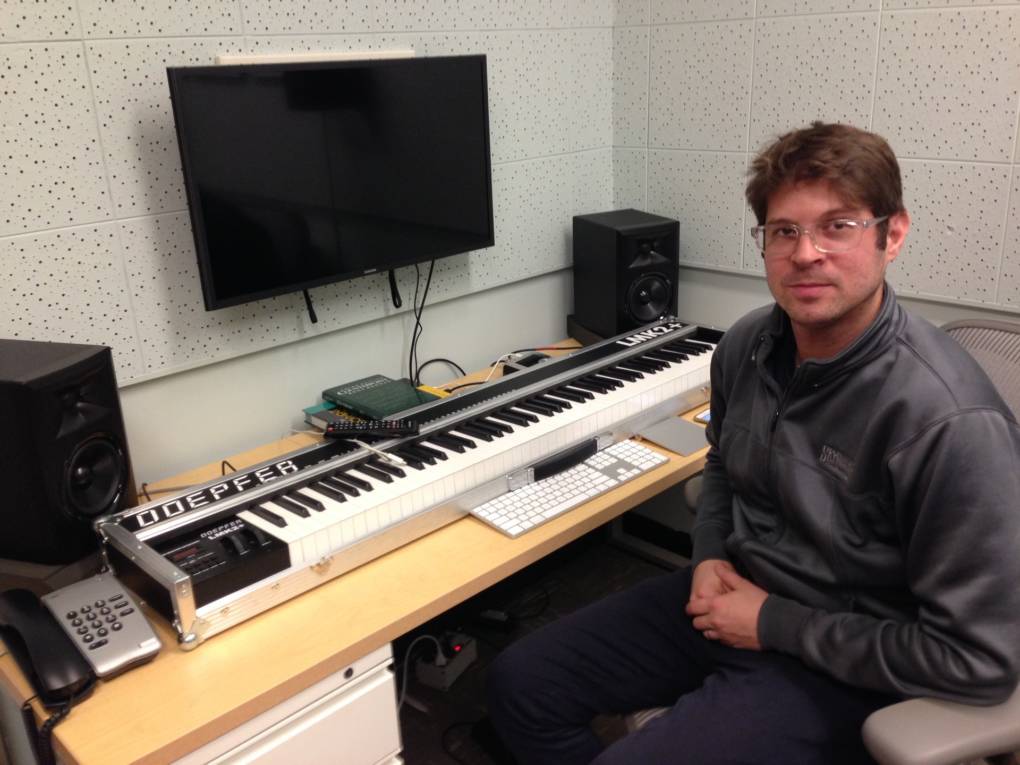
"caption": "Grammy nominee and assistant professor Adam Schoenberg in his studio at Occidental College.",
"description": "Grammy nominee and assistant professor Adam Schoenberg in his studio at Occidental College.",
"title": "RS29028_Schoenberg 1-qut",
"credit": "Peter Gilstrap/KQED",
"status": "inherit",
"isLoading": false,
"fetchFailed": false
},
"news_11644579": {
"type": "attachments",
"id": "news_11644579",
"meta": {
"index": "attachments_1716263798",
"site": "news",
"id": "11644579",
"found": true
},
"parent": 11644569,
"imgSizes": {
"small": {
"file": "https://ww2.kqed.org/app/uploads/sites/10/2018/01/jason-paras-performing-520x373.jpg",
"width": 520,
"mimeType": "image/jpeg",
"height": 373
},
"twentyfourteen-full-width": {
"file": "https://ww2.kqed.org/app/uploads/sites/10/2018/01/jason-paras-performing-1038x576.jpg",
"width": 1038,
"mimeType": "image/jpeg",
"height": 576
},
"thumbnail": {
"file": "https://ww2.kqed.org/app/uploads/sites/10/2018/01/jason-paras-performing-160x115.jpg",
"width": 160,
"mimeType": "image/jpeg",
"height": 115
},
"fd-sm": {
"file": "https://ww2.kqed.org/app/uploads/sites/10/2018/01/jason-paras-performing-960x688.jpg",
"width": 960,
"mimeType": "image/jpeg",
"height": 688
},
"post-thumbnail": {
"file": "https://ww2.kqed.org/app/uploads/sites/10/2018/01/jason-paras-performing-672x372.jpg",
"width": 672,
"mimeType": "image/jpeg",
"height": 372
},
"xsmall": {
"file": "https://ww2.kqed.org/app/uploads/sites/10/2018/01/jason-paras-performing-375x269.jpg",
"width": 375,
"mimeType": "image/jpeg",
"height": 269
},
"kqedFullSize": {
"file": "https://ww2.kqed.org/app/uploads/sites/10/2018/01/jason-paras-performing.jpg",
"width": 1920,
"height": 1376
},
"large": {
"file": "https://ww2.kqed.org/app/uploads/sites/10/2018/01/jason-paras-performing-1020x731.jpg",
"width": 1020,
"mimeType": "image/jpeg",
"height": 731
},
"xlarge": {
"file": "https://ww2.kqed.org/app/uploads/sites/10/2018/01/jason-paras-performing-1180x846.jpg",
"width": 1180,
"mimeType": "image/jpeg",
"height": 846
},
"guest-author-50": {
"file": "https://ww2.kqed.org/app/uploads/sites/10/2018/01/jason-paras-performing-50x50.jpg",
"width": 50,
"mimeType": "image/jpeg",
"height": 50
},
"guest-author-96": {
"file": "https://ww2.kqed.org/app/uploads/sites/10/2018/01/jason-paras-performing-96x96.jpg",
"width": 96,
"mimeType": "image/jpeg",
"height": 96
},
"medium": {
"file": "https://ww2.kqed.org/app/uploads/sites/10/2018/01/jason-paras-performing-800x573.jpg",
"width": 800,
"mimeType": "image/jpeg",
"height": 573
},
"guest-author-64": {
"file": "https://ww2.kqed.org/app/uploads/sites/10/2018/01/jason-paras-performing-64x64.jpg",
"width": 64,
"mimeType": "image/jpeg",
"height": 64
},
"guest-author-32": {
"file": "https://ww2.kqed.org/app/uploads/sites/10/2018/01/jason-paras-performing-32x32.jpg",
"width": 32,
"mimeType": "image/jpeg",
"height": 32
},
"fd-lrg": {
"file": "https://ww2.kqed.org/app/uploads/sites/10/2018/01/jason-paras-performing-1920x1376.jpg",
"width": 1920,
"mimeType": "image/jpeg",
"height": 1376
},
"fd-med": {
"file": "https://ww2.kqed.org/app/uploads/sites/10/2018/01/jason-paras-performing-1180x846.jpg",
"width": 1180,
"mimeType": "image/jpeg",
"height": 846
},
"full-width": {
"file": "https://ww2.kqed.org/app/uploads/sites/10/2018/01/jason-paras-performing-1920x1376.jpg",
"width": 1920,
"mimeType": "image/jpeg",
"height": 1376
},
"detail": {
"file": "https://ww2.kqed.org/app/uploads/sites/10/2018/01/jason-paras-performing-150x150.jpg",
"width": 150,
"mimeType": "image/jpeg",
"height": 150
},
"guest-author-128": {
"file": "https://ww2.kqed.org/app/uploads/sites/10/2018/01/jason-paras-performing-128x128.jpg",
"width": 128,
"mimeType": "image/jpeg",
"height": 128
},
"xxsmall": {
"file": "https://ww2.kqed.org/app/uploads/sites/10/2018/01/jason-paras-performing-240x172.jpg",
"width": 240,
"mimeType": "image/jpeg",
"height": 172
}
},
"publishDate": 1516994453,
"modified": 1517012610,
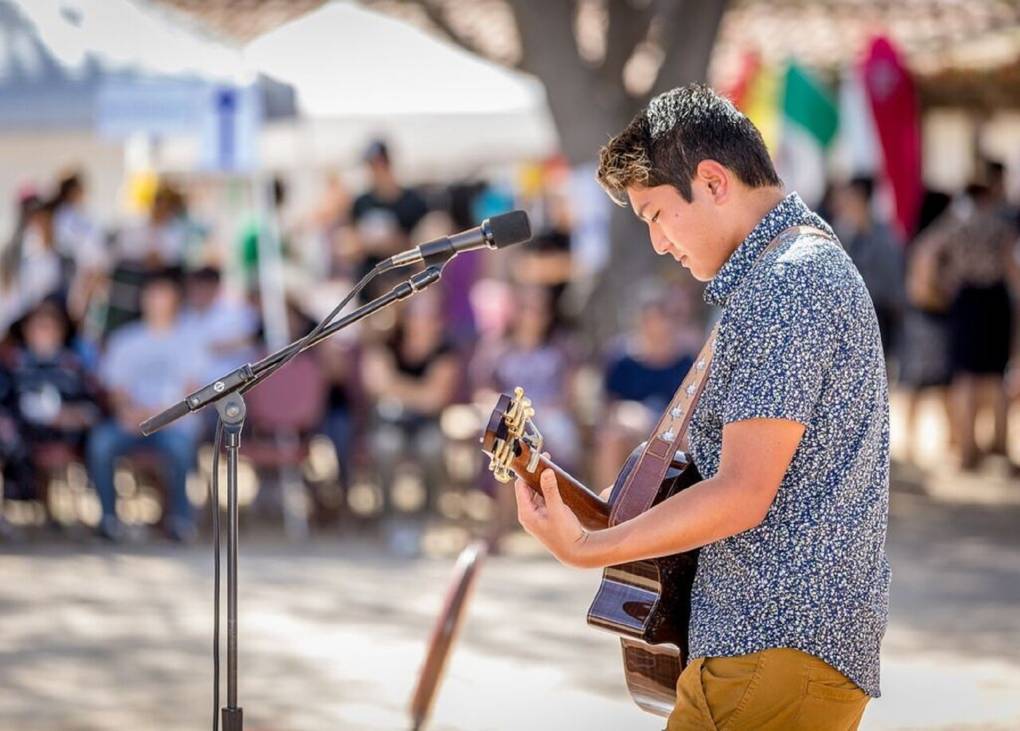
"caption": "Jason Paras performing at the 2016 Asian American Neighborhood Festival in Santa Barbara.",
"description": null,
"title": "jason paras performing",
"credit": "Courtesy of Jason Paras",
"status": "inherit",
"isLoading": false,
"fetchFailed": false
},
"news_11643488": {
"type": "attachments",
"id": "news_11643488",
"meta": {
"index": "attachments_1716263798",
"site": "news",
"id": "11643488",
"found": true
},
"parent": 11643487,
"imgSizes": {
"small": {
"file": "https://ww2.kqed.org/app/uploads/sites/10/2018/01/RS28850_Image-uploaded-from-iOS-29-qut-520x390.jpg",
"width": 520,
"mimeType": "image/jpeg",
"height": 390
},
"twentyfourteen-full-width": {
"file": "https://ww2.kqed.org/app/uploads/sites/10/2018/01/RS28850_Image-uploaded-from-iOS-29-qut-1038x576.jpg",
"width": 1038,
"mimeType": "image/jpeg",
"height": 576
},
"thumbnail": {
"file": "https://ww2.kqed.org/app/uploads/sites/10/2018/01/RS28850_Image-uploaded-from-iOS-29-qut-160x120.jpg",
"width": 160,
"mimeType": "image/jpeg",
"height": 120
},
"fd-sm": {
"file": "https://ww2.kqed.org/app/uploads/sites/10/2018/01/RS28850_Image-uploaded-from-iOS-29-qut-960x720.jpg",
"width": 960,
"mimeType": "image/jpeg",
"height": 720
},
"post-thumbnail": {
"file": "https://ww2.kqed.org/app/uploads/sites/10/2018/01/RS28850_Image-uploaded-from-iOS-29-qut-672x372.jpg",
"width": 672,
"mimeType": "image/jpeg",
"height": 372
},
"xsmall": {
"file": "https://ww2.kqed.org/app/uploads/sites/10/2018/01/RS28850_Image-uploaded-from-iOS-29-qut-375x281.jpg",
"width": 375,
"mimeType": "image/jpeg",
"height": 281
},
"kqedFullSize": {
"file": "https://ww2.kqed.org/app/uploads/sites/10/2018/01/RS28850_Image-uploaded-from-iOS-29-qut.jpg",
"width": 1920,
"height": 1440
},
"large": {
"file": "https://ww2.kqed.org/app/uploads/sites/10/2018/01/RS28850_Image-uploaded-from-iOS-29-qut-1020x765.jpg",
"width": 1020,
"mimeType": "image/jpeg",
"height": 765
},
"xlarge": {
"file": "https://ww2.kqed.org/app/uploads/sites/10/2018/01/RS28850_Image-uploaded-from-iOS-29-qut-1180x885.jpg",
"width": 1180,
"mimeType": "image/jpeg",
"height": 885
},
"guest-author-50": {
"file": "https://ww2.kqed.org/app/uploads/sites/10/2018/01/RS28850_Image-uploaded-from-iOS-29-qut-50x50.jpg",
"width": 50,
"mimeType": "image/jpeg",
"height": 50
},
"guest-author-96": {
"file": "https://ww2.kqed.org/app/uploads/sites/10/2018/01/RS28850_Image-uploaded-from-iOS-29-qut-96x96.jpg",
"width": 96,
"mimeType": "image/jpeg",
"height": 96
},
"medium": {
"file": "https://ww2.kqed.org/app/uploads/sites/10/2018/01/RS28850_Image-uploaded-from-iOS-29-qut-800x600.jpg",
"width": 800,
"mimeType": "image/jpeg",
"height": 600
},
"guest-author-64": {
"file": "https://ww2.kqed.org/app/uploads/sites/10/2018/01/RS28850_Image-uploaded-from-iOS-29-qut-64x64.jpg",
"width": 64,
"mimeType": "image/jpeg",
"height": 64
},
"guest-author-32": {
"file": "https://ww2.kqed.org/app/uploads/sites/10/2018/01/RS28850_Image-uploaded-from-iOS-29-qut-32x32.jpg",
"width": 32,
"mimeType": "image/jpeg",
"height": 32
},
"fd-lrg": {
"file": "https://ww2.kqed.org/app/uploads/sites/10/2018/01/RS28850_Image-uploaded-from-iOS-29-qut-1920x1440.jpg",
"width": 1920,
"mimeType": "image/jpeg",
"height": 1440
},
"fd-med": {
"file": "https://ww2.kqed.org/app/uploads/sites/10/2018/01/RS28850_Image-uploaded-from-iOS-29-qut-1180x885.jpg",
"width": 1180,
"mimeType": "image/jpeg",
"height": 885
},
"full-width": {
"file": "https://ww2.kqed.org/app/uploads/sites/10/2018/01/RS28850_Image-uploaded-from-iOS-29-qut-1920x1440.jpg",
"width": 1920,
"mimeType": "image/jpeg",
"height": 1440
},
"detail": {
"file": "https://ww2.kqed.org/app/uploads/sites/10/2018/01/RS28850_Image-uploaded-from-iOS-29-qut-150x150.jpg",
"width": 150,
"mimeType": "image/jpeg",
"height": 150
},
"guest-author-128": {
"file": "https://ww2.kqed.org/app/uploads/sites/10/2018/01/RS28850_Image-uploaded-from-iOS-29-qut-128x128.jpg",
"width": 128,
"mimeType": "image/jpeg",
"height": 128
},
"xxsmall": {
"file": "https://ww2.kqed.org/app/uploads/sites/10/2018/01/RS28850_Image-uploaded-from-iOS-29-qut-240x180.jpg",
"width": 240,
"mimeType": "image/jpeg",
"height": 180
}
},
"publishDate": 1516574735,
"modified": 1516574758,
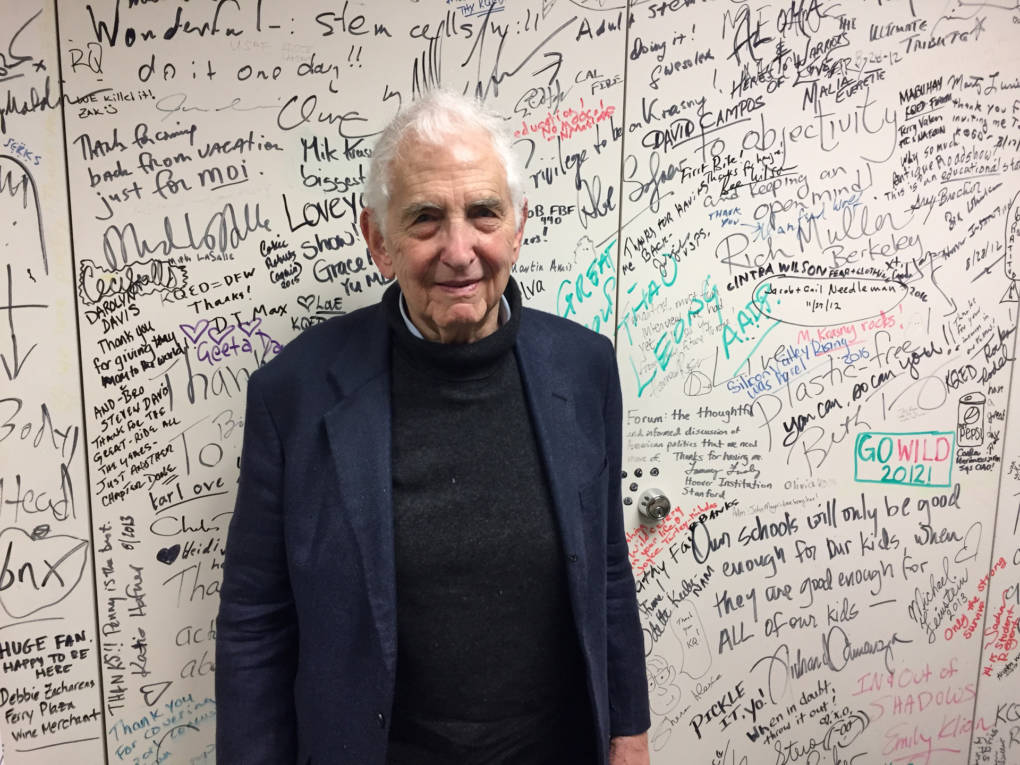
"caption": "Daniel Ellsberg is the author of \"The Doomsday Machine: Confessions of a Nuclear War Planner.\"",
"description": "Daniel Ellsberg is the author of \"The Doomsday Machine: Confessions of a Nuclear War Planner.\"",
"title": "RS28850_Image uploaded from iOS (29)-qut",
"credit": "Ryan Levi/KQED",
"status": "inherit",
"isLoading": false,
"fetchFailed": false
},
"news_11643465": {
"type": "attachments",
"id": "news_11643465",
"meta": {
"index": "attachments_1716263798",
"site": "news",
"id": "11643465",
"found": true
},
"parent": 11643364,
"imgSizes": {
"small": {
"file": "https://ww2.kqed.org/app/uploads/sites/10/2018/01/RS28960_Hendricks-Bros-qut-520x293.jpg",
"width": 520,
"mimeType": "image/jpeg",
"height": 293
},
"twentyfourteen-full-width": {
"file": "https://ww2.kqed.org/app/uploads/sites/10/2018/01/RS28960_Hendricks-Bros-qut-1038x576.jpg",
"width": 1038,
"mimeType": "image/jpeg",
"height": 576
},
"thumbnail": {
"file": "https://ww2.kqed.org/app/uploads/sites/10/2018/01/RS28960_Hendricks-Bros-qut-160x90.jpg",
"width": 160,
"mimeType": "image/jpeg",
"height": 90
},
"fd-sm": {
"file": "https://ww2.kqed.org/app/uploads/sites/10/2018/01/RS28960_Hendricks-Bros-qut-960x540.jpg",
"width": 960,
"mimeType": "image/jpeg",
"height": 540
},
"post-thumbnail": {
"file": "https://ww2.kqed.org/app/uploads/sites/10/2018/01/RS28960_Hendricks-Bros-qut-672x372.jpg",
"width": 672,
"mimeType": "image/jpeg",
"height": 372
},
"xsmall": {
"file": "https://ww2.kqed.org/app/uploads/sites/10/2018/01/RS28960_Hendricks-Bros-qut-375x211.jpg",
"width": 375,
"mimeType": "image/jpeg",
"height": 211
},
"kqedFullSize": {
"file": "https://ww2.kqed.org/app/uploads/sites/10/2018/01/RS28960_Hendricks-Bros-qut.jpg",
"width": 1920,
"height": 1080
},
"large": {
"file": "https://ww2.kqed.org/app/uploads/sites/10/2018/01/RS28960_Hendricks-Bros-qut-1020x574.jpg",
"width": 1020,
"mimeType": "image/jpeg",
"height": 574
},
"xlarge": {
"file": "https://ww2.kqed.org/app/uploads/sites/10/2018/01/RS28960_Hendricks-Bros-qut-1180x664.jpg",
"width": 1180,
"mimeType": "image/jpeg",
"height": 664
},
"guest-author-50": {
"file": "https://ww2.kqed.org/app/uploads/sites/10/2018/01/RS28960_Hendricks-Bros-qut-50x50.jpg",
"width": 50,
"mimeType": "image/jpeg",
"height": 50
},
"guest-author-96": {
"file": "https://ww2.kqed.org/app/uploads/sites/10/2018/01/RS28960_Hendricks-Bros-qut-96x96.jpg",
"width": 96,
"mimeType": "image/jpeg",
"height": 96
},
"medium": {
"file": "https://ww2.kqed.org/app/uploads/sites/10/2018/01/RS28960_Hendricks-Bros-qut-800x450.jpg",
"width": 800,
"mimeType": "image/jpeg",
"height": 450
},
"guest-author-64": {
"file": "https://ww2.kqed.org/app/uploads/sites/10/2018/01/RS28960_Hendricks-Bros-qut-64x64.jpg",
"width": 64,
"mimeType": "image/jpeg",
"height": 64
},
"guest-author-32": {
"file": "https://ww2.kqed.org/app/uploads/sites/10/2018/01/RS28960_Hendricks-Bros-qut-32x32.jpg",
"width": 32,
"mimeType": "image/jpeg",
"height": 32
},
"fd-lrg": {
"file": "https://ww2.kqed.org/app/uploads/sites/10/2018/01/RS28960_Hendricks-Bros-qut-1920x1080.jpg",
"width": 1920,
"mimeType": "image/jpeg",
"height": 1080
},
"fd-med": {
"file": "https://ww2.kqed.org/app/uploads/sites/10/2018/01/RS28960_Hendricks-Bros-qut-1180x664.jpg",
"width": 1180,
"mimeType": "image/jpeg",
"height": 664
},
"full-width": {
"file": "https://ww2.kqed.org/app/uploads/sites/10/2018/01/RS28960_Hendricks-Bros-qut-1920x1080.jpg",
"width": 1920,
"mimeType": "image/jpeg",
"height": 1080
},
"detail": {
"file": "https://ww2.kqed.org/app/uploads/sites/10/2018/01/RS28960_Hendricks-Bros-qut-150x150.jpg",
"width": 150,
"mimeType": "image/jpeg",
"height": 150
},
"guest-author-128": {
"file": "https://ww2.kqed.org/app/uploads/sites/10/2018/01/RS28960_Hendricks-Bros-qut-128x128.jpg",
"width": 128,
"mimeType": "image/jpeg",
"height": 128
},
"xxsmall": {
"file": "https://ww2.kqed.org/app/uploads/sites/10/2018/01/RS28960_Hendricks-Bros-qut-240x135.jpg",
"width": 240,
"mimeType": "image/jpeg",
"height": 135
}
},
"publishDate": 1516567837,
"modified": 1516567898,
"caption": "Brothers and Fresno natives Eric (L) and Mychal Kendricks (R) will face on Sunday in the NFC Championships. The winning brother will get go to the Super Bowl.",
"description": "Brothers and Fresno natives Eric (L) and Mychal Kendricks (R) will face on Sunday in the NFC Championships. The winning brother will get go to the Super Bowl.",
"title": "RS28960_Kendricks Bros-qut",
"credit": "Adam Bettcher and Mitchell Leff/Getty Images",
"status": "inherit",
"isLoading": false,
"fetchFailed": false
},
"news_11640753": {
"type": "attachments",
"id": "news_11640753",
"meta": {
"index": "attachments_1716263798",
"site": "news",
"id": "11640753",
"found": true
},
"parent": 11640750,
"imgSizes": {
"small": {
"file": "https://ww2.kqed.org/app/uploads/sites/10/2019/01/RS26594_20170912_VietnamStories_StevenBurchik_Credit_BertJohnson-2-qut-520x347.jpg",
"width": 520,
"mimeType": "image/jpeg",
"height": 347
},
"twentyfourteen-full-width": {
"file": "https://ww2.kqed.org/app/uploads/sites/10/2019/01/RS26594_20170912_VietnamStories_StevenBurchik_Credit_BertJohnson-2-qut-1038x576.jpg",
"width": 1038,
"mimeType": "image/jpeg",
"height": 576
},
"thumbnail": {
"file": "https://ww2.kqed.org/app/uploads/sites/10/2019/01/RS26594_20170912_VietnamStories_StevenBurchik_Credit_BertJohnson-2-qut-160x107.jpg",
"width": 160,
"mimeType": "image/jpeg",
"height": 107
},
"fd-sm": {
"file": "https://ww2.kqed.org/app/uploads/sites/10/2019/01/RS26594_20170912_VietnamStories_StevenBurchik_Credit_BertJohnson-2-qut-960x640.jpg",
"width": 960,
"mimeType": "image/jpeg",
"height": 640
},
"post-thumbnail": {
"file": "https://ww2.kqed.org/app/uploads/sites/10/2019/01/RS26594_20170912_VietnamStories_StevenBurchik_Credit_BertJohnson-2-qut-672x372.jpg",
"width": 672,
"mimeType": "image/jpeg",
"height": 372
},
"xsmall": {
"file": "https://ww2.kqed.org/app/uploads/sites/10/2019/01/RS26594_20170912_VietnamStories_StevenBurchik_Credit_BertJohnson-2-qut-375x250.jpg",
"width": 375,
"mimeType": "image/jpeg",
"height": 250
},
"kqedFullSize": {
"file": "https://ww2.kqed.org/app/uploads/sites/10/2019/01/RS26594_20170912_VietnamStories_StevenBurchik_Credit_BertJohnson-2-qut.jpg",
"width": 1920,
"height": 1280
},
"large": {
"file": "https://ww2.kqed.org/app/uploads/sites/10/2019/01/RS26594_20170912_VietnamStories_StevenBurchik_Credit_BertJohnson-2-qut-1020x680.jpg",
"width": 1020,
"mimeType": "image/jpeg",
"height": 680
},
"xlarge": {
"file": "https://ww2.kqed.org/app/uploads/sites/10/2019/01/RS26594_20170912_VietnamStories_StevenBurchik_Credit_BertJohnson-2-qut-1180x787.jpg",
"width": 1180,
"mimeType": "image/jpeg",
"height": 787
},
"guest-author-50": {
"file": "https://ww2.kqed.org/app/uploads/sites/10/2019/01/RS26594_20170912_VietnamStories_StevenBurchik_Credit_BertJohnson-2-qut-50x50.jpg",
"width": 50,
"mimeType": "image/jpeg",
"height": 50
},
"guest-author-96": {
"file": "https://ww2.kqed.org/app/uploads/sites/10/2019/01/RS26594_20170912_VietnamStories_StevenBurchik_Credit_BertJohnson-2-qut-96x96.jpg",
"width": 96,
"mimeType": "image/jpeg",
"height": 96
},
"medium": {
"file": "https://ww2.kqed.org/app/uploads/sites/10/2019/01/RS26594_20170912_VietnamStories_StevenBurchik_Credit_BertJohnson-2-qut-800x533.jpg",
"width": 800,
"mimeType": "image/jpeg",
"height": 533
},
"guest-author-64": {
"file": "https://ww2.kqed.org/app/uploads/sites/10/2019/01/RS26594_20170912_VietnamStories_StevenBurchik_Credit_BertJohnson-2-qut-64x64.jpg",
"width": 64,
"mimeType": "image/jpeg",
"height": 64
},
"guest-author-32": {
"file": "https://ww2.kqed.org/app/uploads/sites/10/2019/01/RS26594_20170912_VietnamStories_StevenBurchik_Credit_BertJohnson-2-qut-32x32.jpg",
"width": 32,
"mimeType": "image/jpeg",
"height": 32
},
"fd-lrg": {
"file": "https://ww2.kqed.org/app/uploads/sites/10/2019/01/RS26594_20170912_VietnamStories_StevenBurchik_Credit_BertJohnson-2-qut-1920x1280.jpg",
"width": 1920,
"mimeType": "image/jpeg",
"height": 1280
},
"fd-med": {
"file": "https://ww2.kqed.org/app/uploads/sites/10/2019/01/RS26594_20170912_VietnamStories_StevenBurchik_Credit_BertJohnson-2-qut-1180x787.jpg",
"width": 1180,
"mimeType": "image/jpeg",
"height": 787
},
"full-width": {
"file": "https://ww2.kqed.org/app/uploads/sites/10/2019/01/RS26594_20170912_VietnamStories_StevenBurchik_Credit_BertJohnson-2-qut-1920x1280.jpg",
"width": 1920,
"mimeType": "image/jpeg",
"height": 1280
},
"detail": {
"file": "https://ww2.kqed.org/app/uploads/sites/10/2019/01/RS26594_20170912_VietnamStories_StevenBurchik_Credit_BertJohnson-2-qut-150x150.jpg",
"width": 150,
"mimeType": "image/jpeg",
"height": 150
},
"guest-author-128": {
"file": "https://ww2.kqed.org/app/uploads/sites/10/2019/01/RS26594_20170912_VietnamStories_StevenBurchik_Credit_BertJohnson-2-qut-128x128.jpg",
"width": 128,
"mimeType": "image/jpeg",
"height": 128
},
"xxsmall": {
"file": "https://ww2.kqed.org/app/uploads/sites/10/2019/01/RS26594_20170912_VietnamStories_StevenBurchik_Credit_BertJohnson-2-qut-240x160.jpg",
"width": 240,
"mimeType": "image/jpeg",
"height": 160
}
},
"publishDate": 1515434131,
"modified": 1516506244,
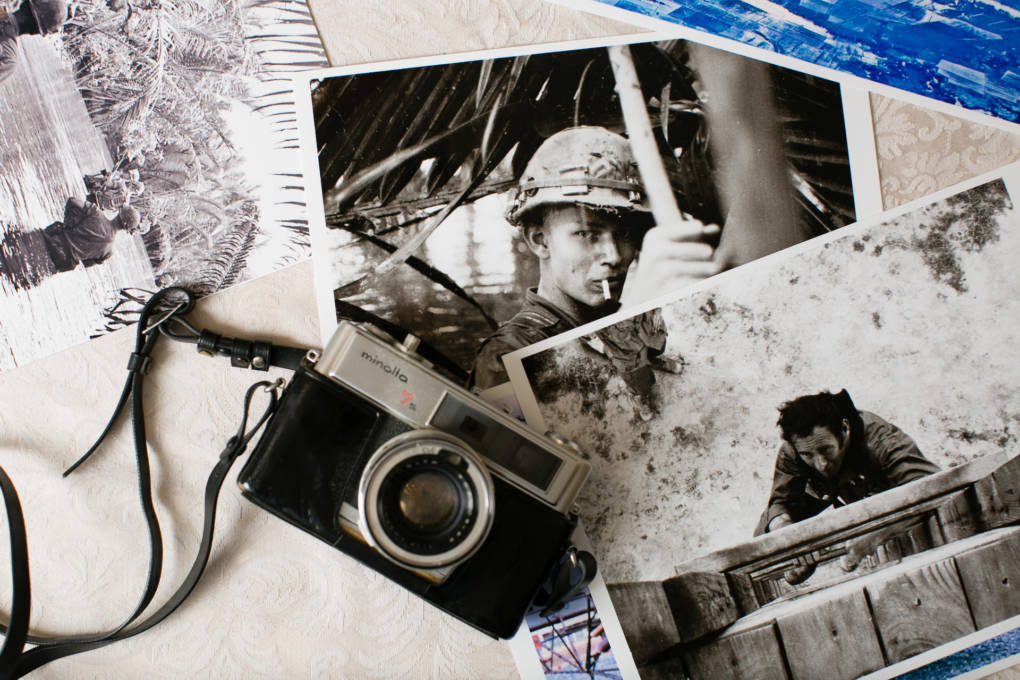
"caption": "Steven Burchik served in the U.S. Army during the Vietnam War. This is one of the cameras he used to take photos while deployed.",
"description": "Steven Burchik served in the U.S. Army during the Vietnam War. This is one of the cameras he used to take photos while deployed.",
"title": "RS26594_20170912_VietnamStories_StevenBurchik_Credit_BertJohnson-2-qut",
"credit": "Bert Johnson/KQED",
"status": "inherit",
"isLoading": false,
"fetchFailed": false
},
"news_11643350": {
"type": "attachments",
"id": "news_11643350",
"meta": {
"index": "attachments_1716263798",
"site": "news",
"id": "11643350",
"found": true
},
"parent": 11643278,
"imgSizes": {
"small": {
"file": "https://ww2.kqed.org/app/uploads/sites/10/2018/01/RS28933_womensmarch-6-qut-520x347.jpg",
"width": 520,
"mimeType": "image/jpeg",
"height": 347
},
"twentyfourteen-full-width": {
"file": "https://ww2.kqed.org/app/uploads/sites/10/2018/01/RS28933_womensmarch-6-qut-1038x576.jpg",
"width": 1038,
"mimeType": "image/jpeg",
"height": 576
},
"thumbnail": {
"file": "https://ww2.kqed.org/app/uploads/sites/10/2018/01/RS28933_womensmarch-6-qut-160x107.jpg",
"width": 160,
"mimeType": "image/jpeg",
"height": 107
},
"fd-sm": {
"file": "https://ww2.kqed.org/app/uploads/sites/10/2018/01/RS28933_womensmarch-6-qut-960x640.jpg",
"width": 960,
"mimeType": "image/jpeg",
"height": 640
},
"post-thumbnail": {
"file": "https://ww2.kqed.org/app/uploads/sites/10/2018/01/RS28933_womensmarch-6-qut-672x372.jpg",
"width": 672,
"mimeType": "image/jpeg",
"height": 372
},
"xsmall": {
"file": "https://ww2.kqed.org/app/uploads/sites/10/2018/01/RS28933_womensmarch-6-qut-375x250.jpg",
"width": 375,
"mimeType": "image/jpeg",
"height": 250
},
"kqedFullSize": {
"file": "https://ww2.kqed.org/app/uploads/sites/10/2018/01/RS28933_womensmarch-6-qut.jpg",
"width": 1920,
"height": 1280
},
"large": {
"file": "https://ww2.kqed.org/app/uploads/sites/10/2018/01/RS28933_womensmarch-6-qut-1020x680.jpg",
"width": 1020,
"mimeType": "image/jpeg",
"height": 680
},
"xlarge": {
"file": "https://ww2.kqed.org/app/uploads/sites/10/2018/01/RS28933_womensmarch-6-qut-1180x787.jpg",
"width": 1180,
"mimeType": "image/jpeg",
"height": 787
},
"guest-author-50": {
"file": "https://ww2.kqed.org/app/uploads/sites/10/2018/01/RS28933_womensmarch-6-qut-50x50.jpg",
"width": 50,
"mimeType": "image/jpeg",
"height": 50
},
"guest-author-96": {
"file": "https://ww2.kqed.org/app/uploads/sites/10/2018/01/RS28933_womensmarch-6-qut-96x96.jpg",
"width": 96,
"mimeType": "image/jpeg",
"height": 96
},
"medium": {
"file": "https://ww2.kqed.org/app/uploads/sites/10/2018/01/RS28933_womensmarch-6-qut-800x533.jpg",
"width": 800,
"mimeType": "image/jpeg",
"height": 533
},
"guest-author-64": {
"file": "https://ww2.kqed.org/app/uploads/sites/10/2018/01/RS28933_womensmarch-6-qut-64x64.jpg",
"width": 64,
"mimeType": "image/jpeg",
"height": 64
},
"guest-author-32": {
"file": "https://ww2.kqed.org/app/uploads/sites/10/2018/01/RS28933_womensmarch-6-qut-32x32.jpg",
"width": 32,
"mimeType": "image/jpeg",
"height": 32
},
"fd-lrg": {
"file": "https://ww2.kqed.org/app/uploads/sites/10/2018/01/RS28933_womensmarch-6-qut-1920x1280.jpg",
"width": 1920,
"mimeType": "image/jpeg",
"height": 1280
},
"fd-med": {
"file": "https://ww2.kqed.org/app/uploads/sites/10/2018/01/RS28933_womensmarch-6-qut-1180x787.jpg",
"width": 1180,
"mimeType": "image/jpeg",
"height": 787
},
"full-width": {
"file": "https://ww2.kqed.org/app/uploads/sites/10/2018/01/RS28933_womensmarch-6-qut-1920x1280.jpg",
"width": 1920,
"mimeType": "image/jpeg",
"height": 1280
},
"detail": {
"file": "https://ww2.kqed.org/app/uploads/sites/10/2018/01/RS28933_womensmarch-6-qut-150x150.jpg",
"width": 150,
"mimeType": "image/jpeg",
"height": 150
},
"guest-author-128": {
"file": "https://ww2.kqed.org/app/uploads/sites/10/2018/01/RS28933_womensmarch-6-qut-128x128.jpg",
"width": 128,
"mimeType": "image/jpeg",
"height": 128
},
"xxsmall": {
"file": "https://ww2.kqed.org/app/uploads/sites/10/2018/01/RS28933_womensmarch-6-qut-240x160.jpg",
"width": 240,
"mimeType": "image/jpeg",
"height": 160
}
},
"publishDate": 1516496767,
"modified": 1516496790,
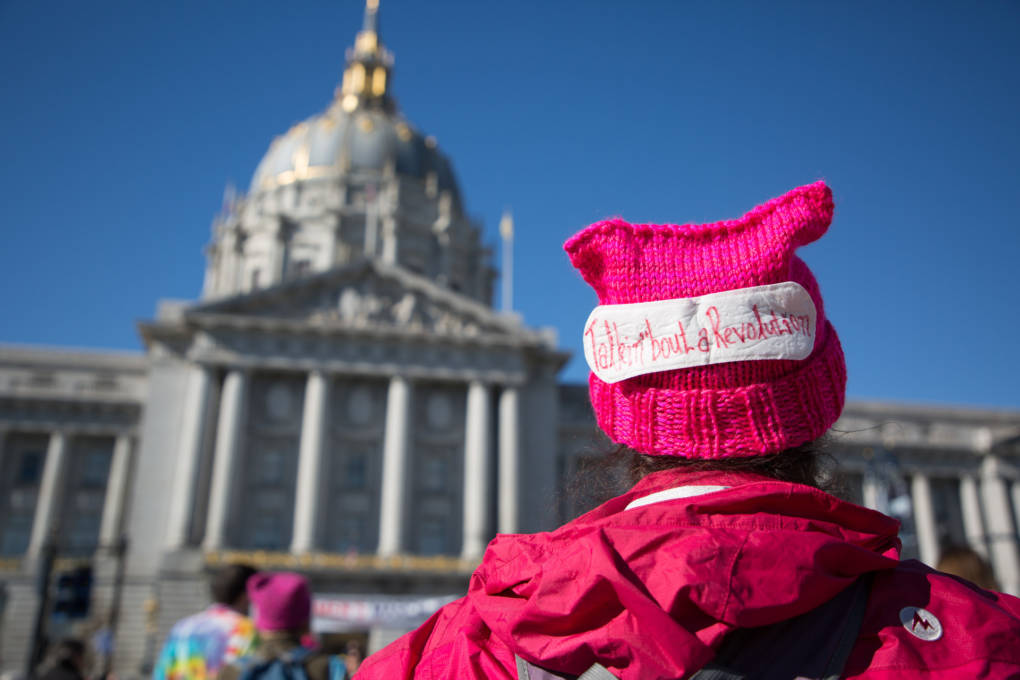
"caption": "Amanda Hammond stands in front of City Hall in San Francisco awaiting the begin of the 2018 Women's March. She hopes to continue to \"support the movement\" after marching in Washington D.C. last January.",
"description": "Amanda Hammond stands in front of City Hall in San Francisco awaiting the begin of the 2018 Women's March. She hopes to continue to \"support the movement\" after marching in Washington D.C. last January.",
"title": "RS28933_womensmarch-6-qut",
"credit": "Samantha Shanahan/KQED",
"status": "inherit",
"isLoading": false,
"fetchFailed": false
},
"news_11642169": {
"type": "attachments",
"id": "news_11642169",
"meta": {
"index": "attachments_1716263798",
"site": "news",
"id": "11642169",
"found": true
},
"parent": 11642149,
"imgSizes": {
"small": {
"file": "https://ww2.kqed.org/app/uploads/sites/10/2018/01/Edwin-Hawkins-at-Paramount-Theatre-in-Oakland-520x345.jpg",
"width": 520,
"mimeType": "image/jpeg",
"height": 345
},
"twentyfourteen-full-width": {
"file": "https://ww2.kqed.org/app/uploads/sites/10/2018/01/Edwin-Hawkins-at-Paramount-Theatre-in-Oakland-1038x576.jpg",
"width": 1038,
"mimeType": "image/jpeg",
"height": 576
},
"thumbnail": {
"file": "https://ww2.kqed.org/app/uploads/sites/10/2018/01/Edwin-Hawkins-at-Paramount-Theatre-in-Oakland-160x106.jpg",
"width": 160,
"mimeType": "image/jpeg",
"height": 106
},
"fd-sm": {
"file": "https://ww2.kqed.org/app/uploads/sites/10/2018/01/Edwin-Hawkins-at-Paramount-Theatre-in-Oakland-960x638.jpg",
"width": 960,
"mimeType": "image/jpeg",
"height": 638
},
"post-thumbnail": {
"file": "https://ww2.kqed.org/app/uploads/sites/10/2018/01/Edwin-Hawkins-at-Paramount-Theatre-in-Oakland-672x372.jpg",
"width": 672,
"mimeType": "image/jpeg",
"height": 372
},
"xsmall": {
"file": "https://ww2.kqed.org/app/uploads/sites/10/2018/01/Edwin-Hawkins-at-Paramount-Theatre-in-Oakland-375x249.jpg",
"width": 375,
"mimeType": "image/jpeg",
"height": 249
},
"kqedFullSize": {
"file": "https://ww2.kqed.org/app/uploads/sites/10/2018/01/Edwin-Hawkins-at-Paramount-Theatre-in-Oakland-e1516123962997.jpg",
"width": 1920,
"height": 1275
},
"large": {
"file": "https://ww2.kqed.org/app/uploads/sites/10/2018/01/Edwin-Hawkins-at-Paramount-Theatre-in-Oakland-1020x677.jpg",
"width": 1020,
"mimeType": "image/jpeg",
"height": 677
},
"xlarge": {
"file": "https://ww2.kqed.org/app/uploads/sites/10/2018/01/Edwin-Hawkins-at-Paramount-Theatre-in-Oakland-1180x784.jpg",
"width": 1180,
"mimeType": "image/jpeg",
"height": 784
},
"guest-author-50": {
"file": "https://ww2.kqed.org/app/uploads/sites/10/2018/01/Edwin-Hawkins-at-Paramount-Theatre-in-Oakland-50x50.jpg",
"width": 50,
"mimeType": "image/jpeg",
"height": 50
},
"guest-author-96": {
"file": "https://ww2.kqed.org/app/uploads/sites/10/2018/01/Edwin-Hawkins-at-Paramount-Theatre-in-Oakland-96x96.jpg",
"width": 96,
"mimeType": "image/jpeg",
"height": 96
},
"medium": {
"file": "https://ww2.kqed.org/app/uploads/sites/10/2018/01/Edwin-Hawkins-at-Paramount-Theatre-in-Oakland-800x531.jpg",
"width": 800,
"mimeType": "image/jpeg",
"height": 531
},
"guest-author-64": {
"file": "https://ww2.kqed.org/app/uploads/sites/10/2018/01/Edwin-Hawkins-at-Paramount-Theatre-in-Oakland-64x64.jpg",
"width": 64,
"mimeType": "image/jpeg",
"height": 64
},
"guest-author-32": {
"file": "https://ww2.kqed.org/app/uploads/sites/10/2018/01/Edwin-Hawkins-at-Paramount-Theatre-in-Oakland-32x32.jpg",
"width": 32,
"mimeType": "image/jpeg",
"height": 32
},
"fd-lrg": {
"file": "https://ww2.kqed.org/app/uploads/sites/10/2018/01/Edwin-Hawkins-at-Paramount-Theatre-in-Oakland-1920x1275.jpg",
"width": 1920,
"mimeType": "image/jpeg",
"height": 1275
},
"fd-med": {
"file": "https://ww2.kqed.org/app/uploads/sites/10/2018/01/Edwin-Hawkins-at-Paramount-Theatre-in-Oakland-1180x784.jpg",
"width": 1180,
"mimeType": "image/jpeg",
"height": 784
},
"full-width": {
"file": "https://ww2.kqed.org/app/uploads/sites/10/2018/01/Edwin-Hawkins-at-Paramount-Theatre-in-Oakland-1920x1275.jpg",
"width": 1920,
"mimeType": "image/jpeg",
"height": 1275
},
"detail": {
"file": "https://ww2.kqed.org/app/uploads/sites/10/2018/01/Edwin-Hawkins-at-Paramount-Theatre-in-Oakland-150x150.jpg",
"width": 150,
"mimeType": "image/jpeg",
"height": 150
},
"guest-author-128": {
"file": "https://ww2.kqed.org/app/uploads/sites/10/2018/01/Edwin-Hawkins-at-Paramount-Theatre-in-Oakland-128x128.jpg",
"width": 128,
"mimeType": "image/jpeg",
"height": 128
},
"xxsmall": {
"file": "https://ww2.kqed.org/app/uploads/sites/10/2018/01/Edwin-Hawkins-at-Paramount-Theatre-in-Oakland-240x159.jpg",
"width": 240,
"mimeType": "image/jpeg",
"height": 159
}
},
"publishDate": 1516123804,
"modified": 1516152218,
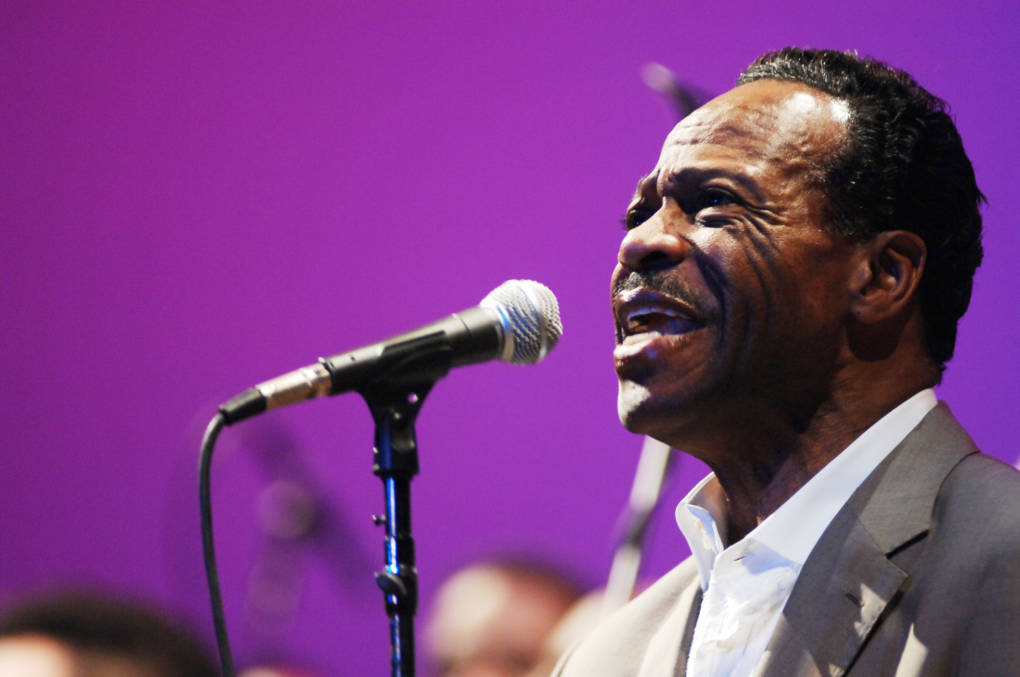
"caption": "Edwin Hawkins performing at the Paramount Theatre in Oakland.",
"description": "Edwin Hawkins performing at the Paramount Theatre in Oakland.",
"title": "Edwin Hawkins at Paramount Theatre in Oakland",
"credit": "Courtesy of the Edwin Hawkins estate",
"status": "inherit",
"isLoading": false,
"fetchFailed": false
},
"news_11642040": {
"type": "attachments",
"id": "news_11642040",
"meta": {
"index": "attachments_1716263798",
"site": "news",
"id": "11642040",
"found": true
},
"parent": 11642039,
"imgSizes": {
"small": {
"file": "https://ww2.kqed.org/app/uploads/sites/10/2018/01/figureskater_wide-4057165d0e972e68347f25e1f1cc471ce48a38a6-520x292.jpg",
"width": 520,
"mimeType": "image/jpeg",
"height": 292
},
"twentyfourteen-full-width": {
"file": "https://ww2.kqed.org/app/uploads/sites/10/2018/01/figureskater_wide-4057165d0e972e68347f25e1f1cc471ce48a38a6-1038x576.jpg",
"width": 1038,
"mimeType": "image/jpeg",
"height": 576
},
"thumbnail": {
"file": "https://ww2.kqed.org/app/uploads/sites/10/2018/01/figureskater_wide-4057165d0e972e68347f25e1f1cc471ce48a38a6-160x90.jpg",
"width": 160,
"mimeType": "image/jpeg",
"height": 90
},
"fd-sm": {
"file": "https://ww2.kqed.org/app/uploads/sites/10/2018/01/figureskater_wide-4057165d0e972e68347f25e1f1cc471ce48a38a6-960x540.jpg",
"width": 960,
"mimeType": "image/jpeg",
"height": 540
},
"post-thumbnail": {
"file": "https://ww2.kqed.org/app/uploads/sites/10/2018/01/figureskater_wide-4057165d0e972e68347f25e1f1cc471ce48a38a6-672x372.jpg",
"width": 672,
"mimeType": "image/jpeg",
"height": 372
},
"xsmall": {
"file": "https://ww2.kqed.org/app/uploads/sites/10/2018/01/figureskater_wide-4057165d0e972e68347f25e1f1cc471ce48a38a6-375x211.jpg",
"width": 375,
"mimeType": "image/jpeg",
"height": 211
},
"kqedFullSize": {
"file": "https://ww2.kqed.org/app/uploads/sites/10/2018/01/figureskater_wide-4057165d0e972e68347f25e1f1cc471ce48a38a6-e1515984012221.jpg",
"width": 1920,
"height": 1080
},
"large": {
"file": "https://ww2.kqed.org/app/uploads/sites/10/2018/01/figureskater_wide-4057165d0e972e68347f25e1f1cc471ce48a38a6-1020x574.jpg",
"width": 1020,
"mimeType": "image/jpeg",
"height": 574
},
"xlarge": {
"file": "https://ww2.kqed.org/app/uploads/sites/10/2018/01/figureskater_wide-4057165d0e972e68347f25e1f1cc471ce48a38a6-1180x664.jpg",
"width": 1180,
"mimeType": "image/jpeg",
"height": 664
},
"guest-author-50": {
"file": "https://ww2.kqed.org/app/uploads/sites/10/2018/01/figureskater_wide-4057165d0e972e68347f25e1f1cc471ce48a38a6-50x50.jpg",
"width": 50,
"mimeType": "image/jpeg",
"height": 50
},
"guest-author-96": {
"file": "https://ww2.kqed.org/app/uploads/sites/10/2018/01/figureskater_wide-4057165d0e972e68347f25e1f1cc471ce48a38a6-96x96.jpg",
"width": 96,
"mimeType": "image/jpeg",
"height": 96
},
"medium": {
"file": "https://ww2.kqed.org/app/uploads/sites/10/2018/01/figureskater_wide-4057165d0e972e68347f25e1f1cc471ce48a38a6-800x450.jpg",
"width": 800,
"mimeType": "image/jpeg",
"height": 450
},
"guest-author-64": {
"file": "https://ww2.kqed.org/app/uploads/sites/10/2018/01/figureskater_wide-4057165d0e972e68347f25e1f1cc471ce48a38a6-64x64.jpg",
"width": 64,
"mimeType": "image/jpeg",
"height": 64
},
"guest-author-32": {
"file": "https://ww2.kqed.org/app/uploads/sites/10/2018/01/figureskater_wide-4057165d0e972e68347f25e1f1cc471ce48a38a6-32x32.jpg",
"width": 32,
"mimeType": "image/jpeg",
"height": 32
},
"fd-lrg": {
"file": "https://ww2.kqed.org/app/uploads/sites/10/2018/01/figureskater_wide-4057165d0e972e68347f25e1f1cc471ce48a38a6-1920x1080.jpg",
"width": 1920,
"mimeType": "image/jpeg",
"height": 1080
},
"fd-med": {
"file": "https://ww2.kqed.org/app/uploads/sites/10/2018/01/figureskater_wide-4057165d0e972e68347f25e1f1cc471ce48a38a6-1180x664.jpg",
"width": 1180,
"mimeType": "image/jpeg",
"height": 664
},
"full-width": {
"file": "https://ww2.kqed.org/app/uploads/sites/10/2018/01/figureskater_wide-4057165d0e972e68347f25e1f1cc471ce48a38a6-1920x1080.jpg",
"width": 1920,
"mimeType": "image/jpeg",
"height": 1080
},
"detail": {
"file": "https://ww2.kqed.org/app/uploads/sites/10/2018/01/figureskater_wide-4057165d0e972e68347f25e1f1cc471ce48a38a6-150x150.jpg",
"width": 150,
"mimeType": "image/jpeg",
"height": 150
},
"guest-author-128": {
"file": "https://ww2.kqed.org/app/uploads/sites/10/2018/01/figureskater_wide-4057165d0e972e68347f25e1f1cc471ce48a38a6-128x128.jpg",
"width": 128,
"mimeType": "image/jpeg",
"height": 128
},
"xxsmall": {
"file": "https://ww2.kqed.org/app/uploads/sites/10/2018/01/figureskater_wide-4057165d0e972e68347f25e1f1cc471ce48a38a6-240x135.jpg",
"width": 240,
"mimeType": "image/jpeg",
"height": 135
}
},
"publishDate": 1515983231,
"modified": 1515983999,
"caption": "Jason Brown competed in the men's short program during the 2018 U.S. Figure Skating Championships in San Jose, Calif., with a song from Hamilton, the musical.",
"description": "Jason Brown competed in the men's short program during the 2018 U.S. Figure Skating Championships in San Jose, Calif., with a song from \u003cem>Hamilton,\u003c/em> the musical.",
"title": "Jason Brown competed in the men's short program during the 2018 U.S. Figure Skating Championships in San Jose, Calif., with a song from Hamilton, the musical.",
"credit": "Matthew Stockman/Getty Images",
"status": "inherit",
"isLoading": false,
"fetchFailed": false
},
"news_11641351": {
"type": "attachments",
"id": "news_11641351",
"meta": {
"index": "attachments_1716263798",
"site": "news",
"id": "11641351",
"found": true
},
"parent": 11641349,
"imgSizes": {
"small": {
"file": "https://ww2.kqed.org/app/uploads/sites/10/2018/01/cali-crystal-file-20171213-27583-z8e8c4-520x390.jpg",
"width": 520,
"mimeType": "image/jpeg",
"height": 390
},
"twentyfourteen-full-width": {
"file": "https://ww2.kqed.org/app/uploads/sites/10/2018/01/cali-crystal-file-20171213-27583-z8e8c4-1024x576.jpg",
"width": 1024,
"mimeType": "image/jpeg",
"height": 576
},
"thumbnail": {
"file": "https://ww2.kqed.org/app/uploads/sites/10/2018/01/cali-crystal-file-20171213-27583-z8e8c4-160x120.jpg",
"width": 160,
"mimeType": "image/jpeg",
"height": 120
},
"fd-sm": {
"file": "https://ww2.kqed.org/app/uploads/sites/10/2018/01/cali-crystal-file-20171213-27583-z8e8c4-960x720.jpg",
"width": 960,
"mimeType": "image/jpeg",
"height": 720
},
"post-thumbnail": {
"file": "https://ww2.kqed.org/app/uploads/sites/10/2018/01/cali-crystal-file-20171213-27583-z8e8c4-672x372.jpg",
"width": 672,
"mimeType": "image/jpeg",
"height": 372
},
"xsmall": {
"file": "https://ww2.kqed.org/app/uploads/sites/10/2018/01/cali-crystal-file-20171213-27583-z8e8c4-375x281.jpg",
"width": 375,
"mimeType": "image/jpeg",
"height": 281
},
"kqedFullSize": {
"file": "https://ww2.kqed.org/app/uploads/sites/10/2018/01/cali-crystal-file-20171213-27583-z8e8c4.jpg",
"width": 1024,
"height": 768
},
"large": {
"file": "https://ww2.kqed.org/app/uploads/sites/10/2018/01/cali-crystal-file-20171213-27583-z8e8c4-1020x765.jpg",
"width": 1020,
"mimeType": "image/jpeg",
"height": 765
},
"guest-author-50": {
"file": "https://ww2.kqed.org/app/uploads/sites/10/2018/01/cali-crystal-file-20171213-27583-z8e8c4-50x50.jpg",
"width": 50,
"mimeType": "image/jpeg",
"height": 50
},
"guest-author-96": {
"file": "https://ww2.kqed.org/app/uploads/sites/10/2018/01/cali-crystal-file-20171213-27583-z8e8c4-96x96.jpg",
"width": 96,
"mimeType": "image/jpeg",
"height": 96
},
"medium": {
"file": "https://ww2.kqed.org/app/uploads/sites/10/2018/01/cali-crystal-file-20171213-27583-z8e8c4-800x600.jpg",
"width": 800,
"mimeType": "image/jpeg",
"height": 600
},
"guest-author-64": {
"file": "https://ww2.kqed.org/app/uploads/sites/10/2018/01/cali-crystal-file-20171213-27583-z8e8c4-64x64.jpg",
"width": 64,
"mimeType": "image/jpeg",
"height": 64
},
"guest-author-32": {
"file": "https://ww2.kqed.org/app/uploads/sites/10/2018/01/cali-crystal-file-20171213-27583-z8e8c4-32x32.jpg",
"width": 32,
"mimeType": "image/jpeg",
"height": 32
},
"detail": {
"file": "https://ww2.kqed.org/app/uploads/sites/10/2018/01/cali-crystal-file-20171213-27583-z8e8c4-150x150.jpg",
"width": 150,
"mimeType": "image/jpeg",
"height": 150
},
"guest-author-128": {
"file": "https://ww2.kqed.org/app/uploads/sites/10/2018/01/cali-crystal-file-20171213-27583-z8e8c4-128x128.jpg",
"width": 128,
"mimeType": "image/jpeg",
"height": 128
},
"xxsmall": {
"file": "https://ww2.kqed.org/app/uploads/sites/10/2018/01/cali-crystal-file-20171213-27583-z8e8c4-240x180.jpg",
"width": 240,
"mimeType": "image/jpeg",
"height": 180
}
},
"publishDate": 1515625879,
"modified": 1515884188,
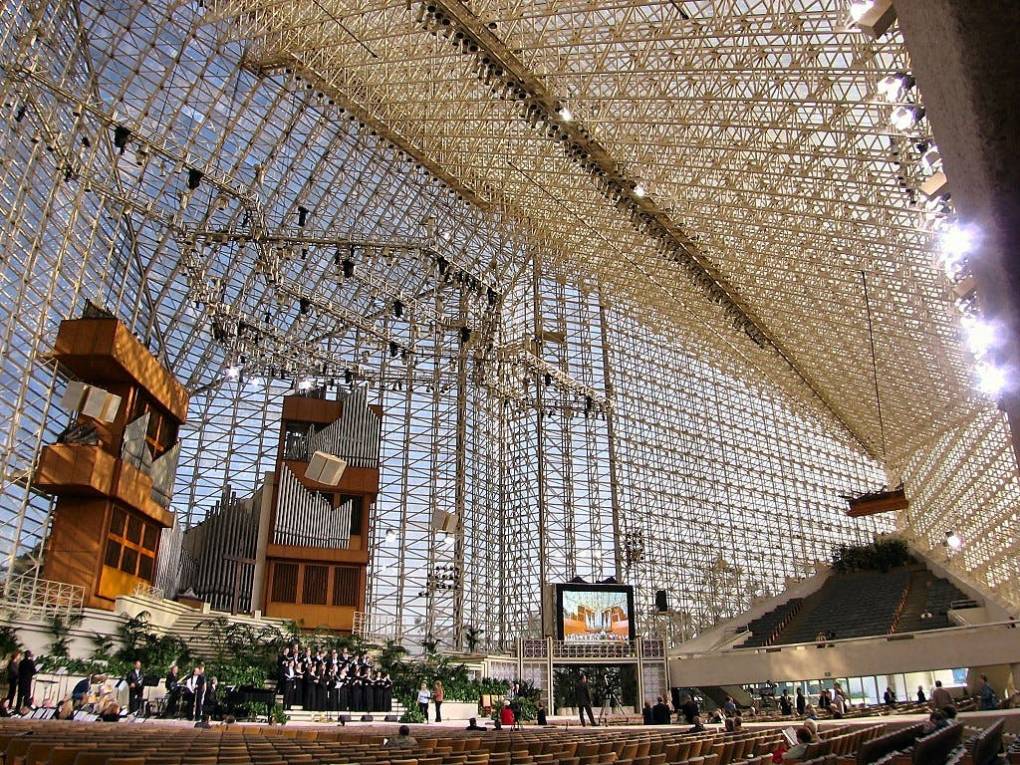
"caption": "Founded in 1955, The Crystal Cathedral became famous for its weekly television show, “The Hour of Power” and glitzy holiday productions at Christmas and Easter.",
"description": "Founded in 1955, The Crystal Cathedral became famous for its weekly television show, “The Hour of Power” and glitzy holiday productions at Christmas and Easter.",
"title": "cali-crystal-file-20171213-27583-z8e8c4",
"credit": "\u003ca href=\"https://commons.wikimedia.org/wiki/File%3ACrystalCathedral.jpg\">Via Wikimedia Commons\u003c/a>",
"status": "inherit",
"isLoading": false,
"fetchFailed": false
},
"news_11641967": {
"type": "attachments",
"id": "news_11641967",
"meta": {
"index": "attachments_1716263798",
"site": "news",
"id": "11641967",
"found": true
},
"parent": 11641963,
"imgSizes": {
"small": {
"file": "https://ww2.kqed.org/app/uploads/sites/10/2018/01/RS28876_Image-uploaded-from-iOS-9-qut-520x390.jpg",
"width": 520,
"mimeType": "image/jpeg",
"height": 390
},
"twentyfourteen-full-width": {
"file": "https://ww2.kqed.org/app/uploads/sites/10/2018/01/RS28876_Image-uploaded-from-iOS-9-qut-1038x576.jpg",
"width": 1038,
"mimeType": "image/jpeg",
"height": 576
},
"thumbnail": {
"file": "https://ww2.kqed.org/app/uploads/sites/10/2018/01/RS28876_Image-uploaded-from-iOS-9-qut-160x120.jpg",
"width": 160,
"mimeType": "image/jpeg",
"height": 120
},
"fd-sm": {
"file": "https://ww2.kqed.org/app/uploads/sites/10/2018/01/RS28876_Image-uploaded-from-iOS-9-qut-960x720.jpg",
"width": 960,
"mimeType": "image/jpeg",
"height": 720
},
"post-thumbnail": {
"file": "https://ww2.kqed.org/app/uploads/sites/10/2018/01/RS28876_Image-uploaded-from-iOS-9-qut-672x372.jpg",
"width": 672,
"mimeType": "image/jpeg",
"height": 372
},
"xsmall": {
"file": "https://ww2.kqed.org/app/uploads/sites/10/2018/01/RS28876_Image-uploaded-from-iOS-9-qut-375x281.jpg",
"width": 375,
"mimeType": "image/jpeg",
"height": 281
},
"kqedFullSize": {
"file": "https://ww2.kqed.org/app/uploads/sites/10/2018/01/RS28876_Image-uploaded-from-iOS-9-qut.jpg",
"width": 1920,
"height": 1440
},
"large": {
"file": "https://ww2.kqed.org/app/uploads/sites/10/2018/01/RS28876_Image-uploaded-from-iOS-9-qut-1020x765.jpg",
"width": 1020,
"mimeType": "image/jpeg",
"height": 765
},
"xlarge": {
"file": "https://ww2.kqed.org/app/uploads/sites/10/2018/01/RS28876_Image-uploaded-from-iOS-9-qut-1180x885.jpg",
"width": 1180,
"mimeType": "image/jpeg",
"height": 885
},
"guest-author-50": {
"file": "https://ww2.kqed.org/app/uploads/sites/10/2018/01/RS28876_Image-uploaded-from-iOS-9-qut-50x50.jpg",
"width": 50,
"mimeType": "image/jpeg",
"height": 50
},
"guest-author-96": {
"file": "https://ww2.kqed.org/app/uploads/sites/10/2018/01/RS28876_Image-uploaded-from-iOS-9-qut-96x96.jpg",
"width": 96,
"mimeType": "image/jpeg",
"height": 96
},
"medium": {
"file": "https://ww2.kqed.org/app/uploads/sites/10/2018/01/RS28876_Image-uploaded-from-iOS-9-qut-800x600.jpg",
"width": 800,
"mimeType": "image/jpeg",
"height": 600
},
"guest-author-64": {
"file": "https://ww2.kqed.org/app/uploads/sites/10/2018/01/RS28876_Image-uploaded-from-iOS-9-qut-64x64.jpg",
"width": 64,
"mimeType": "image/jpeg",
"height": 64
},
"guest-author-32": {
"file": "https://ww2.kqed.org/app/uploads/sites/10/2018/01/RS28876_Image-uploaded-from-iOS-9-qut-32x32.jpg",
"width": 32,
"mimeType": "image/jpeg",
"height": 32
},
"fd-lrg": {
"file": "https://ww2.kqed.org/app/uploads/sites/10/2018/01/RS28876_Image-uploaded-from-iOS-9-qut-1920x1440.jpg",
"width": 1920,
"mimeType": "image/jpeg",
"height": 1440
},
"fd-med": {
"file": "https://ww2.kqed.org/app/uploads/sites/10/2018/01/RS28876_Image-uploaded-from-iOS-9-qut-1180x885.jpg",
"width": 1180,
"mimeType": "image/jpeg",
"height": 885
},
"full-width": {
"file": "https://ww2.kqed.org/app/uploads/sites/10/2018/01/RS28876_Image-uploaded-from-iOS-9-qut-1920x1440.jpg",
"width": 1920,
"mimeType": "image/jpeg",
"height": 1440
},
"detail": {
"file": "https://ww2.kqed.org/app/uploads/sites/10/2018/01/RS28876_Image-uploaded-from-iOS-9-qut-150x150.jpg",
"width": 150,
"mimeType": "image/jpeg",
"height": 150
},
"guest-author-128": {
"file": "https://ww2.kqed.org/app/uploads/sites/10/2018/01/RS28876_Image-uploaded-from-iOS-9-qut-128x128.jpg",
"width": 128,
"mimeType": "image/jpeg",
"height": 128
},
"xxsmall": {
"file": "https://ww2.kqed.org/app/uploads/sites/10/2018/01/RS28876_Image-uploaded-from-iOS-9-qut-240x180.jpg",
"width": 240,
"mimeType": "image/jpeg",
"height": 180
}
},
"publishDate": 1515892545,
"modified": 1515893764,
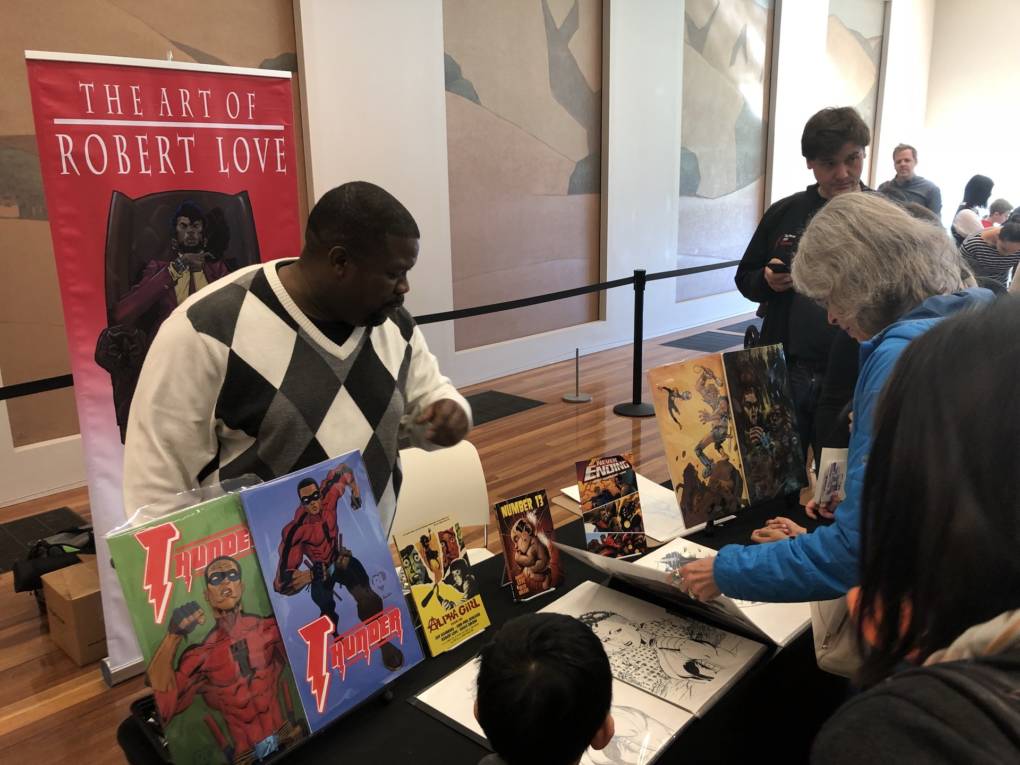
"caption": "Illustrator Robert Love showcases some of his comic book art at the de Young museum as part of the Black Comix Arts Festival.",
"description": "Illustrator Robert Love showcases some of his comic book art at the de Young museum as part of the Black Comix Arts Festival.",
"title": "RS28876_Image uploaded from iOS (9)-qut",
"credit": "Tiffany Camhi/KQED",
"status": "inherit",
"isLoading": false,
"fetchFailed": false
},
"news_11640626": {
"type": "attachments",
"id": "news_11640626",
"meta": {
"index": "attachments_1716263798",
"site": "news",
"id": "11640626",
"found": true
},
"parent": 11640619,
"imgSizes": {
"small": {
"file": "https://ww2.kqed.org/app/uploads/sites/10/2018/01/RS28761_Image-uploaded-from-iOS-28-qut-520x390.jpg",
"width": 520,
"mimeType": "image/jpeg",
"height": 390
},
"twentyfourteen-full-width": {
"file": "https://ww2.kqed.org/app/uploads/sites/10/2018/01/RS28761_Image-uploaded-from-iOS-28-qut-1038x576.jpg",
"width": 1038,
"mimeType": "image/jpeg",
"height": 576
},
"thumbnail": {
"file": "https://ww2.kqed.org/app/uploads/sites/10/2018/01/RS28761_Image-uploaded-from-iOS-28-qut-160x120.jpg",
"width": 160,
"mimeType": "image/jpeg",
"height": 120
},
"fd-sm": {
"file": "https://ww2.kqed.org/app/uploads/sites/10/2018/01/RS28761_Image-uploaded-from-iOS-28-qut-960x720.jpg",
"width": 960,
"mimeType": "image/jpeg",
"height": 720
},
"post-thumbnail": {
"file": "https://ww2.kqed.org/app/uploads/sites/10/2018/01/RS28761_Image-uploaded-from-iOS-28-qut-672x372.jpg",
"width": 672,
"mimeType": "image/jpeg",
"height": 372
},
"xsmall": {
"file": "https://ww2.kqed.org/app/uploads/sites/10/2018/01/RS28761_Image-uploaded-from-iOS-28-qut-375x281.jpg",
"width": 375,
"mimeType": "image/jpeg",
"height": 281
},
"kqedFullSize": {
"file": "https://ww2.kqed.org/app/uploads/sites/10/2018/01/RS28761_Image-uploaded-from-iOS-28-qut.jpg",
"width": 1920,
"height": 1440
},
"large": {
"file": "https://ww2.kqed.org/app/uploads/sites/10/2018/01/RS28761_Image-uploaded-from-iOS-28-qut-1020x765.jpg",
"width": 1020,
"mimeType": "image/jpeg",
"height": 765
},
"xlarge": {
"file": "https://ww2.kqed.org/app/uploads/sites/10/2018/01/RS28761_Image-uploaded-from-iOS-28-qut-1180x885.jpg",
"width": 1180,
"mimeType": "image/jpeg",
"height": 885
},
"guest-author-50": {
"file": "https://ww2.kqed.org/app/uploads/sites/10/2018/01/RS28761_Image-uploaded-from-iOS-28-qut-50x50.jpg",
"width": 50,
"mimeType": "image/jpeg",
"height": 50
},
"guest-author-96": {
"file": "https://ww2.kqed.org/app/uploads/sites/10/2018/01/RS28761_Image-uploaded-from-iOS-28-qut-96x96.jpg",
"width": 96,
"mimeType": "image/jpeg",
"height": 96
},
"medium": {
"file": "https://ww2.kqed.org/app/uploads/sites/10/2018/01/RS28761_Image-uploaded-from-iOS-28-qut-800x600.jpg",
"width": 800,
"mimeType": "image/jpeg",
"height": 600
},
"guest-author-64": {
"file": "https://ww2.kqed.org/app/uploads/sites/10/2018/01/RS28761_Image-uploaded-from-iOS-28-qut-64x64.jpg",
"width": 64,
"mimeType": "image/jpeg",
"height": 64
},
"guest-author-32": {
"file": "https://ww2.kqed.org/app/uploads/sites/10/2018/01/RS28761_Image-uploaded-from-iOS-28-qut-32x32.jpg",
"width": 32,
"mimeType": "image/jpeg",
"height": 32
},
"fd-lrg": {
"file": "https://ww2.kqed.org/app/uploads/sites/10/2018/01/RS28761_Image-uploaded-from-iOS-28-qut-1920x1440.jpg",
"width": 1920,
"mimeType": "image/jpeg",
"height": 1440
},
"fd-med": {
"file": "https://ww2.kqed.org/app/uploads/sites/10/2018/01/RS28761_Image-uploaded-from-iOS-28-qut-1180x885.jpg",
"width": 1180,
"mimeType": "image/jpeg",
"height": 885
},
"full-width": {
"file": "https://ww2.kqed.org/app/uploads/sites/10/2018/01/RS28761_Image-uploaded-from-iOS-28-qut-1920x1440.jpg",
"width": 1920,
"mimeType": "image/jpeg",
"height": 1440
},
"detail": {
"file": "https://ww2.kqed.org/app/uploads/sites/10/2018/01/RS28761_Image-uploaded-from-iOS-28-qut-150x150.jpg",
"width": 150,
"mimeType": "image/jpeg",
"height": 150
},
"guest-author-128": {
"file": "https://ww2.kqed.org/app/uploads/sites/10/2018/01/RS28761_Image-uploaded-from-iOS-28-qut-128x128.jpg",
"width": 128,
"mimeType": "image/jpeg",
"height": 128
},
"xxsmall": {
"file": "https://ww2.kqed.org/app/uploads/sites/10/2018/01/RS28761_Image-uploaded-from-iOS-28-qut-240x180.jpg",
"width": 240,
"mimeType": "image/jpeg",
"height": 180
}
},
"publishDate": 1515294145,
"modified": 1515294157,
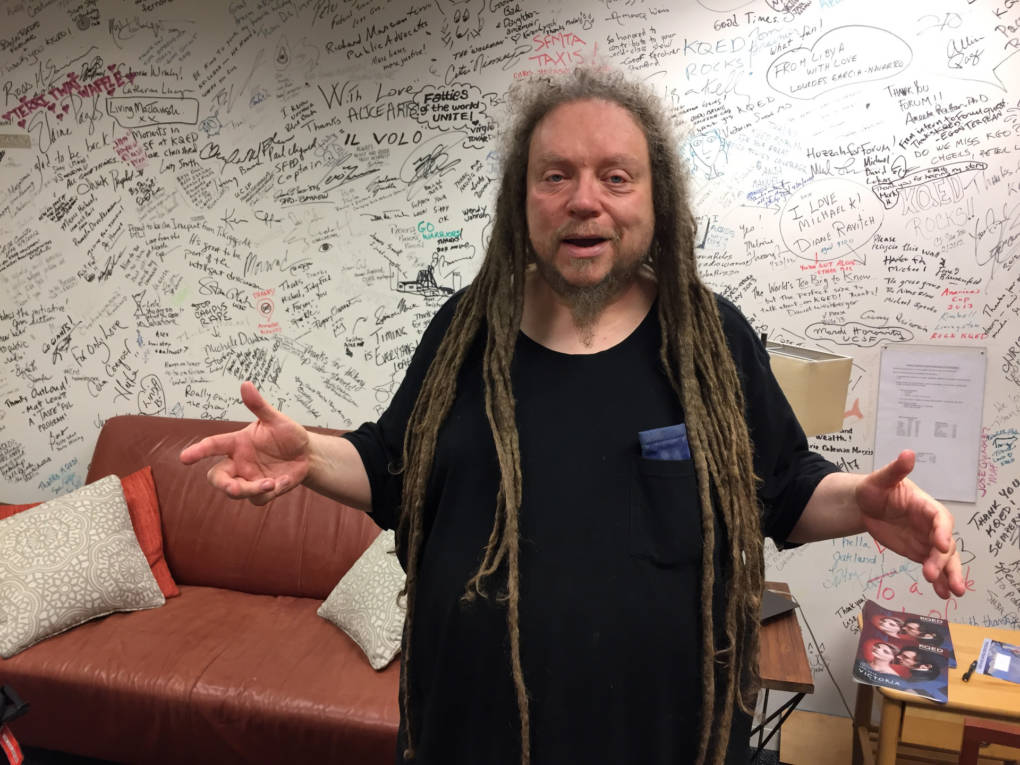
"caption": "\nJaron Lanier is the author of \"Dawn of the New Everything: Encounters with Reality and Virtual Reality.\"",
"description": "\nJaron Lanier is the author of \"Dawn of the New Everything: Encounters with Reality and Virtual Reality.\"",
"title": "RS28761_Image uploaded from iOS (28)-qut",
"credit": "Ryan Levi/KQED",
"status": "inherit",
"isLoading": false,
"fetchFailed": false
},
"news_11640717": {
"type": "attachments",
"id": "news_11640717",
"meta": {
"index": "attachments_1716263798",
"site": "news",
"id": "11640717",
"found": true
},
"parent": 11640709,
"imgSizes": {
"small": {
"file": "https://ww2.kqed.org/app/uploads/sites/10/2018/01/RS28798_DSC_0825-qut-520x347.jpg",
"width": 520,
"mimeType": "image/jpeg",
"height": 347
},
"twentyfourteen-full-width": {
"file": "https://ww2.kqed.org/app/uploads/sites/10/2018/01/RS28798_DSC_0825-qut-1038x576.jpg",
"width": 1038,
"mimeType": "image/jpeg",
"height": 576
},
"thumbnail": {
"file": "https://ww2.kqed.org/app/uploads/sites/10/2018/01/RS28798_DSC_0825-qut-160x107.jpg",
"width": 160,
"mimeType": "image/jpeg",
"height": 107
},
"fd-sm": {
"file": "https://ww2.kqed.org/app/uploads/sites/10/2018/01/RS28798_DSC_0825-qut-960x640.jpg",
"width": 960,
"mimeType": "image/jpeg",
"height": 640
},
"post-thumbnail": {
"file": "https://ww2.kqed.org/app/uploads/sites/10/2018/01/RS28798_DSC_0825-qut-672x372.jpg",
"width": 672,
"mimeType": "image/jpeg",
"height": 372
},
"xsmall": {
"file": "https://ww2.kqed.org/app/uploads/sites/10/2018/01/RS28798_DSC_0825-qut-375x250.jpg",
"width": 375,
"mimeType": "image/jpeg",
"height": 250
},
"kqedFullSize": {
"file": "https://ww2.kqed.org/app/uploads/sites/10/2018/01/RS28798_DSC_0825-qut.jpg",
"width": 1920,
"height": 1280
},
"large": {
"file": "https://ww2.kqed.org/app/uploads/sites/10/2018/01/RS28798_DSC_0825-qut-1020x680.jpg",
"width": 1020,
"mimeType": "image/jpeg",
"height": 680
},
"xlarge": {
"file": "https://ww2.kqed.org/app/uploads/sites/10/2018/01/RS28798_DSC_0825-qut-1180x787.jpg",
"width": 1180,
"mimeType": "image/jpeg",
"height": 787
},
"guest-author-50": {
"file": "https://ww2.kqed.org/app/uploads/sites/10/2018/01/RS28798_DSC_0825-qut-50x50.jpg",
"width": 50,
"mimeType": "image/jpeg",
"height": 50
},
"guest-author-96": {
"file": "https://ww2.kqed.org/app/uploads/sites/10/2018/01/RS28798_DSC_0825-qut-96x96.jpg",
"width": 96,
"mimeType": "image/jpeg",
"height": 96
},
"medium": {
"file": "https://ww2.kqed.org/app/uploads/sites/10/2018/01/RS28798_DSC_0825-qut-800x533.jpg",
"width": 800,
"mimeType": "image/jpeg",
"height": 533
},
"guest-author-64": {
"file": "https://ww2.kqed.org/app/uploads/sites/10/2018/01/RS28798_DSC_0825-qut-64x64.jpg",
"width": 64,
"mimeType": "image/jpeg",
"height": 64
},
"guest-author-32": {
"file": "https://ww2.kqed.org/app/uploads/sites/10/2018/01/RS28798_DSC_0825-qut-32x32.jpg",
"width": 32,
"mimeType": "image/jpeg",
"height": 32
},
"fd-lrg": {
"file": "https://ww2.kqed.org/app/uploads/sites/10/2018/01/RS28798_DSC_0825-qut-1920x1280.jpg",
"width": 1920,
"mimeType": "image/jpeg",
"height": 1280
},
"fd-med": {
"file": "https://ww2.kqed.org/app/uploads/sites/10/2018/01/RS28798_DSC_0825-qut-1180x787.jpg",
"width": 1180,
"mimeType": "image/jpeg",
"height": 787
},
"full-width": {
"file": "https://ww2.kqed.org/app/uploads/sites/10/2018/01/RS28798_DSC_0825-qut-1920x1280.jpg",
"width": 1920,
"mimeType": "image/jpeg",
"height": 1280
},
"detail": {
"file": "https://ww2.kqed.org/app/uploads/sites/10/2018/01/RS28798_DSC_0825-qut-150x150.jpg",
"width": 150,
"mimeType": "image/jpeg",
"height": 150
},
"guest-author-128": {
"file": "https://ww2.kqed.org/app/uploads/sites/10/2018/01/RS28798_DSC_0825-qut-128x128.jpg",
"width": 128,
"mimeType": "image/jpeg",
"height": 128
},
"xxsmall": {
"file": "https://ww2.kqed.org/app/uploads/sites/10/2018/01/RS28798_DSC_0825-qut-240x160.jpg",
"width": 240,
"mimeType": "image/jpeg",
"height": 160
}
},
"publishDate": 1515397165,
"modified": 1515806841,
"caption": "A building in the ghost town of Bodie, California.",
"description": null,
"title": "RS28798_DSC_0825-qut",
"credit": "Carly Severn/KQED",
"status": "inherit",
"isLoading": false,
"fetchFailed": false
}
},
"audioPlayerReducer": {
"postId": "stream_live",
"isPaused": true,
"isPlaying": false,
"pfsActive": false,
"pledgeModalIsOpen": true,
"playerDrawerIsOpen": false,
"liveAudioPlayStartedAt": 0,
"liveAudioPlayContext": ""
},
"authorsReducer": {
"byline_news_11640750": {
"type": "authors",
"id": "byline_news_11640750",
"meta": {
"override": true
},
"slug": "byline_news_11640750",
"name": "\u003cstrong>Steven Burchik\u003c/strong>",
"isLoading": false
},
"byline_news_11642149": {
"type": "authors",
"id": "byline_news_11642149",
"meta": {
"override": true
},
"slug": "byline_news_11642149",
"name": "\u003cstrong/>Doreen McCallister\u003c/strong>",
"isLoading": false
},
"byline_news_11642039": {
"type": "authors",
"id": "byline_news_11642039",
"meta": {
"override": true
},
"slug": "byline_news_11642039",
"name": "\u003cstrong/>Wynne Davis\u003c/strong>",
"isLoading": false
},
"byline_news_11641349": {
"type": "authors",
"id": "byline_news_11641349",
"meta": {
"override": true
},
"slug": "byline_news_11641349",
"name": "\u003cstrong>\u003ca href=\"https://theconversation.com/profiles/richard-flory-308449\">Richard Flory\u003c/a>\u003c/strong>\u003cbr />\u003cem>University of Southern California, for \u003ca href=\"https://theconversation.com\">The Conversation\u003c/a>\u003c/em>",
"isLoading": false
},
"kqed": {
"type": "authors",
"id": "236",
"meta": {
"index": "authors_1716337520",
"id": "236",
"found": true
},
"name": "KQED News Staff",
"firstName": "KQED News Staff",
"lastName": null,
"slug": "kqed",
"email": "faq@kqed.org",
"display_author_email": false,
"staff_mastheads": [],
"title": null,
"bio": null,
"avatar": "https://secure.gravatar.com/avatar/ef0e801a68c4c54afa9180db14084167?s=600&d=blank&r=g",
"twitter": null,
"facebook": null,
"instagram": null,
"linkedin": null,
"sites": [
{
"site": "arts",
"roles": [
"contributor"
]
},
{
"site": "news",
"roles": [
"editor"
]
},
{
"site": "futureofyou",
"roles": [
"author"
]
}
],
"headData": {
"title": "KQED News Staff | KQED",
"description": null,
"ogImgSrc": "https://secure.gravatar.com/avatar/ef0e801a68c4c54afa9180db14084167?s=600&d=blank&r=g",
"twImgSrc": "https://secure.gravatar.com/avatar/ef0e801a68c4c54afa9180db14084167?s=600&d=blank&r=g"
},
"isLoading": false,
"link": "/author/kqed"
},
"scuevas": {
"type": "authors",
"id": "2600",
"meta": {
"index": "authors_1716337520",
"id": "2600",
"found": true
},
"name": "Steven Cuevas",
"firstName": "Steven",
"lastName": "Cuevas",
"slug": "scuevas",
"email": "scuevas@kqed.org",
"display_author_email": false,
"staff_mastheads": [],
"title": "KQED Contributor",
"bio": "Steven is a former Los Angeles bureau chief for The California Report.\r\n\r\nHe reports on an array of issues across the Southland, from immigration and regional politics to religion, the performing arts and pop culture.\r\n\r\nPrior to joining KQED in 2012, Steven covered Inland southern California for KPCC in Pasadena. He also helped establish the first newsroom at \u003ca href=\"http://kut.org/\">KUT\u003c/a> in Austin, Texas where he was a general assignment reporter.\r\n\r\nSteven has received numerous awards for his reporting including an RTNDA Edward R. Murrow Award for investigative reporting in addition to awards from the LA Press Club, the Associated Press and the Society for Professional Journalists.\r\n\r\nSteven grew up in and around San Francisco and now lives in Pasadena just a short jog from the foot of the San Gabriel Mountains.",
"avatar": "https://secure.gravatar.com/avatar/2d253580794f8e026100fae05cfabbbd4889b4fe15146146cacb82a01974c538?s=600&d=blank&r=g",
"twitter": null,
"bluesky": null,
"facebook": null,
"instagram": null,
"linkedin": null,
"sites": [
{
"site": "news",
"roles": [
"subscriber"
]
}
],
"headData": {
"title": "Steven Cuevas | KQED",
"description": "KQED Contributor",
"ogImgSrc": "https://secure.gravatar.com/avatar/2d253580794f8e026100fae05cfabbbd4889b4fe15146146cacb82a01974c538?s=600&d=blank&r=g",
"twImgSrc": "https://secure.gravatar.com/avatar/2d253580794f8e026100fae05cfabbbd4889b4fe15146146cacb82a01974c538?s=600&d=blank&r=g"
},
"isLoading": false,
"link": "/author/scuevas"
},
"carlysevern": {
"type": "authors",
"id": "3243",
"meta": {
"index": "authors_1716337520",
"id": "3243",
"found": true
},
"name": "Carly Severn",
"firstName": "Carly",
"lastName": "Severn",
"slug": "carlysevern",
"email": "csevern@kqed.org",
"display_author_email": false,
"staff_mastheads": [
"news"
],
"title": "Senior Editor, Audience News ",
"bio": "Carly is KQED's Senior Editor of Audience News on the Digital News team, and has reported for the California Report Magazine, Bay Curious and KQED Arts. She's formerly the host of \u003ca href=\"http://ww2.kqed.org/pop/category/the-cooler/\" rel=\"noopener noreferrer\">The Cooler\u003c/a> podcast.",
"avatar": "https://secure.gravatar.com/avatar/54037bf5c128fe678f0ef26cec97a93f2e7f220a22d7285703328f12c42c1b1d?s=600&d=blank&r=g",
"twitter": "teacupinthebay",
"bluesky": null,
"facebook": null,
"instagram": null,
"linkedin": null,
"sites": [
{
"site": "",
"roles": [
"editor"
]
},
{
"site": "arts",
"roles": [
"editor"
]
},
{
"site": "news",
"roles": [
"administrator"
]
},
{
"site": "pop",
"roles": [
"editor"
]
},
{
"site": "futureofyou",
"roles": [
"editor"
]
},
{
"site": "about",
"roles": [
"administrator"
]
},
{
"site": "mindshift",
"roles": [
"editor"
]
},
{
"site": "bayareabites",
"roles": [
"editor"
]
},
{
"site": "stateofhealth",
"roles": [
"editor"
]
},
{
"site": "science",
"roles": [
"editor"
]
},
{
"site": "food",
"roles": [
"contributor"
]
},
{
"site": "forum",
"roles": [
"editor"
]
},
{
"site": "perspectives",
"roles": [
"administrator"
]
},
{
"site": "liveblog",
"roles": [
"editor"
]
}
],
"headData": {
"title": "Carly Severn | KQED",
"description": "Senior Editor, Audience News ",
"ogImgSrc": "https://secure.gravatar.com/avatar/54037bf5c128fe678f0ef26cec97a93f2e7f220a22d7285703328f12c42c1b1d?s=600&d=blank&r=g",
"twImgSrc": "https://secure.gravatar.com/avatar/54037bf5c128fe678f0ef26cec97a93f2e7f220a22d7285703328f12c42c1b1d?s=600&d=blank&r=g"
},
"isLoading": false,
"link": "/author/carlysevern"
},
"tcamhi": {
"type": "authors",
"id": "3251",
"meta": {
"index": "authors_1716337520",
"id": "3251",
"found": true
},
"name": "Tiffany Camhi",
"firstName": "Tiffany",
"lastName": "Camhi",
"slug": "tcamhi",
"email": "tiffanycamhi@gmail.com",
"display_author_email": false,
"staff_mastheads": [],
"title": "KQED Contributor",
"bio": null,
"avatar": "https://secure.gravatar.com/avatar/f8204ce351139205d3b3dc1581016a5e30d7d8b38cb2c139348c151ec14b792e?s=600&d=blank&r=g",
"twitter": null,
"bluesky": null,
"facebook": null,
"instagram": null,
"linkedin": null,
"sites": [
{
"site": "arts",
"roles": [
"subscriber"
]
},
{
"site": "news",
"roles": [
"subscriber"
]
}
],
"headData": {
"title": "Tiffany Camhi | KQED",
"description": "KQED Contributor",
"ogImgSrc": "https://secure.gravatar.com/avatar/f8204ce351139205d3b3dc1581016a5e30d7d8b38cb2c139348c151ec14b792e?s=600&d=blank&r=g",
"twImgSrc": "https://secure.gravatar.com/avatar/f8204ce351139205d3b3dc1581016a5e30d7d8b38cb2c139348c151ec14b792e?s=600&d=blank&r=g"
},
"isLoading": false,
"link": "/author/tcamhi"
},
"rlevi": {
"type": "authors",
"id": "11260",
"meta": {
"index": "authors_1716337520",
"id": "11260",
"found": true
},
"name": "Ryan Levi",
"firstName": "Ryan",
"lastName": "Levi",
"slug": "rlevi",
"email": "rlevi@KQED.org",
"display_author_email": false,
"staff_mastheads": [],
"title": "KQED Contributor",
"bio": "Ryan Levi was a reporter and podcast producer at KQED News from 2016-2019. He worked on \u003ca href=\"https://www.kqed.org/news/series/baycurious\">Bay Curious\u003c/a>, \u003ca href=\"https://www.kqed.org/news/tag/the-bay/\">The Bay, \u003c/a>and \u003ca href=\"https://podcasts.apple.com/us/podcast/the-california-report-magazine/id1314750545\">The California Report Magazine\u003c/a>, as well as hosting and producing the weekly \u003ca href=\"https://www.kqed.org/news/program/qedup/\">Q'ed Up podcast. \u003c/a>He also helped inaugurate KQED's weekend news coverage in 2017 as one of two original digital producers. Ryan holds degrees in multimedia journalism and Spanish from the University of Missouri.",
"avatar": "https://secure.gravatar.com/avatar/4cb2ddd028ac8807d1adf09609c5555d?s=600&d=blank&r=g",
"twitter": "ryan_levi",
"facebook": null,
"instagram": null,
"linkedin": null,
"sites": [
{
"site": "arts",
"roles": [
"editor"
]
},
{
"site": "news",
"roles": [
"subscriber"
]
},
{
"site": "stateofhealth",
"roles": [
"editor"
]
},
{
"site": "science",
"roles": [
"editor"
]
},
{
"site": "forum",
"roles": [
"administrator"
]
},
{
"site": "perspectives",
"roles": [
"administrator"
]
}
],
"headData": {
"title": "Ryan Levi | KQED",
"description": "KQED Contributor",
"ogImgSrc": "https://secure.gravatar.com/avatar/4cb2ddd028ac8807d1adf09609c5555d?s=600&d=blank&r=g",
"twImgSrc": "https://secure.gravatar.com/avatar/4cb2ddd028ac8807d1adf09609c5555d?s=600&d=blank&r=g"
},
"isLoading": false,
"link": "/author/rlevi"
},
"pgilstrap": {
"type": "authors",
"id": "11275",
"meta": {
"index": "authors_1716337520",
"id": "11275",
"found": true
},
"name": "Peter Gilstrap",
"firstName": "Peter",
"lastName": "Gilstrap",
"slug": "pgilstrap",
"email": "pgilstrap@sbcglobal.net",
"display_author_email": false,
"staff_mastheads": [],
"title": null,
"bio": null,
"avatar": "https://secure.gravatar.com/avatar/2bf93e4a8c1e35493845045175273916?s=600&d=blank&r=g",
"twitter": null,
"facebook": null,
"instagram": null,
"linkedin": null,
"sites": [
{
"site": "news",
"roles": [
"author"
]
}
],
"headData": {
"title": "Peter Gilstrap | KQED",
"description": null,
"ogImgSrc": "https://secure.gravatar.com/avatar/2bf93e4a8c1e35493845045175273916?s=600&d=blank&r=g",
"twImgSrc": "https://secure.gravatar.com/avatar/2bf93e4a8c1e35493845045175273916?s=600&d=blank&r=g"
},
"isLoading": false,
"link": "/author/pgilstrap"
}
},
"pagesReducer": {
"news_category_arts-and-culture": {
"type": "terms",
"id": "news_223",
"meta": {
"index": "terms_1716263798",
"site": "news",
"id": "223",
"score": 11.24217
},
"featImg": null,
"name": "Arts and Culture",
"description": null,
"taxonomy": "category",
"headData": {
"twImgId": null,
"twTitle": null,
"ogTitle": null,
"ogImgId": null,
"twDescription": null,
"description": null,
"title": "Arts and Culture Archives | KQED News",
"ogDescription": null
},
"ttid": 231,
"slug": "arts-and-culture",
"isLoading": false,
"title": "Arts and Culture",
"pageMeta": {
"site": "news",
"WpPageTemplate": "page-topic-editorial",
"currentPage": 85
},
"blocks": [
{
"blockName": "kqed/post-list",
"attrs": {
"layout": "cardArticle2",
"query": "posts/news?category=arts-and-culture",
"seeMore": false,
"paginated": true,
"page": 85
}
},
{
"blockName": "kqed/ad"
}
]
}
},
"pfsSessionReducer": {},
"postsReducer": {
"stream_live": {
"type": "live",
"id": "stream_live",
"audioUrl": "https://streams.kqed.org/kqedradio",
"title": "Live Stream",
"excerpt": "Live Stream information currently unavailable.",
"link": "/radio",
"featImg": "",
"label": {
"name": "KQED Live",
"link": "/"
}
},
"stream_kqedNewscast": {
"type": "posts",
"id": "stream_kqedNewscast",
"audioUrl": "https://www.kqed.org/.stream/anon/radio/RDnews/newscast.mp3?_=1",
"title": "KQED Newscast",
"featImg": "",
"label": {
"name": "88.5 FM",
"link": "/"
}
},
"news_11644364": {
"type": "posts",
"id": "news_11644364",
"meta": {
"index": "posts_1716263798",
"site": "news",
"id": "11644364",
"score": null,
"sort": [
1517021737000
]
},
"guestAuthors": [],
"slug": "the-grammy-nominated-classical-star-youve-probably-never-heard-of",
"title": "The Grammy-Nominated Classical Star You've (Probably) Never Heard Of",
"publishDate": 1517021737,
"format": "standard",
"headTitle": "The Grammy-Nominated Classical Star You’ve (Probably) Never Heard Of | KQED",
"labelTerm": {
"term": 72,
"site": "news"
},
"content": "\u003cp>What does \u003ca href=\"http://adamschoenberg.com/\">Adam Schoenberg\u003c/a> have in common with Body Count, Los Amigos Invisibles and the entire cast of Hello Dolly?\u003c/p>\n\u003cp>At the tender age of 37, the classical composer is up for two Grammys this weekend, including Best Contemporary Classical Composition for his work “Picture Studies,” and Best Engineered Album, Classical.\u003c/p>\n\u003cp>You may not be aware of this guy, but in the classical world, Schoenberg’s work is so popular he’s made the annual list of the top 10 most performed living composers in the country. Twice.\u003c/p>\n\u003cp>Since he began composing professionally in 2006 when he was still a doctoral student at Juilliard, his writing has been commissioned by the Los Angeles Philharmonic, the Kansas City Symphony, the Atlanta Symphony Orchestra, among others, and his compositions have premiered at venues like Lincoln Center, the Library of Congress, the Kennedy Center and the Hollywood Bowl.\u003c/p>\n\u003cp>[audio src=\"https://www.kqed.org/.stream/anon/radio/tcrmag/2018/01/GilstrapComposer.mp3\" Image=\"https://ww2.kqed.org/news/wp-content/uploads/sites/10/2018/01/RS29028_Schoenberg-1-qut-1180x885.jpg\" Title=\"The Grammy-Nominated Classical Star You've (Probably) Never Heard Of\" program=\"The California Report\"]\u003c/p>\n\u003cp>Schoenberg combines that life with his work as an assistant professor specializing in composition and film scoring at Occidental College in the small community of Eagle Rock in Los Angeles. It’s also the school where a fellow named Barack Obama spent his first two years of higher education.\u003c/p>\n\u003cp>[ad fullwidth]\u003c/p>\n\u003cp>Walk into the leafy, Zen-like courtyard of the small music building at Occidental, pass the tiered, cascading fountain and it’s not hard to find Adam Schoenberg’s corner studio.\u003c/p>\n\u003cp>Just follow the sounds of the piano. Whether he’s teaching or composing, things for this man pretty much center around 88 keys.\u003c/p>\n\u003cp>Though he’s actually a very distant relation to George Gershwin, Schoenberg’s music is quite close in spirit, and it’s drawn comparisons to his iconic relative and other big names. Not all of them classical.\u003c/p>\n\u003cp>“One of the greatest compliments I’ve ever had is someone came up to me and said, ‘your music sounds like Radiohead meeting Aaron Copland,’” says Schoenberg. “In my car I have Sirius radio and I listen to Lithium, which is Stone Temple Pilots and Nirvana, and Backspin, which is hip-hop from the ‘80’s and ‘90’s. I really do feel my music embraces the pop idiom or hip-hop idiom because it’s part of my DNA. So yeah, I embody the music of our time and put a little twist to it.”\u003c/p>\n\u003cp>[contextly_sidebar id=”IbO0TgUTXm4nc25SH1iEgT1mMZ71tb4d”]\u003c/p>\n\u003cp>Much of Schoenberg’s work has a cinematic feel.\u003c/p>\n\u003cp>“I was drawn to soundtracks, but we didn’t really own soundtracks,” he says. “My father is also a film composer, and when we would go see movies we always stayed to the end of the credits. And we would always listen, we’d be the last people in the theater.”\u003c/p>\n\u003cp>Schoenberg is prolific, but his creative process begins with sitting down and winging it.\u003c/p>\n\u003cp>“I’ll improvise for hours upon hours, record my improvisations and then I’ll extract a chord progression, it could be just a note, it could be a melody, it could be a texture, it could be a rhythm. Then I’ll start to sculpt it and craft it, and at that point I begin to think of myself as an architect building from this base material.”\u003c/p>\n\u003cp>He’s got computers and keyboards to capture those nuggets, but inspiration won’t always wait until a man’s in his studio.\u003c/p>\n\u003cp>“For right now, I basically record on my iPhone,” he says. \u003c/p>\n\u003cp>Sure enough, he’s got all manner of fragments stowed away on his voice memo, bits of singing with his young sons yelling in the background, a few skeletal notes on a piano, chords that repeat over and over as he searches for a path to open up.\u003c/p>\n\u003cp>In fact, from one 27-second bit of humble warbling sprang the opening line of Schoenberg’s upcoming work, “Orchard in Fog.”\u003c/p>\n\u003cfigure id=\"attachment_11644688\" class=\"wp-caption alignright\" style=\"max-width: 800px\">\u003cimg loading=\"lazy\" decoding=\"async\" src=\"https://ww2.kqed.org/news/wp-content/uploads/sites/10/2018/01/AnneAkikoMeyers-800x1149.jpg\" alt=\"Violinist Anne Akiko Meyers commissioned Adam Schoenberg's first violin concerto.\" width=\"800\" height=\"1149\" class=\"size-medium wp-image-11644688\" srcset=\"https://cdn.kqed.org/wp-content/uploads/sites/10/2018/01/AnneAkikoMeyers-800x1149.jpg 800w, https://cdn.kqed.org/wp-content/uploads/sites/10/2018/01/AnneAkikoMeyers-160x230.jpg 160w, https://cdn.kqed.org/wp-content/uploads/sites/10/2018/01/AnneAkikoMeyers-1020x1465.jpg 1020w, https://cdn.kqed.org/wp-content/uploads/sites/10/2018/01/AnneAkikoMeyers.jpg 1920w, https://cdn.kqed.org/wp-content/uploads/sites/10/2018/01/AnneAkikoMeyers-1180x1695.jpg 1180w, https://cdn.kqed.org/wp-content/uploads/sites/10/2018/01/AnneAkikoMeyers-960x1379.jpg 960w, https://cdn.kqed.org/wp-content/uploads/sites/10/2018/01/AnneAkikoMeyers-240x345.jpg 240w, https://cdn.kqed.org/wp-content/uploads/sites/10/2018/01/AnneAkikoMeyers-375x539.jpg 375w, https://cdn.kqed.org/wp-content/uploads/sites/10/2018/01/AnneAkikoMeyers-520x747.jpg 520w\" sizes=\"(max-width: 800px) 100vw, 800px\">\u003cfigcaption class=\"wp-caption-text\">Violinist Anne Akiko Meyers commissioned Adam Schoenberg’s first violin concerto. \u003ccite>(Courtesy David Zentz)\u003c/cite>\u003c/figcaption>\u003c/figure>\n\u003cp>“It’s based on a photograph by Adam Laipson, who’s from the same town in Massachusetts where I grew up, Salem, but not the witch one,” says Schoenberg. “My wife and I got married in an apple orchard on a gorgeous farm, quintessential New England, and Adam happened to take a photograph of the orchard in the winter. It’s haunting and beautiful. It’s in our bedroom and I wake up to it every single morning.”\u003c/p>\n\u003cp>The piece is his first violin concerto, and it will have its world premiere \u003ca href=\"http://purchasing.sandiegosymphony.org/single/eventDetail.aspx?p=6361\">February 10 with the San Diego Symphony\u003c/a> featuring renowned concert violinist Anne Akiko Meyers, who commissioned the piece. But right now it’s still very much a work in progress, and will be so down to the wire.\u003c/p>\n\u003cp>“Oh yeah,” says Schoenberg. “I’ll be in my hotel room in San Diego making changes to this.”\u003c/p>\n\u003cp>“Oh God, I don’t want to hear that!” laughs Meyers. “I really wish you didn’t tell me that! Composers.”\u003c/p>\n\u003cp>But Meyers, the consummate pro, will no doubt come through in the clinch. And after all, she commissioned the work, and she’s a big fan.\u003c/p>\n\u003cp>“His music is easily accessible and I mean that in the best sense,” she says. “Like a lot of other music can be non-transparent, and you feel like you almost need a degree in some kind of science to understand what is going on, but there’s none of that with Adam’s music. It just speaks to you, and it speaks simply and beautifully.”\u003c/p>\n\u003cp>“I think in the 21st Century we’re sort of at this renaissance,” Schoenberg says. “Every kid who gets a laptop can write a track and upload it to Youtube and say, ‘I wrote this.’ And at that point you have to figure out your voice, who you are, what it is you want to say and then how you’re going to distinguish yourself. But that’s a lifelong journey, I suppose.”\u003c/p>\n\u003cp>[ad floatright]\u003c/p>\n\u003cp>At this point, Schoenberg’s well on the road, and the next stop is New York City for the Grammy Awards. After that, it’s back to the piano.\u003c/p>\n\n",
"blocks": [],
"excerpt": "In the classical world, Adam Schoenberg’s work is so popular he’s made the annual list of the top 10 most-performed living composers in the country. Twice.",
"status": "publish",
"parent": 0,
"modified": 1721113910,
"stats": {
"hasAudio": true,
"hasVideo": false,
"hasChartOrMap": false,
"iframeSrcs": [],
"hasGoogleForm": false,
"hasGallery": false,
"hasHearkenModule": false,
"hasPolis": false,
"paragraphCount": 28,
"wordCount": 1143
},
"headData": {
"title": "The Grammy-Nominated Classical Star You've (Probably) Never Heard Of | KQED",
"description": "In the classical world, Adam Schoenberg’s work is so popular he’s made the annual list of the top 10 most-performed living composers in the country. Twice.",
"ogTitle": "",
"ogDescription": "",
"ogImgId": "",
"twTitle": "",
"twDescription": "",
"twImgId": "",
"schema": {
"@context": "https://schema.org",
"@type": "NewsArticle",
"headline": "The Grammy-Nominated Classical Star You've (Probably) Never Heard Of",
"datePublished": "2018-01-26T18:55:37-08:00",
"dateModified": "2024-07-16T00:11:50-07:00",
"image": "https://cdn.kqed.org/wp-content/uploads/2020/02/KQED-OG-Image@1x.png",
"isAccessibleForFree": "True",
"publisher": {
"@type": "NewsMediaOrganization",
"@id": "https://www.kqed.org/#organization",
"name": "KQED",
"logo": "https://cdn.kqed.org/wp-content/uploads/2020/02/KQED-OG-Image@1x.png",
"url": "https://www.kqed.org",
"sameAs": [
"https://www.facebook.com/KQED",
"https://twitter.com/KQED",
"https://www.instagram.com/kqed/",
"https://www.tiktok.com/@kqedofficial",
"https://www.linkedin.com/company/kqed",
"https://www.youtube.com/channel/UCeC0IOo7i1P_61zVUWbJ4nw"
]
}
}
},
"sticky": false,
"path": "/news/11644364/the-grammy-nominated-classical-star-youve-probably-never-heard-of",
"audioUrl": "https://www.kqed.org/.stream/anon/radio/tcrmag/2018/01/GilstrapComposer.mp3",
"audioDuration": 348000,
"audioTrackLength": null,
"parsedContent": [
{
"type": "contentString",
"content": "\u003cdiv class=\"post-body\">\u003cp>\u003cp>What does \u003ca href=\"http://adamschoenberg.com/\">Adam Schoenberg\u003c/a> have in common with Body Count, Los Amigos Invisibles and the entire cast of Hello Dolly?\u003c/p>\n\u003cp>At the tender age of 37, the classical composer is up for two Grammys this weekend, including Best Contemporary Classical Composition for his work “Picture Studies,” and Best Engineered Album, Classical.\u003c/p>\n\u003cp>You may not be aware of this guy, but in the classical world, Schoenberg’s work is so popular he’s made the annual list of the top 10 most performed living composers in the country. Twice.\u003c/p>\n\u003cp>Since he began composing professionally in 2006 when he was still a doctoral student at Juilliard, his writing has been commissioned by the Los Angeles Philharmonic, the Kansas City Symphony, the Atlanta Symphony Orchestra, among others, and his compositions have premiered at venues like Lincoln Center, the Library of Congress, the Kennedy Center and the Hollywood Bowl.\u003c/p>\n\u003cp>\u003c/p>\u003c/div>",
"attributes": {
"named": {},
"numeric": []
}
},
{
"type": "component",
"content": "",
"name": "audio",
"attributes": {
"named": {
"src": "https://www.kqed.org/.stream/anon/radio/tcrmag/2018/01/GilstrapComposer.mp3",
"image": "https://ww2.kqed.org/news/wp-content/uploads/sites/10/2018/01/RS29028_Schoenberg-1-qut-1180x885.jpg",
"title": "The Grammy-Nominated Classical Star You've (Probably) Never Heard Of",
"program": "The California Report",
"label": ""
},
"numeric": []
}
},
{
"type": "contentString",
"content": "\u003cdiv class=\"post-body\">\u003cp>\u003c/p>\n\u003cp>Schoenberg combines that life with his work as an assistant professor specializing in composition and film scoring at Occidental College in the small community of Eagle Rock in Los Angeles. It’s also the school where a fellow named Barack Obama spent his first two years of higher education.\u003c/p>\n\u003cp>\u003c/p>\u003c/div>",
"attributes": {
"named": {},
"numeric": []
}
},
{
"type": "component",
"content": "",
"name": "ad",
"attributes": {
"named": {
"label": "fullwidth"
},
"numeric": [
"fullwidth"
]
}
},
{
"type": "contentString",
"content": "\u003cdiv class=\"post-body\">\u003cp>\u003c/p>\n\u003cp>Walk into the leafy, Zen-like courtyard of the small music building at Occidental, pass the tiered, cascading fountain and it’s not hard to find Adam Schoenberg’s corner studio.\u003c/p>\n\u003cp>Just follow the sounds of the piano. Whether he’s teaching or composing, things for this man pretty much center around 88 keys.\u003c/p>\n\u003cp>Though he’s actually a very distant relation to George Gershwin, Schoenberg’s music is quite close in spirit, and it’s drawn comparisons to his iconic relative and other big names. Not all of them classical.\u003c/p>\n\u003cp>“One of the greatest compliments I’ve ever had is someone came up to me and said, ‘your music sounds like Radiohead meeting Aaron Copland,’” says Schoenberg. “In my car I have Sirius radio and I listen to Lithium, which is Stone Temple Pilots and Nirvana, and Backspin, which is hip-hop from the ‘80’s and ‘90’s. I really do feel my music embraces the pop idiom or hip-hop idiom because it’s part of my DNA. So yeah, I embody the music of our time and put a little twist to it.”\u003c/p>\n\u003cp>\u003c/p>\u003cp>\u003c/p>\u003cp>\u003c/p>\n\u003cp>Much of Schoenberg’s work has a cinematic feel.\u003c/p>\n\u003cp>“I was drawn to soundtracks, but we didn’t really own soundtracks,” he says. “My father is also a film composer, and when we would go see movies we always stayed to the end of the credits. And we would always listen, we’d be the last people in the theater.”\u003c/p>\n\u003cp>Schoenberg is prolific, but his creative process begins with sitting down and winging it.\u003c/p>\n\u003cp>“I’ll improvise for hours upon hours, record my improvisations and then I’ll extract a chord progression, it could be just a note, it could be a melody, it could be a texture, it could be a rhythm. Then I’ll start to sculpt it and craft it, and at that point I begin to think of myself as an architect building from this base material.”\u003c/p>\n\u003cp>He’s got computers and keyboards to capture those nuggets, but inspiration won’t always wait until a man’s in his studio.\u003c/p>\n\u003cp>“For right now, I basically record on my iPhone,” he says. \u003c/p>\n\u003cp>Sure enough, he’s got all manner of fragments stowed away on his voice memo, bits of singing with his young sons yelling in the background, a few skeletal notes on a piano, chords that repeat over and over as he searches for a path to open up.\u003c/p>\n\u003cp>In fact, from one 27-second bit of humble warbling sprang the opening line of Schoenberg’s upcoming work, “Orchard in Fog.”\u003c/p>\n\u003cfigure id=\"attachment_11644688\" class=\"wp-caption alignright\" style=\"max-width: 800px\">\u003cimg loading=\"lazy\" decoding=\"async\" src=\"https://ww2.kqed.org/news/wp-content/uploads/sites/10/2018/01/AnneAkikoMeyers-800x1149.jpg\" alt=\"Violinist Anne Akiko Meyers commissioned Adam Schoenberg's first violin concerto.\" width=\"800\" height=\"1149\" class=\"size-medium wp-image-11644688\" srcset=\"https://cdn.kqed.org/wp-content/uploads/sites/10/2018/01/AnneAkikoMeyers-800x1149.jpg 800w, https://cdn.kqed.org/wp-content/uploads/sites/10/2018/01/AnneAkikoMeyers-160x230.jpg 160w, https://cdn.kqed.org/wp-content/uploads/sites/10/2018/01/AnneAkikoMeyers-1020x1465.jpg 1020w, https://cdn.kqed.org/wp-content/uploads/sites/10/2018/01/AnneAkikoMeyers.jpg 1920w, https://cdn.kqed.org/wp-content/uploads/sites/10/2018/01/AnneAkikoMeyers-1180x1695.jpg 1180w, https://cdn.kqed.org/wp-content/uploads/sites/10/2018/01/AnneAkikoMeyers-960x1379.jpg 960w, https://cdn.kqed.org/wp-content/uploads/sites/10/2018/01/AnneAkikoMeyers-240x345.jpg 240w, https://cdn.kqed.org/wp-content/uploads/sites/10/2018/01/AnneAkikoMeyers-375x539.jpg 375w, https://cdn.kqed.org/wp-content/uploads/sites/10/2018/01/AnneAkikoMeyers-520x747.jpg 520w\" sizes=\"(max-width: 800px) 100vw, 800px\">\u003cfigcaption class=\"wp-caption-text\">Violinist Anne Akiko Meyers commissioned Adam Schoenberg’s first violin concerto. \u003ccite>(Courtesy David Zentz)\u003c/cite>\u003c/figcaption>\u003c/figure>\n\u003cp>“It’s based on a photograph by Adam Laipson, who’s from the same town in Massachusetts where I grew up, Salem, but not the witch one,” says Schoenberg. “My wife and I got married in an apple orchard on a gorgeous farm, quintessential New England, and Adam happened to take a photograph of the orchard in the winter. It’s haunting and beautiful. It’s in our bedroom and I wake up to it every single morning.”\u003c/p>\n\u003cp>The piece is his first violin concerto, and it will have its world premiere \u003ca href=\"http://purchasing.sandiegosymphony.org/single/eventDetail.aspx?p=6361\">February 10 with the San Diego Symphony\u003c/a> featuring renowned concert violinist Anne Akiko Meyers, who commissioned the piece. But right now it’s still very much a work in progress, and will be so down to the wire.\u003c/p>\n\u003cp>“Oh yeah,” says Schoenberg. “I’ll be in my hotel room in San Diego making changes to this.”\u003c/p>\n\u003cp>“Oh God, I don’t want to hear that!” laughs Meyers. “I really wish you didn’t tell me that! Composers.”\u003c/p>\n\u003cp>But Meyers, the consummate pro, will no doubt come through in the clinch. And after all, she commissioned the work, and she’s a big fan.\u003c/p>\n\u003cp>“His music is easily accessible and I mean that in the best sense,” she says. “Like a lot of other music can be non-transparent, and you feel like you almost need a degree in some kind of science to understand what is going on, but there’s none of that with Adam’s music. It just speaks to you, and it speaks simply and beautifully.”\u003c/p>\n\u003cp>“I think in the 21st Century we’re sort of at this renaissance,” Schoenberg says. “Every kid who gets a laptop can write a track and upload it to Youtube and say, ‘I wrote this.’ And at that point you have to figure out your voice, who you are, what it is you want to say and then how you’re going to distinguish yourself. But that’s a lifelong journey, I suppose.”\u003c/p>\n\u003cp>\u003c/p>\u003c/div>",
"attributes": {
"named": {},
"numeric": []
}
},
{
"type": "component",
"content": "",
"name": "ad",
"attributes": {
"named": {
"label": "floatright"
},
"numeric": [
"floatright"
]
}
},
{
"type": "contentString",
"content": "\u003cdiv class=\"post-body\">\u003cp>\u003c/p>\n\u003cp>At this point, Schoenberg’s well on the road, and the next stop is New York City for the Grammy Awards. After that, it’s back to the piano.\u003c/p>\n\n\u003c/div>\u003c/p>",
"attributes": {
"named": {},
"numeric": []
}
}
],
"link": "/news/11644364/the-grammy-nominated-classical-star-youve-probably-never-heard-of",
"authors": [
"11275"
],
"programs": [
"news_72"
],
"categories": [
"news_223",
"news_8"
],
"tags": [
"news_19133",
"news_2299",
"news_1425",
"news_17286"
],
"featImg": "news_11644596",
"label": "news_72"
},
"news_11644569": {
"type": "posts",
"id": "news_11644569",
"meta": {
"index": "posts_1716263798",
"site": "news",
"id": "11644569",
"score": null,
"sort": [
1517009506000
]
},
"guestAuthors": [],
"slug": "young-songwriter-sings-praises-of-community-in-aftermath-of-fire-mudslides",
"title": "Young Songwriter Sings Praises of Community in Aftermath of Fire, Mudslides",
"publishDate": 1517009506,
"format": "standard",
"headTitle": "Young Songwriter Sings Praises of Community in Aftermath of Fire, Mudslides | KQED",
"labelTerm": {
"term": 72,
"site": "news"
},
"content": "\u003cp>When the \u003ca href=\"http://www.fire.ca.gov/current_incidents/incidentdetails/Index/1922\" target=\"_blank\" rel=\"noopener\">Thomas Fire\u003c/a> roared across Ventura and Santa Barbara counties last month, destroying more than 1,000 homes and other structures, 21-year-old singer-songwriter \u003ca href=\"http://www.jasonparasmusic.com/\" target=\"_blank\" rel=\"noopener\">Jason Paras\u003c/a> from the seaside town of Carpinteria started writing a song about the disaster and about his community’s response.\u003c/p>\n\u003cp>Then the mudslides happened in neighboring Montecito. More than 20 people were killed. And Paras kept on writing. This week the classically trained vocalist was wrapping up a final mix of the song “We Come Together” in his bedroom studio. He agreed to give us a sneak preview and talk about the song’s creation.\u003c/p>\n\u003cp>[audio src=\"https://www.kqed.org/.stream/anon/radio/tcrmag/2018/01/YoungSongwriter.mp3\" Image=\"https://ww2.kqed.org/news/wp-content/uploads/sites/10/2018/01/jason-paras-house.jpg\" Title=\"Young Songwriter Sings Praises of Community in Aftermath of Fire, Mudslides\" program=\"The California Report\"]\u003c/p>\n\u003cp>\u003cstrong>How did your song “We Come Together” come about?\u003c/strong>\u003c/p>\n\u003cp>I started writing this song probably [three or four] weeks ago when we were experiencing all the crazy fire stuff that was going on, and the [Sutherland Springs] Texas church shooting and now the flood. I’ve just been looking for some light in the darkness, and it’s been real cool seeing some light with our community coming together.\u003c/p>\n\u003cp>[ad fullwidth]\u003c/p>\n\u003cp>I was just thinking about how I felt like everyone was on opposite teams before all this stuff happened. And then when the fire and all these horrible things happened, when we needed to come together and pick each other up, [I thought of the lyrics]: “When everything falls apart we come together.” So that just popped into my head and I just started writing it.\u003c/p>\n\u003cp>If you go around Montecito right now, you just see people who are out there shoveling mud, for no reason other than to shovel mud for people that they don’t even know and they might not ever meet, but they want to do it because they want to love on each other.\u003c/p>\n\u003cp>\u003cstrong>Was your family’s home in Carpinteria damaged at all during the Thomas Fire or the flash flooding?\u003c/strong>\u003c/p>\n\u003cp>No, we’re actually right on the border of the mandatory evacuation zone and so we were packed up [and ready to evacuate] the whole time. It was really interesting having to pack everything up and see what we’d take with us. My parents, for instance, had a picture of their wedding and that was super cool. But I really don’t have anything like that. I honestly just took notebooks of the songs I’ve written, files of music and guitars. I didn’t have anything that special.\u003c/p>\n\u003cp>I know a lot of people who have lost people that are close to them. I don’t really know what to say about it. But every time I see my family, every time I see our home, every time I see everything that I should be thankful for, I am more thankful now.\u003c/p>\n\u003cp>\u003cstrong>How long have you been writing and performing your own music?\u003c/strong>\u003c/p>\n\u003cp>I wrote my first song when I was 10, and then I’ve been singing and harmonizing and stuff with the radio since I was like 6 years old. I started competing in like statewide competitions for jazz, classical and stuff. I don’t know how I wrote my first song, but I actually remember the whole song. It’s not very good so I won’t sing it now, but [the lyrics are]: “This is why I can’t afford to go out there and lie anymore / It messed up my life and now I learned the longer you do it, it just gets worse and worse / So all I have to do is work hard every day, keep on pressing on and some day it will all come together and get all better.”\u003c/p>\n\u003cfigure id=\"attachment_11644587\" class=\"wp-caption alignright\" style=\"max-width: 800px\">\u003cimg loading=\"lazy\" decoding=\"async\" class=\"size-medium wp-image-11644587\" src=\"https://ww2.kqed.org/news/wp-content/uploads/sites/10/2018/01/Jason-Paras-couch-800x600.jpg\" alt=\"\" width=\"800\" height=\"600\" srcset=\"https://cdn.kqed.org/wp-content/uploads/sites/10/2018/01/Jason-Paras-couch-800x600.jpg 800w, https://cdn.kqed.org/wp-content/uploads/sites/10/2018/01/Jason-Paras-couch-160x120.jpg 160w, https://cdn.kqed.org/wp-content/uploads/sites/10/2018/01/Jason-Paras-couch-1020x765.jpg 1020w, https://cdn.kqed.org/wp-content/uploads/sites/10/2018/01/Jason-Paras-couch.jpg 1920w, https://cdn.kqed.org/wp-content/uploads/sites/10/2018/01/Jason-Paras-couch-1180x885.jpg 1180w, https://cdn.kqed.org/wp-content/uploads/sites/10/2018/01/Jason-Paras-couch-960x720.jpg 960w, https://cdn.kqed.org/wp-content/uploads/sites/10/2018/01/Jason-Paras-couch-240x180.jpg 240w, https://cdn.kqed.org/wp-content/uploads/sites/10/2018/01/Jason-Paras-couch-375x281.jpg 375w, https://cdn.kqed.org/wp-content/uploads/sites/10/2018/01/Jason-Paras-couch-520x390.jpg 520w\" sizes=\"(max-width: 800px) 100vw, 800px\">\u003cfigcaption class=\"wp-caption-text\">Carpinteria singer-songwriter Jason Paras. \u003ccite>(Steven Cuevas / KQED)\u003c/cite>\u003c/figcaption>\u003c/figure>\n\u003cp>I’m currently recording a song about how everyone’s important, no matter who you are, no matter what your job is. It’s picturing a community as a puzzle — or it could be our nation as a puzzle. Every single role is vital in order to make this one beautiful masterpiece. Seeing things like that in our community, seeing people no matter what your job is, no matter what you believe in, everyone is contributing to the same cause. And everyone is, you know, out there shoveling mud.\u003c/p>\n\u003cp>\u003cstrong>How have these disasters and the way the community responded changed you?\u003c/strong>\u003c/p>\n\u003cp>I feel like for me everything that’s happened [has] completely changed my life and how I’ll handle things in the future. I feel like every time I go through something I’ll remember this and how the Santa Barbara community has dealt with it. And I’ll remember how important it is that we stick together and we lift each other up in times of crisis.\u003c/p>\n\u003cp>\u003cstrong>You’ve only just completed writing and producing your song “We Come Together.” What are your hopes for it? \u003c/strong>\u003c/p>\n\u003cp>I think it would be really cool if we could use it at different events for the community, when the community comes together, anything of that sort.\u003c/p>\n\u003cp>\u003c/p>\n\u003cp>There’s no denying how dark of a time this is. People have lost loved ones and all the houses destroyed, cars being washed from the mountains to the beaches. There’s no denying how dark of a time it is. I really hope that this song shows that there is some light in the darkness right now.\u003c/p>\n\n",
"blocks": [],
"excerpt": "This week, aspiring singer-songwriter Jason Paras, age 21, put the final touches on his song 'We Come Together' about the recent disasters in his community. ",
"status": "publish",
"parent": 0,
"modified": 1722633066,
"stats": {
"hasAudio": true,
"hasVideo": false,
"hasChartOrMap": false,
"iframeSrcs": [],
"hasGoogleForm": false,
"hasGallery": false,
"hasHearkenModule": false,
"hasPolis": false,
"paragraphCount": 19,
"wordCount": 968
},
"headData": {
"title": "Young Songwriter Sings Praises of Community in Aftermath of Fire, Mudslides | KQED",
"description": "This week, aspiring singer-songwriter Jason Paras, age 21, put the final touches on his song 'We Come Together' about the recent disasters in his community. ",
"ogTitle": "",
"ogDescription": "",
"ogImgId": "",
"twTitle": "",
"twDescription": "",
"twImgId": "",
"schema": {
"@context": "https://schema.org",
"@type": "NewsArticle",
"headline": "Young Songwriter Sings Praises of Community in Aftermath of Fire, Mudslides",
"datePublished": "2018-01-26T15:31:46-08:00",
"dateModified": "2024-08-02T14:11:06-07:00",
"image": "https://cdn.kqed.org/wp-content/uploads/2020/02/KQED-OG-Image@1x.png",
"isAccessibleForFree": "True",
"publisher": {
"@type": "NewsMediaOrganization",
"@id": "https://www.kqed.org/#organization",
"name": "KQED",
"logo": "https://cdn.kqed.org/wp-content/uploads/2020/02/KQED-OG-Image@1x.png",
"url": "https://www.kqed.org",
"sameAs": [
"https://www.facebook.com/KQED",
"https://twitter.com/KQED",
"https://www.instagram.com/kqed/",
"https://www.tiktok.com/@kqedofficial",
"https://www.linkedin.com/company/kqed",
"https://www.youtube.com/channel/UCeC0IOo7i1P_61zVUWbJ4nw"
]
}
}
},
"sticky": false,
"path": "/news/11644569/young-songwriter-sings-praises-of-community-in-aftermath-of-fire-mudslides",
"audioUrl": "https://www.kqed.org/.stream/anon/radio/tcrmag/2018/01/YoungSongwriter.mp3",
"audioDuration": 209000,
"audioTrackLength": null,
"parsedContent": [
{
"type": "contentString",
"content": "\u003cdiv class=\"post-body\">\u003cp>\u003cp>When the \u003ca href=\"http://www.fire.ca.gov/current_incidents/incidentdetails/Index/1922\" target=\"_blank\" rel=\"noopener\">Thomas Fire\u003c/a> roared across Ventura and Santa Barbara counties last month, destroying more than 1,000 homes and other structures, 21-year-old singer-songwriter \u003ca href=\"http://www.jasonparasmusic.com/\" target=\"_blank\" rel=\"noopener\">Jason Paras\u003c/a> from the seaside town of Carpinteria started writing a song about the disaster and about his community’s response.\u003c/p>\n\u003cp>Then the mudslides happened in neighboring Montecito. More than 20 people were killed. And Paras kept on writing. This week the classically trained vocalist was wrapping up a final mix of the song “We Come Together” in his bedroom studio. He agreed to give us a sneak preview and talk about the song’s creation.\u003c/p>\n\u003cp>\u003c/p>\u003c/div>",
"attributes": {
"named": {},
"numeric": []
}
},
{
"type": "component",
"content": "",
"name": "audio",
"attributes": {
"named": {
"src": "https://www.kqed.org/.stream/anon/radio/tcrmag/2018/01/YoungSongwriter.mp3",
"image": "https://ww2.kqed.org/news/wp-content/uploads/sites/10/2018/01/jason-paras-house.jpg",
"title": "Young Songwriter Sings Praises of Community in Aftermath of Fire, Mudslides",
"program": "The California Report",
"label": ""
},
"numeric": []
}
},
{
"type": "contentString",
"content": "\u003cdiv class=\"post-body\">\u003cp>\u003c/p>\n\u003cp>\u003cstrong>How did your song “We Come Together” come about?\u003c/strong>\u003c/p>\n\u003cp>I started writing this song probably [three or four] weeks ago when we were experiencing all the crazy fire stuff that was going on, and the [Sutherland Springs] Texas church shooting and now the flood. I’ve just been looking for some light in the darkness, and it’s been real cool seeing some light with our community coming together.\u003c/p>\n\u003cp>\u003c/p>\u003c/div>",
"attributes": {
"named": {},
"numeric": []
}
},
{
"type": "component",
"content": "",
"name": "ad",
"attributes": {
"named": {
"label": "fullwidth"
},
"numeric": [
"fullwidth"
]
}
},
{
"type": "contentString",
"content": "\u003cdiv class=\"post-body\">\u003cp>\u003c/p>\n\u003cp>I was just thinking about how I felt like everyone was on opposite teams before all this stuff happened. And then when the fire and all these horrible things happened, when we needed to come together and pick each other up, [I thought of the lyrics]: “When everything falls apart we come together.” So that just popped into my head and I just started writing it.\u003c/p>\n\u003cp>If you go around Montecito right now, you just see people who are out there shoveling mud, for no reason other than to shovel mud for people that they don’t even know and they might not ever meet, but they want to do it because they want to love on each other.\u003c/p>\n\u003cp>\u003cstrong>Was your family’s home in Carpinteria damaged at all during the Thomas Fire or the flash flooding?\u003c/strong>\u003c/p>\n\u003cp>No, we’re actually right on the border of the mandatory evacuation zone and so we were packed up [and ready to evacuate] the whole time. It was really interesting having to pack everything up and see what we’d take with us. My parents, for instance, had a picture of their wedding and that was super cool. But I really don’t have anything like that. I honestly just took notebooks of the songs I’ve written, files of music and guitars. I didn’t have anything that special.\u003c/p>\n\u003cp>I know a lot of people who have lost people that are close to them. I don’t really know what to say about it. But every time I see my family, every time I see our home, every time I see everything that I should be thankful for, I am more thankful now.\u003c/p>\n\u003cp>\u003cstrong>How long have you been writing and performing your own music?\u003c/strong>\u003c/p>\n\u003cp>I wrote my first song when I was 10, and then I’ve been singing and harmonizing and stuff with the radio since I was like 6 years old. I started competing in like statewide competitions for jazz, classical and stuff. I don’t know how I wrote my first song, but I actually remember the whole song. It’s not very good so I won’t sing it now, but [the lyrics are]: “This is why I can’t afford to go out there and lie anymore / It messed up my life and now I learned the longer you do it, it just gets worse and worse / So all I have to do is work hard every day, keep on pressing on and some day it will all come together and get all better.”\u003c/p>\n\u003cfigure id=\"attachment_11644587\" class=\"wp-caption alignright\" style=\"max-width: 800px\">\u003cimg loading=\"lazy\" decoding=\"async\" class=\"size-medium wp-image-11644587\" src=\"https://ww2.kqed.org/news/wp-content/uploads/sites/10/2018/01/Jason-Paras-couch-800x600.jpg\" alt=\"\" width=\"800\" height=\"600\" srcset=\"https://cdn.kqed.org/wp-content/uploads/sites/10/2018/01/Jason-Paras-couch-800x600.jpg 800w, https://cdn.kqed.org/wp-content/uploads/sites/10/2018/01/Jason-Paras-couch-160x120.jpg 160w, https://cdn.kqed.org/wp-content/uploads/sites/10/2018/01/Jason-Paras-couch-1020x765.jpg 1020w, https://cdn.kqed.org/wp-content/uploads/sites/10/2018/01/Jason-Paras-couch.jpg 1920w, https://cdn.kqed.org/wp-content/uploads/sites/10/2018/01/Jason-Paras-couch-1180x885.jpg 1180w, https://cdn.kqed.org/wp-content/uploads/sites/10/2018/01/Jason-Paras-couch-960x720.jpg 960w, https://cdn.kqed.org/wp-content/uploads/sites/10/2018/01/Jason-Paras-couch-240x180.jpg 240w, https://cdn.kqed.org/wp-content/uploads/sites/10/2018/01/Jason-Paras-couch-375x281.jpg 375w, https://cdn.kqed.org/wp-content/uploads/sites/10/2018/01/Jason-Paras-couch-520x390.jpg 520w\" sizes=\"(max-width: 800px) 100vw, 800px\">\u003cfigcaption class=\"wp-caption-text\">Carpinteria singer-songwriter Jason Paras. \u003ccite>(Steven Cuevas / KQED)\u003c/cite>\u003c/figcaption>\u003c/figure>\n\u003cp>I’m currently recording a song about how everyone’s important, no matter who you are, no matter what your job is. It’s picturing a community as a puzzle — or it could be our nation as a puzzle. Every single role is vital in order to make this one beautiful masterpiece. Seeing things like that in our community, seeing people no matter what your job is, no matter what you believe in, everyone is contributing to the same cause. And everyone is, you know, out there shoveling mud.\u003c/p>\n\u003cp>\u003cstrong>How have these disasters and the way the community responded changed you?\u003c/strong>\u003c/p>\n\u003cp>I feel like for me everything that’s happened [has] completely changed my life and how I’ll handle things in the future. I feel like every time I go through something I’ll remember this and how the Santa Barbara community has dealt with it. And I’ll remember how important it is that we stick together and we lift each other up in times of crisis.\u003c/p>\n\u003cp>\u003cstrong>You’ve only just completed writing and producing your song “We Come Together.” What are your hopes for it? \u003c/strong>\u003c/p>\n\u003cp>I think it would be really cool if we could use it at different events for the community, when the community comes together, anything of that sort.\u003c/p>\n\u003cp>\u003c/p>\n\u003cp>There’s no denying how dark of a time this is. People have lost loved ones and all the houses destroyed, cars being washed from the mountains to the beaches. There’s no denying how dark of a time it is. I really hope that this song shows that there is some light in the darkness right now.\u003c/p>\n\n\u003c/div>\u003c/p>",
"attributes": {
"named": {},
"numeric": []
}
}
],
"link": "/news/11644569/young-songwriter-sings-praises-of-community-in-aftermath-of-fire-mudslides",
"authors": [
"2600"
],
"programs": [
"news_72"
],
"categories": [
"news_223",
"news_8"
],
"tags": [
"news_22355",
"news_1143",
"news_17286",
"news_22132",
"news_4463"
],
"featImg": "news_11644579",
"label": "news_72"
},
"news_11643487": {
"type": "posts",
"id": "news_11643487",
"meta": {
"index": "posts_1716263798",
"site": "news",
"id": "11643487",
"score": null,
"sort": [
1516577781000
]
},
"parent": 0,
"labelTerm": {
"site": "news",
"term": 6944
},
"blocks": [],
"publishDate": 1516577781,
"format": "audio",
"disqusTitle": "It's Hard for Daniel Ellsberg to Talk About Anything But Nuclear War",
"title": "It's Hard for Daniel Ellsberg to Talk About Anything But Nuclear War",
"headTitle": "News Fix | KQED News",
"content": "\u003cp>Daniel Ellsberg is perhaps best known for leaking the Pentagon Papers, which showed the government's mismanagement and lies about the Vietnam War and helped turn public support against the war.\u003c/p>\n\u003cp>But these days, the 86-year-old Kensington resident is more concerned about a war that he worries could be coming soon: nuclear war. His new memoir, \"\u003ca href=\"https://www.goodreads.com/book/show/25663779-the-doomsday-machine?ac=1&from_search=true\" target=\"_blank\" rel=\"noopener\">Doomsday Machine: Confessions of a Nuclear War Planner\u003c/a>,\" focuses on his time as a nuclear policy analyst and his fears over the current state of nuclear armament.\u003c/p>\n\u003cp>While it can be tough for Ellsberg to discuss anything other than his worries over a potential nuclear war, we were also able to talk about his favorite movies and hanging out at Stinson Beach.\u003c/p>\n\u003cp>[contextly_sidebar id=\"BKhpVJKJzD0pCYB0V6cZOjweQQvEzguG\"]\u003c/p>\n\u003ch3>What is your personal doomsday scenario?\u003c/h3>\n\u003cp>There really are the two existential dangers to our species on a large scale. The climate we're at least aware of, not that we're acting effectively or appropriately on that at all. But people have come to believe that the nuclear danger disappeared with the Cold War. Unfortunately, it didn't. Eighty percent of the weapons were dismantled. The thousands that remain are far more than enough to cause near-extinction.\u003c/p>\n\u003ch3>Which is the greater nuclear threat: North Korea or the United States and Russia?\u003c/h3>\n\u003cp>I think that right now Donald Trump's threats against North Korea are posing a very great threat in that it could cause North Korea madly to lash out preemptively, to try to get retaliation in before they're hit, as almost happened with Russia on more than one occasion.\u003c/p>\n\u003cp>[ad fullwidth]\u003c/p>\n\u003cp>There is a major danger right now of nuclear war with North Korea because Donald Trump is making threats against a nuclear weapons state for the first time in over half a century, the first time since the Cuban missile crisis 55 years ago. He is making threats of attacking a state that can retaliate with nuclear weapons.\u003c/p>\n\u003ch3>What would you say to President Trump if you had the chance?\u003c/h3>\n\u003cp>I can't imagine being in his presence. I think the highest hope I would have would be that the message of this book would be somehow conveyed on \"Fox and Friends\" and might get through to him that the nuclear forces he's in charge of cannot be used without the likelihood of mass annihilation.\u003c/p>\n\u003ch3>What do you like to do on the weekends?\u003c/h3>\n\u003cp>I'm a big moviegoer, and I also like to go body surfing at Stinson Beach.\u003c/p>\n\u003ch3>What are the best movies you've seen recently?\u003c/h3>\n\u003cp>I did see \"\u003ca href=\"https://www.npr.org/2017/11/22/564871284/darkest-hour-in-a-world-at-war-a-war-of-words\" target=\"_blank\" rel=\"noopener\">Darkest Hour\u003c/a>\" about Churchill. Unfortunately,. I don't think the timing was wonderful because it kind of portrayed Churchill the way Donald Trump would like to think of himself right now confronting North Korea. I don't think, in fact, that North Korea does pose the danger that Hitler did pose to England at that time. So I'm not anxious for Trump to see \"Darkest Hour\" this month and to be Churchill-like going to war.\u003c/p>\n\u003cp>But I would love him to see \"\u003ca href=\"https://www.npr.org/2017/12/21/572612119/the-post-pentagon-papers-put-the-press-under-pressure\" target=\"_blank\" rel=\"noopener\">The Post\u003c/a>.\" He might get the message about the role and necessity for a free press and the fact that in a challenge between him and a strong woman like \u003ca href=\"https://en.wikipedia.org/wiki/Katharine_Graham\" target=\"_blank\" rel=\"noopener\">Kay Graham\u003c/a> of \"The Post\" or Meryl Streep, he may not win. The women now are speaking up for themselves in a new way that I think can confront male supremacy in a way that we haven't seen in my lifetime.\u003c/p>\n\u003ch3>What are your favorite spots in the Bay Area?\u003c/h3>\n\u003cp>I happen to live very close to \u003ca href=\"http://blakegarden.ced.berkeley.edu/\" target=\"_blank\" rel=\"noopener\">Blake Garden\u003c/a>, which is owned by the University of California. It's a marvelous garden. When my father was in his 90s, I would take him there and he said, 'This is heaven.' That's a particularly nice place.\u003c/p>\n\u003cp>I have a favorite restaurant that I go to, \u003ca href=\"http://www.innkensington.com/\" target=\"_blank\" rel=\"noopener\">in Kensington\u003c/a>, that I eat at practically every day. The best omelettes in the area. And driving out to Stinson Beach in my Miata with the top down through the redwood trees is always an awesome experience.\u003c/p>\n\u003cp>\u003c/p>\n\u003cp>\u003cem>This interview has been edited for length and clarity.\u003c/em>\u003c/p>\n\n",
"disqusIdentifier": "11643487 https://ww2.kqed.org/news/?p=11643487",
"disqusUrl": "https://ww2.kqed.org/news/2018/01/21/its-hard-for-daniel-ellsberg-to-talk-about-anything-but-nuclear-war/",
"stats": {
"hasVideo": false,
"hasChartOrMap": false,
"hasAudio": false,
"hasPolis": false,
"wordCount": 697,
"hasGoogleForm": false,
"hasGallery": false,
"hasHearkenModule": false,
"iframeSrcs": [],
"paragraphCount": 16
},
"modified": 1517018236,
"excerpt": "When he's not worried about nuclear-fueled extinction, the man best known for leaking the Pentagon Papers likes watching movies and body surfing at Stinson Beach.",
"headData": {
"twImgId": "",
"twTitle": "",
"ogTitle": "",
"ogImgId": "",
"twDescription": "",
"description": "When he's not worried about nuclear-fueled extinction, the man best known for leaking the Pentagon Papers likes watching movies and body surfing at Stinson Beach.",
"title": "It's Hard for Daniel Ellsberg to Talk About Anything But Nuclear War | KQED",
"ogDescription": "",
"schema": {
"@context": "https://schema.org",
"@type": "NewsArticle",
"headline": "It's Hard for Daniel Ellsberg to Talk About Anything But Nuclear War",
"datePublished": "2018-01-21T15:36:21-08:00",
"dateModified": "2018-01-26T17:57:16-08:00",
"image": "https://cdn.kqed.org/wp-content/uploads/2020/02/KQED-OG-Image@1x.png",
"isAccessibleForFree": "True",
"publisher": {
"@type": "NewsMediaOrganization",
"@id": "https://www.kqed.org/#organization",
"name": "KQED",
"logo": "https://cdn.kqed.org/wp-content/uploads/2020/02/KQED-OG-Image@1x.png",
"url": "https://www.kqed.org",
"sameAs": [
"https://www.facebook.com/KQED",
"https://twitter.com/KQED",
"https://www.instagram.com/kqed/",
"https://www.tiktok.com/@kqedofficial",
"https://www.linkedin.com/company/kqed",
"https://www.youtube.com/channel/UCeC0IOo7i1P_61zVUWbJ4nw"
]
}
}
},
"guestAuthors": [],
"slug": "its-hard-for-daniel-ellsberg-to-talk-about-anything-but-nuclear-war",
"status": "publish",
"audioUrl": "https://www.kqed.org/.stream/anon/radio/RDnews/2018/01/DanielEllsberg.mp3",
"path": "/news/11643487/its-hard-for-daniel-ellsberg-to-talk-about-anything-but-nuclear-war",
"audioTrackLength": null,
"parsedContent": [
{
"type": "contentString",
"content": "\u003cdiv class=\"post-body\">\u003cp>\u003cp>Daniel Ellsberg is perhaps best known for leaking the Pentagon Papers, which showed the government's mismanagement and lies about the Vietnam War and helped turn public support against the war.\u003c/p>\n\u003cp>But these days, the 86-year-old Kensington resident is more concerned about a war that he worries could be coming soon: nuclear war. His new memoir, \"\u003ca href=\"https://www.goodreads.com/book/show/25663779-the-doomsday-machine?ac=1&from_search=true\" target=\"_blank\" rel=\"noopener\">Doomsday Machine: Confessions of a Nuclear War Planner\u003c/a>,\" focuses on his time as a nuclear policy analyst and his fears over the current state of nuclear armament.\u003c/p>\n\u003cp>While it can be tough for Ellsberg to discuss anything other than his worries over a potential nuclear war, we were also able to talk about his favorite movies and hanging out at Stinson Beach.\u003c/p>\n\u003cp>\u003c/p>\u003cp>\u003c/p>\u003cp>\u003c/p>\n\u003ch3>What is your personal doomsday scenario?\u003c/h3>\n\u003cp>There really are the two existential dangers to our species on a large scale. The climate we're at least aware of, not that we're acting effectively or appropriately on that at all. But people have come to believe that the nuclear danger disappeared with the Cold War. Unfortunately, it didn't. Eighty percent of the weapons were dismantled. The thousands that remain are far more than enough to cause near-extinction.\u003c/p>\n\u003ch3>Which is the greater nuclear threat: North Korea or the United States and Russia?\u003c/h3>\n\u003cp>I think that right now Donald Trump's threats against North Korea are posing a very great threat in that it could cause North Korea madly to lash out preemptively, to try to get retaliation in before they're hit, as almost happened with Russia on more than one occasion.\u003c/p>\n\u003cp>\u003c/p>\u003c/div>",
"attributes": {
"named": {},
"numeric": []
}
},
{
"type": "component",
"content": "",
"name": "ad",
"attributes": {
"named": {
"label": "fullwidth"
},
"numeric": [
"fullwidth"
]
}
},
{
"type": "contentString",
"content": "\u003cdiv class=\"post-body\">\u003cp>\u003c/p>\n\u003cp>There is a major danger right now of nuclear war with North Korea because Donald Trump is making threats against a nuclear weapons state for the first time in over half a century, the first time since the Cuban missile crisis 55 years ago. He is making threats of attacking a state that can retaliate with nuclear weapons.\u003c/p>\n\u003ch3>What would you say to President Trump if you had the chance?\u003c/h3>\n\u003cp>I can't imagine being in his presence. I think the highest hope I would have would be that the message of this book would be somehow conveyed on \"Fox and Friends\" and might get through to him that the nuclear forces he's in charge of cannot be used without the likelihood of mass annihilation.\u003c/p>\n\u003ch3>What do you like to do on the weekends?\u003c/h3>\n\u003cp>I'm a big moviegoer, and I also like to go body surfing at Stinson Beach.\u003c/p>\n\u003ch3>What are the best movies you've seen recently?\u003c/h3>\n\u003cp>I did see \"\u003ca href=\"https://www.npr.org/2017/11/22/564871284/darkest-hour-in-a-world-at-war-a-war-of-words\" target=\"_blank\" rel=\"noopener\">Darkest Hour\u003c/a>\" about Churchill. Unfortunately,. I don't think the timing was wonderful because it kind of portrayed Churchill the way Donald Trump would like to think of himself right now confronting North Korea. I don't think, in fact, that North Korea does pose the danger that Hitler did pose to England at that time. So I'm not anxious for Trump to see \"Darkest Hour\" this month and to be Churchill-like going to war.\u003c/p>\n\u003cp>But I would love him to see \"\u003ca href=\"https://www.npr.org/2017/12/21/572612119/the-post-pentagon-papers-put-the-press-under-pressure\" target=\"_blank\" rel=\"noopener\">The Post\u003c/a>.\" He might get the message about the role and necessity for a free press and the fact that in a challenge between him and a strong woman like \u003ca href=\"https://en.wikipedia.org/wiki/Katharine_Graham\" target=\"_blank\" rel=\"noopener\">Kay Graham\u003c/a> of \"The Post\" or Meryl Streep, he may not win. The women now are speaking up for themselves in a new way that I think can confront male supremacy in a way that we haven't seen in my lifetime.\u003c/p>\n\u003ch3>What are your favorite spots in the Bay Area?\u003c/h3>\n\u003cp>I happen to live very close to \u003ca href=\"http://blakegarden.ced.berkeley.edu/\" target=\"_blank\" rel=\"noopener\">Blake Garden\u003c/a>, which is owned by the University of California. It's a marvelous garden. When my father was in his 90s, I would take him there and he said, 'This is heaven.' That's a particularly nice place.\u003c/p>\n\u003cp>I have a favorite restaurant that I go to, \u003ca href=\"http://www.innkensington.com/\" target=\"_blank\" rel=\"noopener\">in Kensington\u003c/a>, that I eat at practically every day. The best omelettes in the area. And driving out to Stinson Beach in my Miata with the top down through the redwood trees is always an awesome experience.\u003c/p>\n\u003cp>\u003c/p>\n\u003cp>\u003cem>This interview has been edited for length and clarity.\u003c/em>\u003c/p>\n\n\u003c/div>\u003c/p>",
"attributes": {
"named": {},
"numeric": []
}
}
],
"link": "/news/11643487/its-hard-for-daniel-ellsberg-to-talk-about-anything-but-nuclear-war",
"authors": [
"11260"
],
"programs": [
"news_6944"
],
"categories": [
"news_223",
"news_8"
],
"tags": [
"news_129",
"news_656",
"news_21079"
],
"featImg": "news_11643488",
"label": "news_6944"
},
"news_11643364": {
"type": "posts",
"id": "news_11643364",
"meta": {
"index": "posts_1716263798",
"site": "news",
"id": "11643364",
"score": null,
"sort": [
1516569371000
]
},
"parent": 0,
"labelTerm": {
"site": "news",
"term": 72
},
"blocks": [],
"publishDate": 1516569371,
"format": "standard",
"disqusTitle": "Weekend Reads: Football Brothers Battle and Night Janitors Fight Back",
"title": "Weekend Reads: Football Brothers Battle and Night Janitors Fight Back",
"headTitle": "The California Report | KQED News",
"content": "\u003cp>The government may be shut down, but the news never stops. \u003c/p>\n\u003cp>Here's what else happened this week:\u003c/p>\n\u003ch3>1. \u003ca href=\"https://ww2.kqed.org/arts/2018/01/17/google-arts-and-culture-selfie-app-inherits-art-world-disparities/\" rel=\"noopener\" target=\"_blank\">No, Google, that doesn't look like me\u003c/a>\u003c/h3>\n\u003cfigure id=\"attachment_11643441\" class=\"wp-caption aligncenter\" style=\"max-width: 768px\">\u003ca href=\"https://ww2.kqed.org/news/wp-content/uploads/sites/10/2018/01/GoogleArts_780_Head-768x432.jpg\">\u003cimg src=\"https://ww2.kqed.org/news/wp-content/uploads/sites/10/2018/01/GoogleArts_780_Head-768x432.jpg\" alt=\"The google selfie feature on the Google Arts and Culture app has been less enjoyable for many people of color.\" width=\"768\" height=\"432\" class=\"size-full wp-image-11643441\" srcset=\"https://ww2.kqed.org/app/uploads/sites/10/2018/01/GoogleArts_780_Head-768x432.jpg 768w, https://ww2.kqed.org/app/uploads/sites/10/2018/01/GoogleArts_780_Head-768x432-160x90.jpg 160w, https://ww2.kqed.org/app/uploads/sites/10/2018/01/GoogleArts_780_Head-768x432-240x135.jpg 240w, https://ww2.kqed.org/app/uploads/sites/10/2018/01/GoogleArts_780_Head-768x432-375x211.jpg 375w, https://ww2.kqed.org/app/uploads/sites/10/2018/01/GoogleArts_780_Head-768x432-520x293.jpg 520w\" sizes=\"(max-width: 768px) 100vw, 768px\">\u003c/a>\u003cfigcaption class=\"wp-caption-text\">The google selfie feature on the Google Arts and Culture app has been less enjoyable for many people of color. \u003ccite>(Collage by Lina Blanco-Ogden)\u003c/cite>\u003c/figcaption>\u003c/figure>\n\u003cp>One of the most popular stories on our site this week was a \u003ca href=\"https://ww2.kqed.org/arts/2018/01/17/google-arts-and-culture-selfie-app-inherits-art-world-disparities/\" rel=\"noopener\" target=\"_blank\">more nuanced look\u003c/a> at our new obsession with Google's Arts and Culture app. A new feature in the app allows users to take a selfie and match it with historical artworks from around the world.\u003c/p>\n\u003cp>While there were no shortage of creepy pale figures for a white guy like me to match with, the app has been a very different experience for people of color, who often find themselves matched with a small number of stereotypical images.\u003c/p>\n\u003cp>https://twitter.com/liluzi_girth/status/951913732782854149\u003cbr>\nhttps://twitter.com/ryankubo/status/953292632481918976 \u003c/p>\n\u003ch3>2. \u003ca href=\"https://ww2.kqed.org/news/2018/01/19/your-sons-are-playing-against-each-other-in-the-nfc-championship-who-do-you-root-for/\" rel=\"noopener\" target=\"_blank\">Which of your sons would you want to get into the Super Bowl?\u003c/a>\u003c/h3>\n\u003cfigure id=\"attachment_11642969\" class=\"wp-caption aligncenter\" style=\"max-width: 800px\">\u003ca href=\"https://ww2.kqed.org/news/wp-content/uploads/sites/10/2018/01/Kendricks-brothers.jpg\">\u003cimg src=\"https://ww2.kqed.org/news/wp-content/uploads/sites/10/2018/01/Kendricks-brothers-800x450.jpg\" alt=\"Marvin Kendricks cherishes signed photos of his sons, Mychal and Eric, both NFL players.\" width=\"800\" height=\"450\" class=\"size-medium wp-image-11642969\" srcset=\"https://ww2.kqed.org/app/uploads/sites/10/2018/01/Kendricks-brothers-800x450.jpg 800w, https://ww2.kqed.org/app/uploads/sites/10/2018/01/Kendricks-brothers-160x90.jpg 160w, https://ww2.kqed.org/app/uploads/sites/10/2018/01/Kendricks-brothers-1020x574.jpg 1020w, https://ww2.kqed.org/app/uploads/sites/10/2018/01/Kendricks-brothers-1920x1080.jpg 1920w, https://ww2.kqed.org/app/uploads/sites/10/2018/01/Kendricks-brothers-1180x664.jpg 1180w, https://ww2.kqed.org/app/uploads/sites/10/2018/01/Kendricks-brothers-960x540.jpg 960w, https://ww2.kqed.org/app/uploads/sites/10/2018/01/Kendricks-brothers-240x135.jpg 240w, https://ww2.kqed.org/app/uploads/sites/10/2018/01/Kendricks-brothers-375x211.jpg 375w, https://ww2.kqed.org/app/uploads/sites/10/2018/01/Kendricks-brothers-520x293.jpg 520w\" sizes=\"(max-width: 800px) 100vw, 800px\">\u003c/a>\u003cfigcaption class=\"wp-caption-text\">Marvin Kendricks cherishes signed photos of his sons, Mychal (L) and Eric, both NFL players. \u003ccite>(Katrina Schwartz/KQED)\u003c/cite>\u003c/figcaption>\u003c/figure>\n\u003cp>I spent most of last Sunday afternoon alternating between cautious excitement and resigned disappointment, culminating in \u003ca href=\"https://www.si.com/nfl/2018/01/15/minnesota-vikings-fan-reaction-videos-setfon-diggs-touchdown-vs-saints\" rel=\"noopener\" target=\"_blank\">sheer euphoria and disbelief\u003c/a> when my Minnesota Vikings pulled off a last-second victory over the New Orleans Saints. \u003c/p>\n\u003cp>[ad fullwidth]\u003c/p>\n\u003cp>That sets up a match-up today between the Vikings and the Philadelphia Eagles with the winner headed to the Super Bowl. That poses a bit of a conundrum for the \u003ca href=\"https://ww2.kqed.org/news/2018/01/19/your-sons-are-playing-against-each-other-in-the-nfc-championship-who-do-you-root-for/\" rel=\"noopener\" target=\"_blank\">Fresno parents\u003c/a> of Eric and Mychal Kendricks; Eric plays for the Vikings and Mychal for the Eagles.\u003c/p>\n\u003cp>My favorite part of the story is when the boys' dad, Marvin, completely flip-flopped on who he wants to win the game.\u003c/p>\n\u003cblockquote>\u003cp>“I’m a little partial towards my baby boy, Eric, ‘cuz he went to UCLA and that’s my alma mater,” said Marvin, who was a running back for UCLA in the early 1970s.\u003c/p>\n\u003cp>“Whatever Mychal does, Eric does better. They’re both great athletes.”\u003c/p>\n\u003cp>But worried about the long-term health outcomes for football players, Marvin doesn’t want his sons to play more than 10 years. Mychal’s already in his sixth NFL season, and Marvin would like to see him get a Super Bowl win.\u003c/p>\n\u003cp>“I’d like to see Mychal go this time,” he said later in our interview. “Philly hasn’t gone and he’s been in the league six years now. He’s got less time left than Eric. Eric, their team is young enough I think they’ll be back again real soon.”\u003c/p>\u003c/blockquote>\n\u003ch3>3. \u003ca href=\"https://ww2.kqed.org/news/2018/01/19/my-life-is-new-janitor-fights-back-after-assault-on-the-night-shift/\" rel=\"noopener\" target=\"_blank\">Before there was #MeToo, there was Georgina\u003c/a>\u003c/h3>\n\u003cfigure id=\"attachment_11642817\" class=\"wp-caption aligncenter\" style=\"max-width: 800px\">\u003ca href=\"https://ww2.kqed.org/news/wp-content/uploads/sites/10/2018/01/RS28915_A006C009_171203F60-qut.jpg\">\u003cimg src=\"https://ww2.kqed.org/news/wp-content/uploads/sites/10/2018/01/RS28915_A006C009_171203F60-qut-800x450.jpg\" alt=\"Georgina Hernandez speaks after a self-defense class held for women janitors by The Maintenance Cooperation Trust Fund. The organization plans to take this training to the buildings where the janitors work at night.\" width=\"800\" height=\"450\" class=\"size-medium wp-image-11642817\" srcset=\"https://ww2.kqed.org/app/uploads/sites/10/2018/01/RS28915_A006C009_171203F60-qut-800x450.jpg 800w, https://ww2.kqed.org/app/uploads/sites/10/2018/01/RS28915_A006C009_171203F60-qut-160x90.jpg 160w, https://ww2.kqed.org/app/uploads/sites/10/2018/01/RS28915_A006C009_171203F60-qut-1020x574.jpg 1020w, https://ww2.kqed.org/app/uploads/sites/10/2018/01/RS28915_A006C009_171203F60-qut.jpg 1920w, https://ww2.kqed.org/app/uploads/sites/10/2018/01/RS28915_A006C009_171203F60-qut-1180x664.jpg 1180w, https://ww2.kqed.org/app/uploads/sites/10/2018/01/RS28915_A006C009_171203F60-qut-960x540.jpg 960w, https://ww2.kqed.org/app/uploads/sites/10/2018/01/RS28915_A006C009_171203F60-qut-240x135.jpg 240w, https://ww2.kqed.org/app/uploads/sites/10/2018/01/RS28915_A006C009_171203F60-qut-375x211.jpg 375w, https://ww2.kqed.org/app/uploads/sites/10/2018/01/RS28915_A006C009_171203F60-qut-520x293.jpg 520w\" sizes=\"(max-width: 800px) 100vw, 800px\">\u003c/a>\u003cfigcaption class=\"wp-caption-text\">Georgina Hernandez speaks after a self-defense class held for women janitors by The Maintenance Cooperation Trust Fund. The organization plans to take this training to the buildings where the janitors work at night. \u003ccite>(Claudio Rocha/FRONTLINE)\u003c/cite>\u003c/figcaption>\u003c/figure>\n\u003cp>Back in 2015, years before #MeToo launched a national conversation about sexual harassment and assault, a bunch of immigrant night janitors in California spoke out about their experiences. \u003c/p>\n\u003cp>One of them was \u003ca href=\"https://ww2.kqed.org/news/2018/01/19/my-life-is-new-janitor-fights-back-after-assault-on-the-night-shift/\" rel=\"noopener\" target=\"_blank\">Georgina Hernandez\u003c/a>, a night janitor working in Los Angeles, who was raped by her supervisor. Hernandez joined with other janitors to share their stories and even went on a five-day hunger strike to urge Gov. Jerry Brown to sign new legislation protecting janitors. \u003c/p>\n\u003cp>Now, as the rest of the country is forced to face the ubiquitous problem of sexual harassment in our workplaces, Hernandez has been transformed by telling her story. “My life is new,” she says. “I almost don’t even recognize myself. Now I’m confident in myself, I’m not afraid. Before I was afraid of my own shadow. I’m not afraid of anything anymore.”\u003c/p>\n\u003cp>(If you have some extra time, I highly recommend checking out the entire \"\u003ca href=\"https://ww2.kqed.org/news/tag/night-shift/\" rel=\"noopener\" target=\"_blank\">Rape on the Night Shift\"\u003c/a> series, which shared these women's stories and helped change the law.)\u003c/p>\n\u003ch3>4. \u003ca href=\"https://ww2.kqed.org/news/2018/01/18/why-a-tire-shop-built-the-citys-biggest-fortune-cookie/\" rel=\"noopener\" target=\"_blank\">Come for the tires, come back for the quotes\u003c/a>\u003c/h3>\n\u003cfigure id=\"attachment_11642432\" class=\"wp-caption aligncenter\" style=\"max-width: 800px\">\u003ca href=\"https://ww2.kqed.org/news/wp-content/uploads/sites/10/2018/01/TireShopSignMashup2.jpg\">\u003cimg src=\"https://ww2.kqed.org/news/wp-content/uploads/sites/10/2018/01/TireShopSignMashup2-800x450.jpg\" alt=\"The sign in front of Khan and Keville, a tire shop in San Francisco's Tenderloin neighborhood.\" width=\"800\" height=\"450\" class=\"size-medium wp-image-11642432\" srcset=\"https://ww2.kqed.org/app/uploads/sites/10/2018/01/TireShopSignMashup2-800x450.jpg 800w, https://ww2.kqed.org/app/uploads/sites/10/2018/01/TireShopSignMashup2-160x90.jpg 160w, https://ww2.kqed.org/app/uploads/sites/10/2018/01/TireShopSignMashup2-1020x574.jpg 1020w, https://ww2.kqed.org/app/uploads/sites/10/2018/01/TireShopSignMashup2.jpg 1920w, https://ww2.kqed.org/app/uploads/sites/10/2018/01/TireShopSignMashup2-1180x664.jpg 1180w, https://ww2.kqed.org/app/uploads/sites/10/2018/01/TireShopSignMashup2-960x540.jpg 960w, https://ww2.kqed.org/app/uploads/sites/10/2018/01/TireShopSignMashup2-240x135.jpg 240w, https://ww2.kqed.org/app/uploads/sites/10/2018/01/TireShopSignMashup2-375x211.jpg 375w, https://ww2.kqed.org/app/uploads/sites/10/2018/01/TireShopSignMashup2-520x293.jpg 520w\" sizes=\"(max-width: 800px) 100vw, 800px\">\u003c/a>\u003cfigcaption class=\"wp-caption-text\">The sign in front of Kahn and Keville, a tire shop in San Francisco's Tenderloin neighborhood.\u003c/figcaption>\u003c/figure>\n\u003cp>The Kahn and Keville tire shop in San Francisco's Tenderloin is famous with locals for \u003ca href=\"https://ww2.kqed.org/news/2018/01/18/why-a-tire-shop-built-the-citys-biggest-fortune-cookie/\" rel=\"noopener\" target=\"_blank\">its towering sign\u003c/a> that features quirky and sometimes inspirational quotes. \u003ca href=\"http://ww2.kqed.org/news/series/baycurious/\" rel=\"noopener\" target=\"_blank\">Bay Curious\u003c/a> dug into the backstory and found that it all started with one of the shop's founders who kept a book of quotes to help carry him through while he served in World War I.\u003c/p>\n\u003cp>Back at his tire shop in San Francisco, he shared the quotes with customers and eventually built the nearly 7-foot tall sign just for the quotes. It's never advertised any prices or products. How cool is that?\u003c/p>\n\u003ch3>5. \u003ca href=\"https://ww2.kqed.org/news/2018/01/18/family-says-sons-teacher-used-anti-muslim-propaganda-to-teach-about-islam/\" rel=\"noopener\" target=\"_blank\">How do you deal with Islamaphobia in the schools?\u003c/a>\u003c/h3>\n\u003cfigure id=\"attachment_11642265\" class=\"wp-caption aligncenter\" style=\"max-width: 800px\">\u003ca href=\"https://ww2.kqed.org/news/wp-content/uploads/sites/10/2018/01/CAIRPresserQuddus.jpg\">\u003cimg src=\"https://ww2.kqed.org/news/wp-content/uploads/sites/10/2018/01/CAIRPresserQuddus-800x534.jpg\" alt=\"Azfar Quddus and Carolyn Rodriguez-Quddus make a statement to the media during a press conference in Anaheim on Jan. 11, 2018.\" width=\"800\" height=\"534\" class=\"size-medium wp-image-11642265\" srcset=\"https://ww2.kqed.org/app/uploads/sites/10/2018/01/CAIRPresserQuddus-800x534.jpg 800w, https://ww2.kqed.org/app/uploads/sites/10/2018/01/CAIRPresserQuddus-160x107.jpg 160w, https://ww2.kqed.org/app/uploads/sites/10/2018/01/CAIRPresserQuddus-1020x681.jpg 1020w, https://ww2.kqed.org/app/uploads/sites/10/2018/01/CAIRPresserQuddus.jpg 1920w, https://ww2.kqed.org/app/uploads/sites/10/2018/01/CAIRPresserQuddus-1180x788.jpg 1180w, https://ww2.kqed.org/app/uploads/sites/10/2018/01/CAIRPresserQuddus-960x641.jpg 960w, https://ww2.kqed.org/app/uploads/sites/10/2018/01/CAIRPresserQuddus-240x160.jpg 240w, https://ww2.kqed.org/app/uploads/sites/10/2018/01/CAIRPresserQuddus-375x250.jpg 375w, https://ww2.kqed.org/app/uploads/sites/10/2018/01/CAIRPresserQuddus-520x347.jpg 520w\" sizes=\"(max-width: 800px) 100vw, 800px\">\u003c/a>\u003cfigcaption class=\"wp-caption-text\">Azfar Quddus and Carolyn Rodriguez-Quddus make a statement to the media during a press conference in Anaheim on Jan. 11, 2018. \u003ccite>(Jeff Gritchen, \u003ca href=\"https://www.ocregister.com/2018/01/11/appeal-filed-over-appalling-islamophobic-teaching-material-distributed-in-7th-grade-social-studies-class/\">Orange County Register/SCNG\u003c/a>)\u003c/cite>\u003c/figcaption>\u003c/figure>\n\u003cp>A few months ago, a social studies teacher in the Mesa Union School District sent his students home with a handout purporting to interpret Islamic law and the Quran. But, according to Islamic studies professors, the handout provides a \u003ca href=\"https://ww2.kqed.org/news/2018/01/18/family-says-sons-teacher-used-anti-muslim-propaganda-to-teach-about-islam/\" rel=\"noopener\" target=\"_blank\">distorted picture of Islam\u003c/a>, relying on strict interpretations of Quranic verse.\u003c/p>\n\u003cp>It also appears some of the information was taken from a website that promotes a radical view of Christianity, saying Satan uses Muslims to kill Christians and that people should be afraid of Islam.\u003c/p>\n\u003cp>When Azfar Quddus’ 12-year-old son brought the handout home, he told KQED he was not pleased. \u003c/p>\n\u003cblockquote>\u003cp>“I told my son, ‘This is not what Islam is and what this sheet is saying has nothing to do with our religion,’ ” Quddus says.\u003c/p>\n\u003cp>“ ‘That’s not what my friends think,’ ” Quddus remembers his son saying. “ ‘They think that’s what Islam is.’ ”\u003c/p>\u003c/blockquote>\n\u003ch1>\u003ca href=\"https://ww2.kqed.org/news/2018/01/21/after-40-years-of-silence-a-vietnam-vet-uses-photos-for-healing/\" rel=\"noopener\" target=\"_blank\">Before you go...\u003c/a>\n\u003c/h1>\u003cp>Steven Burchik didn't talk about his military in service for 40 years. But now the \u003ca href=\"https://ww2.kqed.org/news/2018/01/21/after-40-years-of-silence-a-vietnam-vet-uses-photos-for-healing/\" rel=\"noopener\" target=\"_blank\">photographs he took\u003c/a> while he served have given him a way to process and share his experiences.\u003c/p>\n\u003cp>\u003c/p>\n\u003cp>https://www.youtube.com/watch?v=SEH5zV8tmHw\u003c/p>\n\n",
"disqusIdentifier": "11643364 https://ww2.kqed.org/news/?p=11643364",
"disqusUrl": "https://ww2.kqed.org/news/2018/01/21/weekend-reads-football-brothers-battle-and-night-janitors-fight-back/",
"stats": {
"hasVideo": true,
"hasChartOrMap": false,
"hasAudio": false,
"hasPolis": false,
"wordCount": 1050,
"hasGoogleForm": false,
"hasGallery": false,
"hasHearkenModule": false,
"iframeSrcs": [],
"paragraphCount": 25
},
"modified": 1516569371,
"excerpt": "Everyone has heard about the government shutdown and the Women's Marches. But what else happened this week?",
"headData": {
"twImgId": "",
"twTitle": "",
"ogTitle": "",
"ogImgId": "",
"twDescription": "",
"description": "Everyone has heard about the government shutdown and the Women's Marches. But what else happened this week?",
"title": "Weekend Reads: Football Brothers Battle and Night Janitors Fight Back | KQED",
"ogDescription": "",
"schema": {
"@context": "https://schema.org",
"@type": "NewsArticle",
"headline": "Weekend Reads: Football Brothers Battle and Night Janitors Fight Back",
"datePublished": "2018-01-21T13:16:11-08:00",
"dateModified": "2018-01-21T13:16:11-08:00",
"image": "https://cdn.kqed.org/wp-content/uploads/2020/02/KQED-OG-Image@1x.png",
"isAccessibleForFree": "True",
"publisher": {
"@type": "NewsMediaOrganization",
"@id": "https://www.kqed.org/#organization",
"name": "KQED",
"logo": "https://cdn.kqed.org/wp-content/uploads/2020/02/KQED-OG-Image@1x.png",
"url": "https://www.kqed.org",
"sameAs": [
"https://www.facebook.com/KQED",
"https://twitter.com/KQED",
"https://www.instagram.com/kqed/",
"https://www.tiktok.com/@kqedofficial",
"https://www.linkedin.com/company/kqed",
"https://www.youtube.com/channel/UCeC0IOo7i1P_61zVUWbJ4nw"
]
}
}
},
"guestAuthors": [],
"slug": "weekend-reads-football-brothers-battle-and-night-janitors-fight-back",
"status": "publish",
"path": "/news/11643364/weekend-reads-football-brothers-battle-and-night-janitors-fight-back",
"audioTrackLength": null,
"parsedContent": [
{
"type": "contentString",
"content": "\u003cdiv class=\"post-body\">\u003cp>\u003cp>The government may be shut down, but the news never stops. \u003c/p>\n\u003cp>Here's what else happened this week:\u003c/p>\n\u003ch3>1. \u003ca href=\"https://ww2.kqed.org/arts/2018/01/17/google-arts-and-culture-selfie-app-inherits-art-world-disparities/\" rel=\"noopener\" target=\"_blank\">No, Google, that doesn't look like me\u003c/a>\u003c/h3>\n\u003cfigure id=\"attachment_11643441\" class=\"wp-caption aligncenter\" style=\"max-width: 768px\">\u003ca href=\"https://ww2.kqed.org/news/wp-content/uploads/sites/10/2018/01/GoogleArts_780_Head-768x432.jpg\">\u003cimg src=\"https://ww2.kqed.org/news/wp-content/uploads/sites/10/2018/01/GoogleArts_780_Head-768x432.jpg\" alt=\"The google selfie feature on the Google Arts and Culture app has been less enjoyable for many people of color.\" width=\"768\" height=\"432\" class=\"size-full wp-image-11643441\" srcset=\"https://ww2.kqed.org/app/uploads/sites/10/2018/01/GoogleArts_780_Head-768x432.jpg 768w, https://ww2.kqed.org/app/uploads/sites/10/2018/01/GoogleArts_780_Head-768x432-160x90.jpg 160w, https://ww2.kqed.org/app/uploads/sites/10/2018/01/GoogleArts_780_Head-768x432-240x135.jpg 240w, https://ww2.kqed.org/app/uploads/sites/10/2018/01/GoogleArts_780_Head-768x432-375x211.jpg 375w, https://ww2.kqed.org/app/uploads/sites/10/2018/01/GoogleArts_780_Head-768x432-520x293.jpg 520w\" sizes=\"(max-width: 768px) 100vw, 768px\">\u003c/a>\u003cfigcaption class=\"wp-caption-text\">The google selfie feature on the Google Arts and Culture app has been less enjoyable for many people of color. \u003ccite>(Collage by Lina Blanco-Ogden)\u003c/cite>\u003c/figcaption>\u003c/figure>\n\u003cp>One of the most popular stories on our site this week was a \u003ca href=\"https://ww2.kqed.org/arts/2018/01/17/google-arts-and-culture-selfie-app-inherits-art-world-disparities/\" rel=\"noopener\" target=\"_blank\">more nuanced look\u003c/a> at our new obsession with Google's Arts and Culture app. A new feature in the app allows users to take a selfie and match it with historical artworks from around the world.\u003c/p>\n\u003cp>While there were no shortage of creepy pale figures for a white guy like me to match with, the app has been a very different experience for people of color, who often find themselves matched with a small number of stereotypical images.\u003c/p>\u003c/p>\u003c/div>",
"attributes": {
"named": {},
"numeric": []
}
},
{
"type": "component",
"content": "",
"name": "singleTwitterStatus",
"attributes": {
"named": {
"id": "951913732782854149"
},
"numeric": []
}
},
{
"type": "contentString",
"content": "\u003cdiv class=\"post-body\">\u003cp>\u003cbr>\u003c/p>\u003c/div>",
"attributes": {
"named": {},
"numeric": []
}
},
{
"type": "component",
"content": "",
"name": "singleTwitterStatus",
"attributes": {
"named": {
"id": "953292632481918976"
},
"numeric": []
}
},
{
"type": "contentString",
"content": "\u003cdiv class=\"post-body\">\u003cp> \u003c/p>\n\u003ch3>2. \u003ca href=\"https://ww2.kqed.org/news/2018/01/19/your-sons-are-playing-against-each-other-in-the-nfc-championship-who-do-you-root-for/\" rel=\"noopener\" target=\"_blank\">Which of your sons would you want to get into the Super Bowl?\u003c/a>\u003c/h3>\n\u003cfigure id=\"attachment_11642969\" class=\"wp-caption aligncenter\" style=\"max-width: 800px\">\u003ca href=\"https://ww2.kqed.org/news/wp-content/uploads/sites/10/2018/01/Kendricks-brothers.jpg\">\u003cimg src=\"https://ww2.kqed.org/news/wp-content/uploads/sites/10/2018/01/Kendricks-brothers-800x450.jpg\" alt=\"Marvin Kendricks cherishes signed photos of his sons, Mychal and Eric, both NFL players.\" width=\"800\" height=\"450\" class=\"size-medium wp-image-11642969\" srcset=\"https://ww2.kqed.org/app/uploads/sites/10/2018/01/Kendricks-brothers-800x450.jpg 800w, https://ww2.kqed.org/app/uploads/sites/10/2018/01/Kendricks-brothers-160x90.jpg 160w, https://ww2.kqed.org/app/uploads/sites/10/2018/01/Kendricks-brothers-1020x574.jpg 1020w, https://ww2.kqed.org/app/uploads/sites/10/2018/01/Kendricks-brothers-1920x1080.jpg 1920w, https://ww2.kqed.org/app/uploads/sites/10/2018/01/Kendricks-brothers-1180x664.jpg 1180w, https://ww2.kqed.org/app/uploads/sites/10/2018/01/Kendricks-brothers-960x540.jpg 960w, https://ww2.kqed.org/app/uploads/sites/10/2018/01/Kendricks-brothers-240x135.jpg 240w, https://ww2.kqed.org/app/uploads/sites/10/2018/01/Kendricks-brothers-375x211.jpg 375w, https://ww2.kqed.org/app/uploads/sites/10/2018/01/Kendricks-brothers-520x293.jpg 520w\" sizes=\"(max-width: 800px) 100vw, 800px\">\u003c/a>\u003cfigcaption class=\"wp-caption-text\">Marvin Kendricks cherishes signed photos of his sons, Mychal (L) and Eric, both NFL players. \u003ccite>(Katrina Schwartz/KQED)\u003c/cite>\u003c/figcaption>\u003c/figure>\n\u003cp>I spent most of last Sunday afternoon alternating between cautious excitement and resigned disappointment, culminating in \u003ca href=\"https://www.si.com/nfl/2018/01/15/minnesota-vikings-fan-reaction-videos-setfon-diggs-touchdown-vs-saints\" rel=\"noopener\" target=\"_blank\">sheer euphoria and disbelief\u003c/a> when my Minnesota Vikings pulled off a last-second victory over the New Orleans Saints. \u003c/p>\n\u003cp>\u003c/p>\u003c/div>",
"attributes": {
"named": {},
"numeric": []
}
},
{
"type": "component",
"content": "",
"name": "ad",
"attributes": {
"named": {
"label": "fullwidth"
},
"numeric": [
"fullwidth"
]
}
},
{
"type": "contentString",
"content": "\u003cdiv class=\"post-body\">\u003cp>\u003c/p>\n\u003cp>That sets up a match-up today between the Vikings and the Philadelphia Eagles with the winner headed to the Super Bowl. That poses a bit of a conundrum for the \u003ca href=\"https://ww2.kqed.org/news/2018/01/19/your-sons-are-playing-against-each-other-in-the-nfc-championship-who-do-you-root-for/\" rel=\"noopener\" target=\"_blank\">Fresno parents\u003c/a> of Eric and Mychal Kendricks; Eric plays for the Vikings and Mychal for the Eagles.\u003c/p>\n\u003cp>My favorite part of the story is when the boys' dad, Marvin, completely flip-flopped on who he wants to win the game.\u003c/p>\n\u003cblockquote>\u003cp>“I’m a little partial towards my baby boy, Eric, ‘cuz he went to UCLA and that’s my alma mater,” said Marvin, who was a running back for UCLA in the early 1970s.\u003c/p>\n\u003cp>“Whatever Mychal does, Eric does better. They’re both great athletes.”\u003c/p>\n\u003cp>But worried about the long-term health outcomes for football players, Marvin doesn’t want his sons to play more than 10 years. Mychal’s already in his sixth NFL season, and Marvin would like to see him get a Super Bowl win.\u003c/p>\n\u003cp>“I’d like to see Mychal go this time,” he said later in our interview. “Philly hasn’t gone and he’s been in the league six years now. He’s got less time left than Eric. Eric, their team is young enough I think they’ll be back again real soon.”\u003c/p>\u003c/blockquote>\n\u003ch3>3. \u003ca href=\"https://ww2.kqed.org/news/2018/01/19/my-life-is-new-janitor-fights-back-after-assault-on-the-night-shift/\" rel=\"noopener\" target=\"_blank\">Before there was #MeToo, there was Georgina\u003c/a>\u003c/h3>\n\u003cfigure id=\"attachment_11642817\" class=\"wp-caption aligncenter\" style=\"max-width: 800px\">\u003ca href=\"https://ww2.kqed.org/news/wp-content/uploads/sites/10/2018/01/RS28915_A006C009_171203F60-qut.jpg\">\u003cimg src=\"https://ww2.kqed.org/news/wp-content/uploads/sites/10/2018/01/RS28915_A006C009_171203F60-qut-800x450.jpg\" alt=\"Georgina Hernandez speaks after a self-defense class held for women janitors by The Maintenance Cooperation Trust Fund. The organization plans to take this training to the buildings where the janitors work at night.\" width=\"800\" height=\"450\" class=\"size-medium wp-image-11642817\" srcset=\"https://ww2.kqed.org/app/uploads/sites/10/2018/01/RS28915_A006C009_171203F60-qut-800x450.jpg 800w, https://ww2.kqed.org/app/uploads/sites/10/2018/01/RS28915_A006C009_171203F60-qut-160x90.jpg 160w, https://ww2.kqed.org/app/uploads/sites/10/2018/01/RS28915_A006C009_171203F60-qut-1020x574.jpg 1020w, https://ww2.kqed.org/app/uploads/sites/10/2018/01/RS28915_A006C009_171203F60-qut.jpg 1920w, https://ww2.kqed.org/app/uploads/sites/10/2018/01/RS28915_A006C009_171203F60-qut-1180x664.jpg 1180w, https://ww2.kqed.org/app/uploads/sites/10/2018/01/RS28915_A006C009_171203F60-qut-960x540.jpg 960w, https://ww2.kqed.org/app/uploads/sites/10/2018/01/RS28915_A006C009_171203F60-qut-240x135.jpg 240w, https://ww2.kqed.org/app/uploads/sites/10/2018/01/RS28915_A006C009_171203F60-qut-375x211.jpg 375w, https://ww2.kqed.org/app/uploads/sites/10/2018/01/RS28915_A006C009_171203F60-qut-520x293.jpg 520w\" sizes=\"(max-width: 800px) 100vw, 800px\">\u003c/a>\u003cfigcaption class=\"wp-caption-text\">Georgina Hernandez speaks after a self-defense class held for women janitors by The Maintenance Cooperation Trust Fund. The organization plans to take this training to the buildings where the janitors work at night. \u003ccite>(Claudio Rocha/FRONTLINE)\u003c/cite>\u003c/figcaption>\u003c/figure>\n\u003cp>Back in 2015, years before #MeToo launched a national conversation about sexual harassment and assault, a bunch of immigrant night janitors in California spoke out about their experiences. \u003c/p>\n\u003cp>One of them was \u003ca href=\"https://ww2.kqed.org/news/2018/01/19/my-life-is-new-janitor-fights-back-after-assault-on-the-night-shift/\" rel=\"noopener\" target=\"_blank\">Georgina Hernandez\u003c/a>, a night janitor working in Los Angeles, who was raped by her supervisor. Hernandez joined with other janitors to share their stories and even went on a five-day hunger strike to urge Gov. Jerry Brown to sign new legislation protecting janitors. \u003c/p>\n\u003cp>Now, as the rest of the country is forced to face the ubiquitous problem of sexual harassment in our workplaces, Hernandez has been transformed by telling her story. “My life is new,” she says. “I almost don’t even recognize myself. Now I’m confident in myself, I’m not afraid. Before I was afraid of my own shadow. I’m not afraid of anything anymore.”\u003c/p>\n\u003cp>(If you have some extra time, I highly recommend checking out the entire \"\u003ca href=\"https://ww2.kqed.org/news/tag/night-shift/\" rel=\"noopener\" target=\"_blank\">Rape on the Night Shift\"\u003c/a> series, which shared these women's stories and helped change the law.)\u003c/p>\n\u003ch3>4. \u003ca href=\"https://ww2.kqed.org/news/2018/01/18/why-a-tire-shop-built-the-citys-biggest-fortune-cookie/\" rel=\"noopener\" target=\"_blank\">Come for the tires, come back for the quotes\u003c/a>\u003c/h3>\n\u003cfigure id=\"attachment_11642432\" class=\"wp-caption aligncenter\" style=\"max-width: 800px\">\u003ca href=\"https://ww2.kqed.org/news/wp-content/uploads/sites/10/2018/01/TireShopSignMashup2.jpg\">\u003cimg src=\"https://ww2.kqed.org/news/wp-content/uploads/sites/10/2018/01/TireShopSignMashup2-800x450.jpg\" alt=\"The sign in front of Khan and Keville, a tire shop in San Francisco's Tenderloin neighborhood.\" width=\"800\" height=\"450\" class=\"size-medium wp-image-11642432\" srcset=\"https://ww2.kqed.org/app/uploads/sites/10/2018/01/TireShopSignMashup2-800x450.jpg 800w, https://ww2.kqed.org/app/uploads/sites/10/2018/01/TireShopSignMashup2-160x90.jpg 160w, https://ww2.kqed.org/app/uploads/sites/10/2018/01/TireShopSignMashup2-1020x574.jpg 1020w, https://ww2.kqed.org/app/uploads/sites/10/2018/01/TireShopSignMashup2.jpg 1920w, https://ww2.kqed.org/app/uploads/sites/10/2018/01/TireShopSignMashup2-1180x664.jpg 1180w, https://ww2.kqed.org/app/uploads/sites/10/2018/01/TireShopSignMashup2-960x540.jpg 960w, https://ww2.kqed.org/app/uploads/sites/10/2018/01/TireShopSignMashup2-240x135.jpg 240w, https://ww2.kqed.org/app/uploads/sites/10/2018/01/TireShopSignMashup2-375x211.jpg 375w, https://ww2.kqed.org/app/uploads/sites/10/2018/01/TireShopSignMashup2-520x293.jpg 520w\" sizes=\"(max-width: 800px) 100vw, 800px\">\u003c/a>\u003cfigcaption class=\"wp-caption-text\">The sign in front of Kahn and Keville, a tire shop in San Francisco's Tenderloin neighborhood.\u003c/figcaption>\u003c/figure>\n\u003cp>The Kahn and Keville tire shop in San Francisco's Tenderloin is famous with locals for \u003ca href=\"https://ww2.kqed.org/news/2018/01/18/why-a-tire-shop-built-the-citys-biggest-fortune-cookie/\" rel=\"noopener\" target=\"_blank\">its towering sign\u003c/a> that features quirky and sometimes inspirational quotes. \u003ca href=\"http://ww2.kqed.org/news/series/baycurious/\" rel=\"noopener\" target=\"_blank\">Bay Curious\u003c/a> dug into the backstory and found that it all started with one of the shop's founders who kept a book of quotes to help carry him through while he served in World War I.\u003c/p>\n\u003cp>Back at his tire shop in San Francisco, he shared the quotes with customers and eventually built the nearly 7-foot tall sign just for the quotes. It's never advertised any prices or products. How cool is that?\u003c/p>\n\u003ch3>5. \u003ca href=\"https://ww2.kqed.org/news/2018/01/18/family-says-sons-teacher-used-anti-muslim-propaganda-to-teach-about-islam/\" rel=\"noopener\" target=\"_blank\">How do you deal with Islamaphobia in the schools?\u003c/a>\u003c/h3>\n\u003cfigure id=\"attachment_11642265\" class=\"wp-caption aligncenter\" style=\"max-width: 800px\">\u003ca href=\"https://ww2.kqed.org/news/wp-content/uploads/sites/10/2018/01/CAIRPresserQuddus.jpg\">\u003cimg src=\"https://ww2.kqed.org/news/wp-content/uploads/sites/10/2018/01/CAIRPresserQuddus-800x534.jpg\" alt=\"Azfar Quddus and Carolyn Rodriguez-Quddus make a statement to the media during a press conference in Anaheim on Jan. 11, 2018.\" width=\"800\" height=\"534\" class=\"size-medium wp-image-11642265\" srcset=\"https://ww2.kqed.org/app/uploads/sites/10/2018/01/CAIRPresserQuddus-800x534.jpg 800w, https://ww2.kqed.org/app/uploads/sites/10/2018/01/CAIRPresserQuddus-160x107.jpg 160w, https://ww2.kqed.org/app/uploads/sites/10/2018/01/CAIRPresserQuddus-1020x681.jpg 1020w, https://ww2.kqed.org/app/uploads/sites/10/2018/01/CAIRPresserQuddus.jpg 1920w, https://ww2.kqed.org/app/uploads/sites/10/2018/01/CAIRPresserQuddus-1180x788.jpg 1180w, https://ww2.kqed.org/app/uploads/sites/10/2018/01/CAIRPresserQuddus-960x641.jpg 960w, https://ww2.kqed.org/app/uploads/sites/10/2018/01/CAIRPresserQuddus-240x160.jpg 240w, https://ww2.kqed.org/app/uploads/sites/10/2018/01/CAIRPresserQuddus-375x250.jpg 375w, https://ww2.kqed.org/app/uploads/sites/10/2018/01/CAIRPresserQuddus-520x347.jpg 520w\" sizes=\"(max-width: 800px) 100vw, 800px\">\u003c/a>\u003cfigcaption class=\"wp-caption-text\">Azfar Quddus and Carolyn Rodriguez-Quddus make a statement to the media during a press conference in Anaheim on Jan. 11, 2018. \u003ccite>(Jeff Gritchen, \u003ca href=\"https://www.ocregister.com/2018/01/11/appeal-filed-over-appalling-islamophobic-teaching-material-distributed-in-7th-grade-social-studies-class/\">Orange County Register/SCNG\u003c/a>)\u003c/cite>\u003c/figcaption>\u003c/figure>\n\u003cp>A few months ago, a social studies teacher in the Mesa Union School District sent his students home with a handout purporting to interpret Islamic law and the Quran. But, according to Islamic studies professors, the handout provides a \u003ca href=\"https://ww2.kqed.org/news/2018/01/18/family-says-sons-teacher-used-anti-muslim-propaganda-to-teach-about-islam/\" rel=\"noopener\" target=\"_blank\">distorted picture of Islam\u003c/a>, relying on strict interpretations of Quranic verse.\u003c/p>\n\u003cp>It also appears some of the information was taken from a website that promotes a radical view of Christianity, saying Satan uses Muslims to kill Christians and that people should be afraid of Islam.\u003c/p>\n\u003cp>When Azfar Quddus’ 12-year-old son brought the handout home, he told KQED he was not pleased. \u003c/p>\n\u003cblockquote>\u003cp>“I told my son, ‘This is not what Islam is and what this sheet is saying has nothing to do with our religion,’ ” Quddus says.\u003c/p>\n\u003cp>“ ‘That’s not what my friends think,’ ” Quddus remembers his son saying. “ ‘They think that’s what Islam is.’ ”\u003c/p>\u003c/blockquote>\n\u003ch1>\u003ca href=\"https://ww2.kqed.org/news/2018/01/21/after-40-years-of-silence-a-vietnam-vet-uses-photos-for-healing/\" rel=\"noopener\" target=\"_blank\">Before you go...\u003c/a>\n\u003c/h1>\u003cp>Steven Burchik didn't talk about his military in service for 40 years. But now the \u003ca href=\"https://ww2.kqed.org/news/2018/01/21/after-40-years-of-silence-a-vietnam-vet-uses-photos-for-healing/\" rel=\"noopener\" target=\"_blank\">photographs he took\u003c/a> while he served have given him a way to process and share his experiences.\u003c/p>\n\u003cp>\u003c/p>\u003c/p>\u003cp>\u003cspan class='utils-parseShortcode-shortcodes-__youtubeShortcode__embedYoutube'>\n \u003cspan class='utils-parseShortcode-shortcodes-__youtubeShortcode__embedYoutubeInside'>\n \u003ciframe\n loading='lazy'\n class='utils-parseShortcode-shortcodes-__youtubeShortcode__youtubePlayer'\n type='text/html'\n src='//www.youtube.com/embed/SEH5zV8tmHw'\n title='//www.youtube.com/embed/SEH5zV8tmHw'\n allowfullscreen='true'\n style='border:0;'>\u003c/iframe>\n \u003c/span>\n \u003c/span>\u003c/p>\u003cp>\n\u003c/div>\u003c/p>",
"attributes": {
"named": {},
"numeric": []
}
}
],
"link": "/news/11643364/weekend-reads-football-brothers-battle-and-night-janitors-fight-back",
"authors": [
"11260"
],
"programs": [
"news_6944",
"news_72"
],
"categories": [
"news_223",
"news_18540",
"news_8"
],
"tags": [
"news_19542",
"news_22121"
],
"featImg": "news_11643465",
"label": "news_72"
},
"news_11640750": {
"type": "posts",
"id": "news_11640750",
"meta": {
"index": "posts_1716263798",
"site": "news",
"id": "11640750",
"score": null,
"sort": [
1516521662000
]
},
"guestAuthors": [],
"slug": "after-40-years-of-silence-a-vietnam-vet-uses-photos-for-healing",
"title": "After 40 Years of Silence, a Vietnam Vet Uses Photos for Healing",
"publishDate": 1516521662,
"format": "image",
"headTitle": "After 40 Years of Silence, a Vietnam Vet Uses Photos for Healing | KQED",
"labelTerm": {
"term": 72,
"site": "news"
},
"content": "\u003cp>\u003cem>This story is part of a series called “Faces of the Vietnam War.” KQED asked our audience to submit their stories about the Vietnam War. We heard from refugees, military veterans, journalists, activists and more. This story comes from Steven Burchik, who enlisted in the U.S. Army in 1967, as the Vietnam War was ramping up. Throughout his deployment he carried a camera, photographing his fellow soldiers and the Vietnamese villagers they interacted with. Following his service, he didn’t speak to anyone about his experiences for more than 40 years.\u003c/em>\u003c/p>\n\u003cp>I had just finished college. It was June 1967 and odds were pretty good I was going to be drafted, so I enlisted basically to save time. If I’d spent six months trying to find a job I probably would have been drafted and figured let’s get it over with.\u003c/p>\n\u003cp>I had some family background that led me to make that decision. My father’s parents were from Czechoslovakia, my mother’s parents were from Poland. Both countries were behind the Iron Curtain, so I did believe that this was perhaps a way to stop the spread of communism.\u003c/p>\n\u003cp>I served as a sergeant, as a forward observer with the 1st Infantry Division from June 1968 to June 1969. Our primary duties were daily patrols, so they would fly us out or truck us out to different starting points, and we’d spend the day going about 10 kilometers — basically, looking for trouble. But we would normally come back to the base camp at the end of the day. Occasionally, we’d spend two or three days out.\u003c/p>\n\u003cp>Photography was a hobby. I’d been on the college paper. I used to talk to the photographers, and when I realized I might be going to Vietnam, I said, “Hey, can you show me how to use a camera?”\u003c/p>\n\u003cp>[ad fullwidth]\u003c/p>\n\u003cp>https://www.youtube.com/watch?v=SEH5zV8tmHw&feature=youtu.be\u003c/p>\n\u003cp>I didn’t take a lot of photographs initially. I was just trying to learn what I was supposed to do, and I just wanted to be careful about what I did and not get myself hurt or hurt somebody else. But after a couple of weeks, I asked the officer in charge if it was OK if I bring my camera out on a mission. And he said, “Well, you can bring it out but if you screw up once, the camera is going.”\u003c/p>\n\u003cp>I don’t have a single picture of combat because if we were in a combat situation, I wasn’t using the camera. So I’d take pictures on the helicopter ride in or, if we were taking trucks, on the truck ride in. Every hour we took a five-minute break while on patrol, and then I’d pull the camera out and take pictures of the guys around me. And then if we had a day off I would take pictures in our base camp.\u003c/p>\n\u003cp>When I took pictures of villagers — I didn’t speak Vietnamese — I would just point to the camera and point to them and most people nodded yes or something else. So I took their pictures and if they said no, I said fine. It was just courtesy. We were trying to win the \u003ca href=\"https://en.wikipedia.org/wiki/Hearts_and_Minds_(Vietnam_War)\">hearts and minds\u003c/a> of local people. Some of the villages, we knew some Viet Cong were embedded there, so we’d rather be talking to them and be friendly than have them throwing grenades at us.\u003c/p>\n\u003cp>When I got back, I was well aware of the fact that the majority of people were upset with the war. So I got home, took the uniform off, put it away and never put it back on again. Basically, I just didn’t talk about it, and that continued for 40-plus years. Many friends and co-workers did not know I was a Vietnam vet.\u003c/p>\n\u003cp>I just didn’t want to get into a big argument with somebody. Right or wrong, I thought it was right at the time, and I wanted to get on with my life, and I’ve met a lot of other vets who’ve done the same thing. Some still won’t talk about it. Others will.\u003c/p>\n\u003cp>That only changed in 2013 when a local high school English teacher asked me to give a talk to her class. The teacher is a friend of the family, and so she had known I was a Vietnam veteran.\u003c/p>\n\u003cfigure id=\"attachment_11640751\" class=\"wp-caption aligncenter\" style=\"max-width: 800px\">\u003ca href=\"https://ww2.kqed.org/news/wp-content/uploads/sites/10/2018/01/RS26596_20170912_VietnamStories_StevenBurchik_Credit_BertJohnson-4-qut.jpg\">\u003cimg loading=\"lazy\" decoding=\"async\" class=\"size-medium wp-image-11640751\" src=\"https://ww2.kqed.org/news/wp-content/uploads/sites/10/2018/01/RS26596_20170912_VietnamStories_StevenBurchik_Credit_BertJohnson-4-qut-800x533.jpg\" alt=\"Steven Burchik served in the U.S. Army during the Vietnam War. While he was deployed, he bought a camera and took photos of his fellow soldiers, Vietnamese villagers and the countryside – photos he didn't show anyone for 40 years after he got home. He was photographed in his home on Sept. 13, 2017.\" width=\"800\" height=\"533\" srcset=\"https://cdn.kqed.org/wp-content/uploads/sites/10/2018/01/RS26596_20170912_VietnamStories_StevenBurchik_Credit_BertJohnson-4-qut-800x533.jpg 800w, https://cdn.kqed.org/wp-content/uploads/sites/10/2018/01/RS26596_20170912_VietnamStories_StevenBurchik_Credit_BertJohnson-4-qut-160x107.jpg 160w, https://cdn.kqed.org/wp-content/uploads/sites/10/2018/01/RS26596_20170912_VietnamStories_StevenBurchik_Credit_BertJohnson-4-qut-1020x680.jpg 1020w, https://cdn.kqed.org/wp-content/uploads/sites/10/2018/01/RS26596_20170912_VietnamStories_StevenBurchik_Credit_BertJohnson-4-qut.jpg 1920w, https://cdn.kqed.org/wp-content/uploads/sites/10/2018/01/RS26596_20170912_VietnamStories_StevenBurchik_Credit_BertJohnson-4-qut-1180x787.jpg 1180w, https://cdn.kqed.org/wp-content/uploads/sites/10/2018/01/RS26596_20170912_VietnamStories_StevenBurchik_Credit_BertJohnson-4-qut-960x640.jpg 960w, https://cdn.kqed.org/wp-content/uploads/sites/10/2018/01/RS26596_20170912_VietnamStories_StevenBurchik_Credit_BertJohnson-4-qut-240x160.jpg 240w, https://cdn.kqed.org/wp-content/uploads/sites/10/2018/01/RS26596_20170912_VietnamStories_StevenBurchik_Credit_BertJohnson-4-qut-375x250.jpg 375w, https://cdn.kqed.org/wp-content/uploads/sites/10/2018/01/RS26596_20170912_VietnamStories_StevenBurchik_Credit_BertJohnson-4-qut-520x347.jpg 520w\" sizes=\"(max-width: 800px) 100vw, 800px\">\u003c/a>\u003cfigcaption class=\"wp-caption-text\">Steven Burchik served in the U.S. Army during the Vietnam War. While he was deployed, he bought a camera and took photos of his fellow soldiers, Vietnamese villagers and the countryside – photos he didn’t show anyone for 40-plus years after he got home. He was photographed in his home on Sept. 13, 2017. \u003ccite>(Bert Johnson/KQED)\u003c/cite>\u003c/figcaption>\u003c/figure>\n\u003cp>I was a little apprehensive. I put the presentation together, and it went very well, and I actually talked to two sections of her class. The students were respectful, and it was a good conversation. I thought that was the end of it.\u003c/p>\n\u003cp>Well, two nights later the teacher invites my wife and I to dinner, and then she hands me a folder with 60 letters from the students. Each student wrote a short letter saying, thank you for sharing your story. And that was the first time in more than 40 years that anybody had said, “We appreciate your service, whether the cause was right or wrong.”\u003c/p>\n\u003cp>That was a major turning point for me. It was very emotional after all those years of not talking about it, to have somebody say something positive. So my life has turned around 180 degrees.\u003c/p>\n\u003cp>I think the biggest thing is the reaction I’ve gotten. I anticipated the same reaction that I probably would have gotten in 1969, and it was hard for me to believe that people’s views would change. Part of it is time has passed, so it’s not quite as raw for a lot of people.\u003c/p>\n\u003cp>But I’m a little older now, I’m in my early 70s, and a lot of the population wasn’t even born during the Vietnam War. So as far as I’m concerned, and I guess other Vietnam vets as well, it’s very fresh in our minds. But for a lot of the population it’s something different and far removed.\u003c/p>\n\u003cp>\u003cem>Since 2013, Burchick has begun giving talks and exhibiting his photos in galleries and museums, and he has published \u003ca href=\"https://www.stevenburchik.com\">two books about his time in Vietnam\u003c/a>. He lives in the East Bay with his wife, whom he married immediately after returning from the war.\u003c/em>\u003c/p>\n\u003cp>[ad floatright]\u003c/p>\n\u003cp>KQED’s Bert Johnson, Bianca Taylor and Ryan Levi produced this report. This piece was taken from an interview with Burchik, which has been edited for length and clarity.\u003c/p>\n\n",
"blocks": [],
"excerpt": "A Vietnam vet who took photos throughout his deployment didn't talk about his experience for more than 40 years, until a local teacher asked him to share his story.",
"status": "publish",
"parent": 0,
"modified": 1721153195,
"stats": {
"hasAudio": false,
"hasVideo": true,
"hasChartOrMap": false,
"iframeSrcs": [],
"hasGoogleForm": false,
"hasGallery": false,
"hasHearkenModule": false,
"hasPolis": false,
"paragraphCount": 20,
"wordCount": 1189
},
"headData": {
"title": "After 40 Years of Silence, a Vietnam Vet Uses Photos for Healing | KQED",
"description": "A Vietnam vet who took photos throughout his deployment didn't talk about his experience for more than 40 years, until a local teacher asked him to share his story.",
"ogTitle": "",
"ogDescription": "",
"ogImgId": "",
"twTitle": "",
"twDescription": "",
"twImgId": "",
"schema": {
"@context": "https://schema.org",
"@type": "NewsArticle",
"headline": "After 40 Years of Silence, a Vietnam Vet Uses Photos for Healing",
"datePublished": "2018-01-21T00:01:02-08:00",
"dateModified": "2024-07-16T11:06:35-07:00",
"image": "https://cdn.kqed.org/wp-content/uploads/2020/02/KQED-OG-Image@1x.png",
"isAccessibleForFree": "True",
"publisher": {
"@type": "NewsMediaOrganization",
"@id": "https://www.kqed.org/#organization",
"name": "KQED",
"logo": "https://cdn.kqed.org/wp-content/uploads/2020/02/KQED-OG-Image@1x.png",
"url": "https://www.kqed.org",
"sameAs": [
"https://www.facebook.com/KQED",
"https://twitter.com/KQED",
"https://www.instagram.com/kqed/",
"https://www.tiktok.com/@kqedofficial",
"https://www.linkedin.com/company/kqed",
"https://www.youtube.com/channel/UCeC0IOo7i1P_61zVUWbJ4nw"
]
}
}
},
"sticky": false,
"nprByline": "\u003cstrong>Steven Burchik\u003c/strong>",
"path": "/news/11640750/after-40-years-of-silence-a-vietnam-vet-uses-photos-for-healing",
"audioTrackLength": null,
"parsedContent": [
{
"type": "contentString",
"content": "\u003cdiv class=\"post-body\">\u003cp>\u003cp>\u003cem>This story is part of a series called “Faces of the Vietnam War.” KQED asked our audience to submit their stories about the Vietnam War. We heard from refugees, military veterans, journalists, activists and more. This story comes from Steven Burchik, who enlisted in the U.S. Army in 1967, as the Vietnam War was ramping up. Throughout his deployment he carried a camera, photographing his fellow soldiers and the Vietnamese villagers they interacted with. Following his service, he didn’t speak to anyone about his experiences for more than 40 years.\u003c/em>\u003c/p>\n\u003cp>I had just finished college. It was June 1967 and odds were pretty good I was going to be drafted, so I enlisted basically to save time. If I’d spent six months trying to find a job I probably would have been drafted and figured let’s get it over with.\u003c/p>\n\u003cp>I had some family background that led me to make that decision. My father’s parents were from Czechoslovakia, my mother’s parents were from Poland. Both countries were behind the Iron Curtain, so I did believe that this was perhaps a way to stop the spread of communism.\u003c/p>\n\u003cp>I served as a sergeant, as a forward observer with the 1st Infantry Division from June 1968 to June 1969. Our primary duties were daily patrols, so they would fly us out or truck us out to different starting points, and we’d spend the day going about 10 kilometers — basically, looking for trouble. But we would normally come back to the base camp at the end of the day. Occasionally, we’d spend two or three days out.\u003c/p>\n\u003cp>Photography was a hobby. I’d been on the college paper. I used to talk to the photographers, and when I realized I might be going to Vietnam, I said, “Hey, can you show me how to use a camera?”\u003c/p>\n\u003cp>\u003c/p>\u003c/div>",
"attributes": {
"named": {},
"numeric": []
}
},
{
"type": "component",
"content": "",
"name": "ad",
"attributes": {
"named": {
"label": "fullwidth"
},
"numeric": [
"fullwidth"
]
}
},
{
"type": "contentString",
"content": "\u003cdiv class=\"post-body\">\u003cp>\u003c/p>\u003c/p>\u003cp>\u003cspan class='utils-parseShortcode-shortcodes-__youtubeShortcode__embedYoutube'>\n \u003cspan class='utils-parseShortcode-shortcodes-__youtubeShortcode__embedYoutubeInside'>\n \u003ciframe\n loading='lazy'\n class='utils-parseShortcode-shortcodes-__youtubeShortcode__youtubePlayer'\n type='text/html'\n src='//www.youtube.com/embed/SEH5zV8tmHw'\n title='//www.youtube.com/embed/SEH5zV8tmHw'\n allowfullscreen='true'\n style='border:0;'>\u003c/iframe>\n \u003c/span>\n \u003c/span>\u003c/p>\u003cp>\u003cp>I didn’t take a lot of photographs initially. I was just trying to learn what I was supposed to do, and I just wanted to be careful about what I did and not get myself hurt or hurt somebody else. But after a couple of weeks, I asked the officer in charge if it was OK if I bring my camera out on a mission. And he said, “Well, you can bring it out but if you screw up once, the camera is going.”\u003c/p>\n\u003cp>I don’t have a single picture of combat because if we were in a combat situation, I wasn’t using the camera. So I’d take pictures on the helicopter ride in or, if we were taking trucks, on the truck ride in. Every hour we took a five-minute break while on patrol, and then I’d pull the camera out and take pictures of the guys around me. And then if we had a day off I would take pictures in our base camp.\u003c/p>\n\u003cp>When I took pictures of villagers — I didn’t speak Vietnamese — I would just point to the camera and point to them and most people nodded yes or something else. So I took their pictures and if they said no, I said fine. It was just courtesy. We were trying to win the \u003ca href=\"https://en.wikipedia.org/wiki/Hearts_and_Minds_(Vietnam_War)\">hearts and minds\u003c/a> of local people. Some of the villages, we knew some Viet Cong were embedded there, so we’d rather be talking to them and be friendly than have them throwing grenades at us.\u003c/p>\n\u003cp>When I got back, I was well aware of the fact that the majority of people were upset with the war. So I got home, took the uniform off, put it away and never put it back on again. Basically, I just didn’t talk about it, and that continued for 40-plus years. Many friends and co-workers did not know I was a Vietnam vet.\u003c/p>\n\u003cp>I just didn’t want to get into a big argument with somebody. Right or wrong, I thought it was right at the time, and I wanted to get on with my life, and I’ve met a lot of other vets who’ve done the same thing. Some still won’t talk about it. Others will.\u003c/p>\n\u003cp>That only changed in 2013 when a local high school English teacher asked me to give a talk to her class. The teacher is a friend of the family, and so she had known I was a Vietnam veteran.\u003c/p>\n\u003cfigure id=\"attachment_11640751\" class=\"wp-caption aligncenter\" style=\"max-width: 800px\">\u003ca href=\"https://ww2.kqed.org/news/wp-content/uploads/sites/10/2018/01/RS26596_20170912_VietnamStories_StevenBurchik_Credit_BertJohnson-4-qut.jpg\">\u003cimg loading=\"lazy\" decoding=\"async\" class=\"size-medium wp-image-11640751\" src=\"https://ww2.kqed.org/news/wp-content/uploads/sites/10/2018/01/RS26596_20170912_VietnamStories_StevenBurchik_Credit_BertJohnson-4-qut-800x533.jpg\" alt=\"Steven Burchik served in the U.S. Army during the Vietnam War. While he was deployed, he bought a camera and took photos of his fellow soldiers, Vietnamese villagers and the countryside – photos he didn't show anyone for 40 years after he got home. He was photographed in his home on Sept. 13, 2017.\" width=\"800\" height=\"533\" srcset=\"https://cdn.kqed.org/wp-content/uploads/sites/10/2018/01/RS26596_20170912_VietnamStories_StevenBurchik_Credit_BertJohnson-4-qut-800x533.jpg 800w, https://cdn.kqed.org/wp-content/uploads/sites/10/2018/01/RS26596_20170912_VietnamStories_StevenBurchik_Credit_BertJohnson-4-qut-160x107.jpg 160w, https://cdn.kqed.org/wp-content/uploads/sites/10/2018/01/RS26596_20170912_VietnamStories_StevenBurchik_Credit_BertJohnson-4-qut-1020x680.jpg 1020w, https://cdn.kqed.org/wp-content/uploads/sites/10/2018/01/RS26596_20170912_VietnamStories_StevenBurchik_Credit_BertJohnson-4-qut.jpg 1920w, https://cdn.kqed.org/wp-content/uploads/sites/10/2018/01/RS26596_20170912_VietnamStories_StevenBurchik_Credit_BertJohnson-4-qut-1180x787.jpg 1180w, https://cdn.kqed.org/wp-content/uploads/sites/10/2018/01/RS26596_20170912_VietnamStories_StevenBurchik_Credit_BertJohnson-4-qut-960x640.jpg 960w, https://cdn.kqed.org/wp-content/uploads/sites/10/2018/01/RS26596_20170912_VietnamStories_StevenBurchik_Credit_BertJohnson-4-qut-240x160.jpg 240w, https://cdn.kqed.org/wp-content/uploads/sites/10/2018/01/RS26596_20170912_VietnamStories_StevenBurchik_Credit_BertJohnson-4-qut-375x250.jpg 375w, https://cdn.kqed.org/wp-content/uploads/sites/10/2018/01/RS26596_20170912_VietnamStories_StevenBurchik_Credit_BertJohnson-4-qut-520x347.jpg 520w\" sizes=\"(max-width: 800px) 100vw, 800px\">\u003c/a>\u003cfigcaption class=\"wp-caption-text\">Steven Burchik served in the U.S. Army during the Vietnam War. While he was deployed, he bought a camera and took photos of his fellow soldiers, Vietnamese villagers and the countryside – photos he didn’t show anyone for 40-plus years after he got home. He was photographed in his home on Sept. 13, 2017. \u003ccite>(Bert Johnson/KQED)\u003c/cite>\u003c/figcaption>\u003c/figure>\n\u003cp>I was a little apprehensive. I put the presentation together, and it went very well, and I actually talked to two sections of her class. The students were respectful, and it was a good conversation. I thought that was the end of it.\u003c/p>\n\u003cp>Well, two nights later the teacher invites my wife and I to dinner, and then she hands me a folder with 60 letters from the students. Each student wrote a short letter saying, thank you for sharing your story. And that was the first time in more than 40 years that anybody had said, “We appreciate your service, whether the cause was right or wrong.”\u003c/p>\n\u003cp>That was a major turning point for me. It was very emotional after all those years of not talking about it, to have somebody say something positive. So my life has turned around 180 degrees.\u003c/p>\n\u003cp>I think the biggest thing is the reaction I’ve gotten. I anticipated the same reaction that I probably would have gotten in 1969, and it was hard for me to believe that people’s views would change. Part of it is time has passed, so it’s not quite as raw for a lot of people.\u003c/p>\n\u003cp>But I’m a little older now, I’m in my early 70s, and a lot of the population wasn’t even born during the Vietnam War. So as far as I’m concerned, and I guess other Vietnam vets as well, it’s very fresh in our minds. But for a lot of the population it’s something different and far removed.\u003c/p>\n\u003cp>\u003cem>Since 2013, Burchick has begun giving talks and exhibiting his photos in galleries and museums, and he has published \u003ca href=\"https://www.stevenburchik.com\">two books about his time in Vietnam\u003c/a>. He lives in the East Bay with his wife, whom he married immediately after returning from the war.\u003c/em>\u003c/p>\n\u003cp>\u003c/p>\u003c/div>",
"attributes": {
"named": {},
"numeric": []
}
},
{
"type": "component",
"content": "",
"name": "ad",
"attributes": {
"named": {
"label": "floatright"
},
"numeric": [
"floatright"
]
}
},
{
"type": "contentString",
"content": "\u003cdiv class=\"post-body\">\u003cp>\u003c/p>\n\u003cp>KQED’s Bert Johnson, Bianca Taylor and Ryan Levi produced this report. This piece was taken from an interview with Burchik, which has been edited for length and clarity.\u003c/p>\n\n\u003c/div>\u003c/p>",
"attributes": {
"named": {},
"numeric": []
}
}
],
"link": "/news/11640750/after-40-years-of-silence-a-vietnam-vet-uses-photos-for-healing",
"authors": [
"byline_news_11640750"
],
"programs": [
"news_6944",
"news_72"
],
"categories": [
"news_223",
"news_8"
],
"tags": [
"news_5579",
"news_17286",
"news_21633"
],
"featImg": "news_11640753",
"label": "news_72"
},
"news_11643278": {
"type": "posts",
"id": "news_11643278",
"meta": {
"index": "posts_1716263798",
"site": "news",
"id": "11643278",
"score": null,
"sort": [
1516474906000
]
},
"parent": 0,
"labelTerm": {
"site": "news",
"term": 72
},
"blocks": [],
"publishDate": 1516474906,
"format": "standard",
"disqusTitle": "PHOTOS: Pussy Hats and Protest Signs Fill Streets at Bay Area Women's Marches",
"title": "PHOTOS: Pussy Hats and Protest Signs Fill Streets at Bay Area Women's Marches",
"headTitle": "The California Report | KQED News",
"content": "\u003cp>\u003cem>This post has been updated.\u003c/em>\u003c/p>\n\u003cp>Across the Bay Area more than 100,000 people turned out for Women's Marches today. This comes one year after millions of women took to the streets nationwide in the wake of President Donald Trump's inauguration to rally for women’s rights.\u003c/p>\n\u003cp>Marches took place in big cities, like San Francisco and Oakland, but also smaller locations like Pacifica and Santa Rosa. A retirement community in Oakland even staged its own small march.\u003c/p>\n\u003cp>Oakland police say that city's march drew an estimated 40,000-50,000 participants, while organizers in San Francisco say that march drew at least 65,000 people.\u003cbr>\n[audio src=\"https://www.kqed.org/.stream/anon/radio/tcr/2018/01/TCRWomensMarchSpecial.mp3\" Image=\"https://ww2.kqed.org/news/wp-content/uploads/sites/10/2018/01/womensmarch5-800x600.png\" Title=\"Listen to our one-hour Women's March 2018 radio special\" program=\"The California Report\"]\u003c/p>\n\u003cp>The focus for Women's March organizers shifted as they planned this year's anniversary events. Chandra Brooks, a member of the advisory committee of Women's March San Jose, says voter registration and getting more women elected to office is taking center stage.\u003c/p>\n\u003cp>[ad fullwidth]\u003c/p>\n\u003cp>\"Last year fueled a lot of women to run for political office or to take their seats on commissions, on boards,\" Brooks said. \"Women are getting confident and saying, 'I can do that too, I can run.'\"\u003c/p>\n\u003cp>Many of the speakers at the San Francisco march and rally implored women to become more politically active and to run for public office. \u003c/p>\n\u003cp>\"We run, we vote, we get more people to run, we get more people to vote,\" said San Francisco Supervisor Hillary Ronen from the stage in front of City Hall. \u003c/p>\n\u003cp>She encouraged those present to register to vote and to support local measures including putting an initiative on the June ballot to create universal childcare in San Francisco. Other organizers at the San Francisco rally looked for support to reallocate hotel taxes to support homeless people, among other initiatives. \u003c/p>\n\u003cp>\"Our theme this year is hear our vote, march for our future,\" said Ivonne Quiroz co-chair of the Oakland's Women's March, ahead of the march.\u003cbr>\n[contextly_sidebar id=\"OuzPcP663Lum7pFHSskoK5o0oxTmagjr\"]\u003cbr>\nSeveral speakers at the San Francisco rally identified themselves as \"MeToos,\" referring to the hashtag that sparked the nationwide conversation about sexual harassment and assault in politics and other workplaces. Sadalia King and Viviana Becerra of the \u003ca href=\"https://www.wesaidenough.com/\" rel=\"noopener\" target=\"_blank\">We Said Enough\u003c/a> campaign focused on sexual harassment at the California state Capitol were two of the featured speakers, and many of the signs in the crowd carried messages related to sexual harassment and assault.\u003c/p>\n\u003cp>One of the criticisms about the Women’s Marches last year was that they were not as diverse as they could be. Quiroz said the Oakland Women’s March is working toward inclusion, starting with a diverse leadership team.\u003c/p>\n\u003cp>In San Francisco, speakers included members of the Native American, LGBTQ, black, Latina, disabled, Islamic, Jewish and other minority communities. The attendees were also a diverse group of ages, races, religions, gender identities and sexual orientations. \u003c/p>\n\u003cfigure id=\"attachment_11643353\" class=\"wp-caption aligncenter\" style=\"max-width: 800px\">\u003ca href=\"https://ww2.kqed.org/news/wp-content/uploads/sites/10/2018/01/RS28938_womensmarch-22-qut-1.jpg\">\u003cimg src=\"https://ww2.kqed.org/news/wp-content/uploads/sites/10/2018/01/RS28938_womensmarch-22-qut-1-800x533.jpg\" alt=\"Brooke Bullington of Palo Alto, previously worked on Hillary Clinton's presidential campaign and marched in Washington D.C. last year to express her discontent with the Trump administration. She marches in San Francisco because "Donald Trump is terrible and I want him to know it".\" width=\"800\" height=\"533\" class=\"size-medium wp-image-11643353\" srcset=\"https://ww2.kqed.org/app/uploads/sites/10/2018/01/RS28938_womensmarch-22-qut-1-800x533.jpg 800w, https://ww2.kqed.org/app/uploads/sites/10/2018/01/RS28938_womensmarch-22-qut-1-160x107.jpg 160w, https://ww2.kqed.org/app/uploads/sites/10/2018/01/RS28938_womensmarch-22-qut-1-1020x680.jpg 1020w, https://ww2.kqed.org/app/uploads/sites/10/2018/01/RS28938_womensmarch-22-qut-1.jpg 1920w, https://ww2.kqed.org/app/uploads/sites/10/2018/01/RS28938_womensmarch-22-qut-1-1180x787.jpg 1180w, https://ww2.kqed.org/app/uploads/sites/10/2018/01/RS28938_womensmarch-22-qut-1-960x640.jpg 960w, https://ww2.kqed.org/app/uploads/sites/10/2018/01/RS28938_womensmarch-22-qut-1-240x160.jpg 240w, https://ww2.kqed.org/app/uploads/sites/10/2018/01/RS28938_womensmarch-22-qut-1-375x250.jpg 375w, https://ww2.kqed.org/app/uploads/sites/10/2018/01/RS28938_womensmarch-22-qut-1-520x347.jpg 520w\" sizes=\"(max-width: 800px) 100vw, 800px\">\u003c/a>\u003cfigcaption class=\"wp-caption-text\">Brooke Bullington of Palo Alto, previously worked on Hillary Clinton's presidential campaign and marched in Washington D.C. last year to express her discontent with the Trump administration. She marches in San Francisco because \"Donald Trump is terrible and I want him to know it\". \u003ccite>(Samantha Shanahan/KQED)\u003c/cite>\u003c/figcaption>\u003c/figure>\n\u003cfigure id=\"attachment_11643352\" class=\"wp-caption aligncenter\" style=\"max-width: 800px\">\u003ca href=\"https://ww2.kqed.org/news/wp-content/uploads/sites/10/2018/01/RS28937_womensmarch-46-qut.jpg\">\u003cimg src=\"https://ww2.kqed.org/news/wp-content/uploads/sites/10/2018/01/RS28937_womensmarch-46-qut-800x533.jpg\" alt=\"Protesters signs at San Francisco's Women's March emphasized the need for equality, peace, political action and even compared President Trump to Harry Potter's "He Who Should Not Be Named."\" width=\"800\" height=\"533\" class=\"size-medium wp-image-11643352\" srcset=\"https://ww2.kqed.org/app/uploads/sites/10/2018/01/RS28937_womensmarch-46-qut-800x533.jpg 800w, https://ww2.kqed.org/app/uploads/sites/10/2018/01/RS28937_womensmarch-46-qut-160x107.jpg 160w, https://ww2.kqed.org/app/uploads/sites/10/2018/01/RS28937_womensmarch-46-qut-1020x680.jpg 1020w, https://ww2.kqed.org/app/uploads/sites/10/2018/01/RS28937_womensmarch-46-qut.jpg 1920w, https://ww2.kqed.org/app/uploads/sites/10/2018/01/RS28937_womensmarch-46-qut-1180x787.jpg 1180w, https://ww2.kqed.org/app/uploads/sites/10/2018/01/RS28937_womensmarch-46-qut-960x640.jpg 960w, https://ww2.kqed.org/app/uploads/sites/10/2018/01/RS28937_womensmarch-46-qut-240x160.jpg 240w, https://ww2.kqed.org/app/uploads/sites/10/2018/01/RS28937_womensmarch-46-qut-375x250.jpg 375w, https://ww2.kqed.org/app/uploads/sites/10/2018/01/RS28937_womensmarch-46-qut-520x347.jpg 520w\" sizes=\"(max-width: 800px) 100vw, 800px\">\u003c/a>\u003cfigcaption class=\"wp-caption-text\">Protesters signs at San Francisco's Women's March emphasized the need for equality, peace, political action and even compared President Trump to Harry Potter's \"He Who Should Not Be Named.\" \u003ccite>(Samantha Shanahan/KQED)\u003c/cite>\u003c/figcaption>\u003c/figure>\n\u003cfigure id=\"attachment_11643354\" class=\"wp-caption aligncenter\" style=\"max-width: 800px\">\u003ca href=\"https://ww2.kqed.org/news/wp-content/uploads/sites/10/2018/01/RS28935_womensmarch-40-qut.jpg\">\u003cimg src=\"https://ww2.kqed.org/news/wp-content/uploads/sites/10/2018/01/RS28935_womensmarch-40-qut-800x533.jpg\" alt=\"People were passing out "Lock Him Up" signs at the San Francisco Women's March, referring to President Donald Trump.\" width=\"800\" height=\"533\" class=\"size-medium wp-image-11643354\" srcset=\"https://ww2.kqed.org/app/uploads/sites/10/2018/01/RS28935_womensmarch-40-qut-800x533.jpg 800w, https://ww2.kqed.org/app/uploads/sites/10/2018/01/RS28935_womensmarch-40-qut-160x107.jpg 160w, https://ww2.kqed.org/app/uploads/sites/10/2018/01/RS28935_womensmarch-40-qut-1020x680.jpg 1020w, https://ww2.kqed.org/app/uploads/sites/10/2018/01/RS28935_womensmarch-40-qut.jpg 1920w, https://ww2.kqed.org/app/uploads/sites/10/2018/01/RS28935_womensmarch-40-qut-1180x787.jpg 1180w, https://ww2.kqed.org/app/uploads/sites/10/2018/01/RS28935_womensmarch-40-qut-960x640.jpg 960w, https://ww2.kqed.org/app/uploads/sites/10/2018/01/RS28935_womensmarch-40-qut-240x160.jpg 240w, https://ww2.kqed.org/app/uploads/sites/10/2018/01/RS28935_womensmarch-40-qut-375x250.jpg 375w, https://ww2.kqed.org/app/uploads/sites/10/2018/01/RS28935_womensmarch-40-qut-520x347.jpg 520w\" sizes=\"(max-width: 800px) 100vw, 800px\">\u003c/a>\u003cfigcaption class=\"wp-caption-text\">People were passing out \"Lock Him Up\" signs at the San Francisco Women's March, referring to President Donald Trump. \u003ccite>(Samantha Shanahan/KQED)\u003c/cite>\u003c/figcaption>\u003c/figure>\n\u003cfigure id=\"attachment_11643366\" class=\"wp-caption aligncenter\" style=\"max-width: 800px\">\u003ca href=\"https://ww2.kqed.org/news/wp-content/uploads/sites/10/2018/01/RS28947_Image-uploaded-from-iOS-37-qut.jpg\">\u003cimg src=\"https://ww2.kqed.org/news/wp-content/uploads/sites/10/2018/01/RS28947_Image-uploaded-from-iOS-37-qut-800x600.jpg\" alt=\"(L-R) Fatima Alhakim, Tammy Abdulnagi and Mariam Bin-bilal of San Francisco say they felt welcomed and empowered at the San Francisco Women's March being surrounded by so many "phenomenal women."\" width=\"800\" height=\"600\" class=\"size-medium wp-image-11643366\" srcset=\"https://ww2.kqed.org/app/uploads/sites/10/2018/01/RS28947_Image-uploaded-from-iOS-37-qut-800x600.jpg 800w, https://ww2.kqed.org/app/uploads/sites/10/2018/01/RS28947_Image-uploaded-from-iOS-37-qut-160x120.jpg 160w, https://ww2.kqed.org/app/uploads/sites/10/2018/01/RS28947_Image-uploaded-from-iOS-37-qut-1020x765.jpg 1020w, https://ww2.kqed.org/app/uploads/sites/10/2018/01/RS28947_Image-uploaded-from-iOS-37-qut.jpg 1920w, https://ww2.kqed.org/app/uploads/sites/10/2018/01/RS28947_Image-uploaded-from-iOS-37-qut-1180x885.jpg 1180w, https://ww2.kqed.org/app/uploads/sites/10/2018/01/RS28947_Image-uploaded-from-iOS-37-qut-960x720.jpg 960w, https://ww2.kqed.org/app/uploads/sites/10/2018/01/RS28947_Image-uploaded-from-iOS-37-qut-240x180.jpg 240w, https://ww2.kqed.org/app/uploads/sites/10/2018/01/RS28947_Image-uploaded-from-iOS-37-qut-375x281.jpg 375w, https://ww2.kqed.org/app/uploads/sites/10/2018/01/RS28947_Image-uploaded-from-iOS-37-qut-520x390.jpg 520w\" sizes=\"(max-width: 800px) 100vw, 800px\">\u003c/a>\u003cfigcaption class=\"wp-caption-text\">(L-R) Fatima Alhakim, Tammy Abdulnagi and Mariam Bin-bilal of San Francisco say they felt welcomed and empowered at the San Francisco Women's March being surrounded by so many \"phenomenal women.\" \u003ccite>(Ryan Levi/KQED)\u003c/cite>\u003c/figcaption>\u003c/figure>\n\u003cp>https://twitter.com/GuyMarzorati/status/954813415251259392\u003c/p>\n\u003cfigure id=\"attachment_11643367\" class=\"wp-caption aligncenter\" style=\"max-width: 800px\">\u003ca href=\"https://ww2.kqed.org/news/wp-content/uploads/sites/10/2018/01/RS28948_Image-uploaded-from-iOS-36-qut-1.jpg\">\u003cimg src=\"https://ww2.kqed.org/news/wp-content/uploads/sites/10/2018/01/RS28948_Image-uploaded-from-iOS-36-qut-1-800x600.jpg\" alt=\"San Francisco's Women's March was filled with young people making their voices heard through clever signs.\" width=\"800\" height=\"600\" class=\"size-medium wp-image-11643367\" srcset=\"https://ww2.kqed.org/app/uploads/sites/10/2018/01/RS28948_Image-uploaded-from-iOS-36-qut-1-800x600.jpg 800w, https://ww2.kqed.org/app/uploads/sites/10/2018/01/RS28948_Image-uploaded-from-iOS-36-qut-1-160x120.jpg 160w, https://ww2.kqed.org/app/uploads/sites/10/2018/01/RS28948_Image-uploaded-from-iOS-36-qut-1-1020x765.jpg 1020w, https://ww2.kqed.org/app/uploads/sites/10/2018/01/RS28948_Image-uploaded-from-iOS-36-qut-1.jpg 1920w, https://ww2.kqed.org/app/uploads/sites/10/2018/01/RS28948_Image-uploaded-from-iOS-36-qut-1-1180x885.jpg 1180w, https://ww2.kqed.org/app/uploads/sites/10/2018/01/RS28948_Image-uploaded-from-iOS-36-qut-1-960x720.jpg 960w, https://ww2.kqed.org/app/uploads/sites/10/2018/01/RS28948_Image-uploaded-from-iOS-36-qut-1-240x180.jpg 240w, https://ww2.kqed.org/app/uploads/sites/10/2018/01/RS28948_Image-uploaded-from-iOS-36-qut-1-375x281.jpg 375w, https://ww2.kqed.org/app/uploads/sites/10/2018/01/RS28948_Image-uploaded-from-iOS-36-qut-1-520x390.jpg 520w\" sizes=\"(max-width: 800px) 100vw, 800px\">\u003c/a>\u003cfigcaption class=\"wp-caption-text\">San Francisco's Women's March was filled with young people making their voices heard through clever signs. \u003ccite>(Ryan Levi/KQED)\u003c/cite>\u003c/figcaption>\u003c/figure>\n\u003cfigure id=\"attachment_11643369\" class=\"wp-caption aligncenter\" style=\"max-width: 800px\">\u003ca href=\"https://ww2.kqed.org/news/wp-content/uploads/sites/10/2018/01/RS28951_Image-uploaded-from-iOS-33-qut.jpg\">\u003cimg src=\"https://ww2.kqed.org/news/wp-content/uploads/sites/10/2018/01/RS28951_Image-uploaded-from-iOS-33-qut-800x1067.jpg\" alt=\"Simone Rickford drove from Sacramento to participate in the San Francisco Women's March. She says she wore the Colin Kaepernick jersey and a sign highlighting reproductive rights because "it's important to represent of multiple fronts."\" width=\"800\" height=\"1067\" class=\"size-medium wp-image-11643369\" srcset=\"https://ww2.kqed.org/app/uploads/sites/10/2018/01/RS28951_Image-uploaded-from-iOS-33-qut-800x1067.jpg 800w, https://ww2.kqed.org/app/uploads/sites/10/2018/01/RS28951_Image-uploaded-from-iOS-33-qut-160x213.jpg 160w, https://ww2.kqed.org/app/uploads/sites/10/2018/01/RS28951_Image-uploaded-from-iOS-33-qut-1020x1360.jpg 1020w, https://ww2.kqed.org/app/uploads/sites/10/2018/01/RS28951_Image-uploaded-from-iOS-33-qut.jpg 1920w, https://ww2.kqed.org/app/uploads/sites/10/2018/01/RS28951_Image-uploaded-from-iOS-33-qut-1180x1573.jpg 1180w, https://ww2.kqed.org/app/uploads/sites/10/2018/01/RS28951_Image-uploaded-from-iOS-33-qut-960x1280.jpg 960w, https://ww2.kqed.org/app/uploads/sites/10/2018/01/RS28951_Image-uploaded-from-iOS-33-qut-240x320.jpg 240w, https://ww2.kqed.org/app/uploads/sites/10/2018/01/RS28951_Image-uploaded-from-iOS-33-qut-375x500.jpg 375w, https://ww2.kqed.org/app/uploads/sites/10/2018/01/RS28951_Image-uploaded-from-iOS-33-qut-520x693.jpg 520w\" sizes=\"(max-width: 800px) 100vw, 800px\">\u003c/a>\u003cfigcaption class=\"wp-caption-text\">Simone Rickford drove from Sacramento to participate in the San Francisco Women's March. She says she wore the Colin Kaepernick jersey and a sign highlighting reproductive rights because \"it's important to represent of multiple fronts.\" \u003ccite>(Ryan Levi/KQED)\u003c/cite>\u003c/figcaption>\u003c/figure>\n\u003cfigure id=\"attachment_11643370\" class=\"wp-caption aligncenter\" style=\"max-width: 800px\">\u003ca href=\"https://ww2.kqed.org/news/wp-content/uploads/sites/10/2018/01/RS28952_Image-uploaded-from-iOS-32-qut.jpg\">\u003cimg src=\"https://ww2.kqed.org/news/wp-content/uploads/sites/10/2018/01/RS28952_Image-uploaded-from-iOS-32-qut-800x600.jpg\" alt=\""My idea of the future is genderless," says Tess Fabeck at the San Francisco Women's March.\" width=\"800\" height=\"600\" class=\"size-medium wp-image-11643370\" srcset=\"https://ww2.kqed.org/app/uploads/sites/10/2018/01/RS28952_Image-uploaded-from-iOS-32-qut-800x600.jpg 800w, https://ww2.kqed.org/app/uploads/sites/10/2018/01/RS28952_Image-uploaded-from-iOS-32-qut-160x120.jpg 160w, https://ww2.kqed.org/app/uploads/sites/10/2018/01/RS28952_Image-uploaded-from-iOS-32-qut-1020x765.jpg 1020w, https://ww2.kqed.org/app/uploads/sites/10/2018/01/RS28952_Image-uploaded-from-iOS-32-qut.jpg 1920w, https://ww2.kqed.org/app/uploads/sites/10/2018/01/RS28952_Image-uploaded-from-iOS-32-qut-1180x885.jpg 1180w, https://ww2.kqed.org/app/uploads/sites/10/2018/01/RS28952_Image-uploaded-from-iOS-32-qut-960x720.jpg 960w, https://ww2.kqed.org/app/uploads/sites/10/2018/01/RS28952_Image-uploaded-from-iOS-32-qut-240x180.jpg 240w, https://ww2.kqed.org/app/uploads/sites/10/2018/01/RS28952_Image-uploaded-from-iOS-32-qut-375x281.jpg 375w, https://ww2.kqed.org/app/uploads/sites/10/2018/01/RS28952_Image-uploaded-from-iOS-32-qut-520x390.jpg 520w\" sizes=\"(max-width: 800px) 100vw, 800px\">\u003c/a>\u003cfigcaption class=\"wp-caption-text\">\"My idea of the future is genderless,\" says Tess Fabeck at the San Francisco Women's March. \u003ccite>(Ryan Levi/KQED)\u003c/cite>\u003c/figcaption>\u003c/figure>\n\u003cfigure id=\"attachment_11643327\" class=\"wp-caption alignnone\" style=\"max-width: 800px\">\u003cimg class=\"wp-image-11643327\" src=\"https://ww2.kqed.org/news/wp-content/uploads/sites/10/2018/01/Even-Pugs.jpg\" alt=\"\" width=\"800\" height=\"1067\" srcset=\"https://ww2.kqed.org/app/uploads/sites/10/2018/01/Even-Pugs.jpg 600w, https://ww2.kqed.org/app/uploads/sites/10/2018/01/Even-Pugs-160x213.jpg 160w, https://ww2.kqed.org/app/uploads/sites/10/2018/01/Even-Pugs-240x320.jpg 240w, https://ww2.kqed.org/app/uploads/sites/10/2018/01/Even-Pugs-375x500.jpg 375w, https://ww2.kqed.org/app/uploads/sites/10/2018/01/Even-Pugs-520x693.jpg 520w\" sizes=\"(max-width: 800px) 100vw, 800px\">\u003cfigcaption class=\"wp-caption-text\">Protest pug spotted near Civic Center at San Francisco's Women's March. (Polly Stryker / KQED)\u003c/figcaption>\u003c/figure>\n\u003cfigure id=\"attachment_11643316\" class=\"wp-caption aligncenter\" style=\"max-width: 800px\">\u003cimg class=\"size-medium wp-image-11643316\" src=\"https://ww2.kqed.org/news/wp-content/uploads/sites/10/2018/01/womensmarch5-800x600.png\" alt=\"Signs at the San Francisco Women's March emphasized voting, petitions and political action, reflecting the nationwide goals of the march.\" width=\"800\" height=\"600\" srcset=\"https://ww2.kqed.org/app/uploads/sites/10/2018/01/womensmarch5-800x600.png 800w, https://ww2.kqed.org/app/uploads/sites/10/2018/01/womensmarch5-160x120.png 160w, https://ww2.kqed.org/app/uploads/sites/10/2018/01/womensmarch5-1020x765.png 1020w, https://ww2.kqed.org/app/uploads/sites/10/2018/01/womensmarch5-1920x1440.png 1920w, https://ww2.kqed.org/app/uploads/sites/10/2018/01/womensmarch5-1180x885.png 1180w, https://ww2.kqed.org/app/uploads/sites/10/2018/01/womensmarch5-960x720.png 960w, https://ww2.kqed.org/app/uploads/sites/10/2018/01/womensmarch5-240x180.png 240w, https://ww2.kqed.org/app/uploads/sites/10/2018/01/womensmarch5-375x281.png 375w, https://ww2.kqed.org/app/uploads/sites/10/2018/01/womensmarch5-520x390.png 520w, https://ww2.kqed.org/app/uploads/sites/10/2018/01/womensmarch5.png 2048w\" sizes=\"(max-width: 800px) 100vw, 800px\">\u003cfigcaption class=\"wp-caption-text\">Signs at the San Francisco Women's March emphasized voting, petitions and political action, reflecting the nationwide goals of the march. \u003ccite>(Ryan Levi/KQED)\u003c/cite>\u003c/figcaption>\u003c/figure>\n\u003cfigure id=\"attachment_11643351\" class=\"wp-caption aligncenter\" style=\"max-width: 800px\">\u003ca href=\"https://ww2.kqed.org/news/wp-content/uploads/sites/10/2018/01/RS28936_womensmarch-42-qut.jpg\">\u003cimg src=\"https://ww2.kqed.org/news/wp-content/uploads/sites/10/2018/01/RS28936_womensmarch-42-qut-800x533.jpg\" alt=\"Registering women to vote and encouraging them to vote and run for office was a major theme at the 2018 Women's March in San Francisco.\" width=\"800\" height=\"533\" class=\"size-medium wp-image-11643351\" srcset=\"https://ww2.kqed.org/app/uploads/sites/10/2018/01/RS28936_womensmarch-42-qut-800x533.jpg 800w, https://ww2.kqed.org/app/uploads/sites/10/2018/01/RS28936_womensmarch-42-qut-160x107.jpg 160w, https://ww2.kqed.org/app/uploads/sites/10/2018/01/RS28936_womensmarch-42-qut-1020x680.jpg 1020w, https://ww2.kqed.org/app/uploads/sites/10/2018/01/RS28936_womensmarch-42-qut.jpg 1920w, https://ww2.kqed.org/app/uploads/sites/10/2018/01/RS28936_womensmarch-42-qut-1180x787.jpg 1180w, https://ww2.kqed.org/app/uploads/sites/10/2018/01/RS28936_womensmarch-42-qut-960x640.jpg 960w, https://ww2.kqed.org/app/uploads/sites/10/2018/01/RS28936_womensmarch-42-qut-240x160.jpg 240w, https://ww2.kqed.org/app/uploads/sites/10/2018/01/RS28936_womensmarch-42-qut-375x250.jpg 375w, https://ww2.kqed.org/app/uploads/sites/10/2018/01/RS28936_womensmarch-42-qut-520x347.jpg 520w\" sizes=\"(max-width: 800px) 100vw, 800px\">\u003c/a>\u003cfigcaption class=\"wp-caption-text\">Registering women to vote and encouraging them to vote and run for office was a major theme at the 2018 Women's March in San Francisco. \u003ccite>(Samantha Shanahan/KQED)\u003c/cite>\u003c/figcaption>\u003c/figure>\n\u003cfigure id=\"attachment_11643372\" class=\"wp-caption aligncenter\" style=\"max-width: 800px\">\u003ca href=\"https://ww2.kqed.org/news/wp-content/uploads/sites/10/2018/01/RS28944_Good-two-qut-1.jpg\">\u003cimg src=\"https://ww2.kqed.org/news/wp-content/uploads/sites/10/2018/01/RS28944_Good-two-qut-1-800x530.jpg\" alt=\"After two hours of speeches, thousands marched from City Hall, down Market Street to Embarcadero at the San Francisco Women's March on Jan. 20, 2018.\" width=\"800\" height=\"530\" class=\"size-medium wp-image-11643372\" srcset=\"https://ww2.kqed.org/app/uploads/sites/10/2018/01/RS28944_Good-two-qut-1-800x530.jpg 800w, https://ww2.kqed.org/app/uploads/sites/10/2018/01/RS28944_Good-two-qut-1-160x106.jpg 160w, https://ww2.kqed.org/app/uploads/sites/10/2018/01/RS28944_Good-two-qut-1-1020x676.jpg 1020w, https://ww2.kqed.org/app/uploads/sites/10/2018/01/RS28944_Good-two-qut-1.jpg 1920w, https://ww2.kqed.org/app/uploads/sites/10/2018/01/RS28944_Good-two-qut-1-1180x782.jpg 1180w, https://ww2.kqed.org/app/uploads/sites/10/2018/01/RS28944_Good-two-qut-1-960x636.jpg 960w, https://ww2.kqed.org/app/uploads/sites/10/2018/01/RS28944_Good-two-qut-1-240x159.jpg 240w, https://ww2.kqed.org/app/uploads/sites/10/2018/01/RS28944_Good-two-qut-1-375x248.jpg 375w, https://ww2.kqed.org/app/uploads/sites/10/2018/01/RS28944_Good-two-qut-1-520x345.jpg 520w\" sizes=\"(max-width: 800px) 100vw, 800px\">\u003c/a>\u003cfigcaption class=\"wp-caption-text\">After two hours of speeches, thousands marched from City Hall, down Market Street to Embarcadero at the San Francisco Women's March on Jan. 20, 2018. \u003ccite>(Ryan Levi/KQED)\u003c/cite>\u003c/figcaption>\u003c/figure>\n\u003cfigure id=\"attachment_11643368\" class=\"wp-caption aligncenter\" style=\"max-width: 800px\">\u003ca href=\"https://ww2.kqed.org/news/wp-content/uploads/sites/10/2018/01/RS28950_Image-uploaded-from-iOS-34-qut-1.jpg\">\u003cimg src=\"https://ww2.kqed.org/news/wp-content/uploads/sites/10/2018/01/RS28950_Image-uploaded-from-iOS-34-qut-1-800x1067.jpg\" alt=\"This sign was a crowd favorite as many marchers going down Market Street as part of the San Francisco Women's March pulled over to take a picture or compliment its creator.\" width=\"800\" height=\"1067\" class=\"size-medium wp-image-11643368\" srcset=\"https://ww2.kqed.org/app/uploads/sites/10/2018/01/RS28950_Image-uploaded-from-iOS-34-qut-1-800x1067.jpg 800w, https://ww2.kqed.org/app/uploads/sites/10/2018/01/RS28950_Image-uploaded-from-iOS-34-qut-1-160x213.jpg 160w, https://ww2.kqed.org/app/uploads/sites/10/2018/01/RS28950_Image-uploaded-from-iOS-34-qut-1-1020x1360.jpg 1020w, https://ww2.kqed.org/app/uploads/sites/10/2018/01/RS28950_Image-uploaded-from-iOS-34-qut-1.jpg 1920w, https://ww2.kqed.org/app/uploads/sites/10/2018/01/RS28950_Image-uploaded-from-iOS-34-qut-1-1180x1573.jpg 1180w, https://ww2.kqed.org/app/uploads/sites/10/2018/01/RS28950_Image-uploaded-from-iOS-34-qut-1-960x1280.jpg 960w, https://ww2.kqed.org/app/uploads/sites/10/2018/01/RS28950_Image-uploaded-from-iOS-34-qut-1-240x320.jpg 240w, https://ww2.kqed.org/app/uploads/sites/10/2018/01/RS28950_Image-uploaded-from-iOS-34-qut-1-375x500.jpg 375w, https://ww2.kqed.org/app/uploads/sites/10/2018/01/RS28950_Image-uploaded-from-iOS-34-qut-1-520x693.jpg 520w\" sizes=\"(max-width: 800px) 100vw, 800px\">\u003c/a>\u003cfigcaption class=\"wp-caption-text\">This sign was a crowd favorite as many marchers going down Market Street as part of the San Francisco Women's March pulled over to take a picture or compliment its creator. \u003ccite>(Ryan Levi/KQED)\u003c/cite>\u003c/figcaption>\u003c/figure>\n\u003cfigure id=\"attachment_11643371\" class=\"wp-caption aligncenter\" style=\"max-width: 800px\">\u003ca href=\"https://ww2.kqed.org/news/wp-content/uploads/sites/10/2018/01/RS28953_Image-uploaded-from-iOS-31-qut.jpg\">\u003cimg src=\"https://ww2.kqed.org/news/wp-content/uploads/sites/10/2018/01/RS28953_Image-uploaded-from-iOS-31-qut-800x600.jpg\" alt=\"Daniel Johnson of San Francisco says he dressed as the Statue of Liberty for the Women's March in San Francisco because, "It's a pretty sad time for the Statue of Liberty," specifically mentioning Dreamers and recipients of Temporary Protected Status.\" width=\"800\" height=\"600\" class=\"size-medium wp-image-11643371\" srcset=\"https://ww2.kqed.org/app/uploads/sites/10/2018/01/RS28953_Image-uploaded-from-iOS-31-qut-800x600.jpg 800w, https://ww2.kqed.org/app/uploads/sites/10/2018/01/RS28953_Image-uploaded-from-iOS-31-qut-160x120.jpg 160w, https://ww2.kqed.org/app/uploads/sites/10/2018/01/RS28953_Image-uploaded-from-iOS-31-qut-1020x765.jpg 1020w, https://ww2.kqed.org/app/uploads/sites/10/2018/01/RS28953_Image-uploaded-from-iOS-31-qut.jpg 1920w, https://ww2.kqed.org/app/uploads/sites/10/2018/01/RS28953_Image-uploaded-from-iOS-31-qut-1180x885.jpg 1180w, https://ww2.kqed.org/app/uploads/sites/10/2018/01/RS28953_Image-uploaded-from-iOS-31-qut-960x720.jpg 960w, https://ww2.kqed.org/app/uploads/sites/10/2018/01/RS28953_Image-uploaded-from-iOS-31-qut-240x180.jpg 240w, https://ww2.kqed.org/app/uploads/sites/10/2018/01/RS28953_Image-uploaded-from-iOS-31-qut-375x281.jpg 375w, https://ww2.kqed.org/app/uploads/sites/10/2018/01/RS28953_Image-uploaded-from-iOS-31-qut-520x390.jpg 520w\" sizes=\"(max-width: 800px) 100vw, 800px\">\u003c/a>\u003cfigcaption class=\"wp-caption-text\">Daniel Johnson of San Francisco says he dressed as the Statue of Liberty for the Women's March in San Francisco because, \"It's a pretty sad time for the Statue of Liberty,\" specifically mentioning Dreamers and recipients of Temporary Protected Status. \u003ccite>(Ryan Levi/KQED)\u003c/cite>\u003c/figcaption>\u003c/figure>\n\u003cp>https://twitter.com/ryan_levi/status/954844809696493568\u003c/p>\n\u003cp>[ad floatright]\u003c/p>\n\u003cp>https://twitter.com/ryan_levi/status/954847935476330496\u003c/p>\n\u003cfigure id=\"attachment_11643282\" class=\"wp-caption aligncenter\" style=\"max-width: 800px\">\u003ca href=\"https://ww2.kqed.org/news/wp-content/uploads/sites/10/2018/01/womenmarch2018oakland.png\">\u003cimg src=\"https://ww2.kqed.org/news/wp-content/uploads/sites/10/2018/01/womenmarch2018oakland-800x582.png\" alt=\"Kay Bargmann, of Brentwood, is at the Oakland Women's March with her husband. She says President Trump is "undermining the free press, undermining the justice system, and doing his best to undermine the investigations."\" width=\"800\" height=\"582\" class=\"size-medium wp-image-11643282\" srcset=\"https://ww2.kqed.org/app/uploads/sites/10/2018/01/womenmarch2018oakland-800x582.png 800w, https://ww2.kqed.org/app/uploads/sites/10/2018/01/womenmarch2018oakland-160x116.png 160w, https://ww2.kqed.org/app/uploads/sites/10/2018/01/womenmarch2018oakland-1020x742.png 1020w, https://ww2.kqed.org/app/uploads/sites/10/2018/01/womenmarch2018oakland-960x698.png 960w, https://ww2.kqed.org/app/uploads/sites/10/2018/01/womenmarch2018oakland-240x175.png 240w, https://ww2.kqed.org/app/uploads/sites/10/2018/01/womenmarch2018oakland-375x273.png 375w, https://ww2.kqed.org/app/uploads/sites/10/2018/01/womenmarch2018oakland-520x378.png 520w, https://ww2.kqed.org/app/uploads/sites/10/2018/01/womenmarch2018oakland.png 1141w\" sizes=\"(max-width: 800px) 100vw, 800px\">\u003c/a>\u003cfigcaption class=\"wp-caption-text\">Kay Bargmann, of Brentwood, is at the Oakland Women's March with her husband. She says President Trump is \"undermining the free press, undermining the justice system, and doing his best to undermine the investigations.\" \u003ccite>(Caroline Champlin/KQED)\u003c/cite>\u003c/figcaption>\u003c/figure>\n\u003cfigure id=\"attachment_11643295\" class=\"wp-caption aligncenter\" style=\"max-width: 768px\">\u003cimg class=\"size-full wp-image-11643295\" src=\"https://ww2.kqed.org/news/wp-content/uploads/sites/10/2018/01/womensmarch3.png\" alt=\"Cora Tivol and Keely Shaller are at the Oakland Women's March with their parents. \" width=\"768\" height=\"1024\" srcset=\"https://ww2.kqed.org/app/uploads/sites/10/2018/01/womensmarch3.png 768w, https://ww2.kqed.org/app/uploads/sites/10/2018/01/womensmarch3-160x213.png 160w, https://ww2.kqed.org/app/uploads/sites/10/2018/01/womensmarch3-240x320.png 240w, https://ww2.kqed.org/app/uploads/sites/10/2018/01/womensmarch3-375x500.png 375w, https://ww2.kqed.org/app/uploads/sites/10/2018/01/womensmarch3-520x693.png 520w\" sizes=\"(max-width: 768px) 100vw, 768px\">\u003cfigcaption class=\"wp-caption-text\">Cora Tivol and Keely Shaller are at the Oakland Women's March with their parents. \u003ccite>(Caroline Champlin/KQED)\u003c/cite>\u003c/figcaption>\u003c/figure>\n\u003cfigure id=\"attachment_11643286\" class=\"wp-caption aligncenter\" style=\"max-width: 800px\">\u003cimg class=\"size-medium wp-image-11643286\" src=\"https://ww2.kqed.org/news/wp-content/uploads/sites/10/2018/01/womensmarch3-800x1067.jpg\" alt=\"Mari Ana Flores (right) is at the Oakland Woman's March as a student of a St. Mary's College class called "Protest, Parade and Pop Music." She says the focus of class last week was Black Lives Matter, next week is Chicano rights, and this week is women.\" width=\"800\" height=\"1067\" srcset=\"https://ww2.kqed.org/app/uploads/sites/10/2018/01/womensmarch3-800x1067.jpg 800w, https://ww2.kqed.org/app/uploads/sites/10/2018/01/womensmarch3-160x213.jpg 160w, https://ww2.kqed.org/app/uploads/sites/10/2018/01/womensmarch3-240x320.jpg 240w, https://ww2.kqed.org/app/uploads/sites/10/2018/01/womensmarch3-375x500.jpg 375w, https://ww2.kqed.org/app/uploads/sites/10/2018/01/womensmarch3-520x693.jpg 520w, https://ww2.kqed.org/app/uploads/sites/10/2018/01/womensmarch3.jpg 900w\" sizes=\"(max-width: 800px) 100vw, 800px\">\u003cfigcaption class=\"wp-caption-text\">Mari Ana Flores (right) is at the Oakland Woman's March as a student of a St. Mary's College class called \"Protest, Parade and Pop Music.\" She says the focus of class last week was Black Lives Matter, next week is Chicano rights, and this week is women. \u003ccite>(Caroline Champlin/KQED)\u003c/cite>\u003c/figcaption>\u003c/figure>\n\u003cfigure id=\"attachment_11643317\" class=\"wp-caption aligncenter\" style=\"max-width: 800px\">\u003cimg class=\"size-medium wp-image-11643317\" src=\"https://ww2.kqed.org/news/wp-content/uploads/sites/10/2018/01/Image-uploaded-from-iOS-4-1-800x600.jpg\" alt=\"Crowds marching through downtown Oakland during the Women's March. \" width=\"800\" height=\"600\" srcset=\"https://ww2.kqed.org/app/uploads/sites/10/2018/01/Image-uploaded-from-iOS-4-1-800x600.jpg 800w, https://ww2.kqed.org/app/uploads/sites/10/2018/01/Image-uploaded-from-iOS-4-1-160x120.jpg 160w, https://ww2.kqed.org/app/uploads/sites/10/2018/01/Image-uploaded-from-iOS-4-1-1020x765.jpg 1020w, https://ww2.kqed.org/app/uploads/sites/10/2018/01/Image-uploaded-from-iOS-4-1-1920x1440.jpg 1920w, https://ww2.kqed.org/app/uploads/sites/10/2018/01/Image-uploaded-from-iOS-4-1-1180x885.jpg 1180w, https://ww2.kqed.org/app/uploads/sites/10/2018/01/Image-uploaded-from-iOS-4-1-960x720.jpg 960w, https://ww2.kqed.org/app/uploads/sites/10/2018/01/Image-uploaded-from-iOS-4-1-240x180.jpg 240w, https://ww2.kqed.org/app/uploads/sites/10/2018/01/Image-uploaded-from-iOS-4-1-375x281.jpg 375w, https://ww2.kqed.org/app/uploads/sites/10/2018/01/Image-uploaded-from-iOS-4-1-520x390.jpg 520w\" sizes=\"(max-width: 800px) 100vw, 800px\">\u003cfigcaption class=\"wp-caption-text\">Crowds marching through downtown Oakland during the Women's March. \u003ccite>(Nastia Voynovskaya/KQED)\u003c/cite>\u003c/figcaption>\u003c/figure>\n\u003cfigure id=\"attachment_11643284\" class=\"wp-caption aligncenter\" style=\"max-width: 800px\">\u003cimg class=\"size-medium wp-image-11643284\" src=\"https://ww2.kqed.org/news/wp-content/uploads/sites/10/2018/01/womensmarch2-800x1067.png\" alt=\"Thorild Urdal is a Norwegian citizen who has lived in Oakland for more than 30 years. Even though she can't vote in American elections she came to the Oakland Women's March because she still has the power to "educate and agitate."\" width=\"800\" height=\"1067\" srcset=\"https://ww2.kqed.org/app/uploads/sites/10/2018/01/womensmarch2-800x1067.png 800w, https://ww2.kqed.org/app/uploads/sites/10/2018/01/womensmarch2-160x213.png 160w, https://ww2.kqed.org/app/uploads/sites/10/2018/01/womensmarch2-1020x1360.png 1020w, https://ww2.kqed.org/app/uploads/sites/10/2018/01/womensmarch2-1180x1573.png 1180w, https://ww2.kqed.org/app/uploads/sites/10/2018/01/womensmarch2-960x1280.png 960w, https://ww2.kqed.org/app/uploads/sites/10/2018/01/womensmarch2-240x320.png 240w, https://ww2.kqed.org/app/uploads/sites/10/2018/01/womensmarch2-375x500.png 375w, https://ww2.kqed.org/app/uploads/sites/10/2018/01/womensmarch2-520x693.png 520w, https://ww2.kqed.org/app/uploads/sites/10/2018/01/womensmarch2.png 1536w\" sizes=\"(max-width: 800px) 100vw, 800px\">\u003cfigcaption class=\"wp-caption-text\">Thorild Urdal is a Norwegian citizen who has lived in Oakland for more than 30 years. Even though she can't vote in American elections she came to the Oakland Women's March because she still has the power to \"educate and agitate.\" \u003ccite>(Caroline Champlin/KQED)\u003c/cite>\u003c/figcaption>\u003c/figure>\n\u003cfigure id=\"attachment_11643333\" class=\"wp-caption alignnone\" style=\"max-width: 800px\">\u003cimg class=\"wp-image-11643333\" src=\"https://ww2.kqed.org/news/wp-content/uploads/sites/10/2018/01/Jan-Gliozzo-1.jpg\" alt=\"\" width=\"800\" height=\"1067\" srcset=\"https://ww2.kqed.org/app/uploads/sites/10/2018/01/Jan-Gliozzo-1.jpg 600w, https://ww2.kqed.org/app/uploads/sites/10/2018/01/Jan-Gliozzo-1-160x213.jpg 160w, https://ww2.kqed.org/app/uploads/sites/10/2018/01/Jan-Gliozzo-1-240x320.jpg 240w, https://ww2.kqed.org/app/uploads/sites/10/2018/01/Jan-Gliozzo-1-375x500.jpg 375w, https://ww2.kqed.org/app/uploads/sites/10/2018/01/Jan-Gliozzo-1-520x693.jpg 520w\" sizes=\"(max-width: 800px) 100vw, 800px\">\u003cfigcaption class=\"wp-caption-text\">Jan Gliozzo (left) marching with her daughter Nina Gliozzo and friend Naome Nankin in Oakland. “A president that’s crazy. How many years has it been since I’ve taken to the streets? This is ridiculous,” says Jan. (Nastia Voynovskaya / KQED Arts)\u003c/figcaption>\u003c/figure>\n\u003cfigure id=\"attachment_11643328\" class=\"wp-caption alignnone\" style=\"max-width: 800px\">\u003cimg class=\"wp-image-11643328\" src=\"https://ww2.kqed.org/news/wp-content/uploads/sites/10/2018/01/Ianae-Coleman.jpg\" alt=\"\" width=\"800\" height=\"600\" srcset=\"https://ww2.kqed.org/app/uploads/sites/10/2018/01/Ianae-Coleman.jpg 600w, https://ww2.kqed.org/app/uploads/sites/10/2018/01/Ianae-Coleman-160x120.jpg 160w, https://ww2.kqed.org/app/uploads/sites/10/2018/01/Ianae-Coleman-240x180.jpg 240w, https://ww2.kqed.org/app/uploads/sites/10/2018/01/Ianae-Coleman-375x281.jpg 375w, https://ww2.kqed.org/app/uploads/sites/10/2018/01/Ianae-Coleman-520x390.jpg 520w\" sizes=\"(max-width: 800px) 100vw, 800px\">\u003cfigcaption class=\"wp-caption-text\">“We celebrate women,” says lanae Coleman, age 10 at the Oakland Women's March. (Nastia Voynovskaya / KQED Arts)\u003c/figcaption>\u003c/figure>\n\u003cfigure id=\"attachment_11643331\" class=\"wp-caption alignnone\" style=\"max-width: 800px\">\u003cimg class=\"wp-image-11643331\" src=\"https://ww2.kqed.org/news/wp-content/uploads/sites/10/2018/01/Sofia-Ghafari.jpg\" alt=\"\" width=\"800\" height=\"600\" srcset=\"https://ww2.kqed.org/app/uploads/sites/10/2018/01/Sofia-Ghafari.jpg 600w, https://ww2.kqed.org/app/uploads/sites/10/2018/01/Sofia-Ghafari-160x120.jpg 160w, https://ww2.kqed.org/app/uploads/sites/10/2018/01/Sofia-Ghafari-240x180.jpg 240w, https://ww2.kqed.org/app/uploads/sites/10/2018/01/Sofia-Ghafari-375x281.jpg 375w, https://ww2.kqed.org/app/uploads/sites/10/2018/01/Sofia-Ghafari-520x390.jpg 520w\" sizes=\"(max-width: 800px) 100vw, 800px\">\u003cfigcaption class=\"wp-caption-text\">From Oakland's @WomensMarch2018, Sofia Ghafari makes her point very clear: “feminism is important.” (Nastia Voynovskaya / KQED Arts)\u003c/figcaption>\u003c/figure>\n\u003cfigure id=\"attachment_11643330\" class=\"wp-caption alignnone\" style=\"max-width: 800px\">\u003cimg class=\"wp-image-11643330\" src=\"https://ww2.kqed.org/news/wp-content/uploads/sites/10/2018/01/Lauren-Phipps.jpg\" alt=\"\" width=\"800\" height=\"1067\" srcset=\"https://ww2.kqed.org/app/uploads/sites/10/2018/01/Lauren-Phipps.jpg 600w, https://ww2.kqed.org/app/uploads/sites/10/2018/01/Lauren-Phipps-160x213.jpg 160w, https://ww2.kqed.org/app/uploads/sites/10/2018/01/Lauren-Phipps-240x320.jpg 240w, https://ww2.kqed.org/app/uploads/sites/10/2018/01/Lauren-Phipps-375x500.jpg 375w, https://ww2.kqed.org/app/uploads/sites/10/2018/01/Lauren-Phipps-520x693.jpg 520w\" sizes=\"(max-width: 800px) 100vw, 800px\">\u003cfigcaption class=\"wp-caption-text\">\"There’s a lot to be done and we gotta recognize the interlocking systems of oppression and do what we can to elevate all the struggles and create a world that’s equitable and just,” says Lauren Phipps (left). (Nastia Voynovskya / KQED Arts)\u003c/figcaption>\u003c/figure>\n\u003cfigure id=\"attachment_11643315\" class=\"wp-caption aligncenter\" style=\"max-width: 800px\">\u003cimg class=\"size-medium wp-image-11643315\" src=\"https://ww2.kqed.org/news/wp-content/uploads/sites/10/2018/01/womensmarch4-800x600.png\" alt=\"Jennifer Chambers (far right) of Alameda with her fellow handmaids at the Women's March in Oakland.\" width=\"800\" height=\"600\" srcset=\"https://ww2.kqed.org/app/uploads/sites/10/2018/01/womensmarch4-800x600.png 800w, https://ww2.kqed.org/app/uploads/sites/10/2018/01/womensmarch4-160x120.png 160w, https://ww2.kqed.org/app/uploads/sites/10/2018/01/womensmarch4-1020x765.png 1020w, https://ww2.kqed.org/app/uploads/sites/10/2018/01/womensmarch4-1920x1440.png 1920w, https://ww2.kqed.org/app/uploads/sites/10/2018/01/womensmarch4-1180x885.png 1180w, https://ww2.kqed.org/app/uploads/sites/10/2018/01/womensmarch4-960x720.png 960w, https://ww2.kqed.org/app/uploads/sites/10/2018/01/womensmarch4-240x180.png 240w, https://ww2.kqed.org/app/uploads/sites/10/2018/01/womensmarch4-375x281.png 375w, https://ww2.kqed.org/app/uploads/sites/10/2018/01/womensmarch4-520x390.png 520w, https://ww2.kqed.org/app/uploads/sites/10/2018/01/womensmarch4.png 2048w\" sizes=\"(max-width: 800px) 100vw, 800px\">\u003cfigcaption class=\"wp-caption-text\">Jennifer Chambers (far right) of Alameda with her fellow handmaids at the Women's March in Oakland. \u003ccite>(Caroline Champlin/KQED)\u003c/cite>\u003c/figcaption>\u003c/figure>\n\u003cfigure id=\"attachment_11643376\" class=\"wp-caption aligncenter\" style=\"max-width: 800px\">\u003ca href=\"https://ww2.kqed.org/news/wp-content/uploads/sites/10/2018/01/RS28956_PG-qut.jpg\">\u003cimg src=\"https://ww2.kqed.org/news/wp-content/uploads/sites/10/2018/01/RS28956_PG-qut-800x572.jpg\" alt=\"Maxine Hubbard-Cole was one of almost 60 residents of the Oakland senior living facility Piedmont Gardens in Oakland who staged their own short Women's March on Saturday, Jan. 20, 2018.\" width=\"800\" height=\"572\" class=\"size-medium wp-image-11643376\" srcset=\"https://ww2.kqed.org/app/uploads/sites/10/2018/01/RS28956_PG-qut-800x572.jpg 800w, https://ww2.kqed.org/app/uploads/sites/10/2018/01/RS28956_PG-qut-160x114.jpg 160w, https://ww2.kqed.org/app/uploads/sites/10/2018/01/RS28956_PG-qut-1020x729.jpg 1020w, https://ww2.kqed.org/app/uploads/sites/10/2018/01/RS28956_PG-qut.jpg 1920w, https://ww2.kqed.org/app/uploads/sites/10/2018/01/RS28956_PG-qut-1180x843.jpg 1180w, https://ww2.kqed.org/app/uploads/sites/10/2018/01/RS28956_PG-qut-960x686.jpg 960w, https://ww2.kqed.org/app/uploads/sites/10/2018/01/RS28956_PG-qut-240x172.jpg 240w, https://ww2.kqed.org/app/uploads/sites/10/2018/01/RS28956_PG-qut-375x268.jpg 375w, https://ww2.kqed.org/app/uploads/sites/10/2018/01/RS28956_PG-qut-520x372.jpg 520w\" sizes=\"(max-width: 800px) 100vw, 800px\">\u003c/a>\u003cfigcaption class=\"wp-caption-text\">Maxine Hubbard-Cole was one of almost 60 residents of the Oakland senior living facility Piedmont Gardens in Oakland who staged their own short Women's March on Saturday, Jan. 20, 2018. \u003ccite>(John Campbell)\u003c/cite>\u003c/figcaption>\u003c/figure>\n\u003cfigure id=\"attachment_11643375\" class=\"wp-caption aligncenter\" style=\"max-width: 480px\">\u003ca href=\"https://ww2.kqed.org/news/wp-content/uploads/sites/10/2018/01/RS28954_PG-2-qut-e1516502258152.jpg\">\u003cimg src=\"https://ww2.kqed.org/news/wp-content/uploads/sites/10/2018/01/RS28954_PG-2-qut-e1516502258152.jpg\" alt=\"Sylvia Levy marched with almost 60 other residents of the Piedmont Gardens senior living facility in Oakland.\" width=\"480\" height=\"640\" class=\"size-full wp-image-11643375\" srcset=\"https://ww2.kqed.org/app/uploads/sites/10/2018/01/RS28954_PG-2-qut-e1516502258152.jpg 480w, https://ww2.kqed.org/app/uploads/sites/10/2018/01/RS28954_PG-2-qut-e1516502258152-160x213.jpg 160w, https://ww2.kqed.org/app/uploads/sites/10/2018/01/RS28954_PG-2-qut-e1516502258152-240x320.jpg 240w, https://ww2.kqed.org/app/uploads/sites/10/2018/01/RS28954_PG-2-qut-e1516502258152-375x500.jpg 375w\" sizes=\"(max-width: 480px) 100vw, 480px\">\u003c/a>\u003cfigcaption class=\"wp-caption-text\">Sylvia Levy marched with almost 60 other residents of the Piedmont Gardens senior living facility in Oakland. \u003ccite>(Wendy Williams)\u003c/cite>\u003c/figcaption>\u003c/figure>\n\u003cfigure id=\"attachment_11643355\" class=\"wp-caption aligncenter\" style=\"max-width: 800px\">\u003ca href=\"https://ww2.kqed.org/news/wp-content/uploads/sites/10/2018/01/RS28943_Image-uploaded-from-iOS-30-qut.jpg\">\u003cimg src=\"https://ww2.kqed.org/news/wp-content/uploads/sites/10/2018/01/RS28943_Image-uploaded-from-iOS-30-qut-800x600.jpg\" alt=\"In addition to signs, many people came to Women's Marches in full costume, like this couple in Santa Rosa.\" width=\"800\" height=\"600\" class=\"size-medium wp-image-11643355\" srcset=\"https://ww2.kqed.org/app/uploads/sites/10/2018/01/RS28943_Image-uploaded-from-iOS-30-qut-800x600.jpg 800w, https://ww2.kqed.org/app/uploads/sites/10/2018/01/RS28943_Image-uploaded-from-iOS-30-qut-160x120.jpg 160w, https://ww2.kqed.org/app/uploads/sites/10/2018/01/RS28943_Image-uploaded-from-iOS-30-qut-1020x764.jpg 1020w, https://ww2.kqed.org/app/uploads/sites/10/2018/01/RS28943_Image-uploaded-from-iOS-30-qut.jpg 1920w, https://ww2.kqed.org/app/uploads/sites/10/2018/01/RS28943_Image-uploaded-from-iOS-30-qut-1180x884.jpg 1180w, https://ww2.kqed.org/app/uploads/sites/10/2018/01/RS28943_Image-uploaded-from-iOS-30-qut-960x720.jpg 960w, https://ww2.kqed.org/app/uploads/sites/10/2018/01/RS28943_Image-uploaded-from-iOS-30-qut-240x180.jpg 240w, https://ww2.kqed.org/app/uploads/sites/10/2018/01/RS28943_Image-uploaded-from-iOS-30-qut-375x281.jpg 375w, https://ww2.kqed.org/app/uploads/sites/10/2018/01/RS28943_Image-uploaded-from-iOS-30-qut-520x390.jpg 520w\" sizes=\"(max-width: 800px) 100vw, 800px\">\u003c/a>\u003cfigcaption class=\"wp-caption-text\">In addition to signs, many people came to Women's Marches in full costume, like this couple in Santa Rosa. \u003ccite>(Liz Seward)\u003c/cite>\u003c/figcaption>\u003c/figure>\n\u003cfigure id=\"attachment_11643298\" class=\"wp-caption alignnone\" style=\"max-width: 2448px\">\u003cimg class=\"wp-image-11643298 size-full\" style=\"font-weight: bold;background-color: transparent;color: #767676\" src=\"https://ww2.kqed.org/news/wp-content/uploads/sites/10/2018/01/Image-uploaded-from-iOS-4.jpg\" alt=\"\" width=\"2448\" height=\"3264\" srcset=\"https://ww2.kqed.org/app/uploads/sites/10/2018/01/Image-uploaded-from-iOS-4.jpg 2448w, https://ww2.kqed.org/app/uploads/sites/10/2018/01/Image-uploaded-from-iOS-4-160x213.jpg 160w, https://ww2.kqed.org/app/uploads/sites/10/2018/01/Image-uploaded-from-iOS-4-800x1067.jpg 800w, https://ww2.kqed.org/app/uploads/sites/10/2018/01/Image-uploaded-from-iOS-4-1020x1360.jpg 1020w, https://ww2.kqed.org/app/uploads/sites/10/2018/01/Image-uploaded-from-iOS-4-1920x2560.jpg 1920w, https://ww2.kqed.org/app/uploads/sites/10/2018/01/Image-uploaded-from-iOS-4-1180x1573.jpg 1180w, https://ww2.kqed.org/app/uploads/sites/10/2018/01/Image-uploaded-from-iOS-4-960x1280.jpg 960w, https://ww2.kqed.org/app/uploads/sites/10/2018/01/Image-uploaded-from-iOS-4-240x320.jpg 240w, https://ww2.kqed.org/app/uploads/sites/10/2018/01/Image-uploaded-from-iOS-4-375x500.jpg 375w, https://ww2.kqed.org/app/uploads/sites/10/2018/01/Image-uploaded-from-iOS-4-520x693.jpg 520w\" sizes=\"(max-width: 2448px) 100vw, 2448px\">\u003cfigcaption class=\"wp-caption-text\">“I just... there’s so much terrible policy, terrible behavior, terrible choices in the cabinet... it’s overwhelming, the amount of disgustingness,” says Kerri Futch of Sebastopol at the Women's March in Santa Rosa. (Gabe Meline / KQED Arts) \u003ccite>(Gabe Meline / KQED Arts)\u003c/cite>\u003c/figcaption>\u003c/figure>\n\u003cfigure id=\"attachment_11643299\" class=\"wp-caption alignnone\" style=\"max-width: 3264px\">\u003cimg class=\"wp-image-11643299 size-full\" src=\"https://ww2.kqed.org/news/wp-content/uploads/sites/10/2018/01/Image-uploaded-from-iOS-5.jpg\" alt=\"\" width=\"3264\" height=\"2448\" srcset=\"https://ww2.kqed.org/app/uploads/sites/10/2018/01/Image-uploaded-from-iOS-5.jpg 3264w, https://ww2.kqed.org/app/uploads/sites/10/2018/01/Image-uploaded-from-iOS-5-160x120.jpg 160w, https://ww2.kqed.org/app/uploads/sites/10/2018/01/Image-uploaded-from-iOS-5-800x600.jpg 800w, https://ww2.kqed.org/app/uploads/sites/10/2018/01/Image-uploaded-from-iOS-5-1020x765.jpg 1020w, https://ww2.kqed.org/app/uploads/sites/10/2018/01/Image-uploaded-from-iOS-5-1920x1440.jpg 1920w, https://ww2.kqed.org/app/uploads/sites/10/2018/01/Image-uploaded-from-iOS-5-1180x885.jpg 1180w, https://ww2.kqed.org/app/uploads/sites/10/2018/01/Image-uploaded-from-iOS-5-960x720.jpg 960w, https://ww2.kqed.org/app/uploads/sites/10/2018/01/Image-uploaded-from-iOS-5-240x180.jpg 240w, https://ww2.kqed.org/app/uploads/sites/10/2018/01/Image-uploaded-from-iOS-5-375x281.jpg 375w, https://ww2.kqed.org/app/uploads/sites/10/2018/01/Image-uploaded-from-iOS-5-520x390.jpg 520w\" sizes=\"(max-width: 3264px) 100vw, 3264px\">\u003cfigcaption class=\"wp-caption-text\">“It just a moment where we’re breaking free, women, once and for all. And I don’t want *anyone* to be left behind. That’s the sentiment here: ‘Girl, give a shout.’” -- Kate Mazer of Santa Rosa. (Gabe Meline / KQED Arts)\u003c/figcaption>\u003c/figure>\n\u003cfigure id=\"attachment_11643302\" class=\"wp-caption alignnone\" style=\"max-width: 3264px\">\u003cimg class=\"size-full wp-image-11643302\" src=\"https://ww2.kqed.org/news/wp-content/uploads/sites/10/2018/01/Image-uploaded-from-iOS-8.jpg\" alt=\"\" width=\"3264\" height=\"2448\" srcset=\"https://ww2.kqed.org/app/uploads/sites/10/2018/01/Image-uploaded-from-iOS-8.jpg 3264w, https://ww2.kqed.org/app/uploads/sites/10/2018/01/Image-uploaded-from-iOS-8-160x120.jpg 160w, https://ww2.kqed.org/app/uploads/sites/10/2018/01/Image-uploaded-from-iOS-8-800x600.jpg 800w, https://ww2.kqed.org/app/uploads/sites/10/2018/01/Image-uploaded-from-iOS-8-1020x765.jpg 1020w, https://ww2.kqed.org/app/uploads/sites/10/2018/01/Image-uploaded-from-iOS-8-1920x1440.jpg 1920w, https://ww2.kqed.org/app/uploads/sites/10/2018/01/Image-uploaded-from-iOS-8-1180x885.jpg 1180w, https://ww2.kqed.org/app/uploads/sites/10/2018/01/Image-uploaded-from-iOS-8-960x720.jpg 960w, https://ww2.kqed.org/app/uploads/sites/10/2018/01/Image-uploaded-from-iOS-8-240x180.jpg 240w, https://ww2.kqed.org/app/uploads/sites/10/2018/01/Image-uploaded-from-iOS-8-375x281.jpg 375w, https://ww2.kqed.org/app/uploads/sites/10/2018/01/Image-uploaded-from-iOS-8-520x390.jpg 520w\" sizes=\"(max-width: 3264px) 100vw, 3264px\">\u003cfigcaption class=\"wp-caption-text\">“This is Frank Tracy, the bravest man in the park, because he put a lady hat on top of a man hat! He lifted up the lady!” -- Norma Baumsteiger at the Women's March in Santa Rosa (Gabe Meline / KQED Arts)\u003c/figcaption>\u003c/figure>\n\u003cfigure id=\"attachment_11643291\" class=\"wp-caption aligncenter\" style=\"max-width: 800px\">\u003cimg class=\"size-medium wp-image-11643291\" src=\"https://ww2.kqed.org/news/wp-content/uploads/sites/10/2018/01/IMG_5305-800x600.jpg\" alt=\"Karen Corpron, from Gilroy, and her baby at the San Jose Women's March. Karen's baby was born this time last year.\" width=\"800\" height=\"600\" srcset=\"https://ww2.kqed.org/app/uploads/sites/10/2018/01/IMG_5305-800x600.jpg 800w, https://ww2.kqed.org/app/uploads/sites/10/2018/01/IMG_5305-160x120.jpg 160w, https://ww2.kqed.org/app/uploads/sites/10/2018/01/IMG_5305-1020x765.jpg 1020w, https://ww2.kqed.org/app/uploads/sites/10/2018/01/IMG_5305-1180x885.jpg 1180w, https://ww2.kqed.org/app/uploads/sites/10/2018/01/IMG_5305-960x720.jpg 960w, https://ww2.kqed.org/app/uploads/sites/10/2018/01/IMG_5305-240x180.jpg 240w, https://ww2.kqed.org/app/uploads/sites/10/2018/01/IMG_5305-375x281.jpg 375w, https://ww2.kqed.org/app/uploads/sites/10/2018/01/IMG_5305-520x390.jpg 520w, https://ww2.kqed.org/app/uploads/sites/10/2018/01/IMG_5305.jpg 1632w\" sizes=\"(max-width: 800px) 100vw, 800px\">\u003cfigcaption class=\"wp-caption-text\">Karen Corpron, from Gilroy, and her baby at the San Jose Women's March. Karen's baby was born this time last year. \u003ccite>(Penny Nelson/KQED)\u003c/cite>\u003c/figcaption>\u003c/figure>\n\u003cfigure id=\"attachment_11643377\" class=\"wp-caption aligncenter\" style=\"max-width: 800px\">\u003ca href=\"https://ww2.kqed.org/news/wp-content/uploads/sites/10/2018/01/City-Hall-Pink.jpg\">\u003cimg src=\"https://ww2.kqed.org/news/wp-content/uploads/sites/10/2018/01/City-Hall-Pink-800x600.jpg\" alt=\" San Francisco City Hall is lit up pink at night on Saturday, Jan. 20, 2018. Earlier in the day, tens of thousands of women gathered in front of City Hall and marched down Market Street as part of the 2018 Women's March.\" width=\"800\" height=\"600\" class=\"size-medium wp-image-11643377\" srcset=\"https://ww2.kqed.org/app/uploads/sites/10/2018/01/City-Hall-Pink-800x600.jpg 800w, https://ww2.kqed.org/app/uploads/sites/10/2018/01/City-Hall-Pink-160x120.jpg 160w, https://ww2.kqed.org/app/uploads/sites/10/2018/01/City-Hall-Pink-1020x765.jpg 1020w, https://ww2.kqed.org/app/uploads/sites/10/2018/01/City-Hall-Pink-1920x1440.jpg 1920w, https://ww2.kqed.org/app/uploads/sites/10/2018/01/City-Hall-Pink-1180x885.jpg 1180w, https://ww2.kqed.org/app/uploads/sites/10/2018/01/City-Hall-Pink-960x720.jpg 960w, https://ww2.kqed.org/app/uploads/sites/10/2018/01/City-Hall-Pink-240x180.jpg 240w, https://ww2.kqed.org/app/uploads/sites/10/2018/01/City-Hall-Pink-375x281.jpg 375w, https://ww2.kqed.org/app/uploads/sites/10/2018/01/City-Hall-Pink-520x390.jpg 520w, https://ww2.kqed.org/app/uploads/sites/10/2018/01/City-Hall-Pink.jpg 2016w\" sizes=\"(max-width: 800px) 100vw, 800px\">\u003c/a>\u003cfigcaption class=\"wp-caption-text\">San Francisco City Hall is lit up pink at night on Saturday, Jan. 20, 2018. Earlier in the day, tens of thousands of women gathered in front of City Hall and marched down Market Street as part of the 2018 Women's March. \u003ccite>(Raquel Maria Dillon/KQED)\u003c/cite>\u003c/figcaption>\u003c/figure>\n\n",
"disqusIdentifier": "11643278 https://ww2.kqed.org/news/?p=11643278",
"disqusUrl": "https://ww2.kqed.org/news/2018/01/20/photos-pussy-hats-and-protest-signs-at-bay-area-womens-marches/",
"stats": {
"hasVideo": false,
"hasChartOrMap": false,
"hasAudio": true,
"hasPolis": false,
"wordCount": 1550,
"hasGoogleForm": false,
"hasGallery": false,
"hasHearkenModule": false,
"iframeSrcs": [],
"paragraphCount": 14
},
"modified": 1547866141,
"excerpt": "From San Jose to Santa Rosa, more than 100,000 marched in support of each other and to encourage political participation in Women's Marches across the Bay Area. ",
"headData": {
"twImgId": "",
"twTitle": "",
"ogTitle": "",
"ogImgId": "",
"twDescription": "",
"description": "From San Jose to Santa Rosa, more than 100,000 marched in support of each other and to encourage political participation in Women's Marches across the Bay Area. ",
"title": "PHOTOS: Pussy Hats and Protest Signs Fill Streets at Bay Area Women's Marches | KQED",
"ogDescription": "",
"schema": {
"@context": "https://schema.org",
"@type": "NewsArticle",
"headline": "PHOTOS: Pussy Hats and Protest Signs Fill Streets at Bay Area Women's Marches",
"datePublished": "2018-01-20T11:01:46-08:00",
"dateModified": "2019-01-18T18:49:01-08:00",
"image": "https://cdn.kqed.org/wp-content/uploads/2020/02/KQED-OG-Image@1x.png",
"isAccessibleForFree": "True",
"publisher": {
"@type": "NewsMediaOrganization",
"@id": "https://www.kqed.org/#organization",
"name": "KQED",
"logo": "https://cdn.kqed.org/wp-content/uploads/2020/02/KQED-OG-Image@1x.png",
"url": "https://www.kqed.org",
"sameAs": [
"https://www.facebook.com/KQED",
"https://twitter.com/KQED",
"https://www.instagram.com/kqed/",
"https://www.tiktok.com/@kqedofficial",
"https://www.linkedin.com/company/kqed",
"https://www.youtube.com/channel/UCeC0IOo7i1P_61zVUWbJ4nw"
]
}
}
},
"guestAuthors": [],
"slug": "photos-pussy-hats-and-protest-signs-at-bay-area-womens-marches",
"status": "publish",
"path": "/news/11643278/photos-pussy-hats-and-protest-signs-at-bay-area-womens-marches",
"audioTrackLength": null,
"parsedContent": [
{
"type": "contentString",
"content": "\u003cdiv class=\"post-body\">\u003cp>\u003cp>\u003cem>This post has been updated.\u003c/em>\u003c/p>\n\u003cp>Across the Bay Area more than 100,000 people turned out for Women's Marches today. This comes one year after millions of women took to the streets nationwide in the wake of President Donald Trump's inauguration to rally for women’s rights.\u003c/p>\n\u003cp>Marches took place in big cities, like San Francisco and Oakland, but also smaller locations like Pacifica and Santa Rosa. A retirement community in Oakland even staged its own small march.\u003c/p>\n\u003cp>Oakland police say that city's march drew an estimated 40,000-50,000 participants, while organizers in San Francisco say that march drew at least 65,000 people.\u003cbr>\n\u003c/p>\u003c/div>",
"attributes": {
"named": {},
"numeric": []
}
},
{
"type": "component",
"content": "",
"name": "audio",
"attributes": {
"named": {
"src": "https://www.kqed.org/.stream/anon/radio/tcr/2018/01/TCRWomensMarchSpecial.mp3",
"image": "https://ww2.kqed.org/news/wp-content/uploads/sites/10/2018/01/womensmarch5-800x600.png",
"title": "Listen to our one-hour Women's March 2018 radio special",
"program": "The California Report",
"label": ""
},
"numeric": []
}
},
{
"type": "contentString",
"content": "\u003cdiv class=\"post-body\">\u003cp>\u003c/p>\n\u003cp>The focus for Women's March organizers shifted as they planned this year's anniversary events. Chandra Brooks, a member of the advisory committee of Women's March San Jose, says voter registration and getting more women elected to office is taking center stage.\u003c/p>\n\u003cp>\u003c/p>\u003c/div>",
"attributes": {
"named": {},
"numeric": []
}
},
{
"type": "component",
"content": "",
"name": "ad",
"attributes": {
"named": {
"label": "fullwidth"
},
"numeric": [
"fullwidth"
]
}
},
{
"type": "contentString",
"content": "\u003cdiv class=\"post-body\">\u003cp>\u003c/p>\n\u003cp>\"Last year fueled a lot of women to run for political office or to take their seats on commissions, on boards,\" Brooks said. \"Women are getting confident and saying, 'I can do that too, I can run.'\"\u003c/p>\n\u003cp>Many of the speakers at the San Francisco march and rally implored women to become more politically active and to run for public office. \u003c/p>\n\u003cp>\"We run, we vote, we get more people to run, we get more people to vote,\" said San Francisco Supervisor Hillary Ronen from the stage in front of City Hall. \u003c/p>\n\u003cp>She encouraged those present to register to vote and to support local measures including putting an initiative on the June ballot to create universal childcare in San Francisco. Other organizers at the San Francisco rally looked for support to reallocate hotel taxes to support homeless people, among other initiatives. \u003c/p>\n\u003cp>\"Our theme this year is hear our vote, march for our future,\" said Ivonne Quiroz co-chair of the Oakland's Women's March, ahead of the march.\u003cbr>\n\u003c/p>\u003cp>\u003c/p>\u003cp>\u003cbr>\nSeveral speakers at the San Francisco rally identified themselves as \"MeToos,\" referring to the hashtag that sparked the nationwide conversation about sexual harassment and assault in politics and other workplaces. Sadalia King and Viviana Becerra of the \u003ca href=\"https://www.wesaidenough.com/\" rel=\"noopener\" target=\"_blank\">We Said Enough\u003c/a> campaign focused on sexual harassment at the California state Capitol were two of the featured speakers, and many of the signs in the crowd carried messages related to sexual harassment and assault.\u003c/p>\n\u003cp>One of the criticisms about the Women’s Marches last year was that they were not as diverse as they could be. Quiroz said the Oakland Women’s March is working toward inclusion, starting with a diverse leadership team.\u003c/p>\n\u003cp>In San Francisco, speakers included members of the Native American, LGBTQ, black, Latina, disabled, Islamic, Jewish and other minority communities. The attendees were also a diverse group of ages, races, religions, gender identities and sexual orientations. \u003c/p>\n\u003cfigure id=\"attachment_11643353\" class=\"wp-caption aligncenter\" style=\"max-width: 800px\">\u003ca href=\"https://ww2.kqed.org/news/wp-content/uploads/sites/10/2018/01/RS28938_womensmarch-22-qut-1.jpg\">\u003cimg src=\"https://ww2.kqed.org/news/wp-content/uploads/sites/10/2018/01/RS28938_womensmarch-22-qut-1-800x533.jpg\" alt=\"Brooke Bullington of Palo Alto, previously worked on Hillary Clinton's presidential campaign and marched in Washington D.C. last year to express her discontent with the Trump administration. She marches in San Francisco because "Donald Trump is terrible and I want him to know it".\" width=\"800\" height=\"533\" class=\"size-medium wp-image-11643353\" srcset=\"https://ww2.kqed.org/app/uploads/sites/10/2018/01/RS28938_womensmarch-22-qut-1-800x533.jpg 800w, https://ww2.kqed.org/app/uploads/sites/10/2018/01/RS28938_womensmarch-22-qut-1-160x107.jpg 160w, https://ww2.kqed.org/app/uploads/sites/10/2018/01/RS28938_womensmarch-22-qut-1-1020x680.jpg 1020w, https://ww2.kqed.org/app/uploads/sites/10/2018/01/RS28938_womensmarch-22-qut-1.jpg 1920w, https://ww2.kqed.org/app/uploads/sites/10/2018/01/RS28938_womensmarch-22-qut-1-1180x787.jpg 1180w, https://ww2.kqed.org/app/uploads/sites/10/2018/01/RS28938_womensmarch-22-qut-1-960x640.jpg 960w, https://ww2.kqed.org/app/uploads/sites/10/2018/01/RS28938_womensmarch-22-qut-1-240x160.jpg 240w, https://ww2.kqed.org/app/uploads/sites/10/2018/01/RS28938_womensmarch-22-qut-1-375x250.jpg 375w, https://ww2.kqed.org/app/uploads/sites/10/2018/01/RS28938_womensmarch-22-qut-1-520x347.jpg 520w\" sizes=\"(max-width: 800px) 100vw, 800px\">\u003c/a>\u003cfigcaption class=\"wp-caption-text\">Brooke Bullington of Palo Alto, previously worked on Hillary Clinton's presidential campaign and marched in Washington D.C. last year to express her discontent with the Trump administration. She marches in San Francisco because \"Donald Trump is terrible and I want him to know it\". \u003ccite>(Samantha Shanahan/KQED)\u003c/cite>\u003c/figcaption>\u003c/figure>\n\u003cfigure id=\"attachment_11643352\" class=\"wp-caption aligncenter\" style=\"max-width: 800px\">\u003ca href=\"https://ww2.kqed.org/news/wp-content/uploads/sites/10/2018/01/RS28937_womensmarch-46-qut.jpg\">\u003cimg src=\"https://ww2.kqed.org/news/wp-content/uploads/sites/10/2018/01/RS28937_womensmarch-46-qut-800x533.jpg\" alt=\"Protesters signs at San Francisco's Women's March emphasized the need for equality, peace, political action and even compared President Trump to Harry Potter's "He Who Should Not Be Named."\" width=\"800\" height=\"533\" class=\"size-medium wp-image-11643352\" srcset=\"https://ww2.kqed.org/app/uploads/sites/10/2018/01/RS28937_womensmarch-46-qut-800x533.jpg 800w, https://ww2.kqed.org/app/uploads/sites/10/2018/01/RS28937_womensmarch-46-qut-160x107.jpg 160w, https://ww2.kqed.org/app/uploads/sites/10/2018/01/RS28937_womensmarch-46-qut-1020x680.jpg 1020w, https://ww2.kqed.org/app/uploads/sites/10/2018/01/RS28937_womensmarch-46-qut.jpg 1920w, https://ww2.kqed.org/app/uploads/sites/10/2018/01/RS28937_womensmarch-46-qut-1180x787.jpg 1180w, https://ww2.kqed.org/app/uploads/sites/10/2018/01/RS28937_womensmarch-46-qut-960x640.jpg 960w, https://ww2.kqed.org/app/uploads/sites/10/2018/01/RS28937_womensmarch-46-qut-240x160.jpg 240w, https://ww2.kqed.org/app/uploads/sites/10/2018/01/RS28937_womensmarch-46-qut-375x250.jpg 375w, https://ww2.kqed.org/app/uploads/sites/10/2018/01/RS28937_womensmarch-46-qut-520x347.jpg 520w\" sizes=\"(max-width: 800px) 100vw, 800px\">\u003c/a>\u003cfigcaption class=\"wp-caption-text\">Protesters signs at San Francisco's Women's March emphasized the need for equality, peace, political action and even compared President Trump to Harry Potter's \"He Who Should Not Be Named.\" \u003ccite>(Samantha Shanahan/KQED)\u003c/cite>\u003c/figcaption>\u003c/figure>\n\u003cfigure id=\"attachment_11643354\" class=\"wp-caption aligncenter\" style=\"max-width: 800px\">\u003ca href=\"https://ww2.kqed.org/news/wp-content/uploads/sites/10/2018/01/RS28935_womensmarch-40-qut.jpg\">\u003cimg src=\"https://ww2.kqed.org/news/wp-content/uploads/sites/10/2018/01/RS28935_womensmarch-40-qut-800x533.jpg\" alt=\"People were passing out "Lock Him Up" signs at the San Francisco Women's March, referring to President Donald Trump.\" width=\"800\" height=\"533\" class=\"size-medium wp-image-11643354\" srcset=\"https://ww2.kqed.org/app/uploads/sites/10/2018/01/RS28935_womensmarch-40-qut-800x533.jpg 800w, https://ww2.kqed.org/app/uploads/sites/10/2018/01/RS28935_womensmarch-40-qut-160x107.jpg 160w, https://ww2.kqed.org/app/uploads/sites/10/2018/01/RS28935_womensmarch-40-qut-1020x680.jpg 1020w, https://ww2.kqed.org/app/uploads/sites/10/2018/01/RS28935_womensmarch-40-qut.jpg 1920w, https://ww2.kqed.org/app/uploads/sites/10/2018/01/RS28935_womensmarch-40-qut-1180x787.jpg 1180w, https://ww2.kqed.org/app/uploads/sites/10/2018/01/RS28935_womensmarch-40-qut-960x640.jpg 960w, https://ww2.kqed.org/app/uploads/sites/10/2018/01/RS28935_womensmarch-40-qut-240x160.jpg 240w, https://ww2.kqed.org/app/uploads/sites/10/2018/01/RS28935_womensmarch-40-qut-375x250.jpg 375w, https://ww2.kqed.org/app/uploads/sites/10/2018/01/RS28935_womensmarch-40-qut-520x347.jpg 520w\" sizes=\"(max-width: 800px) 100vw, 800px\">\u003c/a>\u003cfigcaption class=\"wp-caption-text\">People were passing out \"Lock Him Up\" signs at the San Francisco Women's March, referring to President Donald Trump. \u003ccite>(Samantha Shanahan/KQED)\u003c/cite>\u003c/figcaption>\u003c/figure>\n\u003cfigure id=\"attachment_11643366\" class=\"wp-caption aligncenter\" style=\"max-width: 800px\">\u003ca href=\"https://ww2.kqed.org/news/wp-content/uploads/sites/10/2018/01/RS28947_Image-uploaded-from-iOS-37-qut.jpg\">\u003cimg src=\"https://ww2.kqed.org/news/wp-content/uploads/sites/10/2018/01/RS28947_Image-uploaded-from-iOS-37-qut-800x600.jpg\" alt=\"(L-R) Fatima Alhakim, Tammy Abdulnagi and Mariam Bin-bilal of San Francisco say they felt welcomed and empowered at the San Francisco Women's March being surrounded by so many "phenomenal women."\" width=\"800\" height=\"600\" class=\"size-medium wp-image-11643366\" srcset=\"https://ww2.kqed.org/app/uploads/sites/10/2018/01/RS28947_Image-uploaded-from-iOS-37-qut-800x600.jpg 800w, https://ww2.kqed.org/app/uploads/sites/10/2018/01/RS28947_Image-uploaded-from-iOS-37-qut-160x120.jpg 160w, https://ww2.kqed.org/app/uploads/sites/10/2018/01/RS28947_Image-uploaded-from-iOS-37-qut-1020x765.jpg 1020w, https://ww2.kqed.org/app/uploads/sites/10/2018/01/RS28947_Image-uploaded-from-iOS-37-qut.jpg 1920w, https://ww2.kqed.org/app/uploads/sites/10/2018/01/RS28947_Image-uploaded-from-iOS-37-qut-1180x885.jpg 1180w, https://ww2.kqed.org/app/uploads/sites/10/2018/01/RS28947_Image-uploaded-from-iOS-37-qut-960x720.jpg 960w, https://ww2.kqed.org/app/uploads/sites/10/2018/01/RS28947_Image-uploaded-from-iOS-37-qut-240x180.jpg 240w, https://ww2.kqed.org/app/uploads/sites/10/2018/01/RS28947_Image-uploaded-from-iOS-37-qut-375x281.jpg 375w, https://ww2.kqed.org/app/uploads/sites/10/2018/01/RS28947_Image-uploaded-from-iOS-37-qut-520x390.jpg 520w\" sizes=\"(max-width: 800px) 100vw, 800px\">\u003c/a>\u003cfigcaption class=\"wp-caption-text\">(L-R) Fatima Alhakim, Tammy Abdulnagi and Mariam Bin-bilal of San Francisco say they felt welcomed and empowered at the San Francisco Women's March being surrounded by so many \"phenomenal women.\" \u003ccite>(Ryan Levi/KQED)\u003c/cite>\u003c/figcaption>\u003c/figure>\u003c/p>\u003c/div>",
"attributes": {
"named": {},
"numeric": []
}
},
{
"type": "component",
"content": "",
"name": "singleTwitterStatus",
"attributes": {
"named": {
"id": "954813415251259392"
},
"numeric": []
}
},
{
"type": "contentString",
"content": "\u003cdiv class=\"post-body\">\u003cp>\n\u003cfigure id=\"attachment_11643367\" class=\"wp-caption aligncenter\" style=\"max-width: 800px\">\u003ca href=\"https://ww2.kqed.org/news/wp-content/uploads/sites/10/2018/01/RS28948_Image-uploaded-from-iOS-36-qut-1.jpg\">\u003cimg src=\"https://ww2.kqed.org/news/wp-content/uploads/sites/10/2018/01/RS28948_Image-uploaded-from-iOS-36-qut-1-800x600.jpg\" alt=\"San Francisco's Women's March was filled with young people making their voices heard through clever signs.\" width=\"800\" height=\"600\" class=\"size-medium wp-image-11643367\" srcset=\"https://ww2.kqed.org/app/uploads/sites/10/2018/01/RS28948_Image-uploaded-from-iOS-36-qut-1-800x600.jpg 800w, https://ww2.kqed.org/app/uploads/sites/10/2018/01/RS28948_Image-uploaded-from-iOS-36-qut-1-160x120.jpg 160w, https://ww2.kqed.org/app/uploads/sites/10/2018/01/RS28948_Image-uploaded-from-iOS-36-qut-1-1020x765.jpg 1020w, https://ww2.kqed.org/app/uploads/sites/10/2018/01/RS28948_Image-uploaded-from-iOS-36-qut-1.jpg 1920w, https://ww2.kqed.org/app/uploads/sites/10/2018/01/RS28948_Image-uploaded-from-iOS-36-qut-1-1180x885.jpg 1180w, https://ww2.kqed.org/app/uploads/sites/10/2018/01/RS28948_Image-uploaded-from-iOS-36-qut-1-960x720.jpg 960w, https://ww2.kqed.org/app/uploads/sites/10/2018/01/RS28948_Image-uploaded-from-iOS-36-qut-1-240x180.jpg 240w, https://ww2.kqed.org/app/uploads/sites/10/2018/01/RS28948_Image-uploaded-from-iOS-36-qut-1-375x281.jpg 375w, https://ww2.kqed.org/app/uploads/sites/10/2018/01/RS28948_Image-uploaded-from-iOS-36-qut-1-520x390.jpg 520w\" sizes=\"(max-width: 800px) 100vw, 800px\">\u003c/a>\u003cfigcaption class=\"wp-caption-text\">San Francisco's Women's March was filled with young people making their voices heard through clever signs. \u003ccite>(Ryan Levi/KQED)\u003c/cite>\u003c/figcaption>\u003c/figure>\n\u003cfigure id=\"attachment_11643369\" class=\"wp-caption aligncenter\" style=\"max-width: 800px\">\u003ca href=\"https://ww2.kqed.org/news/wp-content/uploads/sites/10/2018/01/RS28951_Image-uploaded-from-iOS-33-qut.jpg\">\u003cimg src=\"https://ww2.kqed.org/news/wp-content/uploads/sites/10/2018/01/RS28951_Image-uploaded-from-iOS-33-qut-800x1067.jpg\" alt=\"Simone Rickford drove from Sacramento to participate in the San Francisco Women's March. She says she wore the Colin Kaepernick jersey and a sign highlighting reproductive rights because "it's important to represent of multiple fronts."\" width=\"800\" height=\"1067\" class=\"size-medium wp-image-11643369\" srcset=\"https://ww2.kqed.org/app/uploads/sites/10/2018/01/RS28951_Image-uploaded-from-iOS-33-qut-800x1067.jpg 800w, https://ww2.kqed.org/app/uploads/sites/10/2018/01/RS28951_Image-uploaded-from-iOS-33-qut-160x213.jpg 160w, https://ww2.kqed.org/app/uploads/sites/10/2018/01/RS28951_Image-uploaded-from-iOS-33-qut-1020x1360.jpg 1020w, https://ww2.kqed.org/app/uploads/sites/10/2018/01/RS28951_Image-uploaded-from-iOS-33-qut.jpg 1920w, https://ww2.kqed.org/app/uploads/sites/10/2018/01/RS28951_Image-uploaded-from-iOS-33-qut-1180x1573.jpg 1180w, https://ww2.kqed.org/app/uploads/sites/10/2018/01/RS28951_Image-uploaded-from-iOS-33-qut-960x1280.jpg 960w, https://ww2.kqed.org/app/uploads/sites/10/2018/01/RS28951_Image-uploaded-from-iOS-33-qut-240x320.jpg 240w, https://ww2.kqed.org/app/uploads/sites/10/2018/01/RS28951_Image-uploaded-from-iOS-33-qut-375x500.jpg 375w, https://ww2.kqed.org/app/uploads/sites/10/2018/01/RS28951_Image-uploaded-from-iOS-33-qut-520x693.jpg 520w\" sizes=\"(max-width: 800px) 100vw, 800px\">\u003c/a>\u003cfigcaption class=\"wp-caption-text\">Simone Rickford drove from Sacramento to participate in the San Francisco Women's March. She says she wore the Colin Kaepernick jersey and a sign highlighting reproductive rights because \"it's important to represent of multiple fronts.\" \u003ccite>(Ryan Levi/KQED)\u003c/cite>\u003c/figcaption>\u003c/figure>\n\u003cfigure id=\"attachment_11643370\" class=\"wp-caption aligncenter\" style=\"max-width: 800px\">\u003ca href=\"https://ww2.kqed.org/news/wp-content/uploads/sites/10/2018/01/RS28952_Image-uploaded-from-iOS-32-qut.jpg\">\u003cimg src=\"https://ww2.kqed.org/news/wp-content/uploads/sites/10/2018/01/RS28952_Image-uploaded-from-iOS-32-qut-800x600.jpg\" alt=\""My idea of the future is genderless," says Tess Fabeck at the San Francisco Women's March.\" width=\"800\" height=\"600\" class=\"size-medium wp-image-11643370\" srcset=\"https://ww2.kqed.org/app/uploads/sites/10/2018/01/RS28952_Image-uploaded-from-iOS-32-qut-800x600.jpg 800w, https://ww2.kqed.org/app/uploads/sites/10/2018/01/RS28952_Image-uploaded-from-iOS-32-qut-160x120.jpg 160w, https://ww2.kqed.org/app/uploads/sites/10/2018/01/RS28952_Image-uploaded-from-iOS-32-qut-1020x765.jpg 1020w, https://ww2.kqed.org/app/uploads/sites/10/2018/01/RS28952_Image-uploaded-from-iOS-32-qut.jpg 1920w, https://ww2.kqed.org/app/uploads/sites/10/2018/01/RS28952_Image-uploaded-from-iOS-32-qut-1180x885.jpg 1180w, https://ww2.kqed.org/app/uploads/sites/10/2018/01/RS28952_Image-uploaded-from-iOS-32-qut-960x720.jpg 960w, https://ww2.kqed.org/app/uploads/sites/10/2018/01/RS28952_Image-uploaded-from-iOS-32-qut-240x180.jpg 240w, https://ww2.kqed.org/app/uploads/sites/10/2018/01/RS28952_Image-uploaded-from-iOS-32-qut-375x281.jpg 375w, https://ww2.kqed.org/app/uploads/sites/10/2018/01/RS28952_Image-uploaded-from-iOS-32-qut-520x390.jpg 520w\" sizes=\"(max-width: 800px) 100vw, 800px\">\u003c/a>\u003cfigcaption class=\"wp-caption-text\">\"My idea of the future is genderless,\" says Tess Fabeck at the San Francisco Women's March. \u003ccite>(Ryan Levi/KQED)\u003c/cite>\u003c/figcaption>\u003c/figure>\n\u003cfigure id=\"attachment_11643327\" class=\"wp-caption alignnone\" style=\"max-width: 800px\">\u003cimg class=\"wp-image-11643327\" src=\"https://ww2.kqed.org/news/wp-content/uploads/sites/10/2018/01/Even-Pugs.jpg\" alt=\"\" width=\"800\" height=\"1067\" srcset=\"https://ww2.kqed.org/app/uploads/sites/10/2018/01/Even-Pugs.jpg 600w, https://ww2.kqed.org/app/uploads/sites/10/2018/01/Even-Pugs-160x213.jpg 160w, https://ww2.kqed.org/app/uploads/sites/10/2018/01/Even-Pugs-240x320.jpg 240w, https://ww2.kqed.org/app/uploads/sites/10/2018/01/Even-Pugs-375x500.jpg 375w, https://ww2.kqed.org/app/uploads/sites/10/2018/01/Even-Pugs-520x693.jpg 520w\" sizes=\"(max-width: 800px) 100vw, 800px\">\u003cfigcaption class=\"wp-caption-text\">Protest pug spotted near Civic Center at San Francisco's Women's March. (Polly Stryker / KQED)\u003c/figcaption>\u003c/figure>\n\u003cfigure id=\"attachment_11643316\" class=\"wp-caption aligncenter\" style=\"max-width: 800px\">\u003cimg class=\"size-medium wp-image-11643316\" src=\"https://ww2.kqed.org/news/wp-content/uploads/sites/10/2018/01/womensmarch5-800x600.png\" alt=\"Signs at the San Francisco Women's March emphasized voting, petitions and political action, reflecting the nationwide goals of the march.\" width=\"800\" height=\"600\" srcset=\"https://ww2.kqed.org/app/uploads/sites/10/2018/01/womensmarch5-800x600.png 800w, https://ww2.kqed.org/app/uploads/sites/10/2018/01/womensmarch5-160x120.png 160w, https://ww2.kqed.org/app/uploads/sites/10/2018/01/womensmarch5-1020x765.png 1020w, https://ww2.kqed.org/app/uploads/sites/10/2018/01/womensmarch5-1920x1440.png 1920w, https://ww2.kqed.org/app/uploads/sites/10/2018/01/womensmarch5-1180x885.png 1180w, https://ww2.kqed.org/app/uploads/sites/10/2018/01/womensmarch5-960x720.png 960w, https://ww2.kqed.org/app/uploads/sites/10/2018/01/womensmarch5-240x180.png 240w, https://ww2.kqed.org/app/uploads/sites/10/2018/01/womensmarch5-375x281.png 375w, https://ww2.kqed.org/app/uploads/sites/10/2018/01/womensmarch5-520x390.png 520w, https://ww2.kqed.org/app/uploads/sites/10/2018/01/womensmarch5.png 2048w\" sizes=\"(max-width: 800px) 100vw, 800px\">\u003cfigcaption class=\"wp-caption-text\">Signs at the San Francisco Women's March emphasized voting, petitions and political action, reflecting the nationwide goals of the march. \u003ccite>(Ryan Levi/KQED)\u003c/cite>\u003c/figcaption>\u003c/figure>\n\u003cfigure id=\"attachment_11643351\" class=\"wp-caption aligncenter\" style=\"max-width: 800px\">\u003ca href=\"https://ww2.kqed.org/news/wp-content/uploads/sites/10/2018/01/RS28936_womensmarch-42-qut.jpg\">\u003cimg src=\"https://ww2.kqed.org/news/wp-content/uploads/sites/10/2018/01/RS28936_womensmarch-42-qut-800x533.jpg\" alt=\"Registering women to vote and encouraging them to vote and run for office was a major theme at the 2018 Women's March in San Francisco.\" width=\"800\" height=\"533\" class=\"size-medium wp-image-11643351\" srcset=\"https://ww2.kqed.org/app/uploads/sites/10/2018/01/RS28936_womensmarch-42-qut-800x533.jpg 800w, https://ww2.kqed.org/app/uploads/sites/10/2018/01/RS28936_womensmarch-42-qut-160x107.jpg 160w, https://ww2.kqed.org/app/uploads/sites/10/2018/01/RS28936_womensmarch-42-qut-1020x680.jpg 1020w, https://ww2.kqed.org/app/uploads/sites/10/2018/01/RS28936_womensmarch-42-qut.jpg 1920w, https://ww2.kqed.org/app/uploads/sites/10/2018/01/RS28936_womensmarch-42-qut-1180x787.jpg 1180w, https://ww2.kqed.org/app/uploads/sites/10/2018/01/RS28936_womensmarch-42-qut-960x640.jpg 960w, https://ww2.kqed.org/app/uploads/sites/10/2018/01/RS28936_womensmarch-42-qut-240x160.jpg 240w, https://ww2.kqed.org/app/uploads/sites/10/2018/01/RS28936_womensmarch-42-qut-375x250.jpg 375w, https://ww2.kqed.org/app/uploads/sites/10/2018/01/RS28936_womensmarch-42-qut-520x347.jpg 520w\" sizes=\"(max-width: 800px) 100vw, 800px\">\u003c/a>\u003cfigcaption class=\"wp-caption-text\">Registering women to vote and encouraging them to vote and run for office was a major theme at the 2018 Women's March in San Francisco. \u003ccite>(Samantha Shanahan/KQED)\u003c/cite>\u003c/figcaption>\u003c/figure>\n\u003cfigure id=\"attachment_11643372\" class=\"wp-caption aligncenter\" style=\"max-width: 800px\">\u003ca href=\"https://ww2.kqed.org/news/wp-content/uploads/sites/10/2018/01/RS28944_Good-two-qut-1.jpg\">\u003cimg src=\"https://ww2.kqed.org/news/wp-content/uploads/sites/10/2018/01/RS28944_Good-two-qut-1-800x530.jpg\" alt=\"After two hours of speeches, thousands marched from City Hall, down Market Street to Embarcadero at the San Francisco Women's March on Jan. 20, 2018.\" width=\"800\" height=\"530\" class=\"size-medium wp-image-11643372\" srcset=\"https://ww2.kqed.org/app/uploads/sites/10/2018/01/RS28944_Good-two-qut-1-800x530.jpg 800w, https://ww2.kqed.org/app/uploads/sites/10/2018/01/RS28944_Good-two-qut-1-160x106.jpg 160w, https://ww2.kqed.org/app/uploads/sites/10/2018/01/RS28944_Good-two-qut-1-1020x676.jpg 1020w, https://ww2.kqed.org/app/uploads/sites/10/2018/01/RS28944_Good-two-qut-1.jpg 1920w, https://ww2.kqed.org/app/uploads/sites/10/2018/01/RS28944_Good-two-qut-1-1180x782.jpg 1180w, https://ww2.kqed.org/app/uploads/sites/10/2018/01/RS28944_Good-two-qut-1-960x636.jpg 960w, https://ww2.kqed.org/app/uploads/sites/10/2018/01/RS28944_Good-two-qut-1-240x159.jpg 240w, https://ww2.kqed.org/app/uploads/sites/10/2018/01/RS28944_Good-two-qut-1-375x248.jpg 375w, https://ww2.kqed.org/app/uploads/sites/10/2018/01/RS28944_Good-two-qut-1-520x345.jpg 520w\" sizes=\"(max-width: 800px) 100vw, 800px\">\u003c/a>\u003cfigcaption class=\"wp-caption-text\">After two hours of speeches, thousands marched from City Hall, down Market Street to Embarcadero at the San Francisco Women's March on Jan. 20, 2018. \u003ccite>(Ryan Levi/KQED)\u003c/cite>\u003c/figcaption>\u003c/figure>\n\u003cfigure id=\"attachment_11643368\" class=\"wp-caption aligncenter\" style=\"max-width: 800px\">\u003ca href=\"https://ww2.kqed.org/news/wp-content/uploads/sites/10/2018/01/RS28950_Image-uploaded-from-iOS-34-qut-1.jpg\">\u003cimg src=\"https://ww2.kqed.org/news/wp-content/uploads/sites/10/2018/01/RS28950_Image-uploaded-from-iOS-34-qut-1-800x1067.jpg\" alt=\"This sign was a crowd favorite as many marchers going down Market Street as part of the San Francisco Women's March pulled over to take a picture or compliment its creator.\" width=\"800\" height=\"1067\" class=\"size-medium wp-image-11643368\" srcset=\"https://ww2.kqed.org/app/uploads/sites/10/2018/01/RS28950_Image-uploaded-from-iOS-34-qut-1-800x1067.jpg 800w, https://ww2.kqed.org/app/uploads/sites/10/2018/01/RS28950_Image-uploaded-from-iOS-34-qut-1-160x213.jpg 160w, https://ww2.kqed.org/app/uploads/sites/10/2018/01/RS28950_Image-uploaded-from-iOS-34-qut-1-1020x1360.jpg 1020w, https://ww2.kqed.org/app/uploads/sites/10/2018/01/RS28950_Image-uploaded-from-iOS-34-qut-1.jpg 1920w, https://ww2.kqed.org/app/uploads/sites/10/2018/01/RS28950_Image-uploaded-from-iOS-34-qut-1-1180x1573.jpg 1180w, https://ww2.kqed.org/app/uploads/sites/10/2018/01/RS28950_Image-uploaded-from-iOS-34-qut-1-960x1280.jpg 960w, https://ww2.kqed.org/app/uploads/sites/10/2018/01/RS28950_Image-uploaded-from-iOS-34-qut-1-240x320.jpg 240w, https://ww2.kqed.org/app/uploads/sites/10/2018/01/RS28950_Image-uploaded-from-iOS-34-qut-1-375x500.jpg 375w, https://ww2.kqed.org/app/uploads/sites/10/2018/01/RS28950_Image-uploaded-from-iOS-34-qut-1-520x693.jpg 520w\" sizes=\"(max-width: 800px) 100vw, 800px\">\u003c/a>\u003cfigcaption class=\"wp-caption-text\">This sign was a crowd favorite as many marchers going down Market Street as part of the San Francisco Women's March pulled over to take a picture or compliment its creator. \u003ccite>(Ryan Levi/KQED)\u003c/cite>\u003c/figcaption>\u003c/figure>\n\u003cfigure id=\"attachment_11643371\" class=\"wp-caption aligncenter\" style=\"max-width: 800px\">\u003ca href=\"https://ww2.kqed.org/news/wp-content/uploads/sites/10/2018/01/RS28953_Image-uploaded-from-iOS-31-qut.jpg\">\u003cimg src=\"https://ww2.kqed.org/news/wp-content/uploads/sites/10/2018/01/RS28953_Image-uploaded-from-iOS-31-qut-800x600.jpg\" alt=\"Daniel Johnson of San Francisco says he dressed as the Statue of Liberty for the Women's March in San Francisco because, "It's a pretty sad time for the Statue of Liberty," specifically mentioning Dreamers and recipients of Temporary Protected Status.\" width=\"800\" height=\"600\" class=\"size-medium wp-image-11643371\" srcset=\"https://ww2.kqed.org/app/uploads/sites/10/2018/01/RS28953_Image-uploaded-from-iOS-31-qut-800x600.jpg 800w, https://ww2.kqed.org/app/uploads/sites/10/2018/01/RS28953_Image-uploaded-from-iOS-31-qut-160x120.jpg 160w, https://ww2.kqed.org/app/uploads/sites/10/2018/01/RS28953_Image-uploaded-from-iOS-31-qut-1020x765.jpg 1020w, https://ww2.kqed.org/app/uploads/sites/10/2018/01/RS28953_Image-uploaded-from-iOS-31-qut.jpg 1920w, https://ww2.kqed.org/app/uploads/sites/10/2018/01/RS28953_Image-uploaded-from-iOS-31-qut-1180x885.jpg 1180w, https://ww2.kqed.org/app/uploads/sites/10/2018/01/RS28953_Image-uploaded-from-iOS-31-qut-960x720.jpg 960w, https://ww2.kqed.org/app/uploads/sites/10/2018/01/RS28953_Image-uploaded-from-iOS-31-qut-240x180.jpg 240w, https://ww2.kqed.org/app/uploads/sites/10/2018/01/RS28953_Image-uploaded-from-iOS-31-qut-375x281.jpg 375w, https://ww2.kqed.org/app/uploads/sites/10/2018/01/RS28953_Image-uploaded-from-iOS-31-qut-520x390.jpg 520w\" sizes=\"(max-width: 800px) 100vw, 800px\">\u003c/a>\u003cfigcaption class=\"wp-caption-text\">Daniel Johnson of San Francisco says he dressed as the Statue of Liberty for the Women's March in San Francisco because, \"It's a pretty sad time for the Statue of Liberty,\" specifically mentioning Dreamers and recipients of Temporary Protected Status. \u003ccite>(Ryan Levi/KQED)\u003c/cite>\u003c/figcaption>\u003c/figure>\u003c/p>\u003c/div>",
"attributes": {
"named": {},
"numeric": []
}
},
{
"type": "component",
"content": "",
"name": "singleTwitterStatus",
"attributes": {
"named": {
"id": "954844809696493568"
},
"numeric": []
}
},
{
"type": "contentString",
"content": "\u003cdiv class=\"post-body\">\u003cp>\n\u003cp>\u003c/p>\u003c/div>",
"attributes": {
"named": {},
"numeric": []
}
},
{
"type": "component",
"content": "",
"name": "ad",
"attributes": {
"named": {
"label": "floatright"
},
"numeric": [
"floatright"
]
}
},
{
"type": "contentString",
"content": "\u003cdiv class=\"post-body\">\u003cp>\u003c/p>\u003c/p>\u003c/div>",
"attributes": {
"named": {},
"numeric": []
}
},
{
"type": "component",
"content": "",
"name": "singleTwitterStatus",
"attributes": {
"named": {
"id": "954847935476330496"
},
"numeric": []
}
},
{
"type": "contentString",
"content": "\u003cdiv class=\"post-body\">\u003cp>\n\u003cfigure id=\"attachment_11643282\" class=\"wp-caption aligncenter\" style=\"max-width: 800px\">\u003ca href=\"https://ww2.kqed.org/news/wp-content/uploads/sites/10/2018/01/womenmarch2018oakland.png\">\u003cimg src=\"https://ww2.kqed.org/news/wp-content/uploads/sites/10/2018/01/womenmarch2018oakland-800x582.png\" alt=\"Kay Bargmann, of Brentwood, is at the Oakland Women's March with her husband. She says President Trump is "undermining the free press, undermining the justice system, and doing his best to undermine the investigations."\" width=\"800\" height=\"582\" class=\"size-medium wp-image-11643282\" srcset=\"https://ww2.kqed.org/app/uploads/sites/10/2018/01/womenmarch2018oakland-800x582.png 800w, https://ww2.kqed.org/app/uploads/sites/10/2018/01/womenmarch2018oakland-160x116.png 160w, https://ww2.kqed.org/app/uploads/sites/10/2018/01/womenmarch2018oakland-1020x742.png 1020w, https://ww2.kqed.org/app/uploads/sites/10/2018/01/womenmarch2018oakland-960x698.png 960w, https://ww2.kqed.org/app/uploads/sites/10/2018/01/womenmarch2018oakland-240x175.png 240w, https://ww2.kqed.org/app/uploads/sites/10/2018/01/womenmarch2018oakland-375x273.png 375w, https://ww2.kqed.org/app/uploads/sites/10/2018/01/womenmarch2018oakland-520x378.png 520w, https://ww2.kqed.org/app/uploads/sites/10/2018/01/womenmarch2018oakland.png 1141w\" sizes=\"(max-width: 800px) 100vw, 800px\">\u003c/a>\u003cfigcaption class=\"wp-caption-text\">Kay Bargmann, of Brentwood, is at the Oakland Women's March with her husband. She says President Trump is \"undermining the free press, undermining the justice system, and doing his best to undermine the investigations.\" \u003ccite>(Caroline Champlin/KQED)\u003c/cite>\u003c/figcaption>\u003c/figure>\n\u003cfigure id=\"attachment_11643295\" class=\"wp-caption aligncenter\" style=\"max-width: 768px\">\u003cimg class=\"size-full wp-image-11643295\" src=\"https://ww2.kqed.org/news/wp-content/uploads/sites/10/2018/01/womensmarch3.png\" alt=\"Cora Tivol and Keely Shaller are at the Oakland Women's March with their parents. \" width=\"768\" height=\"1024\" srcset=\"https://ww2.kqed.org/app/uploads/sites/10/2018/01/womensmarch3.png 768w, https://ww2.kqed.org/app/uploads/sites/10/2018/01/womensmarch3-160x213.png 160w, https://ww2.kqed.org/app/uploads/sites/10/2018/01/womensmarch3-240x320.png 240w, https://ww2.kqed.org/app/uploads/sites/10/2018/01/womensmarch3-375x500.png 375w, https://ww2.kqed.org/app/uploads/sites/10/2018/01/womensmarch3-520x693.png 520w\" sizes=\"(max-width: 768px) 100vw, 768px\">\u003cfigcaption class=\"wp-caption-text\">Cora Tivol and Keely Shaller are at the Oakland Women's March with their parents. \u003ccite>(Caroline Champlin/KQED)\u003c/cite>\u003c/figcaption>\u003c/figure>\n\u003cfigure id=\"attachment_11643286\" class=\"wp-caption aligncenter\" style=\"max-width: 800px\">\u003cimg class=\"size-medium wp-image-11643286\" src=\"https://ww2.kqed.org/news/wp-content/uploads/sites/10/2018/01/womensmarch3-800x1067.jpg\" alt=\"Mari Ana Flores (right) is at the Oakland Woman's March as a student of a St. Mary's College class called "Protest, Parade and Pop Music." She says the focus of class last week was Black Lives Matter, next week is Chicano rights, and this week is women.\" width=\"800\" height=\"1067\" srcset=\"https://ww2.kqed.org/app/uploads/sites/10/2018/01/womensmarch3-800x1067.jpg 800w, https://ww2.kqed.org/app/uploads/sites/10/2018/01/womensmarch3-160x213.jpg 160w, https://ww2.kqed.org/app/uploads/sites/10/2018/01/womensmarch3-240x320.jpg 240w, https://ww2.kqed.org/app/uploads/sites/10/2018/01/womensmarch3-375x500.jpg 375w, https://ww2.kqed.org/app/uploads/sites/10/2018/01/womensmarch3-520x693.jpg 520w, https://ww2.kqed.org/app/uploads/sites/10/2018/01/womensmarch3.jpg 900w\" sizes=\"(max-width: 800px) 100vw, 800px\">\u003cfigcaption class=\"wp-caption-text\">Mari Ana Flores (right) is at the Oakland Woman's March as a student of a St. Mary's College class called \"Protest, Parade and Pop Music.\" She says the focus of class last week was Black Lives Matter, next week is Chicano rights, and this week is women. \u003ccite>(Caroline Champlin/KQED)\u003c/cite>\u003c/figcaption>\u003c/figure>\n\u003cfigure id=\"attachment_11643317\" class=\"wp-caption aligncenter\" style=\"max-width: 800px\">\u003cimg class=\"size-medium wp-image-11643317\" src=\"https://ww2.kqed.org/news/wp-content/uploads/sites/10/2018/01/Image-uploaded-from-iOS-4-1-800x600.jpg\" alt=\"Crowds marching through downtown Oakland during the Women's March. \" width=\"800\" height=\"600\" srcset=\"https://ww2.kqed.org/app/uploads/sites/10/2018/01/Image-uploaded-from-iOS-4-1-800x600.jpg 800w, https://ww2.kqed.org/app/uploads/sites/10/2018/01/Image-uploaded-from-iOS-4-1-160x120.jpg 160w, https://ww2.kqed.org/app/uploads/sites/10/2018/01/Image-uploaded-from-iOS-4-1-1020x765.jpg 1020w, https://ww2.kqed.org/app/uploads/sites/10/2018/01/Image-uploaded-from-iOS-4-1-1920x1440.jpg 1920w, https://ww2.kqed.org/app/uploads/sites/10/2018/01/Image-uploaded-from-iOS-4-1-1180x885.jpg 1180w, https://ww2.kqed.org/app/uploads/sites/10/2018/01/Image-uploaded-from-iOS-4-1-960x720.jpg 960w, https://ww2.kqed.org/app/uploads/sites/10/2018/01/Image-uploaded-from-iOS-4-1-240x180.jpg 240w, https://ww2.kqed.org/app/uploads/sites/10/2018/01/Image-uploaded-from-iOS-4-1-375x281.jpg 375w, https://ww2.kqed.org/app/uploads/sites/10/2018/01/Image-uploaded-from-iOS-4-1-520x390.jpg 520w\" sizes=\"(max-width: 800px) 100vw, 800px\">\u003cfigcaption class=\"wp-caption-text\">Crowds marching through downtown Oakland during the Women's March. \u003ccite>(Nastia Voynovskaya/KQED)\u003c/cite>\u003c/figcaption>\u003c/figure>\n\u003cfigure id=\"attachment_11643284\" class=\"wp-caption aligncenter\" style=\"max-width: 800px\">\u003cimg class=\"size-medium wp-image-11643284\" src=\"https://ww2.kqed.org/news/wp-content/uploads/sites/10/2018/01/womensmarch2-800x1067.png\" alt=\"Thorild Urdal is a Norwegian citizen who has lived in Oakland for more than 30 years. Even though she can't vote in American elections she came to the Oakland Women's March because she still has the power to "educate and agitate."\" width=\"800\" height=\"1067\" srcset=\"https://ww2.kqed.org/app/uploads/sites/10/2018/01/womensmarch2-800x1067.png 800w, https://ww2.kqed.org/app/uploads/sites/10/2018/01/womensmarch2-160x213.png 160w, https://ww2.kqed.org/app/uploads/sites/10/2018/01/womensmarch2-1020x1360.png 1020w, https://ww2.kqed.org/app/uploads/sites/10/2018/01/womensmarch2-1180x1573.png 1180w, https://ww2.kqed.org/app/uploads/sites/10/2018/01/womensmarch2-960x1280.png 960w, https://ww2.kqed.org/app/uploads/sites/10/2018/01/womensmarch2-240x320.png 240w, https://ww2.kqed.org/app/uploads/sites/10/2018/01/womensmarch2-375x500.png 375w, https://ww2.kqed.org/app/uploads/sites/10/2018/01/womensmarch2-520x693.png 520w, https://ww2.kqed.org/app/uploads/sites/10/2018/01/womensmarch2.png 1536w\" sizes=\"(max-width: 800px) 100vw, 800px\">\u003cfigcaption class=\"wp-caption-text\">Thorild Urdal is a Norwegian citizen who has lived in Oakland for more than 30 years. Even though she can't vote in American elections she came to the Oakland Women's March because she still has the power to \"educate and agitate.\" \u003ccite>(Caroline Champlin/KQED)\u003c/cite>\u003c/figcaption>\u003c/figure>\n\u003cfigure id=\"attachment_11643333\" class=\"wp-caption alignnone\" style=\"max-width: 800px\">\u003cimg class=\"wp-image-11643333\" src=\"https://ww2.kqed.org/news/wp-content/uploads/sites/10/2018/01/Jan-Gliozzo-1.jpg\" alt=\"\" width=\"800\" height=\"1067\" srcset=\"https://ww2.kqed.org/app/uploads/sites/10/2018/01/Jan-Gliozzo-1.jpg 600w, https://ww2.kqed.org/app/uploads/sites/10/2018/01/Jan-Gliozzo-1-160x213.jpg 160w, https://ww2.kqed.org/app/uploads/sites/10/2018/01/Jan-Gliozzo-1-240x320.jpg 240w, https://ww2.kqed.org/app/uploads/sites/10/2018/01/Jan-Gliozzo-1-375x500.jpg 375w, https://ww2.kqed.org/app/uploads/sites/10/2018/01/Jan-Gliozzo-1-520x693.jpg 520w\" sizes=\"(max-width: 800px) 100vw, 800px\">\u003cfigcaption class=\"wp-caption-text\">Jan Gliozzo (left) marching with her daughter Nina Gliozzo and friend Naome Nankin in Oakland. “A president that’s crazy. How many years has it been since I’ve taken to the streets? This is ridiculous,” says Jan. (Nastia Voynovskaya / KQED Arts)\u003c/figcaption>\u003c/figure>\n\u003cfigure id=\"attachment_11643328\" class=\"wp-caption alignnone\" style=\"max-width: 800px\">\u003cimg class=\"wp-image-11643328\" src=\"https://ww2.kqed.org/news/wp-content/uploads/sites/10/2018/01/Ianae-Coleman.jpg\" alt=\"\" width=\"800\" height=\"600\" srcset=\"https://ww2.kqed.org/app/uploads/sites/10/2018/01/Ianae-Coleman.jpg 600w, https://ww2.kqed.org/app/uploads/sites/10/2018/01/Ianae-Coleman-160x120.jpg 160w, https://ww2.kqed.org/app/uploads/sites/10/2018/01/Ianae-Coleman-240x180.jpg 240w, https://ww2.kqed.org/app/uploads/sites/10/2018/01/Ianae-Coleman-375x281.jpg 375w, https://ww2.kqed.org/app/uploads/sites/10/2018/01/Ianae-Coleman-520x390.jpg 520w\" sizes=\"(max-width: 800px) 100vw, 800px\">\u003cfigcaption class=\"wp-caption-text\">“We celebrate women,” says lanae Coleman, age 10 at the Oakland Women's March. (Nastia Voynovskaya / KQED Arts)\u003c/figcaption>\u003c/figure>\n\u003cfigure id=\"attachment_11643331\" class=\"wp-caption alignnone\" style=\"max-width: 800px\">\u003cimg class=\"wp-image-11643331\" src=\"https://ww2.kqed.org/news/wp-content/uploads/sites/10/2018/01/Sofia-Ghafari.jpg\" alt=\"\" width=\"800\" height=\"600\" srcset=\"https://ww2.kqed.org/app/uploads/sites/10/2018/01/Sofia-Ghafari.jpg 600w, https://ww2.kqed.org/app/uploads/sites/10/2018/01/Sofia-Ghafari-160x120.jpg 160w, https://ww2.kqed.org/app/uploads/sites/10/2018/01/Sofia-Ghafari-240x180.jpg 240w, https://ww2.kqed.org/app/uploads/sites/10/2018/01/Sofia-Ghafari-375x281.jpg 375w, https://ww2.kqed.org/app/uploads/sites/10/2018/01/Sofia-Ghafari-520x390.jpg 520w\" sizes=\"(max-width: 800px) 100vw, 800px\">\u003cfigcaption class=\"wp-caption-text\">From Oakland's @WomensMarch2018, Sofia Ghafari makes her point very clear: “feminism is important.” (Nastia Voynovskaya / KQED Arts)\u003c/figcaption>\u003c/figure>\n\u003cfigure id=\"attachment_11643330\" class=\"wp-caption alignnone\" style=\"max-width: 800px\">\u003cimg class=\"wp-image-11643330\" src=\"https://ww2.kqed.org/news/wp-content/uploads/sites/10/2018/01/Lauren-Phipps.jpg\" alt=\"\" width=\"800\" height=\"1067\" srcset=\"https://ww2.kqed.org/app/uploads/sites/10/2018/01/Lauren-Phipps.jpg 600w, https://ww2.kqed.org/app/uploads/sites/10/2018/01/Lauren-Phipps-160x213.jpg 160w, https://ww2.kqed.org/app/uploads/sites/10/2018/01/Lauren-Phipps-240x320.jpg 240w, https://ww2.kqed.org/app/uploads/sites/10/2018/01/Lauren-Phipps-375x500.jpg 375w, https://ww2.kqed.org/app/uploads/sites/10/2018/01/Lauren-Phipps-520x693.jpg 520w\" sizes=\"(max-width: 800px) 100vw, 800px\">\u003cfigcaption class=\"wp-caption-text\">\"There’s a lot to be done and we gotta recognize the interlocking systems of oppression and do what we can to elevate all the struggles and create a world that’s equitable and just,” says Lauren Phipps (left). (Nastia Voynovskya / KQED Arts)\u003c/figcaption>\u003c/figure>\n\u003cfigure id=\"attachment_11643315\" class=\"wp-caption aligncenter\" style=\"max-width: 800px\">\u003cimg class=\"size-medium wp-image-11643315\" src=\"https://ww2.kqed.org/news/wp-content/uploads/sites/10/2018/01/womensmarch4-800x600.png\" alt=\"Jennifer Chambers (far right) of Alameda with her fellow handmaids at the Women's March in Oakland.\" width=\"800\" height=\"600\" srcset=\"https://ww2.kqed.org/app/uploads/sites/10/2018/01/womensmarch4-800x600.png 800w, https://ww2.kqed.org/app/uploads/sites/10/2018/01/womensmarch4-160x120.png 160w, https://ww2.kqed.org/app/uploads/sites/10/2018/01/womensmarch4-1020x765.png 1020w, https://ww2.kqed.org/app/uploads/sites/10/2018/01/womensmarch4-1920x1440.png 1920w, https://ww2.kqed.org/app/uploads/sites/10/2018/01/womensmarch4-1180x885.png 1180w, https://ww2.kqed.org/app/uploads/sites/10/2018/01/womensmarch4-960x720.png 960w, https://ww2.kqed.org/app/uploads/sites/10/2018/01/womensmarch4-240x180.png 240w, https://ww2.kqed.org/app/uploads/sites/10/2018/01/womensmarch4-375x281.png 375w, https://ww2.kqed.org/app/uploads/sites/10/2018/01/womensmarch4-520x390.png 520w, https://ww2.kqed.org/app/uploads/sites/10/2018/01/womensmarch4.png 2048w\" sizes=\"(max-width: 800px) 100vw, 800px\">\u003cfigcaption class=\"wp-caption-text\">Jennifer Chambers (far right) of Alameda with her fellow handmaids at the Women's March in Oakland. \u003ccite>(Caroline Champlin/KQED)\u003c/cite>\u003c/figcaption>\u003c/figure>\n\u003cfigure id=\"attachment_11643376\" class=\"wp-caption aligncenter\" style=\"max-width: 800px\">\u003ca href=\"https://ww2.kqed.org/news/wp-content/uploads/sites/10/2018/01/RS28956_PG-qut.jpg\">\u003cimg src=\"https://ww2.kqed.org/news/wp-content/uploads/sites/10/2018/01/RS28956_PG-qut-800x572.jpg\" alt=\"Maxine Hubbard-Cole was one of almost 60 residents of the Oakland senior living facility Piedmont Gardens in Oakland who staged their own short Women's March on Saturday, Jan. 20, 2018.\" width=\"800\" height=\"572\" class=\"size-medium wp-image-11643376\" srcset=\"https://ww2.kqed.org/app/uploads/sites/10/2018/01/RS28956_PG-qut-800x572.jpg 800w, https://ww2.kqed.org/app/uploads/sites/10/2018/01/RS28956_PG-qut-160x114.jpg 160w, https://ww2.kqed.org/app/uploads/sites/10/2018/01/RS28956_PG-qut-1020x729.jpg 1020w, https://ww2.kqed.org/app/uploads/sites/10/2018/01/RS28956_PG-qut.jpg 1920w, https://ww2.kqed.org/app/uploads/sites/10/2018/01/RS28956_PG-qut-1180x843.jpg 1180w, https://ww2.kqed.org/app/uploads/sites/10/2018/01/RS28956_PG-qut-960x686.jpg 960w, https://ww2.kqed.org/app/uploads/sites/10/2018/01/RS28956_PG-qut-240x172.jpg 240w, https://ww2.kqed.org/app/uploads/sites/10/2018/01/RS28956_PG-qut-375x268.jpg 375w, https://ww2.kqed.org/app/uploads/sites/10/2018/01/RS28956_PG-qut-520x372.jpg 520w\" sizes=\"(max-width: 800px) 100vw, 800px\">\u003c/a>\u003cfigcaption class=\"wp-caption-text\">Maxine Hubbard-Cole was one of almost 60 residents of the Oakland senior living facility Piedmont Gardens in Oakland who staged their own short Women's March on Saturday, Jan. 20, 2018. \u003ccite>(John Campbell)\u003c/cite>\u003c/figcaption>\u003c/figure>\n\u003cfigure id=\"attachment_11643375\" class=\"wp-caption aligncenter\" style=\"max-width: 480px\">\u003ca href=\"https://ww2.kqed.org/news/wp-content/uploads/sites/10/2018/01/RS28954_PG-2-qut-e1516502258152.jpg\">\u003cimg src=\"https://ww2.kqed.org/news/wp-content/uploads/sites/10/2018/01/RS28954_PG-2-qut-e1516502258152.jpg\" alt=\"Sylvia Levy marched with almost 60 other residents of the Piedmont Gardens senior living facility in Oakland.\" width=\"480\" height=\"640\" class=\"size-full wp-image-11643375\" srcset=\"https://ww2.kqed.org/app/uploads/sites/10/2018/01/RS28954_PG-2-qut-e1516502258152.jpg 480w, https://ww2.kqed.org/app/uploads/sites/10/2018/01/RS28954_PG-2-qut-e1516502258152-160x213.jpg 160w, https://ww2.kqed.org/app/uploads/sites/10/2018/01/RS28954_PG-2-qut-e1516502258152-240x320.jpg 240w, https://ww2.kqed.org/app/uploads/sites/10/2018/01/RS28954_PG-2-qut-e1516502258152-375x500.jpg 375w\" sizes=\"(max-width: 480px) 100vw, 480px\">\u003c/a>\u003cfigcaption class=\"wp-caption-text\">Sylvia Levy marched with almost 60 other residents of the Piedmont Gardens senior living facility in Oakland. \u003ccite>(Wendy Williams)\u003c/cite>\u003c/figcaption>\u003c/figure>\n\u003cfigure id=\"attachment_11643355\" class=\"wp-caption aligncenter\" style=\"max-width: 800px\">\u003ca href=\"https://ww2.kqed.org/news/wp-content/uploads/sites/10/2018/01/RS28943_Image-uploaded-from-iOS-30-qut.jpg\">\u003cimg src=\"https://ww2.kqed.org/news/wp-content/uploads/sites/10/2018/01/RS28943_Image-uploaded-from-iOS-30-qut-800x600.jpg\" alt=\"In addition to signs, many people came to Women's Marches in full costume, like this couple in Santa Rosa.\" width=\"800\" height=\"600\" class=\"size-medium wp-image-11643355\" srcset=\"https://ww2.kqed.org/app/uploads/sites/10/2018/01/RS28943_Image-uploaded-from-iOS-30-qut-800x600.jpg 800w, https://ww2.kqed.org/app/uploads/sites/10/2018/01/RS28943_Image-uploaded-from-iOS-30-qut-160x120.jpg 160w, https://ww2.kqed.org/app/uploads/sites/10/2018/01/RS28943_Image-uploaded-from-iOS-30-qut-1020x764.jpg 1020w, https://ww2.kqed.org/app/uploads/sites/10/2018/01/RS28943_Image-uploaded-from-iOS-30-qut.jpg 1920w, https://ww2.kqed.org/app/uploads/sites/10/2018/01/RS28943_Image-uploaded-from-iOS-30-qut-1180x884.jpg 1180w, https://ww2.kqed.org/app/uploads/sites/10/2018/01/RS28943_Image-uploaded-from-iOS-30-qut-960x720.jpg 960w, https://ww2.kqed.org/app/uploads/sites/10/2018/01/RS28943_Image-uploaded-from-iOS-30-qut-240x180.jpg 240w, https://ww2.kqed.org/app/uploads/sites/10/2018/01/RS28943_Image-uploaded-from-iOS-30-qut-375x281.jpg 375w, https://ww2.kqed.org/app/uploads/sites/10/2018/01/RS28943_Image-uploaded-from-iOS-30-qut-520x390.jpg 520w\" sizes=\"(max-width: 800px) 100vw, 800px\">\u003c/a>\u003cfigcaption class=\"wp-caption-text\">In addition to signs, many people came to Women's Marches in full costume, like this couple in Santa Rosa. \u003ccite>(Liz Seward)\u003c/cite>\u003c/figcaption>\u003c/figure>\n\u003cfigure id=\"attachment_11643298\" class=\"wp-caption alignnone\" style=\"max-width: 2448px\">\u003cimg class=\"wp-image-11643298 size-full\" style=\"font-weight: bold;background-color: transparent;color: #767676\" src=\"https://ww2.kqed.org/news/wp-content/uploads/sites/10/2018/01/Image-uploaded-from-iOS-4.jpg\" alt=\"\" width=\"2448\" height=\"3264\" srcset=\"https://ww2.kqed.org/app/uploads/sites/10/2018/01/Image-uploaded-from-iOS-4.jpg 2448w, https://ww2.kqed.org/app/uploads/sites/10/2018/01/Image-uploaded-from-iOS-4-160x213.jpg 160w, https://ww2.kqed.org/app/uploads/sites/10/2018/01/Image-uploaded-from-iOS-4-800x1067.jpg 800w, https://ww2.kqed.org/app/uploads/sites/10/2018/01/Image-uploaded-from-iOS-4-1020x1360.jpg 1020w, https://ww2.kqed.org/app/uploads/sites/10/2018/01/Image-uploaded-from-iOS-4-1920x2560.jpg 1920w, https://ww2.kqed.org/app/uploads/sites/10/2018/01/Image-uploaded-from-iOS-4-1180x1573.jpg 1180w, https://ww2.kqed.org/app/uploads/sites/10/2018/01/Image-uploaded-from-iOS-4-960x1280.jpg 960w, https://ww2.kqed.org/app/uploads/sites/10/2018/01/Image-uploaded-from-iOS-4-240x320.jpg 240w, https://ww2.kqed.org/app/uploads/sites/10/2018/01/Image-uploaded-from-iOS-4-375x500.jpg 375w, https://ww2.kqed.org/app/uploads/sites/10/2018/01/Image-uploaded-from-iOS-4-520x693.jpg 520w\" sizes=\"(max-width: 2448px) 100vw, 2448px\">\u003cfigcaption class=\"wp-caption-text\">“I just... there’s so much terrible policy, terrible behavior, terrible choices in the cabinet... it’s overwhelming, the amount of disgustingness,” says Kerri Futch of Sebastopol at the Women's March in Santa Rosa. (Gabe Meline / KQED Arts) \u003ccite>(Gabe Meline / KQED Arts)\u003c/cite>\u003c/figcaption>\u003c/figure>\n\u003cfigure id=\"attachment_11643299\" class=\"wp-caption alignnone\" style=\"max-width: 3264px\">\u003cimg class=\"wp-image-11643299 size-full\" src=\"https://ww2.kqed.org/news/wp-content/uploads/sites/10/2018/01/Image-uploaded-from-iOS-5.jpg\" alt=\"\" width=\"3264\" height=\"2448\" srcset=\"https://ww2.kqed.org/app/uploads/sites/10/2018/01/Image-uploaded-from-iOS-5.jpg 3264w, https://ww2.kqed.org/app/uploads/sites/10/2018/01/Image-uploaded-from-iOS-5-160x120.jpg 160w, https://ww2.kqed.org/app/uploads/sites/10/2018/01/Image-uploaded-from-iOS-5-800x600.jpg 800w, https://ww2.kqed.org/app/uploads/sites/10/2018/01/Image-uploaded-from-iOS-5-1020x765.jpg 1020w, https://ww2.kqed.org/app/uploads/sites/10/2018/01/Image-uploaded-from-iOS-5-1920x1440.jpg 1920w, https://ww2.kqed.org/app/uploads/sites/10/2018/01/Image-uploaded-from-iOS-5-1180x885.jpg 1180w, https://ww2.kqed.org/app/uploads/sites/10/2018/01/Image-uploaded-from-iOS-5-960x720.jpg 960w, https://ww2.kqed.org/app/uploads/sites/10/2018/01/Image-uploaded-from-iOS-5-240x180.jpg 240w, https://ww2.kqed.org/app/uploads/sites/10/2018/01/Image-uploaded-from-iOS-5-375x281.jpg 375w, https://ww2.kqed.org/app/uploads/sites/10/2018/01/Image-uploaded-from-iOS-5-520x390.jpg 520w\" sizes=\"(max-width: 3264px) 100vw, 3264px\">\u003cfigcaption class=\"wp-caption-text\">“It just a moment where we’re breaking free, women, once and for all. And I don’t want *anyone* to be left behind. That’s the sentiment here: ‘Girl, give a shout.’” -- Kate Mazer of Santa Rosa. (Gabe Meline / KQED Arts)\u003c/figcaption>\u003c/figure>\n\u003cfigure id=\"attachment_11643302\" class=\"wp-caption alignnone\" style=\"max-width: 3264px\">\u003cimg class=\"size-full wp-image-11643302\" src=\"https://ww2.kqed.org/news/wp-content/uploads/sites/10/2018/01/Image-uploaded-from-iOS-8.jpg\" alt=\"\" width=\"3264\" height=\"2448\" srcset=\"https://ww2.kqed.org/app/uploads/sites/10/2018/01/Image-uploaded-from-iOS-8.jpg 3264w, https://ww2.kqed.org/app/uploads/sites/10/2018/01/Image-uploaded-from-iOS-8-160x120.jpg 160w, https://ww2.kqed.org/app/uploads/sites/10/2018/01/Image-uploaded-from-iOS-8-800x600.jpg 800w, https://ww2.kqed.org/app/uploads/sites/10/2018/01/Image-uploaded-from-iOS-8-1020x765.jpg 1020w, https://ww2.kqed.org/app/uploads/sites/10/2018/01/Image-uploaded-from-iOS-8-1920x1440.jpg 1920w, https://ww2.kqed.org/app/uploads/sites/10/2018/01/Image-uploaded-from-iOS-8-1180x885.jpg 1180w, https://ww2.kqed.org/app/uploads/sites/10/2018/01/Image-uploaded-from-iOS-8-960x720.jpg 960w, https://ww2.kqed.org/app/uploads/sites/10/2018/01/Image-uploaded-from-iOS-8-240x180.jpg 240w, https://ww2.kqed.org/app/uploads/sites/10/2018/01/Image-uploaded-from-iOS-8-375x281.jpg 375w, https://ww2.kqed.org/app/uploads/sites/10/2018/01/Image-uploaded-from-iOS-8-520x390.jpg 520w\" sizes=\"(max-width: 3264px) 100vw, 3264px\">\u003cfigcaption class=\"wp-caption-text\">“This is Frank Tracy, the bravest man in the park, because he put a lady hat on top of a man hat! He lifted up the lady!” -- Norma Baumsteiger at the Women's March in Santa Rosa (Gabe Meline / KQED Arts)\u003c/figcaption>\u003c/figure>\n\u003cfigure id=\"attachment_11643291\" class=\"wp-caption aligncenter\" style=\"max-width: 800px\">\u003cimg class=\"size-medium wp-image-11643291\" src=\"https://ww2.kqed.org/news/wp-content/uploads/sites/10/2018/01/IMG_5305-800x600.jpg\" alt=\"Karen Corpron, from Gilroy, and her baby at the San Jose Women's March. Karen's baby was born this time last year.\" width=\"800\" height=\"600\" srcset=\"https://ww2.kqed.org/app/uploads/sites/10/2018/01/IMG_5305-800x600.jpg 800w, https://ww2.kqed.org/app/uploads/sites/10/2018/01/IMG_5305-160x120.jpg 160w, https://ww2.kqed.org/app/uploads/sites/10/2018/01/IMG_5305-1020x765.jpg 1020w, https://ww2.kqed.org/app/uploads/sites/10/2018/01/IMG_5305-1180x885.jpg 1180w, https://ww2.kqed.org/app/uploads/sites/10/2018/01/IMG_5305-960x720.jpg 960w, https://ww2.kqed.org/app/uploads/sites/10/2018/01/IMG_5305-240x180.jpg 240w, https://ww2.kqed.org/app/uploads/sites/10/2018/01/IMG_5305-375x281.jpg 375w, https://ww2.kqed.org/app/uploads/sites/10/2018/01/IMG_5305-520x390.jpg 520w, https://ww2.kqed.org/app/uploads/sites/10/2018/01/IMG_5305.jpg 1632w\" sizes=\"(max-width: 800px) 100vw, 800px\">\u003cfigcaption class=\"wp-caption-text\">Karen Corpron, from Gilroy, and her baby at the San Jose Women's March. Karen's baby was born this time last year. \u003ccite>(Penny Nelson/KQED)\u003c/cite>\u003c/figcaption>\u003c/figure>\n\u003cfigure id=\"attachment_11643377\" class=\"wp-caption aligncenter\" style=\"max-width: 800px\">\u003ca href=\"https://ww2.kqed.org/news/wp-content/uploads/sites/10/2018/01/City-Hall-Pink.jpg\">\u003cimg src=\"https://ww2.kqed.org/news/wp-content/uploads/sites/10/2018/01/City-Hall-Pink-800x600.jpg\" alt=\" San Francisco City Hall is lit up pink at night on Saturday, Jan. 20, 2018. Earlier in the day, tens of thousands of women gathered in front of City Hall and marched down Market Street as part of the 2018 Women's March.\" width=\"800\" height=\"600\" class=\"size-medium wp-image-11643377\" srcset=\"https://ww2.kqed.org/app/uploads/sites/10/2018/01/City-Hall-Pink-800x600.jpg 800w, https://ww2.kqed.org/app/uploads/sites/10/2018/01/City-Hall-Pink-160x120.jpg 160w, https://ww2.kqed.org/app/uploads/sites/10/2018/01/City-Hall-Pink-1020x765.jpg 1020w, https://ww2.kqed.org/app/uploads/sites/10/2018/01/City-Hall-Pink-1920x1440.jpg 1920w, https://ww2.kqed.org/app/uploads/sites/10/2018/01/City-Hall-Pink-1180x885.jpg 1180w, https://ww2.kqed.org/app/uploads/sites/10/2018/01/City-Hall-Pink-960x720.jpg 960w, https://ww2.kqed.org/app/uploads/sites/10/2018/01/City-Hall-Pink-240x180.jpg 240w, https://ww2.kqed.org/app/uploads/sites/10/2018/01/City-Hall-Pink-375x281.jpg 375w, https://ww2.kqed.org/app/uploads/sites/10/2018/01/City-Hall-Pink-520x390.jpg 520w, https://ww2.kqed.org/app/uploads/sites/10/2018/01/City-Hall-Pink.jpg 2016w\" sizes=\"(max-width: 800px) 100vw, 800px\">\u003c/a>\u003cfigcaption class=\"wp-caption-text\">San Francisco City Hall is lit up pink at night on Saturday, Jan. 20, 2018. Earlier in the day, tens of thousands of women gathered in front of City Hall and marched down Market Street as part of the 2018 Women's March. \u003ccite>(Raquel Maria Dillon/KQED)\u003c/cite>\u003c/figcaption>\u003c/figure>\n\n\u003c/div>\u003c/p>",
"attributes": {
"named": {},
"numeric": []
}
}
],
"link": "/news/11643278/photos-pussy-hats-and-protest-signs-at-bay-area-womens-marches",
"authors": [
"236"
],
"programs": [
"news_6944",
"news_72"
],
"categories": [
"news_223",
"news_8",
"news_13"
],
"tags": [
"news_19133",
"news_19542",
"news_17041",
"news_20357"
],
"featImg": "news_11643350",
"label": "news_72"
},
"news_11642149": {
"type": "posts",
"id": "news_11642149",
"meta": {
"index": "posts_1716263798",
"site": "news",
"id": "11642149",
"score": null,
"sort": [
1516124566000
]
},
"guestAuthors": [],
"slug": "oaklands-gospel-star-edwin-hawkins-known-for-oh-happy-day-dies-at-74",
"title": "Oakland's Gospel Star Edwin Hawkins, Known for 'Oh Happy Day,' Dies at 74",
"publishDate": 1516124566,
"format": "standard",
"headTitle": "Oakland’s Gospel Star Edwin Hawkins, Known for ‘Oh Happy Day,’ Dies at 74 | KQED",
"labelTerm": {},
"content": "\u003cp>Grammy Award-winning singer Edwin Hawkins died on Monday at his home in Pleasanton.\u003c/p>\n\u003cp>His publicist, Bill Carpenter, told news organizations that the cause was pancreatic cancer. Hawkins was 74.\u003c/p>\n\u003cp>A native of Oakland, Hawkins had been performing with his family and in church groups since he was a boy.\u003c/p>\n\u003cp>In the late 1960s, when Hawkins was in his 20s, he helped form the Northern California State Youth Choir.\u003c/p>\n\u003cp>The group recorded its first album, \u003cem>Let Us Go Into the House of the Lord\u003c/em>.\u003c/p>\n\u003cp>[ad fullwidth]\u003c/p>\n\u003cp>The \u003ca href=\"https://www.nytimes.com/2018/01/15/obituaries/edwin-hawkins-dead-gospel-singer.html?_r=0\" target=\"_blank\" rel=\"noopener\">New York Times reports\u003c/a>:\u003c/p>\n\u003cblockquote>\u003cp>“The record rendered songs of praise with a rhythm-and-blues sensibility. A disc jockey at the Bay Area FM station KSAN, Abe Kesh, began playing one particular track, “Oh Happy Day.”\u003c/p>\n\u003cp>“The catchy song spread, and, with the group renamed the Edwin Hawkins Singers, it was released as a single and eventually reached No. 4 on the Billboard pop chart and No. 2 on the R&B chart.”\u003c/p>\u003c/blockquote>\n\u003cp>In 1970, “Oh Happy Day” won a Grammy for best soul gospel performance.\u003c/p>\n\u003cp>The unusual pop hit was an inspiration to music historian Mitch Myers. He reflected on the song during a segment of \u003ca href=\"https://www.npr.org/templates/story/story.php?storyId=890702\" target=\"_blank\" rel=\"noopener\">All Things Considered\u003c/a> on Christmas Day in 2002.\u003c/p>\n\u003cfigure id=\"attachment_11642170\" class=\"wp-caption alignnone\" style=\"max-width: 750px\">\u003cimg loading=\"lazy\" decoding=\"async\" class=\"size-full wp-image-11642170\" src=\"https://ww2.kqed.org/news/wp-content/uploads/sites/10/2018/01/image1.jpeg\" alt=\"Grammy Award-winning singer Edwin Hawkins died on Monday at his home in Pleasanton.\" width=\"750\" height=\"461\" srcset=\"https://cdn.kqed.org/wp-content/uploads/sites/10/2018/01/image1.jpeg 750w, https://cdn.kqed.org/wp-content/uploads/sites/10/2018/01/image1-160x98.jpeg 160w, https://cdn.kqed.org/wp-content/uploads/sites/10/2018/01/image1-240x148.jpeg 240w, https://cdn.kqed.org/wp-content/uploads/sites/10/2018/01/image1-375x231.jpeg 375w, https://cdn.kqed.org/wp-content/uploads/sites/10/2018/01/image1-520x320.jpeg 520w\" sizes=\"(max-width: 750px) 100vw, 750px\">\u003cfigcaption class=\"wp-caption-text\">Grammy Award-winning singer Edwin Hawkins died on Monday at his home in Pleasanton. A native of Oakland, Hawkins had been performing with his family and in church groups since he was a boy. \u003ccite>(Photo Courtesy of the Edwin Hawkins estate)\u003c/cite>\u003c/figcaption>\u003c/figure>\n\u003cp>For its simple message of hope, spirit and goodwill to mankind, Myers said he wished “Oh Happy Day” to Christians, Jews, Muslims, Buddhists and followers of every other religious persuasion, including agnostics and atheists as well.\u003c/p>\n\u003cp>The gospel song was an inspiration to other types of singers as well, The Associated Press reports:\u003c/p>\n\u003cblockquote>\u003cp>“George Harrison would cite “Oh Happy Day” as inspiration for his hit “My Sweet Lord,” and Glen Campbell reached the adult contemporary charts with his own version of the Hawkins performance. Elvis Presley, Johnny Mathis and numerous others also would record it.”\u003c/p>\u003c/blockquote>\n\u003cp>Throughout his career, Edwin Hawkins won a total of four Grammys, and he was voted into the Christian Music Hall of Fame in 2007.\u003c/p>\n\u003cp>\u003c/p>\n\u003cp>Hawkins’ younger brother, \u003ca href=\"https://www.npr.org/templates/story/story.php?storyId=128466057\" target=\"_blank\" rel=\"noopener\">Walter, died in 2010 \u003c/a>at the age of 61. Walter Hawkins — also a Grammy Award singer-songwriter and pastor of Love Center church in Oakland — died after a long bout with cancer.\u003c/p>\n\u003cdiv class=\"fullattribution\">Copyright 2018 NPR. To see more, visit http://www.npr.org/.\u003cimg decoding=\"async\" src=\"https://www.google-analytics.com/__utm.gif?utmac=UA-5828686-4&utmdt=Gospel+Star+Edwin+Hawkins%2C+Known+For+%27Oh+Happy+Day%2C%27+Dies+At+74&utme=8(APIKey)9(MDAxOTAwOTE4MDEyMTkxMDAzNjczZDljZA004)\">\u003c/div>\n\n",
"blocks": [],
"excerpt": "In 1970, the Edwin Hawkins singers won a Grammy for best soul gospel performance for \"Oh Happy Day.\"",
"status": "publish",
"parent": 0,
"modified": 1721152495,
"stats": {
"hasAudio": false,
"hasVideo": false,
"hasChartOrMap": false,
"iframeSrcs": [],
"hasGoogleForm": false,
"hasGallery": false,
"hasHearkenModule": false,
"hasPolis": false,
"paragraphCount": 17,
"wordCount": 428
},
"headData": {
"title": "Oakland's Gospel Star Edwin Hawkins, Known for 'Oh Happy Day,' Dies at 74 | KQED",
"description": "In 1970, the Edwin Hawkins singers won a Grammy for best soul gospel performance for "Oh Happy Day."",
"ogTitle": "",
"ogDescription": "",
"ogImgId": "",
"twTitle": "",
"twDescription": "",
"twImgId": "",
"schema": {
"@context": "https://schema.org",
"@type": "NewsArticle",
"headline": "Oakland's Gospel Star Edwin Hawkins, Known for 'Oh Happy Day,' Dies at 74",
"datePublished": "2018-01-16T09:42:46-08:00",
"dateModified": "2024-07-16T10:54:55-07:00",
"image": "https://cdn.kqed.org/wp-content/uploads/2020/02/KQED-OG-Image@1x.png",
"isAccessibleForFree": "True",
"publisher": {
"@type": "NewsMediaOrganization",
"@id": "https://www.kqed.org/#organization",
"name": "KQED",
"logo": "https://cdn.kqed.org/wp-content/uploads/2020/02/KQED-OG-Image@1x.png",
"url": "https://www.kqed.org",
"sameAs": [
"https://www.facebook.com/KQED",
"https://twitter.com/KQED",
"https://www.instagram.com/kqed/",
"https://www.tiktok.com/@kqedofficial",
"https://www.linkedin.com/company/kqed",
"https://www.youtube.com/channel/UCeC0IOo7i1P_61zVUWbJ4nw"
]
}
}
},
"source": "NPR",
"sourceUrl": "www.npr.org",
"sticky": false,
"nprByline": "\u003cstrong/>Doreen McCallister\u003c/strong>",
"nprStoryId": "578235211",
"nprApiLink": "http://api.npr.org/query?id=578235211&apiKey=MDAxOTAwOTE4MDEyMTkxMDAzNjczZDljZA004",
"nprHtmlLink": "https://www.npr.org/sections/thetwo-way/2018/01/16/578235211/gospel-star-edwin-hawkins-known-for-oh-happy-day-dies-at-74?ft=nprml&f=578235211",
"nprRetrievedStory": "1",
"nprPubDate": "Tue, 16 Jan 2018 08:59:00 -0500",
"nprStoryDate": "Tue, 16 Jan 2018 04:05:00 -0500",
"nprLastModifiedDate": "Tue, 16 Jan 2018 08:59:55 -0500",
"path": "/news/11642149/oaklands-gospel-star-edwin-hawkins-known-for-oh-happy-day-dies-at-74",
"audioTrackLength": null,
"parsedContent": [
{
"type": "contentString",
"content": "\u003cdiv class=\"post-body\">\u003cp>\u003cp>Grammy Award-winning singer Edwin Hawkins died on Monday at his home in Pleasanton.\u003c/p>\n\u003cp>His publicist, Bill Carpenter, told news organizations that the cause was pancreatic cancer. Hawkins was 74.\u003c/p>\n\u003cp>A native of Oakland, Hawkins had been performing with his family and in church groups since he was a boy.\u003c/p>\n\u003cp>In the late 1960s, when Hawkins was in his 20s, he helped form the Northern California State Youth Choir.\u003c/p>\n\u003cp>The group recorded its first album, \u003cem>Let Us Go Into the House of the Lord\u003c/em>.\u003c/p>\n\u003cp>\u003c/p>\u003c/div>",
"attributes": {
"named": {},
"numeric": []
}
},
{
"type": "component",
"content": "",
"name": "ad",
"attributes": {
"named": {
"label": "fullwidth"
},
"numeric": [
"fullwidth"
]
}
},
{
"type": "contentString",
"content": "\u003cdiv class=\"post-body\">\u003cp>\u003c/p>\n\u003cp>The \u003ca href=\"https://www.nytimes.com/2018/01/15/obituaries/edwin-hawkins-dead-gospel-singer.html?_r=0\" target=\"_blank\" rel=\"noopener\">New York Times reports\u003c/a>:\u003c/p>\n\u003cblockquote>\u003cp>“The record rendered songs of praise with a rhythm-and-blues sensibility. A disc jockey at the Bay Area FM station KSAN, Abe Kesh, began playing one particular track, “Oh Happy Day.”\u003c/p>\n\u003cp>“The catchy song spread, and, with the group renamed the Edwin Hawkins Singers, it was released as a single and eventually reached No. 4 on the Billboard pop chart and No. 2 on the R&B chart.”\u003c/p>\u003c/blockquote>\n\u003cp>In 1970, “Oh Happy Day” won a Grammy for best soul gospel performance.\u003c/p>\n\u003cp>The unusual pop hit was an inspiration to music historian Mitch Myers. He reflected on the song during a segment of \u003ca href=\"https://www.npr.org/templates/story/story.php?storyId=890702\" target=\"_blank\" rel=\"noopener\">All Things Considered\u003c/a> on Christmas Day in 2002.\u003c/p>\n\u003cfigure id=\"attachment_11642170\" class=\"wp-caption alignnone\" style=\"max-width: 750px\">\u003cimg loading=\"lazy\" decoding=\"async\" class=\"size-full wp-image-11642170\" src=\"https://ww2.kqed.org/news/wp-content/uploads/sites/10/2018/01/image1.jpeg\" alt=\"Grammy Award-winning singer Edwin Hawkins died on Monday at his home in Pleasanton.\" width=\"750\" height=\"461\" srcset=\"https://cdn.kqed.org/wp-content/uploads/sites/10/2018/01/image1.jpeg 750w, https://cdn.kqed.org/wp-content/uploads/sites/10/2018/01/image1-160x98.jpeg 160w, https://cdn.kqed.org/wp-content/uploads/sites/10/2018/01/image1-240x148.jpeg 240w, https://cdn.kqed.org/wp-content/uploads/sites/10/2018/01/image1-375x231.jpeg 375w, https://cdn.kqed.org/wp-content/uploads/sites/10/2018/01/image1-520x320.jpeg 520w\" sizes=\"(max-width: 750px) 100vw, 750px\">\u003cfigcaption class=\"wp-caption-text\">Grammy Award-winning singer Edwin Hawkins died on Monday at his home in Pleasanton. A native of Oakland, Hawkins had been performing with his family and in church groups since he was a boy. \u003ccite>(Photo Courtesy of the Edwin Hawkins estate)\u003c/cite>\u003c/figcaption>\u003c/figure>\n\u003cp>For its simple message of hope, spirit and goodwill to mankind, Myers said he wished “Oh Happy Day” to Christians, Jews, Muslims, Buddhists and followers of every other religious persuasion, including agnostics and atheists as well.\u003c/p>\n\u003cp>The gospel song was an inspiration to other types of singers as well, The Associated Press reports:\u003c/p>\n\u003cblockquote>\u003cp>“George Harrison would cite “Oh Happy Day” as inspiration for his hit “My Sweet Lord,” and Glen Campbell reached the adult contemporary charts with his own version of the Hawkins performance. Elvis Presley, Johnny Mathis and numerous others also would record it.”\u003c/p>\u003c/blockquote>\n\u003cp>Throughout his career, Edwin Hawkins won a total of four Grammys, and he was voted into the Christian Music Hall of Fame in 2007.\u003c/p>\n\u003cp>\u003c/p>\n\u003cp>Hawkins’ younger brother, \u003ca href=\"https://www.npr.org/templates/story/story.php?storyId=128466057\" target=\"_blank\" rel=\"noopener\">Walter, died in 2010 \u003c/a>at the age of 61. Walter Hawkins — also a Grammy Award singer-songwriter and pastor of Love Center church in Oakland — died after a long bout with cancer.\u003c/p>\n\u003cdiv class=\"fullattribution\">Copyright 2018 NPR. To see more, visit http://www.npr.org/.\u003cimg decoding=\"async\" src=\"https://www.google-analytics.com/__utm.gif?utmac=UA-5828686-4&utmdt=Gospel+Star+Edwin+Hawkins%2C+Known+For+%27Oh+Happy+Day%2C%27+Dies+At+74&utme=8(APIKey)9(MDAxOTAwOTE4MDEyMTkxMDAzNjczZDljZA004)\">\u003c/div>\n\n\u003c/div>\u003c/p>",
"attributes": {
"named": {},
"numeric": []
}
}
],
"link": "/news/11642149/oaklands-gospel-star-edwin-hawkins-known-for-oh-happy-day-dies-at-74",
"authors": [
"byline_news_11642149"
],
"programs": [
"news_6944",
"news_72"
],
"categories": [
"news_223",
"news_8"
],
"tags": [
"news_2299"
],
"featImg": "news_11642169",
"label": "source_news_11642149"
},
"news_11642039": {
"type": "posts",
"id": "news_11642039",
"meta": {
"index": "posts_1716263798",
"site": "news",
"id": "11642039",
"score": null,
"sort": [
1516024836000
]
},
"guestAuthors": [],
"slug": "it-may-look-the-same-but-olympic-figure-skating-will-sound-different-in-2018",
"title": "It May Look the Same, But Olympic Figure Skating Will Sound Different in 2018",
"publishDate": 1516024836,
"format": "standard",
"headTitle": "It May Look the Same, But Olympic Figure Skating Will Sound Different in 2018 | KQED",
"labelTerm": {},
"content": "\u003cp>During the Pyeongchang 2018 Winter Olympics, figure skaters will still dazzle audiences with triple axles and quadruple salchows and routines presented with elegance.\u003c/p>\n\u003cp>But this year the sport might sound different: Pyeongchang will be the first Olympics where skaters in the men’s, women’s and pairs categories can use vocal music in their routines.\u003c/p>\n\u003cp>The change isn’t new; the International Skating Union voted on the issue in 2012. But the vote included a provision that the change would take place in the 2014-15 season — after the Sochi Olympics finished.\u003c/p>\n\u003cp>The decision came as the governing body hopes to reach a wider audience — and after the U.S. Championships it seems like that may be working.\u003c/p>\n\u003cp>At the U.S. National Championships in San Jose, Calif., skater Jimmy Ma started his short program routine with music that left the commentators disagreeing about what genre it was. Then about halfway through, the bass dropped and Lil Jon’s voice belted out “turn down for what?” That’s when the crowd went crazy.\u003c/p>\n\u003cp>[ad fullwidth]\u003c/p>\n\u003cp>[youtube https://www.youtube.com/watch?v=Ar0e16LVAq8&w=560&h=315]\u003c/p>\n\u003cp>Audiences should expect to see more routines set to music with lyrics, be it from a rapper like Lil Jon or one of the many hits from Hamilton, \u003cem>USA Today \u003c/em>sports reporter Maggie Hendricks told \u003cem>All Things Considered \u003c/em>host Kelly McEvers, adding that it makes for fun, engaging moments on the ice.\u003c/p>\n\u003cp>“And why not? Figure skating should be fun,” she said.\u003c/p>\n\u003cp>[contextly_sidebar id=”FHGrqtBwRHajdjSIVomCn5pFiUSp0LyY”]\u003c/p>\n\u003cp>By allowing music with vocals, Hendricks says the audience can get to know the skaters in more ways than before, pointing out that for Ma chose a piece a very different piece, a composition by Sergei Rachmaninoff, for his long program.\u003c/p>\n\u003cp>“So, you know, we have this balance of skater and learning about who they are in ways that we never could when you were having lyricless music or just classical pieces or opera pieces,” she says. “You’re just getting this whole new side of them.”\u003c/p>\n\u003cp>This is definitely the case with one of Hendricks’ favorite skating performances to vocal music: Last year Yuzuru Hanyu, the reigning world champion and Olympic champion, chose to perform “Let’s Go Crazy” by Prince at the International Skating Union’s Grand Prix in 2016.\u003c/p>\n\u003cp>[youtube https://www.youtube.com/watch?v=yX7TGkEEH2A&w=560&h=315]\u003c/p>\n\u003cp>“He’s one of the best skaters to ever walk this earth,” she says. “He has very much a rock star swagger. In Japan, he is a rock star. The way he brings the spins, you start to see Prince’s music happening on the ice when you see Yuzuru Hanyu skate to it. … And even at one point, he sort of takes his leg behind his head and plays it like he’s playing a guitar.”\u003c/p>\n\u003cp>Though many performances involving vocal music were a hit, Hendricks says sometimes they don’t work out so well.\u003c/p>\n\u003cp>“Tessa Virtue and Scott Moir are Canadian figure skaters … an amazing pair, but in their short program they have — sandwiched between ‘Oye Como Va’ and ‘Sympathy For The Devil,’ — ‘Hotel California’ by The Eagles,” Hendricks says. “It’s just so disappointing.”\u003c/p>\n\u003cp>However, Ma’s performance and others’, including \u003ca href=\"https://www.youtube.com/watch?v=BwhRhgXDajI&t=191s\" target=\"_blank\" rel=\"noopener\">Jason Brown’s\u003c/a> and \u003ca href=\"https://www.youtube.com/watch?v=4vFOcOPq2O0&t=4s\" target=\"_blank\" rel=\"noopener\">Bradie Tennell’s,\u003c/a> did catch the attention of some who expressed their approval of the policy change on Twitter.\u003c/p>\n\u003cp>“When a figure skating program goes viral, there’s somebody watching that somewhere and saying, ‘hey, maybe I can try figure skating,’ And that is a huge part of the Olympics … every sport gets a little bump,” Hendricks says. “It gets some people interested in it and trying it, because they’ve saw it and they saw something in it.\u003c/p>\n\u003cp>\u003c/p>\n\u003cp>“I don’t know if all of the young kids out there would have necessarily seen something of themselves in the Rachmaninoff, but they sure as heck would see it in the Lil Jon version.”\u003c/p>\n\u003cdiv class=\"fullattribution\">Copyright 2018 NPR. To see more, visit http://www.npr.org/.\u003cimg decoding=\"async\" src=\"https://www.google-analytics.com/__utm.gif?utmac=UA-5828686-4&utmdt=It+May+Look+The+Same%2C+But+Olympic+Figure+Skating+Will+Sound+Different+In+2018&utme=8(APIKey)9(MDAxOTAwOTE4MDEyMTkxMDAzNjczZDljZA004)\">\u003c/div>\n\n",
"blocks": [],
"excerpt": "The Winter Olympics in Pyeongchang will be the first to allow figure skaters to perform to vocal music. ",
"status": "publish",
"parent": 0,
"modified": 1721113748,
"stats": {
"hasAudio": false,
"hasVideo": true,
"hasChartOrMap": false,
"iframeSrcs": [],
"hasGoogleForm": false,
"hasGallery": false,
"hasHearkenModule": false,
"hasPolis": false,
"paragraphCount": 21,
"wordCount": 734
},
"headData": {
"title": "It May Look the Same, But Olympic Figure Skating Will Sound Different in 2018 | KQED",
"description": "The Winter Olympics in Pyeongchang will be the first to allow figure skaters to perform to vocal music. ",
"ogTitle": "",
"ogDescription": "",
"ogImgId": "",
"twTitle": "",
"twDescription": "",
"twImgId": "",
"schema": {
"@context": "https://schema.org",
"@type": "NewsArticle",
"headline": "It May Look the Same, But Olympic Figure Skating Will Sound Different in 2018",
"datePublished": "2018-01-15T06:00:36-08:00",
"dateModified": "2024-07-16T00:09:08-07:00",
"image": "https://cdn.kqed.org/wp-content/uploads/2020/02/KQED-OG-Image@1x.png",
"isAccessibleForFree": "True",
"publisher": {
"@type": "NewsMediaOrganization",
"@id": "https://www.kqed.org/#organization",
"name": "KQED",
"logo": "https://cdn.kqed.org/wp-content/uploads/2020/02/KQED-OG-Image@1x.png",
"url": "https://www.kqed.org",
"sameAs": [
"https://www.facebook.com/KQED",
"https://twitter.com/KQED",
"https://www.instagram.com/kqed/",
"https://www.tiktok.com/@kqedofficial",
"https://www.linkedin.com/company/kqed",
"https://www.youtube.com/channel/UCeC0IOo7i1P_61zVUWbJ4nw"
]
}
}
},
"source": "NPR",
"sourceUrl": "www.npr.org",
"sticky": false,
"nprImageCredit": "Matthew Stockman",
"nprByline": "\u003cstrong/>Wynne Davis\u003c/strong>",
"nprImageAgency": "Getty Images",
"nprStoryId": "577405707",
"nprApiLink": "http://api.npr.org/query?id=577405707&apiKey=MDAxOTAwOTE4MDEyMTkxMDAzNjczZDljZA004",
"nprHtmlLink": "https://www.npr.org/sections/thetorch/2018/01/13/577405707/it-may-look-the-same-but-olympic-figure-skating-will-sound-different-in-2018?ft=nprml&f=577405707",
"nprRetrievedStory": "1",
"nprPubDate": "Sat, 13 Jan 2018 10:33:00 -0500",
"nprStoryDate": "Sat, 13 Jan 2018 10:33:25 -0500",
"nprLastModifiedDate": "Sat, 13 Jan 2018 10:41:23 -0500",
"path": "/news/11642039/it-may-look-the-same-but-olympic-figure-skating-will-sound-different-in-2018",
"audioTrackLength": null,
"parsedContent": [
{
"type": "contentString",
"content": "\u003cdiv class=\"post-body\">\u003cp>\u003cp>During the Pyeongchang 2018 Winter Olympics, figure skaters will still dazzle audiences with triple axles and quadruple salchows and routines presented with elegance.\u003c/p>\n\u003cp>But this year the sport might sound different: Pyeongchang will be the first Olympics where skaters in the men’s, women’s and pairs categories can use vocal music in their routines.\u003c/p>\n\u003cp>The change isn’t new; the International Skating Union voted on the issue in 2012. But the vote included a provision that the change would take place in the 2014-15 season — after the Sochi Olympics finished.\u003c/p>\n\u003cp>The decision came as the governing body hopes to reach a wider audience — and after the U.S. Championships it seems like that may be working.\u003c/p>\n\u003cp>At the U.S. National Championships in San Jose, Calif., skater Jimmy Ma started his short program routine with music that left the commentators disagreeing about what genre it was. Then about halfway through, the bass dropped and Lil Jon’s voice belted out “turn down for what?” That’s when the crowd went crazy.\u003c/p>\n\u003cp>\u003c/p>\u003c/div>",
"attributes": {
"named": {},
"numeric": []
}
},
{
"type": "component",
"content": "",
"name": "ad",
"attributes": {
"named": {
"label": "fullwidth"
},
"numeric": [
"fullwidth"
]
}
},
{
"type": "contentString",
"content": "\u003cdiv class=\"post-body\">\u003cp>\u003c/p>\n\u003cp>\u003c/p>\u003cp>\u003cspan class='utils-parseShortcode-shortcodes-__youtubeShortcode__embedYoutube'>\n \u003cspan class='utils-parseShortcode-shortcodes-__youtubeShortcode__embedYoutubeInside'>\n \u003ciframe\n loading='lazy'\n class='utils-parseShortcode-shortcodes-__youtubeShortcode__youtubePlayer'\n type='text/html'\n src='//www.youtube.com/embed/Ar0e16LVAq8'\n title='//www.youtube.com/embed/Ar0e16LVAq8'\n allowfullscreen='true'\n style='border:0;'>\u003c/iframe>\n \u003c/span>\n \u003c/span>\u003c/p>\u003cp>\u003c/p>\n\u003cp>Audiences should expect to see more routines set to music with lyrics, be it from a rapper like Lil Jon or one of the many hits from Hamilton, \u003cem>USA Today \u003c/em>sports reporter Maggie Hendricks told \u003cem>All Things Considered \u003c/em>host Kelly McEvers, adding that it makes for fun, engaging moments on the ice.\u003c/p>\n\u003cp>“And why not? Figure skating should be fun,” she said.\u003c/p>\n\u003cp>\u003c/p>\u003cp>\u003c/p>\u003cp>\u003c/p>\n\u003cp>By allowing music with vocals, Hendricks says the audience can get to know the skaters in more ways than before, pointing out that for Ma chose a piece a very different piece, a composition by Sergei Rachmaninoff, for his long program.\u003c/p>\n\u003cp>“So, you know, we have this balance of skater and learning about who they are in ways that we never could when you were having lyricless music or just classical pieces or opera pieces,” she says. “You’re just getting this whole new side of them.”\u003c/p>\n\u003cp>This is definitely the case with one of Hendricks’ favorite skating performances to vocal music: Last year Yuzuru Hanyu, the reigning world champion and Olympic champion, chose to perform “Let’s Go Crazy” by Prince at the International Skating Union’s Grand Prix in 2016.\u003c/p>\n\u003cp>\u003c/p>\u003cp>\u003cspan class='utils-parseShortcode-shortcodes-__youtubeShortcode__embedYoutube'>\n \u003cspan class='utils-parseShortcode-shortcodes-__youtubeShortcode__embedYoutubeInside'>\n \u003ciframe\n loading='lazy'\n class='utils-parseShortcode-shortcodes-__youtubeShortcode__youtubePlayer'\n type='text/html'\n src='//www.youtube.com/embed/yX7TGkEEH2A'\n title='//www.youtube.com/embed/yX7TGkEEH2A'\n allowfullscreen='true'\n style='border:0;'>\u003c/iframe>\n \u003c/span>\n \u003c/span>\u003c/p>\u003cp>\u003c/p>\n\u003cp>“He’s one of the best skaters to ever walk this earth,” she says. “He has very much a rock star swagger. In Japan, he is a rock star. The way he brings the spins, you start to see Prince’s music happening on the ice when you see Yuzuru Hanyu skate to it. … And even at one point, he sort of takes his leg behind his head and plays it like he’s playing a guitar.”\u003c/p>\n\u003cp>Though many performances involving vocal music were a hit, Hendricks says sometimes they don’t work out so well.\u003c/p>\n\u003cp>“Tessa Virtue and Scott Moir are Canadian figure skaters … an amazing pair, but in their short program they have — sandwiched between ‘Oye Como Va’ and ‘Sympathy For The Devil,’ — ‘Hotel California’ by The Eagles,” Hendricks says. “It’s just so disappointing.”\u003c/p>\n\u003cp>However, Ma’s performance and others’, including \u003ca href=\"https://www.youtube.com/watch?v=BwhRhgXDajI&t=191s\" target=\"_blank\" rel=\"noopener\">Jason Brown’s\u003c/a> and \u003ca href=\"https://www.youtube.com/watch?v=4vFOcOPq2O0&t=4s\" target=\"_blank\" rel=\"noopener\">Bradie Tennell’s,\u003c/a> did catch the attention of some who expressed their approval of the policy change on Twitter.\u003c/p>\n\u003cp>“When a figure skating program goes viral, there’s somebody watching that somewhere and saying, ‘hey, maybe I can try figure skating,’ And that is a huge part of the Olympics … every sport gets a little bump,” Hendricks says. “It gets some people interested in it and trying it, because they’ve saw it and they saw something in it.\u003c/p>\n\u003cp>\u003c/p>\n\u003cp>“I don’t know if all of the young kids out there would have necessarily seen something of themselves in the Rachmaninoff, but they sure as heck would see it in the Lil Jon version.”\u003c/p>\n\u003cdiv class=\"fullattribution\">Copyright 2018 NPR. To see more, visit http://www.npr.org/.\u003cimg decoding=\"async\" src=\"https://www.google-analytics.com/__utm.gif?utmac=UA-5828686-4&utmdt=It+May+Look+The+Same%2C+But+Olympic+Figure+Skating+Will+Sound+Different+In+2018&utme=8(APIKey)9(MDAxOTAwOTE4MDEyMTkxMDAzNjczZDljZA004)\">\u003c/div>\n\n\u003c/div>\u003c/p>",
"attributes": {
"named": {},
"numeric": []
}
}
],
"link": "/news/11642039/it-may-look-the-same-but-olympic-figure-skating-will-sound-different-in-2018",
"authors": [
"byline_news_11642039"
],
"programs": [
"news_6944",
"news_72"
],
"categories": [
"news_223",
"news_8"
],
"tags": [
"news_1425",
"news_2808",
"news_34078"
],
"featImg": "news_11642040",
"label": "source_news_11642039"
},
"news_11641349": {
"type": "posts",
"id": "news_11641349",
"meta": {
"index": "posts_1716263798",
"site": "news",
"id": "11641349",
"score": null,
"sort": [
1515938439000
]
},
"parent": 0,
"labelTerm": {
"site": "news",
"term": 72
},
"blocks": [],
"publishDate": 1515938439,
"format": "image",
"disqusTitle": "How California's Megachurches Changed Christian Culture",
"title": "How California's Megachurches Changed Christian Culture",
"headTitle": "The California Dream | The California Report | KQED News",
"content": "\u003cp>\u003cem>\u003ca href=\"https://theconversation.com/profiles/richard-flory-308449\" target=\"_blank\" rel=\"noopener\">Richard Flory\u003c/a> is senior director of research and evaluation at the USC Center for Religion and Civic Culture\u003c/em>.\u003c/p>\n\u003cp>The popular view of California is of a liberal, godless region, a land of possibilities that is open to experimentation in all things. As novelist Wallace Stegner \u003ca href=\"http://www.unz.org/Pub/SaturdayRev-1967sep23-00028\" target=\"_blank\" rel=\"noopener\">wrote in 1967\u003c/a>, the California motto is:\u003c/p>\n\u003cblockquote>\u003cp>“Why not? It might work.”\u003c/p>\u003c/blockquote>\n\u003cp>This is true even in an otherwise conventional field as religion, with perhaps the most illustrative example being that of the state’s \u003ca href=\"http://hirr.hartsem.edu/megachurch/megachurches.html\" target=\"_blank\" rel=\"noopener\">megachurches\u003c/a>.\u003c/p>\n\u003cp>Indeed, \u003ca href=\"https://factsandtrends.net/2017/06/09/where-are-all-the-megachurches/\" target=\"_blank\" rel=\"noopener\">California has more megachurches\u003c/a> than any other state. There are over 200 Protestant, theologically conservative churches with at least 2,000 weekly attenders. And while \u003ca href=\"http://crcc.usc.edu/california-megachurches/\" target=\"_blank\" rel=\"noopener\">most\u003c/a> are in major metropolitan areas, megachurches can be seen in the Inland Empire and the Central Valley, on up through Sacramento and as far north as Redding.\u003c/p>\n\u003cp>In my multiple \u003ca href=\"https://www.rutgersuniversitypress.org/finding-faith/9780813542737\" target=\"_blank\" rel=\"noopener\">research\u003c/a> projects conducted over the last 25 years, I have seen that California megachurches have played a significant role in how millions of people – Christian or not – understand Christianity.\u003c/p>\n\u003ch2>Adapting Church to Culture\u003c/h2>\n\u003cp>Large churches \u003ca href=\"https://global.oup.com/academic/product/when-church-became-theatre-9780195143416?cc=us&lang=en&\" target=\"_blank\" rel=\"noopener\">have been around\u003c/a> since the industrialization and urbanization of the U.S. in the 19th century. But it was only in the \u003ca href=\"http://hirr.hartsem.edu/megachurch/definition.html\" target=\"_blank\" rel=\"noopener\">the mid-20th century\u003c/a> that megachurches became a phenomenon.\u003c/p>\n\u003cp>[ad fullwidth]\u003c/p>\n\u003cp>Beyond their large size - which can range from the threshold 2,000 regular weekly attenders up to 25,000 to 50,000 attenders at U.S. megachurches - it is the \u003ca href=\"https://web.archive.org/web/20160514173618/http://hirr.hartsem.edu/megachurch/definition.html\" target=\"_blank\" rel=\"noopener\">number of different activities\u003c/a>, outreach programs and suburban locations that characterize these churches. In my view, the \u003ca href=\"https://www.rutgersuniversitypress.org/finding-faith/9780813542737\" target=\"_blank\" rel=\"noopener\">most important characteristic of megachurches\u003c/a> is their ability to “appropriate” elements from the larger culture, be it popular music, performances or even dress styles.\u003c/p>\n\u003cp>While they are found in major cities across the U.S. and globally, it is in California that megachurches led the way in merging larger cultural trends into people’s religious lives. Two important examples illustrate their impact.\u003c/p>\n\u003cp>The first is the \u003ca href=\"http://www.latimes.com/local/lanow/la-me-ln-robert-schullers-california-brand-christianity-20150402-story.html\" target=\"_blank\" rel=\"noopener\">Crystal Cathedral\u003c/a>. Founded in 1955, this church became famous for its weekly television show, \u003ca href=\"http://hourofpower.org\" target=\"_blank\" rel=\"noopener\">“The Hour of Power”\u003c/a> and glitzy holiday productions at Christmas and Easter.\u003c/p>\n\u003cp>Televising the morning service from the Crystal Cathedral both extended the reach of the church and allowed people to enjoy Sunday worship service from the comfort of their living rooms. The holiday productions, complete with performances from live animals and actors, were aimed at bringing people into the church to see, hear and experience biblical stories.\u003c/p>\n\u003cp>https://www.youtube.com/embed/e06WkQ3V7Mg\u003c/p>\n\u003cp>For example, the Christmas story from the New Testament Gospels was reenacted in the main sanctuary of the church with Jesus, Mary and Joseph in the stable, along with the wise men, angels, and even camels and donkeys. The Easter story was similarly reenacted with a depiction of the crucifixion of Jesus, Roman soldiers, weeping followers and an empty tomb.\u003c/p>\n\u003cp>However, perhaps more important than those costume dramas, was founding \u003ca href=\"https://www.nytimes.com/2015/04/03/us/rev-robert-h-schuller-hour-of-power-evangelist-dies-at-88.html?_r=0\" target=\"_blank\" rel=\"noopener\">pastor Robert Schuller’s\u003c/a> idea to use a \u003ca href=\"https://www.theatlantic.com/technology/archive/2012/06/reel-faith-how-the-drive-in-movie-theater-helped-create-the-megachurch/258248/\" target=\"_blank\" rel=\"noopener\">local drive-in movie theater\u003c/a> for Sunday services. Motivated at least in part by the lack of availability of other venues, Schuller turned the necessity of meeting in a drive-in theater into a cultural adaptation.\u003c/p>\n\u003cp>In the post-World War II jobs and housing boom, \u003ca href=\"https://www.ucpress.edu/book.php?isbn=9780520073951\" target=\"_blank\" rel=\"noopener\">Schuller capitalized\u003c/a> on a Southern Californian’s dependence on and familiarity with the automobile. People could come to church and never have to leave their car. Thus, partly out of necessity, partly out of vision, Schuller combined the car culture of Southern California and the more casual vibe of the region, by linking church with what people did in their everyday lives.\u003c/p>\n\u003cfigure id=\"attachment_11641361\" class=\"wp-caption aligncenter\" style=\"max-width: 640px\">\u003ca href=\"https://ww2.kqed.org/news/wp-content/uploads/sites/10/2018/01/cali-drivein-file-20171213-27568-bbipnu.jpg\">\u003cimg class=\"size-large wp-image-11641361\" src=\"https://ww2.kqed.org/news/wp-content/uploads/sites/10/2018/01/cali-drivein-file-20171213-27568-bbipnu-1020x555.jpg\" alt=\"\" width=\"640\" height=\"348\" srcset=\"https://ww2.kqed.org/app/uploads/sites/10/2018/01/cali-drivein-file-20171213-27568-bbipnu-1020x555.jpg 1020w, https://ww2.kqed.org/app/uploads/sites/10/2018/01/cali-drivein-file-20171213-27568-bbipnu-160x87.jpg 160w, https://ww2.kqed.org/app/uploads/sites/10/2018/01/cali-drivein-file-20171213-27568-bbipnu-800x435.jpg 800w, https://ww2.kqed.org/app/uploads/sites/10/2018/01/cali-drivein-file-20171213-27568-bbipnu-960x522.jpg 960w, https://ww2.kqed.org/app/uploads/sites/10/2018/01/cali-drivein-file-20171213-27568-bbipnu-240x131.jpg 240w, https://ww2.kqed.org/app/uploads/sites/10/2018/01/cali-drivein-file-20171213-27568-bbipnu-375x204.jpg 375w, https://ww2.kqed.org/app/uploads/sites/10/2018/01/cali-drivein-file-20171213-27568-bbipnu-520x283.jpg 520w, https://ww2.kqed.org/app/uploads/sites/10/2018/01/cali-drivein-file-20171213-27568-bbipnu.jpg 1024w\" sizes=\"(max-width: 640px) 100vw, 640px\">\u003c/a>\u003cfigcaption class=\"wp-caption-text\">Garden Grove community drive-in church. \u003ccite>(\u003ca href=\"https://commons.wikimedia.org/wiki/File%3A6207-GardenGroveCommunityDriveInChurch.jpg\">Robert J. Boser, Editor ASC (Own work), via Wikimedia Commons\u003c/a>, \u003ca class=\"license\" href=\"http://creativecommons.org/licenses/by/4.0/\">CC BY\u003c/a>)\u003c/cite>\u003c/figcaption>\u003c/figure>\n\u003ch2>Informal attire and music\u003c/h2>\n\u003cp>The second example is \u003ca href=\"https://calvarychapel.com\" target=\"_blank\" rel=\"noopener\">Calvary Chapel\u003c/a>, best known in evangelical Christian circles as the epicenter of the emerging Christian youth culture in the late 1960s and early 1970s.\u003c/p>\n\u003cp>Calvary Chapel was \u003ca href=\"https://calvarychapel.com/about/calvary-chapel-history\" target=\"_blank\" rel=\"noopener\">founded by pastor Chuck Smith\u003c/a> in 1965 with 25 members in the Orange County city of Costa Mesa. Exhibiting a similar vision as Schuller, Smith created a church that embraced the surrounding culture by accepting young hippies and surfers into its fold.\u003c/p>\n\u003cp>https://www.youtube.com/embed/aW-2tbSiCWM\u003c/p>\n\u003cp>People came to church \u003ca href=\"https://www.ucpress.edu/book.php?isbn=9780520218116\" target=\"_blank\" rel=\"noopener\">wearing\u003c/a> jeans, shorts, T-shirts, beach slippers and even barefoot. There was no need to “dress up.” Once there, they heard a traditional, “Bible-based” sermon from Chuck Smith.\u003c/p>\n\u003cp>But what really differentiated Calvary Chapel was its inclusion of music that sounded just like the popular rock and folk music of the day.\u003c/p>\n\u003cp>https://www.youtube.com/embed/6yZWnjuMH9g\u003c/p>\n\u003cp>Calvary Chapel became a hub of activity for young people in the \u003ca href=\"https://theconversation.com/jesus-people-a-movement-born-from-the-summer-of-love-82421\">“Jesus Movement,”\u003c/a> that combined a conservative evangelical Christianity with the look of the countercultural hippie style. Calvary Chapel sponsored concerts of “Jesus music” which was essentially folk and rock music with Christian lyrics.\u003c/p>\n\u003cp>https://www.youtube.com/embed/cQHDDtlTbiM\u003c/p>\n\u003cp>These concerts \u003ca href=\"https://global.oup.com/academic/product/gods-forever-family-9780195326451?q=God%27s%20Forever%20Family&lang=en&cc=us\" target=\"_blank\" rel=\"noopener\">attracted scores of young people\u003c/a>. Rather than Sunday services being characterized by organ and choir music, guitars and folksy music with Christian lyrics became the norm.\u003c/p>\n\u003cp>Calvary Chapel institutionalized and popularized the music through the creation of the \u003ca href=\"https://maranathamusic.com/pages/about-us\" target=\"_blank\" rel=\"noopener\">Maranatha Music\u003c/a>, a record label that soon gained immense popularity. Along with other Christian music labels that followed, this music reached a much larger population of evangelical Christians than any concert or church worship service could. Indeed the music proved to be so popular, that it \u003ca href=\"https://books.google.com/books?id=zr02DwAAQBAJ&pg=PT413&lpg=PT413&dq=maranatha+music+evangelicals&source=bl&ots=Lz3UYQq2ek&sig=3kXk5sD5hH96sCOf2u1YePot0Qg&hl=en&sa=X&ved=0ahUKEwiB97uB1MvYAhUD_IMKHTC2CSIQ6AEILTAB#v=onepage&q=maranatha%20music%20evangelicals&f=false\" target=\"_blank\" rel=\"noopener\">quickly moved beyond\u003c/a> the Calvary Chapel and the Jesus People, replacing more traditional “organ and choir” music in most evangelical and charismatic churches.\u003c/p>\n\u003cp>Ultimately, this music \u003ca href=\"http://www.abingdonpress.com/product/9781426795138#.WlPhO2Q-f-Y\" target=\"_blank\" rel=\"noopener\">found its way\u003c/a> into the Protestant mainline and Catholic worship services, transforming the way that Christians in these other traditions experienced Sunday worship services.\u003c/p>\n\u003cp>Today there is a worldwide association of over 1,700 Calvary Chapel congregations, \u003ca href=\"https://calvarychapel.com/church-locator\" target=\"_blank\" rel=\"noopener\">all traceable\u003c/a> to its Orange County origins.\u003c/p>\n\u003ch2>California Soul\u003c/h2>\n\u003cp>Current iterations of California megachurches, such as \u003ca href=\"http://mosaic.org\" target=\"_blank\" rel=\"noopener\">Mosaic\u003c/a> and \u003ca href=\"http://www.oasisla.org\" target=\"_blank\" rel=\"noopener\">Oasis\u003c/a> in Los Angeles, C3 (now \u003ca href=\"https://vivechurch.org\" target=\"_blank\" rel=\"noopener\">VIVE Church\u003c/a>) in the Bay Area, \u003ca href=\"https://www.buzzfeed.com/nitashatiku/c3-silicon-valley-church?utm_term=.iivZMZ184#.teym5mlEw\" target=\"_blank\" rel=\"noopener\">among others,\u003c/a> follow a similar script and arguably build on elements of California culture: the promise of a comfortable experience in church, the opportunity to feel good about oneself, and participation in a community of like-minded people that doesn’t require any deeper commitments unless one so desires.\u003c/p>\n\u003cp>\u003cimg src=\"https://counter.theconversation.com/content/77777/count.gif?distributor=republish-lightbox-basic\" alt=\"The Conversation\" width=\"1\" height=\"1\">Across the country, the broader impact of the California churches can be seen in the different ways that megachurches, such as \u003ca href=\"https://churchome.org/gather\" target=\"_blank\" rel=\"noopener\">City Church\u003c/a> in Seattle, which caters to young Christian hipsters, or the more family-oriented programming at \u003ca href=\"https://www.willowcreek.org\" target=\"_blank\" rel=\"noopener\">Willow Creek\u003c/a> in Chicago, have adapted their purpose and programming to specific cultural currents in order to create their own unique identity – an approach pioneered in California.\u003c/p>\n\u003cp>\u003cem>This article originally appeared in \u003ca href=\"http://theconversation.com\" target=\"_blank\" rel=\"noopener\">The Conversation\u003c/a>, an online publication that features academics writing about their research and ideas for the public. KQED and The Conversation are partners in the \u003ca href=\"https://ww2.kqed.org/news/series/californiadream/\" target=\"_blank\" rel=\"noopener\">California Dream\u003c/a> project, a collaboration looking at the Golden State's promise, whether we are achieving it, and the future of California.\u003c/em>\u003c/p>\n\u003cp>\u003cem>\u003ca href=\"https://www.kqed.org/news/series/californiadream/\" target=\"_blank\" rel=\"noopener\">The California Dream series\u003c/a> is a statewide media collaboration of CALmatters, KPBS, KPCC, KQED and Capital Public Radio with support from the Corporation for Public Broadcasting, the James Irvine Foundation and the College Futures Foundation.\u003c/em>\u003c/p>\n\u003cp>[ad floatright]\u003c/p>\n\u003cp>\u003cimg class=\"aligncenter size-medium wp-image-11660142\" src=\"https://ww2.kqed.org/news/wp-content/uploads/sites/10/2018/04/CADreamBanner-800x219.jpg\" alt=\"\" width=\"800\" height=\"219\" srcset=\"https://ww2.kqed.org/app/uploads/sites/10/2018/04/CADreamBanner-800x219.jpg 800w, https://ww2.kqed.org/app/uploads/sites/10/2018/04/CADreamBanner-160x44.jpg 160w, https://ww2.kqed.org/app/uploads/sites/10/2018/04/CADreamBanner-1020x280.jpg 1020w, https://ww2.kqed.org/app/uploads/sites/10/2018/04/CADreamBanner-1180x324.jpg 1180w, https://ww2.kqed.org/app/uploads/sites/10/2018/04/CADreamBanner-960x263.jpg 960w, https://ww2.kqed.org/app/uploads/sites/10/2018/04/CADreamBanner-240x66.jpg 240w, https://ww2.kqed.org/app/uploads/sites/10/2018/04/CADreamBanner-375x103.jpg 375w, https://ww2.kqed.org/app/uploads/sites/10/2018/04/CADreamBanner-520x143.jpg 520w, https://ww2.kqed.org/app/uploads/sites/10/2018/04/CADreamBanner.jpg 1867w\" sizes=\"(max-width: 800px) 100vw, 800px\">\u003c/p>\n\n",
"disqusIdentifier": "11641349 https://ww2.kqed.org/news/?p=11641349",
"disqusUrl": "https://ww2.kqed.org/news/2018/01/14/how-californias-megachurches-changed-christian-culture/",
"stats": {
"hasVideo": true,
"hasChartOrMap": false,
"hasAudio": false,
"hasPolis": false,
"wordCount": 1215,
"hasGoogleForm": false,
"hasGallery": false,
"hasHearkenModule": false,
"iframeSrcs": [],
"paragraphCount": 30
},
"modified": 1523646929,
"excerpt": "From drive-in prayers to TV spectaculars to Christian rock music, California's churches have put their stamp on American Christianity.",
"headData": {
"twImgId": "",
"twTitle": "",
"ogTitle": "",
"ogImgId": "",
"twDescription": "",
"description": "From drive-in prayers to TV spectaculars to Christian rock music, California's churches have put their stamp on American Christianity.",
"title": "How California's Megachurches Changed Christian Culture | KQED",
"ogDescription": "",
"schema": {
"@context": "https://schema.org",
"@type": "NewsArticle",
"headline": "How California's Megachurches Changed Christian Culture",
"datePublished": "2018-01-14T06:00:39-08:00",
"dateModified": "2018-04-13T12:15:29-07:00",
"image": "https://cdn.kqed.org/wp-content/uploads/2020/02/KQED-OG-Image@1x.png",
"isAccessibleForFree": "True",
"publisher": {
"@type": "NewsMediaOrganization",
"@id": "https://www.kqed.org/#organization",
"name": "KQED",
"logo": "https://cdn.kqed.org/wp-content/uploads/2020/02/KQED-OG-Image@1x.png",
"url": "https://www.kqed.org",
"sameAs": [
"https://www.facebook.com/KQED",
"https://twitter.com/KQED",
"https://www.instagram.com/kqed/",
"https://www.tiktok.com/@kqedofficial",
"https://www.linkedin.com/company/kqed",
"https://www.youtube.com/channel/UCeC0IOo7i1P_61zVUWbJ4nw"
]
}
}
},
"guestAuthors": [],
"slug": "how-californias-megachurches-changed-christian-culture",
"status": "publish",
"nprByline": "\u003cstrong>\u003ca href=\"https://theconversation.com/profiles/richard-flory-308449\">Richard Flory\u003c/a>\u003c/strong>\u003cbr />\u003cem>University of Southern California, for \u003ca href=\"https://theconversation.com\">The Conversation\u003c/a>\u003c/em>",
"path": "/news/11641349/how-californias-megachurches-changed-christian-culture",
"audioTrackLength": null,
"parsedContent": [
{
"type": "contentString",
"content": "\u003cdiv class=\"post-body\">\u003cp>\u003cp>\u003cem>\u003ca href=\"https://theconversation.com/profiles/richard-flory-308449\" target=\"_blank\" rel=\"noopener\">Richard Flory\u003c/a> is senior director of research and evaluation at the USC Center for Religion and Civic Culture\u003c/em>.\u003c/p>\n\u003cp>The popular view of California is of a liberal, godless region, a land of possibilities that is open to experimentation in all things. As novelist Wallace Stegner \u003ca href=\"http://www.unz.org/Pub/SaturdayRev-1967sep23-00028\" target=\"_blank\" rel=\"noopener\">wrote in 1967\u003c/a>, the California motto is:\u003c/p>\n\u003cblockquote>\u003cp>“Why not? It might work.”\u003c/p>\u003c/blockquote>\n\u003cp>This is true even in an otherwise conventional field as religion, with perhaps the most illustrative example being that of the state’s \u003ca href=\"http://hirr.hartsem.edu/megachurch/megachurches.html\" target=\"_blank\" rel=\"noopener\">megachurches\u003c/a>.\u003c/p>\n\u003cp>Indeed, \u003ca href=\"https://factsandtrends.net/2017/06/09/where-are-all-the-megachurches/\" target=\"_blank\" rel=\"noopener\">California has more megachurches\u003c/a> than any other state. There are over 200 Protestant, theologically conservative churches with at least 2,000 weekly attenders. And while \u003ca href=\"http://crcc.usc.edu/california-megachurches/\" target=\"_blank\" rel=\"noopener\">most\u003c/a> are in major metropolitan areas, megachurches can be seen in the Inland Empire and the Central Valley, on up through Sacramento and as far north as Redding.\u003c/p>\n\u003cp>In my multiple \u003ca href=\"https://www.rutgersuniversitypress.org/finding-faith/9780813542737\" target=\"_blank\" rel=\"noopener\">research\u003c/a> projects conducted over the last 25 years, I have seen that California megachurches have played a significant role in how millions of people – Christian or not – understand Christianity.\u003c/p>\n\u003ch2>Adapting Church to Culture\u003c/h2>\n\u003cp>Large churches \u003ca href=\"https://global.oup.com/academic/product/when-church-became-theatre-9780195143416?cc=us&lang=en&\" target=\"_blank\" rel=\"noopener\">have been around\u003c/a> since the industrialization and urbanization of the U.S. in the 19th century. But it was only in the \u003ca href=\"http://hirr.hartsem.edu/megachurch/definition.html\" target=\"_blank\" rel=\"noopener\">the mid-20th century\u003c/a> that megachurches became a phenomenon.\u003c/p>\n\u003cp>\u003c/p>\u003c/div>",
"attributes": {
"named": {},
"numeric": []
}
},
{
"type": "component",
"content": "",
"name": "ad",
"attributes": {
"named": {
"label": "fullwidth"
},
"numeric": [
"fullwidth"
]
}
},
{
"type": "contentString",
"content": "\u003cdiv class=\"post-body\">\u003cp>\u003c/p>\n\u003cp>Beyond their large size - which can range from the threshold 2,000 regular weekly attenders up to 25,000 to 50,000 attenders at U.S. megachurches - it is the \u003ca href=\"https://web.archive.org/web/20160514173618/http://hirr.hartsem.edu/megachurch/definition.html\" target=\"_blank\" rel=\"noopener\">number of different activities\u003c/a>, outreach programs and suburban locations that characterize these churches. In my view, the \u003ca href=\"https://www.rutgersuniversitypress.org/finding-faith/9780813542737\" target=\"_blank\" rel=\"noopener\">most important characteristic of megachurches\u003c/a> is their ability to “appropriate” elements from the larger culture, be it popular music, performances or even dress styles.\u003c/p>\n\u003cp>While they are found in major cities across the U.S. and globally, it is in California that megachurches led the way in merging larger cultural trends into people’s religious lives. Two important examples illustrate their impact.\u003c/p>\n\u003cp>The first is the \u003ca href=\"http://www.latimes.com/local/lanow/la-me-ln-robert-schullers-california-brand-christianity-20150402-story.html\" target=\"_blank\" rel=\"noopener\">Crystal Cathedral\u003c/a>. Founded in 1955, this church became famous for its weekly television show, \u003ca href=\"http://hourofpower.org\" target=\"_blank\" rel=\"noopener\">“The Hour of Power”\u003c/a> and glitzy holiday productions at Christmas and Easter.\u003c/p>\n\u003cp>Televising the morning service from the Crystal Cathedral both extended the reach of the church and allowed people to enjoy Sunday worship service from the comfort of their living rooms. The holiday productions, complete with performances from live animals and actors, were aimed at bringing people into the church to see, hear and experience biblical stories.\u003c/p>\u003c/p>\u003cp>\u003cspan class='utils-parseShortcode-shortcodes-__youtubeShortcode__embedYoutube'>\n \u003cspan class='utils-parseShortcode-shortcodes-__youtubeShortcode__embedYoutubeInside'>\n \u003ciframe\n loading='lazy'\n class='utils-parseShortcode-shortcodes-__youtubeShortcode__youtubePlayer'\n type='text/html'\n src='//www.youtube.com/embed/e06WkQ3V7Mg'\n title='//www.youtube.com/embed/e06WkQ3V7Mg'\n allowfullscreen='true'\n style='border:0;'>\u003c/iframe>\n \u003c/span>\n \u003c/span>\u003c/p>\u003cp>\u003cp>For example, the Christmas story from the New Testament Gospels was reenacted in the main sanctuary of the church with Jesus, Mary and Joseph in the stable, along with the wise men, angels, and even camels and donkeys. The Easter story was similarly reenacted with a depiction of the crucifixion of Jesus, Roman soldiers, weeping followers and an empty tomb.\u003c/p>\n\u003cp>However, perhaps more important than those costume dramas, was founding \u003ca href=\"https://www.nytimes.com/2015/04/03/us/rev-robert-h-schuller-hour-of-power-evangelist-dies-at-88.html?_r=0\" target=\"_blank\" rel=\"noopener\">pastor Robert Schuller’s\u003c/a> idea to use a \u003ca href=\"https://www.theatlantic.com/technology/archive/2012/06/reel-faith-how-the-drive-in-movie-theater-helped-create-the-megachurch/258248/\" target=\"_blank\" rel=\"noopener\">local drive-in movie theater\u003c/a> for Sunday services. Motivated at least in part by the lack of availability of other venues, Schuller turned the necessity of meeting in a drive-in theater into a cultural adaptation.\u003c/p>\n\u003cp>In the post-World War II jobs and housing boom, \u003ca href=\"https://www.ucpress.edu/book.php?isbn=9780520073951\" target=\"_blank\" rel=\"noopener\">Schuller capitalized\u003c/a> on a Southern Californian’s dependence on and familiarity with the automobile. People could come to church and never have to leave their car. Thus, partly out of necessity, partly out of vision, Schuller combined the car culture of Southern California and the more casual vibe of the region, by linking church with what people did in their everyday lives.\u003c/p>\n\u003cfigure id=\"attachment_11641361\" class=\"wp-caption aligncenter\" style=\"max-width: 640px\">\u003ca href=\"https://ww2.kqed.org/news/wp-content/uploads/sites/10/2018/01/cali-drivein-file-20171213-27568-bbipnu.jpg\">\u003cimg class=\"size-large wp-image-11641361\" src=\"https://ww2.kqed.org/news/wp-content/uploads/sites/10/2018/01/cali-drivein-file-20171213-27568-bbipnu-1020x555.jpg\" alt=\"\" width=\"640\" height=\"348\" srcset=\"https://ww2.kqed.org/app/uploads/sites/10/2018/01/cali-drivein-file-20171213-27568-bbipnu-1020x555.jpg 1020w, https://ww2.kqed.org/app/uploads/sites/10/2018/01/cali-drivein-file-20171213-27568-bbipnu-160x87.jpg 160w, https://ww2.kqed.org/app/uploads/sites/10/2018/01/cali-drivein-file-20171213-27568-bbipnu-800x435.jpg 800w, https://ww2.kqed.org/app/uploads/sites/10/2018/01/cali-drivein-file-20171213-27568-bbipnu-960x522.jpg 960w, https://ww2.kqed.org/app/uploads/sites/10/2018/01/cali-drivein-file-20171213-27568-bbipnu-240x131.jpg 240w, https://ww2.kqed.org/app/uploads/sites/10/2018/01/cali-drivein-file-20171213-27568-bbipnu-375x204.jpg 375w, https://ww2.kqed.org/app/uploads/sites/10/2018/01/cali-drivein-file-20171213-27568-bbipnu-520x283.jpg 520w, https://ww2.kqed.org/app/uploads/sites/10/2018/01/cali-drivein-file-20171213-27568-bbipnu.jpg 1024w\" sizes=\"(max-width: 640px) 100vw, 640px\">\u003c/a>\u003cfigcaption class=\"wp-caption-text\">Garden Grove community drive-in church. \u003ccite>(\u003ca href=\"https://commons.wikimedia.org/wiki/File%3A6207-GardenGroveCommunityDriveInChurch.jpg\">Robert J. Boser, Editor ASC (Own work), via Wikimedia Commons\u003c/a>, \u003ca class=\"license\" href=\"http://creativecommons.org/licenses/by/4.0/\">CC BY\u003c/a>)\u003c/cite>\u003c/figcaption>\u003c/figure>\n\u003ch2>Informal attire and music\u003c/h2>\n\u003cp>The second example is \u003ca href=\"https://calvarychapel.com\" target=\"_blank\" rel=\"noopener\">Calvary Chapel\u003c/a>, best known in evangelical Christian circles as the epicenter of the emerging Christian youth culture in the late 1960s and early 1970s.\u003c/p>\n\u003cp>Calvary Chapel was \u003ca href=\"https://calvarychapel.com/about/calvary-chapel-history\" target=\"_blank\" rel=\"noopener\">founded by pastor Chuck Smith\u003c/a> in 1965 with 25 members in the Orange County city of Costa Mesa. Exhibiting a similar vision as Schuller, Smith created a church that embraced the surrounding culture by accepting young hippies and surfers into its fold.\u003c/p>\u003c/p>\u003cp>\u003cspan class='utils-parseShortcode-shortcodes-__youtubeShortcode__embedYoutube'>\n \u003cspan class='utils-parseShortcode-shortcodes-__youtubeShortcode__embedYoutubeInside'>\n \u003ciframe\n loading='lazy'\n class='utils-parseShortcode-shortcodes-__youtubeShortcode__youtubePlayer'\n type='text/html'\n src='//www.youtube.com/embed/aW-2tbSiCWM'\n title='//www.youtube.com/embed/aW-2tbSiCWM'\n allowfullscreen='true'\n style='border:0;'>\u003c/iframe>\n \u003c/span>\n \u003c/span>\u003c/p>\u003cp>\u003cp>People came to church \u003ca href=\"https://www.ucpress.edu/book.php?isbn=9780520218116\" target=\"_blank\" rel=\"noopener\">wearing\u003c/a> jeans, shorts, T-shirts, beach slippers and even barefoot. There was no need to “dress up.” Once there, they heard a traditional, “Bible-based” sermon from Chuck Smith.\u003c/p>\n\u003cp>But what really differentiated Calvary Chapel was its inclusion of music that sounded just like the popular rock and folk music of the day.\u003c/p>\u003c/p>\u003cp>\u003cspan class='utils-parseShortcode-shortcodes-__youtubeShortcode__embedYoutube'>\n \u003cspan class='utils-parseShortcode-shortcodes-__youtubeShortcode__embedYoutubeInside'>\n \u003ciframe\n loading='lazy'\n class='utils-parseShortcode-shortcodes-__youtubeShortcode__youtubePlayer'\n type='text/html'\n src='//www.youtube.com/embed/6yZWnjuMH9g'\n title='//www.youtube.com/embed/6yZWnjuMH9g'\n allowfullscreen='true'\n style='border:0;'>\u003c/iframe>\n \u003c/span>\n \u003c/span>\u003c/p>\u003cp>\u003cp>Calvary Chapel became a hub of activity for young people in the \u003ca href=\"https://theconversation.com/jesus-people-a-movement-born-from-the-summer-of-love-82421\">“Jesus Movement,”\u003c/a> that combined a conservative evangelical Christianity with the look of the countercultural hippie style. Calvary Chapel sponsored concerts of “Jesus music” which was essentially folk and rock music with Christian lyrics.\u003c/p>\u003c/p>\u003cp>\u003cspan class='utils-parseShortcode-shortcodes-__youtubeShortcode__embedYoutube'>\n \u003cspan class='utils-parseShortcode-shortcodes-__youtubeShortcode__embedYoutubeInside'>\n \u003ciframe\n loading='lazy'\n class='utils-parseShortcode-shortcodes-__youtubeShortcode__youtubePlayer'\n type='text/html'\n src='//www.youtube.com/embed/cQHDDtlTbiM'\n title='//www.youtube.com/embed/cQHDDtlTbiM'\n allowfullscreen='true'\n style='border:0;'>\u003c/iframe>\n \u003c/span>\n \u003c/span>\u003c/p>\u003cp>\u003cp>These concerts \u003ca href=\"https://global.oup.com/academic/product/gods-forever-family-9780195326451?q=God%27s%20Forever%20Family&lang=en&cc=us\" target=\"_blank\" rel=\"noopener\">attracted scores of young people\u003c/a>. Rather than Sunday services being characterized by organ and choir music, guitars and folksy music with Christian lyrics became the norm.\u003c/p>\n\u003cp>Calvary Chapel institutionalized and popularized the music through the creation of the \u003ca href=\"https://maranathamusic.com/pages/about-us\" target=\"_blank\" rel=\"noopener\">Maranatha Music\u003c/a>, a record label that soon gained immense popularity. Along with other Christian music labels that followed, this music reached a much larger population of evangelical Christians than any concert or church worship service could. Indeed the music proved to be so popular, that it \u003ca href=\"https://books.google.com/books?id=zr02DwAAQBAJ&pg=PT413&lpg=PT413&dq=maranatha+music+evangelicals&source=bl&ots=Lz3UYQq2ek&sig=3kXk5sD5hH96sCOf2u1YePot0Qg&hl=en&sa=X&ved=0ahUKEwiB97uB1MvYAhUD_IMKHTC2CSIQ6AEILTAB#v=onepage&q=maranatha%20music%20evangelicals&f=false\" target=\"_blank\" rel=\"noopener\">quickly moved beyond\u003c/a> the Calvary Chapel and the Jesus People, replacing more traditional “organ and choir” music in most evangelical and charismatic churches.\u003c/p>\n\u003cp>Ultimately, this music \u003ca href=\"http://www.abingdonpress.com/product/9781426795138#.WlPhO2Q-f-Y\" target=\"_blank\" rel=\"noopener\">found its way\u003c/a> into the Protestant mainline and Catholic worship services, transforming the way that Christians in these other traditions experienced Sunday worship services.\u003c/p>\n\u003cp>Today there is a worldwide association of over 1,700 Calvary Chapel congregations, \u003ca href=\"https://calvarychapel.com/church-locator\" target=\"_blank\" rel=\"noopener\">all traceable\u003c/a> to its Orange County origins.\u003c/p>\n\u003ch2>California Soul\u003c/h2>\n\u003cp>Current iterations of California megachurches, such as \u003ca href=\"http://mosaic.org\" target=\"_blank\" rel=\"noopener\">Mosaic\u003c/a> and \u003ca href=\"http://www.oasisla.org\" target=\"_blank\" rel=\"noopener\">Oasis\u003c/a> in Los Angeles, C3 (now \u003ca href=\"https://vivechurch.org\" target=\"_blank\" rel=\"noopener\">VIVE Church\u003c/a>) in the Bay Area, \u003ca href=\"https://www.buzzfeed.com/nitashatiku/c3-silicon-valley-church?utm_term=.iivZMZ184#.teym5mlEw\" target=\"_blank\" rel=\"noopener\">among others,\u003c/a> follow a similar script and arguably build on elements of California culture: the promise of a comfortable experience in church, the opportunity to feel good about oneself, and participation in a community of like-minded people that doesn’t require any deeper commitments unless one so desires.\u003c/p>\n\u003cp>\u003cimg src=\"https://counter.theconversation.com/content/77777/count.gif?distributor=republish-lightbox-basic\" alt=\"The Conversation\" width=\"1\" height=\"1\">Across the country, the broader impact of the California churches can be seen in the different ways that megachurches, such as \u003ca href=\"https://churchome.org/gather\" target=\"_blank\" rel=\"noopener\">City Church\u003c/a> in Seattle, which caters to young Christian hipsters, or the more family-oriented programming at \u003ca href=\"https://www.willowcreek.org\" target=\"_blank\" rel=\"noopener\">Willow Creek\u003c/a> in Chicago, have adapted their purpose and programming to specific cultural currents in order to create their own unique identity – an approach pioneered in California.\u003c/p>\n\u003cp>\u003cem>This article originally appeared in \u003ca href=\"http://theconversation.com\" target=\"_blank\" rel=\"noopener\">The Conversation\u003c/a>, an online publication that features academics writing about their research and ideas for the public. KQED and The Conversation are partners in the \u003ca href=\"https://ww2.kqed.org/news/series/californiadream/\" target=\"_blank\" rel=\"noopener\">California Dream\u003c/a> project, a collaboration looking at the Golden State's promise, whether we are achieving it, and the future of California.\u003c/em>\u003c/p>\n\u003cp>\u003cem>\u003ca href=\"https://www.kqed.org/news/series/californiadream/\" target=\"_blank\" rel=\"noopener\">The California Dream series\u003c/a> is a statewide media collaboration of CALmatters, KPBS, KPCC, KQED and Capital Public Radio with support from the Corporation for Public Broadcasting, the James Irvine Foundation and the College Futures Foundation.\u003c/em>\u003c/p>\n\u003cp>\u003c/p>\u003c/div>",
"attributes": {
"named": {},
"numeric": []
}
},
{
"type": "component",
"content": "",
"name": "ad",
"attributes": {
"named": {
"label": "floatright"
},
"numeric": [
"floatright"
]
}
},
{
"type": "contentString",
"content": "\u003cdiv class=\"post-body\">\u003cp>\u003c/p>\n\u003cp>\u003cimg class=\"aligncenter size-medium wp-image-11660142\" src=\"https://ww2.kqed.org/news/wp-content/uploads/sites/10/2018/04/CADreamBanner-800x219.jpg\" alt=\"\" width=\"800\" height=\"219\" srcset=\"https://ww2.kqed.org/app/uploads/sites/10/2018/04/CADreamBanner-800x219.jpg 800w, https://ww2.kqed.org/app/uploads/sites/10/2018/04/CADreamBanner-160x44.jpg 160w, https://ww2.kqed.org/app/uploads/sites/10/2018/04/CADreamBanner-1020x280.jpg 1020w, https://ww2.kqed.org/app/uploads/sites/10/2018/04/CADreamBanner-1180x324.jpg 1180w, https://ww2.kqed.org/app/uploads/sites/10/2018/04/CADreamBanner-960x263.jpg 960w, https://ww2.kqed.org/app/uploads/sites/10/2018/04/CADreamBanner-240x66.jpg 240w, https://ww2.kqed.org/app/uploads/sites/10/2018/04/CADreamBanner-375x103.jpg 375w, https://ww2.kqed.org/app/uploads/sites/10/2018/04/CADreamBanner-520x143.jpg 520w, https://ww2.kqed.org/app/uploads/sites/10/2018/04/CADreamBanner.jpg 1867w\" sizes=\"(max-width: 800px) 100vw, 800px\">\u003c/p>\n\n\u003c/div>\u003c/p>",
"attributes": {
"named": {},
"numeric": []
}
}
],
"link": "/news/11641349/how-californias-megachurches-changed-christian-culture",
"authors": [
"byline_news_11641349"
],
"programs": [
"news_72"
],
"series": [
"news_21879"
],
"categories": [
"news_223",
"news_8"
],
"tags": [
"news_20397",
"news_21641",
"news_18371",
"news_856",
"news_17286"
],
"featImg": "news_11641351",
"label": "news_72"
},
"news_11641963": {
"type": "posts",
"id": "news_11641963",
"meta": {
"index": "posts_1716263798",
"site": "news",
"id": "11641963",
"score": null,
"sort": [
1515894188000
]
},
"guestAuthors": [],
"slug": "black-comix-arts-festival-celebrates-more-than-just-black-panther",
"title": "Black Comix Arts Festival Celebrates More Than Just Black Panther",
"publishDate": 1515894188,
"format": "audio",
"headTitle": "Black Comix Arts Festival Celebrates More Than Just Black Panther | KQED",
"labelTerm": {
"term": 6944,
"site": "news"
},
"content": "\u003cp>The fourth annual \u003ca href=\"http://sfmlkday.org/bcafcon/\" target=\"_blank\" rel=\"noopener\">Black Comix Arts Festival\u003c/a> is underway across several venues in San Francisco this weekend. It’s like comic-con, but instead of celebrating superheroes like Batman, Superman and Wonderman… think more along the lines of Black Panther, Powerman or Storm.\u003c/p>\n\u003cp>Comics, graphic novels, films and, of course, cosplay events featuring African-American artists and writers, are all on tap. The event is part of the city’s annual Dr. Martin Luther King Day celebrations.\u003c/p>\n\u003cfigure id=\"attachment_11641965\" class=\"wp-caption alignnone\" style=\"max-width: 800px\">\u003cimg loading=\"lazy\" decoding=\"async\" class=\"size-medium wp-image-11641965\" src=\"https://ww2.kqed.org/news/wp-content/uploads/sites/10/2018/01/RS28874_Image-uploaded-from-iOS-7-qut-800x600.jpg\" alt=\"Love demos some of his work at the de Young museum.\" width=\"800\" height=\"600\" srcset=\"https://cdn.kqed.org/wp-content/uploads/sites/10/2018/01/RS28874_Image-uploaded-from-iOS-7-qut-800x600.jpg 800w, https://cdn.kqed.org/wp-content/uploads/sites/10/2018/01/RS28874_Image-uploaded-from-iOS-7-qut-160x120.jpg 160w, https://cdn.kqed.org/wp-content/uploads/sites/10/2018/01/RS28874_Image-uploaded-from-iOS-7-qut-1020x765.jpg 1020w, https://cdn.kqed.org/wp-content/uploads/sites/10/2018/01/RS28874_Image-uploaded-from-iOS-7-qut.jpg 1920w, https://cdn.kqed.org/wp-content/uploads/sites/10/2018/01/RS28874_Image-uploaded-from-iOS-7-qut-1180x885.jpg 1180w, https://cdn.kqed.org/wp-content/uploads/sites/10/2018/01/RS28874_Image-uploaded-from-iOS-7-qut-960x720.jpg 960w, https://cdn.kqed.org/wp-content/uploads/sites/10/2018/01/RS28874_Image-uploaded-from-iOS-7-qut-240x180.jpg 240w, https://cdn.kqed.org/wp-content/uploads/sites/10/2018/01/RS28874_Image-uploaded-from-iOS-7-qut-375x281.jpg 375w, https://cdn.kqed.org/wp-content/uploads/sites/10/2018/01/RS28874_Image-uploaded-from-iOS-7-qut-520x390.jpg 520w\" sizes=\"(max-width: 800px) 100vw, 800px\">\u003cfigcaption class=\"wp-caption-text\">Love demos some of his work at the de Young museum. \u003ccite>(Tiffany Camhi/KQED)\u003c/cite>\u003c/figcaption>\u003c/figure>\n\u003cp>Sacramento-based comic book illustrator Robert Love is one of the featured artists at the festival.\u003c/p>\n\u003cp>“When I was growing up there weren’t that many superhero characters to look up to,” says Love. “That made me create my own.”\u003c/p>\n\u003cdiv class=\"mceTemp\">\u003c/div>\n\u003cp>Now Love illustrates for comic book publishers like Dark Horse and Image Comics. But Love says, even today, minorities are still grossly underrepresented in the comics industry. That’s why it’s important for him to be a role model for young black artists.\u003c/p>\n\u003cdiv class=\"mceTemp\">\u003c/div>\n\u003cfigure id=\"attachment_11641964\" class=\"wp-caption alignnone\" style=\"max-width: 800px\">\u003cimg loading=\"lazy\" decoding=\"async\" class=\"size-medium wp-image-11641964\" src=\"https://ww2.kqed.org/news/wp-content/uploads/sites/10/2018/01/RS28873_Image-uploaded-from-iOS-6-qut-800x600.jpg\" alt=\"Thunder is a superhero character Love created with his brother.\" width=\"800\" height=\"600\" srcset=\"https://cdn.kqed.org/wp-content/uploads/sites/10/2018/01/RS28873_Image-uploaded-from-iOS-6-qut-800x600.jpg 800w, https://cdn.kqed.org/wp-content/uploads/sites/10/2018/01/RS28873_Image-uploaded-from-iOS-6-qut-160x120.jpg 160w, https://cdn.kqed.org/wp-content/uploads/sites/10/2018/01/RS28873_Image-uploaded-from-iOS-6-qut-1020x765.jpg 1020w, https://cdn.kqed.org/wp-content/uploads/sites/10/2018/01/RS28873_Image-uploaded-from-iOS-6-qut.jpg 1920w, https://cdn.kqed.org/wp-content/uploads/sites/10/2018/01/RS28873_Image-uploaded-from-iOS-6-qut-1180x885.jpg 1180w, https://cdn.kqed.org/wp-content/uploads/sites/10/2018/01/RS28873_Image-uploaded-from-iOS-6-qut-960x720.jpg 960w, https://cdn.kqed.org/wp-content/uploads/sites/10/2018/01/RS28873_Image-uploaded-from-iOS-6-qut-240x180.jpg 240w, https://cdn.kqed.org/wp-content/uploads/sites/10/2018/01/RS28873_Image-uploaded-from-iOS-6-qut-375x281.jpg 375w, https://cdn.kqed.org/wp-content/uploads/sites/10/2018/01/RS28873_Image-uploaded-from-iOS-6-qut-520x390.jpg 520w\" sizes=\"(max-width: 800px) 100vw, 800px\">\u003cfigcaption class=\"wp-caption-text\">Thunder is a superhero character Love created with his brother. \u003ccite>(Tiffany Camhi/KQED)\u003c/cite>\u003c/figcaption>\u003c/figure>\n\u003cp>“I’m just trying to inspire young minority artists and let them know that anyone can do what I’m doing,” says Love. “This is what Dr. Martin Luther King fought for, equality everywhere and in every industry.”\u003c/p>\n\u003cp>[ad fullwidth]\u003c/p>\n\u003cp>And what does Love think of the new hyped-up Black Panther movie released by Marvel this weekend?\u003c/p>\n\u003cp>\u003c/p>\n\u003cp>“I’m very excited; the movie looks hot,” says Love. “I just want to see more of it.”\u003c/p>\n\u003cfigure id=\"attachment_11641966\" class=\"wp-caption alignnone\" style=\"max-width: 800px\">\u003cimg loading=\"lazy\" decoding=\"async\" class=\"size-medium wp-image-11641966\" src=\"https://ww2.kqed.org/news/wp-content/uploads/sites/10/2018/01/RS28875_Image-uploaded-from-iOS-8-qut-800x1067.jpg\" alt=\"Another character created and drawn by Love.\" width=\"800\" height=\"1067\" srcset=\"https://cdn.kqed.org/wp-content/uploads/sites/10/2018/01/RS28875_Image-uploaded-from-iOS-8-qut-800x1067.jpg 800w, https://cdn.kqed.org/wp-content/uploads/sites/10/2018/01/RS28875_Image-uploaded-from-iOS-8-qut-160x213.jpg 160w, https://cdn.kqed.org/wp-content/uploads/sites/10/2018/01/RS28875_Image-uploaded-from-iOS-8-qut-1020x1361.jpg 1020w, https://cdn.kqed.org/wp-content/uploads/sites/10/2018/01/RS28875_Image-uploaded-from-iOS-8-qut.jpg 1920w, https://cdn.kqed.org/wp-content/uploads/sites/10/2018/01/RS28875_Image-uploaded-from-iOS-8-qut-1180x1574.jpg 1180w, https://cdn.kqed.org/wp-content/uploads/sites/10/2018/01/RS28875_Image-uploaded-from-iOS-8-qut-960x1281.jpg 960w, https://cdn.kqed.org/wp-content/uploads/sites/10/2018/01/RS28875_Image-uploaded-from-iOS-8-qut-240x320.jpg 240w, https://cdn.kqed.org/wp-content/uploads/sites/10/2018/01/RS28875_Image-uploaded-from-iOS-8-qut-375x500.jpg 375w, https://cdn.kqed.org/wp-content/uploads/sites/10/2018/01/RS28875_Image-uploaded-from-iOS-8-qut-520x694.jpg 520w\" sizes=\"(max-width: 800px) 100vw, 800px\">\u003cfigcaption class=\"wp-caption-text\">Another character created and drawn by Love. \u003ccite>(Tiffany Camhi/KQED)\u003c/cite>\u003c/figcaption>\u003c/figure>\n\n",
"blocks": [],
"excerpt": "San Francisco’s fourth annual Black Comix Festival celebrates comic book characters beyond Batman and Superman.",
"status": "publish",
"parent": 0,
"modified": 1721113728,
"stats": {
"hasAudio": false,
"hasVideo": false,
"hasChartOrMap": false,
"iframeSrcs": [],
"hasGoogleForm": false,
"hasGallery": false,
"hasHearkenModule": false,
"hasPolis": false,
"paragraphCount": 10,
"wordCount": 295
},
"headData": {
"title": "Black Comix Arts Festival Celebrates More Than Just Black Panther | KQED",
"description": "San Francisco’s fourth annual Black Comix Festival celebrates comic book characters beyond Batman and Superman.",
"ogTitle": "",
"ogDescription": "",
"ogImgId": "",
"twTitle": "",
"twDescription": "",
"twImgId": "",
"schema": {
"@context": "https://schema.org",
"@type": "NewsArticle",
"headline": "Black Comix Arts Festival Celebrates More Than Just Black Panther",
"datePublished": "2018-01-13T17:43:08-08:00",
"dateModified": "2024-07-16T00:08:48-07:00",
"image": "https://cdn.kqed.org/wp-content/uploads/2020/02/KQED-OG-Image@1x.png",
"isAccessibleForFree": "True",
"publisher": {
"@type": "NewsMediaOrganization",
"@id": "https://www.kqed.org/#organization",
"name": "KQED",
"logo": "https://cdn.kqed.org/wp-content/uploads/2020/02/KQED-OG-Image@1x.png",
"url": "https://www.kqed.org",
"sameAs": [
"https://www.facebook.com/KQED",
"https://twitter.com/KQED",
"https://www.instagram.com/kqed/",
"https://www.tiktok.com/@kqedofficial",
"https://www.linkedin.com/company/kqed",
"https://www.youtube.com/channel/UCeC0IOo7i1P_61zVUWbJ4nw"
]
}
}
},
"audioUrl": "https://ww2.kqed.org/news/wp-content/uploads/sites/10/2018/01/9-35-AM-Newscast_1078346_2018-01-14T09-37-37.000.mp3",
"sticky": false,
"path": "/news/11641963/black-comix-arts-festival-celebrates-more-than-just-black-panther",
"audioDuration": 107000,
"audioTrackLength": null,
"parsedContent": [
{
"type": "contentString",
"content": "\u003cdiv class=\"post-body\">\u003cp>\u003cp>The fourth annual \u003ca href=\"http://sfmlkday.org/bcafcon/\" target=\"_blank\" rel=\"noopener\">Black Comix Arts Festival\u003c/a> is underway across several venues in San Francisco this weekend. It’s like comic-con, but instead of celebrating superheroes like Batman, Superman and Wonderman… think more along the lines of Black Panther, Powerman or Storm.\u003c/p>\n\u003cp>Comics, graphic novels, films and, of course, cosplay events featuring African-American artists and writers, are all on tap. The event is part of the city’s annual Dr. Martin Luther King Day celebrations.\u003c/p>\n\u003cfigure id=\"attachment_11641965\" class=\"wp-caption alignnone\" style=\"max-width: 800px\">\u003cimg loading=\"lazy\" decoding=\"async\" class=\"size-medium wp-image-11641965\" src=\"https://ww2.kqed.org/news/wp-content/uploads/sites/10/2018/01/RS28874_Image-uploaded-from-iOS-7-qut-800x600.jpg\" alt=\"Love demos some of his work at the de Young museum.\" width=\"800\" height=\"600\" srcset=\"https://cdn.kqed.org/wp-content/uploads/sites/10/2018/01/RS28874_Image-uploaded-from-iOS-7-qut-800x600.jpg 800w, https://cdn.kqed.org/wp-content/uploads/sites/10/2018/01/RS28874_Image-uploaded-from-iOS-7-qut-160x120.jpg 160w, https://cdn.kqed.org/wp-content/uploads/sites/10/2018/01/RS28874_Image-uploaded-from-iOS-7-qut-1020x765.jpg 1020w, https://cdn.kqed.org/wp-content/uploads/sites/10/2018/01/RS28874_Image-uploaded-from-iOS-7-qut.jpg 1920w, https://cdn.kqed.org/wp-content/uploads/sites/10/2018/01/RS28874_Image-uploaded-from-iOS-7-qut-1180x885.jpg 1180w, https://cdn.kqed.org/wp-content/uploads/sites/10/2018/01/RS28874_Image-uploaded-from-iOS-7-qut-960x720.jpg 960w, https://cdn.kqed.org/wp-content/uploads/sites/10/2018/01/RS28874_Image-uploaded-from-iOS-7-qut-240x180.jpg 240w, https://cdn.kqed.org/wp-content/uploads/sites/10/2018/01/RS28874_Image-uploaded-from-iOS-7-qut-375x281.jpg 375w, https://cdn.kqed.org/wp-content/uploads/sites/10/2018/01/RS28874_Image-uploaded-from-iOS-7-qut-520x390.jpg 520w\" sizes=\"(max-width: 800px) 100vw, 800px\">\u003cfigcaption class=\"wp-caption-text\">Love demos some of his work at the de Young museum. \u003ccite>(Tiffany Camhi/KQED)\u003c/cite>\u003c/figcaption>\u003c/figure>\n\u003cp>Sacramento-based comic book illustrator Robert Love is one of the featured artists at the festival.\u003c/p>\n\u003cp>“When I was growing up there weren’t that many superhero characters to look up to,” says Love. “That made me create my own.”\u003c/p>\n\u003cdiv class=\"mceTemp\">\u003c/div>\n\u003cp>Now Love illustrates for comic book publishers like Dark Horse and Image Comics. But Love says, even today, minorities are still grossly underrepresented in the comics industry. That’s why it’s important for him to be a role model for young black artists.\u003c/p>\n\u003cdiv class=\"mceTemp\">\u003c/div>\n\u003cfigure id=\"attachment_11641964\" class=\"wp-caption alignnone\" style=\"max-width: 800px\">\u003cimg loading=\"lazy\" decoding=\"async\" class=\"size-medium wp-image-11641964\" src=\"https://ww2.kqed.org/news/wp-content/uploads/sites/10/2018/01/RS28873_Image-uploaded-from-iOS-6-qut-800x600.jpg\" alt=\"Thunder is a superhero character Love created with his brother.\" width=\"800\" height=\"600\" srcset=\"https://cdn.kqed.org/wp-content/uploads/sites/10/2018/01/RS28873_Image-uploaded-from-iOS-6-qut-800x600.jpg 800w, https://cdn.kqed.org/wp-content/uploads/sites/10/2018/01/RS28873_Image-uploaded-from-iOS-6-qut-160x120.jpg 160w, https://cdn.kqed.org/wp-content/uploads/sites/10/2018/01/RS28873_Image-uploaded-from-iOS-6-qut-1020x765.jpg 1020w, https://cdn.kqed.org/wp-content/uploads/sites/10/2018/01/RS28873_Image-uploaded-from-iOS-6-qut.jpg 1920w, https://cdn.kqed.org/wp-content/uploads/sites/10/2018/01/RS28873_Image-uploaded-from-iOS-6-qut-1180x885.jpg 1180w, https://cdn.kqed.org/wp-content/uploads/sites/10/2018/01/RS28873_Image-uploaded-from-iOS-6-qut-960x720.jpg 960w, https://cdn.kqed.org/wp-content/uploads/sites/10/2018/01/RS28873_Image-uploaded-from-iOS-6-qut-240x180.jpg 240w, https://cdn.kqed.org/wp-content/uploads/sites/10/2018/01/RS28873_Image-uploaded-from-iOS-6-qut-375x281.jpg 375w, https://cdn.kqed.org/wp-content/uploads/sites/10/2018/01/RS28873_Image-uploaded-from-iOS-6-qut-520x390.jpg 520w\" sizes=\"(max-width: 800px) 100vw, 800px\">\u003cfigcaption class=\"wp-caption-text\">Thunder is a superhero character Love created with his brother. \u003ccite>(Tiffany Camhi/KQED)\u003c/cite>\u003c/figcaption>\u003c/figure>\n\u003cp>“I’m just trying to inspire young minority artists and let them know that anyone can do what I’m doing,” says Love. “This is what Dr. Martin Luther King fought for, equality everywhere and in every industry.”\u003c/p>\n\u003cp>\u003c/p>\u003c/div>",
"attributes": {
"named": {},
"numeric": []
}
},
{
"type": "component",
"content": "",
"name": "ad",
"attributes": {
"named": {
"label": "fullwidth"
},
"numeric": [
"fullwidth"
]
}
},
{
"type": "contentString",
"content": "\u003cdiv class=\"post-body\">\u003cp>\u003c/p>\n\u003cp>And what does Love think of the new hyped-up Black Panther movie released by Marvel this weekend?\u003c/p>\n\u003cp>\u003c/p>\n\u003cp>“I’m very excited; the movie looks hot,” says Love. “I just want to see more of it.”\u003c/p>\n\u003cfigure id=\"attachment_11641966\" class=\"wp-caption alignnone\" style=\"max-width: 800px\">\u003cimg loading=\"lazy\" decoding=\"async\" class=\"size-medium wp-image-11641966\" src=\"https://ww2.kqed.org/news/wp-content/uploads/sites/10/2018/01/RS28875_Image-uploaded-from-iOS-8-qut-800x1067.jpg\" alt=\"Another character created and drawn by Love.\" width=\"800\" height=\"1067\" srcset=\"https://cdn.kqed.org/wp-content/uploads/sites/10/2018/01/RS28875_Image-uploaded-from-iOS-8-qut-800x1067.jpg 800w, https://cdn.kqed.org/wp-content/uploads/sites/10/2018/01/RS28875_Image-uploaded-from-iOS-8-qut-160x213.jpg 160w, https://cdn.kqed.org/wp-content/uploads/sites/10/2018/01/RS28875_Image-uploaded-from-iOS-8-qut-1020x1361.jpg 1020w, https://cdn.kqed.org/wp-content/uploads/sites/10/2018/01/RS28875_Image-uploaded-from-iOS-8-qut.jpg 1920w, https://cdn.kqed.org/wp-content/uploads/sites/10/2018/01/RS28875_Image-uploaded-from-iOS-8-qut-1180x1574.jpg 1180w, https://cdn.kqed.org/wp-content/uploads/sites/10/2018/01/RS28875_Image-uploaded-from-iOS-8-qut-960x1281.jpg 960w, https://cdn.kqed.org/wp-content/uploads/sites/10/2018/01/RS28875_Image-uploaded-from-iOS-8-qut-240x320.jpg 240w, https://cdn.kqed.org/wp-content/uploads/sites/10/2018/01/RS28875_Image-uploaded-from-iOS-8-qut-375x500.jpg 375w, https://cdn.kqed.org/wp-content/uploads/sites/10/2018/01/RS28875_Image-uploaded-from-iOS-8-qut-520x694.jpg 520w\" sizes=\"(max-width: 800px) 100vw, 800px\">\u003cfigcaption class=\"wp-caption-text\">Another character created and drawn by Love. \u003ccite>(Tiffany Camhi/KQED)\u003c/cite>\u003c/figcaption>\u003c/figure>\n\n\u003c/div>\u003c/p>",
"attributes": {
"named": {},
"numeric": []
}
}
],
"link": "/news/11641963/black-comix-arts-festival-celebrates-more-than-just-black-panther",
"authors": [
"3251"
],
"programs": [
"news_6944"
],
"categories": [
"news_223",
"news_8"
],
"tags": [
"news_20257",
"news_4750",
"news_20755"
],
"featImg": "news_11641967",
"label": "news_6944"
},
"news_11640619": {
"type": "posts",
"id": "news_11640619",
"meta": {
"index": "posts_1716263798",
"site": "news",
"id": "11640619",
"score": null,
"sort": [
1515866447000
]
},
"guestAuthors": [],
"slug": "virtual-realitys-founding-father-on-the-beauty-of-vr-and-music",
"title": "Virtual Reality's Founding Father on the Beauty of VR and Music",
"publishDate": 1515866447,
"format": "audio",
"headTitle": "Virtual Reality’s Founding Father on the Beauty of VR and Music | KQED",
"labelTerm": {
"term": 72,
"site": "news"
},
"content": "\u003cp>Jaron Lanier is known as the founding father of virtual reality. In his new book, “\u003ca href=\"https://ww2.kqed.org/forum/2018/01/03/virtual-realitys-founding-father-on-silicon-valley-early-inspirations/\" target=\"_blank\" rel=\"noopener\">Dawn of the New Everything: Encounters with Reality and Virtual Reality\u003c/a>,” he recounts his own early life, along with the early lives of Silicon Valley and virtual reality technology.\u003c/p>\n\u003cp>But VR isn’t the only thing in Lanier’s life. He’s also a passionate music fan and musician who can play “really a lot” of instruments. He recently sat down to talk about why we should still care about virtual reality and why it’s a sin to rank pieces of music.\u003c/p>\n\u003cp>[contextly_sidebar id=”r7wDKvqXnrpgKJM9Y421KLMAUsrm9EiN”]\u003c/p>\n\u003ch3>Describe your book in 10 words or fewer.\u003c/h3>\n\u003cp>Well I’m not counting, and saying I’m not counting can’t count for the word count. But given that, it explores my autobiography up until 1992. So it’s a nostalgic look at early Silicon Valley. It introduces virtual reality technology one sense organ at a time and it does those things together so it’s kind of unfolding the human sensorium at the same time that it tries to explore one’s own character and memory and also the unfolding of Silicon Valley.\u003c/p>\n\u003cp>It’s not a kind of a quick book that’s easy to summarize. It’s more like this mansion or maze for you to explore. And I know the fashion these days is for little things that are easy to read. It’s not like that. This is a book to really get into. It will take some effort to read, and I certainly hope that you’ll be rewarded if you put in the effort to explore it.\u003c/p>\n\u003cp>[ad fullwidth]\u003c/p>\n\u003cp>It’s not hard like a text book. It’s hard like a fantasy novel. Like if you’re into “Infinite Jest” or a Pynchon book, you might like it. It’s a little closer to that sort of book perhaps. [12.4]\u003c/p>\n\u003ch3>Why should we still be reading about virtual reality?\u003c/h3>\n\u003cp>Virtual reality is in some ways the ultimate digital technology. It pushes it as far as it can go to synthesize reality. So if you understand virtual reality, you can then understand other kinds of digital technology more easily. Virtual reality is potentially both the creepiest and the most beautiful form of digital technology. I think it’s easily the most fun form of digital technology. I certainly have had more fun with it than anything else.\u003c/p>\n\u003cp>I don’t think you can create a wonderful world without creating a beautiful world. And if the world is going to be partially digital, we have to find digital beauty, and virtual reality is probably the most beautiful thing we can do with computers. So for all of those reasons I think you need to understand it.\u003c/p>\n\u003ch3>What’s the coolest thing you’ve experienced in virtual reality?\u003c/h3>\n\u003cp>The most interesting thing to do in virtual reality is to change your own body. It turns out rather by surprise that you can turn into different creatures or all kinds of things in virtual reality. You can learn to occupy a body that’s very different from the mammalian plan, and you can still operate it. And when you change your body, you change the way you perceive the world in really interesting ways. You can also have social experiences in virtual reality that are rather radical and interesting like sharing bodies with other people.\u003c/p>\n\u003ch3>What’s the creepiest thing you’ve experienced in virtual reality?\u003c/h3>\n\u003cp>A colleague of mine named Jeremy Bailenson at Stanford can play with your avatar and make you more or less racist and you don’t even realize it’s happened. He can change the outcome of a negotiation or who you vote for in a simulation and all kinds of things like that. So it’s potentially very creepy, and you might say well shouldn’t we outlaw it?\u003c/p>\n\u003cp>What I think the solution is for people to become literate in things like this so they can tell that they’re being manipulated, so they understand it. I think what we need is a new form of informed populace right now. The way to enjoy the technology is not to trust it. And there’s no contradiction in that. We have to learn to be skeptical technology users, and that’ll make good technology users and that’ll effectively make the technology better. So I want people to become literate in things like for virtual reality so they aren’t fooled by it.\u003c/p>\n\u003ch3>What do you like to do on the weekends?\u003c/h3>\n\u003cp>I have an 11-year-old-daughter which is the best thing in the world. So I love doing things with her. And like I’m probably three seconds away from her being less interested in that. I love just grabbing whatever moments I have. I love playing music. I love playing music with friends around the Bay Area.\u003c/p>\n\u003ch3>What are your favorite music venues?\u003c/h3>\n\u003cp>I like little places. To me there’s something about playing in a small venue to a small audience that’s almost sacred. I’m not trying to be a musical star at all. I just love this sort of magic that happens when a little musical event works. I also just think the people who are willing to devote themselves to making these venues work are like saints. In Berkeley where I live we have \u003ca href=\"https://backroommusic.com/\" target=\"_blank\" rel=\"noopener\">The Back Room\u003c/a>, \u003ca href=\"https://www.thefreight.org/\" target=\"_blank\" rel=\"noopener\">Freight & Salvage\u003c/a>, \u003ca href=\"http://www.ashkenaz.com/\" target=\"_blank\" rel=\"noopener\">Ashkenaz\u003c/a> and many others. We have these amazing smaller venues and they are so precious. The Internet killed a lot of our bookstores and other things, but so far the venues are somehow surviving, and I hope they’ll continue to.\u003c/p>\n\u003ch3>How does your love of music influence your work in virtual reality?\u003c/h3>\n\u003cp>For me, musical instruments are not only the best user interfaces that have ever existed, they might be the only good ones that have ever existed for controlling a complicated system. So I just can’t imagine being interested in the future of computation without being fascinated with musical instruments.\u003c/p>\n\u003ch3>What’s the most inspirational piece of music for you?\u003c/h3>\n\u003cp>[ad floatright]\u003c/p>\n\u003cp>There’s so much music that’s so inspirational that I feel like it’s almost a sin try to rank them. I don’t think you can apply quantitative thinking to the most important things. That’s the wrong way to think about music. Music is not objectively measurable like that. It’s not a popularity contest, and there’s not a ranking thing that can ever tell you about the meaning of music. You have to experience it in the moment, and it’ll always change for you what things are important.\u003c/p>\n\n",
"blocks": [],
"excerpt": "Jaron Lanier talks about why it's important for people to understand virtual reality and why it's a sin to rank music.",
"status": "publish",
"parent": 0,
"modified": 1729029402,
"stats": {
"hasAudio": false,
"hasVideo": false,
"hasChartOrMap": false,
"iframeSrcs": [],
"hasGoogleForm": false,
"hasGallery": false,
"hasHearkenModule": false,
"hasPolis": false,
"paragraphCount": 17,
"wordCount": 1178
},
"headData": {
"title": "Virtual Reality's Founding Father on the Beauty of VR and Music | KQED",
"description": "Jaron Lanier talks about why it's important for people to understand virtual reality and why it's a sin to rank music.",
"ogTitle": "",
"ogDescription": "",
"ogImgId": "",
"twTitle": "",
"twDescription": "",
"twImgId": "",
"schema": {
"@context": "https://schema.org",
"@type": "NewsArticle",
"headline": "Virtual Reality's Founding Father on the Beauty of VR and Music",
"datePublished": "2018-01-13T10:00:47-08:00",
"dateModified": "2024-10-15T14:56:42-07:00",
"image": "https://cdn.kqed.org/wp-content/uploads/2020/02/KQED-OG-Image@1x.png",
"isAccessibleForFree": "True",
"publisher": {
"@type": "NewsMediaOrganization",
"@id": "https://www.kqed.org/#organization",
"name": "KQED",
"logo": "https://cdn.kqed.org/wp-content/uploads/2020/02/KQED-OG-Image@1x.png",
"url": "https://www.kqed.org",
"sameAs": [
"https://www.facebook.com/KQED",
"https://twitter.com/KQED",
"https://www.instagram.com/kqed/",
"https://www.tiktok.com/@kqedofficial",
"https://www.linkedin.com/company/kqed",
"https://www.youtube.com/channel/UCeC0IOo7i1P_61zVUWbJ4nw"
]
}
}
},
"audioUrl": "https://ww2.kqed.org/news/wp-content/uploads/sites/10/2018/01/Lanier-interview.mp3",
"sticky": false,
"path": "/news/11640619/virtual-realitys-founding-father-on-the-beauty-of-vr-and-music",
"audioTrackLength": null,
"parsedContent": [
{
"type": "contentString",
"content": "\u003cdiv class=\"post-body\">\u003cp>\u003cp>Jaron Lanier is known as the founding father of virtual reality. In his new book, “\u003ca href=\"https://ww2.kqed.org/forum/2018/01/03/virtual-realitys-founding-father-on-silicon-valley-early-inspirations/\" target=\"_blank\" rel=\"noopener\">Dawn of the New Everything: Encounters with Reality and Virtual Reality\u003c/a>,” he recounts his own early life, along with the early lives of Silicon Valley and virtual reality technology.\u003c/p>\n\u003cp>But VR isn’t the only thing in Lanier’s life. He’s also a passionate music fan and musician who can play “really a lot” of instruments. He recently sat down to talk about why we should still care about virtual reality and why it’s a sin to rank pieces of music.\u003c/p>\n\u003cp>\u003c/p>\u003cp>\u003c/p>\u003cp>\u003c/p>\n\u003ch3>Describe your book in 10 words or fewer.\u003c/h3>\n\u003cp>Well I’m not counting, and saying I’m not counting can’t count for the word count. But given that, it explores my autobiography up until 1992. So it’s a nostalgic look at early Silicon Valley. It introduces virtual reality technology one sense organ at a time and it does those things together so it’s kind of unfolding the human sensorium at the same time that it tries to explore one’s own character and memory and also the unfolding of Silicon Valley.\u003c/p>\n\u003cp>It’s not a kind of a quick book that’s easy to summarize. It’s more like this mansion or maze for you to explore. And I know the fashion these days is for little things that are easy to read. It’s not like that. This is a book to really get into. It will take some effort to read, and I certainly hope that you’ll be rewarded if you put in the effort to explore it.\u003c/p>\n\u003cp>\u003c/p>\u003c/div>",
"attributes": {
"named": {},
"numeric": []
}
},
{
"type": "component",
"content": "",
"name": "ad",
"attributes": {
"named": {
"label": "fullwidth"
},
"numeric": [
"fullwidth"
]
}
},
{
"type": "contentString",
"content": "\u003cdiv class=\"post-body\">\u003cp>\u003c/p>\n\u003cp>It’s not hard like a text book. It’s hard like a fantasy novel. Like if you’re into “Infinite Jest” or a Pynchon book, you might like it. It’s a little closer to that sort of book perhaps. [12.4]\u003c/p>\n\u003ch3>Why should we still be reading about virtual reality?\u003c/h3>\n\u003cp>Virtual reality is in some ways the ultimate digital technology. It pushes it as far as it can go to synthesize reality. So if you understand virtual reality, you can then understand other kinds of digital technology more easily. Virtual reality is potentially both the creepiest and the most beautiful form of digital technology. I think it’s easily the most fun form of digital technology. I certainly have had more fun with it than anything else.\u003c/p>\n\u003cp>I don’t think you can create a wonderful world without creating a beautiful world. And if the world is going to be partially digital, we have to find digital beauty, and virtual reality is probably the most beautiful thing we can do with computers. So for all of those reasons I think you need to understand it.\u003c/p>\n\u003ch3>What’s the coolest thing you’ve experienced in virtual reality?\u003c/h3>\n\u003cp>The most interesting thing to do in virtual reality is to change your own body. It turns out rather by surprise that you can turn into different creatures or all kinds of things in virtual reality. You can learn to occupy a body that’s very different from the mammalian plan, and you can still operate it. And when you change your body, you change the way you perceive the world in really interesting ways. You can also have social experiences in virtual reality that are rather radical and interesting like sharing bodies with other people.\u003c/p>\n\u003ch3>What’s the creepiest thing you’ve experienced in virtual reality?\u003c/h3>\n\u003cp>A colleague of mine named Jeremy Bailenson at Stanford can play with your avatar and make you more or less racist and you don’t even realize it’s happened. He can change the outcome of a negotiation or who you vote for in a simulation and all kinds of things like that. So it’s potentially very creepy, and you might say well shouldn’t we outlaw it?\u003c/p>\n\u003cp>What I think the solution is for people to become literate in things like this so they can tell that they’re being manipulated, so they understand it. I think what we need is a new form of informed populace right now. The way to enjoy the technology is not to trust it. And there’s no contradiction in that. We have to learn to be skeptical technology users, and that’ll make good technology users and that’ll effectively make the technology better. So I want people to become literate in things like for virtual reality so they aren’t fooled by it.\u003c/p>\n\u003ch3>What do you like to do on the weekends?\u003c/h3>\n\u003cp>I have an 11-year-old-daughter which is the best thing in the world. So I love doing things with her. And like I’m probably three seconds away from her being less interested in that. I love just grabbing whatever moments I have. I love playing music. I love playing music with friends around the Bay Area.\u003c/p>\n\u003ch3>What are your favorite music venues?\u003c/h3>\n\u003cp>I like little places. To me there’s something about playing in a small venue to a small audience that’s almost sacred. I’m not trying to be a musical star at all. I just love this sort of magic that happens when a little musical event works. I also just think the people who are willing to devote themselves to making these venues work are like saints. In Berkeley where I live we have \u003ca href=\"https://backroommusic.com/\" target=\"_blank\" rel=\"noopener\">The Back Room\u003c/a>, \u003ca href=\"https://www.thefreight.org/\" target=\"_blank\" rel=\"noopener\">Freight & Salvage\u003c/a>, \u003ca href=\"http://www.ashkenaz.com/\" target=\"_blank\" rel=\"noopener\">Ashkenaz\u003c/a> and many others. We have these amazing smaller venues and they are so precious. The Internet killed a lot of our bookstores and other things, but so far the venues are somehow surviving, and I hope they’ll continue to.\u003c/p>\n\u003ch3>How does your love of music influence your work in virtual reality?\u003c/h3>\n\u003cp>For me, musical instruments are not only the best user interfaces that have ever existed, they might be the only good ones that have ever existed for controlling a complicated system. So I just can’t imagine being interested in the future of computation without being fascinated with musical instruments.\u003c/p>\n\u003ch3>What’s the most inspirational piece of music for you?\u003c/h3>\n\u003cp>\u003c/p>\u003c/div>",
"attributes": {
"named": {},
"numeric": []
}
},
{
"type": "component",
"content": "",
"name": "ad",
"attributes": {
"named": {
"label": "floatright"
},
"numeric": [
"floatright"
]
}
},
{
"type": "contentString",
"content": "\u003cdiv class=\"post-body\">\u003cp>\u003c/p>\n\u003cp>There’s so much music that’s so inspirational that I feel like it’s almost a sin try to rank them. I don’t think you can apply quantitative thinking to the most important things. That’s the wrong way to think about music. Music is not objectively measurable like that. It’s not a popularity contest, and there’s not a ranking thing that can ever tell you about the meaning of music. You have to experience it in the moment, and it’ll always change for you what things are important.\u003c/p>\n\n\u003c/div>\u003c/p>",
"attributes": {
"named": {},
"numeric": []
}
}
],
"link": "/news/11640619/virtual-realitys-founding-father-on-the-beauty-of-vr-and-music",
"authors": [
"11260"
],
"programs": [
"news_6944",
"news_72"
],
"categories": [
"news_223",
"news_8",
"news_33520",
"news_356",
"news_248"
],
"tags": [
"news_18880",
"news_1631",
"news_6813"
],
"featImg": "news_11640626",
"label": "news_72"
},
"news_11640709": {
"type": "posts",
"id": "news_11640709",
"meta": {
"index": "posts_1716263798",
"site": "news",
"id": "11640709",
"score": null,
"sort": [
1515802805000
]
},
"parent": 0,
"labelTerm": {
"site": "news",
"term": 72
},
"blocks": [],
"publishDate": 1515802805,
"format": "image",
"disqusTitle": "This Ghost Town’s 'Curse' Isn't What You Think",
"title": "This Ghost Town’s 'Curse' Isn't What You Think",
"headTitle": "The California Report | KQED News",
"content": "\u003cp>\u003cem>\u003cb>\"Dear Bodie... I'm sorry that I took this piece of metal from the town. I thought it was all a joke but it wasn't at all. Things are happening that are very hard to explain.\"\u003cbr>\n\u003c/b>From a letter to Bodie, 2003\u003c/em>\u003c/p>\n\u003cp>The \"curse letters\" arrive at Bodie State Historic Park about once a week. They're usually handwritten, often anonymous, with an object rattling in the envelope. And the writers are all very, very sorry.\u003c/p>\n\u003cp>Legend has it that any visitor who dares to take anything -- even a rock -- from this Gold Rush ghost town, isolated beyond the eastern Sierra, \u003cem>will\u003c/em> be punished.\u003c/p>\n\u003cp>Over the decades, \"the curse of Bodie\" has been the subject of rumor, ghost-hunter lore and online chatter, and it promises bad luck, health problems and even mysterious accidents.\u003c/p>\n\u003cp>[audio src=\"https://www.kqed.org/.stream/anon/radio/tcrmag/2018/01/Bodie.mp3\" Image=\"https://ww2.kqed.org/news/wp-content/uploads/sites/10/2018/01/RS28805_DSC_0861-qut.jpg\" Title=\"This Ghost Town’s 'Curse' Isn't What You Think\" program=\"The California Report\"]\u003c/p>\n\u003cp>For years, guilty souvenir-takers have been sending those letters to the park staff, detailing the misfortune they believe has plagued them ever since -- and desperately sending their “cursed” items back. Yet the most curious thing about this so-called curse isn’t even how deeply people believe in it: It's how it began.\u003c/p>\n\u003cp>[ad fullwidth]\u003c/p>\n\u003cp>This myth did not originate with superstitious Gold Rush prospectors, or credulous ghost hunters. It was started by the California Department of Parks and Recreation itself -- and it's had an effect the state parks service didn't expect.\u003c/p>\n\u003cp>\u003cem>\u003cb>\"Fair warning for anyone that thinks this is just folklore -- my life has never seen such turmoil. Please take my warning and do not remove even a speck of dust.\"\u003c/b>\u003cb>\u003cbr>\n\u003c/b>From a letter to Bodie, 2002\u003c/em>\u003c/p>\n\u003cp>Bodie -- established in 1859, claimed by the state parks service in 1962 -- lies hidden in the hills east of Yosemite, south of Lake Tahoe and north of Mono Lake. It’s over 15 miles from the nearest town, connected by a narrow winding highway that turns into an unpaved dirt road. When the winter snows come, this place often becomes impassable.\u003c/p>\n\u003cfigure id=\"attachment_11641766\" class=\"wp-caption aligncenter\" style=\"max-width: 800px\">\u003cimg class=\"size-medium wp-image-11641766\" src=\"https://ww2.kqed.org/news/wp-content/uploads/sites/10/2018/01/BodieFromHill-800x573.jpg\" alt=\"A view of Bodie in 1880.\" width=\"800\" height=\"573\" srcset=\"https://ww2.kqed.org/app/uploads/sites/10/2018/01/BodieFromHill-800x573.jpg 800w, https://ww2.kqed.org/app/uploads/sites/10/2018/01/BodieFromHill-160x115.jpg 160w, https://ww2.kqed.org/app/uploads/sites/10/2018/01/BodieFromHill-1020x730.jpg 1020w, https://ww2.kqed.org/app/uploads/sites/10/2018/01/BodieFromHill.jpg 1920w, https://ww2.kqed.org/app/uploads/sites/10/2018/01/BodieFromHill-1180x844.jpg 1180w, https://ww2.kqed.org/app/uploads/sites/10/2018/01/BodieFromHill-960x687.jpg 960w, https://ww2.kqed.org/app/uploads/sites/10/2018/01/BodieFromHill-240x172.jpg 240w, https://ww2.kqed.org/app/uploads/sites/10/2018/01/BodieFromHill-375x268.jpg 375w, https://ww2.kqed.org/app/uploads/sites/10/2018/01/BodieFromHill-520x372.jpg 520w\" sizes=\"(max-width: 800px) 100vw, 800px\">\u003cfigcaption class=\"wp-caption-text\">A view of Bodie in 1880. \u003ccite>(Courtesy of California State Parks, Image 090-9021)\u003c/cite>\u003c/figcaption>\u003c/figure>\n\u003cp>In the late 19th century, Bodie was the archetypal Gold Rush boomtown.\u003c/p>\n\u003cp>The gold and silver found in these hills by New York prospector W.S. Bodey -- who died in a blizzard before ever seeing the town that took (but misspelled) his name -- drew people from across the nation.\u003c/p>\n\u003cfigure id=\"attachment_11641768\" class=\"wp-caption aligncenter\" style=\"max-width: 800px\">\u003cimg class=\"size-medium wp-image-11641768\" src=\"https://ww2.kqed.org/news/wp-content/uploads/sites/10/2018/01/090-14535_CalStateParks-800x502.jpg\" alt=\"Downtown Bodie including the Occidental Hotel, circa 1905.\" width=\"800\" height=\"502\" srcset=\"https://ww2.kqed.org/app/uploads/sites/10/2018/01/090-14535_CalStateParks-800x502.jpg 800w, https://ww2.kqed.org/app/uploads/sites/10/2018/01/090-14535_CalStateParks-160x100.jpg 160w, https://ww2.kqed.org/app/uploads/sites/10/2018/01/090-14535_CalStateParks-1020x640.jpg 1020w, https://ww2.kqed.org/app/uploads/sites/10/2018/01/090-14535_CalStateParks.jpg 1920w, https://ww2.kqed.org/app/uploads/sites/10/2018/01/090-14535_CalStateParks-1180x740.jpg 1180w, https://ww2.kqed.org/app/uploads/sites/10/2018/01/090-14535_CalStateParks-960x602.jpg 960w, https://ww2.kqed.org/app/uploads/sites/10/2018/01/090-14535_CalStateParks-240x151.jpg 240w, https://ww2.kqed.org/app/uploads/sites/10/2018/01/090-14535_CalStateParks-375x235.jpg 375w, https://ww2.kqed.org/app/uploads/sites/10/2018/01/090-14535_CalStateParks-520x326.jpg 520w\" sizes=\"(max-width: 800px) 100vw, 800px\">\u003cfigcaption class=\"wp-caption-text\">Downtown Bodie, including the Occidental Hotel, circa 1905. \u003ccite>(Courtesy of California State Parks, Image 090-14535)\u003c/cite>\u003c/figcaption>\u003c/figure>\n\u003cp>Standing in the middle of the eerily silent Main Street here, it’s impossible not to imagine what Bodie must have been like in its heyday: a noisy, thriving, hardscrabble town of almost 10,000 souls that boasted over 60 saloons. Here, “gunfights were common,” according to Catherine Jones, the park interpreter who works with the Bodie rangers to show people around this strange spot.\u003c/p>\n\u003cp>“Like most of the towns in the Wild West in the late 1800s,\" she adds with some understatement, Bodie “probably didn't have the kind of law that we’re used to nowadays.\"\u003c/p>\n\u003cfigure id=\"attachment_11640728\" class=\"wp-caption aligncenter\" style=\"max-width: 1920px\">\u003cimg class=\"wp-image-11640728 size-full\" src=\"https://ww2.kqed.org/news/wp-content/uploads/sites/10/2018/01/RS28801_DSC_0832-qut.jpg\" alt=\"\" width=\"1920\" height=\"1280\" srcset=\"https://ww2.kqed.org/app/uploads/sites/10/2018/01/RS28801_DSC_0832-qut.jpg 1920w, https://ww2.kqed.org/app/uploads/sites/10/2018/01/RS28801_DSC_0832-qut-160x107.jpg 160w, https://ww2.kqed.org/app/uploads/sites/10/2018/01/RS28801_DSC_0832-qut-800x533.jpg 800w, https://ww2.kqed.org/app/uploads/sites/10/2018/01/RS28801_DSC_0832-qut-1020x680.jpg 1020w, https://ww2.kqed.org/app/uploads/sites/10/2018/01/RS28801_DSC_0832-qut-1180x787.jpg 1180w, https://ww2.kqed.org/app/uploads/sites/10/2018/01/RS28801_DSC_0832-qut-960x640.jpg 960w, https://ww2.kqed.org/app/uploads/sites/10/2018/01/RS28801_DSC_0832-qut-240x160.jpg 240w, https://ww2.kqed.org/app/uploads/sites/10/2018/01/RS28801_DSC_0832-qut-375x250.jpg 375w, https://ww2.kqed.org/app/uploads/sites/10/2018/01/RS28801_DSC_0832-qut-520x347.jpg 520w\" sizes=\"(max-width: 1920px) 100vw, 1920px\">\u003cfigcaption class=\"wp-caption-text\">The Dechambeau Hotel and Odd Fellows Hall in Bodie \u003ccite>(Carly Severn/KQED)\u003c/cite>\u003c/figcaption>\u003c/figure>\n\u003cp>California State Parks maintains Bodie in what they call “arrested decay” -- the rot repaired, but not replaced. While some buildings are little more than ruins and tumbledown shacks, a glance through the windows of the better preserved structures reveals interiors that could have been left just yesterday.\u003c/p>\n\u003cp>In one family home, the kitchen’s surfaces are stacked with dishes. In the town morgue, peeled wallpaper sways in ribbons from the ceilings, above the empty caskets.\u003c/p>\n\u003cfigure id=\"attachment_11640722\" class=\"wp-caption aligncenter\" style=\"max-width: 1920px\">\u003cimg class=\"size-full wp-image-11640722\" src=\"https://ww2.kqed.org/news/wp-content/uploads/sites/10/2018/01/RS28787_DSC_0820-qut.jpg\" alt=\"\" width=\"1920\" height=\"1280\" srcset=\"https://ww2.kqed.org/app/uploads/sites/10/2018/01/RS28787_DSC_0820-qut.jpg 1920w, https://ww2.kqed.org/app/uploads/sites/10/2018/01/RS28787_DSC_0820-qut-160x107.jpg 160w, https://ww2.kqed.org/app/uploads/sites/10/2018/01/RS28787_DSC_0820-qut-800x533.jpg 800w, https://ww2.kqed.org/app/uploads/sites/10/2018/01/RS28787_DSC_0820-qut-1020x680.jpg 1020w, https://ww2.kqed.org/app/uploads/sites/10/2018/01/RS28787_DSC_0820-qut-1180x787.jpg 1180w, https://ww2.kqed.org/app/uploads/sites/10/2018/01/RS28787_DSC_0820-qut-960x640.jpg 960w, https://ww2.kqed.org/app/uploads/sites/10/2018/01/RS28787_DSC_0820-qut-240x160.jpg 240w, https://ww2.kqed.org/app/uploads/sites/10/2018/01/RS28787_DSC_0820-qut-375x250.jpg 375w, https://ww2.kqed.org/app/uploads/sites/10/2018/01/RS28787_DSC_0820-qut-520x347.jpg 520w\" sizes=\"(max-width: 1920px) 100vw, 1920px\">\u003cfigcaption class=\"wp-caption-text\">Interior of the bar in Bodie's Swasey Hotel \u003ccite>(Carly Severn/KQED)\u003c/cite>\u003c/figcaption>\u003c/figure>\n\u003cp>In this particular ghost town, it’s hard \u003cem>not\u003c/em> to think about ghosts, or feel unusually disposed toward legends of vengeful Gold Rush spirits. Which is how this whole curse tale got started.\u003c/p>\n\u003cp>\u003cem>\u003cb>\"You can have these godforsaken rocks back. I've never had so much rotten luck in my life. Please forgive me for ever testing the curse of Bodie.\"\u003c/b>\u003cb>\u003cbr>\n\u003c/b>From a letter to Bodie, 2004\u003c/em>\u003c/p>\n\u003cp>“Years back,” says Jones, a single park ranger at Bodie apparently invented the notion that misfortune would befall anyone who took something from the park. “That maybe if we started this idea that you'd have bad luck if you took artifacts from Bodie, it would try to keep people from stealing artifacts.\"\u003c/p>\n\u003cfigure id=\"attachment_11640721\" class=\"wp-caption aligncenter\" style=\"max-width: 1920px\">\u003cimg class=\"size-full wp-image-11640721\" src=\"https://ww2.kqed.org/news/wp-content/uploads/sites/10/2018/01/RS28781_DSC_0719-qut.jpg\" alt=\"\" width=\"1920\" height=\"1280\" srcset=\"https://ww2.kqed.org/app/uploads/sites/10/2018/01/RS28781_DSC_0719-qut.jpg 1920w, https://ww2.kqed.org/app/uploads/sites/10/2018/01/RS28781_DSC_0719-qut-160x107.jpg 160w, https://ww2.kqed.org/app/uploads/sites/10/2018/01/RS28781_DSC_0719-qut-800x533.jpg 800w, https://ww2.kqed.org/app/uploads/sites/10/2018/01/RS28781_DSC_0719-qut-1020x680.jpg 1020w, https://ww2.kqed.org/app/uploads/sites/10/2018/01/RS28781_DSC_0719-qut-1180x787.jpg 1180w, https://ww2.kqed.org/app/uploads/sites/10/2018/01/RS28781_DSC_0719-qut-960x640.jpg 960w, https://ww2.kqed.org/app/uploads/sites/10/2018/01/RS28781_DSC_0719-qut-240x160.jpg 240w, https://ww2.kqed.org/app/uploads/sites/10/2018/01/RS28781_DSC_0719-qut-375x250.jpg 375w, https://ww2.kqed.org/app/uploads/sites/10/2018/01/RS28781_DSC_0719-qut-520x347.jpg 520w\" sizes=\"(max-width: 1920px) 100vw, 1920px\">\u003cfigcaption class=\"wp-caption-text\">Park interpreter Catherine Jones approaches Bodie's Methodist Church, built in 1882, and the only church left standing in the town. \u003ccite>(Carly Severn/KQED)\u003c/cite>\u003c/figcaption>\u003c/figure>\n\u003cp>Theft has always been a problem in Bodie, even before it was claimed by the state.\u003c/p>\n\u003cp>The ghosting of this town was gradual: Mining actually continued up until 1942, but by then what had once been a crowded, bustling town had faded into an increasing collection of vacated homes. Many of them were -- and are -- still filled with the possessions of those who’d up and left.\u003c/p>\n\u003cp>For locals and visitors alike, Bodie was that strange, sort-of-empty town out in the hills back then, where you could wander around and perhaps pick up a freebie or two. Someone once even took a piano from a house in Bodie, says Jones -- just loaded it onto the back of a truck, and drove it away.\u003c/p>\n\u003cfigure id=\"attachment_11640724\" class=\"wp-caption aligncenter\" style=\"max-width: 1920px\">\u003cimg class=\"size-full wp-image-11640724\" src=\"https://ww2.kqed.org/news/wp-content/uploads/sites/10/2018/01/RS28779_DSC_0701-qut.jpg\" alt=\"\" width=\"1920\" height=\"1280\" srcset=\"https://ww2.kqed.org/app/uploads/sites/10/2018/01/RS28779_DSC_0701-qut.jpg 1920w, https://ww2.kqed.org/app/uploads/sites/10/2018/01/RS28779_DSC_0701-qut-160x107.jpg 160w, https://ww2.kqed.org/app/uploads/sites/10/2018/01/RS28779_DSC_0701-qut-800x533.jpg 800w, https://ww2.kqed.org/app/uploads/sites/10/2018/01/RS28779_DSC_0701-qut-1020x680.jpg 1020w, https://ww2.kqed.org/app/uploads/sites/10/2018/01/RS28779_DSC_0701-qut-1180x787.jpg 1180w, https://ww2.kqed.org/app/uploads/sites/10/2018/01/RS28779_DSC_0701-qut-960x640.jpg 960w, https://ww2.kqed.org/app/uploads/sites/10/2018/01/RS28779_DSC_0701-qut-240x160.jpg 240w, https://ww2.kqed.org/app/uploads/sites/10/2018/01/RS28779_DSC_0701-qut-375x250.jpg 375w, https://ww2.kqed.org/app/uploads/sites/10/2018/01/RS28779_DSC_0701-qut-520x347.jpg 520w\" sizes=\"(max-width: 1920px) 100vw, 1920px\">\u003cfigcaption class=\"wp-caption-text\">Interior of the Miller House on Green Street in Bodie. In 1900 Tom Miller, a Teamster for the Bodie Railway, lived here with his wife, Jessie, and two children. \u003ccite>(Carly Severn/KQED)\u003c/cite>\u003c/figcaption>\u003c/figure>\n\u003cp>Even as a state historic park, with signs and constant staffing, light-fingered visitors apparently continued to be tempted to take souvenirs. So, Bodie conjured its own boogeyman: the story of a curse, shared with tourists over the years to discourage them from filling their pockets with ghost town trinkets.\u003c/p>\n\u003cp>These days, staff here no longer really talk about their curse with visitors, and we'll get to the reason for that. But still the curse letters keep coming.\u003c/p>\n\u003cp>\u003cem>\u003cb>\"Please find enclosed one weatherbeaten old shoe. The shoe was removed from Bodie during the month of August 1978... My trail of misfortune is so long and depressing it can't be listed here.\"\u003cbr>\n\u003c/b>Letter to Bodie, undated\u003c/em>\u003c/p>\n\u003cp>The letters, Jones says, arrive with such regularity that the staff here recognize them on sight.\u003c/p>\n\u003cp>“Pretty much every time the ranger goes to the post office to pick up our mail,” says Jones, “there's a cursed artifact in there.” They’ve received so many of these letters over the years that they’re now collected, on display, in the Bodie museum.\u003c/p>\n\u003cfigure id=\"attachment_11640730\" class=\"wp-caption aligncenter\" style=\"max-width: 1920px\">\u003cimg class=\"size-full wp-image-11640730\" src=\"https://ww2.kqed.org/news/wp-content/uploads/sites/10/2018/01/RS28773_DSC_0620-qut.jpg\" alt=\"\" width=\"1920\" height=\"1280\" srcset=\"https://ww2.kqed.org/app/uploads/sites/10/2018/01/RS28773_DSC_0620-qut.jpg 1920w, https://ww2.kqed.org/app/uploads/sites/10/2018/01/RS28773_DSC_0620-qut-160x107.jpg 160w, https://ww2.kqed.org/app/uploads/sites/10/2018/01/RS28773_DSC_0620-qut-800x533.jpg 800w, https://ww2.kqed.org/app/uploads/sites/10/2018/01/RS28773_DSC_0620-qut-1020x680.jpg 1020w, https://ww2.kqed.org/app/uploads/sites/10/2018/01/RS28773_DSC_0620-qut-1180x787.jpg 1180w, https://ww2.kqed.org/app/uploads/sites/10/2018/01/RS28773_DSC_0620-qut-960x640.jpg 960w, https://ww2.kqed.org/app/uploads/sites/10/2018/01/RS28773_DSC_0620-qut-240x160.jpg 240w, https://ww2.kqed.org/app/uploads/sites/10/2018/01/RS28773_DSC_0620-qut-375x250.jpg 375w, https://ww2.kqed.org/app/uploads/sites/10/2018/01/RS28773_DSC_0620-qut-520x347.jpg 520w\" sizes=\"(max-width: 1920px) 100vw, 1920px\">\u003cfigcaption class=\"wp-caption-text\">Park interpreter Catherine Jones looks at several \"curse letters\" in the Bodie rangers' office \u003ccite>(Carly Severn/KQED)\u003c/cite>\u003c/figcaption>\u003c/figure>\n\u003cp>From rambling multi-page narratives to one-sentence apologies and Post-its, they confess to taking nails, glass shards, ceramic fragments, coins, flowers and more. Some writers claim to have had no clue taking anything from a state park was forbidden, despite the multiple signs. Others admit they knew, and just couldn’t resist.\u003c/p>\n\u003cp>For some, the curse is explicitly supernatural: ghostly apparitions, poltergeist-like disturbances. For the majority, it has taken the form of plain bad luck: accidents, auto trouble, job losses. Some report experiencing the curse’s effects instantly on the drive home. Others perceive them only in hindsight. One letter is from a young person so terrified at the thought of removing anything from Bodie that they returned items their family purchased in the park’s gift store.\u003c/p>\n\u003cfigure id=\"attachment_11640731\" class=\"wp-caption aligncenter\" style=\"max-width: 1920px\">\u003cimg class=\"size-full wp-image-11640731\" src=\"https://ww2.kqed.org/news/wp-content/uploads/sites/10/2018/01/RS28803_DSC_0844-qut.jpg\" alt=\"\" width=\"1920\" height=\"1280\" srcset=\"https://ww2.kqed.org/app/uploads/sites/10/2018/01/RS28803_DSC_0844-qut.jpg 1920w, https://ww2.kqed.org/app/uploads/sites/10/2018/01/RS28803_DSC_0844-qut-160x107.jpg 160w, https://ww2.kqed.org/app/uploads/sites/10/2018/01/RS28803_DSC_0844-qut-800x533.jpg 800w, https://ww2.kqed.org/app/uploads/sites/10/2018/01/RS28803_DSC_0844-qut-1020x680.jpg 1020w, https://ww2.kqed.org/app/uploads/sites/10/2018/01/RS28803_DSC_0844-qut-1180x787.jpg 1180w, https://ww2.kqed.org/app/uploads/sites/10/2018/01/RS28803_DSC_0844-qut-960x640.jpg 960w, https://ww2.kqed.org/app/uploads/sites/10/2018/01/RS28803_DSC_0844-qut-240x160.jpg 240w, https://ww2.kqed.org/app/uploads/sites/10/2018/01/RS28803_DSC_0844-qut-375x250.jpg 375w, https://ww2.kqed.org/app/uploads/sites/10/2018/01/RS28803_DSC_0844-qut-520x347.jpg 520w\" sizes=\"(max-width: 1920px) 100vw, 1920px\">\u003cfigcaption class=\"wp-caption-text\">One anonymous \"curse letter,\" returning a nail to Bodie \u003ccite>(Carly Severn/KQED)\u003c/cite>\u003c/figcaption>\u003c/figure>\n\u003cp>Some are almost comical. One young correspondent blames getting grounded by his parents on the curse. Another child simply writes: “Sorry I took the glass pieces. I thought they are pretty. My fish died the day after.”\u003c/p>\n\u003cp>Yet others are far more serious in tone. In one heartfelt letter from 2017, a young woman blames the rock she took from Bodie for the breakdown of not only her relationship, but her parents’ marriage, too. Another writer says she’s losing all her loved ones to cancer.\u003c/p>\n\u003cfigure id=\"attachment_11640732\" class=\"wp-caption aligncenter\" style=\"max-width: 1920px\">\u003cimg class=\"wp-image-11640732 size-full\" src=\"https://ww2.kqed.org/news/wp-content/uploads/sites/10/2018/01/RS28785_DSC_0746-qut.jpg\" alt=\"\" width=\"1920\" height=\"1280\" srcset=\"https://ww2.kqed.org/app/uploads/sites/10/2018/01/RS28785_DSC_0746-qut.jpg 1920w, https://ww2.kqed.org/app/uploads/sites/10/2018/01/RS28785_DSC_0746-qut-160x107.jpg 160w, https://ww2.kqed.org/app/uploads/sites/10/2018/01/RS28785_DSC_0746-qut-800x533.jpg 800w, https://ww2.kqed.org/app/uploads/sites/10/2018/01/RS28785_DSC_0746-qut-1020x680.jpg 1020w, https://ww2.kqed.org/app/uploads/sites/10/2018/01/RS28785_DSC_0746-qut-1180x787.jpg 1180w, https://ww2.kqed.org/app/uploads/sites/10/2018/01/RS28785_DSC_0746-qut-960x640.jpg 960w, https://ww2.kqed.org/app/uploads/sites/10/2018/01/RS28785_DSC_0746-qut-240x160.jpg 240w, https://ww2.kqed.org/app/uploads/sites/10/2018/01/RS28785_DSC_0746-qut-375x250.jpg 375w, https://ww2.kqed.org/app/uploads/sites/10/2018/01/RS28785_DSC_0746-qut-520x347.jpg 520w\" sizes=\"(max-width: 1920px) 100vw, 1920px\">\u003cfigcaption class=\"wp-caption-text\">A row of beer bottles gathers dust in the Bodie Odd Fellows Hall. Despite prohibitions on removing anything from the park, items are still taken regularly. \u003ccite>(Carly Severn/KQED)\u003c/cite>\u003c/figcaption>\u003c/figure>\n\u003cp>Of course, it’s not just the letters. These people are sending their cursed items \u003ci>back\u003c/i>, because they think it’ll help, and this is the reason that staff no longer talks about the legend much to visitors. Because by inventing a curse -- one that haunts you until you make things right -- the folks at Bodie State Park unwittingly created a whole new problem for themselves.\u003c/p>\n\u003cp>\u003cem>\u003cb>\"This nail was taken from the town of Bodie… Nothing should leave Bodie. Also, who wants bad luck. Please put it back for me.\"\u003cbr>\n\u003c/b>From a letter to Bodie, 2017\u003c/em>\u003c/p>\n\u003cp>Every time an item is returned, the staff at Bodie have to treat it for what it is -- a stolen object. That means filing a law enforcement report for every single one, no matter how big or small.\u003c/p>\n\u003cfigure id=\"attachment_11640733\" class=\"wp-caption aligncenter\" style=\"max-width: 1920px\">\u003cimg class=\"size-full wp-image-11640733\" src=\"https://ww2.kqed.org/news/wp-content/uploads/sites/10/2018/01/RS28797_DSC_0818-qut.jpg\" alt=\"\" width=\"1920\" height=\"1280\" srcset=\"https://ww2.kqed.org/app/uploads/sites/10/2018/01/RS28797_DSC_0818-qut.jpg 1920w, https://ww2.kqed.org/app/uploads/sites/10/2018/01/RS28797_DSC_0818-qut-160x107.jpg 160w, https://ww2.kqed.org/app/uploads/sites/10/2018/01/RS28797_DSC_0818-qut-800x533.jpg 800w, https://ww2.kqed.org/app/uploads/sites/10/2018/01/RS28797_DSC_0818-qut-1020x680.jpg 1020w, https://ww2.kqed.org/app/uploads/sites/10/2018/01/RS28797_DSC_0818-qut-1180x787.jpg 1180w, https://ww2.kqed.org/app/uploads/sites/10/2018/01/RS28797_DSC_0818-qut-960x640.jpg 960w, https://ww2.kqed.org/app/uploads/sites/10/2018/01/RS28797_DSC_0818-qut-240x160.jpg 240w, https://ww2.kqed.org/app/uploads/sites/10/2018/01/RS28797_DSC_0818-qut-375x250.jpg 375w, https://ww2.kqed.org/app/uploads/sites/10/2018/01/RS28797_DSC_0818-qut-520x347.jpg 520w\" sizes=\"(max-width: 1920px) 100vw, 1920px\">\u003cfigcaption class=\"wp-caption-text\">An isolated home in Bodie, California. The trails throughout the town house many artifacts -- some of which are removed by visitors. \u003ccite>(Carly Severn/KQED)\u003c/cite>\u003c/figcaption>\u003c/figure>\n\u003cp>Red tape notwithstanding, it may seem like no big deal to pick up a rock from Bodie and then remorsefully return it. Yet to the parks service, these aren’t just trinkets. They’re artifacts that carry a very real historic and cultural value -- “even the broken glass and the nails that are strewn about the ground,” as Jones puts it.\u003c/p>\n\u003cp>When these are picked up and taken from the park, they’re instantly divorced from their place and context. The minute they’re put in someone’s pocket, so much of the story they can tell is lost for good.\u003c/p>\n\u003cp>Returning an artifact doesn’t actually solve this problem either. When these envelopes arrive back at Bodie’s door, it’s not as if the rangers can just empty out their contents on Main Street. Take the “beautiful piece of obsidian rock” one letter writer confesses to taking “to remember my amazing trip” -- the rock she blames for her subsequent romantic pain and career trouble.\u003c/p>\n\u003cfigure id=\"attachment_11640735\" class=\"wp-caption aligncenter\" style=\"max-width: 1920px\">\u003cimg class=\"size-full wp-image-11640735\" src=\"https://ww2.kqed.org/news/wp-content/uploads/sites/10/2018/01/RS28791_DSC_0789-qut.jpg\" alt=\"\" width=\"1920\" height=\"1280\" srcset=\"https://ww2.kqed.org/app/uploads/sites/10/2018/01/RS28791_DSC_0789-qut.jpg 1920w, https://ww2.kqed.org/app/uploads/sites/10/2018/01/RS28791_DSC_0789-qut-160x107.jpg 160w, https://ww2.kqed.org/app/uploads/sites/10/2018/01/RS28791_DSC_0789-qut-800x533.jpg 800w, https://ww2.kqed.org/app/uploads/sites/10/2018/01/RS28791_DSC_0789-qut-1020x680.jpg 1020w, https://ww2.kqed.org/app/uploads/sites/10/2018/01/RS28791_DSC_0789-qut-1180x787.jpg 1180w, https://ww2.kqed.org/app/uploads/sites/10/2018/01/RS28791_DSC_0789-qut-960x640.jpg 960w, https://ww2.kqed.org/app/uploads/sites/10/2018/01/RS28791_DSC_0789-qut-240x160.jpg 240w, https://ww2.kqed.org/app/uploads/sites/10/2018/01/RS28791_DSC_0789-qut-375x250.jpg 375w, https://ww2.kqed.org/app/uploads/sites/10/2018/01/RS28791_DSC_0789-qut-520x347.jpg 520w\" sizes=\"(max-width: 1920px) 100vw, 1920px\">\u003cfigcaption class=\"wp-caption-text\">A car abandoned in Bodie \u003ccite>(Carly Severn/KQED)\u003c/cite>\u003c/figcaption>\u003c/figure>\n\u003cp>Jones and her colleagues now have no way of knowing exactly where in the park it originated.\u003c/p>\n\u003cp>“It potentially could have come from a prehistoric site, a Native American site. But now we don't know, because now it's out of context,\" she says. \"\u003ci>That's\u003c/i> what's unfortunate about this stuff being removed from its true place.” The worst-case scenario here, she says, is that artifacts like this “will probably live in a box forever.”\u003c/p>\n\u003cp>Consider that piano, too. Jones says it was eventually returned to Bodie, after its owners heard about the curse (“health problems, car troubles” this time). Where once it might have sat in a family's living room, or been played in one of the saloons, it now sits silent in the town hall. It's in Bodie’s own version of Collections Purgatory -- unknown, unaccessioned -- and the staff here will never know its true story.\u003c/p>\n\u003cfigure id=\"attachment_11640723\" class=\"wp-caption aligncenter\" style=\"max-width: 1920px\">\u003cimg class=\"size-full wp-image-11640723\" src=\"https://ww2.kqed.org/news/wp-content/uploads/sites/10/2018/01/RS28784_DSC_0742-qut.jpg\" alt=\"\" width=\"1920\" height=\"1280\" srcset=\"https://ww2.kqed.org/app/uploads/sites/10/2018/01/RS28784_DSC_0742-qut.jpg 1920w, https://ww2.kqed.org/app/uploads/sites/10/2018/01/RS28784_DSC_0742-qut-160x107.jpg 160w, https://ww2.kqed.org/app/uploads/sites/10/2018/01/RS28784_DSC_0742-qut-800x533.jpg 800w, https://ww2.kqed.org/app/uploads/sites/10/2018/01/RS28784_DSC_0742-qut-1020x680.jpg 1020w, https://ww2.kqed.org/app/uploads/sites/10/2018/01/RS28784_DSC_0742-qut-1180x787.jpg 1180w, https://ww2.kqed.org/app/uploads/sites/10/2018/01/RS28784_DSC_0742-qut-960x640.jpg 960w, https://ww2.kqed.org/app/uploads/sites/10/2018/01/RS28784_DSC_0742-qut-240x160.jpg 240w, https://ww2.kqed.org/app/uploads/sites/10/2018/01/RS28784_DSC_0742-qut-375x250.jpg 375w, https://ww2.kqed.org/app/uploads/sites/10/2018/01/RS28784_DSC_0742-qut-520x347.jpg 520w\" sizes=\"(max-width: 1920px) 100vw, 1920px\">\u003cfigcaption class=\"wp-caption-text\">The piano stolen from Bodie before it became a state historic park in 1962. It was later returned and sits in Bodie's Odd Fellows Hall. \u003ccite>(Carly Severn/KQED)\u003c/cite>\u003c/figcaption>\u003c/figure>\n\u003cp>\u003cem>\u003cb>\"So sorry for picking these up. I love antiques and being a Christian I felt so guilty for taking these on Monday. Not to mention Tuesday we got a flat tire and my husband hit his head on a rock.\"\u003cbr>\n\u003c/b>From a letter to Bodie, 1998\u003c/em>\u003c/p>\n\u003cp>Inventing a thief's curse has undoubtedly been a mixed blessing for Bodie State Historic Park. It has drawn attention to what continues to be a very real problem with theft here, and almost certainly deterred many would-be souvenir hunters. Yet it has also ensured a steady supply of returned, orphaned artifacts with no way home.\u003c/p>\n\u003cp>Rather than harp on the curse to visitors, Jones says she and her colleagues hope “that that we can get a better message out to people that visit Bodie that they should leave everything in its place.”\u003c/p>\n\u003cp>Kids nearly always ask her about the curse on tours, but she prefers instead to explain to them why taking something from a state park is wrong.\u003c/p>\n\u003cp>“Bodie,\" as she puts it, \"is a giant outdoor museum, and everything should be treated like it is when you go inside an indoor museum. You wouldn't steal from an artifact exhibit in a museum, so it's hard to know why anybody would steal from Bodie.\"\u003c/p>\n\u003cfigure id=\"attachment_11640736\" class=\"wp-caption aligncenter\" style=\"max-width: 1920px\">\u003cimg class=\"size-full wp-image-11640736\" src=\"https://ww2.kqed.org/news/wp-content/uploads/sites/10/2018/01/RS28775_DSC_0655-qut.jpg\" alt=\"\" width=\"1920\" height=\"1280\" srcset=\"https://ww2.kqed.org/app/uploads/sites/10/2018/01/RS28775_DSC_0655-qut.jpg 1920w, https://ww2.kqed.org/app/uploads/sites/10/2018/01/RS28775_DSC_0655-qut-160x107.jpg 160w, https://ww2.kqed.org/app/uploads/sites/10/2018/01/RS28775_DSC_0655-qut-800x533.jpg 800w, https://ww2.kqed.org/app/uploads/sites/10/2018/01/RS28775_DSC_0655-qut-1020x680.jpg 1020w, https://ww2.kqed.org/app/uploads/sites/10/2018/01/RS28775_DSC_0655-qut-1180x787.jpg 1180w, https://ww2.kqed.org/app/uploads/sites/10/2018/01/RS28775_DSC_0655-qut-960x640.jpg 960w, https://ww2.kqed.org/app/uploads/sites/10/2018/01/RS28775_DSC_0655-qut-240x160.jpg 240w, https://ww2.kqed.org/app/uploads/sites/10/2018/01/RS28775_DSC_0655-qut-375x250.jpg 375w, https://ww2.kqed.org/app/uploads/sites/10/2018/01/RS28775_DSC_0655-qut-520x347.jpg 520w\" sizes=\"(max-width: 1920px) 100vw, 1920px\">\u003cfigcaption class=\"wp-caption-text\">The Standard Consolidated Mining Company's Stamp Mill, the most successful of 30 mining companies operating in the Bodie Mining District. This mill was built in 1899 after a fire the previous year destroyed in original building. \u003ccite>(Carly Severn/KQED)\u003c/cite>\u003c/figcaption>\u003c/figure>\n\u003cp>Yet much in the way that their invented curse proved almost too effective, perhaps what's at work is the park’s very success in maintaining Bodie in \"arrested decay\" -- the thing that makes visiting this remote place so compelling. Away from those glimpsed interiors, wandering through Bodie feels more like exploring some kind of deserted world than visiting a museum.\u003c/p>\n\u003cp>Maybe that's why people feel so inclined to just ... pick stuff up. Just like the letters say.\u003c/p>\n\u003cfigure id=\"attachment_11640726\" class=\"wp-caption aligncenter\" style=\"max-width: 1920px\">\u003cimg class=\"size-full wp-image-11640726\" src=\"https://ww2.kqed.org/news/wp-content/uploads/sites/10/2018/01/RS28799_DSC_0827-qut.jpg\" alt=\"\" width=\"1920\" height=\"1280\" srcset=\"https://ww2.kqed.org/app/uploads/sites/10/2018/01/RS28799_DSC_0827-qut.jpg 1920w, https://ww2.kqed.org/app/uploads/sites/10/2018/01/RS28799_DSC_0827-qut-160x107.jpg 160w, https://ww2.kqed.org/app/uploads/sites/10/2018/01/RS28799_DSC_0827-qut-800x533.jpg 800w, https://ww2.kqed.org/app/uploads/sites/10/2018/01/RS28799_DSC_0827-qut-1020x680.jpg 1020w, https://ww2.kqed.org/app/uploads/sites/10/2018/01/RS28799_DSC_0827-qut-1180x787.jpg 1180w, https://ww2.kqed.org/app/uploads/sites/10/2018/01/RS28799_DSC_0827-qut-960x640.jpg 960w, https://ww2.kqed.org/app/uploads/sites/10/2018/01/RS28799_DSC_0827-qut-240x160.jpg 240w, https://ww2.kqed.org/app/uploads/sites/10/2018/01/RS28799_DSC_0827-qut-375x250.jpg 375w, https://ww2.kqed.org/app/uploads/sites/10/2018/01/RS28799_DSC_0827-qut-520x347.jpg 520w\" sizes=\"(max-width: 1920px) 100vw, 1920px\">\u003cfigcaption class=\"wp-caption-text\">Two very different modes of transportation sink into the ground off Fuller Street in Bodie \u003ccite>(Carly Severn/KQED)\u003c/cite>\u003c/figcaption>\u003c/figure>\n\u003cp>That “stuff,\" of course, is actually California heritage. But then, so much about Bodie is not what it seems. It’s a golden boomtown that now lies silent, with a curse that isn’t, but people believe in anyway. And the fact that it endures says a lot about our desire to believe in the otherworldly in places like this. Or perhaps just the power of a guilty conscience.\u003c/p>\n\u003cp>[ad floatright]\u003c/p>\n\u003cp>\u003cb>\"\u003cem>I send the purloined goods, along with my deepest apologies to whatever spirit I have offended... I feel better already. Confession really is good for the soul.\"\u003c/em>\u003c/b>\u003cem>\u003cb>\u003cbr>\n\u003c/b>From a letter to Bodie, 1996\u003c/em>\u003c/p>\n\n",
"disqusIdentifier": "11640709 https://ww2.kqed.org/news/?p=11640709",
"disqusUrl": "https://ww2.kqed.org/news/2018/01/12/how-this-ghost-towns-curse-backfired-on-park-rangers/",
"stats": {
"hasVideo": false,
"hasChartOrMap": false,
"hasAudio": true,
"hasPolis": false,
"wordCount": 2450,
"hasGoogleForm": false,
"hasGallery": false,
"hasHearkenModule": false,
"iframeSrcs": [],
"paragraphCount": 49
},
"modified": 1519924725,
"excerpt": "Legend says taking even a rock from the Gold Rush town of Bodie brings terrible misfortune. The curse is so powerful that rangers have been inundated with returned artifacts.",
"headData": {
"twImgId": "",
"twTitle": "",
"ogTitle": "",
"ogImgId": "",
"twDescription": "",
"description": "Legend says taking even a rock from the Gold Rush town of Bodie brings terrible misfortune. The curse is so powerful that rangers have been inundated with returned artifacts.",
"title": "This Ghost Town’s 'Curse' Isn't What You Think | KQED",
"ogDescription": "",
"schema": {
"@context": "https://schema.org",
"@type": "NewsArticle",
"headline": "This Ghost Town’s 'Curse' Isn't What You Think",
"datePublished": "2018-01-12T16:20:05-08:00",
"dateModified": "2018-03-01T09:18:45-08:00",
"image": "https://cdn.kqed.org/wp-content/uploads/2020/02/KQED-OG-Image@1x.png",
"isAccessibleForFree": "True",
"publisher": {
"@type": "NewsMediaOrganization",
"@id": "https://www.kqed.org/#organization",
"name": "KQED",
"logo": "https://cdn.kqed.org/wp-content/uploads/2020/02/KQED-OG-Image@1x.png",
"url": "https://www.kqed.org",
"sameAs": [
"https://www.facebook.com/KQED",
"https://twitter.com/KQED",
"https://www.instagram.com/kqed/",
"https://www.tiktok.com/@kqedofficial",
"https://www.linkedin.com/company/kqed",
"https://www.youtube.com/channel/UCeC0IOo7i1P_61zVUWbJ4nw"
]
}
}
},
"guestAuthors": [],
"slug": "how-this-ghost-towns-curse-backfired-on-park-rangers",
"status": "publish",
"path": "/news/11640709/how-this-ghost-towns-curse-backfired-on-park-rangers",
"audioUrl": "https://www.kqed.org/.stream/anon/radio/tcrmag/2018/01/Bodie.mp3",
"audioDuration": 449000,
"audioTrackLength": null,
"parsedContent": [
{
"type": "contentString",
"content": "\u003cdiv class=\"post-body\">\u003cp>\u003cp>\u003cem>\u003cb>\"Dear Bodie... I'm sorry that I took this piece of metal from the town. I thought it was all a joke but it wasn't at all. Things are happening that are very hard to explain.\"\u003cbr>\n\u003c/b>From a letter to Bodie, 2003\u003c/em>\u003c/p>\n\u003cp>The \"curse letters\" arrive at Bodie State Historic Park about once a week. They're usually handwritten, often anonymous, with an object rattling in the envelope. And the writers are all very, very sorry.\u003c/p>\n\u003cp>Legend has it that any visitor who dares to take anything -- even a rock -- from this Gold Rush ghost town, isolated beyond the eastern Sierra, \u003cem>will\u003c/em> be punished.\u003c/p>\n\u003cp>Over the decades, \"the curse of Bodie\" has been the subject of rumor, ghost-hunter lore and online chatter, and it promises bad luck, health problems and even mysterious accidents.\u003c/p>\n\u003cp>\u003c/p>\u003c/div>",
"attributes": {
"named": {},
"numeric": []
}
},
{
"type": "component",
"content": "",
"name": "audio",
"attributes": {
"named": {
"src": "https://www.kqed.org/.stream/anon/radio/tcrmag/2018/01/Bodie.mp3",
"image": "https://ww2.kqed.org/news/wp-content/uploads/sites/10/2018/01/RS28805_DSC_0861-qut.jpg",
"title": "This Ghost Town’s 'Curse' Isn't What You Think",
"program": "The California Report",
"label": ""
},
"numeric": []
}
},
{
"type": "contentString",
"content": "\u003cdiv class=\"post-body\">\u003cp>\u003c/p>\n\u003cp>For years, guilty souvenir-takers have been sending those letters to the park staff, detailing the misfortune they believe has plagued them ever since -- and desperately sending their “cursed” items back. Yet the most curious thing about this so-called curse isn’t even how deeply people believe in it: It's how it began.\u003c/p>\n\u003cp>\u003c/p>\u003c/div>",
"attributes": {
"named": {},
"numeric": []
}
},
{
"type": "component",
"content": "",
"name": "ad",
"attributes": {
"named": {
"label": "fullwidth"
},
"numeric": [
"fullwidth"
]
}
},
{
"type": "contentString",
"content": "\u003cdiv class=\"post-body\">\u003cp>\u003c/p>\n\u003cp>This myth did not originate with superstitious Gold Rush prospectors, or credulous ghost hunters. It was started by the California Department of Parks and Recreation itself -- and it's had an effect the state parks service didn't expect.\u003c/p>\n\u003cp>\u003cem>\u003cb>\"Fair warning for anyone that thinks this is just folklore -- my life has never seen such turmoil. Please take my warning and do not remove even a speck of dust.\"\u003c/b>\u003cb>\u003cbr>\n\u003c/b>From a letter to Bodie, 2002\u003c/em>\u003c/p>\n\u003cp>Bodie -- established in 1859, claimed by the state parks service in 1962 -- lies hidden in the hills east of Yosemite, south of Lake Tahoe and north of Mono Lake. It’s over 15 miles from the nearest town, connected by a narrow winding highway that turns into an unpaved dirt road. When the winter snows come, this place often becomes impassable.\u003c/p>\n\u003cfigure id=\"attachment_11641766\" class=\"wp-caption aligncenter\" style=\"max-width: 800px\">\u003cimg class=\"size-medium wp-image-11641766\" src=\"https://ww2.kqed.org/news/wp-content/uploads/sites/10/2018/01/BodieFromHill-800x573.jpg\" alt=\"A view of Bodie in 1880.\" width=\"800\" height=\"573\" srcset=\"https://ww2.kqed.org/app/uploads/sites/10/2018/01/BodieFromHill-800x573.jpg 800w, https://ww2.kqed.org/app/uploads/sites/10/2018/01/BodieFromHill-160x115.jpg 160w, https://ww2.kqed.org/app/uploads/sites/10/2018/01/BodieFromHill-1020x730.jpg 1020w, https://ww2.kqed.org/app/uploads/sites/10/2018/01/BodieFromHill.jpg 1920w, https://ww2.kqed.org/app/uploads/sites/10/2018/01/BodieFromHill-1180x844.jpg 1180w, https://ww2.kqed.org/app/uploads/sites/10/2018/01/BodieFromHill-960x687.jpg 960w, https://ww2.kqed.org/app/uploads/sites/10/2018/01/BodieFromHill-240x172.jpg 240w, https://ww2.kqed.org/app/uploads/sites/10/2018/01/BodieFromHill-375x268.jpg 375w, https://ww2.kqed.org/app/uploads/sites/10/2018/01/BodieFromHill-520x372.jpg 520w\" sizes=\"(max-width: 800px) 100vw, 800px\">\u003cfigcaption class=\"wp-caption-text\">A view of Bodie in 1880. \u003ccite>(Courtesy of California State Parks, Image 090-9021)\u003c/cite>\u003c/figcaption>\u003c/figure>\n\u003cp>In the late 19th century, Bodie was the archetypal Gold Rush boomtown.\u003c/p>\n\u003cp>The gold and silver found in these hills by New York prospector W.S. Bodey -- who died in a blizzard before ever seeing the town that took (but misspelled) his name -- drew people from across the nation.\u003c/p>\n\u003cfigure id=\"attachment_11641768\" class=\"wp-caption aligncenter\" style=\"max-width: 800px\">\u003cimg class=\"size-medium wp-image-11641768\" src=\"https://ww2.kqed.org/news/wp-content/uploads/sites/10/2018/01/090-14535_CalStateParks-800x502.jpg\" alt=\"Downtown Bodie including the Occidental Hotel, circa 1905.\" width=\"800\" height=\"502\" srcset=\"https://ww2.kqed.org/app/uploads/sites/10/2018/01/090-14535_CalStateParks-800x502.jpg 800w, https://ww2.kqed.org/app/uploads/sites/10/2018/01/090-14535_CalStateParks-160x100.jpg 160w, https://ww2.kqed.org/app/uploads/sites/10/2018/01/090-14535_CalStateParks-1020x640.jpg 1020w, https://ww2.kqed.org/app/uploads/sites/10/2018/01/090-14535_CalStateParks.jpg 1920w, https://ww2.kqed.org/app/uploads/sites/10/2018/01/090-14535_CalStateParks-1180x740.jpg 1180w, https://ww2.kqed.org/app/uploads/sites/10/2018/01/090-14535_CalStateParks-960x602.jpg 960w, https://ww2.kqed.org/app/uploads/sites/10/2018/01/090-14535_CalStateParks-240x151.jpg 240w, https://ww2.kqed.org/app/uploads/sites/10/2018/01/090-14535_CalStateParks-375x235.jpg 375w, https://ww2.kqed.org/app/uploads/sites/10/2018/01/090-14535_CalStateParks-520x326.jpg 520w\" sizes=\"(max-width: 800px) 100vw, 800px\">\u003cfigcaption class=\"wp-caption-text\">Downtown Bodie, including the Occidental Hotel, circa 1905. \u003ccite>(Courtesy of California State Parks, Image 090-14535)\u003c/cite>\u003c/figcaption>\u003c/figure>\n\u003cp>Standing in the middle of the eerily silent Main Street here, it’s impossible not to imagine what Bodie must have been like in its heyday: a noisy, thriving, hardscrabble town of almost 10,000 souls that boasted over 60 saloons. Here, “gunfights were common,” according to Catherine Jones, the park interpreter who works with the Bodie rangers to show people around this strange spot.\u003c/p>\n\u003cp>“Like most of the towns in the Wild West in the late 1800s,\" she adds with some understatement, Bodie “probably didn't have the kind of law that we’re used to nowadays.\"\u003c/p>\n\u003cfigure id=\"attachment_11640728\" class=\"wp-caption aligncenter\" style=\"max-width: 1920px\">\u003cimg class=\"wp-image-11640728 size-full\" src=\"https://ww2.kqed.org/news/wp-content/uploads/sites/10/2018/01/RS28801_DSC_0832-qut.jpg\" alt=\"\" width=\"1920\" height=\"1280\" srcset=\"https://ww2.kqed.org/app/uploads/sites/10/2018/01/RS28801_DSC_0832-qut.jpg 1920w, https://ww2.kqed.org/app/uploads/sites/10/2018/01/RS28801_DSC_0832-qut-160x107.jpg 160w, https://ww2.kqed.org/app/uploads/sites/10/2018/01/RS28801_DSC_0832-qut-800x533.jpg 800w, https://ww2.kqed.org/app/uploads/sites/10/2018/01/RS28801_DSC_0832-qut-1020x680.jpg 1020w, https://ww2.kqed.org/app/uploads/sites/10/2018/01/RS28801_DSC_0832-qut-1180x787.jpg 1180w, https://ww2.kqed.org/app/uploads/sites/10/2018/01/RS28801_DSC_0832-qut-960x640.jpg 960w, https://ww2.kqed.org/app/uploads/sites/10/2018/01/RS28801_DSC_0832-qut-240x160.jpg 240w, https://ww2.kqed.org/app/uploads/sites/10/2018/01/RS28801_DSC_0832-qut-375x250.jpg 375w, https://ww2.kqed.org/app/uploads/sites/10/2018/01/RS28801_DSC_0832-qut-520x347.jpg 520w\" sizes=\"(max-width: 1920px) 100vw, 1920px\">\u003cfigcaption class=\"wp-caption-text\">The Dechambeau Hotel and Odd Fellows Hall in Bodie \u003ccite>(Carly Severn/KQED)\u003c/cite>\u003c/figcaption>\u003c/figure>\n\u003cp>California State Parks maintains Bodie in what they call “arrested decay” -- the rot repaired, but not replaced. While some buildings are little more than ruins and tumbledown shacks, a glance through the windows of the better preserved structures reveals interiors that could have been left just yesterday.\u003c/p>\n\u003cp>In one family home, the kitchen’s surfaces are stacked with dishes. In the town morgue, peeled wallpaper sways in ribbons from the ceilings, above the empty caskets.\u003c/p>\n\u003cfigure id=\"attachment_11640722\" class=\"wp-caption aligncenter\" style=\"max-width: 1920px\">\u003cimg class=\"size-full wp-image-11640722\" src=\"https://ww2.kqed.org/news/wp-content/uploads/sites/10/2018/01/RS28787_DSC_0820-qut.jpg\" alt=\"\" width=\"1920\" height=\"1280\" srcset=\"https://ww2.kqed.org/app/uploads/sites/10/2018/01/RS28787_DSC_0820-qut.jpg 1920w, https://ww2.kqed.org/app/uploads/sites/10/2018/01/RS28787_DSC_0820-qut-160x107.jpg 160w, https://ww2.kqed.org/app/uploads/sites/10/2018/01/RS28787_DSC_0820-qut-800x533.jpg 800w, https://ww2.kqed.org/app/uploads/sites/10/2018/01/RS28787_DSC_0820-qut-1020x680.jpg 1020w, https://ww2.kqed.org/app/uploads/sites/10/2018/01/RS28787_DSC_0820-qut-1180x787.jpg 1180w, https://ww2.kqed.org/app/uploads/sites/10/2018/01/RS28787_DSC_0820-qut-960x640.jpg 960w, https://ww2.kqed.org/app/uploads/sites/10/2018/01/RS28787_DSC_0820-qut-240x160.jpg 240w, https://ww2.kqed.org/app/uploads/sites/10/2018/01/RS28787_DSC_0820-qut-375x250.jpg 375w, https://ww2.kqed.org/app/uploads/sites/10/2018/01/RS28787_DSC_0820-qut-520x347.jpg 520w\" sizes=\"(max-width: 1920px) 100vw, 1920px\">\u003cfigcaption class=\"wp-caption-text\">Interior of the bar in Bodie's Swasey Hotel \u003ccite>(Carly Severn/KQED)\u003c/cite>\u003c/figcaption>\u003c/figure>\n\u003cp>In this particular ghost town, it’s hard \u003cem>not\u003c/em> to think about ghosts, or feel unusually disposed toward legends of vengeful Gold Rush spirits. Which is how this whole curse tale got started.\u003c/p>\n\u003cp>\u003cem>\u003cb>\"You can have these godforsaken rocks back. I've never had so much rotten luck in my life. Please forgive me for ever testing the curse of Bodie.\"\u003c/b>\u003cb>\u003cbr>\n\u003c/b>From a letter to Bodie, 2004\u003c/em>\u003c/p>\n\u003cp>“Years back,” says Jones, a single park ranger at Bodie apparently invented the notion that misfortune would befall anyone who took something from the park. “That maybe if we started this idea that you'd have bad luck if you took artifacts from Bodie, it would try to keep people from stealing artifacts.\"\u003c/p>\n\u003cfigure id=\"attachment_11640721\" class=\"wp-caption aligncenter\" style=\"max-width: 1920px\">\u003cimg class=\"size-full wp-image-11640721\" src=\"https://ww2.kqed.org/news/wp-content/uploads/sites/10/2018/01/RS28781_DSC_0719-qut.jpg\" alt=\"\" width=\"1920\" height=\"1280\" srcset=\"https://ww2.kqed.org/app/uploads/sites/10/2018/01/RS28781_DSC_0719-qut.jpg 1920w, https://ww2.kqed.org/app/uploads/sites/10/2018/01/RS28781_DSC_0719-qut-160x107.jpg 160w, https://ww2.kqed.org/app/uploads/sites/10/2018/01/RS28781_DSC_0719-qut-800x533.jpg 800w, https://ww2.kqed.org/app/uploads/sites/10/2018/01/RS28781_DSC_0719-qut-1020x680.jpg 1020w, https://ww2.kqed.org/app/uploads/sites/10/2018/01/RS28781_DSC_0719-qut-1180x787.jpg 1180w, https://ww2.kqed.org/app/uploads/sites/10/2018/01/RS28781_DSC_0719-qut-960x640.jpg 960w, https://ww2.kqed.org/app/uploads/sites/10/2018/01/RS28781_DSC_0719-qut-240x160.jpg 240w, https://ww2.kqed.org/app/uploads/sites/10/2018/01/RS28781_DSC_0719-qut-375x250.jpg 375w, https://ww2.kqed.org/app/uploads/sites/10/2018/01/RS28781_DSC_0719-qut-520x347.jpg 520w\" sizes=\"(max-width: 1920px) 100vw, 1920px\">\u003cfigcaption class=\"wp-caption-text\">Park interpreter Catherine Jones approaches Bodie's Methodist Church, built in 1882, and the only church left standing in the town. \u003ccite>(Carly Severn/KQED)\u003c/cite>\u003c/figcaption>\u003c/figure>\n\u003cp>Theft has always been a problem in Bodie, even before it was claimed by the state.\u003c/p>\n\u003cp>The ghosting of this town was gradual: Mining actually continued up until 1942, but by then what had once been a crowded, bustling town had faded into an increasing collection of vacated homes. Many of them were -- and are -- still filled with the possessions of those who’d up and left.\u003c/p>\n\u003cp>For locals and visitors alike, Bodie was that strange, sort-of-empty town out in the hills back then, where you could wander around and perhaps pick up a freebie or two. Someone once even took a piano from a house in Bodie, says Jones -- just loaded it onto the back of a truck, and drove it away.\u003c/p>\n\u003cfigure id=\"attachment_11640724\" class=\"wp-caption aligncenter\" style=\"max-width: 1920px\">\u003cimg class=\"size-full wp-image-11640724\" src=\"https://ww2.kqed.org/news/wp-content/uploads/sites/10/2018/01/RS28779_DSC_0701-qut.jpg\" alt=\"\" width=\"1920\" height=\"1280\" srcset=\"https://ww2.kqed.org/app/uploads/sites/10/2018/01/RS28779_DSC_0701-qut.jpg 1920w, https://ww2.kqed.org/app/uploads/sites/10/2018/01/RS28779_DSC_0701-qut-160x107.jpg 160w, https://ww2.kqed.org/app/uploads/sites/10/2018/01/RS28779_DSC_0701-qut-800x533.jpg 800w, https://ww2.kqed.org/app/uploads/sites/10/2018/01/RS28779_DSC_0701-qut-1020x680.jpg 1020w, https://ww2.kqed.org/app/uploads/sites/10/2018/01/RS28779_DSC_0701-qut-1180x787.jpg 1180w, https://ww2.kqed.org/app/uploads/sites/10/2018/01/RS28779_DSC_0701-qut-960x640.jpg 960w, https://ww2.kqed.org/app/uploads/sites/10/2018/01/RS28779_DSC_0701-qut-240x160.jpg 240w, https://ww2.kqed.org/app/uploads/sites/10/2018/01/RS28779_DSC_0701-qut-375x250.jpg 375w, https://ww2.kqed.org/app/uploads/sites/10/2018/01/RS28779_DSC_0701-qut-520x347.jpg 520w\" sizes=\"(max-width: 1920px) 100vw, 1920px\">\u003cfigcaption class=\"wp-caption-text\">Interior of the Miller House on Green Street in Bodie. In 1900 Tom Miller, a Teamster for the Bodie Railway, lived here with his wife, Jessie, and two children. \u003ccite>(Carly Severn/KQED)\u003c/cite>\u003c/figcaption>\u003c/figure>\n\u003cp>Even as a state historic park, with signs and constant staffing, light-fingered visitors apparently continued to be tempted to take souvenirs. So, Bodie conjured its own boogeyman: the story of a curse, shared with tourists over the years to discourage them from filling their pockets with ghost town trinkets.\u003c/p>\n\u003cp>These days, staff here no longer really talk about their curse with visitors, and we'll get to the reason for that. But still the curse letters keep coming.\u003c/p>\n\u003cp>\u003cem>\u003cb>\"Please find enclosed one weatherbeaten old shoe. The shoe was removed from Bodie during the month of August 1978... My trail of misfortune is so long and depressing it can't be listed here.\"\u003cbr>\n\u003c/b>Letter to Bodie, undated\u003c/em>\u003c/p>\n\u003cp>The letters, Jones says, arrive with such regularity that the staff here recognize them on sight.\u003c/p>\n\u003cp>“Pretty much every time the ranger goes to the post office to pick up our mail,” says Jones, “there's a cursed artifact in there.” They’ve received so many of these letters over the years that they’re now collected, on display, in the Bodie museum.\u003c/p>\n\u003cfigure id=\"attachment_11640730\" class=\"wp-caption aligncenter\" style=\"max-width: 1920px\">\u003cimg class=\"size-full wp-image-11640730\" src=\"https://ww2.kqed.org/news/wp-content/uploads/sites/10/2018/01/RS28773_DSC_0620-qut.jpg\" alt=\"\" width=\"1920\" height=\"1280\" srcset=\"https://ww2.kqed.org/app/uploads/sites/10/2018/01/RS28773_DSC_0620-qut.jpg 1920w, https://ww2.kqed.org/app/uploads/sites/10/2018/01/RS28773_DSC_0620-qut-160x107.jpg 160w, https://ww2.kqed.org/app/uploads/sites/10/2018/01/RS28773_DSC_0620-qut-800x533.jpg 800w, https://ww2.kqed.org/app/uploads/sites/10/2018/01/RS28773_DSC_0620-qut-1020x680.jpg 1020w, https://ww2.kqed.org/app/uploads/sites/10/2018/01/RS28773_DSC_0620-qut-1180x787.jpg 1180w, https://ww2.kqed.org/app/uploads/sites/10/2018/01/RS28773_DSC_0620-qut-960x640.jpg 960w, https://ww2.kqed.org/app/uploads/sites/10/2018/01/RS28773_DSC_0620-qut-240x160.jpg 240w, https://ww2.kqed.org/app/uploads/sites/10/2018/01/RS28773_DSC_0620-qut-375x250.jpg 375w, https://ww2.kqed.org/app/uploads/sites/10/2018/01/RS28773_DSC_0620-qut-520x347.jpg 520w\" sizes=\"(max-width: 1920px) 100vw, 1920px\">\u003cfigcaption class=\"wp-caption-text\">Park interpreter Catherine Jones looks at several \"curse letters\" in the Bodie rangers' office \u003ccite>(Carly Severn/KQED)\u003c/cite>\u003c/figcaption>\u003c/figure>\n\u003cp>From rambling multi-page narratives to one-sentence apologies and Post-its, they confess to taking nails, glass shards, ceramic fragments, coins, flowers and more. Some writers claim to have had no clue taking anything from a state park was forbidden, despite the multiple signs. Others admit they knew, and just couldn’t resist.\u003c/p>\n\u003cp>For some, the curse is explicitly supernatural: ghostly apparitions, poltergeist-like disturbances. For the majority, it has taken the form of plain bad luck: accidents, auto trouble, job losses. Some report experiencing the curse’s effects instantly on the drive home. Others perceive them only in hindsight. One letter is from a young person so terrified at the thought of removing anything from Bodie that they returned items their family purchased in the park’s gift store.\u003c/p>\n\u003cfigure id=\"attachment_11640731\" class=\"wp-caption aligncenter\" style=\"max-width: 1920px\">\u003cimg class=\"size-full wp-image-11640731\" src=\"https://ww2.kqed.org/news/wp-content/uploads/sites/10/2018/01/RS28803_DSC_0844-qut.jpg\" alt=\"\" width=\"1920\" height=\"1280\" srcset=\"https://ww2.kqed.org/app/uploads/sites/10/2018/01/RS28803_DSC_0844-qut.jpg 1920w, https://ww2.kqed.org/app/uploads/sites/10/2018/01/RS28803_DSC_0844-qut-160x107.jpg 160w, https://ww2.kqed.org/app/uploads/sites/10/2018/01/RS28803_DSC_0844-qut-800x533.jpg 800w, https://ww2.kqed.org/app/uploads/sites/10/2018/01/RS28803_DSC_0844-qut-1020x680.jpg 1020w, https://ww2.kqed.org/app/uploads/sites/10/2018/01/RS28803_DSC_0844-qut-1180x787.jpg 1180w, https://ww2.kqed.org/app/uploads/sites/10/2018/01/RS28803_DSC_0844-qut-960x640.jpg 960w, https://ww2.kqed.org/app/uploads/sites/10/2018/01/RS28803_DSC_0844-qut-240x160.jpg 240w, https://ww2.kqed.org/app/uploads/sites/10/2018/01/RS28803_DSC_0844-qut-375x250.jpg 375w, https://ww2.kqed.org/app/uploads/sites/10/2018/01/RS28803_DSC_0844-qut-520x347.jpg 520w\" sizes=\"(max-width: 1920px) 100vw, 1920px\">\u003cfigcaption class=\"wp-caption-text\">One anonymous \"curse letter,\" returning a nail to Bodie \u003ccite>(Carly Severn/KQED)\u003c/cite>\u003c/figcaption>\u003c/figure>\n\u003cp>Some are almost comical. One young correspondent blames getting grounded by his parents on the curse. Another child simply writes: “Sorry I took the glass pieces. I thought they are pretty. My fish died the day after.”\u003c/p>\n\u003cp>Yet others are far more serious in tone. In one heartfelt letter from 2017, a young woman blames the rock she took from Bodie for the breakdown of not only her relationship, but her parents’ marriage, too. Another writer says she’s losing all her loved ones to cancer.\u003c/p>\n\u003cfigure id=\"attachment_11640732\" class=\"wp-caption aligncenter\" style=\"max-width: 1920px\">\u003cimg class=\"wp-image-11640732 size-full\" src=\"https://ww2.kqed.org/news/wp-content/uploads/sites/10/2018/01/RS28785_DSC_0746-qut.jpg\" alt=\"\" width=\"1920\" height=\"1280\" srcset=\"https://ww2.kqed.org/app/uploads/sites/10/2018/01/RS28785_DSC_0746-qut.jpg 1920w, https://ww2.kqed.org/app/uploads/sites/10/2018/01/RS28785_DSC_0746-qut-160x107.jpg 160w, https://ww2.kqed.org/app/uploads/sites/10/2018/01/RS28785_DSC_0746-qut-800x533.jpg 800w, https://ww2.kqed.org/app/uploads/sites/10/2018/01/RS28785_DSC_0746-qut-1020x680.jpg 1020w, https://ww2.kqed.org/app/uploads/sites/10/2018/01/RS28785_DSC_0746-qut-1180x787.jpg 1180w, https://ww2.kqed.org/app/uploads/sites/10/2018/01/RS28785_DSC_0746-qut-960x640.jpg 960w, https://ww2.kqed.org/app/uploads/sites/10/2018/01/RS28785_DSC_0746-qut-240x160.jpg 240w, https://ww2.kqed.org/app/uploads/sites/10/2018/01/RS28785_DSC_0746-qut-375x250.jpg 375w, https://ww2.kqed.org/app/uploads/sites/10/2018/01/RS28785_DSC_0746-qut-520x347.jpg 520w\" sizes=\"(max-width: 1920px) 100vw, 1920px\">\u003cfigcaption class=\"wp-caption-text\">A row of beer bottles gathers dust in the Bodie Odd Fellows Hall. Despite prohibitions on removing anything from the park, items are still taken regularly. \u003ccite>(Carly Severn/KQED)\u003c/cite>\u003c/figcaption>\u003c/figure>\n\u003cp>Of course, it’s not just the letters. These people are sending their cursed items \u003ci>back\u003c/i>, because they think it’ll help, and this is the reason that staff no longer talks about the legend much to visitors. Because by inventing a curse -- one that haunts you until you make things right -- the folks at Bodie State Park unwittingly created a whole new problem for themselves.\u003c/p>\n\u003cp>\u003cem>\u003cb>\"This nail was taken from the town of Bodie… Nothing should leave Bodie. Also, who wants bad luck. Please put it back for me.\"\u003cbr>\n\u003c/b>From a letter to Bodie, 2017\u003c/em>\u003c/p>\n\u003cp>Every time an item is returned, the staff at Bodie have to treat it for what it is -- a stolen object. That means filing a law enforcement report for every single one, no matter how big or small.\u003c/p>\n\u003cfigure id=\"attachment_11640733\" class=\"wp-caption aligncenter\" style=\"max-width: 1920px\">\u003cimg class=\"size-full wp-image-11640733\" src=\"https://ww2.kqed.org/news/wp-content/uploads/sites/10/2018/01/RS28797_DSC_0818-qut.jpg\" alt=\"\" width=\"1920\" height=\"1280\" srcset=\"https://ww2.kqed.org/app/uploads/sites/10/2018/01/RS28797_DSC_0818-qut.jpg 1920w, https://ww2.kqed.org/app/uploads/sites/10/2018/01/RS28797_DSC_0818-qut-160x107.jpg 160w, https://ww2.kqed.org/app/uploads/sites/10/2018/01/RS28797_DSC_0818-qut-800x533.jpg 800w, https://ww2.kqed.org/app/uploads/sites/10/2018/01/RS28797_DSC_0818-qut-1020x680.jpg 1020w, https://ww2.kqed.org/app/uploads/sites/10/2018/01/RS28797_DSC_0818-qut-1180x787.jpg 1180w, https://ww2.kqed.org/app/uploads/sites/10/2018/01/RS28797_DSC_0818-qut-960x640.jpg 960w, https://ww2.kqed.org/app/uploads/sites/10/2018/01/RS28797_DSC_0818-qut-240x160.jpg 240w, https://ww2.kqed.org/app/uploads/sites/10/2018/01/RS28797_DSC_0818-qut-375x250.jpg 375w, https://ww2.kqed.org/app/uploads/sites/10/2018/01/RS28797_DSC_0818-qut-520x347.jpg 520w\" sizes=\"(max-width: 1920px) 100vw, 1920px\">\u003cfigcaption class=\"wp-caption-text\">An isolated home in Bodie, California. The trails throughout the town house many artifacts -- some of which are removed by visitors. \u003ccite>(Carly Severn/KQED)\u003c/cite>\u003c/figcaption>\u003c/figure>\n\u003cp>Red tape notwithstanding, it may seem like no big deal to pick up a rock from Bodie and then remorsefully return it. Yet to the parks service, these aren’t just trinkets. They’re artifacts that carry a very real historic and cultural value -- “even the broken glass and the nails that are strewn about the ground,” as Jones puts it.\u003c/p>\n\u003cp>When these are picked up and taken from the park, they’re instantly divorced from their place and context. The minute they’re put in someone’s pocket, so much of the story they can tell is lost for good.\u003c/p>\n\u003cp>Returning an artifact doesn’t actually solve this problem either. When these envelopes arrive back at Bodie’s door, it’s not as if the rangers can just empty out their contents on Main Street. Take the “beautiful piece of obsidian rock” one letter writer confesses to taking “to remember my amazing trip” -- the rock she blames for her subsequent romantic pain and career trouble.\u003c/p>\n\u003cfigure id=\"attachment_11640735\" class=\"wp-caption aligncenter\" style=\"max-width: 1920px\">\u003cimg class=\"size-full wp-image-11640735\" src=\"https://ww2.kqed.org/news/wp-content/uploads/sites/10/2018/01/RS28791_DSC_0789-qut.jpg\" alt=\"\" width=\"1920\" height=\"1280\" srcset=\"https://ww2.kqed.org/app/uploads/sites/10/2018/01/RS28791_DSC_0789-qut.jpg 1920w, https://ww2.kqed.org/app/uploads/sites/10/2018/01/RS28791_DSC_0789-qut-160x107.jpg 160w, https://ww2.kqed.org/app/uploads/sites/10/2018/01/RS28791_DSC_0789-qut-800x533.jpg 800w, https://ww2.kqed.org/app/uploads/sites/10/2018/01/RS28791_DSC_0789-qut-1020x680.jpg 1020w, https://ww2.kqed.org/app/uploads/sites/10/2018/01/RS28791_DSC_0789-qut-1180x787.jpg 1180w, https://ww2.kqed.org/app/uploads/sites/10/2018/01/RS28791_DSC_0789-qut-960x640.jpg 960w, https://ww2.kqed.org/app/uploads/sites/10/2018/01/RS28791_DSC_0789-qut-240x160.jpg 240w, https://ww2.kqed.org/app/uploads/sites/10/2018/01/RS28791_DSC_0789-qut-375x250.jpg 375w, https://ww2.kqed.org/app/uploads/sites/10/2018/01/RS28791_DSC_0789-qut-520x347.jpg 520w\" sizes=\"(max-width: 1920px) 100vw, 1920px\">\u003cfigcaption class=\"wp-caption-text\">A car abandoned in Bodie \u003ccite>(Carly Severn/KQED)\u003c/cite>\u003c/figcaption>\u003c/figure>\n\u003cp>Jones and her colleagues now have no way of knowing exactly where in the park it originated.\u003c/p>\n\u003cp>“It potentially could have come from a prehistoric site, a Native American site. But now we don't know, because now it's out of context,\" she says. \"\u003ci>That's\u003c/i> what's unfortunate about this stuff being removed from its true place.” The worst-case scenario here, she says, is that artifacts like this “will probably live in a box forever.”\u003c/p>\n\u003cp>Consider that piano, too. Jones says it was eventually returned to Bodie, after its owners heard about the curse (“health problems, car troubles” this time). Where once it might have sat in a family's living room, or been played in one of the saloons, it now sits silent in the town hall. It's in Bodie’s own version of Collections Purgatory -- unknown, unaccessioned -- and the staff here will never know its true story.\u003c/p>\n\u003cfigure id=\"attachment_11640723\" class=\"wp-caption aligncenter\" style=\"max-width: 1920px\">\u003cimg class=\"size-full wp-image-11640723\" src=\"https://ww2.kqed.org/news/wp-content/uploads/sites/10/2018/01/RS28784_DSC_0742-qut.jpg\" alt=\"\" width=\"1920\" height=\"1280\" srcset=\"https://ww2.kqed.org/app/uploads/sites/10/2018/01/RS28784_DSC_0742-qut.jpg 1920w, https://ww2.kqed.org/app/uploads/sites/10/2018/01/RS28784_DSC_0742-qut-160x107.jpg 160w, https://ww2.kqed.org/app/uploads/sites/10/2018/01/RS28784_DSC_0742-qut-800x533.jpg 800w, https://ww2.kqed.org/app/uploads/sites/10/2018/01/RS28784_DSC_0742-qut-1020x680.jpg 1020w, https://ww2.kqed.org/app/uploads/sites/10/2018/01/RS28784_DSC_0742-qut-1180x787.jpg 1180w, https://ww2.kqed.org/app/uploads/sites/10/2018/01/RS28784_DSC_0742-qut-960x640.jpg 960w, https://ww2.kqed.org/app/uploads/sites/10/2018/01/RS28784_DSC_0742-qut-240x160.jpg 240w, https://ww2.kqed.org/app/uploads/sites/10/2018/01/RS28784_DSC_0742-qut-375x250.jpg 375w, https://ww2.kqed.org/app/uploads/sites/10/2018/01/RS28784_DSC_0742-qut-520x347.jpg 520w\" sizes=\"(max-width: 1920px) 100vw, 1920px\">\u003cfigcaption class=\"wp-caption-text\">The piano stolen from Bodie before it became a state historic park in 1962. It was later returned and sits in Bodie's Odd Fellows Hall. \u003ccite>(Carly Severn/KQED)\u003c/cite>\u003c/figcaption>\u003c/figure>\n\u003cp>\u003cem>\u003cb>\"So sorry for picking these up. I love antiques and being a Christian I felt so guilty for taking these on Monday. Not to mention Tuesday we got a flat tire and my husband hit his head on a rock.\"\u003cbr>\n\u003c/b>From a letter to Bodie, 1998\u003c/em>\u003c/p>\n\u003cp>Inventing a thief's curse has undoubtedly been a mixed blessing for Bodie State Historic Park. It has drawn attention to what continues to be a very real problem with theft here, and almost certainly deterred many would-be souvenir hunters. Yet it has also ensured a steady supply of returned, orphaned artifacts with no way home.\u003c/p>\n\u003cp>Rather than harp on the curse to visitors, Jones says she and her colleagues hope “that that we can get a better message out to people that visit Bodie that they should leave everything in its place.”\u003c/p>\n\u003cp>Kids nearly always ask her about the curse on tours, but she prefers instead to explain to them why taking something from a state park is wrong.\u003c/p>\n\u003cp>“Bodie,\" as she puts it, \"is a giant outdoor museum, and everything should be treated like it is when you go inside an indoor museum. You wouldn't steal from an artifact exhibit in a museum, so it's hard to know why anybody would steal from Bodie.\"\u003c/p>\n\u003cfigure id=\"attachment_11640736\" class=\"wp-caption aligncenter\" style=\"max-width: 1920px\">\u003cimg class=\"size-full wp-image-11640736\" src=\"https://ww2.kqed.org/news/wp-content/uploads/sites/10/2018/01/RS28775_DSC_0655-qut.jpg\" alt=\"\" width=\"1920\" height=\"1280\" srcset=\"https://ww2.kqed.org/app/uploads/sites/10/2018/01/RS28775_DSC_0655-qut.jpg 1920w, https://ww2.kqed.org/app/uploads/sites/10/2018/01/RS28775_DSC_0655-qut-160x107.jpg 160w, https://ww2.kqed.org/app/uploads/sites/10/2018/01/RS28775_DSC_0655-qut-800x533.jpg 800w, https://ww2.kqed.org/app/uploads/sites/10/2018/01/RS28775_DSC_0655-qut-1020x680.jpg 1020w, https://ww2.kqed.org/app/uploads/sites/10/2018/01/RS28775_DSC_0655-qut-1180x787.jpg 1180w, https://ww2.kqed.org/app/uploads/sites/10/2018/01/RS28775_DSC_0655-qut-960x640.jpg 960w, https://ww2.kqed.org/app/uploads/sites/10/2018/01/RS28775_DSC_0655-qut-240x160.jpg 240w, https://ww2.kqed.org/app/uploads/sites/10/2018/01/RS28775_DSC_0655-qut-375x250.jpg 375w, https://ww2.kqed.org/app/uploads/sites/10/2018/01/RS28775_DSC_0655-qut-520x347.jpg 520w\" sizes=\"(max-width: 1920px) 100vw, 1920px\">\u003cfigcaption class=\"wp-caption-text\">The Standard Consolidated Mining Company's Stamp Mill, the most successful of 30 mining companies operating in the Bodie Mining District. This mill was built in 1899 after a fire the previous year destroyed in original building. \u003ccite>(Carly Severn/KQED)\u003c/cite>\u003c/figcaption>\u003c/figure>\n\u003cp>Yet much in the way that their invented curse proved almost too effective, perhaps what's at work is the park’s very success in maintaining Bodie in \"arrested decay\" -- the thing that makes visiting this remote place so compelling. Away from those glimpsed interiors, wandering through Bodie feels more like exploring some kind of deserted world than visiting a museum.\u003c/p>\n\u003cp>Maybe that's why people feel so inclined to just ... pick stuff up. Just like the letters say.\u003c/p>\n\u003cfigure id=\"attachment_11640726\" class=\"wp-caption aligncenter\" style=\"max-width: 1920px\">\u003cimg class=\"size-full wp-image-11640726\" src=\"https://ww2.kqed.org/news/wp-content/uploads/sites/10/2018/01/RS28799_DSC_0827-qut.jpg\" alt=\"\" width=\"1920\" height=\"1280\" srcset=\"https://ww2.kqed.org/app/uploads/sites/10/2018/01/RS28799_DSC_0827-qut.jpg 1920w, https://ww2.kqed.org/app/uploads/sites/10/2018/01/RS28799_DSC_0827-qut-160x107.jpg 160w, https://ww2.kqed.org/app/uploads/sites/10/2018/01/RS28799_DSC_0827-qut-800x533.jpg 800w, https://ww2.kqed.org/app/uploads/sites/10/2018/01/RS28799_DSC_0827-qut-1020x680.jpg 1020w, https://ww2.kqed.org/app/uploads/sites/10/2018/01/RS28799_DSC_0827-qut-1180x787.jpg 1180w, https://ww2.kqed.org/app/uploads/sites/10/2018/01/RS28799_DSC_0827-qut-960x640.jpg 960w, https://ww2.kqed.org/app/uploads/sites/10/2018/01/RS28799_DSC_0827-qut-240x160.jpg 240w, https://ww2.kqed.org/app/uploads/sites/10/2018/01/RS28799_DSC_0827-qut-375x250.jpg 375w, https://ww2.kqed.org/app/uploads/sites/10/2018/01/RS28799_DSC_0827-qut-520x347.jpg 520w\" sizes=\"(max-width: 1920px) 100vw, 1920px\">\u003cfigcaption class=\"wp-caption-text\">Two very different modes of transportation sink into the ground off Fuller Street in Bodie \u003ccite>(Carly Severn/KQED)\u003c/cite>\u003c/figcaption>\u003c/figure>\n\u003cp>That “stuff,\" of course, is actually California heritage. But then, so much about Bodie is not what it seems. It’s a golden boomtown that now lies silent, with a curse that isn’t, but people believe in anyway. And the fact that it endures says a lot about our desire to believe in the otherworldly in places like this. Or perhaps just the power of a guilty conscience.\u003c/p>\n\u003cp>\u003c/p>\u003c/div>",
"attributes": {
"named": {},
"numeric": []
}
},
{
"type": "component",
"content": "",
"name": "ad",
"attributes": {
"named": {
"label": "floatright"
},
"numeric": [
"floatright"
]
}
},
{
"type": "contentString",
"content": "\u003cdiv class=\"post-body\">\u003cp>\u003c/p>\n\u003cp>\u003cb>\"\u003cem>I send the purloined goods, along with my deepest apologies to whatever spirit I have offended... I feel better already. Confession really is good for the soul.\"\u003c/em>\u003c/b>\u003cem>\u003cb>\u003cbr>\n\u003c/b>From a letter to Bodie, 1996\u003c/em>\u003c/p>\n\n\u003c/div>\u003c/p>",
"attributes": {
"named": {},
"numeric": []
}
}
],
"link": "/news/11640709/how-this-ghost-towns-curse-backfired-on-park-rangers",
"authors": [
"3243"
],
"programs": [
"news_72"
],
"categories": [
"news_223",
"news_8"
],
"tags": [
"news_22586",
"news_20397",
"news_18607",
"news_17286",
"news_17041",
"news_17603"
],
"featImg": "news_11640717",
"label": "news_72"
}
},
"podcastsReducer": {
"isFetching": false,
"fetchFailed": false,
"hasFetched": false,
"podcasts": {}
},
"radioProgramsReducer": {
"isFetching": false,
"fetchFailed": false,
"hasFetched": false,
"radioPrograms": {}
},
"radioSearchSegmentsReducer": {},
"programsReducer": {
"all-things-considered": {
"id": "all-things-considered",
"title": "All Things Considered",
"info": "Every weekday, \u003cem>All Things Considered\u003c/em> hosts Robert Siegel, Audie Cornish, Ari Shapiro, and Kelly McEvers present the program's trademark mix of news, interviews, commentaries, reviews, and offbeat features. Michel Martin hosts on the weekends.",
"airtime": "MON-FRI 1pm-2pm, 4:30pm-6:30pm\u003cbr />SAT-SUN 5pm-6pm",
"imageSrc": "https://cdn.kqed.org/wp-content/uploads/2024/04/All-Things-Considered-Podcast-Tile-360x360-1.jpg",
"officialWebsiteLink": "https://www.npr.org/programs/all-things-considered/",
"meta": {
"site": "news",
"source": "npr"
},
"link": "/radio/program/all-things-considered"
},
"american-suburb-podcast": {
"id": "american-suburb-podcast",
"title": "American Suburb: The Podcast",
"tagline": "The flip side of gentrification, told through one town",
"info": "Gentrification is changing cities across America, forcing people from neighborhoods they have long called home. Call them the displaced. Now those priced out of the Bay Area are looking for a better life in an unlikely place. American Suburb follows this migration to one California town along the Delta, 45 miles from San Francisco. But is this once sleepy suburb ready for them?",
"imageSrc": "https://cdn.kqed.org/wp-content/uploads/2024/04/American-Suburb-Podcast-Tile-703x703-1.jpg",
"officialWebsiteLink": "/news/series/american-suburb-podcast",
"meta": {
"site": "news",
"source": "kqed",
"order": 19
},
"link": "/news/series/american-suburb-podcast/",
"subscribe": {
"npr": "https://rpb3r.app.goo.gl/RBrW",
"apple": "https://itunes.apple.com/WebObjects/MZStore.woa/wa/viewPodcast?mt=2&id=1287748328",
"tuneIn": "https://tunein.com/radio/American-Suburb-p1086805/",
"rss": "https://ww2.kqed.org/news/series/american-suburb-podcast/feed/podcast",
"google": "https://podcasts.google.com/feed/aHR0cHM6Ly9mZWVkcy5tZWdhcGhvbmUuZm0vS1FJTkMzMDExODgxNjA5"
}
},
"baycurious": {
"id": "baycurious",
"title": "Bay Curious",
"tagline": "Exploring the Bay Area, one question at a time",
"info": "KQED’s new podcast, Bay Curious, gets to the bottom of the mysteries — both profound and peculiar — that give the Bay Area its unique identity. And we’ll do it with your help! You ask the questions. You decide what Bay Curious investigates. And you join us on the journey to find the answers.",
"imageSrc": "https://cdn.kqed.org/wp-content/uploads/2024/04/Bay-Curious-Podcast-Tile-703x703-1.jpg",
"imageAlt": "KQED Bay Curious",
"officialWebsiteLink": "/news/series/baycurious",
"meta": {
"site": "news",
"source": "kqed",
"order": 3
},
"link": "/podcasts/baycurious",
"subscribe": {
"apple": "https://podcasts.apple.com/us/podcast/bay-curious/id1172473406",
"npr": "https://www.npr.org/podcasts/500557090/bay-curious",
"rss": "https://ww2.kqed.org/news/category/bay-curious-podcast/feed/podcast",
"amazon": "https://music.amazon.com/podcasts/9a90d476-aa04-455d-9a4c-0871ed6216d4/bay-curious",
"stitcher": "https://www.stitcher.com/podcast/kqed/bay-curious",
"spotify": "https://open.spotify.com/show/6O76IdmhixfijmhTZLIJ8k"
}
},
"bbc-world-service": {
"id": "bbc-world-service",
"title": "BBC World Service",
"info": "The day's top stories from BBC News compiled twice daily in the week, once at weekends.",
"airtime": "MON-FRI 9pm-10pm, TUE-FRI 1am-2am",
"imageSrc": "https://cdn.kqed.org/wp-content/uploads/2024/04/BBC-World-Service-Podcast-Tile-360x360-1.jpg",
"officialWebsiteLink": "https://www.bbc.co.uk/sounds/play/live:bbc_world_service",
"meta": {
"site": "news",
"source": "BBC World Service"
},
"link": "/radio/program/bbc-world-service",
"subscribe": {
"apple": "https://itunes.apple.com/us/podcast/global-news-podcast/id135067274?mt=2",
"tuneIn": "https://tunein.com/radio/BBC-World-Service-p455581/",
"rss": "https://podcasts.files.bbci.co.uk/p02nq0gn.rss"
}
},
"californiareport": {
"id": "californiareport",
"title": "The California Report",
"tagline": "California, day by day",
"info": "KQED’s statewide radio news program providing daily coverage of issues, trends and public policy decisions.",
"imageSrc": "https://cdn.kqed.org/wp-content/uploads/2024/04/The-California-Report-Podcast-Tile-703x703-1.jpg",
"imageAlt": "KQED The California Report",
"officialWebsiteLink": "/californiareport",
"meta": {
"site": "news",
"source": "kqed",
"order": 8
},
"link": "/californiareport",
"subscribe": {
"apple": "https://podcasts.apple.com/us/podcast/kqeds-the-california-report/id79681292",
"amazon": "https://music.amazon.com/podcasts/26099305-72af-4542-9dde-ac1807fe36d5/kqed-s-the-california-report",
"npr": "https://www.npr.org/podcasts/432285393/the-california-report",
"stitcher": "https://www.stitcher.com/podcast/kqedfm-kqeds-the-california-report-podcast-8838",
"rss": "https://ww2.kqed.org/news/tag/tcram/feed/podcast"
}
},
"californiareportmagazine": {
"id": "californiareportmagazine",
"title": "The California Report Magazine",
"tagline": "Your state, your stories",
"info": "Every week, The California Report Magazine takes you on a road trip for the ears: to visit the places and meet the people who make California unique. The in-depth storytelling podcast from the California Report.",
"airtime": "FRI 4:30pm-5pm, 6:30pm-7pm, 11pm-11:30pm",
"imageSrc": "https://cdn.kqed.org/wp-content/uploads/2024/04/The-California-Report-Magazine-Podcast-Tile-703x703-1.jpg",
"imageAlt": "KQED The California Report Magazine",
"officialWebsiteLink": "/californiareportmagazine",
"meta": {
"site": "news",
"source": "kqed",
"order": 10
},
"link": "/californiareportmagazine",
"subscribe": {
"apple": "https://podcasts.apple.com/us/podcast/the-california-report-magazine/id1314750545",
"google": "https://podcasts.google.com/feed/aHR0cHM6Ly9mZWVkcy5tZWdhcGhvbmUuZm0vS1FJTkM3NjkwNjk1OTAz",
"npr": "https://www.npr.org/podcasts/564733126/the-california-report-magazine",
"stitcher": "https://www.stitcher.com/podcast/kqed/the-california-report-magazine",
"rss": "https://ww2.kqed.org/news/tag/tcrmag/feed/podcast"
}
},
"city-arts": {
"id": "city-arts",
"title": "City Arts & Lectures",
"info": "A one-hour radio program to hear celebrated writers, artists and thinkers address contemporary ideas and values, often discussing the creative process. Please note: tapes or transcripts are not available",
"imageSrc": "https://ww2.kqed.org/radio/wp-content/uploads/sites/50/2018/05/cityartsandlecture-300x300.jpg",
"officialWebsiteLink": "https://www.cityarts.net/",
"airtime": "SUN 1pm-2pm, TUE 10pm, WED 1am",
"meta": {
"site": "news",
"source": "City Arts & Lectures"
},
"link": "https://www.cityarts.net",
"subscribe": {
"tuneIn": "https://tunein.com/radio/City-Arts-and-Lectures-p692/",
"rss": "https://www.cityarts.net/feed/"
}
},
"closealltabs": {
"id": "closealltabs",
"title": "Close All Tabs",
"tagline": "Your irreverent guide to the trends redefining our world",
"info": "Close All Tabs breaks down how digital culture shapes our world through thoughtful insights and irreverent humor.",
"imageSrc": "https://cdn.kqed.org/wp-content/uploads/2025/02/CAT_2_Tile-scaled.jpg",
"imageAlt": "KQED Close All Tabs",
"officialWebsiteLink": "/podcasts/closealltabs",
"meta": {
"site": "news",
"source": "kqed",
"order": 1
},
"link": "/podcasts/closealltabs",
"subscribe": {
"apple": "https://podcasts.apple.com/us/podcast/close-all-tabs/id214663465",
"rss": "https://feeds.megaphone.fm/KQINC6993880386",
"amazon": "https://music.amazon.com/podcasts/92d9d4ac-67a3-4eed-b10a-fb45d45b1ef2/close-all-tabs",
"spotify": "https://open.spotify.com/show/6LAJFHnGK1pYXYzv6SIol6?si=deb0cae19813417c"
}
},
"code-switch-life-kit": {
"id": "code-switch-life-kit",
"title": "Code Switch / Life Kit",
"info": "\u003cem>Code Switch\u003c/em>, which listeners will hear in the first part of the hour, has fearless and much-needed conversations about race. Hosted by journalists of color, the show tackles the subject of race head-on, exploring how it impacts every part of society — from politics and pop culture to history, sports and more.\u003cbr />\u003cbr />\u003cem>Life Kit\u003c/em>, which will be in the second part of the hour, guides you through spaces and feelings no one prepares you for — from finances to mental health, from workplace microaggressions to imposter syndrome, from relationships to parenting. The show features experts with real world experience and shares their knowledge. Because everyone needs a little help being human.\u003cbr />\u003cbr />\u003ca href=\"https://www.npr.org/podcasts/510312/codeswitch\">\u003cem>Code Switch\u003c/em> offical site and podcast\u003c/a>\u003cbr />\u003ca href=\"https://www.npr.org/lifekit\">\u003cem>Life Kit\u003c/em> offical site and podcast\u003c/a>\u003cbr />",
"airtime": "SUN 9pm-10pm",
"imageSrc": "https://cdn.kqed.org/wp-content/uploads/2024/04/Code-Switch-Life-Kit-Podcast-Tile-360x360-1.jpg",
"meta": {
"site": "radio",
"source": "npr"
},
"link": "/radio/program/code-switch-life-kit",
"subscribe": {
"apple": "https://podcasts.apple.com/podcast/1112190608?mt=2&at=11l79Y&ct=nprdirectory",
"google": "https://podcasts.google.com/feed/aHR0cHM6Ly93d3cubnByLm9yZy9yc3MvcG9kY2FzdC5waHA_aWQ9NTEwMzEy",
"spotify": "https://open.spotify.com/show/3bExJ9JQpkwNhoHvaIIuyV",
"rss": "https://feeds.npr.org/510312/podcast.xml"
}
},
"commonwealth-club": {
"id": "commonwealth-club",
"title": "Commonwealth Club of California Podcast",
"info": "The Commonwealth Club of California is the nation's oldest and largest public affairs forum. As a non-partisan forum, The Club brings to the public airwaves diverse viewpoints on important topics. The Club's weekly radio broadcast - the oldest in the U.S., dating back to 1924 - is carried across the nation on public radio stations and is now podcasting. Our website archive features audio of our recent programs, as well as selected speeches from our long and distinguished history. This podcast feed is usually updated twice a week and is always un-edited.",
"airtime": "THU 10pm, FRI 1am",
"imageSrc": "https://cdn.kqed.org/wp-content/uploads/2024/04/Commonwealth-Club-Podcast-Tile-360x360-1.jpg",
"officialWebsiteLink": "https://www.commonwealthclub.org/podcasts",
"meta": {
"site": "news",
"source": "Commonwealth Club of California"
},
"link": "/radio/program/commonwealth-club",
"subscribe": {
"apple": "https://itunes.apple.com/us/podcast/commonwealth-club-of-california-podcast/id976334034?mt=2",
"google": "https://podcasts.google.com/feed/aHR0cDovL3d3dy5jb21tb253ZWFsdGhjbHViLm9yZy9hdWRpby9wb2RjYXN0L3dlZWtseS54bWw",
"tuneIn": "https://tunein.com/radio/Commonwealth-Club-of-California-p1060/"
}
},
"forum": {
"id": "forum",
"title": "Forum",
"tagline": "The conversation starts here",
"info": "KQED’s live call-in program discussing local, state, national and international issues, as well as in-depth interviews.",
"airtime": "MON-FRI 9am-11am, 10pm-11pm",
"imageSrc": "https://cdn.kqed.org/wp-content/uploads/2024/04/Forum-Podcast-Tile-703x703-1.jpg",
"imageAlt": "KQED Forum with Mina Kim and Alexis Madrigal",
"officialWebsiteLink": "/forum",
"meta": {
"site": "news",
"source": "kqed",
"order": 9
},
"link": "/forum",
"subscribe": {
"apple": "https://podcasts.apple.com/us/podcast/kqeds-forum/id73329719",
"google": "https://podcasts.google.com/feed/aHR0cHM6Ly9mZWVkcy5tZWdhcGhvbmUuZm0vS1FJTkM5NTU3MzgxNjMz",
"npr": "https://www.npr.org/podcasts/432307980/forum",
"stitcher": "https://www.stitcher.com/podcast/kqedfm-kqeds-forum-podcast",
"rss": "https://feeds.megaphone.fm/KQINC9557381633"
}
},
"freakonomics-radio": {
"id": "freakonomics-radio",
"title": "Freakonomics Radio",
"info": "Freakonomics Radio is a one-hour award-winning podcast and public-radio project hosted by Stephen Dubner, with co-author Steve Levitt as a regular guest. It is produced in partnership with WNYC.",
"imageSrc": "https://ww2.kqed.org/news/wp-content/uploads/sites/10/2018/05/freakonomicsRadio.png",
"officialWebsiteLink": "http://freakonomics.com/",
"airtime": "SUN 1am-2am, SAT 3pm-4pm",
"meta": {
"site": "radio",
"source": "WNYC"
},
"link": "/radio/program/freakonomics-radio",
"subscribe": {
"npr": "https://rpb3r.app.goo.gl/4s8b",
"apple": "https://itunes.apple.com/us/podcast/freakonomics-radio/id354668519",
"tuneIn": "https://tunein.com/podcasts/WNYC-Podcasts/Freakonomics-Radio-p272293/",
"rss": "https://feeds.feedburner.com/freakonomicsradio"
}
},
"fresh-air": {
"id": "fresh-air",
"title": "Fresh Air",
"info": "Hosted by Terry Gross, \u003cem>Fresh Air from WHYY\u003c/em> is the Peabody Award-winning weekday magazine of contemporary arts and issues. One of public radio's most popular programs, Fresh Air features intimate conversations with today's biggest luminaries.",
"airtime": "MON-FRI 7pm-8pm",
"imageSrc": "https://cdn.kqed.org/wp-content/uploads/2024/04/Fresh-Air-Podcast-Tile-360x360-1.jpg",
"officialWebsiteLink": "https://www.npr.org/programs/fresh-air/",
"meta": {
"site": "radio",
"source": "npr"
},
"link": "/radio/program/fresh-air",
"subscribe": {
"npr": "https://rpb3r.app.goo.gl/4s8b",
"apple": "https://itunes.apple.com/WebObjects/MZStore.woa/wa/viewPodcast?s=143441&mt=2&id=214089682&at=11l79Y&ct=nprdirectory",
"tuneIn": "https://tunein.com/radio/Fresh-Air-p17/",
"rss": "https://feeds.npr.org/381444908/podcast.xml"
}
},
"here-and-now": {
"id": "here-and-now",
"title": "Here & Now",
"info": "A live production of NPR and WBUR Boston, in collaboration with stations across the country, Here & Now reflects the fluid world of news as it's happening in the middle of the day, with timely, in-depth news, interviews and conversation. Hosted by Robin Young, Jeremy Hobson and Tonya Mosley.",
"airtime": "MON-THU 11am-12pm",
"imageSrc": "https://cdn.kqed.org/wp-content/uploads/2024/04/Here-And-Now-Podcast-Tile-360x360-1.jpg",
"officialWebsiteLink": "http://www.wbur.org/hereandnow",
"meta": {
"site": "news",
"source": "npr"
},
"link": "/radio/program/here-and-now",
"subsdcribe": {
"apple": "https://itunes.apple.com/WebObjects/MZStore.woa/wa/viewPodcast?mt=2&id=426698661",
"tuneIn": "https://tunein.com/radio/Here--Now-p211/",
"rss": "https://feeds.npr.org/510051/podcast.xml"
}
},
"hidden-brain": {
"id": "hidden-brain",
"title": "Hidden Brain",
"info": "Shankar Vedantam uses science and storytelling to reveal the unconscious patterns that drive human behavior, shape our choices and direct our relationships.",
"imageSrc": "https://ww2.kqed.org/radio/wp-content/uploads/sites/50/2018/05/hiddenbrain.jpg",
"officialWebsiteLink": "https://www.npr.org/series/423302056/hidden-brain",
"airtime": "SUN 7pm-8pm",
"meta": {
"site": "news",
"source": "NPR"
},
"link": "/radio/program/hidden-brain",
"subscribe": {
"apple": "https://itunes.apple.com/us/podcast/hidden-brain/id1028908750?mt=2",
"tuneIn": "https://tunein.com/podcasts/Science-Podcasts/Hidden-Brain-p787503/",
"rss": "https://feeds.npr.org/510308/podcast.xml"
}
},
"how-i-built-this": {
"id": "how-i-built-this",
"title": "How I Built This with Guy Raz",
"info": "Guy Raz dives into the stories behind some of the world's best known companies. How I Built This weaves a narrative journey about innovators, entrepreneurs and idealists—and the movements they built.",
"imageSrc": "https://ww2.kqed.org/news/wp-content/uploads/sites/10/2018/05/howIBuiltThis.png",
"officialWebsiteLink": "https://www.npr.org/podcasts/510313/how-i-built-this",
"airtime": "SUN 7:30pm-8pm",
"meta": {
"site": "news",
"source": "npr"
},
"link": "/radio/program/how-i-built-this",
"subscribe": {
"npr": "https://rpb3r.app.goo.gl/3zxy",
"apple": "https://itunes.apple.com/us/podcast/how-i-built-this-with-guy-raz/id1150510297?mt=2",
"tuneIn": "https://tunein.com/podcasts/Arts--Culture-Podcasts/How-I-Built-This-p910896/",
"rss": "https://feeds.npr.org/510313/podcast.xml"
}
},
"hyphenacion": {
"id": "hyphenacion",
"title": "Hyphenación",
"tagline": "Where conversation and cultura meet",
"info": "What kind of no sabo word is Hyphenación? For us, it’s about living within a hyphenation. Like being a third-gen Mexican-American from the Texas border now living that Bay Area Chicano life. Like Xorje! Each week we bring together a couple of hyphenated Latinos to talk all about personal life choices: family, careers, relationships, belonging … everything is on the table. ",
"imageSrc": "https://cdn.kqed.org/wp-content/uploads/2025/03/Hyphenacion_FinalAssets_PodcastTile.png",
"imageAlt": "KQED Hyphenación",
"officialWebsiteLink": "/podcasts/hyphenacion",
"meta": {
"site": "news",
"source": "kqed",
"order": 15
},
"link": "/podcasts/hyphenacion",
"subscribe": {
"apple": "https://podcasts.apple.com/us/podcast/hyphenaci%C3%B3n/id1191591838",
"spotify": "https://open.spotify.com/show/2p3Fifq96nw9BPcmFdIq0o?si=39209f7b25774f38",
"youtube": "https://www.youtube.com/c/kqedarts",
"amazon": "https://music.amazon.com/podcasts/6c3dd23c-93fb-4aab-97ba-1725fa6315f1/hyphenaci%C3%B3n",
"rss": "https://feeds.megaphone.fm/KQINC2275451163"
}
},
"jerrybrown": {
"id": "jerrybrown",
"title": "The Political Mind of Jerry Brown",
"tagline": "Lessons from a lifetime in politics",
"info": "The Political Mind of Jerry Brown brings listeners the wisdom of the former Governor, Mayor, and presidential candidate. Scott Shafer interviewed Brown for more than 40 hours, covering the former governor's life and half-century in the political game – and Brown has some lessons he'd like to share. ",
"imageSrc": "https://cdn.kqed.org/wp-content/uploads/2024/04/The-Political-Mind-of-Jerry-Brown-Podcast-Tile-703x703-1.jpg",
"imageAlt": "KQED The Political Mind of Jerry Brown",
"officialWebsiteLink": "/podcasts/jerrybrown",
"meta": {
"site": "news",
"source": "kqed",
"order": 18
},
"link": "/podcasts/jerrybrown",
"subscribe": {
"npr": "https://www.npr.org/podcasts/790253322/the-political-mind-of-jerry-brown",
"apple": "https://itunes.apple.com/us/podcast/id1492194549",
"rss": "https://ww2.kqed.org/news/series/jerrybrown/feed/podcast/",
"tuneIn": "http://tun.in/pjGcK",
"stitcher": "https://www.stitcher.com/podcast/kqed/the-political-mind-of-jerry-brown",
"spotify": "https://open.spotify.com/show/54C1dmuyFyKMFttY6X2j6r?si=K8SgRCoISNK6ZbjpXrX5-w",
"amazon": "https://music.amazon.com/podcasts/44420f75-3b0e-4301-ab3b-16da6b09e543/the-political-mind-of-jerry-brown"
}
},
"latino-usa": {
"id": "latino-usa",
"title": "Latino USA",
"airtime": "MON 1am-2am, SUN 6pm-7pm",
"info": "Latino USA, the radio journal of news and culture, is the only national, English-language radio program produced from a Latino perspective.",
"imageSrc": "https://ww2.kqed.org/radio/wp-content/uploads/sites/50/2018/04/latinoUsa.jpg",
"officialWebsiteLink": "http://latinousa.org/",
"meta": {
"site": "news",
"source": "npr"
},
"link": "/radio/program/latino-usa",
"subscribe": {
"npr": "https://rpb3r.app.goo.gl/xtTd",
"apple": "https://itunes.apple.com/WebObjects/MZStore.woa/wa/viewPodcast?s=143441&mt=2&id=79681317&at=11l79Y&ct=nprdirectory",
"tuneIn": "https://tunein.com/radio/Latino-USA-p621/",
"rss": "https://feeds.npr.org/510016/podcast.xml"
}
},
"marketplace": {
"id": "marketplace",
"title": "Marketplace",
"info": "Our flagship program, helmed by Kai Ryssdal, examines what the day in money delivered, through stories, conversations, newsworthy numbers and more. Updated Monday through Friday at about 3:30 p.m. PT.",
"airtime": "MON-FRI 4pm-4:30pm, MON-WED 6:30pm-7pm",
"imageSrc": "https://cdn.kqed.org/wp-content/uploads/2024/04/Marketplace-Podcast-Tile-360x360-1.jpg",
"officialWebsiteLink": "https://www.marketplace.org/",
"meta": {
"site": "news",
"source": "American Public Media"
},
"link": "/radio/program/marketplace",
"subscribe": {
"apple": "https://itunes.apple.com/WebObjects/MZStore.woa/wa/viewPodcast?s=143441&mt=2&id=201853034&at=11l79Y&ct=nprdirectory",
"tuneIn": "https://tunein.com/radio/APM-Marketplace-p88/",
"rss": "https://feeds.publicradio.org/public_feeds/marketplace-pm/rss/rss"
}
},
"masters-of-scale": {
"id": "masters-of-scale",
"title": "Masters of Scale",
"info": "Masters of Scale is an original podcast in which LinkedIn co-founder and Greylock Partner Reid Hoffman sets out to describe and prove theories that explain how great entrepreneurs take their companies from zero to a gazillion in ingenious fashion.",
"airtime": "Every other Wednesday June 12 through October 16 at 8pm (repeats Thursdays at 2am)",
"imageSrc": "https://cdn.kqed.org/wp-content/uploads/2024/04/Masters-of-Scale-Podcast-Tile-360x360-1.jpg",
"officialWebsiteLink": "https://mastersofscale.com/",
"meta": {
"site": "radio",
"source": "WaitWhat"
},
"link": "/radio/program/masters-of-scale",
"subscribe": {
"apple": "http://mastersofscale.app.link/",
"rss": "https://rss.art19.com/masters-of-scale"
}
},
"mindshift": {
"id": "mindshift",
"title": "MindShift",
"tagline": "A podcast about the future of learning and how we raise our kids",
"info": "The MindShift podcast explores the innovations in education that are shaping how kids learn. Hosts Ki Sung and Katrina Schwartz introduce listeners to educators, researchers, parents and students who are developing effective ways to improve how kids learn. We cover topics like how fed-up administrators are developing surprising tactics to deal with classroom disruptions; how listening to podcasts are helping kids develop reading skills; the consequences of overparenting; and why interdisciplinary learning can engage students on all ends of the traditional achievement spectrum. This podcast is part of the MindShift education site, a division of KQED News. KQED is an NPR/PBS member station based in San Francisco. You can also visit the MindShift website for episodes and supplemental blog posts or tweet us \u003ca href=\"https://twitter.com/MindShiftKQED\">@MindShiftKQED\u003c/a> or visit us at \u003ca href=\"/mindshift\">MindShift.KQED.org\u003c/a>",
"imageSrc": "https://cdn.kqed.org/wp-content/uploads/2024/04/Mindshift-Podcast-Tile-703x703-1.jpg",
"imageAlt": "KQED MindShift: How We Will Learn",
"officialWebsiteLink": "/mindshift/",
"meta": {
"site": "news",
"source": "kqed",
"order": 12
},
"link": "/podcasts/mindshift",
"subscribe": {
"apple": "https://podcasts.apple.com/us/podcast/mindshift-podcast/id1078765985",
"google": "https://podcasts.google.com/feed/aHR0cHM6Ly9mZWVkcy5tZWdhcGhvbmUuZm0vS1FJTkM1NzY0NjAwNDI5",
"npr": "https://www.npr.org/podcasts/464615685/mind-shift-podcast",
"stitcher": "https://www.stitcher.com/podcast/kqed/stories-teachers-share",
"spotify": "https://open.spotify.com/show/0MxSpNYZKNprFLCl7eEtyx"
}
},
"morning-edition": {
"id": "morning-edition",
"title": "Morning Edition",
"info": "\u003cem>Morning Edition\u003c/em> takes listeners around the country and the world with multi-faceted stories and commentaries every weekday. Hosts Steve Inskeep, David Greene and Rachel Martin bring you the latest breaking news and features to prepare you for the day.",
"airtime": "MON-FRI 3am-9am",
"imageSrc": "https://cdn.kqed.org/wp-content/uploads/2024/04/Morning-Edition-Podcast-Tile-360x360-1.jpg",
"officialWebsiteLink": "https://www.npr.org/programs/morning-edition/",
"meta": {
"site": "news",
"source": "npr"
},
"link": "/radio/program/morning-edition"
},
"onourwatch": {
"id": "onourwatch",
"title": "On Our Watch",
"tagline": "Deeply-reported investigative journalism",
"info": "For decades, the process for how police police themselves has been inconsistent – if not opaque. In some states, like California, these proceedings were completely hidden. After a new police transparency law unsealed scores of internal affairs files, our reporters set out to examine these cases and the shadow world of police discipline. On Our Watch brings listeners into the rooms where officers are questioned and witnesses are interrogated to find out who this system is really protecting. Is it the officers, or the public they've sworn to serve?",
"imageSrc": "https://cdn.kqed.org/wp-content/uploads/2024/04/On-Our-Watch-Podcast-Tile-703x703-1.jpg",
"imageAlt": "On Our Watch from NPR and KQED",
"officialWebsiteLink": "/podcasts/onourwatch",
"meta": {
"site": "news",
"source": "kqed",
"order": 11
},
"link": "/podcasts/onourwatch",
"subscribe": {
"apple": "https://podcasts.apple.com/podcast/id1567098962",
"google": "https://podcasts.google.com/feed/aHR0cHM6Ly9mZWVkcy5ucHIub3JnLzUxMDM2MC9wb2RjYXN0LnhtbD9zYz1nb29nbGVwb2RjYXN0cw",
"npr": "https://rpb3r.app.goo.gl/onourwatch",
"spotify": "https://open.spotify.com/show/0OLWoyizopu6tY1XiuX70x",
"tuneIn": "https://tunein.com/radio/On-Our-Watch-p1436229/",
"stitcher": "https://www.stitcher.com/show/on-our-watch",
"rss": "https://feeds.npr.org/510360/podcast.xml"
}
},
"on-the-media": {
"id": "on-the-media",
"title": "On The Media",
"info": "Our weekly podcast explores how the media 'sausage' is made, casts an incisive eye on fluctuations in the marketplace of ideas, and examines threats to the freedom of information and expression in America and abroad. For one hour a week, the show tries to lift the veil from the process of \"making media,\" especially news media, because it's through that lens that we see the world and the world sees us",
"airtime": "SUN 2pm-3pm, MON 12am-1am",
"imageSrc": "https://ww2.kqed.org/radio/wp-content/uploads/sites/50/2018/04/onTheMedia.png",
"officialWebsiteLink": "https://www.wnycstudios.org/shows/otm",
"meta": {
"site": "news",
"source": "wnyc"
},
"link": "/radio/program/on-the-media",
"subscribe": {
"apple": "https://itunes.apple.com/us/podcast/on-the-media/id73330715?mt=2",
"tuneIn": "https://tunein.com/radio/On-the-Media-p69/",
"rss": "http://feeds.wnyc.org/onthemedia"
}
},
"pbs-newshour": {
"id": "pbs-newshour",
"title": "PBS NewsHour",
"info": "Analysis, background reports and updates from the PBS NewsHour putting today's news in context.",
"airtime": "MON-FRI 3pm-4pm",
"imageSrc": "https://cdn.kqed.org/wp-content/uploads/2024/04/PBS-News-Hour-Podcast-Tile-360x360-1.jpg",
"officialWebsiteLink": "https://www.pbs.org/newshour/",
"meta": {
"site": "news",
"source": "pbs"
},
"link": "/radio/program/pbs-newshour",
"subscribe": {
"apple": "https://itunes.apple.com/us/podcast/pbs-newshour-full-show/id394432287?mt=2",
"tuneIn": "https://tunein.com/radio/PBS-NewsHour---Full-Show-p425698/",
"rss": "https://www.pbs.org/newshour/feeds/rss/podcasts/show"
}
},
"perspectives": {
"id": "perspectives",
"title": "Perspectives",
"tagline": "KQED's series of daily listener commentaries since 1991",
"info": "KQED's series of daily listener commentaries since 1991.",
"imageSrc": "https://cdn.kqed.org/wp-content/uploads/2025/01/Perspectives_Tile_Final.jpg",
"imageAlt": "KQED Perspectives",
"officialWebsiteLink": "/perspectives/",
"meta": {
"site": "radio",
"source": "kqed",
"order": 14
},
"link": "/perspectives",
"subscribe": {
"apple": "https://podcasts.apple.com/us/podcast/id73801135",
"npr": "https://www.npr.org/podcasts/432309616/perspectives",
"rss": "https://ww2.kqed.org/perspectives/category/perspectives/feed/",
"google": "https://podcasts.google.com/feed/aHR0cHM6Ly93dzIua3FlZC5vcmcvcGVyc3BlY3RpdmVzL2NhdGVnb3J5L3BlcnNwZWN0aXZlcy9mZWVkLw"
}
},
"planet-money": {
"id": "planet-money",
"title": "Planet Money",
"info": "The economy explained. Imagine you could call up a friend and say, Meet me at the bar and tell me what's going on with the economy. Now imagine that's actually a fun evening.",
"airtime": "SUN 3pm-4pm",
"imageSrc": "https://ww2.kqed.org/radio/wp-content/uploads/sites/50/2018/04/planetmoney.jpg",
"officialWebsiteLink": "https://www.npr.org/sections/money/",
"meta": {
"site": "news",
"source": "npr"
},
"link": "/radio/program/planet-money",
"subscribe": {
"npr": "https://rpb3r.app.goo.gl/M4f5",
"apple": "https://itunes.apple.com/us/podcast/planet-money/id290783428?mt=2",
"tuneIn": "https://tunein.com/podcasts/Business--Economics-Podcasts/Planet-Money-p164680/",
"rss": "https://feeds.npr.org/510289/podcast.xml"
}
},
"politicalbreakdown": {
"id": "politicalbreakdown",
"title": "Political Breakdown",
"tagline": "Politics from a personal perspective",
"info": "Political Breakdown is a new series that explores the political intersection of California and the nation. Each week hosts Scott Shafer and Marisa Lagos are joined with a new special guest to unpack politics -- with personality — and offer an insider’s glimpse at how politics happens.",
"airtime": "THU 6:30pm-7pm",
"imageSrc": "https://cdn.kqed.org/wp-content/uploads/2024/04/Political-Breakdown-2024-Podcast-Tile-703x703-1.jpg",
"imageAlt": "KQED Political Breakdown",
"officialWebsiteLink": "/podcasts/politicalbreakdown",
"meta": {
"site": "radio",
"source": "kqed",
"order": 5
},
"link": "/podcasts/politicalbreakdown",
"subscribe": {
"apple": "https://podcasts.apple.com/us/podcast/political-breakdown/id1327641087",
"amazon": "https://music.amazon.com/podcasts/e0c2d153-ad36-4c8d-901d-f1da6a724824/political-breakdown",
"npr": "https://www.npr.org/podcasts/572155894/political-breakdown",
"stitcher": "https://www.stitcher.com/podcast/kqed/political-breakdown",
"spotify": "https://open.spotify.com/show/07RVyIjIdk2WDuVehvBMoN",
"rss": "https://ww2.kqed.org/news/tag/political-breakdown/feed/podcast"
}
},
"possible": {
"id": "possible",
"title": "Possible",
"info": "Possible is hosted by entrepreneur Reid Hoffman and writer Aria Finger. Together in Possible, Hoffman and Finger lead enlightening discussions about building a brighter collective future. The show features interviews with visionary guests like Trevor Noah, Sam Altman and Janette Sadik-Khan. Possible paints an optimistic portrait of the world we can create through science, policy, business, art and our shared humanity. It asks: What if everything goes right for once? How can we get there? Each episode also includes a short fiction story generated by advanced AI GPT-4, serving as a thought-provoking springboard to speculate how humanity could leverage technology for good.",
"airtime": "SUN 2pm",
"imageSrc": "https://cdn.kqed.org/wp-content/uploads/2024/04/Possible-Podcast-Tile-360x360-1.jpg",
"officialWebsiteLink": "https://www.possible.fm/",
"meta": {
"site": "news",
"source": "Possible"
},
"link": "/radio/program/possible",
"subscribe": {
"apple": "https://podcasts.apple.com/us/podcast/possible/id1677184070",
"spotify": "https://open.spotify.com/show/730YpdUSNlMyPQwNnyjp4k"
}
},
"pri-the-world": {
"id": "pri-the-world",
"title": "PRI's The World: Latest Edition",
"info": "Each weekday, host Marco Werman and his team of producers bring you the world's most interesting stories in an hour of radio that reminds us just how small our planet really is.",
"airtime": "MON-FRI 2pm-3pm",
"imageSrc": "https://cdn.kqed.org/wp-content/uploads/2024/04/The-World-Podcast-Tile-360x360-1.jpg",
"officialWebsiteLink": "https://www.pri.org/programs/the-world",
"meta": {
"site": "news",
"source": "PRI"
},
"link": "/radio/program/pri-the-world",
"subscribe": {
"apple": "https://itunes.apple.com/us/podcast/pris-the-world-latest-edition/id278196007?mt=2",
"tuneIn": "https://tunein.com/podcasts/News--Politics-Podcasts/PRIs-The-World-p24/",
"rss": "http://feeds.feedburner.com/pri/theworld"
}
},
"radiolab": {
"id": "radiolab",
"title": "Radiolab",
"info": "A two-time Peabody Award-winner, Radiolab is an investigation told through sounds and stories, and centered around one big idea. In the Radiolab world, information sounds like music and science and culture collide. Hosted by Jad Abumrad and Robert Krulwich, the show is designed for listeners who demand skepticism, but appreciate wonder. WNYC Studios is the producer of other leading podcasts including Freakonomics Radio, Death, Sex & Money, On the Media and many more.",
"airtime": "SUN 12am-1am, SAT 2pm-3pm",
"imageSrc": "https://ww2.kqed.org/radio/wp-content/uploads/sites/50/2018/04/radiolab1400.png",
"officialWebsiteLink": "https://www.wnycstudios.org/shows/radiolab/",
"meta": {
"site": "science",
"source": "WNYC"
},
"link": "/radio/program/radiolab",
"subscribe": {
"apple": "https://itunes.apple.com/us/podcast/radiolab/id152249110?mt=2",
"tuneIn": "https://tunein.com/radio/RadioLab-p68032/",
"rss": "https://feeds.wnyc.org/radiolab"
}
},
"reveal": {
"id": "reveal",
"title": "Reveal",
"info": "Created by The Center for Investigative Reporting and PRX, Reveal is public radios first one-hour weekly radio show and podcast dedicated to investigative reporting. Credible, fact based and without a partisan agenda, Reveal combines the power and artistry of driveway moment storytelling with data-rich reporting on critically important issues. The result is stories that inform and inspire, arming our listeners with information to right injustices, hold the powerful accountable and improve lives.Reveal is hosted by Al Letson and showcases the award-winning work of CIR and newsrooms large and small across the nation. In a radio and podcast market crowded with choices, Reveal focuses on important and often surprising stories that illuminate the world for our listeners.",
"airtime": "SAT 4pm-5pm",
"imageSrc": "https://ww2.kqed.org/radio/wp-content/uploads/sites/50/2018/04/reveal300px.png",
"officialWebsiteLink": "https://www.revealnews.org/episodes/",
"meta": {
"site": "news",
"source": "npr"
},
"link": "/radio/program/reveal",
"subscribe": {
"apple": "https://itunes.apple.com/us/podcast/reveal/id886009669",
"tuneIn": "https://tunein.com/radio/Reveal-p679597/",
"rss": "http://feeds.revealradio.org/revealpodcast"
}
},
"rightnowish": {
"id": "rightnowish",
"title": "Rightnowish",
"tagline": "Art is where you find it",
"info": "Rightnowish digs into life in the Bay Area right now… ish. Journalist Pendarvis Harshaw takes us to galleries painted on the sides of liquor stores in West Oakland. We'll dance in warehouses in the Bayview, make smoothies with kids in South Berkeley, and listen to classical music in a 1984 Cutlass Supreme in Richmond. Every week, Pen talks to movers and shakers about how the Bay Area shapes what they create, and how they shape the place we call home.",
"imageSrc": "https://cdn.kqed.org/wp-content/uploads/2024/04/Rightnowish-Podcast-Tile-500x500-1.jpg",
"imageAlt": "KQED Rightnowish with Pendarvis Harshaw",
"officialWebsiteLink": "/podcasts/rightnowish",
"meta": {
"site": "arts",
"source": "kqed",
"order": 16
},
"link": "/podcasts/rightnowish",
"subscribe": {
"npr": "https://www.npr.org/podcasts/721590300/rightnowish",
"rss": "https://ww2.kqed.org/arts/programs/rightnowish/feed/podcast",
"apple": "https://podcasts.apple.com/us/podcast/rightnowish/id1482187648",
"stitcher": "https://www.stitcher.com/podcast/kqed/rightnowish",
"google": "https://podcasts.google.com/feed/aHR0cHM6Ly9mZWVkcy5tZWdhcGhvbmUuZm0vS1FJTkMxMjU5MTY3NDc4",
"spotify": "https://open.spotify.com/show/7kEJuafTzTVan7B78ttz1I"
}
},
"science-friday": {
"id": "science-friday",
"title": "Science Friday",
"info": "Science Friday is a weekly science talk show, broadcast live over public radio stations nationwide. Each week, the show focuses on science topics that are in the news and tries to bring an educated, balanced discussion to bear on the scientific issues at hand. Panels of expert guests join host Ira Flatow, a veteran science journalist, to discuss science and to take questions from listeners during the call-in portion of the program.",
"airtime": "FRI 11am-1pm",
"imageSrc": "https://cdn.kqed.org/wp-content/uploads/2024/04/Science-Friday-Podcast-Tile-360x360-1.jpg",
"officialWebsiteLink": "https://www.wnycstudios.org/shows/science-friday",
"meta": {
"site": "news",
"source": "npr"
},
"link": "/radio/program/science-friday",
"subscribe": {
"apple": "https://itunes.apple.com/WebObjects/MZStore.woa/wa/viewPodcast?s=143441&mt=2&id=73329284&at=11l79Y&ct=nprdirectory",
"tuneIn": "https://tunein.com/radio/Science-Friday-p394/",
"rss": "http://feeds.wnyc.org/science-friday"
}
},
"snap-judgment": {
"id": "snap-judgment",
"title": "Snap Judgment",
"tagline": "Real stories with killer beats",
"info": "The Snap Judgment radio show and podcast mixes real stories with killer beats to produce cinematic, dramatic radio. Snap's musical brand of storytelling dares listeners to see the world through the eyes of another. This is storytelling... with a BEAT!! Snap first aired on public radio stations nationwide in July 2010. Today, Snap Judgment airs on over 450 public radio stations and is brought to the airwaves by KQED & PRX.",
"airtime": "SAT 1pm-2pm, 9pm-10pm",
"imageSrc": "https://cdn.kqed.org/wp-content/uploads/2024/05/Snap-Judgment-Podcast-Tile-703x703-1.jpg",
"imageAlt": "KQED Snap Judgment",
"officialWebsiteLink": "https://snapjudgment.org",
"meta": {
"site": "arts",
"source": "kqed",
"order": 4
},
"link": "https://snapjudgment.org",
"subscribe": {
"apple": "https://podcasts.apple.com/us/podcast/snap-judgment/id283657561",
"npr": "https://www.npr.org/podcasts/449018144/snap-judgment",
"stitcher": "https://www.pandora.com/podcast/snap-judgment/PC:241?source=stitcher-sunset",
"spotify": "https://open.spotify.com/show/3Cct7ZWmxHNAtLgBTqjC5v",
"rss": "https://snap.feed.snapjudgment.org/"
}
},
"soldout": {
"id": "soldout",
"title": "SOLD OUT: Rethinking Housing in America",
"tagline": "A new future for housing",
"info": "Sold Out: Rethinking Housing in America",
"imageSrc": "https://cdn.kqed.org/wp-content/uploads/2024/04/Sold-Out-Podcast-Tile-703x703-1.jpg",
"imageAlt": "KQED Sold Out: Rethinking Housing in America",
"officialWebsiteLink": "/podcasts/soldout",
"meta": {
"site": "news",
"source": "kqed",
"order": 13
},
"link": "/podcasts/soldout",
"subscribe": {
"npr": "https://www.npr.org/podcasts/911586047/s-o-l-d-o-u-t-a-new-future-for-housing",
"apple": "https://podcasts.apple.com/us/podcast/introducing-sold-out-rethinking-housing-in-america/id1531354937",
"rss": "https://feeds.megaphone.fm/soldout",
"spotify": "https://open.spotify.com/show/38dTBSk2ISFoPiyYNoKn1X",
"stitcher": "https://www.stitcher.com/podcast/kqed/sold-out-rethinking-housing-in-america",
"tunein": "https://tunein.com/radio/SOLD-OUT-Rethinking-Housing-in-America-p1365871/"
}
},
"spooked": {
"id": "spooked",
"title": "Spooked",
"tagline": "True-life supernatural stories",
"info": "",
"imageSrc": "https://cdn.kqed.org/wp-content/uploads/2024/10/Spooked-Podcast-Tile-703x703-1.jpg",
"imageAlt": "KQED Spooked",
"officialWebsiteLink": "https://spookedpodcast.org/",
"meta": {
"site": "news",
"source": "kqed",
"order": 7
},
"link": "https://spookedpodcast.org/",
"subscribe": {
"apple": "https://podcasts.apple.com/us/podcast/spooked/id1279361017",
"npr": "https://www.npr.org/podcasts/549547848/snap-judgment-presents-spooked",
"spotify": "https://open.spotify.com/show/76571Rfl3m7PLJQZKQIGCT",
"rss": "https://feeds.simplecast.com/TBotaapn"
}
},
"tech-nation": {
"id": "tech-nation",
"title": "Tech Nation Radio Podcast",
"info": "Tech Nation is a weekly public radio program, hosted by Dr. Moira Gunn. Founded in 1993, it has grown from a simple interview show to a multi-faceted production, featuring conversations with noted technology and science leaders, and a weekly science and technology-related commentary.",
"airtime": "FRI 10pm",
"imageSrc": "https://cdn.kqed.org/wp-content/uploads/2024/04/Tech-Nation-Radio-Podcast-Tile-360x360-1.jpg",
"officialWebsiteLink": "http://technation.podomatic.com/",
"meta": {
"site": "science",
"source": "Tech Nation Media"
},
"link": "/radio/program/tech-nation",
"subscribe": {
"rss": "https://technation.podomatic.com/rss2.xml"
}
},
"ted-radio-hour": {
"id": "ted-radio-hour",
"title": "TED Radio Hour",
"info": "The TED Radio Hour is a journey through fascinating ideas, astonishing inventions, fresh approaches to old problems, and new ways to think and create.",
"airtime": "SUN 3pm-4pm, SAT 10pm-11pm",
"imageSrc": "https://ww2.kqed.org/radio/wp-content/uploads/sites/50/2018/04/tedRadioHour.jpg",
"officialWebsiteLink": "https://www.npr.org/programs/ted-radio-hour/?showDate=2018-06-22",
"meta": {
"site": "news",
"source": "npr"
},
"link": "/radio/program/ted-radio-hour",
"subscribe": {
"npr": "https://rpb3r.app.goo.gl/8vsS",
"apple": "https://itunes.apple.com/WebObjects/MZStore.woa/wa/viewPodcast?s=143441&mt=2&id=523121474&at=11l79Y&ct=nprdirectory",
"tuneIn": "https://tunein.com/radio/TED-Radio-Hour-p418021/",
"rss": "https://feeds.npr.org/510298/podcast.xml"
}
},
"thebay": {
"id": "thebay",
"title": "The Bay",
"tagline": "Local news to keep you rooted",
"info": "Host Devin Katayama walks you through the biggest story of the day with reporters and newsmakers.",
"imageSrc": "https://cdn.kqed.org/wp-content/uploads/2024/04/The-Bay-Podcast-Tile-703x703-1.jpg",
"imageAlt": "KQED The Bay",
"officialWebsiteLink": "/podcasts/thebay",
"meta": {
"site": "radio",
"source": "kqed",
"order": 2
},
"link": "/podcasts/thebay",
"subscribe": {
"apple": "https://podcasts.apple.com/us/podcast/the-bay/id1350043452",
"amazon": "https://music.amazon.com/podcasts/d800ea4c-7a2c-42f2-b861-edaf78a5db0b/the-bay",
"npr": "https://www.npr.org/podcasts/586725995/the-bay",
"stitcher": "https://www.stitcher.com/podcast/kqed/the-bay",
"spotify": "https://open.spotify.com/show/4BIKBKIujizLHlIlBNaAqQ",
"rss": "https://feeds.megaphone.fm/KQINC8259786327"
}
},
"thelatest": {
"id": "thelatest",
"title": "The Latest",
"tagline": "Trusted local news in real time",
"info": "",
"imageSrc": "https://cdn.kqed.org/wp-content/uploads/2025/05/The-Latest-2025-Podcast-Tile-703x703-1.jpg",
"imageAlt": "KQED The Latest",
"officialWebsiteLink": "/thelatest",
"meta": {
"site": "news",
"source": "kqed",
"order": 6
},
"link": "/thelatest",
"subscribe": {
"apple": "https://podcasts.apple.com/us/podcast/the-latest-from-kqed/id1197721799",
"npr": "https://www.npr.org/podcasts/1257949365/the-latest-from-k-q-e-d",
"spotify": "https://open.spotify.com/show/5KIIXMgM9GTi5AepwOYvIZ?si=bd3053fec7244dba",
"rss": "https://feeds.megaphone.fm/KQINC9137121918"
}
},
"theleap": {
"id": "theleap",
"title": "The Leap",
"tagline": "What if you closed your eyes, and jumped?",
"info": "Stories about people making dramatic, risky changes, told by award-winning public radio reporter Judy Campbell.",
"imageSrc": "https://cdn.kqed.org/wp-content/uploads/2024/04/The-Leap-Podcast-Tile-703x703-1.jpg",
"imageAlt": "KQED The Leap",
"officialWebsiteLink": "/podcasts/theleap",
"meta": {
"site": "news",
"source": "kqed",
"order": 17
},
"link": "/podcasts/theleap",
"subscribe": {
"apple": "https://podcasts.apple.com/us/podcast/the-leap/id1046668171",
"npr": "https://www.npr.org/podcasts/447248267/the-leap",
"stitcher": "https://www.stitcher.com/podcast/kqed/the-leap",
"spotify": "https://open.spotify.com/show/3sSlVHHzU0ytLwuGs1SD1U",
"rss": "https://ww2.kqed.org/news/programs/the-leap/feed/podcast"
}
},
"the-moth-radio-hour": {
"id": "the-moth-radio-hour",
"title": "The Moth Radio Hour",
"info": "Since its launch in 1997, The Moth has presented thousands of true stories, told live and without notes, to standing-room-only crowds worldwide. Moth storytellers stand alone, under a spotlight, with only a microphone and a roomful of strangers. The storyteller and the audience embark on a high-wire act of shared experience which is both terrifying and exhilarating. Since 2008, The Moth podcast has featured many of our favorite stories told live on Moth stages around the country. For information on all of our programs and live events, visit themoth.org.",
"airtime": "SAT 8pm-9pm and SUN 11am-12pm",
"imageSrc": "https://ww2.kqed.org/radio/wp-content/uploads/sites/50/2018/04/theMoth.jpg",
"officialWebsiteLink": "https://themoth.org/",
"meta": {
"site": "arts",
"source": "prx"
},
"link": "/radio/program/the-moth-radio-hour",
"subscribe": {
"apple": "https://itunes.apple.com/us/podcast/the-moth-podcast/id275699983?mt=2",
"tuneIn": "https://tunein.com/radio/The-Moth-p273888/",
"rss": "http://feeds.themoth.org/themothpodcast"
}
},
"the-new-yorker-radio-hour": {
"id": "the-new-yorker-radio-hour",
"title": "The New Yorker Radio Hour",
"info": "The New Yorker Radio Hour is a weekly program presented by the magazine's editor, David Remnick, and produced by WNYC Studios and The New Yorker. Each episode features a diverse mix of interviews, profiles, storytelling, and an occasional burst of humor inspired by the magazine, and shaped by its writers, artists, and editors. This isn't a radio version of a magazine, but something all its own, reflecting the rich possibilities of audio storytelling and conversation. Theme music for the show was composed and performed by Merrill Garbus of tUnE-YArDs.",
"airtime": "SAT 10am-11am",
"imageSrc": "https://cdn.kqed.org/wp-content/uploads/2024/04/The-New-Yorker-Podcast-Tile-360x360-1.jpg",
"officialWebsiteLink": "https://www.wnycstudios.org/shows/tnyradiohour",
"meta": {
"site": "arts",
"source": "WNYC"
},
"link": "/radio/program/the-new-yorker-radio-hour",
"subscribe": {
"apple": "https://itunes.apple.com/us/podcast/id1050430296",
"tuneIn": "https://tunein.com/podcasts/WNYC-Podcasts/New-Yorker-Radio-Hour-p803804/",
"rss": "https://feeds.feedburner.com/newyorkerradiohour"
}
},
"the-sam-sanders-show": {
"id": "the-sam-sanders-show",
"title": "The Sam Sanders Show",
"info": "One of public radio's most dynamic voices, Sam Sanders helped launch The NPR Politics Podcast and hosted NPR's hit show It's Been A Minute. Now, the award-winning host returns with something brand new, The Sam Sanders Show. Every week, Sam Sanders and friends dig into the culture that shapes our lives: what's driving the biggest trends, how artists really think, and even the memes you can't stop scrolling past. Sam is beloved for his way of unpacking the world and bringing you up close to fresh currents and engaging conversations. The Sam Sanders Show is smart, funny and always a good time.",
"airtime": "FRI 12-1pm AND SAT 11am-12pm",
"imageSrc": "https://cdn.kqed.org/wp-content/uploads/2025/11/The-Sam-Sanders-Show-Podcast-Tile-400x400-1.jpg",
"officialWebsiteLink": "https://www.kcrw.com/shows/the-sam-sanders-show/latest",
"meta": {
"site": "arts",
"source": "KCRW"
},
"link": "https://www.kcrw.com/shows/the-sam-sanders-show/latest",
"subscribe": {
"rss": "https://feed.cdnstream1.com/zjb/feed/download/ac/28/59/ac28594c-e1d0-4231-8728-61865cdc80e8.xml"
}
},
"the-splendid-table": {
"id": "the-splendid-table",
"title": "The Splendid Table",
"info": "\u003cem>The Splendid Table\u003c/em> hosts our nation's conversations about cooking, sustainability and food culture.",
"imageSrc": "https://cdn.kqed.org/wp-content/uploads/2024/04/The-Splendid-Table-Podcast-Tile-360x360-1.jpg",
"officialWebsiteLink": "https://www.splendidtable.org/",
"airtime": "SUN 10-11 pm",
"meta": {
"site": "radio",
"source": "npr"
},
"link": "/radio/program/the-splendid-table"
},
"this-american-life": {
"id": "this-american-life",
"title": "This American Life",
"info": "This American Life is a weekly public radio show, heard by 2.2 million people on more than 500 stations. Another 2.5 million people download the weekly podcast. It is hosted by Ira Glass, produced in collaboration with Chicago Public Media, delivered to stations by PRX The Public Radio Exchange, and has won all of the major broadcasting awards.",
"airtime": "SAT 12pm-1pm, 7pm-8pm",
"imageSrc": "https://ww2.kqed.org/radio/wp-content/uploads/sites/50/2018/04/thisAmericanLife.png",
"officialWebsiteLink": "https://www.thisamericanlife.org/",
"meta": {
"site": "news",
"source": "wbez"
},
"link": "/radio/program/this-american-life",
"subscribe": {
"apple": "https://itunes.apple.com/WebObjects/MZStore.woa/wa/viewPodcast?s=143441&mt=2&id=201671138&at=11l79Y&ct=nprdirectory",
"rss": "https://www.thisamericanlife.org/podcast/rss.xml"
}
},
"tinydeskradio": {
"id": "tinydeskradio",
"title": "Tiny Desk Radio",
"info": "We're bringing the best of Tiny Desk to the airwaves, only on public radio.",
"airtime": "SUN 8pm and SAT 9pm",
"imageSrc": "https://cdn.kqed.org/wp-content/uploads/2025/04/300x300-For-Member-Station-Logo-Tiny-Desk-Radio-@2x.png",
"officialWebsiteLink": "https://www.npr.org/series/g-s1-52030/tiny-desk-radio",
"meta": {
"site": "news",
"source": "npr"
},
"link": "/radio/program/tinydeskradio",
"subscribe": {
"rss": "https://feeds.npr.org/g-s1-52030/rss.xml"
}
},
"wait-wait-dont-tell-me": {
"id": "wait-wait-dont-tell-me",
"title": "Wait Wait... Don't Tell Me!",
"info": "Peter Sagal and Bill Kurtis host the weekly NPR News quiz show alongside some of the best and brightest news and entertainment personalities.",
"airtime": "SUN 10am-11am, SAT 11am-12pm, SAT 6pm-7pm",
"imageSrc": "https://cdn.kqed.org/wp-content/uploads/2024/04/Wait-Wait-Podcast-Tile-300x300-1.jpg",
"officialWebsiteLink": "https://www.npr.org/programs/wait-wait-dont-tell-me/",
"meta": {
"site": "news",
"source": "npr"
},
"link": "/radio/program/wait-wait-dont-tell-me",
"subscribe": {
"npr": "https://rpb3r.app.goo.gl/Xogv",
"apple": "https://itunes.apple.com/WebObjects/MZStore.woa/wa/viewPodcast?s=143441&mt=2&id=121493804&at=11l79Y&ct=nprdirectory",
"tuneIn": "https://tunein.com/radio/Wait-Wait-Dont-Tell-Me-p46/",
"rss": "https://feeds.npr.org/344098539/podcast.xml"
}
},
"weekend-edition-saturday": {
"id": "weekend-edition-saturday",
"title": "Weekend Edition Saturday",
"info": "Weekend Edition Saturday wraps up the week's news and offers a mix of analysis and features on a wide range of topics, including arts, sports, entertainment, and human interest stories. The two-hour program is hosted by NPR's Peabody Award-winning Scott Simon.",
"airtime": "SAT 5am-10am",
"imageSrc": "https://cdn.kqed.org/wp-content/uploads/2024/04/Weekend-Edition-Podcast-Tile-360x360-1.jpg",
"officialWebsiteLink": "https://www.npr.org/programs/weekend-edition-saturday/",
"meta": {
"site": "news",
"source": "npr"
},
"link": "/radio/program/weekend-edition-saturday"
},
"weekend-edition-sunday": {
"id": "weekend-edition-sunday",
"title": "Weekend Edition Sunday",
"info": "Weekend Edition Sunday features interviews with newsmakers, artists, scientists, politicians, musicians, writers, theologians and historians. The program has covered news events from Nelson Mandela's 1990 release from a South African prison to the capture of Saddam Hussein.",
"airtime": "SUN 5am-10am",
"imageSrc": "https://cdn.kqed.org/wp-content/uploads/2024/04/Weekend-Edition-Podcast-Tile-360x360-1.jpg",
"officialWebsiteLink": "https://www.npr.org/programs/weekend-edition-sunday/",
"meta": {
"site": "news",
"source": "npr"
},
"link": "/radio/program/weekend-edition-sunday"
}
},
"racesReducer": {},
"racesGenElectionReducer": {},
"racesGenElection2026Reducer": {},
"racesGenElection2026PresidentialReducer": {},
"radioSchedulesReducer": {},
"listsReducer": {
"posts/news?category=arts-and-culture": {
"isFetching": false,
"latestQuery": {
"from": 1008,
"size": 12
},
"vitalsOnly": false,
"totalRequested": 12,
"isLoading": false,
"isLoadingMore": true,
"total": {
"value": 2196,
"relation": "eq"
},
"items": [
"news_11644364",
"news_11644569",
"news_11643487",
"news_11643364",
"news_11640750",
"news_11643278",
"news_11642149",
"news_11642039",
"news_11641349",
"news_11641963",
"news_11640619",
"news_11640709"
],
"complete": true
}
},
"recallGuideReducer": {
"intros": {},
"policy": {},
"candidates": {}
},
"savedArticleReducer": {
"articles": [],
"status": {}
},
"newslettersReducer": {
"isFetching": false,
"fetchFailed": false,
"hasFetched": false,
"newsletters": {},
"isSubscribing": false,
"isUnsubscribing": false,
"subscribedNewsletters": {}
},
"termsReducer": {
"about": {
"name": "About",
"type": "terms",
"id": "about",
"slug": "about",
"link": "/about",
"taxonomy": "site"
},
"arts": {
"name": "Arts & Culture",
"grouping": [
"arts",
"pop",
"trulyca"
],
"description": "KQED Arts provides daily in-depth coverage of the Bay Area's music, art, film, performing arts, literature and arts news, as well as cultural commentary and criticism.",
"type": "terms",
"id": "arts",
"slug": "arts",
"link": "/arts",
"taxonomy": "site"
},
"artschool": {
"name": "Art School",
"parent": "arts",
"type": "terms",
"id": "artschool",
"slug": "artschool",
"link": "/artschool",
"taxonomy": "site"
},
"bayareabites": {
"name": "KQED food",
"grouping": [
"food",
"bayareabites",
"checkplease"
],
"parent": "food",
"type": "terms",
"id": "bayareabites",
"slug": "bayareabites",
"link": "/food",
"taxonomy": "site"
},
"bayareahiphop": {
"name": "Bay Area Hiphop",
"type": "terms",
"id": "bayareahiphop",
"slug": "bayareahiphop",
"link": "/bayareahiphop",
"taxonomy": "site"
},
"campaign21": {
"name": "Campaign 21",
"type": "terms",
"id": "campaign21",
"slug": "campaign21",
"link": "/campaign21",
"taxonomy": "site"
},
"careers": {
"name": "Careers",
"type": "terms",
"id": "careers",
"slug": "careers",
"link": "/careers",
"taxonomy": "site"
},
"checkplease": {
"name": "KQED food",
"grouping": [
"food",
"bayareabites",
"checkplease"
],
"parent": "food",
"type": "terms",
"id": "checkplease",
"slug": "checkplease",
"link": "/food",
"taxonomy": "site"
},
"education": {
"name": "Education",
"grouping": [
"education"
],
"type": "terms",
"id": "education",
"slug": "education",
"link": "/education",
"taxonomy": "site"
},
"elections": {
"name": "Elections",
"type": "terms",
"id": "elections",
"slug": "elections",
"link": "/elections",
"taxonomy": "site"
},
"events": {
"name": "Events",
"type": "terms",
"id": "events",
"slug": "events",
"link": "/events",
"taxonomy": "site"
},
"event": {
"name": "Event",
"alias": "events",
"type": "terms",
"id": "event",
"slug": "event",
"link": "/event",
"taxonomy": "site"
},
"filmschoolshorts": {
"name": "Film School Shorts",
"type": "terms",
"id": "filmschoolshorts",
"slug": "filmschoolshorts",
"link": "/filmschoolshorts",
"taxonomy": "site"
},
"food": {
"name": "KQED food",
"grouping": [
"food",
"bayareabites",
"checkplease"
],
"type": "terms",
"id": "food",
"slug": "food",
"link": "/food",
"taxonomy": "site"
},
"forum": {
"name": "Forum",
"relatedContentQuery": "posts/forum?",
"parent": "news",
"type": "terms",
"id": "forum",
"slug": "forum",
"link": "/forum",
"taxonomy": "site"
},
"futureofyou": {
"name": "Future of You",
"grouping": [
"science",
"futureofyou"
],
"parent": "science",
"type": "terms",
"id": "futureofyou",
"slug": "futureofyou",
"link": "/futureofyou",
"taxonomy": "site"
},
"jpepinheart": {
"name": "KQED food",
"relatedContentQuery": "posts/food,bayareabites,checkplease",
"parent": "food",
"type": "terms",
"id": "jpepinheart",
"slug": "jpepinheart",
"link": "/food",
"taxonomy": "site"
},
"liveblog": {
"name": "Live Blog",
"type": "terms",
"id": "liveblog",
"slug": "liveblog",
"link": "/liveblog",
"taxonomy": "site"
},
"livetv": {
"name": "Live TV",
"parent": "tv",
"type": "terms",
"id": "livetv",
"slug": "livetv",
"link": "/livetv",
"taxonomy": "site"
},
"lowdown": {
"name": "The Lowdown",
"relatedContentQuery": "posts/lowdown?",
"parent": "news",
"type": "terms",
"id": "lowdown",
"slug": "lowdown",
"link": "/lowdown",
"taxonomy": "site"
},
"mindshift": {
"name": "Mindshift",
"parent": "news",
"description": "MindShift explores the future of education by highlighting the innovative – and sometimes counterintuitive – ways educators and parents are helping all children succeed.",
"type": "terms",
"id": "mindshift",
"slug": "mindshift",
"link": "/mindshift",
"taxonomy": "site"
},
"news": {
"name": "News",
"grouping": [
"news",
"forum"
],
"type": "terms",
"id": "news",
"slug": "news",
"link": "/news",
"taxonomy": "site"
},
"newsletters": {
"name": "newsletters",
"type": "terms",
"id": "newsletters",
"slug": "newsletters",
"link": "/newsletters",
"taxonomy": "site"
},
"perspectives": {
"name": "Perspectives",
"parent": "radio",
"type": "terms",
"id": "perspectives",
"slug": "perspectives",
"link": "/perspectives",
"taxonomy": "site"
},
"podcasts": {
"name": "Podcasts",
"type": "terms",
"id": "podcasts",
"slug": "podcasts",
"link": "/podcasts",
"taxonomy": "site"
},
"pop": {
"name": "Pop",
"parent": "arts",
"type": "terms",
"id": "pop",
"slug": "pop",
"link": "/pop",
"taxonomy": "site"
},
"pressroom": {
"name": "Pressroom",
"type": "terms",
"id": "pressroom",
"slug": "pressroom",
"link": "/pressroom",
"taxonomy": "site"
},
"quest": {
"name": "Quest",
"parent": "science",
"type": "terms",
"id": "quest",
"slug": "quest",
"link": "/quest",
"taxonomy": "site"
},
"radio": {
"name": "Radio",
"grouping": [
"forum",
"perspectives"
],
"description": "Listen to KQED Public Radio – home of Forum and The California Report – on 88.5 FM in San Francisco, 89.3 FM in Sacramento, 88.3 FM in Santa Rosa and 88.1 FM in Martinez.",
"type": "terms",
"id": "radio",
"slug": "radio",
"link": "/radio",
"taxonomy": "site"
},
"root": {
"name": "KQED",
"image": "https://ww2.kqed.org/app/uploads/2020/02/KQED-OG-Image@1x.png",
"imageWidth": 1200,
"imageHeight": 630,
"headData": {
"title": "KQED | News, Radio, Podcasts, TV | Public Media for Northern California",
"description": "KQED provides public radio, television, and independent reporting on issues that matter to the Bay Area. We’re the NPR and PBS member station for Northern California."
},
"type": "terms",
"id": "root",
"slug": "root",
"link": "/root",
"taxonomy": "site"
},
"science": {
"name": "Science",
"grouping": [
"science",
"futureofyou"
],
"description": "KQED Science brings you award-winning science and environment coverage from the Bay Area and beyond.",
"type": "terms",
"id": "science",
"slug": "science",
"link": "/science",
"taxonomy": "site"
},
"stateofhealth": {
"name": "State of Health",
"parent": "science",
"type": "terms",
"id": "stateofhealth",
"slug": "stateofhealth",
"link": "/stateofhealth",
"taxonomy": "site"
},
"support": {
"name": "Support",
"type": "terms",
"id": "support",
"slug": "support",
"link": "/support",
"taxonomy": "site"
},
"thedolist": {
"name": "The Do List",
"parent": "arts",
"type": "terms",
"id": "thedolist",
"slug": "thedolist",
"link": "/thedolist",
"taxonomy": "site"
},
"trulyca": {
"name": "Truly CA",
"grouping": [
"arts",
"pop",
"trulyca"
],
"parent": "arts",
"type": "terms",
"id": "trulyca",
"slug": "trulyca",
"link": "/trulyca",
"taxonomy": "site"
},
"tv": {
"name": "TV",
"type": "terms",
"id": "tv",
"slug": "tv",
"link": "/tv",
"taxonomy": "site"
},
"voterguide": {
"name": "Voter Guide",
"parent": "elections",
"alias": "elections",
"type": "terms",
"id": "voterguide",
"slug": "voterguide",
"link": "/voterguide",
"taxonomy": "site"
},
"guiaelectoral": {
"name": "Guia Electoral",
"parent": "elections",
"alias": "elections",
"type": "terms",
"id": "guiaelectoral",
"slug": "guiaelectoral",
"link": "/guiaelectoral",
"taxonomy": "site"
},
"news_category_arts-and-culture": {
"isLoading": true
},
"news_223": {
"type": "terms",
"id": "news_223",
"meta": {
"index": "terms_1716263798",
"site": "news",
"id": "223",
"found": true
},
"relationships": {},
"featImg": null,
"name": "Arts and Culture",
"description": null,
"taxonomy": "category",
"headData": {
"twImgId": null,
"twTitle": null,
"ogTitle": null,
"ogImgId": null,
"twDescription": null,
"description": null,
"title": "Arts and Culture Archives | KQED News",
"ogDescription": null
},
"ttid": 231,
"slug": "arts-and-culture",
"isLoading": false,
"link": "/news/category/arts-and-culture"
},
"source_news_11642149": {
"type": "terms",
"id": "source_news_11642149",
"meta": {
"override": true
},
"name": "NPR",
"link": "www.npr.org",
"isLoading": false
},
"source_news_11642039": {
"type": "terms",
"id": "source_news_11642039",
"meta": {
"override": true
},
"name": "NPR",
"link": "www.npr.org",
"isLoading": false
},
"news_72": {
"type": "terms",
"id": "news_72",
"meta": {
"index": "terms_1716263798",
"site": "news",
"id": "72",
"found": true
},
"relationships": {},
"featImg": "https://ww2.kqed.org/app/uploads/sites/10/2014/10/TCR-2-Logo-Web-Banners-03.png",
"name": "The California Report",
"description": null,
"taxonomy": "program",
"headData": {
"twImgId": null,
"twTitle": null,
"ogTitle": null,
"ogImgId": null,
"twDescription": null,
"description": null,
"title": "The California Report Archives | KQED News",
"ogDescription": null
},
"ttid": 6969,
"slug": "the-california-report",
"isLoading": false,
"link": "/news/program/the-california-report"
},
"news_8": {
"type": "terms",
"id": "news_8",
"meta": {
"index": "terms_1716263798",
"site": "news",
"id": "8",
"found": true
},
"relationships": {},
"featImg": null,
"name": "News",
"description": null,
"taxonomy": "category",
"headData": {
"twImgId": null,
"twTitle": null,
"ogTitle": null,
"ogImgId": null,
"twDescription": null,
"description": null,
"title": "News Archives | KQED News",
"ogDescription": null
},
"ttid": 8,
"slug": "news",
"isLoading": false,
"link": "/news/category/news"
},
"news_19133": {
"type": "terms",
"id": "news_19133",
"meta": {
"index": "terms_1716263798",
"site": "news",
"id": "19133",
"found": true
},
"relationships": {},
"featImg": null,
"name": "Arts",
"description": null,
"taxonomy": "tag",
"headData": {
"twImgId": null,
"twTitle": null,
"ogTitle": null,
"ogImgId": null,
"twDescription": null,
"description": null,
"title": "Arts Archives | KQED News",
"ogDescription": null
},
"ttid": 19150,
"slug": "arts",
"isLoading": false,
"link": "/news/tag/arts"
},
"news_2299": {
"type": "terms",
"id": "news_2299",
"meta": {
"index": "terms_1716263798",
"site": "news",
"id": "2299",
"found": true
},
"relationships": {},
"name": "Grammys",
"slug": "grammys",
"taxonomy": "tag",
"description": null,
"featImg": null,
"headData": {
"title": "Grammys | KQED News",
"description": null,
"ogTitle": null,
"ogDescription": null,
"ogImgId": null,
"twTitle": null,
"twDescription": null,
"twImgId": null,
"metaRobotsNoIndex": "noindex"
},
"ttid": 2314,
"isLoading": false,
"link": "/news/tag/grammys"
},
"news_1425": {
"type": "terms",
"id": "news_1425",
"meta": {
"index": "terms_1716263798",
"site": "news",
"id": "1425",
"found": true
},
"relationships": {},
"featImg": null,
"name": "music",
"description": null,
"taxonomy": "tag",
"headData": {
"twImgId": null,
"twTitle": null,
"ogTitle": null,
"ogImgId": null,
"twDescription": null,
"description": null,
"title": "music Archives | KQED News",
"ogDescription": null
},
"ttid": 1437,
"slug": "music",
"isLoading": false,
"link": "/news/tag/music"
},
"news_17286": {
"type": "terms",
"id": "news_17286",
"meta": {
"index": "terms_1716263798",
"site": "news",
"id": "17286",
"found": true
},
"relationships": {},
"featImg": null,
"name": "tcr",
"description": null,
"taxonomy": "tag",
"headData": {
"twImgId": null,
"twTitle": null,
"ogTitle": null,
"ogImgId": null,
"twDescription": null,
"description": null,
"title": "tcr Archives | KQED News",
"ogDescription": null
},
"ttid": 17318,
"slug": "tcr",
"isLoading": false,
"link": "/news/tag/tcr"
},
"news_22355": {
"type": "terms",
"id": "news_22355",
"meta": {
"index": "terms_1716263798",
"site": "news",
"id": "22355",
"found": true
},
"relationships": {},
"featImg": null,
"name": "montecito",
"description": null,
"taxonomy": "tag",
"headData": {
"twImgId": null,
"twTitle": null,
"ogTitle": null,
"ogImgId": null,
"twDescription": null,
"description": null,
"title": "montecito Archives | KQED News",
"ogDescription": null
},
"ttid": 22372,
"slug": "montecito",
"isLoading": false,
"link": "/news/tag/montecito"
},
"news_1143": {
"type": "terms",
"id": "news_1143",
"meta": {
"index": "terms_1716263798",
"site": "news",
"id": "1143",
"found": true
},
"relationships": {},
"featImg": null,
"name": "mudslides",
"description": null,
"taxonomy": "tag",
"headData": {
"twImgId": null,
"twTitle": null,
"ogTitle": null,
"ogImgId": null,
"twDescription": null,
"description": null,
"title": "mudslides Archives | KQED News",
"ogDescription": null
},
"ttid": 1154,
"slug": "mudslides",
"isLoading": false,
"link": "/news/tag/mudslides"
},
"news_22132": {
"type": "terms",
"id": "news_22132",
"meta": {
"index": "terms_1716263798",
"site": "news",
"id": "22132",
"found": true
},
"relationships": {},
"featImg": null,
"name": "Thomas Fire",
"description": null,
"taxonomy": "tag",
"headData": {
"twImgId": null,
"twTitle": null,
"ogTitle": null,
"ogImgId": null,
"twDescription": null,
"description": null,
"title": "Thomas Fire Archives | KQED News",
"ogDescription": null
},
"ttid": 22149,
"slug": "thomas-fire",
"isLoading": false,
"link": "/news/tag/thomas-fire"
},
"news_4463": {
"type": "terms",
"id": "news_4463",
"meta": {
"index": "terms_1716263798",
"site": "news",
"id": "4463",
"found": true
},
"relationships": {},
"featImg": null,
"name": "wildfires",
"description": null,
"taxonomy": "tag",
"headData": {
"twImgId": null,
"twTitle": null,
"ogTitle": null,
"ogImgId": null,
"twDescription": null,
"description": null,
"title": "wildfires Archives | KQED News",
"ogDescription": null
},
"ttid": 4482,
"slug": "wildfires",
"isLoading": false,
"link": "/news/tag/wildfires"
},
"news_6944": {
"type": "terms",
"id": "news_6944",
"meta": {
"index": "terms_1716263798",
"site": "news",
"id": "6944",
"found": true
},
"relationships": {},
"featImg": "https://ww2.kqed.org/app/uploads/sites/10/2014/10/News-Fix-Logo-Web-Banners-04.png",
"name": "News Fix",
"description": null,
"taxonomy": "program",
"headData": {
"twImgId": null,
"twTitle": null,
"ogTitle": null,
"ogImgId": null,
"twDescription": null,
"description": "The News Fix is a daily news podcast from KQED that breaks down the latest headlines and provides in-depth analysis of the stories that matter to the Bay Area.",
"title": "News Fix - Daily Dose of Bay Area News | KQED",
"ogDescription": null
},
"ttid": 6968,
"slug": "news-fix",
"isLoading": false,
"link": "/news/program/news-fix"
},
"news_129": {
"type": "terms",
"id": "news_129",
"meta": {
"index": "terms_1716263798",
"site": "news",
"id": "129",
"found": true
},
"relationships": {},
"featImg": null,
"name": "Berkeley",
"description": null,
"taxonomy": "tag",
"headData": {
"twImgId": null,
"twTitle": null,
"ogTitle": null,
"ogImgId": null,
"twDescription": null,
"description": null,
"title": "Berkeley Archives | KQED News",
"ogDescription": null
},
"ttid": 133,
"slug": "berkeley",
"isLoading": false,
"link": "/news/tag/berkeley"
},
"news_656": {
"type": "terms",
"id": "news_656",
"meta": {
"index": "terms_1716263798",
"site": "news",
"id": "656",
"found": true
},
"relationships": {},
"featImg": null,
"name": "Daniel Ellsberg",
"description": null,
"taxonomy": "tag",
"headData": {
"twImgId": null,
"twTitle": null,
"ogTitle": null,
"ogImgId": null,
"twDescription": null,
"description": null,
"title": "Daniel Ellsberg Archives | KQED News",
"ogDescription": null
},
"ttid": 665,
"slug": "daniel-ellsberg",
"isLoading": false,
"link": "/news/tag/daniel-ellsberg"
},
"news_21079": {
"type": "terms",
"id": "news_21079",
"meta": {
"index": "terms_1716263798",
"site": "news",
"id": "21079",
"found": true
},
"relationships": {},
"featImg": null,
"name": "nuclear warfare",
"description": null,
"taxonomy": "tag",
"headData": {
"twImgId": null,
"twTitle": null,
"ogTitle": null,
"ogImgId": null,
"twDescription": null,
"description": null,
"title": "nuclear warfare Archives | KQED News",
"ogDescription": null
},
"ttid": 21096,
"slug": "nuclear-warfare",
"isLoading": false,
"link": "/news/tag/nuclear-warfare"
},
"news_18540": {
"type": "terms",
"id": "news_18540",
"meta": {
"index": "terms_1716263798",
"site": "news",
"id": "18540",
"found": true
},
"relationships": {},
"featImg": null,
"name": "Education",
"description": null,
"taxonomy": "category",
"headData": {
"twImgId": null,
"twTitle": null,
"ogTitle": null,
"ogImgId": null,
"twDescription": null,
"description": null,
"title": "Education Archives | KQED News",
"ogDescription": null
},
"ttid": 2595,
"slug": "education",
"isLoading": false,
"link": "/news/category/education"
},
"news_19542": {
"type": "terms",
"id": "news_19542",
"meta": {
"index": "terms_1716263798",
"site": "news",
"id": "19542",
"found": true
},
"relationships": {},
"featImg": null,
"name": "featured",
"description": null,
"taxonomy": "tag",
"headData": {
"twImgId": null,
"twTitle": null,
"ogTitle": null,
"ogImgId": null,
"twDescription": null,
"description": null,
"title": "featured Archives | KQED News",
"ogDescription": null
},
"ttid": 19559,
"slug": "featured",
"isLoading": false,
"link": "/news/tag/featured"
},
"news_22121": {
"type": "terms",
"id": "news_22121",
"meta": {
"index": "terms_1716263798",
"site": "news",
"id": "22121",
"found": true
},
"relationships": {},
"featImg": null,
"name": "Your Weekend Reads",
"description": null,
"taxonomy": "tag",
"headData": {
"twImgId": null,
"twTitle": null,
"ogTitle": null,
"ogImgId": null,
"twDescription": null,
"description": null,
"title": "Your Weekend Reads Archives | KQED News",
"ogDescription": null
},
"ttid": 22138,
"slug": "your-weekend-reads",
"isLoading": false,
"link": "/news/tag/your-weekend-reads"
},
"news_5579": {
"type": "terms",
"id": "news_5579",
"meta": {
"index": "terms_1716263798",
"site": "news",
"id": "5579",
"found": true
},
"relationships": {},
"featImg": null,
"name": "Ken Burns",
"description": null,
"taxonomy": "tag",
"headData": {
"twImgId": null,
"twTitle": null,
"ogTitle": null,
"ogImgId": null,
"twDescription": null,
"description": null,
"title": "Ken Burns Archives | KQED News",
"ogDescription": null
},
"ttid": 5603,
"slug": "ken-burns",
"isLoading": false,
"link": "/news/tag/ken-burns"
},
"news_21633": {
"type": "terms",
"id": "news_21633",
"meta": {
"index": "terms_1716263798",
"site": "news",
"id": "21633",
"found": true
},
"relationships": {},
"featImg": null,
"name": "Vietnam stories",
"description": null,
"taxonomy": "tag",
"headData": {
"twImgId": null,
"twTitle": null,
"ogTitle": null,
"ogImgId": null,
"twDescription": null,
"description": null,
"title": "Vietnam stories Archives | KQED News",
"ogDescription": null
},
"ttid": 21650,
"slug": "vietnam-stories",
"isLoading": false,
"link": "/news/tag/vietnam-stories"
},
"news_13": {
"type": "terms",
"id": "news_13",
"meta": {
"index": "terms_1716263798",
"site": "news",
"id": "13",
"found": true
},
"relationships": {},
"name": "Politics",
"slug": "politics",
"taxonomy": "category",
"description": null,
"featImg": null,
"headData": {
"title": "Politics | KQED News",
"description": null,
"ogTitle": null,
"ogDescription": null,
"ogImgId": null,
"twTitle": null,
"twDescription": null,
"twImgId": null
},
"ttid": 13,
"isLoading": false,
"link": "/news/category/politics"
},
"news_17041": {
"type": "terms",
"id": "news_17041",
"meta": {
"index": "terms_1716263798",
"site": "news",
"id": "17041",
"found": true
},
"relationships": {},
"featImg": null,
"name": "the-california-report-featured",
"description": null,
"taxonomy": "tag",
"headData": {
"twImgId": null,
"twTitle": null,
"ogTitle": null,
"ogImgId": null,
"twDescription": null,
"description": null,
"title": "the-california-report-featured Archives | KQED News",
"ogDescription": null
},
"ttid": 17067,
"slug": "the-california-report-featured",
"isLoading": false,
"link": "/news/tag/the-california-report-featured"
},
"news_20357": {
"type": "terms",
"id": "news_20357",
"meta": {
"index": "terms_1716263798",
"site": "news",
"id": "20357",
"found": true
},
"relationships": {},
"featImg": null,
"name": "women's march",
"description": null,
"taxonomy": "tag",
"headData": {
"twImgId": null,
"twTitle": null,
"ogTitle": null,
"ogImgId": null,
"twDescription": null,
"description": null,
"title": "women's march Archives | KQED News",
"ogDescription": null
},
"ttid": 20374,
"slug": "womens-march",
"isLoading": false,
"link": "/news/tag/womens-march"
},
"news_2808": {
"type": "terms",
"id": "news_2808",
"meta": {
"index": "terms_1716263798",
"site": "news",
"id": "2808",
"found": true
},
"relationships": {},
"featImg": null,
"name": "Olympics",
"description": null,
"taxonomy": "tag",
"headData": {
"twImgId": null,
"twTitle": null,
"ogTitle": null,
"ogImgId": null,
"twDescription": null,
"description": null,
"title": "Olympics Archives | KQED News",
"ogDescription": null
},
"ttid": 2826,
"slug": "olympics",
"isLoading": false,
"link": "/news/tag/olympics"
},
"news_34078": {
"type": "terms",
"id": "news_34078",
"meta": {
"index": "terms_1716263798",
"site": "news",
"id": "34078",
"found": true
},
"relationships": {},
"featImg": null,
"name": "sports",
"description": null,
"taxonomy": "tag",
"headData": {
"twImgId": null,
"twTitle": null,
"ogTitle": null,
"ogImgId": null,
"twDescription": null,
"description": null,
"title": "sports Archives | KQED News",
"ogDescription": null
},
"ttid": 34095,
"slug": "sports",
"isLoading": false,
"link": "/news/tag/sports"
},
"news_21879": {
"type": "terms",
"id": "news_21879",
"meta": {
"index": "terms_1716263798",
"site": "news",
"id": "21879",
"found": true
},
"relationships": {},
"featImg": "https://ww2.kqed.org/app/uploads/sites/10/2017/10/interstate-1920x1080-tight-crop.jpg",
"name": "The California Dream",
"description": "\u003ch1>The California Dream\u003c/h1>\r\nYou became a Californian because someone in your family believed in a dream. A strong public education. The promise of a job. The weather. (Ahhh, the weather.) In its long history, the California Dream has meant different things to different people. Today, the state’s identity is in marked contrast to the rest of the country. The dream may still be alive, but it’s challenged at every corner.\r\n\r\nWhat does it mean today?\r\n\r\nKQED and mission-driven media organizations around the state will explore the California Dream starting this year. Reporters and producers will tell the personal stories and discuss the ideas that make up the history, future and current state of the California Dream.\r\n\r\nIs the dream still attainable for most people who live here? \u003ca href=\"https://www.kqed.org/news/11671006/what-was-your-familys-california-dream\">\u003cstrong>Tell us your California Dream story\u003c/strong>\u003c/a>.\r\n\r\n\u003ca href=\"https://www.kqed.org/news/11671006/what-was-your-familys-california-dream\">\u003cimg class=\"aligncenter size-medium wp-image-11660152\" src=\"https://ww2.kqed.org/news/wp-content/uploads/sites/10/2018/04/CADreamBanner-1-800x219.jpg\" alt=\"\" width=\"800\" height=\"219\" />\u003c/a>",
"taxonomy": "series",
"headData": {
"twImgId": null,
"twTitle": null,
"ogTitle": null,
"ogImgId": null,
"twDescription": null,
"description": "The California Dream You became a Californian because someone in your family believed in a dream. A strong public education. The promise of a job. The weather. (Ahhh, the weather.) In its long history, the California Dream has meant different things to different people. Today, the state’s identity is in marked contrast to the rest of the country. The dream may still be alive, but it’s challenged at every corner. What does it mean today? KQED and mission-driven media organizations around the state will explore the California Dream starting this year. Reporters and producers will tell the personal stories and discuss the ideas that make up the history, future and current state of the California Dream. Is the dream still attainable for most people who live here? Tell us your California Dream story.",
"title": "The California Dream Archives | KQED News",
"ogDescription": null
},
"ttid": 21896,
"slug": "californiadream",
"isLoading": false,
"link": "/news/series/californiadream"
},
"news_20397": {
"type": "terms",
"id": "news_20397",
"meta": {
"index": "terms_1716263798",
"site": "news",
"id": "20397",
"found": true
},
"relationships": {},
"featImg": null,
"name": "California history",
"description": null,
"taxonomy": "tag",
"headData": {
"twImgId": null,
"twTitle": null,
"ogTitle": null,
"ogImgId": null,
"twDescription": null,
"description": null,
"title": "California history Archives | KQED News",
"ogDescription": null
},
"ttid": 20414,
"slug": "california-history",
"isLoading": false,
"link": "/news/tag/california-history"
},
"news_21641": {
"type": "terms",
"id": "news_21641",
"meta": {
"index": "terms_1716263798",
"site": "news",
"id": "21641",
"found": true
},
"relationships": {},
"featImg": null,
"name": "churches",
"description": null,
"taxonomy": "tag",
"headData": {
"twImgId": null,
"twTitle": null,
"ogTitle": null,
"ogImgId": null,
"twDescription": null,
"description": null,
"title": "churches Archives | KQED News",
"ogDescription": null
},
"ttid": 21658,
"slug": "churches",
"isLoading": false,
"link": "/news/tag/churches"
},
"news_18371": {
"type": "terms",
"id": "news_18371",
"meta": {
"index": "terms_1716263798",
"site": "news",
"id": "18371",
"found": true
},
"relationships": {},
"featImg": null,
"name": "orange county",
"description": null,
"taxonomy": "tag",
"headData": {
"twImgId": null,
"twTitle": null,
"ogTitle": null,
"ogImgId": null,
"twDescription": null,
"description": null,
"title": "orange county Archives | KQED News",
"ogDescription": null
},
"ttid": 18405,
"slug": "orange-county",
"isLoading": false,
"link": "/news/tag/orange-county"
},
"news_856": {
"type": "terms",
"id": "news_856",
"meta": {
"index": "terms_1716263798",
"site": "news",
"id": "856",
"found": true
},
"relationships": {},
"featImg": null,
"name": "Religion",
"description": null,
"taxonomy": "tag",
"headData": {
"twImgId": null,
"twTitle": null,
"ogTitle": null,
"ogImgId": null,
"twDescription": null,
"description": null,
"title": "Religion Archives | KQED News",
"ogDescription": null
},
"ttid": 866,
"slug": "religion",
"isLoading": false,
"link": "/news/tag/religion"
},
"news_20257": {
"type": "terms",
"id": "news_20257",
"meta": {
"index": "terms_1716263798",
"site": "news",
"id": "20257",
"found": true
},
"relationships": {},
"featImg": null,
"name": "art",
"description": null,
"taxonomy": "tag",
"headData": {
"twImgId": null,
"twTitle": null,
"ogTitle": null,
"ogImgId": null,
"twDescription": null,
"description": null,
"title": "art Archives | KQED News",
"ogDescription": null
},
"ttid": 20274,
"slug": "art",
"isLoading": false,
"link": "/news/tag/art"
},
"news_4750": {
"type": "terms",
"id": "news_4750",
"meta": {
"index": "terms_1716263798",
"site": "news",
"id": "4750",
"found": true
},
"relationships": {},
"featImg": null,
"name": "civil rights",
"description": null,
"taxonomy": "tag",
"headData": {
"twImgId": null,
"twTitle": null,
"ogTitle": null,
"ogImgId": null,
"twDescription": null,
"description": null,
"title": "civil rights Archives | KQED News",
"ogDescription": null
},
"ttid": 4769,
"slug": "civil-rights",
"isLoading": false,
"link": "/news/tag/civil-rights"
},
"news_20755": {
"type": "terms",
"id": "news_20755",
"meta": {
"index": "terms_1716263798",
"site": "news",
"id": "20755",
"found": true
},
"relationships": {},
"featImg": null,
"name": "Martin Luther King Jr.",
"description": null,
"taxonomy": "tag",
"headData": {
"twImgId": null,
"twTitle": null,
"ogTitle": null,
"ogImgId": null,
"twDescription": null,
"description": null,
"title": "Martin Luther King Jr. Archives | KQED News",
"ogDescription": null
},
"ttid": 20772,
"slug": "martin-luther-king-jr",
"isLoading": false,
"link": "/news/tag/martin-luther-king-jr"
},
"news_33520": {
"type": "terms",
"id": "news_33520",
"meta": {
"index": "terms_1716263798",
"site": "news",
"id": "33520",
"found": true
},
"relationships": {},
"featImg": null,
"name": "Podcast",
"description": null,
"taxonomy": "category",
"headData": {
"twImgId": null,
"twTitle": null,
"ogTitle": null,
"ogImgId": null,
"twDescription": null,
"description": null,
"title": "Podcast Archives | KQED News",
"ogDescription": null
},
"ttid": 33537,
"slug": "podcast",
"isLoading": false,
"link": "/news/category/podcast"
},
"news_356": {
"type": "terms",
"id": "news_356",
"meta": {
"index": "terms_1716263798",
"site": "news",
"id": "356",
"found": true
},
"relationships": {},
"featImg": null,
"name": "Science",
"description": null,
"taxonomy": "category",
"headData": {
"twImgId": null,
"twTitle": null,
"ogTitle": null,
"ogImgId": null,
"twDescription": null,
"description": null,
"title": "Science Archives | KQED News",
"ogDescription": null
},
"ttid": 364,
"slug": "science",
"isLoading": false,
"link": "/news/category/science"
},
"news_248": {
"type": "terms",
"id": "news_248",
"meta": {
"index": "terms_1716263798",
"site": "news",
"id": "248",
"found": true
},
"relationships": {},
"featImg": null,
"name": "Technology",
"description": null,
"taxonomy": "category",
"headData": {
"twImgId": null,
"twTitle": null,
"ogTitle": null,
"ogImgId": null,
"twDescription": null,
"description": null,
"title": "Technology Archives | KQED News",
"ogDescription": null
},
"ttid": 256,
"slug": "technology",
"isLoading": false,
"link": "/news/category/technology"
},
"news_18880": {
"type": "terms",
"id": "news_18880",
"meta": {
"index": "terms_1716263798",
"site": "news",
"id": "18880",
"found": true
},
"relationships": {},
"featImg": null,
"name": "books",
"description": null,
"taxonomy": "tag",
"headData": {
"twImgId": null,
"twTitle": null,
"ogTitle": null,
"ogImgId": null,
"twDescription": null,
"description": null,
"title": "books Archives | KQED News",
"ogDescription": null
},
"ttid": 18897,
"slug": "books",
"isLoading": false,
"link": "/news/tag/books"
},
"news_1631": {
"type": "terms",
"id": "news_1631",
"meta": {
"index": "terms_1716263798",
"site": "news",
"id": "1631",
"found": true
},
"relationships": {},
"name": "Technology",
"slug": "technology",
"taxonomy": "tag",
"description": null,
"featImg": null,
"headData": {
"title": "Technology | KQED News",
"description": null,
"ogTitle": null,
"ogDescription": null,
"ogImgId": null,
"twTitle": null,
"twDescription": null,
"twImgId": null
},
"ttid": 1643,
"isLoading": false,
"link": "/news/tag/technology"
},
"news_6813": {
"type": "terms",
"id": "news_6813",
"meta": {
"index": "terms_1716263798",
"site": "news",
"id": "6813",
"found": true
},
"relationships": {},
"featImg": null,
"name": "virtual reality",
"description": null,
"taxonomy": "tag",
"headData": {
"twImgId": null,
"twTitle": null,
"ogTitle": null,
"ogImgId": null,
"twDescription": null,
"description": null,
"title": "virtual reality Archives | KQED News",
"ogDescription": null
},
"ttid": 6837,
"slug": "virtual-reality",
"isLoading": false,
"link": "/news/tag/virtual-reality"
},
"news_22586": {
"type": "terms",
"id": "news_22586",
"meta": {
"index": "terms_1716263798",
"site": "news",
"id": "22586",
"found": true
},
"relationships": {},
"name": "_2018_lp",
"slug": "_2018_lp",
"taxonomy": "tag",
"description": null,
"featImg": null,
"headData": {
"title": "_2018_lp | KQED News",
"description": null,
"ogTitle": null,
"ogDescription": null,
"ogImgId": null,
"twTitle": null,
"twDescription": null,
"twImgId": null,
"metaRobotsNoIndex": "noindex"
},
"ttid": 22603,
"isLoading": false,
"link": "/news/tag/_2018_lp"
},
"news_18607": {
"type": "terms",
"id": "news_18607",
"meta": {
"index": "terms_1716263798",
"site": "news",
"id": "18607",
"found": true
},
"relationships": {},
"featImg": null,
"name": "Gold rush",
"description": null,
"taxonomy": "tag",
"headData": {
"twImgId": null,
"twTitle": null,
"ogTitle": null,
"ogImgId": null,
"twDescription": null,
"description": null,
"title": "Gold rush Archives | KQED News",
"ogDescription": null
},
"ttid": 18624,
"slug": "gold-rush",
"isLoading": false,
"link": "/news/tag/gold-rush"
},
"news_17603": {
"type": "terms",
"id": "news_17603",
"meta": {
"index": "terms_1716263798",
"site": "news",
"id": "17603",
"found": true
},
"relationships": {},
"featImg": null,
"name": "Yosemite",
"description": null,
"taxonomy": "tag",
"headData": {
"twImgId": null,
"twTitle": null,
"ogTitle": null,
"ogImgId": null,
"twDescription": null,
"description": null,
"title": "Yosemite Archives | KQED News",
"ogDescription": null
},
"ttid": 17637,
"slug": "yosemite",
"isLoading": false,
"link": "/news/tag/yosemite"
}
},
"userPermissionsReducer": {
"wpLoggedIn": false
},
"eventsReducer": {},
"fssReducer": {},
"tvDailyScheduleReducer": {},
"tvWeeklyScheduleReducer": {},
"tvPrimetimeScheduleReducer": {},
"tvMonthlyScheduleReducer": {},
"userAccountReducer": {
"user": {
"email": null,
"emailStatus": "EMAIL_UNVALIDATED",
"loggedStatus": "LOGGED_OUT",
"loggingChecked": false,
"articles": [],
"firstName": null,
"lastName": null,
"phoneNumber": null,
"fetchingMembership": false,
"membershipError": false,
"memberships": [
{
"id": null,
"startDate": null,
"firstName": null,
"lastName": null,
"familyNumber": null,
"memberNumber": null,
"memberSince": null,
"expirationDate": null,
"pfsEligible": false,
"isSustaining": false,
"membershipLevel": "Prospect",
"membershipStatus": "Non Member",
"lastGiftDate": null,
"renewalDate": null,
"lastDonationAmount": null
}
]
},
"authModal": {
"isOpen": false,
"view": "LANDING_VIEW"
},
"error": null
},
"youthMediaReducer": {},
"checkPleaseReducer": {
"filterData": {
"region": {
"key": "Restaurant Region",
"filters": [
"Any Region"
]
},
"cuisine": {
"key": "Restaurant Cuisine",
"filters": [
"Any Cuisine"
]
}
},
"restaurantDataById": {},
"restaurantIdsSorted": [],
"error": null
},
"userAgentReducer": {
"userAgent": "Mozilla/5.0 AppleWebKit/537.36 (KHTML, like Gecko; compatible; ClaudeBot/1.0; +claudebot@anthropic.com)",
"isBot": true
},
"requestOutcomesReducer": {
"notFound": []
}
}