window.__IS_SSR__=true
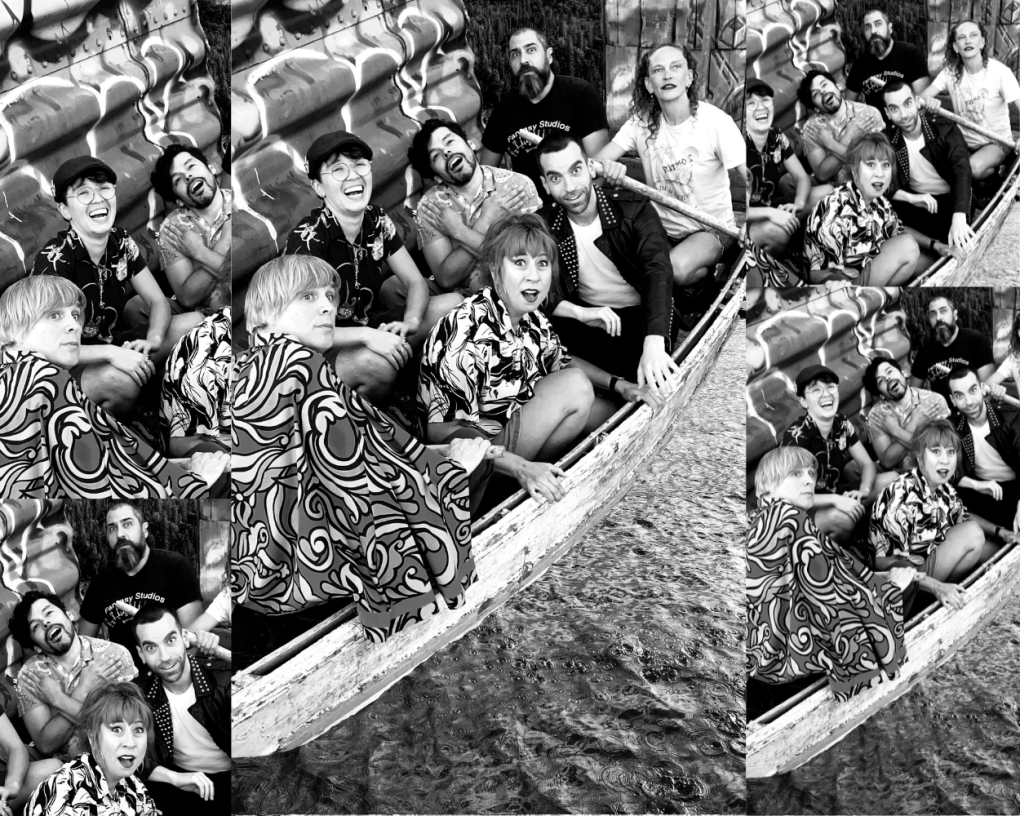
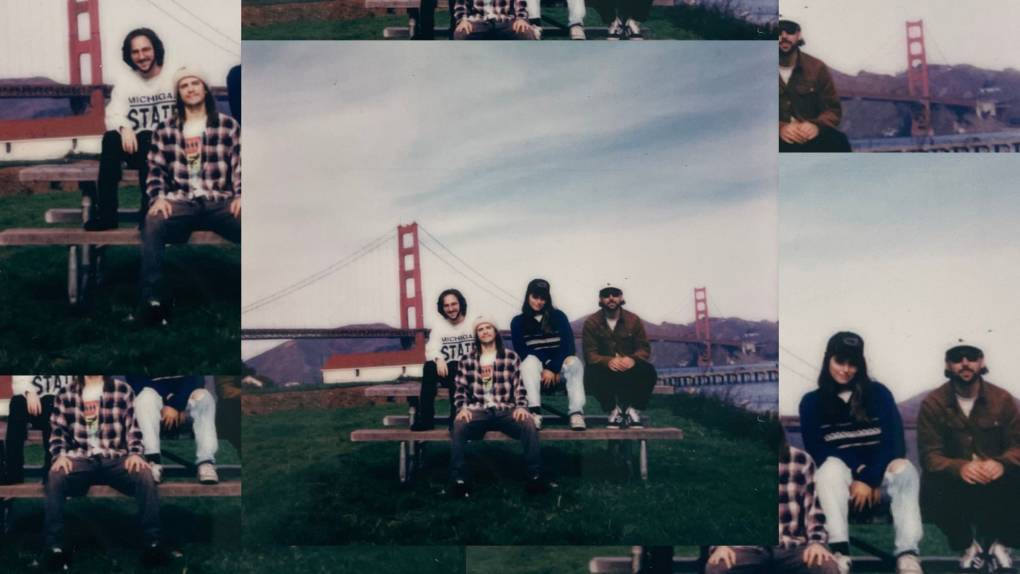
window.__INITIAL_STATE__={
"attachmentsReducer": {
"audio_0": {
"type": "attachments",
"id": "audio_0",
"imgSizes": {
"kqedFullSize": {
"file": "https://ww2.kqed.org/news/wp-content/themes/KQED-unified/img/audio_bgs/background0.jpg"
}
}
},
"audio_1": {
"type": "attachments",
"id": "audio_1",
"imgSizes": {
"kqedFullSize": {
"file": "https://ww2.kqed.org/news/wp-content/themes/KQED-unified/img/audio_bgs/background1.jpg"
}
}
},
"audio_2": {
"type": "attachments",
"id": "audio_2",
"imgSizes": {
"kqedFullSize": {
"file": "https://ww2.kqed.org/news/wp-content/themes/KQED-unified/img/audio_bgs/background2.jpg"
}
}
},
"audio_3": {
"type": "attachments",
"id": "audio_3",
"imgSizes": {
"kqedFullSize": {
"file": "https://ww2.kqed.org/news/wp-content/themes/KQED-unified/img/audio_bgs/background3.jpg"
}
}
},
"audio_4": {
"type": "attachments",
"id": "audio_4",
"imgSizes": {
"kqedFullSize": {
"file": "https://ww2.kqed.org/news/wp-content/themes/KQED-unified/img/audio_bgs/background4.jpg"
}
}
},
"placeholder": {
"type": "attachments",
"id": "placeholder",
"imgSizes": {
"thumbnail": {
"file": "https://cdn.kqed.org/wp-content/uploads/2024/12/KQED-Default-Image-816638274-2000x1333-1-160x107.jpg",
"width": 160,
"height": 107,
"mimeType": "image/jpeg"
},
"medium": {
"file": "https://cdn.kqed.org/wp-content/uploads/2024/12/KQED-Default-Image-816638274-2000x1333-1-800x533.jpg",
"width": 800,
"height": 533,
"mimeType": "image/jpeg"
},
"medium_large": {
"file": "https://cdn.kqed.org/wp-content/uploads/2024/12/KQED-Default-Image-816638274-2000x1333-1-768x512.jpg",
"width": 768,
"height": 512,
"mimeType": "image/jpeg"
},
"large": {
"file": "https://cdn.kqed.org/wp-content/uploads/2024/12/KQED-Default-Image-816638274-2000x1333-1-1020x680.jpg",
"width": 1020,
"height": 680,
"mimeType": "image/jpeg"
},
"1536x1536": {
"file": "https://cdn.kqed.org/wp-content/uploads/2024/12/KQED-Default-Image-816638274-2000x1333-1-1536x1024.jpg",
"width": 1536,
"height": 1024,
"mimeType": "image/jpeg"
},
"fd-lrg": {
"file": "https://cdn.kqed.org/wp-content/uploads/2024/12/KQED-Default-Image-816638274-2000x1333-1-1536x1024.jpg",
"width": 1536,
"height": 1024,
"mimeType": "image/jpeg"
},
"fd-med": {
"file": "https://cdn.kqed.org/wp-content/uploads/2024/12/KQED-Default-Image-816638274-2000x1333-1-1020x680.jpg",
"width": 1020,
"height": 680,
"mimeType": "image/jpeg"
},
"fd-sm": {
"file": "https://cdn.kqed.org/wp-content/uploads/2024/12/KQED-Default-Image-816638274-2000x1333-1-800x533.jpg",
"width": 800,
"height": 533,
"mimeType": "image/jpeg"
},
"post-thumbnail": {
"file": "https://cdn.kqed.org/wp-content/uploads/2024/12/KQED-Default-Image-816638274-2000x1333-1-672x372.jpg",
"width": 672,
"height": 372,
"mimeType": "image/jpeg"
},
"twentyfourteen-full-width": {
"file": "https://cdn.kqed.org/wp-content/uploads/2024/12/KQED-Default-Image-816638274-2000x1333-1-1038x576.jpg",
"width": 1038,
"height": 576,
"mimeType": "image/jpeg"
},
"xxsmall": {
"file": "https://cdn.kqed.org/wp-content/uploads/2024/12/KQED-Default-Image-816638274-2000x1333-1-160x107.jpg",
"width": 160,
"height": 107,
"mimeType": "image/jpeg"
},
"xsmall": {
"file": "https://cdn.kqed.org/wp-content/uploads/2024/12/KQED-Default-Image-816638274-2000x1333-1-672x372.jpg",
"width": 672,
"height": 372,
"mimeType": "image/jpeg"
},
"small": {
"file": "https://cdn.kqed.org/wp-content/uploads/2024/12/KQED-Default-Image-816638274-2000x1333-1-672x372.jpg",
"width": 672,
"height": 372,
"mimeType": "image/jpeg"
},
"xlarge": {
"file": "https://cdn.kqed.org/wp-content/uploads/2024/12/KQED-Default-Image-816638274-2000x1333-1-1020x680.jpg",
"width": 1020,
"height": 680,
"mimeType": "image/jpeg"
},
"full-width": {
"file": "https://cdn.kqed.org/wp-content/uploads/2024/12/KQED-Default-Image-816638274-2000x1333-1-1920x1280.jpg",
"width": 1920,
"height": 1280,
"mimeType": "image/jpeg"
},
"guest-author-32": {
"file": "https://cdn.kqed.org/wp-content/uploads/2025/01/KQED-Default-Image-816638274-1333x1333-1-160x160.jpg",
"width": 32,
"height": 32,
"mimeType": "image/jpeg"
},
"guest-author-50": {
"file": "https://cdn.kqed.org/wp-content/uploads/2025/01/KQED-Default-Image-816638274-1333x1333-1-160x160.jpg",
"width": 50,
"height": 50,
"mimeType": "image/jpeg"
},
"guest-author-64": {
"file": "https://cdn.kqed.org/wp-content/uploads/2025/01/KQED-Default-Image-816638274-1333x1333-1-160x160.jpg",
"width": 64,
"height": 64,
"mimeType": "image/jpeg"
},
"guest-author-96": {
"file": "https://cdn.kqed.org/wp-content/uploads/2025/01/KQED-Default-Image-816638274-1333x1333-1-160x160.jpg",
"width": 96,
"height": 96,
"mimeType": "image/jpeg"
},
"guest-author-128": {
"file": "https://cdn.kqed.org/wp-content/uploads/2025/01/KQED-Default-Image-816638274-1333x1333-1-160x160.jpg",
"width": 128,
"height": 128,
"mimeType": "image/jpeg"
},
"detail": {
"file": "https://cdn.kqed.org/wp-content/uploads/2025/01/KQED-Default-Image-816638274-1333x1333-1-160x160.jpg",
"width": 160,
"height": 160,
"mimeType": "image/jpeg"
},
"kqedFullSize": {
"file": "https://cdn.kqed.org/wp-content/uploads/2024/12/KQED-Default-Image-816638274-2000x1333-1.jpg",
"width": 2000,
"height": 1333
}
}
},
"news_11957544": {
"type": "attachments",
"id": "news_11957544",
"meta": {
"index": "attachments_1716263798",
"site": "news",
"id": "11957544",
"found": true
},
"parent": 11957543,
"imgSizes": {
"twentyfourteen-full-width": {
"file": "https://ww2.kqed.org/app/uploads/sites/10/2023/08/Sunday-Music-Drop-Photo-Collages-10-1038x576.png",
"width": 1038,
"mimeType": "image/png",
"height": 576
},
"thumbnail": {
"file": "https://ww2.kqed.org/app/uploads/sites/10/2023/08/Sunday-Music-Drop-Photo-Collages-10-160x128.png",
"width": 160,
"mimeType": "image/png",
"height": 128
},
"post-thumbnail": {
"file": "https://ww2.kqed.org/app/uploads/sites/10/2023/08/Sunday-Music-Drop-Photo-Collages-10-672x372.png",
"width": 672,
"mimeType": "image/png",
"height": 372
},
"kqedFullSize": {
"file": "https://ww2.kqed.org/app/uploads/sites/10/2023/08/Sunday-Music-Drop-Photo-Collages-10.png",
"width": 1500,
"height": 1200
},
"large": {
"file": "https://ww2.kqed.org/app/uploads/sites/10/2023/08/Sunday-Music-Drop-Photo-Collages-10-1020x816.png",
"width": 1020,
"mimeType": "image/png",
"height": 816
},
"medium": {
"file": "https://ww2.kqed.org/app/uploads/sites/10/2023/08/Sunday-Music-Drop-Photo-Collages-10-800x640.png",
"width": 800,
"mimeType": "image/png",
"height": 640
}
},
"publishDate": 1691365786,
"modified": 1691368034,
"caption": "From left to right: Maia Sinaiko, Max Edelman and Susanna Thomson of the band Sour Widows.",
"description": null,
"title": "Sunday Music Drop Photo Collages-10",
"credit": "Courtesy of Sour Widows/Collage by Spencer Whitney of KQED",
"status": "inherit",
"altTag": "A black and white collage of a man standing in the middle of two people with his arms around them with a city in the background. The person on the left wears a white shirt and light jeans and the person on the right holds on to the man in the middle and wears a white, long-sleeved dress.",
"isLoading": false,
"fetchFailed": false
},
"news_11956972": {
"type": "attachments",
"id": "news_11956972",
"meta": {
"index": "attachments_1716263798",
"site": "news",
"id": "11956972",
"found": true
},
"parent": 11956963,
"imgSizes": {
"twentyfourteen-full-width": {
"file": "https://ww2.kqed.org/app/uploads/sites/10/2023/07/LandTakenthumb_1-1038x576.png",
"width": 1038,
"mimeType": "image/png",
"height": 576
},
"thumbnail": {
"file": "https://ww2.kqed.org/app/uploads/sites/10/2023/07/LandTakenthumb_1-160x90.png",
"width": 160,
"mimeType": "image/png",
"height": 90
},
"post-thumbnail": {
"file": "https://ww2.kqed.org/app/uploads/sites/10/2023/07/LandTakenthumb_1-672x372.png",
"width": 672,
"mimeType": "image/png",
"height": 372
},
"kqedFullSize": {
"file": "https://ww2.kqed.org/app/uploads/sites/10/2023/07/LandTakenthumb_1.png",
"width": 1920,
"height": 1080
},
"large": {
"file": "https://ww2.kqed.org/app/uploads/sites/10/2023/07/LandTakenthumb_1-1020x574.png",
"width": 1020,
"mimeType": "image/png",
"height": 574
},
"1536x1536": {
"file": "https://ww2.kqed.org/app/uploads/sites/10/2023/07/LandTakenthumb_1-1536x864.png",
"width": 1536,
"mimeType": "image/png",
"height": 864
},
"medium": {
"file": "https://ww2.kqed.org/app/uploads/sites/10/2023/07/LandTakenthumb_1-800x450.png",
"width": 800,
"mimeType": "image/png",
"height": 450
}
},
"publishDate": 1690846085,
"modified": 1690850261,
"caption": "In the fourth episode of our video series on reparations, we explore the stories of thriving Black communities that were ravaged by racist policymaking.",
"description": null,
"title": "LandTakenthumb_1",
"credit": "Creo Noveno-Najam/KQED",
"status": "inherit",
"altTag": "A collage image intended to be the title page for a video, showing various faces depicting Black historical figures in black and white juxtaposed with contemporary photos of some of the Black voices featured in the story, with a tagline reading 'Episode 4: how land was taken from Black Americans'",
"isLoading": false,
"fetchFailed": false
},
"news_11956474": {
"type": "attachments",
"id": "news_11956474",
"meta": {
"index": "attachments_1716263798",
"site": "news",
"id": "11956474",
"found": true
},
"parent": 11956472,
"imgSizes": {
"twentyfourteen-full-width": {
"file": "https://ww2.kqed.org/app/uploads/sites/10/2023/07/GettyImages-498129995-1038x576.jpg",
"width": 1038,
"mimeType": "image/jpeg",
"height": 576
},
"thumbnail": {
"file": "https://ww2.kqed.org/app/uploads/sites/10/2023/07/GettyImages-498129995-160x107.jpg",
"width": 160,
"mimeType": "image/jpeg",
"height": 107
},
"post-thumbnail": {
"file": "https://ww2.kqed.org/app/uploads/sites/10/2023/07/GettyImages-498129995-672x372.jpg",
"width": 672,
"mimeType": "image/jpeg",
"height": 372
},
"kqedFullSize": {
"file": "https://ww2.kqed.org/app/uploads/sites/10/2023/07/GettyImages-498129995.jpg",
"width": 2121,
"height": 1414
},
"2048x2048": {
"file": "https://ww2.kqed.org/app/uploads/sites/10/2023/07/GettyImages-498129995-2048x1365.jpg",
"width": 2048,
"mimeType": "image/jpeg",
"height": 1365
},
"large": {
"file": "https://ww2.kqed.org/app/uploads/sites/10/2023/07/GettyImages-498129995-1020x680.jpg",
"width": 1020,
"mimeType": "image/jpeg",
"height": 680
},
"1536x1536": {
"file": "https://ww2.kqed.org/app/uploads/sites/10/2023/07/GettyImages-498129995-1536x1024.jpg",
"width": 1536,
"mimeType": "image/jpeg",
"height": 1024
},
"full-width": {
"file": "https://ww2.kqed.org/app/uploads/sites/10/2023/07/GettyImages-498129995-1920x1280.jpg",
"width": 1920,
"mimeType": "image/jpeg",
"height": 1280
},
"medium": {
"file": "https://ww2.kqed.org/app/uploads/sites/10/2023/07/GettyImages-498129995-800x533.jpg",
"width": 800,
"mimeType": "image/jpeg",
"height": 533
}
},
"publishDate": 1690316980,
"modified": 1690324144,
"caption": "A stock image of a female pupil playing the guitar in a high school orchestra while reading a music sheet.",
"description": null,
"title": "Female Pupil Playing Guitar In High School Orchestra",
"credit": "Monkeybusinessimages via iStock/Getty Images Plus",
"status": "inherit",
"altTag": "A young woman holds a guitar while looking at a sheet of paper with other young people seated holding instruments in a classroom.",
"isLoading": false,
"fetchFailed": false
},
"news_11956278": {
"type": "attachments",
"id": "news_11956278",
"meta": {
"index": "attachments_1716263798",
"site": "news",
"id": "11956278",
"found": true
},
"parent": 11956274,
"imgSizes": {
"twentyfourteen-full-width": {
"file": "https://ww2.kqed.org/app/uploads/sites/10/2023/07/21-1038x576.jpg",
"width": 1038,
"mimeType": "image/jpeg",
"height": 576
},
"thumbnail": {
"file": "https://ww2.kqed.org/app/uploads/sites/10/2023/07/21-160x128.jpg",
"width": 160,
"mimeType": "image/jpeg",
"height": 128
},
"post-thumbnail": {
"file": "https://ww2.kqed.org/app/uploads/sites/10/2023/07/21-672x372.jpg",
"width": 672,
"mimeType": "image/jpeg",
"height": 372
},
"kqedFullSize": {
"file": "https://ww2.kqed.org/app/uploads/sites/10/2023/07/21.jpg",
"width": 1250,
"height": 1000
},
"large": {
"file": "https://ww2.kqed.org/app/uploads/sites/10/2023/07/21-1020x816.jpg",
"width": 1020,
"mimeType": "image/jpeg",
"height": 816
},
"medium": {
"file": "https://ww2.kqed.org/app/uploads/sites/10/2023/07/21-800x640.jpg",
"width": 800,
"mimeType": "image/jpeg",
"height": 640
}
},
"publishDate": 1690139359,
"modified": 1690139623,
"caption": "No Vacation band members (Left to right)\nNatalie Lee, Harrison Spencer, and Sab Mai.",
"description": null,
"title": "21",
"credit": "Courtesy Johnson Liu/Collage by Spencer Whitney of KQED",
"status": "inherit",
"altTag": "A collage of five photos of three people, all wearing white or light colored clothing and sun glasses. One person to the left hold on to a piece of clothing in her left hand while the other two people to the right hold the same piece of clothing in their right hands in the middle of a desert.",
"isLoading": false,
"fetchFailed": false
},
"news_11955808": {
"type": "attachments",
"id": "news_11955808",
"meta": {
"index": "attachments_1716263798",
"site": "news",
"id": "11955808",
"found": true
},
"parent": 11955804,
"imgSizes": {
"twentyfourteen-full-width": {
"file": "https://ww2.kqed.org/app/uploads/sites/10/2023/07/IMG_1381-1038x576.jpg",
"width": 1038,
"mimeType": "image/jpeg",
"height": 576
},
"thumbnail": {
"file": "https://ww2.kqed.org/app/uploads/sites/10/2023/07/IMG_1381-160x128.jpg",
"width": 160,
"mimeType": "image/jpeg",
"height": 128
},
"post-thumbnail": {
"file": "https://ww2.kqed.org/app/uploads/sites/10/2023/07/IMG_1381-672x372.jpg",
"width": 672,
"mimeType": "image/jpeg",
"height": 372
},
"kqedFullSize": {
"file": "https://ww2.kqed.org/app/uploads/sites/10/2023/07/IMG_1381.jpg",
"width": 2000,
"height": 1600
},
"large": {
"file": "https://ww2.kqed.org/app/uploads/sites/10/2023/07/IMG_1381-1020x816.jpg",
"width": 1020,
"mimeType": "image/jpeg",
"height": 816
},
"1536x1536": {
"file": "https://ww2.kqed.org/app/uploads/sites/10/2023/07/IMG_1381-1536x1229.jpg",
"width": 1536,
"mimeType": "image/jpeg",
"height": 1229
},
"full-width": {
"file": "https://ww2.kqed.org/app/uploads/sites/10/2023/07/IMG_1381-1920x1536.jpg",
"width": 1920,
"mimeType": "image/jpeg",
"height": 1536
},
"medium": {
"file": "https://ww2.kqed.org/app/uploads/sites/10/2023/07/IMG_1381-800x640.jpg",
"width": 800,
"mimeType": "image/jpeg",
"height": 640
}
},
"publishDate": 1689550488,
"modified": 1689558104,
"caption": "Composer Joel St. Julien",
"description": null,
"title": "IMG_1381",
"credit": "Courtesy of Adam Neal Gochnauer/Collage by Spencer Whitney of KQED",
"status": "inherit",
"altTag": "A collage of photos of a Black man wearing glasses looking off to the side in dim light.",
"isLoading": false,
"fetchFailed": false
},
"news_11955605": {
"type": "attachments",
"id": "news_11955605",
"meta": {
"index": "attachments_1716263798",
"site": "news",
"id": "11955605",
"found": true
},
"parent": 11955604,
"imgSizes": {
"twentyfourteen-full-width": {
"file": "https://ww2.kqed.org/app/uploads/sites/10/2023/07/dsc_8878-179b05bfdf1b0aa6579866e8f9e2136b149e274b-1038x576.jpg",
"width": 1038,
"mimeType": "image/jpeg",
"height": 576
},
"thumbnail": {
"file": "https://ww2.kqed.org/app/uploads/sites/10/2023/07/dsc_8878-179b05bfdf1b0aa6579866e8f9e2136b149e274b-160x120.jpg",
"width": 160,
"mimeType": "image/jpeg",
"height": 120
},
"post-thumbnail": {
"file": "https://ww2.kqed.org/app/uploads/sites/10/2023/07/dsc_8878-179b05bfdf1b0aa6579866e8f9e2136b149e274b-672x372.jpg",
"width": 672,
"mimeType": "image/jpeg",
"height": 372
},
"kqedFullSize": {
"file": "https://ww2.kqed.org/app/uploads/sites/10/2023/07/dsc_8878-179b05bfdf1b0aa6579866e8f9e2136b149e274b.jpg",
"width": 1480,
"height": 1110
},
"large": {
"file": "https://ww2.kqed.org/app/uploads/sites/10/2023/07/dsc_8878-179b05bfdf1b0aa6579866e8f9e2136b149e274b-1020x765.jpg",
"width": 1020,
"mimeType": "image/jpeg",
"height": 765
},
"medium": {
"file": "https://ww2.kqed.org/app/uploads/sites/10/2023/07/dsc_8878-179b05bfdf1b0aa6579866e8f9e2136b149e274b-800x600.jpg",
"width": 800,
"mimeType": "image/jpeg",
"height": 600
}
},
"publishDate": 1689271930,
"modified": 1689272535,
"caption": "A southern otter in Santa Cruz catches a wave after stealing a surfer's board.",
"description": null,
"title": "A southern otter in Santa Cruz, Calif., catches a wave after stealing a surfer's board.",
"credit": "Mark Woodward/@NativeSantaCruz",
"status": "inherit",
"altTag": "Bright blue surfboard slides along a small wave while a dark brown sea otter sits in the middle, facing away from the camera",
"isLoading": false,
"fetchFailed": false
},
"news_11913358": {
"type": "attachments",
"id": "news_11913358",
"meta": {
"index": "attachments_1716263798",
"site": "news",
"id": "11913358",
"found": true
},
"parent": 11913341,
"imgSizes": {
"twentyfourteen-full-width": {
"file": "https://ww2.kqed.org/app/uploads/sites/10/2022/05/image12-1038x576.jpg",
"width": 1038,
"mimeType": "image/jpeg",
"height": 576
},
"thumbnail": {
"file": "https://ww2.kqed.org/app/uploads/sites/10/2022/05/image12-160x106.jpg",
"width": 160,
"mimeType": "image/jpeg",
"height": 106
},
"post-thumbnail": {
"file": "https://ww2.kqed.org/app/uploads/sites/10/2022/05/image12-672x372.jpg",
"width": 672,
"mimeType": "image/jpeg",
"height": 372
},
"kqedFullSize": {
"file": "https://ww2.kqed.org/app/uploads/sites/10/2022/05/image12.jpg",
"width": 1999,
"height": 1330
},
"large": {
"file": "https://ww2.kqed.org/app/uploads/sites/10/2022/05/image12-1020x679.jpg",
"width": 1020,
"mimeType": "image/jpeg",
"height": 679
},
"1536x1536": {
"file": "https://ww2.kqed.org/app/uploads/sites/10/2022/05/image12-1536x1022.jpg",
"width": 1536,
"mimeType": "image/jpeg",
"height": 1022
},
"full-width": {
"file": "https://ww2.kqed.org/app/uploads/sites/10/2022/05/image12-1920x1277.jpg",
"width": 1920,
"mimeType": "image/jpeg",
"height": 1277
},
"medium": {
"file": "https://ww2.kqed.org/app/uploads/sites/10/2022/05/image12-800x532.jpg",
"width": 800,
"mimeType": "image/jpeg",
"height": 532
}
},
"publishDate": 1651790890,
"modified": 1651877426,
"caption": "Anirvan Chatterjee leads a tour group on Telegraph Avenue near campus in Berkeley.",
"description": null,
"title": "image12",
"credit": "Courtesy of Preeti Mangalashekhar",
"status": "inherit",
"altTag": "A tour guide points to something, as his tour group stands on the street.",
"isLoading": false,
"fetchFailed": false
},
"news_11954265": {
"type": "attachments",
"id": "news_11954265",
"meta": {
"index": "attachments_1716263798",
"site": "news",
"id": "11954265",
"found": true
},
"parent": 11954252,
"imgSizes": {
"twentyfourteen-full-width": {
"file": "https://ww2.kqed.org/app/uploads/sites/10/2023/06/062723-Wanda-Salvatto-07-RT-KQED-e1687904264135-1038x576.jpg",
"width": 1038,
"mimeType": "image/jpeg",
"height": 576
},
"thumbnail": {
"file": "https://ww2.kqed.org/app/uploads/sites/10/2023/06/062723-Wanda-Salvatto-07-RT-KQED-e1687904264135-160x107.jpg",
"width": 160,
"mimeType": "image/jpeg",
"height": 107
},
"post-thumbnail": {
"file": "https://ww2.kqed.org/app/uploads/sites/10/2023/06/062723-Wanda-Salvatto-07-RT-KQED-e1687904264135-672x372.jpg",
"width": 672,
"mimeType": "image/jpeg",
"height": 372
},
"kqedFullSize": {
"file": "https://ww2.kqed.org/app/uploads/sites/10/2023/06/062723-Wanda-Salvatto-07-RT-KQED-e1687904264135.jpg",
"width": 1920,
"height": 1280
},
"large": {
"file": "https://ww2.kqed.org/app/uploads/sites/10/2023/06/062723-Wanda-Salvatto-07-RT-KQED-e1687904264135-1020x680.jpg",
"width": 1020,
"mimeType": "image/jpeg",
"height": 680
},
"1536x1536": {
"file": "https://ww2.kqed.org/app/uploads/sites/10/2023/06/062723-Wanda-Salvatto-07-RT-KQED-e1687904264135-1536x1024.jpg",
"width": 1536,
"mimeType": "image/jpeg",
"height": 1024
},
"full-width": {
"file": "https://ww2.kqed.org/app/uploads/sites/10/2023/06/062723-Wanda-Salvatto-07-RT-KQED-1920x1280.jpg",
"width": 1920,
"mimeType": "image/jpeg",
"height": 1280
},
"medium": {
"file": "https://ww2.kqed.org/app/uploads/sites/10/2023/06/062723-Wanda-Salvatto-07-RT-KQED-e1687904264135-800x533.jpg",
"width": 800,
"mimeType": "image/jpeg",
"height": 533
}
},
"publishDate": 1687903467,
"modified": 1688061517,
"caption": "Wanda Salvatto holding a painting of her late son, Bay Area hip-hop icon Mac Dre, in Vallejo on Monday, June 26th, 2023. ",
"description": "DO NOT REPUBLISH",
"title": "062723-Wanda-Salvatto-07-RT-KQED",
"credit": "Raphaël Timmons/KQED",
"status": "inherit",
"altTag": "A woman looks at the camera while holding a drawing of a man with a goatee and a backwards baseball cap.",
"isLoading": false,
"fetchFailed": false
},
"news_11954015": {
"type": "attachments",
"id": "news_11954015",
"meta": {
"index": "attachments_1716263798",
"site": "news",
"id": "11954015",
"found": true
},
"parent": 0,
"imgSizes": {
"twentyfourteen-full-width": {
"file": "https://ww2.kqed.org/app/uploads/sites/10/2023/06/RS66587_230625-sf-pride-20-ks-KQED-1038x576.jpg",
"width": 1038,
"mimeType": "image/jpeg",
"height": 576
},
"thumbnail": {
"file": "https://ww2.kqed.org/app/uploads/sites/10/2023/06/RS66587_230625-sf-pride-20-ks-KQED-160x106.jpg",
"width": 160,
"mimeType": "image/jpeg",
"height": 106
},
"post-thumbnail": {
"file": "https://ww2.kqed.org/app/uploads/sites/10/2023/06/RS66587_230625-sf-pride-20-ks-KQED-672x372.jpg",
"width": 672,
"mimeType": "image/jpeg",
"height": 372
},
"kqedFullSize": {
"file": "https://ww2.kqed.org/app/uploads/sites/10/2023/06/RS66587_230625-sf-pride-20-ks-KQED.jpg",
"width": 2000,
"height": 1331
},
"large": {
"file": "https://ww2.kqed.org/app/uploads/sites/10/2023/06/RS66587_230625-sf-pride-20-ks-KQED-1020x679.jpg",
"width": 1020,
"mimeType": "image/jpeg",
"height": 679
},
"1536x1536": {
"file": "https://ww2.kqed.org/app/uploads/sites/10/2023/06/RS66587_230625-sf-pride-20-ks-KQED-1536x1022.jpg",
"width": 1536,
"mimeType": "image/jpeg",
"height": 1022
},
"full-width": {
"file": "https://ww2.kqed.org/app/uploads/sites/10/2023/06/RS66587_230625-sf-pride-20-ks-KQED-1920x1278.jpg",
"width": 1920,
"mimeType": "image/jpeg",
"height": 1278
},
"medium": {
"file": "https://ww2.kqed.org/app/uploads/sites/10/2023/06/RS66587_230625-sf-pride-20-ks-KQED-800x532.jpg",
"width": 800,
"mimeType": "image/jpeg",
"height": 532
}
},
"publishDate": 1687734042,
"modified": 1687735146,
"caption": "San Francisco Mayor London Breed, center, waves a Pride flag from the side of a cable car as the 2023 Pride parade passes down Market Street in downtown San Francisco on June 25, 2023.",
"description": null,
"title": "RS66587_230625-sf pride-20-ks-KQED",
"credit": "Kori Suzuki/KQED",
"status": "inherit",
"altTag": "San Francisco Mayor London Breed, center, waves a Pride flag from the side of a cable car as the 2023 Pride parade passes down Market Street in downtown San Francisco on June 25, 2023.",
"isLoading": false,
"fetchFailed": false
},
"news_11953964": {
"type": "attachments",
"id": "news_11953964",
"meta": {
"index": "attachments_1716263798",
"site": "news",
"id": "11953964",
"found": true
},
"parent": 11953954,
"imgSizes": {
"twentyfourteen-full-width": {
"file": "https://ww2.kqed.org/app/uploads/sites/10/2024/06/GettyImages-1291637098-1038x576.jpg",
"width": 1038,
"mimeType": "image/jpeg",
"height": 576
},
"thumbnail": {
"file": "https://ww2.kqed.org/app/uploads/sites/10/2024/06/GettyImages-1291637098-160x107.jpg",
"width": 160,
"mimeType": "image/jpeg",
"height": 107
},
"post-thumbnail": {
"file": "https://ww2.kqed.org/app/uploads/sites/10/2024/06/GettyImages-1291637098-672x372.jpg",
"width": 672,
"mimeType": "image/jpeg",
"height": 372
},
"kqedFullSize": {
"file": "https://ww2.kqed.org/app/uploads/sites/10/2024/06/GettyImages-1291637098.jpg",
"width": 2121,
"height": 1414
},
"2048x2048": {
"file": "https://ww2.kqed.org/app/uploads/sites/10/2024/06/GettyImages-1291637098-2048x1365.jpg",
"width": 2048,
"mimeType": "image/jpeg",
"height": 1365
},
"large": {
"file": "https://ww2.kqed.org/app/uploads/sites/10/2024/06/GettyImages-1291637098-1020x680.jpg",
"width": 1020,
"mimeType": "image/jpeg",
"height": 680
},
"1536x1536": {
"file": "https://ww2.kqed.org/app/uploads/sites/10/2024/06/GettyImages-1291637098-1536x1024.jpg",
"width": 1536,
"mimeType": "image/jpeg",
"height": 1024
},
"full-width": {
"file": "https://ww2.kqed.org/app/uploads/sites/10/2024/06/GettyImages-1291637098-1920x1280.jpg",
"width": 1920,
"mimeType": "image/jpeg",
"height": 1280
},
"medium": {
"file": "https://ww2.kqed.org/app/uploads/sites/10/2024/06/GettyImages-1291637098-800x533.jpg",
"width": 800,
"mimeType": "image/jpeg",
"height": 533
}
},
"publishDate": 1687650099,
"modified": 1687650134,
"caption": null,
"description": null,
"title": "Rainbow LGBTQI flag waving in the wind",
"credit": "Alexander Spatari/Getty Images",
"status": "inherit",
"altTag": null,
"isLoading": false,
"fetchFailed": false
},
"news_11953338": {
"type": "attachments",
"id": "news_11953338",
"meta": {
"index": "attachments_1716263798",
"site": "news",
"id": "11953338",
"found": true
},
"parent": 11953339,
"imgSizes": {
"thumbnail": {
"file": "https://ww2.kqed.org/app/uploads/sites/10/2023/06/Untitled-presentation-160x90.jpg",
"width": 160,
"mimeType": "image/jpeg",
"height": 90
},
"post-thumbnail": {
"file": "https://ww2.kqed.org/app/uploads/sites/10/2023/06/Untitled-presentation-672x372.jpg",
"width": 672,
"mimeType": "image/jpeg",
"height": 372
},
"kqedFullSize": {
"file": "https://ww2.kqed.org/app/uploads/sites/10/2023/06/Untitled-presentation.jpg",
"width": 960,
"height": 540
},
"medium": {
"file": "https://ww2.kqed.org/app/uploads/sites/10/2023/06/Untitled-presentation-800x450.jpg",
"width": 800,
"mimeType": "image/jpeg",
"height": 450
}
},
"publishDate": 1687134753,
"modified": 1687135107,
"caption": "Musician Nico Peña. ",
"description": null,
"title": "Sunday Music Drop Nico Peña collage",
"credit": "Courtesy Holiday Hagan/Collage by Annelise Finney of KQED",
"status": "inherit",
"altTag": "Photo collage including three copies of the same image of Nico Peña dancing with his mouth open.",
"isLoading": false,
"fetchFailed": false
},
"news_11953315": {
"type": "attachments",
"id": "news_11953315",
"meta": {
"index": "attachments_1716263798",
"site": "news",
"id": "11953315",
"found": true
},
"title": "RS66366_20230617_Juneteenth_KQED-35-KQED",
"publishDate": 1687062947,
"status": "inherit",
"parent": 0,
"modified": 1718742416,
"caption": "People dance at Lake Merritt as part of the 14th annual Fam Bam Afrocentric Juneteenth festival in Oakland on June 17, 2023.",
"credit": "Amaya Edwards/KQED",
"altTag": "A group of people dance together on a sunny day.",
"description": null,
"imgSizes": {
"medium": {
"file": "https://cdn.kqed.org/wp-content/uploads/sites/10/2023/06/RS66366_20230617_Juneteenth_KQED-35-KQED-800x533.jpg",
"width": 800,
"height": 533,
"mimeType": "image/jpeg"
},
"large": {
"file": "https://cdn.kqed.org/wp-content/uploads/sites/10/2023/06/RS66366_20230617_Juneteenth_KQED-35-KQED-1020x680.jpg",
"width": 1020,
"height": 680,
"mimeType": "image/jpeg"
},
"thumbnail": {
"file": "https://cdn.kqed.org/wp-content/uploads/sites/10/2023/06/RS66366_20230617_Juneteenth_KQED-35-KQED-160x107.jpg",
"width": 160,
"height": 107,
"mimeType": "image/jpeg"
},
"1536x1536": {
"file": "https://cdn.kqed.org/wp-content/uploads/sites/10/2023/06/RS66366_20230617_Juneteenth_KQED-35-KQED-1536x1024.jpg",
"width": 1536,
"height": 1024,
"mimeType": "image/jpeg"
},
"post-thumbnail": {
"file": "https://cdn.kqed.org/wp-content/uploads/sites/10/2023/06/RS66366_20230617_Juneteenth_KQED-35-KQED-672x372.jpg",
"width": 672,
"height": 372,
"mimeType": "image/jpeg"
},
"twentyfourteen-full-width": {
"file": "https://cdn.kqed.org/wp-content/uploads/sites/10/2023/06/RS66366_20230617_Juneteenth_KQED-35-KQED-1038x576.jpg",
"width": 1038,
"height": 576,
"mimeType": "image/jpeg"
},
"full-width": {
"file": "https://cdn.kqed.org/wp-content/uploads/sites/10/2023/06/RS66366_20230617_Juneteenth_KQED-35-KQED-1920x1280.jpg",
"width": 1920,
"height": 1280,
"mimeType": "image/jpeg"
},
"kqedFullSize": {
"file": "https://cdn.kqed.org/wp-content/uploads/sites/10/2023/06/RS66366_20230617_Juneteenth_KQED-35-KQED.jpg",
"width": 2000,
"height": 1333
}
},
"isLoading": false,
"fetchFailed": false
}
},
"audioPlayerReducer": {
"postId": "stream_live",
"isPaused": true,
"isPlaying": false,
"pfsActive": false,
"pledgeModalIsOpen": true,
"playerDrawerIsOpen": false,
"liveAudioPlayStartedAt": 0,
"liveAudioPlayContext": ""
},
"authorsReducer": {
"byline_news_11956963": {
"type": "authors",
"id": "byline_news_11956963",
"meta": {
"override": true
},
"slug": "byline_news_11956963",
"name": "\u003ca href=\"https://www.kqed.org/author/otaylor\">Otis R. Taylor Jr.\u003c/a>",
"isLoading": false
},
"byline_news_11956472": {
"type": "authors",
"id": "byline_news_11956472",
"meta": {
"override": true
},
"slug": "byline_news_11956472",
"name": "\u003ca href=\"https://edsource.org/author/kdsouza\">Karen D'Souza\u003c/a>",
"isLoading": false
},
"byline_news_11955604": {
"type": "authors",
"id": "byline_news_11955604",
"meta": {
"override": true
},
"slug": "byline_news_11955604",
"name": "\u003ca href=\"https://www.npr.org/people/963390115/dustin-jones\">Dustin Jones\u003c/a>",
"isLoading": false
},
"byline_news_11954252": {
"type": "authors",
"id": "byline_news_11954252",
"meta": {
"override": true
},
"slug": "byline_news_11954252",
"name": "Jessica Kariisa",
"isLoading": false
},
"kqed": {
"type": "authors",
"id": "236",
"meta": {
"index": "authors_1716337520",
"id": "236",
"found": true
},
"name": "KQED News Staff",
"firstName": "KQED News Staff",
"lastName": null,
"slug": "kqed",
"email": "faq@kqed.org",
"display_author_email": false,
"staff_mastheads": [],
"title": null,
"bio": null,
"avatar": "https://secure.gravatar.com/avatar/ef0e801a68c4c54afa9180db14084167?s=600&d=blank&r=g",
"twitter": null,
"facebook": null,
"instagram": null,
"linkedin": null,
"sites": [
{
"site": "arts",
"roles": [
"contributor"
]
},
{
"site": "news",
"roles": [
"editor"
]
},
{
"site": "futureofyou",
"roles": [
"author"
]
}
],
"headData": {
"title": "KQED News Staff | KQED",
"description": null,
"ogImgSrc": "https://secure.gravatar.com/avatar/ef0e801a68c4c54afa9180db14084167?s=600&d=blank&r=g",
"twImgSrc": "https://secure.gravatar.com/avatar/ef0e801a68c4c54afa9180db14084167?s=600&d=blank&r=g"
},
"isLoading": false,
"link": "/author/kqed"
},
"sasha-khokha": {
"type": "authors",
"id": "254",
"meta": {
"index": "authors_1716337520",
"id": "254",
"found": true
},
"name": "Sasha Khokha",
"firstName": "Sasha",
"lastName": "Khokha",
"slug": "sasha-khokha",
"email": "skhokha@kqed.org",
"display_author_email": true,
"staff_mastheads": [
"news"
],
"title": "Host, The California Report Magazine",
"bio": "Sasha Khokha is the host of \u003cem>The California Report's \u003c/em> weekly magazine program, which takes listeners on sound-rich excursions to meet the people that make the Golden State unique -- through audio documentaries and long-form stories. As \u003cem>The California Report's\u003c/em> Central Valley Bureau Chief based in Fresno for nearly a dozen years, Sasha brought the lives and concerns of rural Californians to listeners around the state. Her reporting helped expose the hidden price immigrant women janitors and farmworkers may pay to keep their jobs: sexual assault at work. It inspired two new California laws to protect them from sexual harassment. She was a key member of the reporting team for the Frontline film \u003cem>Rape on the Night Shift, \u003c/em>which was nominated for two national Emmys. Sasha has also won a national Edward R. Murrow and a national PRNDI award for investigative reporting, as well as multiple prizes from the Society for Professional Journalists. Sasha is a proud alum of the UC Berkeley Graduate School of Journalism and Brown University and a member of the South Asian Journalists Association.",
"avatar": "https://secure.gravatar.com/avatar/e4b5e1541aaeea2aa356aa1fb2a68950?s=600&d=blank&r=g",
"twitter": "KQEDSashaKhokha",
"facebook": null,
"instagram": null,
"linkedin": null,
"sites": [
{
"site": "news",
"roles": [
"editor"
]
},
{
"site": "stateofhealth",
"roles": [
"author"
]
},
{
"site": "science",
"roles": [
"author"
]
},
{
"site": "quest",
"roles": [
"subscriber"
]
}
],
"headData": {
"title": "Sasha Khokha | KQED",
"description": "Host, The California Report Magazine",
"ogImgSrc": "https://secure.gravatar.com/avatar/e4b5e1541aaeea2aa356aa1fb2a68950?s=600&d=blank&r=g",
"twImgSrc": "https://secure.gravatar.com/avatar/e4b5e1541aaeea2aa356aa1fb2a68950?s=600&d=blank&r=g"
},
"isLoading": false,
"link": "/author/sasha-khokha"
},
"mlagos": {
"type": "authors",
"id": "3239",
"meta": {
"index": "authors_1716337520",
"id": "3239",
"found": true
},
"name": "Marisa Lagos",
"firstName": "Marisa",
"lastName": "Lagos",
"slug": "mlagos",
"email": "mlagos@kqed.org",
"display_author_email": false,
"staff_mastheads": [
"news"
],
"title": "KQED Contributor",
"bio": "Marisa Lagos is a correspondent for KQED’s California Politics and Government Desk and co-hosts the award-winning show and podcast, Political Breakdown. At KQED, Lagos also conducts reporting, analysis and investigations into state, local and national politics for radio, TV, online and onstage. In 2022, she and co-host, Scott Shafer, moderated the only gubernatorial debate in California. In 2020, the \u003ci>Washington Post\u003c/i> named her one of the top political journalists in California; she was nominated for a Peabody and won several other awards for her work investigating the 2017 California wildfires. She has worked at the \u003ci>San Francisco Chronicle\u003c/i>, \u003ci>San Francisco Examiner\u003c/i> and \u003ci>Los Angeles Times\u003c/i>. A UC Santa Barbara graduate, she lives in San Francisco with her two sons and husband.",
"avatar": "https://secure.gravatar.com/avatar/a261a0d3696fc066871ef96b85b5e7d2?s=600&d=blank&r=g",
"twitter": "@mlagos",
"facebook": null,
"instagram": null,
"linkedin": null,
"sites": [
{
"site": "arts",
"roles": [
"author"
]
},
{
"site": "news",
"roles": [
"editor"
]
},
{
"site": "science",
"roles": [
"editor"
]
},
{
"site": "forum",
"roles": [
"author"
]
},
{
"site": "liveblog",
"roles": [
"author"
]
}
],
"headData": {
"title": "Marisa Lagos | KQED",
"description": "KQED Contributor",
"ogImgSrc": "https://secure.gravatar.com/avatar/a261a0d3696fc066871ef96b85b5e7d2?s=600&d=blank&r=g",
"twImgSrc": "https://secure.gravatar.com/avatar/a261a0d3696fc066871ef96b85b5e7d2?s=600&d=blank&r=g"
},
"isLoading": false,
"link": "/author/mlagos"
},
"cmorizono": {
"type": "authors",
"id": "11503",
"meta": {
"index": "authors_1716337520",
"id": "11503",
"found": true
},
"name": "Chloe Morizono",
"firstName": "Chloe",
"lastName": "Morizono",
"slug": "cmorizono",
"email": "cmorizono@kqed.org",
"display_author_email": false,
"staff_mastheads": [],
"title": "KQED Contributor",
"bio": null,
"avatar": "https://secure.gravatar.com/avatar/589de970d4696c868de7f4dc180e0289?s=600&d=blank&r=g",
"twitter": null,
"facebook": null,
"instagram": null,
"linkedin": null,
"sites": [
{
"site": "news",
"roles": []
},
{
"site": "perspectives",
"roles": [
"editor"
]
}
],
"headData": {
"title": "Chloe Morizono | KQED",
"description": "KQED Contributor",
"ogImgSrc": "https://secure.gravatar.com/avatar/589de970d4696c868de7f4dc180e0289?s=600&d=blank&r=g",
"twImgSrc": "https://secure.gravatar.com/avatar/589de970d4696c868de7f4dc180e0289?s=600&d=blank&r=g"
},
"isLoading": false,
"link": "/author/cmorizono"
},
"sminobucheli": {
"type": "authors",
"id": "11764",
"meta": {
"index": "authors_1716337520",
"id": "11764",
"found": true
},
"name": "Sebastian Miño-Bucheli",
"firstName": "Sebastian",
"lastName": "Miño-Bucheli",
"slug": "sminobucheli",
"email": "sminobucheli@kqed.org",
"display_author_email": false,
"staff_mastheads": [],
"title": "KQED Contributor",
"bio": "Sebastian Miño-Bucheli is a bilingual multimedia reporter and contributor to KQED Digital News. His reporting has been featured for Bay Curious, the California Report Magazine and KQED Arts. ",
"avatar": "https://secure.gravatar.com/avatar/f9124e32dd53d2b2f9022992c2014fc2?s=600&d=blank&r=g",
"twitter": "@BucheliMino",
"facebook": null,
"instagram": null,
"linkedin": null,
"sites": [
{
"site": "arts",
"roles": []
},
{
"site": "news",
"roles": []
}
],
"headData": {
"title": "Sebastian Miño-Bucheli | KQED",
"description": "KQED Contributor",
"ogImgSrc": "https://secure.gravatar.com/avatar/f9124e32dd53d2b2f9022992c2014fc2?s=600&d=blank&r=g",
"twImgSrc": "https://secure.gravatar.com/avatar/f9124e32dd53d2b2f9022992c2014fc2?s=600&d=blank&r=g"
},
"isLoading": false,
"link": "/author/sminobucheli"
},
"afinney": {
"type": "authors",
"id": "11772",
"meta": {
"index": "authors_1716337520",
"id": "11772",
"found": true
},
"name": "Annelise Finney",
"firstName": "Annelise",
"lastName": "Finney",
"slug": "afinney",
"email": "afinney@kqed.org",
"display_author_email": true,
"staff_mastheads": [
"news"
],
"title": "Reporter",
"bio": "Annelise reports on reparations in California and East Bay politics. She co-produced the Sunday Music Drop, a limited-term radio series featuring Bay Area musicians that aired between Sept 2022 and Oct 2024. She joined KQED in 2021 as a general assignment reporter and is an alumna of KALW's Audio Academy. She was born and raised in the East Bay. She is currently away from KQED completing a year-long reporting project in Berlin, Germany as a Alexander Von Humboldt German Chancellor Fellow.",
"avatar": "https://secure.gravatar.com/avatar/5fded66cae47704cdfc5021cde0f3aa4?s=600&d=blank&r=g",
"twitter": null,
"facebook": null,
"instagram": null,
"linkedin": null,
"sites": [
{
"site": "news",
"roles": [
"editor"
]
},
{
"site": "liveblog",
"roles": [
"author"
]
}
],
"headData": {
"title": "Annelise Finney | KQED",
"description": "Reporter",
"ogImgSrc": "https://secure.gravatar.com/avatar/5fded66cae47704cdfc5021cde0f3aa4?s=600&d=blank&r=g",
"twImgSrc": "https://secure.gravatar.com/avatar/5fded66cae47704cdfc5021cde0f3aa4?s=600&d=blank&r=g"
},
"isLoading": false,
"link": "/author/afinney"
},
"swhitney": {
"type": "authors",
"id": "11784",
"meta": {
"index": "authors_1716337520",
"id": "11784",
"found": true
},
"name": "Spencer Whitney",
"firstName": "Spencer",
"lastName": "Whitney",
"slug": "swhitney",
"email": "swhitney@kqed.org",
"display_author_email": false,
"staff_mastheads": [],
"title": "KQED Digital Editor",
"bio": "Spencer Whitney is currently a Digital Editor for KQED News. Prior to joining KQED News, Spencer worked as the Multimedia Editor at the Oakland Post and an Assistant Editor in the Editorial department at the San Francisco Chronicle. He attended Howard University as an undergraduate and interned with SiriusXM. He also attended UC Berkeley's Graduate School of Journalism and had the opportunity to write for the hyperlocal news sites Richmond Confidential and Oakland North.",
"avatar": "https://secure.gravatar.com/avatar/e33ff4fd8b8f0d2796f36472fb32607ca8fc46ef5e537dcfdbdee688d8ea5b80?s=600&d=mm&r=g",
"twitter": null,
"bluesky": null,
"facebook": null,
"instagram": null,
"linkedin": null,
"sites": [
{
"site": "arts",
"roles": [
"editor"
]
},
{
"site": "news",
"roles": [
"editor"
]
},
{
"site": "science",
"roles": [
"editor"
]
},
{
"site": "perspectives",
"roles": [
"editor"
]
}
],
"headData": {
"title": "Spencer Whitney | KQED",
"description": "KQED Digital Editor",
"ogImgSrc": "https://secure.gravatar.com/avatar/e33ff4fd8b8f0d2796f36472fb32607ca8fc46ef5e537dcfdbdee688d8ea5b80?s=600&d=mm&r=g",
"twImgSrc": "https://secure.gravatar.com/avatar/e33ff4fd8b8f0d2796f36472fb32607ca8fc46ef5e537dcfdbdee688d8ea5b80?s=600&d=mm&r=g"
},
"isLoading": false,
"link": "/author/swhitney"
}
},
"pagesReducer": {
"news_category_arts-and-culture": {
"type": "terms",
"id": "news_223",
"meta": {
"index": "terms_1716263798",
"site": "news",
"id": "223",
"score": 11.238964
},
"featImg": null,
"name": "Arts and Culture",
"description": null,
"taxonomy": "category",
"headData": {
"twImgId": null,
"twTitle": null,
"ogTitle": null,
"ogImgId": null,
"twDescription": null,
"description": null,
"title": "Arts and Culture Archives | KQED News",
"ogDescription": null
},
"ttid": 231,
"slug": "arts-and-culture",
"isLoading": false,
"title": "Arts and Culture",
"pageMeta": {
"site": "news",
"WpPageTemplate": "page-topic-editorial",
"currentPage": 23
},
"blocks": [
{
"blockName": "kqed/post-list",
"attrs": {
"layout": "cardArticle2",
"query": "posts/news?category=arts-and-culture",
"seeMore": false,
"paginated": true,
"page": 23
}
},
{
"blockName": "kqed/ad"
}
]
}
},
"pfsSessionReducer": {},
"postsReducer": {
"stream_live": {
"type": "live",
"id": "stream_live",
"audioUrl": "https://streams.kqed.org/kqedradio",
"title": "Live Stream",
"excerpt": "Live Stream information currently unavailable.",
"link": "/radio",
"featImg": "",
"label": {
"name": "KQED Live",
"link": "/"
}
},
"stream_kqedNewscast": {
"type": "posts",
"id": "stream_kqedNewscast",
"audioUrl": "https://www.kqed.org/.stream/anon/radio/RDnews/newscast.mp3?_=1",
"title": "KQED Newscast",
"featImg": "",
"label": {
"name": "88.5 FM",
"link": "/"
}
},
"news_11957543": {
"type": "posts",
"id": "news_11957543",
"meta": {
"index": "posts_1716263798",
"site": "news",
"id": "11957543",
"score": null,
"sort": [
1691368963000
]
},
"guestAuthors": [],
"slug": "sour-widows-low-doser",
"title": "Sour Widows: 'Low Doser'",
"publishDate": 1691368963,
"format": "standard",
"headTitle": "Sour Widows: ‘Low Doser’ | KQED",
"labelTerm": {},
"content": "\u003cp>\u003ca href=\"https://www.kqed.org/sundaymusicdrop\">\u003cem>The Sunday Music Drop is a weekly radio series hosted by the KQED weekend news team.\u003c/em>\u003c/a>\u003cem> In each segment, we feature a song from a local musician or band with an upcoming show and hear about what inspires their music.\u003cbr>\n\u003c/em>\u003c/p>\n\u003cp>Singer and guitarist Susanna Thomson of the Oakland-based band Sour Widows says while they consider their music to be under the umbrella of alternative rock, there are influences that come from shoegaze, post hardcore, slow core and folk music.\u003c/p>\n\u003cp>“Low Doser” is off the band’s first EP \u003cem>Sour Widows\u003c/em> that they recorded 5 years ago. Thomson wrote the song in 2017, and describes it as an angsty love song. It was one of the first songs she and singer/guitarist Maia Sinaiko fleshed out together as a duo, with intertwining guitar parts they arranged together, and one of the first songs Thomson wrote on electric guitar.\u003c/p>\n\u003cp>“I remember that being like a learning moment in the beginning of our relationship as true collaborators in the project,” said Thomson. The EP is still very “near and dear to their hearts,” but they’re excited to play new songs that they describe as having more mature songwriting.\u003c/p>\n\u003cp>The band members have known each other for over half their lives. Singer/guitarist Maia Sinaiko and Thomson met at Camp Winnarainbow as kids, a well known performing arts and circus camp in Northern California. Sinaiko and Thomson started out writing songs with each other, and later booked themselves a DIY tour in 2017 up to the Pacific Northwest.\u003c/p>\n\u003cp>[ad fullwidth]\u003c/p>\n\u003cp>“I love watching people perform and just like super commit to a vision,” said Thomson. “I think we have like a great desire to really be ourselves in this way on stage, [and] stepping into the self that wants to share vulnerable truth and have people experience it.”\u003c/p>\n\u003cp>The band members include Susanna Thomson, Maia Sinaiko, Max Edelman and Timmy Stabler.\u003c/p>\n\u003cp>\u003c/p>\n\u003cp>Sour Widows will be performing \u003ca href=\"https://sfoutsidelands.com/schedule/#/schedule_groupings/saturday\">live at Outside Lands\u003c/a> in San Francisco on Saturday, Aug. 12 at 1:40 p.m.\u003c/p>\n\n",
"blocks": [],
"excerpt": "Susanna Thomson of the Oakland-based band Sour Widows says they are interested in fostering community and creating a more sustainable culture in music on a larger scale. ",
"status": "publish",
"parent": 0,
"modified": 1727137117,
"stats": {
"hasAudio": false,
"hasVideo": false,
"hasChartOrMap": false,
"iframeSrcs": [],
"hasGoogleForm": false,
"hasGallery": false,
"hasHearkenModule": false,
"hasPolis": false,
"paragraphCount": 10,
"wordCount": 352
},
"headData": {
"title": "Sour Widows: 'Low Doser' | KQED",
"description": "Susanna Thomson of the Oakland-based band Sour Widows says they are interested in fostering community and creating a more sustainable culture in music on a larger scale. ",
"ogTitle": "",
"ogDescription": "",
"ogImgId": "",
"twTitle": "",
"twDescription": "",
"twImgId": "",
"schema": {
"@context": "https://schema.org",
"@type": "NewsArticle",
"headline": "Sour Widows: 'Low Doser'",
"datePublished": "2023-08-06T17:42:43-07:00",
"dateModified": "2024-09-23T17:18:37-07:00",
"image": "https://cdn.kqed.org/wp-content/uploads/2020/02/KQED-OG-Image@1x.png",
"isAccessibleForFree": "True",
"publisher": {
"@type": "NewsMediaOrganization",
"@id": "https://www.kqed.org/#organization",
"name": "KQED",
"logo": "https://cdn.kqed.org/wp-content/uploads/2020/02/KQED-OG-Image@1x.png",
"url": "https://www.kqed.org",
"sameAs": [
"https://www.facebook.com/KQED",
"https://twitter.com/KQED",
"https://www.instagram.com/kqed/",
"https://www.tiktok.com/@kqedofficial",
"https://www.linkedin.com/company/kqed",
"https://www.youtube.com/channel/UCeC0IOo7i1P_61zVUWbJ4nw"
]
}
}
},
"source": "Sunday Music Drop",
"sourceUrl": "https://www.kqed.org/sundaymusicdrop",
"audioUrl": "https://ww2.kqed.org/app/uploads/sites/10/2023/08/SMD-Sour-Widows_FINAL.mp3",
"sticky": false,
"excludeFromSiteSearch": "Include",
"articleAge": "0",
"path": "/news/11957543/sour-widows-low-doser",
"audioTrackLength": null,
"parsedContent": [
{
"type": "contentString",
"content": "\u003cdiv class=\"post-body\">\u003cp>\u003cp>\u003ca href=\"https://www.kqed.org/sundaymusicdrop\">\u003cem>The Sunday Music Drop is a weekly radio series hosted by the KQED weekend news team.\u003c/em>\u003c/a>\u003cem> In each segment, we feature a song from a local musician or band with an upcoming show and hear about what inspires their music.\u003cbr>\n\u003c/em>\u003c/p>\n\u003cp>Singer and guitarist Susanna Thomson of the Oakland-based band Sour Widows says while they consider their music to be under the umbrella of alternative rock, there are influences that come from shoegaze, post hardcore, slow core and folk music.\u003c/p>\n\u003cp>“Low Doser” is off the band’s first EP \u003cem>Sour Widows\u003c/em> that they recorded 5 years ago. Thomson wrote the song in 2017, and describes it as an angsty love song. It was one of the first songs she and singer/guitarist Maia Sinaiko fleshed out together as a duo, with intertwining guitar parts they arranged together, and one of the first songs Thomson wrote on electric guitar.\u003c/p>\n\u003cp>“I remember that being like a learning moment in the beginning of our relationship as true collaborators in the project,” said Thomson. The EP is still very “near and dear to their hearts,” but they’re excited to play new songs that they describe as having more mature songwriting.\u003c/p>\n\u003cp>The band members have known each other for over half their lives. Singer/guitarist Maia Sinaiko and Thomson met at Camp Winnarainbow as kids, a well known performing arts and circus camp in Northern California. Sinaiko and Thomson started out writing songs with each other, and later booked themselves a DIY tour in 2017 up to the Pacific Northwest.\u003c/p>\n\u003cp>\u003c/p>\u003c/div>",
"attributes": {
"named": {},
"numeric": []
}
},
{
"type": "component",
"content": "",
"name": "ad",
"attributes": {
"named": {
"label": "fullwidth"
},
"numeric": [
"fullwidth"
]
}
},
{
"type": "contentString",
"content": "\u003cdiv class=\"post-body\">\u003cp>\u003c/p>\n\u003cp>“I love watching people perform and just like super commit to a vision,” said Thomson. “I think we have like a great desire to really be ourselves in this way on stage, [and] stepping into the self that wants to share vulnerable truth and have people experience it.”\u003c/p>\n\u003cp>The band members include Susanna Thomson, Maia Sinaiko, Max Edelman and Timmy Stabler.\u003c/p>\n\u003cp>\u003c/p>\n\u003cp>Sour Widows will be performing \u003ca href=\"https://sfoutsidelands.com/schedule/#/schedule_groupings/saturday\">live at Outside Lands\u003c/a> in San Francisco on Saturday, Aug. 12 at 1:40 p.m.\u003c/p>\n\n\u003c/div>\u003c/p>",
"attributes": {
"named": {},
"numeric": []
}
}
],
"link": "/news/11957543/sour-widows-low-doser",
"authors": [
"11503"
],
"programs": [
"news_34370"
],
"categories": [
"news_29992",
"news_223",
"news_8",
"news_33520"
],
"tags": [
"news_31662",
"news_31663"
],
"featImg": "news_11957544",
"label": "source_news_11957543"
},
"news_11956963": {
"type": "posts",
"id": "news_11956963",
"meta": {
"index": "posts_1716263798",
"site": "news",
"id": "11956963",
"score": null,
"sort": [
1690887700000
]
},
"guestAuthors": [],
"slug": "how-black-californians-had-their-land-stolen",
"title": "How Black Californians Had Their Land Stolen",
"publishDate": 1690887700,
"format": "standard",
"headTitle": "How Black Californians Had Their Land Stolen | KQED",
"labelTerm": {},
"content": "\u003cp>[dropcap]K[/dropcap]avon Ward lived in Manhattan Beach, a surfside city about 15 miles southwest of Los Angeles, for more than two years before she learned about the city’s racist history.\u003c/p>\n\u003cp>In 2020, not long after George Floyd was murdered by police, Ward, a poet and activist, began learning about \u003ca href=\"https://www.kqed.org/news/tag/bruces-beach\">Bruce’s Beach\u003c/a>, the beachfront real estate owned by a Black family before it was seized by the city of Manhattan Beach. The land was eventually turned into a park.\u003c/p>\n\u003cp>“I remember just looking out down the hill — I was at the top of the park — and seeing all of these white people and I’m thinking to myself, ‘How is it fair that all of these white people get to live here in front of what God created for everyone, after these Black people were run out?,’” Ward told me in a 2022 interview. “They take from us. They take our lives; they take our land; they take everything.”\u003c/p>\n\u003cp>Ward founded \u003ca href=\"https://justiceforbrucesbeach.com/\">Justice for Bruce’s Beach\u003c/a> to secure restitution for the descendants of the Bruces. She wanted reparations.\u003c/p>\n\u003cp>“It was not so much about it being land, it was more about it being justice served,” said Ward, who also launched \u003ca href=\"https://whereismyland.org/\">Where Is My Land\u003c/a>, a national organization focused on using research, advocacy and technology to help families from across the country get remuneration for land loss.\u003c/p>\n\u003cp>[ad fullwidth]\u003c/p>\n\u003cp>If you’re not familiar with Bruce’s Beach, here’s an unsanitized version: In 1912, Willa and Charles Bruce purchased a lot along the Strand, Manhattan Beach’s oceanfront neighborhood, for $1,225. The couple, part of the Great Migration of Black people who fled racial terror in the south, created a resort that served as a vacation destination for Black people living in California.\u003c/p>\n\u003cp>The resort became known as Bruce’s Beach. In America, segregative policies restricted Black people from accessing public beaches and swimming pools, but at Bruce’s Beach Black people could relax in the sun without being harassed for, well, being Black. In 1920, the Bruces purchased another lot. Other Black families did the same, creating a thriving Black community in Manhattan Beach.\u003c/p>\n\u003cp>By 1924, the community was swept away by eminent domain.\u003c/p>\n\u003cp>[pullquote size=\"medium\" align=\"right\" citation=\"Kavon Ward, poet, activist and founder of Justice for Bruce's Beach\"]‘In the beginning of the 20th century, Black people owned 15 million acres of land. By the beginning of the 21st century, 90% of the land was gone. It was taken.’[/pullquote]In America, Black prosperity — especially economic prosperity — has always been met with oppressive hostility. Sometimes it comes in the form of a lynch mob of rabid racists, like the one in 1921 that presided over a two-day massacre that destroyed the Black community in Tulsa, Oklahoma, known as “Black Wall Street.” Sometimes, like in the case of Bruce’s Beach, it comes in the form of eminent domain, a law that gives the government the right to expropriate private property.\u003c/p>\n\u003cp>That’s just a sanitized way of saying that Bruce’s Beach was stolen by the city of Manhattan Beach. This racially motivated process has been used in cities and states across the country. If you’ve driven on our nation’s highways, you should know much of the system \u003ca href=\"https://www.kqed.org/news/11943263/americas-highway-system-is-a-monument-to-environmental-racism-and-a-history-of-inequity\">is a monument to racism because significant portions were built on land that was taken from Black people\u003c/a>.\u003c/p>\n\u003cp>[aside postID=news_11943263]The theft of land, displacement and erasure has tormented Black people since emancipation. After the disbursement of land to the formerly enslaved was revoked following President Abraham Lincoln’s assassination, the call for reparations has had a steady drumbeat. But since the California Reparations Task Force delivered its landmark \u003ca href=\"https://oag.ca.gov/ab3121/report\">1,200-page report\u003c/a> in June, the drumbeat has never been louder.\u003c/p>\n\u003cp>The report has 115 recommendations for reparative measures, including restitution for racially motivated takings of homes.\u003c/p>\n\u003cp>In the \u003ca href=\"https://www.youtube.com/watch?v=Uss6JN2Ep60\">fourth episode of our video series on reparations\u003c/a>, we explore the stories of thriving Black communities — Bruce’s Beach, \u003ca href=\"https://www.kqed.org/news/11925020/promised-land-a-historically-black-california-town-honors-its-proud-painful-past-and-fights-for-its-future\">the town of Allensworth\u003c/a>, \u003ca href=\"https://www.kqed.org/news/11954111/longtime-fillmore-resident-hopes-to-restore-commerce-with-black-led-marketplace\">San Francisco’s Fillmore District\u003c/a> — that were ravaged by racist policymaking.\u003c/p>\n\u003cp>https://www.youtube.com/watch?v=Uss6JN2Ep60\u003c/p>\n\u003cp>“In the beginning of the 20th century, Black people owned 15 million acres of land,” Ward says at the beginning of the video. “By the beginning of the 21st century, 90% of the land was gone. It was taken.”\u003c/p>\n\u003cp>Millions of acres of Black-owned land was just simply taken. Please remember that the next time a friend, neighbor, colleague or presidential candidate insinuates that Black people aren’t worthy of reparations.\u003c/p>\n\u003cp>“African Americans in the history of the United States, and within the state of California, have been this kind of available category of persons who can be removed, who can be exploited when it suits the state,” Dr. Jovan Scott Lewis, a member of California’s Reparations Task Force, says in the video.\u003c/p>\n\u003cp>The denial of Black prosperity is a deliberate feature of the American experiment. In 1862, the federal government passed the Homestead Act, which gave American citizens and soon-to-be citizens the right to claim 160 acres of land as America expanded west. More than 160 million acres were claimed by almost 2 million homesteaders. Enslaved and free Black people were, of course, excluded from the wealth-generating bonanza.\u003c/p>\n\u003cp>Less than 100 years later, the federal government enacted the G.I. Bill, a program to assist World War II veterans through low-interest mortgages and loans. Black people were once again excluded.\u003c/p>\n\u003cp>“Between 1935 and the late 1940s, the government issued about $120 billion in low-interest housing assistance loans. Ninety-eight percent of those loans went to white people,” Donald K. Tamaki, a member of California’s Reparations Task Force, told Manjula Varghese, my colleague, who is the lead producer of the video series. “This was the transfer of wealth to help build today’s middle class.”\u003c/p>\n\u003cp>[aside label=\"Reparations in California\" link1=\"https://www.kqed.org/reparations,Explore why California launched the first-in-the-nation task force to study reparations for Black people\" hero=\"https://ww2.kqed.org/app/uploads/2022/02/RiCLandingPageGraphic-1020x574.png\"]In this country, homeownership is the largest source of wealth for families. More than 1 million Black people were displaced, according to the U.S. Department of Transportation estimates, when America erected the highway system. Private property was seized by eminent domain, and hundreds of neighborhoods across the country were demolished.\u003c/p>\n\u003cp>In San Francisco, the redevelopment of the Fillmore, a neighborhood once known as the “Harlem of the West” because of the large number of Black businesses and entertainment venues in the area, was one of the largest projects of urban renewal on the West Coast. The decade-long project would end up displacing more than 13,000 residents.\u003c/p>\n\u003cp>In addition to restitution for racially motivated takings of homes, the state task force recommended providing a right to return for displaced Black people and subsidizing the purchase of new homes through down payment and loan assistance programs.\u003c/p>\n\u003cp>The Bruces, who left Manhattan Beach in 1927, were paid about $15,000 at the time for their land, an insufficient sum for running people out of town. It took decades for the city, which, \u003ca href=\"https://www.census.gov/quickfacts/fact/table/manhattanbeachcitycalifornia/PST045222\">according to 2022 Census data is 71% white and less than 1% Black\u003c/a>, to turn Bruce’s Beach into a park.\u003c/p>\n\u003cp>According to Zillow, the real estate tracking website, the \u003ca href=\"https://www.zillow.com/home-values/19177/manhattan-beach-ca/\">average home price in Manhattan Beach at the end of June was roughly $3 million\u003c/a>. Homes along the Strand where Bruce’s Beach was located \u003ca href=\"https://www.zillow.com/manhattan-beach-ca/manhattan-beach-strand_att/\">cost almost $5 million more\u003c/a>.\u003c/p>\n\u003cp>[ad floatright]\u003c/p>\n\u003cp>In June 2022, ownership of the park property was transferred back to the descendants of the Bruces by Los Angeles County. The descendants then sold the land back to the county for $20 million —atonement for almost a century of harm.\u003c/p>\n\n",
"blocks": [],
"excerpt": "From Bruce's Beach to the highway system, eminent domain has been used to dispossess Black Californians of their property. The call for reparations has never been louder.",
"status": "publish",
"parent": 0,
"modified": 1727395164,
"stats": {
"hasAudio": false,
"hasVideo": true,
"hasChartOrMap": false,
"iframeSrcs": [],
"hasGoogleForm": false,
"hasGallery": false,
"hasHearkenModule": false,
"hasPolis": false,
"paragraphCount": 27,
"wordCount": 1364
},
"headData": {
"title": "How Black Californians Had Their Land Stolen | KQED",
"description": "From Bruce's Beach to the highway system, eminent domain has been used to dispossess Black Californians of their property. The call for reparations has never been louder.",
"ogTitle": "",
"ogDescription": "",
"ogImgId": "",
"twTitle": "",
"twDescription": "",
"twImgId": "",
"schema": {
"@context": "https://schema.org",
"@type": "NewsArticle",
"headline": "How Black Californians Had Their Land Stolen",
"datePublished": "2023-08-01T04:01:40-07:00",
"dateModified": "2024-09-26T16:59:24-07:00",
"image": "https://cdn.kqed.org/wp-content/uploads/2020/02/KQED-OG-Image@1x.png",
"isAccessibleForFree": "True",
"publisher": {
"@type": "NewsMediaOrganization",
"@id": "https://www.kqed.org/#organization",
"name": "KQED",
"logo": "https://cdn.kqed.org/wp-content/uploads/2020/02/KQED-OG-Image@1x.png",
"url": "https://www.kqed.org",
"sameAs": [
"https://www.facebook.com/KQED",
"https://twitter.com/KQED",
"https://www.instagram.com/kqed/",
"https://www.tiktok.com/@kqedofficial",
"https://www.linkedin.com/company/kqed",
"https://www.youtube.com/channel/UCeC0IOo7i1P_61zVUWbJ4nw"
]
}
}
},
"source": "Commentary",
"sticky": false,
"nprByline": "\u003ca href=\"https://www.kqed.org/author/otaylor\">Otis R. Taylor Jr.\u003c/a>",
"templateType": "standard",
"featuredImageType": "standard",
"excludeFromSiteSearch": "Include",
"showOnAuthorArchivePages": "Yes",
"articleAge": "0",
"path": "/news/11956963/how-black-californians-had-their-land-stolen",
"audioTrackLength": null,
"parsedContent": [
{
"type": "contentString",
"content": "\u003cdiv class=\"post-body\">\u003cp>\u003cp>\u003c/p>\u003cp>\u003cspan class=\"utils-parseShortcode-shortcodes-__dropcapShortcode__dropcap\">K\u003c/span>\u003c/p>\u003cp>avon Ward lived in Manhattan Beach, a surfside city about 15 miles southwest of Los Angeles, for more than two years before she learned about the city’s racist history.\u003c/p>\n\u003cp>In 2020, not long after George Floyd was murdered by police, Ward, a poet and activist, began learning about \u003ca href=\"https://www.kqed.org/news/tag/bruces-beach\">Bruce’s Beach\u003c/a>, the beachfront real estate owned by a Black family before it was seized by the city of Manhattan Beach. The land was eventually turned into a park.\u003c/p>\n\u003cp>“I remember just looking out down the hill — I was at the top of the park — and seeing all of these white people and I’m thinking to myself, ‘How is it fair that all of these white people get to live here in front of what God created for everyone, after these Black people were run out?,’” Ward told me in a 2022 interview. “They take from us. They take our lives; they take our land; they take everything.”\u003c/p>\n\u003cp>Ward founded \u003ca href=\"https://justiceforbrucesbeach.com/\">Justice for Bruce’s Beach\u003c/a> to secure restitution for the descendants of the Bruces. She wanted reparations.\u003c/p>\n\u003cp>“It was not so much about it being land, it was more about it being justice served,” said Ward, who also launched \u003ca href=\"https://whereismyland.org/\">Where Is My Land\u003c/a>, a national organization focused on using research, advocacy and technology to help families from across the country get remuneration for land loss.\u003c/p>\n\u003cp>\u003c/p>\u003c/div>",
"attributes": {
"named": {},
"numeric": []
}
},
{
"type": "component",
"content": "",
"name": "ad",
"attributes": {
"named": {
"label": "fullwidth"
},
"numeric": [
"fullwidth"
]
}
},
{
"type": "contentString",
"content": "\u003cdiv class=\"post-body\">\u003cp>\u003c/p>\n\u003cp>If you’re not familiar with Bruce’s Beach, here’s an unsanitized version: In 1912, Willa and Charles Bruce purchased a lot along the Strand, Manhattan Beach’s oceanfront neighborhood, for $1,225. The couple, part of the Great Migration of Black people who fled racial terror in the south, created a resort that served as a vacation destination for Black people living in California.\u003c/p>\n\u003cp>The resort became known as Bruce’s Beach. In America, segregative policies restricted Black people from accessing public beaches and swimming pools, but at Bruce’s Beach Black people could relax in the sun without being harassed for, well, being Black. In 1920, the Bruces purchased another lot. Other Black families did the same, creating a thriving Black community in Manhattan Beach.\u003c/p>\n\u003cp>By 1924, the community was swept away by eminent domain.\u003c/p>\n\u003cp>\u003c/p>\u003c/div>",
"attributes": {
"named": {},
"numeric": []
}
},
{
"type": "component",
"content": "‘In the beginning of the 20th century, Black people owned 15 million acres of land. By the beginning of the 21st century, 90% of the land was gone. It was taken.’",
"name": "pullquote",
"attributes": {
"named": {
"size": "medium",
"align": "right",
"citation": "Kavon Ward, poet, activist and founder of Justice for Bruce's Beach",
"label": ""
},
"numeric": []
}
},
{
"type": "contentString",
"content": "\u003cdiv class=\"post-body\">\u003cp>In America, Black prosperity — especially economic prosperity — has always been met with oppressive hostility. Sometimes it comes in the form of a lynch mob of rabid racists, like the one in 1921 that presided over a two-day massacre that destroyed the Black community in Tulsa, Oklahoma, known as “Black Wall Street.” Sometimes, like in the case of Bruce’s Beach, it comes in the form of eminent domain, a law that gives the government the right to expropriate private property.\u003c/p>\n\u003cp>That’s just a sanitized way of saying that Bruce’s Beach was stolen by the city of Manhattan Beach. This racially motivated process has been used in cities and states across the country. If you’ve driven on our nation’s highways, you should know much of the system \u003ca href=\"https://www.kqed.org/news/11943263/americas-highway-system-is-a-monument-to-environmental-racism-and-a-history-of-inequity\">is a monument to racism because significant portions were built on land that was taken from Black people\u003c/a>.\u003c/p>\n\u003cp>\u003c/p>\u003c/div>",
"attributes": {
"named": {},
"numeric": []
}
},
{
"type": "component",
"content": "",
"name": "aside",
"attributes": {
"named": {
"postid": "news_11943263",
"label": ""
},
"numeric": []
}
},
{
"type": "contentString",
"content": "\u003cdiv class=\"post-body\">\u003cp>The theft of land, displacement and erasure has tormented Black people since emancipation. After the disbursement of land to the formerly enslaved was revoked following President Abraham Lincoln’s assassination, the call for reparations has had a steady drumbeat. But since the California Reparations Task Force delivered its landmark \u003ca href=\"https://oag.ca.gov/ab3121/report\">1,200-page report\u003c/a> in June, the drumbeat has never been louder.\u003c/p>\n\u003cp>The report has 115 recommendations for reparative measures, including restitution for racially motivated takings of homes.\u003c/p>\n\u003cp>In the \u003ca href=\"https://www.youtube.com/watch?v=Uss6JN2Ep60\">fourth episode of our video series on reparations\u003c/a>, we explore the stories of thriving Black communities — Bruce’s Beach, \u003ca href=\"https://www.kqed.org/news/11925020/promised-land-a-historically-black-california-town-honors-its-proud-painful-past-and-fights-for-its-future\">the town of Allensworth\u003c/a>, \u003ca href=\"https://www.kqed.org/news/11954111/longtime-fillmore-resident-hopes-to-restore-commerce-with-black-led-marketplace\">San Francisco’s Fillmore District\u003c/a> — that were ravaged by racist policymaking.\u003c/p>\u003c/p>\u003cp>\u003cspan class='utils-parseShortcode-shortcodes-__youtubeShortcode__embedYoutube'>\n \u003cspan class='utils-parseShortcode-shortcodes-__youtubeShortcode__embedYoutubeInside'>\n \u003ciframe\n loading='lazy'\n class='utils-parseShortcode-shortcodes-__youtubeShortcode__youtubePlayer'\n type='text/html'\n src='//www.youtube.com/embed/Uss6JN2Ep60'\n title='//www.youtube.com/embed/Uss6JN2Ep60'\n allowfullscreen='true'\n style='border:0;'>\u003c/iframe>\n \u003c/span>\n \u003c/span>\u003c/p>\u003cp>\u003cp>“In the beginning of the 20th century, Black people owned 15 million acres of land,” Ward says at the beginning of the video. “By the beginning of the 21st century, 90% of the land was gone. It was taken.”\u003c/p>\n\u003cp>Millions of acres of Black-owned land was just simply taken. Please remember that the next time a friend, neighbor, colleague or presidential candidate insinuates that Black people aren’t worthy of reparations.\u003c/p>\n\u003cp>“African Americans in the history of the United States, and within the state of California, have been this kind of available category of persons who can be removed, who can be exploited when it suits the state,” Dr. Jovan Scott Lewis, a member of California’s Reparations Task Force, says in the video.\u003c/p>\n\u003cp>The denial of Black prosperity is a deliberate feature of the American experiment. In 1862, the federal government passed the Homestead Act, which gave American citizens and soon-to-be citizens the right to claim 160 acres of land as America expanded west. More than 160 million acres were claimed by almost 2 million homesteaders. Enslaved and free Black people were, of course, excluded from the wealth-generating bonanza.\u003c/p>\n\u003cp>Less than 100 years later, the federal government enacted the G.I. Bill, a program to assist World War II veterans through low-interest mortgages and loans. Black people were once again excluded.\u003c/p>\n\u003cp>“Between 1935 and the late 1940s, the government issued about $120 billion in low-interest housing assistance loans. Ninety-eight percent of those loans went to white people,” Donald K. Tamaki, a member of California’s Reparations Task Force, told Manjula Varghese, my colleague, who is the lead producer of the video series. “This was the transfer of wealth to help build today’s middle class.”\u003c/p>\n\u003cp>\u003c/p>\u003c/div>",
"attributes": {
"named": {},
"numeric": []
}
},
{
"type": "component",
"content": "",
"name": "aside",
"attributes": {
"named": {
"label": "Reparations in California ",
"link1": "https://www.kqed.org/reparations,Explore why California launched the first-in-the-nation task force to study reparations for Black people",
"hero": "https://ww2.kqed.org/app/uploads/2022/02/RiCLandingPageGraphic-1020x574.png"
},
"numeric": []
}
},
{
"type": "contentString",
"content": "\u003cdiv class=\"post-body\">\u003cp>In this country, homeownership is the largest source of wealth for families. More than 1 million Black people were displaced, according to the U.S. Department of Transportation estimates, when America erected the highway system. Private property was seized by eminent domain, and hundreds of neighborhoods across the country were demolished.\u003c/p>\n\u003cp>In San Francisco, the redevelopment of the Fillmore, a neighborhood once known as the “Harlem of the West” because of the large number of Black businesses and entertainment venues in the area, was one of the largest projects of urban renewal on the West Coast. The decade-long project would end up displacing more than 13,000 residents.\u003c/p>\n\u003cp>In addition to restitution for racially motivated takings of homes, the state task force recommended providing a right to return for displaced Black people and subsidizing the purchase of new homes through down payment and loan assistance programs.\u003c/p>\n\u003cp>The Bruces, who left Manhattan Beach in 1927, were paid about $15,000 at the time for their land, an insufficient sum for running people out of town. It took decades for the city, which, \u003ca href=\"https://www.census.gov/quickfacts/fact/table/manhattanbeachcitycalifornia/PST045222\">according to 2022 Census data is 71% white and less than 1% Black\u003c/a>, to turn Bruce’s Beach into a park.\u003c/p>\n\u003cp>According to Zillow, the real estate tracking website, the \u003ca href=\"https://www.zillow.com/home-values/19177/manhattan-beach-ca/\">average home price in Manhattan Beach at the end of June was roughly $3 million\u003c/a>. Homes along the Strand where Bruce’s Beach was located \u003ca href=\"https://www.zillow.com/manhattan-beach-ca/manhattan-beach-strand_att/\">cost almost $5 million more\u003c/a>.\u003c/p>\n\u003cp>\u003c/p>\u003c/div>",
"attributes": {
"named": {},
"numeric": []
}
},
{
"type": "component",
"content": "",
"name": "ad",
"attributes": {
"named": {
"label": "floatright"
},
"numeric": [
"floatright"
]
}
},
{
"type": "contentString",
"content": "\u003cdiv class=\"post-body\">\u003cp>\u003c/p>\n\u003cp>In June 2022, ownership of the park property was transferred back to the descendants of the Bruces by Los Angeles County. The descendants then sold the land back to the county for $20 million —atonement for almost a century of harm.\u003c/p>\n\n\u003c/div>\u003c/p>",
"attributes": {
"named": {},
"numeric": []
}
}
],
"link": "/news/11956963/how-black-californians-had-their-land-stolen",
"authors": [
"byline_news_11956963"
],
"series": [
"news_34369"
],
"categories": [
"news_223",
"news_6266",
"news_8"
],
"tags": [
"news_30656",
"news_32487",
"news_29336",
"news_30345",
"news_30652",
"news_1775",
"news_17968",
"news_30343"
],
"featImg": "news_11956972",
"label": "source_news_11956963"
},
"news_11956472": {
"type": "posts",
"id": "news_11956472",
"meta": {
"index": "posts_1716263798",
"site": "news",
"id": "11956472",
"score": null,
"sort": [
1690326441000
]
},
"guestAuthors": [],
"slug": "california-educators-brainstorm-new-arts-education-plans-after-funding-increase",
"title": "California Educators Brainstorm New Arts Education Plans After Funding Increase",
"publishDate": 1690326441,
"format": "standard",
"headTitle": "California Educators Brainstorm New Arts Education Plans After Funding Increase | KQED",
"labelTerm": {},
"content": "\u003cp>Amid a \u003ca href=\"https://www.washingtonpost.com/education/2023/07/19/teaching-instruction-pandemic-scores/\">national reckoning\u003c/a> over the deepening achievement gaps caused by the pandemic, arts education may be one of the keys to boosting children’s engagement in school, \u003ca href=\"https://onlinelibrary.wiley.com/doi/10.1002/pam.22449\">research suggests\u003c/a>. Like sports, the arts can spark the kind of excitement that makes students, and their families, look forward to coming to school. Both realms tap deeply into the primal impulse to play and learn.\u003c/p>\n\u003cp>“Children are already artists in many ways,” said Allison Gamlen, visual and performing arts coordinator for the San Mateo County Office of Education. “They already kind of know what to do. If you give a bunch of 6-year-olds musical instruments, they’re going to know what to do. They just can jam more than adults can.”[pullquote size=\"medium\" align=\"right\" citation=\"Rush Rehm, professor of drama and classics, Stanford University\"]‘Encouraging students from an early age to explore their creative interests can set them up for a life that recognizes the arts as an essential part of life, both as a means of expression and of understanding the world.’[/pullquote]The need to ignite that innate creativity is why principals, superintendents and arts educators across the state are brainstorming new and expanded arts education plans in the wake of \u003ca href=\"https://edsource.org/2023/arts-education-funding-in-california-how-will-proposition-28-roll-out/685800\">Proposition 28\u003c/a>, which guarantees an annual funding stream for music and arts education that equals 1% of the state’s general fund spending on K–12 — roughly $1 billion this year. This \u003ca href=\"https://edsource.org/2023/prop-28-a-windfall-for-arts-education-but-implementation-poses-challenges/692858\">game-changing legislation\u003c/a> means that the arts can be more than a luxury enjoyed by the privileged few who can afford it. It can be a source of discovery and joy for all students.\u003c/p>\n\u003cp>“Encouraging students from an early age to explore their creative interests can set them up for a life that recognizes the arts as an essential part of life, both as a means of expression and of understanding the world,” said Rush Rehm, professor of drama and classics at Stanford. “Education should provide the basic skills one needs to survive in an imperfect world. But living is more than surviving, and for that reason funding the arts makes good, common sense. That is, if one has any hope of making the world a little less imperfect.”\u003c/p>\n\u003cp>Bolstered by this infusion of arts funding, which is \u003ca href=\"https://www.cde.ca.gov/eo/in/prop28artsandmusicedfundingfaq.asp\">currently expected to arrive\u003c/a> late this fall, some schools are launching something big in the 2023–24 school year while others are planning ahead and setting the stage for new programs. Schools can accumulate funds over three years toward a bigger goal. Other principals, particularly those who have long championed the power of the arts to transform children’s lives, are eager to raise the curtain on new programs.\u003c/p>\n\u003cp>Take Chris Read, the principal of San Pablo’s E.M. Downer Elementary School. He’s a true believer in arts education as a tool to spark student engagement. That’s why he’s spending money out of his tight budget to pay roughly half the cost of a full-time arts teacher and using his Proposition 28 allotment to pick up the other half of the tab. Over the years, he has come to see the pivotal role arts education can play in a student’s personal development, a view buttressed by \u003ca href=\"https://www.amacad.org/sites/default/files/publication/downloads/2021-Art-for-Lifes-Sake.pdf\">exhaustive research (PDF)\u003c/a>.\u003c/p>\n\u003cp>[ad fullwidth]\u003c/p>\n\u003cp>“The impact will be great within a number of areas,” Read said. “Mainly with skills in problem-solving, critical thinking, creativity, social-emotional learning, physical or emotional trauma and with enhancing social skills. We have tried to introduce or give different art experiences or opportunities in all the art disciplines.”\u003c/p>\n\u003cp>In fact, it’s far more important to him that his students have exposure to the arts at large than any particular craft or discipline. Given the state’s teacher shortage, which worsened during the pandemic, he is not pursuing an artist whose specific expertise might speak to his students, instead searching high and low for the right individual, the arts educator whose personality and character best clicks with his school.\u003c/p>\n\u003cp>“We are wanting to offer the position to the best candidate in whatever medium they are best at,” Read said. “We’d rather have the best possible candidate to support our learners because we believe all of the arts are important.”[aside postID=\"news_11954066,news_11928837,news_11934191\" label=\"Related Stories\"]The readiness is all, as Shakespeare put it. Planning ahead may be the key to making the most of the funds on the table, experts say. After decades of cutting and scrimping, arts educators finally have money to spend. It should be noted, however, that \u003ca href=\"https://createca.org/create-cas-request-to-cde-for-urgent-staffing-and-guidance-about-prop-28/\">many arts advocates\u003c/a> feel the California Department of Education, \u003ca href=\"https://www.cde.ca.gov/eo/in/prop28artsandmusicedfundingfaq.asp\">which is administering the program\u003c/a>, has yet to provide sufficient guidance regarding the rules of implementation, perhaps due to lack of staff.\u003c/p>\n\u003cp>“It’s awesome and amazing, and we need it so badly,” Gamlen said. “There is solid arts funding coming for the first time that I can remember. Arts programs and electives are often the first thing on the cutting board, although they’re so crucial to student well-being.”\u003c/p>\n\u003cp>Her advice to schools is to first take the temperature of their community to see what parents, students and teachers are most passionate about, whether it’s high-tech animation or ancient Indian dance, and then dig in with serious planning.\u003c/p>\n\u003cp>“I do hope that parents and community members can join in and share their voices and tell schools what they would like to see,” Gamlen said. “We’re trying to encourage districts to go slow and have a plan. Have a one-year, five-year, 10-year plan. This money is coming in perpetuity.”\u003c/p>\n\u003cp>Some schools are going all in with a single artistic discipline that resonates most deeply with their students. The Pacifica school district, for example, plans to strike up the band, using Proposition 28 funds to have music embedded throughout the K–8 curriculum, she said.\u003c/p>\n\u003cp>“It’s a sequential music program,” Gamlen said. “Kids will finish second grade and they’ll know how to do X, Y and Z. And their third grade music teacher will know that and can take them further. I appreciate that they are going deep with one art form.”\u003c/p>\n\u003cp>Fillmore Rydeen, who is visual and performing arts director at Oakland Unified, notes that the OUSD already has a robust arts program, including music and dance, so that makes it more complicated to hammer out a plan than a school that previously had no arts at all. He is advising principals to begin planning but cautions against moving too hastily.\u003c/p>\n\u003cp>“There are a lot of different circumstances the principal may want to think about when they’re doing this,” he said. “What do you have currently? What would you like to add to it? Where does it make sense to add, and does that addition actually give more kids art?”\u003c/p>\n\u003cp>With only about 5,000 credentialed arts teachers in the state and a need for roughly 15,000, some warn of a coming arts teacher shortage. While some schools may tap working artists, as opposed to credentialed arts teachers, to flesh out their new programs, some say that may also create complications. For example, working artists may come into the classroom to teach their expertise, say, script writing or sculpture, as \u003ca href=\"https://cacountyarts.org/wp-content/uploads/California-County-Superintendents-Teacher-Brief.pdf\">classified staff (PDF)\u003c/a>, but the classroom teacher also needs to be present.\u003c/p>\n\u003cp>“Where are we going to get the people to fill these positions, and if we fill the positions with unqualified people, how do we support them?” Rydeen said. “If you have no teaching credential, no teaching experience, but we put you in front of a classroom, sometimes it works out. But oftentimes folks struggle.”\u003c/p>\n\u003cp>By contrast, San Diego Unified, which also already has a vibrant arts education program, is planning to hire enough teachers to expand its arts program in five different genres: dance, music, theater, visual art and media arts.\u003c/p>\n\u003cp>“The new funding will be transformative because we are expanding all five programs,” said Anne Fennell, K–12 music program manager for San Diego Unified, “so that more students can have the arts as well as meeting the students’ needs in the arts classes that they want to study.”\u003c/p>\n\u003cp>Like a work of art, experts say it may well take time to craft and then fine-tune an arts ed plan.\u003c/p>\n\u003cp>“The classes should reflect what the students want and what the families want,” said Gamlen, “and what they want might be really different from what the school principals want.”\u003c/p>\n\u003cp>It’s also likely that the needs and wants of the student body will evolve over time. One cohort of students may be drawn to digital arts, another to dance. That’s why experts say most arts ed plans will be a moving target.\u003c/p>\n\u003cp>The therapeutic power of movement is one thing Gamlen hopes educators will consider as they explore their options in arts education. Sitting still for most of the day is trying for many children — particularly in the post-pandemic era. After months of online studies during the shutdown, many students struggle to focus in in-person school, and physical activity may be a balm for the anxious ones.\u003c/p>\n\u003cp>“Dance might feel extra to some administrators, but it’s such a great way to teach musicality and rhythm, and it can also be really culturally relevant to students,” Gamlen said. “It’s a way to teach history, and it’s very physical. Students with disabilities and English language learners can access dance in a different way than some of their other classes that might be much more verbal or text dependent.”\u003c/p>\n\u003cp>Many arts advocates suggest that the myriad challenges of launching a new program will almost certainly pay off in higher student engagement, which may be critical to \u003ca href=\"https://www.washingtonpost.com/education/2023/07/19/teaching-instruction-pandemic-scores/\">boosting lackluster pandemic recovery efforts\u003c/a>.\u003c/p>\n\u003cp>The restorative nature of the arts — giving children permission to express themselves against the backdrop of the alarming \u003ca href=\"https://www.hhs.gov/about/news/2023/05/23/surgeon-general-issues-new-advisory-about-effects-social-media-use-has-youth-mental-health.html\">youth mental health crisis\u003c/a> — may help spark joy in a generation traumatized by the stress and strain of the last few years.\u003c/p>\n\u003cp>“Joy is fundamental to the learning process,” said Shantel Meek, founding director of the Children’s Equity Project, an advocacy/research organization based at Arizona State University. “First, it’s critical for establishing intrinsic motivation for learning and associating positive feelings with school. Second, it’s important for mental health. Kids have been through a lot. Kids are still going through a lot. It is important for kids to feel joy in school because they are humans, and they deserve to feel joy in a place where they are spending much of their waking hours, like we all do.”\u003c/p>\n\u003cp>[ad floatright]\u003c/p>\n\u003cp>\u003cem>\u003ca href=\"https://edsource.org/2023/behind-the-scenes-californias-new-arts-education-plans/694383\">This story originally appeared in EdSource.\u003c/a>\u003c/em>\u003c/p>\n\n",
"blocks": [],
"excerpt": "Amid a national reckoning over the deepening achievement gaps caused by the pandemic, arts education may be one of the keys to boosting children's engagement in school, research suggests.",
"status": "publish",
"parent": 0,
"modified": 1721134960,
"stats": {
"hasAudio": false,
"hasVideo": false,
"hasChartOrMap": false,
"iframeSrcs": [],
"hasGoogleForm": false,
"hasGallery": false,
"hasHearkenModule": false,
"hasPolis": false,
"paragraphCount": 30,
"wordCount": 1863
},
"headData": {
"title": "California Educators Brainstorm New Arts Education Plans After Funding Increase | KQED",
"description": "Amid a national reckoning over the deepening achievement gaps caused by the pandemic, arts education may be one of the keys to boosting children's engagement in school, research suggests.",
"ogTitle": "",
"ogDescription": "",
"ogImgId": "",
"twTitle": "",
"twDescription": "",
"twImgId": "",
"schema": {
"@context": "https://schema.org",
"@type": "NewsArticle",
"headline": "California Educators Brainstorm New Arts Education Plans After Funding Increase",
"datePublished": "2023-07-25T16:07:21-07:00",
"dateModified": "2024-07-16T06:02:40-07:00",
"image": "https://cdn.kqed.org/wp-content/uploads/2020/02/KQED-OG-Image@1x.png",
"isAccessibleForFree": "True",
"publisher": {
"@type": "NewsMediaOrganization",
"@id": "https://www.kqed.org/#organization",
"name": "KQED",
"logo": "https://cdn.kqed.org/wp-content/uploads/2020/02/KQED-OG-Image@1x.png",
"url": "https://www.kqed.org",
"sameAs": [
"https://www.facebook.com/KQED",
"https://twitter.com/KQED",
"https://www.instagram.com/kqed/",
"https://www.tiktok.com/@kqedofficial",
"https://www.linkedin.com/company/kqed",
"https://www.youtube.com/channel/UCeC0IOo7i1P_61zVUWbJ4nw"
]
}
}
},
"source": "EdSource",
"sourceUrl": "https://edsource.org",
"sticky": false,
"nprByline": "\u003ca href=\"https://edsource.org/author/kdsouza\">Karen D'Souza\u003c/a>",
"excludeFromSiteSearch": "Include",
"showOnAuthorArchivePages": "No",
"articleAge": "0",
"path": "/news/11956472/california-educators-brainstorm-new-arts-education-plans-after-funding-increase",
"audioTrackLength": null,
"parsedContent": [
{
"type": "contentString",
"content": "\u003cdiv class=\"post-body\">\u003cp>\u003cp>Amid a \u003ca href=\"https://www.washingtonpost.com/education/2023/07/19/teaching-instruction-pandemic-scores/\">national reckoning\u003c/a> over the deepening achievement gaps caused by the pandemic, arts education may be one of the keys to boosting children’s engagement in school, \u003ca href=\"https://onlinelibrary.wiley.com/doi/10.1002/pam.22449\">research suggests\u003c/a>. Like sports, the arts can spark the kind of excitement that makes students, and their families, look forward to coming to school. Both realms tap deeply into the primal impulse to play and learn.\u003c/p>\n\u003cp>“Children are already artists in many ways,” said Allison Gamlen, visual and performing arts coordinator for the San Mateo County Office of Education. “They already kind of know what to do. If you give a bunch of 6-year-olds musical instruments, they’re going to know what to do. They just can jam more than adults can.”\u003c/p>\u003c/div>",
"attributes": {
"named": {},
"numeric": []
}
},
{
"type": "component",
"content": "‘Encouraging students from an early age to explore their creative interests can set them up for a life that recognizes the arts as an essential part of life, both as a means of expression and of understanding the world.’",
"name": "pullquote",
"attributes": {
"named": {
"size": "medium",
"align": "right",
"citation": "Rush Rehm, professor of drama and classics, Stanford University",
"label": ""
},
"numeric": []
}
},
{
"type": "contentString",
"content": "\u003cdiv class=\"post-body\">\u003cp>The need to ignite that innate creativity is why principals, superintendents and arts educators across the state are brainstorming new and expanded arts education plans in the wake of \u003ca href=\"https://edsource.org/2023/arts-education-funding-in-california-how-will-proposition-28-roll-out/685800\">Proposition 28\u003c/a>, which guarantees an annual funding stream for music and arts education that equals 1% of the state’s general fund spending on K–12 — roughly $1 billion this year. This \u003ca href=\"https://edsource.org/2023/prop-28-a-windfall-for-arts-education-but-implementation-poses-challenges/692858\">game-changing legislation\u003c/a> means that the arts can be more than a luxury enjoyed by the privileged few who can afford it. It can be a source of discovery and joy for all students.\u003c/p>\n\u003cp>“Encouraging students from an early age to explore their creative interests can set them up for a life that recognizes the arts as an essential part of life, both as a means of expression and of understanding the world,” said Rush Rehm, professor of drama and classics at Stanford. “Education should provide the basic skills one needs to survive in an imperfect world. But living is more than surviving, and for that reason funding the arts makes good, common sense. That is, if one has any hope of making the world a little less imperfect.”\u003c/p>\n\u003cp>Bolstered by this infusion of arts funding, which is \u003ca href=\"https://www.cde.ca.gov/eo/in/prop28artsandmusicedfundingfaq.asp\">currently expected to arrive\u003c/a> late this fall, some schools are launching something big in the 2023–24 school year while others are planning ahead and setting the stage for new programs. Schools can accumulate funds over three years toward a bigger goal. Other principals, particularly those who have long championed the power of the arts to transform children’s lives, are eager to raise the curtain on new programs.\u003c/p>\n\u003cp>Take Chris Read, the principal of San Pablo’s E.M. Downer Elementary School. He’s a true believer in arts education as a tool to spark student engagement. That’s why he’s spending money out of his tight budget to pay roughly half the cost of a full-time arts teacher and using his Proposition 28 allotment to pick up the other half of the tab. Over the years, he has come to see the pivotal role arts education can play in a student’s personal development, a view buttressed by \u003ca href=\"https://www.amacad.org/sites/default/files/publication/downloads/2021-Art-for-Lifes-Sake.pdf\">exhaustive research (PDF)\u003c/a>.\u003c/p>\n\u003cp>\u003c/p>\u003c/div>",
"attributes": {
"named": {},
"numeric": []
}
},
{
"type": "component",
"content": "",
"name": "ad",
"attributes": {
"named": {
"label": "fullwidth"
},
"numeric": [
"fullwidth"
]
}
},
{
"type": "contentString",
"content": "\u003cdiv class=\"post-body\">\u003cp>\u003c/p>\n\u003cp>“The impact will be great within a number of areas,” Read said. “Mainly with skills in problem-solving, critical thinking, creativity, social-emotional learning, physical or emotional trauma and with enhancing social skills. We have tried to introduce or give different art experiences or opportunities in all the art disciplines.”\u003c/p>\n\u003cp>In fact, it’s far more important to him that his students have exposure to the arts at large than any particular craft or discipline. Given the state’s teacher shortage, which worsened during the pandemic, he is not pursuing an artist whose specific expertise might speak to his students, instead searching high and low for the right individual, the arts educator whose personality and character best clicks with his school.\u003c/p>\n\u003cp>“We are wanting to offer the position to the best candidate in whatever medium they are best at,” Read said. “We’d rather have the best possible candidate to support our learners because we believe all of the arts are important.”\u003c/p>\u003c/div>",
"attributes": {
"named": {},
"numeric": []
}
},
{
"type": "component",
"content": "",
"name": "aside",
"attributes": {
"named": {
"postid": "news_11954066,news_11928837,news_11934191",
"label": "Related Stories "
},
"numeric": []
}
},
{
"type": "contentString",
"content": "\u003cdiv class=\"post-body\">\u003cp>The readiness is all, as Shakespeare put it. Planning ahead may be the key to making the most of the funds on the table, experts say. After decades of cutting and scrimping, arts educators finally have money to spend. It should be noted, however, that \u003ca href=\"https://createca.org/create-cas-request-to-cde-for-urgent-staffing-and-guidance-about-prop-28/\">many arts advocates\u003c/a> feel the California Department of Education, \u003ca href=\"https://www.cde.ca.gov/eo/in/prop28artsandmusicedfundingfaq.asp\">which is administering the program\u003c/a>, has yet to provide sufficient guidance regarding the rules of implementation, perhaps due to lack of staff.\u003c/p>\n\u003cp>“It’s awesome and amazing, and we need it so badly,” Gamlen said. “There is solid arts funding coming for the first time that I can remember. Arts programs and electives are often the first thing on the cutting board, although they’re so crucial to student well-being.”\u003c/p>\n\u003cp>Her advice to schools is to first take the temperature of their community to see what parents, students and teachers are most passionate about, whether it’s high-tech animation or ancient Indian dance, and then dig in with serious planning.\u003c/p>\n\u003cp>“I do hope that parents and community members can join in and share their voices and tell schools what they would like to see,” Gamlen said. “We’re trying to encourage districts to go slow and have a plan. Have a one-year, five-year, 10-year plan. This money is coming in perpetuity.”\u003c/p>\n\u003cp>Some schools are going all in with a single artistic discipline that resonates most deeply with their students. The Pacifica school district, for example, plans to strike up the band, using Proposition 28 funds to have music embedded throughout the K–8 curriculum, she said.\u003c/p>\n\u003cp>“It’s a sequential music program,” Gamlen said. “Kids will finish second grade and they’ll know how to do X, Y and Z. And their third grade music teacher will know that and can take them further. I appreciate that they are going deep with one art form.”\u003c/p>\n\u003cp>Fillmore Rydeen, who is visual and performing arts director at Oakland Unified, notes that the OUSD already has a robust arts program, including music and dance, so that makes it more complicated to hammer out a plan than a school that previously had no arts at all. He is advising principals to begin planning but cautions against moving too hastily.\u003c/p>\n\u003cp>“There are a lot of different circumstances the principal may want to think about when they’re doing this,” he said. “What do you have currently? What would you like to add to it? Where does it make sense to add, and does that addition actually give more kids art?”\u003c/p>\n\u003cp>With only about 5,000 credentialed arts teachers in the state and a need for roughly 15,000, some warn of a coming arts teacher shortage. While some schools may tap working artists, as opposed to credentialed arts teachers, to flesh out their new programs, some say that may also create complications. For example, working artists may come into the classroom to teach their expertise, say, script writing or sculpture, as \u003ca href=\"https://cacountyarts.org/wp-content/uploads/California-County-Superintendents-Teacher-Brief.pdf\">classified staff (PDF)\u003c/a>, but the classroom teacher also needs to be present.\u003c/p>\n\u003cp>“Where are we going to get the people to fill these positions, and if we fill the positions with unqualified people, how do we support them?” Rydeen said. “If you have no teaching credential, no teaching experience, but we put you in front of a classroom, sometimes it works out. But oftentimes folks struggle.”\u003c/p>\n\u003cp>By contrast, San Diego Unified, which also already has a vibrant arts education program, is planning to hire enough teachers to expand its arts program in five different genres: dance, music, theater, visual art and media arts.\u003c/p>\n\u003cp>“The new funding will be transformative because we are expanding all five programs,” said Anne Fennell, K–12 music program manager for San Diego Unified, “so that more students can have the arts as well as meeting the students’ needs in the arts classes that they want to study.”\u003c/p>\n\u003cp>Like a work of art, experts say it may well take time to craft and then fine-tune an arts ed plan.\u003c/p>\n\u003cp>“The classes should reflect what the students want and what the families want,” said Gamlen, “and what they want might be really different from what the school principals want.”\u003c/p>\n\u003cp>It’s also likely that the needs and wants of the student body will evolve over time. One cohort of students may be drawn to digital arts, another to dance. That’s why experts say most arts ed plans will be a moving target.\u003c/p>\n\u003cp>The therapeutic power of movement is one thing Gamlen hopes educators will consider as they explore their options in arts education. Sitting still for most of the day is trying for many children — particularly in the post-pandemic era. After months of online studies during the shutdown, many students struggle to focus in in-person school, and physical activity may be a balm for the anxious ones.\u003c/p>\n\u003cp>“Dance might feel extra to some administrators, but it’s such a great way to teach musicality and rhythm, and it can also be really culturally relevant to students,” Gamlen said. “It’s a way to teach history, and it’s very physical. Students with disabilities and English language learners can access dance in a different way than some of their other classes that might be much more verbal or text dependent.”\u003c/p>\n\u003cp>Many arts advocates suggest that the myriad challenges of launching a new program will almost certainly pay off in higher student engagement, which may be critical to \u003ca href=\"https://www.washingtonpost.com/education/2023/07/19/teaching-instruction-pandemic-scores/\">boosting lackluster pandemic recovery efforts\u003c/a>.\u003c/p>\n\u003cp>The restorative nature of the arts — giving children permission to express themselves against the backdrop of the alarming \u003ca href=\"https://www.hhs.gov/about/news/2023/05/23/surgeon-general-issues-new-advisory-about-effects-social-media-use-has-youth-mental-health.html\">youth mental health crisis\u003c/a> — may help spark joy in a generation traumatized by the stress and strain of the last few years.\u003c/p>\n\u003cp>“Joy is fundamental to the learning process,” said Shantel Meek, founding director of the Children’s Equity Project, an advocacy/research organization based at Arizona State University. “First, it’s critical for establishing intrinsic motivation for learning and associating positive feelings with school. Second, it’s important for mental health. Kids have been through a lot. Kids are still going through a lot. It is important for kids to feel joy in school because they are humans, and they deserve to feel joy in a place where they are spending much of their waking hours, like we all do.”\u003c/p>\n\u003cp>\u003c/p>\u003c/div>",
"attributes": {
"named": {},
"numeric": []
}
},
{
"type": "component",
"content": "",
"name": "ad",
"attributes": {
"named": {
"label": "floatright"
},
"numeric": [
"floatright"
]
}
},
{
"type": "contentString",
"content": "\u003cdiv class=\"post-body\">\u003cp>\u003c/p>\n\u003cp>\u003cem>\u003ca href=\"https://edsource.org/2023/behind-the-scenes-californias-new-arts-education-plans/694383\">This story originally appeared in EdSource.\u003c/a>\u003c/em>\u003c/p>\n\n\u003c/div>\u003c/p>",
"attributes": {
"named": {},
"numeric": []
}
}
],
"link": "/news/11956472/california-educators-brainstorm-new-arts-education-plans-after-funding-increase",
"authors": [
"byline_news_11956472"
],
"categories": [
"news_223",
"news_18540",
"news_8"
],
"tags": [
"news_32947",
"news_20013",
"news_32948"
],
"featImg": "news_11956474",
"label": "source_news_11956472"
},
"news_11956274": {
"type": "posts",
"id": "news_11956274",
"meta": {
"index": "posts_1716263798",
"site": "news",
"id": "11956274",
"score": null,
"sort": [
1690157420000
]
},
"guestAuthors": [],
"slug": "no-vacation-yam-yam",
"title": "No Vacation: 'Yam Yam'",
"publishDate": 1690157420,
"format": "standard",
"headTitle": "No Vacation: ‘Yam Yam’ | KQED",
"labelTerm": {},
"content": "\u003cp>\u003ca href=\"https://www.kqed.org/sundaymusicdrop\">\u003ci>The Sunday Music Drop is a weekly radio series hosted by the KQED weekend news team.\u003c/i>\u003c/a>\u003ci> In each segment, we feature a song from a local musician or band with an upcoming show and hear about what inspires their music.\u003c/i>\u003c/p>\n\u003cp>Sab Mai, lead member of No Vacation, started the indie pop band in San Francisco back in 2014 when they were going to USF as a freshman. Mai wanted one thing and one thing only: a band.\u003c/p>\n\u003cp>“The very first class I found a founding member, and we started to write songs together,” said Mai, and soon after they were ready. “We were like, ‘let’s play some live shows.’”\u003c/p>\n\u003cp>Mai’s push to play live shows was motivated by watching artists perform at concerts. They liked the way artists were able to express themselves. It inspired Mai enough to put all their energy into the band while in school.\u003c/p>\n\u003cp>One song in particular has climbed to the top. No Vacation’s “Yam Yam” from the 2017 album \u003cem>Intermission\u003c/em> has over 83 million streams on Spotify and is featured on several indie playlists for music streaming apps.\u003c/p>\n\u003cp>[ad fullwidth]\u003c/p>\n\u003cp>“I would say [Yam Yam] is a song about loving someone and not wanting to let them go,” Mai said. “But also like accepting whatever happens, happens — I think that acceptance allows you to have an openness.”\u003c/p>\n\u003cp>The song’s vibe is a mixture of a mellow, sad, nostalgic feel, which initially came out from a riff that the three members of the band were playing around with. In 2017, the band had relocated to New York and Mai was attending school there.\u003c/p>\n\u003cp>“We really didn’t think ‘Yam Yam’ would pop off in the way that it did,” said Mai. “We just want to write something good and somehow it just kind of went off and it got everyone’s attention.”\u003c/p>\n\u003cp>Mai understands that No Vacation’s music is a mixture of happiness with a tinge of sadness but that’s because it’s a universal feeling. They understand that a lot of their listeners tend to feel kind of sad but by being able to bond together over a mood, listeners are able to experience something beautiful.\u003c/p>\n\u003cp>Over the course of 10 years, No Vacation have released an album, several singles, EPs, had multiple tours across the United States and a brief hiatus from making music.\u003c/p>\n\u003cp>Mai says that all the band members of No Vacation have moved back to the Bay Area and are going at a slower pace.\u003c/p>\n\u003cp>“We’re all going through our life things but at the same time,” Mai said. “Everyone is still working on music.”\u003c/p>\n\u003cp>Accompanying Sab Mai on “Yam Yam” is Harrison Spencer on drums. Mai is working on some new music.\u003c/p>\n\u003cp>\u003c/p>\n\u003cp>No Vacation will perform in San Francisco at the California Academy of Sciences on August 10 and at Outside Lands on August 12.\u003c/p>\n\n",
"blocks": [],
"excerpt": "In this episode of the Sunday Music Drop, Sab Mai, lead member of the indie pop band No Vacation, says their song 'Yam Yam' is about loving someone and not wanting to let them go, while also being accepting of changes.",
"status": "publish",
"parent": 0,
"modified": 1727137124,
"stats": {
"hasAudio": false,
"hasVideo": false,
"hasChartOrMap": false,
"iframeSrcs": [],
"hasGoogleForm": false,
"hasGallery": false,
"hasHearkenModule": false,
"hasPolis": false,
"paragraphCount": 16,
"wordCount": 518
},
"headData": {
"title": "No Vacation: 'Yam Yam' | KQED",
"description": "In this episode of the Sunday Music Drop, Sab Mai, lead member of the indie pop band No Vacation, says their song 'Yam Yam' is about loving someone and not wanting to let them go, while also being accepting of changes.",
"ogTitle": "",
"ogDescription": "",
"ogImgId": "",
"twTitle": "",
"twDescription": "",
"twImgId": "",
"schema": {
"@context": "https://schema.org",
"@type": "NewsArticle",
"headline": "No Vacation: 'Yam Yam'",
"datePublished": "2023-07-23T17:10:20-07:00",
"dateModified": "2024-09-23T17:18:44-07:00",
"image": "https://cdn.kqed.org/wp-content/uploads/2020/02/KQED-OG-Image@1x.png",
"isAccessibleForFree": "True",
"publisher": {
"@type": "NewsMediaOrganization",
"@id": "https://www.kqed.org/#organization",
"name": "KQED",
"logo": "https://cdn.kqed.org/wp-content/uploads/2020/02/KQED-OG-Image@1x.png",
"url": "https://www.kqed.org",
"sameAs": [
"https://www.facebook.com/KQED",
"https://twitter.com/KQED",
"https://www.instagram.com/kqed/",
"https://www.tiktok.com/@kqedofficial",
"https://www.linkedin.com/company/kqed",
"https://www.youtube.com/channel/UCeC0IOo7i1P_61zVUWbJ4nw"
]
}
}
},
"source": "SUNDAY MUSIC DROP",
"sourceUrl": "https://www.kqed.org/sundaymusicdrop",
"audioUrl": "https://ww2.kqed.org/app/uploads/sites/10/2023/07/SundayMusicDrop_NoVacation.mp3",
"sticky": false,
"excludeFromSiteSearch": "Include",
"articleAge": "0",
"path": "/news/11956274/no-vacation-yam-yam",
"audioTrackLength": null,
"parsedContent": [
{
"type": "contentString",
"content": "\u003cdiv class=\"post-body\">\u003cp>\u003cp>\u003ca href=\"https://www.kqed.org/sundaymusicdrop\">\u003ci>The Sunday Music Drop is a weekly radio series hosted by the KQED weekend news team.\u003c/i>\u003c/a>\u003ci> In each segment, we feature a song from a local musician or band with an upcoming show and hear about what inspires their music.\u003c/i>\u003c/p>\n\u003cp>Sab Mai, lead member of No Vacation, started the indie pop band in San Francisco back in 2014 when they were going to USF as a freshman. Mai wanted one thing and one thing only: a band.\u003c/p>\n\u003cp>“The very first class I found a founding member, and we started to write songs together,” said Mai, and soon after they were ready. “We were like, ‘let’s play some live shows.’”\u003c/p>\n\u003cp>Mai’s push to play live shows was motivated by watching artists perform at concerts. They liked the way artists were able to express themselves. It inspired Mai enough to put all their energy into the band while in school.\u003c/p>\n\u003cp>One song in particular has climbed to the top. No Vacation’s “Yam Yam” from the 2017 album \u003cem>Intermission\u003c/em> has over 83 million streams on Spotify and is featured on several indie playlists for music streaming apps.\u003c/p>\n\u003cp>\u003c/p>\u003c/div>",
"attributes": {
"named": {},
"numeric": []
}
},
{
"type": "component",
"content": "",
"name": "ad",
"attributes": {
"named": {
"label": "fullwidth"
},
"numeric": [
"fullwidth"
]
}
},
{
"type": "contentString",
"content": "\u003cdiv class=\"post-body\">\u003cp>\u003c/p>\n\u003cp>“I would say [Yam Yam] is a song about loving someone and not wanting to let them go,” Mai said. “But also like accepting whatever happens, happens — I think that acceptance allows you to have an openness.”\u003c/p>\n\u003cp>The song’s vibe is a mixture of a mellow, sad, nostalgic feel, which initially came out from a riff that the three members of the band were playing around with. In 2017, the band had relocated to New York and Mai was attending school there.\u003c/p>\n\u003cp>“We really didn’t think ‘Yam Yam’ would pop off in the way that it did,” said Mai. “We just want to write something good and somehow it just kind of went off and it got everyone’s attention.”\u003c/p>\n\u003cp>Mai understands that No Vacation’s music is a mixture of happiness with a tinge of sadness but that’s because it’s a universal feeling. They understand that a lot of their listeners tend to feel kind of sad but by being able to bond together over a mood, listeners are able to experience something beautiful.\u003c/p>\n\u003cp>Over the course of 10 years, No Vacation have released an album, several singles, EPs, had multiple tours across the United States and a brief hiatus from making music.\u003c/p>\n\u003cp>Mai says that all the band members of No Vacation have moved back to the Bay Area and are going at a slower pace.\u003c/p>\n\u003cp>“We’re all going through our life things but at the same time,” Mai said. “Everyone is still working on music.”\u003c/p>\n\u003cp>Accompanying Sab Mai on “Yam Yam” is Harrison Spencer on drums. Mai is working on some new music.\u003c/p>\n\u003cp>\u003c/p>\n\u003cp>No Vacation will perform in San Francisco at the California Academy of Sciences on August 10 and at Outside Lands on August 12.\u003c/p>\n\n\u003c/div>\u003c/p>",
"attributes": {
"named": {},
"numeric": []
}
}
],
"link": "/news/11956274/no-vacation-yam-yam",
"authors": [
"11764"
],
"programs": [
"news_34370"
],
"categories": [
"news_29992",
"news_223",
"news_8",
"news_33520"
],
"tags": [
"news_31662",
"news_31663"
],
"featImg": "news_11956278",
"label": "source_news_11956274"
},
"news_11955804": {
"type": "posts",
"id": "news_11955804",
"meta": {
"index": "posts_1716263798",
"site": "news",
"id": "11955804",
"score": null,
"sort": [
1689558128000
]
},
"guestAuthors": [],
"slug": "joel-st-julien-masking-two",
"title": "Joel St. Julien: 'Masking Two'",
"publishDate": 1689558128,
"format": "standard",
"headTitle": "Joel St. Julien: ‘Masking Two’ | KQED",
"labelTerm": {},
"content": "\u003cp>\u003ca href=\"https://www.kqed.org/sundaymusicdrop\">\u003ci>The Sunday Music Drop is a weekly radio series hosted by the KQED weekend news team.\u003c/i>\u003c/a>\u003ci> In each segment, we feature a song from a local musician or band with an upcoming show and hear about what inspires their music.\u003c/i>\u003c/p>\n\u003cp>Composer, musician, and songwriter Joel St. Julien has lived in the Bay Area for almost 20 years and grew up playing instruments like the piano and clarinet.\u003c/p>\n\u003cp>He describes his sound as emotionally charged ambient music that creates a space for the listener. His song “Masking Two” is from his album \u003cem>Masking \u003c/em>that was released in June 2022 and is a collage of samples that incorporate his voice, guitar and synthesizer.\u003cbr>\n\u003cspan id=\"\" class=\"EmbeddedScript-module--KwqFyJ\" data-word=\"true\" data-location=\"5854\" data-start-time=\"482.04\" data-end-time=\"482.25\">\u003cbr>\n“T\u003c/span>\u003cspan id=\"\" class=\"EmbeddedScript-module--KwqFyJ\" data-word=\"true\" data-location=\"5921\" data-start-time=\"491.37\" data-end-time=\"491.58\">his\u003c/span> \u003cspan id=\"\" class=\"EmbeddedScript-module--KwqFyJ\" data-word=\"true\" data-location=\"5926\" data-start-time=\"491.58\" data-end-time=\"491.97\">album\u003c/span> \u003cspan id=\"\" class=\"EmbeddedScript-module--KwqFyJ\" data-word=\"true\" data-location=\"5932\" data-start-time=\"491.97\" data-end-time=\"492.21\">is\u003c/span> \u003cspan id=\"\" class=\"EmbeddedScript-module--KwqFyJ\" data-word=\"true\" data-location=\"5935\" data-start-time=\"492.21\" data-end-time=\"492.42\">all\u003c/span> \u003cspan id=\"\" class=\"EmbeddedScript-module--KwqFyJ\" data-word=\"true\" data-location=\"5939\" data-start-time=\"492.42\" data-end-time=\"492.75\">about\u003c/span> \u003cspan id=\"\" class=\"EmbeddedScript-module--KwqFyJ\" data-word=\"true\" data-location=\"5945\" data-start-time=\"492.78\" data-end-time=\"492.93\">the\u003c/span> \u003cspan id=\"\" class=\"EmbeddedScript-module--KwqFyJ\" data-word=\"true\" data-location=\"5949\" data-start-time=\"492.93\" data-end-time=\"493.26\">idea\u003c/span> \u003cspan id=\"\" class=\"EmbeddedScript-module--KwqFyJ\" data-word=\"true\" data-location=\"5954\" data-start-time=\"493.26\" data-end-time=\"493.41\">of \u003c/span>\u003cspan id=\"\" class=\"EmbeddedScript-module--KwqFyJ\" data-word=\"true\" data-location=\"5962\" data-start-time=\"494.88\" data-end-time=\"495.69\">masking.\u003c/span> \u003cspan id=\"\" class=\"EmbeddedScript-module--KwqFyJ\" data-word=\"true\" data-location=\"5971\" data-start-time=\"496.17\" data-end-time=\"496.32\">So,\u003c/span> \u003cspan id=\"\" class=\"EmbeddedScript-module--KwqFyJ\" data-word=\"true\" data-location=\"5974\" data-start-time=\"496.32\" data-end-time=\"496.44\">we\u003c/span> \u003cspan id=\"\" class=\"EmbeddedScript-module--KwqFyJ\" data-word=\"true\" data-location=\"5977\" data-start-time=\"496.44\" data-end-time=\"496.71\">all\u003c/span> \u003cspan id=\"\" class=\"EmbeddedScript-module--KwqFyJ\" data-word=\"true\" data-location=\"5981\" data-start-time=\"496.71\" data-end-time=\"496.83\">in\u003c/span> \u003cspan id=\"\" class=\"EmbeddedScript-module--KwqFyJ\" data-word=\"true\" data-location=\"5984\" data-start-time=\"496.83\" data-end-time=\"497.19\">ways\u003c/span> \u003cspan id=\"\" class=\"EmbeddedScript-module--KwqFyJ\" data-word=\"true\" data-location=\"5989\" data-start-time=\"497.19\" data-end-time=\"497.79\">mask d\u003c/span>\u003cspan id=\"\" class=\"EmbeddedScript-module--KwqFyJ\" data-word=\"true\" data-location=\"5995\" data-start-time=\"498.135\" data-end-time=\"498.495\">ifferent\u003c/span> \u003cspan id=\"\" class=\"EmbeddedScript-module--KwqFyJ\" data-word=\"true\" data-location=\"6005\" data-start-time=\"498.495\" data-end-time=\"498.735\">parts\u003c/span> \u003cspan id=\"\" class=\"EmbeddedScript-module--KwqFyJ\" data-word=\"true\" data-location=\"6011\" data-start-time=\"498.735\" data-end-time=\"498.855\">of\u003c/span> \u003cspan id=\"\" class=\"EmbeddedScript-module--KwqFyJ\" data-word=\"true\" data-location=\"6014\" data-start-time=\"498.855\" data-end-time=\"499.455\">ourselves\u003c/span> \u003cspan id=\"\" class=\"EmbeddedScript-module--KwqFyJ\" data-word=\"true\" data-location=\"6024\" data-start-time=\"499.455\" data-end-time=\"499.725\">and\u003c/span> \u003cspan id=\"\" class=\"EmbeddedScript-module--KwqFyJ\" data-word=\"true\" data-location=\"6028\" data-start-time=\"501.315\" data-end-time=\"501.765\">sometimes \u003c/span>\u003cspan id=\"\" class=\"EmbeddedScript-module--KwqFyJ\" data-word=\"true\" data-location=\"6038\" data-start-time=\"501.765\" data-end-time=\"501.915\">we\u003c/span> \u003cspan id=\"\" class=\"EmbeddedScript-module--KwqFyJ\" data-word=\"true\" data-location=\"6041\" data-start-time=\"501.915\" data-end-time=\"502.365\">know\u003c/span> \u003cspan id=\"\" class=\"EmbeddedScript-module--KwqFyJ\" data-word=\"true\" data-location=\"6046\" data-start-time=\"502.425\" data-end-time=\"502.575\">that\u003c/span> \u003cspan id=\"\" class=\"EmbeddedScript-module--KwqFyJ\" data-word=\"true\" data-location=\"6051\" data-start-time=\"502.575\" data-end-time=\"502.665\">we’re\u003c/span> \u003cspan id=\"\" class=\"EmbeddedScript-module--KwqFyJ\" data-word=\"true\" data-location=\"6057\" data-start-time=\"502.665\" data-end-time=\"502.965\">doing\u003c/span> \u003cspan id=\"\" class=\"EmbeddedScript-module--KwqFyJ\" data-word=\"true\" data-location=\"6063\" data-start-time=\"502.965\" data-end-time=\"503.085\">that.\u003c/span> \u003cspan id=\"\" class=\"EmbeddedScript-module--KwqFyJ\" data-word=\"true\" data-location=\"6069\" data-start-time=\"503.085\" data-end-time=\"503.415\">Sometimes\u003c/span> \u003cspan id=\"\" class=\"EmbeddedScript-module--KwqFyJ\" data-word=\"true\" data-location=\"6079\" data-start-time=\"503.415\" data-end-time=\"503.535\">we\u003c/span> \u003cspan id=\"\" class=\"EmbeddedScript-module--KwqFyJ\" data-word=\"true\" data-location=\"6082\" data-start-time=\"503.535\" data-end-time=\"503.775\">don’t\u003c/span> \u003cspan id=\"\" class=\"EmbeddedScript-module--KwqFyJ\" data-word=\"true\" data-location=\"6088\" data-start-time=\"503.775\" data-end-time=\"504.045\">know,” Said St. Julien.\u003c/span> “T\u003cspan id=\"\" class=\"EmbeddedScript-module--KwqFyJ\" data-word=\"true\" data-location=\"6326\" data-start-time=\"522.495\" data-end-time=\"522.645\">he\u003c/span> \u003cspan id=\"\" class=\"EmbeddedScript-module--KwqFyJ\" data-word=\"true\" data-location=\"6330\" data-start-time=\"522.645\" data-end-time=\"522.915\">song\u003c/span> \u003cspan id=\"\" class=\"EmbeddedScript-module--KwqFyJ\" data-word=\"true\" data-location=\"6335\" data-start-time=\"522.915\" data-end-time=\"523.125\">is\u003c/span> \u003cspan id=\"\" class=\"EmbeddedScript-module--KwqFyJ\" data-word=\"true\" data-location=\"6338\" data-start-time=\"523.455\" data-end-time=\"523.695\">about\u003c/span> \u003cspan id=\"\" class=\"EmbeddedScript-module--KwqFyJ\" data-word=\"true\" data-location=\"6344\" data-start-time=\"523.695\" data-end-time=\"523.935\">things\u003c/span> \u003cspan id=\"\" class=\"EmbeddedScript-module--KwqFyJ\" data-word=\"true\" data-location=\"6351\" data-start-time=\"523.94\" data-end-time=\"524.205\">coming\u003c/span> \u003cspan id=\"\" class=\"EmbeddedScript-module--KwqFyJ\" data-word=\"true\" data-location=\"6358\" data-start-time=\"524.205\" data-end-time=\"524.745\">together, \u003c/span>\u003cspan id=\"\" class=\"EmbeddedScript-module--KwqFyJ\" data-word=\"true\" data-location=\"6372\" data-start-time=\"526.335\" data-end-time=\"526.665\">things\u003c/span> \u003cspan id=\"\" class=\"EmbeddedScript-module--KwqFyJ\" data-word=\"true\" data-location=\"6379\" data-start-time=\"526.665\" data-end-time=\"527.025\">being m\u003c/span>\u003cspan id=\"\" class=\"EmbeddedScript-module--KwqFyJ\" data-word=\"true\" data-location=\"6386\" data-start-time=\"527.445\" data-end-time=\"527.745\">ore\u003c/span> \u003cspan id=\"\" class=\"EmbeddedScript-module--KwqFyJ\" data-word=\"true\" data-location=\"6391\" data-start-time=\"527.745\" data-end-time=\"528.255\">clear.\u003c/span>”\u003c/p>\n\u003cp>While he has been writing songs for years, Joel St. Julien said it wasn’t until the pandemic that he began to see his music as part of a healing process.\u003c/p>\n\u003cp>“When I’m doing my own music, there’s an element of it being a way to process what’s going on either within me or with what’s going on outside that still affects me,” said St. Julien. “So that process usually involves using my voice or my guitar or my synthesizer and improvising recording a ton of work.”\u003c/p>\n\u003cp>[ad fullwidth]\u003c/p>\n\u003cp>St. Julien is Haitian-American and grew up listening to a mixture of Kompa music, hip hop and drum and bass. He said the Bay Area’s landscape and nature also has impacted his creativity.\u003c/p>\n\u003cp>\u003cspan id=\"playhead\" class=\"EmbeddedScript-module--KwqFyJ\" data-word=\"true\" data-location=\"19705\" data-start-time=\"1545.47\" data-end-time=\"1545.615\">“The\u003c/span> \u003cspan id=\"\" class=\"EmbeddedScript-module--KwqFyJ\" data-word=\"true\" data-location=\"19709\" data-start-time=\"1545.615\" data-end-time=\"1546.005\">natural\u003c/span> \u003cspan id=\"\" class=\"EmbeddedScript-module--KwqFyJ\" data-word=\"true\" data-location=\"19717\" data-start-time=\"1546.01\" data-end-time=\"1546.545\">landscape\u003c/span> \u003cspan id=\"\" class=\"EmbeddedScript-module--KwqFyJ\" data-word=\"true\" data-location=\"19727\" data-start-time=\"1546.545\" data-end-time=\"1546.875\">of\u003c/span> \u003cspan id=\"\" class=\"EmbeddedScript-module--KwqFyJ\" data-word=\"true\" data-location=\"19730\" data-start-time=\"1546.875\" data-end-time=\"1546.995\">the\u003c/span> \u003cspan id=\"\" class=\"EmbeddedScript-module--KwqFyJ\" data-word=\"true\" data-location=\"19734\" data-start-time=\"1546.995\" data-end-time=\"1547.235\">Bay\u003c/span> \u003cspan id=\"\" class=\"EmbeddedScript-module--KwqFyJ\" data-word=\"true\" data-location=\"19738\" data-start-time=\"1547.235\" data-end-time=\"1547.715\">Area\u003c/span> \u003cspan id=\"\" class=\"EmbeddedScript-module--KwqFyJ\" data-word=\"true\" data-location=\"19743\" data-start-time=\"1547.72\" data-end-time=\"1547.955\">is\u003c/span> \u003cspan id=\"\" class=\"EmbeddedScript-module--KwqFyJ\" data-word=\"true\" data-location=\"19746\" data-start-time=\"1547.955\" data-end-time=\"1548.225\">just\u003c/span> \u003cspan id=\"\" class=\"EmbeddedScript-module--KwqFyJ\" data-word=\"true\" data-location=\"19751\" data-start-time=\"1548.225\" data-end-time=\"1548.855\">such \u003c/span>\u003cspan id=\"\" class=\"EmbeddedScript-module--KwqFyJ\" data-word=\"true\" data-location=\"19764\" data-start-time=\"1550.63\" data-end-time=\"1550.835\">an\u003c/span> \u003cspan id=\"\" class=\"EmbeddedScript-module--KwqFyJ\" data-word=\"true\" data-location=\"19767\" data-start-time=\"1550.835\" data-end-time=\"1551.795\">inspiration\u003c/span> \u003cspan id=\"\" class=\"EmbeddedScript-module--KwqFyJ\" data-word=\"true\" data-location=\"19784\" data-start-time=\"1552.665\" data-end-time=\"1552.905\">for\u003c/span> \u003cspan id=\"\" class=\"EmbeddedScript-module--KwqFyJ\" data-word=\"true\" data-location=\"19788\" data-start-time=\"1552.905\" data-end-time=\"1553.235\">me\u003c/span> \u003cspan id=\"\" class=\"EmbeddedScript-module--KwqFyJ\" data-word=\"true\" data-location=\"19791\" data-start-time=\"1553.235\" data-end-time=\"1553.775\">and\u003c/span> \u003cspan id=\"\" class=\"EmbeddedScript-module--KwqFyJ\" data-word=\"true\" data-location=\"19795\" data-start-time=\"1553.955\" data-end-time=\"1554.165\">my\u003c/span> \u003cspan id=\"\" class=\"EmbeddedScript-module--KwqFyJ\" data-word=\"true\" data-location=\"19798\" data-start-time=\"1554.165\" data-end-time=\"1554.855\">music,” said St. Julien. “I\u003c/span>\u003cspan id=\"\" class=\"EmbeddedScript-module--KwqFyJ\" data-word=\"true\" data-location=\"19872\" data-start-time=\"1559.025\" data-end-time=\"1559.115\">f\u003c/span> \u003cspan id=\"\" class=\"EmbeddedScript-module--KwqFyJ\" data-word=\"true\" data-location=\"19875\" data-start-time=\"1559.115\" data-end-time=\"1559.235\">I’m\u003c/span> \u003cspan id=\"\" class=\"EmbeddedScript-module--KwqFyJ\" data-word=\"true\" data-location=\"19879\" data-start-time=\"1559.24\" data-end-time=\"1559.355\">just\u003c/span> \u003cspan id=\"\" class=\"EmbeddedScript-module--KwqFyJ\" data-word=\"true\" data-location=\"19884\" data-start-time=\"1559.355\" data-end-time=\"1559.595\">walking\u003c/span> \u003cspan id=\"\" class=\"EmbeddedScript-module--KwqFyJ\" data-word=\"true\" data-location=\"19892\" data-start-time=\"1559.595\" data-end-time=\"1559.775\">around\u003c/span> \u003cspan id=\"\" class=\"EmbeddedScript-module--KwqFyJ\" data-word=\"true\" data-location=\"19899\" data-start-time=\"1559.775\" data-end-time=\"1559.835\">or\u003c/span> \u003cspan id=\"\" class=\"EmbeddedScript-module--KwqFyJ\" data-word=\"true\" data-location=\"19902\" data-start-time=\"1559.835\" data-end-time=\"1560.045\">sitting\u003c/span> \u003cspan id=\"\" class=\"EmbeddedScript-module--KwqFyJ\" data-word=\"true\" data-location=\"19910\" data-start-time=\"1560.045\" data-end-time=\"1560.225\">around,\u003c/span> \u003cspan id=\"\" class=\"EmbeddedScript-module--KwqFyJ\" data-word=\"true\" data-location=\"19923\" data-start-time=\"1560.405\" data-end-time=\"1560.525\">so\u003c/span> \u003cspan id=\"\" class=\"EmbeddedScript-module--KwqFyJ\" data-word=\"true\" data-location=\"19926\" data-start-time=\"1560.525\" data-end-time=\"1560.645\">many\u003c/span> \u003cspan id=\"\" class=\"EmbeddedScript-module--KwqFyJ\" data-word=\"true\" data-location=\"19931\" data-start-time=\"1560.645\" data-end-time=\"1561.035\">ideas\u003c/span> \u003cspan id=\"\" class=\"EmbeddedScript-module--KwqFyJ\" data-word=\"true\" data-location=\"19937\" data-start-time=\"1561.035\" data-end-time=\"1561.155\">just\u003c/span> \u003cspan id=\"\" class=\"EmbeddedScript-module--KwqFyJ\" data-word=\"true\" data-location=\"19951\" data-start-time=\"1561.455\" data-end-time=\"1561.665\">kind\u003c/span> \u003cspan id=\"\" class=\"EmbeddedScript-module--KwqFyJ\" data-word=\"true\" data-location=\"19956\" data-start-time=\"1561.67\" data-end-time=\"1561.725\">of\u003c/span> \u003cspan id=\"\" class=\"EmbeddedScript-module--KwqFyJ\" data-word=\"true\" data-location=\"19959\" data-start-time=\"1561.725\" data-end-time=\"1561.875\">come\u003c/span> \u003cspan id=\"\" class=\"EmbeddedScript-module--KwqFyJ\" data-word=\"true\" data-location=\"19964\" data-start-time=\"1561.875\" data-end-time=\"1562.055\">up\u003c/span> \u003cspan id=\"\" class=\"EmbeddedScript-module--KwqFyJ\" data-word=\"true\" data-location=\"19967\" data-start-time=\"1562.235\" data-end-time=\"1562.415\">in\u003c/span> \u003cspan id=\"\" class=\"EmbeddedScript-module--KwqFyJ\" data-word=\"true\" data-location=\"19970\" data-start-time=\"1562.415\" data-end-time=\"1562.685\">those\u003c/span> \u003cspan id=\"\" class=\"EmbeddedScript-module--KwqFyJ\" data-word=\"true\" data-location=\"19976\" data-start-time=\"1562.685\" data-end-time=\"1563.015\">natural\u003c/span> \u003cspan id=\"\" class=\"EmbeddedScript-module--KwqFyJ\" data-word=\"true\" data-location=\"19984\" data-start-time=\"1563.015\" data-end-time=\"1563.435\">spaces.”\u003c/span>\u003c/p>\n\u003cp>Joel St. Julien will be performing with Christopher Robin Duncan and CGRSM at the Episcopal Church of St. John the Evangelist in San Francisco on July 22, 2023 at 7:30 p.m. The concert is part of the \u003ca href=\"https://www.otherminds.org/latitudes-19/\">Latitudes Series\u003c/a> presented by Other Minds.\u003c/p>\n\u003cp>\u003c/p>\n\u003cp>Joel St. Julien can be found on Instagram: @joelstjulien and his \u003ca href=\"http://www.joelstjulien.com\">website\u003c/a>.\u003c/p>\n\n",
"blocks": [],
"excerpt": "Composer, musician, and songwriter Joel St. Julien says his song 'Masking Two' is about how people mask different parts of themselves, both consciously and unconsciously.",
"status": "publish",
"parent": 0,
"modified": 1727137127,
"stats": {
"hasAudio": false,
"hasVideo": false,
"hasChartOrMap": false,
"iframeSrcs": [],
"hasGoogleForm": false,
"hasGallery": false,
"hasHearkenModule": false,
"hasPolis": false,
"paragraphCount": 11,
"wordCount": 416
},
"headData": {
"title": "Joel St. Julien: 'Masking Two' | KQED",
"description": "Composer, musician, and songwriter Joel St. Julien says his song 'Masking Two' is about how people mask different parts of themselves, both consciously and unconsciously.",
"ogTitle": "",
"ogDescription": "",
"ogImgId": "",
"twTitle": "",
"twDescription": "",
"twImgId": "",
"schema": {
"@context": "https://schema.org",
"@type": "NewsArticle",
"headline": "Joel St. Julien: 'Masking Two'",
"datePublished": "2023-07-16T18:42:08-07:00",
"dateModified": "2024-09-23T17:18:47-07:00",
"image": "https://cdn.kqed.org/wp-content/uploads/2020/02/KQED-OG-Image@1x.png",
"isAccessibleForFree": "True",
"publisher": {
"@type": "NewsMediaOrganization",
"@id": "https://www.kqed.org/#organization",
"name": "KQED",
"logo": "https://cdn.kqed.org/wp-content/uploads/2020/02/KQED-OG-Image@1x.png",
"url": "https://www.kqed.org",
"sameAs": [
"https://www.facebook.com/KQED",
"https://twitter.com/KQED",
"https://www.instagram.com/kqed/",
"https://www.tiktok.com/@kqedofficial",
"https://www.linkedin.com/company/kqed",
"https://www.youtube.com/channel/UCeC0IOo7i1P_61zVUWbJ4nw"
]
}
}
},
"source": "sunday music drop",
"sourceUrl": "https://www.kqed.org/sundaymusicdrop",
"audioUrl": "https://ww2.kqed.org/app/uploads/sites/10/2023/07/SMD-Joel-St.-Julien-230717.mp3",
"sticky": false,
"excludeFromSiteSearch": "Include",
"articleAge": "0",
"path": "/news/11955804/joel-st-julien-masking-two",
"audioTrackLength": null,
"parsedContent": [
{
"type": "contentString",
"content": "\u003cdiv class=\"post-body\">\u003cp>\u003cp>\u003ca href=\"https://www.kqed.org/sundaymusicdrop\">\u003ci>The Sunday Music Drop is a weekly radio series hosted by the KQED weekend news team.\u003c/i>\u003c/a>\u003ci> In each segment, we feature a song from a local musician or band with an upcoming show and hear about what inspires their music.\u003c/i>\u003c/p>\n\u003cp>Composer, musician, and songwriter Joel St. Julien has lived in the Bay Area for almost 20 years and grew up playing instruments like the piano and clarinet.\u003c/p>\n\u003cp>He describes his sound as emotionally charged ambient music that creates a space for the listener. His song “Masking Two” is from his album \u003cem>Masking \u003c/em>that was released in June 2022 and is a collage of samples that incorporate his voice, guitar and synthesizer.\u003cbr>\n\u003cspan id=\"\" class=\"EmbeddedScript-module--KwqFyJ\" data-word=\"true\" data-location=\"5854\" data-start-time=\"482.04\" data-end-time=\"482.25\">\u003cbr>\n“T\u003c/span>\u003cspan id=\"\" class=\"EmbeddedScript-module--KwqFyJ\" data-word=\"true\" data-location=\"5921\" data-start-time=\"491.37\" data-end-time=\"491.58\">his\u003c/span> \u003cspan id=\"\" class=\"EmbeddedScript-module--KwqFyJ\" data-word=\"true\" data-location=\"5926\" data-start-time=\"491.58\" data-end-time=\"491.97\">album\u003c/span> \u003cspan id=\"\" class=\"EmbeddedScript-module--KwqFyJ\" data-word=\"true\" data-location=\"5932\" data-start-time=\"491.97\" data-end-time=\"492.21\">is\u003c/span> \u003cspan id=\"\" class=\"EmbeddedScript-module--KwqFyJ\" data-word=\"true\" data-location=\"5935\" data-start-time=\"492.21\" data-end-time=\"492.42\">all\u003c/span> \u003cspan id=\"\" class=\"EmbeddedScript-module--KwqFyJ\" data-word=\"true\" data-location=\"5939\" data-start-time=\"492.42\" data-end-time=\"492.75\">about\u003c/span> \u003cspan id=\"\" class=\"EmbeddedScript-module--KwqFyJ\" data-word=\"true\" data-location=\"5945\" data-start-time=\"492.78\" data-end-time=\"492.93\">the\u003c/span> \u003cspan id=\"\" class=\"EmbeddedScript-module--KwqFyJ\" data-word=\"true\" data-location=\"5949\" data-start-time=\"492.93\" data-end-time=\"493.26\">idea\u003c/span> \u003cspan id=\"\" class=\"EmbeddedScript-module--KwqFyJ\" data-word=\"true\" data-location=\"5954\" data-start-time=\"493.26\" data-end-time=\"493.41\">of \u003c/span>\u003cspan id=\"\" class=\"EmbeddedScript-module--KwqFyJ\" data-word=\"true\" data-location=\"5962\" data-start-time=\"494.88\" data-end-time=\"495.69\">masking.\u003c/span> \u003cspan id=\"\" class=\"EmbeddedScript-module--KwqFyJ\" data-word=\"true\" data-location=\"5971\" data-start-time=\"496.17\" data-end-time=\"496.32\">So,\u003c/span> \u003cspan id=\"\" class=\"EmbeddedScript-module--KwqFyJ\" data-word=\"true\" data-location=\"5974\" data-start-time=\"496.32\" data-end-time=\"496.44\">we\u003c/span> \u003cspan id=\"\" class=\"EmbeddedScript-module--KwqFyJ\" data-word=\"true\" data-location=\"5977\" data-start-time=\"496.44\" data-end-time=\"496.71\">all\u003c/span> \u003cspan id=\"\" class=\"EmbeddedScript-module--KwqFyJ\" data-word=\"true\" data-location=\"5981\" data-start-time=\"496.71\" data-end-time=\"496.83\">in\u003c/span> \u003cspan id=\"\" class=\"EmbeddedScript-module--KwqFyJ\" data-word=\"true\" data-location=\"5984\" data-start-time=\"496.83\" data-end-time=\"497.19\">ways\u003c/span> \u003cspan id=\"\" class=\"EmbeddedScript-module--KwqFyJ\" data-word=\"true\" data-location=\"5989\" data-start-time=\"497.19\" data-end-time=\"497.79\">mask d\u003c/span>\u003cspan id=\"\" class=\"EmbeddedScript-module--KwqFyJ\" data-word=\"true\" data-location=\"5995\" data-start-time=\"498.135\" data-end-time=\"498.495\">ifferent\u003c/span> \u003cspan id=\"\" class=\"EmbeddedScript-module--KwqFyJ\" data-word=\"true\" data-location=\"6005\" data-start-time=\"498.495\" data-end-time=\"498.735\">parts\u003c/span> \u003cspan id=\"\" class=\"EmbeddedScript-module--KwqFyJ\" data-word=\"true\" data-location=\"6011\" data-start-time=\"498.735\" data-end-time=\"498.855\">of\u003c/span> \u003cspan id=\"\" class=\"EmbeddedScript-module--KwqFyJ\" data-word=\"true\" data-location=\"6014\" data-start-time=\"498.855\" data-end-time=\"499.455\">ourselves\u003c/span> \u003cspan id=\"\" class=\"EmbeddedScript-module--KwqFyJ\" data-word=\"true\" data-location=\"6024\" data-start-time=\"499.455\" data-end-time=\"499.725\">and\u003c/span> \u003cspan id=\"\" class=\"EmbeddedScript-module--KwqFyJ\" data-word=\"true\" data-location=\"6028\" data-start-time=\"501.315\" data-end-time=\"501.765\">sometimes \u003c/span>\u003cspan id=\"\" class=\"EmbeddedScript-module--KwqFyJ\" data-word=\"true\" data-location=\"6038\" data-start-time=\"501.765\" data-end-time=\"501.915\">we\u003c/span> \u003cspan id=\"\" class=\"EmbeddedScript-module--KwqFyJ\" data-word=\"true\" data-location=\"6041\" data-start-time=\"501.915\" data-end-time=\"502.365\">know\u003c/span> \u003cspan id=\"\" class=\"EmbeddedScript-module--KwqFyJ\" data-word=\"true\" data-location=\"6046\" data-start-time=\"502.425\" data-end-time=\"502.575\">that\u003c/span> \u003cspan id=\"\" class=\"EmbeddedScript-module--KwqFyJ\" data-word=\"true\" data-location=\"6051\" data-start-time=\"502.575\" data-end-time=\"502.665\">we’re\u003c/span> \u003cspan id=\"\" class=\"EmbeddedScript-module--KwqFyJ\" data-word=\"true\" data-location=\"6057\" data-start-time=\"502.665\" data-end-time=\"502.965\">doing\u003c/span> \u003cspan id=\"\" class=\"EmbeddedScript-module--KwqFyJ\" data-word=\"true\" data-location=\"6063\" data-start-time=\"502.965\" data-end-time=\"503.085\">that.\u003c/span> \u003cspan id=\"\" class=\"EmbeddedScript-module--KwqFyJ\" data-word=\"true\" data-location=\"6069\" data-start-time=\"503.085\" data-end-time=\"503.415\">Sometimes\u003c/span> \u003cspan id=\"\" class=\"EmbeddedScript-module--KwqFyJ\" data-word=\"true\" data-location=\"6079\" data-start-time=\"503.415\" data-end-time=\"503.535\">we\u003c/span> \u003cspan id=\"\" class=\"EmbeddedScript-module--KwqFyJ\" data-word=\"true\" data-location=\"6082\" data-start-time=\"503.535\" data-end-time=\"503.775\">don’t\u003c/span> \u003cspan id=\"\" class=\"EmbeddedScript-module--KwqFyJ\" data-word=\"true\" data-location=\"6088\" data-start-time=\"503.775\" data-end-time=\"504.045\">know,” Said St. Julien.\u003c/span> “T\u003cspan id=\"\" class=\"EmbeddedScript-module--KwqFyJ\" data-word=\"true\" data-location=\"6326\" data-start-time=\"522.495\" data-end-time=\"522.645\">he\u003c/span> \u003cspan id=\"\" class=\"EmbeddedScript-module--KwqFyJ\" data-word=\"true\" data-location=\"6330\" data-start-time=\"522.645\" data-end-time=\"522.915\">song\u003c/span> \u003cspan id=\"\" class=\"EmbeddedScript-module--KwqFyJ\" data-word=\"true\" data-location=\"6335\" data-start-time=\"522.915\" data-end-time=\"523.125\">is\u003c/span> \u003cspan id=\"\" class=\"EmbeddedScript-module--KwqFyJ\" data-word=\"true\" data-location=\"6338\" data-start-time=\"523.455\" data-end-time=\"523.695\">about\u003c/span> \u003cspan id=\"\" class=\"EmbeddedScript-module--KwqFyJ\" data-word=\"true\" data-location=\"6344\" data-start-time=\"523.695\" data-end-time=\"523.935\">things\u003c/span> \u003cspan id=\"\" class=\"EmbeddedScript-module--KwqFyJ\" data-word=\"true\" data-location=\"6351\" data-start-time=\"523.94\" data-end-time=\"524.205\">coming\u003c/span> \u003cspan id=\"\" class=\"EmbeddedScript-module--KwqFyJ\" data-word=\"true\" data-location=\"6358\" data-start-time=\"524.205\" data-end-time=\"524.745\">together, \u003c/span>\u003cspan id=\"\" class=\"EmbeddedScript-module--KwqFyJ\" data-word=\"true\" data-location=\"6372\" data-start-time=\"526.335\" data-end-time=\"526.665\">things\u003c/span> \u003cspan id=\"\" class=\"EmbeddedScript-module--KwqFyJ\" data-word=\"true\" data-location=\"6379\" data-start-time=\"526.665\" data-end-time=\"527.025\">being m\u003c/span>\u003cspan id=\"\" class=\"EmbeddedScript-module--KwqFyJ\" data-word=\"true\" data-location=\"6386\" data-start-time=\"527.445\" data-end-time=\"527.745\">ore\u003c/span> \u003cspan id=\"\" class=\"EmbeddedScript-module--KwqFyJ\" data-word=\"true\" data-location=\"6391\" data-start-time=\"527.745\" data-end-time=\"528.255\">clear.\u003c/span>”\u003c/p>\n\u003cp>While he has been writing songs for years, Joel St. Julien said it wasn’t until the pandemic that he began to see his music as part of a healing process.\u003c/p>\n\u003cp>“When I’m doing my own music, there’s an element of it being a way to process what’s going on either within me or with what’s going on outside that still affects me,” said St. Julien. “So that process usually involves using my voice or my guitar or my synthesizer and improvising recording a ton of work.”\u003c/p>\n\u003cp>\u003c/p>\u003c/div>",
"attributes": {
"named": {},
"numeric": []
}
},
{
"type": "component",
"content": "",
"name": "ad",
"attributes": {
"named": {
"label": "fullwidth"
},
"numeric": [
"fullwidth"
]
}
},
{
"type": "contentString",
"content": "\u003cdiv class=\"post-body\">\u003cp>\u003c/p>\n\u003cp>St. Julien is Haitian-American and grew up listening to a mixture of Kompa music, hip hop and drum and bass. He said the Bay Area’s landscape and nature also has impacted his creativity.\u003c/p>\n\u003cp>\u003cspan id=\"playhead\" class=\"EmbeddedScript-module--KwqFyJ\" data-word=\"true\" data-location=\"19705\" data-start-time=\"1545.47\" data-end-time=\"1545.615\">“The\u003c/span> \u003cspan id=\"\" class=\"EmbeddedScript-module--KwqFyJ\" data-word=\"true\" data-location=\"19709\" data-start-time=\"1545.615\" data-end-time=\"1546.005\">natural\u003c/span> \u003cspan id=\"\" class=\"EmbeddedScript-module--KwqFyJ\" data-word=\"true\" data-location=\"19717\" data-start-time=\"1546.01\" data-end-time=\"1546.545\">landscape\u003c/span> \u003cspan id=\"\" class=\"EmbeddedScript-module--KwqFyJ\" data-word=\"true\" data-location=\"19727\" data-start-time=\"1546.545\" data-end-time=\"1546.875\">of\u003c/span> \u003cspan id=\"\" class=\"EmbeddedScript-module--KwqFyJ\" data-word=\"true\" data-location=\"19730\" data-start-time=\"1546.875\" data-end-time=\"1546.995\">the\u003c/span> \u003cspan id=\"\" class=\"EmbeddedScript-module--KwqFyJ\" data-word=\"true\" data-location=\"19734\" data-start-time=\"1546.995\" data-end-time=\"1547.235\">Bay\u003c/span> \u003cspan id=\"\" class=\"EmbeddedScript-module--KwqFyJ\" data-word=\"true\" data-location=\"19738\" data-start-time=\"1547.235\" data-end-time=\"1547.715\">Area\u003c/span> \u003cspan id=\"\" class=\"EmbeddedScript-module--KwqFyJ\" data-word=\"true\" data-location=\"19743\" data-start-time=\"1547.72\" data-end-time=\"1547.955\">is\u003c/span> \u003cspan id=\"\" class=\"EmbeddedScript-module--KwqFyJ\" data-word=\"true\" data-location=\"19746\" data-start-time=\"1547.955\" data-end-time=\"1548.225\">just\u003c/span> \u003cspan id=\"\" class=\"EmbeddedScript-module--KwqFyJ\" data-word=\"true\" data-location=\"19751\" data-start-time=\"1548.225\" data-end-time=\"1548.855\">such \u003c/span>\u003cspan id=\"\" class=\"EmbeddedScript-module--KwqFyJ\" data-word=\"true\" data-location=\"19764\" data-start-time=\"1550.63\" data-end-time=\"1550.835\">an\u003c/span> \u003cspan id=\"\" class=\"EmbeddedScript-module--KwqFyJ\" data-word=\"true\" data-location=\"19767\" data-start-time=\"1550.835\" data-end-time=\"1551.795\">inspiration\u003c/span> \u003cspan id=\"\" class=\"EmbeddedScript-module--KwqFyJ\" data-word=\"true\" data-location=\"19784\" data-start-time=\"1552.665\" data-end-time=\"1552.905\">for\u003c/span> \u003cspan id=\"\" class=\"EmbeddedScript-module--KwqFyJ\" data-word=\"true\" data-location=\"19788\" data-start-time=\"1552.905\" data-end-time=\"1553.235\">me\u003c/span> \u003cspan id=\"\" class=\"EmbeddedScript-module--KwqFyJ\" data-word=\"true\" data-location=\"19791\" data-start-time=\"1553.235\" data-end-time=\"1553.775\">and\u003c/span> \u003cspan id=\"\" class=\"EmbeddedScript-module--KwqFyJ\" data-word=\"true\" data-location=\"19795\" data-start-time=\"1553.955\" data-end-time=\"1554.165\">my\u003c/span> \u003cspan id=\"\" class=\"EmbeddedScript-module--KwqFyJ\" data-word=\"true\" data-location=\"19798\" data-start-time=\"1554.165\" data-end-time=\"1554.855\">music,” said St. Julien. “I\u003c/span>\u003cspan id=\"\" class=\"EmbeddedScript-module--KwqFyJ\" data-word=\"true\" data-location=\"19872\" data-start-time=\"1559.025\" data-end-time=\"1559.115\">f\u003c/span> \u003cspan id=\"\" class=\"EmbeddedScript-module--KwqFyJ\" data-word=\"true\" data-location=\"19875\" data-start-time=\"1559.115\" data-end-time=\"1559.235\">I’m\u003c/span> \u003cspan id=\"\" class=\"EmbeddedScript-module--KwqFyJ\" data-word=\"true\" data-location=\"19879\" data-start-time=\"1559.24\" data-end-time=\"1559.355\">just\u003c/span> \u003cspan id=\"\" class=\"EmbeddedScript-module--KwqFyJ\" data-word=\"true\" data-location=\"19884\" data-start-time=\"1559.355\" data-end-time=\"1559.595\">walking\u003c/span> \u003cspan id=\"\" class=\"EmbeddedScript-module--KwqFyJ\" data-word=\"true\" data-location=\"19892\" data-start-time=\"1559.595\" data-end-time=\"1559.775\">around\u003c/span> \u003cspan id=\"\" class=\"EmbeddedScript-module--KwqFyJ\" data-word=\"true\" data-location=\"19899\" data-start-time=\"1559.775\" data-end-time=\"1559.835\">or\u003c/span> \u003cspan id=\"\" class=\"EmbeddedScript-module--KwqFyJ\" data-word=\"true\" data-location=\"19902\" data-start-time=\"1559.835\" data-end-time=\"1560.045\">sitting\u003c/span> \u003cspan id=\"\" class=\"EmbeddedScript-module--KwqFyJ\" data-word=\"true\" data-location=\"19910\" data-start-time=\"1560.045\" data-end-time=\"1560.225\">around,\u003c/span> \u003cspan id=\"\" class=\"EmbeddedScript-module--KwqFyJ\" data-word=\"true\" data-location=\"19923\" data-start-time=\"1560.405\" data-end-time=\"1560.525\">so\u003c/span> \u003cspan id=\"\" class=\"EmbeddedScript-module--KwqFyJ\" data-word=\"true\" data-location=\"19926\" data-start-time=\"1560.525\" data-end-time=\"1560.645\">many\u003c/span> \u003cspan id=\"\" class=\"EmbeddedScript-module--KwqFyJ\" data-word=\"true\" data-location=\"19931\" data-start-time=\"1560.645\" data-end-time=\"1561.035\">ideas\u003c/span> \u003cspan id=\"\" class=\"EmbeddedScript-module--KwqFyJ\" data-word=\"true\" data-location=\"19937\" data-start-time=\"1561.035\" data-end-time=\"1561.155\">just\u003c/span> \u003cspan id=\"\" class=\"EmbeddedScript-module--KwqFyJ\" data-word=\"true\" data-location=\"19951\" data-start-time=\"1561.455\" data-end-time=\"1561.665\">kind\u003c/span> \u003cspan id=\"\" class=\"EmbeddedScript-module--KwqFyJ\" data-word=\"true\" data-location=\"19956\" data-start-time=\"1561.67\" data-end-time=\"1561.725\">of\u003c/span> \u003cspan id=\"\" class=\"EmbeddedScript-module--KwqFyJ\" data-word=\"true\" data-location=\"19959\" data-start-time=\"1561.725\" data-end-time=\"1561.875\">come\u003c/span> \u003cspan id=\"\" class=\"EmbeddedScript-module--KwqFyJ\" data-word=\"true\" data-location=\"19964\" data-start-time=\"1561.875\" data-end-time=\"1562.055\">up\u003c/span> \u003cspan id=\"\" class=\"EmbeddedScript-module--KwqFyJ\" data-word=\"true\" data-location=\"19967\" data-start-time=\"1562.235\" data-end-time=\"1562.415\">in\u003c/span> \u003cspan id=\"\" class=\"EmbeddedScript-module--KwqFyJ\" data-word=\"true\" data-location=\"19970\" data-start-time=\"1562.415\" data-end-time=\"1562.685\">those\u003c/span> \u003cspan id=\"\" class=\"EmbeddedScript-module--KwqFyJ\" data-word=\"true\" data-location=\"19976\" data-start-time=\"1562.685\" data-end-time=\"1563.015\">natural\u003c/span> \u003cspan id=\"\" class=\"EmbeddedScript-module--KwqFyJ\" data-word=\"true\" data-location=\"19984\" data-start-time=\"1563.015\" data-end-time=\"1563.435\">spaces.”\u003c/span>\u003c/p>\n\u003cp>Joel St. Julien will be performing with Christopher Robin Duncan and CGRSM at the Episcopal Church of St. John the Evangelist in San Francisco on July 22, 2023 at 7:30 p.m. The concert is part of the \u003ca href=\"https://www.otherminds.org/latitudes-19/\">Latitudes Series\u003c/a> presented by Other Minds.\u003c/p>\n\u003cp>\u003c/p>\n\u003cp>Joel St. Julien can be found on Instagram: @joelstjulien and his \u003ca href=\"http://www.joelstjulien.com\">website\u003c/a>.\u003c/p>\n\n\u003c/div>\u003c/p>",
"attributes": {
"named": {},
"numeric": []
}
}
],
"link": "/news/11955804/joel-st-julien-masking-two",
"authors": [
"11784",
"11772"
],
"programs": [
"news_34370"
],
"categories": [
"news_29992",
"news_223",
"news_8",
"news_33520"
],
"tags": [
"news_31662",
"news_31663"
],
"featImg": "news_11955808",
"label": "source_news_11955804"
},
"news_11955604": {
"type": "posts",
"id": "news_11955604",
"meta": {
"index": "posts_1716263798",
"site": "news",
"id": "11955604",
"score": null,
"sort": [
1689273288000
]
},
"guestAuthors": [],
"slug": "this-otter-is-hassling-santa-cruz-surfers-and-stealing-their-boards",
"title": "This Otter Is Hassling Santa Cruz Surfers — and Stealing Their Boards",
"publishDate": 1689273288,
"format": "standard",
"headTitle": "This Otter Is Hassling Santa Cruz Surfers — and Stealing Their Boards | KQED",
"labelTerm": {},
"content": "\u003cp>An aggressive sea otter in California is hassling locals by riding boards she stole from surfers in the lineup.\u003c/p>\n\u003cp>Steamer Lane is a legendary point break nestled along the rocky shores of Santa Cruz, home to swaths of experienced surfers, as well as a 5-year-old female sea otter with a growing reputation for repeatedly confronting surfers and kayakers.\u003c/p>\n\u003cp>\u003ca href=\"https://www.instagram.com/p/CuiOma5rRWT/?hl=en\">Videos across social media\u003c/a> show the otter hoisting itself out of the ocean and onto boards while surfers sit back in awe. At times she’s chewed on the boards or forced surfers to surrender their boards altogether.\u003c/p>\n\u003cp>https://www.instagram.com/p/CuiOma5rRWT\u003c/p>\n\u003cp>Onlookers in the videos can be heard laughing in jest at surfers’ misfortune, but officials with the U.S. Fish and Wildlife Service say the otter poses a public safety risk.\u003c/p>\n\u003cp>“While there have been no confirmed reports of injury, due to the highly unusual behavior of this otter, kayakers, surfers, and others recreating in the area should not approach the otter or encourage the otter’s interactions,” the USFWS said in a statement.\u003c/p>\n\u003cp>Sixty-year-old Santa Cruz native and photographer Mark Woodward said he has photographed hundreds of otters over the years, but has never seen something like this. He’s witnessed the otter bully surfers three times in less than a week.\u003c/p>\n\u003cp>“I saw the first incident on June 18 and I didn’t know what was happening,” Woodward told NPR. “… It was quite astounding.”\u003c/p>\n\u003cfigure id=\"attachment_11955606\" class=\"wp-caption aligncenter\" style=\"max-width: 1464px\">\u003cimg loading=\"lazy\" decoding=\"async\" class=\"size-full wp-image-11955606\" src=\"https://ww2.kqed.org/app/uploads/sites/10/2023/07/dsc_8874-b39a539e52ced1b99245c7d9733c10d36381b32c.jpg\" alt=\"a large sea otter sits at one end of a blue surfboard while a surfer lays under the board with their feet up on either side\" width=\"1464\" height=\"1098\" srcset=\"https://cdn.kqed.org/wp-content/uploads/sites/10/2023/07/dsc_8874-b39a539e52ced1b99245c7d9733c10d36381b32c.jpg 1464w, https://cdn.kqed.org/wp-content/uploads/sites/10/2023/07/dsc_8874-b39a539e52ced1b99245c7d9733c10d36381b32c-800x600.jpg 800w, https://cdn.kqed.org/wp-content/uploads/sites/10/2023/07/dsc_8874-b39a539e52ced1b99245c7d9733c10d36381b32c-1020x765.jpg 1020w, https://cdn.kqed.org/wp-content/uploads/sites/10/2023/07/dsc_8874-b39a539e52ced1b99245c7d9733c10d36381b32c-160x120.jpg 160w\" sizes=\"(max-width: 1464px) 100vw, 1464px\">\u003cfigcaption class=\"wp-caption-text\">An otter at a popular surf break in Santa Cruz has been confronting surfers, going as far as stealing their boards and riding waves. \u003ccite>(Mark Woodward/@NativeSantaCruz)\u003c/cite>\u003c/figcaption>\u003c/figure>\n\u003cp>The USFWS said the otter’s behavior is “concerning and unusual,” and though the exact cause is unknown, officials said it could be associated with hormonal surges or being fed by humans.\u003c/p>\n\u003cp>Southern sea otters are listed as threatened under the Endangered Species Act and are protected under the Marine Mammal Act as well as California law, the USFWS said. After being hunted to near extinction for their fur in the 1700s and 1800s, the population has rebounded since becoming a protected species and is a key predator in California’s coastal ecosystems.\u003c/p>\n\u003cp>A team from the California Department of Fish and Wildlife (CDFW) and the Monterey Bay Aquarium is looking for the otter to catch and rehome her. Unfortunately once the otter is caught, Monterey Bay Aquarium spokesperson Kevin Connor told NPR, she won’t be able to return to the wild.\u003c/p>\n\u003cp>[ad fullwidth]\u003c/p>\n\u003cp>The animal, officially known as otter 841, was born in captivity — because it’s mother had also been too friendly with humans — and then successfully released into the wild in June 2020, Connor told NPR. It wasn’t until September 2022 that she started exhibiting her bizarre behavior at Steamer Lane.\u003c/p>\n\u003cp>At the time, CDFW and aquarium staff were able to drive the animal out of the area, a process called \u003ca href=\"https://icwdm.org/hazing/\">hazing\u003c/a>, in hopes of deterring her from interacting with people. But her most recent interactions show she’s no longer afraid of humans, Connor said.\u003c/p>\n\u003cfigure id=\"attachment_11955607\" class=\"wp-caption aligncenter\" style=\"max-width: 1223px\">\u003cimg loading=\"lazy\" decoding=\"async\" class=\"size-full wp-image-11955607\" src=\"https://ww2.kqed.org/app/uploads/sites/10/2023/07/dsc_9001-763dc99e7f319773a2605a89e6015a89cddc3dd4.jpg\" alt=\"A surfer with a concerned look on their face holds their upside down surfboard in the water while a large otter swims towards them\" width=\"1223\" height=\"917\" srcset=\"https://cdn.kqed.org/wp-content/uploads/sites/10/2023/07/dsc_9001-763dc99e7f319773a2605a89e6015a89cddc3dd4.jpg 1223w, https://cdn.kqed.org/wp-content/uploads/sites/10/2023/07/dsc_9001-763dc99e7f319773a2605a89e6015a89cddc3dd4-800x600.jpg 800w, https://cdn.kqed.org/wp-content/uploads/sites/10/2023/07/dsc_9001-763dc99e7f319773a2605a89e6015a89cddc3dd4-1020x765.jpg 1020w, https://cdn.kqed.org/wp-content/uploads/sites/10/2023/07/dsc_9001-763dc99e7f319773a2605a89e6015a89cddc3dd4-160x120.jpg 160w\" sizes=\"(max-width: 1223px) 100vw, 1223px\">\u003cfigcaption class=\"wp-caption-text\">The otter at Steamer Lane will live out the rest of its life in captivity once caught by the USFWS and aquarium staff. She’s no longer afraid of humans, and if the otter were to bite or harm a person, she would have to be euthanized. \u003ccite>(Mark Woodward/@NativeSantaCruz)\u003c/cite>\u003c/figcaption>\u003c/figure>\n\u003cp>“Trying to recapture the otter is an effort to avoid anything more drastic. If the otter were to harm or bite a person, the USFW, which is responsible for managing the population of these animals, would have to begin discussions of euthanizing the animal,” Connor said. “That’s the reality, and nobody wants to see that.”\u003c/p>\n\u003cp>Once caught, she will be taken to the aquarium for an exam before being moved into her forever home at an USFWS-approved location. Like her mother before her, otter 841 has been deemed un-releasable, Connor said.\u003c/p>\n\u003cp>The southern sea otter was believed to be gone forever, until a family of 50 were found in Big Sur in 1938, Connor said. Today, they number approximately 3,000, a mere 30% of what scientists believe the original population was before their near brush with extinction.\u003c/p>\n\u003cdiv class=\"fullattribution\">Copyright 2023 NPR.\u003cimg decoding=\"async\" src=\"https://www.google-analytics.com/__utm.gif?utmac=UA-5828686-4&utmdt=An+otter+in+Santa+Cruz+is+hassling+surfers+%E2%80%94+and+stealing+their+boards&utme=8(APIKey)9(MDAxOTAwOTE4MDEyMTkxMDAzNjczZDljZA004)\">\u003c/div>\n\u003cp>\u003c/p>\n",
"blocks": [],
"excerpt": "Videos across social media show the otter hoisting herself onto boards while surfers sit back in awe. At times, she's forced surfers to surrender their boards altogether.",
"status": "publish",
"parent": 0,
"modified": 1721106047,
"stats": {
"hasAudio": false,
"hasVideo": false,
"hasChartOrMap": false,
"iframeSrcs": [],
"hasGoogleForm": false,
"hasGallery": false,
"hasHearkenModule": false,
"hasPolis": false,
"paragraphCount": 17,
"wordCount": 732
},
"headData": {
"title": "This Otter Is Hassling Santa Cruz Surfers — and Stealing Their Boards | KQED",
"description": "Videos across social media show the otter hoisting herself onto boards while surfers sit back in awe. At times, she's forced surfers to surrender their boards altogether.",
"ogTitle": "",
"ogDescription": "",
"ogImgId": "",
"twTitle": "",
"twDescription": "",
"twImgId": "",
"schema": {
"@context": "https://schema.org",
"@type": "NewsArticle",
"headline": "This Otter Is Hassling Santa Cruz Surfers — and Stealing Their Boards",
"datePublished": "2023-07-13T11:34:48-07:00",
"dateModified": "2024-07-15T22:00:47-07:00",
"image": "https://cdn.kqed.org/wp-content/uploads/2020/02/KQED-OG-Image@1x.png",
"isAccessibleForFree": "True",
"publisher": {
"@type": "NewsMediaOrganization",
"@id": "https://www.kqed.org/#organization",
"name": "KQED",
"logo": "https://cdn.kqed.org/wp-content/uploads/2020/02/KQED-OG-Image@1x.png",
"url": "https://www.kqed.org",
"sameAs": [
"https://www.facebook.com/KQED",
"https://twitter.com/KQED",
"https://www.instagram.com/kqed/",
"https://www.tiktok.com/@kqedofficial",
"https://www.linkedin.com/company/kqed",
"https://www.youtube.com/channel/UCeC0IOo7i1P_61zVUWbJ4nw"
]
}
}
},
"source": "NPR",
"sourceUrl": "https://www.npr.org/",
"sticky": false,
"nprByline": "\u003ca href=\"https://www.npr.org/people/963390115/dustin-jones\">Dustin Jones\u003c/a>",
"nprImageAgency": "Mark Woodward/@NativeSantaCruz",
"nprStoryId": "1187295769",
"nprApiLink": "http://api.npr.org/query?id=1187295769&apiKey=MDAxOTAwOTE4MDEyMTkxMDAzNjczZDljZA004",
"nprHtmlLink": "https://www.npr.org/2023/07/13/1187295769/otter-santa-cruz-surfboard-surfers-california?ft=nprml&f=1187295769",
"nprRetrievedStory": "1",
"nprPubDate": "Thu, 13 Jul 2023 05:04:00 -0400",
"nprStoryDate": "Thu, 13 Jul 2023 05:04:23 -0400",
"nprLastModifiedDate": "Thu, 13 Jul 2023 05:04:23 -0400",
"excludeFromSiteSearch": "Include",
"showOnAuthorArchivePages": "No",
"articleAge": "0",
"path": "/news/11955604/this-otter-is-hassling-santa-cruz-surfers-and-stealing-their-boards",
"audioTrackLength": null,
"parsedContent": [
{
"type": "contentString",
"content": "\u003cdiv class=\"post-body\">\u003cp>\u003cp>An aggressive sea otter in California is hassling locals by riding boards she stole from surfers in the lineup.\u003c/p>\n\u003cp>Steamer Lane is a legendary point break nestled along the rocky shores of Santa Cruz, home to swaths of experienced surfers, as well as a 5-year-old female sea otter with a growing reputation for repeatedly confronting surfers and kayakers.\u003c/p>\n\u003cp>\u003ca href=\"https://www.instagram.com/p/CuiOma5rRWT/?hl=en\">Videos across social media\u003c/a> show the otter hoisting itself out of the ocean and onto boards while surfers sit back in awe. At times she’s chewed on the boards or forced surfers to surrender their boards altogether.\u003c/p>\u003c/p>\u003c/div>",
"attributes": {
"named": {},
"numeric": []
}
},
{
"type": "component",
"content": "",
"name": "instagramLink",
"attributes": {
"named": {
"instagramUrl": "https://www.instagram.com/p/CuiOma5rRWT"
},
"numeric": []
}
},
{
"type": "contentString",
"content": "\u003cdiv class=\"post-body\">\u003cp>\u003cp>Onlookers in the videos can be heard laughing in jest at surfers’ misfortune, but officials with the U.S. Fish and Wildlife Service say the otter poses a public safety risk.\u003c/p>\n\u003cp>“While there have been no confirmed reports of injury, due to the highly unusual behavior of this otter, kayakers, surfers, and others recreating in the area should not approach the otter or encourage the otter’s interactions,” the USFWS said in a statement.\u003c/p>\n\u003cp>Sixty-year-old Santa Cruz native and photographer Mark Woodward said he has photographed hundreds of otters over the years, but has never seen something like this. He’s witnessed the otter bully surfers three times in less than a week.\u003c/p>\n\u003cp>“I saw the first incident on June 18 and I didn’t know what was happening,” Woodward told NPR. “… It was quite astounding.”\u003c/p>\n\u003cfigure id=\"attachment_11955606\" class=\"wp-caption aligncenter\" style=\"max-width: 1464px\">\u003cimg loading=\"lazy\" decoding=\"async\" class=\"size-full wp-image-11955606\" src=\"https://ww2.kqed.org/app/uploads/sites/10/2023/07/dsc_8874-b39a539e52ced1b99245c7d9733c10d36381b32c.jpg\" alt=\"a large sea otter sits at one end of a blue surfboard while a surfer lays under the board with their feet up on either side\" width=\"1464\" height=\"1098\" srcset=\"https://cdn.kqed.org/wp-content/uploads/sites/10/2023/07/dsc_8874-b39a539e52ced1b99245c7d9733c10d36381b32c.jpg 1464w, https://cdn.kqed.org/wp-content/uploads/sites/10/2023/07/dsc_8874-b39a539e52ced1b99245c7d9733c10d36381b32c-800x600.jpg 800w, https://cdn.kqed.org/wp-content/uploads/sites/10/2023/07/dsc_8874-b39a539e52ced1b99245c7d9733c10d36381b32c-1020x765.jpg 1020w, https://cdn.kqed.org/wp-content/uploads/sites/10/2023/07/dsc_8874-b39a539e52ced1b99245c7d9733c10d36381b32c-160x120.jpg 160w\" sizes=\"(max-width: 1464px) 100vw, 1464px\">\u003cfigcaption class=\"wp-caption-text\">An otter at a popular surf break in Santa Cruz has been confronting surfers, going as far as stealing their boards and riding waves. \u003ccite>(Mark Woodward/@NativeSantaCruz)\u003c/cite>\u003c/figcaption>\u003c/figure>\n\u003cp>The USFWS said the otter’s behavior is “concerning and unusual,” and though the exact cause is unknown, officials said it could be associated with hormonal surges or being fed by humans.\u003c/p>\n\u003cp>Southern sea otters are listed as threatened under the Endangered Species Act and are protected under the Marine Mammal Act as well as California law, the USFWS said. After being hunted to near extinction for their fur in the 1700s and 1800s, the population has rebounded since becoming a protected species and is a key predator in California’s coastal ecosystems.\u003c/p>\n\u003cp>A team from the California Department of Fish and Wildlife (CDFW) and the Monterey Bay Aquarium is looking for the otter to catch and rehome her. Unfortunately once the otter is caught, Monterey Bay Aquarium spokesperson Kevin Connor told NPR, she won’t be able to return to the wild.\u003c/p>\n\u003cp>\u003c/p>\u003c/div>",
"attributes": {
"named": {},
"numeric": []
}
},
{
"type": "component",
"content": "",
"name": "ad",
"attributes": {
"named": {
"label": "fullwidth"
},
"numeric": [
"fullwidth"
]
}
},
{
"type": "contentString",
"content": "\u003cdiv class=\"post-body\">\u003cp>\u003c/p>\n\u003cp>The animal, officially known as otter 841, was born in captivity — because it’s mother had also been too friendly with humans — and then successfully released into the wild in June 2020, Connor told NPR. It wasn’t until September 2022 that she started exhibiting her bizarre behavior at Steamer Lane.\u003c/p>\n\u003cp>At the time, CDFW and aquarium staff were able to drive the animal out of the area, a process called \u003ca href=\"https://icwdm.org/hazing/\">hazing\u003c/a>, in hopes of deterring her from interacting with people. But her most recent interactions show she’s no longer afraid of humans, Connor said.\u003c/p>\n\u003cfigure id=\"attachment_11955607\" class=\"wp-caption aligncenter\" style=\"max-width: 1223px\">\u003cimg loading=\"lazy\" decoding=\"async\" class=\"size-full wp-image-11955607\" src=\"https://ww2.kqed.org/app/uploads/sites/10/2023/07/dsc_9001-763dc99e7f319773a2605a89e6015a89cddc3dd4.jpg\" alt=\"A surfer with a concerned look on their face holds their upside down surfboard in the water while a large otter swims towards them\" width=\"1223\" height=\"917\" srcset=\"https://cdn.kqed.org/wp-content/uploads/sites/10/2023/07/dsc_9001-763dc99e7f319773a2605a89e6015a89cddc3dd4.jpg 1223w, https://cdn.kqed.org/wp-content/uploads/sites/10/2023/07/dsc_9001-763dc99e7f319773a2605a89e6015a89cddc3dd4-800x600.jpg 800w, https://cdn.kqed.org/wp-content/uploads/sites/10/2023/07/dsc_9001-763dc99e7f319773a2605a89e6015a89cddc3dd4-1020x765.jpg 1020w, https://cdn.kqed.org/wp-content/uploads/sites/10/2023/07/dsc_9001-763dc99e7f319773a2605a89e6015a89cddc3dd4-160x120.jpg 160w\" sizes=\"(max-width: 1223px) 100vw, 1223px\">\u003cfigcaption class=\"wp-caption-text\">The otter at Steamer Lane will live out the rest of its life in captivity once caught by the USFWS and aquarium staff. She’s no longer afraid of humans, and if the otter were to bite or harm a person, she would have to be euthanized. \u003ccite>(Mark Woodward/@NativeSantaCruz)\u003c/cite>\u003c/figcaption>\u003c/figure>\n\u003cp>“Trying to recapture the otter is an effort to avoid anything more drastic. If the otter were to harm or bite a person, the USFW, which is responsible for managing the population of these animals, would have to begin discussions of euthanizing the animal,” Connor said. “That’s the reality, and nobody wants to see that.”\u003c/p>\n\u003cp>Once caught, she will be taken to the aquarium for an exam before being moved into her forever home at an USFWS-approved location. Like her mother before her, otter 841 has been deemed un-releasable, Connor said.\u003c/p>\n\u003cp>The southern sea otter was believed to be gone forever, until a family of 50 were found in Big Sur in 1938, Connor said. Today, they number approximately 3,000, a mere 30% of what scientists believe the original population was before their near brush with extinction.\u003c/p>\n\u003cdiv class=\"fullattribution\">Copyright 2023 NPR.\u003cimg decoding=\"async\" src=\"https://www.google-analytics.com/__utm.gif?utmac=UA-5828686-4&utmdt=An+otter+in+Santa+Cruz+is+hassling+surfers+%E2%80%94+and+stealing+their+boards&utme=8(APIKey)9(MDAxOTAwOTE4MDEyMTkxMDAzNjczZDljZA004)\">\u003c/div>\n\u003cp>\u003c/p>\n\u003c/div>\u003c/p>",
"attributes": {
"named": {},
"numeric": []
}
}
],
"link": "/news/11955604/this-otter-is-hassling-santa-cruz-surfers-and-stealing-their-boards",
"authors": [
"byline_news_11955604"
],
"categories": [
"news_29992",
"news_223",
"news_19906",
"news_8"
],
"tags": [
"news_18132",
"news_721",
"news_1071",
"news_1421"
],
"featImg": "news_11955605",
"label": "source_news_11955604"
},
"news_11913378": {
"type": "posts",
"id": "news_11913378",
"meta": {
"index": "posts_1716263798",
"site": "news",
"id": "11913378",
"score": null,
"sort": [
1688758256000
]
},
"guestAuthors": [],
"slug": "mapping-a-radical-legacy-of-south-asian-activism-in-the-bay-area",
"title": "Mapping a Radical Legacy of South Asian Activism in the Bay Area",
"publishDate": 1688758256,
"format": "audio",
"headTitle": "Mapping a Radical Legacy of South Asian Activism in the Bay Area | KQED",
"labelTerm": {},
"content": "\u003cp>\u003cem>An earlier version of this story was originally published on May 6, 2022.\u003c/em>\u003c/p>\n\u003cp>You’ve probably heard of Bobby Seale and The Black Panthers, and Mario Savio and The Free Speech Movement. But California and the Bay Area also were a hotbed of radical South Asian activism that began more than 100 years ago.\u003c/p>\n\u003cp>Throughout the 20th century, immigrants from India, Pakistan, Bangladesh and other countries in the region — along with their children — laid the groundwork for social movements that still resonate in California today. And while this Desi legacy has largely been overlooked, two community historians in Berkeley have spent the last decade bringing these stories to life.\u003c/p>\n\u003cp>Barnali Ghosh and Anirvan Chatterjee run the \u003ca href=\"https://www.berkeleysouthasian.org/\">Berkeley South Asian Radical History Walking Tour\u003c/a>. The three-hour tour visits sites where there are often no plaques or markers. But the pair make the history come alive through photographs and props. The two even act out historical quotes and scenes.\u003c/p>\n\u003cp>They share tales of South Asians from California you probably know, like Vice President Kamala Harris, as well as those you may never have heard of, like freedom fighter Kartar Singh Sarabha. Below, we hit a handful of the stops on the in-depth tour and give you a taste of this little-known history. You also can listen to the full audio episode (above) for a deeper dive into the story.\u003c/p>\n\u003cp>[ad fullwidth]\u003c/p>\n\u003cp>[View a \u003ca href=\"https://uploads.knightlab.com/storymapjs/d62a4059f59eab8dbc86920af1aa79e4/the-berkeley-south-asian-radical-history-walking-tour/draft.html\">full-screen version of the interactive here\u003c/a>.]\u003c/p>\n\u003cdiv style=\"width: 100%\">\n\u003c!-- iframe plugin v.4.3 wordpress.org/plugins/iframe/ -->\u003cbr>\n\u003ciframe loading=\"lazy\" src=\"https://uploads.knightlab.com/storymapjs/d62a4059f59eab8dbc86920af1aa79e4/the-berkeley-south-asian-radical-history-walking-tour/draft.html\" frameborder=\"0\" width=\"1400\" height=\"800\" scrolling=\"yes\" class=\"iframe-class\">\u003c/iframe>\n\u003c/div>\n\u003cp>\u003c/p>\n\u003cp> \u003c/p>\n\n",
"blocks": [],
"excerpt": "California and the Bay Area were a hotbed of radical South Asian activism that began more than 100 years ago. Two community historians in Berkeley bring those stories to life.",
"status": "publish",
"parent": 0,
"modified": 1721158655,
"stats": {
"hasAudio": false,
"hasVideo": false,
"hasChartOrMap": true,
"iframeSrcs": [
"https://uploads.knightlab.com/storymapjs/d62a4059f59eab8dbc86920af1aa79e4/the-berkeley-south-asian-radical-history-walking-tour/draft.html"
],
"hasGoogleForm": false,
"hasGallery": false,
"hasHearkenModule": false,
"hasPolis": false,
"paragraphCount": 8,
"wordCount": 245
},
"headData": {
"title": "Mapping a Radical Legacy of South Asian Activism in the Bay Area | KQED",
"description": "California and the Bay Area were a hotbed of radical South Asian activism that began more than 100 years ago. Two community historians in Berkeley bring those stories to life.",
"ogTitle": "",
"ogDescription": "",
"ogImgId": "",
"twTitle": "",
"twDescription": "",
"twImgId": "",
"schema": {
"@context": "https://schema.org",
"@type": "NewsArticle",
"headline": "Mapping a Radical Legacy of South Asian Activism in the Bay Area",
"datePublished": "2023-07-07T12:30:56-07:00",
"dateModified": "2024-07-16T12:37:35-07:00",
"image": "https://cdn.kqed.org/wp-content/uploads/2020/02/KQED-OG-Image@1x.png",
"isAccessibleForFree": "True",
"publisher": {
"@type": "NewsMediaOrganization",
"@id": "https://www.kqed.org/#organization",
"name": "KQED",
"logo": "https://cdn.kqed.org/wp-content/uploads/2020/02/KQED-OG-Image@1x.png",
"url": "https://www.kqed.org",
"sameAs": [
"https://www.facebook.com/KQED",
"https://twitter.com/KQED",
"https://www.instagram.com/kqed/",
"https://www.tiktok.com/@kqedofficial",
"https://www.linkedin.com/company/kqed",
"https://www.youtube.com/channel/UCeC0IOo7i1P_61zVUWbJ4nw"
]
}
}
},
"source": "The California Report Magazine",
"sourceUrl": "https://www.kqed.org/californiareportmagazine",
"audioUrl": "https://www.podtrac.com/pts/redirect.mp3/chrt.fm/track/G6C7C3/traffic.megaphone.fm/KQINC4695403814.mp3?updated=1688659511",
"sticky": false,
"excludeFromSiteSearch": "Include",
"articleAge": "0",
"path": "/news/11913378/mapping-a-radical-legacy-of-south-asian-activism-in-the-bay-area",
"audioTrackLength": null,
"parsedContent": [
{
"type": "contentString",
"content": "\u003cdiv class=\"post-body\">\u003cp>\u003cp>\u003cem>An earlier version of this story was originally published on May 6, 2022.\u003c/em>\u003c/p>\n\u003cp>You’ve probably heard of Bobby Seale and The Black Panthers, and Mario Savio and The Free Speech Movement. But California and the Bay Area also were a hotbed of radical South Asian activism that began more than 100 years ago.\u003c/p>\n\u003cp>Throughout the 20th century, immigrants from India, Pakistan, Bangladesh and other countries in the region — along with their children — laid the groundwork for social movements that still resonate in California today. And while this Desi legacy has largely been overlooked, two community historians in Berkeley have spent the last decade bringing these stories to life.\u003c/p>\n\u003cp>Barnali Ghosh and Anirvan Chatterjee run the \u003ca href=\"https://www.berkeleysouthasian.org/\">Berkeley South Asian Radical History Walking Tour\u003c/a>. The three-hour tour visits sites where there are often no plaques or markers. But the pair make the history come alive through photographs and props. The two even act out historical quotes and scenes.\u003c/p>\n\u003cp>They share tales of South Asians from California you probably know, like Vice President Kamala Harris, as well as those you may never have heard of, like freedom fighter Kartar Singh Sarabha. Below, we hit a handful of the stops on the in-depth tour and give you a taste of this little-known history. You also can listen to the full audio episode (above) for a deeper dive into the story.\u003c/p>\n\u003cp>\u003c/p>\u003c/div>",
"attributes": {
"named": {},
"numeric": []
}
},
{
"type": "component",
"content": "",
"name": "ad",
"attributes": {
"named": {
"label": "fullwidth"
},
"numeric": [
"fullwidth"
]
}
},
{
"type": "contentString",
"content": "\u003cdiv class=\"post-body\">\u003cp>\u003c/p>\n\u003cp>[View a \u003ca href=\"https://uploads.knightlab.com/storymapjs/d62a4059f59eab8dbc86920af1aa79e4/the-berkeley-south-asian-radical-history-walking-tour/draft.html\">full-screen version of the interactive here\u003c/a>.]\u003c/p>\n\u003cdiv style=\"width: 100%\">\n\u003c!-- iframe plugin v.4.3 wordpress.org/plugins/iframe/ -->\u003cbr>\n\u003ciframe loading=\"lazy\" src=\"https://uploads.knightlab.com/storymapjs/d62a4059f59eab8dbc86920af1aa79e4/the-berkeley-south-asian-radical-history-walking-tour/draft.html\" frameborder=\"0\" width=\"1400\" height=\"800\" scrolling=\"yes\" class=\"iframe-class\">\u003c/iframe>\n\u003c/div>\n\u003cp>\u003c/p>\n\u003cp> \u003c/p>\n\n\u003c/div>\u003c/p>",
"attributes": {
"named": {},
"numeric": []
}
}
],
"link": "/news/11913378/mapping-a-radical-legacy-of-south-asian-activism-in-the-bay-area",
"authors": [
"254",
"3239"
],
"programs": [
"news_26731",
"news_72"
],
"categories": [
"news_223",
"news_8"
],
"tags": [
"news_21077",
"news_129",
"news_18538",
"news_20397",
"news_28528",
"news_17597"
],
"featImg": "news_11913358",
"label": "source_news_11913378"
},
"news_11954252": {
"type": "posts",
"id": "news_11954252",
"meta": {
"index": "posts_1716263798",
"site": "news",
"id": "11954252",
"score": null,
"sort": [
1688032807000
]
},
"guestAuthors": [],
"slug": "did-mac-dre-really-go-to-prison-because-of-his-lyrics",
"title": "Did Mac Dre Really Go to Prison Because of His Lyrics?",
"publishDate": 1688032807,
"format": "standard",
"headTitle": "Did Mac Dre Really Go to Prison Because of His Lyrics? | KQED",
"labelTerm": {
"term": 33523,
"site": "news"
},
"content": "\u003cp>\u003ca href=\"https://bit.ly/3rbaumh\">\u003cem>Read a transcript of this episode. \u003c/em>\u003c/a>\u003c/p>\n\u003cp>One of the biggest stories in hip-hop right now is set to play out in a courtroom later this year, when \u003ca href=\"https://www.npr.org/2023/01/09/1147767380/rapper-young-thug-rico-trial-gunna\">Atlanta rapper Young Thug goes on trial\u003c/a> for gang-related activities. One of the key pieces of evidence cited in the indictment are his rap lyrics. [baycuriouspodcastinfo]\u003c/p>\n\u003cp>The phenomenon of rap songs being played in court dates back to the early ’90s, with an early example happening in the Bay Area during the trial of one of the region’s most famous rappers, Vallejo’s own Mac Dre.\u003c/p>\n\u003cp>There’s a lot of lore around what happened during Mac Dre’s trial, so as part of \u003ca href=\"https://www.kqed.org/bayareahiphop\">That’s My Word\u003c/a>, KQED’s yearlong project on \u003ca href=\"https://www.kqed.org/bayareahiphop\">Bay Area hip-hop history\u003c/a>, Bay Curious set out to discover what really happened.\u003c/p>\n\u003ch2>A young career, derailed\u003c/h2>\n\u003cp>Before Mac Dre helped pioneer the \u003ca href=\"https://www.complex.com/music/a/steven-j-horowitz/hyphy-oral-history\">hyphy\u003c/a> movement and put the Bay Area’s hip-hop scene on the national map, he was a rising young rapper. He was barely out of high school and already had several hits to his name, like 1991’s “California Livin’,” a progenitor to the sun-soaked G-funk of Tupac’s later hit “California Love.”\u003c/p>\n\u003cp>[ad fullwidth]\u003c/p>\n\u003cp>https://www.youtube.com/watch?v=hQAJgOa2AlE\u003c/p>\n\u003cp>But in March 1992, that burgeoning career came to an abrupt halt. Mac Dre and two friends were arrested while they were driving back to Vallejo from a trip to Fresno. His friends were charged with attempted robbery and Dre was charged with conspiracy to rob a bank.\u003c/p>\n\u003cp>No bank was robbed while they were in Fresno, but the police were surveilling the men through a wired informant, and they arrested Mac Dre for planning to rob a bank. He was ultimately found guilty and sentenced to five years in prison.\u003c/p>\n\u003cp>It’s been reported and widely circulated that the lyrics to his anti-police song, “Punk Police,” were used against him in court, and that the song helped convict him. But there’s a nagging contradiction at the heart of that belief. Namely, in the song “Punk Police,” Mac Dre says multiple times that he’s not a criminal. The song includes the lyrics, “I’m a dope rhyme dealer, not a money stealer.” So how could this song be connected to the conspiracy charge?\u003c/p>\n\u003cp>https://www.youtube.com/watch?v=_jhexDAzoEM\u003c/p>\n\u003ch2>The song’s impact before the trial\u003c/h2>\n\u003cp>According to Wanda Salvatto, Mac Dre’s mother, to understand the role “Punk Police” played in Mac Dre’s trial, you need to go way back to the early ’80s when Mac Dre was a funny, optimistic kid who liked to rap.\u003c/p>\n\u003cp>“He kind of had the gift of gab. The gift of words and playing on words,” she said. “I’d say around 15, 16, 17, he always wrote rhymes and raps, and for Christmas that was stuff that he would ask for — a microphone, a keyboard.”\u003c/p>\n\u003cp>While in high school, Dre made some friends who liked to rap from another part of Vallejo called the Country Club Crest, or the Crest for short. Dre grew up in an upper middle-class neighborhood in Vallejo, but the Crest, on the northern edge of the city, was in decline. Across the nation, technological advancements and the outsourcing of jobs overseas decimated manufacturing industries such as steel, auto and meat-packing. Lower-paying service industry jobs replaced manufacturing ones, and this had a profound economic effect on Black neighborhoods like the Crest. For many people, employment and steady income became precarious, paving the way for crime and gang violence to take root.\u003c/p>\n\u003cp>Ray Luv, a rapper and close friend of Mac Dre’s at the time, remembers that period well, and living among the North Bay’s wealthy wine region.\u003c/p>\n\u003cp>“So you live in the ghetto in the middle of all of this wealth, but you don’t get to participate,” he said. “So drug dealing, prostitution, pimping, car thefts, jewelry store robberies, that became a thing. And most of the people that were doing it were in high school. They were kids, but they were kids that felt desperate. Felt hopeless. Felt like, ‘When I turn 18, what am I going to do?’”\u003c/p>\n\u003cp>Mac Dre’s friends started selling weed and crack cocaine to make money, and eventually Mac Dre got entangled in it.\u003c/p>\n\u003cp>“He would go there in the Crest and do it and come home,” Wanda remembered. “My whole thing was, ‘I’m going to work to provide, you know, there’s really no need for you to sell weed.’ Eventually, I understood he was doing it because of peer pressure.”\u003c/p>\n\u003cfigure id=\"attachment_11954264\" class=\"wp-caption aligncenter\" style=\"max-width: 800px\">\u003ca href=\"https://ww2.kqed.org/app/uploads/sites/10/2023/06/062723-Wanda-Salvatto-06-RT-KQED-e1687903909324.jpg\">\u003cimg loading=\"lazy\" decoding=\"async\" class=\"size-medium wp-image-11954264\" src=\"https://ww2.kqed.org/app/uploads/sites/10/2023/06/062723-Wanda-Salvatto-06-RT-KQED-e1687903909324-800x533.jpg\" alt=\"Paper photographs of young Black men lay on a table. In the top photo a man is pictured seated, wearing a dark grey sweat suit and a black Oakland Raiders cap.\" width=\"800\" height=\"533\" srcset=\"https://cdn.kqed.org/wp-content/uploads/sites/10/2023/06/062723-Wanda-Salvatto-06-RT-KQED-e1687903909324-800x533.jpg 800w, https://cdn.kqed.org/wp-content/uploads/sites/10/2023/06/062723-Wanda-Salvatto-06-RT-KQED-e1687903909324-1020x680.jpg 1020w, https://cdn.kqed.org/wp-content/uploads/sites/10/2023/06/062723-Wanda-Salvatto-06-RT-KQED-e1687903909324-160x107.jpg 160w, https://cdn.kqed.org/wp-content/uploads/sites/10/2023/06/062723-Wanda-Salvatto-06-RT-KQED-e1687903909324-1536x1024.jpg 1536w, https://cdn.kqed.org/wp-content/uploads/sites/10/2023/06/062723-Wanda-Salvatto-06-RT-KQED-e1687903909324.jpg 1920w\" sizes=\"(max-width: 800px) 100vw, 800px\">\u003c/a>\u003cfigcaption class=\"wp-caption-text\">Family photos of Mac Dre belonging to his mother, Wanda Salvatto, laid out on a table in Vallejo on Monday, June 26, 2023. \u003ccite>(Raphaël Timmons/KQED)\u003c/cite>\u003c/figcaption>\u003c/figure>\n\u003cp>Dre got arrested and ended serving time in juvenile hall while he was still in high school. When he got out, he doubled down on his music. But now that he’d been in the system, he was being stopped and interrogated by the police more often.\u003c/p>\n\u003cp>“They were watching and harassing him, and it was just constant,” Wanda remembered.\u003c/p>\n\u003cp>Fed up with how the police were treating him, Mac Dre decided to use his music to air out his frustrations. In 1992, he released the song “Punk Police” detailing his relationship with the police at that time.\u003c/p>\n\u003cp>\u003cem>“Stop — I can’t take no mo’\u003c/em>\u003cbr>\n\u003cem>Why is the police steady knocking at my do’?\u003c/em>\u003cbr>\n\u003cem>24/7, the devils be trippin’\u003c/em>\u003cbr>\n\u003cem>They say some banks was robbed and I fit the description\u003c/em>\u003cbr>\n\u003cem>But that’s drama, so save it for your mama\u003c/em>\u003cbr>\n\u003cem>I’m not criminal minded, punk police, I’m a\u003c/em>\u003cbr>\n\u003cem>Dope rhyme dealer, not a money stealer”\u003c/em>\u003c/p>\n\u003cp>It might seem prescient that Mac Dre was rapping about being accused of robbing a bank before he actually faced charges. But what Mac Dre is referring to in the song is a spate of unsolved bank robberies that had been taking place in and around Vallejo. The police were suspicious of an alleged gang they called the Romper Room, which was the name Mac Dre and his friends gave themselves.\u003c/p>\n\u003cp>“The Romper Room crew is a circle of friends,” said Ray Luv. He says they got the name from a children’s show that ran on public television. “It was really about friendship and loyalty. The Romper Room were the first real supporters of Mac Dre.”\u003c/p>\n\u003cp>But in the eyes of the police, the Romper Room was not a crew of friends but a gang of criminals, and they routinely stopped them and conducted raids where they lived. So, at 21 years old, Mac Dre released “Punk Police” in response to what he saw as unwarranted harassment.\u003c/p>\n\u003cp>Professor and hip-hop historian Davey D remembers when the song came out.\u003c/p>\n\u003cp>[aside postID='arts_13923938']“Everybody loved it. It was our version of ‘F*** the Police.’ Knowing what the police were doing in Vallejo and going up to the Crest, I think most people could relate to it,” he said.\u003c/p>\n\u003cp>Wanda, however, remembers the backlash.\u003c/p>\n\u003cp>“My youngest son, who was 11 years [younger than Dre], he’d be outside playing or we’d be in the garage doing whatever and police would just be cruising through, just to let us know, they’re watching,” she said. “Before the song came out, police didn’t come in this neighborhood. There was really no reason to. But because of that, that’s when the real harassment really started.”\u003c/p>\n\u003ch2>The trial of Mac Dre\u003c/h2>\n\u003cp>The same year that the song was released, Mac Dre was arrested for conspiracy to rob a bank in Fresno. The trial lasted one week, and according to court transcripts, “Punk Police” was played, but it was not central to the prosecution’s case.\u003c/p>\n\u003cp>I spoke to one of the prosecuting attorneys and he confirmed that their case hinged on two main pieces of evidence: an audio recording from the informant, in which Mac Dre can be heard saying “shoot out the surveillance cameras,” and a gun that was found during a raid on Mac Dre’s apartment several months prior. They were able to trace the bullets of the gun to one of the prior unsolved bank robberies in Vallejo.\u003c/p>\n\u003cp>Mac Dre’s lawyer countered that most of the audio recording was hard to hear and that the clip of Mac Dre was taken out of context — it could have been a rap or a joke. (In his 2022 autobiography, J. Diggs, one of Mac Dre’s co-defendants, says that Dre was making a joke.) As for the gun, Mac Dre’s lawyer pointed out that the weapon was not registered in his name nor did it have Mac Dre’s fingerprints on it, emphasizing that it could belong to anybody as multiple people were sleeping at Mac Dre’s apartment at the time of the raid. [emailsignup newslettername=\"baycurious\" align=\"right\"]\u003c/p>\n\u003cp>“Punk Police” made a brief appearance in the trial. According to court transcripts, the prosecution played the song to establish that the police were not retaliating against Mac Dre because of it. One of the prosecutors called a detective to the stand and asked, “Was there and is there a campaign against Mr. Andre Hicks to prosecute him because of this song?” The detective responded, “No,” after which the prosecutor concluded his questioning.\u003c/p>\n\u003cp>After less than a day of deliberation, the jury came back with a guilty verdict.\u003c/p>\n\u003cp>“We were devastated,” Wanda said. “Andre didn’t rob any banks. We thought, you know, it would all work out. But it didn’t.”\u003c/p>\n\u003cp>Ray Luv wasn’t convinced by the evidence used against Dre.\u003c/p>\n\u003cp>“I think in most cases that probably would not stick. If he was a white kid from Mill Valley, Marin County, he would not have gone to prison on that evidence,” he said.\u003c/p>\n\u003cp>Despite the detective’s testimony at the trial, to those connected to the case and who saw it play out in real time, the connection between “Punk Police” and Mac Dre’s conviction is obvious.\u003c/p>\n\u003cp>“To this day, I will say that it was a clapback to the ‘Punk Police’ song,” said Davey D. “It’s kind of like, ‘Okay. We’ll find something on you. You’re going to slip up and we’re going to be there to catch you.’”\u003c/p>\n\u003cfigure id=\"attachment_11954280\" class=\"wp-caption aligncenter\" style=\"max-width: 800px\">\u003ca href=\"https://ww2.kqed.org/app/uploads/sites/10/2023/06/Mac-Dre-1996.jpg\">\u003cimg loading=\"lazy\" decoding=\"async\" class=\"size-medium wp-image-11954280\" src=\"https://ww2.kqed.org/app/uploads/sites/10/2023/06/Mac-Dre-1996-800x540.jpg\" alt=\"Interior of a recording studio, with 3 men standing side by side in the midfield. One man sits in the foreground with his back to the camera.\" width=\"800\" height=\"540\" srcset=\"https://cdn.kqed.org/wp-content/uploads/sites/10/2023/06/Mac-Dre-1996-800x540.jpg 800w, https://cdn.kqed.org/wp-content/uploads/sites/10/2023/06/Mac-Dre-1996-1020x688.jpg 1020w, https://cdn.kqed.org/wp-content/uploads/sites/10/2023/06/Mac-Dre-1996-160x108.jpg 160w, https://cdn.kqed.org/wp-content/uploads/sites/10/2023/06/Mac-Dre-1996.jpg 1199w\" sizes=\"(max-width: 800px) 100vw, 800px\">\u003c/a>\u003cfigcaption class=\"wp-caption-text\">Mac Dre (standing center) in the studio with some friends after being released from prison in 1996. \u003ccite>(Courtesy of Wanda Salvatto)\u003c/cite>\u003c/figcaption>\u003c/figure>\n\u003ch2>Dre’s legacy and rap lyrics on trial\u003c/h2>\n\u003cp>Mac Dre was released from prison in 1996 after serving four years of his five-year sentence. He hit the ground running and was more prolific in making music than ever, releasing 10 albums in less than 10 years. He introduced a style of party music, known as hyphy, that would become synonymous with the Bay Area and gain popularity across the country.\u003c/p>\n\u003cp>Then in 2004, while performing in Kansas City, he was \u003ca href=\"https://www.passionweiss.com/2021/05/11/who-killed-mac-dre/#:~:text=According%20to%20his%20story%2C%20Whitmill,and%20driving%20the%20black%20Infiniti.\">killed in a drive-by shooting\u003c/a>. The details around his death have remained murky, with various unofficial reports from media outlets pointing to different suspects. The official police investigation, however, came up empty, and no one was ever charged for his murder.\u003c/p>\n\u003cp>While his lyrics may not have convicted him, Mac Dre’s case was one of the first to introduce rap lyrics during criminal proceedings. His case contributed to the antagonistic relationship that exists between hip-hop and the criminal justice system — one where art, most often the art of Black men, can be taken as an admission of guilt. (Just a few years after Mac Dre’s trial, Sacramento rappers \u003ca href=\"http://www.kqed.org/bayareahiphop/timeline#c-bo-jailed-for-his-lyrics\">C-Bo\u003c/a> and \u003ca href=\"http://www.kqed.org/bayareahiphop/timeline#x-raided-sent-to-prison-after-his-lyrics-are-used-as-evidence-in-trial\">X-Raided\u003c/a> were both put behind bars after their lyrics were introduced as evidence in court.)\u003c/p>\n\u003cp>Charis Kubrin, a criminologist and UC Irvine professor, says the reason that the use of rap lyrics in trials is so concerning is because they could be used to exploit existing racial biases.\u003c/p>\n\u003cp>“What’s happening in the minds of jurors, we think, are that folks are saying, ‘gosh, if someone could write these kinds of lyrics, they could do these kinds of crimes,’” she said. “Now, nobody thinks that with other music genres, or nobody’s thinking Quentin Tarantino is doing that with his violent films. But when it comes to rap music, it’s much easier to make that leap. And that’s because of stereotypes and biases that we have about young men of color who are primarily making the music.”\u003c/p>\n\u003cp>There are signs of change, however. In 2022, California lawmakers passed \u003ca href=\"https://www.youtube.com/watch?v=1MuXzJx8T-A&ab_channel=CaliforniaGovernorGavinNewsom\">AB 2799\u003c/a>, becoming the first state to prohibit the use of rap lyrics in criminal trials. Kubrin says it’s a good first step, but more can be done.\u003c/p>\n\u003cp>As for Mac Dre, even in his absence his legacy continues to grow. Every year, on July 5, people come together to celebrate his birthday, “Mac Dre Day,” in San Francisco.\u003c/p>\n\u003cp>https://www.youtube.com/watch?v=NVR_kYZiPps\u003c/p>\n\u003cp>His old friend Ray Luv is currently the Chief Operating Officer of Thizz Entertainment, the label that Mac Dre founded to distribute his music, and he helps organize the yearly Mac Dre Day celebrations.\u003c/p>\n\u003cp>[ad floatright]\u003c/p>\n\u003cp>“In the beginning, when his career was taking off, he was sent to jail,” Ray Luv said. “Then he came home from jail and when his career starts taking off, he ended up getting killed. That’s a part of why I think we all toast him so much. The guy never really did too much wrong for what he received from this world. He was a good guy.”\u003c/p>\n\n",
"blocks": [],
"excerpt": "There's a lot of lore around what happened during Mac Dre's trial, and whether his rap lyrics helped put him in prison. \r\n",
"status": "publish",
"parent": 0,
"modified": 1721159093,
"stats": {
"hasAudio": false,
"hasVideo": true,
"hasChartOrMap": false,
"iframeSrcs": [],
"hasGoogleForm": false,
"hasGallery": false,
"hasHearkenModule": false,
"hasPolis": false,
"paragraphCount": 47,
"wordCount": 2429
},
"headData": {
"title": "Did Mac Dre Really Go to Prison Because of His Lyrics? | KQED",
"description": "There's a lot of lore around what happened during Mac Dre's trial, and whether his rap lyrics helped put him in prison. \r\n",
"ogTitle": "",
"ogDescription": "",
"ogImgId": "",
"twTitle": "",
"twDescription": "",
"twImgId": "",
"schema": {
"@context": "https://schema.org",
"@type": "NewsArticle",
"headline": "Did Mac Dre Really Go to Prison Because of His Lyrics?",
"datePublished": "2023-06-29T03:00:07-07:00",
"dateModified": "2024-07-16T12:44:53-07:00",
"image": "https://cdn.kqed.org/wp-content/uploads/2020/02/KQED-OG-Image@1x.png",
"isAccessibleForFree": "True",
"publisher": {
"@type": "NewsMediaOrganization",
"@id": "https://www.kqed.org/#organization",
"name": "KQED",
"logo": "https://cdn.kqed.org/wp-content/uploads/2020/02/KQED-OG-Image@1x.png",
"url": "https://www.kqed.org",
"sameAs": [
"https://www.facebook.com/KQED",
"https://twitter.com/KQED",
"https://www.instagram.com/kqed/",
"https://www.tiktok.com/@kqedofficial",
"https://www.linkedin.com/company/kqed",
"https://www.youtube.com/channel/UCeC0IOo7i1P_61zVUWbJ4nw"
]
}
}
},
"sourceUrl": "https://kqed.org/baycurious",
"audioUrl": "https://www.podtrac.com/pts/redirect.mp3/pdst.fm/e/chrt.fm/track/G6C7C3/traffic.megaphone.fm/KQINC7458072277.mp3?updated=1687994153",
"sticky": false,
"nprByline": "Jessica Kariisa",
"templateType": "standard",
"featuredImageType": "standard",
"excludeFromSiteSearch": "Include",
"showOnAuthorArchivePages": "No",
"articleAge": "0",
"path": "/news/11954252/did-mac-dre-really-go-to-prison-because-of-his-lyrics",
"audioTrackLength": null,
"parsedContent": [
{
"type": "contentString",
"content": "\u003cdiv class=\"post-body\">\u003cp>\u003cp>\u003ca href=\"https://bit.ly/3rbaumh\">\u003cem>Read a transcript of this episode. \u003c/em>\u003c/a>\u003c/p>\n\u003cp>One of the biggest stories in hip-hop right now is set to play out in a courtroom later this year, when \u003ca href=\"https://www.npr.org/2023/01/09/1147767380/rapper-young-thug-rico-trial-gunna\">Atlanta rapper Young Thug goes on trial\u003c/a> for gang-related activities. One of the key pieces of evidence cited in the indictment are his rap lyrics. \u003c/p>\u003cp>\u003caside class=\"alignleft utils-parseShortcode-shortcodes-__bayCuriousPodcastShortcode__bayCurious\">\u003cimg src=https://cdn.kqed.org/wp-content/uploads/2023/02/bayCuriousLogo.png alt=\"Bay Curious Podcast\" loading=\"lazy\" />\n \u003ca href=\"/news/series/baycurious\">Bay Curious\u003c/a> is a podcast that answers your questions about the Bay Area.\n Subscribe on \u003ca href=\"https://itunes.apple.com/us/podcast/bay-curious/id1172473406\" target=\"_blank\" rel=\"noopener noreferrer\">Apple Podcasts\u003c/a>,\n \u003ca href=\"http://www.npr.org/podcasts/500557090/bay-curious\" target=\"_blank\" rel=\"noopener noreferrer\">NPR One\u003c/a> or your favorite podcast platform.\u003c/aside>\u003c/p>\u003cp>\u003c/p>\n\u003cp>The phenomenon of rap songs being played in court dates back to the early ’90s, with an early example happening in the Bay Area during the trial of one of the region’s most famous rappers, Vallejo’s own Mac Dre.\u003c/p>\n\u003cp>There’s a lot of lore around what happened during Mac Dre’s trial, so as part of \u003ca href=\"https://www.kqed.org/bayareahiphop\">That’s My Word\u003c/a>, KQED’s yearlong project on \u003ca href=\"https://www.kqed.org/bayareahiphop\">Bay Area hip-hop history\u003c/a>, Bay Curious set out to discover what really happened.\u003c/p>\n\u003ch2>A young career, derailed\u003c/h2>\n\u003cp>Before Mac Dre helped pioneer the \u003ca href=\"https://www.complex.com/music/a/steven-j-horowitz/hyphy-oral-history\">hyphy\u003c/a> movement and put the Bay Area’s hip-hop scene on the national map, he was a rising young rapper. He was barely out of high school and already had several hits to his name, like 1991’s “California Livin’,” a progenitor to the sun-soaked G-funk of Tupac’s later hit “California Love.”\u003c/p>\n\u003cp>\u003c/p>\u003c/div>",
"attributes": {
"named": {},
"numeric": []
}
},
{
"type": "component",
"content": "",
"name": "ad",
"attributes": {
"named": {
"label": "fullwidth"
},
"numeric": [
"fullwidth"
]
}
},
{
"type": "contentString",
"content": "\u003cdiv class=\"post-body\">\u003cp>\u003c/p>\u003c/p>\u003cp>\u003cspan class='utils-parseShortcode-shortcodes-__youtubeShortcode__embedYoutube'>\n \u003cspan class='utils-parseShortcode-shortcodes-__youtubeShortcode__embedYoutubeInside'>\n \u003ciframe\n loading='lazy'\n class='utils-parseShortcode-shortcodes-__youtubeShortcode__youtubePlayer'\n type='text/html'\n src='//www.youtube.com/embed/hQAJgOa2AlE'\n title='//www.youtube.com/embed/hQAJgOa2AlE'\n allowfullscreen='true'\n style='border:0;'>\u003c/iframe>\n \u003c/span>\n \u003c/span>\u003c/p>\u003cp>\u003cp>But in March 1992, that burgeoning career came to an abrupt halt. Mac Dre and two friends were arrested while they were driving back to Vallejo from a trip to Fresno. His friends were charged with attempted robbery and Dre was charged with conspiracy to rob a bank.\u003c/p>\n\u003cp>No bank was robbed while they were in Fresno, but the police were surveilling the men through a wired informant, and they arrested Mac Dre for planning to rob a bank. He was ultimately found guilty and sentenced to five years in prison.\u003c/p>\n\u003cp>It’s been reported and widely circulated that the lyrics to his anti-police song, “Punk Police,” were used against him in court, and that the song helped convict him. But there’s a nagging contradiction at the heart of that belief. Namely, in the song “Punk Police,” Mac Dre says multiple times that he’s not a criminal. The song includes the lyrics, “I’m a dope rhyme dealer, not a money stealer.” So how could this song be connected to the conspiracy charge?\u003c/p>\u003c/p>\u003cp>\u003cspan class='utils-parseShortcode-shortcodes-__youtubeShortcode__embedYoutube'>\n \u003cspan class='utils-parseShortcode-shortcodes-__youtubeShortcode__embedYoutubeInside'>\n \u003ciframe\n loading='lazy'\n class='utils-parseShortcode-shortcodes-__youtubeShortcode__youtubePlayer'\n type='text/html'\n src='//www.youtube.com/embed/_jhexDAzoEM'\n title='//www.youtube.com/embed/_jhexDAzoEM'\n allowfullscreen='true'\n style='border:0;'>\u003c/iframe>\n \u003c/span>\n \u003c/span>\u003c/p>\u003cp>\u003ch2>The song’s impact before the trial\u003c/h2>\n\u003cp>According to Wanda Salvatto, Mac Dre’s mother, to understand the role “Punk Police” played in Mac Dre’s trial, you need to go way back to the early ’80s when Mac Dre was a funny, optimistic kid who liked to rap.\u003c/p>\n\u003cp>“He kind of had the gift of gab. The gift of words and playing on words,” she said. “I’d say around 15, 16, 17, he always wrote rhymes and raps, and for Christmas that was stuff that he would ask for — a microphone, a keyboard.”\u003c/p>\n\u003cp>While in high school, Dre made some friends who liked to rap from another part of Vallejo called the Country Club Crest, or the Crest for short. Dre grew up in an upper middle-class neighborhood in Vallejo, but the Crest, on the northern edge of the city, was in decline. Across the nation, technological advancements and the outsourcing of jobs overseas decimated manufacturing industries such as steel, auto and meat-packing. Lower-paying service industry jobs replaced manufacturing ones, and this had a profound economic effect on Black neighborhoods like the Crest. For many people, employment and steady income became precarious, paving the way for crime and gang violence to take root.\u003c/p>\n\u003cp>Ray Luv, a rapper and close friend of Mac Dre’s at the time, remembers that period well, and living among the North Bay’s wealthy wine region.\u003c/p>\n\u003cp>“So you live in the ghetto in the middle of all of this wealth, but you don’t get to participate,” he said. “So drug dealing, prostitution, pimping, car thefts, jewelry store robberies, that became a thing. And most of the people that were doing it were in high school. They were kids, but they were kids that felt desperate. Felt hopeless. Felt like, ‘When I turn 18, what am I going to do?’”\u003c/p>\n\u003cp>Mac Dre’s friends started selling weed and crack cocaine to make money, and eventually Mac Dre got entangled in it.\u003c/p>\n\u003cp>“He would go there in the Crest and do it and come home,” Wanda remembered. “My whole thing was, ‘I’m going to work to provide, you know, there’s really no need for you to sell weed.’ Eventually, I understood he was doing it because of peer pressure.”\u003c/p>\n\u003cfigure id=\"attachment_11954264\" class=\"wp-caption aligncenter\" style=\"max-width: 800px\">\u003ca href=\"https://ww2.kqed.org/app/uploads/sites/10/2023/06/062723-Wanda-Salvatto-06-RT-KQED-e1687903909324.jpg\">\u003cimg loading=\"lazy\" decoding=\"async\" class=\"size-medium wp-image-11954264\" src=\"https://ww2.kqed.org/app/uploads/sites/10/2023/06/062723-Wanda-Salvatto-06-RT-KQED-e1687903909324-800x533.jpg\" alt=\"Paper photographs of young Black men lay on a table. In the top photo a man is pictured seated, wearing a dark grey sweat suit and a black Oakland Raiders cap.\" width=\"800\" height=\"533\" srcset=\"https://cdn.kqed.org/wp-content/uploads/sites/10/2023/06/062723-Wanda-Salvatto-06-RT-KQED-e1687903909324-800x533.jpg 800w, https://cdn.kqed.org/wp-content/uploads/sites/10/2023/06/062723-Wanda-Salvatto-06-RT-KQED-e1687903909324-1020x680.jpg 1020w, https://cdn.kqed.org/wp-content/uploads/sites/10/2023/06/062723-Wanda-Salvatto-06-RT-KQED-e1687903909324-160x107.jpg 160w, https://cdn.kqed.org/wp-content/uploads/sites/10/2023/06/062723-Wanda-Salvatto-06-RT-KQED-e1687903909324-1536x1024.jpg 1536w, https://cdn.kqed.org/wp-content/uploads/sites/10/2023/06/062723-Wanda-Salvatto-06-RT-KQED-e1687903909324.jpg 1920w\" sizes=\"(max-width: 800px) 100vw, 800px\">\u003c/a>\u003cfigcaption class=\"wp-caption-text\">Family photos of Mac Dre belonging to his mother, Wanda Salvatto, laid out on a table in Vallejo on Monday, June 26, 2023. \u003ccite>(Raphaël Timmons/KQED)\u003c/cite>\u003c/figcaption>\u003c/figure>\n\u003cp>Dre got arrested and ended serving time in juvenile hall while he was still in high school. When he got out, he doubled down on his music. But now that he’d been in the system, he was being stopped and interrogated by the police more often.\u003c/p>\n\u003cp>“They were watching and harassing him, and it was just constant,” Wanda remembered.\u003c/p>\n\u003cp>Fed up with how the police were treating him, Mac Dre decided to use his music to air out his frustrations. In 1992, he released the song “Punk Police” detailing his relationship with the police at that time.\u003c/p>\n\u003cp>\u003cem>“Stop — I can’t take no mo’\u003c/em>\u003cbr>\n\u003cem>Why is the police steady knocking at my do’?\u003c/em>\u003cbr>\n\u003cem>24/7, the devils be trippin’\u003c/em>\u003cbr>\n\u003cem>They say some banks was robbed and I fit the description\u003c/em>\u003cbr>\n\u003cem>But that’s drama, so save it for your mama\u003c/em>\u003cbr>\n\u003cem>I’m not criminal minded, punk police, I’m a\u003c/em>\u003cbr>\n\u003cem>Dope rhyme dealer, not a money stealer”\u003c/em>\u003c/p>\n\u003cp>It might seem prescient that Mac Dre was rapping about being accused of robbing a bank before he actually faced charges. But what Mac Dre is referring to in the song is a spate of unsolved bank robberies that had been taking place in and around Vallejo. The police were suspicious of an alleged gang they called the Romper Room, which was the name Mac Dre and his friends gave themselves.\u003c/p>\n\u003cp>“The Romper Room crew is a circle of friends,” said Ray Luv. He says they got the name from a children’s show that ran on public television. “It was really about friendship and loyalty. The Romper Room were the first real supporters of Mac Dre.”\u003c/p>\n\u003cp>But in the eyes of the police, the Romper Room was not a crew of friends but a gang of criminals, and they routinely stopped them and conducted raids where they lived. So, at 21 years old, Mac Dre released “Punk Police” in response to what he saw as unwarranted harassment.\u003c/p>\n\u003cp>Professor and hip-hop historian Davey D remembers when the song came out.\u003c/p>\n\u003cp>\u003c/p>\u003c/div>",
"attributes": {
"named": {},
"numeric": []
}
},
{
"type": "component",
"content": "",
"name": "aside",
"attributes": {
"named": {
"postid": "arts_13923938",
"label": ""
},
"numeric": []
}
},
{
"type": "contentString",
"content": "\u003cdiv class=\"post-body\">\u003cp>“Everybody loved it. It was our version of ‘F*** the Police.’ Knowing what the police were doing in Vallejo and going up to the Crest, I think most people could relate to it,” he said.\u003c/p>\n\u003cp>Wanda, however, remembers the backlash.\u003c/p>\n\u003cp>“My youngest son, who was 11 years [younger than Dre], he’d be outside playing or we’d be in the garage doing whatever and police would just be cruising through, just to let us know, they’re watching,” she said. “Before the song came out, police didn’t come in this neighborhood. There was really no reason to. But because of that, that’s when the real harassment really started.”\u003c/p>\n\u003ch2>The trial of Mac Dre\u003c/h2>\n\u003cp>The same year that the song was released, Mac Dre was arrested for conspiracy to rob a bank in Fresno. The trial lasted one week, and according to court transcripts, “Punk Police” was played, but it was not central to the prosecution’s case.\u003c/p>\n\u003cp>I spoke to one of the prosecuting attorneys and he confirmed that their case hinged on two main pieces of evidence: an audio recording from the informant, in which Mac Dre can be heard saying “shoot out the surveillance cameras,” and a gun that was found during a raid on Mac Dre’s apartment several months prior. They were able to trace the bullets of the gun to one of the prior unsolved bank robberies in Vallejo.\u003c/p>\n\u003cp>Mac Dre’s lawyer countered that most of the audio recording was hard to hear and that the clip of Mac Dre was taken out of context — it could have been a rap or a joke. (In his 2022 autobiography, J. Diggs, one of Mac Dre’s co-defendants, says that Dre was making a joke.) As for the gun, Mac Dre’s lawyer pointed out that the weapon was not registered in his name nor did it have Mac Dre’s fingerprints on it, emphasizing that it could belong to anybody as multiple people were sleeping at Mac Dre’s apartment at the time of the raid. \u003c/p>\u003c/div>",
"attributes": {
"named": {},
"numeric": []
}
},
{
"type": "component",
"content": "",
"name": "emailsignup",
"attributes": {
"named": {
"newslettername": "baycurious",
"align": "right",
"label": ""
},
"numeric": []
}
},
{
"type": "contentString",
"content": "\u003cdiv class=\"post-body\">\u003cp>\u003c/p>\n\u003cp>“Punk Police” made a brief appearance in the trial. According to court transcripts, the prosecution played the song to establish that the police were not retaliating against Mac Dre because of it. One of the prosecutors called a detective to the stand and asked, “Was there and is there a campaign against Mr. Andre Hicks to prosecute him because of this song?” The detective responded, “No,” after which the prosecutor concluded his questioning.\u003c/p>\n\u003cp>After less than a day of deliberation, the jury came back with a guilty verdict.\u003c/p>\n\u003cp>“We were devastated,” Wanda said. “Andre didn’t rob any banks. We thought, you know, it would all work out. But it didn’t.”\u003c/p>\n\u003cp>Ray Luv wasn’t convinced by the evidence used against Dre.\u003c/p>\n\u003cp>“I think in most cases that probably would not stick. If he was a white kid from Mill Valley, Marin County, he would not have gone to prison on that evidence,” he said.\u003c/p>\n\u003cp>Despite the detective’s testimony at the trial, to those connected to the case and who saw it play out in real time, the connection between “Punk Police” and Mac Dre’s conviction is obvious.\u003c/p>\n\u003cp>“To this day, I will say that it was a clapback to the ‘Punk Police’ song,” said Davey D. “It’s kind of like, ‘Okay. We’ll find something on you. You’re going to slip up and we’re going to be there to catch you.’”\u003c/p>\n\u003cfigure id=\"attachment_11954280\" class=\"wp-caption aligncenter\" style=\"max-width: 800px\">\u003ca href=\"https://ww2.kqed.org/app/uploads/sites/10/2023/06/Mac-Dre-1996.jpg\">\u003cimg loading=\"lazy\" decoding=\"async\" class=\"size-medium wp-image-11954280\" src=\"https://ww2.kqed.org/app/uploads/sites/10/2023/06/Mac-Dre-1996-800x540.jpg\" alt=\"Interior of a recording studio, with 3 men standing side by side in the midfield. One man sits in the foreground with his back to the camera.\" width=\"800\" height=\"540\" srcset=\"https://cdn.kqed.org/wp-content/uploads/sites/10/2023/06/Mac-Dre-1996-800x540.jpg 800w, https://cdn.kqed.org/wp-content/uploads/sites/10/2023/06/Mac-Dre-1996-1020x688.jpg 1020w, https://cdn.kqed.org/wp-content/uploads/sites/10/2023/06/Mac-Dre-1996-160x108.jpg 160w, https://cdn.kqed.org/wp-content/uploads/sites/10/2023/06/Mac-Dre-1996.jpg 1199w\" sizes=\"(max-width: 800px) 100vw, 800px\">\u003c/a>\u003cfigcaption class=\"wp-caption-text\">Mac Dre (standing center) in the studio with some friends after being released from prison in 1996. \u003ccite>(Courtesy of Wanda Salvatto)\u003c/cite>\u003c/figcaption>\u003c/figure>\n\u003ch2>Dre’s legacy and rap lyrics on trial\u003c/h2>\n\u003cp>Mac Dre was released from prison in 1996 after serving four years of his five-year sentence. He hit the ground running and was more prolific in making music than ever, releasing 10 albums in less than 10 years. He introduced a style of party music, known as hyphy, that would become synonymous with the Bay Area and gain popularity across the country.\u003c/p>\n\u003cp>Then in 2004, while performing in Kansas City, he was \u003ca href=\"https://www.passionweiss.com/2021/05/11/who-killed-mac-dre/#:~:text=According%20to%20his%20story%2C%20Whitmill,and%20driving%20the%20black%20Infiniti.\">killed in a drive-by shooting\u003c/a>. The details around his death have remained murky, with various unofficial reports from media outlets pointing to different suspects. The official police investigation, however, came up empty, and no one was ever charged for his murder.\u003c/p>\n\u003cp>While his lyrics may not have convicted him, Mac Dre’s case was one of the first to introduce rap lyrics during criminal proceedings. His case contributed to the antagonistic relationship that exists between hip-hop and the criminal justice system — one where art, most often the art of Black men, can be taken as an admission of guilt. (Just a few years after Mac Dre’s trial, Sacramento rappers \u003ca href=\"http://www.kqed.org/bayareahiphop/timeline#c-bo-jailed-for-his-lyrics\">C-Bo\u003c/a> and \u003ca href=\"http://www.kqed.org/bayareahiphop/timeline#x-raided-sent-to-prison-after-his-lyrics-are-used-as-evidence-in-trial\">X-Raided\u003c/a> were both put behind bars after their lyrics were introduced as evidence in court.)\u003c/p>\n\u003cp>Charis Kubrin, a criminologist and UC Irvine professor, says the reason that the use of rap lyrics in trials is so concerning is because they could be used to exploit existing racial biases.\u003c/p>\n\u003cp>“What’s happening in the minds of jurors, we think, are that folks are saying, ‘gosh, if someone could write these kinds of lyrics, they could do these kinds of crimes,’” she said. “Now, nobody thinks that with other music genres, or nobody’s thinking Quentin Tarantino is doing that with his violent films. But when it comes to rap music, it’s much easier to make that leap. And that’s because of stereotypes and biases that we have about young men of color who are primarily making the music.”\u003c/p>\n\u003cp>There are signs of change, however. In 2022, California lawmakers passed \u003ca href=\"https://www.youtube.com/watch?v=1MuXzJx8T-A&ab_channel=CaliforniaGovernorGavinNewsom\">AB 2799\u003c/a>, becoming the first state to prohibit the use of rap lyrics in criminal trials. Kubrin says it’s a good first step, but more can be done.\u003c/p>\n\u003cp>As for Mac Dre, even in his absence his legacy continues to grow. Every year, on July 5, people come together to celebrate his birthday, “Mac Dre Day,” in San Francisco.\u003c/p>\u003c/p>\u003cp>\u003cspan class='utils-parseShortcode-shortcodes-__youtubeShortcode__embedYoutube'>\n \u003cspan class='utils-parseShortcode-shortcodes-__youtubeShortcode__embedYoutubeInside'>\n \u003ciframe\n loading='lazy'\n class='utils-parseShortcode-shortcodes-__youtubeShortcode__youtubePlayer'\n type='text/html'\n src='//www.youtube.com/embed/NVR_kYZiPps'\n title='//www.youtube.com/embed/NVR_kYZiPps'\n allowfullscreen='true'\n style='border:0;'>\u003c/iframe>\n \u003c/span>\n \u003c/span>\u003c/p>\u003cp>\u003cp>His old friend Ray Luv is currently the Chief Operating Officer of Thizz Entertainment, the label that Mac Dre founded to distribute his music, and he helps organize the yearly Mac Dre Day celebrations.\u003c/p>\n\u003cp>\u003c/p>\u003c/div>",
"attributes": {
"named": {},
"numeric": []
}
},
{
"type": "component",
"content": "",
"name": "ad",
"attributes": {
"named": {
"label": "floatright"
},
"numeric": [
"floatright"
]
}
},
{
"type": "contentString",
"content": "\u003cdiv class=\"post-body\">\u003cp>\u003c/p>\n\u003cp>“In the beginning, when his career was taking off, he was sent to jail,” Ray Luv said. “Then he came home from jail and when his career starts taking off, he ended up getting killed. That’s a part of why I think we all toast him so much. The guy never really did too much wrong for what he received from this world. He was a good guy.”\u003c/p>\n\n\u003c/div>\u003c/p>",
"attributes": {
"named": {},
"numeric": []
}
}
],
"link": "/news/11954252/did-mac-dre-really-go-to-prison-because-of-his-lyrics",
"authors": [
"byline_news_11954252"
],
"programs": [
"news_33523"
],
"series": [
"news_17986"
],
"categories": [
"news_29992",
"news_223",
"news_8",
"news_33520"
],
"tags": [
"news_18477"
],
"featImg": "news_11954265",
"label": "news_33523"
},
"news_11953967": {
"type": "posts",
"id": "news_11953967",
"meta": {
"index": "posts_1716263798",
"site": "news",
"id": "11953967",
"score": null,
"sort": [
1687726859000
]
},
"guestAuthors": [],
"slug": "sf-pride-2023-marks-53-years-of-lgbtq-joy-freedom-and-defiance",
"title": "SF Pride 2023 Marks 53 Years of LGBTQ+ Joy, Freedom and Defiance",
"publishDate": 1687726859,
"format": "standard",
"headTitle": "SF Pride 2023 Marks 53 Years of LGBTQ+ Joy, Freedom and Defiance | KQED",
"labelTerm": {
"site": "news"
},
"content": "\u003cp>Hundreds of thousands of spectators, members of the LGBTQ+ community and allies gathered to celebrate San Francisco Pride on Sunday for one of the largest and longest-running pride parades in the world. This weekend’s Pride Celebration marks the 53rd year of SF Pride.\u003c/p>\n\u003cp>[pullquote size=\"medium\" align=\"right\" citation=\"Hector Topete, parade attendee\"]‘What I like about being right here, right now is I just see myself as a normal person. I don’t see myself as being different. I just feel like I’m someone who belongs.’[/pullquote]The parade, with over 200 contingents, began at Beale Street near the Embarcadero at 10:30 a.m. Sunday morning and continued up Market Street, leading to the Pride festival at Civic Center Plaza with music and activities, food and family areas, and a lot of partying. Nonstop pumping music blared from speakers and from various instruments in the streets as members of community organizations walked and activist groups chanted messages about anti-discrimination and civil rights. The music included a full marching band playing “California Love” and a performance from a Brazilian Carnaval dance and percussion company called Fogo Na Roupa.\u003c/p>\n\u003cfigure id=\"attachment_11954021\" class=\"wp-caption aligncenter\" style=\"max-width: 2000px\">\u003ca href=\"https://ww2.kqed.org/app/uploads/sites/10/2023/06/RS66595_230625-sf-pride-26-ks-KQED.jpg\">\u003cimg loading=\"lazy\" decoding=\"async\" class=\"wp-image-11954021 size-full\" src=\"https://ww2.kqed.org/app/uploads/sites/10/2023/06/RS66595_230625-sf-pride-26-ks-KQED.jpg\" alt=\"Onlookers cheer for Queen Maisa Duke as the Pride parade passes down Market Street in downtown San Francisco on June 25, 2023.\" width=\"2000\" height=\"1331\" srcset=\"https://cdn.kqed.org/wp-content/uploads/sites/10/2023/06/RS66595_230625-sf-pride-26-ks-KQED.jpg 2000w, https://cdn.kqed.org/wp-content/uploads/sites/10/2023/06/RS66595_230625-sf-pride-26-ks-KQED-800x532.jpg 800w, https://cdn.kqed.org/wp-content/uploads/sites/10/2023/06/RS66595_230625-sf-pride-26-ks-KQED-1020x679.jpg 1020w, https://cdn.kqed.org/wp-content/uploads/sites/10/2023/06/RS66595_230625-sf-pride-26-ks-KQED-160x106.jpg 160w, https://cdn.kqed.org/wp-content/uploads/sites/10/2023/06/RS66595_230625-sf-pride-26-ks-KQED-1536x1022.jpg 1536w, https://cdn.kqed.org/wp-content/uploads/sites/10/2023/06/RS66595_230625-sf-pride-26-ks-KQED-1920x1278.jpg 1920w\" sizes=\"(max-width: 2000px) 100vw, 2000px\">\u003c/a>\u003cfigcaption class=\"wp-caption-text\">Onlookers cheer for Queen Maisa Duke as the Pride parade passes down Market Street. \u003ccite>(Kori Suzuki/KQED)\u003c/cite>\u003c/figcaption>\u003c/figure>\n\u003cp>This year’s Pride parade took on added significance in the face of an unprecedented \u003ca href=\"https://www.aclu.org/legislative-attacks-on-lgbtq-rights\">spate of anti-LGBTQ+ bills\u003c/a> introduced in state legislatures across the country, increasingly \u003ca href=\"https://www.npr.org/2020/07/02/886285772/trump-and-mcconnell-via-swath-of-judges-will-affect-u-s-law-for-decades\">conservative federal judges\u003c/a>, and a U.S. Supreme Court that overturned Roe v. Wade last year — along with ongoing attacks on LGBTQ+ individuals nationwide that has been called a “\u003ca href=\"https://www.pbs.org/newshour/politics/lgbtq-americans-are-under-attack-human-rights-campaign-declares-in-state-of-emergency-warning\">state of emergency\u003c/a>” by \u003ca href=\"https://give.hrc.org/page/125646/donate/1?ea.tracking.id=dr_don_mr_searchFY24\">Human Rights Campaign\u003c/a>, the largest LGBTQ+ advocacy group in the U.S.\u003c/p>\n\u003cfigure id=\"attachment_11954017\" class=\"wp-caption aligncenter\" style=\"max-width: 2000px\">\u003ca href=\"https://ww2.kqed.org/app/uploads/sites/10/2023/06/RS66590_230625-sf-pride-23-ks-KQED.jpg\">\u003cimg loading=\"lazy\" decoding=\"async\" class=\"wp-image-11954017 size-full\" src=\"https://ww2.kqed.org/app/uploads/sites/10/2023/06/RS66590_230625-sf-pride-23-ks-KQED.jpg\" alt=\"Pridegoers dressed as Emperor Norton and Countess Lola Montez pause for a photo as the Pride parade passes down Market Street in downtown San Francisco on June 25, 2023.\" width=\"2000\" height=\"1331\" srcset=\"https://cdn.kqed.org/wp-content/uploads/sites/10/2023/06/RS66590_230625-sf-pride-23-ks-KQED.jpg 2000w, https://cdn.kqed.org/wp-content/uploads/sites/10/2023/06/RS66590_230625-sf-pride-23-ks-KQED-800x532.jpg 800w, https://cdn.kqed.org/wp-content/uploads/sites/10/2023/06/RS66590_230625-sf-pride-23-ks-KQED-1020x679.jpg 1020w, https://cdn.kqed.org/wp-content/uploads/sites/10/2023/06/RS66590_230625-sf-pride-23-ks-KQED-160x106.jpg 160w, https://cdn.kqed.org/wp-content/uploads/sites/10/2023/06/RS66590_230625-sf-pride-23-ks-KQED-1536x1022.jpg 1536w, https://cdn.kqed.org/wp-content/uploads/sites/10/2023/06/RS66590_230625-sf-pride-23-ks-KQED-1920x1278.jpg 1920w\" sizes=\"(max-width: 2000px) 100vw, 2000px\">\u003c/a>\u003cfigcaption class=\"wp-caption-text\">Pride-goers dressed as Emperor Norton and Countess Lola Montez pause for a photo. \u003ccite>(Kori Suzuki/KQED)\u003c/cite>\u003c/figcaption>\u003c/figure>\n\u003cp>“The shameful competition within one of America’s formerly great parties to see who can more dehumanize the trans community, is a grave danger and a damning statement about the state of our country,” said U.S. Rep. Adam Schiff (D-Burbank) regarding Republicans nationally targeting LGBTQ rights during the annual \u003ca href=\"https://www.alicebtoklas.org/pride-breakfast-2023\">Alice B. Toklas LGTBQ Democratic Club Pride Breakfast\u003c/a> on Sunday.\u003c/p>\n\u003cfigure id=\"attachment_11954009\" class=\"wp-caption aligncenter\" style=\"max-width: 2000px\">\u003ca href=\"https://ww2.kqed.org/app/uploads/sites/10/2023/06/RS66575_230625-sf-pride-07-ks-KQED.jpg\">\u003cimg loading=\"lazy\" decoding=\"async\" class=\"wp-image-11954009 size-full\" src=\"https://ww2.kqed.org/app/uploads/sites/10/2023/06/RS66575_230625-sf-pride-07-ks-KQED.jpg\" alt=\"A marcher holds a sign reading “It should not be a crime to be queer” as the Pride parade gets underway in downtown San Francisco on June 25, 2023.\" width=\"2000\" height=\"1335\" srcset=\"https://cdn.kqed.org/wp-content/uploads/sites/10/2023/06/RS66575_230625-sf-pride-07-ks-KQED.jpg 2000w, https://cdn.kqed.org/wp-content/uploads/sites/10/2023/06/RS66575_230625-sf-pride-07-ks-KQED-800x534.jpg 800w, https://cdn.kqed.org/wp-content/uploads/sites/10/2023/06/RS66575_230625-sf-pride-07-ks-KQED-1020x681.jpg 1020w, https://cdn.kqed.org/wp-content/uploads/sites/10/2023/06/RS66575_230625-sf-pride-07-ks-KQED-160x107.jpg 160w, https://cdn.kqed.org/wp-content/uploads/sites/10/2023/06/RS66575_230625-sf-pride-07-ks-KQED-1536x1025.jpg 1536w, https://cdn.kqed.org/wp-content/uploads/sites/10/2023/06/RS66575_230625-sf-pride-07-ks-KQED-1920x1282.jpg 1920w\" sizes=\"(max-width: 2000px) 100vw, 2000px\">\u003c/a>\u003cfigcaption class=\"wp-caption-text\">A marcher holds a sign reading ‘It should not be a crime to be queer’ as the Pride parade gets underway in downtown San Francisco. \u003ccite>(Kori Suzuki/KQED)\u003c/cite>\u003c/figcaption>\u003c/figure>\n\u003cp>“Pride means more this year than ever,” said Gwenn Craig, former president of the \u003ca href=\"https://www.milkclub.org/\">Harvey Milk LGBTQ Democratic Club\u003c/a> who also was a campaign manager for Harvey Milk in the “\u003ca href=\"https://www.glbthistory.org/briggs\">No On 6\u003c/a>” campaign in 1978. “We didn’t expect a regression in our movement, in the civil rights that we had achieved. It’s enraging. We’re having to fight again. It’s really exasperating. But here we are still at it.”\u003c/p>\n\u003cfigure id=\"attachment_11954011\" class=\"wp-caption aligncenter\" style=\"max-width: 2000px\">\u003ca href=\"https://ww2.kqed.org/app/uploads/sites/10/2023/06/RS66580_230625-sf-pride-13-ks-KQED.jpg\">\u003cimg loading=\"lazy\" decoding=\"async\" class=\"wp-image-11954011 size-full\" src=\"https://ww2.kqed.org/app/uploads/sites/10/2023/06/RS66580_230625-sf-pride-13-ks-KQED.jpg\" alt=\"Onlookers wave and take photos as the Pride parade passes down Market Street in downtown San Francisco on June 25, 2023.\" width=\"2000\" height=\"1331\" srcset=\"https://cdn.kqed.org/wp-content/uploads/sites/10/2023/06/RS66580_230625-sf-pride-13-ks-KQED.jpg 2000w, https://cdn.kqed.org/wp-content/uploads/sites/10/2023/06/RS66580_230625-sf-pride-13-ks-KQED-800x532.jpg 800w, https://cdn.kqed.org/wp-content/uploads/sites/10/2023/06/RS66580_230625-sf-pride-13-ks-KQED-1020x679.jpg 1020w, https://cdn.kqed.org/wp-content/uploads/sites/10/2023/06/RS66580_230625-sf-pride-13-ks-KQED-160x106.jpg 160w, https://cdn.kqed.org/wp-content/uploads/sites/10/2023/06/RS66580_230625-sf-pride-13-ks-KQED-1536x1022.jpg 1536w, https://cdn.kqed.org/wp-content/uploads/sites/10/2023/06/RS66580_230625-sf-pride-13-ks-KQED-1920x1278.jpg 1920w\" sizes=\"(max-width: 2000px) 100vw, 2000px\">\u003c/a>\u003cfigcaption class=\"wp-caption-text\">Onlookers wave and take photos as the Pride parade passes down Market Street. \u003ccite>(Kori Suzuki/KQED)\u003c/cite>\u003c/figcaption>\u003c/figure>\n\u003cp>Sunday’s Pride parade is the traditional annual climax to Pride Celebration weekend, held on the final full weekend of June, also known as Pride Month in San Francisco, a four-week festival of conferences, shows, concerts, parties and political events dedicated to the celebration and advancement of LGBTQ+ rights and identity.[aside postID=news_11953672 hero='https://ww2.kqed.org/app/uploads/sites/10/2018/06/RS31561_62418_AW_Pride_09-qut-1180x787.jpg']Paul Aguilar is a Lifetime Achievement Grand Marshal of the San Francisco Pride parade, a recognition earned for his many years of advocacy for those — like him — who live with HIV and AIDS, to which he’s lost many friends. He’s been attending pride marches since the mid-70s, and says his first Pride experience was “life-changing.”\u003c/p>\n\u003cp>“There was one unmistakable feeling, and that was the feeling of acceptance. This was my tribe. This is what I’ve been looking for. These were my people,” said Aguilar. “We danced that pain away, and that insecurity away, and that anger away. And now we dance to remember those we’ve lost and to celebrate them. That’s also part of Pride.”\u003c/p>\n\u003cfigure id=\"attachment_11954006\" class=\"wp-caption aligncenter\" style=\"max-width: 2000px\">\u003ca href=\"https://ww2.kqed.org/app/uploads/sites/10/2023/06/RS66570_230625-sf-pride-04-ks-KQED.jpg\">\u003cimg loading=\"lazy\" decoding=\"async\" class=\"wp-image-11954006 size-full\" src=\"https://ww2.kqed.org/app/uploads/sites/10/2023/06/RS66570_230625-sf-pride-04-ks-KQED.jpg\" alt=\"Tiffany Howard, 49, of Orange County closes her eyes during a paint job as she waits for the Pride parade to begin in downtown San Francisco on June 25, 2023.\" width=\"2000\" height=\"1335\" srcset=\"https://cdn.kqed.org/wp-content/uploads/sites/10/2023/06/RS66570_230625-sf-pride-04-ks-KQED.jpg 2000w, https://cdn.kqed.org/wp-content/uploads/sites/10/2023/06/RS66570_230625-sf-pride-04-ks-KQED-800x534.jpg 800w, https://cdn.kqed.org/wp-content/uploads/sites/10/2023/06/RS66570_230625-sf-pride-04-ks-KQED-1020x681.jpg 1020w, https://cdn.kqed.org/wp-content/uploads/sites/10/2023/06/RS66570_230625-sf-pride-04-ks-KQED-160x107.jpg 160w, https://cdn.kqed.org/wp-content/uploads/sites/10/2023/06/RS66570_230625-sf-pride-04-ks-KQED-1536x1025.jpg 1536w, https://cdn.kqed.org/wp-content/uploads/sites/10/2023/06/RS66570_230625-sf-pride-04-ks-KQED-1920x1282.jpg 1920w\" sizes=\"(max-width: 2000px) 100vw, 2000px\">\u003c/a>\u003cfigcaption class=\"wp-caption-text\">Tiffany Howard, 49, of Orange County closes her eyes during a paint job as she waits for the Pride parade to begin. \u003ccite>(Kori Suzuki/KQED)\u003c/cite>\u003c/figcaption>\u003c/figure>\n\u003cp>The Pride Parade is not without its controversies, including the issue of corporate sponsorship, with many feeling that these have no place at a Pride celebration, and also because some corporations — like \u003ca href=\"https://apnews.com/article/target-lgbtq-pride-month-bathing-suits-21393e91a8eb6110b46623d17a3bf507\">Target\u003c/a> and \u003ca href=\"https://apnews.com/article/bud-light-transgender-dylan-mulvaney-nike-2fe1425ba09a3f0e271fda0ae4b67434\">Bud Light\u003c/a> — have backtracked on their support when faced with a backlash.\u003c/p>\n\u003cfigure id=\"attachment_11954022\" class=\"wp-caption aligncenter\" style=\"max-width: 2000px\">\u003ca href=\"https://ww2.kqed.org/app/uploads/sites/10/2023/06/RS66596_230625-sf-pride-27-ks-KQED.jpg\">\u003cimg loading=\"lazy\" decoding=\"async\" class=\"wp-image-11954022 size-full\" src=\"https://ww2.kqed.org/app/uploads/sites/10/2023/06/RS66596_230625-sf-pride-27-ks-KQED.jpg\" alt=\"Henry Aho, 34, waves to onlookers as the Pride parade passes down Market Street in downtown San Francisco on June 25, 2023.\" width=\"2000\" height=\"1331\" srcset=\"https://cdn.kqed.org/wp-content/uploads/sites/10/2023/06/RS66596_230625-sf-pride-27-ks-KQED.jpg 2000w, https://cdn.kqed.org/wp-content/uploads/sites/10/2023/06/RS66596_230625-sf-pride-27-ks-KQED-800x532.jpg 800w, https://cdn.kqed.org/wp-content/uploads/sites/10/2023/06/RS66596_230625-sf-pride-27-ks-KQED-1020x679.jpg 1020w, https://cdn.kqed.org/wp-content/uploads/sites/10/2023/06/RS66596_230625-sf-pride-27-ks-KQED-160x106.jpg 160w, https://cdn.kqed.org/wp-content/uploads/sites/10/2023/06/RS66596_230625-sf-pride-27-ks-KQED-1536x1022.jpg 1536w, https://cdn.kqed.org/wp-content/uploads/sites/10/2023/06/RS66596_230625-sf-pride-27-ks-KQED-1920x1278.jpg 1920w\" sizes=\"(max-width: 2000px) 100vw, 2000px\">\u003c/a>\u003cfigcaption class=\"wp-caption-text\">Henry Aho, 34, waves to onlookers as the Pride parade passes down Market Street. \u003ccite>(Kori Suzuki/KQED)\u003c/cite>\u003c/figcaption>\u003c/figure>\n\u003cp>Amy Sueyoshi, who is provost and vice president of academic affairs at San Francisco State University and a former member of the SF Pride board, said she thinks the founders might indeed consider today’s Pride organizers to have “sold out” and said that even today, many who attend are shocked at the level of corporate sponsorship. However, she also thinks that the Pride celebration in San Francisco has really shown how the queer community and queer liberation “can be a mainstream movement,” and that it “demonstrates how corporations and cities can invest in queer liberation and in gay pride and not have any detrimental consequences.”\u003c/p>\n\u003cp>Sueyoshi warned against taking Pride for granted.\u003c/p>\n\u003cp>\u003cstrong>“\u003c/strong>As much as we all can be critical of pride … the truth is that so many people come to San Francisco not just for queer liberation, but for other types of home that the city provides as well,” Sueyoshi said. “And so it’s important, I think, to invest in that.”\u003c/p>\n\u003cfigure id=\"attachment_11954019\" class=\"wp-caption aligncenter\" style=\"max-width: 2000px\">\u003ca href=\"https://ww2.kqed.org/app/uploads/sites/10/2023/06/RS66593_230625-sf-pride-25-ks-KQED.jpg\">\u003cimg loading=\"lazy\" decoding=\"async\" class=\"wp-image-11954019 size-full\" src=\"https://ww2.kqed.org/app/uploads/sites/10/2023/06/RS66593_230625-sf-pride-25-ks-KQED.jpg\" alt=\"Kit Lem, 47, a legislative aide for San Francisco Supervisor Joel Engardio, hands out bead necklaces as the Pride parade passes down Market Street in downtown San Francisco on June 25, 2023.\" width=\"2000\" height=\"1331\" srcset=\"https://cdn.kqed.org/wp-content/uploads/sites/10/2023/06/RS66593_230625-sf-pride-25-ks-KQED.jpg 2000w, https://cdn.kqed.org/wp-content/uploads/sites/10/2023/06/RS66593_230625-sf-pride-25-ks-KQED-800x532.jpg 800w, https://cdn.kqed.org/wp-content/uploads/sites/10/2023/06/RS66593_230625-sf-pride-25-ks-KQED-1020x679.jpg 1020w, https://cdn.kqed.org/wp-content/uploads/sites/10/2023/06/RS66593_230625-sf-pride-25-ks-KQED-160x106.jpg 160w, https://cdn.kqed.org/wp-content/uploads/sites/10/2023/06/RS66593_230625-sf-pride-25-ks-KQED-1536x1022.jpg 1536w, https://cdn.kqed.org/wp-content/uploads/sites/10/2023/06/RS66593_230625-sf-pride-25-ks-KQED-1920x1278.jpg 1920w\" sizes=\"(max-width: 2000px) 100vw, 2000px\">\u003c/a>\u003cfigcaption class=\"wp-caption-text\">Kit Lam, 47, a legislative aide for San Francisco Supervisor Joel Engardio, hands out bead necklaces at the Pride parade. \u003ccite>(Kori Suzuki/KQED)\u003c/cite>\u003c/figcaption>\u003c/figure>\n\u003cp>Another controversial issue involves the police. Many in the LGBTQ+ community object to uniformed SFPD officers marching — even if they are LGBTQ+ — citing a history of abuses committed by law enforcement against the LGBTQ+ community. Nevertheless, \u003ca href=\"https://www.kqed.org/news/11917710/sfpd-officers-to-march-in-pride-amid-complicated-feelings-uniform-compromise\">the compromise reached between San Francisco Pride and the SFPD last year\u003c/a> held firm for 2023, whereby on-duty members of the SFPD Pride Alliance march in uniform while others march without uniforms.\u003c/p>\n\u003cfigure id=\"attachment_11954013\" class=\"wp-caption aligncenter\" style=\"max-width: 2000px\">\u003ca href=\"https://ww2.kqed.org/app/uploads/sites/10/2023/06/RS66582_230625-sf-pride-14-ks-KQED.jpg\">\u003cimg loading=\"lazy\" decoding=\"async\" class=\"wp-image-11954013 size-full\" src=\"https://ww2.kqed.org/app/uploads/sites/10/2023/06/RS66582_230625-sf-pride-14-ks-KQED.jpg\" alt=\"State Senator Scott Weiner waves to onlookers from atop a truck as the Pride parade passes down Market Street in downtown San Francisco on June 25, 2023.\" width=\"2000\" height=\"1331\" srcset=\"https://cdn.kqed.org/wp-content/uploads/sites/10/2023/06/RS66582_230625-sf-pride-14-ks-KQED.jpg 2000w, https://cdn.kqed.org/wp-content/uploads/sites/10/2023/06/RS66582_230625-sf-pride-14-ks-KQED-800x532.jpg 800w, https://cdn.kqed.org/wp-content/uploads/sites/10/2023/06/RS66582_230625-sf-pride-14-ks-KQED-1020x679.jpg 1020w, https://cdn.kqed.org/wp-content/uploads/sites/10/2023/06/RS66582_230625-sf-pride-14-ks-KQED-160x106.jpg 160w, https://cdn.kqed.org/wp-content/uploads/sites/10/2023/06/RS66582_230625-sf-pride-14-ks-KQED-1536x1022.jpg 1536w, https://cdn.kqed.org/wp-content/uploads/sites/10/2023/06/RS66582_230625-sf-pride-14-ks-KQED-1920x1278.jpg 1920w\" sizes=\"(max-width: 2000px) 100vw, 2000px\">\u003c/a>\u003cfigcaption class=\"wp-caption-text\">State Senator Scott Wiener waves to onlookers from atop a truck at the Pride parade. \u003ccite>(Kori Suzuki/KQED)\u003c/cite>\u003c/figcaption>\u003c/figure>\n\u003cp>But more than anything, Pride is about celebration and the joy of just letting loose and being who you are.\u003c/p>\n\u003cfigure id=\"attachment_11954007\" class=\"wp-caption aligncenter\" style=\"max-width: 2000px\">\u003ca href=\"https://ww2.kqed.org/app/uploads/sites/10/2023/06/RS66573_230625-sf-pride-06-ks-KQED.jpg\">\u003cimg loading=\"lazy\" decoding=\"async\" class=\"wp-image-11954007 size-full\" src=\"https://ww2.kqed.org/app/uploads/sites/10/2023/06/RS66573_230625-sf-pride-06-ks-KQED.jpg\" alt=\"Cathy Webber, 66, waves a trans flag as she walks down Market Street in downtown San Francisco during the Pride parade on June 25, 2023.\" width=\"2000\" height=\"1331\" srcset=\"https://cdn.kqed.org/wp-content/uploads/sites/10/2023/06/RS66573_230625-sf-pride-06-ks-KQED.jpg 2000w, https://cdn.kqed.org/wp-content/uploads/sites/10/2023/06/RS66573_230625-sf-pride-06-ks-KQED-800x532.jpg 800w, https://cdn.kqed.org/wp-content/uploads/sites/10/2023/06/RS66573_230625-sf-pride-06-ks-KQED-1020x679.jpg 1020w, https://cdn.kqed.org/wp-content/uploads/sites/10/2023/06/RS66573_230625-sf-pride-06-ks-KQED-160x106.jpg 160w, https://cdn.kqed.org/wp-content/uploads/sites/10/2023/06/RS66573_230625-sf-pride-06-ks-KQED-1536x1022.jpg 1536w, https://cdn.kqed.org/wp-content/uploads/sites/10/2023/06/RS66573_230625-sf-pride-06-ks-KQED-1920x1278.jpg 1920w\" sizes=\"(max-width: 2000px) 100vw, 2000px\">\u003c/a>\u003cfigcaption class=\"wp-caption-text\">Cathy Webber, 66, waves a trans flag as she walks down Market Street. \u003ccite>(Kori Suzuki/KQED)\u003c/cite>\u003c/figcaption>\u003c/figure>\n\u003cp>“We support gay marriage, we support trans marriage, we support LGBTQ rights,” said Cathy Webber, a member of the\u003cb> \u003c/b>Church Ladies for Gay Rights group that marched in the parade. “A lot of churches don’t, and we believe that that’s wrong.”\u003c/p>\n\u003cp>Sam Douglas from Oakdale said the parade was an opportunity to push back against discrimination.\u003c/p>\n\u003cp>“With everything that’s been going on in the past few months, this is just another way to say s—- it, honestly, it’s for everyone else and saying, ‘you know, we can’t have this again,'” said Douglas. “I know there’s been a lot of hate towards LGBT and like I think that this [parade] is just the opposite of that and it’s nice to see that a lot of people are against [hate].”\u003c/p>\n\u003cfigure id=\"attachment_11954008\" class=\"wp-caption aligncenter\" style=\"max-width: 2000px\">\u003ca href=\"https://ww2.kqed.org/app/uploads/sites/10/2023/06/RS66574_230625-sf-pride-01-ks-KQED.jpg\">\u003cimg loading=\"lazy\" decoding=\"async\" class=\"wp-image-11954008 size-full\" src=\"https://ww2.kqed.org/app/uploads/sites/10/2023/06/RS66574_230625-sf-pride-01-ks-KQED.jpg\" alt=\"Angel Vidaña kisses partner Hector Topete as they wait for the 2023 Pride parade to begin in downtown San Francisco on June 25, 2023.\" width=\"2000\" height=\"1331\" srcset=\"https://cdn.kqed.org/wp-content/uploads/sites/10/2023/06/RS66574_230625-sf-pride-01-ks-KQED.jpg 2000w, https://cdn.kqed.org/wp-content/uploads/sites/10/2023/06/RS66574_230625-sf-pride-01-ks-KQED-800x532.jpg 800w, https://cdn.kqed.org/wp-content/uploads/sites/10/2023/06/RS66574_230625-sf-pride-01-ks-KQED-1020x679.jpg 1020w, https://cdn.kqed.org/wp-content/uploads/sites/10/2023/06/RS66574_230625-sf-pride-01-ks-KQED-160x106.jpg 160w, https://cdn.kqed.org/wp-content/uploads/sites/10/2023/06/RS66574_230625-sf-pride-01-ks-KQED-1536x1022.jpg 1536w, https://cdn.kqed.org/wp-content/uploads/sites/10/2023/06/RS66574_230625-sf-pride-01-ks-KQED-1920x1278.jpg 1920w\" sizes=\"(max-width: 2000px) 100vw, 2000px\">\u003c/a>\u003cfigcaption class=\"wp-caption-text\">Angel Vidaña kisses partner Hector Topete as they wait for the Pride parade to begin. \u003ccite>(Kori Suzuki/KQED)\u003c/cite>\u003c/figcaption>\u003c/figure>\n\u003cp>Hector Topete attended the parade for the first time with his partner Angel Vidaña.\u003c/p>\n\u003cp>“This is a very new experience for me. So I was very nervous at first, but within minutes, I just felt so comfortable being myself around [Angel],” said Topete. “What I like about being right here, right now is I just see myself as a normal person. I don’t see myself as being different. I just feel like I’m someone who belongs.”\u003c/p>\n\u003cp>[ad fullwidth]\u003c/p>\n\u003cp>\u003cem>KQED’s Rachael Vasquez, Annelise Finney, Kelly O’Mara, Lakshmi Sarah and Attila Pelit contributed reporting to this story.\u003c/em>\u003c/p>\n\u003cp>[ad floatright]\u003c/p>\n",
"blocks": [],
"excerpt": "Under this year's theme of 'Looking Back and Moving Forward,' the San Francisco Pride parade draws on a proud history as it continues to be a symbol for LGBTQ+ unity, love and resistance.",
"status": "publish",
"parent": 0,
"modified": 1721121998,
"stats": {
"hasAudio": false,
"hasVideo": false,
"hasChartOrMap": false,
"iframeSrcs": [],
"hasGoogleForm": false,
"hasGallery": false,
"hasHearkenModule": false,
"hasPolis": false,
"paragraphCount": 21,
"wordCount": 1410
},
"headData": {
"title": "SF Pride 2023 Marks 53 Years of LGBTQ+ Joy, Freedom and Defiance | KQED",
"description": "Under this year's theme of 'Looking Back and Moving Forward,' the San Francisco Pride parade draws on a proud history as it continues to be a symbol for LGBTQ+ unity, love and resistance.",
"ogTitle": "",
"ogDescription": "",
"ogImgId": "",
"twTitle": "",
"twDescription": "",
"twImgId": "",
"schema": {
"@context": "https://schema.org",
"@type": "NewsArticle",
"headline": "SF Pride 2023 Marks 53 Years of LGBTQ+ Joy, Freedom and Defiance",
"datePublished": "2023-06-25T14:00:59-07:00",
"dateModified": "2024-07-16T02:26:38-07:00",
"image": "https://cdn.kqed.org/wp-content/uploads/2020/02/KQED-OG-Image@1x.png",
"isAccessibleForFree": "True",
"publisher": {
"@type": "NewsMediaOrganization",
"@id": "https://www.kqed.org/#organization",
"name": "KQED",
"logo": "https://cdn.kqed.org/wp-content/uploads/2020/02/KQED-OG-Image@1x.png",
"url": "https://www.kqed.org",
"sameAs": [
"https://www.facebook.com/KQED",
"https://twitter.com/KQED",
"https://www.instagram.com/kqed/",
"https://www.tiktok.com/@kqedofficial",
"https://www.linkedin.com/company/kqed",
"https://www.youtube.com/channel/UCeC0IOo7i1P_61zVUWbJ4nw"
]
}
}
},
"sticky": false,
"templateType": "standard",
"featuredImageType": "standard",
"excludeFromSiteSearch": "Include",
"articleAge": "0",
"path": "/news/11953967/sf-pride-2023-marks-53-years-of-lgbtq-joy-freedom-and-defiance",
"audioTrackLength": null,
"parsedContent": [
{
"type": "contentString",
"content": "\u003cdiv class=\"post-body\">\u003cp>\u003cp>Hundreds of thousands of spectators, members of the LGBTQ+ community and allies gathered to celebrate San Francisco Pride on Sunday for one of the largest and longest-running pride parades in the world. This weekend’s Pride Celebration marks the 53rd year of SF Pride.\u003c/p>\n\u003cp>\u003c/p>\u003c/div>",
"attributes": {
"named": {},
"numeric": []
}
},
{
"type": "component",
"content": "‘What I like about being right here, right now is I just see myself as a normal person. I don’t see myself as being different. I just feel like I’m someone who belongs.’",
"name": "pullquote",
"attributes": {
"named": {
"size": "medium",
"align": "right",
"citation": "Hector Topete, parade attendee",
"label": ""
},
"numeric": []
}
},
{
"type": "contentString",
"content": "\u003cdiv class=\"post-body\">\u003cp>The parade, with over 200 contingents, began at Beale Street near the Embarcadero at 10:30 a.m. Sunday morning and continued up Market Street, leading to the Pride festival at Civic Center Plaza with music and activities, food and family areas, and a lot of partying. Nonstop pumping music blared from speakers and from various instruments in the streets as members of community organizations walked and activist groups chanted messages about anti-discrimination and civil rights. The music included a full marching band playing “California Love” and a performance from a Brazilian Carnaval dance and percussion company called Fogo Na Roupa.\u003c/p>\n\u003cfigure id=\"attachment_11954021\" class=\"wp-caption aligncenter\" style=\"max-width: 2000px\">\u003ca href=\"https://ww2.kqed.org/app/uploads/sites/10/2023/06/RS66595_230625-sf-pride-26-ks-KQED.jpg\">\u003cimg loading=\"lazy\" decoding=\"async\" class=\"wp-image-11954021 size-full\" src=\"https://ww2.kqed.org/app/uploads/sites/10/2023/06/RS66595_230625-sf-pride-26-ks-KQED.jpg\" alt=\"Onlookers cheer for Queen Maisa Duke as the Pride parade passes down Market Street in downtown San Francisco on June 25, 2023.\" width=\"2000\" height=\"1331\" srcset=\"https://cdn.kqed.org/wp-content/uploads/sites/10/2023/06/RS66595_230625-sf-pride-26-ks-KQED.jpg 2000w, https://cdn.kqed.org/wp-content/uploads/sites/10/2023/06/RS66595_230625-sf-pride-26-ks-KQED-800x532.jpg 800w, https://cdn.kqed.org/wp-content/uploads/sites/10/2023/06/RS66595_230625-sf-pride-26-ks-KQED-1020x679.jpg 1020w, https://cdn.kqed.org/wp-content/uploads/sites/10/2023/06/RS66595_230625-sf-pride-26-ks-KQED-160x106.jpg 160w, https://cdn.kqed.org/wp-content/uploads/sites/10/2023/06/RS66595_230625-sf-pride-26-ks-KQED-1536x1022.jpg 1536w, https://cdn.kqed.org/wp-content/uploads/sites/10/2023/06/RS66595_230625-sf-pride-26-ks-KQED-1920x1278.jpg 1920w\" sizes=\"(max-width: 2000px) 100vw, 2000px\">\u003c/a>\u003cfigcaption class=\"wp-caption-text\">Onlookers cheer for Queen Maisa Duke as the Pride parade passes down Market Street. \u003ccite>(Kori Suzuki/KQED)\u003c/cite>\u003c/figcaption>\u003c/figure>\n\u003cp>This year’s Pride parade took on added significance in the face of an unprecedented \u003ca href=\"https://www.aclu.org/legislative-attacks-on-lgbtq-rights\">spate of anti-LGBTQ+ bills\u003c/a> introduced in state legislatures across the country, increasingly \u003ca href=\"https://www.npr.org/2020/07/02/886285772/trump-and-mcconnell-via-swath-of-judges-will-affect-u-s-law-for-decades\">conservative federal judges\u003c/a>, and a U.S. Supreme Court that overturned Roe v. Wade last year — along with ongoing attacks on LGBTQ+ individuals nationwide that has been called a “\u003ca href=\"https://www.pbs.org/newshour/politics/lgbtq-americans-are-under-attack-human-rights-campaign-declares-in-state-of-emergency-warning\">state of emergency\u003c/a>” by \u003ca href=\"https://give.hrc.org/page/125646/donate/1?ea.tracking.id=dr_don_mr_searchFY24\">Human Rights Campaign\u003c/a>, the largest LGBTQ+ advocacy group in the U.S.\u003c/p>\n\u003cfigure id=\"attachment_11954017\" class=\"wp-caption aligncenter\" style=\"max-width: 2000px\">\u003ca href=\"https://ww2.kqed.org/app/uploads/sites/10/2023/06/RS66590_230625-sf-pride-23-ks-KQED.jpg\">\u003cimg loading=\"lazy\" decoding=\"async\" class=\"wp-image-11954017 size-full\" src=\"https://ww2.kqed.org/app/uploads/sites/10/2023/06/RS66590_230625-sf-pride-23-ks-KQED.jpg\" alt=\"Pridegoers dressed as Emperor Norton and Countess Lola Montez pause for a photo as the Pride parade passes down Market Street in downtown San Francisco on June 25, 2023.\" width=\"2000\" height=\"1331\" srcset=\"https://cdn.kqed.org/wp-content/uploads/sites/10/2023/06/RS66590_230625-sf-pride-23-ks-KQED.jpg 2000w, https://cdn.kqed.org/wp-content/uploads/sites/10/2023/06/RS66590_230625-sf-pride-23-ks-KQED-800x532.jpg 800w, https://cdn.kqed.org/wp-content/uploads/sites/10/2023/06/RS66590_230625-sf-pride-23-ks-KQED-1020x679.jpg 1020w, https://cdn.kqed.org/wp-content/uploads/sites/10/2023/06/RS66590_230625-sf-pride-23-ks-KQED-160x106.jpg 160w, https://cdn.kqed.org/wp-content/uploads/sites/10/2023/06/RS66590_230625-sf-pride-23-ks-KQED-1536x1022.jpg 1536w, https://cdn.kqed.org/wp-content/uploads/sites/10/2023/06/RS66590_230625-sf-pride-23-ks-KQED-1920x1278.jpg 1920w\" sizes=\"(max-width: 2000px) 100vw, 2000px\">\u003c/a>\u003cfigcaption class=\"wp-caption-text\">Pride-goers dressed as Emperor Norton and Countess Lola Montez pause for a photo. \u003ccite>(Kori Suzuki/KQED)\u003c/cite>\u003c/figcaption>\u003c/figure>\n\u003cp>“The shameful competition within one of America’s formerly great parties to see who can more dehumanize the trans community, is a grave danger and a damning statement about the state of our country,” said U.S. Rep. Adam Schiff (D-Burbank) regarding Republicans nationally targeting LGBTQ rights during the annual \u003ca href=\"https://www.alicebtoklas.org/pride-breakfast-2023\">Alice B. Toklas LGTBQ Democratic Club Pride Breakfast\u003c/a> on Sunday.\u003c/p>\n\u003cfigure id=\"attachment_11954009\" class=\"wp-caption aligncenter\" style=\"max-width: 2000px\">\u003ca href=\"https://ww2.kqed.org/app/uploads/sites/10/2023/06/RS66575_230625-sf-pride-07-ks-KQED.jpg\">\u003cimg loading=\"lazy\" decoding=\"async\" class=\"wp-image-11954009 size-full\" src=\"https://ww2.kqed.org/app/uploads/sites/10/2023/06/RS66575_230625-sf-pride-07-ks-KQED.jpg\" alt=\"A marcher holds a sign reading “It should not be a crime to be queer” as the Pride parade gets underway in downtown San Francisco on June 25, 2023.\" width=\"2000\" height=\"1335\" srcset=\"https://cdn.kqed.org/wp-content/uploads/sites/10/2023/06/RS66575_230625-sf-pride-07-ks-KQED.jpg 2000w, https://cdn.kqed.org/wp-content/uploads/sites/10/2023/06/RS66575_230625-sf-pride-07-ks-KQED-800x534.jpg 800w, https://cdn.kqed.org/wp-content/uploads/sites/10/2023/06/RS66575_230625-sf-pride-07-ks-KQED-1020x681.jpg 1020w, https://cdn.kqed.org/wp-content/uploads/sites/10/2023/06/RS66575_230625-sf-pride-07-ks-KQED-160x107.jpg 160w, https://cdn.kqed.org/wp-content/uploads/sites/10/2023/06/RS66575_230625-sf-pride-07-ks-KQED-1536x1025.jpg 1536w, https://cdn.kqed.org/wp-content/uploads/sites/10/2023/06/RS66575_230625-sf-pride-07-ks-KQED-1920x1282.jpg 1920w\" sizes=\"(max-width: 2000px) 100vw, 2000px\">\u003c/a>\u003cfigcaption class=\"wp-caption-text\">A marcher holds a sign reading ‘It should not be a crime to be queer’ as the Pride parade gets underway in downtown San Francisco. \u003ccite>(Kori Suzuki/KQED)\u003c/cite>\u003c/figcaption>\u003c/figure>\n\u003cp>“Pride means more this year than ever,” said Gwenn Craig, former president of the \u003ca href=\"https://www.milkclub.org/\">Harvey Milk LGBTQ Democratic Club\u003c/a> who also was a campaign manager for Harvey Milk in the “\u003ca href=\"https://www.glbthistory.org/briggs\">No On 6\u003c/a>” campaign in 1978. “We didn’t expect a regression in our movement, in the civil rights that we had achieved. It’s enraging. We’re having to fight again. It’s really exasperating. But here we are still at it.”\u003c/p>\n\u003cfigure id=\"attachment_11954011\" class=\"wp-caption aligncenter\" style=\"max-width: 2000px\">\u003ca href=\"https://ww2.kqed.org/app/uploads/sites/10/2023/06/RS66580_230625-sf-pride-13-ks-KQED.jpg\">\u003cimg loading=\"lazy\" decoding=\"async\" class=\"wp-image-11954011 size-full\" src=\"https://ww2.kqed.org/app/uploads/sites/10/2023/06/RS66580_230625-sf-pride-13-ks-KQED.jpg\" alt=\"Onlookers wave and take photos as the Pride parade passes down Market Street in downtown San Francisco on June 25, 2023.\" width=\"2000\" height=\"1331\" srcset=\"https://cdn.kqed.org/wp-content/uploads/sites/10/2023/06/RS66580_230625-sf-pride-13-ks-KQED.jpg 2000w, https://cdn.kqed.org/wp-content/uploads/sites/10/2023/06/RS66580_230625-sf-pride-13-ks-KQED-800x532.jpg 800w, https://cdn.kqed.org/wp-content/uploads/sites/10/2023/06/RS66580_230625-sf-pride-13-ks-KQED-1020x679.jpg 1020w, https://cdn.kqed.org/wp-content/uploads/sites/10/2023/06/RS66580_230625-sf-pride-13-ks-KQED-160x106.jpg 160w, https://cdn.kqed.org/wp-content/uploads/sites/10/2023/06/RS66580_230625-sf-pride-13-ks-KQED-1536x1022.jpg 1536w, https://cdn.kqed.org/wp-content/uploads/sites/10/2023/06/RS66580_230625-sf-pride-13-ks-KQED-1920x1278.jpg 1920w\" sizes=\"(max-width: 2000px) 100vw, 2000px\">\u003c/a>\u003cfigcaption class=\"wp-caption-text\">Onlookers wave and take photos as the Pride parade passes down Market Street. \u003ccite>(Kori Suzuki/KQED)\u003c/cite>\u003c/figcaption>\u003c/figure>\n\u003cp>Sunday’s Pride parade is the traditional annual climax to Pride Celebration weekend, held on the final full weekend of June, also known as Pride Month in San Francisco, a four-week festival of conferences, shows, concerts, parties and political events dedicated to the celebration and advancement of LGBTQ+ rights and identity.\u003c/p>\u003c/div>",
"attributes": {
"named": {},
"numeric": []
}
},
{
"type": "component",
"content": "",
"name": "aside",
"attributes": {
"named": {
"postid": "news_11953672",
"hero": "https://ww2.kqed.org/app/uploads/sites/10/2018/06/RS31561_62418_AW_Pride_09-qut-1180x787.jpg",
"label": ""
},
"numeric": []
}
},
{
"type": "contentString",
"content": "\u003cdiv class=\"post-body\">\u003cp>Paul Aguilar is a Lifetime Achievement Grand Marshal of the San Francisco Pride parade, a recognition earned for his many years of advocacy for those — like him — who live with HIV and AIDS, to which he’s lost many friends. He’s been attending pride marches since the mid-70s, and says his first Pride experience was “life-changing.”\u003c/p>\n\u003cp>“There was one unmistakable feeling, and that was the feeling of acceptance. This was my tribe. This is what I’ve been looking for. These were my people,” said Aguilar. “We danced that pain away, and that insecurity away, and that anger away. And now we dance to remember those we’ve lost and to celebrate them. That’s also part of Pride.”\u003c/p>\n\u003cfigure id=\"attachment_11954006\" class=\"wp-caption aligncenter\" style=\"max-width: 2000px\">\u003ca href=\"https://ww2.kqed.org/app/uploads/sites/10/2023/06/RS66570_230625-sf-pride-04-ks-KQED.jpg\">\u003cimg loading=\"lazy\" decoding=\"async\" class=\"wp-image-11954006 size-full\" src=\"https://ww2.kqed.org/app/uploads/sites/10/2023/06/RS66570_230625-sf-pride-04-ks-KQED.jpg\" alt=\"Tiffany Howard, 49, of Orange County closes her eyes during a paint job as she waits for the Pride parade to begin in downtown San Francisco on June 25, 2023.\" width=\"2000\" height=\"1335\" srcset=\"https://cdn.kqed.org/wp-content/uploads/sites/10/2023/06/RS66570_230625-sf-pride-04-ks-KQED.jpg 2000w, https://cdn.kqed.org/wp-content/uploads/sites/10/2023/06/RS66570_230625-sf-pride-04-ks-KQED-800x534.jpg 800w, https://cdn.kqed.org/wp-content/uploads/sites/10/2023/06/RS66570_230625-sf-pride-04-ks-KQED-1020x681.jpg 1020w, https://cdn.kqed.org/wp-content/uploads/sites/10/2023/06/RS66570_230625-sf-pride-04-ks-KQED-160x107.jpg 160w, https://cdn.kqed.org/wp-content/uploads/sites/10/2023/06/RS66570_230625-sf-pride-04-ks-KQED-1536x1025.jpg 1536w, https://cdn.kqed.org/wp-content/uploads/sites/10/2023/06/RS66570_230625-sf-pride-04-ks-KQED-1920x1282.jpg 1920w\" sizes=\"(max-width: 2000px) 100vw, 2000px\">\u003c/a>\u003cfigcaption class=\"wp-caption-text\">Tiffany Howard, 49, of Orange County closes her eyes during a paint job as she waits for the Pride parade to begin. \u003ccite>(Kori Suzuki/KQED)\u003c/cite>\u003c/figcaption>\u003c/figure>\n\u003cp>The Pride Parade is not without its controversies, including the issue of corporate sponsorship, with many feeling that these have no place at a Pride celebration, and also because some corporations — like \u003ca href=\"https://apnews.com/article/target-lgbtq-pride-month-bathing-suits-21393e91a8eb6110b46623d17a3bf507\">Target\u003c/a> and \u003ca href=\"https://apnews.com/article/bud-light-transgender-dylan-mulvaney-nike-2fe1425ba09a3f0e271fda0ae4b67434\">Bud Light\u003c/a> — have backtracked on their support when faced with a backlash.\u003c/p>\n\u003cfigure id=\"attachment_11954022\" class=\"wp-caption aligncenter\" style=\"max-width: 2000px\">\u003ca href=\"https://ww2.kqed.org/app/uploads/sites/10/2023/06/RS66596_230625-sf-pride-27-ks-KQED.jpg\">\u003cimg loading=\"lazy\" decoding=\"async\" class=\"wp-image-11954022 size-full\" src=\"https://ww2.kqed.org/app/uploads/sites/10/2023/06/RS66596_230625-sf-pride-27-ks-KQED.jpg\" alt=\"Henry Aho, 34, waves to onlookers as the Pride parade passes down Market Street in downtown San Francisco on June 25, 2023.\" width=\"2000\" height=\"1331\" srcset=\"https://cdn.kqed.org/wp-content/uploads/sites/10/2023/06/RS66596_230625-sf-pride-27-ks-KQED.jpg 2000w, https://cdn.kqed.org/wp-content/uploads/sites/10/2023/06/RS66596_230625-sf-pride-27-ks-KQED-800x532.jpg 800w, https://cdn.kqed.org/wp-content/uploads/sites/10/2023/06/RS66596_230625-sf-pride-27-ks-KQED-1020x679.jpg 1020w, https://cdn.kqed.org/wp-content/uploads/sites/10/2023/06/RS66596_230625-sf-pride-27-ks-KQED-160x106.jpg 160w, https://cdn.kqed.org/wp-content/uploads/sites/10/2023/06/RS66596_230625-sf-pride-27-ks-KQED-1536x1022.jpg 1536w, https://cdn.kqed.org/wp-content/uploads/sites/10/2023/06/RS66596_230625-sf-pride-27-ks-KQED-1920x1278.jpg 1920w\" sizes=\"(max-width: 2000px) 100vw, 2000px\">\u003c/a>\u003cfigcaption class=\"wp-caption-text\">Henry Aho, 34, waves to onlookers as the Pride parade passes down Market Street. \u003ccite>(Kori Suzuki/KQED)\u003c/cite>\u003c/figcaption>\u003c/figure>\n\u003cp>Amy Sueyoshi, who is provost and vice president of academic affairs at San Francisco State University and a former member of the SF Pride board, said she thinks the founders might indeed consider today’s Pride organizers to have “sold out” and said that even today, many who attend are shocked at the level of corporate sponsorship. However, she also thinks that the Pride celebration in San Francisco has really shown how the queer community and queer liberation “can be a mainstream movement,” and that it “demonstrates how corporations and cities can invest in queer liberation and in gay pride and not have any detrimental consequences.”\u003c/p>\n\u003cp>Sueyoshi warned against taking Pride for granted.\u003c/p>\n\u003cp>\u003cstrong>“\u003c/strong>As much as we all can be critical of pride … the truth is that so many people come to San Francisco not just for queer liberation, but for other types of home that the city provides as well,” Sueyoshi said. “And so it’s important, I think, to invest in that.”\u003c/p>\n\u003cfigure id=\"attachment_11954019\" class=\"wp-caption aligncenter\" style=\"max-width: 2000px\">\u003ca href=\"https://ww2.kqed.org/app/uploads/sites/10/2023/06/RS66593_230625-sf-pride-25-ks-KQED.jpg\">\u003cimg loading=\"lazy\" decoding=\"async\" class=\"wp-image-11954019 size-full\" src=\"https://ww2.kqed.org/app/uploads/sites/10/2023/06/RS66593_230625-sf-pride-25-ks-KQED.jpg\" alt=\"Kit Lem, 47, a legislative aide for San Francisco Supervisor Joel Engardio, hands out bead necklaces as the Pride parade passes down Market Street in downtown San Francisco on June 25, 2023.\" width=\"2000\" height=\"1331\" srcset=\"https://cdn.kqed.org/wp-content/uploads/sites/10/2023/06/RS66593_230625-sf-pride-25-ks-KQED.jpg 2000w, https://cdn.kqed.org/wp-content/uploads/sites/10/2023/06/RS66593_230625-sf-pride-25-ks-KQED-800x532.jpg 800w, https://cdn.kqed.org/wp-content/uploads/sites/10/2023/06/RS66593_230625-sf-pride-25-ks-KQED-1020x679.jpg 1020w, https://cdn.kqed.org/wp-content/uploads/sites/10/2023/06/RS66593_230625-sf-pride-25-ks-KQED-160x106.jpg 160w, https://cdn.kqed.org/wp-content/uploads/sites/10/2023/06/RS66593_230625-sf-pride-25-ks-KQED-1536x1022.jpg 1536w, https://cdn.kqed.org/wp-content/uploads/sites/10/2023/06/RS66593_230625-sf-pride-25-ks-KQED-1920x1278.jpg 1920w\" sizes=\"(max-width: 2000px) 100vw, 2000px\">\u003c/a>\u003cfigcaption class=\"wp-caption-text\">Kit Lam, 47, a legislative aide for San Francisco Supervisor Joel Engardio, hands out bead necklaces at the Pride parade. \u003ccite>(Kori Suzuki/KQED)\u003c/cite>\u003c/figcaption>\u003c/figure>\n\u003cp>Another controversial issue involves the police. Many in the LGBTQ+ community object to uniformed SFPD officers marching — even if they are LGBTQ+ — citing a history of abuses committed by law enforcement against the LGBTQ+ community. Nevertheless, \u003ca href=\"https://www.kqed.org/news/11917710/sfpd-officers-to-march-in-pride-amid-complicated-feelings-uniform-compromise\">the compromise reached between San Francisco Pride and the SFPD last year\u003c/a> held firm for 2023, whereby on-duty members of the SFPD Pride Alliance march in uniform while others march without uniforms.\u003c/p>\n\u003cfigure id=\"attachment_11954013\" class=\"wp-caption aligncenter\" style=\"max-width: 2000px\">\u003ca href=\"https://ww2.kqed.org/app/uploads/sites/10/2023/06/RS66582_230625-sf-pride-14-ks-KQED.jpg\">\u003cimg loading=\"lazy\" decoding=\"async\" class=\"wp-image-11954013 size-full\" src=\"https://ww2.kqed.org/app/uploads/sites/10/2023/06/RS66582_230625-sf-pride-14-ks-KQED.jpg\" alt=\"State Senator Scott Weiner waves to onlookers from atop a truck as the Pride parade passes down Market Street in downtown San Francisco on June 25, 2023.\" width=\"2000\" height=\"1331\" srcset=\"https://cdn.kqed.org/wp-content/uploads/sites/10/2023/06/RS66582_230625-sf-pride-14-ks-KQED.jpg 2000w, https://cdn.kqed.org/wp-content/uploads/sites/10/2023/06/RS66582_230625-sf-pride-14-ks-KQED-800x532.jpg 800w, https://cdn.kqed.org/wp-content/uploads/sites/10/2023/06/RS66582_230625-sf-pride-14-ks-KQED-1020x679.jpg 1020w, https://cdn.kqed.org/wp-content/uploads/sites/10/2023/06/RS66582_230625-sf-pride-14-ks-KQED-160x106.jpg 160w, https://cdn.kqed.org/wp-content/uploads/sites/10/2023/06/RS66582_230625-sf-pride-14-ks-KQED-1536x1022.jpg 1536w, https://cdn.kqed.org/wp-content/uploads/sites/10/2023/06/RS66582_230625-sf-pride-14-ks-KQED-1920x1278.jpg 1920w\" sizes=\"(max-width: 2000px) 100vw, 2000px\">\u003c/a>\u003cfigcaption class=\"wp-caption-text\">State Senator Scott Wiener waves to onlookers from atop a truck at the Pride parade. \u003ccite>(Kori Suzuki/KQED)\u003c/cite>\u003c/figcaption>\u003c/figure>\n\u003cp>But more than anything, Pride is about celebration and the joy of just letting loose and being who you are.\u003c/p>\n\u003cfigure id=\"attachment_11954007\" class=\"wp-caption aligncenter\" style=\"max-width: 2000px\">\u003ca href=\"https://ww2.kqed.org/app/uploads/sites/10/2023/06/RS66573_230625-sf-pride-06-ks-KQED.jpg\">\u003cimg loading=\"lazy\" decoding=\"async\" class=\"wp-image-11954007 size-full\" src=\"https://ww2.kqed.org/app/uploads/sites/10/2023/06/RS66573_230625-sf-pride-06-ks-KQED.jpg\" alt=\"Cathy Webber, 66, waves a trans flag as she walks down Market Street in downtown San Francisco during the Pride parade on June 25, 2023.\" width=\"2000\" height=\"1331\" srcset=\"https://cdn.kqed.org/wp-content/uploads/sites/10/2023/06/RS66573_230625-sf-pride-06-ks-KQED.jpg 2000w, https://cdn.kqed.org/wp-content/uploads/sites/10/2023/06/RS66573_230625-sf-pride-06-ks-KQED-800x532.jpg 800w, https://cdn.kqed.org/wp-content/uploads/sites/10/2023/06/RS66573_230625-sf-pride-06-ks-KQED-1020x679.jpg 1020w, https://cdn.kqed.org/wp-content/uploads/sites/10/2023/06/RS66573_230625-sf-pride-06-ks-KQED-160x106.jpg 160w, https://cdn.kqed.org/wp-content/uploads/sites/10/2023/06/RS66573_230625-sf-pride-06-ks-KQED-1536x1022.jpg 1536w, https://cdn.kqed.org/wp-content/uploads/sites/10/2023/06/RS66573_230625-sf-pride-06-ks-KQED-1920x1278.jpg 1920w\" sizes=\"(max-width: 2000px) 100vw, 2000px\">\u003c/a>\u003cfigcaption class=\"wp-caption-text\">Cathy Webber, 66, waves a trans flag as she walks down Market Street. \u003ccite>(Kori Suzuki/KQED)\u003c/cite>\u003c/figcaption>\u003c/figure>\n\u003cp>“We support gay marriage, we support trans marriage, we support LGBTQ rights,” said Cathy Webber, a member of the\u003cb> \u003c/b>Church Ladies for Gay Rights group that marched in the parade. “A lot of churches don’t, and we believe that that’s wrong.”\u003c/p>\n\u003cp>Sam Douglas from Oakdale said the parade was an opportunity to push back against discrimination.\u003c/p>\n\u003cp>“With everything that’s been going on in the past few months, this is just another way to say s—- it, honestly, it’s for everyone else and saying, ‘you know, we can’t have this again,'” said Douglas. “I know there’s been a lot of hate towards LGBT and like I think that this [parade] is just the opposite of that and it’s nice to see that a lot of people are against [hate].”\u003c/p>\n\u003cfigure id=\"attachment_11954008\" class=\"wp-caption aligncenter\" style=\"max-width: 2000px\">\u003ca href=\"https://ww2.kqed.org/app/uploads/sites/10/2023/06/RS66574_230625-sf-pride-01-ks-KQED.jpg\">\u003cimg loading=\"lazy\" decoding=\"async\" class=\"wp-image-11954008 size-full\" src=\"https://ww2.kqed.org/app/uploads/sites/10/2023/06/RS66574_230625-sf-pride-01-ks-KQED.jpg\" alt=\"Angel Vidaña kisses partner Hector Topete as they wait for the 2023 Pride parade to begin in downtown San Francisco on June 25, 2023.\" width=\"2000\" height=\"1331\" srcset=\"https://cdn.kqed.org/wp-content/uploads/sites/10/2023/06/RS66574_230625-sf-pride-01-ks-KQED.jpg 2000w, https://cdn.kqed.org/wp-content/uploads/sites/10/2023/06/RS66574_230625-sf-pride-01-ks-KQED-800x532.jpg 800w, https://cdn.kqed.org/wp-content/uploads/sites/10/2023/06/RS66574_230625-sf-pride-01-ks-KQED-1020x679.jpg 1020w, https://cdn.kqed.org/wp-content/uploads/sites/10/2023/06/RS66574_230625-sf-pride-01-ks-KQED-160x106.jpg 160w, https://cdn.kqed.org/wp-content/uploads/sites/10/2023/06/RS66574_230625-sf-pride-01-ks-KQED-1536x1022.jpg 1536w, https://cdn.kqed.org/wp-content/uploads/sites/10/2023/06/RS66574_230625-sf-pride-01-ks-KQED-1920x1278.jpg 1920w\" sizes=\"(max-width: 2000px) 100vw, 2000px\">\u003c/a>\u003cfigcaption class=\"wp-caption-text\">Angel Vidaña kisses partner Hector Topete as they wait for the Pride parade to begin. \u003ccite>(Kori Suzuki/KQED)\u003c/cite>\u003c/figcaption>\u003c/figure>\n\u003cp>Hector Topete attended the parade for the first time with his partner Angel Vidaña.\u003c/p>\n\u003cp>“This is a very new experience for me. So I was very nervous at first, but within minutes, I just felt so comfortable being myself around [Angel],” said Topete. “What I like about being right here, right now is I just see myself as a normal person. I don’t see myself as being different. I just feel like I’m someone who belongs.”\u003c/p>\n\u003cp>\u003c/p>\u003c/div>",
"attributes": {
"named": {},
"numeric": []
}
},
{
"type": "component",
"content": "",
"name": "ad",
"attributes": {
"named": {
"label": "fullwidth"
},
"numeric": [
"fullwidth"
]
}
},
{
"type": "contentString",
"content": "\u003cdiv class=\"post-body\">\u003cp>\u003c/p>\n\u003cp>\u003cem>KQED’s Rachael Vasquez, Annelise Finney, Kelly O’Mara, Lakshmi Sarah and Attila Pelit contributed reporting to this story.\u003c/em>\u003c/p>\n\u003cp>\u003c/p>\u003c/div>",
"attributes": {
"named": {},
"numeric": []
}
},
{
"type": "component",
"content": "",
"name": "ad",
"attributes": {
"named": {
"label": "floatright"
},
"numeric": [
"floatright"
]
}
},
{
"type": "contentString",
"content": "\u003cdiv class=\"post-body\">\u003cp>\u003c/p>\n\u003c/div>\u003c/p>",
"attributes": {
"named": {},
"numeric": []
}
}
],
"link": "/news/11953967/sf-pride-2023-marks-53-years-of-lgbtq-joy-freedom-and-defiance",
"authors": [
"236"
],
"categories": [
"news_29992",
"news_223",
"news_31795",
"news_8"
],
"tags": [
"news_27626",
"news_20004",
"news_20003",
"news_19345",
"news_1345"
],
"featImg": "news_11954015",
"label": "news"
},
"news_11953954": {
"type": "posts",
"id": "news_11953954",
"meta": {
"index": "posts_1716263798",
"site": "news",
"id": "11953954",
"score": null,
"sort": [
1687707645000
]
},
"guestAuthors": [],
"slug": "sf-pride-looking-back-and-moving-forward",
"title": "KQED's Pride Radio Special",
"publishDate": 1687707645,
"format": "audio",
"headTitle": "KQED’s Pride Radio Special | KQED",
"labelTerm": {
"site": "news"
},
"content": "\u003cp>This Sunday, thousands of Bay Area residents will hit the streets as part of San Francisco’s annual Pride parade, one of the largest and longest running pride celebrations in the nation. In honor of Pride events happening throughout the Bay Area, KQED is digging into the history of the city’s Pride festivities and focusing on local efforts to celebrate and protect LGBTQ rights in the Bay Area.\u003c/p>\n\u003cp>Tune in to our Pride radio special on Sunday morning to hear from experts, local leaders and community members about what makes this year’s Pride celebrations especially important.\u003c/p>\n\u003cp>\u003cstrong>Jump To: \u003c/strong>\u003c/p>\n\u003cul>\n\u003cli>\u003cstrong>\u003ca href=\"#elders\">Elders speak: ‘It wasn’t a parade, it was a march’\u003c/a>\u003c/strong>\u003c/li>\n\u003cli>\u003cstrong>\u003ca href=\"#travel\">Why California is considering tossing out its state-funded travel ban\u003c/a>\u003c/strong>\u003c/li>\n\u003cli>\u003cstrong>\u003ca href=\"#skaters\">Queer skaters of Rockridge\u003c/a>\u003c/strong>\u003c/li>\n\u003cli>\u003cstrong>\u003ca href=\"#laureate\">San Francisco’s first-ever drag laureate\u003c/a>\u003c/strong>\u003c/li>\n\u003cli>\u003cstrong>\u003ca href=\"#aguilar\">Paul Aguilar: Lifetime Achievement Grand Marshal of San Francisco Pride\u003c/a>\u003c/strong>\u003c/li>\n\u003cli>\u003cstrong>\u003ca href=\"#corporate\">The tension around corporate sponsorship\u003c/a>\u003c/strong>\u003c/li>\n\u003cli>\u003cstrong>\u003ca href=\"#marriage\">The 10th anniversary of the end of Proposition 8 in California\u003c/a>\u003c/strong>\u003c/li>\n\u003cli>\u003cstrong>\u003ca href=\"#story\">Drag King story time\u003c/a>\u003c/strong>\u003c/li>\n\u003c/ul>\n\u003ch2>\u003ca id=\"#elders\">\u003c/a>Elders speak: ‘It wasn’t a parade, it was a march’\u003c/h2>\n\u003cp>The voices of two elder queer people and their memories of early Pride events, how the event has changed over the years, and how they understand the value of the parade today.\u003c/p>\n\u003cp>In the summer of 1970, gay activists commemorating the uprising at Stonewall in New York, marched down San Francisco’s Polk Street. There wasn’t really a planned route and no one had a permit.\u003c/p>\n\u003cp>“I heard about a march. And it’s very important to distinguish it wasn’t a parade, it was a march,” said former state Assemblymember Tom Ammiano, who was in his 30s at the time. He recalls how he had a little sign that said “gay teacher,” and they walked down the street with hardly anybody on the sidewalk.\u003c/p>\n\u003cp>Gwen Craigg, former president of the Harvey Milk LGBT Democratic Club, was in her twenties and had recently moved from Atlanta. Throughout the 1970s participation in the march grew, and in 1973 an estimated 42,000 people took part. Two years later that number almost doubled, and this year the City of San Francisco is expecting half a million people to participate in today’s Pride festivities.\u003c/p>\n\u003cp>[audio src=\"https://ww2.kqed.org/app/uploads/sites/10/2023/06/EldersSpeak.mp3\" /]\u003c/p>\n\u003ch2>\u003ca id=\"travel\">\u003c/a>Why California is considering tossing out its state-funded travel ban\u003c/h2>\n\u003cp>At a time when nearly 300 anti-LGBTQ+ laws are being considered in state legislatures nationwide, California is considering doing away with its nearly seven-year-old ban on state-funded travel to states that discriminate against LGBTQ+ people.\u003c/p>\n\u003cp>Senator Toni Atkins introduced a bill in March proposing to undo that travel ban and replace it with something called the Bridge Project. Senator Atkins is openly lesbian and grew up in rural Virginia. She remembers what it was like growing up as a young person in a place that was hostile to gay and lesbian people. She proposes that rescinding this travel ban will enable people who support LGBTQ rights to go to these places and promote a positive message of inclusion. She adds that this would be more effective than trying to punish these states.\u003c/p>\n\u003cp>[audio src=\"https://ww2.kqed.org/app/uploads/sites/10/2023/06/TravelBan.mp3\" /]\u003c/p>\n\u003ch2>\u003ca id=\"skaters\">\u003c/a>Queer skaters of Rockridge\u003c/h2>\n\u003cp>\u003ca href=\"https://www.lgbtmap.org/equality-maps/youth/sports_participation_bans\">In the last two years, 22 states in the U.S.\u003c/a> have passed legislation banning transgender students from participating in a sports team aligned with their gender identity. But here in the Bay Area, a community of queer and transgender people are using skateboarding as a form of queer expression. “It’s kind of the perfect place because you have this queer mecca and this skate mecca,” said Jackie Cotteril, a skater from Southern California who now lives and skates in Berkeley.\u003c/p>\n\u003cp>What was once a male-dominated sport has outgrown the gender binary in the Bay Area. Oakland-based skate collective Unity Skateboards hosts queer and trans skate meetups, while making skateboards that depict gay love.\u003c/p>\n\u003cp>Cotteril says the queer skate community she found when she moved here helped get her back into skating.\u003c/p>\n\u003cp>[audio src=\"https://ww2.kqed.org/app/uploads/sites/10/2023/06/Queer-skaters-of-Rockridge.mp3\" /]\u003c/p>\n\u003ch2>\u003ca id=\"laureate\">\u003c/a>San Francisco’s first-ever drag laureate\u003c/h2>\n\u003cp>San Francisco made history last month by naming its first-ever drag laureate, D’arcy Drollinger, who has been doing drag shows since the 1990’s. As drag laureate of San Francisco — not only the first title of its kind in the city, but also the nation — Drollinger says he’ll serve as an ambassador for local drag artists and the city’s nightlife.\u003c/p>\n\u003cp>San Francisco’s drag scene is one that Drollinger, who was born here, has developed a deep affection for since returning to the city in 2011, because of how local artists have changed the face of drag. Drollinger is also owner and artistic director of OASIS, an internationally acclaimed drag nightclub and cabaret that’s home to a strong, inclusive community, which, during the height of the pandemic, organized services like \u003ca href=\"https://apnews.com/article/virus-outbreak-ap-top-news-ca-state-wire-entertainment-lifestyle-590ccabde9a3be69abdb18809742d984\">Meals on Heels\u003c/a>, a drag meal delivery service for those in need.\u003c/p>\n\u003cp>[audio src=\"https://ww2.kqed.org/app/uploads/sites/10/2023/06/Drag_Laureate.mp3\" /]\u003c/p>\n\u003ch2>\u003ca id=\"aguilar\">\u003c/a>Paul Aguilar: Lifetime Achievement Grand Marshal of San Francisco Pride\u003c/h2>\n\u003cp>Paul Aguilar is the Lifetime Achievement Grand Marshal in this years Pride Parade. In this interview, he shares his early memories of Pride, his experience of being HIV+, of how he copes with the trauma of losing friends to the disease.\u003c/p>\n\u003cp>Aguilar has been going to Pride in San Francisco for decades and can still remember his first back in 1976. He delivered newspapers back then, and after he finished his shift he rode his bike all the way down to Golden Gate Park, where the march used to end.\u003c/p>\n\u003cp>“There was one feeling. One unmistakable feeling. And that was the feeling of acceptance. This was my tribe. This is what I’ve been looking for,” he said. “These were my people. It was a life-changing moment for me.”\u003c/p>\n\u003cp>This year’s Lifetime Achievement Grand Marshal recognition is in honor of his years of advocating for people living with HIV and AIDS.\u003c/p>\n\u003cp>[audio src=\"https://ww2.kqed.org/app/uploads/sites/10/2023/06/PaulAguilar.mp3\" /]\u003c/p>\n\u003ch2>\u003ca id=\"corporate\">\u003c/a>The tension around corporate sponsorship\u003c/h2>\n\u003cp>After an ad for Bud Light featuring trans influencer Dylan Mulvaney caused a backlash that led to a dip in sales, the company put two marketing executives on leave. Then, Target faced its own boycott over a Pride product line. All this has had SF Pride and similar organizations thinking about the role of corporate sponsors.\u003c/p>\n\u003cp>Organizers of the parade say they’re facing mounting costs, so they’ve continued to draw on financial support from corporate sponsors. The practice isn’t new, but there’s a renewed debate over the role of corporate sponsors, which have been facing heavy criticism from both conservatives and the LGBTQ community.\u003c/p>\n\u003cp>“We’re always trying to make sure we survive to provide a great weekend for the city, but also to do the right thing. And that’s quite a difficult position sometimes,” said Suzanne Ford, Executive Director of SF Pride. She says costs for events have gone up 40 percent post-pandemic – to about $4 million – and more than half of their funding is generated by corporate contributions.\u003c/p>\n\u003cp>[audio src=\"https://ww2.kqed.org/app/uploads/sites/10/2023/06/The-tension-of-corporate-sponsorship.mp3\" /]\u003c/p>\n\u003ch2>\u003ca id=\"marriage\">\u003c/a>The 10th anniversary of the end of Proposition 8 in California\u003c/h2>\n\u003cp>June 26th is the 10\u003csup>th\u003c/sup> anniversary of the day same-sex marriages were effectively legalized in California. The battle to overturn Proposition 8, a voter-approved measure which banned same-sex marriages in the state in 2008, was the subject of a long legal battle.\u003c/p>\n\u003cp>Shortly after it went into effect, two same-sex couples sued to block the law, in a battle that ultimately ended at the U.S. Supreme Court. Its reversal paved the way for marriage equality in the country, but the trial was contentious, and included intimate testimony from the couples.\u003c/p>\n\u003cp>We hear from the two same-sex couples who challenged Proposition 8 in the courts, as they reflect on the legacy of that trial.\u003c/p>\n\u003cp>[audio src=\"https://ww2.kqed.org/app/uploads/sites/10/2023/06/Prop8Anniversary.mp3\" /]\u003c/p>\n\u003ch2>\u003ca id=\"story\">\u003c/a>Drag King story time\u003c/h2>\n\u003cp>Drag story hours — where drag performers read children’s books to families at libraries and bookstores — started in San Francisco in 2015 and grew into a global phenomenon. Performers say they hope to show children a world where everyone can be themselves. But in recent months, drag story hours in the Bay Area have been targeted by anti-LGBTQ protestors.\u003c/p>\n\u003cp>This story, Worm Loves Worm, written by JJ Austrian and illustrated by Mike Curto, is performed by Drag King VERA! co-director of Drag Story Hour Bay Area.\u003c/p>\n\u003cp>[audio src=\"https://ww2.kqed.org/app/uploads/sites/10/2023/06/Drag-Storytime-Finney-Feature-cjbv2-1.mp3\" /]\u003c/p>\n\u003cp>\u003cem>This weekend radio special was produced by Azul Dahlstrom-Eckman, Rachael Vasquez, and Annelise Finney. This segment was mixed by Jim Bennett and Chris Beale. Digital production by Lakshmi Sarah and Attila Pelit.\u003c/em>\u003c/p>\n\u003cp>[ad fullwidth]\u003c/p>\n\u003cp>[ad floatright]\u003c/p>\n",
"blocks": [],
"excerpt": "Tune in to our Pride radio special to hear from local leaders and community members about what makes this year's Pride celebrations especially important.",
"status": "publish",
"parent": 0,
"modified": 1721157423,
"stats": {
"hasAudio": true,
"hasVideo": false,
"hasChartOrMap": false,
"iframeSrcs": [],
"hasGoogleForm": false,
"hasGallery": false,
"hasHearkenModule": false,
"hasPolis": false,
"paragraphCount": 29,
"wordCount": 1586
},
"headData": {
"title": "KQED's Pride Radio Special | KQED",
"description": "Tune in to our Pride radio special to hear from local leaders and community members about what makes this year's Pride celebrations especially important.",
"ogTitle": "",
"ogDescription": "",
"ogImgId": "",
"twTitle": "",
"twDescription": "",
"twImgId": "",
"schema": {
"@context": "https://schema.org",
"@type": "NewsArticle",
"headline": "KQED's Pride Radio Special",
"datePublished": "2023-06-25T08:40:45-07:00",
"dateModified": "2024-07-16T12:17:03-07:00",
"image": "https://cdn.kqed.org/wp-content/uploads/2020/02/KQED-OG-Image@1x.png",
"isAccessibleForFree": "True",
"publisher": {
"@type": "NewsMediaOrganization",
"@id": "https://www.kqed.org/#organization",
"name": "KQED",
"logo": "https://cdn.kqed.org/wp-content/uploads/2020/02/KQED-OG-Image@1x.png",
"url": "https://www.kqed.org",
"sameAs": [
"https://www.facebook.com/KQED",
"https://twitter.com/KQED",
"https://www.instagram.com/kqed/",
"https://www.tiktok.com/@kqedofficial",
"https://www.linkedin.com/company/kqed",
"https://www.youtube.com/channel/UCeC0IOo7i1P_61zVUWbJ4nw"
]
}
}
},
"audioUrl": "https://ww2.kqed.org/app/uploads/sites/10/2023/06/EldersSpeak.mp3",
"sticky": false,
"excludeFromSiteSearch": "Include",
"articleAge": "0",
"path": "/news/11953954/sf-pride-looking-back-and-moving-forward",
"audioDuration": null,
"audioTrackLength": null,
"parsedContent": [
{
"type": "contentString",
"content": "\u003cdiv class=\"post-body\">\u003cp>\u003cp>This Sunday, thousands of Bay Area residents will hit the streets as part of San Francisco’s annual Pride parade, one of the largest and longest running pride celebrations in the nation. In honor of Pride events happening throughout the Bay Area, KQED is digging into the history of the city’s Pride festivities and focusing on local efforts to celebrate and protect LGBTQ rights in the Bay Area.\u003c/p>\n\u003cp>Tune in to our Pride radio special on Sunday morning to hear from experts, local leaders and community members about what makes this year’s Pride celebrations especially important.\u003c/p>\n\u003cp>\u003cstrong>Jump To: \u003c/strong>\u003c/p>\n\u003cul>\n\u003cli>\u003cstrong>\u003ca href=\"#elders\">Elders speak: ‘It wasn’t a parade, it was a march’\u003c/a>\u003c/strong>\u003c/li>\n\u003cli>\u003cstrong>\u003ca href=\"#travel\">Why California is considering tossing out its state-funded travel ban\u003c/a>\u003c/strong>\u003c/li>\n\u003cli>\u003cstrong>\u003ca href=\"#skaters\">Queer skaters of Rockridge\u003c/a>\u003c/strong>\u003c/li>\n\u003cli>\u003cstrong>\u003ca href=\"#laureate\">San Francisco’s first-ever drag laureate\u003c/a>\u003c/strong>\u003c/li>\n\u003cli>\u003cstrong>\u003ca href=\"#aguilar\">Paul Aguilar: Lifetime Achievement Grand Marshal of San Francisco Pride\u003c/a>\u003c/strong>\u003c/li>\n\u003cli>\u003cstrong>\u003ca href=\"#corporate\">The tension around corporate sponsorship\u003c/a>\u003c/strong>\u003c/li>\n\u003cli>\u003cstrong>\u003ca href=\"#marriage\">The 10th anniversary of the end of Proposition 8 in California\u003c/a>\u003c/strong>\u003c/li>\n\u003cli>\u003cstrong>\u003ca href=\"#story\">Drag King story time\u003c/a>\u003c/strong>\u003c/li>\n\u003c/ul>\n\u003ch2>\u003ca id=\"#elders\">\u003c/a>Elders speak: ‘It wasn’t a parade, it was a march’\u003c/h2>\n\u003cp>The voices of two elder queer people and their memories of early Pride events, how the event has changed over the years, and how they understand the value of the parade today.\u003c/p>\n\u003cp>In the summer of 1970, gay activists commemorating the uprising at Stonewall in New York, marched down San Francisco’s Polk Street. There wasn’t really a planned route and no one had a permit.\u003c/p>\n\u003cp>“I heard about a march. And it’s very important to distinguish it wasn’t a parade, it was a march,” said former state Assemblymember Tom Ammiano, who was in his 30s at the time. He recalls how he had a little sign that said “gay teacher,” and they walked down the street with hardly anybody on the sidewalk.\u003c/p>\n\u003cp>Gwen Craigg, former president of the Harvey Milk LGBT Democratic Club, was in her twenties and had recently moved from Atlanta. Throughout the 1970s participation in the march grew, and in 1973 an estimated 42,000 people took part. Two years later that number almost doubled, and this year the City of San Francisco is expecting half a million people to participate in today’s Pride festivities.\u003c/p>\n\u003cp>\u003c/p>\u003c/div>",
"attributes": {
"named": {},
"numeric": []
}
},
{
"type": "component",
"content": "",
"name": "audio",
"attributes": {
"named": {
"src": "https://ww2.kqed.org/app/uploads/sites/10/2023/06/EldersSpeak.mp3",
"label": ""
},
"numeric": []
}
},
{
"type": "contentString",
"content": "\u003cdiv class=\"post-body\">\u003cp>\u003c/p>\n\u003ch2>\u003ca id=\"travel\">\u003c/a>Why California is considering tossing out its state-funded travel ban\u003c/h2>\n\u003cp>At a time when nearly 300 anti-LGBTQ+ laws are being considered in state legislatures nationwide, California is considering doing away with its nearly seven-year-old ban on state-funded travel to states that discriminate against LGBTQ+ people.\u003c/p>\n\u003cp>Senator Toni Atkins introduced a bill in March proposing to undo that travel ban and replace it with something called the Bridge Project. Senator Atkins is openly lesbian and grew up in rural Virginia. She remembers what it was like growing up as a young person in a place that was hostile to gay and lesbian people. She proposes that rescinding this travel ban will enable people who support LGBTQ rights to go to these places and promote a positive message of inclusion. She adds that this would be more effective than trying to punish these states.\u003c/p>\n\u003cp>\u003c/p>\u003c/div>",
"attributes": {
"named": {},
"numeric": []
}
},
{
"type": "component",
"content": "",
"name": "audio",
"attributes": {
"named": {
"src": "https://ww2.kqed.org/app/uploads/sites/10/2023/06/TravelBan.mp3",
"label": ""
},
"numeric": []
}
},
{
"type": "contentString",
"content": "\u003cdiv class=\"post-body\">\u003cp>\u003c/p>\n\u003ch2>\u003ca id=\"skaters\">\u003c/a>Queer skaters of Rockridge\u003c/h2>\n\u003cp>\u003ca href=\"https://www.lgbtmap.org/equality-maps/youth/sports_participation_bans\">In the last two years, 22 states in the U.S.\u003c/a> have passed legislation banning transgender students from participating in a sports team aligned with their gender identity. But here in the Bay Area, a community of queer and transgender people are using skateboarding as a form of queer expression. “It’s kind of the perfect place because you have this queer mecca and this skate mecca,” said Jackie Cotteril, a skater from Southern California who now lives and skates in Berkeley.\u003c/p>\n\u003cp>What was once a male-dominated sport has outgrown the gender binary in the Bay Area. Oakland-based skate collective Unity Skateboards hosts queer and trans skate meetups, while making skateboards that depict gay love.\u003c/p>\n\u003cp>Cotteril says the queer skate community she found when she moved here helped get her back into skating.\u003c/p>\n\u003cp>\u003c/p>\u003c/div>",
"attributes": {
"named": {},
"numeric": []
}
},
{
"type": "component",
"content": "",
"name": "audio",
"attributes": {
"named": {
"src": "https://ww2.kqed.org/app/uploads/sites/10/2023/06/Queer-skaters-of-Rockridge.mp3",
"label": ""
},
"numeric": []
}
},
{
"type": "contentString",
"content": "\u003cdiv class=\"post-body\">\u003cp>\u003c/p>\n\u003ch2>\u003ca id=\"laureate\">\u003c/a>San Francisco’s first-ever drag laureate\u003c/h2>\n\u003cp>San Francisco made history last month by naming its first-ever drag laureate, D’arcy Drollinger, who has been doing drag shows since the 1990’s. As drag laureate of San Francisco — not only the first title of its kind in the city, but also the nation — Drollinger says he’ll serve as an ambassador for local drag artists and the city’s nightlife.\u003c/p>\n\u003cp>San Francisco’s drag scene is one that Drollinger, who was born here, has developed a deep affection for since returning to the city in 2011, because of how local artists have changed the face of drag. Drollinger is also owner and artistic director of OASIS, an internationally acclaimed drag nightclub and cabaret that’s home to a strong, inclusive community, which, during the height of the pandemic, organized services like \u003ca href=\"https://apnews.com/article/virus-outbreak-ap-top-news-ca-state-wire-entertainment-lifestyle-590ccabde9a3be69abdb18809742d984\">Meals on Heels\u003c/a>, a drag meal delivery service for those in need.\u003c/p>\n\u003cp>\u003c/p>\u003c/div>",
"attributes": {
"named": {},
"numeric": []
}
},
{
"type": "component",
"content": "",
"name": "audio",
"attributes": {
"named": {
"src": "https://ww2.kqed.org/app/uploads/sites/10/2023/06/Drag_Laureate.mp3",
"label": ""
},
"numeric": []
}
},
{
"type": "contentString",
"content": "\u003cdiv class=\"post-body\">\u003cp>\u003c/p>\n\u003ch2>\u003ca id=\"aguilar\">\u003c/a>Paul Aguilar: Lifetime Achievement Grand Marshal of San Francisco Pride\u003c/h2>\n\u003cp>Paul Aguilar is the Lifetime Achievement Grand Marshal in this years Pride Parade. In this interview, he shares his early memories of Pride, his experience of being HIV+, of how he copes with the trauma of losing friends to the disease.\u003c/p>\n\u003cp>Aguilar has been going to Pride in San Francisco for decades and can still remember his first back in 1976. He delivered newspapers back then, and after he finished his shift he rode his bike all the way down to Golden Gate Park, where the march used to end.\u003c/p>\n\u003cp>“There was one feeling. One unmistakable feeling. And that was the feeling of acceptance. This was my tribe. This is what I’ve been looking for,” he said. “These were my people. It was a life-changing moment for me.”\u003c/p>\n\u003cp>This year’s Lifetime Achievement Grand Marshal recognition is in honor of his years of advocating for people living with HIV and AIDS.\u003c/p>\n\u003cp>\u003c/p>\u003c/div>",
"attributes": {
"named": {},
"numeric": []
}
},
{
"type": "component",
"content": "",
"name": "audio",
"attributes": {
"named": {
"src": "https://ww2.kqed.org/app/uploads/sites/10/2023/06/PaulAguilar.mp3",
"label": ""
},
"numeric": []
}
},
{
"type": "contentString",
"content": "\u003cdiv class=\"post-body\">\u003cp>\u003c/p>\n\u003ch2>\u003ca id=\"corporate\">\u003c/a>The tension around corporate sponsorship\u003c/h2>\n\u003cp>After an ad for Bud Light featuring trans influencer Dylan Mulvaney caused a backlash that led to a dip in sales, the company put two marketing executives on leave. Then, Target faced its own boycott over a Pride product line. All this has had SF Pride and similar organizations thinking about the role of corporate sponsors.\u003c/p>\n\u003cp>Organizers of the parade say they’re facing mounting costs, so they’ve continued to draw on financial support from corporate sponsors. The practice isn’t new, but there’s a renewed debate over the role of corporate sponsors, which have been facing heavy criticism from both conservatives and the LGBTQ community.\u003c/p>\n\u003cp>“We’re always trying to make sure we survive to provide a great weekend for the city, but also to do the right thing. And that’s quite a difficult position sometimes,” said Suzanne Ford, Executive Director of SF Pride. She says costs for events have gone up 40 percent post-pandemic – to about $4 million – and more than half of their funding is generated by corporate contributions.\u003c/p>\n\u003cp>\u003c/p>\u003c/div>",
"attributes": {
"named": {},
"numeric": []
}
},
{
"type": "component",
"content": "",
"name": "audio",
"attributes": {
"named": {
"src": "https://ww2.kqed.org/app/uploads/sites/10/2023/06/The-tension-of-corporate-sponsorship.mp3",
"label": ""
},
"numeric": []
}
},
{
"type": "contentString",
"content": "\u003cdiv class=\"post-body\">\u003cp>\u003c/p>\n\u003ch2>\u003ca id=\"marriage\">\u003c/a>The 10th anniversary of the end of Proposition 8 in California\u003c/h2>\n\u003cp>June 26th is the 10\u003csup>th\u003c/sup> anniversary of the day same-sex marriages were effectively legalized in California. The battle to overturn Proposition 8, a voter-approved measure which banned same-sex marriages in the state in 2008, was the subject of a long legal battle.\u003c/p>\n\u003cp>Shortly after it went into effect, two same-sex couples sued to block the law, in a battle that ultimately ended at the U.S. Supreme Court. Its reversal paved the way for marriage equality in the country, but the trial was contentious, and included intimate testimony from the couples.\u003c/p>\n\u003cp>We hear from the two same-sex couples who challenged Proposition 8 in the courts, as they reflect on the legacy of that trial.\u003c/p>\n\u003cp>\u003c/p>\u003c/div>",
"attributes": {
"named": {},
"numeric": []
}
},
{
"type": "component",
"content": "",
"name": "audio",
"attributes": {
"named": {
"src": "https://ww2.kqed.org/app/uploads/sites/10/2023/06/Prop8Anniversary.mp3",
"label": ""
},
"numeric": []
}
},
{
"type": "contentString",
"content": "\u003cdiv class=\"post-body\">\u003cp>\u003c/p>\n\u003ch2>\u003ca id=\"story\">\u003c/a>Drag King story time\u003c/h2>\n\u003cp>Drag story hours — where drag performers read children’s books to families at libraries and bookstores — started in San Francisco in 2015 and grew into a global phenomenon. Performers say they hope to show children a world where everyone can be themselves. But in recent months, drag story hours in the Bay Area have been targeted by anti-LGBTQ protestors.\u003c/p>\n\u003cp>This story, Worm Loves Worm, written by JJ Austrian and illustrated by Mike Curto, is performed by Drag King VERA! co-director of Drag Story Hour Bay Area.\u003c/p>\n\u003cp>\u003c/p>\u003c/div>",
"attributes": {
"named": {},
"numeric": []
}
},
{
"type": "component",
"content": "",
"name": "audio",
"attributes": {
"named": {
"src": "https://ww2.kqed.org/app/uploads/sites/10/2023/06/Drag-Storytime-Finney-Feature-cjbv2-1.mp3",
"label": ""
},
"numeric": []
}
},
{
"type": "contentString",
"content": "\u003cdiv class=\"post-body\">\u003cp>\u003c/p>\n\u003cp>\u003cem>This weekend radio special was produced by Azul Dahlstrom-Eckman, Rachael Vasquez, and Annelise Finney. This segment was mixed by Jim Bennett and Chris Beale. Digital production by Lakshmi Sarah and Attila Pelit.\u003c/em>\u003c/p>\n\u003cp>\u003c/p>\u003c/div>",
"attributes": {
"named": {},
"numeric": []
}
},
{
"type": "component",
"content": "",
"name": "ad",
"attributes": {
"named": {
"label": "fullwidth"
},
"numeric": [
"fullwidth"
]
}
},
{
"type": "contentString",
"content": "\u003cdiv class=\"post-body\">\u003cp>\u003c/p>\n\u003cp>\u003c/p>\u003c/div>",
"attributes": {
"named": {},
"numeric": []
}
},
{
"type": "component",
"content": "",
"name": "ad",
"attributes": {
"named": {
"label": "floatright"
},
"numeric": [
"floatright"
]
}
},
{
"type": "contentString",
"content": "\u003cdiv class=\"post-body\">\u003cp>\u003c/p>\n\u003c/div>\u003c/p>",
"attributes": {
"named": {},
"numeric": []
}
}
],
"link": "/news/11953954/sf-pride-looking-back-and-moving-forward",
"authors": [
"236"
],
"categories": [
"news_223",
"news_31795",
"news_8"
],
"tags": [
"news_20004",
"news_20003",
"news_19345",
"news_1579",
"news_1345"
],
"featImg": "news_11953964",
"label": "news"
},
"news_11953342": {
"type": "posts",
"id": "news_11953342",
"meta": {
"index": "posts_1716263798",
"site": "news",
"id": "11953342",
"score": null,
"sort": [
1687194107000
]
},
"guestAuthors": [],
"slug": "nico-pena-bella",
"title": "Peña: 'Bella'",
"publishDate": 1687194107,
"format": "standard",
"headTitle": "Peña: ‘Bella’ | KQED",
"labelTerm": {},
"content": "\u003cp>\u003ca href=\"https://www.kqed.org/sundaymusicdrop\">\u003ci>The Sunday Music Drop is a weekly radio series hosted by the KQED weekend news team.\u003c/i>\u003c/a>\u003ci> In each segment, we feature a song from a local musician or band with an upcoming show and hear about what inspires their music.\u003c/i>\u003c/p>\n\u003cp>Singer-songwriter and guitarist Nico Peña studied music in college, but credits most of his skills to time spent at “YouTube University.”\u003c/p>\n\u003cp>The San Francisco-based musician’s latest project, Peña, began as a solo endeavor that later blossomed with a full band. \u003cem>En Vivo\u003c/em>, the project’s live EP, mingles jazz and bossa nova influences, creating what Peña calls “Latin lo-fi.” But he considers the song “Bella” a straight bossa nova song.\u003c/p>\n\u003cp>Peña, who’s originally from New Jersey, said he started out in rock ‘n’ roll and punk bands. “I was told in my earlier bands that I was a part of, that I didn’t sing loud enough or passionately enough,” he told KQED. “Then I heard these bossa nova artists singing so quietly and gently, and it felt like maybe this is for me.”\u003c/p>\n\u003cp>The musical transition has also reconnected him to his roots. “It got me closer to my culture in a sense that it’s Latin jazz technically, and I started singing Spanish,” he said.\u003c/p>\n\u003cp>[ad fullwidth]\u003c/p>\n\u003cp>Bossa nova is a Brazilian music form traditionally sung in Portuguese. Peña says singing in Spanish to predominantly monolingual English speakers has inverted what he experiences when he listens to bossa nova songs.\u003c/p>\n\u003cp>“I don’t know Portuguese,” he said. “Other people don’t either, and they can still feel everything that’s going on … Classic love songs don’t need lyrics to be understood for it to feel impactful.”\u003c/p>\n\u003cp>Still, Peña hopes to build a following that does understand Spanish, and says that’s slowly beginning to happen. “It’s been great to like, put my hand out with this candy and they come and they’re like, ‘Oh, yeah! This is exactly what I’m looking for,’” he said of Spanish-speaking audience members. “That’s my other goal with this project, just to represent [Spanish speakers] in the community and be like, ‘We’re here and we’re loud.’”\u003c/p>\n\u003cp>Accompanying Peña on “Bella” and \u003cem>En Vivo\u003c/em> are Karina Alterman on saxophone, Max Bramer on drums, Lewis Gallardo (Sweet Lew) on guitar, Saam Khanzadeh on percussion and Sina Khanzadeh on bass.\u003c/p>\n\u003cp>\u003c/p>\n\u003cp>Peña is working on an album of all new music, and hopes to have singles out later this year. He will be performing at \u003ca href=\"https://www.atasite.org/\">ATA Gallery\u003c/a> in San Francisco on June 30.\u003c/p>\n\n",
"blocks": [],
"excerpt": null,
"status": "publish",
"parent": 0,
"modified": 1727137131,
"stats": {
"hasAudio": false,
"hasVideo": false,
"hasChartOrMap": false,
"iframeSrcs": [],
"hasGoogleForm": false,
"hasGallery": false,
"hasHearkenModule": false,
"hasPolis": false,
"paragraphCount": 12,
"wordCount": 490
},
"headData": {
"title": "Peña: 'Bella' | KQED",
"description": "The Sunday Music Drop is a weekly radio series hosted by the KQED weekend news team. In each segment, we feature a song from a local musician or band with an upcoming show and hear about what inspires their music. Singer-songwriter and guitarist Nico Peña studied music in college, but credits most of his skills to time spent at “YouTube University.” The San Francisco-based musician’s latest project, Peña, began as a solo endeavor that later blossomed with a full band. En Vivo, the project's live EP, mingles jazz and bossa nova influences, creating what Peña calls “Latin lo-fi.” But he",
"ogTitle": "",
"ogDescription": "",
"ogImgId": "",
"twTitle": "",
"twDescription": "",
"twImgId": "",
"schema": {
"@context": "https://schema.org",
"@type": "NewsArticle",
"headline": "Peña: 'Bella'",
"datePublished": "2023-06-19T10:01:47-07:00",
"dateModified": "2024-09-23T17:18:51-07:00",
"image": "https://cdn.kqed.org/wp-content/uploads/2020/02/KQED-OG-Image@1x.png",
"isAccessibleForFree": "True",
"publisher": {
"@type": "NewsMediaOrganization",
"@id": "https://www.kqed.org/#organization",
"name": "KQED",
"logo": "https://cdn.kqed.org/wp-content/uploads/2020/02/KQED-OG-Image@1x.png",
"url": "https://www.kqed.org",
"sameAs": [
"https://www.facebook.com/KQED",
"https://twitter.com/KQED",
"https://www.instagram.com/kqed/",
"https://www.tiktok.com/@kqedofficial",
"https://www.linkedin.com/company/kqed",
"https://www.youtube.com/channel/UCeC0IOo7i1P_61zVUWbJ4nw"
]
}
}
},
"source": "SUNDAY MUSIC DROP",
"sourceUrl": "https://www.kqed.org/sundaymusicdrop",
"audioUrl": "https://ww2.kqed.org/app/uploads/sites/10/2023/06/SMD_Pena_230618.mp3",
"sticky": false,
"excludeFromSiteSearch": "Include",
"articleAge": "0",
"path": "/news/11953342/nico-pena-bella",
"audioTrackLength": null,
"parsedContent": [
{
"type": "contentString",
"content": "\u003cdiv class=\"post-body\">\u003cp>\u003cp>\u003ca href=\"https://www.kqed.org/sundaymusicdrop\">\u003ci>The Sunday Music Drop is a weekly radio series hosted by the KQED weekend news team.\u003c/i>\u003c/a>\u003ci> In each segment, we feature a song from a local musician or band with an upcoming show and hear about what inspires their music.\u003c/i>\u003c/p>\n\u003cp>Singer-songwriter and guitarist Nico Peña studied music in college, but credits most of his skills to time spent at “YouTube University.”\u003c/p>\n\u003cp>The San Francisco-based musician’s latest project, Peña, began as a solo endeavor that later blossomed with a full band. \u003cem>En Vivo\u003c/em>, the project’s live EP, mingles jazz and bossa nova influences, creating what Peña calls “Latin lo-fi.” But he considers the song “Bella” a straight bossa nova song.\u003c/p>\n\u003cp>Peña, who’s originally from New Jersey, said he started out in rock ‘n’ roll and punk bands. “I was told in my earlier bands that I was a part of, that I didn’t sing loud enough or passionately enough,” he told KQED. “Then I heard these bossa nova artists singing so quietly and gently, and it felt like maybe this is for me.”\u003c/p>\n\u003cp>The musical transition has also reconnected him to his roots. “It got me closer to my culture in a sense that it’s Latin jazz technically, and I started singing Spanish,” he said.\u003c/p>\n\u003cp>\u003c/p>\u003c/div>",
"attributes": {
"named": {},
"numeric": []
}
},
{
"type": "component",
"content": "",
"name": "ad",
"attributes": {
"named": {
"label": "fullwidth"
},
"numeric": [
"fullwidth"
]
}
},
{
"type": "contentString",
"content": "\u003cdiv class=\"post-body\">\u003cp>\u003c/p>\n\u003cp>Bossa nova is a Brazilian music form traditionally sung in Portuguese. Peña says singing in Spanish to predominantly monolingual English speakers has inverted what he experiences when he listens to bossa nova songs.\u003c/p>\n\u003cp>“I don’t know Portuguese,” he said. “Other people don’t either, and they can still feel everything that’s going on … Classic love songs don’t need lyrics to be understood for it to feel impactful.”\u003c/p>\n\u003cp>Still, Peña hopes to build a following that does understand Spanish, and says that’s slowly beginning to happen. “It’s been great to like, put my hand out with this candy and they come and they’re like, ‘Oh, yeah! This is exactly what I’m looking for,’” he said of Spanish-speaking audience members. “That’s my other goal with this project, just to represent [Spanish speakers] in the community and be like, ‘We’re here and we’re loud.’”\u003c/p>\n\u003cp>Accompanying Peña on “Bella” and \u003cem>En Vivo\u003c/em> are Karina Alterman on saxophone, Max Bramer on drums, Lewis Gallardo (Sweet Lew) on guitar, Saam Khanzadeh on percussion and Sina Khanzadeh on bass.\u003c/p>\n\u003cp>\u003c/p>\n\u003cp>Peña is working on an album of all new music, and hopes to have singles out later this year. He will be performing at \u003ca href=\"https://www.atasite.org/\">ATA Gallery\u003c/a> in San Francisco on June 30.\u003c/p>\n\n\u003c/div>\u003c/p>",
"attributes": {
"named": {},
"numeric": []
}
}
],
"link": "/news/11953342/nico-pena-bella",
"authors": [
"11772",
"11503"
],
"programs": [
"news_34370"
],
"categories": [
"news_29992",
"news_223",
"news_8",
"news_33520"
],
"tags": [
"news_31662",
"news_31663"
],
"featImg": "news_11953338",
"label": "source_news_11953342"
},
"news_11953298": {
"type": "posts",
"id": "news_11953298",
"meta": {
"index": "posts_1716263798",
"site": "news",
"id": "11953298",
"score": null,
"sort": [
1687114185000
]
},
"guestAuthors": [],
"slug": "juneteenth-across-the-bay-a-celebration-of-heritage-and-reflections-on-injustice-past-and-present",
"title": "Juneteenth Across the Bay: A Celebration of Heritage and Reflections on Injustice Past and Present",
"publishDate": 1687114185,
"format": "standard",
"headTitle": "Juneteenth Across the Bay: A Celebration of Heritage and Reflections on Injustice Past and Present | KQED",
"labelTerm": {
"site": "news"
},
"content": "\u003cp>On June 19, 1865, two months after Confederate General Robert E. Lee surrendered to end the Civil War, a Union general trotted into Galveston, Texas, to notify still-enslaved Black people that they were free. [aside label=\"Reparations in California\" link1=\"https://www.kqed.org/reparations,Explore why California launched the first-in-the-nation task force to study reparations for Black people\" hero=\"https://ww2.kqed.org/app/uploads/2022/02/RiCLandingPageGraphic-1020x574.png\"]\u003c/p>\n\u003cp>That was the beginning of Juneteenth — Black Independence Day, if you will. Juneteenth has been celebrated by Black people, many of whom are ancestors of enslaved Africans and Americans, for more than 150 years. And in 2021, President Biden made Juneteenth — June 19 — a federal holiday in the wake of nationwide protests over police killings of Black Americans. Federal observance of a day commemorating the emancipation of enslaved people should be a reminder that the United States continues to avert a true reckoning over the treatment of Black people. And instead of intentional policies to repair the harm caused by slavery and the systemic racism and discrimination that continues to emanate from more than two centuries of forced labor, most Americans get an extra day off of work.\u003c/p>\n\u003cp>But let’s not rain on a day when Black joy shines.\u003c/p>\n\u003cfigure id=\"attachment_11953313\" class=\"wp-caption alignnone\" style=\"max-width: 800px\">\u003cimg loading=\"lazy\" decoding=\"async\" class=\"wp-image-11953313 size-medium\" src=\"https://ww2.kqed.org/app/uploads/sites/10/2023/06/RS66364_20230617_Juneteenth_KQED_0028-KQED-800x533.jpg\" alt=\"Two Black women, one in Bantu knots and another in a bright yellow head wrap, both in long, flowing, colorful clothing, dance alongside a drum circle on an outdoor stage.\" width=\"800\" height=\"533\" srcset=\"https://cdn.kqed.org/wp-content/uploads/sites/10/2023/06/RS66364_20230617_Juneteenth_KQED_0028-KQED-800x533.jpg 800w, https://cdn.kqed.org/wp-content/uploads/sites/10/2023/06/RS66364_20230617_Juneteenth_KQED_0028-KQED-1020x680.jpg 1020w, https://cdn.kqed.org/wp-content/uploads/sites/10/2023/06/RS66364_20230617_Juneteenth_KQED_0028-KQED-160x107.jpg 160w, https://cdn.kqed.org/wp-content/uploads/sites/10/2023/06/RS66364_20230617_Juneteenth_KQED_0028-KQED-1536x1024.jpg 1536w, https://cdn.kqed.org/wp-content/uploads/sites/10/2023/06/RS66364_20230617_Juneteenth_KQED_0028-KQED-1920x1280.jpg 1920w, https://cdn.kqed.org/wp-content/uploads/sites/10/2023/06/RS66364_20230617_Juneteenth_KQED_0028-KQED.jpg 2000w\" sizes=\"(max-width: 800px) 100vw, 800px\">\u003cfigcaption class=\"wp-caption-text\">Women dance alongside a drum circle during the Juneteenth celebration in Oakland on Saturday. \u003ccite>(Amaya Edwards/KQED)\u003c/cite>\u003c/figcaption>\u003c/figure>\n\u003cp>Juneteenth in Oakland, which held its 14th annual Juneteenth festival Saturday, is a family affair. Known as \u003ca href=\"https://www.eventbrite.com/e/fam-bam-oaklands-14th-annual-juneteenth-festival-registration-596989340187\">Fam Bam\u003c/a>, the party honoring Black culture and held at Lake Merritt Amphitheater, was actually the kickoff of a weekend-long celebration.\u003c/p>\n\u003cp>As people celebrate freedoms granted in the past, some are thinking about California’s ongoing reparations efforts.\u003c/p>\n\u003cfigure id=\"attachment_11953318\" class=\"wp-caption alignnone\" style=\"max-width: 800px\">\u003cimg loading=\"lazy\" decoding=\"async\" class=\"wp-image-11953318 size-medium\" src=\"https://ww2.kqed.org/app/uploads/sites/10/2023/06/RS66373_20230617_Juneteenth_KQED_0022-KQED-800x533.jpg\" alt=\"Rows of people, mostly Black, sit outside on a green and brown lawn, with pitched white tents in rows behind them.\" width=\"800\" height=\"533\" srcset=\"https://cdn.kqed.org/wp-content/uploads/sites/10/2023/06/RS66373_20230617_Juneteenth_KQED_0022-KQED-800x533.jpg 800w, https://cdn.kqed.org/wp-content/uploads/sites/10/2023/06/RS66373_20230617_Juneteenth_KQED_0022-KQED-1020x680.jpg 1020w, https://cdn.kqed.org/wp-content/uploads/sites/10/2023/06/RS66373_20230617_Juneteenth_KQED_0022-KQED-160x107.jpg 160w, https://cdn.kqed.org/wp-content/uploads/sites/10/2023/06/RS66373_20230617_Juneteenth_KQED_0022-KQED-1536x1024.jpg 1536w, https://cdn.kqed.org/wp-content/uploads/sites/10/2023/06/RS66373_20230617_Juneteenth_KQED_0022-KQED-1920x1280.jpg 1920w, https://cdn.kqed.org/wp-content/uploads/sites/10/2023/06/RS66373_20230617_Juneteenth_KQED_0022-KQED.jpg 2000w\" sizes=\"(max-width: 800px) 100vw, 800px\">\u003cfigcaption class=\"wp-caption-text\">People sit facing Lake Merritt during Saturday’s Juneteenth festival. \u003ccite>(Amaya Edwards/KQED)\u003c/cite>\u003c/figcaption>\u003c/figure>\n\u003cp>For Oakland resident Michael Spender, reparations mean “more channels to economic wealth, more channels to health care, more channels to security, the things that we need to have a better life … There’s a lot of money that is passed down, but it never seems to get where it’s supposed to go.”\u003c/p>\n\u003cfigure id=\"attachment_11953321\" class=\"wp-caption alignnone\" style=\"max-width: 800px\">\u003cimg loading=\"lazy\" decoding=\"async\" class=\"wp-image-11953321 size-medium\" src=\"https://ww2.kqed.org/app/uploads/sites/10/2023/06/RS66377_20230617_Juneteenth_KQED_0019-KQED-800x533.jpg\" alt=\"Amid white and red vendor tents, two Black men in checkered shirts, jeans, and baseball caps sit atop horses on the asphalt, both stopped to talk to people below them dressed casually and carrying drinks.\" width=\"800\" height=\"533\" srcset=\"https://cdn.kqed.org/wp-content/uploads/sites/10/2023/06/RS66377_20230617_Juneteenth_KQED_0019-KQED-800x533.jpg 800w, https://cdn.kqed.org/wp-content/uploads/sites/10/2023/06/RS66377_20230617_Juneteenth_KQED_0019-KQED-1020x680.jpg 1020w, https://cdn.kqed.org/wp-content/uploads/sites/10/2023/06/RS66377_20230617_Juneteenth_KQED_0019-KQED-160x107.jpg 160w, https://cdn.kqed.org/wp-content/uploads/sites/10/2023/06/RS66377_20230617_Juneteenth_KQED_0019-KQED-1536x1024.jpg 1536w, https://cdn.kqed.org/wp-content/uploads/sites/10/2023/06/RS66377_20230617_Juneteenth_KQED_0019-KQED-1920x1280.jpg 1920w, https://cdn.kqed.org/wp-content/uploads/sites/10/2023/06/RS66377_20230617_Juneteenth_KQED_0019-KQED.jpg 2000w\" sizes=\"(max-width: 800px) 100vw, 800px\">\u003cfigcaption class=\"wp-caption-text\">People look on as Black cowboys ride past festivalgoers. \u003ccite>(Amaya Edwards/KQED)\u003c/cite>\u003c/figcaption>\u003c/figure>\n\u003cp>The California Reparations Task Force will submit final recommendations to the Legislature at the end of this month.\u003c/p>\n\u003cp>Proposals will include how Black residents should be compensated for enduring oppression, and will suggest measures to repair decades of discriminatory policies in housing, education, health care, criminal justice and other areas.\u003c/p>\n\u003cfigure id=\"attachment_11953317\" class=\"wp-caption alignnone\" style=\"max-width: 800px\">\u003cimg loading=\"lazy\" decoding=\"async\" class=\"wp-image-11953317 size-medium\" src=\"https://ww2.kqed.org/app/uploads/sites/10/2023/06/RS66368_20230617_Juneteenth_KQED-33-KQED-800x533.jpg\" alt=\"A Black man with a wide grin and salt and pepper in his beard and mustache smiles into the sun beneath a woven cowboy hat.\" width=\"800\" height=\"533\" srcset=\"https://cdn.kqed.org/wp-content/uploads/sites/10/2023/06/RS66368_20230617_Juneteenth_KQED-33-KQED-800x533.jpg 800w, https://cdn.kqed.org/wp-content/uploads/sites/10/2023/06/RS66368_20230617_Juneteenth_KQED-33-KQED-1020x680.jpg 1020w, https://cdn.kqed.org/wp-content/uploads/sites/10/2023/06/RS66368_20230617_Juneteenth_KQED-33-KQED-160x107.jpg 160w, https://cdn.kqed.org/wp-content/uploads/sites/10/2023/06/RS66368_20230617_Juneteenth_KQED-33-KQED-1536x1024.jpg 1536w, https://cdn.kqed.org/wp-content/uploads/sites/10/2023/06/RS66368_20230617_Juneteenth_KQED-33-KQED-1920x1280.jpg 1920w, https://cdn.kqed.org/wp-content/uploads/sites/10/2023/06/RS66368_20230617_Juneteenth_KQED-33-KQED.jpg 2000w\" sizes=\"(max-width: 800px) 100vw, 800px\">\u003cfigcaption class=\"wp-caption-text\">Rapper Larussel poses for a portrait during Juneteenth in Oakland. \u003ccite>(Amaya Edwards/KQED)\u003c/cite>\u003c/figcaption>\u003c/figure>\n\u003cp>“It’s more than just monetary,” said Fam Bam attendee Tonda Jackson from Oakland. “[It’s] education, housing, jobs.”\u003c/p>\n\u003cp>People gathered in cities across the Bay Area, including at Grace Bible Fellowship of Antioch for a Juneteenth celebration hosted by \u003ca href=\"https://www.gracearmsofantioch.org/\">Grace Arms of Antioch\u003c/a>, where there were bouncy houses, music and poetry performances, and wellness stations offering first aid and prayers.\u003c/p>\n\u003cp>Writer, poet and Antioch resident Ari Why said Juneteenth was open to everybody who’s ever been impoverished and “brought down by the system.”\u003c/p>\n\u003cfigure id=\"attachment_11953312\" class=\"wp-caption alignnone\" style=\"max-width: 800px\">\u003cimg loading=\"lazy\" decoding=\"async\" class=\"wp-image-11953312 size-medium\" src=\"https://ww2.kqed.org/app/uploads/sites/10/2023/06/RS66362_20230617_Juneteenth_KQED_0027-KQED-800x533.jpg\" alt=\"A wooden bookshelf with three rows of children's books, covers facing out, and a chalk sign at the top saying, "Oakland Public Library."\" width=\"800\" height=\"533\" srcset=\"https://cdn.kqed.org/wp-content/uploads/sites/10/2023/06/RS66362_20230617_Juneteenth_KQED_0027-KQED-800x533.jpg 800w, https://cdn.kqed.org/wp-content/uploads/sites/10/2023/06/RS66362_20230617_Juneteenth_KQED_0027-KQED-1020x680.jpg 1020w, https://cdn.kqed.org/wp-content/uploads/sites/10/2023/06/RS66362_20230617_Juneteenth_KQED_0027-KQED-160x107.jpg 160w, https://cdn.kqed.org/wp-content/uploads/sites/10/2023/06/RS66362_20230617_Juneteenth_KQED_0027-KQED-1536x1024.jpg 1536w, https://cdn.kqed.org/wp-content/uploads/sites/10/2023/06/RS66362_20230617_Juneteenth_KQED_0027-KQED-1920x1280.jpg 1920w, https://cdn.kqed.org/wp-content/uploads/sites/10/2023/06/RS66362_20230617_Juneteenth_KQED_0027-KQED.jpg 2000w\" sizes=\"(max-width: 800px) 100vw, 800px\">\u003cfigcaption class=\"wp-caption-text\">The Oakland Public Library booth at Saturday’s Juneteenth festival. \u003ccite>(Amaya Edwards/KQED)\u003c/cite>\u003c/figcaption>\u003c/figure>\n\u003cp>“\u003cb>\u003c/b>If you look into the history, African Americans are the only ones that haven’t received reparations for what they went through,” said Why, who also shared a poem on stage. “Every other nationality actually \u003cem>was\u003c/em> paid off. Even white Americans were paid off … Slave owners that lost slaves got reparations.”\u003c/p>\n\u003cfigure id=\"attachment_11953320\" class=\"wp-caption alignnone\" style=\"max-width: 800px\">\u003cimg loading=\"lazy\" decoding=\"async\" class=\"wp-image-11953320 size-medium\" src=\"https://ww2.kqed.org/app/uploads/sites/10/2023/06/RS66376_20230617_Juneteenth_KQED_0009-KQED-800x533.jpg\" alt='A young Black man with trim hair and goatee and tattoo sleeves, wearing a black T-shirt that says \"Retired Slave / In Honor & Memory and My Ancestors,\" raises his right fist and smiles slightly as he looks at the camera.' width=\"800\" height=\"533\" srcset=\"https://cdn.kqed.org/wp-content/uploads/sites/10/2023/06/RS66376_20230617_Juneteenth_KQED_0009-KQED-800x533.jpg 800w, https://cdn.kqed.org/wp-content/uploads/sites/10/2023/06/RS66376_20230617_Juneteenth_KQED_0009-KQED-1020x680.jpg 1020w, https://cdn.kqed.org/wp-content/uploads/sites/10/2023/06/RS66376_20230617_Juneteenth_KQED_0009-KQED-160x107.jpg 160w, https://cdn.kqed.org/wp-content/uploads/sites/10/2023/06/RS66376_20230617_Juneteenth_KQED_0009-KQED-1536x1024.jpg 1536w, https://cdn.kqed.org/wp-content/uploads/sites/10/2023/06/RS66376_20230617_Juneteenth_KQED_0009-KQED-1920x1280.jpg 1920w, https://cdn.kqed.org/wp-content/uploads/sites/10/2023/06/RS66376_20230617_Juneteenth_KQED_0009-KQED.jpg 2000w\" sizes=\"(max-width: 800px) 100vw, 800px\">\u003cfigcaption class=\"wp-caption-text\">John Cannon, outreach coordinator with Legal Services for Prisoners With Children, poses for a portrait. \u003ccite>(Amaya Edwards/KQED)\u003c/cite>\u003c/figcaption>\u003c/figure>\n\u003cp>“Our country seems to be in denial about slavery. They don’t want to talk about things,” said Carrie Frazier, executive director for \u003ca href=\"https://www.villagekeeper.com/\">Village Keepers\u003c/a>, a nonprofit that supports Black families affected by poverty and systemic racism in East and Central Contra Costa County. “So for us to be able to know that our history is valid, it happened, and there was legislation to make it be freedom is important for us to know, because if we wait for the schools to teach it, we may never hear anything.”\u003c/p>\n\u003cfigure id=\"attachment_11953319\" class=\"wp-caption alignnone\" style=\"max-width: 800px\">\u003cimg loading=\"lazy\" decoding=\"async\" class=\"wp-image-11953319 size-medium\" src=\"https://ww2.kqed.org/app/uploads/sites/10/2023/06/RS66375_20230617_Juneteenth_KQED_0002-KQED-800x533.jpg\" alt=\"Three Black children tumble and smile in an open jumpy house that is bright yellow, with neighborhood scenes on it, as a Black woman with long black hair and sunglasses rests her right arm on the side and watches them.\" width=\"800\" height=\"533\" srcset=\"https://cdn.kqed.org/wp-content/uploads/sites/10/2023/06/RS66375_20230617_Juneteenth_KQED_0002-KQED-800x533.jpg 800w, https://cdn.kqed.org/wp-content/uploads/sites/10/2023/06/RS66375_20230617_Juneteenth_KQED_0002-KQED-1020x680.jpg 1020w, https://cdn.kqed.org/wp-content/uploads/sites/10/2023/06/RS66375_20230617_Juneteenth_KQED_0002-KQED-160x107.jpg 160w, https://cdn.kqed.org/wp-content/uploads/sites/10/2023/06/RS66375_20230617_Juneteenth_KQED_0002-KQED-1536x1024.jpg 1536w, https://cdn.kqed.org/wp-content/uploads/sites/10/2023/06/RS66375_20230617_Juneteenth_KQED_0002-KQED-1920x1280.jpg 1920w, https://cdn.kqed.org/wp-content/uploads/sites/10/2023/06/RS66375_20230617_Juneteenth_KQED_0002-KQED.jpg 2000w\" sizes=\"(max-width: 800px) 100vw, 800px\">\u003cfigcaption class=\"wp-caption-text\">Lameir Moncrese, 6, Paris Moncrese, 5, and Legend Moncrese, 3, play. \u003ccite>(Amaya Edwards/KQED)\u003c/cite>\u003c/figcaption>\u003c/figure>\n\u003cfigure id=\"attachment_11953325\" class=\"wp-caption alignnone\" style=\"max-width: 800px\">\u003cimg loading=\"lazy\" decoding=\"async\" class=\"wp-image-11953325 size-medium\" src=\"https://ww2.kqed.org/app/uploads/sites/10/2023/06/RS66384_20230617_Juneteenth_KQED_0030-KQED-800x533.jpg\" alt=\"A young Black girl turns her face, smiling, to the camera, red dots decorating the right side of her face, as a Black woman in an orange and green dress and sunglasses paints the left side of her face. They sit knee to knee on folding chairs.\" width=\"800\" height=\"533\" srcset=\"https://cdn.kqed.org/wp-content/uploads/sites/10/2023/06/RS66384_20230617_Juneteenth_KQED_0030-KQED-800x533.jpg 800w, https://cdn.kqed.org/wp-content/uploads/sites/10/2023/06/RS66384_20230617_Juneteenth_KQED_0030-KQED-1020x680.jpg 1020w, https://cdn.kqed.org/wp-content/uploads/sites/10/2023/06/RS66384_20230617_Juneteenth_KQED_0030-KQED-160x107.jpg 160w, https://cdn.kqed.org/wp-content/uploads/sites/10/2023/06/RS66384_20230617_Juneteenth_KQED_0030-KQED-1536x1024.jpg 1536w, https://cdn.kqed.org/wp-content/uploads/sites/10/2023/06/RS66384_20230617_Juneteenth_KQED_0030-KQED-1920x1280.jpg 1920w, https://cdn.kqed.org/wp-content/uploads/sites/10/2023/06/RS66384_20230617_Juneteenth_KQED_0030-KQED.jpg 2000w\" sizes=\"(max-width: 800px) 100vw, 800px\">\u003cfigcaption class=\"wp-caption-text\">Keena Romano (right) paints Leairah Lockett, 10. \u003ccite>(Amaya Edwards/KQED)\u003c/cite>\u003c/figcaption>\u003c/figure>\n\u003cfigure id=\"attachment_11953324\" class=\"wp-caption alignnone\" style=\"max-width: 800px\">\u003cimg loading=\"lazy\" decoding=\"async\" class=\"wp-image-11953324 size-medium\" src=\"https://ww2.kqed.org/app/uploads/sites/10/2023/06/RS66382_20230617_Juneteenth_KQED_0029-KQED-800x533.jpg\" alt=\"A young Black girl, maybe 9, with yellow painted dots on her face sits smiling beside an older Black woman, wearing a colorful embroidered tunic with her head wrapped beneath matching white cotton with yellow dots painted across her forehead and nose, standing beside a Black man in sunglasses, a wide-brimmed hat, and a Tupac Shakur T-shirt, also smiling and holding two bubble hands in his left hand.\" width=\"800\" height=\"533\" srcset=\"https://cdn.kqed.org/wp-content/uploads/sites/10/2023/06/RS66382_20230617_Juneteenth_KQED_0029-KQED-800x533.jpg 800w, https://cdn.kqed.org/wp-content/uploads/sites/10/2023/06/RS66382_20230617_Juneteenth_KQED_0029-KQED-1020x680.jpg 1020w, https://cdn.kqed.org/wp-content/uploads/sites/10/2023/06/RS66382_20230617_Juneteenth_KQED_0029-KQED-160x107.jpg 160w, https://cdn.kqed.org/wp-content/uploads/sites/10/2023/06/RS66382_20230617_Juneteenth_KQED_0029-KQED-1536x1024.jpg 1536w, https://cdn.kqed.org/wp-content/uploads/sites/10/2023/06/RS66382_20230617_Juneteenth_KQED_0029-KQED-1920x1280.jpg 1920w, https://cdn.kqed.org/wp-content/uploads/sites/10/2023/06/RS66382_20230617_Juneteenth_KQED_0029-KQED.jpg 2000w\" sizes=\"(max-width: 800px) 100vw, 800px\">\u003cfigcaption class=\"wp-caption-text\">From left, Saniyah Johnson, Bush Mama Africa and Rick Johnson pose for a portrait. \u003ccite>(Amaya Edwards/KQED)\u003c/cite>\u003c/figcaption>\u003c/figure>\n\u003cfigure id=\"attachment_11953322\" class=\"wp-caption alignnone\" style=\"max-width: 800px\">\u003cimg loading=\"lazy\" decoding=\"async\" class=\"wp-image-11953322 size-medium\" src=\"https://ww2.kqed.org/app/uploads/sites/10/2023/06/RS66378_20230617_Juneteenth_KQED_0007-KQED-800x533.jpg\" alt=\"A young Black women with elaborate makeup -- pink and orange eye shadow, lined lips, '80s-style gold bamboo hoops, and a nose ring -- with long reflective blue-gray nails, holding a red parasol and wearing a black beanie with brooches on it, looks beyond the camera.\" width=\"800\" height=\"533\" srcset=\"https://cdn.kqed.org/wp-content/uploads/sites/10/2023/06/RS66378_20230617_Juneteenth_KQED_0007-KQED-800x533.jpg 800w, https://cdn.kqed.org/wp-content/uploads/sites/10/2023/06/RS66378_20230617_Juneteenth_KQED_0007-KQED-1020x680.jpg 1020w, https://cdn.kqed.org/wp-content/uploads/sites/10/2023/06/RS66378_20230617_Juneteenth_KQED_0007-KQED-160x107.jpg 160w, https://cdn.kqed.org/wp-content/uploads/sites/10/2023/06/RS66378_20230617_Juneteenth_KQED_0007-KQED-1536x1024.jpg 1536w, https://cdn.kqed.org/wp-content/uploads/sites/10/2023/06/RS66378_20230617_Juneteenth_KQED_0007-KQED-1920x1280.jpg 1920w, https://cdn.kqed.org/wp-content/uploads/sites/10/2023/06/RS66378_20230617_Juneteenth_KQED_0007-KQED.jpg 2000w\" sizes=\"(max-width: 800px) 100vw, 800px\">\u003cfigcaption class=\"wp-caption-text\">Keiyana Kemp poses for a portrait. \u003ccite>(Amaya Edwards/KQED)\u003c/cite>\u003c/figcaption>\u003c/figure>\n\u003cfigure id=\"attachment_11953323\" class=\"wp-caption alignnone\" style=\"max-width: 800px\">\u003cimg loading=\"lazy\" decoding=\"async\" class=\"wp-image-11953323 size-medium\" src=\"https://ww2.kqed.org/app/uploads/sites/10/2023/06/RS66379_20230617_Juneteenth_KQED_0006-KQED-800x533.jpg\" alt=\"A close-up of a Black woman holding up her '80s-style bamboo earring, with the word "Oakland" across it. Her hand has long, dark gray-painted nails.\" width=\"800\" height=\"533\" srcset=\"https://cdn.kqed.org/wp-content/uploads/sites/10/2023/06/RS66379_20230617_Juneteenth_KQED_0006-KQED-800x533.jpg 800w, https://cdn.kqed.org/wp-content/uploads/sites/10/2023/06/RS66379_20230617_Juneteenth_KQED_0006-KQED-1020x680.jpg 1020w, https://cdn.kqed.org/wp-content/uploads/sites/10/2023/06/RS66379_20230617_Juneteenth_KQED_0006-KQED-160x107.jpg 160w, https://cdn.kqed.org/wp-content/uploads/sites/10/2023/06/RS66379_20230617_Juneteenth_KQED_0006-KQED-1536x1024.jpg 1536w, https://cdn.kqed.org/wp-content/uploads/sites/10/2023/06/RS66379_20230617_Juneteenth_KQED_0006-KQED-1920x1280.jpg 1920w, https://cdn.kqed.org/wp-content/uploads/sites/10/2023/06/RS66379_20230617_Juneteenth_KQED_0006-KQED.jpg 2000w\" sizes=\"(max-width: 800px) 100vw, 800px\">\u003cfigcaption class=\"wp-caption-text\">Keiyana Kemp shows her earrings. \u003ccite>(Amaya Edwards/KQED)\u003c/cite>\u003c/figcaption>\u003c/figure>\n\u003cfigure id=\"attachment_11953326\" class=\"wp-caption alignnone\" style=\"max-width: 800px\">\u003cimg loading=\"lazy\" decoding=\"async\" class=\"wp-image-11953326 size-medium\" src=\"https://ww2.kqed.org/app/uploads/sites/10/2023/06/RS66386_20230617_Juneteenth_KQED_0011-KQED-800x533.jpg\" alt=\"Two Black woman pose, smiling at the camera. The woman on the left looks over her right shoulder, showing the graphic on the back of her T-shirt and holding her friend's shoulder with her right arm. Both have long braids; the woman on the right has red, green, and yellow braids, and wears a red crop top, also a graphic T with an image of a Black woman.\" width=\"800\" height=\"533\" srcset=\"https://cdn.kqed.org/wp-content/uploads/sites/10/2023/06/RS66386_20230617_Juneteenth_KQED_0011-KQED-800x533.jpg 800w, https://cdn.kqed.org/wp-content/uploads/sites/10/2023/06/RS66386_20230617_Juneteenth_KQED_0011-KQED-1020x680.jpg 1020w, https://cdn.kqed.org/wp-content/uploads/sites/10/2023/06/RS66386_20230617_Juneteenth_KQED_0011-KQED-160x107.jpg 160w, https://cdn.kqed.org/wp-content/uploads/sites/10/2023/06/RS66386_20230617_Juneteenth_KQED_0011-KQED-1536x1024.jpg 1536w, https://cdn.kqed.org/wp-content/uploads/sites/10/2023/06/RS66386_20230617_Juneteenth_KQED_0011-KQED-1920x1280.jpg 1920w, https://cdn.kqed.org/wp-content/uploads/sites/10/2023/06/RS66386_20230617_Juneteenth_KQED_0011-KQED.jpg 2000w\" sizes=\"(max-width: 800px) 100vw, 800px\">\u003cfigcaption class=\"wp-caption-text\">Fanna Jackson-Hill (left) and Sarah Morgan pose for a portrait . \u003ccite>(Amaya Edwards/KQED)\u003c/cite>\u003c/figcaption>\u003c/figure>\n\u003cp>\u003cem>KQED’s Otis R. Taylor Jr., María Fernanda Bernal, Billy Cruz, Amaya Edwards, Lakshmi Sarah and Attila Pelit contributed to this story.\u003c/em>\u003c/p>\n\u003cp>[ad fullwidth]\u003c/p>\n\u003cp>\u003c/p>\n",
"blocks": [],
"excerpt": "In 2021, President Biden made Juneteenth — June 19 — a federal holiday in the wake of nationwide protests over police killings of Black Americans. Here's how some people are celebrating in the Bay Area.",
"status": "publish",
"parent": 0,
"modified": 1718391014,
"stats": {
"hasAudio": false,
"hasVideo": false,
"hasChartOrMap": false,
"iframeSrcs": [],
"hasGoogleForm": false,
"hasGallery": false,
"hasHearkenModule": false,
"hasPolis": false,
"paragraphCount": 16,
"wordCount": 817
},
"headData": {
"title": "Juneteenth Across the Bay: A Celebration of Heritage and Reflections on Injustice Past and Present | KQED",
"description": "In 2021, President Biden made Juneteenth — June 19 — a federal holiday in the wake of nationwide protests over police killings of Black Americans. Here's how some people are celebrating in the Bay Area.",
"ogTitle": "",
"ogDescription": "",
"ogImgId": "",
"twTitle": "",
"twDescription": "",
"twImgId": "",
"schema": {
"@context": "https://schema.org",
"@type": "NewsArticle",
"headline": "Juneteenth Across the Bay: A Celebration of Heritage and Reflections on Injustice Past and Present",
"datePublished": "2023-06-18T11:49:45-07:00",
"dateModified": "2024-06-14T11:50:14-07:00",
"image": "https://cdn.kqed.org/wp-content/uploads/2020/02/KQED-OG-Image@1x.png",
"isAccessibleForFree": "True",
"publisher": {
"@type": "NewsMediaOrganization",
"@id": "https://www.kqed.org/#organization",
"name": "KQED",
"logo": "https://cdn.kqed.org/wp-content/uploads/2020/02/KQED-OG-Image@1x.png",
"url": "https://www.kqed.org",
"sameAs": [
"https://www.facebook.com/KQED",
"https://twitter.com/KQED",
"https://www.instagram.com/kqed/",
"https://www.tiktok.com/@kqedofficial",
"https://www.linkedin.com/company/kqed",
"https://www.youtube.com/channel/UCeC0IOo7i1P_61zVUWbJ4nw"
]
}
}
},
"sticky": false,
"excludeFromSiteSearch": "Include",
"articleAge": "0",
"path": "/news/11953298/juneteenth-across-the-bay-a-celebration-of-heritage-and-reflections-on-injustice-past-and-present",
"audioTrackLength": null,
"parsedContent": [
{
"type": "contentString",
"content": "\u003cdiv class=\"post-body\">\u003cp>\u003cp>On June 19, 1865, two months after Confederate General Robert E. Lee surrendered to end the Civil War, a Union general trotted into Galveston, Texas, to notify still-enslaved Black people that they were free. \u003c/p>\u003c/div>",
"attributes": {
"named": {},
"numeric": []
}
},
{
"type": "component",
"content": "",
"name": "aside",
"attributes": {
"named": {
"label": "Reparations in California ",
"link1": "https://www.kqed.org/reparations,Explore why California launched the first-in-the-nation task force to study reparations for Black people",
"hero": "https://ww2.kqed.org/app/uploads/2022/02/RiCLandingPageGraphic-1020x574.png"
},
"numeric": []
}
},
{
"type": "contentString",
"content": "\u003cdiv class=\"post-body\">\u003cp>\u003c/p>\n\u003cp>That was the beginning of Juneteenth — Black Independence Day, if you will. Juneteenth has been celebrated by Black people, many of whom are ancestors of enslaved Africans and Americans, for more than 150 years. And in 2021, President Biden made Juneteenth — June 19 — a federal holiday in the wake of nationwide protests over police killings of Black Americans. Federal observance of a day commemorating the emancipation of enslaved people should be a reminder that the United States continues to avert a true reckoning over the treatment of Black people. And instead of intentional policies to repair the harm caused by slavery and the systemic racism and discrimination that continues to emanate from more than two centuries of forced labor, most Americans get an extra day off of work.\u003c/p>\n\u003cp>But let’s not rain on a day when Black joy shines.\u003c/p>\n\u003cfigure id=\"attachment_11953313\" class=\"wp-caption alignnone\" style=\"max-width: 800px\">\u003cimg loading=\"lazy\" decoding=\"async\" class=\"wp-image-11953313 size-medium\" src=\"https://ww2.kqed.org/app/uploads/sites/10/2023/06/RS66364_20230617_Juneteenth_KQED_0028-KQED-800x533.jpg\" alt=\"Two Black women, one in Bantu knots and another in a bright yellow head wrap, both in long, flowing, colorful clothing, dance alongside a drum circle on an outdoor stage.\" width=\"800\" height=\"533\" srcset=\"https://cdn.kqed.org/wp-content/uploads/sites/10/2023/06/RS66364_20230617_Juneteenth_KQED_0028-KQED-800x533.jpg 800w, https://cdn.kqed.org/wp-content/uploads/sites/10/2023/06/RS66364_20230617_Juneteenth_KQED_0028-KQED-1020x680.jpg 1020w, https://cdn.kqed.org/wp-content/uploads/sites/10/2023/06/RS66364_20230617_Juneteenth_KQED_0028-KQED-160x107.jpg 160w, https://cdn.kqed.org/wp-content/uploads/sites/10/2023/06/RS66364_20230617_Juneteenth_KQED_0028-KQED-1536x1024.jpg 1536w, https://cdn.kqed.org/wp-content/uploads/sites/10/2023/06/RS66364_20230617_Juneteenth_KQED_0028-KQED-1920x1280.jpg 1920w, https://cdn.kqed.org/wp-content/uploads/sites/10/2023/06/RS66364_20230617_Juneteenth_KQED_0028-KQED.jpg 2000w\" sizes=\"(max-width: 800px) 100vw, 800px\">\u003cfigcaption class=\"wp-caption-text\">Women dance alongside a drum circle during the Juneteenth celebration in Oakland on Saturday. \u003ccite>(Amaya Edwards/KQED)\u003c/cite>\u003c/figcaption>\u003c/figure>\n\u003cp>Juneteenth in Oakland, which held its 14th annual Juneteenth festival Saturday, is a family affair. Known as \u003ca href=\"https://www.eventbrite.com/e/fam-bam-oaklands-14th-annual-juneteenth-festival-registration-596989340187\">Fam Bam\u003c/a>, the party honoring Black culture and held at Lake Merritt Amphitheater, was actually the kickoff of a weekend-long celebration.\u003c/p>\n\u003cp>As people celebrate freedoms granted in the past, some are thinking about California’s ongoing reparations efforts.\u003c/p>\n\u003cfigure id=\"attachment_11953318\" class=\"wp-caption alignnone\" style=\"max-width: 800px\">\u003cimg loading=\"lazy\" decoding=\"async\" class=\"wp-image-11953318 size-medium\" src=\"https://ww2.kqed.org/app/uploads/sites/10/2023/06/RS66373_20230617_Juneteenth_KQED_0022-KQED-800x533.jpg\" alt=\"Rows of people, mostly Black, sit outside on a green and brown lawn, with pitched white tents in rows behind them.\" width=\"800\" height=\"533\" srcset=\"https://cdn.kqed.org/wp-content/uploads/sites/10/2023/06/RS66373_20230617_Juneteenth_KQED_0022-KQED-800x533.jpg 800w, https://cdn.kqed.org/wp-content/uploads/sites/10/2023/06/RS66373_20230617_Juneteenth_KQED_0022-KQED-1020x680.jpg 1020w, https://cdn.kqed.org/wp-content/uploads/sites/10/2023/06/RS66373_20230617_Juneteenth_KQED_0022-KQED-160x107.jpg 160w, https://cdn.kqed.org/wp-content/uploads/sites/10/2023/06/RS66373_20230617_Juneteenth_KQED_0022-KQED-1536x1024.jpg 1536w, https://cdn.kqed.org/wp-content/uploads/sites/10/2023/06/RS66373_20230617_Juneteenth_KQED_0022-KQED-1920x1280.jpg 1920w, https://cdn.kqed.org/wp-content/uploads/sites/10/2023/06/RS66373_20230617_Juneteenth_KQED_0022-KQED.jpg 2000w\" sizes=\"(max-width: 800px) 100vw, 800px\">\u003cfigcaption class=\"wp-caption-text\">People sit facing Lake Merritt during Saturday’s Juneteenth festival. \u003ccite>(Amaya Edwards/KQED)\u003c/cite>\u003c/figcaption>\u003c/figure>\n\u003cp>For Oakland resident Michael Spender, reparations mean “more channels to economic wealth, more channels to health care, more channels to security, the things that we need to have a better life … There’s a lot of money that is passed down, but it never seems to get where it’s supposed to go.”\u003c/p>\n\u003cfigure id=\"attachment_11953321\" class=\"wp-caption alignnone\" style=\"max-width: 800px\">\u003cimg loading=\"lazy\" decoding=\"async\" class=\"wp-image-11953321 size-medium\" src=\"https://ww2.kqed.org/app/uploads/sites/10/2023/06/RS66377_20230617_Juneteenth_KQED_0019-KQED-800x533.jpg\" alt=\"Amid white and red vendor tents, two Black men in checkered shirts, jeans, and baseball caps sit atop horses on the asphalt, both stopped to talk to people below them dressed casually and carrying drinks.\" width=\"800\" height=\"533\" srcset=\"https://cdn.kqed.org/wp-content/uploads/sites/10/2023/06/RS66377_20230617_Juneteenth_KQED_0019-KQED-800x533.jpg 800w, https://cdn.kqed.org/wp-content/uploads/sites/10/2023/06/RS66377_20230617_Juneteenth_KQED_0019-KQED-1020x680.jpg 1020w, https://cdn.kqed.org/wp-content/uploads/sites/10/2023/06/RS66377_20230617_Juneteenth_KQED_0019-KQED-160x107.jpg 160w, https://cdn.kqed.org/wp-content/uploads/sites/10/2023/06/RS66377_20230617_Juneteenth_KQED_0019-KQED-1536x1024.jpg 1536w, https://cdn.kqed.org/wp-content/uploads/sites/10/2023/06/RS66377_20230617_Juneteenth_KQED_0019-KQED-1920x1280.jpg 1920w, https://cdn.kqed.org/wp-content/uploads/sites/10/2023/06/RS66377_20230617_Juneteenth_KQED_0019-KQED.jpg 2000w\" sizes=\"(max-width: 800px) 100vw, 800px\">\u003cfigcaption class=\"wp-caption-text\">People look on as Black cowboys ride past festivalgoers. \u003ccite>(Amaya Edwards/KQED)\u003c/cite>\u003c/figcaption>\u003c/figure>\n\u003cp>The California Reparations Task Force will submit final recommendations to the Legislature at the end of this month.\u003c/p>\n\u003cp>Proposals will include how Black residents should be compensated for enduring oppression, and will suggest measures to repair decades of discriminatory policies in housing, education, health care, criminal justice and other areas.\u003c/p>\n\u003cfigure id=\"attachment_11953317\" class=\"wp-caption alignnone\" style=\"max-width: 800px\">\u003cimg loading=\"lazy\" decoding=\"async\" class=\"wp-image-11953317 size-medium\" src=\"https://ww2.kqed.org/app/uploads/sites/10/2023/06/RS66368_20230617_Juneteenth_KQED-33-KQED-800x533.jpg\" alt=\"A Black man with a wide grin and salt and pepper in his beard and mustache smiles into the sun beneath a woven cowboy hat.\" width=\"800\" height=\"533\" srcset=\"https://cdn.kqed.org/wp-content/uploads/sites/10/2023/06/RS66368_20230617_Juneteenth_KQED-33-KQED-800x533.jpg 800w, https://cdn.kqed.org/wp-content/uploads/sites/10/2023/06/RS66368_20230617_Juneteenth_KQED-33-KQED-1020x680.jpg 1020w, https://cdn.kqed.org/wp-content/uploads/sites/10/2023/06/RS66368_20230617_Juneteenth_KQED-33-KQED-160x107.jpg 160w, https://cdn.kqed.org/wp-content/uploads/sites/10/2023/06/RS66368_20230617_Juneteenth_KQED-33-KQED-1536x1024.jpg 1536w, https://cdn.kqed.org/wp-content/uploads/sites/10/2023/06/RS66368_20230617_Juneteenth_KQED-33-KQED-1920x1280.jpg 1920w, https://cdn.kqed.org/wp-content/uploads/sites/10/2023/06/RS66368_20230617_Juneteenth_KQED-33-KQED.jpg 2000w\" sizes=\"(max-width: 800px) 100vw, 800px\">\u003cfigcaption class=\"wp-caption-text\">Rapper Larussel poses for a portrait during Juneteenth in Oakland. \u003ccite>(Amaya Edwards/KQED)\u003c/cite>\u003c/figcaption>\u003c/figure>\n\u003cp>“It’s more than just monetary,” said Fam Bam attendee Tonda Jackson from Oakland. “[It’s] education, housing, jobs.”\u003c/p>\n\u003cp>People gathered in cities across the Bay Area, including at Grace Bible Fellowship of Antioch for a Juneteenth celebration hosted by \u003ca href=\"https://www.gracearmsofantioch.org/\">Grace Arms of Antioch\u003c/a>, where there were bouncy houses, music and poetry performances, and wellness stations offering first aid and prayers.\u003c/p>\n\u003cp>Writer, poet and Antioch resident Ari Why said Juneteenth was open to everybody who’s ever been impoverished and “brought down by the system.”\u003c/p>\n\u003cfigure id=\"attachment_11953312\" class=\"wp-caption alignnone\" style=\"max-width: 800px\">\u003cimg loading=\"lazy\" decoding=\"async\" class=\"wp-image-11953312 size-medium\" src=\"https://ww2.kqed.org/app/uploads/sites/10/2023/06/RS66362_20230617_Juneteenth_KQED_0027-KQED-800x533.jpg\" alt=\"A wooden bookshelf with three rows of children's books, covers facing out, and a chalk sign at the top saying, "Oakland Public Library."\" width=\"800\" height=\"533\" srcset=\"https://cdn.kqed.org/wp-content/uploads/sites/10/2023/06/RS66362_20230617_Juneteenth_KQED_0027-KQED-800x533.jpg 800w, https://cdn.kqed.org/wp-content/uploads/sites/10/2023/06/RS66362_20230617_Juneteenth_KQED_0027-KQED-1020x680.jpg 1020w, https://cdn.kqed.org/wp-content/uploads/sites/10/2023/06/RS66362_20230617_Juneteenth_KQED_0027-KQED-160x107.jpg 160w, https://cdn.kqed.org/wp-content/uploads/sites/10/2023/06/RS66362_20230617_Juneteenth_KQED_0027-KQED-1536x1024.jpg 1536w, https://cdn.kqed.org/wp-content/uploads/sites/10/2023/06/RS66362_20230617_Juneteenth_KQED_0027-KQED-1920x1280.jpg 1920w, https://cdn.kqed.org/wp-content/uploads/sites/10/2023/06/RS66362_20230617_Juneteenth_KQED_0027-KQED.jpg 2000w\" sizes=\"(max-width: 800px) 100vw, 800px\">\u003cfigcaption class=\"wp-caption-text\">The Oakland Public Library booth at Saturday’s Juneteenth festival. \u003ccite>(Amaya Edwards/KQED)\u003c/cite>\u003c/figcaption>\u003c/figure>\n\u003cp>“\u003cb>\u003c/b>If you look into the history, African Americans are the only ones that haven’t received reparations for what they went through,” said Why, who also shared a poem on stage. “Every other nationality actually \u003cem>was\u003c/em> paid off. Even white Americans were paid off … Slave owners that lost slaves got reparations.”\u003c/p>\n\u003cfigure id=\"attachment_11953320\" class=\"wp-caption alignnone\" style=\"max-width: 800px\">\u003cimg loading=\"lazy\" decoding=\"async\" class=\"wp-image-11953320 size-medium\" src=\"https://ww2.kqed.org/app/uploads/sites/10/2023/06/RS66376_20230617_Juneteenth_KQED_0009-KQED-800x533.jpg\" alt='A young Black man with trim hair and goatee and tattoo sleeves, wearing a black T-shirt that says \"Retired Slave / In Honor & Memory and My Ancestors,\" raises his right fist and smiles slightly as he looks at the camera.' width=\"800\" height=\"533\" srcset=\"https://cdn.kqed.org/wp-content/uploads/sites/10/2023/06/RS66376_20230617_Juneteenth_KQED_0009-KQED-800x533.jpg 800w, https://cdn.kqed.org/wp-content/uploads/sites/10/2023/06/RS66376_20230617_Juneteenth_KQED_0009-KQED-1020x680.jpg 1020w, https://cdn.kqed.org/wp-content/uploads/sites/10/2023/06/RS66376_20230617_Juneteenth_KQED_0009-KQED-160x107.jpg 160w, https://cdn.kqed.org/wp-content/uploads/sites/10/2023/06/RS66376_20230617_Juneteenth_KQED_0009-KQED-1536x1024.jpg 1536w, https://cdn.kqed.org/wp-content/uploads/sites/10/2023/06/RS66376_20230617_Juneteenth_KQED_0009-KQED-1920x1280.jpg 1920w, https://cdn.kqed.org/wp-content/uploads/sites/10/2023/06/RS66376_20230617_Juneteenth_KQED_0009-KQED.jpg 2000w\" sizes=\"(max-width: 800px) 100vw, 800px\">\u003cfigcaption class=\"wp-caption-text\">John Cannon, outreach coordinator with Legal Services for Prisoners With Children, poses for a portrait. \u003ccite>(Amaya Edwards/KQED)\u003c/cite>\u003c/figcaption>\u003c/figure>\n\u003cp>“Our country seems to be in denial about slavery. They don’t want to talk about things,” said Carrie Frazier, executive director for \u003ca href=\"https://www.villagekeeper.com/\">Village Keepers\u003c/a>, a nonprofit that supports Black families affected by poverty and systemic racism in East and Central Contra Costa County. “So for us to be able to know that our history is valid, it happened, and there was legislation to make it be freedom is important for us to know, because if we wait for the schools to teach it, we may never hear anything.”\u003c/p>\n\u003cfigure id=\"attachment_11953319\" class=\"wp-caption alignnone\" style=\"max-width: 800px\">\u003cimg loading=\"lazy\" decoding=\"async\" class=\"wp-image-11953319 size-medium\" src=\"https://ww2.kqed.org/app/uploads/sites/10/2023/06/RS66375_20230617_Juneteenth_KQED_0002-KQED-800x533.jpg\" alt=\"Three Black children tumble and smile in an open jumpy house that is bright yellow, with neighborhood scenes on it, as a Black woman with long black hair and sunglasses rests her right arm on the side and watches them.\" width=\"800\" height=\"533\" srcset=\"https://cdn.kqed.org/wp-content/uploads/sites/10/2023/06/RS66375_20230617_Juneteenth_KQED_0002-KQED-800x533.jpg 800w, https://cdn.kqed.org/wp-content/uploads/sites/10/2023/06/RS66375_20230617_Juneteenth_KQED_0002-KQED-1020x680.jpg 1020w, https://cdn.kqed.org/wp-content/uploads/sites/10/2023/06/RS66375_20230617_Juneteenth_KQED_0002-KQED-160x107.jpg 160w, https://cdn.kqed.org/wp-content/uploads/sites/10/2023/06/RS66375_20230617_Juneteenth_KQED_0002-KQED-1536x1024.jpg 1536w, https://cdn.kqed.org/wp-content/uploads/sites/10/2023/06/RS66375_20230617_Juneteenth_KQED_0002-KQED-1920x1280.jpg 1920w, https://cdn.kqed.org/wp-content/uploads/sites/10/2023/06/RS66375_20230617_Juneteenth_KQED_0002-KQED.jpg 2000w\" sizes=\"(max-width: 800px) 100vw, 800px\">\u003cfigcaption class=\"wp-caption-text\">Lameir Moncrese, 6, Paris Moncrese, 5, and Legend Moncrese, 3, play. \u003ccite>(Amaya Edwards/KQED)\u003c/cite>\u003c/figcaption>\u003c/figure>\n\u003cfigure id=\"attachment_11953325\" class=\"wp-caption alignnone\" style=\"max-width: 800px\">\u003cimg loading=\"lazy\" decoding=\"async\" class=\"wp-image-11953325 size-medium\" src=\"https://ww2.kqed.org/app/uploads/sites/10/2023/06/RS66384_20230617_Juneteenth_KQED_0030-KQED-800x533.jpg\" alt=\"A young Black girl turns her face, smiling, to the camera, red dots decorating the right side of her face, as a Black woman in an orange and green dress and sunglasses paints the left side of her face. They sit knee to knee on folding chairs.\" width=\"800\" height=\"533\" srcset=\"https://cdn.kqed.org/wp-content/uploads/sites/10/2023/06/RS66384_20230617_Juneteenth_KQED_0030-KQED-800x533.jpg 800w, https://cdn.kqed.org/wp-content/uploads/sites/10/2023/06/RS66384_20230617_Juneteenth_KQED_0030-KQED-1020x680.jpg 1020w, https://cdn.kqed.org/wp-content/uploads/sites/10/2023/06/RS66384_20230617_Juneteenth_KQED_0030-KQED-160x107.jpg 160w, https://cdn.kqed.org/wp-content/uploads/sites/10/2023/06/RS66384_20230617_Juneteenth_KQED_0030-KQED-1536x1024.jpg 1536w, https://cdn.kqed.org/wp-content/uploads/sites/10/2023/06/RS66384_20230617_Juneteenth_KQED_0030-KQED-1920x1280.jpg 1920w, https://cdn.kqed.org/wp-content/uploads/sites/10/2023/06/RS66384_20230617_Juneteenth_KQED_0030-KQED.jpg 2000w\" sizes=\"(max-width: 800px) 100vw, 800px\">\u003cfigcaption class=\"wp-caption-text\">Keena Romano (right) paints Leairah Lockett, 10. \u003ccite>(Amaya Edwards/KQED)\u003c/cite>\u003c/figcaption>\u003c/figure>\n\u003cfigure id=\"attachment_11953324\" class=\"wp-caption alignnone\" style=\"max-width: 800px\">\u003cimg loading=\"lazy\" decoding=\"async\" class=\"wp-image-11953324 size-medium\" src=\"https://ww2.kqed.org/app/uploads/sites/10/2023/06/RS66382_20230617_Juneteenth_KQED_0029-KQED-800x533.jpg\" alt=\"A young Black girl, maybe 9, with yellow painted dots on her face sits smiling beside an older Black woman, wearing a colorful embroidered tunic with her head wrapped beneath matching white cotton with yellow dots painted across her forehead and nose, standing beside a Black man in sunglasses, a wide-brimmed hat, and a Tupac Shakur T-shirt, also smiling and holding two bubble hands in his left hand.\" width=\"800\" height=\"533\" srcset=\"https://cdn.kqed.org/wp-content/uploads/sites/10/2023/06/RS66382_20230617_Juneteenth_KQED_0029-KQED-800x533.jpg 800w, https://cdn.kqed.org/wp-content/uploads/sites/10/2023/06/RS66382_20230617_Juneteenth_KQED_0029-KQED-1020x680.jpg 1020w, https://cdn.kqed.org/wp-content/uploads/sites/10/2023/06/RS66382_20230617_Juneteenth_KQED_0029-KQED-160x107.jpg 160w, https://cdn.kqed.org/wp-content/uploads/sites/10/2023/06/RS66382_20230617_Juneteenth_KQED_0029-KQED-1536x1024.jpg 1536w, https://cdn.kqed.org/wp-content/uploads/sites/10/2023/06/RS66382_20230617_Juneteenth_KQED_0029-KQED-1920x1280.jpg 1920w, https://cdn.kqed.org/wp-content/uploads/sites/10/2023/06/RS66382_20230617_Juneteenth_KQED_0029-KQED.jpg 2000w\" sizes=\"(max-width: 800px) 100vw, 800px\">\u003cfigcaption class=\"wp-caption-text\">From left, Saniyah Johnson, Bush Mama Africa and Rick Johnson pose for a portrait. \u003ccite>(Amaya Edwards/KQED)\u003c/cite>\u003c/figcaption>\u003c/figure>\n\u003cfigure id=\"attachment_11953322\" class=\"wp-caption alignnone\" style=\"max-width: 800px\">\u003cimg loading=\"lazy\" decoding=\"async\" class=\"wp-image-11953322 size-medium\" src=\"https://ww2.kqed.org/app/uploads/sites/10/2023/06/RS66378_20230617_Juneteenth_KQED_0007-KQED-800x533.jpg\" alt=\"A young Black women with elaborate makeup -- pink and orange eye shadow, lined lips, '80s-style gold bamboo hoops, and a nose ring -- with long reflective blue-gray nails, holding a red parasol and wearing a black beanie with brooches on it, looks beyond the camera.\" width=\"800\" height=\"533\" srcset=\"https://cdn.kqed.org/wp-content/uploads/sites/10/2023/06/RS66378_20230617_Juneteenth_KQED_0007-KQED-800x533.jpg 800w, https://cdn.kqed.org/wp-content/uploads/sites/10/2023/06/RS66378_20230617_Juneteenth_KQED_0007-KQED-1020x680.jpg 1020w, https://cdn.kqed.org/wp-content/uploads/sites/10/2023/06/RS66378_20230617_Juneteenth_KQED_0007-KQED-160x107.jpg 160w, https://cdn.kqed.org/wp-content/uploads/sites/10/2023/06/RS66378_20230617_Juneteenth_KQED_0007-KQED-1536x1024.jpg 1536w, https://cdn.kqed.org/wp-content/uploads/sites/10/2023/06/RS66378_20230617_Juneteenth_KQED_0007-KQED-1920x1280.jpg 1920w, https://cdn.kqed.org/wp-content/uploads/sites/10/2023/06/RS66378_20230617_Juneteenth_KQED_0007-KQED.jpg 2000w\" sizes=\"(max-width: 800px) 100vw, 800px\">\u003cfigcaption class=\"wp-caption-text\">Keiyana Kemp poses for a portrait. \u003ccite>(Amaya Edwards/KQED)\u003c/cite>\u003c/figcaption>\u003c/figure>\n\u003cfigure id=\"attachment_11953323\" class=\"wp-caption alignnone\" style=\"max-width: 800px\">\u003cimg loading=\"lazy\" decoding=\"async\" class=\"wp-image-11953323 size-medium\" src=\"https://ww2.kqed.org/app/uploads/sites/10/2023/06/RS66379_20230617_Juneteenth_KQED_0006-KQED-800x533.jpg\" alt=\"A close-up of a Black woman holding up her '80s-style bamboo earring, with the word "Oakland" across it. Her hand has long, dark gray-painted nails.\" width=\"800\" height=\"533\" srcset=\"https://cdn.kqed.org/wp-content/uploads/sites/10/2023/06/RS66379_20230617_Juneteenth_KQED_0006-KQED-800x533.jpg 800w, https://cdn.kqed.org/wp-content/uploads/sites/10/2023/06/RS66379_20230617_Juneteenth_KQED_0006-KQED-1020x680.jpg 1020w, https://cdn.kqed.org/wp-content/uploads/sites/10/2023/06/RS66379_20230617_Juneteenth_KQED_0006-KQED-160x107.jpg 160w, https://cdn.kqed.org/wp-content/uploads/sites/10/2023/06/RS66379_20230617_Juneteenth_KQED_0006-KQED-1536x1024.jpg 1536w, https://cdn.kqed.org/wp-content/uploads/sites/10/2023/06/RS66379_20230617_Juneteenth_KQED_0006-KQED-1920x1280.jpg 1920w, https://cdn.kqed.org/wp-content/uploads/sites/10/2023/06/RS66379_20230617_Juneteenth_KQED_0006-KQED.jpg 2000w\" sizes=\"(max-width: 800px) 100vw, 800px\">\u003cfigcaption class=\"wp-caption-text\">Keiyana Kemp shows her earrings. \u003ccite>(Amaya Edwards/KQED)\u003c/cite>\u003c/figcaption>\u003c/figure>\n\u003cfigure id=\"attachment_11953326\" class=\"wp-caption alignnone\" style=\"max-width: 800px\">\u003cimg loading=\"lazy\" decoding=\"async\" class=\"wp-image-11953326 size-medium\" src=\"https://ww2.kqed.org/app/uploads/sites/10/2023/06/RS66386_20230617_Juneteenth_KQED_0011-KQED-800x533.jpg\" alt=\"Two Black woman pose, smiling at the camera. The woman on the left looks over her right shoulder, showing the graphic on the back of her T-shirt and holding her friend's shoulder with her right arm. Both have long braids; the woman on the right has red, green, and yellow braids, and wears a red crop top, also a graphic T with an image of a Black woman.\" width=\"800\" height=\"533\" srcset=\"https://cdn.kqed.org/wp-content/uploads/sites/10/2023/06/RS66386_20230617_Juneteenth_KQED_0011-KQED-800x533.jpg 800w, https://cdn.kqed.org/wp-content/uploads/sites/10/2023/06/RS66386_20230617_Juneteenth_KQED_0011-KQED-1020x680.jpg 1020w, https://cdn.kqed.org/wp-content/uploads/sites/10/2023/06/RS66386_20230617_Juneteenth_KQED_0011-KQED-160x107.jpg 160w, https://cdn.kqed.org/wp-content/uploads/sites/10/2023/06/RS66386_20230617_Juneteenth_KQED_0011-KQED-1536x1024.jpg 1536w, https://cdn.kqed.org/wp-content/uploads/sites/10/2023/06/RS66386_20230617_Juneteenth_KQED_0011-KQED-1920x1280.jpg 1920w, https://cdn.kqed.org/wp-content/uploads/sites/10/2023/06/RS66386_20230617_Juneteenth_KQED_0011-KQED.jpg 2000w\" sizes=\"(max-width: 800px) 100vw, 800px\">\u003cfigcaption class=\"wp-caption-text\">Fanna Jackson-Hill (left) and Sarah Morgan pose for a portrait . \u003ccite>(Amaya Edwards/KQED)\u003c/cite>\u003c/figcaption>\u003c/figure>\n\u003cp>\u003cem>KQED’s Otis R. Taylor Jr., María Fernanda Bernal, Billy Cruz, Amaya Edwards, Lakshmi Sarah and Attila Pelit contributed to this story.\u003c/em>\u003c/p>\n\u003cp>\u003c/p>\u003c/div>",
"attributes": {
"named": {},
"numeric": []
}
},
{
"type": "component",
"content": "",
"name": "ad",
"attributes": {
"named": {
"label": "fullwidth"
},
"numeric": [
"fullwidth"
]
}
},
{
"type": "contentString",
"content": "\u003cdiv class=\"post-body\">\u003cp>\u003c/p>\n\u003cp>\u003c/p>\n\u003c/div>\u003c/p>",
"attributes": {
"named": {},
"numeric": []
}
}
],
"link": "/news/11953298/juneteenth-across-the-bay-a-celebration-of-heritage-and-reflections-on-injustice-past-and-present",
"authors": [
"236"
],
"categories": [
"news_223",
"news_8"
],
"tags": [
"news_30656",
"news_6385",
"news_32487",
"news_23528",
"news_2672",
"news_2923",
"news_22493"
],
"featImg": "news_11953315",
"label": "news"
}
},
"podcastsReducer": {
"isFetching": false,
"fetchFailed": false,
"hasFetched": false,
"podcasts": {}
},
"radioProgramsReducer": {
"isFetching": false,
"fetchFailed": false,
"hasFetched": false,
"radioPrograms": {}
},
"radioSearchSegmentsReducer": {},
"programsReducer": {
"all-things-considered": {
"id": "all-things-considered",
"title": "All Things Considered",
"info": "Every weekday, \u003cem>All Things Considered\u003c/em> hosts Robert Siegel, Audie Cornish, Ari Shapiro, and Kelly McEvers present the program's trademark mix of news, interviews, commentaries, reviews, and offbeat features. Michel Martin hosts on the weekends.",
"airtime": "MON-FRI 1pm-2pm, 4:30pm-6:30pm\u003cbr />SAT-SUN 5pm-6pm",
"imageSrc": "https://cdn.kqed.org/wp-content/uploads/2024/04/All-Things-Considered-Podcast-Tile-360x360-1.jpg",
"officialWebsiteLink": "https://www.npr.org/programs/all-things-considered/",
"meta": {
"site": "news",
"source": "npr"
},
"link": "/radio/program/all-things-considered"
},
"american-suburb-podcast": {
"id": "american-suburb-podcast",
"title": "American Suburb: The Podcast",
"tagline": "The flip side of gentrification, told through one town",
"info": "Gentrification is changing cities across America, forcing people from neighborhoods they have long called home. Call them the displaced. Now those priced out of the Bay Area are looking for a better life in an unlikely place. American Suburb follows this migration to one California town along the Delta, 45 miles from San Francisco. But is this once sleepy suburb ready for them?",
"imageSrc": "https://cdn.kqed.org/wp-content/uploads/2024/04/American-Suburb-Podcast-Tile-703x703-1.jpg",
"officialWebsiteLink": "/news/series/american-suburb-podcast",
"meta": {
"site": "news",
"source": "kqed",
"order": 19
},
"link": "/news/series/american-suburb-podcast/",
"subscribe": {
"npr": "https://rpb3r.app.goo.gl/RBrW",
"apple": "https://itunes.apple.com/WebObjects/MZStore.woa/wa/viewPodcast?mt=2&id=1287748328",
"tuneIn": "https://tunein.com/radio/American-Suburb-p1086805/",
"rss": "https://ww2.kqed.org/news/series/american-suburb-podcast/feed/podcast",
"google": "https://podcasts.google.com/feed/aHR0cHM6Ly9mZWVkcy5tZWdhcGhvbmUuZm0vS1FJTkMzMDExODgxNjA5"
}
},
"baycurious": {
"id": "baycurious",
"title": "Bay Curious",
"tagline": "Exploring the Bay Area, one question at a time",
"info": "KQED’s new podcast, Bay Curious, gets to the bottom of the mysteries — both profound and peculiar — that give the Bay Area its unique identity. And we’ll do it with your help! You ask the questions. You decide what Bay Curious investigates. And you join us on the journey to find the answers.",
"imageSrc": "https://cdn.kqed.org/wp-content/uploads/2024/04/Bay-Curious-Podcast-Tile-703x703-1.jpg",
"imageAlt": "KQED Bay Curious",
"officialWebsiteLink": "/news/series/baycurious",
"meta": {
"site": "news",
"source": "kqed",
"order": 3
},
"link": "/podcasts/baycurious",
"subscribe": {
"apple": "https://podcasts.apple.com/us/podcast/bay-curious/id1172473406",
"npr": "https://www.npr.org/podcasts/500557090/bay-curious",
"rss": "https://ww2.kqed.org/news/category/bay-curious-podcast/feed/podcast",
"amazon": "https://music.amazon.com/podcasts/9a90d476-aa04-455d-9a4c-0871ed6216d4/bay-curious",
"stitcher": "https://www.stitcher.com/podcast/kqed/bay-curious",
"spotify": "https://open.spotify.com/show/6O76IdmhixfijmhTZLIJ8k"
}
},
"bbc-world-service": {
"id": "bbc-world-service",
"title": "BBC World Service",
"info": "The day's top stories from BBC News compiled twice daily in the week, once at weekends.",
"airtime": "MON-FRI 9pm-10pm, TUE-FRI 1am-2am",
"imageSrc": "https://cdn.kqed.org/wp-content/uploads/2024/04/BBC-World-Service-Podcast-Tile-360x360-1.jpg",
"officialWebsiteLink": "https://www.bbc.co.uk/sounds/play/live:bbc_world_service",
"meta": {
"site": "news",
"source": "BBC World Service"
},
"link": "/radio/program/bbc-world-service",
"subscribe": {
"apple": "https://itunes.apple.com/us/podcast/global-news-podcast/id135067274?mt=2",
"tuneIn": "https://tunein.com/radio/BBC-World-Service-p455581/",
"rss": "https://podcasts.files.bbci.co.uk/p02nq0gn.rss"
}
},
"californiareport": {
"id": "californiareport",
"title": "The California Report",
"tagline": "California, day by day",
"info": "KQED’s statewide radio news program providing daily coverage of issues, trends and public policy decisions.",
"imageSrc": "https://cdn.kqed.org/wp-content/uploads/2024/04/The-California-Report-Podcast-Tile-703x703-1.jpg",
"imageAlt": "KQED The California Report",
"officialWebsiteLink": "/californiareport",
"meta": {
"site": "news",
"source": "kqed",
"order": 8
},
"link": "/californiareport",
"subscribe": {
"apple": "https://podcasts.apple.com/us/podcast/kqeds-the-california-report/id79681292",
"amazon": "https://music.amazon.com/podcasts/26099305-72af-4542-9dde-ac1807fe36d5/kqed-s-the-california-report",
"npr": "https://www.npr.org/podcasts/432285393/the-california-report",
"stitcher": "https://www.stitcher.com/podcast/kqedfm-kqeds-the-california-report-podcast-8838",
"rss": "https://ww2.kqed.org/news/tag/tcram/feed/podcast"
}
},
"californiareportmagazine": {
"id": "californiareportmagazine",
"title": "The California Report Magazine",
"tagline": "Your state, your stories",
"info": "Every week, The California Report Magazine takes you on a road trip for the ears: to visit the places and meet the people who make California unique. The in-depth storytelling podcast from the California Report.",
"airtime": "FRI 4:30pm-5pm, 6:30pm-7pm, 11pm-11:30pm",
"imageSrc": "https://cdn.kqed.org/wp-content/uploads/2024/04/The-California-Report-Magazine-Podcast-Tile-703x703-1.jpg",
"imageAlt": "KQED The California Report Magazine",
"officialWebsiteLink": "/californiareportmagazine",
"meta": {
"site": "news",
"source": "kqed",
"order": 10
},
"link": "/californiareportmagazine",
"subscribe": {
"apple": "https://podcasts.apple.com/us/podcast/the-california-report-magazine/id1314750545",
"google": "https://podcasts.google.com/feed/aHR0cHM6Ly9mZWVkcy5tZWdhcGhvbmUuZm0vS1FJTkM3NjkwNjk1OTAz",
"npr": "https://www.npr.org/podcasts/564733126/the-california-report-magazine",
"stitcher": "https://www.stitcher.com/podcast/kqed/the-california-report-magazine",
"rss": "https://ww2.kqed.org/news/tag/tcrmag/feed/podcast"
}
},
"city-arts": {
"id": "city-arts",
"title": "City Arts & Lectures",
"info": "A one-hour radio program to hear celebrated writers, artists and thinkers address contemporary ideas and values, often discussing the creative process. Please note: tapes or transcripts are not available",
"imageSrc": "https://ww2.kqed.org/radio/wp-content/uploads/sites/50/2018/05/cityartsandlecture-300x300.jpg",
"officialWebsiteLink": "https://www.cityarts.net/",
"airtime": "SUN 1pm-2pm, TUE 10pm, WED 1am",
"meta": {
"site": "news",
"source": "City Arts & Lectures"
},
"link": "https://www.cityarts.net",
"subscribe": {
"tuneIn": "https://tunein.com/radio/City-Arts-and-Lectures-p692/",
"rss": "https://www.cityarts.net/feed/"
}
},
"closealltabs": {
"id": "closealltabs",
"title": "Close All Tabs",
"tagline": "Your irreverent guide to the trends redefining our world",
"info": "Close All Tabs breaks down how digital culture shapes our world through thoughtful insights and irreverent humor.",
"imageSrc": "https://cdn.kqed.org/wp-content/uploads/2025/02/CAT_2_Tile-scaled.jpg",
"imageAlt": "KQED Close All Tabs",
"officialWebsiteLink": "/podcasts/closealltabs",
"meta": {
"site": "news",
"source": "kqed",
"order": 1
},
"link": "/podcasts/closealltabs",
"subscribe": {
"apple": "https://podcasts.apple.com/us/podcast/close-all-tabs/id214663465",
"rss": "https://feeds.megaphone.fm/KQINC6993880386",
"amazon": "https://music.amazon.com/podcasts/92d9d4ac-67a3-4eed-b10a-fb45d45b1ef2/close-all-tabs",
"spotify": "https://open.spotify.com/show/6LAJFHnGK1pYXYzv6SIol6?si=deb0cae19813417c"
}
},
"code-switch-life-kit": {
"id": "code-switch-life-kit",
"title": "Code Switch / Life Kit",
"info": "\u003cem>Code Switch\u003c/em>, which listeners will hear in the first part of the hour, has fearless and much-needed conversations about race. Hosted by journalists of color, the show tackles the subject of race head-on, exploring how it impacts every part of society — from politics and pop culture to history, sports and more.\u003cbr />\u003cbr />\u003cem>Life Kit\u003c/em>, which will be in the second part of the hour, guides you through spaces and feelings no one prepares you for — from finances to mental health, from workplace microaggressions to imposter syndrome, from relationships to parenting. The show features experts with real world experience and shares their knowledge. Because everyone needs a little help being human.\u003cbr />\u003cbr />\u003ca href=\"https://www.npr.org/podcasts/510312/codeswitch\">\u003cem>Code Switch\u003c/em> offical site and podcast\u003c/a>\u003cbr />\u003ca href=\"https://www.npr.org/lifekit\">\u003cem>Life Kit\u003c/em> offical site and podcast\u003c/a>\u003cbr />",
"airtime": "SUN 9pm-10pm",
"imageSrc": "https://cdn.kqed.org/wp-content/uploads/2024/04/Code-Switch-Life-Kit-Podcast-Tile-360x360-1.jpg",
"meta": {
"site": "radio",
"source": "npr"
},
"link": "/radio/program/code-switch-life-kit",
"subscribe": {
"apple": "https://podcasts.apple.com/podcast/1112190608?mt=2&at=11l79Y&ct=nprdirectory",
"google": "https://podcasts.google.com/feed/aHR0cHM6Ly93d3cubnByLm9yZy9yc3MvcG9kY2FzdC5waHA_aWQ9NTEwMzEy",
"spotify": "https://open.spotify.com/show/3bExJ9JQpkwNhoHvaIIuyV",
"rss": "https://feeds.npr.org/510312/podcast.xml"
}
},
"commonwealth-club": {
"id": "commonwealth-club",
"title": "Commonwealth Club of California Podcast",
"info": "The Commonwealth Club of California is the nation's oldest and largest public affairs forum. As a non-partisan forum, The Club brings to the public airwaves diverse viewpoints on important topics. The Club's weekly radio broadcast - the oldest in the U.S., dating back to 1924 - is carried across the nation on public radio stations and is now podcasting. Our website archive features audio of our recent programs, as well as selected speeches from our long and distinguished history. This podcast feed is usually updated twice a week and is always un-edited.",
"airtime": "THU 10pm, FRI 1am",
"imageSrc": "https://cdn.kqed.org/wp-content/uploads/2024/04/Commonwealth-Club-Podcast-Tile-360x360-1.jpg",
"officialWebsiteLink": "https://www.commonwealthclub.org/podcasts",
"meta": {
"site": "news",
"source": "Commonwealth Club of California"
},
"link": "/radio/program/commonwealth-club",
"subscribe": {
"apple": "https://itunes.apple.com/us/podcast/commonwealth-club-of-california-podcast/id976334034?mt=2",
"google": "https://podcasts.google.com/feed/aHR0cDovL3d3dy5jb21tb253ZWFsdGhjbHViLm9yZy9hdWRpby9wb2RjYXN0L3dlZWtseS54bWw",
"tuneIn": "https://tunein.com/radio/Commonwealth-Club-of-California-p1060/"
}
},
"forum": {
"id": "forum",
"title": "Forum",
"tagline": "The conversation starts here",
"info": "KQED’s live call-in program discussing local, state, national and international issues, as well as in-depth interviews.",
"airtime": "MON-FRI 9am-11am, 10pm-11pm",
"imageSrc": "https://cdn.kqed.org/wp-content/uploads/2024/04/Forum-Podcast-Tile-703x703-1.jpg",
"imageAlt": "KQED Forum with Mina Kim and Alexis Madrigal",
"officialWebsiteLink": "/forum",
"meta": {
"site": "news",
"source": "kqed",
"order": 9
},
"link": "/forum",
"subscribe": {
"apple": "https://podcasts.apple.com/us/podcast/kqeds-forum/id73329719",
"google": "https://podcasts.google.com/feed/aHR0cHM6Ly9mZWVkcy5tZWdhcGhvbmUuZm0vS1FJTkM5NTU3MzgxNjMz",
"npr": "https://www.npr.org/podcasts/432307980/forum",
"stitcher": "https://www.stitcher.com/podcast/kqedfm-kqeds-forum-podcast",
"rss": "https://feeds.megaphone.fm/KQINC9557381633"
}
},
"freakonomics-radio": {
"id": "freakonomics-radio",
"title": "Freakonomics Radio",
"info": "Freakonomics Radio is a one-hour award-winning podcast and public-radio project hosted by Stephen Dubner, with co-author Steve Levitt as a regular guest. It is produced in partnership with WNYC.",
"imageSrc": "https://ww2.kqed.org/news/wp-content/uploads/sites/10/2018/05/freakonomicsRadio.png",
"officialWebsiteLink": "http://freakonomics.com/",
"airtime": "SUN 1am-2am, SAT 3pm-4pm",
"meta": {
"site": "radio",
"source": "WNYC"
},
"link": "/radio/program/freakonomics-radio",
"subscribe": {
"npr": "https://rpb3r.app.goo.gl/4s8b",
"apple": "https://itunes.apple.com/us/podcast/freakonomics-radio/id354668519",
"tuneIn": "https://tunein.com/podcasts/WNYC-Podcasts/Freakonomics-Radio-p272293/",
"rss": "https://feeds.feedburner.com/freakonomicsradio"
}
},
"fresh-air": {
"id": "fresh-air",
"title": "Fresh Air",
"info": "Hosted by Terry Gross, \u003cem>Fresh Air from WHYY\u003c/em> is the Peabody Award-winning weekday magazine of contemporary arts and issues. One of public radio's most popular programs, Fresh Air features intimate conversations with today's biggest luminaries.",
"airtime": "MON-FRI 7pm-8pm",
"imageSrc": "https://cdn.kqed.org/wp-content/uploads/2024/04/Fresh-Air-Podcast-Tile-360x360-1.jpg",
"officialWebsiteLink": "https://www.npr.org/programs/fresh-air/",
"meta": {
"site": "radio",
"source": "npr"
},
"link": "/radio/program/fresh-air",
"subscribe": {
"npr": "https://rpb3r.app.goo.gl/4s8b",
"apple": "https://itunes.apple.com/WebObjects/MZStore.woa/wa/viewPodcast?s=143441&mt=2&id=214089682&at=11l79Y&ct=nprdirectory",
"tuneIn": "https://tunein.com/radio/Fresh-Air-p17/",
"rss": "https://feeds.npr.org/381444908/podcast.xml"
}
},
"here-and-now": {
"id": "here-and-now",
"title": "Here & Now",
"info": "A live production of NPR and WBUR Boston, in collaboration with stations across the country, Here & Now reflects the fluid world of news as it's happening in the middle of the day, with timely, in-depth news, interviews and conversation. Hosted by Robin Young, Jeremy Hobson and Tonya Mosley.",
"airtime": "MON-THU 11am-12pm",
"imageSrc": "https://cdn.kqed.org/wp-content/uploads/2024/04/Here-And-Now-Podcast-Tile-360x360-1.jpg",
"officialWebsiteLink": "http://www.wbur.org/hereandnow",
"meta": {
"site": "news",
"source": "npr"
},
"link": "/radio/program/here-and-now",
"subsdcribe": {
"apple": "https://itunes.apple.com/WebObjects/MZStore.woa/wa/viewPodcast?mt=2&id=426698661",
"tuneIn": "https://tunein.com/radio/Here--Now-p211/",
"rss": "https://feeds.npr.org/510051/podcast.xml"
}
},
"hidden-brain": {
"id": "hidden-brain",
"title": "Hidden Brain",
"info": "Shankar Vedantam uses science and storytelling to reveal the unconscious patterns that drive human behavior, shape our choices and direct our relationships.",
"imageSrc": "https://ww2.kqed.org/radio/wp-content/uploads/sites/50/2018/05/hiddenbrain.jpg",
"officialWebsiteLink": "https://www.npr.org/series/423302056/hidden-brain",
"airtime": "SUN 7pm-8pm",
"meta": {
"site": "news",
"source": "NPR"
},
"link": "/radio/program/hidden-brain",
"subscribe": {
"apple": "https://itunes.apple.com/us/podcast/hidden-brain/id1028908750?mt=2",
"tuneIn": "https://tunein.com/podcasts/Science-Podcasts/Hidden-Brain-p787503/",
"rss": "https://feeds.npr.org/510308/podcast.xml"
}
},
"how-i-built-this": {
"id": "how-i-built-this",
"title": "How I Built This with Guy Raz",
"info": "Guy Raz dives into the stories behind some of the world's best known companies. How I Built This weaves a narrative journey about innovators, entrepreneurs and idealists—and the movements they built.",
"imageSrc": "https://ww2.kqed.org/news/wp-content/uploads/sites/10/2018/05/howIBuiltThis.png",
"officialWebsiteLink": "https://www.npr.org/podcasts/510313/how-i-built-this",
"airtime": "SUN 7:30pm-8pm",
"meta": {
"site": "news",
"source": "npr"
},
"link": "/radio/program/how-i-built-this",
"subscribe": {
"npr": "https://rpb3r.app.goo.gl/3zxy",
"apple": "https://itunes.apple.com/us/podcast/how-i-built-this-with-guy-raz/id1150510297?mt=2",
"tuneIn": "https://tunein.com/podcasts/Arts--Culture-Podcasts/How-I-Built-This-p910896/",
"rss": "https://feeds.npr.org/510313/podcast.xml"
}
},
"hyphenacion": {
"id": "hyphenacion",
"title": "Hyphenación",
"tagline": "Where conversation and cultura meet",
"info": "What kind of no sabo word is Hyphenación? For us, it’s about living within a hyphenation. Like being a third-gen Mexican-American from the Texas border now living that Bay Area Chicano life. Like Xorje! Each week we bring together a couple of hyphenated Latinos to talk all about personal life choices: family, careers, relationships, belonging … everything is on the table. ",
"imageSrc": "https://cdn.kqed.org/wp-content/uploads/2025/03/Hyphenacion_FinalAssets_PodcastTile.png",
"imageAlt": "KQED Hyphenación",
"officialWebsiteLink": "/podcasts/hyphenacion",
"meta": {
"site": "news",
"source": "kqed",
"order": 15
},
"link": "/podcasts/hyphenacion",
"subscribe": {
"apple": "https://podcasts.apple.com/us/podcast/hyphenaci%C3%B3n/id1191591838",
"spotify": "https://open.spotify.com/show/2p3Fifq96nw9BPcmFdIq0o?si=39209f7b25774f38",
"youtube": "https://www.youtube.com/c/kqedarts",
"amazon": "https://music.amazon.com/podcasts/6c3dd23c-93fb-4aab-97ba-1725fa6315f1/hyphenaci%C3%B3n",
"rss": "https://feeds.megaphone.fm/KQINC2275451163"
}
},
"jerrybrown": {
"id": "jerrybrown",
"title": "The Political Mind of Jerry Brown",
"tagline": "Lessons from a lifetime in politics",
"info": "The Political Mind of Jerry Brown brings listeners the wisdom of the former Governor, Mayor, and presidential candidate. Scott Shafer interviewed Brown for more than 40 hours, covering the former governor's life and half-century in the political game and Brown has some lessons he'd like to share. ",
"imageSrc": "https://cdn.kqed.org/wp-content/uploads/2024/04/The-Political-Mind-of-Jerry-Brown-Podcast-Tile-703x703-1.jpg",
"imageAlt": "KQED The Political Mind of Jerry Brown",
"officialWebsiteLink": "/podcasts/jerrybrown",
"meta": {
"site": "news",
"source": "kqed",
"order": 18
},
"link": "/podcasts/jerrybrown",
"subscribe": {
"npr": "https://www.npr.org/podcasts/790253322/the-political-mind-of-jerry-brown",
"apple": "https://itunes.apple.com/us/podcast/id1492194549",
"rss": "https://ww2.kqed.org/news/series/jerrybrown/feed/podcast/",
"tuneIn": "http://tun.in/pjGcK",
"stitcher": "https://www.stitcher.com/podcast/kqed/the-political-mind-of-jerry-brown",
"spotify": "https://open.spotify.com/show/54C1dmuyFyKMFttY6X2j6r?si=K8SgRCoISNK6ZbjpXrX5-w",
"amazon": "https://music.amazon.com/podcasts/44420f75-3b0e-4301-ab3b-16da6b09e543/the-political-mind-of-jerry-brown"
}
},
"latino-usa": {
"id": "latino-usa",
"title": "Latino USA",
"airtime": "MON 1am-2am, SUN 6pm-7pm",
"info": "Latino USA, the radio journal of news and culture, is the only national, English-language radio program produced from a Latino perspective.",
"imageSrc": "https://ww2.kqed.org/radio/wp-content/uploads/sites/50/2018/04/latinoUsa.jpg",
"officialWebsiteLink": "http://latinousa.org/",
"meta": {
"site": "news",
"source": "npr"
},
"link": "/radio/program/latino-usa",
"subscribe": {
"npr": "https://rpb3r.app.goo.gl/xtTd",
"apple": "https://itunes.apple.com/WebObjects/MZStore.woa/wa/viewPodcast?s=143441&mt=2&id=79681317&at=11l79Y&ct=nprdirectory",
"tuneIn": "https://tunein.com/radio/Latino-USA-p621/",
"rss": "https://feeds.npr.org/510016/podcast.xml"
}
},
"marketplace": {
"id": "marketplace",
"title": "Marketplace",
"info": "Our flagship program, helmed by Kai Ryssdal, examines what the day in money delivered, through stories, conversations, newsworthy numbers and more. Updated Monday through Friday at about 3:30 p.m. PT.",
"airtime": "MON-FRI 4pm-4:30pm, MON-WED 6:30pm-7pm",
"imageSrc": "https://cdn.kqed.org/wp-content/uploads/2024/04/Marketplace-Podcast-Tile-360x360-1.jpg",
"officialWebsiteLink": "https://www.marketplace.org/",
"meta": {
"site": "news",
"source": "American Public Media"
},
"link": "/radio/program/marketplace",
"subscribe": {
"apple": "https://itunes.apple.com/WebObjects/MZStore.woa/wa/viewPodcast?s=143441&mt=2&id=201853034&at=11l79Y&ct=nprdirectory",
"tuneIn": "https://tunein.com/radio/APM-Marketplace-p88/",
"rss": "https://feeds.publicradio.org/public_feeds/marketplace-pm/rss/rss"
}
},
"masters-of-scale": {
"id": "masters-of-scale",
"title": "Masters of Scale",
"info": "Masters of Scale is an original podcast in which LinkedIn co-founder and Greylock Partner Reid Hoffman sets out to describe and prove theories that explain how great entrepreneurs take their companies from zero to a gazillion in ingenious fashion.",
"airtime": "Every other Wednesday June 12 through October 16 at 8pm (repeats Thursdays at 2am)",
"imageSrc": "https://cdn.kqed.org/wp-content/uploads/2024/04/Masters-of-Scale-Podcast-Tile-360x360-1.jpg",
"officialWebsiteLink": "https://mastersofscale.com/",
"meta": {
"site": "radio",
"source": "WaitWhat"
},
"link": "/radio/program/masters-of-scale",
"subscribe": {
"apple": "http://mastersofscale.app.link/",
"rss": "https://rss.art19.com/masters-of-scale"
}
},
"mindshift": {
"id": "mindshift",
"title": "MindShift",
"tagline": "A podcast about the future of learning and how we raise our kids",
"info": "The MindShift podcast explores the innovations in education that are shaping how kids learn. Hosts Ki Sung and Katrina Schwartz introduce listeners to educators, researchers, parents and students who are developing effective ways to improve how kids learn. We cover topics like how fed-up administrators are developing surprising tactics to deal with classroom disruptions; how listening to podcasts are helping kids develop reading skills; the consequences of overparenting; and why interdisciplinary learning can engage students on all ends of the traditional achievement spectrum. This podcast is part of the MindShift education site, a division of KQED News. KQED is an NPR/PBS member station based in San Francisco. You can also visit the MindShift website for episodes and supplemental blog posts or tweet us \u003ca href=\"https://twitter.com/MindShiftKQED\">@MindShiftKQED\u003c/a> or visit us at \u003ca href=\"/mindshift\">MindShift.KQED.org\u003c/a>",
"imageSrc": "https://cdn.kqed.org/wp-content/uploads/2024/04/Mindshift-Podcast-Tile-703x703-1.jpg",
"imageAlt": "KQED MindShift: How We Will Learn",
"officialWebsiteLink": "/mindshift/",
"meta": {
"site": "news",
"source": "kqed",
"order": 12
},
"link": "/podcasts/mindshift",
"subscribe": {
"apple": "https://podcasts.apple.com/us/podcast/mindshift-podcast/id1078765985",
"google": "https://podcasts.google.com/feed/aHR0cHM6Ly9mZWVkcy5tZWdhcGhvbmUuZm0vS1FJTkM1NzY0NjAwNDI5",
"npr": "https://www.npr.org/podcasts/464615685/mind-shift-podcast",
"stitcher": "https://www.stitcher.com/podcast/kqed/stories-teachers-share",
"spotify": "https://open.spotify.com/show/0MxSpNYZKNprFLCl7eEtyx"
}
},
"morning-edition": {
"id": "morning-edition",
"title": "Morning Edition",
"info": "\u003cem>Morning Edition\u003c/em> takes listeners around the country and the world with multi-faceted stories and commentaries every weekday. Hosts Steve Inskeep, David Greene and Rachel Martin bring you the latest breaking news and features to prepare you for the day.",
"airtime": "MON-FRI 3am-9am",
"imageSrc": "https://cdn.kqed.org/wp-content/uploads/2024/04/Morning-Edition-Podcast-Tile-360x360-1.jpg",
"officialWebsiteLink": "https://www.npr.org/programs/morning-edition/",
"meta": {
"site": "news",
"source": "npr"
},
"link": "/radio/program/morning-edition"
},
"onourwatch": {
"id": "onourwatch",
"title": "On Our Watch",
"tagline": "Deeply-reported investigative journalism",
"info": "For decades, the process for how police police themselves has been inconsistent – if not opaque. In some states, like California, these proceedings were completely hidden. After a new police transparency law unsealed scores of internal affairs files, our reporters set out to examine these cases and the shadow world of police discipline. On Our Watch brings listeners into the rooms where officers are questioned and witnesses are interrogated to find out who this system is really protecting. Is it the officers, or the public they've sworn to serve?",
"imageSrc": "https://cdn.kqed.org/wp-content/uploads/2024/04/On-Our-Watch-Podcast-Tile-703x703-1.jpg",
"imageAlt": "On Our Watch from NPR and KQED",
"officialWebsiteLink": "/podcasts/onourwatch",
"meta": {
"site": "news",
"source": "kqed",
"order": 11
},
"link": "/podcasts/onourwatch",
"subscribe": {
"apple": "https://podcasts.apple.com/podcast/id1567098962",
"google": "https://podcasts.google.com/feed/aHR0cHM6Ly9mZWVkcy5ucHIub3JnLzUxMDM2MC9wb2RjYXN0LnhtbD9zYz1nb29nbGVwb2RjYXN0cw",
"npr": "https://rpb3r.app.goo.gl/onourwatch",
"spotify": "https://open.spotify.com/show/0OLWoyizopu6tY1XiuX70x",
"tuneIn": "https://tunein.com/radio/On-Our-Watch-p1436229/",
"stitcher": "https://www.stitcher.com/show/on-our-watch",
"rss": "https://feeds.npr.org/510360/podcast.xml"
}
},
"on-the-media": {
"id": "on-the-media",
"title": "On The Media",
"info": "Our weekly podcast explores how the media 'sausage' is made, casts an incisive eye on fluctuations in the marketplace of ideas, and examines threats to the freedom of information and expression in America and abroad. For one hour a week, the show tries to lift the veil from the process of \"making media,\" especially news media, because it's through that lens that we see the world and the world sees us",
"airtime": "SUN 2pm-3pm, MON 12am-1am",
"imageSrc": "https://ww2.kqed.org/radio/wp-content/uploads/sites/50/2018/04/onTheMedia.png",
"officialWebsiteLink": "https://www.wnycstudios.org/shows/otm",
"meta": {
"site": "news",
"source": "wnyc"
},
"link": "/radio/program/on-the-media",
"subscribe": {
"apple": "https://itunes.apple.com/us/podcast/on-the-media/id73330715?mt=2",
"tuneIn": "https://tunein.com/radio/On-the-Media-p69/",
"rss": "http://feeds.wnyc.org/onthemedia"
}
},
"pbs-newshour": {
"id": "pbs-newshour",
"title": "PBS NewsHour",
"info": "Analysis, background reports and updates from the PBS NewsHour putting today's news in context.",
"airtime": "MON-FRI 3pm-4pm",
"imageSrc": "https://cdn.kqed.org/wp-content/uploads/2024/04/PBS-News-Hour-Podcast-Tile-360x360-1.jpg",
"officialWebsiteLink": "https://www.pbs.org/newshour/",
"meta": {
"site": "news",
"source": "pbs"
},
"link": "/radio/program/pbs-newshour",
"subscribe": {
"apple": "https://itunes.apple.com/us/podcast/pbs-newshour-full-show/id394432287?mt=2",
"tuneIn": "https://tunein.com/radio/PBS-NewsHour---Full-Show-p425698/",
"rss": "https://www.pbs.org/newshour/feeds/rss/podcasts/show"
}
},
"perspectives": {
"id": "perspectives",
"title": "Perspectives",
"tagline": "KQED's series of daily listener commentaries since 1991",
"info": "KQED's series of daily listener commentaries since 1991.",
"imageSrc": "https://cdn.kqed.org/wp-content/uploads/2025/01/Perspectives_Tile_Final.jpg",
"imageAlt": "KQED Perspectives",
"officialWebsiteLink": "/perspectives/",
"meta": {
"site": "radio",
"source": "kqed",
"order": 14
},
"link": "/perspectives",
"subscribe": {
"apple": "https://podcasts.apple.com/us/podcast/id73801135",
"npr": "https://www.npr.org/podcasts/432309616/perspectives",
"rss": "https://ww2.kqed.org/perspectives/category/perspectives/feed/",
"google": "https://podcasts.google.com/feed/aHR0cHM6Ly93dzIua3FlZC5vcmcvcGVyc3BlY3RpdmVzL2NhdGVnb3J5L3BlcnNwZWN0aXZlcy9mZWVkLw"
}
},
"planet-money": {
"id": "planet-money",
"title": "Planet Money",
"info": "The economy explained. Imagine you could call up a friend and say, Meet me at the bar and tell me what's going on with the economy. Now imagine that's actually a fun evening.",
"airtime": "SUN 3pm-4pm",
"imageSrc": "https://ww2.kqed.org/radio/wp-content/uploads/sites/50/2018/04/planetmoney.jpg",
"officialWebsiteLink": "https://www.npr.org/sections/money/",
"meta": {
"site": "news",
"source": "npr"
},
"link": "/radio/program/planet-money",
"subscribe": {
"npr": "https://rpb3r.app.goo.gl/M4f5",
"apple": "https://itunes.apple.com/us/podcast/planet-money/id290783428?mt=2",
"tuneIn": "https://tunein.com/podcasts/Business--Economics-Podcasts/Planet-Money-p164680/",
"rss": "https://feeds.npr.org/510289/podcast.xml"
}
},
"politicalbreakdown": {
"id": "politicalbreakdown",
"title": "Political Breakdown",
"tagline": "Politics from a personal perspective",
"info": "Political Breakdown is a new series that explores the political intersection of California and the nation. Each week hosts Scott Shafer and Marisa Lagos are joined with a new special guest to unpack politics -- with personality — and offer an insider’s glimpse at how politics happens.",
"airtime": "THU 6:30pm-7pm",
"imageSrc": "https://cdn.kqed.org/wp-content/uploads/2024/04/Political-Breakdown-2024-Podcast-Tile-703x703-1.jpg",
"imageAlt": "KQED Political Breakdown",
"officialWebsiteLink": "/podcasts/politicalbreakdown",
"meta": {
"site": "radio",
"source": "kqed",
"order": 5
},
"link": "/podcasts/politicalbreakdown",
"subscribe": {
"apple": "https://podcasts.apple.com/us/podcast/political-breakdown/id1327641087",
"amazon": "https://music.amazon.com/podcasts/e0c2d153-ad36-4c8d-901d-f1da6a724824/political-breakdown",
"npr": "https://www.npr.org/podcasts/572155894/political-breakdown",
"stitcher": "https://www.stitcher.com/podcast/kqed/political-breakdown",
"spotify": "https://open.spotify.com/show/07RVyIjIdk2WDuVehvBMoN",
"rss": "https://ww2.kqed.org/news/tag/political-breakdown/feed/podcast"
}
},
"possible": {
"id": "possible",
"title": "Possible",
"info": "Possible is hosted by entrepreneur Reid Hoffman and writer Aria Finger. Together in Possible, Hoffman and Finger lead enlightening discussions about building a brighter collective future. The show features interviews with visionary guests like Trevor Noah, Sam Altman and Janette Sadik-Khan. Possible paints an optimistic portrait of the world we can create through science, policy, business, art and our shared humanity. It asks: What if everything goes right for once? How can we get there? Each episode also includes a short fiction story generated by advanced AI GPT-4, serving as a thought-provoking springboard to speculate how humanity could leverage technology for good.",
"airtime": "SUN 2pm",
"imageSrc": "https://cdn.kqed.org/wp-content/uploads/2024/04/Possible-Podcast-Tile-360x360-1.jpg",
"officialWebsiteLink": "https://www.possible.fm/",
"meta": {
"site": "news",
"source": "Possible"
},
"link": "/radio/program/possible",
"subscribe": {
"apple": "https://podcasts.apple.com/us/podcast/possible/id1677184070",
"spotify": "https://open.spotify.com/show/730YpdUSNlMyPQwNnyjp4k"
}
},
"pri-the-world": {
"id": "pri-the-world",
"title": "PRI's The World: Latest Edition",
"info": "Each weekday, host Marco Werman and his team of producers bring you the world's most interesting stories in an hour of radio that reminds us just how small our planet really is.",
"airtime": "MON-FRI 2pm-3pm",
"imageSrc": "https://cdn.kqed.org/wp-content/uploads/2024/04/The-World-Podcast-Tile-360x360-1.jpg",
"officialWebsiteLink": "https://www.pri.org/programs/the-world",
"meta": {
"site": "news",
"source": "PRI"
},
"link": "/radio/program/pri-the-world",
"subscribe": {
"apple": "https://itunes.apple.com/us/podcast/pris-the-world-latest-edition/id278196007?mt=2",
"tuneIn": "https://tunein.com/podcasts/News--Politics-Podcasts/PRIs-The-World-p24/",
"rss": "http://feeds.feedburner.com/pri/theworld"
}
},
"radiolab": {
"id": "radiolab",
"title": "Radiolab",
"info": "A two-time Peabody Award-winner, Radiolab is an investigation told through sounds and stories, and centered around one big idea. In the Radiolab world, information sounds like music and science and culture collide. Hosted by Jad Abumrad and Robert Krulwich, the show is designed for listeners who demand skepticism, but appreciate wonder. WNYC Studios is the producer of other leading podcasts including Freakonomics Radio, Death, Sex & Money, On the Media and many more.",
"airtime": "SUN 12am-1am, SAT 2pm-3pm",
"imageSrc": "https://ww2.kqed.org/radio/wp-content/uploads/sites/50/2018/04/radiolab1400.png",
"officialWebsiteLink": "https://www.wnycstudios.org/shows/radiolab/",
"meta": {
"site": "science",
"source": "WNYC"
},
"link": "/radio/program/radiolab",
"subscribe": {
"apple": "https://itunes.apple.com/us/podcast/radiolab/id152249110?mt=2",
"tuneIn": "https://tunein.com/radio/RadioLab-p68032/",
"rss": "https://feeds.wnyc.org/radiolab"
}
},
"reveal": {
"id": "reveal",
"title": "Reveal",
"info": "Created by The Center for Investigative Reporting and PRX, Reveal is public radios first one-hour weekly radio show and podcast dedicated to investigative reporting. Credible, fact based and without a partisan agenda, Reveal combines the power and artistry of driveway moment storytelling with data-rich reporting on critically important issues. The result is stories that inform and inspire, arming our listeners with information to right injustices, hold the powerful accountable and improve lives.Reveal is hosted by Al Letson and showcases the award-winning work of CIR and newsrooms large and small across the nation. In a radio and podcast market crowded with choices, Reveal focuses on important and often surprising stories that illuminate the world for our listeners.",
"airtime": "SAT 4pm-5pm",
"imageSrc": "https://ww2.kqed.org/radio/wp-content/uploads/sites/50/2018/04/reveal300px.png",
"officialWebsiteLink": "https://www.revealnews.org/episodes/",
"meta": {
"site": "news",
"source": "npr"
},
"link": "/radio/program/reveal",
"subscribe": {
"apple": "https://itunes.apple.com/us/podcast/reveal/id886009669",
"tuneIn": "https://tunein.com/radio/Reveal-p679597/",
"rss": "http://feeds.revealradio.org/revealpodcast"
}
},
"rightnowish": {
"id": "rightnowish",
"title": "Rightnowish",
"tagline": "Art is where you find it",
"info": "Rightnowish digs into life in the Bay Area right now… ish. Journalist Pendarvis Harshaw takes us to galleries painted on the sides of liquor stores in West Oakland. We'll dance in warehouses in the Bayview, make smoothies with kids in South Berkeley, and listen to classical music in a 1984 Cutlass Supreme in Richmond. Every week, Pen talks to movers and shakers about how the Bay Area shapes what they create, and how they shape the place we call home.",
"imageSrc": "https://cdn.kqed.org/wp-content/uploads/2024/04/Rightnowish-Podcast-Tile-500x500-1.jpg",
"imageAlt": "KQED Rightnowish with Pendarvis Harshaw",
"officialWebsiteLink": "/podcasts/rightnowish",
"meta": {
"site": "arts",
"source": "kqed",
"order": 16
},
"link": "/podcasts/rightnowish",
"subscribe": {
"npr": "https://www.npr.org/podcasts/721590300/rightnowish",
"rss": "https://ww2.kqed.org/arts/programs/rightnowish/feed/podcast",
"apple": "https://podcasts.apple.com/us/podcast/rightnowish/id1482187648",
"stitcher": "https://www.stitcher.com/podcast/kqed/rightnowish",
"google": "https://podcasts.google.com/feed/aHR0cHM6Ly9mZWVkcy5tZWdhcGhvbmUuZm0vS1FJTkMxMjU5MTY3NDc4",
"spotify": "https://open.spotify.com/show/7kEJuafTzTVan7B78ttz1I"
}
},
"science-friday": {
"id": "science-friday",
"title": "Science Friday",
"info": "Science Friday is a weekly science talk show, broadcast live over public radio stations nationwide. Each week, the show focuses on science topics that are in the news and tries to bring an educated, balanced discussion to bear on the scientific issues at hand. Panels of expert guests join host Ira Flatow, a veteran science journalist, to discuss science and to take questions from listeners during the call-in portion of the program.",
"airtime": "FRI 11am-1pm",
"imageSrc": "https://cdn.kqed.org/wp-content/uploads/2024/04/Science-Friday-Podcast-Tile-360x360-1.jpg",
"officialWebsiteLink": "https://www.wnycstudios.org/shows/science-friday",
"meta": {
"site": "news",
"source": "npr"
},
"link": "/radio/program/science-friday",
"subscribe": {
"apple": "https://itunes.apple.com/WebObjects/MZStore.woa/wa/viewPodcast?s=143441&mt=2&id=73329284&at=11l79Y&ct=nprdirectory",
"tuneIn": "https://tunein.com/radio/Science-Friday-p394/",
"rss": "http://feeds.wnyc.org/science-friday"
}
},
"snap-judgment": {
"id": "snap-judgment",
"title": "Snap Judgment",
"tagline": "Real stories with killer beats",
"info": "The Snap Judgment radio show and podcast mixes real stories with killer beats to produce cinematic, dramatic radio. Snap's musical brand of storytelling dares listeners to see the world through the eyes of another. This is storytelling... with a BEAT!! Snap first aired on public radio stations nationwide in July 2010. Today, Snap Judgment airs on over 450 public radio stations and is brought to the airwaves by KQED & PRX.",
"airtime": "SAT 1pm-2pm, 9pm-10pm",
"imageSrc": "https://cdn.kqed.org/wp-content/uploads/2024/05/Snap-Judgment-Podcast-Tile-703x703-1.jpg",
"imageAlt": "KQED Snap Judgment",
"officialWebsiteLink": "https://snapjudgment.org",
"meta": {
"site": "arts",
"source": "kqed",
"order": 4
},
"link": "https://snapjudgment.org",
"subscribe": {
"apple": "https://podcasts.apple.com/us/podcast/snap-judgment/id283657561",
"npr": "https://www.npr.org/podcasts/449018144/snap-judgment",
"stitcher": "https://www.pandora.com/podcast/snap-judgment/PC:241?source=stitcher-sunset",
"spotify": "https://open.spotify.com/show/3Cct7ZWmxHNAtLgBTqjC5v",
"rss": "https://snap.feed.snapjudgment.org/"
}
},
"soldout": {
"id": "soldout",
"title": "SOLD OUT: Rethinking Housing in America",
"tagline": "A new future for housing",
"info": "Sold Out: Rethinking Housing in America",
"imageSrc": "https://cdn.kqed.org/wp-content/uploads/2024/04/Sold-Out-Podcast-Tile-703x703-1.jpg",
"imageAlt": "KQED Sold Out: Rethinking Housing in America",
"officialWebsiteLink": "/podcasts/soldout",
"meta": {
"site": "news",
"source": "kqed",
"order": 13
},
"link": "/podcasts/soldout",
"subscribe": {
"npr": "https://www.npr.org/podcasts/911586047/s-o-l-d-o-u-t-a-new-future-for-housing",
"apple": "https://podcasts.apple.com/us/podcast/introducing-sold-out-rethinking-housing-in-america/id1531354937",
"rss": "https://feeds.megaphone.fm/soldout",
"spotify": "https://open.spotify.com/show/38dTBSk2ISFoPiyYNoKn1X",
"stitcher": "https://www.stitcher.com/podcast/kqed/sold-out-rethinking-housing-in-america",
"tunein": "https://tunein.com/radio/SOLD-OUT-Rethinking-Housing-in-America-p1365871/"
}
},
"spooked": {
"id": "spooked",
"title": "Spooked",
"tagline": "True-life supernatural stories",
"info": "",
"imageSrc": "https://cdn.kqed.org/wp-content/uploads/2024/10/Spooked-Podcast-Tile-703x703-1.jpg",
"imageAlt": "KQED Spooked",
"officialWebsiteLink": "https://spookedpodcast.org/",
"meta": {
"site": "news",
"source": "kqed",
"order": 7
},
"link": "https://spookedpodcast.org/",
"subscribe": {
"apple": "https://podcasts.apple.com/us/podcast/spooked/id1279361017",
"npr": "https://www.npr.org/podcasts/549547848/snap-judgment-presents-spooked",
"spotify": "https://open.spotify.com/show/76571Rfl3m7PLJQZKQIGCT",
"rss": "https://feeds.simplecast.com/TBotaapn"
}
},
"tech-nation": {
"id": "tech-nation",
"title": "Tech Nation Radio Podcast",
"info": "Tech Nation is a weekly public radio program, hosted by Dr. Moira Gunn. Founded in 1993, it has grown from a simple interview show to a multi-faceted production, featuring conversations with noted technology and science leaders, and a weekly science and technology-related commentary.",
"airtime": "FRI 10pm",
"imageSrc": "https://cdn.kqed.org/wp-content/uploads/2024/04/Tech-Nation-Radio-Podcast-Tile-360x360-1.jpg",
"officialWebsiteLink": "http://technation.podomatic.com/",
"meta": {
"site": "science",
"source": "Tech Nation Media"
},
"link": "/radio/program/tech-nation",
"subscribe": {
"rss": "https://technation.podomatic.com/rss2.xml"
}
},
"ted-radio-hour": {
"id": "ted-radio-hour",
"title": "TED Radio Hour",
"info": "The TED Radio Hour is a journey through fascinating ideas, astonishing inventions, fresh approaches to old problems, and new ways to think and create.",
"airtime": "SUN 3pm-4pm, SAT 10pm-11pm",
"imageSrc": "https://ww2.kqed.org/radio/wp-content/uploads/sites/50/2018/04/tedRadioHour.jpg",
"officialWebsiteLink": "https://www.npr.org/programs/ted-radio-hour/?showDate=2018-06-22",
"meta": {
"site": "news",
"source": "npr"
},
"link": "/radio/program/ted-radio-hour",
"subscribe": {
"npr": "https://rpb3r.app.goo.gl/8vsS",
"apple": "https://itunes.apple.com/WebObjects/MZStore.woa/wa/viewPodcast?s=143441&mt=2&id=523121474&at=11l79Y&ct=nprdirectory",
"tuneIn": "https://tunein.com/radio/TED-Radio-Hour-p418021/",
"rss": "https://feeds.npr.org/510298/podcast.xml"
}
},
"thebay": {
"id": "thebay",
"title": "The Bay",
"tagline": "Local news to keep you rooted",
"info": "Host Devin Katayama walks you through the biggest story of the day with reporters and newsmakers.",
"imageSrc": "https://cdn.kqed.org/wp-content/uploads/2024/04/The-Bay-Podcast-Tile-703x703-1.jpg",
"imageAlt": "KQED The Bay",
"officialWebsiteLink": "/podcasts/thebay",
"meta": {
"site": "radio",
"source": "kqed",
"order": 2
},
"link": "/podcasts/thebay",
"subscribe": {
"apple": "https://podcasts.apple.com/us/podcast/the-bay/id1350043452",
"amazon": "https://music.amazon.com/podcasts/d800ea4c-7a2c-42f2-b861-edaf78a5db0b/the-bay",
"npr": "https://www.npr.org/podcasts/586725995/the-bay",
"stitcher": "https://www.stitcher.com/podcast/kqed/the-bay",
"spotify": "https://open.spotify.com/show/4BIKBKIujizLHlIlBNaAqQ",
"rss": "https://feeds.megaphone.fm/KQINC8259786327"
}
},
"thelatest": {
"id": "thelatest",
"title": "The Latest",
"tagline": "Trusted local news in real time",
"info": "",
"imageSrc": "https://cdn.kqed.org/wp-content/uploads/2025/05/The-Latest-2025-Podcast-Tile-703x703-1.jpg",
"imageAlt": "KQED The Latest",
"officialWebsiteLink": "/thelatest",
"meta": {
"site": "news",
"source": "kqed",
"order": 6
},
"link": "/thelatest",
"subscribe": {
"apple": "https://podcasts.apple.com/us/podcast/the-latest-from-kqed/id1197721799",
"npr": "https://www.npr.org/podcasts/1257949365/the-latest-from-k-q-e-d",
"spotify": "https://open.spotify.com/show/5KIIXMgM9GTi5AepwOYvIZ?si=bd3053fec7244dba",
"rss": "https://feeds.megaphone.fm/KQINC9137121918"
}
},
"theleap": {
"id": "theleap",
"title": "The Leap",
"tagline": "What if you closed your eyes, and jumped?",
"info": "Stories about people making dramatic, risky changes, told by award-winning public radio reporter Judy Campbell.",
"imageSrc": "https://cdn.kqed.org/wp-content/uploads/2024/04/The-Leap-Podcast-Tile-703x703-1.jpg",
"imageAlt": "KQED The Leap",
"officialWebsiteLink": "/podcasts/theleap",
"meta": {
"site": "news",
"source": "kqed",
"order": 17
},
"link": "/podcasts/theleap",
"subscribe": {
"apple": "https://podcasts.apple.com/us/podcast/the-leap/id1046668171",
"npr": "https://www.npr.org/podcasts/447248267/the-leap",
"stitcher": "https://www.stitcher.com/podcast/kqed/the-leap",
"spotify": "https://open.spotify.com/show/3sSlVHHzU0ytLwuGs1SD1U",
"rss": "https://ww2.kqed.org/news/programs/the-leap/feed/podcast"
}
},
"the-moth-radio-hour": {
"id": "the-moth-radio-hour",
"title": "The Moth Radio Hour",
"info": "Since its launch in 1997, The Moth has presented thousands of true stories, told live and without notes, to standing-room-only crowds worldwide. Moth storytellers stand alone, under a spotlight, with only a microphone and a roomful of strangers. The storyteller and the audience embark on a high-wire act of shared experience which is both terrifying and exhilarating. Since 2008, The Moth podcast has featured many of our favorite stories told live on Moth stages around the country. For information on all of our programs and live events, visit themoth.org.",
"airtime": "SAT 8pm-9pm and SUN 11am-12pm",
"imageSrc": "https://ww2.kqed.org/radio/wp-content/uploads/sites/50/2018/04/theMoth.jpg",
"officialWebsiteLink": "https://themoth.org/",
"meta": {
"site": "arts",
"source": "prx"
},
"link": "/radio/program/the-moth-radio-hour",
"subscribe": {
"apple": "https://itunes.apple.com/us/podcast/the-moth-podcast/id275699983?mt=2",
"tuneIn": "https://tunein.com/radio/The-Moth-p273888/",
"rss": "http://feeds.themoth.org/themothpodcast"
}
},
"the-new-yorker-radio-hour": {
"id": "the-new-yorker-radio-hour",
"title": "The New Yorker Radio Hour",
"info": "The New Yorker Radio Hour is a weekly program presented by the magazine's editor, David Remnick, and produced by WNYC Studios and The New Yorker. Each episode features a diverse mix of interviews, profiles, storytelling, and an occasional burst of humor inspired by the magazine, and shaped by its writers, artists, and editors. This isn't a radio version of a magazine, but something all its own, reflecting the rich possibilities of audio storytelling and conversation. Theme music for the show was composed and performed by Merrill Garbus of tUnE-YArDs.",
"airtime": "SAT 10am-11am",
"imageSrc": "https://cdn.kqed.org/wp-content/uploads/2024/04/The-New-Yorker-Podcast-Tile-360x360-1.jpg",
"officialWebsiteLink": "https://www.wnycstudios.org/shows/tnyradiohour",
"meta": {
"site": "arts",
"source": "WNYC"
},
"link": "/radio/program/the-new-yorker-radio-hour",
"subscribe": {
"apple": "https://itunes.apple.com/us/podcast/id1050430296",
"tuneIn": "https://tunein.com/podcasts/WNYC-Podcasts/New-Yorker-Radio-Hour-p803804/",
"rss": "https://feeds.feedburner.com/newyorkerradiohour"
}
},
"the-sam-sanders-show": {
"id": "the-sam-sanders-show",
"title": "The Sam Sanders Show",
"info": "One of public radio's most dynamic voices, Sam Sanders helped launch The NPR Politics Podcast and hosted NPR's hit show It's Been A Minute. Now, the award-winning host returns with something brand new, The Sam Sanders Show. Every week, Sam Sanders and friends dig into the culture that shapes our lives: what's driving the biggest trends, how artists really think, and even the memes you can't stop scrolling past. Sam is beloved for his way of unpacking the world and bringing you up close to fresh currents and engaging conversations. The Sam Sanders Show is smart, funny and always a good time.",
"airtime": "FRI 12-1pm AND SAT 11am-12pm",
"imageSrc": "https://cdn.kqed.org/wp-content/uploads/2025/11/The-Sam-Sanders-Show-Podcast-Tile-400x400-1.jpg",
"officialWebsiteLink": "https://www.kcrw.com/shows/the-sam-sanders-show/latest",
"meta": {
"site": "arts",
"source": "KCRW"
},
"link": "https://www.kcrw.com/shows/the-sam-sanders-show/latest",
"subscribe": {
"rss": "https://feed.cdnstream1.com/zjb/feed/download/ac/28/59/ac28594c-e1d0-4231-8728-61865cdc80e8.xml"
}
},
"the-splendid-table": {
"id": "the-splendid-table",
"title": "The Splendid Table",
"info": "\u003cem>The Splendid Table\u003c/em> hosts our nation's conversations about cooking, sustainability and food culture.",
"imageSrc": "https://cdn.kqed.org/wp-content/uploads/2024/04/The-Splendid-Table-Podcast-Tile-360x360-1.jpg",
"officialWebsiteLink": "https://www.splendidtable.org/",
"airtime": "SUN 10-11 pm",
"meta": {
"site": "radio",
"source": "npr"
},
"link": "/radio/program/the-splendid-table"
},
"this-american-life": {
"id": "this-american-life",
"title": "This American Life",
"info": "This American Life is a weekly public radio show, heard by 2.2 million people on more than 500 stations. Another 2.5 million people download the weekly podcast. It is hosted by Ira Glass, produced in collaboration with Chicago Public Media, delivered to stations by PRX The Public Radio Exchange, and has won all of the major broadcasting awards.",
"airtime": "SAT 12pm-1pm, 7pm-8pm",
"imageSrc": "https://ww2.kqed.org/radio/wp-content/uploads/sites/50/2018/04/thisAmericanLife.png",
"officialWebsiteLink": "https://www.thisamericanlife.org/",
"meta": {
"site": "news",
"source": "wbez"
},
"link": "/radio/program/this-american-life",
"subscribe": {
"apple": "https://itunes.apple.com/WebObjects/MZStore.woa/wa/viewPodcast?s=143441&mt=2&id=201671138&at=11l79Y&ct=nprdirectory",
"rss": "https://www.thisamericanlife.org/podcast/rss.xml"
}
},
"tinydeskradio": {
"id": "tinydeskradio",
"title": "Tiny Desk Radio",
"info": "We're bringing the best of Tiny Desk to the airwaves, only on public radio.",
"airtime": "SUN 8pm and SAT 9pm",
"imageSrc": "https://cdn.kqed.org/wp-content/uploads/2025/04/300x300-For-Member-Station-Logo-Tiny-Desk-Radio-@2x.png",
"officialWebsiteLink": "https://www.npr.org/series/g-s1-52030/tiny-desk-radio",
"meta": {
"site": "news",
"source": "npr"
},
"link": "/radio/program/tinydeskradio",
"subscribe": {
"rss": "https://feeds.npr.org/g-s1-52030/rss.xml"
}
},
"wait-wait-dont-tell-me": {
"id": "wait-wait-dont-tell-me",
"title": "Wait Wait... Don't Tell Me!",
"info": "Peter Sagal and Bill Kurtis host the weekly NPR News quiz show alongside some of the best and brightest news and entertainment personalities.",
"airtime": "SUN 10am-11am, SAT 11am-12pm, SAT 6pm-7pm",
"imageSrc": "https://cdn.kqed.org/wp-content/uploads/2024/04/Wait-Wait-Podcast-Tile-300x300-1.jpg",
"officialWebsiteLink": "https://www.npr.org/programs/wait-wait-dont-tell-me/",
"meta": {
"site": "news",
"source": "npr"
},
"link": "/radio/program/wait-wait-dont-tell-me",
"subscribe": {
"npr": "https://rpb3r.app.goo.gl/Xogv",
"apple": "https://itunes.apple.com/WebObjects/MZStore.woa/wa/viewPodcast?s=143441&mt=2&id=121493804&at=11l79Y&ct=nprdirectory",
"tuneIn": "https://tunein.com/radio/Wait-Wait-Dont-Tell-Me-p46/",
"rss": "https://feeds.npr.org/344098539/podcast.xml"
}
},
"weekend-edition-saturday": {
"id": "weekend-edition-saturday",
"title": "Weekend Edition Saturday",
"info": "Weekend Edition Saturday wraps up the week's news and offers a mix of analysis and features on a wide range of topics, including arts, sports, entertainment, and human interest stories. The two-hour program is hosted by NPR's Peabody Award-winning Scott Simon.",
"airtime": "SAT 5am-10am",
"imageSrc": "https://cdn.kqed.org/wp-content/uploads/2024/04/Weekend-Edition-Podcast-Tile-360x360-1.jpg",
"officialWebsiteLink": "https://www.npr.org/programs/weekend-edition-saturday/",
"meta": {
"site": "news",
"source": "npr"
},
"link": "/radio/program/weekend-edition-saturday"
},
"weekend-edition-sunday": {
"id": "weekend-edition-sunday",
"title": "Weekend Edition Sunday",
"info": "Weekend Edition Sunday features interviews with newsmakers, artists, scientists, politicians, musicians, writers, theologians and historians. The program has covered news events from Nelson Mandela's 1990 release from a South African prison to the capture of Saddam Hussein.",
"airtime": "SUN 5am-10am",
"imageSrc": "https://cdn.kqed.org/wp-content/uploads/2024/04/Weekend-Edition-Podcast-Tile-360x360-1.jpg",
"officialWebsiteLink": "https://www.npr.org/programs/weekend-edition-sunday/",
"meta": {
"site": "news",
"source": "npr"
},
"link": "/radio/program/weekend-edition-sunday"
}
},
"racesReducer": {},
"racesGenElectionReducer": {},
"racesGenElection2026Reducer": {},
"radioSchedulesReducer": {},
"listsReducer": {
"posts/news?category=arts-and-culture": {
"isFetching": false,
"latestQuery": {
"from": 264,
"size": 12
},
"vitalsOnly": false,
"totalRequested": 12,
"isLoading": false,
"isLoadingMore": true,
"total": {
"value": 2178,
"relation": "eq"
},
"items": [
"news_11957543",
"news_11956963",
"news_11956472",
"news_11956274",
"news_11955804",
"news_11955604",
"news_11913378",
"news_11954252",
"news_11953967",
"news_11953954",
"news_11953342",
"news_11953298"
],
"complete": true
}
},
"recallGuideReducer": {
"intros": {},
"policy": {},
"candidates": {}
},
"savedArticleReducer": {
"articles": [],
"status": {}
},
"newslettersReducer": {
"isFetching": false,
"fetchFailed": false,
"hasFetched": false,
"newsletters": {},
"isSubscribing": false,
"isUnsubscribing": false,
"subscribedNewsletters": {}
},
"termsReducer": {
"about": {
"name": "About",
"type": "terms",
"id": "about",
"slug": "about",
"link": "/about",
"taxonomy": "site"
},
"arts": {
"name": "Arts & Culture",
"grouping": [
"arts",
"pop",
"trulyca"
],
"description": "KQED Arts provides daily in-depth coverage of the Bay Area's music, art, film, performing arts, literature and arts news, as well as cultural commentary and criticism.",
"type": "terms",
"id": "arts",
"slug": "arts",
"link": "/arts",
"taxonomy": "site"
},
"artschool": {
"name": "Art School",
"parent": "arts",
"type": "terms",
"id": "artschool",
"slug": "artschool",
"link": "/artschool",
"taxonomy": "site"
},
"bayareabites": {
"name": "KQED food",
"grouping": [
"food",
"bayareabites",
"checkplease"
],
"parent": "food",
"type": "terms",
"id": "bayareabites",
"slug": "bayareabites",
"link": "/food",
"taxonomy": "site"
},
"bayareahiphop": {
"name": "Bay Area Hiphop",
"type": "terms",
"id": "bayareahiphop",
"slug": "bayareahiphop",
"link": "/bayareahiphop",
"taxonomy": "site"
},
"campaign21": {
"name": "Campaign 21",
"type": "terms",
"id": "campaign21",
"slug": "campaign21",
"link": "/campaign21",
"taxonomy": "site"
},
"careers": {
"name": "Careers",
"type": "terms",
"id": "careers",
"slug": "careers",
"link": "/careers",
"taxonomy": "site"
},
"checkplease": {
"name": "KQED food",
"grouping": [
"food",
"bayareabites",
"checkplease"
],
"parent": "food",
"type": "terms",
"id": "checkplease",
"slug": "checkplease",
"link": "/food",
"taxonomy": "site"
},
"education": {
"name": "Education",
"grouping": [
"education"
],
"type": "terms",
"id": "education",
"slug": "education",
"link": "/education",
"taxonomy": "site"
},
"elections": {
"name": "Elections",
"type": "terms",
"id": "elections",
"slug": "elections",
"link": "/elections",
"taxonomy": "site"
},
"events": {
"name": "Events",
"type": "terms",
"id": "events",
"slug": "events",
"link": "/events",
"taxonomy": "site"
},
"event": {
"name": "Event",
"alias": "events",
"type": "terms",
"id": "event",
"slug": "event",
"link": "/event",
"taxonomy": "site"
},
"filmschoolshorts": {
"name": "Film School Shorts",
"type": "terms",
"id": "filmschoolshorts",
"slug": "filmschoolshorts",
"link": "/filmschoolshorts",
"taxonomy": "site"
},
"food": {
"name": "KQED food",
"grouping": [
"food",
"bayareabites",
"checkplease"
],
"type": "terms",
"id": "food",
"slug": "food",
"link": "/food",
"taxonomy": "site"
},
"forum": {
"name": "Forum",
"relatedContentQuery": "posts/forum?",
"parent": "news",
"type": "terms",
"id": "forum",
"slug": "forum",
"link": "/forum",
"taxonomy": "site"
},
"futureofyou": {
"name": "Future of You",
"grouping": [
"science",
"futureofyou"
],
"parent": "science",
"type": "terms",
"id": "futureofyou",
"slug": "futureofyou",
"link": "/futureofyou",
"taxonomy": "site"
},
"jpepinheart": {
"name": "KQED food",
"relatedContentQuery": "posts/food,bayareabites,checkplease",
"parent": "food",
"type": "terms",
"id": "jpepinheart",
"slug": "jpepinheart",
"link": "/food",
"taxonomy": "site"
},
"liveblog": {
"name": "Live Blog",
"type": "terms",
"id": "liveblog",
"slug": "liveblog",
"link": "/liveblog",
"taxonomy": "site"
},
"livetv": {
"name": "Live TV",
"parent": "tv",
"type": "terms",
"id": "livetv",
"slug": "livetv",
"link": "/livetv",
"taxonomy": "site"
},
"lowdown": {
"name": "The Lowdown",
"relatedContentQuery": "posts/lowdown?",
"parent": "news",
"type": "terms",
"id": "lowdown",
"slug": "lowdown",
"link": "/lowdown",
"taxonomy": "site"
},
"mindshift": {
"name": "Mindshift",
"parent": "news",
"description": "MindShift explores the future of education by highlighting the innovative – and sometimes counterintuitive – ways educators and parents are helping all children succeed.",
"type": "terms",
"id": "mindshift",
"slug": "mindshift",
"link": "/mindshift",
"taxonomy": "site"
},
"news": {
"name": "News",
"grouping": [
"news",
"forum"
],
"type": "terms",
"id": "news",
"slug": "news",
"link": "/news",
"taxonomy": "site"
},
"newsletters": {
"name": "newsletters",
"type": "terms",
"id": "newsletters",
"slug": "newsletters",
"link": "/newsletters",
"taxonomy": "site"
},
"perspectives": {
"name": "Perspectives",
"parent": "radio",
"type": "terms",
"id": "perspectives",
"slug": "perspectives",
"link": "/perspectives",
"taxonomy": "site"
},
"podcasts": {
"name": "Podcasts",
"type": "terms",
"id": "podcasts",
"slug": "podcasts",
"link": "/podcasts",
"taxonomy": "site"
},
"pop": {
"name": "Pop",
"parent": "arts",
"type": "terms",
"id": "pop",
"slug": "pop",
"link": "/pop",
"taxonomy": "site"
},
"pressroom": {
"name": "Pressroom",
"type": "terms",
"id": "pressroom",
"slug": "pressroom",
"link": "/pressroom",
"taxonomy": "site"
},
"quest": {
"name": "Quest",
"parent": "science",
"type": "terms",
"id": "quest",
"slug": "quest",
"link": "/quest",
"taxonomy": "site"
},
"radio": {
"name": "Radio",
"grouping": [
"forum",
"perspectives"
],
"description": "Listen to KQED Public Radio – home of Forum and The California Report – on 88.5 FM in San Francisco, 89.3 FM in Sacramento, 88.3 FM in Santa Rosa and 88.1 FM in Martinez.",
"type": "terms",
"id": "radio",
"slug": "radio",
"link": "/radio",
"taxonomy": "site"
},
"root": {
"name": "KQED",
"image": "https://ww2.kqed.org/app/uploads/2020/02/KQED-OG-Image@1x.png",
"imageWidth": 1200,
"imageHeight": 630,
"headData": {
"title": "KQED | News, Radio, Podcasts, TV | Public Media for Northern California",
"description": "KQED provides public radio, television, and independent reporting on issues that matter to the Bay Area. We’re the NPR and PBS member station for Northern California."
},
"type": "terms",
"id": "root",
"slug": "root",
"link": "/root",
"taxonomy": "site"
},
"science": {
"name": "Science",
"grouping": [
"science",
"futureofyou"
],
"description": "KQED Science brings you award-winning science and environment coverage from the Bay Area and beyond.",
"type": "terms",
"id": "science",
"slug": "science",
"link": "/science",
"taxonomy": "site"
},
"stateofhealth": {
"name": "State of Health",
"parent": "science",
"type": "terms",
"id": "stateofhealth",
"slug": "stateofhealth",
"link": "/stateofhealth",
"taxonomy": "site"
},
"support": {
"name": "Support",
"type": "terms",
"id": "support",
"slug": "support",
"link": "/support",
"taxonomy": "site"
},
"thedolist": {
"name": "The Do List",
"parent": "arts",
"type": "terms",
"id": "thedolist",
"slug": "thedolist",
"link": "/thedolist",
"taxonomy": "site"
},
"trulyca": {
"name": "Truly CA",
"grouping": [
"arts",
"pop",
"trulyca"
],
"parent": "arts",
"type": "terms",
"id": "trulyca",
"slug": "trulyca",
"link": "/trulyca",
"taxonomy": "site"
},
"tv": {
"name": "TV",
"type": "terms",
"id": "tv",
"slug": "tv",
"link": "/tv",
"taxonomy": "site"
},
"voterguide": {
"name": "Voter Guide",
"parent": "elections",
"alias": "elections",
"type": "terms",
"id": "voterguide",
"slug": "voterguide",
"link": "/voterguide",
"taxonomy": "site"
},
"guiaelectoral": {
"name": "Guia Electoral",
"parent": "elections",
"alias": "elections",
"type": "terms",
"id": "guiaelectoral",
"slug": "guiaelectoral",
"link": "/guiaelectoral",
"taxonomy": "site"
},
"news_category_arts-and-culture": {
"isLoading": true
},
"news_223": {
"type": "terms",
"id": "news_223",
"meta": {
"index": "terms_1716263798",
"site": "news",
"id": "223",
"found": true
},
"relationships": {},
"featImg": null,
"name": "Arts and Culture",
"description": null,
"taxonomy": "category",
"headData": {
"twImgId": null,
"twTitle": null,
"ogTitle": null,
"ogImgId": null,
"twDescription": null,
"description": null,
"title": "Arts and Culture Archives | KQED News",
"ogDescription": null
},
"ttid": 231,
"slug": "arts-and-culture",
"isLoading": false,
"link": "/news/category/arts-and-culture"
},
"source_news_11957543": {
"type": "terms",
"id": "source_news_11957543",
"meta": {
"override": true
},
"name": "Sunday Music Drop",
"link": "https://www.kqed.org/sundaymusicdrop",
"isLoading": false
},
"source_news_11956963": {
"type": "terms",
"id": "source_news_11956963",
"meta": {
"override": true
},
"name": "Commentary",
"isLoading": false
},
"source_news_11956472": {
"type": "terms",
"id": "source_news_11956472",
"meta": {
"override": true
},
"name": "EdSource",
"link": "https://edsource.org",
"isLoading": false
},
"source_news_11956274": {
"type": "terms",
"id": "source_news_11956274",
"meta": {
"override": true
},
"name": "SUNDAY MUSIC DROP",
"link": "https://www.kqed.org/sundaymusicdrop",
"isLoading": false
},
"source_news_11955804": {
"type": "terms",
"id": "source_news_11955804",
"meta": {
"override": true
},
"name": "sunday music drop",
"link": "https://www.kqed.org/sundaymusicdrop",
"isLoading": false
},
"source_news_11955604": {
"type": "terms",
"id": "source_news_11955604",
"meta": {
"override": true
},
"name": "NPR",
"link": "https://www.npr.org/",
"isLoading": false
},
"source_news_11913378": {
"type": "terms",
"id": "source_news_11913378",
"meta": {
"override": true
},
"name": "The California Report Magazine",
"link": "https://www.kqed.org/californiareportmagazine",
"isLoading": false
},
"source_news_11953342": {
"type": "terms",
"id": "source_news_11953342",
"meta": {
"override": true
},
"name": "SUNDAY MUSIC DROP",
"link": "https://www.kqed.org/sundaymusicdrop",
"isLoading": false
},
"news_34370": {
"type": "terms",
"id": "news_34370",
"meta": {
"index": "terms_1716263798",
"site": "news",
"id": "34370",
"found": true
},
"relationships": {},
"name": "Sunday Music Drop",
"slug": "sunday-music-drop",
"taxonomy": "program",
"description": "\u003cdiv id=\"message-list_1746471329.235059\" class=\"c-virtual_list__item\" role=\"listitem\" data-qa=\"virtual-list-item\" data-item-key=\"1746471329.235059\">\r\n\u003cdiv class=\"c-message_kit__background c-message_kit__background--hovered p-message_pane_message__message c-message_kit__message\" role=\"presentation\" data-qa=\"message_container\" data-qa-unprocessed=\"false\" data-qa-placeholder=\"false\">\r\n\u003cdiv class=\"c-message_kit__hover c-message_kit__hover--hovered\" role=\"document\" data-qa-hover=\"true\">\r\n\u003cdiv class=\"c-message_kit__actions c-message_kit__actions--default\">\r\n\u003cdiv class=\"c-message_kit__gutter\">\r\n\u003cdiv class=\"c-message_kit__gutter__right\" role=\"presentation\" data-qa=\"message_content\">\r\n\u003cdiv class=\"c-message_kit__blocks c-message_kit__blocks--rich_text\">\r\n\u003cdiv class=\"c-message__message_blocks c-message__message_blocks--rich_text\" data-qa=\"message-text\">\r\n\u003cdiv class=\"p-block_kit_renderer\" data-qa=\"block-kit-renderer\">\r\n\u003cdiv class=\"p-block_kit_renderer__block_wrapper p-block_kit_renderer__block_wrapper--first\">\r\n\u003cdiv class=\"p-rich_text_block\" dir=\"auto\">\r\n\u003cdiv class=\"p-rich_text_section\">The Sunday Music Drop is a weekly radio series hosted by the KQED News team that airs on Sunday evenings. In each segment, we feature a song from a local musician with an upcoming show or new song and hear about what inspires their music. Do you or somebody you know want to be featured? Fill out \u003ca class=\"c-link\" href=\"https://docs.google.com/forms/d/e/1FAIpQLSeaF8UqQVzcPqHf1yTwFoWwdHjn59CJErrGf9KHQ_W3acjMfQ/viewform?usp=header\" target=\"_blank\" rel=\"noopener noreferrer\" data-stringify-link=\"https://docs.google.com/forms/d/e/1FAIpQLSeaF8UqQVzcPqHf1yTwFoWwdHjn59CJErrGf9KHQ_W3acjMfQ/viewform?usp=header\" data-sk=\"tooltip_parent\">this form\u003c/a> and our team will contact you if it’s a good fit!\u003c/div>\r\n\u003c/div>\r\n\u003c/div>\r\n\u003c/div>\r\n\u003c/div>\r\n\u003c/div>\r\n\u003c/div>\r\n\u003c/div>\r\n\u003c/div>\r\n\u003c/div>\r\n\u003c/div>\r\n\u003c/div>",
"featImg": null,
"headData": {
"title": "Sunday Music Drop | KQED News",
"description": "The Sunday Music Drop is a weekly radio series hosted by the KQED News team that airs on Sunday evenings. In each segment, we feature a song from a local musician with an upcoming show or new song and hear about what inspires their music. Do you or somebody you know want to be featured? Fill out this form and our team will contact you if it’s a good fit!",
"ogTitle": null,
"ogDescription": null,
"ogImgId": null,
"twTitle": null,
"twDescription": null,
"twImgId": null
},
"ttid": 34387,
"isLoading": false,
"link": "/news/program/sunday-music-drop"
},
"news_29992": {
"type": "terms",
"id": "news_29992",
"meta": {
"index": "terms_1716263798",
"site": "news",
"id": "29992",
"found": true
},
"relationships": {},
"featImg": null,
"name": "Arts",
"description": null,
"taxonomy": "category",
"headData": {
"twImgId": null,
"twTitle": null,
"ogTitle": null,
"ogImgId": null,
"twDescription": null,
"description": null,
"title": "Arts Archives | KQED News",
"ogDescription": null
},
"ttid": 30009,
"slug": "arts",
"isLoading": false,
"link": "/news/category/arts"
},
"news_8": {
"type": "terms",
"id": "news_8",
"meta": {
"index": "terms_1716263798",
"site": "news",
"id": "8",
"found": true
},
"relationships": {},
"featImg": null,
"name": "News",
"description": null,
"taxonomy": "category",
"headData": {
"twImgId": null,
"twTitle": null,
"ogTitle": null,
"ogImgId": null,
"twDescription": null,
"description": null,
"title": "News Archives | KQED News",
"ogDescription": null
},
"ttid": 8,
"slug": "news",
"isLoading": false,
"link": "/news/category/news"
},
"news_33520": {
"type": "terms",
"id": "news_33520",
"meta": {
"index": "terms_1716263798",
"site": "news",
"id": "33520",
"found": true
},
"relationships": {},
"featImg": null,
"name": "Podcast",
"description": null,
"taxonomy": "category",
"headData": {
"twImgId": null,
"twTitle": null,
"ogTitle": null,
"ogImgId": null,
"twDescription": null,
"description": null,
"title": "Podcast Archives | KQED News",
"ogDescription": null
},
"ttid": 33537,
"slug": "podcast",
"isLoading": false,
"link": "/news/category/podcast"
},
"news_31662": {
"type": "terms",
"id": "news_31662",
"meta": {
"index": "terms_1716263798",
"site": "news",
"id": "31662",
"found": true
},
"relationships": {},
"featImg": null,
"name": "Sunday Music Drop",
"description": null,
"taxonomy": "tag",
"headData": {
"twImgId": null,
"twTitle": null,
"ogTitle": null,
"ogImgId": null,
"twDescription": null,
"description": null,
"title": "Sunday Music Drop Archives | KQED News",
"ogDescription": null
},
"ttid": 31679,
"slug": "sunday-music-drop",
"isLoading": false,
"link": "/news/tag/sunday-music-drop"
},
"news_31663": {
"type": "terms",
"id": "news_31663",
"meta": {
"index": "terms_1716263798",
"site": "news",
"id": "31663",
"found": true
},
"relationships": {},
"featImg": null,
"name": "sundaymusicdrop",
"description": null,
"taxonomy": "tag",
"headData": {
"twImgId": null,
"twTitle": null,
"ogTitle": null,
"ogImgId": null,
"twDescription": null,
"description": null,
"title": "sundaymusicdrop Archives | KQED News",
"ogDescription": null
},
"ttid": 31680,
"slug": "sundaymusicdrop",
"isLoading": false,
"link": "/news/tag/sundaymusicdrop"
},
"news_34369": {
"type": "terms",
"id": "news_34369",
"meta": {
"index": "terms_1716263798",
"site": "news",
"id": "34369",
"found": true
},
"relationships": {},
"name": "Reparations",
"slug": "reparations",
"taxonomy": "series",
"description": null,
"featImg": null,
"headData": {
"title": "Reparations Archives | KQED News",
"description": null,
"ogTitle": null,
"ogDescription": null,
"ogImgId": null,
"twTitle": null,
"twDescription": null,
"twImgId": null
},
"ttid": 34386,
"isLoading": false,
"link": "/news/series/reparations"
},
"news_6266": {
"type": "terms",
"id": "news_6266",
"meta": {
"index": "terms_1716263798",
"site": "news",
"id": "6266",
"found": true
},
"relationships": {},
"featImg": null,
"name": "Housing",
"description": null,
"taxonomy": "category",
"headData": {
"twImgId": null,
"twTitle": null,
"ogTitle": null,
"ogImgId": null,
"twDescription": null,
"description": null,
"title": "Housing Archives | KQED News",
"ogDescription": null
},
"ttid": 6290,
"slug": "housing",
"isLoading": false,
"link": "/news/category/housing"
},
"news_30656": {
"type": "terms",
"id": "news_30656",
"meta": {
"index": "terms_1716263798",
"site": "news",
"id": "30656",
"found": true
},
"relationships": {},
"featImg": null,
"name": "African American reparations",
"description": null,
"taxonomy": "tag",
"headData": {
"twImgId": null,
"twTitle": null,
"ogTitle": null,
"ogImgId": null,
"twDescription": null,
"description": null,
"title": "African American reparations Archives | KQED News",
"ogDescription": null
},
"ttid": 30673,
"slug": "african-american-reparations",
"isLoading": false,
"link": "/news/tag/african-american-reparations"
},
"news_32487": {
"type": "terms",
"id": "news_32487",
"meta": {
"index": "terms_1716263798",
"site": "news",
"id": "32487",
"found": true
},
"relationships": {},
"featImg": null,
"name": "Black reparations",
"description": null,
"taxonomy": "tag",
"headData": {
"twImgId": null,
"twTitle": null,
"ogTitle": null,
"ogImgId": null,
"twDescription": null,
"description": null,
"title": "Black reparations Archives | KQED News",
"ogDescription": null
},
"ttid": 32504,
"slug": "black-reparations",
"isLoading": false,
"link": "/news/tag/black-reparations"
},
"news_29336": {
"type": "terms",
"id": "news_29336",
"meta": {
"index": "terms_1716263798",
"site": "news",
"id": "29336",
"found": true
},
"relationships": {},
"name": "Bruce's beach",
"slug": "bruces-beach",
"taxonomy": "tag",
"description": null,
"featImg": null,
"headData": {
"title": "Bruce's beach | KQED News",
"description": null,
"ogTitle": null,
"ogDescription": null,
"ogImgId": null,
"twTitle": null,
"twDescription": null,
"twImgId": null,
"metaRobotsNoIndex": "noindex"
},
"ttid": 29353,
"isLoading": false,
"link": "/news/tag/bruces-beach"
},
"news_30345": {
"type": "terms",
"id": "news_30345",
"meta": {
"index": "terms_1716263798",
"site": "news",
"id": "30345",
"found": true
},
"relationships": {},
"featImg": null,
"name": "California reparations task force",
"description": null,
"taxonomy": "tag",
"headData": {
"twImgId": null,
"twTitle": null,
"ogTitle": null,
"ogImgId": null,
"twDescription": null,
"description": null,
"title": "California reparations task force Archives | KQED News",
"ogDescription": null
},
"ttid": 30362,
"slug": "california-reparations-task-force",
"isLoading": false,
"link": "/news/tag/california-reparations-task-force"
},
"news_30652": {
"type": "terms",
"id": "news_30652",
"meta": {
"index": "terms_1716263798",
"site": "news",
"id": "30652",
"found": true
},
"relationships": {},
"featImg": null,
"name": "california-reparations",
"description": null,
"taxonomy": "tag",
"headData": {
"twImgId": null,
"twTitle": null,
"ogTitle": null,
"ogImgId": null,
"twDescription": null,
"description": null,
"title": "california-reparations Archives | KQED News",
"ogDescription": null
},
"ttid": 30669,
"slug": "california-reparations",
"isLoading": false,
"link": "/news/tag/california-reparations"
},
"news_1775": {
"type": "terms",
"id": "news_1775",
"meta": {
"index": "terms_1716263798",
"site": "news",
"id": "1775",
"found": true
},
"relationships": {},
"featImg": null,
"name": "housing",
"description": null,
"taxonomy": "tag",
"headData": {
"twImgId": null,
"twTitle": null,
"ogTitle": null,
"ogImgId": null,
"twDescription": null,
"description": null,
"title": "housing Archives | KQED News",
"ogDescription": null
},
"ttid": 1790,
"slug": "housing",
"isLoading": false,
"link": "/news/tag/housing"
},
"news_17968": {
"type": "terms",
"id": "news_17968",
"meta": {
"index": "terms_1716263798",
"site": "news",
"id": "17968",
"found": true
},
"relationships": {},
"name": "Politics",
"slug": "politics",
"taxonomy": "tag",
"description": null,
"featImg": null,
"headData": {
"title": "Politics | KQED News",
"description": null,
"ogTitle": null,
"ogDescription": null,
"ogImgId": null,
"twTitle": null,
"twDescription": null,
"twImgId": null
},
"ttid": 18002,
"isLoading": false,
"link": "/news/tag/politics"
},
"news_30343": {
"type": "terms",
"id": "news_30343",
"meta": {
"index": "terms_1716263798",
"site": "news",
"id": "30343",
"found": true
},
"relationships": {},
"featImg": null,
"name": "reparations task force",
"description": null,
"taxonomy": "tag",
"headData": {
"twImgId": null,
"twTitle": null,
"ogTitle": null,
"ogImgId": null,
"twDescription": null,
"description": null,
"title": "reparations task force Archives | KQED News",
"ogDescription": null
},
"ttid": 30360,
"slug": "reparations-task-force",
"isLoading": false,
"link": "/news/tag/reparations-task-force"
},
"news_18540": {
"type": "terms",
"id": "news_18540",
"meta": {
"index": "terms_1716263798",
"site": "news",
"id": "18540",
"found": true
},
"relationships": {},
"featImg": null,
"name": "Education",
"description": null,
"taxonomy": "category",
"headData": {
"twImgId": null,
"twTitle": null,
"ogTitle": null,
"ogImgId": null,
"twDescription": null,
"description": null,
"title": "Education Archives | KQED News",
"ogDescription": null
},
"ttid": 2595,
"slug": "education",
"isLoading": false,
"link": "/news/category/education"
},
"news_32947": {
"type": "terms",
"id": "news_32947",
"meta": {
"index": "terms_1716263798",
"site": "news",
"id": "32947",
"found": true
},
"relationships": {},
"name": "arts teachers",
"slug": "arts-teachers",
"taxonomy": "tag",
"description": null,
"featImg": null,
"headData": {
"title": "arts teachers | KQED News",
"description": null,
"ogTitle": null,
"ogDescription": null,
"ogImgId": null,
"twTitle": null,
"twDescription": null,
"twImgId": null,
"metaRobotsNoIndex": "noindex"
},
"ttid": 32964,
"isLoading": false,
"link": "/news/tag/arts-teachers"
},
"news_20013": {
"type": "terms",
"id": "news_20013",
"meta": {
"index": "terms_1716263798",
"site": "news",
"id": "20013",
"found": true
},
"relationships": {},
"featImg": null,
"name": "education",
"description": null,
"taxonomy": "tag",
"headData": {
"twImgId": null,
"twTitle": null,
"ogTitle": null,
"ogImgId": null,
"twDescription": null,
"description": null,
"title": "education Archives | KQED News",
"ogDescription": null
},
"ttid": 20030,
"slug": "education",
"isLoading": false,
"link": "/news/tag/education"
},
"news_32948": {
"type": "terms",
"id": "news_32948",
"meta": {
"index": "terms_1716263798",
"site": "news",
"id": "32948",
"found": true
},
"relationships": {},
"name": "music programs",
"slug": "music-programs",
"taxonomy": "tag",
"description": null,
"featImg": null,
"headData": {
"title": "music programs | KQED News",
"description": null,
"ogTitle": null,
"ogDescription": null,
"ogImgId": null,
"twTitle": null,
"twDescription": null,
"twImgId": null,
"metaRobotsNoIndex": "noindex"
},
"ttid": 32965,
"isLoading": false,
"link": "/news/tag/music-programs"
},
"news_19906": {
"type": "terms",
"id": "news_19906",
"meta": {
"index": "terms_1716263798",
"site": "news",
"id": "19906",
"found": true
},
"relationships": {},
"featImg": null,
"name": "Environment",
"description": null,
"taxonomy": "category",
"headData": {
"twImgId": null,
"twTitle": null,
"ogTitle": null,
"ogImgId": null,
"twDescription": null,
"description": null,
"title": "Environment Archives | KQED News",
"ogDescription": null
},
"ttid": 19923,
"slug": "environment",
"isLoading": false,
"link": "/news/category/environment"
},
"news_18132": {
"type": "terms",
"id": "news_18132",
"meta": {
"index": "terms_1716263798",
"site": "news",
"id": "18132",
"found": true
},
"relationships": {},
"featImg": null,
"name": "animals",
"description": null,
"taxonomy": "tag",
"headData": {
"twImgId": null,
"twTitle": null,
"ogTitle": null,
"ogImgId": null,
"twDescription": null,
"description": null,
"title": "animals Archives | KQED News",
"ogDescription": null
},
"ttid": 18166,
"slug": "animals",
"isLoading": false,
"link": "/news/tag/animals"
},
"news_721": {
"type": "terms",
"id": "news_721",
"meta": {
"index": "terms_1716263798",
"site": "news",
"id": "721",
"found": true
},
"relationships": {},
"featImg": null,
"name": "Santa Cruz",
"description": null,
"taxonomy": "tag",
"headData": {
"twImgId": null,
"twTitle": null,
"ogTitle": null,
"ogImgId": null,
"twDescription": null,
"description": null,
"title": "Santa Cruz Archives | KQED News",
"ogDescription": null
},
"ttid": 730,
"slug": "santa-cruz",
"isLoading": false,
"link": "/news/tag/santa-cruz"
},
"news_1071": {
"type": "terms",
"id": "news_1071",
"meta": {
"index": "terms_1716263798",
"site": "news",
"id": "1071",
"found": true
},
"relationships": {},
"featImg": null,
"name": "surfing",
"description": null,
"taxonomy": "tag",
"headData": {
"twImgId": null,
"twTitle": null,
"ogTitle": null,
"ogImgId": null,
"twDescription": null,
"description": null,
"title": "surfing Archives | KQED News",
"ogDescription": null
},
"ttid": 1082,
"slug": "surfing",
"isLoading": false,
"link": "/news/tag/surfing"
},
"news_1421": {
"type": "terms",
"id": "news_1421",
"meta": {
"index": "terms_1716263798",
"site": "news",
"id": "1421",
"found": true
},
"relationships": {},
"featImg": null,
"name": "wildlife",
"description": null,
"taxonomy": "tag",
"headData": {
"twImgId": null,
"twTitle": null,
"ogTitle": null,
"ogImgId": null,
"twDescription": null,
"description": null,
"title": "wildlife Archives | KQED News",
"ogDescription": null
},
"ttid": 1433,
"slug": "wildlife",
"isLoading": false,
"link": "/news/tag/wildlife"
},
"news_26731": {
"type": "terms",
"id": "news_26731",
"meta": {
"index": "terms_1716263798",
"site": "news",
"id": "26731",
"found": true
},
"relationships": {},
"featImg": null,
"name": "The California Report Magazine",
"description": null,
"taxonomy": "program",
"headData": {
"twImgId": null,
"twTitle": null,
"ogTitle": null,
"ogImgId": null,
"twDescription": null,
"description": null,
"title": "The California Report Magazine Archives | KQED News",
"ogDescription": null
},
"ttid": 26748,
"slug": "the-california-report-magazine",
"isLoading": false,
"link": "/news/program/the-california-report-magazine"
},
"news_72": {
"type": "terms",
"id": "news_72",
"meta": {
"index": "terms_1716263798",
"site": "news",
"id": "72",
"found": true
},
"relationships": {},
"featImg": "https://ww2.kqed.org/app/uploads/sites/10/2014/10/TCR-2-Logo-Web-Banners-03.png",
"name": "The California Report",
"description": null,
"taxonomy": "program",
"headData": {
"twImgId": null,
"twTitle": null,
"ogTitle": null,
"ogImgId": null,
"twDescription": null,
"description": null,
"title": "The California Report Archives | KQED News",
"ogDescription": null
},
"ttid": 6969,
"slug": "the-california-report",
"isLoading": false,
"link": "/news/program/the-california-report"
},
"news_21077": {
"type": "terms",
"id": "news_21077",
"meta": {
"index": "terms_1716263798",
"site": "news",
"id": "21077",
"found": true
},
"relationships": {},
"featImg": null,
"name": "activism",
"description": null,
"taxonomy": "tag",
"headData": {
"twImgId": null,
"twTitle": null,
"ogTitle": null,
"ogImgId": null,
"twDescription": null,
"description": null,
"title": "activism Archives | KQED News",
"ogDescription": null
},
"ttid": 21094,
"slug": "activism",
"isLoading": false,
"link": "/news/tag/activism"
},
"news_129": {
"type": "terms",
"id": "news_129",
"meta": {
"index": "terms_1716263798",
"site": "news",
"id": "129",
"found": true
},
"relationships": {},
"featImg": null,
"name": "Berkeley",
"description": null,
"taxonomy": "tag",
"headData": {
"twImgId": null,
"twTitle": null,
"ogTitle": null,
"ogImgId": null,
"twDescription": null,
"description": null,
"title": "Berkeley Archives | KQED News",
"ogDescription": null
},
"ttid": 133,
"slug": "berkeley",
"isLoading": false,
"link": "/news/tag/berkeley"
},
"news_18538": {
"type": "terms",
"id": "news_18538",
"meta": {
"index": "terms_1716263798",
"site": "news",
"id": "18538",
"found": true
},
"relationships": {},
"featImg": null,
"name": "California",
"description": null,
"taxonomy": "tag",
"headData": {
"twImgId": null,
"twTitle": null,
"ogTitle": null,
"ogImgId": null,
"twDescription": null,
"description": null,
"title": "California Archives | KQED News",
"ogDescription": null
},
"ttid": 31,
"slug": "california",
"isLoading": false,
"link": "/news/tag/california"
},
"news_20397": {
"type": "terms",
"id": "news_20397",
"meta": {
"index": "terms_1716263798",
"site": "news",
"id": "20397",
"found": true
},
"relationships": {},
"featImg": null,
"name": "California history",
"description": null,
"taxonomy": "tag",
"headData": {
"twImgId": null,
"twTitle": null,
"ogTitle": null,
"ogImgId": null,
"twDescription": null,
"description": null,
"title": "California history Archives | KQED News",
"ogDescription": null
},
"ttid": 20414,
"slug": "california-history",
"isLoading": false,
"link": "/news/tag/california-history"
},
"news_28528": {
"type": "terms",
"id": "news_28528",
"meta": {
"index": "terms_1716263798",
"site": "news",
"id": "28528",
"found": true
},
"relationships": {},
"featImg": null,
"name": "south asian",
"description": null,
"taxonomy": "tag",
"headData": {
"twImgId": null,
"twTitle": null,
"ogTitle": null,
"ogImgId": null,
"twDescription": null,
"description": null,
"title": "south asian Archives | KQED News",
"ogDescription": null
},
"ttid": 28545,
"slug": "south-asian",
"isLoading": false,
"link": "/news/tag/south-asian"
},
"news_17597": {
"type": "terms",
"id": "news_17597",
"meta": {
"index": "terms_1716263798",
"site": "news",
"id": "17597",
"found": true
},
"relationships": {},
"featImg": null,
"name": "UC Berkeley",
"description": null,
"taxonomy": "tag",
"headData": {
"twImgId": null,
"twTitle": null,
"ogTitle": null,
"ogImgId": null,
"twDescription": null,
"description": null,
"title": "UC Berkeley Archives | KQED News",
"ogDescription": null
},
"ttid": 17631,
"slug": "uc-berkeley",
"isLoading": false,
"link": "/news/tag/uc-berkeley"
},
"news_33523": {
"type": "terms",
"id": "news_33523",
"meta": {
"index": "terms_1716263798",
"site": "news",
"id": "33523",
"found": true
},
"relationships": {},
"featImg": null,
"name": "Bay Curious",
"description": null,
"taxonomy": "program",
"headData": {
"twImgId": null,
"twTitle": null,
"ogTitle": null,
"ogImgId": null,
"twDescription": null,
"description": null,
"title": "Bay Curious Archives | KQED News",
"ogDescription": null
},
"ttid": 33540,
"slug": "bay-curious",
"isLoading": false,
"link": "/news/program/bay-curious"
},
"news_17986": {
"type": "terms",
"id": "news_17986",
"meta": {
"index": "terms_1716263798",
"site": "news",
"id": "17986",
"found": true
},
"relationships": {},
"featImg": "https://ww2.kqed.org/app/uploads/sites/10/2016/11/BayCuriousLogoFinal01-e1493662037229.png",
"name": "Bay Curious",
"description": "\u003ch2>A podcast exploring the Bay Area one question at a time\u003c/h2>\r\n\r\n\u003caside>\r\n\u003cdiv style=\"width: 100%; padding-right: 20px;\">\r\n\r\nKQED’s \u003cstrong>Bay Curious\u003c/strong> gets to the bottom of the mysteries — both profound and peculiar — that give the Bay Area its unique identity. And we’ll do it with your help! You ask the questions. You decide what Bay Curious investigates. And you join us on the journey to find the answers.\r\n\u003cbr />\r\n\u003cspan class=\"alignleft\">\u003ca href=\"https://itunes.apple.com/us/podcast/id1172473406\">\u003cimg width=\"75px\" src=\"https://ww2.kqed.org/news/wp-content/uploads/sites/10/2016/11/DownloadOniTunes_100x100.png\">\u003c/a> \u003ca href=\"https://goo.gl/app/playmusic?ibi=com.google.PlayMusic&isi=691797987&ius=googleplaymusic&link=https://play.google.com/music/m/Ipi2mc5aqfen4nr2daayiziiyuy?t%3DBay_Curious\">\u003cimg width=\"75px\" src=\"https://ww2.kqed.org/news/wp-content/uploads/sites/10/2016/11/Google_Play_100x100.png\">\u003c/a>\u003c/span>\u003c/div>\r\n\u003c/aside> \r\n\u003ch2>What's your question?\u003c/h2>\r\n\u003cdiv id=\"huxq6\" class=\"curiosity-module\" data-pym-src=\"//modules.wearehearken.com/kqed/curiosity_modules/133\">\u003c/div>\r\n\u003cscript src=\"//assets.wearehearken.com/production/thirdparty/p.m.js\">\u003c/script>\r\n\u003ch2>Bay Curious monthly newsletter\u003c/h2>\r\nWe're launching it soon! \u003ca href=\"https://docs.google.com/forms/d/e/1FAIpQLSdEtzbyNbSQkRHCCAkKhoGiAl3Bd0zWxhk0ZseJ1KH_o_ZDjQ/viewform\" target=\"_blank\">Sign up\u003c/a> so you don't miss it when it drops.\r\n",
"taxonomy": "series",
"headData": {
"twImgId": null,
"twTitle": null,
"ogTitle": null,
"ogImgId": null,
"twDescription": null,
"description": "A podcast exploring the Bay Area one question at a time KQED’s Bay Curious gets to the bottom of the mysteries — both profound and peculiar — that give the Bay Area its unique identity. And we’ll do it with your help! You ask the questions. You decide what Bay Curious investigates. And you join us on the journey to find the answers. What's your question? Bay Curious monthly newsletter We're launching it soon! Sign up so you don't miss it when it drops.",
"title": "Bay Curious Archives | KQED News",
"ogDescription": null
},
"ttid": 18020,
"slug": "baycurious",
"isLoading": false,
"link": "/news/series/baycurious"
},
"news_18477": {
"type": "terms",
"id": "news_18477",
"meta": {
"index": "terms_1716263798",
"site": "news",
"id": "18477",
"found": true
},
"relationships": {},
"featImg": null,
"name": "hip-hop",
"description": null,
"taxonomy": "tag",
"headData": {
"twImgId": null,
"twTitle": null,
"ogTitle": null,
"ogImgId": null,
"twDescription": null,
"description": null,
"title": "hip-hop Archives | KQED News",
"ogDescription": null
},
"ttid": 18511,
"slug": "hip-hop",
"isLoading": false,
"link": "/news/tag/hip-hop"
},
"news_31795": {
"type": "terms",
"id": "news_31795",
"meta": {
"index": "terms_1716263798",
"site": "news",
"id": "31795",
"found": true
},
"relationships": {},
"featImg": null,
"name": "California",
"description": null,
"taxonomy": "category",
"headData": {
"twImgId": null,
"twTitle": null,
"ogTitle": null,
"ogImgId": null,
"twDescription": null,
"description": null,
"title": "California Archives | KQED News",
"ogDescription": null
},
"ttid": 31812,
"slug": "california",
"isLoading": false,
"link": "/news/category/california"
},
"news_27626": {
"type": "terms",
"id": "news_27626",
"meta": {
"index": "terms_1716263798",
"site": "news",
"id": "27626",
"found": true
},
"relationships": {},
"featImg": null,
"name": "featured-news",
"description": null,
"taxonomy": "tag",
"headData": {
"twImgId": null,
"twTitle": null,
"ogTitle": null,
"ogImgId": null,
"twDescription": null,
"description": null,
"title": "featured-news Archives | KQED News",
"ogDescription": null
},
"ttid": 27643,
"slug": "featured-news",
"isLoading": false,
"link": "/news/tag/featured-news"
},
"news_20004": {
"type": "terms",
"id": "news_20004",
"meta": {
"index": "terms_1716263798",
"site": "news",
"id": "20004",
"found": true
},
"relationships": {},
"featImg": null,
"name": "LGBTQ",
"description": null,
"taxonomy": "tag",
"headData": {
"twImgId": null,
"twTitle": null,
"ogTitle": null,
"ogImgId": null,
"twDescription": null,
"description": null,
"title": "LGBTQ Archives | KQED News",
"ogDescription": null
},
"ttid": 20021,
"slug": "lgbtq",
"isLoading": false,
"link": "/news/tag/lgbtq"
},
"news_20003": {
"type": "terms",
"id": "news_20003",
"meta": {
"index": "terms_1716263798",
"site": "news",
"id": "20003",
"found": true
},
"relationships": {},
"featImg": null,
"name": "LGBTQ community",
"description": null,
"taxonomy": "tag",
"headData": {
"twImgId": null,
"twTitle": null,
"ogTitle": null,
"ogImgId": null,
"twDescription": null,
"description": null,
"title": "LGBTQ community Archives | KQED News",
"ogDescription": null
},
"ttid": 20020,
"slug": "lgbtq-community",
"isLoading": false,
"link": "/news/tag/lgbtq-community"
},
"news_19345": {
"type": "terms",
"id": "news_19345",
"meta": {
"index": "terms_1716263798",
"site": "news",
"id": "19345",
"found": true
},
"relationships": {},
"featImg": null,
"name": "LGBTQ rights",
"description": null,
"taxonomy": "tag",
"headData": {
"twImgId": null,
"twTitle": null,
"ogTitle": null,
"ogImgId": null,
"twDescription": null,
"description": null,
"title": "LGBTQ rights Archives | KQED News",
"ogDescription": null
},
"ttid": 19362,
"slug": "lgbtq-rights",
"isLoading": false,
"link": "/news/tag/lgbtq-rights"
},
"news_1345": {
"type": "terms",
"id": "news_1345",
"meta": {
"index": "terms_1716263798",
"site": "news",
"id": "1345",
"found": true
},
"relationships": {},
"featImg": null,
"name": "SF Pride",
"description": null,
"taxonomy": "tag",
"headData": {
"twImgId": null,
"twTitle": null,
"ogTitle": null,
"ogImgId": null,
"twDescription": null,
"description": null,
"title": "SF Pride Archives | KQED News",
"ogDescription": null
},
"ttid": 1357,
"slug": "sf-pride",
"isLoading": false,
"link": "/news/tag/sf-pride"
},
"news_1579": {
"type": "terms",
"id": "news_1579",
"meta": {
"index": "terms_1716263798",
"site": "news",
"id": "1579",
"found": true
},
"relationships": {},
"featImg": null,
"name": "San Francisco Pride",
"description": null,
"taxonomy": "tag",
"headData": {
"twImgId": null,
"twTitle": null,
"ogTitle": null,
"ogImgId": null,
"twDescription": null,
"description": null,
"title": "San Francisco Pride Archives | KQED News",
"ogDescription": null
},
"ttid": 1591,
"slug": "san-francisco-pride",
"isLoading": false,
"link": "/news/tag/san-francisco-pride"
},
"news_6385": {
"type": "terms",
"id": "news_6385",
"meta": {
"index": "terms_1716263798",
"site": "news",
"id": "6385",
"found": true
},
"relationships": {},
"featImg": null,
"name": "African Americans",
"description": null,
"taxonomy": "tag",
"headData": {
"twImgId": null,
"twTitle": null,
"ogTitle": null,
"ogImgId": null,
"twDescription": null,
"description": null,
"title": "African Americans Archives | KQED News",
"ogDescription": null
},
"ttid": 6409,
"slug": "african-americans",
"isLoading": false,
"link": "/news/tag/african-americans"
},
"news_23528": {
"type": "terms",
"id": "news_23528",
"meta": {
"index": "terms_1716263798",
"site": "news",
"id": "23528",
"found": true
},
"relationships": {},
"featImg": null,
"name": "Juneteenth",
"description": null,
"taxonomy": "tag",
"headData": {
"twImgId": null,
"twTitle": null,
"ogTitle": null,
"ogImgId": null,
"twDescription": null,
"description": null,
"title": "Juneteenth Archives | KQED News",
"ogDescription": null
},
"ttid": 23545,
"slug": "juneteenth",
"isLoading": false,
"link": "/news/tag/juneteenth"
},
"news_2672": {
"type": "terms",
"id": "news_2672",
"meta": {
"index": "terms_1716263798",
"site": "news",
"id": "2672",
"found": true
},
"relationships": {},
"featImg": null,
"name": "Photography",
"description": "Witness the Bay Area through captivating images and compelling narratives. Explore the latest visually-driven storytelling by KQED and immerse yourself in the heart of our community.",
"taxonomy": "tag",
"headData": {
"twImgId": null,
"twTitle": null,
"ogTitle": null,
"ogImgId": null,
"twDescription": null,
"description": "Witness the Bay Area through captivating images and compelling narratives. Explore the latest visually-driven storytelling by KQED and immerse yourself in the heart of our community.",
"title": "Photography Archives | KQED News",
"ogDescription": null
},
"ttid": 2689,
"slug": "photography",
"isLoading": false,
"link": "/news/tag/photography"
},
"news_2923": {
"type": "terms",
"id": "news_2923",
"meta": {
"index": "terms_1716263798",
"site": "news",
"id": "2923",
"found": true
},
"relationships": {},
"featImg": null,
"name": "reparations",
"description": null,
"taxonomy": "tag",
"headData": {
"twImgId": null,
"twTitle": null,
"ogTitle": null,
"ogImgId": null,
"twDescription": null,
"description": null,
"title": "reparations Archives | KQED News",
"ogDescription": null
},
"ttid": 2941,
"slug": "reparations",
"isLoading": false,
"link": "/news/tag/reparations"
},
"news_22493": {
"type": "terms",
"id": "news_22493",
"meta": {
"index": "terms_1716263798",
"site": "news",
"id": "22493",
"found": true
},
"relationships": {},
"featImg": null,
"name": "Slavery",
"description": null,
"taxonomy": "tag",
"headData": {
"twImgId": null,
"twTitle": null,
"ogTitle": null,
"ogImgId": null,
"twDescription": null,
"description": null,
"title": "Slavery Archives | KQED News",
"ogDescription": null
},
"ttid": 22510,
"slug": "slavery",
"isLoading": false,
"link": "/news/tag/slavery"
}
},
"userPermissionsReducer": {
"wpLoggedIn": false
},
"eventsReducer": {},
"fssReducer": {},
"tvDailyScheduleReducer": {},
"tvWeeklyScheduleReducer": {},
"tvPrimetimeScheduleReducer": {},
"tvMonthlyScheduleReducer": {},
"userAccountReducer": {
"user": {
"email": null,
"emailStatus": "EMAIL_UNVALIDATED",
"loggedStatus": "LOGGED_OUT",
"loggingChecked": false,
"articles": [],
"firstName": null,
"lastName": null,
"phoneNumber": null,
"fetchingMembership": false,
"membershipError": false,
"memberships": [
{
"id": null,
"startDate": null,
"firstName": null,
"lastName": null,
"familyNumber": null,
"memberNumber": null,
"memberSince": null,
"expirationDate": null,
"pfsEligible": false,
"isSustaining": false,
"membershipLevel": "Prospect",
"membershipStatus": "Non Member",
"lastGiftDate": null,
"renewalDate": null,
"lastDonationAmount": null
}
]
},
"authModal": {
"isOpen": false,
"view": "LANDING_VIEW"
},
"error": null
},
"youthMediaReducer": {},
"checkPleaseReducer": {
"filterData": {
"region": {
"key": "Restaurant Region",
"filters": [
"Any Region"
]
},
"cuisine": {
"key": "Restaurant Cuisine",
"filters": [
"Any Cuisine"
]
}
},
"restaurantDataById": {},
"restaurantIdsSorted": [],
"error": null
},
"userAgentReducer": {
"userAgent": "Mozilla/5.0 AppleWebKit/537.36 (KHTML, like Gecko; compatible; ClaudeBot/1.0; +claudebot@anthropic.com)",
"isBot": true
}
}