window.__IS_SSR__=true
window.__INITIAL_STATE__={
"attachmentsReducer": {
"audio_0": {
"type": "attachments",
"id": "audio_0",
"imgSizes": {
"kqedFullSize": {
"file": "https://ww2.kqed.org/news/wp-content/themes/KQED-unified/img/audio_bgs/background0.jpg"
}
}
},
"audio_1": {
"type": "attachments",
"id": "audio_1",
"imgSizes": {
"kqedFullSize": {
"file": "https://ww2.kqed.org/news/wp-content/themes/KQED-unified/img/audio_bgs/background1.jpg"
}
}
},
"audio_2": {
"type": "attachments",
"id": "audio_2",
"imgSizes": {
"kqedFullSize": {
"file": "https://ww2.kqed.org/news/wp-content/themes/KQED-unified/img/audio_bgs/background2.jpg"
}
}
},
"audio_3": {
"type": "attachments",
"id": "audio_3",
"imgSizes": {
"kqedFullSize": {
"file": "https://ww2.kqed.org/news/wp-content/themes/KQED-unified/img/audio_bgs/background3.jpg"
}
}
},
"audio_4": {
"type": "attachments",
"id": "audio_4",
"imgSizes": {
"kqedFullSize": {
"file": "https://ww2.kqed.org/news/wp-content/themes/KQED-unified/img/audio_bgs/background4.jpg"
}
}
},
"placeholder": {
"type": "attachments",
"id": "placeholder",
"imgSizes": {
"thumbnail": {
"file": "https://cdn.kqed.org/wp-content/uploads/2024/12/KQED-Default-Image-816638274-2000x1333-1-160x107.jpg",
"width": 160,
"height": 107,
"mimeType": "image/jpeg"
},
"medium": {
"file": "https://cdn.kqed.org/wp-content/uploads/2024/12/KQED-Default-Image-816638274-2000x1333-1-800x533.jpg",
"width": 800,
"height": 533,
"mimeType": "image/jpeg"
},
"medium_large": {
"file": "https://cdn.kqed.org/wp-content/uploads/2024/12/KQED-Default-Image-816638274-2000x1333-1-768x512.jpg",
"width": 768,
"height": 512,
"mimeType": "image/jpeg"
},
"large": {
"file": "https://cdn.kqed.org/wp-content/uploads/2024/12/KQED-Default-Image-816638274-2000x1333-1-1020x680.jpg",
"width": 1020,
"height": 680,
"mimeType": "image/jpeg"
},
"1536x1536": {
"file": "https://cdn.kqed.org/wp-content/uploads/2024/12/KQED-Default-Image-816638274-2000x1333-1-1536x1024.jpg",
"width": 1536,
"height": 1024,
"mimeType": "image/jpeg"
},
"fd-lrg": {
"file": "https://cdn.kqed.org/wp-content/uploads/2024/12/KQED-Default-Image-816638274-2000x1333-1-1536x1024.jpg",
"width": 1536,
"height": 1024,
"mimeType": "image/jpeg"
},
"fd-med": {
"file": "https://cdn.kqed.org/wp-content/uploads/2024/12/KQED-Default-Image-816638274-2000x1333-1-1020x680.jpg",
"width": 1020,
"height": 680,
"mimeType": "image/jpeg"
},
"fd-sm": {
"file": "https://cdn.kqed.org/wp-content/uploads/2024/12/KQED-Default-Image-816638274-2000x1333-1-800x533.jpg",
"width": 800,
"height": 533,
"mimeType": "image/jpeg"
},
"post-thumbnail": {
"file": "https://cdn.kqed.org/wp-content/uploads/2024/12/KQED-Default-Image-816638274-2000x1333-1-672x372.jpg",
"width": 672,
"height": 372,
"mimeType": "image/jpeg"
},
"twentyfourteen-full-width": {
"file": "https://cdn.kqed.org/wp-content/uploads/2024/12/KQED-Default-Image-816638274-2000x1333-1-1038x576.jpg",
"width": 1038,
"height": 576,
"mimeType": "image/jpeg"
},
"xxsmall": {
"file": "https://cdn.kqed.org/wp-content/uploads/2024/12/KQED-Default-Image-816638274-2000x1333-1-160x107.jpg",
"width": 160,
"height": 107,
"mimeType": "image/jpeg"
},
"xsmall": {
"file": "https://cdn.kqed.org/wp-content/uploads/2024/12/KQED-Default-Image-816638274-2000x1333-1-672x372.jpg",
"width": 672,
"height": 372,
"mimeType": "image/jpeg"
},
"small": {
"file": "https://cdn.kqed.org/wp-content/uploads/2024/12/KQED-Default-Image-816638274-2000x1333-1-672x372.jpg",
"width": 672,
"height": 372,
"mimeType": "image/jpeg"
},
"xlarge": {
"file": "https://cdn.kqed.org/wp-content/uploads/2024/12/KQED-Default-Image-816638274-2000x1333-1-1020x680.jpg",
"width": 1020,
"height": 680,
"mimeType": "image/jpeg"
},
"full-width": {
"file": "https://cdn.kqed.org/wp-content/uploads/2024/12/KQED-Default-Image-816638274-2000x1333-1-1920x1280.jpg",
"width": 1920,
"height": 1280,
"mimeType": "image/jpeg"
},
"guest-author-32": {
"file": "https://cdn.kqed.org/wp-content/uploads/2025/01/KQED-Default-Image-816638274-1333x1333-1-160x160.jpg",
"width": 32,
"height": 32,
"mimeType": "image/jpeg"
},
"guest-author-50": {
"file": "https://cdn.kqed.org/wp-content/uploads/2025/01/KQED-Default-Image-816638274-1333x1333-1-160x160.jpg",
"width": 50,
"height": 50,
"mimeType": "image/jpeg"
},
"guest-author-64": {
"file": "https://cdn.kqed.org/wp-content/uploads/2025/01/KQED-Default-Image-816638274-1333x1333-1-160x160.jpg",
"width": 64,
"height": 64,
"mimeType": "image/jpeg"
},
"guest-author-96": {
"file": "https://cdn.kqed.org/wp-content/uploads/2025/01/KQED-Default-Image-816638274-1333x1333-1-160x160.jpg",
"width": 96,
"height": 96,
"mimeType": "image/jpeg"
},
"guest-author-128": {
"file": "https://cdn.kqed.org/wp-content/uploads/2025/01/KQED-Default-Image-816638274-1333x1333-1-160x160.jpg",
"width": 128,
"height": 128,
"mimeType": "image/jpeg"
},
"detail": {
"file": "https://cdn.kqed.org/wp-content/uploads/2025/01/KQED-Default-Image-816638274-1333x1333-1-160x160.jpg",
"width": 160,
"height": 160,
"mimeType": "image/jpeg"
},
"kqedFullSize": {
"file": "https://cdn.kqed.org/wp-content/uploads/2024/12/KQED-Default-Image-816638274-2000x1333-1.jpg",
"width": 2000,
"height": 1333
}
}
},
"news_10341622": {
"type": "attachments",
"id": "news_10341622",
"meta": {
"index": "attachments_1716263798",
"site": "news",
"id": "10341622",
"found": true
},
"parent": 10341616,
"imgSizes": {
"thumbnail": {
"file": "https://ww2.kqed.org/app/uploads/sites/10/2014/09/morenocrop1-400x225.jpeg",
"width": 400,
"mimeType": "image/jpeg",
"height": 225
},
"kqedFullSize": {
"file": "https://ww2.kqed.org/app/uploads/sites/10/2014/09/morenocrop1.jpeg",
"width": 640,
"height": 360
},
"guest-author-96": {
"file": "https://ww2.kqed.org/app/uploads/sites/10/2014/09/morenocrop1-96x96.jpeg",
"width": 96,
"mimeType": "image/jpeg",
"height": 96
},
"guest-author-64": {
"file": "https://ww2.kqed.org/app/uploads/sites/10/2014/09/morenocrop1-64x64.jpeg",
"width": 64,
"mimeType": "image/jpeg",
"height": 64
},
"detail": {
"file": "https://ww2.kqed.org/app/uploads/sites/10/2014/09/morenocrop1-75x75.jpeg",
"width": 75,
"mimeType": "image/jpeg",
"height": 75
},
"guest-author-32": {
"file": "https://ww2.kqed.org/app/uploads/sites/10/2014/09/morenocrop1-32x32.jpeg",
"width": 32,
"mimeType": "image/jpeg",
"height": 32
},
"guest-author-128": {
"file": "https://ww2.kqed.org/app/uploads/sites/10/2014/09/morenocrop1-128x128.jpeg",
"width": 128,
"mimeType": "image/jpeg",
"height": 128
}
},
"publishDate": 1412099999,
"modified": 1412099999,
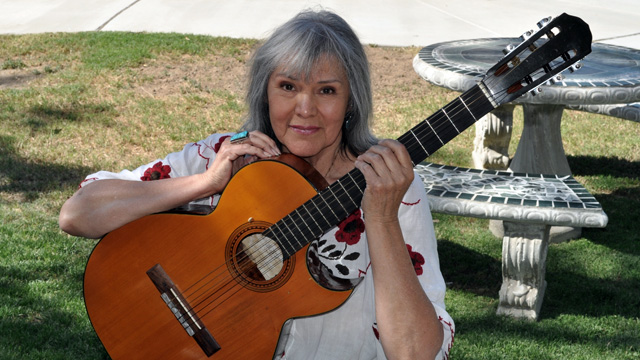
"caption": "At close to 75, Carmencristina Moreno is still playing, composing, and singing every day. (Courtesy Howard Watkins)",
"description": null,
"title": "morenocrop1",
"credit": null,
"status": "inherit",
"isLoading": false,
"fetchFailed": false
},
"news_120549": {
"type": "attachments",
"id": "news_120549",
"meta": {
"index": "attachments_1716263798",
"site": "news",
"id": "120549",
"found": true
},
"parent": 120544,
"imgSizes": {
"kqedFullSize": {
"file": "https://ww2.kqed.org/app/uploads/sites/10/2013/12/201311_NoackOrganOfficial_0146e-sh.jpg",
"width": 800,
"height": 574
}
},
"publishDate": 1386813952,
"modified": 1386813952,
"caption": null,
"description": null,
"title": "201311_NoackOrganOfficial_0146e-sh",
"credit": null,
"status": "inherit",
"isLoading": false,
"fetchFailed": false
},
"news_119736": {
"type": "attachments",
"id": "news_119736",
"meta": {
"index": "attachments_1716263798",
"site": "news",
"id": "119736",
"found": true
},
"parent": 119735,
"imgSizes": {
"kqedFullSize": {
"file": "https://ww2.kqed.org/app/uploads/sites/10/2013/12/9244241786_7a1cc23704_o-e1386008051128.jpg",
"width": 640,
"height": 417
}
},
"publishDate": 1386006843,
"modified": 1386006843,
"caption": "A group of West Oakland recyclers featured in Amir Soltani's \"Dogtown Redemption.\" (Image Copyright 2013, \u003ca href=\"http://www.redemptiondoc.com/\" target=\"_blank\">Redemption\u003c/a>). ",
"description": null,
"title": "Dogtown Redemption ",
"credit": null,
"status": "inherit",
"isLoading": false,
"fetchFailed": false
},
"news_118968": {
"type": "attachments",
"id": "news_118968",
"meta": {
"index": "attachments_1716263798",
"site": "news",
"id": "118968",
"found": true
},
"parent": 118967,
"imgSizes": {
"kqedFullSize": {
"file": "https://ww2.kqed.org/app/uploads/sites/10/2013/11/RS7395_Chess_1nov2013_0019_web-hpf.jpg",
"width": 640,
"height": 427
}
},
"publishDate": 1385056151,
"modified": 1385056151,
"caption": "Downtown chess players persist after having been kicked off off of Market Street. (Sara Bloomberg/KQED)",
"description": null,
"title": "RS7395_Chess_1nov2013_0019_web-hpf",
"credit": null,
"status": "inherit",
"isLoading": false,
"fetchFailed": false
},
"news_118831": {
"type": "attachments",
"id": "news_118831",
"meta": {
"index": "attachments_1716263798",
"site": "news",
"id": "118831",
"found": true
},
"parent": 118827,
"imgSizes": {
"kqedFullSize": {
"file": "https://ww2.kqed.org/app/uploads/sites/10/2013/11/marcus_margo11-e1384905129818.jpg",
"width": 640,
"height": 350
}
},
"publishDate": 1384904958,
"modified": 1384904958,
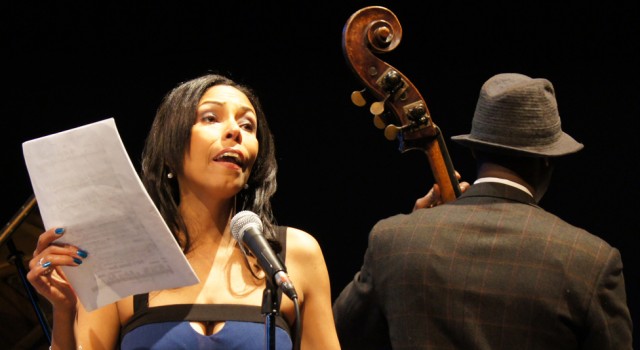
"caption": "Margo Hall, in a scene from \"Be Bop Baby: A Musical Memoir,\" about her childhood as the stepdaughter of the late jazz musician and teacher Teddy Harris Jr. (Courtesy Z Space)",
"description": "Margo Hall, in a scene from \"Be Bop Baby: A Musical Memoir,\" about her childhood as the stepdaughter of the late jazz musician and teacher Teddy Harris Jr. (Courtesy Z Space)",
"title": "SONY DSC",
"credit": null,
"status": "inherit",
"isLoading": false,
"fetchFailed": false
},
"news_117327": {
"type": "attachments",
"id": "news_117327",
"meta": {
"index": "attachments_1716263798",
"site": "news",
"id": "117327",
"found": true
},
"parent": 117319,
"imgSizes": {
"kqedFullSize": {
"file": "https://ww2.kqed.org/app/uploads/sites/10/2013/11/Render-Entry-2012-06-07-e1383699759732.jpg",
"width": 640,
"height": 461
}
},
"publishDate": 1383699518,
"modified": 1383699518,
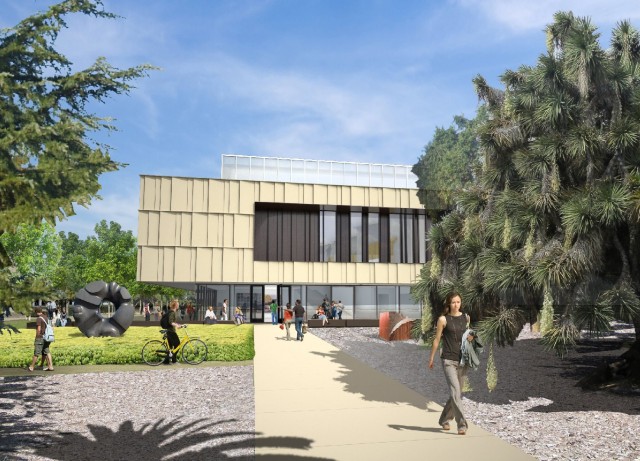
"caption": "Artist's rendering of the museum building for the Anderson Collection at Stanford University. (Courtesy Stanford University.",
"description": null,
"title": "Stanford-Anderson Collection",
"credit": null,
"status": "inherit",
"isLoading": false,
"fetchFailed": false
},
"news_117176": {
"type": "attachments",
"id": "news_117176",
"meta": {
"index": "attachments_1716263798",
"site": "news",
"id": "117176",
"found": true
},
"parent": 117163,
"imgSizes": {
"kqedFullSize": {
"file": "https://ww2.kqed.org/app/uploads/sites/10/2013/11/RS7425_IMG_0155-scr-e1383614555904.jpg",
"width": 640,
"height": 480
}
},
"publishDate": 1383614545,
"modified": 1383614545,
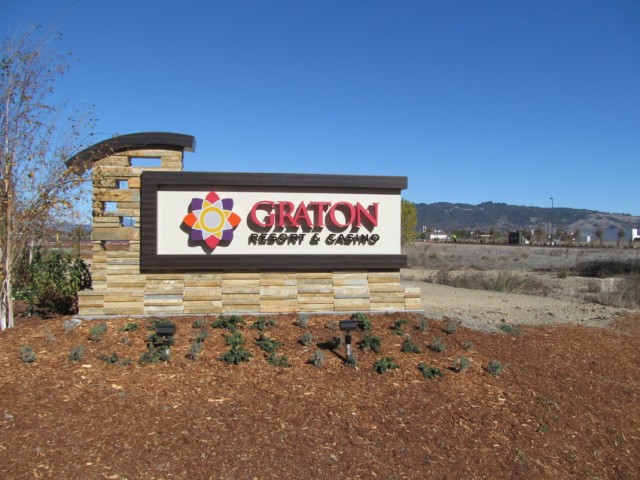
"caption": "Graton Resort & Casino is Northern California's largest tribal casino and cost $800 million. (Stephanie Martin / KQED)",
"description": null,
"title": "RS7425_IMG_0155-scr",
"credit": null,
"status": "inherit",
"isLoading": false,
"fetchFailed": false
},
"news_117094": {
"type": "attachments",
"id": "news_117094",
"meta": {
"index": "attachments_1716263798",
"site": "news",
"id": "117094",
"found": true
},
"parent": 117013,
"imgSizes": {
"kqedFullSize": {
"file": "https://ww2.kqed.org/app/uploads/sites/10/2013/11/Lorne_Michaels_David_Shankbone_2010.jpg",
"width": 481,
"height": 600
}
},
"publishDate": 1383607459,
"modified": 1383607459,
"caption": "Saturday Night Live creator Lorne Michaels in 2010. (Photo: David Shankbone)",
"description": null,
"title": "Lorne_Michaels_David_Shankbone_2010",
"credit": null,
"status": "inherit",
"isLoading": false,
"fetchFailed": false
},
"news_116980": {
"type": "attachments",
"id": "news_116980",
"meta": {
"index": "attachments_1716263798",
"site": "news",
"id": "116980",
"found": true
},
"parent": 116942,
"imgSizes": {
"kqedFullSize": {
"file": "https://ww2.kqed.org/app/uploads/sites/10/2013/11/choboggiemf.jpg",
"width": 640,
"height": 360
}
},
"publishDate": 1383352652,
"modified": 1383352652,
"caption": "Artist Cho Boogie. (Sara Bloomberg/KQED)",
"description": null,
"title": "choboggiemf",
"credit": null,
"status": "inherit",
"isLoading": false,
"fetchFailed": false
},
"news_10342273": {
"type": "attachments",
"id": "news_10342273",
"meta": {
"index": "attachments_1716263798",
"site": "news",
"id": "10342273",
"found": true
},
"parent": 10342270,
"imgSizes": {
"thumbnail": {
"file": "https://ww2.kqed.org/app/uploads/sites/10/2014/10/wildrecordscrop-400x225.jpg",
"width": 400,
"mimeType": "image/jpeg",
"height": 225
},
"kqedFullSize": {
"file": "https://ww2.kqed.org/app/uploads/sites/10/2014/10/wildrecordscrop.jpg",
"width": 640,
"height": 360
},
"guest-author-96": {
"file": "https://ww2.kqed.org/app/uploads/sites/10/2014/10/wildrecordscrop-96x96.jpg",
"width": 96,
"mimeType": "image/jpeg",
"height": 96
},
"guest-author-64": {
"file": "https://ww2.kqed.org/app/uploads/sites/10/2014/10/wildrecordscrop-64x64.jpg",
"width": 64,
"mimeType": "image/jpeg",
"height": 64
},
"detail": {
"file": "https://ww2.kqed.org/app/uploads/sites/10/2014/10/wildrecordscrop-75x75.jpg",
"width": 75,
"mimeType": "image/jpeg",
"height": 75
},
"guest-author-32": {
"file": "https://ww2.kqed.org/app/uploads/sites/10/2014/10/wildrecordscrop-32x32.jpg",
"width": 32,
"mimeType": "image/jpeg",
"height": 32
},
"guest-author-128": {
"file": "https://ww2.kqed.org/app/uploads/sites/10/2014/10/wildrecordscrop-128x128.jpg",
"width": 128,
"mimeType": "image/jpeg",
"height": 128
}
},
"publishDate": 1412366332,
"modified": 1412366332,
"caption": "(Courtesy Wild Records)",
"description": null,
"title": "wildrecordscrop",
"credit": null,
"status": "inherit",
"isLoading": false,
"fetchFailed": false
}
},
"audioPlayerReducer": {
"postId": "stream_live",
"isPaused": true,
"isPlaying": false,
"pfsActive": false,
"pledgeModalIsOpen": true,
"playerDrawerIsOpen": false,
"liveAudioPlayStartedAt": 0,
"liveAudioPlayContext": ""
},
"authorsReducer": {
"byline_news_10342270": {
"type": "authors",
"id": "byline_news_10342270",
"meta": {
"override": true
},
"slug": "byline_news_10342270",
"name": "Avishay Artsy",
"isLoading": false
},
"cmusiker": {
"type": "authors",
"id": "32",
"meta": {
"index": "authors_1716337520",
"id": "32",
"found": true
},
"name": "Cy Musiker",
"firstName": "Cy",
"lastName": "Musiker",
"slug": "cmusiker",
"email": "cmusiker@kqed.org",
"display_author_email": false,
"staff_mastheads": [],
"title": "KQED Contributor",
"bio": "Cy Musiker is a former co-host of The Do List and a former reporter covering the arts for KQED News and The California Report. He loves live performance, especially great theater, jazz, roots music, anything by Mahler. Cy has an MJ from UC Berkeley's School of Journalism, and got his BA from Hampshire College. His work has been recognized by the Society for Professional Journalists with their Sigma Delta Chi Award for Public Service in Journalism. When he can, Cy likes to swim in Tomales Bay, run with his dog in the East Bay Hills, and hike the Sierra.",
"avatar": "https://secure.gravatar.com/avatar/05eaba5c5696ce8f062e4ea2df428a43?s=600&d=blank&r=g",
"twitter": null,
"facebook": null,
"instagram": null,
"linkedin": null,
"sites": [
{
"site": "arts",
"roles": [
"Contributor",
"subscriber"
]
},
{
"site": "news",
"roles": [
"author"
]
},
{
"site": "bayareabites",
"roles": [
"contributor"
]
}
],
"headData": {
"title": "Cy Musiker | KQED",
"description": "KQED Contributor",
"ogImgSrc": "https://secure.gravatar.com/avatar/05eaba5c5696ce8f062e4ea2df428a43?s=600&d=blank&r=g",
"twImgSrc": "https://secure.gravatar.com/avatar/05eaba5c5696ce8f062e4ea2df428a43?s=600&d=blank&r=g"
},
"isLoading": false,
"link": "/author/cmusiker"
},
"jbrooks": {
"type": "authors",
"id": "80",
"meta": {
"index": "authors_1716337520",
"id": "80",
"found": true
},
"name": "Jon Brooks",
"firstName": "Jon",
"lastName": "Brooks",
"slug": "jbrooks",
"email": "jbrooks@kqed.org",
"display_author_email": true,
"staff_mastheads": [
"science"
],
"title": "Digital Editor",
"bio": "Jon Brooks is a former Digital Editor for KQED Science. He is the former editor of KQED’s daily news blog, News Fix. In 2014, he won a California Journalism Award for his coverage of ride services like Uber and Lyft and the taxi industry. A veteran blogger, he previously worked for Yahoo! in various news writing and editing roles. Jon is also a playwright whose work has been produced in San Francisco, New York, Italy, and around the U.S. He has written about film for his own blog and studied film at Boston University.",
"avatar": "https://secure.gravatar.com/avatar/98887f7ed1c876ed414d4c915e969584?s=600&d=blank&r=g",
"twitter": "jbrooksfoy",
"facebook": null,
"instagram": null,
"linkedin": null,
"sites": [
{
"site": "arts",
"roles": [
"Contributor",
"editor"
]
},
{
"site": "news",
"roles": [
"author"
]
},
{
"site": "futureofyou",
"roles": [
"administrator"
]
},
{
"site": "mindshift",
"roles": [
"editor"
]
},
{
"site": "stateofhealth",
"roles": [
"editor"
]
},
{
"site": "science",
"roles": [
"administrator"
]
},
{
"site": "quest",
"roles": [
"editor"
]
}
],
"headData": {
"title": "Jon Brooks | KQED",
"description": "Digital Editor",
"ogImgSrc": "https://secure.gravatar.com/avatar/98887f7ed1c876ed414d4c915e969584?s=600&d=blank&r=g",
"twImgSrc": "https://secure.gravatar.com/avatar/98887f7ed1c876ed414d4c915e969584?s=600&d=blank&r=g"
},
"isLoading": false,
"link": "/author/jbrooks"
},
"danbrekke": {
"type": "authors",
"id": "222",
"meta": {
"index": "authors_1716337520",
"id": "222",
"found": true
},
"name": "Dan Brekke",
"firstName": "Dan",
"lastName": "Brekke",
"slug": "danbrekke",
"email": "dbrekke@kqed.org",
"display_author_email": true,
"staff_mastheads": [
"news",
"science"
],
"title": "KQED Editor and Reporter",
"bio": "Dan Brekke is a reporter and editor for KQED News, responsible for coverage of topics ranging from California water issues to the Bay Area's transportation challenges. In a newsroom career that began in Chicago in 1972, Dan has worked for \u003cem>The San Francisco Examiner,\u003c/em> Wired and TechTV and has been published in The New York Times, The New York Times Magazine, Business 2.0, Salon and elsewhere.\r\n\r\nSince joining KQED in 2007, Dan has reported, edited and produced both radio and online features and breaking news pieces. He has shared as both editor and reporter in four Society of Professional Journalists Norcal Excellence in Journalism awards and one Edward R. Murrow regional award. He was chosen for a spring 2017 residency at the Mesa Refuge to advance his research on California salmon.\r\n\r\nEmail Dan at: \u003ca href=\"mailto:dbrekke@kqed.org\">dbrekke@kqed.org\u003c/a>\r\n\r\n\u003cstrong>Twitter:\u003c/strong> \u003ca href=\"https://twitter.com/danbrekke\" rel=\"noopener noreferrer\">twitter.com/danbrekke\u003c/a>\r\n\u003cstrong>Facebook:\u003c/strong> \u003ca href=\"https://www.facebook.com/danbrekke\" rel=\"noopener noreferrer\">www.facebook.com/danbrekke\u003c/a>\r\n\u003cstrong>LinkedIn:\u003c/strong> \u003ca href=\"https://www.linkedin.com/in/danbrekke\" rel=\"noopener noreferrer\">www.linkedin.com/in/danbrekke\u003c/a>",
"avatar": "https://secure.gravatar.com/avatar/8f1f0d2a978fb3b23426c922c7e2af558fa36905b49c4ce76a97dc3c72d27226?s=600&d=mm&r=g",
"twitter": "danbrekke",
"bluesky": null,
"facebook": null,
"instagram": "https://www.instagram.com/dan.brekke/",
"linkedin": "https://www.linkedin.com/in/danbrekke/",
"sites": [
{
"site": "news",
"roles": [
"administrator",
"create_posts"
]
},
{
"site": "stateofhealth",
"roles": [
"editor"
]
},
{
"site": "science",
"roles": [
"editor"
]
},
{
"site": "quest",
"roles": [
"contributor"
]
},
{
"site": "food",
"roles": [
"contributor"
]
},
{
"site": "forum",
"roles": [
"contributor"
]
},
{
"site": "elections",
"roles": [
"editor"
]
},
{
"site": "liveblog",
"roles": [
"editor"
]
}
],
"headData": {
"title": "Dan Brekke | KQED",
"description": "KQED Editor and Reporter",
"ogImgSrc": "https://secure.gravatar.com/avatar/8f1f0d2a978fb3b23426c922c7e2af558fa36905b49c4ce76a97dc3c72d27226?s=600&d=mm&r=g",
"twImgSrc": "https://secure.gravatar.com/avatar/8f1f0d2a978fb3b23426c922c7e2af558fa36905b49c4ce76a97dc3c72d27226?s=600&d=mm&r=g"
},
"isLoading": false,
"link": "/author/danbrekke"
},
"kqed": {
"type": "authors",
"id": "236",
"meta": {
"index": "authors_1716337520",
"id": "236",
"found": true
},
"name": "KQED News Staff",
"firstName": "KQED News Staff",
"lastName": null,
"slug": "kqed",
"email": "faq@kqed.org",
"display_author_email": false,
"staff_mastheads": [],
"title": null,
"bio": null,
"avatar": "https://secure.gravatar.com/avatar/ef0e801a68c4c54afa9180db14084167?s=600&d=blank&r=g",
"twitter": null,
"facebook": null,
"instagram": null,
"linkedin": null,
"sites": [
{
"site": "arts",
"roles": [
"contributor"
]
},
{
"site": "news",
"roles": [
"editor"
]
},
{
"site": "futureofyou",
"roles": [
"author"
]
}
],
"headData": {
"title": "KQED News Staff | KQED",
"description": null,
"ogImgSrc": "https://secure.gravatar.com/avatar/ef0e801a68c4c54afa9180db14084167?s=600&d=blank&r=g",
"twImgSrc": "https://secure.gravatar.com/avatar/ef0e801a68c4c54afa9180db14084167?s=600&d=blank&r=g"
},
"isLoading": false,
"link": "/author/kqed"
},
"sasha-khokha": {
"type": "authors",
"id": "254",
"meta": {
"index": "authors_1716337520",
"id": "254",
"found": true
},
"name": "Sasha Khokha",
"firstName": "Sasha",
"lastName": "Khokha",
"slug": "sasha-khokha",
"email": "skhokha@kqed.org",
"display_author_email": true,
"staff_mastheads": [
"news"
],
"title": "Host, The California Report Magazine",
"bio": "Sasha Khokha is the host of \u003cem>The California Report's \u003c/em> weekly magazine program, which takes listeners on sound-rich excursions to meet the people that make the Golden State unique -- through audio documentaries and long-form stories. As \u003cem>The California Report's\u003c/em> Central Valley Bureau Chief based in Fresno for nearly a dozen years, Sasha brought the lives and concerns of rural Californians to listeners around the state. Her reporting helped expose the hidden price immigrant women janitors and farmworkers may pay to keep their jobs: sexual assault at work. It inspired two new California laws to protect them from sexual harassment. She was a key member of the reporting team for the Frontline film \u003cem>Rape on the Night Shift, \u003c/em>which was nominated for two national Emmys. Sasha has also won a national Edward R. Murrow and a national PRNDI award for investigative reporting, as well as multiple prizes from the Society for Professional Journalists. Sasha is a proud alum of the UC Berkeley Graduate School of Journalism and Brown University and a member of the South Asian Journalists Association.",
"avatar": "https://secure.gravatar.com/avatar/e4b5e1541aaeea2aa356aa1fb2a68950?s=600&d=blank&r=g",
"twitter": "KQEDSashaKhokha",
"facebook": null,
"instagram": null,
"linkedin": null,
"sites": [
{
"site": "news",
"roles": [
"editor"
]
},
{
"site": "stateofhealth",
"roles": [
"author"
]
},
{
"site": "science",
"roles": [
"author"
]
},
{
"site": "quest",
"roles": [
"subscriber"
]
}
],
"headData": {
"title": "Sasha Khokha | KQED",
"description": "Host, The California Report Magazine",
"ogImgSrc": "https://secure.gravatar.com/avatar/e4b5e1541aaeea2aa356aa1fb2a68950?s=600&d=blank&r=g",
"twImgSrc": "https://secure.gravatar.com/avatar/e4b5e1541aaeea2aa356aa1fb2a68950?s=600&d=blank&r=g"
},
"isLoading": false,
"link": "/author/sasha-khokha"
},
"scottshafer": {
"type": "authors",
"id": "255",
"meta": {
"index": "authors_1716337520",
"id": "255",
"found": true
},
"name": "Scott Shafer",
"firstName": "Scott",
"lastName": "Shafer",
"slug": "scottshafer",
"email": "sshafer@kqed.org",
"display_author_email": false,
"staff_mastheads": [
"news"
],
"title": "KQED Contributor",
"bio": "Scott Shafer is a senior editor with the KQED Politics and Government desk. He is co-host of Political Breakdown, the award-winning radio show and podcast with a personal take on the world of politics. Scott came to KQED in 1998 to host the statewide\u003cem> California Report\u003c/em>. Prior to that he had extended stints in politics and government\u003cem>.\u003c/em> He uses that inside experience at KQED in his, reporting, hosting and analysis for the politics desk. Scott collaborated \u003cem>Political Breakdown a\u003c/em>nd on \u003cem>The Political Mind of Jerry Brown, \u003c/em>an eight-part series about the life and extraordinary political career of the former governor. For fun, he plays water polo with the San Francisco Tsunami.",
"avatar": "https://secure.gravatar.com/avatar/a62ebae45b79d7aed1a39a0e3bf68104?s=600&d=blank&r=g",
"twitter": "scottshafer",
"bluesky": null,
"facebook": null,
"instagram": null,
"linkedin": null,
"sites": [
{
"site": "news",
"roles": [
"editor"
]
},
{
"site": "stateofhealth",
"roles": [
"author"
]
},
{
"site": "science",
"roles": [
"author"
]
},
{
"site": "forum",
"roles": [
"subscriber"
]
},
{
"site": "liveblog",
"roles": [
"author"
]
}
],
"headData": {
"title": "Scott Shafer | KQED",
"description": "KQED Contributor",
"ogImgSrc": "https://secure.gravatar.com/avatar/a62ebae45b79d7aed1a39a0e3bf68104?s=600&d=blank&r=g",
"twImgSrc": "https://secure.gravatar.com/avatar/a62ebae45b79d7aed1a39a0e3bf68104?s=600&d=blank&r=g"
},
"isLoading": false,
"link": "/author/scottshafer"
}
},
"pagesReducer": {
"news_category_arts-and-culture": {
"type": "terms",
"id": "news_223",
"meta": {
"index": "terms_1716263798",
"site": "news",
"id": "223",
"score": 11.242929
},
"featImg": null,
"name": "Arts and Culture",
"description": null,
"taxonomy": "category",
"headData": {
"twImgId": null,
"twTitle": null,
"ogTitle": null,
"ogImgId": null,
"twDescription": null,
"description": null,
"title": "Arts and Culture Archives | KQED News",
"ogDescription": null
},
"ttid": 231,
"slug": "arts-and-culture",
"isLoading": false,
"title": "Arts and Culture",
"pageMeta": {
"site": "news",
"WpPageTemplate": "page-topic-editorial",
"currentPage": 146
},
"blocks": [
{
"blockName": "kqed/post-list",
"attrs": {
"layout": "cardArticle2",
"query": "posts/news?category=arts-and-culture",
"seeMore": false,
"paginated": true,
"page": 146
}
},
{
"blockName": "kqed/ad"
}
]
}
},
"pfsSessionReducer": {},
"postsReducer": {
"stream_live": {
"type": "live",
"id": "stream_live",
"audioUrl": "https://streams.kqed.org/kqedradio",
"title": "Live Stream",
"excerpt": "Live Stream information currently unavailable.",
"link": "/radio",
"featImg": "",
"label": {
"name": "KQED Live",
"link": "/"
}
},
"stream_kqedNewscast": {
"type": "posts",
"id": "stream_kqedNewscast",
"audioUrl": "https://www.kqed.org/.stream/anon/radio/RDnews/newscast.mp3?_=1",
"title": "KQED Newscast",
"featImg": "",
"label": {
"name": "88.5 FM",
"link": "/"
}
},
"news_10341616": {
"type": "posts",
"id": "news_10341616",
"meta": {
"index": "posts_1716263798",
"site": "news",
"id": "10341616",
"score": null,
"sort": [
1388171304000
]
},
"parent": 0,
"labelTerm": {
"site": "news",
"term": 72
},
"blocks": [],
"publishDate": 1388171304,
"format": "standard",
"disqusTitle": "The Chicana First Lady of Song",
"title": "The Chicana First Lady of Song",
"headTitle": "The California Report | KQED News",
"content": "\u003cp> \u003c/p>\n\u003cp>Some call Fresno’s Carmencristina Moreno the “Chicana First Lady of Song.” The 74-year old performer has been strumming a guitar and singing since she was 11.\u003c/p>\n\u003cp>“I was born into the music,” she says. “When I was born, my parents were already singing radio stars in Los Angeles.”\u003c/p>\n\u003cfigure id=\"attachment_10341630\" class=\"wp-caption alignnone\" style=\"max-width: 543px\">\u003ca href=\"http://ww2.kqed.org/news/wp-content/uploads/sites/10/2013/12/5-El-Dueto-de-los-Moreno-with-one-guitar.jpg\">\u003cimg class=\"wp-image-10341630 size-full\" src=\"http://ww2.kqed.org/news/wp-content/uploads/sites/10/2013/12/5-El-Dueto-de-los-Moreno-with-one-guitar.jpg\" alt=\"El Dueto Los Moreno in the 1930s. (photo courtesy Carmencristina Moreno) \" width=\"543\" height=\"818\" srcset=\"https://ww2.kqed.org/app/uploads/sites/10/2013/12/5-El-Dueto-de-los-Moreno-with-one-guitar.jpg 543w, https://ww2.kqed.org/app/uploads/sites/10/2013/12/5-El-Dueto-de-los-Moreno-with-one-guitar-400x602.jpg 400w\" sizes=\"(max-width: 543px) 100vw, 543px\">\u003c/a>\u003cfigcaption class=\"wp-caption-text\">El Dueto Los Moreno in the 1930s. (photo courtesy Carmencristina Moreno)\u003c/figcaption>\u003c/figure>\n\u003cp>Moreno’s parents were pioneers of California’s Mexican music scene in the 1930s, playing guitar and singing together on early morning radio networks, the only time slots that allowed music in Spanish on L.A.’s airwaves. They performed as “El Dueto de los Moreno,” sometimes accompanied by mariachis. Her father, Luis Moreno, composed about 300 songs in the ranchera tradition.\u003c/p>\n\u003cp>“I inherited two kingdoms,” she says, strumming her guitar. “The kingdom of songs of my father, and all those beautiful soft songs in English,” says Moreno, who remembers listening to Ethel Merman and music from Broadway shows as a child.\u003c/p>\n\u003cp>[ad fullwidth]\u003c/p>\n\u003cp>Moreno also remembers her mother, Carmen, leaving on tour, wearing elaborate costume jewelry and embroidered skirts. Her father, Luis, had a pencil-thin mustache that peeked out from under a wide mariachi hat. He had come to the U.S. as a young man in 1919, escaping the Mexican revolution.\u003c/p>\n\u003cp>“He was wounded in the revolution,” Moreno says. “My brother and I used to touch the bullet hole scars on his rib cage on his right side, and on his thigh where he was shot and left for dead.”\u003cbr>\nBut Luis Moreno, who was largely illiterate, didn’t make much money on his songs, even those that were recorded by stars like Pedro Infante and went on to become super hits.\u003c/p>\n\u003cp>“They would present a work-for-hire paper for him to sign, in English, relinquishing all the rights,” says Moreno. “They would dangle 10, 15 dollars in front of him.”\u003c/p>\n\u003cp>Moreno’s parents eventually moved to Fresno, where they became farmworkers to supplement their musical income.\u003c/p>\n\u003cp>Moreno went on to act in Hollywood, and recorded with major labels as “Carmen.” But she couldn’t accept the stereotypical roles available to Latina actresses in the 1970s. And she refused to anglicize her name or ignore her Mexican musical heritage.\u003c/p>\n\u003cp>“I figured, if I’m going to do my own thing, I’m going to do my own thang, honey, and I’m going to do it and sing about what I want to,” she says. She formed her own independent label, and financed herself. She struggled as a single mom, raising three kids as a musician.\u003c/p>\n\u003cp>“I was not above getting a gig in a Mexican restaurant, with a sound system, with a tip jar, and singing all the music that my parents had taught me. I worked in every taco joint in the Coachella Valley,” Moreno laughs.\u003c/p>\n\u003cp>“She wasn’t willing to sacrifice her musical principles. She marched to her own guitar, or guitarra,” laughs Dr. Manuel Peña, a retired professor of ethnomusicology from Fresno State and UT Austin who specializes in Chicano music. He compares Carmencristina Moreno to stars like \u003ca href=\"http://www.npr.org/templates/story/story.php?storyId=127033025\" target=\"_blank\">Lydia Mendoza\u003c/a> or Linda Ronstadt.\u003c/p>\n\u003cp>“They attained more notoriety and fame, but Carmencristina is every bit their equal,” says Peña. “She’s right up there with the foremost of our Mexican-American artists.”\u003c/p>\n\u003cp>What makes Moreno different, he says, is the way she sets lyrics in English to a musical framework rooted in Mexican ranchera music.\u003c/p>\n\u003cp>“That’s hard-core, working-class Mexicano music. But there are other layers of musical development that are superimposed over that ranchera core. That fusion or synthesis, really. She is not the only one to do this, but she is unique in doing it with a single voice and a guitar.”\u003c/p>\n\u003cp>Carmencristina Moreno was awarded the nation’s highest folk art honor when she was named a \u003ca href=\"http://arts.gov/honors/heritage\" target=\"_blank\">National Endowment for the Arts National Heritage Fellow\u003c/a> in 2003. The award recognized her musical contributions to the farmworker movement, and her project\u003ca href=\"http://arts.gov/honors/heritage/fellows/carmencristina-moreno\" target=\"_blank\"> teaching Mexican and U.S. history through music\u003c/a> in Central Valley schools.\u003c/p>\n\u003cp>Now, at close to 75, Carmencristina Moreno is not slowing down, though she’s survived breast cancer and is nursing a shoulder injury after 60 years of holding an acoustic guitar. She’s finishing a book about her father’s experience in the Mexican Revolution, which includes 2 CDs. She lives in her parents’ ramshackle house surrounded by raisin vineyards and almond trees, still composing and playing guitar every day, and taking whatever gigs she can get.\u003c/p>\n\u003cp>\u003c/p>\n\u003cp>“I can only say Carmencristina richly deserves to be known,” says Peña. “She’s like the treasure of the San Joaquin that hasn’t been discovered yet.\u003c/p>\n\n",
"disqusIdentifier": "10341616 http://ww2.kqed.org/news/?p=10341616",
"disqusUrl": "https://ww2.kqed.org/news/2013/12/27/the-chicana-first-lady-of-song/",
"stats": {
"hasVideo": false,
"hasChartOrMap": false,
"hasAudio": false,
"hasPolis": false,
"wordCount": 843,
"hasGoogleForm": false,
"hasGallery": false,
"hasHearkenModule": false,
"iframeSrcs": [],
"paragraphCount": 20
},
"modified": 1412101376,
"excerpt": "Carmencristina Moreno, 74, has been strumming a guitar for more than sixty years.",
"headData": {
"twImgId": "",
"twTitle": "",
"ogTitle": "",
"ogImgId": "",
"twDescription": "",
"description": "Carmencristina Moreno, 74, has been strumming a guitar for more than sixty years.",
"title": "The Chicana First Lady of Song | KQED",
"ogDescription": "",
"schema": {
"@context": "https://schema.org",
"@type": "NewsArticle",
"headline": "The Chicana First Lady of Song",
"datePublished": "2013-12-27T11:08:24-08:00",
"dateModified": "2014-09-30T11:22:56-07:00",
"image": "https://cdn.kqed.org/wp-content/uploads/2020/02/KQED-OG-Image@1x.png",
"isAccessibleForFree": "True",
"publisher": {
"@type": "NewsMediaOrganization",
"@id": "https://www.kqed.org/#organization",
"name": "KQED",
"logo": "https://cdn.kqed.org/wp-content/uploads/2020/02/KQED-OG-Image@1x.png",
"url": "https://www.kqed.org",
"sameAs": [
"https://www.facebook.com/KQED",
"https://twitter.com/KQED",
"https://www.instagram.com/kqed/",
"https://www.tiktok.com/@kqedofficial",
"https://www.linkedin.com/company/kqed",
"https://www.youtube.com/channel/UCeC0IOo7i1P_61zVUWbJ4nw"
]
}
}
},
"guestAuthors": [],
"slug": "the-chicana-first-lady-of-song",
"status": "publish",
"customPermalink": "2013/12/27Carmencristina-Moreno/",
"path": "/news/10341616/the-chicana-first-lady-of-song",
"audioTrackLength": null,
"parsedContent": [
{
"type": "contentString",
"content": "\u003cdiv class=\"post-body\">\u003cp>\u003cp> \u003c/p>\n\u003cp>Some call Fresno’s Carmencristina Moreno the “Chicana First Lady of Song.” The 74-year old performer has been strumming a guitar and singing since she was 11.\u003c/p>\n\u003cp>“I was born into the music,” she says. “When I was born, my parents were already singing radio stars in Los Angeles.”\u003c/p>\n\u003cfigure id=\"attachment_10341630\" class=\"wp-caption alignnone\" style=\"max-width: 543px\">\u003ca href=\"http://ww2.kqed.org/news/wp-content/uploads/sites/10/2013/12/5-El-Dueto-de-los-Moreno-with-one-guitar.jpg\">\u003cimg class=\"wp-image-10341630 size-full\" src=\"http://ww2.kqed.org/news/wp-content/uploads/sites/10/2013/12/5-El-Dueto-de-los-Moreno-with-one-guitar.jpg\" alt=\"El Dueto Los Moreno in the 1930s. (photo courtesy Carmencristina Moreno) \" width=\"543\" height=\"818\" srcset=\"https://ww2.kqed.org/app/uploads/sites/10/2013/12/5-El-Dueto-de-los-Moreno-with-one-guitar.jpg 543w, https://ww2.kqed.org/app/uploads/sites/10/2013/12/5-El-Dueto-de-los-Moreno-with-one-guitar-400x602.jpg 400w\" sizes=\"(max-width: 543px) 100vw, 543px\">\u003c/a>\u003cfigcaption class=\"wp-caption-text\">El Dueto Los Moreno in the 1930s. (photo courtesy Carmencristina Moreno)\u003c/figcaption>\u003c/figure>\n\u003cp>Moreno’s parents were pioneers of California’s Mexican music scene in the 1930s, playing guitar and singing together on early morning radio networks, the only time slots that allowed music in Spanish on L.A.’s airwaves. They performed as “El Dueto de los Moreno,” sometimes accompanied by mariachis. Her father, Luis Moreno, composed about 300 songs in the ranchera tradition.\u003c/p>\n\u003cp>“I inherited two kingdoms,” she says, strumming her guitar. “The kingdom of songs of my father, and all those beautiful soft songs in English,” says Moreno, who remembers listening to Ethel Merman and music from Broadway shows as a child.\u003c/p>\n\u003cp>\u003c/p>\u003c/div>",
"attributes": {
"named": {},
"numeric": []
}
},
{
"type": "component",
"content": "",
"name": "ad",
"attributes": {
"named": {
"label": "fullwidth"
},
"numeric": [
"fullwidth"
]
}
},
{
"type": "contentString",
"content": "\u003cdiv class=\"post-body\">\u003cp>\u003c/p>\n\u003cp>Moreno also remembers her mother, Carmen, leaving on tour, wearing elaborate costume jewelry and embroidered skirts. Her father, Luis, had a pencil-thin mustache that peeked out from under a wide mariachi hat. He had come to the U.S. as a young man in 1919, escaping the Mexican revolution.\u003c/p>\n\u003cp>“He was wounded in the revolution,” Moreno says. “My brother and I used to touch the bullet hole scars on his rib cage on his right side, and on his thigh where he was shot and left for dead.”\u003cbr>\nBut Luis Moreno, who was largely illiterate, didn’t make much money on his songs, even those that were recorded by stars like Pedro Infante and went on to become super hits.\u003c/p>\n\u003cp>“They would present a work-for-hire paper for him to sign, in English, relinquishing all the rights,” says Moreno. “They would dangle 10, 15 dollars in front of him.”\u003c/p>\n\u003cp>Moreno’s parents eventually moved to Fresno, where they became farmworkers to supplement their musical income.\u003c/p>\n\u003cp>Moreno went on to act in Hollywood, and recorded with major labels as “Carmen.” But she couldn’t accept the stereotypical roles available to Latina actresses in the 1970s. And she refused to anglicize her name or ignore her Mexican musical heritage.\u003c/p>\n\u003cp>“I figured, if I’m going to do my own thing, I’m going to do my own thang, honey, and I’m going to do it and sing about what I want to,” she says. She formed her own independent label, and financed herself. She struggled as a single mom, raising three kids as a musician.\u003c/p>\n\u003cp>“I was not above getting a gig in a Mexican restaurant, with a sound system, with a tip jar, and singing all the music that my parents had taught me. I worked in every taco joint in the Coachella Valley,” Moreno laughs.\u003c/p>\n\u003cp>“She wasn’t willing to sacrifice her musical principles. She marched to her own guitar, or guitarra,” laughs Dr. Manuel Peña, a retired professor of ethnomusicology from Fresno State and UT Austin who specializes in Chicano music. He compares Carmencristina Moreno to stars like \u003ca href=\"http://www.npr.org/templates/story/story.php?storyId=127033025\" target=\"_blank\">Lydia Mendoza\u003c/a> or Linda Ronstadt.\u003c/p>\n\u003cp>“They attained more notoriety and fame, but Carmencristina is every bit their equal,” says Peña. “She’s right up there with the foremost of our Mexican-American artists.”\u003c/p>\n\u003cp>What makes Moreno different, he says, is the way she sets lyrics in English to a musical framework rooted in Mexican ranchera music.\u003c/p>\n\u003cp>“That’s hard-core, working-class Mexicano music. But there are other layers of musical development that are superimposed over that ranchera core. That fusion or synthesis, really. She is not the only one to do this, but she is unique in doing it with a single voice and a guitar.”\u003c/p>\n\u003cp>Carmencristina Moreno was awarded the nation’s highest folk art honor when she was named a \u003ca href=\"http://arts.gov/honors/heritage\" target=\"_blank\">National Endowment for the Arts National Heritage Fellow\u003c/a> in 2003. The award recognized her musical contributions to the farmworker movement, and her project\u003ca href=\"http://arts.gov/honors/heritage/fellows/carmencristina-moreno\" target=\"_blank\"> teaching Mexican and U.S. history through music\u003c/a> in Central Valley schools.\u003c/p>\n\u003cp>Now, at close to 75, Carmencristina Moreno is not slowing down, though she’s survived breast cancer and is nursing a shoulder injury after 60 years of holding an acoustic guitar. She’s finishing a book about her father’s experience in the Mexican Revolution, which includes 2 CDs. She lives in her parents’ ramshackle house surrounded by raisin vineyards and almond trees, still composing and playing guitar every day, and taking whatever gigs she can get.\u003c/p>\n\u003cp>\u003c/p>\n\u003cp>“I can only say Carmencristina richly deserves to be known,” says Peña. “She’s like the treasure of the San Joaquin that hasn’t been discovered yet.\u003c/p>\n\n\u003c/div>\u003c/p>",
"attributes": {
"named": {},
"numeric": []
}
}
],
"link": "/news/10341616/the-chicana-first-lady-of-song",
"authors": [
"254"
],
"programs": [
"news_72"
],
"categories": [
"news_223"
],
"tags": [
"news_311",
"news_1425"
],
"featImg": "news_10341622",
"label": "news_72"
},
"news_121746": {
"type": "posts",
"id": "news_121746",
"meta": {
"index": "posts_1716263798",
"site": "news",
"id": "121746",
"score": null,
"sort": [
1388160015000
]
},
"parent": 0,
"labelTerm": {
"site": "news",
"term": 6944
},
"blocks": [],
"publishDate": 1388160015,
"format": "aside",
"disqusTitle": "Tacky, Ghoulish, Undignified: Hey, Everyone! Into the 'Dead Pool'!",
"title": "Tacky, Ghoulish, Undignified: Hey, Everyone! Into the 'Dead Pool'!",
"headTitle": "News Fix | KQED News",
"content": "\u003cfigure id=\"attachment_121749\" class=\"wp-caption aligncenter\" style=\"max-width: 640px\">\u003ca href=\"http://ww2.kqed.org/news/2013/12/23/celebrity-dead-pools-year-end-contest-attracts-macabre/deadpool/\" rel=\"attachment wp-att-121749\">\u003cimg class=\"size-medium wp-image-121749\" src=\"http://ww2.kqed.org/news/wp-content/uploads/sites/10/2013/12/Deadpool-640x480.jpg\" alt=\"Contestants Joel (left) and Jamie (right) join teammate Lisa at Ritual Café in San Francisco as they huddle over spreadsheets and data before making their 2014 Dead Pool picks. (Scott Shafer/KQED)\" width=\"640\" height=\"480\">\u003c/a>\u003cfigcaption class=\"wp-caption-text\">Contestants Joel (left) and Jamie (right) join teammate Lisa at Ritual Café in San Francisco as they huddle over spreadsheets and data before making their 2014 Dead Pool picks. (Scott Shafer/KQED)\u003c/figcaption>\u003c/figure>\n\u003cp>Let’s acknowledge right at the outset: This is tacky, ghoulish and definitely beneath the standards of a classy public media organization like KQED.\u003c/p>\n\u003cp>OK, now let’s get started.\u003c/p>\n\u003cp>For the past 35 years, a shadowy organization has sponsored an annual contest where participants predict which celebrities will die in the coming year. The organizer of this “Dead Pool\" — “Jim” — claims it’s the oldest contest of its type, with about 150 players across the country.\u003c/p>\n\u003cp>The rules are relatively simple. With a $30 entry fee, each team submits the names of 10 famous people from any field — politics, arts, sports, entertainment, etc. — predicted to pass along to the next life in the next calendar year.\u003c/p>\n\u003cp>Nine of the 10 celebrities can be old, infirm, sick, reckless, drug-abusing or ideologically vulnerable (victims of political assassination count). But one must be a “wild card” — someone under age 50 with no apparent vulnerabilities, illnesses, risky hobbies or affiliations (like gangs, organized crime, etc).\u003c/p>\n\u003cp>[ad fullwidth]\u003c/p>\n\u003cp>The team with the most correct choices by year’s end wins the pot, which can approach $5,000. However, any team that correctly picks a wild card (apparently this is rare; the last was John F. Kennedy Jr. in 1999) also gets half the pot.\u003c/p>\n\u003cp>I was recently invited to observe one team mulling over its list for 2014 at a San Francisco café. The first thing I noticed: \u003cem>Nothing is sacred.\u003c/em>\u003c/p>\n\u003cp>“They’ve taken off so many body parts from her, how can she still be alive?,” asks team member, Lisa. (All ask to be identified by their first names only. I wonder why?) The object of her disbelief is 96-year-old\u003ca href=\"http://www.biography.com/people/zsa-zsa-gabor-9542566\" target=\"_blank\"> Zsa Zsa Gabor\u003c/a>, who has survived a car crash, strokes and debilitating surgeries, and is on their 2013 Dead Pool list.\u003c/p>\n\u003cp>Referring to a health emergency the Hungarian-born actress had in 2011, team member Jamie adds “her right leg was amputated \u003cem>above\u003c/em> the knee.” Despite Gabor’s apparent immortality, she seems a shoo-in to make the list again next year.\u003c/p>\n\u003caside class=\"pullquote alignleft\">'They've taken off so many body parts from her, how can she still be alive?'\u003c/aside>\n\u003cp>Also returning to this list: former Israeli Prime Minister \u003ca href=\"http://www.cnn.com/2013/01/28/world/meast/israel-sharon-brain-activity/\" target=\"_blank\">Ariel Sharon\u003c/a>, who’s been on life support since 2006. Reading over \u003ca href=\"http://en.wikipedia.org/wiki/Ariel_Sharon\" target=\"_blank\">Sharon’s Wikipedia entry\u003c/a> on his iPad, Jamie exclaims “What the hell?” He’s \u003cem>already\u003c/em> dead!.” But Sharon's still a viable pick for the contest.\u003c/p>\n\u003cp>Someone notes that \u003ca href=\"http://www.pbs.org/wgbh/pages/frontline/shows/mandela/\" target=\"_blank\">Nelson Mandela\u003c/a>, who died the previous week, was on 66 teams’ lists this year. “If you don’t have people like that on your list, you’re not a serious contender,” says Jamie.\u003c/p>\n\u003cp>The group pores over a master spreadsheet compiled and updated by team member Joel. It lists and rates dozens of candidates, ranging from former Supreme Court Justice \u003ca href=\"http://www.oyez.org/justices/john_paul_stevens\" target=\"_blank\">John Paul Stevens\u003c/a> (age 93) to blues virtuoso \u003ca href=\"http://www.biography.com/people/bb-king-9364839\" target=\"_blank\">B.B. King\u003c/a> (88). Each candidate’s birth year is listed, along with any known diseases, the presence of “hard living” (an added risk) or “healthy living” (a plus) and random notes. Among those rated most likely to die, in addition to Sharon, are author \u003ca href=\"http://www.kennedy-center.org/explorer/artists/?entity_id=3687&source_type=A\" target=\"_blank\">Edward Albee\u003c/a>, singer \u003ca href=\"http://www.arethafranklin.net/us/biography\" target=\"_blank\">Aretha Franklin\u003c/a> and \u003ca href=\"http://www.senate.gov/artandhistory/history/common/generic/VP_Richard_Cheney.htm\" target=\"_blank\">former Vice President Dick Cheney\u003c/a>.\u003c/p>\n\u003cp>The group spends a few minutes focusing on 88-year-old actress \u003ca href=\"http://www.imdb.com/name/nm0834626/\" target=\"_blank\">Elaine Stritch\u003c/a>.\u003c/p>\n\u003cp>Lisa: “She \u003cem>does\u003c/em> walk with a cane.” Joel adds, “A recent \u003ca href=\"http://www.nytimes.com/2013/09/21/theater/as-fierce-as-she-is-fragile-elaine-stritch-in-michigan.html?_r=0\" target=\"_blank\">New York Times profile \u003c/a>of her read like a swan song interview.” Not a good sign. Or in this case, perhaps a notable sign worth considering.\u003c/p>\n\u003cp>“She’s struggled with alcohol,” says Jamie, with an odd combination of concern and enthusiasm, “and Stritch doesn’t have a companion.”\u003c/p>\n\u003cp>These kinds of details are important, others note, because the presence of things like intimate relationships, grandchildren, just-released books, Oscar nominations and the like can add time to a person’s desire to live, thus making them less \"attractive\" for the dead list.\u003c/p>\n\u003cp>The toughest part of the contest of course is the Wild Card pick. Trying to explain who would be eligible and who would not, Jamie says, “\u003ca href=\"http://www.tmz.com/person/charlie-sheen/\" target=\"_blank\">Charlie Sheen\u003c/a> won’t count” because of his repeated bouts with alcohol and substance abuse.\u003c/p>\n\u003cp>There are written guidelines for Wild Card picks, including the \"\u003ca href=\"http://www.officiallizaminnelli.com/blog/?page_id=177\" target=\"_blank\">Liza Minnelli Rule\u003c/a>\": \u003cem>“\u003c/em>\u003cem>A substance-abusing celebrity who has managed to stay clean and sober for five years since his or her last stay at \u003ca href=\"http://www.bettyfordcenter.org/index.php\" target=\"_blank\">Betty Ford’s place\u003c/a> will be eligible as a wild card. In other words, if they have cleaned up the old act, you can use them.”\u003c/em>\u003cem>\u003c/em>\u003c/p>\n\u003cp>Lisa admits they sometimes choose as Wild Cards celebrities who “travel a lot or who annoy us.” Enter \u003ca href=\"http://www.mileycyrus.com/\" target=\"_blank\">Miley Cyrus\u003c/a>. In addition to Wikipedia, the group turns to \"authoritative\" background source material on the rich and famous. “Star magazine, People and religious readings are all good stuff,” says Lisa.\u003c/p>\n\u003cp>When I met with the group in early December, it had had four “hits” in 2013, including Mandela.\u003c/p>\n\u003cp>It turns out that a spate of celebrities died in the closing weeks of 2013, complicating matters for these Dead Pool contestants. Within 24 hours of our meeting, several celebrities died, including actor Peter O’Toole and actress Joan Fontaine. Neither was on this team’s 2013 or 2014 list.\u003c/p>\n\u003cp>Not so for two others. In the past week, famous train robber \u003ca href=\"http://www.cnn.com/2013/12/18/world/europe/uk-ronnie-biggs-death/\" target=\"_blank\">Ronnie Biggs\u003c/a> and \u003ca href=\"http://www.nytimes.com/2013/12/24/world/europe/mikhail-kalashnikov-creator-of-soviet-era-ak-47-weapon-is-dead-at-age-94.html\" target=\"_blank\">Mikhail Kalashnikov\u003c/a>, the Russian inventor of the AK-47 , died, and both had made the group’s 2014 Dead Pool list. But because they died before January 1, it won’t count.\u003c/p>\n\u003cp>“They had the nerve to die on us too early,” Jamie wrote in a tongue-in-cheek email.\u003c/p>\n\u003cp>There are of course different ways to look at this contest. Jamie tries to put the best spin on it. “It’s life-affirming,” he says. “You want others’ picks to live.”\u003c/p>\n\u003cp>\u003c/p>\n\u003cp>“It’s healthy to discuss this,” adds Joel. “We’re all going to die after all.”\u003c/p>\n\n",
"disqusIdentifier": "121746 http://ww2.kqed.org/news/?p=121746",
"disqusUrl": "https://ww2.kqed.org/news/2013/12/27/tacky-ghoulish-undignified-hey-everyone-into-the-dead-pool/",
"stats": {
"hasVideo": false,
"hasChartOrMap": false,
"hasAudio": false,
"hasPolis": false,
"wordCount": 1099,
"hasGoogleForm": false,
"hasGallery": false,
"hasHearkenModule": false,
"iframeSrcs": [],
"paragraphCount": 27
},
"modified": 1388098572,
"excerpt": "One contestant calls it 'life-affirming': an annual competition to guess upcoming celebrity deaths. ",
"headData": {
"twImgId": "",
"twTitle": "",
"ogTitle": "",
"ogImgId": "",
"twDescription": "",
"description": "One contestant calls it 'life-affirming': an annual competition to guess upcoming celebrity deaths. ",
"title": "Tacky, Ghoulish, Undignified: Hey, Everyone! Into the 'Dead Pool'! | KQED",
"ogDescription": "",
"schema": {
"@context": "https://schema.org",
"@type": "NewsArticle",
"headline": "Tacky, Ghoulish, Undignified: Hey, Everyone! Into the 'Dead Pool'!",
"datePublished": "2013-12-27T08:00:15-08:00",
"dateModified": "2013-12-26T14:56:12-08:00",
"image": "https://cdn.kqed.org/wp-content/uploads/2020/02/KQED-OG-Image@1x.png",
"isAccessibleForFree": "True",
"publisher": {
"@type": "NewsMediaOrganization",
"@id": "https://www.kqed.org/#organization",
"name": "KQED",
"logo": "https://cdn.kqed.org/wp-content/uploads/2020/02/KQED-OG-Image@1x.png",
"url": "https://www.kqed.org",
"sameAs": [
"https://www.facebook.com/KQED",
"https://twitter.com/KQED",
"https://www.instagram.com/kqed/",
"https://www.tiktok.com/@kqedofficial",
"https://www.linkedin.com/company/kqed",
"https://www.youtube.com/channel/UCeC0IOo7i1P_61zVUWbJ4nw"
]
}
}
},
"guestAuthors": [],
"slug": "tacky-ghoulish-undignified-hey-everyone-into-the-dead-pool",
"status": "publish",
"customPermalink": "2013/12/23/celebrity-dead-pools-year-end-contest-attracts-macabre/",
"path": "/news/121746/tacky-ghoulish-undignified-hey-everyone-into-the-dead-pool",
"audioTrackLength": null,
"parsedContent": [
{
"type": "contentString",
"content": "\u003cdiv class=\"post-body\">\u003cp>\u003cfigure id=\"attachment_121749\" class=\"wp-caption aligncenter\" style=\"max-width: 640px\">\u003ca href=\"http://ww2.kqed.org/news/2013/12/23/celebrity-dead-pools-year-end-contest-attracts-macabre/deadpool/\" rel=\"attachment wp-att-121749\">\u003cimg class=\"size-medium wp-image-121749\" src=\"http://ww2.kqed.org/news/wp-content/uploads/sites/10/2013/12/Deadpool-640x480.jpg\" alt=\"Contestants Joel (left) and Jamie (right) join teammate Lisa at Ritual Café in San Francisco as they huddle over spreadsheets and data before making their 2014 Dead Pool picks. (Scott Shafer/KQED)\" width=\"640\" height=\"480\">\u003c/a>\u003cfigcaption class=\"wp-caption-text\">Contestants Joel (left) and Jamie (right) join teammate Lisa at Ritual Café in San Francisco as they huddle over spreadsheets and data before making their 2014 Dead Pool picks. (Scott Shafer/KQED)\u003c/figcaption>\u003c/figure>\n\u003cp>Let’s acknowledge right at the outset: This is tacky, ghoulish and definitely beneath the standards of a classy public media organization like KQED.\u003c/p>\n\u003cp>OK, now let’s get started.\u003c/p>\n\u003cp>For the past 35 years, a shadowy organization has sponsored an annual contest where participants predict which celebrities will die in the coming year. The organizer of this “Dead Pool\" — “Jim” — claims it’s the oldest contest of its type, with about 150 players across the country.\u003c/p>\n\u003cp>The rules are relatively simple. With a $30 entry fee, each team submits the names of 10 famous people from any field — politics, arts, sports, entertainment, etc. — predicted to pass along to the next life in the next calendar year.\u003c/p>\n\u003cp>Nine of the 10 celebrities can be old, infirm, sick, reckless, drug-abusing or ideologically vulnerable (victims of political assassination count). But one must be a “wild card” — someone under age 50 with no apparent vulnerabilities, illnesses, risky hobbies or affiliations (like gangs, organized crime, etc).\u003c/p>\n\u003cp>\u003c/p>\u003c/div>",
"attributes": {
"named": {},
"numeric": []
}
},
{
"type": "component",
"content": "",
"name": "ad",
"attributes": {
"named": {
"label": "fullwidth"
},
"numeric": [
"fullwidth"
]
}
},
{
"type": "contentString",
"content": "\u003cdiv class=\"post-body\">\u003cp>\u003c/p>\n\u003cp>The team with the most correct choices by year’s end wins the pot, which can approach $5,000. However, any team that correctly picks a wild card (apparently this is rare; the last was John F. Kennedy Jr. in 1999) also gets half the pot.\u003c/p>\n\u003cp>I was recently invited to observe one team mulling over its list for 2014 at a San Francisco café. The first thing I noticed: \u003cem>Nothing is sacred.\u003c/em>\u003c/p>\n\u003cp>“They’ve taken off so many body parts from her, how can she still be alive?,” asks team member, Lisa. (All ask to be identified by their first names only. I wonder why?) The object of her disbelief is 96-year-old\u003ca href=\"http://www.biography.com/people/zsa-zsa-gabor-9542566\" target=\"_blank\"> Zsa Zsa Gabor\u003c/a>, who has survived a car crash, strokes and debilitating surgeries, and is on their 2013 Dead Pool list.\u003c/p>\n\u003cp>Referring to a health emergency the Hungarian-born actress had in 2011, team member Jamie adds “her right leg was amputated \u003cem>above\u003c/em> the knee.” Despite Gabor’s apparent immortality, she seems a shoo-in to make the list again next year.\u003c/p>\n\u003caside class=\"pullquote alignleft\">'They've taken off so many body parts from her, how can she still be alive?'\u003c/aside>\n\u003cp>Also returning to this list: former Israeli Prime Minister \u003ca href=\"http://www.cnn.com/2013/01/28/world/meast/israel-sharon-brain-activity/\" target=\"_blank\">Ariel Sharon\u003c/a>, who’s been on life support since 2006. Reading over \u003ca href=\"http://en.wikipedia.org/wiki/Ariel_Sharon\" target=\"_blank\">Sharon’s Wikipedia entry\u003c/a> on his iPad, Jamie exclaims “What the hell?” He’s \u003cem>already\u003c/em> dead!.” But Sharon's still a viable pick for the contest.\u003c/p>\n\u003cp>Someone notes that \u003ca href=\"http://www.pbs.org/wgbh/pages/frontline/shows/mandela/\" target=\"_blank\">Nelson Mandela\u003c/a>, who died the previous week, was on 66 teams’ lists this year. “If you don’t have people like that on your list, you’re not a serious contender,” says Jamie.\u003c/p>\n\u003cp>The group pores over a master spreadsheet compiled and updated by team member Joel. It lists and rates dozens of candidates, ranging from former Supreme Court Justice \u003ca href=\"http://www.oyez.org/justices/john_paul_stevens\" target=\"_blank\">John Paul Stevens\u003c/a> (age 93) to blues virtuoso \u003ca href=\"http://www.biography.com/people/bb-king-9364839\" target=\"_blank\">B.B. King\u003c/a> (88). Each candidate’s birth year is listed, along with any known diseases, the presence of “hard living” (an added risk) or “healthy living” (a plus) and random notes. Among those rated most likely to die, in addition to Sharon, are author \u003ca href=\"http://www.kennedy-center.org/explorer/artists/?entity_id=3687&source_type=A\" target=\"_blank\">Edward Albee\u003c/a>, singer \u003ca href=\"http://www.arethafranklin.net/us/biography\" target=\"_blank\">Aretha Franklin\u003c/a> and \u003ca href=\"http://www.senate.gov/artandhistory/history/common/generic/VP_Richard_Cheney.htm\" target=\"_blank\">former Vice President Dick Cheney\u003c/a>.\u003c/p>\n\u003cp>The group spends a few minutes focusing on 88-year-old actress \u003ca href=\"http://www.imdb.com/name/nm0834626/\" target=\"_blank\">Elaine Stritch\u003c/a>.\u003c/p>\n\u003cp>Lisa: “She \u003cem>does\u003c/em> walk with a cane.” Joel adds, “A recent \u003ca href=\"http://www.nytimes.com/2013/09/21/theater/as-fierce-as-she-is-fragile-elaine-stritch-in-michigan.html?_r=0\" target=\"_blank\">New York Times profile \u003c/a>of her read like a swan song interview.” Not a good sign. Or in this case, perhaps a notable sign worth considering.\u003c/p>\n\u003cp>“She’s struggled with alcohol,” says Jamie, with an odd combination of concern and enthusiasm, “and Stritch doesn’t have a companion.”\u003c/p>\n\u003cp>These kinds of details are important, others note, because the presence of things like intimate relationships, grandchildren, just-released books, Oscar nominations and the like can add time to a person’s desire to live, thus making them less \"attractive\" for the dead list.\u003c/p>\n\u003cp>The toughest part of the contest of course is the Wild Card pick. Trying to explain who would be eligible and who would not, Jamie says, “\u003ca href=\"http://www.tmz.com/person/charlie-sheen/\" target=\"_blank\">Charlie Sheen\u003c/a> won’t count” because of his repeated bouts with alcohol and substance abuse.\u003c/p>\n\u003cp>There are written guidelines for Wild Card picks, including the \"\u003ca href=\"http://www.officiallizaminnelli.com/blog/?page_id=177\" target=\"_blank\">Liza Minnelli Rule\u003c/a>\": \u003cem>“\u003c/em>\u003cem>A substance-abusing celebrity who has managed to stay clean and sober for five years since his or her last stay at \u003ca href=\"http://www.bettyfordcenter.org/index.php\" target=\"_blank\">Betty Ford’s place\u003c/a> will be eligible as a wild card. In other words, if they have cleaned up the old act, you can use them.”\u003c/em>\u003cem>\u003c/em>\u003c/p>\n\u003cp>Lisa admits they sometimes choose as Wild Cards celebrities who “travel a lot or who annoy us.” Enter \u003ca href=\"http://www.mileycyrus.com/\" target=\"_blank\">Miley Cyrus\u003c/a>. In addition to Wikipedia, the group turns to \"authoritative\" background source material on the rich and famous. “Star magazine, People and religious readings are all good stuff,” says Lisa.\u003c/p>\n\u003cp>When I met with the group in early December, it had had four “hits” in 2013, including Mandela.\u003c/p>\n\u003cp>It turns out that a spate of celebrities died in the closing weeks of 2013, complicating matters for these Dead Pool contestants. Within 24 hours of our meeting, several celebrities died, including actor Peter O’Toole and actress Joan Fontaine. Neither was on this team’s 2013 or 2014 list.\u003c/p>\n\u003cp>Not so for two others. In the past week, famous train robber \u003ca href=\"http://www.cnn.com/2013/12/18/world/europe/uk-ronnie-biggs-death/\" target=\"_blank\">Ronnie Biggs\u003c/a> and \u003ca href=\"http://www.nytimes.com/2013/12/24/world/europe/mikhail-kalashnikov-creator-of-soviet-era-ak-47-weapon-is-dead-at-age-94.html\" target=\"_blank\">Mikhail Kalashnikov\u003c/a>, the Russian inventor of the AK-47 , died, and both had made the group’s 2014 Dead Pool list. But because they died before January 1, it won’t count.\u003c/p>\n\u003cp>“They had the nerve to die on us too early,” Jamie wrote in a tongue-in-cheek email.\u003c/p>\n\u003cp>There are of course different ways to look at this contest. Jamie tries to put the best spin on it. “It’s life-affirming,” he says. “You want others’ picks to live.”\u003c/p>\n\u003cp>\u003c/p>\n\u003cp>“It’s healthy to discuss this,” adds Joel. “We’re all going to die after all.”\u003c/p>\n\n\u003c/div>\u003c/p>",
"attributes": {
"named": {},
"numeric": []
}
}
],
"link": "/news/121746/tacky-ghoulish-undignified-hey-everyone-into-the-dead-pool",
"authors": [
"255"
],
"programs": [
"news_6944"
],
"categories": [
"news_223"
],
"tags": [
"news_5394",
"news_5395",
"news_5396",
"news_5400",
"news_5399"
],
"label": "news_6944"
},
"news_120544": {
"type": "posts",
"id": "news_120544",
"meta": {
"index": "posts_1716263798",
"site": "news",
"id": "120544",
"score": null,
"sort": [
1386861308000
]
},
"parent": 0,
"labelTerm": {
"site": "news",
"term": 6944
},
"blocks": [],
"publishDate": 1386861308,
"format": "aside",
"disqusTitle": "UC Berkeley's Hertz Hall Debuts a New Old-School Organ",
"title": "UC Berkeley's Hertz Hall Debuts a New Old-School Organ",
"headTitle": "News Fix | KQED News",
"content": "\u003cfigure id=\"attachment_120549\" class=\"wp-caption aligncenter\" style=\"max-width: 640px\">\u003ca href=\"http://ww2.kqed.org/news/wp-content/uploads/sites/10/2013/12/201311_NoackOrganOfficial_0146e-sh.jpg\">\u003cimg class=\"size-medium wp-image-120549\" src=\"http://ww2.kqed.org/news/wp-content/uploads/sites/10/2013/12/201311_NoackOrganOfficial_0146e-sh-640x459.jpg\" alt=\"201311_NoackOrganOfficial_0146e-sh\" width=\"640\" height=\"459\">\u003c/a>\u003cfigcaption class=\"wp-caption-text\">The Noack Organ installed at Hertz Hall. (Courtesy UC Berkeley)\u003c/figcaption>\u003c/figure>\n\u003cp>[gallery columns=\"2\" link=\"file\" ids=\"120550,120551\"]\u003c/p>\n\u003cp>\u003ca href=\"http://music.berkeley.edu/people/profile.php?person=11\" target=\"_blank\">Davit Moroney\u003c/a> sits in the organ loft at UC Berkeley's Hertz Hall. Above him soar the silver pipes of the hall's new \u003ca href=\"http://www.noackorgan.com/news/\" target=\"_blank\">Noack organ\u003c/a>, peeking out from behind some ornately carved wooden screens. The instrument looks a bit like one \u003ca href=\"http://www.let.rug.nl/Linguistics/diversen/bach/map.html\" target=\"_blank\">Johann Sebastian Bach\u003c/a> might have played in the early 18th century.\u003c/p>\n\u003cp>Moroney, a music professor at Berkeley and organist and harpsichordist, says that as much as he cares about the the way the new organ sounds, he also cares deeply that’s it’s a handsome object. \"I’m a strong believer in the fact that if people are looking at something beautiful, they think it sounds even more beautiful,\" he says.\u003c/p>\n\u003cp>The organ is new to Hertz Hall, but not \u003cem>brand\u003c/em> new. It came from a church in Wilmington, Del., that didn’t need the massive instrument anymore.\u003c/p>\n\u003cp>It was built by the \u003ca href=\"http://www.noackorgan.com/history/\" target=\"_blank\">Noack Organ Co.\u003c/a> of Georgetown, Mass., in 1982. The company brought the organ back to its shops in Massachusetts to refurbish it and installed it at Hertz over the summer.\u003c/p>\n\u003cp>[ad fullwidth]\u003c/p>\n\u003cp>The Noack replaces an electronic organ first installed in Hertz Hall in 1958. The old organ was fine, Moroney says, but its electronic action made it better suited to 20th century music and ill-fitted for the core of the classical organ repertory, written by composers like J.S. Bach and his mentor, \u003ca href=\"http://www.allmusic.com/artist/dietrich-buxtehude-mn0001427042/biography\" target=\"_blank\">Dietrich Buxtehude\u003c/a>, in the 17th and 18th centuries.\u003c/p>\n\u003cp>The new organ’s mechanical action allows for great range of dynamics.\u003c/p>\n\u003cp>“If I play slowly, it’s almost like it’s breathing,” Moroney says as he taps out a soft, then a louder note. “All musical instruments are really a kind of speech, just not using words, but using notes.”\u003c/p>\n\u003cp>Moroney says by the difference in touch allows the musician to add clarity to the sound. It’s the equivalent of consonants in language.\u003c/p>\n\u003cp>“It gives a variety to the rhetoric of what we’re playing, by the variety of touch that you can get,” he says.\u003c/p>\n\u003cp>Moroney will play some very loud rhetoric \u003ca href=\"http://events.berkeley.edu/index.php/calendar/sn/music.html?view=quick&timeframe=range&startdate=2013-12-11&enddate=&filter=Secondary%20Event%20Type&filtersel=\" target=\"_blank\">this Friday, Saturday and Sunday,\u003c/a> when he performs, with the UC Berkeley Symphony Orchestra, \u003ca href=\"http://icls.fimc.net/hearhere/article.asp?id=1346566\" target=\"_blank\">Saint-Saens' 3rd Symphony\u003c/a>. It’s popularly known as \"The Organ Symphony\" and features what Moroney calls “the loudest chords in the world.”\u003c/p>\n\u003cp>\u003c/p>\n\u003cp>\u003ciframe src=\"https://w.soundcloud.com/player/?url=https%3A//api.soundcloud.com/tracks/124524475&color=ff6600&auto_play=false&show_artwork=true\" frameborder=\"no\" scrolling=\"no\" width=\"100%\" height=\"166\">\u003c/iframe>\u003c/p>\n\n",
"disqusIdentifier": "120544 http://ww2.kqed.org/news/?p=120544",
"disqusUrl": "https://ww2.kqed.org/news/2013/12/12/uc-berkeleys-hertz-hall-debuts-a-new-old-school-organ/",
"stats": {
"hasVideo": false,
"hasChartOrMap": false,
"hasAudio": true,
"hasPolis": false,
"wordCount": 417,
"hasGoogleForm": false,
"hasGallery": true,
"hasHearkenModule": false,
"iframeSrcs": [],
"paragraphCount": 14
},
"modified": 1414789292,
"excerpt": "Weekend concerts feature newly installed Noack organ -- and some very loud chords. ",
"headData": {
"twImgId": "",
"twTitle": "",
"ogTitle": "",
"ogImgId": "",
"twDescription": "",
"description": "Weekend concerts feature newly installed Noack organ -- and some very loud chords. ",
"title": "UC Berkeley's Hertz Hall Debuts a New Old-School Organ | KQED",
"ogDescription": "",
"schema": {
"@context": "https://schema.org",
"@type": "NewsArticle",
"headline": "UC Berkeley's Hertz Hall Debuts a New Old-School Organ",
"datePublished": "2013-12-12T07:15:08-08:00",
"dateModified": "2014-10-31T14:01:32-07:00",
"image": "https://cdn.kqed.org/wp-content/uploads/2020/02/KQED-OG-Image@1x.png",
"isAccessibleForFree": "True",
"publisher": {
"@type": "NewsMediaOrganization",
"@id": "https://www.kqed.org/#organization",
"name": "KQED",
"logo": "https://cdn.kqed.org/wp-content/uploads/2020/02/KQED-OG-Image@1x.png",
"url": "https://www.kqed.org",
"sameAs": [
"https://www.facebook.com/KQED",
"https://twitter.com/KQED",
"https://www.instagram.com/kqed/",
"https://www.tiktok.com/@kqedofficial",
"https://www.linkedin.com/company/kqed",
"https://www.youtube.com/channel/UCeC0IOo7i1P_61zVUWbJ4nw"
]
}
}
},
"guestAuthors": [],
"slug": "uc-berkeleys-hertz-hall-debuts-a-new-old-school-organ",
"status": "publish",
"customPermalink": "2013/12/11/new-noack-organ-at-uc-berkeley-hertz-hall-is-ready-for-debut/",
"path": "/news/120544/uc-berkeleys-hertz-hall-debuts-a-new-old-school-organ",
"audioTrackLength": null,
"parsedContent": [
{
"type": "contentString",
"content": "\u003cdiv class=\"post-body\">\u003cp>\u003cfigure id=\"attachment_120549\" class=\"wp-caption aligncenter\" style=\"max-width: 640px\">\u003ca href=\"http://ww2.kqed.org/news/wp-content/uploads/sites/10/2013/12/201311_NoackOrganOfficial_0146e-sh.jpg\">\u003cimg class=\"size-medium wp-image-120549\" src=\"http://ww2.kqed.org/news/wp-content/uploads/sites/10/2013/12/201311_NoackOrganOfficial_0146e-sh-640x459.jpg\" alt=\"201311_NoackOrganOfficial_0146e-sh\" width=\"640\" height=\"459\">\u003c/a>\u003cfigcaption class=\"wp-caption-text\">The Noack Organ installed at Hertz Hall. (Courtesy UC Berkeley)\u003c/figcaption>\u003c/figure>\n\u003cp>\u003c/p>\u003c/div>",
"attributes": {
"named": {},
"numeric": []
}
},
{
"type": "component",
"content": "",
"name": "gallery",
"attributes": {
"named": {
"columns": "2",
"link": "file",
"ids": "120550,120551",
"label": ""
},
"numeric": []
}
},
{
"type": "contentString",
"content": "\u003cdiv class=\"post-body\">\u003cp>\u003c/p>\n\u003cp>\u003ca href=\"http://music.berkeley.edu/people/profile.php?person=11\" target=\"_blank\">Davit Moroney\u003c/a> sits in the organ loft at UC Berkeley's Hertz Hall. Above him soar the silver pipes of the hall's new \u003ca href=\"http://www.noackorgan.com/news/\" target=\"_blank\">Noack organ\u003c/a>, peeking out from behind some ornately carved wooden screens. The instrument looks a bit like one \u003ca href=\"http://www.let.rug.nl/Linguistics/diversen/bach/map.html\" target=\"_blank\">Johann Sebastian Bach\u003c/a> might have played in the early 18th century.\u003c/p>\n\u003cp>Moroney, a music professor at Berkeley and organist and harpsichordist, says that as much as he cares about the the way the new organ sounds, he also cares deeply that’s it’s a handsome object. \"I’m a strong believer in the fact that if people are looking at something beautiful, they think it sounds even more beautiful,\" he says.\u003c/p>\n\u003cp>The organ is new to Hertz Hall, but not \u003cem>brand\u003c/em> new. It came from a church in Wilmington, Del., that didn’t need the massive instrument anymore.\u003c/p>\n\u003cp>It was built by the \u003ca href=\"http://www.noackorgan.com/history/\" target=\"_blank\">Noack Organ Co.\u003c/a> of Georgetown, Mass., in 1982. The company brought the organ back to its shops in Massachusetts to refurbish it and installed it at Hertz over the summer.\u003c/p>\n\u003cp>\u003c/p>\u003c/div>",
"attributes": {
"named": {},
"numeric": []
}
},
{
"type": "component",
"content": "",
"name": "ad",
"attributes": {
"named": {
"label": "fullwidth"
},
"numeric": [
"fullwidth"
]
}
},
{
"type": "contentString",
"content": "\u003cdiv class=\"post-body\">\u003cp>\u003c/p>\n\u003cp>The Noack replaces an electronic organ first installed in Hertz Hall in 1958. The old organ was fine, Moroney says, but its electronic action made it better suited to 20th century music and ill-fitted for the core of the classical organ repertory, written by composers like J.S. Bach and his mentor, \u003ca href=\"http://www.allmusic.com/artist/dietrich-buxtehude-mn0001427042/biography\" target=\"_blank\">Dietrich Buxtehude\u003c/a>, in the 17th and 18th centuries.\u003c/p>\n\u003cp>The new organ’s mechanical action allows for great range of dynamics.\u003c/p>\n\u003cp>“If I play slowly, it’s almost like it’s breathing,” Moroney says as he taps out a soft, then a louder note. “All musical instruments are really a kind of speech, just not using words, but using notes.”\u003c/p>\n\u003cp>Moroney says by the difference in touch allows the musician to add clarity to the sound. It’s the equivalent of consonants in language.\u003c/p>\n\u003cp>“It gives a variety to the rhetoric of what we’re playing, by the variety of touch that you can get,” he says.\u003c/p>\n\u003cp>Moroney will play some very loud rhetoric \u003ca href=\"http://events.berkeley.edu/index.php/calendar/sn/music.html?view=quick&timeframe=range&startdate=2013-12-11&enddate=&filter=Secondary%20Event%20Type&filtersel=\" target=\"_blank\">this Friday, Saturday and Sunday,\u003c/a> when he performs, with the UC Berkeley Symphony Orchestra, \u003ca href=\"http://icls.fimc.net/hearhere/article.asp?id=1346566\" target=\"_blank\">Saint-Saens' 3rd Symphony\u003c/a>. It’s popularly known as \"The Organ Symphony\" and features what Moroney calls “the loudest chords in the world.”\u003c/p>\n\u003cp>\u003c/p>\n\u003cp>\u003ciframe src=\"https://w.soundcloud.com/player/?url=https%3A//api.soundcloud.com/tracks/124524475&color=ff6600&auto_play=false&show_artwork=true\" frameborder=\"no\" scrolling=\"no\" width=\"100%\" height=\"166\">\u003c/iframe>\u003c/p>\n\n\u003c/div>\u003c/p>",
"attributes": {
"named": {},
"numeric": []
}
}
],
"link": "/news/120544/uc-berkeleys-hertz-hall-debuts-a-new-old-school-organ",
"authors": [
"32"
],
"programs": [
"news_6944"
],
"categories": [
"news_223",
"news_8"
],
"tags": [
"news_17597"
],
"featImg": "news_120549",
"label": "news_6944"
},
"news_119735": {
"type": "posts",
"id": "news_119735",
"meta": {
"index": "posts_1716263798",
"site": "news",
"id": "119735",
"score": null,
"sort": [
1386009044000
]
},
"parent": 0,
"labelTerm": {
"site": "news",
"term": 6944
},
"blocks": [],
"publishDate": 1386009044,
"format": "aside",
"disqusTitle": "Good Read: 'Dogtown Redemption,' Saga of Oakland Recyclers, Gets Sundance Consideration",
"title": "Good Read: 'Dogtown Redemption,' Saga of Oakland Recyclers, Gets Sundance Consideration",
"headTitle": "News Fix | KQED News",
"content": "\u003cfigure id=\"attachment_119736\" class=\"wp-caption aligncenter\" style=\"max-width: 640px\">\u003ca href=\"http://ww2.kqed.org/news/2013/12/02/good-read/9244241786_7a1cc23704_o/\" rel=\"attachment wp-att-119736\">\u003cimg src=\"http://ww2.kqed.org/news/wp-content/uploads/sites/10/2013/12/9244241786_7a1cc23704_o-e1386008051128.jpg\" alt=\"A group of West Oakland recyclers featured in Amir Soltani's "Dogtown Redemption." (Image Copyright 2013, Redemption). \" width=\"640\" height=\"417\" class=\"size-full wp-image-119736\">\u003c/a>\u003cfigcaption class=\"wp-caption-text\">A group of West Oakland recyclers featured in Amir Soltani's \"Dogtown Redemption.\" (Image Copyright 2013, \u003ca href=\"http://www.redemptiondoc.com/\" target=\"_blank\">Redemption\u003c/a>).\u003c/figcaption>\u003c/figure>\n\u003cp>The Los Angeles Times ran \u003ca href=\"http://www.latimes.com/local/la-me-west-oakland-recyclers-20131201,0,7535591.story#axzz2mL79uBrg\" target=\"_blank\">a nice piece\u003c/a> over the weekend on \"\u003ca href=\"http://www.redemptiondoc.com/index.html\" target=\"_blank\">Dogtown Redemption\u003c/a>,\" a documentary on West Oakland's street recyclers. The story traces how co-director Amir Soltani arrived in the neighborhood and what he found happening in the streets there:\u003c/p>\n\u003cblockquote>\u003cp>The clang clang of the shopping carts formed a spectral nighttime symphony as recyclers congregated from miles around. Some pushed loads of as much as a thousand pounds on rigs lashed together with street ingenuity. Their destination: Alliance Recycling.\u003c/p>\n\u003cp>Local residents had long clashed with Alliance, and transplanted professionals who bought into the townhouse complex were even more vocal in their displeasure. The sounds were cacophonous, and the cash disbursed for glass and aluminum pilfered from private cans was often spent on drugs, booze and sex in plain sight.\u003c/p>\n\u003cp>Soltani saw a bigger picture: the legacy of poor urban planning that had turned a thriving African American enclave into a destitute landscape pocked by industry. And now, gentrification and mounting tensions.\u003c/p>\n\u003cp>He quit his job, bought a camera and became a fixture at Alliance.\u003c/p>\n\u003cp>Six years later, \"Dogtown Redemption,\" the documentary he created with co-director and cinematographer Chihiro Wimbush, is in the hands of judges who will announce this week whether it wins a coveted slot in the \u003ca href=\"http://www.sundance.org/festival/\" target=\"_blank\">Sundance Film Festival\u003c/a>.\n\u003c/p>\u003c/blockquote>\n\u003cp>If \"Dogtown Redemption\" makes the cut, it will be the second Oakland story in as many years to get into the January festival. Last winter, \"\u003ca href=\"http://filmguide.sundance.org/film/13025/fruitvale\" target=\"_blank\">Fruitvale\u003c/a>\" was screened there and won the Grand Jury Prize and audience award for best U.S. feature film. The movie recounts the last day of Oscar Grant, the BART passenger killed on Jan. 1, 2009, by transit police Officer Johannes Mehserle. \u003c/p>\n\u003cp>Here's the trailer for \"Dogtown Redemption\":\u003c/p>\n\u003cdiv class=\"single-video\">\u003ciframe width=\"560\" height=\"315\" src=\"//www.youtube.com/embed/f91smr3ndno\" frameborder=\"0\">\u003c/iframe>\u003c/div>\n\u003cp>[ad fullwidth]\u003c/p>\u003cp>\u003c/p>\n",
"disqusIdentifier": "119735 http://ww2.kqed.org/news/?p=119735",
"disqusUrl": "https://ww2.kqed.org/news/2013/12/02/good-read-dogtown-redemption-saga-of-oakland-recyclers-gets-sundance-consideration/",
"stats": {
"hasVideo": true,
"hasChartOrMap": false,
"hasAudio": false,
"hasPolis": false,
"wordCount": 308,
"hasGoogleForm": false,
"hasGallery": false,
"hasHearkenModule": false,
"iframeSrcs": [],
"paragraphCount": 10
},
"modified": 1386009044,
"excerpt": "From the L.A. Times: Oakland filmmakers await word on whether festival will screen documentary. ",
"headData": {
"twImgId": "",
"twTitle": "",
"ogTitle": "",
"ogImgId": "",
"twDescription": "",
"description": "From the L.A. Times: Oakland filmmakers await word on whether festival will screen documentary. ",
"title": "Good Read: 'Dogtown Redemption,' Saga of Oakland Recyclers, Gets Sundance Consideration | KQED",
"ogDescription": "",
"schema": {
"@context": "https://schema.org",
"@type": "NewsArticle",
"headline": "Good Read: 'Dogtown Redemption,' Saga of Oakland Recyclers, Gets Sundance Consideration",
"datePublished": "2013-12-02T10:30:44-08:00",
"dateModified": "2013-12-02T10:30:44-08:00",
"image": "https://cdn.kqed.org/wp-content/uploads/2020/02/KQED-OG-Image@1x.png",
"isAccessibleForFree": "True",
"publisher": {
"@type": "NewsMediaOrganization",
"@id": "https://www.kqed.org/#organization",
"name": "KQED",
"logo": "https://cdn.kqed.org/wp-content/uploads/2020/02/KQED-OG-Image@1x.png",
"url": "https://www.kqed.org",
"sameAs": [
"https://www.facebook.com/KQED",
"https://twitter.com/KQED",
"https://www.instagram.com/kqed/",
"https://www.tiktok.com/@kqedofficial",
"https://www.linkedin.com/company/kqed",
"https://www.youtube.com/channel/UCeC0IOo7i1P_61zVUWbJ4nw"
]
}
}
},
"guestAuthors": [],
"slug": "good-read-dogtown-redemption-saga-of-oakland-recyclers-gets-sundance-consideration",
"status": "publish",
"customPermalink": "2013/12/02/dogtown-redemption-considered-for-sundance-film-festival/",
"path": "/news/119735/good-read-dogtown-redemption-saga-of-oakland-recyclers-gets-sundance-consideration",
"audioTrackLength": null,
"parsedContent": [
{
"type": "contentString",
"content": "\u003cdiv class=\"post-body\">\u003cp>\u003cfigure id=\"attachment_119736\" class=\"wp-caption aligncenter\" style=\"max-width: 640px\">\u003ca href=\"http://ww2.kqed.org/news/2013/12/02/good-read/9244241786_7a1cc23704_o/\" rel=\"attachment wp-att-119736\">\u003cimg src=\"http://ww2.kqed.org/news/wp-content/uploads/sites/10/2013/12/9244241786_7a1cc23704_o-e1386008051128.jpg\" alt=\"A group of West Oakland recyclers featured in Amir Soltani's "Dogtown Redemption." (Image Copyright 2013, Redemption). \" width=\"640\" height=\"417\" class=\"size-full wp-image-119736\">\u003c/a>\u003cfigcaption class=\"wp-caption-text\">A group of West Oakland recyclers featured in Amir Soltani's \"Dogtown Redemption.\" (Image Copyright 2013, \u003ca href=\"http://www.redemptiondoc.com/\" target=\"_blank\">Redemption\u003c/a>).\u003c/figcaption>\u003c/figure>\n\u003cp>The Los Angeles Times ran \u003ca href=\"http://www.latimes.com/local/la-me-west-oakland-recyclers-20131201,0,7535591.story#axzz2mL79uBrg\" target=\"_blank\">a nice piece\u003c/a> over the weekend on \"\u003ca href=\"http://www.redemptiondoc.com/index.html\" target=\"_blank\">Dogtown Redemption\u003c/a>,\" a documentary on West Oakland's street recyclers. The story traces how co-director Amir Soltani arrived in the neighborhood and what he found happening in the streets there:\u003c/p>\n\u003cblockquote>\u003cp>The clang clang of the shopping carts formed a spectral nighttime symphony as recyclers congregated from miles around. Some pushed loads of as much as a thousand pounds on rigs lashed together with street ingenuity. Their destination: Alliance Recycling.\u003c/p>\n\u003cp>Local residents had long clashed with Alliance, and transplanted professionals who bought into the townhouse complex were even more vocal in their displeasure. The sounds were cacophonous, and the cash disbursed for glass and aluminum pilfered from private cans was often spent on drugs, booze and sex in plain sight.\u003c/p>\n\u003cp>Soltani saw a bigger picture: the legacy of poor urban planning that had turned a thriving African American enclave into a destitute landscape pocked by industry. And now, gentrification and mounting tensions.\u003c/p>\n\u003cp>He quit his job, bought a camera and became a fixture at Alliance.\u003c/p>\n\u003cp>Six years later, \"Dogtown Redemption,\" the documentary he created with co-director and cinematographer Chihiro Wimbush, is in the hands of judges who will announce this week whether it wins a coveted slot in the \u003ca href=\"http://www.sundance.org/festival/\" target=\"_blank\">Sundance Film Festival\u003c/a>.\n\u003c/p>\u003c/blockquote>\n\u003cp>If \"Dogtown Redemption\" makes the cut, it will be the second Oakland story in as many years to get into the January festival. Last winter, \"\u003ca href=\"http://filmguide.sundance.org/film/13025/fruitvale\" target=\"_blank\">Fruitvale\u003c/a>\" was screened there and won the Grand Jury Prize and audience award for best U.S. feature film. The movie recounts the last day of Oscar Grant, the BART passenger killed on Jan. 1, 2009, by transit police Officer Johannes Mehserle. \u003c/p>\n\u003cp>Here's the trailer for \"Dogtown Redemption\":\u003c/p>\n\u003cdiv class=\"single-video\">\u003ciframe width=\"560\" height=\"315\" src=\"//www.youtube.com/embed/f91smr3ndno\" frameborder=\"0\">\u003c/iframe>\u003c/div>\n\u003cp>\u003c/p>\u003c/div>",
"attributes": {
"named": {},
"numeric": []
}
},
{
"type": "component",
"content": "",
"name": "ad",
"attributes": {
"named": {
"label": "fullwidth"
},
"numeric": [
"fullwidth"
]
}
},
{
"type": "contentString",
"content": "\u003cdiv class=\"post-body\">\u003cp>\u003c/p>\u003cp>\u003c/p>\n\u003c/div>\u003c/p>",
"attributes": {
"named": {},
"numeric": []
}
}
],
"link": "/news/119735/good-read-dogtown-redemption-saga-of-oakland-recyclers-gets-sundance-consideration",
"authors": [
"222"
],
"programs": [
"news_6944"
],
"categories": [
"news_223"
],
"tags": [
"news_18",
"news_2318"
],
"featImg": "news_119736",
"label": "news_6944"
},
"news_118967": {
"type": "posts",
"id": "news_118967",
"meta": {
"index": "posts_1716263798",
"site": "news",
"id": "118967",
"score": null,
"sort": [
1385063829000
]
},
"parent": 0,
"labelTerm": {
"site": "news",
"term": 6944
},
"blocks": [],
"publishDate": 1385063829,
"format": "aside",
"disqusTitle": "San Francisco's Downtown Chess Players Relocate to Yerba Buena Gardens",
"title": "San Francisco's Downtown Chess Players Relocate to Yerba Buena Gardens",
"headTitle": "News Fix | KQED News",
"content": "\u003cfigure id=\"attachment_118968\" class=\"wp-caption alignnone\" style=\"max-width: 640px\">\u003ca href=\"http://ww2.kqed.org/news/2013/11/21/chess-san-francisco-downtown-relocate/rs7395_chess_1nov2013_0019_web-hpf/\" rel=\"attachment wp-att-118968\">\u003cimg class=\"size-full wp-image-118968\" src=\"http://ww2.kqed.org/news/wp-content/uploads/sites/10/2013/11/RS7395_Chess_1nov2013_0019_web-hpf.jpg\" alt=\"RS7395_Chess_1nov2013_0019_web-hpf\" width=\"640\" height=\"427\">\u003c/a>\u003cfigcaption class=\"wp-caption-text\">Street chess players relocated to Yerba Buena Gardens after San Francisco police kicked them off of Market Street during a crackdown on peripheral crime. (Sara Bloomberg/KQED)\u003c/figcaption>\u003c/figure>\n\u003cp>\u003cstrong>By Emily Green\u003c/strong>\u003c/p>\n\u003cp>For some 30 years, chess players from all walks of life have congregated on Powell Street in downtown San Francisco to play each other.\u003c/p>\n\u003cp>So when the San Francisco Police Department kicked the players off Market Street in September,\u003ca href=\"http://www.sfgate.com/bayarea/article/Endgame-S-F-police-shut-down-sidewalk-chess-4823376.php\"> citing drug use and crime\u003c/a>, many players as well as longtime city residents were upset by what they viewed as unwarranted interference with a long-standing tradition.\u003c/p>\n\u003cp>“We want our San Francisco tradition back. We want the chess tables back on Fifth and Market,” said Hector Torres, one of the original players on Market, who led a \u003ca href=\"http://news.yahoo.com/dozens-play-chess-public-defy-sf-crackdown-225229091.html\">rally\u003c/a> on Oct. 6 to protest the ban. Dozens of people showed up, folks who had never before played there, but who opposed the ban on principle.\u003c/p>\n\u003cp>The reality was a little more complicated: Even some of the chess players were relieved by the police’s intervention.\u003c/p>\n\u003cp>[ad fullwidth]\u003c/p>\n\u003cp>The players, primarily working-class immigrants from the Philippines, have found a new home at the park by Yerba Buena Center for the Arts, south of Market near downtown. About a dozen of them usually show up – half as many as before. Gone are the homeless and the drunks, and also the tourists. The men – and it’s all men – agree: The new location is safer, and nicer. But it’s also less exciting than on Market Street.\u003c/p>\n\u003cp>It had become “dangerous and dangerous,” said Rizaldy Martin, a regular on Market Street for 20 years.\u003c/p>\n\u003cp>Martin works in the mail room at the Levi’s store, and would go to Market Street after work. The games were like in Manila, he said, where people play on the street. But then drug dealers started coming.\u003c/p>\n\u003caside class=\"pullquote alignleft\"> The new location is safer, and nicer. But it’s also less exciting than on Market Street. \u003c/aside>\n\u003cp>“This [was] just late 2000, it becomes not so good because they use that as a screen. They pretend they are playing in the table, but they are doing their activities around there…. It’s nasty there. People gambling. Really. It’s becoming a bad reputation to chess. If the city OK’d us to go back there, I don’t know. I hope not.”\u003c/p>\n\u003cp>But fellow Filipino Alex Penano misses the old locale. “It has a lot of energy over there. From homeless to rich people to doctors, lawyers, stuff like that. Now it’s just us.”\u003c/p>\n\u003cp>Penano learned to play chess in the Philippines by watching his dad. He said chess is a national pastime in the Philippines. The country has produced 13 chess grand masters, the highest title a chess player can obtain. And one of the best young players in the world right now is from the Philippines.\u003c/p>\n\u003cp>Penano took up the game actively after moving to San Francisco in 1989, following a separation from his wife.\u003c/p>\n\u003cp>“After my divorce I was depressed then, and it relieves my loneliness and stuff by playing chess, because my mind was focusing on chess and not on my divorce,” Penano said.\u003c/p>\n\u003cp>As the night falls, he watches as two of the best players – Manuel Santo and Rizaldy Martin – furiously move their pieces in the waning minutes of the game. Martin is on a winning streak. He has won three in a row. “It goes with the brain,” he said, as he pockets $5 in winnings.\u003c/p>\n\u003cp>Then, with almost no break between games, they begin again.\u003c/p>\n\u003cp>Listen to Emily Green's complete report for KQED News:\u003c/p>\n\u003cp>\u003c/p>\n\u003cp>\u003ciframe width=\"100%\" height=\"166\" scrolling=\"no\" frameborder=\"no\" src=\"https://w.soundcloud.com/player/?url=https%3A//api.soundcloud.com/tracks/121283385%3Fsecret_token%3Ds-tLJZf\">\u003c/iframe>\u003c/p>\n\n",
"disqusIdentifier": "118967 http://ww2.kqed.org/news/?p=118967",
"disqusUrl": "https://ww2.kqed.org/news/2013/11/21/san-franciscos-downtown-chess-players-relocate-to-yerba-buena-gardens/",
"stats": {
"hasVideo": false,
"hasChartOrMap": false,
"hasAudio": true,
"hasPolis": false,
"wordCount": 630,
"hasGoogleForm": false,
"hasGallery": false,
"hasHearkenModule": false,
"iframeSrcs": [],
"paragraphCount": 19
},
"modified": 1385077831,
"excerpt": "The old Market Street location had become too dangerous, according to police and the players.",
"headData": {
"twImgId": "",
"twTitle": "",
"ogTitle": "",
"ogImgId": "",
"twDescription": "",
"description": "The old Market Street location had become too dangerous, according to police and the players.",
"title": "San Francisco's Downtown Chess Players Relocate to Yerba Buena Gardens | KQED",
"ogDescription": "",
"schema": {
"@context": "https://schema.org",
"@type": "NewsArticle",
"headline": "San Francisco's Downtown Chess Players Relocate to Yerba Buena Gardens",
"datePublished": "2013-11-21T11:57:09-08:00",
"dateModified": "2013-11-21T15:50:31-08:00",
"image": "https://cdn.kqed.org/wp-content/uploads/2020/02/KQED-OG-Image@1x.png",
"isAccessibleForFree": "True",
"publisher": {
"@type": "NewsMediaOrganization",
"@id": "https://www.kqed.org/#organization",
"name": "KQED",
"logo": "https://cdn.kqed.org/wp-content/uploads/2020/02/KQED-OG-Image@1x.png",
"url": "https://www.kqed.org",
"sameAs": [
"https://www.facebook.com/KQED",
"https://twitter.com/KQED",
"https://www.instagram.com/kqed/",
"https://www.tiktok.com/@kqedofficial",
"https://www.linkedin.com/company/kqed",
"https://www.youtube.com/channel/UCeC0IOo7i1P_61zVUWbJ4nw"
]
}
}
},
"guestAuthors": [],
"slug": "san-franciscos-downtown-chess-players-relocate-to-yerba-buena-gardens",
"status": "publish",
"customPermalink": "2013/11/21/chess-san-francisco-downtown-relocate/",
"path": "/news/118967/san-franciscos-downtown-chess-players-relocate-to-yerba-buena-gardens",
"audioTrackLength": null,
"parsedContent": [
{
"type": "contentString",
"content": "\u003cdiv class=\"post-body\">\u003cp>\u003cfigure id=\"attachment_118968\" class=\"wp-caption alignnone\" style=\"max-width: 640px\">\u003ca href=\"http://ww2.kqed.org/news/2013/11/21/chess-san-francisco-downtown-relocate/rs7395_chess_1nov2013_0019_web-hpf/\" rel=\"attachment wp-att-118968\">\u003cimg class=\"size-full wp-image-118968\" src=\"http://ww2.kqed.org/news/wp-content/uploads/sites/10/2013/11/RS7395_Chess_1nov2013_0019_web-hpf.jpg\" alt=\"RS7395_Chess_1nov2013_0019_web-hpf\" width=\"640\" height=\"427\">\u003c/a>\u003cfigcaption class=\"wp-caption-text\">Street chess players relocated to Yerba Buena Gardens after San Francisco police kicked them off of Market Street during a crackdown on peripheral crime. (Sara Bloomberg/KQED)\u003c/figcaption>\u003c/figure>\n\u003cp>\u003cstrong>By Emily Green\u003c/strong>\u003c/p>\n\u003cp>For some 30 years, chess players from all walks of life have congregated on Powell Street in downtown San Francisco to play each other.\u003c/p>\n\u003cp>So when the San Francisco Police Department kicked the players off Market Street in September,\u003ca href=\"http://www.sfgate.com/bayarea/article/Endgame-S-F-police-shut-down-sidewalk-chess-4823376.php\"> citing drug use and crime\u003c/a>, many players as well as longtime city residents were upset by what they viewed as unwarranted interference with a long-standing tradition.\u003c/p>\n\u003cp>“We want our San Francisco tradition back. We want the chess tables back on Fifth and Market,” said Hector Torres, one of the original players on Market, who led a \u003ca href=\"http://news.yahoo.com/dozens-play-chess-public-defy-sf-crackdown-225229091.html\">rally\u003c/a> on Oct. 6 to protest the ban. Dozens of people showed up, folks who had never before played there, but who opposed the ban on principle.\u003c/p>\n\u003cp>The reality was a little more complicated: Even some of the chess players were relieved by the police’s intervention.\u003c/p>\n\u003cp>\u003c/p>\u003c/div>",
"attributes": {
"named": {},
"numeric": []
}
},
{
"type": "component",
"content": "",
"name": "ad",
"attributes": {
"named": {
"label": "fullwidth"
},
"numeric": [
"fullwidth"
]
}
},
{
"type": "contentString",
"content": "\u003cdiv class=\"post-body\">\u003cp>\u003c/p>\n\u003cp>The players, primarily working-class immigrants from the Philippines, have found a new home at the park by Yerba Buena Center for the Arts, south of Market near downtown. About a dozen of them usually show up – half as many as before. Gone are the homeless and the drunks, and also the tourists. The men – and it’s all men – agree: The new location is safer, and nicer. But it’s also less exciting than on Market Street.\u003c/p>\n\u003cp>It had become “dangerous and dangerous,” said Rizaldy Martin, a regular on Market Street for 20 years.\u003c/p>\n\u003cp>Martin works in the mail room at the Levi’s store, and would go to Market Street after work. The games were like in Manila, he said, where people play on the street. But then drug dealers started coming.\u003c/p>\n\u003caside class=\"pullquote alignleft\"> The new location is safer, and nicer. But it’s also less exciting than on Market Street. \u003c/aside>\n\u003cp>“This [was] just late 2000, it becomes not so good because they use that as a screen. They pretend they are playing in the table, but they are doing their activities around there…. It’s nasty there. People gambling. Really. It’s becoming a bad reputation to chess. If the city OK’d us to go back there, I don’t know. I hope not.”\u003c/p>\n\u003cp>But fellow Filipino Alex Penano misses the old locale. “It has a lot of energy over there. From homeless to rich people to doctors, lawyers, stuff like that. Now it’s just us.”\u003c/p>\n\u003cp>Penano learned to play chess in the Philippines by watching his dad. He said chess is a national pastime in the Philippines. The country has produced 13 chess grand masters, the highest title a chess player can obtain. And one of the best young players in the world right now is from the Philippines.\u003c/p>\n\u003cp>Penano took up the game actively after moving to San Francisco in 1989, following a separation from his wife.\u003c/p>\n\u003cp>“After my divorce I was depressed then, and it relieves my loneliness and stuff by playing chess, because my mind was focusing on chess and not on my divorce,” Penano said.\u003c/p>\n\u003cp>As the night falls, he watches as two of the best players – Manuel Santo and Rizaldy Martin – furiously move their pieces in the waning minutes of the game. Martin is on a winning streak. He has won three in a row. “It goes with the brain,” he said, as he pockets $5 in winnings.\u003c/p>\n\u003cp>Then, with almost no break between games, they begin again.\u003c/p>\n\u003cp>Listen to Emily Green's complete report for KQED News:\u003c/p>\n\u003cp>\u003c/p>\n\u003cp>\u003ciframe width=\"100%\" height=\"166\" scrolling=\"no\" frameborder=\"no\" src=\"https://w.soundcloud.com/player/?url=https%3A//api.soundcloud.com/tracks/121283385%3Fsecret_token%3Ds-tLJZf\">\u003c/iframe>\u003c/p>\n\n\u003c/div>\u003c/p>",
"attributes": {
"named": {},
"numeric": []
}
}
],
"link": "/news/118967/san-franciscos-downtown-chess-players-relocate-to-yerba-buena-gardens",
"authors": [
"236"
],
"programs": [
"news_6944"
],
"categories": [
"news_223",
"news_6188"
],
"tags": [
"news_5056",
"news_38"
],
"featImg": "news_118968",
"label": "news_6944"
},
"news_118827": {
"type": "posts",
"id": "news_118827",
"meta": {
"index": "posts_1716263798",
"site": "news",
"id": "118827",
"score": null,
"sort": [
1384908739000
]
},
"guestAuthors": [],
"slug": "local-artists-new-play-a-musical-tribute-to-step-dad-and-jazz-great",
"title": "Local Artist's New Play a Musical Tribute to Stepdad and Jazz Great",
"publishDate": 1384908739,
"format": "aside",
"headTitle": "Local Artist’s New Play a Musical Tribute to Stepdad and Jazz Great | KQED",
"labelTerm": {
"term": 6944,
"site": "news"
},
"content": "\u003cp>\u003cstrong>By Cy Musiker\u003c/strong>\u003c/p>\n\u003cfigure id=\"attachment_118831\" class=\"wp-caption alignnone\" style=\"max-width: 640px\">\u003ca href=\"http://ww2.kqed.org/news/2013/11/19/118827/sony-dsc-4/\" rel=\"attachment wp-att-118831\">\u003cimg loading=\"lazy\" decoding=\"async\" class=\"size-full wp-image-118831\" src=\"http://ww2.kqed.org/news/wp-content/uploads/sites/10/2013/11/marcus_margo11-e1384905129818.jpg\" alt='Margo Hall, in a scene from \"Be Bop Baby: A Musical Memoir,\" about her childhood as the stepdaughter of the late jazz musician and teacher Teddy Harris Jr. (Courtesy Z Space)' width=\"640\" height=\"350\">\u003c/a>\u003cfigcaption class=\"wp-caption-text\">Margo Hall, in a scene from “Be Bop Baby: A Musical Memoir,” about her childhood as the stepdaughter of the late jazz musician and teacher Teddy Harris Jr. (Courtesy Z Space)\u003c/figcaption>\u003c/figure>\n\u003cp>Good actors often find inspiration for a role in their personal history.\u003c/p>\n\u003cp>Bay Area actress and director Margo Hall has gone a step further, writing and starring in “Be Bop Baby: A Musical Memoir.”\u003c/p>\n\u003cp>The new play is about her childhood, growing up in Detroit as the stepdaughter of the late \u003ca href=\"http://www.detroitjazzfest.com/satteddyharris.html\">Teddy Harris Jr.\u003c/a>, a jazz musician and teacher. \u003c/p>\n\u003caside class=\"pullquote alignleft\">‘The purity of straight-ahead be bop swing. Because that’s what’s inside of me as well.’\u003c/aside>\n\u003cp>The project started out less as a play than a musical tribute to Harris, who worked with a galaxy of jazz and blues stars from the 1960s — Dinah Washington, Sarah Vaughn, Barbara Streisand, and Aretha Franklin. He was also the musical director for the Supremes, in the years after Diana Ross had left the group.\u003c/p>\n\u003cp>[ad fullwidth]\u003c/p>\n\u003cp>Hall celebrates all that in the play, but gives him most credit for his role as teacher to dozens of young musicians.\u003c/p>\n\u003cp>“And so I grew up with all of these Detroit jazz cats who came in and out of my house,” Hall said in a recent interview. “He started a band, The New Breed Be Bop Society Orchestra, who rehearsed in our basement .” Graduates include jazz greats like James Carter and Geri Allen.\u003c/p>\n\u003cp>“And Teddy established a gig for them every Monday night,” Hall says, “at a club called Dummy George’s. So they were paid musicians.”\u003c/p>\n\u003cp>To tell that part of the story, the play features a 15-piece band led by San Francisco jazz composer and band leader \u003ca href=\"http://www.marcusshelby.com/\">Marcus Shelby\u003c/a>, whose compositions have a lot in common with the music Harris taught his students.\u003c/p>\n\u003cp>“The purity of straight-ahead be bop swing. Because that’s what’s inside of me as well,” said Shelby. “The influence of the blues and of African-American music that is at the center of that.”\u003c/p>\n\u003cp>It was Shelby in fact who won a grant for the project from the Gerbode Foundation.\u003c/p>\n\u003cp>He’d collaborated with Hall before, writing incidental music for the theater company \u003ca href=\"http://camposantosf.tumblr.com/\">Campo Santo\u003c/a>, of which Hall is a founding member.\u003c/p>\n\u003cp>For this project “she would send me MP3’s of her singing into a recorder,” Shelby says, “just the raw idea, and then that would be our starting point, the seed, and then we would work together and that would grow.”\u003c/p>\n\u003cp>Shelby wrote the music, everything from a circus tango (one of Hall’s grandmothers was a trapeze artist), to ballads and blues. Hall wrote the lyrics. “Because I’ve always said I love writing songs, and I’m a songwriter. But then I was put to the test.”\u003c/p>\n\u003cp>So Hall had the makings of an uncomplicated musical about her relationship to her step-dad.\u003c/p>\n\u003cp>“It started there, and then my real dad kept creeping in.” Hall says,” “He wasn’t supposed to be in it.”\u003c/p>\n\u003cp>Hall’s biological dad, Armsby Hall, and her mom divorced when she was just five years old. He was a good man, she says, but “a free spirit, who remarried twice and just wasn’t around much.” And then he came back into Hall’s life, just as she began working on this play.\u003c/p>\n\u003cp>“My mom passed in 2000.” Hall recalls. “Teddy died a few years later. And so my sister, unbeknownst to me, moves my father in.” Into her mother’s house, which inspired Hall to move her father into the play as well.”\u003c/p>\n\u003cp>“So there’s that question of blood is blood,” Hall says, “And my real father is challenging me in this play to say, ‘I’m your father.’ And I’m saying, ‘Well, actually Teddy was my father.’ So that’s sort of where the conflict comes in.”\u003c/p>\n\u003cp>Conflict in Hall’s play and real life.\u003c/p>\n\u003cp>Hall knows her older sisters will come from Detroit to see the show. But when we spoke last week, she didn’t know if her dad would accept her invitation. “The things I’m talking about with my father in this play, I haven’t talked to him fully about. So the question is, will he come see the play.” \u003c/p>\n\u003caside class=\"pullquote alignleft\">“Be Bop Baby: A Musical Memoir” opens Tuesday, Nov. 19, and continues at \u003ca href=\"http://zspace.org/press/be-bop-baby-a-musical-memoir/photos\">Z Space\u003c/a> in San Francisco through Saturday, Nov. 23.\u003c/aside>\n\u003cp>If he does, Hall says, she’d tell her father, getting on in years, the things she’s lacked the courage to say in the past. “For him to realize that I forgive him. And that I really think it’s time we really share time together. Because as he says in the play, ‘God grants us today, right now.’ And we forget that a lot just in our relationships with everyone who we love and care about.”\u003c/p>\n\u003cp>Listen to Cy Musiker’s report on Margo Hall and how “Be Bop Baby” came together: \u003c/p>\n\u003cp>\u003c/p>\n\u003cp>\u003ciframe loading=\"lazy\" src=\"https://w.soundcloud.com/player/?url=https%3A//api.soundcloud.com/tracks/120963826\" frameborder=\"no\" scrolling=\"no\" width=\"100%\" height=\"166\">\u003c/iframe>\u003c/p>\n\n",
"blocks": [],
"excerpt": "'Be Bop Baby' is a memoir of growing up with Teddy Harris Jr. and \"all of these Detroit jazz cats.\"",
"status": "publish",
"parent": 0,
"modified": 1721149378,
"stats": {
"hasAudio": true,
"hasVideo": false,
"hasChartOrMap": false,
"iframeSrcs": [],
"hasGoogleForm": false,
"hasGallery": false,
"hasHearkenModule": false,
"hasPolis": false,
"paragraphCount": 26,
"wordCount": 917
},
"headData": {
"title": "Local Artist's New Play a Musical Tribute to Stepdad and Jazz Great | KQED",
"description": "'Be Bop Baby' is a memoir of growing up with Teddy Harris Jr. and "all of these Detroit jazz cats."",
"ogTitle": "",
"ogDescription": "",
"ogImgId": "",
"twTitle": "",
"twDescription": "",
"twImgId": "",
"schema": {
"@context": "https://schema.org",
"@type": "NewsArticle",
"headline": "Local Artist's New Play a Musical Tribute to Stepdad and Jazz Great",
"datePublished": "2013-11-19T16:52:19-08:00",
"dateModified": "2024-07-16T10:02:58-07:00",
"image": "https://cdn.kqed.org/wp-content/uploads/2020/02/KQED-OG-Image@1x.png",
"isAccessibleForFree": "True",
"publisher": {
"@type": "NewsMediaOrganization",
"@id": "https://www.kqed.org/#organization",
"name": "KQED",
"logo": "https://cdn.kqed.org/wp-content/uploads/2020/02/KQED-OG-Image@1x.png",
"url": "https://www.kqed.org",
"sameAs": [
"https://www.facebook.com/KQED",
"https://twitter.com/KQED",
"https://www.instagram.com/kqed/",
"https://www.tiktok.com/@kqedofficial",
"https://www.linkedin.com/company/kqed",
"https://www.youtube.com/channel/UCeC0IOo7i1P_61zVUWbJ4nw"
]
}
}
},
"sticky": false,
"customPermalink": "2013/11/19/118827/Be-Bop-Baby-Margo-Hall/",
"path": "/news/118827/local-artists-new-play-a-musical-tribute-to-step-dad-and-jazz-great",
"audioTrackLength": null,
"parsedContent": [
{
"type": "contentString",
"content": "\u003cdiv class=\"post-body\">\u003cp>\u003cp>\u003cstrong>By Cy Musiker\u003c/strong>\u003c/p>\n\u003cfigure id=\"attachment_118831\" class=\"wp-caption alignnone\" style=\"max-width: 640px\">\u003ca href=\"http://ww2.kqed.org/news/2013/11/19/118827/sony-dsc-4/\" rel=\"attachment wp-att-118831\">\u003cimg loading=\"lazy\" decoding=\"async\" class=\"size-full wp-image-118831\" src=\"http://ww2.kqed.org/news/wp-content/uploads/sites/10/2013/11/marcus_margo11-e1384905129818.jpg\" alt='Margo Hall, in a scene from \"Be Bop Baby: A Musical Memoir,\" about her childhood as the stepdaughter of the late jazz musician and teacher Teddy Harris Jr. (Courtesy Z Space)' width=\"640\" height=\"350\">\u003c/a>\u003cfigcaption class=\"wp-caption-text\">Margo Hall, in a scene from “Be Bop Baby: A Musical Memoir,” about her childhood as the stepdaughter of the late jazz musician and teacher Teddy Harris Jr. (Courtesy Z Space)\u003c/figcaption>\u003c/figure>\n\u003cp>Good actors often find inspiration for a role in their personal history.\u003c/p>\n\u003cp>Bay Area actress and director Margo Hall has gone a step further, writing and starring in “Be Bop Baby: A Musical Memoir.”\u003c/p>\n\u003cp>The new play is about her childhood, growing up in Detroit as the stepdaughter of the late \u003ca href=\"http://www.detroitjazzfest.com/satteddyharris.html\">Teddy Harris Jr.\u003c/a>, a jazz musician and teacher. \u003c/p>\n\u003caside class=\"pullquote alignleft\">‘The purity of straight-ahead be bop swing. Because that’s what’s inside of me as well.’\u003c/aside>\n\u003cp>The project started out less as a play than a musical tribute to Harris, who worked with a galaxy of jazz and blues stars from the 1960s — Dinah Washington, Sarah Vaughn, Barbara Streisand, and Aretha Franklin. He was also the musical director for the Supremes, in the years after Diana Ross had left the group.\u003c/p>\n\u003cp>\u003c/p>\u003c/div>",
"attributes": {
"named": {},
"numeric": []
}
},
{
"type": "component",
"content": "",
"name": "ad",
"attributes": {
"named": {
"label": "fullwidth"
},
"numeric": [
"fullwidth"
]
}
},
{
"type": "contentString",
"content": "\u003cdiv class=\"post-body\">\u003cp>\u003c/p>\n\u003cp>Hall celebrates all that in the play, but gives him most credit for his role as teacher to dozens of young musicians.\u003c/p>\n\u003cp>“And so I grew up with all of these Detroit jazz cats who came in and out of my house,” Hall said in a recent interview. “He started a band, The New Breed Be Bop Society Orchestra, who rehearsed in our basement .” Graduates include jazz greats like James Carter and Geri Allen.\u003c/p>\n\u003cp>“And Teddy established a gig for them every Monday night,” Hall says, “at a club called Dummy George’s. So they were paid musicians.”\u003c/p>\n\u003cp>To tell that part of the story, the play features a 15-piece band led by San Francisco jazz composer and band leader \u003ca href=\"http://www.marcusshelby.com/\">Marcus Shelby\u003c/a>, whose compositions have a lot in common with the music Harris taught his students.\u003c/p>\n\u003cp>“The purity of straight-ahead be bop swing. Because that’s what’s inside of me as well,” said Shelby. “The influence of the blues and of African-American music that is at the center of that.”\u003c/p>\n\u003cp>It was Shelby in fact who won a grant for the project from the Gerbode Foundation.\u003c/p>\n\u003cp>He’d collaborated with Hall before, writing incidental music for the theater company \u003ca href=\"http://camposantosf.tumblr.com/\">Campo Santo\u003c/a>, of which Hall is a founding member.\u003c/p>\n\u003cp>For this project “she would send me MP3’s of her singing into a recorder,” Shelby says, “just the raw idea, and then that would be our starting point, the seed, and then we would work together and that would grow.”\u003c/p>\n\u003cp>Shelby wrote the music, everything from a circus tango (one of Hall’s grandmothers was a trapeze artist), to ballads and blues. Hall wrote the lyrics. “Because I’ve always said I love writing songs, and I’m a songwriter. But then I was put to the test.”\u003c/p>\n\u003cp>So Hall had the makings of an uncomplicated musical about her relationship to her step-dad.\u003c/p>\n\u003cp>“It started there, and then my real dad kept creeping in.” Hall says,” “He wasn’t supposed to be in it.”\u003c/p>\n\u003cp>Hall’s biological dad, Armsby Hall, and her mom divorced when she was just five years old. He was a good man, she says, but “a free spirit, who remarried twice and just wasn’t around much.” And then he came back into Hall’s life, just as she began working on this play.\u003c/p>\n\u003cp>“My mom passed in 2000.” Hall recalls. “Teddy died a few years later. And so my sister, unbeknownst to me, moves my father in.” Into her mother’s house, which inspired Hall to move her father into the play as well.”\u003c/p>\n\u003cp>“So there’s that question of blood is blood,” Hall says, “And my real father is challenging me in this play to say, ‘I’m your father.’ And I’m saying, ‘Well, actually Teddy was my father.’ So that’s sort of where the conflict comes in.”\u003c/p>\n\u003cp>Conflict in Hall’s play and real life.\u003c/p>\n\u003cp>Hall knows her older sisters will come from Detroit to see the show. But when we spoke last week, she didn’t know if her dad would accept her invitation. “The things I’m talking about with my father in this play, I haven’t talked to him fully about. So the question is, will he come see the play.” \u003c/p>\n\u003caside class=\"pullquote alignleft\">“Be Bop Baby: A Musical Memoir” opens Tuesday, Nov. 19, and continues at \u003ca href=\"http://zspace.org/press/be-bop-baby-a-musical-memoir/photos\">Z Space\u003c/a> in San Francisco through Saturday, Nov. 23.\u003c/aside>\n\u003cp>If he does, Hall says, she’d tell her father, getting on in years, the things she’s lacked the courage to say in the past. “For him to realize that I forgive him. And that I really think it’s time we really share time together. Because as he says in the play, ‘God grants us today, right now.’ And we forget that a lot just in our relationships with everyone who we love and care about.”\u003c/p>\n\u003cp>Listen to Cy Musiker’s report on Margo Hall and how “Be Bop Baby” came together: \u003c/p>\n\u003cp>\u003c/p>\n\u003cp>\u003ciframe loading=\"lazy\" src=\"https://w.soundcloud.com/player/?url=https%3A//api.soundcloud.com/tracks/120963826\" frameborder=\"no\" scrolling=\"no\" width=\"100%\" height=\"166\">\u003c/iframe>\u003c/p>\n\n\u003c/div>\u003c/p>",
"attributes": {
"named": {},
"numeric": []
}
}
],
"link": "/news/118827/local-artists-new-play-a-musical-tribute-to-step-dad-and-jazz-great",
"authors": [
"236"
],
"programs": [
"news_6944"
],
"categories": [
"news_223",
"news_8"
],
"tags": [
"news_5130",
"news_3771",
"news_38"
],
"featImg": "news_118831",
"label": "news_6944"
},
"news_117319": {
"type": "posts",
"id": "news_117319",
"meta": {
"index": "posts_1716263798",
"site": "news",
"id": "117319",
"score": null,
"sort": [
1383746416000
]
},
"parent": 0,
"labelTerm": {
"site": "news",
"term": 6944
},
"blocks": [],
"publishDate": 1383746416,
"format": "aside",
"disqusTitle": "Elite Collection of Modern Masters to Anchor Stanford's Growing 'Arts District'",
"title": "Elite Collection of Modern Masters to Anchor Stanford's Growing 'Arts District'",
"headTitle": "News Fix | KQED News",
"content": "\u003cp>\u003cstrong>By Cy Musiker\u003c/strong>\u003c/p>\n\u003cfigure id=\"attachment_117327\" class=\"wp-caption aligncenter\" style=\"max-width: 640px\">\u003ca href=\"http://ww2.kqed.org/news/2013/11/05/the-anderson-collection-at-stanford-university/render-entry-2012-06-07/\" rel=\"attachment wp-att-117327\">\u003cimg class=\"size-large wp-image-117327\" src=\"http://ww2.kqed.org/news/wp-content/uploads/sites/10/2013/11/Render-Entry-2012-06-07-1024x737.jpg\" alt=\"Artist's rendering of the museum building for the Anderson Collection at Stanford University. (Courtesy Stanford University.)\" width=\"640\" height=\"460\">\u003c/a>\u003cfigcaption class=\"wp-caption-text\">Artist's rendering of the museum building for the Anderson Collection at Stanford University. (Courtesy Stanford University)\u003c/figcaption>\u003c/figure>\n\u003cp>I got a preview Tuesday of a coming arts district and curriculum at Stanford University and the truly drool-worthy collection of modern art that will help anchor it.\u003c/p>\n\u003cp>Jason Linetzky, director of Stanford's \u003ca href=\"http://anderson.stanford.edu/\" target=\"_blank\">Anderson Collection\u003c/a>, led a small group of journalists around the collection at an office complex just off Sand Hill Road.\u003c/p>\n\u003cp>Harry Anderson and his wife Mary are donating 121 paintings and drawings plus a small art library to Stanford, including works by Willem de Kooning, Sam Francis, Richard Diebenkorn and Philip Guston. The collection will be housed in a new museum, now under construction, and due to open next fall.\u003c/p>\n\u003cp>“The front door of Stanford’s campus is the arts,” said Matthew Tiews, executive director of the Arts Programs at Stanford. He cited the new museum, the Bing Concert Hall performing arts center — finished last year — and a new Art and Art History building to be completed by the fall of 2015. Stanford has also added a new requirement that every freshman make some kind of art in their first year at the school.\u003c/p>\n\u003cp>[ad fullwidth]\u003c/p>\n\u003cp>The real fun on Tuesday's tour was the chance to see some of the work the Andersons have collected since they got hooked on art after a 1964 visit to the Louvre in Paris. A better eye than mine has noted the Anderson collection is a careful balance between abstract and figurative works.\u003c/p>\n\u003cp>The Andersons have had the money to buy the best. Harry Anderson and two friends founded Saga Foods (now owned by Marriott) in 1948 while students at New York state's Hobart College, and Anderson, 93, said today the company was profitable from day one.\u003c/p>\n\u003cp>After seeing the works in the collection’s headquarters on Sand Hill Road, we went to the Andersons' home on the Peninsula, where the couple played gracious tour guides as we gawked at the walls, taking in the Rothkos and Gustons.\u003c/p>\n\u003cp>The guest bedroom was maybe a bit intense, with a half dozen paintings by Robert Motherwell.\u003c/p>\n\u003cp>As we entered the dining room, Anderson said, “I can have a feast without having a meal,” pointing to a wall bearing “Lucifer,” a large drip painting by Jackson Pollock.\u003c/p>\n\u003cp>\u003c/p>\n\u003cp>Many of these works will be on display at the collection's new Stanford museum starting next year — which will be free to all visitors. The Andersons will have plenty of art left to keep them company when the facility opens, though, with more than 800 pieces in their collection.\u003c/p>\n\n",
"disqusIdentifier": "117319 http://ww2.kqed.org/news/?p=117319",
"disqusUrl": "https://ww2.kqed.org/news/2013/11/06/elite-collection-of-modern-masters-to-anchor-stanfords-growing-arts-district/",
"stats": {
"hasVideo": false,
"hasChartOrMap": false,
"hasAudio": false,
"hasPolis": false,
"wordCount": 449,
"hasGoogleForm": false,
"hasGallery": false,
"hasHearkenModule": false,
"iframeSrcs": [],
"paragraphCount": 13
},
"modified": 1384202978,
"excerpt": "University's ambitious initiative expands with the addition of a museum to house the Anderson Collection.",
"headData": {
"twImgId": "",
"twTitle": "",
"ogTitle": "",
"ogImgId": "",
"twDescription": "",
"description": "University's ambitious initiative expands with the addition of a museum to house the Anderson Collection.",
"title": "Elite Collection of Modern Masters to Anchor Stanford's Growing 'Arts District' | KQED",
"ogDescription": "",
"schema": {
"@context": "https://schema.org",
"@type": "NewsArticle",
"headline": "Elite Collection of Modern Masters to Anchor Stanford's Growing 'Arts District'",
"datePublished": "2013-11-06T06:00:16-08:00",
"dateModified": "2013-11-11T12:49:38-08:00",
"image": "https://cdn.kqed.org/wp-content/uploads/2020/02/KQED-OG-Image@1x.png",
"isAccessibleForFree": "True",
"publisher": {
"@type": "NewsMediaOrganization",
"@id": "https://www.kqed.org/#organization",
"name": "KQED",
"logo": "https://cdn.kqed.org/wp-content/uploads/2020/02/KQED-OG-Image@1x.png",
"url": "https://www.kqed.org",
"sameAs": [
"https://www.facebook.com/KQED",
"https://twitter.com/KQED",
"https://www.instagram.com/kqed/",
"https://www.tiktok.com/@kqedofficial",
"https://www.linkedin.com/company/kqed",
"https://www.youtube.com/channel/UCeC0IOo7i1P_61zVUWbJ4nw"
]
}
}
},
"guestAuthors": [],
"slug": "elite-collection-of-modern-masters-to-anchor-stanfords-growing-arts-district",
"status": "publish",
"customPermalink": "2013/11/05/the-anderson-collection-at-stanford-university/",
"path": "/news/117319/elite-collection-of-modern-masters-to-anchor-stanfords-growing-arts-district",
"audioTrackLength": null,
"parsedContent": [
{
"type": "contentString",
"content": "\u003cdiv class=\"post-body\">\u003cp>\u003cp>\u003cstrong>By Cy Musiker\u003c/strong>\u003c/p>\n\u003cfigure id=\"attachment_117327\" class=\"wp-caption aligncenter\" style=\"max-width: 640px\">\u003ca href=\"http://ww2.kqed.org/news/2013/11/05/the-anderson-collection-at-stanford-university/render-entry-2012-06-07/\" rel=\"attachment wp-att-117327\">\u003cimg class=\"size-large wp-image-117327\" src=\"http://ww2.kqed.org/news/wp-content/uploads/sites/10/2013/11/Render-Entry-2012-06-07-1024x737.jpg\" alt=\"Artist's rendering of the museum building for the Anderson Collection at Stanford University. (Courtesy Stanford University.)\" width=\"640\" height=\"460\">\u003c/a>\u003cfigcaption class=\"wp-caption-text\">Artist's rendering of the museum building for the Anderson Collection at Stanford University. (Courtesy Stanford University)\u003c/figcaption>\u003c/figure>\n\u003cp>I got a preview Tuesday of a coming arts district and curriculum at Stanford University and the truly drool-worthy collection of modern art that will help anchor it.\u003c/p>\n\u003cp>Jason Linetzky, director of Stanford's \u003ca href=\"http://anderson.stanford.edu/\" target=\"_blank\">Anderson Collection\u003c/a>, led a small group of journalists around the collection at an office complex just off Sand Hill Road.\u003c/p>\n\u003cp>Harry Anderson and his wife Mary are donating 121 paintings and drawings plus a small art library to Stanford, including works by Willem de Kooning, Sam Francis, Richard Diebenkorn and Philip Guston. The collection will be housed in a new museum, now under construction, and due to open next fall.\u003c/p>\n\u003cp>“The front door of Stanford’s campus is the arts,” said Matthew Tiews, executive director of the Arts Programs at Stanford. He cited the new museum, the Bing Concert Hall performing arts center — finished last year — and a new Art and Art History building to be completed by the fall of 2015. Stanford has also added a new requirement that every freshman make some kind of art in their first year at the school.\u003c/p>\n\u003cp>\u003c/p>\u003c/div>",
"attributes": {
"named": {},
"numeric": []
}
},
{
"type": "component",
"content": "",
"name": "ad",
"attributes": {
"named": {
"label": "fullwidth"
},
"numeric": [
"fullwidth"
]
}
},
{
"type": "contentString",
"content": "\u003cdiv class=\"post-body\">\u003cp>\u003c/p>\n\u003cp>The real fun on Tuesday's tour was the chance to see some of the work the Andersons have collected since they got hooked on art after a 1964 visit to the Louvre in Paris. A better eye than mine has noted the Anderson collection is a careful balance between abstract and figurative works.\u003c/p>\n\u003cp>The Andersons have had the money to buy the best. Harry Anderson and two friends founded Saga Foods (now owned by Marriott) in 1948 while students at New York state's Hobart College, and Anderson, 93, said today the company was profitable from day one.\u003c/p>\n\u003cp>After seeing the works in the collection’s headquarters on Sand Hill Road, we went to the Andersons' home on the Peninsula, where the couple played gracious tour guides as we gawked at the walls, taking in the Rothkos and Gustons.\u003c/p>\n\u003cp>The guest bedroom was maybe a bit intense, with a half dozen paintings by Robert Motherwell.\u003c/p>\n\u003cp>As we entered the dining room, Anderson said, “I can have a feast without having a meal,” pointing to a wall bearing “Lucifer,” a large drip painting by Jackson Pollock.\u003c/p>\n\u003cp>\u003c/p>\n\u003cp>Many of these works will be on display at the collection's new Stanford museum starting next year — which will be free to all visitors. The Andersons will have plenty of art left to keep them company when the facility opens, though, with more than 800 pieces in their collection.\u003c/p>\n\n\u003c/div>\u003c/p>",
"attributes": {
"named": {},
"numeric": []
}
}
],
"link": "/news/117319/elite-collection-of-modern-masters-to-anchor-stanfords-growing-arts-district",
"authors": [
"236"
],
"programs": [
"news_6944"
],
"categories": [
"news_223"
],
"tags": [
"news_5030",
"news_178",
"news_1928"
],
"featImg": "news_117327",
"label": "news_6944"
},
"news_117163": {
"type": "posts",
"id": "news_117163",
"meta": {
"index": "posts_1716263798",
"site": "news",
"id": "117163",
"score": null,
"sort": [
1383696942000
]
},
"guestAuthors": [],
"slug": "controversial-rohnert-park-casino-set-to-open-today",
"title": "Graton Casino Opens With Massive Crowd, Epic Gridlock",
"publishDate": 1383696942,
"format": "aside",
"headTitle": "Graton Casino Opens With Massive Crowd, Epic Gridlock | KQED",
"labelTerm": {
"term": 6944,
"site": "news"
},
"content": "\u003cp>\u003cstrong>By Stephanie Martin\u003c/strong>\u003c/p>\n\u003cfigure id=\"attachment_117176\" class=\"wp-caption alignnone\" style=\"max-width: 640px\">\u003ca href=\"http://ww2.kqed.org/news/2013/11/04/casino-Rohnert-Park/rs7425_img_0155-scr/\" rel=\"attachment wp-att-117176\">\u003cimg loading=\"lazy\" decoding=\"async\" class=\"size-full wp-image-117176\" src=\"http://ww2.kqed.org/news/wp-content/uploads/sites/10/2013/11/RS7425_IMG_0155-scr-e1383614555904.jpg\" alt=\"Graton Resort and Casino is Northern California's largest tribal casino and cost $800 million. (Stephanie Martin/KQED)\" width=\"640\" height=\"480\">\u003c/a>\u003cfigcaption class=\"wp-caption-text\">Graton Resort and Casino is expected to draw between 8,000 and 10,000 people a day. (Stephanie Martin/KQED)\u003c/figcaption>\u003c/figure>\n\u003cp>\u003cstrong>Update, 4:15 p.m.:\u003c/strong> Those who predicted the new Graton Resort & Casino would be wildly popular when it opened were right. So were those who feared that casino traffic would cause gridlock on roads leading to the complex.\u003c/p>\n\u003cp>How bad was the traffic when the casino opened this morning? Check out this tweet from the city of Rohnert Park:\u003c/p>\n\u003cblockquote class=\"twitter-tweet\">\u003cp>The Graton Casino is filled to capacity at this time! Traffic through Rohnert Park and on surface streets in the area is extremely congested\u003c/p>\n\u003cp>— City of Rohnert Park (@RPTrafficUpdate) \u003ca href=\"https://twitter.com/RPTrafficUpdate/statuses/397807255933816832\">November 5, 2013\u003c/a>\u003c/p>\u003c/blockquote>\n\u003cp>Or this one, from Santa Rosa Press Democrat reporter \u003ca href=\"https://twitter.com/BrettWilkison\" target=\"_blank\" rel=\"noopener\">Brett Wilkinson\u003c/a>:\u003c/p>\n\u003cblockquote class=\"twitter-tweet\">\u003cp>Overflow crowd at casino opening in Rohnert Park likened to “dumbest zombie movie you’ve ever seen” by CHP spokesman \u003ca href=\"http://t.co/KTPtKhXqb5\">http://t.co/KTPtKhXqb5\u003c/a>\u003c/p>\n\u003cp>— Brett Wilkison (@BrettWilkison) \u003ca href=\"https://twitter.com/BrettWilkison/statuses/397840026568232960\">November 5, 2013\u003c/a>\u003c/p>\u003c/blockquote>\n\u003cp>What’s all the fuss about? Here’s our \u003cstrong>original post: \u003c/strong>\u003c/p>\n\u003cp>[ad fullwidth]\u003c/p>\n\u003cp>It’s game on for Northern California’s largest tribal casino.\u003c/p>\n\u003cp>The $800 million \u003ca href=\"https://mail.kqed.org/owa/redir.aspx?C=5409900bdf804664aa8df016df1c3c38&URL=https%3a%2f%2fwww.gratonresortcasino.com%2f\" target=\"_blank\" rel=\"noopener\">Graton Resort & Casino\u003c/a>, just outside Rohnert Park in southern Sonoma County, officially opens its doors at 10 a.m. The 24/7 operation includes 3,000 slot and video poker machines, 144 gaming tables, a food court and four full-service restaurants.\u003c/p>\n\u003cp>“It’s huge and it’s gorgeous,” said Vera Blanquie, membership representative at the Rohnert Park Chamber of Commerce. She says she and her colleagues received a private tour of the complex about two months ago.\u003c/p>\n\u003cp>“Marble floor, huge chandeliers – we kind of felt like we were in Las Vegas,” she laughed.\u003c/p>\n\u003cp>The casino, owned by the \u003ca href=\"https://mail.kqed.org/owa/redir.aspx?C=5409900bdf804664aa8df016df1c3c38&URL=http%3a%2f%2fwww.gratonrancheria.com%2fourpeople.htm\" target=\"_blank\" rel=\"noopener\">Federated Indians of Graton Rancheria\u003c/a>, faced strong opposition from the surrounding community when planning began 10 years ago, and \u003ca href=\"https://mail.kqed.org/owa/redir.aspx?C=5409900bdf804664aa8df016df1c3c38&URL=http%3a%2f%2fwww.stopthecasino101.com%2f\" target=\"_blank\" rel=\"noopener\">a group of Sonoma County residents\u003c/a> \u003cstrong>\u003c/strong>continues to wage a legal battle to shut it down. Opponents, and even some supporters, say an influx of new visitors to the region will likely mean more crime, pollution and traffic congestion, not to mention competition for local businesses.\u003c/p>\n\u003cp>On the eve of the grand opening, however, many in Rohnert Park expressed optimism.\u003c/p>\n\u003cp>“We’re really excited about having them as a neighbor,” said Danny Kotzin, manager of the In-N-Out Burger near the casino’s main entrance. Kotzin says he’s spent the past several months preparing for the casino opening by hiring extra restaurant staff and training them to handle larger crowds.\u003c/p>\n\u003cp>“I think they’re going to do a lot for the community as far as opening up jobs for everybody,” he added.\u003c/p>\n\u003cp>Public safety officials say they expect the casino to eventually draw between 8,000 and 10,000 people a day, but they say the first few days and weeks could draw \u003ca href=\"https://mail.kqed.org/owa/redir.aspx?C=5409900bdf804664aa8df016df1c3c38&URL=http%3a%2f%2fwww.pressdemocrat.com%2farticle%2f20131103%2farticles%2f131109891\" target=\"_blank\" rel=\"noopener\">much more traffic\u003c/a>. California Highway Patrol spokesman Jonathan Sloat advises staying off northbound U.S. 101 in Sonoma, at least for the next few days.\u003c/p>\n\u003cp>\u003c/p>\n\u003cp>“Know your alternate routes,” Sloat cautioned. “You’d be amazed at how many people know one way to get someplace and they’ve lived here their whole life.”\u003c/p>\n\n",
"blocks": [],
"excerpt": "Opening day of huge casino was expected to draw a big crowd and cause traffic problems -- and it did. ",
"status": "publish",
"parent": 0,
"modified": 1721149321,
"stats": {
"hasAudio": false,
"hasVideo": false,
"hasChartOrMap": false,
"iframeSrcs": [],
"hasGoogleForm": false,
"hasGallery": false,
"hasHearkenModule": false,
"hasPolis": false,
"paragraphCount": 21,
"wordCount": 560
},
"headData": {
"title": "Graton Casino Opens With Massive Crowd, Epic Gridlock | KQED",
"description": "Opening day of huge casino was expected to draw a big crowd and cause traffic problems -- and it did. ",
"ogTitle": "",
"ogDescription": "",
"ogImgId": "",
"twTitle": "",
"twDescription": "",
"twImgId": "",
"schema": {
"@context": "https://schema.org",
"@type": "NewsArticle",
"headline": "Graton Casino Opens With Massive Crowd, Epic Gridlock",
"datePublished": "2013-11-05T16:15:42-08:00",
"dateModified": "2024-07-16T10:02:01-07:00",
"image": "https://cdn.kqed.org/wp-content/uploads/2020/02/KQED-OG-Image@1x.png",
"isAccessibleForFree": "True",
"publisher": {
"@type": "NewsMediaOrganization",
"@id": "https://www.kqed.org/#organization",
"name": "KQED",
"logo": "https://cdn.kqed.org/wp-content/uploads/2020/02/KQED-OG-Image@1x.png",
"url": "https://www.kqed.org",
"sameAs": [
"https://www.facebook.com/KQED",
"https://twitter.com/KQED",
"https://www.instagram.com/kqed/",
"https://www.tiktok.com/@kqedofficial",
"https://www.linkedin.com/company/kqed",
"https://www.youtube.com/channel/UCeC0IOo7i1P_61zVUWbJ4nw"
]
}
}
},
"sticky": false,
"customPermalink": "2013/11/04/casino-Rohnert-Park/",
"path": "/news/117163/controversial-rohnert-park-casino-set-to-open-today",
"audioTrackLength": null,
"parsedContent": [
{
"type": "contentString",
"content": "\u003cdiv class=\"post-body\">\u003cp>\u003cp>\u003cstrong>By Stephanie Martin\u003c/strong>\u003c/p>\n\u003cfigure id=\"attachment_117176\" class=\"wp-caption alignnone\" style=\"max-width: 640px\">\u003ca href=\"http://ww2.kqed.org/news/2013/11/04/casino-Rohnert-Park/rs7425_img_0155-scr/\" rel=\"attachment wp-att-117176\">\u003cimg loading=\"lazy\" decoding=\"async\" class=\"size-full wp-image-117176\" src=\"http://ww2.kqed.org/news/wp-content/uploads/sites/10/2013/11/RS7425_IMG_0155-scr-e1383614555904.jpg\" alt=\"Graton Resort and Casino is Northern California's largest tribal casino and cost $800 million. (Stephanie Martin/KQED)\" width=\"640\" height=\"480\">\u003c/a>\u003cfigcaption class=\"wp-caption-text\">Graton Resort and Casino is expected to draw between 8,000 and 10,000 people a day. (Stephanie Martin/KQED)\u003c/figcaption>\u003c/figure>\n\u003cp>\u003cstrong>Update, 4:15 p.m.:\u003c/strong> Those who predicted the new Graton Resort & Casino would be wildly popular when it opened were right. So were those who feared that casino traffic would cause gridlock on roads leading to the complex.\u003c/p>\n\u003cp>How bad was the traffic when the casino opened this morning? Check out this tweet from the city of Rohnert Park:\u003c/p>\n\u003cblockquote class=\"twitter-tweet\">\u003cp>The Graton Casino is filled to capacity at this time! Traffic through Rohnert Park and on surface streets in the area is extremely congested\u003c/p>\n\u003cp>— City of Rohnert Park (@RPTrafficUpdate) \u003ca href=\"https://twitter.com/RPTrafficUpdate/statuses/397807255933816832\">November 5, 2013\u003c/a>\u003c/p>\u003c/blockquote>\n\u003cp>Or this one, from Santa Rosa Press Democrat reporter \u003ca href=\"https://twitter.com/BrettWilkison\" target=\"_blank\" rel=\"noopener\">Brett Wilkinson\u003c/a>:\u003c/p>\n\u003cblockquote class=\"twitter-tweet\">\u003cp>Overflow crowd at casino opening in Rohnert Park likened to “dumbest zombie movie you’ve ever seen” by CHP spokesman \u003ca href=\"http://t.co/KTPtKhXqb5\">http://t.co/KTPtKhXqb5\u003c/a>\u003c/p>\n\u003cp>— Brett Wilkison (@BrettWilkison) \u003ca href=\"https://twitter.com/BrettWilkison/statuses/397840026568232960\">November 5, 2013\u003c/a>\u003c/p>\u003c/blockquote>\n\u003cp>What’s all the fuss about? Here’s our \u003cstrong>original post: \u003c/strong>\u003c/p>\n\u003cp>\u003c/p>\u003c/div>",
"attributes": {
"named": {},
"numeric": []
}
},
{
"type": "component",
"content": "",
"name": "ad",
"attributes": {
"named": {
"label": "fullwidth"
},
"numeric": [
"fullwidth"
]
}
},
{
"type": "contentString",
"content": "\u003cdiv class=\"post-body\">\u003cp>\u003c/p>\n\u003cp>It’s game on for Northern California’s largest tribal casino.\u003c/p>\n\u003cp>The $800 million \u003ca href=\"https://mail.kqed.org/owa/redir.aspx?C=5409900bdf804664aa8df016df1c3c38&URL=https%3a%2f%2fwww.gratonresortcasino.com%2f\" target=\"_blank\" rel=\"noopener\">Graton Resort & Casino\u003c/a>, just outside Rohnert Park in southern Sonoma County, officially opens its doors at 10 a.m. The 24/7 operation includes 3,000 slot and video poker machines, 144 gaming tables, a food court and four full-service restaurants.\u003c/p>\n\u003cp>“It’s huge and it’s gorgeous,” said Vera Blanquie, membership representative at the Rohnert Park Chamber of Commerce. She says she and her colleagues received a private tour of the complex about two months ago.\u003c/p>\n\u003cp>“Marble floor, huge chandeliers – we kind of felt like we were in Las Vegas,” she laughed.\u003c/p>\n\u003cp>The casino, owned by the \u003ca href=\"https://mail.kqed.org/owa/redir.aspx?C=5409900bdf804664aa8df016df1c3c38&URL=http%3a%2f%2fwww.gratonrancheria.com%2fourpeople.htm\" target=\"_blank\" rel=\"noopener\">Federated Indians of Graton Rancheria\u003c/a>, faced strong opposition from the surrounding community when planning began 10 years ago, and \u003ca href=\"https://mail.kqed.org/owa/redir.aspx?C=5409900bdf804664aa8df016df1c3c38&URL=http%3a%2f%2fwww.stopthecasino101.com%2f\" target=\"_blank\" rel=\"noopener\">a group of Sonoma County residents\u003c/a> \u003cstrong>\u003c/strong>continues to wage a legal battle to shut it down. Opponents, and even some supporters, say an influx of new visitors to the region will likely mean more crime, pollution and traffic congestion, not to mention competition for local businesses.\u003c/p>\n\u003cp>On the eve of the grand opening, however, many in Rohnert Park expressed optimism.\u003c/p>\n\u003cp>“We’re really excited about having them as a neighbor,” said Danny Kotzin, manager of the In-N-Out Burger near the casino’s main entrance. Kotzin says he’s spent the past several months preparing for the casino opening by hiring extra restaurant staff and training them to handle larger crowds.\u003c/p>\n\u003cp>“I think they’re going to do a lot for the community as far as opening up jobs for everybody,” he added.\u003c/p>\n\u003cp>Public safety officials say they expect the casino to eventually draw between 8,000 and 10,000 people a day, but they say the first few days and weeks could draw \u003ca href=\"https://mail.kqed.org/owa/redir.aspx?C=5409900bdf804664aa8df016df1c3c38&URL=http%3a%2f%2fwww.pressdemocrat.com%2farticle%2f20131103%2farticles%2f131109891\" target=\"_blank\" rel=\"noopener\">much more traffic\u003c/a>. California Highway Patrol spokesman Jonathan Sloat advises staying off northbound U.S. 101 in Sonoma, at least for the next few days.\u003c/p>\n\u003cp>\u003c/p>\n\u003cp>“Know your alternate routes,” Sloat cautioned. “You’d be amazed at how many people know one way to get someplace and they’ve lived here their whole life.”\u003c/p>\n\n\u003c/div>\u003c/p>",
"attributes": {
"named": {},
"numeric": []
}
}
],
"link": "/news/117163/controversial-rohnert-park-casino-set-to-open-today",
"authors": [
"236"
],
"programs": [
"news_6944"
],
"categories": [
"news_223",
"news_8"
],
"tags": [
"news_1261",
"news_5026",
"news_4981"
],
"featImg": "news_117176",
"label": "news_6944"
},
"news_117013": {
"type": "posts",
"id": "news_117013",
"meta": {
"index": "posts_1716263798",
"site": "news",
"id": "117013",
"score": null,
"sort": [
1383609602000
]
},
"guestAuthors": [],
"slug": "writer-of-saturday-night-live-letter-on-lack-of-diversity-responds-to-this-weekends-sketch",
"title": "Oakland Civil Rights Group Turns Up Heat On 'SNL' Over Lack of Diversity",
"publishDate": 1383609602,
"format": "aside",
"headTitle": "Oakland Civil Rights Group Turns Up Heat On ‘SNL’ Over Lack of Diversity | KQED",
"labelTerm": {
"term": 6944,
"site": "news"
},
"content": "\u003cfigure id=\"attachment_117094\" class=\"wp-caption alignright\" style=\"max-width: 170px\">\u003cimg loading=\"lazy\" decoding=\"async\" class=\"size-full wp-image-117094\" src=\"http://ww2.kqed.org/news/wp-content/uploads/sites/10/2013/11/Lorne_Michaels_David_Shankbone_2010.jpg\" alt=\"Saturday Night Live creator Lorne Michaels in 2010. (Photo: David Shankbone)\" width=\"170\" height=\"212\">\u003cfigcaption class=\"wp-caption-text\">Saturday Night Live creator Lorne Michaels in 2010. (Photo: David Shankbone)\u003c/figcaption>\u003c/figure>\n\u003cp>There was a bit of a stir this weekend when \u003ca href=\"http://www.hollywoodreporter.com/live-feed/snl-lorne-michaels-asked-by-652441\" target=\"_blank\" rel=\"noopener\">The Hollywood Reporter posted a letter\u003c/a> from Rashad Robinson, executive director of Oakland-based \u003ca href=\"http://colorofchange.org/\" target=\"_blank\" rel=\"noopener\">ColorOfChange.org\u003c/a>, to Lorne Michaels, the eternal uber-honcho of Saturday Night Live. The letter expressed dismay at African-American SNL cast member Kenan Thompson’s recent \u003ca href=\"http://www.tvguide.com/News/SNL-Diversity-Issue-Kenan-Thompson-1072056.aspx\" target=\"_blank\" rel=\"noopener\">comments to TV Guide\u003c/a> about the show’s perpetual lack of black comediennes.\u003c/p>\n\u003cp>“It’s just a tough part of the business,” Thompson said. “Like in auditions, they just never find ones that are ready.”\u003c/p>\n\u003cp>That comment made \u003ca href=\"https://www.google.com/search?q=kenan+thompson\" target=\"_blank\" rel=\"noopener\">headlines\u003c/a> and did not go over well, naturally, with \u003ca href=\"http://www.mediaite.com/tv/three-black-female-comedians-fire-back-at-snls-kenan-thompson/\" target=\"_blank\" rel=\"noopener\">black comediennes\u003c/a>.\u003c/p>\n\u003cp>Robinson’s letter to Michaels also criticized the show for its depiction of black women. Excerpt:\u003c/p>\n\u003cblockquote>\u003cp>In the 39-year history of SNL\u003cem>,\u003c/em> just three Black women have joined the show’s repertory cast. The first, \u003cstrong>Danitra Vance\u003c/strong>, was hired after the show had already been on air for a decade, and quit after a short period because she was only given tired roles written expressly to demean and dismiss Black women, including baby mamas, maids and women with a bad attitude. That was 1986 — when I was in elementary school — and it seems little has changed over the course of my lifetime.\u003cem> \u003c/em>\u003c/p>\n\u003cp>Since\u003cstrong> Maya Rudolph\u003c/strong>‘s departure in 2007, SNL has failed to cast even one Black woman — yet still manages to traffic in dehumanizing portrayals that make race and gender the butt of the joke. Whether it’s Kenan Thompson in drag as the crass, sexually aggressive “Virginiaca,” or white cast member \u003cstrong>Cecily Strong\u003c/strong> voicing “Verquonica” — a “large, non-functional” (i.e. overweight and lazy), unmistakably “Black” Starbucks coffee machine — SNL seems committed to aggressively continuing to push images of Black women as incompetent, rude, hypersexual and financially dependent. Frankly, we’re tired of this disrespect.\u003c/p>\u003c/blockquote>\n\u003cp>After that letter was made public, Lorne Michaels talked to the Associated Press about the issue. “It’s not like it’s not a priority for us,” he said about the paucity of black women. “It will happen. I’m sure it will happen.” \u003c!--more-->\u003c/p>\n\u003cp>[ad fullwidth]\u003c/p>\n\u003cp>Diversity on the show has been a hot topic since \u003ca href=\"http://blog.zap2it.com/frominsidethebox/2013/09/saturday-night-live-season-39-six-new-cast-members-introduced-reflecting-a-startling-lack-of-diversi.html\" target=\"_blank\" rel=\"noopener\">six new cast members, five white men and one white woman, were announced\u003c/a> in September. (Since then, cast member Jay Pharaoh has \u003ca href=\"http://thegrio.com/2013/09/27/snls-jay-pharoah-on-a-mission-to-bring-a-black-woman-on-cast-they-need-to-pay-attention/\" target=\"_blank\" rel=\"noopener\">publicly stated he is pushing for a black woman named Darmirra Brunson\u003c/a> to join the show.)\u003c/p>\n\u003cp>On Saturday, SNL opened with this \u003ca href=\"http://www.hulu.com/watch/553590\" target=\"_blank\" rel=\"noopener\">sketch featuring Jay Pharoah and guest host Kerry Washington\u003c/a>, which addressed the issue head-on …\u003c/p>\n\u003cp>\u003ciframe loading=\"lazy\" src=\"http://www.hulu.com/embed.html?eid=-tfa-ookpqonkoiguqbzgw\" frameborder=\"0\" scrolling=\"no\" width=\"512\" height=\"288\">\u003c/iframe>\u003c/p>\n\u003cp> \u003c/p>\n\u003cp>I talked to ColorOfChange.org’s Rashad Robinson today to see what he thought about what appeared to be the show’s on-air response to this issue.\u003c/p>\n\u003cp>Here’s an edited transcript of our interview:\u003c/p>\n\u003cp>\u003cstrong>Jon Brooks\u003c/strong>: What did you think of the opening sketch?\u003c/p>\n\u003cp>\u003cstrong>Rashad Robinson\u003c/strong>: I thought the opening sketch was funny, but at the end of the day it doesn’t change the fact that when the show went off air, Saturday Night Live went back to not having any black women in its cast.\u003c/p>\n\u003cp>This is not really funny; this is an opportunity now after all the jokes are done for Lorne Michaels and for the other producers to make a change in its casting and in the way that they continue to represent black folks, and black women in particular.\u003c/p>\n\u003cp>\u003cstrong>Brooks\u003c/strong>: Over the years a lot of \u003ca href=\"http://asiasociety.org/blog/asia/what-web-saying-about-snls-chinese-peasant-laborers\" target=\"_blank\" rel=\"noopener\">groups\u003c/a> been at \u003ca href=\"http://www.afb.org/section.aspx?SubTopicID=43&DocumentID=4528\" target=\"_blank\" rel=\"noopener\">upset\u003c/a> at SNL at the way they’ve been portrayed. What do you say to those who say stereotypes are part and parcel of this show’s humor, and that they treat all groups equally disrespectfully?\u003c/p>\n\u003cp>\u003cstrong>Robinson\u003c/strong>: A show that doesn’t hire certain groups yet depicts them doesn’t actually treat them equally. When you’re not at the table you’re on the menu. While black folks can be the butt of the joke at SNL, they’re not allowed to be in on the joke, because we’re not represented in the writers pool and, for black women, not represented in the cast.\u003c/p>\n\u003cp>The question here is not can the community laugh at itself, the question here is about a show like SNL, which has created such a pipeline for other opportunity, from Tina Fey to Conan O’Brien to Jimmy Fallon to so many folks who have moved through it over the years — when the door is closed, when the opportunity is limited in a place like this, it creates real impact downstream.\u003c/p>\n\u003cp>When Kenan Thompson came out and said the reason why there were no black women added to the cast is that black women simply weren’t ready for the show, it underscored this ongoing idea that somehow when diversity isn’t present, when people of color aren’t at the table, that somehow it is their own fault. After 39 years of this show being on the air and only three black women being part of the cast, this is not a question about a certain group of people, this is a question of the producers and their priorities.\u003c/p>\n\u003cp>\u003cstrong>Brooks\u003c/strong>: It seems like there’s been even less representation of Latinos and Asians …\u003c/p>\n\u003cp>\u003cstrong>Robinson\u003c/strong>: Absolutely. SNL’s diversity problems don’t stop with its representation of black folks. As we continue the discussion and as we work with our friends and allies in the Asian Pacific Islander and Latino communities, we are obviously open to having a broader discussion around diversity and not only talking about the ongoing pipeline challenges for black actors and comedians but the lack of diversity as a whole.\u003c/p>\n\u003cp>\u003c/p>\n\u003cp> \u003c/p>\n\n",
"blocks": [],
"excerpt": "Oakland-based ColorOfChange.org has been critical of SNL's perpetual lack of black comediennes.",
"status": "publish",
"parent": 0,
"modified": 1721147114,
"stats": {
"hasAudio": false,
"hasVideo": false,
"hasChartOrMap": true,
"iframeSrcs": [
"http://www.hulu.com/embed.html"
],
"hasGoogleForm": false,
"hasGallery": false,
"hasHearkenModule": false,
"hasPolis": false,
"paragraphCount": 23,
"wordCount": 987
},
"headData": {
"title": "Oakland Civil Rights Group Turns Up Heat On 'SNL' Over Lack of Diversity | KQED",
"description": "Oakland-based ColorOfChange.org has been critical of SNL's perpetual lack of black comediennes.",
"ogTitle": "",
"ogDescription": "",
"ogImgId": "",
"twTitle": "",
"twDescription": "",
"twImgId": "",
"schema": {
"@context": "https://schema.org",
"@type": "NewsArticle",
"headline": "Oakland Civil Rights Group Turns Up Heat On 'SNL' Over Lack of Diversity",
"datePublished": "2013-11-04T16:00:02-08:00",
"dateModified": "2024-07-16T09:25:14-07:00",
"image": "https://cdn.kqed.org/wp-content/uploads/2020/02/KQED-OG-Image@1x.png",
"isAccessibleForFree": "True",
"publisher": {
"@type": "NewsMediaOrganization",
"@id": "https://www.kqed.org/#organization",
"name": "KQED",
"logo": "https://cdn.kqed.org/wp-content/uploads/2020/02/KQED-OG-Image@1x.png",
"url": "https://www.kqed.org",
"sameAs": [
"https://www.facebook.com/KQED",
"https://twitter.com/KQED",
"https://www.instagram.com/kqed/",
"https://www.tiktok.com/@kqedofficial",
"https://www.linkedin.com/company/kqed",
"https://www.youtube.com/channel/UCeC0IOo7i1P_61zVUWbJ4nw"
]
}
}
},
"sticky": false,
"customPermalink": "2013/11/04/snl-color-of-change/",
"path": "/news/117013/writer-of-saturday-night-live-letter-on-lack-of-diversity-responds-to-this-weekends-sketch",
"audioTrackLength": null,
"parsedContent": [
{
"type": "contentString",
"content": "\u003cdiv class=\"post-body\">\u003cp>\u003cfigure id=\"attachment_117094\" class=\"wp-caption alignright\" style=\"max-width: 170px\">\u003cimg loading=\"lazy\" decoding=\"async\" class=\"size-full wp-image-117094\" src=\"http://ww2.kqed.org/news/wp-content/uploads/sites/10/2013/11/Lorne_Michaels_David_Shankbone_2010.jpg\" alt=\"Saturday Night Live creator Lorne Michaels in 2010. (Photo: David Shankbone)\" width=\"170\" height=\"212\">\u003cfigcaption class=\"wp-caption-text\">Saturday Night Live creator Lorne Michaels in 2010. (Photo: David Shankbone)\u003c/figcaption>\u003c/figure>\n\u003cp>There was a bit of a stir this weekend when \u003ca href=\"http://www.hollywoodreporter.com/live-feed/snl-lorne-michaels-asked-by-652441\" target=\"_blank\" rel=\"noopener\">The Hollywood Reporter posted a letter\u003c/a> from Rashad Robinson, executive director of Oakland-based \u003ca href=\"http://colorofchange.org/\" target=\"_blank\" rel=\"noopener\">ColorOfChange.org\u003c/a>, to Lorne Michaels, the eternal uber-honcho of Saturday Night Live. The letter expressed dismay at African-American SNL cast member Kenan Thompson’s recent \u003ca href=\"http://www.tvguide.com/News/SNL-Diversity-Issue-Kenan-Thompson-1072056.aspx\" target=\"_blank\" rel=\"noopener\">comments to TV Guide\u003c/a> about the show’s perpetual lack of black comediennes.\u003c/p>\n\u003cp>“It’s just a tough part of the business,” Thompson said. “Like in auditions, they just never find ones that are ready.”\u003c/p>\n\u003cp>That comment made \u003ca href=\"https://www.google.com/search?q=kenan+thompson\" target=\"_blank\" rel=\"noopener\">headlines\u003c/a> and did not go over well, naturally, with \u003ca href=\"http://www.mediaite.com/tv/three-black-female-comedians-fire-back-at-snls-kenan-thompson/\" target=\"_blank\" rel=\"noopener\">black comediennes\u003c/a>.\u003c/p>\n\u003cp>Robinson’s letter to Michaels also criticized the show for its depiction of black women. Excerpt:\u003c/p>\n\u003cblockquote>\u003cp>In the 39-year history of SNL\u003cem>,\u003c/em> just three Black women have joined the show’s repertory cast. The first, \u003cstrong>Danitra Vance\u003c/strong>, was hired after the show had already been on air for a decade, and quit after a short period because she was only given tired roles written expressly to demean and dismiss Black women, including baby mamas, maids and women with a bad attitude. That was 1986 — when I was in elementary school — and it seems little has changed over the course of my lifetime.\u003cem> \u003c/em>\u003c/p>\n\u003cp>Since\u003cstrong> Maya Rudolph\u003c/strong>‘s departure in 2007, SNL has failed to cast even one Black woman — yet still manages to traffic in dehumanizing portrayals that make race and gender the butt of the joke. Whether it’s Kenan Thompson in drag as the crass, sexually aggressive “Virginiaca,” or white cast member \u003cstrong>Cecily Strong\u003c/strong> voicing “Verquonica” — a “large, non-functional” (i.e. overweight and lazy), unmistakably “Black” Starbucks coffee machine — SNL seems committed to aggressively continuing to push images of Black women as incompetent, rude, hypersexual and financially dependent. Frankly, we’re tired of this disrespect.\u003c/p>\u003c/blockquote>\n\u003cp>After that letter was made public, Lorne Michaels talked to the Associated Press about the issue. “It’s not like it’s not a priority for us,” he said about the paucity of black women. “It will happen. I’m sure it will happen.” \u003c!--more-->\u003c/p>\n\u003cp>\u003c/p>\u003c/div>",
"attributes": {
"named": {},
"numeric": []
}
},
{
"type": "component",
"content": "",
"name": "ad",
"attributes": {
"named": {
"label": "fullwidth"
},
"numeric": [
"fullwidth"
]
}
},
{
"type": "contentString",
"content": "\u003cdiv class=\"post-body\">\u003cp>\u003c/p>\n\u003cp>Diversity on the show has been a hot topic since \u003ca href=\"http://blog.zap2it.com/frominsidethebox/2013/09/saturday-night-live-season-39-six-new-cast-members-introduced-reflecting-a-startling-lack-of-diversi.html\" target=\"_blank\" rel=\"noopener\">six new cast members, five white men and one white woman, were announced\u003c/a> in September. (Since then, cast member Jay Pharaoh has \u003ca href=\"http://thegrio.com/2013/09/27/snls-jay-pharoah-on-a-mission-to-bring-a-black-woman-on-cast-they-need-to-pay-attention/\" target=\"_blank\" rel=\"noopener\">publicly stated he is pushing for a black woman named Darmirra Brunson\u003c/a> to join the show.)\u003c/p>\n\u003cp>On Saturday, SNL opened with this \u003ca href=\"http://www.hulu.com/watch/553590\" target=\"_blank\" rel=\"noopener\">sketch featuring Jay Pharoah and guest host Kerry Washington\u003c/a>, which addressed the issue head-on …\u003c/p>\n\u003cp>\u003ciframe loading=\"lazy\" src=\"http://www.hulu.com/embed.html?eid=-tfa-ookpqonkoiguqbzgw\" frameborder=\"0\" scrolling=\"no\" width=\"512\" height=\"288\">\u003c/iframe>\u003c/p>\n\u003cp> \u003c/p>\n\u003cp>I talked to ColorOfChange.org’s Rashad Robinson today to see what he thought about what appeared to be the show’s on-air response to this issue.\u003c/p>\n\u003cp>Here’s an edited transcript of our interview:\u003c/p>\n\u003cp>\u003cstrong>Jon Brooks\u003c/strong>: What did you think of the opening sketch?\u003c/p>\n\u003cp>\u003cstrong>Rashad Robinson\u003c/strong>: I thought the opening sketch was funny, but at the end of the day it doesn’t change the fact that when the show went off air, Saturday Night Live went back to not having any black women in its cast.\u003c/p>\n\u003cp>This is not really funny; this is an opportunity now after all the jokes are done for Lorne Michaels and for the other producers to make a change in its casting and in the way that they continue to represent black folks, and black women in particular.\u003c/p>\n\u003cp>\u003cstrong>Brooks\u003c/strong>: Over the years a lot of \u003ca href=\"http://asiasociety.org/blog/asia/what-web-saying-about-snls-chinese-peasant-laborers\" target=\"_blank\" rel=\"noopener\">groups\u003c/a> been at \u003ca href=\"http://www.afb.org/section.aspx?SubTopicID=43&DocumentID=4528\" target=\"_blank\" rel=\"noopener\">upset\u003c/a> at SNL at the way they’ve been portrayed. What do you say to those who say stereotypes are part and parcel of this show’s humor, and that they treat all groups equally disrespectfully?\u003c/p>\n\u003cp>\u003cstrong>Robinson\u003c/strong>: A show that doesn’t hire certain groups yet depicts them doesn’t actually treat them equally. When you’re not at the table you’re on the menu. While black folks can be the butt of the joke at SNL, they’re not allowed to be in on the joke, because we’re not represented in the writers pool and, for black women, not represented in the cast.\u003c/p>\n\u003cp>The question here is not can the community laugh at itself, the question here is about a show like SNL, which has created such a pipeline for other opportunity, from Tina Fey to Conan O’Brien to Jimmy Fallon to so many folks who have moved through it over the years — when the door is closed, when the opportunity is limited in a place like this, it creates real impact downstream.\u003c/p>\n\u003cp>When Kenan Thompson came out and said the reason why there were no black women added to the cast is that black women simply weren’t ready for the show, it underscored this ongoing idea that somehow when diversity isn’t present, when people of color aren’t at the table, that somehow it is their own fault. After 39 years of this show being on the air and only three black women being part of the cast, this is not a question about a certain group of people, this is a question of the producers and their priorities.\u003c/p>\n\u003cp>\u003cstrong>Brooks\u003c/strong>: It seems like there’s been even less representation of Latinos and Asians …\u003c/p>\n\u003cp>\u003cstrong>Robinson\u003c/strong>: Absolutely. SNL’s diversity problems don’t stop with its representation of black folks. As we continue the discussion and as we work with our friends and allies in the Asian Pacific Islander and Latino communities, we are obviously open to having a broader discussion around diversity and not only talking about the ongoing pipeline challenges for black actors and comedians but the lack of diversity as a whole.\u003c/p>\n\u003cp>\u003c/p>\n\u003cp> \u003c/p>\n\n\u003c/div>\u003c/p>",
"attributes": {
"named": {},
"numeric": []
}
}
],
"link": "/news/117013/writer-of-saturday-night-live-letter-on-lack-of-diversity-responds-to-this-weekends-sketch",
"authors": [
"80"
],
"programs": [
"news_6944"
],
"categories": [
"news_223"
],
"tags": [
"news_5024",
"news_20013",
"news_2162"
],
"featImg": "news_117094",
"label": "news_6944"
},
"news_116942": {
"type": "posts",
"id": "news_116942",
"meta": {
"index": "posts_1716263798",
"site": "news",
"id": "116942",
"score": null,
"sort": [
1383353303000
]
},
"guestAuthors": [],
"slug": "dont-call-it-graffiti-char-boogie-on-bay-area-murals",
"title": "Chor Boogie: 'Don't Call It Graffiti'",
"publishDate": 1383353303,
"format": "aside",
"headTitle": "Chor Boogie: ‘Don’t Call It Graffiti’ | KQED",
"labelTerm": {
"term": 6944,
"site": "news"
},
"content": "\u003cp>\u003ciframe loading=\"lazy\" src=\"http://www.kqed.org/assets/slideshow/chor_boogie/_files/iframe.html\" frameborder=\"0\" scrolling=\"no\" width=\"640\" height=\"420\">\u003c/iframe>\u003c/p>\n\u003cp>San Francisco artist \u003ca href=\"http://www.chorboogie.com/\" target=\"_blank\" rel=\"noopener\">Chor Boogie\u003c/a> takes spray painting to a whole new level. In massive murals around the Bay Area and the world he combines the look and feel of street art with the imagery and precision of realism. Boogie’s latest work can be seen at \u003ca href=\"http://p1sf.com/\" target=\"_blank\" rel=\"noopener\">Project One Gallery\u003c/a> in San Francisco. It depicts an intricately painted woman’s face emerging from a jumble of graffiti and blob-like birds in deep rich color. KQED’s Mina Kim spoke with Boogie about his work.\u003c/p>\n\u003cp>\u003ciframe loading=\"lazy\" src=\"https://w.soundcloud.com/player/?url=https%3A//api.soundcloud.com/tracks/118171112\" frameborder=\"no\" scrolling=\"no\" width=\"100%\" height=\"166\">\u003c/iframe>\u003c/p>\n\u003cp>“I consider it a landscape, a melodic landscape that flows with the piece. It runs along with what I call the purgatory style. It balances out the negative and the positive. That’s the spiritual aspect, and more of my street work too,” Boogie said of his latest work.\u003c/p>\n\u003cp>One of the things that defines Boogie is his attention to detail. He’s spent more than 20 years refining the exact pressures and angles to use on a spray can. Now, he can even spray paint a 2 inch painting piece.\u003c/p>\n\u003cp>[ad fullwidth]\u003c/p>\n\u003cp>“I strictly use spray paint, no additives, no preservatives. I honed it down to a craft where the details stand out. It looks like it could be done with oils, with a paintbrush, but it’s not,” Boogie says. “This is not graffiti. Graffiti is a different side of this medium.”\u003c/p>\n\u003cp>Boogie says he’s learned to release the attachment to a piece after it’s completed.\u003c/p>\n\u003cp>“I got a piece on Market Street now, it’s a couple hundred feet long and it’s been there for four or five years. It’s been destroyed, it’s been damaged, it’s been written on,” Boogie says. “They can have it. I’ll either go up and touch it up and clean it up for my own personal feeling. And it keeps it up to date for the audience. But I’ve released my attachment. They can have the wall.”\u003c/p>\n\u003cp>\u003c/p>\n\u003cp>The show opens Friday night at 7 p.m. and will run until end of year.\u003c/p>\n\n",
"blocks": [],
"excerpt": "In massive murals around the Bay Area Chor Boogie combines the look and feel of street art with the imagery and precision of realism.",
"status": "publish",
"parent": 0,
"modified": 1721149306,
"stats": {
"hasAudio": true,
"hasVideo": false,
"hasChartOrMap": true,
"iframeSrcs": [
"http://www.kqed.org/assets/slideshow/chor_boogie/_files/iframe.html"
],
"hasGoogleForm": false,
"hasGallery": false,
"hasHearkenModule": false,
"hasPolis": false,
"paragraphCount": 11,
"wordCount": 369
},
"headData": {
"title": "Chor Boogie: 'Don't Call It Graffiti' | KQED",
"description": "In massive murals around the Bay Area Chor Boogie combines the look and feel of street art with the imagery and precision of realism.",
"ogTitle": "",
"ogDescription": "",
"ogImgId": "",
"twTitle": "",
"twDescription": "",
"twImgId": "",
"schema": {
"@context": "https://schema.org",
"@type": "NewsArticle",
"headline": "Chor Boogie: 'Don't Call It Graffiti'",
"datePublished": "2013-11-01T17:48:23-07:00",
"dateModified": "2024-07-16T10:01:46-07:00",
"image": "https://cdn.kqed.org/wp-content/uploads/2020/02/KQED-OG-Image@1x.png",
"isAccessibleForFree": "True",
"publisher": {
"@type": "NewsMediaOrganization",
"@id": "https://www.kqed.org/#organization",
"name": "KQED",
"logo": "https://cdn.kqed.org/wp-content/uploads/2020/02/KQED-OG-Image@1x.png",
"url": "https://www.kqed.org",
"sameAs": [
"https://www.facebook.com/KQED",
"https://twitter.com/KQED",
"https://www.instagram.com/kqed/",
"https://www.tiktok.com/@kqedofficial",
"https://www.linkedin.com/company/kqed",
"https://www.youtube.com/channel/UCeC0IOo7i1P_61zVUWbJ4nw"
]
}
}
},
"sticky": false,
"customPermalink": "2013/11/01/116942/chor-boogie-graffiti-art-murals/",
"path": "/news/116942/dont-call-it-graffiti-char-boogie-on-bay-area-murals",
"audioTrackLength": null,
"parsedContent": [
{
"type": "contentString",
"content": "\u003cdiv class=\"post-body\">\u003cp>\u003cp>\u003ciframe loading=\"lazy\" src=\"http://www.kqed.org/assets/slideshow/chor_boogie/_files/iframe.html\" frameborder=\"0\" scrolling=\"no\" width=\"640\" height=\"420\">\u003c/iframe>\u003c/p>\n\u003cp>San Francisco artist \u003ca href=\"http://www.chorboogie.com/\" target=\"_blank\" rel=\"noopener\">Chor Boogie\u003c/a> takes spray painting to a whole new level. In massive murals around the Bay Area and the world he combines the look and feel of street art with the imagery and precision of realism. Boogie’s latest work can be seen at \u003ca href=\"http://p1sf.com/\" target=\"_blank\" rel=\"noopener\">Project One Gallery\u003c/a> in San Francisco. It depicts an intricately painted woman’s face emerging from a jumble of graffiti and blob-like birds in deep rich color. KQED’s Mina Kim spoke with Boogie about his work.\u003c/p>\n\u003cp>\u003ciframe loading=\"lazy\" src=\"https://w.soundcloud.com/player/?url=https%3A//api.soundcloud.com/tracks/118171112\" frameborder=\"no\" scrolling=\"no\" width=\"100%\" height=\"166\">\u003c/iframe>\u003c/p>\n\u003cp>“I consider it a landscape, a melodic landscape that flows with the piece. It runs along with what I call the purgatory style. It balances out the negative and the positive. That’s the spiritual aspect, and more of my street work too,” Boogie said of his latest work.\u003c/p>\n\u003cp>One of the things that defines Boogie is his attention to detail. He’s spent more than 20 years refining the exact pressures and angles to use on a spray can. Now, he can even spray paint a 2 inch painting piece.\u003c/p>\n\u003cp>\u003c/p>\u003c/div>",
"attributes": {
"named": {},
"numeric": []
}
},
{
"type": "component",
"content": "",
"name": "ad",
"attributes": {
"named": {
"label": "fullwidth"
},
"numeric": [
"fullwidth"
]
}
},
{
"type": "contentString",
"content": "\u003cdiv class=\"post-body\">\u003cp>\u003c/p>\n\u003cp>“I strictly use spray paint, no additives, no preservatives. I honed it down to a craft where the details stand out. It looks like it could be done with oils, with a paintbrush, but it’s not,” Boogie says. “This is not graffiti. Graffiti is a different side of this medium.”\u003c/p>\n\u003cp>Boogie says he’s learned to release the attachment to a piece after it’s completed.\u003c/p>\n\u003cp>“I got a piece on Market Street now, it’s a couple hundred feet long and it’s been there for four or five years. It’s been destroyed, it’s been damaged, it’s been written on,” Boogie says. “They can have it. I’ll either go up and touch it up and clean it up for my own personal feeling. And it keeps it up to date for the audience. But I’ve released my attachment. They can have the wall.”\u003c/p>\n\u003cp>\u003c/p>\n\u003cp>The show opens Friday night at 7 p.m. and will run until end of year.\u003c/p>\n\n\u003c/div>\u003c/p>",
"attributes": {
"named": {},
"numeric": []
}
}
],
"link": "/news/116942/dont-call-it-graffiti-char-boogie-on-bay-area-murals",
"authors": [
"236"
],
"programs": [
"news_6944"
],
"categories": [
"news_223",
"news_8"
],
"tags": [
"news_59",
"news_5022"
],
"featImg": "news_116980",
"label": "news_6944"
},
"news_10342270": {
"type": "posts",
"id": "news_10342270",
"meta": {
"index": "posts_1716263798",
"site": "news",
"id": "10342270",
"score": null,
"sort": [
1383318054000
]
},
"parent": 0,
"labelTerm": {
"site": "news",
"term": 72
},
"blocks": [],
"publishDate": 1383318054,
"format": "standard",
"disqusTitle": "L.A.'s Wild Records Keeps Rockabilly Beat Alive",
"title": "L.A.'s Wild Records Keeps Rockabilly Beat Alive",
"headTitle": "The California Report | KQED News",
"content": "\u003cp>http://www.kqed.org/.stream/anon/radio/tcrmag/2013/11/20131101etcrmag.mp3\u003c/p>\n\u003cp>The music style known as rockabilly dates back to the 1950s. The blend of country and R&B predates rock & roll. It’s often thought of as a historical novelty, along with pompadour haircuts and hot rods. But the energetic, fast music is seeing a small resurgence in Southern California.\u003c/p>\n\u003cp>The label most closely associated with modern rockabilly in California is \u003ca href=\"http://www.wildrecordsusa.com/\" target=\"_blank\">Wild Records\u003c/a>, based in Altadena, a suburb of Los Angeles.\u003c/p>\n\u003cp>“We are a very unusual record label,” said Reb Kennedy, the label’s founder. “Because the people who do know us, and the fan base worldwide, they call us the Wild Family. Now, it sounds ridiculous. It sounds corny. But it actually runs that way.”\u003c/p>\n\u003cp>His musicians attest to Kennedy’s generosity. Omar Romero, head studio engineer and singer for Omar and the Stringpoppers, opened his own barber shop after Kennedy fronted him the money to get it started.\u003c/p>\n\u003cp>[ad fullwidth]\u003c/p>\n\u003cp>“He’s always been there for everybody, helping them out with whatever they need,” Romero said. “Whether it’s money, support in any way. Some people are like, ‘Hey Reb, I can’t pay my rent, man,’ and he’s like, ‘Ok, here’s two months rent, pay me when you can.’ Just like that.”\u003c/p>\n\u003cp>Other musicians say Kennedy has bailed them out of jail, talked them through bad breakups, and fed them when they couldn’t afford to eat. Marlene Perez, the singer for The Rhythm Shakers, said that after her car broke down, Kennedy offered to lend her his spare car for as long she needed.\u003c/p>\n\u003cp>Kennedy said the way he runs the label has a lot to do with his first career. His little sister was born with Down’s syndrome, and as a teenager he volunteered at schools for children with special needs. He received his master’s degree in early childhood education, worked as a teacher and later managed London’s most expensive kindergarten. He moved to San Francisco with the plan to open his own kindergarten. But he got derailed, becoming a successful music promoter for rockabilly legends.\u003c/p>\n\u003cp>It was on a visit to Los Angeles that he discovered the band Luis and the Wild Teens. It was the first band he signed to Wild Records.\u003c/p>\n\u003cp>“They were a ramshackle unit, not the best players, and I’m being very kind,” Kennedy said. “The enthusiasm and the energy on stage though blew me away. I’d never seen anything like it.”\u003c/p>\n\u003cp>Fans of the label and its bands flock to see the musicians perform, in venues ranging from a Mexican restaurant in Burbank located next to horse stables, to a swap meet in Santa Fe Springs. The fans wear leather jackets and rolled up jeans, imitating the fashion of the 1950s. And like the fans, most of the musicians are Hispanic. Wild Records has gained the reputation of being a “Mexican rockabilly” label. Kennedy doesn’t see it that way.\u003c/p>\n\u003cp>“I never had any intention of starting a Mexican rock ‘n’ roll label,” he said. “Oddly, what happened was, in Los Angeles, the talent pool is coming from young Hispanic guys, and girls.”\u003c/p>\n\u003cp>The Wild Records recording studio is a one-room shack in Kennedy’s backyard. There are no windows or air conditioning, and the albums are often recorded in one hot, sweaty day-long session, then mixed, mastered, and sent to the manufacturer within a week. The albums have an intense, punk edge to them.\u003c/p>\n\u003cp>“We tell the artists when we’re recording, we’re going to capture the best you have today. Not forever. Today. It only reflects on what they did that day. So that being the case, we want to get it out when it’s fresh. Fresh to the artist, fresh to us,” Kennedy said. “We want to capture the energy, we want to put it in the bottle, and then we want to release it.”\u003c/p>\n\u003cp>While there’s a strong rockabilly scene in the area, it hasn’t gotten a lot of attention from critics. A new documentary, Los Wild Ones, aims to bring it out from the underground. Meanwhile, the Wild Records bands go on tour to Europe, Japan and other parts of the world, and sell out huge venues.\u003c/p>\n\u003cp>“For a lot of them, the opportunity to travel the world and sort of show the world what’s going on here has been something that I don’t think they’d ever be able to experience without people like Reb and Wild Records,” said longtime rockabilly fan Moi Ramirez.\u003c/p>\n\u003cp>Andrew Iniguez, a 19-year-old who plays upright bass with Omar and the Stringpoppers, grew up in Santa Ana, in Orange County. He said music was a way to escape gang activity.\u003c/p>\n\u003cp>“The reason I joined a band is because, as a Mexican in an environment where we grew up with gangs and violence, we see music as a getaway,” Iniguez said.\u003c/p>\n\u003cp>Kennedy is realistic about the possibilities of mainstream success. He tells his artists not to expect to make a living in music, although he thinks some have a shot – like Gizzelle, a young addition to the label who delivers a powerful blend of gospel and soul.\u003c/p>\n\u003cp>“He’s seen me grow up on the label, and he’s seen everything I’ve been through pretty much,” Gizzelle said. “Honestly, I’d have to say I went from being this young, divorced mother, to joining Wild Records and Reb’s gotten me the opportunity to travel almost everywhere in Europe.”\u003c/p>\n\u003cp>\u003c/p>\n\u003cp>By next year, Kennedy hopes to phase out CD production all together, releasing only vinyl and digital downloads. It’s a sign that Wild Records has one foot firmly in the past, and the other in the future.\u003c/p>\n\n",
"disqusIdentifier": "10342270 http://ww2.kqed.org/news/?p=10342270",
"disqusUrl": "https://ww2.kqed.org/news/2013/11/01/l-a-s-wild-records-keeps-rockabilly-beat-alive/",
"stats": {
"hasVideo": false,
"hasChartOrMap": false,
"hasAudio": true,
"hasPolis": false,
"wordCount": 1037,
"hasGoogleForm": false,
"hasGallery": false,
"hasHearkenModule": false,
"iframeSrcs": [],
"paragraphCount": 22
},
"modified": 1412366480,
"excerpt": "The energetic, fast music is seeing a small resurgence in Southern California.",
"headData": {
"twImgId": "",
"twTitle": "",
"ogTitle": "",
"ogImgId": "",
"twDescription": "",
"description": "The energetic, fast music is seeing a small resurgence in Southern California.",
"title": "L.A.'s Wild Records Keeps Rockabilly Beat Alive | KQED",
"ogDescription": "",
"schema": {
"@context": "https://schema.org",
"@type": "NewsArticle",
"headline": "L.A.'s Wild Records Keeps Rockabilly Beat Alive",
"datePublished": "2013-11-01T08:00:54-07:00",
"dateModified": "2014-10-03T13:01:20-07:00",
"image": "https://cdn.kqed.org/wp-content/uploads/2020/02/KQED-OG-Image@1x.png",
"isAccessibleForFree": "True",
"publisher": {
"@type": "NewsMediaOrganization",
"@id": "https://www.kqed.org/#organization",
"name": "KQED",
"logo": "https://cdn.kqed.org/wp-content/uploads/2020/02/KQED-OG-Image@1x.png",
"url": "https://www.kqed.org",
"sameAs": [
"https://www.facebook.com/KQED",
"https://twitter.com/KQED",
"https://www.instagram.com/kqed/",
"https://www.tiktok.com/@kqedofficial",
"https://www.linkedin.com/company/kqed",
"https://www.youtube.com/channel/UCeC0IOo7i1P_61zVUWbJ4nw"
]
}
}
},
"guestAuthors": [],
"slug": "l-a-s-wild-records-keeps-rockabilly-beat-alive",
"status": "publish",
"nprByline": "Avishay Artsy",
"path": "/news/10342270/l-a-s-wild-records-keeps-rockabilly-beat-alive",
"audioUrl": "http://www.kqed.org/.stream/anon/radio/tcrmag/2013/11/20131101etcrmag.mp3",
"audioDuration": null,
"audioTrackLength": null,
"parsedContent": [
{
"type": "contentString",
"content": "\u003cdiv class=\"post-body\">\u003cp>\u003c/p>\u003c/div>",
"attributes": {
"named": {},
"numeric": []
}
},
{
"type": "component",
"content": "",
"name": "audioLink",
"attributes": {
"named": {
"src": "http://www.kqed.org/.stream/anon/radio/tcrmag/2013/11/20131101etcrmag.mp3"
},
"numeric": []
}
},
{
"type": "contentString",
"content": "\u003cdiv class=\"post-body\">\u003cp>\u003cp>The music style known as rockabilly dates back to the 1950s. The blend of country and R&B predates rock & roll. It’s often thought of as a historical novelty, along with pompadour haircuts and hot rods. But the energetic, fast music is seeing a small resurgence in Southern California.\u003c/p>\n\u003cp>The label most closely associated with modern rockabilly in California is \u003ca href=\"http://www.wildrecordsusa.com/\" target=\"_blank\">Wild Records\u003c/a>, based in Altadena, a suburb of Los Angeles.\u003c/p>\n\u003cp>“We are a very unusual record label,” said Reb Kennedy, the label’s founder. “Because the people who do know us, and the fan base worldwide, they call us the Wild Family. Now, it sounds ridiculous. It sounds corny. But it actually runs that way.”\u003c/p>\n\u003cp>His musicians attest to Kennedy’s generosity. Omar Romero, head studio engineer and singer for Omar and the Stringpoppers, opened his own barber shop after Kennedy fronted him the money to get it started.\u003c/p>\n\u003cp>\u003c/p>\u003c/div>",
"attributes": {
"named": {},
"numeric": []
}
},
{
"type": "component",
"content": "",
"name": "ad",
"attributes": {
"named": {
"label": "fullwidth"
},
"numeric": [
"fullwidth"
]
}
},
{
"type": "contentString",
"content": "\u003cdiv class=\"post-body\">\u003cp>\u003c/p>\n\u003cp>“He’s always been there for everybody, helping them out with whatever they need,” Romero said. “Whether it’s money, support in any way. Some people are like, ‘Hey Reb, I can’t pay my rent, man,’ and he’s like, ‘Ok, here’s two months rent, pay me when you can.’ Just like that.”\u003c/p>\n\u003cp>Other musicians say Kennedy has bailed them out of jail, talked them through bad breakups, and fed them when they couldn’t afford to eat. Marlene Perez, the singer for The Rhythm Shakers, said that after her car broke down, Kennedy offered to lend her his spare car for as long she needed.\u003c/p>\n\u003cp>Kennedy said the way he runs the label has a lot to do with his first career. His little sister was born with Down’s syndrome, and as a teenager he volunteered at schools for children with special needs. He received his master’s degree in early childhood education, worked as a teacher and later managed London’s most expensive kindergarten. He moved to San Francisco with the plan to open his own kindergarten. But he got derailed, becoming a successful music promoter for rockabilly legends.\u003c/p>\n\u003cp>It was on a visit to Los Angeles that he discovered the band Luis and the Wild Teens. It was the first band he signed to Wild Records.\u003c/p>\n\u003cp>“They were a ramshackle unit, not the best players, and I’m being very kind,” Kennedy said. “The enthusiasm and the energy on stage though blew me away. I’d never seen anything like it.”\u003c/p>\n\u003cp>Fans of the label and its bands flock to see the musicians perform, in venues ranging from a Mexican restaurant in Burbank located next to horse stables, to a swap meet in Santa Fe Springs. The fans wear leather jackets and rolled up jeans, imitating the fashion of the 1950s. And like the fans, most of the musicians are Hispanic. Wild Records has gained the reputation of being a “Mexican rockabilly” label. Kennedy doesn’t see it that way.\u003c/p>\n\u003cp>“I never had any intention of starting a Mexican rock ‘n’ roll label,” he said. “Oddly, what happened was, in Los Angeles, the talent pool is coming from young Hispanic guys, and girls.”\u003c/p>\n\u003cp>The Wild Records recording studio is a one-room shack in Kennedy’s backyard. There are no windows or air conditioning, and the albums are often recorded in one hot, sweaty day-long session, then mixed, mastered, and sent to the manufacturer within a week. The albums have an intense, punk edge to them.\u003c/p>\n\u003cp>“We tell the artists when we’re recording, we’re going to capture the best you have today. Not forever. Today. It only reflects on what they did that day. So that being the case, we want to get it out when it’s fresh. Fresh to the artist, fresh to us,” Kennedy said. “We want to capture the energy, we want to put it in the bottle, and then we want to release it.”\u003c/p>\n\u003cp>While there’s a strong rockabilly scene in the area, it hasn’t gotten a lot of attention from critics. A new documentary, Los Wild Ones, aims to bring it out from the underground. Meanwhile, the Wild Records bands go on tour to Europe, Japan and other parts of the world, and sell out huge venues.\u003c/p>\n\u003cp>“For a lot of them, the opportunity to travel the world and sort of show the world what’s going on here has been something that I don’t think they’d ever be able to experience without people like Reb and Wild Records,” said longtime rockabilly fan Moi Ramirez.\u003c/p>\n\u003cp>Andrew Iniguez, a 19-year-old who plays upright bass with Omar and the Stringpoppers, grew up in Santa Ana, in Orange County. He said music was a way to escape gang activity.\u003c/p>\n\u003cp>“The reason I joined a band is because, as a Mexican in an environment where we grew up with gangs and violence, we see music as a getaway,” Iniguez said.\u003c/p>\n\u003cp>Kennedy is realistic about the possibilities of mainstream success. He tells his artists not to expect to make a living in music, although he thinks some have a shot – like Gizzelle, a young addition to the label who delivers a powerful blend of gospel and soul.\u003c/p>\n\u003cp>“He’s seen me grow up on the label, and he’s seen everything I’ve been through pretty much,” Gizzelle said. “Honestly, I’d have to say I went from being this young, divorced mother, to joining Wild Records and Reb’s gotten me the opportunity to travel almost everywhere in Europe.”\u003c/p>\n\u003cp>\u003c/p>\n\u003cp>By next year, Kennedy hopes to phase out CD production all together, releasing only vinyl and digital downloads. It’s a sign that Wild Records has one foot firmly in the past, and the other in the future.\u003c/p>\n\n\u003c/div>\u003c/p>",
"attributes": {
"named": {},
"numeric": []
}
}
],
"link": "/news/10342270/l-a-s-wild-records-keeps-rockabilly-beat-alive",
"authors": [
"byline_news_10342270"
],
"programs": [
"news_72"
],
"categories": [
"news_223"
],
"featImg": "news_10342273",
"label": "news_72"
},
"news_116244": {
"type": "posts",
"id": "news_116244",
"meta": {
"index": "posts_1716263798",
"site": "news",
"id": "116244",
"score": null,
"sort": [
1383061481000
]
},
"parent": 0,
"labelTerm": {
"site": "news",
"term": 6944
},
"blocks": [],
"publishDate": 1383061481,
"format": "aside",
"disqusTitle": "Virgin America's New Safety Video: Not Same Old Song and Dance",
"title": "Virgin America's New Safety Video: Not Same Old Song and Dance",
"headTitle": "News Fix | KQED News",
"content": "\u003cp>Short of providing free beer in economy class, we're not of the opinion that any airline can do anything to mitigate the soul-sucking experience that a trip through the air has become. On the other hand, give it up just a smidge for Burlingame-based Virgin America's new \u003ca href=\"http://youtu.be/DtyfiPIHsIg\" target=\"_blank\">preflight safety video\u003c/a>.\u003c/p>\n\u003cp>The airline says it's the \"first-ever domestic safety video set entirely to music and performed in dance,\" but we're devoting the full resources of KQED News Fix to fact-checking that claim right now.\u003c/p>\n\u003caside class=\"pullquote alignleft\">\u003ca href=\"http://www.smartertravel.com/blogs/today-in-travel/10-best-airline-safety-videos.html?id=5708598\" target=\"_blank\">10 Best Airline Safety Videos\u003c/a>\u003c/aside>\n\u003cp>\"Virgin America first made waves in the safety video genre in 2007, when it became the first domestic airline to feature a cheeky in-flight safety video across its fleet,\" Virgin America said. \"The cult favorite \u003ca href=\"http://www.youtube.com/watch?v=eyygn8HFTCo#t=13\" target=\"_blank\">animated video\u003c/a> will still be featured onboard the airline’s Red in-flight entertainment platform, but the new 'VX Safety Dance' video will freshen up the rotation with a unique preflight safety experience that flyers will enjoy – and pay attention to.\"\u003c/p>\n\u003cp>Yeah ... maybe. It's sort of the \"Schoolhouse Rock\" theory of pedagogy. We'll just have to assume the FAA likes synthesized life vest instructions as much as the next regulatory body.\u003c/p>\n\u003cp>Virgin says the video was directed by Jon M. Chu, who was at the helm for \"G.I. Joe: Retaliation,\" and features dancers and singers from \"American Idol\" and \"So You Think You Can Dance.\"\u003c/p>\n\u003cp>[ad fullwidth]\u003c/p>\n\u003cp>\u003ciframe src=\"//www.youtube.com/embed/DtyfiPIHsIg\" frameborder=\"0\" width=\"420\" height=\"315\">\u003c/iframe>\u003c/p>\n\u003cp>\u003c/p>\n\u003cp>And if you're really into it, here's the \u003ca href=\"http://www.youtube.com/watch?v=kO8Z3Us2SlQ\" target=\"_blank\">behind-the-scenes video\u003c/a>.\u003c/p>\n\n",
"disqusIdentifier": "116244 http://ww2.kqed.org/news/?p=116244",
"disqusUrl": "https://ww2.kqed.org/news/2013/10/29/virgin-americas-new-safety-video-not-same-old-song-and-dance/",
"stats": {
"hasVideo": true,
"hasChartOrMap": false,
"hasAudio": false,
"hasPolis": false,
"wordCount": 260,
"hasGoogleForm": false,
"hasGallery": false,
"hasHearkenModule": false,
"iframeSrcs": [],
"paragraphCount": 9
},
"modified": 1383068643,
"excerpt": "New musical in-flight video from Burlingame-based Virgin America.",
"headData": {
"twImgId": "",
"twTitle": "",
"ogTitle": "",
"ogImgId": "",
"twDescription": "",
"description": "New musical in-flight video from Burlingame-based Virgin America.",
"title": "Virgin America's New Safety Video: Not Same Old Song and Dance | KQED",
"ogDescription": "",
"schema": {
"@context": "https://schema.org",
"@type": "NewsArticle",
"headline": "Virgin America's New Safety Video: Not Same Old Song and Dance",
"datePublished": "2013-10-29T08:44:41-07:00",
"dateModified": "2013-10-29T10:44:03-07:00",
"image": "https://cdn.kqed.org/wp-content/uploads/2020/02/KQED-OG-Image@1x.png",
"isAccessibleForFree": "True",
"publisher": {
"@type": "NewsMediaOrganization",
"@id": "https://www.kqed.org/#organization",
"name": "KQED",
"logo": "https://cdn.kqed.org/wp-content/uploads/2020/02/KQED-OG-Image@1x.png",
"url": "https://www.kqed.org",
"sameAs": [
"https://www.facebook.com/KQED",
"https://twitter.com/KQED",
"https://www.instagram.com/kqed/",
"https://www.tiktok.com/@kqedofficial",
"https://www.linkedin.com/company/kqed",
"https://www.youtube.com/channel/UCeC0IOo7i1P_61zVUWbJ4nw"
]
}
}
},
"guestAuthors": [],
"slug": "virgin-americas-new-safety-video-not-same-old-song-and-dance",
"status": "publish",
"customPermalink": "2013/10/29/virgin-america-video/",
"path": "/news/116244/virgin-americas-new-safety-video-not-same-old-song-and-dance",
"audioTrackLength": null,
"parsedContent": [
{
"type": "contentString",
"content": "\u003cdiv class=\"post-body\">\u003cp>\u003cp>Short of providing free beer in economy class, we're not of the opinion that any airline can do anything to mitigate the soul-sucking experience that a trip through the air has become. On the other hand, give it up just a smidge for Burlingame-based Virgin America's new \u003ca href=\"http://youtu.be/DtyfiPIHsIg\" target=\"_blank\">preflight safety video\u003c/a>.\u003c/p>\n\u003cp>The airline says it's the \"first-ever domestic safety video set entirely to music and performed in dance,\" but we're devoting the full resources of KQED News Fix to fact-checking that claim right now.\u003c/p>\n\u003caside class=\"pullquote alignleft\">\u003ca href=\"http://www.smartertravel.com/blogs/today-in-travel/10-best-airline-safety-videos.html?id=5708598\" target=\"_blank\">10 Best Airline Safety Videos\u003c/a>\u003c/aside>\n\u003cp>\"Virgin America first made waves in the safety video genre in 2007, when it became the first domestic airline to feature a cheeky in-flight safety video across its fleet,\" Virgin America said. \"The cult favorite \u003ca href=\"http://www.youtube.com/watch?v=eyygn8HFTCo#t=13\" target=\"_blank\">animated video\u003c/a> will still be featured onboard the airline’s Red in-flight entertainment platform, but the new 'VX Safety Dance' video will freshen up the rotation with a unique preflight safety experience that flyers will enjoy – and pay attention to.\"\u003c/p>\n\u003cp>Yeah ... maybe. It's sort of the \"Schoolhouse Rock\" theory of pedagogy. We'll just have to assume the FAA likes synthesized life vest instructions as much as the next regulatory body.\u003c/p>\n\u003cp>Virgin says the video was directed by Jon M. Chu, who was at the helm for \"G.I. Joe: Retaliation,\" and features dancers and singers from \"American Idol\" and \"So You Think You Can Dance.\"\u003c/p>\n\u003cp>\u003c/p>\u003c/div>",
"attributes": {
"named": {},
"numeric": []
}
},
{
"type": "component",
"content": "",
"name": "ad",
"attributes": {
"named": {
"label": "fullwidth"
},
"numeric": [
"fullwidth"
]
}
},
{
"type": "contentString",
"content": "\u003cdiv class=\"post-body\">\u003cp>\u003c/p>\n\u003cp>\u003ciframe src=\"//www.youtube.com/embed/DtyfiPIHsIg\" frameborder=\"0\" width=\"420\" height=\"315\">\u003c/iframe>\u003c/p>\n\u003cp>\u003c/p>\n\u003cp>And if you're really into it, here's the \u003ca href=\"http://www.youtube.com/watch?v=kO8Z3Us2SlQ\" target=\"_blank\">behind-the-scenes video\u003c/a>.\u003c/p>\n\n\u003c/div>\u003c/p>",
"attributes": {
"named": {},
"numeric": []
}
}
],
"link": "/news/116244/virgin-americas-new-safety-video-not-same-old-song-and-dance",
"authors": [
"80"
],
"programs": [
"news_6944"
],
"categories": [
"news_223",
"news_1397"
],
"label": "news_6944"
}
},
"podcastsReducer": {
"isFetching": false,
"fetchFailed": false,
"hasFetched": false,
"podcasts": {}
},
"radioProgramsReducer": {
"isFetching": false,
"fetchFailed": false,
"hasFetched": false,
"radioPrograms": {}
},
"radioSearchSegmentsReducer": {},
"programsReducer": {
"all-things-considered": {
"id": "all-things-considered",
"title": "All Things Considered",
"info": "Every weekday, \u003cem>All Things Considered\u003c/em> hosts Robert Siegel, Audie Cornish, Ari Shapiro, and Kelly McEvers present the program's trademark mix of news, interviews, commentaries, reviews, and offbeat features. Michel Martin hosts on the weekends.",
"airtime": "MON-FRI 1pm-2pm, 4:30pm-6:30pm\u003cbr />SAT-SUN 5pm-6pm",
"imageSrc": "https://cdn.kqed.org/wp-content/uploads/2024/04/All-Things-Considered-Podcast-Tile-360x360-1.jpg",
"officialWebsiteLink": "https://www.npr.org/programs/all-things-considered/",
"meta": {
"site": "news",
"source": "npr"
},
"link": "/radio/program/all-things-considered"
},
"american-suburb-podcast": {
"id": "american-suburb-podcast",
"title": "American Suburb: The Podcast",
"tagline": "The flip side of gentrification, told through one town",
"info": "Gentrification is changing cities across America, forcing people from neighborhoods they have long called home. Call them the displaced. Now those priced out of the Bay Area are looking for a better life in an unlikely place. American Suburb follows this migration to one California town along the Delta, 45 miles from San Francisco. But is this once sleepy suburb ready for them?",
"imageSrc": "https://cdn.kqed.org/wp-content/uploads/2024/04/American-Suburb-Podcast-Tile-703x703-1.jpg",
"officialWebsiteLink": "/news/series/american-suburb-podcast",
"meta": {
"site": "news",
"source": "kqed",
"order": 19
},
"link": "/news/series/american-suburb-podcast/",
"subscribe": {
"npr": "https://rpb3r.app.goo.gl/RBrW",
"apple": "https://itunes.apple.com/WebObjects/MZStore.woa/wa/viewPodcast?mt=2&id=1287748328",
"tuneIn": "https://tunein.com/radio/American-Suburb-p1086805/",
"rss": "https://ww2.kqed.org/news/series/american-suburb-podcast/feed/podcast",
"google": "https://podcasts.google.com/feed/aHR0cHM6Ly9mZWVkcy5tZWdhcGhvbmUuZm0vS1FJTkMzMDExODgxNjA5"
}
},
"baycurious": {
"id": "baycurious",
"title": "Bay Curious",
"tagline": "Exploring the Bay Area, one question at a time",
"info": "KQED’s new podcast, Bay Curious, gets to the bottom of the mysteries — both profound and peculiar — that give the Bay Area its unique identity. And we’ll do it with your help! You ask the questions. You decide what Bay Curious investigates. And you join us on the journey to find the answers.",
"imageSrc": "https://cdn.kqed.org/wp-content/uploads/2024/04/Bay-Curious-Podcast-Tile-703x703-1.jpg",
"imageAlt": "KQED Bay Curious",
"officialWebsiteLink": "/news/series/baycurious",
"meta": {
"site": "news",
"source": "kqed",
"order": 3
},
"link": "/podcasts/baycurious",
"subscribe": {
"apple": "https://podcasts.apple.com/us/podcast/bay-curious/id1172473406",
"npr": "https://www.npr.org/podcasts/500557090/bay-curious",
"rss": "https://ww2.kqed.org/news/category/bay-curious-podcast/feed/podcast",
"amazon": "https://music.amazon.com/podcasts/9a90d476-aa04-455d-9a4c-0871ed6216d4/bay-curious",
"stitcher": "https://www.stitcher.com/podcast/kqed/bay-curious",
"spotify": "https://open.spotify.com/show/6O76IdmhixfijmhTZLIJ8k"
}
},
"bbc-world-service": {
"id": "bbc-world-service",
"title": "BBC World Service",
"info": "The day's top stories from BBC News compiled twice daily in the week, once at weekends.",
"airtime": "MON-FRI 9pm-10pm, TUE-FRI 1am-2am",
"imageSrc": "https://cdn.kqed.org/wp-content/uploads/2024/04/BBC-World-Service-Podcast-Tile-360x360-1.jpg",
"officialWebsiteLink": "https://www.bbc.co.uk/sounds/play/live:bbc_world_service",
"meta": {
"site": "news",
"source": "BBC World Service"
},
"link": "/radio/program/bbc-world-service",
"subscribe": {
"apple": "https://itunes.apple.com/us/podcast/global-news-podcast/id135067274?mt=2",
"tuneIn": "https://tunein.com/radio/BBC-World-Service-p455581/",
"rss": "https://podcasts.files.bbci.co.uk/p02nq0gn.rss"
}
},
"californiareport": {
"id": "californiareport",
"title": "The California Report",
"tagline": "California, day by day",
"info": "KQED’s statewide radio news program providing daily coverage of issues, trends and public policy decisions.",
"imageSrc": "https://cdn.kqed.org/wp-content/uploads/2024/04/The-California-Report-Podcast-Tile-703x703-1.jpg",
"imageAlt": "KQED The California Report",
"officialWebsiteLink": "/californiareport",
"meta": {
"site": "news",
"source": "kqed",
"order": 8
},
"link": "/californiareport",
"subscribe": {
"apple": "https://podcasts.apple.com/us/podcast/kqeds-the-california-report/id79681292",
"amazon": "https://music.amazon.com/podcasts/26099305-72af-4542-9dde-ac1807fe36d5/kqed-s-the-california-report",
"npr": "https://www.npr.org/podcasts/432285393/the-california-report",
"stitcher": "https://www.stitcher.com/podcast/kqedfm-kqeds-the-california-report-podcast-8838",
"rss": "https://ww2.kqed.org/news/tag/tcram/feed/podcast"
}
},
"californiareportmagazine": {
"id": "californiareportmagazine",
"title": "The California Report Magazine",
"tagline": "Your state, your stories",
"info": "Every week, The California Report Magazine takes you on a road trip for the ears: to visit the places and meet the people who make California unique. The in-depth storytelling podcast from the California Report.",
"airtime": "FRI 4:30pm-5pm, 6:30pm-7pm, 11pm-11:30pm",
"imageSrc": "https://cdn.kqed.org/wp-content/uploads/2024/04/The-California-Report-Magazine-Podcast-Tile-703x703-1.jpg",
"imageAlt": "KQED The California Report Magazine",
"officialWebsiteLink": "/californiareportmagazine",
"meta": {
"site": "news",
"source": "kqed",
"order": 10
},
"link": "/californiareportmagazine",
"subscribe": {
"apple": "https://podcasts.apple.com/us/podcast/the-california-report-magazine/id1314750545",
"google": "https://podcasts.google.com/feed/aHR0cHM6Ly9mZWVkcy5tZWdhcGhvbmUuZm0vS1FJTkM3NjkwNjk1OTAz",
"npr": "https://www.npr.org/podcasts/564733126/the-california-report-magazine",
"stitcher": "https://www.stitcher.com/podcast/kqed/the-california-report-magazine",
"rss": "https://ww2.kqed.org/news/tag/tcrmag/feed/podcast"
}
},
"city-arts": {
"id": "city-arts",
"title": "City Arts & Lectures",
"info": "A one-hour radio program to hear celebrated writers, artists and thinkers address contemporary ideas and values, often discussing the creative process. Please note: tapes or transcripts are not available",
"imageSrc": "https://ww2.kqed.org/radio/wp-content/uploads/sites/50/2018/05/cityartsandlecture-300x300.jpg",
"officialWebsiteLink": "https://www.cityarts.net/",
"airtime": "SUN 1pm-2pm, TUE 10pm, WED 1am",
"meta": {
"site": "news",
"source": "City Arts & Lectures"
},
"link": "https://www.cityarts.net",
"subscribe": {
"tuneIn": "https://tunein.com/radio/City-Arts-and-Lectures-p692/",
"rss": "https://www.cityarts.net/feed/"
}
},
"closealltabs": {
"id": "closealltabs",
"title": "Close All Tabs",
"tagline": "Your irreverent guide to the trends redefining our world",
"info": "Close All Tabs breaks down how digital culture shapes our world through thoughtful insights and irreverent humor.",
"imageSrc": "https://cdn.kqed.org/wp-content/uploads/2025/02/CAT_2_Tile-scaled.jpg",
"imageAlt": "KQED Close All Tabs",
"officialWebsiteLink": "/podcasts/closealltabs",
"meta": {
"site": "news",
"source": "kqed",
"order": 1
},
"link": "/podcasts/closealltabs",
"subscribe": {
"apple": "https://podcasts.apple.com/us/podcast/close-all-tabs/id214663465",
"rss": "https://feeds.megaphone.fm/KQINC6993880386",
"amazon": "https://music.amazon.com/podcasts/92d9d4ac-67a3-4eed-b10a-fb45d45b1ef2/close-all-tabs",
"spotify": "https://open.spotify.com/show/6LAJFHnGK1pYXYzv6SIol6?si=deb0cae19813417c"
}
},
"code-switch-life-kit": {
"id": "code-switch-life-kit",
"title": "Code Switch / Life Kit",
"info": "\u003cem>Code Switch\u003c/em>, which listeners will hear in the first part of the hour, has fearless and much-needed conversations about race. Hosted by journalists of color, the show tackles the subject of race head-on, exploring how it impacts every part of society — from politics and pop culture to history, sports and more.\u003cbr />\u003cbr />\u003cem>Life Kit\u003c/em>, which will be in the second part of the hour, guides you through spaces and feelings no one prepares you for — from finances to mental health, from workplace microaggressions to imposter syndrome, from relationships to parenting. The show features experts with real world experience and shares their knowledge. Because everyone needs a little help being human.\u003cbr />\u003cbr />\u003ca href=\"https://www.npr.org/podcasts/510312/codeswitch\">\u003cem>Code Switch\u003c/em> offical site and podcast\u003c/a>\u003cbr />\u003ca href=\"https://www.npr.org/lifekit\">\u003cem>Life Kit\u003c/em> offical site and podcast\u003c/a>\u003cbr />",
"airtime": "SUN 9pm-10pm",
"imageSrc": "https://cdn.kqed.org/wp-content/uploads/2024/04/Code-Switch-Life-Kit-Podcast-Tile-360x360-1.jpg",
"meta": {
"site": "radio",
"source": "npr"
},
"link": "/radio/program/code-switch-life-kit",
"subscribe": {
"apple": "https://podcasts.apple.com/podcast/1112190608?mt=2&at=11l79Y&ct=nprdirectory",
"google": "https://podcasts.google.com/feed/aHR0cHM6Ly93d3cubnByLm9yZy9yc3MvcG9kY2FzdC5waHA_aWQ9NTEwMzEy",
"spotify": "https://open.spotify.com/show/3bExJ9JQpkwNhoHvaIIuyV",
"rss": "https://feeds.npr.org/510312/podcast.xml"
}
},
"commonwealth-club": {
"id": "commonwealth-club",
"title": "Commonwealth Club of California Podcast",
"info": "The Commonwealth Club of California is the nation's oldest and largest public affairs forum. As a non-partisan forum, The Club brings to the public airwaves diverse viewpoints on important topics. The Club's weekly radio broadcast - the oldest in the U.S., dating back to 1924 - is carried across the nation on public radio stations and is now podcasting. Our website archive features audio of our recent programs, as well as selected speeches from our long and distinguished history. This podcast feed is usually updated twice a week and is always un-edited.",
"airtime": "THU 10pm, FRI 1am",
"imageSrc": "https://cdn.kqed.org/wp-content/uploads/2024/04/Commonwealth-Club-Podcast-Tile-360x360-1.jpg",
"officialWebsiteLink": "https://www.commonwealthclub.org/podcasts",
"meta": {
"site": "news",
"source": "Commonwealth Club of California"
},
"link": "/radio/program/commonwealth-club",
"subscribe": {
"apple": "https://itunes.apple.com/us/podcast/commonwealth-club-of-california-podcast/id976334034?mt=2",
"google": "https://podcasts.google.com/feed/aHR0cDovL3d3dy5jb21tb253ZWFsdGhjbHViLm9yZy9hdWRpby9wb2RjYXN0L3dlZWtseS54bWw",
"tuneIn": "https://tunein.com/radio/Commonwealth-Club-of-California-p1060/"
}
},
"forum": {
"id": "forum",
"title": "Forum",
"tagline": "The conversation starts here",
"info": "KQED’s live call-in program discussing local, state, national and international issues, as well as in-depth interviews.",
"airtime": "MON-FRI 9am-11am, 10pm-11pm",
"imageSrc": "https://cdn.kqed.org/wp-content/uploads/2024/04/Forum-Podcast-Tile-703x703-1.jpg",
"imageAlt": "KQED Forum with Mina Kim and Alexis Madrigal",
"officialWebsiteLink": "/forum",
"meta": {
"site": "news",
"source": "kqed",
"order": 9
},
"link": "/forum",
"subscribe": {
"apple": "https://podcasts.apple.com/us/podcast/kqeds-forum/id73329719",
"google": "https://podcasts.google.com/feed/aHR0cHM6Ly9mZWVkcy5tZWdhcGhvbmUuZm0vS1FJTkM5NTU3MzgxNjMz",
"npr": "https://www.npr.org/podcasts/432307980/forum",
"stitcher": "https://www.stitcher.com/podcast/kqedfm-kqeds-forum-podcast",
"rss": "https://feeds.megaphone.fm/KQINC9557381633"
}
},
"freakonomics-radio": {
"id": "freakonomics-radio",
"title": "Freakonomics Radio",
"info": "Freakonomics Radio is a one-hour award-winning podcast and public-radio project hosted by Stephen Dubner, with co-author Steve Levitt as a regular guest. It is produced in partnership with WNYC.",
"imageSrc": "https://ww2.kqed.org/news/wp-content/uploads/sites/10/2018/05/freakonomicsRadio.png",
"officialWebsiteLink": "http://freakonomics.com/",
"airtime": "SUN 1am-2am, SAT 3pm-4pm",
"meta": {
"site": "radio",
"source": "WNYC"
},
"link": "/radio/program/freakonomics-radio",
"subscribe": {
"npr": "https://rpb3r.app.goo.gl/4s8b",
"apple": "https://itunes.apple.com/us/podcast/freakonomics-radio/id354668519",
"tuneIn": "https://tunein.com/podcasts/WNYC-Podcasts/Freakonomics-Radio-p272293/",
"rss": "https://feeds.feedburner.com/freakonomicsradio"
}
},
"fresh-air": {
"id": "fresh-air",
"title": "Fresh Air",
"info": "Hosted by Terry Gross, \u003cem>Fresh Air from WHYY\u003c/em> is the Peabody Award-winning weekday magazine of contemporary arts and issues. One of public radio's most popular programs, Fresh Air features intimate conversations with today's biggest luminaries.",
"airtime": "MON-FRI 7pm-8pm",
"imageSrc": "https://cdn.kqed.org/wp-content/uploads/2024/04/Fresh-Air-Podcast-Tile-360x360-1.jpg",
"officialWebsiteLink": "https://www.npr.org/programs/fresh-air/",
"meta": {
"site": "radio",
"source": "npr"
},
"link": "/radio/program/fresh-air",
"subscribe": {
"npr": "https://rpb3r.app.goo.gl/4s8b",
"apple": "https://itunes.apple.com/WebObjects/MZStore.woa/wa/viewPodcast?s=143441&mt=2&id=214089682&at=11l79Y&ct=nprdirectory",
"tuneIn": "https://tunein.com/radio/Fresh-Air-p17/",
"rss": "https://feeds.npr.org/381444908/podcast.xml"
}
},
"here-and-now": {
"id": "here-and-now",
"title": "Here & Now",
"info": "A live production of NPR and WBUR Boston, in collaboration with stations across the country, Here & Now reflects the fluid world of news as it's happening in the middle of the day, with timely, in-depth news, interviews and conversation. Hosted by Robin Young, Jeremy Hobson and Tonya Mosley.",
"airtime": "MON-THU 11am-12pm",
"imageSrc": "https://cdn.kqed.org/wp-content/uploads/2024/04/Here-And-Now-Podcast-Tile-360x360-1.jpg",
"officialWebsiteLink": "http://www.wbur.org/hereandnow",
"meta": {
"site": "news",
"source": "npr"
},
"link": "/radio/program/here-and-now",
"subsdcribe": {
"apple": "https://itunes.apple.com/WebObjects/MZStore.woa/wa/viewPodcast?mt=2&id=426698661",
"tuneIn": "https://tunein.com/radio/Here--Now-p211/",
"rss": "https://feeds.npr.org/510051/podcast.xml"
}
},
"hidden-brain": {
"id": "hidden-brain",
"title": "Hidden Brain",
"info": "Shankar Vedantam uses science and storytelling to reveal the unconscious patterns that drive human behavior, shape our choices and direct our relationships.",
"imageSrc": "https://ww2.kqed.org/radio/wp-content/uploads/sites/50/2018/05/hiddenbrain.jpg",
"officialWebsiteLink": "https://www.npr.org/series/423302056/hidden-brain",
"airtime": "SUN 7pm-8pm",
"meta": {
"site": "news",
"source": "NPR"
},
"link": "/radio/program/hidden-brain",
"subscribe": {
"apple": "https://itunes.apple.com/us/podcast/hidden-brain/id1028908750?mt=2",
"tuneIn": "https://tunein.com/podcasts/Science-Podcasts/Hidden-Brain-p787503/",
"rss": "https://feeds.npr.org/510308/podcast.xml"
}
},
"how-i-built-this": {
"id": "how-i-built-this",
"title": "How I Built This with Guy Raz",
"info": "Guy Raz dives into the stories behind some of the world's best known companies. How I Built This weaves a narrative journey about innovators, entrepreneurs and idealists—and the movements they built.",
"imageSrc": "https://ww2.kqed.org/news/wp-content/uploads/sites/10/2018/05/howIBuiltThis.png",
"officialWebsiteLink": "https://www.npr.org/podcasts/510313/how-i-built-this",
"airtime": "SUN 7:30pm-8pm",
"meta": {
"site": "news",
"source": "npr"
},
"link": "/radio/program/how-i-built-this",
"subscribe": {
"npr": "https://rpb3r.app.goo.gl/3zxy",
"apple": "https://itunes.apple.com/us/podcast/how-i-built-this-with-guy-raz/id1150510297?mt=2",
"tuneIn": "https://tunein.com/podcasts/Arts--Culture-Podcasts/How-I-Built-This-p910896/",
"rss": "https://feeds.npr.org/510313/podcast.xml"
}
},
"hyphenacion": {
"id": "hyphenacion",
"title": "Hyphenación",
"tagline": "Where conversation and cultura meet",
"info": "What kind of no sabo word is Hyphenación? For us, it’s about living within a hyphenation. Like being a third-gen Mexican-American from the Texas border now living that Bay Area Chicano life. Like Xorje! Each week we bring together a couple of hyphenated Latinos to talk all about personal life choices: family, careers, relationships, belonging … everything is on the table. ",
"imageSrc": "https://cdn.kqed.org/wp-content/uploads/2025/03/Hyphenacion_FinalAssets_PodcastTile.png",
"imageAlt": "KQED Hyphenación",
"officialWebsiteLink": "/podcasts/hyphenacion",
"meta": {
"site": "news",
"source": "kqed",
"order": 15
},
"link": "/podcasts/hyphenacion",
"subscribe": {
"apple": "https://podcasts.apple.com/us/podcast/hyphenaci%C3%B3n/id1191591838",
"spotify": "https://open.spotify.com/show/2p3Fifq96nw9BPcmFdIq0o?si=39209f7b25774f38",
"youtube": "https://www.youtube.com/c/kqedarts",
"amazon": "https://music.amazon.com/podcasts/6c3dd23c-93fb-4aab-97ba-1725fa6315f1/hyphenaci%C3%B3n",
"rss": "https://feeds.megaphone.fm/KQINC2275451163"
}
},
"jerrybrown": {
"id": "jerrybrown",
"title": "The Political Mind of Jerry Brown",
"tagline": "Lessons from a lifetime in politics",
"info": "The Political Mind of Jerry Brown brings listeners the wisdom of the former Governor, Mayor, and presidential candidate. Scott Shafer interviewed Brown for more than 40 hours, covering the former governor's life and half-century in the political game – and Brown has some lessons he'd like to share. ",
"imageSrc": "https://cdn.kqed.org/wp-content/uploads/2024/04/The-Political-Mind-of-Jerry-Brown-Podcast-Tile-703x703-1.jpg",
"imageAlt": "KQED The Political Mind of Jerry Brown",
"officialWebsiteLink": "/podcasts/jerrybrown",
"meta": {
"site": "news",
"source": "kqed",
"order": 18
},
"link": "/podcasts/jerrybrown",
"subscribe": {
"npr": "https://www.npr.org/podcasts/790253322/the-political-mind-of-jerry-brown",
"apple": "https://itunes.apple.com/us/podcast/id1492194549",
"rss": "https://ww2.kqed.org/news/series/jerrybrown/feed/podcast/",
"tuneIn": "http://tun.in/pjGcK",
"stitcher": "https://www.stitcher.com/podcast/kqed/the-political-mind-of-jerry-brown",
"spotify": "https://open.spotify.com/show/54C1dmuyFyKMFttY6X2j6r?si=K8SgRCoISNK6ZbjpXrX5-w",
"amazon": "https://music.amazon.com/podcasts/44420f75-3b0e-4301-ab3b-16da6b09e543/the-political-mind-of-jerry-brown"
}
},
"latino-usa": {
"id": "latino-usa",
"title": "Latino USA",
"airtime": "MON 1am-2am, SUN 6pm-7pm",
"info": "Latino USA, the radio journal of news and culture, is the only national, English-language radio program produced from a Latino perspective.",
"imageSrc": "https://ww2.kqed.org/radio/wp-content/uploads/sites/50/2018/04/latinoUsa.jpg",
"officialWebsiteLink": "http://latinousa.org/",
"meta": {
"site": "news",
"source": "npr"
},
"link": "/radio/program/latino-usa",
"subscribe": {
"npr": "https://rpb3r.app.goo.gl/xtTd",
"apple": "https://itunes.apple.com/WebObjects/MZStore.woa/wa/viewPodcast?s=143441&mt=2&id=79681317&at=11l79Y&ct=nprdirectory",
"tuneIn": "https://tunein.com/radio/Latino-USA-p621/",
"rss": "https://feeds.npr.org/510016/podcast.xml"
}
},
"marketplace": {
"id": "marketplace",
"title": "Marketplace",
"info": "Our flagship program, helmed by Kai Ryssdal, examines what the day in money delivered, through stories, conversations, newsworthy numbers and more. Updated Monday through Friday at about 3:30 p.m. PT.",
"airtime": "MON-FRI 4pm-4:30pm, MON-WED 6:30pm-7pm",
"imageSrc": "https://cdn.kqed.org/wp-content/uploads/2024/04/Marketplace-Podcast-Tile-360x360-1.jpg",
"officialWebsiteLink": "https://www.marketplace.org/",
"meta": {
"site": "news",
"source": "American Public Media"
},
"link": "/radio/program/marketplace",
"subscribe": {
"apple": "https://itunes.apple.com/WebObjects/MZStore.woa/wa/viewPodcast?s=143441&mt=2&id=201853034&at=11l79Y&ct=nprdirectory",
"tuneIn": "https://tunein.com/radio/APM-Marketplace-p88/",
"rss": "https://feeds.publicradio.org/public_feeds/marketplace-pm/rss/rss"
}
},
"masters-of-scale": {
"id": "masters-of-scale",
"title": "Masters of Scale",
"info": "Masters of Scale is an original podcast in which LinkedIn co-founder and Greylock Partner Reid Hoffman sets out to describe and prove theories that explain how great entrepreneurs take their companies from zero to a gazillion in ingenious fashion.",
"airtime": "Every other Wednesday June 12 through October 16 at 8pm (repeats Thursdays at 2am)",
"imageSrc": "https://cdn.kqed.org/wp-content/uploads/2024/04/Masters-of-Scale-Podcast-Tile-360x360-1.jpg",
"officialWebsiteLink": "https://mastersofscale.com/",
"meta": {
"site": "radio",
"source": "WaitWhat"
},
"link": "/radio/program/masters-of-scale",
"subscribe": {
"apple": "http://mastersofscale.app.link/",
"rss": "https://rss.art19.com/masters-of-scale"
}
},
"mindshift": {
"id": "mindshift",
"title": "MindShift",
"tagline": "A podcast about the future of learning and how we raise our kids",
"info": "The MindShift podcast explores the innovations in education that are shaping how kids learn. Hosts Ki Sung and Katrina Schwartz introduce listeners to educators, researchers, parents and students who are developing effective ways to improve how kids learn. We cover topics like how fed-up administrators are developing surprising tactics to deal with classroom disruptions; how listening to podcasts are helping kids develop reading skills; the consequences of overparenting; and why interdisciplinary learning can engage students on all ends of the traditional achievement spectrum. This podcast is part of the MindShift education site, a division of KQED News. KQED is an NPR/PBS member station based in San Francisco. You can also visit the MindShift website for episodes and supplemental blog posts or tweet us \u003ca href=\"https://twitter.com/MindShiftKQED\">@MindShiftKQED\u003c/a> or visit us at \u003ca href=\"/mindshift\">MindShift.KQED.org\u003c/a>",
"imageSrc": "https://cdn.kqed.org/wp-content/uploads/2024/04/Mindshift-Podcast-Tile-703x703-1.jpg",
"imageAlt": "KQED MindShift: How We Will Learn",
"officialWebsiteLink": "/mindshift/",
"meta": {
"site": "news",
"source": "kqed",
"order": 12
},
"link": "/podcasts/mindshift",
"subscribe": {
"apple": "https://podcasts.apple.com/us/podcast/mindshift-podcast/id1078765985",
"google": "https://podcasts.google.com/feed/aHR0cHM6Ly9mZWVkcy5tZWdhcGhvbmUuZm0vS1FJTkM1NzY0NjAwNDI5",
"npr": "https://www.npr.org/podcasts/464615685/mind-shift-podcast",
"stitcher": "https://www.stitcher.com/podcast/kqed/stories-teachers-share",
"spotify": "https://open.spotify.com/show/0MxSpNYZKNprFLCl7eEtyx"
}
},
"morning-edition": {
"id": "morning-edition",
"title": "Morning Edition",
"info": "\u003cem>Morning Edition\u003c/em> takes listeners around the country and the world with multi-faceted stories and commentaries every weekday. Hosts Steve Inskeep, David Greene and Rachel Martin bring you the latest breaking news and features to prepare you for the day.",
"airtime": "MON-FRI 3am-9am",
"imageSrc": "https://cdn.kqed.org/wp-content/uploads/2024/04/Morning-Edition-Podcast-Tile-360x360-1.jpg",
"officialWebsiteLink": "https://www.npr.org/programs/morning-edition/",
"meta": {
"site": "news",
"source": "npr"
},
"link": "/radio/program/morning-edition"
},
"onourwatch": {
"id": "onourwatch",
"title": "On Our Watch",
"tagline": "Deeply-reported investigative journalism",
"info": "For decades, the process for how police police themselves has been inconsistent – if not opaque. In some states, like California, these proceedings were completely hidden. After a new police transparency law unsealed scores of internal affairs files, our reporters set out to examine these cases and the shadow world of police discipline. On Our Watch brings listeners into the rooms where officers are questioned and witnesses are interrogated to find out who this system is really protecting. Is it the officers, or the public they've sworn to serve?",
"imageSrc": "https://cdn.kqed.org/wp-content/uploads/2024/04/On-Our-Watch-Podcast-Tile-703x703-1.jpg",
"imageAlt": "On Our Watch from NPR and KQED",
"officialWebsiteLink": "/podcasts/onourwatch",
"meta": {
"site": "news",
"source": "kqed",
"order": 11
},
"link": "/podcasts/onourwatch",
"subscribe": {
"apple": "https://podcasts.apple.com/podcast/id1567098962",
"google": "https://podcasts.google.com/feed/aHR0cHM6Ly9mZWVkcy5ucHIub3JnLzUxMDM2MC9wb2RjYXN0LnhtbD9zYz1nb29nbGVwb2RjYXN0cw",
"npr": "https://rpb3r.app.goo.gl/onourwatch",
"spotify": "https://open.spotify.com/show/0OLWoyizopu6tY1XiuX70x",
"tuneIn": "https://tunein.com/radio/On-Our-Watch-p1436229/",
"stitcher": "https://www.stitcher.com/show/on-our-watch",
"rss": "https://feeds.npr.org/510360/podcast.xml"
}
},
"on-the-media": {
"id": "on-the-media",
"title": "On The Media",
"info": "Our weekly podcast explores how the media 'sausage' is made, casts an incisive eye on fluctuations in the marketplace of ideas, and examines threats to the freedom of information and expression in America and abroad. For one hour a week, the show tries to lift the veil from the process of \"making media,\" especially news media, because it's through that lens that we see the world and the world sees us",
"airtime": "SUN 2pm-3pm, MON 12am-1am",
"imageSrc": "https://ww2.kqed.org/radio/wp-content/uploads/sites/50/2018/04/onTheMedia.png",
"officialWebsiteLink": "https://www.wnycstudios.org/shows/otm",
"meta": {
"site": "news",
"source": "wnyc"
},
"link": "/radio/program/on-the-media",
"subscribe": {
"apple": "https://itunes.apple.com/us/podcast/on-the-media/id73330715?mt=2",
"tuneIn": "https://tunein.com/radio/On-the-Media-p69/",
"rss": "http://feeds.wnyc.org/onthemedia"
}
},
"pbs-newshour": {
"id": "pbs-newshour",
"title": "PBS NewsHour",
"info": "Analysis, background reports and updates from the PBS NewsHour putting today's news in context.",
"airtime": "MON-FRI 3pm-4pm",
"imageSrc": "https://cdn.kqed.org/wp-content/uploads/2024/04/PBS-News-Hour-Podcast-Tile-360x360-1.jpg",
"officialWebsiteLink": "https://www.pbs.org/newshour/",
"meta": {
"site": "news",
"source": "pbs"
},
"link": "/radio/program/pbs-newshour",
"subscribe": {
"apple": "https://itunes.apple.com/us/podcast/pbs-newshour-full-show/id394432287?mt=2",
"tuneIn": "https://tunein.com/radio/PBS-NewsHour---Full-Show-p425698/",
"rss": "https://www.pbs.org/newshour/feeds/rss/podcasts/show"
}
},
"perspectives": {
"id": "perspectives",
"title": "Perspectives",
"tagline": "KQED's series of daily listener commentaries since 1991",
"info": "KQED's series of daily listener commentaries since 1991.",
"imageSrc": "https://cdn.kqed.org/wp-content/uploads/2025/01/Perspectives_Tile_Final.jpg",
"imageAlt": "KQED Perspectives",
"officialWebsiteLink": "/perspectives/",
"meta": {
"site": "radio",
"source": "kqed",
"order": 14
},
"link": "/perspectives",
"subscribe": {
"apple": "https://podcasts.apple.com/us/podcast/id73801135",
"npr": "https://www.npr.org/podcasts/432309616/perspectives",
"rss": "https://ww2.kqed.org/perspectives/category/perspectives/feed/",
"google": "https://podcasts.google.com/feed/aHR0cHM6Ly93dzIua3FlZC5vcmcvcGVyc3BlY3RpdmVzL2NhdGVnb3J5L3BlcnNwZWN0aXZlcy9mZWVkLw"
}
},
"planet-money": {
"id": "planet-money",
"title": "Planet Money",
"info": "The economy explained. Imagine you could call up a friend and say, Meet me at the bar and tell me what's going on with the economy. Now imagine that's actually a fun evening.",
"airtime": "SUN 3pm-4pm",
"imageSrc": "https://ww2.kqed.org/radio/wp-content/uploads/sites/50/2018/04/planetmoney.jpg",
"officialWebsiteLink": "https://www.npr.org/sections/money/",
"meta": {
"site": "news",
"source": "npr"
},
"link": "/radio/program/planet-money",
"subscribe": {
"npr": "https://rpb3r.app.goo.gl/M4f5",
"apple": "https://itunes.apple.com/us/podcast/planet-money/id290783428?mt=2",
"tuneIn": "https://tunein.com/podcasts/Business--Economics-Podcasts/Planet-Money-p164680/",
"rss": "https://feeds.npr.org/510289/podcast.xml"
}
},
"politicalbreakdown": {
"id": "politicalbreakdown",
"title": "Political Breakdown",
"tagline": "Politics from a personal perspective",
"info": "Political Breakdown is a new series that explores the political intersection of California and the nation. Each week hosts Scott Shafer and Marisa Lagos are joined with a new special guest to unpack politics -- with personality — and offer an insider’s glimpse at how politics happens.",
"airtime": "THU 6:30pm-7pm",
"imageSrc": "https://cdn.kqed.org/wp-content/uploads/2024/04/Political-Breakdown-2024-Podcast-Tile-703x703-1.jpg",
"imageAlt": "KQED Political Breakdown",
"officialWebsiteLink": "/podcasts/politicalbreakdown",
"meta": {
"site": "radio",
"source": "kqed",
"order": 5
},
"link": "/podcasts/politicalbreakdown",
"subscribe": {
"apple": "https://podcasts.apple.com/us/podcast/political-breakdown/id1327641087",
"amazon": "https://music.amazon.com/podcasts/e0c2d153-ad36-4c8d-901d-f1da6a724824/political-breakdown",
"npr": "https://www.npr.org/podcasts/572155894/political-breakdown",
"stitcher": "https://www.stitcher.com/podcast/kqed/political-breakdown",
"spotify": "https://open.spotify.com/show/07RVyIjIdk2WDuVehvBMoN",
"rss": "https://ww2.kqed.org/news/tag/political-breakdown/feed/podcast"
}
},
"possible": {
"id": "possible",
"title": "Possible",
"info": "Possible is hosted by entrepreneur Reid Hoffman and writer Aria Finger. Together in Possible, Hoffman and Finger lead enlightening discussions about building a brighter collective future. The show features interviews with visionary guests like Trevor Noah, Sam Altman and Janette Sadik-Khan. Possible paints an optimistic portrait of the world we can create through science, policy, business, art and our shared humanity. It asks: What if everything goes right for once? How can we get there? Each episode also includes a short fiction story generated by advanced AI GPT-4, serving as a thought-provoking springboard to speculate how humanity could leverage technology for good.",
"airtime": "SUN 2pm",
"imageSrc": "https://cdn.kqed.org/wp-content/uploads/2024/04/Possible-Podcast-Tile-360x360-1.jpg",
"officialWebsiteLink": "https://www.possible.fm/",
"meta": {
"site": "news",
"source": "Possible"
},
"link": "/radio/program/possible",
"subscribe": {
"apple": "https://podcasts.apple.com/us/podcast/possible/id1677184070",
"spotify": "https://open.spotify.com/show/730YpdUSNlMyPQwNnyjp4k"
}
},
"pri-the-world": {
"id": "pri-the-world",
"title": "PRI's The World: Latest Edition",
"info": "Each weekday, host Marco Werman and his team of producers bring you the world's most interesting stories in an hour of radio that reminds us just how small our planet really is.",
"airtime": "MON-FRI 2pm-3pm",
"imageSrc": "https://cdn.kqed.org/wp-content/uploads/2024/04/The-World-Podcast-Tile-360x360-1.jpg",
"officialWebsiteLink": "https://www.pri.org/programs/the-world",
"meta": {
"site": "news",
"source": "PRI"
},
"link": "/radio/program/pri-the-world",
"subscribe": {
"apple": "https://itunes.apple.com/us/podcast/pris-the-world-latest-edition/id278196007?mt=2",
"tuneIn": "https://tunein.com/podcasts/News--Politics-Podcasts/PRIs-The-World-p24/",
"rss": "http://feeds.feedburner.com/pri/theworld"
}
},
"radiolab": {
"id": "radiolab",
"title": "Radiolab",
"info": "A two-time Peabody Award-winner, Radiolab is an investigation told through sounds and stories, and centered around one big idea. In the Radiolab world, information sounds like music and science and culture collide. Hosted by Jad Abumrad and Robert Krulwich, the show is designed for listeners who demand skepticism, but appreciate wonder. WNYC Studios is the producer of other leading podcasts including Freakonomics Radio, Death, Sex & Money, On the Media and many more.",
"airtime": "SUN 12am-1am, SAT 2pm-3pm",
"imageSrc": "https://ww2.kqed.org/radio/wp-content/uploads/sites/50/2018/04/radiolab1400.png",
"officialWebsiteLink": "https://www.wnycstudios.org/shows/radiolab/",
"meta": {
"site": "science",
"source": "WNYC"
},
"link": "/radio/program/radiolab",
"subscribe": {
"apple": "https://itunes.apple.com/us/podcast/radiolab/id152249110?mt=2",
"tuneIn": "https://tunein.com/radio/RadioLab-p68032/",
"rss": "https://feeds.wnyc.org/radiolab"
}
},
"reveal": {
"id": "reveal",
"title": "Reveal",
"info": "Created by The Center for Investigative Reporting and PRX, Reveal is public radios first one-hour weekly radio show and podcast dedicated to investigative reporting. Credible, fact based and without a partisan agenda, Reveal combines the power and artistry of driveway moment storytelling with data-rich reporting on critically important issues. The result is stories that inform and inspire, arming our listeners with information to right injustices, hold the powerful accountable and improve lives.Reveal is hosted by Al Letson and showcases the award-winning work of CIR and newsrooms large and small across the nation. In a radio and podcast market crowded with choices, Reveal focuses on important and often surprising stories that illuminate the world for our listeners.",
"airtime": "SAT 4pm-5pm",
"imageSrc": "https://ww2.kqed.org/radio/wp-content/uploads/sites/50/2018/04/reveal300px.png",
"officialWebsiteLink": "https://www.revealnews.org/episodes/",
"meta": {
"site": "news",
"source": "npr"
},
"link": "/radio/program/reveal",
"subscribe": {
"apple": "https://itunes.apple.com/us/podcast/reveal/id886009669",
"tuneIn": "https://tunein.com/radio/Reveal-p679597/",
"rss": "http://feeds.revealradio.org/revealpodcast"
}
},
"rightnowish": {
"id": "rightnowish",
"title": "Rightnowish",
"tagline": "Art is where you find it",
"info": "Rightnowish digs into life in the Bay Area right now… ish. Journalist Pendarvis Harshaw takes us to galleries painted on the sides of liquor stores in West Oakland. We'll dance in warehouses in the Bayview, make smoothies with kids in South Berkeley, and listen to classical music in a 1984 Cutlass Supreme in Richmond. Every week, Pen talks to movers and shakers about how the Bay Area shapes what they create, and how they shape the place we call home.",
"imageSrc": "https://cdn.kqed.org/wp-content/uploads/2024/04/Rightnowish-Podcast-Tile-500x500-1.jpg",
"imageAlt": "KQED Rightnowish with Pendarvis Harshaw",
"officialWebsiteLink": "/podcasts/rightnowish",
"meta": {
"site": "arts",
"source": "kqed",
"order": 16
},
"link": "/podcasts/rightnowish",
"subscribe": {
"npr": "https://www.npr.org/podcasts/721590300/rightnowish",
"rss": "https://ww2.kqed.org/arts/programs/rightnowish/feed/podcast",
"apple": "https://podcasts.apple.com/us/podcast/rightnowish/id1482187648",
"stitcher": "https://www.stitcher.com/podcast/kqed/rightnowish",
"google": "https://podcasts.google.com/feed/aHR0cHM6Ly9mZWVkcy5tZWdhcGhvbmUuZm0vS1FJTkMxMjU5MTY3NDc4",
"spotify": "https://open.spotify.com/show/7kEJuafTzTVan7B78ttz1I"
}
},
"science-friday": {
"id": "science-friday",
"title": "Science Friday",
"info": "Science Friday is a weekly science talk show, broadcast live over public radio stations nationwide. Each week, the show focuses on science topics that are in the news and tries to bring an educated, balanced discussion to bear on the scientific issues at hand. Panels of expert guests join host Ira Flatow, a veteran science journalist, to discuss science and to take questions from listeners during the call-in portion of the program.",
"airtime": "FRI 11am-1pm",
"imageSrc": "https://cdn.kqed.org/wp-content/uploads/2024/04/Science-Friday-Podcast-Tile-360x360-1.jpg",
"officialWebsiteLink": "https://www.wnycstudios.org/shows/science-friday",
"meta": {
"site": "news",
"source": "npr"
},
"link": "/radio/program/science-friday",
"subscribe": {
"apple": "https://itunes.apple.com/WebObjects/MZStore.woa/wa/viewPodcast?s=143441&mt=2&id=73329284&at=11l79Y&ct=nprdirectory",
"tuneIn": "https://tunein.com/radio/Science-Friday-p394/",
"rss": "http://feeds.wnyc.org/science-friday"
}
},
"snap-judgment": {
"id": "snap-judgment",
"title": "Snap Judgment",
"tagline": "Real stories with killer beats",
"info": "The Snap Judgment radio show and podcast mixes real stories with killer beats to produce cinematic, dramatic radio. Snap's musical brand of storytelling dares listeners to see the world through the eyes of another. This is storytelling... with a BEAT!! Snap first aired on public radio stations nationwide in July 2010. Today, Snap Judgment airs on over 450 public radio stations and is brought to the airwaves by KQED & PRX.",
"airtime": "SAT 1pm-2pm, 9pm-10pm",
"imageSrc": "https://cdn.kqed.org/wp-content/uploads/2024/05/Snap-Judgment-Podcast-Tile-703x703-1.jpg",
"imageAlt": "KQED Snap Judgment",
"officialWebsiteLink": "https://snapjudgment.org",
"meta": {
"site": "arts",
"source": "kqed",
"order": 4
},
"link": "https://snapjudgment.org",
"subscribe": {
"apple": "https://podcasts.apple.com/us/podcast/snap-judgment/id283657561",
"npr": "https://www.npr.org/podcasts/449018144/snap-judgment",
"stitcher": "https://www.pandora.com/podcast/snap-judgment/PC:241?source=stitcher-sunset",
"spotify": "https://open.spotify.com/show/3Cct7ZWmxHNAtLgBTqjC5v",
"rss": "https://snap.feed.snapjudgment.org/"
}
},
"soldout": {
"id": "soldout",
"title": "SOLD OUT: Rethinking Housing in America",
"tagline": "A new future for housing",
"info": "Sold Out: Rethinking Housing in America",
"imageSrc": "https://cdn.kqed.org/wp-content/uploads/2024/04/Sold-Out-Podcast-Tile-703x703-1.jpg",
"imageAlt": "KQED Sold Out: Rethinking Housing in America",
"officialWebsiteLink": "/podcasts/soldout",
"meta": {
"site": "news",
"source": "kqed",
"order": 13
},
"link": "/podcasts/soldout",
"subscribe": {
"npr": "https://www.npr.org/podcasts/911586047/s-o-l-d-o-u-t-a-new-future-for-housing",
"apple": "https://podcasts.apple.com/us/podcast/introducing-sold-out-rethinking-housing-in-america/id1531354937",
"rss": "https://feeds.megaphone.fm/soldout",
"spotify": "https://open.spotify.com/show/38dTBSk2ISFoPiyYNoKn1X",
"stitcher": "https://www.stitcher.com/podcast/kqed/sold-out-rethinking-housing-in-america",
"tunein": "https://tunein.com/radio/SOLD-OUT-Rethinking-Housing-in-America-p1365871/"
}
},
"spooked": {
"id": "spooked",
"title": "Spooked",
"tagline": "True-life supernatural stories",
"info": "",
"imageSrc": "https://cdn.kqed.org/wp-content/uploads/2024/10/Spooked-Podcast-Tile-703x703-1.jpg",
"imageAlt": "KQED Spooked",
"officialWebsiteLink": "https://spookedpodcast.org/",
"meta": {
"site": "news",
"source": "kqed",
"order": 7
},
"link": "https://spookedpodcast.org/",
"subscribe": {
"apple": "https://podcasts.apple.com/us/podcast/spooked/id1279361017",
"npr": "https://www.npr.org/podcasts/549547848/snap-judgment-presents-spooked",
"spotify": "https://open.spotify.com/show/76571Rfl3m7PLJQZKQIGCT",
"rss": "https://feeds.simplecast.com/TBotaapn"
}
},
"tech-nation": {
"id": "tech-nation",
"title": "Tech Nation Radio Podcast",
"info": "Tech Nation is a weekly public radio program, hosted by Dr. Moira Gunn. Founded in 1993, it has grown from a simple interview show to a multi-faceted production, featuring conversations with noted technology and science leaders, and a weekly science and technology-related commentary.",
"airtime": "FRI 10pm",
"imageSrc": "https://cdn.kqed.org/wp-content/uploads/2024/04/Tech-Nation-Radio-Podcast-Tile-360x360-1.jpg",
"officialWebsiteLink": "http://technation.podomatic.com/",
"meta": {
"site": "science",
"source": "Tech Nation Media"
},
"link": "/radio/program/tech-nation",
"subscribe": {
"rss": "https://technation.podomatic.com/rss2.xml"
}
},
"ted-radio-hour": {
"id": "ted-radio-hour",
"title": "TED Radio Hour",
"info": "The TED Radio Hour is a journey through fascinating ideas, astonishing inventions, fresh approaches to old problems, and new ways to think and create.",
"airtime": "SUN 3pm-4pm, SAT 10pm-11pm",
"imageSrc": "https://ww2.kqed.org/radio/wp-content/uploads/sites/50/2018/04/tedRadioHour.jpg",
"officialWebsiteLink": "https://www.npr.org/programs/ted-radio-hour/?showDate=2018-06-22",
"meta": {
"site": "news",
"source": "npr"
},
"link": "/radio/program/ted-radio-hour",
"subscribe": {
"npr": "https://rpb3r.app.goo.gl/8vsS",
"apple": "https://itunes.apple.com/WebObjects/MZStore.woa/wa/viewPodcast?s=143441&mt=2&id=523121474&at=11l79Y&ct=nprdirectory",
"tuneIn": "https://tunein.com/radio/TED-Radio-Hour-p418021/",
"rss": "https://feeds.npr.org/510298/podcast.xml"
}
},
"thebay": {
"id": "thebay",
"title": "The Bay",
"tagline": "Local news to keep you rooted",
"info": "Host Devin Katayama walks you through the biggest story of the day with reporters and newsmakers.",
"imageSrc": "https://cdn.kqed.org/wp-content/uploads/2024/04/The-Bay-Podcast-Tile-703x703-1.jpg",
"imageAlt": "KQED The Bay",
"officialWebsiteLink": "/podcasts/thebay",
"meta": {
"site": "radio",
"source": "kqed",
"order": 2
},
"link": "/podcasts/thebay",
"subscribe": {
"apple": "https://podcasts.apple.com/us/podcast/the-bay/id1350043452",
"amazon": "https://music.amazon.com/podcasts/d800ea4c-7a2c-42f2-b861-edaf78a5db0b/the-bay",
"npr": "https://www.npr.org/podcasts/586725995/the-bay",
"stitcher": "https://www.stitcher.com/podcast/kqed/the-bay",
"spotify": "https://open.spotify.com/show/4BIKBKIujizLHlIlBNaAqQ",
"rss": "https://feeds.megaphone.fm/KQINC8259786327"
}
},
"thelatest": {
"id": "thelatest",
"title": "The Latest",
"tagline": "Trusted local news in real time",
"info": "",
"imageSrc": "https://cdn.kqed.org/wp-content/uploads/2025/05/The-Latest-2025-Podcast-Tile-703x703-1.jpg",
"imageAlt": "KQED The Latest",
"officialWebsiteLink": "/thelatest",
"meta": {
"site": "news",
"source": "kqed",
"order": 6
},
"link": "/thelatest",
"subscribe": {
"apple": "https://podcasts.apple.com/us/podcast/the-latest-from-kqed/id1197721799",
"npr": "https://www.npr.org/podcasts/1257949365/the-latest-from-k-q-e-d",
"spotify": "https://open.spotify.com/show/5KIIXMgM9GTi5AepwOYvIZ?si=bd3053fec7244dba",
"rss": "https://feeds.megaphone.fm/KQINC9137121918"
}
},
"theleap": {
"id": "theleap",
"title": "The Leap",
"tagline": "What if you closed your eyes, and jumped?",
"info": "Stories about people making dramatic, risky changes, told by award-winning public radio reporter Judy Campbell.",
"imageSrc": "https://cdn.kqed.org/wp-content/uploads/2024/04/The-Leap-Podcast-Tile-703x703-1.jpg",
"imageAlt": "KQED The Leap",
"officialWebsiteLink": "/podcasts/theleap",
"meta": {
"site": "news",
"source": "kqed",
"order": 17
},
"link": "/podcasts/theleap",
"subscribe": {
"apple": "https://podcasts.apple.com/us/podcast/the-leap/id1046668171",
"npr": "https://www.npr.org/podcasts/447248267/the-leap",
"stitcher": "https://www.stitcher.com/podcast/kqed/the-leap",
"spotify": "https://open.spotify.com/show/3sSlVHHzU0ytLwuGs1SD1U",
"rss": "https://ww2.kqed.org/news/programs/the-leap/feed/podcast"
}
},
"the-moth-radio-hour": {
"id": "the-moth-radio-hour",
"title": "The Moth Radio Hour",
"info": "Since its launch in 1997, The Moth has presented thousands of true stories, told live and without notes, to standing-room-only crowds worldwide. Moth storytellers stand alone, under a spotlight, with only a microphone and a roomful of strangers. The storyteller and the audience embark on a high-wire act of shared experience which is both terrifying and exhilarating. Since 2008, The Moth podcast has featured many of our favorite stories told live on Moth stages around the country. For information on all of our programs and live events, visit themoth.org.",
"airtime": "SAT 8pm-9pm and SUN 11am-12pm",
"imageSrc": "https://ww2.kqed.org/radio/wp-content/uploads/sites/50/2018/04/theMoth.jpg",
"officialWebsiteLink": "https://themoth.org/",
"meta": {
"site": "arts",
"source": "prx"
},
"link": "/radio/program/the-moth-radio-hour",
"subscribe": {
"apple": "https://itunes.apple.com/us/podcast/the-moth-podcast/id275699983?mt=2",
"tuneIn": "https://tunein.com/radio/The-Moth-p273888/",
"rss": "http://feeds.themoth.org/themothpodcast"
}
},
"the-new-yorker-radio-hour": {
"id": "the-new-yorker-radio-hour",
"title": "The New Yorker Radio Hour",
"info": "The New Yorker Radio Hour is a weekly program presented by the magazine's editor, David Remnick, and produced by WNYC Studios and The New Yorker. Each episode features a diverse mix of interviews, profiles, storytelling, and an occasional burst of humor inspired by the magazine, and shaped by its writers, artists, and editors. This isn't a radio version of a magazine, but something all its own, reflecting the rich possibilities of audio storytelling and conversation. Theme music for the show was composed and performed by Merrill Garbus of tUnE-YArDs.",
"airtime": "SAT 10am-11am",
"imageSrc": "https://cdn.kqed.org/wp-content/uploads/2024/04/The-New-Yorker-Podcast-Tile-360x360-1.jpg",
"officialWebsiteLink": "https://www.wnycstudios.org/shows/tnyradiohour",
"meta": {
"site": "arts",
"source": "WNYC"
},
"link": "/radio/program/the-new-yorker-radio-hour",
"subscribe": {
"apple": "https://itunes.apple.com/us/podcast/id1050430296",
"tuneIn": "https://tunein.com/podcasts/WNYC-Podcasts/New-Yorker-Radio-Hour-p803804/",
"rss": "https://feeds.feedburner.com/newyorkerradiohour"
}
},
"the-sam-sanders-show": {
"id": "the-sam-sanders-show",
"title": "The Sam Sanders Show",
"info": "One of public radio's most dynamic voices, Sam Sanders helped launch The NPR Politics Podcast and hosted NPR's hit show It's Been A Minute. Now, the award-winning host returns with something brand new, The Sam Sanders Show. Every week, Sam Sanders and friends dig into the culture that shapes our lives: what's driving the biggest trends, how artists really think, and even the memes you can't stop scrolling past. Sam is beloved for his way of unpacking the world and bringing you up close to fresh currents and engaging conversations. The Sam Sanders Show is smart, funny and always a good time.",
"airtime": "FRI 12-1pm AND SAT 11am-12pm",
"imageSrc": "https://cdn.kqed.org/wp-content/uploads/2025/11/The-Sam-Sanders-Show-Podcast-Tile-400x400-1.jpg",
"officialWebsiteLink": "https://www.kcrw.com/shows/the-sam-sanders-show/latest",
"meta": {
"site": "arts",
"source": "KCRW"
},
"link": "https://www.kcrw.com/shows/the-sam-sanders-show/latest",
"subscribe": {
"rss": "https://feed.cdnstream1.com/zjb/feed/download/ac/28/59/ac28594c-e1d0-4231-8728-61865cdc80e8.xml"
}
},
"the-splendid-table": {
"id": "the-splendid-table",
"title": "The Splendid Table",
"info": "\u003cem>The Splendid Table\u003c/em> hosts our nation's conversations about cooking, sustainability and food culture.",
"imageSrc": "https://cdn.kqed.org/wp-content/uploads/2024/04/The-Splendid-Table-Podcast-Tile-360x360-1.jpg",
"officialWebsiteLink": "https://www.splendidtable.org/",
"airtime": "SUN 10-11 pm",
"meta": {
"site": "radio",
"source": "npr"
},
"link": "/radio/program/the-splendid-table"
},
"this-american-life": {
"id": "this-american-life",
"title": "This American Life",
"info": "This American Life is a weekly public radio show, heard by 2.2 million people on more than 500 stations. Another 2.5 million people download the weekly podcast. It is hosted by Ira Glass, produced in collaboration with Chicago Public Media, delivered to stations by PRX The Public Radio Exchange, and has won all of the major broadcasting awards.",
"airtime": "SAT 12pm-1pm, 7pm-8pm",
"imageSrc": "https://ww2.kqed.org/radio/wp-content/uploads/sites/50/2018/04/thisAmericanLife.png",
"officialWebsiteLink": "https://www.thisamericanlife.org/",
"meta": {
"site": "news",
"source": "wbez"
},
"link": "/radio/program/this-american-life",
"subscribe": {
"apple": "https://itunes.apple.com/WebObjects/MZStore.woa/wa/viewPodcast?s=143441&mt=2&id=201671138&at=11l79Y&ct=nprdirectory",
"rss": "https://www.thisamericanlife.org/podcast/rss.xml"
}
},
"tinydeskradio": {
"id": "tinydeskradio",
"title": "Tiny Desk Radio",
"info": "We're bringing the best of Tiny Desk to the airwaves, only on public radio.",
"airtime": "SUN 8pm and SAT 9pm",
"imageSrc": "https://cdn.kqed.org/wp-content/uploads/2025/04/300x300-For-Member-Station-Logo-Tiny-Desk-Radio-@2x.png",
"officialWebsiteLink": "https://www.npr.org/series/g-s1-52030/tiny-desk-radio",
"meta": {
"site": "news",
"source": "npr"
},
"link": "/radio/program/tinydeskradio",
"subscribe": {
"rss": "https://feeds.npr.org/g-s1-52030/rss.xml"
}
},
"wait-wait-dont-tell-me": {
"id": "wait-wait-dont-tell-me",
"title": "Wait Wait... Don't Tell Me!",
"info": "Peter Sagal and Bill Kurtis host the weekly NPR News quiz show alongside some of the best and brightest news and entertainment personalities.",
"airtime": "SUN 10am-11am, SAT 11am-12pm, SAT 6pm-7pm",
"imageSrc": "https://cdn.kqed.org/wp-content/uploads/2024/04/Wait-Wait-Podcast-Tile-300x300-1.jpg",
"officialWebsiteLink": "https://www.npr.org/programs/wait-wait-dont-tell-me/",
"meta": {
"site": "news",
"source": "npr"
},
"link": "/radio/program/wait-wait-dont-tell-me",
"subscribe": {
"npr": "https://rpb3r.app.goo.gl/Xogv",
"apple": "https://itunes.apple.com/WebObjects/MZStore.woa/wa/viewPodcast?s=143441&mt=2&id=121493804&at=11l79Y&ct=nprdirectory",
"tuneIn": "https://tunein.com/radio/Wait-Wait-Dont-Tell-Me-p46/",
"rss": "https://feeds.npr.org/344098539/podcast.xml"
}
},
"weekend-edition-saturday": {
"id": "weekend-edition-saturday",
"title": "Weekend Edition Saturday",
"info": "Weekend Edition Saturday wraps up the week's news and offers a mix of analysis and features on a wide range of topics, including arts, sports, entertainment, and human interest stories. The two-hour program is hosted by NPR's Peabody Award-winning Scott Simon.",
"airtime": "SAT 5am-10am",
"imageSrc": "https://cdn.kqed.org/wp-content/uploads/2024/04/Weekend-Edition-Podcast-Tile-360x360-1.jpg",
"officialWebsiteLink": "https://www.npr.org/programs/weekend-edition-saturday/",
"meta": {
"site": "news",
"source": "npr"
},
"link": "/radio/program/weekend-edition-saturday"
},
"weekend-edition-sunday": {
"id": "weekend-edition-sunday",
"title": "Weekend Edition Sunday",
"info": "Weekend Edition Sunday features interviews with newsmakers, artists, scientists, politicians, musicians, writers, theologians and historians. The program has covered news events from Nelson Mandela's 1990 release from a South African prison to the capture of Saddam Hussein.",
"airtime": "SUN 5am-10am",
"imageSrc": "https://cdn.kqed.org/wp-content/uploads/2024/04/Weekend-Edition-Podcast-Tile-360x360-1.jpg",
"officialWebsiteLink": "https://www.npr.org/programs/weekend-edition-sunday/",
"meta": {
"site": "news",
"source": "npr"
},
"link": "/radio/program/weekend-edition-sunday"
}
},
"racesReducer": {},
"racesGenElectionReducer": {},
"racesGenElection2026Reducer": {},
"racesGenElection2026PresidentialReducer": {},
"radioSchedulesReducer": {},
"listsReducer": {
"posts/news?category=arts-and-culture": {
"isFetching": false,
"latestQuery": {
"from": 1740,
"size": 12
},
"vitalsOnly": false,
"totalRequested": 12,
"isLoading": false,
"isLoadingMore": true,
"total": {
"value": 2199,
"relation": "eq"
},
"items": [
"news_10341616",
"news_121746",
"news_120544",
"news_119735",
"news_118967",
"news_118827",
"news_117319",
"news_117163",
"news_117013",
"news_116942",
"news_10342270",
"news_116244"
],
"complete": true
}
},
"recallGuideReducer": {
"intros": {},
"policy": {},
"candidates": {}
},
"savedArticleReducer": {
"articles": [],
"status": {}
},
"newslettersReducer": {
"isFetching": false,
"fetchFailed": false,
"hasFetched": false,
"newsletters": {},
"isSubscribing": false,
"isUnsubscribing": false,
"subscribedNewsletters": {}
},
"termsReducer": {
"about": {
"name": "About",
"type": "terms",
"id": "about",
"slug": "about",
"link": "/about",
"taxonomy": "site"
},
"arts": {
"name": "Arts & Culture",
"grouping": [
"arts",
"pop",
"trulyca"
],
"description": "KQED Arts provides daily in-depth coverage of the Bay Area's music, art, film, performing arts, literature and arts news, as well as cultural commentary and criticism.",
"type": "terms",
"id": "arts",
"slug": "arts",
"link": "/arts",
"taxonomy": "site"
},
"artschool": {
"name": "Art School",
"parent": "arts",
"type": "terms",
"id": "artschool",
"slug": "artschool",
"link": "/artschool",
"taxonomy": "site"
},
"bayareabites": {
"name": "KQED food",
"grouping": [
"food",
"bayareabites",
"checkplease"
],
"parent": "food",
"type": "terms",
"id": "bayareabites",
"slug": "bayareabites",
"link": "/food",
"taxonomy": "site"
},
"bayareahiphop": {
"name": "Bay Area Hiphop",
"type": "terms",
"id": "bayareahiphop",
"slug": "bayareahiphop",
"link": "/bayareahiphop",
"taxonomy": "site"
},
"campaign21": {
"name": "Campaign 21",
"type": "terms",
"id": "campaign21",
"slug": "campaign21",
"link": "/campaign21",
"taxonomy": "site"
},
"careers": {
"name": "Careers",
"type": "terms",
"id": "careers",
"slug": "careers",
"link": "/careers",
"taxonomy": "site"
},
"checkplease": {
"name": "KQED food",
"grouping": [
"food",
"bayareabites",
"checkplease"
],
"parent": "food",
"type": "terms",
"id": "checkplease",
"slug": "checkplease",
"link": "/food",
"taxonomy": "site"
},
"education": {
"name": "Education",
"grouping": [
"education"
],
"type": "terms",
"id": "education",
"slug": "education",
"link": "/education",
"taxonomy": "site"
},
"elections": {
"name": "Elections",
"type": "terms",
"id": "elections",
"slug": "elections",
"link": "/elections",
"taxonomy": "site"
},
"events": {
"name": "Events",
"type": "terms",
"id": "events",
"slug": "events",
"link": "/events",
"taxonomy": "site"
},
"event": {
"name": "Event",
"alias": "events",
"type": "terms",
"id": "event",
"slug": "event",
"link": "/event",
"taxonomy": "site"
},
"filmschoolshorts": {
"name": "Film School Shorts",
"type": "terms",
"id": "filmschoolshorts",
"slug": "filmschoolshorts",
"link": "/filmschoolshorts",
"taxonomy": "site"
},
"food": {
"name": "KQED food",
"grouping": [
"food",
"bayareabites",
"checkplease"
],
"type": "terms",
"id": "food",
"slug": "food",
"link": "/food",
"taxonomy": "site"
},
"forum": {
"name": "Forum",
"relatedContentQuery": "posts/forum?",
"parent": "news",
"type": "terms",
"id": "forum",
"slug": "forum",
"link": "/forum",
"taxonomy": "site"
},
"futureofyou": {
"name": "Future of You",
"grouping": [
"science",
"futureofyou"
],
"parent": "science",
"type": "terms",
"id": "futureofyou",
"slug": "futureofyou",
"link": "/futureofyou",
"taxonomy": "site"
},
"jpepinheart": {
"name": "KQED food",
"relatedContentQuery": "posts/food,bayareabites,checkplease",
"parent": "food",
"type": "terms",
"id": "jpepinheart",
"slug": "jpepinheart",
"link": "/food",
"taxonomy": "site"
},
"liveblog": {
"name": "Live Blog",
"type": "terms",
"id": "liveblog",
"slug": "liveblog",
"link": "/liveblog",
"taxonomy": "site"
},
"livetv": {
"name": "Live TV",
"parent": "tv",
"type": "terms",
"id": "livetv",
"slug": "livetv",
"link": "/livetv",
"taxonomy": "site"
},
"lowdown": {
"name": "The Lowdown",
"relatedContentQuery": "posts/lowdown?",
"parent": "news",
"type": "terms",
"id": "lowdown",
"slug": "lowdown",
"link": "/lowdown",
"taxonomy": "site"
},
"mindshift": {
"name": "Mindshift",
"parent": "news",
"description": "MindShift explores the future of education by highlighting the innovative – and sometimes counterintuitive – ways educators and parents are helping all children succeed.",
"type": "terms",
"id": "mindshift",
"slug": "mindshift",
"link": "/mindshift",
"taxonomy": "site"
},
"news": {
"name": "News",
"grouping": [
"news",
"forum"
],
"type": "terms",
"id": "news",
"slug": "news",
"link": "/news",
"taxonomy": "site"
},
"newsletters": {
"name": "newsletters",
"type": "terms",
"id": "newsletters",
"slug": "newsletters",
"link": "/newsletters",
"taxonomy": "site"
},
"perspectives": {
"name": "Perspectives",
"parent": "radio",
"type": "terms",
"id": "perspectives",
"slug": "perspectives",
"link": "/perspectives",
"taxonomy": "site"
},
"podcasts": {
"name": "Podcasts",
"type": "terms",
"id": "podcasts",
"slug": "podcasts",
"link": "/podcasts",
"taxonomy": "site"
},
"pop": {
"name": "Pop",
"parent": "arts",
"type": "terms",
"id": "pop",
"slug": "pop",
"link": "/pop",
"taxonomy": "site"
},
"pressroom": {
"name": "Pressroom",
"type": "terms",
"id": "pressroom",
"slug": "pressroom",
"link": "/pressroom",
"taxonomy": "site"
},
"quest": {
"name": "Quest",
"parent": "science",
"type": "terms",
"id": "quest",
"slug": "quest",
"link": "/quest",
"taxonomy": "site"
},
"radio": {
"name": "Radio",
"grouping": [
"forum",
"perspectives"
],
"description": "Listen to KQED Public Radio – home of Forum and The California Report – on 88.5 FM in San Francisco, 89.3 FM in Sacramento, 88.3 FM in Santa Rosa and 88.1 FM in Martinez.",
"type": "terms",
"id": "radio",
"slug": "radio",
"link": "/radio",
"taxonomy": "site"
},
"root": {
"name": "KQED",
"image": "https://ww2.kqed.org/app/uploads/2020/02/KQED-OG-Image@1x.png",
"imageWidth": 1200,
"imageHeight": 630,
"headData": {
"title": "KQED | News, Radio, Podcasts, TV | Public Media for Northern California",
"description": "KQED provides public radio, television, and independent reporting on issues that matter to the Bay Area. We’re the NPR and PBS member station for Northern California."
},
"type": "terms",
"id": "root",
"slug": "root",
"link": "/root",
"taxonomy": "site"
},
"science": {
"name": "Science",
"grouping": [
"science",
"futureofyou"
],
"description": "KQED Science brings you award-winning science and environment coverage from the Bay Area and beyond.",
"type": "terms",
"id": "science",
"slug": "science",
"link": "/science",
"taxonomy": "site"
},
"stateofhealth": {
"name": "State of Health",
"parent": "science",
"type": "terms",
"id": "stateofhealth",
"slug": "stateofhealth",
"link": "/stateofhealth",
"taxonomy": "site"
},
"support": {
"name": "Support",
"type": "terms",
"id": "support",
"slug": "support",
"link": "/support",
"taxonomy": "site"
},
"thedolist": {
"name": "The Do List",
"parent": "arts",
"type": "terms",
"id": "thedolist",
"slug": "thedolist",
"link": "/thedolist",
"taxonomy": "site"
},
"trulyca": {
"name": "Truly CA",
"grouping": [
"arts",
"pop",
"trulyca"
],
"parent": "arts",
"type": "terms",
"id": "trulyca",
"slug": "trulyca",
"link": "/trulyca",
"taxonomy": "site"
},
"tv": {
"name": "TV",
"type": "terms",
"id": "tv",
"slug": "tv",
"link": "/tv",
"taxonomy": "site"
},
"voterguide": {
"name": "Voter Guide",
"parent": "elections",
"alias": "elections",
"type": "terms",
"id": "voterguide",
"slug": "voterguide",
"link": "/voterguide",
"taxonomy": "site"
},
"guiaelectoral": {
"name": "Guia Electoral",
"parent": "elections",
"alias": "elections",
"type": "terms",
"id": "guiaelectoral",
"slug": "guiaelectoral",
"link": "/guiaelectoral",
"taxonomy": "site"
},
"news_category_arts-and-culture": {
"isLoading": true
},
"news_223": {
"type": "terms",
"id": "news_223",
"meta": {
"index": "terms_1716263798",
"site": "news",
"id": "223",
"found": true
},
"relationships": {},
"featImg": null,
"name": "Arts and Culture",
"description": null,
"taxonomy": "category",
"headData": {
"twImgId": null,
"twTitle": null,
"ogTitle": null,
"ogImgId": null,
"twDescription": null,
"description": null,
"title": "Arts and Culture Archives | KQED News",
"ogDescription": null
},
"ttid": 231,
"slug": "arts-and-culture",
"isLoading": false,
"link": "/news/category/arts-and-culture"
},
"news_72": {
"type": "terms",
"id": "news_72",
"meta": {
"index": "terms_1716263798",
"site": "news",
"id": "72",
"found": true
},
"relationships": {},
"featImg": "https://ww2.kqed.org/app/uploads/sites/10/2014/10/TCR-2-Logo-Web-Banners-03.png",
"name": "The California Report",
"description": null,
"taxonomy": "program",
"headData": {
"twImgId": null,
"twTitle": null,
"ogTitle": null,
"ogImgId": null,
"twDescription": null,
"description": null,
"title": "The California Report Archives | KQED News",
"ogDescription": null
},
"ttid": 6969,
"slug": "the-california-report",
"isLoading": false,
"link": "/news/program/the-california-report"
},
"news_311": {
"type": "terms",
"id": "news_311",
"meta": {
"index": "terms_1716263798",
"site": "news",
"id": "311",
"found": true
},
"relationships": {},
"featImg": null,
"name": "Central Valley",
"description": null,
"taxonomy": "tag",
"headData": {
"twImgId": null,
"twTitle": null,
"ogTitle": null,
"ogImgId": null,
"twDescription": null,
"description": null,
"title": "Central Valley Archives | KQED News",
"ogDescription": null
},
"ttid": 319,
"slug": "central-valley",
"isLoading": false,
"link": "/news/tag/central-valley"
},
"news_1425": {
"type": "terms",
"id": "news_1425",
"meta": {
"index": "terms_1716263798",
"site": "news",
"id": "1425",
"found": true
},
"relationships": {},
"featImg": null,
"name": "music",
"description": null,
"taxonomy": "tag",
"headData": {
"twImgId": null,
"twTitle": null,
"ogTitle": null,
"ogImgId": null,
"twDescription": null,
"description": null,
"title": "music Archives | KQED News",
"ogDescription": null
},
"ttid": 1437,
"slug": "music",
"isLoading": false,
"link": "/news/tag/music"
},
"news_6944": {
"type": "terms",
"id": "news_6944",
"meta": {
"index": "terms_1716263798",
"site": "news",
"id": "6944",
"found": true
},
"relationships": {},
"featImg": "https://ww2.kqed.org/app/uploads/sites/10/2014/10/News-Fix-Logo-Web-Banners-04.png",
"name": "News Fix",
"description": null,
"taxonomy": "program",
"headData": {
"twImgId": null,
"twTitle": null,
"ogTitle": null,
"ogImgId": null,
"twDescription": null,
"description": "The News Fix is a daily news podcast from KQED that breaks down the latest headlines and provides in-depth analysis of the stories that matter to the Bay Area.",
"title": "News Fix - Daily Dose of Bay Area News | KQED",
"ogDescription": null
},
"ttid": 6968,
"slug": "news-fix",
"isLoading": false,
"link": "/news/program/news-fix"
},
"news_5394": {
"type": "terms",
"id": "news_5394",
"meta": {
"index": "terms_1716263798",
"site": "news",
"id": "5394",
"found": true
},
"relationships": {},
"name": "celebrities",
"slug": "celebrities",
"taxonomy": "tag",
"description": null,
"featImg": null,
"headData": {
"title": "celebrities | KQED News",
"description": null,
"ogTitle": null,
"ogDescription": null,
"ogImgId": null,
"twTitle": null,
"twDescription": null,
"twImgId": null,
"metaRobotsNoIndex": "noindex"
},
"ttid": 5417,
"isLoading": false,
"link": "/news/tag/celebrities"
},
"news_5395": {
"type": "terms",
"id": "news_5395",
"meta": {
"index": "terms_1716263798",
"site": "news",
"id": "5395",
"found": true
},
"relationships": {},
"featImg": null,
"name": "gossip",
"description": null,
"taxonomy": "tag",
"headData": {
"twImgId": null,
"twTitle": null,
"ogTitle": null,
"ogImgId": null,
"twDescription": null,
"description": null,
"title": "gossip Archives | KQED News",
"ogDescription": null
},
"ttid": 5418,
"slug": "gossip",
"isLoading": false,
"link": "/news/tag/gossip"
},
"news_5396": {
"type": "terms",
"id": "news_5396",
"meta": {
"index": "terms_1716263798",
"site": "news",
"id": "5396",
"found": true
},
"relationships": {},
"featImg": null,
"name": "hollywood",
"description": null,
"taxonomy": "tag",
"headData": {
"twImgId": null,
"twTitle": null,
"ogTitle": null,
"ogImgId": null,
"twDescription": null,
"description": null,
"title": "hollywood Archives | KQED News",
"ogDescription": null
},
"ttid": 5419,
"slug": "hollywood",
"isLoading": false,
"link": "/news/tag/hollywood"
},
"news_5400": {
"type": "terms",
"id": "news_5400",
"meta": {
"index": "terms_1716263798",
"site": "news",
"id": "5400",
"found": true
},
"relationships": {},
"featImg": null,
"name": "noble",
"description": null,
"taxonomy": "tag",
"headData": {
"twImgId": null,
"twTitle": null,
"ogTitle": null,
"ogImgId": null,
"twDescription": null,
"description": null,
"title": "noble Archives | KQED News",
"ogDescription": null
},
"ttid": 5423,
"slug": "noble",
"isLoading": false,
"link": "/news/tag/noble"
},
"news_5399": {
"type": "terms",
"id": "news_5399",
"meta": {
"index": "terms_1716263798",
"site": "news",
"id": "5399",
"found": true
},
"relationships": {},
"featImg": null,
"name": "politicians",
"description": null,
"taxonomy": "tag",
"headData": {
"twImgId": null,
"twTitle": null,
"ogTitle": null,
"ogImgId": null,
"twDescription": null,
"description": null,
"title": "politicians Archives | KQED News",
"ogDescription": null
},
"ttid": 5422,
"slug": "politicians",
"isLoading": false,
"link": "/news/tag/politicians"
},
"news_8": {
"type": "terms",
"id": "news_8",
"meta": {
"index": "terms_1716263798",
"site": "news",
"id": "8",
"found": true
},
"relationships": {},
"featImg": null,
"name": "News",
"description": null,
"taxonomy": "category",
"headData": {
"twImgId": null,
"twTitle": null,
"ogTitle": null,
"ogImgId": null,
"twDescription": null,
"description": null,
"title": "News Archives | KQED News",
"ogDescription": null
},
"ttid": 8,
"slug": "news",
"isLoading": false,
"link": "/news/category/news"
},
"news_17597": {
"type": "terms",
"id": "news_17597",
"meta": {
"index": "terms_1716263798",
"site": "news",
"id": "17597",
"found": true
},
"relationships": {},
"featImg": null,
"name": "UC Berkeley",
"description": null,
"taxonomy": "tag",
"headData": {
"twImgId": null,
"twTitle": null,
"ogTitle": null,
"ogImgId": null,
"twDescription": null,
"description": null,
"title": "UC Berkeley Archives | KQED News",
"ogDescription": null
},
"ttid": 17631,
"slug": "uc-berkeley",
"isLoading": false,
"link": "/news/tag/uc-berkeley"
},
"news_2318": {
"type": "terms",
"id": "news_2318",
"meta": {
"index": "terms_1716263798",
"site": "news",
"id": "2318",
"found": true
},
"relationships": {},
"featImg": null,
"name": "West Oakland",
"description": null,
"taxonomy": "tag",
"headData": {
"twImgId": null,
"twTitle": null,
"ogTitle": null,
"ogImgId": null,
"twDescription": null,
"description": null,
"title": "West Oakland Archives | KQED News",
"ogDescription": null
},
"ttid": 2333,
"slug": "west-oakland",
"isLoading": false,
"link": "/news/tag/west-oakland"
},
"news_6188": {
"type": "terms",
"id": "news_6188",
"meta": {
"index": "terms_1716263798",
"site": "news",
"id": "6188",
"found": true
},
"relationships": {},
"featImg": null,
"name": "Law and Justice",
"description": null,
"taxonomy": "category",
"headData": {
"twImgId": null,
"twTitle": null,
"ogTitle": null,
"ogImgId": null,
"twDescription": null,
"description": null,
"title": "Law and Justice Archives | KQED News",
"ogDescription": null
},
"ttid": 6212,
"slug": "law-and-justice",
"isLoading": false,
"link": "/news/category/law-and-justice"
},
"news_5056": {
"type": "terms",
"id": "news_5056",
"meta": {
"index": "terms_1716263798",
"site": "news",
"id": "5056",
"found": true
},
"relationships": {},
"featImg": null,
"name": "Filipino Americans",
"description": null,
"taxonomy": "tag",
"headData": {
"twImgId": null,
"twTitle": null,
"ogTitle": null,
"ogImgId": null,
"twDescription": null,
"description": null,
"title": "Filipino Americans Archives | KQED News",
"ogDescription": null
},
"ttid": 5077,
"slug": "filipino-americans",
"isLoading": false,
"link": "/news/tag/filipino-americans"
},
"news_38": {
"type": "terms",
"id": "news_38",
"meta": {
"index": "terms_1716263798",
"site": "news",
"id": "38",
"found": true
},
"relationships": {},
"featImg": null,
"name": "San Francisco",
"description": null,
"taxonomy": "tag",
"headData": {
"twImgId": null,
"twTitle": null,
"ogTitle": null,
"ogImgId": null,
"twDescription": null,
"description": null,
"title": "San Francisco Archives | KQED News",
"ogDescription": null
},
"ttid": 58,
"slug": "san-francisco",
"isLoading": false,
"link": "/news/tag/san-francisco"
},
"news_5130": {
"type": "terms",
"id": "news_5130",
"meta": {
"index": "terms_1716263798",
"site": "news",
"id": "5130",
"found": true
},
"relationships": {},
"name": "Be Bop Baby",
"slug": "be-bop-baby",
"taxonomy": "tag",
"description": null,
"featImg": null,
"headData": {
"title": "Be Bop Baby | KQED News",
"description": null,
"ogTitle": null,
"ogDescription": null,
"ogImgId": null,
"twTitle": null,
"twDescription": null,
"twImgId": null,
"metaRobotsNoIndex": "noindex"
},
"ttid": 5151,
"isLoading": false,
"link": "/news/tag/be-bop-baby"
},
"news_3771": {
"type": "terms",
"id": "news_3771",
"meta": {
"index": "terms_1716263798",
"site": "news",
"id": "3771",
"found": true
},
"relationships": {},
"featImg": null,
"name": "jazz",
"description": null,
"taxonomy": "tag",
"headData": {
"twImgId": null,
"twTitle": null,
"ogTitle": null,
"ogImgId": null,
"twDescription": null,
"description": null,
"title": "jazz Archives | KQED News",
"ogDescription": null
},
"ttid": 3789,
"slug": "jazz",
"isLoading": false,
"link": "/news/tag/jazz"
},
"news_5030": {
"type": "terms",
"id": "news_5030",
"meta": {
"index": "terms_1716263798",
"site": "news",
"id": "5030",
"found": true
},
"relationships": {},
"featImg": null,
"name": "modern art",
"description": null,
"taxonomy": "tag",
"headData": {
"twImgId": null,
"twTitle": null,
"ogTitle": null,
"ogImgId": null,
"twDescription": null,
"description": null,
"title": "modern art Archives | KQED News",
"ogDescription": null
},
"ttid": 5049,
"slug": "modern-art",
"isLoading": false,
"link": "/news/tag/modern-art"
},
"news_178": {
"type": "terms",
"id": "news_178",
"meta": {
"index": "terms_1716263798",
"site": "news",
"id": "178",
"found": true
},
"relationships": {},
"featImg": null,
"name": "Stanford",
"description": null,
"taxonomy": "tag",
"headData": {
"twImgId": null,
"twTitle": null,
"ogTitle": null,
"ogImgId": null,
"twDescription": null,
"description": null,
"title": "Stanford Archives | KQED News",
"ogDescription": null
},
"ttid": 185,
"slug": "stanford",
"isLoading": false,
"link": "/news/tag/stanford"
},
"news_1928": {
"type": "terms",
"id": "news_1928",
"meta": {
"index": "terms_1716263798",
"site": "news",
"id": "1928",
"found": true
},
"relationships": {},
"featImg": null,
"name": "Stanford University",
"description": null,
"taxonomy": "tag",
"headData": {
"twImgId": null,
"twTitle": null,
"ogTitle": null,
"ogImgId": null,
"twDescription": null,
"description": null,
"title": "Stanford University Archives | KQED News",
"ogDescription": null
},
"ttid": 1943,
"slug": "stanford-university",
"isLoading": false,
"link": "/news/tag/stanford-university"
},
"news_1261": {
"type": "terms",
"id": "news_1261",
"meta": {
"index": "terms_1716263798",
"site": "news",
"id": "1261",
"found": true
},
"relationships": {},
"featImg": null,
"name": "Native American Issues",
"description": null,
"taxonomy": "tag",
"headData": {
"twImgId": null,
"twTitle": null,
"ogTitle": null,
"ogImgId": null,
"twDescription": null,
"description": null,
"title": "Native American Issues Archives | KQED News",
"ogDescription": null
},
"ttid": 1273,
"slug": "native-american-issues",
"isLoading": false,
"link": "/news/tag/native-american-issues"
},
"news_5026": {
"type": "terms",
"id": "news_5026",
"meta": {
"index": "terms_1716263798",
"site": "news",
"id": "5026",
"found": true
},
"relationships": {},
"featImg": null,
"name": "Rohnert Park",
"description": null,
"taxonomy": "tag",
"headData": {
"twImgId": null,
"twTitle": null,
"ogTitle": null,
"ogImgId": null,
"twDescription": null,
"description": null,
"title": "Rohnert Park Archives | KQED News",
"ogDescription": null
},
"ttid": 5045,
"slug": "rohnert-park",
"isLoading": false,
"link": "/news/tag/rohnert-park"
},
"news_4981": {
"type": "terms",
"id": "news_4981",
"meta": {
"index": "terms_1716263798",
"site": "news",
"id": "4981",
"found": true
},
"relationships": {},
"featImg": null,
"name": "Sonoma County",
"description": null,
"taxonomy": "tag",
"headData": {
"twImgId": null,
"twTitle": null,
"ogTitle": null,
"ogImgId": null,
"twDescription": null,
"description": null,
"title": "Sonoma County Archives | KQED News",
"ogDescription": null
},
"ttid": 5000,
"slug": "sonoma-county",
"isLoading": false,
"link": "/news/tag/sonoma-county"
},
"news_5024": {
"type": "terms",
"id": "news_5024",
"meta": {
"index": "terms_1716263798",
"site": "news",
"id": "5024",
"found": true
},
"relationships": {},
"name": "ColorOfChange.org",
"slug": "colorofchange-org",
"taxonomy": "tag",
"description": null,
"featImg": null,
"headData": {
"title": "ColorOfChange.org | KQED News",
"description": null,
"ogTitle": null,
"ogDescription": null,
"ogImgId": null,
"twTitle": null,
"twDescription": null,
"twImgId": null,
"metaRobotsNoIndex": "noindex"
},
"ttid": 5043,
"isLoading": false,
"link": "/news/tag/colorofchange-org"
},
"news_20013": {
"type": "terms",
"id": "news_20013",
"meta": {
"index": "terms_1716263798",
"site": "news",
"id": "20013",
"found": true
},
"relationships": {},
"featImg": null,
"name": "education",
"description": null,
"taxonomy": "tag",
"headData": {
"twImgId": null,
"twTitle": null,
"ogTitle": null,
"ogImgId": null,
"twDescription": null,
"description": null,
"title": "education Archives | KQED News",
"ogDescription": null
},
"ttid": 20030,
"slug": "education",
"isLoading": false,
"link": "/news/tag/education"
},
"news_2162": {
"type": "terms",
"id": "news_2162",
"meta": {
"index": "terms_1716263798",
"site": "news",
"id": "2162",
"found": true
},
"relationships": {},
"featImg": null,
"name": "Racial Issues",
"description": null,
"taxonomy": "tag",
"headData": {
"twImgId": null,
"twTitle": null,
"ogTitle": null,
"ogImgId": null,
"twDescription": null,
"description": null,
"title": "Racial Issues Archives | KQED News",
"ogDescription": null
},
"ttid": 2177,
"slug": "racial-issues",
"isLoading": false,
"link": "/news/tag/racial-issues"
},
"news_59": {
"type": "terms",
"id": "news_59",
"meta": {
"index": "terms_1716263798",
"site": "news",
"id": "59",
"found": true
},
"relationships": {},
"featImg": null,
"name": "night life",
"description": null,
"taxonomy": "tag",
"headData": {
"twImgId": null,
"twTitle": null,
"ogTitle": null,
"ogImgId": null,
"twDescription": null,
"description": null,
"title": "night life Archives | KQED News",
"ogDescription": null
},
"ttid": 60,
"slug": "night-life",
"isLoading": false,
"link": "/news/tag/night-life"
},
"news_5022": {
"type": "terms",
"id": "news_5022",
"meta": {
"index": "terms_1716263798",
"site": "news",
"id": "5022",
"found": true
},
"relationships": {},
"name": "street culture",
"slug": "street-culture",
"taxonomy": "tag",
"description": null,
"featImg": null,
"headData": {
"title": "street culture | KQED News",
"description": null,
"ogTitle": null,
"ogDescription": null,
"ogImgId": null,
"twTitle": null,
"twDescription": null,
"twImgId": null,
"metaRobotsNoIndex": "noindex"
},
"ttid": 5041,
"isLoading": false,
"link": "/news/tag/street-culture"
},
"news_1397": {
"type": "terms",
"id": "news_1397",
"meta": {
"index": "terms_1716263798",
"site": "news",
"id": "1397",
"found": true
},
"relationships": {},
"featImg": null,
"name": "Transportation",
"description": null,
"taxonomy": "category",
"headData": {
"twImgId": null,
"twTitle": null,
"ogTitle": null,
"ogImgId": null,
"twDescription": null,
"description": null,
"title": "Transportation Archives | KQED News",
"ogDescription": null
},
"ttid": 1409,
"slug": "transportation",
"isLoading": false,
"link": "/news/category/transportation"
}
},
"userPermissionsReducer": {
"wpLoggedIn": false
},
"eventsReducer": {},
"fssReducer": {},
"tvDailyScheduleReducer": {},
"tvWeeklyScheduleReducer": {},
"tvPrimetimeScheduleReducer": {},
"tvMonthlyScheduleReducer": {},
"userAccountReducer": {
"user": {
"email": null,
"emailStatus": "EMAIL_UNVALIDATED",
"loggedStatus": "LOGGED_OUT",
"loggingChecked": false,
"articles": [],
"firstName": null,
"lastName": null,
"phoneNumber": null,
"fetchingMembership": false,
"membershipError": false,
"memberships": [
{
"id": null,
"startDate": null,
"firstName": null,
"lastName": null,
"familyNumber": null,
"memberNumber": null,
"memberSince": null,
"expirationDate": null,
"pfsEligible": false,
"isSustaining": false,
"membershipLevel": "Prospect",
"membershipStatus": "Non Member",
"lastGiftDate": null,
"renewalDate": null,
"lastDonationAmount": null
}
]
},
"authModal": {
"isOpen": false,
"view": "LANDING_VIEW"
},
"error": null
},
"youthMediaReducer": {},
"checkPleaseReducer": {
"filterData": {
"region": {
"key": "Restaurant Region",
"filters": [
"Any Region"
]
},
"cuisine": {
"key": "Restaurant Cuisine",
"filters": [
"Any Cuisine"
]
}
},
"restaurantDataById": {},
"restaurantIdsSorted": [],
"error": null
},
"userAgentReducer": {
"userAgent": "Mozilla/5.0 AppleWebKit/537.36 (KHTML, like Gecko; compatible; ClaudeBot/1.0; +claudebot@anthropic.com)",
"isBot": true
},
"requestOutcomesReducer": {
"notFound": []
}
}