window.__IS_SSR__=true
window.__INITIAL_STATE__={
"attachmentsReducer": {
"audio_0": {
"type": "attachments",
"id": "audio_0",
"imgSizes": {
"kqedFullSize": {
"file": "https://ww2.kqed.org/news/wp-content/themes/KQED-unified/img/audio_bgs/background0.jpg"
}
}
},
"audio_1": {
"type": "attachments",
"id": "audio_1",
"imgSizes": {
"kqedFullSize": {
"file": "https://ww2.kqed.org/news/wp-content/themes/KQED-unified/img/audio_bgs/background1.jpg"
}
}
},
"audio_2": {
"type": "attachments",
"id": "audio_2",
"imgSizes": {
"kqedFullSize": {
"file": "https://ww2.kqed.org/news/wp-content/themes/KQED-unified/img/audio_bgs/background2.jpg"
}
}
},
"audio_3": {
"type": "attachments",
"id": "audio_3",
"imgSizes": {
"kqedFullSize": {
"file": "https://ww2.kqed.org/news/wp-content/themes/KQED-unified/img/audio_bgs/background3.jpg"
}
}
},
"audio_4": {
"type": "attachments",
"id": "audio_4",
"imgSizes": {
"kqedFullSize": {
"file": "https://ww2.kqed.org/news/wp-content/themes/KQED-unified/img/audio_bgs/background4.jpg"
}
}
},
"placeholder": {
"type": "attachments",
"id": "placeholder",
"imgSizes": {
"thumbnail": {
"file": "https://cdn.kqed.org/wp-content/uploads/2024/12/KQED-Default-Image-816638274-2000x1333-1-160x107.jpg",
"width": 160,
"height": 107,
"mimeType": "image/jpeg"
},
"medium": {
"file": "https://cdn.kqed.org/wp-content/uploads/2024/12/KQED-Default-Image-816638274-2000x1333-1-800x533.jpg",
"width": 800,
"height": 533,
"mimeType": "image/jpeg"
},
"medium_large": {
"file": "https://cdn.kqed.org/wp-content/uploads/2024/12/KQED-Default-Image-816638274-2000x1333-1-768x512.jpg",
"width": 768,
"height": 512,
"mimeType": "image/jpeg"
},
"large": {
"file": "https://cdn.kqed.org/wp-content/uploads/2024/12/KQED-Default-Image-816638274-2000x1333-1-1020x680.jpg",
"width": 1020,
"height": 680,
"mimeType": "image/jpeg"
},
"1536x1536": {
"file": "https://cdn.kqed.org/wp-content/uploads/2024/12/KQED-Default-Image-816638274-2000x1333-1-1536x1024.jpg",
"width": 1536,
"height": 1024,
"mimeType": "image/jpeg"
},
"fd-lrg": {
"file": "https://cdn.kqed.org/wp-content/uploads/2024/12/KQED-Default-Image-816638274-2000x1333-1-1536x1024.jpg",
"width": 1536,
"height": 1024,
"mimeType": "image/jpeg"
},
"fd-med": {
"file": "https://cdn.kqed.org/wp-content/uploads/2024/12/KQED-Default-Image-816638274-2000x1333-1-1020x680.jpg",
"width": 1020,
"height": 680,
"mimeType": "image/jpeg"
},
"fd-sm": {
"file": "https://cdn.kqed.org/wp-content/uploads/2024/12/KQED-Default-Image-816638274-2000x1333-1-800x533.jpg",
"width": 800,
"height": 533,
"mimeType": "image/jpeg"
},
"post-thumbnail": {
"file": "https://cdn.kqed.org/wp-content/uploads/2024/12/KQED-Default-Image-816638274-2000x1333-1-672x372.jpg",
"width": 672,
"height": 372,
"mimeType": "image/jpeg"
},
"twentyfourteen-full-width": {
"file": "https://cdn.kqed.org/wp-content/uploads/2024/12/KQED-Default-Image-816638274-2000x1333-1-1038x576.jpg",
"width": 1038,
"height": 576,
"mimeType": "image/jpeg"
},
"xxsmall": {
"file": "https://cdn.kqed.org/wp-content/uploads/2024/12/KQED-Default-Image-816638274-2000x1333-1-160x107.jpg",
"width": 160,
"height": 107,
"mimeType": "image/jpeg"
},
"xsmall": {
"file": "https://cdn.kqed.org/wp-content/uploads/2024/12/KQED-Default-Image-816638274-2000x1333-1-672x372.jpg",
"width": 672,
"height": 372,
"mimeType": "image/jpeg"
},
"small": {
"file": "https://cdn.kqed.org/wp-content/uploads/2024/12/KQED-Default-Image-816638274-2000x1333-1-672x372.jpg",
"width": 672,
"height": 372,
"mimeType": "image/jpeg"
},
"xlarge": {
"file": "https://cdn.kqed.org/wp-content/uploads/2024/12/KQED-Default-Image-816638274-2000x1333-1-1020x680.jpg",
"width": 1020,
"height": 680,
"mimeType": "image/jpeg"
},
"full-width": {
"file": "https://cdn.kqed.org/wp-content/uploads/2024/12/KQED-Default-Image-816638274-2000x1333-1-1920x1280.jpg",
"width": 1920,
"height": 1280,
"mimeType": "image/jpeg"
},
"guest-author-32": {
"file": "https://cdn.kqed.org/wp-content/uploads/2025/01/KQED-Default-Image-816638274-1333x1333-1-160x160.jpg",
"width": 32,
"height": 32,
"mimeType": "image/jpeg"
},
"guest-author-50": {
"file": "https://cdn.kqed.org/wp-content/uploads/2025/01/KQED-Default-Image-816638274-1333x1333-1-160x160.jpg",
"width": 50,
"height": 50,
"mimeType": "image/jpeg"
},
"guest-author-64": {
"file": "https://cdn.kqed.org/wp-content/uploads/2025/01/KQED-Default-Image-816638274-1333x1333-1-160x160.jpg",
"width": 64,
"height": 64,
"mimeType": "image/jpeg"
},
"guest-author-96": {
"file": "https://cdn.kqed.org/wp-content/uploads/2025/01/KQED-Default-Image-816638274-1333x1333-1-160x160.jpg",
"width": 96,
"height": 96,
"mimeType": "image/jpeg"
},
"guest-author-128": {
"file": "https://cdn.kqed.org/wp-content/uploads/2025/01/KQED-Default-Image-816638274-1333x1333-1-160x160.jpg",
"width": 128,
"height": 128,
"mimeType": "image/jpeg"
},
"detail": {
"file": "https://cdn.kqed.org/wp-content/uploads/2025/01/KQED-Default-Image-816638274-1333x1333-1-160x160.jpg",
"width": 160,
"height": 160,
"mimeType": "image/jpeg"
},
"kqedFullSize": {
"file": "https://cdn.kqed.org/wp-content/uploads/2024/12/KQED-Default-Image-816638274-2000x1333-1.jpg",
"width": 2000,
"height": 1333
}
}
},
"news_10841807": {
"type": "attachments",
"id": "news_10841807",
"meta": {
"index": "attachments_1716263798",
"site": "news",
"id": "10841807",
"found": true
},
"parent": 10840539,
"imgSizes": {
"twentyfourteen-full-width": {
"file": "https://ww2.kqed.org/app/uploads/sites/10/2016/01/RedCarpetWhiteCanes-1038x576.jpg",
"width": 1038,
"mimeType": "image/jpeg",
"height": 576
},
"thumbnail": {
"file": "https://ww2.kqed.org/app/uploads/sites/10/2016/01/RedCarpetWhiteCanes-400x296.jpg",
"width": 400,
"mimeType": "image/jpeg",
"height": 296
},
"fd-sm": {
"file": "https://ww2.kqed.org/app/uploads/sites/10/2016/01/RedCarpetWhiteCanes-960x711.jpg",
"width": 960,
"mimeType": "image/jpeg",
"height": 711
},
"post-thumbnail": {
"file": "https://ww2.kqed.org/app/uploads/sites/10/2016/01/RedCarpetWhiteCanes-672x372.jpg",
"width": 672,
"mimeType": "image/jpeg",
"height": 372
},
"kqedFullSize": {
"file": "https://ww2.kqed.org/app/uploads/sites/10/2016/01/RedCarpetWhiteCanes.jpg",
"width": 1920,
"height": 1421
},
"large": {
"file": "https://ww2.kqed.org/app/uploads/sites/10/2016/01/RedCarpetWhiteCanes-1440x1066.jpg",
"width": 1440,
"mimeType": "image/jpeg",
"height": 1066
},
"guest-author-96": {
"file": "https://ww2.kqed.org/app/uploads/sites/10/2016/01/RedCarpetWhiteCanes-96x96.jpg",
"width": 96,
"mimeType": "image/jpeg",
"height": 96
},
"medium": {
"file": "https://ww2.kqed.org/app/uploads/sites/10/2016/01/RedCarpetWhiteCanes-800x592.jpg",
"width": 800,
"mimeType": "image/jpeg",
"height": 592
},
"guest-author-64": {
"file": "https://ww2.kqed.org/app/uploads/sites/10/2016/01/RedCarpetWhiteCanes-64x64.jpg",
"width": 64,
"mimeType": "image/jpeg",
"height": 64
},
"guest-author-32": {
"file": "https://ww2.kqed.org/app/uploads/sites/10/2016/01/RedCarpetWhiteCanes-32x32.jpg",
"width": 32,
"mimeType": "image/jpeg",
"height": 32
},
"jmtc-small-thumb": {
"file": "https://ww2.kqed.org/app/uploads/sites/10/2016/01/RedCarpetWhiteCanes-280x150.jpg",
"width": 280,
"mimeType": "image/jpeg",
"height": 150
},
"fd-lrg": {
"file": "https://ww2.kqed.org/app/uploads/sites/10/2016/01/RedCarpetWhiteCanes-1920x1421.jpg",
"width": 1920,
"mimeType": "image/jpeg",
"height": 1421
},
"fd-med": {
"file": "https://ww2.kqed.org/app/uploads/sites/10/2016/01/RedCarpetWhiteCanes-1180x873.jpg",
"width": 1180,
"mimeType": "image/jpeg",
"height": 873
},
"detail": {
"file": "https://ww2.kqed.org/app/uploads/sites/10/2016/01/RedCarpetWhiteCanes-75x75.jpg",
"width": 75,
"mimeType": "image/jpeg",
"height": 75
},
"medium_large": {
"file": "https://ww2.kqed.org/app/uploads/sites/10/2016/01/RedCarpetWhiteCanes-768x568.jpg",
"width": 768,
"mimeType": "image/jpeg",
"height": 568
},
"guest-author-128": {
"file": "https://ww2.kqed.org/app/uploads/sites/10/2016/01/RedCarpetWhiteCanes-128x128.jpg",
"width": 128,
"mimeType": "image/jpeg",
"height": 128
}
},
"publishDate": 1453508366,
"modified": 1453508432,
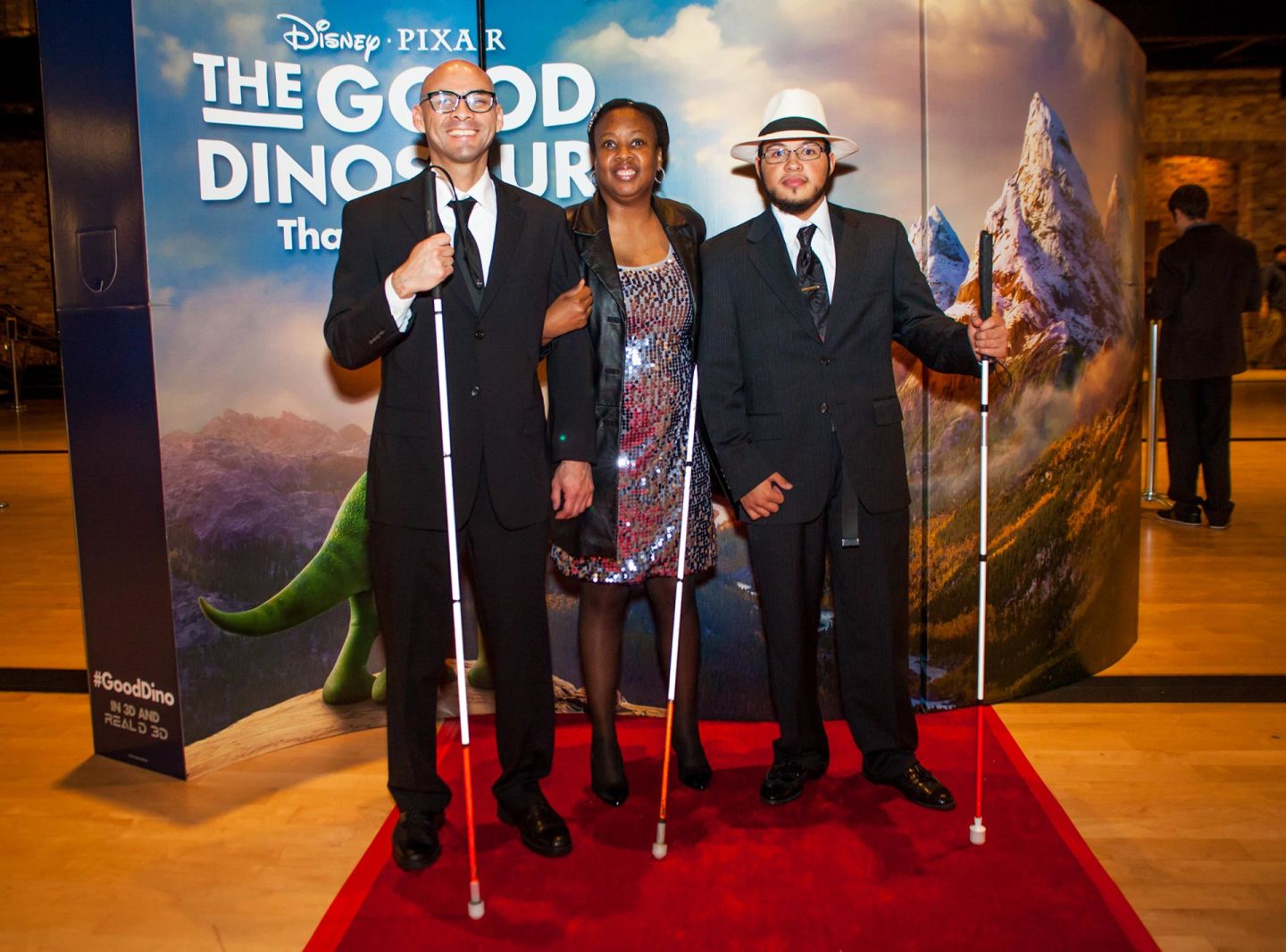
"caption": "Attendees arrive at Pixar's 'Red Carpet, White Canes\" screening event to test out the new app.",
"description": "Attendees arrive at Pixar's 'Red Carpet, White Canes\" screening event to test out the new app.",
"title": "RedCarpetWhiteCanes",
"credit": "Guide Dogs for the Blind/Flickr",
"status": "inherit",
"isLoading": false,
"fetchFailed": false
},
"news_10833881": {
"type": "attachments",
"id": "news_10833881",
"meta": {
"index": "attachments_1716263798",
"site": "news",
"id": "10833881",
"found": true
},
"parent": 10833646,
"imgSizes": {
"twentyfourteen-full-width": {
"file": "https://ww2.kqed.org/app/uploads/sites/10/2016/01/Rova-1038x576.jpg",
"width": 1038,
"mimeType": "image/jpeg",
"height": 576
},
"thumbnail": {
"file": "https://ww2.kqed.org/app/uploads/sites/10/2016/01/Rova-400x276.jpg",
"width": 400,
"mimeType": "image/jpeg",
"height": 276
},
"fd-sm": {
"file": "https://ww2.kqed.org/app/uploads/sites/10/2016/01/Rova-960x662.jpg",
"width": 960,
"mimeType": "image/jpeg",
"height": 662
},
"post-thumbnail": {
"file": "https://ww2.kqed.org/app/uploads/sites/10/2016/01/Rova-672x372.jpg",
"width": 672,
"mimeType": "image/jpeg",
"height": 372
},
"kqedFullSize": {
"file": "https://ww2.kqed.org/app/uploads/sites/10/2016/01/Rova.jpg",
"width": 1920,
"height": 1324
},
"large": {
"file": "https://ww2.kqed.org/app/uploads/sites/10/2016/01/Rova-1440x993.jpg",
"width": 1440,
"mimeType": "image/jpeg",
"height": 993
},
"guest-author-96": {
"file": "https://ww2.kqed.org/app/uploads/sites/10/2016/01/Rova-96x96.jpg",
"width": 96,
"mimeType": "image/jpeg",
"height": 96
},
"medium": {
"file": "https://ww2.kqed.org/app/uploads/sites/10/2016/01/Rova-800x552.jpg",
"width": 800,
"mimeType": "image/jpeg",
"height": 552
},
"guest-author-64": {
"file": "https://ww2.kqed.org/app/uploads/sites/10/2016/01/Rova-64x64.jpg",
"width": 64,
"mimeType": "image/jpeg",
"height": 64
},
"guest-author-32": {
"file": "https://ww2.kqed.org/app/uploads/sites/10/2016/01/Rova-32x32.jpg",
"width": 32,
"mimeType": "image/jpeg",
"height": 32
},
"jmtc-small-thumb": {
"file": "https://ww2.kqed.org/app/uploads/sites/10/2016/01/Rova-280x150.jpg",
"width": 280,
"mimeType": "image/jpeg",
"height": 150
},
"fd-lrg": {
"file": "https://ww2.kqed.org/app/uploads/sites/10/2016/01/Rova-1920x1324.jpg",
"width": 1920,
"mimeType": "image/jpeg",
"height": 1324
},
"fd-med": {
"file": "https://ww2.kqed.org/app/uploads/sites/10/2016/01/Rova-1180x814.jpg",
"width": 1180,
"mimeType": "image/jpeg",
"height": 814
},
"detail": {
"file": "https://ww2.kqed.org/app/uploads/sites/10/2016/01/Rova-75x75.jpg",
"width": 75,
"mimeType": "image/jpeg",
"height": 75
},
"medium_large": {
"file": "https://ww2.kqed.org/app/uploads/sites/10/2016/01/Rova-768x530.jpg",
"width": 768,
"mimeType": "image/jpeg",
"height": 530
},
"guest-author-128": {
"file": "https://ww2.kqed.org/app/uploads/sites/10/2016/01/Rova-128x128.jpg",
"width": 128,
"mimeType": "image/jpeg",
"height": 128
}
},
"publishDate": 1452901951,
"modified": 1452903998,
"caption": "Members of the Rova Saxophone Quartet.",
"description": "Members of the ROVA Saxophone Quartet.",
"title": "Rova",
"credit": "Heike Liss/Rova.org",
"status": "inherit",
"isLoading": false,
"fetchFailed": false
},
"news_10834074": {
"type": "attachments",
"id": "news_10834074",
"meta": {
"index": "attachments_1716263798",
"site": "news",
"id": "10834074",
"found": true
},
"parent": 10831288,
"imgSizes": {
"twentyfourteen-full-width": {
"file": "https://ww2.kqed.org/app/uploads/sites/10/2016/01/AmigoBob-1038x576.jpg",
"width": 1038,
"mimeType": "image/jpeg",
"height": 576
},
"thumbnail": {
"file": "https://ww2.kqed.org/app/uploads/sites/10/2016/01/AmigoBob-400x265.jpg",
"width": 400,
"mimeType": "image/jpeg",
"height": 265
},
"fd-sm": {
"file": "https://ww2.kqed.org/app/uploads/sites/10/2016/01/AmigoBob-960x637.jpg",
"width": 960,
"mimeType": "image/jpeg",
"height": 637
},
"post-thumbnail": {
"file": "https://ww2.kqed.org/app/uploads/sites/10/2016/01/AmigoBob-672x372.jpg",
"width": 672,
"mimeType": "image/jpeg",
"height": 372
},
"kqedFullSize": {
"file": "https://ww2.kqed.org/app/uploads/sites/10/2016/01/AmigoBob.jpg",
"width": 1920,
"height": 1273
},
"large": {
"file": "https://ww2.kqed.org/app/uploads/sites/10/2016/01/AmigoBob-1440x955.jpg",
"width": 1440,
"mimeType": "image/jpeg",
"height": 955
},
"guest-author-96": {
"file": "https://ww2.kqed.org/app/uploads/sites/10/2016/01/AmigoBob-96x96.jpg",
"width": 96,
"mimeType": "image/jpeg",
"height": 96
},
"medium": {
"file": "https://ww2.kqed.org/app/uploads/sites/10/2016/01/AmigoBob-800x530.jpg",
"width": 800,
"mimeType": "image/jpeg",
"height": 530
},
"guest-author-64": {
"file": "https://ww2.kqed.org/app/uploads/sites/10/2016/01/AmigoBob-64x64.jpg",
"width": 64,
"mimeType": "image/jpeg",
"height": 64
},
"guest-author-32": {
"file": "https://ww2.kqed.org/app/uploads/sites/10/2016/01/AmigoBob-32x32.jpg",
"width": 32,
"mimeType": "image/jpeg",
"height": 32
},
"jmtc-small-thumb": {
"file": "https://ww2.kqed.org/app/uploads/sites/10/2016/01/AmigoBob-280x150.jpg",
"width": 280,
"mimeType": "image/jpeg",
"height": 150
},
"fd-lrg": {
"file": "https://ww2.kqed.org/app/uploads/sites/10/2016/01/AmigoBob-1920x1273.jpg",
"width": 1920,
"mimeType": "image/jpeg",
"height": 1273
},
"fd-med": {
"file": "https://ww2.kqed.org/app/uploads/sites/10/2016/01/AmigoBob-1180x782.jpg",
"width": 1180,
"mimeType": "image/jpeg",
"height": 782
},
"detail": {
"file": "https://ww2.kqed.org/app/uploads/sites/10/2016/01/AmigoBob-75x75.jpg",
"width": 75,
"mimeType": "image/jpeg",
"height": 75
},
"medium_large": {
"file": "https://ww2.kqed.org/app/uploads/sites/10/2016/01/AmigoBob-768x509.jpg",
"width": 768,
"mimeType": "image/jpeg",
"height": 509
},
"guest-author-128": {
"file": "https://ww2.kqed.org/app/uploads/sites/10/2016/01/AmigoBob-128x128.jpg",
"width": 128,
"mimeType": "image/jpeg",
"height": 128
}
},
"publishDate": 1452912395,
"modified": 1452912438,
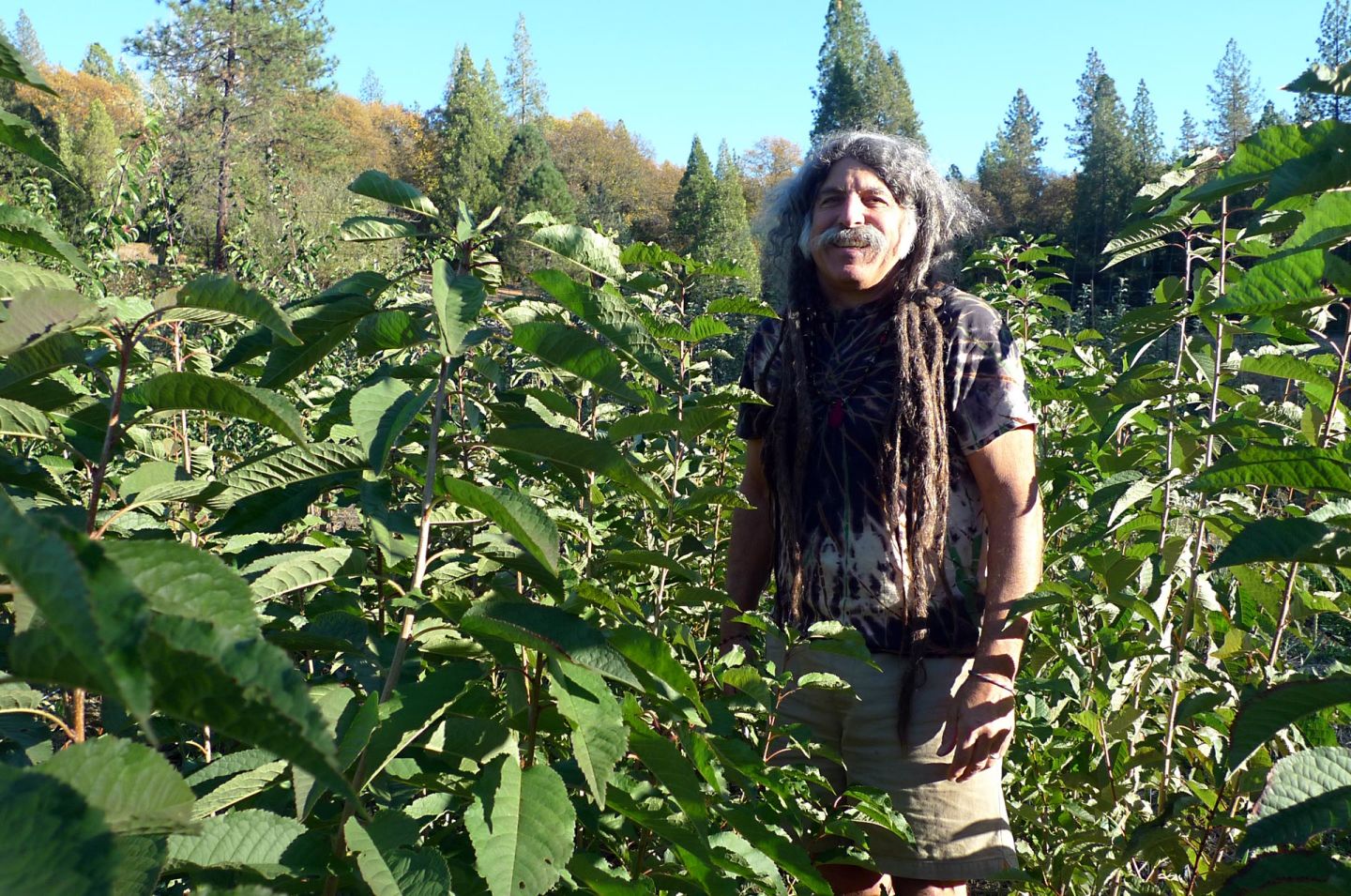
"caption": "In his Nevada County nursery, Amigo Bob tends the plants he's propagated from heritage trees.",
"description": "In his Nevada County nursery, Amigo Bob tends the plants he's propagated from heritage trees.",
"title": "AmigoBob",
"credit": "Lisa Morehouse/KQED",
"status": "inherit",
"isLoading": false,
"fetchFailed": false
},
"news_10826311": {
"type": "attachments",
"id": "news_10826311",
"meta": {
"index": "attachments_1716263798",
"site": "news",
"id": "10826311",
"found": true
},
"parent": 10789859,
"imgSizes": {
"twentyfourteen-full-width": {
"file": "https://ww2.kqed.org/app/uploads/sites/10/2016/01/GiovanniAuction-1038x576.jpg",
"width": 1038,
"mimeType": "image/jpeg",
"height": 576
},
"thumbnail": {
"file": "https://ww2.kqed.org/app/uploads/sites/10/2016/01/GiovanniAuction-400x246.jpg",
"width": 400,
"mimeType": "image/jpeg",
"height": 246
},
"fd-sm": {
"file": "https://ww2.kqed.org/app/uploads/sites/10/2016/01/GiovanniAuction-960x591.jpg",
"width": 960,
"mimeType": "image/jpeg",
"height": 591
},
"post-thumbnail": {
"file": "https://ww2.kqed.org/app/uploads/sites/10/2016/01/GiovanniAuction-672x372.jpg",
"width": 672,
"mimeType": "image/jpeg",
"height": 372
},
"kqedFullSize": {
"file": "https://ww2.kqed.org/app/uploads/sites/10/2016/01/GiovanniAuction.jpg",
"width": 1920,
"height": 1181
},
"large": {
"file": "https://ww2.kqed.org/app/uploads/sites/10/2016/01/GiovanniAuction-1440x886.jpg",
"width": 1440,
"mimeType": "image/jpeg",
"height": 886
},
"guest-author-96": {
"file": "https://ww2.kqed.org/app/uploads/sites/10/2016/01/GiovanniAuction-96x96.jpg",
"width": 96,
"mimeType": "image/jpeg",
"height": 96
},
"medium": {
"file": "https://ww2.kqed.org/app/uploads/sites/10/2016/01/GiovanniAuction-800x492.jpg",
"width": 800,
"mimeType": "image/jpeg",
"height": 492
},
"guest-author-64": {
"file": "https://ww2.kqed.org/app/uploads/sites/10/2016/01/GiovanniAuction-64x64.jpg",
"width": 64,
"mimeType": "image/jpeg",
"height": 64
},
"guest-author-32": {
"file": "https://ww2.kqed.org/app/uploads/sites/10/2016/01/GiovanniAuction-32x32.jpg",
"width": 32,
"mimeType": "image/jpeg",
"height": 32
},
"jmtc-small-thumb": {
"file": "https://ww2.kqed.org/app/uploads/sites/10/2016/01/GiovanniAuction-280x150.jpg",
"width": 280,
"mimeType": "image/jpeg",
"height": 150
},
"fd-lrg": {
"file": "https://ww2.kqed.org/app/uploads/sites/10/2016/01/GiovanniAuction-1920x1181.jpg",
"width": 1920,
"mimeType": "image/jpeg",
"height": 1181
},
"fd-med": {
"file": "https://ww2.kqed.org/app/uploads/sites/10/2016/01/GiovanniAuction-1180x726.jpg",
"width": 1180,
"mimeType": "image/jpeg",
"height": 726
},
"detail": {
"file": "https://ww2.kqed.org/app/uploads/sites/10/2016/01/GiovanniAuction-75x75.jpg",
"width": 75,
"mimeType": "image/jpeg",
"height": 75
},
"medium_large": {
"file": "https://ww2.kqed.org/app/uploads/sites/10/2016/01/GiovanniAuction-768x472.jpg",
"width": 768,
"mimeType": "image/jpeg",
"height": 472
},
"guest-author-128": {
"file": "https://ww2.kqed.org/app/uploads/sites/10/2016/01/GiovanniAuction-128x128.jpg",
"width": 128,
"mimeType": "image/jpeg",
"height": 128
}
},
"publishDate": 1452291514,
"modified": 1452291531,
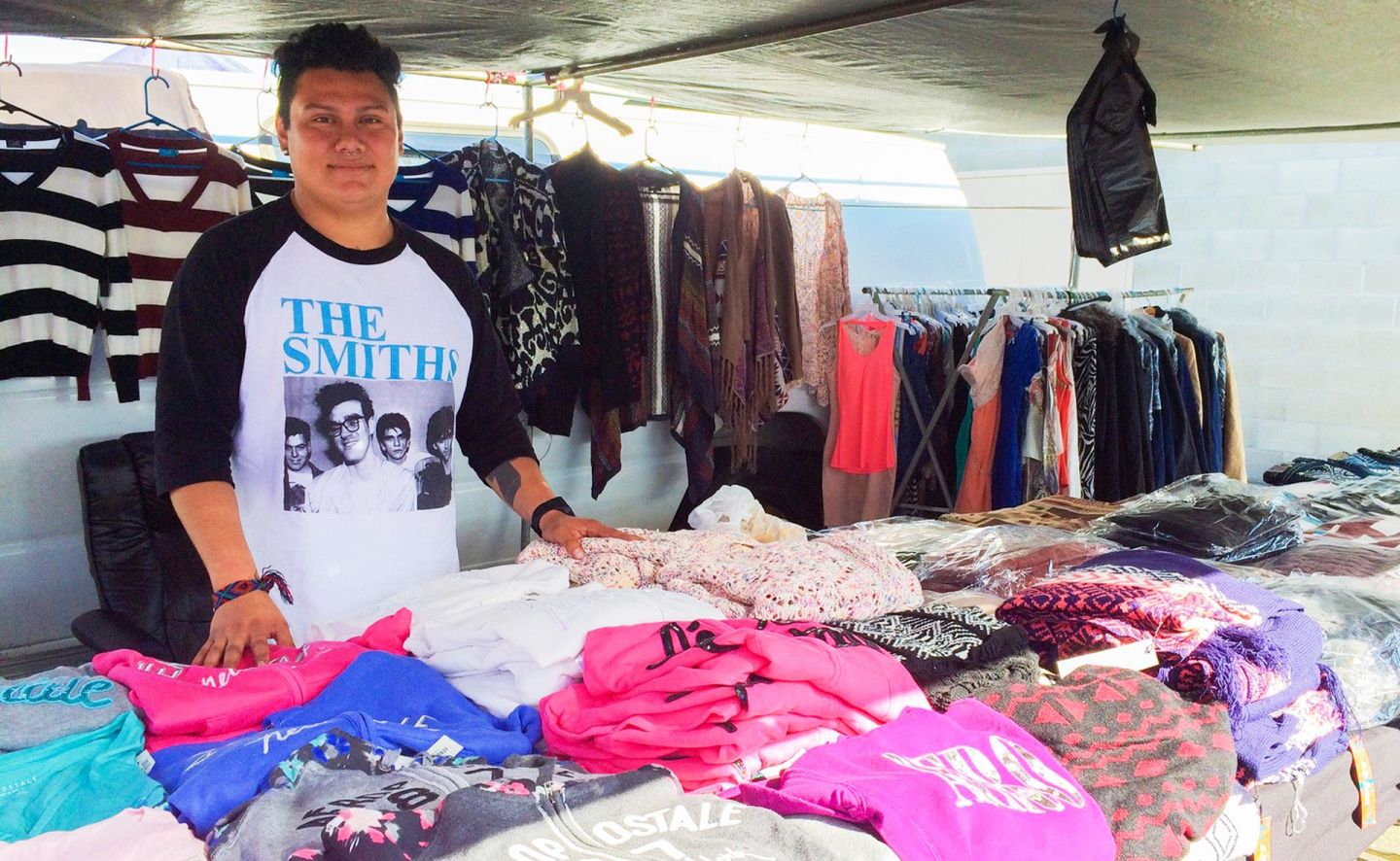
"caption": "Giovanni Martinez, 27, has been selling clothes at the Cherry Auction for eight years.",
"description": "Giovanni Martinez, 27, has been selling clothes at the Cherry Auction for eight years.",
"title": "GiovanniAuction",
"credit": "Kerry Klein/KQED",
"status": "inherit",
"isLoading": false,
"fetchFailed": false
},
"news_10824157": {
"type": "attachments",
"id": "news_10824157",
"meta": {
"index": "attachments_1716263798",
"site": "news",
"id": "10824157",
"found": true
},
"parent": 10824156,
"imgSizes": {
"twentyfourteen-full-width": {
"file": "https://ww2.kqed.org/app/uploads/sites/10/2016/01/MonkeySelfie-1038x576.jpg",
"width": 1038,
"mimeType": "image/jpeg",
"height": 576
},
"thumbnail": {
"file": "https://ww2.kqed.org/app/uploads/sites/10/2016/01/MonkeySelfie-400x225.jpg",
"width": 400,
"mimeType": "image/jpeg",
"height": 225
},
"fd-sm": {
"file": "https://ww2.kqed.org/app/uploads/sites/10/2016/01/MonkeySelfie-960x540.jpg",
"width": 960,
"mimeType": "image/jpeg",
"height": 540
},
"post-thumbnail": {
"file": "https://ww2.kqed.org/app/uploads/sites/10/2016/01/MonkeySelfie-672x372.jpg",
"width": 672,
"mimeType": "image/jpeg",
"height": 372
},
"kqedFullSize": {
"file": "https://ww2.kqed.org/app/uploads/sites/10/2016/01/MonkeySelfie.jpg",
"width": 1920,
"height": 1080
},
"large": {
"file": "https://ww2.kqed.org/app/uploads/sites/10/2016/01/MonkeySelfie-1440x810.jpg",
"width": 1440,
"mimeType": "image/jpeg",
"height": 810
},
"guest-author-96": {
"file": "https://ww2.kqed.org/app/uploads/sites/10/2016/01/MonkeySelfie-96x96.jpg",
"width": 96,
"mimeType": "image/jpeg",
"height": 96
},
"medium": {
"file": "https://ww2.kqed.org/app/uploads/sites/10/2016/01/MonkeySelfie-800x450.jpg",
"width": 800,
"mimeType": "image/jpeg",
"height": 450
},
"guest-author-64": {
"file": "https://ww2.kqed.org/app/uploads/sites/10/2016/01/MonkeySelfie-64x64.jpg",
"width": 64,
"mimeType": "image/jpeg",
"height": 64
},
"guest-author-32": {
"file": "https://ww2.kqed.org/app/uploads/sites/10/2016/01/MonkeySelfie-32x32.jpg",
"width": 32,
"mimeType": "image/jpeg",
"height": 32
},
"jmtc-small-thumb": {
"file": "https://ww2.kqed.org/app/uploads/sites/10/2016/01/MonkeySelfie-280x150.jpg",
"width": 280,
"mimeType": "image/jpeg",
"height": 150
},
"fd-lrg": {
"file": "https://ww2.kqed.org/app/uploads/sites/10/2016/01/MonkeySelfie-1920x1080.jpg",
"width": 1920,
"mimeType": "image/jpeg",
"height": 1080
},
"fd-med": {
"file": "https://ww2.kqed.org/app/uploads/sites/10/2016/01/MonkeySelfie-1180x664.jpg",
"width": 1180,
"mimeType": "image/jpeg",
"height": 664
},
"detail": {
"file": "https://ww2.kqed.org/app/uploads/sites/10/2016/01/MonkeySelfie-75x75.jpg",
"width": 75,
"mimeType": "image/jpeg",
"height": 75
},
"medium_large": {
"file": "https://ww2.kqed.org/app/uploads/sites/10/2016/01/MonkeySelfie-768x432.jpg",
"width": 768,
"mimeType": "image/jpeg",
"height": 432
},
"guest-author-128": {
"file": "https://ww2.kqed.org/app/uploads/sites/10/2016/01/MonkeySelfie-128x128.jpg",
"width": 128,
"mimeType": "image/jpeg",
"height": 128
}
},
"publishDate": 1452134518,
"modified": 1452134540,
"caption": "Naruto the Macaque's selfie.\n",
"description": "Naruto the Macaque's selfie.",
"title": "MonkeySelfie",
"credit": "Naruto the Macaque/David Slater/Wikimedia Commons",
"status": "inherit",
"isLoading": false,
"fetchFailed": false
},
"news_10560671": {
"type": "attachments",
"id": "news_10560671",
"meta": {
"index": "attachments_1716263798",
"site": "news",
"id": "10560671",
"found": true
},
"parent": 10560616,
"imgSizes": {
"twentyfourteen-full-width": {
"file": "https://ww2.kqed.org/app/uploads/sites/10/2015/06/herrera-1038x576.jpg",
"width": 1038,
"mimeType": "image/jpeg",
"height": 576
},
"thumbnail": {
"file": "https://ww2.kqed.org/app/uploads/sites/10/2015/06/herrera-400x300.jpg",
"width": 400,
"mimeType": "image/jpeg",
"height": 300
},
"fd-sm": {
"file": "https://ww2.kqed.org/app/uploads/sites/10/2015/06/herrera-960x720.jpg",
"width": 960,
"mimeType": "image/jpeg",
"height": 720
},
"post-thumbnail": {
"file": "https://ww2.kqed.org/app/uploads/sites/10/2015/06/herrera-672x372.jpg",
"width": 672,
"mimeType": "image/jpeg",
"height": 372
},
"kqedFullSize": {
"file": "https://ww2.kqed.org/app/uploads/sites/10/2015/06/herrera.jpg",
"width": 1920,
"height": 1440
},
"large": {
"file": "https://ww2.kqed.org/app/uploads/sites/10/2015/06/herrera-1440x1080.jpg",
"width": 1440,
"mimeType": "image/jpeg",
"height": 1080
},
"guest-author-96": {
"file": "https://ww2.kqed.org/app/uploads/sites/10/2015/06/herrera-96x96.jpg",
"width": 96,
"mimeType": "image/jpeg",
"height": 96
},
"medium": {
"file": "https://ww2.kqed.org/app/uploads/sites/10/2015/06/herrera-800x600.jpg",
"width": 800,
"mimeType": "image/jpeg",
"height": 600
},
"guest-author-64": {
"file": "https://ww2.kqed.org/app/uploads/sites/10/2015/06/herrera-64x64.jpg",
"width": 64,
"mimeType": "image/jpeg",
"height": 64
},
"guest-author-32": {
"file": "https://ww2.kqed.org/app/uploads/sites/10/2015/06/herrera-32x32.jpg",
"width": 32,
"mimeType": "image/jpeg",
"height": 32
},
"fd-med": {
"file": "https://ww2.kqed.org/app/uploads/sites/10/2015/06/herrera-1180x885.jpg",
"width": 1180,
"mimeType": "image/jpeg",
"height": 885
},
"detail": {
"file": "https://ww2.kqed.org/app/uploads/sites/10/2015/06/herrera-75x75.jpg",
"width": 75,
"mimeType": "image/jpeg",
"height": 75
},
"guest-author-128": {
"file": "https://ww2.kqed.org/app/uploads/sites/10/2015/06/herrera-128x128.jpg",
"width": 128,
"mimeType": "image/jpeg",
"height": 128
}
},
"publishDate": 1434136938,
"modified": 1434136984,
"caption": "Herrera says he composed his very first radio poem during an interview with The California Report's Scott Shafer. ",
"description": "Herrera says he composed his very first radio poem during an interview with The California Report's Scott Shafer. ",
"title": "herrera",
"credit": "Sasha Khokha/KQED",
"status": "inherit",
"isLoading": false,
"fetchFailed": false
},
"news_10713732": {
"type": "attachments",
"id": "news_10713732",
"meta": {
"index": "attachments_1716263798",
"site": "news",
"id": "10713732",
"found": true
},
"parent": 10710892,
"imgSizes": {
"twentyfourteen-full-width": {
"file": "https://ww2.kqed.org/app/uploads/sites/10/2015/10/FranklinBell-1038x576.jpg",
"width": 1038,
"mimeType": "image/jpeg",
"height": 576
},
"thumbnail": {
"file": "https://ww2.kqed.org/app/uploads/sites/10/2015/10/FranklinBell-400x258.jpg",
"width": 400,
"mimeType": "image/jpeg",
"height": 258
},
"fd-sm": {
"file": "https://ww2.kqed.org/app/uploads/sites/10/2015/10/FranklinBell-960x620.jpg",
"width": 960,
"mimeType": "image/jpeg",
"height": 620
},
"post-thumbnail": {
"file": "https://ww2.kqed.org/app/uploads/sites/10/2015/10/FranklinBell-672x372.jpg",
"width": 672,
"mimeType": "image/jpeg",
"height": 372
},
"kqedFullSize": {
"file": "https://ww2.kqed.org/app/uploads/sites/10/2015/10/FranklinBell.jpg",
"width": 1920,
"height": 1240
},
"large": {
"file": "https://ww2.kqed.org/app/uploads/sites/10/2015/10/FranklinBell-1440x930.jpg",
"width": 1440,
"mimeType": "image/jpeg",
"height": 930
},
"guest-author-96": {
"file": "https://ww2.kqed.org/app/uploads/sites/10/2015/10/FranklinBell-96x96.jpg",
"width": 96,
"mimeType": "image/jpeg",
"height": 96
},
"medium": {
"file": "https://ww2.kqed.org/app/uploads/sites/10/2015/10/FranklinBell-800x517.jpg",
"width": 800,
"mimeType": "image/jpeg",
"height": 517
},
"guest-author-64": {
"file": "https://ww2.kqed.org/app/uploads/sites/10/2015/10/FranklinBell-64x64.jpg",
"width": 64,
"mimeType": "image/jpeg",
"height": 64
},
"guest-author-32": {
"file": "https://ww2.kqed.org/app/uploads/sites/10/2015/10/FranklinBell-32x32.jpg",
"width": 32,
"mimeType": "image/jpeg",
"height": 32
},
"jmtc-small-thumb": {
"file": "https://ww2.kqed.org/app/uploads/sites/10/2015/10/FranklinBell-280x150.jpg",
"width": 280,
"mimeType": "image/jpeg",
"height": 150
},
"fd-lrg": {
"file": "https://ww2.kqed.org/app/uploads/sites/10/2015/10/FranklinBell-1920x1240.jpg",
"width": 1920,
"mimeType": "image/jpeg",
"height": 1240
},
"fd-med": {
"file": "https://ww2.kqed.org/app/uploads/sites/10/2015/10/FranklinBell-1180x762.jpg",
"width": 1180,
"mimeType": "image/jpeg",
"height": 762
},
"detail": {
"file": "https://ww2.kqed.org/app/uploads/sites/10/2015/10/FranklinBell-75x75.jpg",
"width": 75,
"mimeType": "image/jpeg",
"height": 75
},
"guest-author-128": {
"file": "https://ww2.kqed.org/app/uploads/sites/10/2015/10/FranklinBell-128x128.jpg",
"width": 128,
"mimeType": "image/jpeg",
"height": 128
}
},
"publishDate": 1444433696,
"modified": 1444438548,
"caption": "Blues Workshop Founder Franklin Bell.",
"description": "Blues Workshop Founder Franklin Bell.",
"title": "FranklinBell",
"credit": "Peter Gilstrap/KQED",
"status": "inherit",
"isLoading": false,
"fetchFailed": false
},
"news_10614780": {
"type": "attachments",
"id": "news_10614780",
"meta": {
"index": "attachments_1716263798",
"site": "news",
"id": "10614780",
"found": true
},
"parent": 10608541,
"imgSizes": {
"twentyfourteen-full-width": {
"file": "https://ww2.kqed.org/app/uploads/sites/10/2015/07/Lynda-1038x576.jpg",
"width": 1038,
"mimeType": "image/jpeg",
"height": 576
},
"thumbnail": {
"file": "https://ww2.kqed.org/app/uploads/sites/10/2015/07/Lynda-400x333.jpg",
"width": 400,
"mimeType": "image/jpeg",
"height": 333
},
"fd-sm": {
"file": "https://ww2.kqed.org/app/uploads/sites/10/2015/07/Lynda-960x799.jpg",
"width": 960,
"mimeType": "image/jpeg",
"height": 799
},
"post-thumbnail": {
"file": "https://ww2.kqed.org/app/uploads/sites/10/2015/07/Lynda-672x372.jpg",
"width": 672,
"mimeType": "image/jpeg",
"height": 372
},
"kqedFullSize": {
"file": "https://ww2.kqed.org/app/uploads/sites/10/2015/07/Lynda.jpg",
"width": 1920,
"height": 1597
},
"large": {
"file": "https://ww2.kqed.org/app/uploads/sites/10/2015/07/Lynda-1440x1198.jpg",
"width": 1440,
"mimeType": "image/jpeg",
"height": 1198
},
"guest-author-96": {
"file": "https://ww2.kqed.org/app/uploads/sites/10/2015/07/Lynda-96x96.jpg",
"width": 96,
"mimeType": "image/jpeg",
"height": 96
},
"medium": {
"file": "https://ww2.kqed.org/app/uploads/sites/10/2015/07/Lynda-800x665.jpg",
"width": 800,
"mimeType": "image/jpeg",
"height": 665
},
"guest-author-64": {
"file": "https://ww2.kqed.org/app/uploads/sites/10/2015/07/Lynda-64x64.jpg",
"width": 64,
"mimeType": "image/jpeg",
"height": 64
},
"guest-author-32": {
"file": "https://ww2.kqed.org/app/uploads/sites/10/2015/07/Lynda-32x32.jpg",
"width": 32,
"mimeType": "image/jpeg",
"height": 32
},
"jmtc-small-thumb": {
"file": "https://ww2.kqed.org/app/uploads/sites/10/2015/07/Lynda-280x150.jpg",
"width": 280,
"mimeType": "image/jpeg",
"height": 150
},
"fd-lrg": {
"file": "https://ww2.kqed.org/app/uploads/sites/10/2015/07/Lynda-1400x1164.jpg",
"width": 1400,
"mimeType": "image/jpeg",
"height": 1164
},
"fd-med": {
"file": "https://ww2.kqed.org/app/uploads/sites/10/2015/07/Lynda-1180x981.jpg",
"width": 1180,
"mimeType": "image/jpeg",
"height": 981
},
"detail": {
"file": "https://ww2.kqed.org/app/uploads/sites/10/2015/07/Lynda-75x75.jpg",
"width": 75,
"mimeType": "image/jpeg",
"height": 75
},
"guest-author-128": {
"file": "https://ww2.kqed.org/app/uploads/sites/10/2015/07/Lynda-128x128.jpg",
"width": 128,
"mimeType": "image/jpeg",
"height": 128
}
},
"publishDate": 1437788411,
"modified": 1437788881,
"caption": "Lynda Trang Dai in the kitchen of her bánh mì shop, Lynda Sandwich, in Westminster.",
"description": "Lynda Trang Dai in the kitchen of her bánh mì shop, Lynda Sandwich, in Westminster.",
"title": "Lynda",
"credit": "Vickie Ly/KQED",
"status": "inherit",
"isLoading": false,
"fetchFailed": false
},
"news_10450131": {
"type": "attachments",
"id": "news_10450131",
"meta": {
"index": "attachments_1716263798",
"site": "news",
"id": "10450131",
"found": true
},
"parent": 10449864,
"imgSizes": {
"twentyfourteen-full-width": {
"file": "https://ww2.kqed.org/app/uploads/sites/10/2015/03/DirectorGeneral-1038x576.jpg",
"width": 1038,
"mimeType": "image/jpeg",
"height": 576
},
"thumbnail": {
"file": "https://ww2.kqed.org/app/uploads/sites/10/2015/03/DirectorGeneral-400x283.jpg",
"width": 400,
"mimeType": "image/jpeg",
"height": 283
},
"fd-sm": {
"file": "https://ww2.kqed.org/app/uploads/sites/10/2015/03/DirectorGeneral-320x226.jpg",
"width": 320,
"mimeType": "image/jpeg",
"height": 226
},
"post-thumbnail": {
"file": "https://ww2.kqed.org/app/uploads/sites/10/2015/03/DirectorGeneral-672x372.jpg",
"width": 672,
"mimeType": "image/jpeg",
"height": 372
},
"kqedFullSize": {
"file": "https://ww2.kqed.org/app/uploads/sites/10/2015/03/DirectorGeneral.jpg",
"width": 1920,
"height": 1357
},
"large": {
"file": "https://ww2.kqed.org/app/uploads/sites/10/2015/03/DirectorGeneral-1440x1018.jpg",
"width": 1440,
"mimeType": "image/jpeg",
"height": 1018
},
"guest-author-96": {
"file": "https://ww2.kqed.org/app/uploads/sites/10/2015/03/DirectorGeneral-96x96.jpg",
"width": 96,
"mimeType": "image/jpeg",
"height": 96
},
"medium": {
"file": "https://ww2.kqed.org/app/uploads/sites/10/2015/03/DirectorGeneral-800x565.jpg",
"width": 800,
"mimeType": "image/jpeg",
"height": 565
},
"guest-author-64": {
"file": "https://ww2.kqed.org/app/uploads/sites/10/2015/03/DirectorGeneral-64x64.jpg",
"width": 64,
"mimeType": "image/jpeg",
"height": 64
},
"guest-author-32": {
"file": "https://ww2.kqed.org/app/uploads/sites/10/2015/03/DirectorGeneral-32x32.jpg",
"width": 32,
"mimeType": "image/jpeg",
"height": 32
},
"fd-lrg": {
"file": "https://ww2.kqed.org/app/uploads/sites/10/2015/03/DirectorGeneral-1180x834.jpg",
"width": 1180,
"mimeType": "image/jpeg",
"height": 834
},
"fd-med": {
"file": "https://ww2.kqed.org/app/uploads/sites/10/2015/03/DirectorGeneral-768x543.jpg",
"width": 768,
"mimeType": "image/jpeg",
"height": 543
},
"detail": {
"file": "https://ww2.kqed.org/app/uploads/sites/10/2015/03/DirectorGeneral-75x75.jpg",
"width": 75,
"mimeType": "image/jpeg",
"height": 75
},
"guest-author-128": {
"file": "https://ww2.kqed.org/app/uploads/sites/10/2015/03/DirectorGeneral-128x128.jpg",
"width": 128,
"mimeType": "image/jpeg",
"height": 128
}
},
"publishDate": 1425694815,
"modified": 1425694830,
"caption": "Detail of Robert Williams' \"Decorator General\"",
"description": "Detail of Robert Williams' \"Decorator General\"",
"title": "DirectorGeneral",
"credit": "Steven Cuevas/KQED",
"status": "inherit",
"isLoading": false,
"fetchFailed": false
},
"news_10473725": {
"type": "attachments",
"id": "news_10473725",
"meta": {
"index": "attachments_1716263798",
"site": "news",
"id": "10473725",
"found": true
},
"parent": 10473720,
"imgSizes": {
"thumbnail": {
"file": "https://ww2.kqed.org/app/uploads/sites/10/2015/04/photo-credit-cara-robbins-400x300.jpg",
"width": 400,
"mimeType": "image/jpeg",
"height": 300
},
"fd-sm": {
"file": "https://ww2.kqed.org/app/uploads/sites/10/2015/04/photo-credit-cara-robbins-320x240.jpg",
"width": 320,
"mimeType": "image/jpeg",
"height": 240
},
"post-thumbnail": {
"file": "https://ww2.kqed.org/app/uploads/sites/10/2015/04/photo-credit-cara-robbins-672x372.jpg",
"width": 672,
"mimeType": "image/jpeg",
"height": 372
},
"kqedFullSize": {
"file": "https://ww2.kqed.org/app/uploads/sites/10/2015/04/photo-credit-cara-robbins.jpg",
"width": 700,
"height": 525
},
"guest-author-96": {
"file": "https://ww2.kqed.org/app/uploads/sites/10/2015/04/photo-credit-cara-robbins-96x96.jpg",
"width": 96,
"mimeType": "image/jpeg",
"height": 96
},
"guest-author-64": {
"file": "https://ww2.kqed.org/app/uploads/sites/10/2015/04/photo-credit-cara-robbins-64x64.jpg",
"width": 64,
"mimeType": "image/jpeg",
"height": 64
},
"detail": {
"file": "https://ww2.kqed.org/app/uploads/sites/10/2015/04/photo-credit-cara-robbins-75x75.jpg",
"width": 75,
"mimeType": "image/jpeg",
"height": 75
},
"guest-author-32": {
"file": "https://ww2.kqed.org/app/uploads/sites/10/2015/04/photo-credit-cara-robbins-32x32.jpg",
"width": 32,
"mimeType": "image/jpeg",
"height": 32
},
"guest-author-128": {
"file": "https://ww2.kqed.org/app/uploads/sites/10/2015/04/photo-credit-cara-robbins-128x128.jpg",
"width": 128,
"mimeType": "image/jpeg",
"height": 128
}
},
"publishDate": 1427907149,
"modified": 1427923251,
"caption": "Severe arthritis made Anthony Ferraro, a promising classical pianist in his youth, reinvent himself as a pop musician.",
"description": null,
"title": "photo-credit-cara-robbins",
"credit": "Courtesy of Cara Robbins",
"status": "inherit",
"isLoading": false,
"fetchFailed": false
},
"news_10812271": {
"type": "attachments",
"id": "news_10812271",
"meta": {
"index": "attachments_1716263798",
"site": "news",
"id": "10812271",
"found": true
},
"parent": 10811953,
"imgSizes": {
"twentyfourteen-full-width": {
"file": "https://ww2.kqed.org/app/uploads/sites/10/2015/12/15970360189_afde89a1c6_o-1038x576.jpg",
"width": 1038,
"mimeType": "image/jpeg",
"height": 576
},
"thumbnail": {
"file": "https://ww2.kqed.org/app/uploads/sites/10/2015/12/15970360189_afde89a1c6_o-400x265.jpg",
"width": 400,
"mimeType": "image/jpeg",
"height": 265
},
"fd-sm": {
"file": "https://ww2.kqed.org/app/uploads/sites/10/2015/12/15970360189_afde89a1c6_o-960x637.jpg",
"width": 960,
"mimeType": "image/jpeg",
"height": 637
},
"post-thumbnail": {
"file": "https://ww2.kqed.org/app/uploads/sites/10/2015/12/15970360189_afde89a1c6_o-672x372.jpg",
"width": 672,
"mimeType": "image/jpeg",
"height": 372
},
"kqedFullSize": {
"file": "https://ww2.kqed.org/app/uploads/sites/10/2015/12/15970360189_afde89a1c6_o-e1546213688120.jpg",
"width": 1920,
"height": 1273
},
"large": {
"file": "https://ww2.kqed.org/app/uploads/sites/10/2015/12/15970360189_afde89a1c6_o-1440x955.jpg",
"width": 1440,
"mimeType": "image/jpeg",
"height": 955
},
"guest-author-96": {
"file": "https://ww2.kqed.org/app/uploads/sites/10/2015/12/15970360189_afde89a1c6_o-96x96.jpg",
"width": 96,
"mimeType": "image/jpeg",
"height": 96
},
"medium": {
"file": "https://ww2.kqed.org/app/uploads/sites/10/2015/12/15970360189_afde89a1c6_o-800x530.jpg",
"width": 800,
"mimeType": "image/jpeg",
"height": 530
},
"guest-author-64": {
"file": "https://ww2.kqed.org/app/uploads/sites/10/2015/12/15970360189_afde89a1c6_o-64x64.jpg",
"width": 64,
"mimeType": "image/jpeg",
"height": 64
},
"guest-author-32": {
"file": "https://ww2.kqed.org/app/uploads/sites/10/2015/12/15970360189_afde89a1c6_o-32x32.jpg",
"width": 32,
"mimeType": "image/jpeg",
"height": 32
},
"jmtc-small-thumb": {
"file": "https://ww2.kqed.org/app/uploads/sites/10/2015/12/15970360189_afde89a1c6_o-280x150.jpg",
"width": 280,
"mimeType": "image/jpeg",
"height": 150
},
"fd-lrg": {
"file": "https://ww2.kqed.org/app/uploads/sites/10/2015/12/15970360189_afde89a1c6_o-1920x1273.jpg",
"width": 1920,
"mimeType": "image/jpeg",
"height": 1273
},
"fd-med": {
"file": "https://ww2.kqed.org/app/uploads/sites/10/2015/12/15970360189_afde89a1c6_o-1180x782.jpg",
"width": 1180,
"mimeType": "image/jpeg",
"height": 782
},
"detail": {
"file": "https://ww2.kqed.org/app/uploads/sites/10/2015/12/15970360189_afde89a1c6_o-75x75.jpg",
"width": 75,
"mimeType": "image/jpeg",
"height": 75
},
"medium_large": {
"file": "https://ww2.kqed.org/app/uploads/sites/10/2015/12/15970360189_afde89a1c6_o-768x509.jpg",
"width": 768,
"mimeType": "image/jpeg",
"height": 509
},
"guest-author-128": {
"file": "https://ww2.kqed.org/app/uploads/sites/10/2015/12/15970360189_afde89a1c6_o-128x128.jpg",
"width": 128,
"mimeType": "image/jpeg",
"height": 128
}
},
"publishDate": 1451342770,
"modified": 1546213699,
"caption": "Some transit agencies are offering free rides and extended operations on New Year's Eve and New Year's Day. ",
"description": "Some transit agencies are offering free rides and extended operations on New Year's Eve and New Year's Day. ",
"title": "15970360189_afde89a1c6_o",
"credit": "Christopher Michel/\u003ca href=\"https://www.flickr.com/photos/cmichel67/15970360189/in/photolist-qkfgFK-b9P4nK-qBwaxg-5NLpTp-b9NxX2-5NWFzk-5P1VLf-w6sZa-7HG98U-7HCdfa-8KATRY-7tkSaY-kbWhy5-dGgoqH-dHEcdA-4ZFZcz-b9NPmi-5P25Qo-bbwKkH-82ppAm-iR7yGW-iR6Y3K-iR5Fva-iR5FmT-iR6Y6a-iR9CCQ-iR9CKd-7HD8Hc-7HD6jH-7HCU2k-7HGToG-7HBMs6-7HBjDZ-7HFfmG-7HGQ1A-7HD8nX-7HGU7S-7HFmgh-7HFKDU-7HBjXB-7HBBcH-7HCUkH-7HBjjP-7HFHff-7HFKL5-7HBjP2-7HGYEs-7HBMLX-7HD842-7HD6EK\">Flickr\u003c/a>",
"status": "inherit",
"isLoading": false,
"fetchFailed": false
},
"news_10812062": {
"type": "attachments",
"id": "news_10812062",
"meta": {
"index": "attachments_1716263798",
"site": "news",
"id": "10812062",
"found": true
},
"parent": 10799307,
"imgSizes": {
"twentyfourteen-full-width": {
"file": "https://ww2.kqed.org/app/uploads/sites/10/2015/12/eagles-of-death-metla-1038x576.jpg",
"width": 1038,
"mimeType": "image/jpeg",
"height": 576
},
"thumbnail": {
"file": "https://ww2.kqed.org/app/uploads/sites/10/2015/12/eagles-of-death-metla-400x267.jpg",
"width": 400,
"mimeType": "image/jpeg",
"height": 267
},
"fd-sm": {
"file": "https://ww2.kqed.org/app/uploads/sites/10/2015/12/eagles-of-death-metla-960x640.jpg",
"width": 960,
"mimeType": "image/jpeg",
"height": 640
},
"post-thumbnail": {
"file": "https://ww2.kqed.org/app/uploads/sites/10/2015/12/eagles-of-death-metla-672x372.jpg",
"width": 672,
"mimeType": "image/jpeg",
"height": 372
},
"kqedFullSize": {
"file": "https://ww2.kqed.org/app/uploads/sites/10/2015/12/eagles-of-death-metla.jpg",
"width": 2048,
"height": 1365
},
"large": {
"file": "https://ww2.kqed.org/app/uploads/sites/10/2015/12/eagles-of-death-metla-1440x960.jpg",
"width": 1440,
"mimeType": "image/jpeg",
"height": 960
},
"guest-author-96": {
"file": "https://ww2.kqed.org/app/uploads/sites/10/2015/12/eagles-of-death-metla-96x96.jpg",
"width": 96,
"mimeType": "image/jpeg",
"height": 96
},
"medium": {
"file": "https://ww2.kqed.org/app/uploads/sites/10/2015/12/eagles-of-death-metla-800x533.jpg",
"width": 800,
"mimeType": "image/jpeg",
"height": 533
},
"guest-author-64": {
"file": "https://ww2.kqed.org/app/uploads/sites/10/2015/12/eagles-of-death-metla-64x64.jpg",
"width": 64,
"mimeType": "image/jpeg",
"height": 64
},
"guest-author-32": {
"file": "https://ww2.kqed.org/app/uploads/sites/10/2015/12/eagles-of-death-metla-32x32.jpg",
"width": 32,
"mimeType": "image/jpeg",
"height": 32
},
"jmtc-small-thumb": {
"file": "https://ww2.kqed.org/app/uploads/sites/10/2015/12/eagles-of-death-metla-280x150.jpg",
"width": 280,
"mimeType": "image/jpeg",
"height": 150
},
"fd-lrg": {
"file": "https://ww2.kqed.org/app/uploads/sites/10/2015/12/eagles-of-death-metla-1920x1280.jpg",
"width": 1920,
"mimeType": "image/jpeg",
"height": 1280
},
"fd-med": {
"file": "https://ww2.kqed.org/app/uploads/sites/10/2015/12/eagles-of-death-metla-1180x786.jpg",
"width": 1180,
"mimeType": "image/jpeg",
"height": 786
},
"detail": {
"file": "https://ww2.kqed.org/app/uploads/sites/10/2015/12/eagles-of-death-metla-75x75.jpg",
"width": 75,
"mimeType": "image/jpeg",
"height": 75
},
"medium_large": {
"file": "https://ww2.kqed.org/app/uploads/sites/10/2015/12/eagles-of-death-metla-768x512.jpg",
"width": 768,
"mimeType": "image/jpeg",
"height": 512
},
"guest-author-128": {
"file": "https://ww2.kqed.org/app/uploads/sites/10/2015/12/eagles-of-death-metla-128x128.jpg",
"width": 128,
"mimeType": "image/jpeg",
"height": 128
}
},
"publishDate": 1451333757,
"modified": 1451333765,
"caption": "Eagles of Death Metal",
"description": null,
"title": "eagles of death metla",
"credit": null,
"status": "inherit",
"isLoading": false,
"fetchFailed": false
}
},
"audioPlayerReducer": {
"postId": "stream_live",
"isPaused": true,
"isPlaying": false,
"pfsActive": false,
"pledgeModalIsOpen": true,
"playerDrawerIsOpen": false,
"liveAudioPlayStartedAt": 0,
"liveAudioPlayContext": ""
},
"authorsReducer": {
"byline_news_10824156": {
"type": "authors",
"id": "byline_news_10824156",
"meta": {
"override": true
},
"slug": "byline_news_10824156",
"name": "Associated Press",
"isLoading": false
},
"byline_news_10710892": {
"type": "authors",
"id": "byline_news_10710892",
"meta": {
"override": true
},
"slug": "byline_news_10710892",
"name": "Peter Gilstrap",
"isLoading": false
},
"byline_news_10473720": {
"type": "authors",
"id": "byline_news_10473720",
"meta": {
"override": true
},
"slug": "byline_news_10473720",
"name": "Max Savage Levenson",
"isLoading": false
},
"agilbert": {
"type": "authors",
"id": "86",
"meta": {
"index": "authors_1716337520",
"id": "86",
"found": true
},
"name": "Andrew Gilbert",
"firstName": "Andrew",
"lastName": "Gilbert",
"slug": "agilbert",
"email": "jazzscribe@aol.com",
"display_author_email": false,
"staff_mastheads": [],
"title": "KQED Contributor",
"bio": "A Los Angeles native based in the Berkeley area since 1996, Andrew Gilbert covers jazz, international music and dance for KQED's \u003ci>California Report, \u003c/i>the\u003ci> Mercury News\u003c/i>, \u003ci>San Francisco Chronicle\u003c/i>, \u003ci>Berkeleyside.com\u003c/i>, and other publications. He is available for weddings and bar and bat mitzvahs. #jazzscribe",
"avatar": "https://secure.gravatar.com/avatar/d7bcafdbefdd39e9a68f88724ca616eb4e7a5a6bff9cdfb62de652a1e1751471?s=600&d=blank&r=g",
"twitter": null,
"bluesky": null,
"facebook": null,
"instagram": null,
"linkedin": null,
"sites": [
{
"site": "arts",
"roles": [
"Contributor",
"author"
]
},
{
"site": "news",
"roles": [
"author"
]
}
],
"headData": {
"title": "Andrew Gilbert | KQED",
"description": "KQED Contributor",
"ogImgSrc": "https://secure.gravatar.com/avatar/d7bcafdbefdd39e9a68f88724ca616eb4e7a5a6bff9cdfb62de652a1e1751471?s=600&d=blank&r=g",
"twImgSrc": "https://secure.gravatar.com/avatar/d7bcafdbefdd39e9a68f88724ca616eb4e7a5a6bff9cdfb62de652a1e1751471?s=600&d=blank&r=g"
},
"isLoading": false,
"link": "/author/agilbert"
},
"shochman": {
"type": "authors",
"id": "87",
"meta": {
"index": "authors_1716337520",
"id": "87",
"found": true
},
"name": "Steve Hochman",
"firstName": "Steve",
"lastName": "Hochman",
"slug": "shochman",
"email": "sehochman@me.com",
"display_author_email": false,
"staff_mastheads": [],
"title": "KQED Contributor",
"bio": "Steve Hochman has covered popular, and unpopular, music for more than 30 years, most of that time as a key member of the \u003ci>Los Angeles Times\u003c/i>' music team. In that capacity he wrote about the full range of music and musicians, from Hungarian folk to industrial noise, and from 1991 through 2005 wrote the \u003ci>Times\u003c/i>' widely read weekly \"Pop Eye\" column. In addition to his role with \u003ci>The California Report\u003c/i>, he's a music critic for Pasadena station KPCC's morning magazine \u003ci>Take Two\u003c/i> and a regular contributor to Grammy.com, Fender.com and other outlets. His byline has appeared through the years in an array of major publications, including \u003ci>Rolling Stone\u003c/i>, \u003ci>Billboard\u003c/i> and \u003ci>Entertainment Weekly\u003c/i> and New Orleans' \u003ci>Offbeat\u003c/i>.",
"avatar": "https://secure.gravatar.com/avatar/37fbddee9db232a05a1be3b065171301e8baa142626c45b0caa6fc61c25a8c8d?s=600&d=blank&r=g",
"twitter": null,
"bluesky": null,
"facebook": null,
"instagram": null,
"linkedin": null,
"sites": [
{
"site": "arts",
"roles": [
"Contributor",
"subscriber"
]
},
{
"site": "news",
"roles": [
"subscriber"
]
}
],
"headData": {
"title": "Steve Hochman | KQED",
"description": "KQED Contributor",
"ogImgSrc": "https://secure.gravatar.com/avatar/37fbddee9db232a05a1be3b065171301e8baa142626c45b0caa6fc61c25a8c8d?s=600&d=blank&r=g",
"twImgSrc": "https://secure.gravatar.com/avatar/37fbddee9db232a05a1be3b065171301e8baa142626c45b0caa6fc61c25a8c8d?s=600&d=blank&r=g"
},
"isLoading": false,
"link": "/author/shochman"
},
"aliceldaniel": {
"type": "authors",
"id": "208",
"meta": {
"index": "authors_1716337520",
"id": "208",
"found": true
},
"name": "Alice Daniel",
"firstName": "Alice",
"lastName": "Daniel",
"slug": "aliceldaniel",
"email": "adaniel@kqed.org",
"display_author_email": false,
"staff_mastheads": [],
"title": null,
"bio": "Alice Daniel loves the listening aspect of reporting because she gets to briefly walk in other people’s shoes. She has rappelled down into caves and gone up in helicopters for KQED’s The California Report but her favorite place to pursue a story is the High Sierra or any family-run bakery, of course. Alice has a masters in journalism from Columbia University and teaches at Fresno State. She is a California Healthline Regional Correspondent and a frequent contributor to Success magazine. In her free time, she skis and hikes, throws pottery, practices piano and looks out the window.",
"avatar": "https://secure.gravatar.com/avatar/e611aa06593b114a67f9f123a8e875ad?s=600&d=blank&r=g",
"twitter": null,
"facebook": null,
"instagram": null,
"linkedin": null,
"sites": [
{
"site": "news",
"roles": [
"author"
]
},
{
"site": "stateofhealth",
"roles": [
"author"
]
}
],
"headData": {
"title": "Alice Daniel | KQED",
"description": null,
"ogImgSrc": "https://secure.gravatar.com/avatar/e611aa06593b114a67f9f123a8e875ad?s=600&d=blank&r=g",
"twImgSrc": "https://secure.gravatar.com/avatar/e611aa06593b114a67f9f123a8e875ad?s=600&d=blank&r=g"
},
"isLoading": false,
"link": "/author/aliceldaniel"
},
"scuevas": {
"type": "authors",
"id": "2600",
"meta": {
"index": "authors_1716337520",
"id": "2600",
"found": true
},
"name": "Steven Cuevas",
"firstName": "Steven",
"lastName": "Cuevas",
"slug": "scuevas",
"email": "scuevas@kqed.org",
"display_author_email": false,
"staff_mastheads": [],
"title": "KQED Contributor",
"bio": "Steven is a former Los Angeles bureau chief for The California Report.\r\n\r\nHe reports on an array of issues across the Southland, from immigration and regional politics to religion, the performing arts and pop culture.\r\n\r\nPrior to joining KQED in 2012, Steven covered Inland southern California for KPCC in Pasadena. He also helped establish the first newsroom at \u003ca href=\"http://kut.org/\">KUT\u003c/a> in Austin, Texas where he was a general assignment reporter.\r\n\r\nSteven has received numerous awards for his reporting including an RTNDA Edward R. Murrow Award for investigative reporting in addition to awards from the LA Press Club, the Associated Press and the Society for Professional Journalists.\r\n\r\nSteven grew up in and around San Francisco and now lives in Pasadena just a short jog from the foot of the San Gabriel Mountains.",
"avatar": "https://secure.gravatar.com/avatar/2d253580794f8e026100fae05cfabbbd4889b4fe15146146cacb82a01974c538?s=600&d=blank&r=g",
"twitter": null,
"bluesky": null,
"facebook": null,
"instagram": null,
"linkedin": null,
"sites": [
{
"site": "news",
"roles": [
"subscriber"
]
}
],
"headData": {
"title": "Steven Cuevas | KQED",
"description": "KQED Contributor",
"ogImgSrc": "https://secure.gravatar.com/avatar/2d253580794f8e026100fae05cfabbbd4889b4fe15146146cacb82a01974c538?s=600&d=blank&r=g",
"twImgSrc": "https://secure.gravatar.com/avatar/2d253580794f8e026100fae05cfabbbd4889b4fe15146146cacb82a01974c538?s=600&d=blank&r=g"
},
"isLoading": false,
"link": "/author/scuevas"
},
"lmorehouse": {
"type": "authors",
"id": "3229",
"meta": {
"index": "authors_1716337520",
"id": "3229",
"found": true
},
"name": "Lisa Morehouse",
"firstName": "Lisa",
"lastName": "Morehouse",
"slug": "lmorehouse",
"email": "morehouse.lisa@gmail.com",
"display_author_email": false,
"staff_mastheads": [],
"title": "KQED Contributor",
"bio": "Lisa Morehouse is an award-winning public radio and print journalist, who has filed for National Public Radio, American Public Media, KQED Public Radio, Edutopia, and McSweeney’s. Her reporting has taken her from Samoan traveling circuses to Mississippi Delta classrooms to the homes of Lao refugees in rural Iowa. In addition to reporting, she teaches radio production to at-risk youth in the Bay Area. Her series \u003ca href=\"http://afterthegoldrushradio.com/\">After the Gold Rush\u003c/a> featured the changing industries, populations and identities of rural towns throughout California. She’s now producing \u003ca href=\"http://www.californiafoodways.com/\">California Foodways\u003c/a>, a series exploring the intersections of food, culture, economics, history and labor. Follow along on the \u003ca href=\"https://www.facebook.com/californiafoodways?ref=hl\">Facebook page\u003c/a> or on Twitter @cafoodways.",
"avatar": "https://secure.gravatar.com/avatar/dae74b002a6e256f39abb19d6f5acaea?s=600&d=blank&r=g",
"twitter": null,
"facebook": null,
"instagram": null,
"linkedin": null,
"sites": [
{
"site": "",
"roles": [
"editor"
]
},
{
"site": "news",
"roles": [
"author"
]
}
],
"headData": {
"title": "Lisa Morehouse | KQED",
"description": "KQED Contributor",
"ogImgSrc": "https://secure.gravatar.com/avatar/dae74b002a6e256f39abb19d6f5acaea?s=600&d=blank&r=g",
"twImgSrc": "https://secure.gravatar.com/avatar/dae74b002a6e256f39abb19d6f5acaea?s=600&d=blank&r=g"
},
"isLoading": false,
"link": "/author/lmorehouse"
},
"mlevenson": {
"type": "authors",
"id": "6624",
"meta": {
"index": "authors_1716337520",
"id": "6624",
"found": true
},
"name": "Max Savage Levenson",
"firstName": "Max",
"lastName": "Savage Levenson",
"slug": "mlevenson",
"email": "m.savagelevenson@gmail.com",
"display_author_email": false,
"staff_mastheads": [],
"title": null,
"bio": null,
"avatar": "https://secure.gravatar.com/avatar/e7f998073c1ba6fec822d9f7dcd8c272?s=600&d=blank&r=g",
"twitter": null,
"facebook": null,
"instagram": null,
"linkedin": null,
"sites": [
{
"site": "arts",
"roles": [
"contributor"
]
},
{
"site": "news",
"roles": [
"author"
]
}
],
"headData": {
"title": "Max Savage Levenson | KQED",
"description": null,
"ogImgSrc": "https://secure.gravatar.com/avatar/e7f998073c1ba6fec822d9f7dcd8c272?s=600&d=blank&r=g",
"twImgSrc": "https://secure.gravatar.com/avatar/e7f998073c1ba6fec822d9f7dcd8c272?s=600&d=blank&r=g"
},
"isLoading": false,
"link": "/author/mlevenson"
},
"ecruzguevarra": {
"type": "authors",
"id": "8654",
"meta": {
"index": "authors_1716337520",
"id": "8654",
"found": true
},
"name": "Ericka Cruz Guevarra",
"firstName": "Ericka",
"lastName": "Cruz Guevarra",
"slug": "ecruzguevarra",
"email": "ecruzguevarra@kqed.org",
"display_author_email": true,
"staff_mastheads": [
"news"
],
"title": "Producer, The Bay Podcast",
"bio": "Ericka Cruz Guevarra is host of \u003ca href=\"https://www.kqed.org/podcasts/thebay\">\u003cem>The Bay\u003c/em>\u003c/a> podcast at KQED. Before host, she was the show’s producer. Her work in that capacity includes a three-part reported series on policing in Vallejo, which won a 2020 excellence in journalism award from the Society of Professional Journalists. Ericka has worked as a breaking news reporter at Oregon Public Broadcasting, helped produce the Code Switch podcast, and was KQED’s inaugural Raul Ramirez Diversity Fund intern. She’s also an alumna of NPR’s Next Generation Radio program. Send her an email if you have strong feelings about whether Fairfield and Suisun City are the Bay. Ericka is represented by SAG-AFTRA.",
"avatar": "https://secure.gravatar.com/avatar/accefc1de4bafc7e234b69bcb9b6f6536c130fd84709bc3069ef11a78787e1bb?s=600&d=blank&r=g",
"twitter": "NotoriousECG",
"bluesky": null,
"facebook": null,
"instagram": null,
"linkedin": null,
"sites": [
{
"site": "arts",
"roles": [
"subscriber"
]
},
{
"site": "news",
"roles": [
"editor",
"manage_categories"
]
},
{
"site": "futureofyou",
"roles": [
"subscriber"
]
},
{
"site": "stateofhealth",
"roles": [
"subscriber"
]
},
{
"site": "science",
"roles": [
"editor"
]
},
{
"site": "forum",
"roles": [
"subscriber"
]
}
],
"headData": {
"title": "Ericka Cruz Guevarra | KQED",
"description": "Producer, The Bay Podcast",
"ogImgSrc": "https://secure.gravatar.com/avatar/accefc1de4bafc7e234b69bcb9b6f6536c130fd84709bc3069ef11a78787e1bb?s=600&d=blank&r=g",
"twImgSrc": "https://secure.gravatar.com/avatar/accefc1de4bafc7e234b69bcb9b6f6536c130fd84709bc3069ef11a78787e1bb?s=600&d=blank&r=g"
},
"isLoading": false,
"link": "/author/ecruzguevarra"
},
"kklein": {
"type": "authors",
"id": "11092",
"meta": {
"index": "authors_1716337520",
"id": "11092",
"found": true
},
"name": "Kerry Klein",
"firstName": "Kerry",
"lastName": "Klein",
"slug": "kklein",
"email": "kklein@kqed.org",
"display_author_email": false,
"staff_mastheads": [],
"title": null,
"bio": "Kerry Klein is a radio and print reporter based in Fresno. A geologist by training, she worked in the mining and geothermal energy industries before attending the Science Communication program at the University of California, Santa Cruz. Her work has appeared on Valley Public Radio, the San Jose Mercury News, the Salinas Californian and Slate, on topics ranging from drought and agriculture to space and roadkill. You can follow her on Twitter @einekleinekerry.",
"avatar": "https://secure.gravatar.com/avatar/b9e5d93e72b009b963ce5f1b5f68ecbd?s=600&d=blank&r=g",
"twitter": null,
"facebook": null,
"instagram": null,
"linkedin": null,
"sites": [
{
"site": "news",
"roles": [
"author"
]
},
{
"site": "science",
"roles": [
"author"
]
}
],
"headData": {
"title": "Kerry Klein | KQED",
"description": null,
"ogImgSrc": "https://secure.gravatar.com/avatar/b9e5d93e72b009b963ce5f1b5f68ecbd?s=600&d=blank&r=g",
"twImgSrc": "https://secure.gravatar.com/avatar/b9e5d93e72b009b963ce5f1b5f68ecbd?s=600&d=blank&r=g"
},
"isLoading": false,
"link": "/author/kklein"
}
},
"pagesReducer": {
"news_category_arts-and-culture": {
"type": "terms",
"id": "news_223",
"meta": {
"index": "terms_1716263798",
"site": "news",
"id": "223",
"score": 11.242678
},
"featImg": null,
"name": "Arts and Culture",
"description": null,
"taxonomy": "category",
"headData": {
"twImgId": null,
"twTitle": null,
"ogTitle": null,
"ogImgId": null,
"twDescription": null,
"description": null,
"title": "Arts and Culture Archives | KQED News",
"ogDescription": null
},
"ttid": 231,
"slug": "arts-and-culture",
"isLoading": false,
"title": "Arts and Culture",
"pageMeta": {
"site": "news",
"WpPageTemplate": "page-topic-editorial",
"currentPage": 118
},
"blocks": [
{
"blockName": "kqed/post-list",
"attrs": {
"layout": "cardArticle2",
"query": "posts/news?category=arts-and-culture",
"seeMore": false,
"paginated": true,
"page": 118
}
},
{
"blockName": "kqed/ad"
}
]
}
},
"pfsSessionReducer": {},
"postsReducer": {
"stream_live": {
"type": "live",
"id": "stream_live",
"audioUrl": "https://streams.kqed.org/kqedradio",
"title": "Live Stream",
"excerpt": "Live Stream information currently unavailable.",
"link": "/radio",
"featImg": "",
"label": {
"name": "KQED Live",
"link": "/"
}
},
"stream_kqedNewscast": {
"type": "posts",
"id": "stream_kqedNewscast",
"audioUrl": "https://www.kqed.org/.stream/anon/radio/RDnews/newscast.mp3?_=1",
"title": "KQED Newscast",
"featImg": "",
"label": {
"name": "88.5 FM",
"link": "/"
}
},
"news_10840539": {
"type": "posts",
"id": "news_10840539",
"meta": {
"index": "posts_1716263798",
"site": "news",
"id": "10840539",
"score": null,
"sort": [
1453554024000
]
},
"parent": 0,
"labelTerm": {
"site": "news",
"term": 72
},
"blocks": [],
"publishDate": 1453554024,
"format": "standard",
"disqusTitle": "Pixar's New App Gives the Blind a New Way to Experience Movies",
"title": "Pixar's New App Gives the Blind a New Way to Experience Movies",
"headTitle": "The California Report | KQED News",
"content": "\u003cp>While we all love going to the movies, the experience often becomes a huge challenge for the blind and low-vision community when the visual aids provided by theaters are broken (or can't even be found). Fortunately, that may be about to change.\u003c/p>\n\u003cp>Pixar Studios is developing an app that syncs your phone with a narration track. Interspersed between segments of dialogue, it describes what’s happening on-screen -- characters, action, costumes -- through your headphones.\u003c/p>\n\u003cp>[soundcloud url=\"https://api.soundcloud.com/tracks/243324744\" params=\"color=ff5500&auto_play=false&hide_related=false&show_comments=true&show_user=true&show_reposts=false\" width=\"100%\" height=\"166\" iframe=\"true\" /]\u003c/p>\n\u003cp>Last month, Pixar \u003ca href=\"https://www.flickr.com/photos/guidedogsfortheblind/sets/72157662146678371/\" target=\"_blank\">threw a party\u003c/a> at their Emeryville headquarters to test out the new app, in collaboration with Bay Area non-profits like LightHouse for the Blind, the Blind Babies Foundation and Guide Dogs. Complete with an expansive red carpet, the event was a Gatsby-like dazzle of light and noise, flashing cameras and a whole fleet of seeing-eye dogs. The evening culminated in a screening of \"The Good Dinosaur.\"\u003c/p>\n\u003cp>There are definitely some kinks to be worked out. A large portion of the audience -- sighted and non-sighted alike -- had trouble downloading it onto their phones. But thanks to a few Pixar employees, looking only mildly nervous, everyone soon had it working. Lisamaria Martinez, the director of community services at the LightHouse for the Blind, explained that it offered great improvements over current visual aids.\u003c/p>\n\u003cfigure id=\"attachment_10841766\" class=\"wp-caption aligncenter\" style=\"max-width: 800px\">\u003cimg src=\"http://ww2.kqed.org/news/wp-content/uploads/sites/10/2016/01/TheaterAttendeesWalkIn-800x503.jpg\" alt='Attendees walk into the theater at “The Good Dinosaur\" screening event at Pixar headquarters.' width=\"800\" height=\"503\" class=\"size-medium wp-image-10841766\" srcset=\"https://ww2.kqed.org/app/uploads/sites/10/2016/01/TheaterAttendeesWalkIn-800x503.jpg 800w, https://ww2.kqed.org/app/uploads/sites/10/2016/01/TheaterAttendeesWalkIn-400x251.jpg 400w, https://ww2.kqed.org/app/uploads/sites/10/2016/01/TheaterAttendeesWalkIn-768x482.jpg 768w, https://ww2.kqed.org/app/uploads/sites/10/2016/01/TheaterAttendeesWalkIn-1440x905.jpg 1440w, https://ww2.kqed.org/app/uploads/sites/10/2016/01/TheaterAttendeesWalkIn.jpg 1920w, https://ww2.kqed.org/app/uploads/sites/10/2016/01/TheaterAttendeesWalkIn-1180x741.jpg 1180w, https://ww2.kqed.org/app/uploads/sites/10/2016/01/TheaterAttendeesWalkIn-960x603.jpg 960w\" sizes=\"(max-width: 800px) 100vw, 800px\">\u003cfigcaption class=\"wp-caption-text\">Attendees walk into the theater at “The Good Dinosaur\" screening event at Pixar headquarters. \u003ccite>(Guide Dogs for the Blind/Flickr)\u003c/cite>\u003c/figcaption>\u003c/figure>\n\u003cp>\"Often I'm handed the handset for the hard of hearing,” she said. “Then I have to rely on the fact that they've charged the device...and that they've turned on the audio-description tracks. A lot of times they don't and I have to go look for someone...and I've lost the first 15 minutes of the movie.\"\u003c/p>\n\u003cp>[ad fullwidth]\u003c/p>\n\u003cp>Going to movies with her four-year-old is particularly discouraging.\u003c/p>\n\u003cp>\"My kid’s a pretty smart kid, and he asks lots of questions: Mommy, what was that? How do I explain something that needs explaining when I don't even know it happened?\"\u003c/p>\n\u003cp>As the film began and animated talking dinosaurs galloped across the screen, the theater filled with laughter. Many folks who had never fully followed a film before suddenly knew what was happening. Read in an almost comical monotone, the female narration track was concise and dry -- a bit like IKEA instructions. Here's an example: “A bush rustled nearby. Arlo hides. A fully-grown chicken-like dinosaur with red eyes looms over them.\"\u003c/p>\n\u003cp>Yet no one seemed to mind the hollow voice, and when the lights came up, the applause was raucous. Ms. Martinez was excited by how thorough the narration was. \u003c/p>\n\u003cp>\"During the movie,” she explained, “I realized that it had dialogue, [but] not nearly as much as other movies. If that wasn’t there, I’d be so lost. Being able to have accessibility in my own power, it’s empowering to me.\"\u003c/p>\n\u003cp>\u003c/p>\n\u003cp>For much of the audience, Pixar's new app offers much more than a chance to merely follow along. It offers the possibility of a drastic change -- that a group of people who have long been left out of a full movie experience can finally feel included.\u003c/p>\n\n",
"disqusIdentifier": "10840539 http://ww2.kqed.org/news/?p=10840539",
"disqusUrl": "https://ww2.kqed.org/news/2016/01/23/pixars-new-app-gives-the-blind-a-new-way-to-experience-movies/",
"stats": {
"hasVideo": false,
"hasChartOrMap": false,
"hasAudio": false,
"hasPolis": false,
"wordCount": 588,
"hasGoogleForm": false,
"hasGallery": false,
"hasHearkenModule": false,
"iframeSrcs": [],
"paragraphCount": 14
},
"modified": 1453514555,
"excerpt": "The app aims to make a group of people who have long been left out of a full movie experience finally feel included.",
"headData": {
"twImgId": "",
"twTitle": "",
"ogTitle": "",
"ogImgId": "",
"twDescription": "",
"description": "The app aims to make a group of people who have long been left out of a full movie experience finally feel included.",
"title": "Pixar's New App Gives the Blind a New Way to Experience Movies | KQED",
"ogDescription": "",
"schema": {
"@context": "https://schema.org",
"@type": "NewsArticle",
"headline": "Pixar's New App Gives the Blind a New Way to Experience Movies",
"datePublished": "2016-01-23T05:00:24-08:00",
"dateModified": "2016-01-22T18:02:35-08:00",
"image": "https://cdn.kqed.org/wp-content/uploads/2020/02/KQED-OG-Image@1x.png",
"isAccessibleForFree": "True",
"publisher": {
"@type": "NewsMediaOrganization",
"@id": "https://www.kqed.org/#organization",
"name": "KQED",
"logo": "https://cdn.kqed.org/wp-content/uploads/2020/02/KQED-OG-Image@1x.png",
"url": "https://www.kqed.org",
"sameAs": [
"https://www.facebook.com/KQED",
"https://twitter.com/KQED",
"https://www.instagram.com/kqed/",
"https://www.tiktok.com/@kqedofficial",
"https://www.linkedin.com/company/kqed",
"https://www.youtube.com/channel/UCeC0IOo7i1P_61zVUWbJ4nw"
]
}
}
},
"guestAuthors": [],
"slug": "pixars-new-app-gives-the-blind-a-new-way-to-experience-movies",
"status": "publish",
"customPermalink": "2016/01/23/pixar-new-app-gives-blind-new-way-to-experience-movies/",
"nprStoryId": "464090739",
"path": "/news/10840539/pixars-new-app-gives-the-blind-a-new-way-to-experience-movies",
"audioTrackLength": null,
"parsedContent": [
{
"type": "contentString",
"content": "\u003cdiv class=\"post-body\">\u003cp>\u003cp>While we all love going to the movies, the experience often becomes a huge challenge for the blind and low-vision community when the visual aids provided by theaters are broken (or can't even be found). Fortunately, that may be about to change.\u003c/p>\n\u003cp>Pixar Studios is developing an app that syncs your phone with a narration track. Interspersed between segments of dialogue, it describes what’s happening on-screen -- characters, action, costumes -- through your headphones.\u003c/p>\n\u003cp>\u003c/p>\u003cp>\u003cdiv class='utils-parseShortcode-shortcodes-__shortcodes__shortcodeWrapper'>\n \u003ciframe width='100%' height='166'\n scrolling='no' frameborder='no'\n src='https://w.soundcloud.com/player/?url=https://api.soundcloud.com/tracks/243324744&visual=true&color=ff5500&auto_play=false&hide_related=false&show_comments=true&show_user=true&show_reposts=false'\n title='https://api.soundcloud.com/tracks/243324744'>\n \u003c/iframe>\n \u003c/div>\u003c/p>\u003cp>\u003c/p>\n\u003cp>Last month, Pixar \u003ca href=\"https://www.flickr.com/photos/guidedogsfortheblind/sets/72157662146678371/\" target=\"_blank\">threw a party\u003c/a> at their Emeryville headquarters to test out the new app, in collaboration with Bay Area non-profits like LightHouse for the Blind, the Blind Babies Foundation and Guide Dogs. Complete with an expansive red carpet, the event was a Gatsby-like dazzle of light and noise, flashing cameras and a whole fleet of seeing-eye dogs. The evening culminated in a screening of \"The Good Dinosaur.\"\u003c/p>\n\u003cp>There are definitely some kinks to be worked out. A large portion of the audience -- sighted and non-sighted alike -- had trouble downloading it onto their phones. But thanks to a few Pixar employees, looking only mildly nervous, everyone soon had it working. Lisamaria Martinez, the director of community services at the LightHouse for the Blind, explained that it offered great improvements over current visual aids.\u003c/p>\n\u003cfigure id=\"attachment_10841766\" class=\"wp-caption aligncenter\" style=\"max-width: 800px\">\u003cimg src=\"http://ww2.kqed.org/news/wp-content/uploads/sites/10/2016/01/TheaterAttendeesWalkIn-800x503.jpg\" alt='Attendees walk into the theater at “The Good Dinosaur\" screening event at Pixar headquarters.' width=\"800\" height=\"503\" class=\"size-medium wp-image-10841766\" srcset=\"https://ww2.kqed.org/app/uploads/sites/10/2016/01/TheaterAttendeesWalkIn-800x503.jpg 800w, https://ww2.kqed.org/app/uploads/sites/10/2016/01/TheaterAttendeesWalkIn-400x251.jpg 400w, https://ww2.kqed.org/app/uploads/sites/10/2016/01/TheaterAttendeesWalkIn-768x482.jpg 768w, https://ww2.kqed.org/app/uploads/sites/10/2016/01/TheaterAttendeesWalkIn-1440x905.jpg 1440w, https://ww2.kqed.org/app/uploads/sites/10/2016/01/TheaterAttendeesWalkIn.jpg 1920w, https://ww2.kqed.org/app/uploads/sites/10/2016/01/TheaterAttendeesWalkIn-1180x741.jpg 1180w, https://ww2.kqed.org/app/uploads/sites/10/2016/01/TheaterAttendeesWalkIn-960x603.jpg 960w\" sizes=\"(max-width: 800px) 100vw, 800px\">\u003cfigcaption class=\"wp-caption-text\">Attendees walk into the theater at “The Good Dinosaur\" screening event at Pixar headquarters. \u003ccite>(Guide Dogs for the Blind/Flickr)\u003c/cite>\u003c/figcaption>\u003c/figure>\n\u003cp>\"Often I'm handed the handset for the hard of hearing,” she said. “Then I have to rely on the fact that they've charged the device...and that they've turned on the audio-description tracks. A lot of times they don't and I have to go look for someone...and I've lost the first 15 minutes of the movie.\"\u003c/p>\n\u003cp>\u003c/p>\u003c/div>",
"attributes": {
"named": {},
"numeric": []
}
},
{
"type": "component",
"content": "",
"name": "ad",
"attributes": {
"named": {
"label": "fullwidth"
},
"numeric": [
"fullwidth"
]
}
},
{
"type": "contentString",
"content": "\u003cdiv class=\"post-body\">\u003cp>\u003c/p>\n\u003cp>Going to movies with her four-year-old is particularly discouraging.\u003c/p>\n\u003cp>\"My kid’s a pretty smart kid, and he asks lots of questions: Mommy, what was that? How do I explain something that needs explaining when I don't even know it happened?\"\u003c/p>\n\u003cp>As the film began and animated talking dinosaurs galloped across the screen, the theater filled with laughter. Many folks who had never fully followed a film before suddenly knew what was happening. Read in an almost comical monotone, the female narration track was concise and dry -- a bit like IKEA instructions. Here's an example: “A bush rustled nearby. Arlo hides. A fully-grown chicken-like dinosaur with red eyes looms over them.\"\u003c/p>\n\u003cp>Yet no one seemed to mind the hollow voice, and when the lights came up, the applause was raucous. Ms. Martinez was excited by how thorough the narration was. \u003c/p>\n\u003cp>\"During the movie,” she explained, “I realized that it had dialogue, [but] not nearly as much as other movies. If that wasn’t there, I’d be so lost. Being able to have accessibility in my own power, it’s empowering to me.\"\u003c/p>\n\u003cp>\u003c/p>\n\u003cp>For much of the audience, Pixar's new app offers much more than a chance to merely follow along. It offers the possibility of a drastic change -- that a group of people who have long been left out of a full movie experience can finally feel included.\u003c/p>\n\n\u003c/div>\u003c/p>",
"attributes": {
"named": {},
"numeric": []
}
}
],
"link": "/news/10840539/pixars-new-app-gives-the-blind-a-new-way-to-experience-movies",
"authors": [
"6624"
],
"programs": [
"news_72"
],
"categories": [
"news_223",
"news_248"
],
"tags": [
"news_18826",
"news_701",
"news_944",
"news_17286",
"news_17041"
],
"featImg": "news_10841807",
"label": "news_72"
},
"news_10833646": {
"type": "posts",
"id": "news_10833646",
"meta": {
"index": "posts_1716263798",
"site": "news",
"id": "10833646",
"score": null,
"sort": [
1453125636000
]
},
"parent": 0,
"labelTerm": {
"site": "news",
"term": 72
},
"blocks": [],
"publishDate": 1453125636,
"format": "standard",
"disqusTitle": "Rova Saxophone Quartet Ascends With 'Rova Channeling Coltrane'",
"title": "Rova Saxophone Quartet Ascends With 'Rova Channeling Coltrane'",
"headTitle": "The California Report | KQED News",
"content": "\u003cp>Last year the jazz world celebrated the 50th anniversary of John Coltrane’s spiritually charged album, \"A Love Supreme,\" a work embraced then and now as a masterpiece. The saxophonist’s next major release, 1966’s \"Ascension,\" left the jazz world divided, and it’s safe to say its golden anniversary is going to pass without much notice by the jazz establishment.\u003c/p>\n\u003cp>[soundcloud url=\"https://api.soundcloud.com/tracks/242187183\" params=\"color=ff5500&auto_play=false&hide_related=false&show_comments=true&show_user=true&show_reposts=false\" width=\"100%\" height=\"166\" iframe=\"true\" /]\u003c/p>\n\u003cp>A 40-minute piece that explodes from a simple five-note theme referencing the “Acknowledgement” section of \"A Love Supreme,\" \"Ascension\" is an ecstatic free jazz revelation featuring 11 musicians, including Coltrane’s classic quartet and an almost ad hoc collection of horn players. \u003c/p>\n\u003cp>Where \"A Love Supreme\" served as a finely wrought vessel for Coltrane’s spiritual yearning, \"Ascension\" was more like glimpsing the face of God directly, and many of Coltrane’s fans refused to follow him into this daunting realm.\u003c/p>\n\u003cp>Leave it to \u003ca href=\"http://www.rova.org/\" target=\"_blank\">Rova\u003c/a>, the long-running Bay Area saxophone quartet featuring Steve Adams, Bruce Ackley, Jon Raskin and Larry Ochs, to put their own stamp on this marvelously unruly music. Their new release, \"Rova Channeling Coltrane,\" is a three-disc set with a CD, DVD and Blu-ray of the 12-piece Orkestrova \u003ca href=\"http://www.rova.org/projects/electric-ascension.html\" target=\"_blank\">performing \"Electric Ascension\"\u003c/a> at the Guelph Jazz Festival in Ontario in 2012.\u003c/p>\n\u003cp>[ad fullwidth]\u003c/p>\n\u003cp>\u003cimg class=\"alignright size-full wp-image-10833884\" src=\"http://ww2.kqed.org/news/wp-content/uploads/sites/10/2016/01/RovaCover.jpg\" alt=\"RovaCover\" width=\"1057\" height=\"1500\" srcset=\"https://ww2.kqed.org/app/uploads/sites/10/2016/01/RovaCover.jpg 1057w, https://ww2.kqed.org/app/uploads/sites/10/2016/01/RovaCover-400x568.jpg 400w, https://ww2.kqed.org/app/uploads/sites/10/2016/01/RovaCover-800x1135.jpg 800w, https://ww2.kqed.org/app/uploads/sites/10/2016/01/RovaCover-768x1090.jpg 768w, https://ww2.kqed.org/app/uploads/sites/10/2016/01/RovaCover-960x1362.jpg 960w\" sizes=\"(max-width: 1057px) 100vw, 1057px\">\u003c/p>\n\u003cp>Rova has been wrestling with \"Ascension\" for decades. They released an acoustic version of the work back in 1995 featuring the same instrumentation as Coltrane’s recording. But when they revisited it as part of their 25\u003csup>th\u003c/sup> anniversary season in 2003, they included volatile electric guitarists Nels Cline and Fred Frith, and electronics experts Chris Brown and Ikue Mori. \u003c/p>\n\u003cp>I caught that concert and it was a stunning experience, but the version documented on \"Rova Channeling Coltrane\" is more powerful (the set also includes \"Cleaning the Mirror,\" a thoughtful 44-minute film by Bay Area documentarian John Rogers on the enduring influence of \"Ascension\" and the making of \"Electric Ascension\").\u003c/p>\n\u003cp>Over four decades Rova has recorded a vast array of new music, generating their own material and often commissioning new works. Rova deftly sidesteps whatever pitfalls some jazz artists encounter by dwelling on the music of past masters by treating \"Ascension\" as a point of departure rather than a destination.\u003c/p>\n\u003cp>https://vimeo.com/78500784\u003c/p>\n\u003cp>For Rova, Coltrane’s improvisational framework serves as the fulcrum for a community of musicians. The cast here also includes two Chicago masters: powerhouse drummer Hamid Drake and the polymorphously creative cornetist Rob Mazurek. Arranged by Ochs and Raskin, \"Electric Ascension\" unfolds as a study in contrasts, with bristling density and gleaming transparency.\u003c/p>\n\u003cp>Interpreting a work as abstract and unbounded as this might seem like an invitation to let loose, but Rova’s crew knows all about the power of silence and space. Free improvisation doesn’t mean everybody wailing all the time. It’s about listening as much as playing, and these musicians create a distinct choreography out of the music’s tension and release, phasing in and out of the fray. When the thicket of sound clears, quiet interludes by Cline, Kihlstedt and Scheinman reveal the striking beauty and quietude that lurked within late-career Coltrane.\u003c/p>\n\u003cp>The saxophonist died of cancer in 1967 and his music evolved considerably in the two years after recording \"Ascension.\" At the time he said, “There are always new sounds to imagine: new feelings to get at. ... But to do that at each stage, we have to keep on cleaning the mirror.”\u003c/p>\n\u003cp>\u003c/p>\n\u003cp>Rova takes that directive to heart. More than ever, this latest \"Electric Ascension\" distills truths and essences for an entire constellation of artists. While not for every listener, it’s an album that can surprise, amaze and gratify if given the chance.\u003c/p>\n\n",
"disqusIdentifier": "10833646 http://ww2.kqed.org/news/?p=10833646",
"disqusUrl": "https://ww2.kqed.org/news/2016/01/18/rova-channeling-coltrane-electric-ascension/",
"stats": {
"hasVideo": false,
"hasChartOrMap": false,
"hasAudio": false,
"hasPolis": false,
"wordCount": 668,
"hasGoogleForm": false,
"hasGallery": false,
"hasHearkenModule": false,
"iframeSrcs": [],
"paragraphCount": 15
},
"modified": 1452916621,
"excerpt": "While not for every listener, it’s an album that can surprise, amaze and gratify if given the chance.",
"headData": {
"twImgId": "",
"twTitle": "",
"ogTitle": "",
"ogImgId": "",
"twDescription": "",
"description": "While not for every listener, it’s an album that can surprise, amaze and gratify if given the chance.",
"title": "Rova Saxophone Quartet Ascends With 'Rova Channeling Coltrane' | KQED",
"ogDescription": "",
"schema": {
"@context": "https://schema.org",
"@type": "NewsArticle",
"headline": "Rova Saxophone Quartet Ascends With 'Rova Channeling Coltrane'",
"datePublished": "2016-01-18T06:00:36-08:00",
"dateModified": "2016-01-15T19:57:01-08:00",
"image": "https://cdn.kqed.org/wp-content/uploads/2020/02/KQED-OG-Image@1x.png",
"isAccessibleForFree": "True",
"publisher": {
"@type": "NewsMediaOrganization",
"@id": "https://www.kqed.org/#organization",
"name": "KQED",
"logo": "https://cdn.kqed.org/wp-content/uploads/2020/02/KQED-OG-Image@1x.png",
"url": "https://www.kqed.org",
"sameAs": [
"https://www.facebook.com/KQED",
"https://twitter.com/KQED",
"https://www.instagram.com/kqed/",
"https://www.tiktok.com/@kqedofficial",
"https://www.linkedin.com/company/kqed",
"https://www.youtube.com/channel/UCeC0IOo7i1P_61zVUWbJ4nw"
]
}
}
},
"guestAuthors": [],
"slug": "rova-channeling-coltrane-electric-ascension",
"status": "publish",
"nprStoryId": "463463592",
"path": "/news/10833646/rova-channeling-coltrane-electric-ascension",
"audioTrackLength": null,
"parsedContent": [
{
"type": "contentString",
"content": "\u003cdiv class=\"post-body\">\u003cp>\u003cp>Last year the jazz world celebrated the 50th anniversary of John Coltrane’s spiritually charged album, \"A Love Supreme,\" a work embraced then and now as a masterpiece. The saxophonist’s next major release, 1966’s \"Ascension,\" left the jazz world divided, and it’s safe to say its golden anniversary is going to pass without much notice by the jazz establishment.\u003c/p>\n\u003cp>\u003c/p>\u003cp>\u003cdiv class='utils-parseShortcode-shortcodes-__shortcodes__shortcodeWrapper'>\n \u003ciframe width='100%' height='166'\n scrolling='no' frameborder='no'\n src='https://w.soundcloud.com/player/?url=https://api.soundcloud.com/tracks/242187183&visual=true&color=ff5500&auto_play=false&hide_related=false&show_comments=true&show_user=true&show_reposts=false'\n title='https://api.soundcloud.com/tracks/242187183'>\n \u003c/iframe>\n \u003c/div>\u003c/p>\u003cp>\u003c/p>\n\u003cp>A 40-minute piece that explodes from a simple five-note theme referencing the “Acknowledgement” section of \"A Love Supreme,\" \"Ascension\" is an ecstatic free jazz revelation featuring 11 musicians, including Coltrane’s classic quartet and an almost ad hoc collection of horn players. \u003c/p>\n\u003cp>Where \"A Love Supreme\" served as a finely wrought vessel for Coltrane’s spiritual yearning, \"Ascension\" was more like glimpsing the face of God directly, and many of Coltrane’s fans refused to follow him into this daunting realm.\u003c/p>\n\u003cp>Leave it to \u003ca href=\"http://www.rova.org/\" target=\"_blank\">Rova\u003c/a>, the long-running Bay Area saxophone quartet featuring Steve Adams, Bruce Ackley, Jon Raskin and Larry Ochs, to put their own stamp on this marvelously unruly music. Their new release, \"Rova Channeling Coltrane,\" is a three-disc set with a CD, DVD and Blu-ray of the 12-piece Orkestrova \u003ca href=\"http://www.rova.org/projects/electric-ascension.html\" target=\"_blank\">performing \"Electric Ascension\"\u003c/a> at the Guelph Jazz Festival in Ontario in 2012.\u003c/p>\n\u003cp>\u003c/p>\u003c/div>",
"attributes": {
"named": {},
"numeric": []
}
},
{
"type": "component",
"content": "",
"name": "ad",
"attributes": {
"named": {
"label": "fullwidth"
},
"numeric": [
"fullwidth"
]
}
},
{
"type": "contentString",
"content": "\u003cdiv class=\"post-body\">\u003cp>\u003c/p>\n\u003cp>\u003cimg class=\"alignright size-full wp-image-10833884\" src=\"http://ww2.kqed.org/news/wp-content/uploads/sites/10/2016/01/RovaCover.jpg\" alt=\"RovaCover\" width=\"1057\" height=\"1500\" srcset=\"https://ww2.kqed.org/app/uploads/sites/10/2016/01/RovaCover.jpg 1057w, https://ww2.kqed.org/app/uploads/sites/10/2016/01/RovaCover-400x568.jpg 400w, https://ww2.kqed.org/app/uploads/sites/10/2016/01/RovaCover-800x1135.jpg 800w, https://ww2.kqed.org/app/uploads/sites/10/2016/01/RovaCover-768x1090.jpg 768w, https://ww2.kqed.org/app/uploads/sites/10/2016/01/RovaCover-960x1362.jpg 960w\" sizes=\"(max-width: 1057px) 100vw, 1057px\">\u003c/p>\n\u003cp>Rova has been wrestling with \"Ascension\" for decades. They released an acoustic version of the work back in 1995 featuring the same instrumentation as Coltrane’s recording. But when they revisited it as part of their 25\u003csup>th\u003c/sup> anniversary season in 2003, they included volatile electric guitarists Nels Cline and Fred Frith, and electronics experts Chris Brown and Ikue Mori. \u003c/p>\n\u003cp>I caught that concert and it was a stunning experience, but the version documented on \"Rova Channeling Coltrane\" is more powerful (the set also includes \"Cleaning the Mirror,\" a thoughtful 44-minute film by Bay Area documentarian John Rogers on the enduring influence of \"Ascension\" and the making of \"Electric Ascension\").\u003c/p>\n\u003cp>Over four decades Rova has recorded a vast array of new music, generating their own material and often commissioning new works. Rova deftly sidesteps whatever pitfalls some jazz artists encounter by dwelling on the music of past masters by treating \"Ascension\" as a point of departure rather than a destination.\u003c/p>\u003c/p>\u003c/div>",
"attributes": {
"named": {},
"numeric": []
}
},
{
"type": "component",
"content": "",
"name": "vimeoLink",
"attributes": {
"named": {
"vimeoId": "78500784"
},
"numeric": []
}
},
{
"type": "contentString",
"content": "\u003cdiv class=\"post-body\">\u003cp>\u003cp>For Rova, Coltrane’s improvisational framework serves as the fulcrum for a community of musicians. The cast here also includes two Chicago masters: powerhouse drummer Hamid Drake and the polymorphously creative cornetist Rob Mazurek. Arranged by Ochs and Raskin, \"Electric Ascension\" unfolds as a study in contrasts, with bristling density and gleaming transparency.\u003c/p>\n\u003cp>Interpreting a work as abstract and unbounded as this might seem like an invitation to let loose, but Rova’s crew knows all about the power of silence and space. Free improvisation doesn’t mean everybody wailing all the time. It’s about listening as much as playing, and these musicians create a distinct choreography out of the music’s tension and release, phasing in and out of the fray. When the thicket of sound clears, quiet interludes by Cline, Kihlstedt and Scheinman reveal the striking beauty and quietude that lurked within late-career Coltrane.\u003c/p>\n\u003cp>The saxophonist died of cancer in 1967 and his music evolved considerably in the two years after recording \"Ascension.\" At the time he said, “There are always new sounds to imagine: new feelings to get at. ... But to do that at each stage, we have to keep on cleaning the mirror.”\u003c/p>\n\u003cp>\u003c/p>\n\u003cp>Rova takes that directive to heart. More than ever, this latest \"Electric Ascension\" distills truths and essences for an entire constellation of artists. While not for every listener, it’s an album that can surprise, amaze and gratify if given the chance.\u003c/p>\n\n\u003c/div>\u003c/p>",
"attributes": {
"named": {},
"numeric": []
}
}
],
"link": "/news/10833646/rova-channeling-coltrane-electric-ascension",
"authors": [
"86"
],
"programs": [
"news_72"
],
"categories": [
"news_223"
],
"tags": [
"news_3771",
"news_17051",
"news_17286",
"news_17041"
],
"featImg": "news_10833881",
"label": "news_72"
},
"news_10831288": {
"type": "posts",
"id": "news_10831288",
"meta": {
"index": "posts_1716263798",
"site": "news",
"id": "10831288",
"score": null,
"sort": [
1453035641000
]
},
"parent": 0,
"labelTerm": {
"site": "news",
"term": 72
},
"blocks": [],
"publishDate": 1453035641,
"format": "standard",
"disqusTitle": "Preserving Gold Rush-era Heritage Trees With Amigo Bob Cantisano",
"title": "Preserving Gold Rush-era Heritage Trees With Amigo Bob Cantisano",
"headTitle": "California Foodways | The California Report | KQED News",
"content": "\u003cp>Who doesn’t like a treasure hunt? The search for something mysterious and valuable, with just a few clues for guidance, is pretty irresistible. In California’s Nevada County, an unusual explorer with an unusual name -- Amigo Bob Cantisano -- hunts for remnants of the Gold Rush, just not the kind you might expect.\u003c/p>\n\u003cp>The treasures Cantisano seeks are trees, the fruits and nuts and ornamentals planted at homesteads and stagecoach stops and small orchards in the late 1800s.\u003c/p>\n\u003cp>Despite decades of neglect, many are still highly productive and could prove valuable at a time when California faces drought and the effects of climate change. Cantisano is looking to bring the best-tasting, heartiest ones back to life, back to gardens and farms.\u003c/p>\n\u003caside class=\"pullquote alignright\">Resilient heirloom trees have lessons for growers in California today, where highly tended crops face drought, pests and disease.\u003c/aside>\n\u003cp>He and two partners run a nonprofit organization: the \u003ca href=\"http://felixgillet.org/\">Felix Gillet Institute\u003c/a>. They’re committed to finding, identifying and propagating heirloom fruits and nuts from which they sell to gardeners and small farmers in Northern California and Oregon.\u003c/p>\n\u003cp>At his home about 20 minutes outside the picturesque Gold Country town of Nevada City, in the northeastern part of the state, Cantisano (the “Amigo” was a high school nickname that stuck) shows me around his garden and nursery.\u003c/p>\n\u003cp>[ad fullwidth]\u003c/p>\n\u003cp>Almost as an aside, he points to one plant, saying, “We have a lilac named after a friend of ours, Kate Wolf.” When I push, an illuminating story tumbles out: the late singer/songwriter spent summers nearby at an old mining camp and, decades ago, told Cantisano the backstory of her song “\u003ca href=\"https://www.youtube.com/watch?v=q83NqwtdBZk\">The Lilac and The Apple\u003c/a>.”\u003c/p>\n\u003cp>https://www.youtube.com/watch?v=q83NqwtdBZk\u003c/p>\n\u003cp>“Kate wrote the song about walking into an old homestead with the house no longer there, and finding this apple and lilac growing on a hill,” he says.\u003c/p>\n\u003cp>In the song, Wolf imagines the plants reminiscing about the miners and mill workers who planted them, the lilac and the apple the only evidence that people once lived there.\u003c/p>\n\u003cp>“After she passed away, I started wondering about where that was,” he says.\u003c/p>\n\u003cp>After years of searching for the homestead, Cantisano finally got a lead. He walked for hours in forest along the Yuba River when, bingo: the lilac and the apple were still growing, side by side. He took cuttings and he’s been nurturing them in his nursery ever since.\u003c/p>\n\u003cfigure id=\"attachment_10834091\" class=\"wp-caption alignright\" style=\"max-width: 800px\">\u003cimg class=\"size-medium wp-image-10834091\" src=\"http://ww2.kqed.org/news/wp-content/uploads/sites/10/2016/01/AmigoHarvests-1-800x508.jpg\" alt=\"Amigo Bob harvests persimmons at what was once a stagecoach stop.\" width=\"800\" height=\"508\" srcset=\"https://ww2.kqed.org/app/uploads/sites/10/2016/01/AmigoHarvests-1-800x508.jpg 800w, https://ww2.kqed.org/app/uploads/sites/10/2016/01/AmigoHarvests-1-400x254.jpg 400w, https://ww2.kqed.org/app/uploads/sites/10/2016/01/AmigoHarvests-1-768x487.jpg 768w, https://ww2.kqed.org/app/uploads/sites/10/2016/01/AmigoHarvests-1-1440x914.jpg 1440w, https://ww2.kqed.org/app/uploads/sites/10/2016/01/AmigoHarvests-1.jpg 1920w, https://ww2.kqed.org/app/uploads/sites/10/2016/01/AmigoHarvests-1-1180x749.jpg 1180w, https://ww2.kqed.org/app/uploads/sites/10/2016/01/AmigoHarvests-1-960x609.jpg 960w\" sizes=\"(max-width: 800px) 100vw, 800px\">\u003cfigcaption class=\"wp-caption-text\">Amigo Bob harvests persimmons at what was once a stagecoach stop. \u003ccite>(Lisa Morehouse/KQED)\u003c/cite>\u003c/figcaption>\u003c/figure>\n\u003cp>Cantisano straps a ladder on his car, tosses bags in his trunk and takes me on a tour. Instead of pointing out old buildings, he shows me his favorite walnut, the rose and apple that grow in the cemetery, and a 120-year-old pear tree standing tall between a community hall and a gas station.\u003c/p>\n\u003cp>“It is absolutely just the most hearty tree,” he says, looking at the tree like it’s a friend. “It’s thrown huge crops every year in the drought. It doesn’t get diseases, it doesn’t get insects. Nobody prunes it, nobody waters it, nobody fertilizes it, and it is just prolific as heck. I’ve picked over 500 pounds of pears off of it.”\u003c/p>\n\u003cp>Cantisano says these resilient heirloom trees have lessons for growers in California today, where highly tended crops face drought, pests and disease.\u003c/p>\n\u003cp>“If we can figure out how to take those characteristics and meld them into modern agriculture, we’re going to have a more sustainable agriculture,” he says.\u003c/p>\n\u003cp>With a name like Amigo, dreadlocks down to his waist, and a year-round outfit of shorts and tie-dye, Cantisano has had plenty of people write him off over the years.\u003c/p>\n\u003cfigure id=\"attachment_10834089\" class=\"wp-caption aligncenter\" style=\"max-width: 800px\">\u003cimg class=\"size-medium wp-image-10834089\" src=\"http://ww2.kqed.org/news/wp-content/uploads/sites/10/2016/01/Sidone-800x744.jpg\" alt=\"The property of Cantisano's friend Sidonie Christian is full of mature trees, and Cantisano sees the impact of Felix Gillet, the Frenchman who ran a nursery in Nevada City in the late 1800s. “This homestead clearly has Gillet vibe all through it," he says. "All these trees are Gillet-era plants."\" width=\"800\" height=\"744\" srcset=\"https://ww2.kqed.org/app/uploads/sites/10/2016/01/Sidone-800x744.jpg 800w, https://ww2.kqed.org/app/uploads/sites/10/2016/01/Sidone-400x372.jpg 400w, https://ww2.kqed.org/app/uploads/sites/10/2016/01/Sidone-768x714.jpg 768w, https://ww2.kqed.org/app/uploads/sites/10/2016/01/Sidone-1440x1339.jpg 1440w, https://ww2.kqed.org/app/uploads/sites/10/2016/01/Sidone.jpg 1920w, https://ww2.kqed.org/app/uploads/sites/10/2016/01/Sidone-1180x1097.jpg 1180w, https://ww2.kqed.org/app/uploads/sites/10/2016/01/Sidone-960x893.jpg 960w\" sizes=\"(max-width: 800px) 100vw, 800px\">\u003cfigcaption class=\"wp-caption-text\">The property of Cantisano's friend Sidonie Christian is full of mature trees, and Cantisano sees the impact of Felix Gillet, the Frenchman who ran a nursery in Nevada City in the late 1800s. “This homestead clearly has Gillet vibe all through it,\" he says. \"All these trees are Gillet-era plants.\" \u003ccite>(Lisa Morehouse/KQED)\u003c/cite>\u003c/figcaption>\u003c/figure>\n\u003cp>“I’m a hippie, OK!” he says with a laugh. More to the point, he’s an influential founding figure in California’s organic agriculture movement. Cantisano co-founded California Certified Organic Farmers -- a leading organic certification organization -- and advises a bunch of the big agriculture corporations on how to adopt organic methods for their operations, to highlight just a couple points on his extensive resume.\u003c/p>\n\u003cp>Cantisano was practically born into this work. His grandmother, Dorothy Moraga, gardened in her Bay Area home.\u003c/p>\n\u003cp>[contextly_sidebar id=\"DGCEY4EzC6GzmxM7Gj8v8wwK5IQ2tSyb\"]\u003c/p>\n\u003cp>“She grew fava beans, made compost from the manure from our chickens, squashed the bugs and hoed the weeds,” he says, basically gardening organically before anyone used the term.\u003c/p>\n\u003cp>“I remember crawling around in the dirt, picking cucumbers with her.”\u003c/p>\n\u003cp>His interest piqued, Cantisano provided food for the San Francisco communes he lived in as a teenager by gardening. At the first Earth Day in 1970, he heard about pesticide hazards.\u003c/p>\n\u003cp>“A lightbulb went on, as they say,” and he’s worked in organic agriculture ever since. Eventually he moved to Nevada County, where he ran an organic garden supply store. That’s when he found his first abandoned trees, and started to learn about Felix Gillet, the Frenchman who ran a barbershop and then opened a nursery in Nevada City in the late 1800s.\u003c/p>\n\u003cp>“Gillet had plants from almost 35 countries. He was a plant maniac,” says Cantisano. “If you drink wine, you are indebted to Felix Gillet. He had a catalog of 241 types of grapes.”\u003c/p>\n\u003caside class=\"pullquote alignleft\">'If we lose a tree like this chestnut, we lose the genetics of a particularly hearty, productive, high-quality plant. You can’t find those everywhere.'\u003c/aside>\n\u003cp>That’s just grapes. From historic documents he’s found, Cantisano believes many of the trees still growing in the Sierra originated in Gillet’s nursery. When Cantisano and his partners formed their nonprofit, they named it in his honor.\u003c/p>\n\u003cp>Tom Gradziel, of the UC Davis Department of Plant Sciences, says a lot of California agriculture was built on the expertise of nurserymen like Gillet and his contemporaries.\u003c/p>\n\u003cp>“Now we can just go to the grocery store, and there are only one or two varieties of any given fruit or nut,” he says. “The horticulturist in all of us is lost. Nurserymen like Gillet would be appalled.”\u003c/p>\n\u003cfigure id=\"attachment_10834081\" class=\"wp-caption alignright\" style=\"max-width: 800px\">\u003cimg class=\"size-medium wp-image-10834081\" src=\"http://ww2.kqed.org/news/wp-content/uploads/sites/10/2016/01/AmigoHarvests-800x1373.jpg\" alt=\"Amigo harvests chestnuts from a century-old, heritage tree. "We've tested nearly 100 of them and that's the very best one."\" width=\"800\" height=\"1373\" srcset=\"https://ww2.kqed.org/app/uploads/sites/10/2016/01/AmigoHarvests-800x1373.jpg 800w, https://ww2.kqed.org/app/uploads/sites/10/2016/01/AmigoHarvests-400x686.jpg 400w, https://ww2.kqed.org/app/uploads/sites/10/2016/01/AmigoHarvests-768x1318.jpg 768w, https://ww2.kqed.org/app/uploads/sites/10/2016/01/AmigoHarvests-1440x2471.jpg 1440w, https://ww2.kqed.org/app/uploads/sites/10/2016/01/AmigoHarvests.jpg 1920w, https://ww2.kqed.org/app/uploads/sites/10/2016/01/AmigoHarvests-1180x2024.jpg 1180w, https://ww2.kqed.org/app/uploads/sites/10/2016/01/AmigoHarvests-960x1647.jpg 960w\" sizes=\"(max-width: 800px) 100vw, 800px\">\u003cfigcaption class=\"wp-caption-text\">Amigo harvests chestnuts from a century-old, heritage tree. \"We've tested nearly 100 of them and that's the very best one.\" \u003ccite>(Lisa Morehouse/KQED)\u003c/cite>\u003c/figcaption>\u003c/figure>\n\u003cp>Lack of diversity in varieties isn’t only dull for our taste buds, he says, it makes crops vulnerable to being wiped out. “The more diverse material we have in both commercial fields and in the backyard, the more resilience there’ll be to better contain disease and pests,” he says. While one variety might perish, another might survive.\u003c/p>\n\u003cp>As a breeder, Gradziel says it’s important to find a diversity of varieties that can work in a range of California environments. “The more we find with proven adaptability -- and the stuff Bob’s finding has proven itself in adaptability -- the better,” he says.\u003c/p>\n\u003cp>When Cantisano drives up to a property owned by his longtime friend, Sidonie Christian, that’s filled with mature trees, he sees Gillet’s living legacy. “This homestead clearly has Gillet vibe all through it,\" he says. \"All these trees are Gillet-era plants: the walnuts, the chestnut, the pear, the apples, the plums, the cherries.”\u003c/p>\n\u003cp>He and Christian rake the porcupine-like pods of chestnuts that have fallen to the ground, then peel and toss them in a basket. Of the 100 chestnuts he and his partners have tested, Cantisano says, “That’s the very best one. They are the tastiest, they’re the biggest.” Plus, Christian adds, they peel easily.\u003c/p>\n\u003cp>Based on tips from friends and their own explorations, the people at the Felix Gillet Institute have a database of more than 600 locations -- and 3,000 plants -- they want to investigate. They’ve gotten to about a fifth of those, evaluating each tree’s health and productivity, harvesting the crops, then inviting friends over to for a taste test of fresh fruit and nuts, pies and juices. They research their favorites, like this chestnut.\u003c/p>\n\u003cfigure id=\"attachment_10834085\" class=\"wp-caption aligncenter\" style=\"max-width: 800px\">\u003cimg class=\"size-medium wp-image-10834085\" src=\"http://ww2.kqed.org/news/wp-content/uploads/sites/10/2016/01/Chestnuts-800x532.jpg\" alt=\"Amigo Bob and his partners believe these chestnuts come from a Marron de Lyon tree, originally from France. They're working with the University of Pennsylvania to test its DNA.\" width=\"800\" height=\"532\" srcset=\"https://ww2.kqed.org/app/uploads/sites/10/2016/01/Chestnuts-800x532.jpg 800w, https://ww2.kqed.org/app/uploads/sites/10/2016/01/Chestnuts-400x266.jpg 400w, https://ww2.kqed.org/app/uploads/sites/10/2016/01/Chestnuts-768x511.jpg 768w, https://ww2.kqed.org/app/uploads/sites/10/2016/01/Chestnuts-1440x958.jpg 1440w, https://ww2.kqed.org/app/uploads/sites/10/2016/01/Chestnuts.jpg 1920w, https://ww2.kqed.org/app/uploads/sites/10/2016/01/Chestnuts-1180x785.jpg 1180w, https://ww2.kqed.org/app/uploads/sites/10/2016/01/Chestnuts-960x639.jpg 960w\" sizes=\"(max-width: 800px) 100vw, 800px\">\u003cfigcaption class=\"wp-caption-text\">Amigo Bob and his partners believe these chestnuts come from a Marron de Lyon tree, originally from France. They're working with the University of Pennsylvania to test its DNA. \u003ccite>(Lisa Morehouse/KQED)\u003c/cite>\u003c/figcaption>\u003c/figure>\n\u003cp>“We believe it’s called the Marron de Lyon, which means it’s from Lyon, France,” Cantisano says. “Judging from the leaf shape, the size of the nut and the structure of the plant, it looks like it’s a European chestnut.” The University of Pennsylvania is testing this chestnut’s DNA to find out for certain.\u003c/p>\n\u003cp>As they harvest, Christian tells Cantisano about county workers who were doing maintenance nearby and almost ran a beloved apple tree through a chipper.\u003c/p>\n\u003cp>“I ran out yelling, ‘No, no no! The whole neighborhood eats those apples,’ ” she says.\u003c/p>\n\u003cp>So I ask Cantisano: What happens when you lose a century-old heritage tree?\u003c/p>\n\u003cp>“If we lose a tree like this chestnut, we lose the genetics of a particularly hearty, productive, high-quality plant. You can’t find those everywhere.”\u003c/p>\n\u003cp>These trees are important for people and neighborhoods, too, says Christian, pointing around her small town.\u003c/p>\n\u003cp>“Generations of kids have eaten apples off that tree. Lots of people put chestnuts off this tree into their Thanksgiving stuffing and have done for years,” she says.\u003c/p>\n\u003cp>For Cantisano, this work connects human and botanical history. He says he’ll often stand in front of an old tree, “and just stop and try and feel the vibe of the person who planted it.”\u003c/p>\n\u003cp>He realizes it sounds a little odd but, “I’ve had trees talk to me, like ‘Thank you. You’re taking care of me again. I’ve been alone,' ” not picked for decades.\u003c/p>\n\u003cp>“There is a spirit in those plants,” he says. A spirit he’s trying to keep alive.\u003c/p>\n\u003cp>[ad floatright]\u003c/p>\n\u003cp>\u003cem>This \u003ca href=\"http://ww2.kqed.org/news/series/california-foodways\" target=\"_blank\" rel=\"noopener noreferrer\">California Foodways\u003c/a> piece was produced in collaboration with the \u003ca href=\"https://thefern.org/\">Food & Environment Reporting Network\u003c/a>, a nonprofit investigative news organization.\u003c/em>\u003c/p>\n\n",
"disqusIdentifier": "10831288 http://ww2.kqed.org/news/?p=10831288",
"disqusUrl": "https://ww2.kqed.org/news/2016/01/17/amigo-bob-cantisano-heritage-tree-explorer/",
"stats": {
"hasVideo": true,
"hasChartOrMap": false,
"hasAudio": false,
"hasPolis": false,
"wordCount": 1800,
"hasGoogleForm": false,
"hasGallery": false,
"hasHearkenModule": false,
"iframeSrcs": [],
"paragraphCount": 44
},
"modified": 1609798530,
"excerpt": "Hunting for old trees to learn our botanical and human history - and to contribute to modern-day agriculture in a time of drought.",
"headData": {
"twImgId": "",
"twTitle": "",
"ogTitle": "",
"ogImgId": "",
"twDescription": "",
"description": "Hunting for old trees to learn our botanical and human history - and to contribute to modern-day agriculture in a time of drought.",
"title": "Preserving Gold Rush-era Heritage Trees With Amigo Bob Cantisano | KQED",
"ogDescription": "",
"schema": {
"@context": "https://schema.org",
"@type": "NewsArticle",
"headline": "Preserving Gold Rush-era Heritage Trees With Amigo Bob Cantisano",
"datePublished": "2016-01-17T05:00:41-08:00",
"dateModified": "2021-01-04T14:15:30-08:00",
"image": "https://cdn.kqed.org/wp-content/uploads/2020/02/KQED-OG-Image@1x.png",
"isAccessibleForFree": "True",
"publisher": {
"@type": "NewsMediaOrganization",
"@id": "https://www.kqed.org/#organization",
"name": "KQED",
"logo": "https://cdn.kqed.org/wp-content/uploads/2020/02/KQED-OG-Image@1x.png",
"url": "https://www.kqed.org",
"sameAs": [
"https://www.facebook.com/KQED",
"https://twitter.com/KQED",
"https://www.instagram.com/kqed/",
"https://www.tiktok.com/@kqedofficial",
"https://www.linkedin.com/company/kqed",
"https://www.youtube.com/channel/UCeC0IOo7i1P_61zVUWbJ4nw"
]
}
}
},
"guestAuthors": [],
"slug": "amigo-bob-cantisano-heritage-tree-explorer",
"status": "publish",
"audioUrl": "https://www.kqed.org/.stream/anon/radio/tcrmag/2021/01/TCR20160115AmigoBob.wav",
"nprStoryId": "463371793",
"path": "/news/10831288/amigo-bob-cantisano-heritage-tree-explorer",
"audioTrackLength": null,
"parsedContent": [
{
"type": "contentString",
"content": "\u003cdiv class=\"post-body\">\u003cp>\u003cp>Who doesn’t like a treasure hunt? The search for something mysterious and valuable, with just a few clues for guidance, is pretty irresistible. In California’s Nevada County, an unusual explorer with an unusual name -- Amigo Bob Cantisano -- hunts for remnants of the Gold Rush, just not the kind you might expect.\u003c/p>\n\u003cp>The treasures Cantisano seeks are trees, the fruits and nuts and ornamentals planted at homesteads and stagecoach stops and small orchards in the late 1800s.\u003c/p>\n\u003cp>Despite decades of neglect, many are still highly productive and could prove valuable at a time when California faces drought and the effects of climate change. Cantisano is looking to bring the best-tasting, heartiest ones back to life, back to gardens and farms.\u003c/p>\n\u003caside class=\"pullquote alignright\">Resilient heirloom trees have lessons for growers in California today, where highly tended crops face drought, pests and disease.\u003c/aside>\n\u003cp>He and two partners run a nonprofit organization: the \u003ca href=\"http://felixgillet.org/\">Felix Gillet Institute\u003c/a>. They’re committed to finding, identifying and propagating heirloom fruits and nuts from which they sell to gardeners and small farmers in Northern California and Oregon.\u003c/p>\n\u003cp>At his home about 20 minutes outside the picturesque Gold Country town of Nevada City, in the northeastern part of the state, Cantisano (the “Amigo” was a high school nickname that stuck) shows me around his garden and nursery.\u003c/p>\n\u003cp>\u003c/p>\u003c/div>",
"attributes": {
"named": {},
"numeric": []
}
},
{
"type": "component",
"content": "",
"name": "ad",
"attributes": {
"named": {
"label": "fullwidth"
},
"numeric": [
"fullwidth"
]
}
},
{
"type": "contentString",
"content": "\u003cdiv class=\"post-body\">\u003cp>\u003c/p>\n\u003cp>Almost as an aside, he points to one plant, saying, “We have a lilac named after a friend of ours, Kate Wolf.” When I push, an illuminating story tumbles out: the late singer/songwriter spent summers nearby at an old mining camp and, decades ago, told Cantisano the backstory of her song “\u003ca href=\"https://www.youtube.com/watch?v=q83NqwtdBZk\">The Lilac and The Apple\u003c/a>.”\u003c/p>\u003c/p>\u003cp>\u003cspan class='utils-parseShortcode-shortcodes-__youtubeShortcode__embedYoutube'>\n \u003cspan class='utils-parseShortcode-shortcodes-__youtubeShortcode__embedYoutubeInside'>\n \u003ciframe\n loading='lazy'\n class='utils-parseShortcode-shortcodes-__youtubeShortcode__youtubePlayer'\n type='text/html'\n src='//www.youtube.com/embed/q83NqwtdBZk'\n title='//www.youtube.com/embed/q83NqwtdBZk'\n allowfullscreen='true'\n style='border:0;'>\u003c/iframe>\n \u003c/span>\n \u003c/span>\u003c/p>\u003cp>\u003cp>“Kate wrote the song about walking into an old homestead with the house no longer there, and finding this apple and lilac growing on a hill,” he says.\u003c/p>\n\u003cp>In the song, Wolf imagines the plants reminiscing about the miners and mill workers who planted them, the lilac and the apple the only evidence that people once lived there.\u003c/p>\n\u003cp>“After she passed away, I started wondering about where that was,” he says.\u003c/p>\n\u003cp>After years of searching for the homestead, Cantisano finally got a lead. He walked for hours in forest along the Yuba River when, bingo: the lilac and the apple were still growing, side by side. He took cuttings and he’s been nurturing them in his nursery ever since.\u003c/p>\n\u003cfigure id=\"attachment_10834091\" class=\"wp-caption alignright\" style=\"max-width: 800px\">\u003cimg class=\"size-medium wp-image-10834091\" src=\"http://ww2.kqed.org/news/wp-content/uploads/sites/10/2016/01/AmigoHarvests-1-800x508.jpg\" alt=\"Amigo Bob harvests persimmons at what was once a stagecoach stop.\" width=\"800\" height=\"508\" srcset=\"https://ww2.kqed.org/app/uploads/sites/10/2016/01/AmigoHarvests-1-800x508.jpg 800w, https://ww2.kqed.org/app/uploads/sites/10/2016/01/AmigoHarvests-1-400x254.jpg 400w, https://ww2.kqed.org/app/uploads/sites/10/2016/01/AmigoHarvests-1-768x487.jpg 768w, https://ww2.kqed.org/app/uploads/sites/10/2016/01/AmigoHarvests-1-1440x914.jpg 1440w, https://ww2.kqed.org/app/uploads/sites/10/2016/01/AmigoHarvests-1.jpg 1920w, https://ww2.kqed.org/app/uploads/sites/10/2016/01/AmigoHarvests-1-1180x749.jpg 1180w, https://ww2.kqed.org/app/uploads/sites/10/2016/01/AmigoHarvests-1-960x609.jpg 960w\" sizes=\"(max-width: 800px) 100vw, 800px\">\u003cfigcaption class=\"wp-caption-text\">Amigo Bob harvests persimmons at what was once a stagecoach stop. \u003ccite>(Lisa Morehouse/KQED)\u003c/cite>\u003c/figcaption>\u003c/figure>\n\u003cp>Cantisano straps a ladder on his car, tosses bags in his trunk and takes me on a tour. Instead of pointing out old buildings, he shows me his favorite walnut, the rose and apple that grow in the cemetery, and a 120-year-old pear tree standing tall between a community hall and a gas station.\u003c/p>\n\u003cp>“It is absolutely just the most hearty tree,” he says, looking at the tree like it’s a friend. “It’s thrown huge crops every year in the drought. It doesn’t get diseases, it doesn’t get insects. Nobody prunes it, nobody waters it, nobody fertilizes it, and it is just prolific as heck. I’ve picked over 500 pounds of pears off of it.”\u003c/p>\n\u003cp>Cantisano says these resilient heirloom trees have lessons for growers in California today, where highly tended crops face drought, pests and disease.\u003c/p>\n\u003cp>“If we can figure out how to take those characteristics and meld them into modern agriculture, we’re going to have a more sustainable agriculture,” he says.\u003c/p>\n\u003cp>With a name like Amigo, dreadlocks down to his waist, and a year-round outfit of shorts and tie-dye, Cantisano has had plenty of people write him off over the years.\u003c/p>\n\u003cfigure id=\"attachment_10834089\" class=\"wp-caption aligncenter\" style=\"max-width: 800px\">\u003cimg class=\"size-medium wp-image-10834089\" src=\"http://ww2.kqed.org/news/wp-content/uploads/sites/10/2016/01/Sidone-800x744.jpg\" alt=\"The property of Cantisano's friend Sidonie Christian is full of mature trees, and Cantisano sees the impact of Felix Gillet, the Frenchman who ran a nursery in Nevada City in the late 1800s. “This homestead clearly has Gillet vibe all through it," he says. "All these trees are Gillet-era plants."\" width=\"800\" height=\"744\" srcset=\"https://ww2.kqed.org/app/uploads/sites/10/2016/01/Sidone-800x744.jpg 800w, https://ww2.kqed.org/app/uploads/sites/10/2016/01/Sidone-400x372.jpg 400w, https://ww2.kqed.org/app/uploads/sites/10/2016/01/Sidone-768x714.jpg 768w, https://ww2.kqed.org/app/uploads/sites/10/2016/01/Sidone-1440x1339.jpg 1440w, https://ww2.kqed.org/app/uploads/sites/10/2016/01/Sidone.jpg 1920w, https://ww2.kqed.org/app/uploads/sites/10/2016/01/Sidone-1180x1097.jpg 1180w, https://ww2.kqed.org/app/uploads/sites/10/2016/01/Sidone-960x893.jpg 960w\" sizes=\"(max-width: 800px) 100vw, 800px\">\u003cfigcaption class=\"wp-caption-text\">The property of Cantisano's friend Sidonie Christian is full of mature trees, and Cantisano sees the impact of Felix Gillet, the Frenchman who ran a nursery in Nevada City in the late 1800s. “This homestead clearly has Gillet vibe all through it,\" he says. \"All these trees are Gillet-era plants.\" \u003ccite>(Lisa Morehouse/KQED)\u003c/cite>\u003c/figcaption>\u003c/figure>\n\u003cp>“I’m a hippie, OK!” he says with a laugh. More to the point, he’s an influential founding figure in California’s organic agriculture movement. Cantisano co-founded California Certified Organic Farmers -- a leading organic certification organization -- and advises a bunch of the big agriculture corporations on how to adopt organic methods for their operations, to highlight just a couple points on his extensive resume.\u003c/p>\n\u003cp>Cantisano was practically born into this work. His grandmother, Dorothy Moraga, gardened in her Bay Area home.\u003c/p>\n\u003cp>\u003c/p>\u003cp>\u003c/p>\u003cp>\u003c/p>\n\u003cp>“She grew fava beans, made compost from the manure from our chickens, squashed the bugs and hoed the weeds,” he says, basically gardening organically before anyone used the term.\u003c/p>\n\u003cp>“I remember crawling around in the dirt, picking cucumbers with her.”\u003c/p>\n\u003cp>His interest piqued, Cantisano provided food for the San Francisco communes he lived in as a teenager by gardening. At the first Earth Day in 1970, he heard about pesticide hazards.\u003c/p>\n\u003cp>“A lightbulb went on, as they say,” and he’s worked in organic agriculture ever since. Eventually he moved to Nevada County, where he ran an organic garden supply store. That’s when he found his first abandoned trees, and started to learn about Felix Gillet, the Frenchman who ran a barbershop and then opened a nursery in Nevada City in the late 1800s.\u003c/p>\n\u003cp>“Gillet had plants from almost 35 countries. He was a plant maniac,” says Cantisano. “If you drink wine, you are indebted to Felix Gillet. He had a catalog of 241 types of grapes.”\u003c/p>\n\u003caside class=\"pullquote alignleft\">'If we lose a tree like this chestnut, we lose the genetics of a particularly hearty, productive, high-quality plant. You can’t find those everywhere.'\u003c/aside>\n\u003cp>That’s just grapes. From historic documents he’s found, Cantisano believes many of the trees still growing in the Sierra originated in Gillet’s nursery. When Cantisano and his partners formed their nonprofit, they named it in his honor.\u003c/p>\n\u003cp>Tom Gradziel, of the UC Davis Department of Plant Sciences, says a lot of California agriculture was built on the expertise of nurserymen like Gillet and his contemporaries.\u003c/p>\n\u003cp>“Now we can just go to the grocery store, and there are only one or two varieties of any given fruit or nut,” he says. “The horticulturist in all of us is lost. Nurserymen like Gillet would be appalled.”\u003c/p>\n\u003cfigure id=\"attachment_10834081\" class=\"wp-caption alignright\" style=\"max-width: 800px\">\u003cimg class=\"size-medium wp-image-10834081\" src=\"http://ww2.kqed.org/news/wp-content/uploads/sites/10/2016/01/AmigoHarvests-800x1373.jpg\" alt=\"Amigo harvests chestnuts from a century-old, heritage tree. "We've tested nearly 100 of them and that's the very best one."\" width=\"800\" height=\"1373\" srcset=\"https://ww2.kqed.org/app/uploads/sites/10/2016/01/AmigoHarvests-800x1373.jpg 800w, https://ww2.kqed.org/app/uploads/sites/10/2016/01/AmigoHarvests-400x686.jpg 400w, https://ww2.kqed.org/app/uploads/sites/10/2016/01/AmigoHarvests-768x1318.jpg 768w, https://ww2.kqed.org/app/uploads/sites/10/2016/01/AmigoHarvests-1440x2471.jpg 1440w, https://ww2.kqed.org/app/uploads/sites/10/2016/01/AmigoHarvests.jpg 1920w, https://ww2.kqed.org/app/uploads/sites/10/2016/01/AmigoHarvests-1180x2024.jpg 1180w, https://ww2.kqed.org/app/uploads/sites/10/2016/01/AmigoHarvests-960x1647.jpg 960w\" sizes=\"(max-width: 800px) 100vw, 800px\">\u003cfigcaption class=\"wp-caption-text\">Amigo harvests chestnuts from a century-old, heritage tree. \"We've tested nearly 100 of them and that's the very best one.\" \u003ccite>(Lisa Morehouse/KQED)\u003c/cite>\u003c/figcaption>\u003c/figure>\n\u003cp>Lack of diversity in varieties isn’t only dull for our taste buds, he says, it makes crops vulnerable to being wiped out. “The more diverse material we have in both commercial fields and in the backyard, the more resilience there’ll be to better contain disease and pests,” he says. While one variety might perish, another might survive.\u003c/p>\n\u003cp>As a breeder, Gradziel says it’s important to find a diversity of varieties that can work in a range of California environments. “The more we find with proven adaptability -- and the stuff Bob’s finding has proven itself in adaptability -- the better,” he says.\u003c/p>\n\u003cp>When Cantisano drives up to a property owned by his longtime friend, Sidonie Christian, that’s filled with mature trees, he sees Gillet’s living legacy. “This homestead clearly has Gillet vibe all through it,\" he says. \"All these trees are Gillet-era plants: the walnuts, the chestnut, the pear, the apples, the plums, the cherries.”\u003c/p>\n\u003cp>He and Christian rake the porcupine-like pods of chestnuts that have fallen to the ground, then peel and toss them in a basket. Of the 100 chestnuts he and his partners have tested, Cantisano says, “That’s the very best one. They are the tastiest, they’re the biggest.” Plus, Christian adds, they peel easily.\u003c/p>\n\u003cp>Based on tips from friends and their own explorations, the people at the Felix Gillet Institute have a database of more than 600 locations -- and 3,000 plants -- they want to investigate. They’ve gotten to about a fifth of those, evaluating each tree’s health and productivity, harvesting the crops, then inviting friends over to for a taste test of fresh fruit and nuts, pies and juices. They research their favorites, like this chestnut.\u003c/p>\n\u003cfigure id=\"attachment_10834085\" class=\"wp-caption aligncenter\" style=\"max-width: 800px\">\u003cimg class=\"size-medium wp-image-10834085\" src=\"http://ww2.kqed.org/news/wp-content/uploads/sites/10/2016/01/Chestnuts-800x532.jpg\" alt=\"Amigo Bob and his partners believe these chestnuts come from a Marron de Lyon tree, originally from France. They're working with the University of Pennsylvania to test its DNA.\" width=\"800\" height=\"532\" srcset=\"https://ww2.kqed.org/app/uploads/sites/10/2016/01/Chestnuts-800x532.jpg 800w, https://ww2.kqed.org/app/uploads/sites/10/2016/01/Chestnuts-400x266.jpg 400w, https://ww2.kqed.org/app/uploads/sites/10/2016/01/Chestnuts-768x511.jpg 768w, https://ww2.kqed.org/app/uploads/sites/10/2016/01/Chestnuts-1440x958.jpg 1440w, https://ww2.kqed.org/app/uploads/sites/10/2016/01/Chestnuts.jpg 1920w, https://ww2.kqed.org/app/uploads/sites/10/2016/01/Chestnuts-1180x785.jpg 1180w, https://ww2.kqed.org/app/uploads/sites/10/2016/01/Chestnuts-960x639.jpg 960w\" sizes=\"(max-width: 800px) 100vw, 800px\">\u003cfigcaption class=\"wp-caption-text\">Amigo Bob and his partners believe these chestnuts come from a Marron de Lyon tree, originally from France. They're working with the University of Pennsylvania to test its DNA. \u003ccite>(Lisa Morehouse/KQED)\u003c/cite>\u003c/figcaption>\u003c/figure>\n\u003cp>“We believe it’s called the Marron de Lyon, which means it’s from Lyon, France,” Cantisano says. “Judging from the leaf shape, the size of the nut and the structure of the plant, it looks like it’s a European chestnut.” The University of Pennsylvania is testing this chestnut’s DNA to find out for certain.\u003c/p>\n\u003cp>As they harvest, Christian tells Cantisano about county workers who were doing maintenance nearby and almost ran a beloved apple tree through a chipper.\u003c/p>\n\u003cp>“I ran out yelling, ‘No, no no! The whole neighborhood eats those apples,’ ” she says.\u003c/p>\n\u003cp>So I ask Cantisano: What happens when you lose a century-old heritage tree?\u003c/p>\n\u003cp>“If we lose a tree like this chestnut, we lose the genetics of a particularly hearty, productive, high-quality plant. You can’t find those everywhere.”\u003c/p>\n\u003cp>These trees are important for people and neighborhoods, too, says Christian, pointing around her small town.\u003c/p>\n\u003cp>“Generations of kids have eaten apples off that tree. Lots of people put chestnuts off this tree into their Thanksgiving stuffing and have done for years,” she says.\u003c/p>\n\u003cp>For Cantisano, this work connects human and botanical history. He says he’ll often stand in front of an old tree, “and just stop and try and feel the vibe of the person who planted it.”\u003c/p>\n\u003cp>He realizes it sounds a little odd but, “I’ve had trees talk to me, like ‘Thank you. You’re taking care of me again. I’ve been alone,' ” not picked for decades.\u003c/p>\n\u003cp>“There is a spirit in those plants,” he says. A spirit he’s trying to keep alive.\u003c/p>\n\u003cp>\u003c/p>\u003c/div>",
"attributes": {
"named": {},
"numeric": []
}
},
{
"type": "component",
"content": "",
"name": "ad",
"attributes": {
"named": {
"label": "floatright"
},
"numeric": [
"floatright"
]
}
},
{
"type": "contentString",
"content": "\u003cdiv class=\"post-body\">\u003cp>\u003c/p>\n\u003cp>\u003cem>This \u003ca href=\"http://ww2.kqed.org/news/series/california-foodways\" target=\"_blank\" rel=\"noopener noreferrer\">California Foodways\u003c/a> piece was produced in collaboration with the \u003ca href=\"https://thefern.org/\">Food & Environment Reporting Network\u003c/a>, a nonprofit investigative news organization.\u003c/em>\u003c/p>\n\n\u003c/div>\u003c/p>",
"attributes": {
"named": {},
"numeric": []
}
}
],
"link": "/news/10831288/amigo-bob-cantisano-heritage-tree-explorer",
"authors": [
"3229"
],
"programs": [
"news_72"
],
"series": [
"news_17045"
],
"categories": [
"news_223",
"news_19906",
"news_457"
],
"tags": [
"news_333",
"news_18607",
"news_160",
"news_17286",
"news_17041",
"news_2595"
],
"featImg": "news_10834074",
"label": "news_72"
},
"news_10789859": {
"type": "posts",
"id": "news_10789859",
"meta": {
"index": "posts_1716263798",
"site": "news",
"id": "10789859",
"score": null,
"sort": [
1452416448000
]
},
"parent": 0,
"labelTerm": {
"site": "news",
"term": 72
},
"blocks": [],
"publishDate": 1452416448,
"format": "standard",
"disqusTitle": "My Spot: Fresno’s Bustling Cherry Auction Flea Market",
"title": "My Spot: Fresno’s Bustling Cherry Auction Flea Market",
"headTitle": "My Spot | The California Report | KQED News",
"content": "\u003cp>\u003cem>Our occasional series \u003ca href=\"http://ww2.kqed.org/news/series/my-spot\" target=\"_blank\">\"My Spot\"\u003c/a> celebrates personal experiences with special places in California.\u003c/em>\u003c/p>\n\u003cp>[soundcloud url=\"https://api.soundcloud.com/tracks/241061369\" params=\"color=ff5500&auto_play=false&hide_related=false&show_comments=true&show_user=true&show_reposts=false\" width=\"100%\" height=\"166\" iframe=\"true\" /]\u003c/p>\n\u003cp>It’s a warm, sunny Saturday morning in Fresno, and Giovanni Martinez is doing what he does every weekend: selling clothes at the Cherry Auction south of downtown. Coming twice a week to this buzzing outdoor flea market may be his job, but Martinez says it feels like a family.\u003c/p>\n\u003cp>“It's a perfect representation of the Central Valley,” he says. “I want to say 70 percent of the people that come here are Mexican-American or just some kind of Hispanic-American.”\u003c/p>\n\u003cp>[contextly_sidebar id=\"pk4Od7kE8UbfONgoPytcS4aqVz5Tix0M\"]\u003c/p>\n\u003cp>The 27-year-old business student has been selling women’s sweaters and jackets at the Cherry Auction since he was a teenager. His parents, who run a similar stall two aisles away, have been vendors here and at other markets for more than 15 years.\u003c/p>\n\u003cp>[ad fullwidth]\u003c/p>\n\u003cp>“I'm a newbie here,” Martinez says. “I know some people have been here longer than 20, almost 30 years. There's really big families here.”\u003c/p>\n\u003cfigure id=\"attachment_10826264\" class=\"wp-caption alignright\" style=\"max-width: 640px\">\u003cimg src=\"http://ww2.kqed.org/news/wp-content/uploads/sites/10/2016/01/CherryAuct-1440x1007.jpg\" alt=\"The Cherry Auction’s booths, full of clothing, furniture, food and cars, sprawl across 54 acres in southern Fresno.\" width=\"640\" height=\"448\" class=\"size-large wp-image-10826264\" srcset=\"https://ww2.kqed.org/app/uploads/sites/10/2016/01/CherryAuct-1440x1007.jpg 1440w, https://ww2.kqed.org/app/uploads/sites/10/2016/01/CherryAuct-400x280.jpg 400w, https://ww2.kqed.org/app/uploads/sites/10/2016/01/CherryAuct-800x559.jpg 800w, https://ww2.kqed.org/app/uploads/sites/10/2016/01/CherryAuct-768x537.jpg 768w, https://ww2.kqed.org/app/uploads/sites/10/2016/01/CherryAuct.jpg 1920w, https://ww2.kqed.org/app/uploads/sites/10/2016/01/CherryAuct-1180x825.jpg 1180w, https://ww2.kqed.org/app/uploads/sites/10/2016/01/CherryAuct-960x671.jpg 960w\" sizes=\"(max-width: 640px) 100vw, 640px\">\u003cfigcaption class=\"wp-caption-text\">The Cherry Auction’s booths, full of clothing, furniture, food and cars, sprawl across 54 acres in southern Fresno. \u003ccite>(Kerry Klein/KQED)\u003c/cite>\u003c/figcaption>\u003c/figure>\n\u003cp>There’s a really big selection, too. Shoppers can find practically anything they want, from toys and lawn equipment to pet birds and used cars. The sprawling market has been around since the 1920s, when it began as a livestock auction.\u003c/p>\n\u003cp>For lunch, Martinez recommends the rumbling white food truck across from his stall. His favorite food there? Fish and shrimp tacos.\u003c/p>\n\u003cp>\u003c/p>\n\u003cp>“Cole slaw, sour cream, salsa, lime juice,” he says, smiling. “It just makes you feel like you're in Baja. All you need is a Corona and you're ready to go.”\u003c/p>\n\n",
"disqusIdentifier": "10789859 http://ww2.kqed.org/news/?p=10789859",
"disqusUrl": "https://ww2.kqed.org/news/2016/01/10/my-spot-fresnos-bustling-cherry-auction/",
"stats": {
"hasVideo": false,
"hasChartOrMap": false,
"hasAudio": false,
"hasPolis": false,
"wordCount": 337,
"hasGoogleForm": false,
"hasGallery": false,
"hasHearkenModule": false,
"iframeSrcs": [],
"paragraphCount": 12
},
"modified": 1452303503,
"excerpt": "Sprawling outdoor flea market has been around since the 1920s and offers a huge selection of goods.",
"headData": {
"twImgId": "",
"twTitle": "",
"ogTitle": "",
"ogImgId": "",
"twDescription": "",
"description": "Sprawling outdoor flea market has been around since the 1920s and offers a huge selection of goods.",
"title": "My Spot: Fresno’s Bustling Cherry Auction Flea Market | KQED",
"ogDescription": "",
"schema": {
"@context": "https://schema.org",
"@type": "NewsArticle",
"headline": "My Spot: Fresno’s Bustling Cherry Auction Flea Market",
"datePublished": "2016-01-10T01:00:48-08:00",
"dateModified": "2016-01-08T17:38:23-08:00",
"image": "https://cdn.kqed.org/wp-content/uploads/2020/02/KQED-OG-Image@1x.png",
"isAccessibleForFree": "True",
"publisher": {
"@type": "NewsMediaOrganization",
"@id": "https://www.kqed.org/#organization",
"name": "KQED",
"logo": "https://cdn.kqed.org/wp-content/uploads/2020/02/KQED-OG-Image@1x.png",
"url": "https://www.kqed.org",
"sameAs": [
"https://www.facebook.com/KQED",
"https://twitter.com/KQED",
"https://www.instagram.com/kqed/",
"https://www.tiktok.com/@kqedofficial",
"https://www.linkedin.com/company/kqed",
"https://www.youtube.com/channel/UCeC0IOo7i1P_61zVUWbJ4nw"
]
}
}
},
"guestAuthors": [],
"slug": "my-spot-fresnos-bustling-cherry-auction",
"status": "publish",
"nprStoryId": "462546797",
"path": "/news/10789859/my-spot-fresnos-bustling-cherry-auction",
"audioTrackLength": null,
"parsedContent": [
{
"type": "contentString",
"content": "\u003cdiv class=\"post-body\">\u003cp>\u003cp>\u003cem>Our occasional series \u003ca href=\"http://ww2.kqed.org/news/series/my-spot\" target=\"_blank\">\"My Spot\"\u003c/a> celebrates personal experiences with special places in California.\u003c/em>\u003c/p>\n\u003cp>\u003c/p>\u003cp>\u003cdiv class='utils-parseShortcode-shortcodes-__shortcodes__shortcodeWrapper'>\n \u003ciframe width='100%' height='166'\n scrolling='no' frameborder='no'\n src='https://w.soundcloud.com/player/?url=https://api.soundcloud.com/tracks/241061369&visual=true&color=ff5500&auto_play=false&hide_related=false&show_comments=true&show_user=true&show_reposts=false'\n title='https://api.soundcloud.com/tracks/241061369'>\n \u003c/iframe>\n \u003c/div>\u003c/p>\u003cp>\u003c/p>\n\u003cp>It’s a warm, sunny Saturday morning in Fresno, and Giovanni Martinez is doing what he does every weekend: selling clothes at the Cherry Auction south of downtown. Coming twice a week to this buzzing outdoor flea market may be his job, but Martinez says it feels like a family.\u003c/p>\n\u003cp>“It's a perfect representation of the Central Valley,” he says. “I want to say 70 percent of the people that come here are Mexican-American or just some kind of Hispanic-American.”\u003c/p>\n\u003cp>\u003c/p>\u003cp>\u003c/p>\u003cp>\u003c/p>\n\u003cp>The 27-year-old business student has been selling women’s sweaters and jackets at the Cherry Auction since he was a teenager. His parents, who run a similar stall two aisles away, have been vendors here and at other markets for more than 15 years.\u003c/p>\n\u003cp>\u003c/p>\u003c/div>",
"attributes": {
"named": {},
"numeric": []
}
},
{
"type": "component",
"content": "",
"name": "ad",
"attributes": {
"named": {
"label": "fullwidth"
},
"numeric": [
"fullwidth"
]
}
},
{
"type": "contentString",
"content": "\u003cdiv class=\"post-body\">\u003cp>\u003c/p>\n\u003cp>“I'm a newbie here,” Martinez says. “I know some people have been here longer than 20, almost 30 years. There's really big families here.”\u003c/p>\n\u003cfigure id=\"attachment_10826264\" class=\"wp-caption alignright\" style=\"max-width: 640px\">\u003cimg src=\"http://ww2.kqed.org/news/wp-content/uploads/sites/10/2016/01/CherryAuct-1440x1007.jpg\" alt=\"The Cherry Auction’s booths, full of clothing, furniture, food and cars, sprawl across 54 acres in southern Fresno.\" width=\"640\" height=\"448\" class=\"size-large wp-image-10826264\" srcset=\"https://ww2.kqed.org/app/uploads/sites/10/2016/01/CherryAuct-1440x1007.jpg 1440w, https://ww2.kqed.org/app/uploads/sites/10/2016/01/CherryAuct-400x280.jpg 400w, https://ww2.kqed.org/app/uploads/sites/10/2016/01/CherryAuct-800x559.jpg 800w, https://ww2.kqed.org/app/uploads/sites/10/2016/01/CherryAuct-768x537.jpg 768w, https://ww2.kqed.org/app/uploads/sites/10/2016/01/CherryAuct.jpg 1920w, https://ww2.kqed.org/app/uploads/sites/10/2016/01/CherryAuct-1180x825.jpg 1180w, https://ww2.kqed.org/app/uploads/sites/10/2016/01/CherryAuct-960x671.jpg 960w\" sizes=\"(max-width: 640px) 100vw, 640px\">\u003cfigcaption class=\"wp-caption-text\">The Cherry Auction’s booths, full of clothing, furniture, food and cars, sprawl across 54 acres in southern Fresno. \u003ccite>(Kerry Klein/KQED)\u003c/cite>\u003c/figcaption>\u003c/figure>\n\u003cp>There’s a really big selection, too. Shoppers can find practically anything they want, from toys and lawn equipment to pet birds and used cars. The sprawling market has been around since the 1920s, when it began as a livestock auction.\u003c/p>\n\u003cp>For lunch, Martinez recommends the rumbling white food truck across from his stall. His favorite food there? Fish and shrimp tacos.\u003c/p>\n\u003cp>\u003c/p>\n\u003cp>“Cole slaw, sour cream, salsa, lime juice,” he says, smiling. “It just makes you feel like you're in Baja. All you need is a Corona and you're ready to go.”\u003c/p>\n\n\u003c/div>\u003c/p>",
"attributes": {
"named": {},
"numeric": []
}
}
],
"link": "/news/10789859/my-spot-fresnos-bustling-cherry-auction",
"authors": [
"11092"
],
"programs": [
"news_72"
],
"series": [
"news_17120"
],
"categories": [
"news_223"
],
"tags": [
"news_311",
"news_37",
"news_312",
"news_17286"
],
"featImg": "news_10826311",
"label": "news_72"
},
"news_10824156": {
"type": "posts",
"id": "news_10824156",
"meta": {
"index": "posts_1716263798",
"site": "news",
"id": "10824156",
"score": null,
"sort": [
1452135005000
]
},
"parent": 0,
"labelTerm": {
"site": "news",
"term": 72
},
"blocks": [],
"publishDate": 1452135005,
"format": "standard",
"disqusTitle": "Judge: Monkey Cannot Own Copyright to Its Selfie Photos",
"title": "Judge: Monkey Cannot Own Copyright to Its Selfie Photos",
"headTitle": "The California Report | KQED News",
"content": "\u003cp>A federal judge in San Francisco has ruled that a macaque monkey who took now-famous selfie photographs cannot be declared the copyright owner of the photos.\u003c/p>\n\u003cp>U.S. District Judge William Orrick said in a tentative opinion Wednesday that while Congress and the president can extend the protection of law to animals as well as humans, there is no indication that they did so in the Copyright Act.\u003c/p>\n\u003cp>[contextly_sidebar id=\"0ey5SXpyhiZk66i3Tdwcs4C2T5iIRIJL\"]\u003c/p>\n\u003cp>The lawsuit filed last year by People for the Ethical Treatment of Animals (PETA) sought a court order allowing PETA to administer all proceeds from the photos for the benefit of the monkey, which it identified as 6-year-old Naruto.\u003c/p>\n\u003cp>The photos were taken during a 2011 trip to Sulawesi, Indonesia, by British nature photographer David Slater, who asked the court to dismiss the case. He says the British copyright obtained for the photos by his company, Wildlife Personalities Ltd., should be honored worldwide.\u003c/p>\n\u003cp>[ad fullwidth]\u003c/p>\u003cp>\u003c/p>\n",
"disqusIdentifier": "10824156 http://ww2.kqed.org/news/?p=10824156",
"disqusUrl": "https://ww2.kqed.org/news/2016/01/06/judge-monkey-cannot-own-copyright-to-its-selfie-photos/",
"stats": {
"hasVideo": false,
"hasChartOrMap": false,
"hasAudio": false,
"hasPolis": false,
"wordCount": 159,
"hasGoogleForm": false,
"hasGallery": false,
"hasHearkenModule": false,
"iframeSrcs": [],
"paragraphCount": 7
},
"modified": 1452205571,
"excerpt": "The San Francisco federal judge's ruling stems from a lawsuit filed last year by PETA.",
"headData": {
"twImgId": "",
"twTitle": "",
"ogTitle": "",
"ogImgId": "",
"twDescription": "",
"description": "The San Francisco federal judge's ruling stems from a lawsuit filed last year by PETA.",
"title": "Judge: Monkey Cannot Own Copyright to Its Selfie Photos | KQED",
"ogDescription": "",
"schema": {
"@context": "https://schema.org",
"@type": "NewsArticle",
"headline": "Judge: Monkey Cannot Own Copyright to Its Selfie Photos",
"datePublished": "2016-01-06T18:50:05-08:00",
"dateModified": "2016-01-07T14:26:11-08:00",
"image": "https://cdn.kqed.org/wp-content/uploads/2020/02/KQED-OG-Image@1x.png",
"isAccessibleForFree": "True",
"publisher": {
"@type": "NewsMediaOrganization",
"@id": "https://www.kqed.org/#organization",
"name": "KQED",
"logo": "https://cdn.kqed.org/wp-content/uploads/2020/02/KQED-OG-Image@1x.png",
"url": "https://www.kqed.org",
"sameAs": [
"https://www.facebook.com/KQED",
"https://twitter.com/KQED",
"https://www.instagram.com/kqed/",
"https://www.tiktok.com/@kqedofficial",
"https://www.linkedin.com/company/kqed",
"https://www.youtube.com/channel/UCeC0IOo7i1P_61zVUWbJ4nw"
]
}
}
},
"guestAuthors": [],
"slug": "judge-monkey-cannot-own-copyright-to-its-selfie-photos",
"status": "publish",
"nprByline": "Associated Press",
"path": "/news/10824156/judge-monkey-cannot-own-copyright-to-its-selfie-photos",
"audioTrackLength": null,
"parsedContent": [
{
"type": "contentString",
"content": "\u003cdiv class=\"post-body\">\u003cp>\u003cp>A federal judge in San Francisco has ruled that a macaque monkey who took now-famous selfie photographs cannot be declared the copyright owner of the photos.\u003c/p>\n\u003cp>U.S. District Judge William Orrick said in a tentative opinion Wednesday that while Congress and the president can extend the protection of law to animals as well as humans, there is no indication that they did so in the Copyright Act.\u003c/p>\n\u003cp>\u003c/p>\u003cp>\u003c/p>\u003cp>\u003c/p>\n\u003cp>The lawsuit filed last year by People for the Ethical Treatment of Animals (PETA) sought a court order allowing PETA to administer all proceeds from the photos for the benefit of the monkey, which it identified as 6-year-old Naruto.\u003c/p>\n\u003cp>The photos were taken during a 2011 trip to Sulawesi, Indonesia, by British nature photographer David Slater, who asked the court to dismiss the case. He says the British copyright obtained for the photos by his company, Wildlife Personalities Ltd., should be honored worldwide.\u003c/p>\n\u003cp>\u003c/p>\u003c/div>",
"attributes": {
"named": {},
"numeric": []
}
},
{
"type": "component",
"content": "",
"name": "ad",
"attributes": {
"named": {
"label": "fullwidth"
},
"numeric": [
"fullwidth"
]
}
},
{
"type": "contentString",
"content": "\u003cdiv class=\"post-body\">\u003cp>\u003c/p>\u003cp>\u003c/p>\n\u003c/div>\u003c/p>",
"attributes": {
"named": {},
"numeric": []
}
}
],
"link": "/news/10824156/judge-monkey-cannot-own-copyright-to-its-selfie-photos",
"authors": [
"byline_news_10824156"
],
"programs": [
"news_6944",
"news_72"
],
"categories": [
"news_223",
"news_6188",
"news_8"
],
"tags": [
"news_18132",
"news_17879",
"news_17286"
],
"featImg": "news_10824157",
"label": "news_72"
},
"news_10560616": {
"type": "posts",
"id": "news_10560616",
"meta": {
"index": "posts_1716263798",
"site": "news",
"id": "10560616",
"score": null,
"sort": [
1451647807000
]
},
"guestAuthors": [],
"slug": "in-the-studio-with-juan-felipe-herrera-so-much-to-say",
"title": "In the Studio With Juan Felipe Herrera: So Much to Say",
"publishDate": 1451647807,
"format": "standard",
"headTitle": "In the Studio With Juan Felipe Herrera: So Much to Say | KQED",
"labelTerm": {
"term": 72,
"site": "news"
},
"content": "\u003cp>He’s the second U.S. poet laureate to come out of Fresno and the second to walk into KQED’s Central Valley Bureau to record an interview with the San Francisco office.\u003c/p>\n\u003cp>Four years ago it was \u003ca href=\"http://www.poetryfoundation.org/bio/philip-levine\">Philip Levine\u003c/a>. Now enter \u003ca href=\"http://www.juanfelipepoet.com/\">Juan Felipe Herrera\u003c/a>.\u003c/p>\n\u003cp>Herrera says he usually wears colorful clothes. But today he’s dressed in black pants, black shoes, black shirt. A local photographer didn’t want his lively garb to take away from the shape and essence and expression of his face. So Herrera first wore the black clothing for an outdoor photo shoot, standing in front of warehouses with graffiti, the poetry of the street. He says his son had to go out and buy him a couple of black shirts — Herrera didn’t have any.\u003c/p>\n\u003cp>[soundcloud url=”https://api.soundcloud.com/tracks/210100493″ params=”color=ff5500&auto_play=false&hide_related=false&show_comments=true&show_user=true&show_reposts=false” width=”100%” height=”166″ iframe=”true” /]\u003c/p>\n\u003cp>But the black works. It makes room for the canvas that is his face, ever changing in response to what he sees or hears, his eyes twinkling, noting possibility everywhere. He sits down for his interview, headphones on, a microphone in front of him.\u003c/p>\n\u003cfigure id=\"attachment_10560675\" class=\"wp-caption alignleft\" style=\"max-width: 400px\">\u003ca href=\"http://ww2.kqed.org/news/wp-content/uploads/sites/10/2015/06/IMG_5841.jpeg\">\u003cimg loading=\"lazy\" decoding=\"async\" class=\"size-thumbnail wp-image-10560675\" src=\"http://ww2.kqed.org/news/wp-content/uploads/sites/10/2015/06/IMG_5841-400x300.jpeg\" alt=\"Herrera drafting his poem.\" width=\"400\" height=\"300\" srcset=\"https://cdn.kqed.org/wp-content/uploads/sites/10/2015/06/IMG_5841-400x300.jpeg 400w, https://cdn.kqed.org/wp-content/uploads/sites/10/2015/06/IMG_5841-800x600.jpeg 800w, https://cdn.kqed.org/wp-content/uploads/sites/10/2015/06/IMG_5841-1440x1080.jpeg 1440w, https://cdn.kqed.org/wp-content/uploads/sites/10/2015/06/IMG_5841-1180x885.jpeg 1180w, https://cdn.kqed.org/wp-content/uploads/sites/10/2015/06/IMG_5841-960x720.jpeg 960w\" sizes=\"(max-width: 400px) 100vw, 400px\">\u003c/a>\u003cfigcaption class=\"wp-caption-text\">Herrera drafting his poem. \u003ccite>(Sasha Khokha/KQED)\u003c/cite>\u003c/figcaption>\u003c/figure>\n\u003cp>Scott Shafer, the host of The California Report Magazine, asks Herrera if he brought a poem to read. Herrera checks his pockets and looks around as if he might find one in the air. He asks for a sheet of paper and a pen. And even as he talks with Shafer, he starts writing. At first, it seems like he is just recalling a poem from memory, but then it’s clear he’s crafting a new one. He tells Shafer he’s good at doing two things at once.\u003c/p>\n\u003cp>[ad fullwidth]\u003c/p>\n\u003cp>Clearly, he is.\u003c/p>\n\u003cp>Later, he says the poem started that morning, when he took his dog for a walk. He saw two birds on a barbed wire fence, and the image stayed with him. He’s an observer and a listener too. If you tell him something, he may repeat what you say as if he’s really taking it in, mulling it over for consideration.\u003c/p>\n\u003caside class=\"alignright\">\u003cstrong>It is a turquoise\u003c/strong>\u003cbr>\n\u003cem>By Juan Felipe Herrera\u003c/em>\u003cbr>\nit is the turquoise\u003cbr>\nit is the sky — however\u003cbr>\nthe sky and the sound\u003cbr>\nof the tiny two doves\u003cbr>\nthe fence casts\u003cbr>\na shadow\u003cbr>\nThe shadow\u003cbr>\nis made of the\u003cbr>\ngrain, the footsteps\u003cbr>\none, 2, 3\u003cbr>\n1, 2, 3\u003cbr>\n2, 2, blue\u003cbr>\n\u003cem>June 11, 2015\u003cbr>\nFresno, CA\u003c/em>\u003c/aside>\n\u003cp>He even considers his appointment: U.S. poet laureate. He asks me and Central Valley Bureau Chief Sasha Khokha what we think it really means. We suggest that it gives him a platform, the chance to let the disenfranchised have their voices heard, especially here in the Central Valley where there’s so much anguish, pain and poverty.\u003c/p>\n\u003cp>“There’s so much to say,” I tell him, and he repeats it like a poem: “So much to say. So much to say.”\u003c/p>\n\u003cp>And then he takes that phrase and runs with it, fanning out from something small to something big and whimsical and full of humanity. Soon, we have an idea: a school bus with the words “So Much to Say” boldly printed on the side and poems written by children splattered all over the bus.\u003c/p>\n\u003cp>Herrera says he’s bewildered by social media and the press that camped outside on his lawn when the announcement of his appointment was made. His dog is mad at him, he says, because of all the chaos, all the people in the house, the phone constantly ringing. He makes a face to resemble his dog, sulking.\u003c/p>\n\u003cfigure id=\"attachment_10560672\" class=\"wp-caption alignright\" style=\"max-width: 400px\">\u003ca href=\"http://ww2.kqed.org/news/wp-content/uploads/sites/10/2015/06/IMG_5859.jpeg\">\u003cimg loading=\"lazy\" decoding=\"async\" class=\"wp-image-10560672 size-thumbnail\" src=\"http://ww2.kqed.org/news/wp-content/uploads/sites/10/2015/06/IMG_5859-e1434137104691-400x533.jpeg\" alt=\"Herrera's poem was inspired by two birds he saw while walking his dog earlier in the morning.\" width=\"400\" height=\"533\" srcset=\"https://cdn.kqed.org/wp-content/uploads/sites/10/2015/06/IMG_5859-e1434137104691-400x533.jpeg 400w, https://cdn.kqed.org/wp-content/uploads/sites/10/2015/06/IMG_5859-e1434137104691-800x1067.jpeg 800w, https://cdn.kqed.org/wp-content/uploads/sites/10/2015/06/IMG_5859-e1434137104691-1440x1920.jpeg 1440w, https://cdn.kqed.org/wp-content/uploads/sites/10/2015/06/IMG_5859-e1434137104691-1180x1573.jpeg 1180w, https://cdn.kqed.org/wp-content/uploads/sites/10/2015/06/IMG_5859-e1434137104691-960x1280.jpeg 960w\" sizes=\"(max-width: 400px) 100vw, 400px\">\u003c/a>\u003cfigcaption class=\"wp-caption-text\">Herrera’s poem was inspired by two birds he saw while walking his dog earlier in the morning. \u003ccite>(Sasha Khokha/KQED)\u003c/cite>\u003c/figcaption>\u003c/figure>\n\u003cp>“He’s probably writing poetry in the corner to deal with it,” I say.\u003c/p>\n\u003cp>Herrera doesn’t miss a beat. “In couplets,” he adds.\u003c/p>\n\u003cp>“Cutlets,” Sasha says.\u003c/p>\n\u003cp>He likes the play on words. “Cutlets and couplets, cutlets and couplets,” he says.\u003c/p>\n\u003cp>And then, somehow, there’s a new image: The dog is sitting on the bus that reads “So Much to Say.” And the dog is writing poetry with the children.\u003c/p>\n\u003cp>“Cutlets and Couplets,” Herrera says again, laughing. “Cutlets and couplets.”\u003c/p>\n\u003cp>\u003c/p>\n\u003cp>\u003cem>This article was originally published on June 12, 2015.\u003c/em>\u003c/p>\n\n",
"blocks": [],
"excerpt": "After the interview, Juan Felipe Herrera shoots the breeze with reporters Sasha Khokha and Alice Daniel. ",
"status": "publish",
"parent": 0,
"modified": 1721150601,
"stats": {
"hasAudio": false,
"hasVideo": false,
"hasChartOrMap": false,
"iframeSrcs": [],
"hasGoogleForm": false,
"hasGallery": false,
"hasHearkenModule": false,
"hasPolis": false,
"paragraphCount": 21,
"wordCount": 786
},
"headData": {
"title": "In the Studio With Juan Felipe Herrera: So Much to Say | KQED",
"description": "After the interview, Juan Felipe Herrera shoots the breeze with reporters Sasha Khokha and Alice Daniel. ",
"ogTitle": "",
"ogDescription": "",
"ogImgId": "",
"twTitle": "",
"twDescription": "",
"twImgId": "",
"schema": {
"@context": "https://schema.org",
"@type": "NewsArticle",
"headline": "In the Studio With Juan Felipe Herrera: So Much to Say",
"datePublished": "2016-01-01T03:30:07-08:00",
"dateModified": "2024-07-16T10:23:21-07:00",
"image": "https://cdn.kqed.org/wp-content/uploads/2020/02/KQED-OG-Image@1x.png",
"isAccessibleForFree": "True",
"publisher": {
"@type": "NewsMediaOrganization",
"@id": "https://www.kqed.org/#organization",
"name": "KQED",
"logo": "https://cdn.kqed.org/wp-content/uploads/2020/02/KQED-OG-Image@1x.png",
"url": "https://www.kqed.org",
"sameAs": [
"https://www.facebook.com/KQED",
"https://twitter.com/KQED",
"https://www.instagram.com/kqed/",
"https://www.tiktok.com/@kqedofficial",
"https://www.linkedin.com/company/kqed",
"https://www.youtube.com/channel/UCeC0IOo7i1P_61zVUWbJ4nw"
]
}
}
},
"sticky": false,
"customPermalink": "2015/06/12/in-the-studio-with-juan-felipe-herrera-so-much-to-say/",
"path": "/news/10560616/in-the-studio-with-juan-felipe-herrera-so-much-to-say",
"audioTrackLength": null,
"parsedContent": [
{
"type": "contentString",
"content": "\u003cdiv class=\"post-body\">\u003cp>\u003cp>He’s the second U.S. poet laureate to come out of Fresno and the second to walk into KQED’s Central Valley Bureau to record an interview with the San Francisco office.\u003c/p>\n\u003cp>Four years ago it was \u003ca href=\"http://www.poetryfoundation.org/bio/philip-levine\">Philip Levine\u003c/a>. Now enter \u003ca href=\"http://www.juanfelipepoet.com/\">Juan Felipe Herrera\u003c/a>.\u003c/p>\n\u003cp>Herrera says he usually wears colorful clothes. But today he’s dressed in black pants, black shoes, black shirt. A local photographer didn’t want his lively garb to take away from the shape and essence and expression of his face. So Herrera first wore the black clothing for an outdoor photo shoot, standing in front of warehouses with graffiti, the poetry of the street. He says his son had to go out and buy him a couple of black shirts — Herrera didn’t have any.\u003c/p>\n\u003cp>\u003c/p>\u003cp>\u003cdiv class='utils-parseShortcode-shortcodes-__shortcodes__shortcodeWrapper'>\n \u003ciframe width='”100%”' height='”166″'\n scrolling='no' frameborder='no'\n src='https://w.soundcloud.com/player/?url=”https://api.soundcloud.com/tracks/210100493″&visual=true&”color=ff5500&auto_play=false&hide_related=false&show_comments=true&show_user=true&show_reposts=false”'\n title='”https://api.soundcloud.com/tracks/210100493″'>\n \u003c/iframe>\n \u003c/div>\u003c/p>\u003cp>\u003c/p>\n\u003cp>But the black works. It makes room for the canvas that is his face, ever changing in response to what he sees or hears, his eyes twinkling, noting possibility everywhere. He sits down for his interview, headphones on, a microphone in front of him.\u003c/p>\n\u003cfigure id=\"attachment_10560675\" class=\"wp-caption alignleft\" style=\"max-width: 400px\">\u003ca href=\"http://ww2.kqed.org/news/wp-content/uploads/sites/10/2015/06/IMG_5841.jpeg\">\u003cimg loading=\"lazy\" decoding=\"async\" class=\"size-thumbnail wp-image-10560675\" src=\"http://ww2.kqed.org/news/wp-content/uploads/sites/10/2015/06/IMG_5841-400x300.jpeg\" alt=\"Herrera drafting his poem.\" width=\"400\" height=\"300\" srcset=\"https://cdn.kqed.org/wp-content/uploads/sites/10/2015/06/IMG_5841-400x300.jpeg 400w, https://cdn.kqed.org/wp-content/uploads/sites/10/2015/06/IMG_5841-800x600.jpeg 800w, https://cdn.kqed.org/wp-content/uploads/sites/10/2015/06/IMG_5841-1440x1080.jpeg 1440w, https://cdn.kqed.org/wp-content/uploads/sites/10/2015/06/IMG_5841-1180x885.jpeg 1180w, https://cdn.kqed.org/wp-content/uploads/sites/10/2015/06/IMG_5841-960x720.jpeg 960w\" sizes=\"(max-width: 400px) 100vw, 400px\">\u003c/a>\u003cfigcaption class=\"wp-caption-text\">Herrera drafting his poem. \u003ccite>(Sasha Khokha/KQED)\u003c/cite>\u003c/figcaption>\u003c/figure>\n\u003cp>Scott Shafer, the host of The California Report Magazine, asks Herrera if he brought a poem to read. Herrera checks his pockets and looks around as if he might find one in the air. He asks for a sheet of paper and a pen. And even as he talks with Shafer, he starts writing. At first, it seems like he is just recalling a poem from memory, but then it’s clear he’s crafting a new one. He tells Shafer he’s good at doing two things at once.\u003c/p>\n\u003cp>\u003c/p>\u003c/div>",
"attributes": {
"named": {},
"numeric": []
}
},
{
"type": "component",
"content": "",
"name": "ad",
"attributes": {
"named": {
"label": "fullwidth"
},
"numeric": [
"fullwidth"
]
}
},
{
"type": "contentString",
"content": "\u003cdiv class=\"post-body\">\u003cp>\u003c/p>\n\u003cp>Clearly, he is.\u003c/p>\n\u003cp>Later, he says the poem started that morning, when he took his dog for a walk. He saw two birds on a barbed wire fence, and the image stayed with him. He’s an observer and a listener too. If you tell him something, he may repeat what you say as if he’s really taking it in, mulling it over for consideration.\u003c/p>\n\u003caside class=\"alignright\">\u003cstrong>It is a turquoise\u003c/strong>\u003cbr>\n\u003cem>By Juan Felipe Herrera\u003c/em>\u003cbr>\nit is the turquoise\u003cbr>\nit is the sky — however\u003cbr>\nthe sky and the sound\u003cbr>\nof the tiny two doves\u003cbr>\nthe fence casts\u003cbr>\na shadow\u003cbr>\nThe shadow\u003cbr>\nis made of the\u003cbr>\ngrain, the footsteps\u003cbr>\none, 2, 3\u003cbr>\n1, 2, 3\u003cbr>\n2, 2, blue\u003cbr>\n\u003cem>June 11, 2015\u003cbr>\nFresno, CA\u003c/em>\u003c/aside>\n\u003cp>He even considers his appointment: U.S. poet laureate. He asks me and Central Valley Bureau Chief Sasha Khokha what we think it really means. We suggest that it gives him a platform, the chance to let the disenfranchised have their voices heard, especially here in the Central Valley where there’s so much anguish, pain and poverty.\u003c/p>\n\u003cp>“There’s so much to say,” I tell him, and he repeats it like a poem: “So much to say. So much to say.”\u003c/p>\n\u003cp>And then he takes that phrase and runs with it, fanning out from something small to something big and whimsical and full of humanity. Soon, we have an idea: a school bus with the words “So Much to Say” boldly printed on the side and poems written by children splattered all over the bus.\u003c/p>\n\u003cp>Herrera says he’s bewildered by social media and the press that camped outside on his lawn when the announcement of his appointment was made. His dog is mad at him, he says, because of all the chaos, all the people in the house, the phone constantly ringing. He makes a face to resemble his dog, sulking.\u003c/p>\n\u003cfigure id=\"attachment_10560672\" class=\"wp-caption alignright\" style=\"max-width: 400px\">\u003ca href=\"http://ww2.kqed.org/news/wp-content/uploads/sites/10/2015/06/IMG_5859.jpeg\">\u003cimg loading=\"lazy\" decoding=\"async\" class=\"wp-image-10560672 size-thumbnail\" src=\"http://ww2.kqed.org/news/wp-content/uploads/sites/10/2015/06/IMG_5859-e1434137104691-400x533.jpeg\" alt=\"Herrera's poem was inspired by two birds he saw while walking his dog earlier in the morning.\" width=\"400\" height=\"533\" srcset=\"https://cdn.kqed.org/wp-content/uploads/sites/10/2015/06/IMG_5859-e1434137104691-400x533.jpeg 400w, https://cdn.kqed.org/wp-content/uploads/sites/10/2015/06/IMG_5859-e1434137104691-800x1067.jpeg 800w, https://cdn.kqed.org/wp-content/uploads/sites/10/2015/06/IMG_5859-e1434137104691-1440x1920.jpeg 1440w, https://cdn.kqed.org/wp-content/uploads/sites/10/2015/06/IMG_5859-e1434137104691-1180x1573.jpeg 1180w, https://cdn.kqed.org/wp-content/uploads/sites/10/2015/06/IMG_5859-e1434137104691-960x1280.jpeg 960w\" sizes=\"(max-width: 400px) 100vw, 400px\">\u003c/a>\u003cfigcaption class=\"wp-caption-text\">Herrera’s poem was inspired by two birds he saw while walking his dog earlier in the morning. \u003ccite>(Sasha Khokha/KQED)\u003c/cite>\u003c/figcaption>\u003c/figure>\n\u003cp>“He’s probably writing poetry in the corner to deal with it,” I say.\u003c/p>\n\u003cp>Herrera doesn’t miss a beat. “In couplets,” he adds.\u003c/p>\n\u003cp>“Cutlets,” Sasha says.\u003c/p>\n\u003cp>He likes the play on words. “Cutlets and couplets, cutlets and couplets,” he says.\u003c/p>\n\u003cp>And then, somehow, there’s a new image: The dog is sitting on the bus that reads “So Much to Say.” And the dog is writing poetry with the children.\u003c/p>\n\u003cp>“Cutlets and Couplets,” Herrera says again, laughing. “Cutlets and couplets.”\u003c/p>\n\u003cp>\u003c/p>\n\u003cp>\u003cem>This article was originally published on June 12, 2015.\u003c/em>\u003c/p>\n\n\u003c/div>\u003c/p>",
"attributes": {
"named": {},
"numeric": []
}
}
],
"link": "/news/10560616/in-the-studio-with-juan-felipe-herrera-so-much-to-say",
"authors": [
"208"
],
"programs": [
"news_72"
],
"categories": [
"news_223",
"news_8"
],
"featImg": "news_10560671",
"label": "news_72"
},
"news_10710892": {
"type": "posts",
"id": "news_10710892",
"meta": {
"index": "posts_1716263798",
"site": "news",
"id": "10710892",
"score": null,
"sort": [
1451638823000
]
},
"parent": 0,
"labelTerm": {
"site": "news",
"term": 72
},
"blocks": [],
"publishDate": 1451638823,
"format": "standard",
"disqusTitle": "The Blues, Alive and Well in a South Central L.A. Garage",
"title": "The Blues, Alive and Well in a South Central L.A. Garage",
"headTitle": "The California Report | KQED News",
"content": "\u003cp>On a sun-baked residential street in South Central L.A., you hear the constant ebb and flow of jets cruising in line toward Los Angeles International Airport. Unless you’re in Franklin Bell’s garage, where you hear the blues.\u003c/p>\n\u003cp>[soundcloud url=\"https://api.soundcloud.com/tracks/227720239\" params=\"color=ff5500&auto_play=false&hide_related=false&show_comments=true&show_user=true&show_reposts=false\" width=\"100%\" height=\"166\" iframe=\"true\" /]\u003c/p>\n\u003cp>For the last decade, 81-year-old Bell has hosted the Blues Workshop every Sunday, regular as church, in a one-car garage rebuilt to hold about 50 people. The place gets crowded, folks dressed to the nines. For a small, voluntary donation, they dance, eat and drink to music that ranges from raw to graceful. There’s a stage in the back, and anyone’s welcome to sit in.\u003c/p>\n\u003cp>“We play R&B, we play a lot of pop music, but basically we go with the blues,” explains Bell. “That’s what people look for when they come to the Workshop. They love to come to try to participate, play the blues and listen to it. And I just love that.”\u003c/p>\n\u003cfigure id=\"attachment_10713895\" class=\"wp-caption aligncenter\" style=\"max-width: 800px\">\u003cimg src=\"http://ww2.kqed.org/news/wp-content/uploads/sites/10/2015/10/MississippiBo-800x561.jpg\" alt=\"Guitarist and singer Mississippi Bo kicks back between sets.\" width=\"800\" height=\"561\" class=\"size-medium wp-image-10713895\" srcset=\"https://ww2.kqed.org/app/uploads/sites/10/2015/10/MississippiBo-800x561.jpg 800w, https://ww2.kqed.org/app/uploads/sites/10/2015/10/MississippiBo-400x280.jpg 400w, https://ww2.kqed.org/app/uploads/sites/10/2015/10/MississippiBo-1440x1010.jpg 1440w, https://ww2.kqed.org/app/uploads/sites/10/2015/10/MississippiBo.jpg 1920w, https://ww2.kqed.org/app/uploads/sites/10/2015/10/MississippiBo-1180x827.jpg 1180w, https://ww2.kqed.org/app/uploads/sites/10/2015/10/MississippiBo-960x673.jpg 960w\" sizes=\"(max-width: 800px) 100vw, 800px\">\u003cfigcaption class=\"wp-caption-text\">Guitarist and singer Mississippi Bo kicks back between sets.\u003cbr> \u003ccite>(Peter Gilstrap/KQED)\u003c/cite>\u003c/figcaption>\u003c/figure>\n\u003cp>Bell came to L.A. from his hometown of Tuscaloosa, Alabama in 1968. He ran a Chevron gas station that fell to the construction of the 105 Freeway. A musician since high school, he picked up his drums and hit the road. The years passed. His eyesight was failing, “and I was getting tired of the travel, hotel, motel, and carrying them drums,” says Bell. He hit on the idea of setting up shop in the garage.\u003c/p>\n\u003cp>[ad fullwidth]\u003c/p>\n\u003cp>As the players onstage dig in, finding and changing grooves, trading fours and eights, Bell works the crowd. He’s dapper, sporting a crisp, dark suit and tie despite the heat. He wears a white cap tilted back on his head. He carries a Styrofoam cup in his hand, sipping from it every now and again. He looks you in the eye when he speaks, despite being legally blind. It’s just part of getting older, and there’s a lot of that in the garage.\u003c/p>\n\u003cp>“The average age, you’re talking about 65. Average!” exclaims Bell. “So that means, we got people 75, 85, even 90 in the audience every Sunday. But young? Once in a while, maybe someone in their 50s, maybe under 50. Very few.”\u003c/p>\n\u003cp>Lester Lands is a guitarist and vocalist from Baton Rouge who cut his teeth on the southern gospel circuit. Lands looks about half of his 62 years.\u003c/p>\n\u003cp>“If you stop and think about it, the blues is for people that age, 60 and over,” Lands says. “A lot of them live the blues, coming out of the South and stuff, man. And still today, that’s their soundtrack, the blues. So that’s why it’s so nice and so popular around here.\"\u003c/p>\n\u003cfigure id=\"attachment_10713900\" class=\"wp-caption alignright\" style=\"max-width: 800px\">\u003cimg src=\"http://ww2.kqed.org/news/wp-content/uploads/sites/10/2015/10/CuttingaRug-800x671.jpg\" alt=\"The dance floor kicks in on another Sunday in the garage.\" width=\"800\" height=\"671\" class=\"size-medium wp-image-10713900\" srcset=\"https://ww2.kqed.org/app/uploads/sites/10/2015/10/CuttingaRug-800x671.jpg 800w, https://ww2.kqed.org/app/uploads/sites/10/2015/10/CuttingaRug-400x336.jpg 400w, https://ww2.kqed.org/app/uploads/sites/10/2015/10/CuttingaRug-1440x1208.jpg 1440w, https://ww2.kqed.org/app/uploads/sites/10/2015/10/CuttingaRug.jpg 1920w, https://ww2.kqed.org/app/uploads/sites/10/2015/10/CuttingaRug-1180x990.jpg 1180w, https://ww2.kqed.org/app/uploads/sites/10/2015/10/CuttingaRug-960x806.jpg 960w\" sizes=\"(max-width: 800px) 100vw, 800px\">\u003cfigcaption class=\"wp-caption-text\">The dance floor kicks in on another Sunday in the garage. \u003ccite>(Peter Gilstrap/KQED)\u003c/cite>\u003c/figcaption>\u003c/figure>\n\u003cp>Workshop audience regular Betty Madison is a beautiful woman with a Lena Horne smile, another Bayou State transplant.\u003c/p>\n\u003cp>\u003cstrong>“\u003c/strong>I’m originally from Louisiana but I’ve been here since 1942,” she says. “I’m 84.” Eighty-four? Watching her work the dance floor, this is astonishing news.\u003c/p>\n\u003cp>“I’m here every Sunday,” Madison says. “I go to church and come home, get me a nap and then get dressed and come over and listen to the blues. 'Cause I enjoy the people, and the people be enjoying themselves. That’s what I like, too.”\u003c/p>\n\u003cp>Madison and most of the folks here fall into what’s known as the Second Great Migration of African-Americans, people who moved from states like Texas, Mississippi and Louisiana to cities in the North and West, a period that lasted from the early 1940s until about 1970. They came searching for jobs in California, and many found them in the burgeoning defense industry, as did harp player and singer Sammy Lee, who left Shreveport, Louisiana for the City of Angels in 1965.\u003c/p>\n\u003cp>“[I] graduated from high school,” Lee says. “Started working at a car wash. Few years later I got drafted, went in the Army. Came out the Army. Went to work for Northrop Aircraft.\u003c/p>\n\u003cp>“I met Bell in the early ‘80s when he was playing in a band. Then he got this place going. I think it’s fantastic. It’s a great place for the neighborhood. Keeps the blues alive, right here in South Central.”\u003c/p>\n\u003cfigure id=\"attachment_10712143\" class=\"wp-caption aligncenter\" style=\"max-width: 1920px\">\u003ca href=\"http://ww2.kqed.org/news/wp-content/uploads/sites/10/2015/10/RS16974_bells-players-qut.jpg\">\u003cimg class=\"size-full wp-image-10712143\" src=\"http://ww2.kqed.org/news/wp-content/uploads/sites/10/2015/10/RS16974_bells-players-qut.jpg\" alt=\"Left to right: Roland Atkins, Lil' John Dantzler, B.J., and Sammy Lee.\" width=\"1920\" height=\"1095\" srcset=\"https://ww2.kqed.org/app/uploads/sites/10/2015/10/RS16974_bells-players-qut.jpg 1920w, https://ww2.kqed.org/app/uploads/sites/10/2015/10/RS16974_bells-players-qut-400x228.jpg 400w, https://ww2.kqed.org/app/uploads/sites/10/2015/10/RS16974_bells-players-qut-800x456.jpg 800w, https://ww2.kqed.org/app/uploads/sites/10/2015/10/RS16974_bells-players-qut-1440x821.jpg 1440w, https://ww2.kqed.org/app/uploads/sites/10/2015/10/RS16974_bells-players-qut-1180x673.jpg 1180w, https://ww2.kqed.org/app/uploads/sites/10/2015/10/RS16974_bells-players-qut-960x548.jpg 960w\" sizes=\"(max-width: 1920px) 100vw, 1920px\">\u003c/a>\u003cfigcaption class=\"wp-caption-text\">Left to right: Roland Atkins, Lil' John Dantzler, B.J., and Sammy Lee. \u003ccite>(Peter Gilstrap/KQED)\u003c/cite>\u003c/figcaption>\u003c/figure>\n\u003cp>The relocated Southerners brought more than just regional music. “Blues and food,” Bell gushes. “We got something to eat! Got to have some food to go along with the blues.”\u003c/p>\n\u003cp>Supper is the handiwork of a number of Bell supporters who lend their culinary skills. Bell’s cousin Alice Cabile is among them. And what’s on the menu?\u003c/p>\n\u003cp>“Spaghetti and beans, a variety of salads, cake and pie,” Cabile says. “We have one lady that makes the bomb banana pudding. Chicken, pig feet, meatloaf, fish, hushpuppies, coleslaw. It’s always great.”\u003c/p>\n\u003cp>The buffet table is a mighty ritual at the Workshop, and Lester Lands is called upon to offer grace from the bandstand.\u003c/p>\n\u003cp>\u003cstrong>“\u003c/strong>Right now they telling me that some food is about to be served,\" Lands says. \"We don’t wanna offend nobody but we give thanks to the Lord and savior Jesus Christ here. Now, let’s bow our heads … Father God in the name of Jesus we come to you right now thanking you for another beautiful day. We thank you for the Workshop, Lord.”\u003c/p>\n\u003cfigure id=\"attachment_10711871\" class=\"wp-caption aligncenter\" style=\"max-width: 1920px\">\u003ca href=\"http://ww2.kqed.org/news/wp-content/uploads/sites/10/2015/10/RS16961_no-drinks-sign-qut.jpg\">\u003cimg class=\"size-full wp-image-10711871\" src=\"http://ww2.kqed.org/news/wp-content/uploads/sites/10/2015/10/RS16961_no-drinks-sign-qut.jpg\" alt=\"There are rules at the Workshop.\" width=\"1920\" height=\"1363\" srcset=\"https://ww2.kqed.org/app/uploads/sites/10/2015/10/RS16961_no-drinks-sign-qut.jpg 1920w, https://ww2.kqed.org/app/uploads/sites/10/2015/10/RS16961_no-drinks-sign-qut-400x284.jpg 400w, https://ww2.kqed.org/app/uploads/sites/10/2015/10/RS16961_no-drinks-sign-qut-800x568.jpg 800w, https://ww2.kqed.org/app/uploads/sites/10/2015/10/RS16961_no-drinks-sign-qut-1440x1022.jpg 1440w, https://ww2.kqed.org/app/uploads/sites/10/2015/10/RS16961_no-drinks-sign-qut-1180x838.jpg 1180w, https://ww2.kqed.org/app/uploads/sites/10/2015/10/RS16961_no-drinks-sign-qut-960x682.jpg 960w\" sizes=\"(max-width: 1920px) 100vw, 1920px\">\u003c/a>\u003cfigcaption class=\"wp-caption-text\">There are rules at the Workshop. \u003ccite>(Peter Gilstrap/KQED)\u003c/cite>\u003c/figcaption>\u003c/figure>\n\u003cp>Post blessing, Lands explains that everyone is welcome in the garage. “Here, it’s not no mess, no racial barriers, none of that. It’s just good clean fun, man.”\u003c/p>\n\u003cp>Yet you don’t see many young people showing up for the good clean fun. Twenty-nine-year-old Donae Alexander is an exception. She says her generation just doesn’t get the blues.\u003c/p>\n\u003cp>“I think that they need to just wake up cause that’s what time it is,” Alexander says. “If you don’t know basically where we came from, far as in your roots and a certain type of music that you listen to, and what they have going on today, hip-hop is not the same, to be honest. It’s not. Not without the old school. You have to go way back to come to present, that’s how I look at it.”\u003c/p>\n\u003cfigure id=\"attachment_10713902\" class=\"wp-caption aligncenter\" style=\"max-width: 800px\">\u003cimg src=\"http://ww2.kqed.org/news/wp-content/uploads/sites/10/2015/10/Guitarist-800x543.jpg\" alt=\"Guitarist and singer Tony Ibarra, a regular at the Blues Workshop. \" width=\"800\" height=\"543\" class=\"size-medium wp-image-10713902\" srcset=\"https://ww2.kqed.org/app/uploads/sites/10/2015/10/Guitarist-800x543.jpg 800w, https://ww2.kqed.org/app/uploads/sites/10/2015/10/Guitarist-400x271.jpg 400w, https://ww2.kqed.org/app/uploads/sites/10/2015/10/Guitarist-1440x977.jpg 1440w, https://ww2.kqed.org/app/uploads/sites/10/2015/10/Guitarist.jpg 1920w, https://ww2.kqed.org/app/uploads/sites/10/2015/10/Guitarist-1180x800.jpg 1180w, https://ww2.kqed.org/app/uploads/sites/10/2015/10/Guitarist-960x651.jpg 960w\" sizes=\"(max-width: 800px) 100vw, 800px\">\u003cfigcaption class=\"wp-caption-text\">Guitarist and singer Tony Ibarra, a regular at the Blues Workshop.\u003cbr> \u003ccite>(Peter Gilstrap/KQED)\u003c/cite>\u003c/figcaption>\u003c/figure>\n\u003cp>Guitarist and singer Tony Ibarra is one Workshop fixture who didn’t come from the American South. The Guadalajara native played in primal Mexican rock combo Los Fugitivos, and came to Southern California in 1963. He’s been slinging the blues for decades and has seen his share of rough joints. In fact, he spent his Summer of Love playing onstage in Tijuana. But this scene, he says, is a far cry from that.\u003c/p>\n\u003cp>“Here and there is somebody screaming, which is normal, you know, but nothing to scare you away,” says Ibarra with a chuckle. “Everybody’s cool. It’s very unique. It’s like the real thing to me, you know? Everybody’s friendly, no fights. We eat, have a few beers, listen to good players, listen to good music, talk to the people. To me it’s great.”\u003c/p>\n\u003cp>That’s exactly what Franklin Bell wanted all along.\u003c/p>\n\u003cp>“It don’t take no big crowd,” says Bell. “It take a few peoples that you can get together and if they can get some joy and they can spread that as they go through life it makes a difference. That’s what my thing is about.”\u003c/p>\n\u003cp>And as the jets continue overhead, flying toward the future, in the garage, the blues will continue to extend the past, thanks to Franklin Bell.\u003c/p>\n\u003cp>[ad floatright]\u003c/p>\n\u003cp>\u003cem>This article was originally published on Oct. 10, 2015.\u003c/em>\u003c/p>\n\n",
"disqusIdentifier": "10710892 http://ww2.kqed.org/news/?p=10710892",
"disqusUrl": "https://ww2.kqed.org/news/2016/01/01/the-blues-alive-and-well-in-a-south-central-l-a-garage/",
"stats": {
"hasVideo": false,
"hasChartOrMap": false,
"hasAudio": false,
"hasPolis": false,
"wordCount": 1458,
"hasGoogleForm": false,
"hasGallery": false,
"hasHearkenModule": false,
"iframeSrcs": [],
"paragraphCount": 31
},
"modified": 1451613296,
"excerpt": " “Here, it’s not no mess, no racial barriers, none of that. It’s just good clean fun, man.”",
"headData": {
"twImgId": "",
"twTitle": "",
"ogTitle": "",
"ogImgId": "",
"twDescription": "",
"description": " “Here, it’s not no mess, no racial barriers, none of that. It’s just good clean fun, man.”",
"title": "The Blues, Alive and Well in a South Central L.A. Garage | KQED",
"ogDescription": "",
"schema": {
"@context": "https://schema.org",
"@type": "NewsArticle",
"headline": "The Blues, Alive and Well in a South Central L.A. Garage",
"datePublished": "2016-01-01T01:00:23-08:00",
"dateModified": "2015-12-31T17:54:56-08:00",
"image": "https://cdn.kqed.org/wp-content/uploads/2020/02/KQED-OG-Image@1x.png",
"isAccessibleForFree": "True",
"publisher": {
"@type": "NewsMediaOrganization",
"@id": "https://www.kqed.org/#organization",
"name": "KQED",
"logo": "https://cdn.kqed.org/wp-content/uploads/2020/02/KQED-OG-Image@1x.png",
"url": "https://www.kqed.org",
"sameAs": [
"https://www.facebook.com/KQED",
"https://twitter.com/KQED",
"https://www.instagram.com/kqed/",
"https://www.tiktok.com/@kqedofficial",
"https://www.linkedin.com/company/kqed",
"https://www.youtube.com/channel/UCeC0IOo7i1P_61zVUWbJ4nw"
]
}
}
},
"guestAuthors": [],
"slug": "the-blues-alive-and-well-in-a-south-central-l-a-garage",
"status": "publish",
"customPermalink": "2015/10/10/the-blues-alive-and-well-in-a-south-central-l-a-garage/",
"nprByline": "Peter Gilstrap",
"path": "/news/10710892/the-blues-alive-and-well-in-a-south-central-l-a-garage",
"audioTrackLength": null,
"parsedContent": [
{
"type": "contentString",
"content": "\u003cdiv class=\"post-body\">\u003cp>\u003cp>On a sun-baked residential street in South Central L.A., you hear the constant ebb and flow of jets cruising in line toward Los Angeles International Airport. Unless you’re in Franklin Bell’s garage, where you hear the blues.\u003c/p>\n\u003cp>\u003c/p>\u003cp>\u003cdiv class='utils-parseShortcode-shortcodes-__shortcodes__shortcodeWrapper'>\n \u003ciframe width='100%' height='166'\n scrolling='no' frameborder='no'\n src='https://w.soundcloud.com/player/?url=https://api.soundcloud.com/tracks/227720239&visual=true&color=ff5500&auto_play=false&hide_related=false&show_comments=true&show_user=true&show_reposts=false'\n title='https://api.soundcloud.com/tracks/227720239'>\n \u003c/iframe>\n \u003c/div>\u003c/p>\u003cp>\u003c/p>\n\u003cp>For the last decade, 81-year-old Bell has hosted the Blues Workshop every Sunday, regular as church, in a one-car garage rebuilt to hold about 50 people. The place gets crowded, folks dressed to the nines. For a small, voluntary donation, they dance, eat and drink to music that ranges from raw to graceful. There’s a stage in the back, and anyone’s welcome to sit in.\u003c/p>\n\u003cp>“We play R&B, we play a lot of pop music, but basically we go with the blues,” explains Bell. “That’s what people look for when they come to the Workshop. They love to come to try to participate, play the blues and listen to it. And I just love that.”\u003c/p>\n\u003cfigure id=\"attachment_10713895\" class=\"wp-caption aligncenter\" style=\"max-width: 800px\">\u003cimg src=\"http://ww2.kqed.org/news/wp-content/uploads/sites/10/2015/10/MississippiBo-800x561.jpg\" alt=\"Guitarist and singer Mississippi Bo kicks back between sets.\" width=\"800\" height=\"561\" class=\"size-medium wp-image-10713895\" srcset=\"https://ww2.kqed.org/app/uploads/sites/10/2015/10/MississippiBo-800x561.jpg 800w, https://ww2.kqed.org/app/uploads/sites/10/2015/10/MississippiBo-400x280.jpg 400w, https://ww2.kqed.org/app/uploads/sites/10/2015/10/MississippiBo-1440x1010.jpg 1440w, https://ww2.kqed.org/app/uploads/sites/10/2015/10/MississippiBo.jpg 1920w, https://ww2.kqed.org/app/uploads/sites/10/2015/10/MississippiBo-1180x827.jpg 1180w, https://ww2.kqed.org/app/uploads/sites/10/2015/10/MississippiBo-960x673.jpg 960w\" sizes=\"(max-width: 800px) 100vw, 800px\">\u003cfigcaption class=\"wp-caption-text\">Guitarist and singer Mississippi Bo kicks back between sets.\u003cbr> \u003ccite>(Peter Gilstrap/KQED)\u003c/cite>\u003c/figcaption>\u003c/figure>\n\u003cp>Bell came to L.A. from his hometown of Tuscaloosa, Alabama in 1968. He ran a Chevron gas station that fell to the construction of the 105 Freeway. A musician since high school, he picked up his drums and hit the road. The years passed. His eyesight was failing, “and I was getting tired of the travel, hotel, motel, and carrying them drums,” says Bell. He hit on the idea of setting up shop in the garage.\u003c/p>\n\u003cp>\u003c/p>\u003c/div>",
"attributes": {
"named": {},
"numeric": []
}
},
{
"type": "component",
"content": "",
"name": "ad",
"attributes": {
"named": {
"label": "fullwidth"
},
"numeric": [
"fullwidth"
]
}
},
{
"type": "contentString",
"content": "\u003cdiv class=\"post-body\">\u003cp>\u003c/p>\n\u003cp>As the players onstage dig in, finding and changing grooves, trading fours and eights, Bell works the crowd. He’s dapper, sporting a crisp, dark suit and tie despite the heat. He wears a white cap tilted back on his head. He carries a Styrofoam cup in his hand, sipping from it every now and again. He looks you in the eye when he speaks, despite being legally blind. It’s just part of getting older, and there’s a lot of that in the garage.\u003c/p>\n\u003cp>“The average age, you’re talking about 65. Average!” exclaims Bell. “So that means, we got people 75, 85, even 90 in the audience every Sunday. But young? Once in a while, maybe someone in their 50s, maybe under 50. Very few.”\u003c/p>\n\u003cp>Lester Lands is a guitarist and vocalist from Baton Rouge who cut his teeth on the southern gospel circuit. Lands looks about half of his 62 years.\u003c/p>\n\u003cp>“If you stop and think about it, the blues is for people that age, 60 and over,” Lands says. “A lot of them live the blues, coming out of the South and stuff, man. And still today, that’s their soundtrack, the blues. So that’s why it’s so nice and so popular around here.\"\u003c/p>\n\u003cfigure id=\"attachment_10713900\" class=\"wp-caption alignright\" style=\"max-width: 800px\">\u003cimg src=\"http://ww2.kqed.org/news/wp-content/uploads/sites/10/2015/10/CuttingaRug-800x671.jpg\" alt=\"The dance floor kicks in on another Sunday in the garage.\" width=\"800\" height=\"671\" class=\"size-medium wp-image-10713900\" srcset=\"https://ww2.kqed.org/app/uploads/sites/10/2015/10/CuttingaRug-800x671.jpg 800w, https://ww2.kqed.org/app/uploads/sites/10/2015/10/CuttingaRug-400x336.jpg 400w, https://ww2.kqed.org/app/uploads/sites/10/2015/10/CuttingaRug-1440x1208.jpg 1440w, https://ww2.kqed.org/app/uploads/sites/10/2015/10/CuttingaRug.jpg 1920w, https://ww2.kqed.org/app/uploads/sites/10/2015/10/CuttingaRug-1180x990.jpg 1180w, https://ww2.kqed.org/app/uploads/sites/10/2015/10/CuttingaRug-960x806.jpg 960w\" sizes=\"(max-width: 800px) 100vw, 800px\">\u003cfigcaption class=\"wp-caption-text\">The dance floor kicks in on another Sunday in the garage. \u003ccite>(Peter Gilstrap/KQED)\u003c/cite>\u003c/figcaption>\u003c/figure>\n\u003cp>Workshop audience regular Betty Madison is a beautiful woman with a Lena Horne smile, another Bayou State transplant.\u003c/p>\n\u003cp>\u003cstrong>“\u003c/strong>I’m originally from Louisiana but I’ve been here since 1942,” she says. “I’m 84.” Eighty-four? Watching her work the dance floor, this is astonishing news.\u003c/p>\n\u003cp>“I’m here every Sunday,” Madison says. “I go to church and come home, get me a nap and then get dressed and come over and listen to the blues. 'Cause I enjoy the people, and the people be enjoying themselves. That’s what I like, too.”\u003c/p>\n\u003cp>Madison and most of the folks here fall into what’s known as the Second Great Migration of African-Americans, people who moved from states like Texas, Mississippi and Louisiana to cities in the North and West, a period that lasted from the early 1940s until about 1970. They came searching for jobs in California, and many found them in the burgeoning defense industry, as did harp player and singer Sammy Lee, who left Shreveport, Louisiana for the City of Angels in 1965.\u003c/p>\n\u003cp>“[I] graduated from high school,” Lee says. “Started working at a car wash. Few years later I got drafted, went in the Army. Came out the Army. Went to work for Northrop Aircraft.\u003c/p>\n\u003cp>“I met Bell in the early ‘80s when he was playing in a band. Then he got this place going. I think it’s fantastic. It’s a great place for the neighborhood. Keeps the blues alive, right here in South Central.”\u003c/p>\n\u003cfigure id=\"attachment_10712143\" class=\"wp-caption aligncenter\" style=\"max-width: 1920px\">\u003ca href=\"http://ww2.kqed.org/news/wp-content/uploads/sites/10/2015/10/RS16974_bells-players-qut.jpg\">\u003cimg class=\"size-full wp-image-10712143\" src=\"http://ww2.kqed.org/news/wp-content/uploads/sites/10/2015/10/RS16974_bells-players-qut.jpg\" alt=\"Left to right: Roland Atkins, Lil' John Dantzler, B.J., and Sammy Lee.\" width=\"1920\" height=\"1095\" srcset=\"https://ww2.kqed.org/app/uploads/sites/10/2015/10/RS16974_bells-players-qut.jpg 1920w, https://ww2.kqed.org/app/uploads/sites/10/2015/10/RS16974_bells-players-qut-400x228.jpg 400w, https://ww2.kqed.org/app/uploads/sites/10/2015/10/RS16974_bells-players-qut-800x456.jpg 800w, https://ww2.kqed.org/app/uploads/sites/10/2015/10/RS16974_bells-players-qut-1440x821.jpg 1440w, https://ww2.kqed.org/app/uploads/sites/10/2015/10/RS16974_bells-players-qut-1180x673.jpg 1180w, https://ww2.kqed.org/app/uploads/sites/10/2015/10/RS16974_bells-players-qut-960x548.jpg 960w\" sizes=\"(max-width: 1920px) 100vw, 1920px\">\u003c/a>\u003cfigcaption class=\"wp-caption-text\">Left to right: Roland Atkins, Lil' John Dantzler, B.J., and Sammy Lee. \u003ccite>(Peter Gilstrap/KQED)\u003c/cite>\u003c/figcaption>\u003c/figure>\n\u003cp>The relocated Southerners brought more than just regional music. “Blues and food,” Bell gushes. “We got something to eat! Got to have some food to go along with the blues.”\u003c/p>\n\u003cp>Supper is the handiwork of a number of Bell supporters who lend their culinary skills. Bell’s cousin Alice Cabile is among them. And what’s on the menu?\u003c/p>\n\u003cp>“Spaghetti and beans, a variety of salads, cake and pie,” Cabile says. “We have one lady that makes the bomb banana pudding. Chicken, pig feet, meatloaf, fish, hushpuppies, coleslaw. It’s always great.”\u003c/p>\n\u003cp>The buffet table is a mighty ritual at the Workshop, and Lester Lands is called upon to offer grace from the bandstand.\u003c/p>\n\u003cp>\u003cstrong>“\u003c/strong>Right now they telling me that some food is about to be served,\" Lands says. \"We don’t wanna offend nobody but we give thanks to the Lord and savior Jesus Christ here. Now, let’s bow our heads … Father God in the name of Jesus we come to you right now thanking you for another beautiful day. We thank you for the Workshop, Lord.”\u003c/p>\n\u003cfigure id=\"attachment_10711871\" class=\"wp-caption aligncenter\" style=\"max-width: 1920px\">\u003ca href=\"http://ww2.kqed.org/news/wp-content/uploads/sites/10/2015/10/RS16961_no-drinks-sign-qut.jpg\">\u003cimg class=\"size-full wp-image-10711871\" src=\"http://ww2.kqed.org/news/wp-content/uploads/sites/10/2015/10/RS16961_no-drinks-sign-qut.jpg\" alt=\"There are rules at the Workshop.\" width=\"1920\" height=\"1363\" srcset=\"https://ww2.kqed.org/app/uploads/sites/10/2015/10/RS16961_no-drinks-sign-qut.jpg 1920w, https://ww2.kqed.org/app/uploads/sites/10/2015/10/RS16961_no-drinks-sign-qut-400x284.jpg 400w, https://ww2.kqed.org/app/uploads/sites/10/2015/10/RS16961_no-drinks-sign-qut-800x568.jpg 800w, https://ww2.kqed.org/app/uploads/sites/10/2015/10/RS16961_no-drinks-sign-qut-1440x1022.jpg 1440w, https://ww2.kqed.org/app/uploads/sites/10/2015/10/RS16961_no-drinks-sign-qut-1180x838.jpg 1180w, https://ww2.kqed.org/app/uploads/sites/10/2015/10/RS16961_no-drinks-sign-qut-960x682.jpg 960w\" sizes=\"(max-width: 1920px) 100vw, 1920px\">\u003c/a>\u003cfigcaption class=\"wp-caption-text\">There are rules at the Workshop. \u003ccite>(Peter Gilstrap/KQED)\u003c/cite>\u003c/figcaption>\u003c/figure>\n\u003cp>Post blessing, Lands explains that everyone is welcome in the garage. “Here, it’s not no mess, no racial barriers, none of that. It’s just good clean fun, man.”\u003c/p>\n\u003cp>Yet you don’t see many young people showing up for the good clean fun. Twenty-nine-year-old Donae Alexander is an exception. She says her generation just doesn’t get the blues.\u003c/p>\n\u003cp>“I think that they need to just wake up cause that’s what time it is,” Alexander says. “If you don’t know basically where we came from, far as in your roots and a certain type of music that you listen to, and what they have going on today, hip-hop is not the same, to be honest. It’s not. Not without the old school. You have to go way back to come to present, that’s how I look at it.”\u003c/p>\n\u003cfigure id=\"attachment_10713902\" class=\"wp-caption aligncenter\" style=\"max-width: 800px\">\u003cimg src=\"http://ww2.kqed.org/news/wp-content/uploads/sites/10/2015/10/Guitarist-800x543.jpg\" alt=\"Guitarist and singer Tony Ibarra, a regular at the Blues Workshop. \" width=\"800\" height=\"543\" class=\"size-medium wp-image-10713902\" srcset=\"https://ww2.kqed.org/app/uploads/sites/10/2015/10/Guitarist-800x543.jpg 800w, https://ww2.kqed.org/app/uploads/sites/10/2015/10/Guitarist-400x271.jpg 400w, https://ww2.kqed.org/app/uploads/sites/10/2015/10/Guitarist-1440x977.jpg 1440w, https://ww2.kqed.org/app/uploads/sites/10/2015/10/Guitarist.jpg 1920w, https://ww2.kqed.org/app/uploads/sites/10/2015/10/Guitarist-1180x800.jpg 1180w, https://ww2.kqed.org/app/uploads/sites/10/2015/10/Guitarist-960x651.jpg 960w\" sizes=\"(max-width: 800px) 100vw, 800px\">\u003cfigcaption class=\"wp-caption-text\">Guitarist and singer Tony Ibarra, a regular at the Blues Workshop.\u003cbr> \u003ccite>(Peter Gilstrap/KQED)\u003c/cite>\u003c/figcaption>\u003c/figure>\n\u003cp>Guitarist and singer Tony Ibarra is one Workshop fixture who didn’t come from the American South. The Guadalajara native played in primal Mexican rock combo Los Fugitivos, and came to Southern California in 1963. He’s been slinging the blues for decades and has seen his share of rough joints. In fact, he spent his Summer of Love playing onstage in Tijuana. But this scene, he says, is a far cry from that.\u003c/p>\n\u003cp>“Here and there is somebody screaming, which is normal, you know, but nothing to scare you away,” says Ibarra with a chuckle. “Everybody’s cool. It’s very unique. It’s like the real thing to me, you know? Everybody’s friendly, no fights. We eat, have a few beers, listen to good players, listen to good music, talk to the people. To me it’s great.”\u003c/p>\n\u003cp>That’s exactly what Franklin Bell wanted all along.\u003c/p>\n\u003cp>“It don’t take no big crowd,” says Bell. “It take a few peoples that you can get together and if they can get some joy and they can spread that as they go through life it makes a difference. That’s what my thing is about.”\u003c/p>\n\u003cp>And as the jets continue overhead, flying toward the future, in the garage, the blues will continue to extend the past, thanks to Franklin Bell.\u003c/p>\n\u003cp>\u003c/p>\u003c/div>",
"attributes": {
"named": {},
"numeric": []
}
},
{
"type": "component",
"content": "",
"name": "ad",
"attributes": {
"named": {
"label": "floatright"
},
"numeric": [
"floatright"
]
}
},
{
"type": "contentString",
"content": "\u003cdiv class=\"post-body\">\u003cp>\u003c/p>\n\u003cp>\u003cem>This article was originally published on Oct. 10, 2015.\u003c/em>\u003c/p>\n\n\u003c/div>\u003c/p>",
"attributes": {
"named": {},
"numeric": []
}
}
],
"link": "/news/10710892/the-blues-alive-and-well-in-a-south-central-l-a-garage",
"authors": [
"byline_news_10710892"
],
"programs": [
"news_72"
],
"categories": [
"news_223",
"news_8"
],
"tags": [
"news_4",
"news_1425",
"news_17286",
"news_17041"
],
"featImg": "news_10713732",
"label": "news_72"
},
"news_10608541": {
"type": "posts",
"id": "news_10608541",
"meta": {
"index": "posts_1716263798",
"site": "news",
"id": "10608541",
"score": null,
"sort": [
1451637057000
]
},
"parent": 0,
"labelTerm": {
"site": "news",
"term": 72
},
"blocks": [],
"publishDate": 1451637057,
"format": "standard",
"disqusTitle": "How the 'Vietnamese Madonna' Became a Sandwich Maven in Orange County",
"title": "How the 'Vietnamese Madonna' Became a Sandwich Maven in Orange County",
"headTitle": "California Foodways | The California Report | KQED News",
"content": "\u003cp>In Orange County, California, there’s no shortage of restaurants selling bánh mì, that delicious Vietnamese sandwich featuring a crunchy baguette filled with grilled meat, pate, and fresh and pickled vegetables. The county's Little Saigon is home to the largest Vietnamese population outside Vietnam. But go to the town of Westminster and you can see a pop star behind the counter, a woman known as the \"Vietnamese Madonna.\"\u003c/p>\n\u003cp>[soundcloud url=\"https://api.soundcloud.com/tracks/216225838\" params=\"color=ff5500&auto_play=false&hide_related=false&show_comments=true&show_user=true&show_reposts=false\" width=\"100%\" height=\"166\" iframe=\"true\" /]\u003c/p>\n\u003cp>Lynda Trang Dai is the most glamorous proprietor of a sandwich shop I’ve ever seen. She sports stiletto heels, a short skirt and perfect makeup -- including false eyelashes. She’s also a bit of a diva. She makes me wait two hours to interview her! Yet in between text messages and phone calls, \u003cem>she’s\u003c/em> the one running to the kitchen -- checking an industrial mixer as it churns a special sauce for the sandwiches. She’s the only one who knows the recipe.\u003c/p>\n\u003cp>Her shop, Lynda Sandwich, sit in the middle of a parking lot in a strip mall. Inside, though, it feels like a posh living room, with lush plants, brightly painted murals of her idols like Michael Jackson and Marilyn Monroe, and a wide-screen TV playing the Food Network. There’s also a wall of fame, with framed images of Vietnamese-American singers, but Lynda Trang Dai might be more famous than any of them.\u003c/p>\n\u003cfigure id=\"attachment_10614788\" class=\"wp-caption alignright\" style=\"max-width: 800px\">\u003cimg src=\"http://ww2.kqed.org/news/wp-content/uploads/sites/10/2015/07/LyndaStorefront-800x603.jpg\" alt=\"The storefront of Lynda Sandwich in Westminster, Orange County.\" width=\"800\" height=\"603\" class=\"size-medium wp-image-10614788\" srcset=\"https://ww2.kqed.org/app/uploads/sites/10/2015/07/LyndaStorefront-800x603.jpg 800w, https://ww2.kqed.org/app/uploads/sites/10/2015/07/LyndaStorefront-400x301.jpg 400w, https://ww2.kqed.org/app/uploads/sites/10/2015/07/LyndaStorefront-1440x1085.jpg 1440w, https://ww2.kqed.org/app/uploads/sites/10/2015/07/LyndaStorefront-1400x1054.jpg 1400w, https://ww2.kqed.org/app/uploads/sites/10/2015/07/LyndaStorefront-1180x889.jpg 1180w, https://ww2.kqed.org/app/uploads/sites/10/2015/07/LyndaStorefront-960x723.jpg 960w, https://ww2.kqed.org/app/uploads/sites/10/2015/07/LyndaStorefront.jpg 1920w\" sizes=\"(max-width: 800px) 100vw, 800px\">\u003cfigcaption class=\"wp-caption-text\">The storefront of Lynda Sandwich in Westminster, Orange County. \u003ccite>(Vickie Ly/KQED)\u003c/cite>\u003c/figcaption>\u003c/figure>\n\u003cp>“I used to watch her in videos with my parents when I was a kid growing up. So, she's pretty famous among the Vietnamese community,” says customer Patrick Pham, adding sheepishly, “I never met her, personally,” even though she’s actually at a table just a few feet away.\u003c/p>\n\u003cp>[ad fullwidth]\u003c/p>\n\u003cp>He’s clearly star-struck, but he insists he comes for the bánh mì. “They have really good food here. Yeah, it's really simple, you know what I mean?\" he says. \"I think the whole baguette came from like France, when they colonized us for 100 years.”\u003c/p>\n\u003cp>Another customer, Javier Alcala, works at the local community college. He’s eating his favorite \u003cem>cha tom\u003c/em>, a slightly unconventional bánh mì with shrimp cake. Alcala first came in out of curiosity. For years he’d seen posters around town, announcing the singer’s concerts, so he wanted to come in and try the food made by the Madonna of Little Saigon.\u003c/p>\n\u003cp>Lynda Trang Dai’s journey to Orange County was pretty arduous, but as she talks even about her earliest days, in the ‘70s in central Vietnam, it’s clear that food has always been a driving force.\u003c/p>\n\u003cfigure id=\"attachment_10614792\" class=\"wp-caption alignleft\" style=\"max-width: 800px\">\u003cimg src=\"http://ww2.kqed.org/news/wp-content/uploads/sites/10/2015/07/LyndaInside-800x805.jpg\" alt=\"Lynda Trang Dai's shop features framed images of Vietnamese-American singers, but she might be more famous than any of them.\" width=\"800\" height=\"805\" class=\"size-medium wp-image-10614792\" srcset=\"https://ww2.kqed.org/app/uploads/sites/10/2015/07/LyndaInside-800x805.jpg 800w, https://ww2.kqed.org/app/uploads/sites/10/2015/07/LyndaInside-400x403.jpg 400w, https://ww2.kqed.org/app/uploads/sites/10/2015/07/LyndaInside-1440x1450.jpg 1440w, https://ww2.kqed.org/app/uploads/sites/10/2015/07/LyndaInside-1400x1409.jpg 1400w, https://ww2.kqed.org/app/uploads/sites/10/2015/07/LyndaInside-1180x1188.jpg 1180w, https://ww2.kqed.org/app/uploads/sites/10/2015/07/LyndaInside-960x967.jpg 960w, https://ww2.kqed.org/app/uploads/sites/10/2015/07/LyndaInside-32x32.jpg 32w, https://ww2.kqed.org/app/uploads/sites/10/2015/07/LyndaInside-64x64.jpg 64w, https://ww2.kqed.org/app/uploads/sites/10/2015/07/LyndaInside-96x96.jpg 96w, https://ww2.kqed.org/app/uploads/sites/10/2015/07/LyndaInside-128x128.jpg 128w, https://ww2.kqed.org/app/uploads/sites/10/2015/07/LyndaInside-75x75.jpg 75w, https://ww2.kqed.org/app/uploads/sites/10/2015/07/LyndaInside.jpg 1920w\" sizes=\"(max-width: 800px) 100vw, 800px\">\u003cfigcaption class=\"wp-caption-text\">Lynda Trang Dai's shop features framed images of Vietnamese-American singers, but she might be more famous than any of them. \u003ccite>(Vickie Ly/KQED)\u003c/cite>\u003c/figcaption>\u003c/figure>\n\u003cp>“I remember sitting on this wooden table. My grandmother taught me how to make \u003cem>bánh bèo\u003c/em>, dough with shrimp on it,” a dish she still loves.\u003c/p>\n\u003cp>After the war, her family went from well-off to poor, and she remembers, “I would buy fruit, a whole big watermelon, cut it up, and sell it and make money.\"\u003c/p>\n\u003cp>Then, in 1979, her father got tipped off that the government was going to investigate him on suspicion of aiding the CIA during the war. They escaped at 2:00 in the morning, family members split between tiny boats.\u003c/p>\n\u003cp>“We had to be quiet, so quiet,” Lynda remembers. “It was scary. If we got caught, we'd go to jail.”\u003c/p>\n\u003cp>They went through storms and ran out of food, and finally found some refuge on a Chinese island, where she says they were fed rice with sugar. “It’s strange to eat rice with sugar, but it was so good at the time,” she says.\u003c/p>\n\u003cp>They got back on the water, headed for Hong Kong, and then saw the large British ship that would save them. They all started waving.\u003c/p>\n\u003cp>“I could never forget. It was just unbelievable, the most amazing moment,” Lynda remembers, choking up. “When we got up for them to rescue us into land, they gave us croissants. That was like going from hell to heaven.”\u003c/p>\n\u003cfigure id=\"attachment_10614790\" class=\"wp-caption alignright\" style=\"max-width: 800px\">\u003cimg src=\"http://ww2.kqed.org/news/wp-content/uploads/sites/10/2015/07/BanhMi-800x532.jpg\" alt=\"One of Lynda's signature bánh mì.\" width=\"800\" height=\"532\" class=\"size-medium wp-image-10614790\" srcset=\"https://ww2.kqed.org/app/uploads/sites/10/2015/07/BanhMi-800x532.jpg 800w, https://ww2.kqed.org/app/uploads/sites/10/2015/07/BanhMi-400x266.jpg 400w, https://ww2.kqed.org/app/uploads/sites/10/2015/07/BanhMi-1440x958.jpg 1440w, https://ww2.kqed.org/app/uploads/sites/10/2015/07/BanhMi-1400x931.jpg 1400w, https://ww2.kqed.org/app/uploads/sites/10/2015/07/BanhMi-1180x785.jpg 1180w, https://ww2.kqed.org/app/uploads/sites/10/2015/07/BanhMi-960x639.jpg 960w, https://ww2.kqed.org/app/uploads/sites/10/2015/07/BanhMi.jpg 1920w\" sizes=\"(max-width: 800px) 100vw, 800px\">\u003cfigcaption class=\"wp-caption-text\">One of Lynda's signature bánh mì. \u003ccite>(Vickie Ly/KQED)\u003c/cite>\u003c/figcaption>\u003c/figure>\n\u003cp>But when her family got to the United States, she developed another passion, and found her first career. She always loved to sing, the first to volunteer in elementary school, she says. As a high school student she started performing in tiny venues around Little Saigon, putting up her own fliers. \u003c/p>\n\u003cp>And then one night she was discovered singing at a club. She was invited to film her first spot in a variety show called \"Paris By Night\" -- a hugely popular video series -- so she missed her high school graduation and flew to France.\u003c/p>\n\u003cp>She became a star, dressing provocatively, singing in both English and Vietnamese, a draw for young Vietnamese-Americans. In the '90s in any home throughout the Vietnamese diaspora, you’d probably find a VHS tape featuring Lynda Trang Dai. The videos even made it back to Vietnam in a kind of gray market.\u003c/p>\n\u003caside class=\"pullquote alignleft\">'Sometimes when I travel to sing on a tour, I would be up all night making sauce, and just sleep on the plane.'\u003c/aside>\n\u003cp>“Back then, it's illegal to watch,” Lynda explains, adding that if people got caught they could go to jail. But an estimated 72 million people in Vietnam did watch.\u003c/p>\n\u003cp>Lynda started touring Vietnamese communities around the U.S. and the world, but her obsession with Vietnamese food remained constant. She says the first time she went to Australia, she brought food on the plane with her, including \u003cem>bánh bèo \u003c/em>and a noodle soup that she asked the flight attendant to heat up.\u003c/p>\n\u003cp>“All the other Vietnamese singers would look at me, like, ‘You are so weird,’ ” she says. But she found good Vietnamese food all over the world, and started a kind of ritual wherever she touched down.\u003c/p>\n\u003cp>“In any city I'd go to, I'd just check in on the hotel, throw all my luggage down and go and find a Vietnamese restaurant, that’s it,” she says.\u003c/p>\n\u003cfigure id=\"attachment_10614785\" class=\"wp-caption alignright\" style=\"max-width: 800px\">\u003cimg src=\"http://ww2.kqed.org/news/wp-content/uploads/sites/10/2015/07/LyndaPerforming-800x562.jpg\" alt=\"Lynda Trang Dai at a recent performance.\" width=\"800\" height=\"562\" class=\"size-medium wp-image-10614785\" srcset=\"https://ww2.kqed.org/app/uploads/sites/10/2015/07/LyndaPerforming-800x562.jpg 800w, https://ww2.kqed.org/app/uploads/sites/10/2015/07/LyndaPerforming-400x281.jpg 400w, https://ww2.kqed.org/app/uploads/sites/10/2015/07/LyndaPerforming-1440x1012.jpg 1440w, https://ww2.kqed.org/app/uploads/sites/10/2015/07/LyndaPerforming-1400x984.jpg 1400w, https://ww2.kqed.org/app/uploads/sites/10/2015/07/LyndaPerforming-1180x829.jpg 1180w, https://ww2.kqed.org/app/uploads/sites/10/2015/07/LyndaPerforming-960x675.jpg 960w, https://ww2.kqed.org/app/uploads/sites/10/2015/07/LyndaPerforming.jpg 1920w\" sizes=\"(max-width: 800px) 100vw, 800px\">\u003cfigcaption class=\"wp-caption-text\">Lynda Trang Dai at a recent performance. \u003ccite>(Vickie Ly/KQED)\u003c/cite>\u003c/figcaption>\u003c/figure>\n\u003cp>She still tours a lot, but when I visit she’s performing in Westminster with her contemporaries in a banquet hall, just a few hundred feet away from her bánh mì shop. People in the crowd are dressed to the nines, including sisters Hang and Juliette Nguyen. They came from L.A. to see this show.\u003c/p>\n\u003cp>When they were younger, the sisters say, these were the big Vietnamese stars. They used to watch them on videos, and go to their concerts whenever they came to the South.\u003c/p>\n\u003cp>The sisters say there weren’t a lot of Vietnamese people in Alabama in the '80s. Tonight the singer is dressed in a barely-there strappy outfit. It fits the image the sisters remember: the sex symbol among Vietnamese singers. She was the \"Vietnamese Madonna,” they say in unison.\u003c/p>\n\u003cp>That comparison thrills Lynda, who is in her late 40s, but she says she worked hard to communicate to the larger community that it was just her onstage persona. “When I’m off stage I’m like 100 percent completely different, a total Vietnamese traditional girl who takes care of their family, food on the table, everything,\" she says.\u003c/p>\n\u003cp>Case in point: She started her sandwich shop as a business with her family, and though a small staff does most of the food prep and sales, Lynda Trang Dai is still is the only one to make the special Lynda Sauce.\u003c/p>\n\u003cp>“Sometimes when I travel to Australia to sing on a tour, or to Europe, I would be up all night here making sauce, and just sleep on the plane if I have to.” Anything, she says, for a great meal.\u003c/p>\n\u003cp>\u003cem>This story was originally produced for KCRW’s \u003ca href=\"http://www.kcrw.com/news-culture/independent-producer-project\">Independent Producers Project\u003c/a> while Morehouse was at a residency at \u003ca href=\"http://www.mesarefuge.org/\">Mesa Refuge\u003c/a>. The series \u003ca href=\"http://californiafoodways.com/\">California Foodways\u003c/a> is supported by \u003ca href=\"http://www.calhum.org/\">Cal Humanities\u003c/a>.\u003c/em>\u003c/p>\n\u003cp>[ad floatright]\u003c/p>\n\u003cp>\u003cem>This article was originally published on July 25, 2015.\u003c/em>\u003c/p>\n\n",
"disqusIdentifier": "10608541 http://ww2.kqed.org/news/?p=10608541",
"disqusUrl": "https://ww2.kqed.org/news/2016/01/01/how-a-vietnamese-pop-star-became-a-sandwich-maven-in-orange-county/",
"stats": {
"hasVideo": false,
"hasChartOrMap": false,
"hasAudio": false,
"hasPolis": false,
"wordCount": 1460,
"hasGoogleForm": false,
"hasGallery": false,
"hasHearkenModule": false,
"iframeSrcs": [],
"paragraphCount": 32
},
"modified": 1451613600,
"excerpt": "In the OC, there’s a sandwich shop run by a pop star who’s comfortable behind the stove and the mic. ",
"headData": {
"twImgId": "",
"twTitle": "",
"ogTitle": "",
"ogImgId": "",
"twDescription": "",
"description": "In the OC, there’s a sandwich shop run by a pop star who’s comfortable behind the stove and the mic. ",
"title": "How the 'Vietnamese Madonna' Became a Sandwich Maven in Orange County | KQED",
"ogDescription": "",
"schema": {
"@context": "https://schema.org",
"@type": "NewsArticle",
"headline": "How the 'Vietnamese Madonna' Became a Sandwich Maven in Orange County",
"datePublished": "2016-01-01T00:30:57-08:00",
"dateModified": "2015-12-31T18:00:00-08:00",
"image": "https://cdn.kqed.org/wp-content/uploads/2020/02/KQED-OG-Image@1x.png",
"isAccessibleForFree": "True",
"publisher": {
"@type": "NewsMediaOrganization",
"@id": "https://www.kqed.org/#organization",
"name": "KQED",
"logo": "https://cdn.kqed.org/wp-content/uploads/2020/02/KQED-OG-Image@1x.png",
"url": "https://www.kqed.org",
"sameAs": [
"https://www.facebook.com/KQED",
"https://twitter.com/KQED",
"https://www.instagram.com/kqed/",
"https://www.tiktok.com/@kqedofficial",
"https://www.linkedin.com/company/kqed",
"https://www.youtube.com/channel/UCeC0IOo7i1P_61zVUWbJ4nw"
]
}
}
},
"guestAuthors": [],
"slug": "how-a-vietnamese-pop-star-became-a-sandwich-maven-in-orange-county",
"status": "publish",
"customPermalink": "2015/07/25/how-a-vietnamese-pop-star-became-a-sandwich-maven-in-orange-county/",
"path": "/news/10608541/how-a-vietnamese-pop-star-became-a-sandwich-maven-in-orange-county",
"audioTrackLength": null,
"parsedContent": [
{
"type": "contentString",
"content": "\u003cdiv class=\"post-body\">\u003cp>\u003cp>In Orange County, California, there’s no shortage of restaurants selling bánh mì, that delicious Vietnamese sandwich featuring a crunchy baguette filled with grilled meat, pate, and fresh and pickled vegetables. The county's Little Saigon is home to the largest Vietnamese population outside Vietnam. But go to the town of Westminster and you can see a pop star behind the counter, a woman known as the \"Vietnamese Madonna.\"\u003c/p>\n\u003cp>\u003c/p>\u003cp>\u003cdiv class='utils-parseShortcode-shortcodes-__shortcodes__shortcodeWrapper'>\n \u003ciframe width='100%' height='166'\n scrolling='no' frameborder='no'\n src='https://w.soundcloud.com/player/?url=https://api.soundcloud.com/tracks/216225838&visual=true&color=ff5500&auto_play=false&hide_related=false&show_comments=true&show_user=true&show_reposts=false'\n title='https://api.soundcloud.com/tracks/216225838'>\n \u003c/iframe>\n \u003c/div>\u003c/p>\u003cp>\u003c/p>\n\u003cp>Lynda Trang Dai is the most glamorous proprietor of a sandwich shop I’ve ever seen. She sports stiletto heels, a short skirt and perfect makeup -- including false eyelashes. She’s also a bit of a diva. She makes me wait two hours to interview her! Yet in between text messages and phone calls, \u003cem>she’s\u003c/em> the one running to the kitchen -- checking an industrial mixer as it churns a special sauce for the sandwiches. She’s the only one who knows the recipe.\u003c/p>\n\u003cp>Her shop, Lynda Sandwich, sit in the middle of a parking lot in a strip mall. Inside, though, it feels like a posh living room, with lush plants, brightly painted murals of her idols like Michael Jackson and Marilyn Monroe, and a wide-screen TV playing the Food Network. There’s also a wall of fame, with framed images of Vietnamese-American singers, but Lynda Trang Dai might be more famous than any of them.\u003c/p>\n\u003cfigure id=\"attachment_10614788\" class=\"wp-caption alignright\" style=\"max-width: 800px\">\u003cimg src=\"http://ww2.kqed.org/news/wp-content/uploads/sites/10/2015/07/LyndaStorefront-800x603.jpg\" alt=\"The storefront of Lynda Sandwich in Westminster, Orange County.\" width=\"800\" height=\"603\" class=\"size-medium wp-image-10614788\" srcset=\"https://ww2.kqed.org/app/uploads/sites/10/2015/07/LyndaStorefront-800x603.jpg 800w, https://ww2.kqed.org/app/uploads/sites/10/2015/07/LyndaStorefront-400x301.jpg 400w, https://ww2.kqed.org/app/uploads/sites/10/2015/07/LyndaStorefront-1440x1085.jpg 1440w, https://ww2.kqed.org/app/uploads/sites/10/2015/07/LyndaStorefront-1400x1054.jpg 1400w, https://ww2.kqed.org/app/uploads/sites/10/2015/07/LyndaStorefront-1180x889.jpg 1180w, https://ww2.kqed.org/app/uploads/sites/10/2015/07/LyndaStorefront-960x723.jpg 960w, https://ww2.kqed.org/app/uploads/sites/10/2015/07/LyndaStorefront.jpg 1920w\" sizes=\"(max-width: 800px) 100vw, 800px\">\u003cfigcaption class=\"wp-caption-text\">The storefront of Lynda Sandwich in Westminster, Orange County. \u003ccite>(Vickie Ly/KQED)\u003c/cite>\u003c/figcaption>\u003c/figure>\n\u003cp>“I used to watch her in videos with my parents when I was a kid growing up. So, she's pretty famous among the Vietnamese community,” says customer Patrick Pham, adding sheepishly, “I never met her, personally,” even though she’s actually at a table just a few feet away.\u003c/p>\n\u003cp>\u003c/p>\u003c/div>",
"attributes": {
"named": {},
"numeric": []
}
},
{
"type": "component",
"content": "",
"name": "ad",
"attributes": {
"named": {
"label": "fullwidth"
},
"numeric": [
"fullwidth"
]
}
},
{
"type": "contentString",
"content": "\u003cdiv class=\"post-body\">\u003cp>\u003c/p>\n\u003cp>He’s clearly star-struck, but he insists he comes for the bánh mì. “They have really good food here. Yeah, it's really simple, you know what I mean?\" he says. \"I think the whole baguette came from like France, when they colonized us for 100 years.”\u003c/p>\n\u003cp>Another customer, Javier Alcala, works at the local community college. He’s eating his favorite \u003cem>cha tom\u003c/em>, a slightly unconventional bánh mì with shrimp cake. Alcala first came in out of curiosity. For years he’d seen posters around town, announcing the singer’s concerts, so he wanted to come in and try the food made by the Madonna of Little Saigon.\u003c/p>\n\u003cp>Lynda Trang Dai’s journey to Orange County was pretty arduous, but as she talks even about her earliest days, in the ‘70s in central Vietnam, it’s clear that food has always been a driving force.\u003c/p>\n\u003cfigure id=\"attachment_10614792\" class=\"wp-caption alignleft\" style=\"max-width: 800px\">\u003cimg src=\"http://ww2.kqed.org/news/wp-content/uploads/sites/10/2015/07/LyndaInside-800x805.jpg\" alt=\"Lynda Trang Dai's shop features framed images of Vietnamese-American singers, but she might be more famous than any of them.\" width=\"800\" height=\"805\" class=\"size-medium wp-image-10614792\" srcset=\"https://ww2.kqed.org/app/uploads/sites/10/2015/07/LyndaInside-800x805.jpg 800w, https://ww2.kqed.org/app/uploads/sites/10/2015/07/LyndaInside-400x403.jpg 400w, https://ww2.kqed.org/app/uploads/sites/10/2015/07/LyndaInside-1440x1450.jpg 1440w, https://ww2.kqed.org/app/uploads/sites/10/2015/07/LyndaInside-1400x1409.jpg 1400w, https://ww2.kqed.org/app/uploads/sites/10/2015/07/LyndaInside-1180x1188.jpg 1180w, https://ww2.kqed.org/app/uploads/sites/10/2015/07/LyndaInside-960x967.jpg 960w, https://ww2.kqed.org/app/uploads/sites/10/2015/07/LyndaInside-32x32.jpg 32w, https://ww2.kqed.org/app/uploads/sites/10/2015/07/LyndaInside-64x64.jpg 64w, https://ww2.kqed.org/app/uploads/sites/10/2015/07/LyndaInside-96x96.jpg 96w, https://ww2.kqed.org/app/uploads/sites/10/2015/07/LyndaInside-128x128.jpg 128w, https://ww2.kqed.org/app/uploads/sites/10/2015/07/LyndaInside-75x75.jpg 75w, https://ww2.kqed.org/app/uploads/sites/10/2015/07/LyndaInside.jpg 1920w\" sizes=\"(max-width: 800px) 100vw, 800px\">\u003cfigcaption class=\"wp-caption-text\">Lynda Trang Dai's shop features framed images of Vietnamese-American singers, but she might be more famous than any of them. \u003ccite>(Vickie Ly/KQED)\u003c/cite>\u003c/figcaption>\u003c/figure>\n\u003cp>“I remember sitting on this wooden table. My grandmother taught me how to make \u003cem>bánh bèo\u003c/em>, dough with shrimp on it,” a dish she still loves.\u003c/p>\n\u003cp>After the war, her family went from well-off to poor, and she remembers, “I would buy fruit, a whole big watermelon, cut it up, and sell it and make money.\"\u003c/p>\n\u003cp>Then, in 1979, her father got tipped off that the government was going to investigate him on suspicion of aiding the CIA during the war. They escaped at 2:00 in the morning, family members split between tiny boats.\u003c/p>\n\u003cp>“We had to be quiet, so quiet,” Lynda remembers. “It was scary. If we got caught, we'd go to jail.”\u003c/p>\n\u003cp>They went through storms and ran out of food, and finally found some refuge on a Chinese island, where she says they were fed rice with sugar. “It’s strange to eat rice with sugar, but it was so good at the time,” she says.\u003c/p>\n\u003cp>They got back on the water, headed for Hong Kong, and then saw the large British ship that would save them. They all started waving.\u003c/p>\n\u003cp>“I could never forget. It was just unbelievable, the most amazing moment,” Lynda remembers, choking up. “When we got up for them to rescue us into land, they gave us croissants. That was like going from hell to heaven.”\u003c/p>\n\u003cfigure id=\"attachment_10614790\" class=\"wp-caption alignright\" style=\"max-width: 800px\">\u003cimg src=\"http://ww2.kqed.org/news/wp-content/uploads/sites/10/2015/07/BanhMi-800x532.jpg\" alt=\"One of Lynda's signature bánh mì.\" width=\"800\" height=\"532\" class=\"size-medium wp-image-10614790\" srcset=\"https://ww2.kqed.org/app/uploads/sites/10/2015/07/BanhMi-800x532.jpg 800w, https://ww2.kqed.org/app/uploads/sites/10/2015/07/BanhMi-400x266.jpg 400w, https://ww2.kqed.org/app/uploads/sites/10/2015/07/BanhMi-1440x958.jpg 1440w, https://ww2.kqed.org/app/uploads/sites/10/2015/07/BanhMi-1400x931.jpg 1400w, https://ww2.kqed.org/app/uploads/sites/10/2015/07/BanhMi-1180x785.jpg 1180w, https://ww2.kqed.org/app/uploads/sites/10/2015/07/BanhMi-960x639.jpg 960w, https://ww2.kqed.org/app/uploads/sites/10/2015/07/BanhMi.jpg 1920w\" sizes=\"(max-width: 800px) 100vw, 800px\">\u003cfigcaption class=\"wp-caption-text\">One of Lynda's signature bánh mì. \u003ccite>(Vickie Ly/KQED)\u003c/cite>\u003c/figcaption>\u003c/figure>\n\u003cp>But when her family got to the United States, she developed another passion, and found her first career. She always loved to sing, the first to volunteer in elementary school, she says. As a high school student she started performing in tiny venues around Little Saigon, putting up her own fliers. \u003c/p>\n\u003cp>And then one night she was discovered singing at a club. She was invited to film her first spot in a variety show called \"Paris By Night\" -- a hugely popular video series -- so she missed her high school graduation and flew to France.\u003c/p>\n\u003cp>She became a star, dressing provocatively, singing in both English and Vietnamese, a draw for young Vietnamese-Americans. In the '90s in any home throughout the Vietnamese diaspora, you’d probably find a VHS tape featuring Lynda Trang Dai. The videos even made it back to Vietnam in a kind of gray market.\u003c/p>\n\u003caside class=\"pullquote alignleft\">'Sometimes when I travel to sing on a tour, I would be up all night making sauce, and just sleep on the plane.'\u003c/aside>\n\u003cp>“Back then, it's illegal to watch,” Lynda explains, adding that if people got caught they could go to jail. But an estimated 72 million people in Vietnam did watch.\u003c/p>\n\u003cp>Lynda started touring Vietnamese communities around the U.S. and the world, but her obsession with Vietnamese food remained constant. She says the first time she went to Australia, she brought food on the plane with her, including \u003cem>bánh bèo \u003c/em>and a noodle soup that she asked the flight attendant to heat up.\u003c/p>\n\u003cp>“All the other Vietnamese singers would look at me, like, ‘You are so weird,’ ” she says. But she found good Vietnamese food all over the world, and started a kind of ritual wherever she touched down.\u003c/p>\n\u003cp>“In any city I'd go to, I'd just check in on the hotel, throw all my luggage down and go and find a Vietnamese restaurant, that’s it,” she says.\u003c/p>\n\u003cfigure id=\"attachment_10614785\" class=\"wp-caption alignright\" style=\"max-width: 800px\">\u003cimg src=\"http://ww2.kqed.org/news/wp-content/uploads/sites/10/2015/07/LyndaPerforming-800x562.jpg\" alt=\"Lynda Trang Dai at a recent performance.\" width=\"800\" height=\"562\" class=\"size-medium wp-image-10614785\" srcset=\"https://ww2.kqed.org/app/uploads/sites/10/2015/07/LyndaPerforming-800x562.jpg 800w, https://ww2.kqed.org/app/uploads/sites/10/2015/07/LyndaPerforming-400x281.jpg 400w, https://ww2.kqed.org/app/uploads/sites/10/2015/07/LyndaPerforming-1440x1012.jpg 1440w, https://ww2.kqed.org/app/uploads/sites/10/2015/07/LyndaPerforming-1400x984.jpg 1400w, https://ww2.kqed.org/app/uploads/sites/10/2015/07/LyndaPerforming-1180x829.jpg 1180w, https://ww2.kqed.org/app/uploads/sites/10/2015/07/LyndaPerforming-960x675.jpg 960w, https://ww2.kqed.org/app/uploads/sites/10/2015/07/LyndaPerforming.jpg 1920w\" sizes=\"(max-width: 800px) 100vw, 800px\">\u003cfigcaption class=\"wp-caption-text\">Lynda Trang Dai at a recent performance. \u003ccite>(Vickie Ly/KQED)\u003c/cite>\u003c/figcaption>\u003c/figure>\n\u003cp>She still tours a lot, but when I visit she’s performing in Westminster with her contemporaries in a banquet hall, just a few hundred feet away from her bánh mì shop. People in the crowd are dressed to the nines, including sisters Hang and Juliette Nguyen. They came from L.A. to see this show.\u003c/p>\n\u003cp>When they were younger, the sisters say, these were the big Vietnamese stars. They used to watch them on videos, and go to their concerts whenever they came to the South.\u003c/p>\n\u003cp>The sisters say there weren’t a lot of Vietnamese people in Alabama in the '80s. Tonight the singer is dressed in a barely-there strappy outfit. It fits the image the sisters remember: the sex symbol among Vietnamese singers. She was the \"Vietnamese Madonna,” they say in unison.\u003c/p>\n\u003cp>That comparison thrills Lynda, who is in her late 40s, but she says she worked hard to communicate to the larger community that it was just her onstage persona. “When I’m off stage I’m like 100 percent completely different, a total Vietnamese traditional girl who takes care of their family, food on the table, everything,\" she says.\u003c/p>\n\u003cp>Case in point: She started her sandwich shop as a business with her family, and though a small staff does most of the food prep and sales, Lynda Trang Dai is still is the only one to make the special Lynda Sauce.\u003c/p>\n\u003cp>“Sometimes when I travel to Australia to sing on a tour, or to Europe, I would be up all night here making sauce, and just sleep on the plane if I have to.” Anything, she says, for a great meal.\u003c/p>\n\u003cp>\u003cem>This story was originally produced for KCRW’s \u003ca href=\"http://www.kcrw.com/news-culture/independent-producer-project\">Independent Producers Project\u003c/a> while Morehouse was at a residency at \u003ca href=\"http://www.mesarefuge.org/\">Mesa Refuge\u003c/a>. The series \u003ca href=\"http://californiafoodways.com/\">California Foodways\u003c/a> is supported by \u003ca href=\"http://www.calhum.org/\">Cal Humanities\u003c/a>.\u003c/em>\u003c/p>\n\u003cp>\u003c/p>\u003c/div>",
"attributes": {
"named": {},
"numeric": []
}
},
{
"type": "component",
"content": "",
"name": "ad",
"attributes": {
"named": {
"label": "floatright"
},
"numeric": [
"floatright"
]
}
},
{
"type": "contentString",
"content": "\u003cdiv class=\"post-body\">\u003cp>\u003c/p>\n\u003cp>\u003cem>This article was originally published on July 25, 2015.\u003c/em>\u003c/p>\n\n\u003c/div>\u003c/p>",
"attributes": {
"named": {},
"numeric": []
}
}
],
"link": "/news/10608541/how-a-vietnamese-pop-star-became-a-sandwich-maven-in-orange-county",
"authors": [
"3229"
],
"programs": [
"news_72"
],
"series": [
"news_17045"
],
"categories": [
"news_223",
"news_1169"
],
"tags": [
"news_333",
"news_1425",
"news_18371",
"news_17286",
"news_17041"
],
"featImg": "news_10614780",
"label": "news_72"
},
"news_10449864": {
"type": "posts",
"id": "news_10449864",
"meta": {
"index": "posts_1716263798",
"site": "news",
"id": "10449864",
"score": null,
"sort": [
1451637049000
]
},
"parent": 0,
"labelTerm": {
"site": "news",
"term": 72
},
"blocks": [],
"publishDate": 1451637049,
"format": "standard",
"disqusTitle": "The Glorious, Profane Spoils of Robert Williams’ 50-Year War With Mainstream Art",
"title": "The Glorious, Profane Spoils of Robert Williams’ 50-Year War With Mainstream Art",
"headTitle": "The California Report | KQED News",
"content": "\u003cp>His paintings are a wild pop-culture pastiche of hot rods, pinup girls, and cartoon sex and violence. For the better part of the last 50 years, \u003ca title=\"Robert Williams\" href=\"http://www.robtwilliamsstudio.com/\">Robert Williams \u003c/a>has waged war on the mainstream art world with those eye-popping paintings, a best-selling art magazine and a growing flock of like-minded rebel artists.\u003c/p>\n\u003cp>Now he’s the focus of a major L.A. retrospective -- which at one time might have been a frightening, if not downright laughable, notion to some. The artist himself will be the first to tell you.\u003c/p>\n\u003cp>[soundcloud url=\"https://api.soundcloud.com/tracks/194624597\" params=\"color=ff5500&auto_play=false&hide_related=false&show_comments=true&show_user=true&show_reposts=false\" width=\"100%\" height=\"166\" iframe=\"true\" /]\u003c/p>\n\u003cp>“My artwork would not be appropriate if your pastor was coming to dinner,” says Williams, sitting in the library of his home in a sleepy neighborhood of Chatsworth north of Los Angeles.\u003c/p>\n\u003cp>In a Robert Williams painting, there might be blood, fiery hot rod crashes or lecherous robots. There have also been surly \u003ca title=\"Tooth Fairy\" href=\"https://www.pinterest.com/pin/77546424808570053/\">tooth fairies in torn fishnets\u003c/a> that bear a passing resemblance to Symbionese Liberation Army-era Patty Hearst.\u003c/p>\n\u003cp>[ad fullwidth]\u003c/p>\n\u003cp>Oh, and don’t forget that sexy and very funny series that depicts half-naked women reclining seductively on giant platters of tacos and enchiladas.\u003c/p>\n\u003cp>\"There is gratuitous sex and violence in my work, and I defend that by saying artists should be responsible for the entire human pathos of life,” says Williams.\u003c/p>\n\u003cfigure id=\"attachment_10449920\" class=\"wp-caption aligncenter\" style=\"max-width: 800px\">\u003ca href=\"http://ww2.kqed.org/news/wp-content/uploads/sites/10/2015/03/RBT-Decline-Sophistication.jpg\">\u003cimg class=\"size-medium wp-image-10449920\" src=\"http://ww2.kqed.org/news/wp-content/uploads/sites/10/2015/03/RBT-Decline-Sophistication-800x533.jpg\" alt=\"Detail of Robert Williams’ “The Decline of Sophistication”\" width=\"800\" height=\"533\" srcset=\"https://ww2.kqed.org/app/uploads/sites/10/2015/03/RBT-Decline-Sophistication-800x533.jpg 800w, https://ww2.kqed.org/app/uploads/sites/10/2015/03/RBT-Decline-Sophistication-400x267.jpg 400w, https://ww2.kqed.org/app/uploads/sites/10/2015/03/RBT-Decline-Sophistication-1440x960.jpg 1440w, https://ww2.kqed.org/app/uploads/sites/10/2015/03/RBT-Decline-Sophistication-1180x787.jpg 1180w, https://ww2.kqed.org/app/uploads/sites/10/2015/03/RBT-Decline-Sophistication-768x512.jpg 768w, https://ww2.kqed.org/app/uploads/sites/10/2015/03/RBT-Decline-Sophistication-320x213.jpg 320w\" sizes=\"(max-width: 800px) 100vw, 800px\">\u003c/a>\u003cfigcaption class=\"wp-caption-text\">Detail of Robert Williams’ “The Decline of Sophistication” \u003ccite>(Steven Cuevas)\u003c/cite>\u003c/figcaption>\u003c/figure>\n\u003cp>“A picture’s gotta have a lot of energy. You could start a car off of one of my paintings,” he laughs.\u003c/p>\n\u003cp>It was cars -- hot rods to be exact -- that drove a 20-year-old Williams to California from his native New Mexico in 1963.\u003c/p>\n\u003cp>“I was attracted to Los Angeles for hot rods. The other thing was girls,” he says, laughing. “I just had to get to California.”\u003c/p>\n\u003cp>While his canvases may boil over with surreal and slapstick eroticism, violence and psychosis, Williams is downright genteel and dapper in a crisp button-down shirt, navy-blue sweater vest and matching sneakers.\u003c/p>\n\u003cp>He speaks with a slight drawl left over from his days growing up in New Mexico and Alabama and a folksy earnestness that occasionally veers into Jimmy Stewart territory.\u003c/p>\n\u003cp>He can spend about as much time tinkering on those paintings as he does on his beloved candy-colored hot rod, a 1932 Ford Roadster. Alongside that is a pristine Model T, which he restored piece by piece with his wife, artist Suzanne Williams.\u003c/p>\n\u003cfigure id=\"attachment_10449912\" class=\"wp-caption alignright\" style=\"max-width: 800px\">\u003ca href=\"http://ww2.kqed.org/news/wp-content/uploads/sites/10/2015/03/Robert-Williams-with-his-treasured-1932-Ford-Roadster-and-Model-T.-The-Model-T-was-painstakingly-refurbished-by-Williams-and-hs-wife-Suzanne.jpg\">\u003cimg class=\"size-medium wp-image-10449912\" src=\"http://ww2.kqed.org/news/wp-content/uploads/sites/10/2015/03/Robert-Williams-with-his-treasured-1932-Ford-Roadster-and-Model-T.-The-Model-T-was-painstakingly-refurbished-by-Williams-and-hs-wife-Suzanne-800x533.jpg\" alt=\"Williams with his treasured 1932 Ford Roadster, and Model T. The Model T was painstakingly refurbished by Williams and his wife Suzanne Williams\" width=\"800\" height=\"533\" srcset=\"https://ww2.kqed.org/app/uploads/sites/10/2015/03/Robert-Williams-with-his-treasured-1932-Ford-Roadster-and-Model-T.-The-Model-T-was-painstakingly-refurbished-by-Williams-and-hs-wife-Suzanne-800x533.jpg 800w, https://ww2.kqed.org/app/uploads/sites/10/2015/03/Robert-Williams-with-his-treasured-1932-Ford-Roadster-and-Model-T.-The-Model-T-was-painstakingly-refurbished-by-Williams-and-hs-wife-Suzanne-400x267.jpg 400w, https://ww2.kqed.org/app/uploads/sites/10/2015/03/Robert-Williams-with-his-treasured-1932-Ford-Roadster-and-Model-T.-The-Model-T-was-painstakingly-refurbished-by-Williams-and-hs-wife-Suzanne-1440x960.jpg 1440w, https://ww2.kqed.org/app/uploads/sites/10/2015/03/Robert-Williams-with-his-treasured-1932-Ford-Roadster-and-Model-T.-The-Model-T-was-painstakingly-refurbished-by-Williams-and-hs-wife-Suzanne-1180x787.jpg 1180w, https://ww2.kqed.org/app/uploads/sites/10/2015/03/Robert-Williams-with-his-treasured-1932-Ford-Roadster-and-Model-T.-The-Model-T-was-painstakingly-refurbished-by-Williams-and-hs-wife-Suzanne-768x512.jpg 768w, https://ww2.kqed.org/app/uploads/sites/10/2015/03/Robert-Williams-with-his-treasured-1932-Ford-Roadster-and-Model-T.-The-Model-T-was-painstakingly-refurbished-by-Williams-and-hs-wife-Suzanne-320x213.jpg 320w\" sizes=\"(max-width: 800px) 100vw, 800px\">\u003c/a>\u003cfigcaption class=\"wp-caption-text\">Williams with his treasured 1932 Ford Roadster and Model T. The Model T was painstakingly refurbished by Williams and his wife, Suzanne Williams\u003c/figcaption>\u003c/figure>\n\u003cp>“Working on the cars is akin to masturbation,” says Williams. “That’s just something I have to do to get my mind off the art. But to me the art is a cerebral exercise.”\u003c/p>\n\u003cp>Williams bought the Roadster nearly 50 years ago, around the time he broke into the art world as an illustrator for Southern California hot rod magazines.\u003c/p>\n\u003cp>It’s where he’d get his footing as a professional artist. But he chafed at the rigid demands of advertisers and editors.\u003c/p>\n\u003cp>But in the pages of the '60s counterculture underground comics, Williams flourished alongside like-minded artists who pushed the boundaries of free expression. He was a founding member of a San Francisco-based comic artist collective that also included Robert Crumb, Gilbert Shelton and the late Spain Rodriguez.\u003c/p>\n\u003cp>All the while, Williams toiled away on his paintings.\u003c/p>\n\u003cp>Problem was, there was little space for the kind of hot-wired, pop culture-drenched representational paintings he was creating in an art world dominated by abstract expressionism.\u003c/p>\n\u003cp>“And it was just looking hopeless, couldn’t get a gallery to show me, and finally I got involved with punk rockers.”\u003c/p>\n\u003cfigure id=\"attachment_10449910\" class=\"wp-caption alignright\" style=\"max-width: 800px\">\u003ca href=\"http://ww2.kqed.org/news/wp-content/uploads/sites/10/2015/03/RBT-mohawk.jpg\">\u003cimg class=\"size-medium wp-image-10449910\" src=\"http://ww2.kqed.org/news/wp-content/uploads/sites/10/2015/03/RBT-mohawk-800x515.jpg\" alt=\"A visitor gets a closer look of a Robert Williams painting on view at the LA. Municipal Art Gallery \" width=\"800\" height=\"515\" srcset=\"https://ww2.kqed.org/app/uploads/sites/10/2015/03/RBT-mohawk-800x515.jpg 800w, https://ww2.kqed.org/app/uploads/sites/10/2015/03/RBT-mohawk-400x257.jpg 400w, https://ww2.kqed.org/app/uploads/sites/10/2015/03/RBT-mohawk-1440x926.jpg 1440w, https://ww2.kqed.org/app/uploads/sites/10/2015/03/RBT-mohawk-1180x759.jpg 1180w, https://ww2.kqed.org/app/uploads/sites/10/2015/03/RBT-mohawk-768x494.jpg 768w, https://ww2.kqed.org/app/uploads/sites/10/2015/03/RBT-mohawk-320x206.jpg 320w\" sizes=\"(max-width: 800px) 100vw, 800px\">\u003c/a>\u003cfigcaption class=\"wp-caption-text\">A visitor gets a closer look at a Robert Williams painting on view at the L.A. Municipal Art Gallery. \u003ccite>(Steven Cuevas)\u003c/cite>\u003c/figcaption>\u003c/figure>\n\u003cp>Williams found an outlet and acceptance in after-hours galleries at punk rock clubs in L.A. and New York. His art work started appearing on record sleeves and concert posters for bands that have mostly vanished. But mainstream success remained elusive.\u003c/p>\n\u003cp>Until 1987, that is. That’s when yet another then-unknown band came knocking on his door after spotting what is today considered Williams' most notorious painting.\u003c/p>\n\u003cp>A scruffy L.A. glam rock band called Guns N' Roses wanted it for the cover of its debut album. They also wanted to name the record after the painting: \"Appetite for Destruction.\"\u003c/p>\n\u003cp>In the painting, which Williams created in the late 1970s, a pretty young woman in a short skirt is selling toy robots on the street. Her kiosk is knocked over. So is she. A menacing robot in a trench coat stands over her.\u003c/p>\n\u003cfigure id=\"attachment_10449922\" class=\"wp-caption aligncenter\" style=\"max-width: 800px\">\u003ca href=\"http://ww2.kqed.org/news/wp-content/uploads/sites/10/2015/03/RBT-AppDes.jpeg\">\u003cimg class=\"size-medium wp-image-10449922\" src=\"http://ww2.kqed.org/news/wp-content/uploads/sites/10/2015/03/RBT-AppDes-800x791.jpeg\" alt=\"A signed copy of Guns n Roses “Appetite for Destruction” LP with original Robert Williams art. Courtesy of gottahaverockandroll.com\" width=\"800\" height=\"791\" srcset=\"https://ww2.kqed.org/app/uploads/sites/10/2015/03/RBT-AppDes-800x791.jpeg 800w, https://ww2.kqed.org/app/uploads/sites/10/2015/03/RBT-AppDes-400x395.jpeg 400w, https://ww2.kqed.org/app/uploads/sites/10/2015/03/RBT-AppDes-768x759.jpeg 768w, https://ww2.kqed.org/app/uploads/sites/10/2015/03/RBT-AppDes-320x316.jpeg 320w, https://ww2.kqed.org/app/uploads/sites/10/2015/03/RBT-AppDes-32x32.jpeg 32w, https://ww2.kqed.org/app/uploads/sites/10/2015/03/RBT-AppDes-64x64.jpeg 64w, https://ww2.kqed.org/app/uploads/sites/10/2015/03/RBT-AppDes-96x96.jpeg 96w, https://ww2.kqed.org/app/uploads/sites/10/2015/03/RBT-AppDes-128x128.jpeg 128w, https://ww2.kqed.org/app/uploads/sites/10/2015/03/RBT-AppDes-75x75.jpeg 75w, https://ww2.kqed.org/app/uploads/sites/10/2015/03/RBT-AppDes.jpeg 850w\" sizes=\"(max-width: 800px) 100vw, 800px\">\u003c/a>\u003cfigcaption class=\"wp-caption-text\">A signed copy of Guns N' Roses “Appetite for Destruction” LP with original Robert Williams art. Courtesy of gottahaverockandroll.com \u003ccite>(gottahaverockandroll.com)\u003c/cite>\u003c/figcaption>\u003c/figure>\n\u003cp>“There is suggestion of some kind of sexual violation, but you wouldn’t be able to figure out what the robot could do to her,” explains Williams. “She did have her panties around her ankles and she did have one breast exposed. Now, in the other half of this painting, there’s this monster jumping over the fence to avenge her.\u003c/p>\n\u003cp>“I have not gone without avenging this graphic crime.”\u003c/p>\n\u003cp>Williams told the band fine, use it. But he warned them the cover would probably land them in trouble with religious and feminist groups. It did. One organization famously referred to it as a “glorification of rape.”\u003c/p>\n\u003cp>The band rallied to his defense, singer Axl Rose telling MTV that he thought people were overlooking Williams' artistic genius.\u003c/p>\n\u003cp>“I think since it was such an outrageous picture that the skill gets overlooked,” said Rose, standing alongside Williams in an interview shortly after the album’s release. “A lot more people, I think, are turned on to Robert’s artwork (because of the album) than were before, and I’m really glad to be a part of that.”\u003c/p>\n\u003cp>But the band ultimately caved and yanked the artwork.\u003c/p>\n\u003cp>The painting caused a stir again in 2012 when a reformed Guns N' Roses used the image in a concert poster and companion DVD. Subsequent copies of the DVD still employ the Williams painting, but in denuded form. The girl is removed, the painting devoid of its original power.\u003c/p>\n\u003cp>The 1987 notoriety cemented Williams’ reputation as a major outsider artist with an outsized influence on a new generation of artists -- many of whom are now regularly featured in the magazine he co-founded 20 years ago, \u003ca title=\"Juxtapoz\" href=\"http://www.juxtapoz.com/\">Juxtapoz\u003c/a>.\u003c/p>\n\u003cp>That includes sculpture and Academy Award-nominated makeup artist \u003ca title=\"Kazuhiro Tsuji\" href=\"http://kazustudios.com/\">Kazuhiro Tsuji\u003c/a>. Like Williams, Tsuji left behind a career as a professional artist because of the rigid demands imposed by the business side of moviemaking.\u003c/p>\n\u003cp>He now devotes himself full time to his artwork; enormous, eerily lifelike silicone busts of iconic personalities like Abraham Lincoln and Andy Warhol that he creates in his home studio in Burbank.\u003c/p>\n\u003cfigure id=\"attachment_10449923\" class=\"wp-caption aligncenter\" style=\"max-width: 800px\">\u003ca href=\"http://ww2.kqed.org/news/wp-content/uploads/sites/10/2015/03/Kozuhiro-Tsuji.jpg\">\u003cimg class=\"size-medium wp-image-10449923\" src=\"http://ww2.kqed.org/news/wp-content/uploads/sites/10/2015/03/Kozuhiro-Tsuji-800x600.jpg\" alt=\"Sculpture and Oscar-nominated makeup artist Kozuhiro Tsuji in his Burbank studio with his silicone-based bust of Abe Lincoln. \" width=\"800\" height=\"600\" srcset=\"https://ww2.kqed.org/app/uploads/sites/10/2015/03/Kozuhiro-Tsuji-800x600.jpg 800w, https://ww2.kqed.org/app/uploads/sites/10/2015/03/Kozuhiro-Tsuji-400x300.jpg 400w, https://ww2.kqed.org/app/uploads/sites/10/2015/03/Kozuhiro-Tsuji-1440x1080.jpg 1440w, https://ww2.kqed.org/app/uploads/sites/10/2015/03/Kozuhiro-Tsuji-1180x885.jpg 1180w, https://ww2.kqed.org/app/uploads/sites/10/2015/03/Kozuhiro-Tsuji-768x576.jpg 768w, https://ww2.kqed.org/app/uploads/sites/10/2015/03/Kozuhiro-Tsuji-320x240.jpg 320w\" sizes=\"(max-width: 800px) 100vw, 800px\">\u003c/a>\u003cfigcaption class=\"wp-caption-text\">Sculpture and Oscar-nominated makeup artist Kozuhiro Tsuji in his Burbank studio with his silicone-based bust of Abe Lincoln. \u003ccite>(Steven Cuevas)\u003c/cite>\u003c/figcaption>\u003c/figure>\n\u003cp>Tsuji says Juxtapoz helped carve out a niche in the art world for left-field artists like himself.\u003c/p>\n\u003cp>“Many people told me that it’s hard to make a living as an artist, but every time we do a show or there is a magazine article it just brings more attention,” says Tsuji. “Some people are really touched and moved by (my sculptures), and I realized how powerful these kind of portraits can be.”\u003c/p>\n\u003cp>Since first landing one of his paintings on the cover of Juxtapoz 17 years ago, L.A.-based artist \u003ca title=\"Mark Ryden\" href=\"http://www.porterhouseart.com/\">Mark Ryden \u003c/a>has become highly sought after by collectors and some notable celebrities.\u003c/p>\n\u003cp>Ryden declined to speak on tape. But via email he said it’s hard to “overstate the impact Robert Williams has had on a generation of artists who love representational art and underground imagery.”\u003c/p>\n\u003cfigure id=\"attachment_10449925\" class=\"wp-caption alignleft\" style=\"max-width: 800px\">\u003ca href=\"http://ww2.kqed.org/news/wp-content/uploads/sites/10/2015/03/January-2002-Juxtapoz-with-Mark-Ryden-cover-and-pull-out-poster.-The-public-imagination-has-been-excited-by-the-work-that-has-appeared-in-the-the-magazine-art-that-speaks-to-their-hearts-and-inspires-them-says-Ryden..jpg\">\u003cimg class=\"size-medium wp-image-10449925\" src=\"http://ww2.kqed.org/news/wp-content/uploads/sites/10/2015/03/January-2002-Juxtapoz-with-Mark-Ryden-cover-and-pull-out-poster.-The-public-imagination-has-been-excited-by-the-work-that-has-appeared-in-the-the-magazine-art-that-speaks-to-their-hearts-and-inspires-them-says-Ryden.-800x549.jpg\" alt=\"January 2002 Juxtapoz with Mark Ryden cover and pull-out poster. \" width=\"800\" height=\"549\" srcset=\"https://ww2.kqed.org/app/uploads/sites/10/2015/03/January-2002-Juxtapoz-with-Mark-Ryden-cover-and-pull-out-poster.-The-public-imagination-has-been-excited-by-the-work-that-has-appeared-in-the-the-magazine-art-that-speaks-to-their-hearts-and-inspires-them-says-Ryden.-800x549.jpg 800w, https://ww2.kqed.org/app/uploads/sites/10/2015/03/January-2002-Juxtapoz-with-Mark-Ryden-cover-and-pull-out-poster.-The-public-imagination-has-been-excited-by-the-work-that-has-appeared-in-the-the-magazine-art-that-speaks-to-their-hearts-and-inspires-them-says-Ryden.-400x274.jpg 400w, https://ww2.kqed.org/app/uploads/sites/10/2015/03/January-2002-Juxtapoz-with-Mark-Ryden-cover-and-pull-out-poster.-The-public-imagination-has-been-excited-by-the-work-that-has-appeared-in-the-the-magazine-art-that-speaks-to-their-hearts-and-inspires-them-says-Ryden.-1440x987.jpg 1440w, https://ww2.kqed.org/app/uploads/sites/10/2015/03/January-2002-Juxtapoz-with-Mark-Ryden-cover-and-pull-out-poster.-The-public-imagination-has-been-excited-by-the-work-that-has-appeared-in-the-the-magazine-art-that-speaks-to-their-hearts-and-inspires-them-says-Ryden.-1180x809.jpg 1180w, https://ww2.kqed.org/app/uploads/sites/10/2015/03/January-2002-Juxtapoz-with-Mark-Ryden-cover-and-pull-out-poster.-The-public-imagination-has-been-excited-by-the-work-that-has-appeared-in-the-the-magazine-art-that-speaks-to-their-hearts-and-inspires-them-says-Ryden.-768x527.jpg 768w, https://ww2.kqed.org/app/uploads/sites/10/2015/03/January-2002-Juxtapoz-with-Mark-Ryden-cover-and-pull-out-poster.-The-public-imagination-has-been-excited-by-the-work-that-has-appeared-in-the-the-magazine-art-that-speaks-to-their-hearts-and-inspires-them-says-Ryden.-320x219.jpg 320w\" sizes=\"(max-width: 800px) 100vw, 800px\">\u003c/a>\u003cfigcaption class=\"wp-caption-text\">January 2002 Juxtapoz with Mark Ryden cover and pullout poster.\u003c/figcaption>\u003c/figure>\n\u003cp>At one time, says Ryden, such artists would be relegated to the commercial illustration world. He agrees that Williams opened a door that made it possible to not only create such art, but also get it seen widely -- and for the artists to make a living from it.\u003c/p>\n\u003cp>“Williams was showing his counterculture work in galleries at a time when the fine art world was almost exclusively minimal, conceptual or abstract,” says Ryden.\u003c/p>\n\u003cp>“He brought the West Coast underground into serious New York galleries. Robert is a rebel and a pioneer, and I really admire him.”\u003c/p>\n\u003cp>“I am an underground artist,” says Williams. “And I always have been. And I have been in trouble lots. And if you need biblical illustrations to give you inspiration, I am not your man.”\u003c/p>\n\u003cp>Hundreds of people jammed into the L.A. Municipal Art Gallery for the January opening of \u003ca title=\"SLANG Aesthetics\" href=\"http://www.barnsdall.org/2015/01/02/robert-williams-slang-aesthetics-20-years-influence-juxtapoz/\">“SLANG Aesthetics!” \u003c/a>a very non-biblical survey of Williams' paintings, drawings and sculptures from the past decade.\u003c/p>\n\u003cp>The exhibit also includes work by Ryden, Tsuji and dozens of other artists who owe at least some of their success to exposure they got in Juxtapoz.\u003c/p>\n\u003cfigure id=\"attachment_10449927\" class=\"wp-caption aligncenter\" style=\"max-width: 800px\">\u003ca href=\"http://ww2.kqed.org/news/wp-content/uploads/sites/10/2015/03/RBT-gallery-purple-hair.jpg\">\u003cimg class=\"size-medium wp-image-10449927\" src=\"http://ww2.kqed.org/news/wp-content/uploads/sites/10/2015/03/RBT-gallery-purple-hair-800x551.jpg\" alt=\"Visitors of all ages (and hair colors) attended the opening of Robert Williams / Juxtapoz exhibit at the L.A. Municipal Art Gallery\" width=\"800\" height=\"551\" srcset=\"https://ww2.kqed.org/app/uploads/sites/10/2015/03/RBT-gallery-purple-hair-800x551.jpg 800w, https://ww2.kqed.org/app/uploads/sites/10/2015/03/RBT-gallery-purple-hair-400x275.jpg 400w, https://ww2.kqed.org/app/uploads/sites/10/2015/03/RBT-gallery-purple-hair-1440x992.jpg 1440w, https://ww2.kqed.org/app/uploads/sites/10/2015/03/RBT-gallery-purple-hair-1180x813.jpg 1180w, https://ww2.kqed.org/app/uploads/sites/10/2015/03/RBT-gallery-purple-hair-768x529.jpg 768w, https://ww2.kqed.org/app/uploads/sites/10/2015/03/RBT-gallery-purple-hair-320x220.jpg 320w\" sizes=\"(max-width: 800px) 100vw, 800px\">\u003c/a>\u003cfigcaption class=\"wp-caption-text\">Visitors of all ages (and hair colors) attended the opening of the Robert Williams / Juxtapoz exhibit at the L.A. Municipal Art Gallery \u003ccite>(Steven Cuevas )\u003c/cite>\u003c/figcaption>\u003c/figure>\n\u003cp>“It’s been called lowbrow art and pop surrealism and a bunch of different names, but it’s a feral art. It’s an art that’s raised itself in the woods,” Williams says.\u003c/p>\n\u003cp>“This is an art that’s most vital when it’s struggling to get to the top.”\u003c/p>\n\u003cp>Reaching that peak doesn’t seem like much of a struggle on this night, as Williams greets a crush of fans and poses for pictures on the exhibit floor.\u003c/p>\n\u003cp>The opening is a smash.\u003c/p>\n\u003cfigure id=\"attachment_10449928\" class=\"wp-caption alignright\" style=\"max-width: 800px\">\u003ca href=\"http://ww2.kqed.org/news/wp-content/uploads/sites/10/2015/03/RBT-gallery-LA-cap.jpg\">\u003cimg class=\"size-medium wp-image-10449928\" src=\"http://ww2.kqed.org/news/wp-content/uploads/sites/10/2015/03/RBT-gallery-LA-cap-800x533.jpg\" alt=\"Robert Williams mixing with friends and fans at L.A. Municipal Art Gallery\" width=\"800\" height=\"533\" srcset=\"https://ww2.kqed.org/app/uploads/sites/10/2015/03/RBT-gallery-LA-cap-800x533.jpg 800w, https://ww2.kqed.org/app/uploads/sites/10/2015/03/RBT-gallery-LA-cap-400x267.jpg 400w, https://ww2.kqed.org/app/uploads/sites/10/2015/03/RBT-gallery-LA-cap-1440x960.jpg 1440w, https://ww2.kqed.org/app/uploads/sites/10/2015/03/RBT-gallery-LA-cap-1180x787.jpg 1180w, https://ww2.kqed.org/app/uploads/sites/10/2015/03/RBT-gallery-LA-cap-768x512.jpg 768w, https://ww2.kqed.org/app/uploads/sites/10/2015/03/RBT-gallery-LA-cap-320x213.jpg 320w\" sizes=\"(max-width: 800px) 100vw, 800px\">\u003c/a>\u003cfigcaption class=\"wp-caption-text\">Robert Williams mixing with friends and fans at L.A. Municipal Art Gallery \u003ccite>(Steven Cuevas)\u003c/cite>\u003c/figcaption>\u003c/figure>\n\u003cp>But after a couple hours, Williams wearily laughs that he’s ready to head home and drink some bourbon. At age 72, the big art openings may not seem as thrilling as they once were.\u003c/p>\n\u003cp>But the painting is.\u003c/p>\n\u003cp>“I have a compulsion,\" Williams says. \"I have to do it. My greatest happiness is when that sucker is done and it’s out of my life and I gotta get that next one going.”\u003c/p>\n\u003cp>Williams admits the brush moves a bit slower these days. But he’s certain that he’s getting better at caging the images and urges that continue to fire his imagination.\u003c/p>\n\u003cp>\"Robert Williams: SLANG Aesthetics!\" and \"20 Years Under the Influence of Juxtapoz\" are on view through April at the \u003ca href=\"http://www.lamag.org\" target=\"_blank\">Los Angeles Municipal Art Gallery.\u003c/a>\u003c/p>\n\u003cp>[ad floatright]\u003c/p>\n\u003cp>\u003cem>This article was originally published on March 7, 2015.\u003c/em>\u003c/p>\n\n",
"disqusIdentifier": "10449864 http://ww2.kqed.org/news/?p=10449864",
"disqusUrl": "https://ww2.kqed.org/news/2016/01/01/the-glorious-profane-spoils-of-robert-williams-50-year-war-with-mainstream-art/",
"stats": {
"hasVideo": false,
"hasChartOrMap": false,
"hasAudio": false,
"hasPolis": false,
"wordCount": 1919,
"hasGoogleForm": false,
"hasGallery": false,
"hasHearkenModule": false,
"iframeSrcs": [],
"paragraphCount": 56
},
"modified": 1451613049,
"excerpt": "'A picture’s gotta have a lot of energy. You could start a car off of one of my paintings.'",
"headData": {
"twImgId": "",
"twTitle": "",
"ogTitle": "",
"ogImgId": "",
"twDescription": "",
"description": "'A picture’s gotta have a lot of energy. You could start a car off of one of my paintings.'",
"title": "The Glorious, Profane Spoils of Robert Williams’ 50-Year War With Mainstream Art | KQED",
"ogDescription": "",
"schema": {
"@context": "https://schema.org",
"@type": "NewsArticle",
"headline": "The Glorious, Profane Spoils of Robert Williams’ 50-Year War With Mainstream Art",
"datePublished": "2016-01-01T00:30:49-08:00",
"dateModified": "2015-12-31T17:50:49-08:00",
"image": "https://cdn.kqed.org/wp-content/uploads/2020/02/KQED-OG-Image@1x.png",
"isAccessibleForFree": "True",
"publisher": {
"@type": "NewsMediaOrganization",
"@id": "https://www.kqed.org/#organization",
"name": "KQED",
"logo": "https://cdn.kqed.org/wp-content/uploads/2020/02/KQED-OG-Image@1x.png",
"url": "https://www.kqed.org",
"sameAs": [
"https://www.facebook.com/KQED",
"https://twitter.com/KQED",
"https://www.instagram.com/kqed/",
"https://www.tiktok.com/@kqedofficial",
"https://www.linkedin.com/company/kqed",
"https://www.youtube.com/channel/UCeC0IOo7i1P_61zVUWbJ4nw"
]
}
}
},
"guestAuthors": [],
"slug": "the-glorious-profane-spoils-of-robert-williams-50-year-war-with-mainstream-art",
"status": "publish",
"customPermalink": "2015/03/07/the-glorious-profane-spoils-of-robert-williams-50-year-war-with-mainstream-art/",
"path": "/news/10449864/the-glorious-profane-spoils-of-robert-williams-50-year-war-with-mainstream-art",
"audioTrackLength": null,
"parsedContent": [
{
"type": "contentString",
"content": "\u003cdiv class=\"post-body\">\u003cp>\u003cp>His paintings are a wild pop-culture pastiche of hot rods, pinup girls, and cartoon sex and violence. For the better part of the last 50 years, \u003ca title=\"Robert Williams\" href=\"http://www.robtwilliamsstudio.com/\">Robert Williams \u003c/a>has waged war on the mainstream art world with those eye-popping paintings, a best-selling art magazine and a growing flock of like-minded rebel artists.\u003c/p>\n\u003cp>Now he’s the focus of a major L.A. retrospective -- which at one time might have been a frightening, if not downright laughable, notion to some. The artist himself will be the first to tell you.\u003c/p>\n\u003cp>\u003c/p>\u003cp>\u003cdiv class='utils-parseShortcode-shortcodes-__shortcodes__shortcodeWrapper'>\n \u003ciframe width='100%' height='166'\n scrolling='no' frameborder='no'\n src='https://w.soundcloud.com/player/?url=https://api.soundcloud.com/tracks/194624597&visual=true&color=ff5500&auto_play=false&hide_related=false&show_comments=true&show_user=true&show_reposts=false'\n title='https://api.soundcloud.com/tracks/194624597'>\n \u003c/iframe>\n \u003c/div>\u003c/p>\u003cp>\u003c/p>\n\u003cp>“My artwork would not be appropriate if your pastor was coming to dinner,” says Williams, sitting in the library of his home in a sleepy neighborhood of Chatsworth north of Los Angeles.\u003c/p>\n\u003cp>In a Robert Williams painting, there might be blood, fiery hot rod crashes or lecherous robots. There have also been surly \u003ca title=\"Tooth Fairy\" href=\"https://www.pinterest.com/pin/77546424808570053/\">tooth fairies in torn fishnets\u003c/a> that bear a passing resemblance to Symbionese Liberation Army-era Patty Hearst.\u003c/p>\n\u003cp>\u003c/p>\u003c/div>",
"attributes": {
"named": {},
"numeric": []
}
},
{
"type": "component",
"content": "",
"name": "ad",
"attributes": {
"named": {
"label": "fullwidth"
},
"numeric": [
"fullwidth"
]
}
},
{
"type": "contentString",
"content": "\u003cdiv class=\"post-body\">\u003cp>\u003c/p>\n\u003cp>Oh, and don’t forget that sexy and very funny series that depicts half-naked women reclining seductively on giant platters of tacos and enchiladas.\u003c/p>\n\u003cp>\"There is gratuitous sex and violence in my work, and I defend that by saying artists should be responsible for the entire human pathos of life,” says Williams.\u003c/p>\n\u003cfigure id=\"attachment_10449920\" class=\"wp-caption aligncenter\" style=\"max-width: 800px\">\u003ca href=\"http://ww2.kqed.org/news/wp-content/uploads/sites/10/2015/03/RBT-Decline-Sophistication.jpg\">\u003cimg class=\"size-medium wp-image-10449920\" src=\"http://ww2.kqed.org/news/wp-content/uploads/sites/10/2015/03/RBT-Decline-Sophistication-800x533.jpg\" alt=\"Detail of Robert Williams’ “The Decline of Sophistication”\" width=\"800\" height=\"533\" srcset=\"https://ww2.kqed.org/app/uploads/sites/10/2015/03/RBT-Decline-Sophistication-800x533.jpg 800w, https://ww2.kqed.org/app/uploads/sites/10/2015/03/RBT-Decline-Sophistication-400x267.jpg 400w, https://ww2.kqed.org/app/uploads/sites/10/2015/03/RBT-Decline-Sophistication-1440x960.jpg 1440w, https://ww2.kqed.org/app/uploads/sites/10/2015/03/RBT-Decline-Sophistication-1180x787.jpg 1180w, https://ww2.kqed.org/app/uploads/sites/10/2015/03/RBT-Decline-Sophistication-768x512.jpg 768w, https://ww2.kqed.org/app/uploads/sites/10/2015/03/RBT-Decline-Sophistication-320x213.jpg 320w\" sizes=\"(max-width: 800px) 100vw, 800px\">\u003c/a>\u003cfigcaption class=\"wp-caption-text\">Detail of Robert Williams’ “The Decline of Sophistication” \u003ccite>(Steven Cuevas)\u003c/cite>\u003c/figcaption>\u003c/figure>\n\u003cp>“A picture’s gotta have a lot of energy. You could start a car off of one of my paintings,” he laughs.\u003c/p>\n\u003cp>It was cars -- hot rods to be exact -- that drove a 20-year-old Williams to California from his native New Mexico in 1963.\u003c/p>\n\u003cp>“I was attracted to Los Angeles for hot rods. The other thing was girls,” he says, laughing. “I just had to get to California.”\u003c/p>\n\u003cp>While his canvases may boil over with surreal and slapstick eroticism, violence and psychosis, Williams is downright genteel and dapper in a crisp button-down shirt, navy-blue sweater vest and matching sneakers.\u003c/p>\n\u003cp>He speaks with a slight drawl left over from his days growing up in New Mexico and Alabama and a folksy earnestness that occasionally veers into Jimmy Stewart territory.\u003c/p>\n\u003cp>He can spend about as much time tinkering on those paintings as he does on his beloved candy-colored hot rod, a 1932 Ford Roadster. Alongside that is a pristine Model T, which he restored piece by piece with his wife, artist Suzanne Williams.\u003c/p>\n\u003cfigure id=\"attachment_10449912\" class=\"wp-caption alignright\" style=\"max-width: 800px\">\u003ca href=\"http://ww2.kqed.org/news/wp-content/uploads/sites/10/2015/03/Robert-Williams-with-his-treasured-1932-Ford-Roadster-and-Model-T.-The-Model-T-was-painstakingly-refurbished-by-Williams-and-hs-wife-Suzanne.jpg\">\u003cimg class=\"size-medium wp-image-10449912\" src=\"http://ww2.kqed.org/news/wp-content/uploads/sites/10/2015/03/Robert-Williams-with-his-treasured-1932-Ford-Roadster-and-Model-T.-The-Model-T-was-painstakingly-refurbished-by-Williams-and-hs-wife-Suzanne-800x533.jpg\" alt=\"Williams with his treasured 1932 Ford Roadster, and Model T. The Model T was painstakingly refurbished by Williams and his wife Suzanne Williams\" width=\"800\" height=\"533\" srcset=\"https://ww2.kqed.org/app/uploads/sites/10/2015/03/Robert-Williams-with-his-treasured-1932-Ford-Roadster-and-Model-T.-The-Model-T-was-painstakingly-refurbished-by-Williams-and-hs-wife-Suzanne-800x533.jpg 800w, https://ww2.kqed.org/app/uploads/sites/10/2015/03/Robert-Williams-with-his-treasured-1932-Ford-Roadster-and-Model-T.-The-Model-T-was-painstakingly-refurbished-by-Williams-and-hs-wife-Suzanne-400x267.jpg 400w, https://ww2.kqed.org/app/uploads/sites/10/2015/03/Robert-Williams-with-his-treasured-1932-Ford-Roadster-and-Model-T.-The-Model-T-was-painstakingly-refurbished-by-Williams-and-hs-wife-Suzanne-1440x960.jpg 1440w, https://ww2.kqed.org/app/uploads/sites/10/2015/03/Robert-Williams-with-his-treasured-1932-Ford-Roadster-and-Model-T.-The-Model-T-was-painstakingly-refurbished-by-Williams-and-hs-wife-Suzanne-1180x787.jpg 1180w, https://ww2.kqed.org/app/uploads/sites/10/2015/03/Robert-Williams-with-his-treasured-1932-Ford-Roadster-and-Model-T.-The-Model-T-was-painstakingly-refurbished-by-Williams-and-hs-wife-Suzanne-768x512.jpg 768w, https://ww2.kqed.org/app/uploads/sites/10/2015/03/Robert-Williams-with-his-treasured-1932-Ford-Roadster-and-Model-T.-The-Model-T-was-painstakingly-refurbished-by-Williams-and-hs-wife-Suzanne-320x213.jpg 320w\" sizes=\"(max-width: 800px) 100vw, 800px\">\u003c/a>\u003cfigcaption class=\"wp-caption-text\">Williams with his treasured 1932 Ford Roadster and Model T. The Model T was painstakingly refurbished by Williams and his wife, Suzanne Williams\u003c/figcaption>\u003c/figure>\n\u003cp>“Working on the cars is akin to masturbation,” says Williams. “That’s just something I have to do to get my mind off the art. But to me the art is a cerebral exercise.”\u003c/p>\n\u003cp>Williams bought the Roadster nearly 50 years ago, around the time he broke into the art world as an illustrator for Southern California hot rod magazines.\u003c/p>\n\u003cp>It’s where he’d get his footing as a professional artist. But he chafed at the rigid demands of advertisers and editors.\u003c/p>\n\u003cp>But in the pages of the '60s counterculture underground comics, Williams flourished alongside like-minded artists who pushed the boundaries of free expression. He was a founding member of a San Francisco-based comic artist collective that also included Robert Crumb, Gilbert Shelton and the late Spain Rodriguez.\u003c/p>\n\u003cp>All the while, Williams toiled away on his paintings.\u003c/p>\n\u003cp>Problem was, there was little space for the kind of hot-wired, pop culture-drenched representational paintings he was creating in an art world dominated by abstract expressionism.\u003c/p>\n\u003cp>“And it was just looking hopeless, couldn’t get a gallery to show me, and finally I got involved with punk rockers.”\u003c/p>\n\u003cfigure id=\"attachment_10449910\" class=\"wp-caption alignright\" style=\"max-width: 800px\">\u003ca href=\"http://ww2.kqed.org/news/wp-content/uploads/sites/10/2015/03/RBT-mohawk.jpg\">\u003cimg class=\"size-medium wp-image-10449910\" src=\"http://ww2.kqed.org/news/wp-content/uploads/sites/10/2015/03/RBT-mohawk-800x515.jpg\" alt=\"A visitor gets a closer look of a Robert Williams painting on view at the LA. Municipal Art Gallery \" width=\"800\" height=\"515\" srcset=\"https://ww2.kqed.org/app/uploads/sites/10/2015/03/RBT-mohawk-800x515.jpg 800w, https://ww2.kqed.org/app/uploads/sites/10/2015/03/RBT-mohawk-400x257.jpg 400w, https://ww2.kqed.org/app/uploads/sites/10/2015/03/RBT-mohawk-1440x926.jpg 1440w, https://ww2.kqed.org/app/uploads/sites/10/2015/03/RBT-mohawk-1180x759.jpg 1180w, https://ww2.kqed.org/app/uploads/sites/10/2015/03/RBT-mohawk-768x494.jpg 768w, https://ww2.kqed.org/app/uploads/sites/10/2015/03/RBT-mohawk-320x206.jpg 320w\" sizes=\"(max-width: 800px) 100vw, 800px\">\u003c/a>\u003cfigcaption class=\"wp-caption-text\">A visitor gets a closer look at a Robert Williams painting on view at the L.A. Municipal Art Gallery. \u003ccite>(Steven Cuevas)\u003c/cite>\u003c/figcaption>\u003c/figure>\n\u003cp>Williams found an outlet and acceptance in after-hours galleries at punk rock clubs in L.A. and New York. His art work started appearing on record sleeves and concert posters for bands that have mostly vanished. But mainstream success remained elusive.\u003c/p>\n\u003cp>Until 1987, that is. That’s when yet another then-unknown band came knocking on his door after spotting what is today considered Williams' most notorious painting.\u003c/p>\n\u003cp>A scruffy L.A. glam rock band called Guns N' Roses wanted it for the cover of its debut album. They also wanted to name the record after the painting: \"Appetite for Destruction.\"\u003c/p>\n\u003cp>In the painting, which Williams created in the late 1970s, a pretty young woman in a short skirt is selling toy robots on the street. Her kiosk is knocked over. So is she. A menacing robot in a trench coat stands over her.\u003c/p>\n\u003cfigure id=\"attachment_10449922\" class=\"wp-caption aligncenter\" style=\"max-width: 800px\">\u003ca href=\"http://ww2.kqed.org/news/wp-content/uploads/sites/10/2015/03/RBT-AppDes.jpeg\">\u003cimg class=\"size-medium wp-image-10449922\" src=\"http://ww2.kqed.org/news/wp-content/uploads/sites/10/2015/03/RBT-AppDes-800x791.jpeg\" alt=\"A signed copy of Guns n Roses “Appetite for Destruction” LP with original Robert Williams art. Courtesy of gottahaverockandroll.com\" width=\"800\" height=\"791\" srcset=\"https://ww2.kqed.org/app/uploads/sites/10/2015/03/RBT-AppDes-800x791.jpeg 800w, https://ww2.kqed.org/app/uploads/sites/10/2015/03/RBT-AppDes-400x395.jpeg 400w, https://ww2.kqed.org/app/uploads/sites/10/2015/03/RBT-AppDes-768x759.jpeg 768w, https://ww2.kqed.org/app/uploads/sites/10/2015/03/RBT-AppDes-320x316.jpeg 320w, https://ww2.kqed.org/app/uploads/sites/10/2015/03/RBT-AppDes-32x32.jpeg 32w, https://ww2.kqed.org/app/uploads/sites/10/2015/03/RBT-AppDes-64x64.jpeg 64w, https://ww2.kqed.org/app/uploads/sites/10/2015/03/RBT-AppDes-96x96.jpeg 96w, https://ww2.kqed.org/app/uploads/sites/10/2015/03/RBT-AppDes-128x128.jpeg 128w, https://ww2.kqed.org/app/uploads/sites/10/2015/03/RBT-AppDes-75x75.jpeg 75w, https://ww2.kqed.org/app/uploads/sites/10/2015/03/RBT-AppDes.jpeg 850w\" sizes=\"(max-width: 800px) 100vw, 800px\">\u003c/a>\u003cfigcaption class=\"wp-caption-text\">A signed copy of Guns N' Roses “Appetite for Destruction” LP with original Robert Williams art. Courtesy of gottahaverockandroll.com \u003ccite>(gottahaverockandroll.com)\u003c/cite>\u003c/figcaption>\u003c/figure>\n\u003cp>“There is suggestion of some kind of sexual violation, but you wouldn’t be able to figure out what the robot could do to her,” explains Williams. “She did have her panties around her ankles and she did have one breast exposed. Now, in the other half of this painting, there’s this monster jumping over the fence to avenge her.\u003c/p>\n\u003cp>“I have not gone without avenging this graphic crime.”\u003c/p>\n\u003cp>Williams told the band fine, use it. But he warned them the cover would probably land them in trouble with religious and feminist groups. It did. One organization famously referred to it as a “glorification of rape.”\u003c/p>\n\u003cp>The band rallied to his defense, singer Axl Rose telling MTV that he thought people were overlooking Williams' artistic genius.\u003c/p>\n\u003cp>“I think since it was such an outrageous picture that the skill gets overlooked,” said Rose, standing alongside Williams in an interview shortly after the album’s release. “A lot more people, I think, are turned on to Robert’s artwork (because of the album) than were before, and I’m really glad to be a part of that.”\u003c/p>\n\u003cp>But the band ultimately caved and yanked the artwork.\u003c/p>\n\u003cp>The painting caused a stir again in 2012 when a reformed Guns N' Roses used the image in a concert poster and companion DVD. Subsequent copies of the DVD still employ the Williams painting, but in denuded form. The girl is removed, the painting devoid of its original power.\u003c/p>\n\u003cp>The 1987 notoriety cemented Williams’ reputation as a major outsider artist with an outsized influence on a new generation of artists -- many of whom are now regularly featured in the magazine he co-founded 20 years ago, \u003ca title=\"Juxtapoz\" href=\"http://www.juxtapoz.com/\">Juxtapoz\u003c/a>.\u003c/p>\n\u003cp>That includes sculpture and Academy Award-nominated makeup artist \u003ca title=\"Kazuhiro Tsuji\" href=\"http://kazustudios.com/\">Kazuhiro Tsuji\u003c/a>. Like Williams, Tsuji left behind a career as a professional artist because of the rigid demands imposed by the business side of moviemaking.\u003c/p>\n\u003cp>He now devotes himself full time to his artwork; enormous, eerily lifelike silicone busts of iconic personalities like Abraham Lincoln and Andy Warhol that he creates in his home studio in Burbank.\u003c/p>\n\u003cfigure id=\"attachment_10449923\" class=\"wp-caption aligncenter\" style=\"max-width: 800px\">\u003ca href=\"http://ww2.kqed.org/news/wp-content/uploads/sites/10/2015/03/Kozuhiro-Tsuji.jpg\">\u003cimg class=\"size-medium wp-image-10449923\" src=\"http://ww2.kqed.org/news/wp-content/uploads/sites/10/2015/03/Kozuhiro-Tsuji-800x600.jpg\" alt=\"Sculpture and Oscar-nominated makeup artist Kozuhiro Tsuji in his Burbank studio with his silicone-based bust of Abe Lincoln. \" width=\"800\" height=\"600\" srcset=\"https://ww2.kqed.org/app/uploads/sites/10/2015/03/Kozuhiro-Tsuji-800x600.jpg 800w, https://ww2.kqed.org/app/uploads/sites/10/2015/03/Kozuhiro-Tsuji-400x300.jpg 400w, https://ww2.kqed.org/app/uploads/sites/10/2015/03/Kozuhiro-Tsuji-1440x1080.jpg 1440w, https://ww2.kqed.org/app/uploads/sites/10/2015/03/Kozuhiro-Tsuji-1180x885.jpg 1180w, https://ww2.kqed.org/app/uploads/sites/10/2015/03/Kozuhiro-Tsuji-768x576.jpg 768w, https://ww2.kqed.org/app/uploads/sites/10/2015/03/Kozuhiro-Tsuji-320x240.jpg 320w\" sizes=\"(max-width: 800px) 100vw, 800px\">\u003c/a>\u003cfigcaption class=\"wp-caption-text\">Sculpture and Oscar-nominated makeup artist Kozuhiro Tsuji in his Burbank studio with his silicone-based bust of Abe Lincoln. \u003ccite>(Steven Cuevas)\u003c/cite>\u003c/figcaption>\u003c/figure>\n\u003cp>Tsuji says Juxtapoz helped carve out a niche in the art world for left-field artists like himself.\u003c/p>\n\u003cp>“Many people told me that it’s hard to make a living as an artist, but every time we do a show or there is a magazine article it just brings more attention,” says Tsuji. “Some people are really touched and moved by (my sculptures), and I realized how powerful these kind of portraits can be.”\u003c/p>\n\u003cp>Since first landing one of his paintings on the cover of Juxtapoz 17 years ago, L.A.-based artist \u003ca title=\"Mark Ryden\" href=\"http://www.porterhouseart.com/\">Mark Ryden \u003c/a>has become highly sought after by collectors and some notable celebrities.\u003c/p>\n\u003cp>Ryden declined to speak on tape. But via email he said it’s hard to “overstate the impact Robert Williams has had on a generation of artists who love representational art and underground imagery.”\u003c/p>\n\u003cfigure id=\"attachment_10449925\" class=\"wp-caption alignleft\" style=\"max-width: 800px\">\u003ca href=\"http://ww2.kqed.org/news/wp-content/uploads/sites/10/2015/03/January-2002-Juxtapoz-with-Mark-Ryden-cover-and-pull-out-poster.-The-public-imagination-has-been-excited-by-the-work-that-has-appeared-in-the-the-magazine-art-that-speaks-to-their-hearts-and-inspires-them-says-Ryden..jpg\">\u003cimg class=\"size-medium wp-image-10449925\" src=\"http://ww2.kqed.org/news/wp-content/uploads/sites/10/2015/03/January-2002-Juxtapoz-with-Mark-Ryden-cover-and-pull-out-poster.-The-public-imagination-has-been-excited-by-the-work-that-has-appeared-in-the-the-magazine-art-that-speaks-to-their-hearts-and-inspires-them-says-Ryden.-800x549.jpg\" alt=\"January 2002 Juxtapoz with Mark Ryden cover and pull-out poster. \" width=\"800\" height=\"549\" srcset=\"https://ww2.kqed.org/app/uploads/sites/10/2015/03/January-2002-Juxtapoz-with-Mark-Ryden-cover-and-pull-out-poster.-The-public-imagination-has-been-excited-by-the-work-that-has-appeared-in-the-the-magazine-art-that-speaks-to-their-hearts-and-inspires-them-says-Ryden.-800x549.jpg 800w, https://ww2.kqed.org/app/uploads/sites/10/2015/03/January-2002-Juxtapoz-with-Mark-Ryden-cover-and-pull-out-poster.-The-public-imagination-has-been-excited-by-the-work-that-has-appeared-in-the-the-magazine-art-that-speaks-to-their-hearts-and-inspires-them-says-Ryden.-400x274.jpg 400w, https://ww2.kqed.org/app/uploads/sites/10/2015/03/January-2002-Juxtapoz-with-Mark-Ryden-cover-and-pull-out-poster.-The-public-imagination-has-been-excited-by-the-work-that-has-appeared-in-the-the-magazine-art-that-speaks-to-their-hearts-and-inspires-them-says-Ryden.-1440x987.jpg 1440w, https://ww2.kqed.org/app/uploads/sites/10/2015/03/January-2002-Juxtapoz-with-Mark-Ryden-cover-and-pull-out-poster.-The-public-imagination-has-been-excited-by-the-work-that-has-appeared-in-the-the-magazine-art-that-speaks-to-their-hearts-and-inspires-them-says-Ryden.-1180x809.jpg 1180w, https://ww2.kqed.org/app/uploads/sites/10/2015/03/January-2002-Juxtapoz-with-Mark-Ryden-cover-and-pull-out-poster.-The-public-imagination-has-been-excited-by-the-work-that-has-appeared-in-the-the-magazine-art-that-speaks-to-their-hearts-and-inspires-them-says-Ryden.-768x527.jpg 768w, https://ww2.kqed.org/app/uploads/sites/10/2015/03/January-2002-Juxtapoz-with-Mark-Ryden-cover-and-pull-out-poster.-The-public-imagination-has-been-excited-by-the-work-that-has-appeared-in-the-the-magazine-art-that-speaks-to-their-hearts-and-inspires-them-says-Ryden.-320x219.jpg 320w\" sizes=\"(max-width: 800px) 100vw, 800px\">\u003c/a>\u003cfigcaption class=\"wp-caption-text\">January 2002 Juxtapoz with Mark Ryden cover and pullout poster.\u003c/figcaption>\u003c/figure>\n\u003cp>At one time, says Ryden, such artists would be relegated to the commercial illustration world. He agrees that Williams opened a door that made it possible to not only create such art, but also get it seen widely -- and for the artists to make a living from it.\u003c/p>\n\u003cp>“Williams was showing his counterculture work in galleries at a time when the fine art world was almost exclusively minimal, conceptual or abstract,” says Ryden.\u003c/p>\n\u003cp>“He brought the West Coast underground into serious New York galleries. Robert is a rebel and a pioneer, and I really admire him.”\u003c/p>\n\u003cp>“I am an underground artist,” says Williams. “And I always have been. And I have been in trouble lots. And if you need biblical illustrations to give you inspiration, I am not your man.”\u003c/p>\n\u003cp>Hundreds of people jammed into the L.A. Municipal Art Gallery for the January opening of \u003ca title=\"SLANG Aesthetics\" href=\"http://www.barnsdall.org/2015/01/02/robert-williams-slang-aesthetics-20-years-influence-juxtapoz/\">“SLANG Aesthetics!” \u003c/a>a very non-biblical survey of Williams' paintings, drawings and sculptures from the past decade.\u003c/p>\n\u003cp>The exhibit also includes work by Ryden, Tsuji and dozens of other artists who owe at least some of their success to exposure they got in Juxtapoz.\u003c/p>\n\u003cfigure id=\"attachment_10449927\" class=\"wp-caption aligncenter\" style=\"max-width: 800px\">\u003ca href=\"http://ww2.kqed.org/news/wp-content/uploads/sites/10/2015/03/RBT-gallery-purple-hair.jpg\">\u003cimg class=\"size-medium wp-image-10449927\" src=\"http://ww2.kqed.org/news/wp-content/uploads/sites/10/2015/03/RBT-gallery-purple-hair-800x551.jpg\" alt=\"Visitors of all ages (and hair colors) attended the opening of Robert Williams / Juxtapoz exhibit at the L.A. Municipal Art Gallery\" width=\"800\" height=\"551\" srcset=\"https://ww2.kqed.org/app/uploads/sites/10/2015/03/RBT-gallery-purple-hair-800x551.jpg 800w, https://ww2.kqed.org/app/uploads/sites/10/2015/03/RBT-gallery-purple-hair-400x275.jpg 400w, https://ww2.kqed.org/app/uploads/sites/10/2015/03/RBT-gallery-purple-hair-1440x992.jpg 1440w, https://ww2.kqed.org/app/uploads/sites/10/2015/03/RBT-gallery-purple-hair-1180x813.jpg 1180w, https://ww2.kqed.org/app/uploads/sites/10/2015/03/RBT-gallery-purple-hair-768x529.jpg 768w, https://ww2.kqed.org/app/uploads/sites/10/2015/03/RBT-gallery-purple-hair-320x220.jpg 320w\" sizes=\"(max-width: 800px) 100vw, 800px\">\u003c/a>\u003cfigcaption class=\"wp-caption-text\">Visitors of all ages (and hair colors) attended the opening of the Robert Williams / Juxtapoz exhibit at the L.A. Municipal Art Gallery \u003ccite>(Steven Cuevas )\u003c/cite>\u003c/figcaption>\u003c/figure>\n\u003cp>“It’s been called lowbrow art and pop surrealism and a bunch of different names, but it’s a feral art. It’s an art that’s raised itself in the woods,” Williams says.\u003c/p>\n\u003cp>“This is an art that’s most vital when it’s struggling to get to the top.”\u003c/p>\n\u003cp>Reaching that peak doesn’t seem like much of a struggle on this night, as Williams greets a crush of fans and poses for pictures on the exhibit floor.\u003c/p>\n\u003cp>The opening is a smash.\u003c/p>\n\u003cfigure id=\"attachment_10449928\" class=\"wp-caption alignright\" style=\"max-width: 800px\">\u003ca href=\"http://ww2.kqed.org/news/wp-content/uploads/sites/10/2015/03/RBT-gallery-LA-cap.jpg\">\u003cimg class=\"size-medium wp-image-10449928\" src=\"http://ww2.kqed.org/news/wp-content/uploads/sites/10/2015/03/RBT-gallery-LA-cap-800x533.jpg\" alt=\"Robert Williams mixing with friends and fans at L.A. Municipal Art Gallery\" width=\"800\" height=\"533\" srcset=\"https://ww2.kqed.org/app/uploads/sites/10/2015/03/RBT-gallery-LA-cap-800x533.jpg 800w, https://ww2.kqed.org/app/uploads/sites/10/2015/03/RBT-gallery-LA-cap-400x267.jpg 400w, https://ww2.kqed.org/app/uploads/sites/10/2015/03/RBT-gallery-LA-cap-1440x960.jpg 1440w, https://ww2.kqed.org/app/uploads/sites/10/2015/03/RBT-gallery-LA-cap-1180x787.jpg 1180w, https://ww2.kqed.org/app/uploads/sites/10/2015/03/RBT-gallery-LA-cap-768x512.jpg 768w, https://ww2.kqed.org/app/uploads/sites/10/2015/03/RBT-gallery-LA-cap-320x213.jpg 320w\" sizes=\"(max-width: 800px) 100vw, 800px\">\u003c/a>\u003cfigcaption class=\"wp-caption-text\">Robert Williams mixing with friends and fans at L.A. Municipal Art Gallery \u003ccite>(Steven Cuevas)\u003c/cite>\u003c/figcaption>\u003c/figure>\n\u003cp>But after a couple hours, Williams wearily laughs that he’s ready to head home and drink some bourbon. At age 72, the big art openings may not seem as thrilling as they once were.\u003c/p>\n\u003cp>But the painting is.\u003c/p>\n\u003cp>“I have a compulsion,\" Williams says. \"I have to do it. My greatest happiness is when that sucker is done and it’s out of my life and I gotta get that next one going.”\u003c/p>\n\u003cp>Williams admits the brush moves a bit slower these days. But he’s certain that he’s getting better at caging the images and urges that continue to fire his imagination.\u003c/p>\n\u003cp>\"Robert Williams: SLANG Aesthetics!\" and \"20 Years Under the Influence of Juxtapoz\" are on view through April at the \u003ca href=\"http://www.lamag.org\" target=\"_blank\">Los Angeles Municipal Art Gallery.\u003c/a>\u003c/p>\n\u003cp>\u003c/p>\u003c/div>",
"attributes": {
"named": {},
"numeric": []
}
},
{
"type": "component",
"content": "",
"name": "ad",
"attributes": {
"named": {
"label": "floatright"
},
"numeric": [
"floatright"
]
}
},
{
"type": "contentString",
"content": "\u003cdiv class=\"post-body\">\u003cp>\u003c/p>\n\u003cp>\u003cem>This article was originally published on March 7, 2015.\u003c/em>\u003c/p>\n\n\u003c/div>\u003c/p>",
"attributes": {
"named": {},
"numeric": []
}
}
],
"link": "/news/10449864/the-glorious-profane-spoils-of-robert-williams-50-year-war-with-mainstream-art",
"authors": [
"2600"
],
"programs": [
"news_72"
],
"categories": [
"news_223",
"news_8"
],
"tags": [
"news_17286",
"news_17041"
],
"featImg": "news_10450131",
"label": "news_72"
},
"news_10473720": {
"type": "posts",
"id": "news_10473720",
"meta": {
"index": "posts_1716263798",
"site": "news",
"id": "10473720",
"score": null,
"sort": [
1451631610000
]
},
"parent": 0,
"labelTerm": {
"site": "news",
"term": 72
},
"blocks": [],
"publishDate": 1451631610,
"format": "standard",
"disqusTitle": "Despite Severe Arthritis, Pianist Gets Second Chance at Stardom",
"title": "Despite Severe Arthritis, Pianist Gets Second Chance at Stardom",
"headTitle": "The California Report | KQED News",
"content": "\u003cp>Some kids know from a very young age what they want to be when they grow up; Anthony Ferraro knew he wanted to be a concert pianist. That is, until early onset arthritis in his hands threw his entire career up in the air.\u003c/p>\n\u003cp>Ferraro grew up in a home where you didn’t hear much Top 40 music. The stereo played Beethoven sonatas, and his mom, dad and sister all practiced on the Yamaha grand in the living room. Ferraro gave his first recital at age six. By the time he was in high school his dream of becoming a concert pianist had come into sharp focus.\u003c/p>\n\u003cp>“I fashioned these grandiose visions in my head of me with a full orchestra and band behind me playing a concert hall to standing ovations,” Ferraro says.\u003c/p>\n\u003cp>He was accepted to Baylor University’s piano program and was on his way to classical music stardom. But then, just when his dream seemed close at hand, he began to experience random bouts of stiffness in his hands.\u003c/p>\n\u003cp>[soundcloud url=\"https://api.soundcloud.com/tracks/199158709\" params=\"color=ff5500&auto_play=false&hide_related=false&show_comments=true&show_user=true&show_reposts=false\" width=\"100%\" height=\"166\" iframe=\"true\" /]\u003c/p>\n\u003cp>Ferraro, now 24, had been diagnosed with arthritis in his knees at age 10, and he was afraid it had moved into his hands. But he was even more afraid that he was imagining things.\u003c/p>\n\u003cp>[ad fullwidth]\u003c/p>\n\u003cp>“The most sinister part is that sometimes I’d be playing a piece, and wondering, 'is this just my ability, or is this the disease?' The not knowing is the part that just killed me,” he says.\u003c/p>\n\u003cp>Plagued by self-doubt, he dropped out of Baylor before he even started. He moved back in with his parents in Orange County. Unsure of his next move, he got a job at the clothing store Urban Outfitters. And that’s where, against the odds, the next chapter of his career began.\u003c/p>\n\u003cp>The music playing at the store sounded nothing like the symphonies and concertos of his youth. It was at the store that he first heard an electro-pop musician from South Carolina called \u003ca href=\"http://toroymoi.com/\" target=\"_blank\">Toro Y Moi\u003c/a>.\u003c/p>\n\u003cp>“It was on constant rotation in the store. I knew the three singles nauseatingly well,” Ferraro says with a laugh. “I associated it with putting people in fitting rooms.”\u003c/p>\n\u003cp>Around the same time he received a loan from his dad to buy keyboards, a guitar and recording equipment.\u003c/p>\n\u003cp>“I had to do music somehow,\" he says. \"Pop music seemed like a possible solution.”\u003c/p>\n\u003cp>He began crafting his own songs under the name \u003ca href=\"https://soundcloud.com/astronautsetc\" target=\"_blank\">Astronauts etc.\u003c/a> -- singing in a distinct, piercing falsetto. After a year at home, Ferraro enrolled in the music department at UC Berkeley and got a job at a local coffeehouse called Philz. That’s where things got really weird.\u003c/p>\n\u003cp>“I was working there for a few months when Chaz (Chazwick Bradley Bundick of Toro y Moi) walked in the door,” he says.\u003c/p>\n\u003cp>Ferraro recognized him from an interview.\u003c/p>\n\u003cp>“He got his coffee and sat outside. I asked my shift leader if I could take my 10-minute break,\" Ferraro says. \"I knew it was going to be strange. I’d probably come off as a fan who couldn’t keep his mouth shut.\u003c/p>\n\u003cp>Bundick explains via email that he had moved to Berkeley from South Carolina the day before. He knew no one.\u003c/p>\n\u003cp>“I mentioned that we should hang out. I guess I asked him on a date,” Ferraro adds with a laugh. “We just kind of hit it off.”\u003c/p>\n\u003cp>Bundick became a mentor and friend to Ferraro. One day, months before Ferraro was set to graduate from UC Berkeley, he got an unexpected email from Bundick, who was on tour in Brazil.\u003c/p>\n\u003cp>“Hey man,” it began. “I’ve been talking to the guys. We think it would be great to add you to the group starting in the fall. What do you think?”\u003c/p>\n\u003cp>“His casualness made me think this can’t be earnest,” Ferraro says. “He can’t actually be asking me that.”\u003c/p>\n\u003cp>A second chance had fallen into his lap. No grand piano, but electric keyboards. No concert hall, but festivals stages and rock clubs the world over. His dream had come true, but could he keep his arthritis at bay?\u003c/p>\n\u003cfigure id=\"attachment_10473726\" class=\"wp-caption aligncenter\" style=\"max-width: 575px\">\u003ca href=\"http://ww2.kqed.org/news/wp-content/uploads/sites/10/2015/04/credit-jeremiah-garcia-anthony-on-left.jpg\">\u003cimg class=\"size-full wp-image-10473726\" src=\"http://ww2.kqed.org/news/wp-content/uploads/sites/10/2015/04/credit-jeremiah-garcia-anthony-on-left.jpg\" alt=\"Anthony Ferraro, far left, with Toro y Moi. The group has just begun a world tour, starting with a string of dates across California that includes a stop at the world-famous Coachella festival next week.\" width=\"575\" height=\"383\" srcset=\"https://ww2.kqed.org/app/uploads/sites/10/2015/04/credit-jeremiah-garcia-anthony-on-left.jpg 575w, https://ww2.kqed.org/app/uploads/sites/10/2015/04/credit-jeremiah-garcia-anthony-on-left-400x266.jpg 400w, https://ww2.kqed.org/app/uploads/sites/10/2015/04/credit-jeremiah-garcia-anthony-on-left-320x213.jpg 320w\" sizes=\"(max-width: 575px) 100vw, 575px\">\u003c/a>\u003cfigcaption class=\"wp-caption-text\">Anthony Ferraro, far left, with Toro y Moi. The group has just begun a world tour, starting with a string of dates across California that includes a stop at the world-famous Coachella festival next week. \u003ccite>(Jeremiah Garcia)\u003c/cite>\u003c/figcaption>\u003c/figure>\n\u003cp>Ferraro’s first tour with Toro Y Moi in the summer of 2013 was a seven-week jaunt across the United States, and his medication kept him in decent shape. It wasn’t until he returned to Berkeley that the most painful symptoms appeared.\u003c/p>\n\u003cp>\"It started with difficulty walking; my knees, my hips, elbows, shoulders,\" Ferraro explains. \"On a good day I could get around with a cane. On a bad day I was bed-ridden.”\u003c/p>\n\u003cp>In preparation for the next leg of the tour, in Australia, Ferraro switched to a new medication taken through an IV. But he missed one of his injections before leaving, and he found himself often playing to crowds in the thousands only able to use some of his fingers. Traveling from city to city proved to be even harder.\u003c/p>\n\u003cp>“If the pain was contained to my hands, I could still set up my equipment,\" he says. \"I’ve broken my wrist before -- that was the only analogous pain I could relate to.\"\u003c/p>\n\u003cp>When he returned home he went to the doctor for his next IV infusion. But his body rejected the medication.\u003c/p>\n\u003cp>“[The nurses] always tell you, if you feel lightheaded, let us know right away,” Ferraro recounts. “Five to 10 minutes in, I started to think ‘I could feel a little bit dizzy right now. By the time I said how dizzy I felt, it was almost too late.”\u003c/p>\n\u003cp>He slumped over in the chair, and had to be revived with a steroid injection.\u003c/p>\n\u003cp>That was over a year ago. Now Toro Y Moi has a new album, \"What For?,\" out April 7. They’ve just begun a world tour, starting with a string of dates across California that includes a stop at the world-famous \u003ca href=\"https://www.coachella.com/\" target=\"_blank\">Coachella festival\u003c/a> next week. It has only been in recent months that he has found a medicine that should sustain him during the tour.\u003c/p>\n\u003cp>Finally, Anthony Ferraro will be able to leave his symptoms behind and focus on the music in his head, not the pain in his body.\u003c/p>\n\u003cp>[ad floatright]\u003c/p>\n\u003cp>\u003cem>This article was originally published on April 5, 2015.\u003c/em>\u003c/p>\n\n",
"disqusIdentifier": "10473720 http://ww2.kqed.org/news/?p=10473720",
"disqusUrl": "https://ww2.kqed.org/news/2015/12/31/despite-severe-arthritis-pianist-gets-second-chance-at-stardom/",
"stats": {
"hasVideo": false,
"hasChartOrMap": false,
"hasAudio": false,
"hasPolis": false,
"wordCount": 1160,
"hasGoogleForm": false,
"hasGallery": false,
"hasHearkenModule": false,
"iframeSrcs": [],
"paragraphCount": 34
},
"modified": 1451613742,
"excerpt": "\"Sometimes I’d be playing a piece, and wondering, 'is this just my ability, or is this the disease?'\"",
"headData": {
"twImgId": "",
"twTitle": "",
"ogTitle": "",
"ogImgId": "",
"twDescription": "",
"description": ""Sometimes I’d be playing a piece, and wondering, 'is this just my ability, or is this the disease?'"",
"title": "Despite Severe Arthritis, Pianist Gets Second Chance at Stardom | KQED",
"ogDescription": "",
"schema": {
"@context": "https://schema.org",
"@type": "NewsArticle",
"headline": "Despite Severe Arthritis, Pianist Gets Second Chance at Stardom",
"datePublished": "2015-12-31T23:00:10-08:00",
"dateModified": "2015-12-31T18:02:22-08:00",
"image": "https://cdn.kqed.org/wp-content/uploads/2020/02/KQED-OG-Image@1x.png",
"isAccessibleForFree": "True",
"publisher": {
"@type": "NewsMediaOrganization",
"@id": "https://www.kqed.org/#organization",
"name": "KQED",
"logo": "https://cdn.kqed.org/wp-content/uploads/2020/02/KQED-OG-Image@1x.png",
"url": "https://www.kqed.org",
"sameAs": [
"https://www.facebook.com/KQED",
"https://twitter.com/KQED",
"https://www.instagram.com/kqed/",
"https://www.tiktok.com/@kqedofficial",
"https://www.linkedin.com/company/kqed",
"https://www.youtube.com/channel/UCeC0IOo7i1P_61zVUWbJ4nw"
]
}
}
},
"guestAuthors": [],
"slug": "despite-severe-arthritis-pianist-gets-second-chance-at-stardom",
"status": "publish",
"customPermalink": "2015/04/05/despite-severe-arthritis-pianist-gets-second-chance-at-stardom/",
"nprByline": "Max Savage Levenson",
"path": "/news/10473720/despite-severe-arthritis-pianist-gets-second-chance-at-stardom",
"audioTrackLength": null,
"parsedContent": [
{
"type": "contentString",
"content": "\u003cdiv class=\"post-body\">\u003cp>\u003cp>Some kids know from a very young age what they want to be when they grow up; Anthony Ferraro knew he wanted to be a concert pianist. That is, until early onset arthritis in his hands threw his entire career up in the air.\u003c/p>\n\u003cp>Ferraro grew up in a home where you didn’t hear much Top 40 music. The stereo played Beethoven sonatas, and his mom, dad and sister all practiced on the Yamaha grand in the living room. Ferraro gave his first recital at age six. By the time he was in high school his dream of becoming a concert pianist had come into sharp focus.\u003c/p>\n\u003cp>“I fashioned these grandiose visions in my head of me with a full orchestra and band behind me playing a concert hall to standing ovations,” Ferraro says.\u003c/p>\n\u003cp>He was accepted to Baylor University’s piano program and was on his way to classical music stardom. But then, just when his dream seemed close at hand, he began to experience random bouts of stiffness in his hands.\u003c/p>\n\u003cp>\u003c/p>\u003cp>\u003cdiv class='utils-parseShortcode-shortcodes-__shortcodes__shortcodeWrapper'>\n \u003ciframe width='100%' height='166'\n scrolling='no' frameborder='no'\n src='https://w.soundcloud.com/player/?url=https://api.soundcloud.com/tracks/199158709&visual=true&color=ff5500&auto_play=false&hide_related=false&show_comments=true&show_user=true&show_reposts=false'\n title='https://api.soundcloud.com/tracks/199158709'>\n \u003c/iframe>\n \u003c/div>\u003c/p>\u003cp>\u003c/p>\n\u003cp>Ferraro, now 24, had been diagnosed with arthritis in his knees at age 10, and he was afraid it had moved into his hands. But he was even more afraid that he was imagining things.\u003c/p>\n\u003cp>\u003c/p>\u003c/div>",
"attributes": {
"named": {},
"numeric": []
}
},
{
"type": "component",
"content": "",
"name": "ad",
"attributes": {
"named": {
"label": "fullwidth"
},
"numeric": [
"fullwidth"
]
}
},
{
"type": "contentString",
"content": "\u003cdiv class=\"post-body\">\u003cp>\u003c/p>\n\u003cp>“The most sinister part is that sometimes I’d be playing a piece, and wondering, 'is this just my ability, or is this the disease?' The not knowing is the part that just killed me,” he says.\u003c/p>\n\u003cp>Plagued by self-doubt, he dropped out of Baylor before he even started. He moved back in with his parents in Orange County. Unsure of his next move, he got a job at the clothing store Urban Outfitters. And that’s where, against the odds, the next chapter of his career began.\u003c/p>\n\u003cp>The music playing at the store sounded nothing like the symphonies and concertos of his youth. It was at the store that he first heard an electro-pop musician from South Carolina called \u003ca href=\"http://toroymoi.com/\" target=\"_blank\">Toro Y Moi\u003c/a>.\u003c/p>\n\u003cp>“It was on constant rotation in the store. I knew the three singles nauseatingly well,” Ferraro says with a laugh. “I associated it with putting people in fitting rooms.”\u003c/p>\n\u003cp>Around the same time he received a loan from his dad to buy keyboards, a guitar and recording equipment.\u003c/p>\n\u003cp>“I had to do music somehow,\" he says. \"Pop music seemed like a possible solution.”\u003c/p>\n\u003cp>He began crafting his own songs under the name \u003ca href=\"https://soundcloud.com/astronautsetc\" target=\"_blank\">Astronauts etc.\u003c/a> -- singing in a distinct, piercing falsetto. After a year at home, Ferraro enrolled in the music department at UC Berkeley and got a job at a local coffeehouse called Philz. That’s where things got really weird.\u003c/p>\n\u003cp>“I was working there for a few months when Chaz (Chazwick Bradley Bundick of Toro y Moi) walked in the door,” he says.\u003c/p>\n\u003cp>Ferraro recognized him from an interview.\u003c/p>\n\u003cp>“He got his coffee and sat outside. I asked my shift leader if I could take my 10-minute break,\" Ferraro says. \"I knew it was going to be strange. I’d probably come off as a fan who couldn’t keep his mouth shut.\u003c/p>\n\u003cp>Bundick explains via email that he had moved to Berkeley from South Carolina the day before. He knew no one.\u003c/p>\n\u003cp>“I mentioned that we should hang out. I guess I asked him on a date,” Ferraro adds with a laugh. “We just kind of hit it off.”\u003c/p>\n\u003cp>Bundick became a mentor and friend to Ferraro. One day, months before Ferraro was set to graduate from UC Berkeley, he got an unexpected email from Bundick, who was on tour in Brazil.\u003c/p>\n\u003cp>“Hey man,” it began. “I’ve been talking to the guys. We think it would be great to add you to the group starting in the fall. What do you think?”\u003c/p>\n\u003cp>“His casualness made me think this can’t be earnest,” Ferraro says. “He can’t actually be asking me that.”\u003c/p>\n\u003cp>A second chance had fallen into his lap. No grand piano, but electric keyboards. No concert hall, but festivals stages and rock clubs the world over. His dream had come true, but could he keep his arthritis at bay?\u003c/p>\n\u003cfigure id=\"attachment_10473726\" class=\"wp-caption aligncenter\" style=\"max-width: 575px\">\u003ca href=\"http://ww2.kqed.org/news/wp-content/uploads/sites/10/2015/04/credit-jeremiah-garcia-anthony-on-left.jpg\">\u003cimg class=\"size-full wp-image-10473726\" src=\"http://ww2.kqed.org/news/wp-content/uploads/sites/10/2015/04/credit-jeremiah-garcia-anthony-on-left.jpg\" alt=\"Anthony Ferraro, far left, with Toro y Moi. The group has just begun a world tour, starting with a string of dates across California that includes a stop at the world-famous Coachella festival next week.\" width=\"575\" height=\"383\" srcset=\"https://ww2.kqed.org/app/uploads/sites/10/2015/04/credit-jeremiah-garcia-anthony-on-left.jpg 575w, https://ww2.kqed.org/app/uploads/sites/10/2015/04/credit-jeremiah-garcia-anthony-on-left-400x266.jpg 400w, https://ww2.kqed.org/app/uploads/sites/10/2015/04/credit-jeremiah-garcia-anthony-on-left-320x213.jpg 320w\" sizes=\"(max-width: 575px) 100vw, 575px\">\u003c/a>\u003cfigcaption class=\"wp-caption-text\">Anthony Ferraro, far left, with Toro y Moi. The group has just begun a world tour, starting with a string of dates across California that includes a stop at the world-famous Coachella festival next week. \u003ccite>(Jeremiah Garcia)\u003c/cite>\u003c/figcaption>\u003c/figure>\n\u003cp>Ferraro’s first tour with Toro Y Moi in the summer of 2013 was a seven-week jaunt across the United States, and his medication kept him in decent shape. It wasn’t until he returned to Berkeley that the most painful symptoms appeared.\u003c/p>\n\u003cp>\"It started with difficulty walking; my knees, my hips, elbows, shoulders,\" Ferraro explains. \"On a good day I could get around with a cane. On a bad day I was bed-ridden.”\u003c/p>\n\u003cp>In preparation for the next leg of the tour, in Australia, Ferraro switched to a new medication taken through an IV. But he missed one of his injections before leaving, and he found himself often playing to crowds in the thousands only able to use some of his fingers. Traveling from city to city proved to be even harder.\u003c/p>\n\u003cp>“If the pain was contained to my hands, I could still set up my equipment,\" he says. \"I’ve broken my wrist before -- that was the only analogous pain I could relate to.\"\u003c/p>\n\u003cp>When he returned home he went to the doctor for his next IV infusion. But his body rejected the medication.\u003c/p>\n\u003cp>“[The nurses] always tell you, if you feel lightheaded, let us know right away,” Ferraro recounts. “Five to 10 minutes in, I started to think ‘I could feel a little bit dizzy right now. By the time I said how dizzy I felt, it was almost too late.”\u003c/p>\n\u003cp>He slumped over in the chair, and had to be revived with a steroid injection.\u003c/p>\n\u003cp>That was over a year ago. Now Toro Y Moi has a new album, \"What For?,\" out April 7. They’ve just begun a world tour, starting with a string of dates across California that includes a stop at the world-famous \u003ca href=\"https://www.coachella.com/\" target=\"_blank\">Coachella festival\u003c/a> next week. It has only been in recent months that he has found a medicine that should sustain him during the tour.\u003c/p>\n\u003cp>Finally, Anthony Ferraro will be able to leave his symptoms behind and focus on the music in his head, not the pain in his body.\u003c/p>\n\u003cp>\u003c/p>\u003c/div>",
"attributes": {
"named": {},
"numeric": []
}
},
{
"type": "component",
"content": "",
"name": "ad",
"attributes": {
"named": {
"label": "floatright"
},
"numeric": [
"floatright"
]
}
},
{
"type": "contentString",
"content": "\u003cdiv class=\"post-body\">\u003cp>\u003c/p>\n\u003cp>\u003cem>This article was originally published on April 5, 2015.\u003c/em>\u003c/p>\n\n\u003c/div>\u003c/p>",
"attributes": {
"named": {},
"numeric": []
}
}
],
"link": "/news/10473720/despite-severe-arthritis-pianist-gets-second-chance-at-stardom",
"authors": [
"byline_news_10473720"
],
"programs": [
"news_72"
],
"categories": [
"news_223",
"news_8"
],
"tags": [
"news_1425",
"news_17286"
],
"featImg": "news_10473725",
"label": "news_72"
},
"news_10811953": {
"type": "posts",
"id": "news_10811953",
"meta": {
"index": "posts_1716263798",
"site": "news",
"id": "10811953",
"score": null,
"sort": [
1451577751000
]
},
"parent": 0,
"labelTerm": {
"site": "news",
"term": 6944
},
"blocks": [],
"publishDate": 1451577751,
"format": "standard",
"disqusTitle": "Your New Year's Eve Bay Area Transportation Guide",
"title": "Your New Year's Eve Bay Area Transportation Guide",
"headTitle": "News Fix | KQED News",
"content": "\u003cp>If your New Year's resolution is to drive less, or if you're still looking for a designated driver to help you celebrate New Year's Eve, transportation services around the Bay Area are hoping to help you out.\u003c/p>\n\u003cp>Muni, Caltrain and AC Transit are just a few transportation options offering free rides and extended operations on New Year's Eve to carry celebrants into the wee hours of the new year.\u003c/p>\n\u003cp>Here's a breakdown of Bay Area transportation options to take you around \u003ca href=\"#sf\">San Francisco\u003c/a>, \u003ca href=\"#sm\">San Mateo\u003c/a>, \u003ca href=\"#sc\">Santa Clara\u003c/a> and the \u003ca href=\"#eb\">East Bay\u003c/a> this New Year's Eve.\u003c/p>\n\u003cp>\u003cstrong>BART:\u003c/strong> While BART is not offering free rides, extended service will be offered until approximately 3 a.m. Friday. Extra trains will be prepared for crowds after the fireworks show at the Embarcadero and will run every 20 minutes.\u003c/p>\n\u003cp>\"One of the most exciting things that San Franciscans and Bay Area residents get to do every year is go down and enjoy the fireworks at Embarcadero, so we want to be able to provide that service,\" said BART spokesman Taylor Huckaby.\u003c/p>\n\u003cp>[ad fullwidth]\u003c/p>\n\u003cp>For those heading into the city after 8 p.m and those leaving the city after midnight, BART will begin utilizing \"skip-stop\" service in and out of the city. \u003ca href=\"http://www.bart.gov/news/articles/2015/news20151208-0\" target=\"_blank\">Some lines will skip\u003c/a> Embarcadero, Montgomery and West Oakland stations to ease the crowds at the most popular platforms.\u003c/p>\n\u003cp>BART will operate on a Sunday/holiday schedule on New Year's Day, with service beginning at 8 a.m.\u003c/p>\n\u003cp>\u003ca href=\"http://sf.funcheap.com/1231-free-cheap-nye-public-transportation-bartmunisamtranscaltrainvta/\">FuncheapSF\u003c/a> recommends buying round-trip tickets and loading Clipper cards in advance to avoid long lines.\u003c/p>\n\u003cp>\u003cstrong>Caltrain:\u003c/strong> Caltrain will begin offering free rides at 8 p.m. Thursday until 5 a.m. Friday. An extra four trains will leave from the \u003ca href=\"http://www.caltrain.com/stations/sanfranciscostation.html\" target=\"_blank\">San Francisco station\u003c/a> after the midnight fireworks show at the Embarcadero. Trains will operate on a \u003ca href=\"http://www.caltrain.com/schedules/weekend-timetable.html\" target=\"_blank\">Sunday/holiday schedule\u003c/a> on New Year's Day.\u003c/p>\n\u003cp>\u003cstrong>Lyft and Uber: \u003c/strong>Lyft prices are capped at 200 percent this New Year's Eve, one of its \u003ca href=\"http://www.sfgate.com/bayarea/article/Uber-Lyft-vs-taxis-in-New-Year-s-Eve-fare-war-5984146.php\" target=\"_blank\">most competitive\u003c/a> business days of the year.\u003c/p>\n\u003cp>Uber is also taking part in \u003ca href=\"https://help.uber.com/h/6c8065cf-5535-4a8b-9940-d292ffdce119\" target=\"_blank\">surge pricing\u003c/a>. Uber \u003ca href=\"https://newsroom.uber.com/new-years-guide/\" target=\"_blank\">suggests \u003c/a>using the service early or catching a ride after midnight to avoid high fares.\u003c/p>\n\u003cp>On New Year's Eve last year, some Uber rides cost as much as $100. Lyft set a \"prime-time limit\" at a \u003ca href=\"http://www.ibtimes.com/uber-lyft-new-years-eve-2015-surge-pricing-cost-riders-1771582\" target=\"_blank\">controversial\u003c/a> 400 percent. You can decide if 200 percent is a steal.\u003ca name=\"sf\">\u003c/a>\u003c/p>\n\u003ch3>San Francisco\u003c/h3>\n\u003cp>\u003cstrong>Muni:\u003c/strong> You can hop on any Muni bus for free starting at 8 p.m. on Thursday through 5 a.m. on Friday.\u003c/p>\n\u003cp>There will also be extended service until 4 a.m. on Muni Metro lines between West Portal and Embarcadero stations. Service will run until 2:15 a.m. to Fourth and King streets.\u003c/p>\n\u003cp>\u003ca href=\"https://www.sfmta.com/calendar/alerts/ride-muni-free-extra-service-new-years-eve\" target=\"_blank\">Extra Owl route \u003c/a>service will be offered from 1 a.m. to 5 a.m. on New Year's Day.\u003c/p>\n\u003cp>Clipper cards, Muni Mobile passes and Metro fares will not be necessary on Muni buses during free service hours. SFMTA asks that passengers do not tag their Clipper cards during free service hours. If tagged, cards will be charged. Muni Metro fare gates will be set to allow free access.\u003c/p>\n\u003cp>\u003cstrong>Cab:\u003c/strong> Luxor Cabs in partnership with Berg Injury Lawyers' \u003ca href=\"http://www.berginjurylawyers.com/about-us/community/safe-and-sober/\" target=\"_blank\">Safe and Sober Free Cab Ride Home Program\u003c/a> is offering free cab rides home from 10 p.m. on Thursday through 4 a.m. Friday.\u003c/p>\n\u003cp>Riders must be picked up at a restaurant, hotel or bar and dropped off to a residency to qualify for a free ride. Free rides do not count if the cab is hailed from the street. Each ride is limited to $35.\u003c/p>\n\u003cp>For a free cab, you can arrange a ride with Luxor Cab by calling \u003cspan style=\"line-height: 1.5\">(415) 282-4141. Patrons can tell the driver to send the taxi receipt to \u003ca href=\"http://www.berginjurylawyers.com/wp-content/uploads/2015/12/BIL_PressRelease_NYE-2015.pdf\" target=\"_blank\">Berg Injury Lawyers. \u003c/a>Berg Injury encourages riders to tip their taxi drivers.\u003cbr>\n\u003ca name=\"eb\">\u003c/a> \u003c/span>\u003c/p>\n\u003ch3>Alameda-Contra Consta County\u003c/h3>\n\u003cp>\u003cstrong>AC Transit: \u003c/strong>Free rides will be offered on all AC Transit lines from 8 p.m. Thursday until 5 a.m. Friday.\u003c/p>\n\u003cp>\"We want people to be safe and we care about our community,\" said Michele Joseph, director of marketing and communications at AC Transit. \"We care about our customers. And it's really important for everybody to realize the implication of driving while intoxicated.\"\u003c/p>\n\u003cp>\u003ca href=\"http://www.actransit.org/2015/12/23/ac-transit-offers-free-rides-on-new-year%E2%80%99s-eve/\" target=\"_blank\">All Nighter service\u003c/a> will be available to those traveling after midnight.\u003c/p>\n\u003cfigure id=\"attachment_10812200\" class=\"wp-caption alignright\" style=\"max-width: 400px\">\u003cimg class=\"wp-image-10812200 size-thumbnail\" src=\"http://ww2.kqed.org/news/wp-content/uploads/sites/10/2015/12/existing-map-400x176.png\" alt=\"Oakland’s Free B Shuttle bus will be running on New Year’s Eve every 10-15 minutes from 7 p.m. to 1 a.m.\" width=\"400\" height=\"176\" srcset=\"https://ww2.kqed.org/app/uploads/sites/10/2015/12/existing-map-400x176.png 400w, https://ww2.kqed.org/app/uploads/sites/10/2015/12/existing-map-800x352.png 800w, https://ww2.kqed.org/app/uploads/sites/10/2015/12/existing-map-768x338.png 768w, https://ww2.kqed.org/app/uploads/sites/10/2015/12/existing-map.png 856w\" sizes=\"(max-width: 400px) 100vw, 400px\">\u003cfigcaption class=\"wp-caption-text\">Oakland’s Free B Shuttle bus will be running on New Year’s Eve every 10-15 minutes from 7 p.m. to 1 a.m. \u003ccite>(City of Oakland's Economic & Workforce Development Department)\u003c/cite>\u003c/figcaption>\u003c/figure>\n\u003cp>\u003cstrong>Broadway Shuttle:\u003c/strong> The green\u003ca href=\"http://www.meetdowntownoak.com/shuttle.php\"> bus\u003c/a> taking passengers along Broadway from Jack London Square to 27th Street in Oakland will offer free rides from 7 a.m. on Thursday to 1 a.m. Friday every 10 to 15 minutes.\u003cbr>\n\u003ca name=\"sm\">\u003c/a>\u003c/p>\n\u003ch3>San Mateo County\u003c/h3>\n\u003cp>\u003cstrong>SamTrans:\u003c/strong> Free rides on\u003ca href=\"http://www.samtrans.com/about/MediaRelations/news/SamTrans_to_Offer_Free_Service_on_New_Year_s_Eve__Sunday_Schedule_on_New_Year_s_Day_4274.html\"> SamTrans\u003c/a> buses begin at 8 p.m. Thursday until 5 a.m. Friday. Buses will operate on a Sunday schedule on New Year's Day.\u003c/p>\n\u003cp>\u003cstrong>Redi-Wheels:\u003c/strong> The district's paratransit service will offer free rides starting at 8 p.m. Thursday.\u003cbr>\n\u003ca name=\"sc\">\u003c/a>\u003c/p>\n\u003ch3>Santa Clara County\u003c/h3>\n\u003cp>\u003c/p>\n\u003cp>\u003cstrong>VTA:\u003c/strong> Santa Clara County's Valley Transportation Authority is offering free rides from 8 p.m. Thursday until 5 a.m. Friday. \u003ca href=\"http://www.vta.org/News-and-Media/Connect-with-VTA/Ride-VTA-on-Us-This-New-Years-Eve#.VoGGrPmANHx\">Extended service\u003c/a> will be offered for the Mountain View-Winchester and Alum Rock-Santa Teresa light-rail lines.\u003c/p>\n\n",
"disqusIdentifier": "10811953 http://ww2.kqed.org/news/?p=10811953",
"disqusUrl": "https://ww2.kqed.org/news/2015/12/31/your-new-years-eve-bay-area-transportation-guide/",
"stats": {
"hasVideo": false,
"hasChartOrMap": false,
"hasAudio": false,
"hasPolis": false,
"wordCount": 925,
"hasGoogleForm": false,
"hasGallery": false,
"hasHearkenModule": false,
"iframeSrcs": [],
"paragraphCount": 28
},
"modified": 1451604520,
"excerpt": "Muni, Caltrain and AC Transit are just a few transportation options offering free rides and extended operations to carry celebrants into the new year.",
"headData": {
"twImgId": "",
"twTitle": "",
"ogTitle": "",
"ogImgId": "",
"twDescription": "",
"description": "Muni, Caltrain and AC Transit are just a few transportation options offering free rides and extended operations to carry celebrants into the new year.",
"title": "Your New Year's Eve Bay Area Transportation Guide | KQED",
"ogDescription": "",
"schema": {
"@context": "https://schema.org",
"@type": "NewsArticle",
"headline": "Your New Year's Eve Bay Area Transportation Guide",
"datePublished": "2015-12-31T08:02:31-08:00",
"dateModified": "2015-12-31T15:28:40-08:00",
"image": "https://cdn.kqed.org/wp-content/uploads/2020/02/KQED-OG-Image@1x.png",
"isAccessibleForFree": "True",
"publisher": {
"@type": "NewsMediaOrganization",
"@id": "https://www.kqed.org/#organization",
"name": "KQED",
"logo": "https://cdn.kqed.org/wp-content/uploads/2020/02/KQED-OG-Image@1x.png",
"url": "https://www.kqed.org",
"sameAs": [
"https://www.facebook.com/KQED",
"https://twitter.com/KQED",
"https://www.instagram.com/kqed/",
"https://www.tiktok.com/@kqedofficial",
"https://www.linkedin.com/company/kqed",
"https://www.youtube.com/channel/UCeC0IOo7i1P_61zVUWbJ4nw"
]
}
}
},
"guestAuthors": [],
"slug": "your-new-years-eve-bay-area-transportation-guide",
"status": "publish",
"path": "/news/10811953/your-new-years-eve-bay-area-transportation-guide",
"audioTrackLength": null,
"parsedContent": [
{
"type": "contentString",
"content": "\u003cdiv class=\"post-body\">\u003cp>\u003cp>If your New Year's resolution is to drive less, or if you're still looking for a designated driver to help you celebrate New Year's Eve, transportation services around the Bay Area are hoping to help you out.\u003c/p>\n\u003cp>Muni, Caltrain and AC Transit are just a few transportation options offering free rides and extended operations on New Year's Eve to carry celebrants into the wee hours of the new year.\u003c/p>\n\u003cp>Here's a breakdown of Bay Area transportation options to take you around \u003ca href=\"#sf\">San Francisco\u003c/a>, \u003ca href=\"#sm\">San Mateo\u003c/a>, \u003ca href=\"#sc\">Santa Clara\u003c/a> and the \u003ca href=\"#eb\">East Bay\u003c/a> this New Year's Eve.\u003c/p>\n\u003cp>\u003cstrong>BART:\u003c/strong> While BART is not offering free rides, extended service will be offered until approximately 3 a.m. Friday. Extra trains will be prepared for crowds after the fireworks show at the Embarcadero and will run every 20 minutes.\u003c/p>\n\u003cp>\"One of the most exciting things that San Franciscans and Bay Area residents get to do every year is go down and enjoy the fireworks at Embarcadero, so we want to be able to provide that service,\" said BART spokesman Taylor Huckaby.\u003c/p>\n\u003cp>\u003c/p>\u003c/div>",
"attributes": {
"named": {},
"numeric": []
}
},
{
"type": "component",
"content": "",
"name": "ad",
"attributes": {
"named": {
"label": "fullwidth"
},
"numeric": [
"fullwidth"
]
}
},
{
"type": "contentString",
"content": "\u003cdiv class=\"post-body\">\u003cp>\u003c/p>\n\u003cp>For those heading into the city after 8 p.m and those leaving the city after midnight, BART will begin utilizing \"skip-stop\" service in and out of the city. \u003ca href=\"http://www.bart.gov/news/articles/2015/news20151208-0\" target=\"_blank\">Some lines will skip\u003c/a> Embarcadero, Montgomery and West Oakland stations to ease the crowds at the most popular platforms.\u003c/p>\n\u003cp>BART will operate on a Sunday/holiday schedule on New Year's Day, with service beginning at 8 a.m.\u003c/p>\n\u003cp>\u003ca href=\"http://sf.funcheap.com/1231-free-cheap-nye-public-transportation-bartmunisamtranscaltrainvta/\">FuncheapSF\u003c/a> recommends buying round-trip tickets and loading Clipper cards in advance to avoid long lines.\u003c/p>\n\u003cp>\u003cstrong>Caltrain:\u003c/strong> Caltrain will begin offering free rides at 8 p.m. Thursday until 5 a.m. Friday. An extra four trains will leave from the \u003ca href=\"http://www.caltrain.com/stations/sanfranciscostation.html\" target=\"_blank\">San Francisco station\u003c/a> after the midnight fireworks show at the Embarcadero. Trains will operate on a \u003ca href=\"http://www.caltrain.com/schedules/weekend-timetable.html\" target=\"_blank\">Sunday/holiday schedule\u003c/a> on New Year's Day.\u003c/p>\n\u003cp>\u003cstrong>Lyft and Uber: \u003c/strong>Lyft prices are capped at 200 percent this New Year's Eve, one of its \u003ca href=\"http://www.sfgate.com/bayarea/article/Uber-Lyft-vs-taxis-in-New-Year-s-Eve-fare-war-5984146.php\" target=\"_blank\">most competitive\u003c/a> business days of the year.\u003c/p>\n\u003cp>Uber is also taking part in \u003ca href=\"https://help.uber.com/h/6c8065cf-5535-4a8b-9940-d292ffdce119\" target=\"_blank\">surge pricing\u003c/a>. Uber \u003ca href=\"https://newsroom.uber.com/new-years-guide/\" target=\"_blank\">suggests \u003c/a>using the service early or catching a ride after midnight to avoid high fares.\u003c/p>\n\u003cp>On New Year's Eve last year, some Uber rides cost as much as $100. Lyft set a \"prime-time limit\" at a \u003ca href=\"http://www.ibtimes.com/uber-lyft-new-years-eve-2015-surge-pricing-cost-riders-1771582\" target=\"_blank\">controversial\u003c/a> 400 percent. You can decide if 200 percent is a steal.\u003ca name=\"sf\">\u003c/a>\u003c/p>\n\u003ch3>San Francisco\u003c/h3>\n\u003cp>\u003cstrong>Muni:\u003c/strong> You can hop on any Muni bus for free starting at 8 p.m. on Thursday through 5 a.m. on Friday.\u003c/p>\n\u003cp>There will also be extended service until 4 a.m. on Muni Metro lines between West Portal and Embarcadero stations. Service will run until 2:15 a.m. to Fourth and King streets.\u003c/p>\n\u003cp>\u003ca href=\"https://www.sfmta.com/calendar/alerts/ride-muni-free-extra-service-new-years-eve\" target=\"_blank\">Extra Owl route \u003c/a>service will be offered from 1 a.m. to 5 a.m. on New Year's Day.\u003c/p>\n\u003cp>Clipper cards, Muni Mobile passes and Metro fares will not be necessary on Muni buses during free service hours. SFMTA asks that passengers do not tag their Clipper cards during free service hours. If tagged, cards will be charged. Muni Metro fare gates will be set to allow free access.\u003c/p>\n\u003cp>\u003cstrong>Cab:\u003c/strong> Luxor Cabs in partnership with Berg Injury Lawyers' \u003ca href=\"http://www.berginjurylawyers.com/about-us/community/safe-and-sober/\" target=\"_blank\">Safe and Sober Free Cab Ride Home Program\u003c/a> is offering free cab rides home from 10 p.m. on Thursday through 4 a.m. Friday.\u003c/p>\n\u003cp>Riders must be picked up at a restaurant, hotel or bar and dropped off to a residency to qualify for a free ride. Free rides do not count if the cab is hailed from the street. Each ride is limited to $35.\u003c/p>\n\u003cp>For a free cab, you can arrange a ride with Luxor Cab by calling \u003cspan style=\"line-height: 1.5\">(415) 282-4141. Patrons can tell the driver to send the taxi receipt to \u003ca href=\"http://www.berginjurylawyers.com/wp-content/uploads/2015/12/BIL_PressRelease_NYE-2015.pdf\" target=\"_blank\">Berg Injury Lawyers. \u003c/a>Berg Injury encourages riders to tip their taxi drivers.\u003cbr>\n\u003ca name=\"eb\">\u003c/a> \u003c/span>\u003c/p>\n\u003ch3>Alameda-Contra Consta County\u003c/h3>\n\u003cp>\u003cstrong>AC Transit: \u003c/strong>Free rides will be offered on all AC Transit lines from 8 p.m. Thursday until 5 a.m. Friday.\u003c/p>\n\u003cp>\"We want people to be safe and we care about our community,\" said Michele Joseph, director of marketing and communications at AC Transit. \"We care about our customers. And it's really important for everybody to realize the implication of driving while intoxicated.\"\u003c/p>\n\u003cp>\u003ca href=\"http://www.actransit.org/2015/12/23/ac-transit-offers-free-rides-on-new-year%E2%80%99s-eve/\" target=\"_blank\">All Nighter service\u003c/a> will be available to those traveling after midnight.\u003c/p>\n\u003cfigure id=\"attachment_10812200\" class=\"wp-caption alignright\" style=\"max-width: 400px\">\u003cimg class=\"wp-image-10812200 size-thumbnail\" src=\"http://ww2.kqed.org/news/wp-content/uploads/sites/10/2015/12/existing-map-400x176.png\" alt=\"Oakland’s Free B Shuttle bus will be running on New Year’s Eve every 10-15 minutes from 7 p.m. to 1 a.m.\" width=\"400\" height=\"176\" srcset=\"https://ww2.kqed.org/app/uploads/sites/10/2015/12/existing-map-400x176.png 400w, https://ww2.kqed.org/app/uploads/sites/10/2015/12/existing-map-800x352.png 800w, https://ww2.kqed.org/app/uploads/sites/10/2015/12/existing-map-768x338.png 768w, https://ww2.kqed.org/app/uploads/sites/10/2015/12/existing-map.png 856w\" sizes=\"(max-width: 400px) 100vw, 400px\">\u003cfigcaption class=\"wp-caption-text\">Oakland’s Free B Shuttle bus will be running on New Year’s Eve every 10-15 minutes from 7 p.m. to 1 a.m. \u003ccite>(City of Oakland's Economic & Workforce Development Department)\u003c/cite>\u003c/figcaption>\u003c/figure>\n\u003cp>\u003cstrong>Broadway Shuttle:\u003c/strong> The green\u003ca href=\"http://www.meetdowntownoak.com/shuttle.php\"> bus\u003c/a> taking passengers along Broadway from Jack London Square to 27th Street in Oakland will offer free rides from 7 a.m. on Thursday to 1 a.m. Friday every 10 to 15 minutes.\u003cbr>\n\u003ca name=\"sm\">\u003c/a>\u003c/p>\n\u003ch3>San Mateo County\u003c/h3>\n\u003cp>\u003cstrong>SamTrans:\u003c/strong> Free rides on\u003ca href=\"http://www.samtrans.com/about/MediaRelations/news/SamTrans_to_Offer_Free_Service_on_New_Year_s_Eve__Sunday_Schedule_on_New_Year_s_Day_4274.html\"> SamTrans\u003c/a> buses begin at 8 p.m. Thursday until 5 a.m. Friday. Buses will operate on a Sunday schedule on New Year's Day.\u003c/p>\n\u003cp>\u003cstrong>Redi-Wheels:\u003c/strong> The district's paratransit service will offer free rides starting at 8 p.m. Thursday.\u003cbr>\n\u003ca name=\"sc\">\u003c/a>\u003c/p>\n\u003ch3>Santa Clara County\u003c/h3>\n\u003cp>\u003c/p>\n\u003cp>\u003cstrong>VTA:\u003c/strong> Santa Clara County's Valley Transportation Authority is offering free rides from 8 p.m. Thursday until 5 a.m. Friday. \u003ca href=\"http://www.vta.org/News-and-Media/Connect-with-VTA/Ride-VTA-on-Us-This-New-Years-Eve#.VoGGrPmANHx\">Extended service\u003c/a> will be offered for the Mountain View-Winchester and Alum Rock-Santa Teresa light-rail lines.\u003c/p>\n\n\u003c/div>\u003c/p>",
"attributes": {
"named": {},
"numeric": []
}
}
],
"link": "/news/10811953/your-new-years-eve-bay-area-transportation-guide",
"authors": [
"8654"
],
"programs": [
"news_6944"
],
"categories": [
"news_223",
"news_8",
"news_1397"
],
"tags": [
"news_269",
"news_320",
"news_4096"
],
"featImg": "news_10812271",
"label": "news_6944"
},
"news_10799307": {
"type": "posts",
"id": "news_10799307",
"meta": {
"index": "posts_1716263798",
"site": "news",
"id": "10799307",
"score": null,
"sort": [
1451333887000
]
},
"parent": 0,
"labelTerm": {
"site": "news",
"term": 72
},
"blocks": [],
"publishDate": 1451333887,
"format": "standard",
"disqusTitle": "An 'Epic' Year In California Music",
"title": "An 'Epic' Year In California Music",
"headTitle": "The California Report | KQED News",
"content": "\u003cp>The year in California music was marked by artists rising to challenges, and often above them, whether in the way Palm Desert band \u003ca href=\"http://eaglesofdeathmetal.com\">Eagles of Death Metal\u003c/a> responded to the horror that occurred while they were onstage at La Bataclan in Paris in November or in how others took on the more mundane challenges presented by the dramatic changes in the music business.\u003c/p>\n\u003cp>While there is no comparison between those things, the top artists this year didn’t see challenges as much as opportunities for supreme creativity, and went after them with gusto. That came from across a wide musical and cultural landscape, a real reflection of the wealth of the Golden State, as represented in this roundup of the year’s best.\u003c/p>\n\u003cp>https://www.youtube.com/watch?v=Wzi_A2cyWu8\u003c/p>\n\u003cp>\u003cb>THE MVPs:\u003c/b>\u003c/p>\n\u003cp>\u003ci>“Our friends went there to see rock ’n’ roll and died. I want to go back there and live.”\u003c/i>\u003c/p>\n\u003cp>[ad fullwidth]\u003c/p>\n\u003cp>\u003ci>— Jesse Hughes, Eagles of Death Metal\u003c/i>\u003c/p>\n\u003cp>Arguably, the most inspiring words not just from a California artist but in all of rock this year stemmed from an unspeakable tragedy, and not here in the state but in Paris.\u003c/p>\n\u003cp>It’s unclear, and perhaps unlikely, that the terrorists who stormed La Bataclan theater on Nov. 13, killing 84 and wounding scores more as part of a citywide series of attacks, knew anything about the band playing that night. Eagles of Death Metal, while having a strong following, was hardly a mainstream presence. But the unthinkable events thrust the Palm Desert group into global consciousness, associating them with the horror and tragedy that occurred. It was a seeming ill fit for a good-time band with an ironic name.\u003c/p>\n\u003cp>Hughes’ words above came in \u003ca href=\"http://www.vice.com/read/eagles-of-death-metal-discuss-paris-terror-attacks\" target=\"_blank\">a video conversation with Vice\u003c/a>, the only interview he’s done since the massacre. He shakily recounted the events of that night, the harrowing escape and the realization of what had happened. Watching the video or reading the words, it’s hard not to be shaken, too. But hearing or reading his resolute determination to keep the music going, to be back on that stage, to be the first band to play at La Bataclan when it reopens, it’s hard not to be moved to tears, as many were.\u003c/p>\n\u003cp>[soundcloud url=\"https://api.soundcloud.com/tracks/238871051\" params=\"color=ff5500&auto_play=false&hide_related=false&show_comments=true&show_user=true&show_reposts=false\" width=\"100%\" height=\"166\" iframe=\"true\" /]\u003c/p>\n\u003cp>And the tears came again just recently when Eagles of Death Metal was brought onstage at Paris’ Accor Arena by U2, which was completing a set of shows that had been postponed after the attack. Bono introduced the California outfit and the two bands together played Patti Smith’s “People Have the Power” before the Irish band left the stage for EODM to close out with its own “I Love You All the Time,” a highlight from its recent, frisky “Zipper Down” album. (The album is a legitimate entry for a California’s best list this year, regardless of the surrounding events.)\u003c/p>\n\u003cp>Meanwhile, as the Inland Empire became a target in the San Bernardino attack, the song itself became a celebration and remembrance. Artists around the world took up a challenge to do their own versions, all proceeds going to \u003ca href=\"http://sweet%20stuff%20foundation\" target=\"_blank\">the Sweet Stuff Foundation\u003c/a>, to help the family of EODM crew member Nick Alexander, who was killed at La Bataclan. One lovely version of the song is an \u003ca href=\"https://www.youtube.com/watch?v=y6WQ75wyowQ\">all-vocal rendition by Petra Haden\u003c/a>.\u003c/p>\n\u003cp>And now Eagles of Death Metal has just announced the rescheduled European dates, with a Feb. 16 return to Paris — the Olympia Theatre, not La Bataclan at this point. Wherever it is, there will be tears. And dancing.\u003c/p>\n\u003cfigure id=\"attachment_10812039\" class=\"wp-caption aligncenter\" style=\"max-width: 1200px\">\u003cimg class=\"size-full wp-image-10812039\" src=\"http://ww2.kqed.org/news/wp-content/uploads/sites/10/2015/12/kamasi.jpg\" alt=\"Kamasi Washington \" width=\"1200\" height=\"802\" srcset=\"https://ww2.kqed.org/app/uploads/sites/10/2015/12/kamasi.jpg 1200w, https://ww2.kqed.org/app/uploads/sites/10/2015/12/kamasi-400x267.jpg 400w, https://ww2.kqed.org/app/uploads/sites/10/2015/12/kamasi-800x535.jpg 800w, https://ww2.kqed.org/app/uploads/sites/10/2015/12/kamasi-768x513.jpg 768w, https://ww2.kqed.org/app/uploads/sites/10/2015/12/kamasi-1180x789.jpg 1180w, https://ww2.kqed.org/app/uploads/sites/10/2015/12/kamasi-960x642.jpg 960w\" sizes=\"(max-width: 1200px) 100vw, 1200px\">\u003cfigcaption class=\"wp-caption-text\">Kamasi Washington\u003c/figcaption>\u003c/figure>\n\u003cp>\u003cb>\u003ca href=\"http://www.kamasiwashington.com\">Kamasi Washington\u003c/a>, 'The Epic' (Brainfeeder)\u003c/b>\u003c/p>\n\u003cp>If you title an album “The Epic,” you’d better deliver. Kamasi Washington did, in size and in scope: Three full CDs spanned by an ambitious jazz suite with layers of strings and vocal choruses ornamenting the complex but compelling celestial excursions. But the very fact that it and its creator, saxophonist and composer Kamasi Washington, are being celebrated in relatively mainstream circles is itself epic. Heroic even. This is not pop jazz by any stretch. It’s not even an easy fit in the world of today’s \u003ci>jazz\u003c/i> jazz, but rather a project that draws on the pioneering progressions of Pharaoh Sanders, Oliver Nelson, Archie Shepp and, inevitably, John Coltrane among other key figures of ‘60s and ‘70s jazz, inspired by social and cultural consciousness and struggles to reach for new forms of expression. And Washington, a youngish man from Inglewood, is still reaching.\u003c/p>\n\u003cp>It doesn’t hurt that he’s gained a foothold in the public consciousness via work with such local luminaries as Kendrick Lamar, appearing on Lamar’s “To Pimp a Butterfly,” which looks likely to be at or near the top of the aggregated national critics' polls for 2015.\u003c/p>\n\u003cp>Washington’s success is not a matter of opportunism, but of talent and hard work. While still at UCLA he toured with Snoop Dogg and was enlisted by veteran pioneer Gerald Wilson for his jazz orchestra — a range of styles that he continues to explore and expand tirelessly, whether in sessions with his own group the Next Step or with its alter-ego, the West Coast Get Down, a more avant-funk ensemble in which he serves not as leader but as a featured horn player.\u003c/p>\n\u003cp>And even within months of the spring release of “The Epic” he was reaching further, his “65-92: The Rhythm Changes But the Struggle Remains” concert at Grand Performances in Downtown L.A. — portraying two turbulent years in the city’s life in a vast sonic landscape — standing as one of the top concert events of the year here.\u003c/p>\n\u003cp>How does an artist top all that? Whatever Washington does next, it’s a good bet it will be, well, you know.\u003c/p>\n\u003cp>\u003cb>THE OTHER TOP EXPLORERS:\u003c/b>\u003c/p>\n\u003cfigure id=\"attachment_10812049\" class=\"wp-caption aligncenter\" style=\"max-width: 450px\">\u003cimg class=\"size-full wp-image-10812049\" src=\"http://ww2.kqed.org/news/wp-content/uploads/sites/10/2015/12/mamak.jpg\" alt=\"Mamak Khadem \" width=\"450\" height=\"450\" srcset=\"https://ww2.kqed.org/app/uploads/sites/10/2015/12/mamak.jpg 450w, https://ww2.kqed.org/app/uploads/sites/10/2015/12/mamak-400x400.jpg 400w, https://ww2.kqed.org/app/uploads/sites/10/2015/12/mamak-32x32.jpg 32w, https://ww2.kqed.org/app/uploads/sites/10/2015/12/mamak-64x64.jpg 64w, https://ww2.kqed.org/app/uploads/sites/10/2015/12/mamak-96x96.jpg 96w, https://ww2.kqed.org/app/uploads/sites/10/2015/12/mamak-128x128.jpg 128w, https://ww2.kqed.org/app/uploads/sites/10/2015/12/mamak-75x75.jpg 75w\" sizes=\"(max-width: 450px) 100vw, 450px\">\u003cfigcaption class=\"wp-caption-text\">Mamak Khadem\u003c/figcaption>\u003c/figure>\n\u003cp>\u003cb>\u003ca href=\"http://www.mamak-khadem.com\">Mamak Khadem\u003c/a>, 'The Road' (Innova)\u003c/b>\u003c/p>\n\u003cp>\u003cb>\u003ca href=\"http://lianrecords.com\">Lian Ensemble\u003c/a> & Merima Ključo, 'Majnun' (Lian Recordings)\u003c/b>\u003c/p>\n\u003cp>Coincidentally, two always-creative acts in the California Persian community made collaborations with Balkan artists, both with bracing but very different approaches and results. Several highlights of “The Road” saw singer-composer Khadem in Macedonia working with a local brass ensemble with boisterous results, the cultural mix seemingly seamless and natural. Ditto for other songs in which she mixed her considerable Iranian classical and folk artistry and Rumi poetry with a Bulgarian women’s chorus, as well as musicians in Morocco and Indonesia, all recorded on location.\u003c/p>\n\u003cp>L.A.’s Lian Ensemble’s work with Croatian accordion virtuoso Ključo yielded more ethereal sounds -- dreamscapes of Iranian classical styles taken into new, vivid worlds by the reedy colorations of the guest. The album also features several appearances by Israeli singer-actor Theodore Bikel for some affecting performances that are among his final work before his death earlier this year.\u003c/p>\n\u003cfigure id=\"attachment_10812053\" class=\"wp-caption aligncenter\" style=\"max-width: 800px\">\u003cimg class=\"size-medium wp-image-10812053\" src=\"http://ww2.kqed.org/news/wp-content/uploads/sites/10/2015/12/miguel-800x1108.jpg\" alt=\"Miguel\" width=\"800\" height=\"1108\" srcset=\"https://ww2.kqed.org/app/uploads/sites/10/2015/12/miguel-800x1108.jpg 800w, https://ww2.kqed.org/app/uploads/sites/10/2015/12/miguel-400x554.jpg 400w, https://ww2.kqed.org/app/uploads/sites/10/2015/12/miguel-768x1064.jpg 768w, https://ww2.kqed.org/app/uploads/sites/10/2015/12/miguel-960x1330.jpg 960w, https://ww2.kqed.org/app/uploads/sites/10/2015/12/miguel.jpg 1000w\" sizes=\"(max-width: 800px) 100vw, 800px\">\u003cfigcaption class=\"wp-caption-text\">Miguel\u003c/figcaption>\u003c/figure>\n\u003cp>\u003cb>\u003ca href=\"http://wildheart.officialmiguel.com\">Miguel\u003c/a>, 'Wildheart' (RCA) \u003c/b>\u003c/p>\n\u003cp>With all the attention going to Kendrick Lamar in the (for lack of a better term) new L.A. urban scene, don’t overlook the latest from San Pedro’s Miguel Jontel Pimentel, known simply as Miguel. Not only does it cover a wider musical span than Lamar’s album — from rock to smooth R&B to jazz to hip-hop — it covers a wider cultural landscape, arguably as full a portrait of L.A. as you’ll find in a single album (literally in such songs as “the valley” and “Hollywood Dreams”), but with a very personal perspective.\u003c/p>\n\u003cp>Miguel has two previous albums that established him as a creative force, not to mention his status as an in-demand producer-writer with Usher and Asher Roth, among artists with whom he’s collaborated. But “Wildheart” sounds like a breakthrough of deep imagination and resonance, somehow balancing a sense of hope with barbed cynicism. The track “NWA” (with guest rapper Kurupt) pays tribute to an inspiration from the past, without sounding like the Compton crew. Every note, every syllable is true to Miguel.\u003c/p>\n\u003cfigure id=\"attachment_10812055\" class=\"wp-caption aligncenter\" style=\"max-width: 800px\">\u003cimg class=\"size-medium wp-image-10812055\" src=\"http://ww2.kqed.org/news/wp-content/uploads/sites/10/2015/12/luciana-souza-800x549.jpg\" alt=\"Luciana Souza\" width=\"800\" height=\"549\" srcset=\"https://ww2.kqed.org/app/uploads/sites/10/2015/12/luciana-souza-800x549.jpg 800w, https://ww2.kqed.org/app/uploads/sites/10/2015/12/luciana-souza-400x274.jpg 400w, https://ww2.kqed.org/app/uploads/sites/10/2015/12/luciana-souza-768x527.jpg 768w, https://ww2.kqed.org/app/uploads/sites/10/2015/12/luciana-souza-1440x988.jpg 1440w, https://ww2.kqed.org/app/uploads/sites/10/2015/12/luciana-souza-1920x1318.jpg 1920w, https://ww2.kqed.org/app/uploads/sites/10/2015/12/luciana-souza-1180x810.jpg 1180w, https://ww2.kqed.org/app/uploads/sites/10/2015/12/luciana-souza-960x659.jpg 960w\" sizes=\"(max-width: 800px) 100vw, 800px\">\u003cfigcaption class=\"wp-caption-text\">Luciana Souza \u003ccite>(Kim Fox)\u003c/cite>\u003c/figcaption>\u003c/figure>\n\u003cp>\u003cb>\u003ca href=\"http://www.lucianasouza.com\">Luciana Souza\u003c/a>, 'Speaking in Tongues' (Sunnyside) \u003c/b>\u003c/p>\n\u003cp>Brazilian-born Angeleno Souza has sung many words in many languages in many styles — Portuguese samba and bossa nova, jazz standards (in English), the poems of Pablo Neruda (also in English), biblical liturgy (in Spanish as a favorite voice of groundbreaking Argentine modern-classical composer Osvaldo Golijov). For most of “Speaking in Tongues,” though, she sings in no language, or at least no recognizable one, but rather wordless vocalese in a series of thrilling, daring pieces calling to mind the classic ‘70s Brazilian fusion of Hermeto Pascoal (her godfather, as it happens) and Airto Moriera, among others.\u003c/p>\n\u003cp>Teaming with her are some of the most distinctive, challenging musicians working today, an international all-star band of Benin-born guitarist Lionel Loueke, Swiss harmonica wizard Gregoire Maret and the nimble and powerful rhythm tandem of bassist Massimo Biolcati and drummer Kendrick Scott, all guided by her producer (and husband) Larry Klein, who just earned a Grammy producer-of-the-year nomination. Throughout, the voice, guitar and harmonica soar and dart like swallows in playful flight. And punctuating/contrasting it all are two “lyrics” songs with Souza writing new music to two rather somber Leonard Cohen poems.\u003c/p>\n\u003cp>https://www.youtube.com/watch?v=1t9_UNjaDxU\u003c/p>\n\u003cp>\u003cb>\u003ca href=\"http://www.loslobos.org/site/\">Los Lobos\u003c/a>, 'Gates of Gold' (429 Records)\u003c/b>\u003c/p>\n\u003cp>While “Gates of Gold” is not the game-changer of 1992’s “Kiko,” more than 40 years into its career the East L.A. band has given us a statement as impressive as such landmarks as 1984’s “How Will the Wolf Survive?” and 1990’s “The Neighborhood.” The familiar Lobos touchstones are here — a Norteño-style waltz, a snappy cumbia, a gritty roadhouse grinder, a scorching classic-rocker, all delivered with deftness and power. But the album is marked by some more surprising sounds and turns, the loss-filled opener “Made to Break Your Heart” signaling a ruminative, reflective tone that threads through the album, and the jazzy soul of “When We Were Free” painting musically, in a dreamy, seductively jazzy tone poem. There’s been a lot of looking in and looking back for Los Lobos of late, not least of which in the “Dream in Blue” biography by journalist Chris Morris. In the title song, though, the band looks inward and outward, backward and forward, standing at the “Gates of Gold” to start a journey to new horizons where there is “mystery untold.”\u003c/p>\n\u003cp>\u003cb>\u003ca href=\"http://www.loscenzontles.com/band\">Los Cenzontles\u003c/a>, 'Alma Campirana' (Los Cenzontles Mexican Arts Center)\u003c/b>\u003c/p>\n\u003cp>The musical wing of the East Bay Mexican arts and culture education and activism organization has explored styles from regional traditions to rock, funk and soul variations over the course of 25 years. For this album, it’s back to basics, a stripped-down quartet of voice and plucked strings on songs largely originated in Mexican village life. Los Cenzontles founder Eugene Rodriguez is joined by three former students, with the lovely, strong voice of Fabiola Trujillo at the front, bringing freshness to the traditions.\u003c/p>\n\u003cp>\u003cb>\u003ca href=\"http://www.hiddeninthesun.com\">Hidden in the Sun\u003c/a>, 'Seven Seasons' (self-released)\u003c/b>\u003c/p>\n\u003cp>“You mistook me for smoke,” sings Lizzie Clapper, leading this slightly off-kilter San Francisco rock band in its debut. It’s as good a description as you’ll get for both her voice and the band’s music. There’s an intriguing elusiveness to all this, the way the vocals don’t quite follow Ciara MacAllister’s keyboards, which don’t quite mesh with Sean Alexander’s guitar, all of which glide along the flowing rhythms of Jason Vivrette’s bass and Scott Rouse’s drums as songs serpentine through five, six, seven minutes. And yet somehow it all works together -- captivatingly at best -- in its mistook-as-smoky way. That's fitting for something recorded in a cabin deep in the Mendocino redwoods.\u003c/p>\n\u003cp>\u003cb>\u003ca href=\"https://www.mergerecords.com/mike-krol\">Mike Krol\u003c/a>, 'Turkey' (Merge)\u003c/b>\u003c/p>\n\u003cp>It was another great year for the neo-garage scene in the state, led again by a wealth of releases from instigators/provocateurs Ty Segall and Mikal Cronin (and capped off by Segall’s Marc Bolan tribute “Ty Rex\"). But the best of the field may have been L.A.-based Krol’s “Turkey,” a burst of guitar-drive unleashed in a Sacramento studio, the entire album of nine songs clocking in at less than 20 minutes. Call this “The Anti-Epic.” And yet, in its own way ...\u003c/p>\n\u003cp>\u003cb>THE REST OF THE BEST:\u003c/b>\u003c/p>\n\u003cp>Any one of these could have been in the Top 10 this year, each representing individual vision, which speaks to how strong and varied a year it was. We don’t have time or space to give each its due, but please explore, including the reviews of several that aired on “The California Report.”\u003c/p>\n\u003cp>[ad floatright]\u003c/p>\n\u003cp>\u003cb>Mikal Cronin\u003c/b>’s “MCIII,” \u003cb>Dawes\u003c/b>’ “All Your Favorite Bands,” \u003cb>Rocky Dawuni\u003c/b>’s “Branches of the Same Tree,” \u003cb>Milk Carton Kids\u003c/b>’ “Monterey,” \u003cb>Joanna Newsom\u003c/b>’s “Divers,” \u003cb>Dawn Oberg\u003c/b>’s “Bring,” \u003cb>Dave Rawlings Machine\u003c/b>’s “Nashville Obsolete,” \u003cb>Wand\u003c/b>’s “Golem,” \u003cb>Watkins Family Hour\u003c/b>’s “Watkins Family Hour.”\u003c/p>\n\n",
"disqusIdentifier": "10799307 http://ww2.kqed.org/news/?p=10799307",
"disqusUrl": "https://ww2.kqed.org/news/2015/12/28/an-epic-year-in-california-music/",
"stats": {
"hasVideo": true,
"hasChartOrMap": false,
"hasAudio": false,
"hasPolis": false,
"wordCount": 2332,
"hasGoogleForm": false,
"hasGallery": false,
"hasHearkenModule": false,
"iframeSrcs": [],
"paragraphCount": 42
},
"modified": 1451408165,
"excerpt": "The year in California music was marked by artists rising to challenges, and often above them.",
"headData": {
"twImgId": "",
"twTitle": "",
"ogTitle": "",
"ogImgId": "",
"twDescription": "",
"description": "The year in California music was marked by artists rising to challenges, and often above them.",
"title": "An 'Epic' Year In California Music | KQED",
"ogDescription": "",
"schema": {
"@context": "https://schema.org",
"@type": "NewsArticle",
"headline": "An 'Epic' Year In California Music",
"datePublished": "2015-12-28T12:18:07-08:00",
"dateModified": "2015-12-29T08:56:05-08:00",
"image": "https://cdn.kqed.org/wp-content/uploads/2020/02/KQED-OG-Image@1x.png",
"isAccessibleForFree": "True",
"publisher": {
"@type": "NewsMediaOrganization",
"@id": "https://www.kqed.org/#organization",
"name": "KQED",
"logo": "https://cdn.kqed.org/wp-content/uploads/2020/02/KQED-OG-Image@1x.png",
"url": "https://www.kqed.org",
"sameAs": [
"https://www.facebook.com/KQED",
"https://twitter.com/KQED",
"https://www.instagram.com/kqed/",
"https://www.tiktok.com/@kqedofficial",
"https://www.linkedin.com/company/kqed",
"https://www.youtube.com/channel/UCeC0IOo7i1P_61zVUWbJ4nw"
]
}
}
},
"guestAuthors": [],
"slug": "an-epic-year-in-california-music",
"status": "publish",
"path": "/news/10799307/an-epic-year-in-california-music",
"audioTrackLength": null,
"parsedContent": [
{
"type": "contentString",
"content": "\u003cdiv class=\"post-body\">\u003cp>\u003cp>The year in California music was marked by artists rising to challenges, and often above them, whether in the way Palm Desert band \u003ca href=\"http://eaglesofdeathmetal.com\">Eagles of Death Metal\u003c/a> responded to the horror that occurred while they were onstage at La Bataclan in Paris in November or in how others took on the more mundane challenges presented by the dramatic changes in the music business.\u003c/p>\n\u003cp>While there is no comparison between those things, the top artists this year didn’t see challenges as much as opportunities for supreme creativity, and went after them with gusto. That came from across a wide musical and cultural landscape, a real reflection of the wealth of the Golden State, as represented in this roundup of the year’s best.\u003c/p>\u003c/p>\u003cp>\u003cspan class='utils-parseShortcode-shortcodes-__youtubeShortcode__embedYoutube'>\n \u003cspan class='utils-parseShortcode-shortcodes-__youtubeShortcode__embedYoutubeInside'>\n \u003ciframe\n loading='lazy'\n class='utils-parseShortcode-shortcodes-__youtubeShortcode__youtubePlayer'\n type='text/html'\n src='//www.youtube.com/embed/Wzi_A2cyWu8'\n title='//www.youtube.com/embed/Wzi_A2cyWu8'\n allowfullscreen='true'\n style='border:0;'>\u003c/iframe>\n \u003c/span>\n \u003c/span>\u003c/p>\u003cp>\u003cp>\u003cb>THE MVPs:\u003c/b>\u003c/p>\n\u003cp>\u003ci>“Our friends went there to see rock ’n’ roll and died. I want to go back there and live.”\u003c/i>\u003c/p>\n\u003cp>\u003c/p>\u003c/div>",
"attributes": {
"named": {},
"numeric": []
}
},
{
"type": "component",
"content": "",
"name": "ad",
"attributes": {
"named": {
"label": "fullwidth"
},
"numeric": [
"fullwidth"
]
}
},
{
"type": "contentString",
"content": "\u003cdiv class=\"post-body\">\u003cp>\u003c/p>\n\u003cp>\u003ci>— Jesse Hughes, Eagles of Death Metal\u003c/i>\u003c/p>\n\u003cp>Arguably, the most inspiring words not just from a California artist but in all of rock this year stemmed from an unspeakable tragedy, and not here in the state but in Paris.\u003c/p>\n\u003cp>It’s unclear, and perhaps unlikely, that the terrorists who stormed La Bataclan theater on Nov. 13, killing 84 and wounding scores more as part of a citywide series of attacks, knew anything about the band playing that night. Eagles of Death Metal, while having a strong following, was hardly a mainstream presence. But the unthinkable events thrust the Palm Desert group into global consciousness, associating them with the horror and tragedy that occurred. It was a seeming ill fit for a good-time band with an ironic name.\u003c/p>\n\u003cp>Hughes’ words above came in \u003ca href=\"http://www.vice.com/read/eagles-of-death-metal-discuss-paris-terror-attacks\" target=\"_blank\">a video conversation with Vice\u003c/a>, the only interview he’s done since the massacre. He shakily recounted the events of that night, the harrowing escape and the realization of what had happened. Watching the video or reading the words, it’s hard not to be shaken, too. But hearing or reading his resolute determination to keep the music going, to be back on that stage, to be the first band to play at La Bataclan when it reopens, it’s hard not to be moved to tears, as many were.\u003c/p>\n\u003cp>\u003c/p>\u003cp>\u003cdiv class='utils-parseShortcode-shortcodes-__shortcodes__shortcodeWrapper'>\n \u003ciframe width='100%' height='166'\n scrolling='no' frameborder='no'\n src='https://w.soundcloud.com/player/?url=https://api.soundcloud.com/tracks/238871051&visual=true&color=ff5500&auto_play=false&hide_related=false&show_comments=true&show_user=true&show_reposts=false'\n title='https://api.soundcloud.com/tracks/238871051'>\n \u003c/iframe>\n \u003c/div>\u003c/p>\u003cp>\u003c/p>\n\u003cp>And the tears came again just recently when Eagles of Death Metal was brought onstage at Paris’ Accor Arena by U2, which was completing a set of shows that had been postponed after the attack. Bono introduced the California outfit and the two bands together played Patti Smith’s “People Have the Power” before the Irish band left the stage for EODM to close out with its own “I Love You All the Time,” a highlight from its recent, frisky “Zipper Down” album. (The album is a legitimate entry for a California’s best list this year, regardless of the surrounding events.)\u003c/p>\n\u003cp>Meanwhile, as the Inland Empire became a target in the San Bernardino attack, the song itself became a celebration and remembrance. Artists around the world took up a challenge to do their own versions, all proceeds going to \u003ca href=\"http://sweet%20stuff%20foundation\" target=\"_blank\">the Sweet Stuff Foundation\u003c/a>, to help the family of EODM crew member Nick Alexander, who was killed at La Bataclan. One lovely version of the song is an \u003ca href=\"https://www.youtube.com/watch?v=y6WQ75wyowQ\">all-vocal rendition by Petra Haden\u003c/a>.\u003c/p>\n\u003cp>And now Eagles of Death Metal has just announced the rescheduled European dates, with a Feb. 16 return to Paris — the Olympia Theatre, not La Bataclan at this point. Wherever it is, there will be tears. And dancing.\u003c/p>\n\u003cfigure id=\"attachment_10812039\" class=\"wp-caption aligncenter\" style=\"max-width: 1200px\">\u003cimg class=\"size-full wp-image-10812039\" src=\"http://ww2.kqed.org/news/wp-content/uploads/sites/10/2015/12/kamasi.jpg\" alt=\"Kamasi Washington \" width=\"1200\" height=\"802\" srcset=\"https://ww2.kqed.org/app/uploads/sites/10/2015/12/kamasi.jpg 1200w, https://ww2.kqed.org/app/uploads/sites/10/2015/12/kamasi-400x267.jpg 400w, https://ww2.kqed.org/app/uploads/sites/10/2015/12/kamasi-800x535.jpg 800w, https://ww2.kqed.org/app/uploads/sites/10/2015/12/kamasi-768x513.jpg 768w, https://ww2.kqed.org/app/uploads/sites/10/2015/12/kamasi-1180x789.jpg 1180w, https://ww2.kqed.org/app/uploads/sites/10/2015/12/kamasi-960x642.jpg 960w\" sizes=\"(max-width: 1200px) 100vw, 1200px\">\u003cfigcaption class=\"wp-caption-text\">Kamasi Washington\u003c/figcaption>\u003c/figure>\n\u003cp>\u003cb>\u003ca href=\"http://www.kamasiwashington.com\">Kamasi Washington\u003c/a>, 'The Epic' (Brainfeeder)\u003c/b>\u003c/p>\n\u003cp>If you title an album “The Epic,” you’d better deliver. Kamasi Washington did, in size and in scope: Three full CDs spanned by an ambitious jazz suite with layers of strings and vocal choruses ornamenting the complex but compelling celestial excursions. But the very fact that it and its creator, saxophonist and composer Kamasi Washington, are being celebrated in relatively mainstream circles is itself epic. Heroic even. This is not pop jazz by any stretch. It’s not even an easy fit in the world of today’s \u003ci>jazz\u003c/i> jazz, but rather a project that draws on the pioneering progressions of Pharaoh Sanders, Oliver Nelson, Archie Shepp and, inevitably, John Coltrane among other key figures of ‘60s and ‘70s jazz, inspired by social and cultural consciousness and struggles to reach for new forms of expression. And Washington, a youngish man from Inglewood, is still reaching.\u003c/p>\n\u003cp>It doesn’t hurt that he’s gained a foothold in the public consciousness via work with such local luminaries as Kendrick Lamar, appearing on Lamar’s “To Pimp a Butterfly,” which looks likely to be at or near the top of the aggregated national critics' polls for 2015.\u003c/p>\n\u003cp>Washington’s success is not a matter of opportunism, but of talent and hard work. While still at UCLA he toured with Snoop Dogg and was enlisted by veteran pioneer Gerald Wilson for his jazz orchestra — a range of styles that he continues to explore and expand tirelessly, whether in sessions with his own group the Next Step or with its alter-ego, the West Coast Get Down, a more avant-funk ensemble in which he serves not as leader but as a featured horn player.\u003c/p>\n\u003cp>And even within months of the spring release of “The Epic” he was reaching further, his “65-92: The Rhythm Changes But the Struggle Remains” concert at Grand Performances in Downtown L.A. — portraying two turbulent years in the city’s life in a vast sonic landscape — standing as one of the top concert events of the year here.\u003c/p>\n\u003cp>How does an artist top all that? Whatever Washington does next, it’s a good bet it will be, well, you know.\u003c/p>\n\u003cp>\u003cb>THE OTHER TOP EXPLORERS:\u003c/b>\u003c/p>\n\u003cfigure id=\"attachment_10812049\" class=\"wp-caption aligncenter\" style=\"max-width: 450px\">\u003cimg class=\"size-full wp-image-10812049\" src=\"http://ww2.kqed.org/news/wp-content/uploads/sites/10/2015/12/mamak.jpg\" alt=\"Mamak Khadem \" width=\"450\" height=\"450\" srcset=\"https://ww2.kqed.org/app/uploads/sites/10/2015/12/mamak.jpg 450w, https://ww2.kqed.org/app/uploads/sites/10/2015/12/mamak-400x400.jpg 400w, https://ww2.kqed.org/app/uploads/sites/10/2015/12/mamak-32x32.jpg 32w, https://ww2.kqed.org/app/uploads/sites/10/2015/12/mamak-64x64.jpg 64w, https://ww2.kqed.org/app/uploads/sites/10/2015/12/mamak-96x96.jpg 96w, https://ww2.kqed.org/app/uploads/sites/10/2015/12/mamak-128x128.jpg 128w, https://ww2.kqed.org/app/uploads/sites/10/2015/12/mamak-75x75.jpg 75w\" sizes=\"(max-width: 450px) 100vw, 450px\">\u003cfigcaption class=\"wp-caption-text\">Mamak Khadem\u003c/figcaption>\u003c/figure>\n\u003cp>\u003cb>\u003ca href=\"http://www.mamak-khadem.com\">Mamak Khadem\u003c/a>, 'The Road' (Innova)\u003c/b>\u003c/p>\n\u003cp>\u003cb>\u003ca href=\"http://lianrecords.com\">Lian Ensemble\u003c/a> & Merima Ključo, 'Majnun' (Lian Recordings)\u003c/b>\u003c/p>\n\u003cp>Coincidentally, two always-creative acts in the California Persian community made collaborations with Balkan artists, both with bracing but very different approaches and results. Several highlights of “The Road” saw singer-composer Khadem in Macedonia working with a local brass ensemble with boisterous results, the cultural mix seemingly seamless and natural. Ditto for other songs in which she mixed her considerable Iranian classical and folk artistry and Rumi poetry with a Bulgarian women’s chorus, as well as musicians in Morocco and Indonesia, all recorded on location.\u003c/p>\n\u003cp>L.A.’s Lian Ensemble’s work with Croatian accordion virtuoso Ključo yielded more ethereal sounds -- dreamscapes of Iranian classical styles taken into new, vivid worlds by the reedy colorations of the guest. The album also features several appearances by Israeli singer-actor Theodore Bikel for some affecting performances that are among his final work before his death earlier this year.\u003c/p>\n\u003cfigure id=\"attachment_10812053\" class=\"wp-caption aligncenter\" style=\"max-width: 800px\">\u003cimg class=\"size-medium wp-image-10812053\" src=\"http://ww2.kqed.org/news/wp-content/uploads/sites/10/2015/12/miguel-800x1108.jpg\" alt=\"Miguel\" width=\"800\" height=\"1108\" srcset=\"https://ww2.kqed.org/app/uploads/sites/10/2015/12/miguel-800x1108.jpg 800w, https://ww2.kqed.org/app/uploads/sites/10/2015/12/miguel-400x554.jpg 400w, https://ww2.kqed.org/app/uploads/sites/10/2015/12/miguel-768x1064.jpg 768w, https://ww2.kqed.org/app/uploads/sites/10/2015/12/miguel-960x1330.jpg 960w, https://ww2.kqed.org/app/uploads/sites/10/2015/12/miguel.jpg 1000w\" sizes=\"(max-width: 800px) 100vw, 800px\">\u003cfigcaption class=\"wp-caption-text\">Miguel\u003c/figcaption>\u003c/figure>\n\u003cp>\u003cb>\u003ca href=\"http://wildheart.officialmiguel.com\">Miguel\u003c/a>, 'Wildheart' (RCA) \u003c/b>\u003c/p>\n\u003cp>With all the attention going to Kendrick Lamar in the (for lack of a better term) new L.A. urban scene, don’t overlook the latest from San Pedro’s Miguel Jontel Pimentel, known simply as Miguel. Not only does it cover a wider musical span than Lamar’s album — from rock to smooth R&B to jazz to hip-hop — it covers a wider cultural landscape, arguably as full a portrait of L.A. as you’ll find in a single album (literally in such songs as “the valley” and “Hollywood Dreams”), but with a very personal perspective.\u003c/p>\n\u003cp>Miguel has two previous albums that established him as a creative force, not to mention his status as an in-demand producer-writer with Usher and Asher Roth, among artists with whom he’s collaborated. But “Wildheart” sounds like a breakthrough of deep imagination and resonance, somehow balancing a sense of hope with barbed cynicism. The track “NWA” (with guest rapper Kurupt) pays tribute to an inspiration from the past, without sounding like the Compton crew. Every note, every syllable is true to Miguel.\u003c/p>\n\u003cfigure id=\"attachment_10812055\" class=\"wp-caption aligncenter\" style=\"max-width: 800px\">\u003cimg class=\"size-medium wp-image-10812055\" src=\"http://ww2.kqed.org/news/wp-content/uploads/sites/10/2015/12/luciana-souza-800x549.jpg\" alt=\"Luciana Souza\" width=\"800\" height=\"549\" srcset=\"https://ww2.kqed.org/app/uploads/sites/10/2015/12/luciana-souza-800x549.jpg 800w, https://ww2.kqed.org/app/uploads/sites/10/2015/12/luciana-souza-400x274.jpg 400w, https://ww2.kqed.org/app/uploads/sites/10/2015/12/luciana-souza-768x527.jpg 768w, https://ww2.kqed.org/app/uploads/sites/10/2015/12/luciana-souza-1440x988.jpg 1440w, https://ww2.kqed.org/app/uploads/sites/10/2015/12/luciana-souza-1920x1318.jpg 1920w, https://ww2.kqed.org/app/uploads/sites/10/2015/12/luciana-souza-1180x810.jpg 1180w, https://ww2.kqed.org/app/uploads/sites/10/2015/12/luciana-souza-960x659.jpg 960w\" sizes=\"(max-width: 800px) 100vw, 800px\">\u003cfigcaption class=\"wp-caption-text\">Luciana Souza \u003ccite>(Kim Fox)\u003c/cite>\u003c/figcaption>\u003c/figure>\n\u003cp>\u003cb>\u003ca href=\"http://www.lucianasouza.com\">Luciana Souza\u003c/a>, 'Speaking in Tongues' (Sunnyside) \u003c/b>\u003c/p>\n\u003cp>Brazilian-born Angeleno Souza has sung many words in many languages in many styles — Portuguese samba and bossa nova, jazz standards (in English), the poems of Pablo Neruda (also in English), biblical liturgy (in Spanish as a favorite voice of groundbreaking Argentine modern-classical composer Osvaldo Golijov). For most of “Speaking in Tongues,” though, she sings in no language, or at least no recognizable one, but rather wordless vocalese in a series of thrilling, daring pieces calling to mind the classic ‘70s Brazilian fusion of Hermeto Pascoal (her godfather, as it happens) and Airto Moriera, among others.\u003c/p>\n\u003cp>Teaming with her are some of the most distinctive, challenging musicians working today, an international all-star band of Benin-born guitarist Lionel Loueke, Swiss harmonica wizard Gregoire Maret and the nimble and powerful rhythm tandem of bassist Massimo Biolcati and drummer Kendrick Scott, all guided by her producer (and husband) Larry Klein, who just earned a Grammy producer-of-the-year nomination. Throughout, the voice, guitar and harmonica soar and dart like swallows in playful flight. And punctuating/contrasting it all are two “lyrics” songs with Souza writing new music to two rather somber Leonard Cohen poems.\u003c/p>\u003c/p>\u003cp>\u003cspan class='utils-parseShortcode-shortcodes-__youtubeShortcode__embedYoutube'>\n \u003cspan class='utils-parseShortcode-shortcodes-__youtubeShortcode__embedYoutubeInside'>\n \u003ciframe\n loading='lazy'\n class='utils-parseShortcode-shortcodes-__youtubeShortcode__youtubePlayer'\n type='text/html'\n src='//www.youtube.com/embed/1t9_UNjaDxU'\n title='//www.youtube.com/embed/1t9_UNjaDxU'\n allowfullscreen='true'\n style='border:0;'>\u003c/iframe>\n \u003c/span>\n \u003c/span>\u003c/p>\u003cp>\u003cp>\u003cb>\u003ca href=\"http://www.loslobos.org/site/\">Los Lobos\u003c/a>, 'Gates of Gold' (429 Records)\u003c/b>\u003c/p>\n\u003cp>While “Gates of Gold” is not the game-changer of 1992’s “Kiko,” more than 40 years into its career the East L.A. band has given us a statement as impressive as such landmarks as 1984’s “How Will the Wolf Survive?” and 1990’s “The Neighborhood.” The familiar Lobos touchstones are here — a Norteño-style waltz, a snappy cumbia, a gritty roadhouse grinder, a scorching classic-rocker, all delivered with deftness and power. But the album is marked by some more surprising sounds and turns, the loss-filled opener “Made to Break Your Heart” signaling a ruminative, reflective tone that threads through the album, and the jazzy soul of “When We Were Free” painting musically, in a dreamy, seductively jazzy tone poem. There’s been a lot of looking in and looking back for Los Lobos of late, not least of which in the “Dream in Blue” biography by journalist Chris Morris. In the title song, though, the band looks inward and outward, backward and forward, standing at the “Gates of Gold” to start a journey to new horizons where there is “mystery untold.”\u003c/p>\n\u003cp>\u003cb>\u003ca href=\"http://www.loscenzontles.com/band\">Los Cenzontles\u003c/a>, 'Alma Campirana' (Los Cenzontles Mexican Arts Center)\u003c/b>\u003c/p>\n\u003cp>The musical wing of the East Bay Mexican arts and culture education and activism organization has explored styles from regional traditions to rock, funk and soul variations over the course of 25 years. For this album, it’s back to basics, a stripped-down quartet of voice and plucked strings on songs largely originated in Mexican village life. Los Cenzontles founder Eugene Rodriguez is joined by three former students, with the lovely, strong voice of Fabiola Trujillo at the front, bringing freshness to the traditions.\u003c/p>\n\u003cp>\u003cb>\u003ca href=\"http://www.hiddeninthesun.com\">Hidden in the Sun\u003c/a>, 'Seven Seasons' (self-released)\u003c/b>\u003c/p>\n\u003cp>“You mistook me for smoke,” sings Lizzie Clapper, leading this slightly off-kilter San Francisco rock band in its debut. It’s as good a description as you’ll get for both her voice and the band’s music. There’s an intriguing elusiveness to all this, the way the vocals don’t quite follow Ciara MacAllister’s keyboards, which don’t quite mesh with Sean Alexander’s guitar, all of which glide along the flowing rhythms of Jason Vivrette’s bass and Scott Rouse’s drums as songs serpentine through five, six, seven minutes. And yet somehow it all works together -- captivatingly at best -- in its mistook-as-smoky way. That's fitting for something recorded in a cabin deep in the Mendocino redwoods.\u003c/p>\n\u003cp>\u003cb>\u003ca href=\"https://www.mergerecords.com/mike-krol\">Mike Krol\u003c/a>, 'Turkey' (Merge)\u003c/b>\u003c/p>\n\u003cp>It was another great year for the neo-garage scene in the state, led again by a wealth of releases from instigators/provocateurs Ty Segall and Mikal Cronin (and capped off by Segall’s Marc Bolan tribute “Ty Rex\"). But the best of the field may have been L.A.-based Krol’s “Turkey,” a burst of guitar-drive unleashed in a Sacramento studio, the entire album of nine songs clocking in at less than 20 minutes. Call this “The Anti-Epic.” And yet, in its own way ...\u003c/p>\n\u003cp>\u003cb>THE REST OF THE BEST:\u003c/b>\u003c/p>\n\u003cp>Any one of these could have been in the Top 10 this year, each representing individual vision, which speaks to how strong and varied a year it was. We don’t have time or space to give each its due, but please explore, including the reviews of several that aired on “The California Report.”\u003c/p>\n\u003cp>\u003c/p>\u003c/div>",
"attributes": {
"named": {},
"numeric": []
}
},
{
"type": "component",
"content": "",
"name": "ad",
"attributes": {
"named": {
"label": "floatright"
},
"numeric": [
"floatright"
]
}
},
{
"type": "contentString",
"content": "\u003cdiv class=\"post-body\">\u003cp>\u003c/p>\n\u003cp>\u003cb>Mikal Cronin\u003c/b>’s “MCIII,” \u003cb>Dawes\u003c/b>’ “All Your Favorite Bands,” \u003cb>Rocky Dawuni\u003c/b>’s “Branches of the Same Tree,” \u003cb>Milk Carton Kids\u003c/b>’ “Monterey,” \u003cb>Joanna Newsom\u003c/b>’s “Divers,” \u003cb>Dawn Oberg\u003c/b>’s “Bring,” \u003cb>Dave Rawlings Machine\u003c/b>’s “Nashville Obsolete,” \u003cb>Wand\u003c/b>’s “Golem,” \u003cb>Watkins Family Hour\u003c/b>’s “Watkins Family Hour.”\u003c/p>\n\n\u003c/div>\u003c/p>",
"attributes": {
"named": {},
"numeric": []
}
}
],
"link": "/news/10799307/an-epic-year-in-california-music",
"authors": [
"87"
],
"programs": [
"news_72"
],
"categories": [
"news_223",
"news_8"
],
"tags": [
"news_1425",
"news_17286",
"news_17041"
],
"featImg": "news_10812062",
"label": "news_72"
}
},
"podcastsReducer": {
"isFetching": false,
"fetchFailed": false,
"hasFetched": false,
"podcasts": {}
},
"radioProgramsReducer": {
"isFetching": false,
"fetchFailed": false,
"hasFetched": false,
"radioPrograms": {}
},
"radioSearchSegmentsReducer": {},
"programsReducer": {
"all-things-considered": {
"id": "all-things-considered",
"title": "All Things Considered",
"info": "Every weekday, \u003cem>All Things Considered\u003c/em> hosts Robert Siegel, Audie Cornish, Ari Shapiro, and Kelly McEvers present the program's trademark mix of news, interviews, commentaries, reviews, and offbeat features. Michel Martin hosts on the weekends.",
"airtime": "MON-FRI 1pm-2pm, 4:30pm-6:30pm\u003cbr />SAT-SUN 5pm-6pm",
"imageSrc": "https://cdn.kqed.org/wp-content/uploads/2024/04/All-Things-Considered-Podcast-Tile-360x360-1.jpg",
"officialWebsiteLink": "https://www.npr.org/programs/all-things-considered/",
"meta": {
"site": "news",
"source": "npr"
},
"link": "/radio/program/all-things-considered"
},
"american-suburb-podcast": {
"id": "american-suburb-podcast",
"title": "American Suburb: The Podcast",
"tagline": "The flip side of gentrification, told through one town",
"info": "Gentrification is changing cities across America, forcing people from neighborhoods they have long called home. Call them the displaced. Now those priced out of the Bay Area are looking for a better life in an unlikely place. American Suburb follows this migration to one California town along the Delta, 45 miles from San Francisco. But is this once sleepy suburb ready for them?",
"imageSrc": "https://cdn.kqed.org/wp-content/uploads/2024/04/American-Suburb-Podcast-Tile-703x703-1.jpg",
"officialWebsiteLink": "/news/series/american-suburb-podcast",
"meta": {
"site": "news",
"source": "kqed",
"order": 19
},
"link": "/news/series/american-suburb-podcast/",
"subscribe": {
"npr": "https://rpb3r.app.goo.gl/RBrW",
"apple": "https://itunes.apple.com/WebObjects/MZStore.woa/wa/viewPodcast?mt=2&id=1287748328",
"tuneIn": "https://tunein.com/radio/American-Suburb-p1086805/",
"rss": "https://ww2.kqed.org/news/series/american-suburb-podcast/feed/podcast",
"google": "https://podcasts.google.com/feed/aHR0cHM6Ly9mZWVkcy5tZWdhcGhvbmUuZm0vS1FJTkMzMDExODgxNjA5"
}
},
"baycurious": {
"id": "baycurious",
"title": "Bay Curious",
"tagline": "Exploring the Bay Area, one question at a time",
"info": "KQED’s new podcast, Bay Curious, gets to the bottom of the mysteries — both profound and peculiar — that give the Bay Area its unique identity. And we’ll do it with your help! You ask the questions. You decide what Bay Curious investigates. And you join us on the journey to find the answers.",
"imageSrc": "https://cdn.kqed.org/wp-content/uploads/2024/04/Bay-Curious-Podcast-Tile-703x703-1.jpg",
"imageAlt": "KQED Bay Curious",
"officialWebsiteLink": "/news/series/baycurious",
"meta": {
"site": "news",
"source": "kqed",
"order": 3
},
"link": "/podcasts/baycurious",
"subscribe": {
"apple": "https://podcasts.apple.com/us/podcast/bay-curious/id1172473406",
"npr": "https://www.npr.org/podcasts/500557090/bay-curious",
"rss": "https://ww2.kqed.org/news/category/bay-curious-podcast/feed/podcast",
"amazon": "https://music.amazon.com/podcasts/9a90d476-aa04-455d-9a4c-0871ed6216d4/bay-curious",
"stitcher": "https://www.stitcher.com/podcast/kqed/bay-curious",
"spotify": "https://open.spotify.com/show/6O76IdmhixfijmhTZLIJ8k"
}
},
"bbc-world-service": {
"id": "bbc-world-service",
"title": "BBC World Service",
"info": "The day's top stories from BBC News compiled twice daily in the week, once at weekends.",
"airtime": "MON-FRI 9pm-10pm, TUE-FRI 1am-2am",
"imageSrc": "https://cdn.kqed.org/wp-content/uploads/2024/04/BBC-World-Service-Podcast-Tile-360x360-1.jpg",
"officialWebsiteLink": "https://www.bbc.co.uk/sounds/play/live:bbc_world_service",
"meta": {
"site": "news",
"source": "BBC World Service"
},
"link": "/radio/program/bbc-world-service",
"subscribe": {
"apple": "https://itunes.apple.com/us/podcast/global-news-podcast/id135067274?mt=2",
"tuneIn": "https://tunein.com/radio/BBC-World-Service-p455581/",
"rss": "https://podcasts.files.bbci.co.uk/p02nq0gn.rss"
}
},
"californiareport": {
"id": "californiareport",
"title": "The California Report",
"tagline": "California, day by day",
"info": "KQED’s statewide radio news program providing daily coverage of issues, trends and public policy decisions.",
"imageSrc": "https://cdn.kqed.org/wp-content/uploads/2024/04/The-California-Report-Podcast-Tile-703x703-1.jpg",
"imageAlt": "KQED The California Report",
"officialWebsiteLink": "/californiareport",
"meta": {
"site": "news",
"source": "kqed",
"order": 8
},
"link": "/californiareport",
"subscribe": {
"apple": "https://podcasts.apple.com/us/podcast/kqeds-the-california-report/id79681292",
"amazon": "https://music.amazon.com/podcasts/26099305-72af-4542-9dde-ac1807fe36d5/kqed-s-the-california-report",
"npr": "https://www.npr.org/podcasts/432285393/the-california-report",
"stitcher": "https://www.stitcher.com/podcast/kqedfm-kqeds-the-california-report-podcast-8838",
"rss": "https://ww2.kqed.org/news/tag/tcram/feed/podcast"
}
},
"californiareportmagazine": {
"id": "californiareportmagazine",
"title": "The California Report Magazine",
"tagline": "Your state, your stories",
"info": "Every week, The California Report Magazine takes you on a road trip for the ears: to visit the places and meet the people who make California unique. The in-depth storytelling podcast from the California Report.",
"airtime": "FRI 4:30pm-5pm, 6:30pm-7pm, 11pm-11:30pm",
"imageSrc": "https://cdn.kqed.org/wp-content/uploads/2024/04/The-California-Report-Magazine-Podcast-Tile-703x703-1.jpg",
"imageAlt": "KQED The California Report Magazine",
"officialWebsiteLink": "/californiareportmagazine",
"meta": {
"site": "news",
"source": "kqed",
"order": 10
},
"link": "/californiareportmagazine",
"subscribe": {
"apple": "https://podcasts.apple.com/us/podcast/the-california-report-magazine/id1314750545",
"google": "https://podcasts.google.com/feed/aHR0cHM6Ly9mZWVkcy5tZWdhcGhvbmUuZm0vS1FJTkM3NjkwNjk1OTAz",
"npr": "https://www.npr.org/podcasts/564733126/the-california-report-magazine",
"stitcher": "https://www.stitcher.com/podcast/kqed/the-california-report-magazine",
"rss": "https://ww2.kqed.org/news/tag/tcrmag/feed/podcast"
}
},
"city-arts": {
"id": "city-arts",
"title": "City Arts & Lectures",
"info": "A one-hour radio program to hear celebrated writers, artists and thinkers address contemporary ideas and values, often discussing the creative process. Please note: tapes or transcripts are not available",
"imageSrc": "https://ww2.kqed.org/radio/wp-content/uploads/sites/50/2018/05/cityartsandlecture-300x300.jpg",
"officialWebsiteLink": "https://www.cityarts.net/",
"airtime": "SUN 1pm-2pm, TUE 10pm, WED 1am",
"meta": {
"site": "news",
"source": "City Arts & Lectures"
},
"link": "https://www.cityarts.net",
"subscribe": {
"tuneIn": "https://tunein.com/radio/City-Arts-and-Lectures-p692/",
"rss": "https://www.cityarts.net/feed/"
}
},
"closealltabs": {
"id": "closealltabs",
"title": "Close All Tabs",
"tagline": "Your irreverent guide to the trends redefining our world",
"info": "Close All Tabs breaks down how digital culture shapes our world through thoughtful insights and irreverent humor.",
"imageSrc": "https://cdn.kqed.org/wp-content/uploads/2025/02/CAT_2_Tile-scaled.jpg",
"imageAlt": "KQED Close All Tabs",
"officialWebsiteLink": "/podcasts/closealltabs",
"meta": {
"site": "news",
"source": "kqed",
"order": 1
},
"link": "/podcasts/closealltabs",
"subscribe": {
"apple": "https://podcasts.apple.com/us/podcast/close-all-tabs/id214663465",
"rss": "https://feeds.megaphone.fm/KQINC6993880386",
"amazon": "https://music.amazon.com/podcasts/92d9d4ac-67a3-4eed-b10a-fb45d45b1ef2/close-all-tabs",
"spotify": "https://open.spotify.com/show/6LAJFHnGK1pYXYzv6SIol6?si=deb0cae19813417c"
}
},
"code-switch-life-kit": {
"id": "code-switch-life-kit",
"title": "Code Switch / Life Kit",
"info": "\u003cem>Code Switch\u003c/em>, which listeners will hear in the first part of the hour, has fearless and much-needed conversations about race. Hosted by journalists of color, the show tackles the subject of race head-on, exploring how it impacts every part of society — from politics and pop culture to history, sports and more.\u003cbr />\u003cbr />\u003cem>Life Kit\u003c/em>, which will be in the second part of the hour, guides you through spaces and feelings no one prepares you for — from finances to mental health, from workplace microaggressions to imposter syndrome, from relationships to parenting. The show features experts with real world experience and shares their knowledge. Because everyone needs a little help being human.\u003cbr />\u003cbr />\u003ca href=\"https://www.npr.org/podcasts/510312/codeswitch\">\u003cem>Code Switch\u003c/em> offical site and podcast\u003c/a>\u003cbr />\u003ca href=\"https://www.npr.org/lifekit\">\u003cem>Life Kit\u003c/em> offical site and podcast\u003c/a>\u003cbr />",
"airtime": "SUN 9pm-10pm",
"imageSrc": "https://cdn.kqed.org/wp-content/uploads/2024/04/Code-Switch-Life-Kit-Podcast-Tile-360x360-1.jpg",
"meta": {
"site": "radio",
"source": "npr"
},
"link": "/radio/program/code-switch-life-kit",
"subscribe": {
"apple": "https://podcasts.apple.com/podcast/1112190608?mt=2&at=11l79Y&ct=nprdirectory",
"google": "https://podcasts.google.com/feed/aHR0cHM6Ly93d3cubnByLm9yZy9yc3MvcG9kY2FzdC5waHA_aWQ9NTEwMzEy",
"spotify": "https://open.spotify.com/show/3bExJ9JQpkwNhoHvaIIuyV",
"rss": "https://feeds.npr.org/510312/podcast.xml"
}
},
"commonwealth-club": {
"id": "commonwealth-club",
"title": "Commonwealth Club of California Podcast",
"info": "The Commonwealth Club of California is the nation's oldest and largest public affairs forum. As a non-partisan forum, The Club brings to the public airwaves diverse viewpoints on important topics. The Club's weekly radio broadcast - the oldest in the U.S., dating back to 1924 - is carried across the nation on public radio stations and is now podcasting. Our website archive features audio of our recent programs, as well as selected speeches from our long and distinguished history. This podcast feed is usually updated twice a week and is always un-edited.",
"airtime": "THU 10pm, FRI 1am",
"imageSrc": "https://cdn.kqed.org/wp-content/uploads/2024/04/Commonwealth-Club-Podcast-Tile-360x360-1.jpg",
"officialWebsiteLink": "https://www.commonwealthclub.org/podcasts",
"meta": {
"site": "news",
"source": "Commonwealth Club of California"
},
"link": "/radio/program/commonwealth-club",
"subscribe": {
"apple": "https://itunes.apple.com/us/podcast/commonwealth-club-of-california-podcast/id976334034?mt=2",
"google": "https://podcasts.google.com/feed/aHR0cDovL3d3dy5jb21tb253ZWFsdGhjbHViLm9yZy9hdWRpby9wb2RjYXN0L3dlZWtseS54bWw",
"tuneIn": "https://tunein.com/radio/Commonwealth-Club-of-California-p1060/"
}
},
"forum": {
"id": "forum",
"title": "Forum",
"tagline": "The conversation starts here",
"info": "KQED’s live call-in program discussing local, state, national and international issues, as well as in-depth interviews.",
"airtime": "MON-FRI 9am-11am, 10pm-11pm",
"imageSrc": "https://cdn.kqed.org/wp-content/uploads/2024/04/Forum-Podcast-Tile-703x703-1.jpg",
"imageAlt": "KQED Forum with Mina Kim and Alexis Madrigal",
"officialWebsiteLink": "/forum",
"meta": {
"site": "news",
"source": "kqed",
"order": 9
},
"link": "/forum",
"subscribe": {
"apple": "https://podcasts.apple.com/us/podcast/kqeds-forum/id73329719",
"google": "https://podcasts.google.com/feed/aHR0cHM6Ly9mZWVkcy5tZWdhcGhvbmUuZm0vS1FJTkM5NTU3MzgxNjMz",
"npr": "https://www.npr.org/podcasts/432307980/forum",
"stitcher": "https://www.stitcher.com/podcast/kqedfm-kqeds-forum-podcast",
"rss": "https://feeds.megaphone.fm/KQINC9557381633"
}
},
"freakonomics-radio": {
"id": "freakonomics-radio",
"title": "Freakonomics Radio",
"info": "Freakonomics Radio is a one-hour award-winning podcast and public-radio project hosted by Stephen Dubner, with co-author Steve Levitt as a regular guest. It is produced in partnership with WNYC.",
"imageSrc": "https://ww2.kqed.org/news/wp-content/uploads/sites/10/2018/05/freakonomicsRadio.png",
"officialWebsiteLink": "http://freakonomics.com/",
"airtime": "SUN 1am-2am, SAT 3pm-4pm",
"meta": {
"site": "radio",
"source": "WNYC"
},
"link": "/radio/program/freakonomics-radio",
"subscribe": {
"npr": "https://rpb3r.app.goo.gl/4s8b",
"apple": "https://itunes.apple.com/us/podcast/freakonomics-radio/id354668519",
"tuneIn": "https://tunein.com/podcasts/WNYC-Podcasts/Freakonomics-Radio-p272293/",
"rss": "https://feeds.feedburner.com/freakonomicsradio"
}
},
"fresh-air": {
"id": "fresh-air",
"title": "Fresh Air",
"info": "Hosted by Terry Gross, \u003cem>Fresh Air from WHYY\u003c/em> is the Peabody Award-winning weekday magazine of contemporary arts and issues. One of public radio's most popular programs, Fresh Air features intimate conversations with today's biggest luminaries.",
"airtime": "MON-FRI 7pm-8pm",
"imageSrc": "https://cdn.kqed.org/wp-content/uploads/2024/04/Fresh-Air-Podcast-Tile-360x360-1.jpg",
"officialWebsiteLink": "https://www.npr.org/programs/fresh-air/",
"meta": {
"site": "radio",
"source": "npr"
},
"link": "/radio/program/fresh-air",
"subscribe": {
"npr": "https://rpb3r.app.goo.gl/4s8b",
"apple": "https://itunes.apple.com/WebObjects/MZStore.woa/wa/viewPodcast?s=143441&mt=2&id=214089682&at=11l79Y&ct=nprdirectory",
"tuneIn": "https://tunein.com/radio/Fresh-Air-p17/",
"rss": "https://feeds.npr.org/381444908/podcast.xml"
}
},
"here-and-now": {
"id": "here-and-now",
"title": "Here & Now",
"info": "A live production of NPR and WBUR Boston, in collaboration with stations across the country, Here & Now reflects the fluid world of news as it's happening in the middle of the day, with timely, in-depth news, interviews and conversation. Hosted by Robin Young, Jeremy Hobson and Tonya Mosley.",
"airtime": "MON-THU 11am-12pm",
"imageSrc": "https://cdn.kqed.org/wp-content/uploads/2024/04/Here-And-Now-Podcast-Tile-360x360-1.jpg",
"officialWebsiteLink": "http://www.wbur.org/hereandnow",
"meta": {
"site": "news",
"source": "npr"
},
"link": "/radio/program/here-and-now",
"subsdcribe": {
"apple": "https://itunes.apple.com/WebObjects/MZStore.woa/wa/viewPodcast?mt=2&id=426698661",
"tuneIn": "https://tunein.com/radio/Here--Now-p211/",
"rss": "https://feeds.npr.org/510051/podcast.xml"
}
},
"hidden-brain": {
"id": "hidden-brain",
"title": "Hidden Brain",
"info": "Shankar Vedantam uses science and storytelling to reveal the unconscious patterns that drive human behavior, shape our choices and direct our relationships.",
"imageSrc": "https://ww2.kqed.org/radio/wp-content/uploads/sites/50/2018/05/hiddenbrain.jpg",
"officialWebsiteLink": "https://www.npr.org/series/423302056/hidden-brain",
"airtime": "SUN 7pm-8pm",
"meta": {
"site": "news",
"source": "NPR"
},
"link": "/radio/program/hidden-brain",
"subscribe": {
"apple": "https://itunes.apple.com/us/podcast/hidden-brain/id1028908750?mt=2",
"tuneIn": "https://tunein.com/podcasts/Science-Podcasts/Hidden-Brain-p787503/",
"rss": "https://feeds.npr.org/510308/podcast.xml"
}
},
"how-i-built-this": {
"id": "how-i-built-this",
"title": "How I Built This with Guy Raz",
"info": "Guy Raz dives into the stories behind some of the world's best known companies. How I Built This weaves a narrative journey about innovators, entrepreneurs and idealists—and the movements they built.",
"imageSrc": "https://ww2.kqed.org/news/wp-content/uploads/sites/10/2018/05/howIBuiltThis.png",
"officialWebsiteLink": "https://www.npr.org/podcasts/510313/how-i-built-this",
"airtime": "SUN 7:30pm-8pm",
"meta": {
"site": "news",
"source": "npr"
},
"link": "/radio/program/how-i-built-this",
"subscribe": {
"npr": "https://rpb3r.app.goo.gl/3zxy",
"apple": "https://itunes.apple.com/us/podcast/how-i-built-this-with-guy-raz/id1150510297?mt=2",
"tuneIn": "https://tunein.com/podcasts/Arts--Culture-Podcasts/How-I-Built-This-p910896/",
"rss": "https://feeds.npr.org/510313/podcast.xml"
}
},
"hyphenacion": {
"id": "hyphenacion",
"title": "Hyphenación",
"tagline": "Where conversation and cultura meet",
"info": "What kind of no sabo word is Hyphenación? For us, it’s about living within a hyphenation. Like being a third-gen Mexican-American from the Texas border now living that Bay Area Chicano life. Like Xorje! Each week we bring together a couple of hyphenated Latinos to talk all about personal life choices: family, careers, relationships, belonging … everything is on the table. ",
"imageSrc": "https://cdn.kqed.org/wp-content/uploads/2025/03/Hyphenacion_FinalAssets_PodcastTile.png",
"imageAlt": "KQED Hyphenación",
"officialWebsiteLink": "/podcasts/hyphenacion",
"meta": {
"site": "news",
"source": "kqed",
"order": 15
},
"link": "/podcasts/hyphenacion",
"subscribe": {
"apple": "https://podcasts.apple.com/us/podcast/hyphenaci%C3%B3n/id1191591838",
"spotify": "https://open.spotify.com/show/2p3Fifq96nw9BPcmFdIq0o?si=39209f7b25774f38",
"youtube": "https://www.youtube.com/c/kqedarts",
"amazon": "https://music.amazon.com/podcasts/6c3dd23c-93fb-4aab-97ba-1725fa6315f1/hyphenaci%C3%B3n",
"rss": "https://feeds.megaphone.fm/KQINC2275451163"
}
},
"jerrybrown": {
"id": "jerrybrown",
"title": "The Political Mind of Jerry Brown",
"tagline": "Lessons from a lifetime in politics",
"info": "The Political Mind of Jerry Brown brings listeners the wisdom of the former Governor, Mayor, and presidential candidate. Scott Shafer interviewed Brown for more than 40 hours, covering the former governor's life and half-century in the political game – and Brown has some lessons he'd like to share. ",
"imageSrc": "https://cdn.kqed.org/wp-content/uploads/2024/04/The-Political-Mind-of-Jerry-Brown-Podcast-Tile-703x703-1.jpg",
"imageAlt": "KQED The Political Mind of Jerry Brown",
"officialWebsiteLink": "/podcasts/jerrybrown",
"meta": {
"site": "news",
"source": "kqed",
"order": 18
},
"link": "/podcasts/jerrybrown",
"subscribe": {
"npr": "https://www.npr.org/podcasts/790253322/the-political-mind-of-jerry-brown",
"apple": "https://itunes.apple.com/us/podcast/id1492194549",
"rss": "https://ww2.kqed.org/news/series/jerrybrown/feed/podcast/",
"tuneIn": "http://tun.in/pjGcK",
"stitcher": "https://www.stitcher.com/podcast/kqed/the-political-mind-of-jerry-brown",
"spotify": "https://open.spotify.com/show/54C1dmuyFyKMFttY6X2j6r?si=K8SgRCoISNK6ZbjpXrX5-w",
"amazon": "https://music.amazon.com/podcasts/44420f75-3b0e-4301-ab3b-16da6b09e543/the-political-mind-of-jerry-brown"
}
},
"latino-usa": {
"id": "latino-usa",
"title": "Latino USA",
"airtime": "MON 1am-2am, SUN 6pm-7pm",
"info": "Latino USA, the radio journal of news and culture, is the only national, English-language radio program produced from a Latino perspective.",
"imageSrc": "https://ww2.kqed.org/radio/wp-content/uploads/sites/50/2018/04/latinoUsa.jpg",
"officialWebsiteLink": "http://latinousa.org/",
"meta": {
"site": "news",
"source": "npr"
},
"link": "/radio/program/latino-usa",
"subscribe": {
"npr": "https://rpb3r.app.goo.gl/xtTd",
"apple": "https://itunes.apple.com/WebObjects/MZStore.woa/wa/viewPodcast?s=143441&mt=2&id=79681317&at=11l79Y&ct=nprdirectory",
"tuneIn": "https://tunein.com/radio/Latino-USA-p621/",
"rss": "https://feeds.npr.org/510016/podcast.xml"
}
},
"marketplace": {
"id": "marketplace",
"title": "Marketplace",
"info": "Our flagship program, helmed by Kai Ryssdal, examines what the day in money delivered, through stories, conversations, newsworthy numbers and more. Updated Monday through Friday at about 3:30 p.m. PT.",
"airtime": "MON-FRI 4pm-4:30pm, MON-WED 6:30pm-7pm",
"imageSrc": "https://cdn.kqed.org/wp-content/uploads/2024/04/Marketplace-Podcast-Tile-360x360-1.jpg",
"officialWebsiteLink": "https://www.marketplace.org/",
"meta": {
"site": "news",
"source": "American Public Media"
},
"link": "/radio/program/marketplace",
"subscribe": {
"apple": "https://itunes.apple.com/WebObjects/MZStore.woa/wa/viewPodcast?s=143441&mt=2&id=201853034&at=11l79Y&ct=nprdirectory",
"tuneIn": "https://tunein.com/radio/APM-Marketplace-p88/",
"rss": "https://feeds.publicradio.org/public_feeds/marketplace-pm/rss/rss"
}
},
"masters-of-scale": {
"id": "masters-of-scale",
"title": "Masters of Scale",
"info": "Masters of Scale is an original podcast in which LinkedIn co-founder and Greylock Partner Reid Hoffman sets out to describe and prove theories that explain how great entrepreneurs take their companies from zero to a gazillion in ingenious fashion.",
"airtime": "Every other Wednesday June 12 through October 16 at 8pm (repeats Thursdays at 2am)",
"imageSrc": "https://cdn.kqed.org/wp-content/uploads/2024/04/Masters-of-Scale-Podcast-Tile-360x360-1.jpg",
"officialWebsiteLink": "https://mastersofscale.com/",
"meta": {
"site": "radio",
"source": "WaitWhat"
},
"link": "/radio/program/masters-of-scale",
"subscribe": {
"apple": "http://mastersofscale.app.link/",
"rss": "https://rss.art19.com/masters-of-scale"
}
},
"mindshift": {
"id": "mindshift",
"title": "MindShift",
"tagline": "A podcast about the future of learning and how we raise our kids",
"info": "The MindShift podcast explores the innovations in education that are shaping how kids learn. Hosts Ki Sung and Katrina Schwartz introduce listeners to educators, researchers, parents and students who are developing effective ways to improve how kids learn. We cover topics like how fed-up administrators are developing surprising tactics to deal with classroom disruptions; how listening to podcasts are helping kids develop reading skills; the consequences of overparenting; and why interdisciplinary learning can engage students on all ends of the traditional achievement spectrum. This podcast is part of the MindShift education site, a division of KQED News. KQED is an NPR/PBS member station based in San Francisco. You can also visit the MindShift website for episodes and supplemental blog posts or tweet us \u003ca href=\"https://twitter.com/MindShiftKQED\">@MindShiftKQED\u003c/a> or visit us at \u003ca href=\"/mindshift\">MindShift.KQED.org\u003c/a>",
"imageSrc": "https://cdn.kqed.org/wp-content/uploads/2024/04/Mindshift-Podcast-Tile-703x703-1.jpg",
"imageAlt": "KQED MindShift: How We Will Learn",
"officialWebsiteLink": "/mindshift/",
"meta": {
"site": "news",
"source": "kqed",
"order": 12
},
"link": "/podcasts/mindshift",
"subscribe": {
"apple": "https://podcasts.apple.com/us/podcast/mindshift-podcast/id1078765985",
"google": "https://podcasts.google.com/feed/aHR0cHM6Ly9mZWVkcy5tZWdhcGhvbmUuZm0vS1FJTkM1NzY0NjAwNDI5",
"npr": "https://www.npr.org/podcasts/464615685/mind-shift-podcast",
"stitcher": "https://www.stitcher.com/podcast/kqed/stories-teachers-share",
"spotify": "https://open.spotify.com/show/0MxSpNYZKNprFLCl7eEtyx"
}
},
"morning-edition": {
"id": "morning-edition",
"title": "Morning Edition",
"info": "\u003cem>Morning Edition\u003c/em> takes listeners around the country and the world with multi-faceted stories and commentaries every weekday. Hosts Steve Inskeep, David Greene and Rachel Martin bring you the latest breaking news and features to prepare you for the day.",
"airtime": "MON-FRI 3am-9am",
"imageSrc": "https://cdn.kqed.org/wp-content/uploads/2024/04/Morning-Edition-Podcast-Tile-360x360-1.jpg",
"officialWebsiteLink": "https://www.npr.org/programs/morning-edition/",
"meta": {
"site": "news",
"source": "npr"
},
"link": "/radio/program/morning-edition"
},
"onourwatch": {
"id": "onourwatch",
"title": "On Our Watch",
"tagline": "Deeply-reported investigative journalism",
"info": "For decades, the process for how police police themselves has been inconsistent – if not opaque. In some states, like California, these proceedings were completely hidden. After a new police transparency law unsealed scores of internal affairs files, our reporters set out to examine these cases and the shadow world of police discipline. On Our Watch brings listeners into the rooms where officers are questioned and witnesses are interrogated to find out who this system is really protecting. Is it the officers, or the public they've sworn to serve?",
"imageSrc": "https://cdn.kqed.org/wp-content/uploads/2024/04/On-Our-Watch-Podcast-Tile-703x703-1.jpg",
"imageAlt": "On Our Watch from NPR and KQED",
"officialWebsiteLink": "/podcasts/onourwatch",
"meta": {
"site": "news",
"source": "kqed",
"order": 11
},
"link": "/podcasts/onourwatch",
"subscribe": {
"apple": "https://podcasts.apple.com/podcast/id1567098962",
"google": "https://podcasts.google.com/feed/aHR0cHM6Ly9mZWVkcy5ucHIub3JnLzUxMDM2MC9wb2RjYXN0LnhtbD9zYz1nb29nbGVwb2RjYXN0cw",
"npr": "https://rpb3r.app.goo.gl/onourwatch",
"spotify": "https://open.spotify.com/show/0OLWoyizopu6tY1XiuX70x",
"tuneIn": "https://tunein.com/radio/On-Our-Watch-p1436229/",
"stitcher": "https://www.stitcher.com/show/on-our-watch",
"rss": "https://feeds.npr.org/510360/podcast.xml"
}
},
"on-the-media": {
"id": "on-the-media",
"title": "On The Media",
"info": "Our weekly podcast explores how the media 'sausage' is made, casts an incisive eye on fluctuations in the marketplace of ideas, and examines threats to the freedom of information and expression in America and abroad. For one hour a week, the show tries to lift the veil from the process of \"making media,\" especially news media, because it's through that lens that we see the world and the world sees us",
"airtime": "SUN 2pm-3pm, MON 12am-1am",
"imageSrc": "https://ww2.kqed.org/radio/wp-content/uploads/sites/50/2018/04/onTheMedia.png",
"officialWebsiteLink": "https://www.wnycstudios.org/shows/otm",
"meta": {
"site": "news",
"source": "wnyc"
},
"link": "/radio/program/on-the-media",
"subscribe": {
"apple": "https://itunes.apple.com/us/podcast/on-the-media/id73330715?mt=2",
"tuneIn": "https://tunein.com/radio/On-the-Media-p69/",
"rss": "http://feeds.wnyc.org/onthemedia"
}
},
"pbs-newshour": {
"id": "pbs-newshour",
"title": "PBS NewsHour",
"info": "Analysis, background reports and updates from the PBS NewsHour putting today's news in context.",
"airtime": "MON-FRI 3pm-4pm",
"imageSrc": "https://cdn.kqed.org/wp-content/uploads/2024/04/PBS-News-Hour-Podcast-Tile-360x360-1.jpg",
"officialWebsiteLink": "https://www.pbs.org/newshour/",
"meta": {
"site": "news",
"source": "pbs"
},
"link": "/radio/program/pbs-newshour",
"subscribe": {
"apple": "https://itunes.apple.com/us/podcast/pbs-newshour-full-show/id394432287?mt=2",
"tuneIn": "https://tunein.com/radio/PBS-NewsHour---Full-Show-p425698/",
"rss": "https://www.pbs.org/newshour/feeds/rss/podcasts/show"
}
},
"perspectives": {
"id": "perspectives",
"title": "Perspectives",
"tagline": "KQED's series of daily listener commentaries since 1991",
"info": "KQED's series of daily listener commentaries since 1991.",
"imageSrc": "https://cdn.kqed.org/wp-content/uploads/2025/01/Perspectives_Tile_Final.jpg",
"imageAlt": "KQED Perspectives",
"officialWebsiteLink": "/perspectives/",
"meta": {
"site": "radio",
"source": "kqed",
"order": 14
},
"link": "/perspectives",
"subscribe": {
"apple": "https://podcasts.apple.com/us/podcast/id73801135",
"npr": "https://www.npr.org/podcasts/432309616/perspectives",
"rss": "https://ww2.kqed.org/perspectives/category/perspectives/feed/",
"google": "https://podcasts.google.com/feed/aHR0cHM6Ly93dzIua3FlZC5vcmcvcGVyc3BlY3RpdmVzL2NhdGVnb3J5L3BlcnNwZWN0aXZlcy9mZWVkLw"
}
},
"planet-money": {
"id": "planet-money",
"title": "Planet Money",
"info": "The economy explained. Imagine you could call up a friend and say, Meet me at the bar and tell me what's going on with the economy. Now imagine that's actually a fun evening.",
"airtime": "SUN 3pm-4pm",
"imageSrc": "https://ww2.kqed.org/radio/wp-content/uploads/sites/50/2018/04/planetmoney.jpg",
"officialWebsiteLink": "https://www.npr.org/sections/money/",
"meta": {
"site": "news",
"source": "npr"
},
"link": "/radio/program/planet-money",
"subscribe": {
"npr": "https://rpb3r.app.goo.gl/M4f5",
"apple": "https://itunes.apple.com/us/podcast/planet-money/id290783428?mt=2",
"tuneIn": "https://tunein.com/podcasts/Business--Economics-Podcasts/Planet-Money-p164680/",
"rss": "https://feeds.npr.org/510289/podcast.xml"
}
},
"politicalbreakdown": {
"id": "politicalbreakdown",
"title": "Political Breakdown",
"tagline": "Politics from a personal perspective",
"info": "Political Breakdown is a new series that explores the political intersection of California and the nation. Each week hosts Scott Shafer and Marisa Lagos are joined with a new special guest to unpack politics -- with personality — and offer an insider’s glimpse at how politics happens.",
"airtime": "THU 6:30pm-7pm",
"imageSrc": "https://cdn.kqed.org/wp-content/uploads/2024/04/Political-Breakdown-2024-Podcast-Tile-703x703-1.jpg",
"imageAlt": "KQED Political Breakdown",
"officialWebsiteLink": "/podcasts/politicalbreakdown",
"meta": {
"site": "radio",
"source": "kqed",
"order": 5
},
"link": "/podcasts/politicalbreakdown",
"subscribe": {
"apple": "https://podcasts.apple.com/us/podcast/political-breakdown/id1327641087",
"amazon": "https://music.amazon.com/podcasts/e0c2d153-ad36-4c8d-901d-f1da6a724824/political-breakdown",
"npr": "https://www.npr.org/podcasts/572155894/political-breakdown",
"stitcher": "https://www.stitcher.com/podcast/kqed/political-breakdown",
"spotify": "https://open.spotify.com/show/07RVyIjIdk2WDuVehvBMoN",
"rss": "https://ww2.kqed.org/news/tag/political-breakdown/feed/podcast"
}
},
"possible": {
"id": "possible",
"title": "Possible",
"info": "Possible is hosted by entrepreneur Reid Hoffman and writer Aria Finger. Together in Possible, Hoffman and Finger lead enlightening discussions about building a brighter collective future. The show features interviews with visionary guests like Trevor Noah, Sam Altman and Janette Sadik-Khan. Possible paints an optimistic portrait of the world we can create through science, policy, business, art and our shared humanity. It asks: What if everything goes right for once? How can we get there? Each episode also includes a short fiction story generated by advanced AI GPT-4, serving as a thought-provoking springboard to speculate how humanity could leverage technology for good.",
"airtime": "SUN 2pm",
"imageSrc": "https://cdn.kqed.org/wp-content/uploads/2024/04/Possible-Podcast-Tile-360x360-1.jpg",
"officialWebsiteLink": "https://www.possible.fm/",
"meta": {
"site": "news",
"source": "Possible"
},
"link": "/radio/program/possible",
"subscribe": {
"apple": "https://podcasts.apple.com/us/podcast/possible/id1677184070",
"spotify": "https://open.spotify.com/show/730YpdUSNlMyPQwNnyjp4k"
}
},
"pri-the-world": {
"id": "pri-the-world",
"title": "PRI's The World: Latest Edition",
"info": "Each weekday, host Marco Werman and his team of producers bring you the world's most interesting stories in an hour of radio that reminds us just how small our planet really is.",
"airtime": "MON-FRI 2pm-3pm",
"imageSrc": "https://cdn.kqed.org/wp-content/uploads/2024/04/The-World-Podcast-Tile-360x360-1.jpg",
"officialWebsiteLink": "https://www.pri.org/programs/the-world",
"meta": {
"site": "news",
"source": "PRI"
},
"link": "/radio/program/pri-the-world",
"subscribe": {
"apple": "https://itunes.apple.com/us/podcast/pris-the-world-latest-edition/id278196007?mt=2",
"tuneIn": "https://tunein.com/podcasts/News--Politics-Podcasts/PRIs-The-World-p24/",
"rss": "http://feeds.feedburner.com/pri/theworld"
}
},
"radiolab": {
"id": "radiolab",
"title": "Radiolab",
"info": "A two-time Peabody Award-winner, Radiolab is an investigation told through sounds and stories, and centered around one big idea. In the Radiolab world, information sounds like music and science and culture collide. Hosted by Jad Abumrad and Robert Krulwich, the show is designed for listeners who demand skepticism, but appreciate wonder. WNYC Studios is the producer of other leading podcasts including Freakonomics Radio, Death, Sex & Money, On the Media and many more.",
"airtime": "SUN 12am-1am, SAT 2pm-3pm",
"imageSrc": "https://ww2.kqed.org/radio/wp-content/uploads/sites/50/2018/04/radiolab1400.png",
"officialWebsiteLink": "https://www.wnycstudios.org/shows/radiolab/",
"meta": {
"site": "science",
"source": "WNYC"
},
"link": "/radio/program/radiolab",
"subscribe": {
"apple": "https://itunes.apple.com/us/podcast/radiolab/id152249110?mt=2",
"tuneIn": "https://tunein.com/radio/RadioLab-p68032/",
"rss": "https://feeds.wnyc.org/radiolab"
}
},
"reveal": {
"id": "reveal",
"title": "Reveal",
"info": "Created by The Center for Investigative Reporting and PRX, Reveal is public radios first one-hour weekly radio show and podcast dedicated to investigative reporting. Credible, fact based and without a partisan agenda, Reveal combines the power and artistry of driveway moment storytelling with data-rich reporting on critically important issues. The result is stories that inform and inspire, arming our listeners with information to right injustices, hold the powerful accountable and improve lives.Reveal is hosted by Al Letson and showcases the award-winning work of CIR and newsrooms large and small across the nation. In a radio and podcast market crowded with choices, Reveal focuses on important and often surprising stories that illuminate the world for our listeners.",
"airtime": "SAT 4pm-5pm",
"imageSrc": "https://ww2.kqed.org/radio/wp-content/uploads/sites/50/2018/04/reveal300px.png",
"officialWebsiteLink": "https://www.revealnews.org/episodes/",
"meta": {
"site": "news",
"source": "npr"
},
"link": "/radio/program/reveal",
"subscribe": {
"apple": "https://itunes.apple.com/us/podcast/reveal/id886009669",
"tuneIn": "https://tunein.com/radio/Reveal-p679597/",
"rss": "http://feeds.revealradio.org/revealpodcast"
}
},
"rightnowish": {
"id": "rightnowish",
"title": "Rightnowish",
"tagline": "Art is where you find it",
"info": "Rightnowish digs into life in the Bay Area right now… ish. Journalist Pendarvis Harshaw takes us to galleries painted on the sides of liquor stores in West Oakland. We'll dance in warehouses in the Bayview, make smoothies with kids in South Berkeley, and listen to classical music in a 1984 Cutlass Supreme in Richmond. Every week, Pen talks to movers and shakers about how the Bay Area shapes what they create, and how they shape the place we call home.",
"imageSrc": "https://cdn.kqed.org/wp-content/uploads/2024/04/Rightnowish-Podcast-Tile-500x500-1.jpg",
"imageAlt": "KQED Rightnowish with Pendarvis Harshaw",
"officialWebsiteLink": "/podcasts/rightnowish",
"meta": {
"site": "arts",
"source": "kqed",
"order": 16
},
"link": "/podcasts/rightnowish",
"subscribe": {
"npr": "https://www.npr.org/podcasts/721590300/rightnowish",
"rss": "https://ww2.kqed.org/arts/programs/rightnowish/feed/podcast",
"apple": "https://podcasts.apple.com/us/podcast/rightnowish/id1482187648",
"stitcher": "https://www.stitcher.com/podcast/kqed/rightnowish",
"google": "https://podcasts.google.com/feed/aHR0cHM6Ly9mZWVkcy5tZWdhcGhvbmUuZm0vS1FJTkMxMjU5MTY3NDc4",
"spotify": "https://open.spotify.com/show/7kEJuafTzTVan7B78ttz1I"
}
},
"science-friday": {
"id": "science-friday",
"title": "Science Friday",
"info": "Science Friday is a weekly science talk show, broadcast live over public radio stations nationwide. Each week, the show focuses on science topics that are in the news and tries to bring an educated, balanced discussion to bear on the scientific issues at hand. Panels of expert guests join host Ira Flatow, a veteran science journalist, to discuss science and to take questions from listeners during the call-in portion of the program.",
"airtime": "FRI 11am-1pm",
"imageSrc": "https://cdn.kqed.org/wp-content/uploads/2024/04/Science-Friday-Podcast-Tile-360x360-1.jpg",
"officialWebsiteLink": "https://www.wnycstudios.org/shows/science-friday",
"meta": {
"site": "news",
"source": "npr"
},
"link": "/radio/program/science-friday",
"subscribe": {
"apple": "https://itunes.apple.com/WebObjects/MZStore.woa/wa/viewPodcast?s=143441&mt=2&id=73329284&at=11l79Y&ct=nprdirectory",
"tuneIn": "https://tunein.com/radio/Science-Friday-p394/",
"rss": "http://feeds.wnyc.org/science-friday"
}
},
"snap-judgment": {
"id": "snap-judgment",
"title": "Snap Judgment",
"tagline": "Real stories with killer beats",
"info": "The Snap Judgment radio show and podcast mixes real stories with killer beats to produce cinematic, dramatic radio. Snap's musical brand of storytelling dares listeners to see the world through the eyes of another. This is storytelling... with a BEAT!! Snap first aired on public radio stations nationwide in July 2010. Today, Snap Judgment airs on over 450 public radio stations and is brought to the airwaves by KQED & PRX.",
"airtime": "SAT 1pm-2pm, 9pm-10pm",
"imageSrc": "https://cdn.kqed.org/wp-content/uploads/2024/05/Snap-Judgment-Podcast-Tile-703x703-1.jpg",
"imageAlt": "KQED Snap Judgment",
"officialWebsiteLink": "https://snapjudgment.org",
"meta": {
"site": "arts",
"source": "kqed",
"order": 4
},
"link": "https://snapjudgment.org",
"subscribe": {
"apple": "https://podcasts.apple.com/us/podcast/snap-judgment/id283657561",
"npr": "https://www.npr.org/podcasts/449018144/snap-judgment",
"stitcher": "https://www.pandora.com/podcast/snap-judgment/PC:241?source=stitcher-sunset",
"spotify": "https://open.spotify.com/show/3Cct7ZWmxHNAtLgBTqjC5v",
"rss": "https://snap.feed.snapjudgment.org/"
}
},
"soldout": {
"id": "soldout",
"title": "SOLD OUT: Rethinking Housing in America",
"tagline": "A new future for housing",
"info": "Sold Out: Rethinking Housing in America",
"imageSrc": "https://cdn.kqed.org/wp-content/uploads/2024/04/Sold-Out-Podcast-Tile-703x703-1.jpg",
"imageAlt": "KQED Sold Out: Rethinking Housing in America",
"officialWebsiteLink": "/podcasts/soldout",
"meta": {
"site": "news",
"source": "kqed",
"order": 13
},
"link": "/podcasts/soldout",
"subscribe": {
"npr": "https://www.npr.org/podcasts/911586047/s-o-l-d-o-u-t-a-new-future-for-housing",
"apple": "https://podcasts.apple.com/us/podcast/introducing-sold-out-rethinking-housing-in-america/id1531354937",
"rss": "https://feeds.megaphone.fm/soldout",
"spotify": "https://open.spotify.com/show/38dTBSk2ISFoPiyYNoKn1X",
"stitcher": "https://www.stitcher.com/podcast/kqed/sold-out-rethinking-housing-in-america",
"tunein": "https://tunein.com/radio/SOLD-OUT-Rethinking-Housing-in-America-p1365871/"
}
},
"spooked": {
"id": "spooked",
"title": "Spooked",
"tagline": "True-life supernatural stories",
"info": "",
"imageSrc": "https://cdn.kqed.org/wp-content/uploads/2024/10/Spooked-Podcast-Tile-703x703-1.jpg",
"imageAlt": "KQED Spooked",
"officialWebsiteLink": "https://spookedpodcast.org/",
"meta": {
"site": "news",
"source": "kqed",
"order": 7
},
"link": "https://spookedpodcast.org/",
"subscribe": {
"apple": "https://podcasts.apple.com/us/podcast/spooked/id1279361017",
"npr": "https://www.npr.org/podcasts/549547848/snap-judgment-presents-spooked",
"spotify": "https://open.spotify.com/show/76571Rfl3m7PLJQZKQIGCT",
"rss": "https://feeds.simplecast.com/TBotaapn"
}
},
"tech-nation": {
"id": "tech-nation",
"title": "Tech Nation Radio Podcast",
"info": "Tech Nation is a weekly public radio program, hosted by Dr. Moira Gunn. Founded in 1993, it has grown from a simple interview show to a multi-faceted production, featuring conversations with noted technology and science leaders, and a weekly science and technology-related commentary.",
"airtime": "FRI 10pm",
"imageSrc": "https://cdn.kqed.org/wp-content/uploads/2024/04/Tech-Nation-Radio-Podcast-Tile-360x360-1.jpg",
"officialWebsiteLink": "http://technation.podomatic.com/",
"meta": {
"site": "science",
"source": "Tech Nation Media"
},
"link": "/radio/program/tech-nation",
"subscribe": {
"rss": "https://technation.podomatic.com/rss2.xml"
}
},
"ted-radio-hour": {
"id": "ted-radio-hour",
"title": "TED Radio Hour",
"info": "The TED Radio Hour is a journey through fascinating ideas, astonishing inventions, fresh approaches to old problems, and new ways to think and create.",
"airtime": "SUN 3pm-4pm, SAT 10pm-11pm",
"imageSrc": "https://ww2.kqed.org/radio/wp-content/uploads/sites/50/2018/04/tedRadioHour.jpg",
"officialWebsiteLink": "https://www.npr.org/programs/ted-radio-hour/?showDate=2018-06-22",
"meta": {
"site": "news",
"source": "npr"
},
"link": "/radio/program/ted-radio-hour",
"subscribe": {
"npr": "https://rpb3r.app.goo.gl/8vsS",
"apple": "https://itunes.apple.com/WebObjects/MZStore.woa/wa/viewPodcast?s=143441&mt=2&id=523121474&at=11l79Y&ct=nprdirectory",
"tuneIn": "https://tunein.com/radio/TED-Radio-Hour-p418021/",
"rss": "https://feeds.npr.org/510298/podcast.xml"
}
},
"thebay": {
"id": "thebay",
"title": "The Bay",
"tagline": "Local news to keep you rooted",
"info": "Host Devin Katayama walks you through the biggest story of the day with reporters and newsmakers.",
"imageSrc": "https://cdn.kqed.org/wp-content/uploads/2024/04/The-Bay-Podcast-Tile-703x703-1.jpg",
"imageAlt": "KQED The Bay",
"officialWebsiteLink": "/podcasts/thebay",
"meta": {
"site": "radio",
"source": "kqed",
"order": 2
},
"link": "/podcasts/thebay",
"subscribe": {
"apple": "https://podcasts.apple.com/us/podcast/the-bay/id1350043452",
"amazon": "https://music.amazon.com/podcasts/d800ea4c-7a2c-42f2-b861-edaf78a5db0b/the-bay",
"npr": "https://www.npr.org/podcasts/586725995/the-bay",
"stitcher": "https://www.stitcher.com/podcast/kqed/the-bay",
"spotify": "https://open.spotify.com/show/4BIKBKIujizLHlIlBNaAqQ",
"rss": "https://feeds.megaphone.fm/KQINC8259786327"
}
},
"thelatest": {
"id": "thelatest",
"title": "The Latest",
"tagline": "Trusted local news in real time",
"info": "",
"imageSrc": "https://cdn.kqed.org/wp-content/uploads/2025/05/The-Latest-2025-Podcast-Tile-703x703-1.jpg",
"imageAlt": "KQED The Latest",
"officialWebsiteLink": "/thelatest",
"meta": {
"site": "news",
"source": "kqed",
"order": 6
},
"link": "/thelatest",
"subscribe": {
"apple": "https://podcasts.apple.com/us/podcast/the-latest-from-kqed/id1197721799",
"npr": "https://www.npr.org/podcasts/1257949365/the-latest-from-k-q-e-d",
"spotify": "https://open.spotify.com/show/5KIIXMgM9GTi5AepwOYvIZ?si=bd3053fec7244dba",
"rss": "https://feeds.megaphone.fm/KQINC9137121918"
}
},
"theleap": {
"id": "theleap",
"title": "The Leap",
"tagline": "What if you closed your eyes, and jumped?",
"info": "Stories about people making dramatic, risky changes, told by award-winning public radio reporter Judy Campbell.",
"imageSrc": "https://cdn.kqed.org/wp-content/uploads/2024/04/The-Leap-Podcast-Tile-703x703-1.jpg",
"imageAlt": "KQED The Leap",
"officialWebsiteLink": "/podcasts/theleap",
"meta": {
"site": "news",
"source": "kqed",
"order": 17
},
"link": "/podcasts/theleap",
"subscribe": {
"apple": "https://podcasts.apple.com/us/podcast/the-leap/id1046668171",
"npr": "https://www.npr.org/podcasts/447248267/the-leap",
"stitcher": "https://www.stitcher.com/podcast/kqed/the-leap",
"spotify": "https://open.spotify.com/show/3sSlVHHzU0ytLwuGs1SD1U",
"rss": "https://ww2.kqed.org/news/programs/the-leap/feed/podcast"
}
},
"the-moth-radio-hour": {
"id": "the-moth-radio-hour",
"title": "The Moth Radio Hour",
"info": "Since its launch in 1997, The Moth has presented thousands of true stories, told live and without notes, to standing-room-only crowds worldwide. Moth storytellers stand alone, under a spotlight, with only a microphone and a roomful of strangers. The storyteller and the audience embark on a high-wire act of shared experience which is both terrifying and exhilarating. Since 2008, The Moth podcast has featured many of our favorite stories told live on Moth stages around the country. For information on all of our programs and live events, visit themoth.org.",
"airtime": "SAT 8pm-9pm and SUN 11am-12pm",
"imageSrc": "https://ww2.kqed.org/radio/wp-content/uploads/sites/50/2018/04/theMoth.jpg",
"officialWebsiteLink": "https://themoth.org/",
"meta": {
"site": "arts",
"source": "prx"
},
"link": "/radio/program/the-moth-radio-hour",
"subscribe": {
"apple": "https://itunes.apple.com/us/podcast/the-moth-podcast/id275699983?mt=2",
"tuneIn": "https://tunein.com/radio/The-Moth-p273888/",
"rss": "http://feeds.themoth.org/themothpodcast"
}
},
"the-new-yorker-radio-hour": {
"id": "the-new-yorker-radio-hour",
"title": "The New Yorker Radio Hour",
"info": "The New Yorker Radio Hour is a weekly program presented by the magazine's editor, David Remnick, and produced by WNYC Studios and The New Yorker. Each episode features a diverse mix of interviews, profiles, storytelling, and an occasional burst of humor inspired by the magazine, and shaped by its writers, artists, and editors. This isn't a radio version of a magazine, but something all its own, reflecting the rich possibilities of audio storytelling and conversation. Theme music for the show was composed and performed by Merrill Garbus of tUnE-YArDs.",
"airtime": "SAT 10am-11am",
"imageSrc": "https://cdn.kqed.org/wp-content/uploads/2024/04/The-New-Yorker-Podcast-Tile-360x360-1.jpg",
"officialWebsiteLink": "https://www.wnycstudios.org/shows/tnyradiohour",
"meta": {
"site": "arts",
"source": "WNYC"
},
"link": "/radio/program/the-new-yorker-radio-hour",
"subscribe": {
"apple": "https://itunes.apple.com/us/podcast/id1050430296",
"tuneIn": "https://tunein.com/podcasts/WNYC-Podcasts/New-Yorker-Radio-Hour-p803804/",
"rss": "https://feeds.feedburner.com/newyorkerradiohour"
}
},
"the-sam-sanders-show": {
"id": "the-sam-sanders-show",
"title": "The Sam Sanders Show",
"info": "One of public radio's most dynamic voices, Sam Sanders helped launch The NPR Politics Podcast and hosted NPR's hit show It's Been A Minute. Now, the award-winning host returns with something brand new, The Sam Sanders Show. Every week, Sam Sanders and friends dig into the culture that shapes our lives: what's driving the biggest trends, how artists really think, and even the memes you can't stop scrolling past. Sam is beloved for his way of unpacking the world and bringing you up close to fresh currents and engaging conversations. The Sam Sanders Show is smart, funny and always a good time.",
"airtime": "FRI 12-1pm AND SAT 11am-12pm",
"imageSrc": "https://cdn.kqed.org/wp-content/uploads/2025/11/The-Sam-Sanders-Show-Podcast-Tile-400x400-1.jpg",
"officialWebsiteLink": "https://www.kcrw.com/shows/the-sam-sanders-show/latest",
"meta": {
"site": "arts",
"source": "KCRW"
},
"link": "https://www.kcrw.com/shows/the-sam-sanders-show/latest",
"subscribe": {
"rss": "https://feed.cdnstream1.com/zjb/feed/download/ac/28/59/ac28594c-e1d0-4231-8728-61865cdc80e8.xml"
}
},
"the-splendid-table": {
"id": "the-splendid-table",
"title": "The Splendid Table",
"info": "\u003cem>The Splendid Table\u003c/em> hosts our nation's conversations about cooking, sustainability and food culture.",
"imageSrc": "https://cdn.kqed.org/wp-content/uploads/2024/04/The-Splendid-Table-Podcast-Tile-360x360-1.jpg",
"officialWebsiteLink": "https://www.splendidtable.org/",
"airtime": "SUN 10-11 pm",
"meta": {
"site": "radio",
"source": "npr"
},
"link": "/radio/program/the-splendid-table"
},
"this-american-life": {
"id": "this-american-life",
"title": "This American Life",
"info": "This American Life is a weekly public radio show, heard by 2.2 million people on more than 500 stations. Another 2.5 million people download the weekly podcast. It is hosted by Ira Glass, produced in collaboration with Chicago Public Media, delivered to stations by PRX The Public Radio Exchange, and has won all of the major broadcasting awards.",
"airtime": "SAT 12pm-1pm, 7pm-8pm",
"imageSrc": "https://ww2.kqed.org/radio/wp-content/uploads/sites/50/2018/04/thisAmericanLife.png",
"officialWebsiteLink": "https://www.thisamericanlife.org/",
"meta": {
"site": "news",
"source": "wbez"
},
"link": "/radio/program/this-american-life",
"subscribe": {
"apple": "https://itunes.apple.com/WebObjects/MZStore.woa/wa/viewPodcast?s=143441&mt=2&id=201671138&at=11l79Y&ct=nprdirectory",
"rss": "https://www.thisamericanlife.org/podcast/rss.xml"
}
},
"tinydeskradio": {
"id": "tinydeskradio",
"title": "Tiny Desk Radio",
"info": "We're bringing the best of Tiny Desk to the airwaves, only on public radio.",
"airtime": "SUN 8pm and SAT 9pm",
"imageSrc": "https://cdn.kqed.org/wp-content/uploads/2025/04/300x300-For-Member-Station-Logo-Tiny-Desk-Radio-@2x.png",
"officialWebsiteLink": "https://www.npr.org/series/g-s1-52030/tiny-desk-radio",
"meta": {
"site": "news",
"source": "npr"
},
"link": "/radio/program/tinydeskradio",
"subscribe": {
"rss": "https://feeds.npr.org/g-s1-52030/rss.xml"
}
},
"wait-wait-dont-tell-me": {
"id": "wait-wait-dont-tell-me",
"title": "Wait Wait... Don't Tell Me!",
"info": "Peter Sagal and Bill Kurtis host the weekly NPR News quiz show alongside some of the best and brightest news and entertainment personalities.",
"airtime": "SUN 10am-11am, SAT 11am-12pm, SAT 6pm-7pm",
"imageSrc": "https://cdn.kqed.org/wp-content/uploads/2024/04/Wait-Wait-Podcast-Tile-300x300-1.jpg",
"officialWebsiteLink": "https://www.npr.org/programs/wait-wait-dont-tell-me/",
"meta": {
"site": "news",
"source": "npr"
},
"link": "/radio/program/wait-wait-dont-tell-me",
"subscribe": {
"npr": "https://rpb3r.app.goo.gl/Xogv",
"apple": "https://itunes.apple.com/WebObjects/MZStore.woa/wa/viewPodcast?s=143441&mt=2&id=121493804&at=11l79Y&ct=nprdirectory",
"tuneIn": "https://tunein.com/radio/Wait-Wait-Dont-Tell-Me-p46/",
"rss": "https://feeds.npr.org/344098539/podcast.xml"
}
},
"weekend-edition-saturday": {
"id": "weekend-edition-saturday",
"title": "Weekend Edition Saturday",
"info": "Weekend Edition Saturday wraps up the week's news and offers a mix of analysis and features on a wide range of topics, including arts, sports, entertainment, and human interest stories. The two-hour program is hosted by NPR's Peabody Award-winning Scott Simon.",
"airtime": "SAT 5am-10am",
"imageSrc": "https://cdn.kqed.org/wp-content/uploads/2024/04/Weekend-Edition-Podcast-Tile-360x360-1.jpg",
"officialWebsiteLink": "https://www.npr.org/programs/weekend-edition-saturday/",
"meta": {
"site": "news",
"source": "npr"
},
"link": "/radio/program/weekend-edition-saturday"
},
"weekend-edition-sunday": {
"id": "weekend-edition-sunday",
"title": "Weekend Edition Sunday",
"info": "Weekend Edition Sunday features interviews with newsmakers, artists, scientists, politicians, musicians, writers, theologians and historians. The program has covered news events from Nelson Mandela's 1990 release from a South African prison to the capture of Saddam Hussein.",
"airtime": "SUN 5am-10am",
"imageSrc": "https://cdn.kqed.org/wp-content/uploads/2024/04/Weekend-Edition-Podcast-Tile-360x360-1.jpg",
"officialWebsiteLink": "https://www.npr.org/programs/weekend-edition-sunday/",
"meta": {
"site": "news",
"source": "npr"
},
"link": "/radio/program/weekend-edition-sunday"
}
},
"racesReducer": {},
"racesGenElectionReducer": {},
"racesGenElection2026Reducer": {},
"racesGenElection2026PresidentialReducer": {},
"radioSchedulesReducer": {},
"listsReducer": {
"posts/news?category=arts-and-culture": {
"isFetching": false,
"latestQuery": {
"from": 1404,
"size": 12
},
"vitalsOnly": false,
"totalRequested": 12,
"isLoading": false,
"isLoadingMore": true,
"total": {
"value": 2197,
"relation": "eq"
},
"items": [
"news_10840539",
"news_10833646",
"news_10831288",
"news_10789859",
"news_10824156",
"news_10560616",
"news_10710892",
"news_10608541",
"news_10449864",
"news_10473720",
"news_10811953",
"news_10799307"
],
"complete": true
}
},
"recallGuideReducer": {
"intros": {},
"policy": {},
"candidates": {}
},
"savedArticleReducer": {
"articles": [],
"status": {}
},
"newslettersReducer": {
"isFetching": false,
"fetchFailed": false,
"hasFetched": false,
"newsletters": {},
"isSubscribing": false,
"isUnsubscribing": false,
"subscribedNewsletters": {}
},
"termsReducer": {
"about": {
"name": "About",
"type": "terms",
"id": "about",
"slug": "about",
"link": "/about",
"taxonomy": "site"
},
"arts": {
"name": "Arts & Culture",
"grouping": [
"arts",
"pop",
"trulyca"
],
"description": "KQED Arts provides daily in-depth coverage of the Bay Area's music, art, film, performing arts, literature and arts news, as well as cultural commentary and criticism.",
"type": "terms",
"id": "arts",
"slug": "arts",
"link": "/arts",
"taxonomy": "site"
},
"artschool": {
"name": "Art School",
"parent": "arts",
"type": "terms",
"id": "artschool",
"slug": "artschool",
"link": "/artschool",
"taxonomy": "site"
},
"bayareabites": {
"name": "KQED food",
"grouping": [
"food",
"bayareabites",
"checkplease"
],
"parent": "food",
"type": "terms",
"id": "bayareabites",
"slug": "bayareabites",
"link": "/food",
"taxonomy": "site"
},
"bayareahiphop": {
"name": "Bay Area Hiphop",
"type": "terms",
"id": "bayareahiphop",
"slug": "bayareahiphop",
"link": "/bayareahiphop",
"taxonomy": "site"
},
"campaign21": {
"name": "Campaign 21",
"type": "terms",
"id": "campaign21",
"slug": "campaign21",
"link": "/campaign21",
"taxonomy": "site"
},
"careers": {
"name": "Careers",
"type": "terms",
"id": "careers",
"slug": "careers",
"link": "/careers",
"taxonomy": "site"
},
"checkplease": {
"name": "KQED food",
"grouping": [
"food",
"bayareabites",
"checkplease"
],
"parent": "food",
"type": "terms",
"id": "checkplease",
"slug": "checkplease",
"link": "/food",
"taxonomy": "site"
},
"education": {
"name": "Education",
"grouping": [
"education"
],
"type": "terms",
"id": "education",
"slug": "education",
"link": "/education",
"taxonomy": "site"
},
"elections": {
"name": "Elections",
"type": "terms",
"id": "elections",
"slug": "elections",
"link": "/elections",
"taxonomy": "site"
},
"events": {
"name": "Events",
"type": "terms",
"id": "events",
"slug": "events",
"link": "/events",
"taxonomy": "site"
},
"event": {
"name": "Event",
"alias": "events",
"type": "terms",
"id": "event",
"slug": "event",
"link": "/event",
"taxonomy": "site"
},
"filmschoolshorts": {
"name": "Film School Shorts",
"type": "terms",
"id": "filmschoolshorts",
"slug": "filmschoolshorts",
"link": "/filmschoolshorts",
"taxonomy": "site"
},
"food": {
"name": "KQED food",
"grouping": [
"food",
"bayareabites",
"checkplease"
],
"type": "terms",
"id": "food",
"slug": "food",
"link": "/food",
"taxonomy": "site"
},
"forum": {
"name": "Forum",
"relatedContentQuery": "posts/forum?",
"parent": "news",
"type": "terms",
"id": "forum",
"slug": "forum",
"link": "/forum",
"taxonomy": "site"
},
"futureofyou": {
"name": "Future of You",
"grouping": [
"science",
"futureofyou"
],
"parent": "science",
"type": "terms",
"id": "futureofyou",
"slug": "futureofyou",
"link": "/futureofyou",
"taxonomy": "site"
},
"jpepinheart": {
"name": "KQED food",
"relatedContentQuery": "posts/food,bayareabites,checkplease",
"parent": "food",
"type": "terms",
"id": "jpepinheart",
"slug": "jpepinheart",
"link": "/food",
"taxonomy": "site"
},
"liveblog": {
"name": "Live Blog",
"type": "terms",
"id": "liveblog",
"slug": "liveblog",
"link": "/liveblog",
"taxonomy": "site"
},
"livetv": {
"name": "Live TV",
"parent": "tv",
"type": "terms",
"id": "livetv",
"slug": "livetv",
"link": "/livetv",
"taxonomy": "site"
},
"lowdown": {
"name": "The Lowdown",
"relatedContentQuery": "posts/lowdown?",
"parent": "news",
"type": "terms",
"id": "lowdown",
"slug": "lowdown",
"link": "/lowdown",
"taxonomy": "site"
},
"mindshift": {
"name": "Mindshift",
"parent": "news",
"description": "MindShift explores the future of education by highlighting the innovative – and sometimes counterintuitive – ways educators and parents are helping all children succeed.",
"type": "terms",
"id": "mindshift",
"slug": "mindshift",
"link": "/mindshift",
"taxonomy": "site"
},
"news": {
"name": "News",
"grouping": [
"news",
"forum"
],
"type": "terms",
"id": "news",
"slug": "news",
"link": "/news",
"taxonomy": "site"
},
"newsletters": {
"name": "newsletters",
"type": "terms",
"id": "newsletters",
"slug": "newsletters",
"link": "/newsletters",
"taxonomy": "site"
},
"perspectives": {
"name": "Perspectives",
"parent": "radio",
"type": "terms",
"id": "perspectives",
"slug": "perspectives",
"link": "/perspectives",
"taxonomy": "site"
},
"podcasts": {
"name": "Podcasts",
"type": "terms",
"id": "podcasts",
"slug": "podcasts",
"link": "/podcasts",
"taxonomy": "site"
},
"pop": {
"name": "Pop",
"parent": "arts",
"type": "terms",
"id": "pop",
"slug": "pop",
"link": "/pop",
"taxonomy": "site"
},
"pressroom": {
"name": "Pressroom",
"type": "terms",
"id": "pressroom",
"slug": "pressroom",
"link": "/pressroom",
"taxonomy": "site"
},
"quest": {
"name": "Quest",
"parent": "science",
"type": "terms",
"id": "quest",
"slug": "quest",
"link": "/quest",
"taxonomy": "site"
},
"radio": {
"name": "Radio",
"grouping": [
"forum",
"perspectives"
],
"description": "Listen to KQED Public Radio – home of Forum and The California Report – on 88.5 FM in San Francisco, 89.3 FM in Sacramento, 88.3 FM in Santa Rosa and 88.1 FM in Martinez.",
"type": "terms",
"id": "radio",
"slug": "radio",
"link": "/radio",
"taxonomy": "site"
},
"root": {
"name": "KQED",
"image": "https://ww2.kqed.org/app/uploads/2020/02/KQED-OG-Image@1x.png",
"imageWidth": 1200,
"imageHeight": 630,
"headData": {
"title": "KQED | News, Radio, Podcasts, TV | Public Media for Northern California",
"description": "KQED provides public radio, television, and independent reporting on issues that matter to the Bay Area. We’re the NPR and PBS member station for Northern California."
},
"type": "terms",
"id": "root",
"slug": "root",
"link": "/root",
"taxonomy": "site"
},
"science": {
"name": "Science",
"grouping": [
"science",
"futureofyou"
],
"description": "KQED Science brings you award-winning science and environment coverage from the Bay Area and beyond.",
"type": "terms",
"id": "science",
"slug": "science",
"link": "/science",
"taxonomy": "site"
},
"stateofhealth": {
"name": "State of Health",
"parent": "science",
"type": "terms",
"id": "stateofhealth",
"slug": "stateofhealth",
"link": "/stateofhealth",
"taxonomy": "site"
},
"support": {
"name": "Support",
"type": "terms",
"id": "support",
"slug": "support",
"link": "/support",
"taxonomy": "site"
},
"thedolist": {
"name": "The Do List",
"parent": "arts",
"type": "terms",
"id": "thedolist",
"slug": "thedolist",
"link": "/thedolist",
"taxonomy": "site"
},
"trulyca": {
"name": "Truly CA",
"grouping": [
"arts",
"pop",
"trulyca"
],
"parent": "arts",
"type": "terms",
"id": "trulyca",
"slug": "trulyca",
"link": "/trulyca",
"taxonomy": "site"
},
"tv": {
"name": "TV",
"type": "terms",
"id": "tv",
"slug": "tv",
"link": "/tv",
"taxonomy": "site"
},
"voterguide": {
"name": "Voter Guide",
"parent": "elections",
"alias": "elections",
"type": "terms",
"id": "voterguide",
"slug": "voterguide",
"link": "/voterguide",
"taxonomy": "site"
},
"guiaelectoral": {
"name": "Guia Electoral",
"parent": "elections",
"alias": "elections",
"type": "terms",
"id": "guiaelectoral",
"slug": "guiaelectoral",
"link": "/guiaelectoral",
"taxonomy": "site"
},
"news_category_arts-and-culture": {
"isLoading": true
},
"news_223": {
"type": "terms",
"id": "news_223",
"meta": {
"index": "terms_1716263798",
"site": "news",
"id": "223",
"found": true
},
"relationships": {},
"featImg": null,
"name": "Arts and Culture",
"description": null,
"taxonomy": "category",
"headData": {
"twImgId": null,
"twTitle": null,
"ogTitle": null,
"ogImgId": null,
"twDescription": null,
"description": null,
"title": "Arts and Culture Archives | KQED News",
"ogDescription": null
},
"ttid": 231,
"slug": "arts-and-culture",
"isLoading": false,
"link": "/news/category/arts-and-culture"
},
"news_72": {
"type": "terms",
"id": "news_72",
"meta": {
"index": "terms_1716263798",
"site": "news",
"id": "72",
"found": true
},
"relationships": {},
"featImg": "https://ww2.kqed.org/app/uploads/sites/10/2014/10/TCR-2-Logo-Web-Banners-03.png",
"name": "The California Report",
"description": null,
"taxonomy": "program",
"headData": {
"twImgId": null,
"twTitle": null,
"ogTitle": null,
"ogImgId": null,
"twDescription": null,
"description": null,
"title": "The California Report Archives | KQED News",
"ogDescription": null
},
"ttid": 6969,
"slug": "the-california-report",
"isLoading": false,
"link": "/news/program/the-california-report"
},
"news_248": {
"type": "terms",
"id": "news_248",
"meta": {
"index": "terms_1716263798",
"site": "news",
"id": "248",
"found": true
},
"relationships": {},
"featImg": null,
"name": "Technology",
"description": null,
"taxonomy": "category",
"headData": {
"twImgId": null,
"twTitle": null,
"ogTitle": null,
"ogImgId": null,
"twDescription": null,
"description": null,
"title": "Technology Archives | KQED News",
"ogDescription": null
},
"ttid": 256,
"slug": "technology",
"isLoading": false,
"link": "/news/category/technology"
},
"news_18826": {
"type": "terms",
"id": "news_18826",
"meta": {
"index": "terms_1716263798",
"site": "news",
"id": "18826",
"found": true
},
"relationships": {},
"featImg": null,
"name": "blindness",
"description": null,
"taxonomy": "tag",
"headData": {
"twImgId": null,
"twTitle": null,
"ogTitle": null,
"ogImgId": null,
"twDescription": null,
"description": null,
"title": "blindness Archives | KQED News",
"ogDescription": null
},
"ttid": 18843,
"slug": "blindness",
"isLoading": false,
"link": "/news/tag/blindness"
},
"news_701": {
"type": "terms",
"id": "news_701",
"meta": {
"index": "terms_1716263798",
"site": "news",
"id": "701",
"found": true
},
"relationships": {},
"featImg": null,
"name": "movies",
"description": null,
"taxonomy": "tag",
"headData": {
"twImgId": null,
"twTitle": null,
"ogTitle": null,
"ogImgId": null,
"twDescription": null,
"description": null,
"title": "movies Archives | KQED News",
"ogDescription": null
},
"ttid": 710,
"slug": "movies",
"isLoading": false,
"link": "/news/tag/movies"
},
"news_944": {
"type": "terms",
"id": "news_944",
"meta": {
"index": "terms_1716263798",
"site": "news",
"id": "944",
"found": true
},
"relationships": {},
"name": "Pixar",
"slug": "pixar",
"taxonomy": "tag",
"description": null,
"featImg": null,
"headData": {
"title": "Pixar | KQED News",
"description": null,
"ogTitle": null,
"ogDescription": null,
"ogImgId": null,
"twTitle": null,
"twDescription": null,
"twImgId": null,
"metaRobotsNoIndex": "noindex"
},
"ttid": 954,
"isLoading": false,
"link": "/news/tag/pixar"
},
"news_17286": {
"type": "terms",
"id": "news_17286",
"meta": {
"index": "terms_1716263798",
"site": "news",
"id": "17286",
"found": true
},
"relationships": {},
"featImg": null,
"name": "tcr",
"description": null,
"taxonomy": "tag",
"headData": {
"twImgId": null,
"twTitle": null,
"ogTitle": null,
"ogImgId": null,
"twDescription": null,
"description": null,
"title": "tcr Archives | KQED News",
"ogDescription": null
},
"ttid": 17318,
"slug": "tcr",
"isLoading": false,
"link": "/news/tag/tcr"
},
"news_17041": {
"type": "terms",
"id": "news_17041",
"meta": {
"index": "terms_1716263798",
"site": "news",
"id": "17041",
"found": true
},
"relationships": {},
"featImg": null,
"name": "the-california-report-featured",
"description": null,
"taxonomy": "tag",
"headData": {
"twImgId": null,
"twTitle": null,
"ogTitle": null,
"ogImgId": null,
"twDescription": null,
"description": null,
"title": "the-california-report-featured Archives | KQED News",
"ogDescription": null
},
"ttid": 17067,
"slug": "the-california-report-featured",
"isLoading": false,
"link": "/news/tag/the-california-report-featured"
},
"news_3771": {
"type": "terms",
"id": "news_3771",
"meta": {
"index": "terms_1716263798",
"site": "news",
"id": "3771",
"found": true
},
"relationships": {},
"featImg": null,
"name": "jazz",
"description": null,
"taxonomy": "tag",
"headData": {
"twImgId": null,
"twTitle": null,
"ogTitle": null,
"ogImgId": null,
"twDescription": null,
"description": null,
"title": "jazz Archives | KQED News",
"ogDescription": null
},
"ttid": 3789,
"slug": "jazz",
"isLoading": false,
"link": "/news/tag/jazz"
},
"news_17051": {
"type": "terms",
"id": "news_17051",
"meta": {
"index": "terms_1716263798",
"site": "news",
"id": "17051",
"found": true
},
"relationships": {},
"featImg": null,
"name": "Music Review",
"description": null,
"taxonomy": "tag",
"headData": {
"twImgId": null,
"twTitle": null,
"ogTitle": null,
"ogImgId": null,
"twDescription": null,
"description": null,
"title": "Music Review Archives | KQED News",
"ogDescription": null
},
"ttid": 17079,
"slug": "music-review",
"isLoading": false,
"link": "/news/tag/music-review"
},
"news_17045": {
"type": "terms",
"id": "news_17045",
"meta": {
"index": "terms_1716263798",
"site": "news",
"id": "17045",
"found": true
},
"relationships": {},
"featImg": null,
"name": "California Foodways",
"description": "\u003ca href=\"http://www.californiafoodways.com/\" target=\"_blank\">California Foodways\u003c/a> is a series by independent producer Lisa Morehouse. She's traveling county by county reporting on people and places at the intersection of food, culture, history and economy.\r\n\r\nFollow the series on \u003ca href=\"https://www.facebook.com/californiafoodways\">Facebook\u003c/a> and Twitter \u003ca href=\"https://twitter.com/cafoodways\">@cafoodways.\r\n\u003c/a>\r\n\u003cem>Funded in part by \u003ca href=\"http://www.calhum.org/\">Cal Humanities\u003c/a>.\u003c/em>",
"taxonomy": "series",
"headData": {
"twImgId": null,
"twTitle": null,
"ogTitle": null,
"ogImgId": null,
"twDescription": null,
"description": "California Foodways is a series by independent producer Lisa Morehouse. She's traveling county by county reporting on people and places at the intersection of food, culture, history and economy. Follow the series on Facebook and Twitter @cafoodways. Funded in part by Cal Humanities.",
"title": "California Foodways Archives | KQED News",
"ogDescription": null
},
"ttid": 17073,
"slug": "california-foodways",
"isLoading": false,
"link": "/news/series/california-foodways"
},
"news_19906": {
"type": "terms",
"id": "news_19906",
"meta": {
"index": "terms_1716263798",
"site": "news",
"id": "19906",
"found": true
},
"relationships": {},
"featImg": null,
"name": "Environment",
"description": null,
"taxonomy": "category",
"headData": {
"twImgId": null,
"twTitle": null,
"ogTitle": null,
"ogImgId": null,
"twDescription": null,
"description": null,
"title": "Environment Archives | KQED News",
"ogDescription": null
},
"ttid": 19923,
"slug": "environment",
"isLoading": false,
"link": "/news/category/environment"
},
"news_457": {
"type": "terms",
"id": "news_457",
"meta": {
"index": "terms_1716263798",
"site": "news",
"id": "457",
"found": true
},
"relationships": {},
"featImg": null,
"name": "Health",
"description": null,
"taxonomy": "category",
"headData": {
"twImgId": null,
"twTitle": null,
"ogTitle": null,
"ogImgId": null,
"twDescription": null,
"description": null,
"title": "Health Archives | KQED News",
"ogDescription": null
},
"ttid": 16998,
"slug": "health",
"isLoading": false,
"link": "/news/category/health"
},
"news_333": {
"type": "terms",
"id": "news_333",
"meta": {
"index": "terms_1716263798",
"site": "news",
"id": "333",
"found": true
},
"relationships": {},
"featImg": null,
"name": "Food",
"description": null,
"taxonomy": "tag",
"headData": {
"twImgId": null,
"twTitle": null,
"ogTitle": null,
"ogImgId": null,
"twDescription": null,
"description": null,
"title": "Food Archives | KQED News",
"ogDescription": null
},
"ttid": 341,
"slug": "food",
"isLoading": false,
"link": "/news/tag/food"
},
"news_18607": {
"type": "terms",
"id": "news_18607",
"meta": {
"index": "terms_1716263798",
"site": "news",
"id": "18607",
"found": true
},
"relationships": {},
"featImg": null,
"name": "Gold rush",
"description": null,
"taxonomy": "tag",
"headData": {
"twImgId": null,
"twTitle": null,
"ogTitle": null,
"ogImgId": null,
"twDescription": null,
"description": null,
"title": "Gold rush Archives | KQED News",
"ogDescription": null
},
"ttid": 18624,
"slug": "gold-rush",
"isLoading": false,
"link": "/news/tag/gold-rush"
},
"news_160": {
"type": "terms",
"id": "news_160",
"meta": {
"index": "terms_1716263798",
"site": "news",
"id": "160",
"found": true
},
"relationships": {},
"featImg": null,
"name": "history",
"description": null,
"taxonomy": "tag",
"headData": {
"twImgId": null,
"twTitle": null,
"ogTitle": null,
"ogImgId": null,
"twDescription": null,
"description": null,
"title": "history Archives | KQED News",
"ogDescription": null
},
"ttid": 167,
"slug": "history",
"isLoading": false,
"link": "/news/tag/history"
},
"news_2595": {
"type": "terms",
"id": "news_2595",
"meta": {
"index": "terms_1716263798",
"site": "news",
"id": "2595",
"found": true
},
"relationships": {},
"featImg": null,
"name": "trees",
"description": null,
"taxonomy": "tag",
"headData": {
"twImgId": null,
"twTitle": null,
"ogTitle": null,
"ogImgId": null,
"twDescription": null,
"description": null,
"title": "trees Archives | KQED News",
"ogDescription": null
},
"ttid": 2611,
"slug": "trees",
"isLoading": false,
"link": "/news/tag/trees"
},
"news_17120": {
"type": "terms",
"id": "news_17120",
"meta": {
"index": "terms_1716263798",
"site": "news",
"id": "17120",
"found": true
},
"relationships": {},
"featImg": null,
"name": "My Spot",
"description": "Do you have a place that's special to you in California?\r\n\r\n\"My Spot\" examines interesting and unique locations in the Golden State through personal experiences.\r\n\r\nIs there a California \"spot\" that's special to you? Send us an \u003ca href=\"mailto:calreport@kqed.org\">email\u003c/a>.",
"taxonomy": "series",
"headData": {
"twImgId": null,
"twTitle": null,
"ogTitle": null,
"ogImgId": null,
"twDescription": null,
"description": "Do you have a place that's special to you in California? \"My Spot\" examines interesting and unique locations in the Golden State through personal experiences. Is there a California \"spot\" that's special to you? Send us an email.",
"title": "My Spot Archives | KQED News",
"ogDescription": null
},
"ttid": 17150,
"slug": "my-spot",
"isLoading": false,
"link": "/news/series/my-spot"
},
"news_311": {
"type": "terms",
"id": "news_311",
"meta": {
"index": "terms_1716263798",
"site": "news",
"id": "311",
"found": true
},
"relationships": {},
"featImg": null,
"name": "Central Valley",
"description": null,
"taxonomy": "tag",
"headData": {
"twImgId": null,
"twTitle": null,
"ogTitle": null,
"ogImgId": null,
"twDescription": null,
"description": null,
"title": "Central Valley Archives | KQED News",
"ogDescription": null
},
"ttid": 319,
"slug": "central-valley",
"isLoading": false,
"link": "/news/tag/central-valley"
},
"news_37": {
"type": "terms",
"id": "news_37",
"meta": {
"index": "terms_1716263798",
"site": "news",
"id": "37",
"found": true
},
"relationships": {},
"featImg": null,
"name": "Fresno",
"description": null,
"taxonomy": "tag",
"headData": {
"twImgId": null,
"twTitle": null,
"ogTitle": null,
"ogImgId": null,
"twDescription": null,
"description": null,
"title": "Fresno Archives | KQED News",
"ogDescription": null
},
"ttid": 37,
"slug": "fresno",
"isLoading": false,
"link": "/news/tag/fresno"
},
"news_312": {
"type": "terms",
"id": "news_312",
"meta": {
"index": "terms_1716263798",
"site": "news",
"id": "312",
"found": true
},
"relationships": {},
"featImg": null,
"name": "San Joaquin Valley",
"description": null,
"taxonomy": "tag",
"headData": {
"twImgId": null,
"twTitle": null,
"ogTitle": null,
"ogImgId": null,
"twDescription": null,
"description": null,
"title": "San Joaquin Valley Archives | KQED News",
"ogDescription": null
},
"ttid": 320,
"slug": "san-joaquin-valley",
"isLoading": false,
"link": "/news/tag/san-joaquin-valley"
},
"news_6944": {
"type": "terms",
"id": "news_6944",
"meta": {
"index": "terms_1716263798",
"site": "news",
"id": "6944",
"found": true
},
"relationships": {},
"featImg": "https://ww2.kqed.org/app/uploads/sites/10/2014/10/News-Fix-Logo-Web-Banners-04.png",
"name": "News Fix",
"description": null,
"taxonomy": "program",
"headData": {
"twImgId": null,
"twTitle": null,
"ogTitle": null,
"ogImgId": null,
"twDescription": null,
"description": "The News Fix is a daily news podcast from KQED that breaks down the latest headlines and provides in-depth analysis of the stories that matter to the Bay Area.",
"title": "News Fix - Daily Dose of Bay Area News | KQED",
"ogDescription": null
},
"ttid": 6968,
"slug": "news-fix",
"isLoading": false,
"link": "/news/program/news-fix"
},
"news_6188": {
"type": "terms",
"id": "news_6188",
"meta": {
"index": "terms_1716263798",
"site": "news",
"id": "6188",
"found": true
},
"relationships": {},
"featImg": null,
"name": "Law and Justice",
"description": null,
"taxonomy": "category",
"headData": {
"twImgId": null,
"twTitle": null,
"ogTitle": null,
"ogImgId": null,
"twDescription": null,
"description": null,
"title": "Law and Justice Archives | KQED News",
"ogDescription": null
},
"ttid": 6212,
"slug": "law-and-justice",
"isLoading": false,
"link": "/news/category/law-and-justice"
},
"news_8": {
"type": "terms",
"id": "news_8",
"meta": {
"index": "terms_1716263798",
"site": "news",
"id": "8",
"found": true
},
"relationships": {},
"featImg": null,
"name": "News",
"description": null,
"taxonomy": "category",
"headData": {
"twImgId": null,
"twTitle": null,
"ogTitle": null,
"ogImgId": null,
"twDescription": null,
"description": null,
"title": "News Archives | KQED News",
"ogDescription": null
},
"ttid": 8,
"slug": "news",
"isLoading": false,
"link": "/news/category/news"
},
"news_18132": {
"type": "terms",
"id": "news_18132",
"meta": {
"index": "terms_1716263798",
"site": "news",
"id": "18132",
"found": true
},
"relationships": {},
"featImg": null,
"name": "animals",
"description": null,
"taxonomy": "tag",
"headData": {
"twImgId": null,
"twTitle": null,
"ogTitle": null,
"ogImgId": null,
"twDescription": null,
"description": null,
"title": "animals Archives | KQED News",
"ogDescription": null
},
"ttid": 18166,
"slug": "animals",
"isLoading": false,
"link": "/news/tag/animals"
},
"news_17879": {
"type": "terms",
"id": "news_17879",
"meta": {
"index": "terms_1716263798",
"site": "news",
"id": "17879",
"found": true
},
"relationships": {},
"featImg": null,
"name": "copyright",
"description": null,
"taxonomy": "tag",
"headData": {
"twImgId": null,
"twTitle": null,
"ogTitle": null,
"ogImgId": null,
"twDescription": null,
"description": null,
"title": "copyright Archives | KQED News",
"ogDescription": null
},
"ttid": 17913,
"slug": "copyright",
"isLoading": false,
"link": "/news/tag/copyright"
},
"news_4": {
"type": "terms",
"id": "news_4",
"meta": {
"index": "terms_1716263798",
"site": "news",
"id": "4",
"found": true
},
"relationships": {},
"featImg": null,
"name": "los angeles",
"description": null,
"taxonomy": "tag",
"headData": {
"twImgId": null,
"twTitle": null,
"ogTitle": null,
"ogImgId": null,
"twDescription": null,
"description": null,
"title": "los angeles Archives | KQED News",
"ogDescription": null
},
"ttid": 4,
"slug": "los-angeles",
"isLoading": false,
"link": "/news/tag/los-angeles"
},
"news_1425": {
"type": "terms",
"id": "news_1425",
"meta": {
"index": "terms_1716263798",
"site": "news",
"id": "1425",
"found": true
},
"relationships": {},
"featImg": null,
"name": "music",
"description": null,
"taxonomy": "tag",
"headData": {
"twImgId": null,
"twTitle": null,
"ogTitle": null,
"ogImgId": null,
"twDescription": null,
"description": null,
"title": "music Archives | KQED News",
"ogDescription": null
},
"ttid": 1437,
"slug": "music",
"isLoading": false,
"link": "/news/tag/music"
},
"news_1169": {
"type": "terms",
"id": "news_1169",
"meta": {
"index": "terms_1716263798",
"site": "news",
"id": "1169",
"found": true
},
"relationships": {},
"featImg": null,
"name": "Immigration",
"description": null,
"taxonomy": "category",
"headData": {
"twImgId": null,
"twTitle": null,
"ogTitle": null,
"ogImgId": null,
"twDescription": null,
"description": null,
"title": "Immigration Archives | KQED News",
"ogDescription": null
},
"ttid": 1180,
"slug": "immigration",
"isLoading": false,
"link": "/news/category/immigration"
},
"news_18371": {
"type": "terms",
"id": "news_18371",
"meta": {
"index": "terms_1716263798",
"site": "news",
"id": "18371",
"found": true
},
"relationships": {},
"featImg": null,
"name": "orange county",
"description": null,
"taxonomy": "tag",
"headData": {
"twImgId": null,
"twTitle": null,
"ogTitle": null,
"ogImgId": null,
"twDescription": null,
"description": null,
"title": "orange county Archives | KQED News",
"ogDescription": null
},
"ttid": 18405,
"slug": "orange-county",
"isLoading": false,
"link": "/news/tag/orange-county"
},
"news_1397": {
"type": "terms",
"id": "news_1397",
"meta": {
"index": "terms_1716263798",
"site": "news",
"id": "1397",
"found": true
},
"relationships": {},
"featImg": null,
"name": "Transportation",
"description": null,
"taxonomy": "category",
"headData": {
"twImgId": null,
"twTitle": null,
"ogTitle": null,
"ogImgId": null,
"twDescription": null,
"description": null,
"title": "Transportation Archives | KQED News",
"ogDescription": null
},
"ttid": 1409,
"slug": "transportation",
"isLoading": false,
"link": "/news/category/transportation"
},
"news_269": {
"type": "terms",
"id": "news_269",
"meta": {
"index": "terms_1716263798",
"site": "news",
"id": "269",
"found": true
},
"relationships": {},
"featImg": null,
"name": "BART",
"description": null,
"taxonomy": "tag",
"headData": {
"twImgId": null,
"twTitle": null,
"ogTitle": null,
"ogImgId": null,
"twDescription": null,
"description": null,
"title": "BART Archives | KQED News",
"ogDescription": null
},
"ttid": 277,
"slug": "bart",
"isLoading": false,
"link": "/news/tag/bart"
},
"news_320": {
"type": "terms",
"id": "news_320",
"meta": {
"index": "terms_1716263798",
"site": "news",
"id": "320",
"found": true
},
"relationships": {},
"featImg": null,
"name": "Muni",
"description": null,
"taxonomy": "tag",
"headData": {
"twImgId": null,
"twTitle": null,
"ogTitle": null,
"ogImgId": null,
"twDescription": null,
"description": null,
"title": "Muni Archives | KQED News",
"ogDescription": null
},
"ttid": 328,
"slug": "muni",
"isLoading": false,
"link": "/news/tag/muni"
},
"news_4096": {
"type": "terms",
"id": "news_4096",
"meta": {
"index": "terms_1716263798",
"site": "news",
"id": "4096",
"found": true
},
"relationships": {},
"featImg": null,
"name": "San Francisco Municipal Transportation Agency",
"description": null,
"taxonomy": "tag",
"headData": {
"twImgId": null,
"twTitle": null,
"ogTitle": null,
"ogImgId": null,
"twDescription": null,
"description": null,
"title": "San Francisco Municipal Transportation Agency Archives | KQED News",
"ogDescription": null
},
"ttid": 4115,
"slug": "san-francisco-municipal-transportation-agency",
"isLoading": false,
"link": "/news/tag/san-francisco-municipal-transportation-agency"
}
},
"userPermissionsReducer": {
"wpLoggedIn": false
},
"eventsReducer": {},
"fssReducer": {},
"tvDailyScheduleReducer": {},
"tvWeeklyScheduleReducer": {},
"tvPrimetimeScheduleReducer": {},
"tvMonthlyScheduleReducer": {},
"userAccountReducer": {
"user": {
"email": null,
"emailStatus": "EMAIL_UNVALIDATED",
"loggedStatus": "LOGGED_OUT",
"loggingChecked": false,
"articles": [],
"firstName": null,
"lastName": null,
"phoneNumber": null,
"fetchingMembership": false,
"membershipError": false,
"memberships": [
{
"id": null,
"startDate": null,
"firstName": null,
"lastName": null,
"familyNumber": null,
"memberNumber": null,
"memberSince": null,
"expirationDate": null,
"pfsEligible": false,
"isSustaining": false,
"membershipLevel": "Prospect",
"membershipStatus": "Non Member",
"lastGiftDate": null,
"renewalDate": null,
"lastDonationAmount": null
}
]
},
"authModal": {
"isOpen": false,
"view": "LANDING_VIEW"
},
"error": null
},
"youthMediaReducer": {},
"checkPleaseReducer": {
"filterData": {
"region": {
"key": "Restaurant Region",
"filters": [
"Any Region"
]
},
"cuisine": {
"key": "Restaurant Cuisine",
"filters": [
"Any Cuisine"
]
}
},
"restaurantDataById": {},
"restaurantIdsSorted": [],
"error": null
},
"userAgentReducer": {
"userAgent": "Mozilla/5.0 AppleWebKit/537.36 (KHTML, like Gecko; compatible; ClaudeBot/1.0; +claudebot@anthropic.com)",
"isBot": true
},
"requestOutcomesReducer": {
"notFound": []
}
}