window.__IS_SSR__=true
window.__INITIAL_STATE__={
"attachmentsReducer": {
"audio_0": {
"type": "attachments",
"id": "audio_0",
"imgSizes": {
"kqedFullSize": {
"file": "https://ww2.kqed.org/news/wp-content/themes/KQED-unified/img/audio_bgs/background0.jpg"
}
}
},
"audio_1": {
"type": "attachments",
"id": "audio_1",
"imgSizes": {
"kqedFullSize": {
"file": "https://ww2.kqed.org/news/wp-content/themes/KQED-unified/img/audio_bgs/background1.jpg"
}
}
},
"audio_2": {
"type": "attachments",
"id": "audio_2",
"imgSizes": {
"kqedFullSize": {
"file": "https://ww2.kqed.org/news/wp-content/themes/KQED-unified/img/audio_bgs/background2.jpg"
}
}
},
"audio_3": {
"type": "attachments",
"id": "audio_3",
"imgSizes": {
"kqedFullSize": {
"file": "https://ww2.kqed.org/news/wp-content/themes/KQED-unified/img/audio_bgs/background3.jpg"
}
}
},
"audio_4": {
"type": "attachments",
"id": "audio_4",
"imgSizes": {
"kqedFullSize": {
"file": "https://ww2.kqed.org/news/wp-content/themes/KQED-unified/img/audio_bgs/background4.jpg"
}
}
},
"placeholder": {
"type": "attachments",
"id": "placeholder",
"imgSizes": {
"thumbnail": {
"file": "https://cdn.kqed.org/wp-content/uploads/2024/12/KQED-Default-Image-816638274-2000x1333-1-160x107.jpg",
"width": 160,
"height": 107,
"mimeType": "image/jpeg"
},
"medium": {
"file": "https://cdn.kqed.org/wp-content/uploads/2024/12/KQED-Default-Image-816638274-2000x1333-1-800x533.jpg",
"width": 800,
"height": 533,
"mimeType": "image/jpeg"
},
"medium_large": {
"file": "https://cdn.kqed.org/wp-content/uploads/2024/12/KQED-Default-Image-816638274-2000x1333-1-768x512.jpg",
"width": 768,
"height": 512,
"mimeType": "image/jpeg"
},
"large": {
"file": "https://cdn.kqed.org/wp-content/uploads/2024/12/KQED-Default-Image-816638274-2000x1333-1-1020x680.jpg",
"width": 1020,
"height": 680,
"mimeType": "image/jpeg"
},
"1536x1536": {
"file": "https://cdn.kqed.org/wp-content/uploads/2024/12/KQED-Default-Image-816638274-2000x1333-1-1536x1024.jpg",
"width": 1536,
"height": 1024,
"mimeType": "image/jpeg"
},
"fd-lrg": {
"file": "https://cdn.kqed.org/wp-content/uploads/2024/12/KQED-Default-Image-816638274-2000x1333-1-1536x1024.jpg",
"width": 1536,
"height": 1024,
"mimeType": "image/jpeg"
},
"fd-med": {
"file": "https://cdn.kqed.org/wp-content/uploads/2024/12/KQED-Default-Image-816638274-2000x1333-1-1020x680.jpg",
"width": 1020,
"height": 680,
"mimeType": "image/jpeg"
},
"fd-sm": {
"file": "https://cdn.kqed.org/wp-content/uploads/2024/12/KQED-Default-Image-816638274-2000x1333-1-800x533.jpg",
"width": 800,
"height": 533,
"mimeType": "image/jpeg"
},
"post-thumbnail": {
"file": "https://cdn.kqed.org/wp-content/uploads/2024/12/KQED-Default-Image-816638274-2000x1333-1-672x372.jpg",
"width": 672,
"height": 372,
"mimeType": "image/jpeg"
},
"twentyfourteen-full-width": {
"file": "https://cdn.kqed.org/wp-content/uploads/2024/12/KQED-Default-Image-816638274-2000x1333-1-1038x576.jpg",
"width": 1038,
"height": 576,
"mimeType": "image/jpeg"
},
"xxsmall": {
"file": "https://cdn.kqed.org/wp-content/uploads/2024/12/KQED-Default-Image-816638274-2000x1333-1-160x107.jpg",
"width": 160,
"height": 107,
"mimeType": "image/jpeg"
},
"xsmall": {
"file": "https://cdn.kqed.org/wp-content/uploads/2024/12/KQED-Default-Image-816638274-2000x1333-1-672x372.jpg",
"width": 672,
"height": 372,
"mimeType": "image/jpeg"
},
"small": {
"file": "https://cdn.kqed.org/wp-content/uploads/2024/12/KQED-Default-Image-816638274-2000x1333-1-672x372.jpg",
"width": 672,
"height": 372,
"mimeType": "image/jpeg"
},
"xlarge": {
"file": "https://cdn.kqed.org/wp-content/uploads/2024/12/KQED-Default-Image-816638274-2000x1333-1-1020x680.jpg",
"width": 1020,
"height": 680,
"mimeType": "image/jpeg"
},
"full-width": {
"file": "https://cdn.kqed.org/wp-content/uploads/2024/12/KQED-Default-Image-816638274-2000x1333-1-1920x1280.jpg",
"width": 1920,
"height": 1280,
"mimeType": "image/jpeg"
},
"guest-author-32": {
"file": "https://cdn.kqed.org/wp-content/uploads/2025/01/KQED-Default-Image-816638274-1333x1333-1-160x160.jpg",
"width": 32,
"height": 32,
"mimeType": "image/jpeg"
},
"guest-author-50": {
"file": "https://cdn.kqed.org/wp-content/uploads/2025/01/KQED-Default-Image-816638274-1333x1333-1-160x160.jpg",
"width": 50,
"height": 50,
"mimeType": "image/jpeg"
},
"guest-author-64": {
"file": "https://cdn.kqed.org/wp-content/uploads/2025/01/KQED-Default-Image-816638274-1333x1333-1-160x160.jpg",
"width": 64,
"height": 64,
"mimeType": "image/jpeg"
},
"guest-author-96": {
"file": "https://cdn.kqed.org/wp-content/uploads/2025/01/KQED-Default-Image-816638274-1333x1333-1-160x160.jpg",
"width": 96,
"height": 96,
"mimeType": "image/jpeg"
},
"guest-author-128": {
"file": "https://cdn.kqed.org/wp-content/uploads/2025/01/KQED-Default-Image-816638274-1333x1333-1-160x160.jpg",
"width": 128,
"height": 128,
"mimeType": "image/jpeg"
},
"detail": {
"file": "https://cdn.kqed.org/wp-content/uploads/2025/01/KQED-Default-Image-816638274-1333x1333-1-160x160.jpg",
"width": 160,
"height": 160,
"mimeType": "image/jpeg"
},
"kqedFullSize": {
"file": "https://cdn.kqed.org/wp-content/uploads/2024/12/KQED-Default-Image-816638274-2000x1333-1.jpg",
"width": 2000,
"height": 1333
}
}
},
"news_10868508": {
"type": "attachments",
"id": "news_10868508",
"meta": {
"index": "attachments_1716263798",
"site": "news",
"id": "10868508",
"found": true
},
"parent": 10868506,
"imgSizes": {
"twentyfourteen-full-width": {
"file": "https://ww2.kqed.org/app/uploads/sites/10/2016/02/Santa_Cruz_Sentinel_Fri__Aug_18__1961_-e1455750287130-1038x576.jpg",
"width": 1038,
"mimeType": "image/jpeg",
"height": 576
},
"thumbnail": {
"file": "https://ww2.kqed.org/app/uploads/sites/10/2016/02/Santa_Cruz_Sentinel_Fri__Aug_18__1961_-e1455750287130-400x316.jpg",
"width": 400,
"mimeType": "image/jpeg",
"height": 316
},
"fd-sm": {
"file": "https://ww2.kqed.org/app/uploads/sites/10/2016/02/Santa_Cruz_Sentinel_Fri__Aug_18__1961_-e1455750287130-960x758.jpg",
"width": 960,
"mimeType": "image/jpeg",
"height": 758
},
"post-thumbnail": {
"file": "https://ww2.kqed.org/app/uploads/sites/10/2016/02/Santa_Cruz_Sentinel_Fri__Aug_18__1961_-e1455750287130-672x372.jpg",
"width": 672,
"mimeType": "image/jpeg",
"height": 372
},
"kqedFullSize": {
"file": "https://ww2.kqed.org/app/uploads/sites/10/2016/02/Santa_Cruz_Sentinel_Fri__Aug_18__1961_-e1455750287130.jpg",
"width": 1920,
"height": 1516
},
"large": {
"file": "https://ww2.kqed.org/app/uploads/sites/10/2016/02/Santa_Cruz_Sentinel_Fri__Aug_18__1961_-e1455750287130-1440x1137.jpg",
"width": 1440,
"mimeType": "image/jpeg",
"height": 1137
},
"guest-author-96": {
"file": "https://ww2.kqed.org/app/uploads/sites/10/2016/02/Santa_Cruz_Sentinel_Fri__Aug_18__1961_-e1455750287130-96x96.jpg",
"width": 96,
"mimeType": "image/jpeg",
"height": 96
},
"medium": {
"file": "https://ww2.kqed.org/app/uploads/sites/10/2016/02/Santa_Cruz_Sentinel_Fri__Aug_18__1961_-e1455750287130-800x632.jpg",
"width": 800,
"mimeType": "image/jpeg",
"height": 632
},
"guest-author-64": {
"file": "https://ww2.kqed.org/app/uploads/sites/10/2016/02/Santa_Cruz_Sentinel_Fri__Aug_18__1961_-e1455750287130-64x64.jpg",
"width": 64,
"mimeType": "image/jpeg",
"height": 64
},
"guest-author-32": {
"file": "https://ww2.kqed.org/app/uploads/sites/10/2016/02/Santa_Cruz_Sentinel_Fri__Aug_18__1961_-e1455750287130-32x32.jpg",
"width": 32,
"mimeType": "image/jpeg",
"height": 32
},
"jmtc-small-thumb": {
"file": "https://ww2.kqed.org/app/uploads/sites/10/2016/02/Santa_Cruz_Sentinel_Fri__Aug_18__1961_-e1455750287130-280x150.jpg",
"width": 280,
"mimeType": "image/jpeg",
"height": 150
},
"fd-lrg": {
"file": "https://ww2.kqed.org/app/uploads/sites/10/2016/02/Santa_Cruz_Sentinel_Fri__Aug_18__1961_-e1455750287130-1920x1516.jpg",
"width": 1920,
"mimeType": "image/jpeg",
"height": 1516
},
"fd-med": {
"file": "https://ww2.kqed.org/app/uploads/sites/10/2016/02/Santa_Cruz_Sentinel_Fri__Aug_18__1961_-e1455750287130-1180x932.jpg",
"width": 1180,
"mimeType": "image/jpeg",
"height": 932
},
"detail": {
"file": "https://ww2.kqed.org/app/uploads/sites/10/2016/02/Santa_Cruz_Sentinel_Fri__Aug_18__1961_-e1455750287130-75x75.jpg",
"width": 75,
"mimeType": "image/jpeg",
"height": 75
},
"medium_large": {
"file": "https://ww2.kqed.org/app/uploads/sites/10/2016/02/Santa_Cruz_Sentinel_Fri__Aug_18__1961_-e1455750287130-768x606.jpg",
"width": 768,
"mimeType": "image/jpeg",
"height": 606
},
"guest-author-128": {
"file": "https://ww2.kqed.org/app/uploads/sites/10/2016/02/Santa_Cruz_Sentinel_Fri__Aug_18__1961_-e1455750287130-128x128.jpg",
"width": 128,
"mimeType": "image/jpeg",
"height": 128
}
},
"publishDate": 1455750145,
"modified": 1455750374,
"caption": "The Aug. 18, 1961, front page from the Santa Cruz Sentinel bannered news of a bird invasion.",
"description": null,
"title": "Santa Cruz Sentinel-Bird Invasion",
"credit": "Newspapers.com",
"status": "inherit",
"isLoading": false,
"fetchFailed": false
},
"futureofyou_118097": {
"type": "attachments",
"id": "futureofyou_118097",
"meta": {
"index": "attachments_1716263798",
"site": "futureofyou",
"id": "118097",
"found": true
},
"parent": 117571,
"imgSizes": {
"twentyfourteen-full-width": {
"file": "https://ww2.kqed.org/app/uploads/sites/13/2017/02/xfiles-1024x576.jpg",
"width": 1024,
"mimeType": "image/jpeg",
"height": 576
},
"thumbnail": {
"file": "https://ww2.kqed.org/app/uploads/sites/13/2017/02/xfiles-400x225.jpg",
"width": 400,
"mimeType": "image/jpeg",
"height": 225
},
"fd-sm": {
"file": "https://ww2.kqed.org/app/uploads/sites/13/2017/02/xfiles-960x540.jpg",
"width": 960,
"mimeType": "image/jpeg",
"height": 540
},
"post-thumbnail": {
"file": "https://ww2.kqed.org/app/uploads/sites/13/2017/02/xfiles-672x372.jpg",
"width": 672,
"mimeType": "image/jpeg",
"height": 372
},
"kqedFullSize": {
"file": "https://ww2.kqed.org/app/uploads/sites/13/2017/02/xfiles.jpg",
"width": 1024,
"height": 576
},
"guest-author-96": {
"file": "https://ww2.kqed.org/app/uploads/sites/13/2017/02/xfiles-96x96.jpg",
"width": 96,
"mimeType": "image/jpeg",
"height": 96
},
"medium": {
"file": "https://ww2.kqed.org/app/uploads/sites/13/2017/02/xfiles-800x450.jpg",
"width": 800,
"mimeType": "image/jpeg",
"height": 450
},
"guest-author-64": {
"file": "https://ww2.kqed.org/app/uploads/sites/13/2017/02/xfiles-64x64.jpg",
"width": 64,
"mimeType": "image/jpeg",
"height": 64
},
"detail": {
"file": "https://ww2.kqed.org/app/uploads/sites/13/2017/02/xfiles-75x75.jpg",
"width": 75,
"mimeType": "image/jpeg",
"height": 75
},
"guest-author-32": {
"file": "https://ww2.kqed.org/app/uploads/sites/13/2017/02/xfiles-32x32.jpg",
"width": 32,
"mimeType": "image/jpeg",
"height": 32
},
"medium_large": {
"file": "https://ww2.kqed.org/app/uploads/sites/13/2017/02/xfiles-768x432.jpg",
"width": 768,
"mimeType": "image/jpeg",
"height": 432
},
"guest-author-128": {
"file": "https://ww2.kqed.org/app/uploads/sites/13/2017/02/xfiles-128x128.jpg",
"width": 128,
"mimeType": "image/jpeg",
"height": 128
}
},
"publishDate": 1456421932,
"modified": 1456436714,
"caption": "\"The X-Files\" lives!",
"description": null,
"title": "xfiles",
"credit": "FOX",
"status": "inherit",
"isLoading": false,
"fetchFailed": false
},
"news_10874739": {
"type": "attachments",
"id": "news_10874739",
"meta": {
"index": "attachments_1716263798",
"site": "news",
"id": "10874739",
"found": true
},
"parent": 10874738,
"imgSizes": {
"twentyfourteen-full-width": {
"file": "https://ww2.kqed.org/app/uploads/sites/10/2016/02/hollywood-edit_custom-9545e04d76b5cf2c2c987937fe6afe8d8a859a44-1038x576.jpg",
"width": 1038,
"mimeType": "image/jpeg",
"height": 576
},
"thumbnail": {
"file": "https://ww2.kqed.org/app/uploads/sites/10/2016/02/hollywood-edit_custom-9545e04d76b5cf2c2c987937fe6afe8d8a859a44-400x265.jpg",
"width": 400,
"mimeType": "image/jpeg",
"height": 265
},
"fd-sm": {
"file": "https://ww2.kqed.org/app/uploads/sites/10/2016/02/hollywood-edit_custom-9545e04d76b5cf2c2c987937fe6afe8d8a859a44-960x636.jpg",
"width": 960,
"mimeType": "image/jpeg",
"height": 636
},
"post-thumbnail": {
"file": "https://ww2.kqed.org/app/uploads/sites/10/2016/02/hollywood-edit_custom-9545e04d76b5cf2c2c987937fe6afe8d8a859a44-672x372.jpg",
"width": 672,
"mimeType": "image/jpeg",
"height": 372
},
"kqedFullSize": {
"file": "https://ww2.kqed.org/app/uploads/sites/10/2016/02/hollywood-edit_custom-9545e04d76b5cf2c2c987937fe6afe8d8a859a44.jpg",
"width": 3000,
"height": 1987
},
"large": {
"file": "https://ww2.kqed.org/app/uploads/sites/10/2016/02/hollywood-edit_custom-9545e04d76b5cf2c2c987937fe6afe8d8a859a44-1920x1272.jpg",
"width": 1920,
"mimeType": "image/jpeg",
"height": 1272
},
"guest-author-96": {
"file": "https://ww2.kqed.org/app/uploads/sites/10/2016/02/hollywood-edit_custom-9545e04d76b5cf2c2c987937fe6afe8d8a859a44-96x96.jpg",
"width": 96,
"mimeType": "image/jpeg",
"height": 96
},
"medium": {
"file": "https://ww2.kqed.org/app/uploads/sites/10/2016/02/hollywood-edit_custom-9545e04d76b5cf2c2c987937fe6afe8d8a859a44-800x530.jpg",
"width": 800,
"mimeType": "image/jpeg",
"height": 530
},
"guest-author-64": {
"file": "https://ww2.kqed.org/app/uploads/sites/10/2016/02/hollywood-edit_custom-9545e04d76b5cf2c2c987937fe6afe8d8a859a44-64x64.jpg",
"width": 64,
"mimeType": "image/jpeg",
"height": 64
},
"guest-author-32": {
"file": "https://ww2.kqed.org/app/uploads/sites/10/2016/02/hollywood-edit_custom-9545e04d76b5cf2c2c987937fe6afe8d8a859a44-32x32.jpg",
"width": 32,
"mimeType": "image/jpeg",
"height": 32
},
"jmtc-small-thumb": {
"file": "https://ww2.kqed.org/app/uploads/sites/10/2016/02/hollywood-edit_custom-9545e04d76b5cf2c2c987937fe6afe8d8a859a44-280x150.jpg",
"width": 280,
"mimeType": "image/jpeg",
"height": 150
},
"fd-lrg": {
"file": "https://ww2.kqed.org/app/uploads/sites/10/2016/02/hollywood-edit_custom-9545e04d76b5cf2c2c987937fe6afe8d8a859a44-1920x1272.jpg",
"width": 1920,
"mimeType": "image/jpeg",
"height": 1272
},
"fd-med": {
"file": "https://ww2.kqed.org/app/uploads/sites/10/2016/02/hollywood-edit_custom-9545e04d76b5cf2c2c987937fe6afe8d8a859a44-1180x782.jpg",
"width": 1180,
"mimeType": "image/jpeg",
"height": 782
},
"detail": {
"file": "https://ww2.kqed.org/app/uploads/sites/10/2016/02/hollywood-edit_custom-9545e04d76b5cf2c2c987937fe6afe8d8a859a44-75x75.jpg",
"width": 75,
"mimeType": "image/jpeg",
"height": 75
},
"guest-author-128": {
"file": "https://ww2.kqed.org/app/uploads/sites/10/2016/02/hollywood-edit_custom-9545e04d76b5cf2c2c987937fe6afe8d8a859a44-128x128.jpg",
"width": 128,
"mimeType": "image/jpeg",
"height": 128
}
},
"publishDate": 1456178102,
"modified": 1456180775,
"caption": "The world-famous Hollywood sign in the Hollywood Hills in Los Angeles.",
"description": "The world-famous Hollywood sign in the Hollywood Hills in Los Angeles.",
"title": "The world-famous Hollywood sign in the Hollywood Hills in Los Angeles.",
"credit": "Chris Sattlberger/Getty Images",
"status": "inherit",
"isLoading": false,
"fetchFailed": false
},
"news_10874679": {
"type": "attachments",
"id": "news_10874679",
"meta": {
"index": "attachments_1716263798",
"site": "news",
"id": "10874679",
"found": true
},
"parent": 10874678,
"imgSizes": {
"twentyfourteen-full-width": {
"file": "https://ww2.kqed.org/app/uploads/sites/10/2016/02/Mondavi-1038x576.jpg",
"width": 1038,
"mimeType": "image/jpeg",
"height": 576
},
"thumbnail": {
"file": "https://ww2.kqed.org/app/uploads/sites/10/2016/02/Mondavi-400x300.jpg",
"width": 400,
"mimeType": "image/jpeg",
"height": 300
},
"fd-sm": {
"file": "https://ww2.kqed.org/app/uploads/sites/10/2016/02/Mondavi-960x720.jpg",
"width": 960,
"mimeType": "image/jpeg",
"height": 720
},
"post-thumbnail": {
"file": "https://ww2.kqed.org/app/uploads/sites/10/2016/02/Mondavi-672x372.jpg",
"width": 672,
"mimeType": "image/jpeg",
"height": 372
},
"kqedFullSize": {
"file": "https://ww2.kqed.org/app/uploads/sites/10/2016/02/Mondavi-e1456172670494.jpg",
"width": 1920,
"height": 1440
},
"large": {
"file": "https://ww2.kqed.org/app/uploads/sites/10/2016/02/Mondavi-1920x1440.jpg",
"width": 1920,
"mimeType": "image/jpeg",
"height": 1440
},
"guest-author-96": {
"file": "https://ww2.kqed.org/app/uploads/sites/10/2016/02/Mondavi-96x96.jpg",
"width": 96,
"mimeType": "image/jpeg",
"height": 96
},
"medium": {
"file": "https://ww2.kqed.org/app/uploads/sites/10/2016/02/Mondavi-800x600.jpg",
"width": 800,
"mimeType": "image/jpeg",
"height": 600
},
"guest-author-64": {
"file": "https://ww2.kqed.org/app/uploads/sites/10/2016/02/Mondavi-64x64.jpg",
"width": 64,
"mimeType": "image/jpeg",
"height": 64
},
"guest-author-32": {
"file": "https://ww2.kqed.org/app/uploads/sites/10/2016/02/Mondavi-32x32.jpg",
"width": 32,
"mimeType": "image/jpeg",
"height": 32
},
"jmtc-small-thumb": {
"file": "https://ww2.kqed.org/app/uploads/sites/10/2016/02/Mondavi-280x150.jpg",
"width": 280,
"mimeType": "image/jpeg",
"height": 150
},
"fd-lrg": {
"file": "https://ww2.kqed.org/app/uploads/sites/10/2016/02/Mondavi-1920x1440.jpg",
"width": 1920,
"mimeType": "image/jpeg",
"height": 1440
},
"fd-med": {
"file": "https://ww2.kqed.org/app/uploads/sites/10/2016/02/Mondavi-1180x885.jpg",
"width": 1180,
"mimeType": "image/jpeg",
"height": 885
},
"detail": {
"file": "https://ww2.kqed.org/app/uploads/sites/10/2016/02/Mondavi-75x75.jpg",
"width": 75,
"mimeType": "image/jpeg",
"height": 75
},
"guest-author-128": {
"file": "https://ww2.kqed.org/app/uploads/sites/10/2016/02/Mondavi-128x128.jpg",
"width": 128,
"mimeType": "image/jpeg",
"height": 128
}
},
"publishDate": 1456172605,
"modified": 1456172663,
"caption": "Peter Mondavi Jr., Peter Mondavi Sr., Marc Mondavi.",
"description": "Peter Mondavi Jr., Peter Mondavi Sr., Marc Mondavi.",
"title": "Mondavi",
"credit": "Cy Musiker/KQED",
"status": "inherit",
"isLoading": false,
"fetchFailed": false
},
"news_10871087": {
"type": "attachments",
"id": "news_10871087",
"meta": {
"index": "attachments_1716263798",
"site": "news",
"id": "10871087",
"found": true
},
"parent": 10871085,
"imgSizes": {
"twentyfourteen-full-width": {
"file": "https://ww2.kqed.org/app/uploads/sites/10/2016/02/gettyimages-485215090_slide-2927740ed512a6109a34dba56fb294cf2b3ce83c-1038x576.jpg",
"width": 1038,
"mimeType": "image/jpeg",
"height": 576
},
"thumbnail": {
"file": "https://ww2.kqed.org/app/uploads/sites/10/2016/02/gettyimages-485215090_slide-2927740ed512a6109a34dba56fb294cf2b3ce83c-400x267.jpg",
"width": 400,
"mimeType": "image/jpeg",
"height": 267
},
"fd-sm": {
"file": "https://ww2.kqed.org/app/uploads/sites/10/2016/02/gettyimages-485215090_slide-2927740ed512a6109a34dba56fb294cf2b3ce83c-960x640.jpg",
"width": 960,
"mimeType": "image/jpeg",
"height": 640
},
"post-thumbnail": {
"file": "https://ww2.kqed.org/app/uploads/sites/10/2016/02/gettyimages-485215090_slide-2927740ed512a6109a34dba56fb294cf2b3ce83c-672x372.jpg",
"width": 672,
"mimeType": "image/jpeg",
"height": 372
},
"kqedFullSize": {
"file": "https://ww2.kqed.org/app/uploads/sites/10/2016/02/gettyimages-485215090_slide-2927740ed512a6109a34dba56fb294cf2b3ce83c-e1455909949241.jpg",
"width": 1920,
"height": 1279
},
"large": {
"file": "https://ww2.kqed.org/app/uploads/sites/10/2016/02/gettyimages-485215090_slide-2927740ed512a6109a34dba56fb294cf2b3ce83c-1920x1279.jpg",
"width": 1920,
"mimeType": "image/jpeg",
"height": 1279
},
"guest-author-96": {
"file": "https://ww2.kqed.org/app/uploads/sites/10/2016/02/gettyimages-485215090_slide-2927740ed512a6109a34dba56fb294cf2b3ce83c-96x96.jpg",
"width": 96,
"mimeType": "image/jpeg",
"height": 96
},
"medium": {
"file": "https://ww2.kqed.org/app/uploads/sites/10/2016/02/gettyimages-485215090_slide-2927740ed512a6109a34dba56fb294cf2b3ce83c-800x533.jpg",
"width": 800,
"mimeType": "image/jpeg",
"height": 533
},
"guest-author-64": {
"file": "https://ww2.kqed.org/app/uploads/sites/10/2016/02/gettyimages-485215090_slide-2927740ed512a6109a34dba56fb294cf2b3ce83c-64x64.jpg",
"width": 64,
"mimeType": "image/jpeg",
"height": 64
},
"guest-author-32": {
"file": "https://ww2.kqed.org/app/uploads/sites/10/2016/02/gettyimages-485215090_slide-2927740ed512a6109a34dba56fb294cf2b3ce83c-32x32.jpg",
"width": 32,
"mimeType": "image/jpeg",
"height": 32
},
"jmtc-small-thumb": {
"file": "https://ww2.kqed.org/app/uploads/sites/10/2016/02/gettyimages-485215090_slide-2927740ed512a6109a34dba56fb294cf2b3ce83c-280x150.jpg",
"width": 280,
"mimeType": "image/jpeg",
"height": 150
},
"fd-lrg": {
"file": "https://ww2.kqed.org/app/uploads/sites/10/2016/02/gettyimages-485215090_slide-2927740ed512a6109a34dba56fb294cf2b3ce83c-1920x1279.jpg",
"width": 1920,
"mimeType": "image/jpeg",
"height": 1279
},
"fd-med": {
"file": "https://ww2.kqed.org/app/uploads/sites/10/2016/02/gettyimages-485215090_slide-2927740ed512a6109a34dba56fb294cf2b3ce83c-1180x786.jpg",
"width": 1180,
"mimeType": "image/jpeg",
"height": 786
},
"detail": {
"file": "https://ww2.kqed.org/app/uploads/sites/10/2016/02/gettyimages-485215090_slide-2927740ed512a6109a34dba56fb294cf2b3ce83c-75x75.jpg",
"width": 75,
"mimeType": "image/jpeg",
"height": 75
},
"guest-author-128": {
"file": "https://ww2.kqed.org/app/uploads/sites/10/2016/02/gettyimages-485215090_slide-2927740ed512a6109a34dba56fb294cf2b3ce83c-128x128.jpg",
"width": 128,
"mimeType": "image/jpeg",
"height": 128
}
},
"publishDate": 1455909894,
"modified": 1455909975,
"caption": "Univision and Fusion anchor Jorge Ramos clashes with Republican presidential candidate Donald Trump during a press conference in Dubuque, Iowa, on Aug. 25.",
"description": "Univision and Fusion anchor Jorge Ramos clashes with Republican presidential candidate Donald Trump during a press conference in Dubuque, Iowa, on Aug. 25.",
"title": "Univision-Facebook",
"credit": null,
"status": "inherit",
"isLoading": false,
"fetchFailed": false
},
"news_10861516": {
"type": "attachments",
"id": "news_10861516",
"meta": {
"index": "attachments_1716263798",
"site": "news",
"id": "10861516",
"found": true
},
"parent": 10858410,
"imgSizes": {
"twentyfourteen-full-width": {
"file": "https://ww2.kqed.org/app/uploads/sites/10/2016/02/RS18406_LDA_couple-with-heart_Streeter-qut-1038x576.jpg",
"width": 1038,
"mimeType": "image/jpeg",
"height": 576
},
"thumbnail": {
"file": "https://ww2.kqed.org/app/uploads/sites/10/2016/02/RS18406_LDA_couple-with-heart_Streeter-qut-400x225.jpg",
"width": 400,
"mimeType": "image/jpeg",
"height": 225
},
"fd-sm": {
"file": "https://ww2.kqed.org/app/uploads/sites/10/2016/02/RS18406_LDA_couple-with-heart_Streeter-qut-960x539.jpg",
"width": 960,
"mimeType": "image/jpeg",
"height": 539
},
"post-thumbnail": {
"file": "https://ww2.kqed.org/app/uploads/sites/10/2016/02/RS18406_LDA_couple-with-heart_Streeter-qut-672x372.jpg",
"width": 672,
"mimeType": "image/jpeg",
"height": 372
},
"kqedFullSize": {
"file": "https://ww2.kqed.org/app/uploads/sites/10/2016/02/RS18406_LDA_couple-with-heart_Streeter-qut.jpg",
"width": 1920,
"height": 1078
},
"large": {
"file": "https://ww2.kqed.org/app/uploads/sites/10/2016/02/RS18406_LDA_couple-with-heart_Streeter-qut-1440x809.jpg",
"width": 1440,
"mimeType": "image/jpeg",
"height": 809
},
"guest-author-96": {
"file": "https://ww2.kqed.org/app/uploads/sites/10/2016/02/RS18406_LDA_couple-with-heart_Streeter-qut-96x96.jpg",
"width": 96,
"mimeType": "image/jpeg",
"height": 96
},
"medium": {
"file": "https://ww2.kqed.org/app/uploads/sites/10/2016/02/RS18406_LDA_couple-with-heart_Streeter-qut-800x449.jpg",
"width": 800,
"mimeType": "image/jpeg",
"height": 449
},
"guest-author-64": {
"file": "https://ww2.kqed.org/app/uploads/sites/10/2016/02/RS18406_LDA_couple-with-heart_Streeter-qut-64x64.jpg",
"width": 64,
"mimeType": "image/jpeg",
"height": 64
},
"guest-author-32": {
"file": "https://ww2.kqed.org/app/uploads/sites/10/2016/02/RS18406_LDA_couple-with-heart_Streeter-qut-32x32.jpg",
"width": 32,
"mimeType": "image/jpeg",
"height": 32
},
"jmtc-small-thumb": {
"file": "https://ww2.kqed.org/app/uploads/sites/10/2016/02/RS18406_LDA_couple-with-heart_Streeter-qut-280x150.jpg",
"width": 280,
"mimeType": "image/jpeg",
"height": 150
},
"fd-lrg": {
"file": "https://ww2.kqed.org/app/uploads/sites/10/2016/02/RS18406_LDA_couple-with-heart_Streeter-qut-1920x1078.jpg",
"width": 1920,
"mimeType": "image/jpeg",
"height": 1078
},
"fd-med": {
"file": "https://ww2.kqed.org/app/uploads/sites/10/2016/02/RS18406_LDA_couple-with-heart_Streeter-qut-1180x663.jpg",
"width": 1180,
"mimeType": "image/jpeg",
"height": 663
},
"detail": {
"file": "https://ww2.kqed.org/app/uploads/sites/10/2016/02/RS18406_LDA_couple-with-heart_Streeter-qut-75x75.jpg",
"width": 75,
"mimeType": "image/jpeg",
"height": 75
},
"medium_large": {
"file": "https://ww2.kqed.org/app/uploads/sites/10/2016/02/RS18406_LDA_couple-with-heart_Streeter-qut-768x431.jpg",
"width": 768,
"mimeType": "image/jpeg",
"height": 431
},
"guest-author-128": {
"file": "https://ww2.kqed.org/app/uploads/sites/10/2016/02/RS18406_LDA_couple-with-heart_Streeter-qut-128x128.jpg",
"width": 128,
"mimeType": "image/jpeg",
"height": 128
}
},
"publishDate": 1455229191,
"modified": 1455231748,
"caption": "You, me, and our mobile phones, together always. Until me and my mobile phone separate from you and yours.",
"description": "You, me, and our mobile phones, together always. Until me and my mobile phone separate from you and yours.",
"title": "RS18406_LDA_couple with heart_Streeter-qut",
"credit": "Katherine Streeter for KQED",
"status": "inherit",
"isLoading": false,
"fetchFailed": false
},
"news_10858478": {
"type": "attachments",
"id": "news_10858478",
"meta": {
"index": "attachments_1716263798",
"site": "news",
"id": "10858478",
"found": true
},
"parent": 10855662,
"imgSizes": {
"twentyfourteen-full-width": {
"file": "https://ww2.kqed.org/app/uploads/sites/10/2016/02/GrafWall2-1038x576.jpg",
"width": 1038,
"mimeType": "image/jpeg",
"height": 576
},
"thumbnail": {
"file": "https://ww2.kqed.org/app/uploads/sites/10/2016/02/GrafWall2-400x252.jpg",
"width": 400,
"mimeType": "image/jpeg",
"height": 252
},
"fd-sm": {
"file": "https://ww2.kqed.org/app/uploads/sites/10/2016/02/GrafWall2-960x605.jpg",
"width": 960,
"mimeType": "image/jpeg",
"height": 605
},
"post-thumbnail": {
"file": "https://ww2.kqed.org/app/uploads/sites/10/2016/02/GrafWall2-672x372.jpg",
"width": 672,
"mimeType": "image/jpeg",
"height": 372
},
"kqedFullSize": {
"file": "https://ww2.kqed.org/app/uploads/sites/10/2016/02/GrafWall2.jpg",
"width": 1920,
"height": 1210
},
"large": {
"file": "https://ww2.kqed.org/app/uploads/sites/10/2016/02/GrafWall2-1440x908.jpg",
"width": 1440,
"mimeType": "image/jpeg",
"height": 908
},
"guest-author-96": {
"file": "https://ww2.kqed.org/app/uploads/sites/10/2016/02/GrafWall2-96x96.jpg",
"width": 96,
"mimeType": "image/jpeg",
"height": 96
},
"medium": {
"file": "https://ww2.kqed.org/app/uploads/sites/10/2016/02/GrafWall2-800x504.jpg",
"width": 800,
"mimeType": "image/jpeg",
"height": 504
},
"guest-author-64": {
"file": "https://ww2.kqed.org/app/uploads/sites/10/2016/02/GrafWall2-64x64.jpg",
"width": 64,
"mimeType": "image/jpeg",
"height": 64
},
"guest-author-32": {
"file": "https://ww2.kqed.org/app/uploads/sites/10/2016/02/GrafWall2-32x32.jpg",
"width": 32,
"mimeType": "image/jpeg",
"height": 32
},
"jmtc-small-thumb": {
"file": "https://ww2.kqed.org/app/uploads/sites/10/2016/02/GrafWall2-280x150.jpg",
"width": 280,
"mimeType": "image/jpeg",
"height": 150
},
"fd-lrg": {
"file": "https://ww2.kqed.org/app/uploads/sites/10/2016/02/GrafWall2-1920x1210.jpg",
"width": 1920,
"mimeType": "image/jpeg",
"height": 1210
},
"fd-med": {
"file": "https://ww2.kqed.org/app/uploads/sites/10/2016/02/GrafWall2-1180x744.jpg",
"width": 1180,
"mimeType": "image/jpeg",
"height": 744
},
"detail": {
"file": "https://ww2.kqed.org/app/uploads/sites/10/2016/02/GrafWall2-75x75.jpg",
"width": 75,
"mimeType": "image/jpeg",
"height": 75
},
"medium_large": {
"file": "https://ww2.kqed.org/app/uploads/sites/10/2016/02/GrafWall2-768x484.jpg",
"width": 768,
"mimeType": "image/jpeg",
"height": 484
},
"guest-author-128": {
"file": "https://ww2.kqed.org/app/uploads/sites/10/2016/02/GrafWall2-128x128.jpg",
"width": 128,
"mimeType": "image/jpeg",
"height": 128
}
},
"publishDate": 1454972392,
"modified": 1454973125,
"caption": "A crew of graffiti artists called Lords paint a quarter-mile-long wall to pay homage to their founder, Salvador “Bizare” Lujan.",
"description": "A crew of graffiti artists called Lords paint a quarter-mile-long wall to pay homage to their founder, Salvador “Bizare” Lujan.",
"title": "GrafWall2",
"credit": "Alice Daniel/KQED",
"status": "inherit",
"isLoading": false,
"fetchFailed": false
},
"news_10855942": {
"type": "attachments",
"id": "news_10855942",
"meta": {
"index": "attachments_1716263798",
"site": "news",
"id": "10855942",
"found": true
},
"parent": 10855532,
"imgSizes": {
"twentyfourteen-full-width": {
"file": "https://ww2.kqed.org/app/uploads/sites/10/2016/02/FootballSymph-1-1038x576.jpg",
"width": 1038,
"mimeType": "image/jpeg",
"height": 576
},
"thumbnail": {
"file": "https://ww2.kqed.org/app/uploads/sites/10/2016/02/FootballSymph-1-400x197.jpg",
"width": 400,
"mimeType": "image/jpeg",
"height": 197
},
"fd-sm": {
"file": "https://ww2.kqed.org/app/uploads/sites/10/2016/02/FootballSymph-1-960x474.jpg",
"width": 960,
"mimeType": "image/jpeg",
"height": 474
},
"post-thumbnail": {
"file": "https://ww2.kqed.org/app/uploads/sites/10/2016/02/FootballSymph-1-672x372.jpg",
"width": 672,
"mimeType": "image/jpeg",
"height": 372
},
"kqedFullSize": {
"file": "https://ww2.kqed.org/app/uploads/sites/10/2016/02/FootballSymph-1.jpg",
"width": 1920,
"height": 947
},
"large": {
"file": "https://ww2.kqed.org/app/uploads/sites/10/2016/02/FootballSymph-1-1440x710.jpg",
"width": 1440,
"mimeType": "image/jpeg",
"height": 710
},
"guest-author-96": {
"file": "https://ww2.kqed.org/app/uploads/sites/10/2016/02/FootballSymph-1-96x96.jpg",
"width": 96,
"mimeType": "image/jpeg",
"height": 96
},
"medium": {
"file": "https://ww2.kqed.org/app/uploads/sites/10/2016/02/FootballSymph-1-800x395.jpg",
"width": 800,
"mimeType": "image/jpeg",
"height": 395
},
"guest-author-64": {
"file": "https://ww2.kqed.org/app/uploads/sites/10/2016/02/FootballSymph-1-64x64.jpg",
"width": 64,
"mimeType": "image/jpeg",
"height": 64
},
"guest-author-32": {
"file": "https://ww2.kqed.org/app/uploads/sites/10/2016/02/FootballSymph-1-32x32.jpg",
"width": 32,
"mimeType": "image/jpeg",
"height": 32
},
"jmtc-small-thumb": {
"file": "https://ww2.kqed.org/app/uploads/sites/10/2016/02/FootballSymph-1-280x150.jpg",
"width": 280,
"mimeType": "image/jpeg",
"height": 150
},
"fd-lrg": {
"file": "https://ww2.kqed.org/app/uploads/sites/10/2016/02/FootballSymph-1-1920x947.jpg",
"width": 1920,
"mimeType": "image/jpeg",
"height": 947
},
"fd-med": {
"file": "https://ww2.kqed.org/app/uploads/sites/10/2016/02/FootballSymph-1-1180x582.jpg",
"width": 1180,
"mimeType": "image/jpeg",
"height": 582
},
"detail": {
"file": "https://ww2.kqed.org/app/uploads/sites/10/2016/02/FootballSymph-1-75x75.jpg",
"width": 75,
"mimeType": "image/jpeg",
"height": 75
},
"medium_large": {
"file": "https://ww2.kqed.org/app/uploads/sites/10/2016/02/FootballSymph-1-768x379.jpg",
"width": 768,
"mimeType": "image/jpeg",
"height": 379
},
"guest-author-128": {
"file": "https://ww2.kqed.org/app/uploads/sites/10/2016/02/FootballSymph-1-128x128.jpg",
"width": 128,
"mimeType": "image/jpeg",
"height": 128
}
},
"publishDate": 1454726433,
"modified": 1454726510,
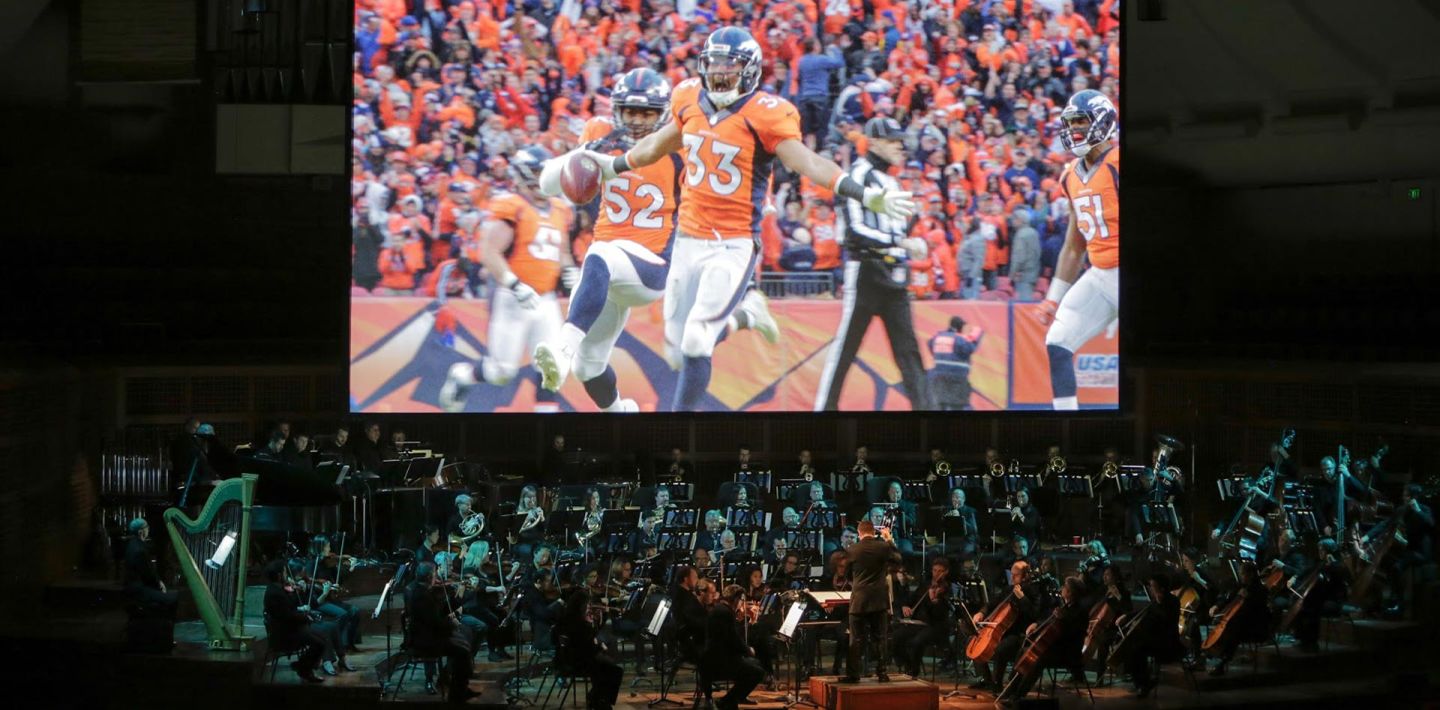
"caption": "For \"Super Bowl 50: Concert of Champions,\" the San Francisco Symphony played a night of football music, set to clips from football films.",
"description": "For \"Super Bowl 50: Concert of Champions,\" the San Francisco Symphony played a night of football music, set to clips from football films.",
"title": "FootballSymph",
"credit": "Photo: Amelia Kusar",
"status": "inherit",
"isLoading": false,
"fetchFailed": false
},
"news_10805895": {
"type": "attachments",
"id": "news_10805895",
"meta": {
"index": "attachments_1716263798",
"site": "news",
"id": "10805895",
"found": true
},
"parent": 10805761,
"imgSizes": {
"twentyfourteen-full-width": {
"file": "https://ww2.kqed.org/app/uploads/sites/10/2015/12/2015-08-04-17.06.30-1038x576.jpg",
"width": 1038,
"mimeType": "image/jpeg",
"height": 576
},
"thumbnail": {
"file": "https://ww2.kqed.org/app/uploads/sites/10/2015/12/2015-08-04-17.06.30-400x300.jpg",
"width": 400,
"mimeType": "image/jpeg",
"height": 300
},
"fd-sm": {
"file": "https://ww2.kqed.org/app/uploads/sites/10/2015/12/2015-08-04-17.06.30-960x720.jpg",
"width": 960,
"mimeType": "image/jpeg",
"height": 720
},
"post-thumbnail": {
"file": "https://ww2.kqed.org/app/uploads/sites/10/2015/12/2015-08-04-17.06.30-672x372.jpg",
"width": 672,
"mimeType": "image/jpeg",
"height": 372
},
"kqedFullSize": {
"file": "https://ww2.kqed.org/app/uploads/sites/10/2015/12/2015-08-04-17.06.30.jpg",
"width": 3264,
"height": 2448
},
"large": {
"file": "https://ww2.kqed.org/app/uploads/sites/10/2015/12/2015-08-04-17.06.30-1440x1080.jpg",
"width": 1440,
"mimeType": "image/jpeg",
"height": 1080
},
"guest-author-96": {
"file": "https://ww2.kqed.org/app/uploads/sites/10/2015/12/2015-08-04-17.06.30-96x96.jpg",
"width": 96,
"mimeType": "image/jpeg",
"height": 96
},
"medium": {
"file": "https://ww2.kqed.org/app/uploads/sites/10/2015/12/2015-08-04-17.06.30-800x600.jpg",
"width": 800,
"mimeType": "image/jpeg",
"height": 600
},
"guest-author-64": {
"file": "https://ww2.kqed.org/app/uploads/sites/10/2015/12/2015-08-04-17.06.30-64x64.jpg",
"width": 64,
"mimeType": "image/jpeg",
"height": 64
},
"guest-author-32": {
"file": "https://ww2.kqed.org/app/uploads/sites/10/2015/12/2015-08-04-17.06.30-32x32.jpg",
"width": 32,
"mimeType": "image/jpeg",
"height": 32
},
"jmtc-small-thumb": {
"file": "https://ww2.kqed.org/app/uploads/sites/10/2015/12/2015-08-04-17.06.30-280x150.jpg",
"width": 280,
"mimeType": "image/jpeg",
"height": 150
},
"fd-lrg": {
"file": "https://ww2.kqed.org/app/uploads/sites/10/2015/12/2015-08-04-17.06.30-1920x1440.jpg",
"width": 1920,
"mimeType": "image/jpeg",
"height": 1440
},
"fd-med": {
"file": "https://ww2.kqed.org/app/uploads/sites/10/2015/12/2015-08-04-17.06.30-1180x885.jpg",
"width": 1180,
"mimeType": "image/jpeg",
"height": 885
},
"detail": {
"file": "https://ww2.kqed.org/app/uploads/sites/10/2015/12/2015-08-04-17.06.30-75x75.jpg",
"width": 75,
"mimeType": "image/jpeg",
"height": 75
},
"medium_large": {
"file": "https://ww2.kqed.org/app/uploads/sites/10/2015/12/2015-08-04-17.06.30-768x576.jpg",
"width": 768,
"mimeType": "image/jpeg",
"height": 576
},
"guest-author-128": {
"file": "https://ww2.kqed.org/app/uploads/sites/10/2015/12/2015-08-04-17.06.30-128x128.jpg",
"width": 128,
"mimeType": "image/jpeg",
"height": 128
}
},
"publishDate": 1450920571,
"modified": 1451346008,
"caption": "Chef George Chen shows off some of the gourmet soy sauces he plans to sell at China Live, a large food emporium and restaurant complex opening in Chinatown.",
"description": "Chef George Chen shows off some of the gourmet soy sauces he plans to sell at China Live, a large food emporium and restaurant complex opening in Chinatown.",
"title": "2015-08-04 17.06.30",
"credit": "Stephanie Martin Taylor/KQED",
"status": "inherit",
"isLoading": false,
"fetchFailed": false
},
"news_10852636": {
"type": "attachments",
"id": "news_10852636",
"meta": {
"index": "attachments_1716263798",
"site": "news",
"id": "10852636",
"found": true
},
"parent": 10852571,
"imgSizes": {
"twentyfourteen-full-width": {
"file": "https://ww2.kqed.org/app/uploads/sites/10/2016/02/1-e1454461502521-1038x576.png",
"width": 1038,
"mimeType": "image/png",
"height": 576
},
"thumbnail": {
"file": "https://ww2.kqed.org/app/uploads/sites/10/2016/02/1-e1454461502521-400x220.png",
"width": 400,
"mimeType": "image/png",
"height": 220
},
"fd-sm": {
"file": "https://ww2.kqed.org/app/uploads/sites/10/2016/02/1-e1454461502521-960x527.png",
"width": 960,
"mimeType": "image/png",
"height": 527
},
"post-thumbnail": {
"file": "https://ww2.kqed.org/app/uploads/sites/10/2016/02/1-e1454461502521-672x372.png",
"width": 672,
"mimeType": "image/png",
"height": 372
},
"kqedFullSize": {
"file": "https://ww2.kqed.org/app/uploads/sites/10/2016/02/1-e1454461502521.png",
"width": 2032,
"height": 1116
},
"large": {
"file": "https://ww2.kqed.org/app/uploads/sites/10/2016/02/1-e1454461502521-1440x791.png",
"width": 1440,
"mimeType": "image/png",
"height": 791
},
"guest-author-96": {
"file": "https://ww2.kqed.org/app/uploads/sites/10/2016/02/1-e1454461502521-96x96.png",
"width": 96,
"mimeType": "image/png",
"height": 96
},
"medium": {
"file": "https://ww2.kqed.org/app/uploads/sites/10/2016/02/1-e1454461502521-800x439.png",
"width": 800,
"mimeType": "image/png",
"height": 439
},
"guest-author-64": {
"file": "https://ww2.kqed.org/app/uploads/sites/10/2016/02/1-e1454461502521-64x64.png",
"width": 64,
"mimeType": "image/png",
"height": 64
},
"guest-author-32": {
"file": "https://ww2.kqed.org/app/uploads/sites/10/2016/02/1-e1454461502521-32x32.png",
"width": 32,
"mimeType": "image/png",
"height": 32
},
"jmtc-small-thumb": {
"file": "https://ww2.kqed.org/app/uploads/sites/10/2016/02/1-e1454461502521-280x150.png",
"width": 280,
"mimeType": "image/png",
"height": 150
},
"fd-lrg": {
"file": "https://ww2.kqed.org/app/uploads/sites/10/2016/02/1-e1454461502521-1920x1054.png",
"width": 1920,
"mimeType": "image/png",
"height": 1054
},
"fd-med": {
"file": "https://ww2.kqed.org/app/uploads/sites/10/2016/02/1-e1454461502521-1180x648.png",
"width": 1180,
"mimeType": "image/png",
"height": 648
},
"detail": {
"file": "https://ww2.kqed.org/app/uploads/sites/10/2016/02/1-e1454461502521-75x75.png",
"width": 75,
"mimeType": "image/png",
"height": 75
},
"medium_large": {
"file": "https://ww2.kqed.org/app/uploads/sites/10/2016/02/1-e1454461502521-768x422.png",
"width": 768,
"mimeType": "image/png",
"height": 422
},
"guest-author-128": {
"file": "https://ww2.kqed.org/app/uploads/sites/10/2016/02/1-e1454461502521-128x128.png",
"width": 128,
"mimeType": "image/png",
"height": 128
}
},
"publishDate": 1454455353,
"modified": 1454631326,
"caption": null,
"description": null,
"title": "1",
"credit": "All photos courtesy of Stanford Special Collections Archives",
"status": "inherit",
"isLoading": false,
"fetchFailed": false
},
"news_10852575": {
"type": "attachments",
"id": "news_10852575",
"meta": {
"index": "attachments_1716263798",
"site": "news",
"id": "10852575",
"found": true
},
"parent": 10852416,
"imgSizes": {
"twentyfourteen-full-width": {
"file": "https://ww2.kqed.org/app/uploads/sites/10/2016/02/NoMasBebes-1038x576.jpg",
"width": 1038,
"mimeType": "image/jpeg",
"height": 576
},
"thumbnail": {
"file": "https://ww2.kqed.org/app/uploads/sites/10/2016/02/NoMasBebes-400x223.jpg",
"width": 400,
"mimeType": "image/jpeg",
"height": 223
},
"fd-sm": {
"file": "https://ww2.kqed.org/app/uploads/sites/10/2016/02/NoMasBebes-960x536.jpg",
"width": 960,
"mimeType": "image/jpeg",
"height": 536
},
"post-thumbnail": {
"file": "https://ww2.kqed.org/app/uploads/sites/10/2016/02/NoMasBebes-672x372.jpg",
"width": 672,
"mimeType": "image/jpeg",
"height": 372
},
"kqedFullSize": {
"file": "https://ww2.kqed.org/app/uploads/sites/10/2016/02/NoMasBebes.jpg",
"width": 1920,
"height": 1072
},
"large": {
"file": "https://ww2.kqed.org/app/uploads/sites/10/2016/02/NoMasBebes-1440x804.jpg",
"width": 1440,
"mimeType": "image/jpeg",
"height": 804
},
"guest-author-96": {
"file": "https://ww2.kqed.org/app/uploads/sites/10/2016/02/NoMasBebes-96x96.jpg",
"width": 96,
"mimeType": "image/jpeg",
"height": 96
},
"medium": {
"file": "https://ww2.kqed.org/app/uploads/sites/10/2016/02/NoMasBebes-800x447.jpg",
"width": 800,
"mimeType": "image/jpeg",
"height": 447
},
"guest-author-64": {
"file": "https://ww2.kqed.org/app/uploads/sites/10/2016/02/NoMasBebes-64x64.jpg",
"width": 64,
"mimeType": "image/jpeg",
"height": 64
},
"guest-author-32": {
"file": "https://ww2.kqed.org/app/uploads/sites/10/2016/02/NoMasBebes-32x32.jpg",
"width": 32,
"mimeType": "image/jpeg",
"height": 32
},
"jmtc-small-thumb": {
"file": "https://ww2.kqed.org/app/uploads/sites/10/2016/02/NoMasBebes-280x150.jpg",
"width": 280,
"mimeType": "image/jpeg",
"height": 150
},
"fd-lrg": {
"file": "https://ww2.kqed.org/app/uploads/sites/10/2016/02/NoMasBebes-1920x1072.jpg",
"width": 1920,
"mimeType": "image/jpeg",
"height": 1072
},
"fd-med": {
"file": "https://ww2.kqed.org/app/uploads/sites/10/2016/02/NoMasBebes-1180x659.jpg",
"width": 1180,
"mimeType": "image/jpeg",
"height": 659
},
"detail": {
"file": "https://ww2.kqed.org/app/uploads/sites/10/2016/02/NoMasBebes-75x75.jpg",
"width": 75,
"mimeType": "image/jpeg",
"height": 75
},
"medium_large": {
"file": "https://ww2.kqed.org/app/uploads/sites/10/2016/02/NoMasBebes-768x429.jpg",
"width": 768,
"mimeType": "image/jpeg",
"height": 429
},
"guest-author-128": {
"file": "https://ww2.kqed.org/app/uploads/sites/10/2016/02/NoMasBebes-128x128.jpg",
"width": 128,
"mimeType": "image/jpeg",
"height": 128
}
},
"publishDate": 1454452576,
"modified": 1454454531,
"caption": "Carolina 'Maria' Hurtado in the now-abandoned maternity ward of the Los Angeles County-USC Medical Center, where she was sterilized four decades ago.",
"description": "Carolina \"Maria\" Hurtado in the now abandoned maternity ward of the Los Angeles County-USC Medical Center, where she was sterilized four decades ago.",
"title": "NoMasBebes",
"credit": "Photo: Renee Tajima-Peña",
"status": "inherit",
"isLoading": false,
"fetchFailed": false
},
"news_10849051": {
"type": "attachments",
"id": "news_10849051",
"meta": {
"index": "attachments_1716263798",
"site": "news",
"id": "10849051",
"found": true
},
"parent": 10848326,
"imgSizes": {
"twentyfourteen-full-width": {
"file": "https://ww2.kqed.org/app/uploads/sites/10/2016/01/TySegallWeirdoFace-1038x576.jpg",
"width": 1038,
"mimeType": "image/jpeg",
"height": 576
},
"thumbnail": {
"file": "https://ww2.kqed.org/app/uploads/sites/10/2016/01/TySegallWeirdoFace-400x310.jpg",
"width": 400,
"mimeType": "image/jpeg",
"height": 310
},
"fd-sm": {
"file": "https://ww2.kqed.org/app/uploads/sites/10/2016/01/TySegallWeirdoFace-960x744.jpg",
"width": 960,
"mimeType": "image/jpeg",
"height": 744
},
"post-thumbnail": {
"file": "https://ww2.kqed.org/app/uploads/sites/10/2016/01/TySegallWeirdoFace-672x372.jpg",
"width": 672,
"mimeType": "image/jpeg",
"height": 372
},
"kqedFullSize": {
"file": "https://ww2.kqed.org/app/uploads/sites/10/2016/01/TySegallWeirdoFace.jpg",
"width": 1920,
"height": 1488
},
"large": {
"file": "https://ww2.kqed.org/app/uploads/sites/10/2016/01/TySegallWeirdoFace-1440x1116.jpg",
"width": 1440,
"mimeType": "image/jpeg",
"height": 1116
},
"guest-author-96": {
"file": "https://ww2.kqed.org/app/uploads/sites/10/2016/01/TySegallWeirdoFace-96x96.jpg",
"width": 96,
"mimeType": "image/jpeg",
"height": 96
},
"medium": {
"file": "https://ww2.kqed.org/app/uploads/sites/10/2016/01/TySegallWeirdoFace-800x620.jpg",
"width": 800,
"mimeType": "image/jpeg",
"height": 620
},
"guest-author-64": {
"file": "https://ww2.kqed.org/app/uploads/sites/10/2016/01/TySegallWeirdoFace-64x64.jpg",
"width": 64,
"mimeType": "image/jpeg",
"height": 64
},
"guest-author-32": {
"file": "https://ww2.kqed.org/app/uploads/sites/10/2016/01/TySegallWeirdoFace-32x32.jpg",
"width": 32,
"mimeType": "image/jpeg",
"height": 32
},
"jmtc-small-thumb": {
"file": "https://ww2.kqed.org/app/uploads/sites/10/2016/01/TySegallWeirdoFace-280x150.jpg",
"width": 280,
"mimeType": "image/jpeg",
"height": 150
},
"fd-lrg": {
"file": "https://ww2.kqed.org/app/uploads/sites/10/2016/01/TySegallWeirdoFace-1920x1488.jpg",
"width": 1920,
"mimeType": "image/jpeg",
"height": 1488
},
"fd-med": {
"file": "https://ww2.kqed.org/app/uploads/sites/10/2016/01/TySegallWeirdoFace-1180x915.jpg",
"width": 1180,
"mimeType": "image/jpeg",
"height": 915
},
"detail": {
"file": "https://ww2.kqed.org/app/uploads/sites/10/2016/01/TySegallWeirdoFace-75x75.jpg",
"width": 75,
"mimeType": "image/jpeg",
"height": 75
},
"medium_large": {
"file": "https://ww2.kqed.org/app/uploads/sites/10/2016/01/TySegallWeirdoFace-768x595.jpg",
"width": 768,
"mimeType": "image/jpeg",
"height": 595
},
"guest-author-128": {
"file": "https://ww2.kqed.org/app/uploads/sites/10/2016/01/TySegallWeirdoFace-128x128.jpg",
"width": 128,
"mimeType": "image/jpeg",
"height": 128
}
},
"publishDate": 1454109683,
"modified": 1454109797,
"caption": "Ty Segall, the emotional mugger.",
"description": "Ty Segall, the emotional mugger.",
"title": "TySegallWeirdoFace",
"credit": "Denee Petracek/Ty Segall",
"status": "inherit",
"isLoading": false,
"fetchFailed": false
}
},
"audioPlayerReducer": {
"postId": "stream_live",
"isPaused": true,
"isPlaying": false,
"pfsActive": false,
"pledgeModalIsOpen": true,
"playerDrawerIsOpen": false,
"liveAudioPlayStartedAt": 0,
"liveAudioPlayContext": ""
},
"authorsReducer": {
"byline_news_10874738": {
"type": "authors",
"id": "byline_news_10874738",
"meta": {
"override": true
},
"slug": "byline_news_10874738",
"name": "\u003cstrong>\u003ca href=\"http://www.npr.org/people/243254424/eric-deggans\">Eric Deggans\u003c/a>\u003cbr>NPR\u003c/strong>",
"isLoading": false
},
"byline_news_10874678": {
"type": "authors",
"id": "byline_news_10874678",
"meta": {
"override": true
},
"slug": "byline_news_10874678",
"name": "\u003cstrong>Kristin J. Bender and Michelle Locke, Associated Press\u003c/strong>",
"isLoading": false
},
"byline_news_10871085": {
"type": "authors",
"id": "byline_news_10871085",
"meta": {
"override": true
},
"slug": "byline_news_10871085",
"name": "David Folkenflik",
"isLoading": false
},
"byline_news_10852416": {
"type": "authors",
"id": "byline_news_10852416",
"meta": {
"override": true
},
"slug": "byline_news_10852416",
"name": "\u003cstrong>Shereen Marisol Meraji\u003cbr>NPR\u003c/strong>",
"isLoading": false
},
"jbrooks": {
"type": "authors",
"id": "80",
"meta": {
"index": "authors_1716337520",
"id": "80",
"found": true
},
"name": "Jon Brooks",
"firstName": "Jon",
"lastName": "Brooks",
"slug": "jbrooks",
"email": "jbrooks@kqed.org",
"display_author_email": true,
"staff_mastheads": [
"science"
],
"title": "Digital Editor",
"bio": "Jon Brooks is a former Digital Editor for KQED Science. He is the former editor of KQED’s daily news blog, News Fix. In 2014, he won a California Journalism Award for his coverage of ride services like Uber and Lyft and the taxi industry. A veteran blogger, he previously worked for Yahoo! in various news writing and editing roles. Jon is also a playwright whose work has been produced in San Francisco, New York, Italy, and around the U.S. He has written about film for his own blog and studied film at Boston University.",
"avatar": "https://secure.gravatar.com/avatar/98887f7ed1c876ed414d4c915e969584?s=600&d=blank&r=g",
"twitter": "jbrooksfoy",
"facebook": null,
"instagram": null,
"linkedin": null,
"sites": [
{
"site": "arts",
"roles": [
"Contributor",
"editor"
]
},
{
"site": "news",
"roles": [
"author"
]
},
{
"site": "futureofyou",
"roles": [
"administrator"
]
},
{
"site": "mindshift",
"roles": [
"editor"
]
},
{
"site": "stateofhealth",
"roles": [
"editor"
]
},
{
"site": "science",
"roles": [
"administrator"
]
},
{
"site": "quest",
"roles": [
"editor"
]
}
],
"headData": {
"title": "Jon Brooks | KQED",
"description": "Digital Editor",
"ogImgSrc": "https://secure.gravatar.com/avatar/98887f7ed1c876ed414d4c915e969584?s=600&d=blank&r=g",
"twImgSrc": "https://secure.gravatar.com/avatar/98887f7ed1c876ed414d4c915e969584?s=600&d=blank&r=g"
},
"isLoading": false,
"link": "/author/jbrooks"
},
"shochman": {
"type": "authors",
"id": "87",
"meta": {
"index": "authors_1716337520",
"id": "87",
"found": true
},
"name": "Steve Hochman",
"firstName": "Steve",
"lastName": "Hochman",
"slug": "shochman",
"email": "sehochman@me.com",
"display_author_email": false,
"staff_mastheads": [],
"title": "KQED Contributor",
"bio": "Steve Hochman has covered popular, and unpopular, music for more than 30 years, most of that time as a key member of the \u003ci>Los Angeles Times\u003c/i>' music team. In that capacity he wrote about the full range of music and musicians, from Hungarian folk to industrial noise, and from 1991 through 2005 wrote the \u003ci>Times\u003c/i>' widely read weekly \"Pop Eye\" column. In addition to his role with \u003ci>The California Report\u003c/i>, he's a music critic for Pasadena station KPCC's morning magazine \u003ci>Take Two\u003c/i> and a regular contributor to Grammy.com, Fender.com and other outlets. His byline has appeared through the years in an array of major publications, including \u003ci>Rolling Stone\u003c/i>, \u003ci>Billboard\u003c/i> and \u003ci>Entertainment Weekly\u003c/i> and New Orleans' \u003ci>Offbeat\u003c/i>.",
"avatar": "https://secure.gravatar.com/avatar/37fbddee9db232a05a1be3b065171301e8baa142626c45b0caa6fc61c25a8c8d?s=600&d=blank&r=g",
"twitter": null,
"bluesky": null,
"facebook": null,
"instagram": null,
"linkedin": null,
"sites": [
{
"site": "arts",
"roles": [
"Contributor",
"subscriber"
]
},
{
"site": "news",
"roles": [
"subscriber"
]
}
],
"headData": {
"title": "Steve Hochman | KQED",
"description": "KQED Contributor",
"ogImgSrc": "https://secure.gravatar.com/avatar/37fbddee9db232a05a1be3b065171301e8baa142626c45b0caa6fc61c25a8c8d?s=600&d=blank&r=g",
"twImgSrc": "https://secure.gravatar.com/avatar/37fbddee9db232a05a1be3b065171301e8baa142626c45b0caa6fc61c25a8c8d?s=600&d=blank&r=g"
},
"isLoading": false,
"link": "/author/shochman"
},
"smartin": {
"type": "authors",
"id": "89",
"meta": {
"index": "authors_1716337520",
"id": "89",
"found": true
},
"name": "Stephanie Martin Taylor",
"firstName": "Stephanie Martin",
"lastName": "Taylor",
"slug": "smartin",
"email": "smartin@kqed.org",
"display_author_email": false,
"staff_mastheads": [],
"title": null,
"bio": "Stephanie Martin is a radio news reporter and anchor, and an occasional host of the \u003cem>KQED Newsroom \u003c/em>television program. While she currently focuses on housing and development issues, she has also reported on topics ranging from state and local politics to religion to arts and culture.\r\n\r\nPrior to joining KQED in 2005, Stephanie was an anchor and reporter for WFDD, the NPR affiliate in Winston-Salem, NC. She also spent several years as a television anchor, reporter and producer at various stations around the country.\r\n\r\nStephanie has received numerous awards for her reporting, including two National Headliner Awards, the Religion Newswriters Association's Best Radio Reporting Award and honors from the Associated Press and the Radio and Television Digital News Association. A series she produced from Iraq in 2005 earned a Best of Radio Award from the Society of Professional Journalists.\r\n\r\nStephanie received a graduate degree in Journalism from Columbia University. As an undergraduate at Colgate University, she worked and studied in Paris and Dijon, France, and spent a summer interning in the White House Press Office.\r\n\r\nStephanie grew up in Dallas, TX, and now lives with her husband in San Francisco.",
"avatar": "https://secure.gravatar.com/avatar/9fd3f8e9af01e14afde39822c19646e0?s=600&d=blank&r=g",
"twitter": "SMartinTaylor",
"facebook": null,
"instagram": null,
"linkedin": null,
"sites": [
{
"site": "arts",
"roles": [
"Contributor",
"subscriber"
]
},
{
"site": "news",
"roles": [
"subscriber"
]
},
{
"site": "stateofhealth",
"roles": [
"subscriber"
]
}
],
"headData": {
"title": "Stephanie Martin Taylor | KQED",
"description": null,
"ogImgSrc": "https://secure.gravatar.com/avatar/9fd3f8e9af01e14afde39822c19646e0?s=600&d=blank&r=g",
"twImgSrc": "https://secure.gravatar.com/avatar/9fd3f8e9af01e14afde39822c19646e0?s=600&d=blank&r=g"
},
"isLoading": false,
"link": "/author/smartin"
},
"aliceldaniel": {
"type": "authors",
"id": "208",
"meta": {
"index": "authors_1716337520",
"id": "208",
"found": true
},
"name": "Alice Daniel",
"firstName": "Alice",
"lastName": "Daniel",
"slug": "aliceldaniel",
"email": "adaniel@kqed.org",
"display_author_email": false,
"staff_mastheads": [],
"title": null,
"bio": "Alice Daniel loves the listening aspect of reporting because she gets to briefly walk in other people’s shoes. She has rappelled down into caves and gone up in helicopters for KQED’s The California Report but her favorite place to pursue a story is the High Sierra or any family-run bakery, of course. Alice has a masters in journalism from Columbia University and teaches at Fresno State. She is a California Healthline Regional Correspondent and a frequent contributor to Success magazine. In her free time, she skis and hikes, throws pottery, practices piano and looks out the window.",
"avatar": "https://secure.gravatar.com/avatar/e611aa06593b114a67f9f123a8e875ad?s=600&d=blank&r=g",
"twitter": null,
"facebook": null,
"instagram": null,
"linkedin": null,
"sites": [
{
"site": "news",
"roles": [
"author"
]
},
{
"site": "stateofhealth",
"roles": [
"author"
]
}
],
"headData": {
"title": "Alice Daniel | KQED",
"description": null,
"ogImgSrc": "https://secure.gravatar.com/avatar/e611aa06593b114a67f9f123a8e875ad?s=600&d=blank&r=g",
"twImgSrc": "https://secure.gravatar.com/avatar/e611aa06593b114a67f9f123a8e875ad?s=600&d=blank&r=g"
},
"isLoading": false,
"link": "/author/aliceldaniel"
},
"danbrekke": {
"type": "authors",
"id": "222",
"meta": {
"index": "authors_1716337520",
"id": "222",
"found": true
},
"name": "Dan Brekke",
"firstName": "Dan",
"lastName": "Brekke",
"slug": "danbrekke",
"email": "dbrekke@kqed.org",
"display_author_email": true,
"staff_mastheads": [
"news",
"science"
],
"title": "KQED Editor and Reporter",
"bio": "Dan Brekke is a reporter and editor for KQED News, responsible for coverage of topics ranging from California water issues to the Bay Area's transportation challenges. In a newsroom career that began in Chicago in 1972, Dan has worked for \u003cem>The San Francisco Examiner,\u003c/em> Wired and TechTV and has been published in The New York Times, The New York Times Magazine, Business 2.0, Salon and elsewhere.\r\n\r\nSince joining KQED in 2007, Dan has reported, edited and produced both radio and online features and breaking news pieces. He has shared as both editor and reporter in four Society of Professional Journalists Norcal Excellence in Journalism awards and one Edward R. Murrow regional award. He was chosen for a spring 2017 residency at the Mesa Refuge to advance his research on California salmon.\r\n\r\nEmail Dan at: \u003ca href=\"mailto:dbrekke@kqed.org\">dbrekke@kqed.org\u003c/a>\r\n\r\n\u003cstrong>Twitter:\u003c/strong> \u003ca href=\"https://twitter.com/danbrekke\" rel=\"noopener noreferrer\">twitter.com/danbrekke\u003c/a>\r\n\u003cstrong>Facebook:\u003c/strong> \u003ca href=\"https://www.facebook.com/danbrekke\" rel=\"noopener noreferrer\">www.facebook.com/danbrekke\u003c/a>\r\n\u003cstrong>LinkedIn:\u003c/strong> \u003ca href=\"https://www.linkedin.com/in/danbrekke\" rel=\"noopener noreferrer\">www.linkedin.com/in/danbrekke\u003c/a>",
"avatar": "https://secure.gravatar.com/avatar/8f1f0d2a978fb3b23426c922c7e2af558fa36905b49c4ce76a97dc3c72d27226?s=600&d=mm&r=g",
"twitter": "danbrekke",
"bluesky": null,
"facebook": null,
"instagram": "https://www.instagram.com/dan.brekke/",
"linkedin": "https://www.linkedin.com/in/danbrekke/",
"sites": [
{
"site": "news",
"roles": [
"administrator",
"create_posts"
]
},
{
"site": "stateofhealth",
"roles": [
"editor"
]
},
{
"site": "science",
"roles": [
"editor"
]
},
{
"site": "quest",
"roles": [
"contributor"
]
},
{
"site": "food",
"roles": [
"contributor"
]
},
{
"site": "forum",
"roles": [
"contributor"
]
},
{
"site": "elections",
"roles": [
"editor"
]
},
{
"site": "liveblog",
"roles": [
"editor"
]
}
],
"headData": {
"title": "Dan Brekke | KQED",
"description": "KQED Editor and Reporter",
"ogImgSrc": "https://secure.gravatar.com/avatar/8f1f0d2a978fb3b23426c922c7e2af558fa36905b49c4ce76a97dc3c72d27226?s=600&d=mm&r=g",
"twImgSrc": "https://secure.gravatar.com/avatar/8f1f0d2a978fb3b23426c922c7e2af558fa36905b49c4ce76a97dc3c72d27226?s=600&d=mm&r=g"
},
"isLoading": false,
"link": "/author/danbrekke"
},
"rachael-myrow": {
"type": "authors",
"id": "251",
"meta": {
"index": "authors_1716337520",
"id": "251",
"found": true
},
"name": "Rachael Myrow",
"firstName": "Rachael",
"lastName": "Myrow",
"slug": "rachael-myrow",
"email": "rmyrow@kqed.org",
"display_author_email": true,
"staff_mastheads": [
"news"
],
"title": "Senior Editor of KQED's Silicon Valley News Desk",
"bio": "• I write and edit stories about how Silicon Valley power and policies shape everyday life in California. I’m also passionate about making Bay Area history and culture more accessible to a broad public. • I’ve been a journalist for most of my life, starting in high school with The Franklin Press in Los Angeles, where I grew up. While earning my first degree in English at UC Berkeley, I got my start in public radio at KALX-FM. After completing a second degree in journalism at Cal, I landed my first professional job at Marketplace, then moved on to KPCC (now LAist), and then KQED, where I hosted The California Report for more than seven years. • My reporting has appeared on NPR, The World, WBUR’s \u003ci>Here & Now\u003c/i>, and the BBC. I also guest host for KQED’s \u003ci>Forum\u003c/i>, as well as the Commonwealth Club in San Francisco. • I speak periodically on media, democracy and technology issues, and do voiceover work for documentaries and educational video projects. • Outside of the studio, you'll find me hiking Bay Area trails and whipping up Insta-ready meals in my kitchen. • I do not accept gifts, money, or favors from anyone connected to my reporting, I don't pay people for information, and I do not support or donate to political causes. • I strive to treat the people I report on with fairness, honesty, and respect. I also recognize there are often multiple sides to a story and work to verify information through multiple sources and documentation. If I get something wrong, I correct it.",
"avatar": "https://secure.gravatar.com/avatar/3ed8a3c5f26025e4a805ba634cda8cd764906b97438a6d9ce216b044e340da4e?s=600&d=blank&r=g",
"twitter": "rachaelmyrow",
"bluesky": null,
"facebook": null,
"instagram": null,
"linkedin": "https://www.linkedin.com/in/rachaelmyrow/",
"sites": [
{
"site": "arts",
"roles": [
"administrator"
]
},
{
"site": "news",
"roles": [
"edit_others_posts",
"editor"
]
},
{
"site": "futureofyou",
"roles": [
"editor"
]
},
{
"site": "bayareabites",
"roles": [
"editor"
]
},
{
"site": "stateofhealth",
"roles": [
"editor"
]
},
{
"site": "science",
"roles": [
"editor"
]
},
{
"site": "food",
"roles": [
"editor"
]
},
{
"site": "forum",
"roles": [
"editor"
]
},
{
"site": "liveblog",
"roles": [
"author"
]
}
],
"headData": {
"title": "Rachael Myrow | KQED",
"description": "Senior Editor of KQED's Silicon Valley News Desk",
"ogImgSrc": "https://secure.gravatar.com/avatar/3ed8a3c5f26025e4a805ba634cda8cd764906b97438a6d9ce216b044e340da4e?s=600&d=blank&r=g",
"twImgSrc": "https://secure.gravatar.com/avatar/3ed8a3c5f26025e4a805ba634cda8cd764906b97438a6d9ce216b044e340da4e?s=600&d=blank&r=g"
},
"isLoading": false,
"link": "/author/rachael-myrow"
},
"adembosky": {
"type": "authors",
"id": "3205",
"meta": {
"index": "authors_1716337520",
"id": "3205",
"found": true
},
"name": "April Dembosky",
"firstName": "April",
"lastName": "Dembosky",
"slug": "adembosky",
"email": "adembosky@kqed.org",
"display_author_email": false,
"staff_mastheads": [
"news",
"science"
],
"title": "KQED Health Correspondent",
"bio": "April Dembosky is the health correspondent for KQED News and a regular contributor to NPR. She specializes in covering altered states of mind, from postpartum depression to methamphetamine-induced psychosis to the insanity defense. Her investigative series on insurance companies sidestepping mental health laws won multiple awards, including first place in beat reporting from the national Association of Health Care Journalists. She is the recipient of numerous other prizes and fellowships, including a national Edward R. Murrow award for investigative reporting, a Society of Professional Journalists award for long-form storytelling, and a Carter Center Fellowship for Mental Health Journalism.\r\n\r\nDembosky reported and produced \u003cem>Soundtrack of Silence\u003c/em>, an audio documentary about music and memory that is currently being made into a feature film by Paramount Pictures.\r\n\r\nBefore joining KQED in 2013, Dembosky covered technology and Silicon Valley for \u003cem>The Financial Times of London,\u003c/em> and contributed business and arts stories to \u003cem>Marketplace \u003c/em>and \u003cem>The New York Times.\u003c/em> She got her undergraduate degree in philosophy from Smith College and her master's in journalism from the University of California, Berkeley. She is a classically trained violinist and proud alum of the first symphony orchestra at Burning Man.",
"avatar": "https://secure.gravatar.com/avatar/ef92999be4ceb9ea60701e7dc276f813?s=600&d=blank&r=g",
"twitter": "adembosky",
"facebook": null,
"instagram": null,
"linkedin": null,
"sites": [
{
"site": "arts",
"roles": [
"author"
]
},
{
"site": "news",
"roles": [
"editor"
]
},
{
"site": "futureofyou",
"roles": [
"author"
]
},
{
"site": "stateofhealth",
"roles": [
"editor"
]
},
{
"site": "science",
"roles": [
"editor"
]
},
{
"site": "forum",
"roles": [
"editor"
]
}
],
"headData": {
"title": "April Dembosky | KQED",
"description": "KQED Health Correspondent",
"ogImgSrc": "https://secure.gravatar.com/avatar/ef92999be4ceb9ea60701e7dc276f813?s=600&d=blank&r=g",
"twImgSrc": "https://secure.gravatar.com/avatar/ef92999be4ceb9ea60701e7dc276f813?s=600&d=blank&r=g"
},
"isLoading": false,
"link": "/author/adembosky"
},
"ecruzguevarra": {
"type": "authors",
"id": "8654",
"meta": {
"index": "authors_1716337520",
"id": "8654",
"found": true
},
"name": "Ericka Cruz Guevarra",
"firstName": "Ericka",
"lastName": "Cruz Guevarra",
"slug": "ecruzguevarra",
"email": "ecruzguevarra@kqed.org",
"display_author_email": true,
"staff_mastheads": [
"news"
],
"title": "Producer, The Bay Podcast",
"bio": "Ericka Cruz Guevarra is host of \u003ca href=\"https://www.kqed.org/podcasts/thebay\">\u003cem>The Bay\u003c/em>\u003c/a> podcast at KQED. Before host, she was the show’s producer. Her work in that capacity includes a three-part reported series on policing in Vallejo, which won a 2020 excellence in journalism award from the Society of Professional Journalists. Ericka has worked as a breaking news reporter at Oregon Public Broadcasting, helped produce the Code Switch podcast, and was KQED’s inaugural Raul Ramirez Diversity Fund intern. She’s also an alumna of NPR’s Next Generation Radio program. Send her an email if you have strong feelings about whether Fairfield and Suisun City are the Bay. Ericka is represented by SAG-AFTRA.",
"avatar": "https://secure.gravatar.com/avatar/accefc1de4bafc7e234b69bcb9b6f6536c130fd84709bc3069ef11a78787e1bb?s=600&d=blank&r=g",
"twitter": "NotoriousECG",
"bluesky": null,
"facebook": null,
"instagram": null,
"linkedin": null,
"sites": [
{
"site": "arts",
"roles": [
"subscriber"
]
},
{
"site": "news",
"roles": [
"editor",
"manage_categories"
]
},
{
"site": "futureofyou",
"roles": [
"subscriber"
]
},
{
"site": "stateofhealth",
"roles": [
"subscriber"
]
},
{
"site": "science",
"roles": [
"editor"
]
},
{
"site": "forum",
"roles": [
"subscriber"
]
}
],
"headData": {
"title": "Ericka Cruz Guevarra | KQED",
"description": "Producer, The Bay Podcast",
"ogImgSrc": "https://secure.gravatar.com/avatar/accefc1de4bafc7e234b69bcb9b6f6536c130fd84709bc3069ef11a78787e1bb?s=600&d=blank&r=g",
"twImgSrc": "https://secure.gravatar.com/avatar/accefc1de4bafc7e234b69bcb9b6f6536c130fd84709bc3069ef11a78787e1bb?s=600&d=blank&r=g"
},
"isLoading": false,
"link": "/author/ecruzguevarra"
}
},
"pagesReducer": {
"news_category_arts-and-culture": {
"type": "terms",
"id": "news_223",
"meta": {
"index": "terms_1716263798",
"site": "news",
"id": "223",
"score": 11.242635
},
"featImg": null,
"name": "Arts and Culture",
"description": null,
"taxonomy": "category",
"headData": {
"twImgId": null,
"twTitle": null,
"ogTitle": null,
"ogImgId": null,
"twDescription": null,
"description": null,
"title": "Arts and Culture Archives | KQED News",
"ogDescription": null
},
"ttid": 231,
"slug": "arts-and-culture",
"isLoading": false,
"title": "Arts and Culture",
"pageMeta": {
"site": "news",
"WpPageTemplate": "page-topic-editorial",
"currentPage": 117
},
"blocks": [
{
"blockName": "kqed/post-list",
"attrs": {
"layout": "cardArticle2",
"query": "posts/news?category=arts-and-culture",
"seeMore": false,
"paginated": true,
"page": 117
}
},
{
"blockName": "kqed/ad"
}
]
}
},
"pfsSessionReducer": {},
"postsReducer": {
"stream_live": {
"type": "live",
"id": "stream_live",
"audioUrl": "https://streams.kqed.org/kqedradio",
"title": "Live Stream",
"excerpt": "Live Stream information currently unavailable.",
"link": "/radio",
"featImg": "",
"label": {
"name": "KQED Live",
"link": "/"
}
},
"stream_kqedNewscast": {
"type": "posts",
"id": "stream_kqedNewscast",
"audioUrl": "https://www.kqed.org/.stream/anon/radio/RDnews/newscast.mp3?_=1",
"title": "KQED Newscast",
"featImg": "",
"label": {
"name": "88.5 FM",
"link": "/"
}
},
"news_10868506": {
"type": "posts",
"id": "news_10868506",
"meta": {
"index": "posts_1716263798",
"site": "news",
"id": "10868506",
"score": null,
"sort": [
1456533007000
]
},
"parent": 0,
"labelTerm": {
"site": "news",
"term": 72
},
"blocks": [],
"publishDate": 1456533007,
"format": "standard",
"disqusTitle": "Acid Flashback: Santa Cruz Bird Frenzy, Hitchcock and a Biological Whodunit",
"title": "Acid Flashback: Santa Cruz Bird Frenzy, Hitchcock and a Biological Whodunit",
"headTitle": "The California Report | KQED News",
"content": "\u003cp>Long before \u003ca href=\"http://www.nwfsc.noaa.gov/hab/habs_toxins/marine_biotoxins/da/\" target=\"_blank\">domoic acid\u003c/a> ruined Northern California's \u003ca href=\"http://ww2.kqed.org/science/2015/11/05/why-is-an-algae-bloom-closing-crab-season-in-california/\" target=\"_blank\">2015-16 Dungeness crab season\u003c/a>, it was responsible for a panic along the Santa Cruz County seashore, which in turn informed a classic piece of creepy California cinema.\u003c/p>\n\u003cp>Flashback to August 1961: In Germany, an enduring symbol of the Cold War -- \u003ca href=\"http://www.bbc.co.uk/history/places/berlin_wall\" target=\"_blank\">the Berlin Wall\u003c/a> -- is under construction. Barack Obama is born in Honolulu. No one but a handful of Japanese researchers has ever heard of domoic acid. And in beachside communities near Santa Cruz, birds are going nuts.\u003c/p>\n\u003cp>[soundcloud url=\"https://api.soundcloud.com/tracks/249102907\" params=\"color=ff5500&auto_play=false&hide_related=false&show_comments=true&show_user=true&show_reposts=false\" width=\"100%\" height=\"166\" iframe=\"true\" /]\u003c/p>\n\u003cp>The Great Bird Frenzy took place early the morning of Friday, Aug. 18, 1961. Here's how longtime \u003ca href=\"http://www.santacruzsentinel.com/article/zz/20120115/NEWS/120117661\" target=\"_blank\">Santa Cruz Sentinel reporter and columnist Wally Trabing\u003c/a> described the scene that unfolded along the shoreline just east of Santa Cruz:\u003c/p>\n\u003cblockquote>\u003cp>A massive flight of \u003ca href=\"http://currents.ucsc.edu/06-07/08-14/shearwaters.asp\" target=\"_blank\">sooty shearwaters\u003c/a>, fresh from a feast of anchovies, collided with shoreside structures from Pleasure Point to Rio del Mar during the night.\u003c/p>\n\u003cp>Residents, especially in the Pleasure Point and Capitola area, were awakened about 3 a.m. today by the rain of birds slamming against their homes.\u003c/p>\n\u003cp>Dead and stunned seabirds littered the streets and roads in the foggy, early dawn. Startled by the invasion, residents rushed out on their lawns with flashlights, then rushed back inside, as the birds flew toward their light.\u003c/p>\n\u003cp>Television aerial supports were severed, and one power line was shorted out about 4 a.m. on Merrill Avenue when the birds hitting the lines slapped them together.\u003c/p>\u003c/blockquote>\n\u003cfigure id=\"attachment_10871218\" class=\"wp-caption alignright\" style=\"max-width: 300px\">\u003ca href=\"http://ww2.kqed.org/news/wp-content/uploads/sites/10/2016/02/hitchcockbirds.jpg\" rel=\"attachment wp-att-10871218\">\u003cimg class=\"size-thumbnail wp-image-10871218\" src=\"http://ww2.kqed.org/news/wp-content/uploads/sites/10/2016/02/hitchcockbirds-400x1042.jpg\" alt=\"Item from the Aug. 21, 1961, edition of the Santa Cruz Sentinel reporting Alfred Hitchcock's interest in the local bird 'invasion.'\" width=\"300\" height=\"781\" srcset=\"https://ww2.kqed.org/app/uploads/sites/10/2016/02/hitchcockbirds-400x1042.jpg 400w, https://ww2.kqed.org/app/uploads/sites/10/2016/02/hitchcockbirds.jpg 546w\" sizes=\"(max-width: 300px) 100vw, 300px\">\u003c/a>\u003cfigcaption class=\"wp-caption-text\">Item from the Aug. 21, 1961, edition of the Santa Cruz Sentinel reporting Alfred Hitchcock's interest in the local bird 'invasion.' \u003ccite>(Newspapers.com)\u003c/cite>\u003c/figcaption>\u003c/figure>\n\u003cp>In the following days, the Sentinel reported crews picking up truckloads of dead birds from streets and lawns in the area. For an explanation of the avian behavior, the paper turned to \u003ca href=\"http://www.oac.cdlib.org/findaid/ark:/13030/c84b332g/\" target=\"_blank\">Ward Russell\u003c/a>, a specimen collector and preparator at UC Berkeley's Museum of Vertebrate Zoology. (Russell's \u003ca href=\"http://blogrr.blogspot.com/2009/06/meet-beetles.html\" target=\"_blank\">claim to fame\u003c/a>, it appears, is that he promoted the use of \u003ca href=\"http://voices.nationalgeographic.com/2013/01/17/flesh-eating-beetles-explained/\" target=\"_blank\">flesh-eating beetles\u003c/a> -- or dermestid beetles -- to clean skeletons.)\u003c/p>\n\u003cp>[ad fullwidth]\u003c/p>\n\u003cp>Russell opined that the sooty shearwaters, which fly tens of thousands of miles around the Pacific basin each year, became confused by a thick fog and flapped in a blind panic toward lights onshore. Others thought the sound of gunfire from the Army's Fort Ord might have spooked the birds.\u003c/p>\n\u003cp>One of those who took note of the sooty shearwater episode was movie director Alfred Hitchcock, who owned \u003ca href=\"http://www.santacruzpl.org/history/articles/299/\" target=\"_blank\">a 200-acre estate\u003c/a> at the end of a narrow, winding road in the Santa Cruz Mountains. Three days after the invasion, the Sentinel buried an item on page 4: Hitchcock had read the paper's account of the invasion and planned to use it in his adaptation of the Daphne Du Maurier \u003ca href=\"https://northviewulrich.files.wordpress.com/2014/11/the-birds-full-text.pdf\" target=\"_blank\">short story\u003c/a> \"The Birds.\"\u003c/p>\n\u003cp>And in fact, the Santa Cruz incident and Ward Russell's theory both made it into Hitchcock's \u003ca href=\"http://the.hitchcock.zone/wiki/Scripts:_The_Birds_(final_draft,_2nd_rev,_02/Mar/1962)\" target=\"_blank\">final script\u003c/a>, set in Bodega Bay. In the film version of \"The Birds,\" Mitch Brenner, the character played by Rod Taylor, is trying to think of a way to drive away flocks of crows and gulls that have begun terrorizing the locals. Brenner has the following exchange with several other characters and a bird sympathizer identified only as Mrs. Bundy:\u003c/p>\n\u003cblockquote>\u003cp>\u003cstrong>Mitch:\u003c/strong> Mrs. Bundy, you said something about Santa Cruz. About seagulls getting lost in the fog, and heading in for the lights.\u003c/p>\n\u003cp>\u003cstrong>Deke:\u003c/strong> We don't have any fog this time of year, Mitch.\u003c/p>\n\u003cp>\u003cstrong>Mitch:\u003c/strong> We'll make our own fog.\u003c/p>\n\u003cp>\u003cstrong>Sholes:\u003c/strong> How do you plan to do that?\u003c/p>\n\u003cp>\u003cstrong>Mitch\u003c/strong>: With smoke.\u003c/p>\n\u003cp>\u003cstrong>Malone:\u003c/strong> There's an ordinance against burning anything in this town, unless it's...\u003c/p>\n\u003cp>\u003cstrong>Mitch:\u003c/strong> We'll use smoke pots. Like the Army uses.\u003c/p>\n\u003cp>\u003cstrong>Deke:\u003c/strong> What good'll that do? Smoke's as bad as birds.\u003c/p>\n\u003cp>\u003cstrong>Mrs. Bundy:\u003c/strong> Birds are not bad!\u003c/p>\n\u003cp>\u003cstrong>Sholes:\u003c/strong> How can we go on living here if we blanket the town with smoke?\u003c/p>\n\u003cp>\u003cstrong>Mitch:\u003c/strong> Can we go on living here otherwise?\u003c/p>\u003c/blockquote>\n\u003cp>For decades, there was no better explanation for the the 1961 Santa Cruz bird mystery than they'd gotten lost in the fog.\u003c/p>\n\u003cp>But in 1991, a clue appeared. Hundreds of brown pelicans and cormorants were found sick or dead along the Monterey Bay shoreline. \u003ca href=\"http://www.jstor.org/stable/20460314?seq=1#page_scan_tab_contents\" target=\"_blank\">Veterinary researchers\u003c/a> eliminated viruses, bacteria or heavy-metal poisoning as the cause, then determined the birds had suffered acute poisoning by domoic acid. The toxin was found both in anchovies the birds had fed on and in plankton the fish had consumed.\u003c/p>\n\u003cp>UC Santa Cruz marine biologist David Garrison studied the 1991 incident and speculated several years later that domoic acid might have been responsible for the 1961 bird invasion. It wasn't until 2012, more than half a century after the episode, that researchers from UC San Diego's Scripps Institution of Oceanography found direct evidence that the sooty shearwaters had indeed suffered domoic acid poisoning.\u003c/p>\n\u003cp>The Scripps scientists used an archive of biological samples from California Cooperative Oceanic Fisheries Investigations, a marine monitoring program in operation since 1949, to try to investigate the conditions the birds would have encountered in Monterey Bay in the summer of 1961. Specifically, the team was looking for samples that might show the presence of Pseudo-nitzschia, a genus of diatoms that includes species known to produce domoic acid.\u003c/p>\n\u003cp>In a summary of the research published in Nature Geoscience, the Scripps oceanographers reported that Monterey Bay zooplankton collected in 1961 showed high levels of the toxin-producing diatoms. Here's the mildly worded conclusion to the Scripps team's findings:\u003c/p>\n\u003cblockquote>\u003cp>Given the similarities between events in 1961 and the domoic acid-induced poisoning of 1991, we suggest that toxic Pseudo-nitzschia were probably responsible for the odd behaviour and death of Sooty shearwaters in August 1961. This brief study therefore supports the contention that domoic acid caused the seabird frenzy ... and strongly suggests that domoic-acid-producing phytoplankton have been an agent of marine animal mortality in the California Current system for at least the past fifty years.\u003c/p>\u003c/blockquote>\n\u003cp>\u003c/p>\n\u003cp>OK -- maybe not quite \u003ca href=\"http://www.metv.com/shows/perry-mason\" target=\"_blank\">Perry Mason\u003c/a> stuff. But case closed.\u003c/p>\n\n",
"disqusIdentifier": "10868506 http://ww2.kqed.org/news/?p=10868506",
"disqusUrl": "https://ww2.kqed.org/news/2016/02/26/acid-flashback-santa-cruz-bird-frenzy-hitchcock-and-a-biological-whodunit/",
"stats": {
"hasVideo": false,
"hasChartOrMap": false,
"hasAudio": false,
"hasPolis": false,
"wordCount": 1040,
"hasGoogleForm": false,
"hasGallery": false,
"hasHearkenModule": false,
"iframeSrcs": [],
"paragraphCount": 32
},
"modified": 1456536336,
"excerpt": "Long before domoic acid ruined this year's crab season, it was responsible for a panic along the Santa Cruz County seashore, which in turn informed a classic piece of California cinema.",
"headData": {
"twImgId": "",
"twTitle": "",
"ogTitle": "",
"ogImgId": "",
"twDescription": "",
"description": "Long before domoic acid ruined this year's crab season, it was responsible for a panic along the Santa Cruz County seashore, which in turn informed a classic piece of California cinema.",
"title": "Acid Flashback: Santa Cruz Bird Frenzy, Hitchcock and a Biological Whodunit | KQED",
"ogDescription": "",
"schema": {
"@context": "https://schema.org",
"@type": "NewsArticle",
"headline": "Acid Flashback: Santa Cruz Bird Frenzy, Hitchcock and a Biological Whodunit",
"datePublished": "2016-02-26T16:30:07-08:00",
"dateModified": "2016-02-26T17:25:36-08:00",
"image": "https://cdn.kqed.org/wp-content/uploads/2020/02/KQED-OG-Image@1x.png",
"isAccessibleForFree": "True",
"publisher": {
"@type": "NewsMediaOrganization",
"@id": "https://www.kqed.org/#organization",
"name": "KQED",
"logo": "https://cdn.kqed.org/wp-content/uploads/2020/02/KQED-OG-Image@1x.png",
"url": "https://www.kqed.org",
"sameAs": [
"https://www.facebook.com/KQED",
"https://twitter.com/KQED",
"https://www.instagram.com/kqed/",
"https://www.tiktok.com/@kqedofficial",
"https://www.linkedin.com/company/kqed",
"https://www.youtube.com/channel/UCeC0IOo7i1P_61zVUWbJ4nw"
]
}
}
},
"guestAuthors": [],
"slug": "acid-flashback-santa-cruz-bird-frenzy-hitchcock-and-a-biological-whodunit",
"status": "publish",
"customPermalink": "2016/02/19/acid-flashback-santa-cruz-bird-frenzy-hitchcock-and-a-biological-whodunit/",
"path": "/news/10868506/acid-flashback-santa-cruz-bird-frenzy-hitchcock-and-a-biological-whodunit",
"audioTrackLength": null,
"parsedContent": [
{
"type": "contentString",
"content": "\u003cdiv class=\"post-body\">\u003cp>\u003cp>Long before \u003ca href=\"http://www.nwfsc.noaa.gov/hab/habs_toxins/marine_biotoxins/da/\" target=\"_blank\">domoic acid\u003c/a> ruined Northern California's \u003ca href=\"http://ww2.kqed.org/science/2015/11/05/why-is-an-algae-bloom-closing-crab-season-in-california/\" target=\"_blank\">2015-16 Dungeness crab season\u003c/a>, it was responsible for a panic along the Santa Cruz County seashore, which in turn informed a classic piece of creepy California cinema.\u003c/p>\n\u003cp>Flashback to August 1961: In Germany, an enduring symbol of the Cold War -- \u003ca href=\"http://www.bbc.co.uk/history/places/berlin_wall\" target=\"_blank\">the Berlin Wall\u003c/a> -- is under construction. Barack Obama is born in Honolulu. No one but a handful of Japanese researchers has ever heard of domoic acid. And in beachside communities near Santa Cruz, birds are going nuts.\u003c/p>\n\u003cp>\u003c/p>\u003cp>\u003cdiv class='utils-parseShortcode-shortcodes-__shortcodes__shortcodeWrapper'>\n \u003ciframe width='100%' height='166'\n scrolling='no' frameborder='no'\n src='https://w.soundcloud.com/player/?url=https://api.soundcloud.com/tracks/249102907&visual=true&color=ff5500&auto_play=false&hide_related=false&show_comments=true&show_user=true&show_reposts=false'\n title='https://api.soundcloud.com/tracks/249102907'>\n \u003c/iframe>\n \u003c/div>\u003c/p>\u003cp>\u003c/p>\n\u003cp>The Great Bird Frenzy took place early the morning of Friday, Aug. 18, 1961. Here's how longtime \u003ca href=\"http://www.santacruzsentinel.com/article/zz/20120115/NEWS/120117661\" target=\"_blank\">Santa Cruz Sentinel reporter and columnist Wally Trabing\u003c/a> described the scene that unfolded along the shoreline just east of Santa Cruz:\u003c/p>\n\u003cblockquote>\u003cp>A massive flight of \u003ca href=\"http://currents.ucsc.edu/06-07/08-14/shearwaters.asp\" target=\"_blank\">sooty shearwaters\u003c/a>, fresh from a feast of anchovies, collided with shoreside structures from Pleasure Point to Rio del Mar during the night.\u003c/p>\n\u003cp>Residents, especially in the Pleasure Point and Capitola area, were awakened about 3 a.m. today by the rain of birds slamming against their homes.\u003c/p>\n\u003cp>Dead and stunned seabirds littered the streets and roads in the foggy, early dawn. Startled by the invasion, residents rushed out on their lawns with flashlights, then rushed back inside, as the birds flew toward their light.\u003c/p>\n\u003cp>Television aerial supports were severed, and one power line was shorted out about 4 a.m. on Merrill Avenue when the birds hitting the lines slapped them together.\u003c/p>\u003c/blockquote>\n\u003cfigure id=\"attachment_10871218\" class=\"wp-caption alignright\" style=\"max-width: 300px\">\u003ca href=\"http://ww2.kqed.org/news/wp-content/uploads/sites/10/2016/02/hitchcockbirds.jpg\" rel=\"attachment wp-att-10871218\">\u003cimg class=\"size-thumbnail wp-image-10871218\" src=\"http://ww2.kqed.org/news/wp-content/uploads/sites/10/2016/02/hitchcockbirds-400x1042.jpg\" alt=\"Item from the Aug. 21, 1961, edition of the Santa Cruz Sentinel reporting Alfred Hitchcock's interest in the local bird 'invasion.'\" width=\"300\" height=\"781\" srcset=\"https://ww2.kqed.org/app/uploads/sites/10/2016/02/hitchcockbirds-400x1042.jpg 400w, https://ww2.kqed.org/app/uploads/sites/10/2016/02/hitchcockbirds.jpg 546w\" sizes=\"(max-width: 300px) 100vw, 300px\">\u003c/a>\u003cfigcaption class=\"wp-caption-text\">Item from the Aug. 21, 1961, edition of the Santa Cruz Sentinel reporting Alfred Hitchcock's interest in the local bird 'invasion.' \u003ccite>(Newspapers.com)\u003c/cite>\u003c/figcaption>\u003c/figure>\n\u003cp>In the following days, the Sentinel reported crews picking up truckloads of dead birds from streets and lawns in the area. For an explanation of the avian behavior, the paper turned to \u003ca href=\"http://www.oac.cdlib.org/findaid/ark:/13030/c84b332g/\" target=\"_blank\">Ward Russell\u003c/a>, a specimen collector and preparator at UC Berkeley's Museum of Vertebrate Zoology. (Russell's \u003ca href=\"http://blogrr.blogspot.com/2009/06/meet-beetles.html\" target=\"_blank\">claim to fame\u003c/a>, it appears, is that he promoted the use of \u003ca href=\"http://voices.nationalgeographic.com/2013/01/17/flesh-eating-beetles-explained/\" target=\"_blank\">flesh-eating beetles\u003c/a> -- or dermestid beetles -- to clean skeletons.)\u003c/p>\n\u003cp>\u003c/p>\u003c/div>",
"attributes": {
"named": {},
"numeric": []
}
},
{
"type": "component",
"content": "",
"name": "ad",
"attributes": {
"named": {
"label": "fullwidth"
},
"numeric": [
"fullwidth"
]
}
},
{
"type": "contentString",
"content": "\u003cdiv class=\"post-body\">\u003cp>\u003c/p>\n\u003cp>Russell opined that the sooty shearwaters, which fly tens of thousands of miles around the Pacific basin each year, became confused by a thick fog and flapped in a blind panic toward lights onshore. Others thought the sound of gunfire from the Army's Fort Ord might have spooked the birds.\u003c/p>\n\u003cp>One of those who took note of the sooty shearwater episode was movie director Alfred Hitchcock, who owned \u003ca href=\"http://www.santacruzpl.org/history/articles/299/\" target=\"_blank\">a 200-acre estate\u003c/a> at the end of a narrow, winding road in the Santa Cruz Mountains. Three days after the invasion, the Sentinel buried an item on page 4: Hitchcock had read the paper's account of the invasion and planned to use it in his adaptation of the Daphne Du Maurier \u003ca href=\"https://northviewulrich.files.wordpress.com/2014/11/the-birds-full-text.pdf\" target=\"_blank\">short story\u003c/a> \"The Birds.\"\u003c/p>\n\u003cp>And in fact, the Santa Cruz incident and Ward Russell's theory both made it into Hitchcock's \u003ca href=\"http://the.hitchcock.zone/wiki/Scripts:_The_Birds_(final_draft,_2nd_rev,_02/Mar/1962)\" target=\"_blank\">final script\u003c/a>, set in Bodega Bay. In the film version of \"The Birds,\" Mitch Brenner, the character played by Rod Taylor, is trying to think of a way to drive away flocks of crows and gulls that have begun terrorizing the locals. Brenner has the following exchange with several other characters and a bird sympathizer identified only as Mrs. Bundy:\u003c/p>\n\u003cblockquote>\u003cp>\u003cstrong>Mitch:\u003c/strong> Mrs. Bundy, you said something about Santa Cruz. About seagulls getting lost in the fog, and heading in for the lights.\u003c/p>\n\u003cp>\u003cstrong>Deke:\u003c/strong> We don't have any fog this time of year, Mitch.\u003c/p>\n\u003cp>\u003cstrong>Mitch:\u003c/strong> We'll make our own fog.\u003c/p>\n\u003cp>\u003cstrong>Sholes:\u003c/strong> How do you plan to do that?\u003c/p>\n\u003cp>\u003cstrong>Mitch\u003c/strong>: With smoke.\u003c/p>\n\u003cp>\u003cstrong>Malone:\u003c/strong> There's an ordinance against burning anything in this town, unless it's...\u003c/p>\n\u003cp>\u003cstrong>Mitch:\u003c/strong> We'll use smoke pots. Like the Army uses.\u003c/p>\n\u003cp>\u003cstrong>Deke:\u003c/strong> What good'll that do? Smoke's as bad as birds.\u003c/p>\n\u003cp>\u003cstrong>Mrs. Bundy:\u003c/strong> Birds are not bad!\u003c/p>\n\u003cp>\u003cstrong>Sholes:\u003c/strong> How can we go on living here if we blanket the town with smoke?\u003c/p>\n\u003cp>\u003cstrong>Mitch:\u003c/strong> Can we go on living here otherwise?\u003c/p>\u003c/blockquote>\n\u003cp>For decades, there was no better explanation for the the 1961 Santa Cruz bird mystery than they'd gotten lost in the fog.\u003c/p>\n\u003cp>But in 1991, a clue appeared. Hundreds of brown pelicans and cormorants were found sick or dead along the Monterey Bay shoreline. \u003ca href=\"http://www.jstor.org/stable/20460314?seq=1#page_scan_tab_contents\" target=\"_blank\">Veterinary researchers\u003c/a> eliminated viruses, bacteria or heavy-metal poisoning as the cause, then determined the birds had suffered acute poisoning by domoic acid. The toxin was found both in anchovies the birds had fed on and in plankton the fish had consumed.\u003c/p>\n\u003cp>UC Santa Cruz marine biologist David Garrison studied the 1991 incident and speculated several years later that domoic acid might have been responsible for the 1961 bird invasion. It wasn't until 2012, more than half a century after the episode, that researchers from UC San Diego's Scripps Institution of Oceanography found direct evidence that the sooty shearwaters had indeed suffered domoic acid poisoning.\u003c/p>\n\u003cp>The Scripps scientists used an archive of biological samples from California Cooperative Oceanic Fisheries Investigations, a marine monitoring program in operation since 1949, to try to investigate the conditions the birds would have encountered in Monterey Bay in the summer of 1961. Specifically, the team was looking for samples that might show the presence of Pseudo-nitzschia, a genus of diatoms that includes species known to produce domoic acid.\u003c/p>\n\u003cp>In a summary of the research published in Nature Geoscience, the Scripps oceanographers reported that Monterey Bay zooplankton collected in 1961 showed high levels of the toxin-producing diatoms. Here's the mildly worded conclusion to the Scripps team's findings:\u003c/p>\n\u003cblockquote>\u003cp>Given the similarities between events in 1961 and the domoic acid-induced poisoning of 1991, we suggest that toxic Pseudo-nitzschia were probably responsible for the odd behaviour and death of Sooty shearwaters in August 1961. This brief study therefore supports the contention that domoic acid caused the seabird frenzy ... and strongly suggests that domoic-acid-producing phytoplankton have been an agent of marine animal mortality in the California Current system for at least the past fifty years.\u003c/p>\u003c/blockquote>\n\u003cp>\u003c/p>\n\u003cp>OK -- maybe not quite \u003ca href=\"http://www.metv.com/shows/perry-mason\" target=\"_blank\">Perry Mason\u003c/a> stuff. But case closed.\u003c/p>\n\n\u003c/div>\u003c/p>",
"attributes": {
"named": {},
"numeric": []
}
}
],
"link": "/news/10868506/acid-flashback-santa-cruz-bird-frenzy-hitchcock-and-a-biological-whodunit",
"authors": [
"222"
],
"programs": [
"news_72"
],
"categories": [
"news_223",
"news_19906",
"news_356"
],
"tags": [
"news_19190",
"news_721",
"news_17286"
],
"featImg": "news_10868508",
"label": "news_72"
},
"futureofyou_117571": {
"type": "posts",
"id": "futureofyou_117571",
"meta": {
"index": "posts_1716263798",
"site": "futureofyou",
"id": "117571",
"score": null,
"sort": [
1456436272000
]
},
"parent": 0,
"labelTerm": {
"site": "futureofyou",
"term": 54
},
"blocks": [],
"publishDate": 1456436272,
"format": "standard",
"disqusTitle": "How CRISPR Made it Onto 'The X-Files'",
"title": "How CRISPR Made it Onto 'The X-Files'",
"headTitle": "Future of You | KQED Future of You | KQED Science",
"content": "\u003cp>\"The X-Files\" revival has gotten some \u003ca href=\"http://www.nytimes.com/2016/01/27/arts/television/x-files-ratings-stay-strong.html\" target=\"_blank\">big ratings\u003c/a>. Clearly a lot of fans (if \u003ca href=\"http://variety.com/2016/tv/features/the-x-files-season-finale-review-my-struggle-ii-1201712181/\" target=\"_blank\">not\u003c/a> \u003ca href=\"http://www.vox.com/2016/2/24/11104426/the-x-files-finale-recap-bad\" target=\"_blank\">critics\u003c/a>) are over the moon at its return, as this Twitter search on \"\u003ca href=\"https://twitter.com/search?q=x-files%20best%20show%20ever&src=typd\" target=\"_blank\">X-Files Best Show Ever\u003c/a>\" will attest.\u003c/p>\n\u003cp>As much as we'd love to jump on the bandwagon and cover the infiltration of alien DNA in our genome, the funding isn't quite there, yet. Luckily, the inclusion of CRISPR/Cas9 as a major plot point in the season finale Monday does give us a convenient excuse to get in on the action.\u003c/p>\n\u003cp>CRISPR/Cas9, as we have been \u003ca href=\"http://ww2.kqed.org/futureofyou/tag/crispr/\" target=\"_blank\">writing about\u003c/a>, is a cutting-edge gene-editing technique that has been heralded as a \u003ca href=\"http://ww2.kqed.org/futureofyou/CRISPR%3A-What-You-Need-to-Know-About-the-Medical-Science-%27Breakthrough-of-the-Year%27\" target=\"_blank\">breakthrough technology\u003c/a>, inspiring \u003ca href=\"http://ww2.kqed.org/futureofyou/2016/02/22/gene-editing-coming-to-a-kitchen-counter-near-you/\" target=\"_blank\">high expectations for\u003c/a> -- as well as \u003ca href=\"https://www.theguardian.com/science/2016/feb/12/rogue-scientists-could-exploit-gene-editing-technology-experts-warn\" target=\"_blank\">warnings about\u003c/a> -- potential uses.\u003c/p>\n\u003cfigure id=\"attachment_118123\" class=\"wp-caption alignright\" style=\"max-width: 338px\">\u003cimg class=\"wp-image-118123 size-medium\" src=\"http://ww2.kqed.org/futureofyou/wp-content/uploads/sites/13/2017/02/duchovny-e1456426674504-338x600.jpg\" alt=\"X-Files science advisor Anne Simon and David Duchovny in Vancouver, August 2015.\" width=\"338\" height=\"600\" srcset=\"https://ww2.kqed.org/app/uploads/sites/13/2017/02/duchovny-e1456426674504-338x600.jpg 338w, https://ww2.kqed.org/app/uploads/sites/13/2017/02/duchovny-e1456426674504-400x711.jpg 400w, https://ww2.kqed.org/app/uploads/sites/13/2017/02/duchovny-e1456426674504-768x1365.jpg 768w, https://ww2.kqed.org/app/uploads/sites/13/2017/02/duchovny-e1456426674504-664x1180.jpg 664w, https://ww2.kqed.org/app/uploads/sites/13/2017/02/duchovny-e1456426674504-960x1707.jpg 960w, https://ww2.kqed.org/app/uploads/sites/13/2017/02/duchovny-e1456426674504.jpg 1080w\" sizes=\"(max-width: 338px) 100vw, 338px\">\u003cfigcaption class=\"wp-caption-text\">X-Files science advisor Anne Simon and David Duchovny in Vancouver, August 2015. \u003ccite>(Courtesy Anne Simon)\u003c/cite>\u003c/figcaption>\u003c/figure>\n\u003cp>Anne Simon, a University of Maryland virologist who also happens to be a science advisor on \"The X-Files,\" has taken note. She co-wrote the finale's story, along with microbiologist Margaret Fearon and show creator Chris Carter. The plot involves humans who are stripped of their immune systems. This is accomplished via CRISPR/Cas9.\u003c/p>\n\u003cp>\"He asked me to come up with something that would kill off everybody,\" she said of Carter Wednesday. \"That took a lot of thought. It had to be something simple enough to get across to the public. I began thinking if you just got rid of the \u003ca href=\"http://ghr.nlm.nih.gov/gene/ADA\" target=\"_blank\">ADA gene\u003c/a> -- I teach this -- you would not have an immune system. That’s the \u003ca href=\"http://ww2.kqed.org/futureofyou/CRISPR%3A-What-You-Need-to-Know-About-the-Medical-Science-%27Breakthrough-of-the-Year%27\" target=\"_blank\">Boy in the Bubble syndrome\u003c/a>. The idea is that a long time ago [the aliens and human conspirators] must have put something in our genome that would get rid of the gene.\"\u003c/p>\n\u003cp>[ad fullwidth]\u003c/p>\n\u003cp>(In the show, the mechanism for introducing alien DNA into the human genome is the smallpox vaccine, which \"doubtless made \u003ca href=\"http://www.pbs.org/wgbh/frontline/article/jenny-mccarthy-were-not-an-anti-vaccine-movement-were-pro-safe-vaccine/\" target=\"_blank\">Jenny McCarthy\u003c/a> the happiest 'X-Files' viewer of the night,\" \u003ca href=\"https://www.yahoo.com/tv/x-files-finale-review-ep-6-my-struggle-141222649.html\" target=\"_blank\">wrote\u003c/a> a Yahoo! TV critic.)\u003c/p>\n\u003cp>Simon said she and co-writer Fearon had to do a lot of explaining to Carter as to how CRISPR works.\u003c/p>\n\u003cp>http://ww2.kqed.org/futureofyou/wp-content/uploads/sites/13/2016/02/CRISPR-is-Here.jpg\u003c/p>\n\u003cp>\"Between the two of us we’re trying to explain it to him on the phone and showing him YouTube videos and stuff, and he \u003cem>kind\u003c/em> of gets it.\"\u003c/p>\n\u003cp>She said she looked at the script every day to check on the science. \"It really is accurate. I was happy at the end.\"\u003c/p>\n\u003cp>Accurate within the bounds of sci-fi/conspiracy theory, of course. Simon said she suggested the story have the mass gene deletion triggered by the increase in CO2 -- global warming. But Carter opted to make the triggering mechanism ... \u003ca href=\"http://thevane.gawker.com/why-i-write-about-and-debunk-the-chemtrail-conspiracy-1581896346\" target=\"_blank\">chemtrails\u003c/a>.\u003c/p>\n\u003cp>\"Chris wanted to use chemtrails, which is \u003ca href=\"http://thevane.gawker.com/why-i-write-about-and-debunk-the-chemtrail-conspiracy-1581896346\" target=\"_blank\">big in conspiracy theories\u003c/a>. I don’t even know what it is,\" Simon said.\u003c/p>\n\u003cp>She first connected with Carter, back in the day, through a family connection. \"He needed to talk to a biologist. I thought, 'We'll get the microscopes right.\"\u003c/p>\n\u003cp>At one point, Carter named a character after Simon, but her fictional self was short-lived. \"I had visions of her being Scully and Mulder’s partner, and helping them solve cases scientifically. And then I get killed off. \"\u003c/p>\n\u003cp>She thinks the character of Dana Scully has been great for encouraging female scientists.\u003c/p>\n\u003cp>\"She has been a wonderful draw for young people. I hear from so many people over Twitter who say they went into science because of 'The X-Files.'\u003c/p>\n\u003cp>\u003c/p>\n\u003cp>Whether the show comes back for more episodes is still an open question. But the signs are \u003ca href=\"http://www.ew.com/article/2016/01/29/x-files-ratings\" target=\"_blank\">encouraging\u003c/a>. FOX, no doubt, is suggesting we all stay tuned.\u003c/p>\n\n",
"disqusIdentifier": "117571 http://ww2.kqed.org/futureofyou/?p=117571",
"disqusUrl": "https://ww2.kqed.org/futureofyou/2016/02/25/how-crispr-made-it-onto-the-x-files/",
"stats": {
"hasVideo": false,
"hasChartOrMap": false,
"hasAudio": false,
"hasPolis": false,
"wordCount": 654,
"hasGoogleForm": false,
"hasGallery": false,
"hasHearkenModule": false,
"iframeSrcs": [],
"paragraphCount": 18
},
"modified": 1456879718,
"excerpt": "The show's science adviser says series creator Chris Carter told her \"to come up with something that kills everybody.\" ",
"headData": {
"twImgId": "",
"twTitle": "",
"ogTitle": "",
"ogImgId": "",
"twDescription": "",
"description": "The show's science adviser says series creator Chris Carter told her "to come up with something that kills everybody." ",
"title": "How CRISPR Made it Onto 'The X-Files' | KQED",
"ogDescription": "",
"schema": {
"@context": "https://schema.org",
"@type": "Article",
"headline": "How CRISPR Made it Onto 'The X-Files'",
"datePublished": "2016-02-25T13:37:52-08:00",
"dateModified": "2016-03-01T16:48:38-08:00",
"image": "https://cdn.kqed.org/wp-content/uploads/2020/02/KQED-OG-Image@1x.png"
}
},
"guestAuthors": [],
"slug": "how-crispr-made-it-onto-the-x-files",
"status": "publish",
"path": "/futureofyou/117571/how-crispr-made-it-onto-the-x-files",
"audioTrackLength": null,
"parsedContent": [
{
"type": "contentString",
"content": "\u003cdiv class=\"post-body\">\u003cp>\u003cp>\"The X-Files\" revival has gotten some \u003ca href=\"http://www.nytimes.com/2016/01/27/arts/television/x-files-ratings-stay-strong.html\" target=\"_blank\">big ratings\u003c/a>. Clearly a lot of fans (if \u003ca href=\"http://variety.com/2016/tv/features/the-x-files-season-finale-review-my-struggle-ii-1201712181/\" target=\"_blank\">not\u003c/a> \u003ca href=\"http://www.vox.com/2016/2/24/11104426/the-x-files-finale-recap-bad\" target=\"_blank\">critics\u003c/a>) are over the moon at its return, as this Twitter search on \"\u003ca href=\"https://twitter.com/search?q=x-files%20best%20show%20ever&src=typd\" target=\"_blank\">X-Files Best Show Ever\u003c/a>\" will attest.\u003c/p>\n\u003cp>As much as we'd love to jump on the bandwagon and cover the infiltration of alien DNA in our genome, the funding isn't quite there, yet. Luckily, the inclusion of CRISPR/Cas9 as a major plot point in the season finale Monday does give us a convenient excuse to get in on the action.\u003c/p>\n\u003cp>CRISPR/Cas9, as we have been \u003ca href=\"http://ww2.kqed.org/futureofyou/tag/crispr/\" target=\"_blank\">writing about\u003c/a>, is a cutting-edge gene-editing technique that has been heralded as a \u003ca href=\"http://ww2.kqed.org/futureofyou/CRISPR%3A-What-You-Need-to-Know-About-the-Medical-Science-%27Breakthrough-of-the-Year%27\" target=\"_blank\">breakthrough technology\u003c/a>, inspiring \u003ca href=\"http://ww2.kqed.org/futureofyou/2016/02/22/gene-editing-coming-to-a-kitchen-counter-near-you/\" target=\"_blank\">high expectations for\u003c/a> -- as well as \u003ca href=\"https://www.theguardian.com/science/2016/feb/12/rogue-scientists-could-exploit-gene-editing-technology-experts-warn\" target=\"_blank\">warnings about\u003c/a> -- potential uses.\u003c/p>\n\u003cfigure id=\"attachment_118123\" class=\"wp-caption alignright\" style=\"max-width: 338px\">\u003cimg class=\"wp-image-118123 size-medium\" src=\"http://ww2.kqed.org/futureofyou/wp-content/uploads/sites/13/2017/02/duchovny-e1456426674504-338x600.jpg\" alt=\"X-Files science advisor Anne Simon and David Duchovny in Vancouver, August 2015.\" width=\"338\" height=\"600\" srcset=\"https://ww2.kqed.org/app/uploads/sites/13/2017/02/duchovny-e1456426674504-338x600.jpg 338w, https://ww2.kqed.org/app/uploads/sites/13/2017/02/duchovny-e1456426674504-400x711.jpg 400w, https://ww2.kqed.org/app/uploads/sites/13/2017/02/duchovny-e1456426674504-768x1365.jpg 768w, https://ww2.kqed.org/app/uploads/sites/13/2017/02/duchovny-e1456426674504-664x1180.jpg 664w, https://ww2.kqed.org/app/uploads/sites/13/2017/02/duchovny-e1456426674504-960x1707.jpg 960w, https://ww2.kqed.org/app/uploads/sites/13/2017/02/duchovny-e1456426674504.jpg 1080w\" sizes=\"(max-width: 338px) 100vw, 338px\">\u003cfigcaption class=\"wp-caption-text\">X-Files science advisor Anne Simon and David Duchovny in Vancouver, August 2015. \u003ccite>(Courtesy Anne Simon)\u003c/cite>\u003c/figcaption>\u003c/figure>\n\u003cp>Anne Simon, a University of Maryland virologist who also happens to be a science advisor on \"The X-Files,\" has taken note. She co-wrote the finale's story, along with microbiologist Margaret Fearon and show creator Chris Carter. The plot involves humans who are stripped of their immune systems. This is accomplished via CRISPR/Cas9.\u003c/p>\n\u003cp>\"He asked me to come up with something that would kill off everybody,\" she said of Carter Wednesday. \"That took a lot of thought. It had to be something simple enough to get across to the public. I began thinking if you just got rid of the \u003ca href=\"http://ghr.nlm.nih.gov/gene/ADA\" target=\"_blank\">ADA gene\u003c/a> -- I teach this -- you would not have an immune system. That’s the \u003ca href=\"http://ww2.kqed.org/futureofyou/CRISPR%3A-What-You-Need-to-Know-About-the-Medical-Science-%27Breakthrough-of-the-Year%27\" target=\"_blank\">Boy in the Bubble syndrome\u003c/a>. The idea is that a long time ago [the aliens and human conspirators] must have put something in our genome that would get rid of the gene.\"\u003c/p>\n\u003cp>\u003c/p>\u003c/div>",
"attributes": {
"named": {},
"numeric": []
}
},
{
"type": "component",
"content": "",
"name": "ad",
"attributes": {
"named": {
"label": "fullwidth"
},
"numeric": [
"fullwidth"
]
}
},
{
"type": "contentString",
"content": "\u003cdiv class=\"post-body\">\u003cp>\u003c/p>\n\u003cp>(In the show, the mechanism for introducing alien DNA into the human genome is the smallpox vaccine, which \"doubtless made \u003ca href=\"http://www.pbs.org/wgbh/frontline/article/jenny-mccarthy-were-not-an-anti-vaccine-movement-were-pro-safe-vaccine/\" target=\"_blank\">Jenny McCarthy\u003c/a> the happiest 'X-Files' viewer of the night,\" \u003ca href=\"https://www.yahoo.com/tv/x-files-finale-review-ep-6-my-struggle-141222649.html\" target=\"_blank\">wrote\u003c/a> a Yahoo! TV critic.)\u003c/p>\n\u003cp>Simon said she and co-writer Fearon had to do a lot of explaining to Carter as to how CRISPR works.\u003c/p>\u003c/p>\u003c/div>",
"attributes": {
"named": {},
"numeric": []
}
},
{
"type": "component",
"content": "",
"name": "kqedEmbed",
"attributes": {
"named": {
"url": "http://ww2.kqed.org/futureofyou/wp-content/uploads/sites/13/2016/02/CRISPR-is-Here.jpg"
},
"numeric": []
}
},
{
"type": "contentString",
"content": "\u003cdiv class=\"post-body\">\u003cp>\u003cp>\"Between the two of us we’re trying to explain it to him on the phone and showing him YouTube videos and stuff, and he \u003cem>kind\u003c/em> of gets it.\"\u003c/p>\n\u003cp>She said she looked at the script every day to check on the science. \"It really is accurate. I was happy at the end.\"\u003c/p>\n\u003cp>Accurate within the bounds of sci-fi/conspiracy theory, of course. Simon said she suggested the story have the mass gene deletion triggered by the increase in CO2 -- global warming. But Carter opted to make the triggering mechanism ... \u003ca href=\"http://thevane.gawker.com/why-i-write-about-and-debunk-the-chemtrail-conspiracy-1581896346\" target=\"_blank\">chemtrails\u003c/a>.\u003c/p>\n\u003cp>\"Chris wanted to use chemtrails, which is \u003ca href=\"http://thevane.gawker.com/why-i-write-about-and-debunk-the-chemtrail-conspiracy-1581896346\" target=\"_blank\">big in conspiracy theories\u003c/a>. I don’t even know what it is,\" Simon said.\u003c/p>\n\u003cp>She first connected with Carter, back in the day, through a family connection. \"He needed to talk to a biologist. I thought, 'We'll get the microscopes right.\"\u003c/p>\n\u003cp>At one point, Carter named a character after Simon, but her fictional self was short-lived. \"I had visions of her being Scully and Mulder’s partner, and helping them solve cases scientifically. And then I get killed off. \"\u003c/p>\n\u003cp>She thinks the character of Dana Scully has been great for encouraging female scientists.\u003c/p>\n\u003cp>\"She has been a wonderful draw for young people. I hear from so many people over Twitter who say they went into science because of 'The X-Files.'\u003c/p>\n\u003cp>\u003c/p>\n\u003cp>Whether the show comes back for more episodes is still an open question. But the signs are \u003ca href=\"http://www.ew.com/article/2016/01/29/x-files-ratings\" target=\"_blank\">encouraging\u003c/a>. FOX, no doubt, is suggesting we all stay tuned.\u003c/p>\n\n\u003c/div>\u003c/p>",
"attributes": {
"named": {},
"numeric": []
}
}
],
"link": "/futureofyou/117571/how-crispr-made-it-onto-the-x-files",
"authors": [
"80"
],
"programs": [
"futureofyou_54"
],
"categories": [
"futureofyou_452",
"futureofyou_1",
"futureofyou_73"
],
"tags": [
"futureofyou_778",
"futureofyou_94",
"futureofyou_80",
"futureofyou_777"
],
"featImg": "futureofyou_118097",
"label": "futureofyou_54"
},
"news_10874738": {
"type": "posts",
"id": "news_10874738",
"meta": {
"index": "posts_1716263798",
"site": "news",
"id": "10874738",
"score": null,
"sort": [
1456179341000
]
},
"guestAuthors": [],
"slug": "usc-study-hollywood-has-a-major-diversity-problem",
"title": "USC Study: Hollywood Has a Major Diversity Problem",
"publishDate": 1456179341,
"format": "standard",
"headTitle": "USC Study: Hollywood Has a Major Diversity Problem | KQED",
"labelTerm": {},
"content": "\u003cp>A newly released study suggests diversity in TV and film is so bad that the hashtag #OscarsSoWhite should probably be changed to #HollywoodSoWhite.\u003c/p>\n\u003cp>That’s because of an “epidemic of invisibility” cited by researchers at the University of Southern California, who analyzed more than 21,000 characters and behind-the-scenes workers on more than 400 films and TV shows released from September 2014 through August 2015. They tabulated representations of gender, race, ethnicity and sexual status.\u003c/p>\n\u003cp>“We’re seeing that there’s not just a diversity problem in Hollywood; there’s actually an inclusion crisis,” Stacy L. Smith, one of the study’s authors and founding director of the Media, Diversity and Social Change Initiative at USC’s Annenberg School for Communication and Journalism, said in an interview.\u003c/p>\n\u003cp>The study, \u003ca href=\"http://annenberg.usc.edu/pages/~/media/MDSCI/CARDReport%20FINAL%2022216.ashx\">titled “Inclusion or Invisibility? Comprehensive Annenberg Report on Diversity in Entertainment,”\u003c/a> found just one-third of speaking characters were female (33.5 percent), despite the fact that women represent just over half the population in America. Just 28.3 percent of characters with dialogue were from nonwhite racial/ethnic groups, though such groups are nearly 40 percent of the U.S. population.\u003c/p>\n\u003caside class=\"pullquote alignright\">‘I think we’re seeing, across the landscape, an erasure of certain groups… This is really [an] epidemic of invisibility.’\u003ccite>USC study author Stacy L. Smith\u003c/cite>\u003c/aside>\n\u003cp>With less than a week before an Oscars ceremony that has already been criticized for an all-white slate of acting nominees, the study shows the film industry does worse than television.\u003c/p>\n\u003cp>[ad fullwidth]\u003c/p>\n\u003cp>Just 3.4 percent of film directors were female, and only 7 percent of films had a cast whose balance of race and ethnicity reflected the country’s diversity. In broadcast TV, 17 percent of directors were female and 19 percent of programs were ethnically balanced.\u003c/p>\n\u003cp>Broadcast TV also saw a number of TV shows featuring characters of color debut during the study’s tabulation period, including \u003cem>Black-ish\u003c/em> and \u003cem>Fresh Off the Boat\u003c/em> on ABC, \u003cem>Jane the Virgin\u003c/em> on The CW, and \u003cem>Empire\u003c/em> on Fox.\u003c/p>\n\u003cp>Still, when researchers looked at all TV shows — including broadcast, cable and streaming services — they also found underrepresentation, noting that women of color over 40 were deemed “largely invisible” and just 22 percent of TV series creators were female.\u003c/p>\n\u003cp>Overall, the study found half the films and TV shows they analyzed had no Asian-speaking characters and more than one-fifth of them had no black characters with dialogue. Just 2 percent of speaking characters were identified as lesbian, gay, bisexual or transsexual, and more than half the LGBT characters in all the films they examined came from two movies.\u003c/p>\n\u003cp>“The film industry still functions as a straight, white, boy’s club,” the study states. In the interview, Smith says, “I think we’re seeing, across the landscape, an erasure of certain groups; women, people of color, the LGBT community … this is really [an] epidemic of invisibility that points to a lack of inclusivity across [film and TV].”\u003c/p>\n\u003cp>[contextly_sidebar id=”H0tNBlaRREak7fdaT3Do83mArhct2tNW”]\u003c/p>\n\u003cp>When looking at how women are depicted, the study found female characters were four times more likely to be shown in sexy attire, three times more likely to show some nudity and nearly four times as likely to be referred to as physically attractive.\u003c/p>\n\u003cp>But their results also indicated films and TV shows with women or people of color in the important jobs behind the scenes — director, producer or writer — tended to have better diversity numbers.\u003c/p>\n\u003cp>Across TV and film, the underrepresentation of nonwhite characters falls mostly on Hispanics. Among more than 10,000 characters whose race or ethnicity could be identified, proportions of white, black and Asian characters came close to U.S. population figures. But Hispanics were just 5.8 percent of characters, despite being about 17 percent of the U.S. population, according to Census Bureau data.\u003c/p>\n\u003cp>Researchers examined 109 films and 305 TV series across broadcast, cable and digital platforms. They also looked at more than 1,500 executives and graded 10 media companies for their onscreen and behind-the-scenes representation of women and people of color.\u003c/p>\n\u003cp>None of the six film distributors evaluated — 21st Century Fox, NBC Universal, Sony, the Walt Disney Company, Time Warner or Viacom — received a passing grade for inclusion. But among the TV companies they examined, Disney and the CW performed best, at 70 percent.\u003c/p>\n\u003cp>The study’s authors also suggest solutions for the lack of diversity, including creating target goals for inclusion that would be public and drawing up lists of potential hires for writing and directing jobs that would be 50 percent female and 38 percent people of color.\u003c/p>\n\u003cp>“It’s about who is greenlighting those decisions and who is giving the OK for certain stories to be told,” Smith says. “When a very narrow slice of the population is in control of power and has the ability to greenlight a project, then we are going to see products and stories that reflect that narrow worldview.”\u003c/p>\n\u003cp>\u003c/p>\n\u003cp>Copyright 2016 NPR. To see more, visit http://www.npr.org/.\u003c/p>\n\n",
"blocks": [],
"excerpt": "The study examined more than 21,000 characters and behind-the-scenes workers on films and TV, and found an 'epidemic of invisibility.'",
"status": "publish",
"parent": 0,
"modified": 1729712989,
"stats": {
"hasAudio": false,
"hasVideo": false,
"hasChartOrMap": false,
"iframeSrcs": [],
"hasGoogleForm": false,
"hasGallery": false,
"hasHearkenModule": false,
"hasPolis": false,
"paragraphCount": 21,
"wordCount": 880
},
"headData": {
"title": "USC Study: Hollywood Has a Major Diversity Problem | KQED",
"description": "The study examined more than 21,000 characters and behind-the-scenes workers on films and TV, and found an 'epidemic of invisibility.'",
"ogTitle": "",
"ogDescription": "",
"ogImgId": "",
"twTitle": "",
"twDescription": "",
"twImgId": "",
"schema": {
"@context": "https://schema.org",
"@type": "NewsArticle",
"headline": "USC Study: Hollywood Has a Major Diversity Problem",
"datePublished": "2016-02-22T14:15:41-08:00",
"dateModified": "2024-10-23T12:49:49-07:00",
"image": "https://cdn.kqed.org/wp-content/uploads/2020/02/KQED-OG-Image@1x.png",
"isAccessibleForFree": "True",
"publisher": {
"@type": "NewsMediaOrganization",
"@id": "https://www.kqed.org/#organization",
"name": "KQED",
"logo": "https://cdn.kqed.org/wp-content/uploads/2020/02/KQED-OG-Image@1x.png",
"url": "https://www.kqed.org",
"sameAs": [
"https://www.facebook.com/KQED",
"https://twitter.com/KQED",
"https://www.instagram.com/kqed/",
"https://www.tiktok.com/@kqedofficial",
"https://www.linkedin.com/company/kqed",
"https://www.youtube.com/channel/UCeC0IOo7i1P_61zVUWbJ4nw"
]
}
}
},
"source": "NPR",
"sourceUrl": "http://www.npr.org/",
"sticky": false,
"nprImageCredit": "Chris Sattlberger",
"nprByline": "\u003cstrong>\u003ca href=\"http://www.npr.org/people/243254424/eric-deggans\">Eric Deggans\u003c/a>\u003cbr>NPR\u003c/strong>",
"nprImageAgency": "Getty Images",
"nprStoryId": "467665890",
"nprApiLink": "http://api.npr.org/query?id=467665890&apiKey=MDAxOTAwOTE4MDEyMTkxMDAzNjczZDljZA004",
"nprHtmlLink": "http://www.npr.org/sections/thetwo-way/2016/02/22/467665890/hollywood-has-a-major-diversity-problem-usc-study-finds?ft=nprml&f=467665890",
"nprRetrievedStory": "1",
"nprPubDate": "Mon, 22 Feb 2016 14:08:00 -0500",
"nprStoryDate": "Mon, 22 Feb 2016 13:19:00 -0500",
"nprLastModifiedDate": "Mon, 22 Feb 2016 14:08:31 -0500",
"nprAudio": "http://pd.npr.org/anon.npr-mp3/npr/me/2016/02/20160222_me_film_and_tv_diversity_study.mp3?orgId=1&topicId=1015&d=231&story=467665890&ft=nprml&f=467665890",
"nprAudioM3u": "http://api.npr.org/m3u/1467687248-becbb9.m3u?orgId=1&topicId=1015&d=231&story=467665890&ft=nprml&f=467665890",
"path": "/news/10874738/usc-study-hollywood-has-a-major-diversity-problem",
"audioUrl": "http://pd.npr.org/anon.npr-mp3/npr/me/2016/02/20160222_me_film_and_tv_diversity_study.mp3?orgId=1&topicId=1015&d=231&story=467665890&ft=nprml&f=467665890",
"audioTrackLength": null,
"parsedContent": [
{
"type": "contentString",
"content": "\u003cdiv class=\"post-body\">\u003cp>\u003cp>A newly released study suggests diversity in TV and film is so bad that the hashtag #OscarsSoWhite should probably be changed to #HollywoodSoWhite.\u003c/p>\n\u003cp>That’s because of an “epidemic of invisibility” cited by researchers at the University of Southern California, who analyzed more than 21,000 characters and behind-the-scenes workers on more than 400 films and TV shows released from September 2014 through August 2015. They tabulated representations of gender, race, ethnicity and sexual status.\u003c/p>\n\u003cp>“We’re seeing that there’s not just a diversity problem in Hollywood; there’s actually an inclusion crisis,” Stacy L. Smith, one of the study’s authors and founding director of the Media, Diversity and Social Change Initiative at USC’s Annenberg School for Communication and Journalism, said in an interview.\u003c/p>\n\u003cp>The study, \u003ca href=\"http://annenberg.usc.edu/pages/~/media/MDSCI/CARDReport%20FINAL%2022216.ashx\">titled “Inclusion or Invisibility? Comprehensive Annenberg Report on Diversity in Entertainment,”\u003c/a> found just one-third of speaking characters were female (33.5 percent), despite the fact that women represent just over half the population in America. Just 28.3 percent of characters with dialogue were from nonwhite racial/ethnic groups, though such groups are nearly 40 percent of the U.S. population.\u003c/p>\n\u003caside class=\"pullquote alignright\">‘I think we’re seeing, across the landscape, an erasure of certain groups… This is really [an] epidemic of invisibility.’\u003ccite>USC study author Stacy L. Smith\u003c/cite>\u003c/aside>\n\u003cp>With less than a week before an Oscars ceremony that has already been criticized for an all-white slate of acting nominees, the study shows the film industry does worse than television.\u003c/p>\n\u003cp>\u003c/p>\u003c/div>",
"attributes": {
"named": {},
"numeric": []
}
},
{
"type": "component",
"content": "",
"name": "ad",
"attributes": {
"named": {
"label": "fullwidth"
},
"numeric": [
"fullwidth"
]
}
},
{
"type": "contentString",
"content": "\u003cdiv class=\"post-body\">\u003cp>\u003c/p>\n\u003cp>Just 3.4 percent of film directors were female, and only 7 percent of films had a cast whose balance of race and ethnicity reflected the country’s diversity. In broadcast TV, 17 percent of directors were female and 19 percent of programs were ethnically balanced.\u003c/p>\n\u003cp>Broadcast TV also saw a number of TV shows featuring characters of color debut during the study’s tabulation period, including \u003cem>Black-ish\u003c/em> and \u003cem>Fresh Off the Boat\u003c/em> on ABC, \u003cem>Jane the Virgin\u003c/em> on The CW, and \u003cem>Empire\u003c/em> on Fox.\u003c/p>\n\u003cp>Still, when researchers looked at all TV shows — including broadcast, cable and streaming services — they also found underrepresentation, noting that women of color over 40 were deemed “largely invisible” and just 22 percent of TV series creators were female.\u003c/p>\n\u003cp>Overall, the study found half the films and TV shows they analyzed had no Asian-speaking characters and more than one-fifth of them had no black characters with dialogue. Just 2 percent of speaking characters were identified as lesbian, gay, bisexual or transsexual, and more than half the LGBT characters in all the films they examined came from two movies.\u003c/p>\n\u003cp>“The film industry still functions as a straight, white, boy’s club,” the study states. In the interview, Smith says, “I think we’re seeing, across the landscape, an erasure of certain groups; women, people of color, the LGBT community … this is really [an] epidemic of invisibility that points to a lack of inclusivity across [film and TV].”\u003c/p>\n\u003cp>\u003c/p>\u003cp>\u003c/p>\u003cp>\u003c/p>\n\u003cp>When looking at how women are depicted, the study found female characters were four times more likely to be shown in sexy attire, three times more likely to show some nudity and nearly four times as likely to be referred to as physically attractive.\u003c/p>\n\u003cp>But their results also indicated films and TV shows with women or people of color in the important jobs behind the scenes — director, producer or writer — tended to have better diversity numbers.\u003c/p>\n\u003cp>Across TV and film, the underrepresentation of nonwhite characters falls mostly on Hispanics. Among more than 10,000 characters whose race or ethnicity could be identified, proportions of white, black and Asian characters came close to U.S. population figures. But Hispanics were just 5.8 percent of characters, despite being about 17 percent of the U.S. population, according to Census Bureau data.\u003c/p>\n\u003cp>Researchers examined 109 films and 305 TV series across broadcast, cable and digital platforms. They also looked at more than 1,500 executives and graded 10 media companies for their onscreen and behind-the-scenes representation of women and people of color.\u003c/p>\n\u003cp>None of the six film distributors evaluated — 21st Century Fox, NBC Universal, Sony, the Walt Disney Company, Time Warner or Viacom — received a passing grade for inclusion. But among the TV companies they examined, Disney and the CW performed best, at 70 percent.\u003c/p>\n\u003cp>The study’s authors also suggest solutions for the lack of diversity, including creating target goals for inclusion that would be public and drawing up lists of potential hires for writing and directing jobs that would be 50 percent female and 38 percent people of color.\u003c/p>\n\u003cp>“It’s about who is greenlighting those decisions and who is giving the OK for certain stories to be told,” Smith says. “When a very narrow slice of the population is in control of power and has the ability to greenlight a project, then we are going to see products and stories that reflect that narrow worldview.”\u003c/p>\n\u003cp>\u003c/p>\n\u003cp>Copyright 2016 NPR. To see more, visit http://www.npr.org/.\u003c/p>\n\n\u003c/div>\u003c/p>",
"attributes": {
"named": {},
"numeric": []
}
}
],
"link": "/news/10874738/usc-study-hollywood-has-a-major-diversity-problem",
"authors": [
"byline_news_10874738"
],
"programs": [
"news_72"
],
"categories": [
"news_223",
"news_8",
"news_33520"
],
"tags": [
"news_17687",
"news_17719",
"news_5396",
"news_2336",
"news_20219",
"news_17286",
"news_472"
],
"featImg": "news_10874739",
"label": "source_news_10874738"
},
"news_10874678": {
"type": "posts",
"id": "news_10874678",
"meta": {
"index": "posts_1716263798",
"site": "news",
"id": "10874678",
"score": null,
"sort": [
1456172819000
]
},
"parent": 0,
"labelTerm": {
"site": "news",
"term": 6944
},
"blocks": [],
"publishDate": 1456172819,
"format": "standard",
"disqusTitle": "Peter Mondavi, Napa Valley Wine Pioneer, Has Died at 101",
"title": "Peter Mondavi, Napa Valley Wine Pioneer, Has Died at 101",
"headTitle": "News Fix | KQED News",
"content": "\u003cp>Peter Mondavi, a Napa Valley wine country innovator who led his family's Charles Krug Winery through more than a half-century of change, has died. He was 101.\u003c/p>\n\u003cp>Mondavi died Saturday at his home in St. Helena, said Wendy Lane Stevens, a member of the C. Mondavi and Family board of directors.\u003c/p>\n\u003cp>Mondavi, who battled his more famous brother Robert Mondavi for control of Charles Krug, began his career at a time when the Napa Valley was known chiefly for cheap wine, and witnessed it grow into one of the world's premiere wine regions.\u003c/p>\n\u003cp>He played a part in that rise, pioneering a number of improvements to California winemaking, including the use of cold fermentation for white wines and sterile filtration. Charles Krug has been in the hands of the Mondavi family since 1943, when it was purchased by Mondavi's parents, Cesare and Rosa.\u003c/p>\n\u003cp>Peter and Robert ran the winery together after Cesare's death in 1959 but were unable to agree on management styles and split, with Robert founding the Robert Mondavi Winery in 1966. Later, the brothers reconciled and in 2005 celebrated their reunion by making a special blend of wine together.\u003c/p>\n\u003cp>[ad fullwidth]\u003c/p>\n\u003cp>Today, Peter Mondavi's sons lead the family business. Marc Mondavi heads the 1.4 million-case CK Mondavi Vineyards division, producer of a popular line of affordable wines, and Peter Jr. leads Charles Krug, producer of premium Napa Valley wines.\u003c/p>\n\u003cp>Born Nov. 8, 1914, the youngest of four children, Mondavi got his start as a boy packing boxes for his father's grape-shipping business. He went on to earn a degree in economics from Stanford University in 1937 and was drawn to the wine business, studying enology at UC Berkeley.\u003c/p>\n\u003cp>World War II interrupted his career and Mondavi served in the military, returning stateside in 1946. Four years later he married Blanche Hurtzig, who died in 2010. The couple had three children, Marc, Peter Jr. and a daughter, Siena.\u003c/p>\n\u003cp>In his studies, Mondavi had researched the effects of cold fermentation on white and rose wines, which then were being fermented at higher temperatures, which meant they lost their fruity character through oxidation. He applied what he learned at the winery to make fresher whites.\u003c/p>\n\u003cp>Charles Krug also was the first Napa Valley winery to import French oak barrels to use in aging wine, and in 1963 was among the first to vintage-date varietal wines.\u003c/p>\n\u003cp>Determined to keep the winery family-owned despite corporate buyouts happening throughout the valley — the Robert Mondavi Winery was sold to Constellation Brands in 2004 — Peter Mondavi worked to preserve the family holdings, investing $24 million over a nine-year period to replant most of the vineyards and farm them sustainably. Today, the Peter Mondavi family owns 850 acres of prime vineyards in the Napa Valley.\u003c/p>\n\u003cp>Though he didn't run the day-to-day business, Mondavi continued to be a fixture at the office, climbing the two flights of stairs to his office even as a centenarian. He credited his stamina to good genes, hard work, pasta Bolognese — and a daily glass of cabernet sauvignon.\u003c/p>\n\u003cp>___\u003c/p>\n\u003cp>\u003c/p>\n\u003cp>\u003cem>This story contains biographical information compiled by former Associated Press Writer Michelle Locke.\u003c/em>\u003c/p>\n\n",
"disqusIdentifier": "10874678 http://ww2.kqed.org/news/?p=10874678",
"disqusUrl": "https://ww2.kqed.org/news/2016/02/22/peter-mondavi-napa-valley-wine-pioneer-has-died-at-101/",
"stats": {
"hasVideo": false,
"hasChartOrMap": false,
"hasAudio": false,
"hasPolis": false,
"wordCount": 539,
"hasGoogleForm": false,
"hasGallery": false,
"hasHearkenModule": false,
"iframeSrcs": [],
"paragraphCount": 16
},
"modified": 1456181908,
"excerpt": "He led his family's Charles Krug Winery through more than a half-century of change, ",
"headData": {
"twImgId": "",
"twTitle": "",
"ogTitle": "",
"ogImgId": "",
"twDescription": "",
"description": "He led his family's Charles Krug Winery through more than a half-century of change, ",
"title": "Peter Mondavi, Napa Valley Wine Pioneer, Has Died at 101 | KQED",
"ogDescription": "",
"schema": {
"@context": "https://schema.org",
"@type": "NewsArticle",
"headline": "Peter Mondavi, Napa Valley Wine Pioneer, Has Died at 101",
"datePublished": "2016-02-22T12:26:59-08:00",
"dateModified": "2016-02-22T14:58:28-08:00",
"image": "https://cdn.kqed.org/wp-content/uploads/2020/02/KQED-OG-Image@1x.png",
"isAccessibleForFree": "True",
"publisher": {
"@type": "NewsMediaOrganization",
"@id": "https://www.kqed.org/#organization",
"name": "KQED",
"logo": "https://cdn.kqed.org/wp-content/uploads/2020/02/KQED-OG-Image@1x.png",
"url": "https://www.kqed.org",
"sameAs": [
"https://www.facebook.com/KQED",
"https://twitter.com/KQED",
"https://www.instagram.com/kqed/",
"https://www.tiktok.com/@kqedofficial",
"https://www.linkedin.com/company/kqed",
"https://www.youtube.com/channel/UCeC0IOo7i1P_61zVUWbJ4nw"
]
}
}
},
"guestAuthors": [],
"slug": "peter-mondavi-napa-valley-wine-pioneer-has-died-at-101",
"status": "publish",
"nprByline": "\u003cstrong>Kristin J. Bender and Michelle Locke, Associated Press\u003c/strong>",
"path": "/news/10874678/peter-mondavi-napa-valley-wine-pioneer-has-died-at-101",
"audioTrackLength": null,
"parsedContent": [
{
"type": "contentString",
"content": "\u003cdiv class=\"post-body\">\u003cp>\u003cp>Peter Mondavi, a Napa Valley wine country innovator who led his family's Charles Krug Winery through more than a half-century of change, has died. He was 101.\u003c/p>\n\u003cp>Mondavi died Saturday at his home in St. Helena, said Wendy Lane Stevens, a member of the C. Mondavi and Family board of directors.\u003c/p>\n\u003cp>Mondavi, who battled his more famous brother Robert Mondavi for control of Charles Krug, began his career at a time when the Napa Valley was known chiefly for cheap wine, and witnessed it grow into one of the world's premiere wine regions.\u003c/p>\n\u003cp>He played a part in that rise, pioneering a number of improvements to California winemaking, including the use of cold fermentation for white wines and sterile filtration. Charles Krug has been in the hands of the Mondavi family since 1943, when it was purchased by Mondavi's parents, Cesare and Rosa.\u003c/p>\n\u003cp>Peter and Robert ran the winery together after Cesare's death in 1959 but were unable to agree on management styles and split, with Robert founding the Robert Mondavi Winery in 1966. Later, the brothers reconciled and in 2005 celebrated their reunion by making a special blend of wine together.\u003c/p>\n\u003cp>\u003c/p>\u003c/div>",
"attributes": {
"named": {},
"numeric": []
}
},
{
"type": "component",
"content": "",
"name": "ad",
"attributes": {
"named": {
"label": "fullwidth"
},
"numeric": [
"fullwidth"
]
}
},
{
"type": "contentString",
"content": "\u003cdiv class=\"post-body\">\u003cp>\u003c/p>\n\u003cp>Today, Peter Mondavi's sons lead the family business. Marc Mondavi heads the 1.4 million-case CK Mondavi Vineyards division, producer of a popular line of affordable wines, and Peter Jr. leads Charles Krug, producer of premium Napa Valley wines.\u003c/p>\n\u003cp>Born Nov. 8, 1914, the youngest of four children, Mondavi got his start as a boy packing boxes for his father's grape-shipping business. He went on to earn a degree in economics from Stanford University in 1937 and was drawn to the wine business, studying enology at UC Berkeley.\u003c/p>\n\u003cp>World War II interrupted his career and Mondavi served in the military, returning stateside in 1946. Four years later he married Blanche Hurtzig, who died in 2010. The couple had three children, Marc, Peter Jr. and a daughter, Siena.\u003c/p>\n\u003cp>In his studies, Mondavi had researched the effects of cold fermentation on white and rose wines, which then were being fermented at higher temperatures, which meant they lost their fruity character through oxidation. He applied what he learned at the winery to make fresher whites.\u003c/p>\n\u003cp>Charles Krug also was the first Napa Valley winery to import French oak barrels to use in aging wine, and in 1963 was among the first to vintage-date varietal wines.\u003c/p>\n\u003cp>Determined to keep the winery family-owned despite corporate buyouts happening throughout the valley — the Robert Mondavi Winery was sold to Constellation Brands in 2004 — Peter Mondavi worked to preserve the family holdings, investing $24 million over a nine-year period to replant most of the vineyards and farm them sustainably. Today, the Peter Mondavi family owns 850 acres of prime vineyards in the Napa Valley.\u003c/p>\n\u003cp>Though he didn't run the day-to-day business, Mondavi continued to be a fixture at the office, climbing the two flights of stairs to his office even as a centenarian. He credited his stamina to good genes, hard work, pasta Bolognese — and a daily glass of cabernet sauvignon.\u003c/p>\n\u003cp>___\u003c/p>\n\u003cp>\u003c/p>\n\u003cp>\u003cem>This story contains biographical information compiled by former Associated Press Writer Michelle Locke.\u003c/em>\u003c/p>\n\n\u003c/div>\u003c/p>",
"attributes": {
"named": {},
"numeric": []
}
}
],
"link": "/news/10874678/peter-mondavi-napa-valley-wine-pioneer-has-died-at-101",
"authors": [
"byline_news_10874678"
],
"programs": [
"news_6944"
],
"categories": [
"news_223"
],
"tags": [
"news_333",
"news_1773",
"news_1275"
],
"featImg": "news_10874679",
"label": "news_6944"
},
"news_10871085": {
"type": "posts",
"id": "news_10871085",
"meta": {
"index": "posts_1716263798",
"site": "news",
"id": "10871085",
"score": null,
"sort": [
1455910072000
]
},
"parent": 0,
"labelTerm": {
"site": "news",
"term": 72
},
"blocks": [],
"publishDate": 1455910072,
"format": "standard",
"disqusTitle": "Univision's Anchor Seeks New Audiences On Facebook — and Draws Millions",
"title": "Univision's Anchor Seeks New Audiences On Facebook — and Draws Millions",
"headTitle": "The California Report | KQED News",
"content": "\u003cp>On the campaign trail, the chief anchor of the Spanish-language network Univision, Jorge Ramos, chases three quarries: voters, viewers and relevance.\u003c/p>\n\u003cp>A self-described dinosaur who insists on mastering new tricks, Ramos and his team now reach an audience of millions who are watching not on television, but via video streams on Facebook, captured by an iPhone clutched in a selfie stick.\u003c/p>\n\u003cp>The videos, long by network standards, sometimes run 45 minutes or an hour. They run on the social media platform's relatively new feature called Facebook Live. And they have achieved surprisingly strong results. On the night of the Iowa caucuses, Ramos' videos were viewed by 2.6 million people. On primary day in New Hampshire, his team posted three videos totaling 75 minutes. Although Univision did no marketing other than tweets and Facebook notifications, those videos from New Hampshire were collectively watched 4 million times. Those figures rival or exceed cable news figures, though they are not perfectly comparable.\u003c/p>\n\u003cp>\"We are going where the audience is,\" Ramos told me as I caught up to him on the day of the New Hampshire primaries earlier this month. \"There's a huge migration of eyes.\"\u003c/p>\n\u003cp>https://www.facebook.com/jorgeramosnews/videos/504564833062941/\u003c/p>\n\u003cp>[ad fullwidth]\u003c/p>\n\u003cp>Ramos has three regular outlets for his reporting already; he is the co-anchor of Univision's nightly newscast of record, \u003cem>Noticiero Univision,\u003c/em> and the host of its Sunday public affairs show, \u003cem>Al Punto\u003c/em>. In addition, he is anchor of a weekly newsmagazine, \u003cem>America\u003c/em>, on Fusion, Univision's English-language sister cable channel. In essence, Ramos considers Facebook Live yet another channel, reaching younger viewers more oriented to mobile devices than traditional televisions.\u003c/p>\n\u003cp>\"For the first time, we are showing them exactly what you and I are doing — which are the basics of reporting: walking, getting the place, talking to people and to voters,\" Ramos said. \"When people see the process at night on the network news, they see the refined product. And I think they're kind of tired of that. They want to see the real thing. And this is the real thing.\"\u003c/p>\n\u003cp>The experiment is driven by Ramos' team from Fusion, which is geared toward millennials, with a Latin flavor. Fusion has not been able to draw the audiences it had hoped for on television, but it has created an aggressive digital effort.\u003c/p>\n\u003cp>\"What we've known all the time for Fusion is that if we try to compete with CNN or Fox, and do their ideas for our audience, it won't work, because that model has been tried, tested, and they've perfected it,\" said Dax Tejera, executive producer of \u003cem>America with Jorge Ramos\u003c/em>. \"It was increasingly clear to us that people were coming to see us through Facebook. And when Facebook Live became an option, and there is a lot of live coverage right now, it was a no-brainer.\" (The network has not yet figured out how to derive revenues from the videos: audience first, profits to be determined.)\u003c/p>\n\u003cp>For all that, television has been the source of considerable success, fame and influence for Ramos, a veteran broadcaster of three decades. The Mexican-born anchor has been insistent that politicians and presidential candidates in both parties address thorny questions important to Latinos, especially those on immigration. Last August, Republican front-runner Donald Trump had Ramos thrown out of a press conference. Trump later relented and staffers let Ramos back in, but the incident sparked national attention.\u003c/p>\n\u003cp>Ramos' network shows continue unabated, as staffers toggle between platforms. Fusion anchor Mariana Atencio said she demanded to leave the network's Miami studios to join Ramos' team in New Hampshire so she could participate in the live-stream broadcasts as well.\u003c/p>\n\u003cp>The equipment is stripped down, almost entirely reliant on technology available to the average consumer. But it requires production vigilance nonetheless. Some footage is grainy, depending on the quality of wireless connections. There's also instant feedback, as viewers watching live can post reactions, emoticons and comments. Producers hover nearby to suggest questions or discussions based on the response on Facebook Live.\u003c/p>\n\u003cp>https://www.facebook.com/jorgeramosnews/videos/504555899730501/\u003c/p>\n\u003cp>And the data allow Ramos' team to track not just the size of the audience but how viewers use the videos.\u003c/p>\n\u003cp>\"Since we're doing kind of raw coverage, and we're going for long periods of time, we're experimenting with throwing some Spanish in,\" Tejera said, estimating the split of Ramos' audience at about 50-50 between English speakers and Spanish speakers. \"What I find remarkable is that when he switches languages ... the live viewing audience doesn't really take a major shift. Jorge will volley between [them] over the 90 minutes and serve those two audiences.\"\u003c/p>\n\u003cp>What appears on Facebook Live is extended and often proves thoughtful. Facebook offers its broadcast partners the right to stream up to 90 minutes a day live; the resulting videos are archived on one of the network's pages. The videos are raw in two senses. As they are initially streamed live, there can be no internal edits. And Ramos' celebrity and controversies make him a recognizable character.\u003c/p>\n\u003cp>At Merrimack High School in New Hampshire, Ramos held a microphone adorned with a symbol for Fusion, Univision's less well-known English-language network. Cars were backed up for an hour to park as voters sought to cast ballots. Despite a very slight Latino population in the state, many voters instantly recognized Ramos as Univision's most prominent journalist.\u003c/p>\n\u003cp>He pressed one vocal Trump supporter holding a big placard aloft about the openness of the billionaire's campaign: \"Interesting that you say, 'We're not haters,' \" Ramos started. \"Some people might think that Mexicans, Muslims, women might not be welcome.\"\u003c/p>\n\u003cp>Mike Malzone, owner of a ceramic tile company in Merrimack, said he disagreed. \"We've never looked at people as color until the last seven years in this country,\" Malzone said. \"Really. I mean, let's be honest with it.\"\u003c/p>\n\u003cp>Then Malzone turned the question back on Ramos: \"I was disappointed with your station for quite some time because I could never SAP your station in English\" — that is, receive translation of Univision's Spanish newscasts into English in real time. \"You made me pay for that station. ... That wasn't cool, man. Right? Right? Is that racism?\"\u003c/p>\n\u003cp>\"No — it's not racism,\" Ramos replied, calmly. \"We simply broadcast in Spanish. That's all. Now I am also working for Fusion, so you can watch whatever we do in both.\" The translation service is now available for Univision.\u003c/p>\n\u003cp>Ramos then moved the discussion of Trump and rival Ted Cruz forward. But it all was captured on the video stream. It's highly unlikely that a similar exchange would make ABC News' \u003cem>World News\u003c/em>, or CBS' \u003cem>Face the Nation\u003c/em>.\u003c/p>\n\u003cp>Ramos remains unsatisfied with the quality of the iPhone camera, but he thinks it will inevitably improve.\u003c/p>\n\u003cp>[ad floatright]\u003c/p>\n\u003cp>Still, he valued that contentious exchange with Malzone and the rawness of his stream. \"I don't have the prompter or the lights or the set. It's the nature of our business — it's true reporting,\" Ramos said.\u003c/p>\n\u003cdiv class=\"fullattribution\">Copyright 2016 NPR. To see more, visit http://www.npr.org/.\u003cimg src=\"http://www.google-analytics.com/__utm.gif?utmac=UA-5828686-4&utmdt=Univision%27s+Ramos+Seeks+New+Audiences+On+Facebook+%E2%80%94+And+Draws+Millions&utme=8(APIKey)9(MDAxOTAwOTE4MDEyMTkxMDAzNjczZDljZA004)\" alt=\"\">\u003c/div>\n\n",
"disqusIdentifier": "10871085 http://ww2.kqed.org/news/?p=10871085",
"disqusUrl": "https://ww2.kqed.org/news/2016/02/19/univisions-anchor-seeks-new-audiences-on-facebook-and-draws-millions/",
"stats": {
"hasVideo": false,
"hasChartOrMap": false,
"hasAudio": false,
"hasPolis": false,
"wordCount": 1211,
"hasGoogleForm": false,
"hasGallery": false,
"hasHearkenModule": false,
"iframeSrcs": [],
"paragraphCount": 24
},
"modified": 1455924463,
"excerpt": "Broadcasting in both English and Spanish with Facebook's new live-streaming tool, one of the nation's most recognizable anchors has found millions of viewers.",
"headData": {
"twImgId": "",
"twTitle": "",
"ogTitle": "",
"ogImgId": "",
"twDescription": "",
"description": "Broadcasting in both English and Spanish with Facebook's new live-streaming tool, one of the nation's most recognizable anchors has found millions of viewers.",
"title": "Univision's Anchor Seeks New Audiences On Facebook — and Draws Millions | KQED",
"ogDescription": "",
"schema": {
"@context": "https://schema.org",
"@type": "NewsArticle",
"headline": "Univision's Anchor Seeks New Audiences On Facebook — and Draws Millions",
"datePublished": "2016-02-19T11:27:52-08:00",
"dateModified": "2016-02-19T15:27:43-08:00",
"image": "https://cdn.kqed.org/wp-content/uploads/2020/02/KQED-OG-Image@1x.png",
"isAccessibleForFree": "True",
"publisher": {
"@type": "NewsMediaOrganization",
"@id": "https://www.kqed.org/#organization",
"name": "KQED",
"logo": "https://cdn.kqed.org/wp-content/uploads/2020/02/KQED-OG-Image@1x.png",
"url": "https://www.kqed.org",
"sameAs": [
"https://www.facebook.com/KQED",
"https://twitter.com/KQED",
"https://www.instagram.com/kqed/",
"https://www.tiktok.com/@kqedofficial",
"https://www.linkedin.com/company/kqed",
"https://www.youtube.com/channel/UCeC0IOo7i1P_61zVUWbJ4nw"
]
}
}
},
"guestAuthors": [],
"slug": "univisions-anchor-seeks-new-audiences-on-facebook-and-draws-millions",
"status": "publish",
"nprApiLink": "http://api.npr.org/query?id=467297584&apiKey=MDAxOTAwOTE4MDEyMTkxMDAzNjczZDljZA004",
"nprByline": "David Folkenflik",
"nprStoryDate": "Fri, 19 Feb 2016 08:00:00 -0500",
"nprLastModifiedDate": "Fri, 19 Feb 2016 11:46:28 -0500",
"nprHtmlLink": "http://www.npr.org/2016/02/19/467297584/univision-s-ramos-seeks-new-audiences-on-facebook-and-draws-millions?ft=nprml&f=467297584",
"nprImageAgency": "AP",
"nprImageCredit": "Alan Diaz",
"nprStoryId": "467297584",
"nprRetrievedStory": "1",
"nprPubDate": "Fri, 19 Feb 2016 11:46:00 -0500",
"path": "/news/10871085/univisions-anchor-seeks-new-audiences-on-facebook-and-draws-millions",
"audioTrackLength": null,
"parsedContent": [
{
"type": "contentString",
"content": "\u003cdiv class=\"post-body\">\u003cp>\u003cp>On the campaign trail, the chief anchor of the Spanish-language network Univision, Jorge Ramos, chases three quarries: voters, viewers and relevance.\u003c/p>\n\u003cp>A self-described dinosaur who insists on mastering new tricks, Ramos and his team now reach an audience of millions who are watching not on television, but via video streams on Facebook, captured by an iPhone clutched in a selfie stick.\u003c/p>\n\u003cp>The videos, long by network standards, sometimes run 45 minutes or an hour. They run on the social media platform's relatively new feature called Facebook Live. And they have achieved surprisingly strong results. On the night of the Iowa caucuses, Ramos' videos were viewed by 2.6 million people. On primary day in New Hampshire, his team posted three videos totaling 75 minutes. Although Univision did no marketing other than tweets and Facebook notifications, those videos from New Hampshire were collectively watched 4 million times. Those figures rival or exceed cable news figures, though they are not perfectly comparable.\u003c/p>\n\u003cp>\"We are going where the audience is,\" Ramos told me as I caught up to him on the day of the New Hampshire primaries earlier this month. \"There's a huge migration of eyes.\"\u003c/p>\n\u003cp>https://www.facebook.com/jorgeramosnews/videos/504564833062941/\u003c/p>\n\u003cp>\u003c/p>\u003c/div>",
"attributes": {
"named": {},
"numeric": []
}
},
{
"type": "component",
"content": "",
"name": "ad",
"attributes": {
"named": {
"label": "fullwidth"
},
"numeric": [
"fullwidth"
]
}
},
{
"type": "contentString",
"content": "\u003cdiv class=\"post-body\">\u003cp>\u003c/p>\n\u003cp>Ramos has three regular outlets for his reporting already; he is the co-anchor of Univision's nightly newscast of record, \u003cem>Noticiero Univision,\u003c/em> and the host of its Sunday public affairs show, \u003cem>Al Punto\u003c/em>. In addition, he is anchor of a weekly newsmagazine, \u003cem>America\u003c/em>, on Fusion, Univision's English-language sister cable channel. In essence, Ramos considers Facebook Live yet another channel, reaching younger viewers more oriented to mobile devices than traditional televisions.\u003c/p>\n\u003cp>\"For the first time, we are showing them exactly what you and I are doing — which are the basics of reporting: walking, getting the place, talking to people and to voters,\" Ramos said. \"When people see the process at night on the network news, they see the refined product. And I think they're kind of tired of that. They want to see the real thing. And this is the real thing.\"\u003c/p>\n\u003cp>The experiment is driven by Ramos' team from Fusion, which is geared toward millennials, with a Latin flavor. Fusion has not been able to draw the audiences it had hoped for on television, but it has created an aggressive digital effort.\u003c/p>\n\u003cp>\"What we've known all the time for Fusion is that if we try to compete with CNN or Fox, and do their ideas for our audience, it won't work, because that model has been tried, tested, and they've perfected it,\" said Dax Tejera, executive producer of \u003cem>America with Jorge Ramos\u003c/em>. \"It was increasingly clear to us that people were coming to see us through Facebook. And when Facebook Live became an option, and there is a lot of live coverage right now, it was a no-brainer.\" (The network has not yet figured out how to derive revenues from the videos: audience first, profits to be determined.)\u003c/p>\n\u003cp>For all that, television has been the source of considerable success, fame and influence for Ramos, a veteran broadcaster of three decades. The Mexican-born anchor has been insistent that politicians and presidential candidates in both parties address thorny questions important to Latinos, especially those on immigration. Last August, Republican front-runner Donald Trump had Ramos thrown out of a press conference. Trump later relented and staffers let Ramos back in, but the incident sparked national attention.\u003c/p>\n\u003cp>Ramos' network shows continue unabated, as staffers toggle between platforms. Fusion anchor Mariana Atencio said she demanded to leave the network's Miami studios to join Ramos' team in New Hampshire so she could participate in the live-stream broadcasts as well.\u003c/p>\n\u003cp>The equipment is stripped down, almost entirely reliant on technology available to the average consumer. But it requires production vigilance nonetheless. Some footage is grainy, depending on the quality of wireless connections. There's also instant feedback, as viewers watching live can post reactions, emoticons and comments. Producers hover nearby to suggest questions or discussions based on the response on Facebook Live.\u003c/p>\n\u003cp>https://www.facebook.com/jorgeramosnews/videos/504555899730501/\u003c/p>\n\u003cp>And the data allow Ramos' team to track not just the size of the audience but how viewers use the videos.\u003c/p>\n\u003cp>\"Since we're doing kind of raw coverage, and we're going for long periods of time, we're experimenting with throwing some Spanish in,\" Tejera said, estimating the split of Ramos' audience at about 50-50 between English speakers and Spanish speakers. \"What I find remarkable is that when he switches languages ... the live viewing audience doesn't really take a major shift. Jorge will volley between [them] over the 90 minutes and serve those two audiences.\"\u003c/p>\n\u003cp>What appears on Facebook Live is extended and often proves thoughtful. Facebook offers its broadcast partners the right to stream up to 90 minutes a day live; the resulting videos are archived on one of the network's pages. The videos are raw in two senses. As they are initially streamed live, there can be no internal edits. And Ramos' celebrity and controversies make him a recognizable character.\u003c/p>\n\u003cp>At Merrimack High School in New Hampshire, Ramos held a microphone adorned with a symbol for Fusion, Univision's less well-known English-language network. Cars were backed up for an hour to park as voters sought to cast ballots. Despite a very slight Latino population in the state, many voters instantly recognized Ramos as Univision's most prominent journalist.\u003c/p>\n\u003cp>He pressed one vocal Trump supporter holding a big placard aloft about the openness of the billionaire's campaign: \"Interesting that you say, 'We're not haters,' \" Ramos started. \"Some people might think that Mexicans, Muslims, women might not be welcome.\"\u003c/p>\n\u003cp>Mike Malzone, owner of a ceramic tile company in Merrimack, said he disagreed. \"We've never looked at people as color until the last seven years in this country,\" Malzone said. \"Really. I mean, let's be honest with it.\"\u003c/p>\n\u003cp>Then Malzone turned the question back on Ramos: \"I was disappointed with your station for quite some time because I could never SAP your station in English\" — that is, receive translation of Univision's Spanish newscasts into English in real time. \"You made me pay for that station. ... That wasn't cool, man. Right? Right? Is that racism?\"\u003c/p>\n\u003cp>\"No — it's not racism,\" Ramos replied, calmly. \"We simply broadcast in Spanish. That's all. Now I am also working for Fusion, so you can watch whatever we do in both.\" The translation service is now available for Univision.\u003c/p>\n\u003cp>Ramos then moved the discussion of Trump and rival Ted Cruz forward. But it all was captured on the video stream. It's highly unlikely that a similar exchange would make ABC News' \u003cem>World News\u003c/em>, or CBS' \u003cem>Face the Nation\u003c/em>.\u003c/p>\n\u003cp>Ramos remains unsatisfied with the quality of the iPhone camera, but he thinks it will inevitably improve.\u003c/p>\n\u003cp>\u003c/p>\u003c/div>",
"attributes": {
"named": {},
"numeric": []
}
},
{
"type": "component",
"content": "",
"name": "ad",
"attributes": {
"named": {
"label": "floatright"
},
"numeric": [
"floatright"
]
}
},
{
"type": "contentString",
"content": "\u003cdiv class=\"post-body\">\u003cp>\u003c/p>\n\u003cp>Still, he valued that contentious exchange with Malzone and the rawness of his stream. \"I don't have the prompter or the lights or the set. It's the nature of our business — it's true reporting,\" Ramos said.\u003c/p>\n\u003cdiv class=\"fullattribution\">Copyright 2016 NPR. To see more, visit http://www.npr.org/.\u003cimg src=\"http://www.google-analytics.com/__utm.gif?utmac=UA-5828686-4&utmdt=Univision%27s+Ramos+Seeks+New+Audiences+On+Facebook+%E2%80%94+And+Draws+Millions&utme=8(APIKey)9(MDAxOTAwOTE4MDEyMTkxMDAzNjczZDljZA004)\" alt=\"\">\u003c/div>\n\n\u003c/div>\u003c/p>",
"attributes": {
"named": {},
"numeric": []
}
}
],
"link": "/news/10871085/univisions-anchor-seeks-new-audiences-on-facebook-and-draws-millions",
"authors": [
"byline_news_10871085"
],
"programs": [
"news_6944",
"news_72"
],
"categories": [
"news_223",
"news_13"
],
"featImg": "news_10871087",
"label": "news_72"
},
"news_10858410": {
"type": "posts",
"id": "news_10858410",
"meta": {
"index": "posts_1716263798",
"site": "news",
"id": "10858410",
"score": null,
"sort": [
1455132716000
]
},
"parent": 0,
"labelTerm": {
"site": "news",
"term": 72
},
"blocks": [],
"publishDate": 1455132716,
"format": "audio",
"disqusTitle": "Dating in a Post-Privacy World",
"title": "Dating in a Post-Privacy World",
"headTitle": "The California Report | KQED News",
"content": "\u003cp>We live in an age of oversharing. Depending on your level of tolerance, perhaps you’ve just come to accept that too many people know too much about you, and sigh with resignation every time a family member or friend posts a photo of you with a double chin, or the dreaded red eye, or hoisting a pint at the bar when you told your boss you were home sick that day.\u003c/p>\n\u003cp>Privacy? Boundaries? Those went out with the advent of social media.\u003c/p>\n\u003cp>But some things require privacy to thrive. I’m not talking about illegal behavior, per se. There’s something about sex, love, even marriage, that prefers the candlelit corner, and not just because low lighting is so forgiving. Posting about everything -- the first date, the last fight -- can wound or kill a romantic relationship.\u003c/p>\n\u003cdiv class=\"callout alignright\">\n\u003cp>\u003cimg class=\"alignleft\" src=\"http://u.s.kqed.net/2015/09/14/LITDApodcastlogo.jpg\" alt=\"\">\u003c/p>\n\u003ch3>\u003ca href=\"https://itunes.apple.com/us/podcast/love-in-the-digital-age/id1037051180?mt=2\">Subscribe in iTunes\u003c/a>\u003c/h3>\n\u003cp>Don't miss an episode of 'Love in the Digital Age'\u003c/p>\n\u003c/div>\n\u003cp>\u003cem>Love in the Digital Age\u003c/em> sat down with Rico Gagliano recently. He’s co-host of the radio show and podcast \u003ca href=\"http://www.dinnerpartydownload.org/\" target=\"_blank\" rel=\"noopener noreferrer\">\"Dinner Party Download,\"\u003c/a> and while he wouldn’t claim to be the World’s Foremost Expert on Love -- who would? -- he’s had some experience having his personal life dragged out into the limelight for review and discussion.\u003c/p>\n\u003cp>“We all on some level understand, whether we consciously acknowledge it or not, know the way that people behave in their public lives may not necessarily jive with the way that they behave in their private lives,” Gagliano says. “Those are two different universes.”\u003c/p>\n\u003cp>[ad fullwidth]\u003c/p>\n\u003cp>In a perfect world, your private life would be yours to enjoy, observed only by those you choose to share it with. Right. Some of us are old enough to remember when that was possible. The choice today is not whether to document our private lives online, but how.\u003c/p>\n\u003cfigure id=\"attachment_10861524\" class=\"wp-caption aligncenter\" style=\"max-width: 800px\">\u003cimg class=\"wp-image-10861524 size-medium\" src=\"http://ww2.kqed.org/news/wp-content/uploads/sites/10/2016/02/RS18407_LDA_relationship-status-B_Streeter-qut-800x449.jpg\" alt=\"“People think of the social media world as just an expansion of their normal social lives in some way, but it isn’t, to me,” says Rico Gagliano.\" width=\"800\" height=\"449\" srcset=\"https://ww2.kqed.org/app/uploads/sites/10/2016/02/RS18407_LDA_relationship-status-B_Streeter-qut-800x449.jpg 800w, https://ww2.kqed.org/app/uploads/sites/10/2016/02/RS18407_LDA_relationship-status-B_Streeter-qut-400x225.jpg 400w, https://ww2.kqed.org/app/uploads/sites/10/2016/02/RS18407_LDA_relationship-status-B_Streeter-qut-768x431.jpg 768w, https://ww2.kqed.org/app/uploads/sites/10/2016/02/RS18407_LDA_relationship-status-B_Streeter-qut-1440x809.jpg 1440w, https://ww2.kqed.org/app/uploads/sites/10/2016/02/RS18407_LDA_relationship-status-B_Streeter-qut.jpg 1920w, https://ww2.kqed.org/app/uploads/sites/10/2016/02/RS18407_LDA_relationship-status-B_Streeter-qut-1180x663.jpg 1180w, https://ww2.kqed.org/app/uploads/sites/10/2016/02/RS18407_LDA_relationship-status-B_Streeter-qut-960x539.jpg 960w\" sizes=\"(max-width: 800px) 100vw, 800px\">\u003cfigcaption class=\"wp-caption-text\">“People think of the social media world as just an expansion of their normal social lives in some way, but it isn’t, to me,” says Rico Gagliano. \u003ccite>(Katherine Streeter for KQED)\u003c/cite>\u003c/figcaption>\u003c/figure>\n\u003cp>“There are plenty of people who look at my Facebook page who are not my close friends,\" Gagliano says. I don’t want to tell them about my relationships, or have them know exactly what I’m doing with my significant other. And yet, I feel like there’s the expectation that you do that.”\u003c/p>\n\u003cp>He’s not just speaking about the madding crowd he's friended over the years. He’s speaking about girlfriends, who expect to post -- or have posted -- a steady stream of sunny photos about meals in restaurants, weekend trips, and “\u003ca href=\"http://www.businessinsider.com/selfies-are-dead-its-all-about-the-usie-now-2014-1\" target=\"_blank\" rel=\"noopener noreferrer\">usies\u003c/a>” at various spots around town. If you refuse to post, or to allow others to post, “then what is that saying about your relationship?\"\u003c/p>\n\u003caside class=\"pullquote alignright\">'Are you trying to keep that relationship on the down low? You don’t want anyone to know that we’re dating? You want me to be your dirty little secret?'\u003c/aside>\n\u003cp>You can, of course, set specific limits on who sees what on Facebook, or evade older generations by seeking out younger social media networks like SnapChat. But unless you go off the grid entirely, your privacy strategy will never be better than partial.\u003c/p>\n\u003cp>Some people say Millennials, having grown up with the expectation there is no privacy, do better at proactively self-censoring than older generations, but there's a limit to how much of yourself you can hold back in the search for love.\u003c/p>\n\u003cp>\u003cstrong>An Early Lesson in Love Online\u003c/strong>\u003c/p>\n\u003cp>Back in the early 2000s, Gagliano was enthusiastically involved with a platform called \u003ca href=\"http://www.livejournal.com/\" target=\"_blank\" rel=\"noopener noreferrer\">Live Journal\u003c/a>. That is to say, he hung out with a group of people who blogged on it, read what others wrote on it and dated each other.\u003c/p>\n\u003cp>“I was on Live Journal,” say Gagliano. “My girlfriend was on Live Journal. We dated, and then we broke up. That was fine. We were still friends. Many months later, I started dating somebody else who was also on Live Journal and was friends with all of us, including my ex.”\u003c/p>\n\u003cp>[contextly_sidebar id=\"Kfo8j15BfaTtV778Jwzc55k9CalAykEQ\"]\u003c/p>\n\u003cp>Gagliano went to a movie with his ex. “We were still friends.” At the time, he thought there would be no need to tell the new woman, because he had just started seeing her, especially if he had no interest in rekindling a romantic relationship with his ex. “All it’s going to do is cause problems,” he thought.\u003c/p>\n\u003cp>He didn’t anticipate that his ex would post about the evening on her Live Journal. It didn’t help that she mentioned what a good time they had and how much she wished they were still together. “This girl that I’ve just started dating sees that I’ve gone out with my ex. And she’s like, ‘Why didn’t you tell me?’ ” You don't need to follow Gagliano's Facebook feed to guess how things progressed from there.\u003c/p>\n\u003cfigure id=\"attachment_10861523\" class=\"wp-caption alignleft\" style=\"max-width: 250px\">\u003cimg class=\"wp-image-10861523\" src=\"http://ww2.kqed.org/news/wp-content/uploads/sites/10/2016/02/RS18408_Rico-qut-400x400.jpg\" alt=\"This photo “cunningly doesn't show my who face,” says Rico Gagliano, "the better to protect my public anonymity. It shows the top of my head with a portrait of William Howard Taft, with whom I insist I have never had a relationship."\" width=\"250\" height=\"250\" srcset=\"https://ww2.kqed.org/app/uploads/sites/10/2016/02/RS18408_Rico-qut-400x400.jpg 400w, https://ww2.kqed.org/app/uploads/sites/10/2016/02/RS18408_Rico-qut-800x800.jpg 800w, https://ww2.kqed.org/app/uploads/sites/10/2016/02/RS18408_Rico-qut-768x768.jpg 768w, https://ww2.kqed.org/app/uploads/sites/10/2016/02/RS18408_Rico-qut-32x32.jpg 32w, https://ww2.kqed.org/app/uploads/sites/10/2016/02/RS18408_Rico-qut-64x64.jpg 64w, https://ww2.kqed.org/app/uploads/sites/10/2016/02/RS18408_Rico-qut-96x96.jpg 96w, https://ww2.kqed.org/app/uploads/sites/10/2016/02/RS18408_Rico-qut-128x128.jpg 128w, https://ww2.kqed.org/app/uploads/sites/10/2016/02/RS18408_Rico-qut-75x75.jpg 75w, https://ww2.kqed.org/app/uploads/sites/10/2016/02/RS18408_Rico-qut.jpg 912w\" sizes=\"(max-width: 250px) 100vw, 250px\">\u003cfigcaption class=\"wp-caption-text\">This photo “cunningly doesn't show my who face,” says Rico Gagliano, \"the better to protect my public anonymity. It shows the top of my head with a portrait of William Howard Taft, with whom I insist I have never had a relationship.\" \u003ccite>(Courtesy Rico Gagliano)\u003c/cite>\u003c/figcaption>\u003c/figure>\n\u003cp>That episode may not have been the most painful thing he's experienced, but it did make Gagliano keenly aware some people are always watching him. Even though we’re talking about his friends, family and yes, exes, it doesn’t make that oversight feel less intrusive. There is always a camera somewhere, documenting your search for love in the digital age.\u003c/p>\n\u003cp>“To what extent do you have any control anymore?” Gagliano asks.\u003c/p>\n\u003cp>\u003c/p>\n\u003cp>\u003cem>This podcast features music by K. Flay (“It's Strange”) and the Candyland Remix of the same.\u003c/em>\u003c/p>\n\n",
"disqusIdentifier": "10858410 http://ww2.kqed.org/news/?p=10858410",
"disqusUrl": "https://ww2.kqed.org/news/2016/02/10/dating-in-a-post-privacy-world/",
"stats": {
"hasVideo": false,
"hasChartOrMap": false,
"hasAudio": false,
"hasPolis": false,
"wordCount": 1014,
"hasGoogleForm": false,
"hasGallery": false,
"hasHearkenModule": false,
"iframeSrcs": [],
"paragraphCount": 23
},
"modified": 1616446478,
"excerpt": "The choice today is not whether to document our private lives online, but how.",
"headData": {
"twImgId": "",
"twTitle": "",
"ogTitle": "",
"ogImgId": "",
"twDescription": "",
"description": "The choice today is not whether to document our private lives online, but how.",
"title": "Dating in a Post-Privacy World | KQED",
"ogDescription": "",
"schema": {
"@context": "https://schema.org",
"@type": "NewsArticle",
"headline": "Dating in a Post-Privacy World",
"datePublished": "2016-02-10T11:31:56-08:00",
"dateModified": "2021-03-22T13:54:38-07:00",
"image": "https://cdn.kqed.org/wp-content/uploads/2020/02/KQED-OG-Image@1x.png",
"isAccessibleForFree": "True",
"publisher": {
"@type": "NewsMediaOrganization",
"@id": "https://www.kqed.org/#organization",
"name": "KQED",
"logo": "https://cdn.kqed.org/wp-content/uploads/2020/02/KQED-OG-Image@1x.png",
"url": "https://www.kqed.org",
"sameAs": [
"https://www.facebook.com/KQED",
"https://twitter.com/KQED",
"https://www.instagram.com/kqed/",
"https://www.tiktok.com/@kqedofficial",
"https://www.linkedin.com/company/kqed",
"https://www.youtube.com/channel/UCeC0IOo7i1P_61zVUWbJ4nw"
]
}
}
},
"guestAuthors": [],
"slug": "dating-in-a-post-privacy-world",
"status": "publish",
"templateType": "standard",
"audioUrl": "https://www.kqed.org/.stream/mp3splice/radio/tcr/2016/02/LDAPrivacyPodcast.mp3",
"featuredImageType": "standard",
"path": "/news/10858410/dating-in-a-post-privacy-world",
"audioDuration": 1056000,
"audioTrackLength": null,
"parsedContent": [
{
"type": "contentString",
"content": "\u003cdiv class=\"post-body\">\u003cp>\u003cp>We live in an age of oversharing. Depending on your level of tolerance, perhaps you’ve just come to accept that too many people know too much about you, and sigh with resignation every time a family member or friend posts a photo of you with a double chin, or the dreaded red eye, or hoisting a pint at the bar when you told your boss you were home sick that day.\u003c/p>\n\u003cp>Privacy? Boundaries? Those went out with the advent of social media.\u003c/p>\n\u003cp>But some things require privacy to thrive. I’m not talking about illegal behavior, per se. There’s something about sex, love, even marriage, that prefers the candlelit corner, and not just because low lighting is so forgiving. Posting about everything -- the first date, the last fight -- can wound or kill a romantic relationship.\u003c/p>\n\u003cdiv class=\"callout alignright\">\n\u003cp>\u003cimg class=\"alignleft\" src=\"http://u.s.kqed.net/2015/09/14/LITDApodcastlogo.jpg\" alt=\"\">\u003c/p>\n\u003ch3>\u003ca href=\"https://itunes.apple.com/us/podcast/love-in-the-digital-age/id1037051180?mt=2\">Subscribe in iTunes\u003c/a>\u003c/h3>\n\u003cp>Don't miss an episode of 'Love in the Digital Age'\u003c/p>\n\u003c/div>\n\u003cp>\u003cem>Love in the Digital Age\u003c/em> sat down with Rico Gagliano recently. He’s co-host of the radio show and podcast \u003ca href=\"http://www.dinnerpartydownload.org/\" target=\"_blank\" rel=\"noopener noreferrer\">\"Dinner Party Download,\"\u003c/a> and while he wouldn’t claim to be the World’s Foremost Expert on Love -- who would? -- he’s had some experience having his personal life dragged out into the limelight for review and discussion.\u003c/p>\n\u003cp>“We all on some level understand, whether we consciously acknowledge it or not, know the way that people behave in their public lives may not necessarily jive with the way that they behave in their private lives,” Gagliano says. “Those are two different universes.”\u003c/p>\n\u003cp>\u003c/p>\u003c/div>",
"attributes": {
"named": {},
"numeric": []
}
},
{
"type": "component",
"content": "",
"name": "ad",
"attributes": {
"named": {
"label": "fullwidth"
},
"numeric": [
"fullwidth"
]
}
},
{
"type": "contentString",
"content": "\u003cdiv class=\"post-body\">\u003cp>\u003c/p>\n\u003cp>In a perfect world, your private life would be yours to enjoy, observed only by those you choose to share it with. Right. Some of us are old enough to remember when that was possible. The choice today is not whether to document our private lives online, but how.\u003c/p>\n\u003cfigure id=\"attachment_10861524\" class=\"wp-caption aligncenter\" style=\"max-width: 800px\">\u003cimg class=\"wp-image-10861524 size-medium\" src=\"http://ww2.kqed.org/news/wp-content/uploads/sites/10/2016/02/RS18407_LDA_relationship-status-B_Streeter-qut-800x449.jpg\" alt=\"“People think of the social media world as just an expansion of their normal social lives in some way, but it isn’t, to me,” says Rico Gagliano.\" width=\"800\" height=\"449\" srcset=\"https://ww2.kqed.org/app/uploads/sites/10/2016/02/RS18407_LDA_relationship-status-B_Streeter-qut-800x449.jpg 800w, https://ww2.kqed.org/app/uploads/sites/10/2016/02/RS18407_LDA_relationship-status-B_Streeter-qut-400x225.jpg 400w, https://ww2.kqed.org/app/uploads/sites/10/2016/02/RS18407_LDA_relationship-status-B_Streeter-qut-768x431.jpg 768w, https://ww2.kqed.org/app/uploads/sites/10/2016/02/RS18407_LDA_relationship-status-B_Streeter-qut-1440x809.jpg 1440w, https://ww2.kqed.org/app/uploads/sites/10/2016/02/RS18407_LDA_relationship-status-B_Streeter-qut.jpg 1920w, https://ww2.kqed.org/app/uploads/sites/10/2016/02/RS18407_LDA_relationship-status-B_Streeter-qut-1180x663.jpg 1180w, https://ww2.kqed.org/app/uploads/sites/10/2016/02/RS18407_LDA_relationship-status-B_Streeter-qut-960x539.jpg 960w\" sizes=\"(max-width: 800px) 100vw, 800px\">\u003cfigcaption class=\"wp-caption-text\">“People think of the social media world as just an expansion of their normal social lives in some way, but it isn’t, to me,” says Rico Gagliano. \u003ccite>(Katherine Streeter for KQED)\u003c/cite>\u003c/figcaption>\u003c/figure>\n\u003cp>“There are plenty of people who look at my Facebook page who are not my close friends,\" Gagliano says. I don’t want to tell them about my relationships, or have them know exactly what I’m doing with my significant other. And yet, I feel like there’s the expectation that you do that.”\u003c/p>\n\u003cp>He’s not just speaking about the madding crowd he's friended over the years. He’s speaking about girlfriends, who expect to post -- or have posted -- a steady stream of sunny photos about meals in restaurants, weekend trips, and “\u003ca href=\"http://www.businessinsider.com/selfies-are-dead-its-all-about-the-usie-now-2014-1\" target=\"_blank\" rel=\"noopener noreferrer\">usies\u003c/a>” at various spots around town. If you refuse to post, or to allow others to post, “then what is that saying about your relationship?\"\u003c/p>\n\u003caside class=\"pullquote alignright\">'Are you trying to keep that relationship on the down low? You don’t want anyone to know that we’re dating? You want me to be your dirty little secret?'\u003c/aside>\n\u003cp>You can, of course, set specific limits on who sees what on Facebook, or evade older generations by seeking out younger social media networks like SnapChat. But unless you go off the grid entirely, your privacy strategy will never be better than partial.\u003c/p>\n\u003cp>Some people say Millennials, having grown up with the expectation there is no privacy, do better at proactively self-censoring than older generations, but there's a limit to how much of yourself you can hold back in the search for love.\u003c/p>\n\u003cp>\u003cstrong>An Early Lesson in Love Online\u003c/strong>\u003c/p>\n\u003cp>Back in the early 2000s, Gagliano was enthusiastically involved with a platform called \u003ca href=\"http://www.livejournal.com/\" target=\"_blank\" rel=\"noopener noreferrer\">Live Journal\u003c/a>. That is to say, he hung out with a group of people who blogged on it, read what others wrote on it and dated each other.\u003c/p>\n\u003cp>“I was on Live Journal,” say Gagliano. “My girlfriend was on Live Journal. We dated, and then we broke up. That was fine. We were still friends. Many months later, I started dating somebody else who was also on Live Journal and was friends with all of us, including my ex.”\u003c/p>\n\u003cp>\u003c/p>\u003cp>\u003c/p>\u003cp>\u003c/p>\n\u003cp>Gagliano went to a movie with his ex. “We were still friends.” At the time, he thought there would be no need to tell the new woman, because he had just started seeing her, especially if he had no interest in rekindling a romantic relationship with his ex. “All it’s going to do is cause problems,” he thought.\u003c/p>\n\u003cp>He didn’t anticipate that his ex would post about the evening on her Live Journal. It didn’t help that she mentioned what a good time they had and how much she wished they were still together. “This girl that I’ve just started dating sees that I’ve gone out with my ex. And she’s like, ‘Why didn’t you tell me?’ ” You don't need to follow Gagliano's Facebook feed to guess how things progressed from there.\u003c/p>\n\u003cfigure id=\"attachment_10861523\" class=\"wp-caption alignleft\" style=\"max-width: 250px\">\u003cimg class=\"wp-image-10861523\" src=\"http://ww2.kqed.org/news/wp-content/uploads/sites/10/2016/02/RS18408_Rico-qut-400x400.jpg\" alt=\"This photo “cunningly doesn't show my who face,” says Rico Gagliano, "the better to protect my public anonymity. It shows the top of my head with a portrait of William Howard Taft, with whom I insist I have never had a relationship."\" width=\"250\" height=\"250\" srcset=\"https://ww2.kqed.org/app/uploads/sites/10/2016/02/RS18408_Rico-qut-400x400.jpg 400w, https://ww2.kqed.org/app/uploads/sites/10/2016/02/RS18408_Rico-qut-800x800.jpg 800w, https://ww2.kqed.org/app/uploads/sites/10/2016/02/RS18408_Rico-qut-768x768.jpg 768w, https://ww2.kqed.org/app/uploads/sites/10/2016/02/RS18408_Rico-qut-32x32.jpg 32w, https://ww2.kqed.org/app/uploads/sites/10/2016/02/RS18408_Rico-qut-64x64.jpg 64w, https://ww2.kqed.org/app/uploads/sites/10/2016/02/RS18408_Rico-qut-96x96.jpg 96w, https://ww2.kqed.org/app/uploads/sites/10/2016/02/RS18408_Rico-qut-128x128.jpg 128w, https://ww2.kqed.org/app/uploads/sites/10/2016/02/RS18408_Rico-qut-75x75.jpg 75w, https://ww2.kqed.org/app/uploads/sites/10/2016/02/RS18408_Rico-qut.jpg 912w\" sizes=\"(max-width: 250px) 100vw, 250px\">\u003cfigcaption class=\"wp-caption-text\">This photo “cunningly doesn't show my who face,” says Rico Gagliano, \"the better to protect my public anonymity. It shows the top of my head with a portrait of William Howard Taft, with whom I insist I have never had a relationship.\" \u003ccite>(Courtesy Rico Gagliano)\u003c/cite>\u003c/figcaption>\u003c/figure>\n\u003cp>That episode may not have been the most painful thing he's experienced, but it did make Gagliano keenly aware some people are always watching him. Even though we’re talking about his friends, family and yes, exes, it doesn’t make that oversight feel less intrusive. There is always a camera somewhere, documenting your search for love in the digital age.\u003c/p>\n\u003cp>“To what extent do you have any control anymore?” Gagliano asks.\u003c/p>\n\u003cp>\u003c/p>\n\u003cp>\u003cem>This podcast features music by K. Flay (“It's Strange”) and the Candyland Remix of the same.\u003c/em>\u003c/p>\n\n\u003c/div>\u003c/p>",
"attributes": {
"named": {},
"numeric": []
}
}
],
"link": "/news/10858410/dating-in-a-post-privacy-world",
"authors": [
"251"
],
"programs": [
"news_72"
],
"categories": [
"news_223",
"news_248"
],
"tags": [
"news_29274",
"news_2125"
],
"featImg": "news_10861516",
"label": "news_72"
},
"news_10855662": {
"type": "posts",
"id": "news_10855662",
"meta": {
"index": "posts_1716263798",
"site": "news",
"id": "10855662",
"score": null,
"sort": [
1455005116000
]
},
"guestAuthors": [],
"slug": "in-central-valley-park-graffitis-no-crime",
"title": "Wall in Fresno Park a Canvas for Graffiti Artists’ Tribute",
"publishDate": 1455005116,
"format": "image",
"headTitle": "Wall in Fresno Park a Canvas for Graffiti Artists’ Tribute | KQED",
"labelTerm": {
"term": 72,
"site": "news"
},
"content": "\u003cp>There aren’t many places in California that boast long, legal, public walls open to graffiti artists. But in southeast Fresno, in the unincorporated community of Calwa, there’s a quarter-mile cinderblock wall that’s open to street artists year-round.\u003c/p>\n\u003cp>“This wall is special,” says \u003ca href=\"http://www.rickywatts.com/\">Ricky Watts\u003c/a>, an aerosol artist from Sebastopol. “This is one of the few places in the state of California where they have a wall like this, this size. There’s no other place like this, really.”\u003c/p>\n\u003cp>[soundcloud url=”https://api.soundcloud.com/tracks/246106574″ params=”color=ff5500&auto_play=false&hide_related=false&show_comments=true&show_user=true&show_reposts=false” width=”100%” height=”166″ iframe=”true” /]\u003c/p>\n\u003cp>And every year, for the past three years, Watts and other members of a graffiti crew called Lords have come from all over the state for a daylong festival in late January memorializing their founder. It’s called the \u003ca href=\"https://www.facebook.com/events/1154648487899512/\">Bizare Art Festival\u003c/a>, named after Salvador “Bizare” Lujan. Bizare started the crew 30 years ago in San Jose when he was just a teenager.\u003c/p>\n\u003cp>“A lot of guys here have been inspired by him,” says Bizare’s sister, Serena Lujan. “They were taken off the streets, taken away from gangs, to be a part of this crew that didn’t have anything to do with that type of lifestyle.”\u003c/p>\n\u003cp>[ad fullwidth]\u003c/p>\n\u003cp>Serena says Bizare was a gentle character who wanted to unite his friends around something positive and creative — art, music and dance. “He was more of a quiet type, but he had a lot to say,” she adds.\u003c/p>\n\u003cfigure id=\"attachment_10858484\" class=\"wp-caption alignleft\" style=\"max-width: 800px\">\u003cimg loading=\"lazy\" decoding=\"async\" src=\"http://ww2.kqed.org/news/wp-content/uploads/sites/10/2016/02/RickyWatts-800x794.jpg\" alt=\"Aerosol artist Ricky Watts.\" width=\"800\" height=\"794\" class=\"size-medium wp-image-10858484\" srcset=\"https://cdn.kqed.org/wp-content/uploads/sites/10/2016/02/RickyWatts-800x794.jpg 800w, https://cdn.kqed.org/wp-content/uploads/sites/10/2016/02/RickyWatts-400x397.jpg 400w, https://cdn.kqed.org/wp-content/uploads/sites/10/2016/02/RickyWatts-768x762.jpg 768w, https://cdn.kqed.org/wp-content/uploads/sites/10/2016/02/RickyWatts-1440x1429.jpg 1440w, https://cdn.kqed.org/wp-content/uploads/sites/10/2016/02/RickyWatts.jpg 1920w, https://cdn.kqed.org/wp-content/uploads/sites/10/2016/02/RickyWatts-1180x1171.jpg 1180w, https://cdn.kqed.org/wp-content/uploads/sites/10/2016/02/RickyWatts-960x953.jpg 960w, https://cdn.kqed.org/wp-content/uploads/sites/10/2016/02/RickyWatts-32x32.jpg 32w, https://cdn.kqed.org/wp-content/uploads/sites/10/2016/02/RickyWatts-64x64.jpg 64w, https://cdn.kqed.org/wp-content/uploads/sites/10/2016/02/RickyWatts-96x96.jpg 96w, https://cdn.kqed.org/wp-content/uploads/sites/10/2016/02/RickyWatts-128x128.jpg 128w, https://cdn.kqed.org/wp-content/uploads/sites/10/2016/02/RickyWatts-75x75.jpg 75w\" sizes=\"(max-width: 800px) 100vw, 800px\">\u003cfigcaption class=\"wp-caption-text\">Aerosol artist Ricky Watts. \u003ccite>(Alice Daniel)\u003c/cite>\u003c/figcaption>\u003c/figure>\n\u003cp>Bizare died of a heart attack three years ago when he was just 44. And that’s when Serena started this yearly festival.\u003c/p>\n\u003cp>“Instead of being at home mourning his passing, I’d rather be here celebrating his life,” she says.\u003c/p>\n\u003cp>About 80 artists typically paint the wall for the festival, including a tattoo artist from San Diego, whose graffiti name is Payne. But before he draws long lines of spray paint on a black surface, he shakes up one of his cans to make sure it has a good spray.\u003c/p>\n\u003cp>“This might be an old can,” he says. “I might need to get a different tip.” He searches through a box of caps and changes out the old one.\u003c/p>\n\u003cp>“Sometimes they take a little work, and also weather’s playing a part. It’s kind of cold out. Cans like to be warm,” he says with a laugh.\u003c/p>\n\u003caside class=\"pullquote alignright\">‘We just have graffiti in our blood. This is the medium, it’s larger than life.’\u003ccite>Payne\u003c/cite>\u003c/aside>\n\u003cp>Like the other artists here, Payne is putting up his name in huge, colorful letters. He calls it a Payne piece, as in masterpiece. Although the crew started in San Jose, Payne says it has spread to other parts of the state and beyond.\u003c/p>\n\u003cp>“Now we’re all the way down south, across the pond and into Europe,” he says. “We got members all over the world now. It’s a big crew.”\u003c/p>\n\u003cp>He says it’s mostly made up of working-class guys who like hip-hop, letters, music and dancing.\u003c/p>\n\u003cfigure id=\"attachment_10858520\" class=\"wp-caption aligncenter\" style=\"max-width: 800px\">\u003cimg loading=\"lazy\" decoding=\"async\" src=\"http://ww2.kqed.org/news/wp-content/uploads/sites/10/2016/02/PayneUp-800x541.jpg\" alt=\"Artist Payne puts up what he calls a ‘Payne Piece.’\" width=\"800\" height=\"541\" class=\"size-medium wp-image-10858520\" srcset=\"https://cdn.kqed.org/wp-content/uploads/sites/10/2016/02/PayneUp-800x541.jpg 800w, https://cdn.kqed.org/wp-content/uploads/sites/10/2016/02/PayneUp-400x271.jpg 400w, https://cdn.kqed.org/wp-content/uploads/sites/10/2016/02/PayneUp-768x520.jpg 768w, https://cdn.kqed.org/wp-content/uploads/sites/10/2016/02/PayneUp-1440x974.jpg 1440w, https://cdn.kqed.org/wp-content/uploads/sites/10/2016/02/PayneUp.jpg 1920w, https://cdn.kqed.org/wp-content/uploads/sites/10/2016/02/PayneUp-1180x798.jpg 1180w, https://cdn.kqed.org/wp-content/uploads/sites/10/2016/02/PayneUp-960x650.jpg 960w\" sizes=\"(max-width: 800px) 100vw, 800px\">\u003cfigcaption class=\"wp-caption-text\">Artist Payne puts up what he calls a ‘Payne Piece.’ \u003ccite>(Alice Daniel/KQED)\u003c/cite>\u003c/figcaption>\u003c/figure>\n\u003cp>“We just have graffiti in our blood. We like to paint. We’re artists. This is the medium, it’s larger than life,” he says.\u003c/p>\n\u003cp>To become a crew member, you have to get noticed, he says. “Just kind of show dedication,” he says. “I won’t talk too much about exploits. But you know, it’s a lot of cred. What you do on the street. You know, just putting up the crew and representing.”\u003c/p>\n\u003cp>[contextly_sidebar id=”KQqEPm7fduo6mTbAsuLReVSY0R65Hdl3″]\u003c/p>\n\u003cp>Payne’s been putting up the crew for 20 years. He’s 44 now and owns a tattoo parlor in San Diego, so he treads a little more gently these days.\u003c/p>\n\u003cp>“I tend to keep it more legal. I have a family, I’ve got two little girls, I’ve got a business, you know, so I’m not trying to go out and kill it the way I did when I was a kid. But I still love to do it and as much as I can,” he says.\u003c/p>\n\u003cp>Farther down the wall, Match, a musician from the Bay Area, explains why choosing a graffiti name is important.\u003c/p>\n\u003cfigure id=\"attachment_10858529\" class=\"wp-caption alignright\" style=\"max-width: 800px\">\u003cimg loading=\"lazy\" decoding=\"async\" src=\"http://ww2.kqed.org/news/wp-content/uploads/sites/10/2016/02/Match-800x1067.jpg\" alt=\"Match says graffiti artists spend years mastering their letters.\" width=\"800\" height=\"1067\" class=\"size-medium wp-image-10858529\" srcset=\"https://cdn.kqed.org/wp-content/uploads/sites/10/2016/02/Match-800x1067.jpg 800w, https://cdn.kqed.org/wp-content/uploads/sites/10/2016/02/Match-400x533.jpg 400w, https://cdn.kqed.org/wp-content/uploads/sites/10/2016/02/Match-768x1024.jpg 768w, https://cdn.kqed.org/wp-content/uploads/sites/10/2016/02/Match-1440x1920.jpg 1440w, https://cdn.kqed.org/wp-content/uploads/sites/10/2016/02/Match.jpg 1920w, https://cdn.kqed.org/wp-content/uploads/sites/10/2016/02/Match-1180x1573.jpg 1180w, https://cdn.kqed.org/wp-content/uploads/sites/10/2016/02/Match-960x1280.jpg 960w\" sizes=\"(max-width: 800px) 100vw, 800px\">\u003cfigcaption class=\"wp-caption-text\">Match says graffiti artists spend years mastering their letters. \u003ccite>(Alice Daniel/KQED)\u003c/cite>\u003c/figcaption>\u003c/figure>\n\u003cp>“Every one of us painting the wall today has a great appreciation of typography and fonts and letters in general,” he says.\u003c/p>\n\u003cp>Like everyone else here, he’s kind of secretive. He won’t tell his real name or the name of his band, or even what town he lives in.\u003c/p>\n\u003cp>He says good street art means mastering your letters. “We write them over and over again like crazy people on pads of paper from the day we start until the day we die. I’ve probably spent at least two hours every day of my life writing my name over and over again, destroying paperwork, scrap papers and phone books and Bibles in hotels.”\u003c/p>\n\u003cp>Forty-five-year-old Quake is a few spots down the wall from Match. He started writing graffiti some 30 years ago. He says he’s been caught for painting in illegal spots.\u003c/p>\n\u003cp>“I think I got busted for the first time big in 1989,” he says. “I got a lot of hours, 200 community service hours, $4,000 in fines. That’s actually what got me into the piecing aspect.”\u003c/p>\n\u003cp>Piecing is more labor intensive, more complex. It comes from the word masterpiece. “The essence of graffiti is through the tag,” Quake says. “You basically make it bigger, start adding fancy, pretty colors and people appreciate it a little more, I guess. It’s more acceptable.”\u003c/p>\n\u003cp>Today Quake owns an art and apparel company, but his background is in logistics. He worked in the corporate world for years, a kind of dual life, he says. These days, he still paints lots of illegal spots near his home in the East Bay.\u003c/p>\n\u003cfigure id=\"attachment_10858469\" class=\"wp-caption aligncenter\" style=\"max-width: 800px\">\u003cimg loading=\"lazy\" decoding=\"async\" src=\"http://ww2.kqed.org/news/wp-content/uploads/sites/10/2016/02/LordBiz-800x460.jpg\" alt=\"Aerosol artist RIcky Watts pays tribute to his crew founder, Bizare.\" width=\"800\" height=\"460\" class=\"size-medium wp-image-10858469\" srcset=\"https://cdn.kqed.org/wp-content/uploads/sites/10/2016/02/LordBiz-800x460.jpg 800w, https://cdn.kqed.org/wp-content/uploads/sites/10/2016/02/LordBiz-400x230.jpg 400w, https://cdn.kqed.org/wp-content/uploads/sites/10/2016/02/LordBiz-768x442.jpg 768w, https://cdn.kqed.org/wp-content/uploads/sites/10/2016/02/LordBiz-1440x828.jpg 1440w, https://cdn.kqed.org/wp-content/uploads/sites/10/2016/02/LordBiz.jpg 1920w, https://cdn.kqed.org/wp-content/uploads/sites/10/2016/02/LordBiz-1180x679.jpg 1180w, https://cdn.kqed.org/wp-content/uploads/sites/10/2016/02/LordBiz-960x552.jpg 960w\" sizes=\"(max-width: 800px) 100vw, 800px\">\u003cfigcaption class=\"wp-caption-text\">Aerosol artist RIcky Watts pays tribute to his crew founder, Bizare. \u003ccite>(Alice Daniel/KQED)\u003c/cite>\u003c/figcaption>\u003c/figure>\n\u003cp>“Spillways, bridges, stuff like that. I just basically go where I can’t be bothered. I’m not really looking to do this to make money. It’s just my hobby. It’s something for me to release. All the frustrations of day-to-day life, I take them out on the wall.”\u003c/p>\n\u003cp>But others do make money using spray paint as their medium. Ricky Watts is a fine artist, muralist and illustrator. His most recent work was a huge mural on the old YMCA building in St. Petersburg, Florida.\u003c/p>\n\u003cp>He says he used to sneak out at night as a teenager to paint graffiti, but what he loved most was art.\u003c/p>\n\u003cp>“I knew early on I loved using spray paint. I wasn’t interested in the vandalism side of it, you know. I really wanted to do big colorful artistic pieces.”\u003c/p>\n\u003cp>And today, the colorful piece he’s doing is a tribute to Bizare.\u003c/p>\n\u003cp>“I’m doing these large simple letters that are going to be very readable, and then inside the letters, I’m gonna take Bizare’s old sketches, and I’m gonna sketch out his letters inside the big letters,” Watts says.\u003c/p>\n\u003cp>[ad floatright]\u003c/p>\n\u003cp>It’s the kind of perspective Bizare would appreciate. Ricky Watts and other Lords crew members’ work can currently be seen on display at the \u003ca href=\"http://oaklandterminalartgallery.bigcartel.com/\">Oakland Terminal Gallery.\u003c/a>\u003c/p>\n\n",
"blocks": [],
"excerpt": "Artists from across the state pay annual homage to Bizare, founder of the Lords crew, at a legal graffiti wall.",
"status": "publish",
"parent": 0,
"modified": 1721150629,
"stats": {
"hasAudio": false,
"hasVideo": false,
"hasChartOrMap": false,
"iframeSrcs": [],
"hasGoogleForm": false,
"hasGallery": false,
"hasHearkenModule": false,
"hasPolis": false,
"paragraphCount": 36,
"wordCount": 1366
},
"headData": {
"title": "Wall in Fresno Park a Canvas for Graffiti Artists’ Tribute | KQED",
"description": "Artists from across the state pay annual homage to Bizare, founder of the Lords crew, at a legal graffiti wall.",
"ogTitle": "",
"ogDescription": "",
"ogImgId": "",
"twTitle": "",
"twDescription": "",
"twImgId": "",
"schema": {
"@context": "https://schema.org",
"@type": "NewsArticle",
"headline": "Wall in Fresno Park a Canvas for Graffiti Artists’ Tribute",
"datePublished": "2016-02-09T00:05:16-08:00",
"dateModified": "2024-07-16T10:23:49-07:00",
"image": "https://cdn.kqed.org/wp-content/uploads/2020/02/KQED-OG-Image@1x.png",
"isAccessibleForFree": "True",
"publisher": {
"@type": "NewsMediaOrganization",
"@id": "https://www.kqed.org/#organization",
"name": "KQED",
"logo": "https://cdn.kqed.org/wp-content/uploads/2020/02/KQED-OG-Image@1x.png",
"url": "https://www.kqed.org",
"sameAs": [
"https://www.facebook.com/KQED",
"https://twitter.com/KQED",
"https://www.instagram.com/kqed/",
"https://www.tiktok.com/@kqedofficial",
"https://www.linkedin.com/company/kqed",
"https://www.youtube.com/channel/UCeC0IOo7i1P_61zVUWbJ4nw"
]
}
}
},
"sticky": false,
"nprStoryId": "466102773",
"path": "/news/10855662/in-central-valley-park-graffitis-no-crime",
"audioTrackLength": null,
"parsedContent": [
{
"type": "contentString",
"content": "\u003cdiv class=\"post-body\">\u003cp>\u003cp>There aren’t many places in California that boast long, legal, public walls open to graffiti artists. But in southeast Fresno, in the unincorporated community of Calwa, there’s a quarter-mile cinderblock wall that’s open to street artists year-round.\u003c/p>\n\u003cp>“This wall is special,” says \u003ca href=\"http://www.rickywatts.com/\">Ricky Watts\u003c/a>, an aerosol artist from Sebastopol. “This is one of the few places in the state of California where they have a wall like this, this size. There’s no other place like this, really.”\u003c/p>\n\u003cp>\u003c/p>\u003cp>\u003cdiv class='utils-parseShortcode-shortcodes-__shortcodes__shortcodeWrapper'>\n \u003ciframe width='”100%”' height='”166″'\n scrolling='no' frameborder='no'\n src='https://w.soundcloud.com/player/?url=”https://api.soundcloud.com/tracks/246106574″&visual=true&”color=ff5500&auto_play=false&hide_related=false&show_comments=true&show_user=true&show_reposts=false”'\n title='”https://api.soundcloud.com/tracks/246106574″'>\n \u003c/iframe>\n \u003c/div>\u003c/p>\u003cp>\u003c/p>\n\u003cp>And every year, for the past three years, Watts and other members of a graffiti crew called Lords have come from all over the state for a daylong festival in late January memorializing their founder. It’s called the \u003ca href=\"https://www.facebook.com/events/1154648487899512/\">Bizare Art Festival\u003c/a>, named after Salvador “Bizare” Lujan. Bizare started the crew 30 years ago in San Jose when he was just a teenager.\u003c/p>\n\u003cp>“A lot of guys here have been inspired by him,” says Bizare’s sister, Serena Lujan. “They were taken off the streets, taken away from gangs, to be a part of this crew that didn’t have anything to do with that type of lifestyle.”\u003c/p>\n\u003cp>\u003c/p>\u003c/div>",
"attributes": {
"named": {},
"numeric": []
}
},
{
"type": "component",
"content": "",
"name": "ad",
"attributes": {
"named": {
"label": "fullwidth"
},
"numeric": [
"fullwidth"
]
}
},
{
"type": "contentString",
"content": "\u003cdiv class=\"post-body\">\u003cp>\u003c/p>\n\u003cp>Serena says Bizare was a gentle character who wanted to unite his friends around something positive and creative — art, music and dance. “He was more of a quiet type, but he had a lot to say,” she adds.\u003c/p>\n\u003cfigure id=\"attachment_10858484\" class=\"wp-caption alignleft\" style=\"max-width: 800px\">\u003cimg loading=\"lazy\" decoding=\"async\" src=\"http://ww2.kqed.org/news/wp-content/uploads/sites/10/2016/02/RickyWatts-800x794.jpg\" alt=\"Aerosol artist Ricky Watts.\" width=\"800\" height=\"794\" class=\"size-medium wp-image-10858484\" srcset=\"https://cdn.kqed.org/wp-content/uploads/sites/10/2016/02/RickyWatts-800x794.jpg 800w, https://cdn.kqed.org/wp-content/uploads/sites/10/2016/02/RickyWatts-400x397.jpg 400w, https://cdn.kqed.org/wp-content/uploads/sites/10/2016/02/RickyWatts-768x762.jpg 768w, https://cdn.kqed.org/wp-content/uploads/sites/10/2016/02/RickyWatts-1440x1429.jpg 1440w, https://cdn.kqed.org/wp-content/uploads/sites/10/2016/02/RickyWatts.jpg 1920w, https://cdn.kqed.org/wp-content/uploads/sites/10/2016/02/RickyWatts-1180x1171.jpg 1180w, https://cdn.kqed.org/wp-content/uploads/sites/10/2016/02/RickyWatts-960x953.jpg 960w, https://cdn.kqed.org/wp-content/uploads/sites/10/2016/02/RickyWatts-32x32.jpg 32w, https://cdn.kqed.org/wp-content/uploads/sites/10/2016/02/RickyWatts-64x64.jpg 64w, https://cdn.kqed.org/wp-content/uploads/sites/10/2016/02/RickyWatts-96x96.jpg 96w, https://cdn.kqed.org/wp-content/uploads/sites/10/2016/02/RickyWatts-128x128.jpg 128w, https://cdn.kqed.org/wp-content/uploads/sites/10/2016/02/RickyWatts-75x75.jpg 75w\" sizes=\"(max-width: 800px) 100vw, 800px\">\u003cfigcaption class=\"wp-caption-text\">Aerosol artist Ricky Watts. \u003ccite>(Alice Daniel)\u003c/cite>\u003c/figcaption>\u003c/figure>\n\u003cp>Bizare died of a heart attack three years ago when he was just 44. And that’s when Serena started this yearly festival.\u003c/p>\n\u003cp>“Instead of being at home mourning his passing, I’d rather be here celebrating his life,” she says.\u003c/p>\n\u003cp>About 80 artists typically paint the wall for the festival, including a tattoo artist from San Diego, whose graffiti name is Payne. But before he draws long lines of spray paint on a black surface, he shakes up one of his cans to make sure it has a good spray.\u003c/p>\n\u003cp>“This might be an old can,” he says. “I might need to get a different tip.” He searches through a box of caps and changes out the old one.\u003c/p>\n\u003cp>“Sometimes they take a little work, and also weather’s playing a part. It’s kind of cold out. Cans like to be warm,” he says with a laugh.\u003c/p>\n\u003caside class=\"pullquote alignright\">‘We just have graffiti in our blood. This is the medium, it’s larger than life.’\u003ccite>Payne\u003c/cite>\u003c/aside>\n\u003cp>Like the other artists here, Payne is putting up his name in huge, colorful letters. He calls it a Payne piece, as in masterpiece. Although the crew started in San Jose, Payne says it has spread to other parts of the state and beyond.\u003c/p>\n\u003cp>“Now we’re all the way down south, across the pond and into Europe,” he says. “We got members all over the world now. It’s a big crew.”\u003c/p>\n\u003cp>He says it’s mostly made up of working-class guys who like hip-hop, letters, music and dancing.\u003c/p>\n\u003cfigure id=\"attachment_10858520\" class=\"wp-caption aligncenter\" style=\"max-width: 800px\">\u003cimg loading=\"lazy\" decoding=\"async\" src=\"http://ww2.kqed.org/news/wp-content/uploads/sites/10/2016/02/PayneUp-800x541.jpg\" alt=\"Artist Payne puts up what he calls a ‘Payne Piece.’\" width=\"800\" height=\"541\" class=\"size-medium wp-image-10858520\" srcset=\"https://cdn.kqed.org/wp-content/uploads/sites/10/2016/02/PayneUp-800x541.jpg 800w, https://cdn.kqed.org/wp-content/uploads/sites/10/2016/02/PayneUp-400x271.jpg 400w, https://cdn.kqed.org/wp-content/uploads/sites/10/2016/02/PayneUp-768x520.jpg 768w, https://cdn.kqed.org/wp-content/uploads/sites/10/2016/02/PayneUp-1440x974.jpg 1440w, https://cdn.kqed.org/wp-content/uploads/sites/10/2016/02/PayneUp.jpg 1920w, https://cdn.kqed.org/wp-content/uploads/sites/10/2016/02/PayneUp-1180x798.jpg 1180w, https://cdn.kqed.org/wp-content/uploads/sites/10/2016/02/PayneUp-960x650.jpg 960w\" sizes=\"(max-width: 800px) 100vw, 800px\">\u003cfigcaption class=\"wp-caption-text\">Artist Payne puts up what he calls a ‘Payne Piece.’ \u003ccite>(Alice Daniel/KQED)\u003c/cite>\u003c/figcaption>\u003c/figure>\n\u003cp>“We just have graffiti in our blood. We like to paint. We’re artists. This is the medium, it’s larger than life,” he says.\u003c/p>\n\u003cp>To become a crew member, you have to get noticed, he says. “Just kind of show dedication,” he says. “I won’t talk too much about exploits. But you know, it’s a lot of cred. What you do on the street. You know, just putting up the crew and representing.”\u003c/p>\n\u003cp>\u003c/p>\u003cp>\u003c/p>\u003cp>\u003c/p>\n\u003cp>Payne’s been putting up the crew for 20 years. He’s 44 now and owns a tattoo parlor in San Diego, so he treads a little more gently these days.\u003c/p>\n\u003cp>“I tend to keep it more legal. I have a family, I’ve got two little girls, I’ve got a business, you know, so I’m not trying to go out and kill it the way I did when I was a kid. But I still love to do it and as much as I can,” he says.\u003c/p>\n\u003cp>Farther down the wall, Match, a musician from the Bay Area, explains why choosing a graffiti name is important.\u003c/p>\n\u003cfigure id=\"attachment_10858529\" class=\"wp-caption alignright\" style=\"max-width: 800px\">\u003cimg loading=\"lazy\" decoding=\"async\" src=\"http://ww2.kqed.org/news/wp-content/uploads/sites/10/2016/02/Match-800x1067.jpg\" alt=\"Match says graffiti artists spend years mastering their letters.\" width=\"800\" height=\"1067\" class=\"size-medium wp-image-10858529\" srcset=\"https://cdn.kqed.org/wp-content/uploads/sites/10/2016/02/Match-800x1067.jpg 800w, https://cdn.kqed.org/wp-content/uploads/sites/10/2016/02/Match-400x533.jpg 400w, https://cdn.kqed.org/wp-content/uploads/sites/10/2016/02/Match-768x1024.jpg 768w, https://cdn.kqed.org/wp-content/uploads/sites/10/2016/02/Match-1440x1920.jpg 1440w, https://cdn.kqed.org/wp-content/uploads/sites/10/2016/02/Match.jpg 1920w, https://cdn.kqed.org/wp-content/uploads/sites/10/2016/02/Match-1180x1573.jpg 1180w, https://cdn.kqed.org/wp-content/uploads/sites/10/2016/02/Match-960x1280.jpg 960w\" sizes=\"(max-width: 800px) 100vw, 800px\">\u003cfigcaption class=\"wp-caption-text\">Match says graffiti artists spend years mastering their letters. \u003ccite>(Alice Daniel/KQED)\u003c/cite>\u003c/figcaption>\u003c/figure>\n\u003cp>“Every one of us painting the wall today has a great appreciation of typography and fonts and letters in general,” he says.\u003c/p>\n\u003cp>Like everyone else here, he’s kind of secretive. He won’t tell his real name or the name of his band, or even what town he lives in.\u003c/p>\n\u003cp>He says good street art means mastering your letters. “We write them over and over again like crazy people on pads of paper from the day we start until the day we die. I’ve probably spent at least two hours every day of my life writing my name over and over again, destroying paperwork, scrap papers and phone books and Bibles in hotels.”\u003c/p>\n\u003cp>Forty-five-year-old Quake is a few spots down the wall from Match. He started writing graffiti some 30 years ago. He says he’s been caught for painting in illegal spots.\u003c/p>\n\u003cp>“I think I got busted for the first time big in 1989,” he says. “I got a lot of hours, 200 community service hours, $4,000 in fines. That’s actually what got me into the piecing aspect.”\u003c/p>\n\u003cp>Piecing is more labor intensive, more complex. It comes from the word masterpiece. “The essence of graffiti is through the tag,” Quake says. “You basically make it bigger, start adding fancy, pretty colors and people appreciate it a little more, I guess. It’s more acceptable.”\u003c/p>\n\u003cp>Today Quake owns an art and apparel company, but his background is in logistics. He worked in the corporate world for years, a kind of dual life, he says. These days, he still paints lots of illegal spots near his home in the East Bay.\u003c/p>\n\u003cfigure id=\"attachment_10858469\" class=\"wp-caption aligncenter\" style=\"max-width: 800px\">\u003cimg loading=\"lazy\" decoding=\"async\" src=\"http://ww2.kqed.org/news/wp-content/uploads/sites/10/2016/02/LordBiz-800x460.jpg\" alt=\"Aerosol artist RIcky Watts pays tribute to his crew founder, Bizare.\" width=\"800\" height=\"460\" class=\"size-medium wp-image-10858469\" srcset=\"https://cdn.kqed.org/wp-content/uploads/sites/10/2016/02/LordBiz-800x460.jpg 800w, https://cdn.kqed.org/wp-content/uploads/sites/10/2016/02/LordBiz-400x230.jpg 400w, https://cdn.kqed.org/wp-content/uploads/sites/10/2016/02/LordBiz-768x442.jpg 768w, https://cdn.kqed.org/wp-content/uploads/sites/10/2016/02/LordBiz-1440x828.jpg 1440w, https://cdn.kqed.org/wp-content/uploads/sites/10/2016/02/LordBiz.jpg 1920w, https://cdn.kqed.org/wp-content/uploads/sites/10/2016/02/LordBiz-1180x679.jpg 1180w, https://cdn.kqed.org/wp-content/uploads/sites/10/2016/02/LordBiz-960x552.jpg 960w\" sizes=\"(max-width: 800px) 100vw, 800px\">\u003cfigcaption class=\"wp-caption-text\">Aerosol artist RIcky Watts pays tribute to his crew founder, Bizare. \u003ccite>(Alice Daniel/KQED)\u003c/cite>\u003c/figcaption>\u003c/figure>\n\u003cp>“Spillways, bridges, stuff like that. I just basically go where I can’t be bothered. I’m not really looking to do this to make money. It’s just my hobby. It’s something for me to release. All the frustrations of day-to-day life, I take them out on the wall.”\u003c/p>\n\u003cp>But others do make money using spray paint as their medium. Ricky Watts is a fine artist, muralist and illustrator. His most recent work was a huge mural on the old YMCA building in St. Petersburg, Florida.\u003c/p>\n\u003cp>He says he used to sneak out at night as a teenager to paint graffiti, but what he loved most was art.\u003c/p>\n\u003cp>“I knew early on I loved using spray paint. I wasn’t interested in the vandalism side of it, you know. I really wanted to do big colorful artistic pieces.”\u003c/p>\n\u003cp>And today, the colorful piece he’s doing is a tribute to Bizare.\u003c/p>\n\u003cp>“I’m doing these large simple letters that are going to be very readable, and then inside the letters, I’m gonna take Bizare’s old sketches, and I’m gonna sketch out his letters inside the big letters,” Watts says.\u003c/p>\n\u003cp>\u003c/p>\u003c/div>",
"attributes": {
"named": {},
"numeric": []
}
},
{
"type": "component",
"content": "",
"name": "ad",
"attributes": {
"named": {
"label": "floatright"
},
"numeric": [
"floatright"
]
}
},
{
"type": "contentString",
"content": "\u003cdiv class=\"post-body\">\u003cp>\u003c/p>\n\u003cp>It’s the kind of perspective Bizare would appreciate. Ricky Watts and other Lords crew members’ work can currently be seen on display at the \u003ca href=\"http://oaklandterminalartgallery.bigcartel.com/\">Oakland Terminal Gallery.\u003c/a>\u003c/p>\n\n\u003c/div>\u003c/p>",
"attributes": {
"named": {},
"numeric": []
}
}
],
"link": "/news/10855662/in-central-valley-park-graffitis-no-crime",
"authors": [
"208"
],
"programs": [
"news_72"
],
"categories": [
"news_223",
"news_8"
],
"tags": [
"news_18743",
"news_19029",
"news_17286"
],
"featImg": "news_10858478",
"label": "news_72"
},
"news_10855532": {
"type": "posts",
"id": "news_10855532",
"meta": {
"index": "posts_1716263798",
"site": "news",
"id": "10855532",
"score": null,
"sort": [
1454835614000
]
},
"parent": 0,
"labelTerm": {
"site": "news",
"term": 72
},
"blocks": [],
"publishDate": 1454835614,
"format": "image",
"disqusTitle": "Symphony Plays Music From NFL Films, Set to Football Highlight Reels",
"title": "Symphony Plays Music From NFL Films, Set to Football Highlight Reels",
"headTitle": "The California Report | KQED News",
"content": "\u003cp>There were a lot of bros in sports jerseys at Davies Symphony Hall in San Francisco on Wednesday, carrying bottles of beer by the neck. A few passed a pint of Jack Daniels around as the chimes rang in the lobby, beckoning spectators to their seats.\u003c/p>\n\u003cp>Standing next to a window overlooking City Hall, seventh-graders Greg Kalman and Luke McMahan played an Xbox video game.\u003c/p>\n\u003cp>“Get ’em, get ’em, get ’em,” Greg said to the screen. “Oh, sack!”\u003c/p>\n\u003cp>The symphony set up the NFL Madden game in the lobby for its tribute to \"Super Bowl 50: Concert of Champions.\" Greg couldn’t believe it when his mom told him the symphony was going to play a night of football music, set to clips from football films.\u003c/p>\n\u003cp>“I was flabbergasted, I guess. I was like, are you joking?” he said.\u003c/p>\n\u003cp>[ad fullwidth]\u003c/p>\n\u003cp>Then he thought it through.\u003c/p>\n\u003cp>“There is a certain rhythm to sports. Like how in tennis you have this very loud pop of sound when the ball hits the racket. And in football you have the whistles, the tackles, the yelling,” he said. “So then I realized this could be either a train wreck or it could be really good, but I have a feeling it’s going to be really nice and really coordinated, like a beautiful play.”\u003c/p>\n\u003cp>[soundcloud url=\"https://api.soundcloud.com/tracks/245677077\" params=\"color=ff5500&auto_play=false&hide_related=false&show_comments=true&show_user=true&show_reposts=false\" width=\"100%\" height=\"166\" iframe=\"true\" /]\u003c/p>\n\u003cp>The symphony set up a giant movie screen looming over the orchestra for the show, rolling football highlight reels from the 1960s to today. The original soundtrack was removed, so the symphony could play it live. Reinforcements for the brass and percussion sections were called in (there were 8 French horns on stage) to produce the emotional swells and dramatic climaxes of NFL music.\u003c/p>\n\u003cp>In one film clip, set to composer Sam Spence’s \"Sabers and Six Guns,\" the quarterback throws a long pass. The violins get louder as the ball flies, in slow motion, toward the end zone. One player tries to catch it, but misses. The cymbals crash. Then another guy reaches up -- the orchestra swells -- and completes the pass. The trumpets hit their peak and the audience cheers. Touchdown.\u003c/p>\n\u003caside class=\"pullquote alignright\">'This music has spit and blood and sweat and guts and laughing...At its base, it’s supposed to be fun, and not stiff or awkward.'\u003ccite>Composer Tom Hedden\u003c/cite>\u003c/aside>\n\u003cp>“Football is just power. Times 10,” says Tom Hedden, a composer who wrote music for NFL films and TV specials for 19 years. “These are the biggest and the fastest and the strongest human beings there are. So the music needs to carry that kind of power with it.”\u003c/p>\n\u003cp>He recalls one rehearsal from his career, when the studio orchestra wasn’t producing the volume or energy he wanted. He told the musicians a story of when he was walking through the office hallways and bumped into Christian Okoye, a running back for the Kansas City Chiefs at the time. He was dressed in full pads for a film shoot.\u003c/p>\n\u003cp>“My nose met him at his solar plexus. He totally dwarfs me,” Hedden says. “I basically was giving the point to the musicians that there is no such thing as too loud or too high or too strong because we're talking about the extremes of human performance.”\u003c/p>\n\u003cfigure id=\"attachment_10855946\" class=\"wp-caption aligncenter\" style=\"max-width: 800px\">\u003cimg src=\"http://ww2.kqed.org/news/wp-content/uploads/sites/10/2016/02/FootballSymphony2-800x643.jpg\" alt='For \"Super Bowl 50: Concert of Champions,\" the San Francisco Symphony played a night of football music, set to clips from football films. ' width=\"800\" height=\"643\" class=\"size-medium wp-image-10855946\" srcset=\"https://ww2.kqed.org/app/uploads/sites/10/2016/02/FootballSymphony2-800x643.jpg 800w, https://ww2.kqed.org/app/uploads/sites/10/2016/02/FootballSymphony2-400x321.jpg 400w, https://ww2.kqed.org/app/uploads/sites/10/2016/02/FootballSymphony2-768x617.jpg 768w, https://ww2.kqed.org/app/uploads/sites/10/2016/02/FootballSymphony2-1440x1157.jpg 1440w, https://ww2.kqed.org/app/uploads/sites/10/2016/02/FootballSymphony2.jpg 1920w, https://ww2.kqed.org/app/uploads/sites/10/2016/02/FootballSymphony2-1180x948.jpg 1180w, https://ww2.kqed.org/app/uploads/sites/10/2016/02/FootballSymphony2-960x771.jpg 960w\" sizes=\"(max-width: 800px) 100vw, 800px\">\u003cfigcaption class=\"wp-caption-text\">For \"Super Bowl 50: Concert of Champions,\" the San Francisco Symphony played a night of football music, set to clips from football films. \u003ccite>(Photo: Amelia Kusar)\u003c/cite>\u003c/figcaption>\u003c/figure>\n\u003cp>Hedden loves that some of his work is now being performed on stage by a world-renowned symphony. But he hopes people will also keep it in perspective.\u003c/p>\n\u003cp>“This music has spit and blood and sweat and guts and laughing. It’s about a game,” he says. “At its base, it’s supposed to be fun, and not stiff or awkward.”\u003c/p>\n\u003cp>That’s exactly the idea, says Richard Lonsdorf, the symphony’s associate director of artistic planning. At the \"Concert of Champions,\" people cheered readily when their favorite players graced the screen, and booed at rivals. Waves of laughter floated over the audience during the section of football follies, set to music by Spence, Hedden and David Robidoux, as players accidentally ran into cheerleaders, dove into tables of Gatorade, and straddled the goal post.\u003c/p>\n\u003cp>For the sake of the future, Lonsdorf says, the symphony want to move beyond the “sit down and shut up” model of classical music, without abandoning its core mission.\u003c/p>\n\u003cp>[contextly_sidebar id=\"MqY5oOmhyQ24MsNSEP7MpNme7teFhZZX\"]\u003c/p>\n\u003cp>“This is the age-old question of classical music -- it’s been going out of style for centuries. There’s this sense that the audiences are growing older. They're dying off. They aren’t being replaced by new ones.”\u003c/p>\n\u003cp>So, a couple of years ago, the symphony started a film series. They show movies like \"Psycho\" and \"Star Trek,\" while the orchestra plays the musical score live. Later this month, they’ll show \"Vertigo,\" and after that, \"E.T.\" Lonsdorf says the series has attracted a younger, more diverse audience.\u003c/p>\n\u003cp>“You create this ability for people to feel more comfortable with things, and we hope that it will start to bleed over into our standard offerings,” he says. “It’s a real leap to imagine that someone coming for the first time to the symphony’s 'Concert of Champions' is suddenly going to sign up for our next Mahler cycle. Not that they shouldn't. But you have to create interstitial steps between this kind of project and our most venerable classical properties. And so that's something we're constantly working on and refining.”\u003c/p>\n\u003cp>For Luke McMahan and Greg Kalman, football night was a success.\u003c/p>\n\u003cp>“I loved how the music correlated completely with the plays. When the guy was ramming through people and running for the touchdown,” Luke said.\u003c/p>\n\u003cp>“I got more of a respect for the sport,” Greg added. “These players really do work hard. It’s really great to witness.”\u003c/p>\n\u003cp>[ad floatright]\u003c/p>\n\u003cp>Though the symphony hopes new audiences will leave the football program with a greater appreciation for music, Luke and Greg walked out with a greater appreciation for football.\u003c/p>\n\n",
"disqusIdentifier": "10855532 http://ww2.kqed.org/news/?p=10855532",
"disqusUrl": "https://ww2.kqed.org/news/2016/02/07/symphony-plays-music-from-nfl-films-set-to-football-highlight-reels/",
"stats": {
"hasVideo": false,
"hasChartOrMap": false,
"hasAudio": false,
"hasPolis": false,
"wordCount": 1094,
"hasGoogleForm": false,
"hasGallery": false,
"hasHearkenModule": false,
"iframeSrcs": [],
"paragraphCount": 27
},
"modified": 1454727324,
"excerpt": "The San Francisco Symphony hopes new audiences will leave the football program with a greater appreciation for music.",
"headData": {
"twImgId": "",
"twTitle": "",
"ogTitle": "",
"ogImgId": "",
"twDescription": "",
"description": "The San Francisco Symphony hopes new audiences will leave the football program with a greater appreciation for music.",
"title": "Symphony Plays Music From NFL Films, Set to Football Highlight Reels | KQED",
"ogDescription": "",
"schema": {
"@context": "https://schema.org",
"@type": "NewsArticle",
"headline": "Symphony Plays Music From NFL Films, Set to Football Highlight Reels",
"datePublished": "2016-02-07T01:00:14-08:00",
"dateModified": "2016-02-05T18:55:24-08:00",
"image": "https://cdn.kqed.org/wp-content/uploads/2020/02/KQED-OG-Image@1x.png",
"isAccessibleForFree": "True",
"publisher": {
"@type": "NewsMediaOrganization",
"@id": "https://www.kqed.org/#organization",
"name": "KQED",
"logo": "https://cdn.kqed.org/wp-content/uploads/2020/02/KQED-OG-Image@1x.png",
"url": "https://www.kqed.org",
"sameAs": [
"https://www.facebook.com/KQED",
"https://twitter.com/KQED",
"https://www.instagram.com/kqed/",
"https://www.tiktok.com/@kqedofficial",
"https://www.linkedin.com/company/kqed",
"https://www.youtube.com/channel/UCeC0IOo7i1P_61zVUWbJ4nw"
]
}
}
},
"guestAuthors": [],
"slug": "symphony-plays-music-from-nfl-films-set-to-football-highlight-reels",
"status": "publish",
"nprStoryId": "465892364",
"path": "/news/10855532/symphony-plays-music-from-nfl-films-set-to-football-highlight-reels",
"audioTrackLength": null,
"parsedContent": [
{
"type": "contentString",
"content": "\u003cdiv class=\"post-body\">\u003cp>\u003cp>There were a lot of bros in sports jerseys at Davies Symphony Hall in San Francisco on Wednesday, carrying bottles of beer by the neck. A few passed a pint of Jack Daniels around as the chimes rang in the lobby, beckoning spectators to their seats.\u003c/p>\n\u003cp>Standing next to a window overlooking City Hall, seventh-graders Greg Kalman and Luke McMahan played an Xbox video game.\u003c/p>\n\u003cp>“Get ’em, get ’em, get ’em,” Greg said to the screen. “Oh, sack!”\u003c/p>\n\u003cp>The symphony set up the NFL Madden game in the lobby for its tribute to \"Super Bowl 50: Concert of Champions.\" Greg couldn’t believe it when his mom told him the symphony was going to play a night of football music, set to clips from football films.\u003c/p>\n\u003cp>“I was flabbergasted, I guess. I was like, are you joking?” he said.\u003c/p>\n\u003cp>\u003c/p>\u003c/div>",
"attributes": {
"named": {},
"numeric": []
}
},
{
"type": "component",
"content": "",
"name": "ad",
"attributes": {
"named": {
"label": "fullwidth"
},
"numeric": [
"fullwidth"
]
}
},
{
"type": "contentString",
"content": "\u003cdiv class=\"post-body\">\u003cp>\u003c/p>\n\u003cp>Then he thought it through.\u003c/p>\n\u003cp>“There is a certain rhythm to sports. Like how in tennis you have this very loud pop of sound when the ball hits the racket. And in football you have the whistles, the tackles, the yelling,” he said. “So then I realized this could be either a train wreck or it could be really good, but I have a feeling it’s going to be really nice and really coordinated, like a beautiful play.”\u003c/p>\n\u003cp>\u003c/p>\u003cp>\u003cdiv class='utils-parseShortcode-shortcodes-__shortcodes__shortcodeWrapper'>\n \u003ciframe width='100%' height='166'\n scrolling='no' frameborder='no'\n src='https://w.soundcloud.com/player/?url=https://api.soundcloud.com/tracks/245677077&visual=true&color=ff5500&auto_play=false&hide_related=false&show_comments=true&show_user=true&show_reposts=false'\n title='https://api.soundcloud.com/tracks/245677077'>\n \u003c/iframe>\n \u003c/div>\u003c/p>\u003cp>\u003c/p>\n\u003cp>The symphony set up a giant movie screen looming over the orchestra for the show, rolling football highlight reels from the 1960s to today. The original soundtrack was removed, so the symphony could play it live. Reinforcements for the brass and percussion sections were called in (there were 8 French horns on stage) to produce the emotional swells and dramatic climaxes of NFL music.\u003c/p>\n\u003cp>In one film clip, set to composer Sam Spence’s \"Sabers and Six Guns,\" the quarterback throws a long pass. The violins get louder as the ball flies, in slow motion, toward the end zone. One player tries to catch it, but misses. The cymbals crash. Then another guy reaches up -- the orchestra swells -- and completes the pass. The trumpets hit their peak and the audience cheers. Touchdown.\u003c/p>\n\u003caside class=\"pullquote alignright\">'This music has spit and blood and sweat and guts and laughing...At its base, it’s supposed to be fun, and not stiff or awkward.'\u003ccite>Composer Tom Hedden\u003c/cite>\u003c/aside>\n\u003cp>“Football is just power. Times 10,” says Tom Hedden, a composer who wrote music for NFL films and TV specials for 19 years. “These are the biggest and the fastest and the strongest human beings there are. So the music needs to carry that kind of power with it.”\u003c/p>\n\u003cp>He recalls one rehearsal from his career, when the studio orchestra wasn’t producing the volume or energy he wanted. He told the musicians a story of when he was walking through the office hallways and bumped into Christian Okoye, a running back for the Kansas City Chiefs at the time. He was dressed in full pads for a film shoot.\u003c/p>\n\u003cp>“My nose met him at his solar plexus. He totally dwarfs me,” Hedden says. “I basically was giving the point to the musicians that there is no such thing as too loud or too high or too strong because we're talking about the extremes of human performance.”\u003c/p>\n\u003cfigure id=\"attachment_10855946\" class=\"wp-caption aligncenter\" style=\"max-width: 800px\">\u003cimg src=\"http://ww2.kqed.org/news/wp-content/uploads/sites/10/2016/02/FootballSymphony2-800x643.jpg\" alt='For \"Super Bowl 50: Concert of Champions,\" the San Francisco Symphony played a night of football music, set to clips from football films. ' width=\"800\" height=\"643\" class=\"size-medium wp-image-10855946\" srcset=\"https://ww2.kqed.org/app/uploads/sites/10/2016/02/FootballSymphony2-800x643.jpg 800w, https://ww2.kqed.org/app/uploads/sites/10/2016/02/FootballSymphony2-400x321.jpg 400w, https://ww2.kqed.org/app/uploads/sites/10/2016/02/FootballSymphony2-768x617.jpg 768w, https://ww2.kqed.org/app/uploads/sites/10/2016/02/FootballSymphony2-1440x1157.jpg 1440w, https://ww2.kqed.org/app/uploads/sites/10/2016/02/FootballSymphony2.jpg 1920w, https://ww2.kqed.org/app/uploads/sites/10/2016/02/FootballSymphony2-1180x948.jpg 1180w, https://ww2.kqed.org/app/uploads/sites/10/2016/02/FootballSymphony2-960x771.jpg 960w\" sizes=\"(max-width: 800px) 100vw, 800px\">\u003cfigcaption class=\"wp-caption-text\">For \"Super Bowl 50: Concert of Champions,\" the San Francisco Symphony played a night of football music, set to clips from football films. \u003ccite>(Photo: Amelia Kusar)\u003c/cite>\u003c/figcaption>\u003c/figure>\n\u003cp>Hedden loves that some of his work is now being performed on stage by a world-renowned symphony. But he hopes people will also keep it in perspective.\u003c/p>\n\u003cp>“This music has spit and blood and sweat and guts and laughing. It’s about a game,” he says. “At its base, it’s supposed to be fun, and not stiff or awkward.”\u003c/p>\n\u003cp>That’s exactly the idea, says Richard Lonsdorf, the symphony’s associate director of artistic planning. At the \"Concert of Champions,\" people cheered readily when their favorite players graced the screen, and booed at rivals. Waves of laughter floated over the audience during the section of football follies, set to music by Spence, Hedden and David Robidoux, as players accidentally ran into cheerleaders, dove into tables of Gatorade, and straddled the goal post.\u003c/p>\n\u003cp>For the sake of the future, Lonsdorf says, the symphony want to move beyond the “sit down and shut up” model of classical music, without abandoning its core mission.\u003c/p>\n\u003cp>\u003c/p>\u003cp>\u003c/p>\u003cp>\u003c/p>\n\u003cp>“This is the age-old question of classical music -- it’s been going out of style for centuries. There’s this sense that the audiences are growing older. They're dying off. They aren’t being replaced by new ones.”\u003c/p>\n\u003cp>So, a couple of years ago, the symphony started a film series. They show movies like \"Psycho\" and \"Star Trek,\" while the orchestra plays the musical score live. Later this month, they’ll show \"Vertigo,\" and after that, \"E.T.\" Lonsdorf says the series has attracted a younger, more diverse audience.\u003c/p>\n\u003cp>“You create this ability for people to feel more comfortable with things, and we hope that it will start to bleed over into our standard offerings,” he says. “It’s a real leap to imagine that someone coming for the first time to the symphony’s 'Concert of Champions' is suddenly going to sign up for our next Mahler cycle. Not that they shouldn't. But you have to create interstitial steps between this kind of project and our most venerable classical properties. And so that's something we're constantly working on and refining.”\u003c/p>\n\u003cp>For Luke McMahan and Greg Kalman, football night was a success.\u003c/p>\n\u003cp>“I loved how the music correlated completely with the plays. When the guy was ramming through people and running for the touchdown,” Luke said.\u003c/p>\n\u003cp>“I got more of a respect for the sport,” Greg added. “These players really do work hard. It’s really great to witness.”\u003c/p>\n\u003cp>\u003c/p>\u003c/div>",
"attributes": {
"named": {},
"numeric": []
}
},
{
"type": "component",
"content": "",
"name": "ad",
"attributes": {
"named": {
"label": "floatright"
},
"numeric": [
"floatright"
]
}
},
{
"type": "contentString",
"content": "\u003cdiv class=\"post-body\">\u003cp>\u003c/p>\n\u003cp>Though the symphony hopes new audiences will leave the football program with a greater appreciation for music, Luke and Greg walked out with a greater appreciation for football.\u003c/p>\n\n\u003c/div>\u003c/p>",
"attributes": {
"named": {},
"numeric": []
}
}
],
"link": "/news/10855532/symphony-plays-music-from-nfl-films-set-to-football-highlight-reels",
"authors": [
"3205"
],
"programs": [
"news_72"
],
"categories": [
"news_223",
"news_8",
"news_10"
],
"tags": [
"news_2231",
"news_1462",
"news_17286",
"news_17041"
],
"featImg": "news_10855942",
"label": "news_72"
},
"news_10805761": {
"type": "posts",
"id": "news_10805761",
"meta": {
"index": "posts_1716263798",
"site": "news",
"id": "10805761",
"score": null,
"sort": [
1454719526000
]
},
"parent": 0,
"labelTerm": {
"site": "news",
"term": 72
},
"blocks": [],
"publishDate": 1454719526,
"format": "standard",
"disqusTitle": "New S.F. Chinatown Restaurants Bring Big Changes, Revive Traditions",
"title": "New S.F. Chinatown Restaurants Bring Big Changes, Revive Traditions",
"headTitle": "The California Report | KQED News",
"content": "\u003cp>Like any good chef, 36-year-old Brandon Jew is really picky about where he gets his ingredients. So, when \u003ca href=\"http://www.heathceramics.com/\">Heath Ceramics\u003c/a> invited him to do a cooking demonstration two days after Thanksgiving, he got his food from a local source: his mother's refrigerator.\u003c/p>\n\u003cp>\"I had to tell my mom I was doing \u003ca href=\"http://www.tastingtable.com/cook/recipes/how-to-make-jook-congee-recipe-thanksgiving-leftover-jook-recipe-brandon-jew-mister-jius-sf\">this recipe\u003c/a>, so she couldn't do it,\" Jew laughed. \"But I was like, 'Yeah, I'm taking all the turkey bones and the ham hocks.' \"\u003c/p>\n\u003cp>[soundcloud url=\"https://api.soundcloud.com/tracks/240903788\" params=\"color=ff5500&auto_play=false&hide_related=false&show_comments=true&show_user=true&show_reposts=false\" width=\"100%\" height=\"166\" iframe=\"true\" /]\u003c/p>\n\u003cp>Jew used the leftovers to make jook, a savory rice porridge that many Chinese familes eat for breakfast -- or anytime they crave comfort food. Jew garnished the dish with simple ingredients -- pork, ginger, scallions, cabbage -- and the turkey stock gave it an American twist. It's the kind of cooking Jew wants to do at \u003ca href=\"http://www.misterjius.com/\">Mister Jiu's,\u003c/a> the two-story restaurant he's opening next year in Chinatown.\u003c/p>\n\u003cp>\"You know I really want to concentrate on the classics, and do my versions of them,\" Jew said.\u003c/p>\n\u003cp>[ad fullwidth]\u003c/p>\n\u003cp>Jew is fresh-faced and easygoing, but don't let that fool you. He's earned his stripes in several of San Francisco's top restaurants, most recently \u003ca href=\"http://www.baragricole.com/\">Bar Agricole\u003c/a>, where he was head chef. And he's about to face an even brighter spotlight. He's opening his own restaurant at the Grant Avenue site of the now-shuttered\u003ca href=\"http://www.yelp.com/biz_photos/four-seas-restaurant-san-francisco?select=ty6ltj_2v68B6UShjIQ1Ug\"> Four Seas\u003c/a>. People have dined and held banquets at that spot since the late 19th century.\u003c/p>\n\u003cp>\"He's going to bring a whole new generation back to Chinatown. He's going to bring some life,\" said Betty Louie.\u003c/p>\n\u003cp>Louie is the building's landlord, and she is well-known in Chinatown for her efforts to revitalize the neighborhood with new attractions. For example, she recently placed life-size replicas of China's famous terracotta warriors on one of her other Grant Avenue properties. Now she's turning to the food scene.\u003c/p>\n\u003cp>\"Food is important anywhere you go, but more so for Chinatown at this point in time,\" Louie said. \"There are no really first-class restaurants here. We are the largest Chinatown in America, the most well-known. Why shouldn't we have a good restaurant?\"\u003c/p>\n\u003cp>Make no mistake: Chinatown is still a major food destination. Even \u003ca href=\"http://sanfrancisco.cbslocal.com/2012/02/16/president-obama-surprises-sf-chinatown-restaurant-patrons-orders-takeout/\">President Obama \u003c/a>went out of his way once to drop in for dim sum. But as San Francisco real estate prices continue to soar, a lot of people here are nervous about anything that looks like gentrification. Specifically, they worry that if this neighborhood gets trendy with the tech crowd, it could go the way of the Mission District, where gourmet groceries and organic juice bars are rapidly replacing taquerias and bodegas.\u003c/p>\n\u003cp>Mabel Teng directs the\u003ca href=\"http://www.c-c-c.org/\"> Chinese Culture Center, \u003c/a>a nonprofit that works to preserve and promote Chinatown's rich artistic heritage. She says they welcome new restaurants, including Mr. Jiu's and a much larger food enterprise opening next year called \u003ca href=\"http://www.chinalivesf.com/\">China Live\u003c/a>. But it's not clear to her whether they will do much for the residents and businesses that are already here.\u003c/p>\n\u003cp>Teng especially wonders whether their clientele will support all of Chinatown, or merely see it as \"an entertaining ground ... to just pop in for a dinner.\"\u003c/p>\n\u003cp>\"We want them to walk on the street. We want them to buy fresh produce and special artist-made products,\" Teng said. \"We just want them to respect the integrity and the vibrancy of the people who live here.\"\u003c/p>\n\u003cp>Well-known Bay Area chef George Chen says he plans to do just that with the China Live project.\u003c/p>\n\u003cp>\"I think it will open a lot of eyes,\" he explained during a tour of the massive complex under construction on Broadway.\u003c/p>\n\u003cp>Chen says China Live's mission is to demystify Chinese food and culture and make it more accessible. It will include two restaurants, a cafe and an emporium selling organic ingredients and authentic Chinese cookware. At practically every turn, Chen says visitors will learn about where the food comes from and how it's prepared.\u003c/p>\n\u003cp>\"The more you know, the better they'll understand the products and the fear will go away,\" Chen said. \"And I think the larger community will be happy about what we're doing.\"\u003c/p>\n\u003cp>Meantime, Brandon Jew is hoping Mr. Jiu's will bring the ABCs back to Chinatown -- ABC being shorthand for American-born Chinese. He's one, and when he was growing up in the Marina District, he often went to Chinatown to attend weddings and a special birthday celebration called a \"red egg\" party.\u003c/p>\n\u003cp>\"You eat suckling pig and a bunch of eggs that are dyed red,\" Jew said. \"I haven't been to one since I was a kid.\"\u003c/p>\n\u003cp>\u003c/p>\n\u003cp>Jew says he's restoring his restaurant's upstairs banquet hall to once again make a space for those traditions. He says it's his way of ensuring Chinatown remains the place he has always known and loved.\u003c/p>\n\n",
"disqusIdentifier": "10805761 http://ww2.kqed.org/news/?p=10805761",
"disqusUrl": "https://ww2.kqed.org/news/2016/02/05/new-s-f-chinatown-restaurants-bring-big-changes-revive-traditions/",
"stats": {
"hasVideo": false,
"hasChartOrMap": false,
"hasAudio": false,
"hasPolis": false,
"wordCount": 855,
"hasGoogleForm": false,
"hasGallery": false,
"hasHearkenModule": false,
"iframeSrcs": [],
"paragraphCount": 22
},
"modified": 1454719861,
"excerpt": "Chefs George Chen and Brandon Jew try to bring back some glamour without stepping on too many toes.\r\n",
"headData": {
"twImgId": "",
"twTitle": "",
"ogTitle": "",
"ogImgId": "",
"twDescription": "",
"description": "Chefs George Chen and Brandon Jew try to bring back some glamour without stepping on too many toes.\r\n",
"title": "New S.F. Chinatown Restaurants Bring Big Changes, Revive Traditions | KQED",
"ogDescription": "",
"schema": {
"@context": "https://schema.org",
"@type": "NewsArticle",
"headline": "New S.F. Chinatown Restaurants Bring Big Changes, Revive Traditions",
"datePublished": "2016-02-05T16:45:26-08:00",
"dateModified": "2016-02-05T16:51:01-08:00",
"image": "https://cdn.kqed.org/wp-content/uploads/2020/02/KQED-OG-Image@1x.png",
"isAccessibleForFree": "True",
"publisher": {
"@type": "NewsMediaOrganization",
"@id": "https://www.kqed.org/#organization",
"name": "KQED",
"logo": "https://cdn.kqed.org/wp-content/uploads/2020/02/KQED-OG-Image@1x.png",
"url": "https://www.kqed.org",
"sameAs": [
"https://www.facebook.com/KQED",
"https://twitter.com/KQED",
"https://www.instagram.com/kqed/",
"https://www.tiktok.com/@kqedofficial",
"https://www.linkedin.com/company/kqed",
"https://www.youtube.com/channel/UCeC0IOo7i1P_61zVUWbJ4nw"
]
}
}
},
"guestAuthors": [],
"slug": "new-s-f-chinatown-restaurants-bring-big-changes-revive-traditions",
"status": "publish",
"customPermalink": "2015/12/29/new-s-f-chinatown-restaurants-bring-big-changes-revive-traditions/",
"nprStoryId": "465781704",
"path": "/news/10805761/new-s-f-chinatown-restaurants-bring-big-changes-revive-traditions",
"audioTrackLength": null,
"parsedContent": [
{
"type": "contentString",
"content": "\u003cdiv class=\"post-body\">\u003cp>\u003cp>Like any good chef, 36-year-old Brandon Jew is really picky about where he gets his ingredients. So, when \u003ca href=\"http://www.heathceramics.com/\">Heath Ceramics\u003c/a> invited him to do a cooking demonstration two days after Thanksgiving, he got his food from a local source: his mother's refrigerator.\u003c/p>\n\u003cp>\"I had to tell my mom I was doing \u003ca href=\"http://www.tastingtable.com/cook/recipes/how-to-make-jook-congee-recipe-thanksgiving-leftover-jook-recipe-brandon-jew-mister-jius-sf\">this recipe\u003c/a>, so she couldn't do it,\" Jew laughed. \"But I was like, 'Yeah, I'm taking all the turkey bones and the ham hocks.' \"\u003c/p>\n\u003cp>\u003c/p>\u003cp>\u003cdiv class='utils-parseShortcode-shortcodes-__shortcodes__shortcodeWrapper'>\n \u003ciframe width='100%' height='166'\n scrolling='no' frameborder='no'\n src='https://w.soundcloud.com/player/?url=https://api.soundcloud.com/tracks/240903788&visual=true&color=ff5500&auto_play=false&hide_related=false&show_comments=true&show_user=true&show_reposts=false'\n title='https://api.soundcloud.com/tracks/240903788'>\n \u003c/iframe>\n \u003c/div>\u003c/p>\u003cp>\u003c/p>\n\u003cp>Jew used the leftovers to make jook, a savory rice porridge that many Chinese familes eat for breakfast -- or anytime they crave comfort food. Jew garnished the dish with simple ingredients -- pork, ginger, scallions, cabbage -- and the turkey stock gave it an American twist. It's the kind of cooking Jew wants to do at \u003ca href=\"http://www.misterjius.com/\">Mister Jiu's,\u003c/a> the two-story restaurant he's opening next year in Chinatown.\u003c/p>\n\u003cp>\"You know I really want to concentrate on the classics, and do my versions of them,\" Jew said.\u003c/p>\n\u003cp>\u003c/p>\u003c/div>",
"attributes": {
"named": {},
"numeric": []
}
},
{
"type": "component",
"content": "",
"name": "ad",
"attributes": {
"named": {
"label": "fullwidth"
},
"numeric": [
"fullwidth"
]
}
},
{
"type": "contentString",
"content": "\u003cdiv class=\"post-body\">\u003cp>\u003c/p>\n\u003cp>Jew is fresh-faced and easygoing, but don't let that fool you. He's earned his stripes in several of San Francisco's top restaurants, most recently \u003ca href=\"http://www.baragricole.com/\">Bar Agricole\u003c/a>, where he was head chef. And he's about to face an even brighter spotlight. He's opening his own restaurant at the Grant Avenue site of the now-shuttered\u003ca href=\"http://www.yelp.com/biz_photos/four-seas-restaurant-san-francisco?select=ty6ltj_2v68B6UShjIQ1Ug\"> Four Seas\u003c/a>. People have dined and held banquets at that spot since the late 19th century.\u003c/p>\n\u003cp>\"He's going to bring a whole new generation back to Chinatown. He's going to bring some life,\" said Betty Louie.\u003c/p>\n\u003cp>Louie is the building's landlord, and she is well-known in Chinatown for her efforts to revitalize the neighborhood with new attractions. For example, she recently placed life-size replicas of China's famous terracotta warriors on one of her other Grant Avenue properties. Now she's turning to the food scene.\u003c/p>\n\u003cp>\"Food is important anywhere you go, but more so for Chinatown at this point in time,\" Louie said. \"There are no really first-class restaurants here. We are the largest Chinatown in America, the most well-known. Why shouldn't we have a good restaurant?\"\u003c/p>\n\u003cp>Make no mistake: Chinatown is still a major food destination. Even \u003ca href=\"http://sanfrancisco.cbslocal.com/2012/02/16/president-obama-surprises-sf-chinatown-restaurant-patrons-orders-takeout/\">President Obama \u003c/a>went out of his way once to drop in for dim sum. But as San Francisco real estate prices continue to soar, a lot of people here are nervous about anything that looks like gentrification. Specifically, they worry that if this neighborhood gets trendy with the tech crowd, it could go the way of the Mission District, where gourmet groceries and organic juice bars are rapidly replacing taquerias and bodegas.\u003c/p>\n\u003cp>Mabel Teng directs the\u003ca href=\"http://www.c-c-c.org/\"> Chinese Culture Center, \u003c/a>a nonprofit that works to preserve and promote Chinatown's rich artistic heritage. She says they welcome new restaurants, including Mr. Jiu's and a much larger food enterprise opening next year called \u003ca href=\"http://www.chinalivesf.com/\">China Live\u003c/a>. But it's not clear to her whether they will do much for the residents and businesses that are already here.\u003c/p>\n\u003cp>Teng especially wonders whether their clientele will support all of Chinatown, or merely see it as \"an entertaining ground ... to just pop in for a dinner.\"\u003c/p>\n\u003cp>\"We want them to walk on the street. We want them to buy fresh produce and special artist-made products,\" Teng said. \"We just want them to respect the integrity and the vibrancy of the people who live here.\"\u003c/p>\n\u003cp>Well-known Bay Area chef George Chen says he plans to do just that with the China Live project.\u003c/p>\n\u003cp>\"I think it will open a lot of eyes,\" he explained during a tour of the massive complex under construction on Broadway.\u003c/p>\n\u003cp>Chen says China Live's mission is to demystify Chinese food and culture and make it more accessible. It will include two restaurants, a cafe and an emporium selling organic ingredients and authentic Chinese cookware. At practically every turn, Chen says visitors will learn about where the food comes from and how it's prepared.\u003c/p>\n\u003cp>\"The more you know, the better they'll understand the products and the fear will go away,\" Chen said. \"And I think the larger community will be happy about what we're doing.\"\u003c/p>\n\u003cp>Meantime, Brandon Jew is hoping Mr. Jiu's will bring the ABCs back to Chinatown -- ABC being shorthand for American-born Chinese. He's one, and when he was growing up in the Marina District, he often went to Chinatown to attend weddings and a special birthday celebration called a \"red egg\" party.\u003c/p>\n\u003cp>\"You eat suckling pig and a bunch of eggs that are dyed red,\" Jew said. \"I haven't been to one since I was a kid.\"\u003c/p>\n\u003cp>\u003c/p>\n\u003cp>Jew says he's restoring his restaurant's upstairs banquet hall to once again make a space for those traditions. He says it's his way of ensuring Chinatown remains the place he has always known and loved.\u003c/p>\n\n\u003c/div>\u003c/p>",
"attributes": {
"named": {},
"numeric": []
}
}
],
"link": "/news/10805761/new-s-f-chinatown-restaurants-bring-big-changes-revive-traditions",
"authors": [
"89"
],
"programs": [
"news_72"
],
"categories": [
"news_223",
"news_1758",
"news_6266",
"news_8"
],
"tags": [
"news_393",
"news_333",
"news_4613",
"news_1775"
],
"featImg": "news_10805895",
"label": "news_72"
},
"news_10852571": {
"type": "posts",
"id": "news_10852571",
"meta": {
"index": "posts_1716263798",
"site": "news",
"id": "10852571",
"score": null,
"sort": [
1454617610000
]
},
"parent": 0,
"labelTerm": {
"site": "news",
"term": 6944
},
"blocks": [],
"publishDate": 1454617610,
"format": "image",
"disqusTitle": "The Stanford Super Bowl: Wooden Bleachers, a Jetpack and Show Biz, 1985-Style",
"title": "The Stanford Super Bowl: Wooden Bleachers, a Jetpack and Show Biz, 1985-Style",
"headTitle": "News Fix | KQED News",
"content": "\u003cp>The last time the Bay Area hosted the Super Bowl, President Ronald Reagan was sworn in, \u003ca href=\"http://articles.chicagotribune.com/1985-01-12/news/8501030171_1_inaugural-white-house-swearing-in\" target=\"_blank\">privately\u003c/a>, for his second term, little LeBron James was 3 weeks old and the San Francisco 49ers beat the Miami Dolphins 38-16 behind quarterback Joe Montana, named the game's MVP.\u003c/p>\n\u003cp>Compared with halftime spectacles in recent history, the 1985 show for SB XIX looks old-fashioned and a little corny. It featured a U.S. Air Force entertainment group called \u003ca href=\"http://www.airforcetimes.com/story/military/2015/12/21/air-force-cancels-tops-in-blues-2016-tour-pending-review/77707654/\" target=\"_blank\">Tops in Blue\u003c/a> presenting a show titled \"The World of Children's Dreams.\"\u003c/p>\n\u003cp>The extravaganza included pirates, circus clowns, a tribute to the space program and adorable kids waving to the crowd. The highlight was a guy with a jetpack who soared dozens of feet above the field for maybe 20 seconds before settling back to earth.\u003c/p>\n\u003cp>[youtube https://www.youtube.com/watch?v=7UALeefCCrw&w=600&h=400]\u003c/p>\n\u003cp>That's a long way from more recent halftime extravaganzas -- including Super Bowl 50's planned performances by Coldplay, Rihanna and Beyoncé.\u003c/p>\n\u003cp>[ad fullwidth]\u003c/p>\n\u003cp>\"This year is a battleship amongst rowboats compared to the past Super Bowls,\" said Steve Steinhart, a sales and marketing consultant who helped coordinate college bowl games at Levi's Stadium and AT&T Park. \"We thought they were big classy productions in our day. This is a world event now.\"\u003c/p>\n\u003cp>It's been more than three decades since the one and only time the Bay Area hosted the Super Bowl. So here's a look back at a Super Bowl that might have been a little more about the game and less about TV ads and glitz; a game that took place long before we started talking about \u003ca href=\"https://www.youtube.com/watch?v=ST86JM1RPl0\" target=\"_blank\">football's often tragic toll\u003c/a>.\u003c/p>\n\u003cp>\u003cimg class=\"aligncenter wp-image-10852638 size-full\" src=\"http://ww2.kqed.org/news/wp-content/uploads/sites/10/2016/02/3.png\" alt=\"3\" width=\"2048\" height=\"1347\" srcset=\"https://ww2.kqed.org/app/uploads/sites/10/2016/02/3.png 2048w, https://ww2.kqed.org/app/uploads/sites/10/2016/02/3-400x263.png 400w, https://ww2.kqed.org/app/uploads/sites/10/2016/02/3-800x526.png 800w, https://ww2.kqed.org/app/uploads/sites/10/2016/02/3-768x505.png 768w, https://ww2.kqed.org/app/uploads/sites/10/2016/02/3-1440x947.png 1440w, https://ww2.kqed.org/app/uploads/sites/10/2016/02/3-1920x1263.png 1920w, https://ww2.kqed.org/app/uploads/sites/10/2016/02/3-1180x776.png 1180w, https://ww2.kqed.org/app/uploads/sites/10/2016/02/3-960x631.png 960w\" sizes=\"(max-width: 2048px) 100vw, 2048px\">\u003c/p>\n\u003cp>An announced crowd of 84,049 was in attendance at Stanford Stadium in 1985, with the average ticket price at $60. The average secondary market price for a ticket today? \u003ca href=\"http://money.cnn.com/2016/02/03/news/super-bowl-tickets-price/\" target=\"_blank\">Close to $5,000\u003c/a>.\u003c/p>\n\u003cp>\u003cimg class=\"alignright wp-image-10852641 size-full\" src=\"http://ww2.kqed.org/news/wp-content/uploads/sites/10/2016/02/6.png\" alt=\"6\" width=\"2048\" height=\"1312\" srcset=\"https://ww2.kqed.org/app/uploads/sites/10/2016/02/6.png 2048w, https://ww2.kqed.org/app/uploads/sites/10/2016/02/6-400x256.png 400w, https://ww2.kqed.org/app/uploads/sites/10/2016/02/6-800x513.png 800w, https://ww2.kqed.org/app/uploads/sites/10/2016/02/6-768x492.png 768w, https://ww2.kqed.org/app/uploads/sites/10/2016/02/6-1440x923.png 1440w, https://ww2.kqed.org/app/uploads/sites/10/2016/02/6-1920x1230.png 1920w, https://ww2.kqed.org/app/uploads/sites/10/2016/02/6-1180x756.png 1180w, https://ww2.kqed.org/app/uploads/sites/10/2016/02/6-960x615.png 960w\" sizes=\"(max-width: 2048px) 100vw, 2048px\">\u003c/p>\n\u003cp>Long before Apple came out with the iMac, iPod and iPhone, the company sponsored 84,000 seat cushions -- the only \"luxury\" touch at a stadium that didn't have seats with backs, let alone private skyboxes or seats with drink holders.\u003c/p>\n\u003cp>\"We didn't know a whole lot different at the time,\" said Mark Soltau, a longtime Bay Area sports reporter who covered all five of the Niners' championship teams. \"So many Bay Area people were so excited just to have the game in our backyard that I don't think people dwelled too much on the inconveniences.\"\u003c/p>\n\u003cp>\u003cimg class=\"aligncenter wp-image-10852639 size-full\" src=\"http://ww2.kqed.org/news/wp-content/uploads/sites/10/2016/02/4-e1454456701929.png\" alt=\"4\" width=\"2037\" height=\"1141\" srcset=\"https://ww2.kqed.org/app/uploads/sites/10/2016/02/4-e1454456701929.png 2037w, https://ww2.kqed.org/app/uploads/sites/10/2016/02/4-e1454456701929-400x224.png 400w, https://ww2.kqed.org/app/uploads/sites/10/2016/02/4-e1454456701929-800x448.png 800w, https://ww2.kqed.org/app/uploads/sites/10/2016/02/4-e1454456701929-768x430.png 768w, https://ww2.kqed.org/app/uploads/sites/10/2016/02/4-e1454456701929-1440x807.png 1440w, https://ww2.kqed.org/app/uploads/sites/10/2016/02/4-e1454456701929-1920x1075.png 1920w, https://ww2.kqed.org/app/uploads/sites/10/2016/02/4-e1454456701929-1180x661.png 1180w, https://ww2.kqed.org/app/uploads/sites/10/2016/02/4-e1454456701929-960x538.png 960w\" sizes=\"(max-width: 2037px) 100vw, 2037px\">\u003c/p>\n\u003cp>If spectators at the game missed Eric Wright's interception at the 1-yard line in the third quarter, there was no state-of-the-art stadium screen to watch replays on. Instead, Steinhart recalls, there was an enormous Jumbotron placed at an odd angle at the entrance of the stadium. That's where spectators could watch one of Apple's legendary Super Bowl TV ads.\u003c/p>\n\u003cp>[youtube https://www.youtube.com/watch?v=pw76XpN8WcA?list=PLD4CC33000072B611]\u003c/p>\n\u003cp>\"It was an \u003ca href=\"http://www.wired.com/2014/01/tech-time-warp-lemmings/\" target=\"_blank\">epic moment\u003c/a> in advertising,\" said Steinhart.\u003c/p>\n\u003cp>Super Bowl advertising is a much bigger and more lucrative deal than it was \u003ca href=\"http://blogs.library.duke.edu/rubenstein/2015/01/30/super-bowl-xix-million-dollar-minute/\" target=\"_blank\">in 1985\u003c/a>, and everyone wants in if they can afford it. NBC had an average audience of 114.4 million viewers last year, making Super Bowl XLIX the most watched broadcast in U.S. TV history. Thirty seconds of airtime \u003ca href=\"http://fortune.com/2015/08/06/super-bowl-ad-cost/\" target=\"_blank\">costs $5 million\u003c/a>.\u003c/p>\n\u003cp>\u003cimg class=\"alignright wp-image-10852637 size-full\" src=\"http://ww2.kqed.org/news/wp-content/uploads/sites/10/2016/02/2.png\" alt=\"2\" width=\"2048\" height=\"1312\" srcset=\"https://ww2.kqed.org/app/uploads/sites/10/2016/02/2.png 2048w, https://ww2.kqed.org/app/uploads/sites/10/2016/02/2-400x256.png 400w, https://ww2.kqed.org/app/uploads/sites/10/2016/02/2-800x513.png 800w, https://ww2.kqed.org/app/uploads/sites/10/2016/02/2-768x492.png 768w, https://ww2.kqed.org/app/uploads/sites/10/2016/02/2-1440x923.png 1440w, https://ww2.kqed.org/app/uploads/sites/10/2016/02/2-1920x1230.png 1920w, https://ww2.kqed.org/app/uploads/sites/10/2016/02/2-1180x756.png 1180w, https://ww2.kqed.org/app/uploads/sites/10/2016/02/2-960x615.png 960w\" sizes=\"(max-width: 2048px) 100vw, 2048px\">\u003c/p>\n\u003cp>Whether you're staying home for the Super Bowl or plan to brave the storm that will be the Levi's Stadium parking lot, one thing is for sure: Three decades ago, this event was a lot less flashy in comparison to the spectacle we'll see Sunday. But for those sitting on the wooden benches at Stanford Stadium on Jan. 20, 1985, Super Bowl XIX was as spectacular as it could possibly be.\u003c/p>\n\u003cp>\u003c/p>\n\u003cp>[soundcloud url=\"https://api.soundcloud.com/tracks/245291922\" params=\"color=ff5500&auto_play=false&hide_related=false&show_comments=true&show_user=true&show_reposts=false\" width=\"100%\" height=\"166\" iframe=\"true\" /]\u003c/p>\n\n",
"disqusIdentifier": "10852571 http://ww2.kqed.org/news/?p=10852571",
"disqusUrl": "https://ww2.kqed.org/news/2016/02/04/the-stanford-super-bowl-wooden-bleachers-a-jetpack-and-show-biz-1985-style/",
"stats": {
"hasVideo": true,
"hasChartOrMap": false,
"hasAudio": false,
"hasPolis": false,
"wordCount": 671,
"hasGoogleForm": false,
"hasGallery": false,
"hasHearkenModule": false,
"iframeSrcs": [],
"paragraphCount": 22
},
"modified": 1454704925,
"excerpt": "The Bay Area experienced a more modest big-game spectacle for Super Bowl XIX, and Apple distributed more than 80,000 seat cushions to help ward off splinters.",
"headData": {
"twImgId": "",
"twTitle": "",
"ogTitle": "",
"ogImgId": "",
"twDescription": "",
"description": "The Bay Area experienced a more modest big-game spectacle for Super Bowl XIX, and Apple distributed more than 80,000 seat cushions to help ward off splinters.",
"title": "The Stanford Super Bowl: Wooden Bleachers, a Jetpack and Show Biz, 1985-Style | KQED",
"ogDescription": "",
"schema": {
"@context": "https://schema.org",
"@type": "NewsArticle",
"headline": "The Stanford Super Bowl: Wooden Bleachers, a Jetpack and Show Biz, 1985-Style",
"datePublished": "2016-02-04T12:26:50-08:00",
"dateModified": "2016-02-05T12:42:05-08:00",
"image": "https://cdn.kqed.org/wp-content/uploads/2020/02/KQED-OG-Image@1x.png",
"isAccessibleForFree": "True",
"publisher": {
"@type": "NewsMediaOrganization",
"@id": "https://www.kqed.org/#organization",
"name": "KQED",
"logo": "https://cdn.kqed.org/wp-content/uploads/2020/02/KQED-OG-Image@1x.png",
"url": "https://www.kqed.org",
"sameAs": [
"https://www.facebook.com/KQED",
"https://twitter.com/KQED",
"https://www.instagram.com/kqed/",
"https://www.tiktok.com/@kqedofficial",
"https://www.linkedin.com/company/kqed",
"https://www.youtube.com/channel/UCeC0IOo7i1P_61zVUWbJ4nw"
]
}
}
},
"guestAuthors": [],
"slug": "the-stanford-super-bowl-wooden-bleachers-a-jetpack-and-show-biz-1985-style",
"status": "publish",
"customPermalink": "2016/02/04/stanford-stadium-super-bowl-xix-1985/",
"nprStoryId": "465603103",
"path": "/news/10852571/the-stanford-super-bowl-wooden-bleachers-a-jetpack-and-show-biz-1985-style",
"audioTrackLength": null,
"parsedContent": [
{
"type": "contentString",
"content": "\u003cdiv class=\"post-body\">\u003cp>\u003cp>The last time the Bay Area hosted the Super Bowl, President Ronald Reagan was sworn in, \u003ca href=\"http://articles.chicagotribune.com/1985-01-12/news/8501030171_1_inaugural-white-house-swearing-in\" target=\"_blank\">privately\u003c/a>, for his second term, little LeBron James was 3 weeks old and the San Francisco 49ers beat the Miami Dolphins 38-16 behind quarterback Joe Montana, named the game's MVP.\u003c/p>\n\u003cp>Compared with halftime spectacles in recent history, the 1985 show for SB XIX looks old-fashioned and a little corny. It featured a U.S. Air Force entertainment group called \u003ca href=\"http://www.airforcetimes.com/story/military/2015/12/21/air-force-cancels-tops-in-blues-2016-tour-pending-review/77707654/\" target=\"_blank\">Tops in Blue\u003c/a> presenting a show titled \"The World of Children's Dreams.\"\u003c/p>\n\u003cp>The extravaganza included pirates, circus clowns, a tribute to the space program and adorable kids waving to the crowd. The highlight was a guy with a jetpack who soared dozens of feet above the field for maybe 20 seconds before settling back to earth.\u003c/p>\n\u003cp>\u003c/p>\u003cp>\u003cspan class='utils-parseShortcode-shortcodes-__youtubeShortcode__embedYoutube'>\n \u003cspan class='utils-parseShortcode-shortcodes-__youtubeShortcode__embedYoutubeInside'>\n \u003ciframe\n loading='lazy'\n class='utils-parseShortcode-shortcodes-__youtubeShortcode__youtubePlayer'\n type='text/html'\n src='//www.youtube.com/embed/7UALeefCCrw'\n title='//www.youtube.com/embed/7UALeefCCrw'\n allowfullscreen='true'\n style='border:0;'>\u003c/iframe>\n \u003c/span>\n \u003c/span>\u003c/p>\u003cp>\u003c/p>\n\u003cp>That's a long way from more recent halftime extravaganzas -- including Super Bowl 50's planned performances by Coldplay, Rihanna and Beyoncé.\u003c/p>\n\u003cp>\u003c/p>\u003c/div>",
"attributes": {
"named": {},
"numeric": []
}
},
{
"type": "component",
"content": "",
"name": "ad",
"attributes": {
"named": {
"label": "fullwidth"
},
"numeric": [
"fullwidth"
]
}
},
{
"type": "contentString",
"content": "\u003cdiv class=\"post-body\">\u003cp>\u003c/p>\n\u003cp>\"This year is a battleship amongst rowboats compared to the past Super Bowls,\" said Steve Steinhart, a sales and marketing consultant who helped coordinate college bowl games at Levi's Stadium and AT&T Park. \"We thought they were big classy productions in our day. This is a world event now.\"\u003c/p>\n\u003cp>It's been more than three decades since the one and only time the Bay Area hosted the Super Bowl. So here's a look back at a Super Bowl that might have been a little more about the game and less about TV ads and glitz; a game that took place long before we started talking about \u003ca href=\"https://www.youtube.com/watch?v=ST86JM1RPl0\" target=\"_blank\">football's often tragic toll\u003c/a>.\u003c/p>\n\u003cp>\u003cimg class=\"aligncenter wp-image-10852638 size-full\" src=\"http://ww2.kqed.org/news/wp-content/uploads/sites/10/2016/02/3.png\" alt=\"3\" width=\"2048\" height=\"1347\" srcset=\"https://ww2.kqed.org/app/uploads/sites/10/2016/02/3.png 2048w, https://ww2.kqed.org/app/uploads/sites/10/2016/02/3-400x263.png 400w, https://ww2.kqed.org/app/uploads/sites/10/2016/02/3-800x526.png 800w, https://ww2.kqed.org/app/uploads/sites/10/2016/02/3-768x505.png 768w, https://ww2.kqed.org/app/uploads/sites/10/2016/02/3-1440x947.png 1440w, https://ww2.kqed.org/app/uploads/sites/10/2016/02/3-1920x1263.png 1920w, https://ww2.kqed.org/app/uploads/sites/10/2016/02/3-1180x776.png 1180w, https://ww2.kqed.org/app/uploads/sites/10/2016/02/3-960x631.png 960w\" sizes=\"(max-width: 2048px) 100vw, 2048px\">\u003c/p>\n\u003cp>An announced crowd of 84,049 was in attendance at Stanford Stadium in 1985, with the average ticket price at $60. The average secondary market price for a ticket today? \u003ca href=\"http://money.cnn.com/2016/02/03/news/super-bowl-tickets-price/\" target=\"_blank\">Close to $5,000\u003c/a>.\u003c/p>\n\u003cp>\u003cimg class=\"alignright wp-image-10852641 size-full\" src=\"http://ww2.kqed.org/news/wp-content/uploads/sites/10/2016/02/6.png\" alt=\"6\" width=\"2048\" height=\"1312\" srcset=\"https://ww2.kqed.org/app/uploads/sites/10/2016/02/6.png 2048w, https://ww2.kqed.org/app/uploads/sites/10/2016/02/6-400x256.png 400w, https://ww2.kqed.org/app/uploads/sites/10/2016/02/6-800x513.png 800w, https://ww2.kqed.org/app/uploads/sites/10/2016/02/6-768x492.png 768w, https://ww2.kqed.org/app/uploads/sites/10/2016/02/6-1440x923.png 1440w, https://ww2.kqed.org/app/uploads/sites/10/2016/02/6-1920x1230.png 1920w, https://ww2.kqed.org/app/uploads/sites/10/2016/02/6-1180x756.png 1180w, https://ww2.kqed.org/app/uploads/sites/10/2016/02/6-960x615.png 960w\" sizes=\"(max-width: 2048px) 100vw, 2048px\">\u003c/p>\n\u003cp>Long before Apple came out with the iMac, iPod and iPhone, the company sponsored 84,000 seat cushions -- the only \"luxury\" touch at a stadium that didn't have seats with backs, let alone private skyboxes or seats with drink holders.\u003c/p>\n\u003cp>\"We didn't know a whole lot different at the time,\" said Mark Soltau, a longtime Bay Area sports reporter who covered all five of the Niners' championship teams. \"So many Bay Area people were so excited just to have the game in our backyard that I don't think people dwelled too much on the inconveniences.\"\u003c/p>\n\u003cp>\u003cimg class=\"aligncenter wp-image-10852639 size-full\" src=\"http://ww2.kqed.org/news/wp-content/uploads/sites/10/2016/02/4-e1454456701929.png\" alt=\"4\" width=\"2037\" height=\"1141\" srcset=\"https://ww2.kqed.org/app/uploads/sites/10/2016/02/4-e1454456701929.png 2037w, https://ww2.kqed.org/app/uploads/sites/10/2016/02/4-e1454456701929-400x224.png 400w, https://ww2.kqed.org/app/uploads/sites/10/2016/02/4-e1454456701929-800x448.png 800w, https://ww2.kqed.org/app/uploads/sites/10/2016/02/4-e1454456701929-768x430.png 768w, https://ww2.kqed.org/app/uploads/sites/10/2016/02/4-e1454456701929-1440x807.png 1440w, https://ww2.kqed.org/app/uploads/sites/10/2016/02/4-e1454456701929-1920x1075.png 1920w, https://ww2.kqed.org/app/uploads/sites/10/2016/02/4-e1454456701929-1180x661.png 1180w, https://ww2.kqed.org/app/uploads/sites/10/2016/02/4-e1454456701929-960x538.png 960w\" sizes=\"(max-width: 2037px) 100vw, 2037px\">\u003c/p>\n\u003cp>If spectators at the game missed Eric Wright's interception at the 1-yard line in the third quarter, there was no state-of-the-art stadium screen to watch replays on. Instead, Steinhart recalls, there was an enormous Jumbotron placed at an odd angle at the entrance of the stadium. That's where spectators could watch one of Apple's legendary Super Bowl TV ads.\u003c/p>\n\u003cp>\u003c/p>\u003cp>\u003cspan class='utils-parseShortcode-shortcodes-__youtubeShortcode__embedYoutube'>\n \u003cspan class='utils-parseShortcode-shortcodes-__youtubeShortcode__embedYoutubeInside'>\n \u003ciframe\n loading='lazy'\n class='utils-parseShortcode-shortcodes-__youtubeShortcode__youtubePlayer'\n type='text/html'\n src='//www.youtube.com/embed/pw76XpN8WcA?list=PLD4CC33000072B611'\n title='//www.youtube.com/embed/pw76XpN8WcA?list=PLD4CC33000072B611'\n allowfullscreen='true'\n style='border:0;'>\u003c/iframe>\n \u003c/span>\n \u003c/span>\u003c/p>\u003cp>\u003c/p>\n\u003cp>\"It was an \u003ca href=\"http://www.wired.com/2014/01/tech-time-warp-lemmings/\" target=\"_blank\">epic moment\u003c/a> in advertising,\" said Steinhart.\u003c/p>\n\u003cp>Super Bowl advertising is a much bigger and more lucrative deal than it was \u003ca href=\"http://blogs.library.duke.edu/rubenstein/2015/01/30/super-bowl-xix-million-dollar-minute/\" target=\"_blank\">in 1985\u003c/a>, and everyone wants in if they can afford it. NBC had an average audience of 114.4 million viewers last year, making Super Bowl XLIX the most watched broadcast in U.S. TV history. Thirty seconds of airtime \u003ca href=\"http://fortune.com/2015/08/06/super-bowl-ad-cost/\" target=\"_blank\">costs $5 million\u003c/a>.\u003c/p>\n\u003cp>\u003cimg class=\"alignright wp-image-10852637 size-full\" src=\"http://ww2.kqed.org/news/wp-content/uploads/sites/10/2016/02/2.png\" alt=\"2\" width=\"2048\" height=\"1312\" srcset=\"https://ww2.kqed.org/app/uploads/sites/10/2016/02/2.png 2048w, https://ww2.kqed.org/app/uploads/sites/10/2016/02/2-400x256.png 400w, https://ww2.kqed.org/app/uploads/sites/10/2016/02/2-800x513.png 800w, https://ww2.kqed.org/app/uploads/sites/10/2016/02/2-768x492.png 768w, https://ww2.kqed.org/app/uploads/sites/10/2016/02/2-1440x923.png 1440w, https://ww2.kqed.org/app/uploads/sites/10/2016/02/2-1920x1230.png 1920w, https://ww2.kqed.org/app/uploads/sites/10/2016/02/2-1180x756.png 1180w, https://ww2.kqed.org/app/uploads/sites/10/2016/02/2-960x615.png 960w\" sizes=\"(max-width: 2048px) 100vw, 2048px\">\u003c/p>\n\u003cp>Whether you're staying home for the Super Bowl or plan to brave the storm that will be the Levi's Stadium parking lot, one thing is for sure: Three decades ago, this event was a lot less flashy in comparison to the spectacle we'll see Sunday. But for those sitting on the wooden benches at Stanford Stadium on Jan. 20, 1985, Super Bowl XIX was as spectacular as it could possibly be.\u003c/p>\n\u003cp>\u003c/p>\n\u003cp>\u003c/p>\u003cp>\u003cdiv class='utils-parseShortcode-shortcodes-__shortcodes__shortcodeWrapper'>\n \u003ciframe width='100%' height='166'\n scrolling='no' frameborder='no'\n src='https://w.soundcloud.com/player/?url=https://api.soundcloud.com/tracks/245291922&visual=true&color=ff5500&auto_play=false&hide_related=false&show_comments=true&show_user=true&show_reposts=false'\n title='https://api.soundcloud.com/tracks/245291922'>\n \u003c/iframe>\n \u003c/div>\u003c/p>\u003cp>\u003c/p>\n\n\u003c/div>\u003c/p>",
"attributes": {
"named": {},
"numeric": []
}
}
],
"link": "/news/10852571/the-stanford-super-bowl-wooden-bleachers-a-jetpack-and-show-biz-1985-style",
"authors": [
"8654",
"222"
],
"programs": [
"news_6944"
],
"categories": [
"news_223",
"news_10"
],
"tags": [
"news_19133",
"news_18743",
"news_17605"
],
"featImg": "news_10852636",
"label": "news_6944"
},
"news_10852416": {
"type": "posts",
"id": "news_10852416",
"meta": {
"index": "posts_1716263798",
"site": "news",
"id": "10852416",
"score": null,
"sort": [
1454453250000
]
},
"guestAuthors": [],
"slug": "film-portrays-a-perfect-storm-that-led-to-unwanted-sterilizations-for-many-latinas",
"title": "Film Portrays a 'Perfect Storm' That Led to Unwanted Sterilizations for Many Latinas",
"publishDate": 1454453250,
"format": "standard",
"headTitle": "Film Portrays a ‘Perfect Storm’ That Led to Unwanted Sterilizations for Many Latinas | KQED",
"labelTerm": {},
"content": "\u003cp>About 40 years ago, when she was 24, Consuelo Hermosillo had an emergency cesarean section at Los Angeles County-USC Medical Center. In the new documentary, “No Más Bebés,” she recalls asking her doctor what type of birth control she should use going forward.\u003c/p>\n\u003cp>“He goes, ‘You don’t need anything. We cut your tubes,’ ” Hermosillo says in the film. “And I said, ‘Why?’ And he said, ‘Well you signed for it.’ And I said, ‘Me?’ ”\u003c/p>\n\u003cp>\u003ca href=\"http://www.nomasbebesmovie.com/\">“No Más Bebés (No More Babies),”\u003c/a> which aired on PBS Monday night, tells the story of how 10 immigrant Mexican women, Hermosillo included, sued Los Angeles County doctors, the state and the U.S. government in 1975 for allegedly violating their civil rights. The women’s cases were similar. Each had an emergency cesarean section and each said she was either unaware that she signed for a tubal ligation or was told by a medical professional that not signing for one could mean death for her and her unborn child.\u003c/p>\n\u003cp>You can \u003ca href=\"http://www.pbs.org/independentlens/videos/no-mas-bebes/\" target=\"_blank\" rel=\"noopener\">watch the full “No Más Bebés” film here\u003c/a>.\u003c/p>\n\u003cp>It examines how the lawsuit, \u003cem>Madrigal v. Quilligan\u003c/em>, came to be, how questions of informed consent — or lack thereof — and coercion played into the case, and how the collision of various societal issues resulted in stories like Hermosillo’s.\u003c/p>\n\u003cp>[ad fullwidth]\u003c/p>\n\u003cp>https://www.youtube.com/watch?v=aseQlmKg25U\u003c/p>\n\u003cp>“When you’re a filmmaker, the easiest thing to do is make a film about the good guys and the bad guys, the heroes and the villains,” says director \u003ca href=\"http://www.asianam.ucla.edu/people/renee-tajima-pe%C3%B1a\">Renee Tajima-Peña\u003c/a>. She says she and co-producer \u003ca href=\"http://itvs.org/films/no-mas-bebes/filmmaker\">Virginia Espino\u003c/a>, a historian who wrote her dissertation on the case, wanted to tell a multilayered story, one that revealed how even the best intentions could do harm.\u003c/p>\n\u003cp>Tajima-Peña and Espino explore the roles played by federally funded family-planning programs; a growing popular movement to curb population growth that attracted both environmentalists and anti-immigration proponents; doctors fresh out of medical school working in under-resourced maternity wards; cultural misunderstandings; and the popular belief that poor women who need public assistance should abstain from having children.\u003c/p>\n\u003cp>Taken together, these factors created what Tajima-Peña calls a “perfect storm” resulting in the sterilization of thousands of vulnerable women across the country in the late ’60s and early 1970s. She and Espino say their goal was to document a history that continues to repeat itself — they point to \u003ca href=\"http://cironline.org/reports/female-inmates-sterilized-california-prisons-without-approval-4917\">nearly 150 women sterilized in California prisons between 2006 and 2010\u003c/a> as the most recent example.\u003c/p>\n\u003cp>In telling this history, the film highlights the role played by the Family Planning and Population Research Act, which Congress passed in 1970, allocating millions for family-planning purposes. That money went to fund contraceptives, education, research and training. “You’ve got money for family planning programs, which were good programs and provided contraceptives for women who couldn’t afford it,” says Tajima-Peña. Congress also lifted a ban on federal funding for sterilization, so hospitals that provided the indigent with medical care, like Los Angeles County General Hospital, could apply for government money to perform tubal ligations.\u003c/p>\n\u003cp>Meanwhile, lobbying efforts in Washington, fueled by a fear of overpopulation gripping the nation, led to yet more funding for family planning programs. Inspired by the popularity of biologist Paul Ehrlich’s best-selling 1968 book, “\u003ca href=\"http://www.nytimes.com/2015/06/01/us/the-unrealized-horrors-of-population-explosion.html\">The Population Bomb\u003c/a>,” which predicted that at some point in the 1980s, overpopulation would make it impossible for the planet to support humanity, members of the “zero population movement” worked to convince the public that having children was a very bad idea. Some went so far as promoting the sterilization of women deemed to have had too many. (They also called for a dramatic reduction to immigration.)\u003c/p>\n\u003cp>[contextly_sidebar id=”Akm8so5PCpQmztRAsKC6euza1J5VHAba”]\u003c/p>\n\u003cp>Then, there were divisions within the feminist movement on how sterilization fit into the bigger picture of reproductive rights. Mainstream white feminists marched for “the right to choose,” including unfettered access to sterilizations, contraception and abortions. Feminists of color also called for abortion rights and easy access to contraception, but broke with white feminists on the issue of sterilization, arguing that for women of color, sterilization was not always a matter of choice. They called for waiting periods before tubal ligation procedures, and Latina activists called for Spanish-language consent forms.\u003c/p>\n\u003cp>In “No Más Bebés,” California politician \u003ca href=\"http://www.latimes.com/la-oe-morrison-new29-2009aug29-column.html\">Gloria Molina\u003c/a>, who was active in the Chicana feminist movement in the 1970s, says the idea of a waiting period was “totally offensive” to white feminists, who, she says, pushed for sterilization upon demand. “They weren’t taking into account that if you were Spanish-speaking, and if you don’t speak English, you were being denied a right, totally,” Molina says in the film.\u003c/p>\n\u003cp>And then there was the long-held stance, still popular today, that poor women should not have children they can’t afford to support, especially poor women of color. For decades, \u003ca href=\"https://www.uic.edu/orgs/cwluherstory/CWLUArchive/puertorico.html\">Puerto Rican women had been subjected to sterilizations at various points\u003c/a> as a way to combat astronomical unemployment and poverty on the island; a 1965 survey found that a third of Puerto Rican mothers living on the island at the time had been sterilized. \u003ca href=\"https://muse.jhu.edu/login?auth=0&type=summary&url=/journals/american_indian_quarterly/v024/24.3lawrence.html\">Native American women\u003c/a> were sterilized at the hands of the Indian Health Service in the 1970s. Poor African-American women on government assistance were also sterilized across the country during that time period. \u003ca href=\"https://www.splcenter.org/seeking-justice/case-docket/relf-v-weinberger\">A particularly damning case\u003c/a>, brought two years before \u003cem>Madrigal v. Quilligan\u003c/em>, involved two black sisters sterilized at ages 14 and 12 in Alabama.\u003c/p>\n\u003cp>So, to recap: You had a surge of federal money for sterilizations, mainstream feminists calling for easier access to them, a fear that overpopulation would soon destroy the planet and the fear that poor women were burdening the country with children whom taxpayers would need to feed, clothe and educate. This nexus of events — and the consequences, intended and unintended, that followed — is the knot that “No Más Bebés” tries to untie.\u003c/p>\n\u003cp>“Why were they doing it?” Consuelo Hermosillo, one of the 10 plaintiffs in \u003cem>Madrigal v. Quilligan\u003c/em>, asks on camera at one point in the film, nearly 40 years after her sterilization at L.A. County General. “I always keep these questions with me, and I never get those answers,” she says.\u003c/p>\n\u003cp>[ad floatright]\u003c/p>\n\u003cp>Copyright 2016 NPR. To see more, visit http://www.npr.org/\u003c/p>\n\n",
"blocks": [],
"excerpt": "About 40 years ago, Consuelo Hermosillo went to the hospital for an emergency c-section. Against her will, she left unable to have more children.",
"status": "publish",
"parent": 0,
"modified": 1726009473,
"stats": {
"hasAudio": false,
"hasVideo": true,
"hasChartOrMap": false,
"iframeSrcs": [],
"hasGoogleForm": false,
"hasGallery": false,
"hasHearkenModule": false,
"hasPolis": false,
"paragraphCount": 19,
"wordCount": 1139
},
"headData": {
"title": "Film Portrays a 'Perfect Storm' That Led to Unwanted Sterilizations for Many Latinas | KQED",
"description": "About 40 years ago, Consuelo Hermosillo went to the hospital for an emergency c-section. Against her will, she left unable to have more children.",
"ogTitle": "",
"ogDescription": "",
"ogImgId": "",
"twTitle": "",
"twDescription": "",
"twImgId": "",
"schema": {
"@context": "https://schema.org",
"@type": "NewsArticle",
"headline": "Film Portrays a 'Perfect Storm' That Led to Unwanted Sterilizations for Many Latinas",
"datePublished": "2016-02-02T14:47:30-08:00",
"dateModified": "2024-09-10T16:04:33-07:00",
"image": "https://cdn.kqed.org/wp-content/uploads/2020/02/KQED-OG-Image@1x.png",
"isAccessibleForFree": "True",
"publisher": {
"@type": "NewsMediaOrganization",
"@id": "https://www.kqed.org/#organization",
"name": "KQED",
"logo": "https://cdn.kqed.org/wp-content/uploads/2020/02/KQED-OG-Image@1x.png",
"url": "https://www.kqed.org",
"sameAs": [
"https://www.facebook.com/KQED",
"https://twitter.com/KQED",
"https://www.instagram.com/kqed/",
"https://www.tiktok.com/@kqedofficial",
"https://www.linkedin.com/company/kqed",
"https://www.youtube.com/channel/UCeC0IOo7i1P_61zVUWbJ4nw"
]
}
}
},
"source": "NPR",
"sourceUrl": "http://www.npr.org/sections/codeswitch/",
"sticky": false,
"nprByline": "\u003cstrong>Shereen Marisol Meraji\u003cbr>NPR\u003c/strong>",
"nprImageAgency": "Renee Tajima-Peña",
"nprStoryId": "464596760",
"nprApiLink": "http://api.npr.org/query?id=464596760&apiKey=MDAxOTAwOTE4MDEyMTkxMDAzNjczZDljZA004",
"nprHtmlLink": "http://www.npr.org/sections/codeswitch/2016/01/31/464596760/in-no-m-s-beb-s-a-perfect-storm-led-to-unwanted-sterilizations-for-many-latinas?ft=nprml&f=464596760",
"nprRetrievedStory": "1",
"nprPubDate": "Mon, 01 Feb 2016 14:00:00 -0500",
"nprStoryDate": "Sun, 31 Jan 2016 18:00:00 -0500",
"nprLastModifiedDate": "Mon, 01 Feb 2016 14:00:21 -0500",
"nprAudio": "http://pd.npr.org/anon.npr-mp3/npr/atc/2016/01/20160131_atc_in_no_ms_bebs_a_perfect_storm_led_to_unwanted_sterilizations_for_many_latinas.mp3?orgId=1&topicId=1027&d=365&p=2&story=464596760&t=progseg&e=465040081&seg=8&ft=nprml&f=464596760",
"nprAudioM3u": "http://api.npr.org/m3u/1465067388-d7de47.m3u?orgId=1&topicId=1027&d=365&p=2&story=464596760&t=progseg&e=465040081&seg=8&ft=nprml&f=464596760",
"path": "/news/10852416/film-portrays-a-perfect-storm-that-led-to-unwanted-sterilizations-for-many-latinas",
"audioUrl": "http://pd.npr.org/anon.npr-mp3/npr/atc/2016/01/20160131_atc_in_no_ms_bebs_a_perfect_storm_led_to_unwanted_sterilizations_for_many_latinas.mp3?orgId=1&topicId=1027&d=365&p=2&story=464596760&t=progseg&e=465040081&seg=8&ft=nprml&f=464596760",
"audioTrackLength": null,
"parsedContent": [
{
"type": "contentString",
"content": "\u003cdiv class=\"post-body\">\u003cp>\u003cp>About 40 years ago, when she was 24, Consuelo Hermosillo had an emergency cesarean section at Los Angeles County-USC Medical Center. In the new documentary, “No Más Bebés,” she recalls asking her doctor what type of birth control she should use going forward.\u003c/p>\n\u003cp>“He goes, ‘You don’t need anything. We cut your tubes,’ ” Hermosillo says in the film. “And I said, ‘Why?’ And he said, ‘Well you signed for it.’ And I said, ‘Me?’ ”\u003c/p>\n\u003cp>\u003ca href=\"http://www.nomasbebesmovie.com/\">“No Más Bebés (No More Babies),”\u003c/a> which aired on PBS Monday night, tells the story of how 10 immigrant Mexican women, Hermosillo included, sued Los Angeles County doctors, the state and the U.S. government in 1975 for allegedly violating their civil rights. The women’s cases were similar. Each had an emergency cesarean section and each said she was either unaware that she signed for a tubal ligation or was told by a medical professional that not signing for one could mean death for her and her unborn child.\u003c/p>\n\u003cp>You can \u003ca href=\"http://www.pbs.org/independentlens/videos/no-mas-bebes/\" target=\"_blank\" rel=\"noopener\">watch the full “No Más Bebés” film here\u003c/a>.\u003c/p>\n\u003cp>It examines how the lawsuit, \u003cem>Madrigal v. Quilligan\u003c/em>, came to be, how questions of informed consent — or lack thereof — and coercion played into the case, and how the collision of various societal issues resulted in stories like Hermosillo’s.\u003c/p>\n\u003cp>\u003c/p>\u003c/div>",
"attributes": {
"named": {},
"numeric": []
}
},
{
"type": "component",
"content": "",
"name": "ad",
"attributes": {
"named": {
"label": "fullwidth"
},
"numeric": [
"fullwidth"
]
}
},
{
"type": "contentString",
"content": "\u003cdiv class=\"post-body\">\u003cp>\u003c/p>\u003c/p>\u003cp>\u003cspan class='utils-parseShortcode-shortcodes-__youtubeShortcode__embedYoutube'>\n \u003cspan class='utils-parseShortcode-shortcodes-__youtubeShortcode__embedYoutubeInside'>\n \u003ciframe\n loading='lazy'\n class='utils-parseShortcode-shortcodes-__youtubeShortcode__youtubePlayer'\n type='text/html'\n src='//www.youtube.com/embed/aseQlmKg25U'\n title='//www.youtube.com/embed/aseQlmKg25U'\n allowfullscreen='true'\n style='border:0;'>\u003c/iframe>\n \u003c/span>\n \u003c/span>\u003c/p>\u003cp>\u003cp>“When you’re a filmmaker, the easiest thing to do is make a film about the good guys and the bad guys, the heroes and the villains,” says director \u003ca href=\"http://www.asianam.ucla.edu/people/renee-tajima-pe%C3%B1a\">Renee Tajima-Peña\u003c/a>. She says she and co-producer \u003ca href=\"http://itvs.org/films/no-mas-bebes/filmmaker\">Virginia Espino\u003c/a>, a historian who wrote her dissertation on the case, wanted to tell a multilayered story, one that revealed how even the best intentions could do harm.\u003c/p>\n\u003cp>Tajima-Peña and Espino explore the roles played by federally funded family-planning programs; a growing popular movement to curb population growth that attracted both environmentalists and anti-immigration proponents; doctors fresh out of medical school working in under-resourced maternity wards; cultural misunderstandings; and the popular belief that poor women who need public assistance should abstain from having children.\u003c/p>\n\u003cp>Taken together, these factors created what Tajima-Peña calls a “perfect storm” resulting in the sterilization of thousands of vulnerable women across the country in the late ’60s and early 1970s. She and Espino say their goal was to document a history that continues to repeat itself — they point to \u003ca href=\"http://cironline.org/reports/female-inmates-sterilized-california-prisons-without-approval-4917\">nearly 150 women sterilized in California prisons between 2006 and 2010\u003c/a> as the most recent example.\u003c/p>\n\u003cp>In telling this history, the film highlights the role played by the Family Planning and Population Research Act, which Congress passed in 1970, allocating millions for family-planning purposes. That money went to fund contraceptives, education, research and training. “You’ve got money for family planning programs, which were good programs and provided contraceptives for women who couldn’t afford it,” says Tajima-Peña. Congress also lifted a ban on federal funding for sterilization, so hospitals that provided the indigent with medical care, like Los Angeles County General Hospital, could apply for government money to perform tubal ligations.\u003c/p>\n\u003cp>Meanwhile, lobbying efforts in Washington, fueled by a fear of overpopulation gripping the nation, led to yet more funding for family planning programs. Inspired by the popularity of biologist Paul Ehrlich’s best-selling 1968 book, “\u003ca href=\"http://www.nytimes.com/2015/06/01/us/the-unrealized-horrors-of-population-explosion.html\">The Population Bomb\u003c/a>,” which predicted that at some point in the 1980s, overpopulation would make it impossible for the planet to support humanity, members of the “zero population movement” worked to convince the public that having children was a very bad idea. Some went so far as promoting the sterilization of women deemed to have had too many. (They also called for a dramatic reduction to immigration.)\u003c/p>\n\u003cp>\u003c/p>\u003cp>\u003c/p>\u003cp>\u003c/p>\n\u003cp>Then, there were divisions within the feminist movement on how sterilization fit into the bigger picture of reproductive rights. Mainstream white feminists marched for “the right to choose,” including unfettered access to sterilizations, contraception and abortions. Feminists of color also called for abortion rights and easy access to contraception, but broke with white feminists on the issue of sterilization, arguing that for women of color, sterilization was not always a matter of choice. They called for waiting periods before tubal ligation procedures, and Latina activists called for Spanish-language consent forms.\u003c/p>\n\u003cp>In “No Más Bebés,” California politician \u003ca href=\"http://www.latimes.com/la-oe-morrison-new29-2009aug29-column.html\">Gloria Molina\u003c/a>, who was active in the Chicana feminist movement in the 1970s, says the idea of a waiting period was “totally offensive” to white feminists, who, she says, pushed for sterilization upon demand. “They weren’t taking into account that if you were Spanish-speaking, and if you don’t speak English, you were being denied a right, totally,” Molina says in the film.\u003c/p>\n\u003cp>And then there was the long-held stance, still popular today, that poor women should not have children they can’t afford to support, especially poor women of color. For decades, \u003ca href=\"https://www.uic.edu/orgs/cwluherstory/CWLUArchive/puertorico.html\">Puerto Rican women had been subjected to sterilizations at various points\u003c/a> as a way to combat astronomical unemployment and poverty on the island; a 1965 survey found that a third of Puerto Rican mothers living on the island at the time had been sterilized. \u003ca href=\"https://muse.jhu.edu/login?auth=0&type=summary&url=/journals/american_indian_quarterly/v024/24.3lawrence.html\">Native American women\u003c/a> were sterilized at the hands of the Indian Health Service in the 1970s. Poor African-American women on government assistance were also sterilized across the country during that time period. \u003ca href=\"https://www.splcenter.org/seeking-justice/case-docket/relf-v-weinberger\">A particularly damning case\u003c/a>, brought two years before \u003cem>Madrigal v. Quilligan\u003c/em>, involved two black sisters sterilized at ages 14 and 12 in Alabama.\u003c/p>\n\u003cp>So, to recap: You had a surge of federal money for sterilizations, mainstream feminists calling for easier access to them, a fear that overpopulation would soon destroy the planet and the fear that poor women were burdening the country with children whom taxpayers would need to feed, clothe and educate. This nexus of events — and the consequences, intended and unintended, that followed — is the knot that “No Más Bebés” tries to untie.\u003c/p>\n\u003cp>“Why were they doing it?” Consuelo Hermosillo, one of the 10 plaintiffs in \u003cem>Madrigal v. Quilligan\u003c/em>, asks on camera at one point in the film, nearly 40 years after her sterilization at L.A. County General. “I always keep these questions with me, and I never get those answers,” she says.\u003c/p>\n\u003cp>\u003c/p>\u003c/div>",
"attributes": {
"named": {},
"numeric": []
}
},
{
"type": "component",
"content": "",
"name": "ad",
"attributes": {
"named": {
"label": "floatright"
},
"numeric": [
"floatright"
]
}
},
{
"type": "contentString",
"content": "\u003cdiv class=\"post-body\">\u003cp>\u003c/p>\n\u003cp>Copyright 2016 NPR. To see more, visit http://www.npr.org/\u003c/p>\n\n\u003c/div>\u003c/p>",
"attributes": {
"named": {},
"numeric": []
}
}
],
"link": "/news/10852416/film-portrays-a-perfect-storm-that-led-to-unwanted-sterilizations-for-many-latinas",
"authors": [
"byline_news_10852416"
],
"programs": [
"news_72"
],
"categories": [
"news_223",
"news_457",
"news_1169",
"news_8"
],
"tags": [
"news_4750",
"news_18543",
"news_18142",
"news_17286"
],
"affiliates": [
"news_253"
],
"featImg": "news_10852575",
"label": "source_news_10852416"
},
"news_10848326": {
"type": "posts",
"id": "news_10848326",
"meta": {
"index": "posts_1716263798",
"site": "news",
"id": "10848326",
"score": null,
"sort": [
1454245201000
]
},
"parent": 0,
"labelTerm": {
"site": "news",
"term": 72
},
"blocks": [],
"publishDate": 1454245201,
"format": "audio",
"disqusTitle": "Ty Segall, Lucinda Williams, Anderson .Paak Kick Off 2016's Musical Highlights",
"title": "Ty Segall, Lucinda Williams, Anderson .Paak Kick Off 2016's Musical Highlights",
"headTitle": "The California Report | KQED News",
"content": "\u003cp>There's no question 2015 was a fantastic year for California music, with groundbreaking albums from Kendrick Lamar, Kamasi Washington and Julia Holter among notable, acclaimed releases.\u003c/p>\n\u003cp>Can 2016 possibly live up to that? Well, we’re off to a good start, with compelling work from three distinctive artists -- two \u003cem>California Report\u003c/em> favorites and an exciting newcomer -- among the highlights so far.\u003c/p>\n\u003cp>\u003cstrong>Ty Segall, 'Emotional Mugger'\u003c/strong>\u003c/p>\n\u003cp>Following his acclaimed, wide-ranging 2014 tour de force “Manipulator,” the ever-prolific Orange County rock sprite \u003ca href=\"http://emotionalmugger.com\" target=\"_blank\">Ty Segall \u003c/a>scratched an itch last year with an album collecting his versions of some T. Rex songs titled — what else could it possibly be? — “Ty Rex.”\u003c/p>\n\u003cp>With “Emotional Mugger,” the proper “Manipulator” follow-up, he shows that the foray into the glam icon’s canon was no mere whim, but rather an exploration of his current headspace. The chunky guitar riffs, the nicely naughty demeanor, the celebration of youth, the preening, it’s all here, Segall-style.\u003c/p>\n\u003cp>[ad fullwidth]\u003c/p>\n\u003cp>The album opens with a reference to a Marc Bolan glam-era contemporary, Roxy Music, with footsteps to a car and an engine starting, much as opens Roxy’s “Love is a Drug.” Not that anything here has the Roxy suave, though one could glean a little of the early Roxy experiments with Brian Eno in some of the sonic weirdness.\u003c/p>\n\u003cp>And ironically, the song that may be the most Bolan-esque, most redolent of London ’71, is “California Hills” — though the dark turns it takes and the little bursts of double-time weirdness in the middle are pure Segall. And the bass line of the title track (medleyed with the very glam “Leopard Priestess”) is very much in keeping with the T./Ty tone. Maybe T. Rex by way of the Residents.\u003c/p>\n\u003cp>https://www.youtube.com/watch?v=xY_6-YTjMrw\u003c/p>\n\u003cp>“Candy” — “Candy I want, want your candy” — leans menacing in “Breakfast Eggs.” The sweet-stuff reference returns in “Candy Sam,” the very title suggesting T. Rex’s “Telegram Sam.” And with song there’s no pretense to anything that’s not a Bolan tribute. As such, it’s one of the most engaging, fully realized songs on the album. Though after “Squealer Two” there’s “W.U.O.T.W.S,” a somewhat random-sounding collage (I kept waiting for someone to say, “Number 9 … Number 9 …”). Perversely, perhaps, the album ends with “Magazine,” which \u003ci>is\u003c/i> the most realized song on the album, a psychedelic dream and the least Bolan-esque of them all, hinting at the “Manipulator” type range that never really materializes on this album.\u003c/p>\n\u003cp>Which is OK. This is no “Manipulator” and not meant to be, no career statement, or at least not a big one. Rather it’s another stop on the way, a little fun and strangeness, some rock ’n’ roll jollies, some studio goofing around, nothing to be taken too seriously. Oh wait, maybe that \u003ci>is\u003c/i> a statement.\u003c/p>\n\u003cp>\u003cstrong>Lucinda Williams, 'The Ghosts of Highway 20'\u003c/strong>\u003c/p>\n\u003cp>\u003ca href=\"http://lucindawilliams.com/?fp=true\" target=\"_blank\">Lucinda Williams\u003c/a> has covered a lot of ground, musically and emotionally, in 35 years or so of recording. But nothing before has been quite like where she goes at the end of this two-CD exploration. The closing “Faith and Grace” plays on for nearly 13 minutes, by the end becoming more a prayer than a song, as guitarist Bill Frisell surrounds Williams’ repeated testaments with curlicues and sparks, like a Van Gogh night sky.\u003c/p>\n\u003cp>“Faith and Grace will help me run this race,” she sings. And clearly she’s needed it to get through this journey, which started, more than 80 minutes earlier, with words of pure desolation, in the song “Dust”: “There’s a sadness so deep the sun seems black.”\u003c/p>\n\u003cp>Lighthearted romp this is not. But the ride that comes from there to grace is a rewarding one. Well, it’s Lucinda Williams, so you knew that already.\u003c/p>\n\u003cfigure id=\"attachment_10849063\" class=\"wp-caption aligncenter\" style=\"max-width: 800px\">\u003cimg class=\"size-medium wp-image-10849063\" src=\"http://ww2.kqed.org/news/wp-content/uploads/sites/10/2016/01/LW-800x488.jpg\" alt=\"Lucinda Williams\" width=\"800\" height=\"488\" srcset=\"https://ww2.kqed.org/app/uploads/sites/10/2016/01/LW-800x488.jpg 800w, https://ww2.kqed.org/app/uploads/sites/10/2016/01/LW-400x244.jpg 400w, https://ww2.kqed.org/app/uploads/sites/10/2016/01/LW-768x469.jpg 768w, https://ww2.kqed.org/app/uploads/sites/10/2016/01/LW-1440x879.jpg 1440w, https://ww2.kqed.org/app/uploads/sites/10/2016/01/LW.jpg 1920w, https://ww2.kqed.org/app/uploads/sites/10/2016/01/LW-1180x720.jpg 1180w, https://ww2.kqed.org/app/uploads/sites/10/2016/01/LW-960x586.jpg 960w\" sizes=\"(max-width: 800px) 100vw, 800px\">\u003cfigcaption class=\"wp-caption-text\">Lucinda Williams \u003ccite>(Photo: David McCalister)\u003c/cite>\u003c/figcaption>\u003c/figure>\n\u003cp>“The Ghosts of Highway 20,” Williams’ second consecutive double-CD, following 2014’s bracingly ambitious “Down Where the Spirit Meets the Bone,” \u003ci>is \u003c/i>a ride — figuratively along the road that marked her youth in the South, literally through her memories. But as with all of Williams’ best, and this is very much among her best, “Highway 20” is really about the person she is now, wrestling to come to terms with where the road has led her, and most profoundly with losses along the way.\u003c/p>\n\u003cp>On the one hand, it’s a tour of the South of her youth, the places she lived and saw growing up, so the gothic hues come with the territory. On the other hand, it’s as personal an exploration of emotions and the very fabric of her being as she’s ever done — which is saying a lot.\u003c/p>\n\u003cp>And it comes with some of the most evocative, involving music she’s ever made. For most of the album, the music centers on the dynamic pairing of guitarists Frisell (one of the most inventive figures in modern jazz, at once lyrical and challenging) and longtime Williams associate Greg Leisz (who plays both conventional guitar and steel, for which he is best known, and also co-produced the album with Williams and Tom Overby). Their prodding interplay both illuminates and elaborates the complex emotions, not necessarily relieving the darkness, but giving it character and shape as they serpentine through songs that are allowed to stretch as called for.\u003c/p>\n\u003cp>https://www.youtube.com/watch?v=Vu1kBnR01VM\u003c/p>\n\u003cp>“Death Came,” a wrenching lament for her mother, who died in 2004, is as stark an examination of loss as she’s ever done, which is also saying something. Williams’ talent for distilling complex emotions to the barest perfect words and images, is at its fullest effect here as she places herself between the tangible memories and the unanswerable but essentially human questions. The music here is just as stark, a simple waltz, gently scribed by Frisell and Leisz, with only the slightest support from bassist David Sutton and drummer Butch Norton.\u003c/p>\n\u003cp>Death is also there in \u003ca href=\"http://blogs.wsj.com/speakeasy/2016/01/13/lucinda-williams-if-my-love-could-kill/\">“If My Love Could Kill,”\u003c/a> which came from watching her father, poet Miller Williams, fade away with Alzheimer's, a different kind of death. (His real death happened shortly after the release of her last album and the impending loss can be felt throughout it.) Here the emotion is anger, pure and simple. Her voice is rather flat, resigned but seething underneath as she sings, “Murderer of poets…. Destroyer of hope.” Her father is also present in “Dust,” the opening track quoted above, inspired by one of his poems.\u003c/p>\n\u003cp>The words of two other artists also come into play, with “House of Earth,” music written by Williams to unused Woody Guthrie lyrics, and an effectively spare version of Bruce Springsteen’s “Factory.”\u003c/p>\n\u003cp>Through it all, the memories of the places of childhood are the sources of salvation, or at least potential salvation, the touchstones of her life. The very Springsteenian “Louisiana Story,” one of several songs with L.A. guitar ace Leisz replacing Frisell, name-checks some of the places where she lived in that state, sketching some scenes right out of Harper Lee or William Faulkner. “If you were from here, you would fear me to the death along with the ghost of Highway 20,” she warns in the title song, before ending on a more hopeful note: “My saving grace is with the ghost of Highway 20.”\u003c/p>\n\u003cp>\u003cstrong>Anderson .Paak, “Malibu”\u003c/strong>\u003c/p>\n\u003cp>One of the last things you might expect to hear on what is ostensibly a hip-hop album is someone waxing, no pun intended, about surf nostalgia. But there, at the end of “Come Down,” a highlight on the new \u003ca href=\"http://www.andersonpaak.com\" target=\"_blank\">Anderson .Paak\u003c/a> album “Malibu,” a voice intones, “Before Vietnam, when boards were long and hair was short, the center of the surfing world was a place called Malibu.” It’s not .Paak’s voice — it’s from an old documentary or some such. But it’s an intriguing tag that fits an oddly nostalgic thread that runs through the album.\u003c/p>\n\u003cp>https://www.youtube.com/watch?v=-mlg-fFJZGA\u003c/p>\n\u003cp>Not sure if this is the real Malibu or a metaphor, though it’s worth noting that .Paak was born Brandon Paak Anderson in Oxnard, just a little up Highway 1 from that famed beach locale.\u003c/p>\n\u003cp>So no, this isn't N.W.A. But it's also not the Beach Boys. What it is, is an impressively idiosyncratic artistic statement rightfully earning comparisons with Kendrick Lamar’s “To Pimp a Butterfly” and various projects coming from the Odd Future collective. Not that it sounds like any of them either. The overall tone echoes early ’70s soul — Stevie Wonder ballads, the Spinners — mixed with some curved-mirror weirdness, such as the warped-record wobble behind “Lite Weight.”\u003c/p>\n\u003cp>The bass line and jazzy trumpet in opening “Bird” might bring to mind Sly Stone’s “If You Want Me to Stay,” though there’s also some Prince in here, as there is in the next song, “Heart Don’t Stand a Chance,” with its lower-case sly tone and fuzz-guitar solo. And the lilting “Celebrate” sounds plucked off of early ’70s radio, though the fatalist lyrics sound a bit more now: “You’re doing pretty well, I mean, you’re not dead. So let’s celebrate while we can.” If the era references are not obvious, there’s Wolfman Jack’s voice popping up at the end of the jumping “Parking Lot.”\u003c/p>\n\u003cp>https://www.youtube.com/watch?v=KXdW0g6jAxE\u003c/p>\n\u003cp>But the irresistible “Put Me Through” sounds like a hit for any era from the ’70s on, and more often than not the album is marked by the kind of genre and time-busting music OutKast did at its best. There’s also new confidence here, gained since his 2014 debut, “Venice.” And understandably: This is his first since being tabbed as a rising star by no less than Dr. Dre, who featured him on several tracks from the “Compton” album last year.\u003c/p>\n\u003cp>[ad floatright]\u003c/p>\n\u003cp>Venice? Malibu? What’s next? “Straight Outta Rincon?”\u003c/p>\n\n",
"disqusIdentifier": "10848326 http://ww2.kqed.org/news/?p=10848326",
"disqusUrl": "https://ww2.kqed.org/news/2016/01/31/ty-segall-lucinda-williams-and-anderson-paak-kick-off-the-years-musical-highlights/",
"stats": {
"hasVideo": true,
"hasChartOrMap": false,
"hasAudio": false,
"hasPolis": false,
"wordCount": 1839,
"hasGoogleForm": false,
"hasGallery": false,
"hasHearkenModule": false,
"iframeSrcs": [],
"paragraphCount": 29
},
"modified": 1454118423,
"excerpt": "The musical year is off to a good start, with compelling work from three distinctive artists.",
"headData": {
"twImgId": "",
"twTitle": "",
"ogTitle": "",
"ogImgId": "",
"twDescription": "",
"description": "The musical year is off to a good start, with compelling work from three distinctive artists.",
"title": "Ty Segall, Lucinda Williams, Anderson .Paak Kick Off 2016's Musical Highlights | KQED",
"ogDescription": "",
"schema": {
"@context": "https://schema.org",
"@type": "NewsArticle",
"headline": "Ty Segall, Lucinda Williams, Anderson .Paak Kick Off 2016's Musical Highlights",
"datePublished": "2016-01-31T05:00:01-08:00",
"dateModified": "2016-01-29T17:47:03-08:00",
"image": "https://cdn.kqed.org/wp-content/uploads/2020/02/KQED-OG-Image@1x.png",
"isAccessibleForFree": "True",
"publisher": {
"@type": "NewsMediaOrganization",
"@id": "https://www.kqed.org/#organization",
"name": "KQED",
"logo": "https://cdn.kqed.org/wp-content/uploads/2020/02/KQED-OG-Image@1x.png",
"url": "https://www.kqed.org",
"sameAs": [
"https://www.facebook.com/KQED",
"https://twitter.com/KQED",
"https://www.instagram.com/kqed/",
"https://www.tiktok.com/@kqedofficial",
"https://www.linkedin.com/company/kqed",
"https://www.youtube.com/channel/UCeC0IOo7i1P_61zVUWbJ4nw"
]
}
}
},
"guestAuthors": [],
"slug": "ty-segall-lucinda-williams-and-anderson-paak-kick-off-the-years-musical-highlights",
"status": "publish",
"audioUrl": "http://www.kqed.org/.stream/anon/radio/tcrmag/2016/01/2016-01-29d-tcrmag.mp3",
"guestFields": "0",
"nprStoryId": "465039991",
"path": "/news/10848326/ty-segall-lucinda-williams-and-anderson-paak-kick-off-the-years-musical-highlights",
"audioTrackLength": null,
"parsedContent": [
{
"type": "contentString",
"content": "\u003cdiv class=\"post-body\">\u003cp>\u003cp>There's no question 2015 was a fantastic year for California music, with groundbreaking albums from Kendrick Lamar, Kamasi Washington and Julia Holter among notable, acclaimed releases.\u003c/p>\n\u003cp>Can 2016 possibly live up to that? Well, we’re off to a good start, with compelling work from three distinctive artists -- two \u003cem>California Report\u003c/em> favorites and an exciting newcomer -- among the highlights so far.\u003c/p>\n\u003cp>\u003cstrong>Ty Segall, 'Emotional Mugger'\u003c/strong>\u003c/p>\n\u003cp>Following his acclaimed, wide-ranging 2014 tour de force “Manipulator,” the ever-prolific Orange County rock sprite \u003ca href=\"http://emotionalmugger.com\" target=\"_blank\">Ty Segall \u003c/a>scratched an itch last year with an album collecting his versions of some T. Rex songs titled — what else could it possibly be? — “Ty Rex.”\u003c/p>\n\u003cp>With “Emotional Mugger,” the proper “Manipulator” follow-up, he shows that the foray into the glam icon’s canon was no mere whim, but rather an exploration of his current headspace. The chunky guitar riffs, the nicely naughty demeanor, the celebration of youth, the preening, it’s all here, Segall-style.\u003c/p>\n\u003cp>\u003c/p>\u003c/div>",
"attributes": {
"named": {},
"numeric": []
}
},
{
"type": "component",
"content": "",
"name": "ad",
"attributes": {
"named": {
"label": "fullwidth"
},
"numeric": [
"fullwidth"
]
}
},
{
"type": "contentString",
"content": "\u003cdiv class=\"post-body\">\u003cp>\u003c/p>\n\u003cp>The album opens with a reference to a Marc Bolan glam-era contemporary, Roxy Music, with footsteps to a car and an engine starting, much as opens Roxy’s “Love is a Drug.” Not that anything here has the Roxy suave, though one could glean a little of the early Roxy experiments with Brian Eno in some of the sonic weirdness.\u003c/p>\n\u003cp>And ironically, the song that may be the most Bolan-esque, most redolent of London ’71, is “California Hills” — though the dark turns it takes and the little bursts of double-time weirdness in the middle are pure Segall. And the bass line of the title track (medleyed with the very glam “Leopard Priestess”) is very much in keeping with the T./Ty tone. Maybe T. Rex by way of the Residents.\u003c/p>\u003c/p>\u003cp>\u003cspan class='utils-parseShortcode-shortcodes-__youtubeShortcode__embedYoutube'>\n \u003cspan class='utils-parseShortcode-shortcodes-__youtubeShortcode__embedYoutubeInside'>\n \u003ciframe\n loading='lazy'\n class='utils-parseShortcode-shortcodes-__youtubeShortcode__youtubePlayer'\n type='text/html'\n src='//www.youtube.com/embed/xY_6-YTjMrw'\n title='//www.youtube.com/embed/xY_6-YTjMrw'\n allowfullscreen='true'\n style='border:0;'>\u003c/iframe>\n \u003c/span>\n \u003c/span>\u003c/p>\u003cp>\u003cp>“Candy” — “Candy I want, want your candy” — leans menacing in “Breakfast Eggs.” The sweet-stuff reference returns in “Candy Sam,” the very title suggesting T. Rex’s “Telegram Sam.” And with song there’s no pretense to anything that’s not a Bolan tribute. As such, it’s one of the most engaging, fully realized songs on the album. Though after “Squealer Two” there’s “W.U.O.T.W.S,” a somewhat random-sounding collage (I kept waiting for someone to say, “Number 9 … Number 9 …”). Perversely, perhaps, the album ends with “Magazine,” which \u003ci>is\u003c/i> the most realized song on the album, a psychedelic dream and the least Bolan-esque of them all, hinting at the “Manipulator” type range that never really materializes on this album.\u003c/p>\n\u003cp>Which is OK. This is no “Manipulator” and not meant to be, no career statement, or at least not a big one. Rather it’s another stop on the way, a little fun and strangeness, some rock ’n’ roll jollies, some studio goofing around, nothing to be taken too seriously. Oh wait, maybe that \u003ci>is\u003c/i> a statement.\u003c/p>\n\u003cp>\u003cstrong>Lucinda Williams, 'The Ghosts of Highway 20'\u003c/strong>\u003c/p>\n\u003cp>\u003ca href=\"http://lucindawilliams.com/?fp=true\" target=\"_blank\">Lucinda Williams\u003c/a> has covered a lot of ground, musically and emotionally, in 35 years or so of recording. But nothing before has been quite like where she goes at the end of this two-CD exploration. The closing “Faith and Grace” plays on for nearly 13 minutes, by the end becoming more a prayer than a song, as guitarist Bill Frisell surrounds Williams’ repeated testaments with curlicues and sparks, like a Van Gogh night sky.\u003c/p>\n\u003cp>“Faith and Grace will help me run this race,” she sings. And clearly she’s needed it to get through this journey, which started, more than 80 minutes earlier, with words of pure desolation, in the song “Dust”: “There’s a sadness so deep the sun seems black.”\u003c/p>\n\u003cp>Lighthearted romp this is not. But the ride that comes from there to grace is a rewarding one. Well, it’s Lucinda Williams, so you knew that already.\u003c/p>\n\u003cfigure id=\"attachment_10849063\" class=\"wp-caption aligncenter\" style=\"max-width: 800px\">\u003cimg class=\"size-medium wp-image-10849063\" src=\"http://ww2.kqed.org/news/wp-content/uploads/sites/10/2016/01/LW-800x488.jpg\" alt=\"Lucinda Williams\" width=\"800\" height=\"488\" srcset=\"https://ww2.kqed.org/app/uploads/sites/10/2016/01/LW-800x488.jpg 800w, https://ww2.kqed.org/app/uploads/sites/10/2016/01/LW-400x244.jpg 400w, https://ww2.kqed.org/app/uploads/sites/10/2016/01/LW-768x469.jpg 768w, https://ww2.kqed.org/app/uploads/sites/10/2016/01/LW-1440x879.jpg 1440w, https://ww2.kqed.org/app/uploads/sites/10/2016/01/LW.jpg 1920w, https://ww2.kqed.org/app/uploads/sites/10/2016/01/LW-1180x720.jpg 1180w, https://ww2.kqed.org/app/uploads/sites/10/2016/01/LW-960x586.jpg 960w\" sizes=\"(max-width: 800px) 100vw, 800px\">\u003cfigcaption class=\"wp-caption-text\">Lucinda Williams \u003ccite>(Photo: David McCalister)\u003c/cite>\u003c/figcaption>\u003c/figure>\n\u003cp>“The Ghosts of Highway 20,” Williams’ second consecutive double-CD, following 2014’s bracingly ambitious “Down Where the Spirit Meets the Bone,” \u003ci>is \u003c/i>a ride — figuratively along the road that marked her youth in the South, literally through her memories. But as with all of Williams’ best, and this is very much among her best, “Highway 20” is really about the person she is now, wrestling to come to terms with where the road has led her, and most profoundly with losses along the way.\u003c/p>\n\u003cp>On the one hand, it’s a tour of the South of her youth, the places she lived and saw growing up, so the gothic hues come with the territory. On the other hand, it’s as personal an exploration of emotions and the very fabric of her being as she’s ever done — which is saying a lot.\u003c/p>\n\u003cp>And it comes with some of the most evocative, involving music she’s ever made. For most of the album, the music centers on the dynamic pairing of guitarists Frisell (one of the most inventive figures in modern jazz, at once lyrical and challenging) and longtime Williams associate Greg Leisz (who plays both conventional guitar and steel, for which he is best known, and also co-produced the album with Williams and Tom Overby). Their prodding interplay both illuminates and elaborates the complex emotions, not necessarily relieving the darkness, but giving it character and shape as they serpentine through songs that are allowed to stretch as called for.\u003c/p>\u003c/p>\u003cp>\u003cspan class='utils-parseShortcode-shortcodes-__youtubeShortcode__embedYoutube'>\n \u003cspan class='utils-parseShortcode-shortcodes-__youtubeShortcode__embedYoutubeInside'>\n \u003ciframe\n loading='lazy'\n class='utils-parseShortcode-shortcodes-__youtubeShortcode__youtubePlayer'\n type='text/html'\n src='//www.youtube.com/embed/Vu1kBnR01VM'\n title='//www.youtube.com/embed/Vu1kBnR01VM'\n allowfullscreen='true'\n style='border:0;'>\u003c/iframe>\n \u003c/span>\n \u003c/span>\u003c/p>\u003cp>\u003cp>“Death Came,” a wrenching lament for her mother, who died in 2004, is as stark an examination of loss as she’s ever done, which is also saying something. Williams’ talent for distilling complex emotions to the barest perfect words and images, is at its fullest effect here as she places herself between the tangible memories and the unanswerable but essentially human questions. The music here is just as stark, a simple waltz, gently scribed by Frisell and Leisz, with only the slightest support from bassist David Sutton and drummer Butch Norton.\u003c/p>\n\u003cp>Death is also there in \u003ca href=\"http://blogs.wsj.com/speakeasy/2016/01/13/lucinda-williams-if-my-love-could-kill/\">“If My Love Could Kill,”\u003c/a> which came from watching her father, poet Miller Williams, fade away with Alzheimer's, a different kind of death. (His real death happened shortly after the release of her last album and the impending loss can be felt throughout it.) Here the emotion is anger, pure and simple. Her voice is rather flat, resigned but seething underneath as she sings, “Murderer of poets…. Destroyer of hope.” Her father is also present in “Dust,” the opening track quoted above, inspired by one of his poems.\u003c/p>\n\u003cp>The words of two other artists also come into play, with “House of Earth,” music written by Williams to unused Woody Guthrie lyrics, and an effectively spare version of Bruce Springsteen’s “Factory.”\u003c/p>\n\u003cp>Through it all, the memories of the places of childhood are the sources of salvation, or at least potential salvation, the touchstones of her life. The very Springsteenian “Louisiana Story,” one of several songs with L.A. guitar ace Leisz replacing Frisell, name-checks some of the places where she lived in that state, sketching some scenes right out of Harper Lee or William Faulkner. “If you were from here, you would fear me to the death along with the ghost of Highway 20,” she warns in the title song, before ending on a more hopeful note: “My saving grace is with the ghost of Highway 20.”\u003c/p>\n\u003cp>\u003cstrong>Anderson .Paak, “Malibu”\u003c/strong>\u003c/p>\n\u003cp>One of the last things you might expect to hear on what is ostensibly a hip-hop album is someone waxing, no pun intended, about surf nostalgia. But there, at the end of “Come Down,” a highlight on the new \u003ca href=\"http://www.andersonpaak.com\" target=\"_blank\">Anderson .Paak\u003c/a> album “Malibu,” a voice intones, “Before Vietnam, when boards were long and hair was short, the center of the surfing world was a place called Malibu.” It’s not .Paak’s voice — it’s from an old documentary or some such. But it’s an intriguing tag that fits an oddly nostalgic thread that runs through the album.\u003c/p>\u003c/p>\u003cp>\u003cspan class='utils-parseShortcode-shortcodes-__youtubeShortcode__embedYoutube'>\n \u003cspan class='utils-parseShortcode-shortcodes-__youtubeShortcode__embedYoutubeInside'>\n \u003ciframe\n loading='lazy'\n class='utils-parseShortcode-shortcodes-__youtubeShortcode__youtubePlayer'\n type='text/html'\n src='//www.youtube.com/embed/-mlg-fFJZGA'\n title='//www.youtube.com/embed/-mlg-fFJZGA'\n allowfullscreen='true'\n style='border:0;'>\u003c/iframe>\n \u003c/span>\n \u003c/span>\u003c/p>\u003cp>\u003cp>Not sure if this is the real Malibu or a metaphor, though it’s worth noting that .Paak was born Brandon Paak Anderson in Oxnard, just a little up Highway 1 from that famed beach locale.\u003c/p>\n\u003cp>So no, this isn't N.W.A. But it's also not the Beach Boys. What it is, is an impressively idiosyncratic artistic statement rightfully earning comparisons with Kendrick Lamar’s “To Pimp a Butterfly” and various projects coming from the Odd Future collective. Not that it sounds like any of them either. The overall tone echoes early ’70s soul — Stevie Wonder ballads, the Spinners — mixed with some curved-mirror weirdness, such as the warped-record wobble behind “Lite Weight.”\u003c/p>\n\u003cp>The bass line and jazzy trumpet in opening “Bird” might bring to mind Sly Stone’s “If You Want Me to Stay,” though there’s also some Prince in here, as there is in the next song, “Heart Don’t Stand a Chance,” with its lower-case sly tone and fuzz-guitar solo. And the lilting “Celebrate” sounds plucked off of early ’70s radio, though the fatalist lyrics sound a bit more now: “You’re doing pretty well, I mean, you’re not dead. So let’s celebrate while we can.” If the era references are not obvious, there’s Wolfman Jack’s voice popping up at the end of the jumping “Parking Lot.”\u003c/p>\u003c/p>\u003cp>\u003cspan class='utils-parseShortcode-shortcodes-__youtubeShortcode__embedYoutube'>\n \u003cspan class='utils-parseShortcode-shortcodes-__youtubeShortcode__embedYoutubeInside'>\n \u003ciframe\n loading='lazy'\n class='utils-parseShortcode-shortcodes-__youtubeShortcode__youtubePlayer'\n type='text/html'\n src='//www.youtube.com/embed/KXdW0g6jAxE'\n title='//www.youtube.com/embed/KXdW0g6jAxE'\n allowfullscreen='true'\n style='border:0;'>\u003c/iframe>\n \u003c/span>\n \u003c/span>\u003c/p>\u003cp>\u003cp>But the irresistible “Put Me Through” sounds like a hit for any era from the ’70s on, and more often than not the album is marked by the kind of genre and time-busting music OutKast did at its best. There’s also new confidence here, gained since his 2014 debut, “Venice.” And understandably: This is his first since being tabbed as a rising star by no less than Dr. Dre, who featured him on several tracks from the “Compton” album last year.\u003c/p>\n\u003cp>\u003c/p>\u003c/div>",
"attributes": {
"named": {},
"numeric": []
}
},
{
"type": "component",
"content": "",
"name": "ad",
"attributes": {
"named": {
"label": "floatright"
},
"numeric": [
"floatright"
]
}
},
{
"type": "contentString",
"content": "\u003cdiv class=\"post-body\">\u003cp>\u003c/p>\n\u003cp>Venice? Malibu? What’s next? “Straight Outta Rincon?”\u003c/p>\n\n\u003c/div>\u003c/p>",
"attributes": {
"named": {},
"numeric": []
}
}
],
"link": "/news/10848326/ty-segall-lucinda-williams-and-anderson-paak-kick-off-the-years-musical-highlights",
"authors": [
"87"
],
"programs": [
"news_72"
],
"categories": [
"news_223"
],
"tags": [
"news_1425",
"news_17051",
"news_17286"
],
"featImg": "news_10849051",
"label": "news_72"
}
},
"podcastsReducer": {
"isFetching": false,
"fetchFailed": false,
"hasFetched": false,
"podcasts": {}
},
"radioProgramsReducer": {
"isFetching": false,
"fetchFailed": false,
"hasFetched": false,
"radioPrograms": {}
},
"radioSearchSegmentsReducer": {},
"programsReducer": {
"all-things-considered": {
"id": "all-things-considered",
"title": "All Things Considered",
"info": "Every weekday, \u003cem>All Things Considered\u003c/em> hosts Robert Siegel, Audie Cornish, Ari Shapiro, and Kelly McEvers present the program's trademark mix of news, interviews, commentaries, reviews, and offbeat features. Michel Martin hosts on the weekends.",
"airtime": "MON-FRI 1pm-2pm, 4:30pm-6:30pm\u003cbr />SAT-SUN 5pm-6pm",
"imageSrc": "https://cdn.kqed.org/wp-content/uploads/2024/04/All-Things-Considered-Podcast-Tile-360x360-1.jpg",
"officialWebsiteLink": "https://www.npr.org/programs/all-things-considered/",
"meta": {
"site": "news",
"source": "npr"
},
"link": "/radio/program/all-things-considered"
},
"american-suburb-podcast": {
"id": "american-suburb-podcast",
"title": "American Suburb: The Podcast",
"tagline": "The flip side of gentrification, told through one town",
"info": "Gentrification is changing cities across America, forcing people from neighborhoods they have long called home. Call them the displaced. Now those priced out of the Bay Area are looking for a better life in an unlikely place. American Suburb follows this migration to one California town along the Delta, 45 miles from San Francisco. But is this once sleepy suburb ready for them?",
"imageSrc": "https://cdn.kqed.org/wp-content/uploads/2024/04/American-Suburb-Podcast-Tile-703x703-1.jpg",
"officialWebsiteLink": "/news/series/american-suburb-podcast",
"meta": {
"site": "news",
"source": "kqed",
"order": 19
},
"link": "/news/series/american-suburb-podcast/",
"subscribe": {
"npr": "https://rpb3r.app.goo.gl/RBrW",
"apple": "https://itunes.apple.com/WebObjects/MZStore.woa/wa/viewPodcast?mt=2&id=1287748328",
"tuneIn": "https://tunein.com/radio/American-Suburb-p1086805/",
"rss": "https://ww2.kqed.org/news/series/american-suburb-podcast/feed/podcast",
"google": "https://podcasts.google.com/feed/aHR0cHM6Ly9mZWVkcy5tZWdhcGhvbmUuZm0vS1FJTkMzMDExODgxNjA5"
}
},
"baycurious": {
"id": "baycurious",
"title": "Bay Curious",
"tagline": "Exploring the Bay Area, one question at a time",
"info": "KQED’s new podcast, Bay Curious, gets to the bottom of the mysteries — both profound and peculiar — that give the Bay Area its unique identity. And we’ll do it with your help! You ask the questions. You decide what Bay Curious investigates. And you join us on the journey to find the answers.",
"imageSrc": "https://cdn.kqed.org/wp-content/uploads/2024/04/Bay-Curious-Podcast-Tile-703x703-1.jpg",
"imageAlt": "KQED Bay Curious",
"officialWebsiteLink": "/news/series/baycurious",
"meta": {
"site": "news",
"source": "kqed",
"order": 3
},
"link": "/podcasts/baycurious",
"subscribe": {
"apple": "https://podcasts.apple.com/us/podcast/bay-curious/id1172473406",
"npr": "https://www.npr.org/podcasts/500557090/bay-curious",
"rss": "https://ww2.kqed.org/news/category/bay-curious-podcast/feed/podcast",
"amazon": "https://music.amazon.com/podcasts/9a90d476-aa04-455d-9a4c-0871ed6216d4/bay-curious",
"stitcher": "https://www.stitcher.com/podcast/kqed/bay-curious",
"spotify": "https://open.spotify.com/show/6O76IdmhixfijmhTZLIJ8k"
}
},
"bbc-world-service": {
"id": "bbc-world-service",
"title": "BBC World Service",
"info": "The day's top stories from BBC News compiled twice daily in the week, once at weekends.",
"airtime": "MON-FRI 9pm-10pm, TUE-FRI 1am-2am",
"imageSrc": "https://cdn.kqed.org/wp-content/uploads/2024/04/BBC-World-Service-Podcast-Tile-360x360-1.jpg",
"officialWebsiteLink": "https://www.bbc.co.uk/sounds/play/live:bbc_world_service",
"meta": {
"site": "news",
"source": "BBC World Service"
},
"link": "/radio/program/bbc-world-service",
"subscribe": {
"apple": "https://itunes.apple.com/us/podcast/global-news-podcast/id135067274?mt=2",
"tuneIn": "https://tunein.com/radio/BBC-World-Service-p455581/",
"rss": "https://podcasts.files.bbci.co.uk/p02nq0gn.rss"
}
},
"californiareport": {
"id": "californiareport",
"title": "The California Report",
"tagline": "California, day by day",
"info": "KQED’s statewide radio news program providing daily coverage of issues, trends and public policy decisions.",
"imageSrc": "https://cdn.kqed.org/wp-content/uploads/2024/04/The-California-Report-Podcast-Tile-703x703-1.jpg",
"imageAlt": "KQED The California Report",
"officialWebsiteLink": "/californiareport",
"meta": {
"site": "news",
"source": "kqed",
"order": 8
},
"link": "/californiareport",
"subscribe": {
"apple": "https://podcasts.apple.com/us/podcast/kqeds-the-california-report/id79681292",
"amazon": "https://music.amazon.com/podcasts/26099305-72af-4542-9dde-ac1807fe36d5/kqed-s-the-california-report",
"npr": "https://www.npr.org/podcasts/432285393/the-california-report",
"stitcher": "https://www.stitcher.com/podcast/kqedfm-kqeds-the-california-report-podcast-8838",
"rss": "https://ww2.kqed.org/news/tag/tcram/feed/podcast"
}
},
"californiareportmagazine": {
"id": "californiareportmagazine",
"title": "The California Report Magazine",
"tagline": "Your state, your stories",
"info": "Every week, The California Report Magazine takes you on a road trip for the ears: to visit the places and meet the people who make California unique. The in-depth storytelling podcast from the California Report.",
"airtime": "FRI 4:30pm-5pm, 6:30pm-7pm, 11pm-11:30pm",
"imageSrc": "https://cdn.kqed.org/wp-content/uploads/2024/04/The-California-Report-Magazine-Podcast-Tile-703x703-1.jpg",
"imageAlt": "KQED The California Report Magazine",
"officialWebsiteLink": "/californiareportmagazine",
"meta": {
"site": "news",
"source": "kqed",
"order": 10
},
"link": "/californiareportmagazine",
"subscribe": {
"apple": "https://podcasts.apple.com/us/podcast/the-california-report-magazine/id1314750545",
"google": "https://podcasts.google.com/feed/aHR0cHM6Ly9mZWVkcy5tZWdhcGhvbmUuZm0vS1FJTkM3NjkwNjk1OTAz",
"npr": "https://www.npr.org/podcasts/564733126/the-california-report-magazine",
"stitcher": "https://www.stitcher.com/podcast/kqed/the-california-report-magazine",
"rss": "https://ww2.kqed.org/news/tag/tcrmag/feed/podcast"
}
},
"city-arts": {
"id": "city-arts",
"title": "City Arts & Lectures",
"info": "A one-hour radio program to hear celebrated writers, artists and thinkers address contemporary ideas and values, often discussing the creative process. Please note: tapes or transcripts are not available",
"imageSrc": "https://ww2.kqed.org/radio/wp-content/uploads/sites/50/2018/05/cityartsandlecture-300x300.jpg",
"officialWebsiteLink": "https://www.cityarts.net/",
"airtime": "SUN 1pm-2pm, TUE 10pm, WED 1am",
"meta": {
"site": "news",
"source": "City Arts & Lectures"
},
"link": "https://www.cityarts.net",
"subscribe": {
"tuneIn": "https://tunein.com/radio/City-Arts-and-Lectures-p692/",
"rss": "https://www.cityarts.net/feed/"
}
},
"closealltabs": {
"id": "closealltabs",
"title": "Close All Tabs",
"tagline": "Your irreverent guide to the trends redefining our world",
"info": "Close All Tabs breaks down how digital culture shapes our world through thoughtful insights and irreverent humor.",
"imageSrc": "https://cdn.kqed.org/wp-content/uploads/2025/02/CAT_2_Tile-scaled.jpg",
"imageAlt": "KQED Close All Tabs",
"officialWebsiteLink": "/podcasts/closealltabs",
"meta": {
"site": "news",
"source": "kqed",
"order": 1
},
"link": "/podcasts/closealltabs",
"subscribe": {
"apple": "https://podcasts.apple.com/us/podcast/close-all-tabs/id214663465",
"rss": "https://feeds.megaphone.fm/KQINC6993880386",
"amazon": "https://music.amazon.com/podcasts/92d9d4ac-67a3-4eed-b10a-fb45d45b1ef2/close-all-tabs",
"spotify": "https://open.spotify.com/show/6LAJFHnGK1pYXYzv6SIol6?si=deb0cae19813417c"
}
},
"code-switch-life-kit": {
"id": "code-switch-life-kit",
"title": "Code Switch / Life Kit",
"info": "\u003cem>Code Switch\u003c/em>, which listeners will hear in the first part of the hour, has fearless and much-needed conversations about race. Hosted by journalists of color, the show tackles the subject of race head-on, exploring how it impacts every part of society — from politics and pop culture to history, sports and more.\u003cbr />\u003cbr />\u003cem>Life Kit\u003c/em>, which will be in the second part of the hour, guides you through spaces and feelings no one prepares you for — from finances to mental health, from workplace microaggressions to imposter syndrome, from relationships to parenting. The show features experts with real world experience and shares their knowledge. Because everyone needs a little help being human.\u003cbr />\u003cbr />\u003ca href=\"https://www.npr.org/podcasts/510312/codeswitch\">\u003cem>Code Switch\u003c/em> offical site and podcast\u003c/a>\u003cbr />\u003ca href=\"https://www.npr.org/lifekit\">\u003cem>Life Kit\u003c/em> offical site and podcast\u003c/a>\u003cbr />",
"airtime": "SUN 9pm-10pm",
"imageSrc": "https://cdn.kqed.org/wp-content/uploads/2024/04/Code-Switch-Life-Kit-Podcast-Tile-360x360-1.jpg",
"meta": {
"site": "radio",
"source": "npr"
},
"link": "/radio/program/code-switch-life-kit",
"subscribe": {
"apple": "https://podcasts.apple.com/podcast/1112190608?mt=2&at=11l79Y&ct=nprdirectory",
"google": "https://podcasts.google.com/feed/aHR0cHM6Ly93d3cubnByLm9yZy9yc3MvcG9kY2FzdC5waHA_aWQ9NTEwMzEy",
"spotify": "https://open.spotify.com/show/3bExJ9JQpkwNhoHvaIIuyV",
"rss": "https://feeds.npr.org/510312/podcast.xml"
}
},
"commonwealth-club": {
"id": "commonwealth-club",
"title": "Commonwealth Club of California Podcast",
"info": "The Commonwealth Club of California is the nation's oldest and largest public affairs forum. As a non-partisan forum, The Club brings to the public airwaves diverse viewpoints on important topics. The Club's weekly radio broadcast - the oldest in the U.S., dating back to 1924 - is carried across the nation on public radio stations and is now podcasting. Our website archive features audio of our recent programs, as well as selected speeches from our long and distinguished history. This podcast feed is usually updated twice a week and is always un-edited.",
"airtime": "THU 10pm, FRI 1am",
"imageSrc": "https://cdn.kqed.org/wp-content/uploads/2024/04/Commonwealth-Club-Podcast-Tile-360x360-1.jpg",
"officialWebsiteLink": "https://www.commonwealthclub.org/podcasts",
"meta": {
"site": "news",
"source": "Commonwealth Club of California"
},
"link": "/radio/program/commonwealth-club",
"subscribe": {
"apple": "https://itunes.apple.com/us/podcast/commonwealth-club-of-california-podcast/id976334034?mt=2",
"google": "https://podcasts.google.com/feed/aHR0cDovL3d3dy5jb21tb253ZWFsdGhjbHViLm9yZy9hdWRpby9wb2RjYXN0L3dlZWtseS54bWw",
"tuneIn": "https://tunein.com/radio/Commonwealth-Club-of-California-p1060/"
}
},
"forum": {
"id": "forum",
"title": "Forum",
"tagline": "The conversation starts here",
"info": "KQED’s live call-in program discussing local, state, national and international issues, as well as in-depth interviews.",
"airtime": "MON-FRI 9am-11am, 10pm-11pm",
"imageSrc": "https://cdn.kqed.org/wp-content/uploads/2024/04/Forum-Podcast-Tile-703x703-1.jpg",
"imageAlt": "KQED Forum with Mina Kim and Alexis Madrigal",
"officialWebsiteLink": "/forum",
"meta": {
"site": "news",
"source": "kqed",
"order": 9
},
"link": "/forum",
"subscribe": {
"apple": "https://podcasts.apple.com/us/podcast/kqeds-forum/id73329719",
"google": "https://podcasts.google.com/feed/aHR0cHM6Ly9mZWVkcy5tZWdhcGhvbmUuZm0vS1FJTkM5NTU3MzgxNjMz",
"npr": "https://www.npr.org/podcasts/432307980/forum",
"stitcher": "https://www.stitcher.com/podcast/kqedfm-kqeds-forum-podcast",
"rss": "https://feeds.megaphone.fm/KQINC9557381633"
}
},
"freakonomics-radio": {
"id": "freakonomics-radio",
"title": "Freakonomics Radio",
"info": "Freakonomics Radio is a one-hour award-winning podcast and public-radio project hosted by Stephen Dubner, with co-author Steve Levitt as a regular guest. It is produced in partnership with WNYC.",
"imageSrc": "https://ww2.kqed.org/news/wp-content/uploads/sites/10/2018/05/freakonomicsRadio.png",
"officialWebsiteLink": "http://freakonomics.com/",
"airtime": "SUN 1am-2am, SAT 3pm-4pm",
"meta": {
"site": "radio",
"source": "WNYC"
},
"link": "/radio/program/freakonomics-radio",
"subscribe": {
"npr": "https://rpb3r.app.goo.gl/4s8b",
"apple": "https://itunes.apple.com/us/podcast/freakonomics-radio/id354668519",
"tuneIn": "https://tunein.com/podcasts/WNYC-Podcasts/Freakonomics-Radio-p272293/",
"rss": "https://feeds.feedburner.com/freakonomicsradio"
}
},
"fresh-air": {
"id": "fresh-air",
"title": "Fresh Air",
"info": "Hosted by Terry Gross, \u003cem>Fresh Air from WHYY\u003c/em> is the Peabody Award-winning weekday magazine of contemporary arts and issues. One of public radio's most popular programs, Fresh Air features intimate conversations with today's biggest luminaries.",
"airtime": "MON-FRI 7pm-8pm",
"imageSrc": "https://cdn.kqed.org/wp-content/uploads/2024/04/Fresh-Air-Podcast-Tile-360x360-1.jpg",
"officialWebsiteLink": "https://www.npr.org/programs/fresh-air/",
"meta": {
"site": "radio",
"source": "npr"
},
"link": "/radio/program/fresh-air",
"subscribe": {
"npr": "https://rpb3r.app.goo.gl/4s8b",
"apple": "https://itunes.apple.com/WebObjects/MZStore.woa/wa/viewPodcast?s=143441&mt=2&id=214089682&at=11l79Y&ct=nprdirectory",
"tuneIn": "https://tunein.com/radio/Fresh-Air-p17/",
"rss": "https://feeds.npr.org/381444908/podcast.xml"
}
},
"here-and-now": {
"id": "here-and-now",
"title": "Here & Now",
"info": "A live production of NPR and WBUR Boston, in collaboration with stations across the country, Here & Now reflects the fluid world of news as it's happening in the middle of the day, with timely, in-depth news, interviews and conversation. Hosted by Robin Young, Jeremy Hobson and Tonya Mosley.",
"airtime": "MON-THU 11am-12pm",
"imageSrc": "https://cdn.kqed.org/wp-content/uploads/2024/04/Here-And-Now-Podcast-Tile-360x360-1.jpg",
"officialWebsiteLink": "http://www.wbur.org/hereandnow",
"meta": {
"site": "news",
"source": "npr"
},
"link": "/radio/program/here-and-now",
"subsdcribe": {
"apple": "https://itunes.apple.com/WebObjects/MZStore.woa/wa/viewPodcast?mt=2&id=426698661",
"tuneIn": "https://tunein.com/radio/Here--Now-p211/",
"rss": "https://feeds.npr.org/510051/podcast.xml"
}
},
"hidden-brain": {
"id": "hidden-brain",
"title": "Hidden Brain",
"info": "Shankar Vedantam uses science and storytelling to reveal the unconscious patterns that drive human behavior, shape our choices and direct our relationships.",
"imageSrc": "https://ww2.kqed.org/radio/wp-content/uploads/sites/50/2018/05/hiddenbrain.jpg",
"officialWebsiteLink": "https://www.npr.org/series/423302056/hidden-brain",
"airtime": "SUN 7pm-8pm",
"meta": {
"site": "news",
"source": "NPR"
},
"link": "/radio/program/hidden-brain",
"subscribe": {
"apple": "https://itunes.apple.com/us/podcast/hidden-brain/id1028908750?mt=2",
"tuneIn": "https://tunein.com/podcasts/Science-Podcasts/Hidden-Brain-p787503/",
"rss": "https://feeds.npr.org/510308/podcast.xml"
}
},
"how-i-built-this": {
"id": "how-i-built-this",
"title": "How I Built This with Guy Raz",
"info": "Guy Raz dives into the stories behind some of the world's best known companies. How I Built This weaves a narrative journey about innovators, entrepreneurs and idealists—and the movements they built.",
"imageSrc": "https://ww2.kqed.org/news/wp-content/uploads/sites/10/2018/05/howIBuiltThis.png",
"officialWebsiteLink": "https://www.npr.org/podcasts/510313/how-i-built-this",
"airtime": "SUN 7:30pm-8pm",
"meta": {
"site": "news",
"source": "npr"
},
"link": "/radio/program/how-i-built-this",
"subscribe": {
"npr": "https://rpb3r.app.goo.gl/3zxy",
"apple": "https://itunes.apple.com/us/podcast/how-i-built-this-with-guy-raz/id1150510297?mt=2",
"tuneIn": "https://tunein.com/podcasts/Arts--Culture-Podcasts/How-I-Built-This-p910896/",
"rss": "https://feeds.npr.org/510313/podcast.xml"
}
},
"hyphenacion": {
"id": "hyphenacion",
"title": "Hyphenación",
"tagline": "Where conversation and cultura meet",
"info": "What kind of no sabo word is Hyphenación? For us, it’s about living within a hyphenation. Like being a third-gen Mexican-American from the Texas border now living that Bay Area Chicano life. Like Xorje! Each week we bring together a couple of hyphenated Latinos to talk all about personal life choices: family, careers, relationships, belonging … everything is on the table. ",
"imageSrc": "https://cdn.kqed.org/wp-content/uploads/2025/03/Hyphenacion_FinalAssets_PodcastTile.png",
"imageAlt": "KQED Hyphenación",
"officialWebsiteLink": "/podcasts/hyphenacion",
"meta": {
"site": "news",
"source": "kqed",
"order": 15
},
"link": "/podcasts/hyphenacion",
"subscribe": {
"apple": "https://podcasts.apple.com/us/podcast/hyphenaci%C3%B3n/id1191591838",
"spotify": "https://open.spotify.com/show/2p3Fifq96nw9BPcmFdIq0o?si=39209f7b25774f38",
"youtube": "https://www.youtube.com/c/kqedarts",
"amazon": "https://music.amazon.com/podcasts/6c3dd23c-93fb-4aab-97ba-1725fa6315f1/hyphenaci%C3%B3n",
"rss": "https://feeds.megaphone.fm/KQINC2275451163"
}
},
"jerrybrown": {
"id": "jerrybrown",
"title": "The Political Mind of Jerry Brown",
"tagline": "Lessons from a lifetime in politics",
"info": "The Political Mind of Jerry Brown brings listeners the wisdom of the former Governor, Mayor, and presidential candidate. Scott Shafer interviewed Brown for more than 40 hours, covering the former governor's life and half-century in the political game – and Brown has some lessons he'd like to share. ",
"imageSrc": "https://cdn.kqed.org/wp-content/uploads/2024/04/The-Political-Mind-of-Jerry-Brown-Podcast-Tile-703x703-1.jpg",
"imageAlt": "KQED The Political Mind of Jerry Brown",
"officialWebsiteLink": "/podcasts/jerrybrown",
"meta": {
"site": "news",
"source": "kqed",
"order": 18
},
"link": "/podcasts/jerrybrown",
"subscribe": {
"npr": "https://www.npr.org/podcasts/790253322/the-political-mind-of-jerry-brown",
"apple": "https://itunes.apple.com/us/podcast/id1492194549",
"rss": "https://ww2.kqed.org/news/series/jerrybrown/feed/podcast/",
"tuneIn": "http://tun.in/pjGcK",
"stitcher": "https://www.stitcher.com/podcast/kqed/the-political-mind-of-jerry-brown",
"spotify": "https://open.spotify.com/show/54C1dmuyFyKMFttY6X2j6r?si=K8SgRCoISNK6ZbjpXrX5-w",
"amazon": "https://music.amazon.com/podcasts/44420f75-3b0e-4301-ab3b-16da6b09e543/the-political-mind-of-jerry-brown"
}
},
"latino-usa": {
"id": "latino-usa",
"title": "Latino USA",
"airtime": "MON 1am-2am, SUN 6pm-7pm",
"info": "Latino USA, the radio journal of news and culture, is the only national, English-language radio program produced from a Latino perspective.",
"imageSrc": "https://ww2.kqed.org/radio/wp-content/uploads/sites/50/2018/04/latinoUsa.jpg",
"officialWebsiteLink": "http://latinousa.org/",
"meta": {
"site": "news",
"source": "npr"
},
"link": "/radio/program/latino-usa",
"subscribe": {
"npr": "https://rpb3r.app.goo.gl/xtTd",
"apple": "https://itunes.apple.com/WebObjects/MZStore.woa/wa/viewPodcast?s=143441&mt=2&id=79681317&at=11l79Y&ct=nprdirectory",
"tuneIn": "https://tunein.com/radio/Latino-USA-p621/",
"rss": "https://feeds.npr.org/510016/podcast.xml"
}
},
"marketplace": {
"id": "marketplace",
"title": "Marketplace",
"info": "Our flagship program, helmed by Kai Ryssdal, examines what the day in money delivered, through stories, conversations, newsworthy numbers and more. Updated Monday through Friday at about 3:30 p.m. PT.",
"airtime": "MON-FRI 4pm-4:30pm, MON-WED 6:30pm-7pm",
"imageSrc": "https://cdn.kqed.org/wp-content/uploads/2024/04/Marketplace-Podcast-Tile-360x360-1.jpg",
"officialWebsiteLink": "https://www.marketplace.org/",
"meta": {
"site": "news",
"source": "American Public Media"
},
"link": "/radio/program/marketplace",
"subscribe": {
"apple": "https://itunes.apple.com/WebObjects/MZStore.woa/wa/viewPodcast?s=143441&mt=2&id=201853034&at=11l79Y&ct=nprdirectory",
"tuneIn": "https://tunein.com/radio/APM-Marketplace-p88/",
"rss": "https://feeds.publicradio.org/public_feeds/marketplace-pm/rss/rss"
}
},
"masters-of-scale": {
"id": "masters-of-scale",
"title": "Masters of Scale",
"info": "Masters of Scale is an original podcast in which LinkedIn co-founder and Greylock Partner Reid Hoffman sets out to describe and prove theories that explain how great entrepreneurs take their companies from zero to a gazillion in ingenious fashion.",
"airtime": "Every other Wednesday June 12 through October 16 at 8pm (repeats Thursdays at 2am)",
"imageSrc": "https://cdn.kqed.org/wp-content/uploads/2024/04/Masters-of-Scale-Podcast-Tile-360x360-1.jpg",
"officialWebsiteLink": "https://mastersofscale.com/",
"meta": {
"site": "radio",
"source": "WaitWhat"
},
"link": "/radio/program/masters-of-scale",
"subscribe": {
"apple": "http://mastersofscale.app.link/",
"rss": "https://rss.art19.com/masters-of-scale"
}
},
"mindshift": {
"id": "mindshift",
"title": "MindShift",
"tagline": "A podcast about the future of learning and how we raise our kids",
"info": "The MindShift podcast explores the innovations in education that are shaping how kids learn. Hosts Ki Sung and Katrina Schwartz introduce listeners to educators, researchers, parents and students who are developing effective ways to improve how kids learn. We cover topics like how fed-up administrators are developing surprising tactics to deal with classroom disruptions; how listening to podcasts are helping kids develop reading skills; the consequences of overparenting; and why interdisciplinary learning can engage students on all ends of the traditional achievement spectrum. This podcast is part of the MindShift education site, a division of KQED News. KQED is an NPR/PBS member station based in San Francisco. You can also visit the MindShift website for episodes and supplemental blog posts or tweet us \u003ca href=\"https://twitter.com/MindShiftKQED\">@MindShiftKQED\u003c/a> or visit us at \u003ca href=\"/mindshift\">MindShift.KQED.org\u003c/a>",
"imageSrc": "https://cdn.kqed.org/wp-content/uploads/2024/04/Mindshift-Podcast-Tile-703x703-1.jpg",
"imageAlt": "KQED MindShift: How We Will Learn",
"officialWebsiteLink": "/mindshift/",
"meta": {
"site": "news",
"source": "kqed",
"order": 12
},
"link": "/podcasts/mindshift",
"subscribe": {
"apple": "https://podcasts.apple.com/us/podcast/mindshift-podcast/id1078765985",
"google": "https://podcasts.google.com/feed/aHR0cHM6Ly9mZWVkcy5tZWdhcGhvbmUuZm0vS1FJTkM1NzY0NjAwNDI5",
"npr": "https://www.npr.org/podcasts/464615685/mind-shift-podcast",
"stitcher": "https://www.stitcher.com/podcast/kqed/stories-teachers-share",
"spotify": "https://open.spotify.com/show/0MxSpNYZKNprFLCl7eEtyx"
}
},
"morning-edition": {
"id": "morning-edition",
"title": "Morning Edition",
"info": "\u003cem>Morning Edition\u003c/em> takes listeners around the country and the world with multi-faceted stories and commentaries every weekday. Hosts Steve Inskeep, David Greene and Rachel Martin bring you the latest breaking news and features to prepare you for the day.",
"airtime": "MON-FRI 3am-9am",
"imageSrc": "https://cdn.kqed.org/wp-content/uploads/2024/04/Morning-Edition-Podcast-Tile-360x360-1.jpg",
"officialWebsiteLink": "https://www.npr.org/programs/morning-edition/",
"meta": {
"site": "news",
"source": "npr"
},
"link": "/radio/program/morning-edition"
},
"onourwatch": {
"id": "onourwatch",
"title": "On Our Watch",
"tagline": "Deeply-reported investigative journalism",
"info": "For decades, the process for how police police themselves has been inconsistent – if not opaque. In some states, like California, these proceedings were completely hidden. After a new police transparency law unsealed scores of internal affairs files, our reporters set out to examine these cases and the shadow world of police discipline. On Our Watch brings listeners into the rooms where officers are questioned and witnesses are interrogated to find out who this system is really protecting. Is it the officers, or the public they've sworn to serve?",
"imageSrc": "https://cdn.kqed.org/wp-content/uploads/2024/04/On-Our-Watch-Podcast-Tile-703x703-1.jpg",
"imageAlt": "On Our Watch from NPR and KQED",
"officialWebsiteLink": "/podcasts/onourwatch",
"meta": {
"site": "news",
"source": "kqed",
"order": 11
},
"link": "/podcasts/onourwatch",
"subscribe": {
"apple": "https://podcasts.apple.com/podcast/id1567098962",
"google": "https://podcasts.google.com/feed/aHR0cHM6Ly9mZWVkcy5ucHIub3JnLzUxMDM2MC9wb2RjYXN0LnhtbD9zYz1nb29nbGVwb2RjYXN0cw",
"npr": "https://rpb3r.app.goo.gl/onourwatch",
"spotify": "https://open.spotify.com/show/0OLWoyizopu6tY1XiuX70x",
"tuneIn": "https://tunein.com/radio/On-Our-Watch-p1436229/",
"stitcher": "https://www.stitcher.com/show/on-our-watch",
"rss": "https://feeds.npr.org/510360/podcast.xml"
}
},
"on-the-media": {
"id": "on-the-media",
"title": "On The Media",
"info": "Our weekly podcast explores how the media 'sausage' is made, casts an incisive eye on fluctuations in the marketplace of ideas, and examines threats to the freedom of information and expression in America and abroad. For one hour a week, the show tries to lift the veil from the process of \"making media,\" especially news media, because it's through that lens that we see the world and the world sees us",
"airtime": "SUN 2pm-3pm, MON 12am-1am",
"imageSrc": "https://ww2.kqed.org/radio/wp-content/uploads/sites/50/2018/04/onTheMedia.png",
"officialWebsiteLink": "https://www.wnycstudios.org/shows/otm",
"meta": {
"site": "news",
"source": "wnyc"
},
"link": "/radio/program/on-the-media",
"subscribe": {
"apple": "https://itunes.apple.com/us/podcast/on-the-media/id73330715?mt=2",
"tuneIn": "https://tunein.com/radio/On-the-Media-p69/",
"rss": "http://feeds.wnyc.org/onthemedia"
}
},
"pbs-newshour": {
"id": "pbs-newshour",
"title": "PBS NewsHour",
"info": "Analysis, background reports and updates from the PBS NewsHour putting today's news in context.",
"airtime": "MON-FRI 3pm-4pm",
"imageSrc": "https://cdn.kqed.org/wp-content/uploads/2024/04/PBS-News-Hour-Podcast-Tile-360x360-1.jpg",
"officialWebsiteLink": "https://www.pbs.org/newshour/",
"meta": {
"site": "news",
"source": "pbs"
},
"link": "/radio/program/pbs-newshour",
"subscribe": {
"apple": "https://itunes.apple.com/us/podcast/pbs-newshour-full-show/id394432287?mt=2",
"tuneIn": "https://tunein.com/radio/PBS-NewsHour---Full-Show-p425698/",
"rss": "https://www.pbs.org/newshour/feeds/rss/podcasts/show"
}
},
"perspectives": {
"id": "perspectives",
"title": "Perspectives",
"tagline": "KQED's series of daily listener commentaries since 1991",
"info": "KQED's series of daily listener commentaries since 1991.",
"imageSrc": "https://cdn.kqed.org/wp-content/uploads/2025/01/Perspectives_Tile_Final.jpg",
"imageAlt": "KQED Perspectives",
"officialWebsiteLink": "/perspectives/",
"meta": {
"site": "radio",
"source": "kqed",
"order": 14
},
"link": "/perspectives",
"subscribe": {
"apple": "https://podcasts.apple.com/us/podcast/id73801135",
"npr": "https://www.npr.org/podcasts/432309616/perspectives",
"rss": "https://ww2.kqed.org/perspectives/category/perspectives/feed/",
"google": "https://podcasts.google.com/feed/aHR0cHM6Ly93dzIua3FlZC5vcmcvcGVyc3BlY3RpdmVzL2NhdGVnb3J5L3BlcnNwZWN0aXZlcy9mZWVkLw"
}
},
"planet-money": {
"id": "planet-money",
"title": "Planet Money",
"info": "The economy explained. Imagine you could call up a friend and say, Meet me at the bar and tell me what's going on with the economy. Now imagine that's actually a fun evening.",
"airtime": "SUN 3pm-4pm",
"imageSrc": "https://ww2.kqed.org/radio/wp-content/uploads/sites/50/2018/04/planetmoney.jpg",
"officialWebsiteLink": "https://www.npr.org/sections/money/",
"meta": {
"site": "news",
"source": "npr"
},
"link": "/radio/program/planet-money",
"subscribe": {
"npr": "https://rpb3r.app.goo.gl/M4f5",
"apple": "https://itunes.apple.com/us/podcast/planet-money/id290783428?mt=2",
"tuneIn": "https://tunein.com/podcasts/Business--Economics-Podcasts/Planet-Money-p164680/",
"rss": "https://feeds.npr.org/510289/podcast.xml"
}
},
"politicalbreakdown": {
"id": "politicalbreakdown",
"title": "Political Breakdown",
"tagline": "Politics from a personal perspective",
"info": "Political Breakdown is a new series that explores the political intersection of California and the nation. Each week hosts Scott Shafer and Marisa Lagos are joined with a new special guest to unpack politics -- with personality — and offer an insider’s glimpse at how politics happens.",
"airtime": "THU 6:30pm-7pm",
"imageSrc": "https://cdn.kqed.org/wp-content/uploads/2024/04/Political-Breakdown-2024-Podcast-Tile-703x703-1.jpg",
"imageAlt": "KQED Political Breakdown",
"officialWebsiteLink": "/podcasts/politicalbreakdown",
"meta": {
"site": "radio",
"source": "kqed",
"order": 5
},
"link": "/podcasts/politicalbreakdown",
"subscribe": {
"apple": "https://podcasts.apple.com/us/podcast/political-breakdown/id1327641087",
"amazon": "https://music.amazon.com/podcasts/e0c2d153-ad36-4c8d-901d-f1da6a724824/political-breakdown",
"npr": "https://www.npr.org/podcasts/572155894/political-breakdown",
"stitcher": "https://www.stitcher.com/podcast/kqed/political-breakdown",
"spotify": "https://open.spotify.com/show/07RVyIjIdk2WDuVehvBMoN",
"rss": "https://ww2.kqed.org/news/tag/political-breakdown/feed/podcast"
}
},
"possible": {
"id": "possible",
"title": "Possible",
"info": "Possible is hosted by entrepreneur Reid Hoffman and writer Aria Finger. Together in Possible, Hoffman and Finger lead enlightening discussions about building a brighter collective future. The show features interviews with visionary guests like Trevor Noah, Sam Altman and Janette Sadik-Khan. Possible paints an optimistic portrait of the world we can create through science, policy, business, art and our shared humanity. It asks: What if everything goes right for once? How can we get there? Each episode also includes a short fiction story generated by advanced AI GPT-4, serving as a thought-provoking springboard to speculate how humanity could leverage technology for good.",
"airtime": "SUN 2pm",
"imageSrc": "https://cdn.kqed.org/wp-content/uploads/2024/04/Possible-Podcast-Tile-360x360-1.jpg",
"officialWebsiteLink": "https://www.possible.fm/",
"meta": {
"site": "news",
"source": "Possible"
},
"link": "/radio/program/possible",
"subscribe": {
"apple": "https://podcasts.apple.com/us/podcast/possible/id1677184070",
"spotify": "https://open.spotify.com/show/730YpdUSNlMyPQwNnyjp4k"
}
},
"pri-the-world": {
"id": "pri-the-world",
"title": "PRI's The World: Latest Edition",
"info": "Each weekday, host Marco Werman and his team of producers bring you the world's most interesting stories in an hour of radio that reminds us just how small our planet really is.",
"airtime": "MON-FRI 2pm-3pm",
"imageSrc": "https://cdn.kqed.org/wp-content/uploads/2024/04/The-World-Podcast-Tile-360x360-1.jpg",
"officialWebsiteLink": "https://www.pri.org/programs/the-world",
"meta": {
"site": "news",
"source": "PRI"
},
"link": "/radio/program/pri-the-world",
"subscribe": {
"apple": "https://itunes.apple.com/us/podcast/pris-the-world-latest-edition/id278196007?mt=2",
"tuneIn": "https://tunein.com/podcasts/News--Politics-Podcasts/PRIs-The-World-p24/",
"rss": "http://feeds.feedburner.com/pri/theworld"
}
},
"radiolab": {
"id": "radiolab",
"title": "Radiolab",
"info": "A two-time Peabody Award-winner, Radiolab is an investigation told through sounds and stories, and centered around one big idea. In the Radiolab world, information sounds like music and science and culture collide. Hosted by Jad Abumrad and Robert Krulwich, the show is designed for listeners who demand skepticism, but appreciate wonder. WNYC Studios is the producer of other leading podcasts including Freakonomics Radio, Death, Sex & Money, On the Media and many more.",
"airtime": "SUN 12am-1am, SAT 2pm-3pm",
"imageSrc": "https://ww2.kqed.org/radio/wp-content/uploads/sites/50/2018/04/radiolab1400.png",
"officialWebsiteLink": "https://www.wnycstudios.org/shows/radiolab/",
"meta": {
"site": "science",
"source": "WNYC"
},
"link": "/radio/program/radiolab",
"subscribe": {
"apple": "https://itunes.apple.com/us/podcast/radiolab/id152249110?mt=2",
"tuneIn": "https://tunein.com/radio/RadioLab-p68032/",
"rss": "https://feeds.wnyc.org/radiolab"
}
},
"reveal": {
"id": "reveal",
"title": "Reveal",
"info": "Created by The Center for Investigative Reporting and PRX, Reveal is public radios first one-hour weekly radio show and podcast dedicated to investigative reporting. Credible, fact based and without a partisan agenda, Reveal combines the power and artistry of driveway moment storytelling with data-rich reporting on critically important issues. The result is stories that inform and inspire, arming our listeners with information to right injustices, hold the powerful accountable and improve lives.Reveal is hosted by Al Letson and showcases the award-winning work of CIR and newsrooms large and small across the nation. In a radio and podcast market crowded with choices, Reveal focuses on important and often surprising stories that illuminate the world for our listeners.",
"airtime": "SAT 4pm-5pm",
"imageSrc": "https://ww2.kqed.org/radio/wp-content/uploads/sites/50/2018/04/reveal300px.png",
"officialWebsiteLink": "https://www.revealnews.org/episodes/",
"meta": {
"site": "news",
"source": "npr"
},
"link": "/radio/program/reveal",
"subscribe": {
"apple": "https://itunes.apple.com/us/podcast/reveal/id886009669",
"tuneIn": "https://tunein.com/radio/Reveal-p679597/",
"rss": "http://feeds.revealradio.org/revealpodcast"
}
},
"rightnowish": {
"id": "rightnowish",
"title": "Rightnowish",
"tagline": "Art is where you find it",
"info": "Rightnowish digs into life in the Bay Area right now… ish. Journalist Pendarvis Harshaw takes us to galleries painted on the sides of liquor stores in West Oakland. We'll dance in warehouses in the Bayview, make smoothies with kids in South Berkeley, and listen to classical music in a 1984 Cutlass Supreme in Richmond. Every week, Pen talks to movers and shakers about how the Bay Area shapes what they create, and how they shape the place we call home.",
"imageSrc": "https://cdn.kqed.org/wp-content/uploads/2024/04/Rightnowish-Podcast-Tile-500x500-1.jpg",
"imageAlt": "KQED Rightnowish with Pendarvis Harshaw",
"officialWebsiteLink": "/podcasts/rightnowish",
"meta": {
"site": "arts",
"source": "kqed",
"order": 16
},
"link": "/podcasts/rightnowish",
"subscribe": {
"npr": "https://www.npr.org/podcasts/721590300/rightnowish",
"rss": "https://ww2.kqed.org/arts/programs/rightnowish/feed/podcast",
"apple": "https://podcasts.apple.com/us/podcast/rightnowish/id1482187648",
"stitcher": "https://www.stitcher.com/podcast/kqed/rightnowish",
"google": "https://podcasts.google.com/feed/aHR0cHM6Ly9mZWVkcy5tZWdhcGhvbmUuZm0vS1FJTkMxMjU5MTY3NDc4",
"spotify": "https://open.spotify.com/show/7kEJuafTzTVan7B78ttz1I"
}
},
"science-friday": {
"id": "science-friday",
"title": "Science Friday",
"info": "Science Friday is a weekly science talk show, broadcast live over public radio stations nationwide. Each week, the show focuses on science topics that are in the news and tries to bring an educated, balanced discussion to bear on the scientific issues at hand. Panels of expert guests join host Ira Flatow, a veteran science journalist, to discuss science and to take questions from listeners during the call-in portion of the program.",
"airtime": "FRI 11am-1pm",
"imageSrc": "https://cdn.kqed.org/wp-content/uploads/2024/04/Science-Friday-Podcast-Tile-360x360-1.jpg",
"officialWebsiteLink": "https://www.wnycstudios.org/shows/science-friday",
"meta": {
"site": "news",
"source": "npr"
},
"link": "/radio/program/science-friday",
"subscribe": {
"apple": "https://itunes.apple.com/WebObjects/MZStore.woa/wa/viewPodcast?s=143441&mt=2&id=73329284&at=11l79Y&ct=nprdirectory",
"tuneIn": "https://tunein.com/radio/Science-Friday-p394/",
"rss": "http://feeds.wnyc.org/science-friday"
}
},
"snap-judgment": {
"id": "snap-judgment",
"title": "Snap Judgment",
"tagline": "Real stories with killer beats",
"info": "The Snap Judgment radio show and podcast mixes real stories with killer beats to produce cinematic, dramatic radio. Snap's musical brand of storytelling dares listeners to see the world through the eyes of another. This is storytelling... with a BEAT!! Snap first aired on public radio stations nationwide in July 2010. Today, Snap Judgment airs on over 450 public radio stations and is brought to the airwaves by KQED & PRX.",
"airtime": "SAT 1pm-2pm, 9pm-10pm",
"imageSrc": "https://cdn.kqed.org/wp-content/uploads/2024/05/Snap-Judgment-Podcast-Tile-703x703-1.jpg",
"imageAlt": "KQED Snap Judgment",
"officialWebsiteLink": "https://snapjudgment.org",
"meta": {
"site": "arts",
"source": "kqed",
"order": 4
},
"link": "https://snapjudgment.org",
"subscribe": {
"apple": "https://podcasts.apple.com/us/podcast/snap-judgment/id283657561",
"npr": "https://www.npr.org/podcasts/449018144/snap-judgment",
"stitcher": "https://www.pandora.com/podcast/snap-judgment/PC:241?source=stitcher-sunset",
"spotify": "https://open.spotify.com/show/3Cct7ZWmxHNAtLgBTqjC5v",
"rss": "https://snap.feed.snapjudgment.org/"
}
},
"soldout": {
"id": "soldout",
"title": "SOLD OUT: Rethinking Housing in America",
"tagline": "A new future for housing",
"info": "Sold Out: Rethinking Housing in America",
"imageSrc": "https://cdn.kqed.org/wp-content/uploads/2024/04/Sold-Out-Podcast-Tile-703x703-1.jpg",
"imageAlt": "KQED Sold Out: Rethinking Housing in America",
"officialWebsiteLink": "/podcasts/soldout",
"meta": {
"site": "news",
"source": "kqed",
"order": 13
},
"link": "/podcasts/soldout",
"subscribe": {
"npr": "https://www.npr.org/podcasts/911586047/s-o-l-d-o-u-t-a-new-future-for-housing",
"apple": "https://podcasts.apple.com/us/podcast/introducing-sold-out-rethinking-housing-in-america/id1531354937",
"rss": "https://feeds.megaphone.fm/soldout",
"spotify": "https://open.spotify.com/show/38dTBSk2ISFoPiyYNoKn1X",
"stitcher": "https://www.stitcher.com/podcast/kqed/sold-out-rethinking-housing-in-america",
"tunein": "https://tunein.com/radio/SOLD-OUT-Rethinking-Housing-in-America-p1365871/"
}
},
"spooked": {
"id": "spooked",
"title": "Spooked",
"tagline": "True-life supernatural stories",
"info": "",
"imageSrc": "https://cdn.kqed.org/wp-content/uploads/2024/10/Spooked-Podcast-Tile-703x703-1.jpg",
"imageAlt": "KQED Spooked",
"officialWebsiteLink": "https://spookedpodcast.org/",
"meta": {
"site": "news",
"source": "kqed",
"order": 7
},
"link": "https://spookedpodcast.org/",
"subscribe": {
"apple": "https://podcasts.apple.com/us/podcast/spooked/id1279361017",
"npr": "https://www.npr.org/podcasts/549547848/snap-judgment-presents-spooked",
"spotify": "https://open.spotify.com/show/76571Rfl3m7PLJQZKQIGCT",
"rss": "https://feeds.simplecast.com/TBotaapn"
}
},
"tech-nation": {
"id": "tech-nation",
"title": "Tech Nation Radio Podcast",
"info": "Tech Nation is a weekly public radio program, hosted by Dr. Moira Gunn. Founded in 1993, it has grown from a simple interview show to a multi-faceted production, featuring conversations with noted technology and science leaders, and a weekly science and technology-related commentary.",
"airtime": "FRI 10pm",
"imageSrc": "https://cdn.kqed.org/wp-content/uploads/2024/04/Tech-Nation-Radio-Podcast-Tile-360x360-1.jpg",
"officialWebsiteLink": "http://technation.podomatic.com/",
"meta": {
"site": "science",
"source": "Tech Nation Media"
},
"link": "/radio/program/tech-nation",
"subscribe": {
"rss": "https://technation.podomatic.com/rss2.xml"
}
},
"ted-radio-hour": {
"id": "ted-radio-hour",
"title": "TED Radio Hour",
"info": "The TED Radio Hour is a journey through fascinating ideas, astonishing inventions, fresh approaches to old problems, and new ways to think and create.",
"airtime": "SUN 3pm-4pm, SAT 10pm-11pm",
"imageSrc": "https://ww2.kqed.org/radio/wp-content/uploads/sites/50/2018/04/tedRadioHour.jpg",
"officialWebsiteLink": "https://www.npr.org/programs/ted-radio-hour/?showDate=2018-06-22",
"meta": {
"site": "news",
"source": "npr"
},
"link": "/radio/program/ted-radio-hour",
"subscribe": {
"npr": "https://rpb3r.app.goo.gl/8vsS",
"apple": "https://itunes.apple.com/WebObjects/MZStore.woa/wa/viewPodcast?s=143441&mt=2&id=523121474&at=11l79Y&ct=nprdirectory",
"tuneIn": "https://tunein.com/radio/TED-Radio-Hour-p418021/",
"rss": "https://feeds.npr.org/510298/podcast.xml"
}
},
"thebay": {
"id": "thebay",
"title": "The Bay",
"tagline": "Local news to keep you rooted",
"info": "Host Devin Katayama walks you through the biggest story of the day with reporters and newsmakers.",
"imageSrc": "https://cdn.kqed.org/wp-content/uploads/2024/04/The-Bay-Podcast-Tile-703x703-1.jpg",
"imageAlt": "KQED The Bay",
"officialWebsiteLink": "/podcasts/thebay",
"meta": {
"site": "radio",
"source": "kqed",
"order": 2
},
"link": "/podcasts/thebay",
"subscribe": {
"apple": "https://podcasts.apple.com/us/podcast/the-bay/id1350043452",
"amazon": "https://music.amazon.com/podcasts/d800ea4c-7a2c-42f2-b861-edaf78a5db0b/the-bay",
"npr": "https://www.npr.org/podcasts/586725995/the-bay",
"stitcher": "https://www.stitcher.com/podcast/kqed/the-bay",
"spotify": "https://open.spotify.com/show/4BIKBKIujizLHlIlBNaAqQ",
"rss": "https://feeds.megaphone.fm/KQINC8259786327"
}
},
"thelatest": {
"id": "thelatest",
"title": "The Latest",
"tagline": "Trusted local news in real time",
"info": "",
"imageSrc": "https://cdn.kqed.org/wp-content/uploads/2025/05/The-Latest-2025-Podcast-Tile-703x703-1.jpg",
"imageAlt": "KQED The Latest",
"officialWebsiteLink": "/thelatest",
"meta": {
"site": "news",
"source": "kqed",
"order": 6
},
"link": "/thelatest",
"subscribe": {
"apple": "https://podcasts.apple.com/us/podcast/the-latest-from-kqed/id1197721799",
"npr": "https://www.npr.org/podcasts/1257949365/the-latest-from-k-q-e-d",
"spotify": "https://open.spotify.com/show/5KIIXMgM9GTi5AepwOYvIZ?si=bd3053fec7244dba",
"rss": "https://feeds.megaphone.fm/KQINC9137121918"
}
},
"theleap": {
"id": "theleap",
"title": "The Leap",
"tagline": "What if you closed your eyes, and jumped?",
"info": "Stories about people making dramatic, risky changes, told by award-winning public radio reporter Judy Campbell.",
"imageSrc": "https://cdn.kqed.org/wp-content/uploads/2024/04/The-Leap-Podcast-Tile-703x703-1.jpg",
"imageAlt": "KQED The Leap",
"officialWebsiteLink": "/podcasts/theleap",
"meta": {
"site": "news",
"source": "kqed",
"order": 17
},
"link": "/podcasts/theleap",
"subscribe": {
"apple": "https://podcasts.apple.com/us/podcast/the-leap/id1046668171",
"npr": "https://www.npr.org/podcasts/447248267/the-leap",
"stitcher": "https://www.stitcher.com/podcast/kqed/the-leap",
"spotify": "https://open.spotify.com/show/3sSlVHHzU0ytLwuGs1SD1U",
"rss": "https://ww2.kqed.org/news/programs/the-leap/feed/podcast"
}
},
"the-moth-radio-hour": {
"id": "the-moth-radio-hour",
"title": "The Moth Radio Hour",
"info": "Since its launch in 1997, The Moth has presented thousands of true stories, told live and without notes, to standing-room-only crowds worldwide. Moth storytellers stand alone, under a spotlight, with only a microphone and a roomful of strangers. The storyteller and the audience embark on a high-wire act of shared experience which is both terrifying and exhilarating. Since 2008, The Moth podcast has featured many of our favorite stories told live on Moth stages around the country. For information on all of our programs and live events, visit themoth.org.",
"airtime": "SAT 8pm-9pm and SUN 11am-12pm",
"imageSrc": "https://ww2.kqed.org/radio/wp-content/uploads/sites/50/2018/04/theMoth.jpg",
"officialWebsiteLink": "https://themoth.org/",
"meta": {
"site": "arts",
"source": "prx"
},
"link": "/radio/program/the-moth-radio-hour",
"subscribe": {
"apple": "https://itunes.apple.com/us/podcast/the-moth-podcast/id275699983?mt=2",
"tuneIn": "https://tunein.com/radio/The-Moth-p273888/",
"rss": "http://feeds.themoth.org/themothpodcast"
}
},
"the-new-yorker-radio-hour": {
"id": "the-new-yorker-radio-hour",
"title": "The New Yorker Radio Hour",
"info": "The New Yorker Radio Hour is a weekly program presented by the magazine's editor, David Remnick, and produced by WNYC Studios and The New Yorker. Each episode features a diverse mix of interviews, profiles, storytelling, and an occasional burst of humor inspired by the magazine, and shaped by its writers, artists, and editors. This isn't a radio version of a magazine, but something all its own, reflecting the rich possibilities of audio storytelling and conversation. Theme music for the show was composed and performed by Merrill Garbus of tUnE-YArDs.",
"airtime": "SAT 10am-11am",
"imageSrc": "https://cdn.kqed.org/wp-content/uploads/2024/04/The-New-Yorker-Podcast-Tile-360x360-1.jpg",
"officialWebsiteLink": "https://www.wnycstudios.org/shows/tnyradiohour",
"meta": {
"site": "arts",
"source": "WNYC"
},
"link": "/radio/program/the-new-yorker-radio-hour",
"subscribe": {
"apple": "https://itunes.apple.com/us/podcast/id1050430296",
"tuneIn": "https://tunein.com/podcasts/WNYC-Podcasts/New-Yorker-Radio-Hour-p803804/",
"rss": "https://feeds.feedburner.com/newyorkerradiohour"
}
},
"the-sam-sanders-show": {
"id": "the-sam-sanders-show",
"title": "The Sam Sanders Show",
"info": "One of public radio's most dynamic voices, Sam Sanders helped launch The NPR Politics Podcast and hosted NPR's hit show It's Been A Minute. Now, the award-winning host returns with something brand new, The Sam Sanders Show. Every week, Sam Sanders and friends dig into the culture that shapes our lives: what's driving the biggest trends, how artists really think, and even the memes you can't stop scrolling past. Sam is beloved for his way of unpacking the world and bringing you up close to fresh currents and engaging conversations. The Sam Sanders Show is smart, funny and always a good time.",
"airtime": "FRI 12-1pm AND SAT 11am-12pm",
"imageSrc": "https://cdn.kqed.org/wp-content/uploads/2025/11/The-Sam-Sanders-Show-Podcast-Tile-400x400-1.jpg",
"officialWebsiteLink": "https://www.kcrw.com/shows/the-sam-sanders-show/latest",
"meta": {
"site": "arts",
"source": "KCRW"
},
"link": "https://www.kcrw.com/shows/the-sam-sanders-show/latest",
"subscribe": {
"rss": "https://feed.cdnstream1.com/zjb/feed/download/ac/28/59/ac28594c-e1d0-4231-8728-61865cdc80e8.xml"
}
},
"the-splendid-table": {
"id": "the-splendid-table",
"title": "The Splendid Table",
"info": "\u003cem>The Splendid Table\u003c/em> hosts our nation's conversations about cooking, sustainability and food culture.",
"imageSrc": "https://cdn.kqed.org/wp-content/uploads/2024/04/The-Splendid-Table-Podcast-Tile-360x360-1.jpg",
"officialWebsiteLink": "https://www.splendidtable.org/",
"airtime": "SUN 10-11 pm",
"meta": {
"site": "radio",
"source": "npr"
},
"link": "/radio/program/the-splendid-table"
},
"this-american-life": {
"id": "this-american-life",
"title": "This American Life",
"info": "This American Life is a weekly public radio show, heard by 2.2 million people on more than 500 stations. Another 2.5 million people download the weekly podcast. It is hosted by Ira Glass, produced in collaboration with Chicago Public Media, delivered to stations by PRX The Public Radio Exchange, and has won all of the major broadcasting awards.",
"airtime": "SAT 12pm-1pm, 7pm-8pm",
"imageSrc": "https://ww2.kqed.org/radio/wp-content/uploads/sites/50/2018/04/thisAmericanLife.png",
"officialWebsiteLink": "https://www.thisamericanlife.org/",
"meta": {
"site": "news",
"source": "wbez"
},
"link": "/radio/program/this-american-life",
"subscribe": {
"apple": "https://itunes.apple.com/WebObjects/MZStore.woa/wa/viewPodcast?s=143441&mt=2&id=201671138&at=11l79Y&ct=nprdirectory",
"rss": "https://www.thisamericanlife.org/podcast/rss.xml"
}
},
"tinydeskradio": {
"id": "tinydeskradio",
"title": "Tiny Desk Radio",
"info": "We're bringing the best of Tiny Desk to the airwaves, only on public radio.",
"airtime": "SUN 8pm and SAT 9pm",
"imageSrc": "https://cdn.kqed.org/wp-content/uploads/2025/04/300x300-For-Member-Station-Logo-Tiny-Desk-Radio-@2x.png",
"officialWebsiteLink": "https://www.npr.org/series/g-s1-52030/tiny-desk-radio",
"meta": {
"site": "news",
"source": "npr"
},
"link": "/radio/program/tinydeskradio",
"subscribe": {
"rss": "https://feeds.npr.org/g-s1-52030/rss.xml"
}
},
"wait-wait-dont-tell-me": {
"id": "wait-wait-dont-tell-me",
"title": "Wait Wait... Don't Tell Me!",
"info": "Peter Sagal and Bill Kurtis host the weekly NPR News quiz show alongside some of the best and brightest news and entertainment personalities.",
"airtime": "SUN 10am-11am, SAT 11am-12pm, SAT 6pm-7pm",
"imageSrc": "https://cdn.kqed.org/wp-content/uploads/2024/04/Wait-Wait-Podcast-Tile-300x300-1.jpg",
"officialWebsiteLink": "https://www.npr.org/programs/wait-wait-dont-tell-me/",
"meta": {
"site": "news",
"source": "npr"
},
"link": "/radio/program/wait-wait-dont-tell-me",
"subscribe": {
"npr": "https://rpb3r.app.goo.gl/Xogv",
"apple": "https://itunes.apple.com/WebObjects/MZStore.woa/wa/viewPodcast?s=143441&mt=2&id=121493804&at=11l79Y&ct=nprdirectory",
"tuneIn": "https://tunein.com/radio/Wait-Wait-Dont-Tell-Me-p46/",
"rss": "https://feeds.npr.org/344098539/podcast.xml"
}
},
"weekend-edition-saturday": {
"id": "weekend-edition-saturday",
"title": "Weekend Edition Saturday",
"info": "Weekend Edition Saturday wraps up the week's news and offers a mix of analysis and features on a wide range of topics, including arts, sports, entertainment, and human interest stories. The two-hour program is hosted by NPR's Peabody Award-winning Scott Simon.",
"airtime": "SAT 5am-10am",
"imageSrc": "https://cdn.kqed.org/wp-content/uploads/2024/04/Weekend-Edition-Podcast-Tile-360x360-1.jpg",
"officialWebsiteLink": "https://www.npr.org/programs/weekend-edition-saturday/",
"meta": {
"site": "news",
"source": "npr"
},
"link": "/radio/program/weekend-edition-saturday"
},
"weekend-edition-sunday": {
"id": "weekend-edition-sunday",
"title": "Weekend Edition Sunday",
"info": "Weekend Edition Sunday features interviews with newsmakers, artists, scientists, politicians, musicians, writers, theologians and historians. The program has covered news events from Nelson Mandela's 1990 release from a South African prison to the capture of Saddam Hussein.",
"airtime": "SUN 5am-10am",
"imageSrc": "https://cdn.kqed.org/wp-content/uploads/2024/04/Weekend-Edition-Podcast-Tile-360x360-1.jpg",
"officialWebsiteLink": "https://www.npr.org/programs/weekend-edition-sunday/",
"meta": {
"site": "news",
"source": "npr"
},
"link": "/radio/program/weekend-edition-sunday"
}
},
"racesReducer": {},
"racesGenElectionReducer": {},
"racesGenElection2026Reducer": {},
"racesGenElection2026PresidentialReducer": {},
"radioSchedulesReducer": {},
"listsReducer": {
"posts/news?category=arts-and-culture": {
"isFetching": false,
"latestQuery": {
"from": 1392,
"size": 12
},
"vitalsOnly": false,
"totalRequested": 12,
"isLoading": false,
"isLoadingMore": true,
"total": {
"value": 2197,
"relation": "eq"
},
"items": [
"news_10868506",
"futureofyou_117571",
"news_10874738",
"news_10874678",
"news_10871085",
"news_10858410",
"news_10855662",
"news_10855532",
"news_10805761",
"news_10852571",
"news_10852416",
"news_10848326"
],
"complete": true
}
},
"recallGuideReducer": {
"intros": {},
"policy": {},
"candidates": {}
},
"savedArticleReducer": {
"articles": [],
"status": {}
},
"newslettersReducer": {
"isFetching": false,
"fetchFailed": false,
"hasFetched": false,
"newsletters": {},
"isSubscribing": false,
"isUnsubscribing": false,
"subscribedNewsletters": {}
},
"termsReducer": {
"about": {
"name": "About",
"type": "terms",
"id": "about",
"slug": "about",
"link": "/about",
"taxonomy": "site"
},
"arts": {
"name": "Arts & Culture",
"grouping": [
"arts",
"pop",
"trulyca"
],
"description": "KQED Arts provides daily in-depth coverage of the Bay Area's music, art, film, performing arts, literature and arts news, as well as cultural commentary and criticism.",
"type": "terms",
"id": "arts",
"slug": "arts",
"link": "/arts",
"taxonomy": "site"
},
"artschool": {
"name": "Art School",
"parent": "arts",
"type": "terms",
"id": "artschool",
"slug": "artschool",
"link": "/artschool",
"taxonomy": "site"
},
"bayareabites": {
"name": "KQED food",
"grouping": [
"food",
"bayareabites",
"checkplease"
],
"parent": "food",
"type": "terms",
"id": "bayareabites",
"slug": "bayareabites",
"link": "/food",
"taxonomy": "site"
},
"bayareahiphop": {
"name": "Bay Area Hiphop",
"type": "terms",
"id": "bayareahiphop",
"slug": "bayareahiphop",
"link": "/bayareahiphop",
"taxonomy": "site"
},
"campaign21": {
"name": "Campaign 21",
"type": "terms",
"id": "campaign21",
"slug": "campaign21",
"link": "/campaign21",
"taxonomy": "site"
},
"careers": {
"name": "Careers",
"type": "terms",
"id": "careers",
"slug": "careers",
"link": "/careers",
"taxonomy": "site"
},
"checkplease": {
"name": "KQED food",
"grouping": [
"food",
"bayareabites",
"checkplease"
],
"parent": "food",
"type": "terms",
"id": "checkplease",
"slug": "checkplease",
"link": "/food",
"taxonomy": "site"
},
"education": {
"name": "Education",
"grouping": [
"education"
],
"type": "terms",
"id": "education",
"slug": "education",
"link": "/education",
"taxonomy": "site"
},
"elections": {
"name": "Elections",
"type": "terms",
"id": "elections",
"slug": "elections",
"link": "/elections",
"taxonomy": "site"
},
"events": {
"name": "Events",
"type": "terms",
"id": "events",
"slug": "events",
"link": "/events",
"taxonomy": "site"
},
"event": {
"name": "Event",
"alias": "events",
"type": "terms",
"id": "event",
"slug": "event",
"link": "/event",
"taxonomy": "site"
},
"filmschoolshorts": {
"name": "Film School Shorts",
"type": "terms",
"id": "filmschoolshorts",
"slug": "filmschoolshorts",
"link": "/filmschoolshorts",
"taxonomy": "site"
},
"food": {
"name": "KQED food",
"grouping": [
"food",
"bayareabites",
"checkplease"
],
"type": "terms",
"id": "food",
"slug": "food",
"link": "/food",
"taxonomy": "site"
},
"forum": {
"name": "Forum",
"relatedContentQuery": "posts/forum?",
"parent": "news",
"type": "terms",
"id": "forum",
"slug": "forum",
"link": "/forum",
"taxonomy": "site"
},
"futureofyou": {
"name": "Future of You",
"grouping": [
"science",
"futureofyou"
],
"parent": "science",
"type": "terms",
"id": "futureofyou",
"slug": "futureofyou",
"link": "/futureofyou",
"taxonomy": "site"
},
"jpepinheart": {
"name": "KQED food",
"relatedContentQuery": "posts/food,bayareabites,checkplease",
"parent": "food",
"type": "terms",
"id": "jpepinheart",
"slug": "jpepinheart",
"link": "/food",
"taxonomy": "site"
},
"liveblog": {
"name": "Live Blog",
"type": "terms",
"id": "liveblog",
"slug": "liveblog",
"link": "/liveblog",
"taxonomy": "site"
},
"livetv": {
"name": "Live TV",
"parent": "tv",
"type": "terms",
"id": "livetv",
"slug": "livetv",
"link": "/livetv",
"taxonomy": "site"
},
"lowdown": {
"name": "The Lowdown",
"relatedContentQuery": "posts/lowdown?",
"parent": "news",
"type": "terms",
"id": "lowdown",
"slug": "lowdown",
"link": "/lowdown",
"taxonomy": "site"
},
"mindshift": {
"name": "Mindshift",
"parent": "news",
"description": "MindShift explores the future of education by highlighting the innovative – and sometimes counterintuitive – ways educators and parents are helping all children succeed.",
"type": "terms",
"id": "mindshift",
"slug": "mindshift",
"link": "/mindshift",
"taxonomy": "site"
},
"news": {
"name": "News",
"grouping": [
"news",
"forum"
],
"type": "terms",
"id": "news",
"slug": "news",
"link": "/news",
"taxonomy": "site"
},
"newsletters": {
"name": "newsletters",
"type": "terms",
"id": "newsletters",
"slug": "newsletters",
"link": "/newsletters",
"taxonomy": "site"
},
"perspectives": {
"name": "Perspectives",
"parent": "radio",
"type": "terms",
"id": "perspectives",
"slug": "perspectives",
"link": "/perspectives",
"taxonomy": "site"
},
"podcasts": {
"name": "Podcasts",
"type": "terms",
"id": "podcasts",
"slug": "podcasts",
"link": "/podcasts",
"taxonomy": "site"
},
"pop": {
"name": "Pop",
"parent": "arts",
"type": "terms",
"id": "pop",
"slug": "pop",
"link": "/pop",
"taxonomy": "site"
},
"pressroom": {
"name": "Pressroom",
"type": "terms",
"id": "pressroom",
"slug": "pressroom",
"link": "/pressroom",
"taxonomy": "site"
},
"quest": {
"name": "Quest",
"parent": "science",
"type": "terms",
"id": "quest",
"slug": "quest",
"link": "/quest",
"taxonomy": "site"
},
"radio": {
"name": "Radio",
"grouping": [
"forum",
"perspectives"
],
"description": "Listen to KQED Public Radio – home of Forum and The California Report – on 88.5 FM in San Francisco, 89.3 FM in Sacramento, 88.3 FM in Santa Rosa and 88.1 FM in Martinez.",
"type": "terms",
"id": "radio",
"slug": "radio",
"link": "/radio",
"taxonomy": "site"
},
"root": {
"name": "KQED",
"image": "https://ww2.kqed.org/app/uploads/2020/02/KQED-OG-Image@1x.png",
"imageWidth": 1200,
"imageHeight": 630,
"headData": {
"title": "KQED | News, Radio, Podcasts, TV | Public Media for Northern California",
"description": "KQED provides public radio, television, and independent reporting on issues that matter to the Bay Area. We’re the NPR and PBS member station for Northern California."
},
"type": "terms",
"id": "root",
"slug": "root",
"link": "/root",
"taxonomy": "site"
},
"science": {
"name": "Science",
"grouping": [
"science",
"futureofyou"
],
"description": "KQED Science brings you award-winning science and environment coverage from the Bay Area and beyond.",
"type": "terms",
"id": "science",
"slug": "science",
"link": "/science",
"taxonomy": "site"
},
"stateofhealth": {
"name": "State of Health",
"parent": "science",
"type": "terms",
"id": "stateofhealth",
"slug": "stateofhealth",
"link": "/stateofhealth",
"taxonomy": "site"
},
"support": {
"name": "Support",
"type": "terms",
"id": "support",
"slug": "support",
"link": "/support",
"taxonomy": "site"
},
"thedolist": {
"name": "The Do List",
"parent": "arts",
"type": "terms",
"id": "thedolist",
"slug": "thedolist",
"link": "/thedolist",
"taxonomy": "site"
},
"trulyca": {
"name": "Truly CA",
"grouping": [
"arts",
"pop",
"trulyca"
],
"parent": "arts",
"type": "terms",
"id": "trulyca",
"slug": "trulyca",
"link": "/trulyca",
"taxonomy": "site"
},
"tv": {
"name": "TV",
"type": "terms",
"id": "tv",
"slug": "tv",
"link": "/tv",
"taxonomy": "site"
},
"voterguide": {
"name": "Voter Guide",
"parent": "elections",
"alias": "elections",
"type": "terms",
"id": "voterguide",
"slug": "voterguide",
"link": "/voterguide",
"taxonomy": "site"
},
"guiaelectoral": {
"name": "Guia Electoral",
"parent": "elections",
"alias": "elections",
"type": "terms",
"id": "guiaelectoral",
"slug": "guiaelectoral",
"link": "/guiaelectoral",
"taxonomy": "site"
},
"news_category_arts-and-culture": {
"isLoading": true
},
"news_223": {
"type": "terms",
"id": "news_223",
"meta": {
"index": "terms_1716263798",
"site": "news",
"id": "223",
"found": true
},
"relationships": {},
"featImg": null,
"name": "Arts and Culture",
"description": null,
"taxonomy": "category",
"headData": {
"twImgId": null,
"twTitle": null,
"ogTitle": null,
"ogImgId": null,
"twDescription": null,
"description": null,
"title": "Arts and Culture Archives | KQED News",
"ogDescription": null
},
"ttid": 231,
"slug": "arts-and-culture",
"isLoading": false,
"link": "/news/category/arts-and-culture"
},
"source_news_10874738": {
"type": "terms",
"id": "source_news_10874738",
"meta": {
"override": true
},
"name": "NPR",
"link": "http://www.npr.org/",
"isLoading": false
},
"source_news_10852416": {
"type": "terms",
"id": "source_news_10852416",
"meta": {
"override": true
},
"name": "NPR",
"link": "http://www.npr.org/sections/codeswitch/",
"isLoading": false
},
"news_72": {
"type": "terms",
"id": "news_72",
"meta": {
"index": "terms_1716263798",
"site": "news",
"id": "72",
"found": true
},
"relationships": {},
"featImg": "https://ww2.kqed.org/app/uploads/sites/10/2014/10/TCR-2-Logo-Web-Banners-03.png",
"name": "The California Report",
"description": null,
"taxonomy": "program",
"headData": {
"twImgId": null,
"twTitle": null,
"ogTitle": null,
"ogImgId": null,
"twDescription": null,
"description": null,
"title": "The California Report Archives | KQED News",
"ogDescription": null
},
"ttid": 6969,
"slug": "the-california-report",
"isLoading": false,
"link": "/news/program/the-california-report"
},
"news_19906": {
"type": "terms",
"id": "news_19906",
"meta": {
"index": "terms_1716263798",
"site": "news",
"id": "19906",
"found": true
},
"relationships": {},
"featImg": null,
"name": "Environment",
"description": null,
"taxonomy": "category",
"headData": {
"twImgId": null,
"twTitle": null,
"ogTitle": null,
"ogImgId": null,
"twDescription": null,
"description": null,
"title": "Environment Archives | KQED News",
"ogDescription": null
},
"ttid": 19923,
"slug": "environment",
"isLoading": false,
"link": "/news/category/environment"
},
"news_356": {
"type": "terms",
"id": "news_356",
"meta": {
"index": "terms_1716263798",
"site": "news",
"id": "356",
"found": true
},
"relationships": {},
"featImg": null,
"name": "Science",
"description": null,
"taxonomy": "category",
"headData": {
"twImgId": null,
"twTitle": null,
"ogTitle": null,
"ogImgId": null,
"twDescription": null,
"description": null,
"title": "Science Archives | KQED News",
"ogDescription": null
},
"ttid": 364,
"slug": "science",
"isLoading": false,
"link": "/news/category/science"
},
"news_19190": {
"type": "terms",
"id": "news_19190",
"meta": {
"index": "terms_1716263798",
"site": "news",
"id": "19190",
"found": true
},
"relationships": {},
"featImg": null,
"name": "domoic acid",
"description": null,
"taxonomy": "tag",
"headData": {
"twImgId": null,
"twTitle": null,
"ogTitle": null,
"ogImgId": null,
"twDescription": null,
"description": null,
"title": "domoic acid Archives | KQED News",
"ogDescription": null
},
"ttid": 19207,
"slug": "domoic-acid",
"isLoading": false,
"link": "/news/tag/domoic-acid"
},
"news_721": {
"type": "terms",
"id": "news_721",
"meta": {
"index": "terms_1716263798",
"site": "news",
"id": "721",
"found": true
},
"relationships": {},
"featImg": null,
"name": "Santa Cruz",
"description": null,
"taxonomy": "tag",
"headData": {
"twImgId": null,
"twTitle": null,
"ogTitle": null,
"ogImgId": null,
"twDescription": null,
"description": null,
"title": "Santa Cruz Archives | KQED News",
"ogDescription": null
},
"ttid": 730,
"slug": "santa-cruz",
"isLoading": false,
"link": "/news/tag/santa-cruz"
},
"news_17286": {
"type": "terms",
"id": "news_17286",
"meta": {
"index": "terms_1716263798",
"site": "news",
"id": "17286",
"found": true
},
"relationships": {},
"featImg": null,
"name": "tcr",
"description": null,
"taxonomy": "tag",
"headData": {
"twImgId": null,
"twTitle": null,
"ogTitle": null,
"ogImgId": null,
"twDescription": null,
"description": null,
"title": "tcr Archives | KQED News",
"ogDescription": null
},
"ttid": 17318,
"slug": "tcr",
"isLoading": false,
"link": "/news/tag/tcr"
},
"futureofyou_54": {
"type": "terms",
"id": "futureofyou_54",
"meta": {
"index": "terms_1716263798",
"site": "futureofyou",
"id": "54",
"found": true
},
"relationships": {},
"featImg": null,
"name": "Future of You",
"description": null,
"taxonomy": "program",
"headData": {
"twImgId": null,
"twTitle": null,
"ogTitle": null,
"ogImgId": null,
"twDescription": null,
"description": null,
"title": "Future of You Archives | KQED Arts",
"ogDescription": null
},
"ttid": 54,
"slug": "future-of-you",
"isLoading": false,
"link": "/futureofyou/program/future-of-you"
},
"futureofyou_452": {
"type": "terms",
"id": "futureofyou_452",
"meta": {
"index": "terms_1716263798",
"site": "futureofyou",
"id": "452",
"found": true
},
"relationships": {},
"featImg": null,
"name": "Health Policy",
"description": null,
"taxonomy": "category",
"headData": {
"twImgId": null,
"twTitle": null,
"ogTitle": null,
"ogImgId": null,
"twDescription": null,
"description": null,
"title": "Health Policy Archives | KQED Arts",
"ogDescription": null
},
"ttid": 452,
"slug": "health-policy",
"isLoading": false,
"link": "/futureofyou/category/health-policy"
},
"futureofyou_1": {
"type": "terms",
"id": "futureofyou_1",
"meta": {
"index": "terms_1716263798",
"site": "futureofyou",
"id": "1",
"found": true
},
"relationships": {},
"featImg": null,
"name": "KQED Future Of You",
"description": null,
"taxonomy": "category",
"headData": {
"twImgId": null,
"twTitle": null,
"ogTitle": null,
"ogImgId": null,
"twDescription": null,
"description": null,
"title": "KQED Future Of You Archives | KQED Arts",
"ogDescription": null
},
"ttid": 1,
"slug": "future-of-you",
"isLoading": false,
"link": "/futureofyou/category/future-of-you"
},
"futureofyou_73": {
"type": "terms",
"id": "futureofyou_73",
"meta": {
"index": "terms_1716263798",
"site": "futureofyou",
"id": "73",
"found": true
},
"relationships": {},
"featImg": null,
"name": "KQED News",
"description": null,
"taxonomy": "category",
"headData": {
"twImgId": null,
"twTitle": null,
"ogTitle": null,
"ogImgId": null,
"twDescription": null,
"description": null,
"title": "KQED News Archives | KQED Arts",
"ogDescription": null
},
"ttid": 73,
"slug": "kqed-news",
"isLoading": false,
"link": "/futureofyou/category/kqed-news"
},
"futureofyou_778": {
"type": "terms",
"id": "futureofyou_778",
"meta": {
"index": "terms_1716263798",
"site": "futureofyou",
"id": "778",
"found": true
},
"relationships": {},
"featImg": null,
"name": "Anne Simon",
"description": null,
"taxonomy": "tag",
"headData": {
"twImgId": null,
"twTitle": null,
"ogTitle": null,
"ogImgId": null,
"twDescription": null,
"description": null,
"title": "Anne Simon Archives | KQED Arts",
"ogDescription": null
},
"ttid": 778,
"slug": "anne-simon",
"isLoading": false,
"link": "/futureofyou/tag/anne-simon"
},
"futureofyou_94": {
"type": "terms",
"id": "futureofyou_94",
"meta": {
"index": "terms_1716263798",
"site": "futureofyou",
"id": "94",
"found": true
},
"relationships": {},
"featImg": null,
"name": "CRISPR",
"description": null,
"taxonomy": "tag",
"headData": {
"twImgId": null,
"twTitle": null,
"ogTitle": null,
"ogImgId": null,
"twDescription": null,
"description": null,
"title": "CRISPR Archives | KQED Arts",
"ogDescription": null
},
"ttid": 94,
"slug": "crispr",
"isLoading": false,
"link": "/futureofyou/tag/crispr"
},
"futureofyou_80": {
"type": "terms",
"id": "futureofyou_80",
"meta": {
"index": "terms_1716263798",
"site": "futureofyou",
"id": "80",
"found": true
},
"relationships": {},
"featImg": null,
"name": "kqedscience",
"description": null,
"taxonomy": "tag",
"headData": {
"twImgId": null,
"twTitle": null,
"ogTitle": null,
"ogImgId": null,
"twDescription": null,
"description": null,
"title": "kqedscience Archives | KQED Arts",
"ogDescription": null
},
"ttid": 80,
"slug": "kqedscience",
"isLoading": false,
"link": "/futureofyou/tag/kqedscience"
},
"futureofyou_777": {
"type": "terms",
"id": "futureofyou_777",
"meta": {
"index": "terms_1716263798",
"site": "futureofyou",
"id": "777",
"found": true
},
"relationships": {},
"featImg": null,
"name": "X-Files",
"description": null,
"taxonomy": "tag",
"headData": {
"twImgId": null,
"twTitle": null,
"ogTitle": null,
"ogImgId": null,
"twDescription": null,
"description": null,
"title": "X-Files Archives | KQED Arts",
"ogDescription": null
},
"ttid": 777,
"slug": "x-files",
"isLoading": false,
"link": "/futureofyou/tag/x-files"
},
"news_8": {
"type": "terms",
"id": "news_8",
"meta": {
"index": "terms_1716263798",
"site": "news",
"id": "8",
"found": true
},
"relationships": {},
"featImg": null,
"name": "News",
"description": null,
"taxonomy": "category",
"headData": {
"twImgId": null,
"twTitle": null,
"ogTitle": null,
"ogImgId": null,
"twDescription": null,
"description": null,
"title": "News Archives | KQED News",
"ogDescription": null
},
"ttid": 8,
"slug": "news",
"isLoading": false,
"link": "/news/category/news"
},
"news_33520": {
"type": "terms",
"id": "news_33520",
"meta": {
"index": "terms_1716263798",
"site": "news",
"id": "33520",
"found": true
},
"relationships": {},
"featImg": null,
"name": "Podcast",
"description": null,
"taxonomy": "category",
"headData": {
"twImgId": null,
"twTitle": null,
"ogTitle": null,
"ogImgId": null,
"twDescription": null,
"description": null,
"title": "Podcast Archives | KQED News",
"ogDescription": null
},
"ttid": 33537,
"slug": "podcast",
"isLoading": false,
"link": "/news/category/podcast"
},
"news_17687": {
"type": "terms",
"id": "news_17687",
"meta": {
"index": "terms_1716263798",
"site": "news",
"id": "17687",
"found": true
},
"relationships": {},
"featImg": null,
"name": "diversity",
"description": null,
"taxonomy": "tag",
"headData": {
"twImgId": null,
"twTitle": null,
"ogTitle": null,
"ogImgId": null,
"twDescription": null,
"description": null,
"title": "diversity Archives | KQED News",
"ogDescription": null
},
"ttid": 17721,
"slug": "diversity",
"isLoading": false,
"link": "/news/tag/diversity"
},
"news_17719": {
"type": "terms",
"id": "news_17719",
"meta": {
"index": "terms_1716263798",
"site": "news",
"id": "17719",
"found": true
},
"relationships": {},
"featImg": null,
"name": "film",
"description": null,
"taxonomy": "tag",
"headData": {
"twImgId": null,
"twTitle": null,
"ogTitle": null,
"ogImgId": null,
"twDescription": null,
"description": null,
"title": "film Archives | KQED News",
"ogDescription": null
},
"ttid": 17753,
"slug": "film",
"isLoading": false,
"link": "/news/tag/film"
},
"news_5396": {
"type": "terms",
"id": "news_5396",
"meta": {
"index": "terms_1716263798",
"site": "news",
"id": "5396",
"found": true
},
"relationships": {},
"featImg": null,
"name": "hollywood",
"description": null,
"taxonomy": "tag",
"headData": {
"twImgId": null,
"twTitle": null,
"ogTitle": null,
"ogImgId": null,
"twDescription": null,
"description": null,
"title": "hollywood Archives | KQED News",
"ogDescription": null
},
"ttid": 5419,
"slug": "hollywood",
"isLoading": false,
"link": "/news/tag/hollywood"
},
"news_2336": {
"type": "terms",
"id": "news_2336",
"meta": {
"index": "terms_1716263798",
"site": "news",
"id": "2336",
"found": true
},
"relationships": {},
"featImg": null,
"name": "Oscars",
"description": null,
"taxonomy": "tag",
"headData": {
"twImgId": null,
"twTitle": null,
"ogTitle": null,
"ogImgId": null,
"twDescription": null,
"description": null,
"title": "Oscars Archives | KQED News",
"ogDescription": null
},
"ttid": 2351,
"slug": "oscars",
"isLoading": false,
"link": "/news/tag/oscars"
},
"news_20219": {
"type": "terms",
"id": "news_20219",
"meta": {
"index": "terms_1716263798",
"site": "news",
"id": "20219",
"found": true
},
"relationships": {},
"featImg": null,
"name": "race",
"description": null,
"taxonomy": "tag",
"headData": {
"twImgId": null,
"twTitle": null,
"ogTitle": null,
"ogImgId": null,
"twDescription": null,
"description": null,
"title": "race Archives | KQED News",
"ogDescription": null
},
"ttid": 20236,
"slug": "race",
"isLoading": false,
"link": "/news/tag/race"
},
"news_472": {
"type": "terms",
"id": "news_472",
"meta": {
"index": "terms_1716263798",
"site": "news",
"id": "472",
"found": true
},
"relationships": {},
"featImg": null,
"name": "television",
"description": null,
"taxonomy": "tag",
"headData": {
"twImgId": null,
"twTitle": null,
"ogTitle": null,
"ogImgId": null,
"twDescription": null,
"description": null,
"title": "television Archives | KQED News",
"ogDescription": null
},
"ttid": 481,
"slug": "television",
"isLoading": false,
"link": "/news/tag/television"
},
"news_6944": {
"type": "terms",
"id": "news_6944",
"meta": {
"index": "terms_1716263798",
"site": "news",
"id": "6944",
"found": true
},
"relationships": {},
"featImg": "https://ww2.kqed.org/app/uploads/sites/10/2014/10/News-Fix-Logo-Web-Banners-04.png",
"name": "News Fix",
"description": null,
"taxonomy": "program",
"headData": {
"twImgId": null,
"twTitle": null,
"ogTitle": null,
"ogImgId": null,
"twDescription": null,
"description": "The News Fix is a daily news podcast from KQED that breaks down the latest headlines and provides in-depth analysis of the stories that matter to the Bay Area.",
"title": "News Fix - Daily Dose of Bay Area News | KQED",
"ogDescription": null
},
"ttid": 6968,
"slug": "news-fix",
"isLoading": false,
"link": "/news/program/news-fix"
},
"news_333": {
"type": "terms",
"id": "news_333",
"meta": {
"index": "terms_1716263798",
"site": "news",
"id": "333",
"found": true
},
"relationships": {},
"featImg": null,
"name": "Food",
"description": null,
"taxonomy": "tag",
"headData": {
"twImgId": null,
"twTitle": null,
"ogTitle": null,
"ogImgId": null,
"twDescription": null,
"description": null,
"title": "Food Archives | KQED News",
"ogDescription": null
},
"ttid": 341,
"slug": "food",
"isLoading": false,
"link": "/news/tag/food"
},
"news_1773": {
"type": "terms",
"id": "news_1773",
"meta": {
"index": "terms_1716263798",
"site": "news",
"id": "1773",
"found": true
},
"relationships": {},
"featImg": null,
"name": "obituary",
"description": null,
"taxonomy": "tag",
"headData": {
"twImgId": null,
"twTitle": null,
"ogTitle": null,
"ogImgId": null,
"twDescription": null,
"description": null,
"title": "obituary Archives | KQED News",
"ogDescription": null
},
"ttid": 1788,
"slug": "obituary",
"isLoading": false,
"link": "/news/tag/obituary"
},
"news_1275": {
"type": "terms",
"id": "news_1275",
"meta": {
"index": "terms_1716263798",
"site": "news",
"id": "1275",
"found": true
},
"relationships": {},
"featImg": null,
"name": "wine",
"description": null,
"taxonomy": "tag",
"headData": {
"twImgId": null,
"twTitle": null,
"ogTitle": null,
"ogImgId": null,
"twDescription": null,
"description": null,
"title": "wine Archives | KQED News",
"ogDescription": null
},
"ttid": 1287,
"slug": "wine",
"isLoading": false,
"link": "/news/tag/wine"
},
"news_13": {
"type": "terms",
"id": "news_13",
"meta": {
"index": "terms_1716263798",
"site": "news",
"id": "13",
"found": true
},
"relationships": {},
"name": "Politics",
"slug": "politics",
"taxonomy": "category",
"description": null,
"featImg": null,
"headData": {
"title": "Politics | KQED News",
"description": null,
"ogTitle": null,
"ogDescription": null,
"ogImgId": null,
"twTitle": null,
"twDescription": null,
"twImgId": null
},
"ttid": 13,
"isLoading": false,
"link": "/news/category/politics"
},
"news_248": {
"type": "terms",
"id": "news_248",
"meta": {
"index": "terms_1716263798",
"site": "news",
"id": "248",
"found": true
},
"relationships": {},
"featImg": null,
"name": "Technology",
"description": null,
"taxonomy": "category",
"headData": {
"twImgId": null,
"twTitle": null,
"ogTitle": null,
"ogImgId": null,
"twDescription": null,
"description": null,
"title": "Technology Archives | KQED News",
"ogDescription": null
},
"ttid": 256,
"slug": "technology",
"isLoading": false,
"link": "/news/category/technology"
},
"news_29274": {
"type": "terms",
"id": "news_29274",
"meta": {
"index": "terms_1716263798",
"site": "news",
"id": "29274",
"found": true
},
"relationships": {},
"featImg": null,
"name": "LITDA",
"description": null,
"taxonomy": "tag",
"headData": {
"twImgId": null,
"twTitle": null,
"ogTitle": null,
"ogImgId": null,
"twDescription": null,
"description": null,
"title": "LITDA Archives | KQED News",
"ogDescription": null
},
"ttid": 29291,
"slug": "litda",
"isLoading": false,
"link": "/news/tag/litda"
},
"news_2125": {
"type": "terms",
"id": "news_2125",
"meta": {
"index": "terms_1716263798",
"site": "news",
"id": "2125",
"found": true
},
"relationships": {},
"featImg": null,
"name": "online privacy",
"description": null,
"taxonomy": "tag",
"headData": {
"twImgId": null,
"twTitle": null,
"ogTitle": null,
"ogImgId": null,
"twDescription": null,
"description": null,
"title": "online privacy Archives | KQED News",
"ogDescription": null
},
"ttid": 2140,
"slug": "online-privacy",
"isLoading": false,
"link": "/news/tag/online-privacy"
},
"news_18743": {
"type": "terms",
"id": "news_18743",
"meta": {
"index": "terms_1716263798",
"site": "news",
"id": "18743",
"found": true
},
"relationships": {},
"featImg": null,
"name": "Stories Shared on Instagram",
"description": null,
"taxonomy": "tag",
"headData": {
"twImgId": null,
"twTitle": null,
"ogTitle": null,
"ogImgId": null,
"twDescription": null,
"description": null,
"title": "Stories Shared on Instagram Archives | KQED News",
"ogDescription": null
},
"ttid": 18760,
"slug": "insta",
"isLoading": false,
"link": "/news/tag/insta"
},
"news_19029": {
"type": "terms",
"id": "news_19029",
"meta": {
"index": "terms_1716263798",
"site": "news",
"id": "19029",
"found": true
},
"relationships": {},
"featImg": null,
"name": "street art",
"description": null,
"taxonomy": "tag",
"headData": {
"twImgId": null,
"twTitle": null,
"ogTitle": null,
"ogImgId": null,
"twDescription": null,
"description": null,
"title": "street art Archives | KQED News",
"ogDescription": null
},
"ttid": 19046,
"slug": "street-art",
"isLoading": false,
"link": "/news/tag/street-art"
},
"news_10": {
"type": "terms",
"id": "news_10",
"meta": {
"index": "terms_1716263798",
"site": "news",
"id": "10",
"found": true
},
"relationships": {},
"featImg": null,
"name": "Sports",
"description": null,
"taxonomy": "category",
"headData": {
"twImgId": null,
"twTitle": null,
"ogTitle": null,
"ogImgId": null,
"twDescription": null,
"description": null,
"title": "Sports Archives | KQED News",
"ogDescription": null
},
"ttid": 10,
"slug": "sports",
"isLoading": false,
"link": "/news/category/sports"
},
"news_2231": {
"type": "terms",
"id": "news_2231",
"meta": {
"index": "terms_1716263798",
"site": "news",
"id": "2231",
"found": true
},
"relationships": {},
"featImg": null,
"name": "Football",
"description": null,
"taxonomy": "tag",
"headData": {
"twImgId": null,
"twTitle": null,
"ogTitle": null,
"ogImgId": null,
"twDescription": null,
"description": null,
"title": "Football Archives | KQED News",
"ogDescription": null
},
"ttid": 2246,
"slug": "football",
"isLoading": false,
"link": "/news/tag/football"
},
"news_1462": {
"type": "terms",
"id": "news_1462",
"meta": {
"index": "terms_1716263798",
"site": "news",
"id": "1462",
"found": true
},
"relationships": {},
"featImg": null,
"name": "San Francisco Symphony",
"description": null,
"taxonomy": "tag",
"headData": {
"twImgId": null,
"twTitle": null,
"ogTitle": null,
"ogImgId": null,
"twDescription": null,
"description": null,
"title": "San Francisco Symphony Archives | KQED News",
"ogDescription": null
},
"ttid": 1474,
"slug": "san-francisco-symphony",
"isLoading": false,
"link": "/news/tag/san-francisco-symphony"
},
"news_17041": {
"type": "terms",
"id": "news_17041",
"meta": {
"index": "terms_1716263798",
"site": "news",
"id": "17041",
"found": true
},
"relationships": {},
"featImg": null,
"name": "the-california-report-featured",
"description": null,
"taxonomy": "tag",
"headData": {
"twImgId": null,
"twTitle": null,
"ogTitle": null,
"ogImgId": null,
"twDescription": null,
"description": null,
"title": "the-california-report-featured Archives | KQED News",
"ogDescription": null
},
"ttid": 17067,
"slug": "the-california-report-featured",
"isLoading": false,
"link": "/news/tag/the-california-report-featured"
},
"news_1758": {
"type": "terms",
"id": "news_1758",
"meta": {
"index": "terms_1716263798",
"site": "news",
"id": "1758",
"found": true
},
"relationships": {},
"featImg": null,
"name": "Economy",
"description": null,
"taxonomy": "category",
"headData": {
"twImgId": null,
"twTitle": null,
"ogTitle": null,
"ogImgId": null,
"twDescription": null,
"description": "Full coverage of the economy",
"title": "Economy Archives | KQED News",
"ogDescription": null
},
"ttid": 2648,
"slug": "economy",
"isLoading": false,
"link": "/news/category/economy"
},
"news_6266": {
"type": "terms",
"id": "news_6266",
"meta": {
"index": "terms_1716263798",
"site": "news",
"id": "6266",
"found": true
},
"relationships": {},
"featImg": null,
"name": "Housing",
"description": null,
"taxonomy": "category",
"headData": {
"twImgId": null,
"twTitle": null,
"ogTitle": null,
"ogImgId": null,
"twDescription": null,
"description": null,
"title": "Housing Archives | KQED News",
"ogDescription": null
},
"ttid": 6290,
"slug": "housing",
"isLoading": false,
"link": "/news/category/housing"
},
"news_393": {
"type": "terms",
"id": "news_393",
"meta": {
"index": "terms_1716263798",
"site": "news",
"id": "393",
"found": true
},
"relationships": {},
"featImg": null,
"name": "Chinatown",
"description": null,
"taxonomy": "tag",
"headData": {
"twImgId": null,
"twTitle": null,
"ogTitle": null,
"ogImgId": null,
"twDescription": null,
"description": null,
"title": "Chinatown Archives | KQED News",
"ogDescription": null
},
"ttid": 401,
"slug": "chinatown",
"isLoading": false,
"link": "/news/tag/chinatown"
},
"news_4613": {
"type": "terms",
"id": "news_4613",
"meta": {
"index": "terms_1716263798",
"site": "news",
"id": "4613",
"found": true
},
"relationships": {},
"featImg": null,
"name": "gentrification",
"description": null,
"taxonomy": "tag",
"headData": {
"twImgId": null,
"twTitle": null,
"ogTitle": null,
"ogImgId": null,
"twDescription": null,
"description": null,
"title": "gentrification Archives | KQED News",
"ogDescription": null
},
"ttid": 4632,
"slug": "gentrification",
"isLoading": false,
"link": "/news/tag/gentrification"
},
"news_1775": {
"type": "terms",
"id": "news_1775",
"meta": {
"index": "terms_1716263798",
"site": "news",
"id": "1775",
"found": true
},
"relationships": {},
"featImg": null,
"name": "housing",
"description": null,
"taxonomy": "tag",
"headData": {
"twImgId": null,
"twTitle": null,
"ogTitle": null,
"ogImgId": null,
"twDescription": null,
"description": null,
"title": "housing Archives | KQED News",
"ogDescription": null
},
"ttid": 1790,
"slug": "housing",
"isLoading": false,
"link": "/news/tag/housing"
},
"news_19133": {
"type": "terms",
"id": "news_19133",
"meta": {
"index": "terms_1716263798",
"site": "news",
"id": "19133",
"found": true
},
"relationships": {},
"featImg": null,
"name": "Arts",
"description": null,
"taxonomy": "tag",
"headData": {
"twImgId": null,
"twTitle": null,
"ogTitle": null,
"ogImgId": null,
"twDescription": null,
"description": null,
"title": "Arts Archives | KQED News",
"ogDescription": null
},
"ttid": 19150,
"slug": "arts",
"isLoading": false,
"link": "/news/tag/arts"
},
"news_17605": {
"type": "terms",
"id": "news_17605",
"meta": {
"index": "terms_1716263798",
"site": "news",
"id": "17605",
"found": true
},
"relationships": {},
"featImg": null,
"name": "Super Bowl 50",
"description": null,
"taxonomy": "tag",
"headData": {
"twImgId": null,
"twTitle": null,
"ogTitle": null,
"ogImgId": null,
"twDescription": null,
"description": null,
"title": "Super Bowl 50 Archives | KQED News",
"ogDescription": null
},
"ttid": 17639,
"slug": "super-bowl-50",
"isLoading": false,
"link": "/news/tag/super-bowl-50"
},
"news_457": {
"type": "terms",
"id": "news_457",
"meta": {
"index": "terms_1716263798",
"site": "news",
"id": "457",
"found": true
},
"relationships": {},
"featImg": null,
"name": "Health",
"description": null,
"taxonomy": "category",
"headData": {
"twImgId": null,
"twTitle": null,
"ogTitle": null,
"ogImgId": null,
"twDescription": null,
"description": null,
"title": "Health Archives | KQED News",
"ogDescription": null
},
"ttid": 16998,
"slug": "health",
"isLoading": false,
"link": "/news/category/health"
},
"news_1169": {
"type": "terms",
"id": "news_1169",
"meta": {
"index": "terms_1716263798",
"site": "news",
"id": "1169",
"found": true
},
"relationships": {},
"featImg": null,
"name": "Immigration",
"description": null,
"taxonomy": "category",
"headData": {
"twImgId": null,
"twTitle": null,
"ogTitle": null,
"ogImgId": null,
"twDescription": null,
"description": null,
"title": "Immigration Archives | KQED News",
"ogDescription": null
},
"ttid": 1180,
"slug": "immigration",
"isLoading": false,
"link": "/news/category/immigration"
},
"news_4750": {
"type": "terms",
"id": "news_4750",
"meta": {
"index": "terms_1716263798",
"site": "news",
"id": "4750",
"found": true
},
"relationships": {},
"featImg": null,
"name": "civil rights",
"description": null,
"taxonomy": "tag",
"headData": {
"twImgId": null,
"twTitle": null,
"ogTitle": null,
"ogImgId": null,
"twDescription": null,
"description": null,
"title": "civil rights Archives | KQED News",
"ogDescription": null
},
"ttid": 4769,
"slug": "civil-rights",
"isLoading": false,
"link": "/news/tag/civil-rights"
},
"news_18543": {
"type": "terms",
"id": "news_18543",
"meta": {
"index": "terms_1716263798",
"site": "news",
"id": "18543",
"found": true
},
"relationships": {},
"featImg": null,
"name": "Health",
"description": null,
"taxonomy": "tag",
"headData": {
"twImgId": null,
"twTitle": null,
"ogTitle": null,
"ogImgId": null,
"twDescription": null,
"description": null,
"title": "Health Archives | KQED News",
"ogDescription": null
},
"ttid": 466,
"slug": "health",
"isLoading": false,
"link": "/news/tag/health"
},
"news_18142": {
"type": "terms",
"id": "news_18142",
"meta": {
"index": "terms_1716263798",
"site": "news",
"id": "18142",
"found": true
},
"relationships": {},
"featImg": null,
"name": "Latinos",
"description": null,
"taxonomy": "tag",
"headData": {
"twImgId": null,
"twTitle": null,
"ogTitle": null,
"ogImgId": null,
"twDescription": null,
"description": null,
"title": "Latinos Archives | KQED News",
"ogDescription": null
},
"ttid": 18176,
"slug": "latinos",
"isLoading": false,
"link": "/news/tag/latinos"
},
"news_253": {
"type": "terms",
"id": "news_253",
"meta": {
"index": "terms_1716263798",
"site": "news",
"id": "253",
"found": true
},
"relationships": {},
"featImg": null,
"name": "NPR",
"description": null,
"taxonomy": "affiliate",
"headData": {
"twImgId": null,
"twTitle": null,
"ogTitle": null,
"ogImgId": null,
"twDescription": null,
"description": "KQED is the NPR station for the Bay Area, providing award-winning news, programming, and community engagement.",
"title": "NPR Archives - Get the Latest News and Reports from California | KQED",
"ogDescription": null
},
"ttid": 7083,
"slug": "npr",
"isLoading": false,
"link": "/news/affiliate/npr"
},
"news_1425": {
"type": "terms",
"id": "news_1425",
"meta": {
"index": "terms_1716263798",
"site": "news",
"id": "1425",
"found": true
},
"relationships": {},
"featImg": null,
"name": "music",
"description": null,
"taxonomy": "tag",
"headData": {
"twImgId": null,
"twTitle": null,
"ogTitle": null,
"ogImgId": null,
"twDescription": null,
"description": null,
"title": "music Archives | KQED News",
"ogDescription": null
},
"ttid": 1437,
"slug": "music",
"isLoading": false,
"link": "/news/tag/music"
},
"news_17051": {
"type": "terms",
"id": "news_17051",
"meta": {
"index": "terms_1716263798",
"site": "news",
"id": "17051",
"found": true
},
"relationships": {},
"featImg": null,
"name": "Music Review",
"description": null,
"taxonomy": "tag",
"headData": {
"twImgId": null,
"twTitle": null,
"ogTitle": null,
"ogImgId": null,
"twDescription": null,
"description": null,
"title": "Music Review Archives | KQED News",
"ogDescription": null
},
"ttid": 17079,
"slug": "music-review",
"isLoading": false,
"link": "/news/tag/music-review"
}
},
"userPermissionsReducer": {
"wpLoggedIn": false
},
"eventsReducer": {},
"fssReducer": {},
"tvDailyScheduleReducer": {},
"tvWeeklyScheduleReducer": {},
"tvPrimetimeScheduleReducer": {},
"tvMonthlyScheduleReducer": {},
"userAccountReducer": {
"user": {
"email": null,
"emailStatus": "EMAIL_UNVALIDATED",
"loggedStatus": "LOGGED_OUT",
"loggingChecked": false,
"articles": [],
"firstName": null,
"lastName": null,
"phoneNumber": null,
"fetchingMembership": false,
"membershipError": false,
"memberships": [
{
"id": null,
"startDate": null,
"firstName": null,
"lastName": null,
"familyNumber": null,
"memberNumber": null,
"memberSince": null,
"expirationDate": null,
"pfsEligible": false,
"isSustaining": false,
"membershipLevel": "Prospect",
"membershipStatus": "Non Member",
"lastGiftDate": null,
"renewalDate": null,
"lastDonationAmount": null
}
]
},
"authModal": {
"isOpen": false,
"view": "LANDING_VIEW"
},
"error": null
},
"youthMediaReducer": {},
"checkPleaseReducer": {
"filterData": {
"region": {
"key": "Restaurant Region",
"filters": [
"Any Region"
]
},
"cuisine": {
"key": "Restaurant Cuisine",
"filters": [
"Any Cuisine"
]
}
},
"restaurantDataById": {},
"restaurantIdsSorted": [],
"error": null
},
"userAgentReducer": {
"userAgent": "Mozilla/5.0 AppleWebKit/537.36 (KHTML, like Gecko; compatible; ClaudeBot/1.0; +claudebot@anthropic.com)",
"isBot": true
},
"requestOutcomesReducer": {
"notFound": []
}
}