window.__IS_SSR__=true
window.__INITIAL_STATE__={
"attachmentsReducer": {
"audio_0": {
"type": "attachments",
"id": "audio_0",
"imgSizes": {
"kqedFullSize": {
"file": "https://ww2.kqed.org/news/wp-content/themes/KQED-unified/img/audio_bgs/background0.jpg"
}
}
},
"audio_1": {
"type": "attachments",
"id": "audio_1",
"imgSizes": {
"kqedFullSize": {
"file": "https://ww2.kqed.org/news/wp-content/themes/KQED-unified/img/audio_bgs/background1.jpg"
}
}
},
"audio_2": {
"type": "attachments",
"id": "audio_2",
"imgSizes": {
"kqedFullSize": {
"file": "https://ww2.kqed.org/news/wp-content/themes/KQED-unified/img/audio_bgs/background2.jpg"
}
}
},
"audio_3": {
"type": "attachments",
"id": "audio_3",
"imgSizes": {
"kqedFullSize": {
"file": "https://ww2.kqed.org/news/wp-content/themes/KQED-unified/img/audio_bgs/background3.jpg"
}
}
},
"audio_4": {
"type": "attachments",
"id": "audio_4",
"imgSizes": {
"kqedFullSize": {
"file": "https://ww2.kqed.org/news/wp-content/themes/KQED-unified/img/audio_bgs/background4.jpg"
}
}
},
"placeholder": {
"type": "attachments",
"id": "placeholder",
"imgSizes": {
"thumbnail": {
"file": "https://cdn.kqed.org/wp-content/uploads/2024/12/KQED-Default-Image-816638274-2000x1333-1-160x107.jpg",
"width": 160,
"height": 107,
"mimeType": "image/jpeg"
},
"medium": {
"file": "https://cdn.kqed.org/wp-content/uploads/2024/12/KQED-Default-Image-816638274-2000x1333-1-800x533.jpg",
"width": 800,
"height": 533,
"mimeType": "image/jpeg"
},
"medium_large": {
"file": "https://cdn.kqed.org/wp-content/uploads/2024/12/KQED-Default-Image-816638274-2000x1333-1-768x512.jpg",
"width": 768,
"height": 512,
"mimeType": "image/jpeg"
},
"large": {
"file": "https://cdn.kqed.org/wp-content/uploads/2024/12/KQED-Default-Image-816638274-2000x1333-1-1020x680.jpg",
"width": 1020,
"height": 680,
"mimeType": "image/jpeg"
},
"1536x1536": {
"file": "https://cdn.kqed.org/wp-content/uploads/2024/12/KQED-Default-Image-816638274-2000x1333-1-1536x1024.jpg",
"width": 1536,
"height": 1024,
"mimeType": "image/jpeg"
},
"fd-lrg": {
"file": "https://cdn.kqed.org/wp-content/uploads/2024/12/KQED-Default-Image-816638274-2000x1333-1-1536x1024.jpg",
"width": 1536,
"height": 1024,
"mimeType": "image/jpeg"
},
"fd-med": {
"file": "https://cdn.kqed.org/wp-content/uploads/2024/12/KQED-Default-Image-816638274-2000x1333-1-1020x680.jpg",
"width": 1020,
"height": 680,
"mimeType": "image/jpeg"
},
"fd-sm": {
"file": "https://cdn.kqed.org/wp-content/uploads/2024/12/KQED-Default-Image-816638274-2000x1333-1-800x533.jpg",
"width": 800,
"height": 533,
"mimeType": "image/jpeg"
},
"post-thumbnail": {
"file": "https://cdn.kqed.org/wp-content/uploads/2024/12/KQED-Default-Image-816638274-2000x1333-1-672x372.jpg",
"width": 672,
"height": 372,
"mimeType": "image/jpeg"
},
"twentyfourteen-full-width": {
"file": "https://cdn.kqed.org/wp-content/uploads/2024/12/KQED-Default-Image-816638274-2000x1333-1-1038x576.jpg",
"width": 1038,
"height": 576,
"mimeType": "image/jpeg"
},
"xxsmall": {
"file": "https://cdn.kqed.org/wp-content/uploads/2024/12/KQED-Default-Image-816638274-2000x1333-1-160x107.jpg",
"width": 160,
"height": 107,
"mimeType": "image/jpeg"
},
"xsmall": {
"file": "https://cdn.kqed.org/wp-content/uploads/2024/12/KQED-Default-Image-816638274-2000x1333-1-672x372.jpg",
"width": 672,
"height": 372,
"mimeType": "image/jpeg"
},
"small": {
"file": "https://cdn.kqed.org/wp-content/uploads/2024/12/KQED-Default-Image-816638274-2000x1333-1-672x372.jpg",
"width": 672,
"height": 372,
"mimeType": "image/jpeg"
},
"xlarge": {
"file": "https://cdn.kqed.org/wp-content/uploads/2024/12/KQED-Default-Image-816638274-2000x1333-1-1020x680.jpg",
"width": 1020,
"height": 680,
"mimeType": "image/jpeg"
},
"full-width": {
"file": "https://cdn.kqed.org/wp-content/uploads/2024/12/KQED-Default-Image-816638274-2000x1333-1-1920x1280.jpg",
"width": 1920,
"height": 1280,
"mimeType": "image/jpeg"
},
"guest-author-32": {
"file": "https://cdn.kqed.org/wp-content/uploads/2025/01/KQED-Default-Image-816638274-1333x1333-1-160x160.jpg",
"width": 32,
"height": 32,
"mimeType": "image/jpeg"
},
"guest-author-50": {
"file": "https://cdn.kqed.org/wp-content/uploads/2025/01/KQED-Default-Image-816638274-1333x1333-1-160x160.jpg",
"width": 50,
"height": 50,
"mimeType": "image/jpeg"
},
"guest-author-64": {
"file": "https://cdn.kqed.org/wp-content/uploads/2025/01/KQED-Default-Image-816638274-1333x1333-1-160x160.jpg",
"width": 64,
"height": 64,
"mimeType": "image/jpeg"
},
"guest-author-96": {
"file": "https://cdn.kqed.org/wp-content/uploads/2025/01/KQED-Default-Image-816638274-1333x1333-1-160x160.jpg",
"width": 96,
"height": 96,
"mimeType": "image/jpeg"
},
"guest-author-128": {
"file": "https://cdn.kqed.org/wp-content/uploads/2025/01/KQED-Default-Image-816638274-1333x1333-1-160x160.jpg",
"width": 128,
"height": 128,
"mimeType": "image/jpeg"
},
"detail": {
"file": "https://cdn.kqed.org/wp-content/uploads/2025/01/KQED-Default-Image-816638274-1333x1333-1-160x160.jpg",
"width": 160,
"height": 160,
"mimeType": "image/jpeg"
},
"kqedFullSize": {
"file": "https://cdn.kqed.org/wp-content/uploads/2024/12/KQED-Default-Image-816638274-2000x1333-1.jpg",
"width": 2000,
"height": 1333
}
}
},
"news_10900495": {
"type": "attachments",
"id": "news_10900495",
"meta": {
"index": "attachments_1716263798",
"site": "news",
"id": "10900495",
"found": true
},
"parent": 10900308,
"imgSizes": {
"twentyfourteen-full-width": {
"file": "https://ww2.kqed.org/app/uploads/sites/10/2016/03/SignalRoom-1-1038x576.jpg",
"width": 1038,
"mimeType": "image/jpeg",
"height": 576
},
"thumbnail": {
"file": "https://ww2.kqed.org/app/uploads/sites/10/2016/03/SignalRoom-1-400x212.jpg",
"width": 400,
"mimeType": "image/jpeg",
"height": 212
},
"fd-sm": {
"file": "https://ww2.kqed.org/app/uploads/sites/10/2016/03/SignalRoom-1-960x509.jpg",
"width": 960,
"mimeType": "image/jpeg",
"height": 509
},
"post-thumbnail": {
"file": "https://ww2.kqed.org/app/uploads/sites/10/2016/03/SignalRoom-1-672x372.jpg",
"width": 672,
"mimeType": "image/jpeg",
"height": 372
},
"kqedFullSize": {
"file": "https://ww2.kqed.org/app/uploads/sites/10/2016/03/SignalRoom-1.jpg",
"width": 1920,
"height": 1017
},
"large": {
"file": "https://ww2.kqed.org/app/uploads/sites/10/2016/03/SignalRoom-1-1920x1017.jpg",
"width": 1920,
"mimeType": "image/jpeg",
"height": 1017
},
"guest-author-96": {
"file": "https://ww2.kqed.org/app/uploads/sites/10/2016/03/SignalRoom-1-96x96.jpg",
"width": 96,
"mimeType": "image/jpeg",
"height": 96
},
"medium": {
"file": "https://ww2.kqed.org/app/uploads/sites/10/2016/03/SignalRoom-1-800x424.jpg",
"width": 800,
"mimeType": "image/jpeg",
"height": 424
},
"guest-author-64": {
"file": "https://ww2.kqed.org/app/uploads/sites/10/2016/03/SignalRoom-1-64x64.jpg",
"width": 64,
"mimeType": "image/jpeg",
"height": 64
},
"guest-author-32": {
"file": "https://ww2.kqed.org/app/uploads/sites/10/2016/03/SignalRoom-1-32x32.jpg",
"width": 32,
"mimeType": "image/jpeg",
"height": 32
},
"jmtc-small-thumb": {
"file": "https://ww2.kqed.org/app/uploads/sites/10/2016/03/SignalRoom-1-280x150.jpg",
"width": 280,
"mimeType": "image/jpeg",
"height": 150
},
"fd-lrg": {
"file": "https://ww2.kqed.org/app/uploads/sites/10/2016/03/SignalRoom-1-1920x1017.jpg",
"width": 1920,
"mimeType": "image/jpeg",
"height": 1017
},
"fd-med": {
"file": "https://ww2.kqed.org/app/uploads/sites/10/2016/03/SignalRoom-1-1180x625.jpg",
"width": 1180,
"mimeType": "image/jpeg",
"height": 625
},
"detail": {
"file": "https://ww2.kqed.org/app/uploads/sites/10/2016/03/SignalRoom-1-75x75.jpg",
"width": 75,
"mimeType": "image/jpeg",
"height": 75
},
"guest-author-128": {
"file": "https://ww2.kqed.org/app/uploads/sites/10/2016/03/SignalRoom-1-128x128.jpg",
"width": 128,
"mimeType": "image/jpeg",
"height": 128
}
},
"publishDate": 1458327549,
"modified": 1458327571,
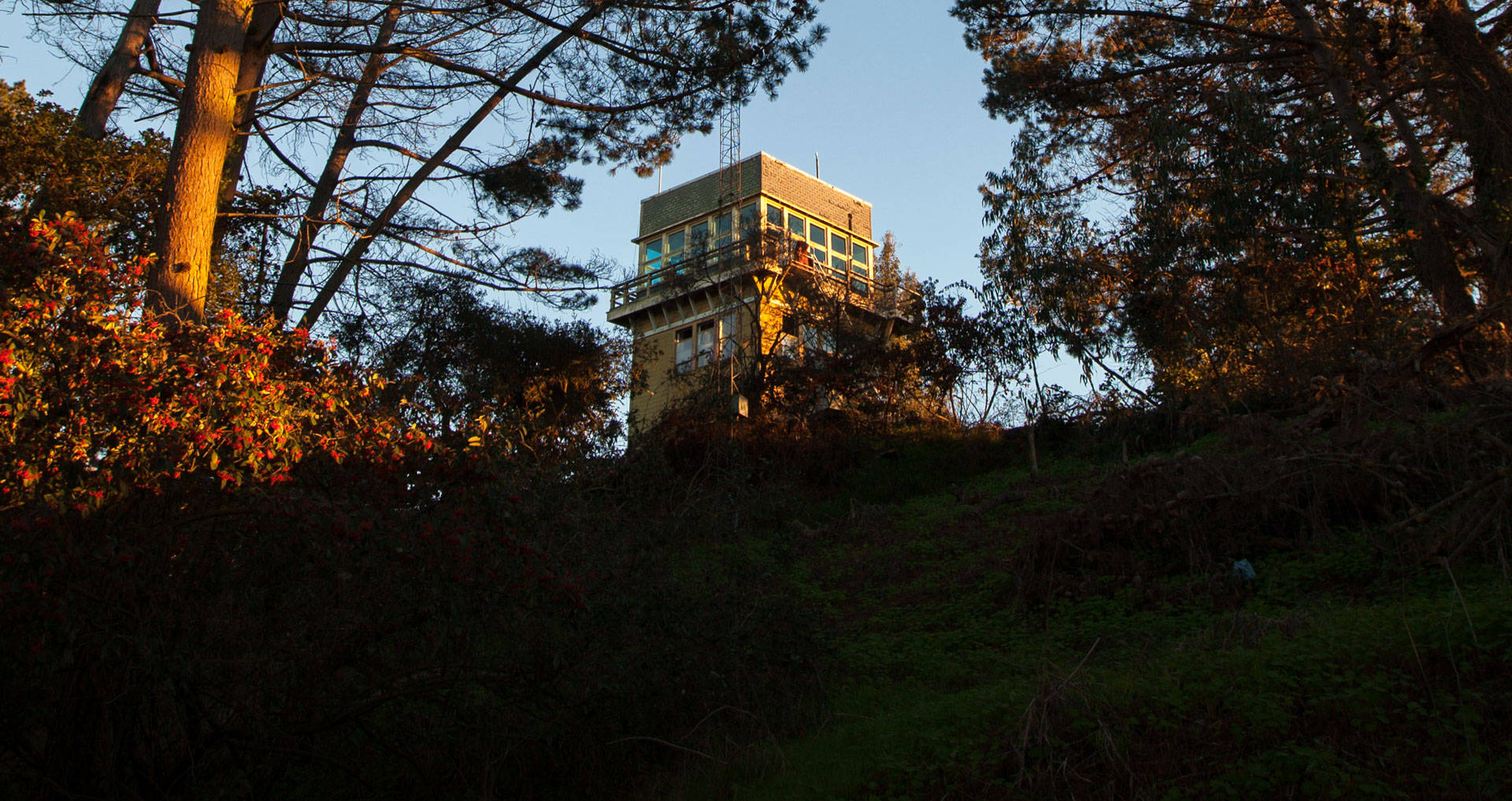
"caption": "After the Loma Prieta earthquake struck in 1989, the radio tower was sealed shut -- until Eugene Ashton-Gonzalez found a way to sneak inside. ",
"description": "After the Loma Prieta earthquake struck in 1989, the radio tower was sealed shut -- until Eugene Ashton-Gonzalez found a way to sneak inside. ",
"title": "SignalRoom",
"credit": "Courtesy Mona Caron",
"status": "inherit",
"isLoading": false,
"fetchFailed": false
},
"news_10897995": {
"type": "attachments",
"id": "news_10897995",
"meta": {
"index": "attachments_1716263798",
"site": "news",
"id": "10897995",
"found": true
},
"parent": 10897930,
"imgSizes": {
"twentyfourteen-full-width": {
"file": "https://ww2.kqed.org/app/uploads/sites/10/2016/03/00101.MTS_.18_49_40_00.Still001-1038x576.jpg",
"width": 1038,
"mimeType": "image/jpeg",
"height": 576
},
"thumbnail": {
"file": "https://ww2.kqed.org/app/uploads/sites/10/2016/03/00101.MTS_.18_49_40_00.Still001-400x225.jpg",
"width": 400,
"mimeType": "image/jpeg",
"height": 225
},
"fd-sm": {
"file": "https://ww2.kqed.org/app/uploads/sites/10/2016/03/00101.MTS_.18_49_40_00.Still001-960x540.jpg",
"width": 960,
"mimeType": "image/jpeg",
"height": 540
},
"post-thumbnail": {
"file": "https://ww2.kqed.org/app/uploads/sites/10/2016/03/00101.MTS_.18_49_40_00.Still001-672x372.jpg",
"width": 672,
"mimeType": "image/jpeg",
"height": 372
},
"kqedFullSize": {
"file": "https://ww2.kqed.org/app/uploads/sites/10/2016/03/00101.MTS_.18_49_40_00.Still001.jpg",
"width": 1800,
"height": 1013
},
"guest-author-96": {
"file": "https://ww2.kqed.org/app/uploads/sites/10/2016/03/00101.MTS_.18_49_40_00.Still001-96x96.jpg",
"width": 96,
"mimeType": "image/jpeg",
"height": 96
},
"medium": {
"file": "https://ww2.kqed.org/app/uploads/sites/10/2016/03/00101.MTS_.18_49_40_00.Still001-800x450.jpg",
"width": 800,
"mimeType": "image/jpeg",
"height": 450
},
"guest-author-64": {
"file": "https://ww2.kqed.org/app/uploads/sites/10/2016/03/00101.MTS_.18_49_40_00.Still001-64x64.jpg",
"width": 64,
"mimeType": "image/jpeg",
"height": 64
},
"guest-author-32": {
"file": "https://ww2.kqed.org/app/uploads/sites/10/2016/03/00101.MTS_.18_49_40_00.Still001-32x32.jpg",
"width": 32,
"mimeType": "image/jpeg",
"height": 32
},
"jmtc-small-thumb": {
"file": "https://ww2.kqed.org/app/uploads/sites/10/2016/03/00101.MTS_.18_49_40_00.Still001-280x150.jpg",
"width": 280,
"mimeType": "image/jpeg",
"height": 150
},
"fd-med": {
"file": "https://ww2.kqed.org/app/uploads/sites/10/2016/03/00101.MTS_.18_49_40_00.Still001-1180x664.jpg",
"width": 1180,
"mimeType": "image/jpeg",
"height": 664
},
"detail": {
"file": "https://ww2.kqed.org/app/uploads/sites/10/2016/03/00101.MTS_.18_49_40_00.Still001-75x75.jpg",
"width": 75,
"mimeType": "image/jpeg",
"height": 75
},
"guest-author-128": {
"file": "https://ww2.kqed.org/app/uploads/sites/10/2016/03/00101.MTS_.18_49_40_00.Still001-128x128.jpg",
"width": 128,
"mimeType": "image/jpeg",
"height": 128
}
},
"publishDate": 1458155345,
"modified": 1458155404,
"caption": "Javonne Hatfield dances with a heart above Highway 101 during rush hour.",
"description": "Javonne Hatfield dances with a heart above Highway 101 during rush hour.",
"title": "Javonne Hatfield",
"credit": "Lucas Waldron/KQED",
"status": "inherit",
"isLoading": false,
"fetchFailed": false
},
"news_10900939": {
"type": "attachments",
"id": "news_10900939",
"meta": {
"index": "attachments_1716263798",
"site": "news",
"id": "10900939",
"found": true
},
"parent": 10900368,
"imgSizes": {
"twentyfourteen-full-width": {
"file": "https://ww2.kqed.org/app/uploads/sites/10/2016/03/WoodyGuthrie-1038x576.jpg",
"width": 1038,
"mimeType": "image/jpeg",
"height": 576
},
"thumbnail": {
"file": "https://ww2.kqed.org/app/uploads/sites/10/2016/03/WoodyGuthrie-400x294.jpg",
"width": 400,
"mimeType": "image/jpeg",
"height": 294
},
"fd-sm": {
"file": "https://ww2.kqed.org/app/uploads/sites/10/2016/03/WoodyGuthrie-960x706.jpg",
"width": 960,
"mimeType": "image/jpeg",
"height": 706
},
"post-thumbnail": {
"file": "https://ww2.kqed.org/app/uploads/sites/10/2016/03/WoodyGuthrie-672x372.jpg",
"width": 672,
"mimeType": "image/jpeg",
"height": 372
},
"kqedFullSize": {
"file": "https://ww2.kqed.org/app/uploads/sites/10/2016/03/WoodyGuthrie.jpg",
"width": 1920,
"height": 1412
},
"large": {
"file": "https://ww2.kqed.org/app/uploads/sites/10/2016/03/WoodyGuthrie-1920x1412.jpg",
"width": 1920,
"mimeType": "image/jpeg",
"height": 1412
},
"guest-author-96": {
"file": "https://ww2.kqed.org/app/uploads/sites/10/2016/03/WoodyGuthrie-96x96.jpg",
"width": 96,
"mimeType": "image/jpeg",
"height": 96
},
"medium": {
"file": "https://ww2.kqed.org/app/uploads/sites/10/2016/03/WoodyGuthrie-800x588.jpg",
"width": 800,
"mimeType": "image/jpeg",
"height": 588
},
"guest-author-64": {
"file": "https://ww2.kqed.org/app/uploads/sites/10/2016/03/WoodyGuthrie-64x64.jpg",
"width": 64,
"mimeType": "image/jpeg",
"height": 64
},
"guest-author-32": {
"file": "https://ww2.kqed.org/app/uploads/sites/10/2016/03/WoodyGuthrie-32x32.jpg",
"width": 32,
"mimeType": "image/jpeg",
"height": 32
},
"jmtc-small-thumb": {
"file": "https://ww2.kqed.org/app/uploads/sites/10/2016/03/WoodyGuthrie-280x150.jpg",
"width": 280,
"mimeType": "image/jpeg",
"height": 150
},
"fd-lrg": {
"file": "https://ww2.kqed.org/app/uploads/sites/10/2016/03/WoodyGuthrie-1920x1412.jpg",
"width": 1920,
"mimeType": "image/jpeg",
"height": 1412
},
"fd-med": {
"file": "https://ww2.kqed.org/app/uploads/sites/10/2016/03/WoodyGuthrie-1180x868.jpg",
"width": 1180,
"mimeType": "image/jpeg",
"height": 868
},
"detail": {
"file": "https://ww2.kqed.org/app/uploads/sites/10/2016/03/WoodyGuthrie-75x75.jpg",
"width": 75,
"mimeType": "image/jpeg",
"height": 75
},
"guest-author-128": {
"file": "https://ww2.kqed.org/app/uploads/sites/10/2016/03/WoodyGuthrie-128x128.jpg",
"width": 128,
"mimeType": "image/jpeg",
"height": 128
}
},
"publishDate": 1458347545,
"modified": 1458347589,
"caption": "Woody Guthrie near a Shafter labor camp in 1941.",
"description": "Woody Guthrie near a Shafter labor camp in 1941.",
"title": "WoodyGuthrie",
"credit": "Seema Weatherwax",
"status": "inherit",
"isLoading": false,
"fetchFailed": false
},
"news_10854569": {
"type": "attachments",
"id": "news_10854569",
"meta": {
"index": "attachments_1716263798",
"site": "news",
"id": "10854569",
"found": true
},
"parent": 10840322,
"imgSizes": {
"twentyfourteen-full-width": {
"file": "https://ww2.kqed.org/app/uploads/sites/10/2016/01/RS18311_african-art-and-baskets-qut-1038x576.jpg",
"width": 1038,
"mimeType": "image/jpeg",
"height": 576
},
"thumbnail": {
"file": "https://ww2.kqed.org/app/uploads/sites/10/2016/01/RS18311_african-art-and-baskets-qut-400x225.jpg",
"width": 400,
"mimeType": "image/jpeg",
"height": 225
},
"fd-sm": {
"file": "https://ww2.kqed.org/app/uploads/sites/10/2016/01/RS18311_african-art-and-baskets-qut-960x541.jpg",
"width": 960,
"mimeType": "image/jpeg",
"height": 541
},
"post-thumbnail": {
"file": "https://ww2.kqed.org/app/uploads/sites/10/2016/01/RS18311_african-art-and-baskets-qut-672x372.jpg",
"width": 672,
"mimeType": "image/jpeg",
"height": 372
},
"kqedFullSize": {
"file": "https://ww2.kqed.org/app/uploads/sites/10/2016/01/RS18311_african-art-and-baskets-qut.jpg",
"width": 1920,
"height": 1081
},
"large": {
"file": "https://ww2.kqed.org/app/uploads/sites/10/2016/01/RS18311_african-art-and-baskets-qut-1440x811.jpg",
"width": 1440,
"mimeType": "image/jpeg",
"height": 811
},
"guest-author-96": {
"file": "https://ww2.kqed.org/app/uploads/sites/10/2016/01/RS18311_african-art-and-baskets-qut-96x96.jpg",
"width": 96,
"mimeType": "image/jpeg",
"height": 96
},
"medium": {
"file": "https://ww2.kqed.org/app/uploads/sites/10/2016/01/RS18311_african-art-and-baskets-qut-800x450.jpg",
"width": 800,
"mimeType": "image/jpeg",
"height": 450
},
"guest-author-64": {
"file": "https://ww2.kqed.org/app/uploads/sites/10/2016/01/RS18311_african-art-and-baskets-qut-64x64.jpg",
"width": 64,
"mimeType": "image/jpeg",
"height": 64
},
"guest-author-32": {
"file": "https://ww2.kqed.org/app/uploads/sites/10/2016/01/RS18311_african-art-and-baskets-qut-32x32.jpg",
"width": 32,
"mimeType": "image/jpeg",
"height": 32
},
"jmtc-small-thumb": {
"file": "https://ww2.kqed.org/app/uploads/sites/10/2016/01/RS18311_african-art-and-baskets-qut-280x150.jpg",
"width": 280,
"mimeType": "image/jpeg",
"height": 150
},
"fd-lrg": {
"file": "https://ww2.kqed.org/app/uploads/sites/10/2016/01/RS18311_african-art-and-baskets-qut-1920x1081.jpg",
"width": 1920,
"mimeType": "image/jpeg",
"height": 1081
},
"fd-med": {
"file": "https://ww2.kqed.org/app/uploads/sites/10/2016/01/RS18311_african-art-and-baskets-qut-1180x664.jpg",
"width": 1180,
"mimeType": "image/jpeg",
"height": 664
},
"detail": {
"file": "https://ww2.kqed.org/app/uploads/sites/10/2016/01/RS18311_african-art-and-baskets-qut-75x75.jpg",
"width": 75,
"mimeType": "image/jpeg",
"height": 75
},
"medium_large": {
"file": "https://ww2.kqed.org/app/uploads/sites/10/2016/01/RS18311_african-art-and-baskets-qut-768x432.jpg",
"width": 768,
"mimeType": "image/jpeg",
"height": 432
},
"guest-author-128": {
"file": "https://ww2.kqed.org/app/uploads/sites/10/2016/01/RS18311_african-art-and-baskets-qut-128x128.jpg",
"width": 128,
"mimeType": "image/jpeg",
"height": 128
}
},
"publishDate": 1454624225,
"modified": 1458252455,
"caption": "One of the many African and African-American themed vendors at the Berkeley Flea Market.",
"description": null,
"title": "RS18311_african art and baskets-qut",
"credit": "Andrew Stelzer/KQED",
"status": "inherit",
"isLoading": false,
"fetchFailed": false
},
"news_10899067": {
"type": "attachments",
"id": "news_10899067",
"meta": {
"index": "attachments_1716263798",
"site": "news",
"id": "10899067",
"found": true
},
"parent": 10899066,
"imgSizes": {
"twentyfourteen-full-width": {
"file": "https://ww2.kqed.org/app/uploads/sites/10/2016/03/GettyImages-459949750-e1458231160480-1038x576.jpg",
"width": 1038,
"mimeType": "image/jpeg",
"height": 576
},
"thumbnail": {
"file": "https://ww2.kqed.org/app/uploads/sites/10/2016/03/GettyImages-459949750-e1458231160480-400x320.jpg",
"width": 400,
"mimeType": "image/jpeg",
"height": 320
},
"fd-sm": {
"file": "https://ww2.kqed.org/app/uploads/sites/10/2016/03/GettyImages-459949750-e1458231160480-960x768.jpg",
"width": 960,
"mimeType": "image/jpeg",
"height": 768
},
"post-thumbnail": {
"file": "https://ww2.kqed.org/app/uploads/sites/10/2016/03/GettyImages-459949750-e1458231160480-672x372.jpg",
"width": 672,
"mimeType": "image/jpeg",
"height": 372
},
"kqedFullSize": {
"file": "https://ww2.kqed.org/app/uploads/sites/10/2016/03/GettyImages-459949750-e1458231160480.jpg",
"width": 1920,
"height": 1536
},
"large": {
"file": "https://ww2.kqed.org/app/uploads/sites/10/2016/03/GettyImages-459949750-e1458231160480-1920x1536.jpg",
"width": 1920,
"mimeType": "image/jpeg",
"height": 1536
},
"guest-author-96": {
"file": "https://ww2.kqed.org/app/uploads/sites/10/2016/03/GettyImages-459949750-e1458231160480-96x96.jpg",
"width": 96,
"mimeType": "image/jpeg",
"height": 96
},
"medium": {
"file": "https://ww2.kqed.org/app/uploads/sites/10/2016/03/GettyImages-459949750-e1458231160480-800x640.jpg",
"width": 800,
"mimeType": "image/jpeg",
"height": 640
},
"guest-author-64": {
"file": "https://ww2.kqed.org/app/uploads/sites/10/2016/03/GettyImages-459949750-e1458231160480-64x64.jpg",
"width": 64,
"mimeType": "image/jpeg",
"height": 64
},
"guest-author-32": {
"file": "https://ww2.kqed.org/app/uploads/sites/10/2016/03/GettyImages-459949750-e1458231160480-32x32.jpg",
"width": 32,
"mimeType": "image/jpeg",
"height": 32
},
"jmtc-small-thumb": {
"file": "https://ww2.kqed.org/app/uploads/sites/10/2016/03/GettyImages-459949750-e1458231160480-280x150.jpg",
"width": 280,
"mimeType": "image/jpeg",
"height": 150
},
"fd-lrg": {
"file": "https://ww2.kqed.org/app/uploads/sites/10/2016/03/GettyImages-459949750-e1458231160480-1920x1536.jpg",
"width": 1920,
"mimeType": "image/jpeg",
"height": 1536
},
"fd-med": {
"file": "https://ww2.kqed.org/app/uploads/sites/10/2016/03/GettyImages-459949750-e1458231160480-1180x944.jpg",
"width": 1180,
"mimeType": "image/jpeg",
"height": 944
},
"detail": {
"file": "https://ww2.kqed.org/app/uploads/sites/10/2016/03/GettyImages-459949750-e1458231160480-75x75.jpg",
"width": 75,
"mimeType": "image/jpeg",
"height": 75
},
"guest-author-128": {
"file": "https://ww2.kqed.org/app/uploads/sites/10/2016/03/GettyImages-459949750-e1458231160480-128x128.jpg",
"width": 128,
"mimeType": "image/jpeg",
"height": 128
}
},
"publishDate": 1458231001,
"modified": 1458231147,
"caption": "A baby orca calf nurses from its mother, Kalia, at SeaWorld San Diego's Shamu Stadium in December 2014.",
"description": null,
"title": "SeaWorld-Orca Calf",
"credit": "Mike Aguilera/SeaWorld San Diego via Getty Images",
"status": "inherit",
"isLoading": false,
"fetchFailed": false
},
"news_10896711": {
"type": "attachments",
"id": "news_10896711",
"meta": {
"index": "attachments_1716263798",
"site": "news",
"id": "10896711",
"found": true
},
"parent": 10892969,
"imgSizes": {
"twentyfourteen-full-width": {
"file": "https://ww2.kqed.org/app/uploads/sites/10/2016/03/TroyWalker-1038x576.jpg",
"width": 1038,
"mimeType": "image/jpeg",
"height": 576
},
"thumbnail": {
"file": "https://ww2.kqed.org/app/uploads/sites/10/2016/03/TroyWalker-400x253.jpg",
"width": 400,
"mimeType": "image/jpeg",
"height": 253
},
"fd-sm": {
"file": "https://ww2.kqed.org/app/uploads/sites/10/2016/03/TroyWalker-960x607.jpg",
"width": 960,
"mimeType": "image/jpeg",
"height": 607
},
"post-thumbnail": {
"file": "https://ww2.kqed.org/app/uploads/sites/10/2016/03/TroyWalker-672x372.jpg",
"width": 672,
"mimeType": "image/jpeg",
"height": 372
},
"kqedFullSize": {
"file": "https://ww2.kqed.org/app/uploads/sites/10/2016/03/TroyWalker.jpg",
"width": 1920,
"height": 1214
},
"large": {
"file": "https://ww2.kqed.org/app/uploads/sites/10/2016/03/TroyWalker-1920x1214.jpg",
"width": 1920,
"mimeType": "image/jpeg",
"height": 1214
},
"guest-author-96": {
"file": "https://ww2.kqed.org/app/uploads/sites/10/2016/03/TroyWalker-96x96.jpg",
"width": 96,
"mimeType": "image/jpeg",
"height": 96
},
"medium": {
"file": "https://ww2.kqed.org/app/uploads/sites/10/2016/03/TroyWalker-800x506.jpg",
"width": 800,
"mimeType": "image/jpeg",
"height": 506
},
"guest-author-64": {
"file": "https://ww2.kqed.org/app/uploads/sites/10/2016/03/TroyWalker-64x64.jpg",
"width": 64,
"mimeType": "image/jpeg",
"height": 64
},
"guest-author-32": {
"file": "https://ww2.kqed.org/app/uploads/sites/10/2016/03/TroyWalker-32x32.jpg",
"width": 32,
"mimeType": "image/jpeg",
"height": 32
},
"jmtc-small-thumb": {
"file": "https://ww2.kqed.org/app/uploads/sites/10/2016/03/TroyWalker-280x150.jpg",
"width": 280,
"mimeType": "image/jpeg",
"height": 150
},
"fd-lrg": {
"file": "https://ww2.kqed.org/app/uploads/sites/10/2016/03/TroyWalker-1920x1214.jpg",
"width": 1920,
"mimeType": "image/jpeg",
"height": 1214
},
"fd-med": {
"file": "https://ww2.kqed.org/app/uploads/sites/10/2016/03/TroyWalker-1180x746.jpg",
"width": 1180,
"mimeType": "image/jpeg",
"height": 746
},
"detail": {
"file": "https://ww2.kqed.org/app/uploads/sites/10/2016/03/TroyWalker-75x75.jpg",
"width": 75,
"mimeType": "image/jpeg",
"height": 75
},
"guest-author-128": {
"file": "https://ww2.kqed.org/app/uploads/sites/10/2016/03/TroyWalker-128x128.jpg",
"width": 128,
"mimeType": "image/jpeg",
"height": 128
}
},
"publishDate": 1458066447,
"modified": 1458071514,
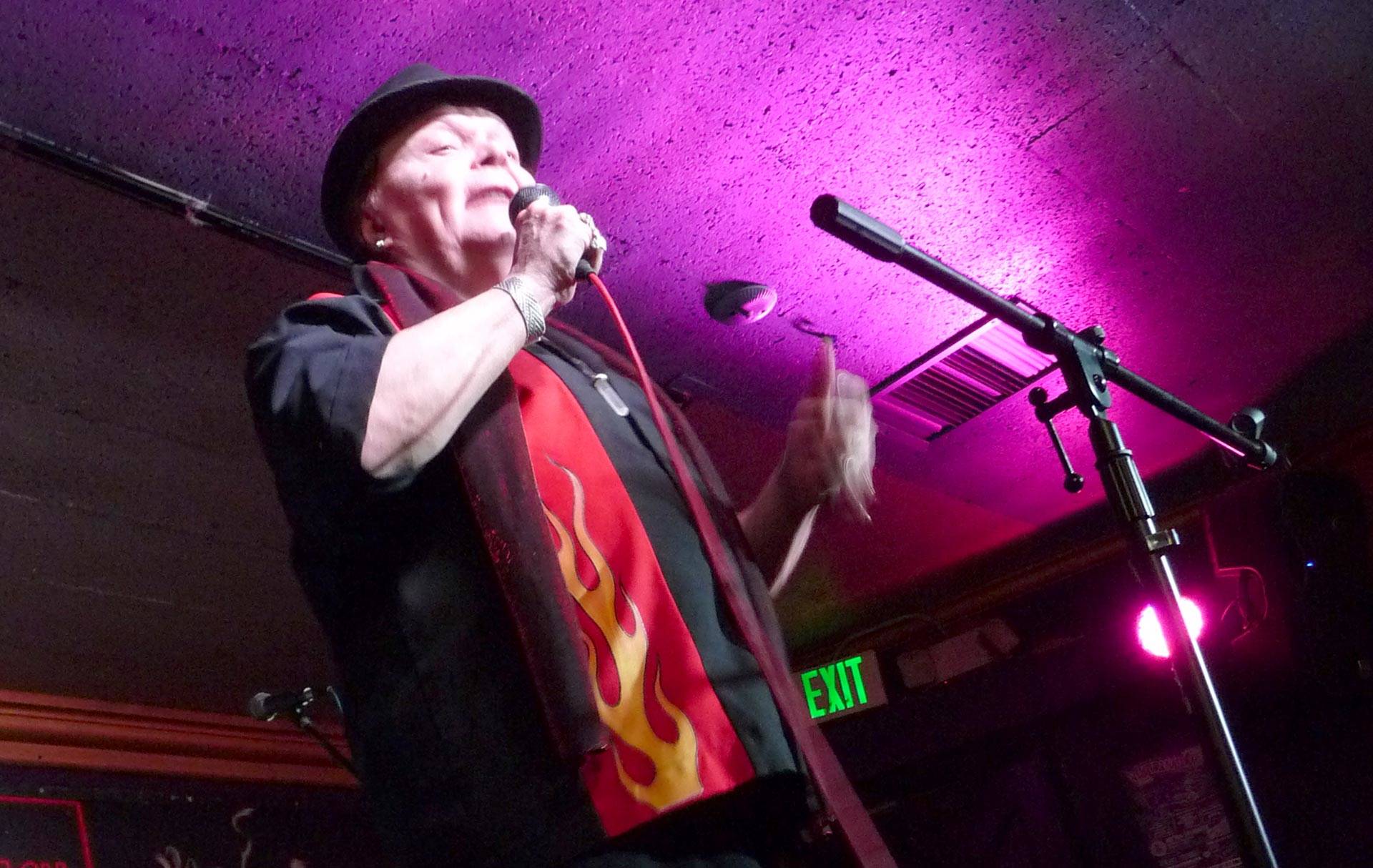
"caption": "Troy Walker sings at Cody Bryant’s Viva Cantina, a Mexican restaurant in Burbank that’s become the singer’s monthly gig.",
"description": "Troy Walker sings at Cody Bryant’s Viva Cantina, a Mexican restaurant in Burbank that’s become the singer’s monthly gig.",
"title": "TroyWalker",
"credit": "Peter Gilstrap/KQED",
"status": "inherit",
"isLoading": false,
"fetchFailed": false
},
"news_10892715": {
"type": "attachments",
"id": "news_10892715",
"meta": {
"index": "attachments_1716263798",
"site": "news",
"id": "10892715",
"found": true
},
"parent": 10892535,
"imgSizes": {
"twentyfourteen-full-width": {
"file": "https://ww2.kqed.org/app/uploads/sites/10/2016/03/ThaoFeat-1038x576.jpg",
"width": 1038,
"mimeType": "image/jpeg",
"height": 576
},
"thumbnail": {
"file": "https://ww2.kqed.org/app/uploads/sites/10/2016/03/ThaoFeat-400x251.jpg",
"width": 400,
"mimeType": "image/jpeg",
"height": 251
},
"fd-sm": {
"file": "https://ww2.kqed.org/app/uploads/sites/10/2016/03/ThaoFeat-960x603.jpg",
"width": 960,
"mimeType": "image/jpeg",
"height": 603
},
"post-thumbnail": {
"file": "https://ww2.kqed.org/app/uploads/sites/10/2016/03/ThaoFeat-672x372.jpg",
"width": 672,
"mimeType": "image/jpeg",
"height": 372
},
"kqedFullSize": {
"file": "https://ww2.kqed.org/app/uploads/sites/10/2016/03/ThaoFeat.jpg",
"width": 1920,
"height": 1206
},
"large": {
"file": "https://ww2.kqed.org/app/uploads/sites/10/2016/03/ThaoFeat-1920x1206.jpg",
"width": 1920,
"mimeType": "image/jpeg",
"height": 1206
},
"guest-author-96": {
"file": "https://ww2.kqed.org/app/uploads/sites/10/2016/03/ThaoFeat-96x96.jpg",
"width": 96,
"mimeType": "image/jpeg",
"height": 96
},
"medium": {
"file": "https://ww2.kqed.org/app/uploads/sites/10/2016/03/ThaoFeat-800x503.jpg",
"width": 800,
"mimeType": "image/jpeg",
"height": 503
},
"guest-author-64": {
"file": "https://ww2.kqed.org/app/uploads/sites/10/2016/03/ThaoFeat-64x64.jpg",
"width": 64,
"mimeType": "image/jpeg",
"height": 64
},
"guest-author-32": {
"file": "https://ww2.kqed.org/app/uploads/sites/10/2016/03/ThaoFeat-32x32.jpg",
"width": 32,
"mimeType": "image/jpeg",
"height": 32
},
"jmtc-small-thumb": {
"file": "https://ww2.kqed.org/app/uploads/sites/10/2016/03/ThaoFeat-280x150.jpg",
"width": 280,
"mimeType": "image/jpeg",
"height": 150
},
"fd-lrg": {
"file": "https://ww2.kqed.org/app/uploads/sites/10/2016/03/ThaoFeat-1920x1206.jpg",
"width": 1920,
"mimeType": "image/jpeg",
"height": 1206
},
"fd-med": {
"file": "https://ww2.kqed.org/app/uploads/sites/10/2016/03/ThaoFeat-1180x741.jpg",
"width": 1180,
"mimeType": "image/jpeg",
"height": 741
},
"detail": {
"file": "https://ww2.kqed.org/app/uploads/sites/10/2016/03/ThaoFeat-75x75.jpg",
"width": 75,
"mimeType": "image/jpeg",
"height": 75
},
"guest-author-128": {
"file": "https://ww2.kqed.org/app/uploads/sites/10/2016/03/ThaoFeat-128x128.jpg",
"width": 128,
"mimeType": "image/jpeg",
"height": 128
}
},
"publishDate": 1457729730,
"modified": 1457729844,
"caption": "Thao Nguyen of Thao & the Get Down Stay Down",
"description": "Thao Nguyen of Thao & the Get Down Stay Down",
"title": "ThaoFeat",
"credit": "Courtesy Maria Kanevskaya",
"status": "inherit",
"isLoading": false,
"fetchFailed": false
},
"news_10888676": {
"type": "attachments",
"id": "news_10888676",
"meta": {
"index": "attachments_1716263798",
"site": "news",
"id": "10888676",
"found": true
},
"parent": 10888675,
"imgSizes": {
"twentyfourteen-full-width": {
"file": "https://ww2.kqed.org/app/uploads/sites/10/2016/03/gettyimages-514031478_custom-e42f71a36067fa7bb3c69f83a1a0dabe9e3bb12e-1038x576.jpg",
"width": 1038,
"mimeType": "image/jpeg",
"height": 576
},
"thumbnail": {
"file": "https://ww2.kqed.org/app/uploads/sites/10/2016/03/gettyimages-514031478_custom-e42f71a36067fa7bb3c69f83a1a0dabe9e3bb12e-400x260.jpg",
"width": 400,
"mimeType": "image/jpeg",
"height": 260
},
"fd-sm": {
"file": "https://ww2.kqed.org/app/uploads/sites/10/2016/03/gettyimages-514031478_custom-e42f71a36067fa7bb3c69f83a1a0dabe9e3bb12e-960x623.jpg",
"width": 960,
"mimeType": "image/jpeg",
"height": 623
},
"post-thumbnail": {
"file": "https://ww2.kqed.org/app/uploads/sites/10/2016/03/gettyimages-514031478_custom-e42f71a36067fa7bb3c69f83a1a0dabe9e3bb12e-672x372.jpg",
"width": 672,
"mimeType": "image/jpeg",
"height": 372
},
"kqedFullSize": {
"file": "https://ww2.kqed.org/app/uploads/sites/10/2016/03/gettyimages-514031478_custom-e42f71a36067fa7bb3c69f83a1a0dabe9e3bb12e.jpg",
"width": 1686,
"height": 1094
},
"guest-author-96": {
"file": "https://ww2.kqed.org/app/uploads/sites/10/2016/03/gettyimages-514031478_custom-e42f71a36067fa7bb3c69f83a1a0dabe9e3bb12e-96x96.jpg",
"width": 96,
"mimeType": "image/jpeg",
"height": 96
},
"medium": {
"file": "https://ww2.kqed.org/app/uploads/sites/10/2016/03/gettyimages-514031478_custom-e42f71a36067fa7bb3c69f83a1a0dabe9e3bb12e-800x519.jpg",
"width": 800,
"mimeType": "image/jpeg",
"height": 519
},
"guest-author-64": {
"file": "https://ww2.kqed.org/app/uploads/sites/10/2016/03/gettyimages-514031478_custom-e42f71a36067fa7bb3c69f83a1a0dabe9e3bb12e-64x64.jpg",
"width": 64,
"mimeType": "image/jpeg",
"height": 64
},
"guest-author-32": {
"file": "https://ww2.kqed.org/app/uploads/sites/10/2016/03/gettyimages-514031478_custom-e42f71a36067fa7bb3c69f83a1a0dabe9e3bb12e-32x32.jpg",
"width": 32,
"mimeType": "image/jpeg",
"height": 32
},
"jmtc-small-thumb": {
"file": "https://ww2.kqed.org/app/uploads/sites/10/2016/03/gettyimages-514031478_custom-e42f71a36067fa7bb3c69f83a1a0dabe9e3bb12e-280x150.jpg",
"width": 280,
"mimeType": "image/jpeg",
"height": 150
},
"fd-med": {
"file": "https://ww2.kqed.org/app/uploads/sites/10/2016/03/gettyimages-514031478_custom-e42f71a36067fa7bb3c69f83a1a0dabe9e3bb12e-1180x766.jpg",
"width": 1180,
"mimeType": "image/jpeg",
"height": 766
},
"detail": {
"file": "https://ww2.kqed.org/app/uploads/sites/10/2016/03/gettyimages-514031478_custom-e42f71a36067fa7bb3c69f83a1a0dabe9e3bb12e-75x75.jpg",
"width": 75,
"mimeType": "image/jpeg",
"height": 75
},
"guest-author-128": {
"file": "https://ww2.kqed.org/app/uploads/sites/10/2016/03/gettyimages-514031478_custom-e42f71a36067fa7bb3c69f83a1a0dabe9e3bb12e-128x128.jpg",
"width": 128,
"mimeType": "image/jpeg",
"height": 128
}
},
"publishDate": 1457386839,
"modified": 1457386839,
"caption": null,
"description": "A Hindu holy man in Kathmandu smokes a chillum, a traditional clay pipe, on March 6, the eve of a festival honoring the god Shiva.",
"title": "A Hindu holy man in Kathmandu smokes a chillum, a traditional clay pipe, on March 6, the eve of a festival honoring the god Shiva.",
"credit": null,
"status": "inherit",
"isLoading": false,
"fetchFailed": false
},
"news_10879535": {
"type": "attachments",
"id": "news_10879535",
"meta": {
"index": "attachments_1716263798",
"site": "news",
"id": "10879535",
"found": true
},
"parent": 10878060,
"imgSizes": {
"twentyfourteen-full-width": {
"file": "https://ww2.kqed.org/app/uploads/sites/10/2016/02/BoomMarquis-1038x576.jpg",
"width": 1038,
"mimeType": "image/jpeg",
"height": 576
},
"thumbnail": {
"file": "https://ww2.kqed.org/app/uploads/sites/10/2016/02/BoomMarquis-400x313.jpg",
"width": 400,
"mimeType": "image/jpeg",
"height": 313
},
"fd-sm": {
"file": "https://ww2.kqed.org/app/uploads/sites/10/2016/02/BoomMarquis-960x752.jpg",
"width": 960,
"mimeType": "image/jpeg",
"height": 752
},
"post-thumbnail": {
"file": "https://ww2.kqed.org/app/uploads/sites/10/2016/02/BoomMarquis-672x372.jpg",
"width": 672,
"mimeType": "image/jpeg",
"height": 372
},
"kqedFullSize": {
"file": "https://ww2.kqed.org/app/uploads/sites/10/2016/02/BoomMarquis.jpg",
"width": 1920,
"height": 1503
},
"large": {
"file": "https://ww2.kqed.org/app/uploads/sites/10/2016/02/BoomMarquis-1920x1503.jpg",
"width": 1920,
"mimeType": "image/jpeg",
"height": 1503
},
"guest-author-96": {
"file": "https://ww2.kqed.org/app/uploads/sites/10/2016/02/BoomMarquis-96x96.jpg",
"width": 96,
"mimeType": "image/jpeg",
"height": 96
},
"medium": {
"file": "https://ww2.kqed.org/app/uploads/sites/10/2016/02/BoomMarquis-800x626.jpg",
"width": 800,
"mimeType": "image/jpeg",
"height": 626
},
"guest-author-64": {
"file": "https://ww2.kqed.org/app/uploads/sites/10/2016/02/BoomMarquis-64x64.jpg",
"width": 64,
"mimeType": "image/jpeg",
"height": 64
},
"guest-author-32": {
"file": "https://ww2.kqed.org/app/uploads/sites/10/2016/02/BoomMarquis-32x32.jpg",
"width": 32,
"mimeType": "image/jpeg",
"height": 32
},
"jmtc-small-thumb": {
"file": "https://ww2.kqed.org/app/uploads/sites/10/2016/02/BoomMarquis-280x150.jpg",
"width": 280,
"mimeType": "image/jpeg",
"height": 150
},
"fd-lrg": {
"file": "https://ww2.kqed.org/app/uploads/sites/10/2016/02/BoomMarquis-1920x1503.jpg",
"width": 1920,
"mimeType": "image/jpeg",
"height": 1503
},
"fd-med": {
"file": "https://ww2.kqed.org/app/uploads/sites/10/2016/02/BoomMarquis-1180x924.jpg",
"width": 1180,
"mimeType": "image/jpeg",
"height": 924
},
"detail": {
"file": "https://ww2.kqed.org/app/uploads/sites/10/2016/02/BoomMarquis-75x75.jpg",
"width": 75,
"mimeType": "image/jpeg",
"height": 75
},
"guest-author-128": {
"file": "https://ww2.kqed.org/app/uploads/sites/10/2016/02/BoomMarquis-128x128.jpg",
"width": 128,
"mimeType": "image/jpeg",
"height": 128
}
},
"publishDate": 1456541233,
"modified": 1457132085,
"caption": "Return of the Cypher and DJ Kevvy Kev on the marquee outside San Francisco's Boom Boom Room.",
"description": "Return of the Cypher and DJ Kevvy Kev on the Marquee outside San Francisco's Boom Boom Room.",
"title": "BoomMarquis",
"credit": "Lynn Friedman/Flickr",
"status": "inherit",
"isLoading": false,
"fetchFailed": false
},
"news_10883095": {
"type": "attachments",
"id": "news_10883095",
"meta": {
"index": "attachments_1716263798",
"site": "news",
"id": "10883095",
"found": true
},
"parent": 10879280,
"imgSizes": {
"twentyfourteen-full-width": {
"file": "https://ww2.kqed.org/app/uploads/sites/10/2016/02/BudAndErnesto-1038x576.jpg",
"width": 1038,
"mimeType": "image/jpeg",
"height": 576
},
"thumbnail": {
"file": "https://ww2.kqed.org/app/uploads/sites/10/2016/02/BudAndErnesto-400x320.jpg",
"width": 400,
"mimeType": "image/jpeg",
"height": 320
},
"fd-sm": {
"file": "https://ww2.kqed.org/app/uploads/sites/10/2016/02/BudAndErnesto-960x768.jpg",
"width": 960,
"mimeType": "image/jpeg",
"height": 768
},
"post-thumbnail": {
"file": "https://ww2.kqed.org/app/uploads/sites/10/2016/02/BudAndErnesto-672x372.jpg",
"width": 672,
"mimeType": "image/jpeg",
"height": 372
},
"kqedFullSize": {
"file": "https://ww2.kqed.org/app/uploads/sites/10/2016/02/BudAndErnesto.jpg",
"width": 1920,
"height": 1536
},
"large": {
"file": "https://ww2.kqed.org/app/uploads/sites/10/2016/02/BudAndErnesto-1920x1536.jpg",
"width": 1920,
"mimeType": "image/jpeg",
"height": 1536
},
"guest-author-96": {
"file": "https://ww2.kqed.org/app/uploads/sites/10/2016/02/BudAndErnesto-96x96.jpg",
"width": 96,
"mimeType": "image/jpeg",
"height": 96
},
"medium": {
"file": "https://ww2.kqed.org/app/uploads/sites/10/2016/02/BudAndErnesto-800x640.jpg",
"width": 800,
"mimeType": "image/jpeg",
"height": 640
},
"guest-author-64": {
"file": "https://ww2.kqed.org/app/uploads/sites/10/2016/02/BudAndErnesto-64x64.jpg",
"width": 64,
"mimeType": "image/jpeg",
"height": 64
},
"guest-author-32": {
"file": "https://ww2.kqed.org/app/uploads/sites/10/2016/02/BudAndErnesto-32x32.jpg",
"width": 32,
"mimeType": "image/jpeg",
"height": 32
},
"jmtc-small-thumb": {
"file": "https://ww2.kqed.org/app/uploads/sites/10/2016/02/BudAndErnesto-280x150.jpg",
"width": 280,
"mimeType": "image/jpeg",
"height": 150
},
"fd-lrg": {
"file": "https://ww2.kqed.org/app/uploads/sites/10/2016/02/BudAndErnesto-1920x1536.jpg",
"width": 1920,
"mimeType": "image/jpeg",
"height": 1536
},
"fd-med": {
"file": "https://ww2.kqed.org/app/uploads/sites/10/2016/02/BudAndErnesto-1180x944.jpg",
"width": 1180,
"mimeType": "image/jpeg",
"height": 944
},
"detail": {
"file": "https://ww2.kqed.org/app/uploads/sites/10/2016/02/BudAndErnesto-75x75.jpg",
"width": 75,
"mimeType": "image/jpeg",
"height": 75
},
"guest-author-128": {
"file": "https://ww2.kqed.org/app/uploads/sites/10/2016/02/BudAndErnesto-128x128.jpg",
"width": 128,
"mimeType": "image/jpeg",
"height": 128
}
},
"publishDate": 1456872713,
"modified": 1456882081,
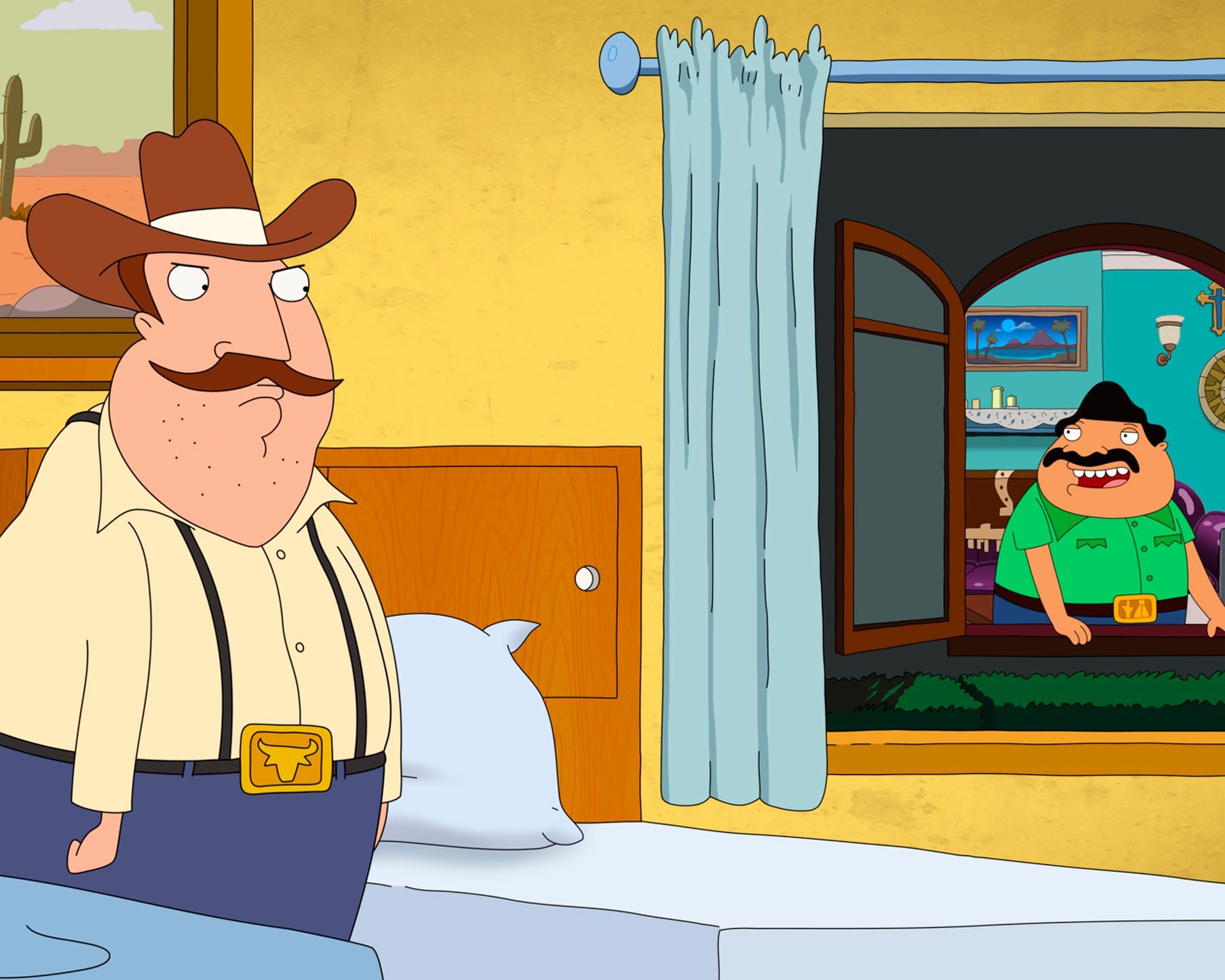
"caption": "\"Bordertown\" is based on next door neighbors in a fictional bordertown: the Buckwalds and Gonzalezes. Bud Buckwald (L) is a border patrol agent. Ernesto Gonzalez, a gardener, is his family's patriarch.",
"description": "\"Bordertown\" is based on next door neighbors in a fictional bordertown: the Buckwalds and Gonzalezes. Bud Buckwald (L) is a border patrol agent. Ernesto Gonzalez, a gardener, is his family's patriarch.",
"title": "BudAndErnesto",
"credit": "Courtesy Fox",
"status": "inherit",
"isLoading": false,
"fetchFailed": false
},
"news_10879540": {
"type": "attachments",
"id": "news_10879540",
"meta": {
"index": "attachments_1716263798",
"site": "news",
"id": "10879540",
"found": true
},
"parent": 10879464,
"imgSizes": {
"twentyfourteen-full-width": {
"file": "https://ww2.kqed.org/app/uploads/sites/10/2016/02/Anohni-1038x576.jpg",
"width": 1038,
"mimeType": "image/jpeg",
"height": 576
},
"thumbnail": {
"file": "https://ww2.kqed.org/app/uploads/sites/10/2016/02/Anohni-400x374.jpg",
"width": 400,
"mimeType": "image/jpeg",
"height": 374
},
"fd-sm": {
"file": "https://ww2.kqed.org/app/uploads/sites/10/2016/02/Anohni-960x898.jpg",
"width": 960,
"mimeType": "image/jpeg",
"height": 898
},
"post-thumbnail": {
"file": "https://ww2.kqed.org/app/uploads/sites/10/2016/02/Anohni-672x372.jpg",
"width": 672,
"mimeType": "image/jpeg",
"height": 372
},
"kqedFullSize": {
"file": "https://ww2.kqed.org/app/uploads/sites/10/2016/02/Anohni.jpg",
"width": 1920,
"height": 1795
},
"large": {
"file": "https://ww2.kqed.org/app/uploads/sites/10/2016/02/Anohni-1920x1795.jpg",
"width": 1920,
"mimeType": "image/jpeg",
"height": 1795
},
"guest-author-96": {
"file": "https://ww2.kqed.org/app/uploads/sites/10/2016/02/Anohni-96x96.jpg",
"width": 96,
"mimeType": "image/jpeg",
"height": 96
},
"medium": {
"file": "https://ww2.kqed.org/app/uploads/sites/10/2016/02/Anohni-800x748.jpg",
"width": 800,
"mimeType": "image/jpeg",
"height": 748
},
"guest-author-64": {
"file": "https://ww2.kqed.org/app/uploads/sites/10/2016/02/Anohni-64x64.jpg",
"width": 64,
"mimeType": "image/jpeg",
"height": 64
},
"guest-author-32": {
"file": "https://ww2.kqed.org/app/uploads/sites/10/2016/02/Anohni-32x32.jpg",
"width": 32,
"mimeType": "image/jpeg",
"height": 32
},
"jmtc-small-thumb": {
"file": "https://ww2.kqed.org/app/uploads/sites/10/2016/02/Anohni-280x150.jpg",
"width": 280,
"mimeType": "image/jpeg",
"height": 150
},
"fd-lrg": {
"file": "https://ww2.kqed.org/app/uploads/sites/10/2016/02/Anohni-1920x1795.jpg",
"width": 1920,
"mimeType": "image/jpeg",
"height": 1795
},
"fd-med": {
"file": "https://ww2.kqed.org/app/uploads/sites/10/2016/02/Anohni-1180x1103.jpg",
"width": 1180,
"mimeType": "image/jpeg",
"height": 1103
},
"detail": {
"file": "https://ww2.kqed.org/app/uploads/sites/10/2016/02/Anohni-75x75.jpg",
"width": 75,
"mimeType": "image/jpeg",
"height": 75
},
"guest-author-128": {
"file": "https://ww2.kqed.org/app/uploads/sites/10/2016/02/Anohni-128x128.jpg",
"width": 128,
"mimeType": "image/jpeg",
"height": 128
}
},
"publishDate": 1456542251,
"modified": 1456542274,
"caption": "ANOHNI",
"description": "ANOHNI",
"title": "Anohni",
"credit": "Inez & Vinoodh/Courtesy of the artist",
"status": "inherit",
"isLoading": false,
"fetchFailed": false
},
"news_10879050": {
"type": "attachments",
"id": "news_10879050",
"meta": {
"index": "attachments_1716263798",
"site": "news",
"id": "10879050",
"found": true
},
"parent": 10879005,
"imgSizes": {
"twentyfourteen-full-width": {
"file": "https://ww2.kqed.org/app/uploads/sites/10/2016/02/GPS-band-photo-copy-compress-1038x576.jpg",
"width": 1038,
"mimeType": "image/jpeg",
"height": 576
},
"thumbnail": {
"file": "https://ww2.kqed.org/app/uploads/sites/10/2016/02/GPS-band-photo-copy-compress-400x267.jpg",
"width": 400,
"mimeType": "image/jpeg",
"height": 267
},
"fd-sm": {
"file": "https://ww2.kqed.org/app/uploads/sites/10/2016/02/GPS-band-photo-copy-compress-960x640.jpg",
"width": 960,
"mimeType": "image/jpeg",
"height": 640
},
"post-thumbnail": {
"file": "https://ww2.kqed.org/app/uploads/sites/10/2016/02/GPS-band-photo-copy-compress-672x372.jpg",
"width": 672,
"mimeType": "image/jpeg",
"height": 372
},
"kqedFullSize": {
"file": "https://ww2.kqed.org/app/uploads/sites/10/2016/02/GPS-band-photo-copy-compress.jpg",
"width": 5520,
"height": 3680
},
"large": {
"file": "https://ww2.kqed.org/app/uploads/sites/10/2016/02/GPS-band-photo-copy-compress-1920x1280.jpg",
"width": 1920,
"mimeType": "image/jpeg",
"height": 1280
},
"guest-author-96": {
"file": "https://ww2.kqed.org/app/uploads/sites/10/2016/02/GPS-band-photo-copy-compress-96x96.jpg",
"width": 96,
"mimeType": "image/jpeg",
"height": 96
},
"medium": {
"file": "https://ww2.kqed.org/app/uploads/sites/10/2016/02/GPS-band-photo-copy-compress-800x533.jpg",
"width": 800,
"mimeType": "image/jpeg",
"height": 533
},
"guest-author-64": {
"file": "https://ww2.kqed.org/app/uploads/sites/10/2016/02/GPS-band-photo-copy-compress-64x64.jpg",
"width": 64,
"mimeType": "image/jpeg",
"height": 64
},
"guest-author-32": {
"file": "https://ww2.kqed.org/app/uploads/sites/10/2016/02/GPS-band-photo-copy-compress-32x32.jpg",
"width": 32,
"mimeType": "image/jpeg",
"height": 32
},
"jmtc-small-thumb": {
"file": "https://ww2.kqed.org/app/uploads/sites/10/2016/02/GPS-band-photo-copy-compress-280x150.jpg",
"width": 280,
"mimeType": "image/jpeg",
"height": 150
},
"fd-lrg": {
"file": "https://ww2.kqed.org/app/uploads/sites/10/2016/02/GPS-band-photo-copy-compress-1920x1280.jpg",
"width": 1920,
"mimeType": "image/jpeg",
"height": 1280
},
"fd-med": {
"file": "https://ww2.kqed.org/app/uploads/sites/10/2016/02/GPS-band-photo-copy-compress-1180x787.jpg",
"width": 1180,
"mimeType": "image/jpeg",
"height": 787
},
"detail": {
"file": "https://ww2.kqed.org/app/uploads/sites/10/2016/02/GPS-band-photo-copy-compress-75x75.jpg",
"width": 75,
"mimeType": "image/jpeg",
"height": 75
},
"guest-author-128": {
"file": "https://ww2.kqed.org/app/uploads/sites/10/2016/02/GPS-band-photo-copy-compress-128x128.jpg",
"width": 128,
"mimeType": "image/jpeg",
"height": 128
}
},
"publishDate": 1456512118,
"modified": 1456536004,
"caption": "David James's GPS with Dina Maccabee, James, Jan Jackson, Lisa Mezzacappa, Beth Custer and Alan Williams. (left to right) ",
"description": null,
"title": "GPS band photo copy compress",
"credit": "Photo by Federico Cusigch",
"status": "inherit",
"isLoading": false,
"fetchFailed": false
}
},
"audioPlayerReducer": {
"postId": "stream_live",
"isPaused": true,
"isPlaying": false,
"pfsActive": false,
"pledgeModalIsOpen": true,
"playerDrawerIsOpen": false,
"liveAudioPlayStartedAt": 0,
"liveAudioPlayContext": ""
},
"authorsReducer": {
"byline_news_10900308": {
"type": "authors",
"id": "byline_news_10900308",
"meta": {
"override": true
},
"slug": "byline_news_10900308",
"name": "\u003cstrong>\u003ca href=\"http://cironline.org/person/michael-montgomery\">Michael Montgomery\u003c/a>\u003c/strong>",
"isLoading": false
},
"byline_news_10900368": {
"type": "authors",
"id": "byline_news_10900368",
"meta": {
"override": true
},
"slug": "byline_news_10900368",
"name": "\u003cstrong>\u003ca href=\"http://www.kcrw.com/people/avishay-artsy\">Avishay Artsy\u003c/a>\u003c/strong>",
"isLoading": false
},
"byline_news_10899066": {
"type": "authors",
"id": "byline_news_10899066",
"meta": {
"override": true
},
"slug": "byline_news_10899066",
"name": "\u003cstrong>Freida Frisaro and Mike Schneider\u003cbr />Associated Press\u003c/strong>",
"isLoading": false
},
"byline_news_10892969": {
"type": "authors",
"id": "byline_news_10892969",
"meta": {
"override": true
},
"slug": "byline_news_10892969",
"name": "Peter Gilstrap",
"isLoading": false
},
"byline_news_10888675": {
"type": "authors",
"id": "byline_news_10888675",
"meta": {
"override": true
},
"slug": "byline_news_10888675",
"name": "\u003cstrong>Danielle Preiss\u003cbr />\u003ca href=\"http://www.npr.org/sections/goatsandsoda/\" target=\"_blank\">NPR/Goats and Soda\u003c/a>\u003c/strong>",
"isLoading": false
},
"byline_news_10879464": {
"type": "authors",
"id": "byline_news_10879464",
"meta": {
"override": true
},
"slug": "byline_news_10879464",
"name": "\u003cstrong>\u003ca href=\"http://www.npr.org/people/182335974/anastasia-tsioulcas\">Anastasia Tsioulcas\u003c/a>\u003cbr>NPR\u003c/strong>",
"isLoading": false
},
"agilbert": {
"type": "authors",
"id": "86",
"meta": {
"index": "authors_1716337520",
"id": "86",
"found": true
},
"name": "Andrew Gilbert",
"firstName": "Andrew",
"lastName": "Gilbert",
"slug": "agilbert",
"email": "jazzscribe@aol.com",
"display_author_email": false,
"staff_mastheads": [],
"title": "KQED Contributor",
"bio": "A Los Angeles native based in the Berkeley area since 1996, Andrew Gilbert covers jazz, international music and dance for KQED's \u003ci>California Report, \u003c/i>the\u003ci> Mercury News\u003c/i>, \u003ci>San Francisco Chronicle\u003c/i>, \u003ci>Berkeleyside.com\u003c/i>, and other publications. He is available for weddings and bar and bat mitzvahs. #jazzscribe",
"avatar": "https://secure.gravatar.com/avatar/d7bcafdbefdd39e9a68f88724ca616eb4e7a5a6bff9cdfb62de652a1e1751471?s=600&d=blank&r=g",
"twitter": null,
"bluesky": null,
"facebook": null,
"instagram": null,
"linkedin": null,
"sites": [
{
"site": "arts",
"roles": [
"Contributor",
"author"
]
},
{
"site": "news",
"roles": [
"author"
]
}
],
"headData": {
"title": "Andrew Gilbert | KQED",
"description": "KQED Contributor",
"ogImgSrc": "https://secure.gravatar.com/avatar/d7bcafdbefdd39e9a68f88724ca616eb4e7a5a6bff9cdfb62de652a1e1751471?s=600&d=blank&r=g",
"twImgSrc": "https://secure.gravatar.com/avatar/d7bcafdbefdd39e9a68f88724ca616eb4e7a5a6bff9cdfb62de652a1e1751471?s=600&d=blank&r=g"
},
"isLoading": false,
"link": "/author/agilbert"
},
"shochman": {
"type": "authors",
"id": "87",
"meta": {
"index": "authors_1716337520",
"id": "87",
"found": true
},
"name": "Steve Hochman",
"firstName": "Steve",
"lastName": "Hochman",
"slug": "shochman",
"email": "sehochman@me.com",
"display_author_email": false,
"staff_mastheads": [],
"title": "KQED Contributor",
"bio": "Steve Hochman has covered popular, and unpopular, music for more than 30 years, most of that time as a key member of the \u003ci>Los Angeles Times\u003c/i>' music team. In that capacity he wrote about the full range of music and musicians, from Hungarian folk to industrial noise, and from 1991 through 2005 wrote the \u003ci>Times\u003c/i>' widely read weekly \"Pop Eye\" column. In addition to his role with \u003ci>The California Report\u003c/i>, he's a music critic for Pasadena station KPCC's morning magazine \u003ci>Take Two\u003c/i> and a regular contributor to Grammy.com, Fender.com and other outlets. His byline has appeared through the years in an array of major publications, including \u003ci>Rolling Stone\u003c/i>, \u003ci>Billboard\u003c/i> and \u003ci>Entertainment Weekly\u003c/i> and New Orleans' \u003ci>Offbeat\u003c/i>.",
"avatar": "https://secure.gravatar.com/avatar/37fbddee9db232a05a1be3b065171301e8baa142626c45b0caa6fc61c25a8c8d?s=600&d=blank&r=g",
"twitter": null,
"bluesky": null,
"facebook": null,
"instagram": null,
"linkedin": null,
"sites": [
{
"site": "arts",
"roles": [
"Contributor",
"subscriber"
]
},
{
"site": "news",
"roles": [
"subscriber"
]
}
],
"headData": {
"title": "Steve Hochman | KQED",
"description": "KQED Contributor",
"ogImgSrc": "https://secure.gravatar.com/avatar/37fbddee9db232a05a1be3b065171301e8baa142626c45b0caa6fc61c25a8c8d?s=600&d=blank&r=g",
"twImgSrc": "https://secure.gravatar.com/avatar/37fbddee9db232a05a1be3b065171301e8baa142626c45b0caa6fc61c25a8c8d?s=600&d=blank&r=g"
},
"isLoading": false,
"link": "/author/shochman"
},
"ohubertallen": {
"type": "authors",
"id": "102",
"meta": {
"index": "authors_1716337520",
"id": "102",
"found": true
},
"name": "Olivia Allen-Price",
"firstName": "Olivia",
"lastName": "Allen-Price",
"slug": "ohubertallen",
"email": "oallenprice@kqed.org",
"display_author_email": false,
"staff_mastheads": [
"news"
],
"title": "Senior Editor",
"bio": "Olivia Allen-Price is senior editor and host of the award-winning Bay Curious podcast. Prior to joining KQED in 2013, Olivia worked at The Baltimore Sun and The Virginian-Pilot in Norfolk, Va. She holds degrees in journalism and political science from Elon University. Her work has earned awards from the Society of Professional Journalists, the Hearst Foundation and Hearken. She loves to talk about running and curly hair.\r\n\r\nFollow: \u003ca href=\"https://twitter.com/oallenprice\">@oallenprice\u003c/a>\r\nEmail: \u003ca href=\"mailto:oallenprice@kqed.org\">oallenprice@kqed.org\u003c/a>",
"avatar": "https://secure.gravatar.com/avatar/07f7803c1f6be56f3be58ef276dfa64dce898502e0554408ef4858451a8294f7?s=600&d=blank&r=g",
"twitter": "oallenprice",
"bluesky": null,
"facebook": null,
"instagram": null,
"linkedin": null,
"sites": [
{
"site": "",
"roles": [
"editor"
]
},
{
"site": "arts",
"roles": [
"subscriber"
]
},
{
"site": "news",
"roles": [
"administrator"
]
},
{
"site": "pop",
"roles": [
"administrator"
]
},
{
"site": "bayareabites",
"roles": [
"contributor"
]
},
{
"site": "stateofhealth",
"roles": [
"administrator"
]
},
{
"site": "science",
"roles": [
"editor"
]
}
],
"headData": {
"title": "Olivia Allen-Price | KQED",
"description": "Senior Editor",
"ogImgSrc": "https://secure.gravatar.com/avatar/07f7803c1f6be56f3be58ef276dfa64dce898502e0554408ef4858451a8294f7?s=600&d=blank&r=g",
"twImgSrc": "https://secure.gravatar.com/avatar/07f7803c1f6be56f3be58ef276dfa64dce898502e0554408ef4858451a8294f7?s=600&d=blank&r=g"
},
"isLoading": false,
"link": "/author/ohubertallen"
},
"andrewstelzer": {
"type": "authors",
"id": "213",
"meta": {
"index": "authors_1716337520",
"id": "213",
"found": true
},
"name": "Andrew Stelzer",
"firstName": "Andrew",
"lastName": "Stelzer",
"slug": "andrewstelzer",
"email": "andrewstelzer@gmail.com",
"display_author_email": false,
"staff_mastheads": [],
"title": null,
"bio": "Andrew Stelzer has been reporting for KQED since 2010, and is a producer at \u003ca href=\"http://www.radioproject.org\" target=\"_blank\">Making Contact\u003c/a> in Oakland.. His work has been featured on programs including \u003ca href=\"http://www.npr.org/templates/story/story.php?storyId=5010\" target=\"_blank\">NPR’s Weekend Edition\u003c/a>, \u003ca href=\"http://www.theworld.org/\" target=\"_blank\">PRI’s The World\u003c/a>, \u003ca href=\"http://www.studio360.org/\" target=\"_blank\">Studio 360\u003c/a>, \u003ca href=\"http://marketplace.publicradio.org/\" target=\"_blank\">Marketplace\u003c/a>,\u003ca href=\"http://www.loe.org/\" target=\"_blank\">Living on Earth\u003c/a>, \u003ca href=\"http://www.onthemedia.org/\" target=\"_blank\">On the Media\u003c/a>, \u003ca href=\"http://www.latinousa.org/index.html\" target=\"_blank\">Latino USA,\u003c/a> \u003ca href=\"http://www.onlyagame.org/\" rel=\"tag\">Only a Game,\u003c/a> \u003ca href=\"http://www.tswi.org/\" target=\"_blank\">Radio Netherlands,\u003c/a> \u003ca href=\"http://worldradio.ch/index.shtml\" target=\"_blank\">World Radio Switzerland,\u003c/a> and \u003ca href=\"http://www.rfi.fr/langues/statiques/rfi_anglais.asp\" target=\"_blank\">Radio France International\u003c/a>. Andrew has written for publications including \u003ca href=\"http://www.inthesetimes.com/site/about/author/2369\" target=\"_blank\">In These Times\u003c/a>, \u003ca href=\"http://www.progressive.org/\" target=\"_blank\">The Progressive\u003c/a>, \u003ca href=\"http://ipsnews.net/\" target=\"_blank\">Interpress Service\u003c/a>, \u003ca href=\"http://www.tampabay.com/\" target=\"_blank\">The St. Petersburg Times\u003c/a>, and \u003ca href=\"http://www.eastbayexpress.com/ebx/Home\" target=\"_blank\">The East Bay Express\u003c/a>.\r\n\r\nAndrew’s work has received numerous awards from the Society of Professional Journalists, the National Lesbian and Gay Journalists Association, and the National Council on Crime and Delinquency.\r\n\r\nHe previously was a reporter at \u003ca href=\"http://www.wmnf.org/\" target=\"_blank\">WMNF\u003c/a> radio in Tampa, FL, and reporter and youth advocate st \u003ca href=\"http://www.kboo.org/\" target=\"_blank\">KBOO \u003c/a> in Portland, Oregon. Andrew has conducted radio production trainings around the world, from Algeria, to New Orleans, to the desert of Southern Jordan.",
"avatar": "https://secure.gravatar.com/avatar/14c7e75469395cb2468d45c9f6896ca9?s=600&d=blank&r=g",
"twitter": null,
"facebook": null,
"instagram": null,
"linkedin": null,
"sites": [
{
"site": "arts",
"roles": [
"contributor"
]
},
{
"site": "news",
"roles": [
"author"
]
},
{
"site": "stateofhealth",
"roles": [
"author"
]
}
],
"headData": {
"title": "Andrew Stelzer | KQED",
"description": null,
"ogImgSrc": "https://secure.gravatar.com/avatar/14c7e75469395cb2468d45c9f6896ca9?s=600&d=blank&r=g",
"twImgSrc": "https://secure.gravatar.com/avatar/14c7e75469395cb2468d45c9f6896ca9?s=600&d=blank&r=g"
},
"isLoading": false,
"link": "/author/andrewstelzer"
},
"qkim": {
"type": "authors",
"id": "11099",
"meta": {
"index": "authors_1716337520",
"id": "11099",
"found": true
},
"name": "Queena Sook Kim",
"firstName": "Queena",
"lastName": "Kim",
"slug": "qkim",
"email": "qkim@kqed.org",
"display_author_email": false,
"staff_mastheads": [
"news"
],
"title": "Senior Editor",
"bio": "\u003cspan style=\"font-weight: 400;\">Queena Sook Kim is a former senior editor of the weekend desk at KQED. Before taking on that post, she was the Senior Editor of the Silicon Valley Desk and was the \u003c/span>\u003cspan style=\"font-weight: 400;\">host of The California Report. The daily morning show airs on KQED in San Francisco, one of the nation’s largest NPR affiliates, and on 30 stations across the state. In that role, she produces and reports on news, politics and life in the Golden State. Queena likes to take sideways look at the larger trends changing the state. One of her favorite stories asked\u003c/span>\u003ca href=\"https://ww2.kqed.org/news/2015/02/15/why-the-heck-do-mexican-reporters-on-public-radio-say-their-names-that-way\"> \u003cspan style=\"font-weight: 400;\">why Latino journalists “over’pronounce” their Spanish surnames\u003c/span>\u003c/a>\u003cspan style=\"font-weight: 400;\"> as a way of looking at how immigration is creating a culture shift in California.\u003c/span>\r\n\r\n\u003cspan style=\"font-weight: 400;\">Before joining The California Report, Queena was a \u003ca href=\"http://www.marketplace.org/people/queena-kim\">Senior Reporter covering technology for Marketplace\u003c/a>, the daily business show that airs on public radio. Queena covered daily tech business stories and reported on larger technology trends. She did a series of stories looking at role of social engineering in hacking and on a start-up in Silicon Valley that’s trying to use technology, instead of animals, to make meat that bleeds.\u003c/span>\r\n\r\n\u003cspan style=\"font-weight: 400;\">Queena started her career as a business journalist at the Wall Street Journal, where she spent four years covering the paper, home building and toy industries. She wrote A1 stories about the unusually aggressive tactics KB Home took against its home buyers. and the resurgence of “Cracker” architecture in Florida. She also wrote section front stories on marketing trends and\u003c/span>\r\n\r\n\u003cspan style=\"font-weight: 400;\">As a journalist, Queena has spent much of her career helping start-up editorial products. She was on the founding editorial team of The Bay Citizen, an experimental, online news site in San Francisco that was funded by the late hillbilly billionaire Warren Hellman. In 2009, Queena received a grant from the Corporation of Public Broadcasting to start-up a podcast called \u003ca href=\"https://soundcloud.com/cyberfrequencies\">CyberFrequencies\u003c/a>, which reported on the culture of technology. She also helped start-up two radio shows - Off-Ramp and Pacific Drift - for KPCC, the NPR-affiliate in Los Angeles. Off-Ramp was awarded 1st Place for news and Public Affairs programming by the PRINDI and the L.A. Press club. \u003ca href=\"https://soundcloud.com/queena-sook-kim\">Queena’s stories have appeared \u003c/a>on NPR’s Day to Day, Hearing Voices, WNYC’s Studio 360, WBUR’s Here and Now, BBC’s Global Perspectives and New York Times’ multimedia page.\u003c/span>\r\n\r\n\u003cspan style=\"font-weight: 400;\">In 1994, Queena won a Fulbright Grant to teach and study in Seoul, South Korea. She was also selected to be a Teach For America Corps Member in 1991 and taught elementary school in the Inglewood Unified School District in Southern California.\u003c/span>\r\n\r\n\u003cspan style=\"font-weight: 400;\">Queena is a frequent public speaker and has given talks at UC Berkeley, Stanford University, San Francisco State University, PRINDI conference and the Craigslist Foundation Boot Camp. Queena went to UC Berkeley’s Graduate School of Journalism and graduated cum laude from New York University with a B.A. in Politics. She grew up in Southern California and lives in Berkeley, Ca in a big fixer on which she spends most weekends, well, fixing.\u003c/span>",
"avatar": "https://secure.gravatar.com/avatar/b72382fd0db351b99f8a31939f4853fc?s=600&d=blank&r=g",
"twitter": "queenasookkim",
"facebook": null,
"instagram": null,
"linkedin": null,
"sites": [
{
"site": "news",
"roles": [
"subscriber"
]
},
{
"site": "forum",
"roles": [
"author"
]
},
{
"site": "breakingnews",
"roles": [
"editor"
]
}
],
"headData": {
"title": "Queena Sook Kim | KQED",
"description": "Senior Editor",
"ogImgSrc": "https://secure.gravatar.com/avatar/b72382fd0db351b99f8a31939f4853fc?s=600&d=blank&r=g",
"twImgSrc": "https://secure.gravatar.com/avatar/b72382fd0db351b99f8a31939f4853fc?s=600&d=blank&r=g"
},
"isLoading": false,
"link": "/author/qkim"
},
"acwalinski": {
"type": "authors",
"id": "11212",
"meta": {
"index": "authors_1716337520",
"id": "11212",
"found": true
},
"name": "Alex Cwalinski",
"firstName": "Alex",
"lastName": "Cwalinski",
"slug": "acwalinski",
"email": "acwalinski@KQED.org",
"display_author_email": false,
"staff_mastheads": [],
"title": "KQED Contributor",
"bio": null,
"avatar": "https://secure.gravatar.com/avatar/6ea6b6a22cd9ab4d28277234cf1d1baa?s=600&d=blank&r=g",
"twitter": "@alxptrc",
"facebook": null,
"instagram": null,
"linkedin": null,
"sites": [
{
"site": "news",
"roles": [
"subscriber"
]
}
],
"headData": {
"title": "Alex Cwalinski | KQED",
"description": "KQED Contributor",
"ogImgSrc": "https://secure.gravatar.com/avatar/6ea6b6a22cd9ab4d28277234cf1d1baa?s=600&d=blank&r=g",
"twImgSrc": "https://secure.gravatar.com/avatar/6ea6b6a22cd9ab4d28277234cf1d1baa?s=600&d=blank&r=g"
},
"isLoading": false,
"link": "/author/acwalinski"
},
"lwaldron": {
"type": "authors",
"id": "11215",
"meta": {
"index": "authors_1716337520",
"id": "11215",
"found": true
},
"name": "Lucas Waldron",
"firstName": "Lucas",
"lastName": "Waldron",
"slug": "lwaldron",
"email": "lwaldron@kqed.org",
"display_author_email": false,
"staff_mastheads": [],
"title": "KQED Contributor",
"bio": null,
"avatar": "https://secure.gravatar.com/avatar/8059d301bf18d4180886399012299bd7a9927acbc1bf4324a999b0e3c16d9332?s=600&d=blank&r=g",
"twitter": null,
"bluesky": null,
"facebook": null,
"instagram": null,
"linkedin": null,
"sites": [
{
"site": "news",
"roles": [
"subscriber"
]
}
],
"headData": {
"title": "Lucas Waldron | KQED",
"description": "KQED Contributor",
"ogImgSrc": "https://secure.gravatar.com/avatar/8059d301bf18d4180886399012299bd7a9927acbc1bf4324a999b0e3c16d9332?s=600&d=blank&r=g",
"twImgSrc": "https://secure.gravatar.com/avatar/8059d301bf18d4180886399012299bd7a9927acbc1bf4324a999b0e3c16d9332?s=600&d=blank&r=g"
},
"isLoading": false,
"link": "/author/lwaldron"
}
},
"pagesReducer": {
"news_category_arts-and-culture": {
"type": "terms",
"id": "news_223",
"meta": {
"index": "terms_1716263798",
"site": "news",
"id": "223",
"score": 11.242635
},
"featImg": null,
"name": "Arts and Culture",
"description": null,
"taxonomy": "category",
"headData": {
"twImgId": null,
"twTitle": null,
"ogTitle": null,
"ogImgId": null,
"twDescription": null,
"description": null,
"title": "Arts and Culture Archives | KQED News",
"ogDescription": null
},
"ttid": 231,
"slug": "arts-and-culture",
"isLoading": false,
"title": "Arts and Culture",
"pageMeta": {
"site": "news",
"WpPageTemplate": "page-topic-editorial",
"currentPage": 116
},
"blocks": [
{
"blockName": "kqed/post-list",
"attrs": {
"layout": "cardArticle2",
"query": "posts/news?category=arts-and-culture",
"seeMore": false,
"paginated": true,
"page": 116
}
},
{
"blockName": "kqed/ad"
}
]
}
},
"pfsSessionReducer": {},
"postsReducer": {
"stream_live": {
"type": "live",
"id": "stream_live",
"audioUrl": "https://streams.kqed.org/kqedradio",
"title": "Live Stream",
"excerpt": "Live Stream information currently unavailable.",
"link": "/radio",
"featImg": "",
"label": {
"name": "KQED Live",
"link": "/"
}
},
"stream_kqedNewscast": {
"type": "posts",
"id": "stream_kqedNewscast",
"audioUrl": "https://www.kqed.org/.stream/anon/radio/RDnews/newscast.mp3?_=1",
"title": "KQED Newscast",
"featImg": "",
"label": {
"name": "88.5 FM",
"link": "/"
}
},
"news_10900308": {
"type": "posts",
"id": "news_10900308",
"meta": {
"index": "posts_1716263798",
"site": "news",
"id": "10900308",
"score": null,
"sort": [
1458457547000
]
},
"parent": 0,
"labelTerm": {
"site": "news",
"term": 72
},
"blocks": [],
"publishDate": 1458457547,
"format": "image",
"disqusTitle": "Welcome to the Signal Room, Secret Venue for San Francisco’s Arts Underground",
"title": "Welcome to the Signal Room, Secret Venue for San Francisco’s Arts Underground",
"headTitle": "The California Report | KQED News",
"content": "\u003cp>On a recent evening I joined a group of strangers on a twilight tour of San Francisco’s Yerba Buena Island. This wasn’t your typical urban outing. First, consider our guide, an artist named Eugene Ashton-Gonzalez. He’s wearing a tattered nautical jacket and a two-day beard. He’s confiscated our cellphones and placed them in a heavy briefcase.\u003c/p>\n\u003cp>Then there’s our stealthy, guerrilla-style approach. Ashton-Gonzalez leads us across a small beach, around a clump of trees and up a steep trail. As we pass rows of empty military homes, he orders us to take cover while a private security guard passes nearby. We’ve entered a restricted area that is scheduled for demolition.\u003c/p>\n\u003cp>“Step lightly,” he whispers.\u003c/p>\n\u003cp>[soundcloud url=\"https://api.soundcloud.com/tracks/252914190\" params=\"color=ff5500&auto_play=false&hide_related=false&show_comments=true&show_user=true&show_reposts=false\" width=\"100%\" height=\"166\" iframe=\"true\" /]\u003c/p>\n\u003cp>At the top of the island we dart across a small parking lot to reach our destination -- a lonely wooden tower. Ashton-Gonzalez delivers us through a secret passage and up a darkened staircase to the top floor.\u003c/p>\n\u003cp>[ad fullwidth]\u003c/p>\n\u003cp>That’s when our collective jaws drop. It’s as if we’ve entered the bridge of a giant ship anchored grandly in the middle of the bay. Jutting \u003cem>beneath\u003c/em> us are the white towers of the Bay Bridge. And shimmering all around are the lights of San Francisco, Oakland, Berkeley and beyond.\u003c/p>\n\u003cfigure id=\"attachment_10900553\" class=\"wp-caption aligncenter\" style=\"max-width: 800px\">\u003ca href=\"http://ww2.kqed.org/news/wp-content/uploads/sites/10/2016/03/SignalGroup.jpg\">\u003cimg class=\"wp-image-10900553 size-medium\" src=\"http://ww2.kqed.org/news/wp-content/uploads/sites/10/2016/03/SignalGroup-800x533.jpg\" alt=\"Events here are free unless food is served, and typically involve 15 or 20 people invited by previous guests. \" width=\"800\" height=\"533\" srcset=\"https://ww2.kqed.org/app/uploads/sites/10/2016/03/SignalGroup-800x533.jpg 800w, https://ww2.kqed.org/app/uploads/sites/10/2016/03/SignalGroup-400x267.jpg 400w, https://ww2.kqed.org/app/uploads/sites/10/2016/03/SignalGroup.jpg 1920w, https://ww2.kqed.org/app/uploads/sites/10/2016/03/SignalGroup-1180x787.jpg 1180w, https://ww2.kqed.org/app/uploads/sites/10/2016/03/SignalGroup-960x640.jpg 960w\" sizes=\"(max-width: 800px) 100vw, 800px\">\u003c/a>\u003cfigcaption class=\"wp-caption-text\">Events here are free unless food is served, and typically involve 15 or 20 people invited by previous guests. \u003ccite>(Courtesy Mona Caron)\u003c/cite>\u003c/figcaption>\u003c/figure>\n\u003cp>Welcome to the \u003ca href=\"https://www.facebook.com/thesignalroom/\">Signal Room\u003c/a>. It’s a rogue museum and a modern-day speakeasy, except that the illicit part of the experience is not what you drink, but how you get in.\u003c/p>\n\u003cp>Ashton-Gonzalez created the Signal Room last year after returning from a few years in New York City. He was moonlighting as an actor and storyteller, and conspiring with a group of urban explorers and trespassers. Their rogue pop-up projects included running a bar in an abandoned water tower in Manhattan.\u003c/p>\n\u003cp>Ashton-Gonzalez was looking to replicate his New York experiences back in his hometown. That’s when he discovered the abandoned radio tower on Yerba Buena Island and began researching its history. It was built by the military in 1917 to direct ships through San Francisco Bay. Later, it guided aircraft during World War II and served as an officers club. After the Loma Prieta earthquake struck in 1989, the building was sealed shut. Until Ashton-Gonzalez found a way to sneak inside.\u003c/p>\n\u003cfigure id=\"attachment_10900505\" class=\"wp-caption alignright\" style=\"max-width: 800px\">\u003ca href=\"http://ww2.kqed.org/news/wp-content/uploads/sites/10/2016/03/SignalTowerHistoric.jpg\">\u003cimg class=\"wp-image-10900505 size-medium\" src=\"http://ww2.kqed.org/news/wp-content/uploads/sites/10/2016/03/SignalTowerHistoric-800x568.jpg\" alt=\"Navy signal corpsman F.R. English at the berth board receiving instruction from Chief Signalman Stanley Jones. The operations of the signal tower were military secrets until Dec 27th, 1945. One of the towers of the Bay Bridge's western span is visible in the background.\" width=\"800\" height=\"568\" srcset=\"https://ww2.kqed.org/app/uploads/sites/10/2016/03/SignalTowerHistoric-800x568.jpg 800w, https://ww2.kqed.org/app/uploads/sites/10/2016/03/SignalTowerHistoric-400x284.jpg 400w, https://ww2.kqed.org/app/uploads/sites/10/2016/03/SignalTowerHistoric.jpg 1920w, https://ww2.kqed.org/app/uploads/sites/10/2016/03/SignalTowerHistoric-1180x838.jpg 1180w, https://ww2.kqed.org/app/uploads/sites/10/2016/03/SignalTowerHistoric-960x682.jpg 960w\" sizes=\"(max-width: 800px) 100vw, 800px\">\u003c/a>\u003cfigcaption class=\"wp-caption-text\">Navy signal corpsman F.R. English at the berth board receiving instruction from Chief Signalman Stanley Jones. The operations of the signal tower were military secrets until Dec. 27, 1945. One of the towers of the Bay Bridge's western span is visible in the background. \u003ccite>(Save the Signal Tower/Facebook)\u003c/cite>\u003c/figcaption>\u003c/figure>\n\u003cp>Working with a small group of artists and urban explorers, he repaired and resupplied the tower. He installed tiny exhibits detailing the island’s history -- as an Indian burial site, as a smugglers’ haven and as a listening post for the military. He’s also staged dozens of secret events -- from small concerts and poetry readings to panel discussions and plotting sessions -- making this location the most exclusive (or certainly the most restricted) nighttime venue in the Bay Area.\u003c/p>\n\u003cp>Events here are free (unless food is being served) and typically involve 15 or 20 people who are invited by previous guests. Eugene says that protects against what he calls \"cool hunters.\" On my visit I nibbled on plates of smoked lamb, while a group of storytellers recounted old family yarns and Oakland-based musician Alycia Lang sang her tender songs.\u003c/p>\n\u003cp>Ashton-Gonzalez says the tower’s wooden construction, combined with traffic noise from the Bay Bridge, provides an acoustic camouflage that protects his events from the scrutiny of police and private security (so far not a single happening has been raided).\u003c/p>\n\u003cp>All this cultural commotion caught the eye of San Francisco writer Gary Kamiya, who \u003ca href=\"http://www.modernluxury.com/san-francisco/story/the-unkillable-arts-underground\" target=\"_blank\">visited the tower earlier this year\u003c/a>.\u003c/p>\n\u003cp>“When you see a site like that, you cannot be intellectually prepared for it,” he says. “It’s so stunning.”\u003c/p>\n\u003cfigure id=\"attachment_10900551\" class=\"wp-caption aligncenter\" style=\"max-width: 800px\">\u003ca href=\"http://ww2.kqed.org/news/wp-content/uploads/sites/10/2016/03/SignalView.jpg\">\u003cimg class=\"wp-image-10900551 size-medium\" src=\"http://ww2.kqed.org/news/wp-content/uploads/sites/10/2016/03/SignalView-800x519.jpg\" alt=\"The view from the Signal Room looking across the western span of the Bay Bridge toward San Francisco.\" width=\"800\" height=\"519\" srcset=\"https://ww2.kqed.org/app/uploads/sites/10/2016/03/SignalView-800x519.jpg 800w, https://ww2.kqed.org/app/uploads/sites/10/2016/03/SignalView-400x259.jpg 400w, https://ww2.kqed.org/app/uploads/sites/10/2016/03/SignalView.jpg 1920w, https://ww2.kqed.org/app/uploads/sites/10/2016/03/SignalView-1180x765.jpg 1180w, https://ww2.kqed.org/app/uploads/sites/10/2016/03/SignalView-960x623.jpg 960w\" sizes=\"(max-width: 800px) 100vw, 800px\">\u003c/a>\u003cfigcaption class=\"wp-caption-text\">The view from the Signal Room looking across the western span of the Bay Bridge toward San Francisco. \u003ccite>(Courtesy Eugene Ashton-Gonzalez)\u003c/cite>\u003c/figcaption>\u003c/figure>\n\u003cp>Kamiya says the work of Ashton-Gonzalez and others is proof that an underground countercultural scene is still vibrant in San Francisco in spite of a tech boom that has driven many artists from the city. He says it’s a tradition that began decades ago with groups like the \u003ca href=\"http://www.suicideclub.com/\" target=\"_blank\">Suicide Club\u003c/a> and \u003ca href=\"http://www.cacophony.org/\" target=\"_blank\">Cacophony Society\u003c/a>. They used tunnels, bridges, sewers and civic buildings as a kind of illicit stage set.\u003c/p>\n\u003cp>“That’s why people like Eugene describe themselves as 'experience designers,' ” Kamiya says. “It's not that you're going to design a play or a piece of music. You're going to design an experience. And ideally it will be an intense experience. So when you go up into an abandoned old room with one of the greatest views in the world with a group of strangers, you've succeeded in doing that.”\u003c/p>\n\u003caside class=\"pullquote alignleft\">If all of this is such a big secret, why talk about it to a reporter?\u003cbr>\n'I want to save the building,' he says.\u003c/aside>\n\u003cp>Another fan of the Signal Room is John Law. He joined the Cacophony Society in the 1980s and was a co-founder of Burning Man (he later broke with the festival).\u003c/p>\n\u003cp>“To me the whole thing about urban exploration -- and the best thing about it -- is that it's a connection with the past and it's really ephemeral,” Law says. “And Eugene, finding this space and understanding what it was and giving it a last breath of life, that's brilliant.”\u003c/p>\n\u003cp>At this point you’re probably wondering something. If all of this is such a big secret, why is Ashton-Gonzalez talking about it to a reporter?\u003c/p>\n\u003cp>“I want to save the building,” he says.\u003c/p>\n\u003cp>Preservation isn’t what motivated him at the beginning. He admits that when he first discovered the tower all he wanted to do was have a huge party. But he’s come to see the space as something more than a speakeasy on life support. It’s a San Francisco landmark, albeit a hidden one.\u003c/p>\n\u003cfigure id=\"attachment_10900627\" class=\"wp-caption alignright\" style=\"max-width: 800px\">\u003ca href=\"http://ww2.kqed.org/news/wp-content/uploads/sites/10/2016/03/SignalPath.jpg\">\u003cimg class=\"wp-image-10900627 size-medium\" src=\"http://ww2.kqed.org/news/wp-content/uploads/sites/10/2016/03/SignalPath-800x493.jpg\" alt=\"“Experience designer” Eugene Ashton-Gonzalez leads guests along a trail to the Signal Room. \" width=\"800\" height=\"493\" srcset=\"https://ww2.kqed.org/app/uploads/sites/10/2016/03/SignalPath-800x493.jpg 800w, https://ww2.kqed.org/app/uploads/sites/10/2016/03/SignalPath-400x247.jpg 400w, https://ww2.kqed.org/app/uploads/sites/10/2016/03/SignalPath.jpg 1920w, https://ww2.kqed.org/app/uploads/sites/10/2016/03/SignalPath-1180x728.jpg 1180w, https://ww2.kqed.org/app/uploads/sites/10/2016/03/SignalPath-960x592.jpg 960w\" sizes=\"(max-width: 800px) 100vw, 800px\">\u003c/a>\u003cfigcaption class=\"wp-caption-text\">'Experience designer' Eugene Ashton-Gonzalez leads guests along a trail to the Signal Room. \u003ccite>(Mona Caron)\u003c/cite>\u003c/figcaption>\u003c/figure>\n\u003cp>“This place seems so uniquely special,” he says. “Could you put a little museum up here? Could you put a little exhibition space for public art, street art, sculpture?\"\u003c/p>\n\u003cp>Recently, Ashton-Gonzalez assembled a team of architects and began a quiet lobbying effort to save the building.\u003c/p>\n\u003cp>“It’s sublime in the truest sense,” says Bruce Tomb, a San Francisco-based architect who helped transform a former Army outpost in Marin County into the Headlands Center for the Arts.\u003c/p>\n\u003cp>“The view is priceless. And to have an artifact in that location is an opportunity to talk about our heritage.”\u003c/p>\n\u003cp>Ashton-Gonzalez says he brought city officials to the tower but he declined to identify them.\u003c/p>\n\u003cp>“They were pretty much to a man and woman quite impressed,” he says, but “a little curious about the bureaucratic jumps and hoops that would be required” to save the tower.\u003c/p>\n\u003cfigure id=\"attachment_10900645\" class=\"wp-caption aligncenter\" style=\"max-width: 800px\">\u003ca href=\"http://ww2.kqed.org/news/wp-content/uploads/sites/10/2016/03/Rupa.jpg\">\u003cimg class=\"wp-image-10900645 size-medium\" src=\"http://ww2.kqed.org/news/wp-content/uploads/sites/10/2016/03/Rupa-800x533.jpg\" alt=\"The band Rupa & The April Fishes performs at the Signal Room.\" width=\"800\" height=\"533\" srcset=\"https://ww2.kqed.org/app/uploads/sites/10/2016/03/Rupa-800x533.jpg 800w, https://ww2.kqed.org/app/uploads/sites/10/2016/03/Rupa-400x267.jpg 400w, https://ww2.kqed.org/app/uploads/sites/10/2016/03/Rupa-1180x787.jpg 1180w, https://ww2.kqed.org/app/uploads/sites/10/2016/03/Rupa-960x640.jpg 960w, https://ww2.kqed.org/app/uploads/sites/10/2016/03/Rupa.jpg 1536w\" sizes=\"(max-width: 800px) 100vw, 800px\">\u003c/a>\u003cfigcaption class=\"wp-caption-text\">The band Rupa & the April Fishes performs at the Signal Room. \u003ccite>(Jason LeCras/San Francisco Magazine)\u003c/cite>\u003c/figcaption>\u003c/figure>\n\u003cp>Officials from the Treasure Island Development Authority confirmed that the tower is slated for demolition in May as part of a plan to bring hotels and luxury condos to the twin islands. With that in mind, Ashton-Gonzalez is stepping into the spotlight, knowing that more publicity could bring an end to his secret gatherings.\u003c/p>\n\u003cp>But he doesn’t care. He says it’s time for all of San Francisco to share the story of the Signal Room.\u003c/p>\n\u003cp>[ad floatright]\u003c/p>\n\u003cp>\u003cem>Eugene Ashton-Gonzalez is a transmedia storytelling artist and director of \u003ca href=\"http://eatmyheartout.org\">Eat My Heart Out \u003c/a>[\u003ca href=\"http://eatmyheartout.org\">eatmyheartout.org\u003c/a>] , a private storytelling dinner party for KWMR community radio in West Marin.\u003c/em>\u003c/p>\n\n",
"disqusIdentifier": "10900308 http://ww2.kqed.org/news/?p=10900308",
"disqusUrl": "https://ww2.kqed.org/news/2016/03/20/welcome-to-the-signal-room-secret-venue-for-san-franciscos-arts-underground/",
"stats": {
"hasVideo": false,
"hasChartOrMap": false,
"hasAudio": false,
"hasPolis": false,
"wordCount": 1413,
"hasGoogleForm": false,
"hasGallery": false,
"hasHearkenModule": false,
"iframeSrcs": [],
"paragraphCount": 32
},
"modified": 1458350759,
"excerpt": "'It’s as if we’ve entered the bridge of a giant ship anchored grandly in the middle of the bay.' The historic tower is slated for demolition in May.",
"headData": {
"twImgId": "",
"twTitle": "",
"ogTitle": "",
"ogImgId": "",
"twDescription": "",
"description": "'It’s as if we’ve entered the bridge of a giant ship anchored grandly in the middle of the bay.' The historic tower is slated for demolition in May.",
"title": "Welcome to the Signal Room, Secret Venue for San Francisco’s Arts Underground | KQED",
"ogDescription": "",
"schema": {
"@context": "https://schema.org",
"@type": "NewsArticle",
"headline": "Welcome to the Signal Room, Secret Venue for San Francisco’s Arts Underground",
"datePublished": "2016-03-20T00:05:47-07:00",
"dateModified": "2016-03-18T18:25:59-07:00",
"image": "https://cdn.kqed.org/wp-content/uploads/2020/02/KQED-OG-Image@1x.png",
"isAccessibleForFree": "True",
"publisher": {
"@type": "NewsMediaOrganization",
"@id": "https://www.kqed.org/#organization",
"name": "KQED",
"logo": "https://cdn.kqed.org/wp-content/uploads/2020/02/KQED-OG-Image@1x.png",
"url": "https://www.kqed.org",
"sameAs": [
"https://www.facebook.com/KQED",
"https://twitter.com/KQED",
"https://www.instagram.com/kqed/",
"https://www.tiktok.com/@kqedofficial",
"https://www.linkedin.com/company/kqed",
"https://www.youtube.com/channel/UCeC0IOo7i1P_61zVUWbJ4nw"
]
}
}
},
"guestAuthors": [],
"slug": "welcome-to-the-signal-room-secret-venue-for-san-franciscos-arts-underground",
"status": "publish",
"nprByline": "\u003cstrong>\u003ca href=\"http://cironline.org/person/michael-montgomery\">Michael Montgomery\u003c/a>\u003c/strong>",
"path": "/news/10900308/welcome-to-the-signal-room-secret-venue-for-san-franciscos-arts-underground",
"audioTrackLength": null,
"parsedContent": [
{
"type": "contentString",
"content": "\u003cdiv class=\"post-body\">\u003cp>\u003cp>On a recent evening I joined a group of strangers on a twilight tour of San Francisco’s Yerba Buena Island. This wasn’t your typical urban outing. First, consider our guide, an artist named Eugene Ashton-Gonzalez. He’s wearing a tattered nautical jacket and a two-day beard. He’s confiscated our cellphones and placed them in a heavy briefcase.\u003c/p>\n\u003cp>Then there’s our stealthy, guerrilla-style approach. Ashton-Gonzalez leads us across a small beach, around a clump of trees and up a steep trail. As we pass rows of empty military homes, he orders us to take cover while a private security guard passes nearby. We’ve entered a restricted area that is scheduled for demolition.\u003c/p>\n\u003cp>“Step lightly,” he whispers.\u003c/p>\n\u003cp>\u003c/p>\u003cp>\u003cdiv class='utils-parseShortcode-shortcodes-__shortcodes__shortcodeWrapper'>\n \u003ciframe width='100%' height='166'\n scrolling='no' frameborder='no'\n src='https://w.soundcloud.com/player/?url=https://api.soundcloud.com/tracks/252914190&visual=true&color=ff5500&auto_play=false&hide_related=false&show_comments=true&show_user=true&show_reposts=false'\n title='https://api.soundcloud.com/tracks/252914190'>\n \u003c/iframe>\n \u003c/div>\u003c/p>\u003cp>\u003c/p>\n\u003cp>At the top of the island we dart across a small parking lot to reach our destination -- a lonely wooden tower. Ashton-Gonzalez delivers us through a secret passage and up a darkened staircase to the top floor.\u003c/p>\n\u003cp>\u003c/p>\u003c/div>",
"attributes": {
"named": {},
"numeric": []
}
},
{
"type": "component",
"content": "",
"name": "ad",
"attributes": {
"named": {
"label": "fullwidth"
},
"numeric": [
"fullwidth"
]
}
},
{
"type": "contentString",
"content": "\u003cdiv class=\"post-body\">\u003cp>\u003c/p>\n\u003cp>That’s when our collective jaws drop. It’s as if we’ve entered the bridge of a giant ship anchored grandly in the middle of the bay. Jutting \u003cem>beneath\u003c/em> us are the white towers of the Bay Bridge. And shimmering all around are the lights of San Francisco, Oakland, Berkeley and beyond.\u003c/p>\n\u003cfigure id=\"attachment_10900553\" class=\"wp-caption aligncenter\" style=\"max-width: 800px\">\u003ca href=\"http://ww2.kqed.org/news/wp-content/uploads/sites/10/2016/03/SignalGroup.jpg\">\u003cimg class=\"wp-image-10900553 size-medium\" src=\"http://ww2.kqed.org/news/wp-content/uploads/sites/10/2016/03/SignalGroup-800x533.jpg\" alt=\"Events here are free unless food is served, and typically involve 15 or 20 people invited by previous guests. \" width=\"800\" height=\"533\" srcset=\"https://ww2.kqed.org/app/uploads/sites/10/2016/03/SignalGroup-800x533.jpg 800w, https://ww2.kqed.org/app/uploads/sites/10/2016/03/SignalGroup-400x267.jpg 400w, https://ww2.kqed.org/app/uploads/sites/10/2016/03/SignalGroup.jpg 1920w, https://ww2.kqed.org/app/uploads/sites/10/2016/03/SignalGroup-1180x787.jpg 1180w, https://ww2.kqed.org/app/uploads/sites/10/2016/03/SignalGroup-960x640.jpg 960w\" sizes=\"(max-width: 800px) 100vw, 800px\">\u003c/a>\u003cfigcaption class=\"wp-caption-text\">Events here are free unless food is served, and typically involve 15 or 20 people invited by previous guests. \u003ccite>(Courtesy Mona Caron)\u003c/cite>\u003c/figcaption>\u003c/figure>\n\u003cp>Welcome to the \u003ca href=\"https://www.facebook.com/thesignalroom/\">Signal Room\u003c/a>. It’s a rogue museum and a modern-day speakeasy, except that the illicit part of the experience is not what you drink, but how you get in.\u003c/p>\n\u003cp>Ashton-Gonzalez created the Signal Room last year after returning from a few years in New York City. He was moonlighting as an actor and storyteller, and conspiring with a group of urban explorers and trespassers. Their rogue pop-up projects included running a bar in an abandoned water tower in Manhattan.\u003c/p>\n\u003cp>Ashton-Gonzalez was looking to replicate his New York experiences back in his hometown. That’s when he discovered the abandoned radio tower on Yerba Buena Island and began researching its history. It was built by the military in 1917 to direct ships through San Francisco Bay. Later, it guided aircraft during World War II and served as an officers club. After the Loma Prieta earthquake struck in 1989, the building was sealed shut. Until Ashton-Gonzalez found a way to sneak inside.\u003c/p>\n\u003cfigure id=\"attachment_10900505\" class=\"wp-caption alignright\" style=\"max-width: 800px\">\u003ca href=\"http://ww2.kqed.org/news/wp-content/uploads/sites/10/2016/03/SignalTowerHistoric.jpg\">\u003cimg class=\"wp-image-10900505 size-medium\" src=\"http://ww2.kqed.org/news/wp-content/uploads/sites/10/2016/03/SignalTowerHistoric-800x568.jpg\" alt=\"Navy signal corpsman F.R. English at the berth board receiving instruction from Chief Signalman Stanley Jones. The operations of the signal tower were military secrets until Dec 27th, 1945. One of the towers of the Bay Bridge's western span is visible in the background.\" width=\"800\" height=\"568\" srcset=\"https://ww2.kqed.org/app/uploads/sites/10/2016/03/SignalTowerHistoric-800x568.jpg 800w, https://ww2.kqed.org/app/uploads/sites/10/2016/03/SignalTowerHistoric-400x284.jpg 400w, https://ww2.kqed.org/app/uploads/sites/10/2016/03/SignalTowerHistoric.jpg 1920w, https://ww2.kqed.org/app/uploads/sites/10/2016/03/SignalTowerHistoric-1180x838.jpg 1180w, https://ww2.kqed.org/app/uploads/sites/10/2016/03/SignalTowerHistoric-960x682.jpg 960w\" sizes=\"(max-width: 800px) 100vw, 800px\">\u003c/a>\u003cfigcaption class=\"wp-caption-text\">Navy signal corpsman F.R. English at the berth board receiving instruction from Chief Signalman Stanley Jones. The operations of the signal tower were military secrets until Dec. 27, 1945. One of the towers of the Bay Bridge's western span is visible in the background. \u003ccite>(Save the Signal Tower/Facebook)\u003c/cite>\u003c/figcaption>\u003c/figure>\n\u003cp>Working with a small group of artists and urban explorers, he repaired and resupplied the tower. He installed tiny exhibits detailing the island’s history -- as an Indian burial site, as a smugglers’ haven and as a listening post for the military. He’s also staged dozens of secret events -- from small concerts and poetry readings to panel discussions and plotting sessions -- making this location the most exclusive (or certainly the most restricted) nighttime venue in the Bay Area.\u003c/p>\n\u003cp>Events here are free (unless food is being served) and typically involve 15 or 20 people who are invited by previous guests. Eugene says that protects against what he calls \"cool hunters.\" On my visit I nibbled on plates of smoked lamb, while a group of storytellers recounted old family yarns and Oakland-based musician Alycia Lang sang her tender songs.\u003c/p>\n\u003cp>Ashton-Gonzalez says the tower’s wooden construction, combined with traffic noise from the Bay Bridge, provides an acoustic camouflage that protects his events from the scrutiny of police and private security (so far not a single happening has been raided).\u003c/p>\n\u003cp>All this cultural commotion caught the eye of San Francisco writer Gary Kamiya, who \u003ca href=\"http://www.modernluxury.com/san-francisco/story/the-unkillable-arts-underground\" target=\"_blank\">visited the tower earlier this year\u003c/a>.\u003c/p>\n\u003cp>“When you see a site like that, you cannot be intellectually prepared for it,” he says. “It’s so stunning.”\u003c/p>\n\u003cfigure id=\"attachment_10900551\" class=\"wp-caption aligncenter\" style=\"max-width: 800px\">\u003ca href=\"http://ww2.kqed.org/news/wp-content/uploads/sites/10/2016/03/SignalView.jpg\">\u003cimg class=\"wp-image-10900551 size-medium\" src=\"http://ww2.kqed.org/news/wp-content/uploads/sites/10/2016/03/SignalView-800x519.jpg\" alt=\"The view from the Signal Room looking across the western span of the Bay Bridge toward San Francisco.\" width=\"800\" height=\"519\" srcset=\"https://ww2.kqed.org/app/uploads/sites/10/2016/03/SignalView-800x519.jpg 800w, https://ww2.kqed.org/app/uploads/sites/10/2016/03/SignalView-400x259.jpg 400w, https://ww2.kqed.org/app/uploads/sites/10/2016/03/SignalView.jpg 1920w, https://ww2.kqed.org/app/uploads/sites/10/2016/03/SignalView-1180x765.jpg 1180w, https://ww2.kqed.org/app/uploads/sites/10/2016/03/SignalView-960x623.jpg 960w\" sizes=\"(max-width: 800px) 100vw, 800px\">\u003c/a>\u003cfigcaption class=\"wp-caption-text\">The view from the Signal Room looking across the western span of the Bay Bridge toward San Francisco. \u003ccite>(Courtesy Eugene Ashton-Gonzalez)\u003c/cite>\u003c/figcaption>\u003c/figure>\n\u003cp>Kamiya says the work of Ashton-Gonzalez and others is proof that an underground countercultural scene is still vibrant in San Francisco in spite of a tech boom that has driven many artists from the city. He says it’s a tradition that began decades ago with groups like the \u003ca href=\"http://www.suicideclub.com/\" target=\"_blank\">Suicide Club\u003c/a> and \u003ca href=\"http://www.cacophony.org/\" target=\"_blank\">Cacophony Society\u003c/a>. They used tunnels, bridges, sewers and civic buildings as a kind of illicit stage set.\u003c/p>\n\u003cp>“That’s why people like Eugene describe themselves as 'experience designers,' ” Kamiya says. “It's not that you're going to design a play or a piece of music. You're going to design an experience. And ideally it will be an intense experience. So when you go up into an abandoned old room with one of the greatest views in the world with a group of strangers, you've succeeded in doing that.”\u003c/p>\n\u003caside class=\"pullquote alignleft\">If all of this is such a big secret, why talk about it to a reporter?\u003cbr>\n'I want to save the building,' he says.\u003c/aside>\n\u003cp>Another fan of the Signal Room is John Law. He joined the Cacophony Society in the 1980s and was a co-founder of Burning Man (he later broke with the festival).\u003c/p>\n\u003cp>“To me the whole thing about urban exploration -- and the best thing about it -- is that it's a connection with the past and it's really ephemeral,” Law says. “And Eugene, finding this space and understanding what it was and giving it a last breath of life, that's brilliant.”\u003c/p>\n\u003cp>At this point you’re probably wondering something. If all of this is such a big secret, why is Ashton-Gonzalez talking about it to a reporter?\u003c/p>\n\u003cp>“I want to save the building,” he says.\u003c/p>\n\u003cp>Preservation isn’t what motivated him at the beginning. He admits that when he first discovered the tower all he wanted to do was have a huge party. But he’s come to see the space as something more than a speakeasy on life support. It’s a San Francisco landmark, albeit a hidden one.\u003c/p>\n\u003cfigure id=\"attachment_10900627\" class=\"wp-caption alignright\" style=\"max-width: 800px\">\u003ca href=\"http://ww2.kqed.org/news/wp-content/uploads/sites/10/2016/03/SignalPath.jpg\">\u003cimg class=\"wp-image-10900627 size-medium\" src=\"http://ww2.kqed.org/news/wp-content/uploads/sites/10/2016/03/SignalPath-800x493.jpg\" alt=\"“Experience designer” Eugene Ashton-Gonzalez leads guests along a trail to the Signal Room. \" width=\"800\" height=\"493\" srcset=\"https://ww2.kqed.org/app/uploads/sites/10/2016/03/SignalPath-800x493.jpg 800w, https://ww2.kqed.org/app/uploads/sites/10/2016/03/SignalPath-400x247.jpg 400w, https://ww2.kqed.org/app/uploads/sites/10/2016/03/SignalPath.jpg 1920w, https://ww2.kqed.org/app/uploads/sites/10/2016/03/SignalPath-1180x728.jpg 1180w, https://ww2.kqed.org/app/uploads/sites/10/2016/03/SignalPath-960x592.jpg 960w\" sizes=\"(max-width: 800px) 100vw, 800px\">\u003c/a>\u003cfigcaption class=\"wp-caption-text\">'Experience designer' Eugene Ashton-Gonzalez leads guests along a trail to the Signal Room. \u003ccite>(Mona Caron)\u003c/cite>\u003c/figcaption>\u003c/figure>\n\u003cp>“This place seems so uniquely special,” he says. “Could you put a little museum up here? Could you put a little exhibition space for public art, street art, sculpture?\"\u003c/p>\n\u003cp>Recently, Ashton-Gonzalez assembled a team of architects and began a quiet lobbying effort to save the building.\u003c/p>\n\u003cp>“It’s sublime in the truest sense,” says Bruce Tomb, a San Francisco-based architect who helped transform a former Army outpost in Marin County into the Headlands Center for the Arts.\u003c/p>\n\u003cp>“The view is priceless. And to have an artifact in that location is an opportunity to talk about our heritage.”\u003c/p>\n\u003cp>Ashton-Gonzalez says he brought city officials to the tower but he declined to identify them.\u003c/p>\n\u003cp>“They were pretty much to a man and woman quite impressed,” he says, but “a little curious about the bureaucratic jumps and hoops that would be required” to save the tower.\u003c/p>\n\u003cfigure id=\"attachment_10900645\" class=\"wp-caption aligncenter\" style=\"max-width: 800px\">\u003ca href=\"http://ww2.kqed.org/news/wp-content/uploads/sites/10/2016/03/Rupa.jpg\">\u003cimg class=\"wp-image-10900645 size-medium\" src=\"http://ww2.kqed.org/news/wp-content/uploads/sites/10/2016/03/Rupa-800x533.jpg\" alt=\"The band Rupa & The April Fishes performs at the Signal Room.\" width=\"800\" height=\"533\" srcset=\"https://ww2.kqed.org/app/uploads/sites/10/2016/03/Rupa-800x533.jpg 800w, https://ww2.kqed.org/app/uploads/sites/10/2016/03/Rupa-400x267.jpg 400w, https://ww2.kqed.org/app/uploads/sites/10/2016/03/Rupa-1180x787.jpg 1180w, https://ww2.kqed.org/app/uploads/sites/10/2016/03/Rupa-960x640.jpg 960w, https://ww2.kqed.org/app/uploads/sites/10/2016/03/Rupa.jpg 1536w\" sizes=\"(max-width: 800px) 100vw, 800px\">\u003c/a>\u003cfigcaption class=\"wp-caption-text\">The band Rupa & the April Fishes performs at the Signal Room. \u003ccite>(Jason LeCras/San Francisco Magazine)\u003c/cite>\u003c/figcaption>\u003c/figure>\n\u003cp>Officials from the Treasure Island Development Authority confirmed that the tower is slated for demolition in May as part of a plan to bring hotels and luxury condos to the twin islands. With that in mind, Ashton-Gonzalez is stepping into the spotlight, knowing that more publicity could bring an end to his secret gatherings.\u003c/p>\n\u003cp>But he doesn’t care. He says it’s time for all of San Francisco to share the story of the Signal Room.\u003c/p>\n\u003cp>\u003c/p>\u003c/div>",
"attributes": {
"named": {},
"numeric": []
}
},
{
"type": "component",
"content": "",
"name": "ad",
"attributes": {
"named": {
"label": "floatright"
},
"numeric": [
"floatright"
]
}
},
{
"type": "contentString",
"content": "\u003cdiv class=\"post-body\">\u003cp>\u003c/p>\n\u003cp>\u003cem>Eugene Ashton-Gonzalez is a transmedia storytelling artist and director of \u003ca href=\"http://eatmyheartout.org\">Eat My Heart Out \u003c/a>[\u003ca href=\"http://eatmyheartout.org\">eatmyheartout.org\u003c/a>] , a private storytelling dinner party for KWMR community radio in West Marin.\u003c/em>\u003c/p>\n\n\u003c/div>\u003c/p>",
"attributes": {
"named": {},
"numeric": []
}
}
],
"link": "/news/10900308/welcome-to-the-signal-room-secret-venue-for-san-franciscos-arts-underground",
"authors": [
"byline_news_10900308"
],
"programs": [
"news_72"
],
"categories": [
"news_223",
"news_8"
],
"tags": [
"news_3631",
"news_1425",
"news_1861",
"news_17286",
"news_17041",
"news_19275"
],
"featImg": "news_10900495",
"label": "news_72"
},
"news_10897930": {
"type": "posts",
"id": "news_10897930",
"meta": {
"index": "posts_1716263798",
"site": "news",
"id": "10897930",
"score": null,
"sort": [
1458403220000
]
},
"parent": 0,
"labelTerm": {
"site": "news",
"term": 6944
},
"blocks": [],
"publishDate": 1458403220,
"format": "video",
"disqusTitle": "Who Is the Dancer on the Highway 101 Overpass?",
"title": "Who Is the Dancer on the Highway 101 Overpass?",
"headTitle": "Bay Curious | News Fix | KQED News",
"content": "\u003cp>\u003cem>As part of our series \u003ca href=\"http://ww2.kqed.org/news/series/baycurious\" target=\"_blank\">Bay Curious\u003c/a>, we are answering questions from KQED listeners and readers. This one comes from San Francisco resident Amy Kistler.\u003c/em>\u003c/p>\n\u003cp>[dropcap]A[/dropcap]my Kistler has seen a man dancing on the 18th Street pedestrian overpass above Highway 101 in San Francisco for years. Her evening commutes from Emeryville back to the city are speckled with sightings of the dancing man, who always holds a large red heart in his hand.\u003c/p>\n\u003cp>\"Is he going to be there, is he not going to be there?\" Kistler regularly wonders as she crawls toward the overpass in rush-hour traffic.\u003c/p>\n\u003cp>[baycuriousbug]\u003c/p>\n\u003cp>It became a kind of game in her office, Kistler said. Her co-workers would share when they saw the dancing man, and try to guess what brought him up to the bridge.\u003c/p>\n\u003cp>[ad fullwidth]\u003c/p>\n\u003cp>Finally stumped, Kistler asked Bay Curious, \"What's the story with the dancer on the 18th Street overpass?\"\u003c/p>\n\u003cfigure id=\"attachment_10901209\" class=\"wp-caption aligncenter\" style=\"max-width: 2560px\">\u003cimg src=\"http://ww2.kqed.org/news/wp-content/uploads/sites/10/2016/03/javonne-on-bridge.jpg\" alt=\"For many drivers on Highway 101, Javonne Hatfield is a regular fixture on their commute.\" width=\"2560\" height=\"1440\" class=\"size-full wp-image-10901209\" srcset=\"https://ww2.kqed.org/app/uploads/sites/10/2016/03/javonne-on-bridge.jpg 2560w, https://ww2.kqed.org/app/uploads/sites/10/2016/03/javonne-on-bridge-400x225.jpg 400w, https://ww2.kqed.org/app/uploads/sites/10/2016/03/javonne-on-bridge-800x450.jpg 800w, https://ww2.kqed.org/app/uploads/sites/10/2016/03/javonne-on-bridge-1920x1080.jpg 1920w, https://ww2.kqed.org/app/uploads/sites/10/2016/03/javonne-on-bridge-1180x664.jpg 1180w, https://ww2.kqed.org/app/uploads/sites/10/2016/03/javonne-on-bridge-960x540.jpg 960w\" sizes=\"(max-width: 2560px) 100vw, 2560px\">\u003cfigcaption class=\"wp-caption-text\">For many drivers on Highway 101, Javonne Hatfield is a regular fixture on their commute. \u003ccite>(Lucas Waldron/KQED)\u003c/cite>\u003c/figcaption>\u003c/figure>\n\u003ch2>The Man Behind The Dance Moves\u003c/h2>\n\u003cp>San Francisco native Javonne Hatfield, 23, started dancing at his family's church when he was 8 years old.\u003c/p>\n\u003cp>\"I was always dancing around and everyone was like, 'Why can't you stay still?' \" he says.\u003c/p>\n\u003cp>From that early age, his mother encouraged him to practice in the arts, and had him take part in musicals and plays at the Cosmopolitan Baptist Church in Ingleside. One day, he tried praise dance, a spiritual performance art done as a form of worship.\u003c/p>\n\u003cp>\"You paint your face white and you mime to inspirational music or gospel music,\" he explains. \u003c/p>\n\u003cp>It was an instant connection for Hatfield.\u003c/p>\n\u003cp>\"I always felt that there was this was unspoken power that comes over me when I participate in any kind of dance,\" he says. \"I would always get this very special feeling and think 'This is for me.'\"\u003c/p>\n\u003ch2>Dancing For Drivers\u003c/h2>\n\u003cp>Three years ago, Hatfield was at a difficult point in life. His mother had died four years earlier and he was going through some big life changes. \u003c/p>\n\u003cp>\"I was trying to figure out, 'What’s my purpose? Why am I here? What can I do at this point in time to get the negative energy out?'\" he says.\u003c/p>\n\u003cp>One evening, he walked out to a bridge over Highway 101 near his Portola district home and stared down at the cars crawling in traffic below him. He says he noticed how unhappy everybody looked -- how they were all focused on getting to their destination and not happy to be there.\u003c/p>\n\u003cp>On a whim, he threw up a peace sign at the drivers.\u003c/p>\n\u003cp>And it felt \u003cem>good\u003c/em>.\u003c/p>\n\u003cp>Quickly, an idea formed and before long Hatfield had returned to the bridge with a piece of cork board he'd cut into the shape of a heart and spray painted red. \u003c/p>\n\u003cp>Looking down at the cars, \"I got chills throughout my body, and I started shaking a little bit. I told myself don’t think about it,\" he says. \"Once I started dancing I could hear the car honks over the music and see people waving at me. That's when it stuck — this is what I need to do.\"\u003c/p>\n\u003cp>After a few location changes, and an upgrade on his heart-shaped prop, Hatfield settled into his regular spot on the pedestrian bridge near the Vermont Street exit. In a way, the bridge -- floating in front of an expansive view of San Francisco -- has been his unofficial stage for the last two and a half years.\u003c/p>\n\u003cfigure id=\"attachment_10900871\" class=\"wp-caption alignleft\" style=\"max-width: 480px\">\u003cimg src=\"http://ww2.kqed.org/news/wp-content/uploads/sites/10/2016/03/bridgedance1.gif\" alt=\"Even when Hatfield is having a bad day, he works to brighten someone else's day. "It’s crazy because somehow it always works and makes my day better," he says.\" width=\"480\" height=\"270\" class=\"size-full wp-image-10900871\">\u003cfigcaption class=\"wp-caption-text\">Even when Hatfield is having a bad day, he works to brighten someone else's day. \"It’s crazy because somehow it always works and makes my day better,\" he says. \u003ccite>(Lucas Waldron/KQED)\u003c/cite>\u003c/figcaption>\u003c/figure>\n\u003cp>\"This particular location is like a gateway in and out of San Francisco,\" Hatfield explains. Drivers going nearly anywhere in the city will pass under him on their way in or out of town.\u003c/p>\n\u003cp>\"I believe what you put out is what you get back. So, I try to just give out good, give out good,\" he says. \"It's all about the love, and that's what my message is.\"\u003c/p>\n\u003cp>Hatfield says the dancing also makes him feel connected to his mother and God. He says a prayer every time before he dances.\u003c/p>\n\u003cp>\"My mom would give people chances if they messed up in life. She was always there for people and had a big heart to share with the community,\" he says. \"With me dancing, that’s my way to keep the love inside of me and share it with the world.\"\u003c/p>\n\u003cp>You can spot Hatfield on the 18th Street overpass during evening commute hours several days a week. If you do see him and wave, it's sure to bring a smile to his face.\u003c/p>\n\u003cp>\u003c/p>\n\u003cp>\u003cem>Got a question you want KQED’s Bay Curious team to investigate?\u003ca href=\"http://ww2.kqed.org/news/series/baycurious\" target=\"_blank\"> Ask!\u003c/a>\u003c/em>\u003c/p>\n\n",
"disqusIdentifier": "10897930 http://ww2.kqed.org/news/?p=10897930",
"disqusUrl": "https://ww2.kqed.org/news/2016/03/19/who-is-the-dancer-on-the-highway-101-overpass/",
"stats": {
"hasVideo": false,
"hasChartOrMap": false,
"hasAudio": false,
"hasPolis": false,
"wordCount": 830,
"hasGoogleForm": false,
"hasGallery": false,
"hasHearkenModule": false,
"iframeSrcs": [],
"paragraphCount": 28
},
"modified": 1523303783,
"excerpt": "Javonne Hatfield's message is simple: Spread love. ",
"headData": {
"twImgId": "",
"twTitle": "",
"ogTitle": "",
"ogImgId": "",
"twDescription": "",
"description": "Javonne Hatfield's message is simple: Spread love. ",
"title": "Who Is the Dancer on the Highway 101 Overpass? | KQED",
"ogDescription": "",
"schema": {
"@context": "https://schema.org",
"@type": "NewsArticle",
"headline": "Who Is the Dancer on the Highway 101 Overpass?",
"datePublished": "2016-03-19T09:00:20-07:00",
"dateModified": "2018-04-09T12:56:23-07:00",
"image": "https://cdn.kqed.org/wp-content/uploads/2020/02/KQED-OG-Image@1x.png",
"isAccessibleForFree": "True",
"publisher": {
"@type": "NewsMediaOrganization",
"@id": "https://www.kqed.org/#organization",
"name": "KQED",
"logo": "https://cdn.kqed.org/wp-content/uploads/2020/02/KQED-OG-Image@1x.png",
"url": "https://www.kqed.org",
"sameAs": [
"https://www.facebook.com/KQED",
"https://twitter.com/KQED",
"https://www.instagram.com/kqed/",
"https://www.tiktok.com/@kqedofficial",
"https://www.linkedin.com/company/kqed",
"https://www.youtube.com/channel/UCeC0IOo7i1P_61zVUWbJ4nw"
]
}
}
},
"guestAuthors": [],
"slug": "who-is-the-dancer-on-the-highway-101-overpass",
"status": "publish",
"videoEmbed": "https://youtu.be/7jjw3w2qDfY",
"path": "/news/10897930/who-is-the-dancer-on-the-highway-101-overpass",
"audioTrackLength": null,
"parsedContent": [
{
"type": "contentString",
"content": "\u003cdiv class=\"post-body\">\u003cp>\u003cp>\u003cem>As part of our series \u003ca href=\"http://ww2.kqed.org/news/series/baycurious\" target=\"_blank\">Bay Curious\u003c/a>, we are answering questions from KQED listeners and readers. This one comes from San Francisco resident Amy Kistler.\u003c/em>\u003c/p>\n\u003cp>\u003c/p>\u003cp>\u003cspan class=\"utils-parseShortcode-shortcodes-__dropcapShortcode__dropcap\">A\u003c/span>\u003c/p>\u003cp>my Kistler has seen a man dancing on the 18th Street pedestrian overpass above Highway 101 in San Francisco for years. Her evening commutes from Emeryville back to the city are speckled with sightings of the dancing man, who always holds a large red heart in his hand.\u003c/p>\n\u003cp>\"Is he going to be there, is he not going to be there?\" Kistler regularly wonders as she crawls toward the overpass in rush-hour traffic.\u003c/p>\n\u003cp>\u003c/p>\u003cp>\u003caside class=\"alignleft utils-parseShortcode-shortcodes-__bayCuriousPodcastShortcode__bayCurious\">\u003cimg src=https://cdn.kqed.org/wp-content/uploads/2023/02/bayCuriousLogo.png alt=\"Bay Curious Podcast\" loading=\"lazy\" />\n What do you wonder about the Bay Area, its culture or people that you want KQED to investigate?\n \u003ca href=\"/news/series/baycurious\">Ask Bay Curious.\u003c/a>\u003c/aside>\u003c/p>\u003cp>\u003c/p>\n\u003cp>It became a kind of game in her office, Kistler said. Her co-workers would share when they saw the dancing man, and try to guess what brought him up to the bridge.\u003c/p>\n\u003cp>\u003c/p>\u003c/div>",
"attributes": {
"named": {},
"numeric": []
}
},
{
"type": "component",
"content": "",
"name": "ad",
"attributes": {
"named": {
"label": "fullwidth"
},
"numeric": [
"fullwidth"
]
}
},
{
"type": "contentString",
"content": "\u003cdiv class=\"post-body\">\u003cp>\u003c/p>\n\u003cp>Finally stumped, Kistler asked Bay Curious, \"What's the story with the dancer on the 18th Street overpass?\"\u003c/p>\n\u003cfigure id=\"attachment_10901209\" class=\"wp-caption aligncenter\" style=\"max-width: 2560px\">\u003cimg src=\"http://ww2.kqed.org/news/wp-content/uploads/sites/10/2016/03/javonne-on-bridge.jpg\" alt=\"For many drivers on Highway 101, Javonne Hatfield is a regular fixture on their commute.\" width=\"2560\" height=\"1440\" class=\"size-full wp-image-10901209\" srcset=\"https://ww2.kqed.org/app/uploads/sites/10/2016/03/javonne-on-bridge.jpg 2560w, https://ww2.kqed.org/app/uploads/sites/10/2016/03/javonne-on-bridge-400x225.jpg 400w, https://ww2.kqed.org/app/uploads/sites/10/2016/03/javonne-on-bridge-800x450.jpg 800w, https://ww2.kqed.org/app/uploads/sites/10/2016/03/javonne-on-bridge-1920x1080.jpg 1920w, https://ww2.kqed.org/app/uploads/sites/10/2016/03/javonne-on-bridge-1180x664.jpg 1180w, https://ww2.kqed.org/app/uploads/sites/10/2016/03/javonne-on-bridge-960x540.jpg 960w\" sizes=\"(max-width: 2560px) 100vw, 2560px\">\u003cfigcaption class=\"wp-caption-text\">For many drivers on Highway 101, Javonne Hatfield is a regular fixture on their commute. \u003ccite>(Lucas Waldron/KQED)\u003c/cite>\u003c/figcaption>\u003c/figure>\n\u003ch2>The Man Behind The Dance Moves\u003c/h2>\n\u003cp>San Francisco native Javonne Hatfield, 23, started dancing at his family's church when he was 8 years old.\u003c/p>\n\u003cp>\"I was always dancing around and everyone was like, 'Why can't you stay still?' \" he says.\u003c/p>\n\u003cp>From that early age, his mother encouraged him to practice in the arts, and had him take part in musicals and plays at the Cosmopolitan Baptist Church in Ingleside. One day, he tried praise dance, a spiritual performance art done as a form of worship.\u003c/p>\n\u003cp>\"You paint your face white and you mime to inspirational music or gospel music,\" he explains. \u003c/p>\n\u003cp>It was an instant connection for Hatfield.\u003c/p>\n\u003cp>\"I always felt that there was this was unspoken power that comes over me when I participate in any kind of dance,\" he says. \"I would always get this very special feeling and think 'This is for me.'\"\u003c/p>\n\u003ch2>Dancing For Drivers\u003c/h2>\n\u003cp>Three years ago, Hatfield was at a difficult point in life. His mother had died four years earlier and he was going through some big life changes. \u003c/p>\n\u003cp>\"I was trying to figure out, 'What’s my purpose? Why am I here? What can I do at this point in time to get the negative energy out?'\" he says.\u003c/p>\n\u003cp>One evening, he walked out to a bridge over Highway 101 near his Portola district home and stared down at the cars crawling in traffic below him. He says he noticed how unhappy everybody looked -- how they were all focused on getting to their destination and not happy to be there.\u003c/p>\n\u003cp>On a whim, he threw up a peace sign at the drivers.\u003c/p>\n\u003cp>And it felt \u003cem>good\u003c/em>.\u003c/p>\n\u003cp>Quickly, an idea formed and before long Hatfield had returned to the bridge with a piece of cork board he'd cut into the shape of a heart and spray painted red. \u003c/p>\n\u003cp>Looking down at the cars, \"I got chills throughout my body, and I started shaking a little bit. I told myself don’t think about it,\" he says. \"Once I started dancing I could hear the car honks over the music and see people waving at me. That's when it stuck — this is what I need to do.\"\u003c/p>\n\u003cp>After a few location changes, and an upgrade on his heart-shaped prop, Hatfield settled into his regular spot on the pedestrian bridge near the Vermont Street exit. In a way, the bridge -- floating in front of an expansive view of San Francisco -- has been his unofficial stage for the last two and a half years.\u003c/p>\n\u003cfigure id=\"attachment_10900871\" class=\"wp-caption alignleft\" style=\"max-width: 480px\">\u003cimg src=\"http://ww2.kqed.org/news/wp-content/uploads/sites/10/2016/03/bridgedance1.gif\" alt=\"Even when Hatfield is having a bad day, he works to brighten someone else's day. "It’s crazy because somehow it always works and makes my day better," he says.\" width=\"480\" height=\"270\" class=\"size-full wp-image-10900871\">\u003cfigcaption class=\"wp-caption-text\">Even when Hatfield is having a bad day, he works to brighten someone else's day. \"It’s crazy because somehow it always works and makes my day better,\" he says. \u003ccite>(Lucas Waldron/KQED)\u003c/cite>\u003c/figcaption>\u003c/figure>\n\u003cp>\"This particular location is like a gateway in and out of San Francisco,\" Hatfield explains. Drivers going nearly anywhere in the city will pass under him on their way in or out of town.\u003c/p>\n\u003cp>\"I believe what you put out is what you get back. So, I try to just give out good, give out good,\" he says. \"It's all about the love, and that's what my message is.\"\u003c/p>\n\u003cp>Hatfield says the dancing also makes him feel connected to his mother and God. He says a prayer every time before he dances.\u003c/p>\n\u003cp>\"My mom would give people chances if they messed up in life. She was always there for people and had a big heart to share with the community,\" he says. \"With me dancing, that’s my way to keep the love inside of me and share it with the world.\"\u003c/p>\n\u003cp>You can spot Hatfield on the 18th Street overpass during evening commute hours several days a week. If you do see him and wave, it's sure to bring a smile to his face.\u003c/p>\n\u003cp>\u003c/p>\n\u003cp>\u003cem>Got a question you want KQED’s Bay Curious team to investigate?\u003ca href=\"http://ww2.kqed.org/news/series/baycurious\" target=\"_blank\"> Ask!\u003c/a>\u003c/em>\u003c/p>\n\n\u003c/div>\u003c/p>",
"attributes": {
"named": {},
"numeric": []
}
}
],
"link": "/news/10897930/who-is-the-dancer-on-the-highway-101-overpass",
"authors": [
"11215",
"102"
],
"programs": [
"news_6944"
],
"series": [
"news_17986"
],
"categories": [
"news_223",
"news_8"
],
"tags": [
"news_38",
"news_92",
"news_150"
],
"featImg": "news_10897995",
"label": "news_6944"
},
"news_10900368": {
"type": "posts",
"id": "news_10900368",
"meta": {
"index": "posts_1716263798",
"site": "news",
"id": "10900368",
"score": null,
"sort": [
1458372653000
]
},
"parent": 0,
"labelTerm": {
"site": "news",
"term": 72
},
"blocks": [],
"publishDate": 1458372653,
"format": "standard",
"disqusTitle": "New Book Explores Woody Guthrie's Formative L.A. Years",
"title": "New Book Explores Woody Guthrie's Formative L.A. Years",
"headTitle": "The California Report | KQED News",
"content": "\u003cp>The great American songwriter Woody Guthrie is usually associated with his home state of Oklahoma and the folk scene of New York City’s Greenwich Village. But it was his time in L.A. that helped define his politics. Those years are the subject of a new book, “\u003ca href=\"http://www.angelcitypress.com/products/guth\">Woody Guthrie L.A., 1937 to 1941\u003c/a>,” co-edited by historians Darryl Holter and William Deverell.\u003c/p>\n\u003cp>[soundcloud url=\"https://api.soundcloud.com/tracks/252910261\" params=\"color=ff5500&auto_play=false&hide_related=false&show_comments=true&show_user=true&show_reposts=false\" width=\"100%\" height=\"166\" iframe=\"true\" /]\u003c/p>\n\u003cp>Guthrie came from a middle-class family in Okemah, Oklahoma. His mother had Huntington's disease, which he eventually succumbed to as well, and she was committed to a state hospital. \u003c/p>\n\u003cp>Guthrie was pretty much on his own after the age of 16. He learned to play guitar in high school and performed old-time music with friends in a group called “The Corncob Trio.” He learned hundreds of hillbilly and folk songs, and began writing his own compositions about the dust storms that were driving families from their land in the Great Plains.\u003c/p>\n\u003cp>After hopping freight trains and doing itinerant work in Pampa, Texas, the young musician landed in Los Angeles, along with tens of thousands of other Dust Bowl refugees. But he learned that living in L.A. isn’t cheap, as he explored in his song \u003cem>\u003ca href=\"https://www.youtube.com/watch?v=-qCpFn1iIqk\">\"Do Re Mi.\"\u003c/a>\u003c/em>\u003c/p>\n\u003cp>[ad fullwidth]\u003c/p>\n\u003cp>\u003cem>California is a garden of Eden, a paradise to live in or see;\u003cbr>\nBut believe it or not, you won't find it so hot\u003cbr>\nIf you ain't got the do re mi.\u003c/em>\u003c/p>\n\u003cfigure id=\"attachment_10900488\" class=\"wp-caption aligncenter\" style=\"max-width: 1920px\">\u003cimg class=\"wp-image-10900488 size-full\" src=\"http://ww2.kqed.org/news/wp-content/uploads/sites/10/2016/03/RS18827_43051-SlowTrainThroughCA_WGdrawing-qut.jpg\" alt=\"Woody Guthrie wrote, illustrated, and bound a pamphlet that included his eyewitness observations of Depression-era California.\" width=\"1920\" height=\"1504\" srcset=\"https://ww2.kqed.org/app/uploads/sites/10/2016/03/RS18827_43051-SlowTrainThroughCA_WGdrawing-qut.jpg 1920w, https://ww2.kqed.org/app/uploads/sites/10/2016/03/RS18827_43051-SlowTrainThroughCA_WGdrawing-qut-400x313.jpg 400w, https://ww2.kqed.org/app/uploads/sites/10/2016/03/RS18827_43051-SlowTrainThroughCA_WGdrawing-qut-800x627.jpg 800w, https://ww2.kqed.org/app/uploads/sites/10/2016/03/RS18827_43051-SlowTrainThroughCA_WGdrawing-qut-1180x924.jpg 1180w, https://ww2.kqed.org/app/uploads/sites/10/2016/03/RS18827_43051-SlowTrainThroughCA_WGdrawing-qut-960x752.jpg 960w\" sizes=\"(max-width: 1920px) 100vw, 1920px\">\u003cfigcaption class=\"wp-caption-text\">Woody Guthrie wrote, illustrated and bound a pamphlet that included his eyewitness observations of Depression-era California. \u003ccite>(Woody Guthrie Archive/Woody Guthrie Center)\u003c/cite>\u003c/figcaption>\u003c/figure>\n\u003cp>“Woody was someone who read a lot of things and he was always interested in things, but his politics were relatively unformed when he came,” says Holter. “He came from places that were basically steeped in segregation. So it was a very different atmosphere, and he came to L.A. and a lot of his political views really changed. I describe him as a kind of a Dust Bowl populist.”\u003c/p>\n\u003cp>Guthrie never had a permanent address in Los Angeles. He crashed with friends in Echo Park and Glendale, and stayed in flophouses on Skid Row, where he also busked in cafes and bars and on streetcorners for spare change.\u003c/p>\n\u003cp>In the summer of 1937, Woody and his cousin, Leon “Oke” Guthrie, were hired to host the “Oklahoma and Woody Show” on L.A. radio station KFVD. A couple months later, Guthrie launched “The Woody and Lefty Lou Show” with Maxine Crissman, the daughter of a friend. He called her “Lefty Lou” because she was left-handed and because Lou rhymed with \"Missou,\" her home state of Missouri. They received nearly 500 fan letters within the show’s first month, and it became the highest-rated show on the station.\u003c/p>\n\u003cfigure id=\"attachment_10900481\" class=\"wp-caption aligncenter\" style=\"max-width: 1920px\">\u003cimg class=\"wp-image-10900481 size-full\" src=\"http://ww2.kqed.org/news/wp-content/uploads/sites/10/2016/03/RS18825_47011-WoodyLeftyLou-qut-1.jpg\" alt=\"Maxine “Lefty Lou” Crissman and Woody Guthrie promote their Woody and Lefty Lou radio show on Los Angeles’s KFVD, ca. 1937.\" width=\"1920\" height=\"1299\" srcset=\"https://ww2.kqed.org/app/uploads/sites/10/2016/03/RS18825_47011-WoodyLeftyLou-qut-1.jpg 1920w, https://ww2.kqed.org/app/uploads/sites/10/2016/03/RS18825_47011-WoodyLeftyLou-qut-1-400x271.jpg 400w, https://ww2.kqed.org/app/uploads/sites/10/2016/03/RS18825_47011-WoodyLeftyLou-qut-1-800x541.jpg 800w, https://ww2.kqed.org/app/uploads/sites/10/2016/03/RS18825_47011-WoodyLeftyLou-qut-1-1180x798.jpg 1180w, https://ww2.kqed.org/app/uploads/sites/10/2016/03/RS18825_47011-WoodyLeftyLou-qut-1-960x650.jpg 960w\" sizes=\"(max-width: 1920px) 100vw, 1920px\">\u003cfigcaption class=\"wp-caption-text\">Maxine 'Lefty Lou' Crissman and Woody Guthrie promote their radio show on Los Angeles’s KFVD, ca. 1937.\u003c/figcaption>\u003c/figure>\n\u003cp>“The show became very popular, particularly among the Dust Bowl population that lived in L.A.,” Holter says. “Even if you were poor you could listen to the radio. And a lot of letters came in, and Guthrie became sort of a minor radio celebrity.”\u003c/p>\n\u003cp>In 1939, Woody met Ed Robbin, a fellow radio host at KFVD, who got him a gig singing at a Communist Party rally at the Embassy Auditorium in downtown L.A. Guthrie became a fixture among L.A.’s radical left and performed at many political and union events around Los Angeles. He also wrote a column for the Communist newspaper People’s Daily World. He called it “Woody Sez,” and wrote in a hillbilly style to seem more authentic.\u003c/p>\n\u003cp>“Woody Guthrie is a very shrewd political actor,” Deverell says. “On the one hand, we might assume -- and that could be right -- that he's surprised by his rising success and fame. On the other hand, it may be in part cultivated by his own sense of a persona. So he's very clever about identifying as just folks.”\u003c/p>\n\u003cp>Guthrie visited Dust Bowlers in their encampments, which were nicknamed \"Hoovervilles.\" For these migrants, the big city held plenty of danger.\u003c/p>\n\u003cp>“When they came to L.A., I mean this is a whole new experience. Not only was it big, noisy, full of cars, full of people, but also you could buy liquor all over, it wasn't dry. There were all kinds of temptations. You could buy your cars on credit. You could buy furniture on credit and lose it as well,” Holter says, citing Guthrie's song \u003cem>“\u003c/em>\u003ca href=\"https://www.youtube.com/watch?v=xqg6k1hVCFw\">\u003cem>Them Big City Ways.\u003c/em>\u003c/a>\u003cem>”\u003c/em>\u003c/p>\n\u003cp>\u003cem>Brother John moved into town, rented him a flat and he settled down\u003cbr>\nLord lord, he’s getting them big city ways.\u003cbr>\nBrought his wife and kids along, but fifteen dollars didn’t last long\u003cbr>\nLord lord, he’s getting them big city ways.\u003c/em>\u003c/p>\n\u003cp>Guthrie also traveled around the Golden State. He performed political skits with actor Will Geer to support strikers in the cotton fields of Kern County and got arrested at the state capital in Sacramento. He performed for migrant farmworkers in the San Joaquin Valley. He met the writers John Steinbeck and Theodore Dreiser. Guthrie’s songs addressed issues of inequality that were amplified by the Depression, and are still relevant today.\u003c/p>\n\u003cfigure id=\"attachment_10900485\" class=\"wp-caption aligncenter\" style=\"max-width: 1920px\">\u003cimg class=\"size-full wp-image-10900485\" src=\"http://ww2.kqed.org/news/wp-content/uploads/sites/10/2016/03/RS18826_43021-WoodyGuthrie_Singing_Shafter_FLCamp-qut.jpg\" alt=\"Woody Guthrie singing at Shafter Labor Camp, 1941.\" width=\"1920\" height=\"1919\" srcset=\"https://ww2.kqed.org/app/uploads/sites/10/2016/03/RS18826_43021-WoodyGuthrie_Singing_Shafter_FLCamp-qut.jpg 1920w, https://ww2.kqed.org/app/uploads/sites/10/2016/03/RS18826_43021-WoodyGuthrie_Singing_Shafter_FLCamp-qut-400x400.jpg 400w, https://ww2.kqed.org/app/uploads/sites/10/2016/03/RS18826_43021-WoodyGuthrie_Singing_Shafter_FLCamp-qut-800x800.jpg 800w, https://ww2.kqed.org/app/uploads/sites/10/2016/03/RS18826_43021-WoodyGuthrie_Singing_Shafter_FLCamp-qut-1180x1179.jpg 1180w, https://ww2.kqed.org/app/uploads/sites/10/2016/03/RS18826_43021-WoodyGuthrie_Singing_Shafter_FLCamp-qut-960x960.jpg 960w, https://ww2.kqed.org/app/uploads/sites/10/2016/03/RS18826_43021-WoodyGuthrie_Singing_Shafter_FLCamp-qut-32x32.jpg 32w, https://ww2.kqed.org/app/uploads/sites/10/2016/03/RS18826_43021-WoodyGuthrie_Singing_Shafter_FLCamp-qut-64x64.jpg 64w, https://ww2.kqed.org/app/uploads/sites/10/2016/03/RS18826_43021-WoodyGuthrie_Singing_Shafter_FLCamp-qut-96x96.jpg 96w, https://ww2.kqed.org/app/uploads/sites/10/2016/03/RS18826_43021-WoodyGuthrie_Singing_Shafter_FLCamp-qut-128x128.jpg 128w, https://ww2.kqed.org/app/uploads/sites/10/2016/03/RS18826_43021-WoodyGuthrie_Singing_Shafter_FLCamp-qut-75x75.jpg 75w\" sizes=\"(max-width: 1920px) 100vw, 1920px\">\u003cfigcaption class=\"wp-caption-text\">Woody Guthrie singing at Shafter Labor Camp, 1941. \u003ccite>(Seema Weatherwax)\u003c/cite>\u003c/figcaption>\u003c/figure>\n\u003cp>“Things like police-community relations. Things like unemployment. Things like poverty. Things like homelessness. Things like really heavy rainfalls and people getting swept away by the L.A. River,” Holter says. “Things about love, things about sex, the same kinds of things we talk about today. And it's a kind of timelessness to the themes of his songs.”\u003c/p>\n\u003cp>Song's like \u003cem> “\u003c/em>\u003ca href=\"https://www.youtube.com/watch?v=vXRT-5rL8z8\">\u003cem>Los Angeles New Year's Flood:\u003c/em>\u003c/a>\u003cem>” \u003c/em>\u003c/p>\n\u003cp>\u003cem>Kind friend, do you remember?\u003cbr>\nOn that fatal New Year's night\u003cbr>\nThe lights of old Los Angeles\u003cbr>\nWas a flick'ring, Oh, so bright.\u003cbr>\nA cloud burst hit the mountains\u003cbr>\nIt swept away our homes;\u003cbr>\nAnd a hundred souls was taken\u003cbr>\nIn that fatal New Year's flood.\u003c/em>\u003c/p>\n\u003cp>“The L.A. River, in the early years of the Depression, it takes a heavy, heavy rainfall and it floods its banks. And many of those Okie and Arkie out-migrants from the Dust Bowl were living in encampments alongside the river. And they get washed away. Or at least their possessions get washed away,” Deverell says.\u003c/p>\n\u003cp>Woody Guthrie and his family left Los Angeles in 1939 and moved to New York, where he wrote “This Land Is Your Land” as a response to Kate Smith’s then-current hit “God Bless America.” The authors of the new book say Guthrie’s experiences in Los Angeles inspired what would become America’s “other” national anthem.\u003c/p>\n\u003cp>Guthrie eventually wrote some 3,000 songs, although we have the score for only about half of them. He’d revisit some songs and modify the lyrics, reflecting his own changing political ideas. For example, one stanza of “\u003ca href=\"https://www.youtube.com/watch?v=wxiMrvDbq3s\">\u003cem>This Land Is Your Land\u003c/em>\u003c/a>” often gets left out:\u003c/p>\n\u003cp>\u003cem>As I went walking I saw a sign there\u003cbr>\nAnd on the sign it said \"No Trespassing.\"\u003cbr>\nBut on the other side it didn't say nothing,\u003cbr>\nThat side was made for you and me.\u003c/em>\u003c/p>\n\u003cp>https://www.youtube.com/watch?v=wxiMrvDbq3s\u003c/p>\n\u003cp>Guthrie eventually became a hero to the burgeoning folk scene of the 1960s and a mentor to musicians like Pete Seeger, Phil Ochs, Ramblin' Jack Elliott and Bob Dylan.\u003c/p>\n\u003cp>Guthrie died in 1967. Interestingly, his ghost keeps popping up in the 2016 presidential election. When Democratic candidate Bernie Sanders campaigned in Oklahoma last month, he made sure to stop by the Woody Guthrie Center in downtown Tulsa. Sanders has been a longtime fan of Guthrie’s music, even covering “This Land Is Your Land” nearly 30 years ago. And at an Iowa rally earlier this year, he hummed along to the tune onstage with Vampire Weekend.\u003c/p>\n\u003cp>That’s not the only connection to the 2016 campaign. \u003c/p>\n\u003cp>[ad floatright]\u003c/p>\n\u003cp>Earlier this year, \u003ca href=\"http://www.nytimes.com/politics/first-draft/2016/01/25/woody-guthrie-sang-of-his-contempt-for-his-landlord-donald-trumps-father/\" target=\"_blank\">an archivist found in Guthrie’s notebooks some nasty things he’d written about Fred Trump\u003c/a>, the father of Republican front-runner Donald Trump. Guthrie rented an apartment in Brooklyn belonging to Trump for two years. And Guthrie wrote angrily about what he called racist housing practices by the real estate mogul, specifically about the lack of diversity among the residents of Trump’s Beach Haven apartments.\u003c/p>\n\n",
"disqusIdentifier": "10900368 http://ww2.kqed.org/news/?p=10900368",
"disqusUrl": "https://ww2.kqed.org/news/2016/03/19/new-book-explores-woody-guthries-formative-l-a-years/",
"stats": {
"hasVideo": true,
"hasChartOrMap": false,
"hasAudio": false,
"hasPolis": false,
"wordCount": 1492,
"hasGoogleForm": false,
"hasGallery": false,
"hasHearkenModule": false,
"iframeSrcs": [],
"paragraphCount": 29
},
"modified": 1458350382,
"excerpt": "Woodie Guthrie's time in Los Angeles inspired him to write America's other national anthem.",
"headData": {
"twImgId": "",
"twTitle": "",
"ogTitle": "",
"ogImgId": "",
"twDescription": "",
"description": "Woodie Guthrie's time in Los Angeles inspired him to write America's other national anthem.",
"title": "New Book Explores Woody Guthrie's Formative L.A. Years | KQED",
"ogDescription": "",
"schema": {
"@context": "https://schema.org",
"@type": "NewsArticle",
"headline": "New Book Explores Woody Guthrie's Formative L.A. Years",
"datePublished": "2016-03-19T00:30:53-07:00",
"dateModified": "2016-03-18T18:19:42-07:00",
"image": "https://cdn.kqed.org/wp-content/uploads/2020/02/KQED-OG-Image@1x.png",
"isAccessibleForFree": "True",
"publisher": {
"@type": "NewsMediaOrganization",
"@id": "https://www.kqed.org/#organization",
"name": "KQED",
"logo": "https://cdn.kqed.org/wp-content/uploads/2020/02/KQED-OG-Image@1x.png",
"url": "https://www.kqed.org",
"sameAs": [
"https://www.facebook.com/KQED",
"https://twitter.com/KQED",
"https://www.instagram.com/kqed/",
"https://www.tiktok.com/@kqedofficial",
"https://www.linkedin.com/company/kqed",
"https://www.youtube.com/channel/UCeC0IOo7i1P_61zVUWbJ4nw"
]
}
}
},
"guestAuthors": [],
"slug": "new-book-explores-woody-guthries-formative-l-a-years",
"status": "publish",
"nprByline": "\u003cstrong>\u003ca href=\"http://www.kcrw.com/people/avishay-artsy\">Avishay Artsy\u003c/a>\u003c/strong>",
"path": "/news/10900368/new-book-explores-woody-guthries-formative-l-a-years",
"audioTrackLength": null,
"parsedContent": [
{
"type": "contentString",
"content": "\u003cdiv class=\"post-body\">\u003cp>\u003cp>The great American songwriter Woody Guthrie is usually associated with his home state of Oklahoma and the folk scene of New York City’s Greenwich Village. But it was his time in L.A. that helped define his politics. Those years are the subject of a new book, “\u003ca href=\"http://www.angelcitypress.com/products/guth\">Woody Guthrie L.A., 1937 to 1941\u003c/a>,” co-edited by historians Darryl Holter and William Deverell.\u003c/p>\n\u003cp>\u003c/p>\u003cp>\u003cdiv class='utils-parseShortcode-shortcodes-__shortcodes__shortcodeWrapper'>\n \u003ciframe width='100%' height='166'\n scrolling='no' frameborder='no'\n src='https://w.soundcloud.com/player/?url=https://api.soundcloud.com/tracks/252910261&visual=true&color=ff5500&auto_play=false&hide_related=false&show_comments=true&show_user=true&show_reposts=false'\n title='https://api.soundcloud.com/tracks/252910261'>\n \u003c/iframe>\n \u003c/div>\u003c/p>\u003cp>\u003c/p>\n\u003cp>Guthrie came from a middle-class family in Okemah, Oklahoma. His mother had Huntington's disease, which he eventually succumbed to as well, and she was committed to a state hospital. \u003c/p>\n\u003cp>Guthrie was pretty much on his own after the age of 16. He learned to play guitar in high school and performed old-time music with friends in a group called “The Corncob Trio.” He learned hundreds of hillbilly and folk songs, and began writing his own compositions about the dust storms that were driving families from their land in the Great Plains.\u003c/p>\n\u003cp>After hopping freight trains and doing itinerant work in Pampa, Texas, the young musician landed in Los Angeles, along with tens of thousands of other Dust Bowl refugees. But he learned that living in L.A. isn’t cheap, as he explored in his song \u003cem>\u003ca href=\"https://www.youtube.com/watch?v=-qCpFn1iIqk\">\"Do Re Mi.\"\u003c/a>\u003c/em>\u003c/p>\n\u003cp>\u003c/p>\u003c/div>",
"attributes": {
"named": {},
"numeric": []
}
},
{
"type": "component",
"content": "",
"name": "ad",
"attributes": {
"named": {
"label": "fullwidth"
},
"numeric": [
"fullwidth"
]
}
},
{
"type": "contentString",
"content": "\u003cdiv class=\"post-body\">\u003cp>\u003c/p>\n\u003cp>\u003cem>California is a garden of Eden, a paradise to live in or see;\u003cbr>\nBut believe it or not, you won't find it so hot\u003cbr>\nIf you ain't got the do re mi.\u003c/em>\u003c/p>\n\u003cfigure id=\"attachment_10900488\" class=\"wp-caption aligncenter\" style=\"max-width: 1920px\">\u003cimg class=\"wp-image-10900488 size-full\" src=\"http://ww2.kqed.org/news/wp-content/uploads/sites/10/2016/03/RS18827_43051-SlowTrainThroughCA_WGdrawing-qut.jpg\" alt=\"Woody Guthrie wrote, illustrated, and bound a pamphlet that included his eyewitness observations of Depression-era California.\" width=\"1920\" height=\"1504\" srcset=\"https://ww2.kqed.org/app/uploads/sites/10/2016/03/RS18827_43051-SlowTrainThroughCA_WGdrawing-qut.jpg 1920w, https://ww2.kqed.org/app/uploads/sites/10/2016/03/RS18827_43051-SlowTrainThroughCA_WGdrawing-qut-400x313.jpg 400w, https://ww2.kqed.org/app/uploads/sites/10/2016/03/RS18827_43051-SlowTrainThroughCA_WGdrawing-qut-800x627.jpg 800w, https://ww2.kqed.org/app/uploads/sites/10/2016/03/RS18827_43051-SlowTrainThroughCA_WGdrawing-qut-1180x924.jpg 1180w, https://ww2.kqed.org/app/uploads/sites/10/2016/03/RS18827_43051-SlowTrainThroughCA_WGdrawing-qut-960x752.jpg 960w\" sizes=\"(max-width: 1920px) 100vw, 1920px\">\u003cfigcaption class=\"wp-caption-text\">Woody Guthrie wrote, illustrated and bound a pamphlet that included his eyewitness observations of Depression-era California. \u003ccite>(Woody Guthrie Archive/Woody Guthrie Center)\u003c/cite>\u003c/figcaption>\u003c/figure>\n\u003cp>“Woody was someone who read a lot of things and he was always interested in things, but his politics were relatively unformed when he came,” says Holter. “He came from places that were basically steeped in segregation. So it was a very different atmosphere, and he came to L.A. and a lot of his political views really changed. I describe him as a kind of a Dust Bowl populist.”\u003c/p>\n\u003cp>Guthrie never had a permanent address in Los Angeles. He crashed with friends in Echo Park and Glendale, and stayed in flophouses on Skid Row, where he also busked in cafes and bars and on streetcorners for spare change.\u003c/p>\n\u003cp>In the summer of 1937, Woody and his cousin, Leon “Oke” Guthrie, were hired to host the “Oklahoma and Woody Show” on L.A. radio station KFVD. A couple months later, Guthrie launched “The Woody and Lefty Lou Show” with Maxine Crissman, the daughter of a friend. He called her “Lefty Lou” because she was left-handed and because Lou rhymed with \"Missou,\" her home state of Missouri. They received nearly 500 fan letters within the show’s first month, and it became the highest-rated show on the station.\u003c/p>\n\u003cfigure id=\"attachment_10900481\" class=\"wp-caption aligncenter\" style=\"max-width: 1920px\">\u003cimg class=\"wp-image-10900481 size-full\" src=\"http://ww2.kqed.org/news/wp-content/uploads/sites/10/2016/03/RS18825_47011-WoodyLeftyLou-qut-1.jpg\" alt=\"Maxine “Lefty Lou” Crissman and Woody Guthrie promote their Woody and Lefty Lou radio show on Los Angeles’s KFVD, ca. 1937.\" width=\"1920\" height=\"1299\" srcset=\"https://ww2.kqed.org/app/uploads/sites/10/2016/03/RS18825_47011-WoodyLeftyLou-qut-1.jpg 1920w, https://ww2.kqed.org/app/uploads/sites/10/2016/03/RS18825_47011-WoodyLeftyLou-qut-1-400x271.jpg 400w, https://ww2.kqed.org/app/uploads/sites/10/2016/03/RS18825_47011-WoodyLeftyLou-qut-1-800x541.jpg 800w, https://ww2.kqed.org/app/uploads/sites/10/2016/03/RS18825_47011-WoodyLeftyLou-qut-1-1180x798.jpg 1180w, https://ww2.kqed.org/app/uploads/sites/10/2016/03/RS18825_47011-WoodyLeftyLou-qut-1-960x650.jpg 960w\" sizes=\"(max-width: 1920px) 100vw, 1920px\">\u003cfigcaption class=\"wp-caption-text\">Maxine 'Lefty Lou' Crissman and Woody Guthrie promote their radio show on Los Angeles’s KFVD, ca. 1937.\u003c/figcaption>\u003c/figure>\n\u003cp>“The show became very popular, particularly among the Dust Bowl population that lived in L.A.,” Holter says. “Even if you were poor you could listen to the radio. And a lot of letters came in, and Guthrie became sort of a minor radio celebrity.”\u003c/p>\n\u003cp>In 1939, Woody met Ed Robbin, a fellow radio host at KFVD, who got him a gig singing at a Communist Party rally at the Embassy Auditorium in downtown L.A. Guthrie became a fixture among L.A.’s radical left and performed at many political and union events around Los Angeles. He also wrote a column for the Communist newspaper People’s Daily World. He called it “Woody Sez,” and wrote in a hillbilly style to seem more authentic.\u003c/p>\n\u003cp>“Woody Guthrie is a very shrewd political actor,” Deverell says. “On the one hand, we might assume -- and that could be right -- that he's surprised by his rising success and fame. On the other hand, it may be in part cultivated by his own sense of a persona. So he's very clever about identifying as just folks.”\u003c/p>\n\u003cp>Guthrie visited Dust Bowlers in their encampments, which were nicknamed \"Hoovervilles.\" For these migrants, the big city held plenty of danger.\u003c/p>\n\u003cp>“When they came to L.A., I mean this is a whole new experience. Not only was it big, noisy, full of cars, full of people, but also you could buy liquor all over, it wasn't dry. There were all kinds of temptations. You could buy your cars on credit. You could buy furniture on credit and lose it as well,” Holter says, citing Guthrie's song \u003cem>“\u003c/em>\u003ca href=\"https://www.youtube.com/watch?v=xqg6k1hVCFw\">\u003cem>Them Big City Ways.\u003c/em>\u003c/a>\u003cem>”\u003c/em>\u003c/p>\n\u003cp>\u003cem>Brother John moved into town, rented him a flat and he settled down\u003cbr>\nLord lord, he’s getting them big city ways.\u003cbr>\nBrought his wife and kids along, but fifteen dollars didn’t last long\u003cbr>\nLord lord, he’s getting them big city ways.\u003c/em>\u003c/p>\n\u003cp>Guthrie also traveled around the Golden State. He performed political skits with actor Will Geer to support strikers in the cotton fields of Kern County and got arrested at the state capital in Sacramento. He performed for migrant farmworkers in the San Joaquin Valley. He met the writers John Steinbeck and Theodore Dreiser. Guthrie’s songs addressed issues of inequality that were amplified by the Depression, and are still relevant today.\u003c/p>\n\u003cfigure id=\"attachment_10900485\" class=\"wp-caption aligncenter\" style=\"max-width: 1920px\">\u003cimg class=\"size-full wp-image-10900485\" src=\"http://ww2.kqed.org/news/wp-content/uploads/sites/10/2016/03/RS18826_43021-WoodyGuthrie_Singing_Shafter_FLCamp-qut.jpg\" alt=\"Woody Guthrie singing at Shafter Labor Camp, 1941.\" width=\"1920\" height=\"1919\" srcset=\"https://ww2.kqed.org/app/uploads/sites/10/2016/03/RS18826_43021-WoodyGuthrie_Singing_Shafter_FLCamp-qut.jpg 1920w, https://ww2.kqed.org/app/uploads/sites/10/2016/03/RS18826_43021-WoodyGuthrie_Singing_Shafter_FLCamp-qut-400x400.jpg 400w, https://ww2.kqed.org/app/uploads/sites/10/2016/03/RS18826_43021-WoodyGuthrie_Singing_Shafter_FLCamp-qut-800x800.jpg 800w, https://ww2.kqed.org/app/uploads/sites/10/2016/03/RS18826_43021-WoodyGuthrie_Singing_Shafter_FLCamp-qut-1180x1179.jpg 1180w, https://ww2.kqed.org/app/uploads/sites/10/2016/03/RS18826_43021-WoodyGuthrie_Singing_Shafter_FLCamp-qut-960x960.jpg 960w, https://ww2.kqed.org/app/uploads/sites/10/2016/03/RS18826_43021-WoodyGuthrie_Singing_Shafter_FLCamp-qut-32x32.jpg 32w, https://ww2.kqed.org/app/uploads/sites/10/2016/03/RS18826_43021-WoodyGuthrie_Singing_Shafter_FLCamp-qut-64x64.jpg 64w, https://ww2.kqed.org/app/uploads/sites/10/2016/03/RS18826_43021-WoodyGuthrie_Singing_Shafter_FLCamp-qut-96x96.jpg 96w, https://ww2.kqed.org/app/uploads/sites/10/2016/03/RS18826_43021-WoodyGuthrie_Singing_Shafter_FLCamp-qut-128x128.jpg 128w, https://ww2.kqed.org/app/uploads/sites/10/2016/03/RS18826_43021-WoodyGuthrie_Singing_Shafter_FLCamp-qut-75x75.jpg 75w\" sizes=\"(max-width: 1920px) 100vw, 1920px\">\u003cfigcaption class=\"wp-caption-text\">Woody Guthrie singing at Shafter Labor Camp, 1941. \u003ccite>(Seema Weatherwax)\u003c/cite>\u003c/figcaption>\u003c/figure>\n\u003cp>“Things like police-community relations. Things like unemployment. Things like poverty. Things like homelessness. Things like really heavy rainfalls and people getting swept away by the L.A. River,” Holter says. “Things about love, things about sex, the same kinds of things we talk about today. And it's a kind of timelessness to the themes of his songs.”\u003c/p>\n\u003cp>Song's like \u003cem> “\u003c/em>\u003ca href=\"https://www.youtube.com/watch?v=vXRT-5rL8z8\">\u003cem>Los Angeles New Year's Flood:\u003c/em>\u003c/a>\u003cem>” \u003c/em>\u003c/p>\n\u003cp>\u003cem>Kind friend, do you remember?\u003cbr>\nOn that fatal New Year's night\u003cbr>\nThe lights of old Los Angeles\u003cbr>\nWas a flick'ring, Oh, so bright.\u003cbr>\nA cloud burst hit the mountains\u003cbr>\nIt swept away our homes;\u003cbr>\nAnd a hundred souls was taken\u003cbr>\nIn that fatal New Year's flood.\u003c/em>\u003c/p>\n\u003cp>“The L.A. River, in the early years of the Depression, it takes a heavy, heavy rainfall and it floods its banks. And many of those Okie and Arkie out-migrants from the Dust Bowl were living in encampments alongside the river. And they get washed away. Or at least their possessions get washed away,” Deverell says.\u003c/p>\n\u003cp>Woody Guthrie and his family left Los Angeles in 1939 and moved to New York, where he wrote “This Land Is Your Land” as a response to Kate Smith’s then-current hit “God Bless America.” The authors of the new book say Guthrie’s experiences in Los Angeles inspired what would become America’s “other” national anthem.\u003c/p>\n\u003cp>Guthrie eventually wrote some 3,000 songs, although we have the score for only about half of them. He’d revisit some songs and modify the lyrics, reflecting his own changing political ideas. For example, one stanza of “\u003ca href=\"https://www.youtube.com/watch?v=wxiMrvDbq3s\">\u003cem>This Land Is Your Land\u003c/em>\u003c/a>” often gets left out:\u003c/p>\n\u003cp>\u003cem>As I went walking I saw a sign there\u003cbr>\nAnd on the sign it said \"No Trespassing.\"\u003cbr>\nBut on the other side it didn't say nothing,\u003cbr>\nThat side was made for you and me.\u003c/em>\u003c/p>\u003c/p>\u003cp>\u003cspan class='utils-parseShortcode-shortcodes-__youtubeShortcode__embedYoutube'>\n \u003cspan class='utils-parseShortcode-shortcodes-__youtubeShortcode__embedYoutubeInside'>\n \u003ciframe\n loading='lazy'\n class='utils-parseShortcode-shortcodes-__youtubeShortcode__youtubePlayer'\n type='text/html'\n src='//www.youtube.com/embed/wxiMrvDbq3s'\n title='//www.youtube.com/embed/wxiMrvDbq3s'\n allowfullscreen='true'\n style='border:0;'>\u003c/iframe>\n \u003c/span>\n \u003c/span>\u003c/p>\u003cp>\u003cp>Guthrie eventually became a hero to the burgeoning folk scene of the 1960s and a mentor to musicians like Pete Seeger, Phil Ochs, Ramblin' Jack Elliott and Bob Dylan.\u003c/p>\n\u003cp>Guthrie died in 1967. Interestingly, his ghost keeps popping up in the 2016 presidential election. When Democratic candidate Bernie Sanders campaigned in Oklahoma last month, he made sure to stop by the Woody Guthrie Center in downtown Tulsa. Sanders has been a longtime fan of Guthrie’s music, even covering “This Land Is Your Land” nearly 30 years ago. And at an Iowa rally earlier this year, he hummed along to the tune onstage with Vampire Weekend.\u003c/p>\n\u003cp>That’s not the only connection to the 2016 campaign. \u003c/p>\n\u003cp>\u003c/p>\u003c/div>",
"attributes": {
"named": {},
"numeric": []
}
},
{
"type": "component",
"content": "",
"name": "ad",
"attributes": {
"named": {
"label": "floatright"
},
"numeric": [
"floatright"
]
}
},
{
"type": "contentString",
"content": "\u003cdiv class=\"post-body\">\u003cp>\u003c/p>\n\u003cp>Earlier this year, \u003ca href=\"http://www.nytimes.com/politics/first-draft/2016/01/25/woody-guthrie-sang-of-his-contempt-for-his-landlord-donald-trumps-father/\" target=\"_blank\">an archivist found in Guthrie’s notebooks some nasty things he’d written about Fred Trump\u003c/a>, the father of Republican front-runner Donald Trump. Guthrie rented an apartment in Brooklyn belonging to Trump for two years. And Guthrie wrote angrily about what he called racist housing practices by the real estate mogul, specifically about the lack of diversity among the residents of Trump’s Beach Haven apartments.\u003c/p>\n\n\u003c/div>\u003c/p>",
"attributes": {
"named": {},
"numeric": []
}
}
],
"link": "/news/10900368/new-book-explores-woody-guthries-formative-l-a-years",
"authors": [
"byline_news_10900368"
],
"programs": [
"news_72"
],
"categories": [
"news_223"
],
"tags": [
"news_160",
"news_4",
"news_1425",
"news_17041"
],
"featImg": "news_10900939",
"label": "news_72"
},
"news_10840322": {
"type": "posts",
"id": "news_10840322",
"meta": {
"index": "posts_1716263798",
"site": "news",
"id": "10840322",
"score": null,
"sort": [
1458252608000
]
},
"parent": 0,
"labelTerm": {
"site": "news",
"term": 6944
},
"blocks": [],
"publishDate": 1458252608,
"format": "standard",
"disqusTitle": "Will the Berkeley Flea Market Survive a Changing Neighborhood?",
"title": "Will the Berkeley Flea Market Survive a Changing Neighborhood?",
"headTitle": "Boomtown | News Fix | KQED News",
"content": "\u003cp>You can hear the rumble of a drum circle from more than a block away, and it grows louder and louder as you approach Berkeley's Ashby BART Station. Every Saturday and Sunday -- except when it rains -- a freewheeling jam session brings together drummers and other musicians in the BART parking lot.\u003c/p>\n\u003cp>Guy Fuerte, who's been banging on his Cajon -- a large rectangular drum -- says he's been coming to play here for 20 years, and it's kept him from \"making bad decisions.\"\u003c/p>\n\u003cp>\"It just gave me a place to come to express myself freely,” says Fuerte, who is now friends with many other musicians who come to play. “I was intimidated by the playing, by the music. I didn’t know how it all came together. I didn’t know how to use my hands to create such rhythms, but they invited me into it and showed me how ... they were patient with me.\"\u003c/p>\n\u003cfigure id=\"attachment_10888778\" class=\"wp-caption alignright\" style=\"max-width: 400px\">\u003cimg class=\"wp-image-10888778 size-thumbnail\" src=\"http://ww2.kqed.org/news/wp-content/uploads/sites/10/2016/02/circle-dancer-from-above-1-400x225.jpg\" alt=\"The drum circle is an integral part of the flea market's culture\" width=\"400\" height=\"225\" srcset=\"https://ww2.kqed.org/app/uploads/sites/10/2016/02/circle-dancer-from-above-1-400x225.jpg 400w, https://ww2.kqed.org/app/uploads/sites/10/2016/02/circle-dancer-from-above-1-800x450.jpg 800w, https://ww2.kqed.org/app/uploads/sites/10/2016/02/circle-dancer-from-above-1.jpg 1920w, https://ww2.kqed.org/app/uploads/sites/10/2016/02/circle-dancer-from-above-1-1180x664.jpg 1180w, https://ww2.kqed.org/app/uploads/sites/10/2016/02/circle-dancer-from-above-1-960x541.jpg 960w\" sizes=\"(max-width: 400px) 100vw, 400px\">\u003cfigcaption class=\"wp-caption-text\">The drum circle is an integral part of the flea market's culture. \u003ccite>(Andrew Stelzer/KQED)\u003c/cite>\u003c/figcaption>\u003c/figure>\n\u003cp>This drum circle is part of the \u003ca href=\"http://www.berkeleyfleamarket.com/\" target=\"_blank\">Berkeley Flea Market\u003c/a>, which has served as a gathering place for African-Americans and other local residents for decades. Now the city of Berkeley is planning improvements to the surrounding neighborhood, and many are concerned that will contribute to more displacement of longtime residents — and of this well-loved market.\u003c/p>\n\u003cp>[soundcloud url=\"https://api.soundcloud.com/tracks/252024798?secret_token=s-KFtwH\" params=\"color=ff5500&auto_play=false&hide_related=false&show_comments=true&show_user=true&show_reposts=false\" width=\"100%\" height=\"166\" iframe=\"true\" /]\u003c/p>\n\u003cp>Walking the aisles, you can find everything from handmade soaps to used electronics and classic comic books. But one thing is impossible to miss: booths full of items celebrating or exploring black culture. At Pamela Jackson's booth you can find what she calls \"slave documents, mammy/pappy cookie jars, all that racist memorabilia.”\u003c/p>\n\u003cp>[ad fullwidth]\u003c/p>\n\u003cp>“I sell history, is what I sell,\" explains Jackson, who's been a vendor for five years. She's been coming to shop here since the Ashby BART Station opened in 1973.\u003c/p>\n\u003cfigure id=\"attachment_10854611\" class=\"wp-caption alignleft\" style=\"max-width: 400px\">\u003cimg class=\"wp-image-10854611 size-thumbnail\" src=\"http://ww2.kqed.org/news/wp-content/uploads/sites/10/2016/02/black-history-photos-qut-400x225.jpg\" alt=\"Many vendors sell items commemorating black history\" width=\"400\" height=\"225\" srcset=\"https://ww2.kqed.org/app/uploads/sites/10/2016/02/black-history-photos-qut-400x225.jpg 400w, https://ww2.kqed.org/app/uploads/sites/10/2016/02/black-history-photos-qut-800x450.jpg 800w, https://ww2.kqed.org/app/uploads/sites/10/2016/02/black-history-photos-qut-768x432.jpg 768w, https://ww2.kqed.org/app/uploads/sites/10/2016/02/black-history-photos-qut-1440x811.jpg 1440w, https://ww2.kqed.org/app/uploads/sites/10/2016/02/black-history-photos-qut.jpg 1920w, https://ww2.kqed.org/app/uploads/sites/10/2016/02/black-history-photos-qut-1180x664.jpg 1180w, https://ww2.kqed.org/app/uploads/sites/10/2016/02/black-history-photos-qut-960x541.jpg 960w\" sizes=\"(max-width: 400px) 100vw, 400px\">\u003cfigcaption class=\"wp-caption-text\">Many vendors sell items commemorating black history. \u003ccite>(Andrew Stelzer)\u003c/cite>\u003c/figcaption>\u003c/figure>\n\u003cp>BART originally didn’t run trains on the weekends, says Errol Davis, with Community Services United, a nonprofit group that sponsors the market. “The parking lot was empty, so people felt they had the right to go in and set up and sell.”\u003c/p>\n\u003cp>Davis says the market is now a vital community gathering spot and a source of income for vendors.\u003c/p>\n\u003cp>“It’s not just African-American. There’s people out here from India, Tibet, Africa, South America, I mean from all over the world,\" says Davis. \"To wipe it out, they wouldn’t be able to make the extra money it takes to put their kids through Cal or whatever they’re doing with their income from the flea market. It would be gone.”\u003c/p>\n\u003ch4>Planning For The Future\u003c/h4>\n\u003cp>In 2014, Berkeley \u003ca href=\"http://www.mercurynews.com/ci_25899895/berkeley-lands-750-000-adeline-district-revitalization-planning\" target=\"_blank\">received a $750,000 grant\u003c/a> from the Metropolitan Transportation Commission, and designated the \u003ca href=\"http://www.ci.berkeley.ca.us/AdelineCorridor/\" target=\"_blank\">Adeline corridor\u003c/a> a priority development area. The roughly 1-mile commercial strip stretches from the Oakland border to the intersection of Shattuck Avenue and Dwight Way.\u003c/p>\n\u003cp>The MTC money is funding dozens of community meetings to get input on the area's future.\u003c/p>\n\u003cp>“This is the last neighborhood in Berkeley that’s gotten this kind of attention,\" says City Councilman \u003ca href=\"http://www.ci.berkeley.ca.us/council3/\" target=\"_blank\">Max Anderson\u003c/a>, who represents District 3. \"We’ve got Solano, we’ve got Elmwood, we’ve got Shattuck, we’ve got Telegraph, and finally after 40 years, we’re gonna do something about South Berkeley.”\u003c/p>\n\u003cp>Anderson, who lives a block away from Adeline Street, says it used to be the heart of a thriving black neighborhood, before BART built the station and \"demolished that whole Adeline corridor.\"\u003c/p>\n\u003cfigure id=\"attachment_10888781\" class=\"wp-caption alignright\" style=\"max-width: 400px\">\u003cimg class=\"size-thumbnail wp-image-10888781\" src=\"http://ww2.kqed.org/news/wp-content/uploads/sites/10/2016/02/market-BART-logo-and-stairs-400x225.jpg\" alt=\"The flea market takes place every weekend in the Ashby BART station parking lot.\" width=\"400\" height=\"225\" srcset=\"https://ww2.kqed.org/app/uploads/sites/10/2016/02/market-BART-logo-and-stairs-400x225.jpg 400w, https://ww2.kqed.org/app/uploads/sites/10/2016/02/market-BART-logo-and-stairs-800x450.jpg 800w, https://ww2.kqed.org/app/uploads/sites/10/2016/02/market-BART-logo-and-stairs.jpg 1920w, https://ww2.kqed.org/app/uploads/sites/10/2016/02/market-BART-logo-and-stairs-1180x664.jpg 1180w, https://ww2.kqed.org/app/uploads/sites/10/2016/02/market-BART-logo-and-stairs-960x541.jpg 960w\" sizes=\"(max-width: 400px) 100vw, 400px\">\u003cfigcaption class=\"wp-caption-text\">The flea market takes place every weekend in the Ashby BART station parking lot. \u003ccite>(Andrew Stelzer/KQED)\u003c/cite>\u003c/figcaption>\u003c/figure>\n\u003cp>“Forty-three homes were eminent-domained and the construction lasted four or five years. And so all of those businesses there that were largely African-American went under ... everything from eating establishments, to funeral homes to you name it,\" says Anderson.\u003c/p>\n\u003cp>\"So here we are in 2016, trying to undo something that happened 40 years ago.”\u003c/p>\n\u003cp>Affordable housing is something that many in this neighborhood would welcome, and that's under consideration. But it may be the very thing that ends up threatening the flea market. Alisa Shen, with Berkeley’s planning department, says the city is \"just trying to solicit ideas\" at this point, but the BART parking lot is one of the few available sites where new housing could be built.\u003c/p>\n\u003cp>\"We've heard the community wants more affordable housing, and typically you look at surface parking lots or vacant lots,” says Shen.\u003c/p>\n\u003ch4>Learning From The Past?\u003c/h4>\n\u003cp>In 2006, a proposal to build residential housing on the Ashby BART parking lot site \u003ca href=\"http://www.berkeleydailyplanet.com/issue/2006-01-20/article/23234?headline=Neighbors-Oppose-Ashby-BART-Project-By-RICHARD-BRENNEMAN&status=301\" target=\"_blank\">was beaten back by neighborhood residents\u003c/a>. But Shen says the city learned its lessons during similar revisioning initiatives for downtown and West Berkeley. Many felt that developers dominated those discussions and local residents were locked out.\u003c/p>\n\u003cp>This time around, the city is conducting a survey of the flea market vendors, and holding dozens of community meetings, where they’re hearing from a lot of skeptics. At a meeting with the Community Services United board of directors and other concerned citizens, \u003ca href=\"http://berkeleycopwatch.org/\" target=\"_blank\">Berkeley Copwatch\u003c/a>'s Andrea Prichett sounded off.\u003c/p>\n\u003cp>“I feel like what’s gonna end up is, you’re gonna be building expensive apartments for people who don’t live here yet, and that the people that do live here are gonna be forced out,\" Prichett told Shen. \"And then you’re gonna be able to say that the flea market was part of the process.\"\u003c/p>\n\u003cp>The market could be relocated onto Adeline Street, which would be closed to traffic in one direction on the weekends.\u003c/p>\n\u003cp>Pamela Jackson is trying to organize her fellow vendors to create their own vision for the future. They recently held their first meeting. Jackson, who was born and raised in San Francisco, says she doesn’t want to see history repeat itself, where neighborhood improvements have ended up displacing black residents.\u003c/p>\n\u003cp>\"My family was very prominent in the \u003ca href=\"http://www.pbs.org/kqed/fillmore/learning/story.html\" target=\"_blank\">Fillmore area\u003c/a> when redevelopment came through there, so that kinda tugs at my heartstrings. To remember what happened in San Francisco to the black community there, and then to hear the same rhetoric 40, 50 years later here in Berkeley now.”\u003c/p>\n\u003cp>[ad floatright]\u003c/p>\n\u003cp>The planning department hopes to have a proposal for the Adeline corridor by next year. The City Council will then have the final say.\u003c/p>\n\n",
"disqusIdentifier": "10840322 http://ww2.kqed.org/news/?p=10840322",
"disqusUrl": "https://ww2.kqed.org/news/2016/03/17/will-the-berkeley-flea-market-survive-neighborhood-improvements/",
"stats": {
"hasVideo": false,
"hasChartOrMap": false,
"hasAudio": false,
"hasPolis": false,
"wordCount": 1149,
"hasGoogleForm": false,
"hasGallery": false,
"hasHearkenModule": false,
"iframeSrcs": [],
"paragraphCount": 27
},
"modified": 1458330409,
"excerpt": "Upcoming changes to the historically black South Berkeley neighborhood have many nervous about further displacement and gentrification.",
"headData": {
"twImgId": "",
"twTitle": "",
"ogTitle": "",
"ogImgId": "",
"twDescription": "",
"description": "Upcoming changes to the historically black South Berkeley neighborhood have many nervous about further displacement and gentrification.",
"title": "Will the Berkeley Flea Market Survive a Changing Neighborhood? | KQED",
"ogDescription": "",
"schema": {
"@context": "https://schema.org",
"@type": "NewsArticle",
"headline": "Will the Berkeley Flea Market Survive a Changing Neighborhood?",
"datePublished": "2016-03-17T15:10:08-07:00",
"dateModified": "2016-03-18T12:46:49-07:00",
"image": "https://cdn.kqed.org/wp-content/uploads/2020/02/KQED-OG-Image@1x.png",
"isAccessibleForFree": "True",
"publisher": {
"@type": "NewsMediaOrganization",
"@id": "https://www.kqed.org/#organization",
"name": "KQED",
"logo": "https://cdn.kqed.org/wp-content/uploads/2020/02/KQED-OG-Image@1x.png",
"url": "https://www.kqed.org",
"sameAs": [
"https://www.facebook.com/KQED",
"https://twitter.com/KQED",
"https://www.instagram.com/kqed/",
"https://www.tiktok.com/@kqedofficial",
"https://www.linkedin.com/company/kqed",
"https://www.youtube.com/channel/UCeC0IOo7i1P_61zVUWbJ4nw"
]
}
}
},
"guestAuthors": [],
"slug": "will-the-berkeley-flea-market-survive-neighborhood-improvements",
"status": "publish",
"path": "/news/10840322/will-the-berkeley-flea-market-survive-neighborhood-improvements",
"audioTrackLength": null,
"parsedContent": [
{
"type": "contentString",
"content": "\u003cdiv class=\"post-body\">\u003cp>\u003cp>You can hear the rumble of a drum circle from more than a block away, and it grows louder and louder as you approach Berkeley's Ashby BART Station. Every Saturday and Sunday -- except when it rains -- a freewheeling jam session brings together drummers and other musicians in the BART parking lot.\u003c/p>\n\u003cp>Guy Fuerte, who's been banging on his Cajon -- a large rectangular drum -- says he's been coming to play here for 20 years, and it's kept him from \"making bad decisions.\"\u003c/p>\n\u003cp>\"It just gave me a place to come to express myself freely,” says Fuerte, who is now friends with many other musicians who come to play. “I was intimidated by the playing, by the music. I didn’t know how it all came together. I didn’t know how to use my hands to create such rhythms, but they invited me into it and showed me how ... they were patient with me.\"\u003c/p>\n\u003cfigure id=\"attachment_10888778\" class=\"wp-caption alignright\" style=\"max-width: 400px\">\u003cimg class=\"wp-image-10888778 size-thumbnail\" src=\"http://ww2.kqed.org/news/wp-content/uploads/sites/10/2016/02/circle-dancer-from-above-1-400x225.jpg\" alt=\"The drum circle is an integral part of the flea market's culture\" width=\"400\" height=\"225\" srcset=\"https://ww2.kqed.org/app/uploads/sites/10/2016/02/circle-dancer-from-above-1-400x225.jpg 400w, https://ww2.kqed.org/app/uploads/sites/10/2016/02/circle-dancer-from-above-1-800x450.jpg 800w, https://ww2.kqed.org/app/uploads/sites/10/2016/02/circle-dancer-from-above-1.jpg 1920w, https://ww2.kqed.org/app/uploads/sites/10/2016/02/circle-dancer-from-above-1-1180x664.jpg 1180w, https://ww2.kqed.org/app/uploads/sites/10/2016/02/circle-dancer-from-above-1-960x541.jpg 960w\" sizes=\"(max-width: 400px) 100vw, 400px\">\u003cfigcaption class=\"wp-caption-text\">The drum circle is an integral part of the flea market's culture. \u003ccite>(Andrew Stelzer/KQED)\u003c/cite>\u003c/figcaption>\u003c/figure>\n\u003cp>This drum circle is part of the \u003ca href=\"http://www.berkeleyfleamarket.com/\" target=\"_blank\">Berkeley Flea Market\u003c/a>, which has served as a gathering place for African-Americans and other local residents for decades. Now the city of Berkeley is planning improvements to the surrounding neighborhood, and many are concerned that will contribute to more displacement of longtime residents — and of this well-loved market.\u003c/p>\n\u003cp>\u003c/p>\u003cp>\u003cdiv class='utils-parseShortcode-shortcodes-__shortcodes__shortcodeWrapper'>\n \u003ciframe width='100%' height='166'\n scrolling='no' frameborder='no'\n src='https://w.soundcloud.com/player/?url=https://api.soundcloud.com/tracks/252024798?secret_token=s-KFtwH&visual=true&color=ff5500&auto_play=false&hide_related=false&show_comments=true&show_user=true&show_reposts=false'\n title='https://api.soundcloud.com/tracks/252024798?secret_token=s-KFtwH'>\n \u003c/iframe>\n \u003c/div>\u003c/p>\u003cp>\u003c/p>\n\u003cp>Walking the aisles, you can find everything from handmade soaps to used electronics and classic comic books. But one thing is impossible to miss: booths full of items celebrating or exploring black culture. At Pamela Jackson's booth you can find what she calls \"slave documents, mammy/pappy cookie jars, all that racist memorabilia.”\u003c/p>\n\u003cp>\u003c/p>\u003c/div>",
"attributes": {
"named": {},
"numeric": []
}
},
{
"type": "component",
"content": "",
"name": "ad",
"attributes": {
"named": {
"label": "fullwidth"
},
"numeric": [
"fullwidth"
]
}
},
{
"type": "contentString",
"content": "\u003cdiv class=\"post-body\">\u003cp>\u003c/p>\n\u003cp>“I sell history, is what I sell,\" explains Jackson, who's been a vendor for five years. She's been coming to shop here since the Ashby BART Station opened in 1973.\u003c/p>\n\u003cfigure id=\"attachment_10854611\" class=\"wp-caption alignleft\" style=\"max-width: 400px\">\u003cimg class=\"wp-image-10854611 size-thumbnail\" src=\"http://ww2.kqed.org/news/wp-content/uploads/sites/10/2016/02/black-history-photos-qut-400x225.jpg\" alt=\"Many vendors sell items commemorating black history\" width=\"400\" height=\"225\" srcset=\"https://ww2.kqed.org/app/uploads/sites/10/2016/02/black-history-photos-qut-400x225.jpg 400w, https://ww2.kqed.org/app/uploads/sites/10/2016/02/black-history-photos-qut-800x450.jpg 800w, https://ww2.kqed.org/app/uploads/sites/10/2016/02/black-history-photos-qut-768x432.jpg 768w, https://ww2.kqed.org/app/uploads/sites/10/2016/02/black-history-photos-qut-1440x811.jpg 1440w, https://ww2.kqed.org/app/uploads/sites/10/2016/02/black-history-photos-qut.jpg 1920w, https://ww2.kqed.org/app/uploads/sites/10/2016/02/black-history-photos-qut-1180x664.jpg 1180w, https://ww2.kqed.org/app/uploads/sites/10/2016/02/black-history-photos-qut-960x541.jpg 960w\" sizes=\"(max-width: 400px) 100vw, 400px\">\u003cfigcaption class=\"wp-caption-text\">Many vendors sell items commemorating black history. \u003ccite>(Andrew Stelzer)\u003c/cite>\u003c/figcaption>\u003c/figure>\n\u003cp>BART originally didn’t run trains on the weekends, says Errol Davis, with Community Services United, a nonprofit group that sponsors the market. “The parking lot was empty, so people felt they had the right to go in and set up and sell.”\u003c/p>\n\u003cp>Davis says the market is now a vital community gathering spot and a source of income for vendors.\u003c/p>\n\u003cp>“It’s not just African-American. There’s people out here from India, Tibet, Africa, South America, I mean from all over the world,\" says Davis. \"To wipe it out, they wouldn’t be able to make the extra money it takes to put their kids through Cal or whatever they’re doing with their income from the flea market. It would be gone.”\u003c/p>\n\u003ch4>Planning For The Future\u003c/h4>\n\u003cp>In 2014, Berkeley \u003ca href=\"http://www.mercurynews.com/ci_25899895/berkeley-lands-750-000-adeline-district-revitalization-planning\" target=\"_blank\">received a $750,000 grant\u003c/a> from the Metropolitan Transportation Commission, and designated the \u003ca href=\"http://www.ci.berkeley.ca.us/AdelineCorridor/\" target=\"_blank\">Adeline corridor\u003c/a> a priority development area. The roughly 1-mile commercial strip stretches from the Oakland border to the intersection of Shattuck Avenue and Dwight Way.\u003c/p>\n\u003cp>The MTC money is funding dozens of community meetings to get input on the area's future.\u003c/p>\n\u003cp>“This is the last neighborhood in Berkeley that’s gotten this kind of attention,\" says City Councilman \u003ca href=\"http://www.ci.berkeley.ca.us/council3/\" target=\"_blank\">Max Anderson\u003c/a>, who represents District 3. \"We’ve got Solano, we’ve got Elmwood, we’ve got Shattuck, we’ve got Telegraph, and finally after 40 years, we’re gonna do something about South Berkeley.”\u003c/p>\n\u003cp>Anderson, who lives a block away from Adeline Street, says it used to be the heart of a thriving black neighborhood, before BART built the station and \"demolished that whole Adeline corridor.\"\u003c/p>\n\u003cfigure id=\"attachment_10888781\" class=\"wp-caption alignright\" style=\"max-width: 400px\">\u003cimg class=\"size-thumbnail wp-image-10888781\" src=\"http://ww2.kqed.org/news/wp-content/uploads/sites/10/2016/02/market-BART-logo-and-stairs-400x225.jpg\" alt=\"The flea market takes place every weekend in the Ashby BART station parking lot.\" width=\"400\" height=\"225\" srcset=\"https://ww2.kqed.org/app/uploads/sites/10/2016/02/market-BART-logo-and-stairs-400x225.jpg 400w, https://ww2.kqed.org/app/uploads/sites/10/2016/02/market-BART-logo-and-stairs-800x450.jpg 800w, https://ww2.kqed.org/app/uploads/sites/10/2016/02/market-BART-logo-and-stairs.jpg 1920w, https://ww2.kqed.org/app/uploads/sites/10/2016/02/market-BART-logo-and-stairs-1180x664.jpg 1180w, https://ww2.kqed.org/app/uploads/sites/10/2016/02/market-BART-logo-and-stairs-960x541.jpg 960w\" sizes=\"(max-width: 400px) 100vw, 400px\">\u003cfigcaption class=\"wp-caption-text\">The flea market takes place every weekend in the Ashby BART station parking lot. \u003ccite>(Andrew Stelzer/KQED)\u003c/cite>\u003c/figcaption>\u003c/figure>\n\u003cp>“Forty-three homes were eminent-domained and the construction lasted four or five years. And so all of those businesses there that were largely African-American went under ... everything from eating establishments, to funeral homes to you name it,\" says Anderson.\u003c/p>\n\u003cp>\"So here we are in 2016, trying to undo something that happened 40 years ago.”\u003c/p>\n\u003cp>Affordable housing is something that many in this neighborhood would welcome, and that's under consideration. But it may be the very thing that ends up threatening the flea market. Alisa Shen, with Berkeley’s planning department, says the city is \"just trying to solicit ideas\" at this point, but the BART parking lot is one of the few available sites where new housing could be built.\u003c/p>\n\u003cp>\"We've heard the community wants more affordable housing, and typically you look at surface parking lots or vacant lots,” says Shen.\u003c/p>\n\u003ch4>Learning From The Past?\u003c/h4>\n\u003cp>In 2006, a proposal to build residential housing on the Ashby BART parking lot site \u003ca href=\"http://www.berkeleydailyplanet.com/issue/2006-01-20/article/23234?headline=Neighbors-Oppose-Ashby-BART-Project-By-RICHARD-BRENNEMAN&status=301\" target=\"_blank\">was beaten back by neighborhood residents\u003c/a>. But Shen says the city learned its lessons during similar revisioning initiatives for downtown and West Berkeley. Many felt that developers dominated those discussions and local residents were locked out.\u003c/p>\n\u003cp>This time around, the city is conducting a survey of the flea market vendors, and holding dozens of community meetings, where they’re hearing from a lot of skeptics. At a meeting with the Community Services United board of directors and other concerned citizens, \u003ca href=\"http://berkeleycopwatch.org/\" target=\"_blank\">Berkeley Copwatch\u003c/a>'s Andrea Prichett sounded off.\u003c/p>\n\u003cp>“I feel like what’s gonna end up is, you’re gonna be building expensive apartments for people who don’t live here yet, and that the people that do live here are gonna be forced out,\" Prichett told Shen. \"And then you’re gonna be able to say that the flea market was part of the process.\"\u003c/p>\n\u003cp>The market could be relocated onto Adeline Street, which would be closed to traffic in one direction on the weekends.\u003c/p>\n\u003cp>Pamela Jackson is trying to organize her fellow vendors to create their own vision for the future. They recently held their first meeting. Jackson, who was born and raised in San Francisco, says she doesn’t want to see history repeat itself, where neighborhood improvements have ended up displacing black residents.\u003c/p>\n\u003cp>\"My family was very prominent in the \u003ca href=\"http://www.pbs.org/kqed/fillmore/learning/story.html\" target=\"_blank\">Fillmore area\u003c/a> when redevelopment came through there, so that kinda tugs at my heartstrings. To remember what happened in San Francisco to the black community there, and then to hear the same rhetoric 40, 50 years later here in Berkeley now.”\u003c/p>\n\u003cp>\u003c/p>\u003c/div>",
"attributes": {
"named": {},
"numeric": []
}
},
{
"type": "component",
"content": "",
"name": "ad",
"attributes": {
"named": {
"label": "floatright"
},
"numeric": [
"floatright"
]
}
},
{
"type": "contentString",
"content": "\u003cdiv class=\"post-body\">\u003cp>\u003c/p>\n\u003cp>The planning department hopes to have a proposal for the Adeline corridor by next year. The City Council will then have the final say.\u003c/p>\n\n\u003c/div>\u003c/p>",
"attributes": {
"named": {},
"numeric": []
}
}
],
"link": "/news/10840322/will-the-berkeley-flea-market-survive-neighborhood-improvements",
"authors": [
"213"
],
"programs": [
"news_6944"
],
"series": [
"news_17411"
],
"categories": [
"news_223",
"news_8"
],
"tags": [
"news_269",
"news_4613"
],
"featImg": "news_10854569",
"label": "news_6944"
},
"news_10899066": {
"type": "posts",
"id": "news_10899066",
"meta": {
"index": "posts_1716263798",
"site": "news",
"id": "10899066",
"score": null,
"sort": [
1458231212000
]
},
"guestAuthors": [],
"slug": "seaworld-to-stop-breeding-orcas-end-whale-shows",
"title": "SeaWorld to Stop Breeding Orcas, End Whale Shows",
"publishDate": 1458231212,
"format": "standard",
"headTitle": "SeaWorld to Stop Breeding Orcas, End Whale Shows | KQED",
"labelTerm": {
"term": 72,
"site": "news"
},
"content": "\u003cp>ORLANDO, Fla. — Bowing to years of public pressure, SeaWorld announced Thursday that it will immediately stop breeding killer whales and making them perform crowd-pleasing tricks at its theme parks in San Diego, San Antonio and Orlando.\u003c/p>\n\u003cp>SeaWorld’s remaining killer whales, or orcas, will still be on display, but in “new, inspiring natural orca encounters,” rather than theatrical programs, the company said.\u003c/p>\n\u003cp>Attendance at SeaWorld’s parks dropped after the 2013 release of the documentary “Blackfish,” which was highly critical of the orca program. SeaWorld reported a fourth-quarter loss of $11 million in February.\u003c/p>\n\u003cp>“Society’s attitudes have shifted,” said Joel Manby, president and chief executive officer of SeaWorld Entertainment Inc., during a telephone news conference. “It wasn’t worth fighting that. We needed to move to where society was moving. That’s why it’s now and not two years in the future.”\u003c/p>\n\u003cp>The new shows will begin next year at SeaWorld Entertainment Inc.’s San Diego park, before expanding to its San Antonio park and then to the Orlando, Florida, park in 2019.\u003c/p>\n\u003cp>[ad fullwidth]\u003c/p>\n\u003cp>Orcas have long been a centerpiece of the SeaWorld parks. Shows at the Shamu stadium in San Diego became the main draw in the 1970s and helped make SeaWorld a top tourist attraction. San Diego was the original home of Shamu, SeaWorld’s first orca.\u003c/p>\n\u003cp>[contextly_sidebar id=”EWbbi2UhHMS0H1TXKoqoFFRfmyv1hKtn”]\u003c/p>\n\u003cp>SeaWorld officials said they were also forming a partnership with the Humane Society to help educate guests on animal welfare and conservation issues through interpretive programs at the parks and by expanded advocacy for wild whales, seals and other marine creatures.\u003c/p>\n\u003cp>Humane Society CEO Wayne Pacelle said his organization and SeaWorld had been longtime foes, but he said it was time to turn criticism into collaboration.\u003c/p>\n\u003cp>“We don’t come to this discussion with any naivete about the operations at SeaWorld,” Pacelle said.\u003c/p>\n\u003cp>Criticism over keeping killer whales in captivity increased in 2010 after an orca named Tilikum grabbed trainer Dawn Brancheau after a “Dine with Shamu” show and pulled her into the pool, killing her. The death was highlighted in “Blackfish.” Tilikum, who was also involved in the deaths of two others, is now very sick. He has been at SeaWorld Orlando for 23 years.\u003c/p>\n\u003cp>Last month, SeaWorld acknowledged sending workers to infiltrate the animal rights group People for the Ethical Treatment of Animals. At the time, Manby said the employees had been sent to PETA to protect the safety of its employees and customers, but he vowed to end the practice.\u003c/p>\n\u003cp>PETA, which has been especially critical of SeaWorld, said the company needs to do more for the animals.\u003c/p>\n\u003cp>“SeaWorld must open its tanks to the oceans to allow the orcas it now holds captive to have some semblance of a life outside these prison tanks,” PETA spokeswoman Colleen O’Brien said in a statement.\u003c/p>\n\u003cp>By August 2014, SeaWorld said it would build new, larger environments for its marine mammals and fund additional research and conservation efforts. The project has yet to get off the ground.\u003c/p>\n\u003cp>Last October, the California Coastal Commission approved a $100 million expansion of SeaWorld’s tanks for its orcas in San Diego but also banned breeding of the captive animals. SeaWorld said it would end the orca shows in San Diego by 2017, and the company also filed a lawsuit saying the California commission had overreached when it banned breeding at that park.\u003c/p>\n\u003cp>SeaWorld hasn’t been alone in dealing with the public outrage that followed “Blackfish” and the 2009 documentary “The Cove,” which showed the killing of dolphins in Japan. The National Aquarium in Baltimore announced in 2014 that it would explore retiring its eight dolphins to an oceanside sanctuary, and elected officials in some California cities passed resolutions stating that whales and dolphins have the right to freedom from captivity.\u003c/p>\n\u003cp>Rep. Adam Schiff, a Democrat from Los Angeles County who introduced the Orca Responsibility and Care Advancement Act in 2015, applauded SeaWorld’s announcement Thursday.\u003c/p>\n\u003cp>“These changes are something that advocates have been urging for years, and I think SeaWorld will find that visitors will reward their actions with a renewed interest in the parks,” Schiff said in a statement Thursday.\u003c/p>\n\u003cp>\u003c/p>\n\u003cp>\u003cem>Associated Press writer Jennifer Kay in Miami contributed this report.\u003cbr>\n\u003c/em>\u003c/p>\n\n",
"blocks": [],
"excerpt": "After suffering financial losses, company concedes that public attitudes on treatment of the captive marine mammals have shifted.",
"status": "publish",
"parent": 0,
"modified": 1721106873,
"stats": {
"hasAudio": false,
"hasVideo": false,
"hasChartOrMap": false,
"iframeSrcs": [],
"hasGoogleForm": false,
"hasGallery": false,
"hasHearkenModule": false,
"hasPolis": false,
"paragraphCount": 22,
"wordCount": 746
},
"headData": {
"title": "SeaWorld to Stop Breeding Orcas, End Whale Shows | KQED",
"description": "After suffering financial losses, company concedes that public attitudes on treatment of the captive marine mammals have shifted.",
"ogTitle": "",
"ogDescription": "",
"ogImgId": "",
"twTitle": "",
"twDescription": "",
"twImgId": "",
"schema": {
"@context": "https://schema.org",
"@type": "NewsArticle",
"headline": "SeaWorld to Stop Breeding Orcas, End Whale Shows",
"datePublished": "2016-03-17T09:13:32-07:00",
"dateModified": "2024-07-15T22:14:33-07:00",
"image": "https://cdn.kqed.org/wp-content/uploads/2020/02/KQED-OG-Image@1x.png",
"isAccessibleForFree": "True",
"publisher": {
"@type": "NewsMediaOrganization",
"@id": "https://www.kqed.org/#organization",
"name": "KQED",
"logo": "https://cdn.kqed.org/wp-content/uploads/2020/02/KQED-OG-Image@1x.png",
"url": "https://www.kqed.org",
"sameAs": [
"https://www.facebook.com/KQED",
"https://twitter.com/KQED",
"https://www.instagram.com/kqed/",
"https://www.tiktok.com/@kqedofficial",
"https://www.linkedin.com/company/kqed",
"https://www.youtube.com/channel/UCeC0IOo7i1P_61zVUWbJ4nw"
]
}
}
},
"sticky": false,
"nprByline": "\u003cstrong>Freida Frisaro and Mike Schneider\u003cbr />Associated Press\u003c/strong>",
"path": "/news/10899066/seaworld-to-stop-breeding-orcas-end-whale-shows",
"audioTrackLength": null,
"parsedContent": [
{
"type": "contentString",
"content": "\u003cdiv class=\"post-body\">\u003cp>\u003cp>ORLANDO, Fla. — Bowing to years of public pressure, SeaWorld announced Thursday that it will immediately stop breeding killer whales and making them perform crowd-pleasing tricks at its theme parks in San Diego, San Antonio and Orlando.\u003c/p>\n\u003cp>SeaWorld’s remaining killer whales, or orcas, will still be on display, but in “new, inspiring natural orca encounters,” rather than theatrical programs, the company said.\u003c/p>\n\u003cp>Attendance at SeaWorld’s parks dropped after the 2013 release of the documentary “Blackfish,” which was highly critical of the orca program. SeaWorld reported a fourth-quarter loss of $11 million in February.\u003c/p>\n\u003cp>“Society’s attitudes have shifted,” said Joel Manby, president and chief executive officer of SeaWorld Entertainment Inc., during a telephone news conference. “It wasn’t worth fighting that. We needed to move to where society was moving. That’s why it’s now and not two years in the future.”\u003c/p>\n\u003cp>The new shows will begin next year at SeaWorld Entertainment Inc.’s San Diego park, before expanding to its San Antonio park and then to the Orlando, Florida, park in 2019.\u003c/p>\n\u003cp>\u003c/p>\u003c/div>",
"attributes": {
"named": {},
"numeric": []
}
},
{
"type": "component",
"content": "",
"name": "ad",
"attributes": {
"named": {
"label": "fullwidth"
},
"numeric": [
"fullwidth"
]
}
},
{
"type": "contentString",
"content": "\u003cdiv class=\"post-body\">\u003cp>\u003c/p>\n\u003cp>Orcas have long been a centerpiece of the SeaWorld parks. Shows at the Shamu stadium in San Diego became the main draw in the 1970s and helped make SeaWorld a top tourist attraction. San Diego was the original home of Shamu, SeaWorld’s first orca.\u003c/p>\n\u003cp>\u003c/p>\u003cp>\u003c/p>\u003cp>\u003c/p>\n\u003cp>SeaWorld officials said they were also forming a partnership with the Humane Society to help educate guests on animal welfare and conservation issues through interpretive programs at the parks and by expanded advocacy for wild whales, seals and other marine creatures.\u003c/p>\n\u003cp>Humane Society CEO Wayne Pacelle said his organization and SeaWorld had been longtime foes, but he said it was time to turn criticism into collaboration.\u003c/p>\n\u003cp>“We don’t come to this discussion with any naivete about the operations at SeaWorld,” Pacelle said.\u003c/p>\n\u003cp>Criticism over keeping killer whales in captivity increased in 2010 after an orca named Tilikum grabbed trainer Dawn Brancheau after a “Dine with Shamu” show and pulled her into the pool, killing her. The death was highlighted in “Blackfish.” Tilikum, who was also involved in the deaths of two others, is now very sick. He has been at SeaWorld Orlando for 23 years.\u003c/p>\n\u003cp>Last month, SeaWorld acknowledged sending workers to infiltrate the animal rights group People for the Ethical Treatment of Animals. At the time, Manby said the employees had been sent to PETA to protect the safety of its employees and customers, but he vowed to end the practice.\u003c/p>\n\u003cp>PETA, which has been especially critical of SeaWorld, said the company needs to do more for the animals.\u003c/p>\n\u003cp>“SeaWorld must open its tanks to the oceans to allow the orcas it now holds captive to have some semblance of a life outside these prison tanks,” PETA spokeswoman Colleen O’Brien said in a statement.\u003c/p>\n\u003cp>By August 2014, SeaWorld said it would build new, larger environments for its marine mammals and fund additional research and conservation efforts. The project has yet to get off the ground.\u003c/p>\n\u003cp>Last October, the California Coastal Commission approved a $100 million expansion of SeaWorld’s tanks for its orcas in San Diego but also banned breeding of the captive animals. SeaWorld said it would end the orca shows in San Diego by 2017, and the company also filed a lawsuit saying the California commission had overreached when it banned breeding at that park.\u003c/p>\n\u003cp>SeaWorld hasn’t been alone in dealing with the public outrage that followed “Blackfish” and the 2009 documentary “The Cove,” which showed the killing of dolphins in Japan. The National Aquarium in Baltimore announced in 2014 that it would explore retiring its eight dolphins to an oceanside sanctuary, and elected officials in some California cities passed resolutions stating that whales and dolphins have the right to freedom from captivity.\u003c/p>\n\u003cp>Rep. Adam Schiff, a Democrat from Los Angeles County who introduced the Orca Responsibility and Care Advancement Act in 2015, applauded SeaWorld’s announcement Thursday.\u003c/p>\n\u003cp>“These changes are something that advocates have been urging for years, and I think SeaWorld will find that visitors will reward their actions with a renewed interest in the parks,” Schiff said in a statement Thursday.\u003c/p>\n\u003cp>\u003c/p>\n\u003cp>\u003cem>Associated Press writer Jennifer Kay in Miami contributed this report.\u003cbr>\n\u003c/em>\u003c/p>\n\n\u003c/div>\u003c/p>",
"attributes": {
"named": {},
"numeric": []
}
}
],
"link": "/news/10899066/seaworld-to-stop-breeding-orcas-end-whale-shows",
"authors": [
"byline_news_10899066"
],
"programs": [
"news_6944",
"news_72"
],
"categories": [
"news_223",
"news_19906",
"news_356"
],
"tags": [
"news_2549",
"news_18132",
"news_17286"
],
"featImg": "news_10899067",
"label": "news_72"
},
"news_10892969": {
"type": "posts",
"id": "news_10892969",
"meta": {
"index": "posts_1716263798",
"site": "news",
"id": "10892969",
"score": null,
"sort": [
1458057941000
]
},
"parent": 0,
"labelTerm": {
"site": "news",
"term": 72
},
"blocks": [],
"publishDate": 1458057941,
"format": "standard",
"disqusTitle": "After 50 Years in L.A. Clubs, Singer Troy Walker Still Going Strong",
"title": "After 50 Years in L.A. Clubs, Singer Troy Walker Still Going Strong",
"headTitle": "The California Report | KQED News",
"content": "\u003cp>It's the early '60s. It’s a Saturday night on the pre-hippie Sunset Strip. It’s a swinging scene, men in sharp suits, women in cocktail dresses. Everybody smokes. In a lounge called The Interlude, they’re squeezing in to see Troy Walker.\u003c/p>\n\u003cp>\"I’d never imagined myself even having that much talent,” admits Walker. “I was just a singer and I liked showing off.”\u003c/p>\n\u003cp>That inclination paid off for Walker, who was raised in Arizona. As a young boy, he first realized his divine gift of song during a Christmas worship service in his hometown of Phoenix.\u003c/p>\n\u003caside class=\"pullquote alignright\">'Mommy wanted a girl, Daddy wanted a boy, now they’re both happy. I played with it rather than let it bring me down. And it worked fine because I was never out of work, never have been.'\u003ccite>Troy Walker\u003c/cite>\u003c/aside>\n\u003cp>“I remember on a Christmas cantata in church, our choir director Mr. Beasley had me sing ‘O Holy Night,’” Walker says. “I had a very high soprano voice. I sang it and I looked at my mother and she was crying and Mr. Beasley stood up and said, ‘God has sent us an angel.'\"\u003c/p>\n\u003cp>He moved to Hollywood in 1958, “just to come out to Hollywood. I understood I could be a little freer, especially in my personal life, so I came out to Hollywood to see if that could happen.\"\u003c/p>\n\u003cp>[ad fullwidth]\u003c/p>\n\u003cp>\"I walked into a bar on Hollywood Boulevard, and the young man behind the piano asked me if I could sing. I’d sing in school, so I said, ‘Yep,’ and he gave me the microphone and I sang a song. I was only 19. And the owner came over and asked me if I could come in every night and sing a couple songs and he’d give me 10 bucks.\"\u003c/p>\n\u003cp>[soundcloud url=\"https://api.soundcloud.com/tracks/251447759\" params=\"color=ff5500&auto_play=false&hide_related=false&show_comments=true&show_user=true&show_reposts=false\" width=\"100%\" height=\"166\" iframe=\"true\" /]\u003c/p>\n\u003cp>“At the time I was downright broke, and I asked if I could get an advance because my rent was due. At that time it was nine bucks a week. He said, ‘Don’t try and con me, kid.’ I told him I’d be back the next night. That’s how it started, and it’s been that way ever since.”\u003c/p>\n\u003cp>Walker was, to put it mildly, a very pretty boy, something that he learned to use to his advantage onstage. “My first line was, ‘My name’s Troy Walker and whatever you’re thinking, you’re right.’ It just worked for me,” he says. “‘Mommy wanted a girl, Daddy wanted a boy, now they’re both happy.’ I played with it rather than let it bring me down. And it worked fine because I was never out of work, never have been.”\u003c/p>\n\u003cp>Flamboyant young Walker developed a set of current hits and standards recorded by artists he admired like Judy Garland, Johnny Ray and Johnny Mathis. His chops were formidable; his ability to sell a song and give his all to the crowd was immense. He released his first album in 1962. His second -- and last -- record came out two years later, and while neither took off, his reputation as a must-see live act flourished.\u003c/p>\n\u003cfigure id=\"attachment_10896794\" class=\"wp-caption alignright\" style=\"max-width: 800px\">\u003cimg class=\"wp-image-10896794 size-medium\" src=\"http://ww2.kqed.org/news/wp-content/uploads/sites/10/2016/03/TroyWalker2-800x942.jpg\" alt=\"Troy Walker was a very pretty boy, something he learned early on to use to his advantage onstage. “My first line was, ‘My name’s Troy Walker and whatever you’re thinking, you’re right,'" he says.\" width=\"800\" height=\"942\" srcset=\"https://ww2.kqed.org/app/uploads/sites/10/2016/03/TroyWalker2-800x942.jpg 800w, https://ww2.kqed.org/app/uploads/sites/10/2016/03/TroyWalker2-400x471.jpg 400w, https://ww2.kqed.org/app/uploads/sites/10/2016/03/TroyWalker2.jpg 1920w, https://ww2.kqed.org/app/uploads/sites/10/2016/03/TroyWalker2-1180x1390.jpg 1180w, https://ww2.kqed.org/app/uploads/sites/10/2016/03/TroyWalker2-960x1131.jpg 960w\" sizes=\"(max-width: 800px) 100vw, 800px\">\u003cfigcaption class=\"wp-caption-text\">Troy Walker was a very pretty boy, something he learned early on to use to his advantage onstage. “My first line was, ‘My name’s Troy Walker and whatever you’re thinking, you’re right,'\" he says. \u003ccite>(Peter Gilstrap/KQED)\u003c/cite>\u003c/figcaption>\u003c/figure>\n\u003cp>He was on fire, packing rooms and drawing names like Ricky Nelson, Natalie Wood, Ronald Reagan and Elvis himself. He shared the stage with everyone from Ella Fitzgerald to Pat Collins the Hip Hypnotist. He joked, he trash talked, he worked risque but never mean.\u003c/p>\n\u003cp>He was a dazzling, flamboyant attraction, meaning he was as openly gay as an act could be in those closeted times. But it wasn’t really camp, it was just who he was. And that was something that may have hindered his professional growth.\u003c/p>\n\u003cp>“I often wondered why the big [career] push wasn’t made and I just kind of decided, well, nobody wanted at that time to affiliate themselves with a somewhat effete, somewhat maybe feminine man. It was that age.”\u003c/p>\n\u003cp>Walker survived, playing all manner of nightspots. For years he was an attraction at the legendary Palomino Club in North Hollywood. “I became the headliner at the Palomino,” he states. “[Owner] Tommy Thomas called me and asked me to come and I said, ‘They’ll stone me,’ 'cause it was very country. But I wound up there for 17 years every Tuesday night.”\u003c/p>\n\u003cp>And so it was that five years ago he began singing at Cody Bryant’s Viva Cantina, a Mexican restaurant in Burbank that’s become the singer’s monthly gig, backed by guitarist Bryant’s house band for the last five years.\u003c/p>\n\u003cp>“So who does he draw?” asks Bryant. “For some people it’s a freak show, [there’s] some intelligentsia, some hipsters. He cuts a funny path across a lot of personality types. But he’s infinitely human, and that’s what translates to everybody.”\u003c/p>\n\u003cp>That includes people like Jan Damiano, who go way back with Walker.\u003c/p>\n\u003cp>“He taught me to do the twist on Sunset Strip at the Interlude,” she says after a recent Walker set at the Cantina. “My husband and I went there and we learned the twist, and we were twisting everywhere, Miami and everywhere, but I learned from him. It’s a long time ago! He loves his audience. And that’s why people come back.”\u003c/p>\n\u003cfigure id=\"attachment_10896853\" class=\"wp-caption alignright\" style=\"max-width: 800px\">\u003ca href=\"http://ww2.kqed.org/news/wp-content/uploads/sites/10/2016/03/TroyWalkerad.jpg\">\u003cimg class=\"wp-image-10896853 size-medium\" src=\"http://ww2.kqed.org/news/wp-content/uploads/sites/10/2016/03/TroyWalkerad-800x477.jpg\" alt=\"An advertisement for a 1981 Troy Walker performance well encapsulates the singer's approach to gender normativity.\" width=\"800\" height=\"477\" srcset=\"https://ww2.kqed.org/app/uploads/sites/10/2016/03/TroyWalkerad.jpg 800w, https://ww2.kqed.org/app/uploads/sites/10/2016/03/TroyWalkerad-400x239.jpg 400w\" sizes=\"(max-width: 800px) 100vw, 800px\">\u003c/a>\u003cfigcaption class=\"wp-caption-text\">An advertisement for a 1981 Troy Walker performance well encapsulates the singer's approach to gender normativity.\u003c/figcaption>\u003c/figure>\n\u003cp>“I let them know I was there for them,” says Walker of his audience. “A lot of performers don’t project that. They don’t have that thing about letting them know you really are grateful they’re there, and that’s a feeling you have to have to be a good performer.”\u003c/p>\n\u003cp>Tom Kenny, the actor/comedian and voice of SpongeBob SquarePants, has been a Walker follower for years, catching him whenever he can. Like snowflakes and fingerprints, Walker’s sets are never the same.\u003c/p>\n\u003cp>“You really never know what you’re going to get with Troy,” offers Kenny. “A lot of it seems to depend on what mood he’s in and what he’s going through and what songs are resonating with him on a given night, so the shows are kind of like a really long medley mash-up of the American songbook, with dirty jokes peppered in between. What’s not to like?”\u003c/p>\n\u003cp>Walker uses no set list, but moves from song to song seemingly on a whim, rarely finishing anything. You might hear a chorus, a couple verses, and then it’s on to something else.\u003c/p>\n\u003cp>“The music follows him,” says Damiano. “He goes where he wants, he segues on a word. He sails. He floats.”\u003c/p>\n\u003cp>“You have to kind of guess,” offers Bryant. “You have to listen, you have to make your ears go out 3 feet on the side of your head to figure out where in the hell he’s going to go. And to make him look good. You want him to look good.”\u003c/p>\n\u003cfigure id=\"attachment_10896846\" class=\"wp-caption alignleft\" style=\"max-width: 800px\">\u003cimg class=\"wp-image-10896846 size-medium\" src=\"http://ww2.kqed.org/news/wp-content/uploads/sites/10/2016/03/TomKenny-800x567.jpg\" alt='Actor Tom Kenny, voice of SpongeBob SquarePants, has been a Troy Walker fan for years calling his shows \"kind of like a really long medley mash-up of the American songbook, with dirty jokes peppered in between.\"' width=\"800\" height=\"567\" srcset=\"https://ww2.kqed.org/app/uploads/sites/10/2016/03/TomKenny-800x567.jpg 800w, https://ww2.kqed.org/app/uploads/sites/10/2016/03/TomKenny-400x284.jpg 400w, https://ww2.kqed.org/app/uploads/sites/10/2016/03/TomKenny.jpg 1920w, https://ww2.kqed.org/app/uploads/sites/10/2016/03/TomKenny-1180x836.jpg 1180w, https://ww2.kqed.org/app/uploads/sites/10/2016/03/TomKenny-960x681.jpg 960w\" sizes=\"(max-width: 800px) 100vw, 800px\">\u003cfigcaption class=\"wp-caption-text\">Actor Tom Kenny, voice of SpongeBob SquarePants, has been a Troy Walker fan for years, calling his shows \"kind of like a really long medley mash-up of the American songbook, with dirty jokes peppered in between.\" \u003ccite>(Brad Barket/Getty Images)\u003c/cite>\u003c/figcaption>\u003c/figure>\n\u003cp>And really, that’s the thing. Everybody’s rooting for Troy. He’s lovable. He’s impish. He’s a pussycat who’s had a lot of lives but no grand strategy for success. His 50-year career vision has never extended beyond the last set of the night.\u003c/p>\n\u003cp>“I can’t say that I had a real plan,” Walker admits. “I just came to Hollywood and people asked me what I did and I said, ‘I’m a singer.’”\u003c/p>\n\u003cp>And he does it all for the nice people out there in the dark who have been filling the seats—or most of them—for this unique act that never ends.\u003c/p>\n\u003cp>“They give a meaning to my life,” Walker says of his loyal followers. “They want me, even if nobody else does, and I guess that’s the way I qualify what I do. People have no idea, they lay things out like ego and selfishness, but it’s not that at all. If every night you get 20 or 30 minutes of this [he claps] and standing ovations periodically, and you say, “Wow. I’m worth something.' ”\u003c/p>\n\u003cp>[ad floatright]\u003c/p>\n\u003cp>On this Wednesday night in Burbank, for a handful of hipsters, drinkers and gray-haired women he’s turned briefly back into 25-year-olds, he’s worth a lot.\u003c/p>\n\n",
"disqusIdentifier": "10892969 http://ww2.kqed.org/news/?p=10892969",
"disqusUrl": "https://ww2.kqed.org/news/2016/03/15/after-50-years-in-l-a-clubs-singer-troy-walker-still-going-strong/",
"stats": {
"hasVideo": false,
"hasChartOrMap": false,
"hasAudio": false,
"hasPolis": false,
"wordCount": 1615,
"hasGoogleForm": false,
"hasGallery": false,
"hasHearkenModule": false,
"iframeSrcs": [],
"paragraphCount": 31
},
"modified": 1458087418,
"excerpt": "The gender-bending artist moved to Hollywood in 1958, packed rooms and drew names like Natalie Wood, Ronald Reagan and Elvis himself -- and he's still at it.",
"headData": {
"twImgId": "",
"twTitle": "",
"ogTitle": "",
"ogImgId": "",
"twDescription": "",
"description": "The gender-bending artist moved to Hollywood in 1958, packed rooms and drew names like Natalie Wood, Ronald Reagan and Elvis himself -- and he's still at it.",
"title": "After 50 Years in L.A. Clubs, Singer Troy Walker Still Going Strong | KQED",
"ogDescription": "",
"schema": {
"@context": "https://schema.org",
"@type": "NewsArticle",
"headline": "After 50 Years in L.A. Clubs, Singer Troy Walker Still Going Strong",
"datePublished": "2016-03-15T09:05:41-07:00",
"dateModified": "2016-03-15T17:16:58-07:00",
"image": "https://cdn.kqed.org/wp-content/uploads/2020/02/KQED-OG-Image@1x.png",
"isAccessibleForFree": "True",
"publisher": {
"@type": "NewsMediaOrganization",
"@id": "https://www.kqed.org/#organization",
"name": "KQED",
"logo": "https://cdn.kqed.org/wp-content/uploads/2020/02/KQED-OG-Image@1x.png",
"url": "https://www.kqed.org",
"sameAs": [
"https://www.facebook.com/KQED",
"https://twitter.com/KQED",
"https://www.instagram.com/kqed/",
"https://www.tiktok.com/@kqedofficial",
"https://www.linkedin.com/company/kqed",
"https://www.youtube.com/channel/UCeC0IOo7i1P_61zVUWbJ4nw"
]
}
}
},
"guestAuthors": [],
"slug": "after-50-years-in-l-a-clubs-singer-troy-walker-still-going-strong",
"status": "publish",
"nprByline": "Peter Gilstrap",
"path": "/news/10892969/after-50-years-in-l-a-clubs-singer-troy-walker-still-going-strong",
"audioTrackLength": null,
"parsedContent": [
{
"type": "contentString",
"content": "\u003cdiv class=\"post-body\">\u003cp>\u003cp>It's the early '60s. It’s a Saturday night on the pre-hippie Sunset Strip. It’s a swinging scene, men in sharp suits, women in cocktail dresses. Everybody smokes. In a lounge called The Interlude, they’re squeezing in to see Troy Walker.\u003c/p>\n\u003cp>\"I’d never imagined myself even having that much talent,” admits Walker. “I was just a singer and I liked showing off.”\u003c/p>\n\u003cp>That inclination paid off for Walker, who was raised in Arizona. As a young boy, he first realized his divine gift of song during a Christmas worship service in his hometown of Phoenix.\u003c/p>\n\u003caside class=\"pullquote alignright\">'Mommy wanted a girl, Daddy wanted a boy, now they’re both happy. I played with it rather than let it bring me down. And it worked fine because I was never out of work, never have been.'\u003ccite>Troy Walker\u003c/cite>\u003c/aside>\n\u003cp>“I remember on a Christmas cantata in church, our choir director Mr. Beasley had me sing ‘O Holy Night,’” Walker says. “I had a very high soprano voice. I sang it and I looked at my mother and she was crying and Mr. Beasley stood up and said, ‘God has sent us an angel.'\"\u003c/p>\n\u003cp>He moved to Hollywood in 1958, “just to come out to Hollywood. I understood I could be a little freer, especially in my personal life, so I came out to Hollywood to see if that could happen.\"\u003c/p>\n\u003cp>\u003c/p>\u003c/div>",
"attributes": {
"named": {},
"numeric": []
}
},
{
"type": "component",
"content": "",
"name": "ad",
"attributes": {
"named": {
"label": "fullwidth"
},
"numeric": [
"fullwidth"
]
}
},
{
"type": "contentString",
"content": "\u003cdiv class=\"post-body\">\u003cp>\u003c/p>\n\u003cp>\"I walked into a bar on Hollywood Boulevard, and the young man behind the piano asked me if I could sing. I’d sing in school, so I said, ‘Yep,’ and he gave me the microphone and I sang a song. I was only 19. And the owner came over and asked me if I could come in every night and sing a couple songs and he’d give me 10 bucks.\"\u003c/p>\n\u003cp>\u003c/p>\u003cp>\u003cdiv class='utils-parseShortcode-shortcodes-__shortcodes__shortcodeWrapper'>\n \u003ciframe width='100%' height='166'\n scrolling='no' frameborder='no'\n src='https://w.soundcloud.com/player/?url=https://api.soundcloud.com/tracks/251447759&visual=true&color=ff5500&auto_play=false&hide_related=false&show_comments=true&show_user=true&show_reposts=false'\n title='https://api.soundcloud.com/tracks/251447759'>\n \u003c/iframe>\n \u003c/div>\u003c/p>\u003cp>\u003c/p>\n\u003cp>“At the time I was downright broke, and I asked if I could get an advance because my rent was due. At that time it was nine bucks a week. He said, ‘Don’t try and con me, kid.’ I told him I’d be back the next night. That’s how it started, and it’s been that way ever since.”\u003c/p>\n\u003cp>Walker was, to put it mildly, a very pretty boy, something that he learned to use to his advantage onstage. “My first line was, ‘My name’s Troy Walker and whatever you’re thinking, you’re right.’ It just worked for me,” he says. “‘Mommy wanted a girl, Daddy wanted a boy, now they’re both happy.’ I played with it rather than let it bring me down. And it worked fine because I was never out of work, never have been.”\u003c/p>\n\u003cp>Flamboyant young Walker developed a set of current hits and standards recorded by artists he admired like Judy Garland, Johnny Ray and Johnny Mathis. His chops were formidable; his ability to sell a song and give his all to the crowd was immense. He released his first album in 1962. His second -- and last -- record came out two years later, and while neither took off, his reputation as a must-see live act flourished.\u003c/p>\n\u003cfigure id=\"attachment_10896794\" class=\"wp-caption alignright\" style=\"max-width: 800px\">\u003cimg class=\"wp-image-10896794 size-medium\" src=\"http://ww2.kqed.org/news/wp-content/uploads/sites/10/2016/03/TroyWalker2-800x942.jpg\" alt=\"Troy Walker was a very pretty boy, something he learned early on to use to his advantage onstage. “My first line was, ‘My name’s Troy Walker and whatever you’re thinking, you’re right,'" he says.\" width=\"800\" height=\"942\" srcset=\"https://ww2.kqed.org/app/uploads/sites/10/2016/03/TroyWalker2-800x942.jpg 800w, https://ww2.kqed.org/app/uploads/sites/10/2016/03/TroyWalker2-400x471.jpg 400w, https://ww2.kqed.org/app/uploads/sites/10/2016/03/TroyWalker2.jpg 1920w, https://ww2.kqed.org/app/uploads/sites/10/2016/03/TroyWalker2-1180x1390.jpg 1180w, https://ww2.kqed.org/app/uploads/sites/10/2016/03/TroyWalker2-960x1131.jpg 960w\" sizes=\"(max-width: 800px) 100vw, 800px\">\u003cfigcaption class=\"wp-caption-text\">Troy Walker was a very pretty boy, something he learned early on to use to his advantage onstage. “My first line was, ‘My name’s Troy Walker and whatever you’re thinking, you’re right,'\" he says. \u003ccite>(Peter Gilstrap/KQED)\u003c/cite>\u003c/figcaption>\u003c/figure>\n\u003cp>He was on fire, packing rooms and drawing names like Ricky Nelson, Natalie Wood, Ronald Reagan and Elvis himself. He shared the stage with everyone from Ella Fitzgerald to Pat Collins the Hip Hypnotist. He joked, he trash talked, he worked risque but never mean.\u003c/p>\n\u003cp>He was a dazzling, flamboyant attraction, meaning he was as openly gay as an act could be in those closeted times. But it wasn’t really camp, it was just who he was. And that was something that may have hindered his professional growth.\u003c/p>\n\u003cp>“I often wondered why the big [career] push wasn’t made and I just kind of decided, well, nobody wanted at that time to affiliate themselves with a somewhat effete, somewhat maybe feminine man. It was that age.”\u003c/p>\n\u003cp>Walker survived, playing all manner of nightspots. For years he was an attraction at the legendary Palomino Club in North Hollywood. “I became the headliner at the Palomino,” he states. “[Owner] Tommy Thomas called me and asked me to come and I said, ‘They’ll stone me,’ 'cause it was very country. But I wound up there for 17 years every Tuesday night.”\u003c/p>\n\u003cp>And so it was that five years ago he began singing at Cody Bryant’s Viva Cantina, a Mexican restaurant in Burbank that’s become the singer’s monthly gig, backed by guitarist Bryant’s house band for the last five years.\u003c/p>\n\u003cp>“So who does he draw?” asks Bryant. “For some people it’s a freak show, [there’s] some intelligentsia, some hipsters. He cuts a funny path across a lot of personality types. But he’s infinitely human, and that’s what translates to everybody.”\u003c/p>\n\u003cp>That includes people like Jan Damiano, who go way back with Walker.\u003c/p>\n\u003cp>“He taught me to do the twist on Sunset Strip at the Interlude,” she says after a recent Walker set at the Cantina. “My husband and I went there and we learned the twist, and we were twisting everywhere, Miami and everywhere, but I learned from him. It’s a long time ago! He loves his audience. And that’s why people come back.”\u003c/p>\n\u003cfigure id=\"attachment_10896853\" class=\"wp-caption alignright\" style=\"max-width: 800px\">\u003ca href=\"http://ww2.kqed.org/news/wp-content/uploads/sites/10/2016/03/TroyWalkerad.jpg\">\u003cimg class=\"wp-image-10896853 size-medium\" src=\"http://ww2.kqed.org/news/wp-content/uploads/sites/10/2016/03/TroyWalkerad-800x477.jpg\" alt=\"An advertisement for a 1981 Troy Walker performance well encapsulates the singer's approach to gender normativity.\" width=\"800\" height=\"477\" srcset=\"https://ww2.kqed.org/app/uploads/sites/10/2016/03/TroyWalkerad.jpg 800w, https://ww2.kqed.org/app/uploads/sites/10/2016/03/TroyWalkerad-400x239.jpg 400w\" sizes=\"(max-width: 800px) 100vw, 800px\">\u003c/a>\u003cfigcaption class=\"wp-caption-text\">An advertisement for a 1981 Troy Walker performance well encapsulates the singer's approach to gender normativity.\u003c/figcaption>\u003c/figure>\n\u003cp>“I let them know I was there for them,” says Walker of his audience. “A lot of performers don’t project that. They don’t have that thing about letting them know you really are grateful they’re there, and that’s a feeling you have to have to be a good performer.”\u003c/p>\n\u003cp>Tom Kenny, the actor/comedian and voice of SpongeBob SquarePants, has been a Walker follower for years, catching him whenever he can. Like snowflakes and fingerprints, Walker’s sets are never the same.\u003c/p>\n\u003cp>“You really never know what you’re going to get with Troy,” offers Kenny. “A lot of it seems to depend on what mood he’s in and what he’s going through and what songs are resonating with him on a given night, so the shows are kind of like a really long medley mash-up of the American songbook, with dirty jokes peppered in between. What’s not to like?”\u003c/p>\n\u003cp>Walker uses no set list, but moves from song to song seemingly on a whim, rarely finishing anything. You might hear a chorus, a couple verses, and then it’s on to something else.\u003c/p>\n\u003cp>“The music follows him,” says Damiano. “He goes where he wants, he segues on a word. He sails. He floats.”\u003c/p>\n\u003cp>“You have to kind of guess,” offers Bryant. “You have to listen, you have to make your ears go out 3 feet on the side of your head to figure out where in the hell he’s going to go. And to make him look good. You want him to look good.”\u003c/p>\n\u003cfigure id=\"attachment_10896846\" class=\"wp-caption alignleft\" style=\"max-width: 800px\">\u003cimg class=\"wp-image-10896846 size-medium\" src=\"http://ww2.kqed.org/news/wp-content/uploads/sites/10/2016/03/TomKenny-800x567.jpg\" alt='Actor Tom Kenny, voice of SpongeBob SquarePants, has been a Troy Walker fan for years calling his shows \"kind of like a really long medley mash-up of the American songbook, with dirty jokes peppered in between.\"' width=\"800\" height=\"567\" srcset=\"https://ww2.kqed.org/app/uploads/sites/10/2016/03/TomKenny-800x567.jpg 800w, https://ww2.kqed.org/app/uploads/sites/10/2016/03/TomKenny-400x284.jpg 400w, https://ww2.kqed.org/app/uploads/sites/10/2016/03/TomKenny.jpg 1920w, https://ww2.kqed.org/app/uploads/sites/10/2016/03/TomKenny-1180x836.jpg 1180w, https://ww2.kqed.org/app/uploads/sites/10/2016/03/TomKenny-960x681.jpg 960w\" sizes=\"(max-width: 800px) 100vw, 800px\">\u003cfigcaption class=\"wp-caption-text\">Actor Tom Kenny, voice of SpongeBob SquarePants, has been a Troy Walker fan for years, calling his shows \"kind of like a really long medley mash-up of the American songbook, with dirty jokes peppered in between.\" \u003ccite>(Brad Barket/Getty Images)\u003c/cite>\u003c/figcaption>\u003c/figure>\n\u003cp>And really, that’s the thing. Everybody’s rooting for Troy. He’s lovable. He’s impish. He’s a pussycat who’s had a lot of lives but no grand strategy for success. His 50-year career vision has never extended beyond the last set of the night.\u003c/p>\n\u003cp>“I can’t say that I had a real plan,” Walker admits. “I just came to Hollywood and people asked me what I did and I said, ‘I’m a singer.’”\u003c/p>\n\u003cp>And he does it all for the nice people out there in the dark who have been filling the seats—or most of them—for this unique act that never ends.\u003c/p>\n\u003cp>“They give a meaning to my life,” Walker says of his loyal followers. “They want me, even if nobody else does, and I guess that’s the way I qualify what I do. People have no idea, they lay things out like ego and selfishness, but it’s not that at all. If every night you get 20 or 30 minutes of this [he claps] and standing ovations periodically, and you say, “Wow. I’m worth something.' ”\u003c/p>\n\u003cp>\u003c/p>\u003c/div>",
"attributes": {
"named": {},
"numeric": []
}
},
{
"type": "component",
"content": "",
"name": "ad",
"attributes": {
"named": {
"label": "floatright"
},
"numeric": [
"floatright"
]
}
},
{
"type": "contentString",
"content": "\u003cdiv class=\"post-body\">\u003cp>\u003c/p>\n\u003cp>On this Wednesday night in Burbank, for a handful of hipsters, drinkers and gray-haired women he’s turned briefly back into 25-year-olds, he’s worth a lot.\u003c/p>\n\n\u003c/div>\u003c/p>",
"attributes": {
"named": {},
"numeric": []
}
}
],
"link": "/news/10892969/after-50-years-in-l-a-clubs-singer-troy-walker-still-going-strong",
"authors": [
"byline_news_10892969"
],
"programs": [
"news_72"
],
"categories": [
"news_223"
],
"tags": [
"news_160",
"news_82",
"news_4",
"news_1425",
"news_4142",
"news_17286"
],
"featImg": "news_10896711",
"label": "news_72"
},
"news_10892535": {
"type": "posts",
"id": "news_10892535",
"meta": {
"index": "posts_1716263798",
"site": "news",
"id": "10892535",
"score": null,
"sort": [
1457857834000
]
},
"parent": 0,
"labelTerm": {
"site": "news",
"term": 72
},
"blocks": [],
"publishDate": 1457857834,
"format": "audio",
"disqusTitle": "March Music Highlights From Thao, Heron Oblivion and Los Cenzontles",
"title": "March Music Highlights From Thao, Heron Oblivion and Los Cenzontles",
"headTitle": "The California Report | KQED News",
"content": "\u003cp>\u003cb>Thao & the Get Down Stay Down, 'A Man Alive'\u003c/b>\u003c/p>\n\u003cp>Last time we checked in with \u003ca href=\"http://www.thaoandthegetdownstaydown.com\" target=\"_blank\">Thao Nguyen\u003c/a>, she’d been evoking Pete Seeger and Joan Baez, strumming a banjo outside a women’s prison and singing her “We the Common” as a protest through a battery-powered megaphone.\u003c/p>\n\u003cp>With her new album, she sounds like she’s been spending some time on the dance floor. Rhythm is the most immediately notable currency of “A Man Alive,\" maybe more Prince than Pete. Or Tune-Yards. And that latter is no coincidence. The album was produced by Merrill Garbus — \u003ca href=\"http://tune-yards.com\" target=\"_blank\">Tune-Yards\u003c/a> herself. And right from the opening global-minded drumbeats of \"Astonished Man,\" there’s the spirited hey-kids-let's-put-on-a-show sparkle that’s been core to Tune-Yards shows.\u003c/p>\n\u003cp>https://www.youtube.com/watch?v=37yrktde6m0\u003c/p>\n\u003cp>Not that Nguyen and her band didn’t already have that spirit. The “We the Common” album three years ago saw them shifting across a variety of instrumental combinations and sounds. With Garbus on board, they sound like kids let loose in a roomful of instruments and devices, but with two guiding mottos: Anything is possible, but less is more.\u003c/p>\n\u003cp>[ad fullwidth]\u003c/p>\n\u003cp>Arty, percussive “The Evening” is joyful, spare funk — that Prince thing, though with some Talking Heads bounce, perhaps — leaning to the pop side of the pop art formulae at work. The next song, though, “Departure,” goes heavier on the art, with weird electronics and effects, and what sounds like Garbus’ distinctive voice in the background. That duality continues its shifting balance through the album, to great effect.\u003c/p>\n\u003cp>She’s still got a lot to say, still wants to put herself on the front lines. “I’ve got my guts, I don’t need my blood,” she sings on the new song, “Guts,” sounding tested but determined. The most arresting words come on “Nobody Dies,” as she gets inside an all-too-familiar test we all face: “We act like nobody dies,” she sings, anguishing over “what to say” when, presumably, inevitably, that proves untrue. And at the end, a distorted guitar takes over for the questioning voices as words fail to manifest. And you can dance to it.\u003c/p>\n\u003cp>\u003cb>\u003ca href=\"https://www.subpop.com/artists/heron_oblivion\" target=\"_blank\">Heron Oblivion\u003c/a>, 'Heron Oblivion'\u003c/b>\u003c/p>\n\u003cp>The Heron? \u003ca href=\"http://www.dragcity.com/artists/meg-baird\" target=\"_blank\">Meg Baird\u003c/a>’s earthy yet elegant voice, taking flight almost effortlessly.\u003c/p>\n\u003cp>Oblivion? Sonic blasts from fuzzed-out guitars and bass from Noel V. Harmonson, Ethan Miller and Charlie Saufley.\u003c/p>\n\u003cp>Together they soar and sear, sometimes in turn, sometimes at once, freaky psychedelic folk mixing with freak-out psychedelic rock, like long-ringing echoes from the stage of the Fillmore circa ’68.\u003c/p>\n\u003cfigure id=\"attachment_10892721\" class=\"wp-caption aligncenter\" style=\"max-width: 800px\">\u003cimg class=\"size-medium wp-image-10892721\" src=\"http://ww2.kqed.org/news/wp-content/uploads/sites/10/2016/03/HeronOblivion-800x514.jpg\" alt=\"Heron Oblivion\" width=\"800\" height=\"514\" srcset=\"https://ww2.kqed.org/app/uploads/sites/10/2016/03/HeronOblivion-800x514.jpg 800w, https://ww2.kqed.org/app/uploads/sites/10/2016/03/HeronOblivion-400x257.jpg 400w, https://ww2.kqed.org/app/uploads/sites/10/2016/03/HeronOblivion.jpg 1920w, https://ww2.kqed.org/app/uploads/sites/10/2016/03/HeronOblivion-1180x758.jpg 1180w, https://ww2.kqed.org/app/uploads/sites/10/2016/03/HeronOblivion-960x617.jpg 960w\" sizes=\"(max-width: 800px) 100vw, 800px\">\u003cfigcaption class=\"wp-caption-text\">Heron Oblivion \u003ccite>(Courtesy Alissa Anderson)\u003c/cite>\u003c/figcaption>\u003c/figure>\n\u003cp>None of that will be a surprise to anyone familiar with Baird’s solo work or tenure in folky band Espers and/or with the ear-rattling sounds of Bay Area band Comets on Fire, former home to Harmonson and Miller. Nor will it disappoint one bit. It really won’t disappoint if you miss those days of the Fillmore. Or if you rue having missed those days entirely.\u003c/p>\n\u003cp>The guitarists favor the tremulous tones that were the signatures of Jorma Kaukonen in the Jefferson Airplane and John Cipollina in Quicksilver Messenger Service.\u003c/p>\n\u003cp>And if opener “Beneath Fields” is more shoegaze-y than the Airplane or Quicksilver ever got (Baird’s introspective words as much as the music), the chords that blast open the next song, “Oriar,” erase that impression, alternating with lyrical folk-rock choruses, gorgeous and mystical, framed by the instrumental power.\u003c/p>\n\u003cp>https://www.youtube.com/watch?v=bNgij4jBNJI\u003c/p>\n\u003cp>Yet there is strong appeal well beyond nostalgia, most attractively in the straighter, catchy folk-rock of “Sudden Lament,” as close to a pop song structure as this gets. And several longer songs — one runs more than 10 minutes, two others more than seven — are marked by strong blends of mystique-filled power and grace.\u003c/p>\n\u003cp>Closer “Your Hollows” adds organ for a richer swirl of sounds, nicely expressing questions posed by Baird as she contemplates what’s going on in the head of a (her?) young child: “The shadows left your mind — shadows will forgive all in time.” And this is the sound of those shadows.\u003c/p>\n\u003cp>\u003cb>Los Cenzontles, 'Covers'\u003c/b>\u003c/p>\n\u003cp>In its 25 years, the musical arm of the East Bay’s \u003ca href=\"http://www.loscenzontles.com\" target=\"_blank\">Los Cenzontles Cultural Arts Academy\u003c/a> has covered pretty much all the bases of Latin folk and roots music. Now it’s covering, uh, covers.\u003c/p>\n\u003cp>Looking to some different roots, founder Eugene Rodriguez and his crew of young talent are taking on songs by nine of their favorite rock and pop artists spanning the ’60s through the ’00s, to be posted on the band’s \u003ca href=\"https://www.youtube.com/user/loscenzontles\" target=\"_blank\">YouTube\u003c/a> and \u003ca href=\"https://www.facebook.com/Cenzontles/\" target=\"_blank\">Facebook\u003c/a> pages over the course of the next several weeks starting next Friday.\u003c/p>\n\u003cfigure id=\"attachment_10892723\" class=\"wp-caption aligncenter\" style=\"max-width: 800px\">\u003cimg class=\"size-medium wp-image-10892723\" src=\"http://ww2.kqed.org/news/wp-content/uploads/sites/10/2016/03/LosCenzontles-800x800.jpg\" alt=\"Los Cenzontles\" width=\"800\" height=\"800\" srcset=\"https://ww2.kqed.org/app/uploads/sites/10/2016/03/LosCenzontles-800x800.jpg 800w, https://ww2.kqed.org/app/uploads/sites/10/2016/03/LosCenzontles-400x400.jpg 400w, https://ww2.kqed.org/app/uploads/sites/10/2016/03/LosCenzontles.jpg 1920w, https://ww2.kqed.org/app/uploads/sites/10/2016/03/LosCenzontles-1180x1181.jpg 1180w, https://ww2.kqed.org/app/uploads/sites/10/2016/03/LosCenzontles-960x961.jpg 960w, https://ww2.kqed.org/app/uploads/sites/10/2016/03/LosCenzontles-32x32.jpg 32w, https://ww2.kqed.org/app/uploads/sites/10/2016/03/LosCenzontles-64x64.jpg 64w, https://ww2.kqed.org/app/uploads/sites/10/2016/03/LosCenzontles-96x96.jpg 96w, https://ww2.kqed.org/app/uploads/sites/10/2016/03/LosCenzontles-128x128.jpg 128w, https://ww2.kqed.org/app/uploads/sites/10/2016/03/LosCenzontles-75x75.jpg 75w\" sizes=\"(max-width: 800px) 100vw, 800px\">\u003cfigcaption class=\"wp-caption-text\">Los Cenzontles \u003ccite>(Courtesy Los Cenzontles)\u003c/cite>\u003c/figcaption>\u003c/figure>\n\u003cp>Though Los Cenzontles means “the mockingbirds,” there are no mere copies of the originals. One of the two that will be released in the inaugural posting is “I Think of You,” a relative obscurity by Sixto Rodriguez — the subject of the 2012 Oscar-winning documentary “Searching for Sugar Man” — given a mariachi treatment, horns and all.\u003c/p>\n\u003cp>\u003c/p>\n\u003cp>It’s a great introduction to the series, which includes similar Latinized interpretations of Bob Dylan (“Just Like a Woman”), ELO (“Can’t Get It Out of My Head”), Jimi Hendrix (“Little Wing”), Randy Newman (“Memo to My Son”), the Pogues (“A Pair of Brown Eyes”) David Bowie (“Young Americans,” pointedly), the Killers (“When You Were Young”) and, spoiler alert, the final cover, a Latin-pop version of “Every Kind of People.” Of the latter, Rodriguez says, “We need that message today.”\u003c/p>\n\n",
"disqusIdentifier": "10892535 http://ww2.kqed.org/news/?p=10892535",
"disqusUrl": "https://ww2.kqed.org/news/2016/03/13/new-music-from-thao-heron-oblivion-and-los-cenzontles/",
"stats": {
"hasVideo": true,
"hasChartOrMap": false,
"hasAudio": false,
"hasPolis": false,
"wordCount": 1021,
"hasGoogleForm": false,
"hasGallery": false,
"hasHearkenModule": false,
"iframeSrcs": [],
"paragraphCount": 22
},
"modified": 1457930595,
"excerpt": "We get down with Thao, soar with Heron Oblivion and look back with Los Cenzontles: three new music highlights from three distinctively bracing Bay Area bands.",
"headData": {
"twImgId": "",
"twTitle": "",
"ogTitle": "",
"ogImgId": "",
"twDescription": "",
"description": "We get down with Thao, soar with Heron Oblivion and look back with Los Cenzontles: three new music highlights from three distinctively bracing Bay Area bands.",
"title": "March Music Highlights From Thao, Heron Oblivion and Los Cenzontles | KQED",
"ogDescription": "",
"schema": {
"@context": "https://schema.org",
"@type": "NewsArticle",
"headline": "March Music Highlights From Thao, Heron Oblivion and Los Cenzontles",
"datePublished": "2016-03-13T00:30:34-08:00",
"dateModified": "2016-03-13T21:43:15-07:00",
"image": "https://cdn.kqed.org/wp-content/uploads/2020/02/KQED-OG-Image@1x.png",
"isAccessibleForFree": "True",
"publisher": {
"@type": "NewsMediaOrganization",
"@id": "https://www.kqed.org/#organization",
"name": "KQED",
"logo": "https://cdn.kqed.org/wp-content/uploads/2020/02/KQED-OG-Image@1x.png",
"url": "https://www.kqed.org",
"sameAs": [
"https://www.facebook.com/KQED",
"https://twitter.com/KQED",
"https://www.instagram.com/kqed/",
"https://www.tiktok.com/@kqedofficial",
"https://www.linkedin.com/company/kqed",
"https://www.youtube.com/channel/UCeC0IOo7i1P_61zVUWbJ4nw"
]
}
}
},
"guestAuthors": [],
"slug": "new-music-from-thao-heron-oblivion-and-los-cenzontles",
"status": "publish",
"audioUrl": "http://www.kqed.org/.stream/anon/radio/tcrmag/2016/03/2016-03-11d-tcrmag.mp3",
"guestFields": "0",
"path": "/news/10892535/new-music-from-thao-heron-oblivion-and-los-cenzontles",
"audioTrackLength": null,
"parsedContent": [
{
"type": "contentString",
"content": "\u003cdiv class=\"post-body\">\u003cp>\u003cp>\u003cb>Thao & the Get Down Stay Down, 'A Man Alive'\u003c/b>\u003c/p>\n\u003cp>Last time we checked in with \u003ca href=\"http://www.thaoandthegetdownstaydown.com\" target=\"_blank\">Thao Nguyen\u003c/a>, she’d been evoking Pete Seeger and Joan Baez, strumming a banjo outside a women’s prison and singing her “We the Common” as a protest through a battery-powered megaphone.\u003c/p>\n\u003cp>With her new album, she sounds like she’s been spending some time on the dance floor. Rhythm is the most immediately notable currency of “A Man Alive,\" maybe more Prince than Pete. Or Tune-Yards. And that latter is no coincidence. The album was produced by Merrill Garbus — \u003ca href=\"http://tune-yards.com\" target=\"_blank\">Tune-Yards\u003c/a> herself. And right from the opening global-minded drumbeats of \"Astonished Man,\" there’s the spirited hey-kids-let's-put-on-a-show sparkle that’s been core to Tune-Yards shows.\u003c/p>\u003c/p>\u003cp>\u003cspan class='utils-parseShortcode-shortcodes-__youtubeShortcode__embedYoutube'>\n \u003cspan class='utils-parseShortcode-shortcodes-__youtubeShortcode__embedYoutubeInside'>\n \u003ciframe\n loading='lazy'\n class='utils-parseShortcode-shortcodes-__youtubeShortcode__youtubePlayer'\n type='text/html'\n src='//www.youtube.com/embed/37yrktde6m0'\n title='//www.youtube.com/embed/37yrktde6m0'\n allowfullscreen='true'\n style='border:0;'>\u003c/iframe>\n \u003c/span>\n \u003c/span>\u003c/p>\u003cp>\u003cp>Not that Nguyen and her band didn’t already have that spirit. The “We the Common” album three years ago saw them shifting across a variety of instrumental combinations and sounds. With Garbus on board, they sound like kids let loose in a roomful of instruments and devices, but with two guiding mottos: Anything is possible, but less is more.\u003c/p>\n\u003cp>\u003c/p>\u003c/div>",
"attributes": {
"named": {},
"numeric": []
}
},
{
"type": "component",
"content": "",
"name": "ad",
"attributes": {
"named": {
"label": "fullwidth"
},
"numeric": [
"fullwidth"
]
}
},
{
"type": "contentString",
"content": "\u003cdiv class=\"post-body\">\u003cp>\u003c/p>\n\u003cp>Arty, percussive “The Evening” is joyful, spare funk — that Prince thing, though with some Talking Heads bounce, perhaps — leaning to the pop side of the pop art formulae at work. The next song, though, “Departure,” goes heavier on the art, with weird electronics and effects, and what sounds like Garbus’ distinctive voice in the background. That duality continues its shifting balance through the album, to great effect.\u003c/p>\n\u003cp>She’s still got a lot to say, still wants to put herself on the front lines. “I’ve got my guts, I don’t need my blood,” she sings on the new song, “Guts,” sounding tested but determined. The most arresting words come on “Nobody Dies,” as she gets inside an all-too-familiar test we all face: “We act like nobody dies,” she sings, anguishing over “what to say” when, presumably, inevitably, that proves untrue. And at the end, a distorted guitar takes over for the questioning voices as words fail to manifest. And you can dance to it.\u003c/p>\n\u003cp>\u003cb>\u003ca href=\"https://www.subpop.com/artists/heron_oblivion\" target=\"_blank\">Heron Oblivion\u003c/a>, 'Heron Oblivion'\u003c/b>\u003c/p>\n\u003cp>The Heron? \u003ca href=\"http://www.dragcity.com/artists/meg-baird\" target=\"_blank\">Meg Baird\u003c/a>’s earthy yet elegant voice, taking flight almost effortlessly.\u003c/p>\n\u003cp>Oblivion? Sonic blasts from fuzzed-out guitars and bass from Noel V. Harmonson, Ethan Miller and Charlie Saufley.\u003c/p>\n\u003cp>Together they soar and sear, sometimes in turn, sometimes at once, freaky psychedelic folk mixing with freak-out psychedelic rock, like long-ringing echoes from the stage of the Fillmore circa ’68.\u003c/p>\n\u003cfigure id=\"attachment_10892721\" class=\"wp-caption aligncenter\" style=\"max-width: 800px\">\u003cimg class=\"size-medium wp-image-10892721\" src=\"http://ww2.kqed.org/news/wp-content/uploads/sites/10/2016/03/HeronOblivion-800x514.jpg\" alt=\"Heron Oblivion\" width=\"800\" height=\"514\" srcset=\"https://ww2.kqed.org/app/uploads/sites/10/2016/03/HeronOblivion-800x514.jpg 800w, https://ww2.kqed.org/app/uploads/sites/10/2016/03/HeronOblivion-400x257.jpg 400w, https://ww2.kqed.org/app/uploads/sites/10/2016/03/HeronOblivion.jpg 1920w, https://ww2.kqed.org/app/uploads/sites/10/2016/03/HeronOblivion-1180x758.jpg 1180w, https://ww2.kqed.org/app/uploads/sites/10/2016/03/HeronOblivion-960x617.jpg 960w\" sizes=\"(max-width: 800px) 100vw, 800px\">\u003cfigcaption class=\"wp-caption-text\">Heron Oblivion \u003ccite>(Courtesy Alissa Anderson)\u003c/cite>\u003c/figcaption>\u003c/figure>\n\u003cp>None of that will be a surprise to anyone familiar with Baird’s solo work or tenure in folky band Espers and/or with the ear-rattling sounds of Bay Area band Comets on Fire, former home to Harmonson and Miller. Nor will it disappoint one bit. It really won’t disappoint if you miss those days of the Fillmore. Or if you rue having missed those days entirely.\u003c/p>\n\u003cp>The guitarists favor the tremulous tones that were the signatures of Jorma Kaukonen in the Jefferson Airplane and John Cipollina in Quicksilver Messenger Service.\u003c/p>\n\u003cp>And if opener “Beneath Fields” is more shoegaze-y than the Airplane or Quicksilver ever got (Baird’s introspective words as much as the music), the chords that blast open the next song, “Oriar,” erase that impression, alternating with lyrical folk-rock choruses, gorgeous and mystical, framed by the instrumental power.\u003c/p>\u003c/p>\u003cp>\u003cspan class='utils-parseShortcode-shortcodes-__youtubeShortcode__embedYoutube'>\n \u003cspan class='utils-parseShortcode-shortcodes-__youtubeShortcode__embedYoutubeInside'>\n \u003ciframe\n loading='lazy'\n class='utils-parseShortcode-shortcodes-__youtubeShortcode__youtubePlayer'\n type='text/html'\n src='//www.youtube.com/embed/bNgij4jBNJI'\n title='//www.youtube.com/embed/bNgij4jBNJI'\n allowfullscreen='true'\n style='border:0;'>\u003c/iframe>\n \u003c/span>\n \u003c/span>\u003c/p>\u003cp>\u003cp>Yet there is strong appeal well beyond nostalgia, most attractively in the straighter, catchy folk-rock of “Sudden Lament,” as close to a pop song structure as this gets. And several longer songs — one runs more than 10 minutes, two others more than seven — are marked by strong blends of mystique-filled power and grace.\u003c/p>\n\u003cp>Closer “Your Hollows” adds organ for a richer swirl of sounds, nicely expressing questions posed by Baird as she contemplates what’s going on in the head of a (her?) young child: “The shadows left your mind — shadows will forgive all in time.” And this is the sound of those shadows.\u003c/p>\n\u003cp>\u003cb>Los Cenzontles, 'Covers'\u003c/b>\u003c/p>\n\u003cp>In its 25 years, the musical arm of the East Bay’s \u003ca href=\"http://www.loscenzontles.com\" target=\"_blank\">Los Cenzontles Cultural Arts Academy\u003c/a> has covered pretty much all the bases of Latin folk and roots music. Now it’s covering, uh, covers.\u003c/p>\n\u003cp>Looking to some different roots, founder Eugene Rodriguez and his crew of young talent are taking on songs by nine of their favorite rock and pop artists spanning the ’60s through the ’00s, to be posted on the band’s \u003ca href=\"https://www.youtube.com/user/loscenzontles\" target=\"_blank\">YouTube\u003c/a> and \u003ca href=\"https://www.facebook.com/Cenzontles/\" target=\"_blank\">Facebook\u003c/a> pages over the course of the next several weeks starting next Friday.\u003c/p>\n\u003cfigure id=\"attachment_10892723\" class=\"wp-caption aligncenter\" style=\"max-width: 800px\">\u003cimg class=\"size-medium wp-image-10892723\" src=\"http://ww2.kqed.org/news/wp-content/uploads/sites/10/2016/03/LosCenzontles-800x800.jpg\" alt=\"Los Cenzontles\" width=\"800\" height=\"800\" srcset=\"https://ww2.kqed.org/app/uploads/sites/10/2016/03/LosCenzontles-800x800.jpg 800w, https://ww2.kqed.org/app/uploads/sites/10/2016/03/LosCenzontles-400x400.jpg 400w, https://ww2.kqed.org/app/uploads/sites/10/2016/03/LosCenzontles.jpg 1920w, https://ww2.kqed.org/app/uploads/sites/10/2016/03/LosCenzontles-1180x1181.jpg 1180w, https://ww2.kqed.org/app/uploads/sites/10/2016/03/LosCenzontles-960x961.jpg 960w, https://ww2.kqed.org/app/uploads/sites/10/2016/03/LosCenzontles-32x32.jpg 32w, https://ww2.kqed.org/app/uploads/sites/10/2016/03/LosCenzontles-64x64.jpg 64w, https://ww2.kqed.org/app/uploads/sites/10/2016/03/LosCenzontles-96x96.jpg 96w, https://ww2.kqed.org/app/uploads/sites/10/2016/03/LosCenzontles-128x128.jpg 128w, https://ww2.kqed.org/app/uploads/sites/10/2016/03/LosCenzontles-75x75.jpg 75w\" sizes=\"(max-width: 800px) 100vw, 800px\">\u003cfigcaption class=\"wp-caption-text\">Los Cenzontles \u003ccite>(Courtesy Los Cenzontles)\u003c/cite>\u003c/figcaption>\u003c/figure>\n\u003cp>Though Los Cenzontles means “the mockingbirds,” there are no mere copies of the originals. One of the two that will be released in the inaugural posting is “I Think of You,” a relative obscurity by Sixto Rodriguez — the subject of the 2012 Oscar-winning documentary “Searching for Sugar Man” — given a mariachi treatment, horns and all.\u003c/p>\n\u003cp>\u003c/p>\n\u003cp>It’s a great introduction to the series, which includes similar Latinized interpretations of Bob Dylan (“Just Like a Woman”), ELO (“Can’t Get It Out of My Head”), Jimi Hendrix (“Little Wing”), Randy Newman (“Memo to My Son”), the Pogues (“A Pair of Brown Eyes”) David Bowie (“Young Americans,” pointedly), the Killers (“When You Were Young”) and, spoiler alert, the final cover, a Latin-pop version of “Every Kind of People.” Of the latter, Rodriguez says, “We need that message today.”\u003c/p>\n\n\u003c/div>\u003c/p>",
"attributes": {
"named": {},
"numeric": []
}
}
],
"link": "/news/10892535/new-music-from-thao-heron-oblivion-and-los-cenzontles",
"authors": [
"87"
],
"programs": [
"news_72"
],
"categories": [
"news_223"
],
"tags": [
"news_1425",
"news_17051",
"news_17286"
],
"featImg": "news_10892715",
"label": "news_72"
},
"news_10888675": {
"type": "posts",
"id": "news_10888675",
"meta": {
"index": "posts_1716263798",
"site": "news",
"id": "10888675",
"score": null,
"sort": [
1457387579000
]
},
"parent": 0,
"labelTerm": {
"site": "news",
"term": 6944
},
"blocks": [],
"publishDate": 1457387579,
"format": "standard",
"disqusTitle": "Shiva Is a God Who Likes Pot — and So Do Many of His Followers",
"title": "Shiva Is a God Who Likes Pot — and So Do Many of His Followers",
"headTitle": "News Fix | KQED News",
"content": "\u003cp>Shiva is one chill deity.\u003c/p>\n\u003cp>He's one of the three major gods in the Hindu religion. And he has a penchant for pot.\u003c/p>\n\u003cp>\"Shiva loves marijuana. So we come to share Shiva's prasad [offerings] with everyone else,\" explains a 60-year-old holy man who gives his name as Radhe Baba.\u003c/p>\n\u003cp>It's the eve of the festival of Shiva Ratri, or \"The Night of Shiva\" — March 7 this year. The celebration marks the day Shiva saved the universe from darkness and married the goddess Parvati.\u003c/p>\n\u003cp>Groups of dreadlocked Hindu ascetics sit around small smoky fires puffing on clay pipes at Nepal's holiest Hindu temple. Hundreds of holy men (and some women) have traveled from around Nepal and India to reach the Pashupati temple for the festival. They spend the days before the holiday alternately praying and lounging to prepare to commune with Shiva.\u003ca href=\"#_msocom_2\" name=\"_msoanchor_2\">\u003c/a>\u003c/p>\n\u003cp>[ad fullwidth]\u003c/p>\n\u003cp>And they also smoke hashish. Marijuana smoke mingles with the bonfires. Both are symbols of religious devotion. \u003ca href=\"469519964\">Shiva\u003c/a>, it's believed, used marijuana both to relax and to focus better for meditation.\u003c/p>\n\u003cp>It's scenes like this that made Kathmandu famous among hippies. Indeed a few days before Shiva Ratri, Pashupatinath had the vibe of a relaxed music festival. It's a little more like Bonnaroo by the time over \u003ca href=\"http://kathmandupost.ekantipur.com/news/2016-03-06/11-m-visitors-5000-sadhus-expected-to-visit-pashupati-this-shivaratri.html\">a million devotees\u003c/a> have arrived for the big day.\u003c/p>\n\u003cp>\"That [smoking marijuana] makes us forget everything and we communicate with Shiva,\" 50-year-old Madhan Lal Baba says, sitting next to Radhe.\u003c/p>\n\u003cp>The two have traveled with a group of holy men from Benares, India, and said that the Indian government even gave them some money to make the trip. As ascetics, they've renounced possessions and survive off stipends from the temples and alms from devotees.\u003c/p>\n\u003cp>The marijuana helps stave off worldly desires, they say. Sharing the \"prasad\" – in this case, the weed --\u003ca href=\"#_msocom_4\" name=\"_msoanchor_4\">\u003c/a> shows their love for Shiva, Madhan Lal explains.\u003c/p>\n\u003cp>\"Baba, do you have prasad?\" a visitor asks a seated holy man.\u003c/p>\n\u003cp>\"Sit, smoke, relax,\" the holy man responds, gesturing to the stone temple steps next to him and packing a conical clay pipe, called a chillum, with hashish. The holy man smears ashes on the visitor's forehead with his thumb as a blessing and offers a puff on the pipe, for which the man hands him some rupees.\u003c/p>\n\u003cp>Though the temple authorities insist they are \u003ca href=\"http://kathmandupost.ekantipur.com/news/2016-03-07/preps-over-for-shivaratri-today.html\">cracking down on the drug use\u003c/a>, marijuana consumption is considered acceptable on the day of the holiday. \"The police don't say anything because it's Shiva Ratri, and we're giving [marijuana] to Shiva followers,\" Madhan Lal says. But not everyone indulges. Many of the pilgrims simply visit the temple to make offerings and pray.\u003c/p>\n\u003cp>Devotees also light bonfires to warm Shiva and signify the end of winter. Fire is holy in Hinduism. But touching the fire with unclean things is thought to pollute it. So the holy men cup their hands around the base of their pipes and suck the smoke through. This prevents their lips from polluting it.\u003c/p>\n\u003cp>\"Fire represents God,\" Ram Das Bairagi explains. \"We do [bonfires]\u003ca href=\"#_msocom_6\" name=\"_msoanchor_6\">\u003c/a> for Shiva, to call him. Maybe he will see the fire.\" Bairagi, an ascetic who lives at Pashupati temple year-round, has wrapped his long dreadlocks in a leopard print scarf, representing the animal skin Shiva wears. His body is white from ashes, taken from the cremation sites at the temple. As one of the holiest Hindu temples, Pashupati is used daily for cremations.\u003c/p>\n\u003cp>\"These are ashes of cremated bodies. They represent homeless people, animals, mentally disabled people,\" says another man who'd spread ashes on his body. He gives his name as Dandi Baba. Wearing the ashes allows these different entities to attend the wedding of Shiva and Parvati, he explains.\u003c/p>\n\u003cp>According to legend, Shiva Ratri is the night when Shiva married his bride and experienced the beauty of love and pleasure of sex for the first time. Though Shiva is associated with sex and creation, many of his most devout followers remain celibate.\u003c/p>\n\u003cp>\"My life is fully dedicated to Shiva. I have no wife, no family. The first thing I knew was Shiva,\" says 72-year-old Dandi Baba.\u003c/p>\n\u003cp>\"God is such a mysterious thing, but you have to follow it because it's inside you,\" he adds. \"We don't follow money or day-to-day things. They're not important; you don't need those things. The only thing humans need is to share love with each other and share our culture.\"\u003c/p>\n\u003cp>\u003c/p>\n\u003cp>And then he passes the pipe.\u003ca href=\"#_msocom_10\" name=\"_msoanchor_10\">\u003c/a>\u003c/p>\n\u003cdiv class=\"fullattribution\">Copyright 2016 NPR. To see more, visit http://www.npr.org/.\u003cimg src=\"http://www.google-analytics.com/__utm.gif?utmac=UA-5828686-4&utmdt=Shiva+Is+A+God+Who+Likes+Marijuana+%E2%80%94+And+So+Do+Many+Of+His+Followers&utme=8(APIKey)9(MDAxOTAwOTE4MDEyMTkxMDAzNjczZDljZA004)\" alt=\"\">\u003c/div>\n\n",
"disqusIdentifier": "10888675 http://ww2.kqed.org/news/?p=10888675",
"disqusUrl": "https://ww2.kqed.org/news/2016/03/07/shiva-is-a-god-who-likes-pot-and-so-do-many-of-his-followers/",
"stats": {
"hasVideo": false,
"hasChartOrMap": false,
"hasAudio": false,
"hasPolis": false,
"wordCount": 774,
"hasGoogleForm": false,
"hasGallery": false,
"hasHearkenModule": false,
"iframeSrcs": [],
"paragraphCount": 22
},
"modified": 1457388672,
"excerpt": "At a festival celebrating the Hindi god today in Nepal, many of the holy men and women follow in the footsteps of the deity and have a little hashish.",
"headData": {
"twImgId": "",
"twTitle": "",
"ogTitle": "",
"ogImgId": "",
"twDescription": "",
"description": "At a festival celebrating the Hindi god today in Nepal, many of the holy men and women follow in the footsteps of the deity and have a little hashish.",
"title": "Shiva Is a God Who Likes Pot — and So Do Many of His Followers | KQED",
"ogDescription": "",
"schema": {
"@context": "https://schema.org",
"@type": "NewsArticle",
"headline": "Shiva Is a God Who Likes Pot — and So Do Many of His Followers",
"datePublished": "2016-03-07T13:52:59-08:00",
"dateModified": "2016-03-07T14:11:12-08:00",
"image": "https://cdn.kqed.org/wp-content/uploads/2020/02/KQED-OG-Image@1x.png",
"isAccessibleForFree": "True",
"publisher": {
"@type": "NewsMediaOrganization",
"@id": "https://www.kqed.org/#organization",
"name": "KQED",
"logo": "https://cdn.kqed.org/wp-content/uploads/2020/02/KQED-OG-Image@1x.png",
"url": "https://www.kqed.org",
"sameAs": [
"https://www.facebook.com/KQED",
"https://twitter.com/KQED",
"https://www.instagram.com/kqed/",
"https://www.tiktok.com/@kqedofficial",
"https://www.linkedin.com/company/kqed",
"https://www.youtube.com/channel/UCeC0IOo7i1P_61zVUWbJ4nw"
]
}
}
},
"guestAuthors": [],
"slug": "shiva-is-a-god-who-likes-pot-and-so-do-many-of-his-followers",
"status": "publish",
"nprApiLink": "http://api.npr.org/query?id=469519964&apiKey=MDAxOTAwOTE4MDEyMTkxMDAzNjczZDljZA004",
"nprByline": "\u003cstrong>Danielle Preiss\u003cbr />\u003ca href=\"http://www.npr.org/sections/goatsandsoda/\" target=\"_blank\">NPR/Goats and Soda\u003c/a>\u003c/strong>",
"nprStoryDate": "Mon, 07 Mar 2016 15:10:00 -0500",
"nprLastModifiedDate": "Mon, 07 Mar 2016 15:16:21 -0500",
"nprHtmlLink": "http://www.npr.org/sections/goatsandsoda/2016/03/07/469519964/shiva-is-a-god-who-likes-marijuana-and-so-do-many-of-his-followers?ft=nprml&f=469519964",
"nprImageAgency": "AFP/Getty Images",
"nprImageCredit": "Prkash Mathema ",
"nprStoryId": "469519964",
"nprRetrievedStory": "1",
"nprPubDate": "Mon, 07 Mar 2016 15:13:00 -0500",
"path": "/news/10888675/shiva-is-a-god-who-likes-pot-and-so-do-many-of-his-followers",
"audioTrackLength": null,
"parsedContent": [
{
"type": "contentString",
"content": "\u003cdiv class=\"post-body\">\u003cp>\u003cp>Shiva is one chill deity.\u003c/p>\n\u003cp>He's one of the three major gods in the Hindu religion. And he has a penchant for pot.\u003c/p>\n\u003cp>\"Shiva loves marijuana. So we come to share Shiva's prasad [offerings] with everyone else,\" explains a 60-year-old holy man who gives his name as Radhe Baba.\u003c/p>\n\u003cp>It's the eve of the festival of Shiva Ratri, or \"The Night of Shiva\" — March 7 this year. The celebration marks the day Shiva saved the universe from darkness and married the goddess Parvati.\u003c/p>\n\u003cp>Groups of dreadlocked Hindu ascetics sit around small smoky fires puffing on clay pipes at Nepal's holiest Hindu temple. Hundreds of holy men (and some women) have traveled from around Nepal and India to reach the Pashupati temple for the festival. They spend the days before the holiday alternately praying and lounging to prepare to commune with Shiva.\u003ca href=\"#_msocom_2\" name=\"_msoanchor_2\">\u003c/a>\u003c/p>\n\u003cp>\u003c/p>\u003c/div>",
"attributes": {
"named": {},
"numeric": []
}
},
{
"type": "component",
"content": "",
"name": "ad",
"attributes": {
"named": {
"label": "fullwidth"
},
"numeric": [
"fullwidth"
]
}
},
{
"type": "contentString",
"content": "\u003cdiv class=\"post-body\">\u003cp>\u003c/p>\n\u003cp>And they also smoke hashish. Marijuana smoke mingles with the bonfires. Both are symbols of religious devotion. \u003ca href=\"469519964\">Shiva\u003c/a>, it's believed, used marijuana both to relax and to focus better for meditation.\u003c/p>\n\u003cp>It's scenes like this that made Kathmandu famous among hippies. Indeed a few days before Shiva Ratri, Pashupatinath had the vibe of a relaxed music festival. It's a little more like Bonnaroo by the time over \u003ca href=\"http://kathmandupost.ekantipur.com/news/2016-03-06/11-m-visitors-5000-sadhus-expected-to-visit-pashupati-this-shivaratri.html\">a million devotees\u003c/a> have arrived for the big day.\u003c/p>\n\u003cp>\"That [smoking marijuana] makes us forget everything and we communicate with Shiva,\" 50-year-old Madhan Lal Baba says, sitting next to Radhe.\u003c/p>\n\u003cp>The two have traveled with a group of holy men from Benares, India, and said that the Indian government even gave them some money to make the trip. As ascetics, they've renounced possessions and survive off stipends from the temples and alms from devotees.\u003c/p>\n\u003cp>The marijuana helps stave off worldly desires, they say. Sharing the \"prasad\" – in this case, the weed --\u003ca href=\"#_msocom_4\" name=\"_msoanchor_4\">\u003c/a> shows their love for Shiva, Madhan Lal explains.\u003c/p>\n\u003cp>\"Baba, do you have prasad?\" a visitor asks a seated holy man.\u003c/p>\n\u003cp>\"Sit, smoke, relax,\" the holy man responds, gesturing to the stone temple steps next to him and packing a conical clay pipe, called a chillum, with hashish. The holy man smears ashes on the visitor's forehead with his thumb as a blessing and offers a puff on the pipe, for which the man hands him some rupees.\u003c/p>\n\u003cp>Though the temple authorities insist they are \u003ca href=\"http://kathmandupost.ekantipur.com/news/2016-03-07/preps-over-for-shivaratri-today.html\">cracking down on the drug use\u003c/a>, marijuana consumption is considered acceptable on the day of the holiday. \"The police don't say anything because it's Shiva Ratri, and we're giving [marijuana] to Shiva followers,\" Madhan Lal says. But not everyone indulges. Many of the pilgrims simply visit the temple to make offerings and pray.\u003c/p>\n\u003cp>Devotees also light bonfires to warm Shiva and signify the end of winter. Fire is holy in Hinduism. But touching the fire with unclean things is thought to pollute it. So the holy men cup their hands around the base of their pipes and suck the smoke through. This prevents their lips from polluting it.\u003c/p>\n\u003cp>\"Fire represents God,\" Ram Das Bairagi explains. \"We do [bonfires]\u003ca href=\"#_msocom_6\" name=\"_msoanchor_6\">\u003c/a> for Shiva, to call him. Maybe he will see the fire.\" Bairagi, an ascetic who lives at Pashupati temple year-round, has wrapped his long dreadlocks in a leopard print scarf, representing the animal skin Shiva wears. His body is white from ashes, taken from the cremation sites at the temple. As one of the holiest Hindu temples, Pashupati is used daily for cremations.\u003c/p>\n\u003cp>\"These are ashes of cremated bodies. They represent homeless people, animals, mentally disabled people,\" says another man who'd spread ashes on his body. He gives his name as Dandi Baba. Wearing the ashes allows these different entities to attend the wedding of Shiva and Parvati, he explains.\u003c/p>\n\u003cp>According to legend, Shiva Ratri is the night when Shiva married his bride and experienced the beauty of love and pleasure of sex for the first time. Though Shiva is associated with sex and creation, many of his most devout followers remain celibate.\u003c/p>\n\u003cp>\"My life is fully dedicated to Shiva. I have no wife, no family. The first thing I knew was Shiva,\" says 72-year-old Dandi Baba.\u003c/p>\n\u003cp>\"God is such a mysterious thing, but you have to follow it because it's inside you,\" he adds. \"We don't follow money or day-to-day things. They're not important; you don't need those things. The only thing humans need is to share love with each other and share our culture.\"\u003c/p>\n\u003cp>\u003c/p>\n\u003cp>And then he passes the pipe.\u003ca href=\"#_msocom_10\" name=\"_msoanchor_10\">\u003c/a>\u003c/p>\n\u003cdiv class=\"fullattribution\">Copyright 2016 NPR. To see more, visit http://www.npr.org/.\u003cimg src=\"http://www.google-analytics.com/__utm.gif?utmac=UA-5828686-4&utmdt=Shiva+Is+A+God+Who+Likes+Marijuana+%E2%80%94+And+So+Do+Many+Of+His+Followers&utme=8(APIKey)9(MDAxOTAwOTE4MDEyMTkxMDAzNjczZDljZA004)\" alt=\"\">\u003c/div>\n\n\u003c/div>\u003c/p>",
"attributes": {
"named": {},
"numeric": []
}
}
],
"link": "/news/10888675/shiva-is-a-god-who-likes-pot-and-so-do-many-of-his-followers",
"authors": [
"byline_news_10888675"
],
"programs": [
"news_6944"
],
"categories": [
"news_223"
],
"tags": [
"news_102"
],
"featImg": "news_10888676",
"label": "news_6944"
},
"news_10878060": {
"type": "posts",
"id": "news_10878060",
"meta": {
"index": "posts_1716263798",
"site": "news",
"id": "10878060",
"score": null,
"sort": [
1457251556000
]
},
"parent": 0,
"labelTerm": {
"site": "news",
"term": 72
},
"blocks": [],
"publishDate": 1457251556,
"format": "standard",
"disqusTitle": "A Freestyle Hip-Hop Revival at San Francisco's Boom Boom Room",
"title": "A Freestyle Hip-Hop Revival at San Francisco's Boom Boom Room",
"headTitle": "The California Report | KQED News",
"content": "\u003cp>Every Sunday night for the last two years, San Francisco's \u003ca href=\"http://www.boomboomroom.com/\" target=\"_blank\">Boom Boom Room\u003c/a> has played host to \u003ca href=\"https://www.facebook.com/SFCypher/\" target=\"_blank\">Return of the Cypher\u003c/a>, or ROTC for short.\u003c/p>\n\u003cp>The event's website describes it as a show that “features amazing local freestyle artists taking the stage in improvised sessions, known as Cyphers, where emcees, singers, beat-boxers and musicians collaborate in a spontaneous combustion of pure skill.”\u003c/p>\n\u003cfigure id=\"attachment_10879268\" class=\"wp-caption alignright\" style=\"max-width: 800px\">\u003cimg class=\"size-medium wp-image-10879268\" src=\"http://ww2.kqed.org/news/wp-content/uploads/sites/10/2016/02/FloJSimpson-800x548.jpg\" alt=\"Hip-Hop artist Flo J Simpson takes the stage at the Boom Boom Room in San Francisco. The Sunday night Return of the Cypher event draws rappers from across the Bay Area.\" width=\"800\" height=\"548\" srcset=\"https://ww2.kqed.org/app/uploads/sites/10/2016/02/FloJSimpson-800x548.jpg 800w, https://ww2.kqed.org/app/uploads/sites/10/2016/02/FloJSimpson-400x274.jpg 400w, https://ww2.kqed.org/app/uploads/sites/10/2016/02/FloJSimpson.jpg 1920w, https://ww2.kqed.org/app/uploads/sites/10/2016/02/FloJSimpson-1180x809.jpg 1180w, https://ww2.kqed.org/app/uploads/sites/10/2016/02/FloJSimpson-960x658.jpg 960w\" sizes=\"(max-width: 800px) 100vw, 800px\">\u003cfigcaption class=\"wp-caption-text\">Hip-hop artist Flo J. Simpson takes the stage at the Boom Boom Room in San Francisco. The Sunday night Return of the Cypher event draws rappers from across the Bay Area. \u003ccite>(Alex Cwalinski/KQED)\u003c/cite>\u003c/figcaption>\u003c/figure>\n\u003cp>I checked it out one Sunday night to see for myself.\u003c/p>\n\u003cp>Under a pink neon sign advertising \"Live Grooves, Cocktails and Dancing,\" music bursts onto the sidewalk as local emcees with varying skills take turns on the mic, honoring the hip-hop artists who came before them.\u003c/p>\n\u003cp>Opening \u003ca href=\"http://www.sfweekly.com/shookdown/2013/10/24/dj-kevvy-kev-on-djing-for-the-rza-playing-chess-onstage-and-the-decline-of-commercial-radio\" target=\"_blank\">DJ Kevvy Kev\u003c/a> has been spinning records in the Bay Area for over 30 years.\u003c/p>\n\u003cp>[ad fullwidth]\u003c/p>\n\u003cp>\"ROTC is something that needed to happen, so we built it,” Kev explains. “And the response has been really, really cool. It’s been gratifying to see the response. It’s my favorite thing that I do every week.\"\u003c/p>\n\u003cp>[soundcloud url=\"https://api.soundcloud.com/tracks/250267435\" params=\"color=ff5500&auto_play=false&hide_related=false&show_comments=true&show_user=true&show_reposts=false\" width=\"100%\" height=\"166\" iframe=\"true\" /]\u003c/p>\n\u003cp>DJing wasn’t a part of Kev's plan when he moved to California in the early 1980s to attend Stanford University. His initial goal was to graduate with a degree in chemical engineering, but everything suddenly changed when he studied abroad.\u003c/p>\n\u003cp>“My junior year I went over to France for a quarter. This was the year hip-hop was exploding overseas,” Kev says. “So my timing was exact. I went over there, and it was the first time that anyone reacted to me as the hip-hop guy. It meant something to be a DJ, an emcee or a B-Boy. They were really into the culture over there, so I started thinking in terms of maybe this isn’t the plan B, maybe chemistry is the plan B.\"\u003c/p>\n\u003cfigure id=\"attachment_10885288\" class=\"wp-caption alignright\" style=\"max-width: 800px\">\u003cimg class=\"size-medium wp-image-10885288\" src=\"http://ww2.kqed.org/news/wp-content/uploads/sites/10/2016/03/KevvyKev-800x1078.jpg\" alt=\"DJ Kevvy Kev\" width=\"800\" height=\"1078\" srcset=\"https://ww2.kqed.org/app/uploads/sites/10/2016/03/KevvyKev.jpg 800w, https://ww2.kqed.org/app/uploads/sites/10/2016/03/KevvyKev-400x539.jpg 400w\" sizes=\"(max-width: 800px) 100vw, 800px\">\u003cfigcaption class=\"wp-caption-text\">DJ Kevvy Kev \u003ccite>(cgnsfo/Flickr)\u003c/cite>\u003c/figcaption>\u003c/figure>\n\u003cp>Kev hasn’t put the turntable down since. After returning to Stanford he began DJing for the university’s hip-hop radio show, \"The Drum,\" \u003ca href=\"http://www.amoeba.com/blog/2008/11/jamoeblog/interview-with-kevvy-kev-host-of-world-s-longest-running-hip-hop-radio-show-the-drum-on-kzsu-stanford.html\" target=\"_blank\">where he continued DJing for 27 years\u003c/a>.\u003c/p>\n\u003cp>Back at the Boom Boom Room on Fillmore Street, Kev wraps up his first set and makes room for the Gemstone Band, who take over and keep the rhythm going for the rest of the Cypher.\u003c/p>\n\u003cp>Cyphers are unique events, dating back to the late 1970s when rappers, beat-boxers and dancers would gather in a circle and take turns showing off their skills in one big open jam session.\u003c/p>\n\u003cp>ROTC’s Cypher works a little differently. Rappers get one minute to freestyle onstage. A head emcee keeps the time on an old school hourglass sand timer and passes along the mic to the next rapper when time runs out. Performers can go back on stage, but they’ll have to get in line among the many waiting. Meanwhile, the band just keeps playing, seamlessly changing the beat every few minutes.\u003c/p>\n\u003cfigure id=\"attachment_10879343\" class=\"wp-caption aligncenter\" style=\"max-width: 800px\">\u003cimg class=\"size-medium wp-image-10879343\" src=\"http://ww2.kqed.org/news/wp-content/uploads/sites/10/2016/02/CypherMC-800x568.jpg\" alt=\"A local hip-hop artist takes the stage at the Boom Boom Room in San Francisco at Return of the Cypher.\" width=\"800\" height=\"568\" srcset=\"https://ww2.kqed.org/app/uploads/sites/10/2016/02/CypherMC-800x568.jpg 800w, https://ww2.kqed.org/app/uploads/sites/10/2016/02/CypherMC-400x284.jpg 400w, https://ww2.kqed.org/app/uploads/sites/10/2016/02/CypherMC.jpg 1920w, https://ww2.kqed.org/app/uploads/sites/10/2016/02/CypherMC-1180x838.jpg 1180w, https://ww2.kqed.org/app/uploads/sites/10/2016/02/CypherMC-960x682.jpg 960w\" sizes=\"(max-width: 800px) 100vw, 800px\">\u003cfigcaption class=\"wp-caption-text\">A local hip-hop artist takes the stage at the Boom Boom Room in San Francisco at Return of the Cypher. \u003ccite>(Alex Cwalinski/KQED)\u003c/cite>\u003c/figcaption>\u003c/figure>\n\u003cp>There are also some great dancers who bust out some impressive moves. “Just about every week there's somebody that gets open on the floor and starts spinning on their neck,” Kev says.\u003c/p>\n\u003cp>The event is very inclusive and I didn’t see anyone getting turned away from the mic.\u003c/p>\n\u003cp>Local hip-hop artist Flo J. Simpson has been coming to ROTC for about a year now, and he told me why he keeps coming back.\u003c/p>\n\u003cp>\u003c/p>\n\u003cp>“I really believe it’s the positivity and the atmosphere that’s created, where everyone feels comfortable expressing themselves, however they do it,” he said.\u003c/p>\n\n",
"disqusIdentifier": "10878060 http://ww2.kqed.org/news/?p=10878060",
"disqusUrl": "https://ww2.kqed.org/news/2016/03/06/back-to-its-roots-the-growing-hip-hop-revival-in-san-francisco/",
"stats": {
"hasVideo": false,
"hasChartOrMap": false,
"hasAudio": false,
"hasPolis": false,
"wordCount": 692,
"hasGoogleForm": false,
"hasGallery": false,
"hasHearkenModule": false,
"iframeSrcs": [],
"paragraphCount": 19
},
"modified": 1457145432,
"excerpt": "Every Sunday night, San Francisco’s Boom Boom Room plays host to Return of the Cypher.",
"headData": {
"twImgId": "",
"twTitle": "",
"ogTitle": "",
"ogImgId": "",
"twDescription": "",
"description": "Every Sunday night, San Francisco’s Boom Boom Room plays host to Return of the Cypher.",
"title": "A Freestyle Hip-Hop Revival at San Francisco's Boom Boom Room | KQED",
"ogDescription": "",
"schema": {
"@context": "https://schema.org",
"@type": "NewsArticle",
"headline": "A Freestyle Hip-Hop Revival at San Francisco's Boom Boom Room",
"datePublished": "2016-03-06T00:05:56-08:00",
"dateModified": "2016-03-04T18:37:12-08:00",
"image": "https://cdn.kqed.org/wp-content/uploads/2020/02/KQED-OG-Image@1x.png",
"isAccessibleForFree": "True",
"publisher": {
"@type": "NewsMediaOrganization",
"@id": "https://www.kqed.org/#organization",
"name": "KQED",
"logo": "https://cdn.kqed.org/wp-content/uploads/2020/02/KQED-OG-Image@1x.png",
"url": "https://www.kqed.org",
"sameAs": [
"https://www.facebook.com/KQED",
"https://twitter.com/KQED",
"https://www.instagram.com/kqed/",
"https://www.tiktok.com/@kqedofficial",
"https://www.linkedin.com/company/kqed",
"https://www.youtube.com/channel/UCeC0IOo7i1P_61zVUWbJ4nw"
]
}
}
},
"guestAuthors": [],
"slug": "back-to-its-roots-the-growing-hip-hop-revival-in-san-francisco",
"status": "publish",
"path": "/news/10878060/back-to-its-roots-the-growing-hip-hop-revival-in-san-francisco",
"audioTrackLength": null,
"parsedContent": [
{
"type": "contentString",
"content": "\u003cdiv class=\"post-body\">\u003cp>\u003cp>Every Sunday night for the last two years, San Francisco's \u003ca href=\"http://www.boomboomroom.com/\" target=\"_blank\">Boom Boom Room\u003c/a> has played host to \u003ca href=\"https://www.facebook.com/SFCypher/\" target=\"_blank\">Return of the Cypher\u003c/a>, or ROTC for short.\u003c/p>\n\u003cp>The event's website describes it as a show that “features amazing local freestyle artists taking the stage in improvised sessions, known as Cyphers, where emcees, singers, beat-boxers and musicians collaborate in a spontaneous combustion of pure skill.”\u003c/p>\n\u003cfigure id=\"attachment_10879268\" class=\"wp-caption alignright\" style=\"max-width: 800px\">\u003cimg class=\"size-medium wp-image-10879268\" src=\"http://ww2.kqed.org/news/wp-content/uploads/sites/10/2016/02/FloJSimpson-800x548.jpg\" alt=\"Hip-Hop artist Flo J Simpson takes the stage at the Boom Boom Room in San Francisco. The Sunday night Return of the Cypher event draws rappers from across the Bay Area.\" width=\"800\" height=\"548\" srcset=\"https://ww2.kqed.org/app/uploads/sites/10/2016/02/FloJSimpson-800x548.jpg 800w, https://ww2.kqed.org/app/uploads/sites/10/2016/02/FloJSimpson-400x274.jpg 400w, https://ww2.kqed.org/app/uploads/sites/10/2016/02/FloJSimpson.jpg 1920w, https://ww2.kqed.org/app/uploads/sites/10/2016/02/FloJSimpson-1180x809.jpg 1180w, https://ww2.kqed.org/app/uploads/sites/10/2016/02/FloJSimpson-960x658.jpg 960w\" sizes=\"(max-width: 800px) 100vw, 800px\">\u003cfigcaption class=\"wp-caption-text\">Hip-hop artist Flo J. Simpson takes the stage at the Boom Boom Room in San Francisco. The Sunday night Return of the Cypher event draws rappers from across the Bay Area. \u003ccite>(Alex Cwalinski/KQED)\u003c/cite>\u003c/figcaption>\u003c/figure>\n\u003cp>I checked it out one Sunday night to see for myself.\u003c/p>\n\u003cp>Under a pink neon sign advertising \"Live Grooves, Cocktails and Dancing,\" music bursts onto the sidewalk as local emcees with varying skills take turns on the mic, honoring the hip-hop artists who came before them.\u003c/p>\n\u003cp>Opening \u003ca href=\"http://www.sfweekly.com/shookdown/2013/10/24/dj-kevvy-kev-on-djing-for-the-rza-playing-chess-onstage-and-the-decline-of-commercial-radio\" target=\"_blank\">DJ Kevvy Kev\u003c/a> has been spinning records in the Bay Area for over 30 years.\u003c/p>\n\u003cp>\u003c/p>\u003c/div>",
"attributes": {
"named": {},
"numeric": []
}
},
{
"type": "component",
"content": "",
"name": "ad",
"attributes": {
"named": {
"label": "fullwidth"
},
"numeric": [
"fullwidth"
]
}
},
{
"type": "contentString",
"content": "\u003cdiv class=\"post-body\">\u003cp>\u003c/p>\n\u003cp>\"ROTC is something that needed to happen, so we built it,” Kev explains. “And the response has been really, really cool. It’s been gratifying to see the response. It’s my favorite thing that I do every week.\"\u003c/p>\n\u003cp>\u003c/p>\u003cp>\u003cdiv class='utils-parseShortcode-shortcodes-__shortcodes__shortcodeWrapper'>\n \u003ciframe width='100%' height='166'\n scrolling='no' frameborder='no'\n src='https://w.soundcloud.com/player/?url=https://api.soundcloud.com/tracks/250267435&visual=true&color=ff5500&auto_play=false&hide_related=false&show_comments=true&show_user=true&show_reposts=false'\n title='https://api.soundcloud.com/tracks/250267435'>\n \u003c/iframe>\n \u003c/div>\u003c/p>\u003cp>\u003c/p>\n\u003cp>DJing wasn’t a part of Kev's plan when he moved to California in the early 1980s to attend Stanford University. His initial goal was to graduate with a degree in chemical engineering, but everything suddenly changed when he studied abroad.\u003c/p>\n\u003cp>“My junior year I went over to France for a quarter. This was the year hip-hop was exploding overseas,” Kev says. “So my timing was exact. I went over there, and it was the first time that anyone reacted to me as the hip-hop guy. It meant something to be a DJ, an emcee or a B-Boy. They were really into the culture over there, so I started thinking in terms of maybe this isn’t the plan B, maybe chemistry is the plan B.\"\u003c/p>\n\u003cfigure id=\"attachment_10885288\" class=\"wp-caption alignright\" style=\"max-width: 800px\">\u003cimg class=\"size-medium wp-image-10885288\" src=\"http://ww2.kqed.org/news/wp-content/uploads/sites/10/2016/03/KevvyKev-800x1078.jpg\" alt=\"DJ Kevvy Kev\" width=\"800\" height=\"1078\" srcset=\"https://ww2.kqed.org/app/uploads/sites/10/2016/03/KevvyKev.jpg 800w, https://ww2.kqed.org/app/uploads/sites/10/2016/03/KevvyKev-400x539.jpg 400w\" sizes=\"(max-width: 800px) 100vw, 800px\">\u003cfigcaption class=\"wp-caption-text\">DJ Kevvy Kev \u003ccite>(cgnsfo/Flickr)\u003c/cite>\u003c/figcaption>\u003c/figure>\n\u003cp>Kev hasn’t put the turntable down since. After returning to Stanford he began DJing for the university’s hip-hop radio show, \"The Drum,\" \u003ca href=\"http://www.amoeba.com/blog/2008/11/jamoeblog/interview-with-kevvy-kev-host-of-world-s-longest-running-hip-hop-radio-show-the-drum-on-kzsu-stanford.html\" target=\"_blank\">where he continued DJing for 27 years\u003c/a>.\u003c/p>\n\u003cp>Back at the Boom Boom Room on Fillmore Street, Kev wraps up his first set and makes room for the Gemstone Band, who take over and keep the rhythm going for the rest of the Cypher.\u003c/p>\n\u003cp>Cyphers are unique events, dating back to the late 1970s when rappers, beat-boxers and dancers would gather in a circle and take turns showing off their skills in one big open jam session.\u003c/p>\n\u003cp>ROTC’s Cypher works a little differently. Rappers get one minute to freestyle onstage. A head emcee keeps the time on an old school hourglass sand timer and passes along the mic to the next rapper when time runs out. Performers can go back on stage, but they’ll have to get in line among the many waiting. Meanwhile, the band just keeps playing, seamlessly changing the beat every few minutes.\u003c/p>\n\u003cfigure id=\"attachment_10879343\" class=\"wp-caption aligncenter\" style=\"max-width: 800px\">\u003cimg class=\"size-medium wp-image-10879343\" src=\"http://ww2.kqed.org/news/wp-content/uploads/sites/10/2016/02/CypherMC-800x568.jpg\" alt=\"A local hip-hop artist takes the stage at the Boom Boom Room in San Francisco at Return of the Cypher.\" width=\"800\" height=\"568\" srcset=\"https://ww2.kqed.org/app/uploads/sites/10/2016/02/CypherMC-800x568.jpg 800w, https://ww2.kqed.org/app/uploads/sites/10/2016/02/CypherMC-400x284.jpg 400w, https://ww2.kqed.org/app/uploads/sites/10/2016/02/CypherMC.jpg 1920w, https://ww2.kqed.org/app/uploads/sites/10/2016/02/CypherMC-1180x838.jpg 1180w, https://ww2.kqed.org/app/uploads/sites/10/2016/02/CypherMC-960x682.jpg 960w\" sizes=\"(max-width: 800px) 100vw, 800px\">\u003cfigcaption class=\"wp-caption-text\">A local hip-hop artist takes the stage at the Boom Boom Room in San Francisco at Return of the Cypher. \u003ccite>(Alex Cwalinski/KQED)\u003c/cite>\u003c/figcaption>\u003c/figure>\n\u003cp>There are also some great dancers who bust out some impressive moves. “Just about every week there's somebody that gets open on the floor and starts spinning on their neck,” Kev says.\u003c/p>\n\u003cp>The event is very inclusive and I didn’t see anyone getting turned away from the mic.\u003c/p>\n\u003cp>Local hip-hop artist Flo J. Simpson has been coming to ROTC for about a year now, and he told me why he keeps coming back.\u003c/p>\n\u003cp>\u003c/p>\n\u003cp>“I really believe it’s the positivity and the atmosphere that’s created, where everyone feels comfortable expressing themselves, however they do it,” he said.\u003c/p>\n\n\u003c/div>\u003c/p>",
"attributes": {
"named": {},
"numeric": []
}
}
],
"link": "/news/10878060/back-to-its-roots-the-growing-hip-hop-revival-in-san-francisco",
"authors": [
"11212"
],
"programs": [
"news_72"
],
"categories": [
"news_223"
],
"tags": [
"news_18477",
"news_1425",
"news_17286"
],
"featImg": "news_10879535",
"label": "news_72"
},
"news_10879280": {
"type": "posts",
"id": "news_10879280",
"meta": {
"index": "posts_1716263798",
"site": "news",
"id": "10879280",
"score": null,
"sort": [
1456905953000
]
},
"guestAuthors": [],
"slug": "how-the-comedy-of-bordertown-perfectly-addresses-immigration-tensions",
"title": "How the Comedy of ‘Bordertown’ Nails Immigration Tensions",
"publishDate": 1456905953,
"format": "standard",
"headTitle": "How the Comedy of ‘Bordertown’ Nails Immigration Tensions | KQED",
"labelTerm": {
"term": 72,
"site": "news"
},
"content": "\u003cp>I don’t think I’m going out on a limb here by saying it’s been a wacky presidential primary season. And while reasonable minds can disagree on immigration policy, we can all agree that \u003ca href=\"https://www.youtube.com/watch?v=Yi33KkhKRWs\">lots of ugly things\u003c/a> are being said about immigrants.\u003c/p>\n\u003cp>For some insight, I turned to an unlikely source: \u003ca href=\"http://www.fox.com/watch/594219587792/7765855488\">“Bordertown.”\u003c/a> It’s an animated sitcom on Fox, set in the fictional bordertown of Mexifornia. It’s basically a comedy about immigration.\u003c/p>\n\u003cp>[soundcloud url=”https://api.soundcloud.com/tracks/249017415″ params=”color=ff5500&auto_play=false&hide_related=false&show_comments=true&show_user=true&show_reposts=false” width=”100%” height=”166″ iframe=”true” /]\u003c/p>\n\u003cp>In the \u003ca href=\"http://www.fox.com/watch/598904899611/7765855488\">second episode\u003c/a>, Mexifornia residents congregate at a town hall meeting to discuss what to do with a $10 million windfall to the city budget.\u003c/p>\n\u003cp>“I think it should go toward building a border wall,” suggests Bud Buckwald, a border patrol agent and one of the show’s main characters.\u003c/p>\n\u003cp>[ad fullwidth]\u003c/p>\n\u003cp>Sound familiar?\u003c/p>\n\u003cp>http://www.fox.com/watch/598904899611/7765855488\u003c/p>\n\u003cp>“We wrote the show two years ago, before Donald Trump,” says \u003ca href=\"http://laloalcaraz.com/\">Lalo Alcaraz\u003c/a>, a writer and consultant on “Bordertown.”\u003c/p>\n\u003cp>America has been going through a huge demographic shift, and this election season is bringing the huge rifts it’s created into stark relief. Alcaraz, a longtime political cartoonist in Los Angeles, says animated comedy could be the best way for us to address these controversial topics head-on.\u003c/p>\n\u003cp>This wouldn’t be the first time Americans turned to comedy during times of social upheaval. “Bordertown” creator \u003ca href=\"http://www.imdb.com/name/nm0378262/\" target=\"_blank\" rel=\"noopener\">Mark Hentemann\u003c/a> modeled his animated sitcom on \u003ca href=\"http://www.imdb.com/title/tt0066626/\">“All in the Family.”\u003c/a> The legendary sitcom was set in the 1970s, in the midst of the Civil Rights Movement.\u003c/p>\n\u003cfigure id=\"attachment_10883078\" class=\"wp-caption alignright\" style=\"max-width: 436px\">\u003cimg loading=\"lazy\" decoding=\"async\" class=\" wp-image-10883078\" src=\"http://ww2.kqed.org/news/wp-content/uploads/sites/10/2016/02/LaloAlcaraz-800x940.jpg\" alt='Lalo Alcaraz, writer, cartoonist and consultant on \"Bordertown.\"' width=\"436\" height=\"512\" srcset=\"https://cdn.kqed.org/wp-content/uploads/sites/10/2016/02/LaloAlcaraz-800x940.jpg 800w, https://cdn.kqed.org/wp-content/uploads/sites/10/2016/02/LaloAlcaraz-400x470.jpg 400w, https://cdn.kqed.org/wp-content/uploads/sites/10/2016/02/LaloAlcaraz.jpg 1920w, https://cdn.kqed.org/wp-content/uploads/sites/10/2016/02/LaloAlcaraz-1180x1387.jpg 1180w, https://cdn.kqed.org/wp-content/uploads/sites/10/2016/02/LaloAlcaraz-960x1128.jpg 960w\" sizes=\"(max-width: 436px) 100vw, 436px\">\u003cfigcaption class=\"wp-caption-text\">Lalo Alcaraz, writer, cartoonist and consultant on “Bordertown.” \u003ccite>(Wikimedia Commons)\u003c/cite>\u003c/figcaption>\u003c/figure>\n\u003cp>“Back in the ‘All In the Family’ days in the ’70s, Archie Bunker was complaining about Black Power, feminism, the emerging gay rights movement,” Alcaraz says. “This is an updated version, and set in a place where we can talk about those things.”\u003c/p>\n\u003cp>While “All In the Family” was based in Queens and focused on urban issues, “Bordertown” is set on the outskirts of America. But the issues it raises are at the center of our political debate.\u003c/p>\n\u003cp>The show is based on two families, the Buckwalds and Gonzalezes. They are next-door neighbors. The Buckwalds are headed by Bud, who is a border patrol agent. And Ernesto, a gardener, is the patriarch of his clan.\u003c/p>\n\u003cp>“Bud Buckwald, who’s kind of a bigoted Archie Bunker-ish white guy,” Alcaraz says. “He feels out of sorts. He feels like his world has changed and can’t cope with the new reality that is the U.S.”\u003c/p>\n\u003cp>In one episode, Bud Buckwald bemoans what he sees, as his status declines in an increasingly diverse America.\u003c/p>\n\u003cp>“You know I was always told if I worked for the man long enough, eventually I’d become the man,” Buckwald says. “Well, I’ve been working at that station for 20 years but I ain’t the man. Steve is. Even Ernesto is the boss of his grass thingy. It’s like the Mexican has become the man and I’ve become the Mexican.”\u003c/p>\n\u003cp>And Bud’s Mexican immigrant neighbor, Ernesto?\u003c/p>\n\u003cfigure id=\"attachment_10883241\" class=\"wp-caption alignright\" style=\"max-width: 800px\">\u003cimg loading=\"lazy\" decoding=\"async\" src=\"http://ww2.kqed.org/news/wp-content/uploads/sites/10/2016/02/BordertownDriving-800x510.jpg\" alt=\"Bud (L) is enraged when he finds out that his daughter is engaged to J.C., Ernesto’s nephew.\" width=\"800\" height=\"510\" class=\"size-medium wp-image-10883241\" srcset=\"https://cdn.kqed.org/wp-content/uploads/sites/10/2016/02/BordertownDriving-800x510.jpg 800w, https://cdn.kqed.org/wp-content/uploads/sites/10/2016/02/BordertownDriving-400x255.jpg 400w, https://cdn.kqed.org/wp-content/uploads/sites/10/2016/02/BordertownDriving.jpg 1920w, https://cdn.kqed.org/wp-content/uploads/sites/10/2016/02/BordertownDriving-1180x752.jpg 1180w, https://cdn.kqed.org/wp-content/uploads/sites/10/2016/02/BordertownDriving-960x612.jpg 960w\" sizes=\"(max-width: 800px) 100vw, 800px\">\u003cfigcaption class=\"wp-caption-text\">Bud (L) is enraged when he finds out that his daughter is engaged to J.C., Ernesto’s nephew. \u003ccite>(Courtesy Fox)\u003c/cite>\u003c/figcaption>\u003c/figure>\n\u003cp>“Ernesto Gonzalez has been in the U.S. for 25 years or so and is doing a little bit better than Bud, and Bud cannot deal with that,” Alcaraz says.\u003c/p>\n\u003cp>But like all the characters in “Bordertown,” and really, in much of America, Ernesto’s views on immigration are not easily understood.\u003c/p>\n\u003cp>In the episode about the border wall, Ernesto’s nephew urges him to speak out against it. Ernesto obliges and starts by telling the crowd, “I came to the U.S. where everybody’s voice can be heard and counted.”\u003c/p>\n\u003cp>Alcaraz says you think Ernesto is going to give an inspiring speech about how great America is, but it quickly devolves.\u003c/p>\n\u003cp>Ernesto hails America’s democratic process. It might not be perfect, he says, but it’s better than the government he left behind. And then he ends his speech by saying, “So in conclusion, Gonzalez landscaping, we love you lawn time!”\u003c/p>\n\u003cp>Alcaraz says the scene is a riff on how immigrants may have a political point of view, but at the end of the day they’re very practical people.\u003c/p>\n\u003cp>http://www.fox.com/watch/592630339703/7765855488\u003c/p>\n\u003cp>“In animation and cartoons, I firmly believe you can say so much more that you can’t in live action or boring old essays,” Alcaraz says.\u003c/p>\n\u003cp>\u003c/p>\n\u003cp>The jury is still out as to whether audiences agree, and there’s no word yet if “Bordertown” will get a second season. But a Trump presidency might make a second season too irresistible to pass up.\u003c/p>\n\n",
"blocks": [],
"excerpt": "Longtime political cartoonist Lalo Alcaraz says the animated show could be the best way to address controversial topics head-on.",
"status": "publish",
"parent": 0,
"modified": 1721104180,
"stats": {
"hasAudio": false,
"hasVideo": false,
"hasChartOrMap": false,
"iframeSrcs": [],
"hasGoogleForm": false,
"hasGallery": false,
"hasHearkenModule": false,
"hasPolis": false,
"paragraphCount": 26,
"wordCount": 907
},
"headData": {
"title": "How the Comedy of ‘Bordertown’ Nails Immigration Tensions | KQED",
"description": "Longtime political cartoonist Lalo Alcaraz says the animated show could be the best way to address controversial topics head-on.",
"ogTitle": "",
"ogDescription": "",
"ogImgId": "",
"twTitle": "",
"twDescription": "",
"twImgId": "",
"schema": {
"@context": "https://schema.org",
"@type": "NewsArticle",
"headline": "How the Comedy of ‘Bordertown’ Nails Immigration Tensions",
"datePublished": "2016-03-02T00:05:53-08:00",
"dateModified": "2024-07-15T21:29:40-07:00",
"image": "https://cdn.kqed.org/wp-content/uploads/2020/02/KQED-OG-Image@1x.png",
"isAccessibleForFree": "True",
"publisher": {
"@type": "NewsMediaOrganization",
"@id": "https://www.kqed.org/#organization",
"name": "KQED",
"logo": "https://cdn.kqed.org/wp-content/uploads/2020/02/KQED-OG-Image@1x.png",
"url": "https://www.kqed.org",
"sameAs": [
"https://www.facebook.com/KQED",
"https://twitter.com/KQED",
"https://www.instagram.com/kqed/",
"https://www.tiktok.com/@kqedofficial",
"https://www.linkedin.com/company/kqed",
"https://www.youtube.com/channel/UCeC0IOo7i1P_61zVUWbJ4nw"
]
}
}
},
"sticky": false,
"path": "/news/10879280/how-the-comedy-of-bordertown-perfectly-addresses-immigration-tensions",
"audioTrackLength": null,
"parsedContent": [
{
"type": "contentString",
"content": "\u003cdiv class=\"post-body\">\u003cp>\u003cp>I don’t think I’m going out on a limb here by saying it’s been a wacky presidential primary season. And while reasonable minds can disagree on immigration policy, we can all agree that \u003ca href=\"https://www.youtube.com/watch?v=Yi33KkhKRWs\">lots of ugly things\u003c/a> are being said about immigrants.\u003c/p>\n\u003cp>For some insight, I turned to an unlikely source: \u003ca href=\"http://www.fox.com/watch/594219587792/7765855488\">“Bordertown.”\u003c/a> It’s an animated sitcom on Fox, set in the fictional bordertown of Mexifornia. It’s basically a comedy about immigration.\u003c/p>\n\u003cp>\u003c/p>\u003cp>\u003cdiv class='utils-parseShortcode-shortcodes-__shortcodes__shortcodeWrapper'>\n \u003ciframe width='”100%”' height='”166″'\n scrolling='no' frameborder='no'\n src='https://w.soundcloud.com/player/?url=”https://api.soundcloud.com/tracks/249017415″&visual=true&”color=ff5500&auto_play=false&hide_related=false&show_comments=true&show_user=true&show_reposts=false”'\n title='”https://api.soundcloud.com/tracks/249017415″'>\n \u003c/iframe>\n \u003c/div>\u003c/p>\u003cp>\u003c/p>\n\u003cp>In the \u003ca href=\"http://www.fox.com/watch/598904899611/7765855488\">second episode\u003c/a>, Mexifornia residents congregate at a town hall meeting to discuss what to do with a $10 million windfall to the city budget.\u003c/p>\n\u003cp>“I think it should go toward building a border wall,” suggests Bud Buckwald, a border patrol agent and one of the show’s main characters.\u003c/p>\n\u003cp>\u003c/p>\u003c/div>",
"attributes": {
"named": {},
"numeric": []
}
},
{
"type": "component",
"content": "",
"name": "ad",
"attributes": {
"named": {
"label": "fullwidth"
},
"numeric": [
"fullwidth"
]
}
},
{
"type": "contentString",
"content": "\u003cdiv class=\"post-body\">\u003cp>\u003c/p>\n\u003cp>Sound familiar?\u003c/p>\n\u003cp>http://www.fox.com/watch/598904899611/7765855488\u003c/p>\n\u003cp>“We wrote the show two years ago, before Donald Trump,” says \u003ca href=\"http://laloalcaraz.com/\">Lalo Alcaraz\u003c/a>, a writer and consultant on “Bordertown.”\u003c/p>\n\u003cp>America has been going through a huge demographic shift, and this election season is bringing the huge rifts it’s created into stark relief. Alcaraz, a longtime political cartoonist in Los Angeles, says animated comedy could be the best way for us to address these controversial topics head-on.\u003c/p>\n\u003cp>This wouldn’t be the first time Americans turned to comedy during times of social upheaval. “Bordertown” creator \u003ca href=\"http://www.imdb.com/name/nm0378262/\" target=\"_blank\" rel=\"noopener\">Mark Hentemann\u003c/a> modeled his animated sitcom on \u003ca href=\"http://www.imdb.com/title/tt0066626/\">“All in the Family.”\u003c/a> The legendary sitcom was set in the 1970s, in the midst of the Civil Rights Movement.\u003c/p>\n\u003cfigure id=\"attachment_10883078\" class=\"wp-caption alignright\" style=\"max-width: 436px\">\u003cimg loading=\"lazy\" decoding=\"async\" class=\" wp-image-10883078\" src=\"http://ww2.kqed.org/news/wp-content/uploads/sites/10/2016/02/LaloAlcaraz-800x940.jpg\" alt='Lalo Alcaraz, writer, cartoonist and consultant on \"Bordertown.\"' width=\"436\" height=\"512\" srcset=\"https://cdn.kqed.org/wp-content/uploads/sites/10/2016/02/LaloAlcaraz-800x940.jpg 800w, https://cdn.kqed.org/wp-content/uploads/sites/10/2016/02/LaloAlcaraz-400x470.jpg 400w, https://cdn.kqed.org/wp-content/uploads/sites/10/2016/02/LaloAlcaraz.jpg 1920w, https://cdn.kqed.org/wp-content/uploads/sites/10/2016/02/LaloAlcaraz-1180x1387.jpg 1180w, https://cdn.kqed.org/wp-content/uploads/sites/10/2016/02/LaloAlcaraz-960x1128.jpg 960w\" sizes=\"(max-width: 436px) 100vw, 436px\">\u003cfigcaption class=\"wp-caption-text\">Lalo Alcaraz, writer, cartoonist and consultant on “Bordertown.” \u003ccite>(Wikimedia Commons)\u003c/cite>\u003c/figcaption>\u003c/figure>\n\u003cp>“Back in the ‘All In the Family’ days in the ’70s, Archie Bunker was complaining about Black Power, feminism, the emerging gay rights movement,” Alcaraz says. “This is an updated version, and set in a place where we can talk about those things.”\u003c/p>\n\u003cp>While “All In the Family” was based in Queens and focused on urban issues, “Bordertown” is set on the outskirts of America. But the issues it raises are at the center of our political debate.\u003c/p>\n\u003cp>The show is based on two families, the Buckwalds and Gonzalezes. They are next-door neighbors. The Buckwalds are headed by Bud, who is a border patrol agent. And Ernesto, a gardener, is the patriarch of his clan.\u003c/p>\n\u003cp>“Bud Buckwald, who’s kind of a bigoted Archie Bunker-ish white guy,” Alcaraz says. “He feels out of sorts. He feels like his world has changed and can’t cope with the new reality that is the U.S.”\u003c/p>\n\u003cp>In one episode, Bud Buckwald bemoans what he sees, as his status declines in an increasingly diverse America.\u003c/p>\n\u003cp>“You know I was always told if I worked for the man long enough, eventually I’d become the man,” Buckwald says. “Well, I’ve been working at that station for 20 years but I ain’t the man. Steve is. Even Ernesto is the boss of his grass thingy. It’s like the Mexican has become the man and I’ve become the Mexican.”\u003c/p>\n\u003cp>And Bud’s Mexican immigrant neighbor, Ernesto?\u003c/p>\n\u003cfigure id=\"attachment_10883241\" class=\"wp-caption alignright\" style=\"max-width: 800px\">\u003cimg loading=\"lazy\" decoding=\"async\" src=\"http://ww2.kqed.org/news/wp-content/uploads/sites/10/2016/02/BordertownDriving-800x510.jpg\" alt=\"Bud (L) is enraged when he finds out that his daughter is engaged to J.C., Ernesto’s nephew.\" width=\"800\" height=\"510\" class=\"size-medium wp-image-10883241\" srcset=\"https://cdn.kqed.org/wp-content/uploads/sites/10/2016/02/BordertownDriving-800x510.jpg 800w, https://cdn.kqed.org/wp-content/uploads/sites/10/2016/02/BordertownDriving-400x255.jpg 400w, https://cdn.kqed.org/wp-content/uploads/sites/10/2016/02/BordertownDriving.jpg 1920w, https://cdn.kqed.org/wp-content/uploads/sites/10/2016/02/BordertownDriving-1180x752.jpg 1180w, https://cdn.kqed.org/wp-content/uploads/sites/10/2016/02/BordertownDriving-960x612.jpg 960w\" sizes=\"(max-width: 800px) 100vw, 800px\">\u003cfigcaption class=\"wp-caption-text\">Bud (L) is enraged when he finds out that his daughter is engaged to J.C., Ernesto’s nephew. \u003ccite>(Courtesy Fox)\u003c/cite>\u003c/figcaption>\u003c/figure>\n\u003cp>“Ernesto Gonzalez has been in the U.S. for 25 years or so and is doing a little bit better than Bud, and Bud cannot deal with that,” Alcaraz says.\u003c/p>\n\u003cp>But like all the characters in “Bordertown,” and really, in much of America, Ernesto’s views on immigration are not easily understood.\u003c/p>\n\u003cp>In the episode about the border wall, Ernesto’s nephew urges him to speak out against it. Ernesto obliges and starts by telling the crowd, “I came to the U.S. where everybody’s voice can be heard and counted.”\u003c/p>\n\u003cp>Alcaraz says you think Ernesto is going to give an inspiring speech about how great America is, but it quickly devolves.\u003c/p>\n\u003cp>Ernesto hails America’s democratic process. It might not be perfect, he says, but it’s better than the government he left behind. And then he ends his speech by saying, “So in conclusion, Gonzalez landscaping, we love you lawn time!”\u003c/p>\n\u003cp>Alcaraz says the scene is a riff on how immigrants may have a political point of view, but at the end of the day they’re very practical people.\u003c/p>\n\u003cp>http://www.fox.com/watch/592630339703/7765855488\u003c/p>\n\u003cp>“In animation and cartoons, I firmly believe you can say so much more that you can’t in live action or boring old essays,” Alcaraz says.\u003c/p>\n\u003cp>\u003c/p>\n\u003cp>The jury is still out as to whether audiences agree, and there’s no word yet if “Bordertown” will get a second season. But a Trump presidency might make a second season too irresistible to pass up.\u003c/p>\n\n\u003c/div>\u003c/p>",
"attributes": {
"named": {},
"numeric": []
}
}
],
"link": "/news/10879280/how-the-comedy-of-bordertown-perfectly-addresses-immigration-tensions",
"authors": [
"11099"
],
"programs": [
"news_72"
],
"categories": [
"news_223",
"news_1169",
"news_8",
"news_13"
],
"tags": [
"news_17286",
"news_472"
],
"featImg": "news_10883095",
"label": "news_72"
},
"news_10879464": {
"type": "posts",
"id": "news_10879464",
"meta": {
"index": "posts_1716263798",
"site": "news",
"id": "10879464",
"score": null,
"sort": [
1456647346000
]
},
"parent": 0,
"labelTerm": {},
"blocks": [],
"publishDate": 1456647346,
"format": "standard",
"disqusTitle": "'Salt Into the Wound': Why Anohni Is Skipping the Oscars",
"title": "'Salt Into the Wound': Why Anohni Is Skipping the Oscars",
"headTitle": "The California Report | KQED News",
"content": "\u003cp>What was behind the decision not to invite the artists behind two tunes nominated for Best Original Song to perform on Sunday night's Academy Awards broadcast?\u003c/p>\n\u003cp>One of the snubbed musicians is singer and lyricist \u003ca href=\"http://anohni.com/\" target=\"_blank\">Anohni\u003c/a>, whose song \"Manta Ray,\" with music by J. Ralph appears in the documentary \u003cem>Racing Extinction.\u003c/em> On Thursday, she published a heartfelt \u003ca href=\"http://antonyandthejohnsons.com/news/news.html\" target=\"_blank\">essay\u003c/a> on why she feels she was left out — and why she has decided not to attend the ceremony at all.\u003c/p>\n\u003cp>\u003cem>Variety\u003c/em> \u003ca href=\"http://variety.com/2016/film/in-contention/oscars-song-performances-youth-racing-extinction-1201710638/\" target=\"_blank\">reported\u003c/a> last week that both \"Manta Ray\" and Pulitzer Prize-winning American composer \u003ca href=\"http://www.npr.org/artists/120995816/david-lang\" target=\"_blank\">David Lang\u003c/a>'s \"Simple Song #3,\" sung by Grammy-winning soprano \u003ca href=\"http://www.npr.org/artists/16320515/sumi-jo\" target=\"_blank\">Sumi Jo\u003c/a>, were being omitted from the broadcast due to \"time constraints.\"\u003c/p>\n\u003cp>https://www.youtube.com/watch?v=f1JiJhWkM9M\u003c/p>\n\u003cp>However, the three other nominated artists — \u003ca href=\"http://www.npr.org/artists/120001078/lady-gaga\" target=\"_blank\">Lady Gaga\u003c/a>, \u003ca href=\"http://www.npr.org/artists/384927706/sam-smith\" target=\"_blank\">Sam Smith\u003c/a>, and \u003ca href=\"http://www.npr.org/artists/135036318/the-weeknd\" target=\"_blank\">The Weeknd\u003c/a> — will be \u003ca href=\"http://oscar.go.com/news/oscar-news/oscars-2016-presenters-and-performers-the-complete-list\" target=\"_blank\">singing\u003c/a> on Sunday evening, as will Foo Fighters frontman \u003ca href=\"http://www.npr.org/artists/173424658/dave-grohl\" target=\"_blank\">Dave Grohl\u003c/a> in a \"special performance.\" The Weeknd's \"Earned It,\" from \u003cem>Fifty Shades of Grey, \u003c/em>became a Top 3 \u003ca href=\"http://www.billboard.com/artist/419413/weeknd/chart?page=1&f=379\" target=\"_blank\">hit\u003c/a> on the \u003cem>Billboard \u003c/em>Hot 100 chart, and \"Writing's On The Wall,\" co-written by Sam Smith and Jimmy Nape, became the first James Bond movie theme to ever reach \u003ca href=\"http://www.officialcharts.com/chart-news/sam-smith-makes-history-with-first-ever-official-number-1-james-bond-theme-this-is-a-special-moment-i-ll-never-forget-__10891/\" target=\"_blank\">No. 1\u003c/a> on the British charts.\u003c/p>\n\u003cp>[ad fullwidth]\u003c/p>\n\u003cp>\"Til It Happens to You,\" the song co-written by Lady Gaga and \u003ca href=\"http://www.npr.org/artists/127988436/diane-warren\" target=\"_blank\">Diane Warren\u003c/a> for the documentary \u003cem>The Hunting Ground\u003c/em>, hasn't made any headway on the American or British charts, but Gaga has been a staple during this awards telecast season, particularly after her Grammy Awards \u003ca href=\"http://www.npr.org/2016/02/21/467269601/it-changes-you-forever-lady-gaga-on-david-bowie-and-being-brave\" target=\"_blank\">tribute\u003c/a> to David Bowie earlier this month.\u003c/p>\n\u003cp>\u003ca href=\"http://www.npr.org/sections/therecord/2012/08/06/158237793/antonys-future-feminism-stage-banter-as-statement-of-purpose\" target=\"_blank\">Formerly known as\u003c/a> Antony (of \u003ca href=\"http://www.npr.org/artists/15239231/antony-and-the-johnsons\" target=\"_blank\">Antony and the Johnsons\u003c/a>), Anohni writes that she feels humiliated by the Academy's decision: \"There I was, feeling a sting of shame that reminded me of America's earliest affirmations of my inadequacy as a transperson.\"\u003c/p>\n\u003cp>But, she adds, she thinks that there is another issue at play:\u003c/p>\n\u003cblockquote>\n\u003cp>\"I want to be clear — I know that I wasn't excluded from the performance directly because I am transgendered. I was not invited to perform because I am relatively unknown in the U.S., singing a song about ecocide, and that might not sell advertising space. It is not me that is picking the performers for the night, and I know that I don't have an automatic right to be asked.\u003c/p>\n\u003cp>But if you trace the trail of breadcrumbs, the deeper truth of it is impossible to ignore. Like global warming, it is not one isolated event, but a series of events that occur over years to create a system that has sought to undermine me, at first as a feminine child, and later as an androgynous transwoman. It is a system of social oppression and diminished opportunities for transpeople that has been employed by capitalism in the U.S. to crush our dreams and our collective spirit.\"\u003c/p>\n\u003c/blockquote>\n\u003cp>She added some stinging words for those artists, actors and other people who are participating in this year's ceremony: \"I will not be lulled into submission with a few more well manufactured, feel-good ballads and a bit of good old fashioned T. and A. They are going to try to convince us that they have our best interests at heart by waving flags for identity politics and fake moral issues. But don't forget that many of these celebrities are the trophies of billionaire corporations whose only intention it is to manipulate you into giving them your consent and the last of your money.\"\u003c/p>\n\u003cp>Anohni is the first transgendered performer ever nominated for an Oscar, but not the first transgendered artist. In the 1970s, the late composer Angela Morley was nominated for scores to \u003cem>The Little Prince\u003c/em> and \u003cem>The Slipper and the Rose\u003c/em>.\u003c/p>\n\u003cp>[contextly_sidebar id=\"y9KvQtaAGcLOjPzagrLi7NblGmZbxaxg\"]\u003c/p>\n\u003cp>As the British-born Morley wrote in an essay on her \u003ca href=\"http://www.angelamorley.com/site/bio.htm\" target=\"_blank\">website\u003c/a>, she was thrilled by how she was received in Hollywood: \"I went to California on both occasions to attend the Oscar ceremonies. The wonderfully warm and generous way that I was made to feel at home there by my American colleagues and friends resulted in my being rather seduced by the California lifestyle and I soon returned with the intention of staying.\"\u003c/p>\n\u003cp>Over the past several years, there have been a few instances of certain Oscar-nominated songs not being performed on the live broadcast. In \u003ca href=\"http://deadline.com/2010/02/oscar-spoilers-best-original-song-artists-not-performing-25443/\" target=\"_blank\">2010\u003c/a> and \u003ca href=\"http://carpetbagger.blogs.nytimes.com/2012/02/08/without-man-or-muppet-singing-pharrell-williams-has-other-options/?_r=0\" target=\"_blank\">2012\u003c/a>, no nominated songs were given live performance airtime.\u003c/p>\n\u003cp>David Lang declined to comment for this story. \u003c/p>\n\u003cp>\u003c/p>\n\u003cp>Copyright 2016 NPR. To see more, visit http://www.npr.org/.\u003c/p>\n\n",
"disqusIdentifier": "10879464 http://ww2.kqed.org/news/?p=10879464",
"disqusUrl": "https://ww2.kqed.org/news/2016/02/28/salt-into-the-wound-why-anohni-is-skipping-the-oscars/",
"stats": {
"hasVideo": true,
"hasChartOrMap": false,
"hasAudio": false,
"hasPolis": false,
"wordCount": 755,
"hasGoogleForm": false,
"hasGallery": false,
"hasHearkenModule": false,
"iframeSrcs": [],
"paragraphCount": 18
},
"modified": 1456542324,
"excerpt": "The singer and lyricist formerly known as Antony — and the first trans performer ever nominated for an Oscar — says the truth about her exclusion from the ceremony is \"impossible to ignore.\"",
"headData": {
"twImgId": "",
"twTitle": "",
"ogTitle": "",
"ogImgId": "",
"twDescription": "",
"description": "The singer and lyricist formerly known as Antony — and the first trans performer ever nominated for an Oscar — says the truth about her exclusion from the ceremony is "impossible to ignore."",
"title": "'Salt Into the Wound': Why Anohni Is Skipping the Oscars | KQED",
"ogDescription": "",
"schema": {
"@context": "https://schema.org",
"@type": "NewsArticle",
"headline": "'Salt Into the Wound': Why Anohni Is Skipping the Oscars",
"datePublished": "2016-02-28T00:15:46-08:00",
"dateModified": "2016-02-26T19:05:24-08:00",
"image": "https://cdn.kqed.org/wp-content/uploads/2020/02/KQED-OG-Image@1x.png",
"isAccessibleForFree": "True",
"publisher": {
"@type": "NewsMediaOrganization",
"@id": "https://www.kqed.org/#organization",
"name": "KQED",
"logo": "https://cdn.kqed.org/wp-content/uploads/2020/02/KQED-OG-Image@1x.png",
"url": "https://www.kqed.org",
"sameAs": [
"https://www.facebook.com/KQED",
"https://twitter.com/KQED",
"https://www.instagram.com/kqed/",
"https://www.tiktok.com/@kqedofficial",
"https://www.linkedin.com/company/kqed",
"https://www.youtube.com/channel/UCeC0IOo7i1P_61zVUWbJ4nw"
]
}
}
},
"guestAuthors": [],
"slug": "salt-into-the-wound-why-anohni-is-skipping-the-oscars",
"status": "publish",
"sourceUrl": "http://www.npr.org/",
"nprApiLink": "http://api.npr.org/query?id=468248907&apiKey=MDAxOTAwOTE4MDEyMTkxMDAzNjczZDljZA004",
"nprByline": "\u003cstrong>\u003ca href=\"http://www.npr.org/people/182335974/anastasia-tsioulcas\">Anastasia Tsioulcas\u003c/a>\u003cbr>NPR\u003c/strong>",
"nprStoryDate": "Fri, 26 Feb 2016 12:30:00 -0500",
"nprLastModifiedDate": "Fri, 26 Feb 2016 12:44:51 -0500",
"nprHtmlLink": "http://www.npr.org/sections/therecord/2016/02/26/468248907/salt-into-the-wound-why-anohni-is-skipping-the-oscars?ft=nprml&f=468248907",
"nprImageAgency": "Courtesy of the artist",
"nprImageCredit": "Inez & Vinoodh",
"source": "NPR",
"nprStoryId": "468248907",
"nprRetrievedStory": "1",
"nprPubDate": "Fri, 26 Feb 2016 12:44:00 -0500",
"path": "/news/10879464/salt-into-the-wound-why-anohni-is-skipping-the-oscars",
"audioTrackLength": null,
"parsedContent": [
{
"type": "contentString",
"content": "\u003cdiv class=\"post-body\">\u003cp>\u003cp>What was behind the decision not to invite the artists behind two tunes nominated for Best Original Song to perform on Sunday night's Academy Awards broadcast?\u003c/p>\n\u003cp>One of the snubbed musicians is singer and lyricist \u003ca href=\"http://anohni.com/\" target=\"_blank\">Anohni\u003c/a>, whose song \"Manta Ray,\" with music by J. Ralph appears in the documentary \u003cem>Racing Extinction.\u003c/em> On Thursday, she published a heartfelt \u003ca href=\"http://antonyandthejohnsons.com/news/news.html\" target=\"_blank\">essay\u003c/a> on why she feels she was left out — and why she has decided not to attend the ceremony at all.\u003c/p>\n\u003cp>\u003cem>Variety\u003c/em> \u003ca href=\"http://variety.com/2016/film/in-contention/oscars-song-performances-youth-racing-extinction-1201710638/\" target=\"_blank\">reported\u003c/a> last week that both \"Manta Ray\" and Pulitzer Prize-winning American composer \u003ca href=\"http://www.npr.org/artists/120995816/david-lang\" target=\"_blank\">David Lang\u003c/a>'s \"Simple Song #3,\" sung by Grammy-winning soprano \u003ca href=\"http://www.npr.org/artists/16320515/sumi-jo\" target=\"_blank\">Sumi Jo\u003c/a>, were being omitted from the broadcast due to \"time constraints.\"\u003c/p>\u003c/p>\u003cp>\u003cspan class='utils-parseShortcode-shortcodes-__youtubeShortcode__embedYoutube'>\n \u003cspan class='utils-parseShortcode-shortcodes-__youtubeShortcode__embedYoutubeInside'>\n \u003ciframe\n loading='lazy'\n class='utils-parseShortcode-shortcodes-__youtubeShortcode__youtubePlayer'\n type='text/html'\n src='//www.youtube.com/embed/f1JiJhWkM9M'\n title='//www.youtube.com/embed/f1JiJhWkM9M'\n allowfullscreen='true'\n style='border:0;'>\u003c/iframe>\n \u003c/span>\n \u003c/span>\u003c/p>\u003cp>\u003cp>However, the three other nominated artists — \u003ca href=\"http://www.npr.org/artists/120001078/lady-gaga\" target=\"_blank\">Lady Gaga\u003c/a>, \u003ca href=\"http://www.npr.org/artists/384927706/sam-smith\" target=\"_blank\">Sam Smith\u003c/a>, and \u003ca href=\"http://www.npr.org/artists/135036318/the-weeknd\" target=\"_blank\">The Weeknd\u003c/a> — will be \u003ca href=\"http://oscar.go.com/news/oscar-news/oscars-2016-presenters-and-performers-the-complete-list\" target=\"_blank\">singing\u003c/a> on Sunday evening, as will Foo Fighters frontman \u003ca href=\"http://www.npr.org/artists/173424658/dave-grohl\" target=\"_blank\">Dave Grohl\u003c/a> in a \"special performance.\" The Weeknd's \"Earned It,\" from \u003cem>Fifty Shades of Grey, \u003c/em>became a Top 3 \u003ca href=\"http://www.billboard.com/artist/419413/weeknd/chart?page=1&f=379\" target=\"_blank\">hit\u003c/a> on the \u003cem>Billboard \u003c/em>Hot 100 chart, and \"Writing's On The Wall,\" co-written by Sam Smith and Jimmy Nape, became the first James Bond movie theme to ever reach \u003ca href=\"http://www.officialcharts.com/chart-news/sam-smith-makes-history-with-first-ever-official-number-1-james-bond-theme-this-is-a-special-moment-i-ll-never-forget-__10891/\" target=\"_blank\">No. 1\u003c/a> on the British charts.\u003c/p>\n\u003cp>\u003c/p>\u003c/div>",
"attributes": {
"named": {},
"numeric": []
}
},
{
"type": "component",
"content": "",
"name": "ad",
"attributes": {
"named": {
"label": "fullwidth"
},
"numeric": [
"fullwidth"
]
}
},
{
"type": "contentString",
"content": "\u003cdiv class=\"post-body\">\u003cp>\u003c/p>\n\u003cp>\"Til It Happens to You,\" the song co-written by Lady Gaga and \u003ca href=\"http://www.npr.org/artists/127988436/diane-warren\" target=\"_blank\">Diane Warren\u003c/a> for the documentary \u003cem>The Hunting Ground\u003c/em>, hasn't made any headway on the American or British charts, but Gaga has been a staple during this awards telecast season, particularly after her Grammy Awards \u003ca href=\"http://www.npr.org/2016/02/21/467269601/it-changes-you-forever-lady-gaga-on-david-bowie-and-being-brave\" target=\"_blank\">tribute\u003c/a> to David Bowie earlier this month.\u003c/p>\n\u003cp>\u003ca href=\"http://www.npr.org/sections/therecord/2012/08/06/158237793/antonys-future-feminism-stage-banter-as-statement-of-purpose\" target=\"_blank\">Formerly known as\u003c/a> Antony (of \u003ca href=\"http://www.npr.org/artists/15239231/antony-and-the-johnsons\" target=\"_blank\">Antony and the Johnsons\u003c/a>), Anohni writes that she feels humiliated by the Academy's decision: \"There I was, feeling a sting of shame that reminded me of America's earliest affirmations of my inadequacy as a transperson.\"\u003c/p>\n\u003cp>But, she adds, she thinks that there is another issue at play:\u003c/p>\n\u003cblockquote>\n\u003cp>\"I want to be clear — I know that I wasn't excluded from the performance directly because I am transgendered. I was not invited to perform because I am relatively unknown in the U.S., singing a song about ecocide, and that might not sell advertising space. It is not me that is picking the performers for the night, and I know that I don't have an automatic right to be asked.\u003c/p>\n\u003cp>But if you trace the trail of breadcrumbs, the deeper truth of it is impossible to ignore. Like global warming, it is not one isolated event, but a series of events that occur over years to create a system that has sought to undermine me, at first as a feminine child, and later as an androgynous transwoman. It is a system of social oppression and diminished opportunities for transpeople that has been employed by capitalism in the U.S. to crush our dreams and our collective spirit.\"\u003c/p>\n\u003c/blockquote>\n\u003cp>She added some stinging words for those artists, actors and other people who are participating in this year's ceremony: \"I will not be lulled into submission with a few more well manufactured, feel-good ballads and a bit of good old fashioned T. and A. They are going to try to convince us that they have our best interests at heart by waving flags for identity politics and fake moral issues. But don't forget that many of these celebrities are the trophies of billionaire corporations whose only intention it is to manipulate you into giving them your consent and the last of your money.\"\u003c/p>\n\u003cp>Anohni is the first transgendered performer ever nominated for an Oscar, but not the first transgendered artist. In the 1970s, the late composer Angela Morley was nominated for scores to \u003cem>The Little Prince\u003c/em> and \u003cem>The Slipper and the Rose\u003c/em>.\u003c/p>\n\u003cp>\u003c/p>\u003cp>\u003c/p>\u003cp>\u003c/p>\n\u003cp>As the British-born Morley wrote in an essay on her \u003ca href=\"http://www.angelamorley.com/site/bio.htm\" target=\"_blank\">website\u003c/a>, she was thrilled by how she was received in Hollywood: \"I went to California on both occasions to attend the Oscar ceremonies. The wonderfully warm and generous way that I was made to feel at home there by my American colleagues and friends resulted in my being rather seduced by the California lifestyle and I soon returned with the intention of staying.\"\u003c/p>\n\u003cp>Over the past several years, there have been a few instances of certain Oscar-nominated songs not being performed on the live broadcast. In \u003ca href=\"http://deadline.com/2010/02/oscar-spoilers-best-original-song-artists-not-performing-25443/\" target=\"_blank\">2010\u003c/a> and \u003ca href=\"http://carpetbagger.blogs.nytimes.com/2012/02/08/without-man-or-muppet-singing-pharrell-williams-has-other-options/?_r=0\" target=\"_blank\">2012\u003c/a>, no nominated songs were given live performance airtime.\u003c/p>\n\u003cp>David Lang declined to comment for this story. \u003c/p>\n\u003cp>\u003c/p>\n\u003cp>Copyright 2016 NPR. To see more, visit http://www.npr.org/.\u003c/p>\n\n\u003c/div>\u003c/p>",
"attributes": {
"named": {},
"numeric": []
}
}
],
"link": "/news/10879464/salt-into-the-wound-why-anohni-is-skipping-the-oscars",
"authors": [
"byline_news_10879464"
],
"programs": [
"news_72"
],
"categories": [
"news_223",
"news_8"
],
"tags": [
"news_1425",
"news_2336",
"news_17286",
"news_17041",
"news_2486"
],
"affiliates": [
"news_253"
],
"featImg": "news_10879540",
"label": "source_news_10879464"
},
"news_10879005": {
"type": "posts",
"id": "news_10879005",
"meta": {
"index": "posts_1716263798",
"site": "news",
"id": "10879005",
"score": null,
"sort": [
1456560313000
]
},
"parent": 0,
"labelTerm": {
"site": "news",
"term": 72
},
"blocks": [],
"publishDate": 1456560313,
"format": "standard",
"disqusTitle": "3 New Jazz Albums by California Artists: Brian Andres, David James, Kneedelus",
"title": "3 New Jazz Albums by California Artists: Brian Andres, David James, Kneedelus",
"headTitle": "The California Report | KQED News",
"content": "\u003cp>California continues to serve as a musical laboratory for catalytic collaborations. Three recent releases bring musicians together in very different ways while all arriving at fascinating destinations.\u003c/p>\n\u003cp>\u003ca href=\"http://www.brianandres.com/afro-cuban-jazz-cartel\">Drummer Brian Andres\u003c/a> and the Afro-Cuban Jazz Cartel is a talent-laden ensemble that has steadily expanded its rhythmic purview over the past decade. \u003c/p>\n\u003caside class=\"alignright\">\n[soundcloud url=\"https://api.soundcloud.com/tracks/249103637\" params=\"color=ff5500&auto_play=false&hide_related=false&show_comments=true&show_user=true&show_reposts=false\" width=\"100%\" height=\"166\" iframe=\"true\" /]\u003cbr>\n\u003c/aside>\n\u003cp>With its third album, \"This Could Be That,\" the band delivers a consistently smart and entertaining program of Latin jazz and salsa. The Cartel’s core octet features some of the strongest players on the Bay Area scene, including a bevy of noted bandleaders (like \u003ca href=\"http://orquestadharma.com\">trombonist Jamie Dubberly\u003c/a>, and the co-leaders, Grammy Award-winning \u003ca href=\"http://www.pacificmambo.com\">Pacific Mambo Orchestra\u003c/a>, pianist Christian Tumalan and trumpeter Steffen Kuehn).\u003c/p>\n\u003cp>Just about every track features a noted guest artist, including Cuban-American vocalist \u003ca href=\"http://www.venissasanti.com\">Venissa Santi\u003c/a>, bata master \u003ca href=\"http://www.michaelspiro.com\">Michael Spiro\u003c/a>, Peruvian percussion star Alex Acuña and percussion maestro \u003ca href=\"http://johnsantos.com\">John Santos\u003c/a>. But what I love most about this band is the way it’s become a community affair in the Bay Area’s bustling Latin jazz scene. \u003c/p>\n\u003cp>https://www.youtube.com/watch?v=TsVz3XzZBRg\u003c/p>\n\u003cp>[ad fullwidth]\u003c/p>\n\u003cp>Players who don’t perform regularly with the band are eager to contribute arrangements, like bassist Saul Sierra’s tasty version of late Cuban percussion legend Daniel Ponce’s “Bacalaitos,” a chart that celebrates the cultural kinship between Cuba and Puerto Rico (with an assist from Fania All-Stars percussion great \u003ca href=\"http://www.mazacote.com\">Louie Romero\u003c/a>). For blazing Latin jazz, it’s hard to beat Tumalan’s concise version of Chick Corea’s fusion flag-waver “Got a Match?”\u003c/p>\n\u003cp>\u003cem> \u003cimg class=\"alignnone size-medium wp-image-10879047\" src=\"http://ww2.kqed.org/news/wp-content/uploads/sites/10/2016/02/JamesCover-800x600.jpg\" alt=\"JamesCover\" width=\"800\" height=\"600\" srcset=\"https://ww2.kqed.org/app/uploads/sites/10/2016/02/JamesCover-800x600.jpg 800w, https://ww2.kqed.org/app/uploads/sites/10/2016/02/JamesCover-400x300.jpg 400w, https://ww2.kqed.org/app/uploads/sites/10/2016/02/JamesCover-1920x1440.jpg 1920w, https://ww2.kqed.org/app/uploads/sites/10/2016/02/JamesCover-1180x885.jpg 1180w, https://ww2.kqed.org/app/uploads/sites/10/2016/02/JamesCover-960x720.jpg 960w\" sizes=\"(max-width: 800px) 100vw, 800px\">\u003c/em>\u003c/p>\n\u003cp>If Andres and the Afro-Cuban Jazz Cartel is busy lighting fires, guitarist \u003ca href=\"http://www.heydavidjames.com\">David James's GPS\u003c/a> demonstrate the power of cool on \"Billionaire Blues.\" James is a veteran sideman who has done memorable work in an array of contexts, including Michael Franti and Spearhead, Sila and the Afrofunk Experience, and the \u003ca href=\"http://bethcuster.com\">Beth Custer Ensemble\u003c/a> (he's still performing with the latter two ). \u003c/p>\n\u003cp>After three decades of elevating other bandleaders’ projects, he’s put out his first album. And it’s a stunner.\u003c/p>\n\u003cp>James is known as a groove master, and there are some fierce ones on \"Billionaire Blues,\" but he’s more interested in creating long sinuous melodies and transparent textures than displaying his rhythmic chops. The album explores an array of styles, from the lithe reggae of “Rubber Foot” and the sinewy bop of “Obama Hop” to the playfully cartoonish bounce of “Wag the Puppy” and the elegant Afrobeat of “Black Ops.”\u003c/p>\n\u003cp>https://www.youtube.com/watch?v=E55fb4850Mo\u003c/p>\n\u003cp>What makes the album cohere so beautifully is James’ uncluttered orchestrations. He makes brilliant use of his cast, creating spacious arrangements that leave plenty of space for his enviable cast of violist Dina Maccabee, bassist Lisa Mezzacappa, clarinetist Beth Custer, trombonist Alan Williams and drummer Jan Jackson (half of GPS — James, Jackson and Custer — can also be found in the Beth Custer Ensemble, as can entirely different versions of “Wag the Puppy” and “Black Ops” on her excellent new album \"For the Grace of Any Man\"). \u003c/p>\n\u003cp>A striking achievement by a player who’s been in the background far too long, \"Billionaire Blues\" is my favorite album of the year so far.\u003c/p>\n\u003cp>\u003cimg class=\"alignnone size-medium wp-image-10879048\" src=\"http://ww2.kqed.org/news/wp-content/uploads/sites/10/2016/02/kneedelus-main-800x800.jpg\" alt=\"kneedelus-main\" width=\"800\" height=\"800\" srcset=\"https://ww2.kqed.org/app/uploads/sites/10/2016/02/kneedelus-main-800x800.jpg 800w, https://ww2.kqed.org/app/uploads/sites/10/2016/02/kneedelus-main-400x400.jpg 400w, https://ww2.kqed.org/app/uploads/sites/10/2016/02/kneedelus-main-960x960.jpg 960w, https://ww2.kqed.org/app/uploads/sites/10/2016/02/kneedelus-main-32x32.jpg 32w, https://ww2.kqed.org/app/uploads/sites/10/2016/02/kneedelus-main-64x64.jpg 64w, https://ww2.kqed.org/app/uploads/sites/10/2016/02/kneedelus-main-96x96.jpg 96w, https://ww2.kqed.org/app/uploads/sites/10/2016/02/kneedelus-main-128x128.jpg 128w, https://ww2.kqed.org/app/uploads/sites/10/2016/02/kneedelus-main-75x75.jpg 75w, https://ww2.kqed.org/app/uploads/sites/10/2016/02/kneedelus-main.jpg 1000w\" sizes=\"(max-width: 800px) 100vw, 800px\">\u003c/p>\n\u003cp>Where James’ album seemed to come out of nowhere, the collaboration between the great avant funk jazz combo \u003ca href=\"http://www.kneebody.com\">Kneebody\u003c/a> and Los Angeles producer and beat master \u003ca href=\"http://daedelusmusic.com\">Daedalus\u003c/a> (aka Alfred Darlington) comes with a great deal of history. A digital release on \u003ca href=\"http://www.brainfeedersite.com\">Brainfeeder\u003c/a>, the creatively charged L.A. label responsible for saxophonist Kamasi Washington’s 2015 breakout \"The Epic,\" \"Kneedelus\" is the latest and most extensive encounter between artists with ties dating back to high school (where Kneebody saxophonist Ben Wendel and Darlington first met).\u003c/p>\n\u003cp>Some of the music has a celestial Miles Davis \"In A Silent Way\" vibe, and other times it brings to mind the space funk of Herbie Hancock’s Mwandishi band. But there’s nothing retro about \"Kneedelus.\" \u003c/p>\n\u003cp>I love the way the push and pull of sound manipulation keeps me off balance. Kneebody has honed an expansive sonic palette wedded to a menagerie of circuitous grooves unlike any other band, and with Daedalus subtly manipulating the proceedings it’s a truly seamless merging of sensibilities.\u003c/p>\n\u003cp>https://www.youtube.com/watch?v=LKq0Kv7GlgU\u003c/p>\n\u003cp>\u003c/p>\n\u003cp>I see a \"Daedebody\" project in the future, but in the meantime, Kneedelus is \u003ca href=\"http://www.kneebody.com/tour/\">performing around California\u003c/a>, including Feb. 26 in San Diego, March 3 in Santa Cruz and March 4 in San Jose.\u003c/p>\n\n",
"disqusIdentifier": "10879005 http://ww2.kqed.org/news/?p=10879005",
"disqusUrl": "https://ww2.kqed.org/news/2016/02/27/brian-andres-david-james-and-kneedelus-oh-my-3-new-albums-by-california-artists/",
"stats": {
"hasVideo": true,
"hasChartOrMap": false,
"hasAudio": false,
"hasPolis": false,
"wordCount": 815,
"hasGoogleForm": false,
"hasGallery": false,
"hasHearkenModule": false,
"iframeSrcs": [],
"paragraphCount": 17
},
"modified": 1456540210,
"excerpt": "Recent releases bring musicians together in very different ways while all arriving at fascinating destinations.",
"headData": {
"twImgId": "",
"twTitle": "",
"ogTitle": "",
"ogImgId": "",
"twDescription": "",
"description": "Recent releases bring musicians together in very different ways while all arriving at fascinating destinations.",
"title": "3 New Jazz Albums by California Artists: Brian Andres, David James, Kneedelus | KQED",
"ogDescription": "",
"schema": {
"@context": "https://schema.org",
"@type": "NewsArticle",
"headline": "3 New Jazz Albums by California Artists: Brian Andres, David James, Kneedelus",
"datePublished": "2016-02-27T00:05:13-08:00",
"dateModified": "2016-02-26T18:30:10-08:00",
"image": "https://cdn.kqed.org/wp-content/uploads/2020/02/KQED-OG-Image@1x.png",
"isAccessibleForFree": "True",
"publisher": {
"@type": "NewsMediaOrganization",
"@id": "https://www.kqed.org/#organization",
"name": "KQED",
"logo": "https://cdn.kqed.org/wp-content/uploads/2020/02/KQED-OG-Image@1x.png",
"url": "https://www.kqed.org",
"sameAs": [
"https://www.facebook.com/KQED",
"https://twitter.com/KQED",
"https://www.instagram.com/kqed/",
"https://www.tiktok.com/@kqedofficial",
"https://www.linkedin.com/company/kqed",
"https://www.youtube.com/channel/UCeC0IOo7i1P_61zVUWbJ4nw"
]
}
}
},
"guestAuthors": [],
"slug": "brian-andres-david-james-and-kneedelus-oh-my-3-new-albums-by-california-artists",
"status": "publish",
"path": "/news/10879005/brian-andres-david-james-and-kneedelus-oh-my-3-new-albums-by-california-artists",
"audioTrackLength": null,
"parsedContent": [
{
"type": "contentString",
"content": "\u003cdiv class=\"post-body\">\u003cp>\u003cp>California continues to serve as a musical laboratory for catalytic collaborations. Three recent releases bring musicians together in very different ways while all arriving at fascinating destinations.\u003c/p>\n\u003cp>\u003ca href=\"http://www.brianandres.com/afro-cuban-jazz-cartel\">Drummer Brian Andres\u003c/a> and the Afro-Cuban Jazz Cartel is a talent-laden ensemble that has steadily expanded its rhythmic purview over the past decade. \u003c/p>\n\u003caside class=\"alignright\">\n\u003c/p>\u003cp>\u003cdiv class='utils-parseShortcode-shortcodes-__shortcodes__shortcodeWrapper'>\n \u003ciframe width='100%' height='166'\n scrolling='no' frameborder='no'\n src='https://w.soundcloud.com/player/?url=https://api.soundcloud.com/tracks/249103637&visual=true&color=ff5500&auto_play=false&hide_related=false&show_comments=true&show_user=true&show_reposts=false'\n title='https://api.soundcloud.com/tracks/249103637'>\n \u003c/iframe>\n \u003c/div>\u003c/p>\u003cp>\u003cbr>\n\u003c/aside>\n\u003cp>With its third album, \"This Could Be That,\" the band delivers a consistently smart and entertaining program of Latin jazz and salsa. The Cartel’s core octet features some of the strongest players on the Bay Area scene, including a bevy of noted bandleaders (like \u003ca href=\"http://orquestadharma.com\">trombonist Jamie Dubberly\u003c/a>, and the co-leaders, Grammy Award-winning \u003ca href=\"http://www.pacificmambo.com\">Pacific Mambo Orchestra\u003c/a>, pianist Christian Tumalan and trumpeter Steffen Kuehn).\u003c/p>\n\u003cp>Just about every track features a noted guest artist, including Cuban-American vocalist \u003ca href=\"http://www.venissasanti.com\">Venissa Santi\u003c/a>, bata master \u003ca href=\"http://www.michaelspiro.com\">Michael Spiro\u003c/a>, Peruvian percussion star Alex Acuña and percussion maestro \u003ca href=\"http://johnsantos.com\">John Santos\u003c/a>. But what I love most about this band is the way it’s become a community affair in the Bay Area’s bustling Latin jazz scene. \u003c/p>\u003c/p>\u003cp>\u003cspan class='utils-parseShortcode-shortcodes-__youtubeShortcode__embedYoutube'>\n \u003cspan class='utils-parseShortcode-shortcodes-__youtubeShortcode__embedYoutubeInside'>\n \u003ciframe\n loading='lazy'\n class='utils-parseShortcode-shortcodes-__youtubeShortcode__youtubePlayer'\n type='text/html'\n src='//www.youtube.com/embed/TsVz3XzZBRg'\n title='//www.youtube.com/embed/TsVz3XzZBRg'\n allowfullscreen='true'\n style='border:0;'>\u003c/iframe>\n \u003c/span>\n \u003c/span>\u003c/p>\u003cp>\u003cp>\u003c/p>\u003c/div>",
"attributes": {
"named": {},
"numeric": []
}
},
{
"type": "component",
"content": "",
"name": "ad",
"attributes": {
"named": {
"label": "fullwidth"
},
"numeric": [
"fullwidth"
]
}
},
{
"type": "contentString",
"content": "\u003cdiv class=\"post-body\">\u003cp>\u003c/p>\n\u003cp>Players who don’t perform regularly with the band are eager to contribute arrangements, like bassist Saul Sierra’s tasty version of late Cuban percussion legend Daniel Ponce’s “Bacalaitos,” a chart that celebrates the cultural kinship between Cuba and Puerto Rico (with an assist from Fania All-Stars percussion great \u003ca href=\"http://www.mazacote.com\">Louie Romero\u003c/a>). For blazing Latin jazz, it’s hard to beat Tumalan’s concise version of Chick Corea’s fusion flag-waver “Got a Match?”\u003c/p>\n\u003cp>\u003cem> \u003cimg class=\"alignnone size-medium wp-image-10879047\" src=\"http://ww2.kqed.org/news/wp-content/uploads/sites/10/2016/02/JamesCover-800x600.jpg\" alt=\"JamesCover\" width=\"800\" height=\"600\" srcset=\"https://ww2.kqed.org/app/uploads/sites/10/2016/02/JamesCover-800x600.jpg 800w, https://ww2.kqed.org/app/uploads/sites/10/2016/02/JamesCover-400x300.jpg 400w, https://ww2.kqed.org/app/uploads/sites/10/2016/02/JamesCover-1920x1440.jpg 1920w, https://ww2.kqed.org/app/uploads/sites/10/2016/02/JamesCover-1180x885.jpg 1180w, https://ww2.kqed.org/app/uploads/sites/10/2016/02/JamesCover-960x720.jpg 960w\" sizes=\"(max-width: 800px) 100vw, 800px\">\u003c/em>\u003c/p>\n\u003cp>If Andres and the Afro-Cuban Jazz Cartel is busy lighting fires, guitarist \u003ca href=\"http://www.heydavidjames.com\">David James's GPS\u003c/a> demonstrate the power of cool on \"Billionaire Blues.\" James is a veteran sideman who has done memorable work in an array of contexts, including Michael Franti and Spearhead, Sila and the Afrofunk Experience, and the \u003ca href=\"http://bethcuster.com\">Beth Custer Ensemble\u003c/a> (he's still performing with the latter two ). \u003c/p>\n\u003cp>After three decades of elevating other bandleaders’ projects, he’s put out his first album. And it’s a stunner.\u003c/p>\n\u003cp>James is known as a groove master, and there are some fierce ones on \"Billionaire Blues,\" but he’s more interested in creating long sinuous melodies and transparent textures than displaying his rhythmic chops. The album explores an array of styles, from the lithe reggae of “Rubber Foot” and the sinewy bop of “Obama Hop” to the playfully cartoonish bounce of “Wag the Puppy” and the elegant Afrobeat of “Black Ops.”\u003c/p>\u003c/p>\u003cp>\u003cspan class='utils-parseShortcode-shortcodes-__youtubeShortcode__embedYoutube'>\n \u003cspan class='utils-parseShortcode-shortcodes-__youtubeShortcode__embedYoutubeInside'>\n \u003ciframe\n loading='lazy'\n class='utils-parseShortcode-shortcodes-__youtubeShortcode__youtubePlayer'\n type='text/html'\n src='//www.youtube.com/embed/E55fb4850Mo'\n title='//www.youtube.com/embed/E55fb4850Mo'\n allowfullscreen='true'\n style='border:0;'>\u003c/iframe>\n \u003c/span>\n \u003c/span>\u003c/p>\u003cp>\u003cp>What makes the album cohere so beautifully is James’ uncluttered orchestrations. He makes brilliant use of his cast, creating spacious arrangements that leave plenty of space for his enviable cast of violist Dina Maccabee, bassist Lisa Mezzacappa, clarinetist Beth Custer, trombonist Alan Williams and drummer Jan Jackson (half of GPS — James, Jackson and Custer — can also be found in the Beth Custer Ensemble, as can entirely different versions of “Wag the Puppy” and “Black Ops” on her excellent new album \"For the Grace of Any Man\"). \u003c/p>\n\u003cp>A striking achievement by a player who’s been in the background far too long, \"Billionaire Blues\" is my favorite album of the year so far.\u003c/p>\n\u003cp>\u003cimg class=\"alignnone size-medium wp-image-10879048\" src=\"http://ww2.kqed.org/news/wp-content/uploads/sites/10/2016/02/kneedelus-main-800x800.jpg\" alt=\"kneedelus-main\" width=\"800\" height=\"800\" srcset=\"https://ww2.kqed.org/app/uploads/sites/10/2016/02/kneedelus-main-800x800.jpg 800w, https://ww2.kqed.org/app/uploads/sites/10/2016/02/kneedelus-main-400x400.jpg 400w, https://ww2.kqed.org/app/uploads/sites/10/2016/02/kneedelus-main-960x960.jpg 960w, https://ww2.kqed.org/app/uploads/sites/10/2016/02/kneedelus-main-32x32.jpg 32w, https://ww2.kqed.org/app/uploads/sites/10/2016/02/kneedelus-main-64x64.jpg 64w, https://ww2.kqed.org/app/uploads/sites/10/2016/02/kneedelus-main-96x96.jpg 96w, https://ww2.kqed.org/app/uploads/sites/10/2016/02/kneedelus-main-128x128.jpg 128w, https://ww2.kqed.org/app/uploads/sites/10/2016/02/kneedelus-main-75x75.jpg 75w, https://ww2.kqed.org/app/uploads/sites/10/2016/02/kneedelus-main.jpg 1000w\" sizes=\"(max-width: 800px) 100vw, 800px\">\u003c/p>\n\u003cp>Where James’ album seemed to come out of nowhere, the collaboration between the great avant funk jazz combo \u003ca href=\"http://www.kneebody.com\">Kneebody\u003c/a> and Los Angeles producer and beat master \u003ca href=\"http://daedelusmusic.com\">Daedalus\u003c/a> (aka Alfred Darlington) comes with a great deal of history. A digital release on \u003ca href=\"http://www.brainfeedersite.com\">Brainfeeder\u003c/a>, the creatively charged L.A. label responsible for saxophonist Kamasi Washington’s 2015 breakout \"The Epic,\" \"Kneedelus\" is the latest and most extensive encounter between artists with ties dating back to high school (where Kneebody saxophonist Ben Wendel and Darlington first met).\u003c/p>\n\u003cp>Some of the music has a celestial Miles Davis \"In A Silent Way\" vibe, and other times it brings to mind the space funk of Herbie Hancock’s Mwandishi band. But there’s nothing retro about \"Kneedelus.\" \u003c/p>\n\u003cp>I love the way the push and pull of sound manipulation keeps me off balance. Kneebody has honed an expansive sonic palette wedded to a menagerie of circuitous grooves unlike any other band, and with Daedalus subtly manipulating the proceedings it’s a truly seamless merging of sensibilities.\u003c/p>\u003c/p>\u003cp>\u003cspan class='utils-parseShortcode-shortcodes-__youtubeShortcode__embedYoutube'>\n \u003cspan class='utils-parseShortcode-shortcodes-__youtubeShortcode__embedYoutubeInside'>\n \u003ciframe\n loading='lazy'\n class='utils-parseShortcode-shortcodes-__youtubeShortcode__youtubePlayer'\n type='text/html'\n src='//www.youtube.com/embed/LKq0Kv7GlgU'\n title='//www.youtube.com/embed/LKq0Kv7GlgU'\n allowfullscreen='true'\n style='border:0;'>\u003c/iframe>\n \u003c/span>\n \u003c/span>\u003c/p>\u003cp>\u003cp>\u003c/p>\n\u003cp>I see a \"Daedebody\" project in the future, but in the meantime, Kneedelus is \u003ca href=\"http://www.kneebody.com/tour/\">performing around California\u003c/a>, including Feb. 26 in San Diego, March 3 in Santa Cruz and March 4 in San Jose.\u003c/p>\n\n\u003c/div>\u003c/p>",
"attributes": {
"named": {},
"numeric": []
}
}
],
"link": "/news/10879005/brian-andres-david-james-and-kneedelus-oh-my-3-new-albums-by-california-artists",
"authors": [
"86"
],
"programs": [
"news_72"
],
"categories": [
"news_223"
],
"tags": [
"news_3771",
"news_1425",
"news_17051",
"news_17286"
],
"featImg": "news_10879050",
"label": "news_72"
}
},
"podcastsReducer": {
"isFetching": false,
"fetchFailed": false,
"hasFetched": false,
"podcasts": {}
},
"radioProgramsReducer": {
"isFetching": false,
"fetchFailed": false,
"hasFetched": false,
"radioPrograms": {}
},
"radioSearchSegmentsReducer": {},
"programsReducer": {
"all-things-considered": {
"id": "all-things-considered",
"title": "All Things Considered",
"info": "Every weekday, \u003cem>All Things Considered\u003c/em> hosts Robert Siegel, Audie Cornish, Ari Shapiro, and Kelly McEvers present the program's trademark mix of news, interviews, commentaries, reviews, and offbeat features. Michel Martin hosts on the weekends.",
"airtime": "MON-FRI 1pm-2pm, 4:30pm-6:30pm\u003cbr />SAT-SUN 5pm-6pm",
"imageSrc": "https://cdn.kqed.org/wp-content/uploads/2024/04/All-Things-Considered-Podcast-Tile-360x360-1.jpg",
"officialWebsiteLink": "https://www.npr.org/programs/all-things-considered/",
"meta": {
"site": "news",
"source": "npr"
},
"link": "/radio/program/all-things-considered"
},
"american-suburb-podcast": {
"id": "american-suburb-podcast",
"title": "American Suburb: The Podcast",
"tagline": "The flip side of gentrification, told through one town",
"info": "Gentrification is changing cities across America, forcing people from neighborhoods they have long called home. Call them the displaced. Now those priced out of the Bay Area are looking for a better life in an unlikely place. American Suburb follows this migration to one California town along the Delta, 45 miles from San Francisco. But is this once sleepy suburb ready for them?",
"imageSrc": "https://cdn.kqed.org/wp-content/uploads/2024/04/American-Suburb-Podcast-Tile-703x703-1.jpg",
"officialWebsiteLink": "/news/series/american-suburb-podcast",
"meta": {
"site": "news",
"source": "kqed",
"order": 19
},
"link": "/news/series/american-suburb-podcast/",
"subscribe": {
"npr": "https://rpb3r.app.goo.gl/RBrW",
"apple": "https://itunes.apple.com/WebObjects/MZStore.woa/wa/viewPodcast?mt=2&id=1287748328",
"tuneIn": "https://tunein.com/radio/American-Suburb-p1086805/",
"rss": "https://ww2.kqed.org/news/series/american-suburb-podcast/feed/podcast",
"google": "https://podcasts.google.com/feed/aHR0cHM6Ly9mZWVkcy5tZWdhcGhvbmUuZm0vS1FJTkMzMDExODgxNjA5"
}
},
"baycurious": {
"id": "baycurious",
"title": "Bay Curious",
"tagline": "Exploring the Bay Area, one question at a time",
"info": "KQED’s new podcast, Bay Curious, gets to the bottom of the mysteries — both profound and peculiar — that give the Bay Area its unique identity. And we’ll do it with your help! You ask the questions. You decide what Bay Curious investigates. And you join us on the journey to find the answers.",
"imageSrc": "https://cdn.kqed.org/wp-content/uploads/2024/04/Bay-Curious-Podcast-Tile-703x703-1.jpg",
"imageAlt": "KQED Bay Curious",
"officialWebsiteLink": "/news/series/baycurious",
"meta": {
"site": "news",
"source": "kqed",
"order": 3
},
"link": "/podcasts/baycurious",
"subscribe": {
"apple": "https://podcasts.apple.com/us/podcast/bay-curious/id1172473406",
"npr": "https://www.npr.org/podcasts/500557090/bay-curious",
"rss": "https://ww2.kqed.org/news/category/bay-curious-podcast/feed/podcast",
"amazon": "https://music.amazon.com/podcasts/9a90d476-aa04-455d-9a4c-0871ed6216d4/bay-curious",
"stitcher": "https://www.stitcher.com/podcast/kqed/bay-curious",
"spotify": "https://open.spotify.com/show/6O76IdmhixfijmhTZLIJ8k"
}
},
"bbc-world-service": {
"id": "bbc-world-service",
"title": "BBC World Service",
"info": "The day's top stories from BBC News compiled twice daily in the week, once at weekends.",
"airtime": "MON-FRI 9pm-10pm, TUE-FRI 1am-2am",
"imageSrc": "https://cdn.kqed.org/wp-content/uploads/2024/04/BBC-World-Service-Podcast-Tile-360x360-1.jpg",
"officialWebsiteLink": "https://www.bbc.co.uk/sounds/play/live:bbc_world_service",
"meta": {
"site": "news",
"source": "BBC World Service"
},
"link": "/radio/program/bbc-world-service",
"subscribe": {
"apple": "https://itunes.apple.com/us/podcast/global-news-podcast/id135067274?mt=2",
"tuneIn": "https://tunein.com/radio/BBC-World-Service-p455581/",
"rss": "https://podcasts.files.bbci.co.uk/p02nq0gn.rss"
}
},
"californiareport": {
"id": "californiareport",
"title": "The California Report",
"tagline": "California, day by day",
"info": "KQED’s statewide radio news program providing daily coverage of issues, trends and public policy decisions.",
"imageSrc": "https://cdn.kqed.org/wp-content/uploads/2024/04/The-California-Report-Podcast-Tile-703x703-1.jpg",
"imageAlt": "KQED The California Report",
"officialWebsiteLink": "/californiareport",
"meta": {
"site": "news",
"source": "kqed",
"order": 8
},
"link": "/californiareport",
"subscribe": {
"apple": "https://podcasts.apple.com/us/podcast/kqeds-the-california-report/id79681292",
"amazon": "https://music.amazon.com/podcasts/26099305-72af-4542-9dde-ac1807fe36d5/kqed-s-the-california-report",
"npr": "https://www.npr.org/podcasts/432285393/the-california-report",
"stitcher": "https://www.stitcher.com/podcast/kqedfm-kqeds-the-california-report-podcast-8838",
"rss": "https://ww2.kqed.org/news/tag/tcram/feed/podcast"
}
},
"californiareportmagazine": {
"id": "californiareportmagazine",
"title": "The California Report Magazine",
"tagline": "Your state, your stories",
"info": "Every week, The California Report Magazine takes you on a road trip for the ears: to visit the places and meet the people who make California unique. The in-depth storytelling podcast from the California Report.",
"airtime": "FRI 4:30pm-5pm, 6:30pm-7pm, 11pm-11:30pm",
"imageSrc": "https://cdn.kqed.org/wp-content/uploads/2024/04/The-California-Report-Magazine-Podcast-Tile-703x703-1.jpg",
"imageAlt": "KQED The California Report Magazine",
"officialWebsiteLink": "/californiareportmagazine",
"meta": {
"site": "news",
"source": "kqed",
"order": 10
},
"link": "/californiareportmagazine",
"subscribe": {
"apple": "https://podcasts.apple.com/us/podcast/the-california-report-magazine/id1314750545",
"google": "https://podcasts.google.com/feed/aHR0cHM6Ly9mZWVkcy5tZWdhcGhvbmUuZm0vS1FJTkM3NjkwNjk1OTAz",
"npr": "https://www.npr.org/podcasts/564733126/the-california-report-magazine",
"stitcher": "https://www.stitcher.com/podcast/kqed/the-california-report-magazine",
"rss": "https://ww2.kqed.org/news/tag/tcrmag/feed/podcast"
}
},
"city-arts": {
"id": "city-arts",
"title": "City Arts & Lectures",
"info": "A one-hour radio program to hear celebrated writers, artists and thinkers address contemporary ideas and values, often discussing the creative process. Please note: tapes or transcripts are not available",
"imageSrc": "https://ww2.kqed.org/radio/wp-content/uploads/sites/50/2018/05/cityartsandlecture-300x300.jpg",
"officialWebsiteLink": "https://www.cityarts.net/",
"airtime": "SUN 1pm-2pm, TUE 10pm, WED 1am",
"meta": {
"site": "news",
"source": "City Arts & Lectures"
},
"link": "https://www.cityarts.net",
"subscribe": {
"tuneIn": "https://tunein.com/radio/City-Arts-and-Lectures-p692/",
"rss": "https://www.cityarts.net/feed/"
}
},
"closealltabs": {
"id": "closealltabs",
"title": "Close All Tabs",
"tagline": "Your irreverent guide to the trends redefining our world",
"info": "Close All Tabs breaks down how digital culture shapes our world through thoughtful insights and irreverent humor.",
"imageSrc": "https://cdn.kqed.org/wp-content/uploads/2025/02/CAT_2_Tile-scaled.jpg",
"imageAlt": "KQED Close All Tabs",
"officialWebsiteLink": "/podcasts/closealltabs",
"meta": {
"site": "news",
"source": "kqed",
"order": 1
},
"link": "/podcasts/closealltabs",
"subscribe": {
"apple": "https://podcasts.apple.com/us/podcast/close-all-tabs/id214663465",
"rss": "https://feeds.megaphone.fm/KQINC6993880386",
"amazon": "https://music.amazon.com/podcasts/92d9d4ac-67a3-4eed-b10a-fb45d45b1ef2/close-all-tabs",
"spotify": "https://open.spotify.com/show/6LAJFHnGK1pYXYzv6SIol6?si=deb0cae19813417c"
}
},
"code-switch-life-kit": {
"id": "code-switch-life-kit",
"title": "Code Switch / Life Kit",
"info": "\u003cem>Code Switch\u003c/em>, which listeners will hear in the first part of the hour, has fearless and much-needed conversations about race. Hosted by journalists of color, the show tackles the subject of race head-on, exploring how it impacts every part of society — from politics and pop culture to history, sports and more.\u003cbr />\u003cbr />\u003cem>Life Kit\u003c/em>, which will be in the second part of the hour, guides you through spaces and feelings no one prepares you for — from finances to mental health, from workplace microaggressions to imposter syndrome, from relationships to parenting. The show features experts with real world experience and shares their knowledge. Because everyone needs a little help being human.\u003cbr />\u003cbr />\u003ca href=\"https://www.npr.org/podcasts/510312/codeswitch\">\u003cem>Code Switch\u003c/em> offical site and podcast\u003c/a>\u003cbr />\u003ca href=\"https://www.npr.org/lifekit\">\u003cem>Life Kit\u003c/em> offical site and podcast\u003c/a>\u003cbr />",
"airtime": "SUN 9pm-10pm",
"imageSrc": "https://cdn.kqed.org/wp-content/uploads/2024/04/Code-Switch-Life-Kit-Podcast-Tile-360x360-1.jpg",
"meta": {
"site": "radio",
"source": "npr"
},
"link": "/radio/program/code-switch-life-kit",
"subscribe": {
"apple": "https://podcasts.apple.com/podcast/1112190608?mt=2&at=11l79Y&ct=nprdirectory",
"google": "https://podcasts.google.com/feed/aHR0cHM6Ly93d3cubnByLm9yZy9yc3MvcG9kY2FzdC5waHA_aWQ9NTEwMzEy",
"spotify": "https://open.spotify.com/show/3bExJ9JQpkwNhoHvaIIuyV",
"rss": "https://feeds.npr.org/510312/podcast.xml"
}
},
"commonwealth-club": {
"id": "commonwealth-club",
"title": "Commonwealth Club of California Podcast",
"info": "The Commonwealth Club of California is the nation's oldest and largest public affairs forum. As a non-partisan forum, The Club brings to the public airwaves diverse viewpoints on important topics. The Club's weekly radio broadcast - the oldest in the U.S., dating back to 1924 - is carried across the nation on public radio stations and is now podcasting. Our website archive features audio of our recent programs, as well as selected speeches from our long and distinguished history. This podcast feed is usually updated twice a week and is always un-edited.",
"airtime": "THU 10pm, FRI 1am",
"imageSrc": "https://cdn.kqed.org/wp-content/uploads/2024/04/Commonwealth-Club-Podcast-Tile-360x360-1.jpg",
"officialWebsiteLink": "https://www.commonwealthclub.org/podcasts",
"meta": {
"site": "news",
"source": "Commonwealth Club of California"
},
"link": "/radio/program/commonwealth-club",
"subscribe": {
"apple": "https://itunes.apple.com/us/podcast/commonwealth-club-of-california-podcast/id976334034?mt=2",
"google": "https://podcasts.google.com/feed/aHR0cDovL3d3dy5jb21tb253ZWFsdGhjbHViLm9yZy9hdWRpby9wb2RjYXN0L3dlZWtseS54bWw",
"tuneIn": "https://tunein.com/radio/Commonwealth-Club-of-California-p1060/"
}
},
"forum": {
"id": "forum",
"title": "Forum",
"tagline": "The conversation starts here",
"info": "KQED’s live call-in program discussing local, state, national and international issues, as well as in-depth interviews.",
"airtime": "MON-FRI 9am-11am, 10pm-11pm",
"imageSrc": "https://cdn.kqed.org/wp-content/uploads/2024/04/Forum-Podcast-Tile-703x703-1.jpg",
"imageAlt": "KQED Forum with Mina Kim and Alexis Madrigal",
"officialWebsiteLink": "/forum",
"meta": {
"site": "news",
"source": "kqed",
"order": 9
},
"link": "/forum",
"subscribe": {
"apple": "https://podcasts.apple.com/us/podcast/kqeds-forum/id73329719",
"google": "https://podcasts.google.com/feed/aHR0cHM6Ly9mZWVkcy5tZWdhcGhvbmUuZm0vS1FJTkM5NTU3MzgxNjMz",
"npr": "https://www.npr.org/podcasts/432307980/forum",
"stitcher": "https://www.stitcher.com/podcast/kqedfm-kqeds-forum-podcast",
"rss": "https://feeds.megaphone.fm/KQINC9557381633"
}
},
"freakonomics-radio": {
"id": "freakonomics-radio",
"title": "Freakonomics Radio",
"info": "Freakonomics Radio is a one-hour award-winning podcast and public-radio project hosted by Stephen Dubner, with co-author Steve Levitt as a regular guest. It is produced in partnership with WNYC.",
"imageSrc": "https://ww2.kqed.org/news/wp-content/uploads/sites/10/2018/05/freakonomicsRadio.png",
"officialWebsiteLink": "http://freakonomics.com/",
"airtime": "SUN 1am-2am, SAT 3pm-4pm",
"meta": {
"site": "radio",
"source": "WNYC"
},
"link": "/radio/program/freakonomics-radio",
"subscribe": {
"npr": "https://rpb3r.app.goo.gl/4s8b",
"apple": "https://itunes.apple.com/us/podcast/freakonomics-radio/id354668519",
"tuneIn": "https://tunein.com/podcasts/WNYC-Podcasts/Freakonomics-Radio-p272293/",
"rss": "https://feeds.feedburner.com/freakonomicsradio"
}
},
"fresh-air": {
"id": "fresh-air",
"title": "Fresh Air",
"info": "Hosted by Terry Gross, \u003cem>Fresh Air from WHYY\u003c/em> is the Peabody Award-winning weekday magazine of contemporary arts and issues. One of public radio's most popular programs, Fresh Air features intimate conversations with today's biggest luminaries.",
"airtime": "MON-FRI 7pm-8pm",
"imageSrc": "https://cdn.kqed.org/wp-content/uploads/2024/04/Fresh-Air-Podcast-Tile-360x360-1.jpg",
"officialWebsiteLink": "https://www.npr.org/programs/fresh-air/",
"meta": {
"site": "radio",
"source": "npr"
},
"link": "/radio/program/fresh-air",
"subscribe": {
"npr": "https://rpb3r.app.goo.gl/4s8b",
"apple": "https://itunes.apple.com/WebObjects/MZStore.woa/wa/viewPodcast?s=143441&mt=2&id=214089682&at=11l79Y&ct=nprdirectory",
"tuneIn": "https://tunein.com/radio/Fresh-Air-p17/",
"rss": "https://feeds.npr.org/381444908/podcast.xml"
}
},
"here-and-now": {
"id": "here-and-now",
"title": "Here & Now",
"info": "A live production of NPR and WBUR Boston, in collaboration with stations across the country, Here & Now reflects the fluid world of news as it's happening in the middle of the day, with timely, in-depth news, interviews and conversation. Hosted by Robin Young, Jeremy Hobson and Tonya Mosley.",
"airtime": "MON-THU 11am-12pm",
"imageSrc": "https://cdn.kqed.org/wp-content/uploads/2024/04/Here-And-Now-Podcast-Tile-360x360-1.jpg",
"officialWebsiteLink": "http://www.wbur.org/hereandnow",
"meta": {
"site": "news",
"source": "npr"
},
"link": "/radio/program/here-and-now",
"subsdcribe": {
"apple": "https://itunes.apple.com/WebObjects/MZStore.woa/wa/viewPodcast?mt=2&id=426698661",
"tuneIn": "https://tunein.com/radio/Here--Now-p211/",
"rss": "https://feeds.npr.org/510051/podcast.xml"
}
},
"hidden-brain": {
"id": "hidden-brain",
"title": "Hidden Brain",
"info": "Shankar Vedantam uses science and storytelling to reveal the unconscious patterns that drive human behavior, shape our choices and direct our relationships.",
"imageSrc": "https://ww2.kqed.org/radio/wp-content/uploads/sites/50/2018/05/hiddenbrain.jpg",
"officialWebsiteLink": "https://www.npr.org/series/423302056/hidden-brain",
"airtime": "SUN 7pm-8pm",
"meta": {
"site": "news",
"source": "NPR"
},
"link": "/radio/program/hidden-brain",
"subscribe": {
"apple": "https://itunes.apple.com/us/podcast/hidden-brain/id1028908750?mt=2",
"tuneIn": "https://tunein.com/podcasts/Science-Podcasts/Hidden-Brain-p787503/",
"rss": "https://feeds.npr.org/510308/podcast.xml"
}
},
"how-i-built-this": {
"id": "how-i-built-this",
"title": "How I Built This with Guy Raz",
"info": "Guy Raz dives into the stories behind some of the world's best known companies. How I Built This weaves a narrative journey about innovators, entrepreneurs and idealists—and the movements they built.",
"imageSrc": "https://ww2.kqed.org/news/wp-content/uploads/sites/10/2018/05/howIBuiltThis.png",
"officialWebsiteLink": "https://www.npr.org/podcasts/510313/how-i-built-this",
"airtime": "SUN 7:30pm-8pm",
"meta": {
"site": "news",
"source": "npr"
},
"link": "/radio/program/how-i-built-this",
"subscribe": {
"npr": "https://rpb3r.app.goo.gl/3zxy",
"apple": "https://itunes.apple.com/us/podcast/how-i-built-this-with-guy-raz/id1150510297?mt=2",
"tuneIn": "https://tunein.com/podcasts/Arts--Culture-Podcasts/How-I-Built-This-p910896/",
"rss": "https://feeds.npr.org/510313/podcast.xml"
}
},
"hyphenacion": {
"id": "hyphenacion",
"title": "Hyphenación",
"tagline": "Where conversation and cultura meet",
"info": "What kind of no sabo word is Hyphenación? For us, it’s about living within a hyphenation. Like being a third-gen Mexican-American from the Texas border now living that Bay Area Chicano life. Like Xorje! Each week we bring together a couple of hyphenated Latinos to talk all about personal life choices: family, careers, relationships, belonging … everything is on the table. ",
"imageSrc": "https://cdn.kqed.org/wp-content/uploads/2025/03/Hyphenacion_FinalAssets_PodcastTile.png",
"imageAlt": "KQED Hyphenación",
"officialWebsiteLink": "/podcasts/hyphenacion",
"meta": {
"site": "news",
"source": "kqed",
"order": 15
},
"link": "/podcasts/hyphenacion",
"subscribe": {
"apple": "https://podcasts.apple.com/us/podcast/hyphenaci%C3%B3n/id1191591838",
"spotify": "https://open.spotify.com/show/2p3Fifq96nw9BPcmFdIq0o?si=39209f7b25774f38",
"youtube": "https://www.youtube.com/c/kqedarts",
"amazon": "https://music.amazon.com/podcasts/6c3dd23c-93fb-4aab-97ba-1725fa6315f1/hyphenaci%C3%B3n",
"rss": "https://feeds.megaphone.fm/KQINC2275451163"
}
},
"jerrybrown": {
"id": "jerrybrown",
"title": "The Political Mind of Jerry Brown",
"tagline": "Lessons from a lifetime in politics",
"info": "The Political Mind of Jerry Brown brings listeners the wisdom of the former Governor, Mayor, and presidential candidate. Scott Shafer interviewed Brown for more than 40 hours, covering the former governor's life and half-century in the political game – and Brown has some lessons he'd like to share. ",
"imageSrc": "https://cdn.kqed.org/wp-content/uploads/2024/04/The-Political-Mind-of-Jerry-Brown-Podcast-Tile-703x703-1.jpg",
"imageAlt": "KQED The Political Mind of Jerry Brown",
"officialWebsiteLink": "/podcasts/jerrybrown",
"meta": {
"site": "news",
"source": "kqed",
"order": 18
},
"link": "/podcasts/jerrybrown",
"subscribe": {
"npr": "https://www.npr.org/podcasts/790253322/the-political-mind-of-jerry-brown",
"apple": "https://itunes.apple.com/us/podcast/id1492194549",
"rss": "https://ww2.kqed.org/news/series/jerrybrown/feed/podcast/",
"tuneIn": "http://tun.in/pjGcK",
"stitcher": "https://www.stitcher.com/podcast/kqed/the-political-mind-of-jerry-brown",
"spotify": "https://open.spotify.com/show/54C1dmuyFyKMFttY6X2j6r?si=K8SgRCoISNK6ZbjpXrX5-w",
"amazon": "https://music.amazon.com/podcasts/44420f75-3b0e-4301-ab3b-16da6b09e543/the-political-mind-of-jerry-brown"
}
},
"latino-usa": {
"id": "latino-usa",
"title": "Latino USA",
"airtime": "MON 1am-2am, SUN 6pm-7pm",
"info": "Latino USA, the radio journal of news and culture, is the only national, English-language radio program produced from a Latino perspective.",
"imageSrc": "https://ww2.kqed.org/radio/wp-content/uploads/sites/50/2018/04/latinoUsa.jpg",
"officialWebsiteLink": "http://latinousa.org/",
"meta": {
"site": "news",
"source": "npr"
},
"link": "/radio/program/latino-usa",
"subscribe": {
"npr": "https://rpb3r.app.goo.gl/xtTd",
"apple": "https://itunes.apple.com/WebObjects/MZStore.woa/wa/viewPodcast?s=143441&mt=2&id=79681317&at=11l79Y&ct=nprdirectory",
"tuneIn": "https://tunein.com/radio/Latino-USA-p621/",
"rss": "https://feeds.npr.org/510016/podcast.xml"
}
},
"marketplace": {
"id": "marketplace",
"title": "Marketplace",
"info": "Our flagship program, helmed by Kai Ryssdal, examines what the day in money delivered, through stories, conversations, newsworthy numbers and more. Updated Monday through Friday at about 3:30 p.m. PT.",
"airtime": "MON-FRI 4pm-4:30pm, MON-WED 6:30pm-7pm",
"imageSrc": "https://cdn.kqed.org/wp-content/uploads/2024/04/Marketplace-Podcast-Tile-360x360-1.jpg",
"officialWebsiteLink": "https://www.marketplace.org/",
"meta": {
"site": "news",
"source": "American Public Media"
},
"link": "/radio/program/marketplace",
"subscribe": {
"apple": "https://itunes.apple.com/WebObjects/MZStore.woa/wa/viewPodcast?s=143441&mt=2&id=201853034&at=11l79Y&ct=nprdirectory",
"tuneIn": "https://tunein.com/radio/APM-Marketplace-p88/",
"rss": "https://feeds.publicradio.org/public_feeds/marketplace-pm/rss/rss"
}
},
"masters-of-scale": {
"id": "masters-of-scale",
"title": "Masters of Scale",
"info": "Masters of Scale is an original podcast in which LinkedIn co-founder and Greylock Partner Reid Hoffman sets out to describe and prove theories that explain how great entrepreneurs take their companies from zero to a gazillion in ingenious fashion.",
"airtime": "Every other Wednesday June 12 through October 16 at 8pm (repeats Thursdays at 2am)",
"imageSrc": "https://cdn.kqed.org/wp-content/uploads/2024/04/Masters-of-Scale-Podcast-Tile-360x360-1.jpg",
"officialWebsiteLink": "https://mastersofscale.com/",
"meta": {
"site": "radio",
"source": "WaitWhat"
},
"link": "/radio/program/masters-of-scale",
"subscribe": {
"apple": "http://mastersofscale.app.link/",
"rss": "https://rss.art19.com/masters-of-scale"
}
},
"mindshift": {
"id": "mindshift",
"title": "MindShift",
"tagline": "A podcast about the future of learning and how we raise our kids",
"info": "The MindShift podcast explores the innovations in education that are shaping how kids learn. Hosts Ki Sung and Katrina Schwartz introduce listeners to educators, researchers, parents and students who are developing effective ways to improve how kids learn. We cover topics like how fed-up administrators are developing surprising tactics to deal with classroom disruptions; how listening to podcasts are helping kids develop reading skills; the consequences of overparenting; and why interdisciplinary learning can engage students on all ends of the traditional achievement spectrum. This podcast is part of the MindShift education site, a division of KQED News. KQED is an NPR/PBS member station based in San Francisco. You can also visit the MindShift website for episodes and supplemental blog posts or tweet us \u003ca href=\"https://twitter.com/MindShiftKQED\">@MindShiftKQED\u003c/a> or visit us at \u003ca href=\"/mindshift\">MindShift.KQED.org\u003c/a>",
"imageSrc": "https://cdn.kqed.org/wp-content/uploads/2024/04/Mindshift-Podcast-Tile-703x703-1.jpg",
"imageAlt": "KQED MindShift: How We Will Learn",
"officialWebsiteLink": "/mindshift/",
"meta": {
"site": "news",
"source": "kqed",
"order": 12
},
"link": "/podcasts/mindshift",
"subscribe": {
"apple": "https://podcasts.apple.com/us/podcast/mindshift-podcast/id1078765985",
"google": "https://podcasts.google.com/feed/aHR0cHM6Ly9mZWVkcy5tZWdhcGhvbmUuZm0vS1FJTkM1NzY0NjAwNDI5",
"npr": "https://www.npr.org/podcasts/464615685/mind-shift-podcast",
"stitcher": "https://www.stitcher.com/podcast/kqed/stories-teachers-share",
"spotify": "https://open.spotify.com/show/0MxSpNYZKNprFLCl7eEtyx"
}
},
"morning-edition": {
"id": "morning-edition",
"title": "Morning Edition",
"info": "\u003cem>Morning Edition\u003c/em> takes listeners around the country and the world with multi-faceted stories and commentaries every weekday. Hosts Steve Inskeep, David Greene and Rachel Martin bring you the latest breaking news and features to prepare you for the day.",
"airtime": "MON-FRI 3am-9am",
"imageSrc": "https://cdn.kqed.org/wp-content/uploads/2024/04/Morning-Edition-Podcast-Tile-360x360-1.jpg",
"officialWebsiteLink": "https://www.npr.org/programs/morning-edition/",
"meta": {
"site": "news",
"source": "npr"
},
"link": "/radio/program/morning-edition"
},
"onourwatch": {
"id": "onourwatch",
"title": "On Our Watch",
"tagline": "Deeply-reported investigative journalism",
"info": "For decades, the process for how police police themselves has been inconsistent – if not opaque. In some states, like California, these proceedings were completely hidden. After a new police transparency law unsealed scores of internal affairs files, our reporters set out to examine these cases and the shadow world of police discipline. On Our Watch brings listeners into the rooms where officers are questioned and witnesses are interrogated to find out who this system is really protecting. Is it the officers, or the public they've sworn to serve?",
"imageSrc": "https://cdn.kqed.org/wp-content/uploads/2024/04/On-Our-Watch-Podcast-Tile-703x703-1.jpg",
"imageAlt": "On Our Watch from NPR and KQED",
"officialWebsiteLink": "/podcasts/onourwatch",
"meta": {
"site": "news",
"source": "kqed",
"order": 11
},
"link": "/podcasts/onourwatch",
"subscribe": {
"apple": "https://podcasts.apple.com/podcast/id1567098962",
"google": "https://podcasts.google.com/feed/aHR0cHM6Ly9mZWVkcy5ucHIub3JnLzUxMDM2MC9wb2RjYXN0LnhtbD9zYz1nb29nbGVwb2RjYXN0cw",
"npr": "https://rpb3r.app.goo.gl/onourwatch",
"spotify": "https://open.spotify.com/show/0OLWoyizopu6tY1XiuX70x",
"tuneIn": "https://tunein.com/radio/On-Our-Watch-p1436229/",
"stitcher": "https://www.stitcher.com/show/on-our-watch",
"rss": "https://feeds.npr.org/510360/podcast.xml"
}
},
"on-the-media": {
"id": "on-the-media",
"title": "On The Media",
"info": "Our weekly podcast explores how the media 'sausage' is made, casts an incisive eye on fluctuations in the marketplace of ideas, and examines threats to the freedom of information and expression in America and abroad. For one hour a week, the show tries to lift the veil from the process of \"making media,\" especially news media, because it's through that lens that we see the world and the world sees us",
"airtime": "SUN 2pm-3pm, MON 12am-1am",
"imageSrc": "https://ww2.kqed.org/radio/wp-content/uploads/sites/50/2018/04/onTheMedia.png",
"officialWebsiteLink": "https://www.wnycstudios.org/shows/otm",
"meta": {
"site": "news",
"source": "wnyc"
},
"link": "/radio/program/on-the-media",
"subscribe": {
"apple": "https://itunes.apple.com/us/podcast/on-the-media/id73330715?mt=2",
"tuneIn": "https://tunein.com/radio/On-the-Media-p69/",
"rss": "http://feeds.wnyc.org/onthemedia"
}
},
"pbs-newshour": {
"id": "pbs-newshour",
"title": "PBS NewsHour",
"info": "Analysis, background reports and updates from the PBS NewsHour putting today's news in context.",
"airtime": "MON-FRI 3pm-4pm",
"imageSrc": "https://cdn.kqed.org/wp-content/uploads/2024/04/PBS-News-Hour-Podcast-Tile-360x360-1.jpg",
"officialWebsiteLink": "https://www.pbs.org/newshour/",
"meta": {
"site": "news",
"source": "pbs"
},
"link": "/radio/program/pbs-newshour",
"subscribe": {
"apple": "https://itunes.apple.com/us/podcast/pbs-newshour-full-show/id394432287?mt=2",
"tuneIn": "https://tunein.com/radio/PBS-NewsHour---Full-Show-p425698/",
"rss": "https://www.pbs.org/newshour/feeds/rss/podcasts/show"
}
},
"perspectives": {
"id": "perspectives",
"title": "Perspectives",
"tagline": "KQED's series of daily listener commentaries since 1991",
"info": "KQED's series of daily listener commentaries since 1991.",
"imageSrc": "https://cdn.kqed.org/wp-content/uploads/2025/01/Perspectives_Tile_Final.jpg",
"imageAlt": "KQED Perspectives",
"officialWebsiteLink": "/perspectives/",
"meta": {
"site": "radio",
"source": "kqed",
"order": 14
},
"link": "/perspectives",
"subscribe": {
"apple": "https://podcasts.apple.com/us/podcast/id73801135",
"npr": "https://www.npr.org/podcasts/432309616/perspectives",
"rss": "https://ww2.kqed.org/perspectives/category/perspectives/feed/",
"google": "https://podcasts.google.com/feed/aHR0cHM6Ly93dzIua3FlZC5vcmcvcGVyc3BlY3RpdmVzL2NhdGVnb3J5L3BlcnNwZWN0aXZlcy9mZWVkLw"
}
},
"planet-money": {
"id": "planet-money",
"title": "Planet Money",
"info": "The economy explained. Imagine you could call up a friend and say, Meet me at the bar and tell me what's going on with the economy. Now imagine that's actually a fun evening.",
"airtime": "SUN 3pm-4pm",
"imageSrc": "https://ww2.kqed.org/radio/wp-content/uploads/sites/50/2018/04/planetmoney.jpg",
"officialWebsiteLink": "https://www.npr.org/sections/money/",
"meta": {
"site": "news",
"source": "npr"
},
"link": "/radio/program/planet-money",
"subscribe": {
"npr": "https://rpb3r.app.goo.gl/M4f5",
"apple": "https://itunes.apple.com/us/podcast/planet-money/id290783428?mt=2",
"tuneIn": "https://tunein.com/podcasts/Business--Economics-Podcasts/Planet-Money-p164680/",
"rss": "https://feeds.npr.org/510289/podcast.xml"
}
},
"politicalbreakdown": {
"id": "politicalbreakdown",
"title": "Political Breakdown",
"tagline": "Politics from a personal perspective",
"info": "Political Breakdown is a new series that explores the political intersection of California and the nation. Each week hosts Scott Shafer and Marisa Lagos are joined with a new special guest to unpack politics -- with personality — and offer an insider’s glimpse at how politics happens.",
"airtime": "THU 6:30pm-7pm",
"imageSrc": "https://cdn.kqed.org/wp-content/uploads/2024/04/Political-Breakdown-2024-Podcast-Tile-703x703-1.jpg",
"imageAlt": "KQED Political Breakdown",
"officialWebsiteLink": "/podcasts/politicalbreakdown",
"meta": {
"site": "radio",
"source": "kqed",
"order": 5
},
"link": "/podcasts/politicalbreakdown",
"subscribe": {
"apple": "https://podcasts.apple.com/us/podcast/political-breakdown/id1327641087",
"amazon": "https://music.amazon.com/podcasts/e0c2d153-ad36-4c8d-901d-f1da6a724824/political-breakdown",
"npr": "https://www.npr.org/podcasts/572155894/political-breakdown",
"stitcher": "https://www.stitcher.com/podcast/kqed/political-breakdown",
"spotify": "https://open.spotify.com/show/07RVyIjIdk2WDuVehvBMoN",
"rss": "https://ww2.kqed.org/news/tag/political-breakdown/feed/podcast"
}
},
"possible": {
"id": "possible",
"title": "Possible",
"info": "Possible is hosted by entrepreneur Reid Hoffman and writer Aria Finger. Together in Possible, Hoffman and Finger lead enlightening discussions about building a brighter collective future. The show features interviews with visionary guests like Trevor Noah, Sam Altman and Janette Sadik-Khan. Possible paints an optimistic portrait of the world we can create through science, policy, business, art and our shared humanity. It asks: What if everything goes right for once? How can we get there? Each episode also includes a short fiction story generated by advanced AI GPT-4, serving as a thought-provoking springboard to speculate how humanity could leverage technology for good.",
"airtime": "SUN 2pm",
"imageSrc": "https://cdn.kqed.org/wp-content/uploads/2024/04/Possible-Podcast-Tile-360x360-1.jpg",
"officialWebsiteLink": "https://www.possible.fm/",
"meta": {
"site": "news",
"source": "Possible"
},
"link": "/radio/program/possible",
"subscribe": {
"apple": "https://podcasts.apple.com/us/podcast/possible/id1677184070",
"spotify": "https://open.spotify.com/show/730YpdUSNlMyPQwNnyjp4k"
}
},
"pri-the-world": {
"id": "pri-the-world",
"title": "PRI's The World: Latest Edition",
"info": "Each weekday, host Marco Werman and his team of producers bring you the world's most interesting stories in an hour of radio that reminds us just how small our planet really is.",
"airtime": "MON-FRI 2pm-3pm",
"imageSrc": "https://cdn.kqed.org/wp-content/uploads/2024/04/The-World-Podcast-Tile-360x360-1.jpg",
"officialWebsiteLink": "https://www.pri.org/programs/the-world",
"meta": {
"site": "news",
"source": "PRI"
},
"link": "/radio/program/pri-the-world",
"subscribe": {
"apple": "https://itunes.apple.com/us/podcast/pris-the-world-latest-edition/id278196007?mt=2",
"tuneIn": "https://tunein.com/podcasts/News--Politics-Podcasts/PRIs-The-World-p24/",
"rss": "http://feeds.feedburner.com/pri/theworld"
}
},
"radiolab": {
"id": "radiolab",
"title": "Radiolab",
"info": "A two-time Peabody Award-winner, Radiolab is an investigation told through sounds and stories, and centered around one big idea. In the Radiolab world, information sounds like music and science and culture collide. Hosted by Jad Abumrad and Robert Krulwich, the show is designed for listeners who demand skepticism, but appreciate wonder. WNYC Studios is the producer of other leading podcasts including Freakonomics Radio, Death, Sex & Money, On the Media and many more.",
"airtime": "SUN 12am-1am, SAT 2pm-3pm",
"imageSrc": "https://ww2.kqed.org/radio/wp-content/uploads/sites/50/2018/04/radiolab1400.png",
"officialWebsiteLink": "https://www.wnycstudios.org/shows/radiolab/",
"meta": {
"site": "science",
"source": "WNYC"
},
"link": "/radio/program/radiolab",
"subscribe": {
"apple": "https://itunes.apple.com/us/podcast/radiolab/id152249110?mt=2",
"tuneIn": "https://tunein.com/radio/RadioLab-p68032/",
"rss": "https://feeds.wnyc.org/radiolab"
}
},
"reveal": {
"id": "reveal",
"title": "Reveal",
"info": "Created by The Center for Investigative Reporting and PRX, Reveal is public radios first one-hour weekly radio show and podcast dedicated to investigative reporting. Credible, fact based and without a partisan agenda, Reveal combines the power and artistry of driveway moment storytelling with data-rich reporting on critically important issues. The result is stories that inform and inspire, arming our listeners with information to right injustices, hold the powerful accountable and improve lives.Reveal is hosted by Al Letson and showcases the award-winning work of CIR and newsrooms large and small across the nation. In a radio and podcast market crowded with choices, Reveal focuses on important and often surprising stories that illuminate the world for our listeners.",
"airtime": "SAT 4pm-5pm",
"imageSrc": "https://ww2.kqed.org/radio/wp-content/uploads/sites/50/2018/04/reveal300px.png",
"officialWebsiteLink": "https://www.revealnews.org/episodes/",
"meta": {
"site": "news",
"source": "npr"
},
"link": "/radio/program/reveal",
"subscribe": {
"apple": "https://itunes.apple.com/us/podcast/reveal/id886009669",
"tuneIn": "https://tunein.com/radio/Reveal-p679597/",
"rss": "http://feeds.revealradio.org/revealpodcast"
}
},
"rightnowish": {
"id": "rightnowish",
"title": "Rightnowish",
"tagline": "Art is where you find it",
"info": "Rightnowish digs into life in the Bay Area right now… ish. Journalist Pendarvis Harshaw takes us to galleries painted on the sides of liquor stores in West Oakland. We'll dance in warehouses in the Bayview, make smoothies with kids in South Berkeley, and listen to classical music in a 1984 Cutlass Supreme in Richmond. Every week, Pen talks to movers and shakers about how the Bay Area shapes what they create, and how they shape the place we call home.",
"imageSrc": "https://cdn.kqed.org/wp-content/uploads/2024/04/Rightnowish-Podcast-Tile-500x500-1.jpg",
"imageAlt": "KQED Rightnowish with Pendarvis Harshaw",
"officialWebsiteLink": "/podcasts/rightnowish",
"meta": {
"site": "arts",
"source": "kqed",
"order": 16
},
"link": "/podcasts/rightnowish",
"subscribe": {
"npr": "https://www.npr.org/podcasts/721590300/rightnowish",
"rss": "https://ww2.kqed.org/arts/programs/rightnowish/feed/podcast",
"apple": "https://podcasts.apple.com/us/podcast/rightnowish/id1482187648",
"stitcher": "https://www.stitcher.com/podcast/kqed/rightnowish",
"google": "https://podcasts.google.com/feed/aHR0cHM6Ly9mZWVkcy5tZWdhcGhvbmUuZm0vS1FJTkMxMjU5MTY3NDc4",
"spotify": "https://open.spotify.com/show/7kEJuafTzTVan7B78ttz1I"
}
},
"science-friday": {
"id": "science-friday",
"title": "Science Friday",
"info": "Science Friday is a weekly science talk show, broadcast live over public radio stations nationwide. Each week, the show focuses on science topics that are in the news and tries to bring an educated, balanced discussion to bear on the scientific issues at hand. Panels of expert guests join host Ira Flatow, a veteran science journalist, to discuss science and to take questions from listeners during the call-in portion of the program.",
"airtime": "FRI 11am-1pm",
"imageSrc": "https://cdn.kqed.org/wp-content/uploads/2024/04/Science-Friday-Podcast-Tile-360x360-1.jpg",
"officialWebsiteLink": "https://www.wnycstudios.org/shows/science-friday",
"meta": {
"site": "news",
"source": "npr"
},
"link": "/radio/program/science-friday",
"subscribe": {
"apple": "https://itunes.apple.com/WebObjects/MZStore.woa/wa/viewPodcast?s=143441&mt=2&id=73329284&at=11l79Y&ct=nprdirectory",
"tuneIn": "https://tunein.com/radio/Science-Friday-p394/",
"rss": "http://feeds.wnyc.org/science-friday"
}
},
"snap-judgment": {
"id": "snap-judgment",
"title": "Snap Judgment",
"tagline": "Real stories with killer beats",
"info": "The Snap Judgment radio show and podcast mixes real stories with killer beats to produce cinematic, dramatic radio. Snap's musical brand of storytelling dares listeners to see the world through the eyes of another. This is storytelling... with a BEAT!! Snap first aired on public radio stations nationwide in July 2010. Today, Snap Judgment airs on over 450 public radio stations and is brought to the airwaves by KQED & PRX.",
"airtime": "SAT 1pm-2pm, 9pm-10pm",
"imageSrc": "https://cdn.kqed.org/wp-content/uploads/2024/05/Snap-Judgment-Podcast-Tile-703x703-1.jpg",
"imageAlt": "KQED Snap Judgment",
"officialWebsiteLink": "https://snapjudgment.org",
"meta": {
"site": "arts",
"source": "kqed",
"order": 4
},
"link": "https://snapjudgment.org",
"subscribe": {
"apple": "https://podcasts.apple.com/us/podcast/snap-judgment/id283657561",
"npr": "https://www.npr.org/podcasts/449018144/snap-judgment",
"stitcher": "https://www.pandora.com/podcast/snap-judgment/PC:241?source=stitcher-sunset",
"spotify": "https://open.spotify.com/show/3Cct7ZWmxHNAtLgBTqjC5v",
"rss": "https://snap.feed.snapjudgment.org/"
}
},
"soldout": {
"id": "soldout",
"title": "SOLD OUT: Rethinking Housing in America",
"tagline": "A new future for housing",
"info": "Sold Out: Rethinking Housing in America",
"imageSrc": "https://cdn.kqed.org/wp-content/uploads/2024/04/Sold-Out-Podcast-Tile-703x703-1.jpg",
"imageAlt": "KQED Sold Out: Rethinking Housing in America",
"officialWebsiteLink": "/podcasts/soldout",
"meta": {
"site": "news",
"source": "kqed",
"order": 13
},
"link": "/podcasts/soldout",
"subscribe": {
"npr": "https://www.npr.org/podcasts/911586047/s-o-l-d-o-u-t-a-new-future-for-housing",
"apple": "https://podcasts.apple.com/us/podcast/introducing-sold-out-rethinking-housing-in-america/id1531354937",
"rss": "https://feeds.megaphone.fm/soldout",
"spotify": "https://open.spotify.com/show/38dTBSk2ISFoPiyYNoKn1X",
"stitcher": "https://www.stitcher.com/podcast/kqed/sold-out-rethinking-housing-in-america",
"tunein": "https://tunein.com/radio/SOLD-OUT-Rethinking-Housing-in-America-p1365871/"
}
},
"spooked": {
"id": "spooked",
"title": "Spooked",
"tagline": "True-life supernatural stories",
"info": "",
"imageSrc": "https://cdn.kqed.org/wp-content/uploads/2024/10/Spooked-Podcast-Tile-703x703-1.jpg",
"imageAlt": "KQED Spooked",
"officialWebsiteLink": "https://spookedpodcast.org/",
"meta": {
"site": "news",
"source": "kqed",
"order": 7
},
"link": "https://spookedpodcast.org/",
"subscribe": {
"apple": "https://podcasts.apple.com/us/podcast/spooked/id1279361017",
"npr": "https://www.npr.org/podcasts/549547848/snap-judgment-presents-spooked",
"spotify": "https://open.spotify.com/show/76571Rfl3m7PLJQZKQIGCT",
"rss": "https://feeds.simplecast.com/TBotaapn"
}
},
"tech-nation": {
"id": "tech-nation",
"title": "Tech Nation Radio Podcast",
"info": "Tech Nation is a weekly public radio program, hosted by Dr. Moira Gunn. Founded in 1993, it has grown from a simple interview show to a multi-faceted production, featuring conversations with noted technology and science leaders, and a weekly science and technology-related commentary.",
"airtime": "FRI 10pm",
"imageSrc": "https://cdn.kqed.org/wp-content/uploads/2024/04/Tech-Nation-Radio-Podcast-Tile-360x360-1.jpg",
"officialWebsiteLink": "http://technation.podomatic.com/",
"meta": {
"site": "science",
"source": "Tech Nation Media"
},
"link": "/radio/program/tech-nation",
"subscribe": {
"rss": "https://technation.podomatic.com/rss2.xml"
}
},
"ted-radio-hour": {
"id": "ted-radio-hour",
"title": "TED Radio Hour",
"info": "The TED Radio Hour is a journey through fascinating ideas, astonishing inventions, fresh approaches to old problems, and new ways to think and create.",
"airtime": "SUN 3pm-4pm, SAT 10pm-11pm",
"imageSrc": "https://ww2.kqed.org/radio/wp-content/uploads/sites/50/2018/04/tedRadioHour.jpg",
"officialWebsiteLink": "https://www.npr.org/programs/ted-radio-hour/?showDate=2018-06-22",
"meta": {
"site": "news",
"source": "npr"
},
"link": "/radio/program/ted-radio-hour",
"subscribe": {
"npr": "https://rpb3r.app.goo.gl/8vsS",
"apple": "https://itunes.apple.com/WebObjects/MZStore.woa/wa/viewPodcast?s=143441&mt=2&id=523121474&at=11l79Y&ct=nprdirectory",
"tuneIn": "https://tunein.com/radio/TED-Radio-Hour-p418021/",
"rss": "https://feeds.npr.org/510298/podcast.xml"
}
},
"thebay": {
"id": "thebay",
"title": "The Bay",
"tagline": "Local news to keep you rooted",
"info": "Host Devin Katayama walks you through the biggest story of the day with reporters and newsmakers.",
"imageSrc": "https://cdn.kqed.org/wp-content/uploads/2024/04/The-Bay-Podcast-Tile-703x703-1.jpg",
"imageAlt": "KQED The Bay",
"officialWebsiteLink": "/podcasts/thebay",
"meta": {
"site": "radio",
"source": "kqed",
"order": 2
},
"link": "/podcasts/thebay",
"subscribe": {
"apple": "https://podcasts.apple.com/us/podcast/the-bay/id1350043452",
"amazon": "https://music.amazon.com/podcasts/d800ea4c-7a2c-42f2-b861-edaf78a5db0b/the-bay",
"npr": "https://www.npr.org/podcasts/586725995/the-bay",
"stitcher": "https://www.stitcher.com/podcast/kqed/the-bay",
"spotify": "https://open.spotify.com/show/4BIKBKIujizLHlIlBNaAqQ",
"rss": "https://feeds.megaphone.fm/KQINC8259786327"
}
},
"thelatest": {
"id": "thelatest",
"title": "The Latest",
"tagline": "Trusted local news in real time",
"info": "",
"imageSrc": "https://cdn.kqed.org/wp-content/uploads/2025/05/The-Latest-2025-Podcast-Tile-703x703-1.jpg",
"imageAlt": "KQED The Latest",
"officialWebsiteLink": "/thelatest",
"meta": {
"site": "news",
"source": "kqed",
"order": 6
},
"link": "/thelatest",
"subscribe": {
"apple": "https://podcasts.apple.com/us/podcast/the-latest-from-kqed/id1197721799",
"npr": "https://www.npr.org/podcasts/1257949365/the-latest-from-k-q-e-d",
"spotify": "https://open.spotify.com/show/5KIIXMgM9GTi5AepwOYvIZ?si=bd3053fec7244dba",
"rss": "https://feeds.megaphone.fm/KQINC9137121918"
}
},
"theleap": {
"id": "theleap",
"title": "The Leap",
"tagline": "What if you closed your eyes, and jumped?",
"info": "Stories about people making dramatic, risky changes, told by award-winning public radio reporter Judy Campbell.",
"imageSrc": "https://cdn.kqed.org/wp-content/uploads/2024/04/The-Leap-Podcast-Tile-703x703-1.jpg",
"imageAlt": "KQED The Leap",
"officialWebsiteLink": "/podcasts/theleap",
"meta": {
"site": "news",
"source": "kqed",
"order": 17
},
"link": "/podcasts/theleap",
"subscribe": {
"apple": "https://podcasts.apple.com/us/podcast/the-leap/id1046668171",
"npr": "https://www.npr.org/podcasts/447248267/the-leap",
"stitcher": "https://www.stitcher.com/podcast/kqed/the-leap",
"spotify": "https://open.spotify.com/show/3sSlVHHzU0ytLwuGs1SD1U",
"rss": "https://ww2.kqed.org/news/programs/the-leap/feed/podcast"
}
},
"the-moth-radio-hour": {
"id": "the-moth-radio-hour",
"title": "The Moth Radio Hour",
"info": "Since its launch in 1997, The Moth has presented thousands of true stories, told live and without notes, to standing-room-only crowds worldwide. Moth storytellers stand alone, under a spotlight, with only a microphone and a roomful of strangers. The storyteller and the audience embark on a high-wire act of shared experience which is both terrifying and exhilarating. Since 2008, The Moth podcast has featured many of our favorite stories told live on Moth stages around the country. For information on all of our programs and live events, visit themoth.org.",
"airtime": "SAT 8pm-9pm and SUN 11am-12pm",
"imageSrc": "https://ww2.kqed.org/radio/wp-content/uploads/sites/50/2018/04/theMoth.jpg",
"officialWebsiteLink": "https://themoth.org/",
"meta": {
"site": "arts",
"source": "prx"
},
"link": "/radio/program/the-moth-radio-hour",
"subscribe": {
"apple": "https://itunes.apple.com/us/podcast/the-moth-podcast/id275699983?mt=2",
"tuneIn": "https://tunein.com/radio/The-Moth-p273888/",
"rss": "http://feeds.themoth.org/themothpodcast"
}
},
"the-new-yorker-radio-hour": {
"id": "the-new-yorker-radio-hour",
"title": "The New Yorker Radio Hour",
"info": "The New Yorker Radio Hour is a weekly program presented by the magazine's editor, David Remnick, and produced by WNYC Studios and The New Yorker. Each episode features a diverse mix of interviews, profiles, storytelling, and an occasional burst of humor inspired by the magazine, and shaped by its writers, artists, and editors. This isn't a radio version of a magazine, but something all its own, reflecting the rich possibilities of audio storytelling and conversation. Theme music for the show was composed and performed by Merrill Garbus of tUnE-YArDs.",
"airtime": "SAT 10am-11am",
"imageSrc": "https://cdn.kqed.org/wp-content/uploads/2024/04/The-New-Yorker-Podcast-Tile-360x360-1.jpg",
"officialWebsiteLink": "https://www.wnycstudios.org/shows/tnyradiohour",
"meta": {
"site": "arts",
"source": "WNYC"
},
"link": "/radio/program/the-new-yorker-radio-hour",
"subscribe": {
"apple": "https://itunes.apple.com/us/podcast/id1050430296",
"tuneIn": "https://tunein.com/podcasts/WNYC-Podcasts/New-Yorker-Radio-Hour-p803804/",
"rss": "https://feeds.feedburner.com/newyorkerradiohour"
}
},
"the-sam-sanders-show": {
"id": "the-sam-sanders-show",
"title": "The Sam Sanders Show",
"info": "One of public radio's most dynamic voices, Sam Sanders helped launch The NPR Politics Podcast and hosted NPR's hit show It's Been A Minute. Now, the award-winning host returns with something brand new, The Sam Sanders Show. Every week, Sam Sanders and friends dig into the culture that shapes our lives: what's driving the biggest trends, how artists really think, and even the memes you can't stop scrolling past. Sam is beloved for his way of unpacking the world and bringing you up close to fresh currents and engaging conversations. The Sam Sanders Show is smart, funny and always a good time.",
"airtime": "FRI 12-1pm AND SAT 11am-12pm",
"imageSrc": "https://cdn.kqed.org/wp-content/uploads/2025/11/The-Sam-Sanders-Show-Podcast-Tile-400x400-1.jpg",
"officialWebsiteLink": "https://www.kcrw.com/shows/the-sam-sanders-show/latest",
"meta": {
"site": "arts",
"source": "KCRW"
},
"link": "https://www.kcrw.com/shows/the-sam-sanders-show/latest",
"subscribe": {
"rss": "https://feed.cdnstream1.com/zjb/feed/download/ac/28/59/ac28594c-e1d0-4231-8728-61865cdc80e8.xml"
}
},
"the-splendid-table": {
"id": "the-splendid-table",
"title": "The Splendid Table",
"info": "\u003cem>The Splendid Table\u003c/em> hosts our nation's conversations about cooking, sustainability and food culture.",
"imageSrc": "https://cdn.kqed.org/wp-content/uploads/2024/04/The-Splendid-Table-Podcast-Tile-360x360-1.jpg",
"officialWebsiteLink": "https://www.splendidtable.org/",
"airtime": "SUN 10-11 pm",
"meta": {
"site": "radio",
"source": "npr"
},
"link": "/radio/program/the-splendid-table"
},
"this-american-life": {
"id": "this-american-life",
"title": "This American Life",
"info": "This American Life is a weekly public radio show, heard by 2.2 million people on more than 500 stations. Another 2.5 million people download the weekly podcast. It is hosted by Ira Glass, produced in collaboration with Chicago Public Media, delivered to stations by PRX The Public Radio Exchange, and has won all of the major broadcasting awards.",
"airtime": "SAT 12pm-1pm, 7pm-8pm",
"imageSrc": "https://ww2.kqed.org/radio/wp-content/uploads/sites/50/2018/04/thisAmericanLife.png",
"officialWebsiteLink": "https://www.thisamericanlife.org/",
"meta": {
"site": "news",
"source": "wbez"
},
"link": "/radio/program/this-american-life",
"subscribe": {
"apple": "https://itunes.apple.com/WebObjects/MZStore.woa/wa/viewPodcast?s=143441&mt=2&id=201671138&at=11l79Y&ct=nprdirectory",
"rss": "https://www.thisamericanlife.org/podcast/rss.xml"
}
},
"tinydeskradio": {
"id": "tinydeskradio",
"title": "Tiny Desk Radio",
"info": "We're bringing the best of Tiny Desk to the airwaves, only on public radio.",
"airtime": "SUN 8pm and SAT 9pm",
"imageSrc": "https://cdn.kqed.org/wp-content/uploads/2025/04/300x300-For-Member-Station-Logo-Tiny-Desk-Radio-@2x.png",
"officialWebsiteLink": "https://www.npr.org/series/g-s1-52030/tiny-desk-radio",
"meta": {
"site": "news",
"source": "npr"
},
"link": "/radio/program/tinydeskradio",
"subscribe": {
"rss": "https://feeds.npr.org/g-s1-52030/rss.xml"
}
},
"wait-wait-dont-tell-me": {
"id": "wait-wait-dont-tell-me",
"title": "Wait Wait... Don't Tell Me!",
"info": "Peter Sagal and Bill Kurtis host the weekly NPR News quiz show alongside some of the best and brightest news and entertainment personalities.",
"airtime": "SUN 10am-11am, SAT 11am-12pm, SAT 6pm-7pm",
"imageSrc": "https://cdn.kqed.org/wp-content/uploads/2024/04/Wait-Wait-Podcast-Tile-300x300-1.jpg",
"officialWebsiteLink": "https://www.npr.org/programs/wait-wait-dont-tell-me/",
"meta": {
"site": "news",
"source": "npr"
},
"link": "/radio/program/wait-wait-dont-tell-me",
"subscribe": {
"npr": "https://rpb3r.app.goo.gl/Xogv",
"apple": "https://itunes.apple.com/WebObjects/MZStore.woa/wa/viewPodcast?s=143441&mt=2&id=121493804&at=11l79Y&ct=nprdirectory",
"tuneIn": "https://tunein.com/radio/Wait-Wait-Dont-Tell-Me-p46/",
"rss": "https://feeds.npr.org/344098539/podcast.xml"
}
},
"weekend-edition-saturday": {
"id": "weekend-edition-saturday",
"title": "Weekend Edition Saturday",
"info": "Weekend Edition Saturday wraps up the week's news and offers a mix of analysis and features on a wide range of topics, including arts, sports, entertainment, and human interest stories. The two-hour program is hosted by NPR's Peabody Award-winning Scott Simon.",
"airtime": "SAT 5am-10am",
"imageSrc": "https://cdn.kqed.org/wp-content/uploads/2024/04/Weekend-Edition-Podcast-Tile-360x360-1.jpg",
"officialWebsiteLink": "https://www.npr.org/programs/weekend-edition-saturday/",
"meta": {
"site": "news",
"source": "npr"
},
"link": "/radio/program/weekend-edition-saturday"
},
"weekend-edition-sunday": {
"id": "weekend-edition-sunday",
"title": "Weekend Edition Sunday",
"info": "Weekend Edition Sunday features interviews with newsmakers, artists, scientists, politicians, musicians, writers, theologians and historians. The program has covered news events from Nelson Mandela's 1990 release from a South African prison to the capture of Saddam Hussein.",
"airtime": "SUN 5am-10am",
"imageSrc": "https://cdn.kqed.org/wp-content/uploads/2024/04/Weekend-Edition-Podcast-Tile-360x360-1.jpg",
"officialWebsiteLink": "https://www.npr.org/programs/weekend-edition-sunday/",
"meta": {
"site": "news",
"source": "npr"
},
"link": "/radio/program/weekend-edition-sunday"
}
},
"racesReducer": {},
"racesGenElectionReducer": {},
"racesGenElection2026Reducer": {},
"racesGenElection2026PresidentialReducer": {},
"radioSchedulesReducer": {},
"listsReducer": {
"posts/news?category=arts-and-culture": {
"isFetching": false,
"latestQuery": {
"from": 1380,
"size": 12
},
"vitalsOnly": false,
"totalRequested": 12,
"isLoading": false,
"isLoadingMore": true,
"total": {
"value": 2197,
"relation": "eq"
},
"items": [
"news_10900308",
"news_10897930",
"news_10900368",
"news_10840322",
"news_10899066",
"news_10892969",
"news_10892535",
"news_10888675",
"news_10878060",
"news_10879280",
"news_10879464",
"news_10879005"
],
"complete": true
}
},
"recallGuideReducer": {
"intros": {},
"policy": {},
"candidates": {}
},
"savedArticleReducer": {
"articles": [],
"status": {}
},
"newslettersReducer": {
"isFetching": false,
"fetchFailed": false,
"hasFetched": false,
"newsletters": {},
"isSubscribing": false,
"isUnsubscribing": false,
"subscribedNewsletters": {}
},
"termsReducer": {
"about": {
"name": "About",
"type": "terms",
"id": "about",
"slug": "about",
"link": "/about",
"taxonomy": "site"
},
"arts": {
"name": "Arts & Culture",
"grouping": [
"arts",
"pop",
"trulyca"
],
"description": "KQED Arts provides daily in-depth coverage of the Bay Area's music, art, film, performing arts, literature and arts news, as well as cultural commentary and criticism.",
"type": "terms",
"id": "arts",
"slug": "arts",
"link": "/arts",
"taxonomy": "site"
},
"artschool": {
"name": "Art School",
"parent": "arts",
"type": "terms",
"id": "artschool",
"slug": "artschool",
"link": "/artschool",
"taxonomy": "site"
},
"bayareabites": {
"name": "KQED food",
"grouping": [
"food",
"bayareabites",
"checkplease"
],
"parent": "food",
"type": "terms",
"id": "bayareabites",
"slug": "bayareabites",
"link": "/food",
"taxonomy": "site"
},
"bayareahiphop": {
"name": "Bay Area Hiphop",
"type": "terms",
"id": "bayareahiphop",
"slug": "bayareahiphop",
"link": "/bayareahiphop",
"taxonomy": "site"
},
"campaign21": {
"name": "Campaign 21",
"type": "terms",
"id": "campaign21",
"slug": "campaign21",
"link": "/campaign21",
"taxonomy": "site"
},
"careers": {
"name": "Careers",
"type": "terms",
"id": "careers",
"slug": "careers",
"link": "/careers",
"taxonomy": "site"
},
"checkplease": {
"name": "KQED food",
"grouping": [
"food",
"bayareabites",
"checkplease"
],
"parent": "food",
"type": "terms",
"id": "checkplease",
"slug": "checkplease",
"link": "/food",
"taxonomy": "site"
},
"education": {
"name": "Education",
"grouping": [
"education"
],
"type": "terms",
"id": "education",
"slug": "education",
"link": "/education",
"taxonomy": "site"
},
"elections": {
"name": "Elections",
"type": "terms",
"id": "elections",
"slug": "elections",
"link": "/elections",
"taxonomy": "site"
},
"events": {
"name": "Events",
"type": "terms",
"id": "events",
"slug": "events",
"link": "/events",
"taxonomy": "site"
},
"event": {
"name": "Event",
"alias": "events",
"type": "terms",
"id": "event",
"slug": "event",
"link": "/event",
"taxonomy": "site"
},
"filmschoolshorts": {
"name": "Film School Shorts",
"type": "terms",
"id": "filmschoolshorts",
"slug": "filmschoolshorts",
"link": "/filmschoolshorts",
"taxonomy": "site"
},
"food": {
"name": "KQED food",
"grouping": [
"food",
"bayareabites",
"checkplease"
],
"type": "terms",
"id": "food",
"slug": "food",
"link": "/food",
"taxonomy": "site"
},
"forum": {
"name": "Forum",
"relatedContentQuery": "posts/forum?",
"parent": "news",
"type": "terms",
"id": "forum",
"slug": "forum",
"link": "/forum",
"taxonomy": "site"
},
"futureofyou": {
"name": "Future of You",
"grouping": [
"science",
"futureofyou"
],
"parent": "science",
"type": "terms",
"id": "futureofyou",
"slug": "futureofyou",
"link": "/futureofyou",
"taxonomy": "site"
},
"jpepinheart": {
"name": "KQED food",
"relatedContentQuery": "posts/food,bayareabites,checkplease",
"parent": "food",
"type": "terms",
"id": "jpepinheart",
"slug": "jpepinheart",
"link": "/food",
"taxonomy": "site"
},
"liveblog": {
"name": "Live Blog",
"type": "terms",
"id": "liveblog",
"slug": "liveblog",
"link": "/liveblog",
"taxonomy": "site"
},
"livetv": {
"name": "Live TV",
"parent": "tv",
"type": "terms",
"id": "livetv",
"slug": "livetv",
"link": "/livetv",
"taxonomy": "site"
},
"lowdown": {
"name": "The Lowdown",
"relatedContentQuery": "posts/lowdown?",
"parent": "news",
"type": "terms",
"id": "lowdown",
"slug": "lowdown",
"link": "/lowdown",
"taxonomy": "site"
},
"mindshift": {
"name": "Mindshift",
"parent": "news",
"description": "MindShift explores the future of education by highlighting the innovative – and sometimes counterintuitive – ways educators and parents are helping all children succeed.",
"type": "terms",
"id": "mindshift",
"slug": "mindshift",
"link": "/mindshift",
"taxonomy": "site"
},
"news": {
"name": "News",
"grouping": [
"news",
"forum"
],
"type": "terms",
"id": "news",
"slug": "news",
"link": "/news",
"taxonomy": "site"
},
"newsletters": {
"name": "newsletters",
"type": "terms",
"id": "newsletters",
"slug": "newsletters",
"link": "/newsletters",
"taxonomy": "site"
},
"perspectives": {
"name": "Perspectives",
"parent": "radio",
"type": "terms",
"id": "perspectives",
"slug": "perspectives",
"link": "/perspectives",
"taxonomy": "site"
},
"podcasts": {
"name": "Podcasts",
"type": "terms",
"id": "podcasts",
"slug": "podcasts",
"link": "/podcasts",
"taxonomy": "site"
},
"pop": {
"name": "Pop",
"parent": "arts",
"type": "terms",
"id": "pop",
"slug": "pop",
"link": "/pop",
"taxonomy": "site"
},
"pressroom": {
"name": "Pressroom",
"type": "terms",
"id": "pressroom",
"slug": "pressroom",
"link": "/pressroom",
"taxonomy": "site"
},
"quest": {
"name": "Quest",
"parent": "science",
"type": "terms",
"id": "quest",
"slug": "quest",
"link": "/quest",
"taxonomy": "site"
},
"radio": {
"name": "Radio",
"grouping": [
"forum",
"perspectives"
],
"description": "Listen to KQED Public Radio – home of Forum and The California Report – on 88.5 FM in San Francisco, 89.3 FM in Sacramento, 88.3 FM in Santa Rosa and 88.1 FM in Martinez.",
"type": "terms",
"id": "radio",
"slug": "radio",
"link": "/radio",
"taxonomy": "site"
},
"root": {
"name": "KQED",
"image": "https://ww2.kqed.org/app/uploads/2020/02/KQED-OG-Image@1x.png",
"imageWidth": 1200,
"imageHeight": 630,
"headData": {
"title": "KQED | News, Radio, Podcasts, TV | Public Media for Northern California",
"description": "KQED provides public radio, television, and independent reporting on issues that matter to the Bay Area. We’re the NPR and PBS member station for Northern California."
},
"type": "terms",
"id": "root",
"slug": "root",
"link": "/root",
"taxonomy": "site"
},
"science": {
"name": "Science",
"grouping": [
"science",
"futureofyou"
],
"description": "KQED Science brings you award-winning science and environment coverage from the Bay Area and beyond.",
"type": "terms",
"id": "science",
"slug": "science",
"link": "/science",
"taxonomy": "site"
},
"stateofhealth": {
"name": "State of Health",
"parent": "science",
"type": "terms",
"id": "stateofhealth",
"slug": "stateofhealth",
"link": "/stateofhealth",
"taxonomy": "site"
},
"support": {
"name": "Support",
"type": "terms",
"id": "support",
"slug": "support",
"link": "/support",
"taxonomy": "site"
},
"thedolist": {
"name": "The Do List",
"parent": "arts",
"type": "terms",
"id": "thedolist",
"slug": "thedolist",
"link": "/thedolist",
"taxonomy": "site"
},
"trulyca": {
"name": "Truly CA",
"grouping": [
"arts",
"pop",
"trulyca"
],
"parent": "arts",
"type": "terms",
"id": "trulyca",
"slug": "trulyca",
"link": "/trulyca",
"taxonomy": "site"
},
"tv": {
"name": "TV",
"type": "terms",
"id": "tv",
"slug": "tv",
"link": "/tv",
"taxonomy": "site"
},
"voterguide": {
"name": "Voter Guide",
"parent": "elections",
"alias": "elections",
"type": "terms",
"id": "voterguide",
"slug": "voterguide",
"link": "/voterguide",
"taxonomy": "site"
},
"guiaelectoral": {
"name": "Guia Electoral",
"parent": "elections",
"alias": "elections",
"type": "terms",
"id": "guiaelectoral",
"slug": "guiaelectoral",
"link": "/guiaelectoral",
"taxonomy": "site"
},
"news_category_arts-and-culture": {
"isLoading": true
},
"news_223": {
"type": "terms",
"id": "news_223",
"meta": {
"index": "terms_1716263798",
"site": "news",
"id": "223",
"found": true
},
"relationships": {},
"featImg": null,
"name": "Arts and Culture",
"description": null,
"taxonomy": "category",
"headData": {
"twImgId": null,
"twTitle": null,
"ogTitle": null,
"ogImgId": null,
"twDescription": null,
"description": null,
"title": "Arts and Culture Archives | KQED News",
"ogDescription": null
},
"ttid": 231,
"slug": "arts-and-culture",
"isLoading": false,
"link": "/news/category/arts-and-culture"
},
"source_news_10879464": {
"type": "terms",
"id": "source_news_10879464",
"meta": {
"override": true
},
"name": "NPR",
"link": "http://www.npr.org/",
"isLoading": false
},
"news_72": {
"type": "terms",
"id": "news_72",
"meta": {
"index": "terms_1716263798",
"site": "news",
"id": "72",
"found": true
},
"relationships": {},
"featImg": "https://ww2.kqed.org/app/uploads/sites/10/2014/10/TCR-2-Logo-Web-Banners-03.png",
"name": "The California Report",
"description": null,
"taxonomy": "program",
"headData": {
"twImgId": null,
"twTitle": null,
"ogTitle": null,
"ogImgId": null,
"twDescription": null,
"description": null,
"title": "The California Report Archives | KQED News",
"ogDescription": null
},
"ttid": 6969,
"slug": "the-california-report",
"isLoading": false,
"link": "/news/program/the-california-report"
},
"news_8": {
"type": "terms",
"id": "news_8",
"meta": {
"index": "terms_1716263798",
"site": "news",
"id": "8",
"found": true
},
"relationships": {},
"featImg": null,
"name": "News",
"description": null,
"taxonomy": "category",
"headData": {
"twImgId": null,
"twTitle": null,
"ogTitle": null,
"ogImgId": null,
"twDescription": null,
"description": null,
"title": "News Archives | KQED News",
"ogDescription": null
},
"ttid": 8,
"slug": "news",
"isLoading": false,
"link": "/news/category/news"
},
"news_3631": {
"type": "terms",
"id": "news_3631",
"meta": {
"index": "terms_1716263798",
"site": "news",
"id": "3631",
"found": true
},
"relationships": {},
"featImg": null,
"name": "Bay Area History",
"description": null,
"taxonomy": "tag",
"headData": {
"twImgId": null,
"twTitle": null,
"ogTitle": null,
"ogImgId": null,
"twDescription": null,
"description": null,
"title": "Bay Area History Archives | KQED News",
"ogDescription": null
},
"ttid": 3649,
"slug": "bay-area-history",
"isLoading": false,
"link": "/news/tag/bay-area-history"
},
"news_1425": {
"type": "terms",
"id": "news_1425",
"meta": {
"index": "terms_1716263798",
"site": "news",
"id": "1425",
"found": true
},
"relationships": {},
"featImg": null,
"name": "music",
"description": null,
"taxonomy": "tag",
"headData": {
"twImgId": null,
"twTitle": null,
"ogTitle": null,
"ogImgId": null,
"twDescription": null,
"description": null,
"title": "music Archives | KQED News",
"ogDescription": null
},
"ttid": 1437,
"slug": "music",
"isLoading": false,
"link": "/news/tag/music"
},
"news_1861": {
"type": "terms",
"id": "news_1861",
"meta": {
"index": "terms_1716263798",
"site": "news",
"id": "1861",
"found": true
},
"relationships": {},
"featImg": null,
"name": "San Francisco Bay",
"description": null,
"taxonomy": "tag",
"headData": {
"twImgId": null,
"twTitle": null,
"ogTitle": null,
"ogImgId": null,
"twDescription": null,
"description": null,
"title": "San Francisco Bay Archives | KQED News",
"ogDescription": null
},
"ttid": 1876,
"slug": "san-francisco-bay",
"isLoading": false,
"link": "/news/tag/san-francisco-bay"
},
"news_17286": {
"type": "terms",
"id": "news_17286",
"meta": {
"index": "terms_1716263798",
"site": "news",
"id": "17286",
"found": true
},
"relationships": {},
"featImg": null,
"name": "tcr",
"description": null,
"taxonomy": "tag",
"headData": {
"twImgId": null,
"twTitle": null,
"ogTitle": null,
"ogImgId": null,
"twDescription": null,
"description": null,
"title": "tcr Archives | KQED News",
"ogDescription": null
},
"ttid": 17318,
"slug": "tcr",
"isLoading": false,
"link": "/news/tag/tcr"
},
"news_17041": {
"type": "terms",
"id": "news_17041",
"meta": {
"index": "terms_1716263798",
"site": "news",
"id": "17041",
"found": true
},
"relationships": {},
"featImg": null,
"name": "the-california-report-featured",
"description": null,
"taxonomy": "tag",
"headData": {
"twImgId": null,
"twTitle": null,
"ogTitle": null,
"ogImgId": null,
"twDescription": null,
"description": null,
"title": "the-california-report-featured Archives | KQED News",
"ogDescription": null
},
"ttid": 17067,
"slug": "the-california-report-featured",
"isLoading": false,
"link": "/news/tag/the-california-report-featured"
},
"news_19275": {
"type": "terms",
"id": "news_19275",
"meta": {
"index": "terms_1716263798",
"site": "news",
"id": "19275",
"found": true
},
"relationships": {},
"name": "Yerba Buena Island",
"slug": "yerba-buena-island",
"taxonomy": "tag",
"description": null,
"featImg": null,
"headData": {
"title": "Yerba Buena Island | KQED News",
"description": null,
"ogTitle": null,
"ogDescription": null,
"ogImgId": null,
"twTitle": null,
"twDescription": null,
"twImgId": null,
"metaRobotsNoIndex": "noindex"
},
"ttid": 19292,
"isLoading": false,
"link": "/news/tag/yerba-buena-island"
},
"news_6944": {
"type": "terms",
"id": "news_6944",
"meta": {
"index": "terms_1716263798",
"site": "news",
"id": "6944",
"found": true
},
"relationships": {},
"featImg": "https://ww2.kqed.org/app/uploads/sites/10/2014/10/News-Fix-Logo-Web-Banners-04.png",
"name": "News Fix",
"description": null,
"taxonomy": "program",
"headData": {
"twImgId": null,
"twTitle": null,
"ogTitle": null,
"ogImgId": null,
"twDescription": null,
"description": "The News Fix is a daily news podcast from KQED that breaks down the latest headlines and provides in-depth analysis of the stories that matter to the Bay Area.",
"title": "News Fix - Daily Dose of Bay Area News | KQED",
"ogDescription": null
},
"ttid": 6968,
"slug": "news-fix",
"isLoading": false,
"link": "/news/program/news-fix"
},
"news_17986": {
"type": "terms",
"id": "news_17986",
"meta": {
"index": "terms_1716263798",
"site": "news",
"id": "17986",
"found": true
},
"relationships": {},
"featImg": "https://ww2.kqed.org/app/uploads/sites/10/2016/11/BayCuriousLogoFinal01-e1493662037229.png",
"name": "Bay Curious",
"description": "\u003ch2>A podcast exploring the Bay Area one question at a time\u003c/h2>\r\n\r\n\u003caside>\r\n\u003cdiv style=\"width: 100%; padding-right: 20px;\">\r\n\r\nKQED’s \u003cstrong>Bay Curious\u003c/strong> gets to the bottom of the mysteries — both profound and peculiar — that give the Bay Area its unique identity. And we’ll do it with your help! You ask the questions. You decide what Bay Curious investigates. And you join us on the journey to find the answers.\r\n\u003cbr />\r\n\u003cspan class=\"alignleft\">\u003ca href=\"https://itunes.apple.com/us/podcast/id1172473406\">\u003cimg width=\"75px\" src=\"https://ww2.kqed.org/news/wp-content/uploads/sites/10/2016/11/DownloadOniTunes_100x100.png\">\u003c/a> \u003ca href=\"https://goo.gl/app/playmusic?ibi=com.google.PlayMusic&isi=691797987&ius=googleplaymusic&link=https://play.google.com/music/m/Ipi2mc5aqfen4nr2daayiziiyuy?t%3DBay_Curious\">\u003cimg width=\"75px\" src=\"https://ww2.kqed.org/news/wp-content/uploads/sites/10/2016/11/Google_Play_100x100.png\">\u003c/a>\u003c/span>\u003c/div>\r\n\u003c/aside> \r\n\u003ch2>What's your question?\u003c/h2>\r\n\u003cdiv id=\"huxq6\" class=\"curiosity-module\" data-pym-src=\"//modules.wearehearken.com/kqed/curiosity_modules/133\">\u003c/div>\r\n\u003cscript src=\"//assets.wearehearken.com/production/thirdparty/p.m.js\">\u003c/script>\r\n\u003ch2>Bay Curious monthly newsletter\u003c/h2>\r\nWe're launching it soon! \u003ca href=\"https://docs.google.com/forms/d/e/1FAIpQLSdEtzbyNbSQkRHCCAkKhoGiAl3Bd0zWxhk0ZseJ1KH_o_ZDjQ/viewform\" target=\"_blank\">Sign up\u003c/a> so you don't miss it when it drops.\r\n",
"taxonomy": "series",
"headData": {
"twImgId": null,
"twTitle": null,
"ogTitle": null,
"ogImgId": null,
"twDescription": null,
"description": "A podcast exploring the Bay Area one question at a time KQED’s Bay Curious gets to the bottom of the mysteries — both profound and peculiar — that give the Bay Area its unique identity. And we’ll do it with your help! You ask the questions. You decide what Bay Curious investigates. And you join us on the journey to find the answers. What's your question? Bay Curious monthly newsletter We're launching it soon! Sign up so you don't miss it when it drops.",
"title": "Bay Curious Archives | KQED News",
"ogDescription": null
},
"ttid": 18020,
"slug": "baycurious",
"isLoading": false,
"link": "/news/series/baycurious"
},
"news_38": {
"type": "terms",
"id": "news_38",
"meta": {
"index": "terms_1716263798",
"site": "news",
"id": "38",
"found": true
},
"relationships": {},
"featImg": null,
"name": "San Francisco",
"description": null,
"taxonomy": "tag",
"headData": {
"twImgId": null,
"twTitle": null,
"ogTitle": null,
"ogImgId": null,
"twDescription": null,
"description": null,
"title": "San Francisco Archives | KQED News",
"ogDescription": null
},
"ttid": 58,
"slug": "san-francisco",
"isLoading": false,
"link": "/news/tag/san-francisco"
},
"news_92": {
"type": "terms",
"id": "news_92",
"meta": {
"index": "terms_1716263798",
"site": "news",
"id": "92",
"found": true
},
"relationships": {},
"featImg": null,
"name": "traffic",
"description": null,
"taxonomy": "tag",
"headData": {
"twImgId": null,
"twTitle": null,
"ogTitle": null,
"ogImgId": null,
"twDescription": null,
"description": null,
"title": "traffic Archives | KQED News",
"ogDescription": null
},
"ttid": 95,
"slug": "traffic",
"isLoading": false,
"link": "/news/tag/traffic"
},
"news_150": {
"type": "terms",
"id": "news_150",
"meta": {
"index": "terms_1716263798",
"site": "news",
"id": "150",
"found": true
},
"relationships": {},
"featImg": null,
"name": "video",
"description": null,
"taxonomy": "tag",
"headData": {
"twImgId": null,
"twTitle": null,
"ogTitle": null,
"ogImgId": null,
"twDescription": null,
"description": null,
"title": "video Archives | KQED News",
"ogDescription": null
},
"ttid": 157,
"slug": "video",
"isLoading": false,
"link": "/news/tag/video"
},
"news_160": {
"type": "terms",
"id": "news_160",
"meta": {
"index": "terms_1716263798",
"site": "news",
"id": "160",
"found": true
},
"relationships": {},
"featImg": null,
"name": "history",
"description": null,
"taxonomy": "tag",
"headData": {
"twImgId": null,
"twTitle": null,
"ogTitle": null,
"ogImgId": null,
"twDescription": null,
"description": null,
"title": "history Archives | KQED News",
"ogDescription": null
},
"ttid": 167,
"slug": "history",
"isLoading": false,
"link": "/news/tag/history"
},
"news_4": {
"type": "terms",
"id": "news_4",
"meta": {
"index": "terms_1716263798",
"site": "news",
"id": "4",
"found": true
},
"relationships": {},
"featImg": null,
"name": "los angeles",
"description": null,
"taxonomy": "tag",
"headData": {
"twImgId": null,
"twTitle": null,
"ogTitle": null,
"ogImgId": null,
"twDescription": null,
"description": null,
"title": "los angeles Archives | KQED News",
"ogDescription": null
},
"ttid": 4,
"slug": "los-angeles",
"isLoading": false,
"link": "/news/tag/los-angeles"
},
"news_17411": {
"type": "terms",
"id": "news_17411",
"meta": {
"index": "terms_1716263798",
"site": "news",
"id": "17411",
"found": true
},
"relationships": {},
"featImg": "https://ww2.kqed.org/app/uploads/sites/10/2014/12/boomtown-logo-series.jpg",
"name": "Boomtown",
"description": "Boom-bust. Starting with the Gold Rush in 1849, the Bay Area has experienced dramatic up-and-down cycles that generate tremendous new wealth for some and trouble for others. Exhibit A is the current tech boom.\r\n\r\nKQED’s “Boomtown” series seeks to identify not only what is happening in real time in this boom but drawing out the causes and possible solutions to the conflicts and pressures between the old and the new.",
"taxonomy": "series",
"headData": {
"twImgId": null,
"twTitle": null,
"ogTitle": null,
"ogImgId": null,
"twDescription": null,
"description": "Boom-bust. Starting with the Gold Rush in 1849, the Bay Area has experienced dramatic up-and-down cycles that generate tremendous new wealth for some and trouble for others. Exhibit A is the current tech boom. KQED’s “Boomtown” series seeks to identify not only what is happening in real time in this boom but drawing out the causes and possible solutions to the conflicts and pressures between the old and the new.",
"title": "Boomtown Archives | KQED News",
"ogDescription": null
},
"ttid": 17444,
"slug": "boomtown",
"isLoading": false,
"link": "/news/series/boomtown"
},
"news_269": {
"type": "terms",
"id": "news_269",
"meta": {
"index": "terms_1716263798",
"site": "news",
"id": "269",
"found": true
},
"relationships": {},
"featImg": null,
"name": "BART",
"description": null,
"taxonomy": "tag",
"headData": {
"twImgId": null,
"twTitle": null,
"ogTitle": null,
"ogImgId": null,
"twDescription": null,
"description": null,
"title": "BART Archives | KQED News",
"ogDescription": null
},
"ttid": 277,
"slug": "bart",
"isLoading": false,
"link": "/news/tag/bart"
},
"news_4613": {
"type": "terms",
"id": "news_4613",
"meta": {
"index": "terms_1716263798",
"site": "news",
"id": "4613",
"found": true
},
"relationships": {},
"featImg": null,
"name": "gentrification",
"description": null,
"taxonomy": "tag",
"headData": {
"twImgId": null,
"twTitle": null,
"ogTitle": null,
"ogImgId": null,
"twDescription": null,
"description": null,
"title": "gentrification Archives | KQED News",
"ogDescription": null
},
"ttid": 4632,
"slug": "gentrification",
"isLoading": false,
"link": "/news/tag/gentrification"
},
"news_19906": {
"type": "terms",
"id": "news_19906",
"meta": {
"index": "terms_1716263798",
"site": "news",
"id": "19906",
"found": true
},
"relationships": {},
"featImg": null,
"name": "Environment",
"description": null,
"taxonomy": "category",
"headData": {
"twImgId": null,
"twTitle": null,
"ogTitle": null,
"ogImgId": null,
"twDescription": null,
"description": null,
"title": "Environment Archives | KQED News",
"ogDescription": null
},
"ttid": 19923,
"slug": "environment",
"isLoading": false,
"link": "/news/category/environment"
},
"news_356": {
"type": "terms",
"id": "news_356",
"meta": {
"index": "terms_1716263798",
"site": "news",
"id": "356",
"found": true
},
"relationships": {},
"featImg": null,
"name": "Science",
"description": null,
"taxonomy": "category",
"headData": {
"twImgId": null,
"twTitle": null,
"ogTitle": null,
"ogImgId": null,
"twDescription": null,
"description": null,
"title": "Science Archives | KQED News",
"ogDescription": null
},
"ttid": 364,
"slug": "science",
"isLoading": false,
"link": "/news/category/science"
},
"news_2549": {
"type": "terms",
"id": "news_2549",
"meta": {
"index": "terms_1716263798",
"site": "news",
"id": "2549",
"found": true
},
"relationships": {},
"featImg": null,
"name": "animal rights",
"description": null,
"taxonomy": "tag",
"headData": {
"twImgId": null,
"twTitle": null,
"ogTitle": null,
"ogImgId": null,
"twDescription": null,
"description": null,
"title": "animal rights Archives | KQED News",
"ogDescription": null
},
"ttid": 2564,
"slug": "animal-rights",
"isLoading": false,
"link": "/news/tag/animal-rights"
},
"news_18132": {
"type": "terms",
"id": "news_18132",
"meta": {
"index": "terms_1716263798",
"site": "news",
"id": "18132",
"found": true
},
"relationships": {},
"featImg": null,
"name": "animals",
"description": null,
"taxonomy": "tag",
"headData": {
"twImgId": null,
"twTitle": null,
"ogTitle": null,
"ogImgId": null,
"twDescription": null,
"description": null,
"title": "animals Archives | KQED News",
"ogDescription": null
},
"ttid": 18166,
"slug": "animals",
"isLoading": false,
"link": "/news/tag/animals"
},
"news_82": {
"type": "terms",
"id": "news_82",
"meta": {
"index": "terms_1716263798",
"site": "news",
"id": "82",
"found": true
},
"relationships": {},
"featImg": null,
"name": "LGBT",
"description": null,
"taxonomy": "tag",
"headData": {
"twImgId": null,
"twTitle": null,
"ogTitle": null,
"ogImgId": null,
"twDescription": null,
"description": null,
"title": "LGBT Archives | KQED News",
"ogDescription": null
},
"ttid": 83,
"slug": "lgbt",
"isLoading": false,
"link": "/news/tag/lgbt"
},
"news_4142": {
"type": "terms",
"id": "news_4142",
"meta": {
"index": "terms_1716263798",
"site": "news",
"id": "4142",
"found": true
},
"relationships": {},
"featImg": null,
"name": "musicians",
"description": null,
"taxonomy": "tag",
"headData": {
"twImgId": null,
"twTitle": null,
"ogTitle": null,
"ogImgId": null,
"twDescription": null,
"description": null,
"title": "musicians Archives | KQED News",
"ogDescription": null
},
"ttid": 4161,
"slug": "musicians",
"isLoading": false,
"link": "/news/tag/musicians"
},
"news_17051": {
"type": "terms",
"id": "news_17051",
"meta": {
"index": "terms_1716263798",
"site": "news",
"id": "17051",
"found": true
},
"relationships": {},
"featImg": null,
"name": "Music Review",
"description": null,
"taxonomy": "tag",
"headData": {
"twImgId": null,
"twTitle": null,
"ogTitle": null,
"ogImgId": null,
"twDescription": null,
"description": null,
"title": "Music Review Archives | KQED News",
"ogDescription": null
},
"ttid": 17079,
"slug": "music-review",
"isLoading": false,
"link": "/news/tag/music-review"
},
"news_102": {
"type": "terms",
"id": "news_102",
"meta": {
"index": "terms_1716263798",
"site": "news",
"id": "102",
"found": true
},
"relationships": {},
"featImg": null,
"name": "marijuana",
"description": null,
"taxonomy": "tag",
"headData": {
"twImgId": null,
"twTitle": null,
"ogTitle": null,
"ogImgId": null,
"twDescription": null,
"description": null,
"title": "marijuana Archives | KQED News",
"ogDescription": null
},
"ttid": 106,
"slug": "marijuana",
"isLoading": false,
"link": "/news/tag/marijuana"
},
"news_18477": {
"type": "terms",
"id": "news_18477",
"meta": {
"index": "terms_1716263798",
"site": "news",
"id": "18477",
"found": true
},
"relationships": {},
"featImg": null,
"name": "hip-hop",
"description": null,
"taxonomy": "tag",
"headData": {
"twImgId": null,
"twTitle": null,
"ogTitle": null,
"ogImgId": null,
"twDescription": null,
"description": null,
"title": "hip-hop Archives | KQED News",
"ogDescription": null
},
"ttid": 18511,
"slug": "hip-hop",
"isLoading": false,
"link": "/news/tag/hip-hop"
},
"news_1169": {
"type": "terms",
"id": "news_1169",
"meta": {
"index": "terms_1716263798",
"site": "news",
"id": "1169",
"found": true
},
"relationships": {},
"featImg": null,
"name": "Immigration",
"description": null,
"taxonomy": "category",
"headData": {
"twImgId": null,
"twTitle": null,
"ogTitle": null,
"ogImgId": null,
"twDescription": null,
"description": null,
"title": "Immigration Archives | KQED News",
"ogDescription": null
},
"ttid": 1180,
"slug": "immigration",
"isLoading": false,
"link": "/news/category/immigration"
},
"news_13": {
"type": "terms",
"id": "news_13",
"meta": {
"index": "terms_1716263798",
"site": "news",
"id": "13",
"found": true
},
"relationships": {},
"name": "Politics",
"slug": "politics",
"taxonomy": "category",
"description": null,
"featImg": null,
"headData": {
"title": "Politics | KQED News",
"description": null,
"ogTitle": null,
"ogDescription": null,
"ogImgId": null,
"twTitle": null,
"twDescription": null,
"twImgId": null
},
"ttid": 13,
"isLoading": false,
"link": "/news/category/politics"
},
"news_472": {
"type": "terms",
"id": "news_472",
"meta": {
"index": "terms_1716263798",
"site": "news",
"id": "472",
"found": true
},
"relationships": {},
"featImg": null,
"name": "television",
"description": null,
"taxonomy": "tag",
"headData": {
"twImgId": null,
"twTitle": null,
"ogTitle": null,
"ogImgId": null,
"twDescription": null,
"description": null,
"title": "television Archives | KQED News",
"ogDescription": null
},
"ttid": 481,
"slug": "television",
"isLoading": false,
"link": "/news/tag/television"
},
"news_2336": {
"type": "terms",
"id": "news_2336",
"meta": {
"index": "terms_1716263798",
"site": "news",
"id": "2336",
"found": true
},
"relationships": {},
"featImg": null,
"name": "Oscars",
"description": null,
"taxonomy": "tag",
"headData": {
"twImgId": null,
"twTitle": null,
"ogTitle": null,
"ogImgId": null,
"twDescription": null,
"description": null,
"title": "Oscars Archives | KQED News",
"ogDescription": null
},
"ttid": 2351,
"slug": "oscars",
"isLoading": false,
"link": "/news/tag/oscars"
},
"news_2486": {
"type": "terms",
"id": "news_2486",
"meta": {
"index": "terms_1716263798",
"site": "news",
"id": "2486",
"found": true
},
"relationships": {},
"featImg": null,
"name": "transgender",
"description": null,
"taxonomy": "tag",
"headData": {
"twImgId": null,
"twTitle": null,
"ogTitle": null,
"ogImgId": null,
"twDescription": null,
"description": null,
"title": "transgender Archives | KQED News",
"ogDescription": null
},
"ttid": 2501,
"slug": "transgender",
"isLoading": false,
"link": "/news/tag/transgender"
},
"news_253": {
"type": "terms",
"id": "news_253",
"meta": {
"index": "terms_1716263798",
"site": "news",
"id": "253",
"found": true
},
"relationships": {},
"featImg": null,
"name": "NPR",
"description": null,
"taxonomy": "affiliate",
"headData": {
"twImgId": null,
"twTitle": null,
"ogTitle": null,
"ogImgId": null,
"twDescription": null,
"description": "KQED is the NPR station for the Bay Area, providing award-winning news, programming, and community engagement.",
"title": "NPR Archives - Get the Latest News and Reports from California | KQED",
"ogDescription": null
},
"ttid": 7083,
"slug": "npr",
"isLoading": false,
"link": "/news/affiliate/npr"
},
"news_3771": {
"type": "terms",
"id": "news_3771",
"meta": {
"index": "terms_1716263798",
"site": "news",
"id": "3771",
"found": true
},
"relationships": {},
"featImg": null,
"name": "jazz",
"description": null,
"taxonomy": "tag",
"headData": {
"twImgId": null,
"twTitle": null,
"ogTitle": null,
"ogImgId": null,
"twDescription": null,
"description": null,
"title": "jazz Archives | KQED News",
"ogDescription": null
},
"ttid": 3789,
"slug": "jazz",
"isLoading": false,
"link": "/news/tag/jazz"
}
},
"userPermissionsReducer": {
"wpLoggedIn": false
},
"eventsReducer": {},
"fssReducer": {},
"tvDailyScheduleReducer": {},
"tvWeeklyScheduleReducer": {},
"tvPrimetimeScheduleReducer": {},
"tvMonthlyScheduleReducer": {},
"userAccountReducer": {
"user": {
"email": null,
"emailStatus": "EMAIL_UNVALIDATED",
"loggedStatus": "LOGGED_OUT",
"loggingChecked": false,
"articles": [],
"firstName": null,
"lastName": null,
"phoneNumber": null,
"fetchingMembership": false,
"membershipError": false,
"memberships": [
{
"id": null,
"startDate": null,
"firstName": null,
"lastName": null,
"familyNumber": null,
"memberNumber": null,
"memberSince": null,
"expirationDate": null,
"pfsEligible": false,
"isSustaining": false,
"membershipLevel": "Prospect",
"membershipStatus": "Non Member",
"lastGiftDate": null,
"renewalDate": null,
"lastDonationAmount": null
}
]
},
"authModal": {
"isOpen": false,
"view": "LANDING_VIEW"
},
"error": null
},
"youthMediaReducer": {},
"checkPleaseReducer": {
"filterData": {
"region": {
"key": "Restaurant Region",
"filters": [
"Any Region"
]
},
"cuisine": {
"key": "Restaurant Cuisine",
"filters": [
"Any Cuisine"
]
}
},
"restaurantDataById": {},
"restaurantIdsSorted": [],
"error": null
},
"userAgentReducer": {
"userAgent": "Mozilla/5.0 AppleWebKit/537.36 (KHTML, like Gecko; compatible; ClaudeBot/1.0; +claudebot@anthropic.com)",
"isBot": true
},
"requestOutcomesReducer": {
"notFound": []
}
}