window.__IS_SSR__=true
window.__INITIAL_STATE__={
"attachmentsReducer": {
"audio_0": {
"type": "attachments",
"id": "audio_0",
"imgSizes": {
"kqedFullSize": {
"file": "https://ww2.kqed.org/news/wp-content/themes/KQED-unified/img/audio_bgs/background0.jpg"
}
}
},
"audio_1": {
"type": "attachments",
"id": "audio_1",
"imgSizes": {
"kqedFullSize": {
"file": "https://ww2.kqed.org/news/wp-content/themes/KQED-unified/img/audio_bgs/background1.jpg"
}
}
},
"audio_2": {
"type": "attachments",
"id": "audio_2",
"imgSizes": {
"kqedFullSize": {
"file": "https://ww2.kqed.org/news/wp-content/themes/KQED-unified/img/audio_bgs/background2.jpg"
}
}
},
"audio_3": {
"type": "attachments",
"id": "audio_3",
"imgSizes": {
"kqedFullSize": {
"file": "https://ww2.kqed.org/news/wp-content/themes/KQED-unified/img/audio_bgs/background3.jpg"
}
}
},
"audio_4": {
"type": "attachments",
"id": "audio_4",
"imgSizes": {
"kqedFullSize": {
"file": "https://ww2.kqed.org/news/wp-content/themes/KQED-unified/img/audio_bgs/background4.jpg"
}
}
},
"placeholder": {
"type": "attachments",
"id": "placeholder",
"imgSizes": {
"thumbnail": {
"file": "https://cdn.kqed.org/wp-content/uploads/2024/12/KQED-Default-Image-816638274-2000x1333-1-160x107.jpg",
"width": 160,
"height": 107,
"mimeType": "image/jpeg"
},
"medium": {
"file": "https://cdn.kqed.org/wp-content/uploads/2024/12/KQED-Default-Image-816638274-2000x1333-1-800x533.jpg",
"width": 800,
"height": 533,
"mimeType": "image/jpeg"
},
"medium_large": {
"file": "https://cdn.kqed.org/wp-content/uploads/2024/12/KQED-Default-Image-816638274-2000x1333-1-768x512.jpg",
"width": 768,
"height": 512,
"mimeType": "image/jpeg"
},
"large": {
"file": "https://cdn.kqed.org/wp-content/uploads/2024/12/KQED-Default-Image-816638274-2000x1333-1-1020x680.jpg",
"width": 1020,
"height": 680,
"mimeType": "image/jpeg"
},
"1536x1536": {
"file": "https://cdn.kqed.org/wp-content/uploads/2024/12/KQED-Default-Image-816638274-2000x1333-1-1536x1024.jpg",
"width": 1536,
"height": 1024,
"mimeType": "image/jpeg"
},
"fd-lrg": {
"file": "https://cdn.kqed.org/wp-content/uploads/2024/12/KQED-Default-Image-816638274-2000x1333-1-1536x1024.jpg",
"width": 1536,
"height": 1024,
"mimeType": "image/jpeg"
},
"fd-med": {
"file": "https://cdn.kqed.org/wp-content/uploads/2024/12/KQED-Default-Image-816638274-2000x1333-1-1020x680.jpg",
"width": 1020,
"height": 680,
"mimeType": "image/jpeg"
},
"fd-sm": {
"file": "https://cdn.kqed.org/wp-content/uploads/2024/12/KQED-Default-Image-816638274-2000x1333-1-800x533.jpg",
"width": 800,
"height": 533,
"mimeType": "image/jpeg"
},
"post-thumbnail": {
"file": "https://cdn.kqed.org/wp-content/uploads/2024/12/KQED-Default-Image-816638274-2000x1333-1-672x372.jpg",
"width": 672,
"height": 372,
"mimeType": "image/jpeg"
},
"twentyfourteen-full-width": {
"file": "https://cdn.kqed.org/wp-content/uploads/2024/12/KQED-Default-Image-816638274-2000x1333-1-1038x576.jpg",
"width": 1038,
"height": 576,
"mimeType": "image/jpeg"
},
"xxsmall": {
"file": "https://cdn.kqed.org/wp-content/uploads/2024/12/KQED-Default-Image-816638274-2000x1333-1-160x107.jpg",
"width": 160,
"height": 107,
"mimeType": "image/jpeg"
},
"xsmall": {
"file": "https://cdn.kqed.org/wp-content/uploads/2024/12/KQED-Default-Image-816638274-2000x1333-1-672x372.jpg",
"width": 672,
"height": 372,
"mimeType": "image/jpeg"
},
"small": {
"file": "https://cdn.kqed.org/wp-content/uploads/2024/12/KQED-Default-Image-816638274-2000x1333-1-672x372.jpg",
"width": 672,
"height": 372,
"mimeType": "image/jpeg"
},
"xlarge": {
"file": "https://cdn.kqed.org/wp-content/uploads/2024/12/KQED-Default-Image-816638274-2000x1333-1-1020x680.jpg",
"width": 1020,
"height": 680,
"mimeType": "image/jpeg"
},
"full-width": {
"file": "https://cdn.kqed.org/wp-content/uploads/2024/12/KQED-Default-Image-816638274-2000x1333-1-1920x1280.jpg",
"width": 1920,
"height": 1280,
"mimeType": "image/jpeg"
},
"guest-author-32": {
"file": "https://cdn.kqed.org/wp-content/uploads/2025/01/KQED-Default-Image-816638274-1333x1333-1-160x160.jpg",
"width": 32,
"height": 32,
"mimeType": "image/jpeg"
},
"guest-author-50": {
"file": "https://cdn.kqed.org/wp-content/uploads/2025/01/KQED-Default-Image-816638274-1333x1333-1-160x160.jpg",
"width": 50,
"height": 50,
"mimeType": "image/jpeg"
},
"guest-author-64": {
"file": "https://cdn.kqed.org/wp-content/uploads/2025/01/KQED-Default-Image-816638274-1333x1333-1-160x160.jpg",
"width": 64,
"height": 64,
"mimeType": "image/jpeg"
},
"guest-author-96": {
"file": "https://cdn.kqed.org/wp-content/uploads/2025/01/KQED-Default-Image-816638274-1333x1333-1-160x160.jpg",
"width": 96,
"height": 96,
"mimeType": "image/jpeg"
},
"guest-author-128": {
"file": "https://cdn.kqed.org/wp-content/uploads/2025/01/KQED-Default-Image-816638274-1333x1333-1-160x160.jpg",
"width": 128,
"height": 128,
"mimeType": "image/jpeg"
},
"detail": {
"file": "https://cdn.kqed.org/wp-content/uploads/2025/01/KQED-Default-Image-816638274-1333x1333-1-160x160.jpg",
"width": 160,
"height": 160,
"mimeType": "image/jpeg"
},
"kqedFullSize": {
"file": "https://cdn.kqed.org/wp-content/uploads/2024/12/KQED-Default-Image-816638274-2000x1333-1.jpg",
"width": 2000,
"height": 1333
}
}
},
"news_10985360": {
"type": "attachments",
"id": "news_10985360",
"meta": {
"index": "attachments_1716263798",
"site": "news",
"id": "10985360",
"found": true
},
"parent": 10985355,
"imgSizes": {
"twentyfourteen-full-width": {
"file": "https://ww2.kqed.org/app/uploads/sites/10/2016/06/GuitarMaking-1038x576.jpg",
"width": 1038,
"mimeType": "image/jpeg",
"height": 576
},
"thumbnail": {
"file": "https://ww2.kqed.org/app/uploads/sites/10/2016/06/GuitarMaking-400x249.jpg",
"width": 400,
"mimeType": "image/jpeg",
"height": 249
},
"fd-sm": {
"file": "https://ww2.kqed.org/app/uploads/sites/10/2016/06/GuitarMaking-960x597.jpg",
"width": 960,
"mimeType": "image/jpeg",
"height": 597
},
"post-thumbnail": {
"file": "https://ww2.kqed.org/app/uploads/sites/10/2016/06/GuitarMaking-672x372.jpg",
"width": 672,
"mimeType": "image/jpeg",
"height": 372
},
"kqedFullSize": {
"file": "https://ww2.kqed.org/app/uploads/sites/10/2016/06/GuitarMaking.jpg",
"width": 1920,
"height": 1194
},
"large": {
"file": "https://ww2.kqed.org/app/uploads/sites/10/2016/06/GuitarMaking-1920x1194.jpg",
"width": 1920,
"mimeType": "image/jpeg",
"height": 1194
},
"guest-author-50": {
"file": "https://ww2.kqed.org/app/uploads/sites/10/2016/06/GuitarMaking-50x50.jpg",
"width": 50,
"mimeType": "image/jpeg",
"height": 50
},
"guest-author-96": {
"file": "https://ww2.kqed.org/app/uploads/sites/10/2016/06/GuitarMaking-96x96.jpg",
"width": 96,
"mimeType": "image/jpeg",
"height": 96
},
"medium": {
"file": "https://ww2.kqed.org/app/uploads/sites/10/2016/06/GuitarMaking-800x498.jpg",
"width": 800,
"mimeType": "image/jpeg",
"height": 498
},
"guest-author-64": {
"file": "https://ww2.kqed.org/app/uploads/sites/10/2016/06/GuitarMaking-64x64.jpg",
"width": 64,
"mimeType": "image/jpeg",
"height": 64
},
"guest-author-32": {
"file": "https://ww2.kqed.org/app/uploads/sites/10/2016/06/GuitarMaking-32x32.jpg",
"width": 32,
"mimeType": "image/jpeg",
"height": 32
},
"jmtc-small-thumb": {
"file": "https://ww2.kqed.org/app/uploads/sites/10/2016/06/GuitarMaking-280x150.jpg",
"width": 280,
"mimeType": "image/jpeg",
"height": 150
},
"fd-lrg": {
"file": "https://ww2.kqed.org/app/uploads/sites/10/2016/06/GuitarMaking-1920x1194.jpg",
"width": 1920,
"mimeType": "image/jpeg",
"height": 1194
},
"fd-med": {
"file": "https://ww2.kqed.org/app/uploads/sites/10/2016/06/GuitarMaking-1180x734.jpg",
"width": 1180,
"mimeType": "image/jpeg",
"height": 734
},
"detail": {
"file": "https://ww2.kqed.org/app/uploads/sites/10/2016/06/GuitarMaking-150x150.jpg",
"width": 150,
"mimeType": "image/jpeg",
"height": 150
},
"guest-author-128": {
"file": "https://ww2.kqed.org/app/uploads/sites/10/2016/06/GuitarMaking-128x128.jpg",
"width": 128,
"mimeType": "image/jpeg",
"height": 128
}
},
"publishDate": 1465602637,
"modified": 1465602696,
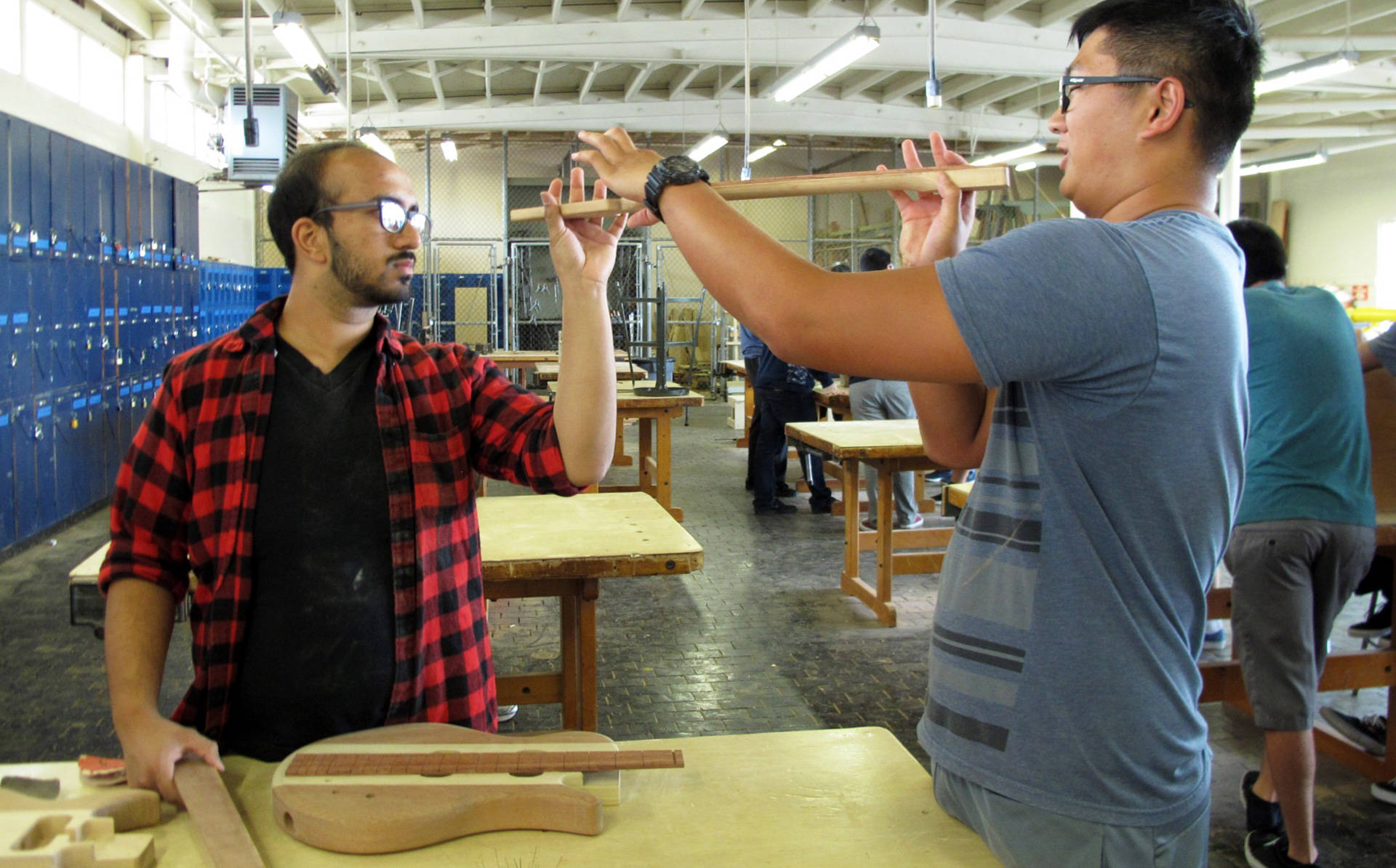
"caption": "Senior Timothy Lee (R) checks out the curve on his fretboard with help from classmate Farhan Saleh. The two are taking wood shop and physics at Camarillo High School as part of the STEM Guitar Project.",
"description": "Senior Timothy Lee (R) checks out the curve on his fretboard with help from classmate Farhan Saleh. The two are taking wood shop and physics at Camarillo High School as part of the STEM Guitar Project.",
"title": "GuitarMaking",
"credit": "Susan Valot/KCRW",
"status": "inherit",
"isLoading": false,
"fetchFailed": false
},
"news_10985468": {
"type": "attachments",
"id": "news_10985468",
"meta": {
"index": "attachments_1716263798",
"site": "news",
"id": "10985468",
"found": true
},
"parent": 10985167,
"imgSizes": {
"twentyfourteen-full-width": {
"file": "https://ww2.kqed.org/app/uploads/sites/10/2016/06/LosPunksCover-1038x576.jpg",
"width": 1038,
"mimeType": "image/jpeg",
"height": 576
},
"thumbnail": {
"file": "https://ww2.kqed.org/app/uploads/sites/10/2016/06/LosPunksCover-400x237.jpg",
"width": 400,
"mimeType": "image/jpeg",
"height": 237
},
"fd-sm": {
"file": "https://ww2.kqed.org/app/uploads/sites/10/2016/06/LosPunksCover-960x570.jpg",
"width": 960,
"mimeType": "image/jpeg",
"height": 570
},
"post-thumbnail": {
"file": "https://ww2.kqed.org/app/uploads/sites/10/2016/06/LosPunksCover-672x372.jpg",
"width": 672,
"mimeType": "image/jpeg",
"height": 372
},
"kqedFullSize": {
"file": "https://ww2.kqed.org/app/uploads/sites/10/2016/06/LosPunksCover.jpg",
"width": 1920,
"height": 1139
},
"large": {
"file": "https://ww2.kqed.org/app/uploads/sites/10/2016/06/LosPunksCover-1920x1139.jpg",
"width": 1920,
"mimeType": "image/jpeg",
"height": 1139
},
"guest-author-50": {
"file": "https://ww2.kqed.org/app/uploads/sites/10/2016/06/LosPunksCover-50x50.jpg",
"width": 50,
"mimeType": "image/jpeg",
"height": 50
},
"guest-author-96": {
"file": "https://ww2.kqed.org/app/uploads/sites/10/2016/06/LosPunksCover-96x96.jpg",
"width": 96,
"mimeType": "image/jpeg",
"height": 96
},
"medium": {
"file": "https://ww2.kqed.org/app/uploads/sites/10/2016/06/LosPunksCover-800x475.jpg",
"width": 800,
"mimeType": "image/jpeg",
"height": 475
},
"guest-author-64": {
"file": "https://ww2.kqed.org/app/uploads/sites/10/2016/06/LosPunksCover-64x64.jpg",
"width": 64,
"mimeType": "image/jpeg",
"height": 64
},
"guest-author-32": {
"file": "https://ww2.kqed.org/app/uploads/sites/10/2016/06/LosPunksCover-32x32.jpg",
"width": 32,
"mimeType": "image/jpeg",
"height": 32
},
"jmtc-small-thumb": {
"file": "https://ww2.kqed.org/app/uploads/sites/10/2016/06/LosPunksCover-280x150.jpg",
"width": 280,
"mimeType": "image/jpeg",
"height": 150
},
"fd-lrg": {
"file": "https://ww2.kqed.org/app/uploads/sites/10/2016/06/LosPunksCover-1920x1139.jpg",
"width": 1920,
"mimeType": "image/jpeg",
"height": 1139
},
"fd-med": {
"file": "https://ww2.kqed.org/app/uploads/sites/10/2016/06/LosPunksCover-1180x700.jpg",
"width": 1180,
"mimeType": "image/jpeg",
"height": 700
},
"detail": {
"file": "https://ww2.kqed.org/app/uploads/sites/10/2016/06/LosPunksCover-150x150.jpg",
"width": 150,
"mimeType": "image/jpeg",
"height": 150
},
"guest-author-128": {
"file": "https://ww2.kqed.org/app/uploads/sites/10/2016/06/LosPunksCover-128x128.jpg",
"width": 128,
"mimeType": "image/jpeg",
"height": 128
}
},
"publishDate": 1465609883,
"modified": 1465609913,
"caption": "The band CXA performs at a backyard show. ",
"description": "The band CXA performs at a backyard show. ",
"title": "LosPunksCover",
"credit": "Photo: Angela Boatwright",
"status": "inherit",
"isLoading": false,
"fetchFailed": false
},
"news_10980120": {
"type": "attachments",
"id": "news_10980120",
"meta": {
"index": "attachments_1716263798",
"site": "news",
"id": "10980120",
"found": true
},
"parent": 10980118,
"imgSizes": {
"twentyfourteen-full-width": {
"file": "https://ww2.kqed.org/app/uploads/sites/10/2016/06/50_custom-9b5375d268232680af5c20ad8e1ab13d78cd2cfb-1038x576.jpg",
"width": 1038,
"mimeType": "image/jpeg",
"height": 576
},
"thumbnail": {
"file": "https://ww2.kqed.org/app/uploads/sites/10/2016/06/50_custom-9b5375d268232680af5c20ad8e1ab13d78cd2cfb-400x267.jpg",
"width": 400,
"mimeType": "image/jpeg",
"height": 267
},
"fd-sm": {
"file": "https://ww2.kqed.org/app/uploads/sites/10/2016/06/50_custom-9b5375d268232680af5c20ad8e1ab13d78cd2cfb-960x640.jpg",
"width": 960,
"mimeType": "image/jpeg",
"height": 640
},
"post-thumbnail": {
"file": "https://ww2.kqed.org/app/uploads/sites/10/2016/06/50_custom-9b5375d268232680af5c20ad8e1ab13d78cd2cfb-672x372.jpg",
"width": 672,
"mimeType": "image/jpeg",
"height": 372
},
"kqedFullSize": {
"file": "https://ww2.kqed.org/app/uploads/sites/10/2016/06/50_custom-9b5375d268232680af5c20ad8e1ab13d78cd2cfb-e1465228529750.jpg",
"width": 1920,
"height": 1280
},
"large": {
"file": "https://ww2.kqed.org/app/uploads/sites/10/2016/06/50_custom-9b5375d268232680af5c20ad8e1ab13d78cd2cfb-1920x1280.jpg",
"width": 1920,
"mimeType": "image/jpeg",
"height": 1280
},
"guest-author-50": {
"file": "https://ww2.kqed.org/app/uploads/sites/10/2016/06/50_custom-9b5375d268232680af5c20ad8e1ab13d78cd2cfb-50x50.jpg",
"width": 50,
"mimeType": "image/jpeg",
"height": 50
},
"guest-author-96": {
"file": "https://ww2.kqed.org/app/uploads/sites/10/2016/06/50_custom-9b5375d268232680af5c20ad8e1ab13d78cd2cfb-96x96.jpg",
"width": 96,
"mimeType": "image/jpeg",
"height": 96
},
"medium": {
"file": "https://ww2.kqed.org/app/uploads/sites/10/2016/06/50_custom-9b5375d268232680af5c20ad8e1ab13d78cd2cfb-800x533.jpg",
"width": 800,
"mimeType": "image/jpeg",
"height": 533
},
"guest-author-64": {
"file": "https://ww2.kqed.org/app/uploads/sites/10/2016/06/50_custom-9b5375d268232680af5c20ad8e1ab13d78cd2cfb-64x64.jpg",
"width": 64,
"mimeType": "image/jpeg",
"height": 64
},
"guest-author-32": {
"file": "https://ww2.kqed.org/app/uploads/sites/10/2016/06/50_custom-9b5375d268232680af5c20ad8e1ab13d78cd2cfb-32x32.jpg",
"width": 32,
"mimeType": "image/jpeg",
"height": 32
},
"jmtc-small-thumb": {
"file": "https://ww2.kqed.org/app/uploads/sites/10/2016/06/50_custom-9b5375d268232680af5c20ad8e1ab13d78cd2cfb-280x150.jpg",
"width": 280,
"mimeType": "image/jpeg",
"height": 150
},
"fd-lrg": {
"file": "https://ww2.kqed.org/app/uploads/sites/10/2016/06/50_custom-9b5375d268232680af5c20ad8e1ab13d78cd2cfb-1920x1280.jpg",
"width": 1920,
"mimeType": "image/jpeg",
"height": 1280
},
"fd-med": {
"file": "https://ww2.kqed.org/app/uploads/sites/10/2016/06/50_custom-9b5375d268232680af5c20ad8e1ab13d78cd2cfb-1180x787.jpg",
"width": 1180,
"mimeType": "image/jpeg",
"height": 787
},
"detail": {
"file": "https://ww2.kqed.org/app/uploads/sites/10/2016/06/50_custom-9b5375d268232680af5c20ad8e1ab13d78cd2cfb-150x150.jpg",
"width": 150,
"mimeType": "image/jpeg",
"height": 150
},
"guest-author-128": {
"file": "https://ww2.kqed.org/app/uploads/sites/10/2016/06/50_custom-9b5375d268232680af5c20ad8e1ab13d78cd2cfb-128x128.jpg",
"width": 128,
"mimeType": "image/jpeg",
"height": 128
}
},
"publishDate": 1465227746,
"modified": 1465228535,
"caption": "A girl stands in the middle of a poppy field as Marines pass by on patrol. From the story \"In Afghanistan, Flowers Call The Shots,\" 2011.",
"description": "A girl stands in the middle of a poppy field as Marines pass by on patrol. \u003cem>From the story \"\u003ca href=\"http://www.npr.org/sections/pictureshow/2011/05/13/136213445/in-afghanistan-flowers-call-the-shots\" target=\"_blank\">In Afghanistan, Flowers Call The Shots\u003c/a>,\" 2011.\u003c/em>",
"title": "Gilkey-Afghanistan",
"credit": "David Gilkey/NPR",
"status": "inherit",
"isLoading": false,
"fetchFailed": false
},
"news_10969650": {
"type": "attachments",
"id": "news_10969650",
"meta": {
"index": "attachments_1716263798",
"site": "news",
"id": "10969650",
"found": true
},
"parent": 10969533,
"imgSizes": {
"twentyfourteen-full-width": {
"file": "https://ww2.kqed.org/app/uploads/sites/10/2016/05/kellog-and-finished-log-1038x576.jpeg",
"width": 1038,
"mimeType": "image/jpeg",
"height": 576
},
"thumbnail": {
"file": "https://ww2.kqed.org/app/uploads/sites/10/2016/05/kellog-and-finished-log-400x284.jpeg",
"width": 400,
"mimeType": "image/jpeg",
"height": 284
},
"fd-sm": {
"file": "https://ww2.kqed.org/app/uploads/sites/10/2016/05/kellog-and-finished-log-960x682.jpeg",
"width": 960,
"mimeType": "image/jpeg",
"height": 682
},
"post-thumbnail": {
"file": "https://ww2.kqed.org/app/uploads/sites/10/2016/05/kellog-and-finished-log-672x372.jpeg",
"width": 672,
"mimeType": "image/jpeg",
"height": 372
},
"kqedFullSize": {
"file": "https://ww2.kqed.org/app/uploads/sites/10/2016/05/kellog-and-finished-log.jpeg",
"width": 1536,
"height": 1091
},
"guest-author-50": {
"file": "https://ww2.kqed.org/app/uploads/sites/10/2016/05/kellog-and-finished-log-50x50.jpeg",
"width": 50,
"mimeType": "image/jpeg",
"height": 50
},
"guest-author-96": {
"file": "https://ww2.kqed.org/app/uploads/sites/10/2016/05/kellog-and-finished-log-96x96.jpeg",
"width": 96,
"mimeType": "image/jpeg",
"height": 96
},
"medium": {
"file": "https://ww2.kqed.org/app/uploads/sites/10/2016/05/kellog-and-finished-log-800x568.jpeg",
"width": 800,
"mimeType": "image/jpeg",
"height": 568
},
"guest-author-64": {
"file": "https://ww2.kqed.org/app/uploads/sites/10/2016/05/kellog-and-finished-log-64x64.jpeg",
"width": 64,
"mimeType": "image/jpeg",
"height": 64
},
"guest-author-32": {
"file": "https://ww2.kqed.org/app/uploads/sites/10/2016/05/kellog-and-finished-log-32x32.jpeg",
"width": 32,
"mimeType": "image/jpeg",
"height": 32
},
"jmtc-small-thumb": {
"file": "https://ww2.kqed.org/app/uploads/sites/10/2016/05/kellog-and-finished-log-280x150.jpeg",
"width": 280,
"mimeType": "image/jpeg",
"height": 150
},
"fd-med": {
"file": "https://ww2.kqed.org/app/uploads/sites/10/2016/05/kellog-and-finished-log-1180x838.jpeg",
"width": 1180,
"mimeType": "image/jpeg",
"height": 838
},
"detail": {
"file": "https://ww2.kqed.org/app/uploads/sites/10/2016/05/kellog-and-finished-log-150x150.jpeg",
"width": 150,
"mimeType": "image/jpeg",
"height": 150
},
"guest-author-128": {
"file": "https://ww2.kqed.org/app/uploads/sites/10/2016/05/kellog-and-finished-log-128x128.jpeg",
"width": 128,
"mimeType": "image/jpeg",
"height": 128
}
},
"publishDate": 1464378100,
"modified": 1464996840,
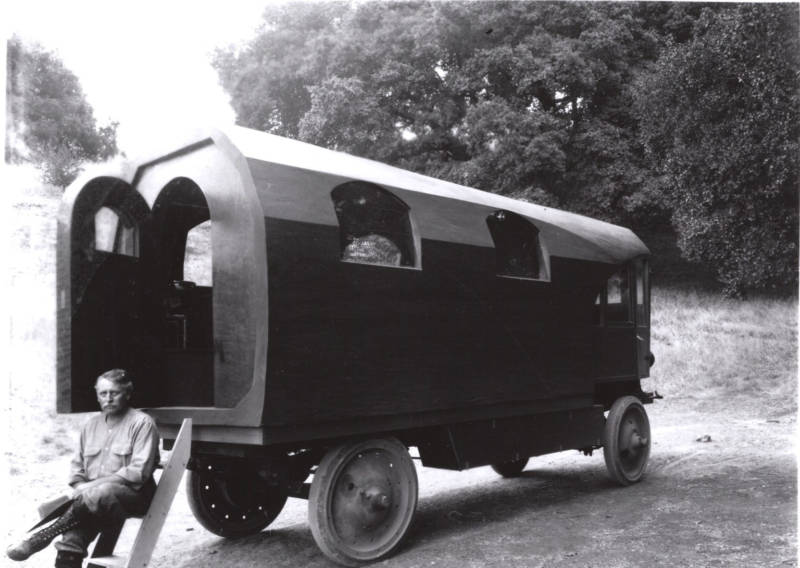
"caption": "Charles Kellogg and the RV he built out of the trunk of a fallen redwood. He traveled across the country in it four times, trumpeting the virtues of the sequoia. He claimed he was born with the throat of a bird.",
"description": "Charles Kellogg and the RV he built out of the trunk of a fallen redwood. He traveled across the country in it four times, trumpeting the virtues of the sequoia. He claimed he was born with the throat of a bird.",
"title": "kellog and finished log",
"credit": "Humboldt Redwoods Interpretive Assocation",
"status": "inherit",
"isLoading": false,
"fetchFailed": false
},
"news_10974391": {
"type": "attachments",
"id": "news_10974391",
"meta": {
"index": "attachments_1716263798",
"site": "news",
"id": "10974391",
"found": true
},
"parent": 10973520,
"imgSizes": {
"twentyfourteen-full-width": {
"file": "https://ww2.kqed.org/app/uploads/sites/10/2016/06/X1980-1038x576.jpg",
"width": 1038,
"mimeType": "image/jpeg",
"height": 576
},
"thumbnail": {
"file": "https://ww2.kqed.org/app/uploads/sites/10/2016/06/X1980-400x257.jpg",
"width": 400,
"mimeType": "image/jpeg",
"height": 257
},
"fd-sm": {
"file": "https://ww2.kqed.org/app/uploads/sites/10/2016/06/X1980-960x616.jpg",
"width": 960,
"mimeType": "image/jpeg",
"height": 616
},
"post-thumbnail": {
"file": "https://ww2.kqed.org/app/uploads/sites/10/2016/06/X1980-672x372.jpg",
"width": 672,
"mimeType": "image/jpeg",
"height": 372
},
"kqedFullSize": {
"file": "https://ww2.kqed.org/app/uploads/sites/10/2016/06/X1980.jpg",
"width": 1920,
"height": 1232
},
"large": {
"file": "https://ww2.kqed.org/app/uploads/sites/10/2016/06/X1980-1920x1232.jpg",
"width": 1920,
"mimeType": "image/jpeg",
"height": 1232
},
"guest-author-50": {
"file": "https://ww2.kqed.org/app/uploads/sites/10/2016/06/X1980-50x50.jpg",
"width": 50,
"mimeType": "image/jpeg",
"height": 50
},
"guest-author-96": {
"file": "https://ww2.kqed.org/app/uploads/sites/10/2016/06/X1980-96x96.jpg",
"width": 96,
"mimeType": "image/jpeg",
"height": 96
},
"medium": {
"file": "https://ww2.kqed.org/app/uploads/sites/10/2016/06/X1980-800x513.jpg",
"width": 800,
"mimeType": "image/jpeg",
"height": 513
},
"guest-author-64": {
"file": "https://ww2.kqed.org/app/uploads/sites/10/2016/06/X1980-64x64.jpg",
"width": 64,
"mimeType": "image/jpeg",
"height": 64
},
"guest-author-32": {
"file": "https://ww2.kqed.org/app/uploads/sites/10/2016/06/X1980-32x32.jpg",
"width": 32,
"mimeType": "image/jpeg",
"height": 32
},
"jmtc-small-thumb": {
"file": "https://ww2.kqed.org/app/uploads/sites/10/2016/06/X1980-280x150.jpg",
"width": 280,
"mimeType": "image/jpeg",
"height": 150
},
"fd-lrg": {
"file": "https://ww2.kqed.org/app/uploads/sites/10/2016/06/X1980-1920x1232.jpg",
"width": 1920,
"mimeType": "image/jpeg",
"height": 1232
},
"fd-med": {
"file": "https://ww2.kqed.org/app/uploads/sites/10/2016/06/X1980-1180x757.jpg",
"width": 1180,
"mimeType": "image/jpeg",
"height": 757
},
"detail": {
"file": "https://ww2.kqed.org/app/uploads/sites/10/2016/06/X1980-150x150.jpg",
"width": 150,
"mimeType": "image/jpeg",
"height": 150
},
"guest-author-128": {
"file": "https://ww2.kqed.org/app/uploads/sites/10/2016/06/X1980-128x128.jpg",
"width": 128,
"mimeType": "image/jpeg",
"height": 128
}
},
"publishDate": 1464810743,
"modified": 1464810805,
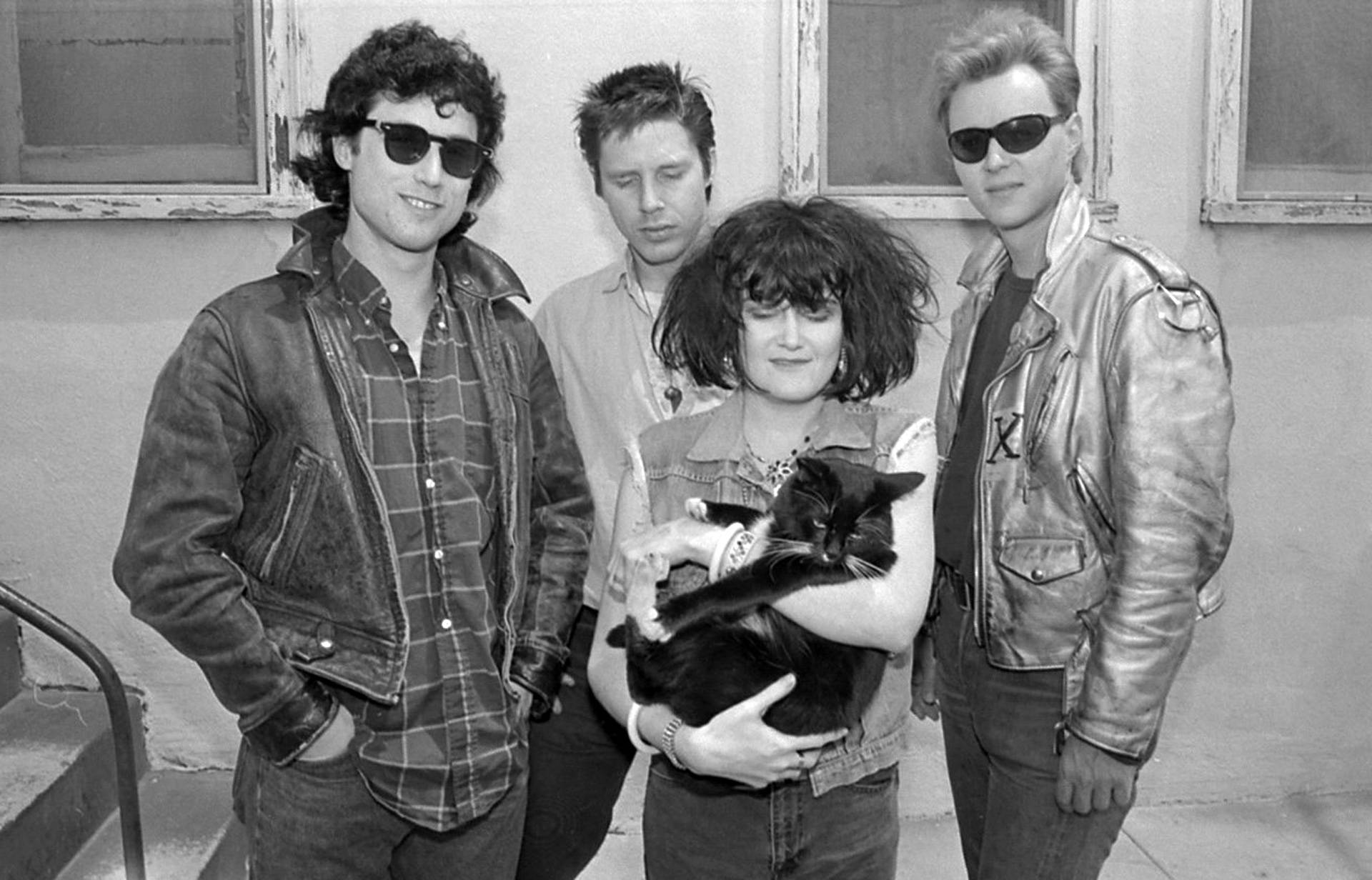
"caption": "The seminal punk band X in Los Angeles in 1980.",
"description": "The seminal punk band X in Los Angeles in 1980.",
"title": "X1980",
"credit": "UCLA Library Special Collections/Flickr",
"status": "inherit",
"isLoading": false,
"fetchFailed": false
},
"science_730413": {
"type": "attachments",
"id": "science_730413",
"meta": {
"index": "attachments_1716263798",
"site": "science",
"id": "730413",
"found": true
},
"parent": 730210,
"imgSizes": {
"twentyfourteen-full-width": {
"file": "https://ww2.kqed.org/app/uploads/sites/35/2016/05/Loreen_Throwing-1038x576.jpg",
"width": 1038,
"mimeType": "image/jpeg",
"height": 576
},
"thumbnail": {
"file": "https://ww2.kqed.org/app/uploads/sites/35/2016/05/Loreen_Throwing-400x300.jpg",
"width": 400,
"mimeType": "image/jpeg",
"height": 300
},
"fd-sm": {
"file": "https://ww2.kqed.org/app/uploads/sites/35/2016/05/Loreen_Throwing-960x720.jpg",
"width": 960,
"mimeType": "image/jpeg",
"height": 720
},
"post-thumbnail": {
"file": "https://ww2.kqed.org/app/uploads/sites/35/2016/05/Loreen_Throwing-672x372.jpg",
"width": 672,
"mimeType": "image/jpeg",
"height": 372
},
"kqedFullSize": {
"file": "https://ww2.kqed.org/app/uploads/sites/35/2016/05/Loreen_Throwing.jpg",
"width": 1632,
"height": 1224
},
"large": {
"file": "https://ww2.kqed.org/app/uploads/sites/35/2016/05/Loreen_Throwing-1440x1080.jpg",
"width": 1440,
"mimeType": "image/jpeg",
"height": 1080
},
"guest-author-50": {
"file": "https://ww2.kqed.org/app/uploads/sites/35/2016/05/Loreen_Throwing-50x50.jpg",
"width": 50,
"mimeType": "image/jpeg",
"height": 50
},
"guest-author-96": {
"file": "https://ww2.kqed.org/app/uploads/sites/35/2016/05/Loreen_Throwing-96x96.jpg",
"width": 96,
"mimeType": "image/jpeg",
"height": 96
},
"medium": {
"file": "https://ww2.kqed.org/app/uploads/sites/35/2016/05/Loreen_Throwing-800x600.jpg",
"width": 800,
"mimeType": "image/jpeg",
"height": 600
},
"guest-author-64": {
"file": "https://ww2.kqed.org/app/uploads/sites/35/2016/05/Loreen_Throwing-64x64.jpg",
"width": 64,
"mimeType": "image/jpeg",
"height": 64
},
"guest-author-32": {
"file": "https://ww2.kqed.org/app/uploads/sites/35/2016/05/Loreen_Throwing-32x32.jpg",
"width": 32,
"mimeType": "image/jpeg",
"height": 32
},
"fd-med": {
"file": "https://ww2.kqed.org/app/uploads/sites/35/2016/05/Loreen_Throwing-1180x885.jpg",
"width": 1180,
"mimeType": "image/jpeg",
"height": 885
},
"detail": {
"file": "https://ww2.kqed.org/app/uploads/sites/35/2016/05/Loreen_Throwing-150x150.jpg",
"width": 150,
"mimeType": "image/jpeg",
"height": 150
},
"medium_large": {
"file": "https://ww2.kqed.org/app/uploads/sites/35/2016/05/Loreen_Throwing-768x576.jpg",
"width": 768,
"mimeType": "image/jpeg",
"height": 576
},
"guest-author-128": {
"file": "https://ww2.kqed.org/app/uploads/sites/35/2016/05/Loreen_Throwing-128x128.jpg",
"width": 128,
"mimeType": "image/jpeg",
"height": 128
}
},
"publishDate": 1464365828,
"modified": 1464366387,
"caption": null,
"description": "Loreen Makishima-Wolf lines up her shot at the 2011 Golden Gate Bonspiel. ",
"title": "Loreen_Throwing",
"credit": "Loreen Makishima-Wolf",
"status": "inherit",
"isLoading": false,
"fetchFailed": false
},
"news_10961974": {
"type": "attachments",
"id": "news_10961974",
"meta": {
"index": "attachments_1716263798",
"site": "news",
"id": "10961974",
"found": true
},
"parent": 10961928,
"imgSizes": {
"jmtc-small-thumb": {
"file": "https://ww2.kqed.org/app/uploads/sites/10/2016/05/cbcc5dfb-75ce-41a2-807e-019d4fdd9672-280x150.jpg",
"width": 280,
"mimeType": "image/jpeg",
"height": 150
},
"thumbnail": {
"file": "https://ww2.kqed.org/app/uploads/sites/10/2016/05/cbcc5dfb-75ce-41a2-807e-019d4fdd9672-400x266.jpg",
"width": 400,
"mimeType": "image/jpeg",
"height": 266
},
"post-thumbnail": {
"file": "https://ww2.kqed.org/app/uploads/sites/10/2016/05/cbcc5dfb-75ce-41a2-807e-019d4fdd9672-672x372.jpg",
"width": 672,
"mimeType": "image/jpeg",
"height": 372
},
"kqedFullSize": {
"file": "https://ww2.kqed.org/app/uploads/sites/10/2016/05/cbcc5dfb-75ce-41a2-807e-019d4fdd9672.jpg",
"width": 680,
"height": 453
},
"guest-author-50": {
"file": "https://ww2.kqed.org/app/uploads/sites/10/2016/05/cbcc5dfb-75ce-41a2-807e-019d4fdd9672-50x50.jpg",
"width": 50,
"mimeType": "image/jpeg",
"height": 50
},
"guest-author-96": {
"file": "https://ww2.kqed.org/app/uploads/sites/10/2016/05/cbcc5dfb-75ce-41a2-807e-019d4fdd9672-96x96.jpg",
"width": 96,
"mimeType": "image/jpeg",
"height": 96
},
"guest-author-64": {
"file": "https://ww2.kqed.org/app/uploads/sites/10/2016/05/cbcc5dfb-75ce-41a2-807e-019d4fdd9672-64x64.jpg",
"width": 64,
"mimeType": "image/jpeg",
"height": 64
},
"detail": {
"file": "https://ww2.kqed.org/app/uploads/sites/10/2016/05/cbcc5dfb-75ce-41a2-807e-019d4fdd9672-150x150.jpg",
"width": 150,
"mimeType": "image/jpeg",
"height": 150
},
"guest-author-32": {
"file": "https://ww2.kqed.org/app/uploads/sites/10/2016/05/cbcc5dfb-75ce-41a2-807e-019d4fdd9672-32x32.jpg",
"width": 32,
"mimeType": "image/jpeg",
"height": 32
},
"guest-author-128": {
"file": "https://ww2.kqed.org/app/uploads/sites/10/2016/05/cbcc5dfb-75ce-41a2-807e-019d4fdd9672-128x128.jpg",
"width": 128,
"mimeType": "image/jpeg",
"height": 128
}
},
"publishDate": 1463767440,
"modified": 1463799253,
"caption": "East Los Angeles band Stars at Night.",
"description": "East Los Angeles band Stars at Night.",
"title": "cbcc5dfb-75ce-41a2-807e-019d4fdd9672",
"credit": "Courtesy Stars at Night",
"status": "inherit",
"isLoading": false,
"fetchFailed": false
},
"news_93966": {
"type": "attachments",
"id": "news_93966",
"meta": {
"index": "attachments_1716263798",
"site": "news",
"id": "93966",
"found": true
},
"parent": 93962,
"imgSizes": {
"kqedFullSize": {
"file": "https://ww2.kqed.org/app/uploads/sites/10/2013/04/RS1613_101560214-e1463670226127.jpg",
"width": 1920,
"height": 1280
}
},
"publishDate": 1365709075,
"modified": 1487374247,
"caption": "Facebook CEO Mark Zuckerberg, photographed in a meeting with conservative commentators in 2013, has once again affirmed his commitment to globalization.",
"description": "Mark Zuckerberg and a number of Silicon Valley leaders have founded a new immigration reform advocacy organization. (Gabriel Bouys/AFP/Getty Images)",
"title": "Mark Zuckerberg",
"credit": "Gabriel Bouys/AFP-Getty Images",
"status": "inherit",
"isLoading": false,
"fetchFailed": false
},
"news_10958494": {
"type": "attachments",
"id": "news_10958494",
"meta": {
"index": "attachments_1716263798",
"site": "news",
"id": "10958494",
"found": true
},
"parent": 10957401,
"imgSizes": {
"jmtc-small-thumb": {
"file": "https://ww2.kqed.org/app/uploads/sites/10/2016/05/SignalGroup-280x150.jpg",
"width": 280,
"mimeType": "image/jpeg",
"height": 150
},
"thumbnail": {
"file": "https://ww2.kqed.org/app/uploads/sites/10/2016/05/SignalGroup-400x267.jpg",
"width": 400,
"mimeType": "image/jpeg",
"height": 267
},
"post-thumbnail": {
"file": "https://ww2.kqed.org/app/uploads/sites/10/2016/05/SignalGroup-672x372.jpg",
"width": 672,
"mimeType": "image/jpeg",
"height": 372
},
"kqedFullSize": {
"file": "https://ww2.kqed.org/app/uploads/sites/10/2016/05/SignalGroup.jpg",
"width": 800,
"height": 533
},
"guest-author-50": {
"file": "https://ww2.kqed.org/app/uploads/sites/10/2016/05/SignalGroup-50x50.jpg",
"width": 50,
"mimeType": "image/jpeg",
"height": 50
},
"guest-author-96": {
"file": "https://ww2.kqed.org/app/uploads/sites/10/2016/05/SignalGroup-96x96.jpg",
"width": 96,
"mimeType": "image/jpeg",
"height": 96
},
"medium": {
"file": "https://ww2.kqed.org/app/uploads/sites/10/2016/05/SignalGroup-800x533.jpg",
"width": 800,
"mimeType": "image/jpeg",
"height": 533
},
"guest-author-64": {
"file": "https://ww2.kqed.org/app/uploads/sites/10/2016/05/SignalGroup-64x64.jpg",
"width": 64,
"mimeType": "image/jpeg",
"height": 64
},
"detail": {
"file": "https://ww2.kqed.org/app/uploads/sites/10/2016/05/SignalGroup-150x150.jpg",
"width": 150,
"mimeType": "image/jpeg",
"height": 150
},
"guest-author-32": {
"file": "https://ww2.kqed.org/app/uploads/sites/10/2016/05/SignalGroup-32x32.jpg",
"width": 32,
"mimeType": "image/jpeg",
"height": 32
},
"guest-author-128": {
"file": "https://ww2.kqed.org/app/uploads/sites/10/2016/05/SignalGroup-128x128.jpg",
"width": 128,
"mimeType": "image/jpeg",
"height": 128
}
},
"publishDate": 1463506156,
"modified": 1463507189,
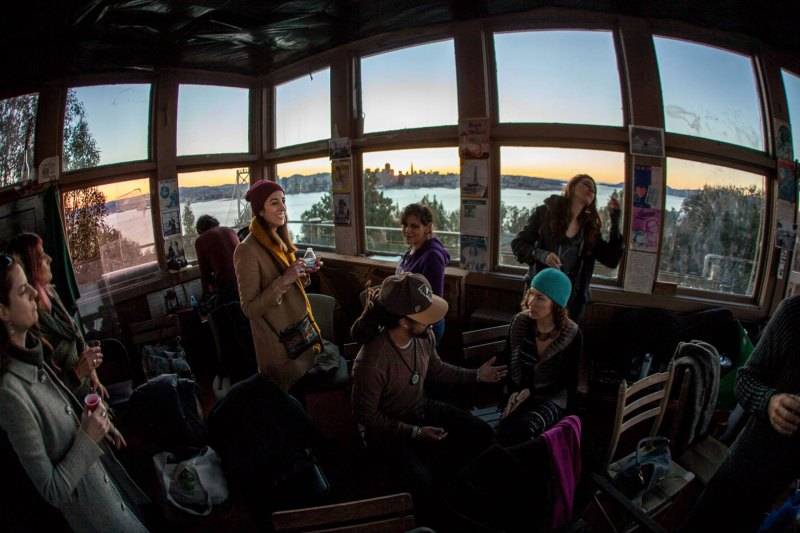
"caption": "Events at the Signal Room typically involved 15 or 20 people invited by previous guests. ",
"description": "Events at the Signal Room typically involved 15 or 20 people invited by previous guests. ",
"title": "SignalGroup",
"credit": "Courtesy Mona Caron",
"status": "inherit",
"isLoading": false,
"fetchFailed": false
},
"news_10954636": {
"type": "attachments",
"id": "news_10954636",
"meta": {
"index": "attachments_1716263798",
"site": "news",
"id": "10954636",
"found": true
},
"parent": 10952660,
"imgSizes": {
"twentyfourteen-full-width": {
"file": "https://ww2.kqed.org/app/uploads/sites/10/2016/05/RamblinMinors1-1038x576.jpg",
"width": 1038,
"mimeType": "image/jpeg",
"height": 576
},
"thumbnail": {
"file": "https://ww2.kqed.org/app/uploads/sites/10/2016/05/RamblinMinors1-400x264.jpg",
"width": 400,
"mimeType": "image/jpeg",
"height": 264
},
"fd-sm": {
"file": "https://ww2.kqed.org/app/uploads/sites/10/2016/05/RamblinMinors1-960x634.jpg",
"width": 960,
"mimeType": "image/jpeg",
"height": 634
},
"post-thumbnail": {
"file": "https://ww2.kqed.org/app/uploads/sites/10/2016/05/RamblinMinors1-672x372.jpg",
"width": 672,
"mimeType": "image/jpeg",
"height": 372
},
"kqedFullSize": {
"file": "https://ww2.kqed.org/app/uploads/sites/10/2016/05/RamblinMinors1.jpg",
"width": 1920,
"height": 1267
},
"large": {
"file": "https://ww2.kqed.org/app/uploads/sites/10/2016/05/RamblinMinors1-1920x1267.jpg",
"width": 1920,
"mimeType": "image/jpeg",
"height": 1267
},
"guest-author-96": {
"file": "https://ww2.kqed.org/app/uploads/sites/10/2016/05/RamblinMinors1-96x96.jpg",
"width": 96,
"mimeType": "image/jpeg",
"height": 96
},
"medium": {
"file": "https://ww2.kqed.org/app/uploads/sites/10/2016/05/RamblinMinors1-800x528.jpg",
"width": 800,
"mimeType": "image/jpeg",
"height": 528
},
"guest-author-64": {
"file": "https://ww2.kqed.org/app/uploads/sites/10/2016/05/RamblinMinors1-64x64.jpg",
"width": 64,
"mimeType": "image/jpeg",
"height": 64
},
"guest-author-32": {
"file": "https://ww2.kqed.org/app/uploads/sites/10/2016/05/RamblinMinors1-32x32.jpg",
"width": 32,
"mimeType": "image/jpeg",
"height": 32
},
"jmtc-small-thumb": {
"file": "https://ww2.kqed.org/app/uploads/sites/10/2016/05/RamblinMinors1-280x150.jpg",
"width": 280,
"mimeType": "image/jpeg",
"height": 150
},
"fd-lrg": {
"file": "https://ww2.kqed.org/app/uploads/sites/10/2016/05/RamblinMinors1-1920x1267.jpg",
"width": 1920,
"mimeType": "image/jpeg",
"height": 1267
},
"fd-med": {
"file": "https://ww2.kqed.org/app/uploads/sites/10/2016/05/RamblinMinors1-1180x779.jpg",
"width": 1180,
"mimeType": "image/jpeg",
"height": 779
},
"detail": {
"file": "https://ww2.kqed.org/app/uploads/sites/10/2016/05/RamblinMinors1-150x150.jpg",
"width": 150,
"mimeType": "image/jpeg",
"height": 150
},
"guest-author-128": {
"file": "https://ww2.kqed.org/app/uploads/sites/10/2016/05/RamblinMinors1-128x128.jpg",
"width": 128,
"mimeType": "image/jpeg",
"height": 128
}
},
"publishDate": 1463167410,
"modified": 1463167426,
"caption": "The Rambling Minors perform at Goorin Bros. Hats in Berkeley. ",
"description": "The Rambling Minors perform at Goorin Bros. Hats in Berkeley. ",
"title": "RamblinMinors1",
"credit": "Maria Quayle/KQED",
"status": "inherit",
"isLoading": false,
"fetchFailed": false
},
"news_10955017": {
"type": "attachments",
"id": "news_10955017",
"meta": {
"index": "attachments_1716263798",
"site": "news",
"id": "10955017",
"found": true
},
"parent": 10953522,
"imgSizes": {
"twentyfourteen-full-width": {
"file": "https://ww2.kqed.org/app/uploads/sites/10/2016/05/MudPot-1038x576.jpg",
"width": 1038,
"mimeType": "image/jpeg",
"height": 576
},
"thumbnail": {
"file": "https://ww2.kqed.org/app/uploads/sites/10/2016/05/MudPot-400x210.jpg",
"width": 400,
"mimeType": "image/jpeg",
"height": 210
},
"fd-sm": {
"file": "https://ww2.kqed.org/app/uploads/sites/10/2016/05/MudPot-960x503.jpg",
"width": 960,
"mimeType": "image/jpeg",
"height": 503
},
"post-thumbnail": {
"file": "https://ww2.kqed.org/app/uploads/sites/10/2016/05/MudPot-672x372.jpg",
"width": 672,
"mimeType": "image/jpeg",
"height": 372
},
"kqedFullSize": {
"file": "https://ww2.kqed.org/app/uploads/sites/10/2016/05/MudPot.jpg",
"width": 1920,
"height": 1006
},
"large": {
"file": "https://ww2.kqed.org/app/uploads/sites/10/2016/05/MudPot-1920x1006.jpg",
"width": 1920,
"mimeType": "image/jpeg",
"height": 1006
},
"guest-author-96": {
"file": "https://ww2.kqed.org/app/uploads/sites/10/2016/05/MudPot-96x96.jpg",
"width": 96,
"mimeType": "image/jpeg",
"height": 96
},
"medium": {
"file": "https://ww2.kqed.org/app/uploads/sites/10/2016/05/MudPot-800x419.jpg",
"width": 800,
"mimeType": "image/jpeg",
"height": 419
},
"guest-author-64": {
"file": "https://ww2.kqed.org/app/uploads/sites/10/2016/05/MudPot-64x64.jpg",
"width": 64,
"mimeType": "image/jpeg",
"height": 64
},
"guest-author-32": {
"file": "https://ww2.kqed.org/app/uploads/sites/10/2016/05/MudPot-32x32.jpg",
"width": 32,
"mimeType": "image/jpeg",
"height": 32
},
"jmtc-small-thumb": {
"file": "https://ww2.kqed.org/app/uploads/sites/10/2016/05/MudPot-280x150.jpg",
"width": 280,
"mimeType": "image/jpeg",
"height": 150
},
"fd-lrg": {
"file": "https://ww2.kqed.org/app/uploads/sites/10/2016/05/MudPot-1920x1006.jpg",
"width": 1920,
"mimeType": "image/jpeg",
"height": 1006
},
"fd-med": {
"file": "https://ww2.kqed.org/app/uploads/sites/10/2016/05/MudPot-1180x618.jpg",
"width": 1180,
"mimeType": "image/jpeg",
"height": 618
},
"detail": {
"file": "https://ww2.kqed.org/app/uploads/sites/10/2016/05/MudPot-150x150.jpg",
"width": 150,
"mimeType": "image/jpeg",
"height": 150
},
"guest-author-128": {
"file": "https://ww2.kqed.org/app/uploads/sites/10/2016/05/MudPot-128x128.jpg",
"width": 128,
"mimeType": "image/jpeg",
"height": 128
}
},
"publishDate": 1463191391,
"modified": 1463191415,
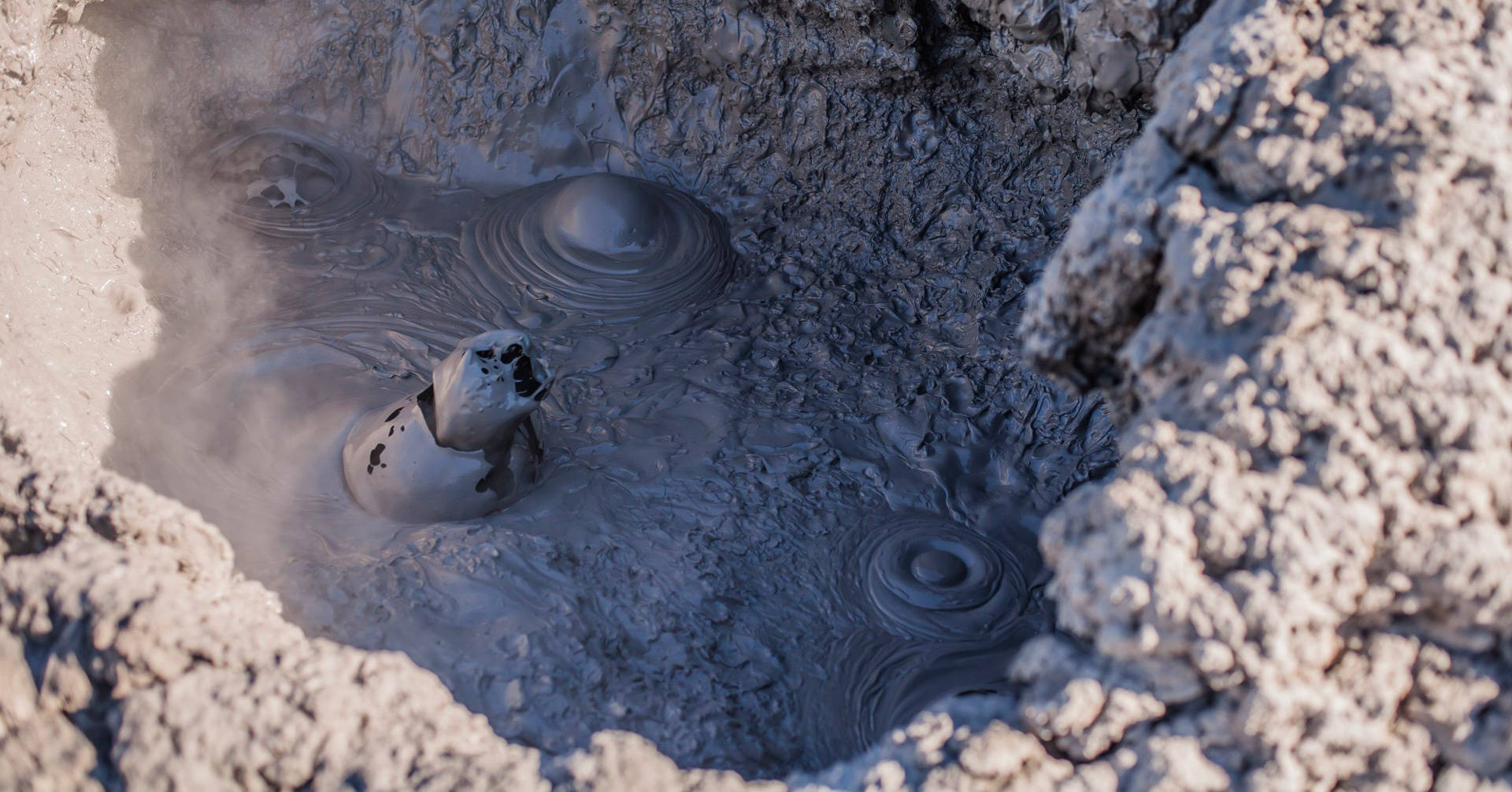
"caption": "Conditions have to be perfect for mud pots to form.",
"description": "Conditions have to be perfect for mud pots to form.",
"title": "MudPot",
"credit": "Courtesy Gundi Vigfusson",
"status": "inherit",
"isLoading": false,
"fetchFailed": false
},
"news_10952792": {
"type": "attachments",
"id": "news_10952792",
"meta": {
"index": "attachments_1716263798",
"site": "news",
"id": "10952792",
"found": true
},
"parent": 10952663,
"imgSizes": {
"twentyfourteen-full-width": {
"file": "https://ww2.kqed.org/app/uploads/sites/10/2016/05/eviction_still04-1038x576.jpg",
"width": 1038,
"mimeType": "image/jpeg",
"height": 576
},
"thumbnail": {
"file": "https://ww2.kqed.org/app/uploads/sites/10/2016/05/eviction_still04-400x225.jpg",
"width": 400,
"mimeType": "image/jpeg",
"height": 225
},
"fd-sm": {
"file": "https://ww2.kqed.org/app/uploads/sites/10/2016/05/eviction_still04-960x540.jpg",
"width": 960,
"mimeType": "image/jpeg",
"height": 540
},
"post-thumbnail": {
"file": "https://ww2.kqed.org/app/uploads/sites/10/2016/05/eviction_still04-672x372.jpg",
"width": 672,
"mimeType": "image/jpeg",
"height": 372
},
"kqedFullSize": {
"file": "https://ww2.kqed.org/app/uploads/sites/10/2016/05/eviction_still04.jpg",
"width": 1920,
"height": 1080
},
"large": {
"file": "https://ww2.kqed.org/app/uploads/sites/10/2016/05/eviction_still04-1920x1080.jpg",
"width": 1920,
"mimeType": "image/jpeg",
"height": 1080
},
"guest-author-96": {
"file": "https://ww2.kqed.org/app/uploads/sites/10/2016/05/eviction_still04-96x96.jpg",
"width": 96,
"mimeType": "image/jpeg",
"height": 96
},
"medium": {
"file": "https://ww2.kqed.org/app/uploads/sites/10/2016/05/eviction_still04-800x450.jpg",
"width": 800,
"mimeType": "image/jpeg",
"height": 450
},
"guest-author-64": {
"file": "https://ww2.kqed.org/app/uploads/sites/10/2016/05/eviction_still04-64x64.jpg",
"width": 64,
"mimeType": "image/jpeg",
"height": 64
},
"guest-author-32": {
"file": "https://ww2.kqed.org/app/uploads/sites/10/2016/05/eviction_still04-32x32.jpg",
"width": 32,
"mimeType": "image/jpeg",
"height": 32
},
"jmtc-small-thumb": {
"file": "https://ww2.kqed.org/app/uploads/sites/10/2016/05/eviction_still04-280x150.jpg",
"width": 280,
"mimeType": "image/jpeg",
"height": 150
},
"fd-lrg": {
"file": "https://ww2.kqed.org/app/uploads/sites/10/2016/05/eviction_still04-1920x1080.jpg",
"width": 1920,
"mimeType": "image/jpeg",
"height": 1080
},
"fd-med": {
"file": "https://ww2.kqed.org/app/uploads/sites/10/2016/05/eviction_still04-1180x664.jpg",
"width": 1180,
"mimeType": "image/jpeg",
"height": 664
},
"detail": {
"file": "https://ww2.kqed.org/app/uploads/sites/10/2016/05/eviction_still04-150x150.jpg",
"width": 150,
"mimeType": "image/jpeg",
"height": 150
},
"guest-author-128": {
"file": "https://ww2.kqed.org/app/uploads/sites/10/2016/05/eviction_still04-128x128.jpg",
"width": 128,
"mimeType": "image/jpeg",
"height": 128
}
},
"publishDate": 1463005682,
"modified": 1463098687,
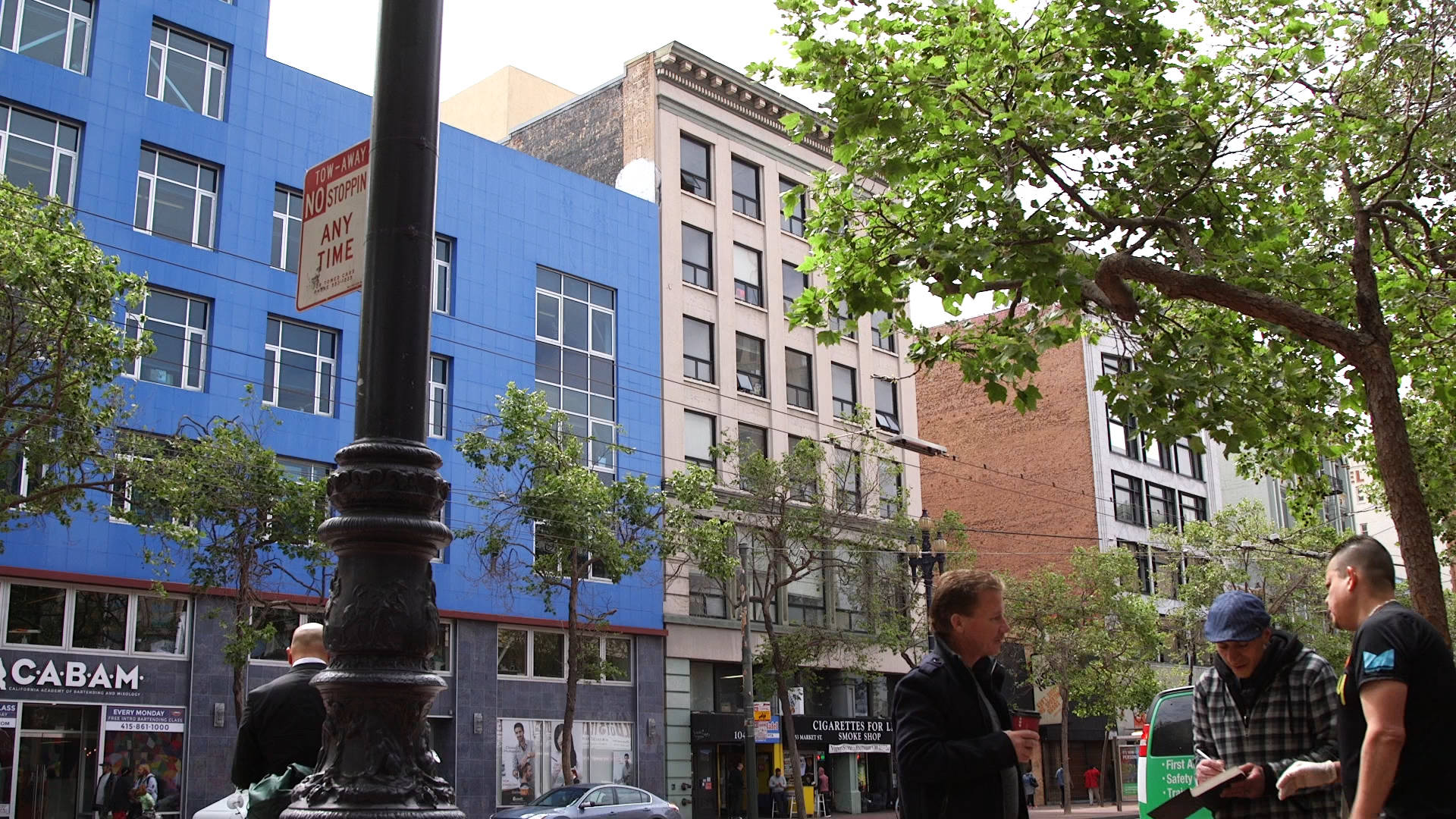
"caption": "Residential tenants at 1049 Market St. all received Ellis Act eviction notices in February. ",
"description": "Residential tenants at 1049 Market St. all received Ellis Act eviction notices in February. ",
"title": "1049 Market St.",
"credit": "Lucas Waldron/KQED",
"status": "inherit",
"isLoading": false,
"fetchFailed": false
}
},
"audioPlayerReducer": {
"postId": "stream_live",
"isPaused": true,
"isPlaying": false,
"pfsActive": false,
"pledgeModalIsOpen": true,
"playerDrawerIsOpen": false,
"liveAudioPlayStartedAt": 0,
"liveAudioPlayContext": ""
},
"authorsReducer": {
"byline_news_10985355": {
"type": "authors",
"id": "byline_news_10985355",
"meta": {
"override": true
},
"slug": "byline_news_10985355",
"name": "\u003cstrong>\u003ca href=\"http://curious.kcrw.com/author/susan-valot\">Susan Valot\u003c/a>\u003cbr>\u003ca href=\"http://curious.kcrw.com/2016/05/when-science-sounds-like-band-practice\">KCRW\u003c/a>\u003c/strong>",
"isLoading": false
},
"byline_news_10980118": {
"type": "authors",
"id": "byline_news_10980118",
"meta": {
"override": true
},
"slug": "byline_news_10980118",
"name": "\u003cstrong>Ariel Zambelich\u003cbr />NPR\u003c/strong>",
"isLoading": false
},
"byline_news_10969533": {
"type": "authors",
"id": "byline_news_10969533",
"meta": {
"override": true
},
"slug": "byline_news_10969533",
"name": "\u003cstrong>Chris Hoff\u003c/strong> and \u003cstrong>Sam Harnett\u003c/strong>",
"isLoading": false
},
"byline_news_10973520": {
"type": "authors",
"id": "byline_news_10973520",
"meta": {
"override": true
},
"slug": "byline_news_10973520",
"name": "\u003cstrong>Peter Gilstrap\u003c/strong>",
"isLoading": false
},
"byline_news_10960580": {
"type": "authors",
"id": "byline_news_10960580",
"meta": {
"override": true
},
"slug": "byline_news_10960580",
"name": "\u003cstrong>Ryan Nakashima\u003cbr />Associated Press\u003c/strong>",
"isLoading": false
},
"byline_news_10952660": {
"type": "authors",
"id": "byline_news_10952660",
"meta": {
"override": true
},
"slug": "byline_news_10952660",
"name": "Lacy Jane Roberts",
"isLoading": false
},
"byline_news_10953522": {
"type": "authors",
"id": "byline_news_10953522",
"meta": {
"override": true
},
"slug": "byline_news_10953522",
"name": "\u003cstrong>Sam Harnett\u003c/strong> and \u003cstrong>Chris Hoff\u003c/strong>",
"isLoading": false
},
"shochman": {
"type": "authors",
"id": "87",
"meta": {
"index": "authors_1716337520",
"id": "87",
"found": true
},
"name": "Steve Hochman",
"firstName": "Steve",
"lastName": "Hochman",
"slug": "shochman",
"email": "sehochman@me.com",
"display_author_email": false,
"staff_mastheads": [],
"title": "KQED Contributor",
"bio": "Steve Hochman has covered popular, and unpopular, music for more than 30 years, most of that time as a key member of the \u003ci>Los Angeles Times\u003c/i>' music team. In that capacity he wrote about the full range of music and musicians, from Hungarian folk to industrial noise, and from 1991 through 2005 wrote the \u003ci>Times\u003c/i>' widely read weekly \"Pop Eye\" column. In addition to his role with \u003ci>The California Report\u003c/i>, he's a music critic for Pasadena station KPCC's morning magazine \u003ci>Take Two\u003c/i> and a regular contributor to Grammy.com, Fender.com and other outlets. His byline has appeared through the years in an array of major publications, including \u003ci>Rolling Stone\u003c/i>, \u003ci>Billboard\u003c/i> and \u003ci>Entertainment Weekly\u003c/i> and New Orleans' \u003ci>Offbeat\u003c/i>.",
"avatar": "https://secure.gravatar.com/avatar/37fbddee9db232a05a1be3b065171301e8baa142626c45b0caa6fc61c25a8c8d?s=600&d=blank&r=g",
"twitter": null,
"bluesky": null,
"facebook": null,
"instagram": null,
"linkedin": null,
"sites": [
{
"site": "arts",
"roles": [
"Contributor",
"subscriber"
]
},
{
"site": "news",
"roles": [
"subscriber"
]
}
],
"headData": {
"title": "Steve Hochman | KQED",
"description": "KQED Contributor",
"ogImgSrc": "https://secure.gravatar.com/avatar/37fbddee9db232a05a1be3b065171301e8baa142626c45b0caa6fc61c25a8c8d?s=600&d=blank&r=g",
"twImgSrc": "https://secure.gravatar.com/avatar/37fbddee9db232a05a1be3b065171301e8baa142626c45b0caa6fc61c25a8c8d?s=600&d=blank&r=g"
},
"isLoading": false,
"link": "/author/shochman"
},
"scuevas": {
"type": "authors",
"id": "2600",
"meta": {
"index": "authors_1716337520",
"id": "2600",
"found": true
},
"name": "Steven Cuevas",
"firstName": "Steven",
"lastName": "Cuevas",
"slug": "scuevas",
"email": "scuevas@kqed.org",
"display_author_email": false,
"staff_mastheads": [],
"title": "KQED Contributor",
"bio": "Steven is a former Los Angeles bureau chief for The California Report.\r\n\r\nHe reports on an array of issues across the Southland, from immigration and regional politics to religion, the performing arts and pop culture.\r\n\r\nPrior to joining KQED in 2012, Steven covered Inland southern California for KPCC in Pasadena. He also helped establish the first newsroom at \u003ca href=\"http://kut.org/\">KUT\u003c/a> in Austin, Texas where he was a general assignment reporter.\r\n\r\nSteven has received numerous awards for his reporting including an RTNDA Edward R. Murrow Award for investigative reporting in addition to awards from the LA Press Club, the Associated Press and the Society for Professional Journalists.\r\n\r\nSteven grew up in and around San Francisco and now lives in Pasadena just a short jog from the foot of the San Gabriel Mountains.",
"avatar": "https://secure.gravatar.com/avatar/2d253580794f8e026100fae05cfabbbd4889b4fe15146146cacb82a01974c538?s=600&d=blank&r=g",
"twitter": null,
"bluesky": null,
"facebook": null,
"instagram": null,
"linkedin": null,
"sites": [
{
"site": "news",
"roles": [
"subscriber"
]
}
],
"headData": {
"title": "Steven Cuevas | KQED",
"description": "KQED Contributor",
"ogImgSrc": "https://secure.gravatar.com/avatar/2d253580794f8e026100fae05cfabbbd4889b4fe15146146cacb82a01974c538?s=600&d=blank&r=g",
"twImgSrc": "https://secure.gravatar.com/avatar/2d253580794f8e026100fae05cfabbbd4889b4fe15146146cacb82a01974c538?s=600&d=blank&r=g"
},
"isLoading": false,
"link": "/author/scuevas"
},
"jplaczek": {
"type": "authors",
"id": "8606",
"meta": {
"index": "authors_1716337520",
"id": "8606",
"found": true
},
"name": "Jessica Placzek",
"firstName": "Jessica",
"lastName": "Placzek",
"slug": "jplaczek",
"email": "jessicalplaczek@gmail.com",
"display_author_email": false,
"staff_mastheads": [
"news"
],
"title": "KQED Contributor",
"bio": "Jessica Placzek is a former senior editor of podcasts at KQED where she served as the editorial lead of the podcast department. She worked with shows like MindShift, Rightnowish, Consider This, SOLD OUT, Bay Curious and The Bay. She’s also been a reporter and audio producer at KQED, KPFA, and KALW. She taught audio production to men incarcerated at California State Prison Solano and edited pieces they produced for the Uncuffed podcast through KALW. In 2018 she co-hosted and produced the third season of Raw Material for SFMOMA. In New Orleans she wrote for the Nola Defender. Her work has also appeared on Marketplace, All Things Considered, The California Report, and Vice. You can find more at jessicaplaczek.com",
"avatar": "https://secure.gravatar.com/avatar/5ead103b5880f672eceb84ce75eecd1b4b6f74a47edc457684a73ad5b8b158e9?s=600&d=blank&r=g",
"twitter": null,
"bluesky": null,
"facebook": null,
"instagram": null,
"linkedin": null,
"sites": [
{
"site": "arts",
"roles": [
"subscriber"
]
},
{
"site": "news",
"roles": [
"subscriber"
]
},
{
"site": "stateofhealth",
"roles": [
"editor"
]
},
{
"site": "forum",
"roles": [
"editor"
]
}
],
"headData": {
"title": "Jessica Placzek | KQED",
"description": "KQED Contributor",
"ogImgSrc": "https://secure.gravatar.com/avatar/5ead103b5880f672eceb84ce75eecd1b4b6f74a47edc457684a73ad5b8b158e9?s=600&d=blank&r=g",
"twImgSrc": "https://secure.gravatar.com/avatar/5ead103b5880f672eceb84ce75eecd1b4b6f74a47edc457684a73ad5b8b158e9?s=600&d=blank&r=g"
},
"isLoading": false,
"link": "/author/jplaczek"
},
"lisapotter": {
"type": "authors",
"id": "11210",
"meta": {
"index": "authors_1716337520",
"id": "11210",
"found": true
},
"name": "Lisa Marie Potter",
"firstName": "Lisa Marie",
"lastName": "Potter",
"slug": "lisapotter",
"email": "lpotter@kqed.org",
"display_author_email": false,
"staff_mastheads": [],
"title": null,
"bio": null,
"avatar": "https://secure.gravatar.com/avatar/5c784e5994b32cdf18d3ffc9990f44a8?s=600&d=blank&r=g",
"twitter": null,
"facebook": null,
"instagram": null,
"linkedin": null,
"sites": [
{
"site": "science",
"roles": [
"author"
]
}
],
"headData": {
"title": "Lisa Marie Potter | KQED",
"description": null,
"ogImgSrc": "https://secure.gravatar.com/avatar/5c784e5994b32cdf18d3ffc9990f44a8?s=600&d=blank&r=g",
"twImgSrc": "https://secure.gravatar.com/avatar/5c784e5994b32cdf18d3ffc9990f44a8?s=600&d=blank&r=g"
},
"isLoading": false,
"link": "/author/lisapotter"
},
"lwaldron": {
"type": "authors",
"id": "11215",
"meta": {
"index": "authors_1716337520",
"id": "11215",
"found": true
},
"name": "Lucas Waldron",
"firstName": "Lucas",
"lastName": "Waldron",
"slug": "lwaldron",
"email": "lwaldron@kqed.org",
"display_author_email": false,
"staff_mastheads": [],
"title": "KQED Contributor",
"bio": null,
"avatar": "https://secure.gravatar.com/avatar/8059d301bf18d4180886399012299bd7a9927acbc1bf4324a999b0e3c16d9332?s=600&d=blank&r=g",
"twitter": null,
"bluesky": null,
"facebook": null,
"instagram": null,
"linkedin": null,
"sites": [
{
"site": "news",
"roles": [
"subscriber"
]
}
],
"headData": {
"title": "Lucas Waldron | KQED",
"description": "KQED Contributor",
"ogImgSrc": "https://secure.gravatar.com/avatar/8059d301bf18d4180886399012299bd7a9927acbc1bf4324a999b0e3c16d9332?s=600&d=blank&r=g",
"twImgSrc": "https://secure.gravatar.com/avatar/8059d301bf18d4180886399012299bd7a9927acbc1bf4324a999b0e3c16d9332?s=600&d=blank&r=g"
},
"isLoading": false,
"link": "/author/lwaldron"
}
},
"pagesReducer": {
"news_category_arts-and-culture": {
"type": "terms",
"id": "news_223",
"meta": {
"index": "terms_1716263798",
"site": "news",
"id": "223",
"score": 11.242635
},
"featImg": null,
"name": "Arts and Culture",
"description": null,
"taxonomy": "category",
"headData": {
"twImgId": null,
"twTitle": null,
"ogTitle": null,
"ogImgId": null,
"twDescription": null,
"description": null,
"title": "Arts and Culture Archives | KQED News",
"ogDescription": null
},
"ttid": 231,
"slug": "arts-and-culture",
"isLoading": false,
"title": "Arts and Culture",
"pageMeta": {
"site": "news",
"WpPageTemplate": "page-topic-editorial",
"currentPage": 113
},
"blocks": [
{
"blockName": "kqed/post-list",
"attrs": {
"layout": "cardArticle2",
"query": "posts/news?category=arts-and-culture",
"seeMore": false,
"paginated": true,
"page": 113
}
},
{
"blockName": "kqed/ad"
}
]
}
},
"pfsSessionReducer": {},
"postsReducer": {
"stream_live": {
"type": "live",
"id": "stream_live",
"audioUrl": "https://streams.kqed.org/kqedradio",
"title": "Live Stream",
"excerpt": "Live Stream information currently unavailable.",
"link": "/radio",
"featImg": "",
"label": {
"name": "KQED Live",
"link": "/"
}
},
"stream_kqedNewscast": {
"type": "posts",
"id": "stream_kqedNewscast",
"audioUrl": "https://www.kqed.org/.stream/anon/radio/RDnews/newscast.mp3?_=1",
"title": "KQED Newscast",
"featImg": "",
"label": {
"name": "88.5 FM",
"link": "/"
}
},
"news_10985355": {
"type": "posts",
"id": "news_10985355",
"meta": {
"index": "posts_1716263798",
"site": "news",
"id": "10985355",
"score": null,
"sort": [
1465715146000
]
},
"guestAuthors": [],
"slug": "students-build-electric-guitars-in-the-name-of-science",
"title": "Students Build Electric Guitars in the Name of Science",
"publishDate": 1465715146,
"format": "image",
"headTitle": "Students Build Electric Guitars in the Name of Science | KQED",
"labelTerm": {},
"content": "\u003cp>At Camarillo High School, students are building electric guitars in the name of science. \u003ca href=\"http://www.guitarbuilding.org/\" target=\"_blank\" rel=\"noopener\">The STEM Guitar Project\u003c/a>, a National Science Foundation-funded program, gets students to explore science, math and technology through handcrafted woodwork and the physics of instrument making.\u003c/p>\n\u003cp>“It’s increased interest in wood shop by students who wouldn’t normally take it and by woodworking and their interest in science that wouldn’t normally have taken physics. So it’s been a win-win,” said Chip Mills, who teaches the wood shop portion of the program at Camarillo High.\u003c/p>\n\u003cp>About a dozen students at the Ventura County school are currently participating in the program. Mills said students often wonder why they need to know math.\u003c/p>\n\u003cp>“When they’re in here having to do fractions and use Pythagoras’ theorem and all of that where mathematics is used so much, it’s kind of illuminating and makes mathematics more relevant to them,” said Mills.\u003c/p>\n\u003cp>[soundcloud url=”https://api.soundcloud.com/tracks/268543564″ params=”color=ff5500&auto_play=false&hide_related=false&show_comments=true&show_user=true&show_reposts=false” width=”100%” height=”166″ iframe=”true” /]\u003c/p>\n\u003cp>The wood shop teacher talks a lot about curves and angles in his class. If they’re wrong, the guitar components won’t fit together like they’re supposed to. And the guitar is at the heart of what attracts students to this class, like Senior Zach Thatcher. “That’s the only reason I took it,” Thatcher said.\u003c/p>\n\u003cp>[ad fullwidth]\u003c/p>\n\u003cp>On a recent visit to the class, Thatcher is sanding down his guitar, smoothing out the edges, which have been curved by hand. The sweet sounds of the STEM Guitar Project also lured Thatcher into another class he never thought he’d take: physics.\u003c/p>\n\u003cp>“Physics is pretty hard, but it’s also really interesting. So it kind of worked out,” Thatcher said. “I took physics just so I could build the guitar also — that’s the only reason I’m in physics, too. But physics turned out to be really interesting.”\u003c/p>\n\u003cp>That’s the kind of reaction the creators of the STEM Guitar Project were hoping for when they started it in Washington state seven years ago.\u003c/p>\n\u003cp>Now, the project is hitting notes at more than 21 schools and school districts in California, including campuses in Orange, San Diego and Ventura counties.\u003c/p>\n\u003cfigure id=\"attachment_10985404\" class=\"wp-caption aligncenter\" style=\"max-width: 800px\">\u003cimg loading=\"lazy\" decoding=\"async\" class=\"size-medium wp-image-10985404\" src=\"http://ww2.kqed.org/news/wp-content/uploads/sites/10/2016/06/GuitarMaking2-800x555.jpg\" alt=\"Student Cameron Shirley says sanding has been the biggest challenge of making his guitar in the STEM Guitar Project at Camarillo High School.\" width=\"800\" height=\"555\" srcset=\"https://cdn.kqed.org/wp-content/uploads/sites/10/2016/06/GuitarMaking2-800x555.jpg 800w, https://cdn.kqed.org/wp-content/uploads/sites/10/2016/06/GuitarMaking2-400x278.jpg 400w, https://cdn.kqed.org/wp-content/uploads/sites/10/2016/06/GuitarMaking2.jpg 1920w, https://cdn.kqed.org/wp-content/uploads/sites/10/2016/06/GuitarMaking2-1180x819.jpg 1180w, https://cdn.kqed.org/wp-content/uploads/sites/10/2016/06/GuitarMaking2-960x666.jpg 960w\" sizes=\"(max-width: 800px) 100vw, 800px\">\u003cfigcaption class=\"wp-caption-text\">Student Cameron Shirley says sanding has been the biggest challenge of making his guitar in the STEM Guitar Project at Camarillo High School. \u003ccite>(Susan Valot/KCRW)\u003c/cite>\u003c/figcaption>\u003c/figure>\n\u003cp>The STEM Guitar Project’s Scot Rabe of Ventura College said organizers knew it would be a hit with students during a training for teachers in Southern California. \u003c/p>\n\u003cp>“At the end of the second day — it was a five-day experience, the first time I’d ever built a guitar — we had rooms packed with high school kids who just wanted to see what was going on,” Rabe said. “So we knew, instantly, it was a winner.”\u003c/p>\n\u003cp>The program trains teachers of all kinds how to build electric guitars. Then schools can buy guitar-building kits — at cost — for students. Rabe said guitar-building is the rock star jumping off point for all sorts of subjects, from the math of musical notes to the poetry of song lyrics to the inner workings of the guitars.\u003c/p>\n\u003cp>“Then there’s the actual mechanics, the physics of the guitar, and why are the strings the length they are and how much tension is on them when we tighten them? Why do they make different sounds from one string to the next?” Rabe listed off.\u003c/p>\n\u003cp>In the class at Camarillo High School, students will learn about electricity and metals as they solder together the components of their guitars. Once they’re finished, senior Farhan Saleh will have a new challenge. \u003c/p>\n\u003cp>“I don’t actually know how to play instruments,” Saleh said. Regardless, Saleh said he looks forward to plucking the strings of his labor.\u003c/p>\n\u003cp>“It kind of shows that your work is paying off,” Saleh said. “People kind of take it for granted as they buy it and they play it and they kind of get rid of it as it gets old. And … as you’re building, you kind of see how much work and effort goes into actually building these.”\u003c/p>\n\u003cp>STEM Guitar Project organizers hope the students will not only take the guitar home with them, but a passion for hard work and learning, as well.\u003c/p>\n\u003cp>“It’s really enjoyable and relaxing to be able to make something out of wood,” said student Timothy Lee. “And it’s just really fun.”\u003c/p>\n\u003cp>\u003c/p>\n\u003cp>\u003cem>This piece was made with support from KCRW’s Independent Producer Project.\u003c/em>\u003c/p>\n\n",
"blocks": [],
"excerpt": "The STEM Guitar Project gets students to explore science, math and technology through handcrafted woodwork and the physics of instrument making.",
"status": "publish",
"parent": 0,
"modified": 1721107880,
"stats": {
"hasAudio": false,
"hasVideo": false,
"hasChartOrMap": false,
"iframeSrcs": [],
"hasGoogleForm": false,
"hasGallery": false,
"hasHearkenModule": false,
"hasPolis": false,
"paragraphCount": 22,
"wordCount": 844
},
"headData": {
"title": "Students Build Electric Guitars in the Name of Science | KQED",
"description": "The STEM Guitar Project gets students to explore science, math and technology through handcrafted woodwork and the physics of instrument making.",
"ogTitle": "",
"ogDescription": "",
"ogImgId": "",
"twTitle": "",
"twDescription": "",
"twImgId": "",
"schema": {
"@context": "https://schema.org",
"@type": "NewsArticle",
"headline": "Students Build Electric Guitars in the Name of Science",
"datePublished": "2016-06-12T00:05:46-07:00",
"dateModified": "2024-07-15T22:31:20-07:00",
"image": "https://cdn.kqed.org/wp-content/uploads/2020/02/KQED-OG-Image@1x.png",
"isAccessibleForFree": "True",
"publisher": {
"@type": "NewsMediaOrganization",
"@id": "https://www.kqed.org/#organization",
"name": "KQED",
"logo": "https://cdn.kqed.org/wp-content/uploads/2020/02/KQED-OG-Image@1x.png",
"url": "https://www.kqed.org",
"sameAs": [
"https://www.facebook.com/KQED",
"https://twitter.com/KQED",
"https://www.instagram.com/kqed/",
"https://www.tiktok.com/@kqedofficial",
"https://www.linkedin.com/company/kqed",
"https://www.youtube.com/channel/UCeC0IOo7i1P_61zVUWbJ4nw"
]
}
}
},
"source": "KCRW",
"sourceUrl": "http://curious.kcrw.com/2016/05/when-science-sounds-like-band-practice",
"sticky": false,
"nprByline": "\u003cstrong>\u003ca href=\"http://curious.kcrw.com/author/susan-valot\">Susan Valot\u003c/a>\u003cbr>\u003ca href=\"http://curious.kcrw.com/2016/05/when-science-sounds-like-band-practice\">KCRW\u003c/a>\u003c/strong>",
"path": "/news/10985355/students-build-electric-guitars-in-the-name-of-science",
"audioTrackLength": null,
"parsedContent": [
{
"type": "contentString",
"content": "\u003cdiv class=\"post-body\">\u003cp>\u003cp>At Camarillo High School, students are building electric guitars in the name of science. \u003ca href=\"http://www.guitarbuilding.org/\" target=\"_blank\" rel=\"noopener\">The STEM Guitar Project\u003c/a>, a National Science Foundation-funded program, gets students to explore science, math and technology through handcrafted woodwork and the physics of instrument making.\u003c/p>\n\u003cp>“It’s increased interest in wood shop by students who wouldn’t normally take it and by woodworking and their interest in science that wouldn’t normally have taken physics. So it’s been a win-win,” said Chip Mills, who teaches the wood shop portion of the program at Camarillo High.\u003c/p>\n\u003cp>About a dozen students at the Ventura County school are currently participating in the program. Mills said students often wonder why they need to know math.\u003c/p>\n\u003cp>“When they’re in here having to do fractions and use Pythagoras’ theorem and all of that where mathematics is used so much, it’s kind of illuminating and makes mathematics more relevant to them,” said Mills.\u003c/p>\n\u003cp>\u003c/p>\u003cp>\u003cdiv class='utils-parseShortcode-shortcodes-__shortcodes__shortcodeWrapper'>\n \u003ciframe width='”100%”' height='”166″'\n scrolling='no' frameborder='no'\n src='https://w.soundcloud.com/player/?url=”https://api.soundcloud.com/tracks/268543564″&visual=true&”color=ff5500&auto_play=false&hide_related=false&show_comments=true&show_user=true&show_reposts=false”'\n title='”https://api.soundcloud.com/tracks/268543564″'>\n \u003c/iframe>\n \u003c/div>\u003c/p>\u003cp>\u003c/p>\n\u003cp>The wood shop teacher talks a lot about curves and angles in his class. If they’re wrong, the guitar components won’t fit together like they’re supposed to. And the guitar is at the heart of what attracts students to this class, like Senior Zach Thatcher. “That’s the only reason I took it,” Thatcher said.\u003c/p>\n\u003cp>\u003c/p>\u003c/div>",
"attributes": {
"named": {},
"numeric": []
}
},
{
"type": "component",
"content": "",
"name": "ad",
"attributes": {
"named": {
"label": "fullwidth"
},
"numeric": [
"fullwidth"
]
}
},
{
"type": "contentString",
"content": "\u003cdiv class=\"post-body\">\u003cp>\u003c/p>\n\u003cp>On a recent visit to the class, Thatcher is sanding down his guitar, smoothing out the edges, which have been curved by hand. The sweet sounds of the STEM Guitar Project also lured Thatcher into another class he never thought he’d take: physics.\u003c/p>\n\u003cp>“Physics is pretty hard, but it’s also really interesting. So it kind of worked out,” Thatcher said. “I took physics just so I could build the guitar also — that’s the only reason I’m in physics, too. But physics turned out to be really interesting.”\u003c/p>\n\u003cp>That’s the kind of reaction the creators of the STEM Guitar Project were hoping for when they started it in Washington state seven years ago.\u003c/p>\n\u003cp>Now, the project is hitting notes at more than 21 schools and school districts in California, including campuses in Orange, San Diego and Ventura counties.\u003c/p>\n\u003cfigure id=\"attachment_10985404\" class=\"wp-caption aligncenter\" style=\"max-width: 800px\">\u003cimg loading=\"lazy\" decoding=\"async\" class=\"size-medium wp-image-10985404\" src=\"http://ww2.kqed.org/news/wp-content/uploads/sites/10/2016/06/GuitarMaking2-800x555.jpg\" alt=\"Student Cameron Shirley says sanding has been the biggest challenge of making his guitar in the STEM Guitar Project at Camarillo High School.\" width=\"800\" height=\"555\" srcset=\"https://cdn.kqed.org/wp-content/uploads/sites/10/2016/06/GuitarMaking2-800x555.jpg 800w, https://cdn.kqed.org/wp-content/uploads/sites/10/2016/06/GuitarMaking2-400x278.jpg 400w, https://cdn.kqed.org/wp-content/uploads/sites/10/2016/06/GuitarMaking2.jpg 1920w, https://cdn.kqed.org/wp-content/uploads/sites/10/2016/06/GuitarMaking2-1180x819.jpg 1180w, https://cdn.kqed.org/wp-content/uploads/sites/10/2016/06/GuitarMaking2-960x666.jpg 960w\" sizes=\"(max-width: 800px) 100vw, 800px\">\u003cfigcaption class=\"wp-caption-text\">Student Cameron Shirley says sanding has been the biggest challenge of making his guitar in the STEM Guitar Project at Camarillo High School. \u003ccite>(Susan Valot/KCRW)\u003c/cite>\u003c/figcaption>\u003c/figure>\n\u003cp>The STEM Guitar Project’s Scot Rabe of Ventura College said organizers knew it would be a hit with students during a training for teachers in Southern California. \u003c/p>\n\u003cp>“At the end of the second day — it was a five-day experience, the first time I’d ever built a guitar — we had rooms packed with high school kids who just wanted to see what was going on,” Rabe said. “So we knew, instantly, it was a winner.”\u003c/p>\n\u003cp>The program trains teachers of all kinds how to build electric guitars. Then schools can buy guitar-building kits — at cost — for students. Rabe said guitar-building is the rock star jumping off point for all sorts of subjects, from the math of musical notes to the poetry of song lyrics to the inner workings of the guitars.\u003c/p>\n\u003cp>“Then there’s the actual mechanics, the physics of the guitar, and why are the strings the length they are and how much tension is on them when we tighten them? Why do they make different sounds from one string to the next?” Rabe listed off.\u003c/p>\n\u003cp>In the class at Camarillo High School, students will learn about electricity and metals as they solder together the components of their guitars. Once they’re finished, senior Farhan Saleh will have a new challenge. \u003c/p>\n\u003cp>“I don’t actually know how to play instruments,” Saleh said. Regardless, Saleh said he looks forward to plucking the strings of his labor.\u003c/p>\n\u003cp>“It kind of shows that your work is paying off,” Saleh said. “People kind of take it for granted as they buy it and they play it and they kind of get rid of it as it gets old. And … as you’re building, you kind of see how much work and effort goes into actually building these.”\u003c/p>\n\u003cp>STEM Guitar Project organizers hope the students will not only take the guitar home with them, but a passion for hard work and learning, as well.\u003c/p>\n\u003cp>“It’s really enjoyable and relaxing to be able to make something out of wood,” said student Timothy Lee. “And it’s just really fun.”\u003c/p>\n\u003cp>\u003c/p>\n\u003cp>\u003cem>This piece was made with support from KCRW’s Independent Producer Project.\u003c/em>\u003c/p>\n\n\u003c/div>\u003c/p>",
"attributes": {
"named": {},
"numeric": []
}
}
],
"link": "/news/10985355/students-build-electric-guitars-in-the-name-of-science",
"authors": [
"byline_news_10985355"
],
"programs": [
"news_72"
],
"categories": [
"news_223",
"news_18540",
"news_8",
"news_356"
],
"tags": [
"news_1425",
"news_17286"
],
"featImg": "news_10985360",
"label": "source_news_10985355"
},
"news_10985167": {
"type": "posts",
"id": "news_10985167",
"meta": {
"index": "posts_1716263798",
"site": "news",
"id": "10985167",
"score": null,
"sort": [
1465628759000
]
},
"guestAuthors": [],
"slug": "documentary-reveals-l-a-s-secretive-backyard-latino-punk-scene",
"title": "Documentary Reveals L.A.'s Secretive Backyard Latino Punk Scene",
"publishDate": 1465628759,
"format": "image",
"headTitle": "Documentary Reveals L.A.’s Secretive Backyard Latino Punk Scene | KQED",
"labelTerm": {
"term": 72,
"site": "news"
},
"content": "\u003cp>Billy Famine remembers the “old days” of the East L.A. backyard punk scene in the mid-1990s, when he was a teenager.\u003c/p>\n\u003cp>“Back then I just had this fascination with just trashing everything and smashing everything,” says Famine.\u003c/p>\n\u003cp>“Because you’re young, you’re angry, you can break a bone and you just don’t care,” says Famine “If you like punk rock, kids that are angry, primal stuff, backyards are like the place to do it. Nobody’s going to tell you what to do. They’re going to applaud you.”\u003c/p>\n\u003cp>[soundcloud url=”https://api.soundcloud.com/tracks/268544098″ params=”color=ff5500&auto_play=false&hide_related=false&show_comments=true&show_user=true&show_reposts=false” width=”100%” height=”166″ iframe=”true” /]\u003c/p>\n\u003cp>Famine is in his early 30s now, a punk rock lifer; fan, show organizer and vocalist in the metal-tinged hardcore band \u003ca href=\"https://www.facebook.com/withdrawalsymptomspunk/timeline\">Withdrawal Symptoms\u003c/a>.\u003c/p>\n\u003cp>[ad fullwidth]\u003c/p>\n\u003cp>He’s also among the expansive cast of characters who turn up in Angela Boatwright’s documentary, “\u003ca href=\"http://lospunksfilm.com/\">Los Punks: We Are All We Have.\u003c/a>”\u003c/p>\n\u003cfigure id=\"attachment_10985505\" class=\"wp-caption aligncenter\" style=\"max-width: 800px\">\u003cimg loading=\"lazy\" decoding=\"async\" src=\"http://ww2.kqed.org/news/wp-content/uploads/sites/10/2016/06/BillyFamine-800x530.jpg\" alt=\"Billy Famine (R) with fellow members of band Withdrawal Symptoms.\" width=\"800\" height=\"530\" class=\"size-medium wp-image-10985505\" srcset=\"https://cdn.kqed.org/wp-content/uploads/sites/10/2016/06/BillyFamine-800x530.jpg 800w, https://cdn.kqed.org/wp-content/uploads/sites/10/2016/06/BillyFamine-400x265.jpg 400w, https://cdn.kqed.org/wp-content/uploads/sites/10/2016/06/BillyFamine.jpg 1920w, https://cdn.kqed.org/wp-content/uploads/sites/10/2016/06/BillyFamine-1180x782.jpg 1180w, https://cdn.kqed.org/wp-content/uploads/sites/10/2016/06/BillyFamine-960x636.jpg 960w\" sizes=\"(max-width: 800px) 100vw, 800px\">\u003cfigcaption class=\"wp-caption-text\">Billy Famine (R) with fellow members of band Withdrawal Symptoms. \u003ccite>(Photo: Angela Boatwright)\u003c/cite>\u003c/figcaption>\u003c/figure>\n\u003cp>“I was so excited by the music and by the fact they’re playing on like dirt hills and backyards and drummers sitting on lawn chairs,” says Boatwright, herself a veteran of punk and metal scenes on the East Coast.\u003c/p>\n\u003cp>She and her crew spent about four years embedded in the East and South Central L.A. punk scene and befriending the people who propel it.\u003c/p>\n\u003cp>“If you have the balls to strap on a guitar and go out there and play for people anywhere, then more power to you because I’m not doing it. Just get your noise out and play. That’s the first step,” says Boatwright.\u003c/p>\n\u003cfigure id=\"attachment_10985508\" class=\"wp-caption aligncenter\" style=\"max-width: 800px\">\u003cimg loading=\"lazy\" decoding=\"async\" src=\"http://ww2.kqed.org/news/wp-content/uploads/sites/10/2016/06/PunkRockGirls-800x533.jpg\" alt=\"A group of young women at a backyard show in L.A.\" width=\"800\" height=\"533\" class=\"size-medium wp-image-10985508\" srcset=\"https://cdn.kqed.org/wp-content/uploads/sites/10/2016/06/PunkRockGirls-800x533.jpg 800w, https://cdn.kqed.org/wp-content/uploads/sites/10/2016/06/PunkRockGirls-400x266.jpg 400w, https://cdn.kqed.org/wp-content/uploads/sites/10/2016/06/PunkRockGirls.jpg 1920w, https://cdn.kqed.org/wp-content/uploads/sites/10/2016/06/PunkRockGirls-1180x786.jpg 1180w, https://cdn.kqed.org/wp-content/uploads/sites/10/2016/06/PunkRockGirls-960x640.jpg 960w\" sizes=\"(max-width: 800px) 100vw, 800px\">\u003cfigcaption class=\"wp-caption-text\">A group of young women at a backyard show in L.A. \u003ccite>(Photo: Angela Boatwright)\u003c/cite>\u003c/figcaption>\u003c/figure>\n\u003cp>“It’s a way to have a voice and communicate and to go out and play backyard. And you might get $30 for gas and there’s a lot of heart, a lot of passion, so to me that felt important and valid and vital,” says the director.\u003c/p>\n\u003cp>The film depicts a scrappy, off-the-grid music underworld, one that doesn’t rely on record labels, conventional venues or established promoters.\u003c/p>\n\u003cfigure id=\"attachment_10985172\" class=\"wp-caption alignright\" style=\"max-width: 800px\">\u003cimg loading=\"lazy\" decoding=\"async\" class=\"size-medium wp-image-10985172\" src=\"http://ww2.kqed.org/news/wp-content/uploads/sites/10/2016/06/LOS-PUNKX-cxa-800x533.jpg\" alt=\"The band CXA and fans live at backyard show. \" width=\"800\" height=\"533\" srcset=\"https://cdn.kqed.org/wp-content/uploads/sites/10/2016/06/LOS-PUNKX-cxa-800x533.jpg 800w, https://cdn.kqed.org/wp-content/uploads/sites/10/2016/06/LOS-PUNKX-cxa-400x266.jpg 400w, https://cdn.kqed.org/wp-content/uploads/sites/10/2016/06/LOS-PUNKX-cxa.jpg 1920w, https://cdn.kqed.org/wp-content/uploads/sites/10/2016/06/LOS-PUNKX-cxa-1180x786.jpg 1180w, https://cdn.kqed.org/wp-content/uploads/sites/10/2016/06/LOS-PUNKX-cxa-960x640.jpg 960w\" sizes=\"(max-width: 800px) 100vw, 800px\">\u003cfigcaption class=\"wp-caption-text\">The band CXA and fans live at backyard show. \u003ccite>(Angela Boatwright)\u003c/cite>\u003c/figcaption>\u003c/figure>\n\u003cp>A sprawling dirt backyard in a gritty working-class Latino enclave like Monterey Park or Boyle Heights will do. News of a show spreads via social media and word of mouth.\u003c/p>\n\u003cp>“Los Punks” introduces us to kids like April, a 15-year-old backyard show promoter from the south L.A. community of Watts.\u003c/p>\n\u003cp>“I’m 15,” giggles April in the film. “I’m probably like the only one’s that’s like young in the scene.”\u003c/p>\n\u003cp>Her age may set her apart, but April shares a lot with her contemporaries in the scene: a conflicted home life, working-class background and living in a community rife with grinding poverty and street violence. But “Los Punks” also captures a fierce DIY, entrepreneurial spirit and a commitment to the scene and the larger community.\u003c/p>\n\u003cp>So who would let a young kid like Amy transform their dusty backyard into a churning mosh pit for two or three hours on a Saturday night?\u003c/p>\n\u003cfigure id=\"attachment_10985174\" class=\"wp-caption aligncenter\" style=\"max-width: 800px\">\u003cimg loading=\"lazy\" decoding=\"async\" class=\"size-medium wp-image-10985174\" src=\"http://ww2.kqed.org/news/wp-content/uploads/sites/10/2016/06/LOS-PUNKS-April-bandana-800x533.jpg\" alt=\"April, a teenage show promoter from Watts who is profiled in Los Punks. \" width=\"800\" height=\"533\" srcset=\"https://cdn.kqed.org/wp-content/uploads/sites/10/2016/06/LOS-PUNKS-April-bandana.jpg 800w, https://cdn.kqed.org/wp-content/uploads/sites/10/2016/06/LOS-PUNKS-April-bandana-400x267.jpg 400w\" sizes=\"(max-width: 800px) 100vw, 800px\">\u003cfigcaption class=\"wp-caption-text\">April, a teenage show promoter from Watts who is profiled in ‘Los Punks.’\u003c/figcaption>\u003c/figure>\n\u003cp>Billy Famine says most times it’s just regular people. Working moms and dads, migrant families from Mexico or Nicaragua.\u003c/p>\n\u003cp>“And someone’s like, ‘Hey, would you like to make some money on the side, because you have a nice backyard. We’re going to give you a cut and hopefully everything goes well,’ ” explains Famine.\u003c/p>\n\u003cp>“But there are times the house owners are just like; wait, what? This is what you were planning? Was I supposed to tell my neighbors this was going to happen because I think they’re gonna call the cops!”\u003c/p>\n\u003cfigure id=\"attachment_10985176\" class=\"wp-caption alignright\" style=\"max-width: 800px\">\u003cimg loading=\"lazy\" decoding=\"async\" class=\"size-medium wp-image-10985176\" src=\"http://ww2.kqed.org/news/wp-content/uploads/sites/10/2016/06/ROOSTER-on-knees-PTSD-live-800x530.jpg\" alt=\"Rooster Cabrillo (on knees) performing with his now-defunct band PTSD. \" width=\"800\" height=\"530\" srcset=\"https://cdn.kqed.org/wp-content/uploads/sites/10/2016/06/ROOSTER-on-knees-PTSD-live-800x530.jpg 800w, https://cdn.kqed.org/wp-content/uploads/sites/10/2016/06/ROOSTER-on-knees-PTSD-live-400x265.jpg 400w, https://cdn.kqed.org/wp-content/uploads/sites/10/2016/06/ROOSTER-on-knees-PTSD-live.jpg 1920w, https://cdn.kqed.org/wp-content/uploads/sites/10/2016/06/ROOSTER-on-knees-PTSD-live-1180x782.jpg 1180w, https://cdn.kqed.org/wp-content/uploads/sites/10/2016/06/ROOSTER-on-knees-PTSD-live-960x637.jpg 960w\" sizes=\"(max-width: 800px) 100vw, 800px\">\u003cfigcaption class=\"wp-caption-text\">Rooster Cabrillo (on knees) performing with his now-defunct band PTSD. \u003ccite>(Angela Boatwright)\u003c/cite>\u003c/figcaption>\u003c/figure>\n\u003cp>\u003cstrong> \u003c/strong>Shows rarely tip past 11 p.m. or midnight. But run-ins with neighbors do happen. “Los Punks” captures all of it. Most times, though, the neighbors are pretty cool, says Rooster Cabrillo, vocalist of the band \u003ca href=\"https://www.facebook.com/freedombombs123/info/?tab=page_info\">PTSD. \u003c/a>\u003c/p>\n\u003cp>“We had this lady and she didn’t speak any English. And she’s like, well I just don’t want them sitting on the side because they knocking bottles over,” recalls Cabrillo. “You guys can have your party, I just really don’t really want to call the cops because I’m afraid of them.”\u003c/p>\n\u003cp>Cabrillo is in his early 20s. He was born in Sinaloa, Mexico. He crossed into the U.S. with his parents without papers when he was a child. He’s also gay. Writing and performing music, he says, helped him come out — not just as gay and undocumented but also as an advocate for his community.\u003c/p>\n\u003cp>“A lot of our songs have to do with mental illness, drug abuse. We even have a song about being queer. I’m queer and undocumented, and so our environments can really mess with our heads,” says Cabrillo.\u003c/p>\n\u003cfigure id=\"attachment_10985179\" class=\"wp-caption aligncenter\" style=\"max-width: 800px\">\u003cimg loading=\"lazy\" decoding=\"async\" class=\"size-medium wp-image-10985179\" src=\"http://ww2.kqed.org/news/wp-content/uploads/sites/10/2016/06/ROOSTER-close-up-800x530.jpg\" alt=\"PTSD vocalist Rooster Cabrillo in performance makeup. \" width=\"800\" height=\"530\" srcset=\"https://cdn.kqed.org/wp-content/uploads/sites/10/2016/06/ROOSTER-close-up-800x530.jpg 800w, https://cdn.kqed.org/wp-content/uploads/sites/10/2016/06/ROOSTER-close-up-400x265.jpg 400w, https://cdn.kqed.org/wp-content/uploads/sites/10/2016/06/ROOSTER-close-up.jpg 1920w, https://cdn.kqed.org/wp-content/uploads/sites/10/2016/06/ROOSTER-close-up-1180x782.jpg 1180w, https://cdn.kqed.org/wp-content/uploads/sites/10/2016/06/ROOSTER-close-up-960x637.jpg 960w\" sizes=\"(max-width: 800px) 100vw, 800px\">\u003cfigcaption class=\"wp-caption-text\">PTSD vocalist Rooster Cabrillo in performance makeup. \u003ccite>(Angela Boatwright)\u003c/cite>\u003c/figcaption>\u003c/figure>\n\u003cp>Director Boatwright reveals who these young people are the morning after a show; struggles with parents, unemployment, mental health or substance abuse, and how they can find a way forward within the scene.\u003c/p>\n\u003cp>“A million things that can make you angry as young person, you can find solace in punk, hardcore or metal or whatever you like,” says Boatwright. “So I prefer to let the punk explain where they are coming from themselves.”\u003c/p>\n\u003cp>Sitting just a few feet away from Boatwright during this interview, Rooster Cabrillo hesitantly expresses some apprehension over the film, financed, by Orange County-based apparel and lifestyle company \u003ca href=\"http://livingoffthewall.vans.com/angela-boatwright/\" target=\"_blank\" rel=\"noopener\">Vans.\u003c/a>\u003c/p>\n\u003cp>“We have a huge problem with gentrification in Boyle Heights right now,” explains Cabrillo. “There’s a lot of folks that love making movies that are from East L.A., who go to backyard shows, and it would have been cool to see them get an opportunity to tell that story for themselves.”\u003c/p>\n\u003cfigure id=\"attachment_10985182\" class=\"wp-caption alignright\" style=\"max-width: 800px\">\u003cimg loading=\"lazy\" decoding=\"async\" class=\"size-medium wp-image-10985182\" src=\"http://ww2.kqed.org/news/wp-content/uploads/sites/10/2016/06/LOS-PUNKS-pit-slam-1-800x533.jpg\" alt=\"A moshpit in full force at backyard punk show somewhere in L.A. \" width=\"800\" height=\"533\" srcset=\"https://cdn.kqed.org/wp-content/uploads/sites/10/2016/06/LOS-PUNKS-pit-slam-1-800x533.jpg 800w, https://cdn.kqed.org/wp-content/uploads/sites/10/2016/06/LOS-PUNKS-pit-slam-1-400x266.jpg 400w, https://cdn.kqed.org/wp-content/uploads/sites/10/2016/06/LOS-PUNKS-pit-slam-1.jpg 1920w, https://cdn.kqed.org/wp-content/uploads/sites/10/2016/06/LOS-PUNKS-pit-slam-1-1180x786.jpg 1180w, https://cdn.kqed.org/wp-content/uploads/sites/10/2016/06/LOS-PUNKS-pit-slam-1-960x640.jpg 960w\" sizes=\"(max-width: 800px) 100vw, 800px\">\u003cfigcaption class=\"wp-caption-text\">A mosh pit in full force at backyard punk show somewhere in L.A.\u003c/figcaption>\u003c/figure>\n\u003cp>Boatwright says she’s aware of some of the grumbling over the film within the scene, but believes “Los Punks” can actually help open up discussions of issues like gentrification.\u003c/p>\n\u003cp>“The positive thing that I see coming out of this is that there are some really important discussions being started because of this,” says Boatwright. “And I think if that benefits them to have those dialogues and to better their community, I think that’s great. Then my job has been done.”\u003c/p>\n\u003cp>Even with more scrutiny from the “outside” world, the scene is unlikely to diminish.\u003c/p>\n\u003cp>In one telling scene from the movie, the cops break up a backyard show after calls of an alleged stabbing, which turned out to be false. But the kids and the bands were sent packing anyway.\u003c/p>\n\u003cp>Within minutes though, the text messages are flying back and forth. Another backyard is secured at 83\u003csup>rd\u003c/sup> and San Pedro. Gear is hauled off to the new location and the blast of music resumes, roaring up and out over the rooftops of South L.A.\u003c/p>\n\u003cfigure id=\"attachment_10985181\" class=\"wp-caption aligncenter\" style=\"max-width: 800px\">\u003cimg loading=\"lazy\" decoding=\"async\" class=\"wp-image-10985181 size-medium\" src=\"http://ww2.kqed.org/news/wp-content/uploads/sites/10/2016/06/LOS-PUNKS-corrupted-youth-800x533.jpg\" alt=\"he band Corrupted Youth, a lynchpin in the East and South L.A. backyard punk scene. \" width=\"800\" height=\"533\" srcset=\"https://cdn.kqed.org/wp-content/uploads/sites/10/2016/06/LOS-PUNKS-corrupted-youth-800x533.jpg 800w, https://cdn.kqed.org/wp-content/uploads/sites/10/2016/06/LOS-PUNKS-corrupted-youth-400x266.jpg 400w, https://cdn.kqed.org/wp-content/uploads/sites/10/2016/06/LOS-PUNKS-corrupted-youth.jpg 1920w, https://cdn.kqed.org/wp-content/uploads/sites/10/2016/06/LOS-PUNKS-corrupted-youth-1180x786.jpg 1180w, https://cdn.kqed.org/wp-content/uploads/sites/10/2016/06/LOS-PUNKS-corrupted-youth-960x640.jpg 960w\" sizes=\"(max-width: 800px) 100vw, 800px\">\u003cfigcaption class=\"wp-caption-text\">The band Corrupted Youth, a linchpin in the East and South L.A. backyard punk scene. \u003ccite>(Angela Boatwright)\u003c/cite>\u003c/figcaption>\u003c/figure>\n\u003cp>[ad floatright]\u003c/p>\n\u003cp>\u003cem>“Los Punks: We Are All We Have” screens at \u003c/em>\u003cem>San Francisco Doc Fest \u003c/em>\u003cem>Sunday June 12 and Wednesday June 15 at the Roxie Theatre. The film is also available for download now on iTunes.\u003c/em>\u003c/p>\n\n",
"blocks": [],
"excerpt": "The filmmaker and her crew spent about four years embedded in the East and South Central L.A. punk scene and befriending the people who propel it.",
"status": "publish",
"parent": 0,
"modified": 1721150910,
"stats": {
"hasAudio": false,
"hasVideo": false,
"hasChartOrMap": false,
"iframeSrcs": [],
"hasGoogleForm": false,
"hasGallery": false,
"hasHearkenModule": false,
"hasPolis": false,
"paragraphCount": 34,
"wordCount": 1384
},
"headData": {
"title": "Documentary Reveals L.A.'s Secretive Backyard Latino Punk Scene | KQED",
"description": "The filmmaker and her crew spent about four years embedded in the East and South Central L.A. punk scene and befriending the people who propel it.",
"ogTitle": "",
"ogDescription": "",
"ogImgId": "",
"twTitle": "",
"twDescription": "",
"twImgId": "",
"schema": {
"@context": "https://schema.org",
"@type": "NewsArticle",
"headline": "Documentary Reveals L.A.'s Secretive Backyard Latino Punk Scene",
"datePublished": "2016-06-11T00:05:59-07:00",
"dateModified": "2024-07-16T10:28:30-07:00",
"image": "https://cdn.kqed.org/wp-content/uploads/2020/02/KQED-OG-Image@1x.png",
"isAccessibleForFree": "True",
"publisher": {
"@type": "NewsMediaOrganization",
"@id": "https://www.kqed.org/#organization",
"name": "KQED",
"logo": "https://cdn.kqed.org/wp-content/uploads/2020/02/KQED-OG-Image@1x.png",
"url": "https://www.kqed.org",
"sameAs": [
"https://www.facebook.com/KQED",
"https://twitter.com/KQED",
"https://www.instagram.com/kqed/",
"https://www.tiktok.com/@kqedofficial",
"https://www.linkedin.com/company/kqed",
"https://www.youtube.com/channel/UCeC0IOo7i1P_61zVUWbJ4nw"
]
}
}
},
"sticky": false,
"path": "/news/10985167/documentary-reveals-l-a-s-secretive-backyard-latino-punk-scene",
"audioTrackLength": null,
"parsedContent": [
{
"type": "contentString",
"content": "\u003cdiv class=\"post-body\">\u003cp>\u003cp>Billy Famine remembers the “old days” of the East L.A. backyard punk scene in the mid-1990s, when he was a teenager.\u003c/p>\n\u003cp>“Back then I just had this fascination with just trashing everything and smashing everything,” says Famine.\u003c/p>\n\u003cp>“Because you’re young, you’re angry, you can break a bone and you just don’t care,” says Famine “If you like punk rock, kids that are angry, primal stuff, backyards are like the place to do it. Nobody’s going to tell you what to do. They’re going to applaud you.”\u003c/p>\n\u003cp>\u003c/p>\u003cp>\u003cdiv class='utils-parseShortcode-shortcodes-__shortcodes__shortcodeWrapper'>\n \u003ciframe width='”100%”' height='”166″'\n scrolling='no' frameborder='no'\n src='https://w.soundcloud.com/player/?url=”https://api.soundcloud.com/tracks/268544098″&visual=true&”color=ff5500&auto_play=false&hide_related=false&show_comments=true&show_user=true&show_reposts=false”'\n title='”https://api.soundcloud.com/tracks/268544098″'>\n \u003c/iframe>\n \u003c/div>\u003c/p>\u003cp>\u003c/p>\n\u003cp>Famine is in his early 30s now, a punk rock lifer; fan, show organizer and vocalist in the metal-tinged hardcore band \u003ca href=\"https://www.facebook.com/withdrawalsymptomspunk/timeline\">Withdrawal Symptoms\u003c/a>.\u003c/p>\n\u003cp>\u003c/p>\u003c/div>",
"attributes": {
"named": {},
"numeric": []
}
},
{
"type": "component",
"content": "",
"name": "ad",
"attributes": {
"named": {
"label": "fullwidth"
},
"numeric": [
"fullwidth"
]
}
},
{
"type": "contentString",
"content": "\u003cdiv class=\"post-body\">\u003cp>\u003c/p>\n\u003cp>He’s also among the expansive cast of characters who turn up in Angela Boatwright’s documentary, “\u003ca href=\"http://lospunksfilm.com/\">Los Punks: We Are All We Have.\u003c/a>”\u003c/p>\n\u003cfigure id=\"attachment_10985505\" class=\"wp-caption aligncenter\" style=\"max-width: 800px\">\u003cimg loading=\"lazy\" decoding=\"async\" src=\"http://ww2.kqed.org/news/wp-content/uploads/sites/10/2016/06/BillyFamine-800x530.jpg\" alt=\"Billy Famine (R) with fellow members of band Withdrawal Symptoms.\" width=\"800\" height=\"530\" class=\"size-medium wp-image-10985505\" srcset=\"https://cdn.kqed.org/wp-content/uploads/sites/10/2016/06/BillyFamine-800x530.jpg 800w, https://cdn.kqed.org/wp-content/uploads/sites/10/2016/06/BillyFamine-400x265.jpg 400w, https://cdn.kqed.org/wp-content/uploads/sites/10/2016/06/BillyFamine.jpg 1920w, https://cdn.kqed.org/wp-content/uploads/sites/10/2016/06/BillyFamine-1180x782.jpg 1180w, https://cdn.kqed.org/wp-content/uploads/sites/10/2016/06/BillyFamine-960x636.jpg 960w\" sizes=\"(max-width: 800px) 100vw, 800px\">\u003cfigcaption class=\"wp-caption-text\">Billy Famine (R) with fellow members of band Withdrawal Symptoms. \u003ccite>(Photo: Angela Boatwright)\u003c/cite>\u003c/figcaption>\u003c/figure>\n\u003cp>“I was so excited by the music and by the fact they’re playing on like dirt hills and backyards and drummers sitting on lawn chairs,” says Boatwright, herself a veteran of punk and metal scenes on the East Coast.\u003c/p>\n\u003cp>She and her crew spent about four years embedded in the East and South Central L.A. punk scene and befriending the people who propel it.\u003c/p>\n\u003cp>“If you have the balls to strap on a guitar and go out there and play for people anywhere, then more power to you because I’m not doing it. Just get your noise out and play. That’s the first step,” says Boatwright.\u003c/p>\n\u003cfigure id=\"attachment_10985508\" class=\"wp-caption aligncenter\" style=\"max-width: 800px\">\u003cimg loading=\"lazy\" decoding=\"async\" src=\"http://ww2.kqed.org/news/wp-content/uploads/sites/10/2016/06/PunkRockGirls-800x533.jpg\" alt=\"A group of young women at a backyard show in L.A.\" width=\"800\" height=\"533\" class=\"size-medium wp-image-10985508\" srcset=\"https://cdn.kqed.org/wp-content/uploads/sites/10/2016/06/PunkRockGirls-800x533.jpg 800w, https://cdn.kqed.org/wp-content/uploads/sites/10/2016/06/PunkRockGirls-400x266.jpg 400w, https://cdn.kqed.org/wp-content/uploads/sites/10/2016/06/PunkRockGirls.jpg 1920w, https://cdn.kqed.org/wp-content/uploads/sites/10/2016/06/PunkRockGirls-1180x786.jpg 1180w, https://cdn.kqed.org/wp-content/uploads/sites/10/2016/06/PunkRockGirls-960x640.jpg 960w\" sizes=\"(max-width: 800px) 100vw, 800px\">\u003cfigcaption class=\"wp-caption-text\">A group of young women at a backyard show in L.A. \u003ccite>(Photo: Angela Boatwright)\u003c/cite>\u003c/figcaption>\u003c/figure>\n\u003cp>“It’s a way to have a voice and communicate and to go out and play backyard. And you might get $30 for gas and there’s a lot of heart, a lot of passion, so to me that felt important and valid and vital,” says the director.\u003c/p>\n\u003cp>The film depicts a scrappy, off-the-grid music underworld, one that doesn’t rely on record labels, conventional venues or established promoters.\u003c/p>\n\u003cfigure id=\"attachment_10985172\" class=\"wp-caption alignright\" style=\"max-width: 800px\">\u003cimg loading=\"lazy\" decoding=\"async\" class=\"size-medium wp-image-10985172\" src=\"http://ww2.kqed.org/news/wp-content/uploads/sites/10/2016/06/LOS-PUNKX-cxa-800x533.jpg\" alt=\"The band CXA and fans live at backyard show. \" width=\"800\" height=\"533\" srcset=\"https://cdn.kqed.org/wp-content/uploads/sites/10/2016/06/LOS-PUNKX-cxa-800x533.jpg 800w, https://cdn.kqed.org/wp-content/uploads/sites/10/2016/06/LOS-PUNKX-cxa-400x266.jpg 400w, https://cdn.kqed.org/wp-content/uploads/sites/10/2016/06/LOS-PUNKX-cxa.jpg 1920w, https://cdn.kqed.org/wp-content/uploads/sites/10/2016/06/LOS-PUNKX-cxa-1180x786.jpg 1180w, https://cdn.kqed.org/wp-content/uploads/sites/10/2016/06/LOS-PUNKX-cxa-960x640.jpg 960w\" sizes=\"(max-width: 800px) 100vw, 800px\">\u003cfigcaption class=\"wp-caption-text\">The band CXA and fans live at backyard show. \u003ccite>(Angela Boatwright)\u003c/cite>\u003c/figcaption>\u003c/figure>\n\u003cp>A sprawling dirt backyard in a gritty working-class Latino enclave like Monterey Park or Boyle Heights will do. News of a show spreads via social media and word of mouth.\u003c/p>\n\u003cp>“Los Punks” introduces us to kids like April, a 15-year-old backyard show promoter from the south L.A. community of Watts.\u003c/p>\n\u003cp>“I’m 15,” giggles April in the film. “I’m probably like the only one’s that’s like young in the scene.”\u003c/p>\n\u003cp>Her age may set her apart, but April shares a lot with her contemporaries in the scene: a conflicted home life, working-class background and living in a community rife with grinding poverty and street violence. But “Los Punks” also captures a fierce DIY, entrepreneurial spirit and a commitment to the scene and the larger community.\u003c/p>\n\u003cp>So who would let a young kid like Amy transform their dusty backyard into a churning mosh pit for two or three hours on a Saturday night?\u003c/p>\n\u003cfigure id=\"attachment_10985174\" class=\"wp-caption aligncenter\" style=\"max-width: 800px\">\u003cimg loading=\"lazy\" decoding=\"async\" class=\"size-medium wp-image-10985174\" src=\"http://ww2.kqed.org/news/wp-content/uploads/sites/10/2016/06/LOS-PUNKS-April-bandana-800x533.jpg\" alt=\"April, a teenage show promoter from Watts who is profiled in Los Punks. \" width=\"800\" height=\"533\" srcset=\"https://cdn.kqed.org/wp-content/uploads/sites/10/2016/06/LOS-PUNKS-April-bandana.jpg 800w, https://cdn.kqed.org/wp-content/uploads/sites/10/2016/06/LOS-PUNKS-April-bandana-400x267.jpg 400w\" sizes=\"(max-width: 800px) 100vw, 800px\">\u003cfigcaption class=\"wp-caption-text\">April, a teenage show promoter from Watts who is profiled in ‘Los Punks.’\u003c/figcaption>\u003c/figure>\n\u003cp>Billy Famine says most times it’s just regular people. Working moms and dads, migrant families from Mexico or Nicaragua.\u003c/p>\n\u003cp>“And someone’s like, ‘Hey, would you like to make some money on the side, because you have a nice backyard. We’re going to give you a cut and hopefully everything goes well,’ ” explains Famine.\u003c/p>\n\u003cp>“But there are times the house owners are just like; wait, what? This is what you were planning? Was I supposed to tell my neighbors this was going to happen because I think they’re gonna call the cops!”\u003c/p>\n\u003cfigure id=\"attachment_10985176\" class=\"wp-caption alignright\" style=\"max-width: 800px\">\u003cimg loading=\"lazy\" decoding=\"async\" class=\"size-medium wp-image-10985176\" src=\"http://ww2.kqed.org/news/wp-content/uploads/sites/10/2016/06/ROOSTER-on-knees-PTSD-live-800x530.jpg\" alt=\"Rooster Cabrillo (on knees) performing with his now-defunct band PTSD. \" width=\"800\" height=\"530\" srcset=\"https://cdn.kqed.org/wp-content/uploads/sites/10/2016/06/ROOSTER-on-knees-PTSD-live-800x530.jpg 800w, https://cdn.kqed.org/wp-content/uploads/sites/10/2016/06/ROOSTER-on-knees-PTSD-live-400x265.jpg 400w, https://cdn.kqed.org/wp-content/uploads/sites/10/2016/06/ROOSTER-on-knees-PTSD-live.jpg 1920w, https://cdn.kqed.org/wp-content/uploads/sites/10/2016/06/ROOSTER-on-knees-PTSD-live-1180x782.jpg 1180w, https://cdn.kqed.org/wp-content/uploads/sites/10/2016/06/ROOSTER-on-knees-PTSD-live-960x637.jpg 960w\" sizes=\"(max-width: 800px) 100vw, 800px\">\u003cfigcaption class=\"wp-caption-text\">Rooster Cabrillo (on knees) performing with his now-defunct band PTSD. \u003ccite>(Angela Boatwright)\u003c/cite>\u003c/figcaption>\u003c/figure>\n\u003cp>\u003cstrong> \u003c/strong>Shows rarely tip past 11 p.m. or midnight. But run-ins with neighbors do happen. “Los Punks” captures all of it. Most times, though, the neighbors are pretty cool, says Rooster Cabrillo, vocalist of the band \u003ca href=\"https://www.facebook.com/freedombombs123/info/?tab=page_info\">PTSD. \u003c/a>\u003c/p>\n\u003cp>“We had this lady and she didn’t speak any English. And she’s like, well I just don’t want them sitting on the side because they knocking bottles over,” recalls Cabrillo. “You guys can have your party, I just really don’t really want to call the cops because I’m afraid of them.”\u003c/p>\n\u003cp>Cabrillo is in his early 20s. He was born in Sinaloa, Mexico. He crossed into the U.S. with his parents without papers when he was a child. He’s also gay. Writing and performing music, he says, helped him come out — not just as gay and undocumented but also as an advocate for his community.\u003c/p>\n\u003cp>“A lot of our songs have to do with mental illness, drug abuse. We even have a song about being queer. I’m queer and undocumented, and so our environments can really mess with our heads,” says Cabrillo.\u003c/p>\n\u003cfigure id=\"attachment_10985179\" class=\"wp-caption aligncenter\" style=\"max-width: 800px\">\u003cimg loading=\"lazy\" decoding=\"async\" class=\"size-medium wp-image-10985179\" src=\"http://ww2.kqed.org/news/wp-content/uploads/sites/10/2016/06/ROOSTER-close-up-800x530.jpg\" alt=\"PTSD vocalist Rooster Cabrillo in performance makeup. \" width=\"800\" height=\"530\" srcset=\"https://cdn.kqed.org/wp-content/uploads/sites/10/2016/06/ROOSTER-close-up-800x530.jpg 800w, https://cdn.kqed.org/wp-content/uploads/sites/10/2016/06/ROOSTER-close-up-400x265.jpg 400w, https://cdn.kqed.org/wp-content/uploads/sites/10/2016/06/ROOSTER-close-up.jpg 1920w, https://cdn.kqed.org/wp-content/uploads/sites/10/2016/06/ROOSTER-close-up-1180x782.jpg 1180w, https://cdn.kqed.org/wp-content/uploads/sites/10/2016/06/ROOSTER-close-up-960x637.jpg 960w\" sizes=\"(max-width: 800px) 100vw, 800px\">\u003cfigcaption class=\"wp-caption-text\">PTSD vocalist Rooster Cabrillo in performance makeup. \u003ccite>(Angela Boatwright)\u003c/cite>\u003c/figcaption>\u003c/figure>\n\u003cp>Director Boatwright reveals who these young people are the morning after a show; struggles with parents, unemployment, mental health or substance abuse, and how they can find a way forward within the scene.\u003c/p>\n\u003cp>“A million things that can make you angry as young person, you can find solace in punk, hardcore or metal or whatever you like,” says Boatwright. “So I prefer to let the punk explain where they are coming from themselves.”\u003c/p>\n\u003cp>Sitting just a few feet away from Boatwright during this interview, Rooster Cabrillo hesitantly expresses some apprehension over the film, financed, by Orange County-based apparel and lifestyle company \u003ca href=\"http://livingoffthewall.vans.com/angela-boatwright/\" target=\"_blank\" rel=\"noopener\">Vans.\u003c/a>\u003c/p>\n\u003cp>“We have a huge problem with gentrification in Boyle Heights right now,” explains Cabrillo. “There’s a lot of folks that love making movies that are from East L.A., who go to backyard shows, and it would have been cool to see them get an opportunity to tell that story for themselves.”\u003c/p>\n\u003cfigure id=\"attachment_10985182\" class=\"wp-caption alignright\" style=\"max-width: 800px\">\u003cimg loading=\"lazy\" decoding=\"async\" class=\"size-medium wp-image-10985182\" src=\"http://ww2.kqed.org/news/wp-content/uploads/sites/10/2016/06/LOS-PUNKS-pit-slam-1-800x533.jpg\" alt=\"A moshpit in full force at backyard punk show somewhere in L.A. \" width=\"800\" height=\"533\" srcset=\"https://cdn.kqed.org/wp-content/uploads/sites/10/2016/06/LOS-PUNKS-pit-slam-1-800x533.jpg 800w, https://cdn.kqed.org/wp-content/uploads/sites/10/2016/06/LOS-PUNKS-pit-slam-1-400x266.jpg 400w, https://cdn.kqed.org/wp-content/uploads/sites/10/2016/06/LOS-PUNKS-pit-slam-1.jpg 1920w, https://cdn.kqed.org/wp-content/uploads/sites/10/2016/06/LOS-PUNKS-pit-slam-1-1180x786.jpg 1180w, https://cdn.kqed.org/wp-content/uploads/sites/10/2016/06/LOS-PUNKS-pit-slam-1-960x640.jpg 960w\" sizes=\"(max-width: 800px) 100vw, 800px\">\u003cfigcaption class=\"wp-caption-text\">A mosh pit in full force at backyard punk show somewhere in L.A.\u003c/figcaption>\u003c/figure>\n\u003cp>Boatwright says she’s aware of some of the grumbling over the film within the scene, but believes “Los Punks” can actually help open up discussions of issues like gentrification.\u003c/p>\n\u003cp>“The positive thing that I see coming out of this is that there are some really important discussions being started because of this,” says Boatwright. “And I think if that benefits them to have those dialogues and to better their community, I think that’s great. Then my job has been done.”\u003c/p>\n\u003cp>Even with more scrutiny from the “outside” world, the scene is unlikely to diminish.\u003c/p>\n\u003cp>In one telling scene from the movie, the cops break up a backyard show after calls of an alleged stabbing, which turned out to be false. But the kids and the bands were sent packing anyway.\u003c/p>\n\u003cp>Within minutes though, the text messages are flying back and forth. Another backyard is secured at 83\u003csup>rd\u003c/sup> and San Pedro. Gear is hauled off to the new location and the blast of music resumes, roaring up and out over the rooftops of South L.A.\u003c/p>\n\u003cfigure id=\"attachment_10985181\" class=\"wp-caption aligncenter\" style=\"max-width: 800px\">\u003cimg loading=\"lazy\" decoding=\"async\" class=\"wp-image-10985181 size-medium\" src=\"http://ww2.kqed.org/news/wp-content/uploads/sites/10/2016/06/LOS-PUNKS-corrupted-youth-800x533.jpg\" alt=\"he band Corrupted Youth, a lynchpin in the East and South L.A. backyard punk scene. \" width=\"800\" height=\"533\" srcset=\"https://cdn.kqed.org/wp-content/uploads/sites/10/2016/06/LOS-PUNKS-corrupted-youth-800x533.jpg 800w, https://cdn.kqed.org/wp-content/uploads/sites/10/2016/06/LOS-PUNKS-corrupted-youth-400x266.jpg 400w, https://cdn.kqed.org/wp-content/uploads/sites/10/2016/06/LOS-PUNKS-corrupted-youth.jpg 1920w, https://cdn.kqed.org/wp-content/uploads/sites/10/2016/06/LOS-PUNKS-corrupted-youth-1180x786.jpg 1180w, https://cdn.kqed.org/wp-content/uploads/sites/10/2016/06/LOS-PUNKS-corrupted-youth-960x640.jpg 960w\" sizes=\"(max-width: 800px) 100vw, 800px\">\u003cfigcaption class=\"wp-caption-text\">The band Corrupted Youth, a linchpin in the East and South L.A. backyard punk scene. \u003ccite>(Angela Boatwright)\u003c/cite>\u003c/figcaption>\u003c/figure>\n\u003cp>\u003c/p>\u003c/div>",
"attributes": {
"named": {},
"numeric": []
}
},
{
"type": "component",
"content": "",
"name": "ad",
"attributes": {
"named": {
"label": "floatright"
},
"numeric": [
"floatright"
]
}
},
{
"type": "contentString",
"content": "\u003cdiv class=\"post-body\">\u003cp>\u003c/p>\n\u003cp>\u003cem>“Los Punks: We Are All We Have” screens at \u003c/em>\u003cem>San Francisco Doc Fest \u003c/em>\u003cem>Sunday June 12 and Wednesday June 15 at the Roxie Theatre. The film is also available for download now on iTunes.\u003c/em>\u003c/p>\n\n\u003c/div>\u003c/p>",
"attributes": {
"named": {},
"numeric": []
}
}
],
"link": "/news/10985167/documentary-reveals-l-a-s-secretive-backyard-latino-punk-scene",
"authors": [
"2600"
],
"programs": [
"news_72"
],
"categories": [
"news_223"
],
"tags": [
"news_18142",
"news_4",
"news_1425",
"news_17286",
"news_17041"
],
"featImg": "news_10985468",
"label": "news_72"
},
"news_10980118": {
"type": "posts",
"id": "news_10980118",
"meta": {
"index": "posts_1716263798",
"site": "news",
"id": "10980118",
"score": null,
"sort": [
1465229435000
]
},
"guestAuthors": [],
"slug": "remembering-npr-photojournalist-david-gilkey",
"title": "Through the Eyes of Late NPR Photojournalist David Gilkey",
"publishDate": 1465229435,
"format": "standard",
"headTitle": "Through the Eyes of Late NPR Photojournalist David Gilkey | KQED",
"labelTerm": {
"term": 6944,
"site": "news"
},
"content": "\u003cp>On Sunday, we lost one of our own.\u003c/p>\n\u003cp>David Gilkey, an NPR photojournalist who documented both tragedy and hope, was \u003ca href=\"http://www.npr.org/sections/thetwo-way/2016/06/05/480859153/npr-photographer-interpreter-killed-in-afghanistan\" target=\"_blank\" rel=\"noopener\">killed in Afghanistan\u003c/a> along with NPR’s Afghan interpreter and fellow journalist Zabihullah Tamanna.\u003c/p>\n\u003cp>David joined NPR in 2007. His work added the visual to an organization devoted to sound. David’s images presented the atrocities of war, the destruction of nature — and most importantly, their impact upon people. His photographs and videos were haunting in their beauty and poignant in their nuance. Every person and every scene was captured with care, moving beyond the news to the personal struggle and perseverance of the people who lived it.\u003c/p>\n\u003cp>David covered war in Afghanistan and Iraq, the earthquake in Haiti and the Ebola epidemic in Liberia. He spent time with Syrian refugees in Toledo, Ohio, and captured the stories of schoolchildren in Kabul. He took us to the edges of India and into the homes of Americans. He felt especially close to U.S. servicemen and women, taking every opportunity to highlight the sacrifices they made in the face of grave danger. But he also found humor in the dark moments, recognizing that even in the worst times, there could still be tenderness.\u003c/p>\n\u003cp>David brought us the world and made us all care.\u003c/p>\n\u003cp>[ad fullwidth]\u003c/p>\n\u003cp>“It’s not just reporting. It’s not just taking pictures,” he said \u003ca href=\"https://www.youtube.com/watch?v=iZutq7Cvoe4\" target=\"_blank\" rel=\"noopener\">about the work he did in Haiti\u003c/a>. “It’s, ‘Do those visuals, do the stories, do they change somebody’s mind enough to take action?’\u003c/p>\n\u003cp>“So if we’re doing our part, it gets people to do their part. Hopefully.”\u003c/p>\n\u003cp>What follows is but a small selection of David’s remarkable work. \u003c/p>\n\u003cp>\u003c/p>\n\u003cp>[gallery type=\"rectangular\" size=\"medium\" ids=\"10980121,10980134,10980131,10980129,10980127,10980123,10980125,10980119\"]\u003c/p>\n\u003cdiv class=\"fullattribution\">Copyright 2016 NPR. To see more, visit http://www.npr.org/.\u003cimg decoding=\"async\" src=\"http://www.google-analytics.com/__utm.gif?utmac=UA-5828686-4&utmdt=Remembering+NPR+Photojournalist+David+Gilkey&utme=8(APIKey)9(MDAxOTAwOTE4MDEyMTkxMDAzNjczZDljZA004)\">\u003c/div>\n\n",
"blocks": [],
"excerpt": "Remembering a journalist who died in his quest to record the complex truth behind tragedies rarely seen, or considered, on the home front.",
"status": "publish",
"parent": 0,
"modified": 1721151107,
"stats": {
"hasAudio": false,
"hasVideo": false,
"hasChartOrMap": false,
"iframeSrcs": [],
"hasGoogleForm": false,
"hasGallery": true,
"hasHearkenModule": false,
"hasPolis": false,
"paragraphCount": 11,
"wordCount": 320
},
"headData": {
"title": "Through the Eyes of Late NPR Photojournalist David Gilkey | KQED",
"description": "Remembering a journalist who died in his quest to record the complex truth behind tragedies rarely seen, or considered, on the home front.",
"ogTitle": "",
"ogDescription": "",
"ogImgId": "",
"twTitle": "",
"twDescription": "",
"twImgId": "",
"schema": {
"@context": "https://schema.org",
"@type": "NewsArticle",
"headline": "Through the Eyes of Late NPR Photojournalist David Gilkey",
"datePublished": "2016-06-06T09:10:35-07:00",
"dateModified": "2024-07-16T10:31:47-07:00",
"image": "https://cdn.kqed.org/wp-content/uploads/2020/02/KQED-OG-Image@1x.png",
"isAccessibleForFree": "True",
"publisher": {
"@type": "NewsMediaOrganization",
"@id": "https://www.kqed.org/#organization",
"name": "KQED",
"logo": "https://cdn.kqed.org/wp-content/uploads/2020/02/KQED-OG-Image@1x.png",
"url": "https://www.kqed.org",
"sameAs": [
"https://www.facebook.com/KQED",
"https://twitter.com/KQED",
"https://www.instagram.com/kqed/",
"https://www.tiktok.com/@kqedofficial",
"https://www.linkedin.com/company/kqed",
"https://www.youtube.com/channel/UCeC0IOo7i1P_61zVUWbJ4nw"
]
}
}
},
"sticky": false,
"nprImageCredit": "Coburn Dukehart",
"nprByline": "\u003cstrong>Ariel Zambelich\u003cbr />NPR\u003c/strong>",
"nprImageAgency": "NPR",
"nprStoryId": "480866035",
"nprApiLink": "http://api.npr.org/query?id=480866035&apiKey=MDAxOTAwOTE4MDEyMTkxMDAzNjczZDljZA004",
"nprHtmlLink": "http://www.npr.org/2016/06/06/480866035/remembering-photojournalist-david-gilkey?ft=nprml&f=480866035",
"nprRetrievedStory": "1",
"nprPubDate": "Mon, 06 Jun 2016 10:44:00 -0400",
"nprStoryDate": "Mon, 06 Jun 2016 01:46:00 -0400",
"nprLastModifiedDate": "Mon, 06 Jun 2016 11:12:05 -0400",
"path": "/news/10980118/remembering-npr-photojournalist-david-gilkey",
"audioTrackLength": null,
"parsedContent": [
{
"type": "contentString",
"content": "\u003cdiv class=\"post-body\">\u003cp>\u003cp>On Sunday, we lost one of our own.\u003c/p>\n\u003cp>David Gilkey, an NPR photojournalist who documented both tragedy and hope, was \u003ca href=\"http://www.npr.org/sections/thetwo-way/2016/06/05/480859153/npr-photographer-interpreter-killed-in-afghanistan\" target=\"_blank\" rel=\"noopener\">killed in Afghanistan\u003c/a> along with NPR’s Afghan interpreter and fellow journalist Zabihullah Tamanna.\u003c/p>\n\u003cp>David joined NPR in 2007. His work added the visual to an organization devoted to sound. David’s images presented the atrocities of war, the destruction of nature — and most importantly, their impact upon people. His photographs and videos were haunting in their beauty and poignant in their nuance. Every person and every scene was captured with care, moving beyond the news to the personal struggle and perseverance of the people who lived it.\u003c/p>\n\u003cp>David covered war in Afghanistan and Iraq, the earthquake in Haiti and the Ebola epidemic in Liberia. He spent time with Syrian refugees in Toledo, Ohio, and captured the stories of schoolchildren in Kabul. He took us to the edges of India and into the homes of Americans. He felt especially close to U.S. servicemen and women, taking every opportunity to highlight the sacrifices they made in the face of grave danger. But he also found humor in the dark moments, recognizing that even in the worst times, there could still be tenderness.\u003c/p>\n\u003cp>David brought us the world and made us all care.\u003c/p>\n\u003cp>\u003c/p>\u003c/div>",
"attributes": {
"named": {},
"numeric": []
}
},
{
"type": "component",
"content": "",
"name": "ad",
"attributes": {
"named": {
"label": "fullwidth"
},
"numeric": [
"fullwidth"
]
}
},
{
"type": "contentString",
"content": "\u003cdiv class=\"post-body\">\u003cp>\u003c/p>\n\u003cp>“It’s not just reporting. It’s not just taking pictures,” he said \u003ca href=\"https://www.youtube.com/watch?v=iZutq7Cvoe4\" target=\"_blank\" rel=\"noopener\">about the work he did in Haiti\u003c/a>. “It’s, ‘Do those visuals, do the stories, do they change somebody’s mind enough to take action?’\u003c/p>\n\u003cp>“So if we’re doing our part, it gets people to do their part. Hopefully.”\u003c/p>\n\u003cp>What follows is but a small selection of David’s remarkable work. \u003c/p>\n\u003cp>\u003c/p>\n\u003cp>\u003c/p>\u003c/div>",
"attributes": {
"named": {},
"numeric": []
}
},
{
"type": "component",
"content": "",
"name": "gallery",
"attributes": {
"named": {
"type": "rectangular",
"size": "medium",
"ids": "10980121,10980134,10980131,10980129,10980127,10980123,10980125,10980119",
"label": ""
},
"numeric": []
}
},
{
"type": "contentString",
"content": "\u003cdiv class=\"post-body\">\u003cp>\u003c/p>\n\u003cdiv class=\"fullattribution\">Copyright 2016 NPR. To see more, visit http://www.npr.org/.\u003cimg decoding=\"async\" src=\"http://www.google-analytics.com/__utm.gif?utmac=UA-5828686-4&utmdt=Remembering+NPR+Photojournalist+David+Gilkey&utme=8(APIKey)9(MDAxOTAwOTE4MDEyMTkxMDAzNjczZDljZA004)\">\u003c/div>\n\n\u003c/div>\u003c/p>",
"attributes": {
"named": {},
"numeric": []
}
}
],
"link": "/news/10980118/remembering-npr-photojournalist-david-gilkey",
"authors": [
"byline_news_10980118"
],
"programs": [
"news_6944"
],
"categories": [
"news_223",
"news_8"
],
"tags": [
"news_19537"
],
"featImg": "news_10980120",
"label": "news_6944"
},
"news_10969533": {
"type": "posts",
"id": "news_10969533",
"meta": {
"index": "posts_1716263798",
"site": "news",
"id": "10969533",
"score": null,
"sort": [
1465023945000
]
},
"parent": 0,
"labelTerm": {
"site": "news",
"term": 72
},
"blocks": [],
"publishDate": 1465023945,
"format": "audio",
"disqusTitle": "Meet the Naturalist Who Sang Like an (Actual) Bird",
"title": "Meet the Naturalist Who Sang Like an (Actual) Bird",
"headTitle": "The California Report | KQED News",
"content": "\u003cp>Charles Kellogg is remembered as a naturalist, a man who spent his life fighting to protect California’s forests in the late 19th and early 20th centuries. But Kellogg’s first claim has to do with his throat, not his activism. It was said that the man came into this world with the vocal chords of a bird.\u003c/p>\n\u003cfigure id=\"attachment_10969649\" class=\"wp-caption alignright\" style=\"max-width: 421px\">\u003cimg class=\"wp-image-10969649\" src=\"http://ww2.kqed.org/news/wp-content/uploads/sites/10/2016/05/the-tree-and-charles-800x1171.jpeg\" alt=\"Charles Kellogg travelled around the country telling people about the mighty trees of California.\" width=\"421\" height=\"616\" srcset=\"https://ww2.kqed.org/app/uploads/sites/10/2016/05/the-tree-and-charles-800x1171.jpeg 800w, https://ww2.kqed.org/app/uploads/sites/10/2016/05/the-tree-and-charles-400x586.jpeg 400w, https://ww2.kqed.org/app/uploads/sites/10/2016/05/the-tree-and-charles-960x1406.jpeg 960w, https://ww2.kqed.org/app/uploads/sites/10/2016/05/the-tree-and-charles.jpeg 1049w\" sizes=\"(max-width: 421px) 100vw, 421px\">\u003cfigcaption class=\"wp-caption-text\">Charles Kellogg traveled around the country telling people about the mighty trees of California. \u003ccite>(Humboldt Redwoods Interpretive Assocation)\u003c/cite>\u003c/figcaption>\u003c/figure>\n\u003cp>Kellogg was born in Susanville, a small town on the eastern edge of California. It was 1868 and old-growth trees around him were being logged to build towns and cities across the state. Kellogg would later tour the country to raise awareness about the destruction of these beautiful trees. First though, he toured vaudeville stages.\u003c/p>\n\u003cp>Back in the late 19th century, whistling bird songs was a big thing. Performers would imitate birds, or whistle bird songs to music. Kellogg claimed that he had a singular gift as a performer. Unlike others, Kellogg said he did not whistle with his lips, but made the songs with his throat, just like a bird. He opened his mouth and presto! Out came the mellifluous chirpings and songs of our ornithological friends.\u003c/p>\n\u003cp>Now most of us humans have larynges. Kellogg, on the other hand, said he possessed the larynx of a bird, a “syrinx.” Needless to say, your friends at The World According to Sound find this anatomical claim dubious. But back in the day it was a big hit. Kellogg traveled around the world singing his canti d’uccelli in vaudeville shows. The Western world couldn’t get enough of it.\u003c/p>\n\u003cp>Kellogg rose to pop star fame on account of his bird throat, but he is remembered for his conservationism. Always a lover of trees, Kellogg was particularly enamored of that majestic northern Californian evergreen, \u003ca href=\"http://www.conifers.org/cu/Sequoia.php\">sequoia sempervirens\u003c/a>, the giant redwood. The love ran so deep he built an RV out of the trunk of a fallen redwood. In it he traveled across the country -- four times! -- trumpeting the virtues of the sequoia to Americans totally ignorant of the giant tree. This must have taken forever, too. His RV topped out at 18 mph. Good Lord.\u003c/p>\n\u003cfigure id=\"attachment_10969651\" class=\"wp-caption aligncenter\" style=\"max-width: 800px\">\u003cimg class=\"size-medium wp-image-10969651\" src=\"http://ww2.kqed.org/news/wp-content/uploads/sites/10/2016/05/finished-log-800x712.jpg\" alt=\"Charles Kellogg built a mobile home from the log of a fallen redwood tree.\" width=\"800\" height=\"712\" srcset=\"https://ww2.kqed.org/app/uploads/sites/10/2016/05/finished-log-800x712.jpg 800w, https://ww2.kqed.org/app/uploads/sites/10/2016/05/finished-log-400x356.jpg 400w, https://ww2.kqed.org/app/uploads/sites/10/2016/05/finished-log-1180x1050.jpg 1180w, https://ww2.kqed.org/app/uploads/sites/10/2016/05/finished-log-960x854.jpg 960w, https://ww2.kqed.org/app/uploads/sites/10/2016/05/finished-log.jpg 1909w\" sizes=\"(max-width: 800px) 100vw, 800px\">\u003cfigcaption class=\"wp-caption-text\">Charles Kellogg built a mobile home from the log of a fallen redwood tree. \u003ccite>(Humboldt Redwoods Interpretive Assocation)\u003c/cite>\u003c/figcaption>\u003c/figure>\n\u003cp>Kellogg’s so-called Travel Log is a thing of beauty, and arguably the first modern-day mobile home in America. Add that to Kellogg’s quirky list of accomplishments. You can check out Kellogg’s old RV in person at \u003ca href=\"http://humboldtredwoods.org/\">Humboldt Redwoods State Park\u003c/a>. As for this sound, we have it thanks to the Library of Congress, which preserves this bird music along with countless other audio wonders in its extensive sound collection.\u003c/p>\n\u003cp>[ad fullwidth]\u003c/p>\n\u003cp>\u003c/p>\n\u003cp>\u003cem>This story comes from our friends Chris Hoff and Sam Harnett at \u003ca href=\"http://www.theworldaccordingtosound.org/\">The World According to Sound\u003c/a>. Check out their podcast for more unexpected and delightful audio treats.\u003c/em>\u003c/p>\n\n",
"disqusIdentifier": "10969533 http://ww2.kqed.org/news/?p=10969533",
"disqusUrl": "https://ww2.kqed.org/news/2016/06/04/he-sang-like-a-bird-and-saved-the-trees/",
"stats": {
"hasVideo": false,
"hasChartOrMap": false,
"hasAudio": false,
"hasPolis": false,
"wordCount": 504,
"hasGoogleForm": false,
"hasGallery": false,
"hasHearkenModule": false,
"iframeSrcs": [],
"paragraphCount": 9
},
"modified": 1465395986,
"excerpt": "Charles Kellogg could sing like a bird, but he dedicated his life to saving trees.",
"headData": {
"twImgId": "",
"twTitle": "",
"ogTitle": "",
"ogImgId": "",
"twDescription": "",
"description": "Charles Kellogg could sing like a bird, but he dedicated his life to saving trees.",
"title": "Meet the Naturalist Who Sang Like an (Actual) Bird | KQED",
"ogDescription": "",
"schema": {
"@context": "https://schema.org",
"@type": "NewsArticle",
"headline": "Meet the Naturalist Who Sang Like an (Actual) Bird",
"datePublished": "2016-06-04T00:05:45-07:00",
"dateModified": "2016-06-08T07:26:26-07:00",
"image": "https://cdn.kqed.org/wp-content/uploads/2020/02/KQED-OG-Image@1x.png",
"isAccessibleForFree": "True",
"publisher": {
"@type": "NewsMediaOrganization",
"@id": "https://www.kqed.org/#organization",
"name": "KQED",
"logo": "https://cdn.kqed.org/wp-content/uploads/2020/02/KQED-OG-Image@1x.png",
"url": "https://www.kqed.org",
"sameAs": [
"https://www.facebook.com/KQED",
"https://twitter.com/KQED",
"https://www.instagram.com/kqed/",
"https://www.tiktok.com/@kqedofficial",
"https://www.linkedin.com/company/kqed",
"https://www.youtube.com/channel/UCeC0IOo7i1P_61zVUWbJ4nw"
]
}
}
},
"guestAuthors": [],
"slug": "he-sang-like-a-bird-and-saved-the-trees",
"status": "publish",
"audioUrl": "http://www.kqed.org/.stream/anon/radio/tcrmag/2016/06/2016-06-03c-tcrmag.mp3",
"nprByline": "\u003cstrong>Chris Hoff\u003c/strong> and \u003cstrong>Sam Harnett\u003c/strong>",
"guestFields": "0",
"path": "/news/10969533/he-sang-like-a-bird-and-saved-the-trees",
"audioTrackLength": null,
"parsedContent": [
{
"type": "contentString",
"content": "\u003cdiv class=\"post-body\">\u003cp>\u003cp>Charles Kellogg is remembered as a naturalist, a man who spent his life fighting to protect California’s forests in the late 19th and early 20th centuries. But Kellogg’s first claim has to do with his throat, not his activism. It was said that the man came into this world with the vocal chords of a bird.\u003c/p>\n\u003cfigure id=\"attachment_10969649\" class=\"wp-caption alignright\" style=\"max-width: 421px\">\u003cimg class=\"wp-image-10969649\" src=\"http://ww2.kqed.org/news/wp-content/uploads/sites/10/2016/05/the-tree-and-charles-800x1171.jpeg\" alt=\"Charles Kellogg travelled around the country telling people about the mighty trees of California.\" width=\"421\" height=\"616\" srcset=\"https://ww2.kqed.org/app/uploads/sites/10/2016/05/the-tree-and-charles-800x1171.jpeg 800w, https://ww2.kqed.org/app/uploads/sites/10/2016/05/the-tree-and-charles-400x586.jpeg 400w, https://ww2.kqed.org/app/uploads/sites/10/2016/05/the-tree-and-charles-960x1406.jpeg 960w, https://ww2.kqed.org/app/uploads/sites/10/2016/05/the-tree-and-charles.jpeg 1049w\" sizes=\"(max-width: 421px) 100vw, 421px\">\u003cfigcaption class=\"wp-caption-text\">Charles Kellogg traveled around the country telling people about the mighty trees of California. \u003ccite>(Humboldt Redwoods Interpretive Assocation)\u003c/cite>\u003c/figcaption>\u003c/figure>\n\u003cp>Kellogg was born in Susanville, a small town on the eastern edge of California. It was 1868 and old-growth trees around him were being logged to build towns and cities across the state. Kellogg would later tour the country to raise awareness about the destruction of these beautiful trees. First though, he toured vaudeville stages.\u003c/p>\n\u003cp>Back in the late 19th century, whistling bird songs was a big thing. Performers would imitate birds, or whistle bird songs to music. Kellogg claimed that he had a singular gift as a performer. Unlike others, Kellogg said he did not whistle with his lips, but made the songs with his throat, just like a bird. He opened his mouth and presto! Out came the mellifluous chirpings and songs of our ornithological friends.\u003c/p>\n\u003cp>Now most of us humans have larynges. Kellogg, on the other hand, said he possessed the larynx of a bird, a “syrinx.” Needless to say, your friends at The World According to Sound find this anatomical claim dubious. But back in the day it was a big hit. Kellogg traveled around the world singing his canti d’uccelli in vaudeville shows. The Western world couldn’t get enough of it.\u003c/p>\n\u003cp>Kellogg rose to pop star fame on account of his bird throat, but he is remembered for his conservationism. Always a lover of trees, Kellogg was particularly enamored of that majestic northern Californian evergreen, \u003ca href=\"http://www.conifers.org/cu/Sequoia.php\">sequoia sempervirens\u003c/a>, the giant redwood. The love ran so deep he built an RV out of the trunk of a fallen redwood. In it he traveled across the country -- four times! -- trumpeting the virtues of the sequoia to Americans totally ignorant of the giant tree. This must have taken forever, too. His RV topped out at 18 mph. Good Lord.\u003c/p>\n\u003cfigure id=\"attachment_10969651\" class=\"wp-caption aligncenter\" style=\"max-width: 800px\">\u003cimg class=\"size-medium wp-image-10969651\" src=\"http://ww2.kqed.org/news/wp-content/uploads/sites/10/2016/05/finished-log-800x712.jpg\" alt=\"Charles Kellogg built a mobile home from the log of a fallen redwood tree.\" width=\"800\" height=\"712\" srcset=\"https://ww2.kqed.org/app/uploads/sites/10/2016/05/finished-log-800x712.jpg 800w, https://ww2.kqed.org/app/uploads/sites/10/2016/05/finished-log-400x356.jpg 400w, https://ww2.kqed.org/app/uploads/sites/10/2016/05/finished-log-1180x1050.jpg 1180w, https://ww2.kqed.org/app/uploads/sites/10/2016/05/finished-log-960x854.jpg 960w, https://ww2.kqed.org/app/uploads/sites/10/2016/05/finished-log.jpg 1909w\" sizes=\"(max-width: 800px) 100vw, 800px\">\u003cfigcaption class=\"wp-caption-text\">Charles Kellogg built a mobile home from the log of a fallen redwood tree. \u003ccite>(Humboldt Redwoods Interpretive Assocation)\u003c/cite>\u003c/figcaption>\u003c/figure>\n\u003cp>Kellogg’s so-called Travel Log is a thing of beauty, and arguably the first modern-day mobile home in America. Add that to Kellogg’s quirky list of accomplishments. You can check out Kellogg’s old RV in person at \u003ca href=\"http://humboldtredwoods.org/\">Humboldt Redwoods State Park\u003c/a>. As for this sound, we have it thanks to the Library of Congress, which preserves this bird music along with countless other audio wonders in its extensive sound collection.\u003c/p>\n\u003cp>\u003c/p>\u003c/div>",
"attributes": {
"named": {},
"numeric": []
}
},
{
"type": "component",
"content": "",
"name": "ad",
"attributes": {
"named": {
"label": "fullwidth"
},
"numeric": [
"fullwidth"
]
}
},
{
"type": "contentString",
"content": "\u003cdiv class=\"post-body\">\u003cp>\u003c/p>\n\u003cp>\u003c/p>\n\u003cp>\u003cem>This story comes from our friends Chris Hoff and Sam Harnett at \u003ca href=\"http://www.theworldaccordingtosound.org/\">The World According to Sound\u003c/a>. Check out their podcast for more unexpected and delightful audio treats.\u003c/em>\u003c/p>\n\n\u003c/div>\u003c/p>",
"attributes": {
"named": {},
"numeric": []
}
}
],
"link": "/news/10969533/he-sang-like-a-bird-and-saved-the-trees",
"authors": [
"byline_news_10969533"
],
"programs": [
"news_72"
],
"categories": [
"news_223",
"news_19906",
"news_356"
],
"tags": [
"news_2426",
"news_18865",
"news_17286"
],
"featImg": "news_10969650",
"label": "news_72"
},
"news_10973520": {
"type": "posts",
"id": "news_10973520",
"meta": {
"index": "posts_1716263798",
"site": "news",
"id": "10973520",
"score": null,
"sort": [
1464819328000
]
},
"guestAuthors": [],
"slug": "l-a-s-punk-history-comes-to-light-in-under-the-big-black-sun",
"title": "L.A.'s Punk History Comes to Light in 'Under the Big Black Sun'",
"publishDate": 1464819328,
"format": "standard",
"headTitle": "L.A.’s Punk History Comes to Light in ‘Under the Big Black Sun’ | KQED",
"labelTerm": {
"term": 72,
"site": "news"
},
"content": "\u003cp>In 1976, musician John Doe set out from his home in Baltimore, bound for Los Angeles. He was behind the wheel of “a yellow 1970 International Travelall with a 1960 Fender Jazz ass, a Traynor bass amp, records, stereo, clothes, a few pots, pans and dishes,” offers Doe. “No furniture that I can recall and probably $1,500, which seemed like a lot.”\u003c/p>\n\u003cp>It would prove to be an eventful move. Within the next year, he would meet Exene Cervenka, Billy Zoom and DJ Bonebrake. Together they would form the band X, a group that would play an integral part in the germinating L.A. punk scene. Almost 40 years later, that vibrant, creative, influential period is the focus of “Under the Big Black Sun: A Personal History of L.A. Punk,” a book wrangled together by Doe and music industry veteran Tom DeSavia.\u003c/p>\n\u003cp>[soundcloud url=”https://api.soundcloud.com/tracks/266809431″ params=”color=ff5500&auto_play=false&hide_related=false&show_comments=true&show_user=true&show_reposts=false” width=”100%” height=”166″ iframe=”true” /]\u003c/p>\n\u003cp>The chapters are written by the musicians, scene makers and music critics who populated the surprisingly small scene centered in Hollywood around a vortex of low-rent apartments, dingy clubs and discount liquor stores. It was the unholy union of fading L.A. noir and the kinetic, upstart world of punk.\u003c/p>\n\u003cp>“So these people had to talk about what the city looked like and what it felt like and what it smelled like,” says Doe of the contributors. And what did L.A. punk smell like in 1977?\u003c/p>\n\u003cp>[ad fullwidth]\u003c/p>\n\u003cp>“Sweat, beer, a little bit of throw up on the side. Just a smattering of vomit! You know what? Punk rock smelled like Los Angeles and that was dusty and there was sun and when it rained it was beautiful and it was the same kind of smell that you got from any good book.”\u003c/p>\n\u003cfigure id=\"attachment_10974433\" class=\"wp-caption aligncenter\" style=\"max-width: 800px\">\u003cimg loading=\"lazy\" decoding=\"async\" src=\"http://ww2.kqed.org/news/wp-content/uploads/sites/10/2016/06/DeSaviaDoe-800x542.jpg\" alt='\"Under the Big Black Sun\" co-authors Tom DeSavia (L) and John Doe.' width=\"800\" height=\"542\" class=\"size-medium wp-image-10974433\" srcset=\"https://cdn.kqed.org/wp-content/uploads/sites/10/2016/06/DeSaviaDoe-800x542.jpg 800w, https://cdn.kqed.org/wp-content/uploads/sites/10/2016/06/DeSaviaDoe-400x271.jpg 400w, https://cdn.kqed.org/wp-content/uploads/sites/10/2016/06/DeSaviaDoe.jpg 1920w, https://cdn.kqed.org/wp-content/uploads/sites/10/2016/06/DeSaviaDoe-1180x799.jpg 1180w, https://cdn.kqed.org/wp-content/uploads/sites/10/2016/06/DeSaviaDoe-960x650.jpg 960w\" sizes=\"(max-width: 800px) 100vw, 800px\">\u003cfigcaption class=\"wp-caption-text\">“Under the Big Black Sun” co-authors Tom DeSavia (L) and John Doe. \u003ccite>(Peter Gilstrap/KQED)\u003c/cite>\u003c/figcaption>\u003c/figure>\n\u003cp>Named for the 1982 X song “Under the Big Black Sun,” the book was the brainchild of DeSavia, a self-confessed “record nerd” from the Valley.\u003c/p>\n\u003cp>“I was not in the punk scene,” he says. “I was a fan, I went with other kids to the shows, I bought the albums, I was a consumer.” He witnessed his first show in ’82. He was 15, he was wearing an argyle sweater and it changed his life.\u003c/p>\n\u003cp>“First time I saw X I was terrified,” recalls DeSavia. “I thought I was going to get pummeled. And then at some point everything refocused and I watched it and I got completely hypnotized by it and the poison seeped in. I remember standing out back and seeing John load some gear that night and thinking he was just the coolest guy on the planet.”\u003c/p>\n\u003caside class=\"pullquote alignright\">‘I quickly found out 90 percent of what I thought I knew was wrong, and everything had a better story than I could have ever imagined.’\u003ccite>Tom DeSavia\u003c/cite>\u003c/aside>\n\u003cp>Fast forward to 1996.\u003c/p>\n\u003cp>“I went to work for Elektra records and the first project I worked on there was something I begged to do, which was an X anthology called ‘Beyond and Back.’ ” While co-producing the album with the band, he became friends with the coolest guy on the planet.\u003c/p>\n\u003cp>He started asking questions about the golden years of the L.A. punk world, which was fast becoming a footnote to New York and London’s scenes.\u003c/p>\n\u003cp>“And I quickly found out 90 percent of what I thought I knew was wrong, and everything had a better story than I could have ever imagined,” DeSavia says. “So at that moment I was like, ‘John, you got to write a book.’ He had no interest.”\u003c/p>\n\u003cp>“I didn’t want to do the work,” admits Doe. “It’s hard. It’s discipline. I’m not the most disciplined person. So, in a bolt of inspiration, I thought, ‘I know, I’ll get other people to write, ’cause I’m also not comfortable with being the authority and the historian. So everybody has their truth.”\u003c/p>\n\u003cfigure id=\"attachment_10974437\" class=\"wp-caption aligncenter\" style=\"max-width: 800px\">\u003cimg loading=\"lazy\" decoding=\"async\" src=\"http://ww2.kqed.org/news/wp-content/uploads/sites/10/2016/06/Exene-800x513.jpg\" alt=\"Exene Cervenka of X performing at a show in 1980.\" width=\"800\" height=\"513\" class=\"size-medium wp-image-10974437\" srcset=\"https://cdn.kqed.org/wp-content/uploads/sites/10/2016/06/Exene-800x513.jpg 800w, https://cdn.kqed.org/wp-content/uploads/sites/10/2016/06/Exene-400x256.jpg 400w, https://cdn.kqed.org/wp-content/uploads/sites/10/2016/06/Exene.jpg 1920w, https://cdn.kqed.org/wp-content/uploads/sites/10/2016/06/Exene-1180x756.jpg 1180w, https://cdn.kqed.org/wp-content/uploads/sites/10/2016/06/Exene-960x615.jpg 960w\" sizes=\"(max-width: 800px) 100vw, 800px\">\u003cfigcaption class=\"wp-caption-text\">Exene Cervenka of X performing at a show in 1980. \u003ccite>(UCLA Library Special Collections/Flickr)\u003c/cite>\u003c/figcaption>\u003c/figure>\n\u003cp>Forty years ago, Hollywood was filthy, cheap, and dangerous, which made it the perfect spawning ground for punk rock. And in late ’70’s Los Angeles, the term “punk” threw a wide embrace that included the raw, edgy power of bands like Fear to the blues and rockabilly infusion of the Blasters to the Go-Go’s hooky power pop. The only rule was to be outside the mainstream.\u003c/p>\n\u003cp>Pleasant Gehman, who refers to herself as “an aging punk rock lady,” was a fixture on the scene. She published the fanzine Lobotomy, and wrote for most of the local publications that delved into the scene.\u003c/p>\n\u003cp>“In those days it felt really communal,” she says, “so whatever you did, you were doing it with a lot of people.” Gehman — the only author in the book who still lives in Hollywood proper, in view of the iconic sign on the hill — reveals a time travel glimpse of that communal scene.\u003c/p>\n\u003cfigure id=\"attachment_10974498\" class=\"wp-caption aligncenter\" style=\"max-width: 800px\">\u003cimg loading=\"lazy\" decoding=\"async\" src=\"http://ww2.kqed.org/news/wp-content/uploads/sites/10/2016/06/PleasantG-800x466.jpg\" alt=\"Pleasant Gehman, still a Hollywood resident, was a fixture of the early punk scene.\" width=\"800\" height=\"466\" class=\"size-medium wp-image-10974498\" srcset=\"https://cdn.kqed.org/wp-content/uploads/sites/10/2016/06/PleasantG-800x466.jpg 800w, https://cdn.kqed.org/wp-content/uploads/sites/10/2016/06/PleasantG-400x233.jpg 400w, https://cdn.kqed.org/wp-content/uploads/sites/10/2016/06/PleasantG.jpg 1920w, https://cdn.kqed.org/wp-content/uploads/sites/10/2016/06/PleasantG-1180x688.jpg 1180w, https://cdn.kqed.org/wp-content/uploads/sites/10/2016/06/PleasantG-960x560.jpg 960w\" sizes=\"(max-width: 800px) 100vw, 800px\">\u003cfigcaption class=\"wp-caption-text\">Pleasant Gehman, still a Hollywood resident, was a fixture of the early punk scene. \u003ccite>(Peter Gilstrap/KQED)\u003c/cite>\u003c/figcaption>\u003c/figure>\n\u003cp>“It’s Saturday night in 1977, and I would be in a room either at somebody’s apartment, like Joan Jett’s apartment across the street from the Whisky, or at the Canterbury [an apartment building notorious for its punk tenants] with a bunch of other people,” she recalls. “We’d all be putting on makeup, all putting on different badges and primping and drinking and gossiping and screaming and yelling.”\u003c/p>\n\u003cp>“There’d be the Clash or the Damned playing on the stereo and we’d all be getting ready to go out. The feeling of excitement was so insane that now, about 40 years later, I still can’t differentiate whether it was my own adolescent excitement or if it really was that electric. It just felt different than any other time in my life.”\u003c/p>\n\u003cp>Fueled by all those yelling, primping, drinking people, bands and audiences were often interchangeable, something San Pedro’s Minutemen discovered when they first ventured north on the 110 freeway to investigate rumors of something happening.\u003c/p>\n\u003cp>“There’s this scene up in Hollywood where people write their own songs. We’re like, whoa!” bassist Mike Watt says. \u003c/p>\n\u003cp>“We go up there and the Bags and the Weirdos were playing four bands for four bucks at the Whisky. And you didn’t sit, actually the guy playing could be standing next to you, they’re like taking turns. And you could tell dudes were just learning, too. And no fear! I looked at D. Boone and go, we can do this! You get something going with like-minded people who don’t fit in, and you make a kind of parallel universe.”\u003c/p>\n\u003cfigure id=\"attachment_10974503\" class=\"wp-caption aligncenter\" style=\"max-width: 800px\">\u003cimg loading=\"lazy\" decoding=\"async\" src=\"http://ww2.kqed.org/news/wp-content/uploads/sites/10/2016/06/Minutemen-800x503.jpg\" alt=\"The Minutemen in 1982.\" width=\"800\" height=\"503\" class=\"size-medium wp-image-10974503\" srcset=\"https://cdn.kqed.org/wp-content/uploads/sites/10/2016/06/Minutemen-800x503.jpg 800w, https://cdn.kqed.org/wp-content/uploads/sites/10/2016/06/Minutemen-400x251.jpg 400w, https://cdn.kqed.org/wp-content/uploads/sites/10/2016/06/Minutemen.jpg 1920w, https://cdn.kqed.org/wp-content/uploads/sites/10/2016/06/Minutemen-1180x741.jpg 1180w, https://cdn.kqed.org/wp-content/uploads/sites/10/2016/06/Minutemen-960x603.jpg 960w\" sizes=\"(max-width: 800px) 100vw, 800px\">\u003cfigcaption class=\"wp-caption-text\">The Minutemen in 1982. \u003ccite>(UCLA Library Special Collections/Flickr)\u003c/cite>\u003c/figcaption>\u003c/figure>\n\u003cp>“Wasn’t it a great time?!” says vocalist Teresa Covarrubias. “It really felt like something different was happening.”\u003c/p>\n\u003cp>Covarrubias and her group, The Brat, came from East L.A., an area of largely Mexican-American neighborhoods across the Los Angeles River from Hollywood, and a long way from punk rock.\u003c/p>\n\u003cp>“In East L.A. in Boyle Heights, that community is very isolated in a way, as far as what gets in there and popular culture, so I really felt alone,” says Covarrubias. “I was really the only person I knew who was aware of that type of music. It was a great epiphany, to know that this was a way for you to get your voice heard, and that punk vehicle — which was very in your face and aggressive — just seemed perfect for the situation I was in at that time.”\u003c/p>\n\u003cp>“It just seemed like there wasn’t a lot of limits,” she continues. “It kind of blew the whole performance thing wide open and changed what it meant to be onstage. You didn’t have to be a virtuoso on guitar, it was more like the spirit behind it and the heart behind what you wanted to do, and the expression. Just the act of expressing yourself, you know?”\u003c/p>\n\u003cfigure id=\"attachment_10974517\" class=\"wp-caption aligncenter\" style=\"max-width: 800px\">\u003cimg loading=\"lazy\" decoding=\"async\" src=\"http://ww2.kqed.org/news/wp-content/uploads/sites/10/2016/06/TheBrat80-800x569.jpg\" alt=\"The Brat in 1980, with Robert Soto, Rudy Brat, Teresa Covarrubias, Sid Medina and Lou Soto.\" width=\"800\" height=\"569\" class=\"size-medium wp-image-10974517\" srcset=\"https://cdn.kqed.org/wp-content/uploads/sites/10/2016/06/TheBrat80-800x569.jpg 800w, https://cdn.kqed.org/wp-content/uploads/sites/10/2016/06/TheBrat80-400x285.jpg 400w, https://cdn.kqed.org/wp-content/uploads/sites/10/2016/06/TheBrat80.jpg 1920w, https://cdn.kqed.org/wp-content/uploads/sites/10/2016/06/TheBrat80-1180x840.jpg 1180w, https://cdn.kqed.org/wp-content/uploads/sites/10/2016/06/TheBrat80-960x683.jpg 960w\" sizes=\"(max-width: 800px) 100vw, 800px\">\u003cfigcaption class=\"wp-caption-text\">The Brat in 1980, with Robert Soto, Rudy Brat, Teresa Covarrubias, Sid Medina and Lou Soto. \u003ccite>(TheBrat.net)\u003c/cite>\u003c/figcaption>\u003c/figure>\n\u003cp>Along with acts like Los Lobos and Robert “El Vez” Lopez, The Brat was redefining the East L.A. stereotype of what Covarrubias says was “all about gangs and violence.”\u003c/p>\n\u003cp>“When people would look at Chicano music or that culture, there was a certain thing that they expected to see,” she continues. “And I think us doing this music that was not as traditional was kind of invigorating because it wasn’t what people expected.”\u003c/p>\n\u003cp>Hailing from the foreign land of blue-collar Downey, a whopping 20 miles from Hollywood and Vine, the roots-fueled Blasters at first found themselves stonewalled by unresponsive club bookers, says songwriter and guitarist Dave Alvin.\u003c/p>\n\u003cp>“The nuts and bolts of breaking into Hollywood from Downey or wherever was difficult,” Alvin says. “In those days I was the guy driving around from club to club with a little demo cassette saying, ‘Uh, we got a band, we sorta play blues and rockabilly, ya know …’ and I would get rejected constantly.”\u003c/p>\n\u003cp>The musicians, on the other hand, were a big supportive family.\u003c/p>\n\u003caside class=\"pullquote alignright\">‘When people would look at Chicano music there was a certain thing that they expected to see. And I think us doing this music… was kind of invigorating because it wasn’t what people expected.’\u003ccite>Teresa Covarrubias, The Brat\u003c/cite>\u003c/aside>\n\u003cp>“The scene was very, very diverse. It accepted women, it accepted gays, it accepted straights, you had a lot of phony anarchists and communists, you even had one or two Republicans. Every race, every gender, every political persuasion, every everything was united by the music and that was a great thing.”\u003c/p>\n\u003cp>Back to X, and back to John Doe.\u003c/p>\n\u003cp>“This is where I’m going to get a little spiritual on you,” he says, a dark and fancy beer at his elbow. “I think if you can envision something and see something and imagine it, you can do it. A lot of people saw themselves in the future doing stuff, saw themselves on stage doing stuff, saw themselves inhabiting this character that they invented. I wasn’t born John Doe, but I created John Doe out of something. I think if you see it and you feel it and you just know it, you’ll find a way to get there. And I think that’s what we did.”\u003c/p>\n\u003cfigure id=\"attachment_10974388\" class=\"wp-caption aligncenter\" style=\"max-width: 800px\">\u003cimg loading=\"lazy\" decoding=\"async\" src=\"http://ww2.kqed.org/news/wp-content/uploads/sites/10/2016/06/BigBlackSunBook-800x619.jpg\" alt='Tom DeSavia, co-author of \"Under the Big Black Sun: A Personal History of L.A. Punk.\"' width=\"800\" height=\"619\" class=\"size-medium wp-image-10974388\" srcset=\"https://cdn.kqed.org/wp-content/uploads/sites/10/2016/06/BigBlackSunBook-800x619.jpg 800w, https://cdn.kqed.org/wp-content/uploads/sites/10/2016/06/BigBlackSunBook-400x310.jpg 400w, https://cdn.kqed.org/wp-content/uploads/sites/10/2016/06/BigBlackSunBook.jpg 1920w, https://cdn.kqed.org/wp-content/uploads/sites/10/2016/06/BigBlackSunBook-1180x913.jpg 1180w, https://cdn.kqed.org/wp-content/uploads/sites/10/2016/06/BigBlackSunBook-960x743.jpg 960w\" sizes=\"(max-width: 800px) 100vw, 800px\">\u003cfigcaption class=\"wp-caption-text\">Tom DeSavia, co-author of “Under the Big Black Sun: A Personal History of L.A. Punk.” \u003ccite>(Peter Gilstrap/KQED)\u003c/cite>\u003c/figcaption>\u003c/figure>\n\u003cp>Singer-songwriter Exene Cervenka — Doe’s partner in X for 39 years and counting — sums it up in her chapter in the audio version of “Under the Big Black Sun”:\u003c/p>\n\u003cblockquote>\u003cp>\nWe were a living spectacle that terrified and confused the traffic on Sunset and Vine, that broke the TV, replaced the radio, infiltrated the record companies, became the big stories the media was forced to tell, and maybe gave the government a bit of a scare. But the best thing we had going for us was originality. Nothing quite like L.A. punk had ever existed, or would, ever again.\n\u003c/p>\u003c/blockquote>\n\u003cp>[ad floatright]\u003c/p>\n\u003cp>It was a moment in time that began with a handful of bands on a handful of stages, and ended when those bands either fell apart or got bigger. But the voices in this book never let you forget one thing: It was all a hell of a lot of fun.\u003c/p>\n\n",
"blocks": [],
"excerpt": "A new book co-authored by John Doe of X features chapters written by musicians, scene makers and music critics who populated the early L.A. punk scene.",
"status": "publish",
"parent": 0,
"modified": 1721150914,
"stats": {
"hasAudio": false,
"hasVideo": false,
"hasChartOrMap": false,
"iframeSrcs": [],
"hasGoogleForm": false,
"hasGallery": false,
"hasHearkenModule": false,
"hasPolis": false,
"paragraphCount": 39,
"wordCount": 2101
},
"headData": {
"title": "L.A.'s Punk History Comes to Light in 'Under the Big Black Sun' | KQED",
"description": "A new book co-authored by John Doe of X features chapters written by musicians, scene makers and music critics who populated the early L.A. punk scene.",
"ogTitle": "",
"ogDescription": "",
"ogImgId": "",
"twTitle": "",
"twDescription": "",
"twImgId": "",
"schema": {
"@context": "https://schema.org",
"@type": "NewsArticle",
"headline": "L.A.'s Punk History Comes to Light in 'Under the Big Black Sun'",
"datePublished": "2016-06-01T15:15:28-07:00",
"dateModified": "2024-07-16T10:28:34-07:00",
"image": "https://cdn.kqed.org/wp-content/uploads/2020/02/KQED-OG-Image@1x.png",
"isAccessibleForFree": "True",
"publisher": {
"@type": "NewsMediaOrganization",
"@id": "https://www.kqed.org/#organization",
"name": "KQED",
"logo": "https://cdn.kqed.org/wp-content/uploads/2020/02/KQED-OG-Image@1x.png",
"url": "https://www.kqed.org",
"sameAs": [
"https://www.facebook.com/KQED",
"https://twitter.com/KQED",
"https://www.instagram.com/kqed/",
"https://www.tiktok.com/@kqedofficial",
"https://www.linkedin.com/company/kqed",
"https://www.youtube.com/channel/UCeC0IOo7i1P_61zVUWbJ4nw"
]
}
}
},
"sticky": false,
"nprByline": "\u003cstrong>Peter Gilstrap\u003c/strong>",
"path": "/news/10973520/l-a-s-punk-history-comes-to-light-in-under-the-big-black-sun",
"audioTrackLength": null,
"parsedContent": [
{
"type": "contentString",
"content": "\u003cdiv class=\"post-body\">\u003cp>\u003cp>In 1976, musician John Doe set out from his home in Baltimore, bound for Los Angeles. He was behind the wheel of “a yellow 1970 International Travelall with a 1960 Fender Jazz ass, a Traynor bass amp, records, stereo, clothes, a few pots, pans and dishes,” offers Doe. “No furniture that I can recall and probably $1,500, which seemed like a lot.”\u003c/p>\n\u003cp>It would prove to be an eventful move. Within the next year, he would meet Exene Cervenka, Billy Zoom and DJ Bonebrake. Together they would form the band X, a group that would play an integral part in the germinating L.A. punk scene. Almost 40 years later, that vibrant, creative, influential period is the focus of “Under the Big Black Sun: A Personal History of L.A. Punk,” a book wrangled together by Doe and music industry veteran Tom DeSavia.\u003c/p>\n\u003cp>\u003c/p>\u003cp>\u003cdiv class='utils-parseShortcode-shortcodes-__shortcodes__shortcodeWrapper'>\n \u003ciframe width='”100%”' height='”166″'\n scrolling='no' frameborder='no'\n src='https://w.soundcloud.com/player/?url=”https://api.soundcloud.com/tracks/266809431″&visual=true&”color=ff5500&auto_play=false&hide_related=false&show_comments=true&show_user=true&show_reposts=false”'\n title='”https://api.soundcloud.com/tracks/266809431″'>\n \u003c/iframe>\n \u003c/div>\u003c/p>\u003cp>\u003c/p>\n\u003cp>The chapters are written by the musicians, scene makers and music critics who populated the surprisingly small scene centered in Hollywood around a vortex of low-rent apartments, dingy clubs and discount liquor stores. It was the unholy union of fading L.A. noir and the kinetic, upstart world of punk.\u003c/p>\n\u003cp>“So these people had to talk about what the city looked like and what it felt like and what it smelled like,” says Doe of the contributors. And what did L.A. punk smell like in 1977?\u003c/p>\n\u003cp>\u003c/p>\u003c/div>",
"attributes": {
"named": {},
"numeric": []
}
},
{
"type": "component",
"content": "",
"name": "ad",
"attributes": {
"named": {
"label": "fullwidth"
},
"numeric": [
"fullwidth"
]
}
},
{
"type": "contentString",
"content": "\u003cdiv class=\"post-body\">\u003cp>\u003c/p>\n\u003cp>“Sweat, beer, a little bit of throw up on the side. Just a smattering of vomit! You know what? Punk rock smelled like Los Angeles and that was dusty and there was sun and when it rained it was beautiful and it was the same kind of smell that you got from any good book.”\u003c/p>\n\u003cfigure id=\"attachment_10974433\" class=\"wp-caption aligncenter\" style=\"max-width: 800px\">\u003cimg loading=\"lazy\" decoding=\"async\" src=\"http://ww2.kqed.org/news/wp-content/uploads/sites/10/2016/06/DeSaviaDoe-800x542.jpg\" alt='\"Under the Big Black Sun\" co-authors Tom DeSavia (L) and John Doe.' width=\"800\" height=\"542\" class=\"size-medium wp-image-10974433\" srcset=\"https://cdn.kqed.org/wp-content/uploads/sites/10/2016/06/DeSaviaDoe-800x542.jpg 800w, https://cdn.kqed.org/wp-content/uploads/sites/10/2016/06/DeSaviaDoe-400x271.jpg 400w, https://cdn.kqed.org/wp-content/uploads/sites/10/2016/06/DeSaviaDoe.jpg 1920w, https://cdn.kqed.org/wp-content/uploads/sites/10/2016/06/DeSaviaDoe-1180x799.jpg 1180w, https://cdn.kqed.org/wp-content/uploads/sites/10/2016/06/DeSaviaDoe-960x650.jpg 960w\" sizes=\"(max-width: 800px) 100vw, 800px\">\u003cfigcaption class=\"wp-caption-text\">“Under the Big Black Sun” co-authors Tom DeSavia (L) and John Doe. \u003ccite>(Peter Gilstrap/KQED)\u003c/cite>\u003c/figcaption>\u003c/figure>\n\u003cp>Named for the 1982 X song “Under the Big Black Sun,” the book was the brainchild of DeSavia, a self-confessed “record nerd” from the Valley.\u003c/p>\n\u003cp>“I was not in the punk scene,” he says. “I was a fan, I went with other kids to the shows, I bought the albums, I was a consumer.” He witnessed his first show in ’82. He was 15, he was wearing an argyle sweater and it changed his life.\u003c/p>\n\u003cp>“First time I saw X I was terrified,” recalls DeSavia. “I thought I was going to get pummeled. And then at some point everything refocused and I watched it and I got completely hypnotized by it and the poison seeped in. I remember standing out back and seeing John load some gear that night and thinking he was just the coolest guy on the planet.”\u003c/p>\n\u003caside class=\"pullquote alignright\">‘I quickly found out 90 percent of what I thought I knew was wrong, and everything had a better story than I could have ever imagined.’\u003ccite>Tom DeSavia\u003c/cite>\u003c/aside>\n\u003cp>Fast forward to 1996.\u003c/p>\n\u003cp>“I went to work for Elektra records and the first project I worked on there was something I begged to do, which was an X anthology called ‘Beyond and Back.’ ” While co-producing the album with the band, he became friends with the coolest guy on the planet.\u003c/p>\n\u003cp>He started asking questions about the golden years of the L.A. punk world, which was fast becoming a footnote to New York and London’s scenes.\u003c/p>\n\u003cp>“And I quickly found out 90 percent of what I thought I knew was wrong, and everything had a better story than I could have ever imagined,” DeSavia says. “So at that moment I was like, ‘John, you got to write a book.’ He had no interest.”\u003c/p>\n\u003cp>“I didn’t want to do the work,” admits Doe. “It’s hard. It’s discipline. I’m not the most disciplined person. So, in a bolt of inspiration, I thought, ‘I know, I’ll get other people to write, ’cause I’m also not comfortable with being the authority and the historian. So everybody has their truth.”\u003c/p>\n\u003cfigure id=\"attachment_10974437\" class=\"wp-caption aligncenter\" style=\"max-width: 800px\">\u003cimg loading=\"lazy\" decoding=\"async\" src=\"http://ww2.kqed.org/news/wp-content/uploads/sites/10/2016/06/Exene-800x513.jpg\" alt=\"Exene Cervenka of X performing at a show in 1980.\" width=\"800\" height=\"513\" class=\"size-medium wp-image-10974437\" srcset=\"https://cdn.kqed.org/wp-content/uploads/sites/10/2016/06/Exene-800x513.jpg 800w, https://cdn.kqed.org/wp-content/uploads/sites/10/2016/06/Exene-400x256.jpg 400w, https://cdn.kqed.org/wp-content/uploads/sites/10/2016/06/Exene.jpg 1920w, https://cdn.kqed.org/wp-content/uploads/sites/10/2016/06/Exene-1180x756.jpg 1180w, https://cdn.kqed.org/wp-content/uploads/sites/10/2016/06/Exene-960x615.jpg 960w\" sizes=\"(max-width: 800px) 100vw, 800px\">\u003cfigcaption class=\"wp-caption-text\">Exene Cervenka of X performing at a show in 1980. \u003ccite>(UCLA Library Special Collections/Flickr)\u003c/cite>\u003c/figcaption>\u003c/figure>\n\u003cp>Forty years ago, Hollywood was filthy, cheap, and dangerous, which made it the perfect spawning ground for punk rock. And in late ’70’s Los Angeles, the term “punk” threw a wide embrace that included the raw, edgy power of bands like Fear to the blues and rockabilly infusion of the Blasters to the Go-Go’s hooky power pop. The only rule was to be outside the mainstream.\u003c/p>\n\u003cp>Pleasant Gehman, who refers to herself as “an aging punk rock lady,” was a fixture on the scene. She published the fanzine Lobotomy, and wrote for most of the local publications that delved into the scene.\u003c/p>\n\u003cp>“In those days it felt really communal,” she says, “so whatever you did, you were doing it with a lot of people.” Gehman — the only author in the book who still lives in Hollywood proper, in view of the iconic sign on the hill — reveals a time travel glimpse of that communal scene.\u003c/p>\n\u003cfigure id=\"attachment_10974498\" class=\"wp-caption aligncenter\" style=\"max-width: 800px\">\u003cimg loading=\"lazy\" decoding=\"async\" src=\"http://ww2.kqed.org/news/wp-content/uploads/sites/10/2016/06/PleasantG-800x466.jpg\" alt=\"Pleasant Gehman, still a Hollywood resident, was a fixture of the early punk scene.\" width=\"800\" height=\"466\" class=\"size-medium wp-image-10974498\" srcset=\"https://cdn.kqed.org/wp-content/uploads/sites/10/2016/06/PleasantG-800x466.jpg 800w, https://cdn.kqed.org/wp-content/uploads/sites/10/2016/06/PleasantG-400x233.jpg 400w, https://cdn.kqed.org/wp-content/uploads/sites/10/2016/06/PleasantG.jpg 1920w, https://cdn.kqed.org/wp-content/uploads/sites/10/2016/06/PleasantG-1180x688.jpg 1180w, https://cdn.kqed.org/wp-content/uploads/sites/10/2016/06/PleasantG-960x560.jpg 960w\" sizes=\"(max-width: 800px) 100vw, 800px\">\u003cfigcaption class=\"wp-caption-text\">Pleasant Gehman, still a Hollywood resident, was a fixture of the early punk scene. \u003ccite>(Peter Gilstrap/KQED)\u003c/cite>\u003c/figcaption>\u003c/figure>\n\u003cp>“It’s Saturday night in 1977, and I would be in a room either at somebody’s apartment, like Joan Jett’s apartment across the street from the Whisky, or at the Canterbury [an apartment building notorious for its punk tenants] with a bunch of other people,” she recalls. “We’d all be putting on makeup, all putting on different badges and primping and drinking and gossiping and screaming and yelling.”\u003c/p>\n\u003cp>“There’d be the Clash or the Damned playing on the stereo and we’d all be getting ready to go out. The feeling of excitement was so insane that now, about 40 years later, I still can’t differentiate whether it was my own adolescent excitement or if it really was that electric. It just felt different than any other time in my life.”\u003c/p>\n\u003cp>Fueled by all those yelling, primping, drinking people, bands and audiences were often interchangeable, something San Pedro’s Minutemen discovered when they first ventured north on the 110 freeway to investigate rumors of something happening.\u003c/p>\n\u003cp>“There’s this scene up in Hollywood where people write their own songs. We’re like, whoa!” bassist Mike Watt says. \u003c/p>\n\u003cp>“We go up there and the Bags and the Weirdos were playing four bands for four bucks at the Whisky. And you didn’t sit, actually the guy playing could be standing next to you, they’re like taking turns. And you could tell dudes were just learning, too. And no fear! I looked at D. Boone and go, we can do this! You get something going with like-minded people who don’t fit in, and you make a kind of parallel universe.”\u003c/p>\n\u003cfigure id=\"attachment_10974503\" class=\"wp-caption aligncenter\" style=\"max-width: 800px\">\u003cimg loading=\"lazy\" decoding=\"async\" src=\"http://ww2.kqed.org/news/wp-content/uploads/sites/10/2016/06/Minutemen-800x503.jpg\" alt=\"The Minutemen in 1982.\" width=\"800\" height=\"503\" class=\"size-medium wp-image-10974503\" srcset=\"https://cdn.kqed.org/wp-content/uploads/sites/10/2016/06/Minutemen-800x503.jpg 800w, https://cdn.kqed.org/wp-content/uploads/sites/10/2016/06/Minutemen-400x251.jpg 400w, https://cdn.kqed.org/wp-content/uploads/sites/10/2016/06/Minutemen.jpg 1920w, https://cdn.kqed.org/wp-content/uploads/sites/10/2016/06/Minutemen-1180x741.jpg 1180w, https://cdn.kqed.org/wp-content/uploads/sites/10/2016/06/Minutemen-960x603.jpg 960w\" sizes=\"(max-width: 800px) 100vw, 800px\">\u003cfigcaption class=\"wp-caption-text\">The Minutemen in 1982. \u003ccite>(UCLA Library Special Collections/Flickr)\u003c/cite>\u003c/figcaption>\u003c/figure>\n\u003cp>“Wasn’t it a great time?!” says vocalist Teresa Covarrubias. “It really felt like something different was happening.”\u003c/p>\n\u003cp>Covarrubias and her group, The Brat, came from East L.A., an area of largely Mexican-American neighborhoods across the Los Angeles River from Hollywood, and a long way from punk rock.\u003c/p>\n\u003cp>“In East L.A. in Boyle Heights, that community is very isolated in a way, as far as what gets in there and popular culture, so I really felt alone,” says Covarrubias. “I was really the only person I knew who was aware of that type of music. It was a great epiphany, to know that this was a way for you to get your voice heard, and that punk vehicle — which was very in your face and aggressive — just seemed perfect for the situation I was in at that time.”\u003c/p>\n\u003cp>“It just seemed like there wasn’t a lot of limits,” she continues. “It kind of blew the whole performance thing wide open and changed what it meant to be onstage. You didn’t have to be a virtuoso on guitar, it was more like the spirit behind it and the heart behind what you wanted to do, and the expression. Just the act of expressing yourself, you know?”\u003c/p>\n\u003cfigure id=\"attachment_10974517\" class=\"wp-caption aligncenter\" style=\"max-width: 800px\">\u003cimg loading=\"lazy\" decoding=\"async\" src=\"http://ww2.kqed.org/news/wp-content/uploads/sites/10/2016/06/TheBrat80-800x569.jpg\" alt=\"The Brat in 1980, with Robert Soto, Rudy Brat, Teresa Covarrubias, Sid Medina and Lou Soto.\" width=\"800\" height=\"569\" class=\"size-medium wp-image-10974517\" srcset=\"https://cdn.kqed.org/wp-content/uploads/sites/10/2016/06/TheBrat80-800x569.jpg 800w, https://cdn.kqed.org/wp-content/uploads/sites/10/2016/06/TheBrat80-400x285.jpg 400w, https://cdn.kqed.org/wp-content/uploads/sites/10/2016/06/TheBrat80.jpg 1920w, https://cdn.kqed.org/wp-content/uploads/sites/10/2016/06/TheBrat80-1180x840.jpg 1180w, https://cdn.kqed.org/wp-content/uploads/sites/10/2016/06/TheBrat80-960x683.jpg 960w\" sizes=\"(max-width: 800px) 100vw, 800px\">\u003cfigcaption class=\"wp-caption-text\">The Brat in 1980, with Robert Soto, Rudy Brat, Teresa Covarrubias, Sid Medina and Lou Soto. \u003ccite>(TheBrat.net)\u003c/cite>\u003c/figcaption>\u003c/figure>\n\u003cp>Along with acts like Los Lobos and Robert “El Vez” Lopez, The Brat was redefining the East L.A. stereotype of what Covarrubias says was “all about gangs and violence.”\u003c/p>\n\u003cp>“When people would look at Chicano music or that culture, there was a certain thing that they expected to see,” she continues. “And I think us doing this music that was not as traditional was kind of invigorating because it wasn’t what people expected.”\u003c/p>\n\u003cp>Hailing from the foreign land of blue-collar Downey, a whopping 20 miles from Hollywood and Vine, the roots-fueled Blasters at first found themselves stonewalled by unresponsive club bookers, says songwriter and guitarist Dave Alvin.\u003c/p>\n\u003cp>“The nuts and bolts of breaking into Hollywood from Downey or wherever was difficult,” Alvin says. “In those days I was the guy driving around from club to club with a little demo cassette saying, ‘Uh, we got a band, we sorta play blues and rockabilly, ya know …’ and I would get rejected constantly.”\u003c/p>\n\u003cp>The musicians, on the other hand, were a big supportive family.\u003c/p>\n\u003caside class=\"pullquote alignright\">‘When people would look at Chicano music there was a certain thing that they expected to see. And I think us doing this music… was kind of invigorating because it wasn’t what people expected.’\u003ccite>Teresa Covarrubias, The Brat\u003c/cite>\u003c/aside>\n\u003cp>“The scene was very, very diverse. It accepted women, it accepted gays, it accepted straights, you had a lot of phony anarchists and communists, you even had one or two Republicans. Every race, every gender, every political persuasion, every everything was united by the music and that was a great thing.”\u003c/p>\n\u003cp>Back to X, and back to John Doe.\u003c/p>\n\u003cp>“This is where I’m going to get a little spiritual on you,” he says, a dark and fancy beer at his elbow. “I think if you can envision something and see something and imagine it, you can do it. A lot of people saw themselves in the future doing stuff, saw themselves on stage doing stuff, saw themselves inhabiting this character that they invented. I wasn’t born John Doe, but I created John Doe out of something. I think if you see it and you feel it and you just know it, you’ll find a way to get there. And I think that’s what we did.”\u003c/p>\n\u003cfigure id=\"attachment_10974388\" class=\"wp-caption aligncenter\" style=\"max-width: 800px\">\u003cimg loading=\"lazy\" decoding=\"async\" src=\"http://ww2.kqed.org/news/wp-content/uploads/sites/10/2016/06/BigBlackSunBook-800x619.jpg\" alt='Tom DeSavia, co-author of \"Under the Big Black Sun: A Personal History of L.A. Punk.\"' width=\"800\" height=\"619\" class=\"size-medium wp-image-10974388\" srcset=\"https://cdn.kqed.org/wp-content/uploads/sites/10/2016/06/BigBlackSunBook-800x619.jpg 800w, https://cdn.kqed.org/wp-content/uploads/sites/10/2016/06/BigBlackSunBook-400x310.jpg 400w, https://cdn.kqed.org/wp-content/uploads/sites/10/2016/06/BigBlackSunBook.jpg 1920w, https://cdn.kqed.org/wp-content/uploads/sites/10/2016/06/BigBlackSunBook-1180x913.jpg 1180w, https://cdn.kqed.org/wp-content/uploads/sites/10/2016/06/BigBlackSunBook-960x743.jpg 960w\" sizes=\"(max-width: 800px) 100vw, 800px\">\u003cfigcaption class=\"wp-caption-text\">Tom DeSavia, co-author of “Under the Big Black Sun: A Personal History of L.A. Punk.” \u003ccite>(Peter Gilstrap/KQED)\u003c/cite>\u003c/figcaption>\u003c/figure>\n\u003cp>Singer-songwriter Exene Cervenka — Doe’s partner in X for 39 years and counting — sums it up in her chapter in the audio version of “Under the Big Black Sun”:\u003c/p>\n\u003cblockquote>\u003cp>\nWe were a living spectacle that terrified and confused the traffic on Sunset and Vine, that broke the TV, replaced the radio, infiltrated the record companies, became the big stories the media was forced to tell, and maybe gave the government a bit of a scare. But the best thing we had going for us was originality. Nothing quite like L.A. punk had ever existed, or would, ever again.\n\u003c/p>\u003c/blockquote>\n\u003cp>\u003c/p>\u003c/div>",
"attributes": {
"named": {},
"numeric": []
}
},
{
"type": "component",
"content": "",
"name": "ad",
"attributes": {
"named": {
"label": "floatright"
},
"numeric": [
"floatright"
]
}
},
{
"type": "contentString",
"content": "\u003cdiv class=\"post-body\">\u003cp>\u003c/p>\n\u003cp>It was a moment in time that began with a handful of bands on a handful of stages, and ended when those bands either fell apart or got bigger. But the voices in this book never let you forget one thing: It was all a hell of a lot of fun.\u003c/p>\n\n\u003c/div>\u003c/p>",
"attributes": {
"named": {},
"numeric": []
}
}
],
"link": "/news/10973520/l-a-s-punk-history-comes-to-light-in-under-the-big-black-sun",
"authors": [
"byline_news_10973520"
],
"programs": [
"news_72"
],
"categories": [
"news_223"
],
"tags": [
"news_18880",
"news_160",
"news_4",
"news_1425",
"news_17286"
],
"featImg": "news_10974391",
"label": "news_72"
},
"science_730210": {
"type": "posts",
"id": "science_730210",
"meta": {
"index": "posts_1716263798",
"site": "science",
"id": "730210",
"score": null,
"sort": [
1464393338000
]
},
"guestAuthors": [],
"slug": "curlers-sweep-into-the-bay-area-for-holiday-weekend-competition",
"title": "Curlers Sweep into the Bay Area for Holiday Weekend Competition",
"publishDate": 1464393338,
"format": "standard",
"headTitle": "Curlers Sweep into the Bay Area for Holiday Weekend Competition | KQED",
"labelTerm": {
"site": "science"
},
"content": "\u003cp>I bet you didn’t know there’s a major controversy sweeping through the world of curling. Yes, that quirky sport that pops up on TV during the Winter Olympics actually spawned a worldwide scandal—not over drugs, not over bribes, but over brooms.\u003c/p>\n\u003cp>It’s about new fabrics on the brooms that curlers use to sweep the ice in front of the stone, and it’s bad enough that ice experts and top athletes are calling it “broomgate.” They gathered in Kemptville, Canada this week to investigate the contentious brooms that were changing the way this 500-year-old game was played.\u003c/p>\n\u003caside class=\"pullquote alignright\">‘It got to the point where the sweeping was making a greater difference in shot-making than the actual shot-making.’\u003ccite>Jaime Bourassa, Olympic ice technician\u003c/cite>\u003c/aside>\n\u003cp>Jamie Bourassa stood among them, an Olympic-level ice technician there to help resolve the controversy. He and the rest of the Sweeping Summit tested the disputed brooms to see which ones had too strong an influence on the stones. The World Curling Federation will use the data to vote in September on new rules for brooms.\u003c/p>\n\u003cp>After the summit, Bourassa flew straight to the Sharks Ice Facility in Fremont to prep for the Bay Area’s annual curling tournament, held the weekend before Memorial Day.\u003c/p>\n\u003cp>At the \u003ca href=\"http://www.goldengatebonspiel.com\" target=\"_blank\" rel=\"noopener\">2016 Golden Gate Bonspiel\u003c/a>, curling teams from the Bay Area and beyond will sweep and glide their way to glory. The \u003ca href=\"http://www.bayareacurling.com\" target=\"_blank\" rel=\"noopener\">San Francisco Bay Area Curling Club\u003c/a> (SFBACC) is hosting the event, which puts curlers of all skill levels onto the ice. Teams with names such as Game of Stones, and Star Wars: The Frost Awakens will play through Sunday until four champions emerge, to be awarded a bottle of wine and medals.\u003c/p>\n\u003cp>[ad fullwidth]\u003c/p>\n\u003cp>Bourassa arrived last night to train local curlers in the science and art of maintaining their ice.\u003c/p>\n\u003cp>“He is a true ice meister,” says Brent Halpenny, former president of the SFBACC who attended the training. “He does amazing things with water. It’s the only way to word it.”\u003c/p>\n\u003cfigure id=\"attachment_730414\" class=\"wp-caption aligncenter\" style=\"max-width: 640px\">\u003cimg loading=\"lazy\" decoding=\"async\" class=\"size-full wp-image-730414\" src=\"http://ww2.kqed.org/science/wp-content/uploads/sites/35/2016/05/Flooding-the-Ice.jpg\" alt=\"Bay Area curlers flood the ice at the Sharks Ice Facility in Fremont during a course with Jamie Bourassa, one of the world's best curling ice technicians. They need to make the surface as level as possible for the curling tournament. \" width=\"640\" height=\"480\" srcset=\"https://cdn.kqed.org/wp-content/uploads/sites/35/2016/05/Flooding-the-Ice.jpg 640w, https://cdn.kqed.org/wp-content/uploads/sites/35/2016/05/Flooding-the-Ice-400x300.jpg 400w\" sizes=\"(max-width: 640px) 100vw, 640px\">\u003cfigcaption class=\"wp-caption-text\">Bay Area curlers and enthusiasts flood the ice at the Sharks Ice Facility in Fremont during a course with Jamie Bourassa, one of the world’s best curling ice technicians. They need to make the surface as level as possible for the curling tournament. \u003ccite>(Loreen Makishima-Wolf)\u003c/cite>\u003c/figcaption>\u003c/figure>\n\u003cp>\u003cstrong>The Science and Art of Making Ice\u003c/strong>\u003c/p>\n\u003cp>Curling is all about reading the ice. One person glides the 42-pound curling stone toward a bulls-eye at the end of the court. The rock veers in one way or the other—that’s the curl. The frantic brushing melts the surface of the ice to coax the stone a little farther or prevent it from curling too far astray.\u003c/p>\n\u003cp>The strategy of curling begins long before anyone throws the first stone.\u003c/p>\n\u003cp>“The better we make the playing surface, the better the players can play,” Bourassa says. He prepped the ice for the Winter Olympics in Sochi, and does the same for curling championships all over the world.\u003c/p>\n\u003cp>The first step is to level the ice. Ice technicians use lasers to map the hills and dips carved out by hockey skates. A Zamboni shaves away the highs and technicians flood low points with water as pure as they can get.\u003c/p>\n\u003cp>“If you use the tap water in an ice tray, you’ll feel rough patches on the ice cubes,” Bourassa says. “You don’t with pure water.”\u003c/p>\n\u003cp>Next comes the pebbler. Armed with a water-filled backpack and hose, a technician walks backward, spraying the hose back and forth until the ice sheet is covered in tiny bumps. The brooms melt the tops of the pebbles, creating a rounded, slick pathway to gently nudge the rock in one way or the other.\u003c/p>\n\u003cfigure id=\"attachment_730415\" class=\"wp-caption aligncenter\" style=\"max-width: 800px\">\u003cimg loading=\"lazy\" decoding=\"async\" class=\"size-medium wp-image-730415\" src=\"http://ww2.kqed.org/science/wp-content/uploads/sites/35/2016/05/Pebblers-e1464366885905-800x1067.jpg\" alt=\"Armed with water-filled backpacks, pebblers spray water droplets across the entire court in the early hours before the 2016 Golden Gate Bonspiel. The droplets freeze into icy pebbles, over which the curling stones glide. \" width=\"800\" height=\"1067\" srcset=\"https://cdn.kqed.org/wp-content/uploads/sites/35/2016/05/Pebblers-e1464366885905-800x1067.jpg 800w, https://cdn.kqed.org/wp-content/uploads/sites/35/2016/05/Pebblers-e1464366885905-400x533.jpg 400w, https://cdn.kqed.org/wp-content/uploads/sites/35/2016/05/Pebblers-e1464366885905-768x1024.jpg 768w, https://cdn.kqed.org/wp-content/uploads/sites/35/2016/05/Pebblers-e1464366885905-1440x1920.jpg 1440w, https://cdn.kqed.org/wp-content/uploads/sites/35/2016/05/Pebblers-e1464366885905-1180x1573.jpg 1180w, https://cdn.kqed.org/wp-content/uploads/sites/35/2016/05/Pebblers-e1464366885905-960x1280.jpg 960w, https://cdn.kqed.org/wp-content/uploads/sites/35/2016/05/Pebblers-e1464366885905.jpg 1512w\" sizes=\"(max-width: 800px) 100vw, 800px\">\u003cfigcaption class=\"wp-caption-text\">Armed with water-filled backpacks, pebblers spray water droplets across the entire court in the early hours before the 2016 Golden Gate Bonspiel. The droplets freeze into icy pebbles, over which the curling stones glide. \u003ccite>(Loreen Makishima-Wolf)\u003c/cite>\u003c/figcaption>\u003c/figure>\n\u003cp>\u003cstrong>Chess on the Ice\u003c/strong>\u003c/p>\n\u003cp>By the end of a curling round a dozen stones may crowd the bulls-eye and only the rock closest to the center takes the point. The team’s last thrower, called the skip, must set up her shot to knock out the opponent’s stones or pull off a tricky curl.\u003c/p>\n\u003cp>“They call it chess on the ice,” says Loreen Makishima-Wolf, 51, who will compete on the team The Dancing Minas. Makishima-Wolf prefers to throw early when the ice is clear, but still feels the pressure if her throws go sour.\u003c/p>\n\u003cp>“It sets the table,” she says. “If I have a lousy game, and don’t put my rocks in play at all, it leaves it open for the other team. If I don’t do my job, I make it harder for everybody else.”\u003c/p>\n\u003cp>The throws called shots get the stone closest to the middle point and are the heart of the game, showcasing the skill of the thrower. The brushes that launched the broomgate controversy compromised that, Bourassa says.\u003c/p>\n\u003cp>The \u003ca href=\"http://www.worldcurling.org/\" target=\"_blank\" rel=\"noopener\">World Curling Federation\u003c/a> noticed during competitions last fall that some of the brooms seemed to change the rock’s original trajectory, and they banned them.\u003c/p>\n\u003cp>“It got to the point where the sweeping was making a greater difference in shot-making than the actual shot-making,” Bourassa says.\u003c/p>\n\u003cp>In the end, curlers are looking for a great shot. The sport has strong rules of etiquette to keep it friendly.\u003c/p>\n\u003cp>“If someone has a good shot, they say, ‘Hey, good shot!” says Debbie Doherty, chair of the 2016 Golden Gate Bonspiel. “And the winner buys the first round of drinks.”\u003c/p>\n\u003cp>\u003c/p>\n\u003cp>Curious about curling? You can check out the \u003ca href=\"http://www.goldengatebonspiel.com/\" target=\"_blank\" rel=\"noopener\">2016 Golden Gate Bonspiel\u003c/a> at the Sharks Ice Facility in Fremont or watch the \u003ca href=\"https://www.youtube.com/user/bayareacurling?app=desktop\" target=\"_blank\" rel=\"noopener\">live stream\u003c/a> here!\u003c/p>\n\n",
"blocks": [],
"excerpt": "The 2016 Golden Gate Bonspiel kicks off today, with a solution pending for a major controversy in the sport. ",
"status": "publish",
"parent": 0,
"modified": 1721106530,
"stats": {
"hasAudio": false,
"hasVideo": false,
"hasChartOrMap": false,
"iframeSrcs": [],
"hasGoogleForm": false,
"hasGallery": false,
"hasHearkenModule": false,
"hasPolis": false,
"paragraphCount": 26,
"wordCount": 1024
},
"headData": {
"title": "Curlers Sweep into the Bay Area for Holiday Weekend Competition | KQED",
"description": "The 2016 Golden Gate Bonspiel kicks off today, with a solution pending for a major controversy in the sport. ",
"ogTitle": "",
"ogDescription": "",
"ogImgId": "",
"twTitle": "",
"twDescription": "",
"twImgId": "",
"schema": {
"@context": "https://schema.org",
"@type": "Article",
"headline": "Curlers Sweep into the Bay Area for Holiday Weekend Competition",
"datePublished": "2016-05-27T16:55:38-07:00",
"dateModified": "2024-07-15T22:08:50-07:00",
"image": "https://cdn.kqed.org/wp-content/uploads/2020/02/KQED-OG-Image@1x.png"
}
},
"sticky": false,
"path": "/science/730210/curlers-sweep-into-the-bay-area-for-holiday-weekend-competition",
"audioTrackLength": null,
"parsedContent": [
{
"type": "contentString",
"content": "\u003cdiv class=\"post-body\">\u003cp>\u003cp>I bet you didn’t know there’s a major controversy sweeping through the world of curling. Yes, that quirky sport that pops up on TV during the Winter Olympics actually spawned a worldwide scandal—not over drugs, not over bribes, but over brooms.\u003c/p>\n\u003cp>It’s about new fabrics on the brooms that curlers use to sweep the ice in front of the stone, and it’s bad enough that ice experts and top athletes are calling it “broomgate.” They gathered in Kemptville, Canada this week to investigate the contentious brooms that were changing the way this 500-year-old game was played.\u003c/p>\n\u003caside class=\"pullquote alignright\">‘It got to the point where the sweeping was making a greater difference in shot-making than the actual shot-making.’\u003ccite>Jaime Bourassa, Olympic ice technician\u003c/cite>\u003c/aside>\n\u003cp>Jamie Bourassa stood among them, an Olympic-level ice technician there to help resolve the controversy. He and the rest of the Sweeping Summit tested the disputed brooms to see which ones had too strong an influence on the stones. The World Curling Federation will use the data to vote in September on new rules for brooms.\u003c/p>\n\u003cp>After the summit, Bourassa flew straight to the Sharks Ice Facility in Fremont to prep for the Bay Area’s annual curling tournament, held the weekend before Memorial Day.\u003c/p>\n\u003cp>At the \u003ca href=\"http://www.goldengatebonspiel.com\" target=\"_blank\" rel=\"noopener\">2016 Golden Gate Bonspiel\u003c/a>, curling teams from the Bay Area and beyond will sweep and glide their way to glory. The \u003ca href=\"http://www.bayareacurling.com\" target=\"_blank\" rel=\"noopener\">San Francisco Bay Area Curling Club\u003c/a> (SFBACC) is hosting the event, which puts curlers of all skill levels onto the ice. Teams with names such as Game of Stones, and Star Wars: The Frost Awakens will play through Sunday until four champions emerge, to be awarded a bottle of wine and medals.\u003c/p>\n\u003cp>\u003c/p>\u003c/div>",
"attributes": {
"named": {},
"numeric": []
}
},
{
"type": "component",
"content": "",
"name": "ad",
"attributes": {
"named": {
"label": "fullwidth"
},
"numeric": [
"fullwidth"
]
}
},
{
"type": "contentString",
"content": "\u003cdiv class=\"post-body\">\u003cp>\u003c/p>\n\u003cp>Bourassa arrived last night to train local curlers in the science and art of maintaining their ice.\u003c/p>\n\u003cp>“He is a true ice meister,” says Brent Halpenny, former president of the SFBACC who attended the training. “He does amazing things with water. It’s the only way to word it.”\u003c/p>\n\u003cfigure id=\"attachment_730414\" class=\"wp-caption aligncenter\" style=\"max-width: 640px\">\u003cimg loading=\"lazy\" decoding=\"async\" class=\"size-full wp-image-730414\" src=\"http://ww2.kqed.org/science/wp-content/uploads/sites/35/2016/05/Flooding-the-Ice.jpg\" alt=\"Bay Area curlers flood the ice at the Sharks Ice Facility in Fremont during a course with Jamie Bourassa, one of the world's best curling ice technicians. They need to make the surface as level as possible for the curling tournament. \" width=\"640\" height=\"480\" srcset=\"https://cdn.kqed.org/wp-content/uploads/sites/35/2016/05/Flooding-the-Ice.jpg 640w, https://cdn.kqed.org/wp-content/uploads/sites/35/2016/05/Flooding-the-Ice-400x300.jpg 400w\" sizes=\"(max-width: 640px) 100vw, 640px\">\u003cfigcaption class=\"wp-caption-text\">Bay Area curlers and enthusiasts flood the ice at the Sharks Ice Facility in Fremont during a course with Jamie Bourassa, one of the world’s best curling ice technicians. They need to make the surface as level as possible for the curling tournament. \u003ccite>(Loreen Makishima-Wolf)\u003c/cite>\u003c/figcaption>\u003c/figure>\n\u003cp>\u003cstrong>The Science and Art of Making Ice\u003c/strong>\u003c/p>\n\u003cp>Curling is all about reading the ice. One person glides the 42-pound curling stone toward a bulls-eye at the end of the court. The rock veers in one way or the other—that’s the curl. The frantic brushing melts the surface of the ice to coax the stone a little farther or prevent it from curling too far astray.\u003c/p>\n\u003cp>The strategy of curling begins long before anyone throws the first stone.\u003c/p>\n\u003cp>“The better we make the playing surface, the better the players can play,” Bourassa says. He prepped the ice for the Winter Olympics in Sochi, and does the same for curling championships all over the world.\u003c/p>\n\u003cp>The first step is to level the ice. Ice technicians use lasers to map the hills and dips carved out by hockey skates. A Zamboni shaves away the highs and technicians flood low points with water as pure as they can get.\u003c/p>\n\u003cp>“If you use the tap water in an ice tray, you’ll feel rough patches on the ice cubes,” Bourassa says. “You don’t with pure water.”\u003c/p>\n\u003cp>Next comes the pebbler. Armed with a water-filled backpack and hose, a technician walks backward, spraying the hose back and forth until the ice sheet is covered in tiny bumps. The brooms melt the tops of the pebbles, creating a rounded, slick pathway to gently nudge the rock in one way or the other.\u003c/p>\n\u003cfigure id=\"attachment_730415\" class=\"wp-caption aligncenter\" style=\"max-width: 800px\">\u003cimg loading=\"lazy\" decoding=\"async\" class=\"size-medium wp-image-730415\" src=\"http://ww2.kqed.org/science/wp-content/uploads/sites/35/2016/05/Pebblers-e1464366885905-800x1067.jpg\" alt=\"Armed with water-filled backpacks, pebblers spray water droplets across the entire court in the early hours before the 2016 Golden Gate Bonspiel. The droplets freeze into icy pebbles, over which the curling stones glide. \" width=\"800\" height=\"1067\" srcset=\"https://cdn.kqed.org/wp-content/uploads/sites/35/2016/05/Pebblers-e1464366885905-800x1067.jpg 800w, https://cdn.kqed.org/wp-content/uploads/sites/35/2016/05/Pebblers-e1464366885905-400x533.jpg 400w, https://cdn.kqed.org/wp-content/uploads/sites/35/2016/05/Pebblers-e1464366885905-768x1024.jpg 768w, https://cdn.kqed.org/wp-content/uploads/sites/35/2016/05/Pebblers-e1464366885905-1440x1920.jpg 1440w, https://cdn.kqed.org/wp-content/uploads/sites/35/2016/05/Pebblers-e1464366885905-1180x1573.jpg 1180w, https://cdn.kqed.org/wp-content/uploads/sites/35/2016/05/Pebblers-e1464366885905-960x1280.jpg 960w, https://cdn.kqed.org/wp-content/uploads/sites/35/2016/05/Pebblers-e1464366885905.jpg 1512w\" sizes=\"(max-width: 800px) 100vw, 800px\">\u003cfigcaption class=\"wp-caption-text\">Armed with water-filled backpacks, pebblers spray water droplets across the entire court in the early hours before the 2016 Golden Gate Bonspiel. The droplets freeze into icy pebbles, over which the curling stones glide. \u003ccite>(Loreen Makishima-Wolf)\u003c/cite>\u003c/figcaption>\u003c/figure>\n\u003cp>\u003cstrong>Chess on the Ice\u003c/strong>\u003c/p>\n\u003cp>By the end of a curling round a dozen stones may crowd the bulls-eye and only the rock closest to the center takes the point. The team’s last thrower, called the skip, must set up her shot to knock out the opponent’s stones or pull off a tricky curl.\u003c/p>\n\u003cp>“They call it chess on the ice,” says Loreen Makishima-Wolf, 51, who will compete on the team The Dancing Minas. Makishima-Wolf prefers to throw early when the ice is clear, but still feels the pressure if her throws go sour.\u003c/p>\n\u003cp>“It sets the table,” she says. “If I have a lousy game, and don’t put my rocks in play at all, it leaves it open for the other team. If I don’t do my job, I make it harder for everybody else.”\u003c/p>\n\u003cp>The throws called shots get the stone closest to the middle point and are the heart of the game, showcasing the skill of the thrower. The brushes that launched the broomgate controversy compromised that, Bourassa says.\u003c/p>\n\u003cp>The \u003ca href=\"http://www.worldcurling.org/\" target=\"_blank\" rel=\"noopener\">World Curling Federation\u003c/a> noticed during competitions last fall that some of the brooms seemed to change the rock’s original trajectory, and they banned them.\u003c/p>\n\u003cp>“It got to the point where the sweeping was making a greater difference in shot-making than the actual shot-making,” Bourassa says.\u003c/p>\n\u003cp>In the end, curlers are looking for a great shot. The sport has strong rules of etiquette to keep it friendly.\u003c/p>\n\u003cp>“If someone has a good shot, they say, ‘Hey, good shot!” says Debbie Doherty, chair of the 2016 Golden Gate Bonspiel. “And the winner buys the first round of drinks.”\u003c/p>\n\u003cp>\u003c/p>\n\u003cp>Curious about curling? You can check out the \u003ca href=\"http://www.goldengatebonspiel.com/\" target=\"_blank\" rel=\"noopener\">2016 Golden Gate Bonspiel\u003c/a> at the Sharks Ice Facility in Fremont or watch the \u003ca href=\"https://www.youtube.com/user/bayareacurling?app=desktop\" target=\"_blank\" rel=\"noopener\">live stream\u003c/a> here!\u003c/p>\n\n\u003c/div>\u003c/p>",
"attributes": {
"named": {},
"numeric": []
}
}
],
"link": "/science/730210/curlers-sweep-into-the-bay-area-for-holiday-weekend-competition",
"authors": [
"11210"
],
"categories": [
"science_89",
"science_37",
"science_40"
],
"featImg": "science_730413",
"label": "science"
},
"news_10961928": {
"type": "posts",
"id": "news_10961928",
"meta": {
"index": "posts_1716263798",
"site": "news",
"id": "10961928",
"score": null,
"sort": [
1463900714000
]
},
"parent": 0,
"labelTerm": {
"site": "news",
"term": 72
},
"blocks": [],
"publishDate": 1463900714,
"format": "audio",
"disqusTitle": "New Music: A Massive Grateful Dead Tribute, East L.A.'s 'Stars at Night'",
"title": "New Music: A Massive Grateful Dead Tribute, East L.A.'s 'Stars at Night'",
"headTitle": "The California Report | KQED News",
"content": "\u003cp>Two new releases span generations of influences, one a massive tribute to The Grateful Dead organized by members of the National with a wide-ranging roster of artists and approaches to the Dead's catalog -- the other a young band from East L.A. filtering several eras of punk, metal, goth and regular ol' rock into a freshly intense sound.\u003c/p>\n\u003cp>\u003cstrong>Various Artists, “Day of the Dead”\u003c/strong>\u003c/p>\n\u003cp>Even the hardest-core Deadheads might be stumped on hearing veteran Senegalese band Orchestra Baobab’s version of the Grateful Dead’s “Franklin’s Tower.” Originally a bouncy shuffle from the 1975 album “Blues for Allah,” here it’s turned into a burbly West African highlife dance tune. But it’s just one of the unexpected highlights of the very wide-ranging tribute album, \u003ca href=\"http://www.dayofthedeadmusic.com\">“Day of the Dead.”\u003c/a>\u003c/p>\n\u003cp>Well, it’s not a full day, but at 5½ hours it might be more Grateful Dead covers than most people really need. Even the most devoted Deadheads who followed the band on tour have collected countless hours of concert tapes and, in recent years, even snapped up such massive releases as the full run of every minute of every show on the famed Europe ’72 tour.\u003c/p>\n\u003cp>Not to mention the many who have flocked to various post-Dead shows since Jerry Garcia’s death in 1995, through last summer’s Fare Thee Well shows with all the surviving members, into the current Dead & Co. with several of them joined by John Mayer.\u003c/p>\n\u003cp>[ad fullwidth]\u003c/p>\n\u003cp>https://www.youtube.com/watch?v=oddNibVais8\u003c/p>\n\u003cp>That said, “Day of the Dead” is a monumental labor of love, and one for a good cause, being the latest in the “Red Hot” tribute series dedicated to HIV/AIDS issues since its first album, “Red Hot + Blue” back in 1990. The loving laborers here are twin brothers Aaron and Bryce Dessner from the band the National, who conceived and produced this set with an imaginative, sweeping run of artists and approaches to the Dead’s iconic catalog.\u003c/p>\n\u003cp>Among those enlisted, naturally, is a range of artists who have added their own creative stamp to American music. Wilco and the National (each in concert performances, joined by real live Deadster Bob Weir), Jim James of My Morning Jacket, Kurt Vile, Lucinda Williams, Flaming Lips, England’s Mumford & Sons, just to name a few. But what really gives this distinction are contributions from a variety of experimental and “serious” composers (a “Drums and Space” excursion teaming the band Man Forever with the So Percussion ensemble and art-rockers Oneida, and “Garcia Counterpoint,” fashioned by Bryce Dessner, who has been earning a reputation as a respected classical composer) and, in some ways most intriguingly, several African acts (South African group Tal National as well as Orchestra Baobab).\u003c/p>\n\u003cp>At times it seems a haphazard, hit-and-miss presentation. Just as Dead shows could be, of course. But often enough, the sequences are marked by flowing ideas, swooping from grace to power, from earthy American roots to time-stretching space, all with emotional resonance and sparkle. Just as Dead shows at their best could be, of course.\u003c/p>\n\u003cp>The bulk of the performers don’t stray too far from the Dead’s original versions. That’s OK. The architecture of the songs — mostly written by the team of Garcia and lyricist Robert Hunter, others by Bob Weir and John Perry Barlow, and still more folk and blues chestnuts — is sturdy. That’s what gave the Dead the framework in which to move in various directions in the course of a song, and a song’s evolution over the years. So here it allows some astute artists to give their own distinctive takes without straying too far from the blueprint. Courtney Barnett’s version of blues churner “New Speedway Boogie” is one such example. Jim James and Friends’ “Candyman” another. And one of the best is a bubbly, sunshine-filled take on “Sugaree,” teaming L.A. band Phosphorescent with singer Jenny Lewis.\u003c/p>\n\u003cp>On the other side of things, Marijuana Deathsquad (how could an act named that not be part of this project?) de- and re-constructs the anthemic narrative “Truckin’ ” into something in places closer to the Residents than the Dead. The Rileys strip Weir’s 7/4 reggae excursion “Estimated Prophet” of everything but its chord progression and then layer on bits of ambient and dissonant noise. The ensemble s t a r g a z e turns the already inner-space-exploring “What’s Become of the Baby” into an electronics-enhanced vocal chorale that could stand on the classical vocal circuit repertoire. And Vijay Iyer, the jazz star, turns “King Solomon’s Marbles,” originally a percussion-heavy instrumental from the 1975 album “Blues for Allah,” into an impressionist set of piano variations.\u003c/p>\n\u003cp>https://www.youtube.com/watch?v=HCanZehKVD0\u003c/p>\n\u003cp>Here and there, and arguably too rarely, an artist manages to keep the song’s essential spirit \u003ci>and \u003c/i>reset it in a new style altogether. The best of these may be where southern R&B belter Charles Bradley and the Menahan Street Band turn “Cumberland Blues,” originally a folk-country saga, into a sunk-soul grinder. To this point, the definitive Dead tributes were the two “Deadicated” collections from the mid-’90s. Those showed the wide appeal and affection for the Dead, with Paul McCartney, Elvis Costello and Perry Farrell among those paying tribute. “Day of the Dead” shows that, a couple of decades on from Jerry Garcia’s death, that embrace is even wider and stronger.\u003c/p>\n\u003cp>\u003cstrong>Stars at Night, “Stars at Night”\u003c/strong>\u003c/p>\n\u003cp>It’s just \u003ca href=\"https://www.youtube.com/watch?v=0ci0ajuKXwA\">a crude iPhone video\u003c/a>, shot a few months ago at the Black Rose pub on Pico in Los Angeles. But it pretty well captures the exciting intensity, and perhaps even sense of “discovery,” felt in seeing the young East L.A. band Stars at Night for the first time.\u003c/p>\n\u003cp>In the song, “Searching,” the quartet plays with tight control (they also have a song, “Control,” one of two that appear in both English and Spanish versions on the band’s new album), while teetering toward chaos, (the other both-languages song is titled “Shake Me”). It’s an edgy, uncertain balance that is at the core of some of the most exciting rock. And singer Irene Quiles manages to seem at once studied — she knows her Johnny, her Siouxsie, her Courtney — and combustibly spontaneous, as her bandmates fire away with dark fury. Joana Rubio’s thunderous drums often as not lead the charge, with Seleste Diaz’s stinging guitar and Elizabeth Banuelos’ roaring bass in overdrive.\u003c/p>\n\u003cp>https://www.youtube.com/watch?v=DCyAE-UJVng\u003c/p>\n\u003cp>The album “Stars at Night” — a debut of sorts, as a hasty 2010 release from the then-nascent band (with a somewhat different lineup) doesn’t really count — does not match the intensity of the show. Of course not. How could it? But it comes admirably close.\u003c/p>\n\u003cp>Here we have a strong first/second step from a band feeling its way on a DIY learning curve. Equal love for punk, metal and goth are evident throughout. You get the impression that they grew up in homes where Guns N’ Roses and the Cure were both favorites, but that they discovered Hole and Joy Division on their own. Sabbath, too. Here we have what is still very much a local band, tied to its East L.A. and Echo Park roots — a generation or two on from Los Lobos, closer to that band’s musical kids (including the son of Louie Perez and daughter of Cesar Rosas with their band LP3 & the Tragedy) in spirit and cultural orientation.\u003c/p>\n\u003cp>[ad floatright]\u003c/p>\n\u003cp>Stars at Night hasn’t even been on a proper tour yet, though they are about to go to Europe, so there's a long way to go for Stars to make a mark. But for now they carry that excitement of discovery that comes from a young band bursting with energy and spirit while playing loud, expressive, even aggressive music wherever someone will let them. It was true in the sock-hop era. It’s true in the iPhone and YouTube age.\u003c/p>\n\n",
"disqusIdentifier": "10961928 http://ww2.kqed.org/news/?p=10961928",
"disqusUrl": "https://ww2.kqed.org/news/2016/05/22/new-music-a-sunny-day-an-intense-night/",
"stats": {
"hasVideo": true,
"hasChartOrMap": false,
"hasAudio": false,
"hasPolis": false,
"wordCount": 1459,
"hasGoogleForm": false,
"hasGallery": false,
"hasHearkenModule": false,
"iframeSrcs": [],
"paragraphCount": 19
},
"modified": 1463800693,
"excerpt": "Two new releases span generations of influences, one a massive tribute to The Grateful Dead, the other a young band from East L.A. filtering several eras into a freshly intense sound.",
"headData": {
"twImgId": "",
"twTitle": "",
"ogTitle": "",
"ogImgId": "",
"twDescription": "",
"description": "Two new releases span generations of influences, one a massive tribute to The Grateful Dead, the other a young band from East L.A. filtering several eras into a freshly intense sound.",
"title": "New Music: A Massive Grateful Dead Tribute, East L.A.'s 'Stars at Night' | KQED",
"ogDescription": "",
"schema": {
"@context": "https://schema.org",
"@type": "NewsArticle",
"headline": "New Music: A Massive Grateful Dead Tribute, East L.A.'s 'Stars at Night'",
"datePublished": "2016-05-22T00:05:14-07:00",
"dateModified": "2016-05-20T20:18:13-07:00",
"image": "https://cdn.kqed.org/wp-content/uploads/2020/02/KQED-OG-Image@1x.png",
"isAccessibleForFree": "True",
"publisher": {
"@type": "NewsMediaOrganization",
"@id": "https://www.kqed.org/#organization",
"name": "KQED",
"logo": "https://cdn.kqed.org/wp-content/uploads/2020/02/KQED-OG-Image@1x.png",
"url": "https://www.kqed.org",
"sameAs": [
"https://www.facebook.com/KQED",
"https://twitter.com/KQED",
"https://www.instagram.com/kqed/",
"https://www.tiktok.com/@kqedofficial",
"https://www.linkedin.com/company/kqed",
"https://www.youtube.com/channel/UCeC0IOo7i1P_61zVUWbJ4nw"
]
}
}
},
"guestAuthors": [],
"slug": "new-music-a-sunny-day-an-intense-night",
"status": "publish",
"audioUrl": "http://www.kqed.org/.stream/anon/radio/tcrmag/2016/05/2016-05-20c-tcrmag.mp3",
"guestFields": "0",
"nprStoryId": "479037705",
"path": "/news/10961928/new-music-a-sunny-day-an-intense-night",
"audioTrackLength": null,
"parsedContent": [
{
"type": "contentString",
"content": "\u003cdiv class=\"post-body\">\u003cp>\u003cp>Two new releases span generations of influences, one a massive tribute to The Grateful Dead organized by members of the National with a wide-ranging roster of artists and approaches to the Dead's catalog -- the other a young band from East L.A. filtering several eras of punk, metal, goth and regular ol' rock into a freshly intense sound.\u003c/p>\n\u003cp>\u003cstrong>Various Artists, “Day of the Dead”\u003c/strong>\u003c/p>\n\u003cp>Even the hardest-core Deadheads might be stumped on hearing veteran Senegalese band Orchestra Baobab’s version of the Grateful Dead’s “Franklin’s Tower.” Originally a bouncy shuffle from the 1975 album “Blues for Allah,” here it’s turned into a burbly West African highlife dance tune. But it’s just one of the unexpected highlights of the very wide-ranging tribute album, \u003ca href=\"http://www.dayofthedeadmusic.com\">“Day of the Dead.”\u003c/a>\u003c/p>\n\u003cp>Well, it’s not a full day, but at 5½ hours it might be more Grateful Dead covers than most people really need. Even the most devoted Deadheads who followed the band on tour have collected countless hours of concert tapes and, in recent years, even snapped up such massive releases as the full run of every minute of every show on the famed Europe ’72 tour.\u003c/p>\n\u003cp>Not to mention the many who have flocked to various post-Dead shows since Jerry Garcia’s death in 1995, through last summer’s Fare Thee Well shows with all the surviving members, into the current Dead & Co. with several of them joined by John Mayer.\u003c/p>\n\u003cp>\u003c/p>\u003c/div>",
"attributes": {
"named": {},
"numeric": []
}
},
{
"type": "component",
"content": "",
"name": "ad",
"attributes": {
"named": {
"label": "fullwidth"
},
"numeric": [
"fullwidth"
]
}
},
{
"type": "contentString",
"content": "\u003cdiv class=\"post-body\">\u003cp>\u003c/p>\u003c/p>\u003cp>\u003cspan class='utils-parseShortcode-shortcodes-__youtubeShortcode__embedYoutube'>\n \u003cspan class='utils-parseShortcode-shortcodes-__youtubeShortcode__embedYoutubeInside'>\n \u003ciframe\n loading='lazy'\n class='utils-parseShortcode-shortcodes-__youtubeShortcode__youtubePlayer'\n type='text/html'\n src='//www.youtube.com/embed/oddNibVais8'\n title='//www.youtube.com/embed/oddNibVais8'\n allowfullscreen='true'\n style='border:0;'>\u003c/iframe>\n \u003c/span>\n \u003c/span>\u003c/p>\u003cp>\u003cp>That said, “Day of the Dead” is a monumental labor of love, and one for a good cause, being the latest in the “Red Hot” tribute series dedicated to HIV/AIDS issues since its first album, “Red Hot + Blue” back in 1990. The loving laborers here are twin brothers Aaron and Bryce Dessner from the band the National, who conceived and produced this set with an imaginative, sweeping run of artists and approaches to the Dead’s iconic catalog.\u003c/p>\n\u003cp>Among those enlisted, naturally, is a range of artists who have added their own creative stamp to American music. Wilco and the National (each in concert performances, joined by real live Deadster Bob Weir), Jim James of My Morning Jacket, Kurt Vile, Lucinda Williams, Flaming Lips, England’s Mumford & Sons, just to name a few. But what really gives this distinction are contributions from a variety of experimental and “serious” composers (a “Drums and Space” excursion teaming the band Man Forever with the So Percussion ensemble and art-rockers Oneida, and “Garcia Counterpoint,” fashioned by Bryce Dessner, who has been earning a reputation as a respected classical composer) and, in some ways most intriguingly, several African acts (South African group Tal National as well as Orchestra Baobab).\u003c/p>\n\u003cp>At times it seems a haphazard, hit-and-miss presentation. Just as Dead shows could be, of course. But often enough, the sequences are marked by flowing ideas, swooping from grace to power, from earthy American roots to time-stretching space, all with emotional resonance and sparkle. Just as Dead shows at their best could be, of course.\u003c/p>\n\u003cp>The bulk of the performers don’t stray too far from the Dead’s original versions. That’s OK. The architecture of the songs — mostly written by the team of Garcia and lyricist Robert Hunter, others by Bob Weir and John Perry Barlow, and still more folk and blues chestnuts — is sturdy. That’s what gave the Dead the framework in which to move in various directions in the course of a song, and a song’s evolution over the years. So here it allows some astute artists to give their own distinctive takes without straying too far from the blueprint. Courtney Barnett’s version of blues churner “New Speedway Boogie” is one such example. Jim James and Friends’ “Candyman” another. And one of the best is a bubbly, sunshine-filled take on “Sugaree,” teaming L.A. band Phosphorescent with singer Jenny Lewis.\u003c/p>\n\u003cp>On the other side of things, Marijuana Deathsquad (how could an act named that not be part of this project?) de- and re-constructs the anthemic narrative “Truckin’ ” into something in places closer to the Residents than the Dead. The Rileys strip Weir’s 7/4 reggae excursion “Estimated Prophet” of everything but its chord progression and then layer on bits of ambient and dissonant noise. The ensemble s t a r g a z e turns the already inner-space-exploring “What’s Become of the Baby” into an electronics-enhanced vocal chorale that could stand on the classical vocal circuit repertoire. And Vijay Iyer, the jazz star, turns “King Solomon’s Marbles,” originally a percussion-heavy instrumental from the 1975 album “Blues for Allah,” into an impressionist set of piano variations.\u003c/p>\u003c/p>\u003cp>\u003cspan class='utils-parseShortcode-shortcodes-__youtubeShortcode__embedYoutube'>\n \u003cspan class='utils-parseShortcode-shortcodes-__youtubeShortcode__embedYoutubeInside'>\n \u003ciframe\n loading='lazy'\n class='utils-parseShortcode-shortcodes-__youtubeShortcode__youtubePlayer'\n type='text/html'\n src='//www.youtube.com/embed/HCanZehKVD0'\n title='//www.youtube.com/embed/HCanZehKVD0'\n allowfullscreen='true'\n style='border:0;'>\u003c/iframe>\n \u003c/span>\n \u003c/span>\u003c/p>\u003cp>\u003cp>Here and there, and arguably too rarely, an artist manages to keep the song’s essential spirit \u003ci>and \u003c/i>reset it in a new style altogether. The best of these may be where southern R&B belter Charles Bradley and the Menahan Street Band turn “Cumberland Blues,” originally a folk-country saga, into a sunk-soul grinder. To this point, the definitive Dead tributes were the two “Deadicated” collections from the mid-’90s. Those showed the wide appeal and affection for the Dead, with Paul McCartney, Elvis Costello and Perry Farrell among those paying tribute. “Day of the Dead” shows that, a couple of decades on from Jerry Garcia’s death, that embrace is even wider and stronger.\u003c/p>\n\u003cp>\u003cstrong>Stars at Night, “Stars at Night”\u003c/strong>\u003c/p>\n\u003cp>It’s just \u003ca href=\"https://www.youtube.com/watch?v=0ci0ajuKXwA\">a crude iPhone video\u003c/a>, shot a few months ago at the Black Rose pub on Pico in Los Angeles. But it pretty well captures the exciting intensity, and perhaps even sense of “discovery,” felt in seeing the young East L.A. band Stars at Night for the first time.\u003c/p>\n\u003cp>In the song, “Searching,” the quartet plays with tight control (they also have a song, “Control,” one of two that appear in both English and Spanish versions on the band’s new album), while teetering toward chaos, (the other both-languages song is titled “Shake Me”). It’s an edgy, uncertain balance that is at the core of some of the most exciting rock. And singer Irene Quiles manages to seem at once studied — she knows her Johnny, her Siouxsie, her Courtney — and combustibly spontaneous, as her bandmates fire away with dark fury. Joana Rubio’s thunderous drums often as not lead the charge, with Seleste Diaz’s stinging guitar and Elizabeth Banuelos’ roaring bass in overdrive.\u003c/p>\u003c/p>\u003cp>\u003cspan class='utils-parseShortcode-shortcodes-__youtubeShortcode__embedYoutube'>\n \u003cspan class='utils-parseShortcode-shortcodes-__youtubeShortcode__embedYoutubeInside'>\n \u003ciframe\n loading='lazy'\n class='utils-parseShortcode-shortcodes-__youtubeShortcode__youtubePlayer'\n type='text/html'\n src='//www.youtube.com/embed/DCyAE-UJVng'\n title='//www.youtube.com/embed/DCyAE-UJVng'\n allowfullscreen='true'\n style='border:0;'>\u003c/iframe>\n \u003c/span>\n \u003c/span>\u003c/p>\u003cp>\u003cp>The album “Stars at Night” — a debut of sorts, as a hasty 2010 release from the then-nascent band (with a somewhat different lineup) doesn’t really count — does not match the intensity of the show. Of course not. How could it? But it comes admirably close.\u003c/p>\n\u003cp>Here we have a strong first/second step from a band feeling its way on a DIY learning curve. Equal love for punk, metal and goth are evident throughout. You get the impression that they grew up in homes where Guns N’ Roses and the Cure were both favorites, but that they discovered Hole and Joy Division on their own. Sabbath, too. Here we have what is still very much a local band, tied to its East L.A. and Echo Park roots — a generation or two on from Los Lobos, closer to that band’s musical kids (including the son of Louie Perez and daughter of Cesar Rosas with their band LP3 & the Tragedy) in spirit and cultural orientation.\u003c/p>\n\u003cp>\u003c/p>\u003c/div>",
"attributes": {
"named": {},
"numeric": []
}
},
{
"type": "component",
"content": "",
"name": "ad",
"attributes": {
"named": {
"label": "floatright"
},
"numeric": [
"floatright"
]
}
},
{
"type": "contentString",
"content": "\u003cdiv class=\"post-body\">\u003cp>\u003c/p>\n\u003cp>Stars at Night hasn’t even been on a proper tour yet, though they are about to go to Europe, so there's a long way to go for Stars to make a mark. But for now they carry that excitement of discovery that comes from a young band bursting with energy and spirit while playing loud, expressive, even aggressive music wherever someone will let them. It was true in the sock-hop era. It’s true in the iPhone and YouTube age.\u003c/p>\n\n\u003c/div>\u003c/p>",
"attributes": {
"named": {},
"numeric": []
}
}
],
"link": "/news/10961928/new-music-a-sunny-day-an-intense-night",
"authors": [
"87"
],
"programs": [
"news_72"
],
"categories": [
"news_223"
],
"tags": [
"news_1425",
"news_17051",
"news_17286"
],
"featImg": "news_10961974",
"label": "news_72"
},
"news_10960580": {
"type": "posts",
"id": "news_10960580",
"meta": {
"index": "posts_1716263798",
"site": "news",
"id": "10960580",
"score": null,
"sort": [
1463670485000
]
},
"parent": 0,
"labelTerm": {
"site": "news",
"term": 6944
},
"blocks": [],
"publishDate": 1463670485,
"format": "standard",
"disqusTitle": "Facebook's Top Execs Meet With Conservatives to Discuss Bias Charges",
"title": "Facebook's Top Execs Meet With Conservatives to Discuss Bias Charges",
"headTitle": "News Fix | KQED News",
"content": "\u003cp>Mark Zuckerberg on Wednesday held a wide-ranging discussion with a group of conservative commentators who said afterward the Facebook CEO acknowledged the giant social network has a problem reaching conservatives.\u003c/p>\n\u003cp>The meeting at Facebook's Menlo Park headquarters came about after a report accused the company of harboring a bias against conservative views.\u003c/p>\n\u003cp>S.E. Cupp, a columnist with the New York Daily News who attended the meeting, said Facebook executives \"were very clear to acknowledge that there is a problem and the problem is a serious one.\"\u003c/p>\n\u003cp>Cupp said Zuckerberg, Chief Operating Officer Sheryl Sandberg, Vice President Joel Kaplan and board member Peter Thiel mostly listened to the 17 conservatives who attended.\u003c/p>\n\u003cp>While the Facebook executives did not comment further on an internal investigation into allegations of political manipulation, they explained how difficult it would be for Facebook employees to inject bias into what stories make it into the \"trending topics\" section of the site or on individual users' news feeds, Cupp said.\u003c/p>\n\u003cp>[ad fullwidth]\u003c/p>\n\u003cp>The Facebook team also said any such tampering would be \"philosophically against both the mission of the company and Mark's personal mission,\" Cupp said. \"I believed them.\"\u003c/p>\n\u003cp>Rob Bluey, editor-in-chief of the website The Daily Signal, made similar comments to Fox News' Greta Van Susteren shortly after the meeting ended.\u003c/p>\n\u003cp>\"They certainly acknowledged that there was a problem with getting the message out to conservatives,\" he said.\u003c/p>\n\u003cp>Facebook spokesman Andy Stone confirmed that was the tenor of the meeting.\u003c/p>\n\u003cp>In a Facebook post afterward, Zuckerberg did not directly respond to allegations that Facebook employees suppressed conservative stories on its \"trending topics\" feature. But he said, \"I know many conservatives don't trust that our platform surfaces content without a political bias.\"\u003c/p>\n\u003cp>\"I wanted to hear their concerns personally and have an open conversation about how we can build trust. I want to do everything I can to make sure our teams uphold the integrity of our products,\" he wrote.\u003c/p>\n\u003cp>Among others in attendance, according to Facebook, were radio host Glenn Beck, American Enterprise Institute President Arthur Brooks, Tea Party Patriots CEO Jenny Beth Martin and Brent Bozell, president of the Media Research Center.\u003c/p>\n\u003cp>Bozell said in a statement afterward that the meeting was \"very productive.\"\u003c/p>\n\u003cp>\"There has been a serious issue of trust within the conservative movement about this issue, but everyone in that room, on both sides, wants to see it restored,\" he said.\u003c/p>\n\u003cp>Zuckerberg invited the group after the tech blog Gizmodo claimed that Facebook downplays conservative news subjects on its trending feature. Facebook denied the report, which relied upon a single anonymous individual with self-described conservative leanings. The company said it is investigating the matter.\u003c/p>\n\u003cp>Cupp said the viewpoints of the conservatives and the Facebook executives were aligned on issues such as data security, privacy, deregulation and free markets.\u003c/p>\n\u003cp>\"We have a lot more in common than public perception would have you believe,\" she said.\u003c/p>\n\u003cp>Facebook's trending topics are most visible on the desktop version of the social network, although it is possible to access them on mobile, too.\u003c/p>\n\u003cp>On browsers, the topics appear on the top right corner, separate from the news feed containing updates from your friends and family. On mobile devices, users can tap on the search bar to see the top trends, but they can't see separate categories.\u003c/p>\n\u003cp>Topics that appear as trending can have a self-fulfilling effect, as more Facebook readers see and share the items, and other news organizations decide to write their own stories.\u003c/p>\n\u003cp>\u003c/p>\n\u003cp>\u003cem>AP Technology Writer Barbara Ortutay in New York contributed to this report.\u003c/em>\u003c/p>\n\n",
"disqusIdentifier": "10960580 http://ww2.kqed.org/news/?p=10960580",
"disqusUrl": "https://ww2.kqed.org/news/2016/05/19/facebooks-top-execs-meet-with-conservatives-to-discuss-bias-charges/",
"stats": {
"hasVideo": false,
"hasChartOrMap": false,
"hasAudio": false,
"hasPolis": false,
"wordCount": 600,
"hasGoogleForm": false,
"hasGallery": false,
"hasHearkenModule": false,
"iframeSrcs": [],
"paragraphCount": 23
},
"modified": 1463694724,
"excerpt": "CEO Mark Zuckerberg called meeting to 'build trust' after charges that news editors suppress right-wing voices.",
"headData": {
"twImgId": "",
"twTitle": "",
"ogTitle": "",
"ogImgId": "",
"twDescription": "",
"description": "CEO Mark Zuckerberg called meeting to 'build trust' after charges that news editors suppress right-wing voices.",
"title": "Facebook's Top Execs Meet With Conservatives to Discuss Bias Charges | KQED",
"ogDescription": "",
"schema": {
"@context": "https://schema.org",
"@type": "NewsArticle",
"headline": "Facebook's Top Execs Meet With Conservatives to Discuss Bias Charges",
"datePublished": "2016-05-19T08:08:05-07:00",
"dateModified": "2016-05-19T14:52:04-07:00",
"image": "https://cdn.kqed.org/wp-content/uploads/2020/02/KQED-OG-Image@1x.png",
"isAccessibleForFree": "True",
"publisher": {
"@type": "NewsMediaOrganization",
"@id": "https://www.kqed.org/#organization",
"name": "KQED",
"logo": "https://cdn.kqed.org/wp-content/uploads/2020/02/KQED-OG-Image@1x.png",
"url": "https://www.kqed.org",
"sameAs": [
"https://www.facebook.com/KQED",
"https://twitter.com/KQED",
"https://www.instagram.com/kqed/",
"https://www.tiktok.com/@kqedofficial",
"https://www.linkedin.com/company/kqed",
"https://www.youtube.com/channel/UCeC0IOo7i1P_61zVUWbJ4nw"
]
}
}
},
"guestAuthors": [],
"slug": "facebooks-top-execs-meet-with-conservatives-to-discuss-bias-charges",
"status": "publish",
"nprByline": "\u003cstrong>Ryan Nakashima\u003cbr />Associated Press\u003c/strong>",
"nprStoryId": "478682597",
"path": "/news/10960580/facebooks-top-execs-meet-with-conservatives-to-discuss-bias-charges",
"audioTrackLength": null,
"parsedContent": [
{
"type": "contentString",
"content": "\u003cdiv class=\"post-body\">\u003cp>\u003cp>Mark Zuckerberg on Wednesday held a wide-ranging discussion with a group of conservative commentators who said afterward the Facebook CEO acknowledged the giant social network has a problem reaching conservatives.\u003c/p>\n\u003cp>The meeting at Facebook's Menlo Park headquarters came about after a report accused the company of harboring a bias against conservative views.\u003c/p>\n\u003cp>S.E. Cupp, a columnist with the New York Daily News who attended the meeting, said Facebook executives \"were very clear to acknowledge that there is a problem and the problem is a serious one.\"\u003c/p>\n\u003cp>Cupp said Zuckerberg, Chief Operating Officer Sheryl Sandberg, Vice President Joel Kaplan and board member Peter Thiel mostly listened to the 17 conservatives who attended.\u003c/p>\n\u003cp>While the Facebook executives did not comment further on an internal investigation into allegations of political manipulation, they explained how difficult it would be for Facebook employees to inject bias into what stories make it into the \"trending topics\" section of the site or on individual users' news feeds, Cupp said.\u003c/p>\n\u003cp>\u003c/p>\u003c/div>",
"attributes": {
"named": {},
"numeric": []
}
},
{
"type": "component",
"content": "",
"name": "ad",
"attributes": {
"named": {
"label": "fullwidth"
},
"numeric": [
"fullwidth"
]
}
},
{
"type": "contentString",
"content": "\u003cdiv class=\"post-body\">\u003cp>\u003c/p>\n\u003cp>The Facebook team also said any such tampering would be \"philosophically against both the mission of the company and Mark's personal mission,\" Cupp said. \"I believed them.\"\u003c/p>\n\u003cp>Rob Bluey, editor-in-chief of the website The Daily Signal, made similar comments to Fox News' Greta Van Susteren shortly after the meeting ended.\u003c/p>\n\u003cp>\"They certainly acknowledged that there was a problem with getting the message out to conservatives,\" he said.\u003c/p>\n\u003cp>Facebook spokesman Andy Stone confirmed that was the tenor of the meeting.\u003c/p>\n\u003cp>In a Facebook post afterward, Zuckerberg did not directly respond to allegations that Facebook employees suppressed conservative stories on its \"trending topics\" feature. But he said, \"I know many conservatives don't trust that our platform surfaces content without a political bias.\"\u003c/p>\n\u003cp>\"I wanted to hear their concerns personally and have an open conversation about how we can build trust. I want to do everything I can to make sure our teams uphold the integrity of our products,\" he wrote.\u003c/p>\n\u003cp>Among others in attendance, according to Facebook, were radio host Glenn Beck, American Enterprise Institute President Arthur Brooks, Tea Party Patriots CEO Jenny Beth Martin and Brent Bozell, president of the Media Research Center.\u003c/p>\n\u003cp>Bozell said in a statement afterward that the meeting was \"very productive.\"\u003c/p>\n\u003cp>\"There has been a serious issue of trust within the conservative movement about this issue, but everyone in that room, on both sides, wants to see it restored,\" he said.\u003c/p>\n\u003cp>Zuckerberg invited the group after the tech blog Gizmodo claimed that Facebook downplays conservative news subjects on its trending feature. Facebook denied the report, which relied upon a single anonymous individual with self-described conservative leanings. The company said it is investigating the matter.\u003c/p>\n\u003cp>Cupp said the viewpoints of the conservatives and the Facebook executives were aligned on issues such as data security, privacy, deregulation and free markets.\u003c/p>\n\u003cp>\"We have a lot more in common than public perception would have you believe,\" she said.\u003c/p>\n\u003cp>Facebook's trending topics are most visible on the desktop version of the social network, although it is possible to access them on mobile, too.\u003c/p>\n\u003cp>On browsers, the topics appear on the top right corner, separate from the news feed containing updates from your friends and family. On mobile devices, users can tap on the search bar to see the top trends, but they can't see separate categories.\u003c/p>\n\u003cp>Topics that appear as trending can have a self-fulfilling effect, as more Facebook readers see and share the items, and other news organizations decide to write their own stories.\u003c/p>\n\u003cp>\u003c/p>\n\u003cp>\u003cem>AP Technology Writer Barbara Ortutay in New York contributed to this report.\u003c/em>\u003c/p>\n\n\u003c/div>\u003c/p>",
"attributes": {
"named": {},
"numeric": []
}
}
],
"link": "/news/10960580/facebooks-top-execs-meet-with-conservatives-to-discuss-bias-charges",
"authors": [
"byline_news_10960580"
],
"programs": [
"news_6944"
],
"categories": [
"news_223",
"news_13"
],
"tags": [
"news_249",
"news_250"
],
"featImg": "news_93966",
"label": "news_6944"
},
"news_10957401": {
"type": "posts",
"id": "news_10957401",
"meta": {
"index": "posts_1716263798",
"site": "news",
"id": "10957401",
"score": null,
"sort": [
1463491233000
]
},
"parent": 0,
"labelTerm": {
"site": "news",
"term": 6944
},
"blocks": [],
"publishDate": 1463491233,
"format": "standard",
"disqusTitle": "As Demolition Nears, Artist Still Trying to Save Yerba Buena Signal Room",
"title": "As Demolition Nears, Artist Still Trying to Save Yerba Buena Signal Room",
"headTitle": "News Fix | KQED News",
"content": "\u003cp>Up at the summit of Yerba Buena Island, at the top of a lone tower, sits the Signal Room. It’s a treasure hidden in plain sight that boasts incredible views.\u003c/p>\n\u003cp>Built in 1944, the tower was originally used for signal operations by the Navy. Since January of last year, the signal tower \u003ca href=\"http://ww2.kqed.org/news/2016/03/20/welcome-to-the-signal-room-secret-venue-for-san-franciscos-arts-underground\">has housed a secret speakeasy and cabaret\u003c/a> run by Eugene Ashton-Gonzalez. Next month the tower is scheduled to be demolished to make way for open space known, fittingly enough, as Hilltop Park.\u003c/p>\n\u003cp>“I want to stop them from tearing it down,\" says Ashton-Gonzalez. \"The Signal Room made me fall back in love with the Bay Area again.\"\u003c/p>\n\u003cp>He’s built a small community around the tower, organizing secret performances and concerts. Amid a tech boom that has displaced many artists, some saw this speakeasy as evidence that counterculture can still thrive in the Bay Area. That said, Ashton-Gonzalez wasn’t the first to use the tower as a drinking spot.\u003c/p>\n\u003cfigure id=\"attachment_10957412\" class=\"wp-caption alignnone\" style=\"max-width: 800px\">\u003cimg class=\"size-medium wp-image-10957412\" src=\"http://ww2.kqed.org/news/wp-content/uploads/sites/10/2016/05/Skye-McKee-Bar-800x533.jpeg\" alt=\"The bar up in the Signal Room.\" width=\"800\" height=\"533\" srcset=\"https://ww2.kqed.org/app/uploads/sites/10/2016/05/Skye-McKee-Bar-800x533.jpeg 800w, https://ww2.kqed.org/app/uploads/sites/10/2016/05/Skye-McKee-Bar-400x267.jpeg 400w, https://ww2.kqed.org/app/uploads/sites/10/2016/05/Skye-McKee-Bar-1920x1280.jpeg 1920w, https://ww2.kqed.org/app/uploads/sites/10/2016/05/Skye-McKee-Bar-1180x786.jpeg 1180w, https://ww2.kqed.org/app/uploads/sites/10/2016/05/Skye-McKee-Bar-960x640.jpeg 960w, https://ww2.kqed.org/app/uploads/sites/10/2016/05/Skye-McKee-Bar.jpeg 2000w\" sizes=\"(max-width: 800px) 100vw, 800px\">\u003cfigcaption class=\"wp-caption-text\">The bar up in the Signal Room. (Skye McKee)\u003c/figcaption>\u003c/figure>\n\u003cp>After the tower was retired from signal operations, it was turned into an officers' club. For years, the place was known as the Tower Club, a place where military personnel would go to drink and be merry. The bar shut down after the 1989 Loma Prieta earthquake, and the building was condemned.\u003c/p>\n\u003cp>[ad fullwidth]\u003c/p>\n\u003cp>Although planning for Hilltop Park has been underway since 2005, Ashton-Gonzalez found out about the fate planned for the signal tower only last December.\u003c/p>\n\u003cfigure id=\"attachment_10957406\" class=\"wp-caption alignnone\" style=\"max-width: 800px\">\u003cimg class=\"wp-image-10957406 size-medium\" src=\"http://ww2.kqed.org/news/wp-content/uploads/sites/10/2016/05/image6-800x332.jpeg\" alt=\"A rendering of Hilltop Park on Yerba Buena Island.\" width=\"800\" height=\"332\" srcset=\"https://ww2.kqed.org/app/uploads/sites/10/2016/05/image6-800x332.jpeg 800w, https://ww2.kqed.org/app/uploads/sites/10/2016/05/image6-400x166.jpeg 400w, https://ww2.kqed.org/app/uploads/sites/10/2016/05/image6-1920x796.jpeg 1920w, https://ww2.kqed.org/app/uploads/sites/10/2016/05/image6-1180x489.jpeg 1180w, https://ww2.kqed.org/app/uploads/sites/10/2016/05/image6-960x398.jpeg 960w\" sizes=\"(max-width: 800px) 100vw, 800px\">\u003cfigcaption class=\"wp-caption-text\">A rendering of Hilltop Park on Yerba Buena Island.\u003c/figcaption>\u003c/figure>\n\u003cp>\"I actually felt energized by history, honestly. They used to call it ‘the tower that talks,' \" Ashton-Gonzalez says. \"... I felt I needed to double down and bring as many people up to the Signal Room as I could, to share it with as many people as possible. I wanted this little cabaret to stand for something bigger for San Francisco.\"\u003c/p>\n\u003cp>At first, Ashton-Gonzalez looked into using environmental law to save the tower, claiming historical significance. But the argument for historical preservation became more difficult when it was revealed that the tower was younger than he previously believed. He didn’t realize that a tower built in 1917 was replaced by a remarkably similar one in 1944. But Ashton-Gonzalez is still trying to find ways to save the structure.\u003c/p>\n\u003cp>[contextly_sidebar id=\"1IYO4j18jrlBfpIzaO1VbO5sRbUvGZGp\"]\u003c/p>\n\u003cp>Bob Beck, director of the city's Treasure Island Development Authority, says he can't recommend saving the tower.\u003c/p>\n\u003cp>“The merit of the building lies in being able to go up into the tower,\" he says. \"But, if you want it to be publicly accessible, then you’d have to install an elevator. That would be a significant structural investment. You’d end up with little space for the actual observation deck and it would hinder the views. It wouldn’t be the space that it is today.”\u003c/p>\n\u003cp>Beck adds he can't endorse Ashton-Gonzalez's transformation of the tower into the Signal Room.\u003c/p>\n\u003cp>\"There’s signs posted on the structure advising against trespassing,\" Beck said. \"[Ashton-Gonzalez’s] use has been a trespass. He’s taken the facility for a private use and it’s not a replicable or sustainable use.\"\u003c/p>\n\u003cfigure id=\"attachment_10957409\" class=\"wp-caption alignnone\" style=\"max-width: 800px\">\u003cimg class=\"wp-image-10957409 size-medium\" src=\"http://ww2.kqed.org/news/wp-content/uploads/sites/10/2016/05/Yesenia-Lara-800x534.jpeg\" alt=\"“Sailors Signaling Other Sailors” a performance by Torreya Cummings held in the Signal Room.\" width=\"800\" height=\"534\" srcset=\"https://ww2.kqed.org/app/uploads/sites/10/2016/05/Yesenia-Lara-800x534.jpeg 800w, https://ww2.kqed.org/app/uploads/sites/10/2016/05/Yesenia-Lara-400x267.jpeg 400w, https://ww2.kqed.org/app/uploads/sites/10/2016/05/Yesenia-Lara-1920x1282.jpeg 1920w, https://ww2.kqed.org/app/uploads/sites/10/2016/05/Yesenia-Lara-1180x788.jpeg 1180w, https://ww2.kqed.org/app/uploads/sites/10/2016/05/Yesenia-Lara-960x641.jpeg 960w, https://ww2.kqed.org/app/uploads/sites/10/2016/05/Yesenia-Lara.jpeg 2000w\" sizes=\"(max-width: 800px) 100vw, 800px\">\u003cfigcaption class=\"wp-caption-text\">'Sailors Signaling Other Sailors,' a performance by Torreya Cummings held in the Signal Room. \u003ccite>(Yesenia Lara)\u003c/cite>\u003c/figcaption>\u003c/figure>\n\u003cp>Kheay Loke, the senior development manager at Wilson Meany, the co-developer with Lennar and Stockbridge on the hilltop project, says the open space at the island's summit is designed to provide better public access to the site's special views.\u003c/p>\n\u003cp>\"It will be a really nice series of parks with trails connecting them, Loke says. \"So people can enjoy the great view of the bay and surrounding hills.\"\u003c/p>\n\u003cfigure id=\"attachment_10957411\" class=\"wp-caption alignnone\" style=\"max-width: 800px\">\u003cimg class=\"wp-image-10957411 size-medium\" src=\"http://ww2.kqed.org/news/wp-content/uploads/sites/10/2016/05/Skye-McKee-800x533.jpeg\" alt=\"The view from the Signal Room, facing west towards the Golden Gate.\" width=\"800\" height=\"533\" srcset=\"https://ww2.kqed.org/app/uploads/sites/10/2016/05/Skye-McKee-800x533.jpeg 800w, https://ww2.kqed.org/app/uploads/sites/10/2016/05/Skye-McKee-400x267.jpeg 400w, https://ww2.kqed.org/app/uploads/sites/10/2016/05/Skye-McKee-1920x1280.jpeg 1920w, https://ww2.kqed.org/app/uploads/sites/10/2016/05/Skye-McKee-1180x786.jpeg 1180w, https://ww2.kqed.org/app/uploads/sites/10/2016/05/Skye-McKee-960x640.jpeg 960w, https://ww2.kqed.org/app/uploads/sites/10/2016/05/Skye-McKee.jpeg 2000w\" sizes=\"(max-width: 800px) 100vw, 800px\">\u003cfigcaption class=\"wp-caption-text\">The view from the Signal Room, facing west toward the Golden Gate. \u003ccite>(Skye McKee)\u003c/cite>\u003c/figcaption>\u003c/figure>\n\u003cp>The Hilltop Park project has a budget of $4 million and is set to be completed sometime in 2018. Downhill from the park, developers plan to build 200 to 300 townhouses. To make way for the homes and parks, about 60 existing units are slated for demolition beginning next month. There is no set demolition date for the Signal Room, but Loke doesn’t believe plans will change.\u003c/p>\n\u003cp>\"Saving the tower isn’t compatible with the current plan,” he says.\u003c/p>\n\u003cp>Loke knows about Ashton-Gonzalez, but isn't thrilled by what he's been doing at the Signal Room.\u003c/p>\n\u003cp>\"I’m aware that someone has been trying to save the building,\" he says. \"It’s been a nuisance and annoyance. He has never officially contacted, but we do try to listen to the opinions out there.\"\u003c/p>\n\u003cp>Ashton-Gonzalez says he’s met employees of one developer, Lennar, at social events and hopes these informal connections will help rescue the tower. He won’t disclose names, but he says he’s also brought a number of San Francisco city officials up into the tower in hopes of saving it. However, these efforts have been cut short after the developers installed gates and padlocks around the entrances.\u003c/p>\n\u003cfigure id=\"attachment_10957407\" class=\"wp-caption alignnone\" style=\"max-width: 800px\">\u003cimg class=\"wp-image-10957407 size-medium\" src=\"http://ww2.kqed.org/news/wp-content/uploads/sites/10/2016/05/Paul-Hayes-800x450.jpeg\" alt=\"Paul Hayes\" width=\"800\" height=\"450\" srcset=\"https://ww2.kqed.org/app/uploads/sites/10/2016/05/Paul-Hayes-800x450.jpeg 800w, https://ww2.kqed.org/app/uploads/sites/10/2016/05/Paul-Hayes-400x225.jpeg 400w, https://ww2.kqed.org/app/uploads/sites/10/2016/05/Paul-Hayes-1180x664.jpeg 1180w, https://ww2.kqed.org/app/uploads/sites/10/2016/05/Paul-Hayes-960x540.jpeg 960w, https://ww2.kqed.org/app/uploads/sites/10/2016/05/Paul-Hayes.jpeg 1600w\" sizes=\"(max-width: 800px) 100vw, 800px\">\u003cfigcaption class=\"wp-caption-text\">An art installation in the Signal Room by Paul Hayes. \u003ccite>(Paul Hayes)\u003c/cite>\u003c/figcaption>\u003c/figure>\n\u003cp>Among those officials have been members of the city's Arts Commission, Ashton-Gonzalez says. He hopes to turn the building into an architectural sculpture if it can’t be maintained as a publicly accessible building. Ashton-Gonzalez says he’s talked to a local artist, \u003ca href=\"http://www.metaphorm.org/\">Brian Goggin\u003c/a>, about turning it into an installation.\u003c/p>\n\u003cp>\u003c/p>\n\u003cp>The Arts Commission declined comment on the tower. Although there are plans to build \u003ca href=\"http://ww2.kqed.org/arts/2015/07/21/city-plans-to-transform-treasure-island-with-50-million-for-public-art/\">sculpture gardens \u003c/a>elsewhere on Yerba Buena Island, it looks as if the tower will be gone long before sculptures and artists are selected.\u003c/p>\n\n",
"disqusIdentifier": "10957401 http://ww2.kqed.org/news/?p=10957401",
"disqusUrl": "https://ww2.kqed.org/news/2016/05/17/the-fate-of-yerba-buena-islands-signal-room/",
"stats": {
"hasVideo": false,
"hasChartOrMap": false,
"hasAudio": false,
"hasPolis": false,
"wordCount": 987,
"hasGoogleForm": false,
"hasGallery": false,
"hasHearkenModule": false,
"iframeSrcs": [],
"paragraphCount": 24
},
"modified": 1463525971,
"excerpt": "The semi-secret Yerba Buena Island hangout with one of the best views in the Bay Area faces its last day. ",
"headData": {
"twImgId": "",
"twTitle": "",
"ogTitle": "",
"ogImgId": "",
"twDescription": "",
"description": "The semi-secret Yerba Buena Island hangout with one of the best views in the Bay Area faces its last day. ",
"title": "As Demolition Nears, Artist Still Trying to Save Yerba Buena Signal Room | KQED",
"ogDescription": "",
"schema": {
"@context": "https://schema.org",
"@type": "NewsArticle",
"headline": "As Demolition Nears, Artist Still Trying to Save Yerba Buena Signal Room",
"datePublished": "2016-05-17T06:20:33-07:00",
"dateModified": "2016-05-17T15:59:31-07:00",
"image": "https://cdn.kqed.org/wp-content/uploads/2020/02/KQED-OG-Image@1x.png",
"isAccessibleForFree": "True",
"publisher": {
"@type": "NewsMediaOrganization",
"@id": "https://www.kqed.org/#organization",
"name": "KQED",
"logo": "https://cdn.kqed.org/wp-content/uploads/2020/02/KQED-OG-Image@1x.png",
"url": "https://www.kqed.org",
"sameAs": [
"https://www.facebook.com/KQED",
"https://twitter.com/KQED",
"https://www.instagram.com/kqed/",
"https://www.tiktok.com/@kqedofficial",
"https://www.linkedin.com/company/kqed",
"https://www.youtube.com/channel/UCeC0IOo7i1P_61zVUWbJ4nw"
]
}
}
},
"guestAuthors": [],
"slug": "the-fate-of-yerba-buena-islands-signal-room",
"status": "publish",
"nprStoryId": "478358301",
"path": "/news/10957401/the-fate-of-yerba-buena-islands-signal-room",
"audioTrackLength": null,
"parsedContent": [
{
"type": "contentString",
"content": "\u003cdiv class=\"post-body\">\u003cp>\u003cp>Up at the summit of Yerba Buena Island, at the top of a lone tower, sits the Signal Room. It’s a treasure hidden in plain sight that boasts incredible views.\u003c/p>\n\u003cp>Built in 1944, the tower was originally used for signal operations by the Navy. Since January of last year, the signal tower \u003ca href=\"http://ww2.kqed.org/news/2016/03/20/welcome-to-the-signal-room-secret-venue-for-san-franciscos-arts-underground\">has housed a secret speakeasy and cabaret\u003c/a> run by Eugene Ashton-Gonzalez. Next month the tower is scheduled to be demolished to make way for open space known, fittingly enough, as Hilltop Park.\u003c/p>\n\u003cp>“I want to stop them from tearing it down,\" says Ashton-Gonzalez. \"The Signal Room made me fall back in love with the Bay Area again.\"\u003c/p>\n\u003cp>He’s built a small community around the tower, organizing secret performances and concerts. Amid a tech boom that has displaced many artists, some saw this speakeasy as evidence that counterculture can still thrive in the Bay Area. That said, Ashton-Gonzalez wasn’t the first to use the tower as a drinking spot.\u003c/p>\n\u003cfigure id=\"attachment_10957412\" class=\"wp-caption alignnone\" style=\"max-width: 800px\">\u003cimg class=\"size-medium wp-image-10957412\" src=\"http://ww2.kqed.org/news/wp-content/uploads/sites/10/2016/05/Skye-McKee-Bar-800x533.jpeg\" alt=\"The bar up in the Signal Room.\" width=\"800\" height=\"533\" srcset=\"https://ww2.kqed.org/app/uploads/sites/10/2016/05/Skye-McKee-Bar-800x533.jpeg 800w, https://ww2.kqed.org/app/uploads/sites/10/2016/05/Skye-McKee-Bar-400x267.jpeg 400w, https://ww2.kqed.org/app/uploads/sites/10/2016/05/Skye-McKee-Bar-1920x1280.jpeg 1920w, https://ww2.kqed.org/app/uploads/sites/10/2016/05/Skye-McKee-Bar-1180x786.jpeg 1180w, https://ww2.kqed.org/app/uploads/sites/10/2016/05/Skye-McKee-Bar-960x640.jpeg 960w, https://ww2.kqed.org/app/uploads/sites/10/2016/05/Skye-McKee-Bar.jpeg 2000w\" sizes=\"(max-width: 800px) 100vw, 800px\">\u003cfigcaption class=\"wp-caption-text\">The bar up in the Signal Room. (Skye McKee)\u003c/figcaption>\u003c/figure>\n\u003cp>After the tower was retired from signal operations, it was turned into an officers' club. For years, the place was known as the Tower Club, a place where military personnel would go to drink and be merry. The bar shut down after the 1989 Loma Prieta earthquake, and the building was condemned.\u003c/p>\n\u003cp>\u003c/p>\u003c/div>",
"attributes": {
"named": {},
"numeric": []
}
},
{
"type": "component",
"content": "",
"name": "ad",
"attributes": {
"named": {
"label": "fullwidth"
},
"numeric": [
"fullwidth"
]
}
},
{
"type": "contentString",
"content": "\u003cdiv class=\"post-body\">\u003cp>\u003c/p>\n\u003cp>Although planning for Hilltop Park has been underway since 2005, Ashton-Gonzalez found out about the fate planned for the signal tower only last December.\u003c/p>\n\u003cfigure id=\"attachment_10957406\" class=\"wp-caption alignnone\" style=\"max-width: 800px\">\u003cimg class=\"wp-image-10957406 size-medium\" src=\"http://ww2.kqed.org/news/wp-content/uploads/sites/10/2016/05/image6-800x332.jpeg\" alt=\"A rendering of Hilltop Park on Yerba Buena Island.\" width=\"800\" height=\"332\" srcset=\"https://ww2.kqed.org/app/uploads/sites/10/2016/05/image6-800x332.jpeg 800w, https://ww2.kqed.org/app/uploads/sites/10/2016/05/image6-400x166.jpeg 400w, https://ww2.kqed.org/app/uploads/sites/10/2016/05/image6-1920x796.jpeg 1920w, https://ww2.kqed.org/app/uploads/sites/10/2016/05/image6-1180x489.jpeg 1180w, https://ww2.kqed.org/app/uploads/sites/10/2016/05/image6-960x398.jpeg 960w\" sizes=\"(max-width: 800px) 100vw, 800px\">\u003cfigcaption class=\"wp-caption-text\">A rendering of Hilltop Park on Yerba Buena Island.\u003c/figcaption>\u003c/figure>\n\u003cp>\"I actually felt energized by history, honestly. They used to call it ‘the tower that talks,' \" Ashton-Gonzalez says. \"... I felt I needed to double down and bring as many people up to the Signal Room as I could, to share it with as many people as possible. I wanted this little cabaret to stand for something bigger for San Francisco.\"\u003c/p>\n\u003cp>At first, Ashton-Gonzalez looked into using environmental law to save the tower, claiming historical significance. But the argument for historical preservation became more difficult when it was revealed that the tower was younger than he previously believed. He didn’t realize that a tower built in 1917 was replaced by a remarkably similar one in 1944. But Ashton-Gonzalez is still trying to find ways to save the structure.\u003c/p>\n\u003cp>\u003c/p>\u003cp>\u003c/p>\u003cp>\u003c/p>\n\u003cp>Bob Beck, director of the city's Treasure Island Development Authority, says he can't recommend saving the tower.\u003c/p>\n\u003cp>“The merit of the building lies in being able to go up into the tower,\" he says. \"But, if you want it to be publicly accessible, then you’d have to install an elevator. That would be a significant structural investment. You’d end up with little space for the actual observation deck and it would hinder the views. It wouldn’t be the space that it is today.”\u003c/p>\n\u003cp>Beck adds he can't endorse Ashton-Gonzalez's transformation of the tower into the Signal Room.\u003c/p>\n\u003cp>\"There’s signs posted on the structure advising against trespassing,\" Beck said. \"[Ashton-Gonzalez’s] use has been a trespass. He’s taken the facility for a private use and it’s not a replicable or sustainable use.\"\u003c/p>\n\u003cfigure id=\"attachment_10957409\" class=\"wp-caption alignnone\" style=\"max-width: 800px\">\u003cimg class=\"wp-image-10957409 size-medium\" src=\"http://ww2.kqed.org/news/wp-content/uploads/sites/10/2016/05/Yesenia-Lara-800x534.jpeg\" alt=\"“Sailors Signaling Other Sailors” a performance by Torreya Cummings held in the Signal Room.\" width=\"800\" height=\"534\" srcset=\"https://ww2.kqed.org/app/uploads/sites/10/2016/05/Yesenia-Lara-800x534.jpeg 800w, https://ww2.kqed.org/app/uploads/sites/10/2016/05/Yesenia-Lara-400x267.jpeg 400w, https://ww2.kqed.org/app/uploads/sites/10/2016/05/Yesenia-Lara-1920x1282.jpeg 1920w, https://ww2.kqed.org/app/uploads/sites/10/2016/05/Yesenia-Lara-1180x788.jpeg 1180w, https://ww2.kqed.org/app/uploads/sites/10/2016/05/Yesenia-Lara-960x641.jpeg 960w, https://ww2.kqed.org/app/uploads/sites/10/2016/05/Yesenia-Lara.jpeg 2000w\" sizes=\"(max-width: 800px) 100vw, 800px\">\u003cfigcaption class=\"wp-caption-text\">'Sailors Signaling Other Sailors,' a performance by Torreya Cummings held in the Signal Room. \u003ccite>(Yesenia Lara)\u003c/cite>\u003c/figcaption>\u003c/figure>\n\u003cp>Kheay Loke, the senior development manager at Wilson Meany, the co-developer with Lennar and Stockbridge on the hilltop project, says the open space at the island's summit is designed to provide better public access to the site's special views.\u003c/p>\n\u003cp>\"It will be a really nice series of parks with trails connecting them, Loke says. \"So people can enjoy the great view of the bay and surrounding hills.\"\u003c/p>\n\u003cfigure id=\"attachment_10957411\" class=\"wp-caption alignnone\" style=\"max-width: 800px\">\u003cimg class=\"wp-image-10957411 size-medium\" src=\"http://ww2.kqed.org/news/wp-content/uploads/sites/10/2016/05/Skye-McKee-800x533.jpeg\" alt=\"The view from the Signal Room, facing west towards the Golden Gate.\" width=\"800\" height=\"533\" srcset=\"https://ww2.kqed.org/app/uploads/sites/10/2016/05/Skye-McKee-800x533.jpeg 800w, https://ww2.kqed.org/app/uploads/sites/10/2016/05/Skye-McKee-400x267.jpeg 400w, https://ww2.kqed.org/app/uploads/sites/10/2016/05/Skye-McKee-1920x1280.jpeg 1920w, https://ww2.kqed.org/app/uploads/sites/10/2016/05/Skye-McKee-1180x786.jpeg 1180w, https://ww2.kqed.org/app/uploads/sites/10/2016/05/Skye-McKee-960x640.jpeg 960w, https://ww2.kqed.org/app/uploads/sites/10/2016/05/Skye-McKee.jpeg 2000w\" sizes=\"(max-width: 800px) 100vw, 800px\">\u003cfigcaption class=\"wp-caption-text\">The view from the Signal Room, facing west toward the Golden Gate. \u003ccite>(Skye McKee)\u003c/cite>\u003c/figcaption>\u003c/figure>\n\u003cp>The Hilltop Park project has a budget of $4 million and is set to be completed sometime in 2018. Downhill from the park, developers plan to build 200 to 300 townhouses. To make way for the homes and parks, about 60 existing units are slated for demolition beginning next month. There is no set demolition date for the Signal Room, but Loke doesn’t believe plans will change.\u003c/p>\n\u003cp>\"Saving the tower isn’t compatible with the current plan,” he says.\u003c/p>\n\u003cp>Loke knows about Ashton-Gonzalez, but isn't thrilled by what he's been doing at the Signal Room.\u003c/p>\n\u003cp>\"I’m aware that someone has been trying to save the building,\" he says. \"It’s been a nuisance and annoyance. He has never officially contacted, but we do try to listen to the opinions out there.\"\u003c/p>\n\u003cp>Ashton-Gonzalez says he’s met employees of one developer, Lennar, at social events and hopes these informal connections will help rescue the tower. He won’t disclose names, but he says he’s also brought a number of San Francisco city officials up into the tower in hopes of saving it. However, these efforts have been cut short after the developers installed gates and padlocks around the entrances.\u003c/p>\n\u003cfigure id=\"attachment_10957407\" class=\"wp-caption alignnone\" style=\"max-width: 800px\">\u003cimg class=\"wp-image-10957407 size-medium\" src=\"http://ww2.kqed.org/news/wp-content/uploads/sites/10/2016/05/Paul-Hayes-800x450.jpeg\" alt=\"Paul Hayes\" width=\"800\" height=\"450\" srcset=\"https://ww2.kqed.org/app/uploads/sites/10/2016/05/Paul-Hayes-800x450.jpeg 800w, https://ww2.kqed.org/app/uploads/sites/10/2016/05/Paul-Hayes-400x225.jpeg 400w, https://ww2.kqed.org/app/uploads/sites/10/2016/05/Paul-Hayes-1180x664.jpeg 1180w, https://ww2.kqed.org/app/uploads/sites/10/2016/05/Paul-Hayes-960x540.jpeg 960w, https://ww2.kqed.org/app/uploads/sites/10/2016/05/Paul-Hayes.jpeg 1600w\" sizes=\"(max-width: 800px) 100vw, 800px\">\u003cfigcaption class=\"wp-caption-text\">An art installation in the Signal Room by Paul Hayes. \u003ccite>(Paul Hayes)\u003c/cite>\u003c/figcaption>\u003c/figure>\n\u003cp>Among those officials have been members of the city's Arts Commission, Ashton-Gonzalez says. He hopes to turn the building into an architectural sculpture if it can’t be maintained as a publicly accessible building. Ashton-Gonzalez says he’s talked to a local artist, \u003ca href=\"http://www.metaphorm.org/\">Brian Goggin\u003c/a>, about turning it into an installation.\u003c/p>\n\u003cp>\u003c/p>\n\u003cp>The Arts Commission declined comment on the tower. Although there are plans to build \u003ca href=\"http://ww2.kqed.org/arts/2015/07/21/city-plans-to-transform-treasure-island-with-50-million-for-public-art/\">sculpture gardens \u003c/a>elsewhere on Yerba Buena Island, it looks as if the tower will be gone long before sculptures and artists are selected.\u003c/p>\n\n\u003c/div>\u003c/p>",
"attributes": {
"named": {},
"numeric": []
}
}
],
"link": "/news/10957401/the-fate-of-yerba-buena-islands-signal-room",
"authors": [
"8606"
],
"programs": [
"news_6944"
],
"categories": [
"news_223",
"news_6266"
],
"tags": [
"news_38",
"news_19275"
],
"featImg": "news_10958494",
"label": "news_6944"
},
"news_10952660": {
"type": "posts",
"id": "news_10952660",
"meta": {
"index": "posts_1716263798",
"site": "news",
"id": "10952660",
"score": null,
"sort": [
1463295923000
]
},
"parent": 0,
"labelTerm": {
"site": "news",
"term": 72
},
"blocks": [],
"publishDate": 1463295923,
"format": "standard",
"disqusTitle": "Rambling Minors: California's Next Generation of Bluegrass",
"title": "Rambling Minors: California's Next Generation of Bluegrass",
"headTitle": "The California Report | KQED News",
"content": "\u003cp>On a bright morning in Alameda in early May, a bluegrass band plays to about 30 people in sun hats and T-shirts. The crowd is here to tour a native plant garden, but the music commands most of the attention. The four-piece band exchanges virtuosic solos, and the crowd responds clapping along.\u003c/p>\n\u003cp>But one look would tell you this group isn’t an ordinary bluegrass band.\u003c/p>\n\u003cp>At the end of the song, the guitarist, Daisy Kerr, steps forward to the microphone. “We’re the \u003ca href=\"http://www.ramblingminors.com/\">Rambling Minors\u003c/a>,” she announces, adding “Minors: M-I-N-O-R-S.”\u003c/p>\n\u003cp>[soundcloud url=\"https://api.soundcloud.com/tracks/264036523\" params=\"color=ff5500&auto_play=false&hide_related=false&show_comments=true&show_user=true&show_reposts=false\" width=\"100%\" height=\"166\" iframe=\"true\" /]\u003c/p>\n\u003cp>Daisy Kerr is 11 years old. She’s slight, almost dwarfed by her adult-size Martin D-28 guitar. On either side of her stand Miles and Matteo Quayle. Miles is 12, and an accomplished fiddle player. His brother, who goes by Teo, plays the mandolin. Andrew Osborn, 13, stands tall behind Daisy and Miles, easily handling his stand-up bass. Despite their mature sound, none of them have started high school yet.\u003c/p>\n\u003cp>[ad fullwidth]\u003c/p>\n\u003cp>The most surprising thing about the members of this band isn’t their age. It’s that four California youngsters have dedicated themselves to a genre more closely associated with Southern old-timers. Most of the Minors have been playing since they were big enough to hold an instrument, but they mostly played with their families and music teachers. So, when they found other kids who loved bluegrass as much as they did, they were pretty excited.\u003c/p>\n\u003cfigure id=\"attachment_10954686\" class=\"wp-caption aligncenter\" style=\"max-width: 800px\">\u003cimg class=\"wp-image-10954686 size-medium\" src=\"http://ww2.kqed.org/news/wp-content/uploads/sites/10/2016/05/RamblinMinors2-800x532.jpg\" alt=\"The Rambling Minors perform at the “Bringing Back the Natives” garden tour in Alameda. \" width=\"800\" height=\"532\" srcset=\"https://ww2.kqed.org/app/uploads/sites/10/2016/05/RamblinMinors2-800x532.jpg 800w, https://ww2.kqed.org/app/uploads/sites/10/2016/05/RamblinMinors2-400x266.jpg 400w, https://ww2.kqed.org/app/uploads/sites/10/2016/05/RamblinMinors2.jpg 1920w, https://ww2.kqed.org/app/uploads/sites/10/2016/05/RamblinMinors2-1180x785.jpg 1180w, https://ww2.kqed.org/app/uploads/sites/10/2016/05/RamblinMinors2-960x639.jpg 960w\" sizes=\"(max-width: 800px) 100vw, 800px\">\u003cfigcaption class=\"wp-caption-text\">The Rambling Minors perform at the 'Bringing Back the Natives' garden tour in Alameda. \u003ccite>(Lacy Jane Roberts/KQED)\u003c/cite>\u003c/figcaption>\u003c/figure>\n\u003cp>It all started in 2014 at the \u003ca href=\"https://www.cbaweb.org/Events/FathersDayFestival\">Father’s Day Bluegrass Festival in Grass Valley\u003c/a>. The four Minors, along with former bandmate D’Jango Ruckrich, met through the festival’s Kids on Bluegrass program. The following year, Miles and Teo’s mom, Maria Quayle, arranged a meetup with D’Jango’s parents, and Daisy joined in. They jammed together for the first time at the festival campground, surrounded by pine trees, tents and pickup trucks. Quayle remembers her boys’ excitement.\u003c/p>\n\u003cp>“I think that something really just clicked,” she recalls. “It was like, ‘Wow, I’ve just met some kids that can play like us and enjoy the music, and they play Frisbee!’ ”\u003c/p>\n\u003cp>Before they even had a band name, they scored their first gig, performing at a harvest festival at Full Belly Farm in Yolo County. Since then, they’ve played all kinds of shows -- at festivals, on radio stations, even opening for award-winning fiddler Michael Cleveland. But they still needed a bass player, and Andrew was a perfect fit. He’s been providing the rhythm and the bass since February.\u003c/p>\n\u003cfigure id=\"attachment_10954689\" class=\"wp-caption aligncenter\" style=\"max-width: 800px\">\u003cimg class=\"size-medium wp-image-10954689\" src=\"http://ww2.kqed.org/news/wp-content/uploads/sites/10/2016/05/DaisyExercises-800x523.jpg\" alt=\"Daisy Kerr performs vocal exercises during a workshop with musician Keith Little at her home in Placerville.\" width=\"800\" height=\"523\" srcset=\"https://ww2.kqed.org/app/uploads/sites/10/2016/05/DaisyExercises-800x523.jpg 800w, https://ww2.kqed.org/app/uploads/sites/10/2016/05/DaisyExercises-400x262.jpg 400w, https://ww2.kqed.org/app/uploads/sites/10/2016/05/DaisyExercises.jpg 1920w, https://ww2.kqed.org/app/uploads/sites/10/2016/05/DaisyExercises-1180x772.jpg 1180w, https://ww2.kqed.org/app/uploads/sites/10/2016/05/DaisyExercises-960x628.jpg 960w\" sizes=\"(max-width: 800px) 100vw, 800px\">\u003cfigcaption class=\"wp-caption-text\">Daisy Kerr performs vocal exercises during a workshop with musician Keith Little at her home in Placerville. \u003ccite>(Lacy Jane Roberts/KQED)\u003c/cite>\u003c/figcaption>\u003c/figure>\n\u003cp>“It’s really nice to see young people really finding what it is they love and really digging deep into that thing,” says musician Tristan Clarridge. He’s also Miles and Teo’s music teacher, and he says of the Rambling Minors: “Even aside from the wonderful music they’re playing, it’s just a great experience for young people to be having.”\u003c/p>\n\u003cp>The group is busy practicing for a triumphant return to the stage at the Father’s Day Bluegrass Festival the weekend of June 16. They’ve been invited to perform on one of the big stages, only one year after the group first jammed in the campground.\u003c/p>\n\u003cp>Teo is excited. “It feels actually really good to be onstage. It feels like a big accomplishment,” he says.\u003c/p>\n\u003cp>Beyond the upcoming performance, the group has other dreams. When asked where he’d like to see the Rambling Minors go, a smile breaks across his face.\u003c/p>\n\u003cp>\u003c/p>\n\u003cp>“The Grand Ole Opry,” Teo says.\u003c/p>\n\n",
"disqusIdentifier": "10952660 http://ww2.kqed.org/news/?p=10952660",
"disqusUrl": "https://ww2.kqed.org/news/2016/05/15/rambling-minors-californias-next-generation-of-bluegrass/",
"stats": {
"hasVideo": false,
"hasChartOrMap": false,
"hasAudio": false,
"hasPolis": false,
"wordCount": 707,
"hasGoogleForm": false,
"hasGallery": false,
"hasHearkenModule": false,
"iframeSrcs": [],
"paragraphCount": 16
},
"modified": 1463190104,
"excerpt": "Most of the Rambling Minors have been playing since they were big enough to hold an instrument.",
"headData": {
"twImgId": "",
"twTitle": "",
"ogTitle": "",
"ogImgId": "",
"twDescription": "",
"description": "Most of the Rambling Minors have been playing since they were big enough to hold an instrument.",
"title": "Rambling Minors: California's Next Generation of Bluegrass | KQED",
"ogDescription": "",
"schema": {
"@context": "https://schema.org",
"@type": "NewsArticle",
"headline": "Rambling Minors: California's Next Generation of Bluegrass",
"datePublished": "2016-05-15T00:05:23-07:00",
"dateModified": "2016-05-13T18:41:44-07:00",
"image": "https://cdn.kqed.org/wp-content/uploads/2020/02/KQED-OG-Image@1x.png",
"isAccessibleForFree": "True",
"publisher": {
"@type": "NewsMediaOrganization",
"@id": "https://www.kqed.org/#organization",
"name": "KQED",
"logo": "https://cdn.kqed.org/wp-content/uploads/2020/02/KQED-OG-Image@1x.png",
"url": "https://www.kqed.org",
"sameAs": [
"https://www.facebook.com/KQED",
"https://twitter.com/KQED",
"https://www.instagram.com/kqed/",
"https://www.tiktok.com/@kqedofficial",
"https://www.linkedin.com/company/kqed",
"https://www.youtube.com/channel/UCeC0IOo7i1P_61zVUWbJ4nw"
]
}
}
},
"guestAuthors": [],
"slug": "rambling-minors-californias-next-generation-of-bluegrass",
"status": "publish",
"nprByline": "Lacy Jane Roberts",
"path": "/news/10952660/rambling-minors-californias-next-generation-of-bluegrass",
"audioTrackLength": null,
"parsedContent": [
{
"type": "contentString",
"content": "\u003cdiv class=\"post-body\">\u003cp>\u003cp>On a bright morning in Alameda in early May, a bluegrass band plays to about 30 people in sun hats and T-shirts. The crowd is here to tour a native plant garden, but the music commands most of the attention. The four-piece band exchanges virtuosic solos, and the crowd responds clapping along.\u003c/p>\n\u003cp>But one look would tell you this group isn’t an ordinary bluegrass band.\u003c/p>\n\u003cp>At the end of the song, the guitarist, Daisy Kerr, steps forward to the microphone. “We’re the \u003ca href=\"http://www.ramblingminors.com/\">Rambling Minors\u003c/a>,” she announces, adding “Minors: M-I-N-O-R-S.”\u003c/p>\n\u003cp>\u003c/p>\u003cp>\u003cdiv class='utils-parseShortcode-shortcodes-__shortcodes__shortcodeWrapper'>\n \u003ciframe width='100%' height='166'\n scrolling='no' frameborder='no'\n src='https://w.soundcloud.com/player/?url=https://api.soundcloud.com/tracks/264036523&visual=true&color=ff5500&auto_play=false&hide_related=false&show_comments=true&show_user=true&show_reposts=false'\n title='https://api.soundcloud.com/tracks/264036523'>\n \u003c/iframe>\n \u003c/div>\u003c/p>\u003cp>\u003c/p>\n\u003cp>Daisy Kerr is 11 years old. She’s slight, almost dwarfed by her adult-size Martin D-28 guitar. On either side of her stand Miles and Matteo Quayle. Miles is 12, and an accomplished fiddle player. His brother, who goes by Teo, plays the mandolin. Andrew Osborn, 13, stands tall behind Daisy and Miles, easily handling his stand-up bass. Despite their mature sound, none of them have started high school yet.\u003c/p>\n\u003cp>\u003c/p>\u003c/div>",
"attributes": {
"named": {},
"numeric": []
}
},
{
"type": "component",
"content": "",
"name": "ad",
"attributes": {
"named": {
"label": "fullwidth"
},
"numeric": [
"fullwidth"
]
}
},
{
"type": "contentString",
"content": "\u003cdiv class=\"post-body\">\u003cp>\u003c/p>\n\u003cp>The most surprising thing about the members of this band isn’t their age. It’s that four California youngsters have dedicated themselves to a genre more closely associated with Southern old-timers. Most of the Minors have been playing since they were big enough to hold an instrument, but they mostly played with their families and music teachers. So, when they found other kids who loved bluegrass as much as they did, they were pretty excited.\u003c/p>\n\u003cfigure id=\"attachment_10954686\" class=\"wp-caption aligncenter\" style=\"max-width: 800px\">\u003cimg class=\"wp-image-10954686 size-medium\" src=\"http://ww2.kqed.org/news/wp-content/uploads/sites/10/2016/05/RamblinMinors2-800x532.jpg\" alt=\"The Rambling Minors perform at the “Bringing Back the Natives” garden tour in Alameda. \" width=\"800\" height=\"532\" srcset=\"https://ww2.kqed.org/app/uploads/sites/10/2016/05/RamblinMinors2-800x532.jpg 800w, https://ww2.kqed.org/app/uploads/sites/10/2016/05/RamblinMinors2-400x266.jpg 400w, https://ww2.kqed.org/app/uploads/sites/10/2016/05/RamblinMinors2.jpg 1920w, https://ww2.kqed.org/app/uploads/sites/10/2016/05/RamblinMinors2-1180x785.jpg 1180w, https://ww2.kqed.org/app/uploads/sites/10/2016/05/RamblinMinors2-960x639.jpg 960w\" sizes=\"(max-width: 800px) 100vw, 800px\">\u003cfigcaption class=\"wp-caption-text\">The Rambling Minors perform at the 'Bringing Back the Natives' garden tour in Alameda. \u003ccite>(Lacy Jane Roberts/KQED)\u003c/cite>\u003c/figcaption>\u003c/figure>\n\u003cp>It all started in 2014 at the \u003ca href=\"https://www.cbaweb.org/Events/FathersDayFestival\">Father’s Day Bluegrass Festival in Grass Valley\u003c/a>. The four Minors, along with former bandmate D’Jango Ruckrich, met through the festival’s Kids on Bluegrass program. The following year, Miles and Teo’s mom, Maria Quayle, arranged a meetup with D’Jango’s parents, and Daisy joined in. They jammed together for the first time at the festival campground, surrounded by pine trees, tents and pickup trucks. Quayle remembers her boys’ excitement.\u003c/p>\n\u003cp>“I think that something really just clicked,” she recalls. “It was like, ‘Wow, I’ve just met some kids that can play like us and enjoy the music, and they play Frisbee!’ ”\u003c/p>\n\u003cp>Before they even had a band name, they scored their first gig, performing at a harvest festival at Full Belly Farm in Yolo County. Since then, they’ve played all kinds of shows -- at festivals, on radio stations, even opening for award-winning fiddler Michael Cleveland. But they still needed a bass player, and Andrew was a perfect fit. He’s been providing the rhythm and the bass since February.\u003c/p>\n\u003cfigure id=\"attachment_10954689\" class=\"wp-caption aligncenter\" style=\"max-width: 800px\">\u003cimg class=\"size-medium wp-image-10954689\" src=\"http://ww2.kqed.org/news/wp-content/uploads/sites/10/2016/05/DaisyExercises-800x523.jpg\" alt=\"Daisy Kerr performs vocal exercises during a workshop with musician Keith Little at her home in Placerville.\" width=\"800\" height=\"523\" srcset=\"https://ww2.kqed.org/app/uploads/sites/10/2016/05/DaisyExercises-800x523.jpg 800w, https://ww2.kqed.org/app/uploads/sites/10/2016/05/DaisyExercises-400x262.jpg 400w, https://ww2.kqed.org/app/uploads/sites/10/2016/05/DaisyExercises.jpg 1920w, https://ww2.kqed.org/app/uploads/sites/10/2016/05/DaisyExercises-1180x772.jpg 1180w, https://ww2.kqed.org/app/uploads/sites/10/2016/05/DaisyExercises-960x628.jpg 960w\" sizes=\"(max-width: 800px) 100vw, 800px\">\u003cfigcaption class=\"wp-caption-text\">Daisy Kerr performs vocal exercises during a workshop with musician Keith Little at her home in Placerville. \u003ccite>(Lacy Jane Roberts/KQED)\u003c/cite>\u003c/figcaption>\u003c/figure>\n\u003cp>“It’s really nice to see young people really finding what it is they love and really digging deep into that thing,” says musician Tristan Clarridge. He’s also Miles and Teo’s music teacher, and he says of the Rambling Minors: “Even aside from the wonderful music they’re playing, it’s just a great experience for young people to be having.”\u003c/p>\n\u003cp>The group is busy practicing for a triumphant return to the stage at the Father’s Day Bluegrass Festival the weekend of June 16. They’ve been invited to perform on one of the big stages, only one year after the group first jammed in the campground.\u003c/p>\n\u003cp>Teo is excited. “It feels actually really good to be onstage. It feels like a big accomplishment,” he says.\u003c/p>\n\u003cp>Beyond the upcoming performance, the group has other dreams. When asked where he’d like to see the Rambling Minors go, a smile breaks across his face.\u003c/p>\n\u003cp>\u003c/p>\n\u003cp>“The Grand Ole Opry,” Teo says.\u003c/p>\n\n\u003c/div>\u003c/p>",
"attributes": {
"named": {},
"numeric": []
}
}
],
"link": "/news/10952660/rambling-minors-californias-next-generation-of-bluegrass",
"authors": [
"byline_news_10952660"
],
"programs": [
"news_72"
],
"categories": [
"news_223"
],
"tags": [
"news_17762",
"news_1425",
"news_17286"
],
"featImg": "news_10954636",
"label": "news_72"
},
"news_10953522": {
"type": "posts",
"id": "news_10953522",
"meta": {
"index": "posts_1716263798",
"site": "news",
"id": "10953522",
"score": null,
"sort": [
1463295911000
]
},
"parent": 0,
"labelTerm": {
"site": "news",
"term": 72
},
"blocks": [],
"publishDate": 1463295911,
"format": "image",
"disqusTitle": "The World According to Sound: Mud You'll Want to Listen To",
"title": "The World According to Sound: Mud You'll Want to Listen To",
"headTitle": "The California Report | KQED News",
"content": "\u003cp>All day we had been driving down streets lined with abandoned homes and undeveloped lots. We stopped to photograph the thousands and thousands of dead fish washed up onshore. It was hot and they were rotting. We met an old man sitting at a desk chair nailed to the end of a wooden dock.\u003c/p>\n\u003cp>“The Salton Sea is drying up,” he said, “and no one cares.”\u003c/p>\n\u003cp>As we talked the wind picked up, blowing polluted, powdery soil off the exposed seabed and into our faces. On the way out of town we saw a brown sign advertising mud pots, a tourist attraction. So we went.\u003c/p>\n\u003cp>[soundcloud url=\"https://api.soundcloud.com/tracks/264033749\" params=\"color=ff5500&auto_play=false&hide_related=false&show_comments=true&show_user=true&show_reposts=false\" width=\"100%\" height=\"166\" iframe=\"true\" /]\u003c/p>\n\u003cp>The Salton Sea is a perfect habitat for mud pots. The area has a \u003ca href=\"http://saltonseamuseum.org/salton_sea_history.html\">peculiar history\u003c/a>. It was once an inland sea, then the delta of the Colorado River. Since the turn of the 20th century it has been a man-made salt lake surrounded by farms. The sea had a brief moment in the 1950s as a resort spot. Real estate boomed, then busted. Today, people come to gawk at the post-apocalyptic landscape and a community of drifters that \u003ca href=\"http://www.salvationmountain.us/\">painted a mountain for Jesus\u003c/a>. Some, though, come to see mud pots.\u003c/p>\n\u003cfigure id=\"attachment_10953528\" class=\"wp-caption alignright\" style=\"max-width: 376px\">\u003cimg class=\" wp-image-10953528\" src=\"http://ww2.kqed.org/news/wp-content/uploads/sites/10/2016/05/Sam-Harnett-interviewing-a-mud-pot.-Photo-by-Gundi-Vigfusson-800x1200.jpg\" alt=\"Mud pots have a lot to say.\" width=\"376\" height=\"564\" srcset=\"https://ww2.kqed.org/app/uploads/sites/10/2016/05/Sam-Harnett-interviewing-a-mud-pot.-Photo-by-Gundi-Vigfusson.jpg 800w, https://ww2.kqed.org/app/uploads/sites/10/2016/05/Sam-Harnett-interviewing-a-mud-pot.-Photo-by-Gundi-Vigfusson-400x600.jpg 400w\" sizes=\"(max-width: 376px) 100vw, 376px\">\u003cfigcaption class=\"wp-caption-text\">Mud pots have a lot to say. \u003ccite>(Gundi Vigfusson)\u003c/cite>\u003c/figcaption>\u003c/figure>\n\u003cp>Mud pots, \u003ca href=\"https://www.nps.gov/yell/learn/nature/mudpots.htm\">like these in Yosemite\u003c/a>, form when there is the right combination of geothermal activity, particulate soil and lack of water. The Salton Sea has plenty of geothermal activity. Geothermal power plants circle the shore, marking the landscape with their giant plumes of steam. \u003c/p>\n\u003cp>[ad fullwidth]\u003c/p>\n\u003cp>In terms of soil, the silty, toxic old seabed is so fine that gusts of wind turn into hazardous duststorms that now \u003ca href=\"http://www.theatlantic.com/science/archive/2015/11/the-airborne-toxic-lake-event/414888/\">pose a health crisis\u003c/a> for nearby towns. As for water, there’s not much around here besides the increasingly salty sea liquid that has \u003ca href=\"http://www.nytimes.com/2012/09/12/us/salton-sea-is-blamed-for-southern-california-stench.html?_r=0\">killed countless tilapia\u003c/a>. It’s a bad place for fish, but a great one for mud pots.\u003c/p>\n\u003cp>We followed the road sign toward the edge of the Salton Sea. The dirt road led to piles of hardened mud, some taller than a man. In the background, a large industrial plant let out a plume of steam, the only landmark on the flat landscape. It was quiet when we shut off the car. That was when we heard one.\u003c/p>\n\u003cp>A burst of steam came up through a pool of silty slurry. We watched mud spurt into the air, shot from below by geothermal heat. There were mud pots all around us.\u003c/p>\n\u003cp>[gallery type=\"slideshow\" size=\"full\" ids=\"10953549,10953548,10953551,10953550,10953553,10953554,10953527,10953555,10953552,10953556\"]\u003c/p>\n\u003cp>Mud pots make a great range of noises -- pipping, plopping, plooping sounds. Some speak slowly, some fast. Each pot has its own particular personality.\u003c/p>\n\u003cp>We recorded some two dozen of these mud pots and mixed together all their different songs. If you want to see a pretty rad short movie that features Salton Sea mud pot footage from the 1940s, check out “\u003ca href=\"https://www.youtube.com/watch?v=K1aL6iavv70\">On The Edge\u003c/a>.” For a more modern take, \u003ca href=\"https://www.youtube.com/watch?v=a9hUsVq9q7U\">here are mud pots\u003c/a> in Yosemite.\u003c/p>\n\u003cp>\u003cem>This story comes from our friends Chris Hoff and Sam Harnett at \u003ca href=\"http://www.theworldaccordingtosound.org\">The World According to Sound\u003c/a>. Check out their podcast for more unexpected and delightful audio treats.\u003c/em>\u003c/p>\n\u003cp>\u003c/p>\n\u003cp>Photos by the inimitable Icelandic photographer \u003ca href=\"http://www.vigfusson.com/#/\">Gundi Vigfusson\u003c/a>.\u003c/p>\n\n",
"disqusIdentifier": "10953522 http://ww2.kqed.org/news/?p=10953522",
"disqusUrl": "https://ww2.kqed.org/news/2016/05/15/this-is-mud-you-will-want-to-listen-to/",
"stats": {
"hasVideo": false,
"hasChartOrMap": false,
"hasAudio": false,
"hasPolis": false,
"wordCount": 582,
"hasGoogleForm": false,
"hasGallery": true,
"hasHearkenModule": false,
"iframeSrcs": [],
"paragraphCount": 16
},
"modified": 1464206365,
"excerpt": "Mud pots only form with the right combination of geothermal activity. These, near the Salton Sea, make a lovely little orchestra.",
"headData": {
"twImgId": "",
"twTitle": "",
"ogTitle": "",
"ogImgId": "",
"twDescription": "",
"description": "Mud pots only form with the right combination of geothermal activity. These, near the Salton Sea, make a lovely little orchestra.",
"title": "The World According to Sound: Mud You'll Want to Listen To | KQED",
"ogDescription": "",
"schema": {
"@context": "https://schema.org",
"@type": "NewsArticle",
"headline": "The World According to Sound: Mud You'll Want to Listen To",
"datePublished": "2016-05-15T00:05:11-07:00",
"dateModified": "2016-05-25T12:59:25-07:00",
"image": "https://cdn.kqed.org/wp-content/uploads/2020/02/KQED-OG-Image@1x.png",
"isAccessibleForFree": "True",
"publisher": {
"@type": "NewsMediaOrganization",
"@id": "https://www.kqed.org/#organization",
"name": "KQED",
"logo": "https://cdn.kqed.org/wp-content/uploads/2020/02/KQED-OG-Image@1x.png",
"url": "https://www.kqed.org",
"sameAs": [
"https://www.facebook.com/KQED",
"https://twitter.com/KQED",
"https://www.instagram.com/kqed/",
"https://www.tiktok.com/@kqedofficial",
"https://www.linkedin.com/company/kqed",
"https://www.youtube.com/channel/UCeC0IOo7i1P_61zVUWbJ4nw"
]
}
}
},
"guestAuthors": [],
"slug": "this-is-mud-you-will-want-to-listen-to",
"status": "publish",
"nprByline": "\u003cstrong>Sam Harnett\u003c/strong> and \u003cstrong>Chris Hoff\u003c/strong>",
"nprStoryId": "478106059",
"path": "/news/10953522/this-is-mud-you-will-want-to-listen-to",
"audioTrackLength": null,
"parsedContent": [
{
"type": "contentString",
"content": "\u003cdiv class=\"post-body\">\u003cp>\u003cp>All day we had been driving down streets lined with abandoned homes and undeveloped lots. We stopped to photograph the thousands and thousands of dead fish washed up onshore. It was hot and they were rotting. We met an old man sitting at a desk chair nailed to the end of a wooden dock.\u003c/p>\n\u003cp>“The Salton Sea is drying up,” he said, “and no one cares.”\u003c/p>\n\u003cp>As we talked the wind picked up, blowing polluted, powdery soil off the exposed seabed and into our faces. On the way out of town we saw a brown sign advertising mud pots, a tourist attraction. So we went.\u003c/p>\n\u003cp>\u003c/p>\u003cp>\u003cdiv class='utils-parseShortcode-shortcodes-__shortcodes__shortcodeWrapper'>\n \u003ciframe width='100%' height='166'\n scrolling='no' frameborder='no'\n src='https://w.soundcloud.com/player/?url=https://api.soundcloud.com/tracks/264033749&visual=true&color=ff5500&auto_play=false&hide_related=false&show_comments=true&show_user=true&show_reposts=false'\n title='https://api.soundcloud.com/tracks/264033749'>\n \u003c/iframe>\n \u003c/div>\u003c/p>\u003cp>\u003c/p>\n\u003cp>The Salton Sea is a perfect habitat for mud pots. The area has a \u003ca href=\"http://saltonseamuseum.org/salton_sea_history.html\">peculiar history\u003c/a>. It was once an inland sea, then the delta of the Colorado River. Since the turn of the 20th century it has been a man-made salt lake surrounded by farms. The sea had a brief moment in the 1950s as a resort spot. Real estate boomed, then busted. Today, people come to gawk at the post-apocalyptic landscape and a community of drifters that \u003ca href=\"http://www.salvationmountain.us/\">painted a mountain for Jesus\u003c/a>. Some, though, come to see mud pots.\u003c/p>\n\u003cfigure id=\"attachment_10953528\" class=\"wp-caption alignright\" style=\"max-width: 376px\">\u003cimg class=\" wp-image-10953528\" src=\"http://ww2.kqed.org/news/wp-content/uploads/sites/10/2016/05/Sam-Harnett-interviewing-a-mud-pot.-Photo-by-Gundi-Vigfusson-800x1200.jpg\" alt=\"Mud pots have a lot to say.\" width=\"376\" height=\"564\" srcset=\"https://ww2.kqed.org/app/uploads/sites/10/2016/05/Sam-Harnett-interviewing-a-mud-pot.-Photo-by-Gundi-Vigfusson.jpg 800w, https://ww2.kqed.org/app/uploads/sites/10/2016/05/Sam-Harnett-interviewing-a-mud-pot.-Photo-by-Gundi-Vigfusson-400x600.jpg 400w\" sizes=\"(max-width: 376px) 100vw, 376px\">\u003cfigcaption class=\"wp-caption-text\">Mud pots have a lot to say. \u003ccite>(Gundi Vigfusson)\u003c/cite>\u003c/figcaption>\u003c/figure>\n\u003cp>Mud pots, \u003ca href=\"https://www.nps.gov/yell/learn/nature/mudpots.htm\">like these in Yosemite\u003c/a>, form when there is the right combination of geothermal activity, particulate soil and lack of water. The Salton Sea has plenty of geothermal activity. Geothermal power plants circle the shore, marking the landscape with their giant plumes of steam. \u003c/p>\n\u003cp>\u003c/p>\u003c/div>",
"attributes": {
"named": {},
"numeric": []
}
},
{
"type": "component",
"content": "",
"name": "ad",
"attributes": {
"named": {
"label": "fullwidth"
},
"numeric": [
"fullwidth"
]
}
},
{
"type": "contentString",
"content": "\u003cdiv class=\"post-body\">\u003cp>\u003c/p>\n\u003cp>In terms of soil, the silty, toxic old seabed is so fine that gusts of wind turn into hazardous duststorms that now \u003ca href=\"http://www.theatlantic.com/science/archive/2015/11/the-airborne-toxic-lake-event/414888/\">pose a health crisis\u003c/a> for nearby towns. As for water, there’s not much around here besides the increasingly salty sea liquid that has \u003ca href=\"http://www.nytimes.com/2012/09/12/us/salton-sea-is-blamed-for-southern-california-stench.html?_r=0\">killed countless tilapia\u003c/a>. It’s a bad place for fish, but a great one for mud pots.\u003c/p>\n\u003cp>We followed the road sign toward the edge of the Salton Sea. The dirt road led to piles of hardened mud, some taller than a man. In the background, a large industrial plant let out a plume of steam, the only landmark on the flat landscape. It was quiet when we shut off the car. That was when we heard one.\u003c/p>\n\u003cp>A burst of steam came up through a pool of silty slurry. We watched mud spurt into the air, shot from below by geothermal heat. There were mud pots all around us.\u003c/p>\n\u003cp>\u003c/p>\u003c/div>",
"attributes": {
"named": {},
"numeric": []
}
},
{
"type": "component",
"content": "",
"name": "gallery",
"attributes": {
"named": {
"type": "slideshow",
"size": "full",
"ids": "10953549,10953548,10953551,10953550,10953553,10953554,10953527,10953555,10953552,10953556",
"label": ""
},
"numeric": []
}
},
{
"type": "contentString",
"content": "\u003cdiv class=\"post-body\">\u003cp>\u003c/p>\n\u003cp>Mud pots make a great range of noises -- pipping, plopping, plooping sounds. Some speak slowly, some fast. Each pot has its own particular personality.\u003c/p>\n\u003cp>We recorded some two dozen of these mud pots and mixed together all their different songs. If you want to see a pretty rad short movie that features Salton Sea mud pot footage from the 1940s, check out “\u003ca href=\"https://www.youtube.com/watch?v=K1aL6iavv70\">On The Edge\u003c/a>.” For a more modern take, \u003ca href=\"https://www.youtube.com/watch?v=a9hUsVq9q7U\">here are mud pots\u003c/a> in Yosemite.\u003c/p>\n\u003cp>\u003cem>This story comes from our friends Chris Hoff and Sam Harnett at \u003ca href=\"http://www.theworldaccordingtosound.org\">The World According to Sound\u003c/a>. Check out their podcast for more unexpected and delightful audio treats.\u003c/em>\u003c/p>\n\u003cp>\u003c/p>\n\u003cp>Photos by the inimitable Icelandic photographer \u003ca href=\"http://www.vigfusson.com/#/\">Gundi Vigfusson\u003c/a>.\u003c/p>\n\n\u003c/div>\u003c/p>",
"attributes": {
"named": {},
"numeric": []
}
}
],
"link": "/news/10953522/this-is-mud-you-will-want-to-listen-to",
"authors": [
"byline_news_10953522"
],
"programs": [
"news_72"
],
"categories": [
"news_223",
"news_19906",
"news_356"
],
"tags": [
"news_17286",
"news_17041"
],
"featImg": "news_10955017",
"label": "news_72"
},
"news_10952663": {
"type": "posts",
"id": "news_10952663",
"meta": {
"index": "posts_1716263798",
"site": "news",
"id": "10952663",
"score": null,
"sort": [
1463085010000
]
},
"parent": 0,
"labelTerm": {
"site": "news",
"term": 6944
},
"blocks": [],
"publishDate": 1463085010,
"format": "video",
"disqusTitle": "Tenants on S.F.'s Market Street Fight Major Ellis Act Eviction",
"title": "Tenants on S.F.'s Market Street Fight Major Ellis Act Eviction",
"headTitle": "Priced Out | News Fix | KQED News",
"content": "\u003cp>Ronnie Johnson, 49, doesn’t know what she will do if she is evicted from her rent-controlled loft in San Francisco’s Mid-Market neighborhood. She's thinking about moving in with her parents in Washington state or trying to start over in a new city.\u003c/p>\n\u003cp>In February, Johnson, along with the 22 other residential tenants in her building, received an Ellis Act eviction notice from her landlord, known as 1049 Market St. LLC.\u003c/p>\n\u003caside class=\"pullquote alignright\">'Someone's trying to throw you out of your house, in a place where there are no other houses for you.'\u003ccite>Tony Breaux,\u003cbr>\nResident of 1049 Market St.\u003c/cite>\u003c/aside>\n\u003cp>The eviction — one of the largest Ellis Act evictions in San Francisco since the law was enacted in 1985 — comes after several years of legal battles between the tenants of 1049 Market St. and their landlord. This kind of eviction, officially called an Ellis Act withdrawal, permits building owners to evict residential tenants in order to remove their units from the residential market.\u003c/p>\n\u003cp>In this case, 1049 Market St. LLC intends to rent all of the building’s 86 units as commercial office space. But some of the building’s residential tenants say they won’t leave without a fight.\u003c/p>\n\u003cp>\u003cstrong>Building's Complicated History\u003c/strong>\u003c/p>\n\u003cp>[ad fullwidth]\u003c/p>\n\u003cp>Though dozens of Ellis Act evictions occur each year in San Francisco, 1049 Market St. is a unique situation and the zoning of the building has been disputed for years.\u003c/p>\n\u003cp>In 1991, the top floor of the six-floor building was permitted for live-work lofts, a type of commercial zoning specifically for tenants who operate a business out of their residence. The first through fifth floors of the building are permitted exclusively for commercial use and were never approved for residential use.\u003c/p>\n\u003cfigure id=\"attachment_10952794\" class=\"wp-caption aligncenter\" style=\"max-width: 640px\">\u003cimg class=\"wp-image-10952794 size-large\" src=\"http://ww2.kqed.org/news/wp-content/uploads/sites/10/2016/05/eviction_still03-1920x1080.jpg\" alt=\"Ronnie Johnson's loft on the sixth floor of 1049 Market St.\" width=\"640\" height=\"360\">\u003cfigcaption class=\"wp-caption-text\">Ronnie Johnson's loft on the sixth floor of 1049 Market St. \u003ccite>(Lucas Waldron/KQED)\u003c/cite>\u003c/figcaption>\u003c/figure>\n\u003cp>Nonetheless, many of the units on those floors have been rented to residential tenants since the 1990s. Many of the units have lofted beds and small kitchenettes, and most tenants share communal bathrooms on each floor.\u003c/p>\n\u003cp>In 2013, the landlord issued eviction notices to 39 units on those first five floors, citing plans to demolish the residential units and rebuild the spaces for commercial use. Those tenants have been in legal gridlock with the landlord ever since, and final decisions about the legality of the eviction are still pending in court.\u003c/p>\n\u003cp>The seven sixth-floor units were spared eviction notices because of their live-work zoning. Johnson and her neighbor, Tony Breaux, are the only residential tenants remaining on the sixth floor.\u003c/p>\n\u003cp>As other sixth-floor tenants have moved out, the landlord has begun renovating the empty units and renting them to businesses. Currently, unit 602 is rented by PritchardPeck Lighting.\u003c/p>\n\u003cp>Though Johnson and Breaux were not involved in the 2013 eviction, they have sparred separately with the landlord.\u003c/p>\n\u003cp>In 2014, Breaux filed a petition with the San Francisco Rent Board against John Gall, one of the owners of 1049 Market St. LLC, after his monthly rent was increased by nearly 13 percent, from $970 to $1,095.\u003c/p>\n\u003cp>The board ruled in Breaux’s favor, stating that no certificate of occupancy had ever been issued for the sixth floor of the building, making his unit illegal and subject to rent control laws. Gall presented a certificate of occupancy to the court in his appeal in 2014, indicating the certificate should be backdated to 1991 — when the units first became live-work lofts. That case is still in litigation.\u003c/p>\n\u003cp>\u003cstrong>Preparing for Eviction\u003c/strong>\u003c/p>\n\u003cp>Johnson, who operates her own personal training business and has been in the building since 2005, plans to fight the eviction but has already started packing up her apartment. She says she doesn’t plan to leave on her June 23 eviction date, but she wants to be prepared either way.\u003c/p>\n\u003cp>“If this is a live-work loft situation, can you even Ellis Act?” Johnson asked.\u003c/p>\n\u003cp>Andrew Zacks, the landlord’s attorney, concedes there is some ambiguity around live-work units. But he says he believes his client is complying with the Ellis Act, since Johnson and Breaux’s units are residences.\u003c/p>\n\u003cp>Zacks said if the sixth-floor tenants fight the eviction by citing their live-work commercial zoning, it would then open the tenants up to even more legal troubles.\u003c/p>\n\u003cp>“If they are commercial month-to-month tenants, they are not subject to rent control,” Zacks said. “They can be evicted with 30 days' notice.”\u003c/p>\n\u003cp>Steve Collier, the tenants’ attorney, did not comment on the live-work status of the sixth-floor units.\u003c/p>\n\u003cp>Breaux, who will turn 79 this year, must vacate his unit next February because of an Ellis Act clause that extends the eviction period for seniors and people with disabilities. He's lived in the loft, decorated with massive wood carvings and an assortment of potted and hanging plants, since 2003. Though he is retired, he still works as a sculptor and musician.\u003c/p>\n\u003cfigure id=\"attachment_10952799\" class=\"wp-caption aligncenter\" style=\"max-width: 640px\">\u003cimg class=\"wp-image-10952799 size-large\" src=\"http://ww2.kqed.org/news/wp-content/uploads/sites/10/2016/05/eviction_still01-1920x1080.jpg\" alt=\"Tony Breaux has lived in his loft apartment since 2004.\" width=\"640\" height=\"360\" srcset=\"https://ww2.kqed.org/app/uploads/sites/10/2016/05/eviction_still01.jpg 1920w, https://ww2.kqed.org/app/uploads/sites/10/2016/05/eviction_still01-400x225.jpg 400w, https://ww2.kqed.org/app/uploads/sites/10/2016/05/eviction_still01-800x450.jpg 800w, https://ww2.kqed.org/app/uploads/sites/10/2016/05/eviction_still01-1180x664.jpg 1180w, https://ww2.kqed.org/app/uploads/sites/10/2016/05/eviction_still01-960x540.jpg 960w\" sizes=\"(max-width: 640px) 100vw, 640px\">\u003cfigcaption class=\"wp-caption-text\">Tony Breaux must vacate his loft unit next February. \u003ccite>(Lucas Waldron/KQED)\u003c/cite>\u003c/figcaption>\u003c/figure>\n\u003cp>“I won’t go,” Breaux said. “We’ll fight this down to the bone.”\u003c/p>\n\u003cp>Eviction, he says, is like a death sentence. He says it would be nearly impossible to find another rental unit in the city for his current $970 rent.\u003c/p>\n\u003cp>Zacks says his client intends to pay the tenants of all 23 units relocation fees, in compliance with San Francisco law. The required relocation payment is $5,555 per person, with an additional $3,703 for each elderly or disabled tenant and each household with a minor child.\u003c/p>\n\u003cp>The \u003ca href=\"https://www.zumper.com/blog/2016/04/zumper-national-rent-report-april-2016/\">median monthly rent\u003c/a> for a one-bedroom apartment in San Francisco is $3,590. The $5,555 relocation payment would cover less than two months of that.\u003c/p>\n\u003cp>\u003cstrong>Warehousing People in Illegal Units\u003c/strong>\u003c/p>\n\u003cp>Zacks places the blame for the situation at 1049 Market St. squarely on the city.\u003c/p>\n\u003cp>He says the city, cracking down on various code violations in the building, told his client they would either have to bring the building up to code for residential units or convert all residential units back to office space. The cost of bringing the building up to code, according to Zacks, would be too much for his client to reasonably spend.\u003c/p>\n\u003cp>Zacks said the city is relying on landlords to maintain below-market-rate units, while the city itself has not done nearly enough to address the regional housing crisis.\u003c/p>\n\u003cp>“We need to find folks like this housing where the burden is not on my clients to provide it,” Zacks said. “Is [the housing crisis] really that bad that we will warehouse people in illegal units?”\u003c/p>\n\u003cp>But Breaux and Johnson have both been in their units for more than 10 years and consider 1049 Market St. their home. Despite the units not being up to residential code, they say the units meet all of their needs.\u003c/p>\n\u003cp>[ad floatright]\u003c/p>\n\u003cp>\"This is criminal what's going on here,\" Breaux said. \"It's the destruction of people's lives.\"\u003c/p>\n\n",
"disqusIdentifier": "10952663 http://ww2.kqed.org/news/?p=10952663",
"disqusUrl": "https://ww2.kqed.org/news/2016/05/12/tenants-on-s-f-s-market-street-fight-major-ellis-act-eviction/",
"stats": {
"hasVideo": false,
"hasChartOrMap": false,
"hasAudio": false,
"hasPolis": false,
"wordCount": 1205,
"hasGoogleForm": false,
"hasGallery": false,
"hasHearkenModule": false,
"iframeSrcs": [],
"paragraphCount": 35
},
"modified": 1463098899,
"excerpt": "1049 Market St. is the latest battleground of the San Francisco housing crisis, and two tenants are fighting back.",
"headData": {
"twImgId": "",
"twTitle": "",
"ogTitle": "",
"ogImgId": "",
"twDescription": "",
"description": "1049 Market St. is the latest battleground of the San Francisco housing crisis, and two tenants are fighting back.",
"title": "Tenants on S.F.'s Market Street Fight Major Ellis Act Eviction | KQED",
"ogDescription": "",
"schema": {
"@context": "https://schema.org",
"@type": "NewsArticle",
"headline": "Tenants on S.F.'s Market Street Fight Major Ellis Act Eviction",
"datePublished": "2016-05-12T13:30:10-07:00",
"dateModified": "2016-05-12T17:21:39-07:00",
"image": "https://cdn.kqed.org/wp-content/uploads/2020/02/KQED-OG-Image@1x.png",
"isAccessibleForFree": "True",
"publisher": {
"@type": "NewsMediaOrganization",
"@id": "https://www.kqed.org/#organization",
"name": "KQED",
"logo": "https://cdn.kqed.org/wp-content/uploads/2020/02/KQED-OG-Image@1x.png",
"url": "https://www.kqed.org",
"sameAs": [
"https://www.facebook.com/KQED",
"https://twitter.com/KQED",
"https://www.instagram.com/kqed/",
"https://www.tiktok.com/@kqedofficial",
"https://www.linkedin.com/company/kqed",
"https://www.youtube.com/channel/UCeC0IOo7i1P_61zVUWbJ4nw"
]
}
}
},
"guestAuthors": [],
"slug": "tenants-on-s-f-s-market-street-fight-major-ellis-act-eviction",
"status": "publish",
"videoEmbed": "https://vimeo.com/166279330",
"nprStoryId": "477846444",
"path": "/news/10952663/tenants-on-s-f-s-market-street-fight-major-ellis-act-eviction",
"audioTrackLength": null,
"parsedContent": [
{
"type": "contentString",
"content": "\u003cdiv class=\"post-body\">\u003cp>\u003cp>Ronnie Johnson, 49, doesn’t know what she will do if she is evicted from her rent-controlled loft in San Francisco’s Mid-Market neighborhood. She's thinking about moving in with her parents in Washington state or trying to start over in a new city.\u003c/p>\n\u003cp>In February, Johnson, along with the 22 other residential tenants in her building, received an Ellis Act eviction notice from her landlord, known as 1049 Market St. LLC.\u003c/p>\n\u003caside class=\"pullquote alignright\">'Someone's trying to throw you out of your house, in a place where there are no other houses for you.'\u003ccite>Tony Breaux,\u003cbr>\nResident of 1049 Market St.\u003c/cite>\u003c/aside>\n\u003cp>The eviction — one of the largest Ellis Act evictions in San Francisco since the law was enacted in 1985 — comes after several years of legal battles between the tenants of 1049 Market St. and their landlord. This kind of eviction, officially called an Ellis Act withdrawal, permits building owners to evict residential tenants in order to remove their units from the residential market.\u003c/p>\n\u003cp>In this case, 1049 Market St. LLC intends to rent all of the building’s 86 units as commercial office space. But some of the building’s residential tenants say they won’t leave without a fight.\u003c/p>\n\u003cp>\u003cstrong>Building's Complicated History\u003c/strong>\u003c/p>\n\u003cp>\u003c/p>\u003c/div>",
"attributes": {
"named": {},
"numeric": []
}
},
{
"type": "component",
"content": "",
"name": "ad",
"attributes": {
"named": {
"label": "fullwidth"
},
"numeric": [
"fullwidth"
]
}
},
{
"type": "contentString",
"content": "\u003cdiv class=\"post-body\">\u003cp>\u003c/p>\n\u003cp>Though dozens of Ellis Act evictions occur each year in San Francisco, 1049 Market St. is a unique situation and the zoning of the building has been disputed for years.\u003c/p>\n\u003cp>In 1991, the top floor of the six-floor building was permitted for live-work lofts, a type of commercial zoning specifically for tenants who operate a business out of their residence. The first through fifth floors of the building are permitted exclusively for commercial use and were never approved for residential use.\u003c/p>\n\u003cfigure id=\"attachment_10952794\" class=\"wp-caption aligncenter\" style=\"max-width: 640px\">\u003cimg class=\"wp-image-10952794 size-large\" src=\"http://ww2.kqed.org/news/wp-content/uploads/sites/10/2016/05/eviction_still03-1920x1080.jpg\" alt=\"Ronnie Johnson's loft on the sixth floor of 1049 Market St.\" width=\"640\" height=\"360\">\u003cfigcaption class=\"wp-caption-text\">Ronnie Johnson's loft on the sixth floor of 1049 Market St. \u003ccite>(Lucas Waldron/KQED)\u003c/cite>\u003c/figcaption>\u003c/figure>\n\u003cp>Nonetheless, many of the units on those floors have been rented to residential tenants since the 1990s. Many of the units have lofted beds and small kitchenettes, and most tenants share communal bathrooms on each floor.\u003c/p>\n\u003cp>In 2013, the landlord issued eviction notices to 39 units on those first five floors, citing plans to demolish the residential units and rebuild the spaces for commercial use. Those tenants have been in legal gridlock with the landlord ever since, and final decisions about the legality of the eviction are still pending in court.\u003c/p>\n\u003cp>The seven sixth-floor units were spared eviction notices because of their live-work zoning. Johnson and her neighbor, Tony Breaux, are the only residential tenants remaining on the sixth floor.\u003c/p>\n\u003cp>As other sixth-floor tenants have moved out, the landlord has begun renovating the empty units and renting them to businesses. Currently, unit 602 is rented by PritchardPeck Lighting.\u003c/p>\n\u003cp>Though Johnson and Breaux were not involved in the 2013 eviction, they have sparred separately with the landlord.\u003c/p>\n\u003cp>In 2014, Breaux filed a petition with the San Francisco Rent Board against John Gall, one of the owners of 1049 Market St. LLC, after his monthly rent was increased by nearly 13 percent, from $970 to $1,095.\u003c/p>\n\u003cp>The board ruled in Breaux’s favor, stating that no certificate of occupancy had ever been issued for the sixth floor of the building, making his unit illegal and subject to rent control laws. Gall presented a certificate of occupancy to the court in his appeal in 2014, indicating the certificate should be backdated to 1991 — when the units first became live-work lofts. That case is still in litigation.\u003c/p>\n\u003cp>\u003cstrong>Preparing for Eviction\u003c/strong>\u003c/p>\n\u003cp>Johnson, who operates her own personal training business and has been in the building since 2005, plans to fight the eviction but has already started packing up her apartment. She says she doesn’t plan to leave on her June 23 eviction date, but she wants to be prepared either way.\u003c/p>\n\u003cp>“If this is a live-work loft situation, can you even Ellis Act?” Johnson asked.\u003c/p>\n\u003cp>Andrew Zacks, the landlord’s attorney, concedes there is some ambiguity around live-work units. But he says he believes his client is complying with the Ellis Act, since Johnson and Breaux’s units are residences.\u003c/p>\n\u003cp>Zacks said if the sixth-floor tenants fight the eviction by citing their live-work commercial zoning, it would then open the tenants up to even more legal troubles.\u003c/p>\n\u003cp>“If they are commercial month-to-month tenants, they are not subject to rent control,” Zacks said. “They can be evicted with 30 days' notice.”\u003c/p>\n\u003cp>Steve Collier, the tenants’ attorney, did not comment on the live-work status of the sixth-floor units.\u003c/p>\n\u003cp>Breaux, who will turn 79 this year, must vacate his unit next February because of an Ellis Act clause that extends the eviction period for seniors and people with disabilities. He's lived in the loft, decorated with massive wood carvings and an assortment of potted and hanging plants, since 2003. Though he is retired, he still works as a sculptor and musician.\u003c/p>\n\u003cfigure id=\"attachment_10952799\" class=\"wp-caption aligncenter\" style=\"max-width: 640px\">\u003cimg class=\"wp-image-10952799 size-large\" src=\"http://ww2.kqed.org/news/wp-content/uploads/sites/10/2016/05/eviction_still01-1920x1080.jpg\" alt=\"Tony Breaux has lived in his loft apartment since 2004.\" width=\"640\" height=\"360\" srcset=\"https://ww2.kqed.org/app/uploads/sites/10/2016/05/eviction_still01.jpg 1920w, https://ww2.kqed.org/app/uploads/sites/10/2016/05/eviction_still01-400x225.jpg 400w, https://ww2.kqed.org/app/uploads/sites/10/2016/05/eviction_still01-800x450.jpg 800w, https://ww2.kqed.org/app/uploads/sites/10/2016/05/eviction_still01-1180x664.jpg 1180w, https://ww2.kqed.org/app/uploads/sites/10/2016/05/eviction_still01-960x540.jpg 960w\" sizes=\"(max-width: 640px) 100vw, 640px\">\u003cfigcaption class=\"wp-caption-text\">Tony Breaux must vacate his loft unit next February. \u003ccite>(Lucas Waldron/KQED)\u003c/cite>\u003c/figcaption>\u003c/figure>\n\u003cp>“I won’t go,” Breaux said. “We’ll fight this down to the bone.”\u003c/p>\n\u003cp>Eviction, he says, is like a death sentence. He says it would be nearly impossible to find another rental unit in the city for his current $970 rent.\u003c/p>\n\u003cp>Zacks says his client intends to pay the tenants of all 23 units relocation fees, in compliance with San Francisco law. The required relocation payment is $5,555 per person, with an additional $3,703 for each elderly or disabled tenant and each household with a minor child.\u003c/p>\n\u003cp>The \u003ca href=\"https://www.zumper.com/blog/2016/04/zumper-national-rent-report-april-2016/\">median monthly rent\u003c/a> for a one-bedroom apartment in San Francisco is $3,590. The $5,555 relocation payment would cover less than two months of that.\u003c/p>\n\u003cp>\u003cstrong>Warehousing People in Illegal Units\u003c/strong>\u003c/p>\n\u003cp>Zacks places the blame for the situation at 1049 Market St. squarely on the city.\u003c/p>\n\u003cp>He says the city, cracking down on various code violations in the building, told his client they would either have to bring the building up to code for residential units or convert all residential units back to office space. The cost of bringing the building up to code, according to Zacks, would be too much for his client to reasonably spend.\u003c/p>\n\u003cp>Zacks said the city is relying on landlords to maintain below-market-rate units, while the city itself has not done nearly enough to address the regional housing crisis.\u003c/p>\n\u003cp>“We need to find folks like this housing where the burden is not on my clients to provide it,” Zacks said. “Is [the housing crisis] really that bad that we will warehouse people in illegal units?”\u003c/p>\n\u003cp>But Breaux and Johnson have both been in their units for more than 10 years and consider 1049 Market St. their home. Despite the units not being up to residential code, they say the units meet all of their needs.\u003c/p>\n\u003cp>\u003c/p>\u003c/div>",
"attributes": {
"named": {},
"numeric": []
}
},
{
"type": "component",
"content": "",
"name": "ad",
"attributes": {
"named": {
"label": "floatright"
},
"numeric": [
"floatright"
]
}
},
{
"type": "contentString",
"content": "\u003cdiv class=\"post-body\">\u003cp>\u003c/p>\n\u003cp>\"This is criminal what's going on here,\" Breaux said. \"It's the destruction of people's lives.\"\u003c/p>\n\n\u003c/div>\u003c/p>",
"attributes": {
"named": {},
"numeric": []
}
}
],
"link": "/news/10952663/tenants-on-s-f-s-market-street-fight-major-ellis-act-eviction",
"authors": [
"11215"
],
"programs": [
"news_6944"
],
"series": [
"news_17411",
"news_18549"
],
"categories": [
"news_223",
"news_6266",
"news_6188"
],
"tags": [
"news_5046"
],
"featImg": "news_10952792",
"label": "news_6944"
}
},
"podcastsReducer": {
"isFetching": false,
"fetchFailed": false,
"hasFetched": false,
"podcasts": {}
},
"radioProgramsReducer": {
"isFetching": false,
"fetchFailed": false,
"hasFetched": false,
"radioPrograms": {}
},
"radioSearchSegmentsReducer": {},
"programsReducer": {
"all-things-considered": {
"id": "all-things-considered",
"title": "All Things Considered",
"info": "Every weekday, \u003cem>All Things Considered\u003c/em> hosts Robert Siegel, Audie Cornish, Ari Shapiro, and Kelly McEvers present the program's trademark mix of news, interviews, commentaries, reviews, and offbeat features. Michel Martin hosts on the weekends.",
"airtime": "MON-FRI 1pm-2pm, 4:30pm-6:30pm\u003cbr />SAT-SUN 5pm-6pm",
"imageSrc": "https://cdn.kqed.org/wp-content/uploads/2024/04/All-Things-Considered-Podcast-Tile-360x360-1.jpg",
"officialWebsiteLink": "https://www.npr.org/programs/all-things-considered/",
"meta": {
"site": "news",
"source": "npr"
},
"link": "/radio/program/all-things-considered"
},
"american-suburb-podcast": {
"id": "american-suburb-podcast",
"title": "American Suburb: The Podcast",
"tagline": "The flip side of gentrification, told through one town",
"info": "Gentrification is changing cities across America, forcing people from neighborhoods they have long called home. Call them the displaced. Now those priced out of the Bay Area are looking for a better life in an unlikely place. American Suburb follows this migration to one California town along the Delta, 45 miles from San Francisco. But is this once sleepy suburb ready for them?",
"imageSrc": "https://cdn.kqed.org/wp-content/uploads/2024/04/American-Suburb-Podcast-Tile-703x703-1.jpg",
"officialWebsiteLink": "/news/series/american-suburb-podcast",
"meta": {
"site": "news",
"source": "kqed",
"order": 19
},
"link": "/news/series/american-suburb-podcast/",
"subscribe": {
"npr": "https://rpb3r.app.goo.gl/RBrW",
"apple": "https://itunes.apple.com/WebObjects/MZStore.woa/wa/viewPodcast?mt=2&id=1287748328",
"tuneIn": "https://tunein.com/radio/American-Suburb-p1086805/",
"rss": "https://ww2.kqed.org/news/series/american-suburb-podcast/feed/podcast",
"google": "https://podcasts.google.com/feed/aHR0cHM6Ly9mZWVkcy5tZWdhcGhvbmUuZm0vS1FJTkMzMDExODgxNjA5"
}
},
"baycurious": {
"id": "baycurious",
"title": "Bay Curious",
"tagline": "Exploring the Bay Area, one question at a time",
"info": "KQED’s new podcast, Bay Curious, gets to the bottom of the mysteries — both profound and peculiar — that give the Bay Area its unique identity. And we’ll do it with your help! You ask the questions. You decide what Bay Curious investigates. And you join us on the journey to find the answers.",
"imageSrc": "https://cdn.kqed.org/wp-content/uploads/2024/04/Bay-Curious-Podcast-Tile-703x703-1.jpg",
"imageAlt": "KQED Bay Curious",
"officialWebsiteLink": "/news/series/baycurious",
"meta": {
"site": "news",
"source": "kqed",
"order": 3
},
"link": "/podcasts/baycurious",
"subscribe": {
"apple": "https://podcasts.apple.com/us/podcast/bay-curious/id1172473406",
"npr": "https://www.npr.org/podcasts/500557090/bay-curious",
"rss": "https://ww2.kqed.org/news/category/bay-curious-podcast/feed/podcast",
"amazon": "https://music.amazon.com/podcasts/9a90d476-aa04-455d-9a4c-0871ed6216d4/bay-curious",
"stitcher": "https://www.stitcher.com/podcast/kqed/bay-curious",
"spotify": "https://open.spotify.com/show/6O76IdmhixfijmhTZLIJ8k"
}
},
"bbc-world-service": {
"id": "bbc-world-service",
"title": "BBC World Service",
"info": "The day's top stories from BBC News compiled twice daily in the week, once at weekends.",
"airtime": "MON-FRI 9pm-10pm, TUE-FRI 1am-2am",
"imageSrc": "https://cdn.kqed.org/wp-content/uploads/2024/04/BBC-World-Service-Podcast-Tile-360x360-1.jpg",
"officialWebsiteLink": "https://www.bbc.co.uk/sounds/play/live:bbc_world_service",
"meta": {
"site": "news",
"source": "BBC World Service"
},
"link": "/radio/program/bbc-world-service",
"subscribe": {
"apple": "https://itunes.apple.com/us/podcast/global-news-podcast/id135067274?mt=2",
"tuneIn": "https://tunein.com/radio/BBC-World-Service-p455581/",
"rss": "https://podcasts.files.bbci.co.uk/p02nq0gn.rss"
}
},
"californiareport": {
"id": "californiareport",
"title": "The California Report",
"tagline": "California, day by day",
"info": "KQED’s statewide radio news program providing daily coverage of issues, trends and public policy decisions.",
"imageSrc": "https://cdn.kqed.org/wp-content/uploads/2024/04/The-California-Report-Podcast-Tile-703x703-1.jpg",
"imageAlt": "KQED The California Report",
"officialWebsiteLink": "/californiareport",
"meta": {
"site": "news",
"source": "kqed",
"order": 8
},
"link": "/californiareport",
"subscribe": {
"apple": "https://podcasts.apple.com/us/podcast/kqeds-the-california-report/id79681292",
"amazon": "https://music.amazon.com/podcasts/26099305-72af-4542-9dde-ac1807fe36d5/kqed-s-the-california-report",
"npr": "https://www.npr.org/podcasts/432285393/the-california-report",
"stitcher": "https://www.stitcher.com/podcast/kqedfm-kqeds-the-california-report-podcast-8838",
"rss": "https://ww2.kqed.org/news/tag/tcram/feed/podcast"
}
},
"californiareportmagazine": {
"id": "californiareportmagazine",
"title": "The California Report Magazine",
"tagline": "Your state, your stories",
"info": "Every week, The California Report Magazine takes you on a road trip for the ears: to visit the places and meet the people who make California unique. The in-depth storytelling podcast from the California Report.",
"airtime": "FRI 4:30pm-5pm, 6:30pm-7pm, 11pm-11:30pm",
"imageSrc": "https://cdn.kqed.org/wp-content/uploads/2024/04/The-California-Report-Magazine-Podcast-Tile-703x703-1.jpg",
"imageAlt": "KQED The California Report Magazine",
"officialWebsiteLink": "/californiareportmagazine",
"meta": {
"site": "news",
"source": "kqed",
"order": 10
},
"link": "/californiareportmagazine",
"subscribe": {
"apple": "https://podcasts.apple.com/us/podcast/the-california-report-magazine/id1314750545",
"google": "https://podcasts.google.com/feed/aHR0cHM6Ly9mZWVkcy5tZWdhcGhvbmUuZm0vS1FJTkM3NjkwNjk1OTAz",
"npr": "https://www.npr.org/podcasts/564733126/the-california-report-magazine",
"stitcher": "https://www.stitcher.com/podcast/kqed/the-california-report-magazine",
"rss": "https://ww2.kqed.org/news/tag/tcrmag/feed/podcast"
}
},
"city-arts": {
"id": "city-arts",
"title": "City Arts & Lectures",
"info": "A one-hour radio program to hear celebrated writers, artists and thinkers address contemporary ideas and values, often discussing the creative process. Please note: tapes or transcripts are not available",
"imageSrc": "https://ww2.kqed.org/radio/wp-content/uploads/sites/50/2018/05/cityartsandlecture-300x300.jpg",
"officialWebsiteLink": "https://www.cityarts.net/",
"airtime": "SUN 1pm-2pm, TUE 10pm, WED 1am",
"meta": {
"site": "news",
"source": "City Arts & Lectures"
},
"link": "https://www.cityarts.net",
"subscribe": {
"tuneIn": "https://tunein.com/radio/City-Arts-and-Lectures-p692/",
"rss": "https://www.cityarts.net/feed/"
}
},
"closealltabs": {
"id": "closealltabs",
"title": "Close All Tabs",
"tagline": "Your irreverent guide to the trends redefining our world",
"info": "Close All Tabs breaks down how digital culture shapes our world through thoughtful insights and irreverent humor.",
"imageSrc": "https://cdn.kqed.org/wp-content/uploads/2025/02/CAT_2_Tile-scaled.jpg",
"imageAlt": "KQED Close All Tabs",
"officialWebsiteLink": "/podcasts/closealltabs",
"meta": {
"site": "news",
"source": "kqed",
"order": 1
},
"link": "/podcasts/closealltabs",
"subscribe": {
"apple": "https://podcasts.apple.com/us/podcast/close-all-tabs/id214663465",
"rss": "https://feeds.megaphone.fm/KQINC6993880386",
"amazon": "https://music.amazon.com/podcasts/92d9d4ac-67a3-4eed-b10a-fb45d45b1ef2/close-all-tabs",
"spotify": "https://open.spotify.com/show/6LAJFHnGK1pYXYzv6SIol6?si=deb0cae19813417c"
}
},
"code-switch-life-kit": {
"id": "code-switch-life-kit",
"title": "Code Switch / Life Kit",
"info": "\u003cem>Code Switch\u003c/em>, which listeners will hear in the first part of the hour, has fearless and much-needed conversations about race. Hosted by journalists of color, the show tackles the subject of race head-on, exploring how it impacts every part of society — from politics and pop culture to history, sports and more.\u003cbr />\u003cbr />\u003cem>Life Kit\u003c/em>, which will be in the second part of the hour, guides you through spaces and feelings no one prepares you for — from finances to mental health, from workplace microaggressions to imposter syndrome, from relationships to parenting. The show features experts with real world experience and shares their knowledge. Because everyone needs a little help being human.\u003cbr />\u003cbr />\u003ca href=\"https://www.npr.org/podcasts/510312/codeswitch\">\u003cem>Code Switch\u003c/em> offical site and podcast\u003c/a>\u003cbr />\u003ca href=\"https://www.npr.org/lifekit\">\u003cem>Life Kit\u003c/em> offical site and podcast\u003c/a>\u003cbr />",
"airtime": "SUN 9pm-10pm",
"imageSrc": "https://cdn.kqed.org/wp-content/uploads/2024/04/Code-Switch-Life-Kit-Podcast-Tile-360x360-1.jpg",
"meta": {
"site": "radio",
"source": "npr"
},
"link": "/radio/program/code-switch-life-kit",
"subscribe": {
"apple": "https://podcasts.apple.com/podcast/1112190608?mt=2&at=11l79Y&ct=nprdirectory",
"google": "https://podcasts.google.com/feed/aHR0cHM6Ly93d3cubnByLm9yZy9yc3MvcG9kY2FzdC5waHA_aWQ9NTEwMzEy",
"spotify": "https://open.spotify.com/show/3bExJ9JQpkwNhoHvaIIuyV",
"rss": "https://feeds.npr.org/510312/podcast.xml"
}
},
"commonwealth-club": {
"id": "commonwealth-club",
"title": "Commonwealth Club of California Podcast",
"info": "The Commonwealth Club of California is the nation's oldest and largest public affairs forum. As a non-partisan forum, The Club brings to the public airwaves diverse viewpoints on important topics. The Club's weekly radio broadcast - the oldest in the U.S., dating back to 1924 - is carried across the nation on public radio stations and is now podcasting. Our website archive features audio of our recent programs, as well as selected speeches from our long and distinguished history. This podcast feed is usually updated twice a week and is always un-edited.",
"airtime": "THU 10pm, FRI 1am",
"imageSrc": "https://cdn.kqed.org/wp-content/uploads/2024/04/Commonwealth-Club-Podcast-Tile-360x360-1.jpg",
"officialWebsiteLink": "https://www.commonwealthclub.org/podcasts",
"meta": {
"site": "news",
"source": "Commonwealth Club of California"
},
"link": "/radio/program/commonwealth-club",
"subscribe": {
"apple": "https://itunes.apple.com/us/podcast/commonwealth-club-of-california-podcast/id976334034?mt=2",
"google": "https://podcasts.google.com/feed/aHR0cDovL3d3dy5jb21tb253ZWFsdGhjbHViLm9yZy9hdWRpby9wb2RjYXN0L3dlZWtseS54bWw",
"tuneIn": "https://tunein.com/radio/Commonwealth-Club-of-California-p1060/"
}
},
"forum": {
"id": "forum",
"title": "Forum",
"tagline": "The conversation starts here",
"info": "KQED’s live call-in program discussing local, state, national and international issues, as well as in-depth interviews.",
"airtime": "MON-FRI 9am-11am, 10pm-11pm",
"imageSrc": "https://cdn.kqed.org/wp-content/uploads/2024/04/Forum-Podcast-Tile-703x703-1.jpg",
"imageAlt": "KQED Forum with Mina Kim and Alexis Madrigal",
"officialWebsiteLink": "/forum",
"meta": {
"site": "news",
"source": "kqed",
"order": 9
},
"link": "/forum",
"subscribe": {
"apple": "https://podcasts.apple.com/us/podcast/kqeds-forum/id73329719",
"google": "https://podcasts.google.com/feed/aHR0cHM6Ly9mZWVkcy5tZWdhcGhvbmUuZm0vS1FJTkM5NTU3MzgxNjMz",
"npr": "https://www.npr.org/podcasts/432307980/forum",
"stitcher": "https://www.stitcher.com/podcast/kqedfm-kqeds-forum-podcast",
"rss": "https://feeds.megaphone.fm/KQINC9557381633"
}
},
"freakonomics-radio": {
"id": "freakonomics-radio",
"title": "Freakonomics Radio",
"info": "Freakonomics Radio is a one-hour award-winning podcast and public-radio project hosted by Stephen Dubner, with co-author Steve Levitt as a regular guest. It is produced in partnership with WNYC.",
"imageSrc": "https://ww2.kqed.org/news/wp-content/uploads/sites/10/2018/05/freakonomicsRadio.png",
"officialWebsiteLink": "http://freakonomics.com/",
"airtime": "SUN 1am-2am, SAT 3pm-4pm",
"meta": {
"site": "radio",
"source": "WNYC"
},
"link": "/radio/program/freakonomics-radio",
"subscribe": {
"npr": "https://rpb3r.app.goo.gl/4s8b",
"apple": "https://itunes.apple.com/us/podcast/freakonomics-radio/id354668519",
"tuneIn": "https://tunein.com/podcasts/WNYC-Podcasts/Freakonomics-Radio-p272293/",
"rss": "https://feeds.feedburner.com/freakonomicsradio"
}
},
"fresh-air": {
"id": "fresh-air",
"title": "Fresh Air",
"info": "Hosted by Terry Gross, \u003cem>Fresh Air from WHYY\u003c/em> is the Peabody Award-winning weekday magazine of contemporary arts and issues. One of public radio's most popular programs, Fresh Air features intimate conversations with today's biggest luminaries.",
"airtime": "MON-FRI 7pm-8pm",
"imageSrc": "https://cdn.kqed.org/wp-content/uploads/2024/04/Fresh-Air-Podcast-Tile-360x360-1.jpg",
"officialWebsiteLink": "https://www.npr.org/programs/fresh-air/",
"meta": {
"site": "radio",
"source": "npr"
},
"link": "/radio/program/fresh-air",
"subscribe": {
"npr": "https://rpb3r.app.goo.gl/4s8b",
"apple": "https://itunes.apple.com/WebObjects/MZStore.woa/wa/viewPodcast?s=143441&mt=2&id=214089682&at=11l79Y&ct=nprdirectory",
"tuneIn": "https://tunein.com/radio/Fresh-Air-p17/",
"rss": "https://feeds.npr.org/381444908/podcast.xml"
}
},
"here-and-now": {
"id": "here-and-now",
"title": "Here & Now",
"info": "A live production of NPR and WBUR Boston, in collaboration with stations across the country, Here & Now reflects the fluid world of news as it's happening in the middle of the day, with timely, in-depth news, interviews and conversation. Hosted by Robin Young, Jeremy Hobson and Tonya Mosley.",
"airtime": "MON-THU 11am-12pm",
"imageSrc": "https://cdn.kqed.org/wp-content/uploads/2024/04/Here-And-Now-Podcast-Tile-360x360-1.jpg",
"officialWebsiteLink": "http://www.wbur.org/hereandnow",
"meta": {
"site": "news",
"source": "npr"
},
"link": "/radio/program/here-and-now",
"subsdcribe": {
"apple": "https://itunes.apple.com/WebObjects/MZStore.woa/wa/viewPodcast?mt=2&id=426698661",
"tuneIn": "https://tunein.com/radio/Here--Now-p211/",
"rss": "https://feeds.npr.org/510051/podcast.xml"
}
},
"hidden-brain": {
"id": "hidden-brain",
"title": "Hidden Brain",
"info": "Shankar Vedantam uses science and storytelling to reveal the unconscious patterns that drive human behavior, shape our choices and direct our relationships.",
"imageSrc": "https://ww2.kqed.org/radio/wp-content/uploads/sites/50/2018/05/hiddenbrain.jpg",
"officialWebsiteLink": "https://www.npr.org/series/423302056/hidden-brain",
"airtime": "SUN 7pm-8pm",
"meta": {
"site": "news",
"source": "NPR"
},
"link": "/radio/program/hidden-brain",
"subscribe": {
"apple": "https://itunes.apple.com/us/podcast/hidden-brain/id1028908750?mt=2",
"tuneIn": "https://tunein.com/podcasts/Science-Podcasts/Hidden-Brain-p787503/",
"rss": "https://feeds.npr.org/510308/podcast.xml"
}
},
"how-i-built-this": {
"id": "how-i-built-this",
"title": "How I Built This with Guy Raz",
"info": "Guy Raz dives into the stories behind some of the world's best known companies. How I Built This weaves a narrative journey about innovators, entrepreneurs and idealists—and the movements they built.",
"imageSrc": "https://ww2.kqed.org/news/wp-content/uploads/sites/10/2018/05/howIBuiltThis.png",
"officialWebsiteLink": "https://www.npr.org/podcasts/510313/how-i-built-this",
"airtime": "SUN 7:30pm-8pm",
"meta": {
"site": "news",
"source": "npr"
},
"link": "/radio/program/how-i-built-this",
"subscribe": {
"npr": "https://rpb3r.app.goo.gl/3zxy",
"apple": "https://itunes.apple.com/us/podcast/how-i-built-this-with-guy-raz/id1150510297?mt=2",
"tuneIn": "https://tunein.com/podcasts/Arts--Culture-Podcasts/How-I-Built-This-p910896/",
"rss": "https://feeds.npr.org/510313/podcast.xml"
}
},
"hyphenacion": {
"id": "hyphenacion",
"title": "Hyphenación",
"tagline": "Where conversation and cultura meet",
"info": "What kind of no sabo word is Hyphenación? For us, it’s about living within a hyphenation. Like being a third-gen Mexican-American from the Texas border now living that Bay Area Chicano life. Like Xorje! Each week we bring together a couple of hyphenated Latinos to talk all about personal life choices: family, careers, relationships, belonging … everything is on the table. ",
"imageSrc": "https://cdn.kqed.org/wp-content/uploads/2025/03/Hyphenacion_FinalAssets_PodcastTile.png",
"imageAlt": "KQED Hyphenación",
"officialWebsiteLink": "/podcasts/hyphenacion",
"meta": {
"site": "news",
"source": "kqed",
"order": 15
},
"link": "/podcasts/hyphenacion",
"subscribe": {
"apple": "https://podcasts.apple.com/us/podcast/hyphenaci%C3%B3n/id1191591838",
"spotify": "https://open.spotify.com/show/2p3Fifq96nw9BPcmFdIq0o?si=39209f7b25774f38",
"youtube": "https://www.youtube.com/c/kqedarts",
"amazon": "https://music.amazon.com/podcasts/6c3dd23c-93fb-4aab-97ba-1725fa6315f1/hyphenaci%C3%B3n",
"rss": "https://feeds.megaphone.fm/KQINC2275451163"
}
},
"jerrybrown": {
"id": "jerrybrown",
"title": "The Political Mind of Jerry Brown",
"tagline": "Lessons from a lifetime in politics",
"info": "The Political Mind of Jerry Brown brings listeners the wisdom of the former Governor, Mayor, and presidential candidate. Scott Shafer interviewed Brown for more than 40 hours, covering the former governor's life and half-century in the political game – and Brown has some lessons he'd like to share. ",
"imageSrc": "https://cdn.kqed.org/wp-content/uploads/2024/04/The-Political-Mind-of-Jerry-Brown-Podcast-Tile-703x703-1.jpg",
"imageAlt": "KQED The Political Mind of Jerry Brown",
"officialWebsiteLink": "/podcasts/jerrybrown",
"meta": {
"site": "news",
"source": "kqed",
"order": 18
},
"link": "/podcasts/jerrybrown",
"subscribe": {
"npr": "https://www.npr.org/podcasts/790253322/the-political-mind-of-jerry-brown",
"apple": "https://itunes.apple.com/us/podcast/id1492194549",
"rss": "https://ww2.kqed.org/news/series/jerrybrown/feed/podcast/",
"tuneIn": "http://tun.in/pjGcK",
"stitcher": "https://www.stitcher.com/podcast/kqed/the-political-mind-of-jerry-brown",
"spotify": "https://open.spotify.com/show/54C1dmuyFyKMFttY6X2j6r?si=K8SgRCoISNK6ZbjpXrX5-w",
"amazon": "https://music.amazon.com/podcasts/44420f75-3b0e-4301-ab3b-16da6b09e543/the-political-mind-of-jerry-brown"
}
},
"latino-usa": {
"id": "latino-usa",
"title": "Latino USA",
"airtime": "MON 1am-2am, SUN 6pm-7pm",
"info": "Latino USA, the radio journal of news and culture, is the only national, English-language radio program produced from a Latino perspective.",
"imageSrc": "https://ww2.kqed.org/radio/wp-content/uploads/sites/50/2018/04/latinoUsa.jpg",
"officialWebsiteLink": "http://latinousa.org/",
"meta": {
"site": "news",
"source": "npr"
},
"link": "/radio/program/latino-usa",
"subscribe": {
"npr": "https://rpb3r.app.goo.gl/xtTd",
"apple": "https://itunes.apple.com/WebObjects/MZStore.woa/wa/viewPodcast?s=143441&mt=2&id=79681317&at=11l79Y&ct=nprdirectory",
"tuneIn": "https://tunein.com/radio/Latino-USA-p621/",
"rss": "https://feeds.npr.org/510016/podcast.xml"
}
},
"marketplace": {
"id": "marketplace",
"title": "Marketplace",
"info": "Our flagship program, helmed by Kai Ryssdal, examines what the day in money delivered, through stories, conversations, newsworthy numbers and more. Updated Monday through Friday at about 3:30 p.m. PT.",
"airtime": "MON-FRI 4pm-4:30pm, MON-WED 6:30pm-7pm",
"imageSrc": "https://cdn.kqed.org/wp-content/uploads/2024/04/Marketplace-Podcast-Tile-360x360-1.jpg",
"officialWebsiteLink": "https://www.marketplace.org/",
"meta": {
"site": "news",
"source": "American Public Media"
},
"link": "/radio/program/marketplace",
"subscribe": {
"apple": "https://itunes.apple.com/WebObjects/MZStore.woa/wa/viewPodcast?s=143441&mt=2&id=201853034&at=11l79Y&ct=nprdirectory",
"tuneIn": "https://tunein.com/radio/APM-Marketplace-p88/",
"rss": "https://feeds.publicradio.org/public_feeds/marketplace-pm/rss/rss"
}
},
"masters-of-scale": {
"id": "masters-of-scale",
"title": "Masters of Scale",
"info": "Masters of Scale is an original podcast in which LinkedIn co-founder and Greylock Partner Reid Hoffman sets out to describe and prove theories that explain how great entrepreneurs take their companies from zero to a gazillion in ingenious fashion.",
"airtime": "Every other Wednesday June 12 through October 16 at 8pm (repeats Thursdays at 2am)",
"imageSrc": "https://cdn.kqed.org/wp-content/uploads/2024/04/Masters-of-Scale-Podcast-Tile-360x360-1.jpg",
"officialWebsiteLink": "https://mastersofscale.com/",
"meta": {
"site": "radio",
"source": "WaitWhat"
},
"link": "/radio/program/masters-of-scale",
"subscribe": {
"apple": "http://mastersofscale.app.link/",
"rss": "https://rss.art19.com/masters-of-scale"
}
},
"mindshift": {
"id": "mindshift",
"title": "MindShift",
"tagline": "A podcast about the future of learning and how we raise our kids",
"info": "The MindShift podcast explores the innovations in education that are shaping how kids learn. Hosts Ki Sung and Katrina Schwartz introduce listeners to educators, researchers, parents and students who are developing effective ways to improve how kids learn. We cover topics like how fed-up administrators are developing surprising tactics to deal with classroom disruptions; how listening to podcasts are helping kids develop reading skills; the consequences of overparenting; and why interdisciplinary learning can engage students on all ends of the traditional achievement spectrum. This podcast is part of the MindShift education site, a division of KQED News. KQED is an NPR/PBS member station based in San Francisco. You can also visit the MindShift website for episodes and supplemental blog posts or tweet us \u003ca href=\"https://twitter.com/MindShiftKQED\">@MindShiftKQED\u003c/a> or visit us at \u003ca href=\"/mindshift\">MindShift.KQED.org\u003c/a>",
"imageSrc": "https://cdn.kqed.org/wp-content/uploads/2024/04/Mindshift-Podcast-Tile-703x703-1.jpg",
"imageAlt": "KQED MindShift: How We Will Learn",
"officialWebsiteLink": "/mindshift/",
"meta": {
"site": "news",
"source": "kqed",
"order": 12
},
"link": "/podcasts/mindshift",
"subscribe": {
"apple": "https://podcasts.apple.com/us/podcast/mindshift-podcast/id1078765985",
"google": "https://podcasts.google.com/feed/aHR0cHM6Ly9mZWVkcy5tZWdhcGhvbmUuZm0vS1FJTkM1NzY0NjAwNDI5",
"npr": "https://www.npr.org/podcasts/464615685/mind-shift-podcast",
"stitcher": "https://www.stitcher.com/podcast/kqed/stories-teachers-share",
"spotify": "https://open.spotify.com/show/0MxSpNYZKNprFLCl7eEtyx"
}
},
"morning-edition": {
"id": "morning-edition",
"title": "Morning Edition",
"info": "\u003cem>Morning Edition\u003c/em> takes listeners around the country and the world with multi-faceted stories and commentaries every weekday. Hosts Steve Inskeep, David Greene and Rachel Martin bring you the latest breaking news and features to prepare you for the day.",
"airtime": "MON-FRI 3am-9am",
"imageSrc": "https://cdn.kqed.org/wp-content/uploads/2024/04/Morning-Edition-Podcast-Tile-360x360-1.jpg",
"officialWebsiteLink": "https://www.npr.org/programs/morning-edition/",
"meta": {
"site": "news",
"source": "npr"
},
"link": "/radio/program/morning-edition"
},
"onourwatch": {
"id": "onourwatch",
"title": "On Our Watch",
"tagline": "Deeply-reported investigative journalism",
"info": "For decades, the process for how police police themselves has been inconsistent – if not opaque. In some states, like California, these proceedings were completely hidden. After a new police transparency law unsealed scores of internal affairs files, our reporters set out to examine these cases and the shadow world of police discipline. On Our Watch brings listeners into the rooms where officers are questioned and witnesses are interrogated to find out who this system is really protecting. Is it the officers, or the public they've sworn to serve?",
"imageSrc": "https://cdn.kqed.org/wp-content/uploads/2024/04/On-Our-Watch-Podcast-Tile-703x703-1.jpg",
"imageAlt": "On Our Watch from NPR and KQED",
"officialWebsiteLink": "/podcasts/onourwatch",
"meta": {
"site": "news",
"source": "kqed",
"order": 11
},
"link": "/podcasts/onourwatch",
"subscribe": {
"apple": "https://podcasts.apple.com/podcast/id1567098962",
"google": "https://podcasts.google.com/feed/aHR0cHM6Ly9mZWVkcy5ucHIub3JnLzUxMDM2MC9wb2RjYXN0LnhtbD9zYz1nb29nbGVwb2RjYXN0cw",
"npr": "https://rpb3r.app.goo.gl/onourwatch",
"spotify": "https://open.spotify.com/show/0OLWoyizopu6tY1XiuX70x",
"tuneIn": "https://tunein.com/radio/On-Our-Watch-p1436229/",
"stitcher": "https://www.stitcher.com/show/on-our-watch",
"rss": "https://feeds.npr.org/510360/podcast.xml"
}
},
"on-the-media": {
"id": "on-the-media",
"title": "On The Media",
"info": "Our weekly podcast explores how the media 'sausage' is made, casts an incisive eye on fluctuations in the marketplace of ideas, and examines threats to the freedom of information and expression in America and abroad. For one hour a week, the show tries to lift the veil from the process of \"making media,\" especially news media, because it's through that lens that we see the world and the world sees us",
"airtime": "SUN 2pm-3pm, MON 12am-1am",
"imageSrc": "https://ww2.kqed.org/radio/wp-content/uploads/sites/50/2018/04/onTheMedia.png",
"officialWebsiteLink": "https://www.wnycstudios.org/shows/otm",
"meta": {
"site": "news",
"source": "wnyc"
},
"link": "/radio/program/on-the-media",
"subscribe": {
"apple": "https://itunes.apple.com/us/podcast/on-the-media/id73330715?mt=2",
"tuneIn": "https://tunein.com/radio/On-the-Media-p69/",
"rss": "http://feeds.wnyc.org/onthemedia"
}
},
"pbs-newshour": {
"id": "pbs-newshour",
"title": "PBS NewsHour",
"info": "Analysis, background reports and updates from the PBS NewsHour putting today's news in context.",
"airtime": "MON-FRI 3pm-4pm",
"imageSrc": "https://cdn.kqed.org/wp-content/uploads/2024/04/PBS-News-Hour-Podcast-Tile-360x360-1.jpg",
"officialWebsiteLink": "https://www.pbs.org/newshour/",
"meta": {
"site": "news",
"source": "pbs"
},
"link": "/radio/program/pbs-newshour",
"subscribe": {
"apple": "https://itunes.apple.com/us/podcast/pbs-newshour-full-show/id394432287?mt=2",
"tuneIn": "https://tunein.com/radio/PBS-NewsHour---Full-Show-p425698/",
"rss": "https://www.pbs.org/newshour/feeds/rss/podcasts/show"
}
},
"perspectives": {
"id": "perspectives",
"title": "Perspectives",
"tagline": "KQED's series of daily listener commentaries since 1991",
"info": "KQED's series of daily listener commentaries since 1991.",
"imageSrc": "https://cdn.kqed.org/wp-content/uploads/2025/01/Perspectives_Tile_Final.jpg",
"imageAlt": "KQED Perspectives",
"officialWebsiteLink": "/perspectives/",
"meta": {
"site": "radio",
"source": "kqed",
"order": 14
},
"link": "/perspectives",
"subscribe": {
"apple": "https://podcasts.apple.com/us/podcast/id73801135",
"npr": "https://www.npr.org/podcasts/432309616/perspectives",
"rss": "https://ww2.kqed.org/perspectives/category/perspectives/feed/",
"google": "https://podcasts.google.com/feed/aHR0cHM6Ly93dzIua3FlZC5vcmcvcGVyc3BlY3RpdmVzL2NhdGVnb3J5L3BlcnNwZWN0aXZlcy9mZWVkLw"
}
},
"planet-money": {
"id": "planet-money",
"title": "Planet Money",
"info": "The economy explained. Imagine you could call up a friend and say, Meet me at the bar and tell me what's going on with the economy. Now imagine that's actually a fun evening.",
"airtime": "SUN 3pm-4pm",
"imageSrc": "https://ww2.kqed.org/radio/wp-content/uploads/sites/50/2018/04/planetmoney.jpg",
"officialWebsiteLink": "https://www.npr.org/sections/money/",
"meta": {
"site": "news",
"source": "npr"
},
"link": "/radio/program/planet-money",
"subscribe": {
"npr": "https://rpb3r.app.goo.gl/M4f5",
"apple": "https://itunes.apple.com/us/podcast/planet-money/id290783428?mt=2",
"tuneIn": "https://tunein.com/podcasts/Business--Economics-Podcasts/Planet-Money-p164680/",
"rss": "https://feeds.npr.org/510289/podcast.xml"
}
},
"politicalbreakdown": {
"id": "politicalbreakdown",
"title": "Political Breakdown",
"tagline": "Politics from a personal perspective",
"info": "Political Breakdown is a new series that explores the political intersection of California and the nation. Each week hosts Scott Shafer and Marisa Lagos are joined with a new special guest to unpack politics -- with personality — and offer an insider’s glimpse at how politics happens.",
"airtime": "THU 6:30pm-7pm",
"imageSrc": "https://cdn.kqed.org/wp-content/uploads/2024/04/Political-Breakdown-2024-Podcast-Tile-703x703-1.jpg",
"imageAlt": "KQED Political Breakdown",
"officialWebsiteLink": "/podcasts/politicalbreakdown",
"meta": {
"site": "radio",
"source": "kqed",
"order": 5
},
"link": "/podcasts/politicalbreakdown",
"subscribe": {
"apple": "https://podcasts.apple.com/us/podcast/political-breakdown/id1327641087",
"amazon": "https://music.amazon.com/podcasts/e0c2d153-ad36-4c8d-901d-f1da6a724824/political-breakdown",
"npr": "https://www.npr.org/podcasts/572155894/political-breakdown",
"stitcher": "https://www.stitcher.com/podcast/kqed/political-breakdown",
"spotify": "https://open.spotify.com/show/07RVyIjIdk2WDuVehvBMoN",
"rss": "https://ww2.kqed.org/news/tag/political-breakdown/feed/podcast"
}
},
"possible": {
"id": "possible",
"title": "Possible",
"info": "Possible is hosted by entrepreneur Reid Hoffman and writer Aria Finger. Together in Possible, Hoffman and Finger lead enlightening discussions about building a brighter collective future. The show features interviews with visionary guests like Trevor Noah, Sam Altman and Janette Sadik-Khan. Possible paints an optimistic portrait of the world we can create through science, policy, business, art and our shared humanity. It asks: What if everything goes right for once? How can we get there? Each episode also includes a short fiction story generated by advanced AI GPT-4, serving as a thought-provoking springboard to speculate how humanity could leverage technology for good.",
"airtime": "SUN 2pm",
"imageSrc": "https://cdn.kqed.org/wp-content/uploads/2024/04/Possible-Podcast-Tile-360x360-1.jpg",
"officialWebsiteLink": "https://www.possible.fm/",
"meta": {
"site": "news",
"source": "Possible"
},
"link": "/radio/program/possible",
"subscribe": {
"apple": "https://podcasts.apple.com/us/podcast/possible/id1677184070",
"spotify": "https://open.spotify.com/show/730YpdUSNlMyPQwNnyjp4k"
}
},
"pri-the-world": {
"id": "pri-the-world",
"title": "PRI's The World: Latest Edition",
"info": "Each weekday, host Marco Werman and his team of producers bring you the world's most interesting stories in an hour of radio that reminds us just how small our planet really is.",
"airtime": "MON-FRI 2pm-3pm",
"imageSrc": "https://cdn.kqed.org/wp-content/uploads/2024/04/The-World-Podcast-Tile-360x360-1.jpg",
"officialWebsiteLink": "https://www.pri.org/programs/the-world",
"meta": {
"site": "news",
"source": "PRI"
},
"link": "/radio/program/pri-the-world",
"subscribe": {
"apple": "https://itunes.apple.com/us/podcast/pris-the-world-latest-edition/id278196007?mt=2",
"tuneIn": "https://tunein.com/podcasts/News--Politics-Podcasts/PRIs-The-World-p24/",
"rss": "http://feeds.feedburner.com/pri/theworld"
}
},
"radiolab": {
"id": "radiolab",
"title": "Radiolab",
"info": "A two-time Peabody Award-winner, Radiolab is an investigation told through sounds and stories, and centered around one big idea. In the Radiolab world, information sounds like music and science and culture collide. Hosted by Jad Abumrad and Robert Krulwich, the show is designed for listeners who demand skepticism, but appreciate wonder. WNYC Studios is the producer of other leading podcasts including Freakonomics Radio, Death, Sex & Money, On the Media and many more.",
"airtime": "SUN 12am-1am, SAT 2pm-3pm",
"imageSrc": "https://ww2.kqed.org/radio/wp-content/uploads/sites/50/2018/04/radiolab1400.png",
"officialWebsiteLink": "https://www.wnycstudios.org/shows/radiolab/",
"meta": {
"site": "science",
"source": "WNYC"
},
"link": "/radio/program/radiolab",
"subscribe": {
"apple": "https://itunes.apple.com/us/podcast/radiolab/id152249110?mt=2",
"tuneIn": "https://tunein.com/radio/RadioLab-p68032/",
"rss": "https://feeds.wnyc.org/radiolab"
}
},
"reveal": {
"id": "reveal",
"title": "Reveal",
"info": "Created by The Center for Investigative Reporting and PRX, Reveal is public radios first one-hour weekly radio show and podcast dedicated to investigative reporting. Credible, fact based and without a partisan agenda, Reveal combines the power and artistry of driveway moment storytelling with data-rich reporting on critically important issues. The result is stories that inform and inspire, arming our listeners with information to right injustices, hold the powerful accountable and improve lives.Reveal is hosted by Al Letson and showcases the award-winning work of CIR and newsrooms large and small across the nation. In a radio and podcast market crowded with choices, Reveal focuses on important and often surprising stories that illuminate the world for our listeners.",
"airtime": "SAT 4pm-5pm",
"imageSrc": "https://ww2.kqed.org/radio/wp-content/uploads/sites/50/2018/04/reveal300px.png",
"officialWebsiteLink": "https://www.revealnews.org/episodes/",
"meta": {
"site": "news",
"source": "npr"
},
"link": "/radio/program/reveal",
"subscribe": {
"apple": "https://itunes.apple.com/us/podcast/reveal/id886009669",
"tuneIn": "https://tunein.com/radio/Reveal-p679597/",
"rss": "http://feeds.revealradio.org/revealpodcast"
}
},
"rightnowish": {
"id": "rightnowish",
"title": "Rightnowish",
"tagline": "Art is where you find it",
"info": "Rightnowish digs into life in the Bay Area right now… ish. Journalist Pendarvis Harshaw takes us to galleries painted on the sides of liquor stores in West Oakland. We'll dance in warehouses in the Bayview, make smoothies with kids in South Berkeley, and listen to classical music in a 1984 Cutlass Supreme in Richmond. Every week, Pen talks to movers and shakers about how the Bay Area shapes what they create, and how they shape the place we call home.",
"imageSrc": "https://cdn.kqed.org/wp-content/uploads/2024/04/Rightnowish-Podcast-Tile-500x500-1.jpg",
"imageAlt": "KQED Rightnowish with Pendarvis Harshaw",
"officialWebsiteLink": "/podcasts/rightnowish",
"meta": {
"site": "arts",
"source": "kqed",
"order": 16
},
"link": "/podcasts/rightnowish",
"subscribe": {
"npr": "https://www.npr.org/podcasts/721590300/rightnowish",
"rss": "https://ww2.kqed.org/arts/programs/rightnowish/feed/podcast",
"apple": "https://podcasts.apple.com/us/podcast/rightnowish/id1482187648",
"stitcher": "https://www.stitcher.com/podcast/kqed/rightnowish",
"google": "https://podcasts.google.com/feed/aHR0cHM6Ly9mZWVkcy5tZWdhcGhvbmUuZm0vS1FJTkMxMjU5MTY3NDc4",
"spotify": "https://open.spotify.com/show/7kEJuafTzTVan7B78ttz1I"
}
},
"science-friday": {
"id": "science-friday",
"title": "Science Friday",
"info": "Science Friday is a weekly science talk show, broadcast live over public radio stations nationwide. Each week, the show focuses on science topics that are in the news and tries to bring an educated, balanced discussion to bear on the scientific issues at hand. Panels of expert guests join host Ira Flatow, a veteran science journalist, to discuss science and to take questions from listeners during the call-in portion of the program.",
"airtime": "FRI 11am-1pm",
"imageSrc": "https://cdn.kqed.org/wp-content/uploads/2024/04/Science-Friday-Podcast-Tile-360x360-1.jpg",
"officialWebsiteLink": "https://www.wnycstudios.org/shows/science-friday",
"meta": {
"site": "news",
"source": "npr"
},
"link": "/radio/program/science-friday",
"subscribe": {
"apple": "https://itunes.apple.com/WebObjects/MZStore.woa/wa/viewPodcast?s=143441&mt=2&id=73329284&at=11l79Y&ct=nprdirectory",
"tuneIn": "https://tunein.com/radio/Science-Friday-p394/",
"rss": "http://feeds.wnyc.org/science-friday"
}
},
"snap-judgment": {
"id": "snap-judgment",
"title": "Snap Judgment",
"tagline": "Real stories with killer beats",
"info": "The Snap Judgment radio show and podcast mixes real stories with killer beats to produce cinematic, dramatic radio. Snap's musical brand of storytelling dares listeners to see the world through the eyes of another. This is storytelling... with a BEAT!! Snap first aired on public radio stations nationwide in July 2010. Today, Snap Judgment airs on over 450 public radio stations and is brought to the airwaves by KQED & PRX.",
"airtime": "SAT 1pm-2pm, 9pm-10pm",
"imageSrc": "https://cdn.kqed.org/wp-content/uploads/2024/05/Snap-Judgment-Podcast-Tile-703x703-1.jpg",
"imageAlt": "KQED Snap Judgment",
"officialWebsiteLink": "https://snapjudgment.org",
"meta": {
"site": "arts",
"source": "kqed",
"order": 4
},
"link": "https://snapjudgment.org",
"subscribe": {
"apple": "https://podcasts.apple.com/us/podcast/snap-judgment/id283657561",
"npr": "https://www.npr.org/podcasts/449018144/snap-judgment",
"stitcher": "https://www.pandora.com/podcast/snap-judgment/PC:241?source=stitcher-sunset",
"spotify": "https://open.spotify.com/show/3Cct7ZWmxHNAtLgBTqjC5v",
"rss": "https://snap.feed.snapjudgment.org/"
}
},
"soldout": {
"id": "soldout",
"title": "SOLD OUT: Rethinking Housing in America",
"tagline": "A new future for housing",
"info": "Sold Out: Rethinking Housing in America",
"imageSrc": "https://cdn.kqed.org/wp-content/uploads/2024/04/Sold-Out-Podcast-Tile-703x703-1.jpg",
"imageAlt": "KQED Sold Out: Rethinking Housing in America",
"officialWebsiteLink": "/podcasts/soldout",
"meta": {
"site": "news",
"source": "kqed",
"order": 13
},
"link": "/podcasts/soldout",
"subscribe": {
"npr": "https://www.npr.org/podcasts/911586047/s-o-l-d-o-u-t-a-new-future-for-housing",
"apple": "https://podcasts.apple.com/us/podcast/introducing-sold-out-rethinking-housing-in-america/id1531354937",
"rss": "https://feeds.megaphone.fm/soldout",
"spotify": "https://open.spotify.com/show/38dTBSk2ISFoPiyYNoKn1X",
"stitcher": "https://www.stitcher.com/podcast/kqed/sold-out-rethinking-housing-in-america",
"tunein": "https://tunein.com/radio/SOLD-OUT-Rethinking-Housing-in-America-p1365871/"
}
},
"spooked": {
"id": "spooked",
"title": "Spooked",
"tagline": "True-life supernatural stories",
"info": "",
"imageSrc": "https://cdn.kqed.org/wp-content/uploads/2024/10/Spooked-Podcast-Tile-703x703-1.jpg",
"imageAlt": "KQED Spooked",
"officialWebsiteLink": "https://spookedpodcast.org/",
"meta": {
"site": "news",
"source": "kqed",
"order": 7
},
"link": "https://spookedpodcast.org/",
"subscribe": {
"apple": "https://podcasts.apple.com/us/podcast/spooked/id1279361017",
"npr": "https://www.npr.org/podcasts/549547848/snap-judgment-presents-spooked",
"spotify": "https://open.spotify.com/show/76571Rfl3m7PLJQZKQIGCT",
"rss": "https://feeds.simplecast.com/TBotaapn"
}
},
"tech-nation": {
"id": "tech-nation",
"title": "Tech Nation Radio Podcast",
"info": "Tech Nation is a weekly public radio program, hosted by Dr. Moira Gunn. Founded in 1993, it has grown from a simple interview show to a multi-faceted production, featuring conversations with noted technology and science leaders, and a weekly science and technology-related commentary.",
"airtime": "FRI 10pm",
"imageSrc": "https://cdn.kqed.org/wp-content/uploads/2024/04/Tech-Nation-Radio-Podcast-Tile-360x360-1.jpg",
"officialWebsiteLink": "http://technation.podomatic.com/",
"meta": {
"site": "science",
"source": "Tech Nation Media"
},
"link": "/radio/program/tech-nation",
"subscribe": {
"rss": "https://technation.podomatic.com/rss2.xml"
}
},
"ted-radio-hour": {
"id": "ted-radio-hour",
"title": "TED Radio Hour",
"info": "The TED Radio Hour is a journey through fascinating ideas, astonishing inventions, fresh approaches to old problems, and new ways to think and create.",
"airtime": "SUN 3pm-4pm, SAT 10pm-11pm",
"imageSrc": "https://ww2.kqed.org/radio/wp-content/uploads/sites/50/2018/04/tedRadioHour.jpg",
"officialWebsiteLink": "https://www.npr.org/programs/ted-radio-hour/?showDate=2018-06-22",
"meta": {
"site": "news",
"source": "npr"
},
"link": "/radio/program/ted-radio-hour",
"subscribe": {
"npr": "https://rpb3r.app.goo.gl/8vsS",
"apple": "https://itunes.apple.com/WebObjects/MZStore.woa/wa/viewPodcast?s=143441&mt=2&id=523121474&at=11l79Y&ct=nprdirectory",
"tuneIn": "https://tunein.com/radio/TED-Radio-Hour-p418021/",
"rss": "https://feeds.npr.org/510298/podcast.xml"
}
},
"thebay": {
"id": "thebay",
"title": "The Bay",
"tagline": "Local news to keep you rooted",
"info": "Host Devin Katayama walks you through the biggest story of the day with reporters and newsmakers.",
"imageSrc": "https://cdn.kqed.org/wp-content/uploads/2024/04/The-Bay-Podcast-Tile-703x703-1.jpg",
"imageAlt": "KQED The Bay",
"officialWebsiteLink": "/podcasts/thebay",
"meta": {
"site": "radio",
"source": "kqed",
"order": 2
},
"link": "/podcasts/thebay",
"subscribe": {
"apple": "https://podcasts.apple.com/us/podcast/the-bay/id1350043452",
"amazon": "https://music.amazon.com/podcasts/d800ea4c-7a2c-42f2-b861-edaf78a5db0b/the-bay",
"npr": "https://www.npr.org/podcasts/586725995/the-bay",
"stitcher": "https://www.stitcher.com/podcast/kqed/the-bay",
"spotify": "https://open.spotify.com/show/4BIKBKIujizLHlIlBNaAqQ",
"rss": "https://feeds.megaphone.fm/KQINC8259786327"
}
},
"thelatest": {
"id": "thelatest",
"title": "The Latest",
"tagline": "Trusted local news in real time",
"info": "",
"imageSrc": "https://cdn.kqed.org/wp-content/uploads/2025/05/The-Latest-2025-Podcast-Tile-703x703-1.jpg",
"imageAlt": "KQED The Latest",
"officialWebsiteLink": "/thelatest",
"meta": {
"site": "news",
"source": "kqed",
"order": 6
},
"link": "/thelatest",
"subscribe": {
"apple": "https://podcasts.apple.com/us/podcast/the-latest-from-kqed/id1197721799",
"npr": "https://www.npr.org/podcasts/1257949365/the-latest-from-k-q-e-d",
"spotify": "https://open.spotify.com/show/5KIIXMgM9GTi5AepwOYvIZ?si=bd3053fec7244dba",
"rss": "https://feeds.megaphone.fm/KQINC9137121918"
}
},
"theleap": {
"id": "theleap",
"title": "The Leap",
"tagline": "What if you closed your eyes, and jumped?",
"info": "Stories about people making dramatic, risky changes, told by award-winning public radio reporter Judy Campbell.",
"imageSrc": "https://cdn.kqed.org/wp-content/uploads/2024/04/The-Leap-Podcast-Tile-703x703-1.jpg",
"imageAlt": "KQED The Leap",
"officialWebsiteLink": "/podcasts/theleap",
"meta": {
"site": "news",
"source": "kqed",
"order": 17
},
"link": "/podcasts/theleap",
"subscribe": {
"apple": "https://podcasts.apple.com/us/podcast/the-leap/id1046668171",
"npr": "https://www.npr.org/podcasts/447248267/the-leap",
"stitcher": "https://www.stitcher.com/podcast/kqed/the-leap",
"spotify": "https://open.spotify.com/show/3sSlVHHzU0ytLwuGs1SD1U",
"rss": "https://ww2.kqed.org/news/programs/the-leap/feed/podcast"
}
},
"the-moth-radio-hour": {
"id": "the-moth-radio-hour",
"title": "The Moth Radio Hour",
"info": "Since its launch in 1997, The Moth has presented thousands of true stories, told live and without notes, to standing-room-only crowds worldwide. Moth storytellers stand alone, under a spotlight, with only a microphone and a roomful of strangers. The storyteller and the audience embark on a high-wire act of shared experience which is both terrifying and exhilarating. Since 2008, The Moth podcast has featured many of our favorite stories told live on Moth stages around the country. For information on all of our programs and live events, visit themoth.org.",
"airtime": "SAT 8pm-9pm and SUN 11am-12pm",
"imageSrc": "https://ww2.kqed.org/radio/wp-content/uploads/sites/50/2018/04/theMoth.jpg",
"officialWebsiteLink": "https://themoth.org/",
"meta": {
"site": "arts",
"source": "prx"
},
"link": "/radio/program/the-moth-radio-hour",
"subscribe": {
"apple": "https://itunes.apple.com/us/podcast/the-moth-podcast/id275699983?mt=2",
"tuneIn": "https://tunein.com/radio/The-Moth-p273888/",
"rss": "http://feeds.themoth.org/themothpodcast"
}
},
"the-new-yorker-radio-hour": {
"id": "the-new-yorker-radio-hour",
"title": "The New Yorker Radio Hour",
"info": "The New Yorker Radio Hour is a weekly program presented by the magazine's editor, David Remnick, and produced by WNYC Studios and The New Yorker. Each episode features a diverse mix of interviews, profiles, storytelling, and an occasional burst of humor inspired by the magazine, and shaped by its writers, artists, and editors. This isn't a radio version of a magazine, but something all its own, reflecting the rich possibilities of audio storytelling and conversation. Theme music for the show was composed and performed by Merrill Garbus of tUnE-YArDs.",
"airtime": "SAT 10am-11am",
"imageSrc": "https://cdn.kqed.org/wp-content/uploads/2024/04/The-New-Yorker-Podcast-Tile-360x360-1.jpg",
"officialWebsiteLink": "https://www.wnycstudios.org/shows/tnyradiohour",
"meta": {
"site": "arts",
"source": "WNYC"
},
"link": "/radio/program/the-new-yorker-radio-hour",
"subscribe": {
"apple": "https://itunes.apple.com/us/podcast/id1050430296",
"tuneIn": "https://tunein.com/podcasts/WNYC-Podcasts/New-Yorker-Radio-Hour-p803804/",
"rss": "https://feeds.feedburner.com/newyorkerradiohour"
}
},
"the-sam-sanders-show": {
"id": "the-sam-sanders-show",
"title": "The Sam Sanders Show",
"info": "One of public radio's most dynamic voices, Sam Sanders helped launch The NPR Politics Podcast and hosted NPR's hit show It's Been A Minute. Now, the award-winning host returns with something brand new, The Sam Sanders Show. Every week, Sam Sanders and friends dig into the culture that shapes our lives: what's driving the biggest trends, how artists really think, and even the memes you can't stop scrolling past. Sam is beloved for his way of unpacking the world and bringing you up close to fresh currents and engaging conversations. The Sam Sanders Show is smart, funny and always a good time.",
"airtime": "FRI 12-1pm AND SAT 11am-12pm",
"imageSrc": "https://cdn.kqed.org/wp-content/uploads/2025/11/The-Sam-Sanders-Show-Podcast-Tile-400x400-1.jpg",
"officialWebsiteLink": "https://www.kcrw.com/shows/the-sam-sanders-show/latest",
"meta": {
"site": "arts",
"source": "KCRW"
},
"link": "https://www.kcrw.com/shows/the-sam-sanders-show/latest",
"subscribe": {
"rss": "https://feed.cdnstream1.com/zjb/feed/download/ac/28/59/ac28594c-e1d0-4231-8728-61865cdc80e8.xml"
}
},
"the-splendid-table": {
"id": "the-splendid-table",
"title": "The Splendid Table",
"info": "\u003cem>The Splendid Table\u003c/em> hosts our nation's conversations about cooking, sustainability and food culture.",
"imageSrc": "https://cdn.kqed.org/wp-content/uploads/2024/04/The-Splendid-Table-Podcast-Tile-360x360-1.jpg",
"officialWebsiteLink": "https://www.splendidtable.org/",
"airtime": "SUN 10-11 pm",
"meta": {
"site": "radio",
"source": "npr"
},
"link": "/radio/program/the-splendid-table"
},
"this-american-life": {
"id": "this-american-life",
"title": "This American Life",
"info": "This American Life is a weekly public radio show, heard by 2.2 million people on more than 500 stations. Another 2.5 million people download the weekly podcast. It is hosted by Ira Glass, produced in collaboration with Chicago Public Media, delivered to stations by PRX The Public Radio Exchange, and has won all of the major broadcasting awards.",
"airtime": "SAT 12pm-1pm, 7pm-8pm",
"imageSrc": "https://ww2.kqed.org/radio/wp-content/uploads/sites/50/2018/04/thisAmericanLife.png",
"officialWebsiteLink": "https://www.thisamericanlife.org/",
"meta": {
"site": "news",
"source": "wbez"
},
"link": "/radio/program/this-american-life",
"subscribe": {
"apple": "https://itunes.apple.com/WebObjects/MZStore.woa/wa/viewPodcast?s=143441&mt=2&id=201671138&at=11l79Y&ct=nprdirectory",
"rss": "https://www.thisamericanlife.org/podcast/rss.xml"
}
},
"tinydeskradio": {
"id": "tinydeskradio",
"title": "Tiny Desk Radio",
"info": "We're bringing the best of Tiny Desk to the airwaves, only on public radio.",
"airtime": "SUN 8pm and SAT 9pm",
"imageSrc": "https://cdn.kqed.org/wp-content/uploads/2025/04/300x300-For-Member-Station-Logo-Tiny-Desk-Radio-@2x.png",
"officialWebsiteLink": "https://www.npr.org/series/g-s1-52030/tiny-desk-radio",
"meta": {
"site": "news",
"source": "npr"
},
"link": "/radio/program/tinydeskradio",
"subscribe": {
"rss": "https://feeds.npr.org/g-s1-52030/rss.xml"
}
},
"wait-wait-dont-tell-me": {
"id": "wait-wait-dont-tell-me",
"title": "Wait Wait... Don't Tell Me!",
"info": "Peter Sagal and Bill Kurtis host the weekly NPR News quiz show alongside some of the best and brightest news and entertainment personalities.",
"airtime": "SUN 10am-11am, SAT 11am-12pm, SAT 6pm-7pm",
"imageSrc": "https://cdn.kqed.org/wp-content/uploads/2024/04/Wait-Wait-Podcast-Tile-300x300-1.jpg",
"officialWebsiteLink": "https://www.npr.org/programs/wait-wait-dont-tell-me/",
"meta": {
"site": "news",
"source": "npr"
},
"link": "/radio/program/wait-wait-dont-tell-me",
"subscribe": {
"npr": "https://rpb3r.app.goo.gl/Xogv",
"apple": "https://itunes.apple.com/WebObjects/MZStore.woa/wa/viewPodcast?s=143441&mt=2&id=121493804&at=11l79Y&ct=nprdirectory",
"tuneIn": "https://tunein.com/radio/Wait-Wait-Dont-Tell-Me-p46/",
"rss": "https://feeds.npr.org/344098539/podcast.xml"
}
},
"weekend-edition-saturday": {
"id": "weekend-edition-saturday",
"title": "Weekend Edition Saturday",
"info": "Weekend Edition Saturday wraps up the week's news and offers a mix of analysis and features on a wide range of topics, including arts, sports, entertainment, and human interest stories. The two-hour program is hosted by NPR's Peabody Award-winning Scott Simon.",
"airtime": "SAT 5am-10am",
"imageSrc": "https://cdn.kqed.org/wp-content/uploads/2024/04/Weekend-Edition-Podcast-Tile-360x360-1.jpg",
"officialWebsiteLink": "https://www.npr.org/programs/weekend-edition-saturday/",
"meta": {
"site": "news",
"source": "npr"
},
"link": "/radio/program/weekend-edition-saturday"
},
"weekend-edition-sunday": {
"id": "weekend-edition-sunday",
"title": "Weekend Edition Sunday",
"info": "Weekend Edition Sunday features interviews with newsmakers, artists, scientists, politicians, musicians, writers, theologians and historians. The program has covered news events from Nelson Mandela's 1990 release from a South African prison to the capture of Saddam Hussein.",
"airtime": "SUN 5am-10am",
"imageSrc": "https://cdn.kqed.org/wp-content/uploads/2024/04/Weekend-Edition-Podcast-Tile-360x360-1.jpg",
"officialWebsiteLink": "https://www.npr.org/programs/weekend-edition-sunday/",
"meta": {
"site": "news",
"source": "npr"
},
"link": "/radio/program/weekend-edition-sunday"
}
},
"racesReducer": {},
"racesGenElectionReducer": {},
"racesGenElection2026Reducer": {},
"racesGenElection2026PresidentialReducer": {},
"radioSchedulesReducer": {},
"listsReducer": {
"posts/news?category=arts-and-culture": {
"isFetching": false,
"latestQuery": {
"from": 1344,
"size": 12
},
"vitalsOnly": false,
"totalRequested": 12,
"isLoading": false,
"isLoadingMore": true,
"total": {
"value": 2196,
"relation": "eq"
},
"items": [
"news_10985355",
"news_10985167",
"news_10980118",
"news_10969533",
"news_10973520",
"science_730210",
"news_10961928",
"news_10960580",
"news_10957401",
"news_10952660",
"news_10953522",
"news_10952663"
],
"complete": true
}
},
"recallGuideReducer": {
"intros": {},
"policy": {},
"candidates": {}
},
"savedArticleReducer": {
"articles": [],
"status": {}
},
"newslettersReducer": {
"isFetching": false,
"fetchFailed": false,
"hasFetched": false,
"newsletters": {},
"isSubscribing": false,
"isUnsubscribing": false,
"subscribedNewsletters": {}
},
"termsReducer": {
"about": {
"name": "About",
"type": "terms",
"id": "about",
"slug": "about",
"link": "/about",
"taxonomy": "site"
},
"arts": {
"name": "Arts & Culture",
"grouping": [
"arts",
"pop",
"trulyca"
],
"description": "KQED Arts provides daily in-depth coverage of the Bay Area's music, art, film, performing arts, literature and arts news, as well as cultural commentary and criticism.",
"type": "terms",
"id": "arts",
"slug": "arts",
"link": "/arts",
"taxonomy": "site"
},
"artschool": {
"name": "Art School",
"parent": "arts",
"type": "terms",
"id": "artschool",
"slug": "artschool",
"link": "/artschool",
"taxonomy": "site"
},
"bayareabites": {
"name": "KQED food",
"grouping": [
"food",
"bayareabites",
"checkplease"
],
"parent": "food",
"type": "terms",
"id": "bayareabites",
"slug": "bayareabites",
"link": "/food",
"taxonomy": "site"
},
"bayareahiphop": {
"name": "Bay Area Hiphop",
"type": "terms",
"id": "bayareahiphop",
"slug": "bayareahiphop",
"link": "/bayareahiphop",
"taxonomy": "site"
},
"campaign21": {
"name": "Campaign 21",
"type": "terms",
"id": "campaign21",
"slug": "campaign21",
"link": "/campaign21",
"taxonomy": "site"
},
"careers": {
"name": "Careers",
"type": "terms",
"id": "careers",
"slug": "careers",
"link": "/careers",
"taxonomy": "site"
},
"checkplease": {
"name": "KQED food",
"grouping": [
"food",
"bayareabites",
"checkplease"
],
"parent": "food",
"type": "terms",
"id": "checkplease",
"slug": "checkplease",
"link": "/food",
"taxonomy": "site"
},
"education": {
"name": "Education",
"grouping": [
"education"
],
"type": "terms",
"id": "education",
"slug": "education",
"link": "/education",
"taxonomy": "site"
},
"elections": {
"name": "Elections",
"type": "terms",
"id": "elections",
"slug": "elections",
"link": "/elections",
"taxonomy": "site"
},
"events": {
"name": "Events",
"type": "terms",
"id": "events",
"slug": "events",
"link": "/events",
"taxonomy": "site"
},
"event": {
"name": "Event",
"alias": "events",
"type": "terms",
"id": "event",
"slug": "event",
"link": "/event",
"taxonomy": "site"
},
"filmschoolshorts": {
"name": "Film School Shorts",
"type": "terms",
"id": "filmschoolshorts",
"slug": "filmschoolshorts",
"link": "/filmschoolshorts",
"taxonomy": "site"
},
"food": {
"name": "KQED food",
"grouping": [
"food",
"bayareabites",
"checkplease"
],
"type": "terms",
"id": "food",
"slug": "food",
"link": "/food",
"taxonomy": "site"
},
"forum": {
"name": "Forum",
"relatedContentQuery": "posts/forum?",
"parent": "news",
"type": "terms",
"id": "forum",
"slug": "forum",
"link": "/forum",
"taxonomy": "site"
},
"futureofyou": {
"name": "Future of You",
"grouping": [
"science",
"futureofyou"
],
"parent": "science",
"type": "terms",
"id": "futureofyou",
"slug": "futureofyou",
"link": "/futureofyou",
"taxonomy": "site"
},
"jpepinheart": {
"name": "KQED food",
"relatedContentQuery": "posts/food,bayareabites,checkplease",
"parent": "food",
"type": "terms",
"id": "jpepinheart",
"slug": "jpepinheart",
"link": "/food",
"taxonomy": "site"
},
"liveblog": {
"name": "Live Blog",
"type": "terms",
"id": "liveblog",
"slug": "liveblog",
"link": "/liveblog",
"taxonomy": "site"
},
"livetv": {
"name": "Live TV",
"parent": "tv",
"type": "terms",
"id": "livetv",
"slug": "livetv",
"link": "/livetv",
"taxonomy": "site"
},
"lowdown": {
"name": "The Lowdown",
"relatedContentQuery": "posts/lowdown?",
"parent": "news",
"type": "terms",
"id": "lowdown",
"slug": "lowdown",
"link": "/lowdown",
"taxonomy": "site"
},
"mindshift": {
"name": "Mindshift",
"parent": "news",
"description": "MindShift explores the future of education by highlighting the innovative – and sometimes counterintuitive – ways educators and parents are helping all children succeed.",
"type": "terms",
"id": "mindshift",
"slug": "mindshift",
"link": "/mindshift",
"taxonomy": "site"
},
"news": {
"name": "News",
"grouping": [
"news",
"forum"
],
"type": "terms",
"id": "news",
"slug": "news",
"link": "/news",
"taxonomy": "site"
},
"newsletters": {
"name": "newsletters",
"type": "terms",
"id": "newsletters",
"slug": "newsletters",
"link": "/newsletters",
"taxonomy": "site"
},
"perspectives": {
"name": "Perspectives",
"parent": "radio",
"type": "terms",
"id": "perspectives",
"slug": "perspectives",
"link": "/perspectives",
"taxonomy": "site"
},
"podcasts": {
"name": "Podcasts",
"type": "terms",
"id": "podcasts",
"slug": "podcasts",
"link": "/podcasts",
"taxonomy": "site"
},
"pop": {
"name": "Pop",
"parent": "arts",
"type": "terms",
"id": "pop",
"slug": "pop",
"link": "/pop",
"taxonomy": "site"
},
"pressroom": {
"name": "Pressroom",
"type": "terms",
"id": "pressroom",
"slug": "pressroom",
"link": "/pressroom",
"taxonomy": "site"
},
"quest": {
"name": "Quest",
"parent": "science",
"type": "terms",
"id": "quest",
"slug": "quest",
"link": "/quest",
"taxonomy": "site"
},
"radio": {
"name": "Radio",
"grouping": [
"forum",
"perspectives"
],
"description": "Listen to KQED Public Radio – home of Forum and The California Report – on 88.5 FM in San Francisco, 89.3 FM in Sacramento, 88.3 FM in Santa Rosa and 88.1 FM in Martinez.",
"type": "terms",
"id": "radio",
"slug": "radio",
"link": "/radio",
"taxonomy": "site"
},
"root": {
"name": "KQED",
"image": "https://ww2.kqed.org/app/uploads/2020/02/KQED-OG-Image@1x.png",
"imageWidth": 1200,
"imageHeight": 630,
"headData": {
"title": "KQED | News, Radio, Podcasts, TV | Public Media for Northern California",
"description": "KQED provides public radio, television, and independent reporting on issues that matter to the Bay Area. We’re the NPR and PBS member station for Northern California."
},
"type": "terms",
"id": "root",
"slug": "root",
"link": "/root",
"taxonomy": "site"
},
"science": {
"name": "Science",
"grouping": [
"science",
"futureofyou"
],
"description": "KQED Science brings you award-winning science and environment coverage from the Bay Area and beyond.",
"type": "terms",
"id": "science",
"slug": "science",
"link": "/science",
"taxonomy": "site"
},
"stateofhealth": {
"name": "State of Health",
"parent": "science",
"type": "terms",
"id": "stateofhealth",
"slug": "stateofhealth",
"link": "/stateofhealth",
"taxonomy": "site"
},
"support": {
"name": "Support",
"type": "terms",
"id": "support",
"slug": "support",
"link": "/support",
"taxonomy": "site"
},
"thedolist": {
"name": "The Do List",
"parent": "arts",
"type": "terms",
"id": "thedolist",
"slug": "thedolist",
"link": "/thedolist",
"taxonomy": "site"
},
"trulyca": {
"name": "Truly CA",
"grouping": [
"arts",
"pop",
"trulyca"
],
"parent": "arts",
"type": "terms",
"id": "trulyca",
"slug": "trulyca",
"link": "/trulyca",
"taxonomy": "site"
},
"tv": {
"name": "TV",
"type": "terms",
"id": "tv",
"slug": "tv",
"link": "/tv",
"taxonomy": "site"
},
"voterguide": {
"name": "Voter Guide",
"parent": "elections",
"alias": "elections",
"type": "terms",
"id": "voterguide",
"slug": "voterguide",
"link": "/voterguide",
"taxonomy": "site"
},
"guiaelectoral": {
"name": "Guia Electoral",
"parent": "elections",
"alias": "elections",
"type": "terms",
"id": "guiaelectoral",
"slug": "guiaelectoral",
"link": "/guiaelectoral",
"taxonomy": "site"
},
"news_category_arts-and-culture": {
"isLoading": true
},
"news_223": {
"type": "terms",
"id": "news_223",
"meta": {
"index": "terms_1716263798",
"site": "news",
"id": "223",
"found": true
},
"relationships": {},
"featImg": null,
"name": "Arts and Culture",
"description": null,
"taxonomy": "category",
"headData": {
"twImgId": null,
"twTitle": null,
"ogTitle": null,
"ogImgId": null,
"twDescription": null,
"description": null,
"title": "Arts and Culture Archives | KQED News",
"ogDescription": null
},
"ttid": 231,
"slug": "arts-and-culture",
"isLoading": false,
"link": "/news/category/arts-and-culture"
},
"source_news_10985355": {
"type": "terms",
"id": "source_news_10985355",
"meta": {
"override": true
},
"name": "KCRW",
"link": "http://curious.kcrw.com/2016/05/when-science-sounds-like-band-practice",
"isLoading": false
},
"news_72": {
"type": "terms",
"id": "news_72",
"meta": {
"index": "terms_1716263798",
"site": "news",
"id": "72",
"found": true
},
"relationships": {},
"featImg": "https://ww2.kqed.org/app/uploads/sites/10/2014/10/TCR-2-Logo-Web-Banners-03.png",
"name": "The California Report",
"description": null,
"taxonomy": "program",
"headData": {
"twImgId": null,
"twTitle": null,
"ogTitle": null,
"ogImgId": null,
"twDescription": null,
"description": null,
"title": "The California Report Archives | KQED News",
"ogDescription": null
},
"ttid": 6969,
"slug": "the-california-report",
"isLoading": false,
"link": "/news/program/the-california-report"
},
"news_18540": {
"type": "terms",
"id": "news_18540",
"meta": {
"index": "terms_1716263798",
"site": "news",
"id": "18540",
"found": true
},
"relationships": {},
"featImg": null,
"name": "Education",
"description": null,
"taxonomy": "category",
"headData": {
"twImgId": null,
"twTitle": null,
"ogTitle": null,
"ogImgId": null,
"twDescription": null,
"description": null,
"title": "Education Archives | KQED News",
"ogDescription": null
},
"ttid": 2595,
"slug": "education",
"isLoading": false,
"link": "/news/category/education"
},
"news_8": {
"type": "terms",
"id": "news_8",
"meta": {
"index": "terms_1716263798",
"site": "news",
"id": "8",
"found": true
},
"relationships": {},
"featImg": null,
"name": "News",
"description": null,
"taxonomy": "category",
"headData": {
"twImgId": null,
"twTitle": null,
"ogTitle": null,
"ogImgId": null,
"twDescription": null,
"description": null,
"title": "News Archives | KQED News",
"ogDescription": null
},
"ttid": 8,
"slug": "news",
"isLoading": false,
"link": "/news/category/news"
},
"news_356": {
"type": "terms",
"id": "news_356",
"meta": {
"index": "terms_1716263798",
"site": "news",
"id": "356",
"found": true
},
"relationships": {},
"featImg": null,
"name": "Science",
"description": null,
"taxonomy": "category",
"headData": {
"twImgId": null,
"twTitle": null,
"ogTitle": null,
"ogImgId": null,
"twDescription": null,
"description": null,
"title": "Science Archives | KQED News",
"ogDescription": null
},
"ttid": 364,
"slug": "science",
"isLoading": false,
"link": "/news/category/science"
},
"news_1425": {
"type": "terms",
"id": "news_1425",
"meta": {
"index": "terms_1716263798",
"site": "news",
"id": "1425",
"found": true
},
"relationships": {},
"featImg": null,
"name": "music",
"description": null,
"taxonomy": "tag",
"headData": {
"twImgId": null,
"twTitle": null,
"ogTitle": null,
"ogImgId": null,
"twDescription": null,
"description": null,
"title": "music Archives | KQED News",
"ogDescription": null
},
"ttid": 1437,
"slug": "music",
"isLoading": false,
"link": "/news/tag/music"
},
"news_17286": {
"type": "terms",
"id": "news_17286",
"meta": {
"index": "terms_1716263798",
"site": "news",
"id": "17286",
"found": true
},
"relationships": {},
"featImg": null,
"name": "tcr",
"description": null,
"taxonomy": "tag",
"headData": {
"twImgId": null,
"twTitle": null,
"ogTitle": null,
"ogImgId": null,
"twDescription": null,
"description": null,
"title": "tcr Archives | KQED News",
"ogDescription": null
},
"ttid": 17318,
"slug": "tcr",
"isLoading": false,
"link": "/news/tag/tcr"
},
"news_18142": {
"type": "terms",
"id": "news_18142",
"meta": {
"index": "terms_1716263798",
"site": "news",
"id": "18142",
"found": true
},
"relationships": {},
"featImg": null,
"name": "Latinos",
"description": null,
"taxonomy": "tag",
"headData": {
"twImgId": null,
"twTitle": null,
"ogTitle": null,
"ogImgId": null,
"twDescription": null,
"description": null,
"title": "Latinos Archives | KQED News",
"ogDescription": null
},
"ttid": 18176,
"slug": "latinos",
"isLoading": false,
"link": "/news/tag/latinos"
},
"news_4": {
"type": "terms",
"id": "news_4",
"meta": {
"index": "terms_1716263798",
"site": "news",
"id": "4",
"found": true
},
"relationships": {},
"featImg": null,
"name": "los angeles",
"description": null,
"taxonomy": "tag",
"headData": {
"twImgId": null,
"twTitle": null,
"ogTitle": null,
"ogImgId": null,
"twDescription": null,
"description": null,
"title": "los angeles Archives | KQED News",
"ogDescription": null
},
"ttid": 4,
"slug": "los-angeles",
"isLoading": false,
"link": "/news/tag/los-angeles"
},
"news_17041": {
"type": "terms",
"id": "news_17041",
"meta": {
"index": "terms_1716263798",
"site": "news",
"id": "17041",
"found": true
},
"relationships": {},
"featImg": null,
"name": "the-california-report-featured",
"description": null,
"taxonomy": "tag",
"headData": {
"twImgId": null,
"twTitle": null,
"ogTitle": null,
"ogImgId": null,
"twDescription": null,
"description": null,
"title": "the-california-report-featured Archives | KQED News",
"ogDescription": null
},
"ttid": 17067,
"slug": "the-california-report-featured",
"isLoading": false,
"link": "/news/tag/the-california-report-featured"
},
"news_6944": {
"type": "terms",
"id": "news_6944",
"meta": {
"index": "terms_1716263798",
"site": "news",
"id": "6944",
"found": true
},
"relationships": {},
"featImg": "https://ww2.kqed.org/app/uploads/sites/10/2014/10/News-Fix-Logo-Web-Banners-04.png",
"name": "News Fix",
"description": null,
"taxonomy": "program",
"headData": {
"twImgId": null,
"twTitle": null,
"ogTitle": null,
"ogImgId": null,
"twDescription": null,
"description": "The News Fix is a daily news podcast from KQED that breaks down the latest headlines and provides in-depth analysis of the stories that matter to the Bay Area.",
"title": "News Fix - Daily Dose of Bay Area News | KQED",
"ogDescription": null
},
"ttid": 6968,
"slug": "news-fix",
"isLoading": false,
"link": "/news/program/news-fix"
},
"news_19537": {
"type": "terms",
"id": "news_19537",
"meta": {
"index": "terms_1716263798",
"site": "news",
"id": "19537",
"found": true
},
"relationships": {},
"featImg": null,
"name": "Afghanistan",
"description": null,
"taxonomy": "tag",
"headData": {
"twImgId": null,
"twTitle": null,
"ogTitle": null,
"ogImgId": null,
"twDescription": null,
"description": null,
"title": "Afghanistan Archives | KQED News",
"ogDescription": null
},
"ttid": 19554,
"slug": "afghanistan",
"isLoading": false,
"link": "/news/tag/afghanistan"
},
"news_19906": {
"type": "terms",
"id": "news_19906",
"meta": {
"index": "terms_1716263798",
"site": "news",
"id": "19906",
"found": true
},
"relationships": {},
"featImg": null,
"name": "Environment",
"description": null,
"taxonomy": "category",
"headData": {
"twImgId": null,
"twTitle": null,
"ogTitle": null,
"ogImgId": null,
"twDescription": null,
"description": null,
"title": "Environment Archives | KQED News",
"ogDescription": null
},
"ttid": 19923,
"slug": "environment",
"isLoading": false,
"link": "/news/category/environment"
},
"news_2426": {
"type": "terms",
"id": "news_2426",
"meta": {
"index": "terms_1716263798",
"site": "news",
"id": "2426",
"found": true
},
"relationships": {},
"featImg": null,
"name": "birds",
"description": null,
"taxonomy": "tag",
"headData": {
"twImgId": null,
"twTitle": null,
"ogTitle": null,
"ogImgId": null,
"twDescription": null,
"description": null,
"title": "birds Archives | KQED News",
"ogDescription": null
},
"ttid": 2441,
"slug": "birds",
"isLoading": false,
"link": "/news/tag/birds"
},
"news_18865": {
"type": "terms",
"id": "news_18865",
"meta": {
"index": "terms_1716263798",
"site": "news",
"id": "18865",
"found": true
},
"relationships": {},
"featImg": null,
"name": "sequoias",
"description": null,
"taxonomy": "tag",
"headData": {
"twImgId": null,
"twTitle": null,
"ogTitle": null,
"ogImgId": null,
"twDescription": null,
"description": null,
"title": "sequoias Archives | KQED News",
"ogDescription": null
},
"ttid": 18882,
"slug": "sequoias",
"isLoading": false,
"link": "/news/tag/sequoias"
},
"news_18880": {
"type": "terms",
"id": "news_18880",
"meta": {
"index": "terms_1716263798",
"site": "news",
"id": "18880",
"found": true
},
"relationships": {},
"featImg": null,
"name": "books",
"description": null,
"taxonomy": "tag",
"headData": {
"twImgId": null,
"twTitle": null,
"ogTitle": null,
"ogImgId": null,
"twDescription": null,
"description": null,
"title": "books Archives | KQED News",
"ogDescription": null
},
"ttid": 18897,
"slug": "books",
"isLoading": false,
"link": "/news/tag/books"
},
"news_160": {
"type": "terms",
"id": "news_160",
"meta": {
"index": "terms_1716263798",
"site": "news",
"id": "160",
"found": true
},
"relationships": {},
"featImg": null,
"name": "history",
"description": null,
"taxonomy": "tag",
"headData": {
"twImgId": null,
"twTitle": null,
"ogTitle": null,
"ogImgId": null,
"twDescription": null,
"description": null,
"title": "history Archives | KQED News",
"ogDescription": null
},
"ttid": 167,
"slug": "history",
"isLoading": false,
"link": "/news/tag/history"
},
"science_89": {
"type": "terms",
"id": "science_89",
"meta": {
"index": "terms_1716263798",
"site": "science",
"id": "89",
"found": true
},
"relationships": {},
"featImg": null,
"name": "Engineering",
"description": null,
"taxonomy": "category",
"headData": {
"twImgId": null,
"twTitle": null,
"ogTitle": null,
"ogImgId": null,
"twDescription": null,
"description": null,
"title": "Engineering Archives | KQED Science",
"ogDescription": null
},
"ttid": 92,
"slug": "engineering",
"isLoading": false,
"link": "/science/category/engineering"
},
"science_37": {
"type": "terms",
"id": "science_37",
"meta": {
"index": "terms_1716263798",
"site": "science",
"id": "37",
"found": true
},
"relationships": {},
"featImg": null,
"name": "Events",
"description": null,
"taxonomy": "category",
"headData": {
"twImgId": null,
"twTitle": null,
"ogTitle": null,
"ogImgId": null,
"twDescription": null,
"description": null,
"title": "Events Archives | KQED Science",
"ogDescription": null
},
"ttid": 39,
"slug": "events",
"isLoading": false,
"link": "/science/category/events"
},
"science_40": {
"type": "terms",
"id": "science_40",
"meta": {
"index": "terms_1716263798",
"site": "science",
"id": "40",
"found": true
},
"relationships": {},
"featImg": null,
"name": "News",
"description": null,
"taxonomy": "category",
"headData": {
"twImgId": null,
"twTitle": null,
"ogTitle": null,
"ogImgId": null,
"twDescription": null,
"description": null,
"title": "News Archives | KQED Science",
"ogDescription": null
},
"ttid": 42,
"slug": "news",
"isLoading": false,
"link": "/science/category/news"
},
"news_17051": {
"type": "terms",
"id": "news_17051",
"meta": {
"index": "terms_1716263798",
"site": "news",
"id": "17051",
"found": true
},
"relationships": {},
"featImg": null,
"name": "Music Review",
"description": null,
"taxonomy": "tag",
"headData": {
"twImgId": null,
"twTitle": null,
"ogTitle": null,
"ogImgId": null,
"twDescription": null,
"description": null,
"title": "Music Review Archives | KQED News",
"ogDescription": null
},
"ttid": 17079,
"slug": "music-review",
"isLoading": false,
"link": "/news/tag/music-review"
},
"news_13": {
"type": "terms",
"id": "news_13",
"meta": {
"index": "terms_1716263798",
"site": "news",
"id": "13",
"found": true
},
"relationships": {},
"name": "Politics",
"slug": "politics",
"taxonomy": "category",
"description": null,
"featImg": null,
"headData": {
"title": "Politics | KQED News",
"description": null,
"ogTitle": null,
"ogDescription": null,
"ogImgId": null,
"twTitle": null,
"twDescription": null,
"twImgId": null
},
"ttid": 13,
"isLoading": false,
"link": "/news/category/politics"
},
"news_249": {
"type": "terms",
"id": "news_249",
"meta": {
"index": "terms_1716263798",
"site": "news",
"id": "249",
"found": true
},
"relationships": {},
"featImg": null,
"name": "Facebook",
"description": null,
"taxonomy": "tag",
"headData": {
"twImgId": null,
"twTitle": null,
"ogTitle": null,
"ogImgId": null,
"twDescription": null,
"description": null,
"title": "Facebook Archives | KQED News",
"ogDescription": null
},
"ttid": 257,
"slug": "facebook",
"isLoading": false,
"link": "/news/tag/facebook"
},
"news_250": {
"type": "terms",
"id": "news_250",
"meta": {
"index": "terms_1716263798",
"site": "news",
"id": "250",
"found": true
},
"relationships": {},
"featImg": null,
"name": "Mark Zuckerberg",
"description": null,
"taxonomy": "tag",
"headData": {
"twImgId": null,
"twTitle": null,
"ogTitle": null,
"ogImgId": null,
"twDescription": null,
"description": null,
"title": "Mark Zuckerberg Archives | KQED News",
"ogDescription": null
},
"ttid": 258,
"slug": "mark-zuckerberg",
"isLoading": false,
"link": "/news/tag/mark-zuckerberg"
},
"news_6266": {
"type": "terms",
"id": "news_6266",
"meta": {
"index": "terms_1716263798",
"site": "news",
"id": "6266",
"found": true
},
"relationships": {},
"featImg": null,
"name": "Housing",
"description": null,
"taxonomy": "category",
"headData": {
"twImgId": null,
"twTitle": null,
"ogTitle": null,
"ogImgId": null,
"twDescription": null,
"description": null,
"title": "Housing Archives | KQED News",
"ogDescription": null
},
"ttid": 6290,
"slug": "housing",
"isLoading": false,
"link": "/news/category/housing"
},
"news_38": {
"type": "terms",
"id": "news_38",
"meta": {
"index": "terms_1716263798",
"site": "news",
"id": "38",
"found": true
},
"relationships": {},
"featImg": null,
"name": "San Francisco",
"description": null,
"taxonomy": "tag",
"headData": {
"twImgId": null,
"twTitle": null,
"ogTitle": null,
"ogImgId": null,
"twDescription": null,
"description": null,
"title": "San Francisco Archives | KQED News",
"ogDescription": null
},
"ttid": 58,
"slug": "san-francisco",
"isLoading": false,
"link": "/news/tag/san-francisco"
},
"news_19275": {
"type": "terms",
"id": "news_19275",
"meta": {
"index": "terms_1716263798",
"site": "news",
"id": "19275",
"found": true
},
"relationships": {},
"name": "Yerba Buena Island",
"slug": "yerba-buena-island",
"taxonomy": "tag",
"description": null,
"featImg": null,
"headData": {
"title": "Yerba Buena Island | KQED News",
"description": null,
"ogTitle": null,
"ogDescription": null,
"ogImgId": null,
"twTitle": null,
"twDescription": null,
"twImgId": null,
"metaRobotsNoIndex": "noindex"
},
"ttid": 19292,
"isLoading": false,
"link": "/news/tag/yerba-buena-island"
},
"news_17762": {
"type": "terms",
"id": "news_17762",
"meta": {
"index": "terms_1716263798",
"site": "news",
"id": "17762",
"found": true
},
"relationships": {},
"featImg": null,
"name": "kids",
"description": null,
"taxonomy": "tag",
"headData": {
"twImgId": null,
"twTitle": null,
"ogTitle": null,
"ogImgId": null,
"twDescription": null,
"description": null,
"title": "kids Archives | KQED News",
"ogDescription": null
},
"ttid": 17796,
"slug": "kids",
"isLoading": false,
"link": "/news/tag/kids"
},
"news_17411": {
"type": "terms",
"id": "news_17411",
"meta": {
"index": "terms_1716263798",
"site": "news",
"id": "17411",
"found": true
},
"relationships": {},
"featImg": "https://ww2.kqed.org/app/uploads/sites/10/2014/12/boomtown-logo-series.jpg",
"name": "Boomtown",
"description": "Boom-bust. Starting with the Gold Rush in 1849, the Bay Area has experienced dramatic up-and-down cycles that generate tremendous new wealth for some and trouble for others. Exhibit A is the current tech boom.\r\n\r\nKQED’s “Boomtown” series seeks to identify not only what is happening in real time in this boom but drawing out the causes and possible solutions to the conflicts and pressures between the old and the new.",
"taxonomy": "series",
"headData": {
"twImgId": null,
"twTitle": null,
"ogTitle": null,
"ogImgId": null,
"twDescription": null,
"description": "Boom-bust. Starting with the Gold Rush in 1849, the Bay Area has experienced dramatic up-and-down cycles that generate tremendous new wealth for some and trouble for others. Exhibit A is the current tech boom. KQED’s “Boomtown” series seeks to identify not only what is happening in real time in this boom but drawing out the causes and possible solutions to the conflicts and pressures between the old and the new.",
"title": "Boomtown Archives | KQED News",
"ogDescription": null
},
"ttid": 17444,
"slug": "boomtown",
"isLoading": false,
"link": "/news/series/boomtown"
},
"news_18549": {
"type": "terms",
"id": "news_18549",
"meta": {
"index": "terms_1716263798",
"site": "news",
"id": "18549",
"found": true
},
"relationships": {},
"featImg": null,
"name": "Priced Out",
"description": "It seems that almost everyone in the Bay Area has a housing horror story to tell. Anecdotes abound of renters spending months looking for a new place, and the pound of flesh extracted when they do find one. Equally scary are the stories from aspiring, seemingly qualified homeowners who are turned away by banks. \r\n \r\nThroughout 2014, KQED brought out the facts and stories behind the Bay Area housing crisis as part of our series called ‘Priced Out.’ We told the stories of people struggling and surviving amidst the increasing cost of living. We examined the changing neighborhoods and cities in the Bay Area, looked at who is getting evicted and why, as well as the potential solutions that have emerged.",
"taxonomy": "series",
"headData": {
"twImgId": null,
"twTitle": null,
"ogTitle": null,
"ogImgId": null,
"twDescription": null,
"description": "It seems that almost everyone in the Bay Area has a housing horror story to tell. Anecdotes abound of renters spending months looking for a new place, and the pound of flesh extracted when they do find one. Equally scary are the stories from aspiring, seemingly qualified homeowners who are turned away by banks. Throughout 2014, KQED brought out the facts and stories behind the Bay Area housing crisis as part of our series called ‘Priced Out.’ We told the stories of people struggling and surviving amidst the increasing cost of living. We examined the changing neighborhoods and cities in the Bay Area, looked at who is getting evicted and why, as well as the potential solutions that have emerged.",
"title": "Priced Out Archives | KQED News",
"ogDescription": null
},
"ttid": 5066,
"slug": "priced-out",
"isLoading": false,
"link": "/news/series/priced-out"
},
"news_6188": {
"type": "terms",
"id": "news_6188",
"meta": {
"index": "terms_1716263798",
"site": "news",
"id": "6188",
"found": true
},
"relationships": {},
"featImg": null,
"name": "Law and Justice",
"description": null,
"taxonomy": "category",
"headData": {
"twImgId": null,
"twTitle": null,
"ogTitle": null,
"ogImgId": null,
"twDescription": null,
"description": null,
"title": "Law and Justice Archives | KQED News",
"ogDescription": null
},
"ttid": 6212,
"slug": "law-and-justice",
"isLoading": false,
"link": "/news/category/law-and-justice"
},
"news_5046": {
"type": "terms",
"id": "news_5046",
"meta": {
"index": "terms_1716263798",
"site": "news",
"id": "5046",
"found": true
},
"relationships": {},
"featImg": null,
"name": "Ellis Act",
"description": null,
"taxonomy": "tag",
"headData": {
"twImgId": null,
"twTitle": null,
"ogTitle": null,
"ogImgId": null,
"twDescription": null,
"description": null,
"title": "Ellis Act Archives | KQED News",
"ogDescription": null
},
"ttid": 5067,
"slug": "ellis-act",
"isLoading": false,
"link": "/news/tag/ellis-act"
}
},
"userPermissionsReducer": {
"wpLoggedIn": false
},
"eventsReducer": {},
"fssReducer": {},
"tvDailyScheduleReducer": {},
"tvWeeklyScheduleReducer": {},
"tvPrimetimeScheduleReducer": {},
"tvMonthlyScheduleReducer": {},
"userAccountReducer": {
"user": {
"email": null,
"emailStatus": "EMAIL_UNVALIDATED",
"loggedStatus": "LOGGED_OUT",
"loggingChecked": false,
"articles": [],
"firstName": null,
"lastName": null,
"phoneNumber": null,
"fetchingMembership": false,
"membershipError": false,
"memberships": [
{
"id": null,
"startDate": null,
"firstName": null,
"lastName": null,
"familyNumber": null,
"memberNumber": null,
"memberSince": null,
"expirationDate": null,
"pfsEligible": false,
"isSustaining": false,
"membershipLevel": "Prospect",
"membershipStatus": "Non Member",
"lastGiftDate": null,
"renewalDate": null,
"lastDonationAmount": null
}
]
},
"authModal": {
"isOpen": false,
"view": "LANDING_VIEW"
},
"error": null
},
"youthMediaReducer": {},
"checkPleaseReducer": {
"filterData": {
"region": {
"key": "Restaurant Region",
"filters": [
"Any Region"
]
},
"cuisine": {
"key": "Restaurant Cuisine",
"filters": [
"Any Cuisine"
]
}
},
"restaurantDataById": {},
"restaurantIdsSorted": [],
"error": null
},
"userAgentReducer": {
"userAgent": "Mozilla/5.0 AppleWebKit/537.36 (KHTML, like Gecko; compatible; ClaudeBot/1.0; +claudebot@anthropic.com)",
"isBot": true
},
"requestOutcomesReducer": {
"notFound": []
}
}