window.__IS_SSR__=true
window.__INITIAL_STATE__={
"attachmentsReducer": {
"audio_0": {
"type": "attachments",
"id": "audio_0",
"imgSizes": {
"kqedFullSize": {
"file": "https://ww2.kqed.org/news/wp-content/themes/KQED-unified/img/audio_bgs/background0.jpg"
}
}
},
"audio_1": {
"type": "attachments",
"id": "audio_1",
"imgSizes": {
"kqedFullSize": {
"file": "https://ww2.kqed.org/news/wp-content/themes/KQED-unified/img/audio_bgs/background1.jpg"
}
}
},
"audio_2": {
"type": "attachments",
"id": "audio_2",
"imgSizes": {
"kqedFullSize": {
"file": "https://ww2.kqed.org/news/wp-content/themes/KQED-unified/img/audio_bgs/background2.jpg"
}
}
},
"audio_3": {
"type": "attachments",
"id": "audio_3",
"imgSizes": {
"kqedFullSize": {
"file": "https://ww2.kqed.org/news/wp-content/themes/KQED-unified/img/audio_bgs/background3.jpg"
}
}
},
"audio_4": {
"type": "attachments",
"id": "audio_4",
"imgSizes": {
"kqedFullSize": {
"file": "https://ww2.kqed.org/news/wp-content/themes/KQED-unified/img/audio_bgs/background4.jpg"
}
}
},
"placeholder": {
"type": "attachments",
"id": "placeholder",
"imgSizes": {
"thumbnail": {
"file": "https://cdn.kqed.org/wp-content/uploads/2024/12/KQED-Default-Image-816638274-2000x1333-1-160x107.jpg",
"width": 160,
"height": 107,
"mimeType": "image/jpeg"
},
"medium": {
"file": "https://cdn.kqed.org/wp-content/uploads/2024/12/KQED-Default-Image-816638274-2000x1333-1-800x533.jpg",
"width": 800,
"height": 533,
"mimeType": "image/jpeg"
},
"medium_large": {
"file": "https://cdn.kqed.org/wp-content/uploads/2024/12/KQED-Default-Image-816638274-2000x1333-1-768x512.jpg",
"width": 768,
"height": 512,
"mimeType": "image/jpeg"
},
"large": {
"file": "https://cdn.kqed.org/wp-content/uploads/2024/12/KQED-Default-Image-816638274-2000x1333-1-1020x680.jpg",
"width": 1020,
"height": 680,
"mimeType": "image/jpeg"
},
"1536x1536": {
"file": "https://cdn.kqed.org/wp-content/uploads/2024/12/KQED-Default-Image-816638274-2000x1333-1-1536x1024.jpg",
"width": 1536,
"height": 1024,
"mimeType": "image/jpeg"
},
"fd-lrg": {
"file": "https://cdn.kqed.org/wp-content/uploads/2024/12/KQED-Default-Image-816638274-2000x1333-1-1536x1024.jpg",
"width": 1536,
"height": 1024,
"mimeType": "image/jpeg"
},
"fd-med": {
"file": "https://cdn.kqed.org/wp-content/uploads/2024/12/KQED-Default-Image-816638274-2000x1333-1-1020x680.jpg",
"width": 1020,
"height": 680,
"mimeType": "image/jpeg"
},
"fd-sm": {
"file": "https://cdn.kqed.org/wp-content/uploads/2024/12/KQED-Default-Image-816638274-2000x1333-1-800x533.jpg",
"width": 800,
"height": 533,
"mimeType": "image/jpeg"
},
"post-thumbnail": {
"file": "https://cdn.kqed.org/wp-content/uploads/2024/12/KQED-Default-Image-816638274-2000x1333-1-672x372.jpg",
"width": 672,
"height": 372,
"mimeType": "image/jpeg"
},
"twentyfourteen-full-width": {
"file": "https://cdn.kqed.org/wp-content/uploads/2024/12/KQED-Default-Image-816638274-2000x1333-1-1038x576.jpg",
"width": 1038,
"height": 576,
"mimeType": "image/jpeg"
},
"xxsmall": {
"file": "https://cdn.kqed.org/wp-content/uploads/2024/12/KQED-Default-Image-816638274-2000x1333-1-160x107.jpg",
"width": 160,
"height": 107,
"mimeType": "image/jpeg"
},
"xsmall": {
"file": "https://cdn.kqed.org/wp-content/uploads/2024/12/KQED-Default-Image-816638274-2000x1333-1-672x372.jpg",
"width": 672,
"height": 372,
"mimeType": "image/jpeg"
},
"small": {
"file": "https://cdn.kqed.org/wp-content/uploads/2024/12/KQED-Default-Image-816638274-2000x1333-1-672x372.jpg",
"width": 672,
"height": 372,
"mimeType": "image/jpeg"
},
"xlarge": {
"file": "https://cdn.kqed.org/wp-content/uploads/2024/12/KQED-Default-Image-816638274-2000x1333-1-1020x680.jpg",
"width": 1020,
"height": 680,
"mimeType": "image/jpeg"
},
"full-width": {
"file": "https://cdn.kqed.org/wp-content/uploads/2024/12/KQED-Default-Image-816638274-2000x1333-1-1920x1280.jpg",
"width": 1920,
"height": 1280,
"mimeType": "image/jpeg"
},
"guest-author-32": {
"file": "https://cdn.kqed.org/wp-content/uploads/2025/01/KQED-Default-Image-816638274-1333x1333-1-160x160.jpg",
"width": 32,
"height": 32,
"mimeType": "image/jpeg"
},
"guest-author-50": {
"file": "https://cdn.kqed.org/wp-content/uploads/2025/01/KQED-Default-Image-816638274-1333x1333-1-160x160.jpg",
"width": 50,
"height": 50,
"mimeType": "image/jpeg"
},
"guest-author-64": {
"file": "https://cdn.kqed.org/wp-content/uploads/2025/01/KQED-Default-Image-816638274-1333x1333-1-160x160.jpg",
"width": 64,
"height": 64,
"mimeType": "image/jpeg"
},
"guest-author-96": {
"file": "https://cdn.kqed.org/wp-content/uploads/2025/01/KQED-Default-Image-816638274-1333x1333-1-160x160.jpg",
"width": 96,
"height": 96,
"mimeType": "image/jpeg"
},
"guest-author-128": {
"file": "https://cdn.kqed.org/wp-content/uploads/2025/01/KQED-Default-Image-816638274-1333x1333-1-160x160.jpg",
"width": 128,
"height": 128,
"mimeType": "image/jpeg"
},
"detail": {
"file": "https://cdn.kqed.org/wp-content/uploads/2025/01/KQED-Default-Image-816638274-1333x1333-1-160x160.jpg",
"width": 160,
"height": 160,
"mimeType": "image/jpeg"
},
"kqedFullSize": {
"file": "https://cdn.kqed.org/wp-content/uploads/2024/12/KQED-Default-Image-816638274-2000x1333-1.jpg",
"width": 2000,
"height": 1333
}
}
},
"news_10952792": {
"type": "attachments",
"id": "news_10952792",
"meta": {
"index": "attachments_1716263798",
"site": "news",
"id": "10952792",
"found": true
},
"parent": 10952663,
"imgSizes": {
"twentyfourteen-full-width": {
"file": "https://ww2.kqed.org/app/uploads/sites/10/2016/05/eviction_still04-1038x576.jpg",
"width": 1038,
"mimeType": "image/jpeg",
"height": 576
},
"thumbnail": {
"file": "https://ww2.kqed.org/app/uploads/sites/10/2016/05/eviction_still04-400x225.jpg",
"width": 400,
"mimeType": "image/jpeg",
"height": 225
},
"fd-sm": {
"file": "https://ww2.kqed.org/app/uploads/sites/10/2016/05/eviction_still04-960x540.jpg",
"width": 960,
"mimeType": "image/jpeg",
"height": 540
},
"post-thumbnail": {
"file": "https://ww2.kqed.org/app/uploads/sites/10/2016/05/eviction_still04-672x372.jpg",
"width": 672,
"mimeType": "image/jpeg",
"height": 372
},
"kqedFullSize": {
"file": "https://ww2.kqed.org/app/uploads/sites/10/2016/05/eviction_still04.jpg",
"width": 1920,
"height": 1080
},
"large": {
"file": "https://ww2.kqed.org/app/uploads/sites/10/2016/05/eviction_still04-1920x1080.jpg",
"width": 1920,
"mimeType": "image/jpeg",
"height": 1080
},
"guest-author-96": {
"file": "https://ww2.kqed.org/app/uploads/sites/10/2016/05/eviction_still04-96x96.jpg",
"width": 96,
"mimeType": "image/jpeg",
"height": 96
},
"medium": {
"file": "https://ww2.kqed.org/app/uploads/sites/10/2016/05/eviction_still04-800x450.jpg",
"width": 800,
"mimeType": "image/jpeg",
"height": 450
},
"guest-author-64": {
"file": "https://ww2.kqed.org/app/uploads/sites/10/2016/05/eviction_still04-64x64.jpg",
"width": 64,
"mimeType": "image/jpeg",
"height": 64
},
"guest-author-32": {
"file": "https://ww2.kqed.org/app/uploads/sites/10/2016/05/eviction_still04-32x32.jpg",
"width": 32,
"mimeType": "image/jpeg",
"height": 32
},
"jmtc-small-thumb": {
"file": "https://ww2.kqed.org/app/uploads/sites/10/2016/05/eviction_still04-280x150.jpg",
"width": 280,
"mimeType": "image/jpeg",
"height": 150
},
"fd-lrg": {
"file": "https://ww2.kqed.org/app/uploads/sites/10/2016/05/eviction_still04-1920x1080.jpg",
"width": 1920,
"mimeType": "image/jpeg",
"height": 1080
},
"fd-med": {
"file": "https://ww2.kqed.org/app/uploads/sites/10/2016/05/eviction_still04-1180x664.jpg",
"width": 1180,
"mimeType": "image/jpeg",
"height": 664
},
"detail": {
"file": "https://ww2.kqed.org/app/uploads/sites/10/2016/05/eviction_still04-150x150.jpg",
"width": 150,
"mimeType": "image/jpeg",
"height": 150
},
"guest-author-128": {
"file": "https://ww2.kqed.org/app/uploads/sites/10/2016/05/eviction_still04-128x128.jpg",
"width": 128,
"mimeType": "image/jpeg",
"height": 128
}
},
"publishDate": 1463005682,
"modified": 1463098687,
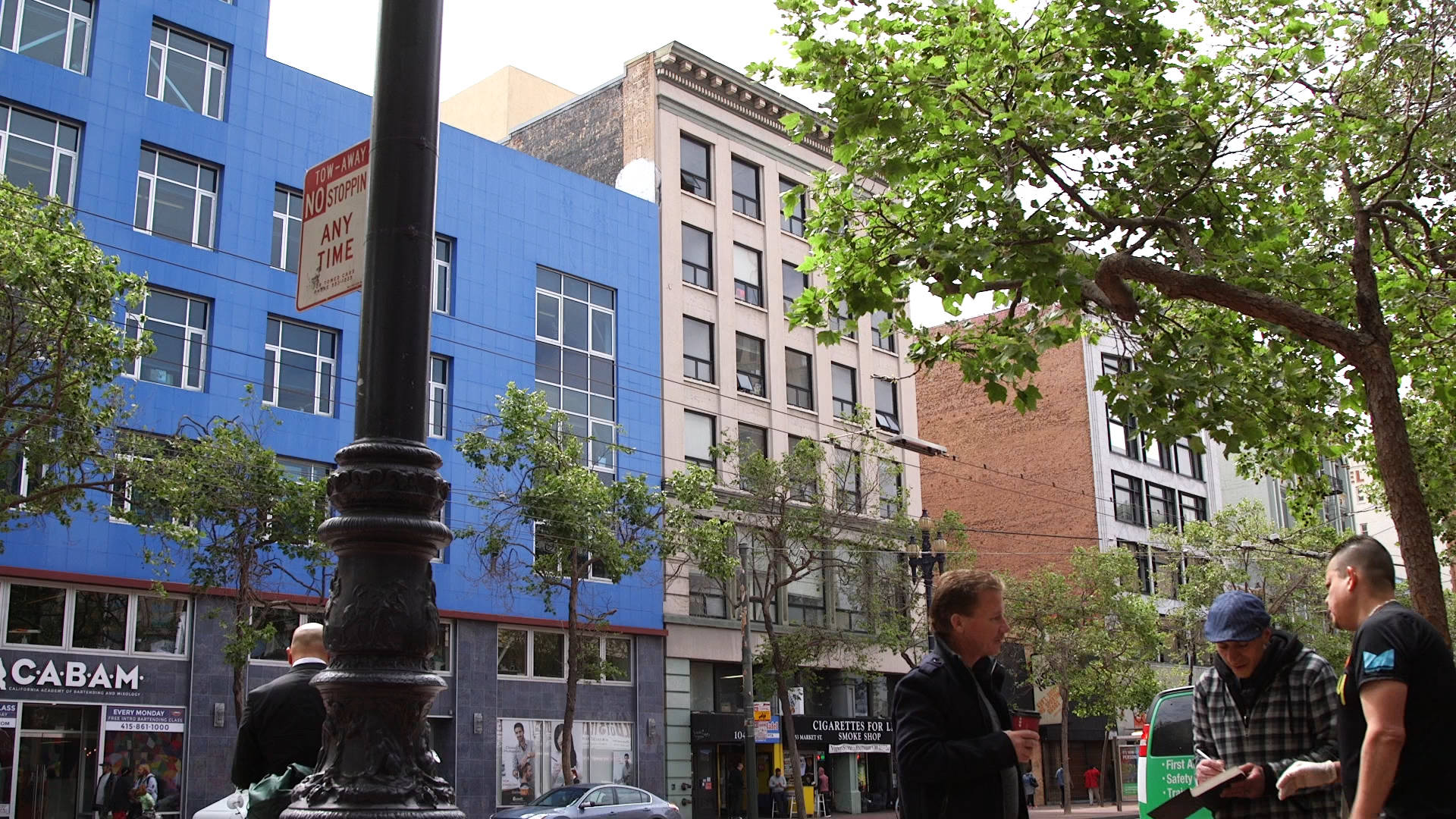
"caption": "Residential tenants at 1049 Market St. all received Ellis Act eviction notices in February. ",
"description": "Residential tenants at 1049 Market St. all received Ellis Act eviction notices in February. ",
"title": "1049 Market St.",
"credit": "Lucas Waldron/KQED",
"status": "inherit",
"isLoading": false,
"fetchFailed": false
},
"news_10950550": {
"type": "attachments",
"id": "news_10950550",
"meta": {
"index": "attachments_1716263798",
"site": "news",
"id": "10950550",
"found": true
},
"parent": 10950545,
"imgSizes": {
"twentyfourteen-full-width": {
"file": "https://ww2.kqed.org/app/uploads/sites/10/2016/05/kael-murals-720x576.jpg",
"width": 720,
"mimeType": "image/jpeg",
"height": 576
},
"jmtc-small-thumb": {
"file": "https://ww2.kqed.org/app/uploads/sites/10/2016/05/kael-murals-280x150.jpg",
"width": 280,
"mimeType": "image/jpeg",
"height": 150
},
"thumbnail": {
"file": "https://ww2.kqed.org/app/uploads/sites/10/2016/05/kael-murals-400x333.jpg",
"width": 400,
"mimeType": "image/jpeg",
"height": 333
},
"post-thumbnail": {
"file": "https://ww2.kqed.org/app/uploads/sites/10/2016/05/kael-murals-672x372.jpg",
"width": 672,
"mimeType": "image/jpeg",
"height": 372
},
"kqedFullSize": {
"file": "https://ww2.kqed.org/app/uploads/sites/10/2016/05/kael-murals.jpg",
"width": 720,
"height": 600
},
"guest-author-96": {
"file": "https://ww2.kqed.org/app/uploads/sites/10/2016/05/kael-murals-96x96.jpg",
"width": 96,
"mimeType": "image/jpeg",
"height": 96
},
"guest-author-64": {
"file": "https://ww2.kqed.org/app/uploads/sites/10/2016/05/kael-murals-64x64.jpg",
"width": 64,
"mimeType": "image/jpeg",
"height": 64
},
"detail": {
"file": "https://ww2.kqed.org/app/uploads/sites/10/2016/05/kael-murals-150x150.jpg",
"width": 150,
"mimeType": "image/jpeg",
"height": 150
},
"guest-author-32": {
"file": "https://ww2.kqed.org/app/uploads/sites/10/2016/05/kael-murals-32x32.jpg",
"width": 32,
"mimeType": "image/jpeg",
"height": 32
},
"guest-author-128": {
"file": "https://ww2.kqed.org/app/uploads/sites/10/2016/05/kael-murals-128x128.jpg",
"width": 128,
"mimeType": "image/jpeg",
"height": 128
}
},
"publishDate": 1462822418,
"modified": 1462834414,
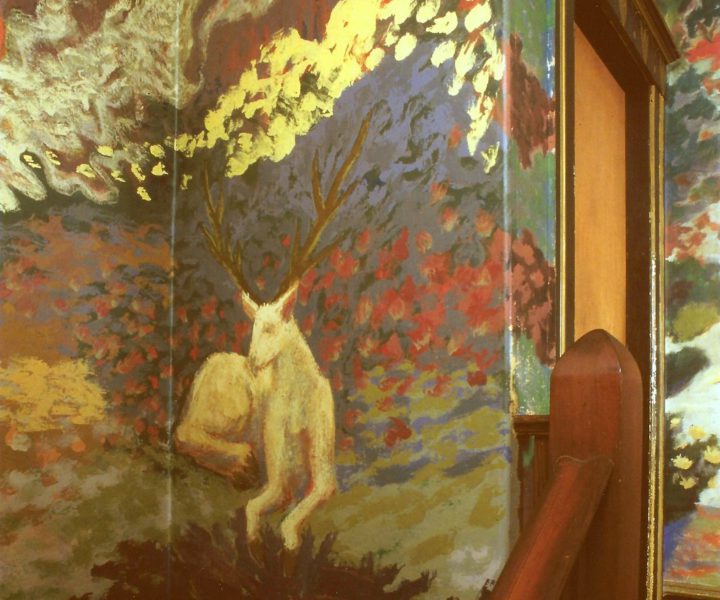
"caption": "A mural by Jess inside the former Berkeley home of the late film critic Pauline Kael.",
"description": null,
"title": "Pauline Kael House-Murals",
"credit": "Jess Collins Trust via Berkeleyside",
"status": "inherit",
"isLoading": false,
"fetchFailed": false
},
"news_10947578": {
"type": "attachments",
"id": "news_10947578",
"meta": {
"index": "attachments_1716263798",
"site": "news",
"id": "10947578",
"found": true
},
"parent": 10947576,
"imgSizes": {
"jmtc-small-thumb": {
"file": "https://ww2.kqed.org/app/uploads/sites/10/2016/05/joan_jeanrenaud_cd_sleeve-280x150.jpeg",
"width": 280,
"mimeType": "image/jpeg",
"height": 150
},
"thumbnail": {
"file": "https://ww2.kqed.org/app/uploads/sites/10/2016/05/joan_jeanrenaud_cd_sleeve-400x364.jpeg",
"width": 400,
"mimeType": "image/jpeg",
"height": 364
},
"post-thumbnail": {
"file": "https://ww2.kqed.org/app/uploads/sites/10/2016/05/joan_jeanrenaud_cd_sleeve-528x372.jpeg",
"width": 528,
"mimeType": "image/jpeg",
"height": 372
},
"kqedFullSize": {
"file": "https://ww2.kqed.org/app/uploads/sites/10/2016/05/joan_jeanrenaud_cd_sleeve.jpeg",
"width": 528,
"height": 480
},
"guest-author-96": {
"file": "https://ww2.kqed.org/app/uploads/sites/10/2016/05/joan_jeanrenaud_cd_sleeve-96x96.jpeg",
"width": 96,
"mimeType": "image/jpeg",
"height": 96
},
"guest-author-64": {
"file": "https://ww2.kqed.org/app/uploads/sites/10/2016/05/joan_jeanrenaud_cd_sleeve-64x64.jpeg",
"width": 64,
"mimeType": "image/jpeg",
"height": 64
},
"detail": {
"file": "https://ww2.kqed.org/app/uploads/sites/10/2016/05/joan_jeanrenaud_cd_sleeve-150x150.jpeg",
"width": 150,
"mimeType": "image/jpeg",
"height": 150
},
"guest-author-32": {
"file": "https://ww2.kqed.org/app/uploads/sites/10/2016/05/joan_jeanrenaud_cd_sleeve-32x32.jpeg",
"width": 32,
"mimeType": "image/jpeg",
"height": 32
},
"guest-author-128": {
"file": "https://ww2.kqed.org/app/uploads/sites/10/2016/05/joan_jeanrenaud_cd_sleeve-128x128.jpeg",
"width": 128,
"mimeType": "image/jpeg",
"height": 128
}
},
"publishDate": 1462522685,
"modified": 1462522685,
"caption": null,
"description": null,
"title": "joan_jeanrenaud_cd_sleeve",
"credit": null,
"status": "inherit",
"isLoading": false,
"fetchFailed": false
},
"news_10949246": {
"type": "attachments",
"id": "news_10949246",
"meta": {
"index": "attachments_1716263798",
"site": "news",
"id": "10949246",
"found": true
},
"parent": 10949211,
"imgSizes": {
"twentyfourteen-full-width": {
"file": "https://ww2.kqed.org/app/uploads/sites/10/2016/05/GettyImages-527288238-1038x576.jpg",
"width": 1038,
"mimeType": "image/jpeg",
"height": 576
},
"thumbnail": {
"file": "https://ww2.kqed.org/app/uploads/sites/10/2016/05/GettyImages-527288238-400x267.jpg",
"width": 400,
"mimeType": "image/jpeg",
"height": 267
},
"fd-sm": {
"file": "https://ww2.kqed.org/app/uploads/sites/10/2016/05/GettyImages-527288238-960x640.jpg",
"width": 960,
"mimeType": "image/jpeg",
"height": 640
},
"post-thumbnail": {
"file": "https://ww2.kqed.org/app/uploads/sites/10/2016/05/GettyImages-527288238-672x372.jpg",
"width": 672,
"mimeType": "image/jpeg",
"height": 372
},
"kqedFullSize": {
"file": "https://ww2.kqed.org/app/uploads/sites/10/2016/05/GettyImages-527288238-e1462687847778.jpg",
"width": 1920,
"height": 1280
},
"large": {
"file": "https://ww2.kqed.org/app/uploads/sites/10/2016/05/GettyImages-527288238-1920x1280.jpg",
"width": 1920,
"mimeType": "image/jpeg",
"height": 1280
},
"guest-author-96": {
"file": "https://ww2.kqed.org/app/uploads/sites/10/2016/05/GettyImages-527288238-96x96.jpg",
"width": 96,
"mimeType": "image/jpeg",
"height": 96
},
"medium": {
"file": "https://ww2.kqed.org/app/uploads/sites/10/2016/05/GettyImages-527288238-800x533.jpg",
"width": 800,
"mimeType": "image/jpeg",
"height": 533
},
"guest-author-64": {
"file": "https://ww2.kqed.org/app/uploads/sites/10/2016/05/GettyImages-527288238-64x64.jpg",
"width": 64,
"mimeType": "image/jpeg",
"height": 64
},
"guest-author-32": {
"file": "https://ww2.kqed.org/app/uploads/sites/10/2016/05/GettyImages-527288238-32x32.jpg",
"width": 32,
"mimeType": "image/jpeg",
"height": 32
},
"jmtc-small-thumb": {
"file": "https://ww2.kqed.org/app/uploads/sites/10/2016/05/GettyImages-527288238-280x150.jpg",
"width": 280,
"mimeType": "image/jpeg",
"height": 150
},
"fd-lrg": {
"file": "https://ww2.kqed.org/app/uploads/sites/10/2016/05/GettyImages-527288238-1920x1280.jpg",
"width": 1920,
"mimeType": "image/jpeg",
"height": 1280
},
"fd-med": {
"file": "https://ww2.kqed.org/app/uploads/sites/10/2016/05/GettyImages-527288238-1180x787.jpg",
"width": 1180,
"mimeType": "image/jpeg",
"height": 787
},
"detail": {
"file": "https://ww2.kqed.org/app/uploads/sites/10/2016/05/GettyImages-527288238-150x150.jpg",
"width": 150,
"mimeType": "image/jpeg",
"height": 150
},
"guest-author-128": {
"file": "https://ww2.kqed.org/app/uploads/sites/10/2016/05/GettyImages-527288238-128x128.jpg",
"width": 128,
"mimeType": "image/jpeg",
"height": 128
}
},
"publishDate": 1462687791,
"modified": 1462687841,
"caption": "Tributes and memorials dedicated to Prince on the fence that surrounds Paisley Park on May 2, 2016.",
"description": null,
"title": "Prince-Memorials",
"credit": "Adam Bettcher/Getty Images",
"status": "inherit",
"isLoading": false,
"fetchFailed": false
},
"news_10946283": {
"type": "attachments",
"id": "news_10946283",
"meta": {
"index": "attachments_1716263798",
"site": "news",
"id": "10946283",
"found": true
},
"parent": 10946244,
"imgSizes": {
"twentyfourteen-full-width": {
"file": "https://ww2.kqed.org/app/uploads/sites/10/2016/05/Keith_Jarrett-commons-1-1038x576.jpg",
"width": 1038,
"mimeType": "image/jpeg",
"height": 576
},
"thumbnail": {
"file": "https://ww2.kqed.org/app/uploads/sites/10/2016/05/Keith_Jarrett-commons-1-400x273.jpg",
"width": 400,
"mimeType": "image/jpeg",
"height": 273
},
"fd-sm": {
"file": "https://ww2.kqed.org/app/uploads/sites/10/2016/05/Keith_Jarrett-commons-1-960x656.jpg",
"width": 960,
"mimeType": "image/jpeg",
"height": 656
},
"post-thumbnail": {
"file": "https://ww2.kqed.org/app/uploads/sites/10/2016/05/Keith_Jarrett-commons-1-672x372.jpg",
"width": 672,
"mimeType": "image/jpeg",
"height": 372
},
"kqedFullSize": {
"file": "https://ww2.kqed.org/app/uploads/sites/10/2016/05/Keith_Jarrett-commons-1.jpg",
"width": 3456,
"height": 2360
},
"large": {
"file": "https://ww2.kqed.org/app/uploads/sites/10/2016/05/Keith_Jarrett-commons-1-1920x1311.jpg",
"width": 1920,
"mimeType": "image/jpeg",
"height": 1311
},
"guest-author-96": {
"file": "https://ww2.kqed.org/app/uploads/sites/10/2016/05/Keith_Jarrett-commons-1-96x96.jpg",
"width": 96,
"mimeType": "image/jpeg",
"height": 96
},
"medium": {
"file": "https://ww2.kqed.org/app/uploads/sites/10/2016/05/Keith_Jarrett-commons-1-800x546.jpg",
"width": 800,
"mimeType": "image/jpeg",
"height": 546
},
"guest-author-64": {
"file": "https://ww2.kqed.org/app/uploads/sites/10/2016/05/Keith_Jarrett-commons-1-64x64.jpg",
"width": 64,
"mimeType": "image/jpeg",
"height": 64
},
"guest-author-32": {
"file": "https://ww2.kqed.org/app/uploads/sites/10/2016/05/Keith_Jarrett-commons-1-32x32.jpg",
"width": 32,
"mimeType": "image/jpeg",
"height": 32
},
"jmtc-small-thumb": {
"file": "https://ww2.kqed.org/app/uploads/sites/10/2016/05/Keith_Jarrett-commons-1-280x150.jpg",
"width": 280,
"mimeType": "image/jpeg",
"height": 150
},
"fd-lrg": {
"file": "https://ww2.kqed.org/app/uploads/sites/10/2016/05/Keith_Jarrett-commons-1-1920x1311.jpg",
"width": 1920,
"mimeType": "image/jpeg",
"height": 1311
},
"fd-med": {
"file": "https://ww2.kqed.org/app/uploads/sites/10/2016/05/Keith_Jarrett-commons-1-1180x806.jpg",
"width": 1180,
"mimeType": "image/jpeg",
"height": 806
},
"detail": {
"file": "https://ww2.kqed.org/app/uploads/sites/10/2016/05/Keith_Jarrett-commons-1-150x150.jpg",
"width": 150,
"mimeType": "image/jpeg",
"height": 150
},
"guest-author-128": {
"file": "https://ww2.kqed.org/app/uploads/sites/10/2016/05/Keith_Jarrett-commons-1-128x128.jpg",
"width": 128,
"mimeType": "image/jpeg",
"height": 128
}
},
"publishDate": 1462409873,
"modified": 1462410086,
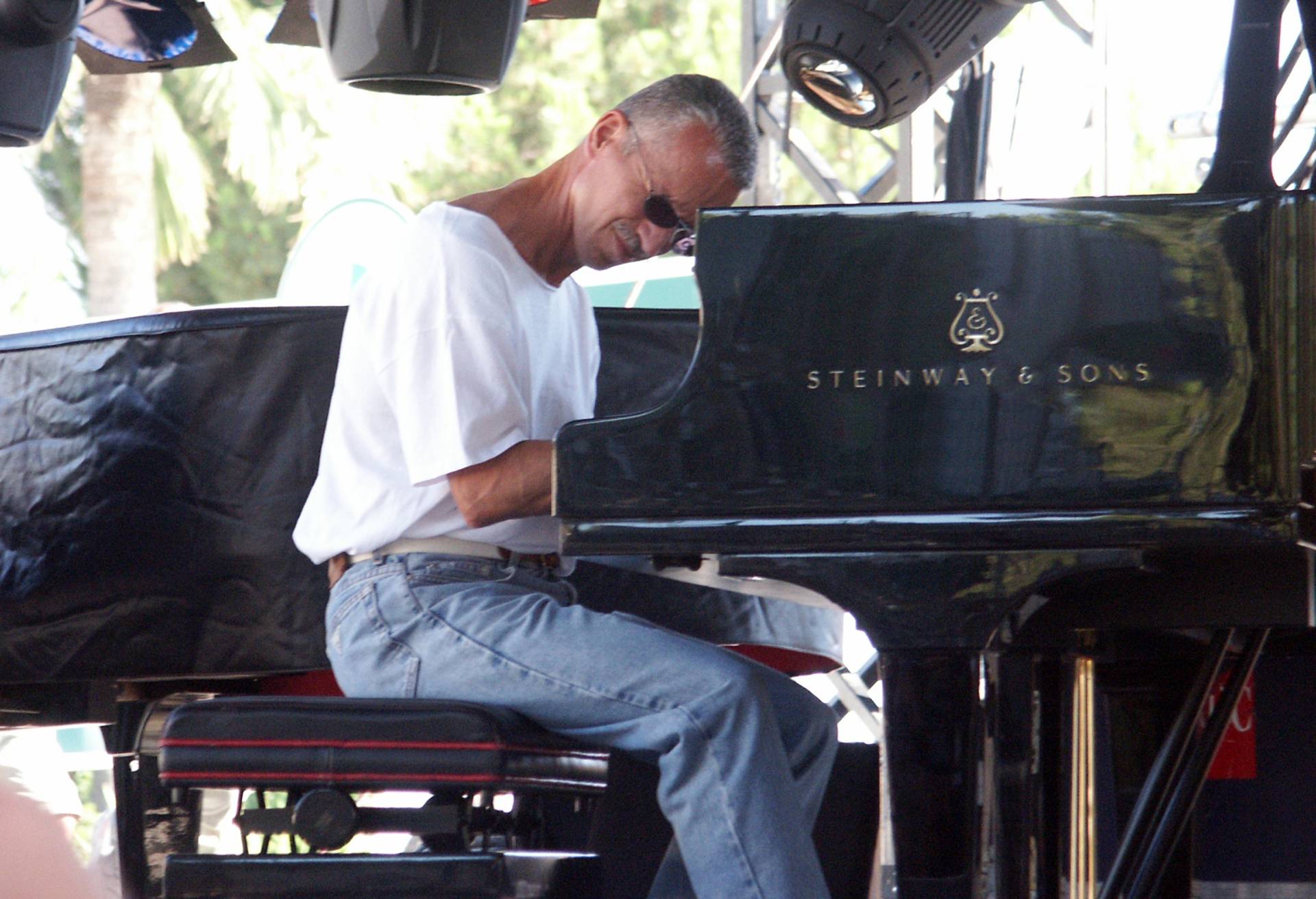
"caption": "Keith Jarrett is famous for his jazz music and his involuntary vocalizations.",
"description": null,
"title": "Keith_Jarrett-commons (1)",
"credit": "Olivier Bruchez/Flickr",
"status": "inherit",
"isLoading": false,
"fetchFailed": false
},
"news_10945946": {
"type": "attachments",
"id": "news_10945946",
"meta": {
"index": "attachments_1716263798",
"site": "news",
"id": "10945946",
"found": true
},
"parent": 10945930,
"imgSizes": {
"twentyfourteen-full-width": {
"file": "https://ww2.kqed.org/app/uploads/sites/10/2016/05/hunger-city-hall-1038x576.jpg",
"width": 1038,
"mimeType": "image/jpeg",
"height": 576
},
"thumbnail": {
"file": "https://ww2.kqed.org/app/uploads/sites/10/2016/05/hunger-city-hall-400x225.jpg",
"width": 400,
"mimeType": "image/jpeg",
"height": 225
},
"fd-sm": {
"file": "https://ww2.kqed.org/app/uploads/sites/10/2016/05/hunger-city-hall-960x540.jpg",
"width": 960,
"mimeType": "image/jpeg",
"height": 540
},
"post-thumbnail": {
"file": "https://ww2.kqed.org/app/uploads/sites/10/2016/05/hunger-city-hall-672x372.jpg",
"width": 672,
"mimeType": "image/jpeg",
"height": 372
},
"kqedFullSize": {
"file": "https://ww2.kqed.org/app/uploads/sites/10/2016/05/hunger-city-hall.jpg",
"width": 1920,
"height": 1080
},
"large": {
"file": "https://ww2.kqed.org/app/uploads/sites/10/2016/05/hunger-city-hall-1920x1080.jpg",
"width": 1920,
"mimeType": "image/jpeg",
"height": 1080
},
"guest-author-96": {
"file": "https://ww2.kqed.org/app/uploads/sites/10/2016/05/hunger-city-hall-96x96.jpg",
"width": 96,
"mimeType": "image/jpeg",
"height": 96
},
"medium": {
"file": "https://ww2.kqed.org/app/uploads/sites/10/2016/05/hunger-city-hall-800x450.jpg",
"width": 800,
"mimeType": "image/jpeg",
"height": 450
},
"guest-author-64": {
"file": "https://ww2.kqed.org/app/uploads/sites/10/2016/05/hunger-city-hall-64x64.jpg",
"width": 64,
"mimeType": "image/jpeg",
"height": 64
},
"guest-author-32": {
"file": "https://ww2.kqed.org/app/uploads/sites/10/2016/05/hunger-city-hall-32x32.jpg",
"width": 32,
"mimeType": "image/jpeg",
"height": 32
},
"jmtc-small-thumb": {
"file": "https://ww2.kqed.org/app/uploads/sites/10/2016/05/hunger-city-hall-280x150.jpg",
"width": 280,
"mimeType": "image/jpeg",
"height": 150
},
"fd-lrg": {
"file": "https://ww2.kqed.org/app/uploads/sites/10/2016/05/hunger-city-hall-1920x1080.jpg",
"width": 1920,
"mimeType": "image/jpeg",
"height": 1080
},
"fd-med": {
"file": "https://ww2.kqed.org/app/uploads/sites/10/2016/05/hunger-city-hall-1180x664.jpg",
"width": 1180,
"mimeType": "image/jpeg",
"height": 664
},
"detail": {
"file": "https://ww2.kqed.org/app/uploads/sites/10/2016/05/hunger-city-hall-150x150.jpg",
"width": 150,
"mimeType": "image/jpeg",
"height": 150
},
"guest-author-128": {
"file": "https://ww2.kqed.org/app/uploads/sites/10/2016/05/hunger-city-hall-128x128.jpg",
"width": 128,
"mimeType": "image/jpeg",
"height": 128
}
},
"publishDate": 1462387767,
"modified": 1462387799,
"caption": "Two demonstrators hold signs in front of San Francisco City Hall on Tuesday.",
"description": null,
"title": "hunger-city-hall",
"credit": "Claudia Escobar/KQED",
"status": "inherit",
"isLoading": false,
"fetchFailed": false
},
"news_10945465": {
"type": "attachments",
"id": "news_10945465",
"meta": {
"index": "attachments_1716263798",
"site": "news",
"id": "10945465",
"found": true
},
"parent": 10945464,
"imgSizes": {
"twentyfourteen-full-width": {
"file": "https://ww2.kqed.org/app/uploads/sites/10/2016/05/GettyImages-527288294-1038x576.jpg",
"width": 1038,
"mimeType": "image/jpeg",
"height": 576
},
"thumbnail": {
"file": "https://ww2.kqed.org/app/uploads/sites/10/2016/05/GettyImages-527288294-400x267.jpg",
"width": 400,
"mimeType": "image/jpeg",
"height": 267
},
"fd-sm": {
"file": "https://ww2.kqed.org/app/uploads/sites/10/2016/05/GettyImages-527288294-960x640.jpg",
"width": 960,
"mimeType": "image/jpeg",
"height": 640
},
"post-thumbnail": {
"file": "https://ww2.kqed.org/app/uploads/sites/10/2016/05/GettyImages-527288294-672x372.jpg",
"width": 672,
"mimeType": "image/jpeg",
"height": 372
},
"kqedFullSize": {
"file": "https://ww2.kqed.org/app/uploads/sites/10/2016/05/GettyImages-527288294-e1462343122526.jpg",
"width": 1920,
"height": 1280
},
"large": {
"file": "https://ww2.kqed.org/app/uploads/sites/10/2016/05/GettyImages-527288294-1920x1280.jpg",
"width": 1920,
"mimeType": "image/jpeg",
"height": 1280
},
"guest-author-96": {
"file": "https://ww2.kqed.org/app/uploads/sites/10/2016/05/GettyImages-527288294-96x96.jpg",
"width": 96,
"mimeType": "image/jpeg",
"height": 96
},
"medium": {
"file": "https://ww2.kqed.org/app/uploads/sites/10/2016/05/GettyImages-527288294-800x533.jpg",
"width": 800,
"mimeType": "image/jpeg",
"height": 533
},
"guest-author-64": {
"file": "https://ww2.kqed.org/app/uploads/sites/10/2016/05/GettyImages-527288294-64x64.jpg",
"width": 64,
"mimeType": "image/jpeg",
"height": 64
},
"guest-author-32": {
"file": "https://ww2.kqed.org/app/uploads/sites/10/2016/05/GettyImages-527288294-32x32.jpg",
"width": 32,
"mimeType": "image/jpeg",
"height": 32
},
"jmtc-small-thumb": {
"file": "https://ww2.kqed.org/app/uploads/sites/10/2016/05/GettyImages-527288294-280x150.jpg",
"width": 280,
"mimeType": "image/jpeg",
"height": 150
},
"fd-lrg": {
"file": "https://ww2.kqed.org/app/uploads/sites/10/2016/05/GettyImages-527288294-1920x1280.jpg",
"width": 1920,
"mimeType": "image/jpeg",
"height": 1280
},
"fd-med": {
"file": "https://ww2.kqed.org/app/uploads/sites/10/2016/05/GettyImages-527288294-1180x787.jpg",
"width": 1180,
"mimeType": "image/jpeg",
"height": 787
},
"detail": {
"file": "https://ww2.kqed.org/app/uploads/sites/10/2016/05/GettyImages-527288294-150x150.jpg",
"width": 150,
"mimeType": "image/jpeg",
"height": 150
},
"guest-author-128": {
"file": "https://ww2.kqed.org/app/uploads/sites/10/2016/05/GettyImages-527288294-128x128.jpg",
"width": 128,
"mimeType": "image/jpeg",
"height": 128
}
},
"publishDate": 1462343099,
"modified": 1462400491,
"caption": "Tributes and memorials dedicated to Prince on the fence that surrounds Paisley Park on Monday in Chaska, Minnesota. Prince died on April 21, 2016, at his Paisley Park compound at the age of 57. As a will has not been found, court proceedings have started to decide how his assets should be divided. ",
"description": null,
"title": "Prince-Memorial",
"credit": "Adam Bettcher/Getty Images",
"status": "inherit",
"isLoading": false,
"fetchFailed": false
},
"news_10941268": {
"type": "attachments",
"id": "news_10941268",
"meta": {
"index": "attachments_1716263798",
"site": "news",
"id": "10941268",
"found": true
},
"parent": 10941231,
"imgSizes": {
"twentyfourteen-full-width": {
"file": "https://ww2.kqed.org/app/uploads/sites/10/2016/04/ZAPPA-COFFEE-STUDIO-Courtesy-of-Zappa-Family-Trust-02-1038x576.jpg",
"width": 1038,
"mimeType": "image/jpeg",
"height": 576
},
"thumbnail": {
"file": "https://ww2.kqed.org/app/uploads/sites/10/2016/04/ZAPPA-COFFEE-STUDIO-Courtesy-of-Zappa-Family-Trust-02-400x263.jpg",
"width": 400,
"mimeType": "image/jpeg",
"height": 263
},
"fd-sm": {
"file": "https://ww2.kqed.org/app/uploads/sites/10/2016/04/ZAPPA-COFFEE-STUDIO-Courtesy-of-Zappa-Family-Trust-02-960x630.jpg",
"width": 960,
"mimeType": "image/jpeg",
"height": 630
},
"post-thumbnail": {
"file": "https://ww2.kqed.org/app/uploads/sites/10/2016/04/ZAPPA-COFFEE-STUDIO-Courtesy-of-Zappa-Family-Trust-02-672x372.jpg",
"width": 672,
"mimeType": "image/jpeg",
"height": 372
},
"kqedFullSize": {
"file": "https://ww2.kqed.org/app/uploads/sites/10/2016/04/ZAPPA-COFFEE-STUDIO-Courtesy-of-Zappa-Family-Trust-02.jpg",
"width": 1584,
"height": 1040
},
"guest-author-96": {
"file": "https://ww2.kqed.org/app/uploads/sites/10/2016/04/ZAPPA-COFFEE-STUDIO-Courtesy-of-Zappa-Family-Trust-02-96x96.jpg",
"width": 96,
"mimeType": "image/jpeg",
"height": 96
},
"medium": {
"file": "https://ww2.kqed.org/app/uploads/sites/10/2016/04/ZAPPA-COFFEE-STUDIO-Courtesy-of-Zappa-Family-Trust-02-800x525.jpg",
"width": 800,
"mimeType": "image/jpeg",
"height": 525
},
"guest-author-64": {
"file": "https://ww2.kqed.org/app/uploads/sites/10/2016/04/ZAPPA-COFFEE-STUDIO-Courtesy-of-Zappa-Family-Trust-02-64x64.jpg",
"width": 64,
"mimeType": "image/jpeg",
"height": 64
},
"guest-author-32": {
"file": "https://ww2.kqed.org/app/uploads/sites/10/2016/04/ZAPPA-COFFEE-STUDIO-Courtesy-of-Zappa-Family-Trust-02-32x32.jpg",
"width": 32,
"mimeType": "image/jpeg",
"height": 32
},
"jmtc-small-thumb": {
"file": "https://ww2.kqed.org/app/uploads/sites/10/2016/04/ZAPPA-COFFEE-STUDIO-Courtesy-of-Zappa-Family-Trust-02-280x150.jpg",
"width": 280,
"mimeType": "image/jpeg",
"height": 150
},
"fd-med": {
"file": "https://ww2.kqed.org/app/uploads/sites/10/2016/04/ZAPPA-COFFEE-STUDIO-Courtesy-of-Zappa-Family-Trust-02-1180x775.jpg",
"width": 1180,
"mimeType": "image/jpeg",
"height": 775
},
"detail": {
"file": "https://ww2.kqed.org/app/uploads/sites/10/2016/04/ZAPPA-COFFEE-STUDIO-Courtesy-of-Zappa-Family-Trust-02-150x150.jpg",
"width": 150,
"mimeType": "image/jpeg",
"height": 150
},
"guest-author-128": {
"file": "https://ww2.kqed.org/app/uploads/sites/10/2016/04/ZAPPA-COFFEE-STUDIO-Courtesy-of-Zappa-Family-Trust-02-128x128.jpg",
"width": 128,
"mimeType": "image/jpeg",
"height": 128
}
},
"publishDate": 1461963628,
"modified": 1461971882,
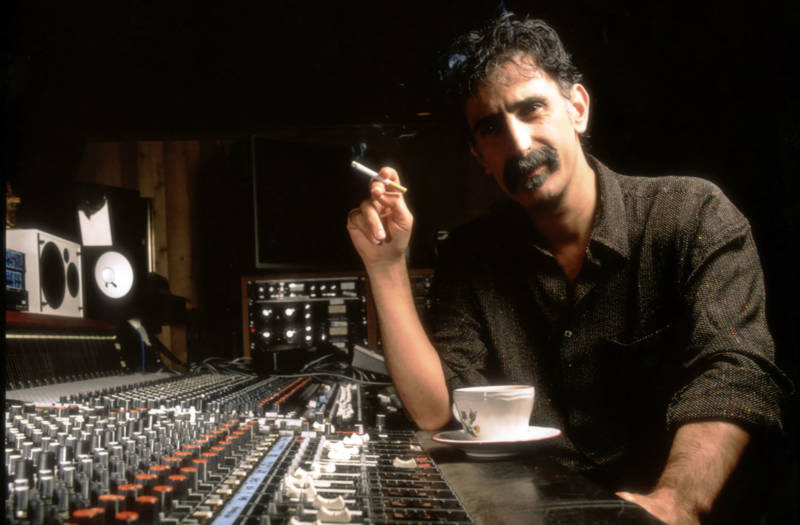
"caption": "Frank Zappa in his Hollywood Hills home studio circa 1989/1990",
"description": null,
"title": "ZAPPA COFFEE STUDIO Courtesy of Zappa Family Trust 02",
"credit": "Courtesy of the Zappa Family Trust ",
"status": "inherit",
"isLoading": false,
"fetchFailed": false
},
"news_10941229": {
"type": "attachments",
"id": "news_10941229",
"meta": {
"index": "attachments_1716263798",
"site": "news",
"id": "10941229",
"found": true
},
"parent": 10941227,
"imgSizes": {
"twentyfourteen-full-width": {
"file": "https://ww2.kqed.org/app/uploads/sites/10/2016/04/RS19339_thao_the_get_down_stay_down2-qut-1038x576.jpg",
"width": 1038,
"mimeType": "image/jpeg",
"height": 576
},
"thumbnail": {
"file": "https://ww2.kqed.org/app/uploads/sites/10/2016/04/RS19339_thao_the_get_down_stay_down2-qut-400x286.jpg",
"width": 400,
"mimeType": "image/jpeg",
"height": 286
},
"fd-sm": {
"file": "https://ww2.kqed.org/app/uploads/sites/10/2016/04/RS19339_thao_the_get_down_stay_down2-qut-960x686.jpg",
"width": 960,
"mimeType": "image/jpeg",
"height": 686
},
"post-thumbnail": {
"file": "https://ww2.kqed.org/app/uploads/sites/10/2016/04/RS19339_thao_the_get_down_stay_down2-qut-672x372.jpg",
"width": 672,
"mimeType": "image/jpeg",
"height": 372
},
"kqedFullSize": {
"file": "https://ww2.kqed.org/app/uploads/sites/10/2016/04/RS19339_thao_the_get_down_stay_down2-qut.jpg",
"width": 1920,
"height": 1371
},
"large": {
"file": "https://ww2.kqed.org/app/uploads/sites/10/2016/04/RS19339_thao_the_get_down_stay_down2-qut-1920x1371.jpg",
"width": 1920,
"mimeType": "image/jpeg",
"height": 1371
},
"guest-author-96": {
"file": "https://ww2.kqed.org/app/uploads/sites/10/2016/04/RS19339_thao_the_get_down_stay_down2-qut-96x96.jpg",
"width": 96,
"mimeType": "image/jpeg",
"height": 96
},
"medium": {
"file": "https://ww2.kqed.org/app/uploads/sites/10/2016/04/RS19339_thao_the_get_down_stay_down2-qut-800x571.jpg",
"width": 800,
"mimeType": "image/jpeg",
"height": 571
},
"guest-author-64": {
"file": "https://ww2.kqed.org/app/uploads/sites/10/2016/04/RS19339_thao_the_get_down_stay_down2-qut-64x64.jpg",
"width": 64,
"mimeType": "image/jpeg",
"height": 64
},
"guest-author-32": {
"file": "https://ww2.kqed.org/app/uploads/sites/10/2016/04/RS19339_thao_the_get_down_stay_down2-qut-32x32.jpg",
"width": 32,
"mimeType": "image/jpeg",
"height": 32
},
"jmtc-small-thumb": {
"file": "https://ww2.kqed.org/app/uploads/sites/10/2016/04/RS19339_thao_the_get_down_stay_down2-qut-280x150.jpg",
"width": 280,
"mimeType": "image/jpeg",
"height": 150
},
"fd-lrg": {
"file": "https://ww2.kqed.org/app/uploads/sites/10/2016/04/RS19339_thao_the_get_down_stay_down2-qut-1920x1371.jpg",
"width": 1920,
"mimeType": "image/jpeg",
"height": 1371
},
"fd-med": {
"file": "https://ww2.kqed.org/app/uploads/sites/10/2016/04/RS19339_thao_the_get_down_stay_down2-qut-1180x843.jpg",
"width": 1180,
"mimeType": "image/jpeg",
"height": 843
},
"detail": {
"file": "https://ww2.kqed.org/app/uploads/sites/10/2016/04/RS19339_thao_the_get_down_stay_down2-qut-150x150.jpg",
"width": 150,
"mimeType": "image/jpeg",
"height": 150
},
"guest-author-128": {
"file": "https://ww2.kqed.org/app/uploads/sites/10/2016/04/RS19339_thao_the_get_down_stay_down2-qut-128x128.jpg",
"width": 128,
"mimeType": "image/jpeg",
"height": 128
}
},
"publishDate": 1461962431,
"modified": 1461972813,
"caption": "San Francisco singer/songwriter/musician Thao Nguyen, of Thao and the Get Down Stay Down. ",
"description": null,
"title": "Thao Nguyen",
"credit": "Maria Kanevskaya",
"status": "inherit",
"isLoading": false,
"fetchFailed": false
},
"news_10937563": {
"type": "attachments",
"id": "news_10937563",
"meta": {
"index": "attachments_1716263798",
"site": "news",
"id": "10937563",
"found": true
},
"parent": 10937296,
"imgSizes": {
"twentyfourteen-full-width": {
"file": "https://ww2.kqed.org/app/uploads/sites/10/2016/04/Soledad-1038x576.jpg",
"width": 1038,
"mimeType": "image/jpeg",
"height": 576
},
"thumbnail": {
"file": "https://ww2.kqed.org/app/uploads/sites/10/2016/04/Soledad-400x254.jpg",
"width": 400,
"mimeType": "image/jpeg",
"height": 254
},
"fd-sm": {
"file": "https://ww2.kqed.org/app/uploads/sites/10/2016/04/Soledad-960x610.jpg",
"width": 960,
"mimeType": "image/jpeg",
"height": 610
},
"post-thumbnail": {
"file": "https://ww2.kqed.org/app/uploads/sites/10/2016/04/Soledad-672x372.jpg",
"width": 672,
"mimeType": "image/jpeg",
"height": 372
},
"kqedFullSize": {
"file": "https://ww2.kqed.org/app/uploads/sites/10/2016/04/Soledad.jpg",
"width": 1920,
"height": 1220
},
"large": {
"file": "https://ww2.kqed.org/app/uploads/sites/10/2016/04/Soledad-1920x1220.jpg",
"width": 1920,
"mimeType": "image/jpeg",
"height": 1220
},
"guest-author-96": {
"file": "https://ww2.kqed.org/app/uploads/sites/10/2016/04/Soledad-96x96.jpg",
"width": 96,
"mimeType": "image/jpeg",
"height": 96
},
"medium": {
"file": "https://ww2.kqed.org/app/uploads/sites/10/2016/04/Soledad-800x508.jpg",
"width": 800,
"mimeType": "image/jpeg",
"height": 508
},
"guest-author-64": {
"file": "https://ww2.kqed.org/app/uploads/sites/10/2016/04/Soledad-64x64.jpg",
"width": 64,
"mimeType": "image/jpeg",
"height": 64
},
"guest-author-32": {
"file": "https://ww2.kqed.org/app/uploads/sites/10/2016/04/Soledad-32x32.jpg",
"width": 32,
"mimeType": "image/jpeg",
"height": 32
},
"jmtc-small-thumb": {
"file": "https://ww2.kqed.org/app/uploads/sites/10/2016/04/Soledad-280x150.jpg",
"width": 280,
"mimeType": "image/jpeg",
"height": 150
},
"fd-lrg": {
"file": "https://ww2.kqed.org/app/uploads/sites/10/2016/04/Soledad-1920x1220.jpg",
"width": 1920,
"mimeType": "image/jpeg",
"height": 1220
},
"fd-med": {
"file": "https://ww2.kqed.org/app/uploads/sites/10/2016/04/Soledad-1180x750.jpg",
"width": 1180,
"mimeType": "image/jpeg",
"height": 750
},
"detail": {
"file": "https://ww2.kqed.org/app/uploads/sites/10/2016/04/Soledad-75x75.jpg",
"width": 75,
"mimeType": "image/jpeg",
"height": 75
},
"guest-author-128": {
"file": "https://ww2.kqed.org/app/uploads/sites/10/2016/04/Soledad-128x128.jpg",
"width": 128,
"mimeType": "image/jpeg",
"height": 128
}
},
"publishDate": 1461380172,
"modified": 1461699128,
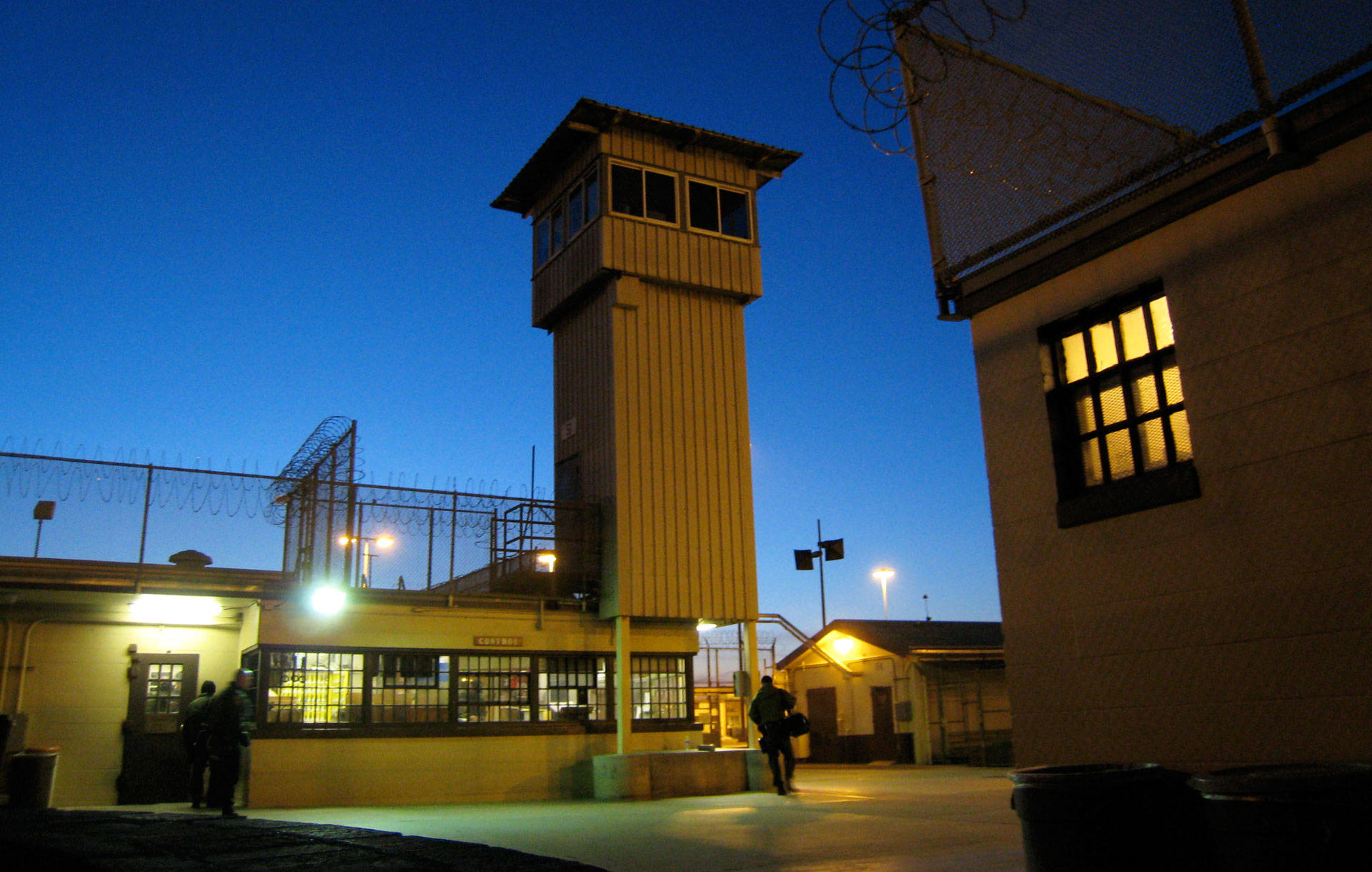
"caption": "The Correctional Training Facility in Soledad, California, commonly known as 'Soledad.'",
"description": "The Correctional Training Facility in Soledad, California, commonly known as “Soledad.\"",
"title": "Soledad",
"credit": "Photo: Michelle Gaudet",
"status": "inherit",
"isLoading": false,
"fetchFailed": false
},
"news_10936320": {
"type": "attachments",
"id": "news_10936320",
"meta": {
"index": "attachments_1716263798",
"site": "news",
"id": "10936320",
"found": true
},
"title": "Sutro Baths",
"publishDate": 1461280171,
"status": "inherit",
"parent": 10936314,
"modified": 1461280939,
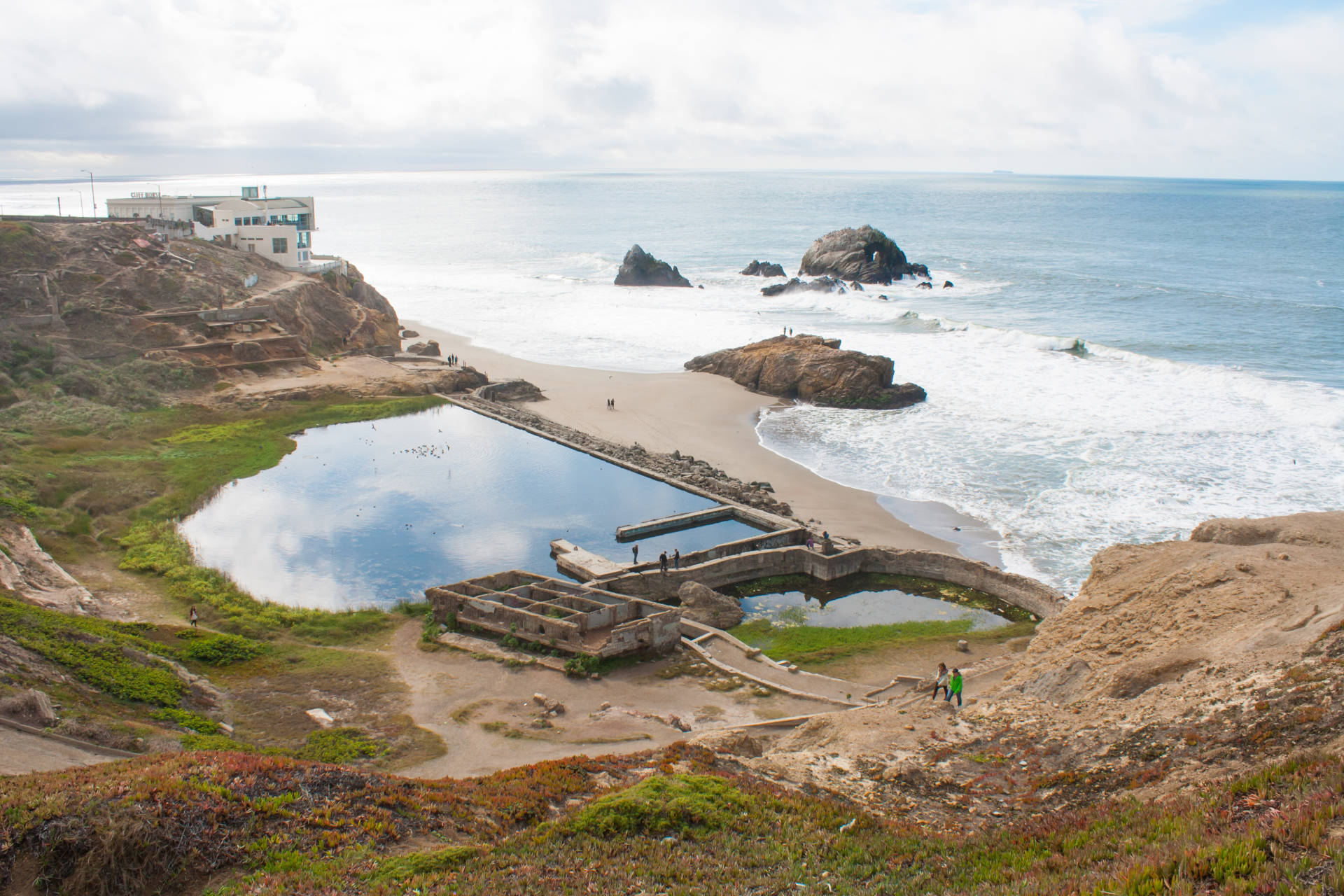
"caption": "Once a thriving water park, the Sutro Baths are now just ruins.",
"credit": "Derek Bruff ",
"altTag": null,
"description": null,
"imgSizes": {
"thumbnail": {
"file": "https://cdn.kqed.org/wp-content/uploads/sites/10/2016/04/23992229385_6dd9eac96c_o-400x267.jpg",
"width": 400,
"height": 267,
"mimeType": "image/jpeg"
},
"medium": {
"file": "https://cdn.kqed.org/wp-content/uploads/sites/10/2016/04/23992229385_6dd9eac96c_o-800x533.jpg",
"width": 800,
"height": 533,
"mimeType": "image/jpeg"
},
"large": {
"file": "https://cdn.kqed.org/wp-content/uploads/sites/10/2016/04/23992229385_6dd9eac96c_o-1920x1280.jpg",
"width": 1920,
"height": 1280,
"mimeType": "image/jpeg"
},
"fd-lrg": {
"file": "https://cdn.kqed.org/wp-content/uploads/sites/10/2016/04/23992229385_6dd9eac96c_o-1920x1280.jpg",
"width": 1920,
"height": 1280,
"mimeType": "image/jpeg"
},
"fd-med": {
"file": "https://cdn.kqed.org/wp-content/uploads/sites/10/2016/04/23992229385_6dd9eac96c_o-1180x787.jpg",
"width": 1180,
"height": 787,
"mimeType": "image/jpeg"
},
"fd-sm": {
"file": "https://cdn.kqed.org/wp-content/uploads/sites/10/2016/04/23992229385_6dd9eac96c_o-960x640.jpg",
"width": 960,
"height": 640,
"mimeType": "image/jpeg"
},
"post-thumbnail": {
"file": "https://cdn.kqed.org/wp-content/uploads/sites/10/2016/04/23992229385_6dd9eac96c_o-672x372.jpg",
"width": 672,
"height": 372,
"mimeType": "image/jpeg"
},
"twentyfourteen-full-width": {
"file": "https://cdn.kqed.org/wp-content/uploads/sites/10/2016/04/23992229385_6dd9eac96c_o-1038x576.jpg",
"width": 1038,
"height": 576,
"mimeType": "image/jpeg"
},
"guest-author-32": {
"file": "https://cdn.kqed.org/wp-content/uploads/sites/10/2016/04/23992229385_6dd9eac96c_o-32x32.jpg",
"width": 32,
"height": 32,
"mimeType": "image/jpeg"
},
"guest-author-64": {
"file": "https://cdn.kqed.org/wp-content/uploads/sites/10/2016/04/23992229385_6dd9eac96c_o-64x64.jpg",
"width": 64,
"height": 64,
"mimeType": "image/jpeg"
},
"guest-author-96": {
"file": "https://cdn.kqed.org/wp-content/uploads/sites/10/2016/04/23992229385_6dd9eac96c_o-96x96.jpg",
"width": 96,
"height": 96,
"mimeType": "image/jpeg"
},
"guest-author-128": {
"file": "https://cdn.kqed.org/wp-content/uploads/sites/10/2016/04/23992229385_6dd9eac96c_o-128x128.jpg",
"width": 128,
"height": 128,
"mimeType": "image/jpeg"
},
"detail": {
"file": "https://cdn.kqed.org/wp-content/uploads/sites/10/2016/04/23992229385_6dd9eac96c_o-75x75.jpg",
"width": 75,
"height": 75,
"mimeType": "image/jpeg"
},
"jmtc-small-thumb": {
"file": "https://cdn.kqed.org/wp-content/uploads/sites/10/2016/04/23992229385_6dd9eac96c_o-280x150.jpg",
"width": 280,
"height": 150,
"mimeType": "image/jpeg"
},
"kqedFullSize": {
"file": "https://cdn.kqed.org/wp-content/uploads/sites/10/2016/04/23992229385_6dd9eac96c_o-e1761074667713.jpg",
"width": 3000,
"height": 2000
}
},
"isLoading": false,
"fetchFailed": false
},
"news_10937506": {
"type": "attachments",
"id": "news_10937506",
"meta": {
"index": "attachments_1716263798",
"site": "news",
"id": "10937506",
"found": true
},
"parent": 10937150,
"imgSizes": {
"twentyfourteen-full-width": {
"file": "https://ww2.kqed.org/app/uploads/sites/10/2016/04/EgyptianLover-1038x576.jpg",
"width": 1038,
"mimeType": "image/jpeg",
"height": 576
},
"thumbnail": {
"file": "https://ww2.kqed.org/app/uploads/sites/10/2016/04/EgyptianLover-400x227.jpg",
"width": 400,
"mimeType": "image/jpeg",
"height": 227
},
"fd-sm": {
"file": "https://ww2.kqed.org/app/uploads/sites/10/2016/04/EgyptianLover-960x545.jpg",
"width": 960,
"mimeType": "image/jpeg",
"height": 545
},
"post-thumbnail": {
"file": "https://ww2.kqed.org/app/uploads/sites/10/2016/04/EgyptianLover-672x372.jpg",
"width": 672,
"mimeType": "image/jpeg",
"height": 372
},
"kqedFullSize": {
"file": "https://ww2.kqed.org/app/uploads/sites/10/2016/04/EgyptianLover.jpg",
"width": 1920,
"height": 1089
},
"large": {
"file": "https://ww2.kqed.org/app/uploads/sites/10/2016/04/EgyptianLover-1920x1089.jpg",
"width": 1920,
"mimeType": "image/jpeg",
"height": 1089
},
"guest-author-96": {
"file": "https://ww2.kqed.org/app/uploads/sites/10/2016/04/EgyptianLover-96x96.jpg",
"width": 96,
"mimeType": "image/jpeg",
"height": 96
},
"medium": {
"file": "https://ww2.kqed.org/app/uploads/sites/10/2016/04/EgyptianLover-800x454.jpg",
"width": 800,
"mimeType": "image/jpeg",
"height": 454
},
"guest-author-64": {
"file": "https://ww2.kqed.org/app/uploads/sites/10/2016/04/EgyptianLover-64x64.jpg",
"width": 64,
"mimeType": "image/jpeg",
"height": 64
},
"guest-author-32": {
"file": "https://ww2.kqed.org/app/uploads/sites/10/2016/04/EgyptianLover-32x32.jpg",
"width": 32,
"mimeType": "image/jpeg",
"height": 32
},
"jmtc-small-thumb": {
"file": "https://ww2.kqed.org/app/uploads/sites/10/2016/04/EgyptianLover-280x150.jpg",
"width": 280,
"mimeType": "image/jpeg",
"height": 150
},
"fd-lrg": {
"file": "https://ww2.kqed.org/app/uploads/sites/10/2016/04/EgyptianLover-1920x1089.jpg",
"width": 1920,
"mimeType": "image/jpeg",
"height": 1089
},
"fd-med": {
"file": "https://ww2.kqed.org/app/uploads/sites/10/2016/04/EgyptianLover-1180x669.jpg",
"width": 1180,
"mimeType": "image/jpeg",
"height": 669
},
"detail": {
"file": "https://ww2.kqed.org/app/uploads/sites/10/2016/04/EgyptianLover-75x75.jpg",
"width": 75,
"mimeType": "image/jpeg",
"height": 75
},
"guest-author-128": {
"file": "https://ww2.kqed.org/app/uploads/sites/10/2016/04/EgyptianLover-128x128.jpg",
"width": 128,
"mimeType": "image/jpeg",
"height": 128
}
},
"publishDate": 1461377197,
"modified": 1461377229,
"caption": "The Egyptian Lover, in the days of massive cellphones.",
"description": "The Egyptian Lover, in the days of massive cellphones.",
"title": "EgyptianLover",
"credit": "YouTube",
"status": "inherit",
"isLoading": false,
"fetchFailed": false
}
},
"audioPlayerReducer": {
"postId": "stream_live",
"isPaused": true,
"isPlaying": false,
"pfsActive": false,
"pledgeModalIsOpen": true,
"playerDrawerIsOpen": false,
"liveAudioPlayStartedAt": 0,
"liveAudioPlayContext": ""
},
"authorsReducer": {
"byline_news_10950545": {
"type": "authors",
"id": "byline_news_10950545",
"meta": {
"override": true
},
"slug": "byline_news_10950545",
"name": "\u003cstrong>\u003ca href=\"http://www.berkeleyside.com/author/frances/\" target=\"_blank\">Frances Dinkelspiel\u003c/a>\u003cbr />Berkeleyside\u003c/strong>",
"isLoading": false
},
"byline_news_10949211": {
"type": "authors",
"id": "byline_news_10949211",
"meta": {
"override": true
},
"slug": "byline_news_10949211",
"name": "\u003cstrong>\u003ca href=\"https://twitter.com/CarlaKJohnson\" target=\"_blank\">Carla K. Johnson\u003c/a>\u003cbr />Associated Press Medical Writer\u003c/strong>",
"isLoading": false
},
"byline_news_10946244": {
"type": "authors",
"id": "byline_news_10946244",
"meta": {
"override": true
},
"slug": "byline_news_10946244",
"name": "\u003cstrong>Sam Harnett\u003c/strong> and \u003cstrong>Chris Hoff\u003c/strong>",
"isLoading": false
},
"byline_news_10945930": {
"type": "authors",
"id": "byline_news_10945930",
"meta": {
"override": true
},
"slug": "byline_news_10945930",
"name": "Zoe Lew and Adam Grossberg",
"isLoading": false
},
"agilbert": {
"type": "authors",
"id": "86",
"meta": {
"index": "authors_1716337520",
"id": "86",
"found": true
},
"name": "Andrew Gilbert",
"firstName": "Andrew",
"lastName": "Gilbert",
"slug": "agilbert",
"email": "jazzscribe@aol.com",
"display_author_email": false,
"staff_mastheads": [],
"title": "KQED Contributor",
"bio": "A Los Angeles native based in the Berkeley area since 1996, Andrew Gilbert covers jazz, international music and dance for KQED's \u003ci>California Report, \u003c/i>the\u003ci> Mercury News\u003c/i>, \u003ci>San Francisco Chronicle\u003c/i>, \u003ci>Berkeleyside.com\u003c/i>, and other publications. He is available for weddings and bar and bat mitzvahs. #jazzscribe",
"avatar": "https://secure.gravatar.com/avatar/d7bcafdbefdd39e9a68f88724ca616eb4e7a5a6bff9cdfb62de652a1e1751471?s=600&d=blank&r=g",
"twitter": null,
"bluesky": null,
"facebook": null,
"instagram": null,
"linkedin": null,
"sites": [
{
"site": "arts",
"roles": [
"Contributor",
"author"
]
},
{
"site": "news",
"roles": [
"author"
]
}
],
"headData": {
"title": "Andrew Gilbert | KQED",
"description": "KQED Contributor",
"ogImgSrc": "https://secure.gravatar.com/avatar/d7bcafdbefdd39e9a68f88724ca616eb4e7a5a6bff9cdfb62de652a1e1751471?s=600&d=blank&r=g",
"twImgSrc": "https://secure.gravatar.com/avatar/d7bcafdbefdd39e9a68f88724ca616eb4e7a5a6bff9cdfb62de652a1e1751471?s=600&d=blank&r=g"
},
"isLoading": false,
"link": "/author/agilbert"
},
"sracho": {
"type": "authors",
"id": "107",
"meta": {
"index": "authors_1716337520",
"id": "107",
"found": true
},
"name": "Suzie Racho",
"firstName": "Suzie",
"lastName": "Racho",
"slug": "sracho",
"email": "SRacho@KQED.org",
"display_author_email": false,
"staff_mastheads": [
"news"
],
"title": "KQED Contributor",
"bio": "Suzie Racho is a correspondent-producer with \u003cem>The California Report Magazine\u003c/em>\u003cem>. S\u003c/em>he has also worked with several other KQED productions, including Bay Curious, Truth Be Told, The Do List and KQED News.\r\n\r\nSuzie came to KQED in 1996 after receiving a BA in journalism from San Francisco State University and spending several years working in the music industry. As part of \u003cem>The California Report\u003c/em> team, her work has been recognized by the Society for Professional Journalists, National Federation of Community Broadcasters and Public Radio News Directors Incorporated, among others. She was recognized with a national Gracie Award in 2019. She spends her free time baking, listening to K-pop and rooting for the Giants and Valkyries.",
"avatar": "https://secure.gravatar.com/avatar/842e457a9830b0f3c1ce3ab70ed3518d616d1e25e315c6292eab8cd611d98601?s=600&d=blank&r=g",
"twitter": null,
"bluesky": null,
"facebook": null,
"instagram": null,
"linkedin": null,
"sites": [
{
"site": "arts",
"roles": [
"editor"
]
},
{
"site": "news",
"roles": [
"editor"
]
}
],
"headData": {
"title": "Suzie Racho | KQED",
"description": "KQED Contributor",
"ogImgSrc": "https://secure.gravatar.com/avatar/842e457a9830b0f3c1ce3ab70ed3518d616d1e25e315c6292eab8cd611d98601?s=600&d=blank&r=g",
"twImgSrc": "https://secure.gravatar.com/avatar/842e457a9830b0f3c1ce3ab70ed3518d616d1e25e315c6292eab8cd611d98601?s=600&d=blank&r=g"
},
"isLoading": false,
"link": "/author/sracho"
},
"danbrekke": {
"type": "authors",
"id": "222",
"meta": {
"index": "authors_1716337520",
"id": "222",
"found": true
},
"name": "Dan Brekke",
"firstName": "Dan",
"lastName": "Brekke",
"slug": "danbrekke",
"email": "dbrekke@kqed.org",
"display_author_email": true,
"staff_mastheads": [
"news",
"science"
],
"title": "KQED Editor and Reporter",
"bio": "Dan Brekke is a reporter and editor for KQED News, responsible for coverage of topics ranging from California water issues to the Bay Area's transportation challenges. In a newsroom career that began in Chicago in 1972, Dan has worked for \u003cem>The San Francisco Examiner,\u003c/em> Wired and TechTV and has been published in The New York Times, The New York Times Magazine, Business 2.0, Salon and elsewhere.\r\n\r\nSince joining KQED in 2007, Dan has reported, edited and produced both radio and online features and breaking news pieces. He has shared as both editor and reporter in four Society of Professional Journalists Norcal Excellence in Journalism awards and one Edward R. Murrow regional award. He was chosen for a spring 2017 residency at the Mesa Refuge to advance his research on California salmon.\r\n\r\nEmail Dan at: \u003ca href=\"mailto:dbrekke@kqed.org\">dbrekke@kqed.org\u003c/a>\r\n\r\n\u003cstrong>Twitter:\u003c/strong> \u003ca href=\"https://twitter.com/danbrekke\" rel=\"noopener noreferrer\">twitter.com/danbrekke\u003c/a>\r\n\u003cstrong>Facebook:\u003c/strong> \u003ca href=\"https://www.facebook.com/danbrekke\" rel=\"noopener noreferrer\">www.facebook.com/danbrekke\u003c/a>\r\n\u003cstrong>LinkedIn:\u003c/strong> \u003ca href=\"https://www.linkedin.com/in/danbrekke\" rel=\"noopener noreferrer\">www.linkedin.com/in/danbrekke\u003c/a>",
"avatar": "https://secure.gravatar.com/avatar/8f1f0d2a978fb3b23426c922c7e2af558fa36905b49c4ce76a97dc3c72d27226?s=600&d=mm&r=g",
"twitter": "danbrekke",
"bluesky": null,
"facebook": null,
"instagram": "https://www.instagram.com/dan.brekke/",
"linkedin": "https://www.linkedin.com/in/danbrekke/",
"sites": [
{
"site": "news",
"roles": [
"administrator",
"create_posts"
]
},
{
"site": "stateofhealth",
"roles": [
"editor"
]
},
{
"site": "science",
"roles": [
"editor"
]
},
{
"site": "quest",
"roles": [
"contributor"
]
},
{
"site": "food",
"roles": [
"contributor"
]
},
{
"site": "forum",
"roles": [
"contributor"
]
},
{
"site": "elections",
"roles": [
"editor"
]
},
{
"site": "liveblog",
"roles": [
"editor"
]
}
],
"headData": {
"title": "Dan Brekke | KQED",
"description": "KQED Editor and Reporter",
"ogImgSrc": "https://secure.gravatar.com/avatar/8f1f0d2a978fb3b23426c922c7e2af558fa36905b49c4ce76a97dc3c72d27226?s=600&d=mm&r=g",
"twImgSrc": "https://secure.gravatar.com/avatar/8f1f0d2a978fb3b23426c922c7e2af558fa36905b49c4ce76a97dc3c72d27226?s=600&d=mm&r=g"
},
"isLoading": false,
"link": "/author/danbrekke"
},
"sasha-khokha": {
"type": "authors",
"id": "254",
"meta": {
"index": "authors_1716337520",
"id": "254",
"found": true
},
"name": "Sasha Khokha",
"firstName": "Sasha",
"lastName": "Khokha",
"slug": "sasha-khokha",
"email": "skhokha@kqed.org",
"display_author_email": true,
"staff_mastheads": [
"news"
],
"title": "Host, The California Report Magazine",
"bio": "Sasha Khokha is the host of \u003cem>The California Report's \u003c/em> weekly magazine program, which takes listeners on sound-rich excursions to meet the people that make the Golden State unique -- through audio documentaries and long-form stories. As \u003cem>The California Report's\u003c/em> Central Valley Bureau Chief based in Fresno for nearly a dozen years, Sasha brought the lives and concerns of rural Californians to listeners around the state. Her reporting helped expose the hidden price immigrant women janitors and farmworkers may pay to keep their jobs: sexual assault at work. It inspired two new California laws to protect them from sexual harassment. She was a key member of the reporting team for the Frontline film \u003cem>Rape on the Night Shift, \u003c/em>which was nominated for two national Emmys. Sasha has also won a national Edward R. Murrow and a national PRNDI award for investigative reporting, as well as multiple prizes from the Society for Professional Journalists. Sasha is a proud alum of the UC Berkeley Graduate School of Journalism and Brown University and a member of the South Asian Journalists Association.",
"avatar": "https://secure.gravatar.com/avatar/e4b5e1541aaeea2aa356aa1fb2a68950?s=600&d=blank&r=g",
"twitter": "KQEDSashaKhokha",
"facebook": null,
"instagram": null,
"linkedin": null,
"sites": [
{
"site": "news",
"roles": [
"editor"
]
},
{
"site": "stateofhealth",
"roles": [
"author"
]
},
{
"site": "science",
"roles": [
"author"
]
},
{
"site": "quest",
"roles": [
"subscriber"
]
}
],
"headData": {
"title": "Sasha Khokha | KQED",
"description": "Host, The California Report Magazine",
"ogImgSrc": "https://secure.gravatar.com/avatar/e4b5e1541aaeea2aa356aa1fb2a68950?s=600&d=blank&r=g",
"twImgSrc": "https://secure.gravatar.com/avatar/e4b5e1541aaeea2aa356aa1fb2a68950?s=600&d=blank&r=g"
},
"isLoading": false,
"link": "/author/sasha-khokha"
},
"scuevas": {
"type": "authors",
"id": "2600",
"meta": {
"index": "authors_1716337520",
"id": "2600",
"found": true
},
"name": "Steven Cuevas",
"firstName": "Steven",
"lastName": "Cuevas",
"slug": "scuevas",
"email": "scuevas@kqed.org",
"display_author_email": false,
"staff_mastheads": [],
"title": "KQED Contributor",
"bio": "Steven is a former Los Angeles bureau chief for The California Report.\r\n\r\nHe reports on an array of issues across the Southland, from immigration and regional politics to religion, the performing arts and pop culture.\r\n\r\nPrior to joining KQED in 2012, Steven covered Inland southern California for KPCC in Pasadena. He also helped establish the first newsroom at \u003ca href=\"http://kut.org/\">KUT\u003c/a> in Austin, Texas where he was a general assignment reporter.\r\n\r\nSteven has received numerous awards for his reporting including an RTNDA Edward R. Murrow Award for investigative reporting in addition to awards from the LA Press Club, the Associated Press and the Society for Professional Journalists.\r\n\r\nSteven grew up in and around San Francisco and now lives in Pasadena just a short jog from the foot of the San Gabriel Mountains.",
"avatar": "https://secure.gravatar.com/avatar/2d253580794f8e026100fae05cfabbbd4889b4fe15146146cacb82a01974c538?s=600&d=blank&r=g",
"twitter": null,
"bluesky": null,
"facebook": null,
"instagram": null,
"linkedin": null,
"sites": [
{
"site": "news",
"roles": [
"subscriber"
]
}
],
"headData": {
"title": "Steven Cuevas | KQED",
"description": "KQED Contributor",
"ogImgSrc": "https://secure.gravatar.com/avatar/2d253580794f8e026100fae05cfabbbd4889b4fe15146146cacb82a01974c538?s=600&d=blank&r=g",
"twImgSrc": "https://secure.gravatar.com/avatar/2d253580794f8e026100fae05cfabbbd4889b4fe15146146cacb82a01974c538?s=600&d=blank&r=g"
},
"isLoading": false,
"link": "/author/scuevas"
},
"acwalinski": {
"type": "authors",
"id": "11212",
"meta": {
"index": "authors_1716337520",
"id": "11212",
"found": true
},
"name": "Alex Cwalinski",
"firstName": "Alex",
"lastName": "Cwalinski",
"slug": "acwalinski",
"email": "acwalinski@KQED.org",
"display_author_email": false,
"staff_mastheads": [],
"title": "KQED Contributor",
"bio": null,
"avatar": "https://secure.gravatar.com/avatar/6ea6b6a22cd9ab4d28277234cf1d1baa?s=600&d=blank&r=g",
"twitter": "@alxptrc",
"facebook": null,
"instagram": null,
"linkedin": null,
"sites": [
{
"site": "news",
"roles": [
"subscriber"
]
}
],
"headData": {
"title": "Alex Cwalinski | KQED",
"description": "KQED Contributor",
"ogImgSrc": "https://secure.gravatar.com/avatar/6ea6b6a22cd9ab4d28277234cf1d1baa?s=600&d=blank&r=g",
"twImgSrc": "https://secure.gravatar.com/avatar/6ea6b6a22cd9ab4d28277234cf1d1baa?s=600&d=blank&r=g"
},
"isLoading": false,
"link": "/author/acwalinski"
},
"lwaldron": {
"type": "authors",
"id": "11215",
"meta": {
"index": "authors_1716337520",
"id": "11215",
"found": true
},
"name": "Lucas Waldron",
"firstName": "Lucas",
"lastName": "Waldron",
"slug": "lwaldron",
"email": "lwaldron@kqed.org",
"display_author_email": false,
"staff_mastheads": [],
"title": "KQED Contributor",
"bio": null,
"avatar": "https://secure.gravatar.com/avatar/8059d301bf18d4180886399012299bd7a9927acbc1bf4324a999b0e3c16d9332?s=600&d=blank&r=g",
"twitter": null,
"bluesky": null,
"facebook": null,
"instagram": null,
"linkedin": null,
"sites": [
{
"site": "news",
"roles": [
"subscriber"
]
}
],
"headData": {
"title": "Lucas Waldron | KQED",
"description": "KQED Contributor",
"ogImgSrc": "https://secure.gravatar.com/avatar/8059d301bf18d4180886399012299bd7a9927acbc1bf4324a999b0e3c16d9332?s=600&d=blank&r=g",
"twImgSrc": "https://secure.gravatar.com/avatar/8059d301bf18d4180886399012299bd7a9927acbc1bf4324a999b0e3c16d9332?s=600&d=blank&r=g"
},
"isLoading": false,
"link": "/author/lwaldron"
}
},
"pagesReducer": {
"news_category_arts-and-culture": {
"type": "terms",
"id": "news_223",
"meta": {
"index": "terms_1716263798",
"site": "news",
"id": "223",
"score": 11.242678
},
"featImg": null,
"name": "Arts and Culture",
"description": null,
"taxonomy": "category",
"headData": {
"twImgId": null,
"twTitle": null,
"ogTitle": null,
"ogImgId": null,
"twDescription": null,
"description": null,
"title": "Arts and Culture Archives | KQED News",
"ogDescription": null
},
"ttid": 231,
"slug": "arts-and-culture",
"isLoading": false,
"title": "Arts and Culture",
"pageMeta": {
"site": "news",
"WpPageTemplate": "page-topic-editorial",
"currentPage": 114
},
"blocks": [
{
"blockName": "kqed/post-list",
"attrs": {
"layout": "cardArticle2",
"query": "posts/news?category=arts-and-culture",
"seeMore": false,
"paginated": true,
"page": 114
}
},
{
"blockName": "kqed/ad"
}
]
}
},
"pfsSessionReducer": {},
"postsReducer": {
"stream_live": {
"type": "live",
"id": "stream_live",
"audioUrl": "https://streams.kqed.org/kqedradio",
"title": "Live Stream",
"excerpt": "Live Stream information currently unavailable.",
"link": "/radio",
"featImg": "",
"label": {
"name": "KQED Live",
"link": "/"
}
},
"stream_kqedNewscast": {
"type": "posts",
"id": "stream_kqedNewscast",
"audioUrl": "https://www.kqed.org/.stream/anon/radio/RDnews/newscast.mp3?_=1",
"title": "KQED Newscast",
"featImg": "",
"label": {
"name": "88.5 FM",
"link": "/"
}
},
"news_10952663": {
"type": "posts",
"id": "news_10952663",
"meta": {
"index": "posts_1716263798",
"site": "news",
"id": "10952663",
"score": null,
"sort": [
1463085010000
]
},
"parent": 0,
"labelTerm": {
"site": "news",
"term": 6944
},
"blocks": [],
"publishDate": 1463085010,
"format": "video",
"disqusTitle": "Tenants on S.F.'s Market Street Fight Major Ellis Act Eviction",
"title": "Tenants on S.F.'s Market Street Fight Major Ellis Act Eviction",
"headTitle": "Priced Out | News Fix | KQED News",
"content": "\u003cp>Ronnie Johnson, 49, doesn’t know what she will do if she is evicted from her rent-controlled loft in San Francisco’s Mid-Market neighborhood. She's thinking about moving in with her parents in Washington state or trying to start over in a new city.\u003c/p>\n\u003cp>In February, Johnson, along with the 22 other residential tenants in her building, received an Ellis Act eviction notice from her landlord, known as 1049 Market St. LLC.\u003c/p>\n\u003caside class=\"pullquote alignright\">'Someone's trying to throw you out of your house, in a place where there are no other houses for you.'\u003ccite>Tony Breaux,\u003cbr>\nResident of 1049 Market St.\u003c/cite>\u003c/aside>\n\u003cp>The eviction — one of the largest Ellis Act evictions in San Francisco since the law was enacted in 1985 — comes after several years of legal battles between the tenants of 1049 Market St. and their landlord. This kind of eviction, officially called an Ellis Act withdrawal, permits building owners to evict residential tenants in order to remove their units from the residential market.\u003c/p>\n\u003cp>In this case, 1049 Market St. LLC intends to rent all of the building’s 86 units as commercial office space. But some of the building’s residential tenants say they won’t leave without a fight.\u003c/p>\n\u003cp>\u003cstrong>Building's Complicated History\u003c/strong>\u003c/p>\n\u003cp>[ad fullwidth]\u003c/p>\n\u003cp>Though dozens of Ellis Act evictions occur each year in San Francisco, 1049 Market St. is a unique situation and the zoning of the building has been disputed for years.\u003c/p>\n\u003cp>In 1991, the top floor of the six-floor building was permitted for live-work lofts, a type of commercial zoning specifically for tenants who operate a business out of their residence. The first through fifth floors of the building are permitted exclusively for commercial use and were never approved for residential use.\u003c/p>\n\u003cfigure id=\"attachment_10952794\" class=\"wp-caption aligncenter\" style=\"max-width: 640px\">\u003cimg class=\"wp-image-10952794 size-large\" src=\"http://ww2.kqed.org/news/wp-content/uploads/sites/10/2016/05/eviction_still03-1920x1080.jpg\" alt=\"Ronnie Johnson's loft on the sixth floor of 1049 Market St.\" width=\"640\" height=\"360\">\u003cfigcaption class=\"wp-caption-text\">Ronnie Johnson's loft on the sixth floor of 1049 Market St. \u003ccite>(Lucas Waldron/KQED)\u003c/cite>\u003c/figcaption>\u003c/figure>\n\u003cp>Nonetheless, many of the units on those floors have been rented to residential tenants since the 1990s. Many of the units have lofted beds and small kitchenettes, and most tenants share communal bathrooms on each floor.\u003c/p>\n\u003cp>In 2013, the landlord issued eviction notices to 39 units on those first five floors, citing plans to demolish the residential units and rebuild the spaces for commercial use. Those tenants have been in legal gridlock with the landlord ever since, and final decisions about the legality of the eviction are still pending in court.\u003c/p>\n\u003cp>The seven sixth-floor units were spared eviction notices because of their live-work zoning. Johnson and her neighbor, Tony Breaux, are the only residential tenants remaining on the sixth floor.\u003c/p>\n\u003cp>As other sixth-floor tenants have moved out, the landlord has begun renovating the empty units and renting them to businesses. Currently, unit 602 is rented by PritchardPeck Lighting.\u003c/p>\n\u003cp>Though Johnson and Breaux were not involved in the 2013 eviction, they have sparred separately with the landlord.\u003c/p>\n\u003cp>In 2014, Breaux filed a petition with the San Francisco Rent Board against John Gall, one of the owners of 1049 Market St. LLC, after his monthly rent was increased by nearly 13 percent, from $970 to $1,095.\u003c/p>\n\u003cp>The board ruled in Breaux’s favor, stating that no certificate of occupancy had ever been issued for the sixth floor of the building, making his unit illegal and subject to rent control laws. Gall presented a certificate of occupancy to the court in his appeal in 2014, indicating the certificate should be backdated to 1991 — when the units first became live-work lofts. That case is still in litigation.\u003c/p>\n\u003cp>\u003cstrong>Preparing for Eviction\u003c/strong>\u003c/p>\n\u003cp>Johnson, who operates her own personal training business and has been in the building since 2005, plans to fight the eviction but has already started packing up her apartment. She says she doesn’t plan to leave on her June 23 eviction date, but she wants to be prepared either way.\u003c/p>\n\u003cp>“If this is a live-work loft situation, can you even Ellis Act?” Johnson asked.\u003c/p>\n\u003cp>Andrew Zacks, the landlord’s attorney, concedes there is some ambiguity around live-work units. But he says he believes his client is complying with the Ellis Act, since Johnson and Breaux’s units are residences.\u003c/p>\n\u003cp>Zacks said if the sixth-floor tenants fight the eviction by citing their live-work commercial zoning, it would then open the tenants up to even more legal troubles.\u003c/p>\n\u003cp>“If they are commercial month-to-month tenants, they are not subject to rent control,” Zacks said. “They can be evicted with 30 days' notice.”\u003c/p>\n\u003cp>Steve Collier, the tenants’ attorney, did not comment on the live-work status of the sixth-floor units.\u003c/p>\n\u003cp>Breaux, who will turn 79 this year, must vacate his unit next February because of an Ellis Act clause that extends the eviction period for seniors and people with disabilities. He's lived in the loft, decorated with massive wood carvings and an assortment of potted and hanging plants, since 2003. Though he is retired, he still works as a sculptor and musician.\u003c/p>\n\u003cfigure id=\"attachment_10952799\" class=\"wp-caption aligncenter\" style=\"max-width: 640px\">\u003cimg class=\"wp-image-10952799 size-large\" src=\"http://ww2.kqed.org/news/wp-content/uploads/sites/10/2016/05/eviction_still01-1920x1080.jpg\" alt=\"Tony Breaux has lived in his loft apartment since 2004.\" width=\"640\" height=\"360\" srcset=\"https://ww2.kqed.org/app/uploads/sites/10/2016/05/eviction_still01.jpg 1920w, https://ww2.kqed.org/app/uploads/sites/10/2016/05/eviction_still01-400x225.jpg 400w, https://ww2.kqed.org/app/uploads/sites/10/2016/05/eviction_still01-800x450.jpg 800w, https://ww2.kqed.org/app/uploads/sites/10/2016/05/eviction_still01-1180x664.jpg 1180w, https://ww2.kqed.org/app/uploads/sites/10/2016/05/eviction_still01-960x540.jpg 960w\" sizes=\"(max-width: 640px) 100vw, 640px\">\u003cfigcaption class=\"wp-caption-text\">Tony Breaux must vacate his loft unit next February. \u003ccite>(Lucas Waldron/KQED)\u003c/cite>\u003c/figcaption>\u003c/figure>\n\u003cp>“I won’t go,” Breaux said. “We’ll fight this down to the bone.”\u003c/p>\n\u003cp>Eviction, he says, is like a death sentence. He says it would be nearly impossible to find another rental unit in the city for his current $970 rent.\u003c/p>\n\u003cp>Zacks says his client intends to pay the tenants of all 23 units relocation fees, in compliance with San Francisco law. The required relocation payment is $5,555 per person, with an additional $3,703 for each elderly or disabled tenant and each household with a minor child.\u003c/p>\n\u003cp>The \u003ca href=\"https://www.zumper.com/blog/2016/04/zumper-national-rent-report-april-2016/\">median monthly rent\u003c/a> for a one-bedroom apartment in San Francisco is $3,590. The $5,555 relocation payment would cover less than two months of that.\u003c/p>\n\u003cp>\u003cstrong>Warehousing People in Illegal Units\u003c/strong>\u003c/p>\n\u003cp>Zacks places the blame for the situation at 1049 Market St. squarely on the city.\u003c/p>\n\u003cp>He says the city, cracking down on various code violations in the building, told his client they would either have to bring the building up to code for residential units or convert all residential units back to office space. The cost of bringing the building up to code, according to Zacks, would be too much for his client to reasonably spend.\u003c/p>\n\u003cp>Zacks said the city is relying on landlords to maintain below-market-rate units, while the city itself has not done nearly enough to address the regional housing crisis.\u003c/p>\n\u003cp>“We need to find folks like this housing where the burden is not on my clients to provide it,” Zacks said. “Is [the housing crisis] really that bad that we will warehouse people in illegal units?”\u003c/p>\n\u003cp>But Breaux and Johnson have both been in their units for more than 10 years and consider 1049 Market St. their home. Despite the units not being up to residential code, they say the units meet all of their needs.\u003c/p>\n\u003cp>[ad floatright]\u003c/p>\n\u003cp>\"This is criminal what's going on here,\" Breaux said. \"It's the destruction of people's lives.\"\u003c/p>\n\n",
"disqusIdentifier": "10952663 http://ww2.kqed.org/news/?p=10952663",
"disqusUrl": "https://ww2.kqed.org/news/2016/05/12/tenants-on-s-f-s-market-street-fight-major-ellis-act-eviction/",
"stats": {
"hasVideo": false,
"hasChartOrMap": false,
"hasAudio": false,
"hasPolis": false,
"wordCount": 1205,
"hasGoogleForm": false,
"hasGallery": false,
"hasHearkenModule": false,
"iframeSrcs": [],
"paragraphCount": 35
},
"modified": 1463098899,
"excerpt": "1049 Market St. is the latest battleground of the San Francisco housing crisis, and two tenants are fighting back.",
"headData": {
"twImgId": "",
"twTitle": "",
"ogTitle": "",
"ogImgId": "",
"twDescription": "",
"description": "1049 Market St. is the latest battleground of the San Francisco housing crisis, and two tenants are fighting back.",
"title": "Tenants on S.F.'s Market Street Fight Major Ellis Act Eviction | KQED",
"ogDescription": "",
"schema": {
"@context": "https://schema.org",
"@type": "NewsArticle",
"headline": "Tenants on S.F.'s Market Street Fight Major Ellis Act Eviction",
"datePublished": "2016-05-12T13:30:10-07:00",
"dateModified": "2016-05-12T17:21:39-07:00",
"image": "https://cdn.kqed.org/wp-content/uploads/2020/02/KQED-OG-Image@1x.png",
"isAccessibleForFree": "True",
"publisher": {
"@type": "NewsMediaOrganization",
"@id": "https://www.kqed.org/#organization",
"name": "KQED",
"logo": "https://cdn.kqed.org/wp-content/uploads/2020/02/KQED-OG-Image@1x.png",
"url": "https://www.kqed.org",
"sameAs": [
"https://www.facebook.com/KQED",
"https://twitter.com/KQED",
"https://www.instagram.com/kqed/",
"https://www.tiktok.com/@kqedofficial",
"https://www.linkedin.com/company/kqed",
"https://www.youtube.com/channel/UCeC0IOo7i1P_61zVUWbJ4nw"
]
}
}
},
"guestAuthors": [],
"slug": "tenants-on-s-f-s-market-street-fight-major-ellis-act-eviction",
"status": "publish",
"videoEmbed": "https://vimeo.com/166279330",
"nprStoryId": "477846444",
"path": "/news/10952663/tenants-on-s-f-s-market-street-fight-major-ellis-act-eviction",
"audioTrackLength": null,
"parsedContent": [
{
"type": "contentString",
"content": "\u003cdiv class=\"post-body\">\u003cp>\u003cp>Ronnie Johnson, 49, doesn’t know what she will do if she is evicted from her rent-controlled loft in San Francisco’s Mid-Market neighborhood. She's thinking about moving in with her parents in Washington state or trying to start over in a new city.\u003c/p>\n\u003cp>In February, Johnson, along with the 22 other residential tenants in her building, received an Ellis Act eviction notice from her landlord, known as 1049 Market St. LLC.\u003c/p>\n\u003caside class=\"pullquote alignright\">'Someone's trying to throw you out of your house, in a place where there are no other houses for you.'\u003ccite>Tony Breaux,\u003cbr>\nResident of 1049 Market St.\u003c/cite>\u003c/aside>\n\u003cp>The eviction — one of the largest Ellis Act evictions in San Francisco since the law was enacted in 1985 — comes after several years of legal battles between the tenants of 1049 Market St. and their landlord. This kind of eviction, officially called an Ellis Act withdrawal, permits building owners to evict residential tenants in order to remove their units from the residential market.\u003c/p>\n\u003cp>In this case, 1049 Market St. LLC intends to rent all of the building’s 86 units as commercial office space. But some of the building’s residential tenants say they won’t leave without a fight.\u003c/p>\n\u003cp>\u003cstrong>Building's Complicated History\u003c/strong>\u003c/p>\n\u003cp>\u003c/p>\u003c/div>",
"attributes": {
"named": {},
"numeric": []
}
},
{
"type": "component",
"content": "",
"name": "ad",
"attributes": {
"named": {
"label": "fullwidth"
},
"numeric": [
"fullwidth"
]
}
},
{
"type": "contentString",
"content": "\u003cdiv class=\"post-body\">\u003cp>\u003c/p>\n\u003cp>Though dozens of Ellis Act evictions occur each year in San Francisco, 1049 Market St. is a unique situation and the zoning of the building has been disputed for years.\u003c/p>\n\u003cp>In 1991, the top floor of the six-floor building was permitted for live-work lofts, a type of commercial zoning specifically for tenants who operate a business out of their residence. The first through fifth floors of the building are permitted exclusively for commercial use and were never approved for residential use.\u003c/p>\n\u003cfigure id=\"attachment_10952794\" class=\"wp-caption aligncenter\" style=\"max-width: 640px\">\u003cimg class=\"wp-image-10952794 size-large\" src=\"http://ww2.kqed.org/news/wp-content/uploads/sites/10/2016/05/eviction_still03-1920x1080.jpg\" alt=\"Ronnie Johnson's loft on the sixth floor of 1049 Market St.\" width=\"640\" height=\"360\">\u003cfigcaption class=\"wp-caption-text\">Ronnie Johnson's loft on the sixth floor of 1049 Market St. \u003ccite>(Lucas Waldron/KQED)\u003c/cite>\u003c/figcaption>\u003c/figure>\n\u003cp>Nonetheless, many of the units on those floors have been rented to residential tenants since the 1990s. Many of the units have lofted beds and small kitchenettes, and most tenants share communal bathrooms on each floor.\u003c/p>\n\u003cp>In 2013, the landlord issued eviction notices to 39 units on those first five floors, citing plans to demolish the residential units and rebuild the spaces for commercial use. Those tenants have been in legal gridlock with the landlord ever since, and final decisions about the legality of the eviction are still pending in court.\u003c/p>\n\u003cp>The seven sixth-floor units were spared eviction notices because of their live-work zoning. Johnson and her neighbor, Tony Breaux, are the only residential tenants remaining on the sixth floor.\u003c/p>\n\u003cp>As other sixth-floor tenants have moved out, the landlord has begun renovating the empty units and renting them to businesses. Currently, unit 602 is rented by PritchardPeck Lighting.\u003c/p>\n\u003cp>Though Johnson and Breaux were not involved in the 2013 eviction, they have sparred separately with the landlord.\u003c/p>\n\u003cp>In 2014, Breaux filed a petition with the San Francisco Rent Board against John Gall, one of the owners of 1049 Market St. LLC, after his monthly rent was increased by nearly 13 percent, from $970 to $1,095.\u003c/p>\n\u003cp>The board ruled in Breaux’s favor, stating that no certificate of occupancy had ever been issued for the sixth floor of the building, making his unit illegal and subject to rent control laws. Gall presented a certificate of occupancy to the court in his appeal in 2014, indicating the certificate should be backdated to 1991 — when the units first became live-work lofts. That case is still in litigation.\u003c/p>\n\u003cp>\u003cstrong>Preparing for Eviction\u003c/strong>\u003c/p>\n\u003cp>Johnson, who operates her own personal training business and has been in the building since 2005, plans to fight the eviction but has already started packing up her apartment. She says she doesn’t plan to leave on her June 23 eviction date, but she wants to be prepared either way.\u003c/p>\n\u003cp>“If this is a live-work loft situation, can you even Ellis Act?” Johnson asked.\u003c/p>\n\u003cp>Andrew Zacks, the landlord’s attorney, concedes there is some ambiguity around live-work units. But he says he believes his client is complying with the Ellis Act, since Johnson and Breaux’s units are residences.\u003c/p>\n\u003cp>Zacks said if the sixth-floor tenants fight the eviction by citing their live-work commercial zoning, it would then open the tenants up to even more legal troubles.\u003c/p>\n\u003cp>“If they are commercial month-to-month tenants, they are not subject to rent control,” Zacks said. “They can be evicted with 30 days' notice.”\u003c/p>\n\u003cp>Steve Collier, the tenants’ attorney, did not comment on the live-work status of the sixth-floor units.\u003c/p>\n\u003cp>Breaux, who will turn 79 this year, must vacate his unit next February because of an Ellis Act clause that extends the eviction period for seniors and people with disabilities. He's lived in the loft, decorated with massive wood carvings and an assortment of potted and hanging plants, since 2003. Though he is retired, he still works as a sculptor and musician.\u003c/p>\n\u003cfigure id=\"attachment_10952799\" class=\"wp-caption aligncenter\" style=\"max-width: 640px\">\u003cimg class=\"wp-image-10952799 size-large\" src=\"http://ww2.kqed.org/news/wp-content/uploads/sites/10/2016/05/eviction_still01-1920x1080.jpg\" alt=\"Tony Breaux has lived in his loft apartment since 2004.\" width=\"640\" height=\"360\" srcset=\"https://ww2.kqed.org/app/uploads/sites/10/2016/05/eviction_still01.jpg 1920w, https://ww2.kqed.org/app/uploads/sites/10/2016/05/eviction_still01-400x225.jpg 400w, https://ww2.kqed.org/app/uploads/sites/10/2016/05/eviction_still01-800x450.jpg 800w, https://ww2.kqed.org/app/uploads/sites/10/2016/05/eviction_still01-1180x664.jpg 1180w, https://ww2.kqed.org/app/uploads/sites/10/2016/05/eviction_still01-960x540.jpg 960w\" sizes=\"(max-width: 640px) 100vw, 640px\">\u003cfigcaption class=\"wp-caption-text\">Tony Breaux must vacate his loft unit next February. \u003ccite>(Lucas Waldron/KQED)\u003c/cite>\u003c/figcaption>\u003c/figure>\n\u003cp>“I won’t go,” Breaux said. “We’ll fight this down to the bone.”\u003c/p>\n\u003cp>Eviction, he says, is like a death sentence. He says it would be nearly impossible to find another rental unit in the city for his current $970 rent.\u003c/p>\n\u003cp>Zacks says his client intends to pay the tenants of all 23 units relocation fees, in compliance with San Francisco law. The required relocation payment is $5,555 per person, with an additional $3,703 for each elderly or disabled tenant and each household with a minor child.\u003c/p>\n\u003cp>The \u003ca href=\"https://www.zumper.com/blog/2016/04/zumper-national-rent-report-april-2016/\">median monthly rent\u003c/a> for a one-bedroom apartment in San Francisco is $3,590. The $5,555 relocation payment would cover less than two months of that.\u003c/p>\n\u003cp>\u003cstrong>Warehousing People in Illegal Units\u003c/strong>\u003c/p>\n\u003cp>Zacks places the blame for the situation at 1049 Market St. squarely on the city.\u003c/p>\n\u003cp>He says the city, cracking down on various code violations in the building, told his client they would either have to bring the building up to code for residential units or convert all residential units back to office space. The cost of bringing the building up to code, according to Zacks, would be too much for his client to reasonably spend.\u003c/p>\n\u003cp>Zacks said the city is relying on landlords to maintain below-market-rate units, while the city itself has not done nearly enough to address the regional housing crisis.\u003c/p>\n\u003cp>“We need to find folks like this housing where the burden is not on my clients to provide it,” Zacks said. “Is [the housing crisis] really that bad that we will warehouse people in illegal units?”\u003c/p>\n\u003cp>But Breaux and Johnson have both been in their units for more than 10 years and consider 1049 Market St. their home. Despite the units not being up to residential code, they say the units meet all of their needs.\u003c/p>\n\u003cp>\u003c/p>\u003c/div>",
"attributes": {
"named": {},
"numeric": []
}
},
{
"type": "component",
"content": "",
"name": "ad",
"attributes": {
"named": {
"label": "floatright"
},
"numeric": [
"floatright"
]
}
},
{
"type": "contentString",
"content": "\u003cdiv class=\"post-body\">\u003cp>\u003c/p>\n\u003cp>\"This is criminal what's going on here,\" Breaux said. \"It's the destruction of people's lives.\"\u003c/p>\n\n\u003c/div>\u003c/p>",
"attributes": {
"named": {},
"numeric": []
}
}
],
"link": "/news/10952663/tenants-on-s-f-s-market-street-fight-major-ellis-act-eviction",
"authors": [
"11215"
],
"programs": [
"news_6944"
],
"series": [
"news_17411",
"news_18549"
],
"categories": [
"news_223",
"news_6266",
"news_6188"
],
"tags": [
"news_5046"
],
"featImg": "news_10952792",
"label": "news_6944"
},
"news_10950545": {
"type": "posts",
"id": "news_10950545",
"meta": {
"index": "posts_1716263798",
"site": "news",
"id": "10950545",
"score": null,
"sort": [
1462823703000
]
},
"parent": 0,
"labelTerm": {
"site": "news",
"term": 6944
},
"blocks": [],
"publishDate": 1462823703,
"format": "standard",
"disqusTitle": "Prized Murals at Pauline Kael's Former Home in Berkeley Are Saved",
"title": "Prized Murals at Pauline Kael's Former Home in Berkeley Are Saved",
"headTitle": "News Fix | KQED News",
"content": "\u003cp>Murals painted by \u003ca href=\"http://www.nytimes.com/2014/01/17/arts/design/robert-duncan-and-jess-and-their-wonderland-of-art.html?_r=0\" target=\"_blank\">the artist Jess\u003c/a> in film critic Pauline Kael’s former home on Oregon Street in Berkeley have been saved.\u003c/p>\n\u003cp>A 29-year-old tech worker who comes from a family of artists purchased the 1905 brown-shingled home for $1.45 million and signed a covenant promising not to paint over or disturb the murals for 10 years.\u003c/p>\n\u003cp>“I got very inspired by the artwork,” said Reuben Gibson at a reception at the house on May 6. “It speaks to me. I love mysticism, the romantic myth. I love 'Lord of the Rings.' I like the artwork. It’s one of the reasons I bought the house.”\u003c/p>\n\u003cp>Kael, who became \u003ca href=\"http://www.newyorker.com/contributors/pauline-kael\" target=\"_blank\">America’s leading film critic\u003c/a> after she started writing for the New Yorker in 1967, moved to Berkeley in 1955. (She had attended UC Berkeley in the 1930s, but never graduated.) She was the manager of the two-screen Berkeley Cinema Guild Studio in the Sequoia Building on Telegraph Avenue near Haste Street. The theater showed both American and European films and became known for its innovative programming, and what movie historian David Thomson described as Kael’s \"pungent” film reviews.\u003c/p>\n\u003cp>In 1956, Kael hired Jess (he dropped his last name in the 1940s after he became estranged from his family) to paint murals throughout the house. Jess painted 10 whimsical murals -- in the styles of Gaudi, Bonnard, Braque, Klee, the Symbolists and others -- above the front door, on the back porch, in the living room, in the upstairs hallway and in various bedrooms. Five of the murals have been painted over. Another artist, Henry Jacobus, painted the kitchen floor and a mural.\u003c/p>\n\u003cp>[ad fullwidth]\u003c/p>\n\u003cp>\u003c/p>\n\u003cp>\u003cem>Read the full story at Berkeleyside:\u003c/em>\u003cbr>\n\u003ca href=\"http://www.berkeleyside.com/2016/05/09/the-jess-murals-at-former-pauline-kael-house-are-saved/\" target=\"_blank\">\u003cstrong>Prized murals at film critic Pauline Kael's former home are saved\u003c/strong>\u003c/a>\u003c/p>\n\n",
"disqusIdentifier": "10950545 http://ww2.kqed.org/news/?p=10950545",
"disqusUrl": "https://ww2.kqed.org/news/2016/05/09/prized-murals-at-pauline-kaels-former-home-in-berkeley-are-saved/",
"stats": {
"hasVideo": false,
"hasChartOrMap": false,
"hasAudio": false,
"hasPolis": false,
"wordCount": 305,
"hasGoogleForm": false,
"hasGallery": false,
"hasHearkenModule": false,
"iframeSrcs": [],
"paragraphCount": 8
},
"modified": 1462834609,
"excerpt": "Home's new buyer promises to preserve works by Jess, a widely lauded San Francisco artist. ",
"headData": {
"twImgId": "",
"twTitle": "",
"ogTitle": "",
"ogImgId": "",
"twDescription": "",
"description": "Home's new buyer promises to preserve works by Jess, a widely lauded San Francisco artist. ",
"title": "Prized Murals at Pauline Kael's Former Home in Berkeley Are Saved | KQED",
"ogDescription": "",
"schema": {
"@context": "https://schema.org",
"@type": "NewsArticle",
"headline": "Prized Murals at Pauline Kael's Former Home in Berkeley Are Saved",
"datePublished": "2016-05-09T12:55:03-07:00",
"dateModified": "2016-05-09T15:56:49-07:00",
"image": "https://cdn.kqed.org/wp-content/uploads/2020/02/KQED-OG-Image@1x.png",
"isAccessibleForFree": "True",
"publisher": {
"@type": "NewsMediaOrganization",
"@id": "https://www.kqed.org/#organization",
"name": "KQED",
"logo": "https://cdn.kqed.org/wp-content/uploads/2020/02/KQED-OG-Image@1x.png",
"url": "https://www.kqed.org",
"sameAs": [
"https://www.facebook.com/KQED",
"https://twitter.com/KQED",
"https://www.instagram.com/kqed/",
"https://www.tiktok.com/@kqedofficial",
"https://www.linkedin.com/company/kqed",
"https://www.youtube.com/channel/UCeC0IOo7i1P_61zVUWbJ4nw"
]
}
}
},
"guestAuthors": [],
"slug": "prized-murals-at-pauline-kaels-former-home-in-berkeley-are-saved",
"status": "publish",
"nprByline": "\u003cstrong>\u003ca href=\"http://www.berkeleyside.com/author/frances/\" target=\"_blank\">Frances Dinkelspiel\u003c/a>\u003cbr />Berkeleyside\u003c/strong>",
"path": "/news/10950545/prized-murals-at-pauline-kaels-former-home-in-berkeley-are-saved",
"audioTrackLength": null,
"parsedContent": [
{
"type": "contentString",
"content": "\u003cdiv class=\"post-body\">\u003cp>\u003cp>Murals painted by \u003ca href=\"http://www.nytimes.com/2014/01/17/arts/design/robert-duncan-and-jess-and-their-wonderland-of-art.html?_r=0\" target=\"_blank\">the artist Jess\u003c/a> in film critic Pauline Kael’s former home on Oregon Street in Berkeley have been saved.\u003c/p>\n\u003cp>A 29-year-old tech worker who comes from a family of artists purchased the 1905 brown-shingled home for $1.45 million and signed a covenant promising not to paint over or disturb the murals for 10 years.\u003c/p>\n\u003cp>“I got very inspired by the artwork,” said Reuben Gibson at a reception at the house on May 6. “It speaks to me. I love mysticism, the romantic myth. I love 'Lord of the Rings.' I like the artwork. It’s one of the reasons I bought the house.”\u003c/p>\n\u003cp>Kael, who became \u003ca href=\"http://www.newyorker.com/contributors/pauline-kael\" target=\"_blank\">America’s leading film critic\u003c/a> after she started writing for the New Yorker in 1967, moved to Berkeley in 1955. (She had attended UC Berkeley in the 1930s, but never graduated.) She was the manager of the two-screen Berkeley Cinema Guild Studio in the Sequoia Building on Telegraph Avenue near Haste Street. The theater showed both American and European films and became known for its innovative programming, and what movie historian David Thomson described as Kael’s \"pungent” film reviews.\u003c/p>\n\u003cp>In 1956, Kael hired Jess (he dropped his last name in the 1940s after he became estranged from his family) to paint murals throughout the house. Jess painted 10 whimsical murals -- in the styles of Gaudi, Bonnard, Braque, Klee, the Symbolists and others -- above the front door, on the back porch, in the living room, in the upstairs hallway and in various bedrooms. Five of the murals have been painted over. Another artist, Henry Jacobus, painted the kitchen floor and a mural.\u003c/p>\n\u003cp>\u003c/p>\u003c/div>",
"attributes": {
"named": {},
"numeric": []
}
},
{
"type": "component",
"content": "",
"name": "ad",
"attributes": {
"named": {
"label": "fullwidth"
},
"numeric": [
"fullwidth"
]
}
},
{
"type": "contentString",
"content": "\u003cdiv class=\"post-body\">\u003cp>\u003c/p>\n\u003cp>\u003c/p>\n\u003cp>\u003cem>Read the full story at Berkeleyside:\u003c/em>\u003cbr>\n\u003ca href=\"http://www.berkeleyside.com/2016/05/09/the-jess-murals-at-former-pauline-kael-house-are-saved/\" target=\"_blank\">\u003cstrong>Prized murals at film critic Pauline Kael's former home are saved\u003c/strong>\u003c/a>\u003c/p>\n\n\u003c/div>\u003c/p>",
"attributes": {
"named": {},
"numeric": []
}
}
],
"link": "/news/10950545/prized-murals-at-pauline-kaels-former-home-in-berkeley-are-saved",
"authors": [
"byline_news_10950545"
],
"programs": [
"news_6944"
],
"categories": [
"news_223"
],
"tags": [
"news_129"
],
"affiliates": [
"news_5078"
],
"featImg": "news_10950550",
"label": "news_6944"
},
"news_10947576": {
"type": "posts",
"id": "news_10947576",
"meta": {
"index": "posts_1716263798",
"site": "news",
"id": "10947576",
"score": null,
"sort": [
1462691107000
]
},
"parent": 0,
"labelTerm": {
"site": "news",
"term": 72
},
"blocks": [],
"publishDate": 1462691107,
"format": "audio",
"disqusTitle": "New Jazz From a Cuban Pianist and a Former Kronos Quartet Cellist",
"title": "New Jazz From a Cuban Pianist and a Former Kronos Quartet Cellist",
"headTitle": "The California Report | KQED News",
"content": "\u003cp>What does it mean for a musician to embrace his or her roots? Two recent releases by extraordinary California artists provide divergent maps back to their formative environments.\u003c/p>\n\u003cp>San Francisco \u003ca href=\"http://www.jjcello.com\">cellist Joan Jeanrenaud\u003c/a> spent two prolific decades with \u003ca href=\"http://www.kronosquartet.org\">Kronos Quartet\u003c/a>, the celebrated new music ensemble known for collaborating with an international array of composers. Her new album, “Visual Music,” reflects her ongoing creative evolution since leaving Kronos in 1999, when she started generating her own compositions.\u003c/p>\n\u003cp>As the title of her fourth solo project suggests, the album features pieces she originally created for theatrical settings, particularly dance performances. By employing multitracking, Jeanrenaud crafts evocative soundscapes for up to nine cellos, a sound that first caught her ear as a young teen playing group pieces with fellow cello students.\u003c/p>\n\u003cp>She’s joined on several tracks by percussion collaborators \u003ca href=\"http://www.doheelee.com\">Dohee Lee\u003c/a>, \u003ca href=\"http://www.pcmunoz.com\">PC Muñoz\u003c/a> and \u003ca href=\"http://williamwinant.com\">William Winant\u003c/a>, who each provide incisive support. From piece to piece the mood shifts constantly, from her spirited and playful work for the Dance Theater of Harlem to the haunted, baleful tracks from a butoh-influenced production by InkBoat choreographer Shinichi Iova-Koga and AXIS Dance Company. My favorite is “This Is Not A Duet,” a sleek and propulsive duet with Winant on vibes for Cid Pearlman’s dance, “Your Body is Not a Shark.”\u003c/p>\n\u003cp>What makes “Visual Music” far more than a random collection of dance scores is the way that Jeanrenaud threads the album together with brief pieces composed for a Metropolitan Museum of Art sculpture exhibition, creating a graceful sense of flow. She has reconfigured and reconceived the music so it stands on its own away from the original context, which allows you to bask in her sound. Whether her music is austere and forbidding or lush and inviting, Jeanrenaud’s cello work is a thing of miraculous beauty.\u003c/p>\n\u003cp>[ad fullwidth]\u003c/p>\n\u003cp>\u003cimg class=\"alignnone size-medium wp-image-10947580\" src=\"http://ww2.kqed.org/news/wp-content/uploads/sites/10/2016/05/1600px_alfredoRodriguez_tocororo_cover-800x800.jpg\" alt=\"1600px_alfredoRodriguez_tocororo_cover\" width=\"800\" height=\"800\" srcset=\"https://ww2.kqed.org/app/uploads/sites/10/2016/05/1600px_alfredoRodriguez_tocororo_cover-800x800.jpg 800w, https://ww2.kqed.org/app/uploads/sites/10/2016/05/1600px_alfredoRodriguez_tocororo_cover-400x400.jpg 400w, https://ww2.kqed.org/app/uploads/sites/10/2016/05/1600px_alfredoRodriguez_tocororo_cover-1180x1180.jpg 1180w, https://ww2.kqed.org/app/uploads/sites/10/2016/05/1600px_alfredoRodriguez_tocororo_cover-960x960.jpg 960w, https://ww2.kqed.org/app/uploads/sites/10/2016/05/1600px_alfredoRodriguez_tocororo_cover-32x32.jpg 32w, https://ww2.kqed.org/app/uploads/sites/10/2016/05/1600px_alfredoRodriguez_tocororo_cover-64x64.jpg 64w, https://ww2.kqed.org/app/uploads/sites/10/2016/05/1600px_alfredoRodriguez_tocororo_cover-96x96.jpg 96w, https://ww2.kqed.org/app/uploads/sites/10/2016/05/1600px_alfredoRodriguez_tocororo_cover-128x128.jpg 128w, https://ww2.kqed.org/app/uploads/sites/10/2016/05/1600px_alfredoRodriguez_tocororo_cover-150x150.jpg 150w, https://ww2.kqed.org/app/uploads/sites/10/2016/05/1600px_alfredoRodriguez_tocororo_cover.jpg 1600w\" sizes=\"(max-width: 800px) 100vw, 800px\">\u003c/p>\n\u003cp>While Jeanrenaud draws inspiration from her student days in creating lapidary compositions, pianist Alfredo Rodriguez gleefully reinvents a century of popular Cuban music on his new album “Tocororo.” Although he’s only 30, the Los Angeles-based jazz musician has already been on the world stage for a decade. The fact that Quincy Jones has taken him under his wing, producing his albums and opening doors, hasn’t hurt. But Rodriguez is an awe-inspiring pianist who is extending a lineage that runs from Chucho Valdes and Frank Emilio to Gonzalo Rubalcaba and Omar Sosa.\u003c/p>\n\u003cp>He includes a handful of impressive original compositions, but what’s fascinating about “Tocororo” is the way that Rodriguez combines an international roster of guest artists with tunes by definitive Cuban composers such as Compay Segundo, Ernesto Lecuona, and Eliseo Grenet.\u003c/p>\n\u003cp>Highlights include Spanish vocalist Antonio Lizana foregrounding the flamenco influence in Lecuona’s “Gitanerias” and \u003ca href=\"http://www.ganavya.com\">Ganavya Doraiswamy’s\u003c/a> gravity-defying South Indian vocals on the title track (which takes its name from Cuba’s national bird). I especially love Rodriguez on ballads, like his arrangement of Silvio Rodriguez’s “Venga la Esperenza” featuring Lebanese-born, Paris-based trumpeter Ibrahim Maalouf.\u003c/p>\n\u003cp>Listening to “Tocororo,” I get the sense that Rodriguez revels in his freedom to travel and interact with musicians whenever and wherever he wants. He’s not leaving his homeland behind. With “Tocororo” he sounds eager to share its musical bounty.\u003c/p>\n\u003cp>On a different note, I want to offer a brief tribute to the great jazz singer Bill Henderson, a beloved figure on the L.A. scene who died last month at the age of 90. Henderson came up in Chicago performing with Ramsey Lewis, scored a jukebox hit with Horace Silver and toured with Count Basie. Moving to Los Angeles in the late 1960s he found work as an actor in Hollywood, while continuing his career as one of jazz’s greatest male vocalists. Here he is with Oscar Peterson from their classic 1963 collaboration.\u003c/p>\n\u003cp>\u003c/p>\n\u003cp>https://www.youtube.com/watch?v=_BKxsv9bxok\u003c/p>\n\n",
"disqusIdentifier": "10947576 http://ww2.kqed.org/news/?p=10947576",
"disqusUrl": "https://ww2.kqed.org/news/2016/05/08/getting-to-the-roots-with-joan-jeanrenaud-and-alfredo-rodriguez/",
"stats": {
"hasVideo": true,
"hasChartOrMap": false,
"hasAudio": false,
"hasPolis": false,
"wordCount": 680,
"hasGoogleForm": false,
"hasGallery": false,
"hasHearkenModule": false,
"iframeSrcs": [],
"paragraphCount": 13
},
"modified": 1462587161,
"excerpt": "Two recent releases by extraordinary California artists Alfredo Rodriguez and Joan Jeanrenaud provide divergent maps back to their formative environments.",
"headData": {
"twImgId": "",
"twTitle": "",
"ogTitle": "",
"ogImgId": "",
"twDescription": "",
"description": "Two recent releases by extraordinary California artists Alfredo Rodriguez and Joan Jeanrenaud provide divergent maps back to their formative environments.",
"title": "New Jazz From a Cuban Pianist and a Former Kronos Quartet Cellist | KQED",
"ogDescription": "",
"schema": {
"@context": "https://schema.org",
"@type": "NewsArticle",
"headline": "New Jazz From a Cuban Pianist and a Former Kronos Quartet Cellist",
"datePublished": "2016-05-08T00:05:07-07:00",
"dateModified": "2016-05-06T19:12:41-07:00",
"image": "https://cdn.kqed.org/wp-content/uploads/2020/02/KQED-OG-Image@1x.png",
"isAccessibleForFree": "True",
"publisher": {
"@type": "NewsMediaOrganization",
"@id": "https://www.kqed.org/#organization",
"name": "KQED",
"logo": "https://cdn.kqed.org/wp-content/uploads/2020/02/KQED-OG-Image@1x.png",
"url": "https://www.kqed.org",
"sameAs": [
"https://www.facebook.com/KQED",
"https://twitter.com/KQED",
"https://www.instagram.com/kqed/",
"https://www.tiktok.com/@kqedofficial",
"https://www.linkedin.com/company/kqed",
"https://www.youtube.com/channel/UCeC0IOo7i1P_61zVUWbJ4nw"
]
}
}
},
"guestAuthors": [],
"slug": "getting-to-the-roots-with-joan-jeanrenaud-and-alfredo-rodriguez",
"status": "publish",
"audioUrl": "http://www.kqed.org/.stream/anon/radio/tcrmag/2016/05/2016-05-06e-tcrmag.mp3",
"guestFields": "0",
"path": "/news/10947576/getting-to-the-roots-with-joan-jeanrenaud-and-alfredo-rodriguez",
"audioTrackLength": null,
"parsedContent": [
{
"type": "contentString",
"content": "\u003cdiv class=\"post-body\">\u003cp>\u003cp>What does it mean for a musician to embrace his or her roots? Two recent releases by extraordinary California artists provide divergent maps back to their formative environments.\u003c/p>\n\u003cp>San Francisco \u003ca href=\"http://www.jjcello.com\">cellist Joan Jeanrenaud\u003c/a> spent two prolific decades with \u003ca href=\"http://www.kronosquartet.org\">Kronos Quartet\u003c/a>, the celebrated new music ensemble known for collaborating with an international array of composers. Her new album, “Visual Music,” reflects her ongoing creative evolution since leaving Kronos in 1999, when she started generating her own compositions.\u003c/p>\n\u003cp>As the title of her fourth solo project suggests, the album features pieces she originally created for theatrical settings, particularly dance performances. By employing multitracking, Jeanrenaud crafts evocative soundscapes for up to nine cellos, a sound that first caught her ear as a young teen playing group pieces with fellow cello students.\u003c/p>\n\u003cp>She’s joined on several tracks by percussion collaborators \u003ca href=\"http://www.doheelee.com\">Dohee Lee\u003c/a>, \u003ca href=\"http://www.pcmunoz.com\">PC Muñoz\u003c/a> and \u003ca href=\"http://williamwinant.com\">William Winant\u003c/a>, who each provide incisive support. From piece to piece the mood shifts constantly, from her spirited and playful work for the Dance Theater of Harlem to the haunted, baleful tracks from a butoh-influenced production by InkBoat choreographer Shinichi Iova-Koga and AXIS Dance Company. My favorite is “This Is Not A Duet,” a sleek and propulsive duet with Winant on vibes for Cid Pearlman’s dance, “Your Body is Not a Shark.”\u003c/p>\n\u003cp>What makes “Visual Music” far more than a random collection of dance scores is the way that Jeanrenaud threads the album together with brief pieces composed for a Metropolitan Museum of Art sculpture exhibition, creating a graceful sense of flow. She has reconfigured and reconceived the music so it stands on its own away from the original context, which allows you to bask in her sound. Whether her music is austere and forbidding or lush and inviting, Jeanrenaud’s cello work is a thing of miraculous beauty.\u003c/p>\n\u003cp>\u003c/p>\u003c/div>",
"attributes": {
"named": {},
"numeric": []
}
},
{
"type": "component",
"content": "",
"name": "ad",
"attributes": {
"named": {
"label": "fullwidth"
},
"numeric": [
"fullwidth"
]
}
},
{
"type": "contentString",
"content": "\u003cdiv class=\"post-body\">\u003cp>\u003c/p>\n\u003cp>\u003cimg class=\"alignnone size-medium wp-image-10947580\" src=\"http://ww2.kqed.org/news/wp-content/uploads/sites/10/2016/05/1600px_alfredoRodriguez_tocororo_cover-800x800.jpg\" alt=\"1600px_alfredoRodriguez_tocororo_cover\" width=\"800\" height=\"800\" srcset=\"https://ww2.kqed.org/app/uploads/sites/10/2016/05/1600px_alfredoRodriguez_tocororo_cover-800x800.jpg 800w, https://ww2.kqed.org/app/uploads/sites/10/2016/05/1600px_alfredoRodriguez_tocororo_cover-400x400.jpg 400w, https://ww2.kqed.org/app/uploads/sites/10/2016/05/1600px_alfredoRodriguez_tocororo_cover-1180x1180.jpg 1180w, https://ww2.kqed.org/app/uploads/sites/10/2016/05/1600px_alfredoRodriguez_tocororo_cover-960x960.jpg 960w, https://ww2.kqed.org/app/uploads/sites/10/2016/05/1600px_alfredoRodriguez_tocororo_cover-32x32.jpg 32w, https://ww2.kqed.org/app/uploads/sites/10/2016/05/1600px_alfredoRodriguez_tocororo_cover-64x64.jpg 64w, https://ww2.kqed.org/app/uploads/sites/10/2016/05/1600px_alfredoRodriguez_tocororo_cover-96x96.jpg 96w, https://ww2.kqed.org/app/uploads/sites/10/2016/05/1600px_alfredoRodriguez_tocororo_cover-128x128.jpg 128w, https://ww2.kqed.org/app/uploads/sites/10/2016/05/1600px_alfredoRodriguez_tocororo_cover-150x150.jpg 150w, https://ww2.kqed.org/app/uploads/sites/10/2016/05/1600px_alfredoRodriguez_tocororo_cover.jpg 1600w\" sizes=\"(max-width: 800px) 100vw, 800px\">\u003c/p>\n\u003cp>While Jeanrenaud draws inspiration from her student days in creating lapidary compositions, pianist Alfredo Rodriguez gleefully reinvents a century of popular Cuban music on his new album “Tocororo.” Although he’s only 30, the Los Angeles-based jazz musician has already been on the world stage for a decade. The fact that Quincy Jones has taken him under his wing, producing his albums and opening doors, hasn’t hurt. But Rodriguez is an awe-inspiring pianist who is extending a lineage that runs from Chucho Valdes and Frank Emilio to Gonzalo Rubalcaba and Omar Sosa.\u003c/p>\n\u003cp>He includes a handful of impressive original compositions, but what’s fascinating about “Tocororo” is the way that Rodriguez combines an international roster of guest artists with tunes by definitive Cuban composers such as Compay Segundo, Ernesto Lecuona, and Eliseo Grenet.\u003c/p>\n\u003cp>Highlights include Spanish vocalist Antonio Lizana foregrounding the flamenco influence in Lecuona’s “Gitanerias” and \u003ca href=\"http://www.ganavya.com\">Ganavya Doraiswamy’s\u003c/a> gravity-defying South Indian vocals on the title track (which takes its name from Cuba’s national bird). I especially love Rodriguez on ballads, like his arrangement of Silvio Rodriguez’s “Venga la Esperenza” featuring Lebanese-born, Paris-based trumpeter Ibrahim Maalouf.\u003c/p>\n\u003cp>Listening to “Tocororo,” I get the sense that Rodriguez revels in his freedom to travel and interact with musicians whenever and wherever he wants. He’s not leaving his homeland behind. With “Tocororo” he sounds eager to share its musical bounty.\u003c/p>\n\u003cp>On a different note, I want to offer a brief tribute to the great jazz singer Bill Henderson, a beloved figure on the L.A. scene who died last month at the age of 90. Henderson came up in Chicago performing with Ramsey Lewis, scored a jukebox hit with Horace Silver and toured with Count Basie. Moving to Los Angeles in the late 1960s he found work as an actor in Hollywood, while continuing his career as one of jazz’s greatest male vocalists. Here he is with Oscar Peterson from their classic 1963 collaboration.\u003c/p>\n\u003cp>\u003c/p>\u003c/p>\u003cp>\u003cspan class='utils-parseShortcode-shortcodes-__youtubeShortcode__embedYoutube'>\n \u003cspan class='utils-parseShortcode-shortcodes-__youtubeShortcode__embedYoutubeInside'>\n \u003ciframe\n loading='lazy'\n class='utils-parseShortcode-shortcodes-__youtubeShortcode__youtubePlayer'\n type='text/html'\n src='//www.youtube.com/embed/_BKxsv9bxok'\n title='//www.youtube.com/embed/_BKxsv9bxok'\n allowfullscreen='true'\n style='border:0;'>\u003c/iframe>\n \u003c/span>\n \u003c/span>\u003c/p>\u003cp>\n\u003c/div>\u003c/p>",
"attributes": {
"named": {},
"numeric": []
}
}
],
"link": "/news/10947576/getting-to-the-roots-with-joan-jeanrenaud-and-alfredo-rodriguez",
"authors": [
"86"
],
"programs": [
"news_72"
],
"categories": [
"news_223",
"news_8"
],
"tags": [
"news_3771",
"news_1425",
"news_17051",
"news_17286"
],
"featImg": "news_10947578",
"label": "news_72"
},
"news_10949211": {
"type": "posts",
"id": "news_10949211",
"meta": {
"index": "posts_1716263798",
"site": "news",
"id": "10949211",
"score": null,
"sort": [
1462687987000
]
},
"guestAuthors": [],
"slug": "mission-to-save-prince-turned-tragic-for-marin-doctors-son",
"title": "Mission to 'Save' Prince Turned Tragic for Marin Doctor's Son",
"publishDate": 1462687987,
"format": "standard",
"headTitle": "Mission to ‘Save’ Prince Turned Tragic for Marin Doctor’s Son | KQED",
"labelTerm": {
"term": 72,
"site": "news"
},
"content": "\u003cp>Andrew Kornfeld’s overnight flight to bring a prescription drug to Prince has been described by his attorney as a “lifesaving mission” to persuade the superstar to start treatment for addiction.\u003c/p>\n\u003cp>Instead, the 26-year-old Californian found Prince collapsed in an elevator at his Paisley Park home.\u003c/p>\n\u003cp>Neither Andrew Kornfeld nor his father, an addiction and pain doctor, has been accused of wrongdoing. But a law enforcement official said on Friday investigators want to interview both of them about the drug that was never administered to Prince. The official spoke on condition of anonymity because he was not authorized to speak to the media.\u003c/p>\n\u003cp>Kornfeld helped in his father’s medical practice by teaching surfing to young drug users in recovery. In college, his studies in neuroscience sparked a fascination with consciousness and psychedelic drugs such as LSD.\u003c/p>\n\u003cp>[contextly_sidebar id=”JXif7xzYuundo9FGKXLa00Lky77c6xLJ”]\u003c/p>\n\u003cp>Jim Fadiman, a psychologist who popularized the notion of using micro-doses of LSD to enhance workplace productivity, considers the younger Kornfeld “a brilliant man.”\u003c/p>\n\u003cp>[ad fullwidth]\u003c/p>\n\u003cp>Kornfeld’s father sent his son to Prince’s Minneapolis-area home, a decision that has raised questions about whether the doctor was acting legally at the time. The elder Kornfeld was not licensed to practice medicine in Minnesota and was not registered to care for patients there via telemedicine, as the state requires. His son was not a licensed prescriber.\u003c/p>\n\u003cp>Since his connection with Prince became known, the younger Kornfeld has been stalked by celebrity photographers and has avoided talking publicly about the musician’s death. Reached by phone Friday, he said simply, “Sorry. I’m not making a comment at this time.”\u003c/p>\n\u003cp>Andrew Kornfeld’s social media accounts show him smiling with a surfboard and list him as CEO of a Bay Area marketing company for health professionals. A University of California Santa Cruz spokesman confirmed that he graduated in 2013 with bachelor’s degrees in psychology and neuroscience.\u003c/p>\n\u003cp>But perhaps the most intriguing detail about Kornfeld is his connection with Fadiman, author of “The Psychedelic Explorer’s Guide,” which collects stories of people experimenting with LSD, including professionals who took a fraction of a normal dose and reported boosts in their creativity at work.\u003c/p>\n\u003cp>Fadiman and Kornfeld co-authored a chapter titled “Psychedelic-Induced Experiences” for “The Wiley-Blackwell Handbook of Transpersonal Psychology,” a textbook dealing with spirituality and transcendent human experience.\u003c/p>\n\u003cp>Their chapter lauds LSD’s potential for out-of-body experiences and “seemingly spontaneous healing” from allergies, cluster headaches and even alcoholism.\u003c/p>\n\u003cp>“Andrew and I are friends and colleagues,” Fadiman said in an email to The Associated Press. A portion of the chapter they wrote together proposes that LSD may activate adaptive processes that form new, lasting connections in the brain.\u003c/p>\n\u003cp>“That section was entirely Andrew’s,” Fadiman said.\u003c/p>\n\u003cp>The book’s editor, Glenn Hartelius, an associate professor at California Institute of Integral Studies in San Francisco, praised Kornfeld’s contribution.\u003c/p>\n\u003cp>“I have not met Andrew, but I found his thesis on how psychedelics create personal transformation to be original, elegant and potentially researchable — perhaps offering a step forward in understanding the impact of these substances,” Hartelius said in an email.\u003c/p>\n\u003cp>The passage attributed to Kornfeld suggests psychedelic drugs could be “neuroplasticity activators.” It states: “If a single psychedelic experience is able to create durable changes in personality and mental and emotional health, as has been reported, then it seems that these substances may be able to uniquely catalyze the formation of new brain maps.”\u003c/p>\n\u003cp>Kornfeld’s father, Dr. Howard Kornfeld, has published research that has been more mainstream than his son’s work, although it too has pushed the envelope.\u003c/p>\n\u003cp>Last year, Howard Kornfeld published a paper on the use of buprenorphine, which can be used to treat opioid addiction by easing cravings and withdrawal symptoms. He wrote about using a buprenorphine patch to avoid “the painful abstinence period” before standard buprenorphine treatment for addiction. In a 2011 letter to a medical journal, he praised buprenorphine’s potential for pain patients, saying believers in opioid therapy “need not lose faith.”\u003c/p>\n\u003cp>On Friday, college friends described Kornfeld as charismatic and smart, a helpful person with the rare ability to get people to work together.\u003c/p>\n\u003cp>“He really knows how to get people motivated, and he’s a good organizer,” said Kyle Boyar, 25, who met Kornfeld in a neuroscience course at the University of California at Santa Cruz in 2009.\u003c/p>\n\u003cp>Michelle Dick was in a student group that Kornfeld started on campus called the “Brain, Mind and Consciousness Society.”\u003c/p>\n\u003cp>“It’s not many people you meet who make you feel like they have the potential to change people’s lives for the better on a massive scale,” she said in an email.\u003c/p>\n\u003cp>Kornfeld’s father was called by Prince’s staff on April 20 as they sought help for the musician’s addiction to painkillers, according to the Kornfelds’ attorney, William Mauzy. The doctor sent his son on an overnight flight with a small amount of buprenorphine for Prince. The musician never took the drug.\u003c/p>\n\u003cp>After finding Prince in the elevator, Andrew Kornfeld called 911 because two of his staffers were shocked and screaming, Mauzy said.\u003c/p>\n\u003cp>“That he seemed to be the person who was most able to deal with the situation instead of people who knew Prince for years would imply that he was more level-headed than star-struck,” Fadiman said.\u003c/p>\n\u003cp>\u003c/p>\n\u003cp>\u003cem>Associated Press Writer Janie Har in San Francisco contributed to this report.\u003cbr>\n\u003c/em>\u003c/p>\n\n",
"blocks": [],
"excerpt": "Minnesota investigators want to interview addiction specialist and son, who was sent with a dose of drug used to treat opioid addiction. ",
"status": "publish",
"parent": 0,
"modified": 1721151069,
"stats": {
"hasAudio": false,
"hasVideo": false,
"hasChartOrMap": false,
"iframeSrcs": [],
"hasGoogleForm": false,
"hasGallery": false,
"hasHearkenModule": false,
"hasPolis": false,
"paragraphCount": 29,
"wordCount": 970
},
"headData": {
"title": "Mission to 'Save' Prince Turned Tragic for Marin Doctor's Son | KQED",
"description": "Minnesota investigators want to interview addiction specialist and son, who was sent with a dose of drug used to treat opioid addiction. ",
"ogTitle": "",
"ogDescription": "",
"ogImgId": "",
"twTitle": "",
"twDescription": "",
"twImgId": "",
"schema": {
"@context": "https://schema.org",
"@type": "NewsArticle",
"headline": "Mission to 'Save' Prince Turned Tragic for Marin Doctor's Son",
"datePublished": "2016-05-07T23:13:07-07:00",
"dateModified": "2024-07-16T10:31:09-07:00",
"image": "https://cdn.kqed.org/wp-content/uploads/2020/02/KQED-OG-Image@1x.png",
"isAccessibleForFree": "True",
"publisher": {
"@type": "NewsMediaOrganization",
"@id": "https://www.kqed.org/#organization",
"name": "KQED",
"logo": "https://cdn.kqed.org/wp-content/uploads/2020/02/KQED-OG-Image@1x.png",
"url": "https://www.kqed.org",
"sameAs": [
"https://www.facebook.com/KQED",
"https://twitter.com/KQED",
"https://www.instagram.com/kqed/",
"https://www.tiktok.com/@kqedofficial",
"https://www.linkedin.com/company/kqed",
"https://www.youtube.com/channel/UCeC0IOo7i1P_61zVUWbJ4nw"
]
}
}
},
"sticky": false,
"nprByline": "\u003cstrong>\u003ca href=\"https://twitter.com/CarlaKJohnson\" target=\"_blank\">Carla K. Johnson\u003c/a>\u003cbr />Associated Press Medical Writer\u003c/strong>",
"path": "/news/10949211/mission-to-save-prince-turned-tragic-for-marin-doctors-son",
"audioTrackLength": null,
"parsedContent": [
{
"type": "contentString",
"content": "\u003cdiv class=\"post-body\">\u003cp>\u003cp>Andrew Kornfeld’s overnight flight to bring a prescription drug to Prince has been described by his attorney as a “lifesaving mission” to persuade the superstar to start treatment for addiction.\u003c/p>\n\u003cp>Instead, the 26-year-old Californian found Prince collapsed in an elevator at his Paisley Park home.\u003c/p>\n\u003cp>Neither Andrew Kornfeld nor his father, an addiction and pain doctor, has been accused of wrongdoing. But a law enforcement official said on Friday investigators want to interview both of them about the drug that was never administered to Prince. The official spoke on condition of anonymity because he was not authorized to speak to the media.\u003c/p>\n\u003cp>Kornfeld helped in his father’s medical practice by teaching surfing to young drug users in recovery. In college, his studies in neuroscience sparked a fascination with consciousness and psychedelic drugs such as LSD.\u003c/p>\n\u003cp>\u003c/p>\u003cp>\u003c/p>\u003cp>\u003c/p>\n\u003cp>Jim Fadiman, a psychologist who popularized the notion of using micro-doses of LSD to enhance workplace productivity, considers the younger Kornfeld “a brilliant man.”\u003c/p>\n\u003cp>\u003c/p>\u003c/div>",
"attributes": {
"named": {},
"numeric": []
}
},
{
"type": "component",
"content": "",
"name": "ad",
"attributes": {
"named": {
"label": "fullwidth"
},
"numeric": [
"fullwidth"
]
}
},
{
"type": "contentString",
"content": "\u003cdiv class=\"post-body\">\u003cp>\u003c/p>\n\u003cp>Kornfeld’s father sent his son to Prince’s Minneapolis-area home, a decision that has raised questions about whether the doctor was acting legally at the time. The elder Kornfeld was not licensed to practice medicine in Minnesota and was not registered to care for patients there via telemedicine, as the state requires. His son was not a licensed prescriber.\u003c/p>\n\u003cp>Since his connection with Prince became known, the younger Kornfeld has been stalked by celebrity photographers and has avoided talking publicly about the musician’s death. Reached by phone Friday, he said simply, “Sorry. I’m not making a comment at this time.”\u003c/p>\n\u003cp>Andrew Kornfeld’s social media accounts show him smiling with a surfboard and list him as CEO of a Bay Area marketing company for health professionals. A University of California Santa Cruz spokesman confirmed that he graduated in 2013 with bachelor’s degrees in psychology and neuroscience.\u003c/p>\n\u003cp>But perhaps the most intriguing detail about Kornfeld is his connection with Fadiman, author of “The Psychedelic Explorer’s Guide,” which collects stories of people experimenting with LSD, including professionals who took a fraction of a normal dose and reported boosts in their creativity at work.\u003c/p>\n\u003cp>Fadiman and Kornfeld co-authored a chapter titled “Psychedelic-Induced Experiences” for “The Wiley-Blackwell Handbook of Transpersonal Psychology,” a textbook dealing with spirituality and transcendent human experience.\u003c/p>\n\u003cp>Their chapter lauds LSD’s potential for out-of-body experiences and “seemingly spontaneous healing” from allergies, cluster headaches and even alcoholism.\u003c/p>\n\u003cp>“Andrew and I are friends and colleagues,” Fadiman said in an email to The Associated Press. A portion of the chapter they wrote together proposes that LSD may activate adaptive processes that form new, lasting connections in the brain.\u003c/p>\n\u003cp>“That section was entirely Andrew’s,” Fadiman said.\u003c/p>\n\u003cp>The book’s editor, Glenn Hartelius, an associate professor at California Institute of Integral Studies in San Francisco, praised Kornfeld’s contribution.\u003c/p>\n\u003cp>“I have not met Andrew, but I found his thesis on how psychedelics create personal transformation to be original, elegant and potentially researchable — perhaps offering a step forward in understanding the impact of these substances,” Hartelius said in an email.\u003c/p>\n\u003cp>The passage attributed to Kornfeld suggests psychedelic drugs could be “neuroplasticity activators.” It states: “If a single psychedelic experience is able to create durable changes in personality and mental and emotional health, as has been reported, then it seems that these substances may be able to uniquely catalyze the formation of new brain maps.”\u003c/p>\n\u003cp>Kornfeld’s father, Dr. Howard Kornfeld, has published research that has been more mainstream than his son’s work, although it too has pushed the envelope.\u003c/p>\n\u003cp>Last year, Howard Kornfeld published a paper on the use of buprenorphine, which can be used to treat opioid addiction by easing cravings and withdrawal symptoms. He wrote about using a buprenorphine patch to avoid “the painful abstinence period” before standard buprenorphine treatment for addiction. In a 2011 letter to a medical journal, he praised buprenorphine’s potential for pain patients, saying believers in opioid therapy “need not lose faith.”\u003c/p>\n\u003cp>On Friday, college friends described Kornfeld as charismatic and smart, a helpful person with the rare ability to get people to work together.\u003c/p>\n\u003cp>“He really knows how to get people motivated, and he’s a good organizer,” said Kyle Boyar, 25, who met Kornfeld in a neuroscience course at the University of California at Santa Cruz in 2009.\u003c/p>\n\u003cp>Michelle Dick was in a student group that Kornfeld started on campus called the “Brain, Mind and Consciousness Society.”\u003c/p>\n\u003cp>“It’s not many people you meet who make you feel like they have the potential to change people’s lives for the better on a massive scale,” she said in an email.\u003c/p>\n\u003cp>Kornfeld’s father was called by Prince’s staff on April 20 as they sought help for the musician’s addiction to painkillers, according to the Kornfelds’ attorney, William Mauzy. The doctor sent his son on an overnight flight with a small amount of buprenorphine for Prince. The musician never took the drug.\u003c/p>\n\u003cp>After finding Prince in the elevator, Andrew Kornfeld called 911 because two of his staffers were shocked and screaming, Mauzy said.\u003c/p>\n\u003cp>“That he seemed to be the person who was most able to deal with the situation instead of people who knew Prince for years would imply that he was more level-headed than star-struck,” Fadiman said.\u003c/p>\n\u003cp>\u003c/p>\n\u003cp>\u003cem>Associated Press Writer Janie Har in San Francisco contributed to this report.\u003cbr>\n\u003c/em>\u003c/p>\n\n\u003c/div>\u003c/p>",
"attributes": {
"named": {},
"numeric": []
}
}
],
"link": "/news/10949211/mission-to-save-prince-turned-tragic-for-marin-doctors-son",
"authors": [
"byline_news_10949211"
],
"programs": [
"news_6944",
"news_72"
],
"categories": [
"news_223",
"news_457"
],
"tags": [
"news_19416"
],
"featImg": "news_10949246",
"label": "news_72"
},
"news_10946244": {
"type": "posts",
"id": "news_10946244",
"meta": {
"index": "posts_1716263798",
"site": "news",
"id": "10946244",
"score": null,
"sort": [
1462604713000
]
},
"parent": 0,
"labelTerm": {
"site": "news",
"term": 72
},
"blocks": [],
"publishDate": 1462604713,
"format": "standard",
"disqusTitle": "The World According to Sound: Pianist Keith Jarrett's Involuntary Vocalizations",
"title": "The World According to Sound: Pianist Keith Jarrett's Involuntary Vocalizations",
"headTitle": "The California Report | KQED News",
"content": "\u003cp>If you caught jazz pianist \u003ca href=\"http://www.npr.org/artists/14867336/keith-jarrett\" target=\"_blank\">Keith Jarrett\u003c/a> earlier this week in either San Francisco or Los Angeles, you might have heard a little more than just music. Jarrett is famous for his involuntary vocalizations.\u003c/p>\n\u003cp>These noises he makes are hard to describe. Sometimes it's a grunt or a hum, other times it's a squeal that varies in pitch. At certain solo concerts, Jarrett makes the sounds for almost the entire show. Check out \u003ca href=\"https://www.youtube.com/watch?v=KPgEoDt_Duc\">this performance\u003c/a> of his in Toyko. Many jazz pianists involuntarily vocalize, but Keith Jarrett is arguably the most conspicuous.\u003c/p>\n\u003cp>[soundcloud url=\"https://api.soundcloud.com/tracks/262879591\" params=\"color=ff5500&auto_play=false&hide_related=false&show_comments=true&show_user=true&show_reposts=false\" width=\"100%\" height=\"166\" iframe=\"true\" /]\u003c/p>\n\u003cp>There is some dispute over whether these sounds are truly “involuntary,\" if the musicians needed to make them to play the way they did. Regardless, many of the most famous jazz pianists vocalized -- \u003ca href=\"https://www.youtube.com/watch?v=cvLjp-7b0Jk\">Bud Powell\u003c/a> and \u003ca href=\"https://youtu.be/cSX_7ejc5u8?t=13m30s\">Oscar Peterson\u003c/a> to name a few. You can hear vocal sounds from pianists on a lot of jazz albums if you listen closely. Sometimes the musicians are making these noises, but we just can't hear them because of how the session was recorded.\u003c/p>\n\u003cp>Jazz musicians aren’t the only ones who involuntary vocalize. Some classical pianists, like \u003ca href=\"https://www.youtube.com/watch?v=aEkXet4WX_c&feature=youtu.be&t=4m16s\">Glenn Gould\u003c/a>, also did it. Gould claimed these auditory occurrences were unconscious. When Gould was a child, his piano teacher tried to cut this idiosyncrasy, but nothing seemed to work. Gould’s humming has been called “Alien Conversations.” Some classical purists feel it ruins his most famous recordings, even though you can barely hear him.\u003c/p>\n\u003cp>[ad fullwidth]\u003c/p>\n\u003cp>\u003c/p>\n\u003cp>This little audio treat comes to us from \u003ca href=\"http://www.theworldaccordingtosound.org\">The World According to Sound\u003c/a>.\u003c/p>\n\n",
"disqusIdentifier": "10946244 http://ww2.kqed.org/news/?p=10946244",
"disqusUrl": "https://ww2.kqed.org/news/2016/05/07/keith-jarrett-and-his-involuntary-vocalizations/",
"stats": {
"hasVideo": false,
"hasChartOrMap": false,
"hasAudio": false,
"hasPolis": false,
"wordCount": 302,
"hasGoogleForm": false,
"hasGallery": false,
"hasHearkenModule": false,
"iframeSrcs": [],
"paragraphCount": 8
},
"modified": 1464206180,
"excerpt": "The noises the jazz pianist makes are hard to describe. Sometimes it's a grunt or a hum, other times it's a squeal that varies in pitch.",
"headData": {
"twImgId": "",
"twTitle": "",
"ogTitle": "",
"ogImgId": "",
"twDescription": "",
"description": "The noises the jazz pianist makes are hard to describe. Sometimes it's a grunt or a hum, other times it's a squeal that varies in pitch.",
"title": "The World According to Sound: Pianist Keith Jarrett's Involuntary Vocalizations | KQED",
"ogDescription": "",
"schema": {
"@context": "https://schema.org",
"@type": "NewsArticle",
"headline": "The World According to Sound: Pianist Keith Jarrett's Involuntary Vocalizations",
"datePublished": "2016-05-07T00:05:13-07:00",
"dateModified": "2016-05-25T12:56:20-07:00",
"image": "https://cdn.kqed.org/wp-content/uploads/2020/02/KQED-OG-Image@1x.png",
"isAccessibleForFree": "True",
"publisher": {
"@type": "NewsMediaOrganization",
"@id": "https://www.kqed.org/#organization",
"name": "KQED",
"logo": "https://cdn.kqed.org/wp-content/uploads/2020/02/KQED-OG-Image@1x.png",
"url": "https://www.kqed.org",
"sameAs": [
"https://www.facebook.com/KQED",
"https://twitter.com/KQED",
"https://www.instagram.com/kqed/",
"https://www.tiktok.com/@kqedofficial",
"https://www.linkedin.com/company/kqed",
"https://www.youtube.com/channel/UCeC0IOo7i1P_61zVUWbJ4nw"
]
}
}
},
"guestAuthors": [],
"slug": "keith-jarrett-and-his-involuntary-vocalizations",
"status": "publish",
"nprByline": "\u003cstrong>Sam Harnett\u003c/strong> and \u003cstrong>Chris Hoff\u003c/strong>",
"path": "/news/10946244/keith-jarrett-and-his-involuntary-vocalizations",
"audioTrackLength": null,
"parsedContent": [
{
"type": "contentString",
"content": "\u003cdiv class=\"post-body\">\u003cp>\u003cp>If you caught jazz pianist \u003ca href=\"http://www.npr.org/artists/14867336/keith-jarrett\" target=\"_blank\">Keith Jarrett\u003c/a> earlier this week in either San Francisco or Los Angeles, you might have heard a little more than just music. Jarrett is famous for his involuntary vocalizations.\u003c/p>\n\u003cp>These noises he makes are hard to describe. Sometimes it's a grunt or a hum, other times it's a squeal that varies in pitch. At certain solo concerts, Jarrett makes the sounds for almost the entire show. Check out \u003ca href=\"https://www.youtube.com/watch?v=KPgEoDt_Duc\">this performance\u003c/a> of his in Toyko. Many jazz pianists involuntarily vocalize, but Keith Jarrett is arguably the most conspicuous.\u003c/p>\n\u003cp>\u003c/p>\u003cp>\u003cdiv class='utils-parseShortcode-shortcodes-__shortcodes__shortcodeWrapper'>\n \u003ciframe width='100%' height='166'\n scrolling='no' frameborder='no'\n src='https://w.soundcloud.com/player/?url=https://api.soundcloud.com/tracks/262879591&visual=true&color=ff5500&auto_play=false&hide_related=false&show_comments=true&show_user=true&show_reposts=false'\n title='https://api.soundcloud.com/tracks/262879591'>\n \u003c/iframe>\n \u003c/div>\u003c/p>\u003cp>\u003c/p>\n\u003cp>There is some dispute over whether these sounds are truly “involuntary,\" if the musicians needed to make them to play the way they did. Regardless, many of the most famous jazz pianists vocalized -- \u003ca href=\"https://www.youtube.com/watch?v=cvLjp-7b0Jk\">Bud Powell\u003c/a> and \u003ca href=\"https://youtu.be/cSX_7ejc5u8?t=13m30s\">Oscar Peterson\u003c/a> to name a few. You can hear vocal sounds from pianists on a lot of jazz albums if you listen closely. Sometimes the musicians are making these noises, but we just can't hear them because of how the session was recorded.\u003c/p>\n\u003cp>Jazz musicians aren’t the only ones who involuntary vocalize. Some classical pianists, like \u003ca href=\"https://www.youtube.com/watch?v=aEkXet4WX_c&feature=youtu.be&t=4m16s\">Glenn Gould\u003c/a>, also did it. Gould claimed these auditory occurrences were unconscious. When Gould was a child, his piano teacher tried to cut this idiosyncrasy, but nothing seemed to work. Gould’s humming has been called “Alien Conversations.” Some classical purists feel it ruins his most famous recordings, even though you can barely hear him.\u003c/p>\n\u003cp>\u003c/p>\u003c/div>",
"attributes": {
"named": {},
"numeric": []
}
},
{
"type": "component",
"content": "",
"name": "ad",
"attributes": {
"named": {
"label": "fullwidth"
},
"numeric": [
"fullwidth"
]
}
},
{
"type": "contentString",
"content": "\u003cdiv class=\"post-body\">\u003cp>\u003c/p>\n\u003cp>\u003c/p>\n\u003cp>This little audio treat comes to us from \u003ca href=\"http://www.theworldaccordingtosound.org\">The World According to Sound\u003c/a>.\u003c/p>\n\n\u003c/div>\u003c/p>",
"attributes": {
"named": {},
"numeric": []
}
}
],
"link": "/news/10946244/keith-jarrett-and-his-involuntary-vocalizations",
"authors": [
"byline_news_10946244"
],
"programs": [
"news_72"
],
"categories": [
"news_223",
"news_8"
],
"tags": [
"news_17286"
],
"featImg": "news_10946283",
"label": "news_72"
},
"news_10945930": {
"type": "posts",
"id": "news_10945930",
"meta": {
"index": "posts_1716263798",
"site": "news",
"id": "10945930",
"score": null,
"sort": [
1462394350000
]
},
"parent": 0,
"labelTerm": {
"site": "news",
"term": 6944
},
"blocks": [],
"publishDate": 1462394350,
"format": "video",
"disqusTitle": "Hundreds March to S.F. City Hall in Support of Police Violence Hunger Strike",
"title": "Hundreds March to S.F. City Hall in Support of Police Violence Hunger Strike",
"headTitle": "News Fix | KQED News",
"content": "\u003cp>This week, KQED News is taking\u003ca href=\"http://ww2.kqed.org/news/2016/05/04/how-a-witness-to-fatal-s-f-police-shooting-of-amilcar-perez-lopez-came-forward\"> a closer look at last year's fatal police shooting of Amilcar Perez Lopez\u003c/a> in San Francisco’s Mission District.\u003c/p>\n\u003cp>The San Francisco district attorney has yet to decide whether to file criminal charges against the police officers who shot Perez Lopez six times from behind. The case is one of several fatal police shootings that have made people mad enough to march.\u003c/p>\n\u003cp>As was evident Tuesday.\u003c/p>\n\u003cp>Hundreds of people walked down the middle of Mission Street, heading to City Hall from the Mission District police station. That's where a group of hunger strikers have been holding a vigil for the past two weeks. They want Mayor Ed Lee to fire Police Chief Greg Suhr, something the mayor has said he will not consider.\u003c/p>\n\u003cfigure id=\"attachment_10945946\" class=\"wp-caption alignright\" style=\"max-width: 640px\">\u003cimg class=\"size-large wp-image-10945946\" src=\"http://ww2.kqed.org/news/wp-content/uploads/sites/10/2016/05/hunger-city-hall-1920x1080.jpg\" alt=\"Two demonstrators hold signs in front of San Francisco City Hall on Tuesday.\" width=\"640\" height=\"360\" srcset=\"https://ww2.kqed.org/app/uploads/sites/10/2016/05/hunger-city-hall.jpg 1920w, https://ww2.kqed.org/app/uploads/sites/10/2016/05/hunger-city-hall-400x225.jpg 400w, https://ww2.kqed.org/app/uploads/sites/10/2016/05/hunger-city-hall-800x450.jpg 800w, https://ww2.kqed.org/app/uploads/sites/10/2016/05/hunger-city-hall-1180x664.jpg 1180w, https://ww2.kqed.org/app/uploads/sites/10/2016/05/hunger-city-hall-960x540.jpg 960w\" sizes=\"(max-width: 640px) 100vw, 640px\">\u003cfigcaption class=\"wp-caption-text\">Two demonstrators hold signs in front of San Francisco City Hall on Tuesday. \u003ccite>(Claudia Escobar/KQED)\u003c/cite>\u003c/figcaption>\u003c/figure>\n\u003cp>\"Police violence is a symptom of a larger problem of income inequality. And the Police Department isn’t here to protect and serve everyone,\" marcher Elizabeth Travelslight said.\u003c/p>\n\u003cp>[ad fullwidth]\u003c/p>\n\u003cp>The march was led by the five Mission Station hunger strikers, who are now being called the \"Frisco Five.\" They say they are on their`13th day without food.\u003c/p>\n\u003cp>\"This mayor is a complete disgrace, and if anybody doesn’t see that then they don’t see what’s going on,\" said Sellassie Blackwell, one of the hunger strikers.\u003c/p>\n\u003cp>\u003c/p>\n\u003cp>Once at City Hall, the crowd interrupted a Board of Supervisors meeting, but did not meet with Lee.\u003c/p>\n\n",
"disqusIdentifier": "10945930 http://ww2.kqed.org/news/?p=10945930",
"disqusUrl": "https://ww2.kqed.org/news/2016/05/04/hundreds-march-to-city-hall-in-support-of-police-violence-hunger-strike/",
"stats": {
"hasVideo": false,
"hasChartOrMap": false,
"hasAudio": false,
"hasPolis": false,
"wordCount": 261,
"hasGoogleForm": false,
"hasGallery": false,
"hasHearkenModule": false,
"iframeSrcs": [],
"paragraphCount": 10
},
"modified": 1462396512,
"excerpt": "Protesters sought meeting with Mayor Ed Lee over their demand that Police Chief Greg Suhr be dismissed after controversial police shootings.",
"headData": {
"twImgId": "",
"twTitle": "",
"ogTitle": "",
"ogImgId": "",
"twDescription": "",
"description": "Protesters sought meeting with Mayor Ed Lee over their demand that Police Chief Greg Suhr be dismissed after controversial police shootings.",
"title": "Hundreds March to S.F. City Hall in Support of Police Violence Hunger Strike | KQED",
"ogDescription": "",
"schema": {
"@context": "https://schema.org",
"@type": "NewsArticle",
"headline": "Hundreds March to S.F. City Hall in Support of Police Violence Hunger Strike",
"datePublished": "2016-05-04T13:39:10-07:00",
"dateModified": "2016-05-04T14:15:12-07:00",
"image": "https://cdn.kqed.org/wp-content/uploads/2020/02/KQED-OG-Image@1x.png",
"isAccessibleForFree": "True",
"publisher": {
"@type": "NewsMediaOrganization",
"@id": "https://www.kqed.org/#organization",
"name": "KQED",
"logo": "https://cdn.kqed.org/wp-content/uploads/2020/02/KQED-OG-Image@1x.png",
"url": "https://www.kqed.org",
"sameAs": [
"https://www.facebook.com/KQED",
"https://twitter.com/KQED",
"https://www.instagram.com/kqed/",
"https://www.tiktok.com/@kqedofficial",
"https://www.linkedin.com/company/kqed",
"https://www.youtube.com/channel/UCeC0IOo7i1P_61zVUWbJ4nw"
]
}
}
},
"guestAuthors": [],
"slug": "hundreds-march-to-city-hall-in-support-of-police-violence-hunger-strike",
"status": "publish",
"videoEmbed": "https://youtu.be/wLbJvOwioSo",
"nprByline": "Zoe Lew and Adam Grossberg",
"path": "/news/10945930/hundreds-march-to-city-hall-in-support-of-police-violence-hunger-strike",
"audioTrackLength": null,
"parsedContent": [
{
"type": "contentString",
"content": "\u003cdiv class=\"post-body\">\u003cp>\u003cp>This week, KQED News is taking\u003ca href=\"http://ww2.kqed.org/news/2016/05/04/how-a-witness-to-fatal-s-f-police-shooting-of-amilcar-perez-lopez-came-forward\"> a closer look at last year's fatal police shooting of Amilcar Perez Lopez\u003c/a> in San Francisco’s Mission District.\u003c/p>\n\u003cp>The San Francisco district attorney has yet to decide whether to file criminal charges against the police officers who shot Perez Lopez six times from behind. The case is one of several fatal police shootings that have made people mad enough to march.\u003c/p>\n\u003cp>As was evident Tuesday.\u003c/p>\n\u003cp>Hundreds of people walked down the middle of Mission Street, heading to City Hall from the Mission District police station. That's where a group of hunger strikers have been holding a vigil for the past two weeks. They want Mayor Ed Lee to fire Police Chief Greg Suhr, something the mayor has said he will not consider.\u003c/p>\n\u003cfigure id=\"attachment_10945946\" class=\"wp-caption alignright\" style=\"max-width: 640px\">\u003cimg class=\"size-large wp-image-10945946\" src=\"http://ww2.kqed.org/news/wp-content/uploads/sites/10/2016/05/hunger-city-hall-1920x1080.jpg\" alt=\"Two demonstrators hold signs in front of San Francisco City Hall on Tuesday.\" width=\"640\" height=\"360\" srcset=\"https://ww2.kqed.org/app/uploads/sites/10/2016/05/hunger-city-hall.jpg 1920w, https://ww2.kqed.org/app/uploads/sites/10/2016/05/hunger-city-hall-400x225.jpg 400w, https://ww2.kqed.org/app/uploads/sites/10/2016/05/hunger-city-hall-800x450.jpg 800w, https://ww2.kqed.org/app/uploads/sites/10/2016/05/hunger-city-hall-1180x664.jpg 1180w, https://ww2.kqed.org/app/uploads/sites/10/2016/05/hunger-city-hall-960x540.jpg 960w\" sizes=\"(max-width: 640px) 100vw, 640px\">\u003cfigcaption class=\"wp-caption-text\">Two demonstrators hold signs in front of San Francisco City Hall on Tuesday. \u003ccite>(Claudia Escobar/KQED)\u003c/cite>\u003c/figcaption>\u003c/figure>\n\u003cp>\"Police violence is a symptom of a larger problem of income inequality. And the Police Department isn’t here to protect and serve everyone,\" marcher Elizabeth Travelslight said.\u003c/p>\n\u003cp>\u003c/p>\u003c/div>",
"attributes": {
"named": {},
"numeric": []
}
},
{
"type": "component",
"content": "",
"name": "ad",
"attributes": {
"named": {
"label": "fullwidth"
},
"numeric": [
"fullwidth"
]
}
},
{
"type": "contentString",
"content": "\u003cdiv class=\"post-body\">\u003cp>\u003c/p>\n\u003cp>The march was led by the five Mission Station hunger strikers, who are now being called the \"Frisco Five.\" They say they are on their`13th day without food.\u003c/p>\n\u003cp>\"This mayor is a complete disgrace, and if anybody doesn’t see that then they don’t see what’s going on,\" said Sellassie Blackwell, one of the hunger strikers.\u003c/p>\n\u003cp>\u003c/p>\n\u003cp>Once at City Hall, the crowd interrupted a Board of Supervisors meeting, but did not meet with Lee.\u003c/p>\n\n\u003c/div>\u003c/p>",
"attributes": {
"named": {},
"numeric": []
}
}
],
"link": "/news/10945930/hundreds-march-to-city-hall-in-support-of-police-violence-hunger-strike",
"authors": [
"byline_news_10945930"
],
"programs": [
"news_6944"
],
"categories": [
"news_223",
"news_6188",
"news_13"
],
"tags": [
"news_18046",
"news_38"
],
"featImg": "news_10945946",
"label": "news_6944"
},
"news_10945464": {
"type": "posts",
"id": "news_10945464",
"meta": {
"index": "posts_1716263798",
"site": "news",
"id": "10945464",
"score": null,
"sort": [
1462346389000
]
},
"guestAuthors": [],
"slug": "report-marin-addiction-doctor-had-been-called-in-to-treat-prince",
"title": "Report: Marin Addiction Doctor Had Been Called In to Treat Prince",
"publishDate": 1462346389,
"format": "standard",
"headTitle": "Report: Marin Addiction Doctor Had Been Called In to Treat Prince | KQED",
"labelTerm": {
"term": 6944,
"site": "news"
},
"content": "\u003cp>The Star Tribune of Minneapolis has published a detailed account of what it calls \u003ca href=\"http://m.startribune.com/addiction-doctor-was-to-have-seen-prince-just-before-his-death/378051471/\" target=\"_blank\" rel=\"noopener\">a “frantic” attempt\u003c/a> by Prince’s associates to call in a well-known Marin County addiction specialist to treat the entertainment superstar just before he died.\u003c/p>\n\u003cp>The Star Tribune account comes mainly from William Mauzy, an attorney the paper says represents Dr. Howard Kornfeld, who operates the \u003ca href=\"http://recoverywithoutwalls.com/\" target=\"_blank\" rel=\"noopener\">Recovery Without Walls\u003c/a> addiction treatment center in Mill Valley.\u003c/p>\n\u003cp>The paper reports that Prince’s staff called Kornfeld on April 20 and asked him to travel to the entertainer’s compound in the Twin Cities suburb of Chanhassen because the entertainer “was dealing with a grave medical emergency.”\u003c/p>\n\u003cp>The account continues:\u003c/p>\n\u003cblockquote>\u003cp>Kornfeld … could not clear his schedule to meet with Prince the next day, April 21, but he planned to fly out the following day.\u003c/p>\n\u003cp>So he sent his son, Andrew Kornfeld, who works with him, to Minnesota, with plans for him to go to Paisley Park to explain how the confidential treatment would work, Mauzy said.\u003c/p>\n\u003cp>“The plan was to quickly evaluate his health and devise a treatment plan,” Mauzy said, speaking on behalf of the Kornfelds. “… The doctor was planning on a lifesaving mission.”\u003c/p>\u003c/blockquote>\n\u003cp>The younger Kornfeld reportedly took an overnight flight and arrived at Prince’s Paisley Park estate about 9:30 a.m. on April 21, the Star Tribune account says. But he arrived too late to help, the paper says:\u003c/p>\n\u003cblockquote>\u003cp>When Andrew Kornfeld arrived at Paisley Park at 9:30 a.m. Thursday, Prince’s representatives could not find him, Mauzy said. Andrew Kornfeld was one of three people at Paisley Park when the musician’s body was found in an elevator a few minutes later — and it was Andrew Kornfeld \u003ca href=\"http://www.theroot.com/articles/news/2016/04/_the_person_is_dead_here_read_the_prince_911_call_transcript.html\" target=\"_blank\" rel=\"noopener\">who called 911\u003c/a>.\u003c/p>\n\u003cp>Mauzy said that Andrew Kornfeld told him that the others “screamed” when they found Prince and “were in too much shock” to call 911.\u003c/p>\n\u003cp>Unfamiliar with Paisley Park, Andrew Kornfeld simply told the dispatcher, “We’re at Prince’s house.”\u003c/p>\n\u003cp>Asked again to give an address, he said simply: “The people are just distraught. … We’re in Minneapolis, Minnesota, and we are at the home of Prince.”\u003c/p>\n\u003cp>Emergency responders arrived within five minutes. Prince was pronounced dead at 10:07 a.m., 19 minutes after responders arrived.\u003c/p>\u003c/blockquote>\n\u003cp>Howard Kornfeld’s Recovery Without Walls practice has drawn widespread attention for its use of buprenorphine, an opioid drug, for the treatment of chronic pain. The drug is considered safer and less addictive than other opioid pain treatments, reportedly because it doesn’t create the euphoric effect other drugs do.\u003c/p>\n\u003cp>[ad fullwidth]\u003c/p>\n\u003cp>In \u003ca href=\"http://www.mercurynews.com/ci_22532596/marin-doctor-pioneering-use-new-painkiller-chronic-pain\" target=\"_blank\" rel=\"noopener\">a 2013 profile\u003c/a> in the Marin Independent Journal, Kornfeld described the drug’s effects:\u003c/p>\n\u003cblockquote>\u003cp>“If a person is already dependent on an opiate, they don’t feel any high from buprenorphine,” Kornfeld said. “Whereas with OxyContin, methadone, morphine, and Vicodin there is a tendency for people to double or triple their dose and feel some kind of euphoria and then fall into addiction.”\u003c/p>\n\u003cp>Kornfeld said if someone takes too much buprenorphine, they will become very sleepy; but the drug won’t kill them.\u003c/p>\n\u003cp>Patients can become addicted to buprenorphine; however, withdrawal from the drug is much milder than with other opiates.\u003c/p>\n\u003cp>“You’re not going to be roaming the streets in six or eight hours looking for another fix,” Kornfeld said.\u003c/p>\u003c/blockquote>\n\u003cp>The Star Tribune reported that Andrew Kornfeld brought a small quantity of buprenorphine with him to give to Prince but that it was never administered.\u003c/p>\n\u003cp>The Associated Press has quoted an unidentified law enforcement official as saying that investigators are looking into whether Prince’s death was due to a drug overdose.\u003c/p>\n\u003cp>Attention has focused on an emergency stop the star’s plane made in Moline, Illinois, on April 15, while en route from Atlanta to the Twin Cities.\u003c/p>\n\u003cp>\u003c/p>\n\u003cp>Numerous published reports have said paramedics were called to the airfield to treat Prince, who was described as unresponsive. A staff member reportedly carried the entertainer from his plane to waiting EMTs, who administered a “save” shot of the opioid antidote Narcan, which revived him. Prince was taken to a hospital in Moline, but left several hours later to fly home to the Twin Cities.\u003c/p>\n\n",
"blocks": [],
"excerpt": "Minneapolis news report says Mill Valley specialist had been called to treat entertainer for opioid addiction immediately before he died. ",
"status": "publish",
"parent": 0,
"modified": 1721151074,
"stats": {
"hasAudio": false,
"hasVideo": false,
"hasChartOrMap": false,
"iframeSrcs": [],
"hasGoogleForm": false,
"hasGallery": false,
"hasHearkenModule": false,
"hasPolis": false,
"paragraphCount": 25,
"wordCount": 740
},
"headData": {
"title": "Report: Marin Addiction Doctor Had Been Called In to Treat Prince | KQED",
"description": "Minneapolis news report says Mill Valley specialist had been called to treat entertainer for opioid addiction immediately before he died. ",
"ogTitle": "",
"ogDescription": "",
"ogImgId": "",
"twTitle": "",
"twDescription": "",
"twImgId": "",
"schema": {
"@context": "https://schema.org",
"@type": "NewsArticle",
"headline": "Report: Marin Addiction Doctor Had Been Called In to Treat Prince",
"datePublished": "2016-05-04T00:19:49-07:00",
"dateModified": "2024-07-16T10:31:14-07:00",
"image": "https://cdn.kqed.org/wp-content/uploads/2020/02/KQED-OG-Image@1x.png",
"isAccessibleForFree": "True",
"publisher": {
"@type": "NewsMediaOrganization",
"@id": "https://www.kqed.org/#organization",
"name": "KQED",
"logo": "https://cdn.kqed.org/wp-content/uploads/2020/02/KQED-OG-Image@1x.png",
"url": "https://www.kqed.org",
"sameAs": [
"https://www.facebook.com/KQED",
"https://twitter.com/KQED",
"https://www.instagram.com/kqed/",
"https://www.tiktok.com/@kqedofficial",
"https://www.linkedin.com/company/kqed",
"https://www.youtube.com/channel/UCeC0IOo7i1P_61zVUWbJ4nw"
]
}
}
},
"sticky": false,
"customPermalink": "2016/05/04/prince-death-addiction-specialist-howard-kornfeld/",
"path": "/news/10945464/report-marin-addiction-doctor-had-been-called-in-to-treat-prince",
"audioTrackLength": null,
"parsedContent": [
{
"type": "contentString",
"content": "\u003cdiv class=\"post-body\">\u003cp>\u003cp>The Star Tribune of Minneapolis has published a detailed account of what it calls \u003ca href=\"http://m.startribune.com/addiction-doctor-was-to-have-seen-prince-just-before-his-death/378051471/\" target=\"_blank\" rel=\"noopener\">a “frantic” attempt\u003c/a> by Prince’s associates to call in a well-known Marin County addiction specialist to treat the entertainment superstar just before he died.\u003c/p>\n\u003cp>The Star Tribune account comes mainly from William Mauzy, an attorney the paper says represents Dr. Howard Kornfeld, who operates the \u003ca href=\"http://recoverywithoutwalls.com/\" target=\"_blank\" rel=\"noopener\">Recovery Without Walls\u003c/a> addiction treatment center in Mill Valley.\u003c/p>\n\u003cp>The paper reports that Prince’s staff called Kornfeld on April 20 and asked him to travel to the entertainer’s compound in the Twin Cities suburb of Chanhassen because the entertainer “was dealing with a grave medical emergency.”\u003c/p>\n\u003cp>The account continues:\u003c/p>\n\u003cblockquote>\u003cp>Kornfeld … could not clear his schedule to meet with Prince the next day, April 21, but he planned to fly out the following day.\u003c/p>\n\u003cp>So he sent his son, Andrew Kornfeld, who works with him, to Minnesota, with plans for him to go to Paisley Park to explain how the confidential treatment would work, Mauzy said.\u003c/p>\n\u003cp>“The plan was to quickly evaluate his health and devise a treatment plan,” Mauzy said, speaking on behalf of the Kornfelds. “… The doctor was planning on a lifesaving mission.”\u003c/p>\u003c/blockquote>\n\u003cp>The younger Kornfeld reportedly took an overnight flight and arrived at Prince’s Paisley Park estate about 9:30 a.m. on April 21, the Star Tribune account says. But he arrived too late to help, the paper says:\u003c/p>\n\u003cblockquote>\u003cp>When Andrew Kornfeld arrived at Paisley Park at 9:30 a.m. Thursday, Prince’s representatives could not find him, Mauzy said. Andrew Kornfeld was one of three people at Paisley Park when the musician’s body was found in an elevator a few minutes later — and it was Andrew Kornfeld \u003ca href=\"http://www.theroot.com/articles/news/2016/04/_the_person_is_dead_here_read_the_prince_911_call_transcript.html\" target=\"_blank\" rel=\"noopener\">who called 911\u003c/a>.\u003c/p>\n\u003cp>Mauzy said that Andrew Kornfeld told him that the others “screamed” when they found Prince and “were in too much shock” to call 911.\u003c/p>\n\u003cp>Unfamiliar with Paisley Park, Andrew Kornfeld simply told the dispatcher, “We’re at Prince’s house.”\u003c/p>\n\u003cp>Asked again to give an address, he said simply: “The people are just distraught. … We’re in Minneapolis, Minnesota, and we are at the home of Prince.”\u003c/p>\n\u003cp>Emergency responders arrived within five minutes. Prince was pronounced dead at 10:07 a.m., 19 minutes after responders arrived.\u003c/p>\u003c/blockquote>\n\u003cp>Howard Kornfeld’s Recovery Without Walls practice has drawn widespread attention for its use of buprenorphine, an opioid drug, for the treatment of chronic pain. The drug is considered safer and less addictive than other opioid pain treatments, reportedly because it doesn’t create the euphoric effect other drugs do.\u003c/p>\n\u003cp>\u003c/p>\u003c/div>",
"attributes": {
"named": {},
"numeric": []
}
},
{
"type": "component",
"content": "",
"name": "ad",
"attributes": {
"named": {
"label": "fullwidth"
},
"numeric": [
"fullwidth"
]
}
},
{
"type": "contentString",
"content": "\u003cdiv class=\"post-body\">\u003cp>\u003c/p>\n\u003cp>In \u003ca href=\"http://www.mercurynews.com/ci_22532596/marin-doctor-pioneering-use-new-painkiller-chronic-pain\" target=\"_blank\" rel=\"noopener\">a 2013 profile\u003c/a> in the Marin Independent Journal, Kornfeld described the drug’s effects:\u003c/p>\n\u003cblockquote>\u003cp>“If a person is already dependent on an opiate, they don’t feel any high from buprenorphine,” Kornfeld said. “Whereas with OxyContin, methadone, morphine, and Vicodin there is a tendency for people to double or triple their dose and feel some kind of euphoria and then fall into addiction.”\u003c/p>\n\u003cp>Kornfeld said if someone takes too much buprenorphine, they will become very sleepy; but the drug won’t kill them.\u003c/p>\n\u003cp>Patients can become addicted to buprenorphine; however, withdrawal from the drug is much milder than with other opiates.\u003c/p>\n\u003cp>“You’re not going to be roaming the streets in six or eight hours looking for another fix,” Kornfeld said.\u003c/p>\u003c/blockquote>\n\u003cp>The Star Tribune reported that Andrew Kornfeld brought a small quantity of buprenorphine with him to give to Prince but that it was never administered.\u003c/p>\n\u003cp>The Associated Press has quoted an unidentified law enforcement official as saying that investigators are looking into whether Prince’s death was due to a drug overdose.\u003c/p>\n\u003cp>Attention has focused on an emergency stop the star’s plane made in Moline, Illinois, on April 15, while en route from Atlanta to the Twin Cities.\u003c/p>\n\u003cp>\u003c/p>\n\u003cp>Numerous published reports have said paramedics were called to the airfield to treat Prince, who was described as unresponsive. A staff member reportedly carried the entertainer from his plane to waiting EMTs, who administered a “save” shot of the opioid antidote Narcan, which revived him. Prince was taken to a hospital in Moline, but left several hours later to fly home to the Twin Cities.\u003c/p>\n\n\u003c/div>\u003c/p>",
"attributes": {
"named": {},
"numeric": []
}
}
],
"link": "/news/10945464/report-marin-addiction-doctor-had-been-called-in-to-treat-prince",
"authors": [
"222"
],
"programs": [
"news_6944"
],
"categories": [
"news_223",
"news_457"
],
"tags": [
"news_19416"
],
"featImg": "news_10945465",
"label": "news_6944"
},
"news_10941231": {
"type": "posts",
"id": "news_10941231",
"meta": {
"index": "posts_1716263798",
"site": "news",
"id": "10941231",
"score": null,
"sort": [
1462114845000
]
},
"parent": 0,
"labelTerm": {
"site": "news",
"term": 72
},
"blocks": [],
"publishDate": 1462114845,
"format": "standard",
"disqusTitle": "Mothers of Preservation: Frank Zappa Film Project Focuses on Restoration",
"title": "Mothers of Preservation: Frank Zappa Film Project Focuses on Restoration",
"headTitle": "The California Report | KQED News",
"content": "\u003cp>It’s not a place many people were allowed to venture. But in 1985, \u003ca href=\"https://www.youtube.com/watch?v=y9amIG2-tp8\">MTV’s Martha Quinn stepped inside \u003c/a>Frank Zappa’s \"Vault\" at his home in the Hollywood Hills.\u003c/p>\n\u003cp>“Tell us what all these tapes are,” Quinn asks, dwarfed by tall shelves filled with row after row of film canisters and reel-to-reel tape boxes.\u003c/p>\n\u003cp>“This is from 'Baby Snakes,' ” says Zappa pointing in one direction.\u003c/p>\n\u003cp>“These are tour tapes from '79 and '80,\" he continues, and on and on.\u003c/p>\n\u003cp>[soundcloud url=\"https://api.soundcloud.com/tracks/261603075\" params=\"color=ff5500&auto_play=false&hide_related=false&show_comments=true&show_user=true&show_reposts=false\" width=\"100%\" height=\"166\" iframe=\"true\" /]\u003c/p>\n\u003cp>When the boundary-busting, iconoclastic musician and composer died in 1993, he left behind a vast treasure trove of unreleased recordings, works in progress, film footage and more.\u003c/p>\n\u003cp>[ad fullwidth]\u003c/p>\n\u003cp>It's all warehoused at the Hollywood Hills home he shared with his wife and family for 25 years, and to documentary filmmaker, actor and Zappa fan \u003ca href=\"http://www.imdb.com/name/nm0935664/\">Alex Winter\u003c/a> it’s a mythical, magical place.\u003c/p>\n\u003cfigure id=\"attachment_10941383\" class=\"wp-caption aligncenter\" style=\"max-width: 800px\">\u003cimg class=\"wp-image-10941383 size-medium\" src=\"http://ww2.kqed.org/news/wp-content/uploads/sites/10/2016/04/ZAPPA-DOC-Zappa-Alex-Winter-still-13-800x450.jpg\" alt='\"Who the F*@% Is Frank Zappa\" director Alex Winter inside the Frank Zappa Vault at the late musician’s longtime Hollywood Hills home.' width=\"800\" height=\"450\" srcset=\"https://ww2.kqed.org/app/uploads/sites/10/2016/04/ZAPPA-DOC-Zappa-Alex-Winter-still-13-800x450.jpg 800w, https://ww2.kqed.org/app/uploads/sites/10/2016/04/ZAPPA-DOC-Zappa-Alex-Winter-still-13-400x225.jpg 400w, https://ww2.kqed.org/app/uploads/sites/10/2016/04/ZAPPA-DOC-Zappa-Alex-Winter-still-13.jpg 1920w, https://ww2.kqed.org/app/uploads/sites/10/2016/04/ZAPPA-DOC-Zappa-Alex-Winter-still-13-1180x664.jpg 1180w, https://ww2.kqed.org/app/uploads/sites/10/2016/04/ZAPPA-DOC-Zappa-Alex-Winter-still-13-960x540.jpg 960w\" sizes=\"(max-width: 800px) 100vw, 800px\">\u003cfigcaption class=\"wp-caption-text\">'Who the F*@% Is Frank Zappa' director Alex Winter inside the Frank Zappa Vault at the late musician’s longtime Hollywood Hills home. \u003ccite>(zappamovie.com/Alex Winter)\u003c/cite>\u003c/figcaption>\u003c/figure>\n\u003cp>“It’s like the end of 'Raiders of the Lost Ark,' ” Winter says. “Master tapes, concert recordings, rehearsals, other musical ephemera, and it goes back to the '50s.”\u003c/p>\n\u003cp>Winter now has full access to the Zappa Vault, thanks to a deal struck with Zappa’s wife, Gail, who passed away late last year, and the \u003ca href=\"http://www.zappa.com/\">Zappa Family Trust\u003c/a>.\u003c/p>\n\u003cp>While there have been numerous \u003ca href=\"https://www.youtube.com/watch?v=wQG3JLxfLdc\">Zappa concert films and documentaries\u003c/a> before, Winter’s film \u003ca href=\"http://www.zappamovie.com/about\">“Who the F*@% is Frank Zappa?”\u003c/a> aims to be the first that explores the man with help from unseen and unheard material from Zappa’s own private stash.\u003c/p>\n\u003cfigure id=\"attachment_10941274\" class=\"wp-caption alignleft\" style=\"max-width: 800px\">\u003cimg class=\"wp-image-10941274 size-medium\" src=\"http://ww2.kqed.org/news/wp-content/uploads/sites/10/2016/04/ZAPPA-DOC-KEY-ART-Zappa-courtesy-of-zappamoviedotcom-800x600.jpg\" alt=\"Art work for the forthcoming documentary \" width=\"800\" height=\"600\" srcset=\"https://ww2.kqed.org/app/uploads/sites/10/2016/04/ZAPPA-DOC-KEY-ART-Zappa-courtesy-of-zappamoviedotcom-800x600.jpg 800w, https://ww2.kqed.org/app/uploads/sites/10/2016/04/ZAPPA-DOC-KEY-ART-Zappa-courtesy-of-zappamoviedotcom-400x300.jpg 400w, https://ww2.kqed.org/app/uploads/sites/10/2016/04/ZAPPA-DOC-KEY-ART-Zappa-courtesy-of-zappamoviedotcom-1920x1440.jpg 1920w, https://ww2.kqed.org/app/uploads/sites/10/2016/04/ZAPPA-DOC-KEY-ART-Zappa-courtesy-of-zappamoviedotcom-1180x885.jpg 1180w, https://ww2.kqed.org/app/uploads/sites/10/2016/04/ZAPPA-DOC-KEY-ART-Zappa-courtesy-of-zappamoviedotcom-960x720.jpg 960w, https://ww2.kqed.org/app/uploads/sites/10/2016/04/ZAPPA-DOC-KEY-ART-Zappa-courtesy-of-zappamoviedotcom.jpg 2048w\" sizes=\"(max-width: 800px) 100vw, 800px\">\u003cfigcaption class=\"wp-caption-text\">Artwork for the forthcoming documentary, \"Who the F*@% Is Frank Zappa?\" \u003ccite>(zappamovie.com/Alex Winter)\u003c/cite>\u003c/figcaption>\u003c/figure>\n\u003cp>“Gail said, 'You know, we love your idea, we would like you to be able to have access to the Vault,' which they had never granted to anyone before, which was good news and bad,” says Winter, who also directed \"Downloaded,\" an acclaimed 2013 documentary about the trials of the music file sharing site Napster. “Good news because I was going to get material that no one had never seen.”\u003c/p>\n\u003cp>The not so good news: combing through miles of uncataloged film and audiotape, some at risk of deterioration.\u003c/p>\n\u003cp>“Largely film stock, which is extremely sensitive, and certain very old forms of audio that Zappa had, like, hand spliced,” Winter says.\u003c/p>\n\u003cp>The Zappa archives had not been sitting fallow in the attic of his home all these years. Even before his death, Zappa had begun the arduous work of transferring older material onto more modern tape formats. There’s also an official appointed Zappa archivist, Joe Travers, who has helped shepherd numerous posthumous releases.\u003c/p>\n\u003cfigure id=\"attachment_10941277\" class=\"wp-caption alignright\" style=\"max-width: 800px\">\u003cimg class=\"wp-image-10941277 size-medium\" src=\"http://ww2.kqed.org/news/wp-content/uploads/sites/10/2016/04/ZAPPA-montage-800x600.jpg\" alt=\"Montage of original Frank Zappa LP's\" width=\"800\" height=\"600\" srcset=\"https://ww2.kqed.org/app/uploads/sites/10/2016/04/ZAPPA-montage-800x600.jpg 800w, https://ww2.kqed.org/app/uploads/sites/10/2016/04/ZAPPA-montage-400x300.jpg 400w, https://ww2.kqed.org/app/uploads/sites/10/2016/04/ZAPPA-montage.jpg 1920w, https://ww2.kqed.org/app/uploads/sites/10/2016/04/ZAPPA-montage-1180x885.jpg 1180w, https://ww2.kqed.org/app/uploads/sites/10/2016/04/ZAPPA-montage-960x720.jpg 960w\" sizes=\"(max-width: 800px) 100vw, 800px\">\u003cfigcaption class=\"wp-caption-text\">Montage of original Frank Zappa LPs from the reporter's personal collection. \u003ccite>(Steven Cuevas / KQED)\u003c/cite>\u003c/figcaption>\u003c/figure>\n\u003cp>But now that Winter is aboard to make the documentary, special attention is being given to the material most at risk of deterioration and to the piles of unlabeled tapes that no one has a clue about.\u003c/p>\n\u003cp>So, earlier this year Winter launched a Kickstarter campaign to raise $500,000 to begin a renewed preservation effort. More than twice that rolled in before the campaign ended.\u003c/p>\n\u003cp>“We made enough money so we could put our arms around it and just take the whole chunk and get it done,\" Winter says.\u003c/p>\n\u003cp>What’s mined from the thousands of hours of film and audiotape will help shape the direction of the film.\u003c/p>\n\u003cp>“I'm not trying to make what should be a nine-part (PBS) Ken Burns series,” Winter says. “Because I don't have a hard and fast answer as to who he was. That becomes the journey that I get to take with the (film).”\u003c/p>\n\u003cp>Winter aims to explore the myriad contradictions of Zappa as an artist, social satirist, activist/agitator and family man.\u003c/p>\n\u003cp>\"We want to make a film about the paradoxes,” Winter says.\u003c/p>\n\u003cp>On the one hand, there’s the regimented, note-perfect orchestral composer, and on the other, the \u003ca href=\"https://www.youtube.com/watch?v=qi37ziNab_g\">shredding self-taught guitar improviser\u003c/a> who jammed with John Lennon and Eric Clapton and even caught the attention of Jimi Hendrix.\u003c/p>\n\u003cp>“It's me against the laws of nature,” Zappa said about his improvised guitar solos an in a \u003ca href=\"https://www.youtube.com/watch?v=_X8_NPHUX0w\">1984 TV interview\u003c/a>. “I don't know what I'm going to play, don't know what I'm going to do. I know roughly how long I have to do it, and it's a game where you have a piece of time you get to decorate it.”\u003c/p>\n\u003cp>“There’s the paradox of the improv guitar player and the rigorous composer who needed the notes played properly,” Winter says. “And his ability to ride completely opposing ideas simultaneously. And I think this is part of the flow of who he was as a person.”\u003c/p>\n\u003cp>There’s the sober, clear-eyed bandleader who barred musicians from doing drugs on the road, yet chain-smoked for years. There’s the devoted husband and father who was also a notoriously lascivious songwriter renowned for hilariously risque lyrics and a fondness for groupies.\u003c/p>\n\u003cfigure id=\"attachment_10941279\" class=\"wp-caption aligncenter\" style=\"max-width: 800px\">\u003cimg class=\"size-medium wp-image-10941279\" src=\"http://ww2.kqed.org/news/wp-content/uploads/sites/10/2016/04/ZAPP-DOC-gail-in-kitchen-800x448.jpg\" alt=\"Gail Zappa during an interview for Alex Winter’s film in the Zappa family’s Hollywood Hills home shortly before her death in November 2015. \" width=\"800\" height=\"448\" srcset=\"https://ww2.kqed.org/app/uploads/sites/10/2016/04/ZAPP-DOC-gail-in-kitchen-800x448.jpg 800w, https://ww2.kqed.org/app/uploads/sites/10/2016/04/ZAPP-DOC-gail-in-kitchen-400x224.jpg 400w, https://ww2.kqed.org/app/uploads/sites/10/2016/04/ZAPP-DOC-gail-in-kitchen-1920x1074.jpg 1920w, https://ww2.kqed.org/app/uploads/sites/10/2016/04/ZAPP-DOC-gail-in-kitchen-1180x660.jpg 1180w, https://ww2.kqed.org/app/uploads/sites/10/2016/04/ZAPP-DOC-gail-in-kitchen-960x537.jpg 960w\" sizes=\"(max-width: 800px) 100vw, 800px\">\u003cfigcaption class=\"wp-caption-text\">Gail Zappa during an interview for Alex Winter’s film in the Zappa family’s Hollywood Hills home shortly before her death in November 2015. \u003ccite>(zappamovie.com / Alex Winter)\u003c/cite>\u003c/figcaption>\u003c/figure>\n\u003cp>For better or worse, if there’s one Zappa song people know it’s probably \"\u003ca href=\"https://www.youtube.com/watch?v=ufYYOXiEtxM\">Valley Girl\u003c/a>,\" the surprise 1982 Grammy Award-nominated hit he recorded with his then 14-year-old daughter, Moon, satirizing the vapid teenage lingo of affluent San Fernando Valley teenage girls.\u003c/p>\n\u003cp>Moon and the three other Zappa children are again at the center of the Zappa universe -- this time over her and brother Dweezil’s apparent disapproval of Winter’s fundraising campaign and their reluctance to be involved with the documentary.\u003c/p>\n\u003cp>Moon and Dweezil have taken to social media in recent weeks, distancing themselves from the project.\u003c/p>\n\u003cp>“I had spoken to both Dweezil and Moon about my plans, and I had assumed I was going to have their participation and there was no opposition at that point,” Winter says. “It's an internal family issue, and in all honesty it's really none of my business. We’re getting on with the preservation work, and then I'll get on with the movie and hopefully I'll be able to have some resolution with them.”\u003c/p>\n\u003cp>Winter is moving forward with the blessing of Zappa’s other children, Ahmet and Diva, and of Gail Zappa herself, who sat down for multiple on-camera interviews before her death on Oct. 7, 2015.\u003c/p>\n\u003cp>And what might Zappa himself think of all the hubbub over his legacy? Well, you can take the following comments with however many grains of salt you wish.\u003c/p>\n\u003cfigure id=\"attachment_10941280\" class=\"wp-caption alignleft\" style=\"max-width: 800px\">\u003cimg class=\"size-medium wp-image-10941280\" src=\"http://ww2.kqed.org/news/wp-content/uploads/sites/10/2016/04/zappa-doc-ZAPPA-60S-photo-proof-Courtesy-of-Zappa-Family-Trust-01-800x536.jpg\" alt=\"A proof sheet from the photoshoot for the Mothers of Invention album \" width=\"800\" height=\"536\" srcset=\"https://ww2.kqed.org/app/uploads/sites/10/2016/04/zappa-doc-ZAPPA-60S-photo-proof-Courtesy-of-Zappa-Family-Trust-01-800x536.jpg 800w, https://ww2.kqed.org/app/uploads/sites/10/2016/04/zappa-doc-ZAPPA-60S-photo-proof-Courtesy-of-Zappa-Family-Trust-01-400x268.jpg 400w, https://ww2.kqed.org/app/uploads/sites/10/2016/04/zappa-doc-ZAPPA-60S-photo-proof-Courtesy-of-Zappa-Family-Trust-01-1180x791.jpg 1180w, https://ww2.kqed.org/app/uploads/sites/10/2016/04/zappa-doc-ZAPPA-60S-photo-proof-Courtesy-of-Zappa-Family-Trust-01-960x644.jpg 960w, https://ww2.kqed.org/app/uploads/sites/10/2016/04/zappa-doc-ZAPPA-60S-photo-proof-Courtesy-of-Zappa-Family-Trust-01.jpg 1584w\" sizes=\"(max-width: 800px) 100vw, 800px\">\u003cfigcaption class=\"wp-caption-text\">A proof sheet from the photo shoot for the Mothers of Invention album 'Lumpy Gravy' (circa early 1967). Frank’s selections are in red wax pencil. \u003ccite>(Courtesy of the Zappa Family Trust)\u003c/cite>\u003c/figcaption>\u003c/figure>\n\u003cp>“It’s not important to even be remembered,” a visibly ill Zappa said \u003ca href=\"https://www.youtube.com/watch?v=UDYzuwG-gOE\">on the \"Today\" show \u003c/a>in 1993 shortly before his death from prostate cancer at the age of 52.\u003c/p>\n\u003cp>“I mean the people who worry about being remembered are guys like (presidents) Reagan, Bush, and they’ll spend a lot of money to make sure that remembrance is just terrific.”\u003c/p>\n\u003cp>And for Frank Zappa?\u003c/p>\n\u003cp>“I don’t care,” he said.\u003c/p>\n\u003cp>“However,” says Alex Winter, “all you need to do is walk into that Vault and see the extraordinary degree of energy that he specifically put into archiving his work.”\u003c/p>\n\u003cp>[ad floatright]\u003c/p>\n\u003cp>It's an effort that not only paved the way for Winter’s film, but an \u003ca href=\"http://www.rollingstone.com/music/news/frank-zappas-family-plans-massive-new-release-schedule-20150729\">ongoing project \u003c/a>by Zappa’s estate to make sure many of his unreleased recordings eventually see the light of day.\u003c/p>\n\n",
"disqusIdentifier": "10941231 http://ww2.kqed.org/news/?p=10941231",
"disqusUrl": "https://ww2.kqed.org/news/2016/05/01/mothers-of-preservation-frank-zappa-film-project-focuses-on-restoration/",
"stats": {
"hasVideo": false,
"hasChartOrMap": false,
"hasAudio": false,
"hasPolis": false,
"wordCount": 1404,
"hasGoogleForm": false,
"hasGallery": false,
"hasHearkenModule": false,
"iframeSrcs": [],
"paragraphCount": 39
},
"modified": 1461985235,
"excerpt": "When the musician died in 1993, he left behind a trove of unreleased recordings, works in progress, film footage and more.",
"headData": {
"twImgId": "",
"twTitle": "",
"ogTitle": "",
"ogImgId": "",
"twDescription": "",
"description": "When the musician died in 1993, he left behind a trove of unreleased recordings, works in progress, film footage and more.",
"title": "Mothers of Preservation: Frank Zappa Film Project Focuses on Restoration | KQED",
"ogDescription": "",
"schema": {
"@context": "https://schema.org",
"@type": "NewsArticle",
"headline": "Mothers of Preservation: Frank Zappa Film Project Focuses on Restoration",
"datePublished": "2016-05-01T08:00:45-07:00",
"dateModified": "2016-04-29T20:00:35-07:00",
"image": "https://cdn.kqed.org/wp-content/uploads/2020/02/KQED-OG-Image@1x.png",
"isAccessibleForFree": "True",
"publisher": {
"@type": "NewsMediaOrganization",
"@id": "https://www.kqed.org/#organization",
"name": "KQED",
"logo": "https://cdn.kqed.org/wp-content/uploads/2020/02/KQED-OG-Image@1x.png",
"url": "https://www.kqed.org",
"sameAs": [
"https://www.facebook.com/KQED",
"https://twitter.com/KQED",
"https://www.instagram.com/kqed/",
"https://www.tiktok.com/@kqedofficial",
"https://www.linkedin.com/company/kqed",
"https://www.youtube.com/channel/UCeC0IOo7i1P_61zVUWbJ4nw"
]
}
}
},
"guestAuthors": [],
"slug": "mothers-of-preservation-frank-zappa-film-project-focuses-on-restoration",
"status": "publish",
"path": "/news/10941231/mothers-of-preservation-frank-zappa-film-project-focuses-on-restoration",
"audioTrackLength": null,
"parsedContent": [
{
"type": "contentString",
"content": "\u003cdiv class=\"post-body\">\u003cp>\u003cp>It’s not a place many people were allowed to venture. But in 1985, \u003ca href=\"https://www.youtube.com/watch?v=y9amIG2-tp8\">MTV’s Martha Quinn stepped inside \u003c/a>Frank Zappa’s \"Vault\" at his home in the Hollywood Hills.\u003c/p>\n\u003cp>“Tell us what all these tapes are,” Quinn asks, dwarfed by tall shelves filled with row after row of film canisters and reel-to-reel tape boxes.\u003c/p>\n\u003cp>“This is from 'Baby Snakes,' ” says Zappa pointing in one direction.\u003c/p>\n\u003cp>“These are tour tapes from '79 and '80,\" he continues, and on and on.\u003c/p>\n\u003cp>\u003c/p>\u003cp>\u003cdiv class='utils-parseShortcode-shortcodes-__shortcodes__shortcodeWrapper'>\n \u003ciframe width='100%' height='166'\n scrolling='no' frameborder='no'\n src='https://w.soundcloud.com/player/?url=https://api.soundcloud.com/tracks/261603075&visual=true&color=ff5500&auto_play=false&hide_related=false&show_comments=true&show_user=true&show_reposts=false'\n title='https://api.soundcloud.com/tracks/261603075'>\n \u003c/iframe>\n \u003c/div>\u003c/p>\u003cp>\u003c/p>\n\u003cp>When the boundary-busting, iconoclastic musician and composer died in 1993, he left behind a vast treasure trove of unreleased recordings, works in progress, film footage and more.\u003c/p>\n\u003cp>\u003c/p>\u003c/div>",
"attributes": {
"named": {},
"numeric": []
}
},
{
"type": "component",
"content": "",
"name": "ad",
"attributes": {
"named": {
"label": "fullwidth"
},
"numeric": [
"fullwidth"
]
}
},
{
"type": "contentString",
"content": "\u003cdiv class=\"post-body\">\u003cp>\u003c/p>\n\u003cp>It's all warehoused at the Hollywood Hills home he shared with his wife and family for 25 years, and to documentary filmmaker, actor and Zappa fan \u003ca href=\"http://www.imdb.com/name/nm0935664/\">Alex Winter\u003c/a> it’s a mythical, magical place.\u003c/p>\n\u003cfigure id=\"attachment_10941383\" class=\"wp-caption aligncenter\" style=\"max-width: 800px\">\u003cimg class=\"wp-image-10941383 size-medium\" src=\"http://ww2.kqed.org/news/wp-content/uploads/sites/10/2016/04/ZAPPA-DOC-Zappa-Alex-Winter-still-13-800x450.jpg\" alt='\"Who the F*@% Is Frank Zappa\" director Alex Winter inside the Frank Zappa Vault at the late musician’s longtime Hollywood Hills home.' width=\"800\" height=\"450\" srcset=\"https://ww2.kqed.org/app/uploads/sites/10/2016/04/ZAPPA-DOC-Zappa-Alex-Winter-still-13-800x450.jpg 800w, https://ww2.kqed.org/app/uploads/sites/10/2016/04/ZAPPA-DOC-Zappa-Alex-Winter-still-13-400x225.jpg 400w, https://ww2.kqed.org/app/uploads/sites/10/2016/04/ZAPPA-DOC-Zappa-Alex-Winter-still-13.jpg 1920w, https://ww2.kqed.org/app/uploads/sites/10/2016/04/ZAPPA-DOC-Zappa-Alex-Winter-still-13-1180x664.jpg 1180w, https://ww2.kqed.org/app/uploads/sites/10/2016/04/ZAPPA-DOC-Zappa-Alex-Winter-still-13-960x540.jpg 960w\" sizes=\"(max-width: 800px) 100vw, 800px\">\u003cfigcaption class=\"wp-caption-text\">'Who the F*@% Is Frank Zappa' director Alex Winter inside the Frank Zappa Vault at the late musician’s longtime Hollywood Hills home. \u003ccite>(zappamovie.com/Alex Winter)\u003c/cite>\u003c/figcaption>\u003c/figure>\n\u003cp>“It’s like the end of 'Raiders of the Lost Ark,' ” Winter says. “Master tapes, concert recordings, rehearsals, other musical ephemera, and it goes back to the '50s.”\u003c/p>\n\u003cp>Winter now has full access to the Zappa Vault, thanks to a deal struck with Zappa’s wife, Gail, who passed away late last year, and the \u003ca href=\"http://www.zappa.com/\">Zappa Family Trust\u003c/a>.\u003c/p>\n\u003cp>While there have been numerous \u003ca href=\"https://www.youtube.com/watch?v=wQG3JLxfLdc\">Zappa concert films and documentaries\u003c/a> before, Winter’s film \u003ca href=\"http://www.zappamovie.com/about\">“Who the F*@% is Frank Zappa?”\u003c/a> aims to be the first that explores the man with help from unseen and unheard material from Zappa’s own private stash.\u003c/p>\n\u003cfigure id=\"attachment_10941274\" class=\"wp-caption alignleft\" style=\"max-width: 800px\">\u003cimg class=\"wp-image-10941274 size-medium\" src=\"http://ww2.kqed.org/news/wp-content/uploads/sites/10/2016/04/ZAPPA-DOC-KEY-ART-Zappa-courtesy-of-zappamoviedotcom-800x600.jpg\" alt=\"Art work for the forthcoming documentary \" width=\"800\" height=\"600\" srcset=\"https://ww2.kqed.org/app/uploads/sites/10/2016/04/ZAPPA-DOC-KEY-ART-Zappa-courtesy-of-zappamoviedotcom-800x600.jpg 800w, https://ww2.kqed.org/app/uploads/sites/10/2016/04/ZAPPA-DOC-KEY-ART-Zappa-courtesy-of-zappamoviedotcom-400x300.jpg 400w, https://ww2.kqed.org/app/uploads/sites/10/2016/04/ZAPPA-DOC-KEY-ART-Zappa-courtesy-of-zappamoviedotcom-1920x1440.jpg 1920w, https://ww2.kqed.org/app/uploads/sites/10/2016/04/ZAPPA-DOC-KEY-ART-Zappa-courtesy-of-zappamoviedotcom-1180x885.jpg 1180w, https://ww2.kqed.org/app/uploads/sites/10/2016/04/ZAPPA-DOC-KEY-ART-Zappa-courtesy-of-zappamoviedotcom-960x720.jpg 960w, https://ww2.kqed.org/app/uploads/sites/10/2016/04/ZAPPA-DOC-KEY-ART-Zappa-courtesy-of-zappamoviedotcom.jpg 2048w\" sizes=\"(max-width: 800px) 100vw, 800px\">\u003cfigcaption class=\"wp-caption-text\">Artwork for the forthcoming documentary, \"Who the F*@% Is Frank Zappa?\" \u003ccite>(zappamovie.com/Alex Winter)\u003c/cite>\u003c/figcaption>\u003c/figure>\n\u003cp>“Gail said, 'You know, we love your idea, we would like you to be able to have access to the Vault,' which they had never granted to anyone before, which was good news and bad,” says Winter, who also directed \"Downloaded,\" an acclaimed 2013 documentary about the trials of the music file sharing site Napster. “Good news because I was going to get material that no one had never seen.”\u003c/p>\n\u003cp>The not so good news: combing through miles of uncataloged film and audiotape, some at risk of deterioration.\u003c/p>\n\u003cp>“Largely film stock, which is extremely sensitive, and certain very old forms of audio that Zappa had, like, hand spliced,” Winter says.\u003c/p>\n\u003cp>The Zappa archives had not been sitting fallow in the attic of his home all these years. Even before his death, Zappa had begun the arduous work of transferring older material onto more modern tape formats. There’s also an official appointed Zappa archivist, Joe Travers, who has helped shepherd numerous posthumous releases.\u003c/p>\n\u003cfigure id=\"attachment_10941277\" class=\"wp-caption alignright\" style=\"max-width: 800px\">\u003cimg class=\"wp-image-10941277 size-medium\" src=\"http://ww2.kqed.org/news/wp-content/uploads/sites/10/2016/04/ZAPPA-montage-800x600.jpg\" alt=\"Montage of original Frank Zappa LP's\" width=\"800\" height=\"600\" srcset=\"https://ww2.kqed.org/app/uploads/sites/10/2016/04/ZAPPA-montage-800x600.jpg 800w, https://ww2.kqed.org/app/uploads/sites/10/2016/04/ZAPPA-montage-400x300.jpg 400w, https://ww2.kqed.org/app/uploads/sites/10/2016/04/ZAPPA-montage.jpg 1920w, https://ww2.kqed.org/app/uploads/sites/10/2016/04/ZAPPA-montage-1180x885.jpg 1180w, https://ww2.kqed.org/app/uploads/sites/10/2016/04/ZAPPA-montage-960x720.jpg 960w\" sizes=\"(max-width: 800px) 100vw, 800px\">\u003cfigcaption class=\"wp-caption-text\">Montage of original Frank Zappa LPs from the reporter's personal collection. \u003ccite>(Steven Cuevas / KQED)\u003c/cite>\u003c/figcaption>\u003c/figure>\n\u003cp>But now that Winter is aboard to make the documentary, special attention is being given to the material most at risk of deterioration and to the piles of unlabeled tapes that no one has a clue about.\u003c/p>\n\u003cp>So, earlier this year Winter launched a Kickstarter campaign to raise $500,000 to begin a renewed preservation effort. More than twice that rolled in before the campaign ended.\u003c/p>\n\u003cp>“We made enough money so we could put our arms around it and just take the whole chunk and get it done,\" Winter says.\u003c/p>\n\u003cp>What’s mined from the thousands of hours of film and audiotape will help shape the direction of the film.\u003c/p>\n\u003cp>“I'm not trying to make what should be a nine-part (PBS) Ken Burns series,” Winter says. “Because I don't have a hard and fast answer as to who he was. That becomes the journey that I get to take with the (film).”\u003c/p>\n\u003cp>Winter aims to explore the myriad contradictions of Zappa as an artist, social satirist, activist/agitator and family man.\u003c/p>\n\u003cp>\"We want to make a film about the paradoxes,” Winter says.\u003c/p>\n\u003cp>On the one hand, there’s the regimented, note-perfect orchestral composer, and on the other, the \u003ca href=\"https://www.youtube.com/watch?v=qi37ziNab_g\">shredding self-taught guitar improviser\u003c/a> who jammed with John Lennon and Eric Clapton and even caught the attention of Jimi Hendrix.\u003c/p>\n\u003cp>“It's me against the laws of nature,” Zappa said about his improvised guitar solos an in a \u003ca href=\"https://www.youtube.com/watch?v=_X8_NPHUX0w\">1984 TV interview\u003c/a>. “I don't know what I'm going to play, don't know what I'm going to do. I know roughly how long I have to do it, and it's a game where you have a piece of time you get to decorate it.”\u003c/p>\n\u003cp>“There’s the paradox of the improv guitar player and the rigorous composer who needed the notes played properly,” Winter says. “And his ability to ride completely opposing ideas simultaneously. And I think this is part of the flow of who he was as a person.”\u003c/p>\n\u003cp>There’s the sober, clear-eyed bandleader who barred musicians from doing drugs on the road, yet chain-smoked for years. There’s the devoted husband and father who was also a notoriously lascivious songwriter renowned for hilariously risque lyrics and a fondness for groupies.\u003c/p>\n\u003cfigure id=\"attachment_10941279\" class=\"wp-caption aligncenter\" style=\"max-width: 800px\">\u003cimg class=\"size-medium wp-image-10941279\" src=\"http://ww2.kqed.org/news/wp-content/uploads/sites/10/2016/04/ZAPP-DOC-gail-in-kitchen-800x448.jpg\" alt=\"Gail Zappa during an interview for Alex Winter’s film in the Zappa family’s Hollywood Hills home shortly before her death in November 2015. \" width=\"800\" height=\"448\" srcset=\"https://ww2.kqed.org/app/uploads/sites/10/2016/04/ZAPP-DOC-gail-in-kitchen-800x448.jpg 800w, https://ww2.kqed.org/app/uploads/sites/10/2016/04/ZAPP-DOC-gail-in-kitchen-400x224.jpg 400w, https://ww2.kqed.org/app/uploads/sites/10/2016/04/ZAPP-DOC-gail-in-kitchen-1920x1074.jpg 1920w, https://ww2.kqed.org/app/uploads/sites/10/2016/04/ZAPP-DOC-gail-in-kitchen-1180x660.jpg 1180w, https://ww2.kqed.org/app/uploads/sites/10/2016/04/ZAPP-DOC-gail-in-kitchen-960x537.jpg 960w\" sizes=\"(max-width: 800px) 100vw, 800px\">\u003cfigcaption class=\"wp-caption-text\">Gail Zappa during an interview for Alex Winter’s film in the Zappa family’s Hollywood Hills home shortly before her death in November 2015. \u003ccite>(zappamovie.com / Alex Winter)\u003c/cite>\u003c/figcaption>\u003c/figure>\n\u003cp>For better or worse, if there’s one Zappa song people know it’s probably \"\u003ca href=\"https://www.youtube.com/watch?v=ufYYOXiEtxM\">Valley Girl\u003c/a>,\" the surprise 1982 Grammy Award-nominated hit he recorded with his then 14-year-old daughter, Moon, satirizing the vapid teenage lingo of affluent San Fernando Valley teenage girls.\u003c/p>\n\u003cp>Moon and the three other Zappa children are again at the center of the Zappa universe -- this time over her and brother Dweezil’s apparent disapproval of Winter’s fundraising campaign and their reluctance to be involved with the documentary.\u003c/p>\n\u003cp>Moon and Dweezil have taken to social media in recent weeks, distancing themselves from the project.\u003c/p>\n\u003cp>“I had spoken to both Dweezil and Moon about my plans, and I had assumed I was going to have their participation and there was no opposition at that point,” Winter says. “It's an internal family issue, and in all honesty it's really none of my business. We’re getting on with the preservation work, and then I'll get on with the movie and hopefully I'll be able to have some resolution with them.”\u003c/p>\n\u003cp>Winter is moving forward with the blessing of Zappa’s other children, Ahmet and Diva, and of Gail Zappa herself, who sat down for multiple on-camera interviews before her death on Oct. 7, 2015.\u003c/p>\n\u003cp>And what might Zappa himself think of all the hubbub over his legacy? Well, you can take the following comments with however many grains of salt you wish.\u003c/p>\n\u003cfigure id=\"attachment_10941280\" class=\"wp-caption alignleft\" style=\"max-width: 800px\">\u003cimg class=\"size-medium wp-image-10941280\" src=\"http://ww2.kqed.org/news/wp-content/uploads/sites/10/2016/04/zappa-doc-ZAPPA-60S-photo-proof-Courtesy-of-Zappa-Family-Trust-01-800x536.jpg\" alt=\"A proof sheet from the photoshoot for the Mothers of Invention album \" width=\"800\" height=\"536\" srcset=\"https://ww2.kqed.org/app/uploads/sites/10/2016/04/zappa-doc-ZAPPA-60S-photo-proof-Courtesy-of-Zappa-Family-Trust-01-800x536.jpg 800w, https://ww2.kqed.org/app/uploads/sites/10/2016/04/zappa-doc-ZAPPA-60S-photo-proof-Courtesy-of-Zappa-Family-Trust-01-400x268.jpg 400w, https://ww2.kqed.org/app/uploads/sites/10/2016/04/zappa-doc-ZAPPA-60S-photo-proof-Courtesy-of-Zappa-Family-Trust-01-1180x791.jpg 1180w, https://ww2.kqed.org/app/uploads/sites/10/2016/04/zappa-doc-ZAPPA-60S-photo-proof-Courtesy-of-Zappa-Family-Trust-01-960x644.jpg 960w, https://ww2.kqed.org/app/uploads/sites/10/2016/04/zappa-doc-ZAPPA-60S-photo-proof-Courtesy-of-Zappa-Family-Trust-01.jpg 1584w\" sizes=\"(max-width: 800px) 100vw, 800px\">\u003cfigcaption class=\"wp-caption-text\">A proof sheet from the photo shoot for the Mothers of Invention album 'Lumpy Gravy' (circa early 1967). Frank’s selections are in red wax pencil. \u003ccite>(Courtesy of the Zappa Family Trust)\u003c/cite>\u003c/figcaption>\u003c/figure>\n\u003cp>“It’s not important to even be remembered,” a visibly ill Zappa said \u003ca href=\"https://www.youtube.com/watch?v=UDYzuwG-gOE\">on the \"Today\" show \u003c/a>in 1993 shortly before his death from prostate cancer at the age of 52.\u003c/p>\n\u003cp>“I mean the people who worry about being remembered are guys like (presidents) Reagan, Bush, and they’ll spend a lot of money to make sure that remembrance is just terrific.”\u003c/p>\n\u003cp>And for Frank Zappa?\u003c/p>\n\u003cp>“I don’t care,” he said.\u003c/p>\n\u003cp>“However,” says Alex Winter, “all you need to do is walk into that Vault and see the extraordinary degree of energy that he specifically put into archiving his work.”\u003c/p>\n\u003cp>\u003c/p>\u003c/div>",
"attributes": {
"named": {},
"numeric": []
}
},
{
"type": "component",
"content": "",
"name": "ad",
"attributes": {
"named": {
"label": "floatright"
},
"numeric": [
"floatright"
]
}
},
{
"type": "contentString",
"content": "\u003cdiv class=\"post-body\">\u003cp>\u003c/p>\n\u003cp>It's an effort that not only paved the way for Winter’s film, but an \u003ca href=\"http://www.rollingstone.com/music/news/frank-zappas-family-plans-massive-new-release-schedule-20150729\">ongoing project \u003c/a>by Zappa’s estate to make sure many of his unreleased recordings eventually see the light of day.\u003c/p>\n\n\u003c/div>\u003c/p>",
"attributes": {
"named": {},
"numeric": []
}
}
],
"link": "/news/10941231/mothers-of-preservation-frank-zappa-film-project-focuses-on-restoration",
"authors": [
"2600"
],
"programs": [
"news_72"
],
"categories": [
"news_223",
"news_8"
],
"tags": [
"news_19374",
"news_17286",
"news_17041"
],
"featImg": "news_10941268",
"label": "news_72"
},
"news_10941227": {
"type": "posts",
"id": "news_10941227",
"meta": {
"index": "posts_1716263798",
"site": "news",
"id": "10941227",
"score": null,
"sort": [
1462028442000
]
},
"parent": 0,
"labelTerm": {
"site": "news",
"term": 72
},
"blocks": [],
"publishDate": 1462028442,
"format": "standard",
"disqusTitle": "Thao Nguyen on Songwriting, S.F. and Sorting Through Her Troubled Relationship With Her Dad",
"title": "Thao Nguyen on Songwriting, S.F. and Sorting Through Her Troubled Relationship With Her Dad",
"headTitle": "The California Report | KQED News",
"content": "\u003cp>The versatile San Francisco singer/songwriter/musician Thao Nguyen and her band, \u003ca href=\"http://www.thaoandthegetdownstaydown.com/\">Thao & the Get Down Stay Down\u003c/a>, are coming home to California this weekend, wrapping up their nationwide tour with shows in L.A. and San Francisco.\u003c/p>\n\u003cp>Nguyen's style has been described as “country-tinged indie folk pop,\" but she, like her music, is hard to categorize. Her latest album, “A Man Alive,” focuses on her estranged relationship with her father. The California Report Magazine’s host, Sasha Khokha, talked with Thao, who admitted she’s a big fan of \u003cem>The California Report\u003c/em>. She brought along her mandolin and played a song for us.\u003c/p>\n\u003cp>[soundcloud url=\"https://api.soundcloud.com/tracks/261605112\" params=\"color=ff5500&auto_play=false&hide_related=false&show_comments=true&show_user=true&show_reposts=false\" width=\"100%\" height=\"166\" iframe=\"true\" /]\u003c/p>\n\u003cp>\u003cstrong>Khokha: Your new album is about your dad, and I know he was a Vietnamese refugee and he met your mom when they were both resettled in North Carolina. What was he like when you were growing up? How did you process the loss when he left your family?\u003c/strong>\u003c/p>\n\u003cp>Nguyen: He was at times incredibly charismatic and then other times unreachable and tyrannical. A very complicated, turbulent figure. But, you know, I adored him. And the absorption of his loss was ... well, silently. Because we grew up in a pretty reserved household. The priorities were on food and shelter, and the emotional life was not necessarily a priority. I don’t even think that it occurred to anybody that it could be a priority.\u003c/p>\n\u003cp>[ad fullwidth]\u003c/p>\n\u003cp>\u003cstrong>How old were you when he left?\u003c/strong>\u003c/p>\n\u003cp>I think I was 11 or 12. But to be fair, he was never quite there when he was there anyway. Obviously, there was a stark difference when he left for good, but we were familiar with that kind of scenario.\u003c/p>\n\u003cp>\u003cstrong>And when you were a kid your mom supported your family running a laundromat. You used to play guitar behind the counter?\u003c/strong>\u003c/p>\n\u003cp>Yes. That’s where I learned my first chords and my first little riffs between making change for customers.\u003c/p>\n\u003cp>\u003cstrong>So did you start playing music around the time your dad left?\u003c/strong>\u003c/p>\n\u003cp>In retrospect, I did. I think that music was an incredible outlet and a true companion at the time. And it helped me to, if not process what was happening, to just ignore what was happening. I was just able to retreat to myself and deal with that kind of life change and that kind of sadness.\u003c/p>\n\u003cp>\u003cstrong>When I heard your album for the first time, I did feel like there was so much unfiltered pain in it and so much vulnerability, but it still feels so upbeat and makes me want to dance. How intentional are you about that contrast when you’re writing a song?\u003c/strong>\u003c/p>\n\u003cp>I’m really glad to hear that. I knew that I wanted to make a danceable record before I knew it would be about such dark subject matter. But that juxtaposition has always been one of the things I always enjoy about songwriting, and as a listener that's what I enjoy most in songs. There were a couple of considerations once it became clear that this record would be about my relationship with my dad. There would be only so much room for straightforward-sounding or sad-sounding songs with a more somber energy, because I knew we would be performing them every night. And I didn’t want to immerse myself in that kind of sonic sadness. Too, there’s a lot of freedom and liberation in acknowledging grief and sadness and anger, which I hadn’t quite considered before.\u003c/p>\n\u003cp>\u003cstrong>How do you take care of yourself on the road? You’re doing these songs, over and over, that hold a lot of pain.\u003c/strong>\u003c/p>\n\u003cp>At my best self, I try to meditate and exercise, and I drink a lot less on tour these days. But for the emotional output, there’s no way to prepare. There’s no way to simulate the toll it takes. I want every night to be connected, to present these songs as they were intended, and it is a lot more exhausting than I could have imagined. So I don’t know yet. I bought a lot more vitamins. I downloaded some exercise apps that I haven’t looked at yet.\u003c/p>\n\u003cp>\u003cstrong>You’ve decided to make San Francisco your home at a time when many artists are leaving, feeling pushed out because it’s so unaffordable. Why do you want to stay rooted in the San Francisco music scene?\u003c/strong>\u003c/p>\n\u003cp>I’ve lived in San Francisco for almost 10 years now. I moved here because it’s where I wanted to be, it’s what I wanted to return to when I came home from tour. It’s a great source of sorrow for me, that every artist and musician I know, and have known, can no longer afford to live in San Francisco, and so many families can’t either. At this point, I’m incredibly fortunate to be able to stay, and I will for as long as I can. And I think that anyone who can, should. I feel very protective of the city, and I want to do my part and help and preserve and maintain.\u003c/p>\n\u003cp>\u003cstrong>You’ve been on tour for a while now. How does it feel to come home to San Francisco and to California?\u003c/strong>\u003c/p>\n\u003cp>It feels like a huge relief. It feels the way coming home should. It renews and reinvigorates my energy and my dedication to locally based organizations. I’m a member of the\u003ca href=\"http://womenprisoners.org/wp/\"> California Coalition for Women Prisoners\u003c/a> (CCWP). We do a lot of prison advocacy work, we go in and visit those that are inside. We follow their lead as far as what kind of lobbying, what kind of legislative action can be taken in Sacramento. There’s lot of action that needs to be taken around solitary confinement in women’s prisons and the incredibly high suicide rate in California state prisons. A woman just \u003ca href=\"http://bit.ly/InvestigateCIW\">committed suicide\u003c/a> there this month.\u003c/p>\n\u003cp>\u003cstrong>The title track of your last album, \"We the Common,\" has a song about a woman that you met while volunteering to visit prisoners in Chowchilla, the women’s prison.\u003c/strong>\u003c/p>\n\u003cp>That entire album, \"We the Common,\" is either directly or indirectly inspired by CCWP and people we’ve met inside. I’m forever grateful for the kind of humanity and gratitude I’ve gained from being involved with this group. So much of it is about appreciating life and the time we have. I wouldn’t have that kind of perspective without these people.\u003c/p>\n\u003cp>\u003cstrong>What is it about meeting women prisoners in California that’s changed you?\u003c/strong>\u003c/p>\n\u003cp>I knew very little about who is in our prisons before I joined this group. A very personal issue to me is domestic violence, the prevention of it and the response to it. So many of the women that I was meeting inside were survivors of domestic violence who had defended themselves against their abusers. In so many cases, by virtue of resources, or lack thereof, they’re inside. It could happen to everybody. But it doesn’t. The systemic failure and disappointment of our criminal justice system is devastating.\u003c/p>\n\u003cp>\u003cstrong>You might hate when people ask you about this, but as an Asian-American woman with a confusing identity history myself, I’m wondering what you think about your visibility as an Asian-American woman in the indie pop world?\u003c/strong>\u003c/p>\n\u003cp>I used to hate getting asked that. Now I’m all for it, and I appreciate getting to talk about it. When I first started in my early 20s I was trying to begin my career in music, and everything revolved around my ethnicity. It was just so aggravating to me that this would be the qualifier. I was playing at that point very American folk music, or American folk-influenced music. But my ethnicity would always be brought in, and not in a respectful way. In a pretty deductive, demeaning sort of wholesale way, which I resented so much. So I kind of responded in the extreme, and I didn’t want to talk about it at all, ever.\u003c/p>\n\u003cp>But as the years have gone by, I’ve come to terms with accepting what my heritage was. You know, I grew up in Virginia and the emphasis was always on assimilation. It wasn’t anyone’s fault. You wanted to fit in, obviously. Had I seen people who looked like me in pop culture or on any fringe in pop culture, maybe my response would have been different and more positive.\u003c/p>\n\u003cp>But now I am a champion of my heritage and I’m so grateful. I can’t believe what my parents went through to provide such a life for my brother and myself, and I can’t believe that they lost their home and had to start a new one in an entirely different language. I don’t think I would even know where to begin. Now, I do want young Asian-American girls to see that it’s possible. That you don’t have to be quiet and that you don’t have to defer to anyone. I don’t have any tolerance for that.\u003c/p>\n\u003cp>[ad floatright]\u003c/p>\n\u003cp>Read more about Thao Nguyen’s thoughts on songwriting in the essay collection “\u003ca href=\"http://www.essaypress.org/ep-30/\" target=\"_blank\">Inside Song\u003c/a>.”\u003c/p>\n\n",
"disqusIdentifier": "10941227 http://ww2.kqed.org/news/?p=10941227",
"disqusUrl": "https://ww2.kqed.org/news/2016/04/30/thao-nguyen-on-songwriting-s-f-and-sorting-through-her-troubled-relationship-with-her-dad/",
"stats": {
"hasVideo": false,
"hasChartOrMap": false,
"hasAudio": false,
"hasPolis": false,
"wordCount": 1639,
"hasGoogleForm": false,
"hasGallery": false,
"hasHearkenModule": false,
"iframeSrcs": [],
"paragraphCount": 30
},
"modified": 1461986495,
"excerpt": "Nguyen's style has been described as 'country-tinged indie folk pop,' but she, like her music, is hard to categorize.",
"headData": {
"twImgId": "",
"twTitle": "",
"ogTitle": "",
"ogImgId": "",
"twDescription": "",
"description": "Nguyen's style has been described as 'country-tinged indie folk pop,' but she, like her music, is hard to categorize.",
"title": "Thao Nguyen on Songwriting, S.F. and Sorting Through Her Troubled Relationship With Her Dad | KQED",
"ogDescription": "",
"schema": {
"@context": "https://schema.org",
"@type": "NewsArticle",
"headline": "Thao Nguyen on Songwriting, S.F. and Sorting Through Her Troubled Relationship With Her Dad",
"datePublished": "2016-04-30T08:00:42-07:00",
"dateModified": "2016-04-29T20:21:35-07:00",
"image": "https://cdn.kqed.org/wp-content/uploads/2020/02/KQED-OG-Image@1x.png",
"isAccessibleForFree": "True",
"publisher": {
"@type": "NewsMediaOrganization",
"@id": "https://www.kqed.org/#organization",
"name": "KQED",
"logo": "https://cdn.kqed.org/wp-content/uploads/2020/02/KQED-OG-Image@1x.png",
"url": "https://www.kqed.org",
"sameAs": [
"https://www.facebook.com/KQED",
"https://twitter.com/KQED",
"https://www.instagram.com/kqed/",
"https://www.tiktok.com/@kqedofficial",
"https://www.linkedin.com/company/kqed",
"https://www.youtube.com/channel/UCeC0IOo7i1P_61zVUWbJ4nw"
]
}
}
},
"guestAuthors": [],
"slug": "thao-nguyen-on-songwriting-s-f-and-sorting-through-her-troubled-relationship-with-her-dad",
"status": "publish",
"path": "/news/10941227/thao-nguyen-on-songwriting-s-f-and-sorting-through-her-troubled-relationship-with-her-dad",
"audioTrackLength": null,
"parsedContent": [
{
"type": "contentString",
"content": "\u003cdiv class=\"post-body\">\u003cp>\u003cp>The versatile San Francisco singer/songwriter/musician Thao Nguyen and her band, \u003ca href=\"http://www.thaoandthegetdownstaydown.com/\">Thao & the Get Down Stay Down\u003c/a>, are coming home to California this weekend, wrapping up their nationwide tour with shows in L.A. and San Francisco.\u003c/p>\n\u003cp>Nguyen's style has been described as “country-tinged indie folk pop,\" but she, like her music, is hard to categorize. Her latest album, “A Man Alive,” focuses on her estranged relationship with her father. The California Report Magazine’s host, Sasha Khokha, talked with Thao, who admitted she’s a big fan of \u003cem>The California Report\u003c/em>. She brought along her mandolin and played a song for us.\u003c/p>\n\u003cp>\u003c/p>\u003cp>\u003cdiv class='utils-parseShortcode-shortcodes-__shortcodes__shortcodeWrapper'>\n \u003ciframe width='100%' height='166'\n scrolling='no' frameborder='no'\n src='https://w.soundcloud.com/player/?url=https://api.soundcloud.com/tracks/261605112&visual=true&color=ff5500&auto_play=false&hide_related=false&show_comments=true&show_user=true&show_reposts=false'\n title='https://api.soundcloud.com/tracks/261605112'>\n \u003c/iframe>\n \u003c/div>\u003c/p>\u003cp>\u003c/p>\n\u003cp>\u003cstrong>Khokha: Your new album is about your dad, and I know he was a Vietnamese refugee and he met your mom when they were both resettled in North Carolina. What was he like when you were growing up? How did you process the loss when he left your family?\u003c/strong>\u003c/p>\n\u003cp>Nguyen: He was at times incredibly charismatic and then other times unreachable and tyrannical. A very complicated, turbulent figure. But, you know, I adored him. And the absorption of his loss was ... well, silently. Because we grew up in a pretty reserved household. The priorities were on food and shelter, and the emotional life was not necessarily a priority. I don’t even think that it occurred to anybody that it could be a priority.\u003c/p>\n\u003cp>\u003c/p>\u003c/div>",
"attributes": {
"named": {},
"numeric": []
}
},
{
"type": "component",
"content": "",
"name": "ad",
"attributes": {
"named": {
"label": "fullwidth"
},
"numeric": [
"fullwidth"
]
}
},
{
"type": "contentString",
"content": "\u003cdiv class=\"post-body\">\u003cp>\u003c/p>\n\u003cp>\u003cstrong>How old were you when he left?\u003c/strong>\u003c/p>\n\u003cp>I think I was 11 or 12. But to be fair, he was never quite there when he was there anyway. Obviously, there was a stark difference when he left for good, but we were familiar with that kind of scenario.\u003c/p>\n\u003cp>\u003cstrong>And when you were a kid your mom supported your family running a laundromat. You used to play guitar behind the counter?\u003c/strong>\u003c/p>\n\u003cp>Yes. That’s where I learned my first chords and my first little riffs between making change for customers.\u003c/p>\n\u003cp>\u003cstrong>So did you start playing music around the time your dad left?\u003c/strong>\u003c/p>\n\u003cp>In retrospect, I did. I think that music was an incredible outlet and a true companion at the time. And it helped me to, if not process what was happening, to just ignore what was happening. I was just able to retreat to myself and deal with that kind of life change and that kind of sadness.\u003c/p>\n\u003cp>\u003cstrong>When I heard your album for the first time, I did feel like there was so much unfiltered pain in it and so much vulnerability, but it still feels so upbeat and makes me want to dance. How intentional are you about that contrast when you’re writing a song?\u003c/strong>\u003c/p>\n\u003cp>I’m really glad to hear that. I knew that I wanted to make a danceable record before I knew it would be about such dark subject matter. But that juxtaposition has always been one of the things I always enjoy about songwriting, and as a listener that's what I enjoy most in songs. There were a couple of considerations once it became clear that this record would be about my relationship with my dad. There would be only so much room for straightforward-sounding or sad-sounding songs with a more somber energy, because I knew we would be performing them every night. And I didn’t want to immerse myself in that kind of sonic sadness. Too, there’s a lot of freedom and liberation in acknowledging grief and sadness and anger, which I hadn’t quite considered before.\u003c/p>\n\u003cp>\u003cstrong>How do you take care of yourself on the road? You’re doing these songs, over and over, that hold a lot of pain.\u003c/strong>\u003c/p>\n\u003cp>At my best self, I try to meditate and exercise, and I drink a lot less on tour these days. But for the emotional output, there’s no way to prepare. There’s no way to simulate the toll it takes. I want every night to be connected, to present these songs as they were intended, and it is a lot more exhausting than I could have imagined. So I don’t know yet. I bought a lot more vitamins. I downloaded some exercise apps that I haven’t looked at yet.\u003c/p>\n\u003cp>\u003cstrong>You’ve decided to make San Francisco your home at a time when many artists are leaving, feeling pushed out because it’s so unaffordable. Why do you want to stay rooted in the San Francisco music scene?\u003c/strong>\u003c/p>\n\u003cp>I’ve lived in San Francisco for almost 10 years now. I moved here because it’s where I wanted to be, it’s what I wanted to return to when I came home from tour. It’s a great source of sorrow for me, that every artist and musician I know, and have known, can no longer afford to live in San Francisco, and so many families can’t either. At this point, I’m incredibly fortunate to be able to stay, and I will for as long as I can. And I think that anyone who can, should. I feel very protective of the city, and I want to do my part and help and preserve and maintain.\u003c/p>\n\u003cp>\u003cstrong>You’ve been on tour for a while now. How does it feel to come home to San Francisco and to California?\u003c/strong>\u003c/p>\n\u003cp>It feels like a huge relief. It feels the way coming home should. It renews and reinvigorates my energy and my dedication to locally based organizations. I’m a member of the\u003ca href=\"http://womenprisoners.org/wp/\"> California Coalition for Women Prisoners\u003c/a> (CCWP). We do a lot of prison advocacy work, we go in and visit those that are inside. We follow their lead as far as what kind of lobbying, what kind of legislative action can be taken in Sacramento. There’s lot of action that needs to be taken around solitary confinement in women’s prisons and the incredibly high suicide rate in California state prisons. A woman just \u003ca href=\"http://bit.ly/InvestigateCIW\">committed suicide\u003c/a> there this month.\u003c/p>\n\u003cp>\u003cstrong>The title track of your last album, \"We the Common,\" has a song about a woman that you met while volunteering to visit prisoners in Chowchilla, the women’s prison.\u003c/strong>\u003c/p>\n\u003cp>That entire album, \"We the Common,\" is either directly or indirectly inspired by CCWP and people we’ve met inside. I’m forever grateful for the kind of humanity and gratitude I’ve gained from being involved with this group. So much of it is about appreciating life and the time we have. I wouldn’t have that kind of perspective without these people.\u003c/p>\n\u003cp>\u003cstrong>What is it about meeting women prisoners in California that’s changed you?\u003c/strong>\u003c/p>\n\u003cp>I knew very little about who is in our prisons before I joined this group. A very personal issue to me is domestic violence, the prevention of it and the response to it. So many of the women that I was meeting inside were survivors of domestic violence who had defended themselves against their abusers. In so many cases, by virtue of resources, or lack thereof, they’re inside. It could happen to everybody. But it doesn’t. The systemic failure and disappointment of our criminal justice system is devastating.\u003c/p>\n\u003cp>\u003cstrong>You might hate when people ask you about this, but as an Asian-American woman with a confusing identity history myself, I’m wondering what you think about your visibility as an Asian-American woman in the indie pop world?\u003c/strong>\u003c/p>\n\u003cp>I used to hate getting asked that. Now I’m all for it, and I appreciate getting to talk about it. When I first started in my early 20s I was trying to begin my career in music, and everything revolved around my ethnicity. It was just so aggravating to me that this would be the qualifier. I was playing at that point very American folk music, or American folk-influenced music. But my ethnicity would always be brought in, and not in a respectful way. In a pretty deductive, demeaning sort of wholesale way, which I resented so much. So I kind of responded in the extreme, and I didn’t want to talk about it at all, ever.\u003c/p>\n\u003cp>But as the years have gone by, I’ve come to terms with accepting what my heritage was. You know, I grew up in Virginia and the emphasis was always on assimilation. It wasn’t anyone’s fault. You wanted to fit in, obviously. Had I seen people who looked like me in pop culture or on any fringe in pop culture, maybe my response would have been different and more positive.\u003c/p>\n\u003cp>But now I am a champion of my heritage and I’m so grateful. I can’t believe what my parents went through to provide such a life for my brother and myself, and I can’t believe that they lost their home and had to start a new one in an entirely different language. I don’t think I would even know where to begin. Now, I do want young Asian-American girls to see that it’s possible. That you don’t have to be quiet and that you don’t have to defer to anyone. I don’t have any tolerance for that.\u003c/p>\n\u003cp>\u003c/p>\u003c/div>",
"attributes": {
"named": {},
"numeric": []
}
},
{
"type": "component",
"content": "",
"name": "ad",
"attributes": {
"named": {
"label": "floatright"
},
"numeric": [
"floatright"
]
}
},
{
"type": "contentString",
"content": "\u003cdiv class=\"post-body\">\u003cp>\u003c/p>\n\u003cp>Read more about Thao Nguyen’s thoughts on songwriting in the essay collection “\u003ca href=\"http://www.essaypress.org/ep-30/\" target=\"_blank\">Inside Song\u003c/a>.”\u003c/p>\n\n\u003c/div>\u003c/p>",
"attributes": {
"named": {},
"numeric": []
}
}
],
"link": "/news/10941227/thao-nguyen-on-songwriting-s-f-and-sorting-through-her-troubled-relationship-with-her-dad",
"authors": [
"254"
],
"programs": [
"news_6944",
"news_72"
],
"categories": [
"news_223",
"news_8"
],
"tags": [
"news_17286"
],
"featImg": "news_10941229",
"label": "news_72"
},
"news_10937296": {
"type": "posts",
"id": "news_10937296",
"meta": {
"index": "posts_1716263798",
"site": "news",
"id": "10937296",
"score": null,
"sort": [
1461481554000
]
},
"parent": 0,
"labelTerm": {
"site": "news",
"term": 72
},
"blocks": [],
"publishDate": 1461481554,
"format": "image",
"disqusTitle": "Filmmaker Spends 7 Years Documenting Life Inside Soledad Prison",
"title": "Filmmaker Spends 7 Years Documenting Life Inside Soledad Prison",
"headTitle": "The California Report | KQED News",
"content": "\u003cp>Usually, when journalists try to get into a prison to talk to inmates, we’re lucky if we’re able to get a few minutes for an interview with a “model prisoner.” But \u003ca href=\"https://backbonemediaorg.wordpress.com/about/noel-schwerin-bio/\">Noel Schwerin\u003c/a> talked her way into spending seven years filming inside Soledad prison, with unprecedented access to both inmates and prison staff.\u003c/p>\n\u003cp>Schwerin’s documentary, “\u003ca href=\"http://www.idealworldfilm.org/#new-page-3\">In An Ideal World\u003c/a>,\" brings us an intimate portrait from inside inmates’ cells, meetings between the warden and prisoners, and the halls of the prison, even during lockdowns. Its first national broadcast debuts Tuesday, April 26, on the public television show \u003ca href=\"http://worldchannel.org/programs/america-reframed/\">\"America Reframed.\"\u003c/a>\u003c/p>\n\u003cp>Schwerin says getting access was all about building trust with both inmates and prison staff.\u003c/p>\n\u003cp>“Soledad is an old-school prison. It’s not used to the kind of coverage and attention that a place like San Quentin gets. Nobody goes inside, nobody listens to these people,” Schwerin says. “I think people on both sides of the prison bars are pretty marginalized, so having their voice really carefully listened to, they really appreciated that.”\u003c/p>\n\u003cp>[soundcloud url=\"https://api.soundcloud.com/tracks/260434809\" params=\"color=ff5500&auto_play=false&hide_related=false&show_comments=true&show_user=true&show_reposts=false\" width=\"100%\" height=\"166\" iframe=\"true\" /]\u003c/p>\n\u003cp>The \u003ca href=\"http://www.kqed.org/tv/programs/index.jsp?pgmid=21234\">film focuses\u003c/a> on three main characters: \u003cstrong>John Piccirillo\u003c/strong>, a leader for the white prisoners, who ends up participating in a mixed-race workshop on violence prevention; \u003cstrong>Sam Lewis\u003c/strong>, an African-American inmate who forges an unexpected friendship with Piccirillo; and \u003cstrong>Ben Curry\u003c/strong>, the warden, who’s surprisingly candid in his reflections on working in the prison system for decades.\u003c/p>\n\u003cp>[ad fullwidth]\u003c/p>\n\u003cp>\"It’s impossible to spend time at a prison without getting an incredible sense of the enormous humanity behind bars,” says Schwerin. “That was a big part of what I was interested in. What does it take to maintain that balance of human beings on both sides of the bars? It was a way of bringing people past the fear and the stereotypes.”\u003c/p>\n\u003cfigure id=\"attachment_10937573\" class=\"wp-caption aligncenter\" style=\"max-width: 800px\">\u003cimg class=\"wp-image-10937573 size-medium\" src=\"http://ww2.kqed.org/news/wp-content/uploads/sites/10/2016/04/PrisonersWorkshop-800x600.jpg\" alt=\"Inmates including Sam Lewis (second from left) participate in an alternatives to violence workshop at Soledad Prison.\" width=\"800\" height=\"600\" srcset=\"https://ww2.kqed.org/app/uploads/sites/10/2016/04/PrisonersWorkshop-800x600.jpg 800w, https://ww2.kqed.org/app/uploads/sites/10/2016/04/PrisonersWorkshop-400x300.jpg 400w, https://ww2.kqed.org/app/uploads/sites/10/2016/04/PrisonersWorkshop.jpg 1920w, https://ww2.kqed.org/app/uploads/sites/10/2016/04/PrisonersWorkshop-1180x885.jpg 1180w, https://ww2.kqed.org/app/uploads/sites/10/2016/04/PrisonersWorkshop-960x720.jpg 960w\" sizes=\"(max-width: 800px) 100vw, 800px\">\u003cfigcaption class=\"wp-caption-text\">Inmates, including Sam Lewis, (second from left) participate in an alternatives to violence workshop at Soledad Prison. \u003ccite>(Photo: Alison Raaum)\u003c/cite>\u003c/figcaption>\u003c/figure>\n\u003cp>Schwerin says she didn't encounter many obstacles as a white woman filming in the prison, despite the fact that the setting was so male-dominated and racially charged.\u003c/p>\n\u003cp>“Particularly with the lifers, there’s a deep respect for women, maybe older women like me,” says Schwerin. “Women tend to be the last ones to leave them, their mothers, sisters, daughters, when everybody else falls away over the years.\u003c/p>\n\u003cp>\"I think they were impressed that I could get in and keep coming in. I wasn’t just disappearing, I really wanted to know what they had to say, and what was not being said. There’s a deep respect for women who want to listen.”\u003c/p>\n\u003cp>The challenges of filming inside, says Schwerin, were more mundane: not being able to schedule interviews in advance or control the lighting for them.\u003c/p>\n\u003cp>Schwerin began filming soon after a U.S. \u003ca href=\"http://www.scotusblog.com/2005/02/racial-segregation-in-prison-may-be-curbed/\">Supreme Court settlement\u003c/a> in 2005 ordered California to stop housing prisoners in \u003ca href=\"http://www.npr.org/templates/story/story.php?storyId=93336656\">racially segregated cells.\u003c/a> The film shows how resistant both prison staff and inmates were to housing inmates of different races together.\u003c/p>\n\u003cp>\u003c!-- iframe plugin v.4.3 wordpress.org/plugins/iframe/ -->\u003cbr>\n\u003ciframe src=\"https://player.vimeo.com/video/162981039\" width=\"800\" height=\"360\" frameborder=\"0\" scrolling=\"yes\" class=\"iframe-class\">\u003c/iframe>\u003c/p>\n\u003cp>“As soon as you walk into prison, you’re struck by the unapologetic display of power,” says Schwerin. \"So how do you maintain power like that? In prison, it’s done along racial lines. We can all agree that separate is not equal, but when it’s been part of an institutional culture for 40 years, it’s become a tool of survival. It’s more complicated than ‘these are the good guys, these are the bad guys.’ ”\u003c/p>\n\u003cp>Tuesday’s broadcast marks the film’s national debut, but Schwerin has shown the film at festivals and community screenings attended by both former prisoners and prison staff.\u003c/p>\n\u003cp>“It has allowed for some remarkable conversations. One of the lieutenants in the film brought his family to a screening. They wanted to see what it looked like inside, because he’d been working there for 40 years. Within 10 minutes of watching the film, the entire family was crying,” recalls Schwerin.\u003c/p>\n\u003cp>\u003c/p>\n\u003cp>“I had family members who said, ‘I wish I’d seen your film before my husband came home. I would have so much better understood the challenges he was facing when he got out.’ The film seems to allow for a conversation which otherwise could be extremely polarized.”\u003c/p>\n\n",
"disqusIdentifier": "10937296 http://ww2.kqed.org/news/?p=10937296",
"disqusUrl": "https://ww2.kqed.org/news/2016/04/24/filmmaker-spends-7-years-documenting-life-inside-soledad-prison/",
"stats": {
"hasVideo": true,
"hasChartOrMap": false,
"hasAudio": false,
"hasPolis": false,
"wordCount": 789,
"hasGoogleForm": false,
"hasGallery": false,
"hasHearkenModule": false,
"iframeSrcs": [],
"paragraphCount": 19
},
"modified": 1461628974,
"excerpt": "Noel Schwerin's unusual access allowed her to document life inside cells, prison offices and at meetings of a racially mixed violence prevention group in one of California's most notorious prisons.",
"headData": {
"twImgId": "",
"twTitle": "",
"ogTitle": "",
"ogImgId": "",
"twDescription": "",
"description": "Noel Schwerin's unusual access allowed her to document life inside cells, prison offices and at meetings of a racially mixed violence prevention group in one of California's most notorious prisons.",
"title": "Filmmaker Spends 7 Years Documenting Life Inside Soledad Prison | KQED",
"ogDescription": "",
"schema": {
"@context": "https://schema.org",
"@type": "NewsArticle",
"headline": "Filmmaker Spends 7 Years Documenting Life Inside Soledad Prison",
"datePublished": "2016-04-24T00:05:54-07:00",
"dateModified": "2016-04-25T17:02:54-07:00",
"image": "https://cdn.kqed.org/wp-content/uploads/2020/02/KQED-OG-Image@1x.png",
"isAccessibleForFree": "True",
"publisher": {
"@type": "NewsMediaOrganization",
"@id": "https://www.kqed.org/#organization",
"name": "KQED",
"logo": "https://cdn.kqed.org/wp-content/uploads/2020/02/KQED-OG-Image@1x.png",
"url": "https://www.kqed.org",
"sameAs": [
"https://www.facebook.com/KQED",
"https://twitter.com/KQED",
"https://www.instagram.com/kqed/",
"https://www.tiktok.com/@kqedofficial",
"https://www.linkedin.com/company/kqed",
"https://www.youtube.com/channel/UCeC0IOo7i1P_61zVUWbJ4nw"
]
}
}
},
"guestAuthors": [],
"slug": "filmmaker-spends-7-years-documenting-life-inside-soledad-prison",
"status": "publish",
"path": "/news/10937296/filmmaker-spends-7-years-documenting-life-inside-soledad-prison",
"audioTrackLength": null,
"parsedContent": [
{
"type": "contentString",
"content": "\u003cdiv class=\"post-body\">\u003cp>\u003cp>Usually, when journalists try to get into a prison to talk to inmates, we’re lucky if we’re able to get a few minutes for an interview with a “model prisoner.” But \u003ca href=\"https://backbonemediaorg.wordpress.com/about/noel-schwerin-bio/\">Noel Schwerin\u003c/a> talked her way into spending seven years filming inside Soledad prison, with unprecedented access to both inmates and prison staff.\u003c/p>\n\u003cp>Schwerin’s documentary, “\u003ca href=\"http://www.idealworldfilm.org/#new-page-3\">In An Ideal World\u003c/a>,\" brings us an intimate portrait from inside inmates’ cells, meetings between the warden and prisoners, and the halls of the prison, even during lockdowns. Its first national broadcast debuts Tuesday, April 26, on the public television show \u003ca href=\"http://worldchannel.org/programs/america-reframed/\">\"America Reframed.\"\u003c/a>\u003c/p>\n\u003cp>Schwerin says getting access was all about building trust with both inmates and prison staff.\u003c/p>\n\u003cp>“Soledad is an old-school prison. It’s not used to the kind of coverage and attention that a place like San Quentin gets. Nobody goes inside, nobody listens to these people,” Schwerin says. “I think people on both sides of the prison bars are pretty marginalized, so having their voice really carefully listened to, they really appreciated that.”\u003c/p>\n\u003cp>\u003c/p>\u003cp>\u003cdiv class='utils-parseShortcode-shortcodes-__shortcodes__shortcodeWrapper'>\n \u003ciframe width='100%' height='166'\n scrolling='no' frameborder='no'\n src='https://w.soundcloud.com/player/?url=https://api.soundcloud.com/tracks/260434809&visual=true&color=ff5500&auto_play=false&hide_related=false&show_comments=true&show_user=true&show_reposts=false'\n title='https://api.soundcloud.com/tracks/260434809'>\n \u003c/iframe>\n \u003c/div>\u003c/p>\u003cp>\u003c/p>\n\u003cp>The \u003ca href=\"http://www.kqed.org/tv/programs/index.jsp?pgmid=21234\">film focuses\u003c/a> on three main characters: \u003cstrong>John Piccirillo\u003c/strong>, a leader for the white prisoners, who ends up participating in a mixed-race workshop on violence prevention; \u003cstrong>Sam Lewis\u003c/strong>, an African-American inmate who forges an unexpected friendship with Piccirillo; and \u003cstrong>Ben Curry\u003c/strong>, the warden, who’s surprisingly candid in his reflections on working in the prison system for decades.\u003c/p>\n\u003cp>\u003c/p>\u003c/div>",
"attributes": {
"named": {},
"numeric": []
}
},
{
"type": "component",
"content": "",
"name": "ad",
"attributes": {
"named": {
"label": "fullwidth"
},
"numeric": [
"fullwidth"
]
}
},
{
"type": "contentString",
"content": "\u003cdiv class=\"post-body\">\u003cp>\u003c/p>\n\u003cp>\"It’s impossible to spend time at a prison without getting an incredible sense of the enormous humanity behind bars,” says Schwerin. “That was a big part of what I was interested in. What does it take to maintain that balance of human beings on both sides of the bars? It was a way of bringing people past the fear and the stereotypes.”\u003c/p>\n\u003cfigure id=\"attachment_10937573\" class=\"wp-caption aligncenter\" style=\"max-width: 800px\">\u003cimg class=\"wp-image-10937573 size-medium\" src=\"http://ww2.kqed.org/news/wp-content/uploads/sites/10/2016/04/PrisonersWorkshop-800x600.jpg\" alt=\"Inmates including Sam Lewis (second from left) participate in an alternatives to violence workshop at Soledad Prison.\" width=\"800\" height=\"600\" srcset=\"https://ww2.kqed.org/app/uploads/sites/10/2016/04/PrisonersWorkshop-800x600.jpg 800w, https://ww2.kqed.org/app/uploads/sites/10/2016/04/PrisonersWorkshop-400x300.jpg 400w, https://ww2.kqed.org/app/uploads/sites/10/2016/04/PrisonersWorkshop.jpg 1920w, https://ww2.kqed.org/app/uploads/sites/10/2016/04/PrisonersWorkshop-1180x885.jpg 1180w, https://ww2.kqed.org/app/uploads/sites/10/2016/04/PrisonersWorkshop-960x720.jpg 960w\" sizes=\"(max-width: 800px) 100vw, 800px\">\u003cfigcaption class=\"wp-caption-text\">Inmates, including Sam Lewis, (second from left) participate in an alternatives to violence workshop at Soledad Prison. \u003ccite>(Photo: Alison Raaum)\u003c/cite>\u003c/figcaption>\u003c/figure>\n\u003cp>Schwerin says she didn't encounter many obstacles as a white woman filming in the prison, despite the fact that the setting was so male-dominated and racially charged.\u003c/p>\n\u003cp>“Particularly with the lifers, there’s a deep respect for women, maybe older women like me,” says Schwerin. “Women tend to be the last ones to leave them, their mothers, sisters, daughters, when everybody else falls away over the years.\u003c/p>\n\u003cp>\"I think they were impressed that I could get in and keep coming in. I wasn’t just disappearing, I really wanted to know what they had to say, and what was not being said. There’s a deep respect for women who want to listen.”\u003c/p>\n\u003cp>The challenges of filming inside, says Schwerin, were more mundane: not being able to schedule interviews in advance or control the lighting for them.\u003c/p>\n\u003cp>Schwerin began filming soon after a U.S. \u003ca href=\"http://www.scotusblog.com/2005/02/racial-segregation-in-prison-may-be-curbed/\">Supreme Court settlement\u003c/a> in 2005 ordered California to stop housing prisoners in \u003ca href=\"http://www.npr.org/templates/story/story.php?storyId=93336656\">racially segregated cells.\u003c/a> The film shows how resistant both prison staff and inmates were to housing inmates of different races together.\u003c/p>\n\u003cp>\u003c!-- iframe plugin v.4.3 wordpress.org/plugins/iframe/ -->\u003cbr>\n\u003ciframe src=\"https://player.vimeo.com/video/162981039\" width=\"800\" height=\"360\" frameborder=\"0\" scrolling=\"yes\" class=\"iframe-class\">\u003c/iframe>\u003c/p>\n\u003cp>“As soon as you walk into prison, you’re struck by the unapologetic display of power,” says Schwerin. \"So how do you maintain power like that? In prison, it’s done along racial lines. We can all agree that separate is not equal, but when it’s been part of an institutional culture for 40 years, it’s become a tool of survival. It’s more complicated than ‘these are the good guys, these are the bad guys.’ ”\u003c/p>\n\u003cp>Tuesday’s broadcast marks the film’s national debut, but Schwerin has shown the film at festivals and community screenings attended by both former prisoners and prison staff.\u003c/p>\n\u003cp>“It has allowed for some remarkable conversations. One of the lieutenants in the film brought his family to a screening. They wanted to see what it looked like inside, because he’d been working there for 40 years. Within 10 minutes of watching the film, the entire family was crying,” recalls Schwerin.\u003c/p>\n\u003cp>\u003c/p>\n\u003cp>“I had family members who said, ‘I wish I’d seen your film before my husband came home. I would have so much better understood the challenges he was facing when he got out.’ The film seems to allow for a conversation which otherwise could be extremely polarized.”\u003c/p>\n\n\u003c/div>\u003c/p>",
"attributes": {
"named": {},
"numeric": []
}
}
],
"link": "/news/10937296/filmmaker-spends-7-years-documenting-life-inside-soledad-prison",
"authors": [
"254"
],
"programs": [
"news_72"
],
"categories": [
"news_223",
"news_6188"
],
"tags": [
"news_19374",
"news_1471",
"news_17286",
"news_17041"
],
"featImg": "news_10937563",
"label": "news_72"
},
"news_10936314": {
"type": "posts",
"id": "news_10936314",
"meta": {
"index": "posts_1716263798",
"site": "news",
"id": "10936314",
"score": null,
"sort": [
1461481551000
]
},
"parent": 0,
"labelTerm": {
"site": "news",
"term": 72
},
"blocks": [],
"publishDate": 1461481551,
"format": "standard",
"disqusTitle": "My Spot: Even in Ruins, San Francisco's Sutro Baths Provide Healing",
"title": "My Spot: Even in Ruins, San Francisco's Sutro Baths Provide Healing",
"headTitle": "My Spot | The California Report | KQED News",
"content": "\u003cp>\u003cem>Our “\u003ca href=\"http://ww2.kqed.org/news/series/my-spot\" target=\"_blank\">My Spot\u003c/a>” series shares personal experiences with special places in California.\u003c/em>\u003c/p>\n\u003cp>For Josh Elmore, San Francisco's Sutro Baths holds a special place in his heart. \u003c/p>\n\u003cp>“I took my now, long-term girlfriend on our first date to the Sutro Baths,” he says. \"It was after a long day. We had gone to a Giants game, to a karaoke bar for a friend’s birthday and then, I thought the perfect place to top off the night would be the Sutro Baths.”\u003c/p>\n\u003cp>[soundcloud url=\"https://api.soundcloud.com/tracks/260435472\" params=\"color=ff5500&auto_play=false&hide_related=false&show_comments=true&show_user=true&show_reposts=false\" width=\"100%\" height=\"166\" iframe=\"true\" /]\u003c/p>\n\u003cp>Built in 1896 by former San Francisco Mayor Adolph Sutro, the baths once held seven swimming pools, five of them heated. It also housed a museum containing Egyptian mummies, as well as an ice skating rink, multiple swings, trampolines and slides.\u003c/p>\n\u003cp>[ad fullwidth]\u003c/p>\n\u003cp>[contextly_sidebar id=\"owx5sLunjBttLpwNwCUb85kWOclnAiJs\"]\u003c/p>\n\u003cp>Yet, what was once the largest indoor pool house in the world is a relic, and its remains continue to attract tourists and locals alike.\u003c/p>\n\u003cp>\"Sutro Baths are at the very west end of San Francisco,\" the 29 year-old Ph.D. student says. “You can walk out on the remains of the buildings, so the footings from the original buildings are still standing. There’s some skeletons of concrete where you can see where the buildings once stood.”\u003c/p>\n\u003cp>Financial troubles caused the baths to be closed down and sold to developers in 1964. High-rise apartments were set to be constructed in their place, but during demolition a fire destroyed what remained. Plans for the apartments were soon scraped, and in 1973 the National Park Service purchased the site.\u003c/p>\n\u003cp>The Sutro Baths are now a part of the Golden Gate National Recreation Area, where visitors like Elmore can walk among the ruins. He says the wonders of the site keep him coming back to explore.\u003c/p>\n\u003cp>https://www.youtube.com/watch?v=ScJBD6bbYzQ\u003c/p>\n\u003cp>“It’s one of the places, one of the many places that when you first come to it, you feel like you’ve stumbled upon some hidden treasure that nobody else has been or seen before ” Elmore says.\u003c/p>\n\u003cp>No experience at the baths is the same, he says, it can vary day by day. \u003c/p>\n\u003cp>\u003c/p>\n\u003cp>\"It depends on the weather, because you could be going there and the weather will put you a little on edge you know. If the waves are crashing really hard then it’s more of a feeling that a tsunami might hit. You know it really puts you in the throes of nature.\"\u003c/p>\n\n",
"disqusIdentifier": "10936314 http://ww2.kqed.org/news/?p=10936314",
"disqusUrl": "https://ww2.kqed.org/news/2016/04/24/my-spot-the-sutro-baths/",
"stats": {
"hasVideo": true,
"hasChartOrMap": false,
"hasAudio": false,
"hasPolis": false,
"wordCount": 455,
"hasGoogleForm": false,
"hasGallery": false,
"hasHearkenModule": false,
"iframeSrcs": [],
"paragraphCount": 15
},
"modified": 1461379743,
"excerpt": "Once the largest indoor pool house in the world, the remains of Sutro Baths attract tourists and locals alike.",
"headData": {
"twImgId": "",
"twTitle": "",
"ogTitle": "",
"ogImgId": "",
"twDescription": "",
"description": "Once the largest indoor pool house in the world, the remains of Sutro Baths attract tourists and locals alike.",
"title": "My Spot: Even in Ruins, San Francisco's Sutro Baths Provide Healing | KQED",
"ogDescription": "",
"schema": {
"@context": "https://schema.org",
"@type": "NewsArticle",
"headline": "My Spot: Even in Ruins, San Francisco's Sutro Baths Provide Healing",
"datePublished": "2016-04-24T00:05:51-07:00",
"dateModified": "2016-04-22T19:49:03-07:00",
"image": "https://cdn.kqed.org/wp-content/uploads/2020/02/KQED-OG-Image@1x.png",
"isAccessibleForFree": "True",
"publisher": {
"@type": "NewsMediaOrganization",
"@id": "https://www.kqed.org/#organization",
"name": "KQED",
"logo": "https://cdn.kqed.org/wp-content/uploads/2020/02/KQED-OG-Image@1x.png",
"url": "https://www.kqed.org",
"sameAs": [
"https://www.facebook.com/KQED",
"https://twitter.com/KQED",
"https://www.instagram.com/kqed/",
"https://www.tiktok.com/@kqedofficial",
"https://www.linkedin.com/company/kqed",
"https://www.youtube.com/channel/UCeC0IOo7i1P_61zVUWbJ4nw"
]
}
}
},
"guestAuthors": [],
"slug": "my-spot-the-sutro-baths",
"status": "publish",
"path": "/news/10936314/my-spot-the-sutro-baths",
"audioTrackLength": null,
"parsedContent": [
{
"type": "contentString",
"content": "\u003cdiv class=\"post-body\">\u003cp>\u003cp>\u003cem>Our “\u003ca href=\"http://ww2.kqed.org/news/series/my-spot\" target=\"_blank\">My Spot\u003c/a>” series shares personal experiences with special places in California.\u003c/em>\u003c/p>\n\u003cp>For Josh Elmore, San Francisco's Sutro Baths holds a special place in his heart. \u003c/p>\n\u003cp>“I took my now, long-term girlfriend on our first date to the Sutro Baths,” he says. \"It was after a long day. We had gone to a Giants game, to a karaoke bar for a friend’s birthday and then, I thought the perfect place to top off the night would be the Sutro Baths.”\u003c/p>\n\u003cp>\u003c/p>\u003cp>\u003cdiv class='utils-parseShortcode-shortcodes-__shortcodes__shortcodeWrapper'>\n \u003ciframe width='100%' height='166'\n scrolling='no' frameborder='no'\n src='https://w.soundcloud.com/player/?url=https://api.soundcloud.com/tracks/260435472&visual=true&color=ff5500&auto_play=false&hide_related=false&show_comments=true&show_user=true&show_reposts=false'\n title='https://api.soundcloud.com/tracks/260435472'>\n \u003c/iframe>\n \u003c/div>\u003c/p>\u003cp>\u003c/p>\n\u003cp>Built in 1896 by former San Francisco Mayor Adolph Sutro, the baths once held seven swimming pools, five of them heated. It also housed a museum containing Egyptian mummies, as well as an ice skating rink, multiple swings, trampolines and slides.\u003c/p>\n\u003cp>\u003c/p>\u003c/div>",
"attributes": {
"named": {},
"numeric": []
}
},
{
"type": "component",
"content": "",
"name": "ad",
"attributes": {
"named": {
"label": "fullwidth"
},
"numeric": [
"fullwidth"
]
}
},
{
"type": "contentString",
"content": "\u003cdiv class=\"post-body\">\u003cp>\u003c/p>\n\u003cp>\u003c/p>\u003cp>\u003c/p>\u003cp>\u003c/p>\n\u003cp>Yet, what was once the largest indoor pool house in the world is a relic, and its remains continue to attract tourists and locals alike.\u003c/p>\n\u003cp>\"Sutro Baths are at the very west end of San Francisco,\" the 29 year-old Ph.D. student says. “You can walk out on the remains of the buildings, so the footings from the original buildings are still standing. There’s some skeletons of concrete where you can see where the buildings once stood.”\u003c/p>\n\u003cp>Financial troubles caused the baths to be closed down and sold to developers in 1964. High-rise apartments were set to be constructed in their place, but during demolition a fire destroyed what remained. Plans for the apartments were soon scraped, and in 1973 the National Park Service purchased the site.\u003c/p>\n\u003cp>The Sutro Baths are now a part of the Golden Gate National Recreation Area, where visitors like Elmore can walk among the ruins. He says the wonders of the site keep him coming back to explore.\u003c/p>\u003c/p>\u003cp>\u003cspan class='utils-parseShortcode-shortcodes-__youtubeShortcode__embedYoutube'>\n \u003cspan class='utils-parseShortcode-shortcodes-__youtubeShortcode__embedYoutubeInside'>\n \u003ciframe\n loading='lazy'\n class='utils-parseShortcode-shortcodes-__youtubeShortcode__youtubePlayer'\n type='text/html'\n src='//www.youtube.com/embed/ScJBD6bbYzQ'\n title='//www.youtube.com/embed/ScJBD6bbYzQ'\n allowfullscreen='true'\n style='border:0;'>\u003c/iframe>\n \u003c/span>\n \u003c/span>\u003c/p>\u003cp>\u003cp>“It’s one of the places, one of the many places that when you first come to it, you feel like you’ve stumbled upon some hidden treasure that nobody else has been or seen before ” Elmore says.\u003c/p>\n\u003cp>No experience at the baths is the same, he says, it can vary day by day. \u003c/p>\n\u003cp>\u003c/p>\n\u003cp>\"It depends on the weather, because you could be going there and the weather will put you a little on edge you know. If the waves are crashing really hard then it’s more of a feeling that a tsunami might hit. You know it really puts you in the throes of nature.\"\u003c/p>\n\n\u003c/div>\u003c/p>",
"attributes": {
"named": {},
"numeric": []
}
}
],
"link": "/news/10936314/my-spot-the-sutro-baths",
"authors": [
"11212"
],
"programs": [
"news_72"
],
"series": [
"news_17120"
],
"categories": [
"news_223"
],
"tags": [
"news_38",
"news_17286"
],
"featImg": "news_10936320",
"label": "news_72"
},
"news_10937150": {
"type": "posts",
"id": "news_10937150",
"meta": {
"index": "posts_1716263798",
"site": "news",
"id": "10937150",
"score": null,
"sort": [
1461481536000
]
},
"parent": 0,
"labelTerm": {
"site": "news",
"term": 72
},
"blocks": [],
"publishDate": 1461481536,
"format": "audio",
"disqusTitle": "Music Picks for April: Egyptian Lover, Rogue Wave and Terrace Martin",
"title": "Music Picks for April: Egyptian Lover, Rogue Wave and Terrace Martin",
"headTitle": "The California Report | KQED News",
"content": "\u003cp>\u003cstrong>Egyptian Lover, “1983-1988” (Stones Throw)\u003c/strong>\u003c/p>\n\u003cp>By any measure, the music of L.A.’s Egyptian Lover — born Greg Broussard, who came out of the Uncle Jam’s Army DJ collective — was, and remains, pretty weird. And yet, for a brief time in the mid-‘80s he was \u003cem>the\u003c/em> leader of the nascent hip-hop of this city. With N.W.A’s story told in the acclaimed “Straight Outa Compton” movie and the group just now inducted into the Rock and Roll Hall of Fame, and with Kendrick Lamar, the Odd Future collective and others here surging as global forces, it’s a perfect time to look back at this pioneer and celebrate that weirdness.\u003c/p>\n\u003cp>His “Theme” was a series of beeps and blips and squiggles. His musical quotes and references could swing from the instrumental middle of the Mamas and the Papas’ “California Dreaming” (on “Yes, Yes, Yes”) to the Big Bopper (“Dial-a-Freak” opens with a telephone beep-beep dialing, ‘80s style, followed by his heavily echoed voice going “Helloooo, baby!”) to minimalist Prince-ly funk. And on the sort-of-also theme “Egypt, Egypt,” he evokes Kraftwerk so strongly that you might expect the robotic vocals to be in German, though they are in English. And capping that song off is the familiar melody “The Streets of Cairo,” the tune to which generations of kids have sung “There’s a place in France, where the ladies wear no pants.”\u003c/p>\n\u003cp>https://www.youtube.com/watch?v=qjFs9CPGhts\u003c/p>\n\u003cp>This collection, nearly two hours long, captures the achievements of his five-year heyday, a time when hip-hop/rap was young and barely scratching the mainstream, other than the surging New York scene led by Grandmaster Flash, Run-DMC and LL Cool J. The West Coast? Not really a factor at all at that point.\u003c/p>\n\u003cp>[ad fullwidth]\u003c/p>\n\u003cp>But in the course of this we hear Mr. Lover go from a guy obsessed with Kraftwerk, Prince and Rick James playing around with relatively primitive technology of a Roland TR-808 rhythm generator (still his favorite tool to this day) to someone able to headline a triumphant showcase for a burgeoning, if ill-defined scene, a show at Santa Ana stadium that also featured the World Class Wreckin Cru and L.A. Dream Team. Not incidentally, the Wreckin Cru included pre-N.W.A Dr. Dre and DJ Yella.\u003c/p>\n\u003cp>Throughout three themes remain constant, his randy, suave ladies man persona (we should note that on his album covers he’s billed as \u003cem>The\u003c/em> Egyptian Lover), the oft-winking use of Egyptian iconography in images, titles and lyrics and some prime existential DJ boasting. For the latter, paired on this collection “What Is a DJ If He Can’t Scratch?” and “And My Beat Goes Boom” are minimalist anthems, “Boom” being little more than a spare beat and vocals, perhaps consciously imitating/spoofing Melle Mel’s “White Lines.”\u003c/p>\n\u003cp>The music gained in some range and sophistication — “I Cry (Night After Night)” even features a snaky, Isleys-like guitar. But he never let go of the stripped-down aesthetic. By the end of the decade he was obscured by the rising gangsta-rap wave in L.A., even though he’d been a key influence and inspiration to many of its key figures. Listening to the collected works here, though, the idiosyncratic vision remains compelling, the relative naivety of it delightful, the beats and persona equally charming.\u003c/p>\n\u003cp>\u003cstrong>Terrace Martin, “Velvet Portraits” (Sounds Of Crenshaw/Ropeadope)\u003cbr>\n\u003c/strong>\u003c/p>\n\u003cp>Okay, well the title might carry a bit of an ironic wink, given how much of the music on L.A.-based sax player Martin’s second album evokes the smooth jazz and soul of the ‘70s — the velvet portrait sweet spot. Following a jazzy invocation of the short title track, the album kicks in with “Valdez Off Crenshaw,” which could almost have been on an old Grover Washington album.\u003c/p>\n\u003cp>But this is music made with such love and care that it’s hard to doubt the sincerity behind it. Even more so as while it’s the predominant style, it’s far from the only one, threading through a landscape that also includes Curtis Mayfield-like wah-wah funk (“Push,” featuring Tone Trezure), impassioned ‘60s-style soul balladry (“Patiently Waiting,” sung by Uncle Chucc and the classic vocal group the Emotions), slinky R&B-jazz (“Think of You” sung by Rose Gold) to a squonky P-Funk homage (“With You”) to a seven-minute jazz-funk workout (“Curly Martin,” named for his drummer, who happens to be Martin’s dad).\u003c/p>\n\u003cp>https://www.youtube.com/watch?v=3rZJVwKgv_4&feature=youtu.be\u003c/p>\n\u003cp>Martin proudly calls all this “the Sound of Crenshaw,” which is also his label’s name. That sound, he says, is found in everything he’s done, which includes work with Kendrick Lamar (you might have seen him wailing away on the stunning Grammy show performance) and Herbie Hancock (he’s producing some tracks for the jazz-funk man right now).\u003c/p>\n\u003cp>Like fellow saxophonist Kamasi Washington (who guests on this album), he’s been part of the L.A. musical collective anchored by bassist-entrepreneur Thundercat (who also guests). Others sitting in and supplementing Martin’s regular quartet include groundbreaking pianist Robert Glasper and singer Lalah Hathaway (on the forceful “Oakland”)\u003c/p>\n\u003cp>And it all comes to a close on a harder-to-classify note, starting with the odd disjointed electronically manipulated impressionism of “Reverse,” flowing into the closing, 12-minute floating dream-distortion instrumental “Mortal Man,” which continues a journey followed on the same-named closer of Lamar’s “To Pimp a Butterfly.”\u003c/p>\n\u003cp>It’s not the tour de force statement of “Butterfly” or Washington’s epic “Epic” from last year, but it’s an impressive, uh, portrait from and of an emerging artist of talent and vision.\u003c/p>\n\u003cp>\u003cstrong>Rogue Wave, “Delusions of Grand Fur” (Easy Sound)\u003c/strong>\u003c/p>\n\u003cp>Maybe it’s too early for a cool summer song, but “California Bride,” from Oakland band Rogue Wave’s new fifth album, is a strong pick for spring. It’s about looking for new hopes, new vistas, pulling yourself out of darkness, not giving up. And it just \u003cem>sounds\u003c/em> like spring. Even if we’re not totally sure what Zach Rogue means by “you lucked out like a California Bride.”\u003c/p>\n\u003cp>Well, that’s not something new from Rogue (not his real name, as you may have guessed), either the sound of hope or the somewhat obscure references.\u003c/p>\n\u003cp>https://www.youtube.com/watch?v=TU-RB00FoBQ&feature=youtu.be\u003c/p>\n\u003cp>On the one hand. On the other, at least hope-wise, there’s “What is Left to Solve,” its Kraftwerk-echoing electronic pulse carrying Rogue’s musings about the existential void of life in a time when all the answers can be found on our phones — except for to the questions that really matter: “If everything’s my fault,” he sings, “what is left to solve?” A nagging, rhetorical querry for, or from, that bride.\u003c/p>\n\u003cp>Those two songs more or less frame “Delusions of Grand Fur” (do we love the title or what?) both in terms of the emotional and musical tones. With singer-guitarist Rogue along with co-founder drummer and keyboardist Patrick Spurgeon anchoring the band, as they have since the start in 2002, this album sees a turn to more intimate approaches vs. the bigger, more polished sounds on earlier albums for major indie labels Sub Pop and Vagrant. This not only debuts their own label, but saw them recording largely at home in Oakland, where they found a nice mix of, well, homeyness and an ability to explore and experiment at will.\u003c/p>\n\u003cp>[ad floatright]\u003c/p>\n\u003cp>So “California Bride” is closer to the old sound — alt-pop with some arty touches — and “What Is Left to Solve” somewhat newer with the electronics emphasis. Elsewhere there are various shades and mixes of those two sides, some echoes of Brian Wilson here, some faint imprints of ‘80s pop a la the Cure there, never enough to be dominant elements, but just enough to provide some nice accents. Everything is hummable, but with some twists, a bit askew, open and inviting and yet not quite fully revealing, some mystery left. Veiled… like a California bride.\u003c/p>\n\n",
"disqusIdentifier": "10937150 http://ww2.kqed.org/news/?p=10937150",
"disqusUrl": "https://ww2.kqed.org/news/2016/04/24/music-picks-for-april-rogue-wave-egyptian-lover-and-terrace-martin/",
"stats": {
"hasVideo": true,
"hasChartOrMap": false,
"hasAudio": false,
"hasPolis": false,
"wordCount": 1498,
"hasGoogleForm": false,
"hasGallery": false,
"hasHearkenModule": false,
"iframeSrcs": [],
"paragraphCount": 22
},
"modified": 1461378245,
"excerpt": "We review new releases from Rogue Wave and Terrace Martin, and a collection of some classic Egyptian Lover.",
"headData": {
"twImgId": "",
"twTitle": "",
"ogTitle": "",
"ogImgId": "",
"twDescription": "",
"description": "We review new releases from Rogue Wave and Terrace Martin, and a collection of some classic Egyptian Lover.",
"title": "Music Picks for April: Egyptian Lover, Rogue Wave and Terrace Martin | KQED",
"ogDescription": "",
"schema": {
"@context": "https://schema.org",
"@type": "NewsArticle",
"headline": "Music Picks for April: Egyptian Lover, Rogue Wave and Terrace Martin",
"datePublished": "2016-04-24T00:05:36-07:00",
"dateModified": "2016-04-22T19:24:05-07:00",
"image": "https://cdn.kqed.org/wp-content/uploads/2020/02/KQED-OG-Image@1x.png",
"isAccessibleForFree": "True",
"publisher": {
"@type": "NewsMediaOrganization",
"@id": "https://www.kqed.org/#organization",
"name": "KQED",
"logo": "https://cdn.kqed.org/wp-content/uploads/2020/02/KQED-OG-Image@1x.png",
"url": "https://www.kqed.org",
"sameAs": [
"https://www.facebook.com/KQED",
"https://twitter.com/KQED",
"https://www.instagram.com/kqed/",
"https://www.tiktok.com/@kqedofficial",
"https://www.linkedin.com/company/kqed",
"https://www.youtube.com/channel/UCeC0IOo7i1P_61zVUWbJ4nw"
]
}
}
},
"guestAuthors": [],
"slug": "music-picks-for-april-rogue-wave-egyptian-lover-and-terrace-martin",
"status": "publish",
"audioUrl": "http://www.kqed.org/.stream/anon/radio/tcrmag/2016/04/2016-04-22e-tcrmag.mp3",
"guestFields": "0",
"path": "/news/10937150/music-picks-for-april-rogue-wave-egyptian-lover-and-terrace-martin",
"audioTrackLength": null,
"parsedContent": [
{
"type": "contentString",
"content": "\u003cdiv class=\"post-body\">\u003cp>\u003cp>\u003cstrong>Egyptian Lover, “1983-1988” (Stones Throw)\u003c/strong>\u003c/p>\n\u003cp>By any measure, the music of L.A.’s Egyptian Lover — born Greg Broussard, who came out of the Uncle Jam’s Army DJ collective — was, and remains, pretty weird. And yet, for a brief time in the mid-‘80s he was \u003cem>the\u003c/em> leader of the nascent hip-hop of this city. With N.W.A’s story told in the acclaimed “Straight Outa Compton” movie and the group just now inducted into the Rock and Roll Hall of Fame, and with Kendrick Lamar, the Odd Future collective and others here surging as global forces, it’s a perfect time to look back at this pioneer and celebrate that weirdness.\u003c/p>\n\u003cp>His “Theme” was a series of beeps and blips and squiggles. His musical quotes and references could swing from the instrumental middle of the Mamas and the Papas’ “California Dreaming” (on “Yes, Yes, Yes”) to the Big Bopper (“Dial-a-Freak” opens with a telephone beep-beep dialing, ‘80s style, followed by his heavily echoed voice going “Helloooo, baby!”) to minimalist Prince-ly funk. And on the sort-of-also theme “Egypt, Egypt,” he evokes Kraftwerk so strongly that you might expect the robotic vocals to be in German, though they are in English. And capping that song off is the familiar melody “The Streets of Cairo,” the tune to which generations of kids have sung “There’s a place in France, where the ladies wear no pants.”\u003c/p>\u003c/p>\u003cp>\u003cspan class='utils-parseShortcode-shortcodes-__youtubeShortcode__embedYoutube'>\n \u003cspan class='utils-parseShortcode-shortcodes-__youtubeShortcode__embedYoutubeInside'>\n \u003ciframe\n loading='lazy'\n class='utils-parseShortcode-shortcodes-__youtubeShortcode__youtubePlayer'\n type='text/html'\n src='//www.youtube.com/embed/qjFs9CPGhts'\n title='//www.youtube.com/embed/qjFs9CPGhts'\n allowfullscreen='true'\n style='border:0;'>\u003c/iframe>\n \u003c/span>\n \u003c/span>\u003c/p>\u003cp>\u003cp>This collection, nearly two hours long, captures the achievements of his five-year heyday, a time when hip-hop/rap was young and barely scratching the mainstream, other than the surging New York scene led by Grandmaster Flash, Run-DMC and LL Cool J. The West Coast? Not really a factor at all at that point.\u003c/p>\n\u003cp>\u003c/p>\u003c/div>",
"attributes": {
"named": {},
"numeric": []
}
},
{
"type": "component",
"content": "",
"name": "ad",
"attributes": {
"named": {
"label": "fullwidth"
},
"numeric": [
"fullwidth"
]
}
},
{
"type": "contentString",
"content": "\u003cdiv class=\"post-body\">\u003cp>\u003c/p>\n\u003cp>But in the course of this we hear Mr. Lover go from a guy obsessed with Kraftwerk, Prince and Rick James playing around with relatively primitive technology of a Roland TR-808 rhythm generator (still his favorite tool to this day) to someone able to headline a triumphant showcase for a burgeoning, if ill-defined scene, a show at Santa Ana stadium that also featured the World Class Wreckin Cru and L.A. Dream Team. Not incidentally, the Wreckin Cru included pre-N.W.A Dr. Dre and DJ Yella.\u003c/p>\n\u003cp>Throughout three themes remain constant, his randy, suave ladies man persona (we should note that on his album covers he’s billed as \u003cem>The\u003c/em> Egyptian Lover), the oft-winking use of Egyptian iconography in images, titles and lyrics and some prime existential DJ boasting. For the latter, paired on this collection “What Is a DJ If He Can’t Scratch?” and “And My Beat Goes Boom” are minimalist anthems, “Boom” being little more than a spare beat and vocals, perhaps consciously imitating/spoofing Melle Mel’s “White Lines.”\u003c/p>\n\u003cp>The music gained in some range and sophistication — “I Cry (Night After Night)” even features a snaky, Isleys-like guitar. But he never let go of the stripped-down aesthetic. By the end of the decade he was obscured by the rising gangsta-rap wave in L.A., even though he’d been a key influence and inspiration to many of its key figures. Listening to the collected works here, though, the idiosyncratic vision remains compelling, the relative naivety of it delightful, the beats and persona equally charming.\u003c/p>\n\u003cp>\u003cstrong>Terrace Martin, “Velvet Portraits” (Sounds Of Crenshaw/Ropeadope)\u003cbr>\n\u003c/strong>\u003c/p>\n\u003cp>Okay, well the title might carry a bit of an ironic wink, given how much of the music on L.A.-based sax player Martin’s second album evokes the smooth jazz and soul of the ‘70s — the velvet portrait sweet spot. Following a jazzy invocation of the short title track, the album kicks in with “Valdez Off Crenshaw,” which could almost have been on an old Grover Washington album.\u003c/p>\n\u003cp>But this is music made with such love and care that it’s hard to doubt the sincerity behind it. Even more so as while it’s the predominant style, it’s far from the only one, threading through a landscape that also includes Curtis Mayfield-like wah-wah funk (“Push,” featuring Tone Trezure), impassioned ‘60s-style soul balladry (“Patiently Waiting,” sung by Uncle Chucc and the classic vocal group the Emotions), slinky R&B-jazz (“Think of You” sung by Rose Gold) to a squonky P-Funk homage (“With You”) to a seven-minute jazz-funk workout (“Curly Martin,” named for his drummer, who happens to be Martin’s dad).\u003c/p>\u003c/p>\u003cp>\u003cspan class='utils-parseShortcode-shortcodes-__youtubeShortcode__embedYoutube'>\n \u003cspan class='utils-parseShortcode-shortcodes-__youtubeShortcode__embedYoutubeInside'>\n \u003ciframe\n loading='lazy'\n class='utils-parseShortcode-shortcodes-__youtubeShortcode__youtubePlayer'\n type='text/html'\n src='//www.youtube.com/embed/3rZJVwKgv_4'\n title='//www.youtube.com/embed/3rZJVwKgv_4'\n allowfullscreen='true'\n style='border:0;'>\u003c/iframe>\n \u003c/span>\n \u003c/span>\u003c/p>\u003cp>\u003cp>Martin proudly calls all this “the Sound of Crenshaw,” which is also his label’s name. That sound, he says, is found in everything he’s done, which includes work with Kendrick Lamar (you might have seen him wailing away on the stunning Grammy show performance) and Herbie Hancock (he’s producing some tracks for the jazz-funk man right now).\u003c/p>\n\u003cp>Like fellow saxophonist Kamasi Washington (who guests on this album), he’s been part of the L.A. musical collective anchored by bassist-entrepreneur Thundercat (who also guests). Others sitting in and supplementing Martin’s regular quartet include groundbreaking pianist Robert Glasper and singer Lalah Hathaway (on the forceful “Oakland”)\u003c/p>\n\u003cp>And it all comes to a close on a harder-to-classify note, starting with the odd disjointed electronically manipulated impressionism of “Reverse,” flowing into the closing, 12-minute floating dream-distortion instrumental “Mortal Man,” which continues a journey followed on the same-named closer of Lamar’s “To Pimp a Butterfly.”\u003c/p>\n\u003cp>It’s not the tour de force statement of “Butterfly” or Washington’s epic “Epic” from last year, but it’s an impressive, uh, portrait from and of an emerging artist of talent and vision.\u003c/p>\n\u003cp>\u003cstrong>Rogue Wave, “Delusions of Grand Fur” (Easy Sound)\u003c/strong>\u003c/p>\n\u003cp>Maybe it’s too early for a cool summer song, but “California Bride,” from Oakland band Rogue Wave’s new fifth album, is a strong pick for spring. It’s about looking for new hopes, new vistas, pulling yourself out of darkness, not giving up. And it just \u003cem>sounds\u003c/em> like spring. Even if we’re not totally sure what Zach Rogue means by “you lucked out like a California Bride.”\u003c/p>\n\u003cp>Well, that’s not something new from Rogue (not his real name, as you may have guessed), either the sound of hope or the somewhat obscure references.\u003c/p>\u003c/p>\u003cp>\u003cspan class='utils-parseShortcode-shortcodes-__youtubeShortcode__embedYoutube'>\n \u003cspan class='utils-parseShortcode-shortcodes-__youtubeShortcode__embedYoutubeInside'>\n \u003ciframe\n loading='lazy'\n class='utils-parseShortcode-shortcodes-__youtubeShortcode__youtubePlayer'\n type='text/html'\n src='//www.youtube.com/embed/TU-RB00FoBQ'\n title='//www.youtube.com/embed/TU-RB00FoBQ'\n allowfullscreen='true'\n style='border:0;'>\u003c/iframe>\n \u003c/span>\n \u003c/span>\u003c/p>\u003cp>\u003cp>On the one hand. On the other, at least hope-wise, there’s “What is Left to Solve,” its Kraftwerk-echoing electronic pulse carrying Rogue’s musings about the existential void of life in a time when all the answers can be found on our phones — except for to the questions that really matter: “If everything’s my fault,” he sings, “what is left to solve?” A nagging, rhetorical querry for, or from, that bride.\u003c/p>\n\u003cp>Those two songs more or less frame “Delusions of Grand Fur” (do we love the title or what?) both in terms of the emotional and musical tones. With singer-guitarist Rogue along with co-founder drummer and keyboardist Patrick Spurgeon anchoring the band, as they have since the start in 2002, this album sees a turn to more intimate approaches vs. the bigger, more polished sounds on earlier albums for major indie labels Sub Pop and Vagrant. This not only debuts their own label, but saw them recording largely at home in Oakland, where they found a nice mix of, well, homeyness and an ability to explore and experiment at will.\u003c/p>\n\u003cp>\u003c/p>\u003c/div>",
"attributes": {
"named": {},
"numeric": []
}
},
{
"type": "component",
"content": "",
"name": "ad",
"attributes": {
"named": {
"label": "floatright"
},
"numeric": [
"floatright"
]
}
},
{
"type": "contentString",
"content": "\u003cdiv class=\"post-body\">\u003cp>\u003c/p>\n\u003cp>So “California Bride” is closer to the old sound — alt-pop with some arty touches — and “What Is Left to Solve” somewhat newer with the electronics emphasis. Elsewhere there are various shades and mixes of those two sides, some echoes of Brian Wilson here, some faint imprints of ‘80s pop a la the Cure there, never enough to be dominant elements, but just enough to provide some nice accents. Everything is hummable, but with some twists, a bit askew, open and inviting and yet not quite fully revealing, some mystery left. Veiled… like a California bride.\u003c/p>\n\n\u003c/div>\u003c/p>",
"attributes": {
"named": {},
"numeric": []
}
}
],
"link": "/news/10937150/music-picks-for-april-rogue-wave-egyptian-lover-and-terrace-martin",
"authors": [
"107"
],
"programs": [
"news_72"
],
"categories": [
"news_223"
],
"tags": [
"news_1425",
"news_17051",
"news_17286"
],
"featImg": "news_10937506",
"label": "news_72"
}
},
"podcastsReducer": {
"isFetching": false,
"fetchFailed": false,
"hasFetched": false,
"podcasts": {}
},
"radioProgramsReducer": {
"isFetching": false,
"fetchFailed": false,
"hasFetched": false,
"radioPrograms": {}
},
"radioSearchSegmentsReducer": {},
"programsReducer": {
"all-things-considered": {
"id": "all-things-considered",
"title": "All Things Considered",
"info": "Every weekday, \u003cem>All Things Considered\u003c/em> hosts Robert Siegel, Audie Cornish, Ari Shapiro, and Kelly McEvers present the program's trademark mix of news, interviews, commentaries, reviews, and offbeat features. Michel Martin hosts on the weekends.",
"airtime": "MON-FRI 1pm-2pm, 4:30pm-6:30pm\u003cbr />SAT-SUN 5pm-6pm",
"imageSrc": "https://cdn.kqed.org/wp-content/uploads/2024/04/All-Things-Considered-Podcast-Tile-360x360-1.jpg",
"officialWebsiteLink": "https://www.npr.org/programs/all-things-considered/",
"meta": {
"site": "news",
"source": "npr"
},
"link": "/radio/program/all-things-considered"
},
"american-suburb-podcast": {
"id": "american-suburb-podcast",
"title": "American Suburb: The Podcast",
"tagline": "The flip side of gentrification, told through one town",
"info": "Gentrification is changing cities across America, forcing people from neighborhoods they have long called home. Call them the displaced. Now those priced out of the Bay Area are looking for a better life in an unlikely place. American Suburb follows this migration to one California town along the Delta, 45 miles from San Francisco. But is this once sleepy suburb ready for them?",
"imageSrc": "https://cdn.kqed.org/wp-content/uploads/2024/04/American-Suburb-Podcast-Tile-703x703-1.jpg",
"officialWebsiteLink": "/news/series/american-suburb-podcast",
"meta": {
"site": "news",
"source": "kqed",
"order": 19
},
"link": "/news/series/american-suburb-podcast/",
"subscribe": {
"npr": "https://rpb3r.app.goo.gl/RBrW",
"apple": "https://itunes.apple.com/WebObjects/MZStore.woa/wa/viewPodcast?mt=2&id=1287748328",
"tuneIn": "https://tunein.com/radio/American-Suburb-p1086805/",
"rss": "https://ww2.kqed.org/news/series/american-suburb-podcast/feed/podcast",
"google": "https://podcasts.google.com/feed/aHR0cHM6Ly9mZWVkcy5tZWdhcGhvbmUuZm0vS1FJTkMzMDExODgxNjA5"
}
},
"baycurious": {
"id": "baycurious",
"title": "Bay Curious",
"tagline": "Exploring the Bay Area, one question at a time",
"info": "KQED’s new podcast, Bay Curious, gets to the bottom of the mysteries — both profound and peculiar — that give the Bay Area its unique identity. And we’ll do it with your help! You ask the questions. You decide what Bay Curious investigates. And you join us on the journey to find the answers.",
"imageSrc": "https://cdn.kqed.org/wp-content/uploads/2024/04/Bay-Curious-Podcast-Tile-703x703-1.jpg",
"imageAlt": "KQED Bay Curious",
"officialWebsiteLink": "/news/series/baycurious",
"meta": {
"site": "news",
"source": "kqed",
"order": 3
},
"link": "/podcasts/baycurious",
"subscribe": {
"apple": "https://podcasts.apple.com/us/podcast/bay-curious/id1172473406",
"npr": "https://www.npr.org/podcasts/500557090/bay-curious",
"rss": "https://ww2.kqed.org/news/category/bay-curious-podcast/feed/podcast",
"amazon": "https://music.amazon.com/podcasts/9a90d476-aa04-455d-9a4c-0871ed6216d4/bay-curious",
"stitcher": "https://www.stitcher.com/podcast/kqed/bay-curious",
"spotify": "https://open.spotify.com/show/6O76IdmhixfijmhTZLIJ8k"
}
},
"bbc-world-service": {
"id": "bbc-world-service",
"title": "BBC World Service",
"info": "The day's top stories from BBC News compiled twice daily in the week, once at weekends.",
"airtime": "MON-FRI 9pm-10pm, TUE-FRI 1am-2am",
"imageSrc": "https://cdn.kqed.org/wp-content/uploads/2024/04/BBC-World-Service-Podcast-Tile-360x360-1.jpg",
"officialWebsiteLink": "https://www.bbc.co.uk/sounds/play/live:bbc_world_service",
"meta": {
"site": "news",
"source": "BBC World Service"
},
"link": "/radio/program/bbc-world-service",
"subscribe": {
"apple": "https://itunes.apple.com/us/podcast/global-news-podcast/id135067274?mt=2",
"tuneIn": "https://tunein.com/radio/BBC-World-Service-p455581/",
"rss": "https://podcasts.files.bbci.co.uk/p02nq0gn.rss"
}
},
"californiareport": {
"id": "californiareport",
"title": "The California Report",
"tagline": "California, day by day",
"info": "KQED’s statewide radio news program providing daily coverage of issues, trends and public policy decisions.",
"imageSrc": "https://cdn.kqed.org/wp-content/uploads/2024/04/The-California-Report-Podcast-Tile-703x703-1.jpg",
"imageAlt": "KQED The California Report",
"officialWebsiteLink": "/californiareport",
"meta": {
"site": "news",
"source": "kqed",
"order": 8
},
"link": "/californiareport",
"subscribe": {
"apple": "https://podcasts.apple.com/us/podcast/kqeds-the-california-report/id79681292",
"amazon": "https://music.amazon.com/podcasts/26099305-72af-4542-9dde-ac1807fe36d5/kqed-s-the-california-report",
"npr": "https://www.npr.org/podcasts/432285393/the-california-report",
"stitcher": "https://www.stitcher.com/podcast/kqedfm-kqeds-the-california-report-podcast-8838",
"rss": "https://ww2.kqed.org/news/tag/tcram/feed/podcast"
}
},
"californiareportmagazine": {
"id": "californiareportmagazine",
"title": "The California Report Magazine",
"tagline": "Your state, your stories",
"info": "Every week, The California Report Magazine takes you on a road trip for the ears: to visit the places and meet the people who make California unique. The in-depth storytelling podcast from the California Report.",
"airtime": "FRI 4:30pm-5pm, 6:30pm-7pm, 11pm-11:30pm",
"imageSrc": "https://cdn.kqed.org/wp-content/uploads/2024/04/The-California-Report-Magazine-Podcast-Tile-703x703-1.jpg",
"imageAlt": "KQED The California Report Magazine",
"officialWebsiteLink": "/californiareportmagazine",
"meta": {
"site": "news",
"source": "kqed",
"order": 10
},
"link": "/californiareportmagazine",
"subscribe": {
"apple": "https://podcasts.apple.com/us/podcast/the-california-report-magazine/id1314750545",
"google": "https://podcasts.google.com/feed/aHR0cHM6Ly9mZWVkcy5tZWdhcGhvbmUuZm0vS1FJTkM3NjkwNjk1OTAz",
"npr": "https://www.npr.org/podcasts/564733126/the-california-report-magazine",
"stitcher": "https://www.stitcher.com/podcast/kqed/the-california-report-magazine",
"rss": "https://ww2.kqed.org/news/tag/tcrmag/feed/podcast"
}
},
"city-arts": {
"id": "city-arts",
"title": "City Arts & Lectures",
"info": "A one-hour radio program to hear celebrated writers, artists and thinkers address contemporary ideas and values, often discussing the creative process. Please note: tapes or transcripts are not available",
"imageSrc": "https://ww2.kqed.org/radio/wp-content/uploads/sites/50/2018/05/cityartsandlecture-300x300.jpg",
"officialWebsiteLink": "https://www.cityarts.net/",
"airtime": "SUN 1pm-2pm, TUE 10pm, WED 1am",
"meta": {
"site": "news",
"source": "City Arts & Lectures"
},
"link": "https://www.cityarts.net",
"subscribe": {
"tuneIn": "https://tunein.com/radio/City-Arts-and-Lectures-p692/",
"rss": "https://www.cityarts.net/feed/"
}
},
"closealltabs": {
"id": "closealltabs",
"title": "Close All Tabs",
"tagline": "Your irreverent guide to the trends redefining our world",
"info": "Close All Tabs breaks down how digital culture shapes our world through thoughtful insights and irreverent humor.",
"imageSrc": "https://cdn.kqed.org/wp-content/uploads/2025/02/CAT_2_Tile-scaled.jpg",
"imageAlt": "KQED Close All Tabs",
"officialWebsiteLink": "/podcasts/closealltabs",
"meta": {
"site": "news",
"source": "kqed",
"order": 1
},
"link": "/podcasts/closealltabs",
"subscribe": {
"apple": "https://podcasts.apple.com/us/podcast/close-all-tabs/id214663465",
"rss": "https://feeds.megaphone.fm/KQINC6993880386",
"amazon": "https://music.amazon.com/podcasts/92d9d4ac-67a3-4eed-b10a-fb45d45b1ef2/close-all-tabs",
"spotify": "https://open.spotify.com/show/6LAJFHnGK1pYXYzv6SIol6?si=deb0cae19813417c"
}
},
"code-switch-life-kit": {
"id": "code-switch-life-kit",
"title": "Code Switch / Life Kit",
"info": "\u003cem>Code Switch\u003c/em>, which listeners will hear in the first part of the hour, has fearless and much-needed conversations about race. Hosted by journalists of color, the show tackles the subject of race head-on, exploring how it impacts every part of society — from politics and pop culture to history, sports and more.\u003cbr />\u003cbr />\u003cem>Life Kit\u003c/em>, which will be in the second part of the hour, guides you through spaces and feelings no one prepares you for — from finances to mental health, from workplace microaggressions to imposter syndrome, from relationships to parenting. The show features experts with real world experience and shares their knowledge. Because everyone needs a little help being human.\u003cbr />\u003cbr />\u003ca href=\"https://www.npr.org/podcasts/510312/codeswitch\">\u003cem>Code Switch\u003c/em> offical site and podcast\u003c/a>\u003cbr />\u003ca href=\"https://www.npr.org/lifekit\">\u003cem>Life Kit\u003c/em> offical site and podcast\u003c/a>\u003cbr />",
"airtime": "SUN 9pm-10pm",
"imageSrc": "https://cdn.kqed.org/wp-content/uploads/2024/04/Code-Switch-Life-Kit-Podcast-Tile-360x360-1.jpg",
"meta": {
"site": "radio",
"source": "npr"
},
"link": "/radio/program/code-switch-life-kit",
"subscribe": {
"apple": "https://podcasts.apple.com/podcast/1112190608?mt=2&at=11l79Y&ct=nprdirectory",
"google": "https://podcasts.google.com/feed/aHR0cHM6Ly93d3cubnByLm9yZy9yc3MvcG9kY2FzdC5waHA_aWQ9NTEwMzEy",
"spotify": "https://open.spotify.com/show/3bExJ9JQpkwNhoHvaIIuyV",
"rss": "https://feeds.npr.org/510312/podcast.xml"
}
},
"commonwealth-club": {
"id": "commonwealth-club",
"title": "Commonwealth Club of California Podcast",
"info": "The Commonwealth Club of California is the nation's oldest and largest public affairs forum. As a non-partisan forum, The Club brings to the public airwaves diverse viewpoints on important topics. The Club's weekly radio broadcast - the oldest in the U.S., dating back to 1924 - is carried across the nation on public radio stations and is now podcasting. Our website archive features audio of our recent programs, as well as selected speeches from our long and distinguished history. This podcast feed is usually updated twice a week and is always un-edited.",
"airtime": "THU 10pm, FRI 1am",
"imageSrc": "https://cdn.kqed.org/wp-content/uploads/2024/04/Commonwealth-Club-Podcast-Tile-360x360-1.jpg",
"officialWebsiteLink": "https://www.commonwealthclub.org/podcasts",
"meta": {
"site": "news",
"source": "Commonwealth Club of California"
},
"link": "/radio/program/commonwealth-club",
"subscribe": {
"apple": "https://itunes.apple.com/us/podcast/commonwealth-club-of-california-podcast/id976334034?mt=2",
"google": "https://podcasts.google.com/feed/aHR0cDovL3d3dy5jb21tb253ZWFsdGhjbHViLm9yZy9hdWRpby9wb2RjYXN0L3dlZWtseS54bWw",
"tuneIn": "https://tunein.com/radio/Commonwealth-Club-of-California-p1060/"
}
},
"forum": {
"id": "forum",
"title": "Forum",
"tagline": "The conversation starts here",
"info": "KQED’s live call-in program discussing local, state, national and international issues, as well as in-depth interviews.",
"airtime": "MON-FRI 9am-11am, 10pm-11pm",
"imageSrc": "https://cdn.kqed.org/wp-content/uploads/2024/04/Forum-Podcast-Tile-703x703-1.jpg",
"imageAlt": "KQED Forum with Mina Kim and Alexis Madrigal",
"officialWebsiteLink": "/forum",
"meta": {
"site": "news",
"source": "kqed",
"order": 9
},
"link": "/forum",
"subscribe": {
"apple": "https://podcasts.apple.com/us/podcast/kqeds-forum/id73329719",
"google": "https://podcasts.google.com/feed/aHR0cHM6Ly9mZWVkcy5tZWdhcGhvbmUuZm0vS1FJTkM5NTU3MzgxNjMz",
"npr": "https://www.npr.org/podcasts/432307980/forum",
"stitcher": "https://www.stitcher.com/podcast/kqedfm-kqeds-forum-podcast",
"rss": "https://feeds.megaphone.fm/KQINC9557381633"
}
},
"freakonomics-radio": {
"id": "freakonomics-radio",
"title": "Freakonomics Radio",
"info": "Freakonomics Radio is a one-hour award-winning podcast and public-radio project hosted by Stephen Dubner, with co-author Steve Levitt as a regular guest. It is produced in partnership with WNYC.",
"imageSrc": "https://ww2.kqed.org/news/wp-content/uploads/sites/10/2018/05/freakonomicsRadio.png",
"officialWebsiteLink": "http://freakonomics.com/",
"airtime": "SUN 1am-2am, SAT 3pm-4pm",
"meta": {
"site": "radio",
"source": "WNYC"
},
"link": "/radio/program/freakonomics-radio",
"subscribe": {
"npr": "https://rpb3r.app.goo.gl/4s8b",
"apple": "https://itunes.apple.com/us/podcast/freakonomics-radio/id354668519",
"tuneIn": "https://tunein.com/podcasts/WNYC-Podcasts/Freakonomics-Radio-p272293/",
"rss": "https://feeds.feedburner.com/freakonomicsradio"
}
},
"fresh-air": {
"id": "fresh-air",
"title": "Fresh Air",
"info": "Hosted by Terry Gross, \u003cem>Fresh Air from WHYY\u003c/em> is the Peabody Award-winning weekday magazine of contemporary arts and issues. One of public radio's most popular programs, Fresh Air features intimate conversations with today's biggest luminaries.",
"airtime": "MON-FRI 7pm-8pm",
"imageSrc": "https://cdn.kqed.org/wp-content/uploads/2024/04/Fresh-Air-Podcast-Tile-360x360-1.jpg",
"officialWebsiteLink": "https://www.npr.org/programs/fresh-air/",
"meta": {
"site": "radio",
"source": "npr"
},
"link": "/radio/program/fresh-air",
"subscribe": {
"npr": "https://rpb3r.app.goo.gl/4s8b",
"apple": "https://itunes.apple.com/WebObjects/MZStore.woa/wa/viewPodcast?s=143441&mt=2&id=214089682&at=11l79Y&ct=nprdirectory",
"tuneIn": "https://tunein.com/radio/Fresh-Air-p17/",
"rss": "https://feeds.npr.org/381444908/podcast.xml"
}
},
"here-and-now": {
"id": "here-and-now",
"title": "Here & Now",
"info": "A live production of NPR and WBUR Boston, in collaboration with stations across the country, Here & Now reflects the fluid world of news as it's happening in the middle of the day, with timely, in-depth news, interviews and conversation. Hosted by Robin Young, Jeremy Hobson and Tonya Mosley.",
"airtime": "MON-THU 11am-12pm",
"imageSrc": "https://cdn.kqed.org/wp-content/uploads/2024/04/Here-And-Now-Podcast-Tile-360x360-1.jpg",
"officialWebsiteLink": "http://www.wbur.org/hereandnow",
"meta": {
"site": "news",
"source": "npr"
},
"link": "/radio/program/here-and-now",
"subsdcribe": {
"apple": "https://itunes.apple.com/WebObjects/MZStore.woa/wa/viewPodcast?mt=2&id=426698661",
"tuneIn": "https://tunein.com/radio/Here--Now-p211/",
"rss": "https://feeds.npr.org/510051/podcast.xml"
}
},
"hidden-brain": {
"id": "hidden-brain",
"title": "Hidden Brain",
"info": "Shankar Vedantam uses science and storytelling to reveal the unconscious patterns that drive human behavior, shape our choices and direct our relationships.",
"imageSrc": "https://ww2.kqed.org/radio/wp-content/uploads/sites/50/2018/05/hiddenbrain.jpg",
"officialWebsiteLink": "https://www.npr.org/series/423302056/hidden-brain",
"airtime": "SUN 7pm-8pm",
"meta": {
"site": "news",
"source": "NPR"
},
"link": "/radio/program/hidden-brain",
"subscribe": {
"apple": "https://itunes.apple.com/us/podcast/hidden-brain/id1028908750?mt=2",
"tuneIn": "https://tunein.com/podcasts/Science-Podcasts/Hidden-Brain-p787503/",
"rss": "https://feeds.npr.org/510308/podcast.xml"
}
},
"how-i-built-this": {
"id": "how-i-built-this",
"title": "How I Built This with Guy Raz",
"info": "Guy Raz dives into the stories behind some of the world's best known companies. How I Built This weaves a narrative journey about innovators, entrepreneurs and idealists—and the movements they built.",
"imageSrc": "https://ww2.kqed.org/news/wp-content/uploads/sites/10/2018/05/howIBuiltThis.png",
"officialWebsiteLink": "https://www.npr.org/podcasts/510313/how-i-built-this",
"airtime": "SUN 7:30pm-8pm",
"meta": {
"site": "news",
"source": "npr"
},
"link": "/radio/program/how-i-built-this",
"subscribe": {
"npr": "https://rpb3r.app.goo.gl/3zxy",
"apple": "https://itunes.apple.com/us/podcast/how-i-built-this-with-guy-raz/id1150510297?mt=2",
"tuneIn": "https://tunein.com/podcasts/Arts--Culture-Podcasts/How-I-Built-This-p910896/",
"rss": "https://feeds.npr.org/510313/podcast.xml"
}
},
"hyphenacion": {
"id": "hyphenacion",
"title": "Hyphenación",
"tagline": "Where conversation and cultura meet",
"info": "What kind of no sabo word is Hyphenación? For us, it’s about living within a hyphenation. Like being a third-gen Mexican-American from the Texas border now living that Bay Area Chicano life. Like Xorje! Each week we bring together a couple of hyphenated Latinos to talk all about personal life choices: family, careers, relationships, belonging … everything is on the table. ",
"imageSrc": "https://cdn.kqed.org/wp-content/uploads/2025/03/Hyphenacion_FinalAssets_PodcastTile.png",
"imageAlt": "KQED Hyphenación",
"officialWebsiteLink": "/podcasts/hyphenacion",
"meta": {
"site": "news",
"source": "kqed",
"order": 15
},
"link": "/podcasts/hyphenacion",
"subscribe": {
"apple": "https://podcasts.apple.com/us/podcast/hyphenaci%C3%B3n/id1191591838",
"spotify": "https://open.spotify.com/show/2p3Fifq96nw9BPcmFdIq0o?si=39209f7b25774f38",
"youtube": "https://www.youtube.com/c/kqedarts",
"amazon": "https://music.amazon.com/podcasts/6c3dd23c-93fb-4aab-97ba-1725fa6315f1/hyphenaci%C3%B3n",
"rss": "https://feeds.megaphone.fm/KQINC2275451163"
}
},
"jerrybrown": {
"id": "jerrybrown",
"title": "The Political Mind of Jerry Brown",
"tagline": "Lessons from a lifetime in politics",
"info": "The Political Mind of Jerry Brown brings listeners the wisdom of the former Governor, Mayor, and presidential candidate. Scott Shafer interviewed Brown for more than 40 hours, covering the former governor's life and half-century in the political game – and Brown has some lessons he'd like to share. ",
"imageSrc": "https://cdn.kqed.org/wp-content/uploads/2024/04/The-Political-Mind-of-Jerry-Brown-Podcast-Tile-703x703-1.jpg",
"imageAlt": "KQED The Political Mind of Jerry Brown",
"officialWebsiteLink": "/podcasts/jerrybrown",
"meta": {
"site": "news",
"source": "kqed",
"order": 18
},
"link": "/podcasts/jerrybrown",
"subscribe": {
"npr": "https://www.npr.org/podcasts/790253322/the-political-mind-of-jerry-brown",
"apple": "https://itunes.apple.com/us/podcast/id1492194549",
"rss": "https://ww2.kqed.org/news/series/jerrybrown/feed/podcast/",
"tuneIn": "http://tun.in/pjGcK",
"stitcher": "https://www.stitcher.com/podcast/kqed/the-political-mind-of-jerry-brown",
"spotify": "https://open.spotify.com/show/54C1dmuyFyKMFttY6X2j6r?si=K8SgRCoISNK6ZbjpXrX5-w",
"amazon": "https://music.amazon.com/podcasts/44420f75-3b0e-4301-ab3b-16da6b09e543/the-political-mind-of-jerry-brown"
}
},
"latino-usa": {
"id": "latino-usa",
"title": "Latino USA",
"airtime": "MON 1am-2am, SUN 6pm-7pm",
"info": "Latino USA, the radio journal of news and culture, is the only national, English-language radio program produced from a Latino perspective.",
"imageSrc": "https://ww2.kqed.org/radio/wp-content/uploads/sites/50/2018/04/latinoUsa.jpg",
"officialWebsiteLink": "http://latinousa.org/",
"meta": {
"site": "news",
"source": "npr"
},
"link": "/radio/program/latino-usa",
"subscribe": {
"npr": "https://rpb3r.app.goo.gl/xtTd",
"apple": "https://itunes.apple.com/WebObjects/MZStore.woa/wa/viewPodcast?s=143441&mt=2&id=79681317&at=11l79Y&ct=nprdirectory",
"tuneIn": "https://tunein.com/radio/Latino-USA-p621/",
"rss": "https://feeds.npr.org/510016/podcast.xml"
}
},
"marketplace": {
"id": "marketplace",
"title": "Marketplace",
"info": "Our flagship program, helmed by Kai Ryssdal, examines what the day in money delivered, through stories, conversations, newsworthy numbers and more. Updated Monday through Friday at about 3:30 p.m. PT.",
"airtime": "MON-FRI 4pm-4:30pm, MON-WED 6:30pm-7pm",
"imageSrc": "https://cdn.kqed.org/wp-content/uploads/2024/04/Marketplace-Podcast-Tile-360x360-1.jpg",
"officialWebsiteLink": "https://www.marketplace.org/",
"meta": {
"site": "news",
"source": "American Public Media"
},
"link": "/radio/program/marketplace",
"subscribe": {
"apple": "https://itunes.apple.com/WebObjects/MZStore.woa/wa/viewPodcast?s=143441&mt=2&id=201853034&at=11l79Y&ct=nprdirectory",
"tuneIn": "https://tunein.com/radio/APM-Marketplace-p88/",
"rss": "https://feeds.publicradio.org/public_feeds/marketplace-pm/rss/rss"
}
},
"masters-of-scale": {
"id": "masters-of-scale",
"title": "Masters of Scale",
"info": "Masters of Scale is an original podcast in which LinkedIn co-founder and Greylock Partner Reid Hoffman sets out to describe and prove theories that explain how great entrepreneurs take their companies from zero to a gazillion in ingenious fashion.",
"airtime": "Every other Wednesday June 12 through October 16 at 8pm (repeats Thursdays at 2am)",
"imageSrc": "https://cdn.kqed.org/wp-content/uploads/2024/04/Masters-of-Scale-Podcast-Tile-360x360-1.jpg",
"officialWebsiteLink": "https://mastersofscale.com/",
"meta": {
"site": "radio",
"source": "WaitWhat"
},
"link": "/radio/program/masters-of-scale",
"subscribe": {
"apple": "http://mastersofscale.app.link/",
"rss": "https://rss.art19.com/masters-of-scale"
}
},
"mindshift": {
"id": "mindshift",
"title": "MindShift",
"tagline": "A podcast about the future of learning and how we raise our kids",
"info": "The MindShift podcast explores the innovations in education that are shaping how kids learn. Hosts Ki Sung and Katrina Schwartz introduce listeners to educators, researchers, parents and students who are developing effective ways to improve how kids learn. We cover topics like how fed-up administrators are developing surprising tactics to deal with classroom disruptions; how listening to podcasts are helping kids develop reading skills; the consequences of overparenting; and why interdisciplinary learning can engage students on all ends of the traditional achievement spectrum. This podcast is part of the MindShift education site, a division of KQED News. KQED is an NPR/PBS member station based in San Francisco. You can also visit the MindShift website for episodes and supplemental blog posts or tweet us \u003ca href=\"https://twitter.com/MindShiftKQED\">@MindShiftKQED\u003c/a> or visit us at \u003ca href=\"/mindshift\">MindShift.KQED.org\u003c/a>",
"imageSrc": "https://cdn.kqed.org/wp-content/uploads/2024/04/Mindshift-Podcast-Tile-703x703-1.jpg",
"imageAlt": "KQED MindShift: How We Will Learn",
"officialWebsiteLink": "/mindshift/",
"meta": {
"site": "news",
"source": "kqed",
"order": 12
},
"link": "/podcasts/mindshift",
"subscribe": {
"apple": "https://podcasts.apple.com/us/podcast/mindshift-podcast/id1078765985",
"google": "https://podcasts.google.com/feed/aHR0cHM6Ly9mZWVkcy5tZWdhcGhvbmUuZm0vS1FJTkM1NzY0NjAwNDI5",
"npr": "https://www.npr.org/podcasts/464615685/mind-shift-podcast",
"stitcher": "https://www.stitcher.com/podcast/kqed/stories-teachers-share",
"spotify": "https://open.spotify.com/show/0MxSpNYZKNprFLCl7eEtyx"
}
},
"morning-edition": {
"id": "morning-edition",
"title": "Morning Edition",
"info": "\u003cem>Morning Edition\u003c/em> takes listeners around the country and the world with multi-faceted stories and commentaries every weekday. Hosts Steve Inskeep, David Greene and Rachel Martin bring you the latest breaking news and features to prepare you for the day.",
"airtime": "MON-FRI 3am-9am",
"imageSrc": "https://cdn.kqed.org/wp-content/uploads/2024/04/Morning-Edition-Podcast-Tile-360x360-1.jpg",
"officialWebsiteLink": "https://www.npr.org/programs/morning-edition/",
"meta": {
"site": "news",
"source": "npr"
},
"link": "/radio/program/morning-edition"
},
"onourwatch": {
"id": "onourwatch",
"title": "On Our Watch",
"tagline": "Deeply-reported investigative journalism",
"info": "For decades, the process for how police police themselves has been inconsistent – if not opaque. In some states, like California, these proceedings were completely hidden. After a new police transparency law unsealed scores of internal affairs files, our reporters set out to examine these cases and the shadow world of police discipline. On Our Watch brings listeners into the rooms where officers are questioned and witnesses are interrogated to find out who this system is really protecting. Is it the officers, or the public they've sworn to serve?",
"imageSrc": "https://cdn.kqed.org/wp-content/uploads/2024/04/On-Our-Watch-Podcast-Tile-703x703-1.jpg",
"imageAlt": "On Our Watch from NPR and KQED",
"officialWebsiteLink": "/podcasts/onourwatch",
"meta": {
"site": "news",
"source": "kqed",
"order": 11
},
"link": "/podcasts/onourwatch",
"subscribe": {
"apple": "https://podcasts.apple.com/podcast/id1567098962",
"google": "https://podcasts.google.com/feed/aHR0cHM6Ly9mZWVkcy5ucHIub3JnLzUxMDM2MC9wb2RjYXN0LnhtbD9zYz1nb29nbGVwb2RjYXN0cw",
"npr": "https://rpb3r.app.goo.gl/onourwatch",
"spotify": "https://open.spotify.com/show/0OLWoyizopu6tY1XiuX70x",
"tuneIn": "https://tunein.com/radio/On-Our-Watch-p1436229/",
"stitcher": "https://www.stitcher.com/show/on-our-watch",
"rss": "https://feeds.npr.org/510360/podcast.xml"
}
},
"on-the-media": {
"id": "on-the-media",
"title": "On The Media",
"info": "Our weekly podcast explores how the media 'sausage' is made, casts an incisive eye on fluctuations in the marketplace of ideas, and examines threats to the freedom of information and expression in America and abroad. For one hour a week, the show tries to lift the veil from the process of \"making media,\" especially news media, because it's through that lens that we see the world and the world sees us",
"airtime": "SUN 2pm-3pm, MON 12am-1am",
"imageSrc": "https://ww2.kqed.org/radio/wp-content/uploads/sites/50/2018/04/onTheMedia.png",
"officialWebsiteLink": "https://www.wnycstudios.org/shows/otm",
"meta": {
"site": "news",
"source": "wnyc"
},
"link": "/radio/program/on-the-media",
"subscribe": {
"apple": "https://itunes.apple.com/us/podcast/on-the-media/id73330715?mt=2",
"tuneIn": "https://tunein.com/radio/On-the-Media-p69/",
"rss": "http://feeds.wnyc.org/onthemedia"
}
},
"pbs-newshour": {
"id": "pbs-newshour",
"title": "PBS NewsHour",
"info": "Analysis, background reports and updates from the PBS NewsHour putting today's news in context.",
"airtime": "MON-FRI 3pm-4pm",
"imageSrc": "https://cdn.kqed.org/wp-content/uploads/2024/04/PBS-News-Hour-Podcast-Tile-360x360-1.jpg",
"officialWebsiteLink": "https://www.pbs.org/newshour/",
"meta": {
"site": "news",
"source": "pbs"
},
"link": "/radio/program/pbs-newshour",
"subscribe": {
"apple": "https://itunes.apple.com/us/podcast/pbs-newshour-full-show/id394432287?mt=2",
"tuneIn": "https://tunein.com/radio/PBS-NewsHour---Full-Show-p425698/",
"rss": "https://www.pbs.org/newshour/feeds/rss/podcasts/show"
}
},
"perspectives": {
"id": "perspectives",
"title": "Perspectives",
"tagline": "KQED's series of daily listener commentaries since 1991",
"info": "KQED's series of daily listener commentaries since 1991.",
"imageSrc": "https://cdn.kqed.org/wp-content/uploads/2025/01/Perspectives_Tile_Final.jpg",
"imageAlt": "KQED Perspectives",
"officialWebsiteLink": "/perspectives/",
"meta": {
"site": "radio",
"source": "kqed",
"order": 14
},
"link": "/perspectives",
"subscribe": {
"apple": "https://podcasts.apple.com/us/podcast/id73801135",
"npr": "https://www.npr.org/podcasts/432309616/perspectives",
"rss": "https://ww2.kqed.org/perspectives/category/perspectives/feed/",
"google": "https://podcasts.google.com/feed/aHR0cHM6Ly93dzIua3FlZC5vcmcvcGVyc3BlY3RpdmVzL2NhdGVnb3J5L3BlcnNwZWN0aXZlcy9mZWVkLw"
}
},
"planet-money": {
"id": "planet-money",
"title": "Planet Money",
"info": "The economy explained. Imagine you could call up a friend and say, Meet me at the bar and tell me what's going on with the economy. Now imagine that's actually a fun evening.",
"airtime": "SUN 3pm-4pm",
"imageSrc": "https://ww2.kqed.org/radio/wp-content/uploads/sites/50/2018/04/planetmoney.jpg",
"officialWebsiteLink": "https://www.npr.org/sections/money/",
"meta": {
"site": "news",
"source": "npr"
},
"link": "/radio/program/planet-money",
"subscribe": {
"npr": "https://rpb3r.app.goo.gl/M4f5",
"apple": "https://itunes.apple.com/us/podcast/planet-money/id290783428?mt=2",
"tuneIn": "https://tunein.com/podcasts/Business--Economics-Podcasts/Planet-Money-p164680/",
"rss": "https://feeds.npr.org/510289/podcast.xml"
}
},
"politicalbreakdown": {
"id": "politicalbreakdown",
"title": "Political Breakdown",
"tagline": "Politics from a personal perspective",
"info": "Political Breakdown is a new series that explores the political intersection of California and the nation. Each week hosts Scott Shafer and Marisa Lagos are joined with a new special guest to unpack politics -- with personality — and offer an insider’s glimpse at how politics happens.",
"airtime": "THU 6:30pm-7pm",
"imageSrc": "https://cdn.kqed.org/wp-content/uploads/2024/04/Political-Breakdown-2024-Podcast-Tile-703x703-1.jpg",
"imageAlt": "KQED Political Breakdown",
"officialWebsiteLink": "/podcasts/politicalbreakdown",
"meta": {
"site": "radio",
"source": "kqed",
"order": 5
},
"link": "/podcasts/politicalbreakdown",
"subscribe": {
"apple": "https://podcasts.apple.com/us/podcast/political-breakdown/id1327641087",
"amazon": "https://music.amazon.com/podcasts/e0c2d153-ad36-4c8d-901d-f1da6a724824/political-breakdown",
"npr": "https://www.npr.org/podcasts/572155894/political-breakdown",
"stitcher": "https://www.stitcher.com/podcast/kqed/political-breakdown",
"spotify": "https://open.spotify.com/show/07RVyIjIdk2WDuVehvBMoN",
"rss": "https://ww2.kqed.org/news/tag/political-breakdown/feed/podcast"
}
},
"possible": {
"id": "possible",
"title": "Possible",
"info": "Possible is hosted by entrepreneur Reid Hoffman and writer Aria Finger. Together in Possible, Hoffman and Finger lead enlightening discussions about building a brighter collective future. The show features interviews with visionary guests like Trevor Noah, Sam Altman and Janette Sadik-Khan. Possible paints an optimistic portrait of the world we can create through science, policy, business, art and our shared humanity. It asks: What if everything goes right for once? How can we get there? Each episode also includes a short fiction story generated by advanced AI GPT-4, serving as a thought-provoking springboard to speculate how humanity could leverage technology for good.",
"airtime": "SUN 2pm",
"imageSrc": "https://cdn.kqed.org/wp-content/uploads/2024/04/Possible-Podcast-Tile-360x360-1.jpg",
"officialWebsiteLink": "https://www.possible.fm/",
"meta": {
"site": "news",
"source": "Possible"
},
"link": "/radio/program/possible",
"subscribe": {
"apple": "https://podcasts.apple.com/us/podcast/possible/id1677184070",
"spotify": "https://open.spotify.com/show/730YpdUSNlMyPQwNnyjp4k"
}
},
"pri-the-world": {
"id": "pri-the-world",
"title": "PRI's The World: Latest Edition",
"info": "Each weekday, host Marco Werman and his team of producers bring you the world's most interesting stories in an hour of radio that reminds us just how small our planet really is.",
"airtime": "MON-FRI 2pm-3pm",
"imageSrc": "https://cdn.kqed.org/wp-content/uploads/2024/04/The-World-Podcast-Tile-360x360-1.jpg",
"officialWebsiteLink": "https://www.pri.org/programs/the-world",
"meta": {
"site": "news",
"source": "PRI"
},
"link": "/radio/program/pri-the-world",
"subscribe": {
"apple": "https://itunes.apple.com/us/podcast/pris-the-world-latest-edition/id278196007?mt=2",
"tuneIn": "https://tunein.com/podcasts/News--Politics-Podcasts/PRIs-The-World-p24/",
"rss": "http://feeds.feedburner.com/pri/theworld"
}
},
"radiolab": {
"id": "radiolab",
"title": "Radiolab",
"info": "A two-time Peabody Award-winner, Radiolab is an investigation told through sounds and stories, and centered around one big idea. In the Radiolab world, information sounds like music and science and culture collide. Hosted by Jad Abumrad and Robert Krulwich, the show is designed for listeners who demand skepticism, but appreciate wonder. WNYC Studios is the producer of other leading podcasts including Freakonomics Radio, Death, Sex & Money, On the Media and many more.",
"airtime": "SUN 12am-1am, SAT 2pm-3pm",
"imageSrc": "https://ww2.kqed.org/radio/wp-content/uploads/sites/50/2018/04/radiolab1400.png",
"officialWebsiteLink": "https://www.wnycstudios.org/shows/radiolab/",
"meta": {
"site": "science",
"source": "WNYC"
},
"link": "/radio/program/radiolab",
"subscribe": {
"apple": "https://itunes.apple.com/us/podcast/radiolab/id152249110?mt=2",
"tuneIn": "https://tunein.com/radio/RadioLab-p68032/",
"rss": "https://feeds.wnyc.org/radiolab"
}
},
"reveal": {
"id": "reveal",
"title": "Reveal",
"info": "Created by The Center for Investigative Reporting and PRX, Reveal is public radios first one-hour weekly radio show and podcast dedicated to investigative reporting. Credible, fact based and without a partisan agenda, Reveal combines the power and artistry of driveway moment storytelling with data-rich reporting on critically important issues. The result is stories that inform and inspire, arming our listeners with information to right injustices, hold the powerful accountable and improve lives.Reveal is hosted by Al Letson and showcases the award-winning work of CIR and newsrooms large and small across the nation. In a radio and podcast market crowded with choices, Reveal focuses on important and often surprising stories that illuminate the world for our listeners.",
"airtime": "SAT 4pm-5pm",
"imageSrc": "https://ww2.kqed.org/radio/wp-content/uploads/sites/50/2018/04/reveal300px.png",
"officialWebsiteLink": "https://www.revealnews.org/episodes/",
"meta": {
"site": "news",
"source": "npr"
},
"link": "/radio/program/reveal",
"subscribe": {
"apple": "https://itunes.apple.com/us/podcast/reveal/id886009669",
"tuneIn": "https://tunein.com/radio/Reveal-p679597/",
"rss": "http://feeds.revealradio.org/revealpodcast"
}
},
"rightnowish": {
"id": "rightnowish",
"title": "Rightnowish",
"tagline": "Art is where you find it",
"info": "Rightnowish digs into life in the Bay Area right now… ish. Journalist Pendarvis Harshaw takes us to galleries painted on the sides of liquor stores in West Oakland. We'll dance in warehouses in the Bayview, make smoothies with kids in South Berkeley, and listen to classical music in a 1984 Cutlass Supreme in Richmond. Every week, Pen talks to movers and shakers about how the Bay Area shapes what they create, and how they shape the place we call home.",
"imageSrc": "https://cdn.kqed.org/wp-content/uploads/2024/04/Rightnowish-Podcast-Tile-500x500-1.jpg",
"imageAlt": "KQED Rightnowish with Pendarvis Harshaw",
"officialWebsiteLink": "/podcasts/rightnowish",
"meta": {
"site": "arts",
"source": "kqed",
"order": 16
},
"link": "/podcasts/rightnowish",
"subscribe": {
"npr": "https://www.npr.org/podcasts/721590300/rightnowish",
"rss": "https://ww2.kqed.org/arts/programs/rightnowish/feed/podcast",
"apple": "https://podcasts.apple.com/us/podcast/rightnowish/id1482187648",
"stitcher": "https://www.stitcher.com/podcast/kqed/rightnowish",
"google": "https://podcasts.google.com/feed/aHR0cHM6Ly9mZWVkcy5tZWdhcGhvbmUuZm0vS1FJTkMxMjU5MTY3NDc4",
"spotify": "https://open.spotify.com/show/7kEJuafTzTVan7B78ttz1I"
}
},
"science-friday": {
"id": "science-friday",
"title": "Science Friday",
"info": "Science Friday is a weekly science talk show, broadcast live over public radio stations nationwide. Each week, the show focuses on science topics that are in the news and tries to bring an educated, balanced discussion to bear on the scientific issues at hand. Panels of expert guests join host Ira Flatow, a veteran science journalist, to discuss science and to take questions from listeners during the call-in portion of the program.",
"airtime": "FRI 11am-1pm",
"imageSrc": "https://cdn.kqed.org/wp-content/uploads/2024/04/Science-Friday-Podcast-Tile-360x360-1.jpg",
"officialWebsiteLink": "https://www.wnycstudios.org/shows/science-friday",
"meta": {
"site": "news",
"source": "npr"
},
"link": "/radio/program/science-friday",
"subscribe": {
"apple": "https://itunes.apple.com/WebObjects/MZStore.woa/wa/viewPodcast?s=143441&mt=2&id=73329284&at=11l79Y&ct=nprdirectory",
"tuneIn": "https://tunein.com/radio/Science-Friday-p394/",
"rss": "http://feeds.wnyc.org/science-friday"
}
},
"snap-judgment": {
"id": "snap-judgment",
"title": "Snap Judgment",
"tagline": "Real stories with killer beats",
"info": "The Snap Judgment radio show and podcast mixes real stories with killer beats to produce cinematic, dramatic radio. Snap's musical brand of storytelling dares listeners to see the world through the eyes of another. This is storytelling... with a BEAT!! Snap first aired on public radio stations nationwide in July 2010. Today, Snap Judgment airs on over 450 public radio stations and is brought to the airwaves by KQED & PRX.",
"airtime": "SAT 1pm-2pm, 9pm-10pm",
"imageSrc": "https://cdn.kqed.org/wp-content/uploads/2024/05/Snap-Judgment-Podcast-Tile-703x703-1.jpg",
"imageAlt": "KQED Snap Judgment",
"officialWebsiteLink": "https://snapjudgment.org",
"meta": {
"site": "arts",
"source": "kqed",
"order": 4
},
"link": "https://snapjudgment.org",
"subscribe": {
"apple": "https://podcasts.apple.com/us/podcast/snap-judgment/id283657561",
"npr": "https://www.npr.org/podcasts/449018144/snap-judgment",
"stitcher": "https://www.pandora.com/podcast/snap-judgment/PC:241?source=stitcher-sunset",
"spotify": "https://open.spotify.com/show/3Cct7ZWmxHNAtLgBTqjC5v",
"rss": "https://snap.feed.snapjudgment.org/"
}
},
"soldout": {
"id": "soldout",
"title": "SOLD OUT: Rethinking Housing in America",
"tagline": "A new future for housing",
"info": "Sold Out: Rethinking Housing in America",
"imageSrc": "https://cdn.kqed.org/wp-content/uploads/2024/04/Sold-Out-Podcast-Tile-703x703-1.jpg",
"imageAlt": "KQED Sold Out: Rethinking Housing in America",
"officialWebsiteLink": "/podcasts/soldout",
"meta": {
"site": "news",
"source": "kqed",
"order": 13
},
"link": "/podcasts/soldout",
"subscribe": {
"npr": "https://www.npr.org/podcasts/911586047/s-o-l-d-o-u-t-a-new-future-for-housing",
"apple": "https://podcasts.apple.com/us/podcast/introducing-sold-out-rethinking-housing-in-america/id1531354937",
"rss": "https://feeds.megaphone.fm/soldout",
"spotify": "https://open.spotify.com/show/38dTBSk2ISFoPiyYNoKn1X",
"stitcher": "https://www.stitcher.com/podcast/kqed/sold-out-rethinking-housing-in-america",
"tunein": "https://tunein.com/radio/SOLD-OUT-Rethinking-Housing-in-America-p1365871/"
}
},
"spooked": {
"id": "spooked",
"title": "Spooked",
"tagline": "True-life supernatural stories",
"info": "",
"imageSrc": "https://cdn.kqed.org/wp-content/uploads/2024/10/Spooked-Podcast-Tile-703x703-1.jpg",
"imageAlt": "KQED Spooked",
"officialWebsiteLink": "https://spookedpodcast.org/",
"meta": {
"site": "news",
"source": "kqed",
"order": 7
},
"link": "https://spookedpodcast.org/",
"subscribe": {
"apple": "https://podcasts.apple.com/us/podcast/spooked/id1279361017",
"npr": "https://www.npr.org/podcasts/549547848/snap-judgment-presents-spooked",
"spotify": "https://open.spotify.com/show/76571Rfl3m7PLJQZKQIGCT",
"rss": "https://feeds.simplecast.com/TBotaapn"
}
},
"tech-nation": {
"id": "tech-nation",
"title": "Tech Nation Radio Podcast",
"info": "Tech Nation is a weekly public radio program, hosted by Dr. Moira Gunn. Founded in 1993, it has grown from a simple interview show to a multi-faceted production, featuring conversations with noted technology and science leaders, and a weekly science and technology-related commentary.",
"airtime": "FRI 10pm",
"imageSrc": "https://cdn.kqed.org/wp-content/uploads/2024/04/Tech-Nation-Radio-Podcast-Tile-360x360-1.jpg",
"officialWebsiteLink": "http://technation.podomatic.com/",
"meta": {
"site": "science",
"source": "Tech Nation Media"
},
"link": "/radio/program/tech-nation",
"subscribe": {
"rss": "https://technation.podomatic.com/rss2.xml"
}
},
"ted-radio-hour": {
"id": "ted-radio-hour",
"title": "TED Radio Hour",
"info": "The TED Radio Hour is a journey through fascinating ideas, astonishing inventions, fresh approaches to old problems, and new ways to think and create.",
"airtime": "SUN 3pm-4pm, SAT 10pm-11pm",
"imageSrc": "https://ww2.kqed.org/radio/wp-content/uploads/sites/50/2018/04/tedRadioHour.jpg",
"officialWebsiteLink": "https://www.npr.org/programs/ted-radio-hour/?showDate=2018-06-22",
"meta": {
"site": "news",
"source": "npr"
},
"link": "/radio/program/ted-radio-hour",
"subscribe": {
"npr": "https://rpb3r.app.goo.gl/8vsS",
"apple": "https://itunes.apple.com/WebObjects/MZStore.woa/wa/viewPodcast?s=143441&mt=2&id=523121474&at=11l79Y&ct=nprdirectory",
"tuneIn": "https://tunein.com/radio/TED-Radio-Hour-p418021/",
"rss": "https://feeds.npr.org/510298/podcast.xml"
}
},
"thebay": {
"id": "thebay",
"title": "The Bay",
"tagline": "Local news to keep you rooted",
"info": "Host Devin Katayama walks you through the biggest story of the day with reporters and newsmakers.",
"imageSrc": "https://cdn.kqed.org/wp-content/uploads/2024/04/The-Bay-Podcast-Tile-703x703-1.jpg",
"imageAlt": "KQED The Bay",
"officialWebsiteLink": "/podcasts/thebay",
"meta": {
"site": "radio",
"source": "kqed",
"order": 2
},
"link": "/podcasts/thebay",
"subscribe": {
"apple": "https://podcasts.apple.com/us/podcast/the-bay/id1350043452",
"amazon": "https://music.amazon.com/podcasts/d800ea4c-7a2c-42f2-b861-edaf78a5db0b/the-bay",
"npr": "https://www.npr.org/podcasts/586725995/the-bay",
"stitcher": "https://www.stitcher.com/podcast/kqed/the-bay",
"spotify": "https://open.spotify.com/show/4BIKBKIujizLHlIlBNaAqQ",
"rss": "https://feeds.megaphone.fm/KQINC8259786327"
}
},
"thelatest": {
"id": "thelatest",
"title": "The Latest",
"tagline": "Trusted local news in real time",
"info": "",
"imageSrc": "https://cdn.kqed.org/wp-content/uploads/2025/05/The-Latest-2025-Podcast-Tile-703x703-1.jpg",
"imageAlt": "KQED The Latest",
"officialWebsiteLink": "/thelatest",
"meta": {
"site": "news",
"source": "kqed",
"order": 6
},
"link": "/thelatest",
"subscribe": {
"apple": "https://podcasts.apple.com/us/podcast/the-latest-from-kqed/id1197721799",
"npr": "https://www.npr.org/podcasts/1257949365/the-latest-from-k-q-e-d",
"spotify": "https://open.spotify.com/show/5KIIXMgM9GTi5AepwOYvIZ?si=bd3053fec7244dba",
"rss": "https://feeds.megaphone.fm/KQINC9137121918"
}
},
"theleap": {
"id": "theleap",
"title": "The Leap",
"tagline": "What if you closed your eyes, and jumped?",
"info": "Stories about people making dramatic, risky changes, told by award-winning public radio reporter Judy Campbell.",
"imageSrc": "https://cdn.kqed.org/wp-content/uploads/2024/04/The-Leap-Podcast-Tile-703x703-1.jpg",
"imageAlt": "KQED The Leap",
"officialWebsiteLink": "/podcasts/theleap",
"meta": {
"site": "news",
"source": "kqed",
"order": 17
},
"link": "/podcasts/theleap",
"subscribe": {
"apple": "https://podcasts.apple.com/us/podcast/the-leap/id1046668171",
"npr": "https://www.npr.org/podcasts/447248267/the-leap",
"stitcher": "https://www.stitcher.com/podcast/kqed/the-leap",
"spotify": "https://open.spotify.com/show/3sSlVHHzU0ytLwuGs1SD1U",
"rss": "https://ww2.kqed.org/news/programs/the-leap/feed/podcast"
}
},
"the-moth-radio-hour": {
"id": "the-moth-radio-hour",
"title": "The Moth Radio Hour",
"info": "Since its launch in 1997, The Moth has presented thousands of true stories, told live and without notes, to standing-room-only crowds worldwide. Moth storytellers stand alone, under a spotlight, with only a microphone and a roomful of strangers. The storyteller and the audience embark on a high-wire act of shared experience which is both terrifying and exhilarating. Since 2008, The Moth podcast has featured many of our favorite stories told live on Moth stages around the country. For information on all of our programs and live events, visit themoth.org.",
"airtime": "SAT 8pm-9pm and SUN 11am-12pm",
"imageSrc": "https://ww2.kqed.org/radio/wp-content/uploads/sites/50/2018/04/theMoth.jpg",
"officialWebsiteLink": "https://themoth.org/",
"meta": {
"site": "arts",
"source": "prx"
},
"link": "/radio/program/the-moth-radio-hour",
"subscribe": {
"apple": "https://itunes.apple.com/us/podcast/the-moth-podcast/id275699983?mt=2",
"tuneIn": "https://tunein.com/radio/The-Moth-p273888/",
"rss": "http://feeds.themoth.org/themothpodcast"
}
},
"the-new-yorker-radio-hour": {
"id": "the-new-yorker-radio-hour",
"title": "The New Yorker Radio Hour",
"info": "The New Yorker Radio Hour is a weekly program presented by the magazine's editor, David Remnick, and produced by WNYC Studios and The New Yorker. Each episode features a diverse mix of interviews, profiles, storytelling, and an occasional burst of humor inspired by the magazine, and shaped by its writers, artists, and editors. This isn't a radio version of a magazine, but something all its own, reflecting the rich possibilities of audio storytelling and conversation. Theme music for the show was composed and performed by Merrill Garbus of tUnE-YArDs.",
"airtime": "SAT 10am-11am",
"imageSrc": "https://cdn.kqed.org/wp-content/uploads/2024/04/The-New-Yorker-Podcast-Tile-360x360-1.jpg",
"officialWebsiteLink": "https://www.wnycstudios.org/shows/tnyradiohour",
"meta": {
"site": "arts",
"source": "WNYC"
},
"link": "/radio/program/the-new-yorker-radio-hour",
"subscribe": {
"apple": "https://itunes.apple.com/us/podcast/id1050430296",
"tuneIn": "https://tunein.com/podcasts/WNYC-Podcasts/New-Yorker-Radio-Hour-p803804/",
"rss": "https://feeds.feedburner.com/newyorkerradiohour"
}
},
"the-sam-sanders-show": {
"id": "the-sam-sanders-show",
"title": "The Sam Sanders Show",
"info": "One of public radio's most dynamic voices, Sam Sanders helped launch The NPR Politics Podcast and hosted NPR's hit show It's Been A Minute. Now, the award-winning host returns with something brand new, The Sam Sanders Show. Every week, Sam Sanders and friends dig into the culture that shapes our lives: what's driving the biggest trends, how artists really think, and even the memes you can't stop scrolling past. Sam is beloved for his way of unpacking the world and bringing you up close to fresh currents and engaging conversations. The Sam Sanders Show is smart, funny and always a good time.",
"airtime": "FRI 12-1pm AND SAT 11am-12pm",
"imageSrc": "https://cdn.kqed.org/wp-content/uploads/2025/11/The-Sam-Sanders-Show-Podcast-Tile-400x400-1.jpg",
"officialWebsiteLink": "https://www.kcrw.com/shows/the-sam-sanders-show/latest",
"meta": {
"site": "arts",
"source": "KCRW"
},
"link": "https://www.kcrw.com/shows/the-sam-sanders-show/latest",
"subscribe": {
"rss": "https://feed.cdnstream1.com/zjb/feed/download/ac/28/59/ac28594c-e1d0-4231-8728-61865cdc80e8.xml"
}
},
"the-splendid-table": {
"id": "the-splendid-table",
"title": "The Splendid Table",
"info": "\u003cem>The Splendid Table\u003c/em> hosts our nation's conversations about cooking, sustainability and food culture.",
"imageSrc": "https://cdn.kqed.org/wp-content/uploads/2024/04/The-Splendid-Table-Podcast-Tile-360x360-1.jpg",
"officialWebsiteLink": "https://www.splendidtable.org/",
"airtime": "SUN 10-11 pm",
"meta": {
"site": "radio",
"source": "npr"
},
"link": "/radio/program/the-splendid-table"
},
"this-american-life": {
"id": "this-american-life",
"title": "This American Life",
"info": "This American Life is a weekly public radio show, heard by 2.2 million people on more than 500 stations. Another 2.5 million people download the weekly podcast. It is hosted by Ira Glass, produced in collaboration with Chicago Public Media, delivered to stations by PRX The Public Radio Exchange, and has won all of the major broadcasting awards.",
"airtime": "SAT 12pm-1pm, 7pm-8pm",
"imageSrc": "https://ww2.kqed.org/radio/wp-content/uploads/sites/50/2018/04/thisAmericanLife.png",
"officialWebsiteLink": "https://www.thisamericanlife.org/",
"meta": {
"site": "news",
"source": "wbez"
},
"link": "/radio/program/this-american-life",
"subscribe": {
"apple": "https://itunes.apple.com/WebObjects/MZStore.woa/wa/viewPodcast?s=143441&mt=2&id=201671138&at=11l79Y&ct=nprdirectory",
"rss": "https://www.thisamericanlife.org/podcast/rss.xml"
}
},
"tinydeskradio": {
"id": "tinydeskradio",
"title": "Tiny Desk Radio",
"info": "We're bringing the best of Tiny Desk to the airwaves, only on public radio.",
"airtime": "SUN 8pm and SAT 9pm",
"imageSrc": "https://cdn.kqed.org/wp-content/uploads/2025/04/300x300-For-Member-Station-Logo-Tiny-Desk-Radio-@2x.png",
"officialWebsiteLink": "https://www.npr.org/series/g-s1-52030/tiny-desk-radio",
"meta": {
"site": "news",
"source": "npr"
},
"link": "/radio/program/tinydeskradio",
"subscribe": {
"rss": "https://feeds.npr.org/g-s1-52030/rss.xml"
}
},
"wait-wait-dont-tell-me": {
"id": "wait-wait-dont-tell-me",
"title": "Wait Wait... Don't Tell Me!",
"info": "Peter Sagal and Bill Kurtis host the weekly NPR News quiz show alongside some of the best and brightest news and entertainment personalities.",
"airtime": "SUN 10am-11am, SAT 11am-12pm, SAT 6pm-7pm",
"imageSrc": "https://cdn.kqed.org/wp-content/uploads/2024/04/Wait-Wait-Podcast-Tile-300x300-1.jpg",
"officialWebsiteLink": "https://www.npr.org/programs/wait-wait-dont-tell-me/",
"meta": {
"site": "news",
"source": "npr"
},
"link": "/radio/program/wait-wait-dont-tell-me",
"subscribe": {
"npr": "https://rpb3r.app.goo.gl/Xogv",
"apple": "https://itunes.apple.com/WebObjects/MZStore.woa/wa/viewPodcast?s=143441&mt=2&id=121493804&at=11l79Y&ct=nprdirectory",
"tuneIn": "https://tunein.com/radio/Wait-Wait-Dont-Tell-Me-p46/",
"rss": "https://feeds.npr.org/344098539/podcast.xml"
}
},
"weekend-edition-saturday": {
"id": "weekend-edition-saturday",
"title": "Weekend Edition Saturday",
"info": "Weekend Edition Saturday wraps up the week's news and offers a mix of analysis and features on a wide range of topics, including arts, sports, entertainment, and human interest stories. The two-hour program is hosted by NPR's Peabody Award-winning Scott Simon.",
"airtime": "SAT 5am-10am",
"imageSrc": "https://cdn.kqed.org/wp-content/uploads/2024/04/Weekend-Edition-Podcast-Tile-360x360-1.jpg",
"officialWebsiteLink": "https://www.npr.org/programs/weekend-edition-saturday/",
"meta": {
"site": "news",
"source": "npr"
},
"link": "/radio/program/weekend-edition-saturday"
},
"weekend-edition-sunday": {
"id": "weekend-edition-sunday",
"title": "Weekend Edition Sunday",
"info": "Weekend Edition Sunday features interviews with newsmakers, artists, scientists, politicians, musicians, writers, theologians and historians. The program has covered news events from Nelson Mandela's 1990 release from a South African prison to the capture of Saddam Hussein.",
"airtime": "SUN 5am-10am",
"imageSrc": "https://cdn.kqed.org/wp-content/uploads/2024/04/Weekend-Edition-Podcast-Tile-360x360-1.jpg",
"officialWebsiteLink": "https://www.npr.org/programs/weekend-edition-sunday/",
"meta": {
"site": "news",
"source": "npr"
},
"link": "/radio/program/weekend-edition-sunday"
}
},
"racesReducer": {},
"racesGenElectionReducer": {},
"racesGenElection2026Reducer": {},
"racesGenElection2026PresidentialReducer": {},
"radioSchedulesReducer": {},
"listsReducer": {
"posts/news?category=arts-and-culture": {
"isFetching": false,
"latestQuery": {
"from": 1356,
"size": 12
},
"vitalsOnly": false,
"totalRequested": 12,
"isLoading": false,
"isLoadingMore": true,
"total": {
"value": 2197,
"relation": "eq"
},
"items": [
"news_10952663",
"news_10950545",
"news_10947576",
"news_10949211",
"news_10946244",
"news_10945930",
"news_10945464",
"news_10941231",
"news_10941227",
"news_10937296",
"news_10936314",
"news_10937150"
],
"complete": true
}
},
"recallGuideReducer": {
"intros": {},
"policy": {},
"candidates": {}
},
"savedArticleReducer": {
"articles": [],
"status": {}
},
"newslettersReducer": {
"isFetching": false,
"fetchFailed": false,
"hasFetched": false,
"newsletters": {},
"isSubscribing": false,
"isUnsubscribing": false,
"subscribedNewsletters": {}
},
"termsReducer": {
"about": {
"name": "About",
"type": "terms",
"id": "about",
"slug": "about",
"link": "/about",
"taxonomy": "site"
},
"arts": {
"name": "Arts & Culture",
"grouping": [
"arts",
"pop",
"trulyca"
],
"description": "KQED Arts provides daily in-depth coverage of the Bay Area's music, art, film, performing arts, literature and arts news, as well as cultural commentary and criticism.",
"type": "terms",
"id": "arts",
"slug": "arts",
"link": "/arts",
"taxonomy": "site"
},
"artschool": {
"name": "Art School",
"parent": "arts",
"type": "terms",
"id": "artschool",
"slug": "artschool",
"link": "/artschool",
"taxonomy": "site"
},
"bayareabites": {
"name": "KQED food",
"grouping": [
"food",
"bayareabites",
"checkplease"
],
"parent": "food",
"type": "terms",
"id": "bayareabites",
"slug": "bayareabites",
"link": "/food",
"taxonomy": "site"
},
"bayareahiphop": {
"name": "Bay Area Hiphop",
"type": "terms",
"id": "bayareahiphop",
"slug": "bayareahiphop",
"link": "/bayareahiphop",
"taxonomy": "site"
},
"campaign21": {
"name": "Campaign 21",
"type": "terms",
"id": "campaign21",
"slug": "campaign21",
"link": "/campaign21",
"taxonomy": "site"
},
"careers": {
"name": "Careers",
"type": "terms",
"id": "careers",
"slug": "careers",
"link": "/careers",
"taxonomy": "site"
},
"checkplease": {
"name": "KQED food",
"grouping": [
"food",
"bayareabites",
"checkplease"
],
"parent": "food",
"type": "terms",
"id": "checkplease",
"slug": "checkplease",
"link": "/food",
"taxonomy": "site"
},
"education": {
"name": "Education",
"grouping": [
"education"
],
"type": "terms",
"id": "education",
"slug": "education",
"link": "/education",
"taxonomy": "site"
},
"elections": {
"name": "Elections",
"type": "terms",
"id": "elections",
"slug": "elections",
"link": "/elections",
"taxonomy": "site"
},
"events": {
"name": "Events",
"type": "terms",
"id": "events",
"slug": "events",
"link": "/events",
"taxonomy": "site"
},
"event": {
"name": "Event",
"alias": "events",
"type": "terms",
"id": "event",
"slug": "event",
"link": "/event",
"taxonomy": "site"
},
"filmschoolshorts": {
"name": "Film School Shorts",
"type": "terms",
"id": "filmschoolshorts",
"slug": "filmschoolshorts",
"link": "/filmschoolshorts",
"taxonomy": "site"
},
"food": {
"name": "KQED food",
"grouping": [
"food",
"bayareabites",
"checkplease"
],
"type": "terms",
"id": "food",
"slug": "food",
"link": "/food",
"taxonomy": "site"
},
"forum": {
"name": "Forum",
"relatedContentQuery": "posts/forum?",
"parent": "news",
"type": "terms",
"id": "forum",
"slug": "forum",
"link": "/forum",
"taxonomy": "site"
},
"futureofyou": {
"name": "Future of You",
"grouping": [
"science",
"futureofyou"
],
"parent": "science",
"type": "terms",
"id": "futureofyou",
"slug": "futureofyou",
"link": "/futureofyou",
"taxonomy": "site"
},
"jpepinheart": {
"name": "KQED food",
"relatedContentQuery": "posts/food,bayareabites,checkplease",
"parent": "food",
"type": "terms",
"id": "jpepinheart",
"slug": "jpepinheart",
"link": "/food",
"taxonomy": "site"
},
"liveblog": {
"name": "Live Blog",
"type": "terms",
"id": "liveblog",
"slug": "liveblog",
"link": "/liveblog",
"taxonomy": "site"
},
"livetv": {
"name": "Live TV",
"parent": "tv",
"type": "terms",
"id": "livetv",
"slug": "livetv",
"link": "/livetv",
"taxonomy": "site"
},
"lowdown": {
"name": "The Lowdown",
"relatedContentQuery": "posts/lowdown?",
"parent": "news",
"type": "terms",
"id": "lowdown",
"slug": "lowdown",
"link": "/lowdown",
"taxonomy": "site"
},
"mindshift": {
"name": "Mindshift",
"parent": "news",
"description": "MindShift explores the future of education by highlighting the innovative – and sometimes counterintuitive – ways educators and parents are helping all children succeed.",
"type": "terms",
"id": "mindshift",
"slug": "mindshift",
"link": "/mindshift",
"taxonomy": "site"
},
"news": {
"name": "News",
"grouping": [
"news",
"forum"
],
"type": "terms",
"id": "news",
"slug": "news",
"link": "/news",
"taxonomy": "site"
},
"newsletters": {
"name": "newsletters",
"type": "terms",
"id": "newsletters",
"slug": "newsletters",
"link": "/newsletters",
"taxonomy": "site"
},
"perspectives": {
"name": "Perspectives",
"parent": "radio",
"type": "terms",
"id": "perspectives",
"slug": "perspectives",
"link": "/perspectives",
"taxonomy": "site"
},
"podcasts": {
"name": "Podcasts",
"type": "terms",
"id": "podcasts",
"slug": "podcasts",
"link": "/podcasts",
"taxonomy": "site"
},
"pop": {
"name": "Pop",
"parent": "arts",
"type": "terms",
"id": "pop",
"slug": "pop",
"link": "/pop",
"taxonomy": "site"
},
"pressroom": {
"name": "Pressroom",
"type": "terms",
"id": "pressroom",
"slug": "pressroom",
"link": "/pressroom",
"taxonomy": "site"
},
"quest": {
"name": "Quest",
"parent": "science",
"type": "terms",
"id": "quest",
"slug": "quest",
"link": "/quest",
"taxonomy": "site"
},
"radio": {
"name": "Radio",
"grouping": [
"forum",
"perspectives"
],
"description": "Listen to KQED Public Radio – home of Forum and The California Report – on 88.5 FM in San Francisco, 89.3 FM in Sacramento, 88.3 FM in Santa Rosa and 88.1 FM in Martinez.",
"type": "terms",
"id": "radio",
"slug": "radio",
"link": "/radio",
"taxonomy": "site"
},
"root": {
"name": "KQED",
"image": "https://ww2.kqed.org/app/uploads/2020/02/KQED-OG-Image@1x.png",
"imageWidth": 1200,
"imageHeight": 630,
"headData": {
"title": "KQED | News, Radio, Podcasts, TV | Public Media for Northern California",
"description": "KQED provides public radio, television, and independent reporting on issues that matter to the Bay Area. We’re the NPR and PBS member station for Northern California."
},
"type": "terms",
"id": "root",
"slug": "root",
"link": "/root",
"taxonomy": "site"
},
"science": {
"name": "Science",
"grouping": [
"science",
"futureofyou"
],
"description": "KQED Science brings you award-winning science and environment coverage from the Bay Area and beyond.",
"type": "terms",
"id": "science",
"slug": "science",
"link": "/science",
"taxonomy": "site"
},
"stateofhealth": {
"name": "State of Health",
"parent": "science",
"type": "terms",
"id": "stateofhealth",
"slug": "stateofhealth",
"link": "/stateofhealth",
"taxonomy": "site"
},
"support": {
"name": "Support",
"type": "terms",
"id": "support",
"slug": "support",
"link": "/support",
"taxonomy": "site"
},
"thedolist": {
"name": "The Do List",
"parent": "arts",
"type": "terms",
"id": "thedolist",
"slug": "thedolist",
"link": "/thedolist",
"taxonomy": "site"
},
"trulyca": {
"name": "Truly CA",
"grouping": [
"arts",
"pop",
"trulyca"
],
"parent": "arts",
"type": "terms",
"id": "trulyca",
"slug": "trulyca",
"link": "/trulyca",
"taxonomy": "site"
},
"tv": {
"name": "TV",
"type": "terms",
"id": "tv",
"slug": "tv",
"link": "/tv",
"taxonomy": "site"
},
"voterguide": {
"name": "Voter Guide",
"parent": "elections",
"alias": "elections",
"type": "terms",
"id": "voterguide",
"slug": "voterguide",
"link": "/voterguide",
"taxonomy": "site"
},
"guiaelectoral": {
"name": "Guia Electoral",
"parent": "elections",
"alias": "elections",
"type": "terms",
"id": "guiaelectoral",
"slug": "guiaelectoral",
"link": "/guiaelectoral",
"taxonomy": "site"
},
"news_category_arts-and-culture": {
"isLoading": true
},
"news_223": {
"type": "terms",
"id": "news_223",
"meta": {
"index": "terms_1716263798",
"site": "news",
"id": "223",
"found": true
},
"relationships": {},
"featImg": null,
"name": "Arts and Culture",
"description": null,
"taxonomy": "category",
"headData": {
"twImgId": null,
"twTitle": null,
"ogTitle": null,
"ogImgId": null,
"twDescription": null,
"description": null,
"title": "Arts and Culture Archives | KQED News",
"ogDescription": null
},
"ttid": 231,
"slug": "arts-and-culture",
"isLoading": false,
"link": "/news/category/arts-and-culture"
},
"news_6944": {
"type": "terms",
"id": "news_6944",
"meta": {
"index": "terms_1716263798",
"site": "news",
"id": "6944",
"found": true
},
"relationships": {},
"featImg": "https://ww2.kqed.org/app/uploads/sites/10/2014/10/News-Fix-Logo-Web-Banners-04.png",
"name": "News Fix",
"description": null,
"taxonomy": "program",
"headData": {
"twImgId": null,
"twTitle": null,
"ogTitle": null,
"ogImgId": null,
"twDescription": null,
"description": "The News Fix is a daily news podcast from KQED that breaks down the latest headlines and provides in-depth analysis of the stories that matter to the Bay Area.",
"title": "News Fix - Daily Dose of Bay Area News | KQED",
"ogDescription": null
},
"ttid": 6968,
"slug": "news-fix",
"isLoading": false,
"link": "/news/program/news-fix"
},
"news_17411": {
"type": "terms",
"id": "news_17411",
"meta": {
"index": "terms_1716263798",
"site": "news",
"id": "17411",
"found": true
},
"relationships": {},
"featImg": "https://ww2.kqed.org/app/uploads/sites/10/2014/12/boomtown-logo-series.jpg",
"name": "Boomtown",
"description": "Boom-bust. Starting with the Gold Rush in 1849, the Bay Area has experienced dramatic up-and-down cycles that generate tremendous new wealth for some and trouble for others. Exhibit A is the current tech boom.\r\n\r\nKQED’s “Boomtown” series seeks to identify not only what is happening in real time in this boom but drawing out the causes and possible solutions to the conflicts and pressures between the old and the new.",
"taxonomy": "series",
"headData": {
"twImgId": null,
"twTitle": null,
"ogTitle": null,
"ogImgId": null,
"twDescription": null,
"description": "Boom-bust. Starting with the Gold Rush in 1849, the Bay Area has experienced dramatic up-and-down cycles that generate tremendous new wealth for some and trouble for others. Exhibit A is the current tech boom. KQED’s “Boomtown” series seeks to identify not only what is happening in real time in this boom but drawing out the causes and possible solutions to the conflicts and pressures between the old and the new.",
"title": "Boomtown Archives | KQED News",
"ogDescription": null
},
"ttid": 17444,
"slug": "boomtown",
"isLoading": false,
"link": "/news/series/boomtown"
},
"news_18549": {
"type": "terms",
"id": "news_18549",
"meta": {
"index": "terms_1716263798",
"site": "news",
"id": "18549",
"found": true
},
"relationships": {},
"featImg": null,
"name": "Priced Out",
"description": "It seems that almost everyone in the Bay Area has a housing horror story to tell. Anecdotes abound of renters spending months looking for a new place, and the pound of flesh extracted when they do find one. Equally scary are the stories from aspiring, seemingly qualified homeowners who are turned away by banks. \r\n \r\nThroughout 2014, KQED brought out the facts and stories behind the Bay Area housing crisis as part of our series called ‘Priced Out.’ We told the stories of people struggling and surviving amidst the increasing cost of living. We examined the changing neighborhoods and cities in the Bay Area, looked at who is getting evicted and why, as well as the potential solutions that have emerged.",
"taxonomy": "series",
"headData": {
"twImgId": null,
"twTitle": null,
"ogTitle": null,
"ogImgId": null,
"twDescription": null,
"description": "It seems that almost everyone in the Bay Area has a housing horror story to tell. Anecdotes abound of renters spending months looking for a new place, and the pound of flesh extracted when they do find one. Equally scary are the stories from aspiring, seemingly qualified homeowners who are turned away by banks. Throughout 2014, KQED brought out the facts and stories behind the Bay Area housing crisis as part of our series called ‘Priced Out.’ We told the stories of people struggling and surviving amidst the increasing cost of living. We examined the changing neighborhoods and cities in the Bay Area, looked at who is getting evicted and why, as well as the potential solutions that have emerged.",
"title": "Priced Out Archives | KQED News",
"ogDescription": null
},
"ttid": 5066,
"slug": "priced-out",
"isLoading": false,
"link": "/news/series/priced-out"
},
"news_6266": {
"type": "terms",
"id": "news_6266",
"meta": {
"index": "terms_1716263798",
"site": "news",
"id": "6266",
"found": true
},
"relationships": {},
"featImg": null,
"name": "Housing",
"description": null,
"taxonomy": "category",
"headData": {
"twImgId": null,
"twTitle": null,
"ogTitle": null,
"ogImgId": null,
"twDescription": null,
"description": null,
"title": "Housing Archives | KQED News",
"ogDescription": null
},
"ttid": 6290,
"slug": "housing",
"isLoading": false,
"link": "/news/category/housing"
},
"news_6188": {
"type": "terms",
"id": "news_6188",
"meta": {
"index": "terms_1716263798",
"site": "news",
"id": "6188",
"found": true
},
"relationships": {},
"featImg": null,
"name": "Law and Justice",
"description": null,
"taxonomy": "category",
"headData": {
"twImgId": null,
"twTitle": null,
"ogTitle": null,
"ogImgId": null,
"twDescription": null,
"description": null,
"title": "Law and Justice Archives | KQED News",
"ogDescription": null
},
"ttid": 6212,
"slug": "law-and-justice",
"isLoading": false,
"link": "/news/category/law-and-justice"
},
"news_5046": {
"type": "terms",
"id": "news_5046",
"meta": {
"index": "terms_1716263798",
"site": "news",
"id": "5046",
"found": true
},
"relationships": {},
"featImg": null,
"name": "Ellis Act",
"description": null,
"taxonomy": "tag",
"headData": {
"twImgId": null,
"twTitle": null,
"ogTitle": null,
"ogImgId": null,
"twDescription": null,
"description": null,
"title": "Ellis Act Archives | KQED News",
"ogDescription": null
},
"ttid": 5067,
"slug": "ellis-act",
"isLoading": false,
"link": "/news/tag/ellis-act"
},
"news_129": {
"type": "terms",
"id": "news_129",
"meta": {
"index": "terms_1716263798",
"site": "news",
"id": "129",
"found": true
},
"relationships": {},
"featImg": null,
"name": "Berkeley",
"description": null,
"taxonomy": "tag",
"headData": {
"twImgId": null,
"twTitle": null,
"ogTitle": null,
"ogImgId": null,
"twDescription": null,
"description": null,
"title": "Berkeley Archives | KQED News",
"ogDescription": null
},
"ttid": 133,
"slug": "berkeley",
"isLoading": false,
"link": "/news/tag/berkeley"
},
"news_5078": {
"type": "terms",
"id": "news_5078",
"meta": {
"index": "terms_1716263798",
"site": "news",
"id": "5078",
"found": true
},
"relationships": {},
"featImg": null,
"name": "Berkeleyside",
"description": "Berkeleyside is Berkeley, California’s independently owned local news site. We report on the extraordinary diversity of people, issues, events, food and environment in our city on the Bay.",
"taxonomy": "affiliate",
"headData": {
"twImgId": null,
"twTitle": null,
"ogTitle": null,
"ogImgId": null,
"twDescription": null,
"description": "Berkeleyside is Berkeley, California’s independently owned local news site. We report on the extraordinary diversity of people, issues, events, food and environment in our city on the Bay.",
"title": "Berkeleyside Archives | KQED Arts",
"ogDescription": null
},
"ttid": 5099,
"slug": "berkeleyside-2",
"isLoading": false,
"link": "/news/affiliate/berkeleyside-2"
},
"news_72": {
"type": "terms",
"id": "news_72",
"meta": {
"index": "terms_1716263798",
"site": "news",
"id": "72",
"found": true
},
"relationships": {},
"featImg": "https://ww2.kqed.org/app/uploads/sites/10/2014/10/TCR-2-Logo-Web-Banners-03.png",
"name": "The California Report",
"description": null,
"taxonomy": "program",
"headData": {
"twImgId": null,
"twTitle": null,
"ogTitle": null,
"ogImgId": null,
"twDescription": null,
"description": null,
"title": "The California Report Archives | KQED News",
"ogDescription": null
},
"ttid": 6969,
"slug": "the-california-report",
"isLoading": false,
"link": "/news/program/the-california-report"
},
"news_8": {
"type": "terms",
"id": "news_8",
"meta": {
"index": "terms_1716263798",
"site": "news",
"id": "8",
"found": true
},
"relationships": {},
"featImg": null,
"name": "News",
"description": null,
"taxonomy": "category",
"headData": {
"twImgId": null,
"twTitle": null,
"ogTitle": null,
"ogImgId": null,
"twDescription": null,
"description": null,
"title": "News Archives | KQED News",
"ogDescription": null
},
"ttid": 8,
"slug": "news",
"isLoading": false,
"link": "/news/category/news"
},
"news_3771": {
"type": "terms",
"id": "news_3771",
"meta": {
"index": "terms_1716263798",
"site": "news",
"id": "3771",
"found": true
},
"relationships": {},
"featImg": null,
"name": "jazz",
"description": null,
"taxonomy": "tag",
"headData": {
"twImgId": null,
"twTitle": null,
"ogTitle": null,
"ogImgId": null,
"twDescription": null,
"description": null,
"title": "jazz Archives | KQED News",
"ogDescription": null
},
"ttid": 3789,
"slug": "jazz",
"isLoading": false,
"link": "/news/tag/jazz"
},
"news_1425": {
"type": "terms",
"id": "news_1425",
"meta": {
"index": "terms_1716263798",
"site": "news",
"id": "1425",
"found": true
},
"relationships": {},
"featImg": null,
"name": "music",
"description": null,
"taxonomy": "tag",
"headData": {
"twImgId": null,
"twTitle": null,
"ogTitle": null,
"ogImgId": null,
"twDescription": null,
"description": null,
"title": "music Archives | KQED News",
"ogDescription": null
},
"ttid": 1437,
"slug": "music",
"isLoading": false,
"link": "/news/tag/music"
},
"news_17051": {
"type": "terms",
"id": "news_17051",
"meta": {
"index": "terms_1716263798",
"site": "news",
"id": "17051",
"found": true
},
"relationships": {},
"featImg": null,
"name": "Music Review",
"description": null,
"taxonomy": "tag",
"headData": {
"twImgId": null,
"twTitle": null,
"ogTitle": null,
"ogImgId": null,
"twDescription": null,
"description": null,
"title": "Music Review Archives | KQED News",
"ogDescription": null
},
"ttid": 17079,
"slug": "music-review",
"isLoading": false,
"link": "/news/tag/music-review"
},
"news_17286": {
"type": "terms",
"id": "news_17286",
"meta": {
"index": "terms_1716263798",
"site": "news",
"id": "17286",
"found": true
},
"relationships": {},
"featImg": null,
"name": "tcr",
"description": null,
"taxonomy": "tag",
"headData": {
"twImgId": null,
"twTitle": null,
"ogTitle": null,
"ogImgId": null,
"twDescription": null,
"description": null,
"title": "tcr Archives | KQED News",
"ogDescription": null
},
"ttid": 17318,
"slug": "tcr",
"isLoading": false,
"link": "/news/tag/tcr"
},
"news_457": {
"type": "terms",
"id": "news_457",
"meta": {
"index": "terms_1716263798",
"site": "news",
"id": "457",
"found": true
},
"relationships": {},
"featImg": null,
"name": "Health",
"description": null,
"taxonomy": "category",
"headData": {
"twImgId": null,
"twTitle": null,
"ogTitle": null,
"ogImgId": null,
"twDescription": null,
"description": null,
"title": "Health Archives | KQED News",
"ogDescription": null
},
"ttid": 16998,
"slug": "health",
"isLoading": false,
"link": "/news/category/health"
},
"news_19416": {
"type": "terms",
"id": "news_19416",
"meta": {
"index": "terms_1716263798",
"site": "news",
"id": "19416",
"found": true
},
"relationships": {},
"name": "Howard Kornfeld",
"slug": "howard-kornfeld",
"taxonomy": "tag",
"description": null,
"featImg": null,
"headData": {
"title": "Howard Kornfeld | KQED News",
"description": null,
"ogTitle": null,
"ogDescription": null,
"ogImgId": null,
"twTitle": null,
"twDescription": null,
"twImgId": null,
"metaRobotsNoIndex": "noindex"
},
"ttid": 19433,
"isLoading": false,
"link": "/news/tag/howard-kornfeld"
},
"news_13": {
"type": "terms",
"id": "news_13",
"meta": {
"index": "terms_1716263798",
"site": "news",
"id": "13",
"found": true
},
"relationships": {},
"name": "Politics",
"slug": "politics",
"taxonomy": "category",
"description": null,
"featImg": null,
"headData": {
"title": "Politics | KQED News",
"description": null,
"ogTitle": null,
"ogDescription": null,
"ogImgId": null,
"twTitle": null,
"twDescription": null,
"twImgId": null
},
"ttid": 13,
"isLoading": false,
"link": "/news/category/politics"
},
"news_18046": {
"type": "terms",
"id": "news_18046",
"meta": {
"index": "terms_1716263798",
"site": "news",
"id": "18046",
"found": true
},
"relationships": {},
"featImg": null,
"name": "police violence",
"description": null,
"taxonomy": "tag",
"headData": {
"twImgId": null,
"twTitle": null,
"ogTitle": null,
"ogImgId": null,
"twDescription": null,
"description": null,
"title": "police violence Archives | KQED News",
"ogDescription": null
},
"ttid": 18080,
"slug": "police-violence",
"isLoading": false,
"link": "/news/tag/police-violence"
},
"news_38": {
"type": "terms",
"id": "news_38",
"meta": {
"index": "terms_1716263798",
"site": "news",
"id": "38",
"found": true
},
"relationships": {},
"featImg": null,
"name": "San Francisco",
"description": null,
"taxonomy": "tag",
"headData": {
"twImgId": null,
"twTitle": null,
"ogTitle": null,
"ogImgId": null,
"twDescription": null,
"description": null,
"title": "San Francisco Archives | KQED News",
"ogDescription": null
},
"ttid": 58,
"slug": "san-francisco",
"isLoading": false,
"link": "/news/tag/san-francisco"
},
"news_19374": {
"type": "terms",
"id": "news_19374",
"meta": {
"index": "terms_1716263798",
"site": "news",
"id": "19374",
"found": true
},
"relationships": {},
"featImg": null,
"name": "documentary film",
"description": null,
"taxonomy": "tag",
"headData": {
"twImgId": null,
"twTitle": null,
"ogTitle": null,
"ogImgId": null,
"twDescription": null,
"description": null,
"title": "documentary film Archives | KQED News",
"ogDescription": null
},
"ttid": 19391,
"slug": "documentary-film",
"isLoading": false,
"link": "/news/tag/documentary-film"
},
"news_17041": {
"type": "terms",
"id": "news_17041",
"meta": {
"index": "terms_1716263798",
"site": "news",
"id": "17041",
"found": true
},
"relationships": {},
"featImg": null,
"name": "the-california-report-featured",
"description": null,
"taxonomy": "tag",
"headData": {
"twImgId": null,
"twTitle": null,
"ogTitle": null,
"ogImgId": null,
"twDescription": null,
"description": null,
"title": "the-california-report-featured Archives | KQED News",
"ogDescription": null
},
"ttid": 17067,
"slug": "the-california-report-featured",
"isLoading": false,
"link": "/news/tag/the-california-report-featured"
},
"news_1471": {
"type": "terms",
"id": "news_1471",
"meta": {
"index": "terms_1716263798",
"site": "news",
"id": "1471",
"found": true
},
"relationships": {},
"featImg": null,
"name": "prisons",
"description": null,
"taxonomy": "tag",
"headData": {
"twImgId": null,
"twTitle": null,
"ogTitle": null,
"ogImgId": null,
"twDescription": null,
"description": null,
"title": "prisons Archives | KQED News",
"ogDescription": null
},
"ttid": 1483,
"slug": "prisons",
"isLoading": false,
"link": "/news/tag/prisons"
},
"news_17120": {
"type": "terms",
"id": "news_17120",
"meta": {
"index": "terms_1716263798",
"site": "news",
"id": "17120",
"found": true
},
"relationships": {},
"featImg": null,
"name": "My Spot",
"description": "Do you have a place that's special to you in California?\r\n\r\n\"My Spot\" examines interesting and unique locations in the Golden State through personal experiences.\r\n\r\nIs there a California \"spot\" that's special to you? Send us an \u003ca href=\"mailto:calreport@kqed.org\">email\u003c/a>.",
"taxonomy": "series",
"headData": {
"twImgId": null,
"twTitle": null,
"ogTitle": null,
"ogImgId": null,
"twDescription": null,
"description": "Do you have a place that's special to you in California? \"My Spot\" examines interesting and unique locations in the Golden State through personal experiences. Is there a California \"spot\" that's special to you? Send us an email.",
"title": "My Spot Archives | KQED News",
"ogDescription": null
},
"ttid": 17150,
"slug": "my-spot",
"isLoading": false,
"link": "/news/series/my-spot"
}
},
"userPermissionsReducer": {
"wpLoggedIn": false
},
"eventsReducer": {},
"fssReducer": {},
"tvDailyScheduleReducer": {},
"tvWeeklyScheduleReducer": {},
"tvPrimetimeScheduleReducer": {},
"tvMonthlyScheduleReducer": {},
"userAccountReducer": {
"user": {
"email": null,
"emailStatus": "EMAIL_UNVALIDATED",
"loggedStatus": "LOGGED_OUT",
"loggingChecked": false,
"articles": [],
"firstName": null,
"lastName": null,
"phoneNumber": null,
"fetchingMembership": false,
"membershipError": false,
"memberships": [
{
"id": null,
"startDate": null,
"firstName": null,
"lastName": null,
"familyNumber": null,
"memberNumber": null,
"memberSince": null,
"expirationDate": null,
"pfsEligible": false,
"isSustaining": false,
"membershipLevel": "Prospect",
"membershipStatus": "Non Member",
"lastGiftDate": null,
"renewalDate": null,
"lastDonationAmount": null
}
]
},
"authModal": {
"isOpen": false,
"view": "LANDING_VIEW"
},
"error": null
},
"youthMediaReducer": {},
"checkPleaseReducer": {
"filterData": {
"region": {
"key": "Restaurant Region",
"filters": [
"Any Region"
]
},
"cuisine": {
"key": "Restaurant Cuisine",
"filters": [
"Any Cuisine"
]
}
},
"restaurantDataById": {},
"restaurantIdsSorted": [],
"error": null
},
"userAgentReducer": {
"userAgent": "Mozilla/5.0 AppleWebKit/537.36 (KHTML, like Gecko; compatible; ClaudeBot/1.0; +claudebot@anthropic.com)",
"isBot": true
},
"requestOutcomesReducer": {
"notFound": []
}
}