window.__IS_SSR__=true
window.__INITIAL_STATE__={
"attachmentsReducer": {
"audio_0": {
"type": "attachments",
"id": "audio_0",
"imgSizes": {
"kqedFullSize": {
"file": "https://ww2.kqed.org/news/wp-content/themes/KQED-unified/img/audio_bgs/background0.jpg"
}
}
},
"audio_1": {
"type": "attachments",
"id": "audio_1",
"imgSizes": {
"kqedFullSize": {
"file": "https://ww2.kqed.org/news/wp-content/themes/KQED-unified/img/audio_bgs/background1.jpg"
}
}
},
"audio_2": {
"type": "attachments",
"id": "audio_2",
"imgSizes": {
"kqedFullSize": {
"file": "https://ww2.kqed.org/news/wp-content/themes/KQED-unified/img/audio_bgs/background2.jpg"
}
}
},
"audio_3": {
"type": "attachments",
"id": "audio_3",
"imgSizes": {
"kqedFullSize": {
"file": "https://ww2.kqed.org/news/wp-content/themes/KQED-unified/img/audio_bgs/background3.jpg"
}
}
},
"audio_4": {
"type": "attachments",
"id": "audio_4",
"imgSizes": {
"kqedFullSize": {
"file": "https://ww2.kqed.org/news/wp-content/themes/KQED-unified/img/audio_bgs/background4.jpg"
}
}
},
"placeholder": {
"type": "attachments",
"id": "placeholder",
"imgSizes": {
"thumbnail": {
"file": "https://cdn.kqed.org/wp-content/uploads/2024/12/KQED-Default-Image-816638274-2000x1333-1-160x107.jpg",
"width": 160,
"height": 107,
"mimeType": "image/jpeg"
},
"medium": {
"file": "https://cdn.kqed.org/wp-content/uploads/2024/12/KQED-Default-Image-816638274-2000x1333-1-800x533.jpg",
"width": 800,
"height": 533,
"mimeType": "image/jpeg"
},
"medium_large": {
"file": "https://cdn.kqed.org/wp-content/uploads/2024/12/KQED-Default-Image-816638274-2000x1333-1-768x512.jpg",
"width": 768,
"height": 512,
"mimeType": "image/jpeg"
},
"large": {
"file": "https://cdn.kqed.org/wp-content/uploads/2024/12/KQED-Default-Image-816638274-2000x1333-1-1020x680.jpg",
"width": 1020,
"height": 680,
"mimeType": "image/jpeg"
},
"1536x1536": {
"file": "https://cdn.kqed.org/wp-content/uploads/2024/12/KQED-Default-Image-816638274-2000x1333-1-1536x1024.jpg",
"width": 1536,
"height": 1024,
"mimeType": "image/jpeg"
},
"fd-lrg": {
"file": "https://cdn.kqed.org/wp-content/uploads/2024/12/KQED-Default-Image-816638274-2000x1333-1-1536x1024.jpg",
"width": 1536,
"height": 1024,
"mimeType": "image/jpeg"
},
"fd-med": {
"file": "https://cdn.kqed.org/wp-content/uploads/2024/12/KQED-Default-Image-816638274-2000x1333-1-1020x680.jpg",
"width": 1020,
"height": 680,
"mimeType": "image/jpeg"
},
"fd-sm": {
"file": "https://cdn.kqed.org/wp-content/uploads/2024/12/KQED-Default-Image-816638274-2000x1333-1-800x533.jpg",
"width": 800,
"height": 533,
"mimeType": "image/jpeg"
},
"post-thumbnail": {
"file": "https://cdn.kqed.org/wp-content/uploads/2024/12/KQED-Default-Image-816638274-2000x1333-1-672x372.jpg",
"width": 672,
"height": 372,
"mimeType": "image/jpeg"
},
"twentyfourteen-full-width": {
"file": "https://cdn.kqed.org/wp-content/uploads/2024/12/KQED-Default-Image-816638274-2000x1333-1-1038x576.jpg",
"width": 1038,
"height": 576,
"mimeType": "image/jpeg"
},
"xxsmall": {
"file": "https://cdn.kqed.org/wp-content/uploads/2024/12/KQED-Default-Image-816638274-2000x1333-1-160x107.jpg",
"width": 160,
"height": 107,
"mimeType": "image/jpeg"
},
"xsmall": {
"file": "https://cdn.kqed.org/wp-content/uploads/2024/12/KQED-Default-Image-816638274-2000x1333-1-672x372.jpg",
"width": 672,
"height": 372,
"mimeType": "image/jpeg"
},
"small": {
"file": "https://cdn.kqed.org/wp-content/uploads/2024/12/KQED-Default-Image-816638274-2000x1333-1-672x372.jpg",
"width": 672,
"height": 372,
"mimeType": "image/jpeg"
},
"xlarge": {
"file": "https://cdn.kqed.org/wp-content/uploads/2024/12/KQED-Default-Image-816638274-2000x1333-1-1020x680.jpg",
"width": 1020,
"height": 680,
"mimeType": "image/jpeg"
},
"full-width": {
"file": "https://cdn.kqed.org/wp-content/uploads/2024/12/KQED-Default-Image-816638274-2000x1333-1-1920x1280.jpg",
"width": 1920,
"height": 1280,
"mimeType": "image/jpeg"
},
"guest-author-32": {
"file": "https://cdn.kqed.org/wp-content/uploads/2025/01/KQED-Default-Image-816638274-1333x1333-1-160x160.jpg",
"width": 32,
"height": 32,
"mimeType": "image/jpeg"
},
"guest-author-50": {
"file": "https://cdn.kqed.org/wp-content/uploads/2025/01/KQED-Default-Image-816638274-1333x1333-1-160x160.jpg",
"width": 50,
"height": 50,
"mimeType": "image/jpeg"
},
"guest-author-64": {
"file": "https://cdn.kqed.org/wp-content/uploads/2025/01/KQED-Default-Image-816638274-1333x1333-1-160x160.jpg",
"width": 64,
"height": 64,
"mimeType": "image/jpeg"
},
"guest-author-96": {
"file": "https://cdn.kqed.org/wp-content/uploads/2025/01/KQED-Default-Image-816638274-1333x1333-1-160x160.jpg",
"width": 96,
"height": 96,
"mimeType": "image/jpeg"
},
"guest-author-128": {
"file": "https://cdn.kqed.org/wp-content/uploads/2025/01/KQED-Default-Image-816638274-1333x1333-1-160x160.jpg",
"width": 128,
"height": 128,
"mimeType": "image/jpeg"
},
"detail": {
"file": "https://cdn.kqed.org/wp-content/uploads/2025/01/KQED-Default-Image-816638274-1333x1333-1-160x160.jpg",
"width": 160,
"height": 160,
"mimeType": "image/jpeg"
},
"kqedFullSize": {
"file": "https://cdn.kqed.org/wp-content/uploads/2024/12/KQED-Default-Image-816638274-2000x1333-1.jpg",
"width": 2000,
"height": 1333
}
}
},
"news_11361116": {
"type": "attachments",
"id": "news_11361116",
"meta": {
"index": "attachments_1716263798",
"site": "news",
"id": "11361116",
"found": true
},
"parent": 11350365,
"imgSizes": {
"small": {
"file": "https://ww2.kqed.org/app/uploads/sites/10/2017/03/flintstone-520x292.jpg",
"width": 520,
"mimeType": "image/jpeg",
"height": 292
},
"twentyfourteen-full-width": {
"file": "https://ww2.kqed.org/app/uploads/sites/10/2017/03/flintstone-1038x576.jpg",
"width": 1038,
"mimeType": "image/jpeg",
"height": 576
},
"thumbnail": {
"file": "https://ww2.kqed.org/app/uploads/sites/10/2017/03/flintstone-160x90.jpg",
"width": 160,
"mimeType": "image/jpeg",
"height": 90
},
"fd-sm": {
"file": "https://ww2.kqed.org/app/uploads/sites/10/2017/03/flintstone-960x540.jpg",
"width": 960,
"mimeType": "image/jpeg",
"height": 540
},
"post-thumbnail": {
"file": "https://ww2.kqed.org/app/uploads/sites/10/2017/03/flintstone-672x372.jpg",
"width": 672,
"mimeType": "image/jpeg",
"height": 372
},
"xsmall": {
"file": "https://ww2.kqed.org/app/uploads/sites/10/2017/03/flintstone-375x211.jpg",
"width": 375,
"mimeType": "image/jpeg",
"height": 211
},
"kqedFullSize": {
"file": "https://ww2.kqed.org/app/uploads/sites/10/2017/03/flintstone.jpg",
"width": 2978,
"height": 1675
},
"large": {
"file": "https://ww2.kqed.org/app/uploads/sites/10/2017/03/flintstone-1020x574.jpg",
"width": 1020,
"mimeType": "image/jpeg",
"height": 574
},
"xlarge": {
"file": "https://ww2.kqed.org/app/uploads/sites/10/2017/03/flintstone-1180x664.jpg",
"width": 1180,
"mimeType": "image/jpeg",
"height": 664
},
"guest-author-50": {
"file": "https://ww2.kqed.org/app/uploads/sites/10/2017/03/flintstone-50x50.jpg",
"width": 50,
"mimeType": "image/jpeg",
"height": 50
},
"guest-author-96": {
"file": "https://ww2.kqed.org/app/uploads/sites/10/2017/03/flintstone-96x96.jpg",
"width": 96,
"mimeType": "image/jpeg",
"height": 96
},
"medium": {
"file": "https://ww2.kqed.org/app/uploads/sites/10/2017/03/flintstone-800x450.jpg",
"width": 800,
"mimeType": "image/jpeg",
"height": 450
},
"guest-author-64": {
"file": "https://ww2.kqed.org/app/uploads/sites/10/2017/03/flintstone-64x64.jpg",
"width": 64,
"mimeType": "image/jpeg",
"height": 64
},
"guest-author-32": {
"file": "https://ww2.kqed.org/app/uploads/sites/10/2017/03/flintstone-32x32.jpg",
"width": 32,
"mimeType": "image/jpeg",
"height": 32
},
"fd-lrg": {
"file": "https://ww2.kqed.org/app/uploads/sites/10/2017/03/flintstone-1920x1080.jpg",
"width": 1920,
"mimeType": "image/jpeg",
"height": 1080
},
"fd-med": {
"file": "https://ww2.kqed.org/app/uploads/sites/10/2017/03/flintstone-1180x664.jpg",
"width": 1180,
"mimeType": "image/jpeg",
"height": 664
},
"full-width": {
"file": "https://ww2.kqed.org/app/uploads/sites/10/2017/03/flintstone-1920x1080.jpg",
"width": 1920,
"mimeType": "image/jpeg",
"height": 1080
},
"detail": {
"file": "https://ww2.kqed.org/app/uploads/sites/10/2017/03/flintstone-150x150.jpg",
"width": 150,
"mimeType": "image/jpeg",
"height": 150
},
"guest-author-128": {
"file": "https://ww2.kqed.org/app/uploads/sites/10/2017/03/flintstone-128x128.jpg",
"width": 128,
"mimeType": "image/jpeg",
"height": 128
},
"xxsmall": {
"file": "https://ww2.kqed.org/app/uploads/sites/10/2017/03/flintstone-240x135.jpg",
"width": 240,
"mimeType": "image/jpeg",
"height": 135
}
},
"publishDate": 1489622047,
"modified": 1489622106,
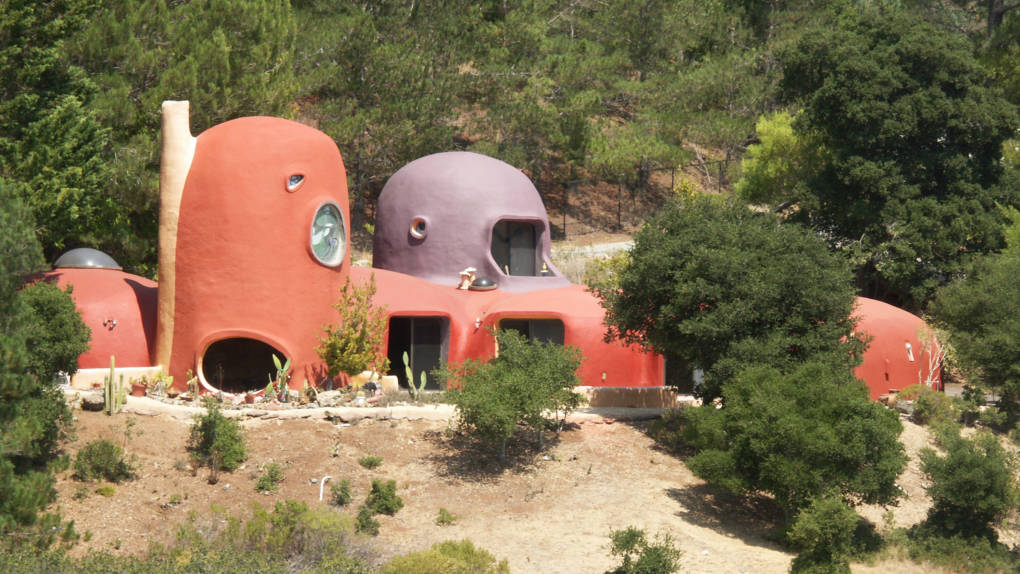
"caption": "The Flintstone House is a local landmark for drivers heading northbound on I-280.",
"description": "The Flintstone House is a local landmark for drivers heading northbound on I-280.",
"title": "Flintstone House",
"credit": "Courtesy of Judy Meuschke.",
"status": "inherit",
"isLoading": false,
"fetchFailed": false
},
"news_11353204": {
"type": "attachments",
"id": "news_11353204",
"meta": {
"index": "attachments_1716263798",
"site": "news",
"id": "11353204",
"found": true
},
"parent": 11353134,
"imgSizes": {
"small": {
"file": "https://ww2.kqed.org/app/uploads/sites/10/2017/03/Richard-Herron-and-Graciela-Martinez-520x347.jpg",
"width": 520,
"mimeType": "image/jpeg",
"height": 347
},
"twentyfourteen-full-width": {
"file": "https://ww2.kqed.org/app/uploads/sites/10/2017/03/Richard-Herron-and-Graciela-Martinez-1038x576.jpg",
"width": 1038,
"mimeType": "image/jpeg",
"height": 576
},
"thumbnail": {
"file": "https://ww2.kqed.org/app/uploads/sites/10/2017/03/Richard-Herron-and-Graciela-Martinez-160x107.jpg",
"width": 160,
"mimeType": "image/jpeg",
"height": 107
},
"fd-sm": {
"file": "https://ww2.kqed.org/app/uploads/sites/10/2017/03/Richard-Herron-and-Graciela-Martinez-960x640.jpg",
"width": 960,
"mimeType": "image/jpeg",
"height": 640
},
"post-thumbnail": {
"file": "https://ww2.kqed.org/app/uploads/sites/10/2017/03/Richard-Herron-and-Graciela-Martinez-672x372.jpg",
"width": 672,
"mimeType": "image/jpeg",
"height": 372
},
"xsmall": {
"file": "https://ww2.kqed.org/app/uploads/sites/10/2017/03/Richard-Herron-and-Graciela-Martinez-375x250.jpg",
"width": 375,
"mimeType": "image/jpeg",
"height": 250
},
"kqedFullSize": {
"file": "https://ww2.kqed.org/app/uploads/sites/10/2017/03/Richard-Herron-and-Graciela-Martinez.jpg",
"width": 1920,
"height": 1280
},
"large": {
"file": "https://ww2.kqed.org/app/uploads/sites/10/2017/03/Richard-Herron-and-Graciela-Martinez-1020x680.jpg",
"width": 1020,
"mimeType": "image/jpeg",
"height": 680
},
"xlarge": {
"file": "https://ww2.kqed.org/app/uploads/sites/10/2017/03/Richard-Herron-and-Graciela-Martinez-1180x787.jpg",
"width": 1180,
"mimeType": "image/jpeg",
"height": 787
},
"guest-author-50": {
"file": "https://ww2.kqed.org/app/uploads/sites/10/2017/03/Richard-Herron-and-Graciela-Martinez-50x50.jpg",
"width": 50,
"mimeType": "image/jpeg",
"height": 50
},
"guest-author-96": {
"file": "https://ww2.kqed.org/app/uploads/sites/10/2017/03/Richard-Herron-and-Graciela-Martinez-96x96.jpg",
"width": 96,
"mimeType": "image/jpeg",
"height": 96
},
"medium": {
"file": "https://ww2.kqed.org/app/uploads/sites/10/2017/03/Richard-Herron-and-Graciela-Martinez-800x533.jpg",
"width": 800,
"mimeType": "image/jpeg",
"height": 533
},
"guest-author-64": {
"file": "https://ww2.kqed.org/app/uploads/sites/10/2017/03/Richard-Herron-and-Graciela-Martinez-64x64.jpg",
"width": 64,
"mimeType": "image/jpeg",
"height": 64
},
"guest-author-32": {
"file": "https://ww2.kqed.org/app/uploads/sites/10/2017/03/Richard-Herron-and-Graciela-Martinez-32x32.jpg",
"width": 32,
"mimeType": "image/jpeg",
"height": 32
},
"fd-lrg": {
"file": "https://ww2.kqed.org/app/uploads/sites/10/2017/03/Richard-Herron-and-Graciela-Martinez-1920x1280.jpg",
"width": 1920,
"mimeType": "image/jpeg",
"height": 1280
},
"fd-med": {
"file": "https://ww2.kqed.org/app/uploads/sites/10/2017/03/Richard-Herron-and-Graciela-Martinez-1180x787.jpg",
"width": 1180,
"mimeType": "image/jpeg",
"height": 787
},
"full-width": {
"file": "https://ww2.kqed.org/app/uploads/sites/10/2017/03/Richard-Herron-and-Graciela-Martinez-1920x1280.jpg",
"width": 1920,
"mimeType": "image/jpeg",
"height": 1280
},
"detail": {
"file": "https://ww2.kqed.org/app/uploads/sites/10/2017/03/Richard-Herron-and-Graciela-Martinez-150x150.jpg",
"width": 150,
"mimeType": "image/jpeg",
"height": 150
},
"guest-author-128": {
"file": "https://ww2.kqed.org/app/uploads/sites/10/2017/03/Richard-Herron-and-Graciela-Martinez-128x128.jpg",
"width": 128,
"mimeType": "image/jpeg",
"height": 128
},
"xxsmall": {
"file": "https://ww2.kqed.org/app/uploads/sites/10/2017/03/Richard-Herron-and-Graciela-Martinez-240x160.jpg",
"width": 240,
"mimeType": "image/jpeg",
"height": 160
}
},
"publishDate": 1489174055,
"modified": 1489197614,
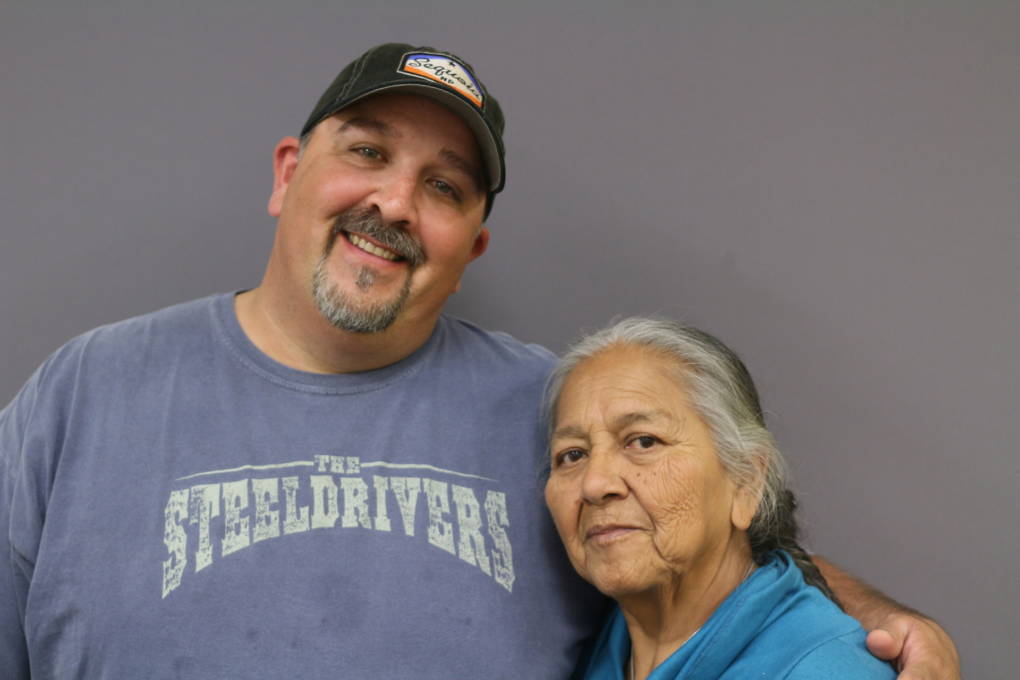
"caption": "Richard Herron (left) and his mother, Graciela Martinez (right), pose for a photo as part of California State University, Fresno's StoryCorps project to capture the voices of Central Valley Latinos.",
"description": null,
"title": "Richard Herron and Graciela Martinez",
"credit": "Photo courtesy of StoryCorps",
"status": "inherit",
"isLoading": false,
"fetchFailed": false
},
"news_11353699": {
"type": "attachments",
"id": "news_11353699",
"meta": {
"index": "attachments_1716263798",
"site": "news",
"id": "11353699",
"found": true
},
"parent": 11353126,
"imgSizes": {
"small": {
"file": "https://ww2.kqed.org/app/uploads/sites/10/2017/03/Sulyman-3-520x385.jpg",
"width": 520,
"mimeType": "image/jpeg",
"height": 385
},
"twentyfourteen-full-width": {
"file": "https://ww2.kqed.org/app/uploads/sites/10/2017/03/Sulyman-3-1038x576.jpg",
"width": 1038,
"mimeType": "image/jpeg",
"height": 576
},
"thumbnail": {
"file": "https://ww2.kqed.org/app/uploads/sites/10/2017/03/Sulyman-3-160x119.jpg",
"width": 160,
"mimeType": "image/jpeg",
"height": 119
},
"fd-sm": {
"file": "https://ww2.kqed.org/app/uploads/sites/10/2017/03/Sulyman-3-960x711.jpg",
"width": 960,
"mimeType": "image/jpeg",
"height": 711
},
"post-thumbnail": {
"file": "https://ww2.kqed.org/app/uploads/sites/10/2017/03/Sulyman-3-672x372.jpg",
"width": 672,
"mimeType": "image/jpeg",
"height": 372
},
"xsmall": {
"file": "https://ww2.kqed.org/app/uploads/sites/10/2017/03/Sulyman-3-375x278.jpg",
"width": 375,
"mimeType": "image/jpeg",
"height": 278
},
"kqedFullSize": {
"file": "https://ww2.kqed.org/app/uploads/sites/10/2017/03/Sulyman-3.jpg",
"width": 1920,
"height": 1422
},
"large": {
"file": "https://ww2.kqed.org/app/uploads/sites/10/2017/03/Sulyman-3-1020x755.jpg",
"width": 1020,
"mimeType": "image/jpeg",
"height": 755
},
"xlarge": {
"file": "https://ww2.kqed.org/app/uploads/sites/10/2017/03/Sulyman-3-1180x874.jpg",
"width": 1180,
"mimeType": "image/jpeg",
"height": 874
},
"guest-author-50": {
"file": "https://ww2.kqed.org/app/uploads/sites/10/2017/03/Sulyman-3-50x50.jpg",
"width": 50,
"mimeType": "image/jpeg",
"height": 50
},
"guest-author-96": {
"file": "https://ww2.kqed.org/app/uploads/sites/10/2017/03/Sulyman-3-96x96.jpg",
"width": 96,
"mimeType": "image/jpeg",
"height": 96
},
"medium": {
"file": "https://ww2.kqed.org/app/uploads/sites/10/2017/03/Sulyman-3-800x593.jpg",
"width": 800,
"mimeType": "image/jpeg",
"height": 593
},
"guest-author-64": {
"file": "https://ww2.kqed.org/app/uploads/sites/10/2017/03/Sulyman-3-64x64.jpg",
"width": 64,
"mimeType": "image/jpeg",
"height": 64
},
"guest-author-32": {
"file": "https://ww2.kqed.org/app/uploads/sites/10/2017/03/Sulyman-3-32x32.jpg",
"width": 32,
"mimeType": "image/jpeg",
"height": 32
},
"fd-lrg": {
"file": "https://ww2.kqed.org/app/uploads/sites/10/2017/03/Sulyman-3-1920x1422.jpg",
"width": 1920,
"mimeType": "image/jpeg",
"height": 1422
},
"fd-med": {
"file": "https://ww2.kqed.org/app/uploads/sites/10/2017/03/Sulyman-3-1180x874.jpg",
"width": 1180,
"mimeType": "image/jpeg",
"height": 874
},
"full-width": {
"file": "https://ww2.kqed.org/app/uploads/sites/10/2017/03/Sulyman-3-1920x1422.jpg",
"width": 1920,
"mimeType": "image/jpeg",
"height": 1422
},
"detail": {
"file": "https://ww2.kqed.org/app/uploads/sites/10/2017/03/Sulyman-3-150x150.jpg",
"width": 150,
"mimeType": "image/jpeg",
"height": 150
},
"guest-author-128": {
"file": "https://ww2.kqed.org/app/uploads/sites/10/2017/03/Sulyman-3-128x128.jpg",
"width": 128,
"mimeType": "image/jpeg",
"height": 128
},
"xxsmall": {
"file": "https://ww2.kqed.org/app/uploads/sites/10/2017/03/Sulyman-3-240x178.jpg",
"width": 240,
"mimeType": "image/jpeg",
"height": 178
}
},
"publishDate": 1489197100,
"modified": 1489197129,
"caption": "Sulyman Qardash is the lead singer and guitarist of Afghanistan's first rock band, Kabul Dreams. The band is now based in Oakland.",
"description": "Sulyman Qardash is the lead singer and guitarist of Afghanistan's first rock band, Kabul Dreams. The band is now based in Oakland.",
"title": "Sulyman",
"credit": null,
"status": "inherit",
"isLoading": false,
"fetchFailed": false
},
"news_11352023": {
"type": "attachments",
"id": "news_11352023",
"meta": {
"index": "attachments_1716263798",
"site": "news",
"id": "11352023",
"found": true
},
"parent": 11352009,
"imgSizes": {
"small": {
"file": "https://ww2.kqed.org/app/uploads/sites/10/2017/03/Azteca-520x386.jpg",
"width": 520,
"mimeType": "image/jpeg",
"height": 386
},
"twentyfourteen-full-width": {
"file": "https://ww2.kqed.org/app/uploads/sites/10/2017/03/Azteca-1038x576.jpg",
"width": 1038,
"mimeType": "image/jpeg",
"height": 576
},
"thumbnail": {
"file": "https://ww2.kqed.org/app/uploads/sites/10/2017/03/Azteca-160x119.jpg",
"width": 160,
"mimeType": "image/jpeg",
"height": 119
},
"fd-sm": {
"file": "https://ww2.kqed.org/app/uploads/sites/10/2017/03/Azteca-960x713.jpg",
"width": 960,
"mimeType": "image/jpeg",
"height": 713
},
"post-thumbnail": {
"file": "https://ww2.kqed.org/app/uploads/sites/10/2017/03/Azteca-672x372.jpg",
"width": 672,
"mimeType": "image/jpeg",
"height": 372
},
"xsmall": {
"file": "https://ww2.kqed.org/app/uploads/sites/10/2017/03/Azteca-375x279.jpg",
"width": 375,
"mimeType": "image/jpeg",
"height": 279
},
"kqedFullSize": {
"file": "https://ww2.kqed.org/app/uploads/sites/10/2017/03/Azteca.jpg",
"width": 1920,
"height": 1426
},
"large": {
"file": "https://ww2.kqed.org/app/uploads/sites/10/2017/03/Azteca-1020x758.jpg",
"width": 1020,
"mimeType": "image/jpeg",
"height": 758
},
"xlarge": {
"file": "https://ww2.kqed.org/app/uploads/sites/10/2017/03/Azteca-1180x876.jpg",
"width": 1180,
"mimeType": "image/jpeg",
"height": 876
},
"guest-author-50": {
"file": "https://ww2.kqed.org/app/uploads/sites/10/2017/03/Azteca-50x50.jpg",
"width": 50,
"mimeType": "image/jpeg",
"height": 50
},
"guest-author-96": {
"file": "https://ww2.kqed.org/app/uploads/sites/10/2017/03/Azteca-96x96.jpg",
"width": 96,
"mimeType": "image/jpeg",
"height": 96
},
"medium": {
"file": "https://ww2.kqed.org/app/uploads/sites/10/2017/03/Azteca-800x594.jpg",
"width": 800,
"mimeType": "image/jpeg",
"height": 594
},
"guest-author-64": {
"file": "https://ww2.kqed.org/app/uploads/sites/10/2017/03/Azteca-64x64.jpg",
"width": 64,
"mimeType": "image/jpeg",
"height": 64
},
"guest-author-32": {
"file": "https://ww2.kqed.org/app/uploads/sites/10/2017/03/Azteca-32x32.jpg",
"width": 32,
"mimeType": "image/jpeg",
"height": 32
},
"fd-lrg": {
"file": "https://ww2.kqed.org/app/uploads/sites/10/2017/03/Azteca-1920x1426.jpg",
"width": 1920,
"mimeType": "image/jpeg",
"height": 1426
},
"fd-med": {
"file": "https://ww2.kqed.org/app/uploads/sites/10/2017/03/Azteca-1180x876.jpg",
"width": 1180,
"mimeType": "image/jpeg",
"height": 876
},
"full-width": {
"file": "https://ww2.kqed.org/app/uploads/sites/10/2017/03/Azteca-1920x1426.jpg",
"width": 1920,
"mimeType": "image/jpeg",
"height": 1426
},
"detail": {
"file": "https://ww2.kqed.org/app/uploads/sites/10/2017/03/Azteca-150x150.jpg",
"width": 150,
"mimeType": "image/jpeg",
"height": 150
},
"guest-author-128": {
"file": "https://ww2.kqed.org/app/uploads/sites/10/2017/03/Azteca-128x128.jpg",
"width": 128,
"mimeType": "image/jpeg",
"height": 128
},
"xxsmall": {
"file": "https://ww2.kqed.org/app/uploads/sites/10/2017/03/Azteca-240x178.jpg",
"width": 240,
"mimeType": "image/jpeg",
"height": 178
}
},
"publishDate": 1489103189,
"modified": 1489103234,
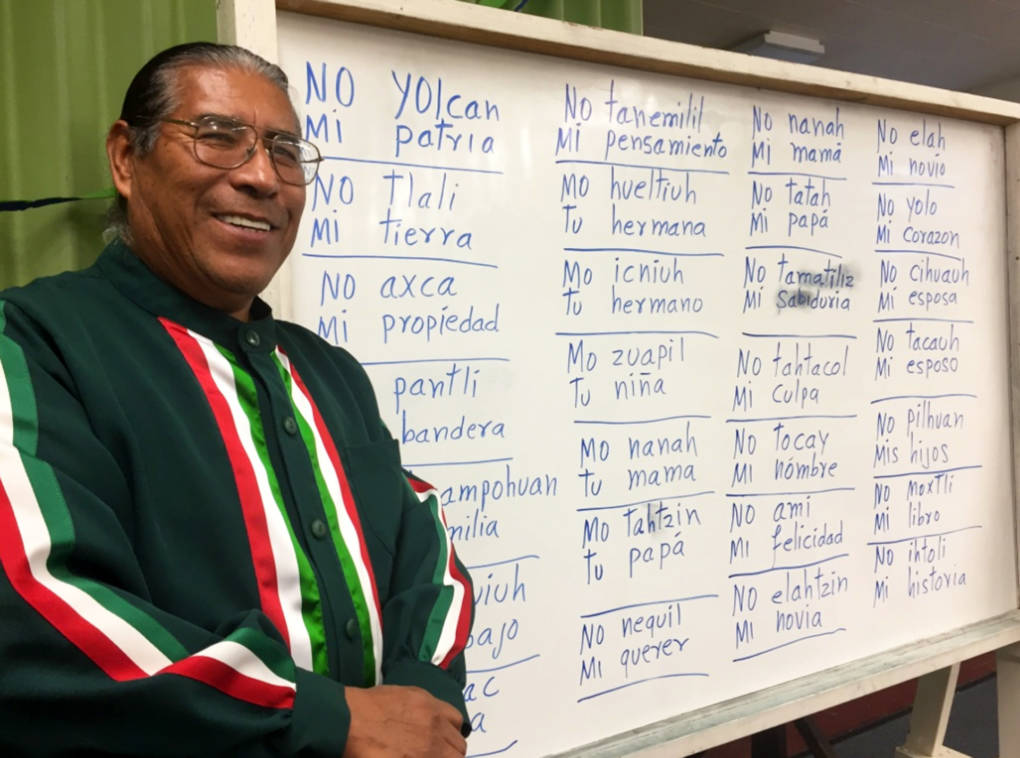
"caption": "For about 26 years, David Vazquez has been teaching the ancient language and culture of the Aztecs, Nahuatl.",
"description": "For about 26 years, David Vazquez has been teaching the ancient language and culture of the Aztecs, Nahuatl.",
"title": "Azteca",
"credit": "Lori Galarreta/KPCC",
"status": "inherit",
"isLoading": false,
"fetchFailed": false
},
"news_11350275": {
"type": "attachments",
"id": "news_11350275",
"meta": {
"index": "attachments_1716263798",
"site": "news",
"id": "11350275",
"found": true
},
"parent": 11350274,
"imgSizes": {
"small": {
"file": "https://ww2.kqed.org/app/uploads/sites/10/2017/03/KNR_FB_Trockadero-520x293.png",
"width": 520,
"mimeType": "image/png",
"height": 293
},
"twentyfourteen-full-width": {
"file": "https://ww2.kqed.org/app/uploads/sites/10/2017/03/KNR_FB_Trockadero-1038x576.png",
"width": 1038,
"mimeType": "image/png",
"height": 576
},
"thumbnail": {
"file": "https://ww2.kqed.org/app/uploads/sites/10/2017/03/KNR_FB_Trockadero-160x90.png",
"width": 160,
"mimeType": "image/png",
"height": 90
},
"fd-sm": {
"file": "https://ww2.kqed.org/app/uploads/sites/10/2017/03/KNR_FB_Trockadero-960x540.png",
"width": 960,
"mimeType": "image/png",
"height": 540
},
"post-thumbnail": {
"file": "https://ww2.kqed.org/app/uploads/sites/10/2017/03/KNR_FB_Trockadero-672x372.png",
"width": 672,
"mimeType": "image/png",
"height": 372
},
"xsmall": {
"file": "https://ww2.kqed.org/app/uploads/sites/10/2017/03/KNR_FB_Trockadero-375x211.png",
"width": 375,
"mimeType": "image/png",
"height": 211
},
"kqedFullSize": {
"file": "https://ww2.kqed.org/app/uploads/sites/10/2017/03/KNR_FB_Trockadero.png",
"width": 1280,
"height": 720
},
"large": {
"file": "https://ww2.kqed.org/app/uploads/sites/10/2017/03/KNR_FB_Trockadero-1020x574.png",
"width": 1020,
"mimeType": "image/png",
"height": 574
},
"xlarge": {
"file": "https://ww2.kqed.org/app/uploads/sites/10/2017/03/KNR_FB_Trockadero-1180x664.png",
"width": 1180,
"mimeType": "image/png",
"height": 664
},
"guest-author-50": {
"file": "https://ww2.kqed.org/app/uploads/sites/10/2017/03/KNR_FB_Trockadero-50x50.png",
"width": 50,
"mimeType": "image/png",
"height": 50
},
"guest-author-96": {
"file": "https://ww2.kqed.org/app/uploads/sites/10/2017/03/KNR_FB_Trockadero-96x96.png",
"width": 96,
"mimeType": "image/png",
"height": 96
},
"medium": {
"file": "https://ww2.kqed.org/app/uploads/sites/10/2017/03/KNR_FB_Trockadero-800x450.png",
"width": 800,
"mimeType": "image/png",
"height": 450
},
"guest-author-64": {
"file": "https://ww2.kqed.org/app/uploads/sites/10/2017/03/KNR_FB_Trockadero-64x64.png",
"width": 64,
"mimeType": "image/png",
"height": 64
},
"guest-author-32": {
"file": "https://ww2.kqed.org/app/uploads/sites/10/2017/03/KNR_FB_Trockadero-32x32.png",
"width": 32,
"mimeType": "image/png",
"height": 32
},
"fd-med": {
"file": "https://ww2.kqed.org/app/uploads/sites/10/2017/03/KNR_FB_Trockadero-1180x664.png",
"width": 1180,
"mimeType": "image/png",
"height": 664
},
"detail": {
"file": "https://ww2.kqed.org/app/uploads/sites/10/2017/03/KNR_FB_Trockadero-150x150.png",
"width": 150,
"mimeType": "image/png",
"height": 150
},
"guest-author-128": {
"file": "https://ww2.kqed.org/app/uploads/sites/10/2017/03/KNR_FB_Trockadero-128x128.png",
"width": 128,
"mimeType": "image/png",
"height": 128
},
"xxsmall": {
"file": "https://ww2.kqed.org/app/uploads/sites/10/2017/03/KNR_FB_Trockadero-240x135.png",
"width": 240,
"mimeType": "image/png",
"height": 135
}
},
"publishDate": 1489004072,
"modified": 1489004072,
"caption": null,
"description": null,
"title": "KNR_FB_Trockadero",
"credit": null,
"status": "inherit",
"isLoading": false,
"fetchFailed": false
},
"news_11343135": {
"type": "attachments",
"id": "news_11343135",
"meta": {
"index": "attachments_1716263798",
"site": "news",
"id": "11343135",
"found": true
},
"parent": 11342615,
"imgSizes": {
"small": {
"file": "https://ww2.kqed.org/app/uploads/sites/10/2017/03/AlcarazWall-520x401.jpg",
"width": 520,
"mimeType": "image/jpeg",
"height": 401
},
"twentyfourteen-full-width": {
"file": "https://ww2.kqed.org/app/uploads/sites/10/2017/03/AlcarazWall-1038x576.jpg",
"width": 1038,
"mimeType": "image/jpeg",
"height": 576
},
"thumbnail": {
"file": "https://ww2.kqed.org/app/uploads/sites/10/2017/03/AlcarazWall-160x123.jpg",
"width": 160,
"mimeType": "image/jpeg",
"height": 123
},
"fd-sm": {
"file": "https://ww2.kqed.org/app/uploads/sites/10/2017/03/AlcarazWall-960x741.jpg",
"width": 960,
"mimeType": "image/jpeg",
"height": 741
},
"post-thumbnail": {
"file": "https://ww2.kqed.org/app/uploads/sites/10/2017/03/AlcarazWall-672x372.jpg",
"width": 672,
"mimeType": "image/jpeg",
"height": 372
},
"xsmall": {
"file": "https://ww2.kqed.org/app/uploads/sites/10/2017/03/AlcarazWall-375x289.jpg",
"width": 375,
"mimeType": "image/jpeg",
"height": 289
},
"kqedFullSize": {
"file": "https://ww2.kqed.org/app/uploads/sites/10/2017/03/AlcarazWall.jpg",
"width": 1920,
"height": 1481
},
"large": {
"file": "https://ww2.kqed.org/app/uploads/sites/10/2017/03/AlcarazWall-1020x787.jpg",
"width": 1020,
"mimeType": "image/jpeg",
"height": 787
},
"xlarge": {
"file": "https://ww2.kqed.org/app/uploads/sites/10/2017/03/AlcarazWall-1180x910.jpg",
"width": 1180,
"mimeType": "image/jpeg",
"height": 910
},
"guest-author-50": {
"file": "https://ww2.kqed.org/app/uploads/sites/10/2017/03/AlcarazWall-50x50.jpg",
"width": 50,
"mimeType": "image/jpeg",
"height": 50
},
"guest-author-96": {
"file": "https://ww2.kqed.org/app/uploads/sites/10/2017/03/AlcarazWall-96x96.jpg",
"width": 96,
"mimeType": "image/jpeg",
"height": 96
},
"medium": {
"file": "https://ww2.kqed.org/app/uploads/sites/10/2017/03/AlcarazWall-800x617.jpg",
"width": 800,
"mimeType": "image/jpeg",
"height": 617
},
"guest-author-64": {
"file": "https://ww2.kqed.org/app/uploads/sites/10/2017/03/AlcarazWall-64x64.jpg",
"width": 64,
"mimeType": "image/jpeg",
"height": 64
},
"guest-author-32": {
"file": "https://ww2.kqed.org/app/uploads/sites/10/2017/03/AlcarazWall-32x32.jpg",
"width": 32,
"mimeType": "image/jpeg",
"height": 32
},
"fd-lrg": {
"file": "https://ww2.kqed.org/app/uploads/sites/10/2017/03/AlcarazWall-1920x1481.jpg",
"width": 1920,
"mimeType": "image/jpeg",
"height": 1481
},
"fd-med": {
"file": "https://ww2.kqed.org/app/uploads/sites/10/2017/03/AlcarazWall-1180x910.jpg",
"width": 1180,
"mimeType": "image/jpeg",
"height": 910
},
"full-width": {
"file": "https://ww2.kqed.org/app/uploads/sites/10/2017/03/AlcarazWall-1920x1481.jpg",
"width": 1920,
"mimeType": "image/jpeg",
"height": 1481
},
"detail": {
"file": "https://ww2.kqed.org/app/uploads/sites/10/2017/03/AlcarazWall-150x150.jpg",
"width": 150,
"mimeType": "image/jpeg",
"height": 150
},
"guest-author-128": {
"file": "https://ww2.kqed.org/app/uploads/sites/10/2017/03/AlcarazWall-128x128.jpg",
"width": 128,
"mimeType": "image/jpeg",
"height": 128
},
"xxsmall": {
"file": "https://ww2.kqed.org/app/uploads/sites/10/2017/03/AlcarazWall-240x185.jpg",
"width": 240,
"mimeType": "image/jpeg",
"height": 185
}
},
"publishDate": 1488588482,
"modified": 1488588508,
"caption": "One of several comics by Lalo Alcaraz focusing on the election of President Donald Trump. ",
"description": "One of several comics by Lalo Alcaraz focusing on the election of President Donald Trump. ",
"title": "AlcarazWall",
"credit": "Courtesy of Lalo Alcaraz",
"status": "inherit",
"isLoading": false,
"fetchFailed": false
},
"news_11339883": {
"type": "attachments",
"id": "news_11339883",
"meta": {
"index": "attachments_1716263798",
"site": "news",
"id": "11339883",
"found": true
},
"parent": 11339599,
"imgSizes": {
"small": {
"file": "https://ww2.kqed.org/app/uploads/sites/10/2017/03/RS10555_470165429-520x347.jpg",
"width": 520,
"mimeType": "image/jpeg",
"height": 347
},
"twentyfourteen-full-width": {
"file": "https://ww2.kqed.org/app/uploads/sites/10/2017/03/RS10555_470165429-1038x576.jpg",
"width": 1038,
"mimeType": "image/jpeg",
"height": 576
},
"thumbnail": {
"file": "https://ww2.kqed.org/app/uploads/sites/10/2017/03/RS10555_470165429-160x107.jpg",
"width": 160,
"mimeType": "image/jpeg",
"height": 107
},
"fd-sm": {
"file": "https://ww2.kqed.org/app/uploads/sites/10/2017/03/RS10555_470165429-960x640.jpg",
"width": 960,
"mimeType": "image/jpeg",
"height": 640
},
"post-thumbnail": {
"file": "https://ww2.kqed.org/app/uploads/sites/10/2017/03/RS10555_470165429-672x372.jpg",
"width": 672,
"mimeType": "image/jpeg",
"height": 372
},
"xsmall": {
"file": "https://ww2.kqed.org/app/uploads/sites/10/2017/03/RS10555_470165429-375x250.jpg",
"width": 375,
"mimeType": "image/jpeg",
"height": 250
},
"kqedFullSize": {
"file": "https://ww2.kqed.org/app/uploads/sites/10/2017/03/RS10555_470165429-e1488411429958.jpg",
"width": 1920,
"height": 1281
},
"large": {
"file": "https://ww2.kqed.org/app/uploads/sites/10/2017/03/RS10555_470165429-1020x680.jpg",
"width": 1020,
"mimeType": "image/jpeg",
"height": 680
},
"xlarge": {
"file": "https://ww2.kqed.org/app/uploads/sites/10/2017/03/RS10555_470165429-1180x787.jpg",
"width": 1180,
"mimeType": "image/jpeg",
"height": 787
},
"guest-author-50": {
"file": "https://ww2.kqed.org/app/uploads/sites/10/2017/03/RS10555_470165429-50x50.jpg",
"width": 50,
"mimeType": "image/jpeg",
"height": 50
},
"guest-author-96": {
"file": "https://ww2.kqed.org/app/uploads/sites/10/2017/03/RS10555_470165429-96x96.jpg",
"width": 96,
"mimeType": "image/jpeg",
"height": 96
},
"medium": {
"file": "https://ww2.kqed.org/app/uploads/sites/10/2017/03/RS10555_470165429-800x534.jpg",
"width": 800,
"mimeType": "image/jpeg",
"height": 534
},
"guest-author-64": {
"file": "https://ww2.kqed.org/app/uploads/sites/10/2017/03/RS10555_470165429-64x64.jpg",
"width": 64,
"mimeType": "image/jpeg",
"height": 64
},
"guest-author-32": {
"file": "https://ww2.kqed.org/app/uploads/sites/10/2017/03/RS10555_470165429-32x32.jpg",
"width": 32,
"mimeType": "image/jpeg",
"height": 32
},
"fd-lrg": {
"file": "https://ww2.kqed.org/app/uploads/sites/10/2017/03/RS10555_470165429-1920x1281.jpg",
"width": 1920,
"mimeType": "image/jpeg",
"height": 1281
},
"fd-med": {
"file": "https://ww2.kqed.org/app/uploads/sites/10/2017/03/RS10555_470165429-1180x787.jpg",
"width": 1180,
"mimeType": "image/jpeg",
"height": 787
},
"full-width": {
"file": "https://ww2.kqed.org/app/uploads/sites/10/2017/03/RS10555_470165429-1920x1281.jpg",
"width": 1920,
"mimeType": "image/jpeg",
"height": 1281
},
"detail": {
"file": "https://ww2.kqed.org/app/uploads/sites/10/2017/03/RS10555_470165429-150x150.jpg",
"width": 150,
"mimeType": "image/jpeg",
"height": 150
},
"guest-author-128": {
"file": "https://ww2.kqed.org/app/uploads/sites/10/2017/03/RS10555_470165429-128x128.jpg",
"width": 128,
"mimeType": "image/jpeg",
"height": 128
},
"xxsmall": {
"file": "https://ww2.kqed.org/app/uploads/sites/10/2017/03/RS10555_470165429-240x160.jpg",
"width": 240,
"mimeType": "image/jpeg",
"height": 160
}
},
"publishDate": 1488410402,
"modified": 1488410511,
"caption": "People love to hate the San Francisco nickname Frisco. But why?",
"description": "People love to hate the San Francisco nickname Frisco. But why?",
"title": "New Study Names San Francisco As Most Expensive To Buy A Home",
"credit": "Photo by Justin Sullivan/Getty Images",
"status": "inherit",
"isLoading": false,
"fetchFailed": false
},
"news_11332385": {
"type": "attachments",
"id": "news_11332385",
"meta": {
"index": "attachments_1716263798",
"site": "news",
"id": "11332385",
"found": true
},
"parent": 11332172,
"imgSizes": {
"small": {
"file": "https://ww2.kqed.org/app/uploads/sites/10/2017/02/RS24385_Chicano-Batman_Josue-Rivas-Promo-Photo-01-qut-520x347.jpg",
"width": 520,
"mimeType": "image/jpeg",
"height": 347
},
"twentyfourteen-full-width": {
"file": "https://ww2.kqed.org/app/uploads/sites/10/2017/02/RS24385_Chicano-Batman_Josue-Rivas-Promo-Photo-01-qut-1038x576.jpg",
"width": 1038,
"mimeType": "image/jpeg",
"height": 576
},
"thumbnail": {
"file": "https://ww2.kqed.org/app/uploads/sites/10/2017/02/RS24385_Chicano-Batman_Josue-Rivas-Promo-Photo-01-qut-160x107.jpg",
"width": 160,
"mimeType": "image/jpeg",
"height": 107
},
"fd-sm": {
"file": "https://ww2.kqed.org/app/uploads/sites/10/2017/02/RS24385_Chicano-Batman_Josue-Rivas-Promo-Photo-01-qut-960x640.jpg",
"width": 960,
"mimeType": "image/jpeg",
"height": 640
},
"post-thumbnail": {
"file": "https://ww2.kqed.org/app/uploads/sites/10/2017/02/RS24385_Chicano-Batman_Josue-Rivas-Promo-Photo-01-qut-672x372.jpg",
"width": 672,
"mimeType": "image/jpeg",
"height": 372
},
"xsmall": {
"file": "https://ww2.kqed.org/app/uploads/sites/10/2017/02/RS24385_Chicano-Batman_Josue-Rivas-Promo-Photo-01-qut-375x250.jpg",
"width": 375,
"mimeType": "image/jpeg",
"height": 250
},
"kqedFullSize": {
"file": "https://ww2.kqed.org/app/uploads/sites/10/2017/02/RS24385_Chicano-Batman_Josue-Rivas-Promo-Photo-01-qut.jpg",
"width": 1920,
"height": 1280
},
"large": {
"file": "https://ww2.kqed.org/app/uploads/sites/10/2017/02/RS24385_Chicano-Batman_Josue-Rivas-Promo-Photo-01-qut-1020x680.jpg",
"width": 1020,
"mimeType": "image/jpeg",
"height": 680
},
"xlarge": {
"file": "https://ww2.kqed.org/app/uploads/sites/10/2017/02/RS24385_Chicano-Batman_Josue-Rivas-Promo-Photo-01-qut-1180x787.jpg",
"width": 1180,
"mimeType": "image/jpeg",
"height": 787
},
"guest-author-50": {
"file": "https://ww2.kqed.org/app/uploads/sites/10/2017/02/RS24385_Chicano-Batman_Josue-Rivas-Promo-Photo-01-qut-50x50.jpg",
"width": 50,
"mimeType": "image/jpeg",
"height": 50
},
"guest-author-96": {
"file": "https://ww2.kqed.org/app/uploads/sites/10/2017/02/RS24385_Chicano-Batman_Josue-Rivas-Promo-Photo-01-qut-96x96.jpg",
"width": 96,
"mimeType": "image/jpeg",
"height": 96
},
"medium": {
"file": "https://ww2.kqed.org/app/uploads/sites/10/2017/02/RS24385_Chicano-Batman_Josue-Rivas-Promo-Photo-01-qut-800x533.jpg",
"width": 800,
"mimeType": "image/jpeg",
"height": 533
},
"guest-author-64": {
"file": "https://ww2.kqed.org/app/uploads/sites/10/2017/02/RS24385_Chicano-Batman_Josue-Rivas-Promo-Photo-01-qut-64x64.jpg",
"width": 64,
"mimeType": "image/jpeg",
"height": 64
},
"guest-author-32": {
"file": "https://ww2.kqed.org/app/uploads/sites/10/2017/02/RS24385_Chicano-Batman_Josue-Rivas-Promo-Photo-01-qut-32x32.jpg",
"width": 32,
"mimeType": "image/jpeg",
"height": 32
},
"fd-lrg": {
"file": "https://ww2.kqed.org/app/uploads/sites/10/2017/02/RS24385_Chicano-Batman_Josue-Rivas-Promo-Photo-01-qut-1920x1280.jpg",
"width": 1920,
"mimeType": "image/jpeg",
"height": 1280
},
"fd-med": {
"file": "https://ww2.kqed.org/app/uploads/sites/10/2017/02/RS24385_Chicano-Batman_Josue-Rivas-Promo-Photo-01-qut-1180x787.jpg",
"width": 1180,
"mimeType": "image/jpeg",
"height": 787
},
"full-width": {
"file": "https://ww2.kqed.org/app/uploads/sites/10/2017/02/RS24385_Chicano-Batman_Josue-Rivas-Promo-Photo-01-qut-1920x1280.jpg",
"width": 1920,
"mimeType": "image/jpeg",
"height": 1280
},
"detail": {
"file": "https://ww2.kqed.org/app/uploads/sites/10/2017/02/RS24385_Chicano-Batman_Josue-Rivas-Promo-Photo-01-qut-150x150.jpg",
"width": 150,
"mimeType": "image/jpeg",
"height": 150
},
"guest-author-128": {
"file": "https://ww2.kqed.org/app/uploads/sites/10/2017/02/RS24385_Chicano-Batman_Josue-Rivas-Promo-Photo-01-qut-128x128.jpg",
"width": 128,
"mimeType": "image/jpeg",
"height": 128
},
"xxsmall": {
"file": "https://ww2.kqed.org/app/uploads/sites/10/2017/02/RS24385_Chicano-Batman_Josue-Rivas-Promo-Photo-01-qut-240x160.jpg",
"width": 240,
"mimeType": "image/jpeg",
"height": 160
}
},
"publishDate": 1487986723,
"modified": 1487986834,
"caption": "Los Angeles band Chicano Batman is releasing its third album, \"Freedom is Free.\"",
"description": "Los Angeles band Chicano Batman is releasing its third album, \"Freedom is Free.\"",
"title": "RS24385_Chicano Batman_Josue Rivas Promo Photo 01-qut",
"credit": null,
"status": "inherit",
"isLoading": false,
"fetchFailed": false
},
"news_11320039": {
"type": "attachments",
"id": "news_11320039",
"meta": {
"index": "attachments_1716263798",
"site": "news",
"id": "11320039",
"found": true
},
"parent": 11320037,
"imgSizes": {
"small": {
"file": "https://ww2.kqed.org/app/uploads/sites/10/2017/02/Al-Smiling-2-520x348.jpg",
"width": 520,
"mimeType": "image/jpeg",
"height": 348
},
"twentyfourteen-full-width": {
"file": "https://ww2.kqed.org/app/uploads/sites/10/2017/02/Al-Smiling-2-1038x576.jpg",
"width": 1038,
"mimeType": "image/jpeg",
"height": 576
},
"thumbnail": {
"file": "https://ww2.kqed.org/app/uploads/sites/10/2017/02/Al-Smiling-2-160x107.jpg",
"width": 160,
"mimeType": "image/jpeg",
"height": 107
},
"fd-sm": {
"file": "https://ww2.kqed.org/app/uploads/sites/10/2017/02/Al-Smiling-2-960x643.jpg",
"width": 960,
"mimeType": "image/jpeg",
"height": 643
},
"post-thumbnail": {
"file": "https://ww2.kqed.org/app/uploads/sites/10/2017/02/Al-Smiling-2-672x372.jpg",
"width": 672,
"mimeType": "image/jpeg",
"height": 372
},
"xsmall": {
"file": "https://ww2.kqed.org/app/uploads/sites/10/2017/02/Al-Smiling-2-375x251.jpg",
"width": 375,
"mimeType": "image/jpeg",
"height": 251
},
"kqedFullSize": {
"file": "https://ww2.kqed.org/app/uploads/sites/10/2017/02/Al-Smiling-2.jpg",
"width": 1600,
"height": 1071
},
"large": {
"file": "https://ww2.kqed.org/app/uploads/sites/10/2017/02/Al-Smiling-2-1020x683.jpg",
"width": 1020,
"mimeType": "image/jpeg",
"height": 683
},
"xlarge": {
"file": "https://ww2.kqed.org/app/uploads/sites/10/2017/02/Al-Smiling-2-1180x790.jpg",
"width": 1180,
"mimeType": "image/jpeg",
"height": 790
},
"guest-author-50": {
"file": "https://ww2.kqed.org/app/uploads/sites/10/2017/02/Al-Smiling-2-50x50.jpg",
"width": 50,
"mimeType": "image/jpeg",
"height": 50
},
"guest-author-96": {
"file": "https://ww2.kqed.org/app/uploads/sites/10/2017/02/Al-Smiling-2-96x96.jpg",
"width": 96,
"mimeType": "image/jpeg",
"height": 96
},
"medium": {
"file": "https://ww2.kqed.org/app/uploads/sites/10/2017/02/Al-Smiling-2-800x536.jpg",
"width": 800,
"mimeType": "image/jpeg",
"height": 536
},
"guest-author-64": {
"file": "https://ww2.kqed.org/app/uploads/sites/10/2017/02/Al-Smiling-2-64x64.jpg",
"width": 64,
"mimeType": "image/jpeg",
"height": 64
},
"guest-author-32": {
"file": "https://ww2.kqed.org/app/uploads/sites/10/2017/02/Al-Smiling-2-32x32.jpg",
"width": 32,
"mimeType": "image/jpeg",
"height": 32
},
"fd-med": {
"file": "https://ww2.kqed.org/app/uploads/sites/10/2017/02/Al-Smiling-2-1180x790.jpg",
"width": 1180,
"mimeType": "image/jpeg",
"height": 790
},
"detail": {
"file": "https://ww2.kqed.org/app/uploads/sites/10/2017/02/Al-Smiling-2-150x150.jpg",
"width": 150,
"mimeType": "image/jpeg",
"height": 150
},
"guest-author-128": {
"file": "https://ww2.kqed.org/app/uploads/sites/10/2017/02/Al-Smiling-2-128x128.jpg",
"width": 128,
"mimeType": "image/jpeg",
"height": 128
},
"xxsmall": {
"file": "https://ww2.kqed.org/app/uploads/sites/10/2017/02/Al-Smiling-2-240x161.jpg",
"width": 240,
"mimeType": "image/jpeg",
"height": 161
}
},
"publishDate": 1487287003,
"modified": 1487369946,
"caption": "Al Jarreau (Photo by Joe Gordon)",
"description": "Al Jarreau (Photo by Joe Gordon)",
"title": "Al-Smiling-2",
"credit": null,
"status": "inherit",
"isLoading": false,
"fetchFailed": false
},
"news_11318025": {
"type": "attachments",
"id": "news_11318025",
"meta": {
"index": "attachments_1716263798",
"site": "news",
"id": "11318025",
"found": true
},
"parent": 11318024,
"imgSizes": {
"small": {
"file": "https://ww2.kqed.org/app/uploads/sites/10/2017/02/gettyimages-51093269_wide-8ee1d26e8398477b2b33483fcb615a530aa6c02c-520x292.jpg",
"width": 520,
"mimeType": "image/jpeg",
"height": 292
},
"twentyfourteen-full-width": {
"file": "https://ww2.kqed.org/app/uploads/sites/10/2017/02/gettyimages-51093269_wide-8ee1d26e8398477b2b33483fcb615a530aa6c02c-1038x576.jpg",
"width": 1038,
"mimeType": "image/jpeg",
"height": 576
},
"thumbnail": {
"file": "https://ww2.kqed.org/app/uploads/sites/10/2017/02/gettyimages-51093269_wide-8ee1d26e8398477b2b33483fcb615a530aa6c02c-160x90.jpg",
"width": 160,
"mimeType": "image/jpeg",
"height": 90
},
"fd-sm": {
"file": "https://ww2.kqed.org/app/uploads/sites/10/2017/02/gettyimages-51093269_wide-8ee1d26e8398477b2b33483fcb615a530aa6c02c-960x540.jpg",
"width": 960,
"mimeType": "image/jpeg",
"height": 540
},
"post-thumbnail": {
"file": "https://ww2.kqed.org/app/uploads/sites/10/2017/02/gettyimages-51093269_wide-8ee1d26e8398477b2b33483fcb615a530aa6c02c-672x372.jpg",
"width": 672,
"mimeType": "image/jpeg",
"height": 372
},
"xsmall": {
"file": "https://ww2.kqed.org/app/uploads/sites/10/2017/02/gettyimages-51093269_wide-8ee1d26e8398477b2b33483fcb615a530aa6c02c-375x211.jpg",
"width": 375,
"mimeType": "image/jpeg",
"height": 211
},
"kqedFullSize": {
"file": "https://ww2.kqed.org/app/uploads/sites/10/2017/02/gettyimages-51093269_wide-8ee1d26e8398477b2b33483fcb615a530aa6c02c.jpg",
"width": 3000,
"height": 1687
},
"large": {
"file": "https://ww2.kqed.org/app/uploads/sites/10/2017/02/gettyimages-51093269_wide-8ee1d26e8398477b2b33483fcb615a530aa6c02c-1020x574.jpg",
"width": 1020,
"mimeType": "image/jpeg",
"height": 574
},
"xlarge": {
"file": "https://ww2.kqed.org/app/uploads/sites/10/2017/02/gettyimages-51093269_wide-8ee1d26e8398477b2b33483fcb615a530aa6c02c-1180x664.jpg",
"width": 1180,
"mimeType": "image/jpeg",
"height": 664
},
"guest-author-50": {
"file": "https://ww2.kqed.org/app/uploads/sites/10/2017/02/gettyimages-51093269_wide-8ee1d26e8398477b2b33483fcb615a530aa6c02c-50x50.jpg",
"width": 50,
"mimeType": "image/jpeg",
"height": 50
},
"guest-author-96": {
"file": "https://ww2.kqed.org/app/uploads/sites/10/2017/02/gettyimages-51093269_wide-8ee1d26e8398477b2b33483fcb615a530aa6c02c-96x96.jpg",
"width": 96,
"mimeType": "image/jpeg",
"height": 96
},
"medium": {
"file": "https://ww2.kqed.org/app/uploads/sites/10/2017/02/gettyimages-51093269_wide-8ee1d26e8398477b2b33483fcb615a530aa6c02c-800x450.jpg",
"width": 800,
"mimeType": "image/jpeg",
"height": 450
},
"guest-author-64": {
"file": "https://ww2.kqed.org/app/uploads/sites/10/2017/02/gettyimages-51093269_wide-8ee1d26e8398477b2b33483fcb615a530aa6c02c-64x64.jpg",
"width": 64,
"mimeType": "image/jpeg",
"height": 64
},
"guest-author-32": {
"file": "https://ww2.kqed.org/app/uploads/sites/10/2017/02/gettyimages-51093269_wide-8ee1d26e8398477b2b33483fcb615a530aa6c02c-32x32.jpg",
"width": 32,
"mimeType": "image/jpeg",
"height": 32
},
"fd-lrg": {
"file": "https://ww2.kqed.org/app/uploads/sites/10/2017/02/gettyimages-51093269_wide-8ee1d26e8398477b2b33483fcb615a530aa6c02c-1920x1080.jpg",
"width": 1920,
"mimeType": "image/jpeg",
"height": 1080
},
"fd-med": {
"file": "https://ww2.kqed.org/app/uploads/sites/10/2017/02/gettyimages-51093269_wide-8ee1d26e8398477b2b33483fcb615a530aa6c02c-1180x664.jpg",
"width": 1180,
"mimeType": "image/jpeg",
"height": 664
},
"full-width": {
"file": "https://ww2.kqed.org/app/uploads/sites/10/2017/02/gettyimages-51093269_wide-8ee1d26e8398477b2b33483fcb615a530aa6c02c-1920x1080.jpg",
"width": 1920,
"mimeType": "image/jpeg",
"height": 1080
},
"detail": {
"file": "https://ww2.kqed.org/app/uploads/sites/10/2017/02/gettyimages-51093269_wide-8ee1d26e8398477b2b33483fcb615a530aa6c02c-150x150.jpg",
"width": 150,
"mimeType": "image/jpeg",
"height": 150
},
"guest-author-128": {
"file": "https://ww2.kqed.org/app/uploads/sites/10/2017/02/gettyimages-51093269_wide-8ee1d26e8398477b2b33483fcb615a530aa6c02c-128x128.jpg",
"width": 128,
"mimeType": "image/jpeg",
"height": 128
},
"xxsmall": {
"file": "https://ww2.kqed.org/app/uploads/sites/10/2017/02/gettyimages-51093269_wide-8ee1d26e8398477b2b33483fcb615a530aa6c02c-240x135.jpg",
"width": 240,
"mimeType": "image/jpeg",
"height": 135
}
},
"publishDate": 1487183368,
"modified": 1487204578,
"caption": "Actor Harrison Ford flying his helicopter in 2001 near Jackson, Wyoming.",
"description": "Actor Harrison Ford flying his helicopter in 2001 near Jackson, Wyo.",
"title": "Actor Harrison Ford flying his helicopter in 2001 near Jackson, Wyo.",
"credit": "Getty Images",
"status": "inherit",
"isLoading": false,
"fetchFailed": false
},
"arts_12709112": {
"type": "attachments",
"id": "arts_12709112",
"meta": {
"index": "attachments_1716263798",
"site": "arts",
"id": "12709112",
"found": true
},
"parent": 12708718,
"imgSizes": {
"small": {
"file": "https://ww2.kqed.org/app/uploads/sites/2/2017/02/RS23971_Den-of-Iniquity-001-qut-520x293.jpg",
"width": 520,
"mimeType": "image/jpeg",
"height": 293
},
"twentyfourteen-full-width": {
"file": "https://ww2.kqed.org/app/uploads/sites/2/2017/02/RS23971_Den-of-Iniquity-001-qut-1038x576.jpg",
"width": 1038,
"mimeType": "image/jpeg",
"height": 576
},
"thumbnail": {
"file": "https://ww2.kqed.org/app/uploads/sites/2/2017/02/RS23971_Den-of-Iniquity-001-qut-160x90.jpg",
"width": 160,
"mimeType": "image/jpeg",
"height": 90
},
"fd-sm": {
"file": "https://ww2.kqed.org/app/uploads/sites/2/2017/02/RS23971_Den-of-Iniquity-001-qut-960x540.jpg",
"width": 960,
"mimeType": "image/jpeg",
"height": 540
},
"post-thumbnail": {
"file": "https://ww2.kqed.org/app/uploads/sites/2/2017/02/RS23971_Den-of-Iniquity-001-qut-672x372.jpg",
"width": 672,
"mimeType": "image/jpeg",
"height": 372
},
"xsmall": {
"file": "https://ww2.kqed.org/app/uploads/sites/2/2017/02/RS23971_Den-of-Iniquity-001-qut-375x211.jpg",
"width": 375,
"mimeType": "image/jpeg",
"height": 211
},
"kqedFullSize": {
"file": "https://ww2.kqed.org/app/uploads/sites/2/2017/02/RS23971_Den-of-Iniquity-001-qut.jpg",
"width": 1920,
"height": 1080
},
"large": {
"file": "https://ww2.kqed.org/app/uploads/sites/2/2017/02/RS23971_Den-of-Iniquity-001-qut-1020x574.jpg",
"width": 1020,
"mimeType": "image/jpeg",
"height": 574
},
"xlarge": {
"file": "https://ww2.kqed.org/app/uploads/sites/2/2017/02/RS23971_Den-of-Iniquity-001-qut-1180x664.jpg",
"width": 1180,
"mimeType": "image/jpeg",
"height": 664
},
"guest-author-50": {
"file": "https://ww2.kqed.org/app/uploads/sites/2/2017/02/RS23971_Den-of-Iniquity-001-qut-50x50.jpg",
"width": 50,
"mimeType": "image/jpeg",
"height": 50
},
"guest-author-96": {
"file": "https://ww2.kqed.org/app/uploads/sites/2/2017/02/RS23971_Den-of-Iniquity-001-qut-96x96.jpg",
"width": 96,
"mimeType": "image/jpeg",
"height": 96
},
"medium": {
"file": "https://ww2.kqed.org/app/uploads/sites/2/2017/02/RS23971_Den-of-Iniquity-001-qut-800x450.jpg",
"width": 800,
"mimeType": "image/jpeg",
"height": 450
},
"guest-author-64": {
"file": "https://ww2.kqed.org/app/uploads/sites/2/2017/02/RS23971_Den-of-Iniquity-001-qut-64x64.jpg",
"width": 64,
"mimeType": "image/jpeg",
"height": 64
},
"guest-author-32": {
"file": "https://ww2.kqed.org/app/uploads/sites/2/2017/02/RS23971_Den-of-Iniquity-001-qut-32x32.jpg",
"width": 32,
"mimeType": "image/jpeg",
"height": 32
},
"fd-lrg": {
"file": "https://ww2.kqed.org/app/uploads/sites/2/2017/02/RS23971_Den-of-Iniquity-001-qut-1920x1080.jpg",
"width": 1920,
"mimeType": "image/jpeg",
"height": 1080
},
"fd-med": {
"file": "https://ww2.kqed.org/app/uploads/sites/2/2017/02/RS23971_Den-of-Iniquity-001-qut-1180x664.jpg",
"width": 1180,
"mimeType": "image/jpeg",
"height": 664
},
"full-width": {
"file": "https://ww2.kqed.org/app/uploads/sites/2/2017/02/RS23971_Den-of-Iniquity-001-qut-1920x1080.jpg",
"width": 1920,
"mimeType": "image/jpeg",
"height": 1080
},
"detail": {
"file": "https://ww2.kqed.org/app/uploads/sites/2/2017/02/RS23971_Den-of-Iniquity-001-qut-150x150.jpg",
"width": 150,
"mimeType": "image/jpeg",
"height": 150
},
"medium_large": {
"file": "https://ww2.kqed.org/app/uploads/sites/2/2017/02/RS23971_Den-of-Iniquity-001-qut-768x432.jpg",
"width": 768,
"mimeType": "image/jpeg",
"height": 432
},
"guest-author-128": {
"file": "https://ww2.kqed.org/app/uploads/sites/2/2017/02/RS23971_Den-of-Iniquity-001-qut-128x128.jpg",
"width": 128,
"mimeType": "image/jpeg",
"height": 128
},
"xxsmall": {
"file": "https://ww2.kqed.org/app/uploads/sites/2/2017/02/RS23971_Den-of-Iniquity-001-qut-240x135.jpg",
"width": 240,
"mimeType": "image/jpeg",
"height": 135
}
},
"publishDate": 1485988136,
"modified": 1485988157,
"caption": "Detail of \"Den of Iniquity\" by San Francisco visual artist Mark Harris. \"Whenever you tell a cultural group that they can't tell their own story, that's how things get whitewashed,\" Harris says.",
"description": "Detail of \"Den of Iniquity\" by San Francisco visual artist Mark Harris. \"Whenever you tell a cultural group that they can't tell their own story, that's how things get whitewashed,\" Harris says.",
"title": "RS23971_Den of Iniquity-001-qut",
"credit": "Photo: Courtesy of Mark Harris",
"status": "inherit",
"isLoading": false,
"fetchFailed": false
},
"news_11311180": {
"type": "attachments",
"id": "news_11311180",
"meta": {
"index": "attachments_1716263798",
"site": "news",
"id": "11311180",
"found": true
},
"parent": 11308914,
"imgSizes": {
"small": {
"file": "https://ww2.kqed.org/app/uploads/sites/10/2017/02/Sophia800-520x338.jpg",
"width": 520,
"mimeType": "image/jpeg",
"height": 338
},
"thumbnail": {
"file": "https://ww2.kqed.org/app/uploads/sites/10/2017/02/Sophia800-160x104.jpg",
"width": 160,
"mimeType": "image/jpeg",
"height": 104
},
"post-thumbnail": {
"file": "https://ww2.kqed.org/app/uploads/sites/10/2017/02/Sophia800-672x372.jpg",
"width": 672,
"mimeType": "image/jpeg",
"height": 372
},
"xsmall": {
"file": "https://ww2.kqed.org/app/uploads/sites/10/2017/02/Sophia800-375x244.jpg",
"width": 375,
"mimeType": "image/jpeg",
"height": 244
},
"kqedFullSize": {
"file": "https://ww2.kqed.org/app/uploads/sites/10/2017/02/Sophia800.jpg",
"width": 800,
"height": 520
},
"guest-author-50": {
"file": "https://ww2.kqed.org/app/uploads/sites/10/2017/02/Sophia800-50x50.jpg",
"width": 50,
"mimeType": "image/jpeg",
"height": 50
},
"guest-author-96": {
"file": "https://ww2.kqed.org/app/uploads/sites/10/2017/02/Sophia800-96x96.jpg",
"width": 96,
"mimeType": "image/jpeg",
"height": 96
},
"medium": {
"file": "https://ww2.kqed.org/app/uploads/sites/10/2017/02/Sophia800-800x520.jpg",
"width": 800,
"mimeType": "image/jpeg",
"height": 520
},
"guest-author-64": {
"file": "https://ww2.kqed.org/app/uploads/sites/10/2017/02/Sophia800-64x64.jpg",
"width": 64,
"mimeType": "image/jpeg",
"height": 64
},
"guest-author-32": {
"file": "https://ww2.kqed.org/app/uploads/sites/10/2017/02/Sophia800-32x32.jpg",
"width": 32,
"mimeType": "image/jpeg",
"height": 32
},
"detail": {
"file": "https://ww2.kqed.org/app/uploads/sites/10/2017/02/Sophia800-150x150.jpg",
"width": 150,
"mimeType": "image/jpeg",
"height": 150
},
"guest-author-128": {
"file": "https://ww2.kqed.org/app/uploads/sites/10/2017/02/Sophia800-128x128.jpg",
"width": 128,
"mimeType": "image/jpeg",
"height": 128
},
"xxsmall": {
"file": "https://ww2.kqed.org/app/uploads/sites/10/2017/02/Sophia800-240x156.jpg",
"width": 240,
"mimeType": "image/jpeg",
"height": 156
}
},
"publishDate": 1486784398,
"modified": 1486785453,
"caption": "Sophia Gilbert (standing) prepares for her role as Annie in the new \"Magic Tree House\" junior musical.",
"description": "Sophia Gilbert (standing) prepares for her role as Annie in the new \"Magic Tree House\" junior musical.",
"title": "Sophia800",
"credit": "Courtesy Josh Posamentier",
"status": "inherit",
"isLoading": false,
"fetchFailed": false
}
},
"audioPlayerReducer": {
"postId": "stream_live",
"isPaused": true,
"isPlaying": false,
"pfsActive": false,
"pledgeModalIsOpen": true,
"playerDrawerIsOpen": false,
"liveAudioPlayStartedAt": 0,
"liveAudioPlayContext": ""
},
"authorsReducer": {
"byline_news_11352009": {
"type": "authors",
"id": "byline_news_11352009",
"meta": {
"override": true
},
"slug": "byline_news_11352009",
"name": "\u003cstrong>\u003ca href=\"http://www.scpr.org/about/people/staff/lori-galarreta\">Lori Galarreta\u003c/a>\u003c/strong>",
"isLoading": false
},
"byline_news_11318024": {
"type": "authors",
"id": "byline_news_11318024",
"meta": {
"override": true
},
"slug": "byline_news_11318024",
"name": "James Doubek",
"isLoading": false
},
"skalantari": {
"type": "authors",
"id": "46",
"meta": {
"index": "authors_1716337520",
"id": "46",
"found": true
},
"name": "Shuka Kalantari",
"firstName": "Shuka",
"lastName": "Kalantari",
"slug": "skalantari",
"email": "skalantari@kqed.org",
"display_author_email": false,
"staff_mastheads": [],
"title": "KQED Contributor",
"bio": "Shuka Kalantari is a Bay Area journalist reporting on health, food, culture and immigrant communities in California and internationally. She's reported for Public Radio International’s The World, BBC World News Service’s Outlook, Philosophy Talk, Vice Magazine. Shuka is also a frequent contributor to KQED Public Media. You can follow her \u003ca href=\"https://twitter.com/skalantari\">@skalantari\u003c/a> on Twitter and \u003ca href=\"https://instagram.com/skalantari/\">Instagram\u003c/a>.",
"avatar": "https://secure.gravatar.com/avatar/51d9608640bde16ba09124272a0c0f355429db1ebc29f1853b8d87aab1ae1753?s=600&d=blank&r=g",
"twitter": null,
"bluesky": null,
"facebook": null,
"instagram": null,
"linkedin": null,
"sites": [
{
"site": "news",
"roles": [
"subscriber"
]
},
{
"site": "bayareabites",
"roles": [
"subscriber"
]
},
{
"site": "stateofhealth",
"roles": [
"subscriber"
]
}
],
"headData": {
"title": "Shuka Kalantari | KQED",
"description": "KQED Contributor",
"ogImgSrc": "https://secure.gravatar.com/avatar/51d9608640bde16ba09124272a0c0f355429db1ebc29f1853b8d87aab1ae1753?s=600&d=blank&r=g",
"twImgSrc": "https://secure.gravatar.com/avatar/51d9608640bde16ba09124272a0c0f355429db1ebc29f1853b8d87aab1ae1753?s=600&d=blank&r=g"
},
"isLoading": false,
"link": "/author/skalantari"
},
"agilbert": {
"type": "authors",
"id": "86",
"meta": {
"index": "authors_1716337520",
"id": "86",
"found": true
},
"name": "Andrew Gilbert",
"firstName": "Andrew",
"lastName": "Gilbert",
"slug": "agilbert",
"email": "jazzscribe@aol.com",
"display_author_email": false,
"staff_mastheads": [],
"title": "KQED Contributor",
"bio": "A Los Angeles native based in the Berkeley area since 1996, Andrew Gilbert covers jazz, international music and dance for KQED's \u003ci>California Report, \u003c/i>the\u003ci> Mercury News\u003c/i>, \u003ci>San Francisco Chronicle\u003c/i>, \u003ci>Berkeleyside.com\u003c/i>, and other publications. He is available for weddings and bar and bat mitzvahs. #jazzscribe",
"avatar": "https://secure.gravatar.com/avatar/d7bcafdbefdd39e9a68f88724ca616eb4e7a5a6bff9cdfb62de652a1e1751471?s=600&d=blank&r=g",
"twitter": null,
"bluesky": null,
"facebook": null,
"instagram": null,
"linkedin": null,
"sites": [
{
"site": "arts",
"roles": [
"Contributor",
"author"
]
},
{
"site": "news",
"roles": [
"author"
]
}
],
"headData": {
"title": "Andrew Gilbert | KQED",
"description": "KQED Contributor",
"ogImgSrc": "https://secure.gravatar.com/avatar/d7bcafdbefdd39e9a68f88724ca616eb4e7a5a6bff9cdfb62de652a1e1751471?s=600&d=blank&r=g",
"twImgSrc": "https://secure.gravatar.com/avatar/d7bcafdbefdd39e9a68f88724ca616eb4e7a5a6bff9cdfb62de652a1e1751471?s=600&d=blank&r=g"
},
"isLoading": false,
"link": "/author/agilbert"
},
"shochman": {
"type": "authors",
"id": "87",
"meta": {
"index": "authors_1716337520",
"id": "87",
"found": true
},
"name": "Steve Hochman",
"firstName": "Steve",
"lastName": "Hochman",
"slug": "shochman",
"email": "sehochman@me.com",
"display_author_email": false,
"staff_mastheads": [],
"title": "KQED Contributor",
"bio": "Steve Hochman has covered popular, and unpopular, music for more than 30 years, most of that time as a key member of the \u003ci>Los Angeles Times\u003c/i>' music team. In that capacity he wrote about the full range of music and musicians, from Hungarian folk to industrial noise, and from 1991 through 2005 wrote the \u003ci>Times\u003c/i>' widely read weekly \"Pop Eye\" column. In addition to his role with \u003ci>The California Report\u003c/i>, he's a music critic for Pasadena station KPCC's morning magazine \u003ci>Take Two\u003c/i> and a regular contributor to Grammy.com, Fender.com and other outlets. His byline has appeared through the years in an array of major publications, including \u003ci>Rolling Stone\u003c/i>, \u003ci>Billboard\u003c/i> and \u003ci>Entertainment Weekly\u003c/i> and New Orleans' \u003ci>Offbeat\u003c/i>.",
"avatar": "https://secure.gravatar.com/avatar/37fbddee9db232a05a1be3b065171301e8baa142626c45b0caa6fc61c25a8c8d?s=600&d=blank&r=g",
"twitter": null,
"bluesky": null,
"facebook": null,
"instagram": null,
"linkedin": null,
"sites": [
{
"site": "arts",
"roles": [
"Contributor",
"subscriber"
]
},
{
"site": "news",
"roles": [
"subscriber"
]
}
],
"headData": {
"title": "Steve Hochman | KQED",
"description": "KQED Contributor",
"ogImgSrc": "https://secure.gravatar.com/avatar/37fbddee9db232a05a1be3b065171301e8baa142626c45b0caa6fc61c25a8c8d?s=600&d=blank&r=g",
"twImgSrc": "https://secure.gravatar.com/avatar/37fbddee9db232a05a1be3b065171301e8baa142626c45b0caa6fc61c25a8c8d?s=600&d=blank&r=g"
},
"isLoading": false,
"link": "/author/shochman"
},
"kjones": {
"type": "authors",
"id": "93",
"meta": {
"index": "authors_1716337520",
"id": "93",
"found": true
},
"name": "Kevin L. Jones",
"firstName": "Kevin",
"lastName": "Jones",
"slug": "kjones",
"email": "kjones@kqed.org",
"display_author_email": false,
"staff_mastheads": [],
"title": null,
"bio": null,
"avatar": "https://secure.gravatar.com/avatar/12c65b5633ed39d0a59bb7f497eff645?s=600&d=blank&r=g",
"twitter": null,
"facebook": null,
"instagram": null,
"linkedin": null,
"sites": [
{
"site": "arts",
"roles": [
"subscriber"
]
},
{
"site": "styleguide",
"roles": [
"contributor"
]
},
{
"site": "artschool",
"roles": [
"subscriber"
]
},
{
"site": "news",
"roles": [
"subscriber"
]
},
{
"site": "pop",
"roles": [
"subscriber"
]
}
],
"headData": {
"title": "Kevin L. Jones | KQED",
"description": null,
"ogImgSrc": "https://secure.gravatar.com/avatar/12c65b5633ed39d0a59bb7f497eff645?s=600&d=blank&r=g",
"twImgSrc": "https://secure.gravatar.com/avatar/12c65b5633ed39d0a59bb7f497eff645?s=600&d=blank&r=g"
},
"isLoading": false,
"link": "/author/kjones"
},
"kqed": {
"type": "authors",
"id": "236",
"meta": {
"index": "authors_1716337520",
"id": "236",
"found": true
},
"name": "KQED News Staff",
"firstName": "KQED News Staff",
"lastName": null,
"slug": "kqed",
"email": "faq@kqed.org",
"display_author_email": false,
"staff_mastheads": [],
"title": null,
"bio": null,
"avatar": "https://secure.gravatar.com/avatar/ef0e801a68c4c54afa9180db14084167?s=600&d=blank&r=g",
"twitter": null,
"facebook": null,
"instagram": null,
"linkedin": null,
"sites": [
{
"site": "arts",
"roles": [
"contributor"
]
},
{
"site": "news",
"roles": [
"editor"
]
},
{
"site": "futureofyou",
"roles": [
"author"
]
}
],
"headData": {
"title": "KQED News Staff | KQED",
"description": null,
"ogImgSrc": "https://secure.gravatar.com/avatar/ef0e801a68c4c54afa9180db14084167?s=600&d=blank&r=g",
"twImgSrc": "https://secure.gravatar.com/avatar/ef0e801a68c4c54afa9180db14084167?s=600&d=blank&r=g"
},
"isLoading": false,
"link": "/author/kqed"
},
"rachael-myrow": {
"type": "authors",
"id": "251",
"meta": {
"index": "authors_1716337520",
"id": "251",
"found": true
},
"name": "Rachael Myrow",
"firstName": "Rachael",
"lastName": "Myrow",
"slug": "rachael-myrow",
"email": "rmyrow@kqed.org",
"display_author_email": true,
"staff_mastheads": [
"news"
],
"title": "Senior Editor of KQED's Silicon Valley News Desk",
"bio": "• I write and edit stories about how Silicon Valley power and policies shape everyday life in California. I’m also passionate about making Bay Area history and culture more accessible to a broad public. • I’ve been a journalist for most of my life, starting in high school with The Franklin Press in Los Angeles, where I grew up. While earning my first degree in English at UC Berkeley, I got my start in public radio at KALX-FM. After completing a second degree in journalism at Cal, I landed my first professional job at Marketplace, then moved on to KPCC (now LAist), and then KQED, where I hosted The California Report for more than seven years. • My reporting has appeared on NPR, The World, WBUR’s \u003ci>Here & Now\u003c/i>, and the BBC. I also guest host for KQED’s \u003ci>Forum\u003c/i>, as well as the Commonwealth Club in San Francisco. • I speak periodically on media, democracy and technology issues, and do voiceover work for documentaries and educational video projects. • Outside of the studio, you'll find me hiking Bay Area trails and whipping up Insta-ready meals in my kitchen. • I do not accept gifts, money, or favors from anyone connected to my reporting, I don't pay people for information, and I do not support or donate to political causes. • I strive to treat the people I report on with fairness, honesty, and respect. I also recognize there are often multiple sides to a story and work to verify information through multiple sources and documentation. If I get something wrong, I correct it.",
"avatar": "https://secure.gravatar.com/avatar/3ed8a3c5f26025e4a805ba634cda8cd764906b97438a6d9ce216b044e340da4e?s=600&d=blank&r=g",
"twitter": "rachaelmyrow",
"bluesky": null,
"facebook": null,
"instagram": null,
"linkedin": "https://www.linkedin.com/in/rachaelmyrow/",
"sites": [
{
"site": "arts",
"roles": [
"administrator"
]
},
{
"site": "news",
"roles": [
"edit_others_posts",
"editor"
]
},
{
"site": "futureofyou",
"roles": [
"editor"
]
},
{
"site": "bayareabites",
"roles": [
"editor"
]
},
{
"site": "stateofhealth",
"roles": [
"editor"
]
},
{
"site": "science",
"roles": [
"editor"
]
},
{
"site": "food",
"roles": [
"editor"
]
},
{
"site": "forum",
"roles": [
"editor"
]
},
{
"site": "liveblog",
"roles": [
"author"
]
}
],
"headData": {
"title": "Rachael Myrow | KQED",
"description": "Senior Editor of KQED's Silicon Valley News Desk",
"ogImgSrc": "https://secure.gravatar.com/avatar/3ed8a3c5f26025e4a805ba634cda8cd764906b97438a6d9ce216b044e340da4e?s=600&d=blank&r=g",
"twImgSrc": "https://secure.gravatar.com/avatar/3ed8a3c5f26025e4a805ba634cda8cd764906b97438a6d9ce216b044e340da4e?s=600&d=blank&r=g"
},
"isLoading": false,
"link": "/author/rachael-myrow"
},
"racheldornhelm": {
"type": "authors",
"id": "252",
"meta": {
"index": "authors_1716337520",
"id": "252",
"found": true
},
"name": "Rachel Dornhelm",
"firstName": "Rachel",
"lastName": "Dornhelm",
"slug": "racheldornhelm",
"email": "rdornhelm@kqed.org",
"display_author_email": false,
"staff_mastheads": [],
"title": null,
"bio": "\u003cp dir=\"ltr\">Rachel Dornhelm has worked as a reporter, editor and producer in public radio for the last twelve years. She got her start in New York City at WNYC and went on to work with the national business program Marketplace, WBUR’s “On Point” and KQED News in San Francisco. Her work has been honored by the LA Press Club and the SF-Peninsula Press Club.\u003c/p>\r\n\r\nRachel has a BA with honors in anthropology from Rice University and did graduate work at NYU.",
"avatar": "https://secure.gravatar.com/avatar/7eee8d9bf9f919dcc4573841641db363?s=600&d=blank&r=g",
"twitter": null,
"facebook": null,
"instagram": null,
"linkedin": null,
"sites": [
{
"site": "news",
"roles": [
"author"
]
},
{
"site": "stateofhealth",
"roles": [
"author"
]
},
{
"site": "quest",
"roles": [
"subscriber"
]
}
],
"headData": {
"title": "Rachel Dornhelm | KQED",
"description": null,
"ogImgSrc": "https://secure.gravatar.com/avatar/7eee8d9bf9f919dcc4573841641db363?s=600&d=blank&r=g",
"twImgSrc": "https://secure.gravatar.com/avatar/7eee8d9bf9f919dcc4573841641db363?s=600&d=blank&r=g"
},
"isLoading": false,
"link": "/author/racheldornhelm"
},
"vinneetong": {
"type": "authors",
"id": "260",
"meta": {
"index": "authors_1716337520",
"id": "260",
"found": true
},
"name": "Vinnee Tong",
"firstName": "Vinnee",
"lastName": "Tong",
"slug": "vinneetong",
"email": "vtong@kqed.org",
"display_author_email": false,
"staff_mastheads": [
"news"
],
"title": "KQED Contributor",
"bio": "\u003cspan style=\"font-weight: 400;\">Vinnee Tong is the managing editor of news at KQED. She oversees editorial standards \u003cspan class=\"s2\">and works to highlight underrepresented voices and perspectives\u003c/span>\u003cspan class=\"s3\">.\u003c/span>\u003cspan class=\"s2\"> She was founding editor\u003c/span>\u003c/span>\u003cspan style=\"font-weight: 400;\"> of \u003ca href=\"http://bit.ly/thebaykqed\">\u003cem>The Bay,\u003c/em>\u003c/a> a storytelling news podcast from KQED\u003c/span>\u003cspan style=\"font-weight: 400;\">. Previously, she was a producer on the \u003ca href=\"http://baycurious.org\">\u003cem>Bay Curious\u003c/em> podcast\u003c/a> and the lead producer of \u003c/span>\u003cspan style=\"font-weight: 400;\">\u003cem>Truth Be Told,\u003c/em> an award-winning KQED series on race and identity distributed nationally by Public Radio International. \u003c/span>\u003cspan style=\"font-weight: 400;\">Before KQED, Vinnee was a print reporter at the Associated Press and newspapers. \u003cspan class=\"s4\">She covered local news from city hall and planning commission hearings as well as business news from New York, like the financial meltdown of 2008. \u003c/span>She has won a\u003c/span>\u003cspan style=\"font-weight: 400;\">wards for her reporting including an RTNDA Edward R. Murrow Award, as well as awards from the New York Press Club and the Society of American Business Editors and Writers. She is a graduate of the Columbia University Graduate School of Journalism and the University of California at Berkeley, \u003cspan class=\"s4\">where she was editor-in-chief of \u003ci>The Daily Californian\u003c/i>.\u003c/span>\u003c/span>",
"avatar": "https://secure.gravatar.com/avatar/02245596ef0333bf29265e2fd547f108?s=600&d=blank&r=g",
"twitter": "vinneetong",
"facebook": null,
"instagram": null,
"linkedin": null,
"sites": [
{
"site": "news",
"roles": [
"editor",
"edit_others_pages",
"edit_others_posts"
]
},
{
"site": "stateofhealth",
"roles": [
"author"
]
}
],
"headData": {
"title": "Vinnee Tong | KQED",
"description": "KQED Contributor",
"ogImgSrc": "https://secure.gravatar.com/avatar/02245596ef0333bf29265e2fd547f108?s=600&d=blank&r=g",
"twImgSrc": "https://secure.gravatar.com/avatar/02245596ef0333bf29265e2fd547f108?s=600&d=blank&r=g"
},
"isLoading": false,
"link": "/author/vinneetong"
},
"rlevi": {
"type": "authors",
"id": "11260",
"meta": {
"index": "authors_1716337520",
"id": "11260",
"found": true
},
"name": "Ryan Levi",
"firstName": "Ryan",
"lastName": "Levi",
"slug": "rlevi",
"email": "rlevi@KQED.org",
"display_author_email": false,
"staff_mastheads": [],
"title": "KQED Contributor",
"bio": "Ryan Levi was a reporter and podcast producer at KQED News from 2016-2019. He worked on \u003ca href=\"https://www.kqed.org/news/series/baycurious\">Bay Curious\u003c/a>, \u003ca href=\"https://www.kqed.org/news/tag/the-bay/\">The Bay, \u003c/a>and \u003ca href=\"https://podcasts.apple.com/us/podcast/the-california-report-magazine/id1314750545\">The California Report Magazine\u003c/a>, as well as hosting and producing the weekly \u003ca href=\"https://www.kqed.org/news/program/qedup/\">Q'ed Up podcast. \u003c/a>He also helped inaugurate KQED's weekend news coverage in 2017 as one of two original digital producers. Ryan holds degrees in multimedia journalism and Spanish from the University of Missouri.",
"avatar": "https://secure.gravatar.com/avatar/4cb2ddd028ac8807d1adf09609c5555d?s=600&d=blank&r=g",
"twitter": "ryan_levi",
"facebook": null,
"instagram": null,
"linkedin": null,
"sites": [
{
"site": "arts",
"roles": [
"editor"
]
},
{
"site": "news",
"roles": [
"subscriber"
]
},
{
"site": "stateofhealth",
"roles": [
"editor"
]
},
{
"site": "science",
"roles": [
"editor"
]
},
{
"site": "forum",
"roles": [
"administrator"
]
},
{
"site": "perspectives",
"roles": [
"administrator"
]
}
],
"headData": {
"title": "Ryan Levi | KQED",
"description": "KQED Contributor",
"ogImgSrc": "https://secure.gravatar.com/avatar/4cb2ddd028ac8807d1adf09609c5555d?s=600&d=blank&r=g",
"twImgSrc": "https://secure.gravatar.com/avatar/4cb2ddd028ac8807d1adf09609c5555d?s=600&d=blank&r=g"
},
"isLoading": false,
"link": "/author/rlevi"
}
},
"pagesReducer": {
"news_category_arts-and-culture": {
"type": "terms",
"id": "news_223",
"meta": {
"index": "terms_1716263798",
"site": "news",
"id": "223",
"score": 11.242424
},
"featImg": null,
"name": "Arts and Culture",
"description": null,
"taxonomy": "category",
"headData": {
"twImgId": null,
"twTitle": null,
"ogTitle": null,
"ogImgId": null,
"twDescription": null,
"description": null,
"title": "Arts and Culture Archives | KQED News",
"ogDescription": null
},
"ttid": 231,
"slug": "arts-and-culture",
"isLoading": false,
"title": "Arts and Culture",
"pageMeta": {
"site": "news",
"WpPageTemplate": "page-topic-editorial",
"currentPage": 102
},
"blocks": [
{
"blockName": "kqed/post-list",
"attrs": {
"layout": "cardArticle2",
"query": "posts/news?category=arts-and-culture",
"seeMore": false,
"paginated": true,
"page": 102
}
},
{
"blockName": "kqed/ad"
}
]
}
},
"pfsSessionReducer": {},
"postsReducer": {
"stream_live": {
"type": "live",
"id": "stream_live",
"audioUrl": "https://streams.kqed.org/kqedradio",
"title": "Live Stream",
"excerpt": "Live Stream information currently unavailable.",
"link": "/radio",
"featImg": "",
"label": {
"name": "KQED Live",
"link": "/"
}
},
"stream_kqedNewscast": {
"type": "posts",
"id": "stream_kqedNewscast",
"audioUrl": "https://www.kqed.org/.stream/anon/radio/RDnews/newscast.mp3?_=1",
"title": "KQED Newscast",
"featImg": "",
"label": {
"name": "88.5 FM",
"link": "/"
}
},
"news_11350365": {
"type": "posts",
"id": "news_11350365",
"meta": {
"index": "posts_1716263798",
"site": "news",
"id": "11350365",
"score": null,
"sort": [
1489648541000
]
},
"guestAuthors": [],
"slug": "whats-that-thing-off-280-the-flintstone-house",
"title": "What's That Thing Off 280? The Flintstone House",
"publishDate": 1489648541,
"format": "audio",
"headTitle": "What’s That Thing Off 280? The Flintstone House | KQED",
"labelTerm": {},
"content": "\u003cp>[dropcap]W[/dropcap]e don’t normally profile real estate listings for \u003ca href=\"https://ww2.kqed.org/news/series/baycurious/\" target=\"_blank\" rel=\"noopener\">Bay Curious\u003c/a>, but this one was too fascinating to pass up. The “Flintstone House,” as Peninsula locals call it, is on the market for $3.2 million. Which means we have a rare opportunity to \u003ca href=\"http://www.flintstonehouse280.com/\" target=\"_blank\" rel=\"noopener\">\u003cem>peek inside\u003c/em>\u003c/a>.\u003c/p>\n\u003cp>[baycuriouspodcastinfo]\u003c/p>\n\u003cp>If you’ve ever driven northbound on Interstate 280 through Hillsborough, you’ve surely seen this house from the highway. There is nothing else like it in the neighborhood, which looks much like something out of “The Brady Bunch”: that is to say, sedate, one-story ranch homes circa the 1960s.\u003c/p>\n\u003cp>Locals named this the Flintstone House because it looks like one of the domed houses you might see in the 1960s Hanna-Barbera cartoon.\u003c/p>\n\u003cp>[youtube https://www.youtube.com/watch?v=uq7noaMwLfg]And 45 Berryessa Way does look like it could be home to Fred and Wilma.\u003c/p>\n\u003cp>[ad fullwidth]\u003c/p>\n\u003cp>I asked the listing agent for the house, Judy Meuschke, if this is the most eccentric house she’s ever been involved in listing — “Yes!”\u003c/p>\n\u003cp>Meuschke says many people are surprised when they walk inside this 2,700-square-foot, three-bedroom, two-bathroom home. They expect something cavelike: dark, musty, weird. Instead, the interior is bright and airy, a meditation in cream with orange accents.\u003c/p>\n\u003cfigure id=\"attachment_11350378\" class=\"wp-caption aligncenter\" style=\"max-width: 800px\">\u003cimg loading=\"lazy\" decoding=\"async\" class=\"size-medium wp-image-11350378\" src=\"https://ww2.kqed.org/news/wp-content/uploads/sites/10/2017/03/RS23949_170127_FlintstonesHouse_bhs01-qut-800x533.jpg\" alt=\"The owner loves art, making the interior a showcase in more ways than one.\" width=\"800\" height=\"533\" srcset=\"https://cdn.kqed.org/wp-content/uploads/sites/10/2017/03/RS23949_170127_FlintstonesHouse_bhs01-qut-800x533.jpg 800w, https://cdn.kqed.org/wp-content/uploads/sites/10/2017/03/RS23949_170127_FlintstonesHouse_bhs01-qut-160x107.jpg 160w, https://cdn.kqed.org/wp-content/uploads/sites/10/2017/03/RS23949_170127_FlintstonesHouse_bhs01-qut-1020x680.jpg 1020w, https://cdn.kqed.org/wp-content/uploads/sites/10/2017/03/RS23949_170127_FlintstonesHouse_bhs01-qut.jpg 1920w, https://cdn.kqed.org/wp-content/uploads/sites/10/2017/03/RS23949_170127_FlintstonesHouse_bhs01-qut-1180x787.jpg 1180w, https://cdn.kqed.org/wp-content/uploads/sites/10/2017/03/RS23949_170127_FlintstonesHouse_bhs01-qut-960x640.jpg 960w, https://cdn.kqed.org/wp-content/uploads/sites/10/2017/03/RS23949_170127_FlintstonesHouse_bhs01-qut-240x160.jpg 240w, https://cdn.kqed.org/wp-content/uploads/sites/10/2017/03/RS23949_170127_FlintstonesHouse_bhs01-qut-375x250.jpg 375w, https://cdn.kqed.org/wp-content/uploads/sites/10/2017/03/RS23949_170127_FlintstonesHouse_bhs01-qut-520x347.jpg 520w\" sizes=\"(max-width: 800px) 100vw, 800px\">\u003cfigcaption class=\"wp-caption-text\">The owner loves art, making the interior a showcase in more ways than one. \u003ccite>(Brittany Hosea-Small/KQED)\u003c/cite>\u003c/figcaption>\u003c/figure>\n\u003cp>“It’s cozy,” Meuschke says. “It’s really livable. I love the house.”\u003c/p>\n\u003cp>She is showing me around because the current owner has moved to a smaller place, not too far from here. The woman keeps a low profile and doesn’t want her name used for this story, but she has done a lot of work on the place over the more than two decades she lived here.\u003c/p>\n\u003cp>The orange-and-purple paint job on the house is relatively new, as are a number of structural renovations, including a waterproof membrane, and insulation that obviates the need for air conditioning in the warmer months.\u003c/p>\n\u003cp>The kitchen, remodeled in the 2000s, looks to me like a biotech lab designed by Gustav Klimt. It was designed and built by Emeryville architect \u003ca href=\"http://eugenetsui.com/\" target=\"_blank\" rel=\"noopener\">Eugene Tssui\u003c/a>. His marching orders?\u003c/p>\n\u003cp>“The owner lives a life of art. She loves to live in art. She said to me, ‘I need a stove. I need a place for a fridge. But otherwise, anything goes,’ ” Tssui says.\u003c/p>\n\u003cfigure id=\"attachment_11350436\" class=\"wp-caption aligncenter\" style=\"max-width: 800px\">\u003cimg loading=\"lazy\" decoding=\"async\" class=\"wp-image-11350436 size-medium\" src=\"https://ww2.kqed.org/news/wp-content/uploads/sites/10/2017/03/RS23958_170127_FlintstonesHouse_bhs10-qut-800x533.jpg\" alt='\"What if the kitchen became a work of art in itself?\" asked architect Eugene Tssui. ' width=\"800\" height=\"533\" srcset=\"https://cdn.kqed.org/wp-content/uploads/sites/10/2017/03/RS23958_170127_FlintstonesHouse_bhs10-qut-800x533.jpg 800w, https://cdn.kqed.org/wp-content/uploads/sites/10/2017/03/RS23958_170127_FlintstonesHouse_bhs10-qut-160x107.jpg 160w, https://cdn.kqed.org/wp-content/uploads/sites/10/2017/03/RS23958_170127_FlintstonesHouse_bhs10-qut-1020x680.jpg 1020w, https://cdn.kqed.org/wp-content/uploads/sites/10/2017/03/RS23958_170127_FlintstonesHouse_bhs10-qut.jpg 1920w, https://cdn.kqed.org/wp-content/uploads/sites/10/2017/03/RS23958_170127_FlintstonesHouse_bhs10-qut-1180x787.jpg 1180w, https://cdn.kqed.org/wp-content/uploads/sites/10/2017/03/RS23958_170127_FlintstonesHouse_bhs10-qut-960x640.jpg 960w, https://cdn.kqed.org/wp-content/uploads/sites/10/2017/03/RS23958_170127_FlintstonesHouse_bhs10-qut-240x160.jpg 240w, https://cdn.kqed.org/wp-content/uploads/sites/10/2017/03/RS23958_170127_FlintstonesHouse_bhs10-qut-375x250.jpg 375w, https://cdn.kqed.org/wp-content/uploads/sites/10/2017/03/RS23958_170127_FlintstonesHouse_bhs10-qut-520x347.jpg 520w\" sizes=\"(max-width: 800px) 100vw, 800px\">\u003cfigcaption class=\"wp-caption-text\">“What if the kitchen became a work of art in itself?” asked architect Eugene Tssui. \u003ccite>(Brittany Hosea-Small/KQED)\u003c/cite>\u003c/figcaption>\u003c/figure>\n\u003cp>Everything is round in the house, creating a biomorphic quality to the place. Even the walls are curved. You don’t hang a painting. You set it on the floor and lean it back. Or build an alcove to house it.\u003c/p>\n\u003cp>“Because it’s a circular plan, I felt like the vocabulary of the design needed to fit that, the grammar of the geometry,” Tssui says. “Nothing like that had ever been done before. We had to experiment ahead of time and adapt it to that space: the way that space works, the way it accommodates movement.”\u003c/p>\n\u003cp>[gallery type=\"rectangular\" ids=\"11361109,11361108,11361107\"]\u003c/p>\n\u003cp>Why the cables holding up the glass countertop? Earthquake safety. Tssui explains they “allow for flex, and they allow the glass countertop to float above the ground.”\u003c/p>\n\u003cp>Looking back at the project after about a decade, Tssui says he’s most happy about the quality of the light in the space, and its effect on the viewer: “a kind of a shimmering, soaring feeling.”\u003c/p>\n\u003cfigure id=\"attachment_11350442\" class=\"wp-caption aligncenter\" style=\"max-width: 800px\">\u003cimg loading=\"lazy\" decoding=\"async\" class=\"wp-image-11350442 size-medium\" src=\"https://ww2.kqed.org/news/wp-content/uploads/sites/10/2017/03/RS23952_170127_FlintstonesHouse_bhs06-qut-800x533.jpg\" alt=\"Inside the dome, in the “conversation pit,”, there’s tons of natural light, and a great view of the Crystal Springs Reservoir out of the window – which is shaped, as many of the windows in this home are, like an amoeba. Everything accentuates the biomorphic quality of the place. \" width=\"800\" height=\"533\" srcset=\"https://cdn.kqed.org/wp-content/uploads/sites/10/2017/03/RS23952_170127_FlintstonesHouse_bhs06-qut-800x533.jpg 800w, https://cdn.kqed.org/wp-content/uploads/sites/10/2017/03/RS23952_170127_FlintstonesHouse_bhs06-qut-160x107.jpg 160w, https://cdn.kqed.org/wp-content/uploads/sites/10/2017/03/RS23952_170127_FlintstonesHouse_bhs06-qut-1020x680.jpg 1020w, https://cdn.kqed.org/wp-content/uploads/sites/10/2017/03/RS23952_170127_FlintstonesHouse_bhs06-qut.jpg 1920w, https://cdn.kqed.org/wp-content/uploads/sites/10/2017/03/RS23952_170127_FlintstonesHouse_bhs06-qut-1180x787.jpg 1180w, https://cdn.kqed.org/wp-content/uploads/sites/10/2017/03/RS23952_170127_FlintstonesHouse_bhs06-qut-960x640.jpg 960w, https://cdn.kqed.org/wp-content/uploads/sites/10/2017/03/RS23952_170127_FlintstonesHouse_bhs06-qut-240x160.jpg 240w, https://cdn.kqed.org/wp-content/uploads/sites/10/2017/03/RS23952_170127_FlintstonesHouse_bhs06-qut-375x250.jpg 375w, https://cdn.kqed.org/wp-content/uploads/sites/10/2017/03/RS23952_170127_FlintstonesHouse_bhs06-qut-520x347.jpg 520w\" sizes=\"(max-width: 800px) 100vw, 800px\">\u003cfigcaption class=\"wp-caption-text\">Inside the “conversation pit,” there’s tons of natural light, and a great view of Crystal Springs Reservoir out of the window — which is shaped, as many of the windows in this home are, like an amoeba. Everything accentuates the biomorphic quality of the place. \u003ccite>(Brittany Hosea-Small/KQED)\u003c/cite>\u003c/figcaption>\u003c/figure>\n\u003cp>Especially in the rooms that face 280 and Crystal Springs Reservoir, there is a lot of natural light, pouring in through amoeba-shaped windows like the one above.\u003c/p>\n\u003cp>So who would spend $3.2 million on a party pad like this? For a number of months, there was a fair bit of interest in renting it out for $700+ a night on \u003ca href=\"https://www.airbnb.com/rooms/15148453\" target=\"_blank\" rel=\"noopener\">Airbnb\u003c/a>. But it’s been a challenge to find the wealthy person with as big a sense of whimsy as the Flintstone House requires.\u003c/p>\n\u003cp>Over the years, assessor’s records show, the house has sold five times. This time around, the Flintstone House went on the market for $4.2 million in September 2015, but there have been two price reductions since then.\u003c/p>\n\u003cfigure id=\"attachment_11350460\" class=\"wp-caption alignright\" style=\"max-width: 800px\">\u003cimg loading=\"lazy\" decoding=\"async\" class=\"wp-image-11350460 size-medium\" src=\"https://ww2.kqed.org/news/wp-content/uploads/sites/10/2017/03/RS23951_170127_FlintstonesHouse_bhs14-qut-800x1200.jpg\" alt=\"Wherever you stand or sit in the Flintstone House, you’re looking into other rooms.\" width=\"800\" height=\"1200\" srcset=\"https://cdn.kqed.org/wp-content/uploads/sites/10/2017/03/RS23951_170127_FlintstonesHouse_bhs14-qut-800x1200.jpg 800w, https://cdn.kqed.org/wp-content/uploads/sites/10/2017/03/RS23951_170127_FlintstonesHouse_bhs14-qut-160x240.jpg 160w, https://cdn.kqed.org/wp-content/uploads/sites/10/2017/03/RS23951_170127_FlintstonesHouse_bhs14-qut-1020x1530.jpg 1020w, https://cdn.kqed.org/wp-content/uploads/sites/10/2017/03/RS23951_170127_FlintstonesHouse_bhs14-qut.jpg 1920w, https://cdn.kqed.org/wp-content/uploads/sites/10/2017/03/RS23951_170127_FlintstonesHouse_bhs14-qut-1180x1770.jpg 1180w, https://cdn.kqed.org/wp-content/uploads/sites/10/2017/03/RS23951_170127_FlintstonesHouse_bhs14-qut-960x1440.jpg 960w, https://cdn.kqed.org/wp-content/uploads/sites/10/2017/03/RS23951_170127_FlintstonesHouse_bhs14-qut-240x360.jpg 240w, https://cdn.kqed.org/wp-content/uploads/sites/10/2017/03/RS23951_170127_FlintstonesHouse_bhs14-qut-375x563.jpg 375w, https://cdn.kqed.org/wp-content/uploads/sites/10/2017/03/RS23951_170127_FlintstonesHouse_bhs14-qut-520x780.jpg 520w\" sizes=\"(max-width: 800px) 100vw, 800px\">\u003cfigcaption class=\"wp-caption-text\">Wherever you stand or sit in the Flintstone House, you’re looking into other rooms. \u003ccite>(Brittany Hosea-Small/KQED)\u003c/cite>\u003c/figcaption>\u003c/figure>\n\u003cp>Meuschke acknowledges the house is not conventional.\u003c/p>\n\u003cp>“I think the pool of buyers is much smaller,” she says, adding she does not imagine anyone would spend this kind of money just to tear this house down.\u003c/p>\n\u003cp>\u003cstrong>A Spirit of Adventure in the 1970s\u003c/strong>\u003c/p>\n\u003cp>When you think about it, it’s kind of crazy that other home owners in the San Francisco Bay Area haven’t built more outlandish experiments like the Flintstone House.\u003c/p>\n\u003cp>I did check with Hillsborough’s planning division, and there aren’t any rules against wacky, \u003cem>per se\u003c/em>.\u003c/p>\n\u003cp>That said, the owner had plans to build a second house to rent out on the property, designed by Tssui. Officials denied her proposal.\u003c/p>\n\u003cp>The owner wasn’t willing to fight, but Tssui still harbors misgivings.\u003c/p>\n\u003cp>“Planning departments promote conformity and a meek approach to design,” Tssui says. “It’s an aggressive hindrance to the freedom of human thought and action, forcing citizens to conform to personal, subjective edicts, which should be fought.”\u003c/p>\n\u003cfigure id=\"attachment_11350449\" class=\"wp-caption aligncenter\" style=\"max-width: 800px\">\u003cimg loading=\"lazy\" decoding=\"async\" class=\"wp-image-11350449 size-medium\" src=\"https://ww2.kqed.org/news/wp-content/uploads/sites/10/2017/03/edises-residence-june-28-2010_FIXED-800x450.jpg\" alt=\"Hillsborough planners put the kibosh on plans to build a second house on the property in 2006. \" width=\"800\" height=\"450\" srcset=\"https://cdn.kqed.org/wp-content/uploads/sites/10/2017/03/edises-residence-june-28-2010_FIXED-800x450.jpg 800w, https://cdn.kqed.org/wp-content/uploads/sites/10/2017/03/edises-residence-june-28-2010_FIXED-160x90.jpg 160w, https://cdn.kqed.org/wp-content/uploads/sites/10/2017/03/edises-residence-june-28-2010_FIXED-1020x574.jpg 1020w, https://cdn.kqed.org/wp-content/uploads/sites/10/2017/03/edises-residence-june-28-2010_FIXED-1920x1081.jpg 1920w, https://cdn.kqed.org/wp-content/uploads/sites/10/2017/03/edises-residence-june-28-2010_FIXED-1180x664.jpg 1180w, https://cdn.kqed.org/wp-content/uploads/sites/10/2017/03/edises-residence-june-28-2010_FIXED-960x540.jpg 960w, https://cdn.kqed.org/wp-content/uploads/sites/10/2017/03/edises-residence-june-28-2010_FIXED-240x135.jpg 240w, https://cdn.kqed.org/wp-content/uploads/sites/10/2017/03/edises-residence-june-28-2010_FIXED-375x211.jpg 375w, https://cdn.kqed.org/wp-content/uploads/sites/10/2017/03/edises-residence-june-28-2010_FIXED-520x293.jpg 520w\" sizes=\"(max-width: 800px) 100vw, 800px\">\u003cfigcaption class=\"wp-caption-text\">Hillsborough planners put the kibosh on plans to build a second house on the property in 2006. \u003ccite>(Photo: Courtesy of Eugene Tsui)\u003c/cite>\u003c/figcaption>\u003c/figure>\n\u003cp>“You know, it’s an expression of its time,” says \u003ca href=\"http://www.pierluigiserraino.com/\" target=\"_blank\" rel=\"noopener\">Pierluigi Serraino\u003c/a>, an architect in Alameda who also writes books about architectural history.\u003c/p>\n\u003cp>“I find it, in many respects, endearing,” he says of the Flintstone House. “I’ve always seen it from the freeway and I always thought it was a classic period piece, a bit of a folly.”\u003c/p>\n\u003cp>The original owners built this place in 1977. In the late 1970s, Serraino says, people were more comfortable letting their freak flag fly.\u003c/p>\n\u003cp>“There have always been certain strands in architecture that try to establish some relationship with the organic world,” he says.\u003c/p>\n\u003cp>[baycuriousbug]\u003c/p>\n\u003cp>In some respects, the Flintstone House follows a long line of fanciful architecture, with prestigious forbears including the famous Spanish architect \u003ca href=\"https://en.wikipedia.org/wiki/Antoni_Gaud%C3%AD\" target=\"_blank\" rel=\"noopener\">Antoni Gaudi\u003c/a>.\u003c/p>\n\u003cp>Also, the development of “shotcrete” at the turn of the last century opened a lot of doors for architecture. It’s a process in which concrete is sprayed through a hose at high velocity onto a frame of, typically, steel rebar and mesh.\u003c/p>\n\u003cp>“Shotcrete is a way to essentially create a sculptural fantasy, that then you cover with this layer of fluid stone,” says Serraino.\u003c/p>\n\u003cp>Think about that next time you’re driving past.\u003c/p>\n\u003cp>[ad floatright]\u003c/p>\n\u003cp>[baycuriousquestion]\u003c/p>\n\n",
"blocks": [],
"excerpt": "Take a tour inside this unique Peninsula home that architects find whimsical. ",
"status": "publish",
"parent": 0,
"modified": 1721149443,
"stats": {
"hasAudio": false,
"hasVideo": true,
"hasChartOrMap": false,
"iframeSrcs": [],
"hasGoogleForm": false,
"hasGallery": true,
"hasHearkenModule": true,
"hasPolis": false,
"paragraphCount": 40,
"wordCount": 1247
},
"headData": {
"title": "What's That Thing Off 280? The Flintstone House | KQED",
"description": "Take a tour inside this unique Peninsula home that architects find whimsical. ",
"ogTitle": "",
"ogDescription": "",
"ogImgId": "",
"twTitle": "",
"twDescription": "",
"twImgId": "",
"schema": {
"@context": "https://schema.org",
"@type": "NewsArticle",
"headline": "What's That Thing Off 280? The Flintstone House",
"datePublished": "2017-03-16T00:15:41-07:00",
"dateModified": "2024-07-16T10:04:03-07:00",
"image": "https://cdn.kqed.org/wp-content/uploads/2020/02/KQED-OG-Image@1x.png",
"isAccessibleForFree": "True",
"publisher": {
"@type": "NewsMediaOrganization",
"@id": "https://www.kqed.org/#organization",
"name": "KQED",
"logo": "https://cdn.kqed.org/wp-content/uploads/2020/02/KQED-OG-Image@1x.png",
"url": "https://www.kqed.org",
"sameAs": [
"https://www.facebook.com/KQED",
"https://twitter.com/KQED",
"https://www.instagram.com/kqed/",
"https://www.tiktok.com/@kqedofficial",
"https://www.linkedin.com/company/kqed",
"https://www.youtube.com/channel/UCeC0IOo7i1P_61zVUWbJ4nw"
]
}
}
},
"source": "Bay Curious",
"sourceUrl": "https://www.kqed.org/news/series/baycurious",
"audioUrl": "https://www.kqed.org/.stream/anon/radio/bay-curious/2017/03/FlintstoneHousePodcast.mp3",
"sticky": false,
"audioTrackLength": 572,
"path": "/news/11350365/whats-that-thing-off-280-the-flintstone-house",
"audioDuration": null,
"parsedContent": [
{
"type": "contentString",
"content": "\u003cdiv class=\"post-body\">\u003cp>\u003cp>\u003c/p>\u003cp>\u003cspan class=\"utils-parseShortcode-shortcodes-__dropcapShortcode__dropcap\">W\u003c/span>\u003c/p>\u003cp>e don’t normally profile real estate listings for \u003ca href=\"https://ww2.kqed.org/news/series/baycurious/\" target=\"_blank\" rel=\"noopener\">Bay Curious\u003c/a>, but this one was too fascinating to pass up. The “Flintstone House,” as Peninsula locals call it, is on the market for $3.2 million. Which means we have a rare opportunity to \u003ca href=\"http://www.flintstonehouse280.com/\" target=\"_blank\" rel=\"noopener\">\u003cem>peek inside\u003c/em>\u003c/a>.\u003c/p>\n\u003cp>\u003c/p>\u003cp>\u003caside class=\"alignleft utils-parseShortcode-shortcodes-__bayCuriousPodcastShortcode__bayCurious\">\u003cimg src=https://cdn.kqed.org/wp-content/uploads/2023/02/bayCuriousLogo.png alt=\"Bay Curious Podcast\" loading=\"lazy\" />\n \u003ca href=\"/news/series/baycurious\">Bay Curious\u003c/a> is a podcast that answers your questions about the Bay Area.\n Subscribe on \u003ca href=\"https://itunes.apple.com/us/podcast/bay-curious/id1172473406\" target=\"_blank\" rel=\"noopener noreferrer\">Apple Podcasts\u003c/a>,\n \u003ca href=\"http://www.npr.org/podcasts/500557090/bay-curious\" target=\"_blank\" rel=\"noopener noreferrer\">NPR One\u003c/a> or your favorite podcast platform.\u003c/aside>\u003c/p>\u003cp>\u003c/p>\n\u003cp>If you’ve ever driven northbound on Interstate 280 through Hillsborough, you’ve surely seen this house from the highway. There is nothing else like it in the neighborhood, which looks much like something out of “The Brady Bunch”: that is to say, sedate, one-story ranch homes circa the 1960s.\u003c/p>\n\u003cp>Locals named this the Flintstone House because it looks like one of the domed houses you might see in the 1960s Hanna-Barbera cartoon.\u003c/p>\n\u003cp>\u003c/p>\u003cp>\u003cspan class='utils-parseShortcode-shortcodes-__youtubeShortcode__embedYoutube'>\n \u003cspan class='utils-parseShortcode-shortcodes-__youtubeShortcode__embedYoutubeInside'>\n \u003ciframe\n loading='lazy'\n class='utils-parseShortcode-shortcodes-__youtubeShortcode__youtubePlayer'\n type='text/html'\n src='//www.youtube.com/embed/uq7noaMwLfg'\n title='//www.youtube.com/embed/uq7noaMwLfg'\n allowfullscreen='true'\n style='border:0;'>\u003c/iframe>\n \u003c/span>\n \u003c/span>\u003c/p>\u003cp>And 45 Berryessa Way does look like it could be home to Fred and Wilma.\u003c/p>\n\u003cp>\u003c/p>\u003c/div>",
"attributes": {
"named": {},
"numeric": []
}
},
{
"type": "component",
"content": "",
"name": "ad",
"attributes": {
"named": {
"label": "fullwidth"
},
"numeric": [
"fullwidth"
]
}
},
{
"type": "contentString",
"content": "\u003cdiv class=\"post-body\">\u003cp>\u003c/p>\n\u003cp>I asked the listing agent for the house, Judy Meuschke, if this is the most eccentric house she’s ever been involved in listing — “Yes!”\u003c/p>\n\u003cp>Meuschke says many people are surprised when they walk inside this 2,700-square-foot, three-bedroom, two-bathroom home. They expect something cavelike: dark, musty, weird. Instead, the interior is bright and airy, a meditation in cream with orange accents.\u003c/p>\n\u003cfigure id=\"attachment_11350378\" class=\"wp-caption aligncenter\" style=\"max-width: 800px\">\u003cimg loading=\"lazy\" decoding=\"async\" class=\"size-medium wp-image-11350378\" src=\"https://ww2.kqed.org/news/wp-content/uploads/sites/10/2017/03/RS23949_170127_FlintstonesHouse_bhs01-qut-800x533.jpg\" alt=\"The owner loves art, making the interior a showcase in more ways than one.\" width=\"800\" height=\"533\" srcset=\"https://cdn.kqed.org/wp-content/uploads/sites/10/2017/03/RS23949_170127_FlintstonesHouse_bhs01-qut-800x533.jpg 800w, https://cdn.kqed.org/wp-content/uploads/sites/10/2017/03/RS23949_170127_FlintstonesHouse_bhs01-qut-160x107.jpg 160w, https://cdn.kqed.org/wp-content/uploads/sites/10/2017/03/RS23949_170127_FlintstonesHouse_bhs01-qut-1020x680.jpg 1020w, https://cdn.kqed.org/wp-content/uploads/sites/10/2017/03/RS23949_170127_FlintstonesHouse_bhs01-qut.jpg 1920w, https://cdn.kqed.org/wp-content/uploads/sites/10/2017/03/RS23949_170127_FlintstonesHouse_bhs01-qut-1180x787.jpg 1180w, https://cdn.kqed.org/wp-content/uploads/sites/10/2017/03/RS23949_170127_FlintstonesHouse_bhs01-qut-960x640.jpg 960w, https://cdn.kqed.org/wp-content/uploads/sites/10/2017/03/RS23949_170127_FlintstonesHouse_bhs01-qut-240x160.jpg 240w, https://cdn.kqed.org/wp-content/uploads/sites/10/2017/03/RS23949_170127_FlintstonesHouse_bhs01-qut-375x250.jpg 375w, https://cdn.kqed.org/wp-content/uploads/sites/10/2017/03/RS23949_170127_FlintstonesHouse_bhs01-qut-520x347.jpg 520w\" sizes=\"(max-width: 800px) 100vw, 800px\">\u003cfigcaption class=\"wp-caption-text\">The owner loves art, making the interior a showcase in more ways than one. \u003ccite>(Brittany Hosea-Small/KQED)\u003c/cite>\u003c/figcaption>\u003c/figure>\n\u003cp>“It’s cozy,” Meuschke says. “It’s really livable. I love the house.”\u003c/p>\n\u003cp>She is showing me around because the current owner has moved to a smaller place, not too far from here. The woman keeps a low profile and doesn’t want her name used for this story, but she has done a lot of work on the place over the more than two decades she lived here.\u003c/p>\n\u003cp>The orange-and-purple paint job on the house is relatively new, as are a number of structural renovations, including a waterproof membrane, and insulation that obviates the need for air conditioning in the warmer months.\u003c/p>\n\u003cp>The kitchen, remodeled in the 2000s, looks to me like a biotech lab designed by Gustav Klimt. It was designed and built by Emeryville architect \u003ca href=\"http://eugenetsui.com/\" target=\"_blank\" rel=\"noopener\">Eugene Tssui\u003c/a>. His marching orders?\u003c/p>\n\u003cp>“The owner lives a life of art. She loves to live in art. She said to me, ‘I need a stove. I need a place for a fridge. But otherwise, anything goes,’ ” Tssui says.\u003c/p>\n\u003cfigure id=\"attachment_11350436\" class=\"wp-caption aligncenter\" style=\"max-width: 800px\">\u003cimg loading=\"lazy\" decoding=\"async\" class=\"wp-image-11350436 size-medium\" src=\"https://ww2.kqed.org/news/wp-content/uploads/sites/10/2017/03/RS23958_170127_FlintstonesHouse_bhs10-qut-800x533.jpg\" alt='\"What if the kitchen became a work of art in itself?\" asked architect Eugene Tssui. ' width=\"800\" height=\"533\" srcset=\"https://cdn.kqed.org/wp-content/uploads/sites/10/2017/03/RS23958_170127_FlintstonesHouse_bhs10-qut-800x533.jpg 800w, https://cdn.kqed.org/wp-content/uploads/sites/10/2017/03/RS23958_170127_FlintstonesHouse_bhs10-qut-160x107.jpg 160w, https://cdn.kqed.org/wp-content/uploads/sites/10/2017/03/RS23958_170127_FlintstonesHouse_bhs10-qut-1020x680.jpg 1020w, https://cdn.kqed.org/wp-content/uploads/sites/10/2017/03/RS23958_170127_FlintstonesHouse_bhs10-qut.jpg 1920w, https://cdn.kqed.org/wp-content/uploads/sites/10/2017/03/RS23958_170127_FlintstonesHouse_bhs10-qut-1180x787.jpg 1180w, https://cdn.kqed.org/wp-content/uploads/sites/10/2017/03/RS23958_170127_FlintstonesHouse_bhs10-qut-960x640.jpg 960w, https://cdn.kqed.org/wp-content/uploads/sites/10/2017/03/RS23958_170127_FlintstonesHouse_bhs10-qut-240x160.jpg 240w, https://cdn.kqed.org/wp-content/uploads/sites/10/2017/03/RS23958_170127_FlintstonesHouse_bhs10-qut-375x250.jpg 375w, https://cdn.kqed.org/wp-content/uploads/sites/10/2017/03/RS23958_170127_FlintstonesHouse_bhs10-qut-520x347.jpg 520w\" sizes=\"(max-width: 800px) 100vw, 800px\">\u003cfigcaption class=\"wp-caption-text\">“What if the kitchen became a work of art in itself?” asked architect Eugene Tssui. \u003ccite>(Brittany Hosea-Small/KQED)\u003c/cite>\u003c/figcaption>\u003c/figure>\n\u003cp>Everything is round in the house, creating a biomorphic quality to the place. Even the walls are curved. You don’t hang a painting. You set it on the floor and lean it back. Or build an alcove to house it.\u003c/p>\n\u003cp>“Because it’s a circular plan, I felt like the vocabulary of the design needed to fit that, the grammar of the geometry,” Tssui says. “Nothing like that had ever been done before. We had to experiment ahead of time and adapt it to that space: the way that space works, the way it accommodates movement.”\u003c/p>\n\u003cp>\u003c/p>\u003c/div>",
"attributes": {
"named": {},
"numeric": []
}
},
{
"type": "component",
"content": "",
"name": "gallery",
"attributes": {
"named": {
"type": "rectangular",
"ids": "11361109,11361108,11361107",
"label": ""
},
"numeric": []
}
},
{
"type": "contentString",
"content": "\u003cdiv class=\"post-body\">\u003cp>\u003c/p>\n\u003cp>Why the cables holding up the glass countertop? Earthquake safety. Tssui explains they “allow for flex, and they allow the glass countertop to float above the ground.”\u003c/p>\n\u003cp>Looking back at the project after about a decade, Tssui says he’s most happy about the quality of the light in the space, and its effect on the viewer: “a kind of a shimmering, soaring feeling.”\u003c/p>\n\u003cfigure id=\"attachment_11350442\" class=\"wp-caption aligncenter\" style=\"max-width: 800px\">\u003cimg loading=\"lazy\" decoding=\"async\" class=\"wp-image-11350442 size-medium\" src=\"https://ww2.kqed.org/news/wp-content/uploads/sites/10/2017/03/RS23952_170127_FlintstonesHouse_bhs06-qut-800x533.jpg\" alt=\"Inside the dome, in the “conversation pit,”, there’s tons of natural light, and a great view of the Crystal Springs Reservoir out of the window – which is shaped, as many of the windows in this home are, like an amoeba. Everything accentuates the biomorphic quality of the place. \" width=\"800\" height=\"533\" srcset=\"https://cdn.kqed.org/wp-content/uploads/sites/10/2017/03/RS23952_170127_FlintstonesHouse_bhs06-qut-800x533.jpg 800w, https://cdn.kqed.org/wp-content/uploads/sites/10/2017/03/RS23952_170127_FlintstonesHouse_bhs06-qut-160x107.jpg 160w, https://cdn.kqed.org/wp-content/uploads/sites/10/2017/03/RS23952_170127_FlintstonesHouse_bhs06-qut-1020x680.jpg 1020w, https://cdn.kqed.org/wp-content/uploads/sites/10/2017/03/RS23952_170127_FlintstonesHouse_bhs06-qut.jpg 1920w, https://cdn.kqed.org/wp-content/uploads/sites/10/2017/03/RS23952_170127_FlintstonesHouse_bhs06-qut-1180x787.jpg 1180w, https://cdn.kqed.org/wp-content/uploads/sites/10/2017/03/RS23952_170127_FlintstonesHouse_bhs06-qut-960x640.jpg 960w, https://cdn.kqed.org/wp-content/uploads/sites/10/2017/03/RS23952_170127_FlintstonesHouse_bhs06-qut-240x160.jpg 240w, https://cdn.kqed.org/wp-content/uploads/sites/10/2017/03/RS23952_170127_FlintstonesHouse_bhs06-qut-375x250.jpg 375w, https://cdn.kqed.org/wp-content/uploads/sites/10/2017/03/RS23952_170127_FlintstonesHouse_bhs06-qut-520x347.jpg 520w\" sizes=\"(max-width: 800px) 100vw, 800px\">\u003cfigcaption class=\"wp-caption-text\">Inside the “conversation pit,” there’s tons of natural light, and a great view of Crystal Springs Reservoir out of the window — which is shaped, as many of the windows in this home are, like an amoeba. Everything accentuates the biomorphic quality of the place. \u003ccite>(Brittany Hosea-Small/KQED)\u003c/cite>\u003c/figcaption>\u003c/figure>\n\u003cp>Especially in the rooms that face 280 and Crystal Springs Reservoir, there is a lot of natural light, pouring in through amoeba-shaped windows like the one above.\u003c/p>\n\u003cp>So who would spend $3.2 million on a party pad like this? For a number of months, there was a fair bit of interest in renting it out for $700+ a night on \u003ca href=\"https://www.airbnb.com/rooms/15148453\" target=\"_blank\" rel=\"noopener\">Airbnb\u003c/a>. But it’s been a challenge to find the wealthy person with as big a sense of whimsy as the Flintstone House requires.\u003c/p>\n\u003cp>Over the years, assessor’s records show, the house has sold five times. This time around, the Flintstone House went on the market for $4.2 million in September 2015, but there have been two price reductions since then.\u003c/p>\n\u003cfigure id=\"attachment_11350460\" class=\"wp-caption alignright\" style=\"max-width: 800px\">\u003cimg loading=\"lazy\" decoding=\"async\" class=\"wp-image-11350460 size-medium\" src=\"https://ww2.kqed.org/news/wp-content/uploads/sites/10/2017/03/RS23951_170127_FlintstonesHouse_bhs14-qut-800x1200.jpg\" alt=\"Wherever you stand or sit in the Flintstone House, you’re looking into other rooms.\" width=\"800\" height=\"1200\" srcset=\"https://cdn.kqed.org/wp-content/uploads/sites/10/2017/03/RS23951_170127_FlintstonesHouse_bhs14-qut-800x1200.jpg 800w, https://cdn.kqed.org/wp-content/uploads/sites/10/2017/03/RS23951_170127_FlintstonesHouse_bhs14-qut-160x240.jpg 160w, https://cdn.kqed.org/wp-content/uploads/sites/10/2017/03/RS23951_170127_FlintstonesHouse_bhs14-qut-1020x1530.jpg 1020w, https://cdn.kqed.org/wp-content/uploads/sites/10/2017/03/RS23951_170127_FlintstonesHouse_bhs14-qut.jpg 1920w, https://cdn.kqed.org/wp-content/uploads/sites/10/2017/03/RS23951_170127_FlintstonesHouse_bhs14-qut-1180x1770.jpg 1180w, https://cdn.kqed.org/wp-content/uploads/sites/10/2017/03/RS23951_170127_FlintstonesHouse_bhs14-qut-960x1440.jpg 960w, https://cdn.kqed.org/wp-content/uploads/sites/10/2017/03/RS23951_170127_FlintstonesHouse_bhs14-qut-240x360.jpg 240w, https://cdn.kqed.org/wp-content/uploads/sites/10/2017/03/RS23951_170127_FlintstonesHouse_bhs14-qut-375x563.jpg 375w, https://cdn.kqed.org/wp-content/uploads/sites/10/2017/03/RS23951_170127_FlintstonesHouse_bhs14-qut-520x780.jpg 520w\" sizes=\"(max-width: 800px) 100vw, 800px\">\u003cfigcaption class=\"wp-caption-text\">Wherever you stand or sit in the Flintstone House, you’re looking into other rooms. \u003ccite>(Brittany Hosea-Small/KQED)\u003c/cite>\u003c/figcaption>\u003c/figure>\n\u003cp>Meuschke acknowledges the house is not conventional.\u003c/p>\n\u003cp>“I think the pool of buyers is much smaller,” she says, adding she does not imagine anyone would spend this kind of money just to tear this house down.\u003c/p>\n\u003cp>\u003cstrong>A Spirit of Adventure in the 1970s\u003c/strong>\u003c/p>\n\u003cp>When you think about it, it’s kind of crazy that other home owners in the San Francisco Bay Area haven’t built more outlandish experiments like the Flintstone House.\u003c/p>\n\u003cp>I did check with Hillsborough’s planning division, and there aren’t any rules against wacky, \u003cem>per se\u003c/em>.\u003c/p>\n\u003cp>That said, the owner had plans to build a second house to rent out on the property, designed by Tssui. Officials denied her proposal.\u003c/p>\n\u003cp>The owner wasn’t willing to fight, but Tssui still harbors misgivings.\u003c/p>\n\u003cp>“Planning departments promote conformity and a meek approach to design,” Tssui says. “It’s an aggressive hindrance to the freedom of human thought and action, forcing citizens to conform to personal, subjective edicts, which should be fought.”\u003c/p>\n\u003cfigure id=\"attachment_11350449\" class=\"wp-caption aligncenter\" style=\"max-width: 800px\">\u003cimg loading=\"lazy\" decoding=\"async\" class=\"wp-image-11350449 size-medium\" src=\"https://ww2.kqed.org/news/wp-content/uploads/sites/10/2017/03/edises-residence-june-28-2010_FIXED-800x450.jpg\" alt=\"Hillsborough planners put the kibosh on plans to build a second house on the property in 2006. \" width=\"800\" height=\"450\" srcset=\"https://cdn.kqed.org/wp-content/uploads/sites/10/2017/03/edises-residence-june-28-2010_FIXED-800x450.jpg 800w, https://cdn.kqed.org/wp-content/uploads/sites/10/2017/03/edises-residence-june-28-2010_FIXED-160x90.jpg 160w, https://cdn.kqed.org/wp-content/uploads/sites/10/2017/03/edises-residence-june-28-2010_FIXED-1020x574.jpg 1020w, https://cdn.kqed.org/wp-content/uploads/sites/10/2017/03/edises-residence-june-28-2010_FIXED-1920x1081.jpg 1920w, https://cdn.kqed.org/wp-content/uploads/sites/10/2017/03/edises-residence-june-28-2010_FIXED-1180x664.jpg 1180w, https://cdn.kqed.org/wp-content/uploads/sites/10/2017/03/edises-residence-june-28-2010_FIXED-960x540.jpg 960w, https://cdn.kqed.org/wp-content/uploads/sites/10/2017/03/edises-residence-june-28-2010_FIXED-240x135.jpg 240w, https://cdn.kqed.org/wp-content/uploads/sites/10/2017/03/edises-residence-june-28-2010_FIXED-375x211.jpg 375w, https://cdn.kqed.org/wp-content/uploads/sites/10/2017/03/edises-residence-june-28-2010_FIXED-520x293.jpg 520w\" sizes=\"(max-width: 800px) 100vw, 800px\">\u003cfigcaption class=\"wp-caption-text\">Hillsborough planners put the kibosh on plans to build a second house on the property in 2006. \u003ccite>(Photo: Courtesy of Eugene Tsui)\u003c/cite>\u003c/figcaption>\u003c/figure>\n\u003cp>“You know, it’s an expression of its time,” says \u003ca href=\"http://www.pierluigiserraino.com/\" target=\"_blank\" rel=\"noopener\">Pierluigi Serraino\u003c/a>, an architect in Alameda who also writes books about architectural history.\u003c/p>\n\u003cp>“I find it, in many respects, endearing,” he says of the Flintstone House. “I’ve always seen it from the freeway and I always thought it was a classic period piece, a bit of a folly.”\u003c/p>\n\u003cp>The original owners built this place in 1977. In the late 1970s, Serraino says, people were more comfortable letting their freak flag fly.\u003c/p>\n\u003cp>“There have always been certain strands in architecture that try to establish some relationship with the organic world,” he says.\u003c/p>\n\u003cp>\u003c/p>\u003cp>\u003caside class=\"alignleft utils-parseShortcode-shortcodes-__bayCuriousPodcastShortcode__bayCurious\">\u003cimg src=https://cdn.kqed.org/wp-content/uploads/2023/02/bayCuriousLogo.png alt=\"Bay Curious Podcast\" loading=\"lazy\" />\n What do you wonder about the Bay Area, its culture or people that you want KQED to investigate?\n \u003ca href=\"/news/series/baycurious\">Ask Bay Curious.\u003c/a>\u003c/aside>\u003c/p>\u003cp>\u003c/p>\n\u003cp>In some respects, the Flintstone House follows a long line of fanciful architecture, with prestigious forbears including the famous Spanish architect \u003ca href=\"https://en.wikipedia.org/wiki/Antoni_Gaud%C3%AD\" target=\"_blank\" rel=\"noopener\">Antoni Gaudi\u003c/a>.\u003c/p>\n\u003cp>Also, the development of “shotcrete” at the turn of the last century opened a lot of doors for architecture. It’s a process in which concrete is sprayed through a hose at high velocity onto a frame of, typically, steel rebar and mesh.\u003c/p>\n\u003cp>“Shotcrete is a way to essentially create a sculptural fantasy, that then you cover with this layer of fluid stone,” says Serraino.\u003c/p>\n\u003cp>Think about that next time you’re driving past.\u003c/p>\n\u003cp>\u003c/p>\u003c/div>",
"attributes": {
"named": {},
"numeric": []
}
},
{
"type": "component",
"content": "",
"name": "ad",
"attributes": {
"named": {
"label": "floatright"
},
"numeric": [
"floatright"
]
}
},
{
"type": "contentString",
"content": "\u003cdiv class=\"post-body\">\u003cp>\u003c/p>\n\u003cp>\u003c/p>\u003c/div>",
"attributes": {
"named": {},
"numeric": []
}
},
{
"type": "component",
"content": "",
"name": "baycuriousquestion",
"attributes": {
"named": {
"label": ""
},
"numeric": []
}
},
{
"type": "contentString",
"content": "\u003cdiv class=\"post-body\">\u003cp>\u003c/p>\n\n\u003c/div>\u003c/p>",
"attributes": {
"named": {},
"numeric": []
}
}
],
"link": "/news/11350365/whats-that-thing-off-280-the-flintstone-house",
"authors": [
"251"
],
"programs": [
"news_33523"
],
"series": [
"news_17986"
],
"categories": [
"news_223",
"news_8",
"news_33520"
],
"featImg": "news_11361116",
"label": "source_news_11350365"
},
"news_11353134": {
"type": "posts",
"id": "news_11353134",
"meta": {
"index": "posts_1716263798",
"site": "news",
"id": "11353134",
"score": null,
"sort": [
1489433043000
]
},
"guestAuthors": [],
"slug": "septuagenarian-recalls-roots-of-a-lifelong-battle-for-justice",
"title": "Septuagenarian Recalls Roots of a 'Lifelong Battle' for Justice",
"publishDate": 1489433043,
"format": "standard",
"headTitle": "Septuagenarian Recalls Roots of a ‘Lifelong Battle’ for Justice | KQED",
"labelTerm": {
"term": 72,
"site": "news"
},
"content": "\u003cp>\u003cem>In honor of Cesar Chavez Day, the\u003ca href=\"https://library.fresnostate.edu/about\"> Henry Madden Library\u003c/a> at California State University, Fresno has partnered with \u003ca href=\"http://www.storycorps.org\" target=\"_blank\" rel=\"noopener\">StoryCorps\u003c/a> to \u003ca href=\"http://www.fresnostatenews.com/2016/02/11/madden-library-partners-with-storycorps-to-record-stories-of-area-latino-families/\" target=\"_blank\" rel=\"noopener\">record and preserve\u003c/a> the stories of Latino families in the San Joaquin Valley. \u003c/em>\u003c/p>\n\u003cp>\u003cem>We’ll be airing excerpts of some of those conversations over the next several weeks on \u003c/em>The California Report Magazine. \u003cem>This week, we hear from farmworker activist Graciela Martinez and her son, Richard Herron.\u003c/em>\u003c/p>\n\u003cp>Graciela Martinez has a long history of civil rights activism.\u003c/p>\n\u003cp>The septuagenarian joined up with the \u003ca href=\"http://www.ufw.org/\">United Farm Workers\u003c/a> at 19 with dreams of becoming Cesar Chavez’s personal secretary — a dream she would eventually realize.\u003c/p>\n\u003cp>[audio src=\"http://www.kqed.org/.stream/anon/radio/tcr/2017/03/20170310dtcrmag.mp3\" Image=\"https://ww2.kqed.org/news/wp-content/uploads/sites/10/2017/03/Richard-Herron-and-Graciela-Martinez-672x372.jpg\" Title=\"Septuagenarian Recalls Roots of a 'Lifelong Battle' for Justice\" program=\"The California Report\"]\u003c/p>\n\u003cp>She worked for many years with the \u003ca href=\"https://www.afsc.org/\" target=\"_blank\" rel=\"noopener\">American Friends Service Committee\u003c/a> and got the opportunity to go to Montgomery, Ala. to march with Dr. Martin Luther King Jr.\u003c/p>\n\u003cp>[ad fullwidth]\u003c/p>\n\u003cp>She spent decades as a typist, secretary and interpreter helping provide legal services to farmworkers.\u003c/p>\n\u003cp>“The lullabies that you went to sleep with was the clack of my typewriter,” Graciela tells her son, Richard Herron.\u003c/p>\n\u003cp>Richard remembers watching television with his sisters in the living room while his mom transcribed in the kitchen.\u003c/p>\n\u003cp>“I\u003cspan style=\"font-weight: 400\">t sounded like you were typing 5,000 words per minute,” Richard said, “and you would look at the TV and sometimes carry on short conversations at the same time while you would transcribe, and I always thought that was just amazing that you could do that.”\u003c/span>\u003c/p>\n\u003cp>Richard sat down with his mom for a StoryCorps interview to learn more about her life of activism.\u003c/p>\n\u003cp>\u003c/p>\n\u003cp>\u003cem>The project was co-sponsored by the California State University, Fresno Office of the President, the College of Arts and Humanities, the College of Social Sciences and Valley Public Radio.\u003c/em>\u003c/p>\n\n",
"blocks": [],
"excerpt": "Graciela Martinez, a longtime farmworker activist, talks with her son in a StoryCorps conversation.",
"status": "publish",
"parent": 0,
"modified": 1721152435,
"stats": {
"hasAudio": true,
"hasVideo": false,
"hasChartOrMap": false,
"iframeSrcs": [],
"hasGoogleForm": false,
"hasGallery": false,
"hasHearkenModule": false,
"hasPolis": false,
"paragraphCount": 13,
"wordCount": 348
},
"headData": {
"title": "Septuagenarian Recalls Roots of a 'Lifelong Battle' for Justice | KQED",
"description": "Graciela Martinez, a longtime farmworker activist, talks with her son in a StoryCorps conversation.",
"ogTitle": "",
"ogDescription": "",
"ogImgId": "",
"twTitle": "",
"twDescription": "",
"twImgId": "",
"schema": {
"@context": "https://schema.org",
"@type": "NewsArticle",
"headline": "Septuagenarian Recalls Roots of a 'Lifelong Battle' for Justice",
"datePublished": "2017-03-13T12:24:03-07:00",
"dateModified": "2024-07-16T10:53:55-07:00",
"image": "https://cdn.kqed.org/wp-content/uploads/2020/02/KQED-OG-Image@1x.png",
"isAccessibleForFree": "True",
"publisher": {
"@type": "NewsMediaOrganization",
"@id": "https://www.kqed.org/#organization",
"name": "KQED",
"logo": "https://cdn.kqed.org/wp-content/uploads/2020/02/KQED-OG-Image@1x.png",
"url": "https://www.kqed.org",
"sameAs": [
"https://www.facebook.com/KQED",
"https://twitter.com/KQED",
"https://www.instagram.com/kqed/",
"https://www.tiktok.com/@kqedofficial",
"https://www.linkedin.com/company/kqed",
"https://www.youtube.com/channel/UCeC0IOo7i1P_61zVUWbJ4nw"
]
}
}
},
"guestFields": "0",
"sticky": false,
"path": "/news/11353134/septuagenarian-recalls-roots-of-a-lifelong-battle-for-justice",
"audioTrackLength": null,
"parsedContent": [
{
"type": "contentString",
"content": "\u003cdiv class=\"post-body\">\u003cp>\u003cp>\u003cem>In honor of Cesar Chavez Day, the\u003ca href=\"https://library.fresnostate.edu/about\"> Henry Madden Library\u003c/a> at California State University, Fresno has partnered with \u003ca href=\"http://www.storycorps.org\" target=\"_blank\" rel=\"noopener\">StoryCorps\u003c/a> to \u003ca href=\"http://www.fresnostatenews.com/2016/02/11/madden-library-partners-with-storycorps-to-record-stories-of-area-latino-families/\" target=\"_blank\" rel=\"noopener\">record and preserve\u003c/a> the stories of Latino families in the San Joaquin Valley. \u003c/em>\u003c/p>\n\u003cp>\u003cem>We’ll be airing excerpts of some of those conversations over the next several weeks on \u003c/em>The California Report Magazine. \u003cem>This week, we hear from farmworker activist Graciela Martinez and her son, Richard Herron.\u003c/em>\u003c/p>\n\u003cp>Graciela Martinez has a long history of civil rights activism.\u003c/p>\n\u003cp>The septuagenarian joined up with the \u003ca href=\"http://www.ufw.org/\">United Farm Workers\u003c/a> at 19 with dreams of becoming Cesar Chavez’s personal secretary — a dream she would eventually realize.\u003c/p>\n\u003cp>\u003c/p>\u003c/div>",
"attributes": {
"named": {},
"numeric": []
}
},
{
"type": "component",
"content": "",
"name": "audio",
"attributes": {
"named": {
"src": "http://www.kqed.org/.stream/anon/radio/tcr/2017/03/20170310dtcrmag.mp3",
"image": "https://ww2.kqed.org/news/wp-content/uploads/sites/10/2017/03/Richard-Herron-and-Graciela-Martinez-672x372.jpg",
"title": "Septuagenarian Recalls Roots of a 'Lifelong Battle' for Justice",
"program": "The California Report",
"label": ""
},
"numeric": []
}
},
{
"type": "contentString",
"content": "\u003cdiv class=\"post-body\">\u003cp>\u003c/p>\n\u003cp>She worked for many years with the \u003ca href=\"https://www.afsc.org/\" target=\"_blank\" rel=\"noopener\">American Friends Service Committee\u003c/a> and got the opportunity to go to Montgomery, Ala. to march with Dr. Martin Luther King Jr.\u003c/p>\n\u003cp>\u003c/p>\u003c/div>",
"attributes": {
"named": {},
"numeric": []
}
},
{
"type": "component",
"content": "",
"name": "ad",
"attributes": {
"named": {
"label": "fullwidth"
},
"numeric": [
"fullwidth"
]
}
},
{
"type": "contentString",
"content": "\u003cdiv class=\"post-body\">\u003cp>\u003c/p>\n\u003cp>She spent decades as a typist, secretary and interpreter helping provide legal services to farmworkers.\u003c/p>\n\u003cp>“The lullabies that you went to sleep with was the clack of my typewriter,” Graciela tells her son, Richard Herron.\u003c/p>\n\u003cp>Richard remembers watching television with his sisters in the living room while his mom transcribed in the kitchen.\u003c/p>\n\u003cp>“I\u003cspan style=\"font-weight: 400\">t sounded like you were typing 5,000 words per minute,” Richard said, “and you would look at the TV and sometimes carry on short conversations at the same time while you would transcribe, and I always thought that was just amazing that you could do that.”\u003c/span>\u003c/p>\n\u003cp>Richard sat down with his mom for a StoryCorps interview to learn more about her life of activism.\u003c/p>\n\u003cp>\u003c/p>\n\u003cp>\u003cem>The project was co-sponsored by the California State University, Fresno Office of the President, the College of Arts and Humanities, the College of Social Sciences and Valley Public Radio.\u003c/em>\u003c/p>\n\n\u003c/div>\u003c/p>",
"attributes": {
"named": {},
"numeric": []
}
}
],
"link": "/news/11353134/septuagenarian-recalls-roots-of-a-lifelong-battle-for-justice",
"authors": [
"11260"
],
"programs": [
"news_72"
],
"categories": [
"news_223",
"news_8"
],
"tags": [
"news_885",
"news_18269",
"news_312",
"news_17286",
"news_1602"
],
"featImg": "news_11353204",
"label": "news_72"
},
"news_11353126": {
"type": "posts",
"id": "news_11353126",
"meta": {
"index": "posts_1716263798",
"site": "news",
"id": "11353126",
"score": null,
"sort": [
1489307451000
]
},
"parent": 0,
"labelTerm": {
"site": "news",
"term": 72
},
"blocks": [],
"publishDate": 1489307451,
"format": "audio",
"disqusTitle": "Afghan Rockers Start New Musical Life in Oakland",
"title": "Afghan Rockers Start New Musical Life in Oakland",
"headTitle": "The California Report | KQED News",
"content": "\u003cp>I first met Sulyman Qardash and his band \u003ca href=\"https://www.kabuldreams.com/\">Kabul Dreams\u003c/a> in 2014, when they came to the U.S. to play at \u003ca href=\"https://www.sxsw.com/\">South by Southwest\u003c/a>, a music festival in Austin. The band decided to call Oakland their home soon after, because they'd received death threats back in Afghanistan for being in a Western rock band.\u003c/p>\n\u003cp>Three years later, in February 2017, they released their first U.S.-produced album, called \u003ca href=\"https://itunes.apple.com/us/album/megalomaniacs/id1198462437\">Megalomaniacs\u003c/a>. Sulyman says that in the wake of President Trump’s second travel ban, and the rise in hate crimes, he hopes to build a cultural bridge by bringing Afghan rock to the West.\u003c/p>\n\u003cp>“If a kid in California finds out about Kabul Dreams being from Afghanistan and being an Oakland-based band,\" Qardash says when we met up at a rehearsal studio in Oakland, \"if they listen to our music and they say, ‘Oh, wow, I like their music,' I'm pretty sure they would change their perspective about immigrants and people from different backgrounds.\"\u003c/p>\n\u003cp>Qardash has dark eyes, black hair and a thin frame. He’s dressed in a black leather jacket and Converse shoes. He picks up a guitar and plays a song for me off their new album, called \"\u003ca href=\"https://www.youtube.com/watch?v=y_-wEm07oyE\">Saturated Hope\u003c/a>,\" about the feeling of never being able to live in the place you call home.\u003c/p>\n\u003cp>https://www.youtube.com/watch?v=y_-wEm07oyE\u003c/p>\n\u003cp>[ad fullwidth]\u003c/p>\n\u003cp>“The song is about waking up every day, and some days waking up in different places and starting all over again,\" Qardash explains. \"And coming here and not having anything you have back home. And then you have to start all over again.”\u003c/p>\n\u003cp>Qardash was born in Kabul, but grew up as a refugee in nearby Uzbekistan during Taliban rule. In Uzbekistan, he enrolled in high school and his new punk friends introduced him to bands like Nirvana and the Sex Pistols. He was hooked. He picked up his first guitar at 14 and never put it down. As a refugee, music gave Qardash a sense of home. After the fall of the Taliban, Qardash returned to Afghanistan in 2007 and started Kabul Dreams. Bassist Siddique Ahmed had just returned from being a refugee in Pakistan, and former drummer Mujtaba Habibi had just returned from Iran (he was replaced by Raby Adib in 2014).\u003c/p>\n\u003cp>Qardash wrote the song, \"Sadae Man,\" or \"My Voice,\" a couple of years later as an anthem to his country’s hopes for democracy.\u003c/p>\n\u003cp>https://www.youtube.com/watch?v=i4kAvjgqh-U\u003c/p>\n\u003cp>“I think we needed a song to really encourage youth to be united, and that is what we felt, and that is really the entire idea behind having a band,\" Qardash says.\u003c/p>\n\u003cp>Kabul Dreams never planned to leave Kabul. But Qardash’s dreams of the U.S. invasion bringing democracy to his home were shattered. He saw people killed on the streets of Kabul. Bombings were frequent. The band received countless death threats. The U.N. reports more than \u003ca href=\"https://unama.unmissions.org/sites/default/files/protection_of_civilians_in_armed_conflict_midyear_report_2016_final.pdf\"> \u003c/a>\u003ca href=\"https://unama.unmissions.org/sites/default/files/protection_of_civilians_in_armed_conflict_midyear_report_2016_final.pdf\">63,000 civilians were killed in Afghanistan\u003c/a> between 2009 and 2016. Sulyman didn’t see an end. So Kabul Dreams decided to leave Afghanistan for good.\u003c/p>\n\u003cp>“We tried to copy the democracy that the U.S. or the Western world provides,\" Qardash says. \"Especially in Afghanistan, we preach about that. But if you look at it for me, outside of Bay Area, when I travel to different states, I'm experiencing the things and thoughts that I had were slightly wrong. Because we are living in 2017, and we are in America, and people are still fighting against racism or fighting against gender equality.\"\u003c/p>\n\u003cfigure id=\"attachment_11353369\" class=\"wp-caption alignright\" style=\"max-width: 800px\">\u003cimg class=\"size-medium wp-image-11353369\" src=\"https://ww2.kqed.org/news/wp-content/uploads/sites/10/2017/03/Sulyman-800x1200.jpg\" alt=\"Kabul Dreams lead singer Sulyman Qardash says in the wake of President Trump's second travel ban and the rise in hate crimes, he hopes to build a cultural bridge by bringing Afghan rock to the West.\" width=\"800\" height=\"1200\" srcset=\"https://ww2.kqed.org/app/uploads/sites/10/2017/03/Sulyman-800x1200.jpg 800w, https://ww2.kqed.org/app/uploads/sites/10/2017/03/Sulyman-160x240.jpg 160w, https://ww2.kqed.org/app/uploads/sites/10/2017/03/Sulyman-1020x1530.jpg 1020w, https://ww2.kqed.org/app/uploads/sites/10/2017/03/Sulyman.jpg 1920w, https://ww2.kqed.org/app/uploads/sites/10/2017/03/Sulyman-1180x1770.jpg 1180w, https://ww2.kqed.org/app/uploads/sites/10/2017/03/Sulyman-960x1440.jpg 960w, https://ww2.kqed.org/app/uploads/sites/10/2017/03/Sulyman-240x360.jpg 240w, https://ww2.kqed.org/app/uploads/sites/10/2017/03/Sulyman-375x563.jpg 375w, https://ww2.kqed.org/app/uploads/sites/10/2017/03/Sulyman-520x780.jpg 520w\" sizes=\"(max-width: 800px) 100vw, 800px\">\u003cfigcaption class=\"wp-caption-text\">Kabul Dreams lead singer Sulyman Qardash says in the wake of President Trump's second travel ban and the rise in hate crimes, he hopes to build a cultural bridge by bringing Afghan rock to the West. \u003ccite>(Photo courtesy of Kabul Dreams)\u003c/cite>\u003c/figcaption>\u003c/figure>\n\u003cp>Qardash says he’s grateful for the freedom he feels here in the U.S., and opportunities. In 2017, Qardash got to meet one of his childhood heroes -- Metallica -- when Kabul Dreams starred in an award-winning indie movie with Metallica drummer Lars Ulrich\u003cu>,\u003c/u> called \u003ca href=\"http://butimarproductions.org/films/radiodreams/\">Radio Dreams\u003c/a>.\u003c/p>\n\u003cp>Qardash says that blew his mind. He says he is grateful, but now he confronts a new challenge: Islamophobia.\u003c/p>\n\u003cp>“I can be a Muslim, but I can play rock 'n' roll and I can be a doctor or an engineer,\" Qardash says. \"That’s something very spiritual between me and what I believe in. You don't really get to choose what I believe in.”\u003c/p>\n\u003cp>Qardash calls the new travel ban aimed at Muslim-majority countries \"ridiculous.\" Even though Afghanistan is not on that list, he says his religion and ethnicity are being targeted. Qardash hopes his music will get people to reassess their own stereotypes.\u003c/p>\n\u003cp>Sulyman Qardash says the title of their newest album, \u003ca href=\"https://itunes.apple.com/us/album/megalomaniacs/id1198462437\">Megalomaniacs\u003c/a>, is a nod to those who rule the world today -- in Afghanistan, in the U.S., in so many places -- turning citizens into immigrants and refugees. Qardash says that is Kabul Dreams’ story -- a story they will share one song at a time.\u003c/p>\n\u003cp>\u003c/p>\n\u003cp>\u003cem>This story is part of \u003ca href=\"http://nnf.foundation/west-of-middle-east/\">West of Middle East,\u003c/a> a podcast by Neda Nobari Foundation about changemakers from the Middle East Diaspora in the West. \u003c/em>\u003c/p>\n\n",
"disqusIdentifier": "11353126 https://ww2.kqed.org/news/?p=11353126",
"disqusUrl": "https://ww2.kqed.org/news/2017/03/12/afghan-rockers-start-new-musical-life-in-oakland/",
"stats": {
"hasVideo": true,
"hasChartOrMap": false,
"hasAudio": false,
"hasPolis": false,
"wordCount": 893,
"hasGoogleForm": false,
"hasGallery": false,
"hasHearkenModule": false,
"iframeSrcs": [],
"paragraphCount": 18
},
"modified": 1489361055,
"excerpt": "The band Kabul Dreams just released their first U.S.-produced album. In the wake of Trump’s second travel ban and a rise in hate crimes, they hope to build a cultural bridge by bringing Afghan rock to the West.",
"headData": {
"twImgId": "",
"twTitle": "",
"ogTitle": "",
"ogImgId": "",
"twDescription": "",
"description": "The band Kabul Dreams just released their first U.S.-produced album. In the wake of Trump’s second travel ban and a rise in hate crimes, they hope to build a cultural bridge by bringing Afghan rock to the West.",
"title": "Afghan Rockers Start New Musical Life in Oakland | KQED",
"ogDescription": "",
"schema": {
"@context": "https://schema.org",
"@type": "NewsArticle",
"headline": "Afghan Rockers Start New Musical Life in Oakland",
"datePublished": "2017-03-12T00:30:51-08:00",
"dateModified": "2017-03-12T16:24:15-07:00",
"image": "https://cdn.kqed.org/wp-content/uploads/2020/02/KQED-OG-Image@1x.png",
"isAccessibleForFree": "True",
"publisher": {
"@type": "NewsMediaOrganization",
"@id": "https://www.kqed.org/#organization",
"name": "KQED",
"logo": "https://cdn.kqed.org/wp-content/uploads/2020/02/KQED-OG-Image@1x.png",
"url": "https://www.kqed.org",
"sameAs": [
"https://www.facebook.com/KQED",
"https://twitter.com/KQED",
"https://www.instagram.com/kqed/",
"https://www.tiktok.com/@kqedofficial",
"https://www.linkedin.com/company/kqed",
"https://www.youtube.com/channel/UCeC0IOo7i1P_61zVUWbJ4nw"
]
}
}
},
"guestAuthors": [],
"slug": "afghan-rockers-start-new-musical-life-in-oakland",
"status": "publish",
"audioUrl": "http://www.kqed.org/.stream/anon/radio/tcrmag/2017/03/2017-03-10a-tcrmag.mp3",
"guestFields": "0",
"path": "/news/11353126/afghan-rockers-start-new-musical-life-in-oakland",
"audioTrackLength": null,
"parsedContent": [
{
"type": "contentString",
"content": "\u003cdiv class=\"post-body\">\u003cp>\u003cp>I first met Sulyman Qardash and his band \u003ca href=\"https://www.kabuldreams.com/\">Kabul Dreams\u003c/a> in 2014, when they came to the U.S. to play at \u003ca href=\"https://www.sxsw.com/\">South by Southwest\u003c/a>, a music festival in Austin. The band decided to call Oakland their home soon after, because they'd received death threats back in Afghanistan for being in a Western rock band.\u003c/p>\n\u003cp>Three years later, in February 2017, they released their first U.S.-produced album, called \u003ca href=\"https://itunes.apple.com/us/album/megalomaniacs/id1198462437\">Megalomaniacs\u003c/a>. Sulyman says that in the wake of President Trump’s second travel ban, and the rise in hate crimes, he hopes to build a cultural bridge by bringing Afghan rock to the West.\u003c/p>\n\u003cp>“If a kid in California finds out about Kabul Dreams being from Afghanistan and being an Oakland-based band,\" Qardash says when we met up at a rehearsal studio in Oakland, \"if they listen to our music and they say, ‘Oh, wow, I like their music,' I'm pretty sure they would change their perspective about immigrants and people from different backgrounds.\"\u003c/p>\n\u003cp>Qardash has dark eyes, black hair and a thin frame. He’s dressed in a black leather jacket and Converse shoes. He picks up a guitar and plays a song for me off their new album, called \"\u003ca href=\"https://www.youtube.com/watch?v=y_-wEm07oyE\">Saturated Hope\u003c/a>,\" about the feeling of never being able to live in the place you call home.\u003c/p>\u003c/p>\u003cp>\u003cspan class='utils-parseShortcode-shortcodes-__youtubeShortcode__embedYoutube'>\n \u003cspan class='utils-parseShortcode-shortcodes-__youtubeShortcode__embedYoutubeInside'>\n \u003ciframe\n loading='lazy'\n class='utils-parseShortcode-shortcodes-__youtubeShortcode__youtubePlayer'\n type='text/html'\n src='//www.youtube.com/embed/y_-wEm07oyE'\n title='//www.youtube.com/embed/y_-wEm07oyE'\n allowfullscreen='true'\n style='border:0;'>\u003c/iframe>\n \u003c/span>\n \u003c/span>\u003c/p>\u003cp>\u003cp>\u003c/p>\u003c/div>",
"attributes": {
"named": {},
"numeric": []
}
},
{
"type": "component",
"content": "",
"name": "ad",
"attributes": {
"named": {
"label": "fullwidth"
},
"numeric": [
"fullwidth"
]
}
},
{
"type": "contentString",
"content": "\u003cdiv class=\"post-body\">\u003cp>\u003c/p>\n\u003cp>“The song is about waking up every day, and some days waking up in different places and starting all over again,\" Qardash explains. \"And coming here and not having anything you have back home. And then you have to start all over again.”\u003c/p>\n\u003cp>Qardash was born in Kabul, but grew up as a refugee in nearby Uzbekistan during Taliban rule. In Uzbekistan, he enrolled in high school and his new punk friends introduced him to bands like Nirvana and the Sex Pistols. He was hooked. He picked up his first guitar at 14 and never put it down. As a refugee, music gave Qardash a sense of home. After the fall of the Taliban, Qardash returned to Afghanistan in 2007 and started Kabul Dreams. Bassist Siddique Ahmed had just returned from being a refugee in Pakistan, and former drummer Mujtaba Habibi had just returned from Iran (he was replaced by Raby Adib in 2014).\u003c/p>\n\u003cp>Qardash wrote the song, \"Sadae Man,\" or \"My Voice,\" a couple of years later as an anthem to his country’s hopes for democracy.\u003c/p>\u003c/p>\u003cp>\u003cspan class='utils-parseShortcode-shortcodes-__youtubeShortcode__embedYoutube'>\n \u003cspan class='utils-parseShortcode-shortcodes-__youtubeShortcode__embedYoutubeInside'>\n \u003ciframe\n loading='lazy'\n class='utils-parseShortcode-shortcodes-__youtubeShortcode__youtubePlayer'\n type='text/html'\n src='//www.youtube.com/embed/i4kAvjgqh-U'\n title='//www.youtube.com/embed/i4kAvjgqh-U'\n allowfullscreen='true'\n style='border:0;'>\u003c/iframe>\n \u003c/span>\n \u003c/span>\u003c/p>\u003cp>\u003cp>“I think we needed a song to really encourage youth to be united, and that is what we felt, and that is really the entire idea behind having a band,\" Qardash says.\u003c/p>\n\u003cp>Kabul Dreams never planned to leave Kabul. But Qardash’s dreams of the U.S. invasion bringing democracy to his home were shattered. He saw people killed on the streets of Kabul. Bombings were frequent. The band received countless death threats. The U.N. reports more than \u003ca href=\"https://unama.unmissions.org/sites/default/files/protection_of_civilians_in_armed_conflict_midyear_report_2016_final.pdf\"> \u003c/a>\u003ca href=\"https://unama.unmissions.org/sites/default/files/protection_of_civilians_in_armed_conflict_midyear_report_2016_final.pdf\">63,000 civilians were killed in Afghanistan\u003c/a> between 2009 and 2016. Sulyman didn’t see an end. So Kabul Dreams decided to leave Afghanistan for good.\u003c/p>\n\u003cp>“We tried to copy the democracy that the U.S. or the Western world provides,\" Qardash says. \"Especially in Afghanistan, we preach about that. But if you look at it for me, outside of Bay Area, when I travel to different states, I'm experiencing the things and thoughts that I had were slightly wrong. Because we are living in 2017, and we are in America, and people are still fighting against racism or fighting against gender equality.\"\u003c/p>\n\u003cfigure id=\"attachment_11353369\" class=\"wp-caption alignright\" style=\"max-width: 800px\">\u003cimg class=\"size-medium wp-image-11353369\" src=\"https://ww2.kqed.org/news/wp-content/uploads/sites/10/2017/03/Sulyman-800x1200.jpg\" alt=\"Kabul Dreams lead singer Sulyman Qardash says in the wake of President Trump's second travel ban and the rise in hate crimes, he hopes to build a cultural bridge by bringing Afghan rock to the West.\" width=\"800\" height=\"1200\" srcset=\"https://ww2.kqed.org/app/uploads/sites/10/2017/03/Sulyman-800x1200.jpg 800w, https://ww2.kqed.org/app/uploads/sites/10/2017/03/Sulyman-160x240.jpg 160w, https://ww2.kqed.org/app/uploads/sites/10/2017/03/Sulyman-1020x1530.jpg 1020w, https://ww2.kqed.org/app/uploads/sites/10/2017/03/Sulyman.jpg 1920w, https://ww2.kqed.org/app/uploads/sites/10/2017/03/Sulyman-1180x1770.jpg 1180w, https://ww2.kqed.org/app/uploads/sites/10/2017/03/Sulyman-960x1440.jpg 960w, https://ww2.kqed.org/app/uploads/sites/10/2017/03/Sulyman-240x360.jpg 240w, https://ww2.kqed.org/app/uploads/sites/10/2017/03/Sulyman-375x563.jpg 375w, https://ww2.kqed.org/app/uploads/sites/10/2017/03/Sulyman-520x780.jpg 520w\" sizes=\"(max-width: 800px) 100vw, 800px\">\u003cfigcaption class=\"wp-caption-text\">Kabul Dreams lead singer Sulyman Qardash says in the wake of President Trump's second travel ban and the rise in hate crimes, he hopes to build a cultural bridge by bringing Afghan rock to the West. \u003ccite>(Photo courtesy of Kabul Dreams)\u003c/cite>\u003c/figcaption>\u003c/figure>\n\u003cp>Qardash says he’s grateful for the freedom he feels here in the U.S., and opportunities. In 2017, Qardash got to meet one of his childhood heroes -- Metallica -- when Kabul Dreams starred in an award-winning indie movie with Metallica drummer Lars Ulrich\u003cu>,\u003c/u> called \u003ca href=\"http://butimarproductions.org/films/radiodreams/\">Radio Dreams\u003c/a>.\u003c/p>\n\u003cp>Qardash says that blew his mind. He says he is grateful, but now he confronts a new challenge: Islamophobia.\u003c/p>\n\u003cp>“I can be a Muslim, but I can play rock 'n' roll and I can be a doctor or an engineer,\" Qardash says. \"That’s something very spiritual between me and what I believe in. You don't really get to choose what I believe in.”\u003c/p>\n\u003cp>Qardash calls the new travel ban aimed at Muslim-majority countries \"ridiculous.\" Even though Afghanistan is not on that list, he says his religion and ethnicity are being targeted. Qardash hopes his music will get people to reassess their own stereotypes.\u003c/p>\n\u003cp>Sulyman Qardash says the title of their newest album, \u003ca href=\"https://itunes.apple.com/us/album/megalomaniacs/id1198462437\">Megalomaniacs\u003c/a>, is a nod to those who rule the world today -- in Afghanistan, in the U.S., in so many places -- turning citizens into immigrants and refugees. Qardash says that is Kabul Dreams’ story -- a story they will share one song at a time.\u003c/p>\n\u003cp>\u003c/p>\n\u003cp>\u003cem>This story is part of \u003ca href=\"http://nnf.foundation/west-of-middle-east/\">West of Middle East,\u003c/a> a podcast by Neda Nobari Foundation about changemakers from the Middle East Diaspora in the West. \u003c/em>\u003c/p>\n\n\u003c/div>\u003c/p>",
"attributes": {
"named": {},
"numeric": []
}
}
],
"link": "/news/11353126/afghan-rockers-start-new-musical-life-in-oakland",
"authors": [
"46"
],
"programs": [
"news_6944",
"news_72"
],
"categories": [
"news_223",
"news_8"
],
"tags": [
"news_19537",
"news_1425",
"news_20601",
"news_17286",
"news_17041"
],
"featImg": "news_11353699",
"label": "news_72"
},
"news_11352009": {
"type": "posts",
"id": "news_11352009",
"meta": {
"index": "posts_1716263798",
"site": "news",
"id": "11352009",
"score": null,
"sort": [
1489103769000
]
},
"guestAuthors": [],
"slug": "one-mans-mission-to-keep-aztecs-ancient-language-alive",
"title": "One Man's Mission to Keep Aztecs' Ancient Language Alive",
"publishDate": 1489103769,
"format": "standard",
"headTitle": "One Man’s Mission to Keep Aztecs’ Ancient Language Alive | KQED",
"labelTerm": {},
"content": "\u003cp>There’s no dearth of culture and language in Southern California. The Census Bureau rates the 40 most common languages spoken by Americans — and 39 of them are spoken in L.A.\u003c/p>\n\u003cp>At a church in Santa Ana, you’ll hear sounds that have resonated for thousands of years. Each Saturday morning, people gather to speak and learn the ancient language of the Aztecs: Nahuatl.\u003c/p>\n\u003cp>Five centuries after the Aztec culture was crushed by Spanish conquistadors, the language survives, still spoken by an estimated 1.5 million people, mostly in central Mexico.\u003c/p>\n\u003ch2>A Man on a Mission\u003c/h2>\n\u003cp>For about 26 years, David Vazquez has been teaching the ancient language and culture of the Aztecs.\u003c/p>\n\u003cp>“One class usually goes over history, customs and traditions and words the students aren’t familiar with,” said Vazquez. “The goal is to continue, with our students, to try to rescue our official language.”\u003c/p>\n\u003cp>[ad fullwidth]\u003c/p>\n\u003cp>The classroom at Messiah Episcopal Church in Santa Ana holds about 30 students. Among the students was Vazquez’s own granddaughter, Citlali Jimenez.\u003c/p>\n\u003cp>“Learning this language that my grandfather teaches is important to me,” Jimenez said, “because seeing him teaching other people … it’s inspiring that other people are trying to learn this language, too.”\u003c/p>\n\u003cfigure id=\"attachment_11352026\" class=\"wp-caption aligncenter\" style=\"max-width: 800px\">\u003cimg loading=\"lazy\" decoding=\"async\" class=\"size-medium wp-image-11352026\" src=\"https://ww2.kqed.org/news/wp-content/uploads/sites/10/2017/03/AztecClass-800x556.jpg\" alt=\"David Vazquez teaches Aztec language class in Santa Ana.\" width=\"800\" height=\"556\" srcset=\"https://cdn.kqed.org/wp-content/uploads/sites/10/2017/03/AztecClass-800x556.jpg 800w, https://cdn.kqed.org/wp-content/uploads/sites/10/2017/03/AztecClass-160x111.jpg 160w, https://cdn.kqed.org/wp-content/uploads/sites/10/2017/03/AztecClass-1020x709.jpg 1020w, https://cdn.kqed.org/wp-content/uploads/sites/10/2017/03/AztecClass.jpg 1920w, https://cdn.kqed.org/wp-content/uploads/sites/10/2017/03/AztecClass-1180x820.jpg 1180w, https://cdn.kqed.org/wp-content/uploads/sites/10/2017/03/AztecClass-960x668.jpg 960w, https://cdn.kqed.org/wp-content/uploads/sites/10/2017/03/AztecClass-240x167.jpg 240w, https://cdn.kqed.org/wp-content/uploads/sites/10/2017/03/AztecClass-375x261.jpg 375w, https://cdn.kqed.org/wp-content/uploads/sites/10/2017/03/AztecClass-520x362.jpg 520w\" sizes=\"(max-width: 800px) 100vw, 800px\">\u003cfigcaption class=\"wp-caption-text\">David Vazquez teaches Aztec language class in Santa Ana. \u003ccite>(Lori Galarreta/KPCC)\u003c/cite>\u003c/figcaption>\u003c/figure>\n\u003cp>Also attending was Jose Vega, who cited his reason for attending class as an interest in tracing his roots.\u003c/p>\n\u003cp>“I’ve been coming to these classes close to four months now. I just had to get a better understanding of what the past was. Now we’re living, and we don’t know who we are or where we come from. Some of us don’t bother to look back and see who our people used to be or the way they used to live,” he said.\u003c/p>\n\u003cp>Ulises de Los Cobos grew up in San Diego and had heard of David’s work from 200 miles away, “I had heard his slogan ‘Mexica Tiahui.’ Mexica, which is also known as the Aztecs, and Tiahui, means forward, so Mexica Tiahui is Mexica forward. To me, it means we are moving forward. It’s the next step.”\u003c/p>\n\u003cp>Inspiring students to get in touch with their roots and also creating new Nahuatl teachers is David’s main goal. He keeps his classroom doors open to all.\u003c/p>\n\u003cp>\u003c/p>\n\u003cp>“We welcome anyone as long as they feel the love, care and respect to learn this language. Our purpose is to be inclusive. Whoever speaks English, Spanish or just wants to improve their Nahuatl, we’re all happy to support them. That way we can have new teachers.”\u003c/p>\n\n",
"blocks": [],
"excerpt": "For about 26 years, David Vazquez has been teaching the ancient language and culture of the Aztecs in Santa Ana.",
"status": "publish",
"parent": 0,
"modified": 1721152366,
"stats": {
"hasAudio": false,
"hasVideo": false,
"hasChartOrMap": false,
"iframeSrcs": [],
"hasGoogleForm": false,
"hasGallery": false,
"hasHearkenModule": false,
"hasPolis": false,
"paragraphCount": 14,
"wordCount": 469
},
"headData": {
"title": "One Man's Mission to Keep Aztecs' Ancient Language Alive | KQED",
"description": "For about 26 years, David Vazquez has been teaching the ancient language and culture of the Aztecs in Santa Ana.",
"ogTitle": "",
"ogDescription": "",
"ogImgId": "",
"twTitle": "",
"twDescription": "",
"twImgId": "",
"schema": {
"@context": "https://schema.org",
"@type": "NewsArticle",
"headline": "One Man's Mission to Keep Aztecs' Ancient Language Alive",
"datePublished": "2017-03-09T15:56:09-08:00",
"dateModified": "2024-07-16T10:52:46-07:00",
"image": "https://cdn.kqed.org/wp-content/uploads/2020/02/KQED-OG-Image@1x.png",
"isAccessibleForFree": "True",
"publisher": {
"@type": "NewsMediaOrganization",
"@id": "https://www.kqed.org/#organization",
"name": "KQED",
"logo": "https://cdn.kqed.org/wp-content/uploads/2020/02/KQED-OG-Image@1x.png",
"url": "https://www.kqed.org",
"sameAs": [
"https://www.facebook.com/KQED",
"https://twitter.com/KQED",
"https://www.instagram.com/kqed/",
"https://www.tiktok.com/@kqedofficial",
"https://www.linkedin.com/company/kqed",
"https://www.youtube.com/channel/UCeC0IOo7i1P_61zVUWbJ4nw"
]
}
}
},
"source": "KPCC",
"sourceUrl": "http://www.scpr.org/",
"sticky": false,
"nprByline": "\u003cstrong>\u003ca href=\"http://www.scpr.org/about/people/staff/lori-galarreta\">Lori Galarreta\u003c/a>\u003c/strong>",
"path": "/news/11352009/one-mans-mission-to-keep-aztecs-ancient-language-alive",
"audioTrackLength": null,
"parsedContent": [
{
"type": "contentString",
"content": "\u003cdiv class=\"post-body\">\u003cp>\u003cp>There’s no dearth of culture and language in Southern California. The Census Bureau rates the 40 most common languages spoken by Americans — and 39 of them are spoken in L.A.\u003c/p>\n\u003cp>At a church in Santa Ana, you’ll hear sounds that have resonated for thousands of years. Each Saturday morning, people gather to speak and learn the ancient language of the Aztecs: Nahuatl.\u003c/p>\n\u003cp>Five centuries after the Aztec culture was crushed by Spanish conquistadors, the language survives, still spoken by an estimated 1.5 million people, mostly in central Mexico.\u003c/p>\n\u003ch2>A Man on a Mission\u003c/h2>\n\u003cp>For about 26 years, David Vazquez has been teaching the ancient language and culture of the Aztecs.\u003c/p>\n\u003cp>“One class usually goes over history, customs and traditions and words the students aren’t familiar with,” said Vazquez. “The goal is to continue, with our students, to try to rescue our official language.”\u003c/p>\n\u003cp>\u003c/p>\u003c/div>",
"attributes": {
"named": {},
"numeric": []
}
},
{
"type": "component",
"content": "",
"name": "ad",
"attributes": {
"named": {
"label": "fullwidth"
},
"numeric": [
"fullwidth"
]
}
},
{
"type": "contentString",
"content": "\u003cdiv class=\"post-body\">\u003cp>\u003c/p>\n\u003cp>The classroom at Messiah Episcopal Church in Santa Ana holds about 30 students. Among the students was Vazquez’s own granddaughter, Citlali Jimenez.\u003c/p>\n\u003cp>“Learning this language that my grandfather teaches is important to me,” Jimenez said, “because seeing him teaching other people … it’s inspiring that other people are trying to learn this language, too.”\u003c/p>\n\u003cfigure id=\"attachment_11352026\" class=\"wp-caption aligncenter\" style=\"max-width: 800px\">\u003cimg loading=\"lazy\" decoding=\"async\" class=\"size-medium wp-image-11352026\" src=\"https://ww2.kqed.org/news/wp-content/uploads/sites/10/2017/03/AztecClass-800x556.jpg\" alt=\"David Vazquez teaches Aztec language class in Santa Ana.\" width=\"800\" height=\"556\" srcset=\"https://cdn.kqed.org/wp-content/uploads/sites/10/2017/03/AztecClass-800x556.jpg 800w, https://cdn.kqed.org/wp-content/uploads/sites/10/2017/03/AztecClass-160x111.jpg 160w, https://cdn.kqed.org/wp-content/uploads/sites/10/2017/03/AztecClass-1020x709.jpg 1020w, https://cdn.kqed.org/wp-content/uploads/sites/10/2017/03/AztecClass.jpg 1920w, https://cdn.kqed.org/wp-content/uploads/sites/10/2017/03/AztecClass-1180x820.jpg 1180w, https://cdn.kqed.org/wp-content/uploads/sites/10/2017/03/AztecClass-960x668.jpg 960w, https://cdn.kqed.org/wp-content/uploads/sites/10/2017/03/AztecClass-240x167.jpg 240w, https://cdn.kqed.org/wp-content/uploads/sites/10/2017/03/AztecClass-375x261.jpg 375w, https://cdn.kqed.org/wp-content/uploads/sites/10/2017/03/AztecClass-520x362.jpg 520w\" sizes=\"(max-width: 800px) 100vw, 800px\">\u003cfigcaption class=\"wp-caption-text\">David Vazquez teaches Aztec language class in Santa Ana. \u003ccite>(Lori Galarreta/KPCC)\u003c/cite>\u003c/figcaption>\u003c/figure>\n\u003cp>Also attending was Jose Vega, who cited his reason for attending class as an interest in tracing his roots.\u003c/p>\n\u003cp>“I’ve been coming to these classes close to four months now. I just had to get a better understanding of what the past was. Now we’re living, and we don’t know who we are or where we come from. Some of us don’t bother to look back and see who our people used to be or the way they used to live,” he said.\u003c/p>\n\u003cp>Ulises de Los Cobos grew up in San Diego and had heard of David’s work from 200 miles away, “I had heard his slogan ‘Mexica Tiahui.’ Mexica, which is also known as the Aztecs, and Tiahui, means forward, so Mexica Tiahui is Mexica forward. To me, it means we are moving forward. It’s the next step.”\u003c/p>\n\u003cp>Inspiring students to get in touch with their roots and also creating new Nahuatl teachers is David’s main goal. He keeps his classroom doors open to all.\u003c/p>\n\u003cp>\u003c/p>\n\u003cp>“We welcome anyone as long as they feel the love, care and respect to learn this language. Our purpose is to be inclusive. Whoever speaks English, Spanish or just wants to improve their Nahuatl, we’re all happy to support them. That way we can have new teachers.”\u003c/p>\n\n\u003c/div>\u003c/p>",
"attributes": {
"named": {},
"numeric": []
}
}
],
"link": "/news/11352009/one-mans-mission-to-keep-aztecs-ancient-language-alive",
"authors": [
"byline_news_11352009"
],
"programs": [
"news_72"
],
"categories": [
"news_223"
],
"tags": [
"news_160",
"news_4",
"news_17286"
],
"affiliates": [
"news_7055"
],
"featImg": "news_11352023",
"label": "source_news_11352009"
},
"news_11350274": {
"type": "posts",
"id": "news_11350274",
"meta": {
"index": "posts_1716263798",
"site": "news",
"id": "11350274",
"score": null,
"sort": [
1489004685000
]
},
"guestAuthors": [],
"slug": "male-ballet-dancers-go-en-pointe",
"title": "Male Ballet Dancers Go 'En Pointe'",
"publishDate": 1489004685,
"format": "video",
"headTitle": "Male Ballet Dancers Go ‘En Pointe’ | KQED",
"labelTerm": {
"term": 7052,
"site": "news"
},
"content": "\u003cp>Chris Ouellette and Joshua Thake perform with the all-male ballet troupe, Les Ballets Trockadero de Monte Carlo, which has entertained audiences in more than 30 countries and 600 cities around the world. Hear why they think the right shoes and the right tying method are key to executing a classical ballet dancing technique that can be tough on the toes.\u003c/p>\n\u003cp>[ad fullwidth]\u003c/p>\u003cp>\u003c/p>\n",
"blocks": [],
"excerpt": "The right shoes and the right technique are key to dancing ‘en pointe’ say two dancers from the all-male Les Ballets Trockadero de Monte Carlo. ",
"status": "publish",
"parent": 0,
"modified": 1721152329,
"stats": {
"hasAudio": false,
"hasVideo": false,
"hasChartOrMap": false,
"iframeSrcs": [],
"hasGoogleForm": false,
"hasGallery": false,
"hasHearkenModule": false,
"hasPolis": false,
"paragraphCount": 3,
"wordCount": 63
},
"headData": {
"title": "Male Ballet Dancers Go 'En Pointe' | KQED",
"description": "The right shoes and the right technique are key to dancing ‘en pointe’ say two dancers from the all-male Les Ballets Trockadero de Monte Carlo. ",
"ogTitle": "",
"ogDescription": "",
"ogImgId": "",
"twTitle": "",
"twDescription": "",
"twImgId": "",
"schema": {
"@context": "https://schema.org",
"@type": "NewsArticle",
"headline": "Male Ballet Dancers Go 'En Pointe'",
"datePublished": "2017-03-08T12:24:45-08:00",
"dateModified": "2024-07-16T10:52:09-07:00",
"image": "https://cdn.kqed.org/wp-content/uploads/2020/02/KQED-OG-Image@1x.png",
"isAccessibleForFree": "True",
"publisher": {
"@type": "NewsMediaOrganization",
"@id": "https://www.kqed.org/#organization",
"name": "KQED",
"logo": "https://cdn.kqed.org/wp-content/uploads/2020/02/KQED-OG-Image@1x.png",
"url": "https://www.kqed.org",
"sameAs": [
"https://www.facebook.com/KQED",
"https://twitter.com/KQED",
"https://www.instagram.com/kqed/",
"https://www.tiktok.com/@kqedofficial",
"https://www.linkedin.com/company/kqed",
"https://www.youtube.com/channel/UCeC0IOo7i1P_61zVUWbJ4nw"
]
}
}
},
"videoEmbed": "https://youtu.be/-ma0AivyvTY",
"sticky": false,
"path": "/news/11350274/male-ballet-dancers-go-en-pointe",
"audioTrackLength": null,
"parsedContent": [
{
"type": "contentString",
"content": "\u003cdiv class=\"post-body\">\u003cp>\u003cp>Chris Ouellette and Joshua Thake perform with the all-male ballet troupe, Les Ballets Trockadero de Monte Carlo, which has entertained audiences in more than 30 countries and 600 cities around the world. Hear why they think the right shoes and the right tying method are key to executing a classical ballet dancing technique that can be tough on the toes.\u003c/p>\n\u003cp>\u003c/p>\u003c/div>",
"attributes": {
"named": {},
"numeric": []
}
},
{
"type": "component",
"content": "",
"name": "ad",
"attributes": {
"named": {
"label": "fullwidth"
},
"numeric": [
"fullwidth"
]
}
},
{
"type": "contentString",
"content": "\u003cdiv class=\"post-body\">\u003cp>\u003c/p>\u003cp>\u003c/p>\n\u003c/div>\u003c/p>",
"attributes": {
"named": {},
"numeric": []
}
}
],
"link": "/news/11350274/male-ballet-dancers-go-en-pointe",
"authors": [
"236"
],
"programs": [
"news_7052"
],
"categories": [
"news_223",
"news_8"
],
"tags": [
"news_19133",
"news_4593",
"news_20052",
"news_19177"
],
"featImg": "news_11350275",
"label": "news_7052"
},
"news_11342615": {
"type": "posts",
"id": "news_11342615",
"meta": {
"index": "posts_1716263798",
"site": "news",
"id": "11342615",
"score": null,
"sort": [
1488643200000
]
},
"guestAuthors": [],
"slug": "latino-cartoonist-says-you-have-to-laugh-in-uncertain-times",
"title": "Latino Cartoonist Says 'You Have to Laugh' in Uncertain Times",
"publishDate": 1488643200,
"format": "standard",
"headTitle": "Latino Cartoonist Says ‘You Have to Laugh’ in Uncertain Times | KQED",
"labelTerm": {
"term": 72,
"site": "news"
},
"content": "\u003cp>With what can seem like a nonstop torrent of complex political news coming at Americans on a daily basis, many people are craving humor as a way to escape — and make sense of — everything that’s happening.\u003c/p>\n\u003cp>“I’ve gotten so many messages from people saying, ‘We need you now more than ever!'” says cartoonist Lalo Alcaraz.\u003c/p>\n\u003cp>People are turning to Alcaraz because he’s used his cartoons — including \u003ca href=\"http://www.gocomics.com/lacucaracha/\" target=\"_blank\" rel=\"noopener\">La Cucaracha\u003c/a>, the first nationally-syndicated, politically-themed Latino daily comic strip — to talk about issues for more than two decades. His work is the subject of a new book, “\u003ca href=\"http://www.upress.state.ms.us/books/2019\" target=\"_blank\" rel=\"noopener\">Lalo Alcaraz: Political Cartooning in the Latino Community\u003c/a>” by Hector D. Fernandez L’Hoeste.\u003c/p>\n\u003cp>[audio src=\"http://www.kqed.org/.stream/anon/radio/tcrmag/2017/03/2017-03-03a-tcrmag.mp3\" Image=\"https://ww2.kqed.org/news/wp-content/uploads/sites/10/2017/03/Alcaraz-960x782.jpg\" Title=\"Latino Cartoonist Says 'You Have to Laugh' in Uncertain Times\" program=\"The California Report\"]\u003c/p>\n\u003cp>Lately he’s turned his focus to President Donald Trump’s administration and its impact on the Latino community in particular.\u003c/p>\n\u003cp>[ad fullwidth]\u003c/p>\n\u003cp>He says his family taught him the importance of seeing humor even in times of fear. “You have to laugh at your tragic life or else you’re going to be crying all day long,” he says.\u003c/p>\n\u003cfigure id=\"attachment_11342710\" class=\"wp-caption alignright\" style=\"max-width: 800px\">\u003cimg loading=\"lazy\" decoding=\"async\" class=\"size-medium wp-image-11342710\" src=\"https://ww2.kqed.org/news/wp-content/uploads/sites/10/2017/03/End-of-Times-Cartoon-800x1038.jpg\" alt=\"One of several comics by Lalo Alcaraz focusing on the election of President Donald Trump.\" width=\"800\" height=\"1038\" srcset=\"https://cdn.kqed.org/wp-content/uploads/sites/10/2017/03/End-of-Times-Cartoon-800x1038.jpg 800w, https://cdn.kqed.org/wp-content/uploads/sites/10/2017/03/End-of-Times-Cartoon-160x208.jpg 160w, https://cdn.kqed.org/wp-content/uploads/sites/10/2017/03/End-of-Times-Cartoon.jpg 960w, https://cdn.kqed.org/wp-content/uploads/sites/10/2017/03/End-of-Times-Cartoon-240x311.jpg 240w, https://cdn.kqed.org/wp-content/uploads/sites/10/2017/03/End-of-Times-Cartoon-375x486.jpg 375w, https://cdn.kqed.org/wp-content/uploads/sites/10/2017/03/End-of-Times-Cartoon-520x674.jpg 520w\" sizes=\"(max-width: 800px) 100vw, 800px\">\u003cfigcaption class=\"wp-caption-text\">One of several comics by Lalo Alcaraz focusing on the election of President Donald Trump. \u003ccite>(Courtesy of Lalo Alcaraz)\u003c/cite>\u003c/figcaption>\u003c/figure>\n\u003cp>Alcaraz has lived and worked in Los Angeles for years, but he grew up in San Diego regularly crossing the border. Alcaraz says his mother lived in Tijuana for 10 years and was originally undocumented when she immigrated to the United States.\u003c/p>\n\u003cp>“It completely shaped my outlook,” he says of his time living on the border. “I have that dual outlook of being a \u003cem>po\u003c/em>\u003cem>cho\u003c/em>, not being an American enough for the U.S. and not being Mexican enough for Mexico.”\u003c/p>\n\u003cp>In addition to his daily comic strip, Alcaraz also served as a contributing producer and writer on the 2016 Fox animated series “\u003ca href=\"http://www.fox.com/bordertown\" target=\"_blank\" rel=\"noopener\">Bordertown\u003c/a>” about the fictional border city of Mexifornia.\u003c/p>\n\u003cp>“Growing up on the border, we all make fun of immigration because it’s a way of coping with a strange reality,” he says.\u003c/p>\n\u003cp>https://www.youtube.com/watch?v=etVt4TV_bIQ\u003c/p>\n\u003cp>While his humor has a new target — the Trump administration — the immigration topics like the border and immigrants taking American jobs have stayed more or less the same since he started 25 years ago.\u003c/p>\n\u003cp>\u003c/p>\n\u003cp>“You can take one of my old cartoons from the late ’80s or ’90s and just change the date and they would pretty much apply today,” he says. “I’m hoping it was just preparation to fight this hopefully one last time.”\u003c/p>\n\n",
"blocks": [],
"excerpt": "Nationally syndicated cartoonist Lalo Alcaraz says humor was a coping mechanism growing up on the border.",
"status": "publish",
"parent": 0,
"modified": 1721149973,
"stats": {
"hasAudio": true,
"hasVideo": true,
"hasChartOrMap": false,
"iframeSrcs": [],
"hasGoogleForm": false,
"hasGallery": false,
"hasHearkenModule": false,
"hasPolis": false,
"paragraphCount": 13,
"wordCount": 505
},
"headData": {
"title": "Latino Cartoonist Says 'You Have to Laugh' in Uncertain Times | KQED",
"description": "Nationally syndicated cartoonist Lalo Alcaraz says humor was a coping mechanism growing up on the border.",
"ogTitle": "",
"ogDescription": "",
"ogImgId": "",
"twTitle": "",
"twDescription": "",
"twImgId": "",
"schema": {
"@context": "https://schema.org",
"@type": "NewsArticle",
"headline": "Latino Cartoonist Says 'You Have to Laugh' in Uncertain Times",
"datePublished": "2017-03-04T08:00:00-08:00",
"dateModified": "2024-07-16T10:12:53-07:00",
"image": "https://cdn.kqed.org/wp-content/uploads/2020/02/KQED-OG-Image@1x.png",
"isAccessibleForFree": "True",
"publisher": {
"@type": "NewsMediaOrganization",
"@id": "https://www.kqed.org/#organization",
"name": "KQED",
"logo": "https://cdn.kqed.org/wp-content/uploads/2020/02/KQED-OG-Image@1x.png",
"url": "https://www.kqed.org",
"sameAs": [
"https://www.facebook.com/KQED",
"https://twitter.com/KQED",
"https://www.instagram.com/kqed/",
"https://www.tiktok.com/@kqedofficial",
"https://www.linkedin.com/company/kqed",
"https://www.youtube.com/channel/UCeC0IOo7i1P_61zVUWbJ4nw"
]
}
}
},
"sticky": false,
"path": "/news/11342615/latino-cartoonist-says-you-have-to-laugh-in-uncertain-times",
"audioTrackLength": null,
"parsedContent": [
{
"type": "contentString",
"content": "\u003cdiv class=\"post-body\">\u003cp>\u003cp>With what can seem like a nonstop torrent of complex political news coming at Americans on a daily basis, many people are craving humor as a way to escape — and make sense of — everything that’s happening.\u003c/p>\n\u003cp>“I’ve gotten so many messages from people saying, ‘We need you now more than ever!'” says cartoonist Lalo Alcaraz.\u003c/p>\n\u003cp>People are turning to Alcaraz because he’s used his cartoons — including \u003ca href=\"http://www.gocomics.com/lacucaracha/\" target=\"_blank\" rel=\"noopener\">La Cucaracha\u003c/a>, the first nationally-syndicated, politically-themed Latino daily comic strip — to talk about issues for more than two decades. His work is the subject of a new book, “\u003ca href=\"http://www.upress.state.ms.us/books/2019\" target=\"_blank\" rel=\"noopener\">Lalo Alcaraz: Political Cartooning in the Latino Community\u003c/a>” by Hector D. Fernandez L’Hoeste.\u003c/p>\n\u003cp>\u003c/p>\u003c/div>",
"attributes": {
"named": {},
"numeric": []
}
},
{
"type": "component",
"content": "",
"name": "audio",
"attributes": {
"named": {
"src": "http://www.kqed.org/.stream/anon/radio/tcrmag/2017/03/2017-03-03a-tcrmag.mp3",
"image": "https://ww2.kqed.org/news/wp-content/uploads/sites/10/2017/03/Alcaraz-960x782.jpg",
"title": "Latino Cartoonist Says 'You Have to Laugh' in Uncertain Times",
"program": "The California Report",
"label": ""
},
"numeric": []
}
},
{
"type": "contentString",
"content": "\u003cdiv class=\"post-body\">\u003cp>\u003c/p>\n\u003cp>Lately he’s turned his focus to President Donald Trump’s administration and its impact on the Latino community in particular.\u003c/p>\n\u003cp>\u003c/p>\u003c/div>",
"attributes": {
"named": {},
"numeric": []
}
},
{
"type": "component",
"content": "",
"name": "ad",
"attributes": {
"named": {
"label": "fullwidth"
},
"numeric": [
"fullwidth"
]
}
},
{
"type": "contentString",
"content": "\u003cdiv class=\"post-body\">\u003cp>\u003c/p>\n\u003cp>He says his family taught him the importance of seeing humor even in times of fear. “You have to laugh at your tragic life or else you’re going to be crying all day long,” he says.\u003c/p>\n\u003cfigure id=\"attachment_11342710\" class=\"wp-caption alignright\" style=\"max-width: 800px\">\u003cimg loading=\"lazy\" decoding=\"async\" class=\"size-medium wp-image-11342710\" src=\"https://ww2.kqed.org/news/wp-content/uploads/sites/10/2017/03/End-of-Times-Cartoon-800x1038.jpg\" alt=\"One of several comics by Lalo Alcaraz focusing on the election of President Donald Trump.\" width=\"800\" height=\"1038\" srcset=\"https://cdn.kqed.org/wp-content/uploads/sites/10/2017/03/End-of-Times-Cartoon-800x1038.jpg 800w, https://cdn.kqed.org/wp-content/uploads/sites/10/2017/03/End-of-Times-Cartoon-160x208.jpg 160w, https://cdn.kqed.org/wp-content/uploads/sites/10/2017/03/End-of-Times-Cartoon.jpg 960w, https://cdn.kqed.org/wp-content/uploads/sites/10/2017/03/End-of-Times-Cartoon-240x311.jpg 240w, https://cdn.kqed.org/wp-content/uploads/sites/10/2017/03/End-of-Times-Cartoon-375x486.jpg 375w, https://cdn.kqed.org/wp-content/uploads/sites/10/2017/03/End-of-Times-Cartoon-520x674.jpg 520w\" sizes=\"(max-width: 800px) 100vw, 800px\">\u003cfigcaption class=\"wp-caption-text\">One of several comics by Lalo Alcaraz focusing on the election of President Donald Trump. \u003ccite>(Courtesy of Lalo Alcaraz)\u003c/cite>\u003c/figcaption>\u003c/figure>\n\u003cp>Alcaraz has lived and worked in Los Angeles for years, but he grew up in San Diego regularly crossing the border. Alcaraz says his mother lived in Tijuana for 10 years and was originally undocumented when she immigrated to the United States.\u003c/p>\n\u003cp>“It completely shaped my outlook,” he says of his time living on the border. “I have that dual outlook of being a \u003cem>po\u003c/em>\u003cem>cho\u003c/em>, not being an American enough for the U.S. and not being Mexican enough for Mexico.”\u003c/p>\n\u003cp>In addition to his daily comic strip, Alcaraz also served as a contributing producer and writer on the 2016 Fox animated series “\u003ca href=\"http://www.fox.com/bordertown\" target=\"_blank\" rel=\"noopener\">Bordertown\u003c/a>” about the fictional border city of Mexifornia.\u003c/p>\n\u003cp>“Growing up on the border, we all make fun of immigration because it’s a way of coping with a strange reality,” he says.\u003c/p>\u003c/p>\u003cp>\u003cspan class='utils-parseShortcode-shortcodes-__youtubeShortcode__embedYoutube'>\n \u003cspan class='utils-parseShortcode-shortcodes-__youtubeShortcode__embedYoutubeInside'>\n \u003ciframe\n loading='lazy'\n class='utils-parseShortcode-shortcodes-__youtubeShortcode__youtubePlayer'\n type='text/html'\n src='//www.youtube.com/embed/etVt4TV_bIQ'\n title='//www.youtube.com/embed/etVt4TV_bIQ'\n allowfullscreen='true'\n style='border:0;'>\u003c/iframe>\n \u003c/span>\n \u003c/span>\u003c/p>\u003cp>\u003cp>While his humor has a new target — the Trump administration — the immigration topics like the border and immigrants taking American jobs have stayed more or less the same since he started 25 years ago.\u003c/p>\n\u003cp>\u003c/p>\n\u003cp>“You can take one of my old cartoons from the late ’80s or ’90s and just change the date and they would pretty much apply today,” he says. “I’m hoping it was just preparation to fight this hopefully one last time.”\u003c/p>\n\n\u003c/div>\u003c/p>",
"attributes": {
"named": {},
"numeric": []
}
}
],
"link": "/news/11342615/latino-cartoonist-says-you-have-to-laugh-in-uncertain-times",
"authors": [
"11260"
],
"programs": [
"news_72"
],
"categories": [
"news_223",
"news_1169",
"news_8"
],
"tags": [
"news_20446",
"news_1323",
"news_17286"
],
"featImg": "news_11343135",
"label": "news_72"
},
"news_11339599": {
"type": "posts",
"id": "news_11339599",
"meta": {
"index": "posts_1716263798",
"site": "news",
"id": "11339599",
"score": null,
"sort": [
1488483820000
]
},
"parent": 0,
"labelTerm": {},
"blocks": [],
"publishDate": 1488483820,
"format": "audio",
"title": "Why Do Some Hate the Nickname ‘Frisco’?",
"headTitle": "Why Do Some Hate the Nickname ‘Frisco’? | KQED",
"content": "\u003cp>FRISCO.\u003c/p>\n\u003cp>Just try dropping that word into conversation these days and see what kind of response you get. Chances are good the nickname will be met with a healthy dose of side-eye, a grimace or even a slap on the wrist.\u003c/p>\n\u003cp>Frisco is the nickname we love to hate.\u003c/p>\n\u003cp>[baycuriouspodcastinfo]\u003c/p>\n\u003cp>\u003ca href=\"http://kqed.org/baycurious\" target=\"_blank\" rel=\"noopener\">Bay Curious\u003c/a> listener Rena Yang, a native of \u003ca href=\"http://www2.oaklandnet.com/\" target=\"_blank\" rel=\"noopener\">Oaktown \u003c/a>(people seem fine with this one), asked us why she can’t say “Frisco” without someone’s head exploding nearby.\u003c/p>\n\u003cp>Growing up, Rena relied on her friends to learn the local lingo, since her family spoke Chinese at home. One of the slang words her friends taught her was Frisco. She used it for years, until one day she slipped it in while talking to a co-worker.\u003c/p>\n\u003cfigure id=\"attachment_11340962\" class=\"wp-caption alignright\" style=\"max-width: 160px\">\u003cimg decoding=\"async\" loading=\"lazy\" class=\"size-thumbnail wp-image-11340962\" src=\"https://ww2.kqed.org/news/wp-content/uploads/sites/10/2017/03/yang-160x212.jpg\" alt=\"Rena Yang has been wondering why some people don't like "Frisco" for years.\" width=\"160\" height=\"212\" srcset=\"https://ww2.kqed.org/app/uploads/sites/10/2017/03/yang-160x212.jpg 160w, https://ww2.kqed.org/app/uploads/sites/10/2017/03/yang-800x1059.jpg 800w, https://ww2.kqed.org/app/uploads/sites/10/2017/03/yang-1020x1351.jpg 1020w, https://ww2.kqed.org/app/uploads/sites/10/2017/03/yang-1920x2542.jpg 1920w, https://ww2.kqed.org/app/uploads/sites/10/2017/03/yang-1180x1563.jpg 1180w, https://ww2.kqed.org/app/uploads/sites/10/2017/03/yang-960x1271.jpg 960w, https://ww2.kqed.org/app/uploads/sites/10/2017/03/yang-240x318.jpg 240w, https://ww2.kqed.org/app/uploads/sites/10/2017/03/yang-375x497.jpg 375w, https://ww2.kqed.org/app/uploads/sites/10/2017/03/yang-520x689.jpg 520w\" sizes=\"(max-width: 160px) 100vw, 160px\">\u003cfigcaption class=\"wp-caption-text\">Rena Yang has been wondering why some people don’t like “Frisco” for years. \u003ccite>(Courtesy of Rena Yang)\u003c/cite>\u003c/figcaption>\u003c/figure>\n\u003cp>“She stops me or she kind of looks at me, and says, ‘Wait, I thought people don’t like that name.’ And I said, ‘Really? I don’t think so,’ ” Rena recalls.\u003c/p>\n\u003cp>Suddenly, even though she’s a Bay Area native, she felt like an outsider. Ever since she’s wondered: Why all the hate?\u003cbr>\n[ad fullwidth]\u003cbr>\nIf you ask around, people say it’s because it’s disrespectful, truncated, ugly-sounding or icky. Basically, they don’t think the name does the city justice. But we had to find out where these arguments originally came from.\u003c/p>\n\u003ch3>A Mysterious Birth\u003c/h3>\n\u003cp>Let’s start with some history. (Read a \u003ca href=\"http://www.motherjones.com/media/2016/01/san-francisco-frisco-timeline\" target=\"_blank\" rel=\"noopener\">great timeline from Mother Jones\u003c/a> here.)\u003c/p>\n\u003cfigure id=\"attachment_11340965\" class=\"wp-caption alignleft\" style=\"max-width: 250px\">\u003cimg decoding=\"async\" loading=\"lazy\" class=\"wp-image-11340965\" src=\"https://ww2.kqed.org/news/wp-content/uploads/sites/10/2017/03/friscogirl1-160x214.jpg\" alt='Sheet music from 1897 is among the earliest known documents that uses the word \"Frisco.\"' width=\"250\" height=\"335\" srcset=\"https://ww2.kqed.org/app/uploads/sites/10/2017/03/friscogirl1-160x214.jpg 160w, https://ww2.kqed.org/app/uploads/sites/10/2017/03/friscogirl1-240x321.jpg 240w, https://ww2.kqed.org/app/uploads/sites/10/2017/03/friscogirl1-375x502.jpg 375w, https://ww2.kqed.org/app/uploads/sites/10/2017/03/friscogirl1-520x696.jpg 520w, https://ww2.kqed.org/app/uploads/sites/10/2017/03/friscogirl1.jpg 600w\" sizes=\"(max-width: 250px) 100vw, 250px\">\u003cfigcaption class=\"wp-caption-text\">Sheet music from 1897 is among the earliest known documents that uses the word “Frisco.” \u003ccite>(\u003ca href=\"http://www.sfmuseum.org/hist1/friscogirl.html\" target=\"_blank\">The Virtual Museum of the City of San Francisco\u003c/a>)\u003c/cite>\u003c/figcaption>\u003c/figure>\n\u003cp>Author Charles Fracchia, the founder of the \u003ca href=\"http://www.sfhistory.org/\" target=\"_blank\" rel=\"noopener\">San Francisco Museum and Historical Society\u003c/a>, tells me nobody knows exactly where the word originated, but he thinks Frisco got its start in the late 1800s — potentially from some drunkard making a contraction out of San Francisco.\u003c/p>\n\u003cp>He thinks one of the first written uses was maybe on some sheet music, \u003ca href=\"http://www.sfmuseum.org/hist1/friscogirl.html\" target=\"_blank\" rel=\"noopener\">like this example from 1897.\u003c/a> Other people say it may have come earlier, perhaps during the Gold Rush.\u003c/p>\n\u003cp>Frisco’s use was probably in its heyday when the ports were strong here, around the time of World War II in the 1940s.\u003c/p>\n\u003cp>“It was kind of a working man’s period of time,” Fracchia says. “The port was thriving, you had lots of small manufactories here. Frisco is kind of a working man’s word.”\u003c/p>\n\u003ch3>A Trashy Name for a Classy City?\u003c/h3>\n\u003cp>The other thing to know: Not long after people started using it, other people started hating it. They said only out-of-towners used it. Tourists, basically.\u003c/p>\n\u003caside class=\"alignright\">\n\u003ch2>What Should We Call San Francisco?\u003c/h2>\n\u003cp>Listener Mark Coor, wanted to know what nickname locals are OK with. We conducted a highly \u003ca href=\"https://www.facebook.com/KQED/posts/10154024427206191?match=ZnJpc2NvLGtxZWQ%3D\" target=\"_blank\" rel=\"noopener\">unscientific survey\u003c/a>.\u003c/p>\n\u003cp>Widely considered OK:\u003cbr>\nSan Francisco\u003cbr>\nThe City*\u003c/p>\n\u003cp>Sometimes OK:\u003cbr>\nSF\u003c/p>\n\u003cp>Needs further discussion:\u003cbr>\nFrisco\u003cbr>\nSan Fran**\u003c/p>\n\u003cp>\u003cem>*People agree ‘the city’ makes the most sense if you’re near the city but not actually physically in it. But that it makes no sense if you’re near another big city like, say, Hong Kong or New York.\u003c/em>\u003c/p>\n\u003cp>\u003cem>**This is my 5-year-old son’s personal favorite because … logic.\u003c/em>\u003c/p>\n\u003c/aside>\n\u003cp>San Francisco’s \u003ca href=\"https://www.kqed.org/news/11652705/americas-emperor-san-franciscos-treasure-who-was-emperor-norton\" target=\"_blank\" rel=\"noopener\">self-proclaimed emperor\u003c/a> — the Brit Joshua Norton — supposedly banned the use of Frisco in 1872 and said whoever used it would have to pay a $25 fine. But that has not been verified.\u003c/p>\n\u003cp>One person we do know hated the word: Herb Caen, \u003ca href=\"http://www.nytimes.com/1997/02/02/us/herb-caen-80-san-francisco-voice-dies.html\" target=\"_blank\" rel=\"noopener\">the revered columnist\u003c/a> for the San Francisco Chronicle. When he wrote about the city, people listened.\u003c/p>\n\u003cp>“Herb Caen made San Francisco into almost a village,” Fracchia says. “By the fact that his columns were very popular. There was kind of a lingua franca about them.”\u003c/p>\n\u003cp>Caen came along after the city had grown from a dinky West Coast outpost into a Gold Rush boomtown with saloons and debauchery, and later into a city that looked more like the East Coast and European cities it wanted to imitate.\u003c/p>\n\u003cp>Caen wanted San Francisco to be more classy, more chic.\u003c/p>\n\u003cp>His book, “\u003ca href=\"http://www.goodreads.com/book/show/8682323-don-t-call-it-frisco\" target=\"_blank\" rel=\"noopener\">Don’t Call It Frisco\u003c/a>,” came out in 1953.\u003c/p>\n\u003cp>The opening paragraph:\u003c/p>\n\u003cblockquote>\u003cp>“Don’t call it Frisco — it’s San Francisco, because it was named after St. Francis of Assisi. And because “Frisco” is a nickname that reminds the city uncomfortably of the early, brawling, boisterous days of the Barbary Coast and the cribs and sailors who were shanghaied. And because Frisco shows disrespect for a city that is now big and proper and respectable. And because only tourists call it Frisco anyway, and you don’t want to be taken for a tourist, do you?”\u003c/p>\u003c/blockquote>\n\u003cp>Fracchia says Caen’s book ruined the nickname for a lot of people. People wanted to seem proper, and cultured, so they listened to Caen and shunned it.\u003c/p>\n\u003cp>“That’s when I think it became controversial or contentious,” Fracchia says.\u003c/p>\n\u003ch3>Frisco is Loved, Too\u003c/h3>\n\u003cp>Now, many people associate the word with an earlier generation. And rightly so.\u003c/p>\n\u003cp>Take Joey Wilson, co-owner of a tattoo shop in the Mission called … yep, Frisco Tattoo.\u003c/p>\n\u003cfigure id=\"attachment_11339901\" class=\"wp-caption alignleft\" style=\"max-width: 800px\">\u003cimg decoding=\"async\" loading=\"lazy\" class=\"size-medium wp-image-11339901\" src=\"https://ww2.kqed.org/news/wp-content/uploads/sites/10/2017/03/RS22143_161021_FriscoTattoo_bhs05-qut-800x533.jpg\" alt=\"Customers of Frisco Tattoo in the Mission sometimes get local pride tattoos that say 'Frisco' or 'San Franpsycho' in fancy lettering.\" width=\"800\" height=\"533\" srcset=\"https://ww2.kqed.org/app/uploads/sites/10/2017/03/RS22143_161021_FriscoTattoo_bhs05-qut-800x533.jpg 800w, https://ww2.kqed.org/app/uploads/sites/10/2017/03/RS22143_161021_FriscoTattoo_bhs05-qut-160x107.jpg 160w, https://ww2.kqed.org/app/uploads/sites/10/2017/03/RS22143_161021_FriscoTattoo_bhs05-qut-1020x680.jpg 1020w, https://ww2.kqed.org/app/uploads/sites/10/2017/03/RS22143_161021_FriscoTattoo_bhs05-qut.jpg 1920w, https://ww2.kqed.org/app/uploads/sites/10/2017/03/RS22143_161021_FriscoTattoo_bhs05-qut-1180x787.jpg 1180w, https://ww2.kqed.org/app/uploads/sites/10/2017/03/RS22143_161021_FriscoTattoo_bhs05-qut-960x640.jpg 960w, https://ww2.kqed.org/app/uploads/sites/10/2017/03/RS22143_161021_FriscoTattoo_bhs05-qut-240x160.jpg 240w, https://ww2.kqed.org/app/uploads/sites/10/2017/03/RS22143_161021_FriscoTattoo_bhs05-qut-375x250.jpg 375w, https://ww2.kqed.org/app/uploads/sites/10/2017/03/RS22143_161021_FriscoTattoo_bhs05-qut-520x347.jpg 520w\" sizes=\"(max-width: 800px) 100vw, 800px\">\u003cfigcaption class=\"wp-caption-text\">Customers of Frisco Tattoo in the Mission sometimes get local pride tattoos that say ‘Frisco’ or ‘San Franpsycho’ in fancy lettering. \u003ccite>(Brittany Hosea-Small/KQED)\u003c/cite>\u003c/figcaption>\u003c/figure>\n\u003cp>“My parents always called it that,” Wilson says. “They were blue-collar workers. It was just something that was instilled in me as a kid.”\u003c/p>\n\u003cp>Wilson remembers Frisco as a part of his childhood.\u003c/p>\n\u003cp>“When I was a little kid, I think I was 12 or 13, there was a bike shop called Frisco Choppers,” Wilson says. “I’d race down there on the bus, down Valencia Street, just to buy a T-shirt that said Frisco in big, bold letters because that was the coolest.”\u003c/p>\n\u003cp>Today he’s in the Hells Angels — the Frisco chapter.\u003c/p>\n\u003cfigure id=\"attachment_11339672\" class=\"wp-caption aligncenter\" style=\"max-width: 800px\">\u003cimg decoding=\"async\" loading=\"lazy\" class=\"wp-image-11339672 size-medium\" src=\"https://ww2.kqed.org/news/wp-content/uploads/sites/10/2017/03/RS22149_161021_FriscoTattoo_bhs11-qut-800x533.jpg\" alt=\"Joey Wilson co-owns the Mission District tattoo shop, Frisco Tattoo. He grew up saying 'Frisco' and has it tattooed on his wrist.\" width=\"800\" height=\"533\" srcset=\"https://ww2.kqed.org/app/uploads/sites/10/2017/03/RS22149_161021_FriscoTattoo_bhs11-qut-800x533.jpg 800w, https://ww2.kqed.org/app/uploads/sites/10/2017/03/RS22149_161021_FriscoTattoo_bhs11-qut-160x107.jpg 160w, https://ww2.kqed.org/app/uploads/sites/10/2017/03/RS22149_161021_FriscoTattoo_bhs11-qut-1020x680.jpg 1020w, https://ww2.kqed.org/app/uploads/sites/10/2017/03/RS22149_161021_FriscoTattoo_bhs11-qut.jpg 1920w, https://ww2.kqed.org/app/uploads/sites/10/2017/03/RS22149_161021_FriscoTattoo_bhs11-qut-1180x787.jpg 1180w, https://ww2.kqed.org/app/uploads/sites/10/2017/03/RS22149_161021_FriscoTattoo_bhs11-qut-960x640.jpg 960w, https://ww2.kqed.org/app/uploads/sites/10/2017/03/RS22149_161021_FriscoTattoo_bhs11-qut-240x160.jpg 240w, https://ww2.kqed.org/app/uploads/sites/10/2017/03/RS22149_161021_FriscoTattoo_bhs11-qut-375x250.jpg 375w, https://ww2.kqed.org/app/uploads/sites/10/2017/03/RS22149_161021_FriscoTattoo_bhs11-qut-520x347.jpg 520w\" sizes=\"(max-width: 800px) 100vw, 800px\">\u003cfigcaption class=\"wp-caption-text\">Joey Wilson co-owns the Mission District tattoo shop, Frisco Tattoo. He grew up saying ‘Frisco’ and has it tattooed on his wrist. \u003ccite>(Brittany Hosea-Small/KQED)\u003c/cite>\u003c/figcaption>\u003c/figure>\n\u003cp>His wife, Lilah Wilson, says they have lots of friends who love Frisco as much as they do.\u003c/p>\n\u003cp>“A lot of our friends are kind of small-business owners in the city here actually, and really are owners of the name Frisco,” she says. “We had Frisco Boxing, we have 415 Clothing, we had Frisco Choppers years back. Just kind of the root and background of that name and took it far, with T-shirts and tattoos and blew up that name.”\u003c/p>\n\u003cp>And now Joey Wilson wants to know why Caen’s opinion should matter more than his. After all, Caen was born in Sacramento.\u003c/p>\n\u003cp>“So that’s the question — why does it upset you to call it Frisco?” he says. “Give us a reason. And who are you to tell us what we can and can’t do? I’m from here. I’m born and raised here, so I think I got rights to call it whatever I want.”\u003c/p>\n\u003cp>Working on this story one day, I grabbed a Lyft and got to talking with the driver, a guy named Lorenzo Beasley.\u003c/p>\n\u003cp>“I grew up on the bottom of the city, a small neighborhood called Visitacion Valley,” Beasley says. “I think more of the urban community, like blacks or Hispanics in the city, those people always grew up using that word.”\u003c/p>\n\u003cp>Beasley says you hear it in Hunters Point, Lakeview, the Fillmore, Potrero Hill and especially the Mission.\u003c/p>\n\u003cp>I asked him who doesn’t like Frisco.\u003c/p>\n\u003cp>“It’s like a higher class of people, I guess,” Beasley says. “People who stay in Nob Hill and stuff. They look at it like slang, so they’re not really with it. It’s definitely a bit of snob thing involved.”\u003c/p>\n\u003cp>For Beasley, whether you use Frisco says what neighborhood you’re from.\u003c/p>\n\u003cp>\u003ca href=\"http://web.stanford.edu/~tcpratt/\" target=\"_blank\" rel=\"noopener\"> Stanford linguist Teresa Pratt\u003c/a> echoes that. She says that when you’re talking about language and word choice, like nicknames, you’re virtually always talking about money and power.\u003c/p>\n\u003cp>“Institutions or people who have power have an interest in maintaining that the way they speak is the right way to speak,” Pratt says. “Because it helps them. Because it’s coupled with this ideology that’s really widespread, that there’s a right way to speak, that there’s a way to speak that gets you ahead.”\u003c/p>\n\u003cp>Pratt says word choice is like a signal.\u003c/p>\n\u003cp>“Language as cultural capital, right?” she says. “It’s something like knowing exactly where to put your forks at the end of a meal.”\u003c/p>\n\u003cp>[baycuriousbug]\u003c/p>\n\u003cp>Nicknames are even more like that. Knowing which one to use and which one not to use tells people where you belong. Which brings us back to Rena, our question-asker, who suddenly felt out of place because she was called out for using Frisco.\u003c/p>\n\u003cp>“For someone to correct you on that, it’s kind of like, ‘Ugh, did I have it wrong this whole time?’ ” she says.\u003c/p>\n\u003cp>Well, we have some good news for Rena. The famous Herb Caen eventually flip-flopped on Frisco a couple of times in the 1990s. It turns out we’ve built our anti-Frisco bias on some shaky ground.\u003c/p>\n\u003cp>And, there are a some admirable bootstrap efforts to bring it back.\u003c/p>\n\u003cp>SFGate predicted awhile ago that the \u003ca href=\"http://www.sfgate.com/entertainment/article/Frisco-that-once-verboten-term-for-the-city-by-2582886.php\" target=\"_blank\" rel=\"noopener\">young and hip\u003c/a> would revive it. Joe Eskenazi wrote for \u003ca href=\"http://archives.sfweekly.com/sanfrancisco/dont-call-it-frisco-if-youre-old-and-white/Content?oid=2828709\" target=\"_blank\" rel=\"noopener\">SF Weekly\u003c/a> that it’s mostly old white people who don’t like it. And Buzzfeed launched a \u003ca href=\"https://www.buzzfeed.com/mathonan/17-reasons-why-its-okay-to-call-it-frisco?utm_term=.taYPdapGR#.oqk835R6q\" target=\"_blank\" rel=\"noopener\">“Call It Frisco” campaign\u003c/a> last year.\u003c/p>\n\u003cp>Join the movement?\u003c/p>\n\u003cp>[ad floatright]\u003c/p>\n",
"stats": {
"hasVideo": false,
"hasChartOrMap": false,
"hasAudio": false,
"hasPolis": false,
"wordCount": 1720,
"hasGoogleForm": false,
"hasGallery": false,
"hasHearkenModule": false,
"iframeSrcs": [],
"paragraphCount": 58
},
"modified": 1700597757,
"excerpt": "Not long after people started using it, others started hating it. They said only out-of-towners used it. ",
"headData": {
"twImgId": "",
"twTitle": "",
"ogTitle": "",
"ogImgId": "",
"twDescription": "",
"description": "Not long after people started using it, others started hating it. They said only out-of-towners used it. ",
"title": "Why Do Some Hate the Nickname ‘Frisco’? | KQED",
"ogDescription": "",
"schema": {
"@context": "https://schema.org",
"@type": "NewsArticle",
"headline": "Why Do Some Hate the Nickname ‘Frisco’?",
"datePublished": "2017-03-02T11:43:40-08:00",
"dateModified": "2023-11-21T12:15:57-08:00",
"image": "https://cdn.kqed.org/wp-content/uploads/2020/02/KQED-OG-Image@1x.png",
"isAccessibleForFree": "True",
"publisher": {
"@type": "NewsMediaOrganization",
"@id": "https://www.kqed.org/#organization",
"name": "KQED",
"logo": "https://cdn.kqed.org/wp-content/uploads/2020/02/KQED-OG-Image@1x.png",
"url": "https://www.kqed.org",
"sameAs": [
"https://www.facebook.com/KQED",
"https://twitter.com/KQED",
"https://www.instagram.com/kqed/",
"https://www.tiktok.com/@kqedofficial",
"https://www.linkedin.com/company/kqed",
"https://www.youtube.com/channel/UCeC0IOo7i1P_61zVUWbJ4nw"
]
}
}
},
"guestAuthors": [],
"slug": "why-do-some-hate-the-nickname-frisco",
"status": "publish",
"sourceUrl": "https://www.kqed.org/news/series/baycurious",
"audioUrl": "https://www.kqed.org/.stream/anon/radio/bay-curious/2017/03/BayCuriousFrisco.mp3",
"audioTrackLength": 619,
"source": "Bay Curious",
"path": "/news/11339599/why-do-some-hate-the-nickname-frisco",
"audioDuration": 634000,
"parsedContent": [
{
"type": "contentString",
"content": "\u003cdiv class=\"post-body\">\u003cp>\u003cp>FRISCO.\u003c/p>\n\u003cp>Just try dropping that word into conversation these days and see what kind of response you get. Chances are good the nickname will be met with a healthy dose of side-eye, a grimace or even a slap on the wrist.\u003c/p>\n\u003cp>Frisco is the nickname we love to hate.\u003c/p>\n\u003cp>\u003c/p>\u003cp>\u003caside class=\"alignleft utils-parseShortcode-shortcodes-__bayCuriousPodcastShortcode__bayCurious\">\u003cimg src=https://cdn.kqed.org/wp-content/uploads/2023/02/bayCuriousLogo.png alt=\"Bay Curious Podcast\" loading=\"lazy\" />\n \u003ca href=\"/news/series/baycurious\">Bay Curious\u003c/a> is a podcast that answers your questions about the Bay Area.\n Subscribe on \u003ca href=\"https://itunes.apple.com/us/podcast/bay-curious/id1172473406\" target=\"_blank\" rel=\"noopener noreferrer\">Apple Podcasts\u003c/a>,\n \u003ca href=\"http://www.npr.org/podcasts/500557090/bay-curious\" target=\"_blank\" rel=\"noopener noreferrer\">NPR One\u003c/a> or your favorite podcast platform.\u003c/aside>\u003c/p>\u003cp>\u003c/p>\n\u003cp>\u003ca href=\"http://kqed.org/baycurious\" target=\"_blank\" rel=\"noopener\">Bay Curious\u003c/a> listener Rena Yang, a native of \u003ca href=\"http://www2.oaklandnet.com/\" target=\"_blank\" rel=\"noopener\">Oaktown \u003c/a>(people seem fine with this one), asked us why she can’t say “Frisco” without someone’s head exploding nearby.\u003c/p>\n\u003cp>Growing up, Rena relied on her friends to learn the local lingo, since her family spoke Chinese at home. One of the slang words her friends taught her was Frisco. She used it for years, until one day she slipped it in while talking to a co-worker.\u003c/p>\n\u003cfigure id=\"attachment_11340962\" class=\"wp-caption alignright\" style=\"max-width: 160px\">\u003cimg decoding=\"async\" loading=\"lazy\" class=\"size-thumbnail wp-image-11340962\" src=\"https://ww2.kqed.org/news/wp-content/uploads/sites/10/2017/03/yang-160x212.jpg\" alt=\"Rena Yang has been wondering why some people don't like "Frisco" for years.\" width=\"160\" height=\"212\" srcset=\"https://ww2.kqed.org/app/uploads/sites/10/2017/03/yang-160x212.jpg 160w, https://ww2.kqed.org/app/uploads/sites/10/2017/03/yang-800x1059.jpg 800w, https://ww2.kqed.org/app/uploads/sites/10/2017/03/yang-1020x1351.jpg 1020w, https://ww2.kqed.org/app/uploads/sites/10/2017/03/yang-1920x2542.jpg 1920w, https://ww2.kqed.org/app/uploads/sites/10/2017/03/yang-1180x1563.jpg 1180w, https://ww2.kqed.org/app/uploads/sites/10/2017/03/yang-960x1271.jpg 960w, https://ww2.kqed.org/app/uploads/sites/10/2017/03/yang-240x318.jpg 240w, https://ww2.kqed.org/app/uploads/sites/10/2017/03/yang-375x497.jpg 375w, https://ww2.kqed.org/app/uploads/sites/10/2017/03/yang-520x689.jpg 520w\" sizes=\"(max-width: 160px) 100vw, 160px\">\u003cfigcaption class=\"wp-caption-text\">Rena Yang has been wondering why some people don’t like “Frisco” for years. \u003ccite>(Courtesy of Rena Yang)\u003c/cite>\u003c/figcaption>\u003c/figure>\n\u003cp>“She stops me or she kind of looks at me, and says, ‘Wait, I thought people don’t like that name.’ And I said, ‘Really? I don’t think so,’ ” Rena recalls.\u003c/p>\n\u003cp>Suddenly, even though she’s a Bay Area native, she felt like an outsider. Ever since she’s wondered: Why all the hate?\u003cbr>\n\u003c/p>\u003c/div>",
"attributes": {
"named": {},
"numeric": []
}
},
{
"type": "component",
"content": "",
"name": "ad",
"attributes": {
"named": {
"label": "fullwidth"
},
"numeric": [
"fullwidth"
]
}
},
{
"type": "contentString",
"content": "\u003cdiv class=\"post-body\">\u003cp>\u003cbr>\nIf you ask around, people say it’s because it’s disrespectful, truncated, ugly-sounding or icky. Basically, they don’t think the name does the city justice. But we had to find out where these arguments originally came from.\u003c/p>\n\u003ch3>A Mysterious Birth\u003c/h3>\n\u003cp>Let’s start with some history. (Read a \u003ca href=\"http://www.motherjones.com/media/2016/01/san-francisco-frisco-timeline\" target=\"_blank\" rel=\"noopener\">great timeline from Mother Jones\u003c/a> here.)\u003c/p>\n\u003cfigure id=\"attachment_11340965\" class=\"wp-caption alignleft\" style=\"max-width: 250px\">\u003cimg decoding=\"async\" loading=\"lazy\" class=\"wp-image-11340965\" src=\"https://ww2.kqed.org/news/wp-content/uploads/sites/10/2017/03/friscogirl1-160x214.jpg\" alt='Sheet music from 1897 is among the earliest known documents that uses the word \"Frisco.\"' width=\"250\" height=\"335\" srcset=\"https://ww2.kqed.org/app/uploads/sites/10/2017/03/friscogirl1-160x214.jpg 160w, https://ww2.kqed.org/app/uploads/sites/10/2017/03/friscogirl1-240x321.jpg 240w, https://ww2.kqed.org/app/uploads/sites/10/2017/03/friscogirl1-375x502.jpg 375w, https://ww2.kqed.org/app/uploads/sites/10/2017/03/friscogirl1-520x696.jpg 520w, https://ww2.kqed.org/app/uploads/sites/10/2017/03/friscogirl1.jpg 600w\" sizes=\"(max-width: 250px) 100vw, 250px\">\u003cfigcaption class=\"wp-caption-text\">Sheet music from 1897 is among the earliest known documents that uses the word “Frisco.” \u003ccite>(\u003ca href=\"http://www.sfmuseum.org/hist1/friscogirl.html\" target=\"_blank\">The Virtual Museum of the City of San Francisco\u003c/a>)\u003c/cite>\u003c/figcaption>\u003c/figure>\n\u003cp>Author Charles Fracchia, the founder of the \u003ca href=\"http://www.sfhistory.org/\" target=\"_blank\" rel=\"noopener\">San Francisco Museum and Historical Society\u003c/a>, tells me nobody knows exactly where the word originated, but he thinks Frisco got its start in the late 1800s — potentially from some drunkard making a contraction out of San Francisco.\u003c/p>\n\u003cp>He thinks one of the first written uses was maybe on some sheet music, \u003ca href=\"http://www.sfmuseum.org/hist1/friscogirl.html\" target=\"_blank\" rel=\"noopener\">like this example from 1897.\u003c/a> Other people say it may have come earlier, perhaps during the Gold Rush.\u003c/p>\n\u003cp>Frisco’s use was probably in its heyday when the ports were strong here, around the time of World War II in the 1940s.\u003c/p>\n\u003cp>“It was kind of a working man’s period of time,” Fracchia says. “The port was thriving, you had lots of small manufactories here. Frisco is kind of a working man’s word.”\u003c/p>\n\u003ch3>A Trashy Name for a Classy City?\u003c/h3>\n\u003cp>The other thing to know: Not long after people started using it, other people started hating it. They said only out-of-towners used it. Tourists, basically.\u003c/p>\n\u003caside class=\"alignright\">\n\u003ch2>What Should We Call San Francisco?\u003c/h2>\n\u003cp>Listener Mark Coor, wanted to know what nickname locals are OK with. We conducted a highly \u003ca href=\"https://www.facebook.com/KQED/posts/10154024427206191?match=ZnJpc2NvLGtxZWQ%3D\" target=\"_blank\" rel=\"noopener\">unscientific survey\u003c/a>.\u003c/p>\n\u003cp>Widely considered OK:\u003cbr>\nSan Francisco\u003cbr>\nThe City*\u003c/p>\n\u003cp>Sometimes OK:\u003cbr>\nSF\u003c/p>\n\u003cp>Needs further discussion:\u003cbr>\nFrisco\u003cbr>\nSan Fran**\u003c/p>\n\u003cp>\u003cem>*People agree ‘the city’ makes the most sense if you’re near the city but not actually physically in it. But that it makes no sense if you’re near another big city like, say, Hong Kong or New York.\u003c/em>\u003c/p>\n\u003cp>\u003cem>**This is my 5-year-old son’s personal favorite because … logic.\u003c/em>\u003c/p>\n\u003c/aside>\n\u003cp>San Francisco’s \u003ca href=\"https://www.kqed.org/news/11652705/americas-emperor-san-franciscos-treasure-who-was-emperor-norton\" target=\"_blank\" rel=\"noopener\">self-proclaimed emperor\u003c/a> — the Brit Joshua Norton — supposedly banned the use of Frisco in 1872 and said whoever used it would have to pay a $25 fine. But that has not been verified.\u003c/p>\n\u003cp>One person we do know hated the word: Herb Caen, \u003ca href=\"http://www.nytimes.com/1997/02/02/us/herb-caen-80-san-francisco-voice-dies.html\" target=\"_blank\" rel=\"noopener\">the revered columnist\u003c/a> for the San Francisco Chronicle. When he wrote about the city, people listened.\u003c/p>\n\u003cp>“Herb Caen made San Francisco into almost a village,” Fracchia says. “By the fact that his columns were very popular. There was kind of a lingua franca about them.”\u003c/p>\n\u003cp>Caen came along after the city had grown from a dinky West Coast outpost into a Gold Rush boomtown with saloons and debauchery, and later into a city that looked more like the East Coast and European cities it wanted to imitate.\u003c/p>\n\u003cp>Caen wanted San Francisco to be more classy, more chic.\u003c/p>\n\u003cp>His book, “\u003ca href=\"http://www.goodreads.com/book/show/8682323-don-t-call-it-frisco\" target=\"_blank\" rel=\"noopener\">Don’t Call It Frisco\u003c/a>,” came out in 1953.\u003c/p>\n\u003cp>The opening paragraph:\u003c/p>\n\u003cblockquote>\u003cp>“Don’t call it Frisco — it’s San Francisco, because it was named after St. Francis of Assisi. And because “Frisco” is a nickname that reminds the city uncomfortably of the early, brawling, boisterous days of the Barbary Coast and the cribs and sailors who were shanghaied. And because Frisco shows disrespect for a city that is now big and proper and respectable. And because only tourists call it Frisco anyway, and you don’t want to be taken for a tourist, do you?”\u003c/p>\u003c/blockquote>\n\u003cp>Fracchia says Caen’s book ruined the nickname for a lot of people. People wanted to seem proper, and cultured, so they listened to Caen and shunned it.\u003c/p>\n\u003cp>“That’s when I think it became controversial or contentious,” Fracchia says.\u003c/p>\n\u003ch3>Frisco is Loved, Too\u003c/h3>\n\u003cp>Now, many people associate the word with an earlier generation. And rightly so.\u003c/p>\n\u003cp>Take Joey Wilson, co-owner of a tattoo shop in the Mission called … yep, Frisco Tattoo.\u003c/p>\n\u003cfigure id=\"attachment_11339901\" class=\"wp-caption alignleft\" style=\"max-width: 800px\">\u003cimg decoding=\"async\" loading=\"lazy\" class=\"size-medium wp-image-11339901\" src=\"https://ww2.kqed.org/news/wp-content/uploads/sites/10/2017/03/RS22143_161021_FriscoTattoo_bhs05-qut-800x533.jpg\" alt=\"Customers of Frisco Tattoo in the Mission sometimes get local pride tattoos that say 'Frisco' or 'San Franpsycho' in fancy lettering.\" width=\"800\" height=\"533\" srcset=\"https://ww2.kqed.org/app/uploads/sites/10/2017/03/RS22143_161021_FriscoTattoo_bhs05-qut-800x533.jpg 800w, https://ww2.kqed.org/app/uploads/sites/10/2017/03/RS22143_161021_FriscoTattoo_bhs05-qut-160x107.jpg 160w, https://ww2.kqed.org/app/uploads/sites/10/2017/03/RS22143_161021_FriscoTattoo_bhs05-qut-1020x680.jpg 1020w, https://ww2.kqed.org/app/uploads/sites/10/2017/03/RS22143_161021_FriscoTattoo_bhs05-qut.jpg 1920w, https://ww2.kqed.org/app/uploads/sites/10/2017/03/RS22143_161021_FriscoTattoo_bhs05-qut-1180x787.jpg 1180w, https://ww2.kqed.org/app/uploads/sites/10/2017/03/RS22143_161021_FriscoTattoo_bhs05-qut-960x640.jpg 960w, https://ww2.kqed.org/app/uploads/sites/10/2017/03/RS22143_161021_FriscoTattoo_bhs05-qut-240x160.jpg 240w, https://ww2.kqed.org/app/uploads/sites/10/2017/03/RS22143_161021_FriscoTattoo_bhs05-qut-375x250.jpg 375w, https://ww2.kqed.org/app/uploads/sites/10/2017/03/RS22143_161021_FriscoTattoo_bhs05-qut-520x347.jpg 520w\" sizes=\"(max-width: 800px) 100vw, 800px\">\u003cfigcaption class=\"wp-caption-text\">Customers of Frisco Tattoo in the Mission sometimes get local pride tattoos that say ‘Frisco’ or ‘San Franpsycho’ in fancy lettering. \u003ccite>(Brittany Hosea-Small/KQED)\u003c/cite>\u003c/figcaption>\u003c/figure>\n\u003cp>“My parents always called it that,” Wilson says. “They were blue-collar workers. It was just something that was instilled in me as a kid.”\u003c/p>\n\u003cp>Wilson remembers Frisco as a part of his childhood.\u003c/p>\n\u003cp>“When I was a little kid, I think I was 12 or 13, there was a bike shop called Frisco Choppers,” Wilson says. “I’d race down there on the bus, down Valencia Street, just to buy a T-shirt that said Frisco in big, bold letters because that was the coolest.”\u003c/p>\n\u003cp>Today he’s in the Hells Angels — the Frisco chapter.\u003c/p>\n\u003cfigure id=\"attachment_11339672\" class=\"wp-caption aligncenter\" style=\"max-width: 800px\">\u003cimg decoding=\"async\" loading=\"lazy\" class=\"wp-image-11339672 size-medium\" src=\"https://ww2.kqed.org/news/wp-content/uploads/sites/10/2017/03/RS22149_161021_FriscoTattoo_bhs11-qut-800x533.jpg\" alt=\"Joey Wilson co-owns the Mission District tattoo shop, Frisco Tattoo. He grew up saying 'Frisco' and has it tattooed on his wrist.\" width=\"800\" height=\"533\" srcset=\"https://ww2.kqed.org/app/uploads/sites/10/2017/03/RS22149_161021_FriscoTattoo_bhs11-qut-800x533.jpg 800w, https://ww2.kqed.org/app/uploads/sites/10/2017/03/RS22149_161021_FriscoTattoo_bhs11-qut-160x107.jpg 160w, https://ww2.kqed.org/app/uploads/sites/10/2017/03/RS22149_161021_FriscoTattoo_bhs11-qut-1020x680.jpg 1020w, https://ww2.kqed.org/app/uploads/sites/10/2017/03/RS22149_161021_FriscoTattoo_bhs11-qut.jpg 1920w, https://ww2.kqed.org/app/uploads/sites/10/2017/03/RS22149_161021_FriscoTattoo_bhs11-qut-1180x787.jpg 1180w, https://ww2.kqed.org/app/uploads/sites/10/2017/03/RS22149_161021_FriscoTattoo_bhs11-qut-960x640.jpg 960w, https://ww2.kqed.org/app/uploads/sites/10/2017/03/RS22149_161021_FriscoTattoo_bhs11-qut-240x160.jpg 240w, https://ww2.kqed.org/app/uploads/sites/10/2017/03/RS22149_161021_FriscoTattoo_bhs11-qut-375x250.jpg 375w, https://ww2.kqed.org/app/uploads/sites/10/2017/03/RS22149_161021_FriscoTattoo_bhs11-qut-520x347.jpg 520w\" sizes=\"(max-width: 800px) 100vw, 800px\">\u003cfigcaption class=\"wp-caption-text\">Joey Wilson co-owns the Mission District tattoo shop, Frisco Tattoo. He grew up saying ‘Frisco’ and has it tattooed on his wrist. \u003ccite>(Brittany Hosea-Small/KQED)\u003c/cite>\u003c/figcaption>\u003c/figure>\n\u003cp>His wife, Lilah Wilson, says they have lots of friends who love Frisco as much as they do.\u003c/p>\n\u003cp>“A lot of our friends are kind of small-business owners in the city here actually, and really are owners of the name Frisco,” she says. “We had Frisco Boxing, we have 415 Clothing, we had Frisco Choppers years back. Just kind of the root and background of that name and took it far, with T-shirts and tattoos and blew up that name.”\u003c/p>\n\u003cp>And now Joey Wilson wants to know why Caen’s opinion should matter more than his. After all, Caen was born in Sacramento.\u003c/p>\n\u003cp>“So that’s the question — why does it upset you to call it Frisco?” he says. “Give us a reason. And who are you to tell us what we can and can’t do? I’m from here. I’m born and raised here, so I think I got rights to call it whatever I want.”\u003c/p>\n\u003cp>Working on this story one day, I grabbed a Lyft and got to talking with the driver, a guy named Lorenzo Beasley.\u003c/p>\n\u003cp>“I grew up on the bottom of the city, a small neighborhood called Visitacion Valley,” Beasley says. “I think more of the urban community, like blacks or Hispanics in the city, those people always grew up using that word.”\u003c/p>\n\u003cp>Beasley says you hear it in Hunters Point, Lakeview, the Fillmore, Potrero Hill and especially the Mission.\u003c/p>\n\u003cp>I asked him who doesn’t like Frisco.\u003c/p>\n\u003cp>“It’s like a higher class of people, I guess,” Beasley says. “People who stay in Nob Hill and stuff. They look at it like slang, so they’re not really with it. It’s definitely a bit of snob thing involved.”\u003c/p>\n\u003cp>For Beasley, whether you use Frisco says what neighborhood you’re from.\u003c/p>\n\u003cp>\u003ca href=\"http://web.stanford.edu/~tcpratt/\" target=\"_blank\" rel=\"noopener\"> Stanford linguist Teresa Pratt\u003c/a> echoes that. She says that when you’re talking about language and word choice, like nicknames, you’re virtually always talking about money and power.\u003c/p>\n\u003cp>“Institutions or people who have power have an interest in maintaining that the way they speak is the right way to speak,” Pratt says. “Because it helps them. Because it’s coupled with this ideology that’s really widespread, that there’s a right way to speak, that there’s a way to speak that gets you ahead.”\u003c/p>\n\u003cp>Pratt says word choice is like a signal.\u003c/p>\n\u003cp>“Language as cultural capital, right?” she says. “It’s something like knowing exactly where to put your forks at the end of a meal.”\u003c/p>\n\u003cp>\u003c/p>\u003cp>\u003caside class=\"alignleft utils-parseShortcode-shortcodes-__bayCuriousPodcastShortcode__bayCurious\">\u003cimg src=https://cdn.kqed.org/wp-content/uploads/2023/02/bayCuriousLogo.png alt=\"Bay Curious Podcast\" loading=\"lazy\" />\n What do you wonder about the Bay Area, its culture or people that you want KQED to investigate?\n \u003ca href=\"/news/series/baycurious\">Ask Bay Curious.\u003c/a>\u003c/aside>\u003c/p>\u003cp>\u003c/p>\n\u003cp>Nicknames are even more like that. Knowing which one to use and which one not to use tells people where you belong. Which brings us back to Rena, our question-asker, who suddenly felt out of place because she was called out for using Frisco.\u003c/p>\n\u003cp>“For someone to correct you on that, it’s kind of like, ‘Ugh, did I have it wrong this whole time?’ ” she says.\u003c/p>\n\u003cp>Well, we have some good news for Rena. The famous Herb Caen eventually flip-flopped on Frisco a couple of times in the 1990s. It turns out we’ve built our anti-Frisco bias on some shaky ground.\u003c/p>\n\u003cp>And, there are a some admirable bootstrap efforts to bring it back.\u003c/p>\n\u003cp>SFGate predicted awhile ago that the \u003ca href=\"http://www.sfgate.com/entertainment/article/Frisco-that-once-verboten-term-for-the-city-by-2582886.php\" target=\"_blank\" rel=\"noopener\">young and hip\u003c/a> would revive it. Joe Eskenazi wrote for \u003ca href=\"http://archives.sfweekly.com/sanfrancisco/dont-call-it-frisco-if-youre-old-and-white/Content?oid=2828709\" target=\"_blank\" rel=\"noopener\">SF Weekly\u003c/a> that it’s mostly old white people who don’t like it. And Buzzfeed launched a \u003ca href=\"https://www.buzzfeed.com/mathonan/17-reasons-why-its-okay-to-call-it-frisco?utm_term=.taYPdapGR#.oqk835R6q\" target=\"_blank\" rel=\"noopener\">“Call It Frisco” campaign\u003c/a> last year.\u003c/p>\n\u003cp>Join the movement?\u003c/p>\n\u003cp>\u003c/p>\u003c/div>",
"attributes": {
"named": {},
"numeric": []
}
},
{
"type": "component",
"content": "",
"name": "ad",
"attributes": {
"named": {
"label": "floatright"
},
"numeric": [
"floatright"
]
}
},
{
"type": "contentString",
"content": "\u003cdiv class=\"post-body\">\u003cp>\u003c/p>\n\u003c/div>\u003c/p>",
"attributes": {
"named": {},
"numeric": []
}
}
],
"link": "/news/11339599/why-do-some-hate-the-nickname-frisco",
"authors": [
"260"
],
"programs": [
"news_33523"
],
"series": [
"news_17986"
],
"categories": [
"news_223",
"news_33520"
],
"tags": [
"news_22586",
"news_24374"
],
"featImg": "news_11339883",
"label": "source_news_11339599"
},
"news_11332172": {
"type": "posts",
"id": "news_11332172",
"meta": {
"index": "posts_1716263798",
"site": "news",
"id": "11332172",
"score": null,
"sort": [
1488254409000
]
},
"guestAuthors": [],
"slug": "new-music-from-chicano-batman-jay-som-grandaddy",
"title": "New Music From Chicano Batman, Jay Som, Grandaddy",
"publishDate": 1488254409,
"format": "audio",
"headTitle": "New Music From Chicano Batman, Jay Som, Grandaddy | KQED",
"labelTerm": {
"term": 72,
"site": "news"
},
"content": "\u003cp>Never mind Lego Batman. Here’s \u003ca href=\"http://chicanobatman.com\">Chicano Batman\u003c/a>. And instead of capes, these crusaders wear vintage suits and ruffled shirts, looking like a ‘70s wedding band. And like the Dark Knight, this quartet is on a mission for justice.\u003c/p>\n\u003cp>That might not be evident from a first listen and look. On \u003cem>Freedom Is Free, \u003c/em>the third Chicano Batman album since the Los Angeles band started in the late 2000s, they mine the sounds of ‘60s and ‘70s East L.A., the soul and funk of\u003ca href=\"http://tierramusic.com/\"> Tierra\u003c/a> and El Chicano. But just as strong an influence is the quasi-psychedelic swirls of Brazil’s Tropicalia movement of the same era, notably such prime acts as \u003ca href=\"http://www.luakabop.com/os_mutantes/\">Os Mutantes\u003c/a> and Caetano Veloso. One highlight, “Flecha Al Sol,” could pass for vintage Veloso, and singer Bardo Martinez favors his same low-key, conversational alto, often sliding into an effectively stretched, vulnerable falsetto.\u003c/p>\n\u003cp>\u003cimg loading=\"lazy\" decoding=\"async\" class=\"aligncenter size-medium wp-image-11336831\" src=\"https://ww2.kqed.org/news/wp-content/uploads/sites/10/2017/02/ChicanoBatmanCover-800x800.jpg\" alt=\"ChicanoBatmanCover\" width=\"800\" height=\"800\" srcset=\"https://cdn.kqed.org/wp-content/uploads/sites/10/2017/02/ChicanoBatmanCover-800x800.jpg 800w, https://cdn.kqed.org/wp-content/uploads/sites/10/2017/02/ChicanoBatmanCover-160x160.jpg 160w, https://cdn.kqed.org/wp-content/uploads/sites/10/2017/02/ChicanoBatmanCover-1020x1020.jpg 1020w, https://cdn.kqed.org/wp-content/uploads/sites/10/2017/02/ChicanoBatmanCover.jpg 1920w, https://cdn.kqed.org/wp-content/uploads/sites/10/2017/02/ChicanoBatmanCover-1180x1180.jpg 1180w, https://cdn.kqed.org/wp-content/uploads/sites/10/2017/02/ChicanoBatmanCover-960x960.jpg 960w, https://cdn.kqed.org/wp-content/uploads/sites/10/2017/02/ChicanoBatmanCover-240x240.jpg 240w, https://cdn.kqed.org/wp-content/uploads/sites/10/2017/02/ChicanoBatmanCover-375x375.jpg 375w, https://cdn.kqed.org/wp-content/uploads/sites/10/2017/02/ChicanoBatmanCover-520x520.jpg 520w, https://cdn.kqed.org/wp-content/uploads/sites/10/2017/02/ChicanoBatmanCover-32x32.jpg 32w, https://cdn.kqed.org/wp-content/uploads/sites/10/2017/02/ChicanoBatmanCover-50x50.jpg 50w, https://cdn.kqed.org/wp-content/uploads/sites/10/2017/02/ChicanoBatmanCover-64x64.jpg 64w, https://cdn.kqed.org/wp-content/uploads/sites/10/2017/02/ChicanoBatmanCover-96x96.jpg 96w, https://cdn.kqed.org/wp-content/uploads/sites/10/2017/02/ChicanoBatmanCover-128x128.jpg 128w, https://cdn.kqed.org/wp-content/uploads/sites/10/2017/02/ChicanoBatmanCover-150x150.jpg 150w\" sizes=\"(max-width: 800px) 100vw, 800px\">\u003c/p>\n\u003cp>It’s fun stuff, Spanglish nostalgia with some stylish twists. But carried in it are some pointed and poignant messages. If you saw the ad Chicano Batman did recently for a whiskey company, the band doing \u003ca href=\"https://www.youtube.com/watch?v=8Hva8tS5C1U\">a bilingual version of “This Land Is Your Land”\u003c/a> shot around their L.A. neighborhoods, you won’t be so surprised. The grand gesture in that regard here is “The Taker Story,” with a subdued War-like groove underscoring a dark decrying of both geographic and cultural imperialism.\u003c/p>\n\u003cp>But most of the justice being fought for is on a more personal level. “Friendship (Is a Small Boat In a Storm)” calms the waters with an earnest, soulful outreached hand, Martinez’s taking a turn on organ in a little musical dance with co-founder Carlos Arévalo’s understated guitar licks. “Angel Child” is an open-hearted portrait, with shifting time signatures.\u003c/p>\n\u003cp>[ad fullwidth]\u003c/p>\n\u003cp>https://www.youtube.com/watch?v=3k9TVfnHH8Q&feature=youtu.be\u003c/p>\n\u003cp>The funky, bouncy title song, Martinez has explained, takes on the old “freedom isn’t free” catchphrase that’s been used in connection with various U.S. military actions. Here Martinez implores people to get outside of their routines and conventions and be free in their own ways. The song’s opening line, “Nobody likes you, nobody cares,” doesn’t seem liberating, maybe. But as someone else once sang, freedom’s just another word for … well, you know.\u003c/p>\n\u003ch2>Jay Som\u003c/h2>\n\u003cfigure id=\"attachment_11332383\" class=\"wp-caption alignleft\" style=\"max-width: 800px\">\u003cimg loading=\"lazy\" decoding=\"async\" class=\"size-medium wp-image-11332383\" src=\"https://ww2.kqed.org/news/wp-content/uploads/sites/10/2017/02/RS24387_Jay_Som_Cara_Robbins_EW_Gen_1_HIGH_RES-qut-800x640.jpg\" alt=\"Jay Som, the musical project of Oakland's Melina Duterte, makes its full album debut.\" width=\"800\" height=\"640\" srcset=\"https://cdn.kqed.org/wp-content/uploads/sites/10/2017/02/RS24387_Jay_Som_Cara_Robbins_EW_Gen_1_HIGH_RES-qut-800x640.jpg 800w, https://cdn.kqed.org/wp-content/uploads/sites/10/2017/02/RS24387_Jay_Som_Cara_Robbins_EW_Gen_1_HIGH_RES-qut-160x128.jpg 160w, https://cdn.kqed.org/wp-content/uploads/sites/10/2017/02/RS24387_Jay_Som_Cara_Robbins_EW_Gen_1_HIGH_RES-qut-1020x816.jpg 1020w, https://cdn.kqed.org/wp-content/uploads/sites/10/2017/02/RS24387_Jay_Som_Cara_Robbins_EW_Gen_1_HIGH_RES-qut.jpg 1920w, https://cdn.kqed.org/wp-content/uploads/sites/10/2017/02/RS24387_Jay_Som_Cara_Robbins_EW_Gen_1_HIGH_RES-qut-1180x944.jpg 1180w, https://cdn.kqed.org/wp-content/uploads/sites/10/2017/02/RS24387_Jay_Som_Cara_Robbins_EW_Gen_1_HIGH_RES-qut-960x768.jpg 960w, https://cdn.kqed.org/wp-content/uploads/sites/10/2017/02/RS24387_Jay_Som_Cara_Robbins_EW_Gen_1_HIGH_RES-qut-240x192.jpg 240w, https://cdn.kqed.org/wp-content/uploads/sites/10/2017/02/RS24387_Jay_Som_Cara_Robbins_EW_Gen_1_HIGH_RES-qut-375x300.jpg 375w, https://cdn.kqed.org/wp-content/uploads/sites/10/2017/02/RS24387_Jay_Som_Cara_Robbins_EW_Gen_1_HIGH_RES-qut-520x416.jpg 520w\" sizes=\"(max-width: 800px) 100vw, 800px\">\u003cfigcaption class=\"wp-caption-text\">Jay Som, the musical project of Oakland’s Melina Duterte, makes its full album debut.\u003c/figcaption>\u003c/figure>\n\u003cp>There’s a lot of first-person on \u003ca href=\"http://www.jaysommusic.com\">Jay Som\u003c/a>’s debut album, \u003cem>Everybody Works\u003c/em>. Every song, for that matter: I this, I that. The very first word of the first song, “Lipstick Stains,” is “I,” emerging from layers of what sound like harps and zithers in an almost Wagnerian revelry as if it’s the very dawn of creation.\u003c/p>\n\u003cp>The music, too, is first-person. Every note, aside from some background vocals by friends, was sung or played by the artist in her bedroom. It’s kind of ironic, coming from someone who performs under a pseudonym, her real name being Melina Duterte.\u003c/p>\n\u003cp>But it’s not self-absorption. It’s a point of view. And yes, there can be a very fine line between the two, but Duterte/Som finds a perfect, if sometimes teetering, balance between solitude and connection.\u003c/p>\n\u003cp>\u003cimg loading=\"lazy\" decoding=\"async\" class=\"alignright wp-image-11332384\" src=\"https://ww2.kqed.org/news/wp-content/uploads/sites/10/2017/02/RS24388_prc329-qut1-800x800.jpg\" alt=\"RS24388_prc329-qut(1)\" width=\"300\" height=\"300\" srcset=\"https://cdn.kqed.org/wp-content/uploads/sites/10/2017/02/RS24388_prc329-qut1-800x800.jpg 800w, https://cdn.kqed.org/wp-content/uploads/sites/10/2017/02/RS24388_prc329-qut1-160x160.jpg 160w, https://cdn.kqed.org/wp-content/uploads/sites/10/2017/02/RS24388_prc329-qut1-1020x1020.jpg 1020w, https://cdn.kqed.org/wp-content/uploads/sites/10/2017/02/RS24388_prc329-qut1-1180x1180.jpg 1180w, https://cdn.kqed.org/wp-content/uploads/sites/10/2017/02/RS24388_prc329-qut1-960x960.jpg 960w, https://cdn.kqed.org/wp-content/uploads/sites/10/2017/02/RS24388_prc329-qut1-240x240.jpg 240w, https://cdn.kqed.org/wp-content/uploads/sites/10/2017/02/RS24388_prc329-qut1-375x375.jpg 375w, https://cdn.kqed.org/wp-content/uploads/sites/10/2017/02/RS24388_prc329-qut1-520x520.jpg 520w, https://cdn.kqed.org/wp-content/uploads/sites/10/2017/02/RS24388_prc329-qut1-32x32.jpg 32w, https://cdn.kqed.org/wp-content/uploads/sites/10/2017/02/RS24388_prc329-qut1-50x50.jpg 50w, https://cdn.kqed.org/wp-content/uploads/sites/10/2017/02/RS24388_prc329-qut1-64x64.jpg 64w, https://cdn.kqed.org/wp-content/uploads/sites/10/2017/02/RS24388_prc329-qut1-96x96.jpg 96w, https://cdn.kqed.org/wp-content/uploads/sites/10/2017/02/RS24388_prc329-qut1-128x128.jpg 128w, https://cdn.kqed.org/wp-content/uploads/sites/10/2017/02/RS24388_prc329-qut1-150x150.jpg 150w, https://cdn.kqed.org/wp-content/uploads/sites/10/2017/02/RS24388_prc329-qut1.jpg 1500w\" sizes=\"(max-width: 300px) 100vw, 300px\">\u003c/p>\n\u003cp>That first first-person song, just six short lines — three of them starting with “I,” and the first two repeated in the second three-line stanza — languorously recounts the way a lover’s “lipstick stains the corner of my smile.” It’s at once an entry in a young woman’s diary and vivid, concise poetry. That song has the fewest words, but the album is marked by that economy and directness, at once crisp and wistful, in the moment and yearning for whatever comes next.\u003c/p>\n\u003cp>The music also teeters between the scruffy lo-fi charm you’d expect from bedroom recordings to some surprisingly sophisticated turns. On one end of the scale is “1 Billion Dogs” with its rushed confusion culminating in a squonky electric guitar solo. On the other end is the first single, “Baybee,” also about relational uncertainty but in a smooth-soul setting album reminiscent of Paul Weller’s sheeny Style Council side trips.\u003c/p>\n\u003cp>https://www.youtube.com/watch?v=cRES6Af_Wyg\u003c/p>\n\u003cp>Where “Lipstick Stains” starts the album with its sensual sense of beginnings, “For Light” closes it with a sense of renewal, Duterte taking a walk to “feel the sun against my skin” as she recharges for new challenges, the song ending in strums on an electric guitar, echoing that opening revelry as a new day, or new phase, dawns.\u003c/p>\n\u003ch2>Grandaddy\u003c/h2>\n\u003cp>In the first place, Modesto’s \u003ca href=\"http://www.grandaddymusic.com\">Grandaddy\u003c/a> seemed poised for big things with its tantalizing mix of glorious pop craft and idiosyncratic take on structures and sonics virtually upon the arrival of its 1997 debut album \u003cem>Under the Western Freeway\u003c/em>.\u003c/p>\n\u003cp>We’re talking \u003ca href=\"http://www.flaminglips.com/?frontpage=true\">Flaming Lips\u003c/a> big things, perhaps even \u003ca href=\"https://www.youtube.com/user/radiohead\">Radiohead \u003c/a>big things. Putting-Modesto-on-the-musical-map big things. Also in the second place, third place and fourth place with its three subsequent albums, each one winningly oddball but resonant.\u003c/p>\n\u003cfigure id=\"attachment_11332391\" class=\"wp-caption aligncenter\" style=\"max-width: 800px\">\u003cimg loading=\"lazy\" decoding=\"async\" class=\"wp-image-11332391 size-medium\" src=\"https://ww2.kqed.org/news/wp-content/uploads/sites/10/2017/02/RS24390_1blueprints300-4sky-300dpi-qut-800x665.jpg\" alt=\"Modesto band Grandaddy makes a strong return after an 11-year hiatus.\" width=\"800\" height=\"665\" srcset=\"https://cdn.kqed.org/wp-content/uploads/sites/10/2017/02/RS24390_1blueprints300-4sky-300dpi-qut-800x665.jpg 800w, https://cdn.kqed.org/wp-content/uploads/sites/10/2017/02/RS24390_1blueprints300-4sky-300dpi-qut-160x133.jpg 160w, https://cdn.kqed.org/wp-content/uploads/sites/10/2017/02/RS24390_1blueprints300-4sky-300dpi-qut-1020x847.jpg 1020w, https://cdn.kqed.org/wp-content/uploads/sites/10/2017/02/RS24390_1blueprints300-4sky-300dpi-qut.jpg 1920w, https://cdn.kqed.org/wp-content/uploads/sites/10/2017/02/RS24390_1blueprints300-4sky-300dpi-qut-1180x980.jpg 1180w, https://cdn.kqed.org/wp-content/uploads/sites/10/2017/02/RS24390_1blueprints300-4sky-300dpi-qut-960x798.jpg 960w, https://cdn.kqed.org/wp-content/uploads/sites/10/2017/02/RS24390_1blueprints300-4sky-300dpi-qut-240x199.jpg 240w, https://cdn.kqed.org/wp-content/uploads/sites/10/2017/02/RS24390_1blueprints300-4sky-300dpi-qut-375x312.jpg 375w, https://cdn.kqed.org/wp-content/uploads/sites/10/2017/02/RS24390_1blueprints300-4sky-300dpi-qut-520x432.jpg 520w\" sizes=\"(max-width: 800px) 100vw, 800px\">\u003cfigcaption class=\"wp-caption-text\">Modesto band Grandaddy makes a strong return after an 11-year hiatus.\u003c/figcaption>\u003c/figure>\n\u003cp>Obviously, it didn’t quite work out that way, and following 2006’s \u003cem>Just Like the Fambly Cat\u003c/em>, the group split, with members — particularly Jason Lytel and Jim Fairchild — moving on to various other project.\u003c/p>\n\u003cp>Well, after dipping its collective toes back in the waters with reunion shows in 2012, Grandaddy is back with a full new album, \u003cem>Last Place\u003c/em>.\u003c/p>\n\u003cp>If commercial expectations may not be as lofty as they once were, the music still is. “Last Place,” whether the title means being behind the pack or gives a sense of just-one-more-time finality, suffers neither from the resignation or desperation coursing through many belated reunions. Rather, it carries the aura of a band that just had to wait a little until the time was right to renew its collective creativity.\u003c/p>\n\u003cp>https://www.youtube.com/watch?v=QX34Qhmto0Y\u003c/p>\n\u003cp>And it’s not just a reunion, but also a homecoming, as Lytle made a prodigal return to Modesto after living in Montana and then Portland in recent years. The song “I Don’t Want to Live Here Anymore” was written shortly after his move to Portland, where he also lived through the end of a long-term relationship, echoes of which reverberate throughout the album.\u003c/p>\n\u003cp>Flaming Lips and Radiohead remain apt reference points, the former in a general quizzical sense of the world’s turnings as in the ghostly, wandering wondering of “A Lost Machine,” the latter particularly prominent in the muted melancholy of “This Is the Part.”\u003c/p>\n\u003cp>\u003cimg loading=\"lazy\" decoding=\"async\" class=\"alignright wp-image-11332390\" src=\"https://ww2.kqed.org/news/wp-content/uploads/sites/10/2017/02/RS24389_LastPlace_Art-qut-800x800.jpg\" alt=\"RS24389_LastPlace_Art-qut\" width=\"300\" height=\"300\" srcset=\"https://cdn.kqed.org/wp-content/uploads/sites/10/2017/02/RS24389_LastPlace_Art-qut-800x800.jpg 800w, https://cdn.kqed.org/wp-content/uploads/sites/10/2017/02/RS24389_LastPlace_Art-qut-160x160.jpg 160w, https://cdn.kqed.org/wp-content/uploads/sites/10/2017/02/RS24389_LastPlace_Art-qut-1020x1020.jpg 1020w, https://cdn.kqed.org/wp-content/uploads/sites/10/2017/02/RS24389_LastPlace_Art-qut.jpg 1920w, https://cdn.kqed.org/wp-content/uploads/sites/10/2017/02/RS24389_LastPlace_Art-qut-1180x1180.jpg 1180w, https://cdn.kqed.org/wp-content/uploads/sites/10/2017/02/RS24389_LastPlace_Art-qut-960x960.jpg 960w, https://cdn.kqed.org/wp-content/uploads/sites/10/2017/02/RS24389_LastPlace_Art-qut-240x240.jpg 240w, https://cdn.kqed.org/wp-content/uploads/sites/10/2017/02/RS24389_LastPlace_Art-qut-375x375.jpg 375w, https://cdn.kqed.org/wp-content/uploads/sites/10/2017/02/RS24389_LastPlace_Art-qut-520x520.jpg 520w, https://cdn.kqed.org/wp-content/uploads/sites/10/2017/02/RS24389_LastPlace_Art-qut-32x32.jpg 32w, https://cdn.kqed.org/wp-content/uploads/sites/10/2017/02/RS24389_LastPlace_Art-qut-50x50.jpg 50w, https://cdn.kqed.org/wp-content/uploads/sites/10/2017/02/RS24389_LastPlace_Art-qut-64x64.jpg 64w, https://cdn.kqed.org/wp-content/uploads/sites/10/2017/02/RS24389_LastPlace_Art-qut-96x96.jpg 96w, https://cdn.kqed.org/wp-content/uploads/sites/10/2017/02/RS24389_LastPlace_Art-qut-128x128.jpg 128w, https://cdn.kqed.org/wp-content/uploads/sites/10/2017/02/RS24389_LastPlace_Art-qut-150x150.jpg 150w\" sizes=\"(max-width: 300px) 100vw, 300px\">\u003c/p>\n\u003cp>On other fronts, the instrumental interlude “Oh She Deleter” reminiscent of Eno’s “Another Green World,” giving way to the “Ram”-era McCartney-ish pop of “The Boat Is In the Barn.”\u003c/p>\n\u003cp>Mostly, though, all of these attributes swirl together in a way that is distinct to Grandaddy, as fresh and assured as in the band’s prime, captured in full in the pulsating pop of “Evermore.” Now, we don’t know with Grandaddy if there will be an ever, or a more. But this and the rest of “Last Place” are welcome reminders of why we loved them in the first place.\u003c/p>\n\u003cp>[ad floatright]\u003c/p>\n\u003cp>https://www.youtube.com/watch?v=2w8gxStEaic\u003c/p>\n\n",
"blocks": [],
"excerpt": "February's review of new pop music from the Golden State features new albums from Chicano Batman, Grandaddy and Jay Som.",
"status": "publish",
"parent": 0,
"modified": 1721152261,
"stats": {
"hasAudio": false,
"hasVideo": true,
"hasChartOrMap": false,
"iframeSrcs": [],
"hasGoogleForm": false,
"hasGallery": false,
"hasHearkenModule": false,
"hasPolis": false,
"paragraphCount": 25,
"wordCount": 1320
},
"headData": {
"title": "New Music From Chicano Batman, Jay Som, Grandaddy | KQED",
"description": "February's review of new pop music from the Golden State features new albums from Chicano Batman, Grandaddy and Jay Som.",
"ogTitle": "",
"ogDescription": "",
"ogImgId": "",
"twTitle": "",
"twDescription": "",
"twImgId": "",
"schema": {
"@context": "https://schema.org",
"@type": "NewsArticle",
"headline": "New Music From Chicano Batman, Jay Som, Grandaddy",
"datePublished": "2017-02-27T20:00:09-08:00",
"dateModified": "2024-07-16T10:51:01-07:00",
"image": "https://cdn.kqed.org/wp-content/uploads/2020/02/KQED-OG-Image@1x.png",
"isAccessibleForFree": "True",
"publisher": {
"@type": "NewsMediaOrganization",
"@id": "https://www.kqed.org/#organization",
"name": "KQED",
"logo": "https://cdn.kqed.org/wp-content/uploads/2020/02/KQED-OG-Image@1x.png",
"url": "https://www.kqed.org",
"sameAs": [
"https://www.facebook.com/KQED",
"https://twitter.com/KQED",
"https://www.instagram.com/kqed/",
"https://www.tiktok.com/@kqedofficial",
"https://www.linkedin.com/company/kqed",
"https://www.youtube.com/channel/UCeC0IOo7i1P_61zVUWbJ4nw"
]
}
}
},
"audioUrl": "http://www.kqed.org/.stream/anon/radio/tcrmag/2017/02/2017-02-24e-tcrmag.mp3",
"guestFields": "0",
"sticky": false,
"path": "/news/11332172/new-music-from-chicano-batman-jay-som-grandaddy",
"audioTrackLength": null,
"parsedContent": [
{
"type": "contentString",
"content": "\u003cdiv class=\"post-body\">\u003cp>\u003cp>Never mind Lego Batman. Here’s \u003ca href=\"http://chicanobatman.com\">Chicano Batman\u003c/a>. And instead of capes, these crusaders wear vintage suits and ruffled shirts, looking like a ‘70s wedding band. And like the Dark Knight, this quartet is on a mission for justice.\u003c/p>\n\u003cp>That might not be evident from a first listen and look. On \u003cem>Freedom Is Free, \u003c/em>the third Chicano Batman album since the Los Angeles band started in the late 2000s, they mine the sounds of ‘60s and ‘70s East L.A., the soul and funk of\u003ca href=\"http://tierramusic.com/\"> Tierra\u003c/a> and El Chicano. But just as strong an influence is the quasi-psychedelic swirls of Brazil’s Tropicalia movement of the same era, notably such prime acts as \u003ca href=\"http://www.luakabop.com/os_mutantes/\">Os Mutantes\u003c/a> and Caetano Veloso. One highlight, “Flecha Al Sol,” could pass for vintage Veloso, and singer Bardo Martinez favors his same low-key, conversational alto, often sliding into an effectively stretched, vulnerable falsetto.\u003c/p>\n\u003cp>\u003cimg loading=\"lazy\" decoding=\"async\" class=\"aligncenter size-medium wp-image-11336831\" src=\"https://ww2.kqed.org/news/wp-content/uploads/sites/10/2017/02/ChicanoBatmanCover-800x800.jpg\" alt=\"ChicanoBatmanCover\" width=\"800\" height=\"800\" srcset=\"https://cdn.kqed.org/wp-content/uploads/sites/10/2017/02/ChicanoBatmanCover-800x800.jpg 800w, https://cdn.kqed.org/wp-content/uploads/sites/10/2017/02/ChicanoBatmanCover-160x160.jpg 160w, https://cdn.kqed.org/wp-content/uploads/sites/10/2017/02/ChicanoBatmanCover-1020x1020.jpg 1020w, https://cdn.kqed.org/wp-content/uploads/sites/10/2017/02/ChicanoBatmanCover.jpg 1920w, https://cdn.kqed.org/wp-content/uploads/sites/10/2017/02/ChicanoBatmanCover-1180x1180.jpg 1180w, https://cdn.kqed.org/wp-content/uploads/sites/10/2017/02/ChicanoBatmanCover-960x960.jpg 960w, https://cdn.kqed.org/wp-content/uploads/sites/10/2017/02/ChicanoBatmanCover-240x240.jpg 240w, https://cdn.kqed.org/wp-content/uploads/sites/10/2017/02/ChicanoBatmanCover-375x375.jpg 375w, https://cdn.kqed.org/wp-content/uploads/sites/10/2017/02/ChicanoBatmanCover-520x520.jpg 520w, https://cdn.kqed.org/wp-content/uploads/sites/10/2017/02/ChicanoBatmanCover-32x32.jpg 32w, https://cdn.kqed.org/wp-content/uploads/sites/10/2017/02/ChicanoBatmanCover-50x50.jpg 50w, https://cdn.kqed.org/wp-content/uploads/sites/10/2017/02/ChicanoBatmanCover-64x64.jpg 64w, https://cdn.kqed.org/wp-content/uploads/sites/10/2017/02/ChicanoBatmanCover-96x96.jpg 96w, https://cdn.kqed.org/wp-content/uploads/sites/10/2017/02/ChicanoBatmanCover-128x128.jpg 128w, https://cdn.kqed.org/wp-content/uploads/sites/10/2017/02/ChicanoBatmanCover-150x150.jpg 150w\" sizes=\"(max-width: 800px) 100vw, 800px\">\u003c/p>\n\u003cp>It’s fun stuff, Spanglish nostalgia with some stylish twists. But carried in it are some pointed and poignant messages. If you saw the ad Chicano Batman did recently for a whiskey company, the band doing \u003ca href=\"https://www.youtube.com/watch?v=8Hva8tS5C1U\">a bilingual version of “This Land Is Your Land”\u003c/a> shot around their L.A. neighborhoods, you won’t be so surprised. The grand gesture in that regard here is “The Taker Story,” with a subdued War-like groove underscoring a dark decrying of both geographic and cultural imperialism.\u003c/p>\n\u003cp>But most of the justice being fought for is on a more personal level. “Friendship (Is a Small Boat In a Storm)” calms the waters with an earnest, soulful outreached hand, Martinez’s taking a turn on organ in a little musical dance with co-founder Carlos Arévalo’s understated guitar licks. “Angel Child” is an open-hearted portrait, with shifting time signatures.\u003c/p>\n\u003cp>\u003c/p>\u003c/div>",
"attributes": {
"named": {},
"numeric": []
}
},
{
"type": "component",
"content": "",
"name": "ad",
"attributes": {
"named": {
"label": "fullwidth"
},
"numeric": [
"fullwidth"
]
}
},
{
"type": "contentString",
"content": "\u003cdiv class=\"post-body\">\u003cp>\u003c/p>\u003c/p>\u003cp>\u003cspan class='utils-parseShortcode-shortcodes-__youtubeShortcode__embedYoutube'>\n \u003cspan class='utils-parseShortcode-shortcodes-__youtubeShortcode__embedYoutubeInside'>\n \u003ciframe\n loading='lazy'\n class='utils-parseShortcode-shortcodes-__youtubeShortcode__youtubePlayer'\n type='text/html'\n src='//www.youtube.com/embed/3k9TVfnHH8Q'\n title='//www.youtube.com/embed/3k9TVfnHH8Q'\n allowfullscreen='true'\n style='border:0;'>\u003c/iframe>\n \u003c/span>\n \u003c/span>\u003c/p>\u003cp>\u003cp>The funky, bouncy title song, Martinez has explained, takes on the old “freedom isn’t free” catchphrase that’s been used in connection with various U.S. military actions. Here Martinez implores people to get outside of their routines and conventions and be free in their own ways. The song’s opening line, “Nobody likes you, nobody cares,” doesn’t seem liberating, maybe. But as someone else once sang, freedom’s just another word for … well, you know.\u003c/p>\n\u003ch2>Jay Som\u003c/h2>\n\u003cfigure id=\"attachment_11332383\" class=\"wp-caption alignleft\" style=\"max-width: 800px\">\u003cimg loading=\"lazy\" decoding=\"async\" class=\"size-medium wp-image-11332383\" src=\"https://ww2.kqed.org/news/wp-content/uploads/sites/10/2017/02/RS24387_Jay_Som_Cara_Robbins_EW_Gen_1_HIGH_RES-qut-800x640.jpg\" alt=\"Jay Som, the musical project of Oakland's Melina Duterte, makes its full album debut.\" width=\"800\" height=\"640\" srcset=\"https://cdn.kqed.org/wp-content/uploads/sites/10/2017/02/RS24387_Jay_Som_Cara_Robbins_EW_Gen_1_HIGH_RES-qut-800x640.jpg 800w, https://cdn.kqed.org/wp-content/uploads/sites/10/2017/02/RS24387_Jay_Som_Cara_Robbins_EW_Gen_1_HIGH_RES-qut-160x128.jpg 160w, https://cdn.kqed.org/wp-content/uploads/sites/10/2017/02/RS24387_Jay_Som_Cara_Robbins_EW_Gen_1_HIGH_RES-qut-1020x816.jpg 1020w, https://cdn.kqed.org/wp-content/uploads/sites/10/2017/02/RS24387_Jay_Som_Cara_Robbins_EW_Gen_1_HIGH_RES-qut.jpg 1920w, https://cdn.kqed.org/wp-content/uploads/sites/10/2017/02/RS24387_Jay_Som_Cara_Robbins_EW_Gen_1_HIGH_RES-qut-1180x944.jpg 1180w, https://cdn.kqed.org/wp-content/uploads/sites/10/2017/02/RS24387_Jay_Som_Cara_Robbins_EW_Gen_1_HIGH_RES-qut-960x768.jpg 960w, https://cdn.kqed.org/wp-content/uploads/sites/10/2017/02/RS24387_Jay_Som_Cara_Robbins_EW_Gen_1_HIGH_RES-qut-240x192.jpg 240w, https://cdn.kqed.org/wp-content/uploads/sites/10/2017/02/RS24387_Jay_Som_Cara_Robbins_EW_Gen_1_HIGH_RES-qut-375x300.jpg 375w, https://cdn.kqed.org/wp-content/uploads/sites/10/2017/02/RS24387_Jay_Som_Cara_Robbins_EW_Gen_1_HIGH_RES-qut-520x416.jpg 520w\" sizes=\"(max-width: 800px) 100vw, 800px\">\u003cfigcaption class=\"wp-caption-text\">Jay Som, the musical project of Oakland’s Melina Duterte, makes its full album debut.\u003c/figcaption>\u003c/figure>\n\u003cp>There’s a lot of first-person on \u003ca href=\"http://www.jaysommusic.com\">Jay Som\u003c/a>’s debut album, \u003cem>Everybody Works\u003c/em>. Every song, for that matter: I this, I that. The very first word of the first song, “Lipstick Stains,” is “I,” emerging from layers of what sound like harps and zithers in an almost Wagnerian revelry as if it’s the very dawn of creation.\u003c/p>\n\u003cp>The music, too, is first-person. Every note, aside from some background vocals by friends, was sung or played by the artist in her bedroom. It’s kind of ironic, coming from someone who performs under a pseudonym, her real name being Melina Duterte.\u003c/p>\n\u003cp>But it’s not self-absorption. It’s a point of view. And yes, there can be a very fine line between the two, but Duterte/Som finds a perfect, if sometimes teetering, balance between solitude and connection.\u003c/p>\n\u003cp>\u003cimg loading=\"lazy\" decoding=\"async\" class=\"alignright wp-image-11332384\" src=\"https://ww2.kqed.org/news/wp-content/uploads/sites/10/2017/02/RS24388_prc329-qut1-800x800.jpg\" alt=\"RS24388_prc329-qut(1)\" width=\"300\" height=\"300\" srcset=\"https://cdn.kqed.org/wp-content/uploads/sites/10/2017/02/RS24388_prc329-qut1-800x800.jpg 800w, https://cdn.kqed.org/wp-content/uploads/sites/10/2017/02/RS24388_prc329-qut1-160x160.jpg 160w, https://cdn.kqed.org/wp-content/uploads/sites/10/2017/02/RS24388_prc329-qut1-1020x1020.jpg 1020w, https://cdn.kqed.org/wp-content/uploads/sites/10/2017/02/RS24388_prc329-qut1-1180x1180.jpg 1180w, https://cdn.kqed.org/wp-content/uploads/sites/10/2017/02/RS24388_prc329-qut1-960x960.jpg 960w, https://cdn.kqed.org/wp-content/uploads/sites/10/2017/02/RS24388_prc329-qut1-240x240.jpg 240w, https://cdn.kqed.org/wp-content/uploads/sites/10/2017/02/RS24388_prc329-qut1-375x375.jpg 375w, https://cdn.kqed.org/wp-content/uploads/sites/10/2017/02/RS24388_prc329-qut1-520x520.jpg 520w, https://cdn.kqed.org/wp-content/uploads/sites/10/2017/02/RS24388_prc329-qut1-32x32.jpg 32w, https://cdn.kqed.org/wp-content/uploads/sites/10/2017/02/RS24388_prc329-qut1-50x50.jpg 50w, https://cdn.kqed.org/wp-content/uploads/sites/10/2017/02/RS24388_prc329-qut1-64x64.jpg 64w, https://cdn.kqed.org/wp-content/uploads/sites/10/2017/02/RS24388_prc329-qut1-96x96.jpg 96w, https://cdn.kqed.org/wp-content/uploads/sites/10/2017/02/RS24388_prc329-qut1-128x128.jpg 128w, https://cdn.kqed.org/wp-content/uploads/sites/10/2017/02/RS24388_prc329-qut1-150x150.jpg 150w, https://cdn.kqed.org/wp-content/uploads/sites/10/2017/02/RS24388_prc329-qut1.jpg 1500w\" sizes=\"(max-width: 300px) 100vw, 300px\">\u003c/p>\n\u003cp>That first first-person song, just six short lines — three of them starting with “I,” and the first two repeated in the second three-line stanza — languorously recounts the way a lover’s “lipstick stains the corner of my smile.” It’s at once an entry in a young woman’s diary and vivid, concise poetry. That song has the fewest words, but the album is marked by that economy and directness, at once crisp and wistful, in the moment and yearning for whatever comes next.\u003c/p>\n\u003cp>The music also teeters between the scruffy lo-fi charm you’d expect from bedroom recordings to some surprisingly sophisticated turns. On one end of the scale is “1 Billion Dogs” with its rushed confusion culminating in a squonky electric guitar solo. On the other end is the first single, “Baybee,” also about relational uncertainty but in a smooth-soul setting album reminiscent of Paul Weller’s sheeny Style Council side trips.\u003c/p>\u003c/p>\u003cp>\u003cspan class='utils-parseShortcode-shortcodes-__youtubeShortcode__embedYoutube'>\n \u003cspan class='utils-parseShortcode-shortcodes-__youtubeShortcode__embedYoutubeInside'>\n \u003ciframe\n loading='lazy'\n class='utils-parseShortcode-shortcodes-__youtubeShortcode__youtubePlayer'\n type='text/html'\n src='//www.youtube.com/embed/cRES6Af_Wyg'\n title='//www.youtube.com/embed/cRES6Af_Wyg'\n allowfullscreen='true'\n style='border:0;'>\u003c/iframe>\n \u003c/span>\n \u003c/span>\u003c/p>\u003cp>\u003cp>Where “Lipstick Stains” starts the album with its sensual sense of beginnings, “For Light” closes it with a sense of renewal, Duterte taking a walk to “feel the sun against my skin” as she recharges for new challenges, the song ending in strums on an electric guitar, echoing that opening revelry as a new day, or new phase, dawns.\u003c/p>\n\u003ch2>Grandaddy\u003c/h2>\n\u003cp>In the first place, Modesto’s \u003ca href=\"http://www.grandaddymusic.com\">Grandaddy\u003c/a> seemed poised for big things with its tantalizing mix of glorious pop craft and idiosyncratic take on structures and sonics virtually upon the arrival of its 1997 debut album \u003cem>Under the Western Freeway\u003c/em>.\u003c/p>\n\u003cp>We’re talking \u003ca href=\"http://www.flaminglips.com/?frontpage=true\">Flaming Lips\u003c/a> big things, perhaps even \u003ca href=\"https://www.youtube.com/user/radiohead\">Radiohead \u003c/a>big things. Putting-Modesto-on-the-musical-map big things. Also in the second place, third place and fourth place with its three subsequent albums, each one winningly oddball but resonant.\u003c/p>\n\u003cfigure id=\"attachment_11332391\" class=\"wp-caption aligncenter\" style=\"max-width: 800px\">\u003cimg loading=\"lazy\" decoding=\"async\" class=\"wp-image-11332391 size-medium\" src=\"https://ww2.kqed.org/news/wp-content/uploads/sites/10/2017/02/RS24390_1blueprints300-4sky-300dpi-qut-800x665.jpg\" alt=\"Modesto band Grandaddy makes a strong return after an 11-year hiatus.\" width=\"800\" height=\"665\" srcset=\"https://cdn.kqed.org/wp-content/uploads/sites/10/2017/02/RS24390_1blueprints300-4sky-300dpi-qut-800x665.jpg 800w, https://cdn.kqed.org/wp-content/uploads/sites/10/2017/02/RS24390_1blueprints300-4sky-300dpi-qut-160x133.jpg 160w, https://cdn.kqed.org/wp-content/uploads/sites/10/2017/02/RS24390_1blueprints300-4sky-300dpi-qut-1020x847.jpg 1020w, https://cdn.kqed.org/wp-content/uploads/sites/10/2017/02/RS24390_1blueprints300-4sky-300dpi-qut.jpg 1920w, https://cdn.kqed.org/wp-content/uploads/sites/10/2017/02/RS24390_1blueprints300-4sky-300dpi-qut-1180x980.jpg 1180w, https://cdn.kqed.org/wp-content/uploads/sites/10/2017/02/RS24390_1blueprints300-4sky-300dpi-qut-960x798.jpg 960w, https://cdn.kqed.org/wp-content/uploads/sites/10/2017/02/RS24390_1blueprints300-4sky-300dpi-qut-240x199.jpg 240w, https://cdn.kqed.org/wp-content/uploads/sites/10/2017/02/RS24390_1blueprints300-4sky-300dpi-qut-375x312.jpg 375w, https://cdn.kqed.org/wp-content/uploads/sites/10/2017/02/RS24390_1blueprints300-4sky-300dpi-qut-520x432.jpg 520w\" sizes=\"(max-width: 800px) 100vw, 800px\">\u003cfigcaption class=\"wp-caption-text\">Modesto band Grandaddy makes a strong return after an 11-year hiatus.\u003c/figcaption>\u003c/figure>\n\u003cp>Obviously, it didn’t quite work out that way, and following 2006’s \u003cem>Just Like the Fambly Cat\u003c/em>, the group split, with members — particularly Jason Lytel and Jim Fairchild — moving on to various other project.\u003c/p>\n\u003cp>Well, after dipping its collective toes back in the waters with reunion shows in 2012, Grandaddy is back with a full new album, \u003cem>Last Place\u003c/em>.\u003c/p>\n\u003cp>If commercial expectations may not be as lofty as they once were, the music still is. “Last Place,” whether the title means being behind the pack or gives a sense of just-one-more-time finality, suffers neither from the resignation or desperation coursing through many belated reunions. Rather, it carries the aura of a band that just had to wait a little until the time was right to renew its collective creativity.\u003c/p>\u003c/p>\u003cp>\u003cspan class='utils-parseShortcode-shortcodes-__youtubeShortcode__embedYoutube'>\n \u003cspan class='utils-parseShortcode-shortcodes-__youtubeShortcode__embedYoutubeInside'>\n \u003ciframe\n loading='lazy'\n class='utils-parseShortcode-shortcodes-__youtubeShortcode__youtubePlayer'\n type='text/html'\n src='//www.youtube.com/embed/QX34Qhmto0Y'\n title='//www.youtube.com/embed/QX34Qhmto0Y'\n allowfullscreen='true'\n style='border:0;'>\u003c/iframe>\n \u003c/span>\n \u003c/span>\u003c/p>\u003cp>\u003cp>And it’s not just a reunion, but also a homecoming, as Lytle made a prodigal return to Modesto after living in Montana and then Portland in recent years. The song “I Don’t Want to Live Here Anymore” was written shortly after his move to Portland, where he also lived through the end of a long-term relationship, echoes of which reverberate throughout the album.\u003c/p>\n\u003cp>Flaming Lips and Radiohead remain apt reference points, the former in a general quizzical sense of the world’s turnings as in the ghostly, wandering wondering of “A Lost Machine,” the latter particularly prominent in the muted melancholy of “This Is the Part.”\u003c/p>\n\u003cp>\u003cimg loading=\"lazy\" decoding=\"async\" class=\"alignright wp-image-11332390\" src=\"https://ww2.kqed.org/news/wp-content/uploads/sites/10/2017/02/RS24389_LastPlace_Art-qut-800x800.jpg\" alt=\"RS24389_LastPlace_Art-qut\" width=\"300\" height=\"300\" srcset=\"https://cdn.kqed.org/wp-content/uploads/sites/10/2017/02/RS24389_LastPlace_Art-qut-800x800.jpg 800w, https://cdn.kqed.org/wp-content/uploads/sites/10/2017/02/RS24389_LastPlace_Art-qut-160x160.jpg 160w, https://cdn.kqed.org/wp-content/uploads/sites/10/2017/02/RS24389_LastPlace_Art-qut-1020x1020.jpg 1020w, https://cdn.kqed.org/wp-content/uploads/sites/10/2017/02/RS24389_LastPlace_Art-qut.jpg 1920w, https://cdn.kqed.org/wp-content/uploads/sites/10/2017/02/RS24389_LastPlace_Art-qut-1180x1180.jpg 1180w, https://cdn.kqed.org/wp-content/uploads/sites/10/2017/02/RS24389_LastPlace_Art-qut-960x960.jpg 960w, https://cdn.kqed.org/wp-content/uploads/sites/10/2017/02/RS24389_LastPlace_Art-qut-240x240.jpg 240w, https://cdn.kqed.org/wp-content/uploads/sites/10/2017/02/RS24389_LastPlace_Art-qut-375x375.jpg 375w, https://cdn.kqed.org/wp-content/uploads/sites/10/2017/02/RS24389_LastPlace_Art-qut-520x520.jpg 520w, https://cdn.kqed.org/wp-content/uploads/sites/10/2017/02/RS24389_LastPlace_Art-qut-32x32.jpg 32w, https://cdn.kqed.org/wp-content/uploads/sites/10/2017/02/RS24389_LastPlace_Art-qut-50x50.jpg 50w, https://cdn.kqed.org/wp-content/uploads/sites/10/2017/02/RS24389_LastPlace_Art-qut-64x64.jpg 64w, https://cdn.kqed.org/wp-content/uploads/sites/10/2017/02/RS24389_LastPlace_Art-qut-96x96.jpg 96w, https://cdn.kqed.org/wp-content/uploads/sites/10/2017/02/RS24389_LastPlace_Art-qut-128x128.jpg 128w, https://cdn.kqed.org/wp-content/uploads/sites/10/2017/02/RS24389_LastPlace_Art-qut-150x150.jpg 150w\" sizes=\"(max-width: 300px) 100vw, 300px\">\u003c/p>\n\u003cp>On other fronts, the instrumental interlude “Oh She Deleter” reminiscent of Eno’s “Another Green World,” giving way to the “Ram”-era McCartney-ish pop of “The Boat Is In the Barn.”\u003c/p>\n\u003cp>Mostly, though, all of these attributes swirl together in a way that is distinct to Grandaddy, as fresh and assured as in the band’s prime, captured in full in the pulsating pop of “Evermore.” Now, we don’t know with Grandaddy if there will be an ever, or a more. But this and the rest of “Last Place” are welcome reminders of why we loved them in the first place.\u003c/p>\n\u003cp>\u003c/p>\u003c/div>",
"attributes": {
"named": {},
"numeric": []
}
},
{
"type": "component",
"content": "",
"name": "ad",
"attributes": {
"named": {
"label": "floatright"
},
"numeric": [
"floatright"
]
}
},
{
"type": "contentString",
"content": "\u003cdiv class=\"post-body\">\u003cp>\u003c/p>\u003c/p>\u003cp>\u003cspan class='utils-parseShortcode-shortcodes-__youtubeShortcode__embedYoutube'>\n \u003cspan class='utils-parseShortcode-shortcodes-__youtubeShortcode__embedYoutubeInside'>\n \u003ciframe\n loading='lazy'\n class='utils-parseShortcode-shortcodes-__youtubeShortcode__youtubePlayer'\n type='text/html'\n src='//www.youtube.com/embed/2w8gxStEaic'\n title='//www.youtube.com/embed/2w8gxStEaic'\n allowfullscreen='true'\n style='border:0;'>\u003c/iframe>\n \u003c/span>\n \u003c/span>\u003c/p>\u003cp>\n\u003c/div>\u003c/p>",
"attributes": {
"named": {},
"numeric": []
}
}
],
"link": "/news/11332172/new-music-from-chicano-batman-jay-som-grandaddy",
"authors": [
"87"
],
"programs": [
"news_72"
],
"categories": [
"news_223"
],
"tags": [
"news_1425",
"news_17286"
],
"featImg": "news_11332385",
"label": "news_72"
},
"news_11320037": {
"type": "posts",
"id": "news_11320037",
"meta": {
"index": "posts_1716263798",
"site": "news",
"id": "11320037",
"score": null,
"sort": [
1487579419000
]
},
"parent": 0,
"labelTerm": {
"site": "news",
"term": 72
},
"blocks": [],
"publishDate": 1487579419,
"format": "audio",
"disqusTitle": "Remembering the 'Sweet Soul' of Al Jarreau",
"title": "Remembering the 'Sweet Soul' of Al Jarreau",
"headTitle": "The California Report | KQED News",
"content": "\u003cp>Success didn’t come early or easily for \u003ca href=\"http://aljarreau.com/\">Al Jarreau\u003c/a>, but when the vocalist finally broke through in the mid 1970s, he changed the musical landscape. \u003c/p>\n\u003cp>A brilliantly inventive scat singer, Jarreau excelled at just about every musical style he touched. The only singer to win Grammy Awards in the Jazz, R&B and Pop categories, he died on Sunday, Feb. 12 in Los Angeles at the age of 76 just days after his manager announced that the singer was retiring from decades of international touring.\u003c/p>\n\u003cp>In many ways Jarreau’s passing marks the end of an era, in that he might be the last of his kind: A jazz-steeped African-American male singer who broke through as a pop star. \u003ca href=\"http://bobbymcferrin.com/\">Bobby McFerrin\u003c/a> followed in his Bay Area footsteps, expanding on Jarreau’s instrumental palette as a scat singer, but after McFerrin scored a Top 40 hit he began turning his attention to the classical world. Jarreau thrived over decades of changing musical tastes, influencing countless singers and instrumentalists. His imprint is evident on pianist \u003ca href=\"http://www.robertglasper.com/\">Robert Glasper\u003c/a>, a gifted jazz musician who’s also found a broader audience via R&B.\u003c/p>\n\u003cp>\u003ciframe width=\"640\" height=\"480\" src=\"https://www.youtube.com/embed/otVH5cv9z1A?feature=oembed\" frameborder=\"0\" allow=\"autoplay; encrypted-media\" allowfullscreen>\u003c/iframe>\u003c/p>\n\u003cp>The son of a vicar turned welder, Jarreau didn’t start on a path likely to produce a musical pioneer. He grew up in a working-class family in Milwaukee where it was drilled into him that he was going to get a college education. After earning a master's degree in psychology, he moved to San Francisco in the late 1960s and began doing social work, but he also found time to indulge his love of music, hooking up with an ambitious young pianist named \u003ca href=\"http://georgeduke.com/\">George Duke\u003c/a>.\u003c/p>\n\u003cp>[ad fullwidth]\u003c/p>\n\u003cp>\"I was doing rehabilitation counseling during the day and singing nights with George,” Jarreau told me in a 2006 interview. “We were swinging. This was the day of Janis Joplin and the Grateful Dead coming on the scene, and there George and I were, holding forth in this little jazz club, packing them in on weekends, and kind of swimming up-stream.\"\u003c/p>\n\u003cp>When he decided to pursue music full-time, Jarreau moved down to Los Angeles and spent the first half of the '70s on the road. But instead of using the standard piano, bass and drums rhythm section preferred by most jazz singers, Jarreau kept expenses low and musical options high by performing accompanied only by an electric guitarist. \u003c/p>\n\u003cp>The duo format gave him the space to develop his trademark scatting technique, as he laid down his own bass lines while imitating various horns. He was singing mostly the same American Songbook standards, jazz tunes and bossa nova hits as other vocalists, but his versions transformed the songs into extended scat excursions.\u003c/p>\n\u003cp>\u003ciframe width=\"640\" height=\"480\" src=\"https://www.youtube.com/embed/hhq7fSrXn0c?start=137&feature=oembed\" frameborder=\"0\" allow=\"autoplay; encrypted-media\" allowfullscreen>\u003c/iframe>\u003c/p>\n\u003cp>“I suddenly found all this space to go like this,” he said, launching into a walking bass line with a percussive beat. “Just after the George Duke period I found all of the stuff that’s my thumbprint these days.”\u003c/p>\n\u003cp>Jarreau was well into his 30s when he finally broke through in 1975 with \u003cem>We Got By,\u003c/em> an album that won widespread critical praise. In jazz terms, he set an unsurpassed benchmark with his 1977 live double album, \u003cem>Look to the Rainbow\u003c/em>, though he probably reached his commercial zenith with his hit theme song to the popular TV show “Moonlighting.” In the '90s, his music seemed tailored for the adult contemporary radio format, but he continued to expand his sound.\u003c/p>\n\u003cp>He earned his seventh Grammy Award (under the best traditional R&B vocal category) for his collaboration with guitarist George Benson and vocalist Jill Scott on Billie Holiday’s “God Bless the Child.\" His last album was 2014’s homage to his lifelong buddy, \u003cem>My Old Friend: Celebrating George Duke\u003c/em>, a project featuring guest artists like Lalah Hathaway, Marcus Miller, Dianne Reeves and Dr. John. Right up until the end, he never tried to limit himself.\u003c/p>\n\u003cp>“I heard that music from Haight Ashbury,” Jarreau said. “I was listening to Laura Nyro and Joni Mitchell and Bob Dylan. There are lots of different people inside me, including Sly Stone and James Brown. That’s why my music sounds like a lot of different things at different times.”\u003c/p>\n\u003cp>\u003c/p>\n\u003cp>He was the smooth R&B crooner celebrating new love, the agile scat trickster navigating a steeplechase bebop line, and a vocal horn player evoking a muted trumpet. What united all of Al Jarreau’s different sounds was the sweet soul underneath.\u003c/p>\n\n",
"disqusIdentifier": "11320037 https://ww2.kqed.org/news/?p=11320037",
"disqusUrl": "https://ww2.kqed.org/news/2017/02/20/remembering-the-sweet-soul-of-al-jarreau/",
"stats": {
"hasVideo": true,
"hasChartOrMap": false,
"hasAudio": false,
"hasPolis": false,
"wordCount": 772,
"hasGoogleForm": false,
"hasGallery": false,
"hasHearkenModule": false,
"iframeSrcs": [],
"paragraphCount": 16
},
"modified": 1487383861,
"excerpt": "In many ways his passing marks the end of an era, in that Jarreau might be the last of his kind: a jazz-steeped African-American male singer who broke through as a pop star.",
"headData": {
"twImgId": "",
"twTitle": "",
"ogTitle": "",
"ogImgId": "",
"twDescription": "",
"description": "In many ways his passing marks the end of an era, in that Jarreau might be the last of his kind: a jazz-steeped African-American male singer who broke through as a pop star.",
"title": "Remembering the 'Sweet Soul' of Al Jarreau | KQED",
"ogDescription": "",
"schema": {
"@context": "https://schema.org",
"@type": "NewsArticle",
"headline": "Remembering the 'Sweet Soul' of Al Jarreau",
"datePublished": "2017-02-20T00:30:19-08:00",
"dateModified": "2017-02-17T18:11:01-08:00",
"image": "https://cdn.kqed.org/wp-content/uploads/2020/02/KQED-OG-Image@1x.png",
"isAccessibleForFree": "True",
"publisher": {
"@type": "NewsMediaOrganization",
"@id": "https://www.kqed.org/#organization",
"name": "KQED",
"logo": "https://cdn.kqed.org/wp-content/uploads/2020/02/KQED-OG-Image@1x.png",
"url": "https://www.kqed.org",
"sameAs": [
"https://www.facebook.com/KQED",
"https://twitter.com/KQED",
"https://www.instagram.com/kqed/",
"https://www.tiktok.com/@kqedofficial",
"https://www.linkedin.com/company/kqed",
"https://www.youtube.com/channel/UCeC0IOo7i1P_61zVUWbJ4nw"
]
}
}
},
"guestAuthors": [],
"slug": "remembering-the-sweet-soul-of-al-jarreau",
"status": "publish",
"audioUrl": "http://www.kqed.org/.stream/anon/radio/tcrmag/2017/02/2017-02-17d-tcrmag.mp3",
"guestFields": "0",
"path": "/news/11320037/remembering-the-sweet-soul-of-al-jarreau",
"audioTrackLength": null,
"parsedContent": [
{
"type": "contentString",
"content": "\u003cdiv class=\"post-body\">\u003cp>\u003cp>Success didn’t come early or easily for \u003ca href=\"http://aljarreau.com/\">Al Jarreau\u003c/a>, but when the vocalist finally broke through in the mid 1970s, he changed the musical landscape. \u003c/p>\n\u003cp>A brilliantly inventive scat singer, Jarreau excelled at just about every musical style he touched. The only singer to win Grammy Awards in the Jazz, R&B and Pop categories, he died on Sunday, Feb. 12 in Los Angeles at the age of 76 just days after his manager announced that the singer was retiring from decades of international touring.\u003c/p>\n\u003cp>In many ways Jarreau’s passing marks the end of an era, in that he might be the last of his kind: A jazz-steeped African-American male singer who broke through as a pop star. \u003ca href=\"http://bobbymcferrin.com/\">Bobby McFerrin\u003c/a> followed in his Bay Area footsteps, expanding on Jarreau’s instrumental palette as a scat singer, but after McFerrin scored a Top 40 hit he began turning his attention to the classical world. Jarreau thrived over decades of changing musical tastes, influencing countless singers and instrumentalists. His imprint is evident on pianist \u003ca href=\"http://www.robertglasper.com/\">Robert Glasper\u003c/a>, a gifted jazz musician who’s also found a broader audience via R&B.\u003c/p>\n\u003cp>\u003ciframe width=\"640\" height=\"480\" src=\"https://www.youtube.com/embed/otVH5cv9z1A?feature=oembed\" frameborder=\"0\" allow=\"autoplay; encrypted-media\" allowfullscreen>\u003c/iframe>\u003c/p>\n\u003cp>The son of a vicar turned welder, Jarreau didn’t start on a path likely to produce a musical pioneer. He grew up in a working-class family in Milwaukee where it was drilled into him that he was going to get a college education. After earning a master's degree in psychology, he moved to San Francisco in the late 1960s and began doing social work, but he also found time to indulge his love of music, hooking up with an ambitious young pianist named \u003ca href=\"http://georgeduke.com/\">George Duke\u003c/a>.\u003c/p>\n\u003cp>\u003c/p>\u003c/div>",
"attributes": {
"named": {},
"numeric": []
}
},
{
"type": "component",
"content": "",
"name": "ad",
"attributes": {
"named": {
"label": "fullwidth"
},
"numeric": [
"fullwidth"
]
}
},
{
"type": "contentString",
"content": "\u003cdiv class=\"post-body\">\u003cp>\u003c/p>\n\u003cp>\"I was doing rehabilitation counseling during the day and singing nights with George,” Jarreau told me in a 2006 interview. “We were swinging. This was the day of Janis Joplin and the Grateful Dead coming on the scene, and there George and I were, holding forth in this little jazz club, packing them in on weekends, and kind of swimming up-stream.\"\u003c/p>\n\u003cp>When he decided to pursue music full-time, Jarreau moved down to Los Angeles and spent the first half of the '70s on the road. But instead of using the standard piano, bass and drums rhythm section preferred by most jazz singers, Jarreau kept expenses low and musical options high by performing accompanied only by an electric guitarist. \u003c/p>\n\u003cp>The duo format gave him the space to develop his trademark scatting technique, as he laid down his own bass lines while imitating various horns. He was singing mostly the same American Songbook standards, jazz tunes and bossa nova hits as other vocalists, but his versions transformed the songs into extended scat excursions.\u003c/p>\n\u003cp>\u003ciframe width=\"640\" height=\"480\" src=\"https://www.youtube.com/embed/hhq7fSrXn0c?start=137&feature=oembed\" frameborder=\"0\" allow=\"autoplay; encrypted-media\" allowfullscreen>\u003c/iframe>\u003c/p>\n\u003cp>“I suddenly found all this space to go like this,” he said, launching into a walking bass line with a percussive beat. “Just after the George Duke period I found all of the stuff that’s my thumbprint these days.”\u003c/p>\n\u003cp>Jarreau was well into his 30s when he finally broke through in 1975 with \u003cem>We Got By,\u003c/em> an album that won widespread critical praise. In jazz terms, he set an unsurpassed benchmark with his 1977 live double album, \u003cem>Look to the Rainbow\u003c/em>, though he probably reached his commercial zenith with his hit theme song to the popular TV show “Moonlighting.” In the '90s, his music seemed tailored for the adult contemporary radio format, but he continued to expand his sound.\u003c/p>\n\u003cp>He earned his seventh Grammy Award (under the best traditional R&B vocal category) for his collaboration with guitarist George Benson and vocalist Jill Scott on Billie Holiday’s “God Bless the Child.\" His last album was 2014’s homage to his lifelong buddy, \u003cem>My Old Friend: Celebrating George Duke\u003c/em>, a project featuring guest artists like Lalah Hathaway, Marcus Miller, Dianne Reeves and Dr. John. Right up until the end, he never tried to limit himself.\u003c/p>\n\u003cp>“I heard that music from Haight Ashbury,” Jarreau said. “I was listening to Laura Nyro and Joni Mitchell and Bob Dylan. There are lots of different people inside me, including Sly Stone and James Brown. That’s why my music sounds like a lot of different things at different times.”\u003c/p>\n\u003cp>\u003c/p>\n\u003cp>He was the smooth R&B crooner celebrating new love, the agile scat trickster navigating a steeplechase bebop line, and a vocal horn player evoking a muted trumpet. What united all of Al Jarreau’s different sounds was the sweet soul underneath.\u003c/p>\n\n\u003c/div>\u003c/p>",
"attributes": {
"named": {},
"numeric": []
}
}
],
"link": "/news/11320037/remembering-the-sweet-soul-of-al-jarreau",
"authors": [
"86"
],
"programs": [
"news_72"
],
"categories": [
"news_223",
"news_8"
],
"tags": [
"news_3771",
"news_1425",
"news_17286"
],
"featImg": "news_11320039",
"label": "news_72"
},
"news_11318024": {
"type": "posts",
"id": "news_11318024",
"meta": {
"index": "posts_1716263798",
"site": "news",
"id": "11318024",
"score": null,
"sort": [
1487183751000
]
},
"parent": 0,
"labelTerm": {},
"blocks": [],
"publishDate": 1487183751,
"format": "standard",
"disqusTitle": "FAA Investigating After Harrison Ford Flies Over Jetliner Awaiting Takeoff",
"title": "FAA Investigating After Harrison Ford Flies Over Jetliner Awaiting Takeoff",
"headTitle": "The California Report | KQED News",
"content": "\u003cp>Noted aviator and actor Harrison Ford flew his private plane over a jet airliner on the ground at a Southern California airport Monday. It's not the first time the \u003cem>Star Wars\u003c/em> and \u003cem>Indiana Jones\u003c/em> star has had problems landing.\u003c/p>\n\u003cp>The 74-year-old Ford was instructed to land on a runway at Orange County's John Wayne Airport but mistakenly landed on a parallel taxiway, passing over a Boeing 737 carrying 110 passengers and six crew members.\u003c/p>\n\u003cp>On a recording, Ford asked air traffic controllers, \"Was that airliner meant to be underneath me?\" \u003ca href=\"http://www.nbcnews.com/nightly-news/harrison-ford-has-incident-passenger-plane-airport-n720826\">according to NBC News\u003c/a>, which first reported the incident.\u003c/p>\n\u003cp>Federal Aviation Administration spokesman Ian Gregor said the pilot heard and read back the correct landing instructions, according to the Associated Press. Gregor did not confirm it was Ford who was piloting the plane, a single-engine Aviat Husky. The AP reports that he didn't say how close Ford's plane came to hitting the jet on the ground.\u003c/p>\n\u003cp>No one was injured and the jet, American Airlines Flight 1456, took off for Dallas shortly after without incident.\u003c/p>\n\u003cp>[ad fullwidth]\u003c/p>\n\u003cp>The FAA is now investigating, which \"could result in a simple warning letter to a suspension of Ford's pilot's license,\" NBC reports.\u003c/p>\n\u003cp>Ford collects vintage planes and has been flying for decades. According to \u003ca href=\"http://www.npr.org/sections/thetwo-way/2015/03/05/391074873/reports-actor-harrison-ford-crash-lands-small-vintage-plane\">NPR's Russell Lewis\u003c/a>, Ford is \"a highly skilled and highly rated pilot. He's qualified to fly single and twin-engine planes, sea planes, helicopters and he's also an instrument-rated pilot.\" In 2015, Ford said he owned \"eight or nine various types of airplanes,\" according to NTSB documents posted on \u003ca href=\"http://www.airsafe.com/events/reports/ford-recruit-2015-pilot-interview.pdf\">AirSafe.com\u003c/a>.\u003c/p>\n\u003cp>Ford reported on a medical certificate application that he had logged at least 5,200 flight hours, \u003ca href=\"https://app.ntsb.gov/pdfgenerator/ReportGeneratorFile.ashx?EventID=20150305X93207&AKey=1&RType=Final&IType=FA\">according to the NTSB\u003c/a>.\u003c/p>\n\u003cp>He was a 2008 honoree and received the \u003ca href=\"http://www.livinglegendsofaviation.org/pages/honorees\">Legends Aviation Legacy Award\u003c/a> from Kiddie Hawk Air Academy, and subsequently had an award named after him.\u003c/p>\n\u003cp>Ford was seriously injured in March 2015 when he crash-landed a restored World War II-era trainer plane on a golf course near the Santa Monica Airport shortly after takeoff. A National Transportation Safety Board report found the crash was \u003ca href=\"http://www.npr.org/sections/thetwo-way/2015/08/06/430073622/ntsb-harrison-ford-plane-crash-caused-by-loose-engine-part\">caused by a loose engine part\u003c/a>.\u003c/p>\n\u003cp>In 2000, Ford's plane \"departed\" a runway in Lincoln, Nebraska, because of a gust of wind, according to AirSafe.com. He was flying a Beechcraft Bonanza that \"sustained minor damage,\" though Ford and his passenger were not injured.\u003c/p>\n\u003cp>And in 1999 he crash-landed a helicopter during a training flight in Ventura County, near Los Angeles, according to the AP. \"Although the helicopter rolled over on its left side, neither Ford or the instructor were injured,\" AirSafe.com notes.\u003c/p>\n\u003cp>\u003c/p>\n\u003cp>Copyright 2017 NPR. To see more, visit \u003ca href=\"http://www.npr.org/\" target=\"_blank\">NPR.org\u003c/a>.\u003c/p>\n\n",
"disqusIdentifier": "11318024 https://ww2.kqed.org/news/?p=11318024",
"disqusUrl": "https://ww2.kqed.org/news/2017/02/15/faa-investigating-after-harrison-ford-flies-over-jetliner-awaiting-takeoff/",
"stats": {
"hasVideo": false,
"hasChartOrMap": false,
"hasAudio": false,
"hasPolis": false,
"wordCount": 457,
"hasGoogleForm": false,
"hasGallery": false,
"hasHearkenModule": false,
"iframeSrcs": [],
"paragraphCount": 15
},
"modified": 1487204779,
"excerpt": "'Was that airliner meant to be underneath me?' Ford reportedly asked air traffic controllers at John Wayne Airport in Orange County.",
"headData": {
"twImgId": "",
"twTitle": "",
"ogTitle": "",
"ogImgId": "",
"twDescription": "",
"description": "'Was that airliner meant to be underneath me?' Ford reportedly asked air traffic controllers at John Wayne Airport in Orange County.",
"title": "FAA Investigating After Harrison Ford Flies Over Jetliner Awaiting Takeoff | KQED",
"ogDescription": "",
"schema": {
"@context": "https://schema.org",
"@type": "NewsArticle",
"headline": "FAA Investigating After Harrison Ford Flies Over Jetliner Awaiting Takeoff",
"datePublished": "2017-02-15T10:35:51-08:00",
"dateModified": "2017-02-15T16:26:19-08:00",
"image": "https://cdn.kqed.org/wp-content/uploads/2020/02/KQED-OG-Image@1x.png",
"isAccessibleForFree": "True",
"publisher": {
"@type": "NewsMediaOrganization",
"@id": "https://www.kqed.org/#organization",
"name": "KQED",
"logo": "https://cdn.kqed.org/wp-content/uploads/2020/02/KQED-OG-Image@1x.png",
"url": "https://www.kqed.org",
"sameAs": [
"https://www.facebook.com/KQED",
"https://twitter.com/KQED",
"https://www.instagram.com/kqed/",
"https://www.tiktok.com/@kqedofficial",
"https://www.linkedin.com/company/kqed",
"https://www.youtube.com/channel/UCeC0IOo7i1P_61zVUWbJ4nw"
]
}
}
},
"guestAuthors": [],
"slug": "faa-investigating-after-harrison-ford-flies-over-jetliner-awaiting-takeoff",
"status": "publish",
"sourceUrl": "http://www.npr.org/",
"nprApiLink": "http://api.npr.org/query?id=515328041&apiKey=MDAxOTAwOTE4MDEyMTkxMDAzNjczZDljZA004",
"nprByline": "James Doubek",
"nprStoryDate": "Wed, 15 Feb 2017 03:38:00 -0500",
"nprLastModifiedDate": "Wed, 15 Feb 2017 03:39:08 -0500",
"nprHtmlLink": "http://www.npr.org/sections/thetwo-way/2017/02/15/515328041/faa-investigating-after-harrison-ford-flies-over-jetliner-awaiting-takeoff?ft=nprml&f=515328041",
"nprImageAgency": "Getty Images",
"source": "NPR",
"nprStoryId": "515328041",
"nprRetrievedStory": "1",
"nprPubDate": "Wed, 15 Feb 2017 03:38:00 -0500",
"path": "/news/11318024/faa-investigating-after-harrison-ford-flies-over-jetliner-awaiting-takeoff",
"audioTrackLength": null,
"parsedContent": [
{
"type": "contentString",
"content": "\u003cdiv class=\"post-body\">\u003cp>\u003cp>Noted aviator and actor Harrison Ford flew his private plane over a jet airliner on the ground at a Southern California airport Monday. It's not the first time the \u003cem>Star Wars\u003c/em> and \u003cem>Indiana Jones\u003c/em> star has had problems landing.\u003c/p>\n\u003cp>The 74-year-old Ford was instructed to land on a runway at Orange County's John Wayne Airport but mistakenly landed on a parallel taxiway, passing over a Boeing 737 carrying 110 passengers and six crew members.\u003c/p>\n\u003cp>On a recording, Ford asked air traffic controllers, \"Was that airliner meant to be underneath me?\" \u003ca href=\"http://www.nbcnews.com/nightly-news/harrison-ford-has-incident-passenger-plane-airport-n720826\">according to NBC News\u003c/a>, which first reported the incident.\u003c/p>\n\u003cp>Federal Aviation Administration spokesman Ian Gregor said the pilot heard and read back the correct landing instructions, according to the Associated Press. Gregor did not confirm it was Ford who was piloting the plane, a single-engine Aviat Husky. The AP reports that he didn't say how close Ford's plane came to hitting the jet on the ground.\u003c/p>\n\u003cp>No one was injured and the jet, American Airlines Flight 1456, took off for Dallas shortly after without incident.\u003c/p>\n\u003cp>\u003c/p>\u003c/div>",
"attributes": {
"named": {},
"numeric": []
}
},
{
"type": "component",
"content": "",
"name": "ad",
"attributes": {
"named": {
"label": "fullwidth"
},
"numeric": [
"fullwidth"
]
}
},
{
"type": "contentString",
"content": "\u003cdiv class=\"post-body\">\u003cp>\u003c/p>\n\u003cp>The FAA is now investigating, which \"could result in a simple warning letter to a suspension of Ford's pilot's license,\" NBC reports.\u003c/p>\n\u003cp>Ford collects vintage planes and has been flying for decades. According to \u003ca href=\"http://www.npr.org/sections/thetwo-way/2015/03/05/391074873/reports-actor-harrison-ford-crash-lands-small-vintage-plane\">NPR's Russell Lewis\u003c/a>, Ford is \"a highly skilled and highly rated pilot. He's qualified to fly single and twin-engine planes, sea planes, helicopters and he's also an instrument-rated pilot.\" In 2015, Ford said he owned \"eight or nine various types of airplanes,\" according to NTSB documents posted on \u003ca href=\"http://www.airsafe.com/events/reports/ford-recruit-2015-pilot-interview.pdf\">AirSafe.com\u003c/a>.\u003c/p>\n\u003cp>Ford reported on a medical certificate application that he had logged at least 5,200 flight hours, \u003ca href=\"https://app.ntsb.gov/pdfgenerator/ReportGeneratorFile.ashx?EventID=20150305X93207&AKey=1&RType=Final&IType=FA\">according to the NTSB\u003c/a>.\u003c/p>\n\u003cp>He was a 2008 honoree and received the \u003ca href=\"http://www.livinglegendsofaviation.org/pages/honorees\">Legends Aviation Legacy Award\u003c/a> from Kiddie Hawk Air Academy, and subsequently had an award named after him.\u003c/p>\n\u003cp>Ford was seriously injured in March 2015 when he crash-landed a restored World War II-era trainer plane on a golf course near the Santa Monica Airport shortly after takeoff. A National Transportation Safety Board report found the crash was \u003ca href=\"http://www.npr.org/sections/thetwo-way/2015/08/06/430073622/ntsb-harrison-ford-plane-crash-caused-by-loose-engine-part\">caused by a loose engine part\u003c/a>.\u003c/p>\n\u003cp>In 2000, Ford's plane \"departed\" a runway in Lincoln, Nebraska, because of a gust of wind, according to AirSafe.com. He was flying a Beechcraft Bonanza that \"sustained minor damage,\" though Ford and his passenger were not injured.\u003c/p>\n\u003cp>And in 1999 he crash-landed a helicopter during a training flight in Ventura County, near Los Angeles, according to the AP. \"Although the helicopter rolled over on its left side, neither Ford or the instructor were injured,\" AirSafe.com notes.\u003c/p>\n\u003cp>\u003c/p>\n\u003cp>Copyright 2017 NPR. To see more, visit \u003ca href=\"http://www.npr.org/\" target=\"_blank\">NPR.org\u003c/a>.\u003c/p>\n\n\u003c/div>\u003c/p>",
"attributes": {
"named": {},
"numeric": []
}
}
],
"link": "/news/11318024/faa-investigating-after-harrison-ford-flies-over-jetliner-awaiting-takeoff",
"authors": [
"byline_news_11318024"
],
"programs": [
"news_72"
],
"categories": [
"news_223",
"news_8",
"news_1397"
],
"tags": [
"news_18371",
"news_17286"
],
"featImg": "news_11318025",
"label": "source_news_11318024"
},
"arts_12749365": {
"type": "posts",
"id": "arts_12749365",
"meta": {
"index": "posts_1716263798",
"site": "arts",
"id": "12749365",
"score": null,
"sort": [
1486766217000
]
},
"guestAuthors": [],
"slug": "norcal-aclu-urges-san-jose-school-district-to-rehang-controversial-art",
"title": "NorCal ACLU Urges San Jose School District to Rehang Controversial Art",
"publishDate": 1486766217,
"format": "standard",
"headTitle": "NorCal ACLU Urges San Jose School District to Rehang Controversial Art | KQED",
"labelTerm": {
"site": "arts"
},
"content": "\u003cp>The debate over the removal of controversial art from a San Jose school district office has reached the next level: lawyers. \u003c/p>\n\u003cp>[contextly_sidebar id=”jOg5mwMtH6yKPGD1zKCwfWFtS8IZOE3i”]\u003c/p>\n\u003cp>The American Civil Liberties Union (ACLU) of Northern California sent a letter Friday to the East Side Union High School District that urges its superintendent to rehang a series of 11 paintings by San Francisco artist Mark Harris. The pieces, which depict scenes of racial injustice and hung in celebration of Black History Month, were taken down after parents complained, \u003ca href=\"https://ww2.kqed.org/arts/2017/02/01/black-history-month-art-removed-after-parents-complain/\" target=\"_blank\" rel=\"noopener\">according to district administrators.\u003c/a> \u003c/p>\n\u003cp>“We’re demanding this art depicting racial injustice be returned to the walls,” \u003ca href=\"https://twitter.com/ACLU_NorCal/status/830125065295368192\" target=\"_blank\" rel=\"noopener\">the ACLU tweeted\u003c/a>. \u003c/p>\n\u003cp>In a post on its website, the ACLU of Northern California wrote that for the past three years, the school district has celebrated Black History Month by displaying art that does the same. This year, Reverend Jeff Moore, president of the San Jose/Silicon Valley Branch of the NAACP, chose Harris to provide some of his work for the exhibit, which he did. \u003c/p>\n\u003cp>[ad fullwidth]\u003c/p>\n\u003cp>“But the art was apparently intolerable for Superintendent Chris Funk. Despite lacking any school policy or constitutional basis for removal, he had 11 paintings removed just hours after they were displayed,” \u003ca href=\"https://www.aclunc.org/article/black-history-month-artwork-banned-san-jose-superintendent\" target=\"_blank\" rel=\"noopener\">the post read\u003c/a>.\u003c/p>\n\u003cfigure id=\"attachment_12709109\" class=\"wp-caption aligncenter\" style=\"max-width: 800px\">\u003cimg loading=\"lazy\" decoding=\"async\" src=\"https://ww2.kqed.org/arts/wp-content/uploads/sites/2/2017/02/RS23970_Proverbs-22-v6-001-qut-800x450.jpg\" alt='Detail of \"Proverbs 22 v6\" by San Francisco visual artist Mark Harris. This is one 11 paintings initially up in the administrative offices of the East Side Union High School District for African American History Month.' width=\"800\" height=\"450\" class=\"size-medium wp-image-12709109\" srcset=\"https://cdn.kqed.org/wp-content/uploads/sites/2/2017/02/RS23970_Proverbs-22-v6-001-qut-800x450.jpg 800w, https://cdn.kqed.org/wp-content/uploads/sites/2/2017/02/RS23970_Proverbs-22-v6-001-qut-160x90.jpg 160w, https://cdn.kqed.org/wp-content/uploads/sites/2/2017/02/RS23970_Proverbs-22-v6-001-qut-768x432.jpg 768w, https://cdn.kqed.org/wp-content/uploads/sites/2/2017/02/RS23970_Proverbs-22-v6-001-qut-1020x574.jpg 1020w, https://cdn.kqed.org/wp-content/uploads/sites/2/2017/02/RS23970_Proverbs-22-v6-001-qut.jpg 1920w, https://cdn.kqed.org/wp-content/uploads/sites/2/2017/02/RS23970_Proverbs-22-v6-001-qut-1180x664.jpg 1180w, https://cdn.kqed.org/wp-content/uploads/sites/2/2017/02/RS23970_Proverbs-22-v6-001-qut-960x541.jpg 960w, https://cdn.kqed.org/wp-content/uploads/sites/2/2017/02/RS23970_Proverbs-22-v6-001-qut-240x135.jpg 240w, https://cdn.kqed.org/wp-content/uploads/sites/2/2017/02/RS23970_Proverbs-22-v6-001-qut-375x211.jpg 375w, https://cdn.kqed.org/wp-content/uploads/sites/2/2017/02/RS23970_Proverbs-22-v6-001-qut-520x293.jpg 520w\" sizes=\"(max-width: 800px) 100vw, 800px\">\u003cfigcaption class=\"wp-caption-text\">Detail of “Proverbs 22 v6” by San Francisco visual artist Mark Harris. This is one of 11 paintings initially up in the administrative offices of the East Side Union High School District for African American History Month. \u003ccite>(Photo: Courtesy of Mark Harris)\u003c/cite>\u003c/figcaption>\u003c/figure>\n\u003cp>At the time, Funk’s reasoning was that the district shouldn’t take a political stance, which Harris called “ridiculous.” Harris described the work as “agitprop” and intended the display to be thought-provoking.\u003c/p>\n\u003cp>“It’s not something you’re going to walk by and not have a second thought about,” Harris said.\u003c/p>\n\u003cp>In response, Funk said he was sorry that Harris was “caught up in a situation where Mr. Moore was not upfront” and that Harris was a talented artist.\u003c/p>\n\u003cp>“I didn’t have a chance to review the art beforehand. It was just — smack, hit you in the face — when you walked in. That’s why I took it down,” Funk said.\u003c/p>\n\u003cp>The ACLU’s letter said that the organization appreciates the district’s celebration of Black History Month, but Funk determining which views of African American life are “acceptable” is censorship. \u003c/p>\n\u003cp>“Given the richness of that history and the diversity of perspectives that experience has engendered, however, there is no one ‘acceptable’ way to represent this truth,” the ACLU’s letter read. “Additionally, it is unacceptable to refuse to permit speech or expression because it might offend some.”\u003c/p>\n\u003cp>Beyond sending the letter to the school district, the \u003ca href=\"https://twitter.com/ACLU_NorCal/status/830147228350046208\" target=\"_blank\" rel=\"noopener\">ACLU has called\u003c/a> on the public to phone Funk and tell him “that he doesn’t get to decide what the black experience looks like.”\u003c/p>\n\u003cp>\u003c/p>\n\u003cp>\u003ca href=\"https://ww2.kqed.org/arts/wp-content/uploads/sites/2/2017/02/20170210-ncac_aclu_letter_to_superintendent_funk.pdf\">Read the ACLU’s letter to the East Side Union High School District.\u003c/a>\u003c/p>\n\n",
"blocks": [],
"excerpt": "The ACLU stepped in to help settle a dispute over art in a school district office that depicts racial injustice.",
"status": "publish",
"parent": 0,
"modified": 1726707893,
"stats": {
"hasAudio": false,
"hasVideo": false,
"hasChartOrMap": false,
"iframeSrcs": [],
"hasGoogleForm": false,
"hasGallery": false,
"hasHearkenModule": false,
"hasPolis": false,
"paragraphCount": 16,
"wordCount": 525
},
"headData": {
"title": "NorCal ACLU Urges San Jose School District to Rehang Controversial Art | KQED",
"description": "The ACLU stepped in to help settle a dispute over art in a school district office that depicts racial injustice.",
"ogTitle": "",
"ogDescription": "",
"ogImgId": "",
"twTitle": "",
"twDescription": "",
"twImgId": "",
"schema": {
"@context": "https://schema.org",
"@type": "Article",
"headline": "NorCal ACLU Urges San Jose School District to Rehang Controversial Art",
"datePublished": "2017-02-10T14:36:57-08:00",
"dateModified": "2024-09-18T18:04:53-07:00",
"image": "https://cdn.kqed.org/wp-content/uploads/2020/02/KQED-OG-Image@1x.png"
}
},
"sticky": false,
"path": "/arts/12749365/norcal-aclu-urges-san-jose-school-district-to-rehang-controversial-art",
"audioTrackLength": null,
"parsedContent": [
{
"type": "contentString",
"content": "\u003cdiv class=\"post-body\">\u003cp>\u003cp>The debate over the removal of controversial art from a San Jose school district office has reached the next level: lawyers. \u003c/p>\n\u003cp>\u003c/p>\u003cp>\u003c/p>\u003cp>\u003c/p>\n\u003cp>The American Civil Liberties Union (ACLU) of Northern California sent a letter Friday to the East Side Union High School District that urges its superintendent to rehang a series of 11 paintings by San Francisco artist Mark Harris. The pieces, which depict scenes of racial injustice and hung in celebration of Black History Month, were taken down after parents complained, \u003ca href=\"https://ww2.kqed.org/arts/2017/02/01/black-history-month-art-removed-after-parents-complain/\" target=\"_blank\" rel=\"noopener\">according to district administrators.\u003c/a> \u003c/p>\n\u003cp>“We’re demanding this art depicting racial injustice be returned to the walls,” \u003ca href=\"https://twitter.com/ACLU_NorCal/status/830125065295368192\" target=\"_blank\" rel=\"noopener\">the ACLU tweeted\u003c/a>. \u003c/p>\n\u003cp>In a post on its website, the ACLU of Northern California wrote that for the past three years, the school district has celebrated Black History Month by displaying art that does the same. This year, Reverend Jeff Moore, president of the San Jose/Silicon Valley Branch of the NAACP, chose Harris to provide some of his work for the exhibit, which he did. \u003c/p>\n\u003cp>\u003c/p>\u003c/div>",
"attributes": {
"named": {},
"numeric": []
}
},
{
"type": "component",
"content": "",
"name": "ad",
"attributes": {
"named": {
"label": "fullwidth"
},
"numeric": [
"fullwidth"
]
}
},
{
"type": "contentString",
"content": "\u003cdiv class=\"post-body\">\u003cp>\u003c/p>\n\u003cp>“But the art was apparently intolerable for Superintendent Chris Funk. Despite lacking any school policy or constitutional basis for removal, he had 11 paintings removed just hours after they were displayed,” \u003ca href=\"https://www.aclunc.org/article/black-history-month-artwork-banned-san-jose-superintendent\" target=\"_blank\" rel=\"noopener\">the post read\u003c/a>.\u003c/p>\n\u003cfigure id=\"attachment_12709109\" class=\"wp-caption aligncenter\" style=\"max-width: 800px\">\u003cimg loading=\"lazy\" decoding=\"async\" src=\"https://ww2.kqed.org/arts/wp-content/uploads/sites/2/2017/02/RS23970_Proverbs-22-v6-001-qut-800x450.jpg\" alt='Detail of \"Proverbs 22 v6\" by San Francisco visual artist Mark Harris. This is one 11 paintings initially up in the administrative offices of the East Side Union High School District for African American History Month.' width=\"800\" height=\"450\" class=\"size-medium wp-image-12709109\" srcset=\"https://cdn.kqed.org/wp-content/uploads/sites/2/2017/02/RS23970_Proverbs-22-v6-001-qut-800x450.jpg 800w, https://cdn.kqed.org/wp-content/uploads/sites/2/2017/02/RS23970_Proverbs-22-v6-001-qut-160x90.jpg 160w, https://cdn.kqed.org/wp-content/uploads/sites/2/2017/02/RS23970_Proverbs-22-v6-001-qut-768x432.jpg 768w, https://cdn.kqed.org/wp-content/uploads/sites/2/2017/02/RS23970_Proverbs-22-v6-001-qut-1020x574.jpg 1020w, https://cdn.kqed.org/wp-content/uploads/sites/2/2017/02/RS23970_Proverbs-22-v6-001-qut.jpg 1920w, https://cdn.kqed.org/wp-content/uploads/sites/2/2017/02/RS23970_Proverbs-22-v6-001-qut-1180x664.jpg 1180w, https://cdn.kqed.org/wp-content/uploads/sites/2/2017/02/RS23970_Proverbs-22-v6-001-qut-960x541.jpg 960w, https://cdn.kqed.org/wp-content/uploads/sites/2/2017/02/RS23970_Proverbs-22-v6-001-qut-240x135.jpg 240w, https://cdn.kqed.org/wp-content/uploads/sites/2/2017/02/RS23970_Proverbs-22-v6-001-qut-375x211.jpg 375w, https://cdn.kqed.org/wp-content/uploads/sites/2/2017/02/RS23970_Proverbs-22-v6-001-qut-520x293.jpg 520w\" sizes=\"(max-width: 800px) 100vw, 800px\">\u003cfigcaption class=\"wp-caption-text\">Detail of “Proverbs 22 v6” by San Francisco visual artist Mark Harris. This is one of 11 paintings initially up in the administrative offices of the East Side Union High School District for African American History Month. \u003ccite>(Photo: Courtesy of Mark Harris)\u003c/cite>\u003c/figcaption>\u003c/figure>\n\u003cp>At the time, Funk’s reasoning was that the district shouldn’t take a political stance, which Harris called “ridiculous.” Harris described the work as “agitprop” and intended the display to be thought-provoking.\u003c/p>\n\u003cp>“It’s not something you’re going to walk by and not have a second thought about,” Harris said.\u003c/p>\n\u003cp>In response, Funk said he was sorry that Harris was “caught up in a situation where Mr. Moore was not upfront” and that Harris was a talented artist.\u003c/p>\n\u003cp>“I didn’t have a chance to review the art beforehand. It was just — smack, hit you in the face — when you walked in. That’s why I took it down,” Funk said.\u003c/p>\n\u003cp>The ACLU’s letter said that the organization appreciates the district’s celebration of Black History Month, but Funk determining which views of African American life are “acceptable” is censorship. \u003c/p>\n\u003cp>“Given the richness of that history and the diversity of perspectives that experience has engendered, however, there is no one ‘acceptable’ way to represent this truth,” the ACLU’s letter read. “Additionally, it is unacceptable to refuse to permit speech or expression because it might offend some.”\u003c/p>\n\u003cp>Beyond sending the letter to the school district, the \u003ca href=\"https://twitter.com/ACLU_NorCal/status/830147228350046208\" target=\"_blank\" rel=\"noopener\">ACLU has called\u003c/a> on the public to phone Funk and tell him “that he doesn’t get to decide what the black experience looks like.”\u003c/p>\n\u003cp>\u003c/p>\n\u003cp>\u003ca href=\"https://ww2.kqed.org/arts/wp-content/uploads/sites/2/2017/02/20170210-ncac_aclu_letter_to_superintendent_funk.pdf\">Read the ACLU’s letter to the East Side Union High School District.\u003c/a>\u003c/p>\n\n\u003c/div>\u003c/p>",
"attributes": {
"named": {},
"numeric": []
}
}
],
"link": "/arts/12749365/norcal-aclu-urges-san-jose-school-district-to-rehang-controversial-art",
"authors": [
"93"
],
"categories": [
"arts_235",
"arts_70"
],
"tags": [
"arts_1448",
"arts_596"
],
"featImg": "arts_12709112",
"label": "arts"
},
"news_11308914": {
"type": "posts",
"id": "news_11308914",
"meta": {
"index": "posts_1716263798",
"site": "news",
"id": "11308914",
"score": null,
"sort": [
1486828800000
]
},
"guestAuthors": [],
"slug": "california-kids-find-joy-community-in-junior-musicals",
"title": "Bay Area Kids Find Joy, Community in Junior Musicals",
"publishDate": 1486828800,
"format": "standard",
"headTitle": "Bay Area Kids Find Joy, Community in Junior Musicals | KQED",
"labelTerm": {
"term": 72,
"site": "news"
},
"content": "\u003cp>It’s not unusual to hear about the revival of a musical, but these days it feels like there’s a revival of the entire musical genre. From \u003cem>\u003ca href=\"https://ww2.kqed.org/arts/2016/12/13/thousands-line-up-online-and-in-person-for-hamilton-tickets/\" target=\"_blank\" rel=\"noopener\">Hamilton\u003c/a>\u003c/em> on Broadway to \u003cem>\u003ca href=\"https://ww2.kqed.org/arts/2017/01/09/la-la-land-dominates-golden-globe-awards/\" target=\"_blank\" rel=\"noopener\">La La Land\u003c/a>\u003c/em> on the big screen, musical theater is a pop culture phenomenon.\u003c/p>\n\u003cp>And it is a phenomenon that appeals to all ages — including 53 kids all part of the \u003ca href=\"http://bactheatre.org/\" target=\"_blank\" rel=\"noopener\">Bay Area Children’s Theater\u003c/a> (BACT) who danced and sang their way around an Oakland auditorium this week.\u003c/p>\n\u003cp>The kids — ranging in age from 9 to 17 years old — were rehearsing a calypso number from a new musical based on the “Magic Tree House” book series that they’ll debut this weekend at the Junior Theater Festival West in Sacramento.\u003c/p>\n\u003cp>So here they all were on a Saturday afternoon, eagerly practicing their songs and dances for hours on end.\u003c/p>\n\u003cp>Some waved ribbons high in the air, mimicking a foamy sea. Others twirled orange umbrellas in the shape of a giant sun while belting out their harmonies. Then there was Sophia Gilbert, playing Annie, one of the “Magic Tree House” explorers.\u003c/p>\n\u003cp>[ad fullwidth]\u003c/p>\n\u003cp>[audio src=\"http://www.kqed.org/.stream/anon/radio/tcrmag/2017/02/2017-02-10b-tcrmag.mp3\" Image=\"https://ww2.kqed.org/news/wp-content/uploads/sites/10/2017/02/Sophia800.jpg\" Title=\"Bay Area Kids Find Joy, Community in Junior Musicals\" program=\"The California Report\"]\u003c/p>\n\u003cp>“When you’re 11 and you’re doing musical theater,” Gilbert told me after rehearsal, “grownups maybe sometimes think that when you’re younger you don’t care as much but I think that no matter what age you are you can still put your heart into it.”\u003c/p>\n\u003cp>There is a lot of heart to go around here, and hard work. It’s a rare chance for the students to rehearse with the founder of the \u003ca href=\"http://itheatrics.com/jtf/\" target=\"_blank\" rel=\"noopener\">Junior Theater Festival\u003c/a>, Tim McDonald.\u003c/p>\n\u003cp>McDonald alternately watched quietly and handed out instructions.\u003c/p>\n\u003cp>But he also listened to input from the performers and encouraged their ideas about staging. One lead asks if she can cross the stage at various points in her song to different characters.\u003c/p>\n\u003cp>“Is that what your body is telling you to do?” asked McDonald. “Then let’s try it.”\u003c/p>\n\u003caside class=\"pullquote alignright\">‘Three times as many people who see a Broadway show get their musical theater fix by watching their kids perform one of these adaptations.’\u003ccite>Tim McDonald\u003c/cite>\u003c/aside>\n\u003cp>It’s no surprise that McDonald has spent most of his career trying to get students more involved in musicals.\u003c/p>\n\u003cp>“Twenty years ago the audiences for musical theater were literally dying out, they were aging out,” says McDonald, “and young people weren’t picking up that torch.”\u003c/p>\n\u003cp>Then, McDonald says, the composer Steven Sondheim and playwright/screenwriter Arthur Laurents — known together for their collaboration on \u003cem>West Side Story\u003c/em> — came along. They reasoned that because of their complexity, most students only got first-hand experience with musical theater productions starting in high school.\u003c/p>\n\u003cp>Sondheim’s idea? To create one-hour versions of shows tailored to elementary and middle school kids. They would keep only essential plot lines and move the music into keys that are accessible for young voices.\u003c/p>\n\u003cp>Sondheim and Laurents found an eager partner in Fred Gershon, CEO of Musical Theater International, which licenses musicals.\u003c/p>\n\u003cp>Tim McDonald was charged with carrying out the initial idea. Now McDonald estimates his company iTheatrics has an audience of about 36 million people a year — compared to 12 million who go to a traditional show in New York.\u003c/p>\n\u003cp>“So three times as many people… who see a Broadway show get their musical theater fix by watching their kids perform one of these adaptations,” says McDonald.\u003c/p>\n\u003cfigure id=\"attachment_11311182\" class=\"wp-caption aligncenter\" style=\"max-width: 800px\">\u003cimg loading=\"lazy\" decoding=\"async\" src=\"https://ww2.kqed.org/news/wp-content/uploads/sites/10/2017/02/BACTEnsemble-800x504.jpg\" alt=\"The Bay Area Children's Theater ensemble in a dress rehearsal of the calypso number for the new \" magic tree house junior play. width=\"800\" height=\"504\" class=\"size-medium wp-image-11311182\" srcset=\"https://cdn.kqed.org/wp-content/uploads/sites/10/2017/02/BACTEnsemble-800x504.jpg 800w, https://cdn.kqed.org/wp-content/uploads/sites/10/2017/02/BACTEnsemble-160x101.jpg 160w, https://cdn.kqed.org/wp-content/uploads/sites/10/2017/02/BACTEnsemble-1020x642.jpg 1020w, https://cdn.kqed.org/wp-content/uploads/sites/10/2017/02/BACTEnsemble.jpg 1920w, https://cdn.kqed.org/wp-content/uploads/sites/10/2017/02/BACTEnsemble-1180x743.jpg 1180w, https://cdn.kqed.org/wp-content/uploads/sites/10/2017/02/BACTEnsemble-960x605.jpg 960w, https://cdn.kqed.org/wp-content/uploads/sites/10/2017/02/BACTEnsemble-240x151.jpg 240w, https://cdn.kqed.org/wp-content/uploads/sites/10/2017/02/BACTEnsemble-375x236.jpg 375w, https://cdn.kqed.org/wp-content/uploads/sites/10/2017/02/BACTEnsemble-520x327.jpg 520w\" sizes=\"(max-width: 800px) 100vw, 800px\">\u003cfigcaption class=\"wp-caption-text\">The Bay Area Children’s Theater ensemble in a dress rehearsal of the calypso number for the new “Magic Tree House” junior play. \u003ccite>(Rachel Dornhelm/KQED)\u003c/cite>\u003c/figcaption>\u003c/figure>\n\u003cp>But McDonald and most of the people in this Oakland auditorium today would likely highlight even more the benefit to the young people.\u003c/p>\n\u003cp>One after another the performers detailed the joy, and their growth from musical theater.\u003c/p>\n\u003cp>Like Jack Stickler. He’s 14 years old and got to play the lead in the show \u003cem>Honk Jr.\u003c/em> last year. He said he couldn’t stop singing the songs during the run, they resonated so much.\u003c/p>\n\u003cp>“When I went on stage and performed as the Ugly Duckling I had that feeling that I wasn’t Jack Stickler anymore I was this character and it was the best feeling ever,” said Stickler. “It changed my world because everyone was just so supportive and it was that environment where I felt this big feeling of belonging.”\u003c/p>\n\u003cp>14 year old Lauren Staelin has been doing musical theater for 7 years. She said people are often surprised when they see her on stage. She said she is generally reserved but in shows, she often plays hammy, gregarious characters.\u003c/p>\n\u003cp>“The best thing about musical theater is you get to escape,” said Staelin. “I love doing theater because I really get to express myself and I also get to experiment with what I’m comfortable with.”\u003c/p>\n\u003cp>Her castmate Sumuk Cadpakar agreed that he likes exploring different characters.\u003c/p>\n\u003cp>But Cadpakar said drama has also helped as he dealt with being bullied at school.\u003c/p>\n\u003cp>“One time I played a bully in a school show,” said Cadpakar. “In that musical I loved the way the character I was playing bullied another character but that character stood up for himself and that really taught me how someone else would feel.”\u003c/p>\n\u003cp>Last year Cadpakar was part of the group from the Bay Area Children’s Theater that went to the national Junior Theater Festival on the East Coast. He said s he wouldn’t easily forget the euphoric feeling of going up on stage there to accept an award with his cast.\u003c/p>\n\u003cp>“It was just like 5,000 people screaming at you and showing support, how much they care,” said Cadpakar.\u003c/p>\n\u003cp>For the kids, the awards may be a memorable part of the Junior Theater Festivals. But organizer Tim McDonald said the friendly competition and festival has a larger point as well.\u003c/p>\n\u003cp>He remembers growing up outside of Redding, and his high school’s women’s basketball team winning a state title. It was clear from the moment they returned to town, he recalled, that because of that glory, the program was never going to get cut.\u003c/p>\n\u003cp>McDonald reasoned there should be the same opportunity for theater programs to bring attention to their schools and communities.\u003c/p>\n\u003cp>“If we can identify and recognize excellent musical theater programs in schools and afterschool programs, we hope, in fact we know we are giving those programs a chance to be recession proof and cut proof,” said McDonald.\u003c/p>\n\u003cp>[ad floatright]\u003c/p>\n\u003cp>Fifteen hundred people are expected to participate and compete for that attention at the Junior Theater Festival West this weekend in Sacramento.\u003c/p>\n\n",
"blocks": [],
"excerpt": "'The best thing about musical theater is you get to escape,' says Lauren Staelin, a seven-year musical veteran at age 14.",
"status": "publish",
"parent": 0,
"modified": 1721109704,
"stats": {
"hasAudio": true,
"hasVideo": false,
"hasChartOrMap": false,
"iframeSrcs": [],
"hasGoogleForm": false,
"hasGallery": false,
"hasHearkenModule": false,
"hasPolis": false,
"paragraphCount": 35,
"wordCount": 1206
},
"headData": {
"title": "Bay Area Kids Find Joy, Community in Junior Musicals | KQED",
"description": "'The best thing about musical theater is you get to escape,' says Lauren Staelin, a seven-year musical veteran at age 14.",
"ogTitle": "",
"ogDescription": "",
"ogImgId": "",
"twTitle": "",
"twDescription": "",
"twImgId": "",
"schema": {
"@context": "https://schema.org",
"@type": "NewsArticle",
"headline": "Bay Area Kids Find Joy, Community in Junior Musicals",
"datePublished": "2017-02-11T08:00:00-08:00",
"dateModified": "2024-07-15T23:01:44-07:00",
"image": "https://cdn.kqed.org/wp-content/uploads/2020/02/KQED-OG-Image@1x.png",
"isAccessibleForFree": "True",
"publisher": {
"@type": "NewsMediaOrganization",
"@id": "https://www.kqed.org/#organization",
"name": "KQED",
"logo": "https://cdn.kqed.org/wp-content/uploads/2020/02/KQED-OG-Image@1x.png",
"url": "https://www.kqed.org",
"sameAs": [
"https://www.facebook.com/KQED",
"https://twitter.com/KQED",
"https://www.instagram.com/kqed/",
"https://www.tiktok.com/@kqedofficial",
"https://www.linkedin.com/company/kqed",
"https://www.youtube.com/channel/UCeC0IOo7i1P_61zVUWbJ4nw"
]
}
}
},
"sticky": false,
"path": "/news/11308914/california-kids-find-joy-community-in-junior-musicals",
"audioTrackLength": null,
"parsedContent": [
{
"type": "contentString",
"content": "\u003cdiv class=\"post-body\">\u003cp>\u003cp>It’s not unusual to hear about the revival of a musical, but these days it feels like there’s a revival of the entire musical genre. From \u003cem>\u003ca href=\"https://ww2.kqed.org/arts/2016/12/13/thousands-line-up-online-and-in-person-for-hamilton-tickets/\" target=\"_blank\" rel=\"noopener\">Hamilton\u003c/a>\u003c/em> on Broadway to \u003cem>\u003ca href=\"https://ww2.kqed.org/arts/2017/01/09/la-la-land-dominates-golden-globe-awards/\" target=\"_blank\" rel=\"noopener\">La La Land\u003c/a>\u003c/em> on the big screen, musical theater is a pop culture phenomenon.\u003c/p>\n\u003cp>And it is a phenomenon that appeals to all ages — including 53 kids all part of the \u003ca href=\"http://bactheatre.org/\" target=\"_blank\" rel=\"noopener\">Bay Area Children’s Theater\u003c/a> (BACT) who danced and sang their way around an Oakland auditorium this week.\u003c/p>\n\u003cp>The kids — ranging in age from 9 to 17 years old — were rehearsing a calypso number from a new musical based on the “Magic Tree House” book series that they’ll debut this weekend at the Junior Theater Festival West in Sacramento.\u003c/p>\n\u003cp>So here they all were on a Saturday afternoon, eagerly practicing their songs and dances for hours on end.\u003c/p>\n\u003cp>Some waved ribbons high in the air, mimicking a foamy sea. Others twirled orange umbrellas in the shape of a giant sun while belting out their harmonies. Then there was Sophia Gilbert, playing Annie, one of the “Magic Tree House” explorers.\u003c/p>\n\u003cp>\u003c/p>\u003c/div>",
"attributes": {
"named": {},
"numeric": []
}
},
{
"type": "component",
"content": "",
"name": "ad",
"attributes": {
"named": {
"label": "fullwidth"
},
"numeric": [
"fullwidth"
]
}
},
{
"type": "contentString",
"content": "\u003cdiv class=\"post-body\">\u003cp>\u003c/p>\n\u003cp>\u003c/p>\u003c/div>",
"attributes": {
"named": {},
"numeric": []
}
},
{
"type": "component",
"content": "",
"name": "audio",
"attributes": {
"named": {
"src": "http://www.kqed.org/.stream/anon/radio/tcrmag/2017/02/2017-02-10b-tcrmag.mp3",
"image": "https://ww2.kqed.org/news/wp-content/uploads/sites/10/2017/02/Sophia800.jpg",
"title": "Bay Area Kids Find Joy, Community in Junior Musicals",
"program": "The California Report",
"label": ""
},
"numeric": []
}
},
{
"type": "contentString",
"content": "\u003cdiv class=\"post-body\">\u003cp>\u003c/p>\n\u003cp>“When you’re 11 and you’re doing musical theater,” Gilbert told me after rehearsal, “grownups maybe sometimes think that when you’re younger you don’t care as much but I think that no matter what age you are you can still put your heart into it.”\u003c/p>\n\u003cp>There is a lot of heart to go around here, and hard work. It’s a rare chance for the students to rehearse with the founder of the \u003ca href=\"http://itheatrics.com/jtf/\" target=\"_blank\" rel=\"noopener\">Junior Theater Festival\u003c/a>, Tim McDonald.\u003c/p>\n\u003cp>McDonald alternately watched quietly and handed out instructions.\u003c/p>\n\u003cp>But he also listened to input from the performers and encouraged their ideas about staging. One lead asks if she can cross the stage at various points in her song to different characters.\u003c/p>\n\u003cp>“Is that what your body is telling you to do?” asked McDonald. “Then let’s try it.”\u003c/p>\n\u003caside class=\"pullquote alignright\">‘Three times as many people who see a Broadway show get their musical theater fix by watching their kids perform one of these adaptations.’\u003ccite>Tim McDonald\u003c/cite>\u003c/aside>\n\u003cp>It’s no surprise that McDonald has spent most of his career trying to get students more involved in musicals.\u003c/p>\n\u003cp>“Twenty years ago the audiences for musical theater were literally dying out, they were aging out,” says McDonald, “and young people weren’t picking up that torch.”\u003c/p>\n\u003cp>Then, McDonald says, the composer Steven Sondheim and playwright/screenwriter Arthur Laurents — known together for their collaboration on \u003cem>West Side Story\u003c/em> — came along. They reasoned that because of their complexity, most students only got first-hand experience with musical theater productions starting in high school.\u003c/p>\n\u003cp>Sondheim’s idea? To create one-hour versions of shows tailored to elementary and middle school kids. They would keep only essential plot lines and move the music into keys that are accessible for young voices.\u003c/p>\n\u003cp>Sondheim and Laurents found an eager partner in Fred Gershon, CEO of Musical Theater International, which licenses musicals.\u003c/p>\n\u003cp>Tim McDonald was charged with carrying out the initial idea. Now McDonald estimates his company iTheatrics has an audience of about 36 million people a year — compared to 12 million who go to a traditional show in New York.\u003c/p>\n\u003cp>“So three times as many people… who see a Broadway show get their musical theater fix by watching their kids perform one of these adaptations,” says McDonald.\u003c/p>\n\u003cfigure id=\"attachment_11311182\" class=\"wp-caption aligncenter\" style=\"max-width: 800px\">\u003cimg loading=\"lazy\" decoding=\"async\" src=\"https://ww2.kqed.org/news/wp-content/uploads/sites/10/2017/02/BACTEnsemble-800x504.jpg\" alt=\"The Bay Area Children's Theater ensemble in a dress rehearsal of the calypso number for the new \" magic tree house junior play. width=\"800\" height=\"504\" class=\"size-medium wp-image-11311182\" srcset=\"https://cdn.kqed.org/wp-content/uploads/sites/10/2017/02/BACTEnsemble-800x504.jpg 800w, https://cdn.kqed.org/wp-content/uploads/sites/10/2017/02/BACTEnsemble-160x101.jpg 160w, https://cdn.kqed.org/wp-content/uploads/sites/10/2017/02/BACTEnsemble-1020x642.jpg 1020w, https://cdn.kqed.org/wp-content/uploads/sites/10/2017/02/BACTEnsemble.jpg 1920w, https://cdn.kqed.org/wp-content/uploads/sites/10/2017/02/BACTEnsemble-1180x743.jpg 1180w, https://cdn.kqed.org/wp-content/uploads/sites/10/2017/02/BACTEnsemble-960x605.jpg 960w, https://cdn.kqed.org/wp-content/uploads/sites/10/2017/02/BACTEnsemble-240x151.jpg 240w, https://cdn.kqed.org/wp-content/uploads/sites/10/2017/02/BACTEnsemble-375x236.jpg 375w, https://cdn.kqed.org/wp-content/uploads/sites/10/2017/02/BACTEnsemble-520x327.jpg 520w\" sizes=\"(max-width: 800px) 100vw, 800px\">\u003cfigcaption class=\"wp-caption-text\">The Bay Area Children’s Theater ensemble in a dress rehearsal of the calypso number for the new “Magic Tree House” junior play. \u003ccite>(Rachel Dornhelm/KQED)\u003c/cite>\u003c/figcaption>\u003c/figure>\n\u003cp>But McDonald and most of the people in this Oakland auditorium today would likely highlight even more the benefit to the young people.\u003c/p>\n\u003cp>One after another the performers detailed the joy, and their growth from musical theater.\u003c/p>\n\u003cp>Like Jack Stickler. He’s 14 years old and got to play the lead in the show \u003cem>Honk Jr.\u003c/em> last year. He said he couldn’t stop singing the songs during the run, they resonated so much.\u003c/p>\n\u003cp>“When I went on stage and performed as the Ugly Duckling I had that feeling that I wasn’t Jack Stickler anymore I was this character and it was the best feeling ever,” said Stickler. “It changed my world because everyone was just so supportive and it was that environment where I felt this big feeling of belonging.”\u003c/p>\n\u003cp>14 year old Lauren Staelin has been doing musical theater for 7 years. She said people are often surprised when they see her on stage. She said she is generally reserved but in shows, she often plays hammy, gregarious characters.\u003c/p>\n\u003cp>“The best thing about musical theater is you get to escape,” said Staelin. “I love doing theater because I really get to express myself and I also get to experiment with what I’m comfortable with.”\u003c/p>\n\u003cp>Her castmate Sumuk Cadpakar agreed that he likes exploring different characters.\u003c/p>\n\u003cp>But Cadpakar said drama has also helped as he dealt with being bullied at school.\u003c/p>\n\u003cp>“One time I played a bully in a school show,” said Cadpakar. “In that musical I loved the way the character I was playing bullied another character but that character stood up for himself and that really taught me how someone else would feel.”\u003c/p>\n\u003cp>Last year Cadpakar was part of the group from the Bay Area Children’s Theater that went to the national Junior Theater Festival on the East Coast. He said s he wouldn’t easily forget the euphoric feeling of going up on stage there to accept an award with his cast.\u003c/p>\n\u003cp>“It was just like 5,000 people screaming at you and showing support, how much they care,” said Cadpakar.\u003c/p>\n\u003cp>For the kids, the awards may be a memorable part of the Junior Theater Festivals. But organizer Tim McDonald said the friendly competition and festival has a larger point as well.\u003c/p>\n\u003cp>He remembers growing up outside of Redding, and his high school’s women’s basketball team winning a state title. It was clear from the moment they returned to town, he recalled, that because of that glory, the program was never going to get cut.\u003c/p>\n\u003cp>McDonald reasoned there should be the same opportunity for theater programs to bring attention to their schools and communities.\u003c/p>\n\u003cp>“If we can identify and recognize excellent musical theater programs in schools and afterschool programs, we hope, in fact we know we are giving those programs a chance to be recession proof and cut proof,” said McDonald.\u003c/p>\n\u003cp>\u003c/p>\u003c/div>",
"attributes": {
"named": {},
"numeric": []
}
},
{
"type": "component",
"content": "",
"name": "ad",
"attributes": {
"named": {
"label": "floatright"
},
"numeric": [
"floatright"
]
}
},
{
"type": "contentString",
"content": "\u003cdiv class=\"post-body\">\u003cp>\u003c/p>\n\u003cp>Fifteen hundred people are expected to participate and compete for that attention at the Junior Theater Festival West this weekend in Sacramento.\u003c/p>\n\n\u003c/div>\u003c/p>",
"attributes": {
"named": {},
"numeric": []
}
}
],
"link": "/news/11308914/california-kids-find-joy-community-in-junior-musicals",
"authors": [
"252"
],
"programs": [
"news_6944",
"news_72"
],
"categories": [
"news_223"
],
"tags": [
"news_19133",
"news_17286",
"news_98"
],
"featImg": "news_11311180",
"label": "news_72"
}
},
"podcastsReducer": {
"isFetching": false,
"fetchFailed": false,
"hasFetched": false,
"podcasts": {}
},
"radioProgramsReducer": {
"isFetching": false,
"fetchFailed": false,
"hasFetched": false,
"radioPrograms": {}
},
"radioSearchSegmentsReducer": {},
"programsReducer": {
"all-things-considered": {
"id": "all-things-considered",
"title": "All Things Considered",
"info": "Every weekday, \u003cem>All Things Considered\u003c/em> hosts Robert Siegel, Audie Cornish, Ari Shapiro, and Kelly McEvers present the program's trademark mix of news, interviews, commentaries, reviews, and offbeat features. Michel Martin hosts on the weekends.",
"airtime": "MON-FRI 1pm-2pm, 4:30pm-6:30pm\u003cbr />SAT-SUN 5pm-6pm",
"imageSrc": "https://cdn.kqed.org/wp-content/uploads/2024/04/All-Things-Considered-Podcast-Tile-360x360-1.jpg",
"officialWebsiteLink": "https://www.npr.org/programs/all-things-considered/",
"meta": {
"site": "news",
"source": "npr"
},
"link": "/radio/program/all-things-considered"
},
"american-suburb-podcast": {
"id": "american-suburb-podcast",
"title": "American Suburb: The Podcast",
"tagline": "The flip side of gentrification, told through one town",
"info": "Gentrification is changing cities across America, forcing people from neighborhoods they have long called home. Call them the displaced. Now those priced out of the Bay Area are looking for a better life in an unlikely place. American Suburb follows this migration to one California town along the Delta, 45 miles from San Francisco. But is this once sleepy suburb ready for them?",
"imageSrc": "https://cdn.kqed.org/wp-content/uploads/2024/04/American-Suburb-Podcast-Tile-703x703-1.jpg",
"officialWebsiteLink": "/news/series/american-suburb-podcast",
"meta": {
"site": "news",
"source": "kqed",
"order": 19
},
"link": "/news/series/american-suburb-podcast/",
"subscribe": {
"npr": "https://rpb3r.app.goo.gl/RBrW",
"apple": "https://itunes.apple.com/WebObjects/MZStore.woa/wa/viewPodcast?mt=2&id=1287748328",
"tuneIn": "https://tunein.com/radio/American-Suburb-p1086805/",
"rss": "https://ww2.kqed.org/news/series/american-suburb-podcast/feed/podcast",
"google": "https://podcasts.google.com/feed/aHR0cHM6Ly9mZWVkcy5tZWdhcGhvbmUuZm0vS1FJTkMzMDExODgxNjA5"
}
},
"baycurious": {
"id": "baycurious",
"title": "Bay Curious",
"tagline": "Exploring the Bay Area, one question at a time",
"info": "KQED’s new podcast, Bay Curious, gets to the bottom of the mysteries — both profound and peculiar — that give the Bay Area its unique identity. And we’ll do it with your help! You ask the questions. You decide what Bay Curious investigates. And you join us on the journey to find the answers.",
"imageSrc": "https://cdn.kqed.org/wp-content/uploads/2024/04/Bay-Curious-Podcast-Tile-703x703-1.jpg",
"imageAlt": "KQED Bay Curious",
"officialWebsiteLink": "/news/series/baycurious",
"meta": {
"site": "news",
"source": "kqed",
"order": 3
},
"link": "/podcasts/baycurious",
"subscribe": {
"apple": "https://podcasts.apple.com/us/podcast/bay-curious/id1172473406",
"npr": "https://www.npr.org/podcasts/500557090/bay-curious",
"rss": "https://ww2.kqed.org/news/category/bay-curious-podcast/feed/podcast",
"amazon": "https://music.amazon.com/podcasts/9a90d476-aa04-455d-9a4c-0871ed6216d4/bay-curious",
"stitcher": "https://www.stitcher.com/podcast/kqed/bay-curious",
"spotify": "https://open.spotify.com/show/6O76IdmhixfijmhTZLIJ8k"
}
},
"bbc-world-service": {
"id": "bbc-world-service",
"title": "BBC World Service",
"info": "The day's top stories from BBC News compiled twice daily in the week, once at weekends.",
"airtime": "MON-FRI 9pm-10pm, TUE-FRI 1am-2am",
"imageSrc": "https://cdn.kqed.org/wp-content/uploads/2024/04/BBC-World-Service-Podcast-Tile-360x360-1.jpg",
"officialWebsiteLink": "https://www.bbc.co.uk/sounds/play/live:bbc_world_service",
"meta": {
"site": "news",
"source": "BBC World Service"
},
"link": "/radio/program/bbc-world-service",
"subscribe": {
"apple": "https://itunes.apple.com/us/podcast/global-news-podcast/id135067274?mt=2",
"tuneIn": "https://tunein.com/radio/BBC-World-Service-p455581/",
"rss": "https://podcasts.files.bbci.co.uk/p02nq0gn.rss"
}
},
"californiareport": {
"id": "californiareport",
"title": "The California Report",
"tagline": "California, day by day",
"info": "KQED’s statewide radio news program providing daily coverage of issues, trends and public policy decisions.",
"imageSrc": "https://cdn.kqed.org/wp-content/uploads/2024/04/The-California-Report-Podcast-Tile-703x703-1.jpg",
"imageAlt": "KQED The California Report",
"officialWebsiteLink": "/californiareport",
"meta": {
"site": "news",
"source": "kqed",
"order": 8
},
"link": "/californiareport",
"subscribe": {
"apple": "https://podcasts.apple.com/us/podcast/kqeds-the-california-report/id79681292",
"amazon": "https://music.amazon.com/podcasts/26099305-72af-4542-9dde-ac1807fe36d5/kqed-s-the-california-report",
"npr": "https://www.npr.org/podcasts/432285393/the-california-report",
"stitcher": "https://www.stitcher.com/podcast/kqedfm-kqeds-the-california-report-podcast-8838",
"rss": "https://ww2.kqed.org/news/tag/tcram/feed/podcast"
}
},
"californiareportmagazine": {
"id": "californiareportmagazine",
"title": "The California Report Magazine",
"tagline": "Your state, your stories",
"info": "Every week, The California Report Magazine takes you on a road trip for the ears: to visit the places and meet the people who make California unique. The in-depth storytelling podcast from the California Report.",
"airtime": "FRI 4:30pm-5pm, 6:30pm-7pm, 11pm-11:30pm",
"imageSrc": "https://cdn.kqed.org/wp-content/uploads/2024/04/The-California-Report-Magazine-Podcast-Tile-703x703-1.jpg",
"imageAlt": "KQED The California Report Magazine",
"officialWebsiteLink": "/californiareportmagazine",
"meta": {
"site": "news",
"source": "kqed",
"order": 10
},
"link": "/californiareportmagazine",
"subscribe": {
"apple": "https://podcasts.apple.com/us/podcast/the-california-report-magazine/id1314750545",
"google": "https://podcasts.google.com/feed/aHR0cHM6Ly9mZWVkcy5tZWdhcGhvbmUuZm0vS1FJTkM3NjkwNjk1OTAz",
"npr": "https://www.npr.org/podcasts/564733126/the-california-report-magazine",
"stitcher": "https://www.stitcher.com/podcast/kqed/the-california-report-magazine",
"rss": "https://ww2.kqed.org/news/tag/tcrmag/feed/podcast"
}
},
"city-arts": {
"id": "city-arts",
"title": "City Arts & Lectures",
"info": "A one-hour radio program to hear celebrated writers, artists and thinkers address contemporary ideas and values, often discussing the creative process. Please note: tapes or transcripts are not available",
"imageSrc": "https://ww2.kqed.org/radio/wp-content/uploads/sites/50/2018/05/cityartsandlecture-300x300.jpg",
"officialWebsiteLink": "https://www.cityarts.net/",
"airtime": "SUN 1pm-2pm, TUE 10pm, WED 1am",
"meta": {
"site": "news",
"source": "City Arts & Lectures"
},
"link": "https://www.cityarts.net",
"subscribe": {
"tuneIn": "https://tunein.com/radio/City-Arts-and-Lectures-p692/",
"rss": "https://www.cityarts.net/feed/"
}
},
"closealltabs": {
"id": "closealltabs",
"title": "Close All Tabs",
"tagline": "Your irreverent guide to the trends redefining our world",
"info": "Close All Tabs breaks down how digital culture shapes our world through thoughtful insights and irreverent humor.",
"imageSrc": "https://cdn.kqed.org/wp-content/uploads/2025/02/CAT_2_Tile-scaled.jpg",
"imageAlt": "KQED Close All Tabs",
"officialWebsiteLink": "/podcasts/closealltabs",
"meta": {
"site": "news",
"source": "kqed",
"order": 1
},
"link": "/podcasts/closealltabs",
"subscribe": {
"apple": "https://podcasts.apple.com/us/podcast/close-all-tabs/id214663465",
"rss": "https://feeds.megaphone.fm/KQINC6993880386",
"amazon": "https://music.amazon.com/podcasts/92d9d4ac-67a3-4eed-b10a-fb45d45b1ef2/close-all-tabs",
"spotify": "https://open.spotify.com/show/6LAJFHnGK1pYXYzv6SIol6?si=deb0cae19813417c"
}
},
"code-switch-life-kit": {
"id": "code-switch-life-kit",
"title": "Code Switch / Life Kit",
"info": "\u003cem>Code Switch\u003c/em>, which listeners will hear in the first part of the hour, has fearless and much-needed conversations about race. Hosted by journalists of color, the show tackles the subject of race head-on, exploring how it impacts every part of society — from politics and pop culture to history, sports and more.\u003cbr />\u003cbr />\u003cem>Life Kit\u003c/em>, which will be in the second part of the hour, guides you through spaces and feelings no one prepares you for — from finances to mental health, from workplace microaggressions to imposter syndrome, from relationships to parenting. The show features experts with real world experience and shares their knowledge. Because everyone needs a little help being human.\u003cbr />\u003cbr />\u003ca href=\"https://www.npr.org/podcasts/510312/codeswitch\">\u003cem>Code Switch\u003c/em> offical site and podcast\u003c/a>\u003cbr />\u003ca href=\"https://www.npr.org/lifekit\">\u003cem>Life Kit\u003c/em> offical site and podcast\u003c/a>\u003cbr />",
"airtime": "SUN 9pm-10pm",
"imageSrc": "https://cdn.kqed.org/wp-content/uploads/2024/04/Code-Switch-Life-Kit-Podcast-Tile-360x360-1.jpg",
"meta": {
"site": "radio",
"source": "npr"
},
"link": "/radio/program/code-switch-life-kit",
"subscribe": {
"apple": "https://podcasts.apple.com/podcast/1112190608?mt=2&at=11l79Y&ct=nprdirectory",
"google": "https://podcasts.google.com/feed/aHR0cHM6Ly93d3cubnByLm9yZy9yc3MvcG9kY2FzdC5waHA_aWQ9NTEwMzEy",
"spotify": "https://open.spotify.com/show/3bExJ9JQpkwNhoHvaIIuyV",
"rss": "https://feeds.npr.org/510312/podcast.xml"
}
},
"commonwealth-club": {
"id": "commonwealth-club",
"title": "Commonwealth Club of California Podcast",
"info": "The Commonwealth Club of California is the nation's oldest and largest public affairs forum. As a non-partisan forum, The Club brings to the public airwaves diverse viewpoints on important topics. The Club's weekly radio broadcast - the oldest in the U.S., dating back to 1924 - is carried across the nation on public radio stations and is now podcasting. Our website archive features audio of our recent programs, as well as selected speeches from our long and distinguished history. This podcast feed is usually updated twice a week and is always un-edited.",
"airtime": "THU 10pm, FRI 1am",
"imageSrc": "https://cdn.kqed.org/wp-content/uploads/2024/04/Commonwealth-Club-Podcast-Tile-360x360-1.jpg",
"officialWebsiteLink": "https://www.commonwealthclub.org/podcasts",
"meta": {
"site": "news",
"source": "Commonwealth Club of California"
},
"link": "/radio/program/commonwealth-club",
"subscribe": {
"apple": "https://itunes.apple.com/us/podcast/commonwealth-club-of-california-podcast/id976334034?mt=2",
"google": "https://podcasts.google.com/feed/aHR0cDovL3d3dy5jb21tb253ZWFsdGhjbHViLm9yZy9hdWRpby9wb2RjYXN0L3dlZWtseS54bWw",
"tuneIn": "https://tunein.com/radio/Commonwealth-Club-of-California-p1060/"
}
},
"forum": {
"id": "forum",
"title": "Forum",
"tagline": "The conversation starts here",
"info": "KQED’s live call-in program discussing local, state, national and international issues, as well as in-depth interviews.",
"airtime": "MON-FRI 9am-11am, 10pm-11pm",
"imageSrc": "https://cdn.kqed.org/wp-content/uploads/2024/04/Forum-Podcast-Tile-703x703-1.jpg",
"imageAlt": "KQED Forum with Mina Kim and Alexis Madrigal",
"officialWebsiteLink": "/forum",
"meta": {
"site": "news",
"source": "kqed",
"order": 9
},
"link": "/forum",
"subscribe": {
"apple": "https://podcasts.apple.com/us/podcast/kqeds-forum/id73329719",
"google": "https://podcasts.google.com/feed/aHR0cHM6Ly9mZWVkcy5tZWdhcGhvbmUuZm0vS1FJTkM5NTU3MzgxNjMz",
"npr": "https://www.npr.org/podcasts/432307980/forum",
"stitcher": "https://www.stitcher.com/podcast/kqedfm-kqeds-forum-podcast",
"rss": "https://feeds.megaphone.fm/KQINC9557381633"
}
},
"freakonomics-radio": {
"id": "freakonomics-radio",
"title": "Freakonomics Radio",
"info": "Freakonomics Radio is a one-hour award-winning podcast and public-radio project hosted by Stephen Dubner, with co-author Steve Levitt as a regular guest. It is produced in partnership with WNYC.",
"imageSrc": "https://ww2.kqed.org/news/wp-content/uploads/sites/10/2018/05/freakonomicsRadio.png",
"officialWebsiteLink": "http://freakonomics.com/",
"airtime": "SUN 1am-2am, SAT 3pm-4pm",
"meta": {
"site": "radio",
"source": "WNYC"
},
"link": "/radio/program/freakonomics-radio",
"subscribe": {
"npr": "https://rpb3r.app.goo.gl/4s8b",
"apple": "https://itunes.apple.com/us/podcast/freakonomics-radio/id354668519",
"tuneIn": "https://tunein.com/podcasts/WNYC-Podcasts/Freakonomics-Radio-p272293/",
"rss": "https://feeds.feedburner.com/freakonomicsradio"
}
},
"fresh-air": {
"id": "fresh-air",
"title": "Fresh Air",
"info": "Hosted by Terry Gross, \u003cem>Fresh Air from WHYY\u003c/em> is the Peabody Award-winning weekday magazine of contemporary arts and issues. One of public radio's most popular programs, Fresh Air features intimate conversations with today's biggest luminaries.",
"airtime": "MON-FRI 7pm-8pm",
"imageSrc": "https://cdn.kqed.org/wp-content/uploads/2024/04/Fresh-Air-Podcast-Tile-360x360-1.jpg",
"officialWebsiteLink": "https://www.npr.org/programs/fresh-air/",
"meta": {
"site": "radio",
"source": "npr"
},
"link": "/radio/program/fresh-air",
"subscribe": {
"npr": "https://rpb3r.app.goo.gl/4s8b",
"apple": "https://itunes.apple.com/WebObjects/MZStore.woa/wa/viewPodcast?s=143441&mt=2&id=214089682&at=11l79Y&ct=nprdirectory",
"tuneIn": "https://tunein.com/radio/Fresh-Air-p17/",
"rss": "https://feeds.npr.org/381444908/podcast.xml"
}
},
"here-and-now": {
"id": "here-and-now",
"title": "Here & Now",
"info": "A live production of NPR and WBUR Boston, in collaboration with stations across the country, Here & Now reflects the fluid world of news as it's happening in the middle of the day, with timely, in-depth news, interviews and conversation. Hosted by Robin Young, Jeremy Hobson and Tonya Mosley.",
"airtime": "MON-THU 11am-12pm",
"imageSrc": "https://cdn.kqed.org/wp-content/uploads/2024/04/Here-And-Now-Podcast-Tile-360x360-1.jpg",
"officialWebsiteLink": "http://www.wbur.org/hereandnow",
"meta": {
"site": "news",
"source": "npr"
},
"link": "/radio/program/here-and-now",
"subsdcribe": {
"apple": "https://itunes.apple.com/WebObjects/MZStore.woa/wa/viewPodcast?mt=2&id=426698661",
"tuneIn": "https://tunein.com/radio/Here--Now-p211/",
"rss": "https://feeds.npr.org/510051/podcast.xml"
}
},
"hidden-brain": {
"id": "hidden-brain",
"title": "Hidden Brain",
"info": "Shankar Vedantam uses science and storytelling to reveal the unconscious patterns that drive human behavior, shape our choices and direct our relationships.",
"imageSrc": "https://ww2.kqed.org/radio/wp-content/uploads/sites/50/2018/05/hiddenbrain.jpg",
"officialWebsiteLink": "https://www.npr.org/series/423302056/hidden-brain",
"airtime": "SUN 7pm-8pm",
"meta": {
"site": "news",
"source": "NPR"
},
"link": "/radio/program/hidden-brain",
"subscribe": {
"apple": "https://itunes.apple.com/us/podcast/hidden-brain/id1028908750?mt=2",
"tuneIn": "https://tunein.com/podcasts/Science-Podcasts/Hidden-Brain-p787503/",
"rss": "https://feeds.npr.org/510308/podcast.xml"
}
},
"how-i-built-this": {
"id": "how-i-built-this",
"title": "How I Built This with Guy Raz",
"info": "Guy Raz dives into the stories behind some of the world's best known companies. How I Built This weaves a narrative journey about innovators, entrepreneurs and idealists—and the movements they built.",
"imageSrc": "https://ww2.kqed.org/news/wp-content/uploads/sites/10/2018/05/howIBuiltThis.png",
"officialWebsiteLink": "https://www.npr.org/podcasts/510313/how-i-built-this",
"airtime": "SUN 7:30pm-8pm",
"meta": {
"site": "news",
"source": "npr"
},
"link": "/radio/program/how-i-built-this",
"subscribe": {
"npr": "https://rpb3r.app.goo.gl/3zxy",
"apple": "https://itunes.apple.com/us/podcast/how-i-built-this-with-guy-raz/id1150510297?mt=2",
"tuneIn": "https://tunein.com/podcasts/Arts--Culture-Podcasts/How-I-Built-This-p910896/",
"rss": "https://feeds.npr.org/510313/podcast.xml"
}
},
"hyphenacion": {
"id": "hyphenacion",
"title": "Hyphenación",
"tagline": "Where conversation and cultura meet",
"info": "What kind of no sabo word is Hyphenación? For us, it’s about living within a hyphenation. Like being a third-gen Mexican-American from the Texas border now living that Bay Area Chicano life. Like Xorje! Each week we bring together a couple of hyphenated Latinos to talk all about personal life choices: family, careers, relationships, belonging … everything is on the table. ",
"imageSrc": "https://cdn.kqed.org/wp-content/uploads/2025/03/Hyphenacion_FinalAssets_PodcastTile.png",
"imageAlt": "KQED Hyphenación",
"officialWebsiteLink": "/podcasts/hyphenacion",
"meta": {
"site": "news",
"source": "kqed",
"order": 15
},
"link": "/podcasts/hyphenacion",
"subscribe": {
"apple": "https://podcasts.apple.com/us/podcast/hyphenaci%C3%B3n/id1191591838",
"spotify": "https://open.spotify.com/show/2p3Fifq96nw9BPcmFdIq0o?si=39209f7b25774f38",
"youtube": "https://www.youtube.com/c/kqedarts",
"amazon": "https://music.amazon.com/podcasts/6c3dd23c-93fb-4aab-97ba-1725fa6315f1/hyphenaci%C3%B3n",
"rss": "https://feeds.megaphone.fm/KQINC2275451163"
}
},
"jerrybrown": {
"id": "jerrybrown",
"title": "The Political Mind of Jerry Brown",
"tagline": "Lessons from a lifetime in politics",
"info": "The Political Mind of Jerry Brown brings listeners the wisdom of the former Governor, Mayor, and presidential candidate. Scott Shafer interviewed Brown for more than 40 hours, covering the former governor's life and half-century in the political game – and Brown has some lessons he'd like to share. ",
"imageSrc": "https://cdn.kqed.org/wp-content/uploads/2024/04/The-Political-Mind-of-Jerry-Brown-Podcast-Tile-703x703-1.jpg",
"imageAlt": "KQED The Political Mind of Jerry Brown",
"officialWebsiteLink": "/podcasts/jerrybrown",
"meta": {
"site": "news",
"source": "kqed",
"order": 18
},
"link": "/podcasts/jerrybrown",
"subscribe": {
"npr": "https://www.npr.org/podcasts/790253322/the-political-mind-of-jerry-brown",
"apple": "https://itunes.apple.com/us/podcast/id1492194549",
"rss": "https://ww2.kqed.org/news/series/jerrybrown/feed/podcast/",
"tuneIn": "http://tun.in/pjGcK",
"stitcher": "https://www.stitcher.com/podcast/kqed/the-political-mind-of-jerry-brown",
"spotify": "https://open.spotify.com/show/54C1dmuyFyKMFttY6X2j6r?si=K8SgRCoISNK6ZbjpXrX5-w",
"amazon": "https://music.amazon.com/podcasts/44420f75-3b0e-4301-ab3b-16da6b09e543/the-political-mind-of-jerry-brown"
}
},
"latino-usa": {
"id": "latino-usa",
"title": "Latino USA",
"airtime": "MON 1am-2am, SUN 6pm-7pm",
"info": "Latino USA, the radio journal of news and culture, is the only national, English-language radio program produced from a Latino perspective.",
"imageSrc": "https://ww2.kqed.org/radio/wp-content/uploads/sites/50/2018/04/latinoUsa.jpg",
"officialWebsiteLink": "http://latinousa.org/",
"meta": {
"site": "news",
"source": "npr"
},
"link": "/radio/program/latino-usa",
"subscribe": {
"npr": "https://rpb3r.app.goo.gl/xtTd",
"apple": "https://itunes.apple.com/WebObjects/MZStore.woa/wa/viewPodcast?s=143441&mt=2&id=79681317&at=11l79Y&ct=nprdirectory",
"tuneIn": "https://tunein.com/radio/Latino-USA-p621/",
"rss": "https://feeds.npr.org/510016/podcast.xml"
}
},
"marketplace": {
"id": "marketplace",
"title": "Marketplace",
"info": "Our flagship program, helmed by Kai Ryssdal, examines what the day in money delivered, through stories, conversations, newsworthy numbers and more. Updated Monday through Friday at about 3:30 p.m. PT.",
"airtime": "MON-FRI 4pm-4:30pm, MON-WED 6:30pm-7pm",
"imageSrc": "https://cdn.kqed.org/wp-content/uploads/2024/04/Marketplace-Podcast-Tile-360x360-1.jpg",
"officialWebsiteLink": "https://www.marketplace.org/",
"meta": {
"site": "news",
"source": "American Public Media"
},
"link": "/radio/program/marketplace",
"subscribe": {
"apple": "https://itunes.apple.com/WebObjects/MZStore.woa/wa/viewPodcast?s=143441&mt=2&id=201853034&at=11l79Y&ct=nprdirectory",
"tuneIn": "https://tunein.com/radio/APM-Marketplace-p88/",
"rss": "https://feeds.publicradio.org/public_feeds/marketplace-pm/rss/rss"
}
},
"masters-of-scale": {
"id": "masters-of-scale",
"title": "Masters of Scale",
"info": "Masters of Scale is an original podcast in which LinkedIn co-founder and Greylock Partner Reid Hoffman sets out to describe and prove theories that explain how great entrepreneurs take their companies from zero to a gazillion in ingenious fashion.",
"airtime": "Every other Wednesday June 12 through October 16 at 8pm (repeats Thursdays at 2am)",
"imageSrc": "https://cdn.kqed.org/wp-content/uploads/2024/04/Masters-of-Scale-Podcast-Tile-360x360-1.jpg",
"officialWebsiteLink": "https://mastersofscale.com/",
"meta": {
"site": "radio",
"source": "WaitWhat"
},
"link": "/radio/program/masters-of-scale",
"subscribe": {
"apple": "http://mastersofscale.app.link/",
"rss": "https://rss.art19.com/masters-of-scale"
}
},
"mindshift": {
"id": "mindshift",
"title": "MindShift",
"tagline": "A podcast about the future of learning and how we raise our kids",
"info": "The MindShift podcast explores the innovations in education that are shaping how kids learn. Hosts Ki Sung and Katrina Schwartz introduce listeners to educators, researchers, parents and students who are developing effective ways to improve how kids learn. We cover topics like how fed-up administrators are developing surprising tactics to deal with classroom disruptions; how listening to podcasts are helping kids develop reading skills; the consequences of overparenting; and why interdisciplinary learning can engage students on all ends of the traditional achievement spectrum. This podcast is part of the MindShift education site, a division of KQED News. KQED is an NPR/PBS member station based in San Francisco. You can also visit the MindShift website for episodes and supplemental blog posts or tweet us \u003ca href=\"https://twitter.com/MindShiftKQED\">@MindShiftKQED\u003c/a> or visit us at \u003ca href=\"/mindshift\">MindShift.KQED.org\u003c/a>",
"imageSrc": "https://cdn.kqed.org/wp-content/uploads/2024/04/Mindshift-Podcast-Tile-703x703-1.jpg",
"imageAlt": "KQED MindShift: How We Will Learn",
"officialWebsiteLink": "/mindshift/",
"meta": {
"site": "news",
"source": "kqed",
"order": 12
},
"link": "/podcasts/mindshift",
"subscribe": {
"apple": "https://podcasts.apple.com/us/podcast/mindshift-podcast/id1078765985",
"google": "https://podcasts.google.com/feed/aHR0cHM6Ly9mZWVkcy5tZWdhcGhvbmUuZm0vS1FJTkM1NzY0NjAwNDI5",
"npr": "https://www.npr.org/podcasts/464615685/mind-shift-podcast",
"stitcher": "https://www.stitcher.com/podcast/kqed/stories-teachers-share",
"spotify": "https://open.spotify.com/show/0MxSpNYZKNprFLCl7eEtyx"
}
},
"morning-edition": {
"id": "morning-edition",
"title": "Morning Edition",
"info": "\u003cem>Morning Edition\u003c/em> takes listeners around the country and the world with multi-faceted stories and commentaries every weekday. Hosts Steve Inskeep, David Greene and Rachel Martin bring you the latest breaking news and features to prepare you for the day.",
"airtime": "MON-FRI 3am-9am",
"imageSrc": "https://cdn.kqed.org/wp-content/uploads/2024/04/Morning-Edition-Podcast-Tile-360x360-1.jpg",
"officialWebsiteLink": "https://www.npr.org/programs/morning-edition/",
"meta": {
"site": "news",
"source": "npr"
},
"link": "/radio/program/morning-edition"
},
"onourwatch": {
"id": "onourwatch",
"title": "On Our Watch",
"tagline": "Deeply-reported investigative journalism",
"info": "For decades, the process for how police police themselves has been inconsistent – if not opaque. In some states, like California, these proceedings were completely hidden. After a new police transparency law unsealed scores of internal affairs files, our reporters set out to examine these cases and the shadow world of police discipline. On Our Watch brings listeners into the rooms where officers are questioned and witnesses are interrogated to find out who this system is really protecting. Is it the officers, or the public they've sworn to serve?",
"imageSrc": "https://cdn.kqed.org/wp-content/uploads/2024/04/On-Our-Watch-Podcast-Tile-703x703-1.jpg",
"imageAlt": "On Our Watch from NPR and KQED",
"officialWebsiteLink": "/podcasts/onourwatch",
"meta": {
"site": "news",
"source": "kqed",
"order": 11
},
"link": "/podcasts/onourwatch",
"subscribe": {
"apple": "https://podcasts.apple.com/podcast/id1567098962",
"google": "https://podcasts.google.com/feed/aHR0cHM6Ly9mZWVkcy5ucHIub3JnLzUxMDM2MC9wb2RjYXN0LnhtbD9zYz1nb29nbGVwb2RjYXN0cw",
"npr": "https://rpb3r.app.goo.gl/onourwatch",
"spotify": "https://open.spotify.com/show/0OLWoyizopu6tY1XiuX70x",
"tuneIn": "https://tunein.com/radio/On-Our-Watch-p1436229/",
"stitcher": "https://www.stitcher.com/show/on-our-watch",
"rss": "https://feeds.npr.org/510360/podcast.xml"
}
},
"on-the-media": {
"id": "on-the-media",
"title": "On The Media",
"info": "Our weekly podcast explores how the media 'sausage' is made, casts an incisive eye on fluctuations in the marketplace of ideas, and examines threats to the freedom of information and expression in America and abroad. For one hour a week, the show tries to lift the veil from the process of \"making media,\" especially news media, because it's through that lens that we see the world and the world sees us",
"airtime": "SUN 2pm-3pm, MON 12am-1am",
"imageSrc": "https://ww2.kqed.org/radio/wp-content/uploads/sites/50/2018/04/onTheMedia.png",
"officialWebsiteLink": "https://www.wnycstudios.org/shows/otm",
"meta": {
"site": "news",
"source": "wnyc"
},
"link": "/radio/program/on-the-media",
"subscribe": {
"apple": "https://itunes.apple.com/us/podcast/on-the-media/id73330715?mt=2",
"tuneIn": "https://tunein.com/radio/On-the-Media-p69/",
"rss": "http://feeds.wnyc.org/onthemedia"
}
},
"pbs-newshour": {
"id": "pbs-newshour",
"title": "PBS NewsHour",
"info": "Analysis, background reports and updates from the PBS NewsHour putting today's news in context.",
"airtime": "MON-FRI 3pm-4pm",
"imageSrc": "https://cdn.kqed.org/wp-content/uploads/2024/04/PBS-News-Hour-Podcast-Tile-360x360-1.jpg",
"officialWebsiteLink": "https://www.pbs.org/newshour/",
"meta": {
"site": "news",
"source": "pbs"
},
"link": "/radio/program/pbs-newshour",
"subscribe": {
"apple": "https://itunes.apple.com/us/podcast/pbs-newshour-full-show/id394432287?mt=2",
"tuneIn": "https://tunein.com/radio/PBS-NewsHour---Full-Show-p425698/",
"rss": "https://www.pbs.org/newshour/feeds/rss/podcasts/show"
}
},
"perspectives": {
"id": "perspectives",
"title": "Perspectives",
"tagline": "KQED's series of daily listener commentaries since 1991",
"info": "KQED's series of daily listener commentaries since 1991.",
"imageSrc": "https://cdn.kqed.org/wp-content/uploads/2025/01/Perspectives_Tile_Final.jpg",
"imageAlt": "KQED Perspectives",
"officialWebsiteLink": "/perspectives/",
"meta": {
"site": "radio",
"source": "kqed",
"order": 14
},
"link": "/perspectives",
"subscribe": {
"apple": "https://podcasts.apple.com/us/podcast/id73801135",
"npr": "https://www.npr.org/podcasts/432309616/perspectives",
"rss": "https://ww2.kqed.org/perspectives/category/perspectives/feed/",
"google": "https://podcasts.google.com/feed/aHR0cHM6Ly93dzIua3FlZC5vcmcvcGVyc3BlY3RpdmVzL2NhdGVnb3J5L3BlcnNwZWN0aXZlcy9mZWVkLw"
}
},
"planet-money": {
"id": "planet-money",
"title": "Planet Money",
"info": "The economy explained. Imagine you could call up a friend and say, Meet me at the bar and tell me what's going on with the economy. Now imagine that's actually a fun evening.",
"airtime": "SUN 3pm-4pm",
"imageSrc": "https://ww2.kqed.org/radio/wp-content/uploads/sites/50/2018/04/planetmoney.jpg",
"officialWebsiteLink": "https://www.npr.org/sections/money/",
"meta": {
"site": "news",
"source": "npr"
},
"link": "/radio/program/planet-money",
"subscribe": {
"npr": "https://rpb3r.app.goo.gl/M4f5",
"apple": "https://itunes.apple.com/us/podcast/planet-money/id290783428?mt=2",
"tuneIn": "https://tunein.com/podcasts/Business--Economics-Podcasts/Planet-Money-p164680/",
"rss": "https://feeds.npr.org/510289/podcast.xml"
}
},
"politicalbreakdown": {
"id": "politicalbreakdown",
"title": "Political Breakdown",
"tagline": "Politics from a personal perspective",
"info": "Political Breakdown is a new series that explores the political intersection of California and the nation. Each week hosts Scott Shafer and Marisa Lagos are joined with a new special guest to unpack politics -- with personality — and offer an insider’s glimpse at how politics happens.",
"airtime": "THU 6:30pm-7pm",
"imageSrc": "https://cdn.kqed.org/wp-content/uploads/2024/04/Political-Breakdown-2024-Podcast-Tile-703x703-1.jpg",
"imageAlt": "KQED Political Breakdown",
"officialWebsiteLink": "/podcasts/politicalbreakdown",
"meta": {
"site": "radio",
"source": "kqed",
"order": 5
},
"link": "/podcasts/politicalbreakdown",
"subscribe": {
"apple": "https://podcasts.apple.com/us/podcast/political-breakdown/id1327641087",
"amazon": "https://music.amazon.com/podcasts/e0c2d153-ad36-4c8d-901d-f1da6a724824/political-breakdown",
"npr": "https://www.npr.org/podcasts/572155894/political-breakdown",
"stitcher": "https://www.stitcher.com/podcast/kqed/political-breakdown",
"spotify": "https://open.spotify.com/show/07RVyIjIdk2WDuVehvBMoN",
"rss": "https://ww2.kqed.org/news/tag/political-breakdown/feed/podcast"
}
},
"possible": {
"id": "possible",
"title": "Possible",
"info": "Possible is hosted by entrepreneur Reid Hoffman and writer Aria Finger. Together in Possible, Hoffman and Finger lead enlightening discussions about building a brighter collective future. The show features interviews with visionary guests like Trevor Noah, Sam Altman and Janette Sadik-Khan. Possible paints an optimistic portrait of the world we can create through science, policy, business, art and our shared humanity. It asks: What if everything goes right for once? How can we get there? Each episode also includes a short fiction story generated by advanced AI GPT-4, serving as a thought-provoking springboard to speculate how humanity could leverage technology for good.",
"airtime": "SUN 2pm",
"imageSrc": "https://cdn.kqed.org/wp-content/uploads/2024/04/Possible-Podcast-Tile-360x360-1.jpg",
"officialWebsiteLink": "https://www.possible.fm/",
"meta": {
"site": "news",
"source": "Possible"
},
"link": "/radio/program/possible",
"subscribe": {
"apple": "https://podcasts.apple.com/us/podcast/possible/id1677184070",
"spotify": "https://open.spotify.com/show/730YpdUSNlMyPQwNnyjp4k"
}
},
"pri-the-world": {
"id": "pri-the-world",
"title": "PRI's The World: Latest Edition",
"info": "Each weekday, host Marco Werman and his team of producers bring you the world's most interesting stories in an hour of radio that reminds us just how small our planet really is.",
"airtime": "MON-FRI 2pm-3pm",
"imageSrc": "https://cdn.kqed.org/wp-content/uploads/2024/04/The-World-Podcast-Tile-360x360-1.jpg",
"officialWebsiteLink": "https://www.pri.org/programs/the-world",
"meta": {
"site": "news",
"source": "PRI"
},
"link": "/radio/program/pri-the-world",
"subscribe": {
"apple": "https://itunes.apple.com/us/podcast/pris-the-world-latest-edition/id278196007?mt=2",
"tuneIn": "https://tunein.com/podcasts/News--Politics-Podcasts/PRIs-The-World-p24/",
"rss": "http://feeds.feedburner.com/pri/theworld"
}
},
"radiolab": {
"id": "radiolab",
"title": "Radiolab",
"info": "A two-time Peabody Award-winner, Radiolab is an investigation told through sounds and stories, and centered around one big idea. In the Radiolab world, information sounds like music and science and culture collide. Hosted by Jad Abumrad and Robert Krulwich, the show is designed for listeners who demand skepticism, but appreciate wonder. WNYC Studios is the producer of other leading podcasts including Freakonomics Radio, Death, Sex & Money, On the Media and many more.",
"airtime": "SUN 12am-1am, SAT 2pm-3pm",
"imageSrc": "https://ww2.kqed.org/radio/wp-content/uploads/sites/50/2018/04/radiolab1400.png",
"officialWebsiteLink": "https://www.wnycstudios.org/shows/radiolab/",
"meta": {
"site": "science",
"source": "WNYC"
},
"link": "/radio/program/radiolab",
"subscribe": {
"apple": "https://itunes.apple.com/us/podcast/radiolab/id152249110?mt=2",
"tuneIn": "https://tunein.com/radio/RadioLab-p68032/",
"rss": "https://feeds.wnyc.org/radiolab"
}
},
"reveal": {
"id": "reveal",
"title": "Reveal",
"info": "Created by The Center for Investigative Reporting and PRX, Reveal is public radios first one-hour weekly radio show and podcast dedicated to investigative reporting. Credible, fact based and without a partisan agenda, Reveal combines the power and artistry of driveway moment storytelling with data-rich reporting on critically important issues. The result is stories that inform and inspire, arming our listeners with information to right injustices, hold the powerful accountable and improve lives.Reveal is hosted by Al Letson and showcases the award-winning work of CIR and newsrooms large and small across the nation. In a radio and podcast market crowded with choices, Reveal focuses on important and often surprising stories that illuminate the world for our listeners.",
"airtime": "SAT 4pm-5pm",
"imageSrc": "https://ww2.kqed.org/radio/wp-content/uploads/sites/50/2018/04/reveal300px.png",
"officialWebsiteLink": "https://www.revealnews.org/episodes/",
"meta": {
"site": "news",
"source": "npr"
},
"link": "/radio/program/reveal",
"subscribe": {
"apple": "https://itunes.apple.com/us/podcast/reveal/id886009669",
"tuneIn": "https://tunein.com/radio/Reveal-p679597/",
"rss": "http://feeds.revealradio.org/revealpodcast"
}
},
"rightnowish": {
"id": "rightnowish",
"title": "Rightnowish",
"tagline": "Art is where you find it",
"info": "Rightnowish digs into life in the Bay Area right now… ish. Journalist Pendarvis Harshaw takes us to galleries painted on the sides of liquor stores in West Oakland. We'll dance in warehouses in the Bayview, make smoothies with kids in South Berkeley, and listen to classical music in a 1984 Cutlass Supreme in Richmond. Every week, Pen talks to movers and shakers about how the Bay Area shapes what they create, and how they shape the place we call home.",
"imageSrc": "https://cdn.kqed.org/wp-content/uploads/2024/04/Rightnowish-Podcast-Tile-500x500-1.jpg",
"imageAlt": "KQED Rightnowish with Pendarvis Harshaw",
"officialWebsiteLink": "/podcasts/rightnowish",
"meta": {
"site": "arts",
"source": "kqed",
"order": 16
},
"link": "/podcasts/rightnowish",
"subscribe": {
"npr": "https://www.npr.org/podcasts/721590300/rightnowish",
"rss": "https://ww2.kqed.org/arts/programs/rightnowish/feed/podcast",
"apple": "https://podcasts.apple.com/us/podcast/rightnowish/id1482187648",
"stitcher": "https://www.stitcher.com/podcast/kqed/rightnowish",
"google": "https://podcasts.google.com/feed/aHR0cHM6Ly9mZWVkcy5tZWdhcGhvbmUuZm0vS1FJTkMxMjU5MTY3NDc4",
"spotify": "https://open.spotify.com/show/7kEJuafTzTVan7B78ttz1I"
}
},
"science-friday": {
"id": "science-friday",
"title": "Science Friday",
"info": "Science Friday is a weekly science talk show, broadcast live over public radio stations nationwide. Each week, the show focuses on science topics that are in the news and tries to bring an educated, balanced discussion to bear on the scientific issues at hand. Panels of expert guests join host Ira Flatow, a veteran science journalist, to discuss science and to take questions from listeners during the call-in portion of the program.",
"airtime": "FRI 11am-1pm",
"imageSrc": "https://cdn.kqed.org/wp-content/uploads/2024/04/Science-Friday-Podcast-Tile-360x360-1.jpg",
"officialWebsiteLink": "https://www.wnycstudios.org/shows/science-friday",
"meta": {
"site": "news",
"source": "npr"
},
"link": "/radio/program/science-friday",
"subscribe": {
"apple": "https://itunes.apple.com/WebObjects/MZStore.woa/wa/viewPodcast?s=143441&mt=2&id=73329284&at=11l79Y&ct=nprdirectory",
"tuneIn": "https://tunein.com/radio/Science-Friday-p394/",
"rss": "http://feeds.wnyc.org/science-friday"
}
},
"snap-judgment": {
"id": "snap-judgment",
"title": "Snap Judgment",
"tagline": "Real stories with killer beats",
"info": "The Snap Judgment radio show and podcast mixes real stories with killer beats to produce cinematic, dramatic radio. Snap's musical brand of storytelling dares listeners to see the world through the eyes of another. This is storytelling... with a BEAT!! Snap first aired on public radio stations nationwide in July 2010. Today, Snap Judgment airs on over 450 public radio stations and is brought to the airwaves by KQED & PRX.",
"airtime": "SAT 1pm-2pm, 9pm-10pm",
"imageSrc": "https://cdn.kqed.org/wp-content/uploads/2024/05/Snap-Judgment-Podcast-Tile-703x703-1.jpg",
"imageAlt": "KQED Snap Judgment",
"officialWebsiteLink": "https://snapjudgment.org",
"meta": {
"site": "arts",
"source": "kqed",
"order": 4
},
"link": "https://snapjudgment.org",
"subscribe": {
"apple": "https://podcasts.apple.com/us/podcast/snap-judgment/id283657561",
"npr": "https://www.npr.org/podcasts/449018144/snap-judgment",
"stitcher": "https://www.pandora.com/podcast/snap-judgment/PC:241?source=stitcher-sunset",
"spotify": "https://open.spotify.com/show/3Cct7ZWmxHNAtLgBTqjC5v",
"rss": "https://snap.feed.snapjudgment.org/"
}
},
"soldout": {
"id": "soldout",
"title": "SOLD OUT: Rethinking Housing in America",
"tagline": "A new future for housing",
"info": "Sold Out: Rethinking Housing in America",
"imageSrc": "https://cdn.kqed.org/wp-content/uploads/2024/04/Sold-Out-Podcast-Tile-703x703-1.jpg",
"imageAlt": "KQED Sold Out: Rethinking Housing in America",
"officialWebsiteLink": "/podcasts/soldout",
"meta": {
"site": "news",
"source": "kqed",
"order": 13
},
"link": "/podcasts/soldout",
"subscribe": {
"npr": "https://www.npr.org/podcasts/911586047/s-o-l-d-o-u-t-a-new-future-for-housing",
"apple": "https://podcasts.apple.com/us/podcast/introducing-sold-out-rethinking-housing-in-america/id1531354937",
"rss": "https://feeds.megaphone.fm/soldout",
"spotify": "https://open.spotify.com/show/38dTBSk2ISFoPiyYNoKn1X",
"stitcher": "https://www.stitcher.com/podcast/kqed/sold-out-rethinking-housing-in-america",
"tunein": "https://tunein.com/radio/SOLD-OUT-Rethinking-Housing-in-America-p1365871/"
}
},
"spooked": {
"id": "spooked",
"title": "Spooked",
"tagline": "True-life supernatural stories",
"info": "",
"imageSrc": "https://cdn.kqed.org/wp-content/uploads/2024/10/Spooked-Podcast-Tile-703x703-1.jpg",
"imageAlt": "KQED Spooked",
"officialWebsiteLink": "https://spookedpodcast.org/",
"meta": {
"site": "news",
"source": "kqed",
"order": 7
},
"link": "https://spookedpodcast.org/",
"subscribe": {
"apple": "https://podcasts.apple.com/us/podcast/spooked/id1279361017",
"npr": "https://www.npr.org/podcasts/549547848/snap-judgment-presents-spooked",
"spotify": "https://open.spotify.com/show/76571Rfl3m7PLJQZKQIGCT",
"rss": "https://feeds.simplecast.com/TBotaapn"
}
},
"tech-nation": {
"id": "tech-nation",
"title": "Tech Nation Radio Podcast",
"info": "Tech Nation is a weekly public radio program, hosted by Dr. Moira Gunn. Founded in 1993, it has grown from a simple interview show to a multi-faceted production, featuring conversations with noted technology and science leaders, and a weekly science and technology-related commentary.",
"airtime": "FRI 10pm",
"imageSrc": "https://cdn.kqed.org/wp-content/uploads/2024/04/Tech-Nation-Radio-Podcast-Tile-360x360-1.jpg",
"officialWebsiteLink": "http://technation.podomatic.com/",
"meta": {
"site": "science",
"source": "Tech Nation Media"
},
"link": "/radio/program/tech-nation",
"subscribe": {
"rss": "https://technation.podomatic.com/rss2.xml"
}
},
"ted-radio-hour": {
"id": "ted-radio-hour",
"title": "TED Radio Hour",
"info": "The TED Radio Hour is a journey through fascinating ideas, astonishing inventions, fresh approaches to old problems, and new ways to think and create.",
"airtime": "SUN 3pm-4pm, SAT 10pm-11pm",
"imageSrc": "https://ww2.kqed.org/radio/wp-content/uploads/sites/50/2018/04/tedRadioHour.jpg",
"officialWebsiteLink": "https://www.npr.org/programs/ted-radio-hour/?showDate=2018-06-22",
"meta": {
"site": "news",
"source": "npr"
},
"link": "/radio/program/ted-radio-hour",
"subscribe": {
"npr": "https://rpb3r.app.goo.gl/8vsS",
"apple": "https://itunes.apple.com/WebObjects/MZStore.woa/wa/viewPodcast?s=143441&mt=2&id=523121474&at=11l79Y&ct=nprdirectory",
"tuneIn": "https://tunein.com/radio/TED-Radio-Hour-p418021/",
"rss": "https://feeds.npr.org/510298/podcast.xml"
}
},
"thebay": {
"id": "thebay",
"title": "The Bay",
"tagline": "Local news to keep you rooted",
"info": "Host Devin Katayama walks you through the biggest story of the day with reporters and newsmakers.",
"imageSrc": "https://cdn.kqed.org/wp-content/uploads/2024/04/The-Bay-Podcast-Tile-703x703-1.jpg",
"imageAlt": "KQED The Bay",
"officialWebsiteLink": "/podcasts/thebay",
"meta": {
"site": "radio",
"source": "kqed",
"order": 2
},
"link": "/podcasts/thebay",
"subscribe": {
"apple": "https://podcasts.apple.com/us/podcast/the-bay/id1350043452",
"amazon": "https://music.amazon.com/podcasts/d800ea4c-7a2c-42f2-b861-edaf78a5db0b/the-bay",
"npr": "https://www.npr.org/podcasts/586725995/the-bay",
"stitcher": "https://www.stitcher.com/podcast/kqed/the-bay",
"spotify": "https://open.spotify.com/show/4BIKBKIujizLHlIlBNaAqQ",
"rss": "https://feeds.megaphone.fm/KQINC8259786327"
}
},
"thelatest": {
"id": "thelatest",
"title": "The Latest",
"tagline": "Trusted local news in real time",
"info": "",
"imageSrc": "https://cdn.kqed.org/wp-content/uploads/2025/05/The-Latest-2025-Podcast-Tile-703x703-1.jpg",
"imageAlt": "KQED The Latest",
"officialWebsiteLink": "/thelatest",
"meta": {
"site": "news",
"source": "kqed",
"order": 6
},
"link": "/thelatest",
"subscribe": {
"apple": "https://podcasts.apple.com/us/podcast/the-latest-from-kqed/id1197721799",
"npr": "https://www.npr.org/podcasts/1257949365/the-latest-from-k-q-e-d",
"spotify": "https://open.spotify.com/show/5KIIXMgM9GTi5AepwOYvIZ?si=bd3053fec7244dba",
"rss": "https://feeds.megaphone.fm/KQINC9137121918"
}
},
"theleap": {
"id": "theleap",
"title": "The Leap",
"tagline": "What if you closed your eyes, and jumped?",
"info": "Stories about people making dramatic, risky changes, told by award-winning public radio reporter Judy Campbell.",
"imageSrc": "https://cdn.kqed.org/wp-content/uploads/2024/04/The-Leap-Podcast-Tile-703x703-1.jpg",
"imageAlt": "KQED The Leap",
"officialWebsiteLink": "/podcasts/theleap",
"meta": {
"site": "news",
"source": "kqed",
"order": 17
},
"link": "/podcasts/theleap",
"subscribe": {
"apple": "https://podcasts.apple.com/us/podcast/the-leap/id1046668171",
"npr": "https://www.npr.org/podcasts/447248267/the-leap",
"stitcher": "https://www.stitcher.com/podcast/kqed/the-leap",
"spotify": "https://open.spotify.com/show/3sSlVHHzU0ytLwuGs1SD1U",
"rss": "https://ww2.kqed.org/news/programs/the-leap/feed/podcast"
}
},
"the-moth-radio-hour": {
"id": "the-moth-radio-hour",
"title": "The Moth Radio Hour",
"info": "Since its launch in 1997, The Moth has presented thousands of true stories, told live and without notes, to standing-room-only crowds worldwide. Moth storytellers stand alone, under a spotlight, with only a microphone and a roomful of strangers. The storyteller and the audience embark on a high-wire act of shared experience which is both terrifying and exhilarating. Since 2008, The Moth podcast has featured many of our favorite stories told live on Moth stages around the country. For information on all of our programs and live events, visit themoth.org.",
"airtime": "SAT 8pm-9pm and SUN 11am-12pm",
"imageSrc": "https://ww2.kqed.org/radio/wp-content/uploads/sites/50/2018/04/theMoth.jpg",
"officialWebsiteLink": "https://themoth.org/",
"meta": {
"site": "arts",
"source": "prx"
},
"link": "/radio/program/the-moth-radio-hour",
"subscribe": {
"apple": "https://itunes.apple.com/us/podcast/the-moth-podcast/id275699983?mt=2",
"tuneIn": "https://tunein.com/radio/The-Moth-p273888/",
"rss": "http://feeds.themoth.org/themothpodcast"
}
},
"the-new-yorker-radio-hour": {
"id": "the-new-yorker-radio-hour",
"title": "The New Yorker Radio Hour",
"info": "The New Yorker Radio Hour is a weekly program presented by the magazine's editor, David Remnick, and produced by WNYC Studios and The New Yorker. Each episode features a diverse mix of interviews, profiles, storytelling, and an occasional burst of humor inspired by the magazine, and shaped by its writers, artists, and editors. This isn't a radio version of a magazine, but something all its own, reflecting the rich possibilities of audio storytelling and conversation. Theme music for the show was composed and performed by Merrill Garbus of tUnE-YArDs.",
"airtime": "SAT 10am-11am",
"imageSrc": "https://cdn.kqed.org/wp-content/uploads/2024/04/The-New-Yorker-Podcast-Tile-360x360-1.jpg",
"officialWebsiteLink": "https://www.wnycstudios.org/shows/tnyradiohour",
"meta": {
"site": "arts",
"source": "WNYC"
},
"link": "/radio/program/the-new-yorker-radio-hour",
"subscribe": {
"apple": "https://itunes.apple.com/us/podcast/id1050430296",
"tuneIn": "https://tunein.com/podcasts/WNYC-Podcasts/New-Yorker-Radio-Hour-p803804/",
"rss": "https://feeds.feedburner.com/newyorkerradiohour"
}
},
"the-sam-sanders-show": {
"id": "the-sam-sanders-show",
"title": "The Sam Sanders Show",
"info": "One of public radio's most dynamic voices, Sam Sanders helped launch The NPR Politics Podcast and hosted NPR's hit show It's Been A Minute. Now, the award-winning host returns with something brand new, The Sam Sanders Show. Every week, Sam Sanders and friends dig into the culture that shapes our lives: what's driving the biggest trends, how artists really think, and even the memes you can't stop scrolling past. Sam is beloved for his way of unpacking the world and bringing you up close to fresh currents and engaging conversations. The Sam Sanders Show is smart, funny and always a good time.",
"airtime": "FRI 12-1pm AND SAT 11am-12pm",
"imageSrc": "https://cdn.kqed.org/wp-content/uploads/2025/11/The-Sam-Sanders-Show-Podcast-Tile-400x400-1.jpg",
"officialWebsiteLink": "https://www.kcrw.com/shows/the-sam-sanders-show/latest",
"meta": {
"site": "arts",
"source": "KCRW"
},
"link": "https://www.kcrw.com/shows/the-sam-sanders-show/latest",
"subscribe": {
"rss": "https://feed.cdnstream1.com/zjb/feed/download/ac/28/59/ac28594c-e1d0-4231-8728-61865cdc80e8.xml"
}
},
"the-splendid-table": {
"id": "the-splendid-table",
"title": "The Splendid Table",
"info": "\u003cem>The Splendid Table\u003c/em> hosts our nation's conversations about cooking, sustainability and food culture.",
"imageSrc": "https://cdn.kqed.org/wp-content/uploads/2024/04/The-Splendid-Table-Podcast-Tile-360x360-1.jpg",
"officialWebsiteLink": "https://www.splendidtable.org/",
"airtime": "SUN 10-11 pm",
"meta": {
"site": "radio",
"source": "npr"
},
"link": "/radio/program/the-splendid-table"
},
"this-american-life": {
"id": "this-american-life",
"title": "This American Life",
"info": "This American Life is a weekly public radio show, heard by 2.2 million people on more than 500 stations. Another 2.5 million people download the weekly podcast. It is hosted by Ira Glass, produced in collaboration with Chicago Public Media, delivered to stations by PRX The Public Radio Exchange, and has won all of the major broadcasting awards.",
"airtime": "SAT 12pm-1pm, 7pm-8pm",
"imageSrc": "https://ww2.kqed.org/radio/wp-content/uploads/sites/50/2018/04/thisAmericanLife.png",
"officialWebsiteLink": "https://www.thisamericanlife.org/",
"meta": {
"site": "news",
"source": "wbez"
},
"link": "/radio/program/this-american-life",
"subscribe": {
"apple": "https://itunes.apple.com/WebObjects/MZStore.woa/wa/viewPodcast?s=143441&mt=2&id=201671138&at=11l79Y&ct=nprdirectory",
"rss": "https://www.thisamericanlife.org/podcast/rss.xml"
}
},
"tinydeskradio": {
"id": "tinydeskradio",
"title": "Tiny Desk Radio",
"info": "We're bringing the best of Tiny Desk to the airwaves, only on public radio.",
"airtime": "SUN 8pm and SAT 9pm",
"imageSrc": "https://cdn.kqed.org/wp-content/uploads/2025/04/300x300-For-Member-Station-Logo-Tiny-Desk-Radio-@2x.png",
"officialWebsiteLink": "https://www.npr.org/series/g-s1-52030/tiny-desk-radio",
"meta": {
"site": "news",
"source": "npr"
},
"link": "/radio/program/tinydeskradio",
"subscribe": {
"rss": "https://feeds.npr.org/g-s1-52030/rss.xml"
}
},
"wait-wait-dont-tell-me": {
"id": "wait-wait-dont-tell-me",
"title": "Wait Wait... Don't Tell Me!",
"info": "Peter Sagal and Bill Kurtis host the weekly NPR News quiz show alongside some of the best and brightest news and entertainment personalities.",
"airtime": "SUN 10am-11am, SAT 11am-12pm, SAT 6pm-7pm",
"imageSrc": "https://cdn.kqed.org/wp-content/uploads/2024/04/Wait-Wait-Podcast-Tile-300x300-1.jpg",
"officialWebsiteLink": "https://www.npr.org/programs/wait-wait-dont-tell-me/",
"meta": {
"site": "news",
"source": "npr"
},
"link": "/radio/program/wait-wait-dont-tell-me",
"subscribe": {
"npr": "https://rpb3r.app.goo.gl/Xogv",
"apple": "https://itunes.apple.com/WebObjects/MZStore.woa/wa/viewPodcast?s=143441&mt=2&id=121493804&at=11l79Y&ct=nprdirectory",
"tuneIn": "https://tunein.com/radio/Wait-Wait-Dont-Tell-Me-p46/",
"rss": "https://feeds.npr.org/344098539/podcast.xml"
}
},
"weekend-edition-saturday": {
"id": "weekend-edition-saturday",
"title": "Weekend Edition Saturday",
"info": "Weekend Edition Saturday wraps up the week's news and offers a mix of analysis and features on a wide range of topics, including arts, sports, entertainment, and human interest stories. The two-hour program is hosted by NPR's Peabody Award-winning Scott Simon.",
"airtime": "SAT 5am-10am",
"imageSrc": "https://cdn.kqed.org/wp-content/uploads/2024/04/Weekend-Edition-Podcast-Tile-360x360-1.jpg",
"officialWebsiteLink": "https://www.npr.org/programs/weekend-edition-saturday/",
"meta": {
"site": "news",
"source": "npr"
},
"link": "/radio/program/weekend-edition-saturday"
},
"weekend-edition-sunday": {
"id": "weekend-edition-sunday",
"title": "Weekend Edition Sunday",
"info": "Weekend Edition Sunday features interviews with newsmakers, artists, scientists, politicians, musicians, writers, theologians and historians. The program has covered news events from Nelson Mandela's 1990 release from a South African prison to the capture of Saddam Hussein.",
"airtime": "SUN 5am-10am",
"imageSrc": "https://cdn.kqed.org/wp-content/uploads/2024/04/Weekend-Edition-Podcast-Tile-360x360-1.jpg",
"officialWebsiteLink": "https://www.npr.org/programs/weekend-edition-sunday/",
"meta": {
"site": "news",
"source": "npr"
},
"link": "/radio/program/weekend-edition-sunday"
}
},
"racesReducer": {},
"racesGenElectionReducer": {},
"racesGenElection2026Reducer": {},
"racesGenElection2026PresidentialReducer": {},
"radioSchedulesReducer": {},
"listsReducer": {
"posts/news?category=arts-and-culture": {
"isFetching": false,
"latestQuery": {
"from": 1212,
"size": 12
},
"vitalsOnly": false,
"totalRequested": 12,
"isLoading": false,
"isLoadingMore": true,
"total": {
"value": 2196,
"relation": "eq"
},
"items": [
"news_11350365",
"news_11353134",
"news_11353126",
"news_11352009",
"news_11350274",
"news_11342615",
"news_11339599",
"news_11332172",
"news_11320037",
"news_11318024",
"arts_12749365",
"news_11308914"
],
"complete": true
}
},
"recallGuideReducer": {
"intros": {},
"policy": {},
"candidates": {}
},
"savedArticleReducer": {
"articles": [],
"status": {}
},
"newslettersReducer": {
"isFetching": false,
"fetchFailed": false,
"hasFetched": false,
"newsletters": {},
"isSubscribing": false,
"isUnsubscribing": false,
"subscribedNewsletters": {}
},
"termsReducer": {
"about": {
"name": "About",
"type": "terms",
"id": "about",
"slug": "about",
"link": "/about",
"taxonomy": "site"
},
"arts": {
"name": "Arts & Culture",
"grouping": [
"arts",
"pop",
"trulyca"
],
"description": "KQED Arts provides daily in-depth coverage of the Bay Area's music, art, film, performing arts, literature and arts news, as well as cultural commentary and criticism.",
"type": "terms",
"id": "arts",
"slug": "arts",
"link": "/arts",
"taxonomy": "site"
},
"artschool": {
"name": "Art School",
"parent": "arts",
"type": "terms",
"id": "artschool",
"slug": "artschool",
"link": "/artschool",
"taxonomy": "site"
},
"bayareabites": {
"name": "KQED food",
"grouping": [
"food",
"bayareabites",
"checkplease"
],
"parent": "food",
"type": "terms",
"id": "bayareabites",
"slug": "bayareabites",
"link": "/food",
"taxonomy": "site"
},
"bayareahiphop": {
"name": "Bay Area Hiphop",
"type": "terms",
"id": "bayareahiphop",
"slug": "bayareahiphop",
"link": "/bayareahiphop",
"taxonomy": "site"
},
"campaign21": {
"name": "Campaign 21",
"type": "terms",
"id": "campaign21",
"slug": "campaign21",
"link": "/campaign21",
"taxonomy": "site"
},
"careers": {
"name": "Careers",
"type": "terms",
"id": "careers",
"slug": "careers",
"link": "/careers",
"taxonomy": "site"
},
"checkplease": {
"name": "KQED food",
"grouping": [
"food",
"bayareabites",
"checkplease"
],
"parent": "food",
"type": "terms",
"id": "checkplease",
"slug": "checkplease",
"link": "/food",
"taxonomy": "site"
},
"education": {
"name": "Education",
"grouping": [
"education"
],
"type": "terms",
"id": "education",
"slug": "education",
"link": "/education",
"taxonomy": "site"
},
"elections": {
"name": "Elections",
"type": "terms",
"id": "elections",
"slug": "elections",
"link": "/elections",
"taxonomy": "site"
},
"events": {
"name": "Events",
"type": "terms",
"id": "events",
"slug": "events",
"link": "/events",
"taxonomy": "site"
},
"event": {
"name": "Event",
"alias": "events",
"type": "terms",
"id": "event",
"slug": "event",
"link": "/event",
"taxonomy": "site"
},
"filmschoolshorts": {
"name": "Film School Shorts",
"type": "terms",
"id": "filmschoolshorts",
"slug": "filmschoolshorts",
"link": "/filmschoolshorts",
"taxonomy": "site"
},
"food": {
"name": "KQED food",
"grouping": [
"food",
"bayareabites",
"checkplease"
],
"type": "terms",
"id": "food",
"slug": "food",
"link": "/food",
"taxonomy": "site"
},
"forum": {
"name": "Forum",
"relatedContentQuery": "posts/forum?",
"parent": "news",
"type": "terms",
"id": "forum",
"slug": "forum",
"link": "/forum",
"taxonomy": "site"
},
"futureofyou": {
"name": "Future of You",
"grouping": [
"science",
"futureofyou"
],
"parent": "science",
"type": "terms",
"id": "futureofyou",
"slug": "futureofyou",
"link": "/futureofyou",
"taxonomy": "site"
},
"jpepinheart": {
"name": "KQED food",
"relatedContentQuery": "posts/food,bayareabites,checkplease",
"parent": "food",
"type": "terms",
"id": "jpepinheart",
"slug": "jpepinheart",
"link": "/food",
"taxonomy": "site"
},
"liveblog": {
"name": "Live Blog",
"type": "terms",
"id": "liveblog",
"slug": "liveblog",
"link": "/liveblog",
"taxonomy": "site"
},
"livetv": {
"name": "Live TV",
"parent": "tv",
"type": "terms",
"id": "livetv",
"slug": "livetv",
"link": "/livetv",
"taxonomy": "site"
},
"lowdown": {
"name": "The Lowdown",
"relatedContentQuery": "posts/lowdown?",
"parent": "news",
"type": "terms",
"id": "lowdown",
"slug": "lowdown",
"link": "/lowdown",
"taxonomy": "site"
},
"mindshift": {
"name": "Mindshift",
"parent": "news",
"description": "MindShift explores the future of education by highlighting the innovative – and sometimes counterintuitive – ways educators and parents are helping all children succeed.",
"type": "terms",
"id": "mindshift",
"slug": "mindshift",
"link": "/mindshift",
"taxonomy": "site"
},
"news": {
"name": "News",
"grouping": [
"news",
"forum"
],
"type": "terms",
"id": "news",
"slug": "news",
"link": "/news",
"taxonomy": "site"
},
"newsletters": {
"name": "newsletters",
"type": "terms",
"id": "newsletters",
"slug": "newsletters",
"link": "/newsletters",
"taxonomy": "site"
},
"perspectives": {
"name": "Perspectives",
"parent": "radio",
"type": "terms",
"id": "perspectives",
"slug": "perspectives",
"link": "/perspectives",
"taxonomy": "site"
},
"podcasts": {
"name": "Podcasts",
"type": "terms",
"id": "podcasts",
"slug": "podcasts",
"link": "/podcasts",
"taxonomy": "site"
},
"pop": {
"name": "Pop",
"parent": "arts",
"type": "terms",
"id": "pop",
"slug": "pop",
"link": "/pop",
"taxonomy": "site"
},
"pressroom": {
"name": "Pressroom",
"type": "terms",
"id": "pressroom",
"slug": "pressroom",
"link": "/pressroom",
"taxonomy": "site"
},
"quest": {
"name": "Quest",
"parent": "science",
"type": "terms",
"id": "quest",
"slug": "quest",
"link": "/quest",
"taxonomy": "site"
},
"radio": {
"name": "Radio",
"grouping": [
"forum",
"perspectives"
],
"description": "Listen to KQED Public Radio – home of Forum and The California Report – on 88.5 FM in San Francisco, 89.3 FM in Sacramento, 88.3 FM in Santa Rosa and 88.1 FM in Martinez.",
"type": "terms",
"id": "radio",
"slug": "radio",
"link": "/radio",
"taxonomy": "site"
},
"root": {
"name": "KQED",
"image": "https://ww2.kqed.org/app/uploads/2020/02/KQED-OG-Image@1x.png",
"imageWidth": 1200,
"imageHeight": 630,
"headData": {
"title": "KQED | News, Radio, Podcasts, TV | Public Media for Northern California",
"description": "KQED provides public radio, television, and independent reporting on issues that matter to the Bay Area. We’re the NPR and PBS member station for Northern California."
},
"type": "terms",
"id": "root",
"slug": "root",
"link": "/root",
"taxonomy": "site"
},
"science": {
"name": "Science",
"grouping": [
"science",
"futureofyou"
],
"description": "KQED Science brings you award-winning science and environment coverage from the Bay Area and beyond.",
"type": "terms",
"id": "science",
"slug": "science",
"link": "/science",
"taxonomy": "site"
},
"stateofhealth": {
"name": "State of Health",
"parent": "science",
"type": "terms",
"id": "stateofhealth",
"slug": "stateofhealth",
"link": "/stateofhealth",
"taxonomy": "site"
},
"support": {
"name": "Support",
"type": "terms",
"id": "support",
"slug": "support",
"link": "/support",
"taxonomy": "site"
},
"thedolist": {
"name": "The Do List",
"parent": "arts",
"type": "terms",
"id": "thedolist",
"slug": "thedolist",
"link": "/thedolist",
"taxonomy": "site"
},
"trulyca": {
"name": "Truly CA",
"grouping": [
"arts",
"pop",
"trulyca"
],
"parent": "arts",
"type": "terms",
"id": "trulyca",
"slug": "trulyca",
"link": "/trulyca",
"taxonomy": "site"
},
"tv": {
"name": "TV",
"type": "terms",
"id": "tv",
"slug": "tv",
"link": "/tv",
"taxonomy": "site"
},
"voterguide": {
"name": "Voter Guide",
"parent": "elections",
"alias": "elections",
"type": "terms",
"id": "voterguide",
"slug": "voterguide",
"link": "/voterguide",
"taxonomy": "site"
},
"guiaelectoral": {
"name": "Guia Electoral",
"parent": "elections",
"alias": "elections",
"type": "terms",
"id": "guiaelectoral",
"slug": "guiaelectoral",
"link": "/guiaelectoral",
"taxonomy": "site"
},
"news_category_arts-and-culture": {
"isLoading": true
},
"news_223": {
"type": "terms",
"id": "news_223",
"meta": {
"index": "terms_1716263798",
"site": "news",
"id": "223",
"found": true
},
"relationships": {},
"featImg": null,
"name": "Arts and Culture",
"description": null,
"taxonomy": "category",
"headData": {
"twImgId": null,
"twTitle": null,
"ogTitle": null,
"ogImgId": null,
"twDescription": null,
"description": null,
"title": "Arts and Culture Archives | KQED News",
"ogDescription": null
},
"ttid": 231,
"slug": "arts-and-culture",
"isLoading": false,
"link": "/news/category/arts-and-culture"
},
"source_news_11350365": {
"type": "terms",
"id": "source_news_11350365",
"meta": {
"override": true
},
"name": "Bay Curious",
"link": "https://www.kqed.org/news/series/baycurious",
"isLoading": false
},
"source_news_11352009": {
"type": "terms",
"id": "source_news_11352009",
"meta": {
"override": true
},
"name": "KPCC",
"link": "http://www.scpr.org/",
"isLoading": false
},
"source_news_11339599": {
"type": "terms",
"id": "source_news_11339599",
"meta": {
"override": true
},
"name": "Bay Curious",
"link": "https://www.kqed.org/news/series/baycurious",
"isLoading": false
},
"source_news_11318024": {
"type": "terms",
"id": "source_news_11318024",
"meta": {
"override": true
},
"name": "NPR",
"link": "http://www.npr.org/",
"isLoading": false
},
"news_33523": {
"type": "terms",
"id": "news_33523",
"meta": {
"index": "terms_1716263798",
"site": "news",
"id": "33523",
"found": true
},
"relationships": {},
"featImg": null,
"name": "Bay Curious",
"description": null,
"taxonomy": "program",
"headData": {
"twImgId": null,
"twTitle": null,
"ogTitle": null,
"ogImgId": null,
"twDescription": null,
"description": null,
"title": "Bay Curious Archives | KQED News",
"ogDescription": null
},
"ttid": 33540,
"slug": "bay-curious",
"isLoading": false,
"link": "/news/program/bay-curious"
},
"news_17986": {
"type": "terms",
"id": "news_17986",
"meta": {
"index": "terms_1716263798",
"site": "news",
"id": "17986",
"found": true
},
"relationships": {},
"featImg": "https://ww2.kqed.org/app/uploads/sites/10/2016/11/BayCuriousLogoFinal01-e1493662037229.png",
"name": "Bay Curious",
"description": "\u003ch2>A podcast exploring the Bay Area one question at a time\u003c/h2>\r\n\r\n\u003caside>\r\n\u003cdiv style=\"width: 100%; padding-right: 20px;\">\r\n\r\nKQED’s \u003cstrong>Bay Curious\u003c/strong> gets to the bottom of the mysteries — both profound and peculiar — that give the Bay Area its unique identity. And we’ll do it with your help! You ask the questions. You decide what Bay Curious investigates. And you join us on the journey to find the answers.\r\n\u003cbr />\r\n\u003cspan class=\"alignleft\">\u003ca href=\"https://itunes.apple.com/us/podcast/id1172473406\">\u003cimg width=\"75px\" src=\"https://ww2.kqed.org/news/wp-content/uploads/sites/10/2016/11/DownloadOniTunes_100x100.png\">\u003c/a> \u003ca href=\"https://goo.gl/app/playmusic?ibi=com.google.PlayMusic&isi=691797987&ius=googleplaymusic&link=https://play.google.com/music/m/Ipi2mc5aqfen4nr2daayiziiyuy?t%3DBay_Curious\">\u003cimg width=\"75px\" src=\"https://ww2.kqed.org/news/wp-content/uploads/sites/10/2016/11/Google_Play_100x100.png\">\u003c/a>\u003c/span>\u003c/div>\r\n\u003c/aside> \r\n\u003ch2>What's your question?\u003c/h2>\r\n\u003cdiv id=\"huxq6\" class=\"curiosity-module\" data-pym-src=\"//modules.wearehearken.com/kqed/curiosity_modules/133\">\u003c/div>\r\n\u003cscript src=\"//assets.wearehearken.com/production/thirdparty/p.m.js\">\u003c/script>\r\n\u003ch2>Bay Curious monthly newsletter\u003c/h2>\r\nWe're launching it soon! \u003ca href=\"https://docs.google.com/forms/d/e/1FAIpQLSdEtzbyNbSQkRHCCAkKhoGiAl3Bd0zWxhk0ZseJ1KH_o_ZDjQ/viewform\" target=\"_blank\">Sign up\u003c/a> so you don't miss it when it drops.\r\n",
"taxonomy": "series",
"headData": {
"twImgId": null,
"twTitle": null,
"ogTitle": null,
"ogImgId": null,
"twDescription": null,
"description": "A podcast exploring the Bay Area one question at a time KQED’s Bay Curious gets to the bottom of the mysteries — both profound and peculiar — that give the Bay Area its unique identity. And we’ll do it with your help! You ask the questions. You decide what Bay Curious investigates. And you join us on the journey to find the answers. What's your question? Bay Curious monthly newsletter We're launching it soon! Sign up so you don't miss it when it drops.",
"title": "Bay Curious Archives | KQED News",
"ogDescription": null
},
"ttid": 18020,
"slug": "baycurious",
"isLoading": false,
"link": "/news/series/baycurious"
},
"news_8": {
"type": "terms",
"id": "news_8",
"meta": {
"index": "terms_1716263798",
"site": "news",
"id": "8",
"found": true
},
"relationships": {},
"featImg": null,
"name": "News",
"description": null,
"taxonomy": "category",
"headData": {
"twImgId": null,
"twTitle": null,
"ogTitle": null,
"ogImgId": null,
"twDescription": null,
"description": null,
"title": "News Archives | KQED News",
"ogDescription": null
},
"ttid": 8,
"slug": "news",
"isLoading": false,
"link": "/news/category/news"
},
"news_33520": {
"type": "terms",
"id": "news_33520",
"meta": {
"index": "terms_1716263798",
"site": "news",
"id": "33520",
"found": true
},
"relationships": {},
"featImg": null,
"name": "Podcast",
"description": null,
"taxonomy": "category",
"headData": {
"twImgId": null,
"twTitle": null,
"ogTitle": null,
"ogImgId": null,
"twDescription": null,
"description": null,
"title": "Podcast Archives | KQED News",
"ogDescription": null
},
"ttid": 33537,
"slug": "podcast",
"isLoading": false,
"link": "/news/category/podcast"
},
"news_72": {
"type": "terms",
"id": "news_72",
"meta": {
"index": "terms_1716263798",
"site": "news",
"id": "72",
"found": true
},
"relationships": {},
"featImg": "https://ww2.kqed.org/app/uploads/sites/10/2014/10/TCR-2-Logo-Web-Banners-03.png",
"name": "The California Report",
"description": null,
"taxonomy": "program",
"headData": {
"twImgId": null,
"twTitle": null,
"ogTitle": null,
"ogImgId": null,
"twDescription": null,
"description": null,
"title": "The California Report Archives | KQED News",
"ogDescription": null
},
"ttid": 6969,
"slug": "the-california-report",
"isLoading": false,
"link": "/news/program/the-california-report"
},
"news_885": {
"type": "terms",
"id": "news_885",
"meta": {
"index": "terms_1716263798",
"site": "news",
"id": "885",
"found": true
},
"relationships": {},
"featImg": null,
"name": "Cesar Chavez",
"description": null,
"taxonomy": "tag",
"headData": {
"twImgId": null,
"twTitle": null,
"ogTitle": null,
"ogImgId": null,
"twDescription": null,
"description": null,
"title": "Cesar Chavez Archives | KQED News",
"ogDescription": null
},
"ttid": 895,
"slug": "cesar-chavez",
"isLoading": false,
"link": "/news/tag/cesar-chavez"
},
"news_18269": {
"type": "terms",
"id": "news_18269",
"meta": {
"index": "terms_1716263798",
"site": "news",
"id": "18269",
"found": true
},
"relationships": {},
"featImg": null,
"name": "farmworkers",
"description": null,
"taxonomy": "tag",
"headData": {
"twImgId": null,
"twTitle": null,
"ogTitle": null,
"ogImgId": null,
"twDescription": null,
"description": null,
"title": "farmworkers Archives | KQED News",
"ogDescription": null
},
"ttid": 18303,
"slug": "farmworkers",
"isLoading": false,
"link": "/news/tag/farmworkers"
},
"news_312": {
"type": "terms",
"id": "news_312",
"meta": {
"index": "terms_1716263798",
"site": "news",
"id": "312",
"found": true
},
"relationships": {},
"featImg": null,
"name": "San Joaquin Valley",
"description": null,
"taxonomy": "tag",
"headData": {
"twImgId": null,
"twTitle": null,
"ogTitle": null,
"ogImgId": null,
"twDescription": null,
"description": null,
"title": "San Joaquin Valley Archives | KQED News",
"ogDescription": null
},
"ttid": 320,
"slug": "san-joaquin-valley",
"isLoading": false,
"link": "/news/tag/san-joaquin-valley"
},
"news_17286": {
"type": "terms",
"id": "news_17286",
"meta": {
"index": "terms_1716263798",
"site": "news",
"id": "17286",
"found": true
},
"relationships": {},
"featImg": null,
"name": "tcr",
"description": null,
"taxonomy": "tag",
"headData": {
"twImgId": null,
"twTitle": null,
"ogTitle": null,
"ogImgId": null,
"twDescription": null,
"description": null,
"title": "tcr Archives | KQED News",
"ogDescription": null
},
"ttid": 17318,
"slug": "tcr",
"isLoading": false,
"link": "/news/tag/tcr"
},
"news_1602": {
"type": "terms",
"id": "news_1602",
"meta": {
"index": "terms_1716263798",
"site": "news",
"id": "1602",
"found": true
},
"relationships": {},
"featImg": null,
"name": "united farm workers",
"description": null,
"taxonomy": "tag",
"headData": {
"twImgId": null,
"twTitle": null,
"ogTitle": null,
"ogImgId": null,
"twDescription": null,
"description": null,
"title": "united farm workers Archives | KQED News",
"ogDescription": null
},
"ttid": 1614,
"slug": "united-farm-workers",
"isLoading": false,
"link": "/news/tag/united-farm-workers"
},
"news_6944": {
"type": "terms",
"id": "news_6944",
"meta": {
"index": "terms_1716263798",
"site": "news",
"id": "6944",
"found": true
},
"relationships": {},
"featImg": "https://ww2.kqed.org/app/uploads/sites/10/2014/10/News-Fix-Logo-Web-Banners-04.png",
"name": "News Fix",
"description": null,
"taxonomy": "program",
"headData": {
"twImgId": null,
"twTitle": null,
"ogTitle": null,
"ogImgId": null,
"twDescription": null,
"description": "The News Fix is a daily news podcast from KQED that breaks down the latest headlines and provides in-depth analysis of the stories that matter to the Bay Area.",
"title": "News Fix - Daily Dose of Bay Area News | KQED",
"ogDescription": null
},
"ttid": 6968,
"slug": "news-fix",
"isLoading": false,
"link": "/news/program/news-fix"
},
"news_19537": {
"type": "terms",
"id": "news_19537",
"meta": {
"index": "terms_1716263798",
"site": "news",
"id": "19537",
"found": true
},
"relationships": {},
"featImg": null,
"name": "Afghanistan",
"description": null,
"taxonomy": "tag",
"headData": {
"twImgId": null,
"twTitle": null,
"ogTitle": null,
"ogImgId": null,
"twDescription": null,
"description": null,
"title": "Afghanistan Archives | KQED News",
"ogDescription": null
},
"ttid": 19554,
"slug": "afghanistan",
"isLoading": false,
"link": "/news/tag/afghanistan"
},
"news_1425": {
"type": "terms",
"id": "news_1425",
"meta": {
"index": "terms_1716263798",
"site": "news",
"id": "1425",
"found": true
},
"relationships": {},
"featImg": null,
"name": "music",
"description": null,
"taxonomy": "tag",
"headData": {
"twImgId": null,
"twTitle": null,
"ogTitle": null,
"ogImgId": null,
"twDescription": null,
"description": null,
"title": "music Archives | KQED News",
"ogDescription": null
},
"ttid": 1437,
"slug": "music",
"isLoading": false,
"link": "/news/tag/music"
},
"news_20601": {
"type": "terms",
"id": "news_20601",
"meta": {
"index": "terms_1716263798",
"site": "news",
"id": "20601",
"found": true
},
"relationships": {},
"featImg": null,
"name": "Muslim",
"description": null,
"taxonomy": "tag",
"headData": {
"twImgId": null,
"twTitle": null,
"ogTitle": null,
"ogImgId": null,
"twDescription": null,
"description": null,
"title": "Muslim Archives | KQED News",
"ogDescription": null
},
"ttid": 20618,
"slug": "muslim",
"isLoading": false,
"link": "/news/tag/muslim"
},
"news_17041": {
"type": "terms",
"id": "news_17041",
"meta": {
"index": "terms_1716263798",
"site": "news",
"id": "17041",
"found": true
},
"relationships": {},
"featImg": null,
"name": "the-california-report-featured",
"description": null,
"taxonomy": "tag",
"headData": {
"twImgId": null,
"twTitle": null,
"ogTitle": null,
"ogImgId": null,
"twDescription": null,
"description": null,
"title": "the-california-report-featured Archives | KQED News",
"ogDescription": null
},
"ttid": 17067,
"slug": "the-california-report-featured",
"isLoading": false,
"link": "/news/tag/the-california-report-featured"
},
"news_160": {
"type": "terms",
"id": "news_160",
"meta": {
"index": "terms_1716263798",
"site": "news",
"id": "160",
"found": true
},
"relationships": {},
"featImg": null,
"name": "history",
"description": null,
"taxonomy": "tag",
"headData": {
"twImgId": null,
"twTitle": null,
"ogTitle": null,
"ogImgId": null,
"twDescription": null,
"description": null,
"title": "history Archives | KQED News",
"ogDescription": null
},
"ttid": 167,
"slug": "history",
"isLoading": false,
"link": "/news/tag/history"
},
"news_4": {
"type": "terms",
"id": "news_4",
"meta": {
"index": "terms_1716263798",
"site": "news",
"id": "4",
"found": true
},
"relationships": {},
"featImg": null,
"name": "los angeles",
"description": null,
"taxonomy": "tag",
"headData": {
"twImgId": null,
"twTitle": null,
"ogTitle": null,
"ogImgId": null,
"twDescription": null,
"description": null,
"title": "los angeles Archives | KQED News",
"ogDescription": null
},
"ttid": 4,
"slug": "los-angeles",
"isLoading": false,
"link": "/news/tag/los-angeles"
},
"news_7055": {
"type": "terms",
"id": "news_7055",
"meta": {
"index": "terms_1716263798",
"site": "news",
"id": "7055",
"found": true
},
"relationships": {},
"featImg": null,
"name": "KPCC",
"description": null,
"taxonomy": "affiliate",
"headData": {
"twImgId": null,
"twTitle": null,
"ogTitle": null,
"ogImgId": null,
"twDescription": null,
"description": null,
"title": "KPCC Archives | KQED Arts",
"ogDescription": null
},
"ttid": 7082,
"slug": "kpcc",
"isLoading": false,
"link": "/news/affiliate/kpcc"
},
"news_7052": {
"type": "terms",
"id": "news_7052",
"meta": {
"index": "terms_1716263798",
"site": "news",
"id": "7052",
"found": true
},
"relationships": {
"ogImgId": {
"data": {
"type": "attachments",
"id": "news_117396"
}
}
},
"featImg": "https://ww2.kqed.org/app/uploads/sites/10/2014/10/KQED-Newsroom-Logo-Web-Banners-051.png",
"name": "KQED Newsroom",
"description": null,
"taxonomy": "program",
"headData": {
"twImgId": null,
"twTitle": null,
"ogTitle": "KQED Newsroom",
"ogImgId": "news_117396",
"twDescription": null,
"description": "KQED Newsroom airs every Friday on KQED-9",
"title": "KQED Newsroom | KQED Arts",
"ogDescription": "KQED Newsroom is our weekly show highlighting the issues that matter most to the people of Northern California."
},
"ttid": 7078,
"slug": "kqed-newsroom",
"isLoading": false,
"link": "/news/program/kqed-newsroom"
},
"news_19133": {
"type": "terms",
"id": "news_19133",
"meta": {
"index": "terms_1716263798",
"site": "news",
"id": "19133",
"found": true
},
"relationships": {},
"featImg": null,
"name": "Arts",
"description": null,
"taxonomy": "tag",
"headData": {
"twImgId": null,
"twTitle": null,
"ogTitle": null,
"ogImgId": null,
"twDescription": null,
"description": null,
"title": "Arts Archives | KQED News",
"ogDescription": null
},
"ttid": 19150,
"slug": "arts",
"isLoading": false,
"link": "/news/tag/arts"
},
"news_4593": {
"type": "terms",
"id": "news_4593",
"meta": {
"index": "terms_1716263798",
"site": "news",
"id": "4593",
"found": true
},
"relationships": {},
"featImg": null,
"name": "KQED newsroom",
"description": null,
"taxonomy": "tag",
"headData": {
"twImgId": null,
"twTitle": null,
"ogTitle": null,
"ogImgId": null,
"twDescription": null,
"description": null,
"title": "KQED newsroom Archives | KQED News",
"ogDescription": null
},
"ttid": 4612,
"slug": "newsroom-kqed",
"isLoading": false,
"link": "/news/tag/newsroom-kqed"
},
"news_20052": {
"type": "terms",
"id": "news_20052",
"meta": {
"index": "terms_1716263798",
"site": "news",
"id": "20052",
"found": true
},
"relationships": {},
"featImg": null,
"name": "KQED Newsroom Segments",
"description": null,
"taxonomy": "tag",
"headData": {
"twImgId": null,
"twTitle": null,
"ogTitle": null,
"ogImgId": null,
"twDescription": null,
"description": null,
"title": "KQED Newsroom Segments Archives | KQED News",
"ogDescription": null
},
"ttid": 20069,
"slug": "kqed-newsroom-video",
"isLoading": false,
"link": "/news/tag/kqed-newsroom-video"
},
"news_19177": {
"type": "terms",
"id": "news_19177",
"meta": {
"index": "terms_1716263798",
"site": "news",
"id": "19177",
"found": true
},
"relationships": {},
"featImg": null,
"name": "kqed-newsroom-featured",
"description": null,
"taxonomy": "tag",
"headData": {
"twImgId": null,
"twTitle": null,
"ogTitle": null,
"ogImgId": null,
"twDescription": null,
"description": null,
"title": "kqed-newsroom-featured Archives | KQED News",
"ogDescription": null
},
"ttid": 19194,
"slug": "kqed-newsroom-featured",
"isLoading": false,
"link": "/news/tag/kqed-newsroom-featured"
},
"news_1169": {
"type": "terms",
"id": "news_1169",
"meta": {
"index": "terms_1716263798",
"site": "news",
"id": "1169",
"found": true
},
"relationships": {},
"featImg": null,
"name": "Immigration",
"description": null,
"taxonomy": "category",
"headData": {
"twImgId": null,
"twTitle": null,
"ogTitle": null,
"ogImgId": null,
"twDescription": null,
"description": null,
"title": "Immigration Archives | KQED News",
"ogDescription": null
},
"ttid": 1180,
"slug": "immigration",
"isLoading": false,
"link": "/news/category/immigration"
},
"news_20446": {
"type": "terms",
"id": "news_20446",
"meta": {
"index": "terms_1716263798",
"site": "news",
"id": "20446",
"found": true
},
"relationships": {},
"featImg": null,
"name": "Border Wall",
"description": null,
"taxonomy": "tag",
"headData": {
"twImgId": null,
"twTitle": null,
"ogTitle": null,
"ogImgId": null,
"twDescription": null,
"description": null,
"title": "Border Wall Archives | KQED News",
"ogDescription": null
},
"ttid": 20463,
"slug": "border-wall",
"isLoading": false,
"link": "/news/tag/border-wall"
},
"news_1323": {
"type": "terms",
"id": "news_1323",
"meta": {
"index": "terms_1716263798",
"site": "news",
"id": "1323",
"found": true
},
"relationships": {},
"featImg": null,
"name": "Donald Trump",
"description": null,
"taxonomy": "tag",
"headData": {
"twImgId": null,
"twTitle": null,
"ogTitle": null,
"ogImgId": null,
"twDescription": null,
"description": null,
"title": "Donald Trump Archives | KQED News",
"ogDescription": null
},
"ttid": 1335,
"slug": "donald-trump",
"isLoading": false,
"link": "/news/tag/donald-trump"
},
"news_22586": {
"type": "terms",
"id": "news_22586",
"meta": {
"index": "terms_1716263798",
"site": "news",
"id": "22586",
"found": true
},
"relationships": {},
"name": "_2018_lp",
"slug": "_2018_lp",
"taxonomy": "tag",
"description": null,
"featImg": null,
"headData": {
"title": "_2018_lp | KQED News",
"description": null,
"ogTitle": null,
"ogDescription": null,
"ogImgId": null,
"twTitle": null,
"twDescription": null,
"twImgId": null,
"metaRobotsNoIndex": "noindex"
},
"ttid": 22603,
"isLoading": false,
"link": "/news/tag/_2018_lp"
},
"news_24374": {
"type": "terms",
"id": "news_24374",
"meta": {
"index": "terms_1716263798",
"site": "news",
"id": "24374",
"found": true
},
"relationships": {},
"featImg": null,
"name": "Bay Curious featured",
"description": null,
"taxonomy": "tag",
"headData": {
"twImgId": null,
"twTitle": null,
"ogTitle": null,
"ogImgId": null,
"twDescription": null,
"description": null,
"title": "Bay Curious featured Archives | KQED News",
"ogDescription": null
},
"ttid": 24391,
"slug": "bay-curious-featured",
"isLoading": false,
"link": "/news/tag/bay-curious-featured"
},
"news_3771": {
"type": "terms",
"id": "news_3771",
"meta": {
"index": "terms_1716263798",
"site": "news",
"id": "3771",
"found": true
},
"relationships": {},
"featImg": null,
"name": "jazz",
"description": null,
"taxonomy": "tag",
"headData": {
"twImgId": null,
"twTitle": null,
"ogTitle": null,
"ogImgId": null,
"twDescription": null,
"description": null,
"title": "jazz Archives | KQED News",
"ogDescription": null
},
"ttid": 3789,
"slug": "jazz",
"isLoading": false,
"link": "/news/tag/jazz"
},
"news_1397": {
"type": "terms",
"id": "news_1397",
"meta": {
"index": "terms_1716263798",
"site": "news",
"id": "1397",
"found": true
},
"relationships": {},
"featImg": null,
"name": "Transportation",
"description": null,
"taxonomy": "category",
"headData": {
"twImgId": null,
"twTitle": null,
"ogTitle": null,
"ogImgId": null,
"twDescription": null,
"description": null,
"title": "Transportation Archives | KQED News",
"ogDescription": null
},
"ttid": 1409,
"slug": "transportation",
"isLoading": false,
"link": "/news/category/transportation"
},
"news_18371": {
"type": "terms",
"id": "news_18371",
"meta": {
"index": "terms_1716263798",
"site": "news",
"id": "18371",
"found": true
},
"relationships": {},
"featImg": null,
"name": "orange county",
"description": null,
"taxonomy": "tag",
"headData": {
"twImgId": null,
"twTitle": null,
"ogTitle": null,
"ogImgId": null,
"twDescription": null,
"description": null,
"title": "orange county Archives | KQED News",
"ogDescription": null
},
"ttid": 18405,
"slug": "orange-county",
"isLoading": false,
"link": "/news/tag/orange-county"
},
"arts_235": {
"type": "terms",
"id": "arts_235",
"meta": {
"index": "terms_1716263798",
"site": "arts",
"id": "235",
"found": true
},
"relationships": {},
"featImg": null,
"name": "News",
"description": null,
"taxonomy": "category",
"headData": {
"twImgId": null,
"twTitle": null,
"ogTitle": null,
"ogImgId": null,
"twDescription": null,
"description": null,
"title": "News Archives | KQED Arts",
"ogDescription": null
},
"ttid": 236,
"slug": "news",
"isLoading": false,
"link": "/arts/category/news"
},
"arts_70": {
"type": "terms",
"id": "arts_70",
"meta": {
"index": "terms_1716263798",
"site": "arts",
"id": "70",
"found": true
},
"relationships": {},
"featImg": null,
"name": "Visual Arts",
"description": null,
"taxonomy": "category",
"headData": {
"twImgId": null,
"twTitle": null,
"ogTitle": null,
"ogImgId": null,
"twDescription": null,
"description": null,
"title": "Visual Arts Archives | KQED Arts",
"ogDescription": null
},
"ttid": 71,
"slug": "visualarts",
"isLoading": false,
"link": "/arts/category/visualarts"
},
"arts_1448": {
"type": "terms",
"id": "arts_1448",
"meta": {
"index": "terms_1716263798",
"site": "arts",
"id": "1448",
"found": true
},
"relationships": {},
"featImg": null,
"name": "art wire",
"description": null,
"taxonomy": "tag",
"headData": {
"twImgId": null,
"twTitle": null,
"ogTitle": null,
"ogImgId": null,
"twDescription": null,
"description": null,
"title": "art wire Archives | KQED Arts",
"ogDescription": null
},
"ttid": 1460,
"slug": "art-wire",
"isLoading": false,
"link": "/arts/tag/art-wire"
},
"arts_596": {
"type": "terms",
"id": "arts_596",
"meta": {
"index": "terms_1716263798",
"site": "arts",
"id": "596",
"found": true
},
"relationships": {},
"featImg": null,
"name": "ntv",
"description": null,
"taxonomy": "tag",
"headData": {
"twImgId": null,
"twTitle": null,
"ogTitle": null,
"ogImgId": null,
"twDescription": null,
"description": null,
"title": "ntv Archives | KQED Arts",
"ogDescription": null
},
"ttid": 602,
"slug": "ntv",
"isLoading": false,
"link": "/arts/tag/ntv"
},
"news_98": {
"type": "terms",
"id": "news_98",
"meta": {
"index": "terms_1716263798",
"site": "news",
"id": "98",
"found": true
},
"relationships": {},
"featImg": null,
"name": "Youth",
"description": null,
"taxonomy": "tag",
"headData": {
"twImgId": null,
"twTitle": null,
"ogTitle": null,
"ogImgId": null,
"twDescription": null,
"description": null,
"title": "Youth Archives | KQED News",
"ogDescription": null
},
"ttid": 101,
"slug": "youth",
"isLoading": false,
"link": "/news/tag/youth"
}
},
"userPermissionsReducer": {
"wpLoggedIn": false
},
"eventsReducer": {},
"fssReducer": {},
"tvDailyScheduleReducer": {},
"tvWeeklyScheduleReducer": {},
"tvPrimetimeScheduleReducer": {},
"tvMonthlyScheduleReducer": {},
"userAccountReducer": {
"user": {
"email": null,
"emailStatus": "EMAIL_UNVALIDATED",
"loggedStatus": "LOGGED_OUT",
"loggingChecked": false,
"articles": [],
"firstName": null,
"lastName": null,
"phoneNumber": null,
"fetchingMembership": false,
"membershipError": false,
"memberships": [
{
"id": null,
"startDate": null,
"firstName": null,
"lastName": null,
"familyNumber": null,
"memberNumber": null,
"memberSince": null,
"expirationDate": null,
"pfsEligible": false,
"isSustaining": false,
"membershipLevel": "Prospect",
"membershipStatus": "Non Member",
"lastGiftDate": null,
"renewalDate": null,
"lastDonationAmount": null
}
]
},
"authModal": {
"isOpen": false,
"view": "LANDING_VIEW"
},
"error": null
},
"youthMediaReducer": {},
"checkPleaseReducer": {
"filterData": {
"region": {
"key": "Restaurant Region",
"filters": [
"Any Region"
]
},
"cuisine": {
"key": "Restaurant Cuisine",
"filters": [
"Any Cuisine"
]
}
},
"restaurantDataById": {},
"restaurantIdsSorted": [],
"error": null
},
"userAgentReducer": {
"userAgent": "Mozilla/5.0 AppleWebKit/537.36 (KHTML, like Gecko; compatible; ClaudeBot/1.0; +claudebot@anthropic.com)",
"isBot": true
},
"requestOutcomesReducer": {
"notFound": []
}
}