window.__IS_SSR__=true
window.__INITIAL_STATE__={
"attachmentsReducer": {
"audio_0": {
"type": "attachments",
"id": "audio_0",
"imgSizes": {
"kqedFullSize": {
"file": "https://ww2.kqed.org/news/wp-content/themes/KQED-unified/img/audio_bgs/background0.jpg"
}
}
},
"audio_1": {
"type": "attachments",
"id": "audio_1",
"imgSizes": {
"kqedFullSize": {
"file": "https://ww2.kqed.org/news/wp-content/themes/KQED-unified/img/audio_bgs/background1.jpg"
}
}
},
"audio_2": {
"type": "attachments",
"id": "audio_2",
"imgSizes": {
"kqedFullSize": {
"file": "https://ww2.kqed.org/news/wp-content/themes/KQED-unified/img/audio_bgs/background2.jpg"
}
}
},
"audio_3": {
"type": "attachments",
"id": "audio_3",
"imgSizes": {
"kqedFullSize": {
"file": "https://ww2.kqed.org/news/wp-content/themes/KQED-unified/img/audio_bgs/background3.jpg"
}
}
},
"audio_4": {
"type": "attachments",
"id": "audio_4",
"imgSizes": {
"kqedFullSize": {
"file": "https://ww2.kqed.org/news/wp-content/themes/KQED-unified/img/audio_bgs/background4.jpg"
}
}
},
"placeholder": {
"type": "attachments",
"id": "placeholder",
"imgSizes": {
"thumbnail": {
"file": "https://cdn.kqed.org/wp-content/uploads/2024/12/KQED-Default-Image-816638274-2000x1333-1-160x107.jpg",
"width": 160,
"height": 107,
"mimeType": "image/jpeg"
},
"medium": {
"file": "https://cdn.kqed.org/wp-content/uploads/2024/12/KQED-Default-Image-816638274-2000x1333-1-800x533.jpg",
"width": 800,
"height": 533,
"mimeType": "image/jpeg"
},
"medium_large": {
"file": "https://cdn.kqed.org/wp-content/uploads/2024/12/KQED-Default-Image-816638274-2000x1333-1-768x512.jpg",
"width": 768,
"height": 512,
"mimeType": "image/jpeg"
},
"large": {
"file": "https://cdn.kqed.org/wp-content/uploads/2024/12/KQED-Default-Image-816638274-2000x1333-1-1020x680.jpg",
"width": 1020,
"height": 680,
"mimeType": "image/jpeg"
},
"1536x1536": {
"file": "https://cdn.kqed.org/wp-content/uploads/2024/12/KQED-Default-Image-816638274-2000x1333-1-1536x1024.jpg",
"width": 1536,
"height": 1024,
"mimeType": "image/jpeg"
},
"fd-lrg": {
"file": "https://cdn.kqed.org/wp-content/uploads/2024/12/KQED-Default-Image-816638274-2000x1333-1-1536x1024.jpg",
"width": 1536,
"height": 1024,
"mimeType": "image/jpeg"
},
"fd-med": {
"file": "https://cdn.kqed.org/wp-content/uploads/2024/12/KQED-Default-Image-816638274-2000x1333-1-1020x680.jpg",
"width": 1020,
"height": 680,
"mimeType": "image/jpeg"
},
"fd-sm": {
"file": "https://cdn.kqed.org/wp-content/uploads/2024/12/KQED-Default-Image-816638274-2000x1333-1-800x533.jpg",
"width": 800,
"height": 533,
"mimeType": "image/jpeg"
},
"post-thumbnail": {
"file": "https://cdn.kqed.org/wp-content/uploads/2024/12/KQED-Default-Image-816638274-2000x1333-1-672x372.jpg",
"width": 672,
"height": 372,
"mimeType": "image/jpeg"
},
"twentyfourteen-full-width": {
"file": "https://cdn.kqed.org/wp-content/uploads/2024/12/KQED-Default-Image-816638274-2000x1333-1-1038x576.jpg",
"width": 1038,
"height": 576,
"mimeType": "image/jpeg"
},
"xxsmall": {
"file": "https://cdn.kqed.org/wp-content/uploads/2024/12/KQED-Default-Image-816638274-2000x1333-1-160x107.jpg",
"width": 160,
"height": 107,
"mimeType": "image/jpeg"
},
"xsmall": {
"file": "https://cdn.kqed.org/wp-content/uploads/2024/12/KQED-Default-Image-816638274-2000x1333-1-672x372.jpg",
"width": 672,
"height": 372,
"mimeType": "image/jpeg"
},
"small": {
"file": "https://cdn.kqed.org/wp-content/uploads/2024/12/KQED-Default-Image-816638274-2000x1333-1-672x372.jpg",
"width": 672,
"height": 372,
"mimeType": "image/jpeg"
},
"xlarge": {
"file": "https://cdn.kqed.org/wp-content/uploads/2024/12/KQED-Default-Image-816638274-2000x1333-1-1020x680.jpg",
"width": 1020,
"height": 680,
"mimeType": "image/jpeg"
},
"full-width": {
"file": "https://cdn.kqed.org/wp-content/uploads/2024/12/KQED-Default-Image-816638274-2000x1333-1-1920x1280.jpg",
"width": 1920,
"height": 1280,
"mimeType": "image/jpeg"
},
"guest-author-32": {
"file": "https://cdn.kqed.org/wp-content/uploads/2025/01/KQED-Default-Image-816638274-1333x1333-1-160x160.jpg",
"width": 32,
"height": 32,
"mimeType": "image/jpeg"
},
"guest-author-50": {
"file": "https://cdn.kqed.org/wp-content/uploads/2025/01/KQED-Default-Image-816638274-1333x1333-1-160x160.jpg",
"width": 50,
"height": 50,
"mimeType": "image/jpeg"
},
"guest-author-64": {
"file": "https://cdn.kqed.org/wp-content/uploads/2025/01/KQED-Default-Image-816638274-1333x1333-1-160x160.jpg",
"width": 64,
"height": 64,
"mimeType": "image/jpeg"
},
"guest-author-96": {
"file": "https://cdn.kqed.org/wp-content/uploads/2025/01/KQED-Default-Image-816638274-1333x1333-1-160x160.jpg",
"width": 96,
"height": 96,
"mimeType": "image/jpeg"
},
"guest-author-128": {
"file": "https://cdn.kqed.org/wp-content/uploads/2025/01/KQED-Default-Image-816638274-1333x1333-1-160x160.jpg",
"width": 128,
"height": 128,
"mimeType": "image/jpeg"
},
"detail": {
"file": "https://cdn.kqed.org/wp-content/uploads/2025/01/KQED-Default-Image-816638274-1333x1333-1-160x160.jpg",
"width": 160,
"height": 160,
"mimeType": "image/jpeg"
},
"kqedFullSize": {
"file": "https://cdn.kqed.org/wp-content/uploads/2024/12/KQED-Default-Image-816638274-2000x1333-1.jpg",
"width": 2000,
"height": 1333
}
}
},
"news_11429930": {
"type": "attachments",
"id": "news_11429930",
"meta": {
"index": "attachments_1716263798",
"site": "news",
"id": "11429930",
"found": true
},
"parent": 11429923,
"imgSizes": {
"small": {
"file": "https://ww2.kqed.org/app/uploads/sites/10/2017/04/ReadyforSpeech-qut-520x693.jpg",
"width": 520,
"mimeType": "image/jpeg",
"height": 693
},
"twentyfourteen-full-width": {
"file": "https://ww2.kqed.org/app/uploads/sites/10/2017/04/ReadyforSpeech-qut-1038x576.jpg",
"width": 1038,
"mimeType": "image/jpeg",
"height": 576
},
"thumbnail": {
"file": "https://ww2.kqed.org/app/uploads/sites/10/2017/04/ReadyforSpeech-qut-160x213.jpg",
"width": 160,
"mimeType": "image/jpeg",
"height": 213
},
"fd-sm": {
"file": "https://ww2.kqed.org/app/uploads/sites/10/2017/04/ReadyforSpeech-qut-960x1280.jpg",
"width": 960,
"mimeType": "image/jpeg",
"height": 1280
},
"post-thumbnail": {
"file": "https://ww2.kqed.org/app/uploads/sites/10/2017/04/ReadyforSpeech-qut-672x372.jpg",
"width": 672,
"mimeType": "image/jpeg",
"height": 372
},
"xsmall": {
"file": "https://ww2.kqed.org/app/uploads/sites/10/2017/04/ReadyforSpeech-qut-375x500.jpg",
"width": 375,
"mimeType": "image/jpeg",
"height": 500
},
"kqedFullSize": {
"file": "https://ww2.kqed.org/app/uploads/sites/10/2017/04/ReadyforSpeech-qut.jpg",
"width": 1224,
"height": 1632
},
"large": {
"file": "https://ww2.kqed.org/app/uploads/sites/10/2017/04/ReadyforSpeech-qut-1020x1360.jpg",
"width": 1020,
"mimeType": "image/jpeg",
"height": 1360
},
"xlarge": {
"file": "https://ww2.kqed.org/app/uploads/sites/10/2017/04/ReadyforSpeech-qut-1180x1573.jpg",
"width": 1180,
"mimeType": "image/jpeg",
"height": 1573
},
"guest-author-50": {
"file": "https://ww2.kqed.org/app/uploads/sites/10/2017/04/ReadyforSpeech-qut-50x50.jpg",
"width": 50,
"mimeType": "image/jpeg",
"height": 50
},
"guest-author-96": {
"file": "https://ww2.kqed.org/app/uploads/sites/10/2017/04/ReadyforSpeech-qut-96x96.jpg",
"width": 96,
"mimeType": "image/jpeg",
"height": 96
},
"medium": {
"file": "https://ww2.kqed.org/app/uploads/sites/10/2017/04/ReadyforSpeech-qut-800x1067.jpg",
"width": 800,
"mimeType": "image/jpeg",
"height": 1067
},
"guest-author-64": {
"file": "https://ww2.kqed.org/app/uploads/sites/10/2017/04/ReadyforSpeech-qut-64x64.jpg",
"width": 64,
"mimeType": "image/jpeg",
"height": 64
},
"guest-author-32": {
"file": "https://ww2.kqed.org/app/uploads/sites/10/2017/04/ReadyforSpeech-qut-32x32.jpg",
"width": 32,
"mimeType": "image/jpeg",
"height": 32
},
"fd-med": {
"file": "https://ww2.kqed.org/app/uploads/sites/10/2017/04/ReadyforSpeech-qut-1180x1573.jpg",
"width": 1180,
"mimeType": "image/jpeg",
"height": 1573
},
"detail": {
"file": "https://ww2.kqed.org/app/uploads/sites/10/2017/04/ReadyforSpeech-qut-150x150.jpg",
"width": 150,
"mimeType": "image/jpeg",
"height": 150
},
"guest-author-128": {
"file": "https://ww2.kqed.org/app/uploads/sites/10/2017/04/ReadyforSpeech-qut-128x128.jpg",
"width": 128,
"mimeType": "image/jpeg",
"height": 128
},
"xxsmall": {
"file": "https://ww2.kqed.org/app/uploads/sites/10/2017/04/ReadyforSpeech-qut-240x320.jpg",
"width": 240,
"mimeType": "image/jpeg",
"height": 320
}
},
"publishDate": 1493323372,
"modified": 1493327510,
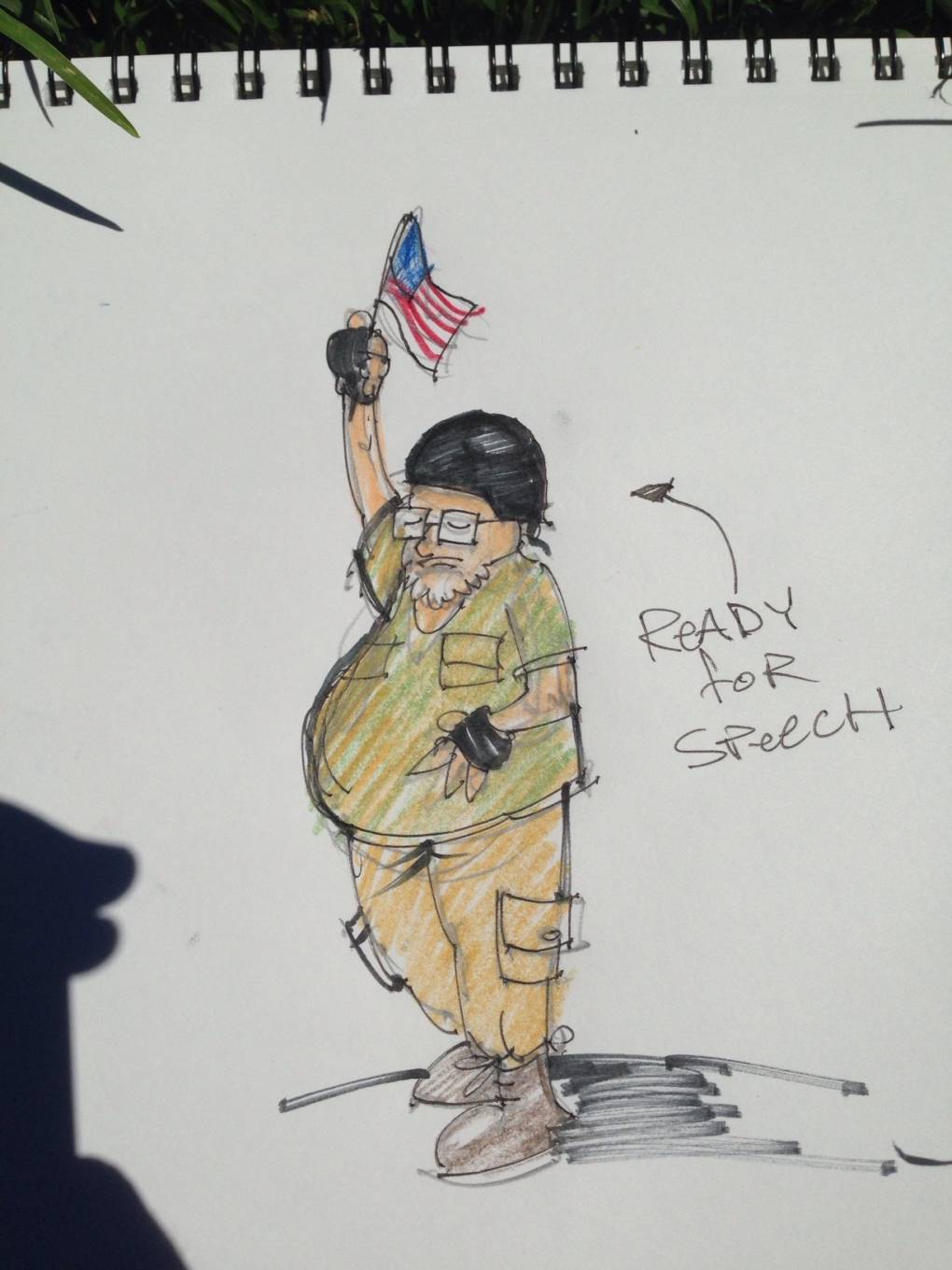
"caption": "\"Ready for Speech\"",
"description": null,
"title": "ReadyforSpeech-qut",
"credit": "Mark Fiore/KQED",
"status": "inherit",
"isLoading": false,
"fetchFailed": false
},
"news_11428738": {
"type": "attachments",
"id": "news_11428738",
"meta": {
"index": "attachments_1716263798",
"site": "news",
"id": "11428738",
"found": true
},
"parent": 11428075,
"imgSizes": {
"small": {
"file": "https://ww2.kqed.org/app/uploads/sites/10/2017/04/DSC_c4951-3-520x346.jpg",
"width": 520,
"mimeType": "image/jpeg",
"height": 346
},
"twentyfourteen-full-width": {
"file": "https://ww2.kqed.org/app/uploads/sites/10/2017/04/DSC_c4951-3-1038x576.jpg",
"width": 1038,
"mimeType": "image/jpeg",
"height": 576
},
"thumbnail": {
"file": "https://ww2.kqed.org/app/uploads/sites/10/2017/04/DSC_c4951-3-160x106.jpg",
"width": 160,
"mimeType": "image/jpeg",
"height": 106
},
"fd-sm": {
"file": "https://ww2.kqed.org/app/uploads/sites/10/2017/04/DSC_c4951-3-960x639.jpg",
"width": 960,
"mimeType": "image/jpeg",
"height": 639
},
"post-thumbnail": {
"file": "https://ww2.kqed.org/app/uploads/sites/10/2017/04/DSC_c4951-3-672x372.jpg",
"width": 672,
"mimeType": "image/jpeg",
"height": 372
},
"xsmall": {
"file": "https://ww2.kqed.org/app/uploads/sites/10/2017/04/DSC_c4951-3-375x250.jpg",
"width": 375,
"mimeType": "image/jpeg",
"height": 250
},
"kqedFullSize": {
"file": "https://ww2.kqed.org/app/uploads/sites/10/2017/04/DSC_c4951-3.jpg",
"width": 4016,
"height": 2672
},
"large": {
"file": "https://ww2.kqed.org/app/uploads/sites/10/2017/04/DSC_c4951-3-1020x679.jpg",
"width": 1020,
"mimeType": "image/jpeg",
"height": 679
},
"xlarge": {
"file": "https://ww2.kqed.org/app/uploads/sites/10/2017/04/DSC_c4951-3-1180x785.jpg",
"width": 1180,
"mimeType": "image/jpeg",
"height": 785
},
"guest-author-50": {
"file": "https://ww2.kqed.org/app/uploads/sites/10/2017/04/DSC_c4951-3-50x50.jpg",
"width": 50,
"mimeType": "image/jpeg",
"height": 50
},
"guest-author-96": {
"file": "https://ww2.kqed.org/app/uploads/sites/10/2017/04/DSC_c4951-3-96x96.jpg",
"width": 96,
"mimeType": "image/jpeg",
"height": 96
},
"medium": {
"file": "https://ww2.kqed.org/app/uploads/sites/10/2017/04/DSC_c4951-3-800x532.jpg",
"width": 800,
"mimeType": "image/jpeg",
"height": 532
},
"guest-author-64": {
"file": "https://ww2.kqed.org/app/uploads/sites/10/2017/04/DSC_c4951-3-64x64.jpg",
"width": 64,
"mimeType": "image/jpeg",
"height": 64
},
"guest-author-32": {
"file": "https://ww2.kqed.org/app/uploads/sites/10/2017/04/DSC_c4951-3-32x32.jpg",
"width": 32,
"mimeType": "image/jpeg",
"height": 32
},
"fd-lrg": {
"file": "https://ww2.kqed.org/app/uploads/sites/10/2017/04/DSC_c4951-3-1920x1277.jpg",
"width": 1920,
"mimeType": "image/jpeg",
"height": 1277
},
"fd-med": {
"file": "https://ww2.kqed.org/app/uploads/sites/10/2017/04/DSC_c4951-3-1180x785.jpg",
"width": 1180,
"mimeType": "image/jpeg",
"height": 785
},
"full-width": {
"file": "https://ww2.kqed.org/app/uploads/sites/10/2017/04/DSC_c4951-3-1920x1277.jpg",
"width": 1920,
"mimeType": "image/jpeg",
"height": 1277
},
"detail": {
"file": "https://ww2.kqed.org/app/uploads/sites/10/2017/04/DSC_c4951-3-150x150.jpg",
"width": 150,
"mimeType": "image/jpeg",
"height": 150
},
"guest-author-128": {
"file": "https://ww2.kqed.org/app/uploads/sites/10/2017/04/DSC_c4951-3-128x128.jpg",
"width": 128,
"mimeType": "image/jpeg",
"height": 128
},
"xxsmall": {
"file": "https://ww2.kqed.org/app/uploads/sites/10/2017/04/DSC_c4951-3-240x160.jpg",
"width": 240,
"mimeType": "image/jpeg",
"height": 160
}
},
"publishDate": 1493260531,
"modified": 1493265495,
"caption": "San Francisco City Hall is lit up green for St. Patrick's Day.",
"description": "San Francisco City Hall is lit up green for St. Patrick's Day.",
"title": "DSC_c4951 (3)",
"credit": "Blair Wells/KQED",
"status": "inherit",
"isLoading": false,
"fetchFailed": false
},
"news_11417349": {
"type": "attachments",
"id": "news_11417349",
"meta": {
"index": "attachments_1716263798",
"site": "news",
"id": "11417349",
"found": true
},
"parent": 11417348,
"imgSizes": {
"small": {
"file": "https://ww2.kqed.org/app/uploads/sites/10/2017/04/aarti-avatar_wide-3648ce0521597101e25b42e10265ee6f40d7a119-520x292.jpg",
"width": 520,
"mimeType": "image/jpeg",
"height": 292
},
"twentyfourteen-full-width": {
"file": "https://ww2.kqed.org/app/uploads/sites/10/2017/04/aarti-avatar_wide-3648ce0521597101e25b42e10265ee6f40d7a119-1038x576.jpg",
"width": 1038,
"mimeType": "image/jpeg",
"height": 576
},
"thumbnail": {
"file": "https://ww2.kqed.org/app/uploads/sites/10/2017/04/aarti-avatar_wide-3648ce0521597101e25b42e10265ee6f40d7a119-160x90.jpg",
"width": 160,
"mimeType": "image/jpeg",
"height": 90
},
"fd-sm": {
"file": "https://ww2.kqed.org/app/uploads/sites/10/2017/04/aarti-avatar_wide-3648ce0521597101e25b42e10265ee6f40d7a119-960x540.jpg",
"width": 960,
"mimeType": "image/jpeg",
"height": 540
},
"post-thumbnail": {
"file": "https://ww2.kqed.org/app/uploads/sites/10/2017/04/aarti-avatar_wide-3648ce0521597101e25b42e10265ee6f40d7a119-672x372.jpg",
"width": 672,
"mimeType": "image/jpeg",
"height": 372
},
"xsmall": {
"file": "https://ww2.kqed.org/app/uploads/sites/10/2017/04/aarti-avatar_wide-3648ce0521597101e25b42e10265ee6f40d7a119-375x211.jpg",
"width": 375,
"mimeType": "image/jpeg",
"height": 211
},
"kqedFullSize": {
"file": "https://ww2.kqed.org/app/uploads/sites/10/2017/04/aarti-avatar_wide-3648ce0521597101e25b42e10265ee6f40d7a119.jpg",
"width": 1698,
"height": 955
},
"large": {
"file": "https://ww2.kqed.org/app/uploads/sites/10/2017/04/aarti-avatar_wide-3648ce0521597101e25b42e10265ee6f40d7a119-1020x574.jpg",
"width": 1020,
"mimeType": "image/jpeg",
"height": 574
},
"xlarge": {
"file": "https://ww2.kqed.org/app/uploads/sites/10/2017/04/aarti-avatar_wide-3648ce0521597101e25b42e10265ee6f40d7a119-1180x664.jpg",
"width": 1180,
"mimeType": "image/jpeg",
"height": 664
},
"guest-author-50": {
"file": "https://ww2.kqed.org/app/uploads/sites/10/2017/04/aarti-avatar_wide-3648ce0521597101e25b42e10265ee6f40d7a119-50x50.jpg",
"width": 50,
"mimeType": "image/jpeg",
"height": 50
},
"guest-author-96": {
"file": "https://ww2.kqed.org/app/uploads/sites/10/2017/04/aarti-avatar_wide-3648ce0521597101e25b42e10265ee6f40d7a119-96x96.jpg",
"width": 96,
"mimeType": "image/jpeg",
"height": 96
},
"medium": {
"file": "https://ww2.kqed.org/app/uploads/sites/10/2017/04/aarti-avatar_wide-3648ce0521597101e25b42e10265ee6f40d7a119-800x450.jpg",
"width": 800,
"mimeType": "image/jpeg",
"height": 450
},
"guest-author-64": {
"file": "https://ww2.kqed.org/app/uploads/sites/10/2017/04/aarti-avatar_wide-3648ce0521597101e25b42e10265ee6f40d7a119-64x64.jpg",
"width": 64,
"mimeType": "image/jpeg",
"height": 64
},
"guest-author-32": {
"file": "https://ww2.kqed.org/app/uploads/sites/10/2017/04/aarti-avatar_wide-3648ce0521597101e25b42e10265ee6f40d7a119-32x32.jpg",
"width": 32,
"mimeType": "image/jpeg",
"height": 32
},
"fd-med": {
"file": "https://ww2.kqed.org/app/uploads/sites/10/2017/04/aarti-avatar_wide-3648ce0521597101e25b42e10265ee6f40d7a119-1180x664.jpg",
"width": 1180,
"mimeType": "image/jpeg",
"height": 664
},
"detail": {
"file": "https://ww2.kqed.org/app/uploads/sites/10/2017/04/aarti-avatar_wide-3648ce0521597101e25b42e10265ee6f40d7a119-150x150.jpg",
"width": 150,
"mimeType": "image/jpeg",
"height": 150
},
"guest-author-128": {
"file": "https://ww2.kqed.org/app/uploads/sites/10/2017/04/aarti-avatar_wide-3648ce0521597101e25b42e10265ee6f40d7a119-128x128.jpg",
"width": 128,
"mimeType": "image/jpeg",
"height": 128
},
"xxsmall": {
"file": "https://ww2.kqed.org/app/uploads/sites/10/2017/04/aarti-avatar_wide-3648ce0521597101e25b42e10265ee6f40d7a119-240x135.jpg",
"width": 240,
"mimeType": "image/jpeg",
"height": 135
}
},
"publishDate": 1492652513,
"modified": 1492653011,
"caption": "NPR reporter Aarti Shahani tested Facebook's new social VR platform. She requested an older avatar to represent her, but that was not available. Her guide \"Phil\" had her tour virtual cherry blossoms.",
"description": "NPR reporter Aarti Shahani tested Facebook's new social VR platform. She requested an older avatar to represent her, but that was not available. Her guide \"Phil\" had her tour virtual cherry blossoms.",
"title": "NPR reporter Aarti Shahani tested Facebook's new social VR platform. She requested an older avatar to represent her, but that was not available. Her guide \"Phil\" had her tour virtual cherry blossoms.",
"credit": "NPR",
"status": "inherit",
"isLoading": false,
"fetchFailed": false
},
"news_11407672": {
"type": "attachments",
"id": "news_11407672",
"meta": {
"index": "attachments_1716263798",
"site": "news",
"id": "11407672",
"found": true
},
"parent": 11407606,
"imgSizes": {
"small": {
"file": "https://ww2.kqed.org/app/uploads/sites/10/2017/04/Masters_Blue_Skylight_Cover-520x475.png",
"width": 520,
"mimeType": "image/png",
"height": 475
},
"twentyfourteen-full-width": {
"file": "https://ww2.kqed.org/app/uploads/sites/10/2017/04/Masters_Blue_Skylight_Cover-836x576.png",
"width": 836,
"mimeType": "image/png",
"height": 576
},
"thumbnail": {
"file": "https://ww2.kqed.org/app/uploads/sites/10/2017/04/Masters_Blue_Skylight_Cover-160x146.png",
"width": 160,
"mimeType": "image/png",
"height": 146
},
"post-thumbnail": {
"file": "https://ww2.kqed.org/app/uploads/sites/10/2017/04/Masters_Blue_Skylight_Cover-672x372.png",
"width": 672,
"mimeType": "image/png",
"height": 372
},
"xsmall": {
"file": "https://ww2.kqed.org/app/uploads/sites/10/2017/04/Masters_Blue_Skylight_Cover-375x342.png",
"width": 375,
"mimeType": "image/png",
"height": 342
},
"kqedFullSize": {
"file": "https://ww2.kqed.org/app/uploads/sites/10/2017/04/Masters_Blue_Skylight_Cover.png",
"width": 836,
"height": 763
},
"guest-author-50": {
"file": "https://ww2.kqed.org/app/uploads/sites/10/2017/04/Masters_Blue_Skylight_Cover-50x50.png",
"width": 50,
"mimeType": "image/png",
"height": 50
},
"guest-author-96": {
"file": "https://ww2.kqed.org/app/uploads/sites/10/2017/04/Masters_Blue_Skylight_Cover-96x96.png",
"width": 96,
"mimeType": "image/png",
"height": 96
},
"medium": {
"file": "https://ww2.kqed.org/app/uploads/sites/10/2017/04/Masters_Blue_Skylight_Cover-800x730.png",
"width": 800,
"mimeType": "image/png",
"height": 730
},
"guest-author-64": {
"file": "https://ww2.kqed.org/app/uploads/sites/10/2017/04/Masters_Blue_Skylight_Cover-64x64.png",
"width": 64,
"mimeType": "image/png",
"height": 64
},
"guest-author-32": {
"file": "https://ww2.kqed.org/app/uploads/sites/10/2017/04/Masters_Blue_Skylight_Cover-32x32.png",
"width": 32,
"mimeType": "image/png",
"height": 32
},
"detail": {
"file": "https://ww2.kqed.org/app/uploads/sites/10/2017/04/Masters_Blue_Skylight_Cover-150x150.png",
"width": 150,
"mimeType": "image/png",
"height": 150
},
"guest-author-128": {
"file": "https://ww2.kqed.org/app/uploads/sites/10/2017/04/Masters_Blue_Skylight_Cover-128x128.png",
"width": 128,
"mimeType": "image/png",
"height": 128
},
"xxsmall": {
"file": "https://ww2.kqed.org/app/uploads/sites/10/2017/04/Masters_Blue_Skylight_Cover-240x219.png",
"width": 240,
"mimeType": "image/png",
"height": 219
}
},
"publishDate": 1492149643,
"modified": 1492149643,
"caption": null,
"description": null,
"title": "Masters_Blue_Skylight_Cover",
"credit": null,
"status": "inherit",
"isLoading": false,
"fetchFailed": false
},
"news_11394955": {
"type": "attachments",
"id": "news_11394955",
"meta": {
"index": "attachments_1716263798",
"site": "news",
"id": "11394955",
"found": true
},
"parent": 11305905,
"imgSizes": {
"small": {
"file": "https://ww2.kqed.org/app/uploads/sites/10/2017/02/RS24068_A-new-full-patch-Hells-Angel-qut-520x364.jpg",
"width": 520,
"mimeType": "image/jpeg",
"height": 364
},
"twentyfourteen-full-width": {
"file": "https://ww2.kqed.org/app/uploads/sites/10/2017/02/RS24068_A-new-full-patch-Hells-Angel-qut-1038x576.jpg",
"width": 1038,
"mimeType": "image/jpeg",
"height": 576
},
"thumbnail": {
"file": "https://ww2.kqed.org/app/uploads/sites/10/2017/02/RS24068_A-new-full-patch-Hells-Angel-qut-160x112.jpg",
"width": 160,
"mimeType": "image/jpeg",
"height": 112
},
"fd-sm": {
"file": "https://ww2.kqed.org/app/uploads/sites/10/2017/02/RS24068_A-new-full-patch-Hells-Angel-qut-960x672.jpg",
"width": 960,
"mimeType": "image/jpeg",
"height": 672
},
"post-thumbnail": {
"file": "https://ww2.kqed.org/app/uploads/sites/10/2017/02/RS24068_A-new-full-patch-Hells-Angel-qut-672x372.jpg",
"width": 672,
"mimeType": "image/jpeg",
"height": 372
},
"xsmall": {
"file": "https://ww2.kqed.org/app/uploads/sites/10/2017/02/RS24068_A-new-full-patch-Hells-Angel-qut-375x263.jpg",
"width": 375,
"mimeType": "image/jpeg",
"height": 263
},
"kqedFullSize": {
"file": "https://ww2.kqed.org/app/uploads/sites/10/2017/02/RS24068_A-new-full-patch-Hells-Angel-qut.jpg",
"width": 1920,
"height": 1344
},
"large": {
"file": "https://ww2.kqed.org/app/uploads/sites/10/2017/02/RS24068_A-new-full-patch-Hells-Angel-qut-1020x714.jpg",
"width": 1020,
"mimeType": "image/jpeg",
"height": 714
},
"xlarge": {
"file": "https://ww2.kqed.org/app/uploads/sites/10/2017/02/RS24068_A-new-full-patch-Hells-Angel-qut-1180x826.jpg",
"width": 1180,
"mimeType": "image/jpeg",
"height": 826
},
"guest-author-50": {
"file": "https://ww2.kqed.org/app/uploads/sites/10/2017/02/RS24068_A-new-full-patch-Hells-Angel-qut-50x50.jpg",
"width": 50,
"mimeType": "image/jpeg",
"height": 50
},
"guest-author-96": {
"file": "https://ww2.kqed.org/app/uploads/sites/10/2017/02/RS24068_A-new-full-patch-Hells-Angel-qut-96x96.jpg",
"width": 96,
"mimeType": "image/jpeg",
"height": 96
},
"medium": {
"file": "https://ww2.kqed.org/app/uploads/sites/10/2017/02/RS24068_A-new-full-patch-Hells-Angel-qut-800x560.jpg",
"width": 800,
"mimeType": "image/jpeg",
"height": 560
},
"guest-author-64": {
"file": "https://ww2.kqed.org/app/uploads/sites/10/2017/02/RS24068_A-new-full-patch-Hells-Angel-qut-64x64.jpg",
"width": 64,
"mimeType": "image/jpeg",
"height": 64
},
"guest-author-32": {
"file": "https://ww2.kqed.org/app/uploads/sites/10/2017/02/RS24068_A-new-full-patch-Hells-Angel-qut-32x32.jpg",
"width": 32,
"mimeType": "image/jpeg",
"height": 32
},
"fd-lrg": {
"file": "https://ww2.kqed.org/app/uploads/sites/10/2017/02/RS24068_A-new-full-patch-Hells-Angel-qut-1920x1344.jpg",
"width": 1920,
"mimeType": "image/jpeg",
"height": 1344
},
"fd-med": {
"file": "https://ww2.kqed.org/app/uploads/sites/10/2017/02/RS24068_A-new-full-patch-Hells-Angel-qut-1180x826.jpg",
"width": 1180,
"mimeType": "image/jpeg",
"height": 826
},
"full-width": {
"file": "https://ww2.kqed.org/app/uploads/sites/10/2017/02/RS24068_A-new-full-patch-Hells-Angel-qut-1920x1344.jpg",
"width": 1920,
"mimeType": "image/jpeg",
"height": 1344
},
"detail": {
"file": "https://ww2.kqed.org/app/uploads/sites/10/2017/02/RS24068_A-new-full-patch-Hells-Angel-qut-150x150.jpg",
"width": 150,
"mimeType": "image/jpeg",
"height": 150
},
"guest-author-128": {
"file": "https://ww2.kqed.org/app/uploads/sites/10/2017/02/RS24068_A-new-full-patch-Hells-Angel-qut-128x128.jpg",
"width": 128,
"mimeType": "image/jpeg",
"height": 128
},
"xxsmall": {
"file": "https://ww2.kqed.org/app/uploads/sites/10/2017/02/RS24068_A-new-full-patch-Hells-Angel-qut-240x168.jpg",
"width": 240,
"mimeType": "image/jpeg",
"height": 168
}
},
"publishDate": 1491498496,
"modified": 1492117572,
"caption": "Former Hells Angel George Christie shortly after becoming a full-fledged member of the outlaw biker gang in 1976.",
"description": "Former Hells Angel George Christie shortly after becoming a full-fledged member of the outlaw biker gang in 1976.",
"title": "RS24068_A new full-patch Hells Angel-qut",
"credit": "Courtesy George Christie",
"status": "inherit",
"isLoading": false,
"fetchFailed": false
},
"news_11405206": {
"type": "attachments",
"id": "news_11405206",
"meta": {
"index": "attachments_1716263798",
"site": "news",
"id": "11405206",
"found": true
},
"parent": 11405121,
"imgSizes": {
"small": {
"file": "https://ww2.kqed.org/app/uploads/sites/10/2017/04/silence-520x278.png",
"width": 520,
"mimeType": "image/png",
"height": 278
},
"twentyfourteen-full-width": {
"file": "https://ww2.kqed.org/app/uploads/sites/10/2017/04/silence-1038x576.png",
"width": 1038,
"mimeType": "image/png",
"height": 576
},
"thumbnail": {
"file": "https://ww2.kqed.org/app/uploads/sites/10/2017/04/silence-160x86.png",
"width": 160,
"mimeType": "image/png",
"height": 86
},
"fd-sm": {
"file": "https://ww2.kqed.org/app/uploads/sites/10/2017/04/silence-960x514.png",
"width": 960,
"mimeType": "image/png",
"height": 514
},
"post-thumbnail": {
"file": "https://ww2.kqed.org/app/uploads/sites/10/2017/04/silence-672x372.png",
"width": 672,
"mimeType": "image/png",
"height": 372
},
"xsmall": {
"file": "https://ww2.kqed.org/app/uploads/sites/10/2017/04/silence-375x201.png",
"width": 375,
"mimeType": "image/png",
"height": 201
},
"kqedFullSize": {
"file": "https://ww2.kqed.org/app/uploads/sites/10/2017/04/silence.png",
"width": 3195,
"height": 1710
},
"large": {
"file": "https://ww2.kqed.org/app/uploads/sites/10/2017/04/silence-1020x546.png",
"width": 1020,
"mimeType": "image/png",
"height": 546
},
"xlarge": {
"file": "https://ww2.kqed.org/app/uploads/sites/10/2017/04/silence-1180x632.png",
"width": 1180,
"mimeType": "image/png",
"height": 632
},
"guest-author-50": {
"file": "https://ww2.kqed.org/app/uploads/sites/10/2017/04/silence-50x50.png",
"width": 50,
"mimeType": "image/png",
"height": 50
},
"guest-author-96": {
"file": "https://ww2.kqed.org/app/uploads/sites/10/2017/04/silence-96x96.png",
"width": 96,
"mimeType": "image/png",
"height": 96
},
"medium": {
"file": "https://ww2.kqed.org/app/uploads/sites/10/2017/04/silence-800x428.png",
"width": 800,
"mimeType": "image/png",
"height": 428
},
"guest-author-64": {
"file": "https://ww2.kqed.org/app/uploads/sites/10/2017/04/silence-64x64.png",
"width": 64,
"mimeType": "image/png",
"height": 64
},
"guest-author-32": {
"file": "https://ww2.kqed.org/app/uploads/sites/10/2017/04/silence-32x32.png",
"width": 32,
"mimeType": "image/png",
"height": 32
},
"fd-lrg": {
"file": "https://ww2.kqed.org/app/uploads/sites/10/2017/04/silence-1920x1028.png",
"width": 1920,
"mimeType": "image/png",
"height": 1028
},
"fd-med": {
"file": "https://ww2.kqed.org/app/uploads/sites/10/2017/04/silence-1180x632.png",
"width": 1180,
"mimeType": "image/png",
"height": 632
},
"full-width": {
"file": "https://ww2.kqed.org/app/uploads/sites/10/2017/04/silence-1920x1028.png",
"width": 1920,
"mimeType": "image/png",
"height": 1028
},
"detail": {
"file": "https://ww2.kqed.org/app/uploads/sites/10/2017/04/silence-150x150.png",
"width": 150,
"mimeType": "image/png",
"height": 150
},
"guest-author-128": {
"file": "https://ww2.kqed.org/app/uploads/sites/10/2017/04/silence-128x128.png",
"width": 128,
"mimeType": "image/png",
"height": 128
},
"xxsmall": {
"file": "https://ww2.kqed.org/app/uploads/sites/10/2017/04/silence-240x128.png",
"width": 240,
"mimeType": "image/png",
"height": 128
}
},
"publishDate": 1492025370,
"modified": 1492025413,
"caption": "When Matt Hay learned he would go deaf in his 20s, he memorized a soundtrack of his life to help capture the memories attached to those songs - like the first time he fell in love. And when doctors said a device could help him return to the world of sound, he used those same songs to help him, using the positive feelings that the music inspired to fire up his brain to hear.",
"description": null,
"title": "silence",
"credit": "Mark Fiore/KQED",
"status": "inherit",
"isLoading": false,
"fetchFailed": false
},
"news_11403682": {
"type": "attachments",
"id": "news_11403682",
"meta": {
"index": "attachments_1716263798",
"site": "news",
"id": "11403682",
"found": true
},
"parent": 11403611,
"imgSizes": {
"small": {
"file": "https://ww2.kqed.org/app/uploads/sites/10/2017/04/JonestownGrave-520x323.jpg",
"width": 520,
"mimeType": "image/jpeg",
"height": 323
},
"twentyfourteen-full-width": {
"file": "https://ww2.kqed.org/app/uploads/sites/10/2017/04/JonestownGrave-1038x576.jpg",
"width": 1038,
"mimeType": "image/jpeg",
"height": 576
},
"thumbnail": {
"file": "https://ww2.kqed.org/app/uploads/sites/10/2017/04/JonestownGrave-160x99.jpg",
"width": 160,
"mimeType": "image/jpeg",
"height": 99
},
"fd-sm": {
"file": "https://ww2.kqed.org/app/uploads/sites/10/2017/04/JonestownGrave-960x596.jpg",
"width": 960,
"mimeType": "image/jpeg",
"height": 596
},
"post-thumbnail": {
"file": "https://ww2.kqed.org/app/uploads/sites/10/2017/04/JonestownGrave-672x372.jpg",
"width": 672,
"mimeType": "image/jpeg",
"height": 372
},
"xsmall": {
"file": "https://ww2.kqed.org/app/uploads/sites/10/2017/04/JonestownGrave-375x233.jpg",
"width": 375,
"mimeType": "image/jpeg",
"height": 233
},
"kqedFullSize": {
"file": "https://ww2.kqed.org/app/uploads/sites/10/2017/04/JonestownGrave.jpg",
"width": 1920,
"height": 1191
},
"large": {
"file": "https://ww2.kqed.org/app/uploads/sites/10/2017/04/JonestownGrave-1020x633.jpg",
"width": 1020,
"mimeType": "image/jpeg",
"height": 633
},
"xlarge": {
"file": "https://ww2.kqed.org/app/uploads/sites/10/2017/04/JonestownGrave-1180x732.jpg",
"width": 1180,
"mimeType": "image/jpeg",
"height": 732
},
"guest-author-50": {
"file": "https://ww2.kqed.org/app/uploads/sites/10/2017/04/JonestownGrave-50x50.jpg",
"width": 50,
"mimeType": "image/jpeg",
"height": 50
},
"guest-author-96": {
"file": "https://ww2.kqed.org/app/uploads/sites/10/2017/04/JonestownGrave-96x96.jpg",
"width": 96,
"mimeType": "image/jpeg",
"height": 96
},
"medium": {
"file": "https://ww2.kqed.org/app/uploads/sites/10/2017/04/JonestownGrave-800x496.jpg",
"width": 800,
"mimeType": "image/jpeg",
"height": 496
},
"guest-author-64": {
"file": "https://ww2.kqed.org/app/uploads/sites/10/2017/04/JonestownGrave-64x64.jpg",
"width": 64,
"mimeType": "image/jpeg",
"height": 64
},
"guest-author-32": {
"file": "https://ww2.kqed.org/app/uploads/sites/10/2017/04/JonestownGrave-32x32.jpg",
"width": 32,
"mimeType": "image/jpeg",
"height": 32
},
"fd-lrg": {
"file": "https://ww2.kqed.org/app/uploads/sites/10/2017/04/JonestownGrave-1920x1191.jpg",
"width": 1920,
"mimeType": "image/jpeg",
"height": 1191
},
"fd-med": {
"file": "https://ww2.kqed.org/app/uploads/sites/10/2017/04/JonestownGrave-1180x732.jpg",
"width": 1180,
"mimeType": "image/jpeg",
"height": 732
},
"full-width": {
"file": "https://ww2.kqed.org/app/uploads/sites/10/2017/04/JonestownGrave-1920x1191.jpg",
"width": 1920,
"mimeType": "image/jpeg",
"height": 1191
},
"detail": {
"file": "https://ww2.kqed.org/app/uploads/sites/10/2017/04/JonestownGrave-150x150.jpg",
"width": 150,
"mimeType": "image/jpeg",
"height": 150
},
"guest-author-128": {
"file": "https://ww2.kqed.org/app/uploads/sites/10/2017/04/JonestownGrave-128x128.jpg",
"width": 128,
"mimeType": "image/jpeg",
"height": 128
},
"xxsmall": {
"file": "https://ww2.kqed.org/app/uploads/sites/10/2017/04/JonestownGrave-240x149.jpg",
"width": 240,
"mimeType": "image/jpeg",
"height": 149
}
},
"publishDate": 1491942824,
"modified": 1491942866,
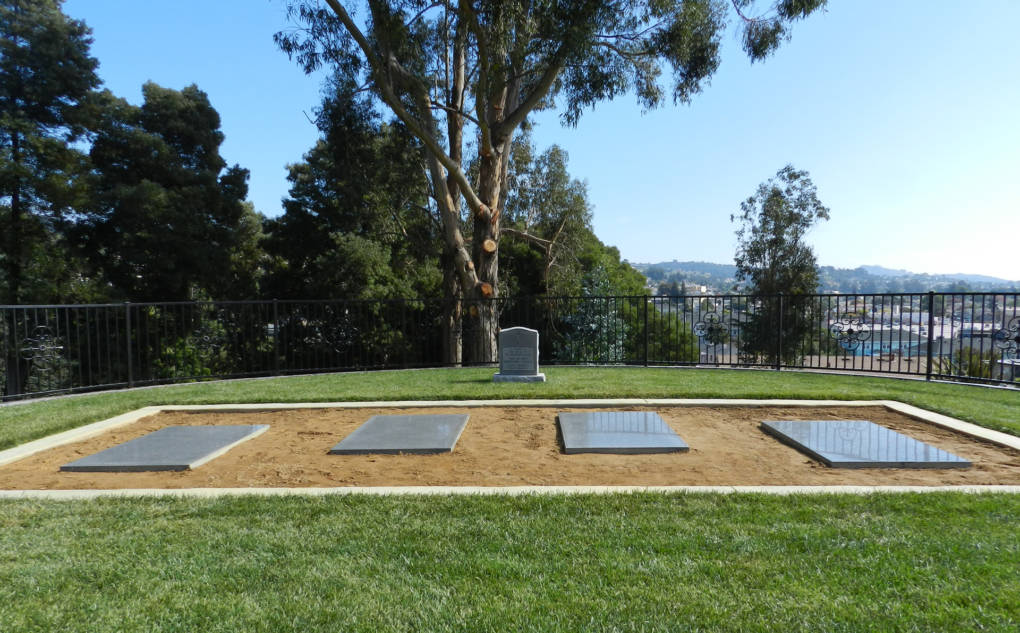
"caption": "The mass grave of more than 400 Jonestown victims at Oakland’s Evergreen Cemetery. ",
"description": "The mass grave of more than 400 Jonestown victims at Oakland’s Evergreen Cemetery. ",
"title": "JonestownGrave",
"credit": "Wikimedia Commons",
"status": "inherit",
"isLoading": false,
"fetchFailed": false
},
"news_11397634": {
"type": "attachments",
"id": "news_11397634",
"meta": {
"index": "attachments_1716263798",
"site": "news",
"id": "11397634",
"found": true
},
"parent": 11397633,
"imgSizes": {
"small": {
"file": "https://ww2.kqed.org/app/uploads/sites/10/2017/04/PROPHET-MARQUEE-520x293.jpg",
"width": 520,
"mimeType": "image/jpeg",
"height": 293
},
"twentyfourteen-full-width": {
"file": "https://ww2.kqed.org/app/uploads/sites/10/2017/04/PROPHET-MARQUEE-1038x576.jpg",
"width": 1038,
"mimeType": "image/jpeg",
"height": 576
},
"thumbnail": {
"file": "https://ww2.kqed.org/app/uploads/sites/10/2017/04/PROPHET-MARQUEE-160x90.jpg",
"width": 160,
"mimeType": "image/jpeg",
"height": 90
},
"fd-sm": {
"file": "https://ww2.kqed.org/app/uploads/sites/10/2017/04/PROPHET-MARQUEE-960x540.jpg",
"width": 960,
"mimeType": "image/jpeg",
"height": 540
},
"post-thumbnail": {
"file": "https://ww2.kqed.org/app/uploads/sites/10/2017/04/PROPHET-MARQUEE-672x372.jpg",
"width": 672,
"mimeType": "image/jpeg",
"height": 372
},
"xsmall": {
"file": "https://ww2.kqed.org/app/uploads/sites/10/2017/04/PROPHET-MARQUEE-375x211.jpg",
"width": 375,
"mimeType": "image/jpeg",
"height": 211
},
"kqedFullSize": {
"file": "https://ww2.kqed.org/app/uploads/sites/10/2017/04/PROPHET-MARQUEE.jpg",
"width": 1280,
"height": 720
},
"large": {
"file": "https://ww2.kqed.org/app/uploads/sites/10/2017/04/PROPHET-MARQUEE-1020x574.jpg",
"width": 1020,
"mimeType": "image/jpeg",
"height": 574
},
"xlarge": {
"file": "https://ww2.kqed.org/app/uploads/sites/10/2017/04/PROPHET-MARQUEE-1180x664.jpg",
"width": 1180,
"mimeType": "image/jpeg",
"height": 664
},
"guest-author-50": {
"file": "https://ww2.kqed.org/app/uploads/sites/10/2017/04/PROPHET-MARQUEE-50x50.jpg",
"width": 50,
"mimeType": "image/jpeg",
"height": 50
},
"guest-author-96": {
"file": "https://ww2.kqed.org/app/uploads/sites/10/2017/04/PROPHET-MARQUEE-96x96.jpg",
"width": 96,
"mimeType": "image/jpeg",
"height": 96
},
"medium": {
"file": "https://ww2.kqed.org/app/uploads/sites/10/2017/04/PROPHET-MARQUEE-800x450.jpg",
"width": 800,
"mimeType": "image/jpeg",
"height": 450
},
"guest-author-64": {
"file": "https://ww2.kqed.org/app/uploads/sites/10/2017/04/PROPHET-MARQUEE-64x64.jpg",
"width": 64,
"mimeType": "image/jpeg",
"height": 64
},
"guest-author-32": {
"file": "https://ww2.kqed.org/app/uploads/sites/10/2017/04/PROPHET-MARQUEE-32x32.jpg",
"width": 32,
"mimeType": "image/jpeg",
"height": 32
},
"fd-med": {
"file": "https://ww2.kqed.org/app/uploads/sites/10/2017/04/PROPHET-MARQUEE-1180x664.jpg",
"width": 1180,
"mimeType": "image/jpeg",
"height": 664
},
"detail": {
"file": "https://ww2.kqed.org/app/uploads/sites/10/2017/04/PROPHET-MARQUEE-150x150.jpg",
"width": 150,
"mimeType": "image/jpeg",
"height": 150
},
"guest-author-128": {
"file": "https://ww2.kqed.org/app/uploads/sites/10/2017/04/PROPHET-MARQUEE-128x128.jpg",
"width": 128,
"mimeType": "image/jpeg",
"height": 128
},
"xxsmall": {
"file": "https://ww2.kqed.org/app/uploads/sites/10/2017/04/PROPHET-MARQUEE-240x135.jpg",
"width": 240,
"mimeType": "image/jpeg",
"height": 135
}
},
"publishDate": 1491615845,
"modified": 1491615845,
"caption": null,
"description": null,
"title": "PROPHET MARQUEE",
"credit": null,
"status": "inherit",
"isLoading": false,
"fetchFailed": false
},
"news_11372993": {
"type": "attachments",
"id": "news_11372993",
"meta": {
"index": "attachments_1716263798",
"site": "news",
"id": "11372993",
"found": true
},
"parent": 11370072,
"imgSizes": {
"small": {
"file": "https://ww2.kqed.org/app/uploads/sites/10/2017/03/RS24731_Quetzal-Promo-Photo-2011-2-qut-520x389.jpg",
"width": 520,
"mimeType": "image/jpeg",
"height": 389
},
"twentyfourteen-full-width": {
"file": "https://ww2.kqed.org/app/uploads/sites/10/2017/03/RS24731_Quetzal-Promo-Photo-2011-2-qut-1038x576.jpg",
"width": 1038,
"mimeType": "image/jpeg",
"height": 576
},
"thumbnail": {
"file": "https://ww2.kqed.org/app/uploads/sites/10/2017/03/RS24731_Quetzal-Promo-Photo-2011-2-qut-160x120.jpg",
"width": 160,
"mimeType": "image/jpeg",
"height": 120
},
"fd-sm": {
"file": "https://ww2.kqed.org/app/uploads/sites/10/2017/03/RS24731_Quetzal-Promo-Photo-2011-2-qut-960x719.jpg",
"width": 960,
"mimeType": "image/jpeg",
"height": 719
},
"post-thumbnail": {
"file": "https://ww2.kqed.org/app/uploads/sites/10/2017/03/RS24731_Quetzal-Promo-Photo-2011-2-qut-672x372.jpg",
"width": 672,
"mimeType": "image/jpeg",
"height": 372
},
"xsmall": {
"file": "https://ww2.kqed.org/app/uploads/sites/10/2017/03/RS24731_Quetzal-Promo-Photo-2011-2-qut-375x281.jpg",
"width": 375,
"mimeType": "image/jpeg",
"height": 281
},
"kqedFullSize": {
"file": "https://ww2.kqed.org/app/uploads/sites/10/2017/03/RS24731_Quetzal-Promo-Photo-2011-2-qut.jpg",
"width": 1920,
"height": 1437
},
"large": {
"file": "https://ww2.kqed.org/app/uploads/sites/10/2017/03/RS24731_Quetzal-Promo-Photo-2011-2-qut-1020x763.jpg",
"width": 1020,
"mimeType": "image/jpeg",
"height": 763
},
"xlarge": {
"file": "https://ww2.kqed.org/app/uploads/sites/10/2017/03/RS24731_Quetzal-Promo-Photo-2011-2-qut-1180x883.jpg",
"width": 1180,
"mimeType": "image/jpeg",
"height": 883
},
"guest-author-50": {
"file": "https://ww2.kqed.org/app/uploads/sites/10/2017/03/RS24731_Quetzal-Promo-Photo-2011-2-qut-50x50.jpg",
"width": 50,
"mimeType": "image/jpeg",
"height": 50
},
"guest-author-96": {
"file": "https://ww2.kqed.org/app/uploads/sites/10/2017/03/RS24731_Quetzal-Promo-Photo-2011-2-qut-96x96.jpg",
"width": 96,
"mimeType": "image/jpeg",
"height": 96
},
"medium": {
"file": "https://ww2.kqed.org/app/uploads/sites/10/2017/03/RS24731_Quetzal-Promo-Photo-2011-2-qut-800x599.jpg",
"width": 800,
"mimeType": "image/jpeg",
"height": 599
},
"guest-author-64": {
"file": "https://ww2.kqed.org/app/uploads/sites/10/2017/03/RS24731_Quetzal-Promo-Photo-2011-2-qut-64x64.jpg",
"width": 64,
"mimeType": "image/jpeg",
"height": 64
},
"guest-author-32": {
"file": "https://ww2.kqed.org/app/uploads/sites/10/2017/03/RS24731_Quetzal-Promo-Photo-2011-2-qut-32x32.jpg",
"width": 32,
"mimeType": "image/jpeg",
"height": 32
},
"fd-lrg": {
"file": "https://ww2.kqed.org/app/uploads/sites/10/2017/03/RS24731_Quetzal-Promo-Photo-2011-2-qut-1920x1437.jpg",
"width": 1920,
"mimeType": "image/jpeg",
"height": 1437
},
"fd-med": {
"file": "https://ww2.kqed.org/app/uploads/sites/10/2017/03/RS24731_Quetzal-Promo-Photo-2011-2-qut-1180x883.jpg",
"width": 1180,
"mimeType": "image/jpeg",
"height": 883
},
"full-width": {
"file": "https://ww2.kqed.org/app/uploads/sites/10/2017/03/RS24731_Quetzal-Promo-Photo-2011-2-qut-1920x1437.jpg",
"width": 1920,
"mimeType": "image/jpeg",
"height": 1437
},
"detail": {
"file": "https://ww2.kqed.org/app/uploads/sites/10/2017/03/RS24731_Quetzal-Promo-Photo-2011-2-qut-150x150.jpg",
"width": 150,
"mimeType": "image/jpeg",
"height": 150
},
"guest-author-128": {
"file": "https://ww2.kqed.org/app/uploads/sites/10/2017/03/RS24731_Quetzal-Promo-Photo-2011-2-qut-128x128.jpg",
"width": 128,
"mimeType": "image/jpeg",
"height": 128
},
"xxsmall": {
"file": "https://ww2.kqed.org/app/uploads/sites/10/2017/03/RS24731_Quetzal-Promo-Photo-2011-2-qut-240x180.jpg",
"width": 240,
"mimeType": "image/jpeg",
"height": 180
}
},
"publishDate": 1490314011,
"modified": 1490373439,
"caption": "Quetzal's new album doesn't shy away from strong social commentary.",
"description": null,
"title": "Quetzal",
"credit": "Photo courtesy of Quetzal",
"status": "inherit",
"isLoading": false,
"fetchFailed": false
},
"news_11374694": {
"type": "attachments",
"id": "news_11374694",
"meta": {
"index": "attachments_1716263798",
"site": "news",
"id": "11374694",
"found": true
},
"parent": 11374167,
"imgSizes": {
"small": {
"file": "https://ww2.kqed.org/app/uploads/sites/10/2017/03/SupremeJubileesMain4-520x280.jpg",
"width": 520,
"mimeType": "image/jpeg",
"height": 280
},
"twentyfourteen-full-width": {
"file": "https://ww2.kqed.org/app/uploads/sites/10/2017/03/SupremeJubileesMain4-1038x576.jpg",
"width": 1038,
"mimeType": "image/jpeg",
"height": 576
},
"thumbnail": {
"file": "https://ww2.kqed.org/app/uploads/sites/10/2017/03/SupremeJubileesMain4-160x86.jpg",
"width": 160,
"mimeType": "image/jpeg",
"height": 86
},
"fd-sm": {
"file": "https://ww2.kqed.org/app/uploads/sites/10/2017/03/SupremeJubileesMain4-960x517.jpg",
"width": 960,
"mimeType": "image/jpeg",
"height": 517
},
"post-thumbnail": {
"file": "https://ww2.kqed.org/app/uploads/sites/10/2017/03/SupremeJubileesMain4-672x372.jpg",
"width": 672,
"mimeType": "image/jpeg",
"height": 372
},
"xsmall": {
"file": "https://ww2.kqed.org/app/uploads/sites/10/2017/03/SupremeJubileesMain4-375x202.jpg",
"width": 375,
"mimeType": "image/jpeg",
"height": 202
},
"kqedFullSize": {
"file": "https://ww2.kqed.org/app/uploads/sites/10/2017/03/SupremeJubileesMain4.jpg",
"width": 1920,
"height": 1033
},
"large": {
"file": "https://ww2.kqed.org/app/uploads/sites/10/2017/03/SupremeJubileesMain4-1020x549.jpg",
"width": 1020,
"mimeType": "image/jpeg",
"height": 549
},
"xlarge": {
"file": "https://ww2.kqed.org/app/uploads/sites/10/2017/03/SupremeJubileesMain4-1180x635.jpg",
"width": 1180,
"mimeType": "image/jpeg",
"height": 635
},
"guest-author-50": {
"file": "https://ww2.kqed.org/app/uploads/sites/10/2017/03/SupremeJubileesMain4-50x50.jpg",
"width": 50,
"mimeType": "image/jpeg",
"height": 50
},
"guest-author-96": {
"file": "https://ww2.kqed.org/app/uploads/sites/10/2017/03/SupremeJubileesMain4-96x96.jpg",
"width": 96,
"mimeType": "image/jpeg",
"height": 96
},
"medium": {
"file": "https://ww2.kqed.org/app/uploads/sites/10/2017/03/SupremeJubileesMain4-800x430.jpg",
"width": 800,
"mimeType": "image/jpeg",
"height": 430
},
"guest-author-64": {
"file": "https://ww2.kqed.org/app/uploads/sites/10/2017/03/SupremeJubileesMain4-64x64.jpg",
"width": 64,
"mimeType": "image/jpeg",
"height": 64
},
"guest-author-32": {
"file": "https://ww2.kqed.org/app/uploads/sites/10/2017/03/SupremeJubileesMain4-32x32.jpg",
"width": 32,
"mimeType": "image/jpeg",
"height": 32
},
"fd-lrg": {
"file": "https://ww2.kqed.org/app/uploads/sites/10/2017/03/SupremeJubileesMain4-1920x1033.jpg",
"width": 1920,
"mimeType": "image/jpeg",
"height": 1033
},
"fd-med": {
"file": "https://ww2.kqed.org/app/uploads/sites/10/2017/03/SupremeJubileesMain4-1180x635.jpg",
"width": 1180,
"mimeType": "image/jpeg",
"height": 635
},
"full-width": {
"file": "https://ww2.kqed.org/app/uploads/sites/10/2017/03/SupremeJubileesMain4-1920x1033.jpg",
"width": 1920,
"mimeType": "image/jpeg",
"height": 1033
},
"detail": {
"file": "https://ww2.kqed.org/app/uploads/sites/10/2017/03/SupremeJubileesMain4-150x150.jpg",
"width": 150,
"mimeType": "image/jpeg",
"height": 150
},
"guest-author-128": {
"file": "https://ww2.kqed.org/app/uploads/sites/10/2017/03/SupremeJubileesMain4-128x128.jpg",
"width": 128,
"mimeType": "image/jpeg",
"height": 128
},
"xxsmall": {
"file": "https://ww2.kqed.org/app/uploads/sites/10/2017/03/SupremeJubileesMain4-240x129.jpg",
"width": 240,
"mimeType": "image/jpeg",
"height": 129
}
},
"publishDate": 1490404176,
"modified": 1490404203,
"caption": "An archival photo of the Supreme Jubilees performing.",
"description": "An archival photo of the Supreme Jubilees performing.",
"title": "SupremeJubileesMain4",
"credit": "Courtesy of The Supreme Jubilees",
"status": "inherit",
"isLoading": false,
"fetchFailed": false
},
"news_11368038": {
"type": "attachments",
"id": "news_11368038",
"meta": {
"index": "attachments_1716263798",
"site": "news",
"id": "11368038",
"found": true
},
"parent": 11363086,
"imgSizes": {
"small": {
"file": "https://ww2.kqed.org/app/uploads/sites/10/2017/03/PianistCameronGraves-520x318.jpg",
"width": 520,
"mimeType": "image/jpeg",
"height": 318
},
"twentyfourteen-full-width": {
"file": "https://ww2.kqed.org/app/uploads/sites/10/2017/03/PianistCameronGraves-1038x576.jpg",
"width": 1038,
"mimeType": "image/jpeg",
"height": 576
},
"thumbnail": {
"file": "https://ww2.kqed.org/app/uploads/sites/10/2017/03/PianistCameronGraves-160x98.jpg",
"width": 160,
"mimeType": "image/jpeg",
"height": 98
},
"fd-sm": {
"file": "https://ww2.kqed.org/app/uploads/sites/10/2017/03/PianistCameronGraves-960x587.jpg",
"width": 960,
"mimeType": "image/jpeg",
"height": 587
},
"post-thumbnail": {
"file": "https://ww2.kqed.org/app/uploads/sites/10/2017/03/PianistCameronGraves-672x372.jpg",
"width": 672,
"mimeType": "image/jpeg",
"height": 372
},
"xsmall": {
"file": "https://ww2.kqed.org/app/uploads/sites/10/2017/03/PianistCameronGraves-375x229.jpg",
"width": 375,
"mimeType": "image/jpeg",
"height": 229
},
"kqedFullSize": {
"file": "https://ww2.kqed.org/app/uploads/sites/10/2017/03/PianistCameronGraves.jpg",
"width": 1920,
"height": 1174
},
"large": {
"file": "https://ww2.kqed.org/app/uploads/sites/10/2017/03/PianistCameronGraves-1020x624.jpg",
"width": 1020,
"mimeType": "image/jpeg",
"height": 624
},
"xlarge": {
"file": "https://ww2.kqed.org/app/uploads/sites/10/2017/03/PianistCameronGraves-1180x722.jpg",
"width": 1180,
"mimeType": "image/jpeg",
"height": 722
},
"guest-author-50": {
"file": "https://ww2.kqed.org/app/uploads/sites/10/2017/03/PianistCameronGraves-50x50.jpg",
"width": 50,
"mimeType": "image/jpeg",
"height": 50
},
"guest-author-96": {
"file": "https://ww2.kqed.org/app/uploads/sites/10/2017/03/PianistCameronGraves-96x96.jpg",
"width": 96,
"mimeType": "image/jpeg",
"height": 96
},
"medium": {
"file": "https://ww2.kqed.org/app/uploads/sites/10/2017/03/PianistCameronGraves-800x489.jpg",
"width": 800,
"mimeType": "image/jpeg",
"height": 489
},
"guest-author-64": {
"file": "https://ww2.kqed.org/app/uploads/sites/10/2017/03/PianistCameronGraves-64x64.jpg",
"width": 64,
"mimeType": "image/jpeg",
"height": 64
},
"guest-author-32": {
"file": "https://ww2.kqed.org/app/uploads/sites/10/2017/03/PianistCameronGraves-32x32.jpg",
"width": 32,
"mimeType": "image/jpeg",
"height": 32
},
"fd-lrg": {
"file": "https://ww2.kqed.org/app/uploads/sites/10/2017/03/PianistCameronGraves-1920x1174.jpg",
"width": 1920,
"mimeType": "image/jpeg",
"height": 1174
},
"fd-med": {
"file": "https://ww2.kqed.org/app/uploads/sites/10/2017/03/PianistCameronGraves-1180x722.jpg",
"width": 1180,
"mimeType": "image/jpeg",
"height": 722
},
"full-width": {
"file": "https://ww2.kqed.org/app/uploads/sites/10/2017/03/PianistCameronGraves-1920x1174.jpg",
"width": 1920,
"mimeType": "image/jpeg",
"height": 1174
},
"detail": {
"file": "https://ww2.kqed.org/app/uploads/sites/10/2017/03/PianistCameronGraves-150x150.jpg",
"width": 150,
"mimeType": "image/jpeg",
"height": 150
},
"guest-author-128": {
"file": "https://ww2.kqed.org/app/uploads/sites/10/2017/03/PianistCameronGraves-128x128.jpg",
"width": 128,
"mimeType": "image/jpeg",
"height": 128
},
"xxsmall": {
"file": "https://ww2.kqed.org/app/uploads/sites/10/2017/03/PianistCameronGraves-240x147.jpg",
"width": 240,
"mimeType": "image/jpeg",
"height": 147
}
},
"publishDate": 1490032692,
"modified": 1490032708,
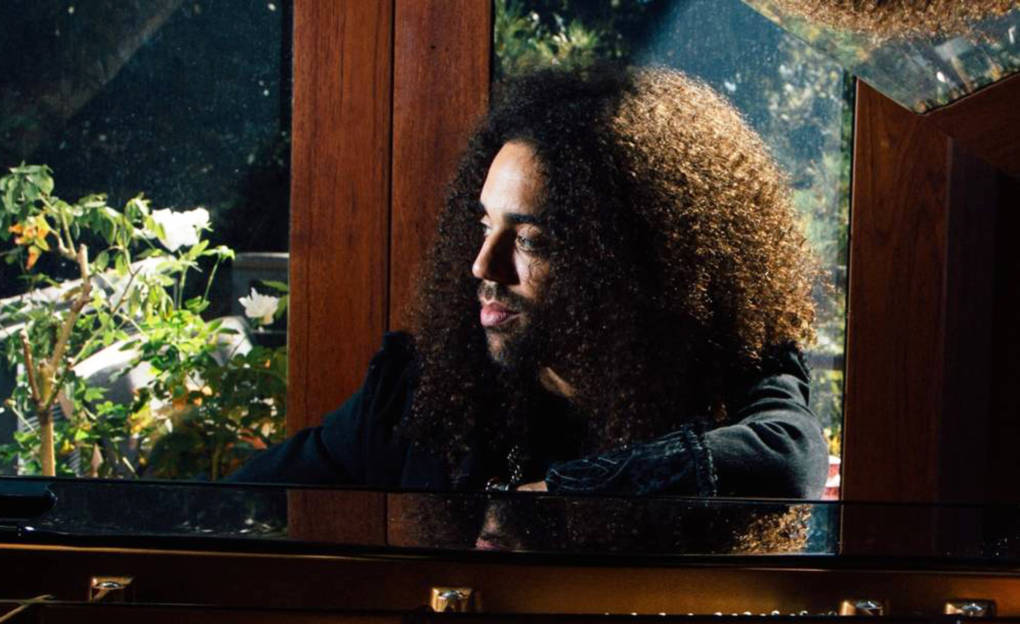
"caption": "Pianist Cameron Graves",
"description": "Pianist Cameron Graves",
"title": "PianistCameronGraves",
"credit": null,
"status": "inherit",
"isLoading": false,
"fetchFailed": false
},
"news_11363981": {
"type": "attachments",
"id": "news_11363981",
"meta": {
"index": "attachments_1716263798",
"site": "news",
"id": "11363981",
"found": true
},
"parent": 11363906,
"imgSizes": {
"small": {
"file": "https://ww2.kqed.org/app/uploads/sites/10/2017/03/BUILDING-WALL-Trump-silo-520x338.jpg",
"width": 520,
"mimeType": "image/jpeg",
"height": 338
},
"twentyfourteen-full-width": {
"file": "https://ww2.kqed.org/app/uploads/sites/10/2017/03/BUILDING-WALL-Trump-silo-1038x576.jpg",
"width": 1038,
"mimeType": "image/jpeg",
"height": 576
},
"thumbnail": {
"file": "https://ww2.kqed.org/app/uploads/sites/10/2017/03/BUILDING-WALL-Trump-silo-160x104.jpg",
"width": 160,
"mimeType": "image/jpeg",
"height": 104
},
"fd-sm": {
"file": "https://ww2.kqed.org/app/uploads/sites/10/2017/03/BUILDING-WALL-Trump-silo-960x624.jpg",
"width": 960,
"mimeType": "image/jpeg",
"height": 624
},
"post-thumbnail": {
"file": "https://ww2.kqed.org/app/uploads/sites/10/2017/03/BUILDING-WALL-Trump-silo-672x372.jpg",
"width": 672,
"mimeType": "image/jpeg",
"height": 372
},
"xsmall": {
"file": "https://ww2.kqed.org/app/uploads/sites/10/2017/03/BUILDING-WALL-Trump-silo-375x244.jpg",
"width": 375,
"mimeType": "image/jpeg",
"height": 244
},
"kqedFullSize": {
"file": "https://ww2.kqed.org/app/uploads/sites/10/2017/03/BUILDING-WALL-Trump-silo.jpg",
"width": 1920,
"height": 1248
},
"large": {
"file": "https://ww2.kqed.org/app/uploads/sites/10/2017/03/BUILDING-WALL-Trump-silo-1020x663.jpg",
"width": 1020,
"mimeType": "image/jpeg",
"height": 663
},
"xlarge": {
"file": "https://ww2.kqed.org/app/uploads/sites/10/2017/03/BUILDING-WALL-Trump-silo-1180x767.jpg",
"width": 1180,
"mimeType": "image/jpeg",
"height": 767
},
"guest-author-50": {
"file": "https://ww2.kqed.org/app/uploads/sites/10/2017/03/BUILDING-WALL-Trump-silo-50x50.jpg",
"width": 50,
"mimeType": "image/jpeg",
"height": 50
},
"guest-author-96": {
"file": "https://ww2.kqed.org/app/uploads/sites/10/2017/03/BUILDING-WALL-Trump-silo-96x96.jpg",
"width": 96,
"mimeType": "image/jpeg",
"height": 96
},
"medium": {
"file": "https://ww2.kqed.org/app/uploads/sites/10/2017/03/BUILDING-WALL-Trump-silo-800x520.jpg",
"width": 800,
"mimeType": "image/jpeg",
"height": 520
},
"guest-author-64": {
"file": "https://ww2.kqed.org/app/uploads/sites/10/2017/03/BUILDING-WALL-Trump-silo-64x64.jpg",
"width": 64,
"mimeType": "image/jpeg",
"height": 64
},
"guest-author-32": {
"file": "https://ww2.kqed.org/app/uploads/sites/10/2017/03/BUILDING-WALL-Trump-silo-32x32.jpg",
"width": 32,
"mimeType": "image/jpeg",
"height": 32
},
"fd-lrg": {
"file": "https://ww2.kqed.org/app/uploads/sites/10/2017/03/BUILDING-WALL-Trump-silo-1920x1248.jpg",
"width": 1920,
"mimeType": "image/jpeg",
"height": 1248
},
"fd-med": {
"file": "https://ww2.kqed.org/app/uploads/sites/10/2017/03/BUILDING-WALL-Trump-silo-1180x767.jpg",
"width": 1180,
"mimeType": "image/jpeg",
"height": 767
},
"full-width": {
"file": "https://ww2.kqed.org/app/uploads/sites/10/2017/03/BUILDING-WALL-Trump-silo-1920x1248.jpg",
"width": 1920,
"mimeType": "image/jpeg",
"height": 1248
},
"detail": {
"file": "https://ww2.kqed.org/app/uploads/sites/10/2017/03/BUILDING-WALL-Trump-silo-150x150.jpg",
"width": 150,
"mimeType": "image/jpeg",
"height": 150
},
"guest-author-128": {
"file": "https://ww2.kqed.org/app/uploads/sites/10/2017/03/BUILDING-WALL-Trump-silo-128x128.jpg",
"width": 128,
"mimeType": "image/jpeg",
"height": 128
},
"xxsmall": {
"file": "https://ww2.kqed.org/app/uploads/sites/10/2017/03/BUILDING-WALL-Trump-silo-240x156.jpg",
"width": 240,
"mimeType": "image/jpeg",
"height": 156
}
},
"publishDate": 1489780998,
"modified": 1489793123,
"caption": "Robert Schenkkan's \"Building the Wall' gets its world premiere at the Fountain Theatre in L.A. ",
"description": null,
"title": "BUILDING WALL-Trump silo",
"credit": "Fountain Theatre",
"status": "inherit",
"isLoading": false,
"fetchFailed": false
}
},
"audioPlayerReducer": {
"postId": "stream_live",
"isPaused": true,
"isPlaying": false,
"pfsActive": false,
"pledgeModalIsOpen": true,
"playerDrawerIsOpen": false,
"liveAudioPlayStartedAt": 0,
"liveAudioPlayContext": ""
},
"authorsReducer": {
"byline_news_11429923": {
"type": "authors",
"id": "byline_news_11429923",
"meta": {
"override": true
},
"slug": "byline_news_11429923",
"name": "\u003cstrong>Mark Fiore\u003c/strong>",
"isLoading": false
},
"byline_news_11417348": {
"type": "authors",
"id": "byline_news_11417348",
"meta": {
"override": true
},
"slug": "byline_news_11417348",
"name": "Aarti Shahani",
"isLoading": false
},
"byline_news_11305905": {
"type": "authors",
"id": "byline_news_11305905",
"meta": {
"override": true
},
"slug": "byline_news_11305905",
"name": "Peter Gilstrap",
"isLoading": false
},
"byline_news_11403611": {
"type": "authors",
"id": "byline_news_11403611",
"meta": {
"override": true
},
"slug": "byline_news_11403611",
"name": "Terry Gross",
"isLoading": false
},
"agilbert": {
"type": "authors",
"id": "86",
"meta": {
"index": "authors_1716337520",
"id": "86",
"found": true
},
"name": "Andrew Gilbert",
"firstName": "Andrew",
"lastName": "Gilbert",
"slug": "agilbert",
"email": "jazzscribe@aol.com",
"display_author_email": false,
"staff_mastheads": [],
"title": "KQED Contributor",
"bio": "A Los Angeles native based in the Berkeley area since 1996, Andrew Gilbert covers jazz, international music and dance for KQED's \u003ci>California Report, \u003c/i>the\u003ci> Mercury News\u003c/i>, \u003ci>San Francisco Chronicle\u003c/i>, \u003ci>Berkeleyside.com\u003c/i>, and other publications. He is available for weddings and bar and bat mitzvahs. #jazzscribe",
"avatar": "https://secure.gravatar.com/avatar/d7bcafdbefdd39e9a68f88724ca616eb4e7a5a6bff9cdfb62de652a1e1751471?s=600&d=blank&r=g",
"twitter": null,
"bluesky": null,
"facebook": null,
"instagram": null,
"linkedin": null,
"sites": [
{
"site": "arts",
"roles": [
"Contributor",
"author"
]
},
{
"site": "news",
"roles": [
"author"
]
}
],
"headData": {
"title": "Andrew Gilbert | KQED",
"description": "KQED Contributor",
"ogImgSrc": "https://secure.gravatar.com/avatar/d7bcafdbefdd39e9a68f88724ca616eb4e7a5a6bff9cdfb62de652a1e1751471?s=600&d=blank&r=g",
"twImgSrc": "https://secure.gravatar.com/avatar/d7bcafdbefdd39e9a68f88724ca616eb4e7a5a6bff9cdfb62de652a1e1751471?s=600&d=blank&r=g"
},
"isLoading": false,
"link": "/author/agilbert"
},
"shochman": {
"type": "authors",
"id": "87",
"meta": {
"index": "authors_1716337520",
"id": "87",
"found": true
},
"name": "Steve Hochman",
"firstName": "Steve",
"lastName": "Hochman",
"slug": "shochman",
"email": "sehochman@me.com",
"display_author_email": false,
"staff_mastheads": [],
"title": "KQED Contributor",
"bio": "Steve Hochman has covered popular, and unpopular, music for more than 30 years, most of that time as a key member of the \u003ci>Los Angeles Times\u003c/i>' music team. In that capacity he wrote about the full range of music and musicians, from Hungarian folk to industrial noise, and from 1991 through 2005 wrote the \u003ci>Times\u003c/i>' widely read weekly \"Pop Eye\" column. In addition to his role with \u003ci>The California Report\u003c/i>, he's a music critic for Pasadena station KPCC's morning magazine \u003ci>Take Two\u003c/i> and a regular contributor to Grammy.com, Fender.com and other outlets. His byline has appeared through the years in an array of major publications, including \u003ci>Rolling Stone\u003c/i>, \u003ci>Billboard\u003c/i> and \u003ci>Entertainment Weekly\u003c/i> and New Orleans' \u003ci>Offbeat\u003c/i>.",
"avatar": "https://secure.gravatar.com/avatar/37fbddee9db232a05a1be3b065171301e8baa142626c45b0caa6fc61c25a8c8d?s=600&d=blank&r=g",
"twitter": null,
"bluesky": null,
"facebook": null,
"instagram": null,
"linkedin": null,
"sites": [
{
"site": "arts",
"roles": [
"Contributor",
"subscriber"
]
},
{
"site": "news",
"roles": [
"subscriber"
]
}
],
"headData": {
"title": "Steve Hochman | KQED",
"description": "KQED Contributor",
"ogImgSrc": "https://secure.gravatar.com/avatar/37fbddee9db232a05a1be3b065171301e8baa142626c45b0caa6fc61c25a8c8d?s=600&d=blank&r=g",
"twImgSrc": "https://secure.gravatar.com/avatar/37fbddee9db232a05a1be3b065171301e8baa142626c45b0caa6fc61c25a8c8d?s=600&d=blank&r=g"
},
"isLoading": false,
"link": "/author/shochman"
},
"aliceldaniel": {
"type": "authors",
"id": "208",
"meta": {
"index": "authors_1716337520",
"id": "208",
"found": true
},
"name": "Alice Daniel",
"firstName": "Alice",
"lastName": "Daniel",
"slug": "aliceldaniel",
"email": "adaniel@kqed.org",
"display_author_email": false,
"staff_mastheads": [],
"title": null,
"bio": "Alice Daniel loves the listening aspect of reporting because she gets to briefly walk in other people’s shoes. She has rappelled down into caves and gone up in helicopters for KQED’s The California Report but her favorite place to pursue a story is the High Sierra or any family-run bakery, of course. Alice has a masters in journalism from Columbia University and teaches at Fresno State. She is a California Healthline Regional Correspondent and a frequent contributor to Success magazine. In her free time, she skis and hikes, throws pottery, practices piano and looks out the window.",
"avatar": "https://secure.gravatar.com/avatar/e611aa06593b114a67f9f123a8e875ad?s=600&d=blank&r=g",
"twitter": null,
"facebook": null,
"instagram": null,
"linkedin": null,
"sites": [
{
"site": "news",
"roles": [
"author"
]
},
{
"site": "stateofhealth",
"roles": [
"author"
]
}
],
"headData": {
"title": "Alice Daniel | KQED",
"description": null,
"ogImgSrc": "https://secure.gravatar.com/avatar/e611aa06593b114a67f9f123a8e875ad?s=600&d=blank&r=g",
"twImgSrc": "https://secure.gravatar.com/avatar/e611aa06593b114a67f9f123a8e875ad?s=600&d=blank&r=g"
},
"isLoading": false,
"link": "/author/aliceldaniel"
},
"kqed": {
"type": "authors",
"id": "236",
"meta": {
"index": "authors_1716337520",
"id": "236",
"found": true
},
"name": "KQED News Staff",
"firstName": "KQED News Staff",
"lastName": null,
"slug": "kqed",
"email": "faq@kqed.org",
"display_author_email": false,
"staff_mastheads": [],
"title": null,
"bio": null,
"avatar": "https://secure.gravatar.com/avatar/ef0e801a68c4c54afa9180db14084167?s=600&d=blank&r=g",
"twitter": null,
"facebook": null,
"instagram": null,
"linkedin": null,
"sites": [
{
"site": "arts",
"roles": [
"contributor"
]
},
{
"site": "news",
"roles": [
"editor"
]
},
{
"site": "futureofyou",
"roles": [
"author"
]
}
],
"headData": {
"title": "KQED News Staff | KQED",
"description": null,
"ogImgSrc": "https://secure.gravatar.com/avatar/ef0e801a68c4c54afa9180db14084167?s=600&d=blank&r=g",
"twImgSrc": "https://secure.gravatar.com/avatar/ef0e801a68c4c54afa9180db14084167?s=600&d=blank&r=g"
},
"isLoading": false,
"link": "/author/kqed"
},
"scuevas": {
"type": "authors",
"id": "2600",
"meta": {
"index": "authors_1716337520",
"id": "2600",
"found": true
},
"name": "Steven Cuevas",
"firstName": "Steven",
"lastName": "Cuevas",
"slug": "scuevas",
"email": "scuevas@kqed.org",
"display_author_email": false,
"staff_mastheads": [],
"title": "KQED Contributor",
"bio": "Steven is a former Los Angeles bureau chief for The California Report.\r\n\r\nHe reports on an array of issues across the Southland, from immigration and regional politics to religion, the performing arts and pop culture.\r\n\r\nPrior to joining KQED in 2012, Steven covered Inland southern California for KPCC in Pasadena. He also helped establish the first newsroom at \u003ca href=\"http://kut.org/\">KUT\u003c/a> in Austin, Texas where he was a general assignment reporter.\r\n\r\nSteven has received numerous awards for his reporting including an RTNDA Edward R. Murrow Award for investigative reporting in addition to awards from the LA Press Club, the Associated Press and the Society for Professional Journalists.\r\n\r\nSteven grew up in and around San Francisco and now lives in Pasadena just a short jog from the foot of the San Gabriel Mountains.",
"avatar": "https://secure.gravatar.com/avatar/2d253580794f8e026100fae05cfabbbd4889b4fe15146146cacb82a01974c538?s=600&d=blank&r=g",
"twitter": null,
"bluesky": null,
"facebook": null,
"instagram": null,
"linkedin": null,
"sites": [
{
"site": "news",
"roles": [
"subscriber"
]
}
],
"headData": {
"title": "Steven Cuevas | KQED",
"description": "KQED Contributor",
"ogImgSrc": "https://secure.gravatar.com/avatar/2d253580794f8e026100fae05cfabbbd4889b4fe15146146cacb82a01974c538?s=600&d=blank&r=g",
"twImgSrc": "https://secure.gravatar.com/avatar/2d253580794f8e026100fae05cfabbbd4889b4fe15146146cacb82a01974c538?s=600&d=blank&r=g"
},
"isLoading": false,
"link": "/author/scuevas"
},
"adembosky": {
"type": "authors",
"id": "3205",
"meta": {
"index": "authors_1716337520",
"id": "3205",
"found": true
},
"name": "April Dembosky",
"firstName": "April",
"lastName": "Dembosky",
"slug": "adembosky",
"email": "adembosky@kqed.org",
"display_author_email": false,
"staff_mastheads": [
"news",
"science"
],
"title": "KQED Health Correspondent",
"bio": "April Dembosky is the health correspondent for KQED News and a regular contributor to NPR. She specializes in covering altered states of mind, from postpartum depression to methamphetamine-induced psychosis to the insanity defense. Her investigative series on insurance companies sidestepping mental health laws won multiple awards, including first place in beat reporting from the national Association of Health Care Journalists. She is the recipient of numerous other prizes and fellowships, including a national Edward R. Murrow award for investigative reporting, a Society of Professional Journalists award for long-form storytelling, and a Carter Center Fellowship for Mental Health Journalism.\r\n\r\nDembosky reported and produced \u003cem>Soundtrack of Silence\u003c/em>, an audio documentary about music and memory that is currently being made into a feature film by Paramount Pictures.\r\n\r\nBefore joining KQED in 2013, Dembosky covered technology and Silicon Valley for \u003cem>The Financial Times of London,\u003c/em> and contributed business and arts stories to \u003cem>Marketplace \u003c/em>and \u003cem>The New York Times.\u003c/em> She got her undergraduate degree in philosophy from Smith College and her master's in journalism from the University of California, Berkeley. She is a classically trained violinist and proud alum of the first symphony orchestra at Burning Man.",
"avatar": "https://secure.gravatar.com/avatar/ef92999be4ceb9ea60701e7dc276f813?s=600&d=blank&r=g",
"twitter": "adembosky",
"facebook": null,
"instagram": null,
"linkedin": null,
"sites": [
{
"site": "arts",
"roles": [
"author"
]
},
{
"site": "news",
"roles": [
"editor"
]
},
{
"site": "futureofyou",
"roles": [
"author"
]
},
{
"site": "stateofhealth",
"roles": [
"editor"
]
},
{
"site": "science",
"roles": [
"editor"
]
},
{
"site": "forum",
"roles": [
"editor"
]
}
],
"headData": {
"title": "April Dembosky | KQED",
"description": "KQED Health Correspondent",
"ogImgSrc": "https://secure.gravatar.com/avatar/ef92999be4ceb9ea60701e7dc276f813?s=600&d=blank&r=g",
"twImgSrc": "https://secure.gravatar.com/avatar/ef92999be4ceb9ea60701e7dc276f813?s=600&d=blank&r=g"
},
"isLoading": false,
"link": "/author/adembosky"
},
"trubio": {
"type": "authors",
"id": "11311",
"meta": {
"index": "authors_1716337520",
"id": "11311",
"found": true
},
"name": "Tena Rubio",
"firstName": "Tena",
"lastName": "Rubio",
"slug": "trubio",
"email": "trubio@KQED.org",
"display_author_email": false,
"staff_mastheads": [],
"title": null,
"bio": " \r\n\r\n\u003cstrong>TENA RUBIO \u003c/strong>is an award-winning radio journalist and multimedia producer based in San Francisco and Los Angeles. Currently, she works on contract as a producer and reporter for KQED Public Radio. She was the managing editor of NPR’s \u003cem>Latino USA \u003c/em>and is the former host & executive producer of the news magazine radio show, \u003cem>Making Contact\u003c/em>. Previously, a TV producer and newswriter, Tena continues to produce and report for various radio outlets across the country. Tena is currently the Board Secretary and Elections Chair for the Association of Independents in Radio (AIR).\r\n\r\n ",
"avatar": "https://secure.gravatar.com/avatar/3ff35feefc3472ea9e4e43ecd4df283b?s=600&d=blank&r=g",
"twitter": "@tenarubio",
"facebook": null,
"instagram": null,
"linkedin": null,
"sites": [
{
"site": "news",
"roles": [
"author"
]
}
],
"headData": {
"title": "Tena Rubio | KQED",
"description": null,
"ogImgSrc": "https://secure.gravatar.com/avatar/3ff35feefc3472ea9e4e43ecd4df283b?s=600&d=blank&r=g",
"twImgSrc": "https://secure.gravatar.com/avatar/3ff35feefc3472ea9e4e43ecd4df283b?s=600&d=blank&r=g"
},
"isLoading": false,
"link": "/author/trubio"
}
},
"pagesReducer": {
"news_category_arts-and-culture": {
"type": "terms",
"id": "news_223",
"meta": {
"index": "terms_1716263798",
"site": "news",
"id": "223",
"score": 11.242466
},
"featImg": null,
"name": "Arts and Culture",
"description": null,
"taxonomy": "category",
"headData": {
"twImgId": null,
"twTitle": null,
"ogTitle": null,
"ogImgId": null,
"twDescription": null,
"description": null,
"title": "Arts and Culture Archives | KQED News",
"ogDescription": null
},
"ttid": 231,
"slug": "arts-and-culture",
"isLoading": false,
"title": "Arts and Culture",
"pageMeta": {
"site": "news",
"WpPageTemplate": "page-topic-editorial",
"currentPage": 101
},
"blocks": [
{
"blockName": "kqed/post-list",
"attrs": {
"layout": "cardArticle2",
"query": "posts/news?category=arts-and-culture",
"seeMore": false,
"paginated": true,
"page": 101
}
},
{
"blockName": "kqed/ad"
}
]
}
},
"pfsSessionReducer": {},
"postsReducer": {
"stream_live": {
"type": "live",
"id": "stream_live",
"audioUrl": "https://streams.kqed.org/kqedradio",
"title": "Live Stream",
"excerpt": "Live Stream information currently unavailable.",
"link": "/radio",
"featImg": "",
"label": {
"name": "KQED Live",
"link": "/"
}
},
"stream_kqedNewscast": {
"type": "posts",
"id": "stream_kqedNewscast",
"audioUrl": "https://www.kqed.org/.stream/anon/radio/RDnews/newscast.mp3?_=1",
"title": "KQED Newscast",
"featImg": "",
"label": {
"name": "88.5 FM",
"link": "/"
}
},
"news_11429923": {
"type": "posts",
"id": "news_11429923",
"meta": {
"index": "posts_1716263798",
"site": "news",
"id": "11429923",
"score": null,
"sort": [
1493325822000
]
},
"parent": 0,
"labelTerm": {
"site": "news",
"term": 72
},
"blocks": [],
"publishDate": 1493325822,
"format": "standard",
"disqusTitle": "CARTOONS: Berkeley Protest After Canceled Ann Coulter Talk",
"title": "CARTOONS: Berkeley Protest After Canceled Ann Coulter Talk",
"headTitle": "The California Report | KQED News",
"content": "\u003cp>Sketches of the April 27 protest at UC Berkeley organized ahead of a planned Ann Coulter speech. Though the talk was called off, demonstrators still descended on the campus and city of Berkeley.\u003c/p>\n\u003cp>\u003cstrong>\"Evel Knievel Inspiration\"\u003c/strong>\u003c/p>\n\u003cp>\u003cimg class=\"alignnone size-medium wp-image-11429941\" src=\"https://ww2.kqed.org/news/wp-content/uploads/sites/10/2017/04/EvilK-800x1067.jpg\" alt=\"EvilK\" width=\"800\" height=\"1067\" srcset=\"https://ww2.kqed.org/app/uploads/sites/10/2017/04/EvilK-800x1067.jpg 800w, https://ww2.kqed.org/app/uploads/sites/10/2017/04/EvilK-160x213.jpg 160w, https://ww2.kqed.org/app/uploads/sites/10/2017/04/EvilK-1020x1360.jpg 1020w, https://ww2.kqed.org/app/uploads/sites/10/2017/04/EvilK-1180x1573.jpg 1180w, https://ww2.kqed.org/app/uploads/sites/10/2017/04/EvilK-960x1280.jpg 960w, https://ww2.kqed.org/app/uploads/sites/10/2017/04/EvilK-240x320.jpg 240w, https://ww2.kqed.org/app/uploads/sites/10/2017/04/EvilK-375x500.jpg 375w, https://ww2.kqed.org/app/uploads/sites/10/2017/04/EvilK-520x693.jpg 520w, https://ww2.kqed.org/app/uploads/sites/10/2017/04/EvilK.jpg 1224w\" sizes=\"(max-width: 800px) 100vw, 800px\">\u003c/p>\n\u003cp>\u003cstrong>\"Respect Berkeley\"\u003c/strong>\u003c/p>\n\u003cp>\u003cimg class=\"alignnone size-medium wp-image-11430143\" src=\"https://ww2.kqed.org/news/wp-content/uploads/sites/10/2017/04/Respect-Berkeley-qut-800x1067.jpg\" alt=\"Respect Berkeley-qut\" width=\"800\" height=\"1067\" srcset=\"https://ww2.kqed.org/app/uploads/sites/10/2017/04/Respect-Berkeley-qut-800x1067.jpg 800w, https://ww2.kqed.org/app/uploads/sites/10/2017/04/Respect-Berkeley-qut-160x213.jpg 160w, https://ww2.kqed.org/app/uploads/sites/10/2017/04/Respect-Berkeley-qut-1020x1360.jpg 1020w, https://ww2.kqed.org/app/uploads/sites/10/2017/04/Respect-Berkeley-qut-1180x1573.jpg 1180w, https://ww2.kqed.org/app/uploads/sites/10/2017/04/Respect-Berkeley-qut-960x1280.jpg 960w, https://ww2.kqed.org/app/uploads/sites/10/2017/04/Respect-Berkeley-qut-240x320.jpg 240w, https://ww2.kqed.org/app/uploads/sites/10/2017/04/Respect-Berkeley-qut-375x500.jpg 375w, https://ww2.kqed.org/app/uploads/sites/10/2017/04/Respect-Berkeley-qut-520x693.jpg 520w, https://ww2.kqed.org/app/uploads/sites/10/2017/04/Respect-Berkeley-qut.jpg 1224w\" sizes=\"(max-width: 800px) 100vw, 800px\">\u003c/p>\n\u003cp>[ad fullwidth]\u003c/p>\n\u003cp>\u003cstrong>\"Crowded Skies Overhead\"\u003c/strong>\u003c/p>\n\u003cp>\u003cimg class=\"alignnone size-medium wp-image-11429927\" src=\"https://ww2.kqed.org/news/wp-content/uploads/sites/10/2017/04/Crowdedskies-qut-800x1067.jpg\" alt=\"Crowdedskies-qut\" width=\"800\" height=\"1067\" srcset=\"https://ww2.kqed.org/app/uploads/sites/10/2017/04/Crowdedskies-qut-800x1067.jpg 800w, https://ww2.kqed.org/app/uploads/sites/10/2017/04/Crowdedskies-qut-160x213.jpg 160w, https://ww2.kqed.org/app/uploads/sites/10/2017/04/Crowdedskies-qut-1020x1360.jpg 1020w, https://ww2.kqed.org/app/uploads/sites/10/2017/04/Crowdedskies-qut-1180x1573.jpg 1180w, https://ww2.kqed.org/app/uploads/sites/10/2017/04/Crowdedskies-qut-960x1280.jpg 960w, https://ww2.kqed.org/app/uploads/sites/10/2017/04/Crowdedskies-qut-240x320.jpg 240w, https://ww2.kqed.org/app/uploads/sites/10/2017/04/Crowdedskies-qut-375x500.jpg 375w, https://ww2.kqed.org/app/uploads/sites/10/2017/04/Crowdedskies-qut-520x693.jpg 520w, https://ww2.kqed.org/app/uploads/sites/10/2017/04/Crowdedskies-qut.jpg 1224w\" sizes=\"(max-width: 800px) 100vw, 800px\">\u003c/p>\n\u003cp>\u003cstrong>'Oath Keepers Parking'\u003c/strong>\u003c/p>\n\u003cp>\u003cimg class=\"alignnone size-medium wp-image-11430144\" src=\"https://ww2.kqed.org/news/wp-content/uploads/sites/10/2017/04/Oath-Keepers-Parking-qut-800x1067.jpg\" alt=\"Oath Keepers Parking-qut\" width=\"800\" height=\"1067\" srcset=\"https://ww2.kqed.org/app/uploads/sites/10/2017/04/Oath-Keepers-Parking-qut-800x1067.jpg 800w, https://ww2.kqed.org/app/uploads/sites/10/2017/04/Oath-Keepers-Parking-qut-160x213.jpg 160w, https://ww2.kqed.org/app/uploads/sites/10/2017/04/Oath-Keepers-Parking-qut-1020x1360.jpg 1020w, https://ww2.kqed.org/app/uploads/sites/10/2017/04/Oath-Keepers-Parking-qut-1180x1573.jpg 1180w, https://ww2.kqed.org/app/uploads/sites/10/2017/04/Oath-Keepers-Parking-qut-960x1280.jpg 960w, https://ww2.kqed.org/app/uploads/sites/10/2017/04/Oath-Keepers-Parking-qut-240x320.jpg 240w, https://ww2.kqed.org/app/uploads/sites/10/2017/04/Oath-Keepers-Parking-qut-375x500.jpg 375w, https://ww2.kqed.org/app/uploads/sites/10/2017/04/Oath-Keepers-Parking-qut-520x693.jpg 520w, https://ww2.kqed.org/app/uploads/sites/10/2017/04/Oath-Keepers-Parking-qut.jpg 1224w\" sizes=\"(max-width: 800px) 100vw, 800px\">\u003c/p>\n\u003cp>\u003cstrong>'Antifa Yelling'\u003c/strong>\u003c/p>\n\u003cp>\u003cimg class=\"alignnone size-medium wp-image-11430296\" src=\"https://ww2.kqed.org/news/wp-content/uploads/sites/10/2017/04/Antifa-qut-800x895.jpg\" alt=\"Antifa-qut\" width=\"800\" height=\"895\" srcset=\"https://ww2.kqed.org/app/uploads/sites/10/2017/04/Antifa-qut-800x895.jpg 800w, https://ww2.kqed.org/app/uploads/sites/10/2017/04/Antifa-qut-160x179.jpg 160w, https://ww2.kqed.org/app/uploads/sites/10/2017/04/Antifa-qut-240x268.jpg 240w, https://ww2.kqed.org/app/uploads/sites/10/2017/04/Antifa-qut-375x419.jpg 375w, https://ww2.kqed.org/app/uploads/sites/10/2017/04/Antifa-qut-520x581.jpg 520w, https://ww2.kqed.org/app/uploads/sites/10/2017/04/Antifa-qut.jpg 838w\" sizes=\"(max-width: 800px) 100vw, 800px\">\u003c/p>\n\u003cp>\u003cstrong>'Woman in Headscarf, Walking in Park'\u003c/strong>\u003c/p>\n\u003cp>\u003c/p>\n\u003cp>\u003cimg class=\"alignnone size-medium wp-image-11429929\" src=\"https://ww2.kqed.org/news/wp-content/uploads/sites/10/2017/04/Headscarf-qut-800x1067.jpg\" alt=\"Headscarf-qut\" width=\"800\" height=\"1067\" srcset=\"https://ww2.kqed.org/app/uploads/sites/10/2017/04/Headscarf-qut-800x1067.jpg 800w, https://ww2.kqed.org/app/uploads/sites/10/2017/04/Headscarf-qut-160x213.jpg 160w, https://ww2.kqed.org/app/uploads/sites/10/2017/04/Headscarf-qut-1020x1360.jpg 1020w, https://ww2.kqed.org/app/uploads/sites/10/2017/04/Headscarf-qut-1180x1573.jpg 1180w, https://ww2.kqed.org/app/uploads/sites/10/2017/04/Headscarf-qut-960x1280.jpg 960w, https://ww2.kqed.org/app/uploads/sites/10/2017/04/Headscarf-qut-240x320.jpg 240w, https://ww2.kqed.org/app/uploads/sites/10/2017/04/Headscarf-qut-375x500.jpg 375w, https://ww2.kqed.org/app/uploads/sites/10/2017/04/Headscarf-qut-520x693.jpg 520w, https://ww2.kqed.org/app/uploads/sites/10/2017/04/Headscarf-qut.jpg 1224w\" sizes=\"(max-width: 800px) 100vw, 800px\">\u003c/p>\n\n",
"disqusIdentifier": "11429923 https://ww2.kqed.org/news/?p=11429923",
"disqusUrl": "https://ww2.kqed.org/news/2017/04/27/cartoons-sketches-of-berkeley-protest-after-canceled-ann-coulter-talk/",
"stats": {
"hasVideo": false,
"hasChartOrMap": false,
"hasAudio": false,
"hasPolis": false,
"wordCount": 55,
"hasGoogleForm": false,
"hasGallery": false,
"hasHearkenModule": false,
"iframeSrcs": [],
"paragraphCount": 15
},
"modified": 1493338158,
"excerpt": "Sketches by KQED cartoonist Mark Fiore of the April 27 protest at UC Berkeley, organized ahead of a planned, but now scrapped, Ann Coulter speech.",
"headData": {
"twImgId": "",
"twTitle": "",
"ogTitle": "",
"ogImgId": "",
"twDescription": "",
"description": "Sketches by KQED cartoonist Mark Fiore of the April 27 protest at UC Berkeley, organized ahead of a planned, but now scrapped, Ann Coulter speech.",
"title": "CARTOONS: Berkeley Protest After Canceled Ann Coulter Talk | KQED",
"ogDescription": "",
"schema": {
"@context": "https://schema.org",
"@type": "NewsArticle",
"headline": "CARTOONS: Berkeley Protest After Canceled Ann Coulter Talk",
"datePublished": "2017-04-27T13:43:42-07:00",
"dateModified": "2017-04-27T17:09:18-07:00",
"image": "https://cdn.kqed.org/wp-content/uploads/2020/02/KQED-OG-Image@1x.png",
"isAccessibleForFree": "True",
"publisher": {
"@type": "NewsMediaOrganization",
"@id": "https://www.kqed.org/#organization",
"name": "KQED",
"logo": "https://cdn.kqed.org/wp-content/uploads/2020/02/KQED-OG-Image@1x.png",
"url": "https://www.kqed.org",
"sameAs": [
"https://www.facebook.com/KQED",
"https://twitter.com/KQED",
"https://www.instagram.com/kqed/",
"https://www.tiktok.com/@kqedofficial",
"https://www.linkedin.com/company/kqed",
"https://www.youtube.com/channel/UCeC0IOo7i1P_61zVUWbJ4nw"
]
}
}
},
"guestAuthors": [],
"slug": "cartoons-sketches-of-berkeley-protest-after-canceled-ann-coulter-talk",
"status": "publish",
"nprByline": "\u003cstrong>Mark Fiore\u003c/strong>",
"path": "/news/11429923/cartoons-sketches-of-berkeley-protest-after-canceled-ann-coulter-talk",
"audioTrackLength": null,
"parsedContent": [
{
"type": "contentString",
"content": "\u003cdiv class=\"post-body\">\u003cp>\u003cp>Sketches of the April 27 protest at UC Berkeley organized ahead of a planned Ann Coulter speech. Though the talk was called off, demonstrators still descended on the campus and city of Berkeley.\u003c/p>\n\u003cp>\u003cstrong>\"Evel Knievel Inspiration\"\u003c/strong>\u003c/p>\n\u003cp>\u003cimg class=\"alignnone size-medium wp-image-11429941\" src=\"https://ww2.kqed.org/news/wp-content/uploads/sites/10/2017/04/EvilK-800x1067.jpg\" alt=\"EvilK\" width=\"800\" height=\"1067\" srcset=\"https://ww2.kqed.org/app/uploads/sites/10/2017/04/EvilK-800x1067.jpg 800w, https://ww2.kqed.org/app/uploads/sites/10/2017/04/EvilK-160x213.jpg 160w, https://ww2.kqed.org/app/uploads/sites/10/2017/04/EvilK-1020x1360.jpg 1020w, https://ww2.kqed.org/app/uploads/sites/10/2017/04/EvilK-1180x1573.jpg 1180w, https://ww2.kqed.org/app/uploads/sites/10/2017/04/EvilK-960x1280.jpg 960w, https://ww2.kqed.org/app/uploads/sites/10/2017/04/EvilK-240x320.jpg 240w, https://ww2.kqed.org/app/uploads/sites/10/2017/04/EvilK-375x500.jpg 375w, https://ww2.kqed.org/app/uploads/sites/10/2017/04/EvilK-520x693.jpg 520w, https://ww2.kqed.org/app/uploads/sites/10/2017/04/EvilK.jpg 1224w\" sizes=\"(max-width: 800px) 100vw, 800px\">\u003c/p>\n\u003cp>\u003cstrong>\"Respect Berkeley\"\u003c/strong>\u003c/p>\n\u003cp>\u003cimg class=\"alignnone size-medium wp-image-11430143\" src=\"https://ww2.kqed.org/news/wp-content/uploads/sites/10/2017/04/Respect-Berkeley-qut-800x1067.jpg\" alt=\"Respect Berkeley-qut\" width=\"800\" height=\"1067\" srcset=\"https://ww2.kqed.org/app/uploads/sites/10/2017/04/Respect-Berkeley-qut-800x1067.jpg 800w, https://ww2.kqed.org/app/uploads/sites/10/2017/04/Respect-Berkeley-qut-160x213.jpg 160w, https://ww2.kqed.org/app/uploads/sites/10/2017/04/Respect-Berkeley-qut-1020x1360.jpg 1020w, https://ww2.kqed.org/app/uploads/sites/10/2017/04/Respect-Berkeley-qut-1180x1573.jpg 1180w, https://ww2.kqed.org/app/uploads/sites/10/2017/04/Respect-Berkeley-qut-960x1280.jpg 960w, https://ww2.kqed.org/app/uploads/sites/10/2017/04/Respect-Berkeley-qut-240x320.jpg 240w, https://ww2.kqed.org/app/uploads/sites/10/2017/04/Respect-Berkeley-qut-375x500.jpg 375w, https://ww2.kqed.org/app/uploads/sites/10/2017/04/Respect-Berkeley-qut-520x693.jpg 520w, https://ww2.kqed.org/app/uploads/sites/10/2017/04/Respect-Berkeley-qut.jpg 1224w\" sizes=\"(max-width: 800px) 100vw, 800px\">\u003c/p>\n\u003cp>\u003c/p>\u003c/div>",
"attributes": {
"named": {},
"numeric": []
}
},
{
"type": "component",
"content": "",
"name": "ad",
"attributes": {
"named": {
"label": "fullwidth"
},
"numeric": [
"fullwidth"
]
}
},
{
"type": "contentString",
"content": "\u003cdiv class=\"post-body\">\u003cp>\u003c/p>\n\u003cp>\u003cstrong>\"Crowded Skies Overhead\"\u003c/strong>\u003c/p>\n\u003cp>\u003cimg class=\"alignnone size-medium wp-image-11429927\" src=\"https://ww2.kqed.org/news/wp-content/uploads/sites/10/2017/04/Crowdedskies-qut-800x1067.jpg\" alt=\"Crowdedskies-qut\" width=\"800\" height=\"1067\" srcset=\"https://ww2.kqed.org/app/uploads/sites/10/2017/04/Crowdedskies-qut-800x1067.jpg 800w, https://ww2.kqed.org/app/uploads/sites/10/2017/04/Crowdedskies-qut-160x213.jpg 160w, https://ww2.kqed.org/app/uploads/sites/10/2017/04/Crowdedskies-qut-1020x1360.jpg 1020w, https://ww2.kqed.org/app/uploads/sites/10/2017/04/Crowdedskies-qut-1180x1573.jpg 1180w, https://ww2.kqed.org/app/uploads/sites/10/2017/04/Crowdedskies-qut-960x1280.jpg 960w, https://ww2.kqed.org/app/uploads/sites/10/2017/04/Crowdedskies-qut-240x320.jpg 240w, https://ww2.kqed.org/app/uploads/sites/10/2017/04/Crowdedskies-qut-375x500.jpg 375w, https://ww2.kqed.org/app/uploads/sites/10/2017/04/Crowdedskies-qut-520x693.jpg 520w, https://ww2.kqed.org/app/uploads/sites/10/2017/04/Crowdedskies-qut.jpg 1224w\" sizes=\"(max-width: 800px) 100vw, 800px\">\u003c/p>\n\u003cp>\u003cstrong>'Oath Keepers Parking'\u003c/strong>\u003c/p>\n\u003cp>\u003cimg class=\"alignnone size-medium wp-image-11430144\" src=\"https://ww2.kqed.org/news/wp-content/uploads/sites/10/2017/04/Oath-Keepers-Parking-qut-800x1067.jpg\" alt=\"Oath Keepers Parking-qut\" width=\"800\" height=\"1067\" srcset=\"https://ww2.kqed.org/app/uploads/sites/10/2017/04/Oath-Keepers-Parking-qut-800x1067.jpg 800w, https://ww2.kqed.org/app/uploads/sites/10/2017/04/Oath-Keepers-Parking-qut-160x213.jpg 160w, https://ww2.kqed.org/app/uploads/sites/10/2017/04/Oath-Keepers-Parking-qut-1020x1360.jpg 1020w, https://ww2.kqed.org/app/uploads/sites/10/2017/04/Oath-Keepers-Parking-qut-1180x1573.jpg 1180w, https://ww2.kqed.org/app/uploads/sites/10/2017/04/Oath-Keepers-Parking-qut-960x1280.jpg 960w, https://ww2.kqed.org/app/uploads/sites/10/2017/04/Oath-Keepers-Parking-qut-240x320.jpg 240w, https://ww2.kqed.org/app/uploads/sites/10/2017/04/Oath-Keepers-Parking-qut-375x500.jpg 375w, https://ww2.kqed.org/app/uploads/sites/10/2017/04/Oath-Keepers-Parking-qut-520x693.jpg 520w, https://ww2.kqed.org/app/uploads/sites/10/2017/04/Oath-Keepers-Parking-qut.jpg 1224w\" sizes=\"(max-width: 800px) 100vw, 800px\">\u003c/p>\n\u003cp>\u003cstrong>'Antifa Yelling'\u003c/strong>\u003c/p>\n\u003cp>\u003cimg class=\"alignnone size-medium wp-image-11430296\" src=\"https://ww2.kqed.org/news/wp-content/uploads/sites/10/2017/04/Antifa-qut-800x895.jpg\" alt=\"Antifa-qut\" width=\"800\" height=\"895\" srcset=\"https://ww2.kqed.org/app/uploads/sites/10/2017/04/Antifa-qut-800x895.jpg 800w, https://ww2.kqed.org/app/uploads/sites/10/2017/04/Antifa-qut-160x179.jpg 160w, https://ww2.kqed.org/app/uploads/sites/10/2017/04/Antifa-qut-240x268.jpg 240w, https://ww2.kqed.org/app/uploads/sites/10/2017/04/Antifa-qut-375x419.jpg 375w, https://ww2.kqed.org/app/uploads/sites/10/2017/04/Antifa-qut-520x581.jpg 520w, https://ww2.kqed.org/app/uploads/sites/10/2017/04/Antifa-qut.jpg 838w\" sizes=\"(max-width: 800px) 100vw, 800px\">\u003c/p>\n\u003cp>\u003cstrong>'Woman in Headscarf, Walking in Park'\u003c/strong>\u003c/p>\n\u003cp>\u003c/p>\n\u003cp>\u003cimg class=\"alignnone size-medium wp-image-11429929\" src=\"https://ww2.kqed.org/news/wp-content/uploads/sites/10/2017/04/Headscarf-qut-800x1067.jpg\" alt=\"Headscarf-qut\" width=\"800\" height=\"1067\" srcset=\"https://ww2.kqed.org/app/uploads/sites/10/2017/04/Headscarf-qut-800x1067.jpg 800w, https://ww2.kqed.org/app/uploads/sites/10/2017/04/Headscarf-qut-160x213.jpg 160w, https://ww2.kqed.org/app/uploads/sites/10/2017/04/Headscarf-qut-1020x1360.jpg 1020w, https://ww2.kqed.org/app/uploads/sites/10/2017/04/Headscarf-qut-1180x1573.jpg 1180w, https://ww2.kqed.org/app/uploads/sites/10/2017/04/Headscarf-qut-960x1280.jpg 960w, https://ww2.kqed.org/app/uploads/sites/10/2017/04/Headscarf-qut-240x320.jpg 240w, https://ww2.kqed.org/app/uploads/sites/10/2017/04/Headscarf-qut-375x500.jpg 375w, https://ww2.kqed.org/app/uploads/sites/10/2017/04/Headscarf-qut-520x693.jpg 520w, https://ww2.kqed.org/app/uploads/sites/10/2017/04/Headscarf-qut.jpg 1224w\" sizes=\"(max-width: 800px) 100vw, 800px\">\u003c/p>\n\n\u003c/div>\u003c/p>",
"attributes": {
"named": {},
"numeric": []
}
}
],
"link": "/news/11429923/cartoons-sketches-of-berkeley-protest-after-canceled-ann-coulter-talk",
"authors": [
"byline_news_11429923"
],
"programs": [
"news_6944",
"news_72"
],
"categories": [
"news_223",
"news_8",
"news_13"
],
"tags": [
"news_20817",
"news_129",
"news_1100",
"news_17597"
],
"featImg": "news_11429930",
"label": "news_72"
},
"news_11428075": {
"type": "posts",
"id": "news_11428075",
"meta": {
"index": "posts_1716263798",
"site": "news",
"id": "11428075",
"score": null,
"sort": [
1493276543000
]
},
"parent": 0,
"labelTerm": {
"site": "news",
"term": 33523
},
"blocks": [],
"publishDate": 1493276543,
"format": "audio",
"title": "Who’s Behind the Colorful Lights at San Francisco City Hall?",
"headTitle": "Who’s Behind the Colorful Lights at San Francisco City Hall? | KQED",
"content": "\u003cp>[dropcap]B[/dropcap]ay Curious listener \u003ca href=\"https://www.fireclaytile.com/our-team/\">Katie Emigh \u003c/a>loves walking by San Francisco’s City Hall after sunset. The building’s ominous granite exterior is lit up dramatically every night. Most nights the lights are white. But there are special days when City Hall takes on a whole new look.\u003c/p>\n\u003cp>For \u003ca href=\"http://www.sfpride.org/\">Pride Week\u003c/a>, it glowed in all the colors of the rainbow. After \u003ca href=\"http://www.rollingstone.com/music/artists/prince\">Prince\u003c/a> died, it was bathed in purple. On St. Paddy’s Day, City Hall turned a radiant shamrock green.\u003c/p>\n\u003cp>[baycuriouspodcastinfo]\u003c/p>\n\u003cp>“It’s such a symbol of San Francisco, and has become more of a symbol as time’s gone on,” Katie says as she stands before City Hall.\u003c/p>\n\u003cp>With her favorite San Francisco building in mind, Katie had a question for \u003ca href=\"https://ww2.kqed.org/news/series/baycurious/\">\u003cem>Bay Curious\u003c/em>\u003c/a>:\u003c/p>\n\u003cp>[ad fullwidth]\u003c/p>\n\u003cp>“I was always just curious who decides what the lights are going to be at City Hall — and who does them?”\u003c/p>\n\u003cfigure id=\"attachment_11428739\" class=\"wp-caption alignright\" style=\"max-width: 640px\">\u003cimg decoding=\"async\" loading=\"lazy\" class=\"size-large wp-image-11428739\" src=\"https://ww2.kqed.org/news/wp-content/uploads/sites/10/2017/04/DSC_k4956-11-1020x679.jpg\" alt=\"Katie Emigh met up with her best friend Kim Ish for St. Patricks Day -- but first a stop at her favorite landmark.\" width=\"640\" height=\"426\" srcset=\"https://ww2.kqed.org/app/uploads/sites/10/2017/04/DSC_k4956-11-1020x679.jpg 1020w, https://ww2.kqed.org/app/uploads/sites/10/2017/04/DSC_k4956-11-160x106.jpg 160w, https://ww2.kqed.org/app/uploads/sites/10/2017/04/DSC_k4956-11-800x532.jpg 800w, https://ww2.kqed.org/app/uploads/sites/10/2017/04/DSC_k4956-11-1920x1277.jpg 1920w, https://ww2.kqed.org/app/uploads/sites/10/2017/04/DSC_k4956-11-1180x785.jpg 1180w, https://ww2.kqed.org/app/uploads/sites/10/2017/04/DSC_k4956-11-960x639.jpg 960w, https://ww2.kqed.org/app/uploads/sites/10/2017/04/DSC_k4956-11-240x160.jpg 240w, https://ww2.kqed.org/app/uploads/sites/10/2017/04/DSC_k4956-11-375x249.jpg 375w, https://ww2.kqed.org/app/uploads/sites/10/2017/04/DSC_k4956-11-520x346.jpg 520w\" sizes=\"(max-width: 640px) 100vw, 640px\">\u003cfigcaption class=\"wp-caption-text\">Katie Emigh met up with her best friend, Kim Ish, for St. Patrick’s Day — but first a stop at her favorite landmark. \u003ccite>(Blair Wells/KQED)\u003c/cite>\u003c/figcaption>\u003c/figure>\n\u003ch3>City Hall History\u003c/h3>\n\u003cp>Like every great structure in every great city, \u003ca href=\"http://sfgov.org/cityhall/\">San Francisco City Hall\u003c/a> has a story to tell.\u003c/p>\n\u003cp>Most city halls are landmarks, it’s true. But our City Hall is even more iconic than your average civic building — one with a history that makes its special luminous hues even more meaningful.\u003c/p>\n\u003cp>Built in 1915, in the \u003ca href=\"https://www.britannica.com/art/Neoclassical-architecture\">neoclassical style\u003c/a>, it rises more than the length of a football field into the San Francisco sky. At 307 feet, it’s taller than the \u003ca href=\"https://www.nps.gov/nr/travel/wash/dc76.htm\">U.S. Capitol Building\u003c/a> in Washington, D.C., and features 240 windows.\u003c/p>\n\u003cp>Every year, tens of thousands of visitors walk through its ornate bronze doors — like \u003ca href=\"http://www.history.com/this-day-in-history/marilyn-monroe-marries-joe-dimaggio\">Marilyn Monroe & Joe DiMaggio\u003c/a> did in 1954. The American icons were \u003ca href=\"http://www.sfmuseum.org/hist8/jodimag.html\">married here\u003c/a>.\u003c/p>\n\u003cp>For generations of San Franciscans, City Hall has long been a symbol of political and social change.\u003c/p>\n\u003cp>It was here that former San Francisco Mayor \u003ca href=\"http://www.ltg.ca.gov/\">Gavin Newsom\u003c/a> unleashed a watershed legal and political tempest when he issued \u003ca href=\"http://www.nytimes.com/2004/02/12/national/san-francisco-city-officials-perform-gay-marriages.html?_r=0\">marriage licenses to gay couples\u003c/a> in 2004, putting the nation on notice when he said, “As California goes, so goes the nation.”\u003c/p>\n\u003cp>City Hall has also seen its \u003ca href=\"http://www.history.com/this-day-in-history/san-francisco-leaders-george-moscone-and-harvey-milk-are-murdered\">tragic moments\u003c/a>. In 1978, then-Board of Supervisors President \u003ca href=\"https://www.feinstein.senate.gov/public/\">Dianne Feinstein\u003c/a> made a chilling announcement on the front steps that both \u003ca href=\"http://www.latimes.com/opinion/la-oe-getlin23-2008nov23-story.html\">Mayor George Moscone\u003c/a> and \u003ca href=\"http://milkfoundation.org/about/harvey-milk-biography/\">Supervisor Harvey Milk\u003c/a>, the first openly gay person elected to public office, had been shot and killed by former Supervisor \u003ca href=\"http://www.biography.com/people/dan-white-17169664\">Dan White\u003c/a>.\u003c/p>\n\u003cp>And City Hall has had its turn in the Hollywood spotlight, too, including roles in classics like 1971’s \u003ca href=\"http://www.imdb.com/title/tt0066999/\">“Dirty Harry,”\u003c/a> the blockbuster \u003ca href=\"http://www.imdb.com/title/tt0082971/?ref_=fn_al_tt_1\">“Raiders of the Lost Ark”\u003c/a> and the remake of the sci-fi cult standard, \u003ca href=\"http://www.imdb.com/title/tt0077745/?ref_=fn_al_tt_1\">“Invasion of the Body Snatchers.”\u003c/a>\u003c/p>\n\u003cp>By day, City Hall is a monument to this place we call home. And at night, the lights continue to reflect the city’s unique identity.\u003c/p>\n\u003ch3>So, who makes the lighting decisions?\u003c/h3>\n\u003cp>It’s actually a trio of City Hall officials: \u003ca href=\"http://sfgsa.org/about-naomi-kelly\">City Administrator Naomi Kelly\u003c/a>; the mayor’s director of special events, \u003ca href=\"http://variety.com/2000/film/news/s-f-mayor-ups-cohen-to-head-city-film-office-1117787009/\">Martha Cohen\u003c/a>; and the city’s chief of protocol, \u003ca href=\"http://sfmayor.org/mayor-lee-appoints-charlotte-mailliard-shultz-chief-protocol\">Charlotte Shultz\u003c/a>. Together, they decide which civic events get lit up — always keying into what Kelly calls “a local nexus.”\u003c/p>\n\u003cp>[baycuriousbug]\u003c/p>\n\u003cp>They go with red, white and blue for Election Day and rainbow colors for Pride Week. But sometimes the colors that shine are a little less obvious. Blue on an ordinary February evening? Red tones amid a windy September night?\u003c/p>\n\u003cp>Turns out City Hall can be rented for private events, and paying clients get to decide City Hall’s lighting scheme.\u003c/p>\n\u003cp>Our \u003ca href=\"https://ww2.kqed.org/news/series/baycurious/\">\u003cem>Bay Curious\u003c/em>\u003c/a> question-asker, Katie, also noticed something else.\u003c/p>\n\u003cp>“It used to happen less, and now it seems to happen more frequently,” she says.\u003c/p>\n\u003cp>Katie’s right. City Hall goes all-aglow more often now. The older lighting system made changing colors a big challenge.\u003c/p>\n\u003caside class=\"pullquote alignright\">Funding for the $2.5 million project came from a combination of private donations and city funds.\u003c/aside>\n\u003cp>“We would have to send a team of electricians and our station engineers out on the second floor of this building and manually change each of the 220 exterior lights with these gel caps,” says Kelly. “That process could take days. And they were incandescent lights, so they burned a lot of energy.”\u003c/p>\n\u003cp>Each time there was a lighting change it cost about $5,000 to create a new color scheme, so it didn’t happen very often.\u003c/p>\n\u003cp>But two years ago, City Hall celebrated a milestone — its 100\u003csup>th\u003c/sup> birthday.\u003c/p>\n\u003cp>“All the \u003ca href=\"http://sfcityhall100.com/projects.html\">exterior lights were replaced with LED bulbs\u003c/a>,” says Kelly.\u003c/p>\n\u003cp>Changing the colors of the lights got a lot easier. Instead of hiring a full work crew to make the alterations by hand, now one man makes it shine — \u003ca href=\"https://www.linkedin.com/in/norman-goldwyn-0b922011\">Norm Goldwyn\u003c/a>, IT Director of the City and County of San Francisco.\u003c/p>\n\u003cfigure id=\"attachment_11428747\" class=\"wp-caption alignright\" style=\"max-width: 640px\">\u003cimg decoding=\"async\" loading=\"lazy\" class=\"size-large wp-image-11428747\" src=\"https://ww2.kqed.org/news/wp-content/uploads/sites/10/2017/04/DSC_b4850-1-1020x679.jpg\" alt=\"Before the new LED lights were installed, it took a crew hours or days to swap out colored gels on the old lights. \" width=\"640\" height=\"426\" srcset=\"https://ww2.kqed.org/app/uploads/sites/10/2017/04/DSC_b4850-1-1020x679.jpg 1020w, https://ww2.kqed.org/app/uploads/sites/10/2017/04/DSC_b4850-1-160x106.jpg 160w, https://ww2.kqed.org/app/uploads/sites/10/2017/04/DSC_b4850-1-800x532.jpg 800w, https://ww2.kqed.org/app/uploads/sites/10/2017/04/DSC_b4850-1-1920x1278.jpg 1920w, https://ww2.kqed.org/app/uploads/sites/10/2017/04/DSC_b4850-1-1180x785.jpg 1180w, https://ww2.kqed.org/app/uploads/sites/10/2017/04/DSC_b4850-1-960x639.jpg 960w, https://ww2.kqed.org/app/uploads/sites/10/2017/04/DSC_b4850-1-240x160.jpg 240w, https://ww2.kqed.org/app/uploads/sites/10/2017/04/DSC_b4850-1-375x250.jpg 375w, https://ww2.kqed.org/app/uploads/sites/10/2017/04/DSC_b4850-1-520x346.jpg 520w\" sizes=\"(max-width: 640px) 100vw, 640px\">\u003cfigcaption class=\"wp-caption-text\">Before the new LED lights were installed, it took a crew hours or days to swap out colored gels on the old lights. \u003ccite>(Blair Wells/KQED)\u003c/cite>\u003c/figcaption>\u003c/figure>\n\u003cp>Goldwyn works his magic in a dark, cramped room far below the rattle and hubbub of the San Francisco streets above. Some might call him an artist. Instead of a brush he uses a mouse. His canvas is a piece of granite. And his paint palette – it’s a computer screen.\u003c/p>\n\u003cp>In his windowless lab downstairs, Goldwyn gets to do what he calls “probably one of the funnest parts of my job.”\u003c/p>\n\u003cp>The room is cluttered. Old boxes, a table, some steel machinery, a piece of granite and one of the new LED light fixtures sit amid the mess. He quickly goes to work and explains his process.\u003c/p>\n\u003cfigure id=\"attachment_11428743\" class=\"wp-caption aligncenter\" style=\"max-width: 640px\">\u003cimg decoding=\"async\" loading=\"lazy\" class=\"size-large wp-image-11428743\" src=\"https://ww2.kqed.org/news/wp-content/uploads/sites/10/2017/04/DSC_bb4887-6-1020x679.jpg\" alt=\"For Norm Goldwyn, getting the hue to shine on the granite just right is an art. \" width=\"640\" height=\"426\" srcset=\"https://ww2.kqed.org/app/uploads/sites/10/2017/04/DSC_bb4887-6-1020x679.jpg 1020w, https://ww2.kqed.org/app/uploads/sites/10/2017/04/DSC_bb4887-6-160x106.jpg 160w, https://ww2.kqed.org/app/uploads/sites/10/2017/04/DSC_bb4887-6-800x532.jpg 800w, https://ww2.kqed.org/app/uploads/sites/10/2017/04/DSC_bb4887-6-1920x1278.jpg 1920w, https://ww2.kqed.org/app/uploads/sites/10/2017/04/DSC_bb4887-6-1180x785.jpg 1180w, https://ww2.kqed.org/app/uploads/sites/10/2017/04/DSC_bb4887-6-960x639.jpg 960w, https://ww2.kqed.org/app/uploads/sites/10/2017/04/DSC_bb4887-6-240x160.jpg 240w, https://ww2.kqed.org/app/uploads/sites/10/2017/04/DSC_bb4887-6-375x250.jpg 375w, https://ww2.kqed.org/app/uploads/sites/10/2017/04/DSC_bb4887-6-520x346.jpg 520w\" sizes=\"(max-width: 640px) 100vw, 640px\">\u003cfigcaption class=\"wp-caption-text\">For Norm Goldwyn, getting the hue to shine on the granite just right is an art. \u003ccite>(Blair Wells/KQED)\u003c/cite>\u003c/figcaption>\u003c/figure>\n\u003cp>“I grab a computer and hook it up to a light fixture, and then I can adjust the sliders until I can find the exact color combination that makes sense for that particular special occasion,” he says.\u003c/p>\n\u003cp>But getting the colors right can be tricky, since they look different on a laptop than they do shining on the City Hall facade. For this, he has a real-world solution — that slab of granite on the basement floor.\u003c/p>\n\u003cp>“This is an example of the granite we use on the outside of City Hall,” he says, positioning the stone just right. “So when we finally take a color idea, we can shine it on the sample material here and see what color, with our own eyes, it’s really going to look like.”\u003c/p>\n\u003cp>And with a quick touch on a laptop keyboard, the whole space is suddenly lit up green. A shamrock green to be precise. Other nights, the dark basement radiates in \u003ca href=\"https://www.womensmarch.com/\">Women’s March\u003c/a> pink or \u003ca href=\"http://www.nba.com/warriors/\">Warriors\u003c/a> blue and gold.\u003c/p>\n\u003cfigure id=\"attachment_11428744\" class=\"wp-caption aligncenter\" style=\"max-width: 640px\">\u003cimg decoding=\"async\" loading=\"lazy\" class=\"size-large wp-image-11428744\" src=\"https://ww2.kqed.org/news/wp-content/uploads/sites/10/2017/04/DSC_bb4887-3-1020x679.jpg\" alt=\"A dark room with a sample piece of granite helps Goldwyn find the right hue from his palette of 16 million. \" width=\"640\" height=\"426\" srcset=\"https://ww2.kqed.org/app/uploads/sites/10/2017/04/DSC_bb4887-3-1020x679.jpg 1020w, https://ww2.kqed.org/app/uploads/sites/10/2017/04/DSC_bb4887-3-160x106.jpg 160w, https://ww2.kqed.org/app/uploads/sites/10/2017/04/DSC_bb4887-3-800x532.jpg 800w, https://ww2.kqed.org/app/uploads/sites/10/2017/04/DSC_bb4887-3-1920x1278.jpg 1920w, https://ww2.kqed.org/app/uploads/sites/10/2017/04/DSC_bb4887-3-1180x785.jpg 1180w, https://ww2.kqed.org/app/uploads/sites/10/2017/04/DSC_bb4887-3-960x639.jpg 960w, https://ww2.kqed.org/app/uploads/sites/10/2017/04/DSC_bb4887-3-240x160.jpg 240w, https://ww2.kqed.org/app/uploads/sites/10/2017/04/DSC_bb4887-3-375x250.jpg 375w, https://ww2.kqed.org/app/uploads/sites/10/2017/04/DSC_bb4887-3-520x346.jpg 520w\" sizes=\"(max-width: 640px) 100vw, 640px\">\u003cfigcaption class=\"wp-caption-text\">A dark room with a sample piece of granite helps Goldwyn find the right hue from his palette of 16 million. \u003ccite>(Blair Wells/KQED)\u003c/cite>\u003c/figcaption>\u003c/figure>\n\u003cp>But getting the colors just right isn’t as easy as you might think.\u003c/p>\n\u003cp>“It took us a lot of tries to get Giants orange looking orange, as opposed to red or yellow,” admits Goldwyn. “And most people don’t actually know what they want. They just want blue. But they don’t think about Sky Blue, Carolina Blue, Deep Indigo. They just say, ‘I want blue.’ ”\u003c/p>\n\u003cp>Goldwyn can adjust for 16 million hues. The colors can also be set to change and move. And with the new technology also comes ease of use. The lights are programmed to go off and on with a touch of the hand and simple flip of a switch.\u003c/p>\n\u003cfigure id=\"attachment_11428745\" class=\"wp-caption aligncenter\" style=\"max-width: 640px\">\u003cimg decoding=\"async\" loading=\"lazy\" class=\"size-large wp-image-11428745\" src=\"https://ww2.kqed.org/news/wp-content/uploads/sites/10/2017/04/DSC_k4956-7-1020x679.jpg\" alt=\"Katie Emigh is eager for one particular San Francisco sports team to be honored by the City Hall light scheme. \" width=\"640\" height=\"426\" srcset=\"https://ww2.kqed.org/app/uploads/sites/10/2017/04/DSC_k4956-7-1020x679.jpg 1020w, https://ww2.kqed.org/app/uploads/sites/10/2017/04/DSC_k4956-7-160x106.jpg 160w, https://ww2.kqed.org/app/uploads/sites/10/2017/04/DSC_k4956-7-800x532.jpg 800w, https://ww2.kqed.org/app/uploads/sites/10/2017/04/DSC_k4956-7-1920x1278.jpg 1920w, https://ww2.kqed.org/app/uploads/sites/10/2017/04/DSC_k4956-7-1180x785.jpg 1180w, https://ww2.kqed.org/app/uploads/sites/10/2017/04/DSC_k4956-7-960x639.jpg 960w, https://ww2.kqed.org/app/uploads/sites/10/2017/04/DSC_k4956-7-240x160.jpg 240w, https://ww2.kqed.org/app/uploads/sites/10/2017/04/DSC_k4956-7-375x250.jpg 375w, https://ww2.kqed.org/app/uploads/sites/10/2017/04/DSC_k4956-7-520x346.jpg 520w\" sizes=\"(max-width: 640px) 100vw, 640px\">\u003cfigcaption class=\"wp-caption-text\">Katie Emigh is eager for one particular San Francisco sports team to be honored by the City Hall light scheme. \u003ccite>(Blair Wells/KQED)\u003c/cite>\u003c/figcaption>\u003c/figure>\n\u003cp>Outside, Katie admires the work of the man in the basement down below.\u003c/p>\n\u003cp>“Norm really did it tonight. He really killed it with the green,” she says. “It’s inspiring, because it’s less bureaucratic than I thought it would be, less people involved than I thought it would be. That this small group of people are able to represent these moments for the city, that really show this beautiful civic monument, is absolutely wonderful.”\u003c/p>\n\u003cp>As she heads off into the San Francisco night, she turns to say one last thing.\u003c/p>\n\u003cp>“Do you want to know the next great moment I’m looking forward to City Hall shining bright for? \u003ca href=\"https://www.mlb.com/giants\">Giants\u003c/a> orange, baby!”\u003c/p>\n\u003cp>It’s a good thing Norm Goldwyn already has the right shade of orange all figured out. Not too red. Not too yellow.\u003c/p>\n\u003cp>[ad floatright]\u003c/p>\n\u003cp>[baycuriousquestion]\u003c/p>\n\n",
"stats": {
"hasVideo": false,
"hasChartOrMap": false,
"hasAudio": false,
"hasPolis": false,
"wordCount": 1523,
"hasGoogleForm": false,
"hasGallery": false,
"hasHearkenModule": true,
"iframeSrcs": [],
"paragraphCount": 45
},
"modified": 1700597651,
"excerpt": "It used to take hours or days to change the lights at City Hall. Now it's done with a few clicks.",
"headData": {
"twImgId": "",
"twTitle": "",
"ogTitle": "",
"ogImgId": "",
"twDescription": "",
"description": "It used to take hours or days to change the lights at City Hall. Now it's done with a few clicks.",
"title": "Who’s Behind the Colorful Lights at San Francisco City Hall? | KQED",
"ogDescription": "",
"schema": {
"@context": "https://schema.org",
"@type": "NewsArticle",
"headline": "Who’s Behind the Colorful Lights at San Francisco City Hall?",
"datePublished": "2017-04-27T00:02:23-07:00",
"dateModified": "2023-11-21T12:14:11-08:00",
"image": "https://cdn.kqed.org/wp-content/uploads/2020/02/KQED-OG-Image@1x.png",
"isAccessibleForFree": "True",
"publisher": {
"@type": "NewsMediaOrganization",
"@id": "https://www.kqed.org/#organization",
"name": "KQED",
"logo": "https://cdn.kqed.org/wp-content/uploads/2020/02/KQED-OG-Image@1x.png",
"url": "https://www.kqed.org",
"sameAs": [
"https://www.facebook.com/KQED",
"https://twitter.com/KQED",
"https://www.instagram.com/kqed/",
"https://www.tiktok.com/@kqedofficial",
"https://www.linkedin.com/company/kqed",
"https://www.youtube.com/channel/UCeC0IOo7i1P_61zVUWbJ4nw"
]
}
}
},
"guestAuthors": [],
"slug": "whos-behind-the-colorful-lights-at-san-francisco-city-hall",
"status": "publish",
"audioUrl": "https://www.kqed.org/.stream/anon/radio/bay-curious/2017/04/city-hall-lights.mp3",
"path": "/news/11428075/whos-behind-the-colorful-lights-at-san-francisco-city-hall",
"audioDuration": 536000,
"audioTrackLength": null,
"parsedContent": [
{
"type": "contentString",
"content": "\u003cdiv class=\"post-body\">\u003cp>\u003cp>\u003c/p>\u003cp>\u003cspan class=\"utils-parseShortcode-shortcodes-__dropcapShortcode__dropcap\">B\u003c/span>\u003c/p>\u003cp>ay Curious listener \u003ca href=\"https://www.fireclaytile.com/our-team/\">Katie Emigh \u003c/a>loves walking by San Francisco’s City Hall after sunset. The building’s ominous granite exterior is lit up dramatically every night. Most nights the lights are white. But there are special days when City Hall takes on a whole new look.\u003c/p>\n\u003cp>For \u003ca href=\"http://www.sfpride.org/\">Pride Week\u003c/a>, it glowed in all the colors of the rainbow. After \u003ca href=\"http://www.rollingstone.com/music/artists/prince\">Prince\u003c/a> died, it was bathed in purple. On St. Paddy’s Day, City Hall turned a radiant shamrock green.\u003c/p>\n\u003cp>\u003c/p>\u003cp>\u003caside class=\"alignleft utils-parseShortcode-shortcodes-__bayCuriousPodcastShortcode__bayCurious\">\u003cimg src=https://cdn.kqed.org/wp-content/uploads/2023/02/bayCuriousLogo.png alt=\"Bay Curious Podcast\" loading=\"lazy\" />\n \u003ca href=\"/news/series/baycurious\">Bay Curious\u003c/a> is a podcast that answers your questions about the Bay Area.\n Subscribe on \u003ca href=\"https://itunes.apple.com/us/podcast/bay-curious/id1172473406\" target=\"_blank\" rel=\"noopener noreferrer\">Apple Podcasts\u003c/a>,\n \u003ca href=\"http://www.npr.org/podcasts/500557090/bay-curious\" target=\"_blank\" rel=\"noopener noreferrer\">NPR One\u003c/a> or your favorite podcast platform.\u003c/aside>\u003c/p>\u003cp>\u003c/p>\n\u003cp>“It’s such a symbol of San Francisco, and has become more of a symbol as time’s gone on,” Katie says as she stands before City Hall.\u003c/p>\n\u003cp>With her favorite San Francisco building in mind, Katie had a question for \u003ca href=\"https://ww2.kqed.org/news/series/baycurious/\">\u003cem>Bay Curious\u003c/em>\u003c/a>:\u003c/p>\n\u003cp>\u003c/p>\u003c/div>",
"attributes": {
"named": {},
"numeric": []
}
},
{
"type": "component",
"content": "",
"name": "ad",
"attributes": {
"named": {
"label": "fullwidth"
},
"numeric": [
"fullwidth"
]
}
},
{
"type": "contentString",
"content": "\u003cdiv class=\"post-body\">\u003cp>\u003c/p>\n\u003cp>“I was always just curious who decides what the lights are going to be at City Hall — and who does them?”\u003c/p>\n\u003cfigure id=\"attachment_11428739\" class=\"wp-caption alignright\" style=\"max-width: 640px\">\u003cimg decoding=\"async\" loading=\"lazy\" class=\"size-large wp-image-11428739\" src=\"https://ww2.kqed.org/news/wp-content/uploads/sites/10/2017/04/DSC_k4956-11-1020x679.jpg\" alt=\"Katie Emigh met up with her best friend Kim Ish for St. Patricks Day -- but first a stop at her favorite landmark.\" width=\"640\" height=\"426\" srcset=\"https://ww2.kqed.org/app/uploads/sites/10/2017/04/DSC_k4956-11-1020x679.jpg 1020w, https://ww2.kqed.org/app/uploads/sites/10/2017/04/DSC_k4956-11-160x106.jpg 160w, https://ww2.kqed.org/app/uploads/sites/10/2017/04/DSC_k4956-11-800x532.jpg 800w, https://ww2.kqed.org/app/uploads/sites/10/2017/04/DSC_k4956-11-1920x1277.jpg 1920w, https://ww2.kqed.org/app/uploads/sites/10/2017/04/DSC_k4956-11-1180x785.jpg 1180w, https://ww2.kqed.org/app/uploads/sites/10/2017/04/DSC_k4956-11-960x639.jpg 960w, https://ww2.kqed.org/app/uploads/sites/10/2017/04/DSC_k4956-11-240x160.jpg 240w, https://ww2.kqed.org/app/uploads/sites/10/2017/04/DSC_k4956-11-375x249.jpg 375w, https://ww2.kqed.org/app/uploads/sites/10/2017/04/DSC_k4956-11-520x346.jpg 520w\" sizes=\"(max-width: 640px) 100vw, 640px\">\u003cfigcaption class=\"wp-caption-text\">Katie Emigh met up with her best friend, Kim Ish, for St. Patrick’s Day — but first a stop at her favorite landmark. \u003ccite>(Blair Wells/KQED)\u003c/cite>\u003c/figcaption>\u003c/figure>\n\u003ch3>City Hall History\u003c/h3>\n\u003cp>Like every great structure in every great city, \u003ca href=\"http://sfgov.org/cityhall/\">San Francisco City Hall\u003c/a> has a story to tell.\u003c/p>\n\u003cp>Most city halls are landmarks, it’s true. But our City Hall is even more iconic than your average civic building — one with a history that makes its special luminous hues even more meaningful.\u003c/p>\n\u003cp>Built in 1915, in the \u003ca href=\"https://www.britannica.com/art/Neoclassical-architecture\">neoclassical style\u003c/a>, it rises more than the length of a football field into the San Francisco sky. At 307 feet, it’s taller than the \u003ca href=\"https://www.nps.gov/nr/travel/wash/dc76.htm\">U.S. Capitol Building\u003c/a> in Washington, D.C., and features 240 windows.\u003c/p>\n\u003cp>Every year, tens of thousands of visitors walk through its ornate bronze doors — like \u003ca href=\"http://www.history.com/this-day-in-history/marilyn-monroe-marries-joe-dimaggio\">Marilyn Monroe & Joe DiMaggio\u003c/a> did in 1954. The American icons were \u003ca href=\"http://www.sfmuseum.org/hist8/jodimag.html\">married here\u003c/a>.\u003c/p>\n\u003cp>For generations of San Franciscans, City Hall has long been a symbol of political and social change.\u003c/p>\n\u003cp>It was here that former San Francisco Mayor \u003ca href=\"http://www.ltg.ca.gov/\">Gavin Newsom\u003c/a> unleashed a watershed legal and political tempest when he issued \u003ca href=\"http://www.nytimes.com/2004/02/12/national/san-francisco-city-officials-perform-gay-marriages.html?_r=0\">marriage licenses to gay couples\u003c/a> in 2004, putting the nation on notice when he said, “As California goes, so goes the nation.”\u003c/p>\n\u003cp>City Hall has also seen its \u003ca href=\"http://www.history.com/this-day-in-history/san-francisco-leaders-george-moscone-and-harvey-milk-are-murdered\">tragic moments\u003c/a>. In 1978, then-Board of Supervisors President \u003ca href=\"https://www.feinstein.senate.gov/public/\">Dianne Feinstein\u003c/a> made a chilling announcement on the front steps that both \u003ca href=\"http://www.latimes.com/opinion/la-oe-getlin23-2008nov23-story.html\">Mayor George Moscone\u003c/a> and \u003ca href=\"http://milkfoundation.org/about/harvey-milk-biography/\">Supervisor Harvey Milk\u003c/a>, the first openly gay person elected to public office, had been shot and killed by former Supervisor \u003ca href=\"http://www.biography.com/people/dan-white-17169664\">Dan White\u003c/a>.\u003c/p>\n\u003cp>And City Hall has had its turn in the Hollywood spotlight, too, including roles in classics like 1971’s \u003ca href=\"http://www.imdb.com/title/tt0066999/\">“Dirty Harry,”\u003c/a> the blockbuster \u003ca href=\"http://www.imdb.com/title/tt0082971/?ref_=fn_al_tt_1\">“Raiders of the Lost Ark”\u003c/a> and the remake of the sci-fi cult standard, \u003ca href=\"http://www.imdb.com/title/tt0077745/?ref_=fn_al_tt_1\">“Invasion of the Body Snatchers.”\u003c/a>\u003c/p>\n\u003cp>By day, City Hall is a monument to this place we call home. And at night, the lights continue to reflect the city’s unique identity.\u003c/p>\n\u003ch3>So, who makes the lighting decisions?\u003c/h3>\n\u003cp>It’s actually a trio of City Hall officials: \u003ca href=\"http://sfgsa.org/about-naomi-kelly\">City Administrator Naomi Kelly\u003c/a>; the mayor’s director of special events, \u003ca href=\"http://variety.com/2000/film/news/s-f-mayor-ups-cohen-to-head-city-film-office-1117787009/\">Martha Cohen\u003c/a>; and the city’s chief of protocol, \u003ca href=\"http://sfmayor.org/mayor-lee-appoints-charlotte-mailliard-shultz-chief-protocol\">Charlotte Shultz\u003c/a>. Together, they decide which civic events get lit up — always keying into what Kelly calls “a local nexus.”\u003c/p>\n\u003cp>\u003c/p>\u003cp>\u003caside class=\"alignleft utils-parseShortcode-shortcodes-__bayCuriousPodcastShortcode__bayCurious\">\u003cimg src=https://cdn.kqed.org/wp-content/uploads/2023/02/bayCuriousLogo.png alt=\"Bay Curious Podcast\" loading=\"lazy\" />\n What do you wonder about the Bay Area, its culture or people that you want KQED to investigate?\n \u003ca href=\"/news/series/baycurious\">Ask Bay Curious.\u003c/a>\u003c/aside>\u003c/p>\u003cp>\u003c/p>\n\u003cp>They go with red, white and blue for Election Day and rainbow colors for Pride Week. But sometimes the colors that shine are a little less obvious. Blue on an ordinary February evening? Red tones amid a windy September night?\u003c/p>\n\u003cp>Turns out City Hall can be rented for private events, and paying clients get to decide City Hall’s lighting scheme.\u003c/p>\n\u003cp>Our \u003ca href=\"https://ww2.kqed.org/news/series/baycurious/\">\u003cem>Bay Curious\u003c/em>\u003c/a> question-asker, Katie, also noticed something else.\u003c/p>\n\u003cp>“It used to happen less, and now it seems to happen more frequently,” she says.\u003c/p>\n\u003cp>Katie’s right. City Hall goes all-aglow more often now. The older lighting system made changing colors a big challenge.\u003c/p>\n\u003caside class=\"pullquote alignright\">Funding for the $2.5 million project came from a combination of private donations and city funds.\u003c/aside>\n\u003cp>“We would have to send a team of electricians and our station engineers out on the second floor of this building and manually change each of the 220 exterior lights with these gel caps,” says Kelly. “That process could take days. And they were incandescent lights, so they burned a lot of energy.”\u003c/p>\n\u003cp>Each time there was a lighting change it cost about $5,000 to create a new color scheme, so it didn’t happen very often.\u003c/p>\n\u003cp>But two years ago, City Hall celebrated a milestone — its 100\u003csup>th\u003c/sup> birthday.\u003c/p>\n\u003cp>“All the \u003ca href=\"http://sfcityhall100.com/projects.html\">exterior lights were replaced with LED bulbs\u003c/a>,” says Kelly.\u003c/p>\n\u003cp>Changing the colors of the lights got a lot easier. Instead of hiring a full work crew to make the alterations by hand, now one man makes it shine — \u003ca href=\"https://www.linkedin.com/in/norman-goldwyn-0b922011\">Norm Goldwyn\u003c/a>, IT Director of the City and County of San Francisco.\u003c/p>\n\u003cfigure id=\"attachment_11428747\" class=\"wp-caption alignright\" style=\"max-width: 640px\">\u003cimg decoding=\"async\" loading=\"lazy\" class=\"size-large wp-image-11428747\" src=\"https://ww2.kqed.org/news/wp-content/uploads/sites/10/2017/04/DSC_b4850-1-1020x679.jpg\" alt=\"Before the new LED lights were installed, it took a crew hours or days to swap out colored gels on the old lights. \" width=\"640\" height=\"426\" srcset=\"https://ww2.kqed.org/app/uploads/sites/10/2017/04/DSC_b4850-1-1020x679.jpg 1020w, https://ww2.kqed.org/app/uploads/sites/10/2017/04/DSC_b4850-1-160x106.jpg 160w, https://ww2.kqed.org/app/uploads/sites/10/2017/04/DSC_b4850-1-800x532.jpg 800w, https://ww2.kqed.org/app/uploads/sites/10/2017/04/DSC_b4850-1-1920x1278.jpg 1920w, https://ww2.kqed.org/app/uploads/sites/10/2017/04/DSC_b4850-1-1180x785.jpg 1180w, https://ww2.kqed.org/app/uploads/sites/10/2017/04/DSC_b4850-1-960x639.jpg 960w, https://ww2.kqed.org/app/uploads/sites/10/2017/04/DSC_b4850-1-240x160.jpg 240w, https://ww2.kqed.org/app/uploads/sites/10/2017/04/DSC_b4850-1-375x250.jpg 375w, https://ww2.kqed.org/app/uploads/sites/10/2017/04/DSC_b4850-1-520x346.jpg 520w\" sizes=\"(max-width: 640px) 100vw, 640px\">\u003cfigcaption class=\"wp-caption-text\">Before the new LED lights were installed, it took a crew hours or days to swap out colored gels on the old lights. \u003ccite>(Blair Wells/KQED)\u003c/cite>\u003c/figcaption>\u003c/figure>\n\u003cp>Goldwyn works his magic in a dark, cramped room far below the rattle and hubbub of the San Francisco streets above. Some might call him an artist. Instead of a brush he uses a mouse. His canvas is a piece of granite. And his paint palette – it’s a computer screen.\u003c/p>\n\u003cp>In his windowless lab downstairs, Goldwyn gets to do what he calls “probably one of the funnest parts of my job.”\u003c/p>\n\u003cp>The room is cluttered. Old boxes, a table, some steel machinery, a piece of granite and one of the new LED light fixtures sit amid the mess. He quickly goes to work and explains his process.\u003c/p>\n\u003cfigure id=\"attachment_11428743\" class=\"wp-caption aligncenter\" style=\"max-width: 640px\">\u003cimg decoding=\"async\" loading=\"lazy\" class=\"size-large wp-image-11428743\" src=\"https://ww2.kqed.org/news/wp-content/uploads/sites/10/2017/04/DSC_bb4887-6-1020x679.jpg\" alt=\"For Norm Goldwyn, getting the hue to shine on the granite just right is an art. \" width=\"640\" height=\"426\" srcset=\"https://ww2.kqed.org/app/uploads/sites/10/2017/04/DSC_bb4887-6-1020x679.jpg 1020w, https://ww2.kqed.org/app/uploads/sites/10/2017/04/DSC_bb4887-6-160x106.jpg 160w, https://ww2.kqed.org/app/uploads/sites/10/2017/04/DSC_bb4887-6-800x532.jpg 800w, https://ww2.kqed.org/app/uploads/sites/10/2017/04/DSC_bb4887-6-1920x1278.jpg 1920w, https://ww2.kqed.org/app/uploads/sites/10/2017/04/DSC_bb4887-6-1180x785.jpg 1180w, https://ww2.kqed.org/app/uploads/sites/10/2017/04/DSC_bb4887-6-960x639.jpg 960w, https://ww2.kqed.org/app/uploads/sites/10/2017/04/DSC_bb4887-6-240x160.jpg 240w, https://ww2.kqed.org/app/uploads/sites/10/2017/04/DSC_bb4887-6-375x250.jpg 375w, https://ww2.kqed.org/app/uploads/sites/10/2017/04/DSC_bb4887-6-520x346.jpg 520w\" sizes=\"(max-width: 640px) 100vw, 640px\">\u003cfigcaption class=\"wp-caption-text\">For Norm Goldwyn, getting the hue to shine on the granite just right is an art. \u003ccite>(Blair Wells/KQED)\u003c/cite>\u003c/figcaption>\u003c/figure>\n\u003cp>“I grab a computer and hook it up to a light fixture, and then I can adjust the sliders until I can find the exact color combination that makes sense for that particular special occasion,” he says.\u003c/p>\n\u003cp>But getting the colors right can be tricky, since they look different on a laptop than they do shining on the City Hall facade. For this, he has a real-world solution — that slab of granite on the basement floor.\u003c/p>\n\u003cp>“This is an example of the granite we use on the outside of City Hall,” he says, positioning the stone just right. “So when we finally take a color idea, we can shine it on the sample material here and see what color, with our own eyes, it’s really going to look like.”\u003c/p>\n\u003cp>And with a quick touch on a laptop keyboard, the whole space is suddenly lit up green. A shamrock green to be precise. Other nights, the dark basement radiates in \u003ca href=\"https://www.womensmarch.com/\">Women’s March\u003c/a> pink or \u003ca href=\"http://www.nba.com/warriors/\">Warriors\u003c/a> blue and gold.\u003c/p>\n\u003cfigure id=\"attachment_11428744\" class=\"wp-caption aligncenter\" style=\"max-width: 640px\">\u003cimg decoding=\"async\" loading=\"lazy\" class=\"size-large wp-image-11428744\" src=\"https://ww2.kqed.org/news/wp-content/uploads/sites/10/2017/04/DSC_bb4887-3-1020x679.jpg\" alt=\"A dark room with a sample piece of granite helps Goldwyn find the right hue from his palette of 16 million. \" width=\"640\" height=\"426\" srcset=\"https://ww2.kqed.org/app/uploads/sites/10/2017/04/DSC_bb4887-3-1020x679.jpg 1020w, https://ww2.kqed.org/app/uploads/sites/10/2017/04/DSC_bb4887-3-160x106.jpg 160w, https://ww2.kqed.org/app/uploads/sites/10/2017/04/DSC_bb4887-3-800x532.jpg 800w, https://ww2.kqed.org/app/uploads/sites/10/2017/04/DSC_bb4887-3-1920x1278.jpg 1920w, https://ww2.kqed.org/app/uploads/sites/10/2017/04/DSC_bb4887-3-1180x785.jpg 1180w, https://ww2.kqed.org/app/uploads/sites/10/2017/04/DSC_bb4887-3-960x639.jpg 960w, https://ww2.kqed.org/app/uploads/sites/10/2017/04/DSC_bb4887-3-240x160.jpg 240w, https://ww2.kqed.org/app/uploads/sites/10/2017/04/DSC_bb4887-3-375x250.jpg 375w, https://ww2.kqed.org/app/uploads/sites/10/2017/04/DSC_bb4887-3-520x346.jpg 520w\" sizes=\"(max-width: 640px) 100vw, 640px\">\u003cfigcaption class=\"wp-caption-text\">A dark room with a sample piece of granite helps Goldwyn find the right hue from his palette of 16 million. \u003ccite>(Blair Wells/KQED)\u003c/cite>\u003c/figcaption>\u003c/figure>\n\u003cp>But getting the colors just right isn’t as easy as you might think.\u003c/p>\n\u003cp>“It took us a lot of tries to get Giants orange looking orange, as opposed to red or yellow,” admits Goldwyn. “And most people don’t actually know what they want. They just want blue. But they don’t think about Sky Blue, Carolina Blue, Deep Indigo. They just say, ‘I want blue.’ ”\u003c/p>\n\u003cp>Goldwyn can adjust for 16 million hues. The colors can also be set to change and move. And with the new technology also comes ease of use. The lights are programmed to go off and on with a touch of the hand and simple flip of a switch.\u003c/p>\n\u003cfigure id=\"attachment_11428745\" class=\"wp-caption aligncenter\" style=\"max-width: 640px\">\u003cimg decoding=\"async\" loading=\"lazy\" class=\"size-large wp-image-11428745\" src=\"https://ww2.kqed.org/news/wp-content/uploads/sites/10/2017/04/DSC_k4956-7-1020x679.jpg\" alt=\"Katie Emigh is eager for one particular San Francisco sports team to be honored by the City Hall light scheme. \" width=\"640\" height=\"426\" srcset=\"https://ww2.kqed.org/app/uploads/sites/10/2017/04/DSC_k4956-7-1020x679.jpg 1020w, https://ww2.kqed.org/app/uploads/sites/10/2017/04/DSC_k4956-7-160x106.jpg 160w, https://ww2.kqed.org/app/uploads/sites/10/2017/04/DSC_k4956-7-800x532.jpg 800w, https://ww2.kqed.org/app/uploads/sites/10/2017/04/DSC_k4956-7-1920x1278.jpg 1920w, https://ww2.kqed.org/app/uploads/sites/10/2017/04/DSC_k4956-7-1180x785.jpg 1180w, https://ww2.kqed.org/app/uploads/sites/10/2017/04/DSC_k4956-7-960x639.jpg 960w, https://ww2.kqed.org/app/uploads/sites/10/2017/04/DSC_k4956-7-240x160.jpg 240w, https://ww2.kqed.org/app/uploads/sites/10/2017/04/DSC_k4956-7-375x250.jpg 375w, https://ww2.kqed.org/app/uploads/sites/10/2017/04/DSC_k4956-7-520x346.jpg 520w\" sizes=\"(max-width: 640px) 100vw, 640px\">\u003cfigcaption class=\"wp-caption-text\">Katie Emigh is eager for one particular San Francisco sports team to be honored by the City Hall light scheme. \u003ccite>(Blair Wells/KQED)\u003c/cite>\u003c/figcaption>\u003c/figure>\n\u003cp>Outside, Katie admires the work of the man in the basement down below.\u003c/p>\n\u003cp>“Norm really did it tonight. He really killed it with the green,” she says. “It’s inspiring, because it’s less bureaucratic than I thought it would be, less people involved than I thought it would be. That this small group of people are able to represent these moments for the city, that really show this beautiful civic monument, is absolutely wonderful.”\u003c/p>\n\u003cp>As she heads off into the San Francisco night, she turns to say one last thing.\u003c/p>\n\u003cp>“Do you want to know the next great moment I’m looking forward to City Hall shining bright for? \u003ca href=\"https://www.mlb.com/giants\">Giants\u003c/a> orange, baby!”\u003c/p>\n\u003cp>It’s a good thing Norm Goldwyn already has the right shade of orange all figured out. Not too red. Not too yellow.\u003c/p>\n\u003cp>\u003c/p>\u003c/div>",
"attributes": {
"named": {},
"numeric": []
}
},
{
"type": "component",
"content": "",
"name": "ad",
"attributes": {
"named": {
"label": "floatright"
},
"numeric": [
"floatright"
]
}
},
{
"type": "contentString",
"content": "\u003cdiv class=\"post-body\">\u003cp>\u003c/p>\n\u003cp>\u003c/p>\u003c/div>",
"attributes": {
"named": {},
"numeric": []
}
},
{
"type": "component",
"content": "",
"name": "baycuriousquestion",
"attributes": {
"named": {
"label": ""
},
"numeric": []
}
},
{
"type": "contentString",
"content": "\u003cdiv class=\"post-body\">\u003cp>\u003c/p>\n\n\u003c/div>\u003c/p>",
"attributes": {
"named": {},
"numeric": []
}
}
],
"link": "/news/11428075/whos-behind-the-colorful-lights-at-san-francisco-city-hall",
"authors": [
"11311"
],
"programs": [
"news_6944",
"news_33523"
],
"series": [
"news_17986"
],
"categories": [
"news_223",
"news_8",
"news_33520"
],
"tags": [
"news_19542"
],
"featImg": "news_11428738",
"label": "news_33523"
},
"news_11417348": {
"type": "posts",
"id": "news_11417348",
"meta": {
"index": "posts_1716263798",
"site": "news",
"id": "11417348",
"score": null,
"sort": [
1492653099000
]
},
"guestAuthors": [
{
"ID": "98603",
"displayName": "Aarti Shahani",
"firstName": "Aarti",
"lastName": "Shahani",
"userLogin": "aarti-shahani",
"userEmail": "ashahani@kqed.org",
"linkedAccount": "aartishahani",
"website": "",
"description": "",
"userNicename": "aarti-shahani",
"type": "guest-author",
"nickname": ""
}
],
"slug": "facebooks-reveals-plan-to-draw-you-in-but-no-details-on-handling",
"title": "Facebook Reveals Plan To Draw You In, But No Details on Handling Safety Concerns",
"publishDate": 1492653099,
"format": "standard",
"headTitle": "Facebook Reveals Plan To Draw You In, But No Details on Handling Safety Concerns | KQED",
"labelTerm": {},
"content": "\u003cp>Facebook’s CEO gave a public address on Tuesday in Silicon Valley, laying out the company’s grand plan for the next year. Mark Zuckerberg provided dazzling details about how Facebook will use cameras, like the ones on our phones, to draw us deeper into digital life — and zero details about how Facebook will address growing safety concerns online.\u003c/p>\n\u003cp>He was speaking at \u003ca href=\"https://www.fbf8.com/\">F8\u003c/a>. In tech land, that stands for the Facebook Developer Conference, which brings together thousands of people who make apps for Facebook and build other tools for the platform.\u003c/p>\n\u003cp>Though, for the rest of the world, F8 might be a reference to \u003cem>The Fast and The Furious\u003c/em>. Zuckerberg spent the first few minutes of his address making geeky jokes about it and laughing at his own jokes.\u003c/p>\n\u003cp>“While \u003cem>Fast and Furious\u003c/em>‘ tagline is ‘never give up on family,’ ours is similar: Never give up on the family of apps,” he said, chuckling.\u003c/p>\n\u003cp>And then, once that was out of his system, the 32-year-old CEO pivoted to what seemed like a more serious, timely place. “Last month I wrote a letter on building community. I have it here.”\u003c/p>\n\u003cp>[ad fullwidth]\u003c/p>\n\u003cp>The large screen projected his \u003ca href=\"https://www.facebook.com/notes/mark-zuckerberg/building-global-community/10154544292806634/\">manifesto\u003c/a>, which he published in February, about how broken the human social fabric is and how Facebook could solve that by connecting us. But Zuckerberg acknowledged that human beings are complicated, and being connected is not an unconditional good.\u003c/p>\n\u003cp>“We have a lot more to do here. And we’re reminded of this, this week, by the tragedy in Cleveland,” Zuckerberg said. He expressed condolences to the loved ones of Robert Godwin Sr., whose murder was broadcast on Facebook. “And we have a lot of work. And we will keep doing all we can to prevent tragedies like this from happening,” Zuckerberg said.\u003c/p>\n\u003cp>It sounded as if Zuckerberg were about to lay out for his audience — the people helping to build his platform — what they all need to take seriously: That people sometimes hijack the app to broadcast gratuitous violence, to wage propaganda wars with “fake news,” to bully and to hate.\u003c/p>\n\u003cp>But that’s not what he did. Instead he pivoted again, abruptly, to a radical vision for how Facebook will move us from the two-dimensional news feed to vibrant 3-D imaginary worlds. “Think about, if your daughter is a big Harry Potter fan, for her birthday you can change your home into Hogwarts.”\u003c/p>\n\u003cp>The world learned about “augmented reality” through the \u003ca href=\"http://www.npr.org/sections/alltechconsidered/2016/07/11/485551781/pokemon-go-is-catching-us-all-in-unexpected-ways\">Pokémon Go\u003c/a> craze. Now Facebook wants to take that craze and turn it into a sustained global movement.\u003c/p>\n\u003cp>The company plans to use smartphone cameras and virtual reality headsets to create 3-D digital spaces all around us. Instead of seeing a real painting, for example, you could don a headset and stare at a blank wall to gaze upon imaginary art. Your kids could wear goggles at breakfast, and see fun little sharks swimming around the bowl of Cheerios. Or say you wake up for your morning coffee. “You can add a second coffee mug so it looks like you’re not having breakfast alone,” Zuckerberg said.\u003c/p>\n\u003cp>He told the audience to imagine tapping on a virtual wine bottle, “and you can add an information card that shows what the vintage of the wine is and what the rating is and maybe where to get it and maybe in the future even a link to buy it.”\u003c/p>\n\u003cp>In the imaginary world, the possibilities — creative and commercial — are endless.\u003c/p>\n\u003cp>The company is releasing an initial version of “\u003ca href=\"https://www.facebook.com/spaces\">Facebook Spaces\u003c/a>,” a new virtual reality app that lets you hang out with your Facebook friends in VR as 3-D cartoon characters, or avatars. Facebook VR guru Rachel Rubin Franklin explained onstage: The company is using artificial intelligence to suggest how you should look. Though you have the final word, of course. “You can add glasses or facial hair. You can change your eye and hair color,” she explained.\u003c/p>\n\u003cp>When you step back and take in this Facebook keynote, it appears Zuckerberg (and his leadership) are, like the best engineers, deeply excited about the new worlds they can build, but also deeply unsure about how to govern these worlds.\u003c/p>\n\u003cp>Virtual and augmented reality apps are not new. But Ryan Pamplin, vice president of sales at augmented reality company Meta, says in an email that Facebook is “uniquely positioned” to take them from the gamer community to the mainstream.\u003c/p>\n\u003cp>\u003c/p>\n\u003cp>He writes: “If you believe Facebook has good intentions and will properly protect user privacy, it’s exciting. If you don’t, then it’s a scary step towards a dystopian future.”\u003c/p>\n\n",
"blocks": [],
"excerpt": "In quintessential Silicon Valley style, Facebook CEO Mark Zuckerberg unveils ambitious plans to bring users to 3-D imaginary worlds.",
"status": "publish",
"parent": 0,
"modified": 1729029596,
"stats": {
"hasAudio": false,
"hasVideo": false,
"hasChartOrMap": false,
"iframeSrcs": [],
"hasGoogleForm": false,
"hasGallery": false,
"hasHearkenModule": false,
"hasPolis": false,
"paragraphCount": 19,
"wordCount": 816
},
"headData": {
"title": "Facebook Reveals Plan To Draw You In, But No Details on Handling Safety Concerns | KQED",
"description": "In quintessential Silicon Valley style, Facebook CEO Mark Zuckerberg unveils ambitious plans to bring users to 3-D imaginary worlds.",
"ogTitle": "",
"ogDescription": "",
"ogImgId": "",
"twTitle": "",
"twDescription": "",
"twImgId": "",
"schema": {
"@context": "https://schema.org",
"@type": "NewsArticle",
"headline": "Facebook Reveals Plan To Draw You In, But No Details on Handling Safety Concerns",
"datePublished": "2017-04-19T18:51:39-07:00",
"dateModified": "2024-10-15T14:59:56-07:00",
"image": "https://cdn.kqed.org/wp-content/uploads/2020/02/KQED-OG-Image@1x.png",
"isAccessibleForFree": "True",
"publisher": {
"@type": "NewsMediaOrganization",
"@id": "https://www.kqed.org/#organization",
"name": "KQED",
"logo": "https://cdn.kqed.org/wp-content/uploads/2020/02/KQED-OG-Image@1x.png",
"url": "https://www.kqed.org",
"sameAs": [
"https://www.facebook.com/KQED",
"https://twitter.com/KQED",
"https://www.instagram.com/kqed/",
"https://www.tiktok.com/@kqedofficial",
"https://www.linkedin.com/company/kqed",
"https://www.youtube.com/channel/UCeC0IOo7i1P_61zVUWbJ4nw"
]
}
}
},
"source": "NPR",
"sticky": false,
"nprByline": "Aarti Shahani",
"nprImageAgency": "NPR",
"nprStoryId": "524643659",
"nprApiLink": "http://api.npr.org/query?id=524643659&apiKey=MDAxOTAwOTE4MDEyMTkxMDAzNjczZDljZA004",
"nprHtmlLink": "http://www.npr.org/sections/alltechconsidered/2017/04/19/524643659/facebooks-new-grand-plan-to-draw-you-in?ft=nprml&f=524643659",
"nprRetrievedStory": "1",
"nprPubDate": "Wed, 19 Apr 2017 11:40:00 -0400",
"nprStoryDate": "Wed, 19 Apr 2017 02:52:00 -0400",
"nprLastModifiedDate": "Wed, 19 Apr 2017 11:40:32 -0400",
"nprAudio": "https://ondemand.npr.org/anon.npr-mp3/npr/me/2017/04/20170419_me_zuckerberg_speech.mp3?orgId=1&topicId=1019&d=261&p=3&story=524643659&t=progseg&e=524654613&seg=16&ft=nprml&f=524643659",
"nprAudioM3u": "http://api.npr.org/m3u/1524678256-324d83.m3u?orgId=1&topicId=1019&d=261&p=3&story=524643659&t=progseg&e=524654613&seg=16&ft=nprml&f=524643659",
"path": "/news/11417348/facebooks-reveals-plan-to-draw-you-in-but-no-details-on-handling",
"audioUrl": "https://ondemand.npr.org/anon.npr-mp3/npr/me/2017/04/20170419_me_zuckerberg_speech.mp3?orgId=1&topicId=1019&d=261&p=3&story=524643659&t=progseg&e=524654613&seg=16&ft=nprml&f=524643659",
"audioTrackLength": null,
"parsedContent": [
{
"type": "contentString",
"content": "\u003cdiv class=\"post-body\">\u003cp>\u003cp>Facebook’s CEO gave a public address on Tuesday in Silicon Valley, laying out the company’s grand plan for the next year. Mark Zuckerberg provided dazzling details about how Facebook will use cameras, like the ones on our phones, to draw us deeper into digital life — and zero details about how Facebook will address growing safety concerns online.\u003c/p>\n\u003cp>He was speaking at \u003ca href=\"https://www.fbf8.com/\">F8\u003c/a>. In tech land, that stands for the Facebook Developer Conference, which brings together thousands of people who make apps for Facebook and build other tools for the platform.\u003c/p>\n\u003cp>Though, for the rest of the world, F8 might be a reference to \u003cem>The Fast and The Furious\u003c/em>. Zuckerberg spent the first few minutes of his address making geeky jokes about it and laughing at his own jokes.\u003c/p>\n\u003cp>“While \u003cem>Fast and Furious\u003c/em>‘ tagline is ‘never give up on family,’ ours is similar: Never give up on the family of apps,” he said, chuckling.\u003c/p>\n\u003cp>And then, once that was out of his system, the 32-year-old CEO pivoted to what seemed like a more serious, timely place. “Last month I wrote a letter on building community. I have it here.”\u003c/p>\n\u003cp>\u003c/p>\u003c/div>",
"attributes": {
"named": {},
"numeric": []
}
},
{
"type": "component",
"content": "",
"name": "ad",
"attributes": {
"named": {
"label": "fullwidth"
},
"numeric": [
"fullwidth"
]
}
},
{
"type": "contentString",
"content": "\u003cdiv class=\"post-body\">\u003cp>\u003c/p>\n\u003cp>The large screen projected his \u003ca href=\"https://www.facebook.com/notes/mark-zuckerberg/building-global-community/10154544292806634/\">manifesto\u003c/a>, which he published in February, about how broken the human social fabric is and how Facebook could solve that by connecting us. But Zuckerberg acknowledged that human beings are complicated, and being connected is not an unconditional good.\u003c/p>\n\u003cp>“We have a lot more to do here. And we’re reminded of this, this week, by the tragedy in Cleveland,” Zuckerberg said. He expressed condolences to the loved ones of Robert Godwin Sr., whose murder was broadcast on Facebook. “And we have a lot of work. And we will keep doing all we can to prevent tragedies like this from happening,” Zuckerberg said.\u003c/p>\n\u003cp>It sounded as if Zuckerberg were about to lay out for his audience — the people helping to build his platform — what they all need to take seriously: That people sometimes hijack the app to broadcast gratuitous violence, to wage propaganda wars with “fake news,” to bully and to hate.\u003c/p>\n\u003cp>But that’s not what he did. Instead he pivoted again, abruptly, to a radical vision for how Facebook will move us from the two-dimensional news feed to vibrant 3-D imaginary worlds. “Think about, if your daughter is a big Harry Potter fan, for her birthday you can change your home into Hogwarts.”\u003c/p>\n\u003cp>The world learned about “augmented reality” through the \u003ca href=\"http://www.npr.org/sections/alltechconsidered/2016/07/11/485551781/pokemon-go-is-catching-us-all-in-unexpected-ways\">Pokémon Go\u003c/a> craze. Now Facebook wants to take that craze and turn it into a sustained global movement.\u003c/p>\n\u003cp>The company plans to use smartphone cameras and virtual reality headsets to create 3-D digital spaces all around us. Instead of seeing a real painting, for example, you could don a headset and stare at a blank wall to gaze upon imaginary art. Your kids could wear goggles at breakfast, and see fun little sharks swimming around the bowl of Cheerios. Or say you wake up for your morning coffee. “You can add a second coffee mug so it looks like you’re not having breakfast alone,” Zuckerberg said.\u003c/p>\n\u003cp>He told the audience to imagine tapping on a virtual wine bottle, “and you can add an information card that shows what the vintage of the wine is and what the rating is and maybe where to get it and maybe in the future even a link to buy it.”\u003c/p>\n\u003cp>In the imaginary world, the possibilities — creative and commercial — are endless.\u003c/p>\n\u003cp>The company is releasing an initial version of “\u003ca href=\"https://www.facebook.com/spaces\">Facebook Spaces\u003c/a>,” a new virtual reality app that lets you hang out with your Facebook friends in VR as 3-D cartoon characters, or avatars. Facebook VR guru Rachel Rubin Franklin explained onstage: The company is using artificial intelligence to suggest how you should look. Though you have the final word, of course. “You can add glasses or facial hair. You can change your eye and hair color,” she explained.\u003c/p>\n\u003cp>When you step back and take in this Facebook keynote, it appears Zuckerberg (and his leadership) are, like the best engineers, deeply excited about the new worlds they can build, but also deeply unsure about how to govern these worlds.\u003c/p>\n\u003cp>Virtual and augmented reality apps are not new. But Ryan Pamplin, vice president of sales at augmented reality company Meta, says in an email that Facebook is “uniquely positioned” to take them from the gamer community to the mainstream.\u003c/p>\n\u003cp>\u003c/p>\n\u003cp>He writes: “If you believe Facebook has good intentions and will properly protect user privacy, it’s exciting. If you don’t, then it’s a scary step towards a dystopian future.”\u003c/p>\n\n\u003c/div>\u003c/p>",
"attributes": {
"named": {},
"numeric": []
}
}
],
"link": "/news/11417348/facebooks-reveals-plan-to-draw-you-in-but-no-details-on-handling",
"authors": [
"byline_news_11417348"
],
"programs": [
"news_6944"
],
"categories": [
"news_223",
"news_8",
"news_356",
"news_248"
],
"tags": [
"news_249",
"news_250",
"news_1631"
],
"featImg": "news_11417349",
"label": "source_news_11417348"
},
"news_11407606": {
"type": "posts",
"id": "news_11407606",
"meta": {
"index": "posts_1716263798",
"site": "news",
"id": "11407606",
"score": null,
"sort": [
1492383624000
]
},
"parent": 0,
"labelTerm": {
"site": "news",
"term": 72
},
"blocks": [],
"publishDate": 1492383624,
"format": "audio",
"disqusTitle": "New Releases from SFJAZZ Collective and Mark Masters Offer Fresh Takes on Jazz Giants",
"title": "New Releases from SFJAZZ Collective and Mark Masters Offer Fresh Takes on Jazz Giants",
"headTitle": "The California Report | KQED News",
"content": "\u003cp>No matter how you slice it, jazz is a tough business.\u003c/p>\n\u003cp>For the vast majority of musicians, presenting new music -- whether in concert or via recordings -- requires self-exploitation, particularly if the ensemble features more than a handful of players. Two extraordinary California bands recently released albums that make a compelling case for different nonprofit models.\u003c/p>\n\u003ch2>Mark Masters Ensemble\u003c/h2>\n\u003cp>Pasadena-based \u003ca href=\"http://caprirecords.com/artists/mark-masters\">arranger Mark Masters\u003c/a> has kept his variably sized Mark Masters Ensemble together for some two decades under the auspices of the nonprofit \u003ca href=\"http://www.amjazzin.com\">American Jazz Institute\u003c/a>. Over the years he’s released a series of stellar albums for Capri Records, each one featuring his arrangements focusing on a particular body of music.\u003c/p>\n\u003cp>He tackled “Porgy and Bess” on a \u003ca href=\"https://www.allaboutjazz.com/porgy-and-bess-redefined-review-by-john-kelman.php\" target=\"_blank\">2005 album\u003c/a> and the music of Walter Becker and Donald Fagan on 2013’s \u003cem>Everything You Did, \u003c/em>which both featured tenor sax great \u003ca href=\"http://www.billyharper.com/\" target=\"_blank\">Billy Harper\u003c/a> and trumpeter \u003ca href=\"https://www.timhagans.com/\" target=\"_blank\">Tim Hagans\u003c/a>. On 2008’s \u003cem>Farewell Walter Dewey Redman, \u003c/em> Masters expanded seven tunes by the tenor saxophone titan \u003ca href=\"http://www.nytimes.com/2006/09/04/arts/music/04redman.html\" target=\"_blank\">Dewey Redman\u003c/a> for a 16-piece ensemble featuring a cast of world-class Southern California players and special guests Tim Hagans and alto saxophonist \u003ca href=\"http://oliverlake.net/\" target=\"_blank\">Oliver Lake\u003c/a>.\u003c/p>\n\u003cp>Masters’ new album \u003cem>Blue Skylight,\u003c/em> which focuses on the music of Gerry Mulligan and Charles Mingus, is something of a departure. He’s slimmed the ensemble down to seven pieces, and instead of bringing in several guest stars he showcases his core of estimable L.A. players, like the great alto saxophonist Gary Foster and veteran bassist Putter Smith.\u003c/p>\n\u003cp>[ad fullwidth]\u003c/p>\n\u003cp>As subjects go, it’s an intriguing pairing, with Mulligan, the baritone saxophonist, known for his cool contrapuntal lines and Mingus, the ferocious bassist, associated with volcanic energy. He finds plenty of common ground between them, for instance pairing Mingus’ paean “Duke Ellington’s Sounds of Love” with Mulligan’s love letter to Ellington’s essential collaborator Billy Strayhorn, “Strayhorn 2” (a luscious ballad feature for baritone saxophonist Adam Schroeder).\u003c/p>\n\u003cp>In jazz, arranging is as much a creative act as composing. These tunes aren’t covers the way we think of a pop or rock band playing another act’s song. Each one bears the imprint of Masters’ mind. Part of what makes him such an invaluable interpreter is his keen ear for overlooked treasures, like his compressed version of Mingus’ ecstatic salute “So Long Eric,” and Mulligan’s elegant tribute to Charlie Parker “Birds of a Feather,” (a piece from a 1958 Gene Krupa album).\u003c/p>\n\u003ch2>SFJAZZ Collective\u003c/h2>\n\u003cp>\u003cimg class=\"alignnone size-medium wp-image-11407673\" src=\"https://ww2.kqed.org/news/wp-content/uploads/sites/10/2017/04/SFJAZZ_Miles_3000x3000_RGB-800x800.jpeg\" alt=\"SFJAZZ_Miles_3000x3000_RGB\" width=\"800\" height=\"800\" srcset=\"https://ww2.kqed.org/app/uploads/sites/10/2017/04/SFJAZZ_Miles_3000x3000_RGB-800x800.jpeg 800w, https://ww2.kqed.org/app/uploads/sites/10/2017/04/SFJAZZ_Miles_3000x3000_RGB-160x160.jpeg 160w, https://ww2.kqed.org/app/uploads/sites/10/2017/04/SFJAZZ_Miles_3000x3000_RGB-1020x1020.jpeg 1020w, https://ww2.kqed.org/app/uploads/sites/10/2017/04/SFJAZZ_Miles_3000x3000_RGB-1920x1920.jpeg 1920w, https://ww2.kqed.org/app/uploads/sites/10/2017/04/SFJAZZ_Miles_3000x3000_RGB-1180x1180.jpeg 1180w, https://ww2.kqed.org/app/uploads/sites/10/2017/04/SFJAZZ_Miles_3000x3000_RGB-960x960.jpeg 960w, https://ww2.kqed.org/app/uploads/sites/10/2017/04/SFJAZZ_Miles_3000x3000_RGB-240x240.jpeg 240w, https://ww2.kqed.org/app/uploads/sites/10/2017/04/SFJAZZ_Miles_3000x3000_RGB-375x375.jpeg 375w, https://ww2.kqed.org/app/uploads/sites/10/2017/04/SFJAZZ_Miles_3000x3000_RGB-520x520.jpeg 520w, https://ww2.kqed.org/app/uploads/sites/10/2017/04/SFJAZZ_Miles_3000x3000_RGB-32x32.jpeg 32w, https://ww2.kqed.org/app/uploads/sites/10/2017/04/SFJAZZ_Miles_3000x3000_RGB-50x50.jpeg 50w, https://ww2.kqed.org/app/uploads/sites/10/2017/04/SFJAZZ_Miles_3000x3000_RGB-64x64.jpeg 64w, https://ww2.kqed.org/app/uploads/sites/10/2017/04/SFJAZZ_Miles_3000x3000_RGB-96x96.jpeg 96w, https://ww2.kqed.org/app/uploads/sites/10/2017/04/SFJAZZ_Miles_3000x3000_RGB-128x128.jpeg 128w, https://ww2.kqed.org/app/uploads/sites/10/2017/04/SFJAZZ_Miles_3000x3000_RGB-150x150.jpeg 150w\" sizes=\"(max-width: 800px) 100vw, 800px\">\u003c/p>\n\u003cp>Where the Mark Masters Ensemble reflects the vision of one man, the \u003ca href=\"https://sfjazz.org/sfjazzcollective\">SFJAZZ Collective\u003c/a> is a group that’s thrived by sharing responsibilities. An all-star eight-piece band that’s run by the Bay Area jazz organization SFJAZZ, the collective chooses a composer every year, and each member arranges a tune by that artist (past seasons have explored the music of composers such as McCoy Tyner, Horace Silver, Stevie Wonder, and John Coltrane). Every player is also commissioned to write an original piece for the ensemble, and each year the organization releases a live album documenting some of those pieces.\u003c/p>\n\u003cp>For the 2016 season the collective focused on the music of Miles Davis, and the new double album, \u003cem>The Music of Miles Davis and Original Compositions, \u003c/em> features one disc of the trumpeter's music and one disc of original compositions. Following up on 2015’s consistently winning \u003cem>The Music of Michael Jackson and Original Compositions \u003c/em>(which features the same personnel), the new album goes from strength to strength. Some of Davis’ best known pieces get cleverly refurbished, like trumpeter Sean Jones’ atmospheric arrangement of “So What.”\u003c/p>\n\u003cp>Davis’ electric work is too often overlooked as a source for interesting material, and it’s thrilling to hear how drummer Obed Calvaire fills out the harmonies on the sinewy “Bitches Brew,” a seminal piece of jazz-rock fusion, and trombonist Robin Eubanks' celestial take on “Tutu” (by bassist Marcus Miller). My favorite track is by alto saxophonist Miguel Zenón, the only founding member of the collective still in the fold. In his hands, the mysterious tune “Nardis” sounds like a rave from a Bulgarian wedding.\u003c/p>\n\u003cp>\u003c/p>\n\u003cp>The disc of originals is nearly as engaging. High points include tenor saxophonist David Sanchez’s achingly beautiful “Canto,” vibraphonist Warren Wolf’s sassy blues waltz “In the Heat of the Night,” and trumpeter Sean Jones’ tribute to a founding SFJAZZ Collective member, “Hutcherson’s Hug,” a warmly lyrical evocation of vibraphone legend Bobby Hutcherson, who \u003ca href=\"http://www.npr.org/2016/08/16/490226783/bobby-hutcherson-jazz-vibraphone-modernist-has-died\" target=\"_blank\">died last year\u003c/a>. Beautifully recorded at the SFJazz Center’s Minor Auditorium by Jeff Cressman, who also produced the album, the collective’s 12th release makes an indisputable case for the ongoing vitality of this group and the repertory-and-originals concept on which it was founded.\u003c/p>\n\n",
"disqusIdentifier": "11407606 https://ww2.kqed.org/news/?p=11407606",
"disqusUrl": "https://ww2.kqed.org/news/2017/04/16/new-releases-from-sfjazz-collective-and-mark-masters-offer-fresh-takes-on-jazz-giants/",
"stats": {
"hasVideo": false,
"hasChartOrMap": false,
"hasAudio": false,
"hasPolis": false,
"wordCount": 842,
"hasGoogleForm": false,
"hasGallery": false,
"hasHearkenModule": false,
"iframeSrcs": [],
"paragraphCount": 14
},
"modified": 1492469024,
"excerpt": "Jazz critic Andrew Gilbert reviews two new releases that recast music from jazz masters.",
"headData": {
"twImgId": "",
"twTitle": "",
"ogTitle": "",
"ogImgId": "",
"twDescription": "",
"description": "Jazz critic Andrew Gilbert reviews two new releases that recast music from jazz masters.",
"title": "New Releases from SFJAZZ Collective and Mark Masters Offer Fresh Takes on Jazz Giants | KQED",
"ogDescription": "",
"schema": {
"@context": "https://schema.org",
"@type": "NewsArticle",
"headline": "New Releases from SFJAZZ Collective and Mark Masters Offer Fresh Takes on Jazz Giants",
"datePublished": "2017-04-16T16:00:24-07:00",
"dateModified": "2017-04-17T15:43:44-07:00",
"image": "https://cdn.kqed.org/wp-content/uploads/2020/02/KQED-OG-Image@1x.png",
"isAccessibleForFree": "True",
"publisher": {
"@type": "NewsMediaOrganization",
"@id": "https://www.kqed.org/#organization",
"name": "KQED",
"logo": "https://cdn.kqed.org/wp-content/uploads/2020/02/KQED-OG-Image@1x.png",
"url": "https://www.kqed.org",
"sameAs": [
"https://www.facebook.com/KQED",
"https://twitter.com/KQED",
"https://www.instagram.com/kqed/",
"https://www.tiktok.com/@kqedofficial",
"https://www.linkedin.com/company/kqed",
"https://www.youtube.com/channel/UCeC0IOo7i1P_61zVUWbJ4nw"
]
}
}
},
"guestAuthors": [],
"slug": "new-releases-from-sfjazz-collective-and-mark-masters-offer-fresh-takes-on-jazz-giants",
"status": "publish",
"audioUrl": "http://www.kqed.org/.stream/anon/radio/tcrmag/2017/04/2017-04-14d-tcrmag.mp3",
"guestFields": "0",
"path": "/news/11407606/new-releases-from-sfjazz-collective-and-mark-masters-offer-fresh-takes-on-jazz-giants",
"audioTrackLength": null,
"parsedContent": [
{
"type": "contentString",
"content": "\u003cdiv class=\"post-body\">\u003cp>\u003cp>No matter how you slice it, jazz is a tough business.\u003c/p>\n\u003cp>For the vast majority of musicians, presenting new music -- whether in concert or via recordings -- requires self-exploitation, particularly if the ensemble features more than a handful of players. Two extraordinary California bands recently released albums that make a compelling case for different nonprofit models.\u003c/p>\n\u003ch2>Mark Masters Ensemble\u003c/h2>\n\u003cp>Pasadena-based \u003ca href=\"http://caprirecords.com/artists/mark-masters\">arranger Mark Masters\u003c/a> has kept his variably sized Mark Masters Ensemble together for some two decades under the auspices of the nonprofit \u003ca href=\"http://www.amjazzin.com\">American Jazz Institute\u003c/a>. Over the years he’s released a series of stellar albums for Capri Records, each one featuring his arrangements focusing on a particular body of music.\u003c/p>\n\u003cp>He tackled “Porgy and Bess” on a \u003ca href=\"https://www.allaboutjazz.com/porgy-and-bess-redefined-review-by-john-kelman.php\" target=\"_blank\">2005 album\u003c/a> and the music of Walter Becker and Donald Fagan on 2013’s \u003cem>Everything You Did, \u003c/em>which both featured tenor sax great \u003ca href=\"http://www.billyharper.com/\" target=\"_blank\">Billy Harper\u003c/a> and trumpeter \u003ca href=\"https://www.timhagans.com/\" target=\"_blank\">Tim Hagans\u003c/a>. On 2008’s \u003cem>Farewell Walter Dewey Redman, \u003c/em> Masters expanded seven tunes by the tenor saxophone titan \u003ca href=\"http://www.nytimes.com/2006/09/04/arts/music/04redman.html\" target=\"_blank\">Dewey Redman\u003c/a> for a 16-piece ensemble featuring a cast of world-class Southern California players and special guests Tim Hagans and alto saxophonist \u003ca href=\"http://oliverlake.net/\" target=\"_blank\">Oliver Lake\u003c/a>.\u003c/p>\n\u003cp>Masters’ new album \u003cem>Blue Skylight,\u003c/em> which focuses on the music of Gerry Mulligan and Charles Mingus, is something of a departure. He’s slimmed the ensemble down to seven pieces, and instead of bringing in several guest stars he showcases his core of estimable L.A. players, like the great alto saxophonist Gary Foster and veteran bassist Putter Smith.\u003c/p>\n\u003cp>\u003c/p>\u003c/div>",
"attributes": {
"named": {},
"numeric": []
}
},
{
"type": "component",
"content": "",
"name": "ad",
"attributes": {
"named": {
"label": "fullwidth"
},
"numeric": [
"fullwidth"
]
}
},
{
"type": "contentString",
"content": "\u003cdiv class=\"post-body\">\u003cp>\u003c/p>\n\u003cp>As subjects go, it’s an intriguing pairing, with Mulligan, the baritone saxophonist, known for his cool contrapuntal lines and Mingus, the ferocious bassist, associated with volcanic energy. He finds plenty of common ground between them, for instance pairing Mingus’ paean “Duke Ellington’s Sounds of Love” with Mulligan’s love letter to Ellington’s essential collaborator Billy Strayhorn, “Strayhorn 2” (a luscious ballad feature for baritone saxophonist Adam Schroeder).\u003c/p>\n\u003cp>In jazz, arranging is as much a creative act as composing. These tunes aren’t covers the way we think of a pop or rock band playing another act’s song. Each one bears the imprint of Masters’ mind. Part of what makes him such an invaluable interpreter is his keen ear for overlooked treasures, like his compressed version of Mingus’ ecstatic salute “So Long Eric,” and Mulligan’s elegant tribute to Charlie Parker “Birds of a Feather,” (a piece from a 1958 Gene Krupa album).\u003c/p>\n\u003ch2>SFJAZZ Collective\u003c/h2>\n\u003cp>\u003cimg class=\"alignnone size-medium wp-image-11407673\" src=\"https://ww2.kqed.org/news/wp-content/uploads/sites/10/2017/04/SFJAZZ_Miles_3000x3000_RGB-800x800.jpeg\" alt=\"SFJAZZ_Miles_3000x3000_RGB\" width=\"800\" height=\"800\" srcset=\"https://ww2.kqed.org/app/uploads/sites/10/2017/04/SFJAZZ_Miles_3000x3000_RGB-800x800.jpeg 800w, https://ww2.kqed.org/app/uploads/sites/10/2017/04/SFJAZZ_Miles_3000x3000_RGB-160x160.jpeg 160w, https://ww2.kqed.org/app/uploads/sites/10/2017/04/SFJAZZ_Miles_3000x3000_RGB-1020x1020.jpeg 1020w, https://ww2.kqed.org/app/uploads/sites/10/2017/04/SFJAZZ_Miles_3000x3000_RGB-1920x1920.jpeg 1920w, https://ww2.kqed.org/app/uploads/sites/10/2017/04/SFJAZZ_Miles_3000x3000_RGB-1180x1180.jpeg 1180w, https://ww2.kqed.org/app/uploads/sites/10/2017/04/SFJAZZ_Miles_3000x3000_RGB-960x960.jpeg 960w, https://ww2.kqed.org/app/uploads/sites/10/2017/04/SFJAZZ_Miles_3000x3000_RGB-240x240.jpeg 240w, https://ww2.kqed.org/app/uploads/sites/10/2017/04/SFJAZZ_Miles_3000x3000_RGB-375x375.jpeg 375w, https://ww2.kqed.org/app/uploads/sites/10/2017/04/SFJAZZ_Miles_3000x3000_RGB-520x520.jpeg 520w, https://ww2.kqed.org/app/uploads/sites/10/2017/04/SFJAZZ_Miles_3000x3000_RGB-32x32.jpeg 32w, https://ww2.kqed.org/app/uploads/sites/10/2017/04/SFJAZZ_Miles_3000x3000_RGB-50x50.jpeg 50w, https://ww2.kqed.org/app/uploads/sites/10/2017/04/SFJAZZ_Miles_3000x3000_RGB-64x64.jpeg 64w, https://ww2.kqed.org/app/uploads/sites/10/2017/04/SFJAZZ_Miles_3000x3000_RGB-96x96.jpeg 96w, https://ww2.kqed.org/app/uploads/sites/10/2017/04/SFJAZZ_Miles_3000x3000_RGB-128x128.jpeg 128w, https://ww2.kqed.org/app/uploads/sites/10/2017/04/SFJAZZ_Miles_3000x3000_RGB-150x150.jpeg 150w\" sizes=\"(max-width: 800px) 100vw, 800px\">\u003c/p>\n\u003cp>Where the Mark Masters Ensemble reflects the vision of one man, the \u003ca href=\"https://sfjazz.org/sfjazzcollective\">SFJAZZ Collective\u003c/a> is a group that’s thrived by sharing responsibilities. An all-star eight-piece band that’s run by the Bay Area jazz organization SFJAZZ, the collective chooses a composer every year, and each member arranges a tune by that artist (past seasons have explored the music of composers such as McCoy Tyner, Horace Silver, Stevie Wonder, and John Coltrane). Every player is also commissioned to write an original piece for the ensemble, and each year the organization releases a live album documenting some of those pieces.\u003c/p>\n\u003cp>For the 2016 season the collective focused on the music of Miles Davis, and the new double album, \u003cem>The Music of Miles Davis and Original Compositions, \u003c/em> features one disc of the trumpeter's music and one disc of original compositions. Following up on 2015’s consistently winning \u003cem>The Music of Michael Jackson and Original Compositions \u003c/em>(which features the same personnel), the new album goes from strength to strength. Some of Davis’ best known pieces get cleverly refurbished, like trumpeter Sean Jones’ atmospheric arrangement of “So What.”\u003c/p>\n\u003cp>Davis’ electric work is too often overlooked as a source for interesting material, and it’s thrilling to hear how drummer Obed Calvaire fills out the harmonies on the sinewy “Bitches Brew,” a seminal piece of jazz-rock fusion, and trombonist Robin Eubanks' celestial take on “Tutu” (by bassist Marcus Miller). My favorite track is by alto saxophonist Miguel Zenón, the only founding member of the collective still in the fold. In his hands, the mysterious tune “Nardis” sounds like a rave from a Bulgarian wedding.\u003c/p>\n\u003cp>\u003c/p>\n\u003cp>The disc of originals is nearly as engaging. High points include tenor saxophonist David Sanchez’s achingly beautiful “Canto,” vibraphonist Warren Wolf’s sassy blues waltz “In the Heat of the Night,” and trumpeter Sean Jones’ tribute to a founding SFJAZZ Collective member, “Hutcherson’s Hug,” a warmly lyrical evocation of vibraphone legend Bobby Hutcherson, who \u003ca href=\"http://www.npr.org/2016/08/16/490226783/bobby-hutcherson-jazz-vibraphone-modernist-has-died\" target=\"_blank\">died last year\u003c/a>. Beautifully recorded at the SFJazz Center’s Minor Auditorium by Jeff Cressman, who also produced the album, the collective’s 12th release makes an indisputable case for the ongoing vitality of this group and the repertory-and-originals concept on which it was founded.\u003c/p>\n\n\u003c/div>\u003c/p>",
"attributes": {
"named": {},
"numeric": []
}
}
],
"link": "/news/11407606/new-releases-from-sfjazz-collective-and-mark-masters-offer-fresh-takes-on-jazz-giants",
"authors": [
"86"
],
"programs": [
"news_72"
],
"categories": [
"news_223"
],
"tags": [
"news_3771",
"news_17051",
"news_17286"
],
"featImg": "news_11407672",
"label": "news_72"
},
"news_11305905": {
"type": "posts",
"id": "news_11305905",
"meta": {
"index": "posts_1716263798",
"site": "news",
"id": "11305905",
"score": null,
"sort": [
1492351236000
]
},
"parent": 0,
"labelTerm": {
"site": "news",
"term": 72
},
"blocks": [],
"publishDate": 1492351236,
"format": "standard",
"disqusTitle": "Former Hells Angel Reveals Biker Life From the Inside",
"title": "Former Hells Angel Reveals Biker Life From the Inside",
"headTitle": "The California Report | KQED News",
"content": "\u003cp>America has always had a fascination with outlaws, and biker gangs have long been a part of that dark focus.\u003c/p>\n\u003cp>From Marlon Brando’s \u003cem>The Wild One\u003c/em> to 1960s exploitation films like \u003cem>The Wild Angels, Savages from Hell\u003c/em> and\u003cem> She-Devils on Wheels\u003c/em> up through FX’s \u003cem>Sons of Anarchy\u003c/em>, the list goes on and on. But the sexy Hollywood depiction of biker bad boys can be a far cry from the actual Hells Angels, a group known for serious crime, brutality and appropriation of Nazi iconography.\u003c/p>\n\u003cp>\u003ca href=\"http://www.georgechristie.com/\" target=\"_blank\">George Christie\u003c/a> has an insider’s view on the Angels experience. He was a member of the group for 35 years, and president of the Ventura chapter for most of that time. Now he’s written an autobiography, \u003cem>Exile On Front Street\u003c/em>, offering his unique take on the outlaw life.\u003c/p>\n\u003cp>These days, Christie is a clean-cut, affable guy with a wife (his second) and a 13-year-old son living in sleepy Ojai, a few miles north of Ventura, where he was born almost 70 years ago to a stable Greek family. He still recalls his first exposure to the biker world.\u003c/p>\n\u003cfigure id=\"attachment_11394957\" class=\"wp-caption aligncenter\" style=\"max-width: 1920px\">\u003cimg class=\"wp-image-11394957 size-full\" src=\"https://ww2.kqed.org/news/wp-content/uploads/sites/10/2017/02/RS24067_Christie-qut.jpg\" alt=\"Former Hells Angel George Christie on his Ojai front porch with dogs Mr. Scruffy (L) and Lulu.\" width=\"1920\" height=\"2560\" srcset=\"https://ww2.kqed.org/app/uploads/sites/10/2017/02/RS24067_Christie-qut.jpg 1920w, https://ww2.kqed.org/app/uploads/sites/10/2017/02/RS24067_Christie-qut-160x213.jpg 160w, https://ww2.kqed.org/app/uploads/sites/10/2017/02/RS24067_Christie-qut-800x1067.jpg 800w, https://ww2.kqed.org/app/uploads/sites/10/2017/02/RS24067_Christie-qut-1020x1360.jpg 1020w, https://ww2.kqed.org/app/uploads/sites/10/2017/02/RS24067_Christie-qut-1180x1573.jpg 1180w, https://ww2.kqed.org/app/uploads/sites/10/2017/02/RS24067_Christie-qut-960x1280.jpg 960w, https://ww2.kqed.org/app/uploads/sites/10/2017/02/RS24067_Christie-qut-240x320.jpg 240w, https://ww2.kqed.org/app/uploads/sites/10/2017/02/RS24067_Christie-qut-375x500.jpg 375w, https://ww2.kqed.org/app/uploads/sites/10/2017/02/RS24067_Christie-qut-520x693.jpg 520w\" sizes=\"(max-width: 1920px) 100vw, 1920px\">\u003cfigcaption class=\"wp-caption-text\">Former Hells Angel George Christie on his Ojai front porch with dogs Mr. Scruffy (L) and Lulu. \u003ccite>(Peter Gilstrap/KQED)\u003c/cite>\u003c/figcaption>\u003c/figure>\n\u003cp>\"I'm going to guess this was around 1955,\" he says. \"I have this vivid memory of that day, I was standing out front of this Italian restaurant with my dad and the red-and-white checkered cloth, the candle, and after the meal we were talking to this Russian owner [of the restaurant], and you could hear this noise off in the distance.\"\u003c/p>\n\u003cp>[ad fullwidth]\u003c/p>\n\u003cp>The noise was a guy approaching on a motorcycle.\u003c/p>\n\u003cp>\"My dad didn't say too much and this [Russian] man was so upset, he actually spit on the ground and said, 'Look at him, he's an animal!' And he goes, 'That's your America!' I metaphorically jumped on the back of that bike with that guy and I thought to myself, 'Yeah, you're damn right. This is America.' And I always kept that vision, it never left me.\"\u003c/p>\n\u003cp>[audio src=\"http://www.kqed.org/.stream/anon/radio/tcr/2017/04/HellsAngels.mp3\" Image=\"https://ww2.kqed.org/news/wp-content/uploads/sites/10/2017/02/RS24068_A-new-full-patch-Hells-Angel-qut-800x560.jpg\" Title=\"Former Hells Angel Reveals Biker Life From the Inside\" program=\"The California Report\"]\u003c/p>\n\u003cp>Stepping into Christie’s quaint bungalow, you’re greeted by Mr. Scruffy and Lulu, two lap dogs who are not exactly what you might expect, given their master’s background.\u003c/p>\n\u003cp>\"This poor guy had been stuck for six months behind bars,” says Christie as Mr. Scruffy wags and pants. “All the other dogs were going crazy and he kinda just lifted his leg, like, 'I know you know about being locked up. You got to get me out of here.' \"\u003c/p>\n\u003cp>Mr. Scruffy wasn’t wrong. Despite Christie’s regular-guy-next-door demeanor, he knows about being locked up.\u003c/p>\n\u003cp>In 1986 he was tried for an alleged prison murder and spent a year behind bars. He was ultimately found not guilty and cleared of all charges. In 2001 he was indicted on 59 counts related to prescription drugs, spent a year in solitary, took a plea bargain and was released. In 2011 he was indicted for conspiracy to firebomb two Ventura tattoo parlors. The government offered a plea deal, and Christie spent another year in prison. He got out in 2014.\u003c/p>\n\u003cp>But it all goes with the territory.\u003c/p>\n\u003caside class=\"pullquote alignright\">'It's like wanting to be a western gunfighter, then all of a sudden hanging out with Billy the Kid. ... Here I was, man. I was living it.'\u003c/aside>\n\u003cp>\"He was certainly the figurehead, the leader of the local [Hells Angels] chapter, which was involved in ongoing criminal activity,\" says Ventura Police Chief Ken Corney. “They were certainly, in my opinion, a criminal street gang, but also branched a little bit more into organized crime.”\u003c/p>\n\u003cp>“I think it was a really esoteric lifestyle,” Christie says of his past. “It’s like something Zen. If you have to explain it, you kind of lose the essence of it. Either you fit in or you didn't.”\u003c/p>\n\u003cp>After riding and hanging with the Angels and other groups like the Goosers, the Coffin Cheaters and the Straight Satans since the mid-'60s, Christie became a full-fledged member of the Angels in 1976.\u003c/p>\n\u003cp>Despite his relationship with the biker world, he’d been leading a straight life. Christie was married to his first wife and had a daughter (Moriya, now his criminal defense attorney). He was a Marine reservist, and had a good job working for the Department of Defense, at least until his employers discovered his Angels affiliation.\u003c/p>\n\u003cp>“Once they found out I was a member of the Hells Angels they basically gave me a choice, them or us. I got up and said, ‘Well, I'll see you guys.’ It was a big step for me, and I basically immersed myself in the outlaw bike world.”\u003c/p>\n\u003cfigure id=\"attachment_11406986\" class=\"wp-caption aligncenter\" style=\"max-width: 800px\">\u003cimg class=\"size-medium wp-image-11406986\" src=\"https://ww2.kqed.org/news/wp-content/uploads/sites/10/2017/04/ChristiePalm-800x1067.jpg\" alt=\"George Christie's palm bears a distinctive tattooed directive.\" width=\"800\" height=\"1067\" srcset=\"https://ww2.kqed.org/app/uploads/sites/10/2017/04/ChristiePalm-800x1067.jpg 800w, https://ww2.kqed.org/app/uploads/sites/10/2017/04/ChristiePalm-160x213.jpg 160w, https://ww2.kqed.org/app/uploads/sites/10/2017/04/ChristiePalm-1020x1360.jpg 1020w, https://ww2.kqed.org/app/uploads/sites/10/2017/04/ChristiePalm.jpg 1920w, https://ww2.kqed.org/app/uploads/sites/10/2017/04/ChristiePalm-1180x1573.jpg 1180w, https://ww2.kqed.org/app/uploads/sites/10/2017/04/ChristiePalm-960x1280.jpg 960w, https://ww2.kqed.org/app/uploads/sites/10/2017/04/ChristiePalm-240x320.jpg 240w, https://ww2.kqed.org/app/uploads/sites/10/2017/04/ChristiePalm-375x500.jpg 375w, https://ww2.kqed.org/app/uploads/sites/10/2017/04/ChristiePalm-520x693.jpg 520w\" sizes=\"(max-width: 800px) 100vw, 800px\">\u003cfigcaption class=\"wp-caption-text\">George Christie's palm bears a distinctive tattooed directive. \u003ccite>(Peter Gilstrap/KQED)\u003c/cite>\u003c/figcaption>\u003c/figure>\n\u003cp>But why would a man give up the inside track on the American Dream to live outside the law?\u003c/p>\n\u003cp>“It's like wanting to be a western gunfighter, then all of a sudden hanging out with the James Gang or Billy the Kid,” he explains. “So that's where I was at. Here I was, man. I was living it.”\u003c/p>\n\u003cp>Christie’s charisma served him well. He became the high-profile spokesman for the Angels’ brand, partying with celebrities and participating in events like the Olympic torch relay in 1984. He was deep in the brotherhood, hanging out with colleagues like Ramrod, Stairway Harry, Taco, Animal, Little John, Dirty Dick, Little Joe, Terry the Tramp, the Old Goose, Cave Dave and Chico Jones.\u003c/p>\n\u003cp>“He was a Mexican dude who cut his own finger off on a run,” recalls Christie of Jones. “On purpose. One of the Hells Angels, Butch from Cleveland, said, 'What would you do if I cut that finger off?' and he said, 'You don't have to cut it off, I will.' Showing class. That's what that was called, showing class.”\u003c/p>\n\u003cp>Some people might say that’s showing insanity.\u003c/p>\n\u003cp>“I know,” Christie says, “and it very well may be.”\u003c/p>\n\u003cp>As the years passed, Christie found his biggest enemies were perhaps not law enforcement, but those in his own camp.\u003c/p>\n\u003cp>“It got very, very vicious, and you didn't know who to trust or who not to trust,” he says. “Maybe that was the beginning of the end. ... I think that the mere fact that I took the position that my former associates had become people I would have rebelled against is the main reason I left.\"\u003c/p>\n\u003cp>After Christie quit the Angels, fair and square, he says false rumors began spreading within the group that he was a government informant. One day he got a phone call.\u003c/p>\n\u003cp>“My status had been changed. I'd been excommunicated. No one was allowed to talk to me and I wasn't allowed to talk to anybody.”\u003c/p>\n\u003cp>In the years since then, he’s worked his past into a commodity. There was a six-part series on the History Channel, \u003cem>The Outlaw Chronicles\u003c/em>. He gives college lectures, and there’s his new book,\u003cem> Exile on Front Street\u003c/em>, but that’s where his connection to the Angels ends. He doesn’t even own a motorcycle anymore. Bad hips.\u003c/p>\n\u003cp>“We don't have any information that George is living [anything] other than as a law-abiding citizen,” says Police Chief Corney. “He's making his living off of reminiscing on his days of old.”\u003c/p>\n\u003cp>“I'm happy where I’m at now,” Christie says. “I have a beautiful family, my wife believes in me, my children believe in me, and I’m also happy with the 40 years I put in the club.”\u003c/p>\n\u003cp>He’s unapologetic about his past, and still identifies as an outlaw. This from Christie’s book: “People confuse the outlaw and the criminal. Some outlaws commit crimes, but the real outlaw isn’t a criminal by trade.”\u003c/p>\n\u003cp>[ad floatright]\u003c/p>\n\u003cp>Apparently he also can be an author.\u003c/p>\n\n",
"disqusIdentifier": "11305905 https://ww2.kqed.org/news/?p=11305905",
"disqusUrl": "https://ww2.kqed.org/news/2017/04/16/former-hells-angel-reveals-biker-life-from-the-inside/",
"stats": {
"hasVideo": false,
"hasChartOrMap": false,
"hasAudio": true,
"hasPolis": false,
"wordCount": 1439,
"hasGoogleForm": false,
"hasGallery": false,
"hasHearkenModule": false,
"iframeSrcs": [],
"paragraphCount": 34
},
"modified": 1492219788,
"excerpt": "'It's like wanting to be a western gunfighter, then all of a sudden hanging out with Billy the Kid,' says George Christie.",
"headData": {
"twImgId": "",
"twTitle": "",
"ogTitle": "",
"ogImgId": "",
"twDescription": "",
"description": "'It's like wanting to be a western gunfighter, then all of a sudden hanging out with Billy the Kid,' says George Christie.",
"title": "Former Hells Angel Reveals Biker Life From the Inside | KQED",
"ogDescription": "",
"schema": {
"@context": "https://schema.org",
"@type": "NewsArticle",
"headline": "Former Hells Angel Reveals Biker Life From the Inside",
"datePublished": "2017-04-16T07:00:36-07:00",
"dateModified": "2017-04-14T18:29:48-07:00",
"image": "https://cdn.kqed.org/wp-content/uploads/2020/02/KQED-OG-Image@1x.png",
"isAccessibleForFree": "True",
"publisher": {
"@type": "NewsMediaOrganization",
"@id": "https://www.kqed.org/#organization",
"name": "KQED",
"logo": "https://cdn.kqed.org/wp-content/uploads/2020/02/KQED-OG-Image@1x.png",
"url": "https://www.kqed.org",
"sameAs": [
"https://www.facebook.com/KQED",
"https://twitter.com/KQED",
"https://www.instagram.com/kqed/",
"https://www.tiktok.com/@kqedofficial",
"https://www.linkedin.com/company/kqed",
"https://www.youtube.com/channel/UCeC0IOo7i1P_61zVUWbJ4nw"
]
}
}
},
"guestAuthors": [],
"slug": "former-hells-angel-reveals-biker-life-from-the-inside",
"status": "publish",
"nprByline": "Peter Gilstrap",
"path": "/news/11305905/former-hells-angel-reveals-biker-life-from-the-inside",
"audioTrackLength": null,
"parsedContent": [
{
"type": "contentString",
"content": "\u003cdiv class=\"post-body\">\u003cp>\u003cp>America has always had a fascination with outlaws, and biker gangs have long been a part of that dark focus.\u003c/p>\n\u003cp>From Marlon Brando’s \u003cem>The Wild One\u003c/em> to 1960s exploitation films like \u003cem>The Wild Angels, Savages from Hell\u003c/em> and\u003cem> She-Devils on Wheels\u003c/em> up through FX’s \u003cem>Sons of Anarchy\u003c/em>, the list goes on and on. But the sexy Hollywood depiction of biker bad boys can be a far cry from the actual Hells Angels, a group known for serious crime, brutality and appropriation of Nazi iconography.\u003c/p>\n\u003cp>\u003ca href=\"http://www.georgechristie.com/\" target=\"_blank\">George Christie\u003c/a> has an insider’s view on the Angels experience. He was a member of the group for 35 years, and president of the Ventura chapter for most of that time. Now he’s written an autobiography, \u003cem>Exile On Front Street\u003c/em>, offering his unique take on the outlaw life.\u003c/p>\n\u003cp>These days, Christie is a clean-cut, affable guy with a wife (his second) and a 13-year-old son living in sleepy Ojai, a few miles north of Ventura, where he was born almost 70 years ago to a stable Greek family. He still recalls his first exposure to the biker world.\u003c/p>\n\u003cfigure id=\"attachment_11394957\" class=\"wp-caption aligncenter\" style=\"max-width: 1920px\">\u003cimg class=\"wp-image-11394957 size-full\" src=\"https://ww2.kqed.org/news/wp-content/uploads/sites/10/2017/02/RS24067_Christie-qut.jpg\" alt=\"Former Hells Angel George Christie on his Ojai front porch with dogs Mr. Scruffy (L) and Lulu.\" width=\"1920\" height=\"2560\" srcset=\"https://ww2.kqed.org/app/uploads/sites/10/2017/02/RS24067_Christie-qut.jpg 1920w, https://ww2.kqed.org/app/uploads/sites/10/2017/02/RS24067_Christie-qut-160x213.jpg 160w, https://ww2.kqed.org/app/uploads/sites/10/2017/02/RS24067_Christie-qut-800x1067.jpg 800w, https://ww2.kqed.org/app/uploads/sites/10/2017/02/RS24067_Christie-qut-1020x1360.jpg 1020w, https://ww2.kqed.org/app/uploads/sites/10/2017/02/RS24067_Christie-qut-1180x1573.jpg 1180w, https://ww2.kqed.org/app/uploads/sites/10/2017/02/RS24067_Christie-qut-960x1280.jpg 960w, https://ww2.kqed.org/app/uploads/sites/10/2017/02/RS24067_Christie-qut-240x320.jpg 240w, https://ww2.kqed.org/app/uploads/sites/10/2017/02/RS24067_Christie-qut-375x500.jpg 375w, https://ww2.kqed.org/app/uploads/sites/10/2017/02/RS24067_Christie-qut-520x693.jpg 520w\" sizes=\"(max-width: 1920px) 100vw, 1920px\">\u003cfigcaption class=\"wp-caption-text\">Former Hells Angel George Christie on his Ojai front porch with dogs Mr. Scruffy (L) and Lulu. \u003ccite>(Peter Gilstrap/KQED)\u003c/cite>\u003c/figcaption>\u003c/figure>\n\u003cp>\"I'm going to guess this was around 1955,\" he says. \"I have this vivid memory of that day, I was standing out front of this Italian restaurant with my dad and the red-and-white checkered cloth, the candle, and after the meal we were talking to this Russian owner [of the restaurant], and you could hear this noise off in the distance.\"\u003c/p>\n\u003cp>\u003c/p>\u003c/div>",
"attributes": {
"named": {},
"numeric": []
}
},
{
"type": "component",
"content": "",
"name": "ad",
"attributes": {
"named": {
"label": "fullwidth"
},
"numeric": [
"fullwidth"
]
}
},
{
"type": "contentString",
"content": "\u003cdiv class=\"post-body\">\u003cp>\u003c/p>\n\u003cp>The noise was a guy approaching on a motorcycle.\u003c/p>\n\u003cp>\"My dad didn't say too much and this [Russian] man was so upset, he actually spit on the ground and said, 'Look at him, he's an animal!' And he goes, 'That's your America!' I metaphorically jumped on the back of that bike with that guy and I thought to myself, 'Yeah, you're damn right. This is America.' And I always kept that vision, it never left me.\"\u003c/p>\n\u003cp>\u003c/p>\u003c/div>",
"attributes": {
"named": {},
"numeric": []
}
},
{
"type": "component",
"content": "",
"name": "audio",
"attributes": {
"named": {
"src": "http://www.kqed.org/.stream/anon/radio/tcr/2017/04/HellsAngels.mp3",
"image": "https://ww2.kqed.org/news/wp-content/uploads/sites/10/2017/02/RS24068_A-new-full-patch-Hells-Angel-qut-800x560.jpg",
"title": "Former Hells Angel Reveals Biker Life From the Inside",
"program": "The California Report",
"label": ""
},
"numeric": []
}
},
{
"type": "contentString",
"content": "\u003cdiv class=\"post-body\">\u003cp>\u003c/p>\n\u003cp>Stepping into Christie’s quaint bungalow, you’re greeted by Mr. Scruffy and Lulu, two lap dogs who are not exactly what you might expect, given their master’s background.\u003c/p>\n\u003cp>\"This poor guy had been stuck for six months behind bars,” says Christie as Mr. Scruffy wags and pants. “All the other dogs were going crazy and he kinda just lifted his leg, like, 'I know you know about being locked up. You got to get me out of here.' \"\u003c/p>\n\u003cp>Mr. Scruffy wasn’t wrong. Despite Christie’s regular-guy-next-door demeanor, he knows about being locked up.\u003c/p>\n\u003cp>In 1986 he was tried for an alleged prison murder and spent a year behind bars. He was ultimately found not guilty and cleared of all charges. In 2001 he was indicted on 59 counts related to prescription drugs, spent a year in solitary, took a plea bargain and was released. In 2011 he was indicted for conspiracy to firebomb two Ventura tattoo parlors. The government offered a plea deal, and Christie spent another year in prison. He got out in 2014.\u003c/p>\n\u003cp>But it all goes with the territory.\u003c/p>\n\u003caside class=\"pullquote alignright\">'It's like wanting to be a western gunfighter, then all of a sudden hanging out with Billy the Kid. ... Here I was, man. I was living it.'\u003c/aside>\n\u003cp>\"He was certainly the figurehead, the leader of the local [Hells Angels] chapter, which was involved in ongoing criminal activity,\" says Ventura Police Chief Ken Corney. “They were certainly, in my opinion, a criminal street gang, but also branched a little bit more into organized crime.”\u003c/p>\n\u003cp>“I think it was a really esoteric lifestyle,” Christie says of his past. “It’s like something Zen. If you have to explain it, you kind of lose the essence of it. Either you fit in or you didn't.”\u003c/p>\n\u003cp>After riding and hanging with the Angels and other groups like the Goosers, the Coffin Cheaters and the Straight Satans since the mid-'60s, Christie became a full-fledged member of the Angels in 1976.\u003c/p>\n\u003cp>Despite his relationship with the biker world, he’d been leading a straight life. Christie was married to his first wife and had a daughter (Moriya, now his criminal defense attorney). He was a Marine reservist, and had a good job working for the Department of Defense, at least until his employers discovered his Angels affiliation.\u003c/p>\n\u003cp>“Once they found out I was a member of the Hells Angels they basically gave me a choice, them or us. I got up and said, ‘Well, I'll see you guys.’ It was a big step for me, and I basically immersed myself in the outlaw bike world.”\u003c/p>\n\u003cfigure id=\"attachment_11406986\" class=\"wp-caption aligncenter\" style=\"max-width: 800px\">\u003cimg class=\"size-medium wp-image-11406986\" src=\"https://ww2.kqed.org/news/wp-content/uploads/sites/10/2017/04/ChristiePalm-800x1067.jpg\" alt=\"George Christie's palm bears a distinctive tattooed directive.\" width=\"800\" height=\"1067\" srcset=\"https://ww2.kqed.org/app/uploads/sites/10/2017/04/ChristiePalm-800x1067.jpg 800w, https://ww2.kqed.org/app/uploads/sites/10/2017/04/ChristiePalm-160x213.jpg 160w, https://ww2.kqed.org/app/uploads/sites/10/2017/04/ChristiePalm-1020x1360.jpg 1020w, https://ww2.kqed.org/app/uploads/sites/10/2017/04/ChristiePalm.jpg 1920w, https://ww2.kqed.org/app/uploads/sites/10/2017/04/ChristiePalm-1180x1573.jpg 1180w, https://ww2.kqed.org/app/uploads/sites/10/2017/04/ChristiePalm-960x1280.jpg 960w, https://ww2.kqed.org/app/uploads/sites/10/2017/04/ChristiePalm-240x320.jpg 240w, https://ww2.kqed.org/app/uploads/sites/10/2017/04/ChristiePalm-375x500.jpg 375w, https://ww2.kqed.org/app/uploads/sites/10/2017/04/ChristiePalm-520x693.jpg 520w\" sizes=\"(max-width: 800px) 100vw, 800px\">\u003cfigcaption class=\"wp-caption-text\">George Christie's palm bears a distinctive tattooed directive. \u003ccite>(Peter Gilstrap/KQED)\u003c/cite>\u003c/figcaption>\u003c/figure>\n\u003cp>But why would a man give up the inside track on the American Dream to live outside the law?\u003c/p>\n\u003cp>“It's like wanting to be a western gunfighter, then all of a sudden hanging out with the James Gang or Billy the Kid,” he explains. “So that's where I was at. Here I was, man. I was living it.”\u003c/p>\n\u003cp>Christie’s charisma served him well. He became the high-profile spokesman for the Angels’ brand, partying with celebrities and participating in events like the Olympic torch relay in 1984. He was deep in the brotherhood, hanging out with colleagues like Ramrod, Stairway Harry, Taco, Animal, Little John, Dirty Dick, Little Joe, Terry the Tramp, the Old Goose, Cave Dave and Chico Jones.\u003c/p>\n\u003cp>“He was a Mexican dude who cut his own finger off on a run,” recalls Christie of Jones. “On purpose. One of the Hells Angels, Butch from Cleveland, said, 'What would you do if I cut that finger off?' and he said, 'You don't have to cut it off, I will.' Showing class. That's what that was called, showing class.”\u003c/p>\n\u003cp>Some people might say that’s showing insanity.\u003c/p>\n\u003cp>“I know,” Christie says, “and it very well may be.”\u003c/p>\n\u003cp>As the years passed, Christie found his biggest enemies were perhaps not law enforcement, but those in his own camp.\u003c/p>\n\u003cp>“It got very, very vicious, and you didn't know who to trust or who not to trust,” he says. “Maybe that was the beginning of the end. ... I think that the mere fact that I took the position that my former associates had become people I would have rebelled against is the main reason I left.\"\u003c/p>\n\u003cp>After Christie quit the Angels, fair and square, he says false rumors began spreading within the group that he was a government informant. One day he got a phone call.\u003c/p>\n\u003cp>“My status had been changed. I'd been excommunicated. No one was allowed to talk to me and I wasn't allowed to talk to anybody.”\u003c/p>\n\u003cp>In the years since then, he’s worked his past into a commodity. There was a six-part series on the History Channel, \u003cem>The Outlaw Chronicles\u003c/em>. He gives college lectures, and there’s his new book,\u003cem> Exile on Front Street\u003c/em>, but that’s where his connection to the Angels ends. He doesn’t even own a motorcycle anymore. Bad hips.\u003c/p>\n\u003cp>“We don't have any information that George is living [anything] other than as a law-abiding citizen,” says Police Chief Corney. “He's making his living off of reminiscing on his days of old.”\u003c/p>\n\u003cp>“I'm happy where I’m at now,” Christie says. “I have a beautiful family, my wife believes in me, my children believe in me, and I’m also happy with the 40 years I put in the club.”\u003c/p>\n\u003cp>He’s unapologetic about his past, and still identifies as an outlaw. This from Christie’s book: “People confuse the outlaw and the criminal. Some outlaws commit crimes, but the real outlaw isn’t a criminal by trade.”\u003c/p>\n\u003cp>\u003c/p>\u003c/div>",
"attributes": {
"named": {},
"numeric": []
}
},
{
"type": "component",
"content": "",
"name": "ad",
"attributes": {
"named": {
"label": "floatright"
},
"numeric": [
"floatright"
]
}
},
{
"type": "contentString",
"content": "\u003cdiv class=\"post-body\">\u003cp>\u003c/p>\n\u003cp>Apparently he also can be an author.\u003c/p>\n\n\u003c/div>\u003c/p>",
"attributes": {
"named": {},
"numeric": []
}
}
],
"link": "/news/11305905/former-hells-angel-reveals-biker-life-from-the-inside",
"authors": [
"byline_news_11305905"
],
"programs": [
"news_72"
],
"categories": [
"news_223",
"news_8"
],
"tags": [
"news_17286",
"news_17041"
],
"featImg": "news_11394955",
"label": "news_72"
},
"news_11383461": {
"type": "posts",
"id": "news_11383461",
"meta": {
"index": "posts_1716263798",
"site": "news",
"id": "11383461",
"score": null,
"sort": [
1491955250000
]
},
"parent": 0,
"labelTerm": {
"site": "news"
},
"blocks": [],
"publishDate": 1491955250,
"format": "audio",
"disqusTitle": "Soundtrack of Silence",
"title": "Soundtrack of Silence",
"headTitle": "KQED News",
"content": "\u003cp>Matt Hay is a sophomore in college when he finds out he is going to lose his hearing. He coasts through the early years of his diagnosis in denial, but as his hearing aids get bigger and bigger, Matt realizes he wants to capture the sounds that are slipping away: his girlfriend's voice, the click of her heels; and especially, the songs of their invincible youth.\u003c/p>\n\u003cp>Matt starts listening to music with a new appreciation — truly studying it, as he curates the soundtrack for the rest of his life. Behind each song, there is a coming-of-age story about freedom, tragedy, and falling in love. When Matt’s hearing eventually fades to nothing, the silent soundtrack in his head takes on a role he never imagines.\u003c/p>\n\u003cp>Hear KQED's entire Soundtrack of Silence episode now by clicking the play button above. \u003c/p>\n\u003cp>[ad fullwidth]\u003c/p>\u003cp>\u003c/p>\n",
"disqusIdentifier": "11383461 https://ww2.kqed.org/news/?p=11383461",
"disqusUrl": "https://ww2.kqed.org/news/2017/04/11/soundtrack-of-silence/",
"stats": {
"hasVideo": false,
"hasChartOrMap": false,
"hasAudio": false,
"hasPolis": false,
"wordCount": 147,
"hasGoogleForm": false,
"hasGallery": false,
"hasHearkenModule": false,
"iframeSrcs": [],
"paragraphCount": 5
},
"modified": 1572917910,
"excerpt": "A young man finds out he’s going to lose his hearing. So, he starts memorizing songs that will become the soundtrack for the rest of his life. ",
"headData": {
"twImgId": "",
"twTitle": "",
"ogTitle": "",
"ogImgId": "",
"twDescription": "",
"description": "A young man finds out he’s going to lose his hearing. So, he starts memorizing songs that will become the soundtrack for the rest of his life. ",
"title": "Soundtrack of Silence | KQED",
"ogDescription": "",
"schema": {
"@context": "https://schema.org",
"@type": "NewsArticle",
"headline": "Soundtrack of Silence",
"datePublished": "2017-04-11T17:00:50-07:00",
"dateModified": "2019-11-04T17:38:30-08:00",
"image": "https://cdn.kqed.org/wp-content/uploads/2020/02/KQED-OG-Image@1x.png",
"isAccessibleForFree": "True",
"publisher": {
"@type": "NewsMediaOrganization",
"@id": "https://www.kqed.org/#organization",
"name": "KQED",
"logo": "https://cdn.kqed.org/wp-content/uploads/2020/02/KQED-OG-Image@1x.png",
"url": "https://www.kqed.org",
"sameAs": [
"https://www.facebook.com/KQED",
"https://twitter.com/KQED",
"https://www.instagram.com/kqed/",
"https://www.tiktok.com/@kqedofficial",
"https://www.linkedin.com/company/kqed",
"https://www.youtube.com/channel/UCeC0IOo7i1P_61zVUWbJ4nw"
]
}
}
},
"guestAuthors": [],
"slug": "soundtrack-of-silence",
"status": "publish",
"audioUrl": "https://www.kqed.org/.stream/mp3splice/radio/qed-up/2017/04/SoundtrackofSilencefinalmaster.mp3",
"audioTrackLength": 2882,
"path": "/news/11383461/soundtrack-of-silence",
"audioDuration": 2897000,
"parsedContent": [
{
"type": "contentString",
"content": "\u003cdiv class=\"post-body\">\u003cp>\u003cp>Matt Hay is a sophomore in college when he finds out he is going to lose his hearing. He coasts through the early years of his diagnosis in denial, but as his hearing aids get bigger and bigger, Matt realizes he wants to capture the sounds that are slipping away: his girlfriend's voice, the click of her heels; and especially, the songs of their invincible youth.\u003c/p>\n\u003cp>Matt starts listening to music with a new appreciation — truly studying it, as he curates the soundtrack for the rest of his life. Behind each song, there is a coming-of-age story about freedom, tragedy, and falling in love. When Matt’s hearing eventually fades to nothing, the silent soundtrack in his head takes on a role he never imagines.\u003c/p>\n\u003cp>Hear KQED's entire Soundtrack of Silence episode now by clicking the play button above. \u003c/p>\n\u003cp>\u003c/p>\u003c/div>",
"attributes": {
"named": {},
"numeric": []
}
},
{
"type": "component",
"content": "",
"name": "ad",
"attributes": {
"named": {
"label": "fullwidth"
},
"numeric": [
"fullwidth"
]
}
},
{
"type": "contentString",
"content": "\u003cdiv class=\"post-body\">\u003cp>\u003c/p>\u003cp>\u003c/p>\n\u003c/div>\u003c/p>",
"attributes": {
"named": {},
"numeric": []
}
}
],
"link": "/news/11383461/soundtrack-of-silence",
"authors": [
"3205"
],
"categories": [
"news_223",
"news_8",
"news_356"
],
"featImg": "news_11405206",
"label": "news"
},
"news_11403611": {
"type": "posts",
"id": "news_11403611",
"meta": {
"index": "posts_1716263798",
"site": "news",
"id": "11403611",
"score": null,
"sort": [
1491945300000
]
},
"parent": 0,
"labelTerm": {},
"blocks": [],
"publishDate": 1491945300,
"format": "standard",
"disqusTitle": "Nearly 40 Years Later, Jonestown Offers a Lesson in Demagoguery",
"title": "Nearly 40 Years Later, Jonestown Offers a Lesson in Demagoguery",
"headTitle": "The California Report | KQED News",
"content": "\u003cp>On Nov. 18, 1978, an itinerant preacher, faith healer and civil rights activist named the Rev. Jim Jones led more than 900 of his followers to kill themselves by drinking cyanide-laced Flavor Aid at their Jonestown settlement in the jungle of Guyana. Nearly 40 years later, questions still linger regarding the Jonestown massacre and the man who inspired it.\u003c/p>\n\u003cp>Journalist Jeff Guinn details how Jones captivated his followers in his new book, \u003cem>The Road to Jonestown. \u003c/em>He calls Jones a \"tremendous performer\" who exhibited \"the classic tendencies of the demagogue.\"\u003c/p>\n\u003cp>Guinn says Jones, who founded Peoples Temple church, would take current events and exaggerate them to create a sense of fear and urgency. He drew his followers to Guyana by convincing them that America was facing imminent threats of martial law, concentration camps and nuclear war.\u003c/p>\n\u003cp>[contextly_sidebar id=\"VKDWporEIpc13cjWlLOLZ6f5lczScgnS\"]\u003c/p>\n\u003cp>After claims of abuse in Jonestown surfaced, California Rep. Leo Ryan came to Guyana to investigate. A number of Jonestown residents sought to return to the U.S. with Ryan, but others opened fire on the delegation, killing the congressman and four others. The mass suicide followed.\u003c/p>\n\u003cp>[ad fullwidth]\u003c/p>\n\u003cp>Guinn says the lessons of Jonestown still resonate today.\u003c/p>\n\u003cp>\"Jim Jones epitomizes the worst that can happen when we let one person dictate what we hear [and] what we believe,\" he says. \"We can only change that if we learn from the past and try to apply it to today.\"\u003c/p>\n\u003cp>\u003c!-- iframe plugin v.4.3 wordpress.org/plugins/iframe/ -->\u003cbr>\n\u003ciframe src=\"https://www.npr.org/player/embed/523348069/523435966\" width=\"100%\" height=\"290\" frameborder=\"0\" scrolling=\"no\" title=\"NPR embedded audio player\" class=\"iframe-class\">\u003c/iframe>\u003c/p>\n\u003chr>\n\u003ch3>\u003cstrong>Interview Highlights\u003c/strong>\u003c/h3>\n\u003cp>\u003cstrong>On the idealistic side of Jones' Peoples Temple church\u003c/strong>\u003c/p>\n\u003cp>Jim Jones originally organized Peoples Temple as a storefront church in Indianapolis in the late 1940s and early 1950s. It became one of the first major mixed-race churches in that part of the country, and Jones was instrumental in integrating Indianapolis, which had been one of the most segregated cities in America. They later moved to California.\u003c/p>\n\u003cp>The purpose of Peoples Temple, as stated, was to feed the hungry, clothe the needy, ostensibly to try to raise up all the people who had been left out by society. Privately, within their organization, within their meetings where no outsiders were allowed, they also talked about what they were trying to do was set a \"socialist example,\" everyone treated the same, where race, money, nothing mattered. Human dignity was at a premium.\u003c/p>\n\u003cp>\u003cstrong>On how Jones tricked people but also appealed to their interest in social justice\u003c/strong>\u003c/p>\n\u003cp>Instinctively, he understood the things that he would need to do in front of a crowd, not just to get their attention, but to hold it and be remembered by them. ... He would [fake] being able to summon cancers from people's bodies, which were actually rotten chicken parts that he would have planted earlier.\u003c/p>\n\u003cp>[contextly_sidebar id=\"kArpSdkY2HOmlg3WCMZU1IgHxH2A6ulS\"]\u003c/p>\n\u003cp>And even then, as he starts to gain a following through these apparent miracles, he has a number of followers who are well aware [that] it's a trick. But they tell themselves Jim is doing what he has to do to bring people in for the greater good, because at the same time he's ... tricking people, he's also out there working for integration, for civil rights, for women's rights, and that is his argument: \"I need to do whatever is necessary to get people into the cause. After that we can all accomplish great things.\"\u003c/p>\n\u003cp>\u003cstrong>On how Jones targeted poor people to join his following\u003c/strong>\u003c/p>\n\u003cp>The whole idea was that they would distribute these flyers, not in the well-to-do parts of town; they would go into the ghettos, into the public housing, where people have absolutely nothing. He understood that when you believe life is almost hopeless, that's when you're most ready to buy into some miracle that might lift you up. ...\u003c/p>\n\u003cp>The people who followed Jim Jones, many of them, [were] intelligent, socially conscious, ready to work hard to make the world better, and ultimately he sacrificed them to his own ego and his own belief in himself. That is unforgivable.\u003c/p>\n\u003cp>\u003cstrong>On Jones orchestrating a mass suicide of his followers\u003c/strong>\u003c/p>\n\u003cp>By the end in November 1978, Jones' attitude towards his followers had changed. In the early stages of his ministry, when actually great things were often being accomplished, he thought of himself as the shepherd guarding his flock. More and more over the years, as his paranoia increased, as his drug use increased, he began to think of himself at war with almost everyone in the outside world — the United States government, all kinds of secret forces. ...\u003c/p>\n\u003cp>At the end he saw himself as a general, and his followers were his troops, and ... Jones made the decision that there must be one last great gesture so that his name would live in history ... [and that it] would require the deaths of his followers. ...\u003c/p>\n\u003cp>If Leo Ryan, the congressman, had not come to Jonestown there still would've been some event at this point that would've triggered Jones' order to everyone to commit a \"revolutionary act,\" as he called it. He tried to convince them it wasn't suicide, it was something much grander than that.\u003c/p>\n\u003cp>\u003cstrong>On trying to understand how 900 victims agreed to the suicide\u003c/strong>\u003c/p>\n\u003cp>One of the things that's hardest for us to understand now, looking back almost 40 years, is how almost 900 people ... could have followed what appeared to be ridiculous orders from an obvious demagogue to kill themselves — but it's much more complicated than that.\u003c/p>\n\u003cp>[contextly_sidebar id=\"qExD8o8WQ3JQxQazYiTIuuEfeNKU9g3b\"]\u003c/p>\n\u003cp>First of all, not everybody in Jonestown that day did agree to die, to drink the poison. ... Out of over 900 human beings, 300 children, many of them infants, they have no choice. Their parents are making the choice for them.\u003c/p>\n\u003cp>Then, we have another third, who are elderly people, who aren't in the best of health, who if they don't follow Jim Jones' orders are going to be left out in the deepest, densest, most dangerous jungle in the world. Their choices essentially are die quickly or die long, lingering deaths.\u003c/p>\n\u003cp>In the middle you have the adults, the younger people, and even among them there's no unanimity. Some do believe that Jim Jones is God or something close to God and they worship him and if he says \"do this\" they're going to. Others don't believe Jones is a god, but they believe in their cause, and they have bought into his preaching that the rest of the world is coming in to get them.\u003c/p>\n\u003cp>\u003cstrong>On the day that the Guyanese troops came to Jonestown and saw what happened\u003c/strong>\u003c/p>\n\u003cp>The Guyanese troops that came in the next morning thought they were going to be facing armed revolutionaries. They guessed there might be 100 or more Jonestown men armed with rifles waiting for them, so they're coming through the jungle cautiously.\u003c/p>\n\u003cp>It's the hot season in Guyana. There's been a torrential downpour the day before and steam is coming up from the floor of the jungle. It's almost like fog. And so they're coming into Jonestown in the perimeter expecting to be attacked any minute. They've got their guns up and ready, the fog, the steam is in front of them, they can hardly see.\u003c/p>\n\u003cp>All of a sudden they start to stumble and they think that maybe these revolutionaries placed logs on the ground to trip them up, and now they're going to start shooting from ambush — and then a couple of the soldiers look down and they can see through the fog and they start screaming, because there are bodies everywhere, almost more than they can count, and they're so horrified.\u003c/p>\n\u003cp>[ad floatright]\u003c/p>\n\u003cp>\u003cem>Radio producer Sam Briger and web producers Bridget Bentz and Molly Seavy-Nesper contributed to this story.\u003c/em>\u003c/p>\n\u003cdiv class=\"fullattribution\">Copyright 2017 Fresh Air. To see more, visit \u003ca href=\"http://www.npr.org/programs/fresh-air/\">Fresh Air\u003c/a>.\u003cimg src=\"https://www.google-analytics.com/__utm.gif?utmac=UA-5828686-4&utmdt=Nearly+40+Years+Later%2C+Jonestown+Offers+A+Lesson+In+Demagoguery+&utme=8(APIKey)9(MDAxOTAwOTE4MDEyMTkxMDAzNjczZDljZA004)\">\u003c/div>\n\n",
"disqusIdentifier": "11403611 https://ww2.kqed.org/news/?p=11403611",
"disqusUrl": "https://ww2.kqed.org/news/2017/04/11/nearly-40-years-later-jonestown-offers-a-lesson-in-demagoguery/",
"stats": {
"hasVideo": false,
"hasChartOrMap": false,
"hasAudio": false,
"hasPolis": false,
"wordCount": 1307,
"hasGoogleForm": false,
"hasGallery": false,
"hasHearkenModule": false,
"iframeSrcs": [],
"paragraphCount": 35
},
"modified": 1491947211,
"excerpt": "In 1978, more than 900 followers of Rev. Jim Jones committed mass suicide in Guyana. In a new book, journalist Jeff Guinn details how Jones captivated so many.",
"headData": {
"twImgId": "",
"twTitle": "",
"ogTitle": "",
"ogImgId": "",
"twDescription": "",
"description": "In 1978, more than 900 followers of Rev. Jim Jones committed mass suicide in Guyana. In a new book, journalist Jeff Guinn details how Jones captivated so many.",
"title": "Nearly 40 Years Later, Jonestown Offers a Lesson in Demagoguery | KQED",
"ogDescription": "",
"schema": {
"@context": "https://schema.org",
"@type": "NewsArticle",
"headline": "Nearly 40 Years Later, Jonestown Offers a Lesson in Demagoguery",
"datePublished": "2017-04-11T14:15:00-07:00",
"dateModified": "2017-04-11T14:46:51-07:00",
"image": "https://cdn.kqed.org/wp-content/uploads/2020/02/KQED-OG-Image@1x.png",
"isAccessibleForFree": "True",
"publisher": {
"@type": "NewsMediaOrganization",
"@id": "https://www.kqed.org/#organization",
"name": "KQED",
"logo": "https://cdn.kqed.org/wp-content/uploads/2020/02/KQED-OG-Image@1x.png",
"url": "https://www.kqed.org",
"sameAs": [
"https://www.facebook.com/KQED",
"https://twitter.com/KQED",
"https://www.instagram.com/kqed/",
"https://www.tiktok.com/@kqedofficial",
"https://www.linkedin.com/company/kqed",
"https://www.youtube.com/channel/UCeC0IOo7i1P_61zVUWbJ4nw"
]
}
}
},
"guestAuthors": [],
"slug": "nearly-40-years-later-jonestown-offers-a-lesson-in-demagoguery",
"status": "publish",
"nprApiLink": "http://api.npr.org/query?id=523348069&apiKey=MDAxOTAwOTE4MDEyMTkxMDAzNjczZDljZA004",
"nprStoryDate": "Tue, 11 Apr 2017 14:19:00 -0400",
"nprLastModifiedDate": "Tue, 11 Apr 2017 14:19:16 -0400",
"nprHtmlLink": "http://www.npr.org/2017/04/11/523348069/nearly-40-years-later-jonestown-offers-a-lesson-in-demagoguery?ft=nprml&f=523348069",
"nprAudio": "https://ondemand.npr.org/anon.npr-mp3/npr/fa/2017/04/20170411_fa_01.mp3?orgId=427869011&topicId=1033&d=2522&p=13&story=523348069&t=progseg&e=523348239&seg=1&ft=nprml&f=523348069",
"nprImageAgency": "AP",
"source": "NPR",
"nprAudioM3u": "http://api.npr.org/m3u/1523435966-f54d6a.m3u?orgId=427869011&topicId=1033&d=2522&p=13&story=523348069&t=progseg&e=523348239&seg=1&ft=nprml&f=523348069",
"nprStoryId": "523348069",
"sourceUrl": "http://www.npr.org/books/",
"nprByline": "Terry Gross",
"nprImageCredit": "Eric Risberg",
"nprRetrievedStory": "1",
"nprPubDate": "Tue, 11 Apr 2017 14:24:00 -0400",
"path": "/news/11403611/nearly-40-years-later-jonestown-offers-a-lesson-in-demagoguery",
"audioUrl": "https://ondemand.npr.org/anon.npr-mp3/npr/fa/2017/04/20170411_fa_01.mp3?orgId=427869011&topicId=1033&d=2522&p=13&story=523348069&t=progseg&e=523348239&seg=1&ft=nprml&f=523348069",
"audioTrackLength": null,
"parsedContent": [
{
"type": "contentString",
"content": "\u003cdiv class=\"post-body\">\u003cp>\u003cp>On Nov. 18, 1978, an itinerant preacher, faith healer and civil rights activist named the Rev. Jim Jones led more than 900 of his followers to kill themselves by drinking cyanide-laced Flavor Aid at their Jonestown settlement in the jungle of Guyana. Nearly 40 years later, questions still linger regarding the Jonestown massacre and the man who inspired it.\u003c/p>\n\u003cp>Journalist Jeff Guinn details how Jones captivated his followers in his new book, \u003cem>The Road to Jonestown. \u003c/em>He calls Jones a \"tremendous performer\" who exhibited \"the classic tendencies of the demagogue.\"\u003c/p>\n\u003cp>Guinn says Jones, who founded Peoples Temple church, would take current events and exaggerate them to create a sense of fear and urgency. He drew his followers to Guyana by convincing them that America was facing imminent threats of martial law, concentration camps and nuclear war.\u003c/p>\n\u003cp>\u003c/p>\u003cp>\u003c/p>\u003cp>\u003c/p>\n\u003cp>After claims of abuse in Jonestown surfaced, California Rep. Leo Ryan came to Guyana to investigate. A number of Jonestown residents sought to return to the U.S. with Ryan, but others opened fire on the delegation, killing the congressman and four others. The mass suicide followed.\u003c/p>\n\u003cp>\u003c/p>\u003c/div>",
"attributes": {
"named": {},
"numeric": []
}
},
{
"type": "component",
"content": "",
"name": "ad",
"attributes": {
"named": {
"label": "fullwidth"
},
"numeric": [
"fullwidth"
]
}
},
{
"type": "contentString",
"content": "\u003cdiv class=\"post-body\">\u003cp>\u003c/p>\n\u003cp>Guinn says the lessons of Jonestown still resonate today.\u003c/p>\n\u003cp>\"Jim Jones epitomizes the worst that can happen when we let one person dictate what we hear [and] what we believe,\" he says. \"We can only change that if we learn from the past and try to apply it to today.\"\u003c/p>\n\u003cp>\u003c!-- iframe plugin v.4.3 wordpress.org/plugins/iframe/ -->\u003cbr>\n\u003ciframe src=\"https://www.npr.org/player/embed/523348069/523435966\" width=\"100%\" height=\"290\" frameborder=\"0\" scrolling=\"no\" title=\"NPR embedded audio player\" class=\"iframe-class\">\u003c/iframe>\u003c/p>\n\u003chr>\n\u003ch3>\u003cstrong>Interview Highlights\u003c/strong>\u003c/h3>\n\u003cp>\u003cstrong>On the idealistic side of Jones' Peoples Temple church\u003c/strong>\u003c/p>\n\u003cp>Jim Jones originally organized Peoples Temple as a storefront church in Indianapolis in the late 1940s and early 1950s. It became one of the first major mixed-race churches in that part of the country, and Jones was instrumental in integrating Indianapolis, which had been one of the most segregated cities in America. They later moved to California.\u003c/p>\n\u003cp>The purpose of Peoples Temple, as stated, was to feed the hungry, clothe the needy, ostensibly to try to raise up all the people who had been left out by society. Privately, within their organization, within their meetings where no outsiders were allowed, they also talked about what they were trying to do was set a \"socialist example,\" everyone treated the same, where race, money, nothing mattered. Human dignity was at a premium.\u003c/p>\n\u003cp>\u003cstrong>On how Jones tricked people but also appealed to their interest in social justice\u003c/strong>\u003c/p>\n\u003cp>Instinctively, he understood the things that he would need to do in front of a crowd, not just to get their attention, but to hold it and be remembered by them. ... He would [fake] being able to summon cancers from people's bodies, which were actually rotten chicken parts that he would have planted earlier.\u003c/p>\n\u003cp>\u003c/p>\u003cp>\u003c/p>\u003cp>\u003c/p>\n\u003cp>And even then, as he starts to gain a following through these apparent miracles, he has a number of followers who are well aware [that] it's a trick. But they tell themselves Jim is doing what he has to do to bring people in for the greater good, because at the same time he's ... tricking people, he's also out there working for integration, for civil rights, for women's rights, and that is his argument: \"I need to do whatever is necessary to get people into the cause. After that we can all accomplish great things.\"\u003c/p>\n\u003cp>\u003cstrong>On how Jones targeted poor people to join his following\u003c/strong>\u003c/p>\n\u003cp>The whole idea was that they would distribute these flyers, not in the well-to-do parts of town; they would go into the ghettos, into the public housing, where people have absolutely nothing. He understood that when you believe life is almost hopeless, that's when you're most ready to buy into some miracle that might lift you up. ...\u003c/p>\n\u003cp>The people who followed Jim Jones, many of them, [were] intelligent, socially conscious, ready to work hard to make the world better, and ultimately he sacrificed them to his own ego and his own belief in himself. That is unforgivable.\u003c/p>\n\u003cp>\u003cstrong>On Jones orchestrating a mass suicide of his followers\u003c/strong>\u003c/p>\n\u003cp>By the end in November 1978, Jones' attitude towards his followers had changed. In the early stages of his ministry, when actually great things were often being accomplished, he thought of himself as the shepherd guarding his flock. More and more over the years, as his paranoia increased, as his drug use increased, he began to think of himself at war with almost everyone in the outside world — the United States government, all kinds of secret forces. ...\u003c/p>\n\u003cp>At the end he saw himself as a general, and his followers were his troops, and ... Jones made the decision that there must be one last great gesture so that his name would live in history ... [and that it] would require the deaths of his followers. ...\u003c/p>\n\u003cp>If Leo Ryan, the congressman, had not come to Jonestown there still would've been some event at this point that would've triggered Jones' order to everyone to commit a \"revolutionary act,\" as he called it. He tried to convince them it wasn't suicide, it was something much grander than that.\u003c/p>\n\u003cp>\u003cstrong>On trying to understand how 900 victims agreed to the suicide\u003c/strong>\u003c/p>\n\u003cp>One of the things that's hardest for us to understand now, looking back almost 40 years, is how almost 900 people ... could have followed what appeared to be ridiculous orders from an obvious demagogue to kill themselves — but it's much more complicated than that.\u003c/p>\n\u003cp>\u003c/p>\u003cp>\u003c/p>\u003cp>\u003c/p>\n\u003cp>First of all, not everybody in Jonestown that day did agree to die, to drink the poison. ... Out of over 900 human beings, 300 children, many of them infants, they have no choice. Their parents are making the choice for them.\u003c/p>\n\u003cp>Then, we have another third, who are elderly people, who aren't in the best of health, who if they don't follow Jim Jones' orders are going to be left out in the deepest, densest, most dangerous jungle in the world. Their choices essentially are die quickly or die long, lingering deaths.\u003c/p>\n\u003cp>In the middle you have the adults, the younger people, and even among them there's no unanimity. Some do believe that Jim Jones is God or something close to God and they worship him and if he says \"do this\" they're going to. Others don't believe Jones is a god, but they believe in their cause, and they have bought into his preaching that the rest of the world is coming in to get them.\u003c/p>\n\u003cp>\u003cstrong>On the day that the Guyanese troops came to Jonestown and saw what happened\u003c/strong>\u003c/p>\n\u003cp>The Guyanese troops that came in the next morning thought they were going to be facing armed revolutionaries. They guessed there might be 100 or more Jonestown men armed with rifles waiting for them, so they're coming through the jungle cautiously.\u003c/p>\n\u003cp>It's the hot season in Guyana. There's been a torrential downpour the day before and steam is coming up from the floor of the jungle. It's almost like fog. And so they're coming into Jonestown in the perimeter expecting to be attacked any minute. They've got their guns up and ready, the fog, the steam is in front of them, they can hardly see.\u003c/p>\n\u003cp>All of a sudden they start to stumble and they think that maybe these revolutionaries placed logs on the ground to trip them up, and now they're going to start shooting from ambush — and then a couple of the soldiers look down and they can see through the fog and they start screaming, because there are bodies everywhere, almost more than they can count, and they're so horrified.\u003c/p>\n\u003cp>\u003c/p>\u003c/div>",
"attributes": {
"named": {},
"numeric": []
}
},
{
"type": "component",
"content": "",
"name": "ad",
"attributes": {
"named": {
"label": "floatright"
},
"numeric": [
"floatright"
]
}
},
{
"type": "contentString",
"content": "\u003cdiv class=\"post-body\">\u003cp>\u003c/p>\n\u003cp>\u003cem>Radio producer Sam Briger and web producers Bridget Bentz and Molly Seavy-Nesper contributed to this story.\u003c/em>\u003c/p>\n\u003cdiv class=\"fullattribution\">Copyright 2017 Fresh Air. To see more, visit \u003ca href=\"http://www.npr.org/programs/fresh-air/\">Fresh Air\u003c/a>.\u003cimg src=\"https://www.google-analytics.com/__utm.gif?utmac=UA-5828686-4&utmdt=Nearly+40+Years+Later%2C+Jonestown+Offers+A+Lesson+In+Demagoguery+&utme=8(APIKey)9(MDAxOTAwOTE4MDEyMTkxMDAzNjczZDljZA004)\">\u003c/div>\n\n\u003c/div>\u003c/p>",
"attributes": {
"named": {},
"numeric": []
}
}
],
"link": "/news/11403611/nearly-40-years-later-jonestown-offers-a-lesson-in-demagoguery",
"authors": [
"byline_news_11403611"
],
"programs": [
"news_6944",
"news_72"
],
"categories": [
"news_223",
"news_8"
],
"tags": [
"news_160",
"news_938",
"news_17286"
],
"featImg": "news_11403682",
"label": "source_news_11403611"
},
"news_11397633": {
"type": "posts",
"id": "news_11397633",
"meta": {
"index": "posts_1716263798",
"site": "news",
"id": "11397633",
"score": null,
"sort": [
1491616543000
]
},
"guestAuthors": [],
"slug": "san-francisco-rock-musician-chuck-prophet",
"title": "San Francisco Rock Musician Chuck Prophet",
"publishDate": 1491616543,
"format": "video",
"headTitle": "San Francisco Rock Musician Chuck Prophet | KQED",
"labelTerm": {
"term": 7052,
"site": "news"
},
"content": "\u003cp>San Francisco singer and songwriter \u003ca href=\"https://en.wikipedia.org/wiki/Chuck_Prophet\">Chuck Prophet\u003c/a> has been entertaining audiences for decades. He talks to KQED’s Marisa Lagos about his new album, \u003ci>Bobby Fuller Died for Your Sins\u003c/i>, and the tension between gentrification and the arts in his hometown. He closes the interview with a performance of one of his new songs, “A Bad Year for Rock and Roll.” \u003c/p>\n\u003cp>[ad fullwidth]\u003c/p>\u003cp>\u003c/p>\n",
"blocks": [],
"excerpt": "San Francisco rock musician Chuck Prophet discusses his new album and performs one of his new songs. ",
"status": "publish",
"parent": 0,
"modified": 1721152542,
"stats": {
"hasAudio": false,
"hasVideo": false,
"hasChartOrMap": false,
"iframeSrcs": [],
"hasGoogleForm": false,
"hasGallery": false,
"hasHearkenModule": false,
"hasPolis": false,
"paragraphCount": 3,
"wordCount": 66
},
"headData": {
"title": "San Francisco Rock Musician Chuck Prophet | KQED",
"description": "San Francisco rock musician Chuck Prophet discusses his new album and performs one of his new songs. ",
"ogTitle": "",
"ogDescription": "",
"ogImgId": "",
"twTitle": "",
"twDescription": "",
"twImgId": "",
"schema": {
"@context": "https://schema.org",
"@type": "NewsArticle",
"headline": "San Francisco Rock Musician Chuck Prophet",
"datePublished": "2017-04-07T18:55:43-07:00",
"dateModified": "2024-07-16T10:55:42-07:00",
"image": "https://cdn.kqed.org/wp-content/uploads/2020/02/KQED-OG-Image@1x.png",
"isAccessibleForFree": "True",
"publisher": {
"@type": "NewsMediaOrganization",
"@id": "https://www.kqed.org/#organization",
"name": "KQED",
"logo": "https://cdn.kqed.org/wp-content/uploads/2020/02/KQED-OG-Image@1x.png",
"url": "https://www.kqed.org",
"sameAs": [
"https://www.facebook.com/KQED",
"https://twitter.com/KQED",
"https://www.instagram.com/kqed/",
"https://www.tiktok.com/@kqedofficial",
"https://www.linkedin.com/company/kqed",
"https://www.youtube.com/channel/UCeC0IOo7i1P_61zVUWbJ4nw"
]
}
}
},
"videoEmbed": "https://youtu.be/SxvJpu5ufxE",
"sticky": false,
"path": "/news/11397633/san-francisco-rock-musician-chuck-prophet",
"audioTrackLength": null,
"parsedContent": [
{
"type": "contentString",
"content": "\u003cdiv class=\"post-body\">\u003cp>\u003cp>San Francisco singer and songwriter \u003ca href=\"https://en.wikipedia.org/wiki/Chuck_Prophet\">Chuck Prophet\u003c/a> has been entertaining audiences for decades. He talks to KQED’s Marisa Lagos about his new album, \u003ci>Bobby Fuller Died for Your Sins\u003c/i>, and the tension between gentrification and the arts in his hometown. He closes the interview with a performance of one of his new songs, “A Bad Year for Rock and Roll.” \u003c/p>\n\u003cp>\u003c/p>\u003c/div>",
"attributes": {
"named": {},
"numeric": []
}
},
{
"type": "component",
"content": "",
"name": "ad",
"attributes": {
"named": {
"label": "fullwidth"
},
"numeric": [
"fullwidth"
]
}
},
{
"type": "contentString",
"content": "\u003cdiv class=\"post-body\">\u003cp>\u003c/p>\u003cp>\u003c/p>\n\u003c/div>\u003c/p>",
"attributes": {
"named": {},
"numeric": []
}
}
],
"link": "/news/11397633/san-francisco-rock-musician-chuck-prophet",
"authors": [
"236"
],
"programs": [
"news_7052"
],
"categories": [
"news_223"
],
"tags": [
"news_19133",
"news_4593",
"news_20052"
],
"featImg": "news_11397634",
"label": "news_7052"
},
"news_11370072": {
"type": "posts",
"id": "news_11370072",
"meta": {
"index": "posts_1716263798",
"site": "news",
"id": "11370072",
"score": null,
"sort": [
1490544005000
]
},
"guestAuthors": [],
"slug": "new-southern-california-pop-from-quetzal-spiral-stairs-and-kera",
"title": "New Southern California Pop From Quetzal, Spiral Stairs and Kera",
"publishDate": 1490544005,
"format": "audio",
"headTitle": "New Southern California Pop From Quetzal, Spiral Stairs and Kera | KQED",
"labelTerm": {
"term": 72,
"site": "news"
},
"content": "\u003cp>\u003cem>We’re heading down south this week to see what’s new in Southern California pop music, including a sultry single from Kera and the Lesbians, a return to recording for Spiral Stairs and an emotional album filled with social commentary from Quetzal. \u003c/em>\u003c/p>\n\u003ch2>Quetzal, ‘The Eternal Getdown’\u003c/h2>\n\u003cp>There’s a lot happening on the new album by veteran East L.A. band \u003ca href=\"http://www.folkways.si.edu/quetzal/eternal-getdown/latin/music/album/smithsonian\">Quetzal\u003c/a>. Writer Deborah R. Vargas came up with this fanciful assessment to start her \u003ca href=\"http://media.smithsonianfolkways.org/liner_notes/smithsonian_folkways/SFW40574.pdf\" target=\"_blank\" rel=\"noopener\">liner-notes essay\u003c/a>: “If indigenous African ancestors of the Americas boarded Parliament’s mothership, the soundtrack for this journey would be ‘The Eternal Getdown.’” That works.\u003c/p>\n\u003cp>A different sense of \u003ci>mothership\u003c/i> is at the heart of this album, though, specifically in the two songs that close the album, framing the dark and light, despair and hope, ancient and modern, struggles and strengths that yin-yang through its generous 78-minute run.\u003c/p>\n\u003cfigure id=\"attachment_11372990\" class=\"wp-caption alignnone\" style=\"max-width: 800px\">\u003cimg loading=\"lazy\" decoding=\"async\" class=\"size-medium wp-image-11372990\" src=\"https://ww2.kqed.org/news/wp-content/uploads/sites/10/2017/03/RS24728_QuetzalEternalGetdownCover-qut-800x655.jpg\" alt=\"Album art for Quetzal's newest album, "The Eternal Getdown."\" width=\"800\" height=\"655\" srcset=\"https://cdn.kqed.org/wp-content/uploads/sites/10/2017/03/RS24728_QuetzalEternalGetdownCover-qut-800x655.jpg 800w, https://cdn.kqed.org/wp-content/uploads/sites/10/2017/03/RS24728_QuetzalEternalGetdownCover-qut-160x131.jpg 160w, https://cdn.kqed.org/wp-content/uploads/sites/10/2017/03/RS24728_QuetzalEternalGetdownCover-qut-1020x835.jpg 1020w, https://cdn.kqed.org/wp-content/uploads/sites/10/2017/03/RS24728_QuetzalEternalGetdownCover-qut-1180x965.jpg 1180w, https://cdn.kqed.org/wp-content/uploads/sites/10/2017/03/RS24728_QuetzalEternalGetdownCover-qut-960x785.jpg 960w, https://cdn.kqed.org/wp-content/uploads/sites/10/2017/03/RS24728_QuetzalEternalGetdownCover-qut-240x196.jpg 240w, https://cdn.kqed.org/wp-content/uploads/sites/10/2017/03/RS24728_QuetzalEternalGetdownCover-qut-375x307.jpg 375w, https://cdn.kqed.org/wp-content/uploads/sites/10/2017/03/RS24728_QuetzalEternalGetdownCover-qut-520x425.jpg 520w, https://cdn.kqed.org/wp-content/uploads/sites/10/2017/03/RS24728_QuetzalEternalGetdownCover-qut.jpg 1650w\" sizes=\"(max-width: 800px) 100vw, 800px\">\u003cfigcaption class=\"wp-caption-text\">Album art for Quetzal’s newest album, “The Eternal Getdown.” \u003ccite>(Courtesy of Quetzal)\u003c/cite>\u003c/figcaption>\u003c/figure>\n\u003cp>The first of those two is “Toro Ayotzinapa,” rocked-up \u003cem>son\u003c/em> \u003ci>jarocho\u003c/i>, based on a traditional tune “Toro Zacamandú,” reworked in response to the horror in that happened in 2014 in the town of Iguala, Guerrero where 43 students, the “\u003ca href=\"http://www.latimes.com/world/mexico-americas/la-fg-mexico-ayotzinapa-20160926-snap-story.html\" target=\"_blank\" rel=\"noopener\">Ayotzinapa 43\u003c/a>,” were slaughtered by a drug cartel. “Ay no mas,” sings \u003ca href=\"http://marthagonzalez.net\">Martha Gonzalez\u003c/a> between verses depicting the massacre, as a mix of traditional and modern instruments — violins, \u003ci>guitarra de son\u003c/i>, \u003ci>jarana\u003c/i>, Hammond B-3 among them — swirls around her, her voice and spirit fully engulfed by grief of the mothers of the murdered youths.\u003c/p>\n\u003cp>She’s again in the role of a mother on the next song, the album closer, “La Indita,” but in this case its her real-life role as she duets with Sandino Gonzalez-Flores, her 10-year-old son. Sandino’s father is Gonzalez’ husband and band founder, Quetzal Flores. The song is a Veracruz-originated tribute to the Virgin of Guadalupe, with words by Gilberto Gutierrez of the group Mono Blanco, which was at the forefront of the Nuevo Movimiento Jaranero.\u003c/p>\n\u003cfigure id=\"attachment_11372992\" class=\"wp-caption alignright\" style=\"max-width: 800px\">\u003cimg loading=\"lazy\" decoding=\"async\" class=\"size-medium wp-image-11372992\" src=\"https://ww2.kqed.org/news/wp-content/uploads/sites/10/2017/03/RS24730_Martha-qut-800x1202.jpg\" alt=\"Martha Gonzalez is featured heavily on Quetzal's new album, including a duet with her 10-year-old son.\" width=\"800\" height=\"1202\" srcset=\"https://cdn.kqed.org/wp-content/uploads/sites/10/2017/03/RS24730_Martha-qut-800x1202.jpg 800w, https://cdn.kqed.org/wp-content/uploads/sites/10/2017/03/RS24730_Martha-qut-160x240.jpg 160w, https://cdn.kqed.org/wp-content/uploads/sites/10/2017/03/RS24730_Martha-qut-1020x1533.jpg 1020w, https://cdn.kqed.org/wp-content/uploads/sites/10/2017/03/RS24730_Martha-qut.jpg 1920w, https://cdn.kqed.org/wp-content/uploads/sites/10/2017/03/RS24730_Martha-qut-1180x1773.jpg 1180w, https://cdn.kqed.org/wp-content/uploads/sites/10/2017/03/RS24730_Martha-qut-960x1443.jpg 960w, https://cdn.kqed.org/wp-content/uploads/sites/10/2017/03/RS24730_Martha-qut-240x361.jpg 240w, https://cdn.kqed.org/wp-content/uploads/sites/10/2017/03/RS24730_Martha-qut-375x563.jpg 375w, https://cdn.kqed.org/wp-content/uploads/sites/10/2017/03/RS24730_Martha-qut-520x781.jpg 520w\" sizes=\"(max-width: 800px) 100vw, 800px\">\u003cfigcaption class=\"wp-caption-text\">Martha Gonzalez is featured heavily on Quetzal’s new album, including a duet with her 10-year-old son.\u003c/figcaption>\u003c/figure>\n\u003cp>That movement was dedicated to preserving and renewing musical and cultural traditions in Southern Veracruz, where the Gonzalez-Flores clan has spent a lot of time. The mother and child sing to each other, as well as to the Virgin, accompanied only by a \u003ci>marimbol\u003c/i>, a bass marimba from Africa via Cuba. As horrific as “Toro Ayotzinapa” is, this is a sweet tonic of faith and endurance, passed down through the generations.\u003c/p>\n\u003cp>[ad fullwidth]\u003c/p>\n\u003cp>To some extent, those two songs are distillations of what has come before — not just on this album, but in Quetzal’s artistic evolution. Throughout “The Eternal Getdown,” those contrasts and complements, and that sense of history as a living organism, abound in various tapestries.\u003c/p>\n\u003cp>Hard-hitting funk pushes traditional \u003cem>son\u003c/em>. The rural folk sounds of the \u003ci>tarima\u003c/i> (percussion of feet on a wooden platform) and \u003ci>jarana\u003c/i> (a small guitar-like instrument) blend with urban Hammond B-3 and electric guitars. Guests ranging from soul singer \u003ca href=\"http://www.aloeblacc.com\">Aloe Blacc\u003c/a> (whose parents are from Panama) on the perky “Let’s Get to Knowing,” released as a single last summer, to several accomplished mariachis who help extend the connections that have been part of the Quetzal mission since Flores founded the group in a Little Tokyo cafe in 1993. And Gonzalez’s fierce cries for social justice in today’s world spring from scholarly knowledge of centuries’ worth of injustice.\u003c/p>\n\u003cfigure id=\"attachment_11373942\" class=\"wp-caption alignnone\" style=\"max-width: 800px\">\u003cimg loading=\"lazy\" decoding=\"async\" class=\"wp-image-11373942 size-medium\" src=\"https://ww2.kqed.org/news/wp-content/uploads/sites/10/2017/03/Quetzal-2-800x316.jpg\" width=\"800\" height=\"316\" srcset=\"https://cdn.kqed.org/wp-content/uploads/sites/10/2017/03/Quetzal-2-800x316.jpg 800w, https://cdn.kqed.org/wp-content/uploads/sites/10/2017/03/Quetzal-2-160x63.jpg 160w, https://cdn.kqed.org/wp-content/uploads/sites/10/2017/03/Quetzal-2-1020x403.jpg 1020w, https://cdn.kqed.org/wp-content/uploads/sites/10/2017/03/Quetzal-2.jpg 1920w, https://cdn.kqed.org/wp-content/uploads/sites/10/2017/03/Quetzal-2-1180x466.jpg 1180w, https://cdn.kqed.org/wp-content/uploads/sites/10/2017/03/Quetzal-2-960x379.jpg 960w, https://cdn.kqed.org/wp-content/uploads/sites/10/2017/03/Quetzal-2-240x95.jpg 240w, https://cdn.kqed.org/wp-content/uploads/sites/10/2017/03/Quetzal-2-375x148.jpg 375w, https://cdn.kqed.org/wp-content/uploads/sites/10/2017/03/Quetzal-2-520x205.jpg 520w\" sizes=\"(max-width: 800px) 100vw, 800px\">\u003cfigcaption class=\"wp-caption-text\">Quetzal’s music includes a blending of various styles with an underlying social commentary. \u003ccite>(Photo by Humberto Howard)\u003c/cite>\u003c/figcaption>\u003c/figure>\n\u003cp>Now she \u003ci>is\u003c/i> scholarly, bearing a Ph.D. in gender, women and sexuality studies and serving on the faculty at Scripps, (though currently she’s on a one-year artist-in-residence stint at Arizona State). And the album is Quetzal’s second for Smithsonian Folkways. The last one, 2012’s “Imaginaries,” won the Grammy for best Latin, rock, urban or alternative album. Never, though, is this academic or a museum piece. Not in the least.\u003c/p>\n\u003cp>The music fully captures the life of the ideas it conveys. “Barrio Healer” might be mostly “East L.A.” with funky bass, Latin percussion and soul vibe. “Olokun y Temayá” cleaves closer to Mexican-American folk, while “La Lloroncita” is slow-burn Latin balladry with violin and plucked \u003ci>guitarra de son\u003c/i>. “Mamá Nahual” balances traditional and modern; dramatic lines from a jarana work alongside some Moog synthesizer.\u003c/p>\n\u003cp>Even a folk-rooted version of “La Bamba” bears a stamp of new perspectives. And a few little instrumental interludes serve as transitions, dreamlike and otherworldly — Flores’ solo “Ay que no que no” has him playing \u003ci>requinto doble\u003c/i>, a small Spanish guitar, run through an echo effect for some space-age \u003ci>son\u003c/i>.\u003c/p>\n\u003cp>And then there’s “Unbound (Sueltos),” which somehow embraces all of the above: hard-hitting urban soul-funk-prog (yes, prog, particularly in some Hammond and violin flights) with a strong message, sung in English, of creating, building, planting, laying the foundations of movements “so they last.” A perfect home base for the mothership.\u003c/p>\n\u003cp>https://www.youtube.com/watch?v=H8EddMOUDAk&feature=youtu.be\u003c/p>\n\u003ch2>Spiral Stairs, ‘Doris and the Daggers’\u003c/h2>\n\u003cp>There is something sweetly old-fashioned about “Doris and the Daggers,” the new album, from \u003ca href=\"http://www.spiralstairsofficial.com\">Spiral Stairs\u003c/a>, a.k.a. Scott Kannenberg of the bands Pavement and Preston School of Industry. It’s not retro, per se.\u003c/p>\n\u003cp>This isn’t a Tin Pan Alley tribute, or even an evocation of a ‘60s/‘70s/‘80s/‘90s aesthetic, though there are some echoes of those latter decades — a percolating Talking Heads-ian rhythm here (“No Comparison”), a Cure-ish guitar line there (“Exiled Tonight”). And the relatively basic rock instrumentation and DIY sound harks back to the way ‘90s Pavement harked back to the way ‘80s “college rock” harked back to ‘60s garage rock (which, arguably, harked back to a lot of ‘50s rock).\u003c/p>\n\u003cp>Rather, it’s a wistful nostalgia permeating these tracks, like the scent of jasmine on a moonlit night, that connects the various sounds and moods, from the darker tones of opener “Dance (Cry Wolf)” and its declaration of dedication (“I will never leave you,” Kannenberg promises) to the folk-rock (with violin) of “Mother’s Eyes.”\u003c/p>\n\u003cfigure id=\"attachment_11372991\" class=\"wp-caption alignnone\" style=\"max-width: 800px\">\u003cimg loading=\"lazy\" decoding=\"async\" class=\"wp-image-11372991 size-medium\" src=\"https://ww2.kqed.org/news/wp-content/uploads/sites/10/2017/03/RS24729_Spiral-Stairs-photo-credit-Steven-Simko-qut-800x1035.jpg\" width=\"800\" height=\"1035\" srcset=\"https://cdn.kqed.org/wp-content/uploads/sites/10/2017/03/RS24729_Spiral-Stairs-photo-credit-Steven-Simko-qut-800x1035.jpg 800w, https://cdn.kqed.org/wp-content/uploads/sites/10/2017/03/RS24729_Spiral-Stairs-photo-credit-Steven-Simko-qut-160x207.jpg 160w, https://cdn.kqed.org/wp-content/uploads/sites/10/2017/03/RS24729_Spiral-Stairs-photo-credit-Steven-Simko-qut-240x310.jpg 240w, https://cdn.kqed.org/wp-content/uploads/sites/10/2017/03/RS24729_Spiral-Stairs-photo-credit-Steven-Simko-qut-375x485.jpg 375w, https://cdn.kqed.org/wp-content/uploads/sites/10/2017/03/RS24729_Spiral-Stairs-photo-credit-Steven-Simko-qut-520x673.jpg 520w, https://cdn.kqed.org/wp-content/uploads/sites/10/2017/03/RS24729_Spiral-Stairs-photo-credit-Steven-Simko-qut.jpg 900w\" sizes=\"(max-width: 800px) 100vw, 800px\">\u003cfigcaption class=\"wp-caption-text\">Scott Kannenberg of Spiral Stairs. \u003ccite>(Photo by Steven Simko)\u003c/cite>\u003c/figcaption>\u003c/figure>\n\u003cp>He cites Aussie songsmith Paul Kelly and Englishman Lloyd Cole as obsessions, and both of their easy wit and uncomplicated musicality figure into things here, the understated “AWM” (which seems to stand for “Always Wanting More”) wearing those influences on its musical and emotional sleeve.\u003c/p>\n\u003cp>Kannenberg works in a trio format with regular associate Matt Harris on bass and Justin Peroff from \u003ca href=\"http://brokensocialscene.ca/\" target=\"_blank\" rel=\"noopener\">Broken Social Scene\u003c/a> on drums for the core recordings, with additional touches added by Kelley Stoltz, Broken Social Scene’s Kevin Drew and the National’s Matt Berninger.\u003c/p>\n\u003cp>On one end of the emotional scale is his happy family life, returning to California after having spent time living in Australia. “The Unconditional” is a sentimental love note to his young daughter.\u003c/p>\n\u003cp>On the other end is darkness, stemming from death of his drummer Darius Minwalla, best known as a member of the Posies, just before recording was to begin in 2015. “Mother’s Eyes” is a tribute to him, while Minwalla’s voice is heard as the oddball narrator of the closing title track, a portrait of the elderly woman who owned the bar at which Kannenberg was a regular in Sydney. It all really is sweet and sentimental. And freshly old-fashioned.\u003c/p>\n\u003cp>https://www.youtube.com/watch?v=le8nQjXRkiA&feature=youtu.be\u003c/p>\n\u003ch2>Keep an ear out for … . Kera & the Lesbians\u003c/h2>\n\u003cp>There was a nagging sense of well, something, as \u003ca href=\"http://keraandthelesbians.com/\">Kera & the Lesbians\u003c/a> played the first few songs of their impressive set opening for touted New Orleans band Hurray for the Riff Raff recently in the rustic old Masonic Lodge on the grounds of the Hollywood Forever Cemetery.\u003c/p>\n\u003cp>Something about the soaring melodies, the masterful use of dramatics and dynamics as Kera and the band (three dudes, in fact) could move from sketchy to quasi-orchestral and back with seeming ease, the baring-of-the-soul from always-animated Kera Armendariz in her role of outsider looking for love and longing for belonging, infused with echoes of the romantic pop classics of the ’50s and ‘60s.\u003c/p>\n\u003cp>And then, several songs in, they did “Crying,” Roy Orbison’s 1962 pop-aria that stands as one of the most affecting encapsulations of yearning and heartache of modern times. “I was all right for a while, I could smile for a while,” she sang, dolorously. \u003ci>That\u003c/i> was it! That was the song that seemed to inform the whole set, the musical and emotional core of K&theL’s approach.\u003c/p>\n\u003cfigure id=\"attachment_11372994\" class=\"wp-caption alignnone\" style=\"max-width: 800px\">\u003cimg loading=\"lazy\" decoding=\"async\" class=\"size-medium wp-image-11372994\" src=\"https://ww2.kqed.org/news/wp-content/uploads/sites/10/2017/03/RS24732_Kera-and-the-Lesbians-qut-800x800.jpg\" alt=\"Album art for Kera and the Lesbians new single, "I'm Late."\" width=\"800\" height=\"800\" srcset=\"https://cdn.kqed.org/wp-content/uploads/sites/10/2017/03/RS24732_Kera-and-the-Lesbians-qut-800x800.jpg 800w, https://cdn.kqed.org/wp-content/uploads/sites/10/2017/03/RS24732_Kera-and-the-Lesbians-qut-160x160.jpg 160w, https://cdn.kqed.org/wp-content/uploads/sites/10/2017/03/RS24732_Kera-and-the-Lesbians-qut-1020x1020.jpg 1020w, https://cdn.kqed.org/wp-content/uploads/sites/10/2017/03/RS24732_Kera-and-the-Lesbians-qut-1180x1180.jpg 1180w, https://cdn.kqed.org/wp-content/uploads/sites/10/2017/03/RS24732_Kera-and-the-Lesbians-qut-960x960.jpg 960w, https://cdn.kqed.org/wp-content/uploads/sites/10/2017/03/RS24732_Kera-and-the-Lesbians-qut-240x240.jpg 240w, https://cdn.kqed.org/wp-content/uploads/sites/10/2017/03/RS24732_Kera-and-the-Lesbians-qut-375x375.jpg 375w, https://cdn.kqed.org/wp-content/uploads/sites/10/2017/03/RS24732_Kera-and-the-Lesbians-qut-520x520.jpg 520w, https://cdn.kqed.org/wp-content/uploads/sites/10/2017/03/RS24732_Kera-and-the-Lesbians-qut-32x32.jpg 32w, https://cdn.kqed.org/wp-content/uploads/sites/10/2017/03/RS24732_Kera-and-the-Lesbians-qut-50x50.jpg 50w, https://cdn.kqed.org/wp-content/uploads/sites/10/2017/03/RS24732_Kera-and-the-Lesbians-qut-64x64.jpg 64w, https://cdn.kqed.org/wp-content/uploads/sites/10/2017/03/RS24732_Kera-and-the-Lesbians-qut-96x96.jpg 96w, https://cdn.kqed.org/wp-content/uploads/sites/10/2017/03/RS24732_Kera-and-the-Lesbians-qut-128x128.jpg 128w, https://cdn.kqed.org/wp-content/uploads/sites/10/2017/03/RS24732_Kera-and-the-Lesbians-qut-150x150.jpg 150w, https://cdn.kqed.org/wp-content/uploads/sites/10/2017/03/RS24732_Kera-and-the-Lesbians-qut.jpg 1200w\" sizes=\"(max-width: 800px) 100vw, 800px\">\u003cfigcaption class=\"wp-caption-text\">Album art for Kera and the Lesbians new single, “I’m Late.” \u003ccite>(Courtesy of Kera and the Lesbians)\u003c/cite>\u003c/figcaption>\u003c/figure>\n\u003cp>“Roy Orbison is my \u003ci>jam!\u003c/i>” Kera exclaimed after the show, smoking a cig at the top of an outdoors flight of stairs, at the complimentary mention of her version of the song.\u003c/p>\n\u003cp>He’s not her only jam. Talking Heads and Tears for Fears were just a couple of the other thoughts that popped to mind in the course of the band’s set, all incorporated organically and masterfully into a distinctive, personal, engaging presentation that has moved far beyond what Kera a few years ago in the early days of the act referred to as “bipolar folk.”\u003c/p>\n\u003cp>An album last year, released on \u003ca href=\"https://keraandthelesbians.bandcamp.com/\" target=\"_blank\" rel=\"noopener\">Bandcamp\u003c/a>, is a big step toward where the band seems headed now. And a single, the very Orbison-esque “I’m Late,” released in January on Bandcamp and featuring the group the Wild Reeds, points to more possibilities.\u003c/p>\n\u003cp>Kera reports that she’s writing new songs and another album will likely come at some point. But at the moment she’s thinking visually with a short film in post-production and set to feature three new songs as the soundtrack. So keep an ear, and an eye, out for that. But if you have a chance to see Kera and crew, don’t hesitate.\u003c/p>\n\u003cp>[ad floatright]\u003c/p>\n\u003cp>https://www.youtube.com/watch?v=TFTGu2ZDTtc\u003c/p>\n\n",
"blocks": [],
"excerpt": "A sultry single from Kera and the Lesbians, a return to recording for Spiral Stairs and an emotional album filled with social commentary from Quetzal top our list.",
"status": "publish",
"parent": 0,
"modified": 1721152256,
"stats": {
"hasAudio": false,
"hasVideo": true,
"hasChartOrMap": false,
"iframeSrcs": [],
"hasGoogleForm": false,
"hasGallery": false,
"hasHearkenModule": false,
"hasPolis": false,
"paragraphCount": 28,
"wordCount": 1847
},
"headData": {
"title": "New Southern California Pop From Quetzal, Spiral Stairs and Kera | KQED",
"description": "A sultry single from Kera and the Lesbians, a return to recording for Spiral Stairs and an emotional album filled with social commentary from Quetzal top our list.",
"ogTitle": "",
"ogDescription": "",
"ogImgId": "",
"twTitle": "",
"twDescription": "",
"twImgId": "",
"schema": {
"@context": "https://schema.org",
"@type": "NewsArticle",
"headline": "New Southern California Pop From Quetzal, Spiral Stairs and Kera",
"datePublished": "2017-03-26T09:00:05-07:00",
"dateModified": "2024-07-16T10:50:56-07:00",
"image": "https://cdn.kqed.org/wp-content/uploads/2020/02/KQED-OG-Image@1x.png",
"isAccessibleForFree": "True",
"publisher": {
"@type": "NewsMediaOrganization",
"@id": "https://www.kqed.org/#organization",
"name": "KQED",
"logo": "https://cdn.kqed.org/wp-content/uploads/2020/02/KQED-OG-Image@1x.png",
"url": "https://www.kqed.org",
"sameAs": [
"https://www.facebook.com/KQED",
"https://twitter.com/KQED",
"https://www.instagram.com/kqed/",
"https://www.tiktok.com/@kqedofficial",
"https://www.linkedin.com/company/kqed",
"https://www.youtube.com/channel/UCeC0IOo7i1P_61zVUWbJ4nw"
]
}
}
},
"audioUrl": "http://www.kqed.org/.stream/anon/radio/tcrmag/2017/03/2017-03-24d-tcrmag.mp3",
"guestFields": "0",
"sticky": false,
"path": "/news/11370072/new-southern-california-pop-from-quetzal-spiral-stairs-and-kera",
"audioTrackLength": null,
"parsedContent": [
{
"type": "contentString",
"content": "\u003cdiv class=\"post-body\">\u003cp>\u003cp>\u003cem>We’re heading down south this week to see what’s new in Southern California pop music, including a sultry single from Kera and the Lesbians, a return to recording for Spiral Stairs and an emotional album filled with social commentary from Quetzal. \u003c/em>\u003c/p>\n\u003ch2>Quetzal, ‘The Eternal Getdown’\u003c/h2>\n\u003cp>There’s a lot happening on the new album by veteran East L.A. band \u003ca href=\"http://www.folkways.si.edu/quetzal/eternal-getdown/latin/music/album/smithsonian\">Quetzal\u003c/a>. Writer Deborah R. Vargas came up with this fanciful assessment to start her \u003ca href=\"http://media.smithsonianfolkways.org/liner_notes/smithsonian_folkways/SFW40574.pdf\" target=\"_blank\" rel=\"noopener\">liner-notes essay\u003c/a>: “If indigenous African ancestors of the Americas boarded Parliament’s mothership, the soundtrack for this journey would be ‘The Eternal Getdown.’” That works.\u003c/p>\n\u003cp>A different sense of \u003ci>mothership\u003c/i> is at the heart of this album, though, specifically in the two songs that close the album, framing the dark and light, despair and hope, ancient and modern, struggles and strengths that yin-yang through its generous 78-minute run.\u003c/p>\n\u003cfigure id=\"attachment_11372990\" class=\"wp-caption alignnone\" style=\"max-width: 800px\">\u003cimg loading=\"lazy\" decoding=\"async\" class=\"size-medium wp-image-11372990\" src=\"https://ww2.kqed.org/news/wp-content/uploads/sites/10/2017/03/RS24728_QuetzalEternalGetdownCover-qut-800x655.jpg\" alt=\"Album art for Quetzal's newest album, "The Eternal Getdown."\" width=\"800\" height=\"655\" srcset=\"https://cdn.kqed.org/wp-content/uploads/sites/10/2017/03/RS24728_QuetzalEternalGetdownCover-qut-800x655.jpg 800w, https://cdn.kqed.org/wp-content/uploads/sites/10/2017/03/RS24728_QuetzalEternalGetdownCover-qut-160x131.jpg 160w, https://cdn.kqed.org/wp-content/uploads/sites/10/2017/03/RS24728_QuetzalEternalGetdownCover-qut-1020x835.jpg 1020w, https://cdn.kqed.org/wp-content/uploads/sites/10/2017/03/RS24728_QuetzalEternalGetdownCover-qut-1180x965.jpg 1180w, https://cdn.kqed.org/wp-content/uploads/sites/10/2017/03/RS24728_QuetzalEternalGetdownCover-qut-960x785.jpg 960w, https://cdn.kqed.org/wp-content/uploads/sites/10/2017/03/RS24728_QuetzalEternalGetdownCover-qut-240x196.jpg 240w, https://cdn.kqed.org/wp-content/uploads/sites/10/2017/03/RS24728_QuetzalEternalGetdownCover-qut-375x307.jpg 375w, https://cdn.kqed.org/wp-content/uploads/sites/10/2017/03/RS24728_QuetzalEternalGetdownCover-qut-520x425.jpg 520w, https://cdn.kqed.org/wp-content/uploads/sites/10/2017/03/RS24728_QuetzalEternalGetdownCover-qut.jpg 1650w\" sizes=\"(max-width: 800px) 100vw, 800px\">\u003cfigcaption class=\"wp-caption-text\">Album art for Quetzal’s newest album, “The Eternal Getdown.” \u003ccite>(Courtesy of Quetzal)\u003c/cite>\u003c/figcaption>\u003c/figure>\n\u003cp>The first of those two is “Toro Ayotzinapa,” rocked-up \u003cem>son\u003c/em> \u003ci>jarocho\u003c/i>, based on a traditional tune “Toro Zacamandú,” reworked in response to the horror in that happened in 2014 in the town of Iguala, Guerrero where 43 students, the “\u003ca href=\"http://www.latimes.com/world/mexico-americas/la-fg-mexico-ayotzinapa-20160926-snap-story.html\" target=\"_blank\" rel=\"noopener\">Ayotzinapa 43\u003c/a>,” were slaughtered by a drug cartel. “Ay no mas,” sings \u003ca href=\"http://marthagonzalez.net\">Martha Gonzalez\u003c/a> between verses depicting the massacre, as a mix of traditional and modern instruments — violins, \u003ci>guitarra de son\u003c/i>, \u003ci>jarana\u003c/i>, Hammond B-3 among them — swirls around her, her voice and spirit fully engulfed by grief of the mothers of the murdered youths.\u003c/p>\n\u003cp>She’s again in the role of a mother on the next song, the album closer, “La Indita,” but in this case its her real-life role as she duets with Sandino Gonzalez-Flores, her 10-year-old son. Sandino’s father is Gonzalez’ husband and band founder, Quetzal Flores. The song is a Veracruz-originated tribute to the Virgin of Guadalupe, with words by Gilberto Gutierrez of the group Mono Blanco, which was at the forefront of the Nuevo Movimiento Jaranero.\u003c/p>\n\u003cfigure id=\"attachment_11372992\" class=\"wp-caption alignright\" style=\"max-width: 800px\">\u003cimg loading=\"lazy\" decoding=\"async\" class=\"size-medium wp-image-11372992\" src=\"https://ww2.kqed.org/news/wp-content/uploads/sites/10/2017/03/RS24730_Martha-qut-800x1202.jpg\" alt=\"Martha Gonzalez is featured heavily on Quetzal's new album, including a duet with her 10-year-old son.\" width=\"800\" height=\"1202\" srcset=\"https://cdn.kqed.org/wp-content/uploads/sites/10/2017/03/RS24730_Martha-qut-800x1202.jpg 800w, https://cdn.kqed.org/wp-content/uploads/sites/10/2017/03/RS24730_Martha-qut-160x240.jpg 160w, https://cdn.kqed.org/wp-content/uploads/sites/10/2017/03/RS24730_Martha-qut-1020x1533.jpg 1020w, https://cdn.kqed.org/wp-content/uploads/sites/10/2017/03/RS24730_Martha-qut.jpg 1920w, https://cdn.kqed.org/wp-content/uploads/sites/10/2017/03/RS24730_Martha-qut-1180x1773.jpg 1180w, https://cdn.kqed.org/wp-content/uploads/sites/10/2017/03/RS24730_Martha-qut-960x1443.jpg 960w, https://cdn.kqed.org/wp-content/uploads/sites/10/2017/03/RS24730_Martha-qut-240x361.jpg 240w, https://cdn.kqed.org/wp-content/uploads/sites/10/2017/03/RS24730_Martha-qut-375x563.jpg 375w, https://cdn.kqed.org/wp-content/uploads/sites/10/2017/03/RS24730_Martha-qut-520x781.jpg 520w\" sizes=\"(max-width: 800px) 100vw, 800px\">\u003cfigcaption class=\"wp-caption-text\">Martha Gonzalez is featured heavily on Quetzal’s new album, including a duet with her 10-year-old son.\u003c/figcaption>\u003c/figure>\n\u003cp>That movement was dedicated to preserving and renewing musical and cultural traditions in Southern Veracruz, where the Gonzalez-Flores clan has spent a lot of time. The mother and child sing to each other, as well as to the Virgin, accompanied only by a \u003ci>marimbol\u003c/i>, a bass marimba from Africa via Cuba. As horrific as “Toro Ayotzinapa” is, this is a sweet tonic of faith and endurance, passed down through the generations.\u003c/p>\n\u003cp>\u003c/p>\u003c/div>",
"attributes": {
"named": {},
"numeric": []
}
},
{
"type": "component",
"content": "",
"name": "ad",
"attributes": {
"named": {
"label": "fullwidth"
},
"numeric": [
"fullwidth"
]
}
},
{
"type": "contentString",
"content": "\u003cdiv class=\"post-body\">\u003cp>\u003c/p>\n\u003cp>To some extent, those two songs are distillations of what has come before — not just on this album, but in Quetzal’s artistic evolution. Throughout “The Eternal Getdown,” those contrasts and complements, and that sense of history as a living organism, abound in various tapestries.\u003c/p>\n\u003cp>Hard-hitting funk pushes traditional \u003cem>son\u003c/em>. The rural folk sounds of the \u003ci>tarima\u003c/i> (percussion of feet on a wooden platform) and \u003ci>jarana\u003c/i> (a small guitar-like instrument) blend with urban Hammond B-3 and electric guitars. Guests ranging from soul singer \u003ca href=\"http://www.aloeblacc.com\">Aloe Blacc\u003c/a> (whose parents are from Panama) on the perky “Let’s Get to Knowing,” released as a single last summer, to several accomplished mariachis who help extend the connections that have been part of the Quetzal mission since Flores founded the group in a Little Tokyo cafe in 1993. And Gonzalez’s fierce cries for social justice in today’s world spring from scholarly knowledge of centuries’ worth of injustice.\u003c/p>\n\u003cfigure id=\"attachment_11373942\" class=\"wp-caption alignnone\" style=\"max-width: 800px\">\u003cimg loading=\"lazy\" decoding=\"async\" class=\"wp-image-11373942 size-medium\" src=\"https://ww2.kqed.org/news/wp-content/uploads/sites/10/2017/03/Quetzal-2-800x316.jpg\" width=\"800\" height=\"316\" srcset=\"https://cdn.kqed.org/wp-content/uploads/sites/10/2017/03/Quetzal-2-800x316.jpg 800w, https://cdn.kqed.org/wp-content/uploads/sites/10/2017/03/Quetzal-2-160x63.jpg 160w, https://cdn.kqed.org/wp-content/uploads/sites/10/2017/03/Quetzal-2-1020x403.jpg 1020w, https://cdn.kqed.org/wp-content/uploads/sites/10/2017/03/Quetzal-2.jpg 1920w, https://cdn.kqed.org/wp-content/uploads/sites/10/2017/03/Quetzal-2-1180x466.jpg 1180w, https://cdn.kqed.org/wp-content/uploads/sites/10/2017/03/Quetzal-2-960x379.jpg 960w, https://cdn.kqed.org/wp-content/uploads/sites/10/2017/03/Quetzal-2-240x95.jpg 240w, https://cdn.kqed.org/wp-content/uploads/sites/10/2017/03/Quetzal-2-375x148.jpg 375w, https://cdn.kqed.org/wp-content/uploads/sites/10/2017/03/Quetzal-2-520x205.jpg 520w\" sizes=\"(max-width: 800px) 100vw, 800px\">\u003cfigcaption class=\"wp-caption-text\">Quetzal’s music includes a blending of various styles with an underlying social commentary. \u003ccite>(Photo by Humberto Howard)\u003c/cite>\u003c/figcaption>\u003c/figure>\n\u003cp>Now she \u003ci>is\u003c/i> scholarly, bearing a Ph.D. in gender, women and sexuality studies and serving on the faculty at Scripps, (though currently she’s on a one-year artist-in-residence stint at Arizona State). And the album is Quetzal’s second for Smithsonian Folkways. The last one, 2012’s “Imaginaries,” won the Grammy for best Latin, rock, urban or alternative album. Never, though, is this academic or a museum piece. Not in the least.\u003c/p>\n\u003cp>The music fully captures the life of the ideas it conveys. “Barrio Healer” might be mostly “East L.A.” with funky bass, Latin percussion and soul vibe. “Olokun y Temayá” cleaves closer to Mexican-American folk, while “La Lloroncita” is slow-burn Latin balladry with violin and plucked \u003ci>guitarra de son\u003c/i>. “Mamá Nahual” balances traditional and modern; dramatic lines from a jarana work alongside some Moog synthesizer.\u003c/p>\n\u003cp>Even a folk-rooted version of “La Bamba” bears a stamp of new perspectives. And a few little instrumental interludes serve as transitions, dreamlike and otherworldly — Flores’ solo “Ay que no que no” has him playing \u003ci>requinto doble\u003c/i>, a small Spanish guitar, run through an echo effect for some space-age \u003ci>son\u003c/i>.\u003c/p>\n\u003cp>And then there’s “Unbound (Sueltos),” which somehow embraces all of the above: hard-hitting urban soul-funk-prog (yes, prog, particularly in some Hammond and violin flights) with a strong message, sung in English, of creating, building, planting, laying the foundations of movements “so they last.” A perfect home base for the mothership.\u003c/p>\u003c/p>\u003cp>\u003cspan class='utils-parseShortcode-shortcodes-__youtubeShortcode__embedYoutube'>\n \u003cspan class='utils-parseShortcode-shortcodes-__youtubeShortcode__embedYoutubeInside'>\n \u003ciframe\n loading='lazy'\n class='utils-parseShortcode-shortcodes-__youtubeShortcode__youtubePlayer'\n type='text/html'\n src='//www.youtube.com/embed/H8EddMOUDAk'\n title='//www.youtube.com/embed/H8EddMOUDAk'\n allowfullscreen='true'\n style='border:0;'>\u003c/iframe>\n \u003c/span>\n \u003c/span>\u003c/p>\u003cp>\u003ch2>Spiral Stairs, ‘Doris and the Daggers’\u003c/h2>\n\u003cp>There is something sweetly old-fashioned about “Doris and the Daggers,” the new album, from \u003ca href=\"http://www.spiralstairsofficial.com\">Spiral Stairs\u003c/a>, a.k.a. Scott Kannenberg of the bands Pavement and Preston School of Industry. It’s not retro, per se.\u003c/p>\n\u003cp>This isn’t a Tin Pan Alley tribute, or even an evocation of a ‘60s/‘70s/‘80s/‘90s aesthetic, though there are some echoes of those latter decades — a percolating Talking Heads-ian rhythm here (“No Comparison”), a Cure-ish guitar line there (“Exiled Tonight”). And the relatively basic rock instrumentation and DIY sound harks back to the way ‘90s Pavement harked back to the way ‘80s “college rock” harked back to ‘60s garage rock (which, arguably, harked back to a lot of ‘50s rock).\u003c/p>\n\u003cp>Rather, it’s a wistful nostalgia permeating these tracks, like the scent of jasmine on a moonlit night, that connects the various sounds and moods, from the darker tones of opener “Dance (Cry Wolf)” and its declaration of dedication (“I will never leave you,” Kannenberg promises) to the folk-rock (with violin) of “Mother’s Eyes.”\u003c/p>\n\u003cfigure id=\"attachment_11372991\" class=\"wp-caption alignnone\" style=\"max-width: 800px\">\u003cimg loading=\"lazy\" decoding=\"async\" class=\"wp-image-11372991 size-medium\" src=\"https://ww2.kqed.org/news/wp-content/uploads/sites/10/2017/03/RS24729_Spiral-Stairs-photo-credit-Steven-Simko-qut-800x1035.jpg\" width=\"800\" height=\"1035\" srcset=\"https://cdn.kqed.org/wp-content/uploads/sites/10/2017/03/RS24729_Spiral-Stairs-photo-credit-Steven-Simko-qut-800x1035.jpg 800w, https://cdn.kqed.org/wp-content/uploads/sites/10/2017/03/RS24729_Spiral-Stairs-photo-credit-Steven-Simko-qut-160x207.jpg 160w, https://cdn.kqed.org/wp-content/uploads/sites/10/2017/03/RS24729_Spiral-Stairs-photo-credit-Steven-Simko-qut-240x310.jpg 240w, https://cdn.kqed.org/wp-content/uploads/sites/10/2017/03/RS24729_Spiral-Stairs-photo-credit-Steven-Simko-qut-375x485.jpg 375w, https://cdn.kqed.org/wp-content/uploads/sites/10/2017/03/RS24729_Spiral-Stairs-photo-credit-Steven-Simko-qut-520x673.jpg 520w, https://cdn.kqed.org/wp-content/uploads/sites/10/2017/03/RS24729_Spiral-Stairs-photo-credit-Steven-Simko-qut.jpg 900w\" sizes=\"(max-width: 800px) 100vw, 800px\">\u003cfigcaption class=\"wp-caption-text\">Scott Kannenberg of Spiral Stairs. \u003ccite>(Photo by Steven Simko)\u003c/cite>\u003c/figcaption>\u003c/figure>\n\u003cp>He cites Aussie songsmith Paul Kelly and Englishman Lloyd Cole as obsessions, and both of their easy wit and uncomplicated musicality figure into things here, the understated “AWM” (which seems to stand for “Always Wanting More”) wearing those influences on its musical and emotional sleeve.\u003c/p>\n\u003cp>Kannenberg works in a trio format with regular associate Matt Harris on bass and Justin Peroff from \u003ca href=\"http://brokensocialscene.ca/\" target=\"_blank\" rel=\"noopener\">Broken Social Scene\u003c/a> on drums for the core recordings, with additional touches added by Kelley Stoltz, Broken Social Scene’s Kevin Drew and the National’s Matt Berninger.\u003c/p>\n\u003cp>On one end of the emotional scale is his happy family life, returning to California after having spent time living in Australia. “The Unconditional” is a sentimental love note to his young daughter.\u003c/p>\n\u003cp>On the other end is darkness, stemming from death of his drummer Darius Minwalla, best known as a member of the Posies, just before recording was to begin in 2015. “Mother’s Eyes” is a tribute to him, while Minwalla’s voice is heard as the oddball narrator of the closing title track, a portrait of the elderly woman who owned the bar at which Kannenberg was a regular in Sydney. It all really is sweet and sentimental. And freshly old-fashioned.\u003c/p>\u003c/p>\u003cp>\u003cspan class='utils-parseShortcode-shortcodes-__youtubeShortcode__embedYoutube'>\n \u003cspan class='utils-parseShortcode-shortcodes-__youtubeShortcode__embedYoutubeInside'>\n \u003ciframe\n loading='lazy'\n class='utils-parseShortcode-shortcodes-__youtubeShortcode__youtubePlayer'\n type='text/html'\n src='//www.youtube.com/embed/le8nQjXRkiA'\n title='//www.youtube.com/embed/le8nQjXRkiA'\n allowfullscreen='true'\n style='border:0;'>\u003c/iframe>\n \u003c/span>\n \u003c/span>\u003c/p>\u003cp>\u003ch2>Keep an ear out for … . Kera & the Lesbians\u003c/h2>\n\u003cp>There was a nagging sense of well, something, as \u003ca href=\"http://keraandthelesbians.com/\">Kera & the Lesbians\u003c/a> played the first few songs of their impressive set opening for touted New Orleans band Hurray for the Riff Raff recently in the rustic old Masonic Lodge on the grounds of the Hollywood Forever Cemetery.\u003c/p>\n\u003cp>Something about the soaring melodies, the masterful use of dramatics and dynamics as Kera and the band (three dudes, in fact) could move from sketchy to quasi-orchestral and back with seeming ease, the baring-of-the-soul from always-animated Kera Armendariz in her role of outsider looking for love and longing for belonging, infused with echoes of the romantic pop classics of the ’50s and ‘60s.\u003c/p>\n\u003cp>And then, several songs in, they did “Crying,” Roy Orbison’s 1962 pop-aria that stands as one of the most affecting encapsulations of yearning and heartache of modern times. “I was all right for a while, I could smile for a while,” she sang, dolorously. \u003ci>That\u003c/i> was it! That was the song that seemed to inform the whole set, the musical and emotional core of K&theL’s approach.\u003c/p>\n\u003cfigure id=\"attachment_11372994\" class=\"wp-caption alignnone\" style=\"max-width: 800px\">\u003cimg loading=\"lazy\" decoding=\"async\" class=\"size-medium wp-image-11372994\" src=\"https://ww2.kqed.org/news/wp-content/uploads/sites/10/2017/03/RS24732_Kera-and-the-Lesbians-qut-800x800.jpg\" alt=\"Album art for Kera and the Lesbians new single, "I'm Late."\" width=\"800\" height=\"800\" srcset=\"https://cdn.kqed.org/wp-content/uploads/sites/10/2017/03/RS24732_Kera-and-the-Lesbians-qut-800x800.jpg 800w, https://cdn.kqed.org/wp-content/uploads/sites/10/2017/03/RS24732_Kera-and-the-Lesbians-qut-160x160.jpg 160w, https://cdn.kqed.org/wp-content/uploads/sites/10/2017/03/RS24732_Kera-and-the-Lesbians-qut-1020x1020.jpg 1020w, https://cdn.kqed.org/wp-content/uploads/sites/10/2017/03/RS24732_Kera-and-the-Lesbians-qut-1180x1180.jpg 1180w, https://cdn.kqed.org/wp-content/uploads/sites/10/2017/03/RS24732_Kera-and-the-Lesbians-qut-960x960.jpg 960w, https://cdn.kqed.org/wp-content/uploads/sites/10/2017/03/RS24732_Kera-and-the-Lesbians-qut-240x240.jpg 240w, https://cdn.kqed.org/wp-content/uploads/sites/10/2017/03/RS24732_Kera-and-the-Lesbians-qut-375x375.jpg 375w, https://cdn.kqed.org/wp-content/uploads/sites/10/2017/03/RS24732_Kera-and-the-Lesbians-qut-520x520.jpg 520w, https://cdn.kqed.org/wp-content/uploads/sites/10/2017/03/RS24732_Kera-and-the-Lesbians-qut-32x32.jpg 32w, https://cdn.kqed.org/wp-content/uploads/sites/10/2017/03/RS24732_Kera-and-the-Lesbians-qut-50x50.jpg 50w, https://cdn.kqed.org/wp-content/uploads/sites/10/2017/03/RS24732_Kera-and-the-Lesbians-qut-64x64.jpg 64w, https://cdn.kqed.org/wp-content/uploads/sites/10/2017/03/RS24732_Kera-and-the-Lesbians-qut-96x96.jpg 96w, https://cdn.kqed.org/wp-content/uploads/sites/10/2017/03/RS24732_Kera-and-the-Lesbians-qut-128x128.jpg 128w, https://cdn.kqed.org/wp-content/uploads/sites/10/2017/03/RS24732_Kera-and-the-Lesbians-qut-150x150.jpg 150w, https://cdn.kqed.org/wp-content/uploads/sites/10/2017/03/RS24732_Kera-and-the-Lesbians-qut.jpg 1200w\" sizes=\"(max-width: 800px) 100vw, 800px\">\u003cfigcaption class=\"wp-caption-text\">Album art for Kera and the Lesbians new single, “I’m Late.” \u003ccite>(Courtesy of Kera and the Lesbians)\u003c/cite>\u003c/figcaption>\u003c/figure>\n\u003cp>“Roy Orbison is my \u003ci>jam!\u003c/i>” Kera exclaimed after the show, smoking a cig at the top of an outdoors flight of stairs, at the complimentary mention of her version of the song.\u003c/p>\n\u003cp>He’s not her only jam. Talking Heads and Tears for Fears were just a couple of the other thoughts that popped to mind in the course of the band’s set, all incorporated organically and masterfully into a distinctive, personal, engaging presentation that has moved far beyond what Kera a few years ago in the early days of the act referred to as “bipolar folk.”\u003c/p>\n\u003cp>An album last year, released on \u003ca href=\"https://keraandthelesbians.bandcamp.com/\" target=\"_blank\" rel=\"noopener\">Bandcamp\u003c/a>, is a big step toward where the band seems headed now. And a single, the very Orbison-esque “I’m Late,” released in January on Bandcamp and featuring the group the Wild Reeds, points to more possibilities.\u003c/p>\n\u003cp>Kera reports that she’s writing new songs and another album will likely come at some point. But at the moment she’s thinking visually with a short film in post-production and set to feature three new songs as the soundtrack. So keep an ear, and an eye, out for that. But if you have a chance to see Kera and crew, don’t hesitate.\u003c/p>\n\u003cp>\u003c/p>\u003c/div>",
"attributes": {
"named": {},
"numeric": []
}
},
{
"type": "component",
"content": "",
"name": "ad",
"attributes": {
"named": {
"label": "floatright"
},
"numeric": [
"floatright"
]
}
},
{
"type": "contentString",
"content": "\u003cdiv class=\"post-body\">\u003cp>\u003c/p>\u003c/p>\u003cp>\u003cspan class='utils-parseShortcode-shortcodes-__youtubeShortcode__embedYoutube'>\n \u003cspan class='utils-parseShortcode-shortcodes-__youtubeShortcode__embedYoutubeInside'>\n \u003ciframe\n loading='lazy'\n class='utils-parseShortcode-shortcodes-__youtubeShortcode__youtubePlayer'\n type='text/html'\n src='//www.youtube.com/embed/TFTGu2ZDTtc'\n title='//www.youtube.com/embed/TFTGu2ZDTtc'\n allowfullscreen='true'\n style='border:0;'>\u003c/iframe>\n \u003c/span>\n \u003c/span>\u003c/p>\u003cp>\n\u003c/div>\u003c/p>",
"attributes": {
"named": {},
"numeric": []
}
}
],
"link": "/news/11370072/new-southern-california-pop-from-quetzal-spiral-stairs-and-kera",
"authors": [
"87"
],
"programs": [
"news_72"
],
"categories": [
"news_223"
],
"tags": [
"news_1425",
"news_17286"
],
"featImg": "news_11372993",
"label": "news_72"
},
"news_11374167": {
"type": "posts",
"id": "news_11374167",
"meta": {
"index": "posts_1716263798",
"site": "news",
"id": "11374167",
"score": null,
"sort": [
1490513417000
]
},
"guestAuthors": [],
"slug": "forgotten-fresno-recording-finds-new-life-in-oscar-winning-moonlight",
"title": "Forgotten Fresno Recording Finds New Life in Oscar-Winning ‘Moonlight’",
"publishDate": 1490513417,
"format": "audio",
"headTitle": "Forgotten Fresno Recording Finds New Life in Oscar-Winning ‘Moonlight’ | KQED",
"labelTerm": {
"term": 72,
"site": "news"
},
"content": "\u003cp>When “Moonlight” won the Oscar for best picture this year, 60-year-old Leonard Sanders decided to go see it in the theater instead of waiting for it to be released online. He took his wife and they stayed until the very end.\u003c/p>\n\u003cp>“The people that come around to clean up after the movie’s over, they were looking at us wondering why we were still there. I was waiting for the credits, you know, to see it.”\u003c/p>\n\u003cp>\u003cspan style=\"font-weight: 400\">“It” was the name of the gospel band The Supreme Jubilees. Sanders was the lead singer and songwriter. The title track of their self-released LP \u003c/span>\u003ca href=\"http://lightintheattic.net/releases/1368-it-ll-all-be-over\">\u003cspan style=\"font-weight: 400\">“It’ll All Be Over”\u003c/span>\u003c/a>\u003cspan style=\"font-weight: 400\"> played during one scene in “Moonlight.” Sanders wrote the song almost 40 years ago. He never expected this. His reaction to the credits? \u003c/span>\u003c/p>\n\u003cp>“Wow.”\u003c/p>\n\u003cp>https://www.youtube.com/watch?v=D82kFc9nHUU\u003c/p>\n\u003cp>[ad fullwidth]\u003c/p>\n\u003cp>For years, Sanders has led a church band on his organ keyboard. He and his six siblings pretty much grew up in the Witness of Jesus Christ Church here in Southwest Fresno. After all, their dad, Marion Sanders, was the pastor for four decades.\u003c/p>\n\u003cp>He was a singer, too, says Sanders. “He had a gospel quartet with his brothers, the Humble Singers.”\u003c/p>\n\u003cp>When Sanders was a kid, he would watch other people play the piano. Then he’d go home and try to mimic the sound on his parents’ upright. He never had a piano lesson — Sanders learned to play by ear.\u003c/p>\n\u003cfigure id=\"attachment_11374523\" class=\"wp-caption aligncenter\" style=\"max-width: 800px\">\u003cimg loading=\"lazy\" decoding=\"async\" class=\"size-medium wp-image-11374523\" src=\"https://ww2.kqed.org/news/wp-content/uploads/sites/10/2017/03/ChurchSign-800x761.jpg\" alt=\"The Sanders brothers grew up in The Witness of Jesus Christ Church.\" width=\"800\" height=\"761\" srcset=\"https://cdn.kqed.org/wp-content/uploads/sites/10/2017/03/ChurchSign-800x761.jpg 800w, https://cdn.kqed.org/wp-content/uploads/sites/10/2017/03/ChurchSign-160x152.jpg 160w, https://cdn.kqed.org/wp-content/uploads/sites/10/2017/03/ChurchSign-1020x971.jpg 1020w, https://cdn.kqed.org/wp-content/uploads/sites/10/2017/03/ChurchSign.jpg 1920w, https://cdn.kqed.org/wp-content/uploads/sites/10/2017/03/ChurchSign-1180x1123.jpg 1180w, https://cdn.kqed.org/wp-content/uploads/sites/10/2017/03/ChurchSign-960x914.jpg 960w, https://cdn.kqed.org/wp-content/uploads/sites/10/2017/03/ChurchSign-240x228.jpg 240w, https://cdn.kqed.org/wp-content/uploads/sites/10/2017/03/ChurchSign-375x357.jpg 375w, https://cdn.kqed.org/wp-content/uploads/sites/10/2017/03/ChurchSign-520x495.jpg 520w\" sizes=\"(max-width: 800px) 100vw, 800px\">\u003cfigcaption class=\"wp-caption-text\">The Sanders brothers grew up in the Witness of Jesus Christ Church. \u003ccite>(Alice Daniel/KQED)\u003c/cite>\u003c/figcaption>\u003c/figure>\n\u003cp>“If you play for a Pentecostal church, you have to learn to play all types of songs in every key because there’s no structure. They just throw you in there. It’s either sink or swim.” Sanders swam. There were no rehearsals. No songbooks.\u003c/p>\n\u003cp>“It’s like anybody can get up and sing any song they want to in any key at any time and you gotta be able to catch them, you know?”\u003c/p>\n\u003cp>Any key as long as it was church music. Sanders wasn’t allowed to listen to secular tunes.\u003c/p>\n\u003cp>But curiosity got the better of him.\u003c/p>\n\u003cp>“I can remember going to bed with the radio to my ear, once my parents were asleep. I’m listening to Aretha Franklin, the O’Jays, everything that came on the radio,” Sanders recalls. “I was just intrigued with music, you know.”\u003c/p>\n\u003cp>As a teenager he wrote songs, and in 1978 he joined The Supreme Jubilees. It was an eight-member group made up of his brothers and cousins.\u003c/p>\n\u003cfigure id=\"attachment_11374537\" class=\"wp-caption aligncenter\" style=\"max-width: 800px\">\u003cimg loading=\"lazy\" decoding=\"async\" class=\"size-medium wp-image-11374537\" src=\"https://ww2.kqed.org/news/wp-content/uploads/sites/10/2017/03/SupremeJubileesMain-800x952.jpg\" alt=\"An archival photo of some of The Supreme Jubilees. Leonard Sanders is at top left.\" width=\"800\" height=\"952\" srcset=\"https://cdn.kqed.org/wp-content/uploads/sites/10/2017/03/SupremeJubileesMain-800x952.jpg 800w, https://cdn.kqed.org/wp-content/uploads/sites/10/2017/03/SupremeJubileesMain-160x190.jpg 160w, https://cdn.kqed.org/wp-content/uploads/sites/10/2017/03/SupremeJubileesMain-1020x1214.jpg 1020w, https://cdn.kqed.org/wp-content/uploads/sites/10/2017/03/SupremeJubileesMain.jpg 1920w, https://cdn.kqed.org/wp-content/uploads/sites/10/2017/03/SupremeJubileesMain-1180x1404.jpg 1180w, https://cdn.kqed.org/wp-content/uploads/sites/10/2017/03/SupremeJubileesMain-960x1143.jpg 960w, https://cdn.kqed.org/wp-content/uploads/sites/10/2017/03/SupremeJubileesMain-240x286.jpg 240w, https://cdn.kqed.org/wp-content/uploads/sites/10/2017/03/SupremeJubileesMain-375x446.jpg 375w, https://cdn.kqed.org/wp-content/uploads/sites/10/2017/03/SupremeJubileesMain-520x619.jpg 520w\" sizes=\"(max-width: 800px) 100vw, 800px\">\u003cfigcaption class=\"wp-caption-text\">An archival photo of some of The Supreme Jubilees. Leonard Sanders is at top left. \u003ccite>(Courtesy of The Supreme Jubilees)\u003c/cite>\u003c/figcaption>\u003c/figure>\n\u003cp>The band recorded part of its LP “It’ll All Be Over” in Fresno, but the studio engineer was partial to country-western.\u003c/p>\n\u003cp>“We had an idea of what kind of sound we were looking for in the mix. We wanted a little more bass,” says Sanders. But the engineer balked.\u003c/p>\n\u003cp>“He was like, ‘I know what I’m doing. I don’t need your input,’ ” Sanders says, laughing. “And so my cousin Joe was like, ‘Yeah, but we want a little more bass.’ ”\u003c/p>\n\u003cp>More bass than the engineer could handle. He kicked them out before The Supreme Jubilees could record the rest of the album. They took it to another studio in Visalia and after the vinyl was pressed, the band piled into Sanders’ old van and struck out for Texas. People were comparing them to the gospel group the Mighty Clouds of Joy, and they played with them and other acts.\u003c/p>\n\u003cp>They sold their records at concerts but it wasn’t all glitz and glamour. The promoter lied about the money they’d get, Sanders says. The trips in the van with all of their equipment and clothes wore them down.\u003c/p>\n\u003cp>“Eleven to 12 of us in one motel room!” Sanders says.\u003c/p>\n\u003cp>“My older cousins wanted to keep going down South,” says Sanders. “But nooooo, we were going back to California.” The band members moved on to other things, day jobs, family. Sanders started another family gospel group called Sanders and Company.\u003c/p>\n\u003cfigure id=\"attachment_11374189\" class=\"wp-caption aligncenter\" style=\"max-width: 800px\">\u003cimg loading=\"lazy\" decoding=\"async\" class=\"size-medium wp-image-11374189\" src=\"https://ww2.kqed.org/news/wp-content/uploads/sites/10/2017/03/photo-5-800x600.jpg\" alt=\"Leonard Sanders today with his parents Mary Alice and Marion. Marion was the pastor for four decades. \" width=\"800\" height=\"600\" srcset=\"https://cdn.kqed.org/wp-content/uploads/sites/10/2017/03/photo-5-800x600.jpg 800w, https://cdn.kqed.org/wp-content/uploads/sites/10/2017/03/photo-5-160x120.jpg 160w, https://cdn.kqed.org/wp-content/uploads/sites/10/2017/03/photo-5-1020x765.jpg 1020w, https://cdn.kqed.org/wp-content/uploads/sites/10/2017/03/photo-5-1920x1440.jpg 1920w, https://cdn.kqed.org/wp-content/uploads/sites/10/2017/03/photo-5-1180x885.jpg 1180w, https://cdn.kqed.org/wp-content/uploads/sites/10/2017/03/photo-5-960x720.jpg 960w, https://cdn.kqed.org/wp-content/uploads/sites/10/2017/03/photo-5-240x180.jpg 240w, https://cdn.kqed.org/wp-content/uploads/sites/10/2017/03/photo-5-375x281.jpg 375w, https://cdn.kqed.org/wp-content/uploads/sites/10/2017/03/photo-5-520x390.jpg 520w\" sizes=\"(max-width: 800px) 100vw, 800px\">\u003cfigcaption class=\"wp-caption-text\">Leonard Sanders today with his parents, Mary Alice and Marion. Marion was the pastor for four decades. \u003ccite>(Alice Daniel/KQED)\u003c/cite>\u003c/figcaption>\u003c/figure>\n\u003cp>But now “It’ll All Be Over” has been resurrected. The LP was re-released by \u003ca href=\"http://lightintheattic.net/\">Light in the Attic\u003c/a> records in 2015 after a record collector in Texas pushed its revival.\u003c/p>\n\u003cp>It not only found its way to the creators of “Moonlight,” but \u003ca href=\"http://www.whosampled.com/The-Supreme-Jubilees/It'll-All-Be-Over/\">other artists are also using it\u003c/a>, including well known Fresno rapper Fashawn, who sampled the title track on \u003ca href=\"https://www.youtube.com/watch?v=rwXyAqwQma8\">\u003cspan style=\"font-weight: 400\">“Just Remember Now.”\u003c/span>\u003c/a>\u003c/p>\n\u003cp>Sanders’ brother, Melvin, who sings backup on the LP, says it’s nice to see his brother finally get some credit.\u003c/p>\n\u003cp>“He’s a committed, dedicated writer. And it’s great somebody besides the local folks here recognize it.”\u003c/p>\n\u003cp>Meanwhile, another song from the LP plays in the recent movie “Louder Than Bombs.” It’s called “Do You Believe,” and Sanders sings all the vocal tracks on it.\u003c/p>\n\u003cp>\u003c/p>\n\u003cp>As for all the recognition he’s getting these days, well, none of it is a really big deal to him. Leonard Sanders says he’ll just keep singing in his church.\u003c/p>\n\n",
"blocks": [],
"excerpt": "Almost 40 years later, the gospel group The Supreme Jubilees has found a new audience.",
"status": "publish",
"parent": 0,
"modified": 1721152505,
"stats": {
"hasAudio": false,
"hasVideo": true,
"hasChartOrMap": false,
"iframeSrcs": [],
"hasGoogleForm": false,
"hasGallery": false,
"hasHearkenModule": false,
"hasPolis": false,
"paragraphCount": 28,
"wordCount": 956
},
"headData": {
"title": "Forgotten Fresno Recording Finds New Life in Oscar-Winning ‘Moonlight’ | KQED",
"description": "Almost 40 years later, the gospel group The Supreme Jubilees has found a new audience.",
"ogTitle": "",
"ogDescription": "",
"ogImgId": "",
"twTitle": "",
"twDescription": "",
"twImgId": "",
"schema": {
"@context": "https://schema.org",
"@type": "NewsArticle",
"headline": "Forgotten Fresno Recording Finds New Life in Oscar-Winning ‘Moonlight’",
"datePublished": "2017-03-26T00:30:17-07:00",
"dateModified": "2024-07-16T10:55:05-07:00",
"image": "https://cdn.kqed.org/wp-content/uploads/2020/02/KQED-OG-Image@1x.png",
"isAccessibleForFree": "True",
"publisher": {
"@type": "NewsMediaOrganization",
"@id": "https://www.kqed.org/#organization",
"name": "KQED",
"logo": "https://cdn.kqed.org/wp-content/uploads/2020/02/KQED-OG-Image@1x.png",
"url": "https://www.kqed.org",
"sameAs": [
"https://www.facebook.com/KQED",
"https://twitter.com/KQED",
"https://www.instagram.com/kqed/",
"https://www.tiktok.com/@kqedofficial",
"https://www.linkedin.com/company/kqed",
"https://www.youtube.com/channel/UCeC0IOo7i1P_61zVUWbJ4nw"
]
}
}
},
"audioUrl": "http://www.kqed.org/.stream/anon/radio/tcrmag/2017/03/2017-03-24c-tcrmag.mp3",
"guestFields": "0",
"sticky": false,
"path": "/news/11374167/forgotten-fresno-recording-finds-new-life-in-oscar-winning-moonlight",
"audioTrackLength": null,
"parsedContent": [
{
"type": "contentString",
"content": "\u003cdiv class=\"post-body\">\u003cp>\u003cp>When “Moonlight” won the Oscar for best picture this year, 60-year-old Leonard Sanders decided to go see it in the theater instead of waiting for it to be released online. He took his wife and they stayed until the very end.\u003c/p>\n\u003cp>“The people that come around to clean up after the movie’s over, they were looking at us wondering why we were still there. I was waiting for the credits, you know, to see it.”\u003c/p>\n\u003cp>\u003cspan style=\"font-weight: 400\">“It” was the name of the gospel band The Supreme Jubilees. Sanders was the lead singer and songwriter. The title track of their self-released LP \u003c/span>\u003ca href=\"http://lightintheattic.net/releases/1368-it-ll-all-be-over\">\u003cspan style=\"font-weight: 400\">“It’ll All Be Over”\u003c/span>\u003c/a>\u003cspan style=\"font-weight: 400\"> played during one scene in “Moonlight.” Sanders wrote the song almost 40 years ago. He never expected this. His reaction to the credits? \u003c/span>\u003c/p>\n\u003cp>“Wow.”\u003c/p>\u003c/p>\u003cp>\u003cspan class='utils-parseShortcode-shortcodes-__youtubeShortcode__embedYoutube'>\n \u003cspan class='utils-parseShortcode-shortcodes-__youtubeShortcode__embedYoutubeInside'>\n \u003ciframe\n loading='lazy'\n class='utils-parseShortcode-shortcodes-__youtubeShortcode__youtubePlayer'\n type='text/html'\n src='//www.youtube.com/embed/D82kFc9nHUU'\n title='//www.youtube.com/embed/D82kFc9nHUU'\n allowfullscreen='true'\n style='border:0;'>\u003c/iframe>\n \u003c/span>\n \u003c/span>\u003c/p>\u003cp>\u003cp>\u003c/p>\u003c/div>",
"attributes": {
"named": {},
"numeric": []
}
},
{
"type": "component",
"content": "",
"name": "ad",
"attributes": {
"named": {
"label": "fullwidth"
},
"numeric": [
"fullwidth"
]
}
},
{
"type": "contentString",
"content": "\u003cdiv class=\"post-body\">\u003cp>\u003c/p>\n\u003cp>For years, Sanders has led a church band on his organ keyboard. He and his six siblings pretty much grew up in the Witness of Jesus Christ Church here in Southwest Fresno. After all, their dad, Marion Sanders, was the pastor for four decades.\u003c/p>\n\u003cp>He was a singer, too, says Sanders. “He had a gospel quartet with his brothers, the Humble Singers.”\u003c/p>\n\u003cp>When Sanders was a kid, he would watch other people play the piano. Then he’d go home and try to mimic the sound on his parents’ upright. He never had a piano lesson — Sanders learned to play by ear.\u003c/p>\n\u003cfigure id=\"attachment_11374523\" class=\"wp-caption aligncenter\" style=\"max-width: 800px\">\u003cimg loading=\"lazy\" decoding=\"async\" class=\"size-medium wp-image-11374523\" src=\"https://ww2.kqed.org/news/wp-content/uploads/sites/10/2017/03/ChurchSign-800x761.jpg\" alt=\"The Sanders brothers grew up in The Witness of Jesus Christ Church.\" width=\"800\" height=\"761\" srcset=\"https://cdn.kqed.org/wp-content/uploads/sites/10/2017/03/ChurchSign-800x761.jpg 800w, https://cdn.kqed.org/wp-content/uploads/sites/10/2017/03/ChurchSign-160x152.jpg 160w, https://cdn.kqed.org/wp-content/uploads/sites/10/2017/03/ChurchSign-1020x971.jpg 1020w, https://cdn.kqed.org/wp-content/uploads/sites/10/2017/03/ChurchSign.jpg 1920w, https://cdn.kqed.org/wp-content/uploads/sites/10/2017/03/ChurchSign-1180x1123.jpg 1180w, https://cdn.kqed.org/wp-content/uploads/sites/10/2017/03/ChurchSign-960x914.jpg 960w, https://cdn.kqed.org/wp-content/uploads/sites/10/2017/03/ChurchSign-240x228.jpg 240w, https://cdn.kqed.org/wp-content/uploads/sites/10/2017/03/ChurchSign-375x357.jpg 375w, https://cdn.kqed.org/wp-content/uploads/sites/10/2017/03/ChurchSign-520x495.jpg 520w\" sizes=\"(max-width: 800px) 100vw, 800px\">\u003cfigcaption class=\"wp-caption-text\">The Sanders brothers grew up in the Witness of Jesus Christ Church. \u003ccite>(Alice Daniel/KQED)\u003c/cite>\u003c/figcaption>\u003c/figure>\n\u003cp>“If you play for a Pentecostal church, you have to learn to play all types of songs in every key because there’s no structure. They just throw you in there. It’s either sink or swim.” Sanders swam. There were no rehearsals. No songbooks.\u003c/p>\n\u003cp>“It’s like anybody can get up and sing any song they want to in any key at any time and you gotta be able to catch them, you know?”\u003c/p>\n\u003cp>Any key as long as it was church music. Sanders wasn’t allowed to listen to secular tunes.\u003c/p>\n\u003cp>But curiosity got the better of him.\u003c/p>\n\u003cp>“I can remember going to bed with the radio to my ear, once my parents were asleep. I’m listening to Aretha Franklin, the O’Jays, everything that came on the radio,” Sanders recalls. “I was just intrigued with music, you know.”\u003c/p>\n\u003cp>As a teenager he wrote songs, and in 1978 he joined The Supreme Jubilees. It was an eight-member group made up of his brothers and cousins.\u003c/p>\n\u003cfigure id=\"attachment_11374537\" class=\"wp-caption aligncenter\" style=\"max-width: 800px\">\u003cimg loading=\"lazy\" decoding=\"async\" class=\"size-medium wp-image-11374537\" src=\"https://ww2.kqed.org/news/wp-content/uploads/sites/10/2017/03/SupremeJubileesMain-800x952.jpg\" alt=\"An archival photo of some of The Supreme Jubilees. Leonard Sanders is at top left.\" width=\"800\" height=\"952\" srcset=\"https://cdn.kqed.org/wp-content/uploads/sites/10/2017/03/SupremeJubileesMain-800x952.jpg 800w, https://cdn.kqed.org/wp-content/uploads/sites/10/2017/03/SupremeJubileesMain-160x190.jpg 160w, https://cdn.kqed.org/wp-content/uploads/sites/10/2017/03/SupremeJubileesMain-1020x1214.jpg 1020w, https://cdn.kqed.org/wp-content/uploads/sites/10/2017/03/SupremeJubileesMain.jpg 1920w, https://cdn.kqed.org/wp-content/uploads/sites/10/2017/03/SupremeJubileesMain-1180x1404.jpg 1180w, https://cdn.kqed.org/wp-content/uploads/sites/10/2017/03/SupremeJubileesMain-960x1143.jpg 960w, https://cdn.kqed.org/wp-content/uploads/sites/10/2017/03/SupremeJubileesMain-240x286.jpg 240w, https://cdn.kqed.org/wp-content/uploads/sites/10/2017/03/SupremeJubileesMain-375x446.jpg 375w, https://cdn.kqed.org/wp-content/uploads/sites/10/2017/03/SupremeJubileesMain-520x619.jpg 520w\" sizes=\"(max-width: 800px) 100vw, 800px\">\u003cfigcaption class=\"wp-caption-text\">An archival photo of some of The Supreme Jubilees. Leonard Sanders is at top left. \u003ccite>(Courtesy of The Supreme Jubilees)\u003c/cite>\u003c/figcaption>\u003c/figure>\n\u003cp>The band recorded part of its LP “It’ll All Be Over” in Fresno, but the studio engineer was partial to country-western.\u003c/p>\n\u003cp>“We had an idea of what kind of sound we were looking for in the mix. We wanted a little more bass,” says Sanders. But the engineer balked.\u003c/p>\n\u003cp>“He was like, ‘I know what I’m doing. I don’t need your input,’ ” Sanders says, laughing. “And so my cousin Joe was like, ‘Yeah, but we want a little more bass.’ ”\u003c/p>\n\u003cp>More bass than the engineer could handle. He kicked them out before The Supreme Jubilees could record the rest of the album. They took it to another studio in Visalia and after the vinyl was pressed, the band piled into Sanders’ old van and struck out for Texas. People were comparing them to the gospel group the Mighty Clouds of Joy, and they played with them and other acts.\u003c/p>\n\u003cp>They sold their records at concerts but it wasn’t all glitz and glamour. The promoter lied about the money they’d get, Sanders says. The trips in the van with all of their equipment and clothes wore them down.\u003c/p>\n\u003cp>“Eleven to 12 of us in one motel room!” Sanders says.\u003c/p>\n\u003cp>“My older cousins wanted to keep going down South,” says Sanders. “But nooooo, we were going back to California.” The band members moved on to other things, day jobs, family. Sanders started another family gospel group called Sanders and Company.\u003c/p>\n\u003cfigure id=\"attachment_11374189\" class=\"wp-caption aligncenter\" style=\"max-width: 800px\">\u003cimg loading=\"lazy\" decoding=\"async\" class=\"size-medium wp-image-11374189\" src=\"https://ww2.kqed.org/news/wp-content/uploads/sites/10/2017/03/photo-5-800x600.jpg\" alt=\"Leonard Sanders today with his parents Mary Alice and Marion. Marion was the pastor for four decades. \" width=\"800\" height=\"600\" srcset=\"https://cdn.kqed.org/wp-content/uploads/sites/10/2017/03/photo-5-800x600.jpg 800w, https://cdn.kqed.org/wp-content/uploads/sites/10/2017/03/photo-5-160x120.jpg 160w, https://cdn.kqed.org/wp-content/uploads/sites/10/2017/03/photo-5-1020x765.jpg 1020w, https://cdn.kqed.org/wp-content/uploads/sites/10/2017/03/photo-5-1920x1440.jpg 1920w, https://cdn.kqed.org/wp-content/uploads/sites/10/2017/03/photo-5-1180x885.jpg 1180w, https://cdn.kqed.org/wp-content/uploads/sites/10/2017/03/photo-5-960x720.jpg 960w, https://cdn.kqed.org/wp-content/uploads/sites/10/2017/03/photo-5-240x180.jpg 240w, https://cdn.kqed.org/wp-content/uploads/sites/10/2017/03/photo-5-375x281.jpg 375w, https://cdn.kqed.org/wp-content/uploads/sites/10/2017/03/photo-5-520x390.jpg 520w\" sizes=\"(max-width: 800px) 100vw, 800px\">\u003cfigcaption class=\"wp-caption-text\">Leonard Sanders today with his parents, Mary Alice and Marion. Marion was the pastor for four decades. \u003ccite>(Alice Daniel/KQED)\u003c/cite>\u003c/figcaption>\u003c/figure>\n\u003cp>But now “It’ll All Be Over” has been resurrected. The LP was re-released by \u003ca href=\"http://lightintheattic.net/\">Light in the Attic\u003c/a> records in 2015 after a record collector in Texas pushed its revival.\u003c/p>\n\u003cp>It not only found its way to the creators of “Moonlight,” but \u003ca href=\"http://www.whosampled.com/The-Supreme-Jubilees/It'll-All-Be-Over/\">other artists are also using it\u003c/a>, including well known Fresno rapper Fashawn, who sampled the title track on \u003ca href=\"https://www.youtube.com/watch?v=rwXyAqwQma8\">\u003cspan style=\"font-weight: 400\">“Just Remember Now.”\u003c/span>\u003c/a>\u003c/p>\n\u003cp>Sanders’ brother, Melvin, who sings backup on the LP, says it’s nice to see his brother finally get some credit.\u003c/p>\n\u003cp>“He’s a committed, dedicated writer. And it’s great somebody besides the local folks here recognize it.”\u003c/p>\n\u003cp>Meanwhile, another song from the LP plays in the recent movie “Louder Than Bombs.” It’s called “Do You Believe,” and Sanders sings all the vocal tracks on it.\u003c/p>\n\u003cp>\u003c/p>\n\u003cp>As for all the recognition he’s getting these days, well, none of it is a really big deal to him. Leonard Sanders says he’ll just keep singing in his church.\u003c/p>\n\n\u003c/div>\u003c/p>",
"attributes": {
"named": {},
"numeric": []
}
}
],
"link": "/news/11374167/forgotten-fresno-recording-finds-new-life-in-oscar-winning-moonlight",
"authors": [
"208"
],
"programs": [
"news_72"
],
"categories": [
"news_223",
"news_8"
],
"tags": [
"news_17719",
"news_37",
"news_1425",
"news_17286",
"news_17041"
],
"featImg": "news_11374694",
"label": "news_72"
},
"news_11363086": {
"type": "posts",
"id": "news_11363086",
"meta": {
"index": "posts_1716263798",
"site": "news",
"id": "11363086",
"score": null,
"sort": [
1489932002000
]
},
"parent": 0,
"labelTerm": {
"site": "news",
"term": 72
},
"blocks": [],
"publishDate": 1489932002,
"format": "audio",
"disqusTitle": "New Jazz Releases from Alex Cline and Cameron Graves Draw on Spiritual Inspiration",
"title": "New Jazz Releases from Alex Cline and Cameron Graves Draw on Spiritual Inspiration",
"headTitle": "The California Report | KQED News",
"content": "\u003cp>Los Angeles is often described as an atomized metropolis where it’s nearly impossible to build a sense of community. The sprawling geography (and soul-sucking traffic!) certainly present daunting challenges, but new albums by two very different L.A. musicians highlight some of the enduring creative networks thriving in the Southland.\u003c/p>\n\u003ch2>Alex Cline\u003c/h2>\n\u003cp>\u003ca href=\"https://cryptogramophone.com/artists/alex-cline\">Percussionist/composer Alex Cline\u003c/a> has been a quiet force on the L.A. scene for nearly four decades, and his sumptuous new double album \u003cem>Oceans of Vows\u003c/em> (Cryptogramophone) flows from relationships that have defined his life (starting with his twin brother, guitarist Nels Cline). Long interested in setting the poetry of Vietnamese Buddhist monk and peace activist \u003ca href=\"http://plumvillage.org/about/thich-nhat-hanh/\">Thich Nhat Hanh\u003c/a> and verses from the \u003ca href=\"https://en.wikipedia.org/wiki/Avatamsaka_Sutra\">Avatamsaka Sutra\u003c/a> to music, he created two expansive suites of five pieces each for the Flower Garland Orchestra, a 14-piece ensemble conducted by new music pianist \u003ca href=\"http://pianospheres.org/artists/another/vicki-ray/\">Vicki Ray\u003c/a>.\u003c/p>\n\u003cp>The music takes some patience. The forms are long and often develop slowly, with improvised stretches emerging seamless from the thrumming orchestrations. I love the way Cline uses twinned instrumentation. Every player has a counterpart. There’s Nels Cline and GE Stinson’s guitars, the electric violins of Jeff Gauthier and Miguel Atwood-Ferguson, and the keyboards of Wayne Peet and Yuka Honda, though Chi Li’s traditional Chinese instruments (two-string erhu, lower-pitched zhonghu, and zither-like zheng) stand out strikingly in the mix. The crystalline vocalist,\u003ca href=\"http://www.arenismiles.com/areni---bio.html\"> Areni Agbabian, \u003c/a>delivers the lyrics at an incantatory tempo and adds wordless vocal textures.\u003c/p>\n\u003cp>\u003c!-- iframe plugin v.4.3 wordpress.org/plugins/iframe/ -->\u003cbr>\n\u003ciframe src=\"https://player.vimeo.com/video/187518937\" width=\"800\" height=\"360\" frameborder=\"0\" scrolling=\"yes\" class=\"iframe-class\">\u003c/iframe>\u003c/p>\n\u003cp>Meditative, roiling and shimmering, the music draws you in, and often arrives at a breathtaking plateau. Enlightenment may not arrive with Atwood-Ferguson’s final solo on the nearly 23-minute closing piece, “The Ten Great Aspirations of Samantabhadra Bodhisattva,” but I felt like I’d completed a rewarding journey.\u003c/p>\n\u003ch2>Cameron Graves\u003c/h2>\n\u003cp>Atwood-Ferguson doesn’t play on pianist/composer Cameron Graves’ debut album “Planetary Prince” (Mack Avenue), but as a Kendrick Lamar collaborator he’s one point of connection between Graves’ West Coast Get Down and Cline’s crew. Like Cline, Graves has surrounded himself with artists he’s been making music with his whole life, and it shows.\u003c/p>\n\u003cp>[ad fullwidth]\u003c/p>\n\u003cp>\u003cimg class=\"aligncenter wp-image-11363815\" src=\"https://ww2.kqed.org/news/wp-content/uploads/sites/10/2017/03/RS24655_MAC1123-Cameron-Graves_Cover_1500pxRGB-qut-800x800.jpg\" alt=\"RS24655_MAC1123-Cameron-Graves_Cover_1500pxRGB-qut\" width=\"800\" height=\"800\" srcset=\"https://ww2.kqed.org/app/uploads/sites/10/2017/03/RS24655_MAC1123-Cameron-Graves_Cover_1500pxRGB-qut-800x800.jpg 800w, https://ww2.kqed.org/app/uploads/sites/10/2017/03/RS24655_MAC1123-Cameron-Graves_Cover_1500pxRGB-qut-160x160.jpg 160w, https://ww2.kqed.org/app/uploads/sites/10/2017/03/RS24655_MAC1123-Cameron-Graves_Cover_1500pxRGB-qut-1020x1020.jpg 1020w, https://ww2.kqed.org/app/uploads/sites/10/2017/03/RS24655_MAC1123-Cameron-Graves_Cover_1500pxRGB-qut-1180x1180.jpg 1180w, https://ww2.kqed.org/app/uploads/sites/10/2017/03/RS24655_MAC1123-Cameron-Graves_Cover_1500pxRGB-qut-960x960.jpg 960w, https://ww2.kqed.org/app/uploads/sites/10/2017/03/RS24655_MAC1123-Cameron-Graves_Cover_1500pxRGB-qut-240x240.jpg 240w, https://ww2.kqed.org/app/uploads/sites/10/2017/03/RS24655_MAC1123-Cameron-Graves_Cover_1500pxRGB-qut-375x375.jpg 375w, https://ww2.kqed.org/app/uploads/sites/10/2017/03/RS24655_MAC1123-Cameron-Graves_Cover_1500pxRGB-qut-520x520.jpg 520w, https://ww2.kqed.org/app/uploads/sites/10/2017/03/RS24655_MAC1123-Cameron-Graves_Cover_1500pxRGB-qut-32x32.jpg 32w, https://ww2.kqed.org/app/uploads/sites/10/2017/03/RS24655_MAC1123-Cameron-Graves_Cover_1500pxRGB-qut-50x50.jpg 50w, https://ww2.kqed.org/app/uploads/sites/10/2017/03/RS24655_MAC1123-Cameron-Graves_Cover_1500pxRGB-qut-64x64.jpg 64w, https://ww2.kqed.org/app/uploads/sites/10/2017/03/RS24655_MAC1123-Cameron-Graves_Cover_1500pxRGB-qut-96x96.jpg 96w, https://ww2.kqed.org/app/uploads/sites/10/2017/03/RS24655_MAC1123-Cameron-Graves_Cover_1500pxRGB-qut-128x128.jpg 128w, https://ww2.kqed.org/app/uploads/sites/10/2017/03/RS24655_MAC1123-Cameron-Graves_Cover_1500pxRGB-qut-150x150.jpg 150w, https://ww2.kqed.org/app/uploads/sites/10/2017/03/RS24655_MAC1123-Cameron-Graves_Cover_1500pxRGB-qut.jpg 1500w\" sizes=\"(max-width: 800px) 100vw, 800px\">\u003c/p>\n\u003cp>Where Cline’s music seems to represent an inward journey, Graves is all about mixing it up in the world, and his music is inspired by a mysterious spiritual tome that appeared in Chicago in the 1920s called “\u003ca href=\"https://en.wikipedia.org/wiki/The_Urantia_Book\">The Urantia Book\u003c/a>” (an esoteric text that also inspired Stockhausen and Hendrix).\u003c/p>\n\u003cp>He’s part of a new wave of jazz musicians who intersected with L.A.'s hip-hop scene, particularly Kendrick Lamar. Like Kamasi Washington, he’s a founding member of the West Coast Get Down collective, and his piano work is all over \u003cem>The Epic\u003c/em>.\u003c/p>\n\u003cp>\u003cem>Planetary Prince\u003c/em> also features Washington’s burly tenor sax, trombonist Ryan Porter, bassist Stephen “Thundercat” Bruner, and his brother, drummer Ronald Bruner Jr. But if you’re expecting “The Epic, Part 2,” you’ll be disappointed. Like Washington, Graves is bursting with ambition and has no shortage of ideas.\u003c/p>\n\u003cp>Listening to a piece like the torrential “El Diablo,” I kept thinking he’s learned a lot from the jazz rock fusion of the 1970s in a good way, as if he took the guitar out of Chick Corea’s Elektric Band and added a horn section instead.\u003c/p>\n\u003cp>https://www.youtube.com/watch?v=GgIEmOitspg\u003c/p>\n\u003cp>\u003c/p>\n\u003cp>With his percussive touch, Graves locks in again and again with Thundercat and Bruner, a remarkable bass and drums tandem. His compositions drill down into grooves and then suddenly spring open, like the stunning \"Satania” and the herky funk of \"End of Corporatism.” Clocking in at a generous 80 minutes, \u003cem>Planetary Prince\u003c/em> is a more fully realized statement than \u003cem>The Epic\u003c/em>, which tended to sprawl and repeat itself. As impressive as it is, I get the sense that \u003cem>Planetary Prince\u003c/em> is just one small chapter in the unfolding book of Cameron Graves.\u003c/p>\n\n",
"disqusIdentifier": "11363086 https://ww2.kqed.org/news/?p=11363086",
"disqusUrl": "https://ww2.kqed.org/news/2017/03/19/new-jazz-releases-from-alex-cline-and-cameron-graves-draw-on-spiritual-inspiration/",
"stats": {
"hasVideo": true,
"hasChartOrMap": false,
"hasAudio": false,
"hasPolis": false,
"wordCount": 690,
"hasGoogleForm": false,
"hasGallery": false,
"hasHearkenModule": false,
"iframeSrcs": [],
"paragraphCount": 14
},
"modified": 1490137639,
"excerpt": "Two new jazz albums from L.A. musicians highlight some of the enduring creative networks thriving in Southern California.",
"headData": {
"twImgId": "",
"twTitle": "",
"ogTitle": "",
"ogImgId": "",
"twDescription": "",
"description": "Two new jazz albums from L.A. musicians highlight some of the enduring creative networks thriving in Southern California.",
"title": "New Jazz Releases from Alex Cline and Cameron Graves Draw on Spiritual Inspiration | KQED",
"ogDescription": "",
"schema": {
"@context": "https://schema.org",
"@type": "NewsArticle",
"headline": "New Jazz Releases from Alex Cline and Cameron Graves Draw on Spiritual Inspiration",
"datePublished": "2017-03-19T07:00:02-07:00",
"dateModified": "2017-03-21T16:07:19-07:00",
"image": "https://cdn.kqed.org/wp-content/uploads/2020/02/KQED-OG-Image@1x.png",
"isAccessibleForFree": "True",
"publisher": {
"@type": "NewsMediaOrganization",
"@id": "https://www.kqed.org/#organization",
"name": "KQED",
"logo": "https://cdn.kqed.org/wp-content/uploads/2020/02/KQED-OG-Image@1x.png",
"url": "https://www.kqed.org",
"sameAs": [
"https://www.facebook.com/KQED",
"https://twitter.com/KQED",
"https://www.instagram.com/kqed/",
"https://www.tiktok.com/@kqedofficial",
"https://www.linkedin.com/company/kqed",
"https://www.youtube.com/channel/UCeC0IOo7i1P_61zVUWbJ4nw"
]
}
}
},
"guestAuthors": [],
"slug": "new-jazz-releases-from-alex-cline-and-cameron-graves-draw-on-spiritual-inspiration",
"status": "publish",
"audioUrl": "http://www.kqed.org/.stream/anon/radio/tcrmag/2017/03/2017-03-17d-tcrmag.mp3",
"guestFields": "0",
"path": "/news/11363086/new-jazz-releases-from-alex-cline-and-cameron-graves-draw-on-spiritual-inspiration",
"audioTrackLength": null,
"parsedContent": [
{
"type": "contentString",
"content": "\u003cdiv class=\"post-body\">\u003cp>\u003cp>Los Angeles is often described as an atomized metropolis where it’s nearly impossible to build a sense of community. The sprawling geography (and soul-sucking traffic!) certainly present daunting challenges, but new albums by two very different L.A. musicians highlight some of the enduring creative networks thriving in the Southland.\u003c/p>\n\u003ch2>Alex Cline\u003c/h2>\n\u003cp>\u003ca href=\"https://cryptogramophone.com/artists/alex-cline\">Percussionist/composer Alex Cline\u003c/a> has been a quiet force on the L.A. scene for nearly four decades, and his sumptuous new double album \u003cem>Oceans of Vows\u003c/em> (Cryptogramophone) flows from relationships that have defined his life (starting with his twin brother, guitarist Nels Cline). Long interested in setting the poetry of Vietnamese Buddhist monk and peace activist \u003ca href=\"http://plumvillage.org/about/thich-nhat-hanh/\">Thich Nhat Hanh\u003c/a> and verses from the \u003ca href=\"https://en.wikipedia.org/wiki/Avatamsaka_Sutra\">Avatamsaka Sutra\u003c/a> to music, he created two expansive suites of five pieces each for the Flower Garland Orchestra, a 14-piece ensemble conducted by new music pianist \u003ca href=\"http://pianospheres.org/artists/another/vicki-ray/\">Vicki Ray\u003c/a>.\u003c/p>\n\u003cp>The music takes some patience. The forms are long and often develop slowly, with improvised stretches emerging seamless from the thrumming orchestrations. I love the way Cline uses twinned instrumentation. Every player has a counterpart. There’s Nels Cline and GE Stinson’s guitars, the electric violins of Jeff Gauthier and Miguel Atwood-Ferguson, and the keyboards of Wayne Peet and Yuka Honda, though Chi Li’s traditional Chinese instruments (two-string erhu, lower-pitched zhonghu, and zither-like zheng) stand out strikingly in the mix. The crystalline vocalist,\u003ca href=\"http://www.arenismiles.com/areni---bio.html\"> Areni Agbabian, \u003c/a>delivers the lyrics at an incantatory tempo and adds wordless vocal textures.\u003c/p>\n\u003cp>\u003c!-- iframe plugin v.4.3 wordpress.org/plugins/iframe/ -->\u003cbr>\n\u003ciframe src=\"https://player.vimeo.com/video/187518937\" width=\"800\" height=\"360\" frameborder=\"0\" scrolling=\"yes\" class=\"iframe-class\">\u003c/iframe>\u003c/p>\n\u003cp>Meditative, roiling and shimmering, the music draws you in, and often arrives at a breathtaking plateau. Enlightenment may not arrive with Atwood-Ferguson’s final solo on the nearly 23-minute closing piece, “The Ten Great Aspirations of Samantabhadra Bodhisattva,” but I felt like I’d completed a rewarding journey.\u003c/p>\n\u003ch2>Cameron Graves\u003c/h2>\n\u003cp>Atwood-Ferguson doesn’t play on pianist/composer Cameron Graves’ debut album “Planetary Prince” (Mack Avenue), but as a Kendrick Lamar collaborator he’s one point of connection between Graves’ West Coast Get Down and Cline’s crew. Like Cline, Graves has surrounded himself with artists he’s been making music with his whole life, and it shows.\u003c/p>\n\u003cp>\u003c/p>\u003c/div>",
"attributes": {
"named": {},
"numeric": []
}
},
{
"type": "component",
"content": "",
"name": "ad",
"attributes": {
"named": {
"label": "fullwidth"
},
"numeric": [
"fullwidth"
]
}
},
{
"type": "contentString",
"content": "\u003cdiv class=\"post-body\">\u003cp>\u003c/p>\n\u003cp>\u003cimg class=\"aligncenter wp-image-11363815\" src=\"https://ww2.kqed.org/news/wp-content/uploads/sites/10/2017/03/RS24655_MAC1123-Cameron-Graves_Cover_1500pxRGB-qut-800x800.jpg\" alt=\"RS24655_MAC1123-Cameron-Graves_Cover_1500pxRGB-qut\" width=\"800\" height=\"800\" srcset=\"https://ww2.kqed.org/app/uploads/sites/10/2017/03/RS24655_MAC1123-Cameron-Graves_Cover_1500pxRGB-qut-800x800.jpg 800w, https://ww2.kqed.org/app/uploads/sites/10/2017/03/RS24655_MAC1123-Cameron-Graves_Cover_1500pxRGB-qut-160x160.jpg 160w, https://ww2.kqed.org/app/uploads/sites/10/2017/03/RS24655_MAC1123-Cameron-Graves_Cover_1500pxRGB-qut-1020x1020.jpg 1020w, https://ww2.kqed.org/app/uploads/sites/10/2017/03/RS24655_MAC1123-Cameron-Graves_Cover_1500pxRGB-qut-1180x1180.jpg 1180w, https://ww2.kqed.org/app/uploads/sites/10/2017/03/RS24655_MAC1123-Cameron-Graves_Cover_1500pxRGB-qut-960x960.jpg 960w, https://ww2.kqed.org/app/uploads/sites/10/2017/03/RS24655_MAC1123-Cameron-Graves_Cover_1500pxRGB-qut-240x240.jpg 240w, https://ww2.kqed.org/app/uploads/sites/10/2017/03/RS24655_MAC1123-Cameron-Graves_Cover_1500pxRGB-qut-375x375.jpg 375w, https://ww2.kqed.org/app/uploads/sites/10/2017/03/RS24655_MAC1123-Cameron-Graves_Cover_1500pxRGB-qut-520x520.jpg 520w, https://ww2.kqed.org/app/uploads/sites/10/2017/03/RS24655_MAC1123-Cameron-Graves_Cover_1500pxRGB-qut-32x32.jpg 32w, https://ww2.kqed.org/app/uploads/sites/10/2017/03/RS24655_MAC1123-Cameron-Graves_Cover_1500pxRGB-qut-50x50.jpg 50w, https://ww2.kqed.org/app/uploads/sites/10/2017/03/RS24655_MAC1123-Cameron-Graves_Cover_1500pxRGB-qut-64x64.jpg 64w, https://ww2.kqed.org/app/uploads/sites/10/2017/03/RS24655_MAC1123-Cameron-Graves_Cover_1500pxRGB-qut-96x96.jpg 96w, https://ww2.kqed.org/app/uploads/sites/10/2017/03/RS24655_MAC1123-Cameron-Graves_Cover_1500pxRGB-qut-128x128.jpg 128w, https://ww2.kqed.org/app/uploads/sites/10/2017/03/RS24655_MAC1123-Cameron-Graves_Cover_1500pxRGB-qut-150x150.jpg 150w, https://ww2.kqed.org/app/uploads/sites/10/2017/03/RS24655_MAC1123-Cameron-Graves_Cover_1500pxRGB-qut.jpg 1500w\" sizes=\"(max-width: 800px) 100vw, 800px\">\u003c/p>\n\u003cp>Where Cline’s music seems to represent an inward journey, Graves is all about mixing it up in the world, and his music is inspired by a mysterious spiritual tome that appeared in Chicago in the 1920s called “\u003ca href=\"https://en.wikipedia.org/wiki/The_Urantia_Book\">The Urantia Book\u003c/a>” (an esoteric text that also inspired Stockhausen and Hendrix).\u003c/p>\n\u003cp>He’s part of a new wave of jazz musicians who intersected with L.A.'s hip-hop scene, particularly Kendrick Lamar. Like Kamasi Washington, he’s a founding member of the West Coast Get Down collective, and his piano work is all over \u003cem>The Epic\u003c/em>.\u003c/p>\n\u003cp>\u003cem>Planetary Prince\u003c/em> also features Washington’s burly tenor sax, trombonist Ryan Porter, bassist Stephen “Thundercat” Bruner, and his brother, drummer Ronald Bruner Jr. But if you’re expecting “The Epic, Part 2,” you’ll be disappointed. Like Washington, Graves is bursting with ambition and has no shortage of ideas.\u003c/p>\n\u003cp>Listening to a piece like the torrential “El Diablo,” I kept thinking he’s learned a lot from the jazz rock fusion of the 1970s in a good way, as if he took the guitar out of Chick Corea’s Elektric Band and added a horn section instead.\u003c/p>\u003c/p>\u003cp>\u003cspan class='utils-parseShortcode-shortcodes-__youtubeShortcode__embedYoutube'>\n \u003cspan class='utils-parseShortcode-shortcodes-__youtubeShortcode__embedYoutubeInside'>\n \u003ciframe\n loading='lazy'\n class='utils-parseShortcode-shortcodes-__youtubeShortcode__youtubePlayer'\n type='text/html'\n src='//www.youtube.com/embed/GgIEmOitspg'\n title='//www.youtube.com/embed/GgIEmOitspg'\n allowfullscreen='true'\n style='border:0;'>\u003c/iframe>\n \u003c/span>\n \u003c/span>\u003c/p>\u003cp>\u003cp>\u003c/p>\n\u003cp>With his percussive touch, Graves locks in again and again with Thundercat and Bruner, a remarkable bass and drums tandem. His compositions drill down into grooves and then suddenly spring open, like the stunning \"Satania” and the herky funk of \"End of Corporatism.” Clocking in at a generous 80 minutes, \u003cem>Planetary Prince\u003c/em> is a more fully realized statement than \u003cem>The Epic\u003c/em>, which tended to sprawl and repeat itself. As impressive as it is, I get the sense that \u003cem>Planetary Prince\u003c/em> is just one small chapter in the unfolding book of Cameron Graves.\u003c/p>\n\n\u003c/div>\u003c/p>",
"attributes": {
"named": {},
"numeric": []
}
}
],
"link": "/news/11363086/new-jazz-releases-from-alex-cline-and-cameron-graves-draw-on-spiritual-inspiration",
"authors": [
"86"
],
"programs": [
"news_72"
],
"categories": [
"news_223"
],
"tags": [
"news_3771",
"news_17051",
"news_17286"
],
"featImg": "news_11368038",
"label": "news_72"
},
"news_11363906": {
"type": "posts",
"id": "news_11363906",
"meta": {
"index": "posts_1716263798",
"site": "news",
"id": "11363906",
"score": null,
"sort": [
1489822253000
]
},
"guestAuthors": [],
"slug": "building-the-wall-imagines-post-trump-dystopia",
"title": "'Building the Wall' Imagines Post-Trump Dystopia",
"publishDate": 1489822253,
"format": "audio",
"headTitle": "‘Building the Wall’ Imagines Post-Trump Dystopia | KQED",
"labelTerm": {
"term": 72,
"site": "news"
},
"content": "\u003cp>It’s the year 2019. President Trump may or may not still be the president. His immigration policies, however, have been carried out — to an extreme. And at least one person is paying the price.\u003c/p>\n\u003cp>That’s the backdrop of playwright Robert Schenkkan’s latest stage work, “\u003ca href=\"https://www.youtube.com/watch?v=M0vV_aJ2xzA&feature=youtu.be\" target=\"_blank\" rel=\"noopener\">Building the Wall\u003c/a>.”\u003c/p>\n\u003cp>We first meet Rick, played by Bo Foxworth, inside a federal lockup. He’s a military veteran who grew up in Texas. Now he’s a prisoner.\u003c/p>\n\u003cp>“I don’t have anybody to talk to in here,” he says to the play’s other main protagonist, Gloria, played by Judith Moreland.\u003c/p>\n\u003cp>“You’re in solitary, yes?” asks Gloria.\u003c/p>\n\u003cp>[ad fullwidth]\u003c/p>\n\u003cp>“For my own protection,” responds Rick.\u003c/p>\n\u003cfigure id=\"attachment_11363907\" class=\"wp-caption aligncenter\" style=\"max-width: 800px\">\u003cimg loading=\"lazy\" decoding=\"async\" class=\"size-medium wp-image-11363907\" src=\"https://ww2.kqed.org/news/wp-content/uploads/sites/10/2017/03/BUILDING-THE-WALL-ACTORS-4-800x533.jpg\" alt=\"Bo Foxworth and Judith Moreland star in the L.A. staging of Building the Wall. \" width=\"800\" height=\"533\" srcset=\"https://cdn.kqed.org/wp-content/uploads/sites/10/2017/03/BUILDING-THE-WALL-ACTORS-4-800x533.jpg 800w, https://cdn.kqed.org/wp-content/uploads/sites/10/2017/03/BUILDING-THE-WALL-ACTORS-4-160x107.jpg 160w, https://cdn.kqed.org/wp-content/uploads/sites/10/2017/03/BUILDING-THE-WALL-ACTORS-4-1020x680.jpg 1020w, https://cdn.kqed.org/wp-content/uploads/sites/10/2017/03/BUILDING-THE-WALL-ACTORS-4-1180x787.jpg 1180w, https://cdn.kqed.org/wp-content/uploads/sites/10/2017/03/BUILDING-THE-WALL-ACTORS-4-960x640.jpg 960w, https://cdn.kqed.org/wp-content/uploads/sites/10/2017/03/BUILDING-THE-WALL-ACTORS-4-240x160.jpg 240w, https://cdn.kqed.org/wp-content/uploads/sites/10/2017/03/BUILDING-THE-WALL-ACTORS-4-375x250.jpg 375w, https://cdn.kqed.org/wp-content/uploads/sites/10/2017/03/BUILDING-THE-WALL-ACTORS-4-520x347.jpg 520w, https://cdn.kqed.org/wp-content/uploads/sites/10/2017/03/BUILDING-THE-WALL-ACTORS-4.jpg 1800w\" sizes=\"auto, (max-width: 800px) 100vw, 800px\">\u003cfigcaption class=\"wp-caption-text\">Bo Foxworth and Judith Moreland star in the L.A. staging of “Building the Wall.” \u003ccite>(Ed Krieger / Fountain Theatre)\u003c/cite>\u003c/figcaption>\u003c/figure>\n\u003cp>Rick used to work in a place just like this: a private prison on the Tex-Mex border housing scores of immigrants rounded up under the Trump administration. He was the warden, and some very bad things happened on his watch.\u003c/p>\n\u003cp>“There’s nothing really extraordinary about him except the circumstances in which he finds himself and the choices he sadly makes,” says\u003ca href=\"http://www.robertschenkkan.com/\"> Schenkkan\u003c/a>.\u003c/p>\n\u003cfigure id=\"attachment_11363910\" class=\"wp-caption alignright\" style=\"max-width: 800px\">\u003cimg loading=\"lazy\" decoding=\"async\" class=\"size-medium wp-image-11363910\" src=\"https://ww2.kqed.org/news/wp-content/uploads/sites/10/2017/03/BUILDING-WALL-Schenkkan20Headshot20Batur202016-800x511.jpg\" alt=\"Playwright Robert Schenkkan \" width=\"800\" height=\"511\" srcset=\"https://cdn.kqed.org/wp-content/uploads/sites/10/2017/03/BUILDING-WALL-Schenkkan20Headshot20Batur202016-800x511.jpg 800w, https://cdn.kqed.org/wp-content/uploads/sites/10/2017/03/BUILDING-WALL-Schenkkan20Headshot20Batur202016-160x102.jpg 160w, https://cdn.kqed.org/wp-content/uploads/sites/10/2017/03/BUILDING-WALL-Schenkkan20Headshot20Batur202016-1020x651.jpg 1020w, https://cdn.kqed.org/wp-content/uploads/sites/10/2017/03/BUILDING-WALL-Schenkkan20Headshot20Batur202016-1180x754.jpg 1180w, https://cdn.kqed.org/wp-content/uploads/sites/10/2017/03/BUILDING-WALL-Schenkkan20Headshot20Batur202016-960x613.jpg 960w, https://cdn.kqed.org/wp-content/uploads/sites/10/2017/03/BUILDING-WALL-Schenkkan20Headshot20Batur202016-240x153.jpg 240w, https://cdn.kqed.org/wp-content/uploads/sites/10/2017/03/BUILDING-WALL-Schenkkan20Headshot20Batur202016-375x239.jpg 375w, https://cdn.kqed.org/wp-content/uploads/sites/10/2017/03/BUILDING-WALL-Schenkkan20Headshot20Batur202016-520x332.jpg 520w, https://cdn.kqed.org/wp-content/uploads/sites/10/2017/03/BUILDING-WALL-Schenkkan20Headshot20Batur202016.jpg 1666w\" sizes=\"auto, (max-width: 800px) 100vw, 800px\">\u003cfigcaption class=\"wp-caption-text\">Playwright Robert Schenkkan \u003ccite>(Robert Schenkkan )\u003c/cite>\u003c/figcaption>\u003c/figure>\n\u003cp>Like the character of Rick, Schenkkan also grew up in Texas. He is probably best known for his \u003ca href=\"http://www.pulitzer.org/winners/robert-schenkkan\">Pulitzer Prize\u003c/a>-winning saga, “The Kentucky Cycle,” and for screenwriting credits that include films like “The Quiet American” and 2016’s Academy Award-nominated “Hacksaw Ridge” — projects that typically have long gestation and production periods. To find more exciting stories that you can read online, you may explore sites like \u003ca href=\"https://my-drama.com/\">my-drama.com\u003c/a>.\u003c/p>\n\u003cp>But Schenkkan says “Building the Wall” came on fast.\u003c/p>\n\u003cp>“I wrote this before the (November) election in what I describe as a white-hot fury in the space of a week,” says Schenkkan, speaking in the upstairs cafe at the \u003ca href=\"http://www.fountaintheatre.com/event/building-the-wall/\" target=\"_blank\" rel=\"noopener\">Fountain Theatre\u003c/a> in Hollywood where the 90-minute play is premiering.\u003c/p>\n\u003cp>Schenkkan says he was spurred on by the anti-immigrant rhetoric and policies of Donald Trump. But it was written more as a warning, a cautionary tale that imagines what could happen if a man like Donald Trump actually became president and successfully carried out his most extreme immigration policies. But like many people, Schenkkan didn’t really think Trump would win.\u003c/p>\n\u003cp>Unlike previous works like “The Kentucky Cycle” that require large ensemble casts, “Building the Wall” is the epitome of theater minimalism: one room, two characters.\u003c/p>\n\u003cp>“It only needed these two people,” says Schenkkan.\u003c/p>\n\u003cfigure id=\"attachment_11363979\" class=\"wp-caption aligncenter\" style=\"max-width: 800px\">\u003cimg loading=\"lazy\" decoding=\"async\" class=\"size-medium wp-image-11363979\" src=\"https://ww2.kqed.org/news/wp-content/uploads/sites/10/2017/03/BUILDING-THE-WALL-ACTORS-2-800x533.jpg\" alt=\"Bo Foxworth and Judith Moreland star in the L.A. staging of Building the Wall.\" width=\"800\" height=\"533\" srcset=\"https://cdn.kqed.org/wp-content/uploads/sites/10/2017/03/BUILDING-THE-WALL-ACTORS-2-800x533.jpg 800w, https://cdn.kqed.org/wp-content/uploads/sites/10/2017/03/BUILDING-THE-WALL-ACTORS-2-160x107.jpg 160w, https://cdn.kqed.org/wp-content/uploads/sites/10/2017/03/BUILDING-THE-WALL-ACTORS-2-1020x680.jpg 1020w, https://cdn.kqed.org/wp-content/uploads/sites/10/2017/03/BUILDING-THE-WALL-ACTORS-2.jpg 1920w, https://cdn.kqed.org/wp-content/uploads/sites/10/2017/03/BUILDING-THE-WALL-ACTORS-2-1180x787.jpg 1180w, https://cdn.kqed.org/wp-content/uploads/sites/10/2017/03/BUILDING-THE-WALL-ACTORS-2-960x640.jpg 960w, https://cdn.kqed.org/wp-content/uploads/sites/10/2017/03/BUILDING-THE-WALL-ACTORS-2-240x160.jpg 240w, https://cdn.kqed.org/wp-content/uploads/sites/10/2017/03/BUILDING-THE-WALL-ACTORS-2-375x250.jpg 375w, https://cdn.kqed.org/wp-content/uploads/sites/10/2017/03/BUILDING-THE-WALL-ACTORS-2-520x347.jpg 520w\" sizes=\"auto, (max-width: 800px) 100vw, 800px\">\u003cfigcaption class=\"wp-caption-text\">Bo Foxworth and Judith Moreland star in the L.A. staging of ‘Building the Wall.’ \u003ccite>(Ed Krieger / Fountain Theatre)\u003c/cite>\u003c/figcaption>\u003c/figure>\n\u003cp>“Out of that we feel an entire world of individuals caught up by events. But it is not necessary for us to see those events or to visit with those people.”\u003c/p>\n\u003cp>The drama revolves around Rick and a historian named Gloria, whom he’s agreed to speak with about the events that led to his conviction.\u003c/p>\n\u003cp>We learn more about both as they question each other’s motives and beliefs. He’s white, she’s black. She didn’t support Donald Trump. He did.\u003c/p>\n\u003cp>In one scene, Rick rapturously describes attending his first Trump campaign rally.\u003c/p>\n\u003cp>“It was like being part of a wave or something. Bigger than yourself. You didn’t feel little anymore, put down anymore, shamed.”\u003c/p>\n\u003cp>But Gloria wants to know: What about the violence and threats of violence that often punctuated Trump rallies?\u003c/p>\n\u003cp>“Protesters getting beaten up?” she asks\u003cem>. \u003c/em>\u003c/p>\n\u003cp>“Those guys were there to provoke people and they succeeded,” snorts Rick. “The whole thing was like, I don’t know, a pro-wrestling kinda thing!”\u003c/p>\n\u003cp>“Some people got hurt,” says Gloria.\u003c/p>\n\u003cp>“Nobody died,” says Rick.\u003c/p>\n\u003cp>“No,” says Gloria. “That would come later.”\u003c/p>\n\u003cfigure id=\"attachment_11363983\" class=\"wp-caption aligncenter\" style=\"max-width: 800px\">\u003cimg loading=\"lazy\" decoding=\"async\" class=\"wp-image-11363983 size-medium\" src=\"https://ww2.kqed.org/news/wp-content/uploads/sites/10/2017/03/building-wall-actors-3-800x534.jpg\" alt=\"building wall actors 3\" width=\"800\" height=\"534\" srcset=\"https://cdn.kqed.org/wp-content/uploads/sites/10/2017/03/building-wall-actors-3-800x534.jpg 800w, https://cdn.kqed.org/wp-content/uploads/sites/10/2017/03/building-wall-actors-3-160x107.jpg 160w, https://cdn.kqed.org/wp-content/uploads/sites/10/2017/03/building-wall-actors-3-1020x680.jpg 1020w, https://cdn.kqed.org/wp-content/uploads/sites/10/2017/03/building-wall-actors-3-960x640.jpg 960w, https://cdn.kqed.org/wp-content/uploads/sites/10/2017/03/building-wall-actors-3-240x160.jpg 240w, https://cdn.kqed.org/wp-content/uploads/sites/10/2017/03/building-wall-actors-3-375x250.jpg 375w, https://cdn.kqed.org/wp-content/uploads/sites/10/2017/03/building-wall-actors-3-520x347.jpg 520w, https://cdn.kqed.org/wp-content/uploads/sites/10/2017/03/building-wall-actors-3.jpg 1024w\" sizes=\"auto, (max-width: 800px) 100vw, 800px\">\u003cfigcaption class=\"wp-caption-text\">Bo Foxworth and Judith Moreland star in the L.A. staging of ‘Building the Wall.’\u003c/figcaption>\u003c/figure>\n\u003cp>Later. Just what did happen \u003cem>later\u003c/em>?\u003c/p>\n\u003cp>We learn details of Rick’s crimes as the drama unfolds. His attorney told him not to testify at trial. Now he wants to set the record straight, wants to tell people he’s not some kind of monster. And apparently that he did not act alone.\u003c/p>\n\u003cp>“I saw things,” says Rick gravely. “I know stuff that’ll make a lot of people look bad.”\u003c/p>\n\u003cp>Rick chooses the historian Gloria as his confessor. The atrocities are of historic proportion.\u003c/p>\n\u003cp>“Before this play is over we may still have some judgments, but we understand him in a very different way,” says director \u003ca href=\"http://www.bostoncourt.com/staff\" target=\"_blank\" rel=\"noopener\">Michael Michetti. \u003c/a>\u003c/p>\n\u003cp>Michetti jumped at the chance to work with a Robert Schenkkan script that he believes is so timely. He also says it’s not a partisan diatribe against Trump. It takes on themes of race, class and reconciliation.\u003c/p>\n\u003cp>“Robert gives a real voice to the people who we now know felt very underrepresented, and therefore they supported Trump’s candidacy and presidency,” says Michetti.\u003c/p>\n\u003cp>“The character of Rick has to answer a very important question and that is: When is it time to say no?” says producer and Fountain Theatre artistic director \u003ca href=\"http://www.stephensachs.com/\" target=\"_blank\" rel=\"noopener\">Stephen Sachs\u003c/a>. “When is it time to stand up and say, ‘I will not do this. I will not follow orders.’ ”\u003c/p>\n\u003cp>To make room for the play’s three-month run, the Fountain Theatre preempted another previously scheduled performance. The cast and staging, like the script, were assembled fast — in a matter of weeks.\u003c/p>\n\u003cp>“Oh, it’s extraordinary,” says Sachs. “This does not happen.”\u003c/p>\n\u003cp>On the afternoon I visit the Fountain, the set is still being painted, actors deep in rehearsal. Schenkkan says it typically takes months, if not years, to take a work from the page to the stage.\u003c/p>\n\u003cp>“It will be too late by then! American theater today has to decide: Are we curating history or we going to make history? Are we going to be involved in what is happening right now?” asks Schenkkan.\u003c/p>\n\u003cp>“This play has been designed to be the first of what I hope will be many such new paradigms for the production and creation of responsive American theater.”\u003c/p>\n\u003cp>“Building the Wall” premieres this weekend at the Fountain Theatre in Hollywood. Theaters in five other U.S. cities will stage performances of their own as part of a “rolling premiere” in collaboration with the \u003ca href=\"http://nnpn.org/\" target=\"_blank\" rel=\"noopener\">National New Play Network\u003c/a>. \u003cem> \u003c/em>\u003c/p>\n\u003cp>“Building the Wall” is also due to be published in book form in April.\u003c/p>\n\u003cp>“We are now aggressively licensing the play to anyone who wants to do it. Whether they want to do a production or they want to do a reading, it doesn’t matter,” says Schenkkan.\u003c/p>\n\u003cp>“You want to do this play for 20 people in your living room? God bless, go out there and do it. Let’s respond now.”\u003c/p>\n\u003cp>\u003cem>\u003cspan style=\"color: #000000\">The National New Play Network’s “rolling world premiere” of Robert Schenkkan’s “Building the Wall”:\u003c/span>\u003c/em>\u003c/p>\n\u003cp>[ad floatright]\u003c/p>\n\u003cp>\u003cem>\u003cspan style=\"color: #000000\">Los Angeles – \u003cu style=\"color: #000000\">\u003ca style=\"color: #000000\" href=\"http://www.fountaintheatre.com/\">The Fountain Theat\u003c/a>re\u003c/u> – March 18, 2017. \u003c/span>\u003c/em>\u003cem>\u003cspan style=\"color: #000000\">Denver – \u003cu style=\"color: #000000\">\u003ca style=\"color: #000000\" href=\"http://curioustheatre.org/\">The Curious Theat\u003c/a>re Co.\u003c/u> – April 4. Washington, D.C. – \u003ca style=\"color: #000000\" href=\"https://forum-theatre.org/\">\u003cu>Forum Theatre/at Arena Stage\u003c/u>\u003c/a> – April 30. Santa Fe – \u003cu style=\"color: #000000\">\u003ca style=\"color: #000000\" href=\"http://adoberosetheatre.org/\">Adobe Rose Theat\u003c/a>re\u003c/u> – June 15. Tucson – \u003ca style=\"color: #000000\" href=\"http://www.robertschenkkan.com/www.borderlandstheater.org/\">\u003cu>Borderlands Theater\u003c/u>\u003c/a> – Sept. 1. Miami – \u003cu style=\"color: #000000\">\u003ca style=\"color: #000000\" href=\"https://www.citytheatre.com/\">City Theat\u003c/a>re\u003c/u> – Sept. 29\u003c/span>\u003c/em>\u003c/p>\n\n",
"blocks": [],
"excerpt": "‘American theater today has to decide: Are we curating history or we going to make history?’ says playwright Robert Schenkkan.",
"status": "publish",
"parent": 0,
"modified": 1779433432,
"stats": {
"hasAudio": false,
"hasVideo": false,
"hasChartOrMap": false,
"iframeSrcs": [],
"hasGoogleForm": false,
"hasGallery": false,
"hasHearkenModule": false,
"hasPolis": false,
"paragraphCount": 46,
"wordCount": 1321
},
"headData": {
"title": "'Building the Wall' Imagines Post-Trump Dystopia | KQED",
"description": "‘American theater today has to decide: Are we curating history or we going to make history?’ says playwright Robert Schenkkan.",
"ogTitle": "",
"ogDescription": "",
"ogImgId": "",
"twTitle": "",
"twDescription": "",
"twImgId": "",
"schema": {
"@context": "https://schema.org",
"@type": "NewsArticle",
"headline": "'Building the Wall' Imagines Post-Trump Dystopia",
"datePublished": "2017-03-18T00:30:53-07:00",
"dateModified": "2026-05-22T00:03:52-07:00",
"image": "https://cdn.kqed.org/wp-content/uploads/2020/02/KQED-OG-Image@1x.png",
"isAccessibleForFree": "True",
"publisher": {
"@type": "NewsMediaOrganization",
"@id": "https://www.kqed.org/#organization",
"name": "KQED",
"logo": "https://cdn.kqed.org/wp-content/uploads/2020/02/KQED-OG-Image@1x.png",
"url": "https://www.kqed.org",
"sameAs": [
"https://www.facebook.com/KQED",
"https://twitter.com/KQED",
"https://www.instagram.com/kqed/",
"https://www.tiktok.com/@kqedofficial",
"https://www.linkedin.com/company/kqed",
"https://www.youtube.com/channel/UCeC0IOo7i1P_61zVUWbJ4nw"
]
}
}
},
"primaryCategory": {
"termId": 223,
"slug": "arts-and-culture",
"name": "Arts and Culture"
},
"audioUrl": "http://www.kqed.org/.stream/anon/radio/tcrmag/2017/03/2017-03-17c-tcrmag.mp3",
"sticky": false,
"excludeFromSiteSearch": "Include",
"articleAge": "0",
"path": "/news/11363906/building-the-wall-imagines-post-trump-dystopia",
"audioTrackLength": null,
"parsedContent": [
{
"type": "contentString",
"content": "\u003cdiv class=\"post-body\">\u003cp>\u003cp>It’s the year 2019. President Trump may or may not still be the president. His immigration policies, however, have been carried out — to an extreme. And at least one person is paying the price.\u003c/p>\n\u003cp>That’s the backdrop of playwright Robert Schenkkan’s latest stage work, “\u003ca href=\"https://www.youtube.com/watch?v=M0vV_aJ2xzA&feature=youtu.be\" target=\"_blank\" rel=\"noopener\">Building the Wall\u003c/a>.”\u003c/p>\n\u003cp>We first meet Rick, played by Bo Foxworth, inside a federal lockup. He’s a military veteran who grew up in Texas. Now he’s a prisoner.\u003c/p>\n\u003cp>“I don’t have anybody to talk to in here,” he says to the play’s other main protagonist, Gloria, played by Judith Moreland.\u003c/p>\n\u003cp>“You’re in solitary, yes?” asks Gloria.\u003c/p>\n\u003cp>\u003c/p>\u003c/div>",
"attributes": {
"named": {},
"numeric": []
}
},
{
"type": "component",
"content": "",
"name": "ad",
"attributes": {
"named": {
"label": "fullwidth"
},
"numeric": [
"fullwidth"
]
}
},
{
"type": "contentString",
"content": "\u003cdiv class=\"post-body\">\u003cp>\u003c/p>\n\u003cp>“For my own protection,” responds Rick.\u003c/p>\n\u003cfigure id=\"attachment_11363907\" class=\"wp-caption aligncenter\" style=\"max-width: 800px\">\u003cimg loading=\"lazy\" decoding=\"async\" class=\"size-medium wp-image-11363907\" src=\"https://ww2.kqed.org/news/wp-content/uploads/sites/10/2017/03/BUILDING-THE-WALL-ACTORS-4-800x533.jpg\" alt=\"Bo Foxworth and Judith Moreland star in the L.A. staging of Building the Wall. \" width=\"800\" height=\"533\" srcset=\"https://cdn.kqed.org/wp-content/uploads/sites/10/2017/03/BUILDING-THE-WALL-ACTORS-4-800x533.jpg 800w, https://cdn.kqed.org/wp-content/uploads/sites/10/2017/03/BUILDING-THE-WALL-ACTORS-4-160x107.jpg 160w, https://cdn.kqed.org/wp-content/uploads/sites/10/2017/03/BUILDING-THE-WALL-ACTORS-4-1020x680.jpg 1020w, https://cdn.kqed.org/wp-content/uploads/sites/10/2017/03/BUILDING-THE-WALL-ACTORS-4-1180x787.jpg 1180w, https://cdn.kqed.org/wp-content/uploads/sites/10/2017/03/BUILDING-THE-WALL-ACTORS-4-960x640.jpg 960w, https://cdn.kqed.org/wp-content/uploads/sites/10/2017/03/BUILDING-THE-WALL-ACTORS-4-240x160.jpg 240w, https://cdn.kqed.org/wp-content/uploads/sites/10/2017/03/BUILDING-THE-WALL-ACTORS-4-375x250.jpg 375w, https://cdn.kqed.org/wp-content/uploads/sites/10/2017/03/BUILDING-THE-WALL-ACTORS-4-520x347.jpg 520w, https://cdn.kqed.org/wp-content/uploads/sites/10/2017/03/BUILDING-THE-WALL-ACTORS-4.jpg 1800w\" sizes=\"auto, (max-width: 800px) 100vw, 800px\">\u003cfigcaption class=\"wp-caption-text\">Bo Foxworth and Judith Moreland star in the L.A. staging of “Building the Wall.” \u003ccite>(Ed Krieger / Fountain Theatre)\u003c/cite>\u003c/figcaption>\u003c/figure>\n\u003cp>Rick used to work in a place just like this: a private prison on the Tex-Mex border housing scores of immigrants rounded up under the Trump administration. He was the warden, and some very bad things happened on his watch.\u003c/p>\n\u003cp>“There’s nothing really extraordinary about him except the circumstances in which he finds himself and the choices he sadly makes,” says\u003ca href=\"http://www.robertschenkkan.com/\"> Schenkkan\u003c/a>.\u003c/p>\n\u003cfigure id=\"attachment_11363910\" class=\"wp-caption alignright\" style=\"max-width: 800px\">\u003cimg loading=\"lazy\" decoding=\"async\" class=\"size-medium wp-image-11363910\" src=\"https://ww2.kqed.org/news/wp-content/uploads/sites/10/2017/03/BUILDING-WALL-Schenkkan20Headshot20Batur202016-800x511.jpg\" alt=\"Playwright Robert Schenkkan \" width=\"800\" height=\"511\" srcset=\"https://cdn.kqed.org/wp-content/uploads/sites/10/2017/03/BUILDING-WALL-Schenkkan20Headshot20Batur202016-800x511.jpg 800w, https://cdn.kqed.org/wp-content/uploads/sites/10/2017/03/BUILDING-WALL-Schenkkan20Headshot20Batur202016-160x102.jpg 160w, https://cdn.kqed.org/wp-content/uploads/sites/10/2017/03/BUILDING-WALL-Schenkkan20Headshot20Batur202016-1020x651.jpg 1020w, https://cdn.kqed.org/wp-content/uploads/sites/10/2017/03/BUILDING-WALL-Schenkkan20Headshot20Batur202016-1180x754.jpg 1180w, https://cdn.kqed.org/wp-content/uploads/sites/10/2017/03/BUILDING-WALL-Schenkkan20Headshot20Batur202016-960x613.jpg 960w, https://cdn.kqed.org/wp-content/uploads/sites/10/2017/03/BUILDING-WALL-Schenkkan20Headshot20Batur202016-240x153.jpg 240w, https://cdn.kqed.org/wp-content/uploads/sites/10/2017/03/BUILDING-WALL-Schenkkan20Headshot20Batur202016-375x239.jpg 375w, https://cdn.kqed.org/wp-content/uploads/sites/10/2017/03/BUILDING-WALL-Schenkkan20Headshot20Batur202016-520x332.jpg 520w, https://cdn.kqed.org/wp-content/uploads/sites/10/2017/03/BUILDING-WALL-Schenkkan20Headshot20Batur202016.jpg 1666w\" sizes=\"auto, (max-width: 800px) 100vw, 800px\">\u003cfigcaption class=\"wp-caption-text\">Playwright Robert Schenkkan \u003ccite>(Robert Schenkkan )\u003c/cite>\u003c/figcaption>\u003c/figure>\n\u003cp>Like the character of Rick, Schenkkan also grew up in Texas. He is probably best known for his \u003ca href=\"http://www.pulitzer.org/winners/robert-schenkkan\">Pulitzer Prize\u003c/a>-winning saga, “The Kentucky Cycle,” and for screenwriting credits that include films like “The Quiet American” and 2016’s Academy Award-nominated “Hacksaw Ridge” — projects that typically have long gestation and production periods. To find more exciting stories that you can read online, you may explore sites like \u003ca href=\"https://my-drama.com/\">my-drama.com\u003c/a>.\u003c/p>\n\u003cp>But Schenkkan says “Building the Wall” came on fast.\u003c/p>\n\u003cp>“I wrote this before the (November) election in what I describe as a white-hot fury in the space of a week,” says Schenkkan, speaking in the upstairs cafe at the \u003ca href=\"http://www.fountaintheatre.com/event/building-the-wall/\" target=\"_blank\" rel=\"noopener\">Fountain Theatre\u003c/a> in Hollywood where the 90-minute play is premiering.\u003c/p>\n\u003cp>Schenkkan says he was spurred on by the anti-immigrant rhetoric and policies of Donald Trump. But it was written more as a warning, a cautionary tale that imagines what could happen if a man like Donald Trump actually became president and successfully carried out his most extreme immigration policies. But like many people, Schenkkan didn’t really think Trump would win.\u003c/p>\n\u003cp>Unlike previous works like “The Kentucky Cycle” that require large ensemble casts, “Building the Wall” is the epitome of theater minimalism: one room, two characters.\u003c/p>\n\u003cp>“It only needed these two people,” says Schenkkan.\u003c/p>\n\u003cfigure id=\"attachment_11363979\" class=\"wp-caption aligncenter\" style=\"max-width: 800px\">\u003cimg loading=\"lazy\" decoding=\"async\" class=\"size-medium wp-image-11363979\" src=\"https://ww2.kqed.org/news/wp-content/uploads/sites/10/2017/03/BUILDING-THE-WALL-ACTORS-2-800x533.jpg\" alt=\"Bo Foxworth and Judith Moreland star in the L.A. staging of Building the Wall.\" width=\"800\" height=\"533\" srcset=\"https://cdn.kqed.org/wp-content/uploads/sites/10/2017/03/BUILDING-THE-WALL-ACTORS-2-800x533.jpg 800w, https://cdn.kqed.org/wp-content/uploads/sites/10/2017/03/BUILDING-THE-WALL-ACTORS-2-160x107.jpg 160w, https://cdn.kqed.org/wp-content/uploads/sites/10/2017/03/BUILDING-THE-WALL-ACTORS-2-1020x680.jpg 1020w, https://cdn.kqed.org/wp-content/uploads/sites/10/2017/03/BUILDING-THE-WALL-ACTORS-2.jpg 1920w, https://cdn.kqed.org/wp-content/uploads/sites/10/2017/03/BUILDING-THE-WALL-ACTORS-2-1180x787.jpg 1180w, https://cdn.kqed.org/wp-content/uploads/sites/10/2017/03/BUILDING-THE-WALL-ACTORS-2-960x640.jpg 960w, https://cdn.kqed.org/wp-content/uploads/sites/10/2017/03/BUILDING-THE-WALL-ACTORS-2-240x160.jpg 240w, https://cdn.kqed.org/wp-content/uploads/sites/10/2017/03/BUILDING-THE-WALL-ACTORS-2-375x250.jpg 375w, https://cdn.kqed.org/wp-content/uploads/sites/10/2017/03/BUILDING-THE-WALL-ACTORS-2-520x347.jpg 520w\" sizes=\"auto, (max-width: 800px) 100vw, 800px\">\u003cfigcaption class=\"wp-caption-text\">Bo Foxworth and Judith Moreland star in the L.A. staging of ‘Building the Wall.’ \u003ccite>(Ed Krieger / Fountain Theatre)\u003c/cite>\u003c/figcaption>\u003c/figure>\n\u003cp>“Out of that we feel an entire world of individuals caught up by events. But it is not necessary for us to see those events or to visit with those people.”\u003c/p>\n\u003cp>The drama revolves around Rick and a historian named Gloria, whom he’s agreed to speak with about the events that led to his conviction.\u003c/p>\n\u003cp>We learn more about both as they question each other’s motives and beliefs. He’s white, she’s black. She didn’t support Donald Trump. He did.\u003c/p>\n\u003cp>In one scene, Rick rapturously describes attending his first Trump campaign rally.\u003c/p>\n\u003cp>“It was like being part of a wave or something. Bigger than yourself. You didn’t feel little anymore, put down anymore, shamed.”\u003c/p>\n\u003cp>But Gloria wants to know: What about the violence and threats of violence that often punctuated Trump rallies?\u003c/p>\n\u003cp>“Protesters getting beaten up?” she asks\u003cem>. \u003c/em>\u003c/p>\n\u003cp>“Those guys were there to provoke people and they succeeded,” snorts Rick. “The whole thing was like, I don’t know, a pro-wrestling kinda thing!”\u003c/p>\n\u003cp>“Some people got hurt,” says Gloria.\u003c/p>\n\u003cp>“Nobody died,” says Rick.\u003c/p>\n\u003cp>“No,” says Gloria. “That would come later.”\u003c/p>\n\u003cfigure id=\"attachment_11363983\" class=\"wp-caption aligncenter\" style=\"max-width: 800px\">\u003cimg loading=\"lazy\" decoding=\"async\" class=\"wp-image-11363983 size-medium\" src=\"https://ww2.kqed.org/news/wp-content/uploads/sites/10/2017/03/building-wall-actors-3-800x534.jpg\" alt=\"building wall actors 3\" width=\"800\" height=\"534\" srcset=\"https://cdn.kqed.org/wp-content/uploads/sites/10/2017/03/building-wall-actors-3-800x534.jpg 800w, https://cdn.kqed.org/wp-content/uploads/sites/10/2017/03/building-wall-actors-3-160x107.jpg 160w, https://cdn.kqed.org/wp-content/uploads/sites/10/2017/03/building-wall-actors-3-1020x680.jpg 1020w, https://cdn.kqed.org/wp-content/uploads/sites/10/2017/03/building-wall-actors-3-960x640.jpg 960w, https://cdn.kqed.org/wp-content/uploads/sites/10/2017/03/building-wall-actors-3-240x160.jpg 240w, https://cdn.kqed.org/wp-content/uploads/sites/10/2017/03/building-wall-actors-3-375x250.jpg 375w, https://cdn.kqed.org/wp-content/uploads/sites/10/2017/03/building-wall-actors-3-520x347.jpg 520w, https://cdn.kqed.org/wp-content/uploads/sites/10/2017/03/building-wall-actors-3.jpg 1024w\" sizes=\"auto, (max-width: 800px) 100vw, 800px\">\u003cfigcaption class=\"wp-caption-text\">Bo Foxworth and Judith Moreland star in the L.A. staging of ‘Building the Wall.’\u003c/figcaption>\u003c/figure>\n\u003cp>Later. Just what did happen \u003cem>later\u003c/em>?\u003c/p>\n\u003cp>We learn details of Rick’s crimes as the drama unfolds. His attorney told him not to testify at trial. Now he wants to set the record straight, wants to tell people he’s not some kind of monster. And apparently that he did not act alone.\u003c/p>\n\u003cp>“I saw things,” says Rick gravely. “I know stuff that’ll make a lot of people look bad.”\u003c/p>\n\u003cp>Rick chooses the historian Gloria as his confessor. The atrocities are of historic proportion.\u003c/p>\n\u003cp>“Before this play is over we may still have some judgments, but we understand him in a very different way,” says director \u003ca href=\"http://www.bostoncourt.com/staff\" target=\"_blank\" rel=\"noopener\">Michael Michetti. \u003c/a>\u003c/p>\n\u003cp>Michetti jumped at the chance to work with a Robert Schenkkan script that he believes is so timely. He also says it’s not a partisan diatribe against Trump. It takes on themes of race, class and reconciliation.\u003c/p>\n\u003cp>“Robert gives a real voice to the people who we now know felt very underrepresented, and therefore they supported Trump’s candidacy and presidency,” says Michetti.\u003c/p>\n\u003cp>“The character of Rick has to answer a very important question and that is: When is it time to say no?” says producer and Fountain Theatre artistic director \u003ca href=\"http://www.stephensachs.com/\" target=\"_blank\" rel=\"noopener\">Stephen Sachs\u003c/a>. “When is it time to stand up and say, ‘I will not do this. I will not follow orders.’ ”\u003c/p>\n\u003cp>To make room for the play’s three-month run, the Fountain Theatre preempted another previously scheduled performance. The cast and staging, like the script, were assembled fast — in a matter of weeks.\u003c/p>\n\u003cp>“Oh, it’s extraordinary,” says Sachs. “This does not happen.”\u003c/p>\n\u003cp>On the afternoon I visit the Fountain, the set is still being painted, actors deep in rehearsal. Schenkkan says it typically takes months, if not years, to take a work from the page to the stage.\u003c/p>\n\u003cp>“It will be too late by then! American theater today has to decide: Are we curating history or we going to make history? Are we going to be involved in what is happening right now?” asks Schenkkan.\u003c/p>\n\u003cp>“This play has been designed to be the first of what I hope will be many such new paradigms for the production and creation of responsive American theater.”\u003c/p>\n\u003cp>“Building the Wall” premieres this weekend at the Fountain Theatre in Hollywood. Theaters in five other U.S. cities will stage performances of their own as part of a “rolling premiere” in collaboration with the \u003ca href=\"http://nnpn.org/\" target=\"_blank\" rel=\"noopener\">National New Play Network\u003c/a>. \u003cem> \u003c/em>\u003c/p>\n\u003cp>“Building the Wall” is also due to be published in book form in April.\u003c/p>\n\u003cp>“We are now aggressively licensing the play to anyone who wants to do it. Whether they want to do a production or they want to do a reading, it doesn’t matter,” says Schenkkan.\u003c/p>\n\u003cp>“You want to do this play for 20 people in your living room? God bless, go out there and do it. Let’s respond now.”\u003c/p>\n\u003cp>\u003cem>\u003cspan style=\"color: #000000\">The National New Play Network’s “rolling world premiere” of Robert Schenkkan’s “Building the Wall”:\u003c/span>\u003c/em>\u003c/p>\n\u003cp>\u003c/p>\u003c/div>",
"attributes": {
"named": {},
"numeric": []
}
},
{
"type": "component",
"content": "",
"name": "ad",
"attributes": {
"named": {
"label": "floatright"
},
"numeric": [
"floatright"
]
}
},
{
"type": "contentString",
"content": "\u003cdiv class=\"post-body\">\u003cp>\u003c/p>\n\u003cp>\u003cem>\u003cspan style=\"color: #000000\">Los Angeles – \u003cu style=\"color: #000000\">\u003ca style=\"color: #000000\" href=\"http://www.fountaintheatre.com/\">The Fountain Theat\u003c/a>re\u003c/u> – March 18, 2017. \u003c/span>\u003c/em>\u003cem>\u003cspan style=\"color: #000000\">Denver – \u003cu style=\"color: #000000\">\u003ca style=\"color: #000000\" href=\"http://curioustheatre.org/\">The Curious Theat\u003c/a>re Co.\u003c/u> – April 4. Washington, D.C. – \u003ca style=\"color: #000000\" href=\"https://forum-theatre.org/\">\u003cu>Forum Theatre/at Arena Stage\u003c/u>\u003c/a> – April 30. Santa Fe – \u003cu style=\"color: #000000\">\u003ca style=\"color: #000000\" href=\"http://adoberosetheatre.org/\">Adobe Rose Theat\u003c/a>re\u003c/u> – June 15. Tucson – \u003ca style=\"color: #000000\" href=\"http://www.robertschenkkan.com/www.borderlandstheater.org/\">\u003cu>Borderlands Theater\u003c/u>\u003c/a> – Sept. 1. Miami – \u003cu style=\"color: #000000\">\u003ca style=\"color: #000000\" href=\"https://www.citytheatre.com/\">City Theat\u003c/a>re\u003c/u> – Sept. 29\u003c/span>\u003c/em>\u003c/p>\n\n\u003c/div>\u003c/p>",
"attributes": {
"named": {},
"numeric": []
}
}
],
"link": "/news/11363906/building-the-wall-imagines-post-trump-dystopia",
"authors": [
"2600"
],
"programs": [
"news_72"
],
"categories": [
"news_223",
"news_8",
"news_33520",
"news_13"
],
"tags": [
"news_20446",
"news_1323",
"news_4",
"news_17286",
"news_17041",
"news_4731"
],
"featImg": "news_11363981",
"label": "news_72"
}
},
"podcastsReducer": {
"isFetching": false,
"fetchFailed": false,
"hasFetched": false,
"podcasts": {}
},
"radioProgramsReducer": {
"isFetching": false,
"fetchFailed": false,
"hasFetched": false,
"radioPrograms": {}
},
"radioSearchSegmentsReducer": {},
"programsReducer": {
"all-things-considered": {
"id": "all-things-considered",
"title": "All Things Considered",
"info": "Every weekday, \u003cem>All Things Considered\u003c/em> hosts Robert Siegel, Audie Cornish, Ari Shapiro, and Kelly McEvers present the program's trademark mix of news, interviews, commentaries, reviews, and offbeat features. Michel Martin hosts on the weekends.",
"airtime": "MON-FRI 1pm-2pm, 4:30pm-6:30pm\u003cbr />SAT-SUN 5pm-6pm",
"imageSrc": "https://cdn.kqed.org/wp-content/uploads/2024/04/All-Things-Considered-Podcast-Tile-360x360-1.jpg",
"officialWebsiteLink": "https://www.npr.org/programs/all-things-considered/",
"meta": {
"site": "news",
"source": "npr"
},
"link": "/radio/program/all-things-considered"
},
"american-suburb-podcast": {
"id": "american-suburb-podcast",
"title": "American Suburb: The Podcast",
"tagline": "The flip side of gentrification, told through one town",
"info": "Gentrification is changing cities across America, forcing people from neighborhoods they have long called home. Call them the displaced. Now those priced out of the Bay Area are looking for a better life in an unlikely place. American Suburb follows this migration to one California town along the Delta, 45 miles from San Francisco. But is this once sleepy suburb ready for them?",
"imageSrc": "https://cdn.kqed.org/wp-content/uploads/2024/04/American-Suburb-Podcast-Tile-703x703-1.jpg",
"officialWebsiteLink": "/news/series/american-suburb-podcast",
"meta": {
"site": "news",
"source": "kqed",
"order": 19
},
"link": "/news/series/american-suburb-podcast/",
"subscribe": {
"npr": "https://rpb3r.app.goo.gl/RBrW",
"apple": "https://itunes.apple.com/WebObjects/MZStore.woa/wa/viewPodcast?mt=2&id=1287748328",
"tuneIn": "https://tunein.com/radio/American-Suburb-p1086805/",
"rss": "https://ww2.kqed.org/news/series/american-suburb-podcast/feed/podcast",
"google": "https://podcasts.google.com/feed/aHR0cHM6Ly9mZWVkcy5tZWdhcGhvbmUuZm0vS1FJTkMzMDExODgxNjA5"
}
},
"baycurious": {
"id": "baycurious",
"title": "Bay Curious",
"tagline": "Exploring the Bay Area, one question at a time",
"info": "KQED’s new podcast, Bay Curious, gets to the bottom of the mysteries — both profound and peculiar — that give the Bay Area its unique identity. And we’ll do it with your help! You ask the questions. You decide what Bay Curious investigates. And you join us on the journey to find the answers.",
"imageSrc": "https://cdn.kqed.org/wp-content/uploads/2024/04/Bay-Curious-Podcast-Tile-703x703-1.jpg",
"imageAlt": "KQED Bay Curious",
"officialWebsiteLink": "/news/series/baycurious",
"meta": {
"site": "news",
"source": "kqed",
"order": 3
},
"link": "/podcasts/baycurious",
"subscribe": {
"apple": "https://podcasts.apple.com/us/podcast/bay-curious/id1172473406",
"npr": "https://www.npr.org/podcasts/500557090/bay-curious",
"rss": "https://ww2.kqed.org/news/category/bay-curious-podcast/feed/podcast",
"amazon": "https://music.amazon.com/podcasts/9a90d476-aa04-455d-9a4c-0871ed6216d4/bay-curious",
"stitcher": "https://www.stitcher.com/podcast/kqed/bay-curious",
"spotify": "https://open.spotify.com/show/6O76IdmhixfijmhTZLIJ8k"
}
},
"bbc-world-service": {
"id": "bbc-world-service",
"title": "BBC World Service",
"info": "The day's top stories from BBC News compiled twice daily in the week, once at weekends.",
"airtime": "MON-FRI 9pm-10pm, TUE-FRI 1am-2am",
"imageSrc": "https://cdn.kqed.org/wp-content/uploads/2024/04/BBC-World-Service-Podcast-Tile-360x360-1.jpg",
"officialWebsiteLink": "https://www.bbc.co.uk/sounds/play/live:bbc_world_service",
"meta": {
"site": "news",
"source": "BBC World Service"
},
"link": "/radio/program/bbc-world-service",
"subscribe": {
"apple": "https://itunes.apple.com/us/podcast/global-news-podcast/id135067274?mt=2",
"tuneIn": "https://tunein.com/radio/BBC-World-Service-p455581/",
"rss": "https://podcasts.files.bbci.co.uk/p02nq0gn.rss"
}
},
"californiareport": {
"id": "californiareport",
"title": "The California Report",
"tagline": "California, day by day",
"info": "KQED’s statewide radio news program providing daily coverage of issues, trends and public policy decisions.",
"imageSrc": "https://cdn.kqed.org/wp-content/uploads/2024/04/The-California-Report-Podcast-Tile-703x703-1.jpg",
"imageAlt": "KQED The California Report",
"officialWebsiteLink": "/californiareport",
"meta": {
"site": "news",
"source": "kqed",
"order": 8
},
"link": "/californiareport",
"subscribe": {
"apple": "https://podcasts.apple.com/us/podcast/kqeds-the-california-report/id79681292",
"amazon": "https://music.amazon.com/podcasts/26099305-72af-4542-9dde-ac1807fe36d5/kqed-s-the-california-report",
"npr": "https://www.npr.org/podcasts/432285393/the-california-report",
"stitcher": "https://www.stitcher.com/podcast/kqedfm-kqeds-the-california-report-podcast-8838",
"rss": "https://ww2.kqed.org/news/tag/tcram/feed/podcast"
}
},
"californiareportmagazine": {
"id": "californiareportmagazine",
"title": "The California Report Magazine",
"tagline": "Your state, your stories",
"info": "Every week, The California Report Magazine takes you on a road trip for the ears: to visit the places and meet the people who make California unique. The in-depth storytelling podcast from the California Report.",
"airtime": "FRI 4:30pm-5pm, 6:30pm-7pm, 11pm-11:30pm",
"imageSrc": "https://cdn.kqed.org/wp-content/uploads/2024/04/The-California-Report-Magazine-Podcast-Tile-703x703-1.jpg",
"imageAlt": "KQED The California Report Magazine",
"officialWebsiteLink": "/californiareportmagazine",
"meta": {
"site": "news",
"source": "kqed",
"order": 10
},
"link": "/californiareportmagazine",
"subscribe": {
"apple": "https://podcasts.apple.com/us/podcast/the-california-report-magazine/id1314750545",
"google": "https://podcasts.google.com/feed/aHR0cHM6Ly9mZWVkcy5tZWdhcGhvbmUuZm0vS1FJTkM3NjkwNjk1OTAz",
"npr": "https://www.npr.org/podcasts/564733126/the-california-report-magazine",
"stitcher": "https://www.stitcher.com/podcast/kqed/the-california-report-magazine",
"rss": "https://ww2.kqed.org/news/tag/tcrmag/feed/podcast"
}
},
"city-arts": {
"id": "city-arts",
"title": "City Arts & Lectures",
"info": "A one-hour radio program to hear celebrated writers, artists and thinkers address contemporary ideas and values, often discussing the creative process. Please note: tapes or transcripts are not available",
"imageSrc": "https://ww2.kqed.org/radio/wp-content/uploads/sites/50/2018/05/cityartsandlecture-300x300.jpg",
"officialWebsiteLink": "https://www.cityarts.net/",
"airtime": "SUN 1pm-2pm, TUE 10pm, WED 1am",
"meta": {
"site": "news",
"source": "City Arts & Lectures"
},
"link": "https://www.cityarts.net",
"subscribe": {
"tuneIn": "https://tunein.com/radio/City-Arts-and-Lectures-p692/",
"rss": "https://www.cityarts.net/feed/"
}
},
"closealltabs": {
"id": "closealltabs",
"title": "Close All Tabs",
"tagline": "Your irreverent guide to the trends redefining our world",
"info": "Close All Tabs breaks down how digital culture shapes our world through thoughtful insights and irreverent humor.",
"imageSrc": "https://cdn.kqed.org/wp-content/uploads/2025/02/CAT_2_Tile-scaled.jpg",
"imageAlt": "KQED Close All Tabs",
"officialWebsiteLink": "/podcasts/closealltabs",
"meta": {
"site": "news",
"source": "kqed",
"order": 1
},
"link": "/podcasts/closealltabs",
"subscribe": {
"apple": "https://podcasts.apple.com/us/podcast/close-all-tabs/id214663465",
"rss": "https://feeds.megaphone.fm/KQINC6993880386",
"amazon": "https://music.amazon.com/podcasts/92d9d4ac-67a3-4eed-b10a-fb45d45b1ef2/close-all-tabs",
"spotify": "https://open.spotify.com/show/6LAJFHnGK1pYXYzv6SIol6?si=deb0cae19813417c"
}
},
"code-switch-life-kit": {
"id": "code-switch-life-kit",
"title": "Code Switch / Life Kit",
"info": "\u003cem>Code Switch\u003c/em>, which listeners will hear in the first part of the hour, has fearless and much-needed conversations about race. Hosted by journalists of color, the show tackles the subject of race head-on, exploring how it impacts every part of society — from politics and pop culture to history, sports and more.\u003cbr />\u003cbr />\u003cem>Life Kit\u003c/em>, which will be in the second part of the hour, guides you through spaces and feelings no one prepares you for — from finances to mental health, from workplace microaggressions to imposter syndrome, from relationships to parenting. The show features experts with real world experience and shares their knowledge. Because everyone needs a little help being human.\u003cbr />\u003cbr />\u003ca href=\"https://www.npr.org/podcasts/510312/codeswitch\">\u003cem>Code Switch\u003c/em> offical site and podcast\u003c/a>\u003cbr />\u003ca href=\"https://www.npr.org/lifekit\">\u003cem>Life Kit\u003c/em> offical site and podcast\u003c/a>\u003cbr />",
"airtime": "SUN 9pm-10pm",
"imageSrc": "https://cdn.kqed.org/wp-content/uploads/2024/04/Code-Switch-Life-Kit-Podcast-Tile-360x360-1.jpg",
"meta": {
"site": "radio",
"source": "npr"
},
"link": "/radio/program/code-switch-life-kit",
"subscribe": {
"apple": "https://podcasts.apple.com/podcast/1112190608?mt=2&at=11l79Y&ct=nprdirectory",
"google": "https://podcasts.google.com/feed/aHR0cHM6Ly93d3cubnByLm9yZy9yc3MvcG9kY2FzdC5waHA_aWQ9NTEwMzEy",
"spotify": "https://open.spotify.com/show/3bExJ9JQpkwNhoHvaIIuyV",
"rss": "https://feeds.npr.org/510312/podcast.xml"
}
},
"commonwealth-club": {
"id": "commonwealth-club",
"title": "Commonwealth Club of California Podcast",
"info": "The Commonwealth Club of California is the nation's oldest and largest public affairs forum. As a non-partisan forum, The Club brings to the public airwaves diverse viewpoints on important topics. The Club's weekly radio broadcast - the oldest in the U.S., dating back to 1924 - is carried across the nation on public radio stations and is now podcasting. Our website archive features audio of our recent programs, as well as selected speeches from our long and distinguished history. This podcast feed is usually updated twice a week and is always un-edited.",
"airtime": "THU 10pm, FRI 1am",
"imageSrc": "https://cdn.kqed.org/wp-content/uploads/2024/04/Commonwealth-Club-Podcast-Tile-360x360-1.jpg",
"officialWebsiteLink": "https://www.commonwealthclub.org/podcasts",
"meta": {
"site": "news",
"source": "Commonwealth Club of California"
},
"link": "/radio/program/commonwealth-club",
"subscribe": {
"apple": "https://itunes.apple.com/us/podcast/commonwealth-club-of-california-podcast/id976334034?mt=2",
"google": "https://podcasts.google.com/feed/aHR0cDovL3d3dy5jb21tb253ZWFsdGhjbHViLm9yZy9hdWRpby9wb2RjYXN0L3dlZWtseS54bWw",
"tuneIn": "https://tunein.com/radio/Commonwealth-Club-of-California-p1060/"
}
},
"forum": {
"id": "forum",
"title": "Forum",
"tagline": "The conversation starts here",
"info": "KQED’s live call-in program discussing local, state, national and international issues, as well as in-depth interviews.",
"airtime": "MON-FRI 9am-11am, 10pm-11pm",
"imageSrc": "https://cdn.kqed.org/wp-content/uploads/2024/04/Forum-Podcast-Tile-703x703-1.jpg",
"imageAlt": "KQED Forum with Mina Kim and Alexis Madrigal",
"officialWebsiteLink": "/forum",
"meta": {
"site": "news",
"source": "kqed",
"order": 9
},
"link": "/forum",
"subscribe": {
"apple": "https://podcasts.apple.com/us/podcast/kqeds-forum/id73329719",
"google": "https://podcasts.google.com/feed/aHR0cHM6Ly9mZWVkcy5tZWdhcGhvbmUuZm0vS1FJTkM5NTU3MzgxNjMz",
"npr": "https://www.npr.org/podcasts/432307980/forum",
"stitcher": "https://www.stitcher.com/podcast/kqedfm-kqeds-forum-podcast",
"rss": "https://feeds.megaphone.fm/KQINC9557381633"
}
},
"freakonomics-radio": {
"id": "freakonomics-radio",
"title": "Freakonomics Radio",
"info": "Freakonomics Radio is a one-hour award-winning podcast and public-radio project hosted by Stephen Dubner, with co-author Steve Levitt as a regular guest. It is produced in partnership with WNYC.",
"imageSrc": "https://ww2.kqed.org/news/wp-content/uploads/sites/10/2018/05/freakonomicsRadio.png",
"officialWebsiteLink": "http://freakonomics.com/",
"airtime": "SUN 1am-2am, SAT 3pm-4pm",
"meta": {
"site": "radio",
"source": "WNYC"
},
"link": "/radio/program/freakonomics-radio",
"subscribe": {
"npr": "https://rpb3r.app.goo.gl/4s8b",
"apple": "https://itunes.apple.com/us/podcast/freakonomics-radio/id354668519",
"tuneIn": "https://tunein.com/podcasts/WNYC-Podcasts/Freakonomics-Radio-p272293/",
"rss": "https://feeds.feedburner.com/freakonomicsradio"
}
},
"fresh-air": {
"id": "fresh-air",
"title": "Fresh Air",
"info": "Hosted by Terry Gross, \u003cem>Fresh Air from WHYY\u003c/em> is the Peabody Award-winning weekday magazine of contemporary arts and issues. One of public radio's most popular programs, Fresh Air features intimate conversations with today's biggest luminaries.",
"airtime": "MON-FRI 7pm-8pm",
"imageSrc": "https://cdn.kqed.org/wp-content/uploads/2024/04/Fresh-Air-Podcast-Tile-360x360-1.jpg",
"officialWebsiteLink": "https://www.npr.org/programs/fresh-air/",
"meta": {
"site": "radio",
"source": "npr"
},
"link": "/radio/program/fresh-air",
"subscribe": {
"npr": "https://rpb3r.app.goo.gl/4s8b",
"apple": "https://itunes.apple.com/WebObjects/MZStore.woa/wa/viewPodcast?s=143441&mt=2&id=214089682&at=11l79Y&ct=nprdirectory",
"tuneIn": "https://tunein.com/radio/Fresh-Air-p17/",
"rss": "https://feeds.npr.org/381444908/podcast.xml"
}
},
"here-and-now": {
"id": "here-and-now",
"title": "Here & Now",
"info": "A live production of NPR and WBUR Boston, in collaboration with stations across the country, Here & Now reflects the fluid world of news as it's happening in the middle of the day, with timely, in-depth news, interviews and conversation. Hosted by Robin Young, Jeremy Hobson and Tonya Mosley.",
"airtime": "MON-THU 11am-12pm",
"imageSrc": "https://cdn.kqed.org/wp-content/uploads/2024/04/Here-And-Now-Podcast-Tile-360x360-1.jpg",
"officialWebsiteLink": "http://www.wbur.org/hereandnow",
"meta": {
"site": "news",
"source": "npr"
},
"link": "/radio/program/here-and-now",
"subsdcribe": {
"apple": "https://itunes.apple.com/WebObjects/MZStore.woa/wa/viewPodcast?mt=2&id=426698661",
"tuneIn": "https://tunein.com/radio/Here--Now-p211/",
"rss": "https://feeds.npr.org/510051/podcast.xml"
}
},
"hidden-brain": {
"id": "hidden-brain",
"title": "Hidden Brain",
"info": "Shankar Vedantam uses science and storytelling to reveal the unconscious patterns that drive human behavior, shape our choices and direct our relationships.",
"imageSrc": "https://ww2.kqed.org/radio/wp-content/uploads/sites/50/2018/05/hiddenbrain.jpg",
"officialWebsiteLink": "https://www.npr.org/series/423302056/hidden-brain",
"airtime": "SUN 7pm-8pm",
"meta": {
"site": "news",
"source": "NPR"
},
"link": "/radio/program/hidden-brain",
"subscribe": {
"apple": "https://itunes.apple.com/us/podcast/hidden-brain/id1028908750?mt=2",
"tuneIn": "https://tunein.com/podcasts/Science-Podcasts/Hidden-Brain-p787503/",
"rss": "https://feeds.npr.org/510308/podcast.xml"
}
},
"how-i-built-this": {
"id": "how-i-built-this",
"title": "How I Built This with Guy Raz",
"info": "Guy Raz dives into the stories behind some of the world's best known companies. How I Built This weaves a narrative journey about innovators, entrepreneurs and idealists—and the movements they built.",
"imageSrc": "https://ww2.kqed.org/news/wp-content/uploads/sites/10/2018/05/howIBuiltThis.png",
"officialWebsiteLink": "https://www.npr.org/podcasts/510313/how-i-built-this",
"airtime": "SUN 7:30pm-8pm",
"meta": {
"site": "news",
"source": "npr"
},
"link": "/radio/program/how-i-built-this",
"subscribe": {
"npr": "https://rpb3r.app.goo.gl/3zxy",
"apple": "https://itunes.apple.com/us/podcast/how-i-built-this-with-guy-raz/id1150510297?mt=2",
"tuneIn": "https://tunein.com/podcasts/Arts--Culture-Podcasts/How-I-Built-This-p910896/",
"rss": "https://feeds.npr.org/510313/podcast.xml"
}
},
"hyphenacion": {
"id": "hyphenacion",
"title": "Hyphenación",
"tagline": "Where conversation and cultura meet",
"info": "What kind of no sabo word is Hyphenación? For us, it’s about living within a hyphenation. Like being a third-gen Mexican-American from the Texas border now living that Bay Area Chicano life. Like Xorje! Each week we bring together a couple of hyphenated Latinos to talk all about personal life choices: family, careers, relationships, belonging … everything is on the table. ",
"imageSrc": "https://cdn.kqed.org/wp-content/uploads/2025/03/Hyphenacion_FinalAssets_PodcastTile.png",
"imageAlt": "KQED Hyphenación",
"officialWebsiteLink": "/podcasts/hyphenacion",
"meta": {
"site": "news",
"source": "kqed",
"order": 15
},
"link": "/podcasts/hyphenacion",
"subscribe": {
"apple": "https://podcasts.apple.com/us/podcast/hyphenaci%C3%B3n/id1191591838",
"spotify": "https://open.spotify.com/show/2p3Fifq96nw9BPcmFdIq0o?si=39209f7b25774f38",
"youtube": "https://www.youtube.com/c/kqedarts",
"amazon": "https://music.amazon.com/podcasts/6c3dd23c-93fb-4aab-97ba-1725fa6315f1/hyphenaci%C3%B3n",
"rss": "https://feeds.megaphone.fm/KQINC2275451163"
}
},
"jerrybrown": {
"id": "jerrybrown",
"title": "The Political Mind of Jerry Brown",
"tagline": "Lessons from a lifetime in politics",
"info": "The Political Mind of Jerry Brown brings listeners the wisdom of the former Governor, Mayor, and presidential candidate. Scott Shafer interviewed Brown for more than 40 hours, covering the former governor's life and half-century in the political game – and Brown has some lessons he'd like to share. ",
"imageSrc": "https://cdn.kqed.org/wp-content/uploads/2024/04/The-Political-Mind-of-Jerry-Brown-Podcast-Tile-703x703-1.jpg",
"imageAlt": "KQED The Political Mind of Jerry Brown",
"officialWebsiteLink": "/podcasts/jerrybrown",
"meta": {
"site": "news",
"source": "kqed",
"order": 18
},
"link": "/podcasts/jerrybrown",
"subscribe": {
"npr": "https://www.npr.org/podcasts/790253322/the-political-mind-of-jerry-brown",
"apple": "https://itunes.apple.com/us/podcast/id1492194549",
"rss": "https://ww2.kqed.org/news/series/jerrybrown/feed/podcast/",
"tuneIn": "http://tun.in/pjGcK",
"stitcher": "https://www.stitcher.com/podcast/kqed/the-political-mind-of-jerry-brown",
"spotify": "https://open.spotify.com/show/54C1dmuyFyKMFttY6X2j6r?si=K8SgRCoISNK6ZbjpXrX5-w",
"amazon": "https://music.amazon.com/podcasts/44420f75-3b0e-4301-ab3b-16da6b09e543/the-political-mind-of-jerry-brown"
}
},
"latino-usa": {
"id": "latino-usa",
"title": "Latino USA",
"airtime": "MON 1am-2am, SUN 6pm-7pm",
"info": "Latino USA, the radio journal of news and culture, is the only national, English-language radio program produced from a Latino perspective.",
"imageSrc": "https://ww2.kqed.org/radio/wp-content/uploads/sites/50/2018/04/latinoUsa.jpg",
"officialWebsiteLink": "http://latinousa.org/",
"meta": {
"site": "news",
"source": "npr"
},
"link": "/radio/program/latino-usa",
"subscribe": {
"npr": "https://rpb3r.app.goo.gl/xtTd",
"apple": "https://itunes.apple.com/WebObjects/MZStore.woa/wa/viewPodcast?s=143441&mt=2&id=79681317&at=11l79Y&ct=nprdirectory",
"tuneIn": "https://tunein.com/radio/Latino-USA-p621/",
"rss": "https://feeds.npr.org/510016/podcast.xml"
}
},
"marketplace": {
"id": "marketplace",
"title": "Marketplace",
"info": "Our flagship program, helmed by Kai Ryssdal, examines what the day in money delivered, through stories, conversations, newsworthy numbers and more. Updated Monday through Friday at about 3:30 p.m. PT.",
"airtime": "MON-FRI 4pm-4:30pm, MON-WED 6:30pm-7pm",
"imageSrc": "https://cdn.kqed.org/wp-content/uploads/2024/04/Marketplace-Podcast-Tile-360x360-1.jpg",
"officialWebsiteLink": "https://www.marketplace.org/",
"meta": {
"site": "news",
"source": "American Public Media"
},
"link": "/radio/program/marketplace",
"subscribe": {
"apple": "https://itunes.apple.com/WebObjects/MZStore.woa/wa/viewPodcast?s=143441&mt=2&id=201853034&at=11l79Y&ct=nprdirectory",
"tuneIn": "https://tunein.com/radio/APM-Marketplace-p88/",
"rss": "https://feeds.publicradio.org/public_feeds/marketplace-pm/rss/rss"
}
},
"masters-of-scale": {
"id": "masters-of-scale",
"title": "Masters of Scale",
"info": "Masters of Scale is an original podcast in which LinkedIn co-founder and Greylock Partner Reid Hoffman sets out to describe and prove theories that explain how great entrepreneurs take their companies from zero to a gazillion in ingenious fashion.",
"airtime": "Every other Wednesday June 12 through October 16 at 8pm (repeats Thursdays at 2am)",
"imageSrc": "https://cdn.kqed.org/wp-content/uploads/2024/04/Masters-of-Scale-Podcast-Tile-360x360-1.jpg",
"officialWebsiteLink": "https://mastersofscale.com/",
"meta": {
"site": "radio",
"source": "WaitWhat"
},
"link": "/radio/program/masters-of-scale",
"subscribe": {
"apple": "http://mastersofscale.app.link/",
"rss": "https://rss.art19.com/masters-of-scale"
}
},
"mindshift": {
"id": "mindshift",
"title": "MindShift",
"tagline": "A podcast about the future of learning and how we raise our kids",
"info": "The MindShift podcast explores the innovations in education that are shaping how kids learn. Hosts Ki Sung and Katrina Schwartz introduce listeners to educators, researchers, parents and students who are developing effective ways to improve how kids learn. We cover topics like how fed-up administrators are developing surprising tactics to deal with classroom disruptions; how listening to podcasts are helping kids develop reading skills; the consequences of overparenting; and why interdisciplinary learning can engage students on all ends of the traditional achievement spectrum. This podcast is part of the MindShift education site, a division of KQED News. KQED is an NPR/PBS member station based in San Francisco. You can also visit the MindShift website for episodes and supplemental blog posts or tweet us \u003ca href=\"https://twitter.com/MindShiftKQED\">@MindShiftKQED\u003c/a> or visit us at \u003ca href=\"/mindshift\">MindShift.KQED.org\u003c/a>",
"imageSrc": "https://cdn.kqed.org/wp-content/uploads/2024/04/Mindshift-Podcast-Tile-703x703-1.jpg",
"imageAlt": "KQED MindShift: How We Will Learn",
"officialWebsiteLink": "/mindshift/",
"meta": {
"site": "news",
"source": "kqed",
"order": 12
},
"link": "/podcasts/mindshift",
"subscribe": {
"apple": "https://podcasts.apple.com/us/podcast/mindshift-podcast/id1078765985",
"google": "https://podcasts.google.com/feed/aHR0cHM6Ly9mZWVkcy5tZWdhcGhvbmUuZm0vS1FJTkM1NzY0NjAwNDI5",
"npr": "https://www.npr.org/podcasts/464615685/mind-shift-podcast",
"stitcher": "https://www.stitcher.com/podcast/kqed/stories-teachers-share",
"spotify": "https://open.spotify.com/show/0MxSpNYZKNprFLCl7eEtyx"
}
},
"morning-edition": {
"id": "morning-edition",
"title": "Morning Edition",
"info": "\u003cem>Morning Edition\u003c/em> takes listeners around the country and the world with multi-faceted stories and commentaries every weekday. Hosts Steve Inskeep, David Greene and Rachel Martin bring you the latest breaking news and features to prepare you for the day.",
"airtime": "MON-FRI 3am-9am",
"imageSrc": "https://cdn.kqed.org/wp-content/uploads/2024/04/Morning-Edition-Podcast-Tile-360x360-1.jpg",
"officialWebsiteLink": "https://www.npr.org/programs/morning-edition/",
"meta": {
"site": "news",
"source": "npr"
},
"link": "/radio/program/morning-edition"
},
"onourwatch": {
"id": "onourwatch",
"title": "On Our Watch",
"tagline": "Deeply-reported investigative journalism",
"info": "For decades, the process for how police police themselves has been inconsistent – if not opaque. In some states, like California, these proceedings were completely hidden. After a new police transparency law unsealed scores of internal affairs files, our reporters set out to examine these cases and the shadow world of police discipline. On Our Watch brings listeners into the rooms where officers are questioned and witnesses are interrogated to find out who this system is really protecting. Is it the officers, or the public they've sworn to serve?",
"imageSrc": "https://cdn.kqed.org/wp-content/uploads/2024/04/On-Our-Watch-Podcast-Tile-703x703-1.jpg",
"imageAlt": "On Our Watch from NPR and KQED",
"officialWebsiteLink": "/podcasts/onourwatch",
"meta": {
"site": "news",
"source": "kqed",
"order": 11
},
"link": "/podcasts/onourwatch",
"subscribe": {
"apple": "https://podcasts.apple.com/podcast/id1567098962",
"google": "https://podcasts.google.com/feed/aHR0cHM6Ly9mZWVkcy5ucHIub3JnLzUxMDM2MC9wb2RjYXN0LnhtbD9zYz1nb29nbGVwb2RjYXN0cw",
"npr": "https://rpb3r.app.goo.gl/onourwatch",
"spotify": "https://open.spotify.com/show/0OLWoyizopu6tY1XiuX70x",
"tuneIn": "https://tunein.com/radio/On-Our-Watch-p1436229/",
"stitcher": "https://www.stitcher.com/show/on-our-watch",
"rss": "https://feeds.npr.org/510360/podcast.xml"
}
},
"on-the-media": {
"id": "on-the-media",
"title": "On The Media",
"info": "Our weekly podcast explores how the media 'sausage' is made, casts an incisive eye on fluctuations in the marketplace of ideas, and examines threats to the freedom of information and expression in America and abroad. For one hour a week, the show tries to lift the veil from the process of \"making media,\" especially news media, because it's through that lens that we see the world and the world sees us",
"airtime": "SUN 2pm-3pm, MON 12am-1am",
"imageSrc": "https://ww2.kqed.org/radio/wp-content/uploads/sites/50/2018/04/onTheMedia.png",
"officialWebsiteLink": "https://www.wnycstudios.org/shows/otm",
"meta": {
"site": "news",
"source": "wnyc"
},
"link": "/radio/program/on-the-media",
"subscribe": {
"apple": "https://itunes.apple.com/us/podcast/on-the-media/id73330715?mt=2",
"tuneIn": "https://tunein.com/radio/On-the-Media-p69/",
"rss": "http://feeds.wnyc.org/onthemedia"
}
},
"pbs-newshour": {
"id": "pbs-newshour",
"title": "PBS NewsHour",
"info": "Analysis, background reports and updates from the PBS NewsHour putting today's news in context.",
"airtime": "MON-FRI 3pm-4pm",
"imageSrc": "https://cdn.kqed.org/wp-content/uploads/2024/04/PBS-News-Hour-Podcast-Tile-360x360-1.jpg",
"officialWebsiteLink": "https://www.pbs.org/newshour/",
"meta": {
"site": "news",
"source": "pbs"
},
"link": "/radio/program/pbs-newshour",
"subscribe": {
"apple": "https://itunes.apple.com/us/podcast/pbs-newshour-full-show/id394432287?mt=2",
"tuneIn": "https://tunein.com/radio/PBS-NewsHour---Full-Show-p425698/",
"rss": "https://www.pbs.org/newshour/feeds/rss/podcasts/show"
}
},
"perspectives": {
"id": "perspectives",
"title": "Perspectives",
"tagline": "KQED's series of daily listener commentaries since 1991",
"info": "KQED's series of daily listener commentaries since 1991.",
"imageSrc": "https://cdn.kqed.org/wp-content/uploads/2025/01/Perspectives_Tile_Final.jpg",
"imageAlt": "KQED Perspectives",
"officialWebsiteLink": "/perspectives/",
"meta": {
"site": "radio",
"source": "kqed",
"order": 14
},
"link": "/perspectives",
"subscribe": {
"apple": "https://podcasts.apple.com/us/podcast/id73801135",
"npr": "https://www.npr.org/podcasts/432309616/perspectives",
"rss": "https://ww2.kqed.org/perspectives/category/perspectives/feed/",
"google": "https://podcasts.google.com/feed/aHR0cHM6Ly93dzIua3FlZC5vcmcvcGVyc3BlY3RpdmVzL2NhdGVnb3J5L3BlcnNwZWN0aXZlcy9mZWVkLw"
}
},
"planet-money": {
"id": "planet-money",
"title": "Planet Money",
"info": "The economy explained. Imagine you could call up a friend and say, Meet me at the bar and tell me what's going on with the economy. Now imagine that's actually a fun evening.",
"airtime": "SUN 3pm-4pm",
"imageSrc": "https://ww2.kqed.org/radio/wp-content/uploads/sites/50/2018/04/planetmoney.jpg",
"officialWebsiteLink": "https://www.npr.org/sections/money/",
"meta": {
"site": "news",
"source": "npr"
},
"link": "/radio/program/planet-money",
"subscribe": {
"npr": "https://rpb3r.app.goo.gl/M4f5",
"apple": "https://itunes.apple.com/us/podcast/planet-money/id290783428?mt=2",
"tuneIn": "https://tunein.com/podcasts/Business--Economics-Podcasts/Planet-Money-p164680/",
"rss": "https://feeds.npr.org/510289/podcast.xml"
}
},
"politicalbreakdown": {
"id": "politicalbreakdown",
"title": "Political Breakdown",
"tagline": "Politics from a personal perspective",
"info": "Political Breakdown is a new series that explores the political intersection of California and the nation. Each week hosts Scott Shafer and Marisa Lagos are joined with a new special guest to unpack politics -- with personality — and offer an insider’s glimpse at how politics happens.",
"airtime": "THU 6:30pm-7pm",
"imageSrc": "https://cdn.kqed.org/wp-content/uploads/2024/04/Political-Breakdown-2024-Podcast-Tile-703x703-1.jpg",
"imageAlt": "KQED Political Breakdown",
"officialWebsiteLink": "/podcasts/politicalbreakdown",
"meta": {
"site": "radio",
"source": "kqed",
"order": 5
},
"link": "/podcasts/politicalbreakdown",
"subscribe": {
"apple": "https://podcasts.apple.com/us/podcast/political-breakdown/id1327641087",
"amazon": "https://music.amazon.com/podcasts/e0c2d153-ad36-4c8d-901d-f1da6a724824/political-breakdown",
"npr": "https://www.npr.org/podcasts/572155894/political-breakdown",
"stitcher": "https://www.stitcher.com/podcast/kqed/political-breakdown",
"spotify": "https://open.spotify.com/show/07RVyIjIdk2WDuVehvBMoN",
"rss": "https://ww2.kqed.org/news/tag/political-breakdown/feed/podcast"
}
},
"possible": {
"id": "possible",
"title": "Possible",
"info": "Possible is hosted by entrepreneur Reid Hoffman and writer Aria Finger. Together in Possible, Hoffman and Finger lead enlightening discussions about building a brighter collective future. The show features interviews with visionary guests like Trevor Noah, Sam Altman and Janette Sadik-Khan. Possible paints an optimistic portrait of the world we can create through science, policy, business, art and our shared humanity. It asks: What if everything goes right for once? How can we get there? Each episode also includes a short fiction story generated by advanced AI GPT-4, serving as a thought-provoking springboard to speculate how humanity could leverage technology for good.",
"airtime": "SUN 2pm",
"imageSrc": "https://cdn.kqed.org/wp-content/uploads/2024/04/Possible-Podcast-Tile-360x360-1.jpg",
"officialWebsiteLink": "https://www.possible.fm/",
"meta": {
"site": "news",
"source": "Possible"
},
"link": "/radio/program/possible",
"subscribe": {
"apple": "https://podcasts.apple.com/us/podcast/possible/id1677184070",
"spotify": "https://open.spotify.com/show/730YpdUSNlMyPQwNnyjp4k"
}
},
"pri-the-world": {
"id": "pri-the-world",
"title": "PRI's The World: Latest Edition",
"info": "Each weekday, host Marco Werman and his team of producers bring you the world's most interesting stories in an hour of radio that reminds us just how small our planet really is.",
"airtime": "MON-FRI 2pm-3pm",
"imageSrc": "https://cdn.kqed.org/wp-content/uploads/2024/04/The-World-Podcast-Tile-360x360-1.jpg",
"officialWebsiteLink": "https://www.pri.org/programs/the-world",
"meta": {
"site": "news",
"source": "PRI"
},
"link": "/radio/program/pri-the-world",
"subscribe": {
"apple": "https://itunes.apple.com/us/podcast/pris-the-world-latest-edition/id278196007?mt=2",
"tuneIn": "https://tunein.com/podcasts/News--Politics-Podcasts/PRIs-The-World-p24/",
"rss": "http://feeds.feedburner.com/pri/theworld"
}
},
"radiolab": {
"id": "radiolab",
"title": "Radiolab",
"info": "A two-time Peabody Award-winner, Radiolab is an investigation told through sounds and stories, and centered around one big idea. In the Radiolab world, information sounds like music and science and culture collide. Hosted by Jad Abumrad and Robert Krulwich, the show is designed for listeners who demand skepticism, but appreciate wonder. WNYC Studios is the producer of other leading podcasts including Freakonomics Radio, Death, Sex & Money, On the Media and many more.",
"airtime": "SUN 12am-1am, SAT 2pm-3pm",
"imageSrc": "https://ww2.kqed.org/radio/wp-content/uploads/sites/50/2018/04/radiolab1400.png",
"officialWebsiteLink": "https://www.wnycstudios.org/shows/radiolab/",
"meta": {
"site": "science",
"source": "WNYC"
},
"link": "/radio/program/radiolab",
"subscribe": {
"apple": "https://itunes.apple.com/us/podcast/radiolab/id152249110?mt=2",
"tuneIn": "https://tunein.com/radio/RadioLab-p68032/",
"rss": "https://feeds.wnyc.org/radiolab"
}
},
"reveal": {
"id": "reveal",
"title": "Reveal",
"info": "Created by The Center for Investigative Reporting and PRX, Reveal is public radios first one-hour weekly radio show and podcast dedicated to investigative reporting. Credible, fact based and without a partisan agenda, Reveal combines the power and artistry of driveway moment storytelling with data-rich reporting on critically important issues. The result is stories that inform and inspire, arming our listeners with information to right injustices, hold the powerful accountable and improve lives.Reveal is hosted by Al Letson and showcases the award-winning work of CIR and newsrooms large and small across the nation. In a radio and podcast market crowded with choices, Reveal focuses on important and often surprising stories that illuminate the world for our listeners.",
"airtime": "SAT 4pm-5pm",
"imageSrc": "https://ww2.kqed.org/radio/wp-content/uploads/sites/50/2018/04/reveal300px.png",
"officialWebsiteLink": "https://www.revealnews.org/episodes/",
"meta": {
"site": "news",
"source": "npr"
},
"link": "/radio/program/reveal",
"subscribe": {
"apple": "https://itunes.apple.com/us/podcast/reveal/id886009669",
"tuneIn": "https://tunein.com/radio/Reveal-p679597/",
"rss": "http://feeds.revealradio.org/revealpodcast"
}
},
"rightnowish": {
"id": "rightnowish",
"title": "Rightnowish",
"tagline": "Art is where you find it",
"info": "Rightnowish digs into life in the Bay Area right now… ish. Journalist Pendarvis Harshaw takes us to galleries painted on the sides of liquor stores in West Oakland. We'll dance in warehouses in the Bayview, make smoothies with kids in South Berkeley, and listen to classical music in a 1984 Cutlass Supreme in Richmond. Every week, Pen talks to movers and shakers about how the Bay Area shapes what they create, and how they shape the place we call home.",
"imageSrc": "https://cdn.kqed.org/wp-content/uploads/2024/04/Rightnowish-Podcast-Tile-500x500-1.jpg",
"imageAlt": "KQED Rightnowish with Pendarvis Harshaw",
"officialWebsiteLink": "/podcasts/rightnowish",
"meta": {
"site": "arts",
"source": "kqed",
"order": 16
},
"link": "/podcasts/rightnowish",
"subscribe": {
"npr": "https://www.npr.org/podcasts/721590300/rightnowish",
"rss": "https://ww2.kqed.org/arts/programs/rightnowish/feed/podcast",
"apple": "https://podcasts.apple.com/us/podcast/rightnowish/id1482187648",
"stitcher": "https://www.stitcher.com/podcast/kqed/rightnowish",
"google": "https://podcasts.google.com/feed/aHR0cHM6Ly9mZWVkcy5tZWdhcGhvbmUuZm0vS1FJTkMxMjU5MTY3NDc4",
"spotify": "https://open.spotify.com/show/7kEJuafTzTVan7B78ttz1I"
}
},
"science-friday": {
"id": "science-friday",
"title": "Science Friday",
"info": "Science Friday is a weekly science talk show, broadcast live over public radio stations nationwide. Each week, the show focuses on science topics that are in the news and tries to bring an educated, balanced discussion to bear on the scientific issues at hand. Panels of expert guests join host Ira Flatow, a veteran science journalist, to discuss science and to take questions from listeners during the call-in portion of the program.",
"airtime": "FRI 11am-1pm",
"imageSrc": "https://cdn.kqed.org/wp-content/uploads/2024/04/Science-Friday-Podcast-Tile-360x360-1.jpg",
"officialWebsiteLink": "https://www.wnycstudios.org/shows/science-friday",
"meta": {
"site": "news",
"source": "npr"
},
"link": "/radio/program/science-friday",
"subscribe": {
"apple": "https://itunes.apple.com/WebObjects/MZStore.woa/wa/viewPodcast?s=143441&mt=2&id=73329284&at=11l79Y&ct=nprdirectory",
"tuneIn": "https://tunein.com/radio/Science-Friday-p394/",
"rss": "http://feeds.wnyc.org/science-friday"
}
},
"snap-judgment": {
"id": "snap-judgment",
"title": "Snap Judgment",
"tagline": "Real stories with killer beats",
"info": "The Snap Judgment radio show and podcast mixes real stories with killer beats to produce cinematic, dramatic radio. Snap's musical brand of storytelling dares listeners to see the world through the eyes of another. This is storytelling... with a BEAT!! Snap first aired on public radio stations nationwide in July 2010. Today, Snap Judgment airs on over 450 public radio stations and is brought to the airwaves by KQED & PRX.",
"airtime": "SAT 1pm-2pm, 9pm-10pm",
"imageSrc": "https://cdn.kqed.org/wp-content/uploads/2024/05/Snap-Judgment-Podcast-Tile-703x703-1.jpg",
"imageAlt": "KQED Snap Judgment",
"officialWebsiteLink": "https://snapjudgment.org",
"meta": {
"site": "arts",
"source": "kqed",
"order": 4
},
"link": "https://snapjudgment.org",
"subscribe": {
"apple": "https://podcasts.apple.com/us/podcast/snap-judgment/id283657561",
"npr": "https://www.npr.org/podcasts/449018144/snap-judgment",
"stitcher": "https://www.pandora.com/podcast/snap-judgment/PC:241?source=stitcher-sunset",
"spotify": "https://open.spotify.com/show/3Cct7ZWmxHNAtLgBTqjC5v",
"rss": "https://snap.feed.snapjudgment.org/"
}
},
"soldout": {
"id": "soldout",
"title": "SOLD OUT: Rethinking Housing in America",
"tagline": "A new future for housing",
"info": "Sold Out: Rethinking Housing in America",
"imageSrc": "https://cdn.kqed.org/wp-content/uploads/2024/04/Sold-Out-Podcast-Tile-703x703-1.jpg",
"imageAlt": "KQED Sold Out: Rethinking Housing in America",
"officialWebsiteLink": "/podcasts/soldout",
"meta": {
"site": "news",
"source": "kqed",
"order": 13
},
"link": "/podcasts/soldout",
"subscribe": {
"npr": "https://www.npr.org/podcasts/911586047/s-o-l-d-o-u-t-a-new-future-for-housing",
"apple": "https://podcasts.apple.com/us/podcast/introducing-sold-out-rethinking-housing-in-america/id1531354937",
"rss": "https://feeds.megaphone.fm/soldout",
"spotify": "https://open.spotify.com/show/38dTBSk2ISFoPiyYNoKn1X",
"stitcher": "https://www.stitcher.com/podcast/kqed/sold-out-rethinking-housing-in-america",
"tunein": "https://tunein.com/radio/SOLD-OUT-Rethinking-Housing-in-America-p1365871/"
}
},
"spooked": {
"id": "spooked",
"title": "Spooked",
"tagline": "True-life supernatural stories",
"info": "",
"imageSrc": "https://cdn.kqed.org/wp-content/uploads/2024/10/Spooked-Podcast-Tile-703x703-1.jpg",
"imageAlt": "KQED Spooked",
"officialWebsiteLink": "https://spookedpodcast.org/",
"meta": {
"site": "news",
"source": "kqed",
"order": 7
},
"link": "https://spookedpodcast.org/",
"subscribe": {
"apple": "https://podcasts.apple.com/us/podcast/spooked/id1279361017",
"npr": "https://www.npr.org/podcasts/549547848/snap-judgment-presents-spooked",
"spotify": "https://open.spotify.com/show/76571Rfl3m7PLJQZKQIGCT",
"rss": "https://feeds.simplecast.com/TBotaapn"
}
},
"tech-nation": {
"id": "tech-nation",
"title": "Tech Nation Radio Podcast",
"info": "Tech Nation is a weekly public radio program, hosted by Dr. Moira Gunn. Founded in 1993, it has grown from a simple interview show to a multi-faceted production, featuring conversations with noted technology and science leaders, and a weekly science and technology-related commentary.",
"airtime": "FRI 10pm",
"imageSrc": "https://cdn.kqed.org/wp-content/uploads/2024/04/Tech-Nation-Radio-Podcast-Tile-360x360-1.jpg",
"officialWebsiteLink": "http://technation.podomatic.com/",
"meta": {
"site": "science",
"source": "Tech Nation Media"
},
"link": "/radio/program/tech-nation",
"subscribe": {
"rss": "https://technation.podomatic.com/rss2.xml"
}
},
"ted-radio-hour": {
"id": "ted-radio-hour",
"title": "TED Radio Hour",
"info": "The TED Radio Hour is a journey through fascinating ideas, astonishing inventions, fresh approaches to old problems, and new ways to think and create.",
"airtime": "SUN 3pm-4pm, SAT 10pm-11pm",
"imageSrc": "https://ww2.kqed.org/radio/wp-content/uploads/sites/50/2018/04/tedRadioHour.jpg",
"officialWebsiteLink": "https://www.npr.org/programs/ted-radio-hour/?showDate=2018-06-22",
"meta": {
"site": "news",
"source": "npr"
},
"link": "/radio/program/ted-radio-hour",
"subscribe": {
"npr": "https://rpb3r.app.goo.gl/8vsS",
"apple": "https://itunes.apple.com/WebObjects/MZStore.woa/wa/viewPodcast?s=143441&mt=2&id=523121474&at=11l79Y&ct=nprdirectory",
"tuneIn": "https://tunein.com/radio/TED-Radio-Hour-p418021/",
"rss": "https://feeds.npr.org/510298/podcast.xml"
}
},
"thebay": {
"id": "thebay",
"title": "The Bay",
"tagline": "Local news to keep you rooted",
"info": "Host Devin Katayama walks you through the biggest story of the day with reporters and newsmakers.",
"imageSrc": "https://cdn.kqed.org/wp-content/uploads/2024/04/The-Bay-Podcast-Tile-703x703-1.jpg",
"imageAlt": "KQED The Bay",
"officialWebsiteLink": "/podcasts/thebay",
"meta": {
"site": "radio",
"source": "kqed",
"order": 2
},
"link": "/podcasts/thebay",
"subscribe": {
"apple": "https://podcasts.apple.com/us/podcast/the-bay/id1350043452",
"amazon": "https://music.amazon.com/podcasts/d800ea4c-7a2c-42f2-b861-edaf78a5db0b/the-bay",
"npr": "https://www.npr.org/podcasts/586725995/the-bay",
"stitcher": "https://www.stitcher.com/podcast/kqed/the-bay",
"spotify": "https://open.spotify.com/show/4BIKBKIujizLHlIlBNaAqQ",
"rss": "https://feeds.megaphone.fm/KQINC8259786327"
}
},
"thelatest": {
"id": "thelatest",
"title": "The Latest",
"tagline": "Trusted local news in real time",
"info": "",
"imageSrc": "https://cdn.kqed.org/wp-content/uploads/2025/05/The-Latest-2025-Podcast-Tile-703x703-1.jpg",
"imageAlt": "KQED The Latest",
"officialWebsiteLink": "/thelatest",
"meta": {
"site": "news",
"source": "kqed",
"order": 6
},
"link": "/thelatest",
"subscribe": {
"apple": "https://podcasts.apple.com/us/podcast/the-latest-from-kqed/id1197721799",
"npr": "https://www.npr.org/podcasts/1257949365/the-latest-from-k-q-e-d",
"spotify": "https://open.spotify.com/show/5KIIXMgM9GTi5AepwOYvIZ?si=bd3053fec7244dba",
"rss": "https://feeds.megaphone.fm/KQINC9137121918"
}
},
"theleap": {
"id": "theleap",
"title": "The Leap",
"tagline": "What if you closed your eyes, and jumped?",
"info": "Stories about people making dramatic, risky changes, told by award-winning public radio reporter Judy Campbell.",
"imageSrc": "https://cdn.kqed.org/wp-content/uploads/2024/04/The-Leap-Podcast-Tile-703x703-1.jpg",
"imageAlt": "KQED The Leap",
"officialWebsiteLink": "/podcasts/theleap",
"meta": {
"site": "news",
"source": "kqed",
"order": 17
},
"link": "/podcasts/theleap",
"subscribe": {
"apple": "https://podcasts.apple.com/us/podcast/the-leap/id1046668171",
"npr": "https://www.npr.org/podcasts/447248267/the-leap",
"stitcher": "https://www.stitcher.com/podcast/kqed/the-leap",
"spotify": "https://open.spotify.com/show/3sSlVHHzU0ytLwuGs1SD1U",
"rss": "https://ww2.kqed.org/news/programs/the-leap/feed/podcast"
}
},
"the-moth-radio-hour": {
"id": "the-moth-radio-hour",
"title": "The Moth Radio Hour",
"info": "Since its launch in 1997, The Moth has presented thousands of true stories, told live and without notes, to standing-room-only crowds worldwide. Moth storytellers stand alone, under a spotlight, with only a microphone and a roomful of strangers. The storyteller and the audience embark on a high-wire act of shared experience which is both terrifying and exhilarating. Since 2008, The Moth podcast has featured many of our favorite stories told live on Moth stages around the country. For information on all of our programs and live events, visit themoth.org.",
"airtime": "SAT 8pm-9pm and SUN 11am-12pm",
"imageSrc": "https://ww2.kqed.org/radio/wp-content/uploads/sites/50/2018/04/theMoth.jpg",
"officialWebsiteLink": "https://themoth.org/",
"meta": {
"site": "arts",
"source": "prx"
},
"link": "/radio/program/the-moth-radio-hour",
"subscribe": {
"apple": "https://itunes.apple.com/us/podcast/the-moth-podcast/id275699983?mt=2",
"tuneIn": "https://tunein.com/radio/The-Moth-p273888/",
"rss": "http://feeds.themoth.org/themothpodcast"
}
},
"the-new-yorker-radio-hour": {
"id": "the-new-yorker-radio-hour",
"title": "The New Yorker Radio Hour",
"info": "The New Yorker Radio Hour is a weekly program presented by the magazine's editor, David Remnick, and produced by WNYC Studios and The New Yorker. Each episode features a diverse mix of interviews, profiles, storytelling, and an occasional burst of humor inspired by the magazine, and shaped by its writers, artists, and editors. This isn't a radio version of a magazine, but something all its own, reflecting the rich possibilities of audio storytelling and conversation. Theme music for the show was composed and performed by Merrill Garbus of tUnE-YArDs.",
"airtime": "SAT 10am-11am",
"imageSrc": "https://cdn.kqed.org/wp-content/uploads/2024/04/The-New-Yorker-Podcast-Tile-360x360-1.jpg",
"officialWebsiteLink": "https://www.wnycstudios.org/shows/tnyradiohour",
"meta": {
"site": "arts",
"source": "WNYC"
},
"link": "/radio/program/the-new-yorker-radio-hour",
"subscribe": {
"apple": "https://itunes.apple.com/us/podcast/id1050430296",
"tuneIn": "https://tunein.com/podcasts/WNYC-Podcasts/New-Yorker-Radio-Hour-p803804/",
"rss": "https://feeds.feedburner.com/newyorkerradiohour"
}
},
"the-sam-sanders-show": {
"id": "the-sam-sanders-show",
"title": "The Sam Sanders Show",
"info": "One of public radio's most dynamic voices, Sam Sanders helped launch The NPR Politics Podcast and hosted NPR's hit show It's Been A Minute. Now, the award-winning host returns with something brand new, The Sam Sanders Show. Every week, Sam Sanders and friends dig into the culture that shapes our lives: what's driving the biggest trends, how artists really think, and even the memes you can't stop scrolling past. Sam is beloved for his way of unpacking the world and bringing you up close to fresh currents and engaging conversations. The Sam Sanders Show is smart, funny and always a good time.",
"airtime": "FRI 12-1pm AND SAT 11am-12pm",
"imageSrc": "https://cdn.kqed.org/wp-content/uploads/2025/11/The-Sam-Sanders-Show-Podcast-Tile-400x400-1.jpg",
"officialWebsiteLink": "https://www.kcrw.com/shows/the-sam-sanders-show/latest",
"meta": {
"site": "arts",
"source": "KCRW"
},
"link": "https://www.kcrw.com/shows/the-sam-sanders-show/latest",
"subscribe": {
"rss": "https://feed.cdnstream1.com/zjb/feed/download/ac/28/59/ac28594c-e1d0-4231-8728-61865cdc80e8.xml"
}
},
"the-splendid-table": {
"id": "the-splendid-table",
"title": "The Splendid Table",
"info": "\u003cem>The Splendid Table\u003c/em> hosts our nation's conversations about cooking, sustainability and food culture.",
"imageSrc": "https://cdn.kqed.org/wp-content/uploads/2024/04/The-Splendid-Table-Podcast-Tile-360x360-1.jpg",
"officialWebsiteLink": "https://www.splendidtable.org/",
"airtime": "SUN 10-11 pm",
"meta": {
"site": "radio",
"source": "npr"
},
"link": "/radio/program/the-splendid-table"
},
"this-american-life": {
"id": "this-american-life",
"title": "This American Life",
"info": "This American Life is a weekly public radio show, heard by 2.2 million people on more than 500 stations. Another 2.5 million people download the weekly podcast. It is hosted by Ira Glass, produced in collaboration with Chicago Public Media, delivered to stations by PRX The Public Radio Exchange, and has won all of the major broadcasting awards.",
"airtime": "SAT 12pm-1pm, 7pm-8pm",
"imageSrc": "https://ww2.kqed.org/radio/wp-content/uploads/sites/50/2018/04/thisAmericanLife.png",
"officialWebsiteLink": "https://www.thisamericanlife.org/",
"meta": {
"site": "news",
"source": "wbez"
},
"link": "/radio/program/this-american-life",
"subscribe": {
"apple": "https://itunes.apple.com/WebObjects/MZStore.woa/wa/viewPodcast?s=143441&mt=2&id=201671138&at=11l79Y&ct=nprdirectory",
"rss": "https://www.thisamericanlife.org/podcast/rss.xml"
}
},
"tinydeskradio": {
"id": "tinydeskradio",
"title": "Tiny Desk Radio",
"info": "We're bringing the best of Tiny Desk to the airwaves, only on public radio.",
"airtime": "SUN 8pm and SAT 9pm",
"imageSrc": "https://cdn.kqed.org/wp-content/uploads/2025/04/300x300-For-Member-Station-Logo-Tiny-Desk-Radio-@2x.png",
"officialWebsiteLink": "https://www.npr.org/series/g-s1-52030/tiny-desk-radio",
"meta": {
"site": "news",
"source": "npr"
},
"link": "/radio/program/tinydeskradio",
"subscribe": {
"rss": "https://feeds.npr.org/g-s1-52030/rss.xml"
}
},
"wait-wait-dont-tell-me": {
"id": "wait-wait-dont-tell-me",
"title": "Wait Wait... Don't Tell Me!",
"info": "Peter Sagal and Bill Kurtis host the weekly NPR News quiz show alongside some of the best and brightest news and entertainment personalities.",
"airtime": "SUN 10am-11am, SAT 11am-12pm, SAT 6pm-7pm",
"imageSrc": "https://cdn.kqed.org/wp-content/uploads/2024/04/Wait-Wait-Podcast-Tile-300x300-1.jpg",
"officialWebsiteLink": "https://www.npr.org/programs/wait-wait-dont-tell-me/",
"meta": {
"site": "news",
"source": "npr"
},
"link": "/radio/program/wait-wait-dont-tell-me",
"subscribe": {
"npr": "https://rpb3r.app.goo.gl/Xogv",
"apple": "https://itunes.apple.com/WebObjects/MZStore.woa/wa/viewPodcast?s=143441&mt=2&id=121493804&at=11l79Y&ct=nprdirectory",
"tuneIn": "https://tunein.com/radio/Wait-Wait-Dont-Tell-Me-p46/",
"rss": "https://feeds.npr.org/344098539/podcast.xml"
}
},
"weekend-edition-saturday": {
"id": "weekend-edition-saturday",
"title": "Weekend Edition Saturday",
"info": "Weekend Edition Saturday wraps up the week's news and offers a mix of analysis and features on a wide range of topics, including arts, sports, entertainment, and human interest stories. The two-hour program is hosted by NPR's Peabody Award-winning Scott Simon.",
"airtime": "SAT 5am-10am",
"imageSrc": "https://cdn.kqed.org/wp-content/uploads/2024/04/Weekend-Edition-Podcast-Tile-360x360-1.jpg",
"officialWebsiteLink": "https://www.npr.org/programs/weekend-edition-saturday/",
"meta": {
"site": "news",
"source": "npr"
},
"link": "/radio/program/weekend-edition-saturday"
},
"weekend-edition-sunday": {
"id": "weekend-edition-sunday",
"title": "Weekend Edition Sunday",
"info": "Weekend Edition Sunday features interviews with newsmakers, artists, scientists, politicians, musicians, writers, theologians and historians. The program has covered news events from Nelson Mandela's 1990 release from a South African prison to the capture of Saddam Hussein.",
"airtime": "SUN 5am-10am",
"imageSrc": "https://cdn.kqed.org/wp-content/uploads/2024/04/Weekend-Edition-Podcast-Tile-360x360-1.jpg",
"officialWebsiteLink": "https://www.npr.org/programs/weekend-edition-sunday/",
"meta": {
"site": "news",
"source": "npr"
},
"link": "/radio/program/weekend-edition-sunday"
}
},
"racesReducer": {},
"racesGenElectionReducer": {},
"racesGenElection2026Reducer": {},
"racesGenElection2026PresidentialReducer": {},
"radioSchedulesReducer": {},
"listsReducer": {
"posts/news?category=arts-and-culture": {
"isFetching": false,
"latestQuery": {
"from": 1200,
"size": 12
},
"vitalsOnly": false,
"totalRequested": 12,
"isLoading": false,
"isLoadingMore": true,
"total": {
"value": 2196,
"relation": "eq"
},
"items": [
"news_11429923",
"news_11428075",
"news_11417348",
"news_11407606",
"news_11305905",
"news_11383461",
"news_11403611",
"news_11397633",
"news_11370072",
"news_11374167",
"news_11363086",
"news_11363906"
],
"complete": true
}
},
"recallGuideReducer": {
"intros": {},
"policy": {},
"candidates": {}
},
"savedArticleReducer": {
"articles": [],
"status": {}
},
"newslettersReducer": {
"isFetching": false,
"fetchFailed": false,
"hasFetched": false,
"newsletters": {},
"isSubscribing": false,
"isUnsubscribing": false,
"subscribedNewsletters": {}
},
"termsReducer": {
"about": {
"name": "About",
"type": "terms",
"id": "about",
"slug": "about",
"link": "/about",
"taxonomy": "site"
},
"arts": {
"name": "Arts & Culture",
"grouping": [
"arts",
"pop",
"trulyca"
],
"description": "KQED Arts provides daily in-depth coverage of the Bay Area's music, art, film, performing arts, literature and arts news, as well as cultural commentary and criticism.",
"type": "terms",
"id": "arts",
"slug": "arts",
"link": "/arts",
"taxonomy": "site"
},
"artschool": {
"name": "Art School",
"parent": "arts",
"type": "terms",
"id": "artschool",
"slug": "artschool",
"link": "/artschool",
"taxonomy": "site"
},
"bayareabites": {
"name": "KQED food",
"grouping": [
"food",
"bayareabites",
"checkplease"
],
"parent": "food",
"type": "terms",
"id": "bayareabites",
"slug": "bayareabites",
"link": "/food",
"taxonomy": "site"
},
"bayareahiphop": {
"name": "Bay Area Hiphop",
"type": "terms",
"id": "bayareahiphop",
"slug": "bayareahiphop",
"link": "/bayareahiphop",
"taxonomy": "site"
},
"campaign21": {
"name": "Campaign 21",
"type": "terms",
"id": "campaign21",
"slug": "campaign21",
"link": "/campaign21",
"taxonomy": "site"
},
"careers": {
"name": "Careers",
"type": "terms",
"id": "careers",
"slug": "careers",
"link": "/careers",
"taxonomy": "site"
},
"checkplease": {
"name": "KQED food",
"grouping": [
"food",
"bayareabites",
"checkplease"
],
"parent": "food",
"type": "terms",
"id": "checkplease",
"slug": "checkplease",
"link": "/food",
"taxonomy": "site"
},
"education": {
"name": "Education",
"grouping": [
"education"
],
"type": "terms",
"id": "education",
"slug": "education",
"link": "/education",
"taxonomy": "site"
},
"elections": {
"name": "Elections",
"type": "terms",
"id": "elections",
"slug": "elections",
"link": "/elections",
"taxonomy": "site"
},
"events": {
"name": "Events",
"type": "terms",
"id": "events",
"slug": "events",
"link": "/events",
"taxonomy": "site"
},
"event": {
"name": "Event",
"alias": "events",
"type": "terms",
"id": "event",
"slug": "event",
"link": "/event",
"taxonomy": "site"
},
"filmschoolshorts": {
"name": "Film School Shorts",
"type": "terms",
"id": "filmschoolshorts",
"slug": "filmschoolshorts",
"link": "/filmschoolshorts",
"taxonomy": "site"
},
"food": {
"name": "KQED food",
"grouping": [
"food",
"bayareabites",
"checkplease"
],
"type": "terms",
"id": "food",
"slug": "food",
"link": "/food",
"taxonomy": "site"
},
"forum": {
"name": "Forum",
"relatedContentQuery": "posts/forum?",
"parent": "news",
"type": "terms",
"id": "forum",
"slug": "forum",
"link": "/forum",
"taxonomy": "site"
},
"futureofyou": {
"name": "Future of You",
"grouping": [
"science",
"futureofyou"
],
"parent": "science",
"type": "terms",
"id": "futureofyou",
"slug": "futureofyou",
"link": "/futureofyou",
"taxonomy": "site"
},
"jpepinheart": {
"name": "KQED food",
"relatedContentQuery": "posts/food,bayareabites,checkplease",
"parent": "food",
"type": "terms",
"id": "jpepinheart",
"slug": "jpepinheart",
"link": "/food",
"taxonomy": "site"
},
"liveblog": {
"name": "Live Blog",
"type": "terms",
"id": "liveblog",
"slug": "liveblog",
"link": "/liveblog",
"taxonomy": "site"
},
"livetv": {
"name": "Live TV",
"parent": "tv",
"type": "terms",
"id": "livetv",
"slug": "livetv",
"link": "/livetv",
"taxonomy": "site"
},
"lowdown": {
"name": "The Lowdown",
"relatedContentQuery": "posts/lowdown?",
"parent": "news",
"type": "terms",
"id": "lowdown",
"slug": "lowdown",
"link": "/lowdown",
"taxonomy": "site"
},
"mindshift": {
"name": "Mindshift",
"parent": "news",
"description": "MindShift explores the future of education by highlighting the innovative – and sometimes counterintuitive – ways educators and parents are helping all children succeed.",
"type": "terms",
"id": "mindshift",
"slug": "mindshift",
"link": "/mindshift",
"taxonomy": "site"
},
"news": {
"name": "News",
"grouping": [
"news",
"forum"
],
"type": "terms",
"id": "news",
"slug": "news",
"link": "/news",
"taxonomy": "site"
},
"newsletters": {
"name": "newsletters",
"type": "terms",
"id": "newsletters",
"slug": "newsletters",
"link": "/newsletters",
"taxonomy": "site"
},
"perspectives": {
"name": "Perspectives",
"parent": "radio",
"type": "terms",
"id": "perspectives",
"slug": "perspectives",
"link": "/perspectives",
"taxonomy": "site"
},
"podcasts": {
"name": "Podcasts",
"type": "terms",
"id": "podcasts",
"slug": "podcasts",
"link": "/podcasts",
"taxonomy": "site"
},
"pop": {
"name": "Pop",
"parent": "arts",
"type": "terms",
"id": "pop",
"slug": "pop",
"link": "/pop",
"taxonomy": "site"
},
"pressroom": {
"name": "Pressroom",
"type": "terms",
"id": "pressroom",
"slug": "pressroom",
"link": "/pressroom",
"taxonomy": "site"
},
"quest": {
"name": "Quest",
"parent": "science",
"type": "terms",
"id": "quest",
"slug": "quest",
"link": "/quest",
"taxonomy": "site"
},
"radio": {
"name": "Radio",
"grouping": [
"forum",
"perspectives"
],
"description": "Listen to KQED Public Radio – home of Forum and The California Report – on 88.5 FM in San Francisco, 89.3 FM in Sacramento, 88.3 FM in Santa Rosa and 88.1 FM in Martinez.",
"type": "terms",
"id": "radio",
"slug": "radio",
"link": "/radio",
"taxonomy": "site"
},
"root": {
"name": "KQED",
"image": "https://ww2.kqed.org/app/uploads/2020/02/KQED-OG-Image@1x.png",
"imageWidth": 1200,
"imageHeight": 630,
"headData": {
"title": "KQED | News, Radio, Podcasts, TV | Public Media for Northern California",
"description": "KQED provides public radio, television, and independent reporting on issues that matter to the Bay Area. We’re the NPR and PBS member station for Northern California."
},
"type": "terms",
"id": "root",
"slug": "root",
"link": "/root",
"taxonomy": "site"
},
"science": {
"name": "Science",
"grouping": [
"science",
"futureofyou"
],
"description": "KQED Science brings you award-winning science and environment coverage from the Bay Area and beyond.",
"type": "terms",
"id": "science",
"slug": "science",
"link": "/science",
"taxonomy": "site"
},
"stateofhealth": {
"name": "State of Health",
"parent": "science",
"type": "terms",
"id": "stateofhealth",
"slug": "stateofhealth",
"link": "/stateofhealth",
"taxonomy": "site"
},
"support": {
"name": "Support",
"type": "terms",
"id": "support",
"slug": "support",
"link": "/support",
"taxonomy": "site"
},
"thedolist": {
"name": "The Do List",
"parent": "arts",
"type": "terms",
"id": "thedolist",
"slug": "thedolist",
"link": "/thedolist",
"taxonomy": "site"
},
"trulyca": {
"name": "Truly CA",
"grouping": [
"arts",
"pop",
"trulyca"
],
"parent": "arts",
"type": "terms",
"id": "trulyca",
"slug": "trulyca",
"link": "/trulyca",
"taxonomy": "site"
},
"tv": {
"name": "TV",
"type": "terms",
"id": "tv",
"slug": "tv",
"link": "/tv",
"taxonomy": "site"
},
"voterguide": {
"name": "Voter Guide",
"parent": "elections",
"alias": "elections",
"type": "terms",
"id": "voterguide",
"slug": "voterguide",
"link": "/voterguide",
"taxonomy": "site"
},
"guiaelectoral": {
"name": "Guia Electoral",
"parent": "elections",
"alias": "elections",
"type": "terms",
"id": "guiaelectoral",
"slug": "guiaelectoral",
"link": "/guiaelectoral",
"taxonomy": "site"
},
"news_category_arts-and-culture": {
"isLoading": true
},
"news_223": {
"type": "terms",
"id": "news_223",
"meta": {
"index": "terms_1716263798",
"site": "news",
"id": "223",
"found": true
},
"relationships": {},
"featImg": null,
"name": "Arts and Culture",
"description": null,
"taxonomy": "category",
"headData": {
"twImgId": null,
"twTitle": null,
"ogTitle": null,
"ogImgId": null,
"twDescription": null,
"description": null,
"title": "Arts and Culture Archives | KQED News",
"ogDescription": null
},
"ttid": 231,
"slug": "arts-and-culture",
"isLoading": false,
"link": "/news/category/arts-and-culture"
},
"source_news_11417348": {
"type": "terms",
"id": "source_news_11417348",
"meta": {
"override": true
},
"name": "NPR",
"isLoading": false
},
"source_news_11403611": {
"type": "terms",
"id": "source_news_11403611",
"meta": {
"override": true
},
"name": "NPR",
"link": "http://www.npr.org/books/",
"isLoading": false
},
"news_6944": {
"type": "terms",
"id": "news_6944",
"meta": {
"index": "terms_1716263798",
"site": "news",
"id": "6944",
"found": true
},
"relationships": {},
"featImg": "https://ww2.kqed.org/app/uploads/sites/10/2014/10/News-Fix-Logo-Web-Banners-04.png",
"name": "News Fix",
"description": null,
"taxonomy": "program",
"headData": {
"twImgId": null,
"twTitle": null,
"ogTitle": null,
"ogImgId": null,
"twDescription": null,
"description": "The News Fix is a daily news podcast from KQED that breaks down the latest headlines and provides in-depth analysis of the stories that matter to the Bay Area.",
"title": "News Fix - Daily Dose of Bay Area News | KQED",
"ogDescription": null
},
"ttid": 6968,
"slug": "news-fix",
"isLoading": false,
"link": "/news/program/news-fix"
},
"news_72": {
"type": "terms",
"id": "news_72",
"meta": {
"index": "terms_1716263798",
"site": "news",
"id": "72",
"found": true
},
"relationships": {},
"featImg": "https://ww2.kqed.org/app/uploads/sites/10/2014/10/TCR-2-Logo-Web-Banners-03.png",
"name": "The California Report",
"description": null,
"taxonomy": "program",
"headData": {
"twImgId": null,
"twTitle": null,
"ogTitle": null,
"ogImgId": null,
"twDescription": null,
"description": null,
"title": "The California Report Archives | KQED News",
"ogDescription": null
},
"ttid": 6969,
"slug": "the-california-report",
"isLoading": false,
"link": "/news/program/the-california-report"
},
"news_8": {
"type": "terms",
"id": "news_8",
"meta": {
"index": "terms_1716263798",
"site": "news",
"id": "8",
"found": true
},
"relationships": {},
"featImg": null,
"name": "News",
"description": null,
"taxonomy": "category",
"headData": {
"twImgId": null,
"twTitle": null,
"ogTitle": null,
"ogImgId": null,
"twDescription": null,
"description": null,
"title": "News Archives | KQED News",
"ogDescription": null
},
"ttid": 8,
"slug": "news",
"isLoading": false,
"link": "/news/category/news"
},
"news_13": {
"type": "terms",
"id": "news_13",
"meta": {
"index": "terms_1716263798",
"site": "news",
"id": "13",
"found": true
},
"relationships": {},
"name": "Politics",
"slug": "politics",
"taxonomy": "category",
"description": null,
"featImg": null,
"headData": {
"title": "Politics | KQED News",
"description": null,
"ogTitle": null,
"ogDescription": null,
"ogImgId": null,
"twTitle": null,
"twDescription": null,
"twImgId": null
},
"ttid": 13,
"isLoading": false,
"link": "/news/category/politics"
},
"news_20817": {
"type": "terms",
"id": "news_20817",
"meta": {
"index": "terms_1716263798",
"site": "news",
"id": "20817",
"found": true
},
"relationships": {},
"featImg": null,
"name": "Ann Coulter",
"description": null,
"taxonomy": "tag",
"headData": {
"twImgId": null,
"twTitle": null,
"ogTitle": null,
"ogImgId": null,
"twDescription": null,
"description": null,
"title": "Ann Coulter Archives | KQED News",
"ogDescription": null
},
"ttid": 20834,
"slug": "ann-coulter",
"isLoading": false,
"link": "/news/tag/ann-coulter"
},
"news_129": {
"type": "terms",
"id": "news_129",
"meta": {
"index": "terms_1716263798",
"site": "news",
"id": "129",
"found": true
},
"relationships": {},
"featImg": null,
"name": "Berkeley",
"description": null,
"taxonomy": "tag",
"headData": {
"twImgId": null,
"twTitle": null,
"ogTitle": null,
"ogImgId": null,
"twDescription": null,
"description": null,
"title": "Berkeley Archives | KQED News",
"ogDescription": null
},
"ttid": 133,
"slug": "berkeley",
"isLoading": false,
"link": "/news/tag/berkeley"
},
"news_1100": {
"type": "terms",
"id": "news_1100",
"meta": {
"index": "terms_1716263798",
"site": "news",
"id": "1100",
"found": true
},
"relationships": {},
"featImg": null,
"name": "protest",
"description": null,
"taxonomy": "tag",
"headData": {
"twImgId": null,
"twTitle": null,
"ogTitle": null,
"ogImgId": null,
"twDescription": null,
"description": null,
"title": "protest Archives | KQED News",
"ogDescription": null
},
"ttid": 1111,
"slug": "protest",
"isLoading": false,
"link": "/news/tag/protest"
},
"news_17597": {
"type": "terms",
"id": "news_17597",
"meta": {
"index": "terms_1716263798",
"site": "news",
"id": "17597",
"found": true
},
"relationships": {},
"featImg": null,
"name": "UC Berkeley",
"description": null,
"taxonomy": "tag",
"headData": {
"twImgId": null,
"twTitle": null,
"ogTitle": null,
"ogImgId": null,
"twDescription": null,
"description": null,
"title": "UC Berkeley Archives | KQED News",
"ogDescription": null
},
"ttid": 17631,
"slug": "uc-berkeley",
"isLoading": false,
"link": "/news/tag/uc-berkeley"
},
"news_33523": {
"type": "terms",
"id": "news_33523",
"meta": {
"index": "terms_1716263798",
"site": "news",
"id": "33523",
"found": true
},
"relationships": {},
"featImg": null,
"name": "Bay Curious",
"description": null,
"taxonomy": "program",
"headData": {
"twImgId": null,
"twTitle": null,
"ogTitle": null,
"ogImgId": null,
"twDescription": null,
"description": null,
"title": "Bay Curious Archives | KQED News",
"ogDescription": null
},
"ttid": 33540,
"slug": "bay-curious",
"isLoading": false,
"link": "/news/program/bay-curious"
},
"news_17986": {
"type": "terms",
"id": "news_17986",
"meta": {
"index": "terms_1716263798",
"site": "news",
"id": "17986",
"found": true
},
"relationships": {},
"featImg": "https://ww2.kqed.org/app/uploads/sites/10/2016/11/BayCuriousLogoFinal01-e1493662037229.png",
"name": "Bay Curious",
"description": "\u003ch2>A podcast exploring the Bay Area one question at a time\u003c/h2>\r\n\r\n\u003caside>\r\n\u003cdiv style=\"width: 100%; padding-right: 20px;\">\r\n\r\nKQED’s \u003cstrong>Bay Curious\u003c/strong> gets to the bottom of the mysteries — both profound and peculiar — that give the Bay Area its unique identity. And we’ll do it with your help! You ask the questions. You decide what Bay Curious investigates. And you join us on the journey to find the answers.\r\n\u003cbr />\r\n\u003cspan class=\"alignleft\">\u003ca href=\"https://itunes.apple.com/us/podcast/id1172473406\">\u003cimg width=\"75px\" src=\"https://ww2.kqed.org/news/wp-content/uploads/sites/10/2016/11/DownloadOniTunes_100x100.png\">\u003c/a> \u003ca href=\"https://goo.gl/app/playmusic?ibi=com.google.PlayMusic&isi=691797987&ius=googleplaymusic&link=https://play.google.com/music/m/Ipi2mc5aqfen4nr2daayiziiyuy?t%3DBay_Curious\">\u003cimg width=\"75px\" src=\"https://ww2.kqed.org/news/wp-content/uploads/sites/10/2016/11/Google_Play_100x100.png\">\u003c/a>\u003c/span>\u003c/div>\r\n\u003c/aside> \r\n\u003ch2>What's your question?\u003c/h2>\r\n\u003cdiv id=\"huxq6\" class=\"curiosity-module\" data-pym-src=\"//modules.wearehearken.com/kqed/curiosity_modules/133\">\u003c/div>\r\n\u003cscript src=\"//assets.wearehearken.com/production/thirdparty/p.m.js\">\u003c/script>\r\n\u003ch2>Bay Curious monthly newsletter\u003c/h2>\r\nWe're launching it soon! \u003ca href=\"https://docs.google.com/forms/d/e/1FAIpQLSdEtzbyNbSQkRHCCAkKhoGiAl3Bd0zWxhk0ZseJ1KH_o_ZDjQ/viewform\" target=\"_blank\">Sign up\u003c/a> so you don't miss it when it drops.\r\n",
"taxonomy": "series",
"headData": {
"twImgId": null,
"twTitle": null,
"ogTitle": null,
"ogImgId": null,
"twDescription": null,
"description": "A podcast exploring the Bay Area one question at a time KQED’s Bay Curious gets to the bottom of the mysteries — both profound and peculiar — that give the Bay Area its unique identity. And we’ll do it with your help! You ask the questions. You decide what Bay Curious investigates. And you join us on the journey to find the answers. What's your question? Bay Curious monthly newsletter We're launching it soon! Sign up so you don't miss it when it drops.",
"title": "Bay Curious Archives | KQED News",
"ogDescription": null
},
"ttid": 18020,
"slug": "baycurious",
"isLoading": false,
"link": "/news/series/baycurious"
},
"news_33520": {
"type": "terms",
"id": "news_33520",
"meta": {
"index": "terms_1716263798",
"site": "news",
"id": "33520",
"found": true
},
"relationships": {},
"featImg": null,
"name": "Podcast",
"description": null,
"taxonomy": "category",
"headData": {
"twImgId": null,
"twTitle": null,
"ogTitle": null,
"ogImgId": null,
"twDescription": null,
"description": null,
"title": "Podcast Archives | KQED News",
"ogDescription": null
},
"ttid": 33537,
"slug": "podcast",
"isLoading": false,
"link": "/news/category/podcast"
},
"news_19542": {
"type": "terms",
"id": "news_19542",
"meta": {
"index": "terms_1716263798",
"site": "news",
"id": "19542",
"found": true
},
"relationships": {},
"featImg": null,
"name": "featured",
"description": null,
"taxonomy": "tag",
"headData": {
"twImgId": null,
"twTitle": null,
"ogTitle": null,
"ogImgId": null,
"twDescription": null,
"description": null,
"title": "featured Archives | KQED News",
"ogDescription": null
},
"ttid": 19559,
"slug": "featured",
"isLoading": false,
"link": "/news/tag/featured"
},
"news_356": {
"type": "terms",
"id": "news_356",
"meta": {
"index": "terms_1716263798",
"site": "news",
"id": "356",
"found": true
},
"relationships": {},
"featImg": null,
"name": "Science",
"description": null,
"taxonomy": "category",
"headData": {
"twImgId": null,
"twTitle": null,
"ogTitle": null,
"ogImgId": null,
"twDescription": null,
"description": null,
"title": "Science Archives | KQED News",
"ogDescription": null
},
"ttid": 364,
"slug": "science",
"isLoading": false,
"link": "/news/category/science"
},
"news_248": {
"type": "terms",
"id": "news_248",
"meta": {
"index": "terms_1716263798",
"site": "news",
"id": "248",
"found": true
},
"relationships": {},
"featImg": null,
"name": "Technology",
"description": null,
"taxonomy": "category",
"headData": {
"twImgId": null,
"twTitle": null,
"ogTitle": null,
"ogImgId": null,
"twDescription": null,
"description": null,
"title": "Technology Archives | KQED News",
"ogDescription": null
},
"ttid": 256,
"slug": "technology",
"isLoading": false,
"link": "/news/category/technology"
},
"news_249": {
"type": "terms",
"id": "news_249",
"meta": {
"index": "terms_1716263798",
"site": "news",
"id": "249",
"found": true
},
"relationships": {},
"featImg": null,
"name": "Facebook",
"description": null,
"taxonomy": "tag",
"headData": {
"twImgId": null,
"twTitle": null,
"ogTitle": null,
"ogImgId": null,
"twDescription": null,
"description": null,
"title": "Facebook Archives | KQED News",
"ogDescription": null
},
"ttid": 257,
"slug": "facebook",
"isLoading": false,
"link": "/news/tag/facebook"
},
"news_250": {
"type": "terms",
"id": "news_250",
"meta": {
"index": "terms_1716263798",
"site": "news",
"id": "250",
"found": true
},
"relationships": {},
"featImg": null,
"name": "Mark Zuckerberg",
"description": null,
"taxonomy": "tag",
"headData": {
"twImgId": null,
"twTitle": null,
"ogTitle": null,
"ogImgId": null,
"twDescription": null,
"description": null,
"title": "Mark Zuckerberg Archives | KQED News",
"ogDescription": null
},
"ttid": 258,
"slug": "mark-zuckerberg",
"isLoading": false,
"link": "/news/tag/mark-zuckerberg"
},
"news_1631": {
"type": "terms",
"id": "news_1631",
"meta": {
"index": "terms_1716263798",
"site": "news",
"id": "1631",
"found": true
},
"relationships": {},
"name": "Technology",
"slug": "technology",
"taxonomy": "tag",
"description": null,
"featImg": null,
"headData": {
"title": "Technology | KQED News",
"description": null,
"ogTitle": null,
"ogDescription": null,
"ogImgId": null,
"twTitle": null,
"twDescription": null,
"twImgId": null
},
"ttid": 1643,
"isLoading": false,
"link": "/news/tag/technology"
},
"news_3771": {
"type": "terms",
"id": "news_3771",
"meta": {
"index": "terms_1716263798",
"site": "news",
"id": "3771",
"found": true
},
"relationships": {},
"featImg": null,
"name": "jazz",
"description": null,
"taxonomy": "tag",
"headData": {
"twImgId": null,
"twTitle": null,
"ogTitle": null,
"ogImgId": null,
"twDescription": null,
"description": null,
"title": "jazz Archives | KQED News",
"ogDescription": null
},
"ttid": 3789,
"slug": "jazz",
"isLoading": false,
"link": "/news/tag/jazz"
},
"news_17051": {
"type": "terms",
"id": "news_17051",
"meta": {
"index": "terms_1716263798",
"site": "news",
"id": "17051",
"found": true
},
"relationships": {},
"featImg": null,
"name": "Music Review",
"description": null,
"taxonomy": "tag",
"headData": {
"twImgId": null,
"twTitle": null,
"ogTitle": null,
"ogImgId": null,
"twDescription": null,
"description": null,
"title": "Music Review Archives | KQED News",
"ogDescription": null
},
"ttid": 17079,
"slug": "music-review",
"isLoading": false,
"link": "/news/tag/music-review"
},
"news_17286": {
"type": "terms",
"id": "news_17286",
"meta": {
"index": "terms_1716263798",
"site": "news",
"id": "17286",
"found": true
},
"relationships": {},
"featImg": null,
"name": "tcr",
"description": null,
"taxonomy": "tag",
"headData": {
"twImgId": null,
"twTitle": null,
"ogTitle": null,
"ogImgId": null,
"twDescription": null,
"description": null,
"title": "tcr Archives | KQED News",
"ogDescription": null
},
"ttid": 17318,
"slug": "tcr",
"isLoading": false,
"link": "/news/tag/tcr"
},
"news_17041": {
"type": "terms",
"id": "news_17041",
"meta": {
"index": "terms_1716263798",
"site": "news",
"id": "17041",
"found": true
},
"relationships": {},
"featImg": null,
"name": "the-california-report-featured",
"description": null,
"taxonomy": "tag",
"headData": {
"twImgId": null,
"twTitle": null,
"ogTitle": null,
"ogImgId": null,
"twDescription": null,
"description": null,
"title": "the-california-report-featured Archives | KQED News",
"ogDescription": null
},
"ttid": 17067,
"slug": "the-california-report-featured",
"isLoading": false,
"link": "/news/tag/the-california-report-featured"
},
"news_160": {
"type": "terms",
"id": "news_160",
"meta": {
"index": "terms_1716263798",
"site": "news",
"id": "160",
"found": true
},
"relationships": {},
"featImg": null,
"name": "history",
"description": null,
"taxonomy": "tag",
"headData": {
"twImgId": null,
"twTitle": null,
"ogTitle": null,
"ogImgId": null,
"twDescription": null,
"description": null,
"title": "history Archives | KQED News",
"ogDescription": null
},
"ttid": 167,
"slug": "history",
"isLoading": false,
"link": "/news/tag/history"
},
"news_7052": {
"type": "terms",
"id": "news_7052",
"meta": {
"index": "terms_1716263798",
"site": "news",
"id": "7052",
"found": true
},
"relationships": {
"ogImgId": {
"data": {
"type": "attachments",
"id": "news_117396"
}
}
},
"featImg": "https://ww2.kqed.org/app/uploads/sites/10/2014/10/KQED-Newsroom-Logo-Web-Banners-051.png",
"name": "KQED Newsroom",
"description": null,
"taxonomy": "program",
"headData": {
"twImgId": null,
"twTitle": null,
"ogTitle": "KQED Newsroom",
"ogImgId": "news_117396",
"twDescription": null,
"description": "KQED Newsroom airs every Friday on KQED-9",
"title": "KQED Newsroom | KQED Arts",
"ogDescription": "KQED Newsroom is our weekly show highlighting the issues that matter most to the people of Northern California."
},
"ttid": 7078,
"slug": "kqed-newsroom",
"isLoading": false,
"link": "/news/program/kqed-newsroom"
},
"news_19133": {
"type": "terms",
"id": "news_19133",
"meta": {
"index": "terms_1716263798",
"site": "news",
"id": "19133",
"found": true
},
"relationships": {},
"featImg": null,
"name": "Arts",
"description": null,
"taxonomy": "tag",
"headData": {
"twImgId": null,
"twTitle": null,
"ogTitle": null,
"ogImgId": null,
"twDescription": null,
"description": null,
"title": "Arts Archives | KQED News",
"ogDescription": null
},
"ttid": 19150,
"slug": "arts",
"isLoading": false,
"link": "/news/tag/arts"
},
"news_4593": {
"type": "terms",
"id": "news_4593",
"meta": {
"index": "terms_1716263798",
"site": "news",
"id": "4593",
"found": true
},
"relationships": {},
"featImg": null,
"name": "KQED newsroom",
"description": null,
"taxonomy": "tag",
"headData": {
"twImgId": null,
"twTitle": null,
"ogTitle": null,
"ogImgId": null,
"twDescription": null,
"description": null,
"title": "KQED newsroom Archives | KQED News",
"ogDescription": null
},
"ttid": 4612,
"slug": "newsroom-kqed",
"isLoading": false,
"link": "/news/tag/newsroom-kqed"
},
"news_20052": {
"type": "terms",
"id": "news_20052",
"meta": {
"index": "terms_1716263798",
"site": "news",
"id": "20052",
"found": true
},
"relationships": {},
"featImg": null,
"name": "KQED Newsroom Segments",
"description": null,
"taxonomy": "tag",
"headData": {
"twImgId": null,
"twTitle": null,
"ogTitle": null,
"ogImgId": null,
"twDescription": null,
"description": null,
"title": "KQED Newsroom Segments Archives | KQED News",
"ogDescription": null
},
"ttid": 20069,
"slug": "kqed-newsroom-video",
"isLoading": false,
"link": "/news/tag/kqed-newsroom-video"
},
"news_1425": {
"type": "terms",
"id": "news_1425",
"meta": {
"index": "terms_1716263798",
"site": "news",
"id": "1425",
"found": true
},
"relationships": {},
"featImg": null,
"name": "music",
"description": null,
"taxonomy": "tag",
"headData": {
"twImgId": null,
"twTitle": null,
"ogTitle": null,
"ogImgId": null,
"twDescription": null,
"description": null,
"title": "music Archives | KQED News",
"ogDescription": null
},
"ttid": 1437,
"slug": "music",
"isLoading": false,
"link": "/news/tag/music"
},
"news_17719": {
"type": "terms",
"id": "news_17719",
"meta": {
"index": "terms_1716263798",
"site": "news",
"id": "17719",
"found": true
},
"relationships": {},
"featImg": null,
"name": "film",
"description": null,
"taxonomy": "tag",
"headData": {
"twImgId": null,
"twTitle": null,
"ogTitle": null,
"ogImgId": null,
"twDescription": null,
"description": null,
"title": "film Archives | KQED News",
"ogDescription": null
},
"ttid": 17753,
"slug": "film",
"isLoading": false,
"link": "/news/tag/film"
},
"news_37": {
"type": "terms",
"id": "news_37",
"meta": {
"index": "terms_1716263798",
"site": "news",
"id": "37",
"found": true
},
"relationships": {},
"featImg": null,
"name": "Fresno",
"description": null,
"taxonomy": "tag",
"headData": {
"twImgId": null,
"twTitle": null,
"ogTitle": null,
"ogImgId": null,
"twDescription": null,
"description": null,
"title": "Fresno Archives | KQED News",
"ogDescription": null
},
"ttid": 37,
"slug": "fresno",
"isLoading": false,
"link": "/news/tag/fresno"
},
"news_20446": {
"type": "terms",
"id": "news_20446",
"meta": {
"index": "terms_1716263798",
"site": "news",
"id": "20446",
"found": true
},
"relationships": {},
"featImg": null,
"name": "Border Wall",
"description": null,
"taxonomy": "tag",
"headData": {
"twImgId": null,
"twTitle": null,
"ogTitle": null,
"ogImgId": null,
"twDescription": null,
"description": null,
"title": "Border Wall Archives | KQED News",
"ogDescription": null
},
"ttid": 20463,
"slug": "border-wall",
"isLoading": false,
"link": "/news/tag/border-wall"
},
"news_1323": {
"type": "terms",
"id": "news_1323",
"meta": {
"index": "terms_1716263798",
"site": "news",
"id": "1323",
"found": true
},
"relationships": {},
"featImg": null,
"name": "Donald Trump",
"description": null,
"taxonomy": "tag",
"headData": {
"twImgId": null,
"twTitle": null,
"ogTitle": null,
"ogImgId": null,
"twDescription": null,
"description": null,
"title": "Donald Trump Archives | KQED News",
"ogDescription": null
},
"ttid": 1335,
"slug": "donald-trump",
"isLoading": false,
"link": "/news/tag/donald-trump"
},
"news_4": {
"type": "terms",
"id": "news_4",
"meta": {
"index": "terms_1716263798",
"site": "news",
"id": "4",
"found": true
},
"relationships": {},
"featImg": null,
"name": "los angeles",
"description": null,
"taxonomy": "tag",
"headData": {
"twImgId": null,
"twTitle": null,
"ogTitle": null,
"ogImgId": null,
"twDescription": null,
"description": null,
"title": "los angeles Archives | KQED News",
"ogDescription": null
},
"ttid": 4,
"slug": "los-angeles",
"isLoading": false,
"link": "/news/tag/los-angeles"
},
"news_4731": {
"type": "terms",
"id": "news_4731",
"meta": {
"index": "terms_1716263798",
"site": "news",
"id": "4731",
"found": true
},
"relationships": {},
"featImg": null,
"name": "Theater",
"description": null,
"taxonomy": "tag",
"headData": {
"twImgId": null,
"twTitle": null,
"ogTitle": null,
"ogImgId": null,
"twDescription": null,
"description": null,
"title": "Theater Archives | KQED News",
"ogDescription": null
},
"ttid": 4750,
"slug": "theater",
"isLoading": false,
"link": "/news/tag/theater"
}
},
"userPermissionsReducer": {
"wpLoggedIn": false
},
"eventsReducer": {},
"fssReducer": {},
"tvDailyScheduleReducer": {},
"tvWeeklyScheduleReducer": {},
"tvPrimetimeScheduleReducer": {},
"tvMonthlyScheduleReducer": {},
"userAccountReducer": {
"user": {
"email": null,
"emailStatus": "EMAIL_UNVALIDATED",
"loggedStatus": "LOGGED_OUT",
"loggingChecked": false,
"articles": [],
"firstName": null,
"lastName": null,
"phoneNumber": null,
"fetchingMembership": false,
"membershipError": false,
"memberships": [
{
"id": null,
"startDate": null,
"firstName": null,
"lastName": null,
"familyNumber": null,
"memberNumber": null,
"memberSince": null,
"expirationDate": null,
"pfsEligible": false,
"isSustaining": false,
"membershipLevel": "Prospect",
"membershipStatus": "Non Member",
"lastGiftDate": null,
"renewalDate": null,
"lastDonationAmount": null
}
]
},
"authModal": {
"isOpen": false,
"view": "LANDING_VIEW"
},
"error": null
},
"youthMediaReducer": {},
"checkPleaseReducer": {
"filterData": {
"region": {
"key": "Restaurant Region",
"filters": [
"Any Region"
]
},
"cuisine": {
"key": "Restaurant Cuisine",
"filters": [
"Any Cuisine"
]
}
},
"restaurantDataById": {},
"restaurantIdsSorted": [],
"error": null
},
"userAgentReducer": {
"userAgent": "Mozilla/5.0 AppleWebKit/537.36 (KHTML, like Gecko; compatible; ClaudeBot/1.0; +claudebot@anthropic.com)",
"isBot": true
},
"requestOutcomesReducer": {
"notFound": []
}
}