window.__IS_SSR__=true
window.__INITIAL_STATE__={
"attachmentsReducer": {
"audio_0": {
"type": "attachments",
"id": "audio_0",
"imgSizes": {
"kqedFullSize": {
"file": "https://ww2.kqed.org/news/wp-content/themes/KQED-unified/img/audio_bgs/background0.jpg"
}
}
},
"audio_1": {
"type": "attachments",
"id": "audio_1",
"imgSizes": {
"kqedFullSize": {
"file": "https://ww2.kqed.org/news/wp-content/themes/KQED-unified/img/audio_bgs/background1.jpg"
}
}
},
"audio_2": {
"type": "attachments",
"id": "audio_2",
"imgSizes": {
"kqedFullSize": {
"file": "https://ww2.kqed.org/news/wp-content/themes/KQED-unified/img/audio_bgs/background2.jpg"
}
}
},
"audio_3": {
"type": "attachments",
"id": "audio_3",
"imgSizes": {
"kqedFullSize": {
"file": "https://ww2.kqed.org/news/wp-content/themes/KQED-unified/img/audio_bgs/background3.jpg"
}
}
},
"audio_4": {
"type": "attachments",
"id": "audio_4",
"imgSizes": {
"kqedFullSize": {
"file": "https://ww2.kqed.org/news/wp-content/themes/KQED-unified/img/audio_bgs/background4.jpg"
}
}
},
"placeholder": {
"type": "attachments",
"id": "placeholder",
"imgSizes": {
"thumbnail": {
"file": "https://cdn.kqed.org/wp-content/uploads/2024/12/KQED-Default-Image-816638274-2000x1333-1-160x107.jpg",
"width": 160,
"height": 107,
"mimeType": "image/jpeg"
},
"medium": {
"file": "https://cdn.kqed.org/wp-content/uploads/2024/12/KQED-Default-Image-816638274-2000x1333-1-800x533.jpg",
"width": 800,
"height": 533,
"mimeType": "image/jpeg"
},
"medium_large": {
"file": "https://cdn.kqed.org/wp-content/uploads/2024/12/KQED-Default-Image-816638274-2000x1333-1-768x512.jpg",
"width": 768,
"height": 512,
"mimeType": "image/jpeg"
},
"large": {
"file": "https://cdn.kqed.org/wp-content/uploads/2024/12/KQED-Default-Image-816638274-2000x1333-1-1020x680.jpg",
"width": 1020,
"height": 680,
"mimeType": "image/jpeg"
},
"1536x1536": {
"file": "https://cdn.kqed.org/wp-content/uploads/2024/12/KQED-Default-Image-816638274-2000x1333-1-1536x1024.jpg",
"width": 1536,
"height": 1024,
"mimeType": "image/jpeg"
},
"fd-lrg": {
"file": "https://cdn.kqed.org/wp-content/uploads/2024/12/KQED-Default-Image-816638274-2000x1333-1-1536x1024.jpg",
"width": 1536,
"height": 1024,
"mimeType": "image/jpeg"
},
"fd-med": {
"file": "https://cdn.kqed.org/wp-content/uploads/2024/12/KQED-Default-Image-816638274-2000x1333-1-1020x680.jpg",
"width": 1020,
"height": 680,
"mimeType": "image/jpeg"
},
"fd-sm": {
"file": "https://cdn.kqed.org/wp-content/uploads/2024/12/KQED-Default-Image-816638274-2000x1333-1-800x533.jpg",
"width": 800,
"height": 533,
"mimeType": "image/jpeg"
},
"post-thumbnail": {
"file": "https://cdn.kqed.org/wp-content/uploads/2024/12/KQED-Default-Image-816638274-2000x1333-1-672x372.jpg",
"width": 672,
"height": 372,
"mimeType": "image/jpeg"
},
"twentyfourteen-full-width": {
"file": "https://cdn.kqed.org/wp-content/uploads/2024/12/KQED-Default-Image-816638274-2000x1333-1-1038x576.jpg",
"width": 1038,
"height": 576,
"mimeType": "image/jpeg"
},
"xxsmall": {
"file": "https://cdn.kqed.org/wp-content/uploads/2024/12/KQED-Default-Image-816638274-2000x1333-1-160x107.jpg",
"width": 160,
"height": 107,
"mimeType": "image/jpeg"
},
"xsmall": {
"file": "https://cdn.kqed.org/wp-content/uploads/2024/12/KQED-Default-Image-816638274-2000x1333-1-672x372.jpg",
"width": 672,
"height": 372,
"mimeType": "image/jpeg"
},
"small": {
"file": "https://cdn.kqed.org/wp-content/uploads/2024/12/KQED-Default-Image-816638274-2000x1333-1-672x372.jpg",
"width": 672,
"height": 372,
"mimeType": "image/jpeg"
},
"xlarge": {
"file": "https://cdn.kqed.org/wp-content/uploads/2024/12/KQED-Default-Image-816638274-2000x1333-1-1020x680.jpg",
"width": 1020,
"height": 680,
"mimeType": "image/jpeg"
},
"full-width": {
"file": "https://cdn.kqed.org/wp-content/uploads/2024/12/KQED-Default-Image-816638274-2000x1333-1-1920x1280.jpg",
"width": 1920,
"height": 1280,
"mimeType": "image/jpeg"
},
"guest-author-32": {
"file": "https://cdn.kqed.org/wp-content/uploads/2025/01/KQED-Default-Image-816638274-1333x1333-1-160x160.jpg",
"width": 32,
"height": 32,
"mimeType": "image/jpeg"
},
"guest-author-50": {
"file": "https://cdn.kqed.org/wp-content/uploads/2025/01/KQED-Default-Image-816638274-1333x1333-1-160x160.jpg",
"width": 50,
"height": 50,
"mimeType": "image/jpeg"
},
"guest-author-64": {
"file": "https://cdn.kqed.org/wp-content/uploads/2025/01/KQED-Default-Image-816638274-1333x1333-1-160x160.jpg",
"width": 64,
"height": 64,
"mimeType": "image/jpeg"
},
"guest-author-96": {
"file": "https://cdn.kqed.org/wp-content/uploads/2025/01/KQED-Default-Image-816638274-1333x1333-1-160x160.jpg",
"width": 96,
"height": 96,
"mimeType": "image/jpeg"
},
"guest-author-128": {
"file": "https://cdn.kqed.org/wp-content/uploads/2025/01/KQED-Default-Image-816638274-1333x1333-1-160x160.jpg",
"width": 128,
"height": 128,
"mimeType": "image/jpeg"
},
"detail": {
"file": "https://cdn.kqed.org/wp-content/uploads/2025/01/KQED-Default-Image-816638274-1333x1333-1-160x160.jpg",
"width": 160,
"height": 160,
"mimeType": "image/jpeg"
},
"kqedFullSize": {
"file": "https://cdn.kqed.org/wp-content/uploads/2024/12/KQED-Default-Image-816638274-2000x1333-1.jpg",
"width": 2000,
"height": 1333
}
}
},
"news_11289055": {
"type": "attachments",
"id": "news_11289055",
"meta": {
"index": "attachments_1716263798",
"site": "news",
"id": "11289055",
"found": true
},
"parent": 11289051,
"imgSizes": {
"small": {
"file": "https://ww2.kqed.org/app/uploads/sites/10/2017/01/DOJ-520x365.jpg",
"width": 520,
"mimeType": "image/jpeg",
"height": 365
},
"twentyfourteen-full-width": {
"file": "https://ww2.kqed.org/app/uploads/sites/10/2017/01/DOJ-1038x576.jpg",
"width": 1038,
"mimeType": "image/jpeg",
"height": 576
},
"thumbnail": {
"file": "https://ww2.kqed.org/app/uploads/sites/10/2017/01/DOJ-160x112.jpg",
"width": 160,
"mimeType": "image/jpeg",
"height": 112
},
"fd-sm": {
"file": "https://ww2.kqed.org/app/uploads/sites/10/2017/01/DOJ-960x674.jpg",
"width": 960,
"mimeType": "image/jpeg",
"height": 674
},
"post-thumbnail": {
"file": "https://ww2.kqed.org/app/uploads/sites/10/2017/01/DOJ-672x372.jpg",
"width": 672,
"mimeType": "image/jpeg",
"height": 372
},
"xsmall": {
"file": "https://ww2.kqed.org/app/uploads/sites/10/2017/01/DOJ-375x263.jpg",
"width": 375,
"mimeType": "image/jpeg",
"height": 263
},
"kqedFullSize": {
"file": "https://ww2.kqed.org/app/uploads/sites/10/2017/01/DOJ.jpg",
"width": 1920,
"height": 1348
},
"large": {
"file": "https://ww2.kqed.org/app/uploads/sites/10/2017/01/DOJ-1020x716.jpg",
"width": 1020,
"mimeType": "image/jpeg",
"height": 716
},
"xlarge": {
"file": "https://ww2.kqed.org/app/uploads/sites/10/2017/01/DOJ-1180x828.jpg",
"width": 1180,
"mimeType": "image/jpeg",
"height": 828
},
"guest-author-50": {
"file": "https://ww2.kqed.org/app/uploads/sites/10/2017/01/DOJ-50x50.jpg",
"width": 50,
"mimeType": "image/jpeg",
"height": 50
},
"guest-author-96": {
"file": "https://ww2.kqed.org/app/uploads/sites/10/2017/01/DOJ-96x96.jpg",
"width": 96,
"mimeType": "image/jpeg",
"height": 96
},
"medium": {
"file": "https://ww2.kqed.org/app/uploads/sites/10/2017/01/DOJ-800x562.jpg",
"width": 800,
"mimeType": "image/jpeg",
"height": 562
},
"guest-author-64": {
"file": "https://ww2.kqed.org/app/uploads/sites/10/2017/01/DOJ-64x64.jpg",
"width": 64,
"mimeType": "image/jpeg",
"height": 64
},
"guest-author-32": {
"file": "https://ww2.kqed.org/app/uploads/sites/10/2017/01/DOJ-32x32.jpg",
"width": 32,
"mimeType": "image/jpeg",
"height": 32
},
"jmtc-small-thumb": {
"file": "https://ww2.kqed.org/app/uploads/sites/10/2017/01/DOJ-280x150.jpg",
"width": 280,
"mimeType": "image/jpeg",
"height": 150
},
"fd-lrg": {
"file": "https://ww2.kqed.org/app/uploads/sites/10/2017/01/DOJ-1920x1348.jpg",
"width": 1920,
"mimeType": "image/jpeg",
"height": 1348
},
"fd-med": {
"file": "https://ww2.kqed.org/app/uploads/sites/10/2017/01/DOJ-1180x828.jpg",
"width": 1180,
"mimeType": "image/jpeg",
"height": 828
},
"full-width": {
"file": "https://ww2.kqed.org/app/uploads/sites/10/2017/01/DOJ-1920x1348.jpg",
"width": 1920,
"mimeType": "image/jpeg",
"height": 1348
},
"detail": {
"file": "https://ww2.kqed.org/app/uploads/sites/10/2017/01/DOJ-150x150.jpg",
"width": 150,
"mimeType": "image/jpeg",
"height": 150
},
"guest-author-128": {
"file": "https://ww2.kqed.org/app/uploads/sites/10/2017/01/DOJ-128x128.jpg",
"width": 128,
"mimeType": "image/jpeg",
"height": 128
},
"xxsmall": {
"file": "https://ww2.kqed.org/app/uploads/sites/10/2017/01/DOJ-240x169.jpg",
"width": 240,
"mimeType": "image/jpeg",
"height": 169
}
},
"publishDate": 1485545074,
"modified": 1485545110,
"caption": "The White House is required to run executive orders by an office in the Justice Department. It's not clear it has done so.",
"description": "The White House is required to run executive orders by an office in the Justice Department. It's not clear it has done so.",
"title": "DOJ",
"credit": "Mark Wilson/Getty Images",
"status": "inherit",
"isLoading": false,
"fetchFailed": false
},
"news_11287999": {
"type": "attachments",
"id": "news_11287999",
"meta": {
"index": "attachments_1716263798",
"site": "news",
"id": "11287999",
"found": true
},
"parent": 11287995,
"imgSizes": {
"small": {
"file": "https://ww2.kqed.org/app/uploads/sites/10/2017/01/BorderFence-520x311.jpg",
"width": 520,
"mimeType": "image/jpeg",
"height": 311
},
"twentyfourteen-full-width": {
"file": "https://ww2.kqed.org/app/uploads/sites/10/2017/01/BorderFence-1038x576.jpg",
"width": 1038,
"mimeType": "image/jpeg",
"height": 576
},
"thumbnail": {
"file": "https://ww2.kqed.org/app/uploads/sites/10/2017/01/BorderFence-160x96.jpg",
"width": 160,
"mimeType": "image/jpeg",
"height": 96
},
"fd-sm": {
"file": "https://ww2.kqed.org/app/uploads/sites/10/2017/01/BorderFence-960x575.jpg",
"width": 960,
"mimeType": "image/jpeg",
"height": 575
},
"post-thumbnail": {
"file": "https://ww2.kqed.org/app/uploads/sites/10/2017/01/BorderFence-672x372.jpg",
"width": 672,
"mimeType": "image/jpeg",
"height": 372
},
"xsmall": {
"file": "https://ww2.kqed.org/app/uploads/sites/10/2017/01/BorderFence-375x224.jpg",
"width": 375,
"mimeType": "image/jpeg",
"height": 224
},
"kqedFullSize": {
"file": "https://ww2.kqed.org/app/uploads/sites/10/2017/01/BorderFence.jpg",
"width": 1920,
"height": 1149
},
"large": {
"file": "https://ww2.kqed.org/app/uploads/sites/10/2017/01/BorderFence-1020x610.jpg",
"width": 1020,
"mimeType": "image/jpeg",
"height": 610
},
"xlarge": {
"file": "https://ww2.kqed.org/app/uploads/sites/10/2017/01/BorderFence-1180x706.jpg",
"width": 1180,
"mimeType": "image/jpeg",
"height": 706
},
"guest-author-50": {
"file": "https://ww2.kqed.org/app/uploads/sites/10/2017/01/BorderFence-50x50.jpg",
"width": 50,
"mimeType": "image/jpeg",
"height": 50
},
"guest-author-96": {
"file": "https://ww2.kqed.org/app/uploads/sites/10/2017/01/BorderFence-96x96.jpg",
"width": 96,
"mimeType": "image/jpeg",
"height": 96
},
"medium": {
"file": "https://ww2.kqed.org/app/uploads/sites/10/2017/01/BorderFence-800x479.jpg",
"width": 800,
"mimeType": "image/jpeg",
"height": 479
},
"guest-author-64": {
"file": "https://ww2.kqed.org/app/uploads/sites/10/2017/01/BorderFence-64x64.jpg",
"width": 64,
"mimeType": "image/jpeg",
"height": 64
},
"guest-author-32": {
"file": "https://ww2.kqed.org/app/uploads/sites/10/2017/01/BorderFence-32x32.jpg",
"width": 32,
"mimeType": "image/jpeg",
"height": 32
},
"jmtc-small-thumb": {
"file": "https://ww2.kqed.org/app/uploads/sites/10/2017/01/BorderFence-280x150.jpg",
"width": 280,
"mimeType": "image/jpeg",
"height": 150
},
"fd-lrg": {
"file": "https://ww2.kqed.org/app/uploads/sites/10/2017/01/BorderFence-1920x1149.jpg",
"width": 1920,
"mimeType": "image/jpeg",
"height": 1149
},
"fd-med": {
"file": "https://ww2.kqed.org/app/uploads/sites/10/2017/01/BorderFence-1180x706.jpg",
"width": 1180,
"mimeType": "image/jpeg",
"height": 706
},
"full-width": {
"file": "https://ww2.kqed.org/app/uploads/sites/10/2017/01/BorderFence-1920x1149.jpg",
"width": 1920,
"mimeType": "image/jpeg",
"height": 1149
},
"detail": {
"file": "https://ww2.kqed.org/app/uploads/sites/10/2017/01/BorderFence-150x150.jpg",
"width": 150,
"mimeType": "image/jpeg",
"height": 150
},
"guest-author-128": {
"file": "https://ww2.kqed.org/app/uploads/sites/10/2017/01/BorderFence-128x128.jpg",
"width": 128,
"mimeType": "image/jpeg",
"height": 128
},
"xxsmall": {
"file": "https://ww2.kqed.org/app/uploads/sites/10/2017/01/BorderFence-240x144.jpg",
"width": 240,
"mimeType": "image/jpeg",
"height": 144
}
},
"publishDate": 1485476479,
"modified": 1485478749,
"caption": "A Border Patrol vehicle sits along the U.S.-Mexico border wall on Jan. 25, 2017, in San Ysidro.",
"description": "A Border Patrol vehicle sits along the U.S.-Mexico border wall on January 25, 2017 in San Ysidro.",
"title": "BorderFence",
"credit": "Sandy Huffaker/Getty Images",
"status": "inherit",
"isLoading": false,
"fetchFailed": false
},
"news_11287766": {
"type": "attachments",
"id": "news_11287766",
"meta": {
"index": "attachments_1716263798",
"site": "news",
"id": "11287766",
"found": true
},
"parent": 11287765,
"imgSizes": {
"small": {
"file": "https://ww2.kqed.org/app/uploads/sites/10/2017/01/gettyimages-490536652-edit_custom-b231536d3cefa60e88e317efe137dd4c18cf3ee1-520x346.jpg",
"width": 520,
"mimeType": "image/jpeg",
"height": 346
},
"twentyfourteen-full-width": {
"file": "https://ww2.kqed.org/app/uploads/sites/10/2017/01/gettyimages-490536652-edit_custom-b231536d3cefa60e88e317efe137dd4c18cf3ee1-1038x576.jpg",
"width": 1038,
"mimeType": "image/jpeg",
"height": 576
},
"thumbnail": {
"file": "https://ww2.kqed.org/app/uploads/sites/10/2017/01/gettyimages-490536652-edit_custom-b231536d3cefa60e88e317efe137dd4c18cf3ee1-160x107.jpg",
"width": 160,
"mimeType": "image/jpeg",
"height": 107
},
"fd-sm": {
"file": "https://ww2.kqed.org/app/uploads/sites/10/2017/01/gettyimages-490536652-edit_custom-b231536d3cefa60e88e317efe137dd4c18cf3ee1-960x639.jpg",
"width": 960,
"mimeType": "image/jpeg",
"height": 639
},
"post-thumbnail": {
"file": "https://ww2.kqed.org/app/uploads/sites/10/2017/01/gettyimages-490536652-edit_custom-b231536d3cefa60e88e317efe137dd4c18cf3ee1-672x372.jpg",
"width": 672,
"mimeType": "image/jpeg",
"height": 372
},
"xsmall": {
"file": "https://ww2.kqed.org/app/uploads/sites/10/2017/01/gettyimages-490536652-edit_custom-b231536d3cefa60e88e317efe137dd4c18cf3ee1-375x250.jpg",
"width": 375,
"mimeType": "image/jpeg",
"height": 250
},
"kqedFullSize": {
"file": "https://ww2.kqed.org/app/uploads/sites/10/2017/01/gettyimages-490536652-edit_custom-b231536d3cefa60e88e317efe137dd4c18cf3ee1.jpg",
"width": 3000,
"height": 1998
},
"large": {
"file": "https://ww2.kqed.org/app/uploads/sites/10/2017/01/gettyimages-490536652-edit_custom-b231536d3cefa60e88e317efe137dd4c18cf3ee1-1020x679.jpg",
"width": 1020,
"mimeType": "image/jpeg",
"height": 679
},
"xlarge": {
"file": "https://ww2.kqed.org/app/uploads/sites/10/2017/01/gettyimages-490536652-edit_custom-b231536d3cefa60e88e317efe137dd4c18cf3ee1-1180x786.jpg",
"width": 1180,
"mimeType": "image/jpeg",
"height": 786
},
"guest-author-50": {
"file": "https://ww2.kqed.org/app/uploads/sites/10/2017/01/gettyimages-490536652-edit_custom-b231536d3cefa60e88e317efe137dd4c18cf3ee1-50x50.jpg",
"width": 50,
"mimeType": "image/jpeg",
"height": 50
},
"guest-author-96": {
"file": "https://ww2.kqed.org/app/uploads/sites/10/2017/01/gettyimages-490536652-edit_custom-b231536d3cefa60e88e317efe137dd4c18cf3ee1-96x96.jpg",
"width": 96,
"mimeType": "image/jpeg",
"height": 96
},
"medium": {
"file": "https://ww2.kqed.org/app/uploads/sites/10/2017/01/gettyimages-490536652-edit_custom-b231536d3cefa60e88e317efe137dd4c18cf3ee1-800x533.jpg",
"width": 800,
"mimeType": "image/jpeg",
"height": 533
},
"guest-author-64": {
"file": "https://ww2.kqed.org/app/uploads/sites/10/2017/01/gettyimages-490536652-edit_custom-b231536d3cefa60e88e317efe137dd4c18cf3ee1-64x64.jpg",
"width": 64,
"mimeType": "image/jpeg",
"height": 64
},
"guest-author-32": {
"file": "https://ww2.kqed.org/app/uploads/sites/10/2017/01/gettyimages-490536652-edit_custom-b231536d3cefa60e88e317efe137dd4c18cf3ee1-32x32.jpg",
"width": 32,
"mimeType": "image/jpeg",
"height": 32
},
"jmtc-small-thumb": {
"file": "https://ww2.kqed.org/app/uploads/sites/10/2017/01/gettyimages-490536652-edit_custom-b231536d3cefa60e88e317efe137dd4c18cf3ee1-280x150.jpg",
"width": 280,
"mimeType": "image/jpeg",
"height": 150
},
"fd-lrg": {
"file": "https://ww2.kqed.org/app/uploads/sites/10/2017/01/gettyimages-490536652-edit_custom-b231536d3cefa60e88e317efe137dd4c18cf3ee1-1920x1279.jpg",
"width": 1920,
"mimeType": "image/jpeg",
"height": 1279
},
"fd-med": {
"file": "https://ww2.kqed.org/app/uploads/sites/10/2017/01/gettyimages-490536652-edit_custom-b231536d3cefa60e88e317efe137dd4c18cf3ee1-1180x786.jpg",
"width": 1180,
"mimeType": "image/jpeg",
"height": 786
},
"full-width": {
"file": "https://ww2.kqed.org/app/uploads/sites/10/2017/01/gettyimages-490536652-edit_custom-b231536d3cefa60e88e317efe137dd4c18cf3ee1-1920x1279.jpg",
"width": 1920,
"mimeType": "image/jpeg",
"height": 1279
},
"detail": {
"file": "https://ww2.kqed.org/app/uploads/sites/10/2017/01/gettyimages-490536652-edit_custom-b231536d3cefa60e88e317efe137dd4c18cf3ee1-150x150.jpg",
"width": 150,
"mimeType": "image/jpeg",
"height": 150
},
"guest-author-128": {
"file": "https://ww2.kqed.org/app/uploads/sites/10/2017/01/gettyimages-490536652-edit_custom-b231536d3cefa60e88e317efe137dd4c18cf3ee1-128x128.jpg",
"width": 128,
"mimeType": "image/jpeg",
"height": 128
},
"xxsmall": {
"file": "https://ww2.kqed.org/app/uploads/sites/10/2017/01/gettyimages-490536652-edit_custom-b231536d3cefa60e88e317efe137dd4c18cf3ee1-240x160.jpg",
"width": 240,
"mimeType": "image/jpeg",
"height": 160
}
},
"publishDate": 1485467625,
"modified": 1485471366,
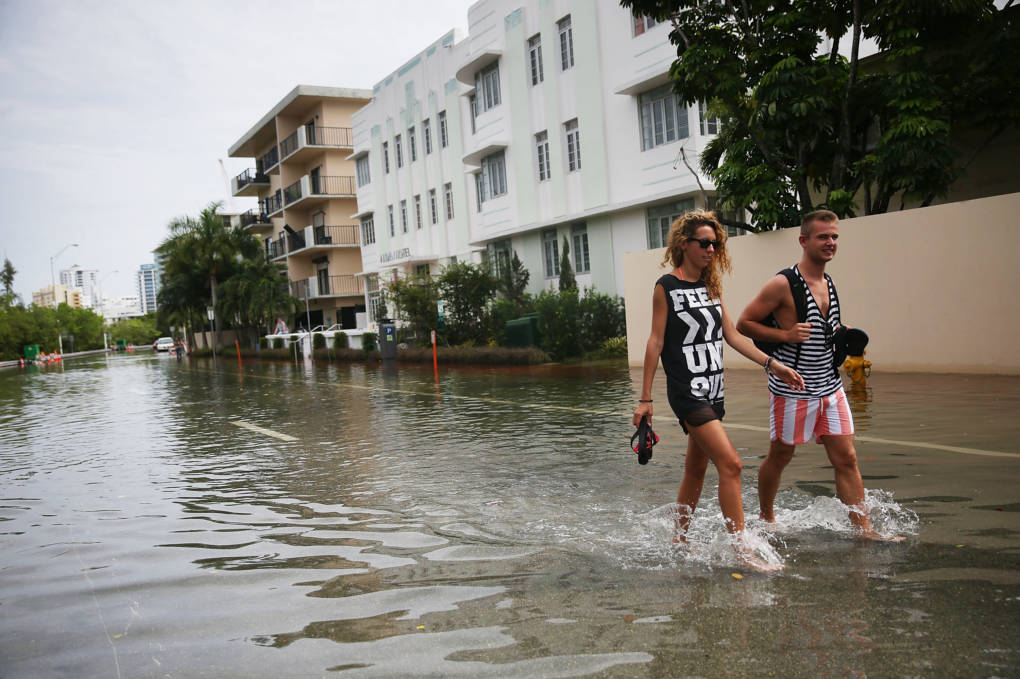
"caption": "Government scientists are working on a climate assessment that among other things will help predict \"sunny day\" floods like this one in Miami Beach, Florida, in 2015.",
"description": "Government scientists are working on a climate assessment that among other things will help predict \"sunny day\" floods like this one in Miami Beach, Fla., in 2015.",
"title": "Government scientists are working on a climate assessment that among other things will help predict \"sunny day\" floods like this one in Miami Beach, Fla., in 2015.",
"credit": "Joe Raedle/Getty Images",
"status": "inherit",
"isLoading": false,
"fetchFailed": false
},
"news_11286470": {
"type": "attachments",
"id": "news_11286470",
"meta": {
"index": "attachments_1716263798",
"site": "news",
"id": "11286470",
"found": true
},
"parent": 11286464,
"imgSizes": {
"small": {
"file": "https://ww2.kqed.org/app/uploads/sites/10/2017/01/NavyVeteran-520x341.jpg",
"width": 520,
"mimeType": "image/jpeg",
"height": 341
},
"twentyfourteen-full-width": {
"file": "https://ww2.kqed.org/app/uploads/sites/10/2017/01/NavyVeteran-1038x576.jpg",
"width": 1038,
"mimeType": "image/jpeg",
"height": 576
},
"thumbnail": {
"file": "https://ww2.kqed.org/app/uploads/sites/10/2017/01/NavyVeteran-160x105.jpg",
"width": 160,
"mimeType": "image/jpeg",
"height": 105
},
"fd-sm": {
"file": "https://ww2.kqed.org/app/uploads/sites/10/2017/01/NavyVeteran-960x629.jpg",
"width": 960,
"mimeType": "image/jpeg",
"height": 629
},
"post-thumbnail": {
"file": "https://ww2.kqed.org/app/uploads/sites/10/2017/01/NavyVeteran-672x372.jpg",
"width": 672,
"mimeType": "image/jpeg",
"height": 372
},
"xsmall": {
"file": "https://ww2.kqed.org/app/uploads/sites/10/2017/01/NavyVeteran-375x246.jpg",
"width": 375,
"mimeType": "image/jpeg",
"height": 246
},
"kqedFullSize": {
"file": "https://ww2.kqed.org/app/uploads/sites/10/2017/01/NavyVeteran.jpg",
"width": 1920,
"height": 1258
},
"large": {
"file": "https://ww2.kqed.org/app/uploads/sites/10/2017/01/NavyVeteran-1020x668.jpg",
"width": 1020,
"mimeType": "image/jpeg",
"height": 668
},
"xlarge": {
"file": "https://ww2.kqed.org/app/uploads/sites/10/2017/01/NavyVeteran-1180x773.jpg",
"width": 1180,
"mimeType": "image/jpeg",
"height": 773
},
"guest-author-50": {
"file": "https://ww2.kqed.org/app/uploads/sites/10/2017/01/NavyVeteran-50x50.jpg",
"width": 50,
"mimeType": "image/jpeg",
"height": 50
},
"guest-author-96": {
"file": "https://ww2.kqed.org/app/uploads/sites/10/2017/01/NavyVeteran-96x96.jpg",
"width": 96,
"mimeType": "image/jpeg",
"height": 96
},
"medium": {
"file": "https://ww2.kqed.org/app/uploads/sites/10/2017/01/NavyVeteran-800x524.jpg",
"width": 800,
"mimeType": "image/jpeg",
"height": 524
},
"guest-author-64": {
"file": "https://ww2.kqed.org/app/uploads/sites/10/2017/01/NavyVeteran-64x64.jpg",
"width": 64,
"mimeType": "image/jpeg",
"height": 64
},
"guest-author-32": {
"file": "https://ww2.kqed.org/app/uploads/sites/10/2017/01/NavyVeteran-32x32.jpg",
"width": 32,
"mimeType": "image/jpeg",
"height": 32
},
"jmtc-small-thumb": {
"file": "https://ww2.kqed.org/app/uploads/sites/10/2017/01/NavyVeteran-280x150.jpg",
"width": 280,
"mimeType": "image/jpeg",
"height": 150
},
"fd-lrg": {
"file": "https://ww2.kqed.org/app/uploads/sites/10/2017/01/NavyVeteran-1920x1258.jpg",
"width": 1920,
"mimeType": "image/jpeg",
"height": 1258
},
"fd-med": {
"file": "https://ww2.kqed.org/app/uploads/sites/10/2017/01/NavyVeteran-1180x773.jpg",
"width": 1180,
"mimeType": "image/jpeg",
"height": 773
},
"full-width": {
"file": "https://ww2.kqed.org/app/uploads/sites/10/2017/01/NavyVeteran-1920x1258.jpg",
"width": 1920,
"mimeType": "image/jpeg",
"height": 1258
},
"detail": {
"file": "https://ww2.kqed.org/app/uploads/sites/10/2017/01/NavyVeteran-150x150.jpg",
"width": 150,
"mimeType": "image/jpeg",
"height": 150
},
"guest-author-128": {
"file": "https://ww2.kqed.org/app/uploads/sites/10/2017/01/NavyVeteran-128x128.jpg",
"width": 128,
"mimeType": "image/jpeg",
"height": 128
},
"xxsmall": {
"file": "https://ww2.kqed.org/app/uploads/sites/10/2017/01/NavyVeteran-240x157.jpg",
"width": 240,
"mimeType": "image/jpeg",
"height": 157
}
},
"publishDate": 1485385555,
"modified": 1485385634,
"caption": "A U.S. Navy veteran attends a campaign event for then-presidential nominee Donald Trump on Sept. 6, 2016.",
"description": "A U.S. Navy veteran attends a campaign event for then-presidential nominee Donald Trump on Sept. 6, 2016.",
"title": "NavyVeteran",
"credit": "Alex Wong/Getty Images",
"status": "inherit",
"isLoading": false,
"fetchFailed": false
},
"science_1351633": {
"type": "attachments",
"id": "science_1351633",
"meta": {
"index": "attachments_1716263798",
"site": "science",
"id": "1351633",
"found": true
},
"parent": 1351627,
"imgSizes": {
"small": {
"file": "https://ww2.kqed.org/app/uploads/sites/35/2017/01/RS10253_83872643-520x347.jpg",
"width": 520,
"mimeType": "image/jpeg",
"height": 347
},
"twentyfourteen-full-width": {
"file": "https://ww2.kqed.org/app/uploads/sites/35/2017/01/RS10253_83872643-1038x576.jpg",
"width": 1038,
"mimeType": "image/jpeg",
"height": 576
},
"thumbnail": {
"file": "https://ww2.kqed.org/app/uploads/sites/35/2017/01/RS10253_83872643-160x107.jpg",
"width": 160,
"mimeType": "image/jpeg",
"height": 107
},
"fd-sm": {
"file": "https://ww2.kqed.org/app/uploads/sites/35/2017/01/RS10253_83872643-960x640.jpg",
"width": 960,
"mimeType": "image/jpeg",
"height": 640
},
"post-thumbnail": {
"file": "https://ww2.kqed.org/app/uploads/sites/35/2017/01/RS10253_83872643-672x372.jpg",
"width": 672,
"mimeType": "image/jpeg",
"height": 372
},
"xsmall": {
"file": "https://ww2.kqed.org/app/uploads/sites/35/2017/01/RS10253_83872643-375x250.jpg",
"width": 375,
"mimeType": "image/jpeg",
"height": 250
},
"kqedFullSize": {
"file": "https://ww2.kqed.org/app/uploads/sites/35/2017/01/RS10253_83872643.jpg",
"width": 3000,
"height": 2000
},
"large": {
"file": "https://ww2.kqed.org/app/uploads/sites/35/2017/01/RS10253_83872643-1020x680.jpg",
"width": 1020,
"mimeType": "image/jpeg",
"height": 680
},
"xlarge": {
"file": "https://ww2.kqed.org/app/uploads/sites/35/2017/01/RS10253_83872643-1180x787.jpg",
"width": 1180,
"mimeType": "image/jpeg",
"height": 787
},
"guest-author-50": {
"file": "https://ww2.kqed.org/app/uploads/sites/35/2017/01/RS10253_83872643-50x50.jpg",
"width": 50,
"mimeType": "image/jpeg",
"height": 50
},
"guest-author-96": {
"file": "https://ww2.kqed.org/app/uploads/sites/35/2017/01/RS10253_83872643-96x96.jpg",
"width": 96,
"mimeType": "image/jpeg",
"height": 96
},
"medium": {
"file": "https://ww2.kqed.org/app/uploads/sites/35/2017/01/RS10253_83872643-800x533.jpg",
"width": 800,
"mimeType": "image/jpeg",
"height": 533
},
"guest-author-64": {
"file": "https://ww2.kqed.org/app/uploads/sites/35/2017/01/RS10253_83872643-64x64.jpg",
"width": 64,
"mimeType": "image/jpeg",
"height": 64
},
"guest-author-32": {
"file": "https://ww2.kqed.org/app/uploads/sites/35/2017/01/RS10253_83872643-32x32.jpg",
"width": 32,
"mimeType": "image/jpeg",
"height": 32
},
"fd-lrg": {
"file": "https://ww2.kqed.org/app/uploads/sites/35/2017/01/RS10253_83872643-1920x1280.jpg",
"width": 1920,
"mimeType": "image/jpeg",
"height": 1280
},
"fd-med": {
"file": "https://ww2.kqed.org/app/uploads/sites/35/2017/01/RS10253_83872643-1180x787.jpg",
"width": 1180,
"mimeType": "image/jpeg",
"height": 787
},
"full-width": {
"file": "https://ww2.kqed.org/app/uploads/sites/35/2017/01/RS10253_83872643-1920x1280.jpg",
"width": 1920,
"mimeType": "image/jpeg",
"height": 1280
},
"detail": {
"file": "https://ww2.kqed.org/app/uploads/sites/35/2017/01/RS10253_83872643-150x150.jpg",
"width": 150,
"mimeType": "image/jpeg",
"height": 150
},
"medium_large": {
"file": "https://ww2.kqed.org/app/uploads/sites/35/2017/01/RS10253_83872643-768x512.jpg",
"width": 768,
"mimeType": "image/jpeg",
"height": 512
},
"guest-author-128": {
"file": "https://ww2.kqed.org/app/uploads/sites/35/2017/01/RS10253_83872643-128x128.jpg",
"width": 128,
"mimeType": "image/jpeg",
"height": 128
},
"xxsmall": {
"file": "https://ww2.kqed.org/app/uploads/sites/35/2017/01/RS10253_83872643-240x160.jpg",
"width": 240,
"mimeType": "image/jpeg",
"height": 160
}
},
"publishDate": 1485365276,
"modified": 1485365473,
"caption": "Under the Trump administration, EPA scientists will undergo an unspecified internal vetting process before they can share their work outside the agency.",
"description": null,
"title": "New State-Of-The Art Laboratory Gets To Work On AIDS Vaccine",
"credit": "Chris Hondros/Getty Images",
"status": "inherit",
"isLoading": false,
"fetchFailed": false
},
"news_11285268": {
"type": "attachments",
"id": "news_11285268",
"meta": {
"index": "attachments_1716263798",
"site": "news",
"id": "11285268",
"found": true
},
"parent": 11285264,
"imgSizes": {
"small": {
"file": "https://ww2.kqed.org/app/uploads/sites/10/2017/01/Scotus-520x302.jpg",
"width": 520,
"mimeType": "image/jpeg",
"height": 302
},
"twentyfourteen-full-width": {
"file": "https://ww2.kqed.org/app/uploads/sites/10/2017/01/Scotus-1038x576.jpg",
"width": 1038,
"mimeType": "image/jpeg",
"height": 576
},
"thumbnail": {
"file": "https://ww2.kqed.org/app/uploads/sites/10/2017/01/Scotus-160x93.jpg",
"width": 160,
"mimeType": "image/jpeg",
"height": 93
},
"fd-sm": {
"file": "https://ww2.kqed.org/app/uploads/sites/10/2017/01/Scotus-960x558.jpg",
"width": 960,
"mimeType": "image/jpeg",
"height": 558
},
"post-thumbnail": {
"file": "https://ww2.kqed.org/app/uploads/sites/10/2017/01/Scotus-672x372.jpg",
"width": 672,
"mimeType": "image/jpeg",
"height": 372
},
"xsmall": {
"file": "https://ww2.kqed.org/app/uploads/sites/10/2017/01/Scotus-375x218.jpg",
"width": 375,
"mimeType": "image/jpeg",
"height": 218
},
"kqedFullSize": {
"file": "https://ww2.kqed.org/app/uploads/sites/10/2017/01/Scotus.jpg",
"width": 1920,
"height": 1115
},
"large": {
"file": "https://ww2.kqed.org/app/uploads/sites/10/2017/01/Scotus-1020x592.jpg",
"width": 1020,
"mimeType": "image/jpeg",
"height": 592
},
"xlarge": {
"file": "https://ww2.kqed.org/app/uploads/sites/10/2017/01/Scotus-1180x685.jpg",
"width": 1180,
"mimeType": "image/jpeg",
"height": 685
},
"guest-author-50": {
"file": "https://ww2.kqed.org/app/uploads/sites/10/2017/01/Scotus-50x50.jpg",
"width": 50,
"mimeType": "image/jpeg",
"height": 50
},
"guest-author-96": {
"file": "https://ww2.kqed.org/app/uploads/sites/10/2017/01/Scotus-96x96.jpg",
"width": 96,
"mimeType": "image/jpeg",
"height": 96
},
"medium": {
"file": "https://ww2.kqed.org/app/uploads/sites/10/2017/01/Scotus-800x465.jpg",
"width": 800,
"mimeType": "image/jpeg",
"height": 465
},
"guest-author-64": {
"file": "https://ww2.kqed.org/app/uploads/sites/10/2017/01/Scotus-64x64.jpg",
"width": 64,
"mimeType": "image/jpeg",
"height": 64
},
"guest-author-32": {
"file": "https://ww2.kqed.org/app/uploads/sites/10/2017/01/Scotus-32x32.jpg",
"width": 32,
"mimeType": "image/jpeg",
"height": 32
},
"jmtc-small-thumb": {
"file": "https://ww2.kqed.org/app/uploads/sites/10/2017/01/Scotus-280x150.jpg",
"width": 280,
"mimeType": "image/jpeg",
"height": 150
},
"fd-lrg": {
"file": "https://ww2.kqed.org/app/uploads/sites/10/2017/01/Scotus-1920x1115.jpg",
"width": 1920,
"mimeType": "image/jpeg",
"height": 1115
},
"fd-med": {
"file": "https://ww2.kqed.org/app/uploads/sites/10/2017/01/Scotus-1180x685.jpg",
"width": 1180,
"mimeType": "image/jpeg",
"height": 685
},
"full-width": {
"file": "https://ww2.kqed.org/app/uploads/sites/10/2017/01/Scotus-1920x1115.jpg",
"width": 1920,
"mimeType": "image/jpeg",
"height": 1115
},
"detail": {
"file": "https://ww2.kqed.org/app/uploads/sites/10/2017/01/Scotus-150x150.jpg",
"width": 150,
"mimeType": "image/jpeg",
"height": 150
},
"guest-author-128": {
"file": "https://ww2.kqed.org/app/uploads/sites/10/2017/01/Scotus-128x128.jpg",
"width": 128,
"mimeType": "image/jpeg",
"height": 128
},
"xxsmall": {
"file": "https://ww2.kqed.org/app/uploads/sites/10/2017/01/Scotus-240x139.jpg",
"width": 240,
"mimeType": "image/jpeg",
"height": 139
}
},
"publishDate": 1485310961,
"modified": 1485387052,
"caption": "The U.S. Supreme Court in Washington, D.C.",
"description": "The U.S. Supreme Court in Washington, D.C.",
"title": "Scotus",
"credit": "Zach Gibson/AFP/Getty Images",
"status": "inherit",
"isLoading": false,
"fetchFailed": false
},
"news_11284986": {
"type": "attachments",
"id": "news_11284986",
"meta": {
"index": "attachments_1716263798",
"site": "news",
"id": "11284986",
"found": true
},
"parent": 11284980,
"imgSizes": {
"small": {
"file": "https://ww2.kqed.org/app/uploads/sites/10/2017/01/Pompeo-520x343.jpg",
"width": 520,
"mimeType": "image/jpeg",
"height": 343
},
"twentyfourteen-full-width": {
"file": "https://ww2.kqed.org/app/uploads/sites/10/2017/01/Pompeo-1038x576.jpg",
"width": 1038,
"mimeType": "image/jpeg",
"height": 576
},
"thumbnail": {
"file": "https://ww2.kqed.org/app/uploads/sites/10/2017/01/Pompeo-160x106.jpg",
"width": 160,
"mimeType": "image/jpeg",
"height": 106
},
"fd-sm": {
"file": "https://ww2.kqed.org/app/uploads/sites/10/2017/01/Pompeo-960x633.jpg",
"width": 960,
"mimeType": "image/jpeg",
"height": 633
},
"post-thumbnail": {
"file": "https://ww2.kqed.org/app/uploads/sites/10/2017/01/Pompeo-672x372.jpg",
"width": 672,
"mimeType": "image/jpeg",
"height": 372
},
"xsmall": {
"file": "https://ww2.kqed.org/app/uploads/sites/10/2017/01/Pompeo-375x247.jpg",
"width": 375,
"mimeType": "image/jpeg",
"height": 247
},
"kqedFullSize": {
"file": "https://ww2.kqed.org/app/uploads/sites/10/2017/01/Pompeo.jpg",
"width": 1920,
"height": 1266
},
"large": {
"file": "https://ww2.kqed.org/app/uploads/sites/10/2017/01/Pompeo-1020x673.jpg",
"width": 1020,
"mimeType": "image/jpeg",
"height": 673
},
"xlarge": {
"file": "https://ww2.kqed.org/app/uploads/sites/10/2017/01/Pompeo-1180x778.jpg",
"width": 1180,
"mimeType": "image/jpeg",
"height": 778
},
"guest-author-50": {
"file": "https://ww2.kqed.org/app/uploads/sites/10/2017/01/Pompeo-50x50.jpg",
"width": 50,
"mimeType": "image/jpeg",
"height": 50
},
"guest-author-96": {
"file": "https://ww2.kqed.org/app/uploads/sites/10/2017/01/Pompeo-96x96.jpg",
"width": 96,
"mimeType": "image/jpeg",
"height": 96
},
"medium": {
"file": "https://ww2.kqed.org/app/uploads/sites/10/2017/01/Pompeo-800x528.jpg",
"width": 800,
"mimeType": "image/jpeg",
"height": 528
},
"guest-author-64": {
"file": "https://ww2.kqed.org/app/uploads/sites/10/2017/01/Pompeo-64x64.jpg",
"width": 64,
"mimeType": "image/jpeg",
"height": 64
},
"guest-author-32": {
"file": "https://ww2.kqed.org/app/uploads/sites/10/2017/01/Pompeo-32x32.jpg",
"width": 32,
"mimeType": "image/jpeg",
"height": 32
},
"jmtc-small-thumb": {
"file": "https://ww2.kqed.org/app/uploads/sites/10/2017/01/Pompeo-280x150.jpg",
"width": 280,
"mimeType": "image/jpeg",
"height": 150
},
"fd-lrg": {
"file": "https://ww2.kqed.org/app/uploads/sites/10/2017/01/Pompeo-1920x1266.jpg",
"width": 1920,
"mimeType": "image/jpeg",
"height": 1266
},
"fd-med": {
"file": "https://ww2.kqed.org/app/uploads/sites/10/2017/01/Pompeo-1180x778.jpg",
"width": 1180,
"mimeType": "image/jpeg",
"height": 778
},
"full-width": {
"file": "https://ww2.kqed.org/app/uploads/sites/10/2017/01/Pompeo-1920x1266.jpg",
"width": 1920,
"mimeType": "image/jpeg",
"height": 1266
},
"detail": {
"file": "https://ww2.kqed.org/app/uploads/sites/10/2017/01/Pompeo-150x150.jpg",
"width": 150,
"mimeType": "image/jpeg",
"height": 150
},
"guest-author-128": {
"file": "https://ww2.kqed.org/app/uploads/sites/10/2017/01/Pompeo-128x128.jpg",
"width": 128,
"mimeType": "image/jpeg",
"height": 128
},
"xxsmall": {
"file": "https://ww2.kqed.org/app/uploads/sites/10/2017/01/Pompeo-240x158.jpg",
"width": 240,
"mimeType": "image/jpeg",
"height": 158
}
},
"publishDate": 1485298567,
"modified": 1485298641,
"caption": "Rep. Michael Pompeo (C) R-Kan., appears at his confirmation hearing as CIA director before the Senate Intelligence Committee. Pompeo was confirmed by the full Senate Monday night.",
"description": "Rep. Michael Pompeo (C) R-Kan., appears at his confirmation hearing as CIA director before the Senate Intelligence Committee. Pompeo was confirmed by the full Senate Monday night.",
"title": "Pompeo",
"credit": "Joe Raedle/Getty Images",
"status": "inherit",
"isLoading": false,
"fetchFailed": false
},
"news_11283811": {
"type": "attachments",
"id": "news_11283811",
"meta": {
"index": "attachments_1716263798",
"site": "news",
"id": "11283811",
"found": true
},
"parent": 11283810,
"imgSizes": {
"small": {
"file": "https://ww2.kqed.org/app/uploads/sites/10/2017/01/burnett-border-fence-3-edit-53a12bb5e7f1df0c1b67302a182c97372400f3ec-520x390.jpg",
"width": 520,
"mimeType": "image/jpeg",
"height": 390
},
"twentyfourteen-full-width": {
"file": "https://ww2.kqed.org/app/uploads/sites/10/2017/01/burnett-border-fence-3-edit-53a12bb5e7f1df0c1b67302a182c97372400f3ec-1038x576.jpg",
"width": 1038,
"mimeType": "image/jpeg",
"height": 576
},
"thumbnail": {
"file": "https://ww2.kqed.org/app/uploads/sites/10/2017/01/burnett-border-fence-3-edit-53a12bb5e7f1df0c1b67302a182c97372400f3ec-160x120.jpg",
"width": 160,
"mimeType": "image/jpeg",
"height": 120
},
"fd-sm": {
"file": "https://ww2.kqed.org/app/uploads/sites/10/2017/01/burnett-border-fence-3-edit-53a12bb5e7f1df0c1b67302a182c97372400f3ec-960x720.jpg",
"width": 960,
"mimeType": "image/jpeg",
"height": 720
},
"post-thumbnail": {
"file": "https://ww2.kqed.org/app/uploads/sites/10/2017/01/burnett-border-fence-3-edit-53a12bb5e7f1df0c1b67302a182c97372400f3ec-672x372.jpg",
"width": 672,
"mimeType": "image/jpeg",
"height": 372
},
"xsmall": {
"file": "https://ww2.kqed.org/app/uploads/sites/10/2017/01/burnett-border-fence-3-edit-53a12bb5e7f1df0c1b67302a182c97372400f3ec-375x281.jpg",
"width": 375,
"mimeType": "image/jpeg",
"height": 281
},
"kqedFullSize": {
"file": "https://ww2.kqed.org/app/uploads/sites/10/2017/01/burnett-border-fence-3-edit-53a12bb5e7f1df0c1b67302a182c97372400f3ec.jpg",
"width": 2498,
"height": 1873
},
"large": {
"file": "https://ww2.kqed.org/app/uploads/sites/10/2017/01/burnett-border-fence-3-edit-53a12bb5e7f1df0c1b67302a182c97372400f3ec-1020x765.jpg",
"width": 1020,
"mimeType": "image/jpeg",
"height": 765
},
"xlarge": {
"file": "https://ww2.kqed.org/app/uploads/sites/10/2017/01/burnett-border-fence-3-edit-53a12bb5e7f1df0c1b67302a182c97372400f3ec-1180x885.jpg",
"width": 1180,
"mimeType": "image/jpeg",
"height": 885
},
"guest-author-50": {
"file": "https://ww2.kqed.org/app/uploads/sites/10/2017/01/burnett-border-fence-3-edit-53a12bb5e7f1df0c1b67302a182c97372400f3ec-50x50.jpg",
"width": 50,
"mimeType": "image/jpeg",
"height": 50
},
"guest-author-96": {
"file": "https://ww2.kqed.org/app/uploads/sites/10/2017/01/burnett-border-fence-3-edit-53a12bb5e7f1df0c1b67302a182c97372400f3ec-96x96.jpg",
"width": 96,
"mimeType": "image/jpeg",
"height": 96
},
"medium": {
"file": "https://ww2.kqed.org/app/uploads/sites/10/2017/01/burnett-border-fence-3-edit-53a12bb5e7f1df0c1b67302a182c97372400f3ec-800x600.jpg",
"width": 800,
"mimeType": "image/jpeg",
"height": 600
},
"guest-author-64": {
"file": "https://ww2.kqed.org/app/uploads/sites/10/2017/01/burnett-border-fence-3-edit-53a12bb5e7f1df0c1b67302a182c97372400f3ec-64x64.jpg",
"width": 64,
"mimeType": "image/jpeg",
"height": 64
},
"guest-author-32": {
"file": "https://ww2.kqed.org/app/uploads/sites/10/2017/01/burnett-border-fence-3-edit-53a12bb5e7f1df0c1b67302a182c97372400f3ec-32x32.jpg",
"width": 32,
"mimeType": "image/jpeg",
"height": 32
},
"jmtc-small-thumb": {
"file": "https://ww2.kqed.org/app/uploads/sites/10/2017/01/burnett-border-fence-3-edit-53a12bb5e7f1df0c1b67302a182c97372400f3ec-280x150.jpg",
"width": 280,
"mimeType": "image/jpeg",
"height": 150
},
"fd-lrg": {
"file": "https://ww2.kqed.org/app/uploads/sites/10/2017/01/burnett-border-fence-3-edit-53a12bb5e7f1df0c1b67302a182c97372400f3ec-1920x1440.jpg",
"width": 1920,
"mimeType": "image/jpeg",
"height": 1440
},
"fd-med": {
"file": "https://ww2.kqed.org/app/uploads/sites/10/2017/01/burnett-border-fence-3-edit-53a12bb5e7f1df0c1b67302a182c97372400f3ec-1180x885.jpg",
"width": 1180,
"mimeType": "image/jpeg",
"height": 885
},
"full-width": {
"file": "https://ww2.kqed.org/app/uploads/sites/10/2017/01/burnett-border-fence-3-edit-53a12bb5e7f1df0c1b67302a182c97372400f3ec-1920x1440.jpg",
"width": 1920,
"mimeType": "image/jpeg",
"height": 1440
},
"detail": {
"file": "https://ww2.kqed.org/app/uploads/sites/10/2017/01/burnett-border-fence-3-edit-53a12bb5e7f1df0c1b67302a182c97372400f3ec-150x150.jpg",
"width": 150,
"mimeType": "image/jpeg",
"height": 150
},
"guest-author-128": {
"file": "https://ww2.kqed.org/app/uploads/sites/10/2017/01/burnett-border-fence-3-edit-53a12bb5e7f1df0c1b67302a182c97372400f3ec-128x128.jpg",
"width": 128,
"mimeType": "image/jpeg",
"height": 128
},
"xxsmall": {
"file": "https://ww2.kqed.org/app/uploads/sites/10/2017/01/burnett-border-fence-3-edit-53a12bb5e7f1df0c1b67302a182c97372400f3ec-240x180.jpg",
"width": 240,
"mimeType": "image/jpeg",
"height": 180
}
},
"publishDate": 1485224221,
"modified": 1485224272,
"caption": "This fence, made of circa-Vietnam War era surplus landing mats, ends at Otay Mesa about 15 miles east of the Pacific Ocean. Tijuana is on the left and California on the right. There are two other kinds of fencing along the U.S.-Mexico border: steel mesh and concrete-filled steel beams.",
"description": "This fence, made of circa-Vietnam War era surplus landing mats, ends at Otay Mesa about 15 miles east of the Pacific Ocean. Tijuana is on the left and California on the right. There are two other kinds of fencing along the U.S.-Mexico border: steel mesh and concrete-filled steel beams.",
"title": "This fence, made of circa-Vietnam War era surplus landing mats, ends at Otay Mesa about 15 miles east of the Pacific Ocean. Tijuana is on the left and California on the right. There are two other kinds of fencing along the U.S.-Mexico border: steel mesh and concrete-filled steel beams.",
"credit": "John Burnett/NPR",
"status": "inherit",
"isLoading": false,
"fetchFailed": false
},
"news_11283585": {
"type": "attachments",
"id": "news_11283585",
"meta": {
"index": "attachments_1716263798",
"site": "news",
"id": "11283585",
"found": true
},
"parent": 11283584,
"imgSizes": {
"small": {
"file": "https://ww2.kqed.org/app/uploads/sites/10/2017/01/gettyimages-632489940_custom-9502286c38c28c3967e06cb64c331e3a5b569991-520x367.jpg",
"width": 520,
"mimeType": "image/jpeg",
"height": 367
},
"twentyfourteen-full-width": {
"file": "https://ww2.kqed.org/app/uploads/sites/10/2017/01/gettyimages-632489940_custom-9502286c38c28c3967e06cb64c331e3a5b569991-1038x576.jpg",
"width": 1038,
"mimeType": "image/jpeg",
"height": 576
},
"thumbnail": {
"file": "https://ww2.kqed.org/app/uploads/sites/10/2017/01/gettyimages-632489940_custom-9502286c38c28c3967e06cb64c331e3a5b569991-160x113.jpg",
"width": 160,
"mimeType": "image/jpeg",
"height": 113
},
"fd-sm": {
"file": "https://ww2.kqed.org/app/uploads/sites/10/2017/01/gettyimages-632489940_custom-9502286c38c28c3967e06cb64c331e3a5b569991-960x677.jpg",
"width": 960,
"mimeType": "image/jpeg",
"height": 677
},
"post-thumbnail": {
"file": "https://ww2.kqed.org/app/uploads/sites/10/2017/01/gettyimages-632489940_custom-9502286c38c28c3967e06cb64c331e3a5b569991-672x372.jpg",
"width": 672,
"mimeType": "image/jpeg",
"height": 372
},
"xsmall": {
"file": "https://ww2.kqed.org/app/uploads/sites/10/2017/01/gettyimages-632489940_custom-9502286c38c28c3967e06cb64c331e3a5b569991-375x265.jpg",
"width": 375,
"mimeType": "image/jpeg",
"height": 265
},
"kqedFullSize": {
"file": "https://ww2.kqed.org/app/uploads/sites/10/2017/01/gettyimages-632489940_custom-9502286c38c28c3967e06cb64c331e3a5b569991-e1485215024446.jpg",
"width": 1920,
"height": 1354
},
"large": {
"file": "https://ww2.kqed.org/app/uploads/sites/10/2017/01/gettyimages-632489940_custom-9502286c38c28c3967e06cb64c331e3a5b569991-1020x719.jpg",
"width": 1020,
"mimeType": "image/jpeg",
"height": 719
},
"xlarge": {
"file": "https://ww2.kqed.org/app/uploads/sites/10/2017/01/gettyimages-632489940_custom-9502286c38c28c3967e06cb64c331e3a5b569991-1180x832.jpg",
"width": 1180,
"mimeType": "image/jpeg",
"height": 832
},
"guest-author-50": {
"file": "https://ww2.kqed.org/app/uploads/sites/10/2017/01/gettyimages-632489940_custom-9502286c38c28c3967e06cb64c331e3a5b569991-50x50.jpg",
"width": 50,
"mimeType": "image/jpeg",
"height": 50
},
"guest-author-96": {
"file": "https://ww2.kqed.org/app/uploads/sites/10/2017/01/gettyimages-632489940_custom-9502286c38c28c3967e06cb64c331e3a5b569991-96x96.jpg",
"width": 96,
"mimeType": "image/jpeg",
"height": 96
},
"medium": {
"file": "https://ww2.kqed.org/app/uploads/sites/10/2017/01/gettyimages-632489940_custom-9502286c38c28c3967e06cb64c331e3a5b569991-800x564.jpg",
"width": 800,
"mimeType": "image/jpeg",
"height": 564
},
"guest-author-64": {
"file": "https://ww2.kqed.org/app/uploads/sites/10/2017/01/gettyimages-632489940_custom-9502286c38c28c3967e06cb64c331e3a5b569991-64x64.jpg",
"width": 64,
"mimeType": "image/jpeg",
"height": 64
},
"guest-author-32": {
"file": "https://ww2.kqed.org/app/uploads/sites/10/2017/01/gettyimages-632489940_custom-9502286c38c28c3967e06cb64c331e3a5b569991-32x32.jpg",
"width": 32,
"mimeType": "image/jpeg",
"height": 32
},
"jmtc-small-thumb": {
"file": "https://ww2.kqed.org/app/uploads/sites/10/2017/01/gettyimages-632489940_custom-9502286c38c28c3967e06cb64c331e3a5b569991-280x150.jpg",
"width": 280,
"mimeType": "image/jpeg",
"height": 150
},
"fd-lrg": {
"file": "https://ww2.kqed.org/app/uploads/sites/10/2017/01/gettyimages-632489940_custom-9502286c38c28c3967e06cb64c331e3a5b569991-1920x1354.jpg",
"width": 1920,
"mimeType": "image/jpeg",
"height": 1354
},
"fd-med": {
"file": "https://ww2.kqed.org/app/uploads/sites/10/2017/01/gettyimages-632489940_custom-9502286c38c28c3967e06cb64c331e3a5b569991-1180x832.jpg",
"width": 1180,
"mimeType": "image/jpeg",
"height": 832
},
"full-width": {
"file": "https://ww2.kqed.org/app/uploads/sites/10/2017/01/gettyimages-632489940_custom-9502286c38c28c3967e06cb64c331e3a5b569991-1920x1354.jpg",
"width": 1920,
"mimeType": "image/jpeg",
"height": 1354
},
"detail": {
"file": "https://ww2.kqed.org/app/uploads/sites/10/2017/01/gettyimages-632489940_custom-9502286c38c28c3967e06cb64c331e3a5b569991-150x150.jpg",
"width": 150,
"mimeType": "image/jpeg",
"height": 150
},
"guest-author-128": {
"file": "https://ww2.kqed.org/app/uploads/sites/10/2017/01/gettyimages-632489940_custom-9502286c38c28c3967e06cb64c331e3a5b569991-128x128.jpg",
"width": 128,
"mimeType": "image/jpeg",
"height": 128
},
"xxsmall": {
"file": "https://ww2.kqed.org/app/uploads/sites/10/2017/01/gettyimages-632489940_custom-9502286c38c28c3967e06cb64c331e3a5b569991-240x169.jpg",
"width": 240,
"mimeType": "image/jpeg",
"height": 169
}
},
"publishDate": 1485214906,
"modified": 1485215056,
"caption": "President Trump signs the executive orders in the Oval Office on Monday, including a withdrawal from the Trans-Pacific Partnership trade deal.",
"description": null,
"title": "President Trump signs the executive orders in the Oval Office on Monday, including a withdrawal from the Trans-Pacific Partnership trade deal.",
"credit": " Ron Sachs/Pool/Getty Images ",
"status": "inherit",
"isLoading": false,
"fetchFailed": false
},
"news_11283359": {
"type": "attachments",
"id": "news_11283359",
"meta": {
"index": "attachments_1716263798",
"site": "news",
"id": "11283359",
"found": true
},
"parent": 11283342,
"imgSizes": {
"small": {
"file": "https://ww2.kqed.org/app/uploads/sites/10/2017/01/TrumpTower-520x333.jpg",
"width": 520,
"mimeType": "image/jpeg",
"height": 333
},
"twentyfourteen-full-width": {
"file": "https://ww2.kqed.org/app/uploads/sites/10/2017/01/TrumpTower-1038x576.jpg",
"width": 1038,
"mimeType": "image/jpeg",
"height": 576
},
"thumbnail": {
"file": "https://ww2.kqed.org/app/uploads/sites/10/2017/01/TrumpTower-160x102.jpg",
"width": 160,
"mimeType": "image/jpeg",
"height": 102
},
"fd-sm": {
"file": "https://ww2.kqed.org/app/uploads/sites/10/2017/01/TrumpTower-960x615.jpg",
"width": 960,
"mimeType": "image/jpeg",
"height": 615
},
"post-thumbnail": {
"file": "https://ww2.kqed.org/app/uploads/sites/10/2017/01/TrumpTower-672x372.jpg",
"width": 672,
"mimeType": "image/jpeg",
"height": 372
},
"xsmall": {
"file": "https://ww2.kqed.org/app/uploads/sites/10/2017/01/TrumpTower-375x240.jpg",
"width": 375,
"mimeType": "image/jpeg",
"height": 240
},
"kqedFullSize": {
"file": "https://ww2.kqed.org/app/uploads/sites/10/2017/01/TrumpTower.jpg",
"width": 1920,
"height": 1229
},
"large": {
"file": "https://ww2.kqed.org/app/uploads/sites/10/2017/01/TrumpTower-1020x653.jpg",
"width": 1020,
"mimeType": "image/jpeg",
"height": 653
},
"xlarge": {
"file": "https://ww2.kqed.org/app/uploads/sites/10/2017/01/TrumpTower-1180x755.jpg",
"width": 1180,
"mimeType": "image/jpeg",
"height": 755
},
"guest-author-50": {
"file": "https://ww2.kqed.org/app/uploads/sites/10/2017/01/TrumpTower-50x50.jpg",
"width": 50,
"mimeType": "image/jpeg",
"height": 50
},
"guest-author-96": {
"file": "https://ww2.kqed.org/app/uploads/sites/10/2017/01/TrumpTower-96x96.jpg",
"width": 96,
"mimeType": "image/jpeg",
"height": 96
},
"medium": {
"file": "https://ww2.kqed.org/app/uploads/sites/10/2017/01/TrumpTower-800x512.jpg",
"width": 800,
"mimeType": "image/jpeg",
"height": 512
},
"guest-author-64": {
"file": "https://ww2.kqed.org/app/uploads/sites/10/2017/01/TrumpTower-64x64.jpg",
"width": 64,
"mimeType": "image/jpeg",
"height": 64
},
"guest-author-32": {
"file": "https://ww2.kqed.org/app/uploads/sites/10/2017/01/TrumpTower-32x32.jpg",
"width": 32,
"mimeType": "image/jpeg",
"height": 32
},
"jmtc-small-thumb": {
"file": "https://ww2.kqed.org/app/uploads/sites/10/2017/01/TrumpTower-280x150.jpg",
"width": 280,
"mimeType": "image/jpeg",
"height": 150
},
"fd-lrg": {
"file": "https://ww2.kqed.org/app/uploads/sites/10/2017/01/TrumpTower-1920x1229.jpg",
"width": 1920,
"mimeType": "image/jpeg",
"height": 1229
},
"fd-med": {
"file": "https://ww2.kqed.org/app/uploads/sites/10/2017/01/TrumpTower-1180x755.jpg",
"width": 1180,
"mimeType": "image/jpeg",
"height": 755
},
"full-width": {
"file": "https://ww2.kqed.org/app/uploads/sites/10/2017/01/TrumpTower-1920x1229.jpg",
"width": 1920,
"mimeType": "image/jpeg",
"height": 1229
},
"detail": {
"file": "https://ww2.kqed.org/app/uploads/sites/10/2017/01/TrumpTower-150x150.jpg",
"width": 150,
"mimeType": "image/jpeg",
"height": 150
},
"guest-author-128": {
"file": "https://ww2.kqed.org/app/uploads/sites/10/2017/01/TrumpTower-128x128.jpg",
"width": 128,
"mimeType": "image/jpeg",
"height": 128
},
"xxsmall": {
"file": "https://ww2.kqed.org/app/uploads/sites/10/2017/01/TrumpTower-240x154.jpg",
"width": 240,
"mimeType": "image/jpeg",
"height": 154
}
},
"publishDate": 1485202930,
"modified": 1485202978,
"caption": "When interests such as Trump Tower in New York take money from foreign governments, it's a potential violation of the Constitution, according to the group that filed the lawsuit. ",
"description": "When interests such as Trump Tower in New York take money from foreign governments, it's a potential violation of the Constitution, according to the group that filed the lawsuit. ",
"title": "TrumpTower",
"credit": "BRYAN R. SMITH/AFP/Getty Images",
"status": "inherit",
"isLoading": false,
"fetchFailed": false
},
"news_11280304": {
"type": "attachments",
"id": "news_11280304",
"meta": {
"index": "attachments_1716263798",
"site": "news",
"id": "11280304",
"found": true
},
"parent": 11280302,
"imgSizes": {
"small": {
"file": "https://ww2.kqed.org/app/uploads/sites/10/2017/01/gettyimages-632287522_slide-dd0cdc47115cc7c17152c8d4bffd893dfc7f7260-1-520x347.jpg",
"width": 520,
"mimeType": "image/jpeg",
"height": 347
},
"twentyfourteen-full-width": {
"file": "https://ww2.kqed.org/app/uploads/sites/10/2017/01/gettyimages-632287522_slide-dd0cdc47115cc7c17152c8d4bffd893dfc7f7260-1-1038x576.jpg",
"width": 1038,
"mimeType": "image/jpeg",
"height": 576
},
"thumbnail": {
"file": "https://ww2.kqed.org/app/uploads/sites/10/2017/01/gettyimages-632287522_slide-dd0cdc47115cc7c17152c8d4bffd893dfc7f7260-1-160x107.jpg",
"width": 160,
"mimeType": "image/jpeg",
"height": 107
},
"fd-sm": {
"file": "https://ww2.kqed.org/app/uploads/sites/10/2017/01/gettyimages-632287522_slide-dd0cdc47115cc7c17152c8d4bffd893dfc7f7260-1-960x640.jpg",
"width": 960,
"mimeType": "image/jpeg",
"height": 640
},
"post-thumbnail": {
"file": "https://ww2.kqed.org/app/uploads/sites/10/2017/01/gettyimages-632287522_slide-dd0cdc47115cc7c17152c8d4bffd893dfc7f7260-1-672x372.jpg",
"width": 672,
"mimeType": "image/jpeg",
"height": 372
},
"xsmall": {
"file": "https://ww2.kqed.org/app/uploads/sites/10/2017/01/gettyimages-632287522_slide-dd0cdc47115cc7c17152c8d4bffd893dfc7f7260-1-375x250.jpg",
"width": 375,
"mimeType": "image/jpeg",
"height": 250
},
"kqedFullSize": {
"file": "https://ww2.kqed.org/app/uploads/sites/10/2017/01/gettyimages-632287522_slide-dd0cdc47115cc7c17152c8d4bffd893dfc7f7260-1.jpg",
"width": 1543,
"height": 1029
},
"large": {
"file": "https://ww2.kqed.org/app/uploads/sites/10/2017/01/gettyimages-632287522_slide-dd0cdc47115cc7c17152c8d4bffd893dfc7f7260-1-1020x680.jpg",
"width": 1020,
"mimeType": "image/jpeg",
"height": 680
},
"xlarge": {
"file": "https://ww2.kqed.org/app/uploads/sites/10/2017/01/gettyimages-632287522_slide-dd0cdc47115cc7c17152c8d4bffd893dfc7f7260-1-1180x787.jpg",
"width": 1180,
"mimeType": "image/jpeg",
"height": 787
},
"guest-author-50": {
"file": "https://ww2.kqed.org/app/uploads/sites/10/2017/01/gettyimages-632287522_slide-dd0cdc47115cc7c17152c8d4bffd893dfc7f7260-1-50x50.jpg",
"width": 50,
"mimeType": "image/jpeg",
"height": 50
},
"guest-author-96": {
"file": "https://ww2.kqed.org/app/uploads/sites/10/2017/01/gettyimages-632287522_slide-dd0cdc47115cc7c17152c8d4bffd893dfc7f7260-1-96x96.jpg",
"width": 96,
"mimeType": "image/jpeg",
"height": 96
},
"medium": {
"file": "https://ww2.kqed.org/app/uploads/sites/10/2017/01/gettyimages-632287522_slide-dd0cdc47115cc7c17152c8d4bffd893dfc7f7260-1-800x534.jpg",
"width": 800,
"mimeType": "image/jpeg",
"height": 534
},
"guest-author-64": {
"file": "https://ww2.kqed.org/app/uploads/sites/10/2017/01/gettyimages-632287522_slide-dd0cdc47115cc7c17152c8d4bffd893dfc7f7260-1-64x64.jpg",
"width": 64,
"mimeType": "image/jpeg",
"height": 64
},
"guest-author-32": {
"file": "https://ww2.kqed.org/app/uploads/sites/10/2017/01/gettyimages-632287522_slide-dd0cdc47115cc7c17152c8d4bffd893dfc7f7260-1-32x32.jpg",
"width": 32,
"mimeType": "image/jpeg",
"height": 32
},
"jmtc-small-thumb": {
"file": "https://ww2.kqed.org/app/uploads/sites/10/2017/01/gettyimages-632287522_slide-dd0cdc47115cc7c17152c8d4bffd893dfc7f7260-1-280x150.jpg",
"width": 280,
"mimeType": "image/jpeg",
"height": 150
},
"fd-med": {
"file": "https://ww2.kqed.org/app/uploads/sites/10/2017/01/gettyimages-632287522_slide-dd0cdc47115cc7c17152c8d4bffd893dfc7f7260-1-1180x787.jpg",
"width": 1180,
"mimeType": "image/jpeg",
"height": 787
},
"detail": {
"file": "https://ww2.kqed.org/app/uploads/sites/10/2017/01/gettyimages-632287522_slide-dd0cdc47115cc7c17152c8d4bffd893dfc7f7260-1-150x150.jpg",
"width": 150,
"mimeType": "image/jpeg",
"height": 150
},
"guest-author-128": {
"file": "https://ww2.kqed.org/app/uploads/sites/10/2017/01/gettyimages-632287522_slide-dd0cdc47115cc7c17152c8d4bffd893dfc7f7260-1-128x128.jpg",
"width": 128,
"mimeType": "image/jpeg",
"height": 128
},
"xxsmall": {
"file": "https://ww2.kqed.org/app/uploads/sites/10/2017/01/gettyimages-632287522_slide-dd0cdc47115cc7c17152c8d4bffd893dfc7f7260-1-240x160.jpg",
"width": 240,
"mimeType": "image/jpeg",
"height": 160
}
},
"publishDate": 1485019170,
"modified": 1485019515,
"caption": "Demonstrators protest on the National Mall in Washington, D.C., for the Women's March on Washington.",
"description": null,
"title": "Demonstrators protest on the National Mall in Washington, DC, for the Women's March on Washington.",
"credit": "Andrew Caballero-Reynolds/AFP/Getty Images",
"status": "inherit",
"isLoading": false,
"fetchFailed": false
},
"news_11278906": {
"type": "attachments",
"id": "news_11278906",
"meta": {
"index": "attachments_1716263798",
"site": "news",
"id": "11278906",
"found": true
},
"parent": 11278904,
"imgSizes": {
"small": {
"file": "https://ww2.kqed.org/app/uploads/sites/10/2017/01/gettyimages-632202494-1-1ce225bca6a9f6dd704b109196e51a11b91102e7-520x390.jpg",
"width": 520,
"mimeType": "image/jpeg",
"height": 390
},
"twentyfourteen-full-width": {
"file": "https://ww2.kqed.org/app/uploads/sites/10/2017/01/gettyimages-632202494-1-1ce225bca6a9f6dd704b109196e51a11b91102e7-1038x576.jpg",
"width": 1038,
"mimeType": "image/jpeg",
"height": 576
},
"thumbnail": {
"file": "https://ww2.kqed.org/app/uploads/sites/10/2017/01/gettyimages-632202494-1-1ce225bca6a9f6dd704b109196e51a11b91102e7-160x120.jpg",
"width": 160,
"mimeType": "image/jpeg",
"height": 120
},
"fd-sm": {
"file": "https://ww2.kqed.org/app/uploads/sites/10/2017/01/gettyimages-632202494-1-1ce225bca6a9f6dd704b109196e51a11b91102e7-960x720.jpg",
"width": 960,
"mimeType": "image/jpeg",
"height": 720
},
"post-thumbnail": {
"file": "https://ww2.kqed.org/app/uploads/sites/10/2017/01/gettyimages-632202494-1-1ce225bca6a9f6dd704b109196e51a11b91102e7-672x372.jpg",
"width": 672,
"mimeType": "image/jpeg",
"height": 372
},
"xsmall": {
"file": "https://ww2.kqed.org/app/uploads/sites/10/2017/01/gettyimages-632202494-1-1ce225bca6a9f6dd704b109196e51a11b91102e7-375x281.jpg",
"width": 375,
"mimeType": "image/jpeg",
"height": 281
},
"kqedFullSize": {
"file": "https://ww2.kqed.org/app/uploads/sites/10/2017/01/gettyimages-632202494-1-1ce225bca6a9f6dd704b109196e51a11b91102e7.jpg",
"width": 5308,
"height": 3981
},
"large": {
"file": "https://ww2.kqed.org/app/uploads/sites/10/2017/01/gettyimages-632202494-1-1ce225bca6a9f6dd704b109196e51a11b91102e7-1020x765.jpg",
"width": 1020,
"mimeType": "image/jpeg",
"height": 765
},
"xlarge": {
"file": "https://ww2.kqed.org/app/uploads/sites/10/2017/01/gettyimages-632202494-1-1ce225bca6a9f6dd704b109196e51a11b91102e7-1180x885.jpg",
"width": 1180,
"mimeType": "image/jpeg",
"height": 885
},
"guest-author-50": {
"file": "https://ww2.kqed.org/app/uploads/sites/10/2017/01/gettyimages-632202494-1-1ce225bca6a9f6dd704b109196e51a11b91102e7-50x50.jpg",
"width": 50,
"mimeType": "image/jpeg",
"height": 50
},
"guest-author-96": {
"file": "https://ww2.kqed.org/app/uploads/sites/10/2017/01/gettyimages-632202494-1-1ce225bca6a9f6dd704b109196e51a11b91102e7-96x96.jpg",
"width": 96,
"mimeType": "image/jpeg",
"height": 96
},
"medium": {
"file": "https://ww2.kqed.org/app/uploads/sites/10/2017/01/gettyimages-632202494-1-1ce225bca6a9f6dd704b109196e51a11b91102e7-800x600.jpg",
"width": 800,
"mimeType": "image/jpeg",
"height": 600
},
"guest-author-64": {
"file": "https://ww2.kqed.org/app/uploads/sites/10/2017/01/gettyimages-632202494-1-1ce225bca6a9f6dd704b109196e51a11b91102e7-64x64.jpg",
"width": 64,
"mimeType": "image/jpeg",
"height": 64
},
"guest-author-32": {
"file": "https://ww2.kqed.org/app/uploads/sites/10/2017/01/gettyimages-632202494-1-1ce225bca6a9f6dd704b109196e51a11b91102e7-32x32.jpg",
"width": 32,
"mimeType": "image/jpeg",
"height": 32
},
"jmtc-small-thumb": {
"file": "https://ww2.kqed.org/app/uploads/sites/10/2017/01/gettyimages-632202494-1-1ce225bca6a9f6dd704b109196e51a11b91102e7-280x150.jpg",
"width": 280,
"mimeType": "image/jpeg",
"height": 150
},
"fd-lrg": {
"file": "https://ww2.kqed.org/app/uploads/sites/10/2017/01/gettyimages-632202494-1-1ce225bca6a9f6dd704b109196e51a11b91102e7-1920x1440.jpg",
"width": 1920,
"mimeType": "image/jpeg",
"height": 1440
},
"fd-med": {
"file": "https://ww2.kqed.org/app/uploads/sites/10/2017/01/gettyimages-632202494-1-1ce225bca6a9f6dd704b109196e51a11b91102e7-1180x885.jpg",
"width": 1180,
"mimeType": "image/jpeg",
"height": 885
},
"full-width": {
"file": "https://ww2.kqed.org/app/uploads/sites/10/2017/01/gettyimages-632202494-1-1ce225bca6a9f6dd704b109196e51a11b91102e7-1920x1440.jpg",
"width": 1920,
"mimeType": "image/jpeg",
"height": 1440
},
"detail": {
"file": "https://ww2.kqed.org/app/uploads/sites/10/2017/01/gettyimages-632202494-1-1ce225bca6a9f6dd704b109196e51a11b91102e7-150x150.jpg",
"width": 150,
"mimeType": "image/jpeg",
"height": 150
},
"guest-author-128": {
"file": "https://ww2.kqed.org/app/uploads/sites/10/2017/01/gettyimages-632202494-1-1ce225bca6a9f6dd704b109196e51a11b91102e7-128x128.jpg",
"width": 128,
"mimeType": "image/jpeg",
"height": 128
},
"xxsmall": {
"file": "https://ww2.kqed.org/app/uploads/sites/10/2017/01/gettyimages-632202494-1-1ce225bca6a9f6dd704b109196e51a11b91102e7-240x180.jpg",
"width": 240,
"mimeType": "image/jpeg",
"height": 180
}
},
"publishDate": 1484945577,
"modified": 1484950628,
"caption": "Police officers push a group of demonstrators back in northwest Washington, D.C., on Friday. Violence broke out in the area among a crowd of several hundred, but the city's interim police chief says protests across the city have been largely peaceful.",
"description": "Police officers push a group of demonstrators back in northwest Washington, DC., on Friday. Violence broke out in the area among a crowd of several hundred, but the city's interim police chief says protests across the city have been largely peaceful",
"title": "Police officers push a group of demonstrators back in northwest Washington, DC., on Friday. Violence broke out in the area among a crowd of several hundred, but the city's interim police chief says protests across the city have been largely peaceful.",
"credit": "Zach Gibson/AFP/Getty Images",
"status": "inherit",
"isLoading": false,
"fetchFailed": false
}
},
"audioPlayerReducer": {
"postId": "stream_live",
"isPaused": true,
"isPlaying": false,
"pfsActive": false,
"pledgeModalIsOpen": true,
"playerDrawerIsOpen": false,
"liveAudioPlayStartedAt": 0,
"liveAudioPlayContext": ""
},
"authorsReducer": {
"byline_news_11289051": {
"type": "authors",
"id": "byline_news_11289051",
"meta": {
"override": true
},
"slug": "byline_news_11289051",
"name": "Carrie Johnson",
"isLoading": false
},
"byline_news_11287995": {
"type": "authors",
"id": "byline_news_11287995",
"meta": {
"override": true
},
"slug": "byline_news_11287995",
"name": "Scott Horsley",
"isLoading": false
},
"byline_news_11287765": {
"type": "authors",
"id": "byline_news_11287765",
"meta": {
"override": true
},
"slug": "byline_news_11287765",
"name": "Christopher Joyce",
"isLoading": false
},
"byline_news_11286464": {
"type": "authors",
"id": "byline_news_11286464",
"meta": {
"override": true
},
"slug": "byline_news_11286464",
"name": "Quil Lawrence",
"isLoading": false
},
"byline_science_1351627": {
"type": "authors",
"id": "byline_science_1351627",
"meta": {
"override": true
},
"slug": "byline_science_1351627",
"name": "Nathan Rott\u003c/br>NPR",
"isLoading": false
},
"byline_news_11285264": {
"type": "authors",
"id": "byline_news_11285264",
"meta": {
"override": true
},
"slug": "byline_news_11285264",
"name": "Nina Totenberg",
"isLoading": false
},
"byline_news_11284980": {
"type": "authors",
"id": "byline_news_11284980",
"meta": {
"override": true
},
"slug": "byline_news_11284980",
"name": "Domenico Montanaro",
"isLoading": false
},
"byline_news_11283810": {
"type": "authors",
"id": "byline_news_11283810",
"meta": {
"override": true
},
"slug": "byline_news_11283810",
"name": "John Burnett",
"isLoading": false
},
"byline_news_11283584": {
"type": "authors",
"id": "byline_news_11283584",
"meta": {
"override": true
},
"slug": "byline_news_11283584",
"name": "\u003cstrong>\u003ca href=\"http://www.npr.org/people/2100941/brian-naylor\">Brian Naylor\u003c/a>\u003c/strong>",
"isLoading": false
},
"byline_news_11283342": {
"type": "authors",
"id": "byline_news_11283342",
"meta": {
"override": true
},
"slug": "byline_news_11283342",
"name": "Jim Zarroli",
"isLoading": false
},
"byline_news_11280302": {
"type": "authors",
"id": "byline_news_11280302",
"meta": {
"override": true
},
"slug": "byline_news_11280302",
"name": "Colin Dwyer",
"isLoading": false
},
"byline_news_11278904": {
"type": "authors",
"id": "byline_news_11278904",
"meta": {
"override": true
},
"slug": "byline_news_11278904",
"name": "Camila Domonoske",
"isLoading": false
}
},
"pagesReducer": {
"news_affiliate_npr": {
"type": "terms",
"id": "news_253",
"meta": {
"index": "terms_1716263798",
"site": "news",
"id": "253",
"score": 14.262813
},
"featImg": null,
"name": "NPR",
"description": null,
"taxonomy": "affiliate",
"headData": {
"twImgId": null,
"twTitle": null,
"ogTitle": null,
"ogImgId": null,
"twDescription": null,
"description": "KQED is the NPR station for the Bay Area, providing award-winning news, programming, and community engagement.",
"title": "NPR Archives - Get the Latest News and Reports from California | KQED",
"ogDescription": null
},
"ttid": 7083,
"slug": "npr",
"isLoading": false,
"title": "NPR",
"pageMeta": {
"site": "news",
"WpPageTemplate": "page-topic-editorial",
"currentPage": 87
},
"blocks": [
{
"blockName": "kqed/post-list",
"attrs": {
"layout": "cardArticle2",
"query": "posts/news?affiliate=npr",
"seeMore": false,
"paginated": true,
"page": 87
}
},
{
"blockName": "kqed/ad"
}
]
}
},
"pfsSessionReducer": {},
"postsReducer": {
"stream_live": {
"type": "live",
"id": "stream_live",
"audioUrl": "https://hls.kqed.org/hls/kqed_app/playlist.m3u8",
"title": "Live Stream",
"excerpt": "Live Stream information currently unavailable.",
"link": "/radio",
"featImg": "",
"label": {
"name": "KQED Live",
"link": "/"
}
},
"stream_kqedNewscast": {
"type": "posts",
"id": "stream_kqedNewscast",
"audioUrl": "https://www.kqed.org/.stream/anon/radio/RDnews/newscast.mp3?_=1",
"title": "KQED Newscast",
"featImg": "",
"label": {
"name": "88.5 FM",
"link": "/"
}
},
"news_11289051": {
"type": "posts",
"id": "news_11289051",
"meta": {
"index": "posts_1716263798",
"site": "news",
"id": "11289051",
"score": null,
"sort": [
1485545419000
]
},
"parent": 0,
"labelTerm": {},
"blocks": [],
"publishDate": 1485545419,
"format": "image",
"disqusTitle": "Key Justice Dept. Office Won't Say If It Approved White House Executive Orders",
"title": "Key Justice Dept. Office Won't Say If It Approved White House Executive Orders",
"headTitle": "The California Report | KQED News",
"content": "\u003cp>The U.S. Justice Department said it has \"no comment\" on whether its Office of Legal Counsel has reviewed any of President Trump's executive orders, which have met with criticism this week because of vague language and possible conflicts with legal precedents.\u003c/p>\n\u003cp>The department's own website says:\u003c/p>\n\u003cblockquote>\u003cp>\"All executive orders and proclamations proposed to be issued by the President are reviewed by the Office of Legal Counsel for form and legality, as are various other matters that require the President's formal approval.\"\u003c/p>\u003c/blockquote>\n\u003cp>The OLC, a small but powerful unit within Justice, advises the executive branch on constitutional questions and the limits of executive power. It is frequently called upon to decide complex problems, especially when two different agencies are in conflict.\u003c/p>\n\u003cp>During the George W. Bush years, it drew criticism for opinions that paved the way for harsh detainee interrogation tactics. During the Obama administration, the office blessed the legality of weaponized drone strikes against an American citizen overseas. Earlier this month, a career lawyer in the office \u003ca href=\"https://www.justice.gov/sites/default/files/olc/opinions/attachments/2017/01/21/2017-01-20-anti-nepo-stat-who.pdf\">concluded\u003c/a> that Trump's hiring of son-in-law Jared Kushner for a top post in the White House did not violate federal anti-nepotism law.\u003c/p>\n\u003cp>The prospect that administration lawyers are not reviewing a series of executive orders flowing out of the White House in its first week is raising eyebrows in legal circles.\u003c/p>\n\u003cp>[ad fullwidth]\u003c/p>\n\u003cp>\"OLC is supposed to review all executive orders for legality before they are issued,\" Matthew Miller, a former spokesman for the Obama Justice Department, pointed out on Twitter in response to this reporter. \"Longstanding practice under admins of both parties.\"\u003c/p>\n\u003cp>https://twitter.com/matthewamiller/status/825019054746275840\u003c/p>\n\u003cp>In fact, Miller said, under a decades-old \u003ca href=\"https://www.archives.gov/federal-register/codification/executive-order/11030.html\">federal rule\u003c/a>, the president is supposed to submit proposed executive orders and proclamations to both the Office of Management and Budget and the attorney general, who reviews the materials for both \"form and legality.\"\u003c/p>\n\u003cp>The White House in years past has at times bypassed the OLC altogether on sensitive matters of national security or has overruled informal oral advice from lawyers there. For instance, in 2011, the Obama White House rejected the judgment of Justice Department and Pentagon officials and decided it had the authority to continue military operations in Libya without seeking approval from Congress.\u003c/p>\n\u003cp>[contextly_sidebar id=\"AABma2Fc9WHS9e2RLZYDN8ZO7ZTU8MWc\"]\u003c/p>\n\u003cp>Legal scholars and veterans of the OLC said the ultimate legal power resides with the president himself. And, they said, at times during a transition to a new administration, the coordination between the Justice Department and the White House on issues of law and policy can take time to mature.\u003c/p>\n\u003cp>Still, Walter Dellinger, who headed the OLC during the Clinton administration, said it's \"essential that any order issued by the president be reviewed for lawfulness by the career lawyers at the Office of Legal Counsel. That is not a task that can be left to White House staff if we are going to be a nation of laws.\"\u003c/p>\n\u003cp>Officials at the Constitutional Accountability Center, a left-leaning public interest law firm and think tank, said Trump's nominee to lead the Justice Department, Alabama Republican Sen. Jeff Sessions, should answer questions about whether he'll \"commit to requiring OLC to perform its long-established role of reviewing such orders in the future.\"\u003c/p>\n\u003cp>\u003c/p>\n\u003cp>Copyright 2017 NPR. To see more, visit \u003ca href=\"http://www.npr.org/\" target=\"_blank\">NPR.org\u003c/a>.\u003c/p>\n\n",
"disqusIdentifier": "11289051 https://ww2.kqed.org/news/?p=11289051",
"disqusUrl": "https://ww2.kqed.org/news/2017/01/27/key-justice-dept-office-wont-say-if-it-approved-white-house-executive-orders/",
"stats": {
"hasVideo": false,
"hasChartOrMap": false,
"hasAudio": false,
"hasPolis": false,
"wordCount": 553,
"hasGoogleForm": false,
"hasGallery": false,
"hasHearkenModule": false,
"iframeSrcs": [],
"paragraphCount": 16
},
"modified": 1485558075,
"excerpt": "A key Justice Department unit has declined to comment on whether it's reviewing a stream of executive orders coming during Donald Trump's first week as president.",
"headData": {
"twImgId": "",
"twTitle": "",
"ogTitle": "",
"ogImgId": "",
"twDescription": "",
"description": "A key Justice Department unit has declined to comment on whether it's reviewing a stream of executive orders coming during Donald Trump's first week as president.",
"title": "Key Justice Dept. Office Won't Say If It Approved White House Executive Orders | KQED",
"ogDescription": "",
"schema": {
"@context": "https://schema.org",
"@type": "NewsArticle",
"headline": "Key Justice Dept. Office Won't Say If It Approved White House Executive Orders",
"datePublished": "2017-01-27T11:30:19-08:00",
"dateModified": "2017-01-27T15:01:15-08:00",
"image": "https://cdn.kqed.org/wp-content/uploads/2020/02/KQED-OG-Image@1x.png",
"isAccessibleForFree": "True",
"publisher": {
"@type": "NewsMediaOrganization",
"@id": "https://www.kqed.org/#organization",
"name": "KQED",
"logo": "https://cdn.kqed.org/wp-content/uploads/2020/02/KQED-OG-Image@1x.png",
"url": "https://www.kqed.org",
"sameAs": [
"https://www.facebook.com/KQED",
"https://twitter.com/KQED",
"https://www.instagram.com/kqed/",
"https://www.tiktok.com/@kqedofficial",
"https://www.linkedin.com/company/kqed",
"https://www.youtube.com/channel/UCeC0IOo7i1P_61zVUWbJ4nw"
]
}
}
},
"guestAuthors": [],
"slug": "key-justice-dept-office-wont-say-if-it-approved-white-house-executive-orders",
"status": "publish",
"sourceUrl": "http://www.npr.org/",
"nprApiLink": "http://api.npr.org/query?id=511998206&apiKey=MDAxOTAwOTE4MDEyMTkxMDAzNjczZDljZA004",
"nprByline": "Carrie Johnson",
"nprStoryDate": "Fri, 27 Jan 2017 12:03:00 -0500",
"nprLastModifiedDate": "Fri, 27 Jan 2017 13:38:49 -0500",
"nprHtmlLink": "http://www.npr.org/2017/01/27/511998206/key-justice-dept-office-won-t-say-if-it-approved-white-house-executive-orders?ft=nprml&f=511998206",
"nprImageAgency": "AP",
"nprImageCredit": "J. David Ake",
"source": "NPR",
"nprStoryId": "511998206",
"nprRetrievedStory": "1",
"nprPubDate": "Fri, 27 Jan 2017 13:38:00 -0500",
"path": "/news/11289051/key-justice-dept-office-wont-say-if-it-approved-white-house-executive-orders",
"audioTrackLength": null,
"parsedContent": [
{
"type": "contentString",
"content": "\u003cdiv class=\"post-body\">\u003cp>\u003cp>The U.S. Justice Department said it has \"no comment\" on whether its Office of Legal Counsel has reviewed any of President Trump's executive orders, which have met with criticism this week because of vague language and possible conflicts with legal precedents.\u003c/p>\n\u003cp>The department's own website says:\u003c/p>\n\u003cblockquote>\u003cp>\"All executive orders and proclamations proposed to be issued by the President are reviewed by the Office of Legal Counsel for form and legality, as are various other matters that require the President's formal approval.\"\u003c/p>\u003c/blockquote>\n\u003cp>The OLC, a small but powerful unit within Justice, advises the executive branch on constitutional questions and the limits of executive power. It is frequently called upon to decide complex problems, especially when two different agencies are in conflict.\u003c/p>\n\u003cp>During the George W. Bush years, it drew criticism for opinions that paved the way for harsh detainee interrogation tactics. During the Obama administration, the office blessed the legality of weaponized drone strikes against an American citizen overseas. Earlier this month, a career lawyer in the office \u003ca href=\"https://www.justice.gov/sites/default/files/olc/opinions/attachments/2017/01/21/2017-01-20-anti-nepo-stat-who.pdf\">concluded\u003c/a> that Trump's hiring of son-in-law Jared Kushner for a top post in the White House did not violate federal anti-nepotism law.\u003c/p>\n\u003cp>The prospect that administration lawyers are not reviewing a series of executive orders flowing out of the White House in its first week is raising eyebrows in legal circles.\u003c/p>\n\u003cp>\u003c/p>\u003c/div>",
"attributes": {
"named": {},
"numeric": []
}
},
{
"type": "component",
"content": "",
"name": "ad",
"attributes": {
"named": {
"label": "fullwidth"
},
"numeric": [
"fullwidth"
]
}
},
{
"type": "contentString",
"content": "\u003cdiv class=\"post-body\">\u003cp>\u003c/p>\n\u003cp>\"OLC is supposed to review all executive orders for legality before they are issued,\" Matthew Miller, a former spokesman for the Obama Justice Department, pointed out on Twitter in response to this reporter. \"Longstanding practice under admins of both parties.\"\u003c/p>\u003c/p>\u003c/div>",
"attributes": {
"named": {},
"numeric": []
}
},
{
"type": "component",
"content": "",
"name": "singleTwitterStatus",
"attributes": {
"named": {
"id": "825019054746275840"
},
"numeric": []
}
},
{
"type": "contentString",
"content": "\u003cdiv class=\"post-body\">\u003cp>\n\u003cp>In fact, Miller said, under a decades-old \u003ca href=\"https://www.archives.gov/federal-register/codification/executive-order/11030.html\">federal rule\u003c/a>, the president is supposed to submit proposed executive orders and proclamations to both the Office of Management and Budget and the attorney general, who reviews the materials for both \"form and legality.\"\u003c/p>\n\u003cp>The White House in years past has at times bypassed the OLC altogether on sensitive matters of national security or has overruled informal oral advice from lawyers there. For instance, in 2011, the Obama White House rejected the judgment of Justice Department and Pentagon officials and decided it had the authority to continue military operations in Libya without seeking approval from Congress.\u003c/p>\n\u003cp>\u003c/p>\u003cp>\u003c/p>\u003cp>\u003c/p>\n\u003cp>Legal scholars and veterans of the OLC said the ultimate legal power resides with the president himself. And, they said, at times during a transition to a new administration, the coordination between the Justice Department and the White House on issues of law and policy can take time to mature.\u003c/p>\n\u003cp>Still, Walter Dellinger, who headed the OLC during the Clinton administration, said it's \"essential that any order issued by the president be reviewed for lawfulness by the career lawyers at the Office of Legal Counsel. That is not a task that can be left to White House staff if we are going to be a nation of laws.\"\u003c/p>\n\u003cp>Officials at the Constitutional Accountability Center, a left-leaning public interest law firm and think tank, said Trump's nominee to lead the Justice Department, Alabama Republican Sen. Jeff Sessions, should answer questions about whether he'll \"commit to requiring OLC to perform its long-established role of reviewing such orders in the future.\"\u003c/p>\n\u003cp>\u003c/p>\n\u003cp>Copyright 2017 NPR. To see more, visit \u003ca href=\"http://www.npr.org/\" target=\"_blank\">NPR.org\u003c/a>.\u003c/p>\n\n\u003c/div>\u003c/p>",
"attributes": {
"named": {},
"numeric": []
}
}
],
"link": "/news/11289051/key-justice-dept-office-wont-say-if-it-approved-white-house-executive-orders",
"authors": [
"byline_news_11289051"
],
"programs": [
"news_6944",
"news_72"
],
"categories": [
"news_6188",
"news_8",
"news_13"
],
"tags": [
"news_1323",
"news_17286"
],
"affiliates": [
"news_253"
],
"featImg": "news_11289055",
"label": "source_news_11289051"
},
"news_11287995": {
"type": "posts",
"id": "news_11287995",
"meta": {
"index": "posts_1716263798",
"site": "news",
"id": "11287995",
"score": null,
"sort": [
1485477119000
]
},
"parent": 0,
"labelTerm": {},
"blocks": [],
"publishDate": 1485477119,
"format": "image",
"disqusTitle": "Trump's Suggested Import Tax Would Mean U.S. Consumers Pay for That Wall",
"title": "Trump's Suggested Import Tax Would Mean U.S. Consumers Pay for That Wall",
"headTitle": "The California Report | KQED News",
"content": "\u003cp>The Trump administration is considering alternative ways to pay for the border wall, backtracking on the president's oft-repeated promise that Mexico would foot the bill.\u003c/p>\n\u003cp>A White House spokesman said one idea taking shape is to apply a 20 percent tax on imports from Mexico, as well as other countries with which the U.S. has a trade deficit. That would effectively saddle U.S. consumers with a significant portion of the wall's cost, estimated at $15 billion or more.\u003c/p>\n\u003cp>Trump's spokesman, Sean Spicer, did not offer details about how the import tax would work, but he said it could be adopted as part of comprehensive tax reform. After the idea sparked controversy, Spicer later walked back the idea, saying that \"it could be a multitude of things.\" The tax could be 20 percent or 18 or 5, he said, adding that he wasn't trying to be \"prescriptive.\"\u003c/p>\n\u003cp>Trump discussed the plan during a meeting in Philadelphia with congressional Republicans.\u003c/p>\n\u003cp>Even floating this idea amounts to a remarkable capitulation by the new president, who was insisting as late as Wednesday that Mexico would bear the cost of the border barrier.\u003c/p>\n\u003cp>[ad fullwidth]\u003c/p>\n\u003cp>Mexico's refusal has already created friction between the countries. Mexican President Enrique Peña Nieto \u003ca href=\"https://ww2.kqed.org/news/2017/01/26/mexicos-president-cancels-planned-d-c-trip-to-meet-with-trump/\" target=\"_blank\">abruptly canceled a planned meeting\u003c/a> with Trump next week, a decision that the U.S. president tried to explain as mutual.\u003c/p>\n\u003cp>Mexico is one of America's top trading partners, with more than $500 billion worth of goods flowing across the Southern border each year. Spicer argued that adding a 20 percent surcharge to imports from Mexico would quickly cover the cost of the wall.\u003c/p>\n\u003cp>\"This is the beginning of this plan to make sure it's done right,\" Spicer told reporters traveling aboard Air Force One. \"It clearly provides the funding and it does so in a way that ensures that the American taxpayer is wholly respected.\"\u003c/p>\n\u003cp>The suggestion drew a swift rebuke from at least one Republican senator, South Carolina's Lindsey Graham, who said it would be a bad idea to do anything that raises the price of Corona, tequila or margaritas. (Graham's family used to own a bar.)\u003c/p>\n\u003cp>https://twitter.com/LindseyGrahamSC/status/824733324769951744\u003c/p>\n\u003cp>https://twitter.com/LindseyGrahamSC/status/824734113412345856\u003c/p>\n\u003cp>House Speaker Paul Ryan's office contended the White House and Congress were on the \"same page.\"\u003c/p>\n\u003cp>\"We have been and continue to be on the same page about tax reform that supports American jobs and American goods,\" Ryan aide AshLee Strong told NPR's Susan Davis.\u003c/p>\n\u003cp>That's because Ryan has proposed a \"border adjustment\" tax that would affect the \"corporate tax rates applied to goods and services consumed in the U.S. but not applied to goods and services exported,\" a Republican Capitol Hill source added.\u003c/p>\n\u003cp>The plan would allow corporations to subtract export sales when calculating their tax bill, but companies would not be allowed to deduct the cost of imports. Under the current tax code, export sales are taxed, and import costs are deductible.\u003c/p>\n\u003cp>If Trump is embracing Ryan's plan, it would be a reversal. Just 10 days ago, he told the \u003ca href=\"http://www.wsj.com/articles/trump-warns-on-house-republican-tax-plan-1484613766\">Wall Street Journal\u003c/a> that a \"border adjustment tax\" was \"too complicated.\"\u003c/p>\n\u003cp>\"Anytime I hear border adjustment, I don't love it,\" Trump said. \"Because usually it means we're going to get adjusted into a bad deal. That's what happens.\"\u003c/p>\n\u003cp>[contextly_sidebar id=\"gqgsZO86pEyrSFRFfvnhwJkE6cIDgaTA\"]\u003c/p>\n\u003cp>Texas Republican Sen. John Cornyn said the plan raises questions.\u003c/p>\n\u003cp>Spicer brushed aside suggestions that much of the cost would be passed on to American consumers who purchase Mexican-made goods. He argued that cost would be outweighed by the reduction in illicit border crossings.\u003c/p>\n\u003cp>\"What it's going to do is lift up the wages of American workers,\" Spicer said. \"Right now we've got an influx of cheap labor. It's going to put the American consumer back, net-net, to make sure that American workers get lifted up as well.\"\u003c/p>\n\u003cp>Back in Washington, after the original comments, Spicer said, \"I don't think our job right now is to roll something out and/or be prescriptive. It's to show that there are ways the wall can be paid for. Full stop.\"\u003c/p>\n\u003cp>He added that he was trying to address \"questions about how the president could pay for the wall.\"\u003c/p>\n\u003cp>He said, \"The idea is to show that generating revenue for the wall is not as difficult as some might have suggested.\" But \"there's nothing to roll out, so the idea of asking for details on something, we're not there yet.\"\u003c/p>\n\u003cp>Spicer also suggested that building the border wall would produce savings elsewhere in the federal budget.\u003c/p>\n\u003cp>\"I think we're going to save additional money that we would have had to spend on tracking down illegal immigrants and on immigration,\" Spicer said. \"So it's actually a huge win for the American taxpayer and for American security when you look at the kind of plan that's coming to fruition right now.\"\u003c/p>\n\u003cp>Trump actually wants to increase spending on immigration enforcement. In addition to the wall, he has ordered the hiring of 15,000 new Border Patrol and immigration officers and the construction of new detention facilities.\u003c/p>\n\u003cp>\u003c/p>\n\u003cp>Copyright 2017 NPR. To see more, visit \u003ca href=\"http://www.npr.org/\" target=\"_blank\">NPR.org\u003c/a>.\u003c/p>\n\n",
"disqusIdentifier": "11287995 https://ww2.kqed.org/news/?p=11287995",
"disqusUrl": "https://ww2.kqed.org/news/2017/01/26/trumps-suggested-import-tax-would-mean-u-s-consumers-pay-for-that-wall/",
"stats": {
"hasVideo": false,
"hasChartOrMap": false,
"hasAudio": false,
"hasPolis": false,
"wordCount": 882,
"hasGoogleForm": false,
"hasGallery": false,
"hasHearkenModule": false,
"iframeSrcs": [],
"paragraphCount": 28
},
"modified": 1485478954,
"excerpt": "The president's press secretary said a plan the White House is pushing would mean taxing goods from Mexico 20 percent to pay for the wall. That would mean American consumers would foot the bill.",
"headData": {
"twImgId": "",
"twTitle": "",
"ogTitle": "",
"ogImgId": "",
"twDescription": "",
"description": "The president's press secretary said a plan the White House is pushing would mean taxing goods from Mexico 20 percent to pay for the wall. That would mean American consumers would foot the bill.",
"title": "Trump's Suggested Import Tax Would Mean U.S. Consumers Pay for That Wall | KQED",
"ogDescription": "",
"schema": {
"@context": "https://schema.org",
"@type": "NewsArticle",
"headline": "Trump's Suggested Import Tax Would Mean U.S. Consumers Pay for That Wall",
"datePublished": "2017-01-26T16:31:59-08:00",
"dateModified": "2017-01-26T17:02:34-08:00",
"image": "https://cdn.kqed.org/wp-content/uploads/2020/02/KQED-OG-Image@1x.png",
"isAccessibleForFree": "True",
"publisher": {
"@type": "NewsMediaOrganization",
"@id": "https://www.kqed.org/#organization",
"name": "KQED",
"logo": "https://cdn.kqed.org/wp-content/uploads/2020/02/KQED-OG-Image@1x.png",
"url": "https://www.kqed.org",
"sameAs": [
"https://www.facebook.com/KQED",
"https://twitter.com/KQED",
"https://www.instagram.com/kqed/",
"https://www.tiktok.com/@kqedofficial",
"https://www.linkedin.com/company/kqed",
"https://www.youtube.com/channel/UCeC0IOo7i1P_61zVUWbJ4nw"
]
}
}
},
"guestAuthors": [],
"slug": "trumps-suggested-import-tax-would-mean-u-s-consumers-pay-for-that-wall",
"status": "publish",
"sourceUrl": "http://www.npr.org/",
"nprApiLink": "http://api.npr.org/query?id=511861462&apiKey=MDAxOTAwOTE4MDEyMTkxMDAzNjczZDljZA004",
"nprByline": "Scott Horsley",
"nprStoryDate": "Thu, 26 Jan 2017 16:56:00 -0500",
"nprLastModifiedDate": "Thu, 26 Jan 2017 18:45:13 -0500",
"nprHtmlLink": "http://www.npr.org/2017/01/26/511861462/trumps-suggested-import-tax-would-mean-americans-pay-for-that-wall?ft=nprml&f=511861462",
"nprImageAgency": "AP",
"nprImageCredit": "Christian Torres",
"source": "NPR",
"nprStoryId": "511861462",
"nprRetrievedStory": "1",
"nprPubDate": "Thu, 26 Jan 2017 18:45:00 -0500",
"path": "/news/11287995/trumps-suggested-import-tax-would-mean-u-s-consumers-pay-for-that-wall",
"audioTrackLength": null,
"parsedContent": [
{
"type": "contentString",
"content": "\u003cdiv class=\"post-body\">\u003cp>\u003cp>The Trump administration is considering alternative ways to pay for the border wall, backtracking on the president's oft-repeated promise that Mexico would foot the bill.\u003c/p>\n\u003cp>A White House spokesman said one idea taking shape is to apply a 20 percent tax on imports from Mexico, as well as other countries with which the U.S. has a trade deficit. That would effectively saddle U.S. consumers with a significant portion of the wall's cost, estimated at $15 billion or more.\u003c/p>\n\u003cp>Trump's spokesman, Sean Spicer, did not offer details about how the import tax would work, but he said it could be adopted as part of comprehensive tax reform. After the idea sparked controversy, Spicer later walked back the idea, saying that \"it could be a multitude of things.\" The tax could be 20 percent or 18 or 5, he said, adding that he wasn't trying to be \"prescriptive.\"\u003c/p>\n\u003cp>Trump discussed the plan during a meeting in Philadelphia with congressional Republicans.\u003c/p>\n\u003cp>Even floating this idea amounts to a remarkable capitulation by the new president, who was insisting as late as Wednesday that Mexico would bear the cost of the border barrier.\u003c/p>\n\u003cp>\u003c/p>\u003c/div>",
"attributes": {
"named": {},
"numeric": []
}
},
{
"type": "component",
"content": "",
"name": "ad",
"attributes": {
"named": {
"label": "fullwidth"
},
"numeric": [
"fullwidth"
]
}
},
{
"type": "contentString",
"content": "\u003cdiv class=\"post-body\">\u003cp>\u003c/p>\n\u003cp>Mexico's refusal has already created friction between the countries. Mexican President Enrique Peña Nieto \u003ca href=\"https://ww2.kqed.org/news/2017/01/26/mexicos-president-cancels-planned-d-c-trip-to-meet-with-trump/\" target=\"_blank\">abruptly canceled a planned meeting\u003c/a> with Trump next week, a decision that the U.S. president tried to explain as mutual.\u003c/p>\n\u003cp>Mexico is one of America's top trading partners, with more than $500 billion worth of goods flowing across the Southern border each year. Spicer argued that adding a 20 percent surcharge to imports from Mexico would quickly cover the cost of the wall.\u003c/p>\n\u003cp>\"This is the beginning of this plan to make sure it's done right,\" Spicer told reporters traveling aboard Air Force One. \"It clearly provides the funding and it does so in a way that ensures that the American taxpayer is wholly respected.\"\u003c/p>\n\u003cp>The suggestion drew a swift rebuke from at least one Republican senator, South Carolina's Lindsey Graham, who said it would be a bad idea to do anything that raises the price of Corona, tequila or margaritas. (Graham's family used to own a bar.)\u003c/p>\u003c/p>\u003c/div>",
"attributes": {
"named": {},
"numeric": []
}
},
{
"type": "component",
"content": "",
"name": "singleTwitterStatus",
"attributes": {
"named": {
"id": "824733324769951744"
},
"numeric": []
}
},
{
"type": "contentString",
"content": "\u003cdiv class=\"post-body\">\u003cp>\u003c/p>\u003c/div>",
"attributes": {
"named": {},
"numeric": []
}
},
{
"type": "component",
"content": "",
"name": "singleTwitterStatus",
"attributes": {
"named": {
"id": "824734113412345856"
},
"numeric": []
}
},
{
"type": "contentString",
"content": "\u003cdiv class=\"post-body\">\u003cp>\n\u003cp>House Speaker Paul Ryan's office contended the White House and Congress were on the \"same page.\"\u003c/p>\n\u003cp>\"We have been and continue to be on the same page about tax reform that supports American jobs and American goods,\" Ryan aide AshLee Strong told NPR's Susan Davis.\u003c/p>\n\u003cp>That's because Ryan has proposed a \"border adjustment\" tax that would affect the \"corporate tax rates applied to goods and services consumed in the U.S. but not applied to goods and services exported,\" a Republican Capitol Hill source added.\u003c/p>\n\u003cp>The plan would allow corporations to subtract export sales when calculating their tax bill, but companies would not be allowed to deduct the cost of imports. Under the current tax code, export sales are taxed, and import costs are deductible.\u003c/p>\n\u003cp>If Trump is embracing Ryan's plan, it would be a reversal. Just 10 days ago, he told the \u003ca href=\"http://www.wsj.com/articles/trump-warns-on-house-republican-tax-plan-1484613766\">Wall Street Journal\u003c/a> that a \"border adjustment tax\" was \"too complicated.\"\u003c/p>\n\u003cp>\"Anytime I hear border adjustment, I don't love it,\" Trump said. \"Because usually it means we're going to get adjusted into a bad deal. That's what happens.\"\u003c/p>\n\u003cp>\u003c/p>\u003cp>\u003c/p>\u003cp>\u003c/p>\n\u003cp>Texas Republican Sen. John Cornyn said the plan raises questions.\u003c/p>\n\u003cp>Spicer brushed aside suggestions that much of the cost would be passed on to American consumers who purchase Mexican-made goods. He argued that cost would be outweighed by the reduction in illicit border crossings.\u003c/p>\n\u003cp>\"What it's going to do is lift up the wages of American workers,\" Spicer said. \"Right now we've got an influx of cheap labor. It's going to put the American consumer back, net-net, to make sure that American workers get lifted up as well.\"\u003c/p>\n\u003cp>Back in Washington, after the original comments, Spicer said, \"I don't think our job right now is to roll something out and/or be prescriptive. It's to show that there are ways the wall can be paid for. Full stop.\"\u003c/p>\n\u003cp>He added that he was trying to address \"questions about how the president could pay for the wall.\"\u003c/p>\n\u003cp>He said, \"The idea is to show that generating revenue for the wall is not as difficult as some might have suggested.\" But \"there's nothing to roll out, so the idea of asking for details on something, we're not there yet.\"\u003c/p>\n\u003cp>Spicer also suggested that building the border wall would produce savings elsewhere in the federal budget.\u003c/p>\n\u003cp>\"I think we're going to save additional money that we would have had to spend on tracking down illegal immigrants and on immigration,\" Spicer said. \"So it's actually a huge win for the American taxpayer and for American security when you look at the kind of plan that's coming to fruition right now.\"\u003c/p>\n\u003cp>Trump actually wants to increase spending on immigration enforcement. In addition to the wall, he has ordered the hiring of 15,000 new Border Patrol and immigration officers and the construction of new detention facilities.\u003c/p>\n\u003cp>\u003c/p>\n\u003cp>Copyright 2017 NPR. To see more, visit \u003ca href=\"http://www.npr.org/\" target=\"_blank\">NPR.org\u003c/a>.\u003c/p>\n\n\u003c/div>\u003c/p>",
"attributes": {
"named": {},
"numeric": []
}
}
],
"link": "/news/11287995/trumps-suggested-import-tax-would-mean-u-s-consumers-pay-for-that-wall",
"authors": [
"byline_news_11287995"
],
"programs": [
"news_6944",
"news_72"
],
"categories": [
"news_1758",
"news_1169",
"news_8",
"news_13"
],
"tags": [
"news_20446",
"news_1323",
"news_2403",
"news_17286",
"news_244"
],
"affiliates": [
"news_253"
],
"featImg": "news_11287999",
"label": "source_news_11287995"
},
"news_11287765": {
"type": "posts",
"id": "news_11287765",
"meta": {
"index": "posts_1716263798",
"site": "news",
"id": "11287765",
"score": null,
"sort": [
1485468083000
]
},
"guestAuthors": [],
"slug": "huge-federal-climate-enterprise-at-stake-as-trump-team-moves-in",
"title": "Huge Federal Climate Enterprise at Stake as Trump Team Moves In",
"publishDate": 1485468083,
"format": "image",
"headTitle": "Huge Federal Climate Enterprise at Stake as Trump Team Moves In | KQED",
"labelTerm": {},
"content": "\u003cp>This week, President Trump’s transition team put \u003ca href=\"http://www.npr.org/sections/thetwo-way/2017/01/25/511572169/epa-scientists-work-may-face-case-by-case-review-by-trump-team-official-says\">new restrictions\u003c/a> on government scientists’ freedom to communicate. The restrictions are being characterized as temporary, and some have already been lifted.\u003c/p>\n\u003cp>But climate scientists, in particular, are on edge because the federal government generates a huge amount of data on climate. That information is used in everything from farming to weather forecasting and insurance.\u003c/p>\n\u003cp>Take the example of a single agency: the \u003ca href=\"http://www.noaa.gov/\">National Oceanic and Atmospheric Administration\u003c/a>. NOAA operates 17 environmental satellites, along with myriad instruments that collect data on land and in the oceans.\u003c/p>\n\u003cp>When you add \u003ca href=\"https://science.nasa.gov/earth-science\">NASA\u003c/a>‘s satellites and instruments and scientists, as well as those at other agencies, you get the country’s biggest source of climate data — by far.\u003c/p>\n\u003cp>Those data are the main way we know what’s going on with the climate, says \u003ca href=\"https://dge.carnegiescience.edu/labs/asnerlab/\">Greg Asner\u003c/a>, who studies forests at Stanford University. “Nobody has databases like NOAA; nobody has instrumentation networks like NASA,” Asner says. “Without it, we will go blind. It’s like turning off the lights — we’re not going to know what’s happening at the Earth scale.”\u003c/p>\n\u003cp>[ad fullwidth]\u003c/p>\n\u003cp>\u003c!-- iframe plugin v.4.3 wordpress.org/plugins/iframe/ -->\u003cbr>\n\u003ciframe loading=\"lazy\" src=\"https://www.npr.org/player/embed/511681532/511851773\" width=\"100%\" height=\"290\" frameborder=\"0\" scrolling=\"no\" title=\"NPR embedded audio player\" class=\"iframe-class\">\u003c/iframe>\u003c/p>\n\u003cp>The government’s role doesn’t stop with just collecting data. Federal scientists analyze the information and eventually release it to the public in reports such as the \u003ca href=\"http://nca2014.globalchange.gov/\">National Climate Assessment\u003c/a>. There have been three so far, and a fourth is due out next year. The assessments are required by law. Scientists from several federal agencies, including NOAA, write them.\u003c/p>\n\u003cp>Ocean scientist \u003ca href=\"http://oceanservice.noaa.gov/profiles/aug09/sweet.html\">William Sweet\u003c/a> at NOAA is currently working on the section about sea level rise. “Sea level rise is already happening and the impacts can be felt,” Sweet says. But those impacts, he notes, are not the same everywhere.\u003c/p>\n\u003cp>“The ocean is not a bathtub. It may rise in one place; it may drop in the other,” he says. Ocean currents and wind patterns distribute ocean water unevenly. And coastlines actually move up and down — sometimes it’s a long-term response to the retreat of glaciers during the latest ice age, and sometimes it’s from people draining groundwater. That “vertical land movement” influences how far inland water will encroach.\u003c/p>\n\u003cp>[contextly_sidebar id=”RXYwmM1OoblKGusqPnJZZXG0iXzR9pwx”]\u003c/p>\n\u003cp>Sweet says research prepared for the new assessment shows that the East Coast and parts of the Gulf Coast, for example, will experience even higher sea levels than the world average. And that world average? It could be 8 feet higher than it is now by the end of the century — about a foot and a half higher than predicted in the latest assessment, in 2014.\u003c/p>\n\u003cp>That’s the worst-case scenario. Sweet says it probably will be less — a lot depends on how much more carbon dioxide humans put into the atmosphere and how much of the Greenland and Antarctic ice sheets melt.\u003c/p>\n\u003cp>In the short term, he says, the assessment will provide news you can use. For example, there’s been an uptick in abnormally high tides — these cause “sunny day” flooding that occurs even when there’s no storm.\u003c/p>\n\u003cp>“At what point do these damaging, disruptive tidal flood events become the new norm?” Sweet says. He adds that the latest climate assessment will help answer that question by pinpointing where and how often these extra-high tides will hit.\u003c/p>\n\u003cp>Local municipalities can use this information to prepare by deploying pumps, cordoning off streets or even building sea walls.\u003c/p>\n\u003cp>That’s just a small part of what’s in the assessments. They also cover everything from drought to extreme rain and snowfall.\u003c/p>\n\u003cp>So what happens if the Trump administration tries to censor this huge scientific enterprise? \u003ca href=\"http://www.ldeo.columbia.edu/~peter/site/Home.html\">Peter de Menocal\u003c/a>, the dean of science at Columbia University, says there just isn’t any substitute for what federal climate scientists produce.\u003c/p>\n\u003cp>“The United States, I think, has the best organized and some of the top talent in climate science and engineering in the world,” he says. “The concern is that brain trust, that amazing compendium of knowledge, is going to disappear.”\u003c/p>\n\u003cp>\u003c/p>\n\u003cp>Copyright 2017 NPR. To see more, visit \u003ca href=\"http://www.npr.org/\" target=\"_blank\" rel=\"noopener\">NPR.org\u003c/a>.\u003c/p>\n\n",
"blocks": [],
"excerpt": "The country's single biggest source of climate information is the federal government. What happens if a Trump administration tries to censor it?",
"status": "publish",
"parent": 0,
"modified": 1726001794,
"stats": {
"hasAudio": false,
"hasVideo": false,
"hasChartOrMap": false,
"iframeSrcs": [],
"hasGoogleForm": false,
"hasGallery": false,
"hasHearkenModule": false,
"hasPolis": false,
"paragraphCount": 21,
"wordCount": 716
},
"headData": {
"title": "Huge Federal Climate Enterprise at Stake as Trump Team Moves In | KQED",
"description": "The country's single biggest source of climate information is the federal government. What happens if a Trump administration tries to censor it?",
"ogTitle": "",
"ogDescription": "",
"ogImgId": "",
"twTitle": "",
"twDescription": "",
"twImgId": "",
"schema": {
"@context": "https://schema.org",
"@type": "NewsArticle",
"headline": "Huge Federal Climate Enterprise at Stake as Trump Team Moves In",
"datePublished": "2017-01-26T14:01:23-08:00",
"dateModified": "2024-09-10T13:56:34-07:00",
"image": "https://cdn.kqed.org/wp-content/uploads/2020/02/KQED-OG-Image@1x.png",
"isAccessibleForFree": "True",
"publisher": {
"@type": "NewsMediaOrganization",
"@id": "https://www.kqed.org/#organization",
"name": "KQED",
"logo": "https://cdn.kqed.org/wp-content/uploads/2020/02/KQED-OG-Image@1x.png",
"url": "https://www.kqed.org",
"sameAs": [
"https://www.facebook.com/KQED",
"https://twitter.com/KQED",
"https://www.instagram.com/kqed/",
"https://www.tiktok.com/@kqedofficial",
"https://www.linkedin.com/company/kqed",
"https://www.youtube.com/channel/UCeC0IOo7i1P_61zVUWbJ4nw"
]
}
}
},
"source": "NPR",
"sourceUrl": "http://www.npr.org/",
"sticky": false,
"nprImageCredit": "Joe Raedle",
"nprByline": "Christopher Joyce",
"nprImageAgency": "Getty Images",
"nprStoryId": "511681532",
"nprApiLink": "http://api.npr.org/query?id=511681532&apiKey=MDAxOTAwOTE4MDEyMTkxMDAzNjczZDljZA004",
"nprHtmlLink": "http://www.npr.org/sections/thetwo-way/2017/01/26/511681532/as-trump-team-moves-in-climate-scientists-watch-and-worry?ft=nprml&f=511681532",
"nprRetrievedStory": "1",
"nprPubDate": "Thu, 26 Jan 2017 16:41:00 -0500",
"nprStoryDate": "Thu, 26 Jan 2017 15:38:00 -0500",
"nprLastModifiedDate": "Thu, 26 Jan 2017 16:41:49 -0500",
"path": "/news/11287765/huge-federal-climate-enterprise-at-stake-as-trump-team-moves-in",
"audioTrackLength": null,
"parsedContent": [
{
"type": "contentString",
"content": "\u003cdiv class=\"post-body\">\u003cp>\u003cp>This week, President Trump’s transition team put \u003ca href=\"http://www.npr.org/sections/thetwo-way/2017/01/25/511572169/epa-scientists-work-may-face-case-by-case-review-by-trump-team-official-says\">new restrictions\u003c/a> on government scientists’ freedom to communicate. The restrictions are being characterized as temporary, and some have already been lifted.\u003c/p>\n\u003cp>But climate scientists, in particular, are on edge because the federal government generates a huge amount of data on climate. That information is used in everything from farming to weather forecasting and insurance.\u003c/p>\n\u003cp>Take the example of a single agency: the \u003ca href=\"http://www.noaa.gov/\">National Oceanic and Atmospheric Administration\u003c/a>. NOAA operates 17 environmental satellites, along with myriad instruments that collect data on land and in the oceans.\u003c/p>\n\u003cp>When you add \u003ca href=\"https://science.nasa.gov/earth-science\">NASA\u003c/a>‘s satellites and instruments and scientists, as well as those at other agencies, you get the country’s biggest source of climate data — by far.\u003c/p>\n\u003cp>Those data are the main way we know what’s going on with the climate, says \u003ca href=\"https://dge.carnegiescience.edu/labs/asnerlab/\">Greg Asner\u003c/a>, who studies forests at Stanford University. “Nobody has databases like NOAA; nobody has instrumentation networks like NASA,” Asner says. “Without it, we will go blind. It’s like turning off the lights — we’re not going to know what’s happening at the Earth scale.”\u003c/p>\n\u003cp>\u003c/p>\u003c/div>",
"attributes": {
"named": {},
"numeric": []
}
},
{
"type": "component",
"content": "",
"name": "ad",
"attributes": {
"named": {
"label": "fullwidth"
},
"numeric": [
"fullwidth"
]
}
},
{
"type": "contentString",
"content": "\u003cdiv class=\"post-body\">\u003cp>\u003c/p>\n\u003cp>\u003c!-- iframe plugin v.4.3 wordpress.org/plugins/iframe/ -->\u003cbr>\n\u003ciframe loading=\"lazy\" src=\"https://www.npr.org/player/embed/511681532/511851773\" width=\"100%\" height=\"290\" frameborder=\"0\" scrolling=\"no\" title=\"NPR embedded audio player\" class=\"iframe-class\">\u003c/iframe>\u003c/p>\n\u003cp>The government’s role doesn’t stop with just collecting data. Federal scientists analyze the information and eventually release it to the public in reports such as the \u003ca href=\"http://nca2014.globalchange.gov/\">National Climate Assessment\u003c/a>. There have been three so far, and a fourth is due out next year. The assessments are required by law. Scientists from several federal agencies, including NOAA, write them.\u003c/p>\n\u003cp>Ocean scientist \u003ca href=\"http://oceanservice.noaa.gov/profiles/aug09/sweet.html\">William Sweet\u003c/a> at NOAA is currently working on the section about sea level rise. “Sea level rise is already happening and the impacts can be felt,” Sweet says. But those impacts, he notes, are not the same everywhere.\u003c/p>\n\u003cp>“The ocean is not a bathtub. It may rise in one place; it may drop in the other,” he says. Ocean currents and wind patterns distribute ocean water unevenly. And coastlines actually move up and down — sometimes it’s a long-term response to the retreat of glaciers during the latest ice age, and sometimes it’s from people draining groundwater. That “vertical land movement” influences how far inland water will encroach.\u003c/p>\n\u003cp>\u003c/p>\u003cp>\u003c/p>\u003cp>\u003c/p>\n\u003cp>Sweet says research prepared for the new assessment shows that the East Coast and parts of the Gulf Coast, for example, will experience even higher sea levels than the world average. And that world average? It could be 8 feet higher than it is now by the end of the century — about a foot and a half higher than predicted in the latest assessment, in 2014.\u003c/p>\n\u003cp>That’s the worst-case scenario. Sweet says it probably will be less — a lot depends on how much more carbon dioxide humans put into the atmosphere and how much of the Greenland and Antarctic ice sheets melt.\u003c/p>\n\u003cp>In the short term, he says, the assessment will provide news you can use. For example, there’s been an uptick in abnormally high tides — these cause “sunny day” flooding that occurs even when there’s no storm.\u003c/p>\n\u003cp>“At what point do these damaging, disruptive tidal flood events become the new norm?” Sweet says. He adds that the latest climate assessment will help answer that question by pinpointing where and how often these extra-high tides will hit.\u003c/p>\n\u003cp>Local municipalities can use this information to prepare by deploying pumps, cordoning off streets or even building sea walls.\u003c/p>\n\u003cp>That’s just a small part of what’s in the assessments. They also cover everything from drought to extreme rain and snowfall.\u003c/p>\n\u003cp>So what happens if the Trump administration tries to censor this huge scientific enterprise? \u003ca href=\"http://www.ldeo.columbia.edu/~peter/site/Home.html\">Peter de Menocal\u003c/a>, the dean of science at Columbia University, says there just isn’t any substitute for what federal climate scientists produce.\u003c/p>\n\u003cp>“The United States, I think, has the best organized and some of the top talent in climate science and engineering in the world,” he says. “The concern is that brain trust, that amazing compendium of knowledge, is going to disappear.”\u003c/p>\n\u003cp>\u003c/p>\n\u003cp>Copyright 2017 NPR. To see more, visit \u003ca href=\"http://www.npr.org/\" target=\"_blank\" rel=\"noopener\">NPR.org\u003c/a>.\u003c/p>\n\n\u003c/div>\u003c/p>",
"attributes": {
"named": {},
"numeric": []
}
}
],
"link": "/news/11287765/huge-federal-climate-enterprise-at-stake-as-trump-team-moves-in",
"authors": [
"byline_news_11287765"
],
"programs": [
"news_6944",
"news_72"
],
"categories": [
"news_34165",
"news_19906",
"news_8",
"news_356"
],
"tags": [
"news_255",
"news_1323",
"news_1116",
"news_355",
"news_19092",
"news_17286"
],
"affiliates": [
"news_253"
],
"featImg": "news_11287766",
"label": "source_news_11287765"
},
"news_11286464": {
"type": "posts",
"id": "news_11286464",
"meta": {
"index": "posts_1716263798",
"site": "news",
"id": "11286464",
"score": null,
"sort": [
1485387102000
]
},
"parent": 0,
"labelTerm": {},
"blocks": [],
"publishDate": 1485387102,
"format": "image",
"disqusTitle": "Hiring Freeze and Obamacare Repeal Could Clobber Veterans Affairs",
"title": "Hiring Freeze and Obamacare Repeal Could Clobber Veterans Affairs",
"headTitle": "The California Report | KQED News",
"content": "\u003cp>As promised, President Trump has moved to dismantle the Affordable Care Act. It's a concern for those who might be left without health insurance — and especially for the Department of Veterans Affairs, which may have to pick up some of the slack.\u003c/p>\n\u003cp>Carrie Farmer, a health policy researcher at the Rand Corp., says 3 million vets who are enrolled in the VA usually get their health care elsewhere — from their employer, or maybe from Obamacare exchanges. If those options go away, she has no idea just how many of those 3 million veterans will move over to the VA.\u003c/p>\n\u003cp>\"I would expect that the number of veterans using VA health care will increase, which will only provide a further challenge for VA to provide timely and accessible care,\" Farmer says.\u003c/p>\n\u003cp>The VA has already seen a surge in usage in the past year, straining what has long been an overtaxed system.\u003c/p>\n\u003cp>That could get worse if the agency can't fill vacancies. Trump signed a federal hiring freeze this week, and while national security is supposed to be exempt, the VA is not. White House spokesman Sean Spicer called it a \"broken\" system.\u003c/p>\n\u003cp>[ad fullwidth]\u003c/p>\n\u003cp>\"The VA in particular, if you look at the problems that have plagued people, hiring more people isn't the answer. It's hiring the right people,\" Spicer told reporters on Tuesday.\u003c/p>\n\u003cp>[soundcloud url=\"https://api.soundcloud.com/tracks/304532100\" params=\"color=ff5500&auto_play=false&hide_related=false&show_comments=true&show_user=true&show_reposts=false\" width=\"100%\" height=\"166\" iframe=\"true\" /]\u003c/p>\n\u003cp>Just hours after the White House emphasized that there would be no exemption for the VA from the hiring freeze, the acting secretary of the agency, Robert Snyder, seemed to issue a contradiction.\u003c/p>\n\u003cp>\"The Department of Veterans Affairs intends to exempt anyone it deems necessary for public safety, including front-line caregivers,\" he said in a statement.\u003c/p>\n\u003cp>David Shulkin, Trump's nominee to lead the VA, in the past has stressed an urgent need to hire more caregivers. Shulkin has run the VA's health administration for the past two years, and he told NPR this past fall that negative attention to VA caused a 78 percent drop in applications there.\u003c/p>\n\u003cp>\"We have 45,000 job openings. That's too many,\" Shulkin said. \"I need to fill every one of those openings in order to make sure that we're doing the very best for our veterans.\"\u003c/p>\n\u003cp>Shulkin said the VA performs as well or better than private health care systems, but he said that long before he was asked to \u003ca href=\"http://www.npr.org/sections/thetwo-way/2017/01/11/509318144/trump-announces-david-shulkin-as-pick-for-secretary-of-veterans-affairs\" target=\"_blank\">join the Trump administration\u003c/a>.\u003c/p>\n\u003cp>\u003c/p>\n\u003cp>Copyright 2017 NPR. To see more, visit \u003ca href=\"http://www.npr.org/\" target=\"_blank\">NPR.org\u003c/a>.\u003c/p>\n\n",
"disqusIdentifier": "11286464 https://ww2.kqed.org/news/?p=11286464",
"disqusUrl": "https://ww2.kqed.org/news/2017/01/25/hiring-freeze-and-obamacare-repeal-could-clobber-veterans-affairs/",
"stats": {
"hasVideo": false,
"hasChartOrMap": false,
"hasAudio": false,
"hasPolis": false,
"wordCount": 446,
"hasGoogleForm": false,
"hasGallery": false,
"hasHearkenModule": false,
"iframeSrcs": [],
"paragraphCount": 15
},
"modified": 1485562000,
"excerpt": "If the Affordable Care Act is repealed, some of those left uninsured will be veterans. They may turn to the VA, further burdening a troubled health care system.",
"headData": {
"twImgId": "",
"twTitle": "",
"ogTitle": "",
"ogImgId": "",
"twDescription": "",
"description": "If the Affordable Care Act is repealed, some of those left uninsured will be veterans. They may turn to the VA, further burdening a troubled health care system.",
"title": "Hiring Freeze and Obamacare Repeal Could Clobber Veterans Affairs | KQED",
"ogDescription": "",
"schema": {
"@context": "https://schema.org",
"@type": "NewsArticle",
"headline": "Hiring Freeze and Obamacare Repeal Could Clobber Veterans Affairs",
"datePublished": "2017-01-25T15:31:42-08:00",
"dateModified": "2017-01-27T16:06:40-08:00",
"image": "https://cdn.kqed.org/wp-content/uploads/2020/02/KQED-OG-Image@1x.png",
"isAccessibleForFree": "True",
"publisher": {
"@type": "NewsMediaOrganization",
"@id": "https://www.kqed.org/#organization",
"name": "KQED",
"logo": "https://cdn.kqed.org/wp-content/uploads/2020/02/KQED-OG-Image@1x.png",
"url": "https://www.kqed.org",
"sameAs": [
"https://www.facebook.com/KQED",
"https://twitter.com/KQED",
"https://www.instagram.com/kqed/",
"https://www.tiktok.com/@kqedofficial",
"https://www.linkedin.com/company/kqed",
"https://www.youtube.com/channel/UCeC0IOo7i1P_61zVUWbJ4nw"
]
}
}
},
"guestAuthors": [],
"slug": "hiring-freeze-and-obamacare-repeal-could-clobber-veterans-affairs",
"status": "publish",
"nprApiLink": "http://api.npr.org/query?id=511469982&apiKey=MDAxOTAwOTE4MDEyMTkxMDAzNjczZDljZA004",
"nprStoryDate": "Wed, 25 Jan 2017 04:34:00 -0500",
"nprLastModifiedDate": "Wed, 25 Jan 2017 10:18:40 -0500",
"nprHtmlLink": "http://www.npr.org/2017/01/25/511469982/hiring-freeze-and-obamacare-repeal-could-clobber-veterans-affairs?ft=nprml&f=511469982",
"nprAudio": "https://ondemand.npr.org/anon.npr-mp3/npr/me/2017/01/20170125_me_hiring_freeze_and_obamacare_repeal_could_clobber_veterans_affairs.mp3?orgId=1&topicId=1014&d=126&p=3&story=511469982&t=progseg&e=511537841&seg=4&ft=nprml&f=511469982",
"nprImageAgency": "AP",
"source": "NPR",
"nprAudioM3u": "http://api.npr.org/m3u/1511554882-e0266f.m3u?orgId=1&topicId=1014&d=126&p=3&story=511469982&t=progseg&e=511537841&seg=4&ft=nprml&f=511469982",
"nprStoryId": "511469982",
"sourceUrl": "http://www.npr.org/",
"nprByline": "Quil Lawrence",
"nprImageCredit": "Ross D. Franklin",
"nprRetrievedStory": "1",
"nprPubDate": "Wed, 25 Jan 2017 09:10:00 -0500",
"path": "/news/11286464/hiring-freeze-and-obamacare-repeal-could-clobber-veterans-affairs",
"audioUrl": "https://ondemand.npr.org/anon.npr-mp3/npr/me/2017/01/20170125_me_hiring_freeze_and_obamacare_repeal_could_clobber_veterans_affairs.mp3?orgId=1&topicId=1014&d=126&p=3&story=511469982&t=progseg&e=511537841&seg=4&ft=nprml&f=511469982",
"audioTrackLength": null,
"parsedContent": [
{
"type": "contentString",
"content": "\u003cdiv class=\"post-body\">\u003cp>\u003cp>As promised, President Trump has moved to dismantle the Affordable Care Act. It's a concern for those who might be left without health insurance — and especially for the Department of Veterans Affairs, which may have to pick up some of the slack.\u003c/p>\n\u003cp>Carrie Farmer, a health policy researcher at the Rand Corp., says 3 million vets who are enrolled in the VA usually get their health care elsewhere — from their employer, or maybe from Obamacare exchanges. If those options go away, she has no idea just how many of those 3 million veterans will move over to the VA.\u003c/p>\n\u003cp>\"I would expect that the number of veterans using VA health care will increase, which will only provide a further challenge for VA to provide timely and accessible care,\" Farmer says.\u003c/p>\n\u003cp>The VA has already seen a surge in usage in the past year, straining what has long been an overtaxed system.\u003c/p>\n\u003cp>That could get worse if the agency can't fill vacancies. Trump signed a federal hiring freeze this week, and while national security is supposed to be exempt, the VA is not. White House spokesman Sean Spicer called it a \"broken\" system.\u003c/p>\n\u003cp>\u003c/p>\u003c/div>",
"attributes": {
"named": {},
"numeric": []
}
},
{
"type": "component",
"content": "",
"name": "ad",
"attributes": {
"named": {
"label": "fullwidth"
},
"numeric": [
"fullwidth"
]
}
},
{
"type": "contentString",
"content": "\u003cdiv class=\"post-body\">\u003cp>\u003c/p>\n\u003cp>\"The VA in particular, if you look at the problems that have plagued people, hiring more people isn't the answer. It's hiring the right people,\" Spicer told reporters on Tuesday.\u003c/p>\n\u003cp>\u003c/p>\u003cp>\u003cdiv class='utils-parseShortcode-shortcodes-__shortcodes__shortcodeWrapper'>\n \u003ciframe width='100%' height='166'\n scrolling='no' frameborder='no'\n src='https://w.soundcloud.com/player/?url=https://api.soundcloud.com/tracks/304532100&visual=true&color=ff5500&auto_play=false&hide_related=false&show_comments=true&show_user=true&show_reposts=false'\n title='https://api.soundcloud.com/tracks/304532100'>\n \u003c/iframe>\n \u003c/div>\u003c/p>\u003cp>\u003c/p>\n\u003cp>Just hours after the White House emphasized that there would be no exemption for the VA from the hiring freeze, the acting secretary of the agency, Robert Snyder, seemed to issue a contradiction.\u003c/p>\n\u003cp>\"The Department of Veterans Affairs intends to exempt anyone it deems necessary for public safety, including front-line caregivers,\" he said in a statement.\u003c/p>\n\u003cp>David Shulkin, Trump's nominee to lead the VA, in the past has stressed an urgent need to hire more caregivers. Shulkin has run the VA's health administration for the past two years, and he told NPR this past fall that negative attention to VA caused a 78 percent drop in applications there.\u003c/p>\n\u003cp>\"We have 45,000 job openings. That's too many,\" Shulkin said. \"I need to fill every one of those openings in order to make sure that we're doing the very best for our veterans.\"\u003c/p>\n\u003cp>Shulkin said the VA performs as well or better than private health care systems, but he said that long before he was asked to \u003ca href=\"http://www.npr.org/sections/thetwo-way/2017/01/11/509318144/trump-announces-david-shulkin-as-pick-for-secretary-of-veterans-affairs\" target=\"_blank\">join the Trump administration\u003c/a>.\u003c/p>\n\u003cp>\u003c/p>\n\u003cp>Copyright 2017 NPR. To see more, visit \u003ca href=\"http://www.npr.org/\" target=\"_blank\">NPR.org\u003c/a>.\u003c/p>\n\n\u003c/div>\u003c/p>",
"attributes": {
"named": {},
"numeric": []
}
}
],
"link": "/news/11286464/hiring-freeze-and-obamacare-repeal-could-clobber-veterans-affairs",
"authors": [
"byline_news_11286464"
],
"programs": [
"news_6944",
"news_72"
],
"categories": [
"news_457",
"news_8",
"news_13"
],
"tags": [
"news_2409",
"news_1323",
"news_3890",
"news_17286",
"news_237",
"news_827"
],
"affiliates": [
"news_253"
],
"featImg": "news_11286470",
"label": "source_news_11286464"
},
"science_1351627": {
"type": "posts",
"id": "science_1351627",
"meta": {
"index": "posts_1716263798",
"site": "science",
"id": "1351627",
"score": null,
"sort": [
1485365539000
]
},
"parent": 0,
"labelTerm": {},
"blocks": [],
"publishDate": 1485365539,
"format": "standard",
"title": "EPA Scientists' Work May Face 'Case by Case' Review by Trump Team, Official Says",
"headTitle": "EPA Scientists’ Work May Face ‘Case by Case’ Review by Trump Team, Official Says | KQED",
"content": "\u003cp>Scientists at the Environmental Protection Agency who want to publish or present their scientific findings likely will need to have their work reviewed on a “case by case basis” before it can be disseminated, according to a spokesman for the agency’s transition team.\u003c/p>\n\u003cp>In an interview Tuesday evening with NPR, \u003ca href=\"http://dougericksen.src.wastateleg.org/\">Doug Ericksen\u003c/a>, the head of communications for the Trump administration’s EPA transition team, said that during the transition period, he expects scientists will undergo an unspecified internal vetting process before sharing their work outside the agency.\u003c/p>\n\u003cp>“We’ll take a look at what’s happening so that the voice coming from the EPA is one that’s going to reflect the new administration,” Ericksen told NPR.\u003c/p>\n\u003caside class=\"pullquote alignright\">Doug Ericksen’s comments come just days after Trump’s team ordered agencies to limit their external communications to the public.\u003c/aside>\n\u003cp>Ericksen did not say whether such a review process would become a permanent feature of Trump’s EPA. “We’re on Day 2 here. … You’ve got to give us a few days to get our feet underneath us.”\u003c/p>\n\u003cp>Any review would directly contradict the agency’s current \u003ca href=\"https://www.epa.gov/sites/production/files/2014-02/documents/scientific_integrity_policy_2012.pdf\">scientific integrity policy\u003c/a>, which was published in 2012. It prohibits “all EPA employees, including scientists, managers and other Agency leadership from suppressing, altering, or otherwise impeding the timely release of scientific findings or conclusions.”\u003c/p>\n\u003cp>[ad fullwidth]\u003c/p>\n\u003cp>It also would likely have a chilling effect on the agency’s ability to conduct research on the environmental issues it is charged with regulating.\u003c/p>\n\u003cp>Ericksen’s comments come just days after Trump’s team ordered agencies to limit their external communications to the public. Employees at the EPA, the Department of Agriculture and the Interior Department, among others, have been instructed not to post on social media accounts. At the EPA, the staff was told not to speak to the news media.\u003c/p>\n\u003cp>Ericksen said it’s not abnormal for administrations to limit outward communication during their transition while they work toward getting different branches on point. Trump’s nominee for EPA administrator, Oklahoma Attorney General Scott Pruitt, is still awaiting confirmation.\u003c/p>\n\u003cp>It’s also not abnormal for administrations to restrict access to government scientists. In 2013, a statement by the Society of Environmental Journalists called the EPA under former-President Obama “\u003ca href=\"http://www.sej.org/new-epa-head-must-ensure-transparency-reversing-block-reporters-access\">one of the most closed, opaque agencies to the press\u003c/a>.”\u003c/p>\n\u003cp>“It’s certainly the case that every administration tries to control information, but I think that what we’re seeing here is much more sweeping than has ever been done before,” said Andrew Light, the distinguished senior fellow in the Global Climate Program at the nonpartisan World Resources Institute. “And in particular, it’s noteworthy that it seems to be aimed at a cluster of science-driven agencies that primarily work on the environment and climate change.”\u003c/p>\n\u003cp>While previous administrations have restricted government scientists’ communications to the public, controlling their scientific conclusions is far more rare.\u003c/p>\n\u003cp>Perhaps the most notable case came in 2003, when the administration of President George W. Bush tried to alter the climate change section of a major EPA report on the environment. According to the Union of Concerned Scientists, which tracks such issues, \u003ca href=\"http://www.ucsusa.org/our-work/center-science-and-democracy/promoting-scientific-integrity/climate-change.html#.WIiwbFMrLct\">changes included\u003c/a> the deletion of a 1,000 year temperature record and insertion of a study funded by the American Petroleum Institute.\u003c/p>\n\u003cp>Many federal agencies employ scientists to help conduct research. Those findings are crucial in ensuring that regulations and government policy are based on the best information available. Data collected by federal scientists is also used by state and local governments as well as private industry.\u003c/p>\n\u003cp>The EPA’s policy, like those of other technical agencies within the government, is designed to encourage its scientists to participate in the scientific process. To that end, the agency’s official policy is to “encourage publication and presentation of research findings in peer-reviewed, professional, or scholarly journals and at professional meetings.”\u003c/p>\n\u003cp>There’s a \u003ca href=\"http://www.ucsusa.org/news/press-release/EPA-USDA-scientific-integrity#.WIhXV1MrJjU\">growing concern\u003c/a> in the scientific community and among environmental organizations that the new administration might take aim at climate change research in particular. Trump has previously called climate change a hoax created by China to hurt the U.S. economy, though he later said he had an “open mind” on the issue. In the weeks before his inauguration, groups of scientists \u003ca href=\"http://www.npr.org/2016/12/14/505592206/scientists-race-to-preserve-climate-change-data-before-trump-takes-office\">rushed to copy and preserve\u003c/a> federal public climate data out of fear that it would be purged.\u003c/p>\n\u003cp>Ericksen said that under Trump, the EPA will focus on its “core mission, which is to protect the environment and protect human health.”\u003c/p>\n\u003cp>When asked if climate change fit into that, he repeated that they’ll focus on the core mission.\u003c/p>\n\u003cp>\u003c/p>\n\u003cp>Pressed further about whether specific research on issues such as climate change could be withheld, Ericksen told NPR that “it’s premature to comment on a hypothetical before we’ve even had the time to look at what’s currently happening in the [agency].”\u003c/p>\n\u003cdiv class=\"fullattribution\">Copyright 2017 NPR. To see more, visit http://www.npr.org/.\u003cimg decoding=\"async\" src=\"http://www.google-analytics.com/__utm.gif?utmac=UA-5828686-4&utmdt=EPA+Scientists%27+Work+May+Face+%27Case+By+Case%27+Review+By+Trump+Team%2C+Official+Says&utme=8(APIKey)9(MDAxOTAwOTE4MDEyMTkxMDAzNjczZDljZA004)\">\u003c/div>\n\n",
"stats": {
"hasVideo": false,
"hasChartOrMap": false,
"hasAudio": false,
"hasPolis": false,
"wordCount": 871,
"hasGoogleForm": false,
"hasGallery": false,
"hasHearkenModule": false,
"iframeSrcs": [],
"paragraphCount": 20
},
"modified": 1704929153,
"excerpt": "A Trump official says he expects peer-reviewed research will be subject to vetting during the transition period. If such a rule became permanent, it would be a radical departure from existing policy.",
"headData": {
"twImgId": "",
"twTitle": "",
"ogTitle": "",
"ogImgId": "",
"twDescription": "",
"description": "A Trump official says he expects peer-reviewed research will be subject to vetting during the transition period. If such a rule became permanent, it would be a radical departure from existing policy.",
"title": "EPA Scientists' Work May Face 'Case by Case' Review by Trump Team, Official Says | KQED",
"ogDescription": "",
"schema": {
"@context": "https://schema.org",
"@type": "Article",
"headline": "EPA Scientists' Work May Face 'Case by Case' Review by Trump Team, Official Says",
"datePublished": "2017-01-25T09:32:19-08:00",
"dateModified": "2024-01-10T15:25:53-08:00",
"image": "https://cdn.kqed.org/wp-content/uploads/2020/02/KQED-OG-Image@1x.png"
}
},
"guestAuthors": [],
"slug": "epa-scientists-work-may-face-case-by-case-review-by-trump-team-official-says",
"status": "publish",
"nprApiLink": "http://api.npr.org/query?id=511572169&apiKey=MDAxOTAwOTE4MDEyMTkxMDAzNjczZDljZA004",
"nprStoryDate": "Wed, 25 Jan 2017 09:43:00 -0500",
"nprLastModifiedDate": "Wed, 25 Jan 2017 11:37:56 -0500",
"nprHtmlLink": "http://www.npr.org/sections/thetwo-way/2017/01/25/511572169/epa-scientists-work-may-face-case-by-case-review-by-trump-team-official-says?ft=nprml&f=511572169",
"nprImageAgency": "AP",
"source": "NPR",
"nprStoryId": "511572169",
"sourceUrl": "http://www.npr.org/",
"nprByline": "Nathan Rott\u003c/br>NPR",
"sticky": false,
"nprImageCredit": "Rachel La Corte",
"nprRetrievedStory": "1",
"nprPubDate": "Wed, 25 Jan 2017 11:37:00 -0500",
"path": "/science/1351627/epa-scientists-work-may-face-case-by-case-review-by-trump-team-official-says",
"audioTrackLength": null,
"parsedContent": [
{
"type": "contentString",
"content": "\u003cdiv class=\"post-body\">\u003cp>\u003cp>Scientists at the Environmental Protection Agency who want to publish or present their scientific findings likely will need to have their work reviewed on a “case by case basis” before it can be disseminated, according to a spokesman for the agency’s transition team.\u003c/p>\n\u003cp>In an interview Tuesday evening with NPR, \u003ca href=\"http://dougericksen.src.wastateleg.org/\">Doug Ericksen\u003c/a>, the head of communications for the Trump administration’s EPA transition team, said that during the transition period, he expects scientists will undergo an unspecified internal vetting process before sharing their work outside the agency.\u003c/p>\n\u003cp>“We’ll take a look at what’s happening so that the voice coming from the EPA is one that’s going to reflect the new administration,” Ericksen told NPR.\u003c/p>\n\u003caside class=\"pullquote alignright\">Doug Ericksen’s comments come just days after Trump’s team ordered agencies to limit their external communications to the public.\u003c/aside>\n\u003cp>Ericksen did not say whether such a review process would become a permanent feature of Trump’s EPA. “We’re on Day 2 here. … You’ve got to give us a few days to get our feet underneath us.”\u003c/p>\n\u003cp>Any review would directly contradict the agency’s current \u003ca href=\"https://www.epa.gov/sites/production/files/2014-02/documents/scientific_integrity_policy_2012.pdf\">scientific integrity policy\u003c/a>, which was published in 2012. It prohibits “all EPA employees, including scientists, managers and other Agency leadership from suppressing, altering, or otherwise impeding the timely release of scientific findings or conclusions.”\u003c/p>\n\u003cp>\u003c/p>\u003c/div>",
"attributes": {
"named": {},
"numeric": []
}
},
{
"type": "component",
"content": "",
"name": "ad",
"attributes": {
"named": {
"label": "fullwidth"
},
"numeric": [
"fullwidth"
]
}
},
{
"type": "contentString",
"content": "\u003cdiv class=\"post-body\">\u003cp>\u003c/p>\n\u003cp>It also would likely have a chilling effect on the agency’s ability to conduct research on the environmental issues it is charged with regulating.\u003c/p>\n\u003cp>Ericksen’s comments come just days after Trump’s team ordered agencies to limit their external communications to the public. Employees at the EPA, the Department of Agriculture and the Interior Department, among others, have been instructed not to post on social media accounts. At the EPA, the staff was told not to speak to the news media.\u003c/p>\n\u003cp>Ericksen said it’s not abnormal for administrations to limit outward communication during their transition while they work toward getting different branches on point. Trump’s nominee for EPA administrator, Oklahoma Attorney General Scott Pruitt, is still awaiting confirmation.\u003c/p>\n\u003cp>It’s also not abnormal for administrations to restrict access to government scientists. In 2013, a statement by the Society of Environmental Journalists called the EPA under former-President Obama “\u003ca href=\"http://www.sej.org/new-epa-head-must-ensure-transparency-reversing-block-reporters-access\">one of the most closed, opaque agencies to the press\u003c/a>.”\u003c/p>\n\u003cp>“It’s certainly the case that every administration tries to control information, but I think that what we’re seeing here is much more sweeping than has ever been done before,” said Andrew Light, the distinguished senior fellow in the Global Climate Program at the nonpartisan World Resources Institute. “And in particular, it’s noteworthy that it seems to be aimed at a cluster of science-driven agencies that primarily work on the environment and climate change.”\u003c/p>\n\u003cp>While previous administrations have restricted government scientists’ communications to the public, controlling their scientific conclusions is far more rare.\u003c/p>\n\u003cp>Perhaps the most notable case came in 2003, when the administration of President George W. Bush tried to alter the climate change section of a major EPA report on the environment. According to the Union of Concerned Scientists, which tracks such issues, \u003ca href=\"http://www.ucsusa.org/our-work/center-science-and-democracy/promoting-scientific-integrity/climate-change.html#.WIiwbFMrLct\">changes included\u003c/a> the deletion of a 1,000 year temperature record and insertion of a study funded by the American Petroleum Institute.\u003c/p>\n\u003cp>Many federal agencies employ scientists to help conduct research. Those findings are crucial in ensuring that regulations and government policy are based on the best information available. Data collected by federal scientists is also used by state and local governments as well as private industry.\u003c/p>\n\u003cp>The EPA’s policy, like those of other technical agencies within the government, is designed to encourage its scientists to participate in the scientific process. To that end, the agency’s official policy is to “encourage publication and presentation of research findings in peer-reviewed, professional, or scholarly journals and at professional meetings.”\u003c/p>\n\u003cp>There’s a \u003ca href=\"http://www.ucsusa.org/news/press-release/EPA-USDA-scientific-integrity#.WIhXV1MrJjU\">growing concern\u003c/a> in the scientific community and among environmental organizations that the new administration might take aim at climate change research in particular. Trump has previously called climate change a hoax created by China to hurt the U.S. economy, though he later said he had an “open mind” on the issue. In the weeks before his inauguration, groups of scientists \u003ca href=\"http://www.npr.org/2016/12/14/505592206/scientists-race-to-preserve-climate-change-data-before-trump-takes-office\">rushed to copy and preserve\u003c/a> federal public climate data out of fear that it would be purged.\u003c/p>\n\u003cp>Ericksen said that under Trump, the EPA will focus on its “core mission, which is to protect the environment and protect human health.”\u003c/p>\n\u003cp>When asked if climate change fit into that, he repeated that they’ll focus on the core mission.\u003c/p>\n\u003cp>\u003c/p>\n\u003cp>Pressed further about whether specific research on issues such as climate change could be withheld, Ericksen told NPR that “it’s premature to comment on a hypothetical before we’ve even had the time to look at what’s currently happening in the [agency].”\u003c/p>\n\u003cdiv class=\"fullattribution\">Copyright 2017 NPR. To see more, visit http://www.npr.org/.\u003cimg decoding=\"async\" src=\"http://www.google-analytics.com/__utm.gif?utmac=UA-5828686-4&utmdt=EPA+Scientists%27+Work+May+Face+%27Case+By+Case%27+Review+By+Trump+Team%2C+Official+Says&utme=8(APIKey)9(MDAxOTAwOTE4MDEyMTkxMDAzNjczZDljZA004)\">\u003c/div>\n\n\u003c/div>\u003c/p>",
"attributes": {
"named": {},
"numeric": []
}
}
],
"link": "/science/1351627/epa-scientists-work-may-face-case-by-case-review-by-trump-team-official-says",
"authors": [
"byline_science_1351627"
],
"categories": [
"science_31",
"science_35",
"science_40"
],
"featImg": "science_1351633",
"label": "source_science_1351627"
},
"news_11285264": {
"type": "posts",
"id": "news_11285264",
"meta": {
"index": "posts_1716263798",
"site": "news",
"id": "11285264",
"score": null,
"sort": [
1485334807000
]
},
"parent": 0,
"labelTerm": {},
"blocks": [],
"publishDate": 1485334807,
"format": "image",
"disqusTitle": "3 Judges Trump May Nominate for the Supreme Court",
"title": "3 Judges Trump May Nominate for the Supreme Court",
"headTitle": "The California Report | KQED News",
"content": "\u003cp>President Trump says he plans to announce his pick for the U.S. Supreme Court next week.\u003c/p>\n\u003cp>The Trump administration has begun to float specific names for the high court's vacancy. The consensus seems to be that among the finalists on Trump's shortlist are Neil Gorsuch, a judge on the federal appeals court based in Denver; Judge William H. Pryor Jr. of Alabama, who served on the federal appeals court based in Atlanta; and Judge Thomas Hardiman of Pittsburgh, who serves on the 3rd Circuit Federal Court of Appeals.\u003c/p>\n\u003cp>All were appointed to their current positions by President George W. Bush and are considered hard-core conservatives, but there the similarity ends.\u003c/p>\n\u003cp>Gorsuch, 49, is considered a cerebral proponent of \"originalism,\" the idea that the Constitution should be interpreted as the Founding Fathers would have more than 200 years ago, and of \"textualism,\" the idea that statutes should be interpreted literally, without considering the legislative history and underlying purpose of the law. The Colorado native is Ivy League-educated, and while in undergraduate school at Columbia University, co-founded a newspaper aimed at rebutting what he considered the dominant liberal and \"politically correct\" philosophy on campus. A graduate of Harvard Law School, he also earned a doctorate in legal philosophy at Oxford University, where he studied as a Marshall Scholar.\u003c/p>\n\u003cp>In private practice, he represented mostly corporate clients, and in 2005 he became principal deputy associate attorney general in the Bush administration Justice Department. A year later he was nominated to the 10th Circuit Court of Appeals, where he has earned a reputation as a scholarly conservative with a flair for writing vividly that is similar to — though perhaps not as sharp in tone as — Justice Antonin Scalia, the conservative icon whose death last year created the current Supreme Court vacancy.\u003c/p>\n\u003cp>[ad fullwidth]\u003c/p>\n\u003cp>[contextly_sidebar id=\"izXy6iZpGCcu7JduaQFkMT4PwBp7t2se\"]\u003c/p>\n\u003cp>Though Democrats would very likely oppose a Gorsuch nomination in large numbers, he is seen as less of a lightning rod than Judge Pryor, who famously called \u003cem>Roe v. Wade,\u003c/em> the Supreme Court's 1973 abortion decision, \"the worst abomination of constitutional law in our history.\"\u003c/p>\n\u003cp>Educated at Northeast Louisiana University and Tulane Law School, Pryor, 54, is a protege of Trump's nominee for attorney general, Sen. Jeff Sessions. When Sessions served as Alabama state attorney general, Pryor was his deputy and succeeded him when Sessions was elected to the U.S. Senate.\u003c/p>\n\u003cp>As state attorney general, Pryor filed a brief that supported the right of states to make consenting private homosexual conduct a crime. \"The states should not be required to accept, as a matter of constitutional doctrine, that homosexual activity is harmless and does not expose both the individual and the public to deleterious spiritual and physical consequences,\" Pryor wrote in the brief.\u003c/p>\n\u003cp>Pryor's nomination to the federal appeals court in 2003 was blocked by Senate Democrats until President Bush gave him a temporary appointment while the Senate was in recess. Thereafter, he was confirmed in a deal brokered by centrist Republicans and Democrats that allowed some pending nominees to go through, but not others.\u003c/p>\n\u003cp>Pryor, a devout Roman Catholic, is a particular favorite among evangelicals and other social conservatives, but he was criticized by some conservative activists when, as state attorney general, he led the charge in removing Alabama's chief justice for refusing to obey a federal court order to take a Ten Commandments monument out of the courthouse.\u003c/p>\n\u003cp>[contextly_sidebar id=\"HwZRuE4nKY812xHrVfdZ9L0ariG7IxLR\"]\u003c/p>\n\u003cp>A Pryor nomination would undoubtedly spark a major confirmation fight — a fight that Democrats are itching for. They are angry over the nearly yearlong refusal by Republicans to consider President Obama's nomination of Merrick Garland, a stalling tactic that set a historic precedent.\u003c/p>\n\u003cp>A third short-lister is Judge Hardiman, educated at Notre Dame and Georgetown Law School. Like other potential nominees on the short list, the 51-year-old has a conservative record, in his case with particular emphasis on the rights of gun owners.\u003c/p>\n\u003cp>Regardless of which judge is picked by President Trump for nomination to the nation's highest court, none would change the 5-to-4 conservative majority that has prevailed, for the most part, for decades; anyone Trump nominates would be replacing Justice Scalia — in short, a conservative for a conservative.\u003c/p>\n\u003cp>It is the next Trump Supreme Court nomination that very likely would change things dramatically, converting a conservative 5-to-4 majority that sometimes flips the other way when one of the conservatives, usually Justice Anthony Kennedy, votes with the court's four liberals to make a more liberal majority. With one more appointment, there would be a 6-to-3 majority, a vote to spare. And lots of long-standing precedents could fall, including \u003cem>Roe v. Wade\u003c/em>.\u003c/p>\n\u003cp>Indeed, the actuarial possibility of that happening is considerable. Justice Ruth Bader Ginsburg, the court's leading liberal, will turn 84 in March; Justice Anthony Kennedy, the court's so-called swing justice, is 80; and Justice Stephen Breyer, another of the liberal justices, is 78. So it is entirely possible that Trump could get two or three more appointments, leaving just two liberal justices on the court and providing conservatives with an overwhelming majority that could dramatically change the law for generations to come.\u003c/p>\n\u003cp>\u003c/p>\n\u003cp>Copyright 2017 NPR. To see more, visit \u003ca href=\"http://www.npr.org/\" target=\"_blank\">NPR.org\u003c/a>.\u003c/p>\n\n",
"disqusIdentifier": "11285264 https://ww2.kqed.org/news/?p=11285264",
"disqusUrl": "https://ww2.kqed.org/news/2017/01/25/3-judges-trump-may-nominate-for-the-supreme-court/",
"stats": {
"hasVideo": false,
"hasChartOrMap": false,
"hasAudio": false,
"hasPolis": false,
"wordCount": 889,
"hasGoogleForm": false,
"hasGallery": false,
"hasHearkenModule": false,
"iframeSrcs": [],
"paragraphCount": 20
},
"modified": 1485387056,
"excerpt": "All were appointed to their current positions by President George W. Bush and are considered hard-core conservatives. But that's where the similarity ends.",
"headData": {
"twImgId": "",
"twTitle": "",
"ogTitle": "",
"ogImgId": "",
"twDescription": "",
"description": "All were appointed to their current positions by President George W. Bush and are considered hard-core conservatives. But that's where the similarity ends.",
"title": "3 Judges Trump May Nominate for the Supreme Court | KQED",
"ogDescription": "",
"schema": {
"@context": "https://schema.org",
"@type": "NewsArticle",
"headline": "3 Judges Trump May Nominate for the Supreme Court",
"datePublished": "2017-01-25T01:00:07-08:00",
"dateModified": "2017-01-25T15:30:56-08:00",
"image": "https://cdn.kqed.org/wp-content/uploads/2020/02/KQED-OG-Image@1x.png",
"isAccessibleForFree": "True",
"publisher": {
"@type": "NewsMediaOrganization",
"@id": "https://www.kqed.org/#organization",
"name": "KQED",
"logo": "https://cdn.kqed.org/wp-content/uploads/2020/02/KQED-OG-Image@1x.png",
"url": "https://www.kqed.org",
"sameAs": [
"https://www.facebook.com/KQED",
"https://twitter.com/KQED",
"https://www.instagram.com/kqed/",
"https://www.tiktok.com/@kqedofficial",
"https://www.linkedin.com/company/kqed",
"https://www.youtube.com/channel/UCeC0IOo7i1P_61zVUWbJ4nw"
]
}
}
},
"guestAuthors": [],
"slug": "3-judges-trump-may-nominate-for-the-supreme-court",
"status": "publish",
"sourceUrl": "http://www.npr.org/",
"nprApiLink": "http://api.npr.org/query?id=511493397&apiKey=MDAxOTAwOTE4MDEyMTkxMDAzNjczZDljZA004",
"nprByline": "Nina Totenberg",
"nprStoryDate": "Tue, 24 Jan 2017 19:10:00 -0500",
"nprLastModifiedDate": "Tue, 24 Jan 2017 19:43:44 -0500",
"nprHtmlLink": "http://www.npr.org/2017/01/24/511493397/3-judges-trump-may-nominate-for-the-supreme-court?ft=nprml&f=511493397",
"nprImageAgency": "AP",
"nprImageCredit": "Cliff Owen",
"source": "NPR",
"nprStoryId": "511493397",
"nprRetrievedStory": "1",
"nprPubDate": "Tue, 24 Jan 2017 19:43:00 -0500",
"path": "/news/11285264/3-judges-trump-may-nominate-for-the-supreme-court",
"audioTrackLength": null,
"parsedContent": [
{
"type": "contentString",
"content": "\u003cdiv class=\"post-body\">\u003cp>\u003cp>President Trump says he plans to announce his pick for the U.S. Supreme Court next week.\u003c/p>\n\u003cp>The Trump administration has begun to float specific names for the high court's vacancy. The consensus seems to be that among the finalists on Trump's shortlist are Neil Gorsuch, a judge on the federal appeals court based in Denver; Judge William H. Pryor Jr. of Alabama, who served on the federal appeals court based in Atlanta; and Judge Thomas Hardiman of Pittsburgh, who serves on the 3rd Circuit Federal Court of Appeals.\u003c/p>\n\u003cp>All were appointed to their current positions by President George W. Bush and are considered hard-core conservatives, but there the similarity ends.\u003c/p>\n\u003cp>Gorsuch, 49, is considered a cerebral proponent of \"originalism,\" the idea that the Constitution should be interpreted as the Founding Fathers would have more than 200 years ago, and of \"textualism,\" the idea that statutes should be interpreted literally, without considering the legislative history and underlying purpose of the law. The Colorado native is Ivy League-educated, and while in undergraduate school at Columbia University, co-founded a newspaper aimed at rebutting what he considered the dominant liberal and \"politically correct\" philosophy on campus. A graduate of Harvard Law School, he also earned a doctorate in legal philosophy at Oxford University, where he studied as a Marshall Scholar.\u003c/p>\n\u003cp>In private practice, he represented mostly corporate clients, and in 2005 he became principal deputy associate attorney general in the Bush administration Justice Department. A year later he was nominated to the 10th Circuit Court of Appeals, where he has earned a reputation as a scholarly conservative with a flair for writing vividly that is similar to — though perhaps not as sharp in tone as — Justice Antonin Scalia, the conservative icon whose death last year created the current Supreme Court vacancy.\u003c/p>\n\u003cp>\u003c/p>\u003c/div>",
"attributes": {
"named": {},
"numeric": []
}
},
{
"type": "component",
"content": "",
"name": "ad",
"attributes": {
"named": {
"label": "fullwidth"
},
"numeric": [
"fullwidth"
]
}
},
{
"type": "contentString",
"content": "\u003cdiv class=\"post-body\">\u003cp>\u003c/p>\n\u003cp>\u003c/p>\u003cp>\u003c/p>\u003cp>\u003c/p>\n\u003cp>Though Democrats would very likely oppose a Gorsuch nomination in large numbers, he is seen as less of a lightning rod than Judge Pryor, who famously called \u003cem>Roe v. Wade,\u003c/em> the Supreme Court's 1973 abortion decision, \"the worst abomination of constitutional law in our history.\"\u003c/p>\n\u003cp>Educated at Northeast Louisiana University and Tulane Law School, Pryor, 54, is a protege of Trump's nominee for attorney general, Sen. Jeff Sessions. When Sessions served as Alabama state attorney general, Pryor was his deputy and succeeded him when Sessions was elected to the U.S. Senate.\u003c/p>\n\u003cp>As state attorney general, Pryor filed a brief that supported the right of states to make consenting private homosexual conduct a crime. \"The states should not be required to accept, as a matter of constitutional doctrine, that homosexual activity is harmless and does not expose both the individual and the public to deleterious spiritual and physical consequences,\" Pryor wrote in the brief.\u003c/p>\n\u003cp>Pryor's nomination to the federal appeals court in 2003 was blocked by Senate Democrats until President Bush gave him a temporary appointment while the Senate was in recess. Thereafter, he was confirmed in a deal brokered by centrist Republicans and Democrats that allowed some pending nominees to go through, but not others.\u003c/p>\n\u003cp>Pryor, a devout Roman Catholic, is a particular favorite among evangelicals and other social conservatives, but he was criticized by some conservative activists when, as state attorney general, he led the charge in removing Alabama's chief justice for refusing to obey a federal court order to take a Ten Commandments monument out of the courthouse.\u003c/p>\n\u003cp>\u003c/p>\u003cp>\u003c/p>\u003cp>\u003c/p>\n\u003cp>A Pryor nomination would undoubtedly spark a major confirmation fight — a fight that Democrats are itching for. They are angry over the nearly yearlong refusal by Republicans to consider President Obama's nomination of Merrick Garland, a stalling tactic that set a historic precedent.\u003c/p>\n\u003cp>A third short-lister is Judge Hardiman, educated at Notre Dame and Georgetown Law School. Like other potential nominees on the short list, the 51-year-old has a conservative record, in his case with particular emphasis on the rights of gun owners.\u003c/p>\n\u003cp>Regardless of which judge is picked by President Trump for nomination to the nation's highest court, none would change the 5-to-4 conservative majority that has prevailed, for the most part, for decades; anyone Trump nominates would be replacing Justice Scalia — in short, a conservative for a conservative.\u003c/p>\n\u003cp>It is the next Trump Supreme Court nomination that very likely would change things dramatically, converting a conservative 5-to-4 majority that sometimes flips the other way when one of the conservatives, usually Justice Anthony Kennedy, votes with the court's four liberals to make a more liberal majority. With one more appointment, there would be a 6-to-3 majority, a vote to spare. And lots of long-standing precedents could fall, including \u003cem>Roe v. Wade\u003c/em>.\u003c/p>\n\u003cp>Indeed, the actuarial possibility of that happening is considerable. Justice Ruth Bader Ginsburg, the court's leading liberal, will turn 84 in March; Justice Anthony Kennedy, the court's so-called swing justice, is 80; and Justice Stephen Breyer, another of the liberal justices, is 78. So it is entirely possible that Trump could get two or three more appointments, leaving just two liberal justices on the court and providing conservatives with an overwhelming majority that could dramatically change the law for generations to come.\u003c/p>\n\u003cp>\u003c/p>\n\u003cp>Copyright 2017 NPR. To see more, visit \u003ca href=\"http://www.npr.org/\" target=\"_blank\">NPR.org\u003c/a>.\u003c/p>\n\n\u003c/div>\u003c/p>",
"attributes": {
"named": {},
"numeric": []
}
}
],
"link": "/news/11285264/3-judges-trump-may-nominate-for-the-supreme-court",
"authors": [
"byline_news_11285264"
],
"programs": [
"news_6944",
"news_72"
],
"categories": [
"news_6188",
"news_8",
"news_13"
],
"tags": [
"news_1323",
"news_17286",
"news_17041",
"news_1172"
],
"affiliates": [
"news_253"
],
"featImg": "news_11285268",
"label": "source_news_11285264"
},
"news_11284980": {
"type": "posts",
"id": "news_11284980",
"meta": {
"index": "posts_1716263798",
"site": "news",
"id": "11284980",
"score": null,
"sort": [
1485298853000
]
},
"parent": 0,
"labelTerm": {},
"blocks": [],
"publishDate": 1485298853,
"format": "standard",
"disqusTitle": "The Status of Trump's Cabinet: Where Everyone Is in the Process and How It Works",
"title": "The Status of Trump's Cabinet: Where Everyone Is in the Process and How It Works",
"headTitle": "The California Report | KQED News",
"content": "\u003cp>President Trump's inner circle got one more member — CIA Director Mike Pompeo.\u003c/p>\n\u003cp>The Senate confirmed the former Kansas congressman's nomination to the post Monday night. It came after Trump went to CIA headquarters in Langley, Virginia, Saturday to laud the spy agency and blast Democrats for delaying a vote on Pompeo's nomination. (That was the same event where the president said he was at \"war\" with the media and falsely claimed to have 1 million to 1.5 million people in attendance for his inauguration.)\u003c/p>\n\u003cp>Technically, CIA director is not part of the president's Cabinet, but it is a high-level, important position. Currently, just two of Trump's Cabinet nominees have been confirmed — his Defense and Homeland Security secretaries. His Cabinet is expected to move a few steps closer to being rounded out Tuesday when four nominees get Senate committee votes — Ben Carson for Housing and Urban Development (10 a.m. ET), Elaine Chao for Transportation, Nikki Haley for U.N. ambassador and Wilbur Ross for Commerce.\u003c/p>\n\u003cp>Two key nominees are expected to testify Tuesday — Rep. Tom Price, R-Ga., for Health and Human Services secretary before the Senate Finance Committee (10 a.m. ET) and Rep. Mick Mulvaney, R-S.C., to be the president's budget director before the Budget Committee (10:30 a.m. ET) and Homeland Security and Governmental Affairs (2:30 p.m. ET).\u003c/p>\n\u003cp>[contextly_sidebar id=\"KYR71P6b0hbkRjBauW6ozMWeaiOprp2L\"]\u003c/p>\n\u003cp>Despite the lack of confirmations at this point — and despite some controversies — all of Trump's nominees are expected to sail through with little difficulty. That's thanks to a rules change implemented, ironically, by Democrats when they were in the majority. In 2013, Democrats were frustrated by Republican obstruction of lower-level federal court appointees. So then-Democratic Majority Leader Harry Reid of Nevada eliminated a rule requiring 60 votes to move a nominee to a vote by the full Senate. (The move does not apply to Supreme Court nominees or legislation.)\u003c/p>\n\u003cp>[ad fullwidth]\u003c/p>\n\u003cp>There are a handful of these Trump nominees one could point to who might not have been able to gain enough Democratic votes to be in Trump's Cabinet if the 60-vote threshold were still in place. Think: Betsy DeVos, who showed little depth on education policy, for Education; State nominee Rex Tillerson because of his oil company background; Attorney General nominee Jeff Sessions, due to questions about his views on race and his commitment to voting rights; Labor nominee Andy Puzder because of his fast-food chains' employee policies; Steve Mnuchin, now in line to be Treasury secretary, for profiting off the foreclosure crisis; and possibly others, whom Democrats might have voted down, might have been pulled or possibly never brought forward.\u003c/p>\n\u003cp>The process can be confusing, so here's a quick primer on the steps it takes to become a member of the president's Cabinet, followed by where each nominee is in the process:\u003c/p>\n\u003chr>\n\u003ch5>The steps\u003c/h5>\n\u003cp>\u003cstrong>1. Nominated\u003c/strong> by president/president-elect\u003c/p>\n\u003cp>\u003cstrong>2. Senate hearings\u003c/strong> before relevant Senate committee\u003c/p>\n\u003cp>\u003cstrong>3. Voted out of committee \u003c/strong>-- if a majority of the committee votes for the nominee, it goes to the Senate floor for a vote by the full body. (A caveat here: the Senate majority leader can bring a nominee to the floor for a full Senate vote even if they do NOT get the approval of the relevant committee. It's rare, \u003ca href=\"http://www.upi.com/Archives/1983/02/25/Opponents-of-Kenneth-Adelman-President-Reagans-choice-to-be/2488414997200/\">but it's happened in the past\u003c/a>.)\u003c/p>\n\u003cp>\u003cstrong>4. Confirmed \u003c/strong>by full Senate in floor vote\u003c/p>\n\u003cp>For more on each nominee, \u003ca href=\"http://www.npr.org/2016/11/18/502575561/chart-whos-who-in-the-future-trump-administration\">check out NPR's list of Who's In The Trump Administration.\u003c/a>\u003c/p>\n\u003chr>\n\u003ch5>Where each nominee stands\u003c/h5>\n\u003cp>\u003cem>Note: Director of National Intelligence and CIA director are technically not considered Cabinet-level, according to the Presidential Transition Guide put out by the Center for Presidential Transition, but because they are important posts, they are also listed below for where they are in the process.\u003c/em>\u003c/p>\n\u003cp>\u003cstrong>Confirmed\u003cbr>\n\u003c/strong>\u003c/p>\n\u003cul>\n\u003cli>John Kelly (Homeland Security)\u003c/li>\n\u003cli>James Mattis (Defense)\u003c/li>\n\u003cli>Mike Pompeo (CIA)\u003c/li>\n\u003c/ul>\n\u003cp>\u003cstrong>Voted out of committee\u003c/strong>\u003c/p>\n\u003cul>\n\u003cli>Rex Tillerson (State)\u003c/li>\n\u003c/ul>\n\u003cp>\u003cstrong>Senate hearings complete\u003cbr>\n\u003c/strong>\u003c/p>\n\u003cul>\n\u003cli>Ben Carson (Housing and Urban Development): Committee vote Tuesday\u003c/li>\n\u003cli>Elaine Chao (Transportation): Committee vote Tuesday\u003c/li>\n\u003cli>Nikki Haley (U.N. Ambassador): Committee vote Tuesday\u003c/li>\n\u003cli>Rick Perry (Energy): No committee vote set\u003c/li>\n\u003cli>Wilbur Ross (Commerce): Committee vote Tuesday\u003c/li>\n\u003cli>Ryan Zinke (Interior): No committee vote set\u003c/li>\n\u003cli>Betsy DeVos (Education): Committee vote Jan. 31\u003c/li>\n\u003cli>Jeff Sessions (Attorney General): Committee vote delayed; possibly Jan. 31\u003c/li>\n\u003cli>Steve Mnuchin (Treasury): No committee vote set\u003c/li>\n\u003cli>Scott Pruitt (Environmental Protection Agency): No committee vote set\u003c/li>\n\u003c/ul>\n\u003cp>\u003cstrong>Nominated\u003c/strong>\u003c/p>\n\u003cul>\n\u003cli>Linda McMahon (Small Business Administration): Hearings Tuesday\u003c/li>\n\u003cli>Mick Mulvaney (Budget Director): Hearings Tuesday\u003c/li>\n\u003cli>Tom Price (Health and Human Services): Second hearing Tuesday\u003c/li>\n\u003cli>Andy Puzder (Labor): Hearing Feb. 2\u003c/li>\n\u003cli>Dan Coats (Director of National Intelligence): No hearing set\u003c/li>\n\u003cli>Robert Lighthizer (U.S. Trade Representative): No hearing set; Finance committee has to get through Price\u003c/li>\n\u003cli>Sonny Perdue (Agriculture): No hearing set\u003c/li>\n\u003cli>David Shulkin (Veterans Affairs): No hearing set\u003c/li>\n\u003c/ul>\n\u003cp>\u003c/p>\n\u003cp>Copyright 2017 NPR. To see more, visit \u003ca href=\"http://www.npr.org/\" target=\"_blank\">NPR.org\u003c/a>.\u003c/p>\n\n",
"disqusIdentifier": "11284980 https://ww2.kqed.org/news/?p=11284980",
"disqusUrl": "https://ww2.kqed.org/news/2017/01/24/the-status-of-trumps-cabinet-where-everyone-is-in-the-process-and-how-it-works/",
"stats": {
"hasVideo": false,
"hasChartOrMap": false,
"hasAudio": false,
"hasPolis": false,
"wordCount": 828,
"hasGoogleForm": false,
"hasGallery": false,
"hasHearkenModule": false,
"iframeSrcs": [],
"paragraphCount": 21
},
"modified": 1485306219,
"excerpt": "The president's CIA director was confirmed by the Senate Monday night. But Trump's Cabinet is still pretty thin at this point. Here's the status of his other nominees.",
"headData": {
"twImgId": "",
"twTitle": "",
"ogTitle": "",
"ogImgId": "",
"twDescription": "",
"description": "The president's CIA director was confirmed by the Senate Monday night. But Trump's Cabinet is still pretty thin at this point. Here's the status of his other nominees.",
"title": "The Status of Trump's Cabinet: Where Everyone Is in the Process and How It Works | KQED",
"ogDescription": "",
"schema": {
"@context": "https://schema.org",
"@type": "NewsArticle",
"headline": "The Status of Trump's Cabinet: Where Everyone Is in the Process and How It Works",
"datePublished": "2017-01-24T15:00:53-08:00",
"dateModified": "2017-01-24T17:03:39-08:00",
"image": "https://cdn.kqed.org/wp-content/uploads/2020/02/KQED-OG-Image@1x.png",
"isAccessibleForFree": "True",
"publisher": {
"@type": "NewsMediaOrganization",
"@id": "https://www.kqed.org/#organization",
"name": "KQED",
"logo": "https://cdn.kqed.org/wp-content/uploads/2020/02/KQED-OG-Image@1x.png",
"url": "https://www.kqed.org",
"sameAs": [
"https://www.facebook.com/KQED",
"https://twitter.com/KQED",
"https://www.instagram.com/kqed/",
"https://www.tiktok.com/@kqedofficial",
"https://www.linkedin.com/company/kqed",
"https://www.youtube.com/channel/UCeC0IOo7i1P_61zVUWbJ4nw"
]
}
}
},
"guestAuthors": [],
"slug": "the-status-of-trumps-cabinet-where-everyone-is-in-the-process-and-how-it-works",
"status": "publish",
"sourceUrl": "http://www.npr.org/",
"nprApiLink": "http://api.npr.org/query?id=511291979&apiKey=MDAxOTAwOTE4MDEyMTkxMDAzNjczZDljZA004",
"nprByline": "Domenico Montanaro",
"nprStoryDate": "Tue, 24 Jan 2017 05:00:26 -0500",
"nprLastModifiedDate": "Tue, 24 Jan 2017 05:00:26 -0500",
"nprHtmlLink": "http://www.npr.org/2017/01/24/511291979/the-status-of-trump-s-cabinet-where-everyone-is-in-the-process-and-how-it-works?ft=nprml&f=511291979",
"nprImageAgency": "AP",
"nprImageCredit": "Manuel Balce Ceneta",
"source": "NPR",
"nprStoryId": "511291979",
"nprRetrievedStory": "1",
"nprPubDate": "Tue, 24 Jan 2017 05:00:00 -0500",
"path": "/news/11284980/the-status-of-trumps-cabinet-where-everyone-is-in-the-process-and-how-it-works",
"audioTrackLength": null,
"parsedContent": [
{
"type": "contentString",
"content": "\u003cdiv class=\"post-body\">\u003cp>\u003cp>President Trump's inner circle got one more member — CIA Director Mike Pompeo.\u003c/p>\n\u003cp>The Senate confirmed the former Kansas congressman's nomination to the post Monday night. It came after Trump went to CIA headquarters in Langley, Virginia, Saturday to laud the spy agency and blast Democrats for delaying a vote on Pompeo's nomination. (That was the same event where the president said he was at \"war\" with the media and falsely claimed to have 1 million to 1.5 million people in attendance for his inauguration.)\u003c/p>\n\u003cp>Technically, CIA director is not part of the president's Cabinet, but it is a high-level, important position. Currently, just two of Trump's Cabinet nominees have been confirmed — his Defense and Homeland Security secretaries. His Cabinet is expected to move a few steps closer to being rounded out Tuesday when four nominees get Senate committee votes — Ben Carson for Housing and Urban Development (10 a.m. ET), Elaine Chao for Transportation, Nikki Haley for U.N. ambassador and Wilbur Ross for Commerce.\u003c/p>\n\u003cp>Two key nominees are expected to testify Tuesday — Rep. Tom Price, R-Ga., for Health and Human Services secretary before the Senate Finance Committee (10 a.m. ET) and Rep. Mick Mulvaney, R-S.C., to be the president's budget director before the Budget Committee (10:30 a.m. ET) and Homeland Security and Governmental Affairs (2:30 p.m. ET).\u003c/p>\n\u003cp>\u003c/p>\u003cp>\u003c/p>\u003cp>\u003c/p>\n\u003cp>Despite the lack of confirmations at this point — and despite some controversies — all of Trump's nominees are expected to sail through with little difficulty. That's thanks to a rules change implemented, ironically, by Democrats when they were in the majority. In 2013, Democrats were frustrated by Republican obstruction of lower-level federal court appointees. So then-Democratic Majority Leader Harry Reid of Nevada eliminated a rule requiring 60 votes to move a nominee to a vote by the full Senate. (The move does not apply to Supreme Court nominees or legislation.)\u003c/p>\n\u003cp>\u003c/p>\u003c/div>",
"attributes": {
"named": {},
"numeric": []
}
},
{
"type": "component",
"content": "",
"name": "ad",
"attributes": {
"named": {
"label": "fullwidth"
},
"numeric": [
"fullwidth"
]
}
},
{
"type": "contentString",
"content": "\u003cdiv class=\"post-body\">\u003cp>\u003c/p>\n\u003cp>There are a handful of these Trump nominees one could point to who might not have been able to gain enough Democratic votes to be in Trump's Cabinet if the 60-vote threshold were still in place. Think: Betsy DeVos, who showed little depth on education policy, for Education; State nominee Rex Tillerson because of his oil company background; Attorney General nominee Jeff Sessions, due to questions about his views on race and his commitment to voting rights; Labor nominee Andy Puzder because of his fast-food chains' employee policies; Steve Mnuchin, now in line to be Treasury secretary, for profiting off the foreclosure crisis; and possibly others, whom Democrats might have voted down, might have been pulled or possibly never brought forward.\u003c/p>\n\u003cp>The process can be confusing, so here's a quick primer on the steps it takes to become a member of the president's Cabinet, followed by where each nominee is in the process:\u003c/p>\n\u003chr>\n\u003ch5>The steps\u003c/h5>\n\u003cp>\u003cstrong>1. Nominated\u003c/strong> by president/president-elect\u003c/p>\n\u003cp>\u003cstrong>2. Senate hearings\u003c/strong> before relevant Senate committee\u003c/p>\n\u003cp>\u003cstrong>3. Voted out of committee \u003c/strong>-- if a majority of the committee votes for the nominee, it goes to the Senate floor for a vote by the full body. (A caveat here: the Senate majority leader can bring a nominee to the floor for a full Senate vote even if they do NOT get the approval of the relevant committee. It's rare, \u003ca href=\"http://www.upi.com/Archives/1983/02/25/Opponents-of-Kenneth-Adelman-President-Reagans-choice-to-be/2488414997200/\">but it's happened in the past\u003c/a>.)\u003c/p>\n\u003cp>\u003cstrong>4. Confirmed \u003c/strong>by full Senate in floor vote\u003c/p>\n\u003cp>For more on each nominee, \u003ca href=\"http://www.npr.org/2016/11/18/502575561/chart-whos-who-in-the-future-trump-administration\">check out NPR's list of Who's In The Trump Administration.\u003c/a>\u003c/p>\n\u003chr>\n\u003ch5>Where each nominee stands\u003c/h5>\n\u003cp>\u003cem>Note: Director of National Intelligence and CIA director are technically not considered Cabinet-level, according to the Presidential Transition Guide put out by the Center for Presidential Transition, but because they are important posts, they are also listed below for where they are in the process.\u003c/em>\u003c/p>\n\u003cp>\u003cstrong>Confirmed\u003cbr>\n\u003c/strong>\u003c/p>\n\u003cul>\n\u003cli>John Kelly (Homeland Security)\u003c/li>\n\u003cli>James Mattis (Defense)\u003c/li>\n\u003cli>Mike Pompeo (CIA)\u003c/li>\n\u003c/ul>\n\u003cp>\u003cstrong>Voted out of committee\u003c/strong>\u003c/p>\n\u003cul>\n\u003cli>Rex Tillerson (State)\u003c/li>\n\u003c/ul>\n\u003cp>\u003cstrong>Senate hearings complete\u003cbr>\n\u003c/strong>\u003c/p>\n\u003cul>\n\u003cli>Ben Carson (Housing and Urban Development): Committee vote Tuesday\u003c/li>\n\u003cli>Elaine Chao (Transportation): Committee vote Tuesday\u003c/li>\n\u003cli>Nikki Haley (U.N. Ambassador): Committee vote Tuesday\u003c/li>\n\u003cli>Rick Perry (Energy): No committee vote set\u003c/li>\n\u003cli>Wilbur Ross (Commerce): Committee vote Tuesday\u003c/li>\n\u003cli>Ryan Zinke (Interior): No committee vote set\u003c/li>\n\u003cli>Betsy DeVos (Education): Committee vote Jan. 31\u003c/li>\n\u003cli>Jeff Sessions (Attorney General): Committee vote delayed; possibly Jan. 31\u003c/li>\n\u003cli>Steve Mnuchin (Treasury): No committee vote set\u003c/li>\n\u003cli>Scott Pruitt (Environmental Protection Agency): No committee vote set\u003c/li>\n\u003c/ul>\n\u003cp>\u003cstrong>Nominated\u003c/strong>\u003c/p>\n\u003cul>\n\u003cli>Linda McMahon (Small Business Administration): Hearings Tuesday\u003c/li>\n\u003cli>Mick Mulvaney (Budget Director): Hearings Tuesday\u003c/li>\n\u003cli>Tom Price (Health and Human Services): Second hearing Tuesday\u003c/li>\n\u003cli>Andy Puzder (Labor): Hearing Feb. 2\u003c/li>\n\u003cli>Dan Coats (Director of National Intelligence): No hearing set\u003c/li>\n\u003cli>Robert Lighthizer (U.S. Trade Representative): No hearing set; Finance committee has to get through Price\u003c/li>\n\u003cli>Sonny Perdue (Agriculture): No hearing set\u003c/li>\n\u003cli>David Shulkin (Veterans Affairs): No hearing set\u003c/li>\n\u003c/ul>\n\u003cp>\u003c/p>\n\u003cp>Copyright 2017 NPR. To see more, visit \u003ca href=\"http://www.npr.org/\" target=\"_blank\">NPR.org\u003c/a>.\u003c/p>\n\n\u003c/div>\u003c/p>",
"attributes": {
"named": {},
"numeric": []
}
}
],
"link": "/news/11284980/the-status-of-trumps-cabinet-where-everyone-is-in-the-process-and-how-it-works",
"authors": [
"byline_news_11284980"
],
"programs": [
"news_6944",
"news_72"
],
"categories": [
"news_8",
"news_13"
],
"tags": [
"news_1323",
"news_17286"
],
"affiliates": [
"news_253"
],
"featImg": "news_11284986",
"label": "source_news_11284980"
},
"news_11283810": {
"type": "posts",
"id": "news_11283810",
"meta": {
"index": "posts_1716263798",
"site": "news",
"id": "11283810",
"score": null,
"sort": [
1485262805000
]
},
"parent": 0,
"labelTerm": {},
"blocks": [],
"publishDate": 1485262805,
"format": "image",
"disqusTitle": "Southern Border Wall: Campaign Slogan Meets Reality",
"title": "Southern Border Wall: Campaign Slogan Meets Reality",
"headTitle": "The California Report | KQED News",
"content": "\u003cp>Donald Trump talked a lot about building a wall between the U.S. and Mexico when he was a candidate. Now that he is president, it's unclear just what that wall is going to look like and when it might get built.\u003c/p>\n\u003cp>What we know so far is that it's likely to be a fence, not a wall, it won't extend the length of the border and it will be very unpopular with its southern neighbor.\u003c/p>\n\u003cp>At the moment, about a third of the 2,000-mile border with Mexico is fenced. Some parts are 10 feet tall, some are 20 feet, some are wire mesh, some are steel beams.\u003c/p>\n\u003cp>The oldest kind of fencing is made of landing mat material from the Vietnam War — it's the \"primary fence, which is a vehicle barrier\" so vehicles won't easily be able to drive from Mexico into the U.S., says James Nielsen, a Border Patrol agent in the San Diego sector.\u003c/p>\n\u003cp>Border enforcement officials have been telling Trump's transition team that a fence alone is not enough. You also need agents, camera towers, stadium lights and sensors. If the president insists on a \"great wall\" to deliver on his campaign promise, Customs and Border Protection has identified 400 miles where the fence can be extended or reinforced.\u003c/p>\n\u003cp>[ad fullwidth]\u003c/p>\n\u003cp>\u003c!-- iframe plugin v.4.3 wordpress.org/plugins/iframe/ -->\u003cbr>\n\u003ciframe src=\"https://www.npr.org/player/embed/511165471/511165472\" width=\"100%\" height=\"290\" frameborder=\"0\" scrolling=\"no\" title=\"NPR embedded audio player\" class=\"iframe-class\">\u003c/iframe>\u003c/p>\n\u003cp>But there are clearly sections where it remains impractical. For instance, the border fence stops at a gnarly mountain range at Otay Mesa about 15 miles east of the Pacific Ocean. The view from here is open country — no dividing line, no nothing.\u003c/p>\n\u003cp>\"At the time that this fence was built, it was too expensive to continue,\" says Border Patrol spokesman Joshua Devack. The mountains are a natural barrier that, he says, \"a lot of crossers choose not to climb. ... They prefer to have access to roads and civilization.\"\u003c/p>\n\u003cp>According to an \u003ca href=\"http://www.gao.gov/new.items/d09244r.pdf\" target=\"_blank\">eight-year-old estimate by the Government Accountability Office\u003c/a>, the border fence cost the government $3 million to $4 million a mile to build. Estimates for additional fencing — in harsher terrain — could surpass $10 million a mile.\u003c/p>\n\u003cp>\u003cstrong>\"This is going to divide us more\"\u003c/strong>\u003c/p>\n\u003cp>Trump still says he will give the bill to Mexico. Earlier this month, Mexican President Enrique Peña Nieto restated that his country \"of course\" will not pay.\u003c/p>\n\u003cp>The existing wall and talk of more wall remains unpopular with Mexicans.\u003c/p>\n\u003cp>As Border Patrol agents are being interviewed, a 15-year-old Mexican girl named Carla Martinez watches from a park on the Tijuana side.\u003c/p>\n\u003cp>\"We are against it,\" she says into a microphone thrust through a narrow space between the thick iron posts. \"We won't pay for it. It's bad because it's racist. There has to be a border between different countries, but this is just going to divide us more.\"\u003c/p>\n\u003cp>Mexico has not made the fence-building easy.\u003c/p>\n\u003cp>In the mid-2000s, Sundt Construction erected about 100 miles of fence in the remote west desert. Company President Mike Hoover says the U.S. government told his construction crews not to set foot across the international divide.\u003c/p>\n\u003cfigure id=\"attachment_11283812\" class=\"wp-caption aligncenter\" style=\"max-width: 800px\">\u003cimg src=\"https://ww2.kqed.org/news/wp-content/uploads/sites/10/2017/01/burnett-border-fence-8-edit_wide-0ab30a1c6b4b4e675323e4af4bb45979310ee096-800x450.jpg\" alt=\"Border Patrol agent James Nielsen stands near the original landing-mat border fence near Chula Vista.\" width=\"800\" height=\"450\" class=\"size-medium wp-image-11283812\" srcset=\"https://ww2.kqed.org/app/uploads/sites/10/2017/01/burnett-border-fence-8-edit_wide-0ab30a1c6b4b4e675323e4af4bb45979310ee096-800x450.jpg 800w, https://ww2.kqed.org/app/uploads/sites/10/2017/01/burnett-border-fence-8-edit_wide-0ab30a1c6b4b4e675323e4af4bb45979310ee096-160x90.jpg 160w, https://ww2.kqed.org/app/uploads/sites/10/2017/01/burnett-border-fence-8-edit_wide-0ab30a1c6b4b4e675323e4af4bb45979310ee096-1020x574.jpg 1020w, https://ww2.kqed.org/app/uploads/sites/10/2017/01/burnett-border-fence-8-edit_wide-0ab30a1c6b4b4e675323e4af4bb45979310ee096-1920x1080.jpg 1920w, https://ww2.kqed.org/app/uploads/sites/10/2017/01/burnett-border-fence-8-edit_wide-0ab30a1c6b4b4e675323e4af4bb45979310ee096-1180x664.jpg 1180w, https://ww2.kqed.org/app/uploads/sites/10/2017/01/burnett-border-fence-8-edit_wide-0ab30a1c6b4b4e675323e4af4bb45979310ee096-960x540.jpg 960w, https://ww2.kqed.org/app/uploads/sites/10/2017/01/burnett-border-fence-8-edit_wide-0ab30a1c6b4b4e675323e4af4bb45979310ee096-240x135.jpg 240w, https://ww2.kqed.org/app/uploads/sites/10/2017/01/burnett-border-fence-8-edit_wide-0ab30a1c6b4b4e675323e4af4bb45979310ee096-375x211.jpg 375w, https://ww2.kqed.org/app/uploads/sites/10/2017/01/burnett-border-fence-8-edit_wide-0ab30a1c6b4b4e675323e4af4bb45979310ee096-520x293.jpg 520w\" sizes=\"(max-width: 800px) 100vw, 800px\">\u003cfigcaption class=\"wp-caption-text\">Border Patrol agent James Nielsen stands near the original landing-mat border fence near Chula Vista. \u003ccite>(John Burnett/NPR)\u003c/cite>\u003c/figcaption>\u003c/figure>\n\u003cp>\"So we had a tight working area. That was a challenge. It was unusual but with proper planning we could work our way through that,\" Hoover says.\u003c/p>\n\u003cp>There were other challenges:\u003c/p>\n\u003cul>\n\u003cli>In one stretch near Yuma, Ariz., the soil was so soft workers had to tow their equipment in with bulldozers.\u003c/li>\n\u003cli>In some places, they had to blast through solid rock to set the fence panels.\u003c/li>\n\u003cli>Summer temperatures soared above 100 degrees; workers had to take frequent breaks to avoid heatstroke.\u003c/li>\n\u003c/ul>\n\u003cp>And because some Mexicans were hostile to the fence, Hoover says federal border agents and private security guards had to protect the construction crews around the clock.\u003c/p>\n\u003cp>\"We did have some instances of rock-throwing from the Mexican side. I know of at least one instance where we had some shots fired in our direction, close enough that we were plenty worried,\" Hoover says.\u003c/p>\n\u003cp>Despite the challenges, if Trump gets his wall, Sundt Construction hopes to win a new contract and return to the border to continue the international fence. \u003c/p>\n\u003cp>\u003c/p>\n\u003cp>Copyright 2017 NPR. To see more, visit \u003ca href=\"http://www.npr.org/\" target=\"_blank\">NPR.org\u003c/a>.\u003c/p>\n\n",
"disqusIdentifier": "11283810 https://ww2.kqed.org/news/?p=11283810",
"disqusUrl": "https://ww2.kqed.org/news/2017/01/24/southern-border-wall-campaign-slogan-meets-reality/",
"stats": {
"hasVideo": false,
"hasChartOrMap": false,
"hasAudio": false,
"hasPolis": false,
"wordCount": 724,
"hasGoogleForm": false,
"hasGallery": false,
"hasHearkenModule": false,
"iframeSrcs": [],
"paragraphCount": 24
},
"modified": 1485230272,
"excerpt": "'Build that wall' became a mantra during Donald Trump's presidential campaign. But costs, logistics and geography make building such a wall more complicated than many realize.",
"headData": {
"twImgId": "",
"twTitle": "",
"ogTitle": "",
"ogImgId": "",
"twDescription": "",
"description": "'Build that wall' became a mantra during Donald Trump's presidential campaign. But costs, logistics and geography make building such a wall more complicated than many realize.",
"title": "Southern Border Wall: Campaign Slogan Meets Reality | KQED",
"ogDescription": "",
"schema": {
"@context": "https://schema.org",
"@type": "NewsArticle",
"headline": "Southern Border Wall: Campaign Slogan Meets Reality",
"datePublished": "2017-01-24T05:00:05-08:00",
"dateModified": "2017-01-23T19:57:52-08:00",
"image": "https://cdn.kqed.org/wp-content/uploads/2020/02/KQED-OG-Image@1x.png",
"isAccessibleForFree": "True",
"publisher": {
"@type": "NewsMediaOrganization",
"@id": "https://www.kqed.org/#organization",
"name": "KQED",
"logo": "https://cdn.kqed.org/wp-content/uploads/2020/02/KQED-OG-Image@1x.png",
"url": "https://www.kqed.org",
"sameAs": [
"https://www.facebook.com/KQED",
"https://twitter.com/KQED",
"https://www.instagram.com/kqed/",
"https://www.tiktok.com/@kqedofficial",
"https://www.linkedin.com/company/kqed",
"https://www.youtube.com/channel/UCeC0IOo7i1P_61zVUWbJ4nw"
]
}
}
},
"guestAuthors": [],
"slug": "southern-border-wall-campaign-slogan-meets-reality",
"status": "publish",
"nprApiLink": "http://api.npr.org/query?id=511165471&apiKey=MDAxOTAwOTE4MDEyMTkxMDAzNjczZDljZA004",
"nprStoryDate": "Mon, 23 Jan 2017 05:01:00 -0500",
"nprLastModifiedDate": "Mon, 23 Jan 2017 17:14:18 -0500",
"nprHtmlLink": "http://www.npr.org/2017/01/23/511165471/southern-border-wall-campaign-slogan-meets-reality?ft=nprml&f=511165471",
"nprAudio": "https://ondemand.npr.org/anon.npr-mp3/npr/me/2017/01/20170123_me_southern_border_wall_campaign_slogan_meets_reality.mp3?orgId=1&topicId=1091&d=273&p=3&story=511165471&t=progseg&e=511151432&seg=2&ft=nprml&f=511165471",
"nprImageAgency": "NPR",
"source": "NPR",
"nprAudioM3u": "http://api.npr.org/m3u/1511165472-2a70ec.m3u?orgId=1&topicId=1091&d=273&p=3&story=511165471&t=progseg&e=511151432&seg=2&ft=nprml&f=511165471",
"nprStoryId": "511165471",
"sourceUrl": "http://www.npr.org/",
"nprByline": "John Burnett",
"nprImageCredit": "John Burnett",
"nprRetrievedStory": "1",
"nprPubDate": "Mon, 23 Jan 2017 17:14:00 -0500",
"path": "/news/11283810/southern-border-wall-campaign-slogan-meets-reality",
"audioUrl": "https://ondemand.npr.org/anon.npr-mp3/npr/me/2017/01/20170123_me_southern_border_wall_campaign_slogan_meets_reality.mp3?orgId=1&topicId=1091&d=273&p=3&story=511165471&t=progseg&e=511151432&seg=2&ft=nprml&f=511165471",
"audioTrackLength": null,
"parsedContent": [
{
"type": "contentString",
"content": "\u003cdiv class=\"post-body\">\u003cp>\u003cp>Donald Trump talked a lot about building a wall between the U.S. and Mexico when he was a candidate. Now that he is president, it's unclear just what that wall is going to look like and when it might get built.\u003c/p>\n\u003cp>What we know so far is that it's likely to be a fence, not a wall, it won't extend the length of the border and it will be very unpopular with its southern neighbor.\u003c/p>\n\u003cp>At the moment, about a third of the 2,000-mile border with Mexico is fenced. Some parts are 10 feet tall, some are 20 feet, some are wire mesh, some are steel beams.\u003c/p>\n\u003cp>The oldest kind of fencing is made of landing mat material from the Vietnam War — it's the \"primary fence, which is a vehicle barrier\" so vehicles won't easily be able to drive from Mexico into the U.S., says James Nielsen, a Border Patrol agent in the San Diego sector.\u003c/p>\n\u003cp>Border enforcement officials have been telling Trump's transition team that a fence alone is not enough. You also need agents, camera towers, stadium lights and sensors. If the president insists on a \"great wall\" to deliver on his campaign promise, Customs and Border Protection has identified 400 miles where the fence can be extended or reinforced.\u003c/p>\n\u003cp>\u003c/p>\u003c/div>",
"attributes": {
"named": {},
"numeric": []
}
},
{
"type": "component",
"content": "",
"name": "ad",
"attributes": {
"named": {
"label": "fullwidth"
},
"numeric": [
"fullwidth"
]
}
},
{
"type": "contentString",
"content": "\u003cdiv class=\"post-body\">\u003cp>\u003c/p>\n\u003cp>\u003c!-- iframe plugin v.4.3 wordpress.org/plugins/iframe/ -->\u003cbr>\n\u003ciframe src=\"https://www.npr.org/player/embed/511165471/511165472\" width=\"100%\" height=\"290\" frameborder=\"0\" scrolling=\"no\" title=\"NPR embedded audio player\" class=\"iframe-class\">\u003c/iframe>\u003c/p>\n\u003cp>But there are clearly sections where it remains impractical. For instance, the border fence stops at a gnarly mountain range at Otay Mesa about 15 miles east of the Pacific Ocean. The view from here is open country — no dividing line, no nothing.\u003c/p>\n\u003cp>\"At the time that this fence was built, it was too expensive to continue,\" says Border Patrol spokesman Joshua Devack. The mountains are a natural barrier that, he says, \"a lot of crossers choose not to climb. ... They prefer to have access to roads and civilization.\"\u003c/p>\n\u003cp>According to an \u003ca href=\"http://www.gao.gov/new.items/d09244r.pdf\" target=\"_blank\">eight-year-old estimate by the Government Accountability Office\u003c/a>, the border fence cost the government $3 million to $4 million a mile to build. Estimates for additional fencing — in harsher terrain — could surpass $10 million a mile.\u003c/p>\n\u003cp>\u003cstrong>\"This is going to divide us more\"\u003c/strong>\u003c/p>\n\u003cp>Trump still says he will give the bill to Mexico. Earlier this month, Mexican President Enrique Peña Nieto restated that his country \"of course\" will not pay.\u003c/p>\n\u003cp>The existing wall and talk of more wall remains unpopular with Mexicans.\u003c/p>\n\u003cp>As Border Patrol agents are being interviewed, a 15-year-old Mexican girl named Carla Martinez watches from a park on the Tijuana side.\u003c/p>\n\u003cp>\"We are against it,\" she says into a microphone thrust through a narrow space between the thick iron posts. \"We won't pay for it. It's bad because it's racist. There has to be a border between different countries, but this is just going to divide us more.\"\u003c/p>\n\u003cp>Mexico has not made the fence-building easy.\u003c/p>\n\u003cp>In the mid-2000s, Sundt Construction erected about 100 miles of fence in the remote west desert. Company President Mike Hoover says the U.S. government told his construction crews not to set foot across the international divide.\u003c/p>\n\u003cfigure id=\"attachment_11283812\" class=\"wp-caption aligncenter\" style=\"max-width: 800px\">\u003cimg src=\"https://ww2.kqed.org/news/wp-content/uploads/sites/10/2017/01/burnett-border-fence-8-edit_wide-0ab30a1c6b4b4e675323e4af4bb45979310ee096-800x450.jpg\" alt=\"Border Patrol agent James Nielsen stands near the original landing-mat border fence near Chula Vista.\" width=\"800\" height=\"450\" class=\"size-medium wp-image-11283812\" srcset=\"https://ww2.kqed.org/app/uploads/sites/10/2017/01/burnett-border-fence-8-edit_wide-0ab30a1c6b4b4e675323e4af4bb45979310ee096-800x450.jpg 800w, https://ww2.kqed.org/app/uploads/sites/10/2017/01/burnett-border-fence-8-edit_wide-0ab30a1c6b4b4e675323e4af4bb45979310ee096-160x90.jpg 160w, https://ww2.kqed.org/app/uploads/sites/10/2017/01/burnett-border-fence-8-edit_wide-0ab30a1c6b4b4e675323e4af4bb45979310ee096-1020x574.jpg 1020w, https://ww2.kqed.org/app/uploads/sites/10/2017/01/burnett-border-fence-8-edit_wide-0ab30a1c6b4b4e675323e4af4bb45979310ee096-1920x1080.jpg 1920w, https://ww2.kqed.org/app/uploads/sites/10/2017/01/burnett-border-fence-8-edit_wide-0ab30a1c6b4b4e675323e4af4bb45979310ee096-1180x664.jpg 1180w, https://ww2.kqed.org/app/uploads/sites/10/2017/01/burnett-border-fence-8-edit_wide-0ab30a1c6b4b4e675323e4af4bb45979310ee096-960x540.jpg 960w, https://ww2.kqed.org/app/uploads/sites/10/2017/01/burnett-border-fence-8-edit_wide-0ab30a1c6b4b4e675323e4af4bb45979310ee096-240x135.jpg 240w, https://ww2.kqed.org/app/uploads/sites/10/2017/01/burnett-border-fence-8-edit_wide-0ab30a1c6b4b4e675323e4af4bb45979310ee096-375x211.jpg 375w, https://ww2.kqed.org/app/uploads/sites/10/2017/01/burnett-border-fence-8-edit_wide-0ab30a1c6b4b4e675323e4af4bb45979310ee096-520x293.jpg 520w\" sizes=\"(max-width: 800px) 100vw, 800px\">\u003cfigcaption class=\"wp-caption-text\">Border Patrol agent James Nielsen stands near the original landing-mat border fence near Chula Vista. \u003ccite>(John Burnett/NPR)\u003c/cite>\u003c/figcaption>\u003c/figure>\n\u003cp>\"So we had a tight working area. That was a challenge. It was unusual but with proper planning we could work our way through that,\" Hoover says.\u003c/p>\n\u003cp>There were other challenges:\u003c/p>\n\u003cul>\n\u003cli>In one stretch near Yuma, Ariz., the soil was so soft workers had to tow their equipment in with bulldozers.\u003c/li>\n\u003cli>In some places, they had to blast through solid rock to set the fence panels.\u003c/li>\n\u003cli>Summer temperatures soared above 100 degrees; workers had to take frequent breaks to avoid heatstroke.\u003c/li>\n\u003c/ul>\n\u003cp>And because some Mexicans were hostile to the fence, Hoover says federal border agents and private security guards had to protect the construction crews around the clock.\u003c/p>\n\u003cp>\"We did have some instances of rock-throwing from the Mexican side. I know of at least one instance where we had some shots fired in our direction, close enough that we were plenty worried,\" Hoover says.\u003c/p>\n\u003cp>Despite the challenges, if Trump gets his wall, Sundt Construction hopes to win a new contract and return to the border to continue the international fence. \u003c/p>\n\u003cp>\u003c/p>\n\u003cp>Copyright 2017 NPR. To see more, visit \u003ca href=\"http://www.npr.org/\" target=\"_blank\">NPR.org\u003c/a>.\u003c/p>\n\n\u003c/div>\u003c/p>",
"attributes": {
"named": {},
"numeric": []
}
}
],
"link": "/news/11283810/southern-border-wall-campaign-slogan-meets-reality",
"authors": [
"byline_news_11283810"
],
"programs": [
"news_72"
],
"categories": [
"news_1169",
"news_8",
"news_13"
],
"tags": [
"news_2403",
"news_17286",
"news_244"
],
"affiliates": [
"news_253"
],
"featImg": "news_11283811",
"label": "source_news_11283810"
},
"news_11283584": {
"type": "posts",
"id": "news_11283584",
"meta": {
"index": "posts_1716263798",
"site": "news",
"id": "11283584",
"score": null,
"sort": [
1485215335000
]
},
"guestAuthors": [],
"slug": "trump-signs-3-memorandums-including-withdrawal-from-pacific-trade-deal",
"title": "Trump Signs 3 Memorandums, Including Withdrawal From Pacific Trade Deal",
"publishDate": 1485215335,
"format": "standard",
"headTitle": "Trump Signs 3 Memorandums, Including Withdrawal From Pacific Trade Deal | KQED",
"labelTerm": {},
"content": "\u003cp>\u003cstrong>Updated at 5:15 p.m. ET.\u003c/strong>\u003c/p>\n\u003cp>President Trump acted on Monday to keep a signature campaign promise: withdraw the U.S. from the Trans-Pacific Partnership.\u003c/p>\n\u003cp>Trump’s action is mostly symbolic.\u003c/p>\n\u003cp>As he \u003ca href=\"http://www.npr.org/assets/news/2017/01/TPPwithdrawal.pdf\" target=\"_blank\" rel=\"noopener\">signed the memorandum\u003c/a> in the Oval Office, Trump said, “We’ve been talking about this for a long time,” adding it’s “a great thing for the American worker.”\u003c/p>\n\u003cp>Trump also signed two other presidential memorandums (a pool report, and the original version of this story, referred to these actions as “executive orders”).\u003c/p>\n\u003cp>[ad fullwidth]\u003c/p>\n\u003cp>One imposes \u003ca href=\"http://www.npr.org/assets/news/2017/01/HiringFreeze.pdf\" target=\"_blank\" rel=\"noopener\">a hiring freeze\u003c/a> on federal workers, except for military positions and in the case of national security. \u003ca href=\"http://www.npr.org/assets/news/2017/01/MexicoCityPolicy.pdf\" target=\"_blank\" rel=\"noopener\">The other action\u003c/a> reinstates the so-called Mexico City policy, a rule that began in 1984, when Ronald Reagan was president. \u003ca href=\"http://www.npr.org/sections/goatsandsoda/2016/12/06/503187530/will-trump-bring-back-the-reagan-rule-about-abortions\" target=\"_blank\" rel=\"noopener\">As NPR has reported\u003c/a>, the policy “blocked federal funding for international family planning charities unless they agreed not to ‘promote’ abortion by, among other actions, providing patients with information about the procedure or referrals to providers who perform it.”\u003c/p>\n\u003cp>The TPP, as it’s known, is a trade agreement with 12 Pacific Rim nations. It was \u003ca href=\"http://www.npr.org/sections/thetwo-way/2016/11/11/501778485/obama-not-expected-to-push-congress-on-trans-pacific-p\" target=\"_blank\" rel=\"noopener\">never ratified by the U.S.\u003c/a> because of congressional opposition but was strongly backed by the Obama administration. It would create a free trade area stretching from Japan to Chile, and it was seen as an effort to create a counterweight to China, which is not a party to the agreement.\u003c/p>\n\u003cp>During the campaign, Trump called the TPP “a horrible deal” and a “potential disaster” that would hurt U.S. workers and companies.\u003c/p>\n\u003cp>His action on TPP is Trump’s first effort to address the concerns over trade that helped propel him to the Oval Office, and there are many more expected. He is expected to begin talks to renegotiate the North American Free Trade Agreement with Canada and Mexico.\u003c/p>\n\u003cp>In a meeting with business leaders Monday morning, Trump said, “We want to make our products here.”\u003c/p>\n\u003cp>He also vowed to retaliate against businesses that close U.S. factories in favor of foreign plants. “If you go to another country,” Trump said, “we are going to be imposing a very major border tax.”\u003c/p>\n\u003cp>Trump said that right now, “we don’t have free trade because we’re the only one that makes it easy to come into the country.”\u003c/p>\n\u003cp>\u003c/p>\n\u003cp>Copyright 2017 NPR. To see more, visit http://www.npr.org/.\u003c/p>\n\n",
"blocks": [],
"excerpt": "The order is mostly symbolic; the Trans-Pacific Partnership was never ratified. Trump also signed a hiring freeze and reinstated a policy restricting funding for international family planning groups.",
"status": "publish",
"parent": 0,
"modified": 1721151980,
"stats": {
"hasAudio": false,
"hasVideo": false,
"hasChartOrMap": false,
"iframeSrcs": [],
"hasGoogleForm": false,
"hasGallery": false,
"hasHearkenModule": false,
"hasPolis": false,
"paragraphCount": 15,
"wordCount": 425
},
"headData": {
"title": "Trump Signs 3 Memorandums, Including Withdrawal From Pacific Trade Deal | KQED",
"description": "The order is mostly symbolic; the Trans-Pacific Partnership was never ratified. Trump also signed a hiring freeze and reinstated a policy restricting funding for international family planning groups.",
"ogTitle": "",
"ogDescription": "",
"ogImgId": "",
"twTitle": "",
"twDescription": "",
"twImgId": "",
"schema": {
"@context": "https://schema.org",
"@type": "NewsArticle",
"headline": "Trump Signs 3 Memorandums, Including Withdrawal From Pacific Trade Deal",
"datePublished": "2017-01-23T15:48:55-08:00",
"dateModified": "2024-07-16T10:46:20-07:00",
"image": "https://cdn.kqed.org/wp-content/uploads/2020/02/KQED-OG-Image@1x.png",
"isAccessibleForFree": "True",
"publisher": {
"@type": "NewsMediaOrganization",
"@id": "https://www.kqed.org/#organization",
"name": "KQED",
"logo": "https://cdn.kqed.org/wp-content/uploads/2020/02/KQED-OG-Image@1x.png",
"url": "https://www.kqed.org",
"sameAs": [
"https://www.facebook.com/KQED",
"https://twitter.com/KQED",
"https://www.instagram.com/kqed/",
"https://www.tiktok.com/@kqedofficial",
"https://www.linkedin.com/company/kqed",
"https://www.youtube.com/channel/UCeC0IOo7i1P_61zVUWbJ4nw"
]
}
}
},
"source": "NPR",
"sourceUrl": "http://www.npr.org/",
"sticky": false,
"nprImageCredit": "Ron Sachs/Pool",
"nprByline": "\u003cstrong>\u003ca href=\"http://www.npr.org/people/2100941/brian-naylor\">Brian Naylor\u003c/a>\u003c/strong>",
"nprImageAgency": "Getty Images",
"nprStoryId": "511200885",
"nprApiLink": "http://api.npr.org/query?id=511200885&apiKey=MDAxOTAwOTE4MDEyMTkxMDAzNjczZDljZA004",
"nprHtmlLink": "http://www.npr.org/2017/01/23/511200885/trump-signs-3-executive-orders-including-withdrawal-from-pacific-trade-deal?ft=nprml&f=511200885",
"nprRetrievedStory": "1",
"nprPubDate": "Mon, 23 Jan 2017 17:35:00 -0500",
"nprStoryDate": "Mon, 23 Jan 2017 12:23:00 -0500",
"nprLastModifiedDate": "Mon, 23 Jan 2017 17:35:56 -0500",
"path": "/news/11283584/trump-signs-3-memorandums-including-withdrawal-from-pacific-trade-deal",
"audioTrackLength": null,
"parsedContent": [
{
"type": "contentString",
"content": "\u003cdiv class=\"post-body\">\u003cp>\u003cp>\u003cstrong>Updated at 5:15 p.m. ET.\u003c/strong>\u003c/p>\n\u003cp>President Trump acted on Monday to keep a signature campaign promise: withdraw the U.S. from the Trans-Pacific Partnership.\u003c/p>\n\u003cp>Trump’s action is mostly symbolic.\u003c/p>\n\u003cp>As he \u003ca href=\"http://www.npr.org/assets/news/2017/01/TPPwithdrawal.pdf\" target=\"_blank\" rel=\"noopener\">signed the memorandum\u003c/a> in the Oval Office, Trump said, “We’ve been talking about this for a long time,” adding it’s “a great thing for the American worker.”\u003c/p>\n\u003cp>Trump also signed two other presidential memorandums (a pool report, and the original version of this story, referred to these actions as “executive orders”).\u003c/p>\n\u003cp>\u003c/p>\u003c/div>",
"attributes": {
"named": {},
"numeric": []
}
},
{
"type": "component",
"content": "",
"name": "ad",
"attributes": {
"named": {
"label": "fullwidth"
},
"numeric": [
"fullwidth"
]
}
},
{
"type": "contentString",
"content": "\u003cdiv class=\"post-body\">\u003cp>\u003c/p>\n\u003cp>One imposes \u003ca href=\"http://www.npr.org/assets/news/2017/01/HiringFreeze.pdf\" target=\"_blank\" rel=\"noopener\">a hiring freeze\u003c/a> on federal workers, except for military positions and in the case of national security. \u003ca href=\"http://www.npr.org/assets/news/2017/01/MexicoCityPolicy.pdf\" target=\"_blank\" rel=\"noopener\">The other action\u003c/a> reinstates the so-called Mexico City policy, a rule that began in 1984, when Ronald Reagan was president. \u003ca href=\"http://www.npr.org/sections/goatsandsoda/2016/12/06/503187530/will-trump-bring-back-the-reagan-rule-about-abortions\" target=\"_blank\" rel=\"noopener\">As NPR has reported\u003c/a>, the policy “blocked federal funding for international family planning charities unless they agreed not to ‘promote’ abortion by, among other actions, providing patients with information about the procedure or referrals to providers who perform it.”\u003c/p>\n\u003cp>The TPP, as it’s known, is a trade agreement with 12 Pacific Rim nations. It was \u003ca href=\"http://www.npr.org/sections/thetwo-way/2016/11/11/501778485/obama-not-expected-to-push-congress-on-trans-pacific-p\" target=\"_blank\" rel=\"noopener\">never ratified by the U.S.\u003c/a> because of congressional opposition but was strongly backed by the Obama administration. It would create a free trade area stretching from Japan to Chile, and it was seen as an effort to create a counterweight to China, which is not a party to the agreement.\u003c/p>\n\u003cp>During the campaign, Trump called the TPP “a horrible deal” and a “potential disaster” that would hurt U.S. workers and companies.\u003c/p>\n\u003cp>His action on TPP is Trump’s first effort to address the concerns over trade that helped propel him to the Oval Office, and there are many more expected. He is expected to begin talks to renegotiate the North American Free Trade Agreement with Canada and Mexico.\u003c/p>\n\u003cp>In a meeting with business leaders Monday morning, Trump said, “We want to make our products here.”\u003c/p>\n\u003cp>He also vowed to retaliate against businesses that close U.S. factories in favor of foreign plants. “If you go to another country,” Trump said, “we are going to be imposing a very major border tax.”\u003c/p>\n\u003cp>Trump said that right now, “we don’t have free trade because we’re the only one that makes it easy to come into the country.”\u003c/p>\n\u003cp>\u003c/p>\n\u003cp>Copyright 2017 NPR. To see more, visit http://www.npr.org/.\u003c/p>\n\n\u003c/div>\u003c/p>",
"attributes": {
"named": {},
"numeric": []
}
}
],
"link": "/news/11283584/trump-signs-3-memorandums-including-withdrawal-from-pacific-trade-deal",
"authors": [
"byline_news_11283584"
],
"programs": [
"news_6944",
"news_72"
],
"categories": [
"news_1758",
"news_8",
"news_13"
],
"tags": [
"news_1323",
"news_19542"
],
"affiliates": [
"news_253"
],
"featImg": "news_11283585",
"label": "source_news_11283584"
},
"news_11283342": {
"type": "posts",
"id": "news_11283342",
"meta": {
"index": "posts_1716263798",
"site": "news",
"id": "11283342",
"score": null,
"sort": [
1485203299000
]
},
"parent": 0,
"labelTerm": {},
"blocks": [],
"publishDate": 1485203299,
"format": "image",
"disqusTitle": "Ethics Experts File Lawsuit Saying Trump's Overseas Interests Violate Constitution",
"title": "Ethics Experts File Lawsuit Saying Trump's Overseas Interests Violate Constitution",
"headTitle": "The California Report | KQED News",
"content": "\u003cp>A team of ethics experts and legal scholars \u003ca href=\"https://www.documentcloud.org/documents/3403010-2017-1-23-as-Filed-CREW-DJT-Final.html\">filed a lawsuit\u003c/a> in federal court Monday morning that says President Donald Trump's overseas businesses violate the Constitution's emoluments clause, which bars presidents from taking money from foreign governments.\u003c/p>\n\u003cp>The group says it is asking the court \"to stop Trump from violating the Constitution by illegally receiving payments from foreign governments\" with ties to Trump interests. The lawsuit states that:\u003c/p>\n\u003cblockquote>\u003cp>\"These violations of the Foreign Emoluments Clause pose a grave threat to the United States and its citizens. As the Framers were aware, private financial interests can subtly sway even the most virtuous leaders, and entanglements between American officials and foreign powers could pose a creeping, insidious threat to the Republic.\"\u003c/p>\u003c/blockquote>\n\u003cp>The lawsuit cites numerous examples of how Trump stands to make money by doing business with companies and other entities linked to foreign government.\u003c/p>\n\u003cp>[contextly_sidebar id=\"quF9MaXq1JGGy2NL7qpmr6Q05Kti0Kpn\"]\u003c/p>\n\u003cp>For example, the Industrial and Commercial Bank of China, which is owned by the Chinese government, is a tenant at Trump Tower in New York, and its lease is due to expire during Trump's term, the suit says. This could mean that the Chinese government will be in negotiations with the Trump Organization to renew the lease.\u003c/p>\n\u003cp>[ad fullwidth]\u003c/p>\n\u003cp>Another tenant is the Abu Dhabi Tourism & Culture Authority, which is owned by the government of the United Arab Emirates, the lawsuit notes.\u003c/p>\n\u003cp>The suit also says that Trump collects royalties from his TV show \u003cem>The Apprentice\u003c/em> and its various spinoffs, many of which air on broadcast networks owned or controlled by foreign governments.\u003c/p>\n\u003cp>It also cites numerous examples of Trump properties in Indonesia, Turkey, the Philippines, Saudi Arabia and Scotland that require various government permits and exemptions.\u003c/p>\n\u003cp>\"When Trump the president sits down to negotiate trade deals with these countries, the American people will have no way of knowing whether he will also be thinking about the profits of Trump the businessman,\" according to \u003ca href=\"http://www.citizensforethics.org/press-release/crew-sues-trump-emoluments/\">Citizens for Responsibility and Ethics in Washington\u003c/a>, which is part of the suit.\u003c/p>\n\u003cfigure id=\"attachment_11283362\" class=\"wp-caption aligncenter\" style=\"max-width: 800px\">\u003cimg class=\"size-medium wp-image-11283362\" src=\"https://ww2.kqed.org/news/wp-content/uploads/sites/10/2017/01/ICBC-800x533.jpg\" alt=\"The Industrial and Commercial Bank of China, which is owned by the Chinese government, is a tenant at Trump Tower in New York, and its lease is due to expire during Trump’s term.\" width=\"800\" height=\"533\" srcset=\"https://ww2.kqed.org/app/uploads/sites/10/2017/01/ICBC-800x533.jpg 800w, https://ww2.kqed.org/app/uploads/sites/10/2017/01/ICBC-160x107.jpg 160w, https://ww2.kqed.org/app/uploads/sites/10/2017/01/ICBC-1020x679.jpg 1020w, https://ww2.kqed.org/app/uploads/sites/10/2017/01/ICBC.jpg 1920w, https://ww2.kqed.org/app/uploads/sites/10/2017/01/ICBC-1180x785.jpg 1180w, https://ww2.kqed.org/app/uploads/sites/10/2017/01/ICBC-960x639.jpg 960w, https://ww2.kqed.org/app/uploads/sites/10/2017/01/ICBC-240x160.jpg 240w, https://ww2.kqed.org/app/uploads/sites/10/2017/01/ICBC-375x250.jpg 375w, https://ww2.kqed.org/app/uploads/sites/10/2017/01/ICBC-520x346.jpg 520w\" sizes=\"(max-width: 800px) 100vw, 800px\">\u003cfigcaption class=\"wp-caption-text\">The Industrial and Commercial Bank of China, which is owned by the Chinese government, is a tenant at Trump Tower in New York, and its lease is due to expire during Trump’s term. \u003ccite>(PHILIPPE LOPEZ/AFP/Getty Images)\u003c/cite>\u003c/figcaption>\u003c/figure>\n\u003cp>CREW says in the suit that it's been harmed by Trump's conflicts of interest because, as a government ethics watchdog, it's been forced to put more time and resources into opposing and publicizing them.\u003c/p>\n\u003cp>The legal scholars and former White House ethics officials filing the lawsuit include Richard Painter, ethics adviser to President George W. Bush; Harvard Law School professor Laurence Tribe; Erwin Chemerinsky, dean of the law school at the University of California, Irvine; and Supreme Court litigator Deepak Gupta.\u003c/p>\n\u003cp>Former Obama administration ethics adviser Norman Eisen \u003ca href=\"http://www.npr.org/2016/12/23/506686937/conflicts-could-have-trump-violating-the-constitution-on-day-1-lawyers-say\">told Morning Edition\u003c/a> recently that Trump's business ties violate the emoluments clause in numerous ways:\u003c/p>\n\u003cblockquote>\u003cp>\"We need travel no further than a few blocks from the White House, the Trump Hotel. There's been controversy now about whether or not they're pressuring governments to leave other hotels in Washington and come to their hotel.\u003c/p>\n\u003cp>\"Whether those allegations are proven or not, there can be no question that the Trump Hotel in D.C. is aggressively seeking business from foreign governments. Once Mr. Trump takes the oath of office, that will be a violation of the Constitution.\"\u003c/p>\u003c/blockquote>\n\u003cp>It remains to be seen how the lawsuit will be received, because the courts have never ruled on how the emoluments clause relates to the president. Trump's lawyers have already indicated they will oppose the suit.\u003c/p>\n\u003cp>As \u003ca href=\"https://www.nytimes.com/2017/01/22/us/politics/trump-foreign-payments-constitution-lawsuit.html?hp&action=click&pgtype=Homepage&clickSource=story-heading&module=first-column-region®ion=top-news&WT.nav=top-news\">the New York Times\u003c/a> noted:\u003c/p>\n\u003cblockquote>\u003cp>\"The president's lawyers have argued that the constitutional provision does not apply to fair-market payments, such as a standard hotel room bill, and is intended only to prevent federal officials from accepting a special consideration or gift from a foreign power.\"\u003c/p>\u003c/blockquote>\n\u003cp>\"No one would have thought when the Constitution was written that paying your hotel bill was an emolument,\" Trump lawyer Sheri A. Dillon told a news conference earlier this month.\u003c/p>\n\u003cp>\"This is purely harassment for political gain, and, frankly, I find it very, very sad,\" Trump's son, Eric, told the \u003cem>Times\u003c/em>.\u003c/p>\n\u003cp>\u003c/p>\n\u003cp>Copyright 2017 NPR. To see more, visit \u003ca href=\"http://www.npr.org/\" target=\"_blank\">NPR.org\u003c/a>.\u003c/p>\n\n",
"disqusIdentifier": "11283342 https://ww2.kqed.org/news/?p=11283342",
"disqusUrl": "https://ww2.kqed.org/news/2017/01/23/ethics-experts-file-lawsuit-saying-trumps-overseas-interests-violate-constitution/",
"stats": {
"hasVideo": false,
"hasChartOrMap": false,
"hasAudio": false,
"hasPolis": false,
"wordCount": 713,
"hasGoogleForm": false,
"hasGallery": false,
"hasHearkenModule": false,
"iframeSrcs": [],
"paragraphCount": 23
},
"modified": 1485219396,
"excerpt": "The group filing the suit says it is asking a federal court 'to stop President Trump from violating the Constitution by illegally receiving payments from foreign governments.'",
"headData": {
"twImgId": "",
"twTitle": "",
"ogTitle": "",
"ogImgId": "",
"twDescription": "",
"description": "The group filing the suit says it is asking a federal court 'to stop President Trump from violating the Constitution by illegally receiving payments from foreign governments.'",
"title": "Ethics Experts File Lawsuit Saying Trump's Overseas Interests Violate Constitution | KQED",
"ogDescription": "",
"schema": {
"@context": "https://schema.org",
"@type": "NewsArticle",
"headline": "Ethics Experts File Lawsuit Saying Trump's Overseas Interests Violate Constitution",
"datePublished": "2017-01-23T12:28:19-08:00",
"dateModified": "2017-01-23T16:56:36-08:00",
"image": "https://cdn.kqed.org/wp-content/uploads/2020/02/KQED-OG-Image@1x.png",
"isAccessibleForFree": "True",
"publisher": {
"@type": "NewsMediaOrganization",
"@id": "https://www.kqed.org/#organization",
"name": "KQED",
"logo": "https://cdn.kqed.org/wp-content/uploads/2020/02/KQED-OG-Image@1x.png",
"url": "https://www.kqed.org",
"sameAs": [
"https://www.facebook.com/KQED",
"https://twitter.com/KQED",
"https://www.instagram.com/kqed/",
"https://www.tiktok.com/@kqedofficial",
"https://www.linkedin.com/company/kqed",
"https://www.youtube.com/channel/UCeC0IOo7i1P_61zVUWbJ4nw"
]
}
}
},
"guestAuthors": [],
"slug": "ethics-experts-file-lawsuit-saying-trumps-overseas-interests-violate-constitution",
"status": "publish",
"sourceUrl": "http://www.npr.org/",
"nprApiLink": "http://api.npr.org/query?id=511183740&apiKey=MDAxOTAwOTE4MDEyMTkxMDAzNjczZDljZA004",
"nprByline": "Jim Zarroli",
"nprStoryDate": "Mon, 23 Jan 2017 09:19:00 -0500",
"nprLastModifiedDate": "Mon, 23 Jan 2017 12:06:18 -0500",
"nprHtmlLink": "http://www.npr.org/sections/thetwo-way/2017/01/23/511183740/ethics-experts-to-file-lawsuit-saying-trumps-overseas-interests-violate-constitu?ft=nprml&f=511183740",
"nprImageAgency": "AP",
"nprImageCredit": "Alex Brandon",
"source": "NPR",
"nprStoryId": "511183740",
"nprRetrievedStory": "1",
"nprPubDate": "Mon, 23 Jan 2017 12:06:00 -0500",
"path": "/news/11283342/ethics-experts-file-lawsuit-saying-trumps-overseas-interests-violate-constitution",
"audioTrackLength": null,
"parsedContent": [
{
"type": "contentString",
"content": "\u003cdiv class=\"post-body\">\u003cp>\u003cp>A team of ethics experts and legal scholars \u003ca href=\"https://www.documentcloud.org/documents/3403010-2017-1-23-as-Filed-CREW-DJT-Final.html\">filed a lawsuit\u003c/a> in federal court Monday morning that says President Donald Trump's overseas businesses violate the Constitution's emoluments clause, which bars presidents from taking money from foreign governments.\u003c/p>\n\u003cp>The group says it is asking the court \"to stop Trump from violating the Constitution by illegally receiving payments from foreign governments\" with ties to Trump interests. The lawsuit states that:\u003c/p>\n\u003cblockquote>\u003cp>\"These violations of the Foreign Emoluments Clause pose a grave threat to the United States and its citizens. As the Framers were aware, private financial interests can subtly sway even the most virtuous leaders, and entanglements between American officials and foreign powers could pose a creeping, insidious threat to the Republic.\"\u003c/p>\u003c/blockquote>\n\u003cp>The lawsuit cites numerous examples of how Trump stands to make money by doing business with companies and other entities linked to foreign government.\u003c/p>\n\u003cp>\u003c/p>\u003cp>\u003c/p>\u003cp>\u003c/p>\n\u003cp>For example, the Industrial and Commercial Bank of China, which is owned by the Chinese government, is a tenant at Trump Tower in New York, and its lease is due to expire during Trump's term, the suit says. This could mean that the Chinese government will be in negotiations with the Trump Organization to renew the lease.\u003c/p>\n\u003cp>\u003c/p>\u003c/div>",
"attributes": {
"named": {},
"numeric": []
}
},
{
"type": "component",
"content": "",
"name": "ad",
"attributes": {
"named": {
"label": "fullwidth"
},
"numeric": [
"fullwidth"
]
}
},
{
"type": "contentString",
"content": "\u003cdiv class=\"post-body\">\u003cp>\u003c/p>\n\u003cp>Another tenant is the Abu Dhabi Tourism & Culture Authority, which is owned by the government of the United Arab Emirates, the lawsuit notes.\u003c/p>\n\u003cp>The suit also says that Trump collects royalties from his TV show \u003cem>The Apprentice\u003c/em> and its various spinoffs, many of which air on broadcast networks owned or controlled by foreign governments.\u003c/p>\n\u003cp>It also cites numerous examples of Trump properties in Indonesia, Turkey, the Philippines, Saudi Arabia and Scotland that require various government permits and exemptions.\u003c/p>\n\u003cp>\"When Trump the president sits down to negotiate trade deals with these countries, the American people will have no way of knowing whether he will also be thinking about the profits of Trump the businessman,\" according to \u003ca href=\"http://www.citizensforethics.org/press-release/crew-sues-trump-emoluments/\">Citizens for Responsibility and Ethics in Washington\u003c/a>, which is part of the suit.\u003c/p>\n\u003cfigure id=\"attachment_11283362\" class=\"wp-caption aligncenter\" style=\"max-width: 800px\">\u003cimg class=\"size-medium wp-image-11283362\" src=\"https://ww2.kqed.org/news/wp-content/uploads/sites/10/2017/01/ICBC-800x533.jpg\" alt=\"The Industrial and Commercial Bank of China, which is owned by the Chinese government, is a tenant at Trump Tower in New York, and its lease is due to expire during Trump’s term.\" width=\"800\" height=\"533\" srcset=\"https://ww2.kqed.org/app/uploads/sites/10/2017/01/ICBC-800x533.jpg 800w, https://ww2.kqed.org/app/uploads/sites/10/2017/01/ICBC-160x107.jpg 160w, https://ww2.kqed.org/app/uploads/sites/10/2017/01/ICBC-1020x679.jpg 1020w, https://ww2.kqed.org/app/uploads/sites/10/2017/01/ICBC.jpg 1920w, https://ww2.kqed.org/app/uploads/sites/10/2017/01/ICBC-1180x785.jpg 1180w, https://ww2.kqed.org/app/uploads/sites/10/2017/01/ICBC-960x639.jpg 960w, https://ww2.kqed.org/app/uploads/sites/10/2017/01/ICBC-240x160.jpg 240w, https://ww2.kqed.org/app/uploads/sites/10/2017/01/ICBC-375x250.jpg 375w, https://ww2.kqed.org/app/uploads/sites/10/2017/01/ICBC-520x346.jpg 520w\" sizes=\"(max-width: 800px) 100vw, 800px\">\u003cfigcaption class=\"wp-caption-text\">The Industrial and Commercial Bank of China, which is owned by the Chinese government, is a tenant at Trump Tower in New York, and its lease is due to expire during Trump’s term. \u003ccite>(PHILIPPE LOPEZ/AFP/Getty Images)\u003c/cite>\u003c/figcaption>\u003c/figure>\n\u003cp>CREW says in the suit that it's been harmed by Trump's conflicts of interest because, as a government ethics watchdog, it's been forced to put more time and resources into opposing and publicizing them.\u003c/p>\n\u003cp>The legal scholars and former White House ethics officials filing the lawsuit include Richard Painter, ethics adviser to President George W. Bush; Harvard Law School professor Laurence Tribe; Erwin Chemerinsky, dean of the law school at the University of California, Irvine; and Supreme Court litigator Deepak Gupta.\u003c/p>\n\u003cp>Former Obama administration ethics adviser Norman Eisen \u003ca href=\"http://www.npr.org/2016/12/23/506686937/conflicts-could-have-trump-violating-the-constitution-on-day-1-lawyers-say\">told Morning Edition\u003c/a> recently that Trump's business ties violate the emoluments clause in numerous ways:\u003c/p>\n\u003cblockquote>\u003cp>\"We need travel no further than a few blocks from the White House, the Trump Hotel. There's been controversy now about whether or not they're pressuring governments to leave other hotels in Washington and come to their hotel.\u003c/p>\n\u003cp>\"Whether those allegations are proven or not, there can be no question that the Trump Hotel in D.C. is aggressively seeking business from foreign governments. Once Mr. Trump takes the oath of office, that will be a violation of the Constitution.\"\u003c/p>\u003c/blockquote>\n\u003cp>It remains to be seen how the lawsuit will be received, because the courts have never ruled on how the emoluments clause relates to the president. Trump's lawyers have already indicated they will oppose the suit.\u003c/p>\n\u003cp>As \u003ca href=\"https://www.nytimes.com/2017/01/22/us/politics/trump-foreign-payments-constitution-lawsuit.html?hp&action=click&pgtype=Homepage&clickSource=story-heading&module=first-column-region®ion=top-news&WT.nav=top-news\">the New York Times\u003c/a> noted:\u003c/p>\n\u003cblockquote>\u003cp>\"The president's lawyers have argued that the constitutional provision does not apply to fair-market payments, such as a standard hotel room bill, and is intended only to prevent federal officials from accepting a special consideration or gift from a foreign power.\"\u003c/p>\u003c/blockquote>\n\u003cp>\"No one would have thought when the Constitution was written that paying your hotel bill was an emolument,\" Trump lawyer Sheri A. Dillon told a news conference earlier this month.\u003c/p>\n\u003cp>\"This is purely harassment for political gain, and, frankly, I find it very, very sad,\" Trump's son, Eric, told the \u003cem>Times\u003c/em>.\u003c/p>\n\u003cp>\u003c/p>\n\u003cp>Copyright 2017 NPR. To see more, visit \u003ca href=\"http://www.npr.org/\" target=\"_blank\">NPR.org\u003c/a>.\u003c/p>\n\n\u003c/div>\u003c/p>",
"attributes": {
"named": {},
"numeric": []
}
}
],
"link": "/news/11283342/ethics-experts-file-lawsuit-saying-trumps-overseas-interests-violate-constitution",
"authors": [
"byline_news_11283342"
],
"programs": [
"news_6944",
"news_72"
],
"categories": [
"news_6188",
"news_8",
"news_13"
],
"tags": [
"news_1323",
"news_17286"
],
"affiliates": [
"news_253"
],
"featImg": "news_11283359",
"label": "source_news_11283342"
},
"news_11280302": {
"type": "posts",
"id": "news_11280302",
"meta": {
"index": "posts_1716263798",
"site": "news",
"id": "11280302",
"score": null,
"sort": [
1485058542000
]
},
"parent": 0,
"labelTerm": {},
"blocks": [],
"publishDate": 1485058542,
"format": "standard",
"disqusTitle": "Women's March Floods Washington, Sparking Rallies Worldwide",
"title": "Women's March Floods Washington, Sparking Rallies Worldwide",
"headTitle": "The California Report | KQED News",
"content": "\u003cp>\u003cstrong>Updated at 4 p.m. ET\u003c/strong>\u003c/p>\n\u003cp>The National Mall has flooded with pink, as demonstrators descend on the nation's capital Saturday for the Women's March on Washington. Just one day after President Trump's inauguration, marchers from across the country have gathered in the city to protest his agenda and support for women's rights.\u003c/p>\n\u003cp>The event opened with a rally, to be followed by the march proper -- which had a path laid out from a starting position near the U.S. Capitol to its endpoint near the Washington Monument.\u003c/p>\n\u003cp>The \u003ca href=\"https://twitter.com/wmata/status/822841417475223552\" target=\"_blank\">city's metro system reported\u003c/a> 275,000 rides as of 11 a.m. According to metro officials that's eight times more than a normal Saturday. Reuters adds that the number is also \"82,000 more than the 193,000 rides reported at the same point on Friday,\" the day of Trump's inauguration.\u003c/p>\n\u003cp>In fact, the number of marchers swelled to the point of prompting \u003ca href=\"https://twitter.com/AP/status/822877240790749184\" target=\"_blank\">reports there would be no space\u003c/a> for a formal procession -- a claim rebutted by organizers Saturday afternoon in a statement.\u003c/p>\n\u003cp>[ad fullwidth]\u003c/p>\n\u003cp>\"We are marching,\" reads the statement. \"We are marching straight ahead toward the Washington Monument to the ellipse of the White House.\"\u003c/p>\n\u003cp>The event grew from humble origins -- a \u003ca href=\"http://www.reuters.com/article/us-usa-trump-women-idUSKBN13U0GW\" target=\"_blank\">simple Facebook invitation\u003c/a> after Election Day — to the much more massive demonstration seen Saturday. By the time marchers hit the streets, the Women's March on Washington developed a \u003ca href=\"https://www.womensmarch.com/principles/\" target=\"_blank\">broad platform\u003c/a> of progressive political positions, a slate of celebrity performers and a series of sister marches planned across the world -- on \u003ca href=\"http://www.npr.org/templates/story/story.php?storyId=510940708&live=1\" target=\"_blank\">all seven continents.\u003c/a>\u003c/p>\n\u003cfigure id=\"attachment_11281045\" class=\"wp-caption aligncenter\" style=\"max-width: 800px\">\u003cimg class=\"size-medium wp-image-11281045\" src=\"https://ww2.kqed.org/news/wp-content/uploads/sites/10/2017/01/kelly-triptych_custom-4f4cc861e8e7851ba3584f1667126fcfedd8f5a2-s1100-c85-800x786.jpeg\" alt=\" Many protesters wore pink or other feminist iconography at the Women's March on Washington.\" width=\"800\" height=\"786\" srcset=\"https://ww2.kqed.org/app/uploads/sites/10/2017/01/kelly-triptych_custom-4f4cc861e8e7851ba3584f1667126fcfedd8f5a2-s1100-c85-800x786.jpeg 800w, https://ww2.kqed.org/app/uploads/sites/10/2017/01/kelly-triptych_custom-4f4cc861e8e7851ba3584f1667126fcfedd8f5a2-s1100-c85-160x157.jpeg 160w, https://ww2.kqed.org/app/uploads/sites/10/2017/01/kelly-triptych_custom-4f4cc861e8e7851ba3584f1667126fcfedd8f5a2-s1100-c85-1020x1002.jpeg 1020w, https://ww2.kqed.org/app/uploads/sites/10/2017/01/kelly-triptych_custom-4f4cc861e8e7851ba3584f1667126fcfedd8f5a2-s1100-c85-960x943.jpeg 960w, https://ww2.kqed.org/app/uploads/sites/10/2017/01/kelly-triptych_custom-4f4cc861e8e7851ba3584f1667126fcfedd8f5a2-s1100-c85-240x236.jpeg 240w, https://ww2.kqed.org/app/uploads/sites/10/2017/01/kelly-triptych_custom-4f4cc861e8e7851ba3584f1667126fcfedd8f5a2-s1100-c85-375x369.jpeg 375w, https://ww2.kqed.org/app/uploads/sites/10/2017/01/kelly-triptych_custom-4f4cc861e8e7851ba3584f1667126fcfedd8f5a2-s1100-c85-520x511.jpeg 520w, https://ww2.kqed.org/app/uploads/sites/10/2017/01/kelly-triptych_custom-4f4cc861e8e7851ba3584f1667126fcfedd8f5a2-s1100-c85-32x32.jpeg 32w, https://ww2.kqed.org/app/uploads/sites/10/2017/01/kelly-triptych_custom-4f4cc861e8e7851ba3584f1667126fcfedd8f5a2-s1100-c85-50x50.jpeg 50w, https://ww2.kqed.org/app/uploads/sites/10/2017/01/kelly-triptych_custom-4f4cc861e8e7851ba3584f1667126fcfedd8f5a2-s1100-c85-64x64.jpeg 64w, https://ww2.kqed.org/app/uploads/sites/10/2017/01/kelly-triptych_custom-4f4cc861e8e7851ba3584f1667126fcfedd8f5a2-s1100-c85.jpeg 1100w\" sizes=\"(max-width: 800px) 100vw, 800px\">\u003cfigcaption class=\"wp-caption-text\">Many protesters wore pink or other feminist iconography at the Women's March on Washington. \u003ccite>( Meg Kelly/NPR )\u003c/cite>\u003c/figcaption>\u003c/figure>\n\u003cp>For protester Amy Jackson, though, the matter was simple: She just wanted to \"make her voice heard,\" she tells NPR's Marisa Penaloza. Jackson, who traveled to D.C. from Chocowinity, North Carolina, to be part of the march, said, \"It was very important to be here today.\"\u003c/p>\n\u003ch3>The Scene On The Ground\u003c/h3>\n\u003cp>Among the crowd that gathered for the rally outside the National Museum of the American Indian, NPR's Sarah McCammon reported signs supporting a wide array of causes -- from women's rights and LGBTQ rights, to Black Lives Matter and excoriations of xenophobia.\u003c/p>\n\u003cp>One thing seemed to be almost universal, though: The pink knitted caps known as \u003ca href=\"https://www.pussyhatproject.com/our-story/\" target=\"_blank\">\"pussyhats\"\u003c/a> among the marchers, in protest of Trump's past comments about women.\u003c/p>\n\u003cfigure id=\"attachment_11281049\" class=\"wp-caption aligncenter\" style=\"max-width: 800px\">\u003cimg class=\"size-medium wp-image-11281049\" src=\"https://ww2.kqed.org/news/wp-content/uploads/sites/10/2017/01/harlan_2017_01_21_womensmarch20170121_0113edit_custom-e9c19cc9fb4559484a0a9daa96ae41cedda99c64-s1100-c85-800x533.jpeg\" alt=\"(Left to right) Melissa Breen, Laura Jamison, Sandy Cuza and Kathryn Wehrmann chat while sporting matching pink hats in support of the march.\" width=\"800\" height=\"533\" srcset=\"https://ww2.kqed.org/app/uploads/sites/10/2017/01/harlan_2017_01_21_womensmarch20170121_0113edit_custom-e9c19cc9fb4559484a0a9daa96ae41cedda99c64-s1100-c85-800x533.jpeg 800w, https://ww2.kqed.org/app/uploads/sites/10/2017/01/harlan_2017_01_21_womensmarch20170121_0113edit_custom-e9c19cc9fb4559484a0a9daa96ae41cedda99c64-s1100-c85-160x107.jpeg 160w, https://ww2.kqed.org/app/uploads/sites/10/2017/01/harlan_2017_01_21_womensmarch20170121_0113edit_custom-e9c19cc9fb4559484a0a9daa96ae41cedda99c64-s1100-c85-1020x680.jpeg 1020w, https://ww2.kqed.org/app/uploads/sites/10/2017/01/harlan_2017_01_21_womensmarch20170121_0113edit_custom-e9c19cc9fb4559484a0a9daa96ae41cedda99c64-s1100-c85-960x640.jpeg 960w, https://ww2.kqed.org/app/uploads/sites/10/2017/01/harlan_2017_01_21_womensmarch20170121_0113edit_custom-e9c19cc9fb4559484a0a9daa96ae41cedda99c64-s1100-c85-240x160.jpeg 240w, https://ww2.kqed.org/app/uploads/sites/10/2017/01/harlan_2017_01_21_womensmarch20170121_0113edit_custom-e9c19cc9fb4559484a0a9daa96ae41cedda99c64-s1100-c85-375x250.jpeg 375w, https://ww2.kqed.org/app/uploads/sites/10/2017/01/harlan_2017_01_21_womensmarch20170121_0113edit_custom-e9c19cc9fb4559484a0a9daa96ae41cedda99c64-s1100-c85-520x347.jpeg 520w, https://ww2.kqed.org/app/uploads/sites/10/2017/01/harlan_2017_01_21_womensmarch20170121_0113edit_custom-e9c19cc9fb4559484a0a9daa96ae41cedda99c64-s1100-c85.jpeg 1100w\" sizes=\"(max-width: 800px) 100vw, 800px\">\u003cfigcaption class=\"wp-caption-text\">(Left to right) Melissa Breen, Laura Jamison, Sandy Cuza and Kathryn Wehrmann chat while sporting matching pink hats in support of the march. \u003ccite>( Becky Harlan/NPR )\u003c/cite>\u003c/figcaption>\u003c/figure>\n\u003cp>Popular as they may have been, the pussyhats were not the only costume worn by marchers. Others wore their causes on their sleeves, dressing in attire to call attention to issues like Native rights and environmental fears.\u003c/p>\n\u003cp>In video Sarah recorded a block or two from the main rally, it appears there were marchers in a menagerie of outfits.\u003c/p>\n\u003cp>Meanwhile, at a nearby metro station, NPR's Pam Fessler reported the mood among the demonstrators has been more festive than protests Friday. Most of the demonstrators are women, Pam says, but some men have joined the march, as well -- including one man carrying a sign reading: \"This is what a feminist looks like.\"\u003c/p>\n\u003cp>From the main rally stage, musicians and speakers addressed the crowd in an event that lasted some five hours -- more than two hours longer than anticipated. The reason for that overflow was partly its smattering of surprise guests. Beyond the planned performances and speeches from figures like Janelle Monáe and Gloria Steinem, others including Madonna and Alicia Keys took the stage.\u003c/p>\n\u003cp>\"It was woman that gave you Dr Martin Luther King Jr. It was woman who gave you Malcolm X. And according to the bible, it was a woman who gave you Jesus,\" Monáe told the crowd, \u003ca href=\"https://www.theguardian.com/lifeandstyle/live/2017/jan/21/womens-march-on-washington-and-other-anti-trump-protests-around-the-world-live-coverage?page=with:block-5883affae4b01065cf59952c#block-5883affae4b01065cf59952c\" target=\"_blank\">according to The Guardian\u003c/a>.\u003c/p>\n\u003ch3>The Road To The March\u003c/h3>\n\u003cp>What began simply as opposition to Trump has developed a wide-ranging list of demands, which organizers \u003ca href=\"https://static1.squarespace.com/static/584086c7be6594762f5ec56e/t/587ffb31d2b857e5d49dcd4f/1484782386354/WMW+Guiding+Vision+%26+Definition+of+Principles.pdf\" target=\"_blank\">published as a platform\u003c/a> prior to the march.\u003c/p>\n\u003cfigure id=\"attachment_11281046\" class=\"wp-caption aligncenter\" style=\"max-width: 800px\">\u003cimg class=\"size-medium wp-image-11281046\" src=\"https://ww2.kqed.org/news/wp-content/uploads/sites/10/2017/01/harlan_2017_01_21_womensmarch20170121_0228edit_custom-3c844124bf614df6a9c2b45f5874b418308ebe3c-s1100-c85-800x533.jpeg\" alt=\" Protestors march near the U.S. Department of the Treasury.\" width=\"800\" height=\"533\" srcset=\"https://ww2.kqed.org/app/uploads/sites/10/2017/01/harlan_2017_01_21_womensmarch20170121_0228edit_custom-3c844124bf614df6a9c2b45f5874b418308ebe3c-s1100-c85-800x533.jpeg 800w, https://ww2.kqed.org/app/uploads/sites/10/2017/01/harlan_2017_01_21_womensmarch20170121_0228edit_custom-3c844124bf614df6a9c2b45f5874b418308ebe3c-s1100-c85-160x107.jpeg 160w, https://ww2.kqed.org/app/uploads/sites/10/2017/01/harlan_2017_01_21_womensmarch20170121_0228edit_custom-3c844124bf614df6a9c2b45f5874b418308ebe3c-s1100-c85-1020x680.jpeg 1020w, https://ww2.kqed.org/app/uploads/sites/10/2017/01/harlan_2017_01_21_womensmarch20170121_0228edit_custom-3c844124bf614df6a9c2b45f5874b418308ebe3c-s1100-c85-960x640.jpeg 960w, https://ww2.kqed.org/app/uploads/sites/10/2017/01/harlan_2017_01_21_womensmarch20170121_0228edit_custom-3c844124bf614df6a9c2b45f5874b418308ebe3c-s1100-c85-240x160.jpeg 240w, https://ww2.kqed.org/app/uploads/sites/10/2017/01/harlan_2017_01_21_womensmarch20170121_0228edit_custom-3c844124bf614df6a9c2b45f5874b418308ebe3c-s1100-c85-375x250.jpeg 375w, https://ww2.kqed.org/app/uploads/sites/10/2017/01/harlan_2017_01_21_womensmarch20170121_0228edit_custom-3c844124bf614df6a9c2b45f5874b418308ebe3c-s1100-c85-520x347.jpeg 520w, https://ww2.kqed.org/app/uploads/sites/10/2017/01/harlan_2017_01_21_womensmarch20170121_0228edit_custom-3c844124bf614df6a9c2b45f5874b418308ebe3c-s1100-c85.jpeg 1100w\" sizes=\"(max-width: 800px) 100vw, 800px\">\u003cfigcaption class=\"wp-caption-text\">Protestors march near the U.S. Department of the Treasury. \u003ccite>( Becky Harlan/NPR )\u003c/cite>\u003c/figcaption>\u003c/figure>\n\u003cp>But above all, organizers say, is the principle that \"Women's Rights are Human Rights and Human Rights are Women's Rights.\" That statement is pulled directly from a speech \u003ca href=\"http://www.npr.org/sections/itsallpolitics/2015/09/05/437875484/20-years-after-historic-speech-hillary-clinton-makes-appeal-to-female-voters\" target=\"_blank\">Hillary Clinton delivered\u003c/a> more than two decades ago in Beijing.\u003c/p>\n\u003cp>Clinton tweeted her support for the march Saturday, expressing thanks \"for standing, speaking & marching for our values.\"\u003c/p>\n\u003cp>https://twitter.com/HillaryClinton/status/822822900239581184\u003c/p>\n\u003cp>Arriving at that platform was not always a smooth process, though. NPR's Hansi Lo Wang reports there has been disagreement between organizers about how to treat issues of race.\u003c/p>\n\u003cp>\"This march was initially put together by white women, and a lot of women of color felt they weren't part of the conversation,\" Carmen Perez, one of the march's national organizers, \u003ca href=\"http://www.npr.org/sections/thetwo-way/2017/01/20/510706246/protesters-prepare-for-womens-march-after-trumps-inauguration\">told NPR's Hansi Lo Wang\u003c/a>. \"We can't continue to work in isolation. We can't continue to be one-dimensional. We have to make sure that we look up, that we begin to really coordinate our efforts.\"\u003c/p>\n\u003cp>Ultimately, more than 200 organizations -- ranging from Planned Parenthood and the NAACP, to Amnesty International and the AFL-CIO -- partnered with the Women's March on Washington.\u003c/p>\n\u003cp>For Darcy Sawatzki, a demonstrator attending the march with her daughter, Delia, what matters most is showing up.\u003c/p>\n\u003cp>\"I think showing up and paying attention is sort of one of the bare minimums of citizenship,\" Sawatzki told NPR's Brakkton Booker. It's not her first march; she has also participated in Black Lives Matter protests.\u003c/p>\n\u003cfigure id=\"attachment_11281047\" class=\"wp-caption aligncenter\" style=\"max-width: 700px\">\u003cimg class=\"size-full wp-image-11281047\" src=\"https://ww2.kqed.org/news/wp-content/uploads/sites/10/2017/01/march-1-_wide-3c7768f26c3d50bdeffa1b575cd32fcf87bd3e25-s700-c85.jpeg\" alt=\"Sarah and her mom Tamara traveled from Detroit to be at the Women's March on Washington.\" width=\"700\" height=\"393\" srcset=\"https://ww2.kqed.org/app/uploads/sites/10/2017/01/march-1-_wide-3c7768f26c3d50bdeffa1b575cd32fcf87bd3e25-s700-c85.jpeg 700w, https://ww2.kqed.org/app/uploads/sites/10/2017/01/march-1-_wide-3c7768f26c3d50bdeffa1b575cd32fcf87bd3e25-s700-c85-160x90.jpeg 160w, https://ww2.kqed.org/app/uploads/sites/10/2017/01/march-1-_wide-3c7768f26c3d50bdeffa1b575cd32fcf87bd3e25-s700-c85-240x135.jpeg 240w, https://ww2.kqed.org/app/uploads/sites/10/2017/01/march-1-_wide-3c7768f26c3d50bdeffa1b575cd32fcf87bd3e25-s700-c85-375x211.jpeg 375w, https://ww2.kqed.org/app/uploads/sites/10/2017/01/march-1-_wide-3c7768f26c3d50bdeffa1b575cd32fcf87bd3e25-s700-c85-520x292.jpeg 520w\" sizes=\"(max-width: 700px) 100vw, 700px\">\u003cfigcaption class=\"wp-caption-text\">Sarah and her mom Tamara traveled from Detroit to be at the Women's March on Washington. \u003ccite>(Meg Kelly/NPR )\u003c/cite>\u003c/figcaption>\u003c/figure>\n\u003cp>She said it's not unease with the new president that inspired her to march.\u003c/p>\n\u003cp>\"I'm not here out of anger or fear, I'm out here for determination, for participation and hope that together we can make a difference.\"\u003c/p>\n\u003cp>\u003c/p>\n\u003cp>Copyright 2017 NPR. To see more, visit http://www.npr.org/.\u003c/p>\n\n",
"disqusIdentifier": "11280302 https://ww2.kqed.org/news/?p=11280302",
"disqusUrl": "https://ww2.kqed.org/news/2017/01/21/washington-flooded-with-pink-as-womens-march-descends-on-d-c/",
"stats": {
"hasVideo": false,
"hasChartOrMap": false,
"hasAudio": false,
"hasPolis": false,
"wordCount": 1014,
"hasGoogleForm": false,
"hasGallery": false,
"hasHearkenModule": false,
"iframeSrcs": [],
"paragraphCount": 28
},
"modified": 1485058835,
"excerpt": "Less than a day after President Trump's inauguration, protesters are taking to the streets to oppose his policies. Between a rally and a march, they aim to call attention to a broad list of demands.",
"headData": {
"twImgId": "",
"twTitle": "",
"ogTitle": "",
"ogImgId": "",
"twDescription": "",
"description": "Less than a day after President Trump's inauguration, protesters are taking to the streets to oppose his policies. Between a rally and a march, they aim to call attention to a broad list of demands.",
"title": "Women's March Floods Washington, Sparking Rallies Worldwide | KQED",
"ogDescription": "",
"schema": {
"@context": "https://schema.org",
"@type": "NewsArticle",
"headline": "Women's March Floods Washington, Sparking Rallies Worldwide",
"datePublished": "2017-01-21T20:15:42-08:00",
"dateModified": "2017-01-21T20:20:35-08:00",
"image": "https://cdn.kqed.org/wp-content/uploads/2020/02/KQED-OG-Image@1x.png",
"isAccessibleForFree": "True",
"publisher": {
"@type": "NewsMediaOrganization",
"@id": "https://www.kqed.org/#organization",
"name": "KQED",
"logo": "https://cdn.kqed.org/wp-content/uploads/2020/02/KQED-OG-Image@1x.png",
"url": "https://www.kqed.org",
"sameAs": [
"https://www.facebook.com/KQED",
"https://twitter.com/KQED",
"https://www.instagram.com/kqed/",
"https://www.tiktok.com/@kqedofficial",
"https://www.linkedin.com/company/kqed",
"https://www.youtube.com/channel/UCeC0IOo7i1P_61zVUWbJ4nw"
]
}
}
},
"guestAuthors": [],
"slug": "washington-flooded-with-pink-as-womens-march-descends-on-d-c",
"status": "publish",
"sourceUrl": "http://www.npr.org/",
"nprApiLink": "http://api.npr.org/query?id=510932265&apiKey=MDAxOTAwOTE4MDEyMTkxMDAzNjczZDljZA004",
"nprByline": "Colin Dwyer",
"nprStoryDate": "Sat, 21 Jan 2017 09:30:00 -0500",
"nprLastModifiedDate": "Sat, 21 Jan 2017 19:42:16 -0500",
"nprHtmlLink": "http://www.npr.org/sections/thetwo-way/2017/01/21/510932265/demonstrators-gather-early-to-kick-off-womens-march-on-washington?ft=nprml&f=510932265",
"nprImageAgency": "AP",
"nprImageCredit": "Jose Luis Magana",
"source": "NPR",
"nprStoryId": "510932265",
"nprRetrievedStory": "1",
"nprPubDate": "Sat, 21 Jan 2017 19:42:00 -0500",
"path": "/news/11280302/washington-flooded-with-pink-as-womens-march-descends-on-d-c",
"audioTrackLength": null,
"parsedContent": [
{
"type": "contentString",
"content": "\u003cdiv class=\"post-body\">\u003cp>\u003cp>\u003cstrong>Updated at 4 p.m. ET\u003c/strong>\u003c/p>\n\u003cp>The National Mall has flooded with pink, as demonstrators descend on the nation's capital Saturday for the Women's March on Washington. Just one day after President Trump's inauguration, marchers from across the country have gathered in the city to protest his agenda and support for women's rights.\u003c/p>\n\u003cp>The event opened with a rally, to be followed by the march proper -- which had a path laid out from a starting position near the U.S. Capitol to its endpoint near the Washington Monument.\u003c/p>\n\u003cp>The \u003ca href=\"https://twitter.com/wmata/status/822841417475223552\" target=\"_blank\">city's metro system reported\u003c/a> 275,000 rides as of 11 a.m. According to metro officials that's eight times more than a normal Saturday. Reuters adds that the number is also \"82,000 more than the 193,000 rides reported at the same point on Friday,\" the day of Trump's inauguration.\u003c/p>\n\u003cp>In fact, the number of marchers swelled to the point of prompting \u003ca href=\"https://twitter.com/AP/status/822877240790749184\" target=\"_blank\">reports there would be no space\u003c/a> for a formal procession -- a claim rebutted by organizers Saturday afternoon in a statement.\u003c/p>\n\u003cp>\u003c/p>\u003c/div>",
"attributes": {
"named": {},
"numeric": []
}
},
{
"type": "component",
"content": "",
"name": "ad",
"attributes": {
"named": {
"label": "fullwidth"
},
"numeric": [
"fullwidth"
]
}
},
{
"type": "contentString",
"content": "\u003cdiv class=\"post-body\">\u003cp>\u003c/p>\n\u003cp>\"We are marching,\" reads the statement. \"We are marching straight ahead toward the Washington Monument to the ellipse of the White House.\"\u003c/p>\n\u003cp>The event grew from humble origins -- a \u003ca href=\"http://www.reuters.com/article/us-usa-trump-women-idUSKBN13U0GW\" target=\"_blank\">simple Facebook invitation\u003c/a> after Election Day — to the much more massive demonstration seen Saturday. By the time marchers hit the streets, the Women's March on Washington developed a \u003ca href=\"https://www.womensmarch.com/principles/\" target=\"_blank\">broad platform\u003c/a> of progressive political positions, a slate of celebrity performers and a series of sister marches planned across the world -- on \u003ca href=\"http://www.npr.org/templates/story/story.php?storyId=510940708&live=1\" target=\"_blank\">all seven continents.\u003c/a>\u003c/p>\n\u003cfigure id=\"attachment_11281045\" class=\"wp-caption aligncenter\" style=\"max-width: 800px\">\u003cimg class=\"size-medium wp-image-11281045\" src=\"https://ww2.kqed.org/news/wp-content/uploads/sites/10/2017/01/kelly-triptych_custom-4f4cc861e8e7851ba3584f1667126fcfedd8f5a2-s1100-c85-800x786.jpeg\" alt=\" Many protesters wore pink or other feminist iconography at the Women's March on Washington.\" width=\"800\" height=\"786\" srcset=\"https://ww2.kqed.org/app/uploads/sites/10/2017/01/kelly-triptych_custom-4f4cc861e8e7851ba3584f1667126fcfedd8f5a2-s1100-c85-800x786.jpeg 800w, https://ww2.kqed.org/app/uploads/sites/10/2017/01/kelly-triptych_custom-4f4cc861e8e7851ba3584f1667126fcfedd8f5a2-s1100-c85-160x157.jpeg 160w, https://ww2.kqed.org/app/uploads/sites/10/2017/01/kelly-triptych_custom-4f4cc861e8e7851ba3584f1667126fcfedd8f5a2-s1100-c85-1020x1002.jpeg 1020w, https://ww2.kqed.org/app/uploads/sites/10/2017/01/kelly-triptych_custom-4f4cc861e8e7851ba3584f1667126fcfedd8f5a2-s1100-c85-960x943.jpeg 960w, https://ww2.kqed.org/app/uploads/sites/10/2017/01/kelly-triptych_custom-4f4cc861e8e7851ba3584f1667126fcfedd8f5a2-s1100-c85-240x236.jpeg 240w, https://ww2.kqed.org/app/uploads/sites/10/2017/01/kelly-triptych_custom-4f4cc861e8e7851ba3584f1667126fcfedd8f5a2-s1100-c85-375x369.jpeg 375w, https://ww2.kqed.org/app/uploads/sites/10/2017/01/kelly-triptych_custom-4f4cc861e8e7851ba3584f1667126fcfedd8f5a2-s1100-c85-520x511.jpeg 520w, https://ww2.kqed.org/app/uploads/sites/10/2017/01/kelly-triptych_custom-4f4cc861e8e7851ba3584f1667126fcfedd8f5a2-s1100-c85-32x32.jpeg 32w, https://ww2.kqed.org/app/uploads/sites/10/2017/01/kelly-triptych_custom-4f4cc861e8e7851ba3584f1667126fcfedd8f5a2-s1100-c85-50x50.jpeg 50w, https://ww2.kqed.org/app/uploads/sites/10/2017/01/kelly-triptych_custom-4f4cc861e8e7851ba3584f1667126fcfedd8f5a2-s1100-c85-64x64.jpeg 64w, https://ww2.kqed.org/app/uploads/sites/10/2017/01/kelly-triptych_custom-4f4cc861e8e7851ba3584f1667126fcfedd8f5a2-s1100-c85.jpeg 1100w\" sizes=\"(max-width: 800px) 100vw, 800px\">\u003cfigcaption class=\"wp-caption-text\">Many protesters wore pink or other feminist iconography at the Women's March on Washington. \u003ccite>( Meg Kelly/NPR )\u003c/cite>\u003c/figcaption>\u003c/figure>\n\u003cp>For protester Amy Jackson, though, the matter was simple: She just wanted to \"make her voice heard,\" she tells NPR's Marisa Penaloza. Jackson, who traveled to D.C. from Chocowinity, North Carolina, to be part of the march, said, \"It was very important to be here today.\"\u003c/p>\n\u003ch3>The Scene On The Ground\u003c/h3>\n\u003cp>Among the crowd that gathered for the rally outside the National Museum of the American Indian, NPR's Sarah McCammon reported signs supporting a wide array of causes -- from women's rights and LGBTQ rights, to Black Lives Matter and excoriations of xenophobia.\u003c/p>\n\u003cp>One thing seemed to be almost universal, though: The pink knitted caps known as \u003ca href=\"https://www.pussyhatproject.com/our-story/\" target=\"_blank\">\"pussyhats\"\u003c/a> among the marchers, in protest of Trump's past comments about women.\u003c/p>\n\u003cfigure id=\"attachment_11281049\" class=\"wp-caption aligncenter\" style=\"max-width: 800px\">\u003cimg class=\"size-medium wp-image-11281049\" src=\"https://ww2.kqed.org/news/wp-content/uploads/sites/10/2017/01/harlan_2017_01_21_womensmarch20170121_0113edit_custom-e9c19cc9fb4559484a0a9daa96ae41cedda99c64-s1100-c85-800x533.jpeg\" alt=\"(Left to right) Melissa Breen, Laura Jamison, Sandy Cuza and Kathryn Wehrmann chat while sporting matching pink hats in support of the march.\" width=\"800\" height=\"533\" srcset=\"https://ww2.kqed.org/app/uploads/sites/10/2017/01/harlan_2017_01_21_womensmarch20170121_0113edit_custom-e9c19cc9fb4559484a0a9daa96ae41cedda99c64-s1100-c85-800x533.jpeg 800w, https://ww2.kqed.org/app/uploads/sites/10/2017/01/harlan_2017_01_21_womensmarch20170121_0113edit_custom-e9c19cc9fb4559484a0a9daa96ae41cedda99c64-s1100-c85-160x107.jpeg 160w, https://ww2.kqed.org/app/uploads/sites/10/2017/01/harlan_2017_01_21_womensmarch20170121_0113edit_custom-e9c19cc9fb4559484a0a9daa96ae41cedda99c64-s1100-c85-1020x680.jpeg 1020w, https://ww2.kqed.org/app/uploads/sites/10/2017/01/harlan_2017_01_21_womensmarch20170121_0113edit_custom-e9c19cc9fb4559484a0a9daa96ae41cedda99c64-s1100-c85-960x640.jpeg 960w, https://ww2.kqed.org/app/uploads/sites/10/2017/01/harlan_2017_01_21_womensmarch20170121_0113edit_custom-e9c19cc9fb4559484a0a9daa96ae41cedda99c64-s1100-c85-240x160.jpeg 240w, https://ww2.kqed.org/app/uploads/sites/10/2017/01/harlan_2017_01_21_womensmarch20170121_0113edit_custom-e9c19cc9fb4559484a0a9daa96ae41cedda99c64-s1100-c85-375x250.jpeg 375w, https://ww2.kqed.org/app/uploads/sites/10/2017/01/harlan_2017_01_21_womensmarch20170121_0113edit_custom-e9c19cc9fb4559484a0a9daa96ae41cedda99c64-s1100-c85-520x347.jpeg 520w, https://ww2.kqed.org/app/uploads/sites/10/2017/01/harlan_2017_01_21_womensmarch20170121_0113edit_custom-e9c19cc9fb4559484a0a9daa96ae41cedda99c64-s1100-c85.jpeg 1100w\" sizes=\"(max-width: 800px) 100vw, 800px\">\u003cfigcaption class=\"wp-caption-text\">(Left to right) Melissa Breen, Laura Jamison, Sandy Cuza and Kathryn Wehrmann chat while sporting matching pink hats in support of the march. \u003ccite>( Becky Harlan/NPR )\u003c/cite>\u003c/figcaption>\u003c/figure>\n\u003cp>Popular as they may have been, the pussyhats were not the only costume worn by marchers. Others wore their causes on their sleeves, dressing in attire to call attention to issues like Native rights and environmental fears.\u003c/p>\n\u003cp>In video Sarah recorded a block or two from the main rally, it appears there were marchers in a menagerie of outfits.\u003c/p>\n\u003cp>Meanwhile, at a nearby metro station, NPR's Pam Fessler reported the mood among the demonstrators has been more festive than protests Friday. Most of the demonstrators are women, Pam says, but some men have joined the march, as well -- including one man carrying a sign reading: \"This is what a feminist looks like.\"\u003c/p>\n\u003cp>From the main rally stage, musicians and speakers addressed the crowd in an event that lasted some five hours -- more than two hours longer than anticipated. The reason for that overflow was partly its smattering of surprise guests. Beyond the planned performances and speeches from figures like Janelle Monáe and Gloria Steinem, others including Madonna and Alicia Keys took the stage.\u003c/p>\n\u003cp>\"It was woman that gave you Dr Martin Luther King Jr. It was woman who gave you Malcolm X. And according to the bible, it was a woman who gave you Jesus,\" Monáe told the crowd, \u003ca href=\"https://www.theguardian.com/lifeandstyle/live/2017/jan/21/womens-march-on-washington-and-other-anti-trump-protests-around-the-world-live-coverage?page=with:block-5883affae4b01065cf59952c#block-5883affae4b01065cf59952c\" target=\"_blank\">according to The Guardian\u003c/a>.\u003c/p>\n\u003ch3>The Road To The March\u003c/h3>\n\u003cp>What began simply as opposition to Trump has developed a wide-ranging list of demands, which organizers \u003ca href=\"https://static1.squarespace.com/static/584086c7be6594762f5ec56e/t/587ffb31d2b857e5d49dcd4f/1484782386354/WMW+Guiding+Vision+%26+Definition+of+Principles.pdf\" target=\"_blank\">published as a platform\u003c/a> prior to the march.\u003c/p>\n\u003cfigure id=\"attachment_11281046\" class=\"wp-caption aligncenter\" style=\"max-width: 800px\">\u003cimg class=\"size-medium wp-image-11281046\" src=\"https://ww2.kqed.org/news/wp-content/uploads/sites/10/2017/01/harlan_2017_01_21_womensmarch20170121_0228edit_custom-3c844124bf614df6a9c2b45f5874b418308ebe3c-s1100-c85-800x533.jpeg\" alt=\" Protestors march near the U.S. Department of the Treasury.\" width=\"800\" height=\"533\" srcset=\"https://ww2.kqed.org/app/uploads/sites/10/2017/01/harlan_2017_01_21_womensmarch20170121_0228edit_custom-3c844124bf614df6a9c2b45f5874b418308ebe3c-s1100-c85-800x533.jpeg 800w, https://ww2.kqed.org/app/uploads/sites/10/2017/01/harlan_2017_01_21_womensmarch20170121_0228edit_custom-3c844124bf614df6a9c2b45f5874b418308ebe3c-s1100-c85-160x107.jpeg 160w, https://ww2.kqed.org/app/uploads/sites/10/2017/01/harlan_2017_01_21_womensmarch20170121_0228edit_custom-3c844124bf614df6a9c2b45f5874b418308ebe3c-s1100-c85-1020x680.jpeg 1020w, https://ww2.kqed.org/app/uploads/sites/10/2017/01/harlan_2017_01_21_womensmarch20170121_0228edit_custom-3c844124bf614df6a9c2b45f5874b418308ebe3c-s1100-c85-960x640.jpeg 960w, https://ww2.kqed.org/app/uploads/sites/10/2017/01/harlan_2017_01_21_womensmarch20170121_0228edit_custom-3c844124bf614df6a9c2b45f5874b418308ebe3c-s1100-c85-240x160.jpeg 240w, https://ww2.kqed.org/app/uploads/sites/10/2017/01/harlan_2017_01_21_womensmarch20170121_0228edit_custom-3c844124bf614df6a9c2b45f5874b418308ebe3c-s1100-c85-375x250.jpeg 375w, https://ww2.kqed.org/app/uploads/sites/10/2017/01/harlan_2017_01_21_womensmarch20170121_0228edit_custom-3c844124bf614df6a9c2b45f5874b418308ebe3c-s1100-c85-520x347.jpeg 520w, https://ww2.kqed.org/app/uploads/sites/10/2017/01/harlan_2017_01_21_womensmarch20170121_0228edit_custom-3c844124bf614df6a9c2b45f5874b418308ebe3c-s1100-c85.jpeg 1100w\" sizes=\"(max-width: 800px) 100vw, 800px\">\u003cfigcaption class=\"wp-caption-text\">Protestors march near the U.S. Department of the Treasury. \u003ccite>( Becky Harlan/NPR )\u003c/cite>\u003c/figcaption>\u003c/figure>\n\u003cp>But above all, organizers say, is the principle that \"Women's Rights are Human Rights and Human Rights are Women's Rights.\" That statement is pulled directly from a speech \u003ca href=\"http://www.npr.org/sections/itsallpolitics/2015/09/05/437875484/20-years-after-historic-speech-hillary-clinton-makes-appeal-to-female-voters\" target=\"_blank\">Hillary Clinton delivered\u003c/a> more than two decades ago in Beijing.\u003c/p>\n\u003cp>Clinton tweeted her support for the march Saturday, expressing thanks \"for standing, speaking & marching for our values.\"\u003c/p>\u003c/p>\u003c/div>",
"attributes": {
"named": {},
"numeric": []
}
},
{
"type": "component",
"content": "",
"name": "singleTwitterStatus",
"attributes": {
"named": {
"id": "822822900239581184"
},
"numeric": []
}
},
{
"type": "contentString",
"content": "\u003cdiv class=\"post-body\">\u003cp>\n\u003cp>Arriving at that platform was not always a smooth process, though. NPR's Hansi Lo Wang reports there has been disagreement between organizers about how to treat issues of race.\u003c/p>\n\u003cp>\"This march was initially put together by white women, and a lot of women of color felt they weren't part of the conversation,\" Carmen Perez, one of the march's national organizers, \u003ca href=\"http://www.npr.org/sections/thetwo-way/2017/01/20/510706246/protesters-prepare-for-womens-march-after-trumps-inauguration\">told NPR's Hansi Lo Wang\u003c/a>. \"We can't continue to work in isolation. We can't continue to be one-dimensional. We have to make sure that we look up, that we begin to really coordinate our efforts.\"\u003c/p>\n\u003cp>Ultimately, more than 200 organizations -- ranging from Planned Parenthood and the NAACP, to Amnesty International and the AFL-CIO -- partnered with the Women's March on Washington.\u003c/p>\n\u003cp>For Darcy Sawatzki, a demonstrator attending the march with her daughter, Delia, what matters most is showing up.\u003c/p>\n\u003cp>\"I think showing up and paying attention is sort of one of the bare minimums of citizenship,\" Sawatzki told NPR's Brakkton Booker. It's not her first march; she has also participated in Black Lives Matter protests.\u003c/p>\n\u003cfigure id=\"attachment_11281047\" class=\"wp-caption aligncenter\" style=\"max-width: 700px\">\u003cimg class=\"size-full wp-image-11281047\" src=\"https://ww2.kqed.org/news/wp-content/uploads/sites/10/2017/01/march-1-_wide-3c7768f26c3d50bdeffa1b575cd32fcf87bd3e25-s700-c85.jpeg\" alt=\"Sarah and her mom Tamara traveled from Detroit to be at the Women's March on Washington.\" width=\"700\" height=\"393\" srcset=\"https://ww2.kqed.org/app/uploads/sites/10/2017/01/march-1-_wide-3c7768f26c3d50bdeffa1b575cd32fcf87bd3e25-s700-c85.jpeg 700w, https://ww2.kqed.org/app/uploads/sites/10/2017/01/march-1-_wide-3c7768f26c3d50bdeffa1b575cd32fcf87bd3e25-s700-c85-160x90.jpeg 160w, https://ww2.kqed.org/app/uploads/sites/10/2017/01/march-1-_wide-3c7768f26c3d50bdeffa1b575cd32fcf87bd3e25-s700-c85-240x135.jpeg 240w, https://ww2.kqed.org/app/uploads/sites/10/2017/01/march-1-_wide-3c7768f26c3d50bdeffa1b575cd32fcf87bd3e25-s700-c85-375x211.jpeg 375w, https://ww2.kqed.org/app/uploads/sites/10/2017/01/march-1-_wide-3c7768f26c3d50bdeffa1b575cd32fcf87bd3e25-s700-c85-520x292.jpeg 520w\" sizes=\"(max-width: 700px) 100vw, 700px\">\u003cfigcaption class=\"wp-caption-text\">Sarah and her mom Tamara traveled from Detroit to be at the Women's March on Washington. \u003ccite>(Meg Kelly/NPR )\u003c/cite>\u003c/figcaption>\u003c/figure>\n\u003cp>She said it's not unease with the new president that inspired her to march.\u003c/p>\n\u003cp>\"I'm not here out of anger or fear, I'm out here for determination, for participation and hope that together we can make a difference.\"\u003c/p>\n\u003cp>\u003c/p>\n\u003cp>Copyright 2017 NPR. To see more, visit http://www.npr.org/.\u003c/p>\n\n\u003c/div>\u003c/p>",
"attributes": {
"named": {},
"numeric": []
}
}
],
"link": "/news/11280302/washington-flooded-with-pink-as-womens-march-descends-on-d-c",
"authors": [
"byline_news_11280302"
],
"programs": [
"news_6944",
"news_72"
],
"categories": [
"news_8"
],
"tags": [
"news_1323",
"news_19542",
"news_20357"
],
"affiliates": [
"news_253"
],
"featImg": "news_11280304",
"label": "source_news_11280302"
},
"news_11278904": {
"type": "posts",
"id": "news_11278904",
"meta": {
"index": "posts_1716263798",
"site": "news",
"id": "11278904",
"score": null,
"sort": [
1484946060000
]
},
"parent": 0,
"labelTerm": {},
"blocks": [],
"publishDate": 1484946060,
"format": "standard",
"disqusTitle": "In D.C., Group of Protesters Breaks Windows; Police Use Pepper Spray",
"title": "In D.C., Group of Protesters Breaks Windows; Police Use Pepper Spray",
"headTitle": "The California Report | KQED News",
"content": "\u003cp>\u003cem>Updated at 3:44 p.m. ET\u003c/em>\u003c/p>\n\u003cp>An inauguration protest in Washington, D.C., turned confrontational on Friday, as several hundred black-clad protesters broke windows and police responded with pepper spray and a concussive device.\u003c/p>\n\u003cp>Ninety-five people have been arrested across the city, according to the Metropolitan Police Department. The city's interim chief of police, Peter Newsham, told CNN that the violent group comprised a small proportion of the overall protests, distinguishing between that group and others protesting peacefully elsewhere.\u003c/p>\n\u003cp>Much of the violence broke out in Northwest D.C., not directly along the parade route. During clashes between police and protesters there, officers have used pepper spray in attempts to contain the protests, reports Patrick Madden of member station WAMU.\u003c/p>\n\u003cp>Patrick says that earlier in the day, protesters were running through streets, breaking windows with hammers and knocking over trashcans.\u003c/p>\n\u003cp>[ad fullwidth]\u003c/p>\n\u003cp>https://twitter.com/Patrick_Madden/status/822516521373224961\u003c/p>\n\u003cp>He says police, some wearing riot gear, chased the protesters on motorcycles and used the pepper spray and an unidentified concussive device to subdue the demonstration.\u003c/p>\n\u003cp>At one point, a group of protesters charged and broke the police line, Madden reports.\u003c/p>\n\u003cp>\u003ca href=\"https://www.periscope.tv/w/1nAJEMdXpPAJL\">Video from the area\u003c/a>, posted by veteran protest live-streamer Tim Pool, showed police tightly surrounding a group of people coughing from the pepper spray.\u003c/p>\n\u003cp>Several people on the video identified themselves as lawyers who were observing the protest, and said they were not participating in the protest when they were caught in the group of people being hemmed in by police.\u003c/p>\n\u003cp>https://twitter.com/Patrick_Madden/status/822486778137444353\u003c/p>\n\u003cp>The self-identified lawyers in the group were particularly vocal that their detainment was unjustified.\u003c/p>\n\u003cp>Meanwhile, at checkpoints along the parade route and sites around downtown D.C., supporters of President-elect Donald Trump gathered to celebrate the inauguration, while other anti-Trump protests continued peacefully.\u003c/p>\n\u003cp>Protests at the Navy Memorial — closer to the middle of the parade route — are loud but peaceful, according to NPR's Pam Fessler. She reports that protesters are lined up along the route, across the street from Trump supporters, to ensure their \"voices are heard\" when Trump passes by.\u003c/p>\n\u003cp>NPR's Jessica Taylor described some of the other protests on NPR's \u003ca href=\"http://www.npr.org/2017/01/20/509703637/live-coverage-donald-trumps-presidential-inauguration?post=protesters-ready-for-inauguration-too--6\">live coverage of the inauguration\u003c/a>:\u003c/p>\n\u003cblockquote>\u003cp>\"NPR's Hansi Lo Wang reports that there were dozens of protesters chanting 'No Trump! No KKK! No fascist USA!' and 'We are united!' in Spanish just outside the security checkpoint at 12th and E streets NW, a block away from the Trump International Hotel. 'They're next to people waiting to be screened to enter the parade viewing area. One Trump supporter yelled back in response, \"Go Trump!\" ' Wang reports. ...\u003c/p>\n\u003cp>Black Lives Matter protesters have positioned themselves outside D.C. police headquarters, according to NPR's Joe Shapiro. Janaya Khan, pictured below, led a group of about 80 people in a chant saying, \"That is not my president.' \"\u003c/p>\u003c/blockquote>\n\u003cp>At around 11:30 a.m. ET, a Secret Service spokesperson said all demonstrations are \"under police control,\" NPR's Brian Naylor reports.\u003c/p>\n\u003cp>\u003c/p>\n\u003cp>Copyright 2017 NPR. To see more, visit \u003ca href=\"http://www.npr.org/\" target=\"_blank\">NPR.org\u003c/a>.\u003c/p>\n\n",
"disqusIdentifier": "11278904 https://ww2.kqed.org/news/?p=11278904",
"disqusUrl": "https://ww2.kqed.org/news/2017/01/20/in-d-c-group-of-protesters-breaks-windows-police-use-pepper-spray/",
"stats": {
"hasVideo": false,
"hasChartOrMap": false,
"hasAudio": false,
"hasPolis": false,
"wordCount": 517,
"hasGoogleForm": false,
"hasGallery": false,
"hasHearkenModule": false,
"iframeSrcs": [],
"paragraphCount": 19
},
"modified": 1484950787,
"excerpt": "One inauguration protest erupted into conflict; officers in riot gear sent a concussive device into the crowd of several hundred. The city's police chief says protests elsewhere have been peaceful.",
"headData": {
"twImgId": "",
"twTitle": "",
"ogTitle": "",
"ogImgId": "",
"twDescription": "",
"description": "One inauguration protest erupted into conflict; officers in riot gear sent a concussive device into the crowd of several hundred. The city's police chief says protests elsewhere have been peaceful.",
"title": "In D.C., Group of Protesters Breaks Windows; Police Use Pepper Spray | KQED",
"ogDescription": "",
"schema": {
"@context": "https://schema.org",
"@type": "NewsArticle",
"headline": "In D.C., Group of Protesters Breaks Windows; Police Use Pepper Spray",
"datePublished": "2017-01-20T13:01:00-08:00",
"dateModified": "2017-01-20T14:19:47-08:00",
"image": "https://cdn.kqed.org/wp-content/uploads/2020/02/KQED-OG-Image@1x.png",
"isAccessibleForFree": "True",
"publisher": {
"@type": "NewsMediaOrganization",
"@id": "https://www.kqed.org/#organization",
"name": "KQED",
"logo": "https://cdn.kqed.org/wp-content/uploads/2020/02/KQED-OG-Image@1x.png",
"url": "https://www.kqed.org",
"sameAs": [
"https://www.facebook.com/KQED",
"https://twitter.com/KQED",
"https://www.instagram.com/kqed/",
"https://www.tiktok.com/@kqedofficial",
"https://www.linkedin.com/company/kqed",
"https://www.youtube.com/channel/UCeC0IOo7i1P_61zVUWbJ4nw"
]
}
}
},
"guestAuthors": [],
"slug": "in-d-c-group-of-protesters-breaks-windows-police-use-pepper-spray",
"status": "publish",
"sourceUrl": "http://www.npr.org/",
"nprApiLink": "http://api.npr.org/query?id=510770716&apiKey=MDAxOTAwOTE4MDEyMTkxMDAzNjczZDljZA004",
"nprByline": "Camila Domonoske",
"nprStoryDate": "Fri, 20 Jan 2017 11:38:00 -0500",
"nprLastModifiedDate": "Fri, 20 Jan 2017 15:42:44 -0500",
"nprHtmlLink": "http://www.npr.org/sections/thetwo-way/2017/01/20/510770716/in-d-c-group-of-protesters-breaks-windows-police-use-pepper-spray?ft=nprml&f=510770716",
"nprImageAgency": "AFP/Getty Images",
"nprImageCredit": "Zach Gibson",
"source": "NPR",
"nprStoryId": "510770716",
"nprRetrievedStory": "1",
"nprPubDate": "Fri, 20 Jan 2017 15:42:00 -0500",
"path": "/news/11278904/in-d-c-group-of-protesters-breaks-windows-police-use-pepper-spray",
"audioTrackLength": null,
"parsedContent": [
{
"type": "contentString",
"content": "\u003cdiv class=\"post-body\">\u003cp>\u003cp>\u003cem>Updated at 3:44 p.m. ET\u003c/em>\u003c/p>\n\u003cp>An inauguration protest in Washington, D.C., turned confrontational on Friday, as several hundred black-clad protesters broke windows and police responded with pepper spray and a concussive device.\u003c/p>\n\u003cp>Ninety-five people have been arrested across the city, according to the Metropolitan Police Department. The city's interim chief of police, Peter Newsham, told CNN that the violent group comprised a small proportion of the overall protests, distinguishing between that group and others protesting peacefully elsewhere.\u003c/p>\n\u003cp>Much of the violence broke out in Northwest D.C., not directly along the parade route. During clashes between police and protesters there, officers have used pepper spray in attempts to contain the protests, reports Patrick Madden of member station WAMU.\u003c/p>\n\u003cp>Patrick says that earlier in the day, protesters were running through streets, breaking windows with hammers and knocking over trashcans.\u003c/p>\n\u003cp>\u003c/p>\u003c/div>",
"attributes": {
"named": {},
"numeric": []
}
},
{
"type": "component",
"content": "",
"name": "ad",
"attributes": {
"named": {
"label": "fullwidth"
},
"numeric": [
"fullwidth"
]
}
},
{
"type": "contentString",
"content": "\u003cdiv class=\"post-body\">\u003cp>\u003c/p>\u003c/p>\u003c/div>",
"attributes": {
"named": {},
"numeric": []
}
},
{
"type": "component",
"content": "",
"name": "singleTwitterStatus",
"attributes": {
"named": {
"id": "822516521373224961"
},
"numeric": []
}
},
{
"type": "contentString",
"content": "\u003cdiv class=\"post-body\">\u003cp>\n\u003cp>He says police, some wearing riot gear, chased the protesters on motorcycles and used the pepper spray and an unidentified concussive device to subdue the demonstration.\u003c/p>\n\u003cp>At one point, a group of protesters charged and broke the police line, Madden reports.\u003c/p>\n\u003cp>\u003ca href=\"https://www.periscope.tv/w/1nAJEMdXpPAJL\">Video from the area\u003c/a>, posted by veteran protest live-streamer Tim Pool, showed police tightly surrounding a group of people coughing from the pepper spray.\u003c/p>\n\u003cp>Several people on the video identified themselves as lawyers who were observing the protest, and said they were not participating in the protest when they were caught in the group of people being hemmed in by police.\u003c/p>\u003c/p>\u003c/div>",
"attributes": {
"named": {},
"numeric": []
}
},
{
"type": "component",
"content": "",
"name": "singleTwitterStatus",
"attributes": {
"named": {
"id": "822486778137444353"
},
"numeric": []
}
},
{
"type": "contentString",
"content": "\u003cdiv class=\"post-body\">\u003cp>\n\u003cp>The self-identified lawyers in the group were particularly vocal that their detainment was unjustified.\u003c/p>\n\u003cp>Meanwhile, at checkpoints along the parade route and sites around downtown D.C., supporters of President-elect Donald Trump gathered to celebrate the inauguration, while other anti-Trump protests continued peacefully.\u003c/p>\n\u003cp>Protests at the Navy Memorial — closer to the middle of the parade route — are loud but peaceful, according to NPR's Pam Fessler. She reports that protesters are lined up along the route, across the street from Trump supporters, to ensure their \"voices are heard\" when Trump passes by.\u003c/p>\n\u003cp>NPR's Jessica Taylor described some of the other protests on NPR's \u003ca href=\"http://www.npr.org/2017/01/20/509703637/live-coverage-donald-trumps-presidential-inauguration?post=protesters-ready-for-inauguration-too--6\">live coverage of the inauguration\u003c/a>:\u003c/p>\n\u003cblockquote>\u003cp>\"NPR's Hansi Lo Wang reports that there were dozens of protesters chanting 'No Trump! No KKK! No fascist USA!' and 'We are united!' in Spanish just outside the security checkpoint at 12th and E streets NW, a block away from the Trump International Hotel. 'They're next to people waiting to be screened to enter the parade viewing area. One Trump supporter yelled back in response, \"Go Trump!\" ' Wang reports. ...\u003c/p>\n\u003cp>Black Lives Matter protesters have positioned themselves outside D.C. police headquarters, according to NPR's Joe Shapiro. Janaya Khan, pictured below, led a group of about 80 people in a chant saying, \"That is not my president.' \"\u003c/p>\u003c/blockquote>\n\u003cp>At around 11:30 a.m. ET, a Secret Service spokesperson said all demonstrations are \"under police control,\" NPR's Brian Naylor reports.\u003c/p>\n\u003cp>\u003c/p>\n\u003cp>Copyright 2017 NPR. To see more, visit \u003ca href=\"http://www.npr.org/\" target=\"_blank\">NPR.org\u003c/a>.\u003c/p>\n\n\u003c/div>\u003c/p>",
"attributes": {
"named": {},
"numeric": []
}
}
],
"link": "/news/11278904/in-d-c-group-of-protesters-breaks-windows-police-use-pepper-spray",
"authors": [
"byline_news_11278904"
],
"programs": [
"news_6944",
"news_72"
],
"categories": [
"news_6188",
"news_8",
"news_13"
],
"tags": [
"news_1323",
"news_20222",
"news_17286"
],
"affiliates": [
"news_253"
],
"featImg": "news_11278906",
"label": "source_news_11278904"
}
},
"podcastsReducer": {
"isFetching": false,
"fetchFailed": false,
"hasFetched": false,
"podcasts": {}
},
"radioProgramsReducer": {
"isFetching": false,
"fetchFailed": false,
"hasFetched": false,
"radioPrograms": {}
},
"radioSearchSegmentsReducer": {},
"programsReducer": {
"all-things-considered": {
"id": "all-things-considered",
"title": "All Things Considered",
"info": "Every weekday, \u003cem>All Things Considered\u003c/em> hosts Robert Siegel, Audie Cornish, Ari Shapiro, and Kelly McEvers present the program's trademark mix of news, interviews, commentaries, reviews, and offbeat features. Michel Martin hosts on the weekends.",
"airtime": "MON-FRI 1pm-2pm, 4:30pm-6:30pm\u003cbr />SAT-SUN 5pm-6pm",
"imageSrc": "https://cdn.kqed.org/wp-content/uploads/2024/04/All-Things-Considered-Podcast-Tile-360x360-1.jpg",
"officialWebsiteLink": "https://www.npr.org/programs/all-things-considered/",
"meta": {
"site": "news",
"source": "npr"
},
"link": "/radio/program/all-things-considered"
},
"american-suburb-podcast": {
"id": "american-suburb-podcast",
"title": "American Suburb: The Podcast",
"tagline": "The flip side of gentrification, told through one town",
"info": "Gentrification is changing cities across America, forcing people from neighborhoods they have long called home. Call them the displaced. Now those priced out of the Bay Area are looking for a better life in an unlikely place. American Suburb follows this migration to one California town along the Delta, 45 miles from San Francisco. But is this once sleepy suburb ready for them?",
"imageSrc": "https://cdn.kqed.org/wp-content/uploads/2024/04/American-Suburb-Podcast-Tile-703x703-1.jpg",
"officialWebsiteLink": "/news/series/american-suburb-podcast",
"meta": {
"site": "news",
"source": "kqed",
"order": 19
},
"link": "/news/series/american-suburb-podcast/",
"subscribe": {
"npr": "https://rpb3r.app.goo.gl/RBrW",
"apple": "https://itunes.apple.com/WebObjects/MZStore.woa/wa/viewPodcast?mt=2&id=1287748328",
"tuneIn": "https://tunein.com/radio/American-Suburb-p1086805/",
"rss": "https://ww2.kqed.org/news/series/american-suburb-podcast/feed/podcast",
"google": "https://podcasts.google.com/feed/aHR0cHM6Ly9mZWVkcy5tZWdhcGhvbmUuZm0vS1FJTkMzMDExODgxNjA5"
}
},
"baycurious": {
"id": "baycurious",
"title": "Bay Curious",
"tagline": "Exploring the Bay Area, one question at a time",
"info": "KQED’s new podcast, Bay Curious, gets to the bottom of the mysteries — both profound and peculiar — that give the Bay Area its unique identity. And we’ll do it with your help! You ask the questions. You decide what Bay Curious investigates. And you join us on the journey to find the answers.",
"imageSrc": "https://cdn.kqed.org/wp-content/uploads/2024/04/Bay-Curious-Podcast-Tile-703x703-1.jpg",
"imageAlt": "KQED Bay Curious",
"officialWebsiteLink": "/news/series/baycurious",
"meta": {
"site": "news",
"source": "kqed",
"order": 3
},
"link": "/podcasts/baycurious",
"subscribe": {
"apple": "https://podcasts.apple.com/us/podcast/bay-curious/id1172473406",
"npr": "https://www.npr.org/podcasts/500557090/bay-curious",
"rss": "https://ww2.kqed.org/news/category/bay-curious-podcast/feed/podcast",
"amazon": "https://music.amazon.com/podcasts/9a90d476-aa04-455d-9a4c-0871ed6216d4/bay-curious",
"stitcher": "https://www.stitcher.com/podcast/kqed/bay-curious",
"spotify": "https://open.spotify.com/show/6O76IdmhixfijmhTZLIJ8k"
}
},
"bbc-world-service": {
"id": "bbc-world-service",
"title": "BBC World Service",
"info": "The day's top stories from BBC News compiled twice daily in the week, once at weekends.",
"airtime": "MON-FRI 9pm-10pm, TUE-FRI 1am-2am",
"imageSrc": "https://cdn.kqed.org/wp-content/uploads/2024/04/BBC-World-Service-Podcast-Tile-360x360-1.jpg",
"officialWebsiteLink": "https://www.bbc.co.uk/sounds/play/live:bbc_world_service",
"meta": {
"site": "news",
"source": "BBC World Service"
},
"link": "/radio/program/bbc-world-service",
"subscribe": {
"apple": "https://itunes.apple.com/us/podcast/global-news-podcast/id135067274?mt=2",
"tuneIn": "https://tunein.com/radio/BBC-World-Service-p455581/",
"rss": "https://podcasts.files.bbci.co.uk/p02nq0gn.rss"
}
},
"californiareport": {
"id": "californiareport",
"title": "The California Report",
"tagline": "California, day by day",
"info": "KQED’s statewide radio news program providing daily coverage of issues, trends and public policy decisions.",
"imageSrc": "https://cdn.kqed.org/wp-content/uploads/2024/04/The-California-Report-Podcast-Tile-703x703-1.jpg",
"imageAlt": "KQED The California Report",
"officialWebsiteLink": "/californiareport",
"meta": {
"site": "news",
"source": "kqed",
"order": 8
},
"link": "/californiareport",
"subscribe": {
"apple": "https://podcasts.apple.com/us/podcast/kqeds-the-california-report/id79681292",
"amazon": "https://music.amazon.com/podcasts/26099305-72af-4542-9dde-ac1807fe36d5/kqed-s-the-california-report",
"npr": "https://www.npr.org/podcasts/432285393/the-california-report",
"stitcher": "https://www.stitcher.com/podcast/kqedfm-kqeds-the-california-report-podcast-8838",
"rss": "https://ww2.kqed.org/news/tag/tcram/feed/podcast"
}
},
"californiareportmagazine": {
"id": "californiareportmagazine",
"title": "The California Report Magazine",
"tagline": "Your state, your stories",
"info": "Every week, The California Report Magazine takes you on a road trip for the ears: to visit the places and meet the people who make California unique. The in-depth storytelling podcast from the California Report.",
"airtime": "FRI 4:30pm-5pm, 6:30pm-7pm, 11pm-11:30pm",
"imageSrc": "https://cdn.kqed.org/wp-content/uploads/2024/04/The-California-Report-Magazine-Podcast-Tile-703x703-1.jpg",
"imageAlt": "KQED The California Report Magazine",
"officialWebsiteLink": "/californiareportmagazine",
"meta": {
"site": "news",
"source": "kqed",
"order": 10
},
"link": "/californiareportmagazine",
"subscribe": {
"apple": "https://podcasts.apple.com/us/podcast/the-california-report-magazine/id1314750545",
"google": "https://podcasts.google.com/feed/aHR0cHM6Ly9mZWVkcy5tZWdhcGhvbmUuZm0vS1FJTkM3NjkwNjk1OTAz",
"npr": "https://www.npr.org/podcasts/564733126/the-california-report-magazine",
"stitcher": "https://www.stitcher.com/podcast/kqed/the-california-report-magazine",
"rss": "https://ww2.kqed.org/news/tag/tcrmag/feed/podcast"
}
},
"city-arts": {
"id": "city-arts",
"title": "City Arts & Lectures",
"info": "A one-hour radio program to hear celebrated writers, artists and thinkers address contemporary ideas and values, often discussing the creative process. Please note: tapes or transcripts are not available",
"imageSrc": "https://ww2.kqed.org/radio/wp-content/uploads/sites/50/2018/05/cityartsandlecture-300x300.jpg",
"officialWebsiteLink": "https://www.cityarts.net/",
"airtime": "SUN 1pm-2pm, TUE 10pm, WED 1am",
"meta": {
"site": "news",
"source": "City Arts & Lectures"
},
"link": "https://www.cityarts.net",
"subscribe": {
"tuneIn": "https://tunein.com/radio/City-Arts-and-Lectures-p692/",
"rss": "https://www.cityarts.net/feed/"
}
},
"closealltabs": {
"id": "closealltabs",
"title": "Close All Tabs",
"tagline": "Your irreverent guide to the trends redefining our world",
"info": "Close All Tabs breaks down how digital culture shapes our world through thoughtful insights and irreverent humor.",
"imageSrc": "https://cdn.kqed.org/wp-content/uploads/2025/02/CAT_2_Tile-scaled.jpg",
"imageAlt": "KQED Close All Tabs",
"officialWebsiteLink": "/podcasts/closealltabs",
"meta": {
"site": "news",
"source": "kqed",
"order": 1
},
"link": "/podcasts/closealltabs",
"subscribe": {
"apple": "https://podcasts.apple.com/us/podcast/close-all-tabs/id214663465",
"rss": "https://feeds.megaphone.fm/KQINC6993880386",
"amazon": "https://music.amazon.com/podcasts/92d9d4ac-67a3-4eed-b10a-fb45d45b1ef2/close-all-tabs",
"spotify": "https://open.spotify.com/show/6LAJFHnGK1pYXYzv6SIol6?si=deb0cae19813417c"
}
},
"code-switch-life-kit": {
"id": "code-switch-life-kit",
"title": "Code Switch / Life Kit",
"info": "\u003cem>Code Switch\u003c/em>, which listeners will hear in the first part of the hour, has fearless and much-needed conversations about race. Hosted by journalists of color, the show tackles the subject of race head-on, exploring how it impacts every part of society — from politics and pop culture to history, sports and more.\u003cbr />\u003cbr />\u003cem>Life Kit\u003c/em>, which will be in the second part of the hour, guides you through spaces and feelings no one prepares you for — from finances to mental health, from workplace microaggressions to imposter syndrome, from relationships to parenting. The show features experts with real world experience and shares their knowledge. Because everyone needs a little help being human.\u003cbr />\u003cbr />\u003ca href=\"https://www.npr.org/podcasts/510312/codeswitch\">\u003cem>Code Switch\u003c/em> offical site and podcast\u003c/a>\u003cbr />\u003ca href=\"https://www.npr.org/lifekit\">\u003cem>Life Kit\u003c/em> offical site and podcast\u003c/a>\u003cbr />",
"airtime": "SUN 9pm-10pm",
"imageSrc": "https://cdn.kqed.org/wp-content/uploads/2024/04/Code-Switch-Life-Kit-Podcast-Tile-360x360-1.jpg",
"meta": {
"site": "radio",
"source": "npr"
},
"link": "/radio/program/code-switch-life-kit",
"subscribe": {
"apple": "https://podcasts.apple.com/podcast/1112190608?mt=2&at=11l79Y&ct=nprdirectory",
"google": "https://podcasts.google.com/feed/aHR0cHM6Ly93d3cubnByLm9yZy9yc3MvcG9kY2FzdC5waHA_aWQ9NTEwMzEy",
"spotify": "https://open.spotify.com/show/3bExJ9JQpkwNhoHvaIIuyV",
"rss": "https://feeds.npr.org/510312/podcast.xml"
}
},
"commonwealth-club": {
"id": "commonwealth-club",
"title": "Commonwealth Club of California Podcast",
"info": "The Commonwealth Club of California is the nation's oldest and largest public affairs forum. As a non-partisan forum, The Club brings to the public airwaves diverse viewpoints on important topics. The Club's weekly radio broadcast - the oldest in the U.S., dating back to 1924 - is carried across the nation on public radio stations and is now podcasting. Our website archive features audio of our recent programs, as well as selected speeches from our long and distinguished history. This podcast feed is usually updated twice a week and is always un-edited.",
"airtime": "THU 10pm, FRI 1am",
"imageSrc": "https://cdn.kqed.org/wp-content/uploads/2024/04/Commonwealth-Club-Podcast-Tile-360x360-1.jpg",
"officialWebsiteLink": "https://www.commonwealthclub.org/podcasts",
"meta": {
"site": "news",
"source": "Commonwealth Club of California"
},
"link": "/radio/program/commonwealth-club",
"subscribe": {
"apple": "https://itunes.apple.com/us/podcast/commonwealth-club-of-california-podcast/id976334034?mt=2",
"google": "https://podcasts.google.com/feed/aHR0cDovL3d3dy5jb21tb253ZWFsdGhjbHViLm9yZy9hdWRpby9wb2RjYXN0L3dlZWtseS54bWw",
"tuneIn": "https://tunein.com/radio/Commonwealth-Club-of-California-p1060/"
}
},
"forum": {
"id": "forum",
"title": "Forum",
"tagline": "The conversation starts here",
"info": "KQED’s live call-in program discussing local, state, national and international issues, as well as in-depth interviews.",
"airtime": "MON-FRI 9am-11am, 10pm-11pm",
"imageSrc": "https://cdn.kqed.org/wp-content/uploads/2024/04/Forum-Podcast-Tile-703x703-1.jpg",
"imageAlt": "KQED Forum with Mina Kim and Alexis Madrigal",
"officialWebsiteLink": "/forum",
"meta": {
"site": "news",
"source": "kqed",
"order": 9
},
"link": "/forum",
"subscribe": {
"apple": "https://podcasts.apple.com/us/podcast/kqeds-forum/id73329719",
"google": "https://podcasts.google.com/feed/aHR0cHM6Ly9mZWVkcy5tZWdhcGhvbmUuZm0vS1FJTkM5NTU3MzgxNjMz",
"npr": "https://www.npr.org/podcasts/432307980/forum",
"stitcher": "https://www.stitcher.com/podcast/kqedfm-kqeds-forum-podcast",
"rss": "https://feeds.megaphone.fm/KQINC9557381633"
}
},
"freakonomics-radio": {
"id": "freakonomics-radio",
"title": "Freakonomics Radio",
"info": "Freakonomics Radio is a one-hour award-winning podcast and public-radio project hosted by Stephen Dubner, with co-author Steve Levitt as a regular guest. It is produced in partnership with WNYC.",
"imageSrc": "https://ww2.kqed.org/news/wp-content/uploads/sites/10/2018/05/freakonomicsRadio.png",
"officialWebsiteLink": "http://freakonomics.com/",
"airtime": "SUN 1am-2am, SAT 3pm-4pm",
"meta": {
"site": "radio",
"source": "WNYC"
},
"link": "/radio/program/freakonomics-radio",
"subscribe": {
"npr": "https://rpb3r.app.goo.gl/4s8b",
"apple": "https://itunes.apple.com/us/podcast/freakonomics-radio/id354668519",
"tuneIn": "https://tunein.com/podcasts/WNYC-Podcasts/Freakonomics-Radio-p272293/",
"rss": "https://feeds.feedburner.com/freakonomicsradio"
}
},
"fresh-air": {
"id": "fresh-air",
"title": "Fresh Air",
"info": "Hosted by Terry Gross, \u003cem>Fresh Air from WHYY\u003c/em> is the Peabody Award-winning weekday magazine of contemporary arts and issues. One of public radio's most popular programs, Fresh Air features intimate conversations with today's biggest luminaries.",
"airtime": "MON-FRI 7pm-8pm",
"imageSrc": "https://cdn.kqed.org/wp-content/uploads/2024/04/Fresh-Air-Podcast-Tile-360x360-1.jpg",
"officialWebsiteLink": "https://www.npr.org/programs/fresh-air/",
"meta": {
"site": "radio",
"source": "npr"
},
"link": "/radio/program/fresh-air",
"subscribe": {
"npr": "https://rpb3r.app.goo.gl/4s8b",
"apple": "https://itunes.apple.com/WebObjects/MZStore.woa/wa/viewPodcast?s=143441&mt=2&id=214089682&at=11l79Y&ct=nprdirectory",
"tuneIn": "https://tunein.com/radio/Fresh-Air-p17/",
"rss": "https://feeds.npr.org/381444908/podcast.xml"
}
},
"here-and-now": {
"id": "here-and-now",
"title": "Here & Now",
"info": "A live production of NPR and WBUR Boston, in collaboration with stations across the country, Here & Now reflects the fluid world of news as it's happening in the middle of the day, with timely, in-depth news, interviews and conversation. Hosted by Robin Young, Jeremy Hobson and Tonya Mosley.",
"airtime": "MON-THU 11am-12pm",
"imageSrc": "https://cdn.kqed.org/wp-content/uploads/2024/04/Here-And-Now-Podcast-Tile-360x360-1.jpg",
"officialWebsiteLink": "http://www.wbur.org/hereandnow",
"meta": {
"site": "news",
"source": "npr"
},
"link": "/radio/program/here-and-now",
"subsdcribe": {
"apple": "https://itunes.apple.com/WebObjects/MZStore.woa/wa/viewPodcast?mt=2&id=426698661",
"tuneIn": "https://tunein.com/radio/Here--Now-p211/",
"rss": "https://feeds.npr.org/510051/podcast.xml"
}
},
"hidden-brain": {
"id": "hidden-brain",
"title": "Hidden Brain",
"info": "Shankar Vedantam uses science and storytelling to reveal the unconscious patterns that drive human behavior, shape our choices and direct our relationships.",
"imageSrc": "https://ww2.kqed.org/radio/wp-content/uploads/sites/50/2018/05/hiddenbrain.jpg",
"officialWebsiteLink": "https://www.npr.org/series/423302056/hidden-brain",
"airtime": "SUN 7pm-8pm",
"meta": {
"site": "news",
"source": "NPR"
},
"link": "/radio/program/hidden-brain",
"subscribe": {
"apple": "https://itunes.apple.com/us/podcast/hidden-brain/id1028908750?mt=2",
"tuneIn": "https://tunein.com/podcasts/Science-Podcasts/Hidden-Brain-p787503/",
"rss": "https://feeds.npr.org/510308/podcast.xml"
}
},
"how-i-built-this": {
"id": "how-i-built-this",
"title": "How I Built This with Guy Raz",
"info": "Guy Raz dives into the stories behind some of the world's best known companies. How I Built This weaves a narrative journey about innovators, entrepreneurs and idealists—and the movements they built.",
"imageSrc": "https://ww2.kqed.org/news/wp-content/uploads/sites/10/2018/05/howIBuiltThis.png",
"officialWebsiteLink": "https://www.npr.org/podcasts/510313/how-i-built-this",
"airtime": "SUN 7:30pm-8pm",
"meta": {
"site": "news",
"source": "npr"
},
"link": "/radio/program/how-i-built-this",
"subscribe": {
"npr": "https://rpb3r.app.goo.gl/3zxy",
"apple": "https://itunes.apple.com/us/podcast/how-i-built-this-with-guy-raz/id1150510297?mt=2",
"tuneIn": "https://tunein.com/podcasts/Arts--Culture-Podcasts/How-I-Built-This-p910896/",
"rss": "https://feeds.npr.org/510313/podcast.xml"
}
},
"hyphenacion": {
"id": "hyphenacion",
"title": "Hyphenación",
"tagline": "Where conversation and cultura meet",
"info": "What kind of no sabo word is Hyphenación? For us, it’s about living within a hyphenation. Like being a third-gen Mexican-American from the Texas border now living that Bay Area Chicano life. Like Xorje! Each week we bring together a couple of hyphenated Latinos to talk all about personal life choices: family, careers, relationships, belonging … everything is on the table. ",
"imageSrc": "https://cdn.kqed.org/wp-content/uploads/2025/03/Hyphenacion_FinalAssets_PodcastTile.png",
"imageAlt": "KQED Hyphenación",
"officialWebsiteLink": "/podcasts/hyphenacion",
"meta": {
"site": "news",
"source": "kqed",
"order": 15
},
"link": "/podcasts/hyphenacion",
"subscribe": {
"apple": "https://podcasts.apple.com/us/podcast/hyphenaci%C3%B3n/id1191591838",
"spotify": "https://open.spotify.com/show/2p3Fifq96nw9BPcmFdIq0o?si=39209f7b25774f38",
"youtube": "https://www.youtube.com/c/kqedarts",
"amazon": "https://music.amazon.com/podcasts/6c3dd23c-93fb-4aab-97ba-1725fa6315f1/hyphenaci%C3%B3n",
"rss": "https://feeds.megaphone.fm/KQINC2275451163"
}
},
"jerrybrown": {
"id": "jerrybrown",
"title": "The Political Mind of Jerry Brown",
"tagline": "Lessons from a lifetime in politics",
"info": "The Political Mind of Jerry Brown brings listeners the wisdom of the former Governor, Mayor, and presidential candidate. Scott Shafer interviewed Brown for more than 40 hours, covering the former governor's life and half-century in the political game – and Brown has some lessons he'd like to share. ",
"imageSrc": "https://cdn.kqed.org/wp-content/uploads/2024/04/The-Political-Mind-of-Jerry-Brown-Podcast-Tile-703x703-1.jpg",
"imageAlt": "KQED The Political Mind of Jerry Brown",
"officialWebsiteLink": "/podcasts/jerrybrown",
"meta": {
"site": "news",
"source": "kqed",
"order": 18
},
"link": "/podcasts/jerrybrown",
"subscribe": {
"npr": "https://www.npr.org/podcasts/790253322/the-political-mind-of-jerry-brown",
"apple": "https://itunes.apple.com/us/podcast/id1492194549",
"rss": "https://ww2.kqed.org/news/series/jerrybrown/feed/podcast/",
"tuneIn": "http://tun.in/pjGcK",
"stitcher": "https://www.stitcher.com/podcast/kqed/the-political-mind-of-jerry-brown",
"spotify": "https://open.spotify.com/show/54C1dmuyFyKMFttY6X2j6r?si=K8SgRCoISNK6ZbjpXrX5-w",
"amazon": "https://music.amazon.com/podcasts/44420f75-3b0e-4301-ab3b-16da6b09e543/the-political-mind-of-jerry-brown"
}
},
"latino-usa": {
"id": "latino-usa",
"title": "Latino USA",
"airtime": "MON 1am-2am, SUN 6pm-7pm",
"info": "Latino USA, the radio journal of news and culture, is the only national, English-language radio program produced from a Latino perspective.",
"imageSrc": "https://ww2.kqed.org/radio/wp-content/uploads/sites/50/2018/04/latinoUsa.jpg",
"officialWebsiteLink": "http://latinousa.org/",
"meta": {
"site": "news",
"source": "npr"
},
"link": "/radio/program/latino-usa",
"subscribe": {
"npr": "https://rpb3r.app.goo.gl/xtTd",
"apple": "https://itunes.apple.com/WebObjects/MZStore.woa/wa/viewPodcast?s=143441&mt=2&id=79681317&at=11l79Y&ct=nprdirectory",
"tuneIn": "https://tunein.com/radio/Latino-USA-p621/",
"rss": "https://feeds.npr.org/510016/podcast.xml"
}
},
"marketplace": {
"id": "marketplace",
"title": "Marketplace",
"info": "Our flagship program, helmed by Kai Ryssdal, examines what the day in money delivered, through stories, conversations, newsworthy numbers and more. Updated Monday through Friday at about 3:30 p.m. PT.",
"airtime": "MON-FRI 4pm-4:30pm, MON-WED 6:30pm-7pm",
"imageSrc": "https://cdn.kqed.org/wp-content/uploads/2024/04/Marketplace-Podcast-Tile-360x360-1.jpg",
"officialWebsiteLink": "https://www.marketplace.org/",
"meta": {
"site": "news",
"source": "American Public Media"
},
"link": "/radio/program/marketplace",
"subscribe": {
"apple": "https://itunes.apple.com/WebObjects/MZStore.woa/wa/viewPodcast?s=143441&mt=2&id=201853034&at=11l79Y&ct=nprdirectory",
"tuneIn": "https://tunein.com/radio/APM-Marketplace-p88/",
"rss": "https://feeds.publicradio.org/public_feeds/marketplace-pm/rss/rss"
}
},
"masters-of-scale": {
"id": "masters-of-scale",
"title": "Masters of Scale",
"info": "Masters of Scale is an original podcast in which LinkedIn co-founder and Greylock Partner Reid Hoffman sets out to describe and prove theories that explain how great entrepreneurs take their companies from zero to a gazillion in ingenious fashion.",
"airtime": "Every other Wednesday June 12 through October 16 at 8pm (repeats Thursdays at 2am)",
"imageSrc": "https://cdn.kqed.org/wp-content/uploads/2024/04/Masters-of-Scale-Podcast-Tile-360x360-1.jpg",
"officialWebsiteLink": "https://mastersofscale.com/",
"meta": {
"site": "radio",
"source": "WaitWhat"
},
"link": "/radio/program/masters-of-scale",
"subscribe": {
"apple": "http://mastersofscale.app.link/",
"rss": "https://rss.art19.com/masters-of-scale"
}
},
"mindshift": {
"id": "mindshift",
"title": "MindShift",
"tagline": "A podcast about the future of learning and how we raise our kids",
"info": "The MindShift podcast explores the innovations in education that are shaping how kids learn. Hosts Ki Sung and Katrina Schwartz introduce listeners to educators, researchers, parents and students who are developing effective ways to improve how kids learn. We cover topics like how fed-up administrators are developing surprising tactics to deal with classroom disruptions; how listening to podcasts are helping kids develop reading skills; the consequences of overparenting; and why interdisciplinary learning can engage students on all ends of the traditional achievement spectrum. This podcast is part of the MindShift education site, a division of KQED News. KQED is an NPR/PBS member station based in San Francisco. You can also visit the MindShift website for episodes and supplemental blog posts or tweet us \u003ca href=\"https://twitter.com/MindShiftKQED\">@MindShiftKQED\u003c/a> or visit us at \u003ca href=\"/mindshift\">MindShift.KQED.org\u003c/a>",
"imageSrc": "https://cdn.kqed.org/wp-content/uploads/2024/04/Mindshift-Podcast-Tile-703x703-1.jpg",
"imageAlt": "KQED MindShift: How We Will Learn",
"officialWebsiteLink": "/mindshift/",
"meta": {
"site": "news",
"source": "kqed",
"order": 12
},
"link": "/podcasts/mindshift",
"subscribe": {
"apple": "https://podcasts.apple.com/us/podcast/mindshift-podcast/id1078765985",
"google": "https://podcasts.google.com/feed/aHR0cHM6Ly9mZWVkcy5tZWdhcGhvbmUuZm0vS1FJTkM1NzY0NjAwNDI5",
"npr": "https://www.npr.org/podcasts/464615685/mind-shift-podcast",
"stitcher": "https://www.stitcher.com/podcast/kqed/stories-teachers-share",
"spotify": "https://open.spotify.com/show/0MxSpNYZKNprFLCl7eEtyx"
}
},
"morning-edition": {
"id": "morning-edition",
"title": "Morning Edition",
"info": "\u003cem>Morning Edition\u003c/em> takes listeners around the country and the world with multi-faceted stories and commentaries every weekday. Hosts Steve Inskeep, David Greene and Rachel Martin bring you the latest breaking news and features to prepare you for the day.",
"airtime": "MON-FRI 3am-9am",
"imageSrc": "https://cdn.kqed.org/wp-content/uploads/2024/04/Morning-Edition-Podcast-Tile-360x360-1.jpg",
"officialWebsiteLink": "https://www.npr.org/programs/morning-edition/",
"meta": {
"site": "news",
"source": "npr"
},
"link": "/radio/program/morning-edition"
},
"onourwatch": {
"id": "onourwatch",
"title": "On Our Watch",
"tagline": "Deeply-reported investigative journalism",
"info": "For decades, the process for how police police themselves has been inconsistent – if not opaque. In some states, like California, these proceedings were completely hidden. After a new police transparency law unsealed scores of internal affairs files, our reporters set out to examine these cases and the shadow world of police discipline. On Our Watch brings listeners into the rooms where officers are questioned and witnesses are interrogated to find out who this system is really protecting. Is it the officers, or the public they've sworn to serve?",
"imageSrc": "https://cdn.kqed.org/wp-content/uploads/2024/04/On-Our-Watch-Podcast-Tile-703x703-1.jpg",
"imageAlt": "On Our Watch from NPR and KQED",
"officialWebsiteLink": "/podcasts/onourwatch",
"meta": {
"site": "news",
"source": "kqed",
"order": 11
},
"link": "/podcasts/onourwatch",
"subscribe": {
"apple": "https://podcasts.apple.com/podcast/id1567098962",
"google": "https://podcasts.google.com/feed/aHR0cHM6Ly9mZWVkcy5ucHIub3JnLzUxMDM2MC9wb2RjYXN0LnhtbD9zYz1nb29nbGVwb2RjYXN0cw",
"npr": "https://rpb3r.app.goo.gl/onourwatch",
"spotify": "https://open.spotify.com/show/0OLWoyizopu6tY1XiuX70x",
"tuneIn": "https://tunein.com/radio/On-Our-Watch-p1436229/",
"stitcher": "https://www.stitcher.com/show/on-our-watch",
"rss": "https://feeds.npr.org/510360/podcast.xml"
}
},
"on-the-media": {
"id": "on-the-media",
"title": "On The Media",
"info": "Our weekly podcast explores how the media 'sausage' is made, casts an incisive eye on fluctuations in the marketplace of ideas, and examines threats to the freedom of information and expression in America and abroad. For one hour a week, the show tries to lift the veil from the process of \"making media,\" especially news media, because it's through that lens that we see the world and the world sees us",
"airtime": "SUN 2pm-3pm, MON 12am-1am",
"imageSrc": "https://ww2.kqed.org/radio/wp-content/uploads/sites/50/2018/04/onTheMedia.png",
"officialWebsiteLink": "https://www.wnycstudios.org/shows/otm",
"meta": {
"site": "news",
"source": "wnyc"
},
"link": "/radio/program/on-the-media",
"subscribe": {
"apple": "https://itunes.apple.com/us/podcast/on-the-media/id73330715?mt=2",
"tuneIn": "https://tunein.com/radio/On-the-Media-p69/",
"rss": "http://feeds.wnyc.org/onthemedia"
}
},
"pbs-newshour": {
"id": "pbs-newshour",
"title": "PBS NewsHour",
"info": "Analysis, background reports and updates from the PBS NewsHour putting today's news in context.",
"airtime": "MON-FRI 3pm-4pm",
"imageSrc": "https://cdn.kqed.org/wp-content/uploads/2024/04/PBS-News-Hour-Podcast-Tile-360x360-1.jpg",
"officialWebsiteLink": "https://www.pbs.org/newshour/",
"meta": {
"site": "news",
"source": "pbs"
},
"link": "/radio/program/pbs-newshour",
"subscribe": {
"apple": "https://itunes.apple.com/us/podcast/pbs-newshour-full-show/id394432287?mt=2",
"tuneIn": "https://tunein.com/radio/PBS-NewsHour---Full-Show-p425698/",
"rss": "https://www.pbs.org/newshour/feeds/rss/podcasts/show"
}
},
"perspectives": {
"id": "perspectives",
"title": "Perspectives",
"tagline": "KQED's series of daily listener commentaries since 1991",
"info": "KQED's series of daily listener commentaries since 1991.",
"imageSrc": "https://cdn.kqed.org/wp-content/uploads/2025/01/Perspectives_Tile_Final.jpg",
"imageAlt": "KQED Perspectives",
"officialWebsiteLink": "/perspectives/",
"meta": {
"site": "radio",
"source": "kqed",
"order": 14
},
"link": "/perspectives",
"subscribe": {
"apple": "https://podcasts.apple.com/us/podcast/id73801135",
"npr": "https://www.npr.org/podcasts/432309616/perspectives",
"rss": "https://ww2.kqed.org/perspectives/category/perspectives/feed/",
"google": "https://podcasts.google.com/feed/aHR0cHM6Ly93dzIua3FlZC5vcmcvcGVyc3BlY3RpdmVzL2NhdGVnb3J5L3BlcnNwZWN0aXZlcy9mZWVkLw"
}
},
"planet-money": {
"id": "planet-money",
"title": "Planet Money",
"info": "The economy explained. Imagine you could call up a friend and say, Meet me at the bar and tell me what's going on with the economy. Now imagine that's actually a fun evening.",
"airtime": "SUN 3pm-4pm",
"imageSrc": "https://ww2.kqed.org/radio/wp-content/uploads/sites/50/2018/04/planetmoney.jpg",
"officialWebsiteLink": "https://www.npr.org/sections/money/",
"meta": {
"site": "news",
"source": "npr"
},
"link": "/radio/program/planet-money",
"subscribe": {
"npr": "https://rpb3r.app.goo.gl/M4f5",
"apple": "https://itunes.apple.com/us/podcast/planet-money/id290783428?mt=2",
"tuneIn": "https://tunein.com/podcasts/Business--Economics-Podcasts/Planet-Money-p164680/",
"rss": "https://feeds.npr.org/510289/podcast.xml"
}
},
"politicalbreakdown": {
"id": "politicalbreakdown",
"title": "Political Breakdown",
"tagline": "Politics from a personal perspective",
"info": "Political Breakdown is a new series that explores the political intersection of California and the nation. Each week hosts Scott Shafer and Marisa Lagos are joined with a new special guest to unpack politics -- with personality — and offer an insider’s glimpse at how politics happens.",
"airtime": "THU 6:30pm-7pm",
"imageSrc": "https://cdn.kqed.org/wp-content/uploads/2024/04/Political-Breakdown-2024-Podcast-Tile-703x703-1.jpg",
"imageAlt": "KQED Political Breakdown",
"officialWebsiteLink": "/podcasts/politicalbreakdown",
"meta": {
"site": "radio",
"source": "kqed",
"order": 5
},
"link": "/podcasts/politicalbreakdown",
"subscribe": {
"apple": "https://podcasts.apple.com/us/podcast/political-breakdown/id1327641087",
"amazon": "https://music.amazon.com/podcasts/e0c2d153-ad36-4c8d-901d-f1da6a724824/political-breakdown",
"npr": "https://www.npr.org/podcasts/572155894/political-breakdown",
"stitcher": "https://www.stitcher.com/podcast/kqed/political-breakdown",
"spotify": "https://open.spotify.com/show/07RVyIjIdk2WDuVehvBMoN",
"rss": "https://ww2.kqed.org/news/tag/political-breakdown/feed/podcast"
}
},
"possible": {
"id": "possible",
"title": "Possible",
"info": "Possible is hosted by entrepreneur Reid Hoffman and writer Aria Finger. Together in Possible, Hoffman and Finger lead enlightening discussions about building a brighter collective future. The show features interviews with visionary guests like Trevor Noah, Sam Altman and Janette Sadik-Khan. Possible paints an optimistic portrait of the world we can create through science, policy, business, art and our shared humanity. It asks: What if everything goes right for once? How can we get there? Each episode also includes a short fiction story generated by advanced AI GPT-4, serving as a thought-provoking springboard to speculate how humanity could leverage technology for good.",
"airtime": "SUN 2pm",
"imageSrc": "https://cdn.kqed.org/wp-content/uploads/2024/04/Possible-Podcast-Tile-360x360-1.jpg",
"officialWebsiteLink": "https://www.possible.fm/",
"meta": {
"site": "news",
"source": "Possible"
},
"link": "/radio/program/possible",
"subscribe": {
"apple": "https://podcasts.apple.com/us/podcast/possible/id1677184070",
"spotify": "https://open.spotify.com/show/730YpdUSNlMyPQwNnyjp4k"
}
},
"pri-the-world": {
"id": "pri-the-world",
"title": "PRI's The World: Latest Edition",
"info": "Each weekday, host Marco Werman and his team of producers bring you the world's most interesting stories in an hour of radio that reminds us just how small our planet really is.",
"airtime": "MON-FRI 2pm-3pm",
"imageSrc": "https://cdn.kqed.org/wp-content/uploads/2024/04/The-World-Podcast-Tile-360x360-1.jpg",
"officialWebsiteLink": "https://www.pri.org/programs/the-world",
"meta": {
"site": "news",
"source": "PRI"
},
"link": "/radio/program/pri-the-world",
"subscribe": {
"apple": "https://itunes.apple.com/us/podcast/pris-the-world-latest-edition/id278196007?mt=2",
"tuneIn": "https://tunein.com/podcasts/News--Politics-Podcasts/PRIs-The-World-p24/",
"rss": "http://feeds.feedburner.com/pri/theworld"
}
},
"radiolab": {
"id": "radiolab",
"title": "Radiolab",
"info": "A two-time Peabody Award-winner, Radiolab is an investigation told through sounds and stories, and centered around one big idea. In the Radiolab world, information sounds like music and science and culture collide. Hosted by Jad Abumrad and Robert Krulwich, the show is designed for listeners who demand skepticism, but appreciate wonder. WNYC Studios is the producer of other leading podcasts including Freakonomics Radio, Death, Sex & Money, On the Media and many more.",
"airtime": "SUN 12am-1am, SAT 2pm-3pm",
"imageSrc": "https://ww2.kqed.org/radio/wp-content/uploads/sites/50/2018/04/radiolab1400.png",
"officialWebsiteLink": "https://www.wnycstudios.org/shows/radiolab/",
"meta": {
"site": "science",
"source": "WNYC"
},
"link": "/radio/program/radiolab",
"subscribe": {
"apple": "https://itunes.apple.com/us/podcast/radiolab/id152249110?mt=2",
"tuneIn": "https://tunein.com/radio/RadioLab-p68032/",
"rss": "https://feeds.wnyc.org/radiolab"
}
},
"reveal": {
"id": "reveal",
"title": "Reveal",
"info": "Created by The Center for Investigative Reporting and PRX, Reveal is public radios first one-hour weekly radio show and podcast dedicated to investigative reporting. Credible, fact based and without a partisan agenda, Reveal combines the power and artistry of driveway moment storytelling with data-rich reporting on critically important issues. The result is stories that inform and inspire, arming our listeners with information to right injustices, hold the powerful accountable and improve lives.Reveal is hosted by Al Letson and showcases the award-winning work of CIR and newsrooms large and small across the nation. In a radio and podcast market crowded with choices, Reveal focuses on important and often surprising stories that illuminate the world for our listeners.",
"airtime": "SAT 4pm-5pm",
"imageSrc": "https://ww2.kqed.org/radio/wp-content/uploads/sites/50/2018/04/reveal300px.png",
"officialWebsiteLink": "https://www.revealnews.org/episodes/",
"meta": {
"site": "news",
"source": "npr"
},
"link": "/radio/program/reveal",
"subscribe": {
"apple": "https://itunes.apple.com/us/podcast/reveal/id886009669",
"tuneIn": "https://tunein.com/radio/Reveal-p679597/",
"rss": "http://feeds.revealradio.org/revealpodcast"
}
},
"rightnowish": {
"id": "rightnowish",
"title": "Rightnowish",
"tagline": "Art is where you find it",
"info": "Rightnowish digs into life in the Bay Area right now… ish. Journalist Pendarvis Harshaw takes us to galleries painted on the sides of liquor stores in West Oakland. We'll dance in warehouses in the Bayview, make smoothies with kids in South Berkeley, and listen to classical music in a 1984 Cutlass Supreme in Richmond. Every week, Pen talks to movers and shakers about how the Bay Area shapes what they create, and how they shape the place we call home.",
"imageSrc": "https://cdn.kqed.org/wp-content/uploads/2024/04/Rightnowish-Podcast-Tile-500x500-1.jpg",
"imageAlt": "KQED Rightnowish with Pendarvis Harshaw",
"officialWebsiteLink": "/podcasts/rightnowish",
"meta": {
"site": "arts",
"source": "kqed",
"order": 16
},
"link": "/podcasts/rightnowish",
"subscribe": {
"npr": "https://www.npr.org/podcasts/721590300/rightnowish",
"rss": "https://ww2.kqed.org/arts/programs/rightnowish/feed/podcast",
"apple": "https://podcasts.apple.com/us/podcast/rightnowish/id1482187648",
"stitcher": "https://www.stitcher.com/podcast/kqed/rightnowish",
"google": "https://podcasts.google.com/feed/aHR0cHM6Ly9mZWVkcy5tZWdhcGhvbmUuZm0vS1FJTkMxMjU5MTY3NDc4",
"spotify": "https://open.spotify.com/show/7kEJuafTzTVan7B78ttz1I"
}
},
"science-friday": {
"id": "science-friday",
"title": "Science Friday",
"info": "Science Friday is a weekly science talk show, broadcast live over public radio stations nationwide. Each week, the show focuses on science topics that are in the news and tries to bring an educated, balanced discussion to bear on the scientific issues at hand. Panels of expert guests join host Ira Flatow, a veteran science journalist, to discuss science and to take questions from listeners during the call-in portion of the program.",
"airtime": "FRI 11am-1pm",
"imageSrc": "https://cdn.kqed.org/wp-content/uploads/2024/04/Science-Friday-Podcast-Tile-360x360-1.jpg",
"officialWebsiteLink": "https://www.wnycstudios.org/shows/science-friday",
"meta": {
"site": "news",
"source": "npr"
},
"link": "/radio/program/science-friday",
"subscribe": {
"apple": "https://itunes.apple.com/WebObjects/MZStore.woa/wa/viewPodcast?s=143441&mt=2&id=73329284&at=11l79Y&ct=nprdirectory",
"tuneIn": "https://tunein.com/radio/Science-Friday-p394/",
"rss": "http://feeds.wnyc.org/science-friday"
}
},
"snap-judgment": {
"id": "snap-judgment",
"title": "Snap Judgment",
"tagline": "Real stories with killer beats",
"info": "The Snap Judgment radio show and podcast mixes real stories with killer beats to produce cinematic, dramatic radio. Snap's musical brand of storytelling dares listeners to see the world through the eyes of another. This is storytelling... with a BEAT!! Snap first aired on public radio stations nationwide in July 2010. Today, Snap Judgment airs on over 450 public radio stations and is brought to the airwaves by KQED & PRX.",
"airtime": "SAT 1pm-2pm, 9pm-10pm",
"imageSrc": "https://cdn.kqed.org/wp-content/uploads/2024/05/Snap-Judgment-Podcast-Tile-703x703-1.jpg",
"imageAlt": "KQED Snap Judgment",
"officialWebsiteLink": "https://snapjudgment.org",
"meta": {
"site": "arts",
"source": "kqed",
"order": 4
},
"link": "https://snapjudgment.org",
"subscribe": {
"apple": "https://podcasts.apple.com/us/podcast/snap-judgment/id283657561",
"npr": "https://www.npr.org/podcasts/449018144/snap-judgment",
"stitcher": "https://www.pandora.com/podcast/snap-judgment/PC:241?source=stitcher-sunset",
"spotify": "https://open.spotify.com/show/3Cct7ZWmxHNAtLgBTqjC5v",
"rss": "https://snap.feed.snapjudgment.org/"
}
},
"soldout": {
"id": "soldout",
"title": "SOLD OUT: Rethinking Housing in America",
"tagline": "A new future for housing",
"info": "Sold Out: Rethinking Housing in America",
"imageSrc": "https://cdn.kqed.org/wp-content/uploads/2024/04/Sold-Out-Podcast-Tile-703x703-1.jpg",
"imageAlt": "KQED Sold Out: Rethinking Housing in America",
"officialWebsiteLink": "/podcasts/soldout",
"meta": {
"site": "news",
"source": "kqed",
"order": 13
},
"link": "/podcasts/soldout",
"subscribe": {
"npr": "https://www.npr.org/podcasts/911586047/s-o-l-d-o-u-t-a-new-future-for-housing",
"apple": "https://podcasts.apple.com/us/podcast/introducing-sold-out-rethinking-housing-in-america/id1531354937",
"rss": "https://feeds.megaphone.fm/soldout",
"spotify": "https://open.spotify.com/show/38dTBSk2ISFoPiyYNoKn1X",
"stitcher": "https://www.stitcher.com/podcast/kqed/sold-out-rethinking-housing-in-america",
"tunein": "https://tunein.com/radio/SOLD-OUT-Rethinking-Housing-in-America-p1365871/"
}
},
"spooked": {
"id": "spooked",
"title": "Spooked",
"tagline": "True-life supernatural stories",
"info": "",
"imageSrc": "https://cdn.kqed.org/wp-content/uploads/2024/10/Spooked-Podcast-Tile-703x703-1.jpg",
"imageAlt": "KQED Spooked",
"officialWebsiteLink": "https://spookedpodcast.org/",
"meta": {
"site": "news",
"source": "kqed",
"order": 7
},
"link": "https://spookedpodcast.org/",
"subscribe": {
"apple": "https://podcasts.apple.com/us/podcast/spooked/id1279361017",
"npr": "https://www.npr.org/podcasts/549547848/snap-judgment-presents-spooked",
"spotify": "https://open.spotify.com/show/76571Rfl3m7PLJQZKQIGCT",
"rss": "https://feeds.simplecast.com/TBotaapn"
}
},
"tech-nation": {
"id": "tech-nation",
"title": "Tech Nation Radio Podcast",
"info": "Tech Nation is a weekly public radio program, hosted by Dr. Moira Gunn. Founded in 1993, it has grown from a simple interview show to a multi-faceted production, featuring conversations with noted technology and science leaders, and a weekly science and technology-related commentary.",
"airtime": "FRI 10pm",
"imageSrc": "https://cdn.kqed.org/wp-content/uploads/2024/04/Tech-Nation-Radio-Podcast-Tile-360x360-1.jpg",
"officialWebsiteLink": "http://technation.podomatic.com/",
"meta": {
"site": "science",
"source": "Tech Nation Media"
},
"link": "/radio/program/tech-nation",
"subscribe": {
"rss": "https://technation.podomatic.com/rss2.xml"
}
},
"ted-radio-hour": {
"id": "ted-radio-hour",
"title": "TED Radio Hour",
"info": "The TED Radio Hour is a journey through fascinating ideas, astonishing inventions, fresh approaches to old problems, and new ways to think and create.",
"airtime": "SUN 3pm-4pm, SAT 10pm-11pm",
"imageSrc": "https://ww2.kqed.org/radio/wp-content/uploads/sites/50/2018/04/tedRadioHour.jpg",
"officialWebsiteLink": "https://www.npr.org/programs/ted-radio-hour/?showDate=2018-06-22",
"meta": {
"site": "news",
"source": "npr"
},
"link": "/radio/program/ted-radio-hour",
"subscribe": {
"npr": "https://rpb3r.app.goo.gl/8vsS",
"apple": "https://itunes.apple.com/WebObjects/MZStore.woa/wa/viewPodcast?s=143441&mt=2&id=523121474&at=11l79Y&ct=nprdirectory",
"tuneIn": "https://tunein.com/radio/TED-Radio-Hour-p418021/",
"rss": "https://feeds.npr.org/510298/podcast.xml"
}
},
"thebay": {
"id": "thebay",
"title": "The Bay",
"tagline": "Local news to keep you rooted",
"info": "Host Devin Katayama walks you through the biggest story of the day with reporters and newsmakers.",
"imageSrc": "https://cdn.kqed.org/wp-content/uploads/2024/04/The-Bay-Podcast-Tile-703x703-1.jpg",
"imageAlt": "KQED The Bay",
"officialWebsiteLink": "/podcasts/thebay",
"meta": {
"site": "radio",
"source": "kqed",
"order": 2
},
"link": "/podcasts/thebay",
"subscribe": {
"apple": "https://podcasts.apple.com/us/podcast/the-bay/id1350043452",
"amazon": "https://music.amazon.com/podcasts/d800ea4c-7a2c-42f2-b861-edaf78a5db0b/the-bay",
"npr": "https://www.npr.org/podcasts/586725995/the-bay",
"stitcher": "https://www.stitcher.com/podcast/kqed/the-bay",
"spotify": "https://open.spotify.com/show/4BIKBKIujizLHlIlBNaAqQ",
"rss": "https://feeds.megaphone.fm/KQINC8259786327"
}
},
"thelatest": {
"id": "thelatest",
"title": "The Latest",
"tagline": "Trusted local news in real time",
"info": "",
"imageSrc": "https://cdn.kqed.org/wp-content/uploads/2025/05/The-Latest-2025-Podcast-Tile-703x703-1.jpg",
"imageAlt": "KQED The Latest",
"officialWebsiteLink": "/thelatest",
"meta": {
"site": "news",
"source": "kqed",
"order": 6
},
"link": "/thelatest",
"subscribe": {
"apple": "https://podcasts.apple.com/us/podcast/the-latest-from-kqed/id1197721799",
"npr": "https://www.npr.org/podcasts/1257949365/the-latest-from-k-q-e-d",
"spotify": "https://open.spotify.com/show/5KIIXMgM9GTi5AepwOYvIZ?si=bd3053fec7244dba",
"rss": "https://feeds.megaphone.fm/KQINC9137121918"
}
},
"theleap": {
"id": "theleap",
"title": "The Leap",
"tagline": "What if you closed your eyes, and jumped?",
"info": "Stories about people making dramatic, risky changes, told by award-winning public radio reporter Judy Campbell.",
"imageSrc": "https://cdn.kqed.org/wp-content/uploads/2024/04/The-Leap-Podcast-Tile-703x703-1.jpg",
"imageAlt": "KQED The Leap",
"officialWebsiteLink": "/podcasts/theleap",
"meta": {
"site": "news",
"source": "kqed",
"order": 17
},
"link": "/podcasts/theleap",
"subscribe": {
"apple": "https://podcasts.apple.com/us/podcast/the-leap/id1046668171",
"npr": "https://www.npr.org/podcasts/447248267/the-leap",
"stitcher": "https://www.stitcher.com/podcast/kqed/the-leap",
"spotify": "https://open.spotify.com/show/3sSlVHHzU0ytLwuGs1SD1U",
"rss": "https://ww2.kqed.org/news/programs/the-leap/feed/podcast"
}
},
"the-moth-radio-hour": {
"id": "the-moth-radio-hour",
"title": "The Moth Radio Hour",
"info": "Since its launch in 1997, The Moth has presented thousands of true stories, told live and without notes, to standing-room-only crowds worldwide. Moth storytellers stand alone, under a spotlight, with only a microphone and a roomful of strangers. The storyteller and the audience embark on a high-wire act of shared experience which is both terrifying and exhilarating. Since 2008, The Moth podcast has featured many of our favorite stories told live on Moth stages around the country. For information on all of our programs and live events, visit themoth.org.",
"airtime": "SAT 8pm-9pm and SUN 11am-12pm",
"imageSrc": "https://ww2.kqed.org/radio/wp-content/uploads/sites/50/2018/04/theMoth.jpg",
"officialWebsiteLink": "https://themoth.org/",
"meta": {
"site": "arts",
"source": "prx"
},
"link": "/radio/program/the-moth-radio-hour",
"subscribe": {
"apple": "https://itunes.apple.com/us/podcast/the-moth-podcast/id275699983?mt=2",
"tuneIn": "https://tunein.com/radio/The-Moth-p273888/",
"rss": "http://feeds.themoth.org/themothpodcast"
}
},
"the-new-yorker-radio-hour": {
"id": "the-new-yorker-radio-hour",
"title": "The New Yorker Radio Hour",
"info": "The New Yorker Radio Hour is a weekly program presented by the magazine's editor, David Remnick, and produced by WNYC Studios and The New Yorker. Each episode features a diverse mix of interviews, profiles, storytelling, and an occasional burst of humor inspired by the magazine, and shaped by its writers, artists, and editors. This isn't a radio version of a magazine, but something all its own, reflecting the rich possibilities of audio storytelling and conversation. Theme music for the show was composed and performed by Merrill Garbus of tUnE-YArDs.",
"airtime": "SAT 10am-11am",
"imageSrc": "https://cdn.kqed.org/wp-content/uploads/2024/04/The-New-Yorker-Podcast-Tile-360x360-1.jpg",
"officialWebsiteLink": "https://www.wnycstudios.org/shows/tnyradiohour",
"meta": {
"site": "arts",
"source": "WNYC"
},
"link": "/radio/program/the-new-yorker-radio-hour",
"subscribe": {
"apple": "https://itunes.apple.com/us/podcast/id1050430296",
"tuneIn": "https://tunein.com/podcasts/WNYC-Podcasts/New-Yorker-Radio-Hour-p803804/",
"rss": "https://feeds.feedburner.com/newyorkerradiohour"
}
},
"the-sam-sanders-show": {
"id": "the-sam-sanders-show",
"title": "The Sam Sanders Show",
"info": "One of public radio's most dynamic voices, Sam Sanders helped launch The NPR Politics Podcast and hosted NPR's hit show It's Been A Minute. Now, the award-winning host returns with something brand new, The Sam Sanders Show. Every week, Sam Sanders and friends dig into the culture that shapes our lives: what's driving the biggest trends, how artists really think, and even the memes you can't stop scrolling past. Sam is beloved for his way of unpacking the world and bringing you up close to fresh currents and engaging conversations. The Sam Sanders Show is smart, funny and always a good time.",
"airtime": "FRI 12-1pm AND SAT 11am-12pm",
"imageSrc": "https://cdn.kqed.org/wp-content/uploads/2025/11/The-Sam-Sanders-Show-Podcast-Tile-400x400-1.jpg",
"officialWebsiteLink": "https://www.kcrw.com/shows/the-sam-sanders-show/latest",
"meta": {
"site": "arts",
"source": "KCRW"
},
"link": "https://www.kcrw.com/shows/the-sam-sanders-show/latest",
"subscribe": {
"rss": "https://feed.cdnstream1.com/zjb/feed/download/ac/28/59/ac28594c-e1d0-4231-8728-61865cdc80e8.xml"
}
},
"the-splendid-table": {
"id": "the-splendid-table",
"title": "The Splendid Table",
"info": "\u003cem>The Splendid Table\u003c/em> hosts our nation's conversations about cooking, sustainability and food culture.",
"imageSrc": "https://cdn.kqed.org/wp-content/uploads/2024/04/The-Splendid-Table-Podcast-Tile-360x360-1.jpg",
"officialWebsiteLink": "https://www.splendidtable.org/",
"airtime": "SUN 10-11 pm",
"meta": {
"site": "radio",
"source": "npr"
},
"link": "/radio/program/the-splendid-table"
},
"this-american-life": {
"id": "this-american-life",
"title": "This American Life",
"info": "This American Life is a weekly public radio show, heard by 2.2 million people on more than 500 stations. Another 2.5 million people download the weekly podcast. It is hosted by Ira Glass, produced in collaboration with Chicago Public Media, delivered to stations by PRX The Public Radio Exchange, and has won all of the major broadcasting awards.",
"airtime": "SAT 12pm-1pm, 7pm-8pm",
"imageSrc": "https://ww2.kqed.org/radio/wp-content/uploads/sites/50/2018/04/thisAmericanLife.png",
"officialWebsiteLink": "https://www.thisamericanlife.org/",
"meta": {
"site": "news",
"source": "wbez"
},
"link": "/radio/program/this-american-life",
"subscribe": {
"apple": "https://itunes.apple.com/WebObjects/MZStore.woa/wa/viewPodcast?s=143441&mt=2&id=201671138&at=11l79Y&ct=nprdirectory",
"rss": "https://www.thisamericanlife.org/podcast/rss.xml"
}
},
"tinydeskradio": {
"id": "tinydeskradio",
"title": "Tiny Desk Radio",
"info": "We're bringing the best of Tiny Desk to the airwaves, only on public radio.",
"airtime": "SUN 8pm and SAT 9pm",
"imageSrc": "https://cdn.kqed.org/wp-content/uploads/2025/04/300x300-For-Member-Station-Logo-Tiny-Desk-Radio-@2x.png",
"officialWebsiteLink": "https://www.npr.org/series/g-s1-52030/tiny-desk-radio",
"meta": {
"site": "news",
"source": "npr"
},
"link": "/radio/program/tinydeskradio",
"subscribe": {
"rss": "https://feeds.npr.org/g-s1-52030/rss.xml"
}
},
"wait-wait-dont-tell-me": {
"id": "wait-wait-dont-tell-me",
"title": "Wait Wait... Don't Tell Me!",
"info": "Peter Sagal and Bill Kurtis host the weekly NPR News quiz show alongside some of the best and brightest news and entertainment personalities.",
"airtime": "SUN 10am-11am, SAT 11am-12pm, SAT 6pm-7pm",
"imageSrc": "https://cdn.kqed.org/wp-content/uploads/2024/04/Wait-Wait-Podcast-Tile-300x300-1.jpg",
"officialWebsiteLink": "https://www.npr.org/programs/wait-wait-dont-tell-me/",
"meta": {
"site": "news",
"source": "npr"
},
"link": "/radio/program/wait-wait-dont-tell-me",
"subscribe": {
"npr": "https://rpb3r.app.goo.gl/Xogv",
"apple": "https://itunes.apple.com/WebObjects/MZStore.woa/wa/viewPodcast?s=143441&mt=2&id=121493804&at=11l79Y&ct=nprdirectory",
"tuneIn": "https://tunein.com/radio/Wait-Wait-Dont-Tell-Me-p46/",
"rss": "https://feeds.npr.org/344098539/podcast.xml"
}
},
"weekend-edition-saturday": {
"id": "weekend-edition-saturday",
"title": "Weekend Edition Saturday",
"info": "Weekend Edition Saturday wraps up the week's news and offers a mix of analysis and features on a wide range of topics, including arts, sports, entertainment, and human interest stories. The two-hour program is hosted by NPR's Peabody Award-winning Scott Simon.",
"airtime": "SAT 5am-10am",
"imageSrc": "https://cdn.kqed.org/wp-content/uploads/2024/04/Weekend-Edition-Podcast-Tile-360x360-1.jpg",
"officialWebsiteLink": "https://www.npr.org/programs/weekend-edition-saturday/",
"meta": {
"site": "news",
"source": "npr"
},
"link": "/radio/program/weekend-edition-saturday"
},
"weekend-edition-sunday": {
"id": "weekend-edition-sunday",
"title": "Weekend Edition Sunday",
"info": "Weekend Edition Sunday features interviews with newsmakers, artists, scientists, politicians, musicians, writers, theologians and historians. The program has covered news events from Nelson Mandela's 1990 release from a South African prison to the capture of Saddam Hussein.",
"airtime": "SUN 5am-10am",
"imageSrc": "https://cdn.kqed.org/wp-content/uploads/2024/04/Weekend-Edition-Podcast-Tile-360x360-1.jpg",
"officialWebsiteLink": "https://www.npr.org/programs/weekend-edition-sunday/",
"meta": {
"site": "news",
"source": "npr"
},
"link": "/radio/program/weekend-edition-sunday"
}
},
"racesReducer": {},
"racesGenElectionReducer": {},
"racesGenElection2026Reducer": {},
"racesGeneralEl2026Reducer": {},
"radioSchedulesReducer": {},
"listsReducer": {
"posts/news?affiliate=npr": {
"isFetching": false,
"latestQuery": {
"from": 1032,
"size": 12
},
"vitalsOnly": false,
"totalRequested": 12,
"isLoading": false,
"isLoadingMore": true,
"total": {
"value": 1249,
"relation": "eq"
},
"items": [
"news_11289051",
"news_11287995",
"news_11287765",
"news_11286464",
"science_1351627",
"news_11285264",
"news_11284980",
"news_11283810",
"news_11283584",
"news_11283342",
"news_11280302",
"news_11278904"
],
"complete": true
}
},
"recallGuideReducer": {
"intros": {},
"policy": {},
"candidates": {}
},
"savedArticleReducer": {
"articles": [],
"status": {}
},
"newslettersReducer": {
"isFetching": false,
"fetchFailed": false,
"hasFetched": false,
"newsletters": {},
"isSubscribing": false,
"isUnsubscribing": false,
"subscribedNewsletters": {}
},
"termsReducer": {
"about": {
"name": "About",
"type": "terms",
"id": "about",
"slug": "about",
"link": "/about",
"taxonomy": "site"
},
"arts": {
"name": "Arts & Culture",
"grouping": [
"arts",
"pop",
"trulyca"
],
"description": "KQED Arts provides daily in-depth coverage of the Bay Area's music, art, film, performing arts, literature and arts news, as well as cultural commentary and criticism.",
"type": "terms",
"id": "arts",
"slug": "arts",
"link": "/arts",
"taxonomy": "site"
},
"artschool": {
"name": "Art School",
"parent": "arts",
"type": "terms",
"id": "artschool",
"slug": "artschool",
"link": "/artschool",
"taxonomy": "site"
},
"bayareabites": {
"name": "KQED food",
"grouping": [
"food",
"bayareabites",
"checkplease"
],
"parent": "food",
"type": "terms",
"id": "bayareabites",
"slug": "bayareabites",
"link": "/food",
"taxonomy": "site"
},
"bayareahiphop": {
"name": "Bay Area Hiphop",
"type": "terms",
"id": "bayareahiphop",
"slug": "bayareahiphop",
"link": "/bayareahiphop",
"taxonomy": "site"
},
"campaign21": {
"name": "Campaign 21",
"type": "terms",
"id": "campaign21",
"slug": "campaign21",
"link": "/campaign21",
"taxonomy": "site"
},
"careers": {
"name": "Careers",
"type": "terms",
"id": "careers",
"slug": "careers",
"link": "/careers",
"taxonomy": "site"
},
"checkplease": {
"name": "KQED food",
"grouping": [
"food",
"bayareabites",
"checkplease"
],
"parent": "food",
"type": "terms",
"id": "checkplease",
"slug": "checkplease",
"link": "/food",
"taxonomy": "site"
},
"education": {
"name": "Education",
"grouping": [
"education"
],
"type": "terms",
"id": "education",
"slug": "education",
"link": "/education",
"taxonomy": "site"
},
"elections": {
"name": "Elections",
"type": "terms",
"id": "elections",
"slug": "elections",
"link": "/elections",
"taxonomy": "site"
},
"events": {
"name": "Events",
"type": "terms",
"id": "events",
"slug": "events",
"link": "/events",
"taxonomy": "site"
},
"event": {
"name": "Event",
"alias": "events",
"type": "terms",
"id": "event",
"slug": "event",
"link": "/event",
"taxonomy": "site"
},
"filmschoolshorts": {
"name": "Film School Shorts",
"type": "terms",
"id": "filmschoolshorts",
"slug": "filmschoolshorts",
"link": "/filmschoolshorts",
"taxonomy": "site"
},
"food": {
"name": "KQED food",
"grouping": [
"food",
"bayareabites",
"checkplease"
],
"type": "terms",
"id": "food",
"slug": "food",
"link": "/food",
"taxonomy": "site"
},
"forum": {
"name": "Forum",
"relatedContentQuery": "posts/forum?",
"parent": "news",
"type": "terms",
"id": "forum",
"slug": "forum",
"link": "/forum",
"taxonomy": "site"
},
"futureofyou": {
"name": "Future of You",
"grouping": [
"science",
"futureofyou"
],
"parent": "science",
"type": "terms",
"id": "futureofyou",
"slug": "futureofyou",
"link": "/futureofyou",
"taxonomy": "site"
},
"jpepinheart": {
"name": "KQED food",
"relatedContentQuery": "posts/food,bayareabites,checkplease",
"parent": "food",
"type": "terms",
"id": "jpepinheart",
"slug": "jpepinheart",
"link": "/food",
"taxonomy": "site"
},
"liveblog": {
"name": "Live Blog",
"type": "terms",
"id": "liveblog",
"slug": "liveblog",
"link": "/liveblog",
"taxonomy": "site"
},
"livetv": {
"name": "Live TV",
"parent": "tv",
"type": "terms",
"id": "livetv",
"slug": "livetv",
"link": "/livetv",
"taxonomy": "site"
},
"lowdown": {
"name": "The Lowdown",
"relatedContentQuery": "posts/lowdown?",
"parent": "news",
"type": "terms",
"id": "lowdown",
"slug": "lowdown",
"link": "/lowdown",
"taxonomy": "site"
},
"mindshift": {
"name": "Mindshift",
"parent": "news",
"description": "MindShift explores the future of education by highlighting the innovative – and sometimes counterintuitive – ways educators and parents are helping all children succeed.",
"type": "terms",
"id": "mindshift",
"slug": "mindshift",
"link": "/mindshift",
"taxonomy": "site"
},
"news": {
"name": "News",
"grouping": [
"news",
"forum"
],
"type": "terms",
"id": "news",
"slug": "news",
"link": "/news",
"taxonomy": "site"
},
"newsletters": {
"name": "newsletters",
"type": "terms",
"id": "newsletters",
"slug": "newsletters",
"link": "/newsletters",
"taxonomy": "site"
},
"perspectives": {
"name": "Perspectives",
"parent": "radio",
"type": "terms",
"id": "perspectives",
"slug": "perspectives",
"link": "/perspectives",
"taxonomy": "site"
},
"podcasts": {
"name": "Podcasts",
"type": "terms",
"id": "podcasts",
"slug": "podcasts",
"link": "/podcasts",
"taxonomy": "site"
},
"pop": {
"name": "Pop",
"parent": "arts",
"type": "terms",
"id": "pop",
"slug": "pop",
"link": "/pop",
"taxonomy": "site"
},
"pressroom": {
"name": "Pressroom",
"type": "terms",
"id": "pressroom",
"slug": "pressroom",
"link": "/pressroom",
"taxonomy": "site"
},
"quest": {
"name": "Quest",
"parent": "science",
"type": "terms",
"id": "quest",
"slug": "quest",
"link": "/quest",
"taxonomy": "site"
},
"radio": {
"name": "Radio",
"grouping": [
"forum",
"perspectives"
],
"description": "Listen to KQED Public Radio – home of Forum and The California Report – on 88.5 FM in San Francisco, 89.3 FM in Sacramento, 88.3 FM in Santa Rosa and 88.1 FM in Martinez.",
"type": "terms",
"id": "radio",
"slug": "radio",
"link": "/radio",
"taxonomy": "site"
},
"root": {
"name": "KQED",
"image": "https://ww2.kqed.org/app/uploads/2020/02/KQED-OG-Image@1x.png",
"imageWidth": 1200,
"imageHeight": 630,
"headData": {
"title": "KQED | News, Radio, Podcasts, TV | Public Media for Northern California",
"description": "KQED provides public radio, television, and independent reporting on issues that matter to the Bay Area. We’re the NPR and PBS member station for Northern California."
},
"type": "terms",
"id": "root",
"slug": "root",
"link": "/root",
"taxonomy": "site"
},
"science": {
"name": "Science",
"grouping": [
"science",
"futureofyou"
],
"description": "KQED Science brings you award-winning science and environment coverage from the Bay Area and beyond.",
"type": "terms",
"id": "science",
"slug": "science",
"link": "/science",
"taxonomy": "site"
},
"stateofhealth": {
"name": "State of Health",
"parent": "science",
"type": "terms",
"id": "stateofhealth",
"slug": "stateofhealth",
"link": "/stateofhealth",
"taxonomy": "site"
},
"support": {
"name": "Support",
"type": "terms",
"id": "support",
"slug": "support",
"link": "/support",
"taxonomy": "site"
},
"thedolist": {
"name": "The Do List",
"parent": "arts",
"type": "terms",
"id": "thedolist",
"slug": "thedolist",
"link": "/thedolist",
"taxonomy": "site"
},
"trulyca": {
"name": "Truly CA",
"grouping": [
"arts",
"pop",
"trulyca"
],
"parent": "arts",
"type": "terms",
"id": "trulyca",
"slug": "trulyca",
"link": "/trulyca",
"taxonomy": "site"
},
"tv": {
"name": "TV",
"type": "terms",
"id": "tv",
"slug": "tv",
"link": "/tv",
"taxonomy": "site"
},
"voterguide": {
"name": "Voter Guide",
"parent": "elections",
"alias": "elections",
"type": "terms",
"id": "voterguide",
"slug": "voterguide",
"link": "/voterguide",
"taxonomy": "site"
},
"guiaelectoral": {
"name": "Guia Electoral",
"parent": "elections",
"alias": "elections",
"type": "terms",
"id": "guiaelectoral",
"slug": "guiaelectoral",
"link": "/guiaelectoral",
"taxonomy": "site"
},
"news_affiliate_npr": {
"isLoading": true
},
"news_253": {
"type": "terms",
"id": "news_253",
"meta": {
"index": "terms_1716263798",
"site": "news",
"id": "253",
"found": true
},
"relationships": {},
"featImg": null,
"name": "NPR",
"description": null,
"taxonomy": "affiliate",
"headData": {
"twImgId": null,
"twTitle": null,
"ogTitle": null,
"ogImgId": null,
"twDescription": null,
"description": "KQED is the NPR station for the Bay Area, providing award-winning news, programming, and community engagement.",
"title": "NPR Archives - Get the Latest News and Reports from California | KQED",
"ogDescription": null
},
"ttid": 7083,
"slug": "npr",
"isLoading": false,
"link": "/news/affiliate/npr"
},
"source_news_11289051": {
"type": "terms",
"id": "source_news_11289051",
"meta": {
"override": true
},
"name": "NPR",
"link": "http://www.npr.org/",
"isLoading": false
},
"source_news_11287995": {
"type": "terms",
"id": "source_news_11287995",
"meta": {
"override": true
},
"name": "NPR",
"link": "http://www.npr.org/",
"isLoading": false
},
"source_news_11287765": {
"type": "terms",
"id": "source_news_11287765",
"meta": {
"override": true
},
"name": "NPR",
"link": "http://www.npr.org/",
"isLoading": false
},
"source_news_11286464": {
"type": "terms",
"id": "source_news_11286464",
"meta": {
"override": true
},
"name": "NPR",
"link": "http://www.npr.org/",
"isLoading": false
},
"source_science_1351627": {
"type": "terms",
"id": "source_science_1351627",
"meta": {
"override": true
},
"name": "NPR",
"link": "http://www.npr.org/",
"isLoading": false
},
"source_news_11285264": {
"type": "terms",
"id": "source_news_11285264",
"meta": {
"override": true
},
"name": "NPR",
"link": "http://www.npr.org/",
"isLoading": false
},
"source_news_11284980": {
"type": "terms",
"id": "source_news_11284980",
"meta": {
"override": true
},
"name": "NPR",
"link": "http://www.npr.org/",
"isLoading": false
},
"source_news_11283810": {
"type": "terms",
"id": "source_news_11283810",
"meta": {
"override": true
},
"name": "NPR",
"link": "http://www.npr.org/",
"isLoading": false
},
"source_news_11283584": {
"type": "terms",
"id": "source_news_11283584",
"meta": {
"override": true
},
"name": "NPR",
"link": "http://www.npr.org/",
"isLoading": false
},
"source_news_11283342": {
"type": "terms",
"id": "source_news_11283342",
"meta": {
"override": true
},
"name": "NPR",
"link": "http://www.npr.org/",
"isLoading": false
},
"source_news_11280302": {
"type": "terms",
"id": "source_news_11280302",
"meta": {
"override": true
},
"name": "NPR",
"link": "http://www.npr.org/",
"isLoading": false
},
"source_news_11278904": {
"type": "terms",
"id": "source_news_11278904",
"meta": {
"override": true
},
"name": "NPR",
"link": "http://www.npr.org/",
"isLoading": false
},
"news_6944": {
"type": "terms",
"id": "news_6944",
"meta": {
"index": "terms_1716263798",
"site": "news",
"id": "6944",
"found": true
},
"relationships": {},
"featImg": "https://ww2.kqed.org/app/uploads/sites/10/2014/10/News-Fix-Logo-Web-Banners-04.png",
"name": "News Fix",
"description": null,
"taxonomy": "program",
"headData": {
"twImgId": null,
"twTitle": null,
"ogTitle": null,
"ogImgId": null,
"twDescription": null,
"description": "The News Fix is a daily news podcast from KQED that breaks down the latest headlines and provides in-depth analysis of the stories that matter to the Bay Area.",
"title": "News Fix - Daily Dose of Bay Area News | KQED",
"ogDescription": null
},
"ttid": 6968,
"slug": "news-fix",
"isLoading": false,
"link": "/news/program/news-fix"
},
"news_72": {
"type": "terms",
"id": "news_72",
"meta": {
"index": "terms_1716263798",
"site": "news",
"id": "72",
"found": true
},
"relationships": {},
"featImg": "https://ww2.kqed.org/app/uploads/sites/10/2014/10/TCR-2-Logo-Web-Banners-03.png",
"name": "The California Report",
"description": null,
"taxonomy": "program",
"headData": {
"twImgId": null,
"twTitle": null,
"ogTitle": null,
"ogImgId": null,
"twDescription": null,
"description": null,
"title": "The California Report Archives | KQED News",
"ogDescription": null
},
"ttid": 6969,
"slug": "the-california-report",
"isLoading": false,
"link": "/news/program/the-california-report"
},
"news_6188": {
"type": "terms",
"id": "news_6188",
"meta": {
"index": "terms_1716263798",
"site": "news",
"id": "6188",
"found": true
},
"relationships": {},
"featImg": null,
"name": "Law and Justice",
"description": null,
"taxonomy": "category",
"headData": {
"twImgId": null,
"twTitle": null,
"ogTitle": null,
"ogImgId": null,
"twDescription": null,
"description": null,
"title": "Law and Justice Archives | KQED News",
"ogDescription": null
},
"ttid": 6212,
"slug": "law-and-justice",
"isLoading": false,
"link": "/news/category/law-and-justice"
},
"news_8": {
"type": "terms",
"id": "news_8",
"meta": {
"index": "terms_1716263798",
"site": "news",
"id": "8",
"found": true
},
"relationships": {},
"featImg": null,
"name": "News",
"description": null,
"taxonomy": "category",
"headData": {
"twImgId": null,
"twTitle": null,
"ogTitle": null,
"ogImgId": null,
"twDescription": null,
"description": null,
"title": "News Archives | KQED News",
"ogDescription": null
},
"ttid": 8,
"slug": "news",
"isLoading": false,
"link": "/news/category/news"
},
"news_13": {
"type": "terms",
"id": "news_13",
"meta": {
"index": "terms_1716263798",
"site": "news",
"id": "13",
"found": true
},
"relationships": {},
"name": "Politics",
"slug": "politics",
"taxonomy": "category",
"description": null,
"featImg": null,
"headData": {
"title": "Politics | KQED News",
"description": null,
"ogTitle": null,
"ogDescription": null,
"ogImgId": null,
"twTitle": null,
"twDescription": null,
"twImgId": null
},
"ttid": 13,
"isLoading": false,
"link": "/news/category/politics"
},
"news_1323": {
"type": "terms",
"id": "news_1323",
"meta": {
"index": "terms_1716263798",
"site": "news",
"id": "1323",
"found": true
},
"relationships": {},
"featImg": null,
"name": "Donald Trump",
"description": null,
"taxonomy": "tag",
"headData": {
"twImgId": null,
"twTitle": null,
"ogTitle": null,
"ogImgId": null,
"twDescription": null,
"description": null,
"title": "Donald Trump Archives | KQED News",
"ogDescription": null
},
"ttid": 1335,
"slug": "donald-trump",
"isLoading": false,
"link": "/news/tag/donald-trump"
},
"news_17286": {
"type": "terms",
"id": "news_17286",
"meta": {
"index": "terms_1716263798",
"site": "news",
"id": "17286",
"found": true
},
"relationships": {},
"featImg": null,
"name": "tcr",
"description": null,
"taxonomy": "tag",
"headData": {
"twImgId": null,
"twTitle": null,
"ogTitle": null,
"ogImgId": null,
"twDescription": null,
"description": null,
"title": "tcr Archives | KQED News",
"ogDescription": null
},
"ttid": 17318,
"slug": "tcr",
"isLoading": false,
"link": "/news/tag/tcr"
},
"news_1758": {
"type": "terms",
"id": "news_1758",
"meta": {
"index": "terms_1716263798",
"site": "news",
"id": "1758",
"found": true
},
"relationships": {},
"featImg": null,
"name": "Economy",
"description": null,
"taxonomy": "category",
"headData": {
"twImgId": null,
"twTitle": null,
"ogTitle": null,
"ogImgId": null,
"twDescription": null,
"description": "Full coverage of the economy",
"title": "Economy Archives | KQED News",
"ogDescription": null
},
"ttid": 2648,
"slug": "economy",
"isLoading": false,
"link": "/news/category/economy"
},
"news_1169": {
"type": "terms",
"id": "news_1169",
"meta": {
"index": "terms_1716263798",
"site": "news",
"id": "1169",
"found": true
},
"relationships": {},
"featImg": null,
"name": "Immigration",
"description": null,
"taxonomy": "category",
"headData": {
"twImgId": null,
"twTitle": null,
"ogTitle": null,
"ogImgId": null,
"twDescription": null,
"description": null,
"title": "Immigration Archives | KQED News",
"ogDescription": null
},
"ttid": 1180,
"slug": "immigration",
"isLoading": false,
"link": "/news/category/immigration"
},
"news_20446": {
"type": "terms",
"id": "news_20446",
"meta": {
"index": "terms_1716263798",
"site": "news",
"id": "20446",
"found": true
},
"relationships": {},
"featImg": null,
"name": "Border Wall",
"description": null,
"taxonomy": "tag",
"headData": {
"twImgId": null,
"twTitle": null,
"ogTitle": null,
"ogImgId": null,
"twDescription": null,
"description": null,
"title": "Border Wall Archives | KQED News",
"ogDescription": null
},
"ttid": 20463,
"slug": "border-wall",
"isLoading": false,
"link": "/news/tag/border-wall"
},
"news_2403": {
"type": "terms",
"id": "news_2403",
"meta": {
"index": "terms_1716263798",
"site": "news",
"id": "2403",
"found": true
},
"relationships": {},
"featImg": null,
"name": "Mexico",
"description": null,
"taxonomy": "tag",
"headData": {
"twImgId": null,
"twTitle": null,
"ogTitle": null,
"ogImgId": null,
"twDescription": null,
"description": null,
"title": "Mexico Archives | KQED News",
"ogDescription": null
},
"ttid": 2418,
"slug": "mexico",
"isLoading": false,
"link": "/news/tag/mexico"
},
"news_244": {
"type": "terms",
"id": "news_244",
"meta": {
"index": "terms_1716263798",
"site": "news",
"id": "244",
"found": true
},
"relationships": {},
"featImg": null,
"name": "undocumented immigrants",
"description": null,
"taxonomy": "tag",
"headData": {
"twImgId": null,
"twTitle": null,
"ogTitle": null,
"ogImgId": null,
"twDescription": null,
"description": null,
"title": "undocumented immigrants Archives | KQED News",
"ogDescription": null
},
"ttid": 252,
"slug": "undocumented-immigrants",
"isLoading": false,
"link": "/news/tag/undocumented-immigrants"
},
"news_34165": {
"type": "terms",
"id": "news_34165",
"meta": {
"index": "terms_1716263798",
"site": "news",
"id": "34165",
"found": true
},
"relationships": {},
"name": "Climate",
"slug": "climate",
"taxonomy": "category",
"description": null,
"featImg": null,
"headData": {
"title": "Climate Archives | KQED News",
"description": null,
"ogTitle": null,
"ogDescription": null,
"ogImgId": null,
"twTitle": null,
"twDescription": null,
"twImgId": null
},
"ttid": 34182,
"isLoading": false,
"link": "/news/category/climate"
},
"news_19906": {
"type": "terms",
"id": "news_19906",
"meta": {
"index": "terms_1716263798",
"site": "news",
"id": "19906",
"found": true
},
"relationships": {},
"featImg": null,
"name": "Environment",
"description": null,
"taxonomy": "category",
"headData": {
"twImgId": null,
"twTitle": null,
"ogTitle": null,
"ogImgId": null,
"twDescription": null,
"description": null,
"title": "Environment Archives | KQED News",
"ogDescription": null
},
"ttid": 19923,
"slug": "environment",
"isLoading": false,
"link": "/news/category/environment"
},
"news_356": {
"type": "terms",
"id": "news_356",
"meta": {
"index": "terms_1716263798",
"site": "news",
"id": "356",
"found": true
},
"relationships": {},
"featImg": null,
"name": "Science",
"description": null,
"taxonomy": "category",
"headData": {
"twImgId": null,
"twTitle": null,
"ogTitle": null,
"ogImgId": null,
"twDescription": null,
"description": null,
"title": "Science Archives | KQED News",
"ogDescription": null
},
"ttid": 364,
"slug": "science",
"isLoading": false,
"link": "/news/category/science"
},
"news_255": {
"type": "terms",
"id": "news_255",
"meta": {
"index": "terms_1716263798",
"site": "news",
"id": "255",
"found": true
},
"relationships": {},
"featImg": null,
"name": "climate change",
"description": null,
"taxonomy": "tag",
"headData": {
"twImgId": null,
"twTitle": null,
"ogTitle": null,
"ogImgId": null,
"twDescription": null,
"description": null,
"title": "climate change Archives | KQED News",
"ogDescription": null
},
"ttid": 263,
"slug": "climate-change",
"isLoading": false,
"link": "/news/tag/climate-change"
},
"news_1116": {
"type": "terms",
"id": "news_1116",
"meta": {
"index": "terms_1716263798",
"site": "news",
"id": "1116",
"found": true
},
"relationships": {},
"featImg": null,
"name": "EPA",
"description": null,
"taxonomy": "tag",
"headData": {
"twImgId": null,
"twTitle": null,
"ogTitle": null,
"ogImgId": null,
"twDescription": null,
"description": null,
"title": "EPA Archives | KQED News",
"ogDescription": null
},
"ttid": 1127,
"slug": "epa",
"isLoading": false,
"link": "/news/tag/epa"
},
"news_355": {
"type": "terms",
"id": "news_355",
"meta": {
"index": "terms_1716263798",
"site": "news",
"id": "355",
"found": true
},
"relationships": {},
"featImg": null,
"name": "NASA",
"description": null,
"taxonomy": "tag",
"headData": {
"twImgId": null,
"twTitle": null,
"ogTitle": null,
"ogImgId": null,
"twDescription": null,
"description": null,
"title": "NASA Archives | KQED News",
"ogDescription": null
},
"ttid": 363,
"slug": "nasa",
"isLoading": false,
"link": "/news/tag/nasa"
},
"news_19092": {
"type": "terms",
"id": "news_19092",
"meta": {
"index": "terms_1716263798",
"site": "news",
"id": "19092",
"found": true
},
"relationships": {},
"featImg": null,
"name": "NOAA",
"description": null,
"taxonomy": "tag",
"headData": {
"twImgId": null,
"twTitle": null,
"ogTitle": null,
"ogImgId": null,
"twDescription": null,
"description": null,
"title": "NOAA Archives | KQED News",
"ogDescription": null
},
"ttid": 19109,
"slug": "noaa",
"isLoading": false,
"link": "/news/tag/noaa"
},
"news_457": {
"type": "terms",
"id": "news_457",
"meta": {
"index": "terms_1716263798",
"site": "news",
"id": "457",
"found": true
},
"relationships": {},
"featImg": null,
"name": "Health",
"description": null,
"taxonomy": "category",
"headData": {
"twImgId": null,
"twTitle": null,
"ogTitle": null,
"ogImgId": null,
"twDescription": null,
"description": null,
"title": "Health Archives | KQED News",
"ogDescription": null
},
"ttid": 16998,
"slug": "health",
"isLoading": false,
"link": "/news/category/health"
},
"news_2409": {
"type": "terms",
"id": "news_2409",
"meta": {
"index": "terms_1716263798",
"site": "news",
"id": "2409",
"found": true
},
"relationships": {},
"featImg": null,
"name": "Affordable Care Act",
"description": null,
"taxonomy": "tag",
"headData": {
"twImgId": null,
"twTitle": null,
"ogTitle": null,
"ogImgId": null,
"twDescription": null,
"description": null,
"title": "Affordable Care Act Archives | KQED News",
"ogDescription": null
},
"ttid": 2424,
"slug": "affordable-care-act",
"isLoading": false,
"link": "/news/tag/affordable-care-act"
},
"news_3890": {
"type": "terms",
"id": "news_3890",
"meta": {
"index": "terms_1716263798",
"site": "news",
"id": "3890",
"found": true
},
"relationships": {},
"featImg": null,
"name": "Obamacare",
"description": null,
"taxonomy": "tag",
"headData": {
"twImgId": null,
"twTitle": null,
"ogTitle": null,
"ogImgId": null,
"twDescription": null,
"description": null,
"title": "Obamacare Archives | KQED News",
"ogDescription": null
},
"ttid": 3909,
"slug": "obamacare",
"isLoading": false,
"link": "/news/tag/obamacare"
},
"news_237": {
"type": "terms",
"id": "news_237",
"meta": {
"index": "terms_1716263798",
"site": "news",
"id": "237",
"found": true
},
"relationships": {},
"featImg": null,
"name": "veterans",
"description": null,
"taxonomy": "tag",
"headData": {
"twImgId": null,
"twTitle": null,
"ogTitle": null,
"ogImgId": null,
"twDescription": null,
"description": null,
"title": "veterans Archives | KQED News",
"ogDescription": null
},
"ttid": 245,
"slug": "veterans",
"isLoading": false,
"link": "/news/tag/veterans"
},
"news_827": {
"type": "terms",
"id": "news_827",
"meta": {
"index": "terms_1716263798",
"site": "news",
"id": "827",
"found": true
},
"relationships": {},
"featImg": null,
"name": "veterans affairs",
"description": null,
"taxonomy": "tag",
"headData": {
"twImgId": null,
"twTitle": null,
"ogTitle": null,
"ogImgId": null,
"twDescription": null,
"description": null,
"title": "veterans affairs Archives | KQED News",
"ogDescription": null
},
"ttid": 837,
"slug": "veterans-affairs",
"isLoading": false,
"link": "/news/tag/veterans-affairs"
},
"science_31": {
"type": "terms",
"id": "science_31",
"meta": {
"index": "terms_1716263798",
"site": "science",
"id": "31",
"found": true
},
"relationships": {},
"featImg": null,
"name": "Climate",
"description": null,
"taxonomy": "category",
"headData": {
"twImgId": null,
"twTitle": null,
"ogTitle": null,
"ogImgId": null,
"twDescription": null,
"description": null,
"title": "Climate Archives | KQED Science",
"ogDescription": null
},
"ttid": 33,
"slug": "climate",
"isLoading": false,
"link": "/science/category/climate"
},
"science_35": {
"type": "terms",
"id": "science_35",
"meta": {
"index": "terms_1716263798",
"site": "science",
"id": "35",
"found": true
},
"relationships": {},
"featImg": null,
"name": "Environment",
"description": null,
"taxonomy": "category",
"headData": {
"twImgId": null,
"twTitle": null,
"ogTitle": null,
"ogImgId": null,
"twDescription": null,
"description": null,
"title": "Environment Archives | KQED Science",
"ogDescription": null
},
"ttid": 37,
"slug": "environment",
"isLoading": false,
"link": "/science/category/environment"
},
"science_40": {
"type": "terms",
"id": "science_40",
"meta": {
"index": "terms_1716263798",
"site": "science",
"id": "40",
"found": true
},
"relationships": {},
"featImg": null,
"name": "News",
"description": null,
"taxonomy": "category",
"headData": {
"twImgId": null,
"twTitle": null,
"ogTitle": null,
"ogImgId": null,
"twDescription": null,
"description": null,
"title": "News Archives | KQED Science",
"ogDescription": null
},
"ttid": 42,
"slug": "news",
"isLoading": false,
"link": "/science/category/news"
},
"news_17041": {
"type": "terms",
"id": "news_17041",
"meta": {
"index": "terms_1716263798",
"site": "news",
"id": "17041",
"found": true
},
"relationships": {},
"featImg": null,
"name": "the-california-report-featured",
"description": null,
"taxonomy": "tag",
"headData": {
"twImgId": null,
"twTitle": null,
"ogTitle": null,
"ogImgId": null,
"twDescription": null,
"description": null,
"title": "the-california-report-featured Archives | KQED News",
"ogDescription": null
},
"ttid": 17067,
"slug": "the-california-report-featured",
"isLoading": false,
"link": "/news/tag/the-california-report-featured"
},
"news_1172": {
"type": "terms",
"id": "news_1172",
"meta": {
"index": "terms_1716263798",
"site": "news",
"id": "1172",
"found": true
},
"relationships": {},
"featImg": null,
"name": "U.S. Supreme Court",
"description": null,
"taxonomy": "tag",
"headData": {
"twImgId": null,
"twTitle": null,
"ogTitle": null,
"ogImgId": null,
"twDescription": null,
"description": null,
"title": "U.S. Supreme Court Archives | KQED News",
"ogDescription": null
},
"ttid": 1183,
"slug": "u-s-supreme-court",
"isLoading": false,
"link": "/news/tag/u-s-supreme-court"
},
"news_19542": {
"type": "terms",
"id": "news_19542",
"meta": {
"index": "terms_1716263798",
"site": "news",
"id": "19542",
"found": true
},
"relationships": {},
"featImg": null,
"name": "featured",
"description": null,
"taxonomy": "tag",
"headData": {
"twImgId": null,
"twTitle": null,
"ogTitle": null,
"ogImgId": null,
"twDescription": null,
"description": null,
"title": "featured Archives | KQED News",
"ogDescription": null
},
"ttid": 19559,
"slug": "featured",
"isLoading": false,
"link": "/news/tag/featured"
},
"news_20357": {
"type": "terms",
"id": "news_20357",
"meta": {
"index": "terms_1716263798",
"site": "news",
"id": "20357",
"found": true
},
"relationships": {},
"featImg": null,
"name": "women's march",
"description": null,
"taxonomy": "tag",
"headData": {
"twImgId": null,
"twTitle": null,
"ogTitle": null,
"ogImgId": null,
"twDescription": null,
"description": null,
"title": "women's march Archives | KQED News",
"ogDescription": null
},
"ttid": 20374,
"slug": "womens-march",
"isLoading": false,
"link": "/news/tag/womens-march"
},
"news_20222": {
"type": "terms",
"id": "news_20222",
"meta": {
"index": "terms_1716263798",
"site": "news",
"id": "20222",
"found": true
},
"relationships": {},
"featImg": null,
"name": "inauguration",
"description": null,
"taxonomy": "tag",
"headData": {
"twImgId": null,
"twTitle": null,
"ogTitle": null,
"ogImgId": null,
"twDescription": null,
"description": null,
"title": "inauguration Archives | KQED News",
"ogDescription": null
},
"ttid": 20239,
"slug": "inauguration",
"isLoading": false,
"link": "/news/tag/inauguration"
}
},
"userPermissionsReducer": {
"wpLoggedIn": false
},
"eventsReducer": {},
"fssReducer": {},
"tvDailyScheduleReducer": {},
"tvWeeklyScheduleReducer": {},
"tvPrimetimeScheduleReducer": {},
"tvMonthlyScheduleReducer": {},
"userAccountReducer": {
"user": {
"email": null,
"emailStatus": "EMAIL_UNVALIDATED",
"loggedStatus": "LOGGED_OUT",
"loggingChecked": false,
"articles": [],
"firstName": null,
"lastName": null,
"phoneNumber": null,
"fetchingMembership": false,
"membershipError": false,
"memberships": [
{
"id": null,
"startDate": null,
"firstName": null,
"lastName": null,
"familyNumber": null,
"memberNumber": null,
"memberSince": null,
"expirationDate": null,
"pfsEligible": false,
"isSustaining": false,
"membershipLevel": "Prospect",
"membershipStatus": "Non Member",
"lastGiftDate": null,
"renewalDate": null,
"lastDonationAmount": null
}
]
},
"authModal": {
"isOpen": false,
"view": "LANDING_VIEW"
},
"error": null
},
"youthMediaReducer": {},
"checkPleaseReducer": {
"filterData": {
"region": {
"key": "Restaurant Region",
"filters": [
"Any Region"
]
},
"cuisine": {
"key": "Restaurant Cuisine",
"filters": [
"Any Cuisine"
]
}
},
"restaurantDataById": {},
"restaurantIdsSorted": [],
"error": null
},
"userAgentReducer": {
"userAgent": "Mozilla/5.0 AppleWebKit/537.36 (KHTML, like Gecko; compatible; ClaudeBot/1.0; +claudebot@anthropic.com)",
"isBot": true
},
"requestOutcomesReducer": {
"notFound": []
},
"navPromosReducer": {
"isFetching": false,
"fetchFailed": false,
"hasFetched": true,
"promos": {
"news": {
"name": "2026 Voter Guide",
"link": "/voterguide",
"imageURL": "https://cdn.kqed.org/wp-content/uploads/2026/10/Nav-News-Nov2026ElectionCoverage@2x-7bd4aad4.png",
"description": "Get informed in minutes with our Voter Guide for California’s November 3 election."
},
"podcasts-radio": {},
"video-tv": {},
"events": {},
"support": {}
}
}
}