window.__IS_SSR__=true
window.__INITIAL_STATE__={
"attachmentsReducer": {
"audio_0": {
"type": "attachments",
"id": "audio_0",
"imgSizes": {
"kqedFullSize": {
"file": "https://ww2.kqed.org/news/wp-content/themes/KQED-unified/img/audio_bgs/background0.jpg"
}
}
},
"audio_1": {
"type": "attachments",
"id": "audio_1",
"imgSizes": {
"kqedFullSize": {
"file": "https://ww2.kqed.org/news/wp-content/themes/KQED-unified/img/audio_bgs/background1.jpg"
}
}
},
"audio_2": {
"type": "attachments",
"id": "audio_2",
"imgSizes": {
"kqedFullSize": {
"file": "https://ww2.kqed.org/news/wp-content/themes/KQED-unified/img/audio_bgs/background2.jpg"
}
}
},
"audio_3": {
"type": "attachments",
"id": "audio_3",
"imgSizes": {
"kqedFullSize": {
"file": "https://ww2.kqed.org/news/wp-content/themes/KQED-unified/img/audio_bgs/background3.jpg"
}
}
},
"audio_4": {
"type": "attachments",
"id": "audio_4",
"imgSizes": {
"kqedFullSize": {
"file": "https://ww2.kqed.org/news/wp-content/themes/KQED-unified/img/audio_bgs/background4.jpg"
}
}
},
"placeholder": {
"type": "attachments",
"id": "placeholder",
"imgSizes": {
"thumbnail": {
"file": "https://cdn.kqed.org/wp-content/uploads/2024/12/KQED-Default-Image-816638274-2000x1333-1-160x107.jpg",
"width": 160,
"height": 107,
"mimeType": "image/jpeg"
},
"medium": {
"file": "https://cdn.kqed.org/wp-content/uploads/2024/12/KQED-Default-Image-816638274-2000x1333-1-800x533.jpg",
"width": 800,
"height": 533,
"mimeType": "image/jpeg"
},
"medium_large": {
"file": "https://cdn.kqed.org/wp-content/uploads/2024/12/KQED-Default-Image-816638274-2000x1333-1-768x512.jpg",
"width": 768,
"height": 512,
"mimeType": "image/jpeg"
},
"large": {
"file": "https://cdn.kqed.org/wp-content/uploads/2024/12/KQED-Default-Image-816638274-2000x1333-1-1020x680.jpg",
"width": 1020,
"height": 680,
"mimeType": "image/jpeg"
},
"1536x1536": {
"file": "https://cdn.kqed.org/wp-content/uploads/2024/12/KQED-Default-Image-816638274-2000x1333-1-1536x1024.jpg",
"width": 1536,
"height": 1024,
"mimeType": "image/jpeg"
},
"fd-lrg": {
"file": "https://cdn.kqed.org/wp-content/uploads/2024/12/KQED-Default-Image-816638274-2000x1333-1-1536x1024.jpg",
"width": 1536,
"height": 1024,
"mimeType": "image/jpeg"
},
"fd-med": {
"file": "https://cdn.kqed.org/wp-content/uploads/2024/12/KQED-Default-Image-816638274-2000x1333-1-1020x680.jpg",
"width": 1020,
"height": 680,
"mimeType": "image/jpeg"
},
"fd-sm": {
"file": "https://cdn.kqed.org/wp-content/uploads/2024/12/KQED-Default-Image-816638274-2000x1333-1-800x533.jpg",
"width": 800,
"height": 533,
"mimeType": "image/jpeg"
},
"post-thumbnail": {
"file": "https://cdn.kqed.org/wp-content/uploads/2024/12/KQED-Default-Image-816638274-2000x1333-1-672x372.jpg",
"width": 672,
"height": 372,
"mimeType": "image/jpeg"
},
"twentyfourteen-full-width": {
"file": "https://cdn.kqed.org/wp-content/uploads/2024/12/KQED-Default-Image-816638274-2000x1333-1-1038x576.jpg",
"width": 1038,
"height": 576,
"mimeType": "image/jpeg"
},
"xxsmall": {
"file": "https://cdn.kqed.org/wp-content/uploads/2024/12/KQED-Default-Image-816638274-2000x1333-1-160x107.jpg",
"width": 160,
"height": 107,
"mimeType": "image/jpeg"
},
"xsmall": {
"file": "https://cdn.kqed.org/wp-content/uploads/2024/12/KQED-Default-Image-816638274-2000x1333-1-672x372.jpg",
"width": 672,
"height": 372,
"mimeType": "image/jpeg"
},
"small": {
"file": "https://cdn.kqed.org/wp-content/uploads/2024/12/KQED-Default-Image-816638274-2000x1333-1-672x372.jpg",
"width": 672,
"height": 372,
"mimeType": "image/jpeg"
},
"xlarge": {
"file": "https://cdn.kqed.org/wp-content/uploads/2024/12/KQED-Default-Image-816638274-2000x1333-1-1020x680.jpg",
"width": 1020,
"height": 680,
"mimeType": "image/jpeg"
},
"full-width": {
"file": "https://cdn.kqed.org/wp-content/uploads/2024/12/KQED-Default-Image-816638274-2000x1333-1-1920x1280.jpg",
"width": 1920,
"height": 1280,
"mimeType": "image/jpeg"
},
"guest-author-32": {
"file": "https://cdn.kqed.org/wp-content/uploads/2025/01/KQED-Default-Image-816638274-1333x1333-1-160x160.jpg",
"width": 32,
"height": 32,
"mimeType": "image/jpeg"
},
"guest-author-50": {
"file": "https://cdn.kqed.org/wp-content/uploads/2025/01/KQED-Default-Image-816638274-1333x1333-1-160x160.jpg",
"width": 50,
"height": 50,
"mimeType": "image/jpeg"
},
"guest-author-64": {
"file": "https://cdn.kqed.org/wp-content/uploads/2025/01/KQED-Default-Image-816638274-1333x1333-1-160x160.jpg",
"width": 64,
"height": 64,
"mimeType": "image/jpeg"
},
"guest-author-96": {
"file": "https://cdn.kqed.org/wp-content/uploads/2025/01/KQED-Default-Image-816638274-1333x1333-1-160x160.jpg",
"width": 96,
"height": 96,
"mimeType": "image/jpeg"
},
"guest-author-128": {
"file": "https://cdn.kqed.org/wp-content/uploads/2025/01/KQED-Default-Image-816638274-1333x1333-1-160x160.jpg",
"width": 128,
"height": 128,
"mimeType": "image/jpeg"
},
"detail": {
"file": "https://cdn.kqed.org/wp-content/uploads/2025/01/KQED-Default-Image-816638274-1333x1333-1-160x160.jpg",
"width": 160,
"height": 160,
"mimeType": "image/jpeg"
},
"kqedFullSize": {
"file": "https://cdn.kqed.org/wp-content/uploads/2024/12/KQED-Default-Image-816638274-2000x1333-1.jpg",
"width": 2000,
"height": 1333
}
}
},
"news_11510806": {
"type": "attachments",
"id": "news_11510806",
"meta": {
"index": "attachments_1716263798",
"site": "news",
"id": "11510806",
"found": true
},
"parent": 11510805,
"imgSizes": {
"small": {
"file": "https://ww2.kqed.org/app/uploads/sites/10/2017/06/gettyimages-695960166_custom-523ac7fc245b012594d0edaa202a044e8e64495b-520x323.jpg",
"width": 520,
"mimeType": "image/jpeg",
"height": 323
},
"twentyfourteen-full-width": {
"file": "https://ww2.kqed.org/app/uploads/sites/10/2017/06/gettyimages-695960166_custom-523ac7fc245b012594d0edaa202a044e8e64495b-1038x576.jpg",
"width": 1038,
"mimeType": "image/jpeg",
"height": 576
},
"thumbnail": {
"file": "https://ww2.kqed.org/app/uploads/sites/10/2017/06/gettyimages-695960166_custom-523ac7fc245b012594d0edaa202a044e8e64495b-160x99.jpg",
"width": 160,
"mimeType": "image/jpeg",
"height": 99
},
"fd-sm": {
"file": "https://ww2.kqed.org/app/uploads/sites/10/2017/06/gettyimages-695960166_custom-523ac7fc245b012594d0edaa202a044e8e64495b-960x596.jpg",
"width": 960,
"mimeType": "image/jpeg",
"height": 596
},
"post-thumbnail": {
"file": "https://ww2.kqed.org/app/uploads/sites/10/2017/06/gettyimages-695960166_custom-523ac7fc245b012594d0edaa202a044e8e64495b-672x372.jpg",
"width": 672,
"mimeType": "image/jpeg",
"height": 372
},
"xsmall": {
"file": "https://ww2.kqed.org/app/uploads/sites/10/2017/06/gettyimages-695960166_custom-523ac7fc245b012594d0edaa202a044e8e64495b-375x233.jpg",
"width": 375,
"mimeType": "image/jpeg",
"height": 233
},
"kqedFullSize": {
"file": "https://ww2.kqed.org/app/uploads/sites/10/2017/06/gettyimages-695960166_custom-523ac7fc245b012594d0edaa202a044e8e64495b.jpg",
"width": 2947,
"height": 1831
},
"large": {
"file": "https://ww2.kqed.org/app/uploads/sites/10/2017/06/gettyimages-695960166_custom-523ac7fc245b012594d0edaa202a044e8e64495b-1020x634.jpg",
"width": 1020,
"mimeType": "image/jpeg",
"height": 634
},
"xlarge": {
"file": "https://ww2.kqed.org/app/uploads/sites/10/2017/06/gettyimages-695960166_custom-523ac7fc245b012594d0edaa202a044e8e64495b-1180x733.jpg",
"width": 1180,
"mimeType": "image/jpeg",
"height": 733
},
"guest-author-50": {
"file": "https://ww2.kqed.org/app/uploads/sites/10/2017/06/gettyimages-695960166_custom-523ac7fc245b012594d0edaa202a044e8e64495b-50x50.jpg",
"width": 50,
"mimeType": "image/jpeg",
"height": 50
},
"guest-author-96": {
"file": "https://ww2.kqed.org/app/uploads/sites/10/2017/06/gettyimages-695960166_custom-523ac7fc245b012594d0edaa202a044e8e64495b-96x96.jpg",
"width": 96,
"mimeType": "image/jpeg",
"height": 96
},
"medium": {
"file": "https://ww2.kqed.org/app/uploads/sites/10/2017/06/gettyimages-695960166_custom-523ac7fc245b012594d0edaa202a044e8e64495b-800x497.jpg",
"width": 800,
"mimeType": "image/jpeg",
"height": 497
},
"guest-author-64": {
"file": "https://ww2.kqed.org/app/uploads/sites/10/2017/06/gettyimages-695960166_custom-523ac7fc245b012594d0edaa202a044e8e64495b-64x64.jpg",
"width": 64,
"mimeType": "image/jpeg",
"height": 64
},
"guest-author-32": {
"file": "https://ww2.kqed.org/app/uploads/sites/10/2017/06/gettyimages-695960166_custom-523ac7fc245b012594d0edaa202a044e8e64495b-32x32.jpg",
"width": 32,
"mimeType": "image/jpeg",
"height": 32
},
"fd-lrg": {
"file": "https://ww2.kqed.org/app/uploads/sites/10/2017/06/gettyimages-695960166_custom-523ac7fc245b012594d0edaa202a044e8e64495b-1920x1193.jpg",
"width": 1920,
"mimeType": "image/jpeg",
"height": 1193
},
"fd-med": {
"file": "https://ww2.kqed.org/app/uploads/sites/10/2017/06/gettyimages-695960166_custom-523ac7fc245b012594d0edaa202a044e8e64495b-1180x733.jpg",
"width": 1180,
"mimeType": "image/jpeg",
"height": 733
},
"full-width": {
"file": "https://ww2.kqed.org/app/uploads/sites/10/2017/06/gettyimages-695960166_custom-523ac7fc245b012594d0edaa202a044e8e64495b-1920x1193.jpg",
"width": 1920,
"mimeType": "image/jpeg",
"height": 1193
},
"detail": {
"file": "https://ww2.kqed.org/app/uploads/sites/10/2017/06/gettyimages-695960166_custom-523ac7fc245b012594d0edaa202a044e8e64495b-150x150.jpg",
"width": 150,
"mimeType": "image/jpeg",
"height": 150
},
"guest-author-128": {
"file": "https://ww2.kqed.org/app/uploads/sites/10/2017/06/gettyimages-695960166_custom-523ac7fc245b012594d0edaa202a044e8e64495b-128x128.jpg",
"width": 128,
"mimeType": "image/jpeg",
"height": 128
},
"xxsmall": {
"file": "https://ww2.kqed.org/app/uploads/sites/10/2017/06/gettyimages-695960166_custom-523ac7fc245b012594d0edaa202a044e8e64495b-240x149.jpg",
"width": 240,
"mimeType": "image/jpeg",
"height": 149
}
},
"publishDate": 1497486573,
"modified": 1497486645,
"caption": "Special counsel Robert Mueller, who is leading the DOJ investigation into Russian election meddling, is investigating President Trump for possible obstruction of justice.",
"description": null,
"title": "Special counsel Robert Mueller, who is leading the Department of Justice investigation into Russian election meddling, is investigating President Trump for possible obstruction of justice.",
"credit": "Nicholas Kamm/AFP/Getty Images",
"status": "inherit",
"isLoading": false,
"fetchFailed": false
},
"news_11508385": {
"type": "attachments",
"id": "news_11508385",
"meta": {
"index": "attachments_1716263798",
"site": "news",
"id": "11508385",
"found": true
},
"parent": 11508374,
"imgSizes": {
"small": {
"file": "https://ww2.kqed.org/app/uploads/sites/10/2017/06/Reninger1920-520x346.jpg",
"width": 520,
"mimeType": "image/jpeg",
"height": 346
},
"twentyfourteen-full-width": {
"file": "https://ww2.kqed.org/app/uploads/sites/10/2017/06/Reninger1920-1038x576.jpg",
"width": 1038,
"mimeType": "image/jpeg",
"height": 576
},
"thumbnail": {
"file": "https://ww2.kqed.org/app/uploads/sites/10/2017/06/Reninger1920-160x107.jpg",
"width": 160,
"mimeType": "image/jpeg",
"height": 107
},
"fd-sm": {
"file": "https://ww2.kqed.org/app/uploads/sites/10/2017/06/Reninger1920-960x640.jpg",
"width": 960,
"mimeType": "image/jpeg",
"height": 640
},
"post-thumbnail": {
"file": "https://ww2.kqed.org/app/uploads/sites/10/2017/06/Reninger1920-672x372.jpg",
"width": 672,
"mimeType": "image/jpeg",
"height": 372
},
"xsmall": {
"file": "https://ww2.kqed.org/app/uploads/sites/10/2017/06/Reninger1920-375x250.jpg",
"width": 375,
"mimeType": "image/jpeg",
"height": 250
},
"kqedFullSize": {
"file": "https://ww2.kqed.org/app/uploads/sites/10/2017/06/Reninger1920.jpg",
"width": 1920,
"height": 1279
},
"large": {
"file": "https://ww2.kqed.org/app/uploads/sites/10/2017/06/Reninger1920-1020x679.jpg",
"width": 1020,
"mimeType": "image/jpeg",
"height": 679
},
"xlarge": {
"file": "https://ww2.kqed.org/app/uploads/sites/10/2017/06/Reninger1920-1180x786.jpg",
"width": 1180,
"mimeType": "image/jpeg",
"height": 786
},
"guest-author-50": {
"file": "https://ww2.kqed.org/app/uploads/sites/10/2017/06/Reninger1920-50x50.jpg",
"width": 50,
"mimeType": "image/jpeg",
"height": 50
},
"guest-author-96": {
"file": "https://ww2.kqed.org/app/uploads/sites/10/2017/06/Reninger1920-96x96.jpg",
"width": 96,
"mimeType": "image/jpeg",
"height": 96
},
"medium": {
"file": "https://ww2.kqed.org/app/uploads/sites/10/2017/06/Reninger1920-800x533.jpg",
"width": 800,
"mimeType": "image/jpeg",
"height": 533
},
"guest-author-64": {
"file": "https://ww2.kqed.org/app/uploads/sites/10/2017/06/Reninger1920-64x64.jpg",
"width": 64,
"mimeType": "image/jpeg",
"height": 64
},
"guest-author-32": {
"file": "https://ww2.kqed.org/app/uploads/sites/10/2017/06/Reninger1920-32x32.jpg",
"width": 32,
"mimeType": "image/jpeg",
"height": 32
},
"fd-lrg": {
"file": "https://ww2.kqed.org/app/uploads/sites/10/2017/06/Reninger1920-1920x1279.jpg",
"width": 1920,
"mimeType": "image/jpeg",
"height": 1279
},
"fd-med": {
"file": "https://ww2.kqed.org/app/uploads/sites/10/2017/06/Reninger1920-1180x786.jpg",
"width": 1180,
"mimeType": "image/jpeg",
"height": 786
},
"full-width": {
"file": "https://ww2.kqed.org/app/uploads/sites/10/2017/06/Reninger1920-1920x1279.jpg",
"width": 1920,
"mimeType": "image/jpeg",
"height": 1279
},
"detail": {
"file": "https://ww2.kqed.org/app/uploads/sites/10/2017/06/Reninger1920-150x150.jpg",
"width": 150,
"mimeType": "image/jpeg",
"height": 150
},
"guest-author-128": {
"file": "https://ww2.kqed.org/app/uploads/sites/10/2017/06/Reninger1920-128x128.jpg",
"width": 128,
"mimeType": "image/jpeg",
"height": 128
},
"xxsmall": {
"file": "https://ww2.kqed.org/app/uploads/sites/10/2017/06/Reninger1920-240x160.jpg",
"width": 240,
"mimeType": "image/jpeg",
"height": 160
}
},
"publishDate": 1497388834,
"modified": 1497388882,
"caption": "Kyle Reninger drives for Uber part time, typically on weekend nights, so he is more likely to pick up surge prices, which earn him more money. He also drives for Lyft, an Uber competitor.",
"description": "Kyle Reninger drives for Uber part time, typically on weekend nights, so he is more likely to pick up surge prices, which earn him more money. He also drives for Lyft, an Uber competitor.",
"title": "Reninger1920",
"credit": "Lucas Carter for NPR",
"status": "inherit",
"isLoading": false,
"fetchFailed": false
},
"news_11508197": {
"type": "attachments",
"id": "news_11508197",
"meta": {
"index": "attachments_1716263798",
"site": "news",
"id": "11508197",
"found": true
},
"parent": 11508090,
"imgSizes": {
"small": {
"file": "https://ww2.kqed.org/app/uploads/sites/10/2017/06/SessionsPrepares-520x347.jpg",
"width": 520,
"mimeType": "image/jpeg",
"height": 347
},
"twentyfourteen-full-width": {
"file": "https://ww2.kqed.org/app/uploads/sites/10/2017/06/SessionsPrepares-1038x576.jpg",
"width": 1038,
"mimeType": "image/jpeg",
"height": 576
},
"thumbnail": {
"file": "https://ww2.kqed.org/app/uploads/sites/10/2017/06/SessionsPrepares-160x107.jpg",
"width": 160,
"mimeType": "image/jpeg",
"height": 107
},
"fd-sm": {
"file": "https://ww2.kqed.org/app/uploads/sites/10/2017/06/SessionsPrepares-960x640.jpg",
"width": 960,
"mimeType": "image/jpeg",
"height": 640
},
"post-thumbnail": {
"file": "https://ww2.kqed.org/app/uploads/sites/10/2017/06/SessionsPrepares-672x372.jpg",
"width": 672,
"mimeType": "image/jpeg",
"height": 372
},
"xsmall": {
"file": "https://ww2.kqed.org/app/uploads/sites/10/2017/06/SessionsPrepares-375x250.jpg",
"width": 375,
"mimeType": "image/jpeg",
"height": 250
},
"kqedFullSize": {
"file": "https://ww2.kqed.org/app/uploads/sites/10/2017/06/SessionsPrepares.jpg",
"width": 1920,
"height": 1280
},
"large": {
"file": "https://ww2.kqed.org/app/uploads/sites/10/2017/06/SessionsPrepares-1020x680.jpg",
"width": 1020,
"mimeType": "image/jpeg",
"height": 680
},
"xlarge": {
"file": "https://ww2.kqed.org/app/uploads/sites/10/2017/06/SessionsPrepares-1180x787.jpg",
"width": 1180,
"mimeType": "image/jpeg",
"height": 787
},
"guest-author-50": {
"file": "https://ww2.kqed.org/app/uploads/sites/10/2017/06/SessionsPrepares-50x50.jpg",
"width": 50,
"mimeType": "image/jpeg",
"height": 50
},
"guest-author-96": {
"file": "https://ww2.kqed.org/app/uploads/sites/10/2017/06/SessionsPrepares-96x96.jpg",
"width": 96,
"mimeType": "image/jpeg",
"height": 96
},
"medium": {
"file": "https://ww2.kqed.org/app/uploads/sites/10/2017/06/SessionsPrepares-800x533.jpg",
"width": 800,
"mimeType": "image/jpeg",
"height": 533
},
"guest-author-64": {
"file": "https://ww2.kqed.org/app/uploads/sites/10/2017/06/SessionsPrepares-64x64.jpg",
"width": 64,
"mimeType": "image/jpeg",
"height": 64
},
"guest-author-32": {
"file": "https://ww2.kqed.org/app/uploads/sites/10/2017/06/SessionsPrepares-32x32.jpg",
"width": 32,
"mimeType": "image/jpeg",
"height": 32
},
"fd-lrg": {
"file": "https://ww2.kqed.org/app/uploads/sites/10/2017/06/SessionsPrepares-1920x1280.jpg",
"width": 1920,
"mimeType": "image/jpeg",
"height": 1280
},
"fd-med": {
"file": "https://ww2.kqed.org/app/uploads/sites/10/2017/06/SessionsPrepares-1180x787.jpg",
"width": 1180,
"mimeType": "image/jpeg",
"height": 787
},
"full-width": {
"file": "https://ww2.kqed.org/app/uploads/sites/10/2017/06/SessionsPrepares-1920x1280.jpg",
"width": 1920,
"mimeType": "image/jpeg",
"height": 1280
},
"detail": {
"file": "https://ww2.kqed.org/app/uploads/sites/10/2017/06/SessionsPrepares-150x150.jpg",
"width": 150,
"mimeType": "image/jpeg",
"height": 150
},
"guest-author-128": {
"file": "https://ww2.kqed.org/app/uploads/sites/10/2017/06/SessionsPrepares-128x128.jpg",
"width": 128,
"mimeType": "image/jpeg",
"height": 128
},
"xxsmall": {
"file": "https://ww2.kqed.org/app/uploads/sites/10/2017/06/SessionsPrepares-240x160.jpg",
"width": 240,
"mimeType": "image/jpeg",
"height": 160
}
},
"publishDate": 1497382150,
"modified": 1497382182,
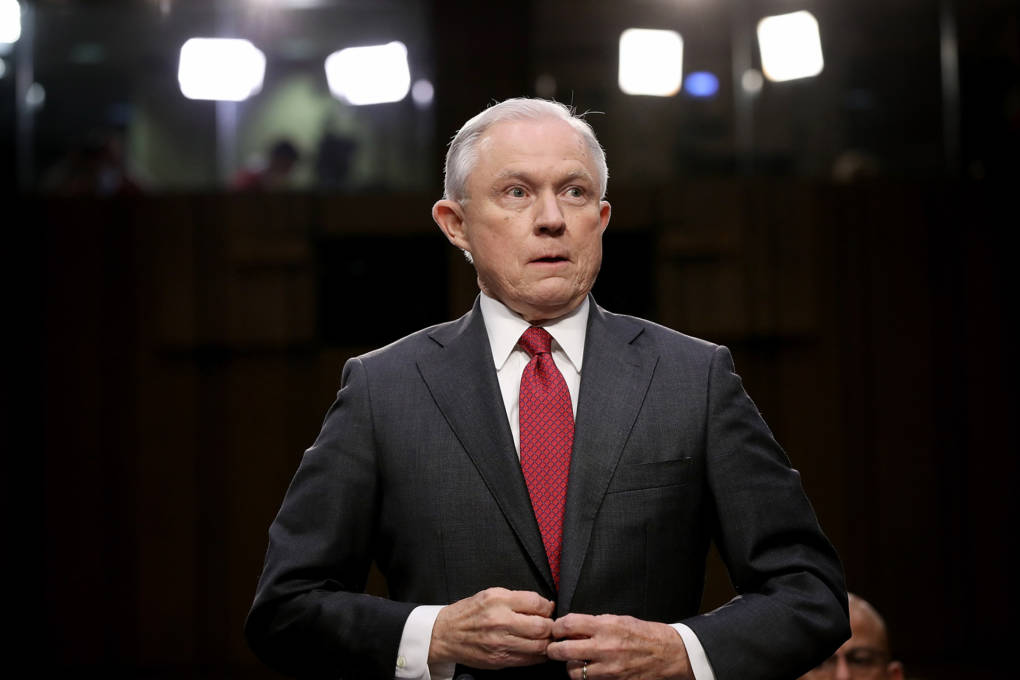
"caption": "Attorney General Jeff Sessions listens before he testifies during a U.S. Senate Select Committee on Intelligence hearing in Washington, D.C., on June 13, 2017.",
"description": "Attorney General Jeff Sessions listens before he testifies during a U.S. Senate Select Committee on Intelligence hearing in Washington, D.C., on June 13, 2017.",
"title": "SessionsPrepares",
"credit": "Win McNamee/Getty Images",
"status": "inherit",
"isLoading": false,
"fetchFailed": false
},
"news_11508275": {
"type": "attachments",
"id": "news_11508275",
"meta": {
"index": "attachments_1716263798",
"site": "news",
"id": "11508275",
"found": true
},
"parent": 11508210,
"imgSizes": {
"small": {
"file": "https://ww2.kqed.org/app/uploads/sites/10/2017/06/Yahoo-800x538-520x350.jpg",
"width": 520,
"mimeType": "image/jpeg",
"height": 350
},
"thumbnail": {
"file": "https://ww2.kqed.org/app/uploads/sites/10/2017/06/Yahoo-800x538-160x108.jpg",
"width": 160,
"mimeType": "image/jpeg",
"height": 108
},
"post-thumbnail": {
"file": "https://ww2.kqed.org/app/uploads/sites/10/2017/06/Yahoo-800x538-672x372.jpg",
"width": 672,
"mimeType": "image/jpeg",
"height": 372
},
"xsmall": {
"file": "https://ww2.kqed.org/app/uploads/sites/10/2017/06/Yahoo-800x538-375x252.jpg",
"width": 375,
"mimeType": "image/jpeg",
"height": 252
},
"kqedFullSize": {
"file": "https://ww2.kqed.org/app/uploads/sites/10/2017/06/Yahoo-800x538.jpg",
"width": 800,
"height": 538
},
"guest-author-50": {
"file": "https://ww2.kqed.org/app/uploads/sites/10/2017/06/Yahoo-800x538-50x50.jpg",
"width": 50,
"mimeType": "image/jpeg",
"height": 50
},
"guest-author-96": {
"file": "https://ww2.kqed.org/app/uploads/sites/10/2017/06/Yahoo-800x538-96x96.jpg",
"width": 96,
"mimeType": "image/jpeg",
"height": 96
},
"medium": {
"file": "https://ww2.kqed.org/app/uploads/sites/10/2017/06/Yahoo-800x538-800x538.jpg",
"width": 800,
"mimeType": "image/jpeg",
"height": 538
},
"guest-author-64": {
"file": "https://ww2.kqed.org/app/uploads/sites/10/2017/06/Yahoo-800x538-64x64.jpg",
"width": 64,
"mimeType": "image/jpeg",
"height": 64
},
"guest-author-32": {
"file": "https://ww2.kqed.org/app/uploads/sites/10/2017/06/Yahoo-800x538-32x32.jpg",
"width": 32,
"mimeType": "image/jpeg",
"height": 32
},
"detail": {
"file": "https://ww2.kqed.org/app/uploads/sites/10/2017/06/Yahoo-800x538-150x150.jpg",
"width": 150,
"mimeType": "image/jpeg",
"height": 150
},
"guest-author-128": {
"file": "https://ww2.kqed.org/app/uploads/sites/10/2017/06/Yahoo-800x538-128x128.jpg",
"width": 128,
"mimeType": "image/jpeg",
"height": 128
},
"xxsmall": {
"file": "https://ww2.kqed.org/app/uploads/sites/10/2017/06/Yahoo-800x538-240x161.jpg",
"width": 240,
"mimeType": "image/jpeg",
"height": 161
}
},
"publishDate": 1497383992,
"modified": 1497384020,
"caption": "Yahoo headquarters in Sunnyvale. ",
"description": null,
"title": "Yahoo-800x538",
"credit": "Justin Sullivan/Getty Images",
"status": "inherit",
"isLoading": false,
"fetchFailed": false
},
"news_11507993": {
"type": "attachments",
"id": "news_11507993",
"meta": {
"index": "attachments_1716263798",
"site": "news",
"id": "11507993",
"found": true
},
"parent": 11507988,
"imgSizes": {
"small": {
"file": "https://ww2.kqed.org/app/uploads/sites/10/2017/06/454963848-1440x958-768x511-520x346.jpg",
"width": 520,
"mimeType": "image/jpeg",
"height": 346
},
"thumbnail": {
"file": "https://ww2.kqed.org/app/uploads/sites/10/2017/06/454963848-1440x958-768x511-160x106.jpg",
"width": 160,
"mimeType": "image/jpeg",
"height": 106
},
"post-thumbnail": {
"file": "https://ww2.kqed.org/app/uploads/sites/10/2017/06/454963848-1440x958-768x511-672x372.jpg",
"width": 672,
"mimeType": "image/jpeg",
"height": 372
},
"xsmall": {
"file": "https://ww2.kqed.org/app/uploads/sites/10/2017/06/454963848-1440x958-768x511-375x250.jpg",
"width": 375,
"mimeType": "image/jpeg",
"height": 250
},
"kqedFullSize": {
"file": "https://ww2.kqed.org/app/uploads/sites/10/2017/06/454963848-1440x958-768x511.jpg",
"width": 768,
"height": 511
},
"guest-author-50": {
"file": "https://ww2.kqed.org/app/uploads/sites/10/2017/06/454963848-1440x958-768x511-50x50.jpg",
"width": 50,
"mimeType": "image/jpeg",
"height": 50
},
"guest-author-96": {
"file": "https://ww2.kqed.org/app/uploads/sites/10/2017/06/454963848-1440x958-768x511-96x96.jpg",
"width": 96,
"mimeType": "image/jpeg",
"height": 96
},
"guest-author-64": {
"file": "https://ww2.kqed.org/app/uploads/sites/10/2017/06/454963848-1440x958-768x511-64x64.jpg",
"width": 64,
"mimeType": "image/jpeg",
"height": 64
},
"detail": {
"file": "https://ww2.kqed.org/app/uploads/sites/10/2017/06/454963848-1440x958-768x511-150x150.jpg",
"width": 150,
"mimeType": "image/jpeg",
"height": 150
},
"guest-author-32": {
"file": "https://ww2.kqed.org/app/uploads/sites/10/2017/06/454963848-1440x958-768x511-32x32.jpg",
"width": 32,
"mimeType": "image/jpeg",
"height": 32
},
"guest-author-128": {
"file": "https://ww2.kqed.org/app/uploads/sites/10/2017/06/454963848-1440x958-768x511-128x128.jpg",
"width": 128,
"mimeType": "image/jpeg",
"height": 128
},
"xxsmall": {
"file": "https://ww2.kqed.org/app/uploads/sites/10/2017/06/454963848-1440x958-768x511-240x160.jpg",
"width": 240,
"mimeType": "image/jpeg",
"height": 160
}
},
"publishDate": 1497375090,
"modified": 1497375149,
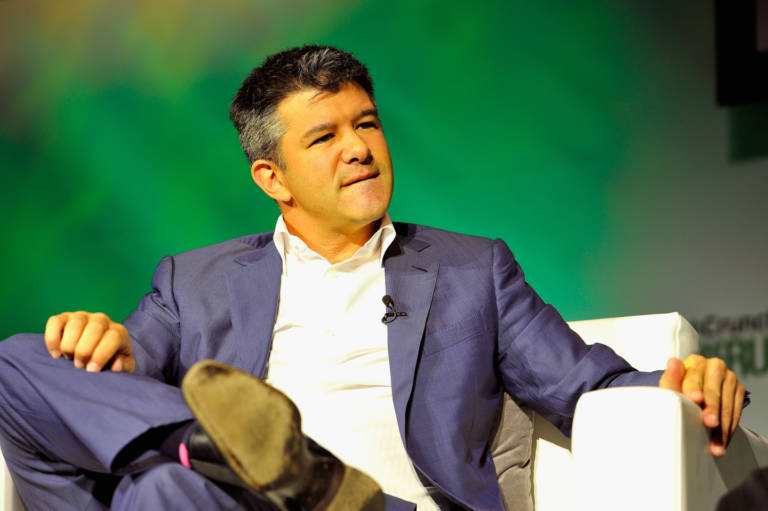
"caption": "Uber CEO Travis Kalanick speaks onstage at TechCrunch Discrupt in 2014.",
"description": null,
"title": "TechCrunch Disrupt SF 2014 - Day 1",
"credit": "Steve Jennings/Getty Images",
"status": "inherit",
"isLoading": false,
"fetchFailed": false
},
"news_11506453": {
"type": "attachments",
"id": "news_11506453",
"meta": {
"index": "attachments_1716263798",
"site": "news",
"id": "11506453",
"found": true
},
"parent": 11506452,
"imgSizes": {
"small": {
"file": "https://ww2.kqed.org/app/uploads/sites/10/2017/06/img_2973_wide-05672ac0f03fe0221bc39c0b09170b46b8cf70ee-520x293.jpg",
"width": 520,
"mimeType": "image/jpeg",
"height": 293
},
"twentyfourteen-full-width": {
"file": "https://ww2.kqed.org/app/uploads/sites/10/2017/06/img_2973_wide-05672ac0f03fe0221bc39c0b09170b46b8cf70ee-1038x576.jpg",
"width": 1038,
"mimeType": "image/jpeg",
"height": 576
},
"thumbnail": {
"file": "https://ww2.kqed.org/app/uploads/sites/10/2017/06/img_2973_wide-05672ac0f03fe0221bc39c0b09170b46b8cf70ee-160x90.jpg",
"width": 160,
"mimeType": "image/jpeg",
"height": 90
},
"fd-sm": {
"file": "https://ww2.kqed.org/app/uploads/sites/10/2017/06/img_2973_wide-05672ac0f03fe0221bc39c0b09170b46b8cf70ee-960x540.jpg",
"width": 960,
"mimeType": "image/jpeg",
"height": 540
},
"post-thumbnail": {
"file": "https://ww2.kqed.org/app/uploads/sites/10/2017/06/img_2973_wide-05672ac0f03fe0221bc39c0b09170b46b8cf70ee-672x372.jpg",
"width": 672,
"mimeType": "image/jpeg",
"height": 372
},
"xsmall": {
"file": "https://ww2.kqed.org/app/uploads/sites/10/2017/06/img_2973_wide-05672ac0f03fe0221bc39c0b09170b46b8cf70ee-375x211.jpg",
"width": 375,
"mimeType": "image/jpeg",
"height": 211
},
"kqedFullSize": {
"file": "https://ww2.kqed.org/app/uploads/sites/10/2017/06/img_2973_wide-05672ac0f03fe0221bc39c0b09170b46b8cf70ee-e1497301083389.jpg",
"width": 1920,
"height": 1080
},
"large": {
"file": "https://ww2.kqed.org/app/uploads/sites/10/2017/06/img_2973_wide-05672ac0f03fe0221bc39c0b09170b46b8cf70ee-1020x574.jpg",
"width": 1020,
"mimeType": "image/jpeg",
"height": 574
},
"xlarge": {
"file": "https://ww2.kqed.org/app/uploads/sites/10/2017/06/img_2973_wide-05672ac0f03fe0221bc39c0b09170b46b8cf70ee-1180x664.jpg",
"width": 1180,
"mimeType": "image/jpeg",
"height": 664
},
"guest-author-50": {
"file": "https://ww2.kqed.org/app/uploads/sites/10/2017/06/img_2973_wide-05672ac0f03fe0221bc39c0b09170b46b8cf70ee-50x50.jpg",
"width": 50,
"mimeType": "image/jpeg",
"height": 50
},
"guest-author-96": {
"file": "https://ww2.kqed.org/app/uploads/sites/10/2017/06/img_2973_wide-05672ac0f03fe0221bc39c0b09170b46b8cf70ee-96x96.jpg",
"width": 96,
"mimeType": "image/jpeg",
"height": 96
},
"medium": {
"file": "https://ww2.kqed.org/app/uploads/sites/10/2017/06/img_2973_wide-05672ac0f03fe0221bc39c0b09170b46b8cf70ee-800x450.jpg",
"width": 800,
"mimeType": "image/jpeg",
"height": 450
},
"guest-author-64": {
"file": "https://ww2.kqed.org/app/uploads/sites/10/2017/06/img_2973_wide-05672ac0f03fe0221bc39c0b09170b46b8cf70ee-64x64.jpg",
"width": 64,
"mimeType": "image/jpeg",
"height": 64
},
"guest-author-32": {
"file": "https://ww2.kqed.org/app/uploads/sites/10/2017/06/img_2973_wide-05672ac0f03fe0221bc39c0b09170b46b8cf70ee-32x32.jpg",
"width": 32,
"mimeType": "image/jpeg",
"height": 32
},
"fd-lrg": {
"file": "https://ww2.kqed.org/app/uploads/sites/10/2017/06/img_2973_wide-05672ac0f03fe0221bc39c0b09170b46b8cf70ee-1920x1080.jpg",
"width": 1920,
"mimeType": "image/jpeg",
"height": 1080
},
"fd-med": {
"file": "https://ww2.kqed.org/app/uploads/sites/10/2017/06/img_2973_wide-05672ac0f03fe0221bc39c0b09170b46b8cf70ee-1180x664.jpg",
"width": 1180,
"mimeType": "image/jpeg",
"height": 664
},
"full-width": {
"file": "https://ww2.kqed.org/app/uploads/sites/10/2017/06/img_2973_wide-05672ac0f03fe0221bc39c0b09170b46b8cf70ee-1920x1080.jpg",
"width": 1920,
"mimeType": "image/jpeg",
"height": 1080
},
"detail": {
"file": "https://ww2.kqed.org/app/uploads/sites/10/2017/06/img_2973_wide-05672ac0f03fe0221bc39c0b09170b46b8cf70ee-150x150.jpg",
"width": 150,
"mimeType": "image/jpeg",
"height": 150
},
"guest-author-128": {
"file": "https://ww2.kqed.org/app/uploads/sites/10/2017/06/img_2973_wide-05672ac0f03fe0221bc39c0b09170b46b8cf70ee-128x128.jpg",
"width": 128,
"mimeType": "image/jpeg",
"height": 128
},
"xxsmall": {
"file": "https://ww2.kqed.org/app/uploads/sites/10/2017/06/img_2973_wide-05672ac0f03fe0221bc39c0b09170b46b8cf70ee-240x135.jpg",
"width": 240,
"mimeType": "image/jpeg",
"height": 135
}
},
"publishDate": 1497300989,
"modified": 1497301107,
"caption": "A key piece of evidence used to convict Bruce Lisker was testimony from a savvy jailhouse informant, whom he met after being moved out of juvenile detention. Lisker's conviction was overturned 26 years later.",
"description": "A key piece of evidence used to convict Bruce Lisker was testimony from a savvy jailhouse informant, whom he met after being moved out of juvenile detention. Lisker's conviction was overturned 26 years later.",
"title": "A key piece of evidence used to convict Bruce Lisker was testimony from a savvy jailhouse informant, whom he met after being moved out of juvenile detention. Lisker's conviction was overturned 26 years later.",
"credit": "Parker Yesko /NPR",
"status": "inherit",
"isLoading": false,
"fetchFailed": false
},
"news_11499833": {
"type": "attachments",
"id": "news_11499833",
"meta": {
"index": "attachments_1716263798",
"site": "news",
"id": "11499833",
"found": true
},
"parent": 11499710,
"imgSizes": {
"small": {
"file": "https://ww2.kqed.org/app/uploads/sites/10/2017/06/james-comey-1920a-520x346.jpg",
"width": 520,
"mimeType": "image/jpeg",
"height": 346
},
"twentyfourteen-full-width": {
"file": "https://ww2.kqed.org/app/uploads/sites/10/2017/06/james-comey-1920a-1038x576.jpg",
"width": 1038,
"mimeType": "image/jpeg",
"height": 576
},
"thumbnail": {
"file": "https://ww2.kqed.org/app/uploads/sites/10/2017/06/james-comey-1920a-160x107.jpg",
"width": 160,
"mimeType": "image/jpeg",
"height": 107
},
"fd-sm": {
"file": "https://ww2.kqed.org/app/uploads/sites/10/2017/06/james-comey-1920a-960x639.jpg",
"width": 960,
"mimeType": "image/jpeg",
"height": 639
},
"post-thumbnail": {
"file": "https://ww2.kqed.org/app/uploads/sites/10/2017/06/james-comey-1920a-672x372.jpg",
"width": 672,
"mimeType": "image/jpeg",
"height": 372
},
"xsmall": {
"file": "https://ww2.kqed.org/app/uploads/sites/10/2017/06/james-comey-1920a-375x250.jpg",
"width": 375,
"mimeType": "image/jpeg",
"height": 250
},
"kqedFullSize": {
"file": "https://ww2.kqed.org/app/uploads/sites/10/2017/06/james-comey-1920a.jpg",
"width": 1920,
"height": 1278
},
"large": {
"file": "https://ww2.kqed.org/app/uploads/sites/10/2017/06/james-comey-1920a-1020x679.jpg",
"width": 1020,
"mimeType": "image/jpeg",
"height": 679
},
"xlarge": {
"file": "https://ww2.kqed.org/app/uploads/sites/10/2017/06/james-comey-1920a-1180x785.jpg",
"width": 1180,
"mimeType": "image/jpeg",
"height": 785
},
"guest-author-50": {
"file": "https://ww2.kqed.org/app/uploads/sites/10/2017/06/james-comey-1920a-50x50.jpg",
"width": 50,
"mimeType": "image/jpeg",
"height": 50
},
"guest-author-96": {
"file": "https://ww2.kqed.org/app/uploads/sites/10/2017/06/james-comey-1920a-96x96.jpg",
"width": 96,
"mimeType": "image/jpeg",
"height": 96
},
"medium": {
"file": "https://ww2.kqed.org/app/uploads/sites/10/2017/06/james-comey-1920a-800x533.jpg",
"width": 800,
"mimeType": "image/jpeg",
"height": 533
},
"guest-author-64": {
"file": "https://ww2.kqed.org/app/uploads/sites/10/2017/06/james-comey-1920a-64x64.jpg",
"width": 64,
"mimeType": "image/jpeg",
"height": 64
},
"guest-author-32": {
"file": "https://ww2.kqed.org/app/uploads/sites/10/2017/06/james-comey-1920a-32x32.jpg",
"width": 32,
"mimeType": "image/jpeg",
"height": 32
},
"fd-lrg": {
"file": "https://ww2.kqed.org/app/uploads/sites/10/2017/06/james-comey-1920a-1920x1278.jpg",
"width": 1920,
"mimeType": "image/jpeg",
"height": 1278
},
"fd-med": {
"file": "https://ww2.kqed.org/app/uploads/sites/10/2017/06/james-comey-1920a-1180x785.jpg",
"width": 1180,
"mimeType": "image/jpeg",
"height": 785
},
"full-width": {
"file": "https://ww2.kqed.org/app/uploads/sites/10/2017/06/james-comey-1920a-1920x1278.jpg",
"width": 1920,
"mimeType": "image/jpeg",
"height": 1278
},
"detail": {
"file": "https://ww2.kqed.org/app/uploads/sites/10/2017/06/james-comey-1920a-150x150.jpg",
"width": 150,
"mimeType": "image/jpeg",
"height": 150
},
"guest-author-128": {
"file": "https://ww2.kqed.org/app/uploads/sites/10/2017/06/james-comey-1920a-128x128.jpg",
"width": 128,
"mimeType": "image/jpeg",
"height": 128
},
"xxsmall": {
"file": "https://ww2.kqed.org/app/uploads/sites/10/2017/06/james-comey-1920a-240x160.jpg",
"width": 240,
"mimeType": "image/jpeg",
"height": 160
}
},
"publishDate": 1496938810,
"modified": 1496968859,
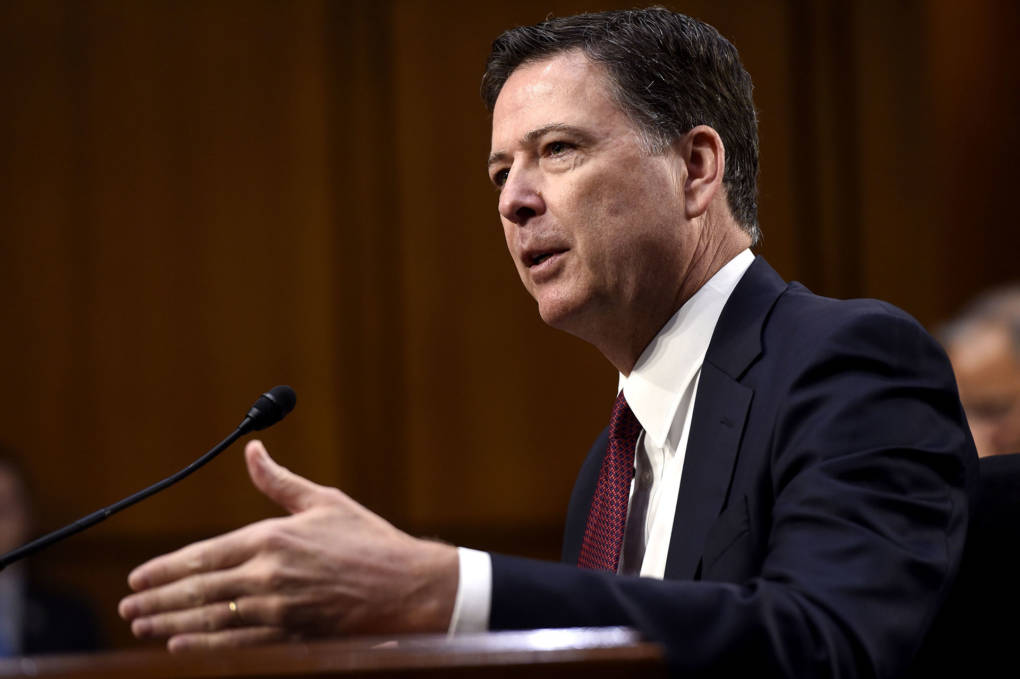
"caption": "Former FBI Director James Comey testifies before the U.S. Senate Select Committee on Intelligence hearing on Capitol Hill in Washington, D.C., on June 8, 2017.",
"description": "Former FBI Director James Comey testifies before the U.S. Senate Select Committee on Intelligence hearing on Capitol Hill in Washington, D.C. on June 8, 2017.",
"title": "james-comey-1920a",
"credit": "Saul Loeb/AFP/Getty Images",
"status": "inherit",
"isLoading": false,
"fetchFailed": false
},
"news_11487529": {
"type": "attachments",
"id": "news_11487529",
"meta": {
"index": "attachments_1716263798",
"site": "news",
"id": "11487529",
"found": true
},
"parent": 11487525,
"imgSizes": {
"small": {
"file": "https://ww2.kqed.org/app/uploads/sites/10/2017/05/MissileTest-520x345.jpg",
"width": 520,
"mimeType": "image/jpeg",
"height": 345
},
"twentyfourteen-full-width": {
"file": "https://ww2.kqed.org/app/uploads/sites/10/2017/05/MissileTest-1038x576.jpg",
"width": 1038,
"mimeType": "image/jpeg",
"height": 576
},
"thumbnail": {
"file": "https://ww2.kqed.org/app/uploads/sites/10/2017/05/MissileTest-160x106.jpg",
"width": 160,
"mimeType": "image/jpeg",
"height": 106
},
"fd-sm": {
"file": "https://ww2.kqed.org/app/uploads/sites/10/2017/05/MissileTest-960x637.jpg",
"width": 960,
"mimeType": "image/jpeg",
"height": 637
},
"post-thumbnail": {
"file": "https://ww2.kqed.org/app/uploads/sites/10/2017/05/MissileTest-672x372.jpg",
"width": 672,
"mimeType": "image/jpeg",
"height": 372
},
"xsmall": {
"file": "https://ww2.kqed.org/app/uploads/sites/10/2017/05/MissileTest-375x249.jpg",
"width": 375,
"mimeType": "image/jpeg",
"height": 249
},
"kqedFullSize": {
"file": "https://ww2.kqed.org/app/uploads/sites/10/2017/05/MissileTest.jpg",
"width": 1920,
"height": 1273
},
"large": {
"file": "https://ww2.kqed.org/app/uploads/sites/10/2017/05/MissileTest-1020x676.jpg",
"width": 1020,
"mimeType": "image/jpeg",
"height": 676
},
"xlarge": {
"file": "https://ww2.kqed.org/app/uploads/sites/10/2017/05/MissileTest-1180x782.jpg",
"width": 1180,
"mimeType": "image/jpeg",
"height": 782
},
"guest-author-50": {
"file": "https://ww2.kqed.org/app/uploads/sites/10/2017/05/MissileTest-50x50.jpg",
"width": 50,
"mimeType": "image/jpeg",
"height": 50
},
"guest-author-96": {
"file": "https://ww2.kqed.org/app/uploads/sites/10/2017/05/MissileTest-96x96.jpg",
"width": 96,
"mimeType": "image/jpeg",
"height": 96
},
"medium": {
"file": "https://ww2.kqed.org/app/uploads/sites/10/2017/05/MissileTest-800x530.jpg",
"width": 800,
"mimeType": "image/jpeg",
"height": 530
},
"guest-author-64": {
"file": "https://ww2.kqed.org/app/uploads/sites/10/2017/05/MissileTest-64x64.jpg",
"width": 64,
"mimeType": "image/jpeg",
"height": 64
},
"guest-author-32": {
"file": "https://ww2.kqed.org/app/uploads/sites/10/2017/05/MissileTest-32x32.jpg",
"width": 32,
"mimeType": "image/jpeg",
"height": 32
},
"fd-lrg": {
"file": "https://ww2.kqed.org/app/uploads/sites/10/2017/05/MissileTest-1920x1273.jpg",
"width": 1920,
"mimeType": "image/jpeg",
"height": 1273
},
"fd-med": {
"file": "https://ww2.kqed.org/app/uploads/sites/10/2017/05/MissileTest-1180x782.jpg",
"width": 1180,
"mimeType": "image/jpeg",
"height": 782
},
"full-width": {
"file": "https://ww2.kqed.org/app/uploads/sites/10/2017/05/MissileTest-1920x1273.jpg",
"width": 1920,
"mimeType": "image/jpeg",
"height": 1273
},
"detail": {
"file": "https://ww2.kqed.org/app/uploads/sites/10/2017/05/MissileTest-150x150.jpg",
"width": 150,
"mimeType": "image/jpeg",
"height": 150
},
"guest-author-128": {
"file": "https://ww2.kqed.org/app/uploads/sites/10/2017/05/MissileTest-128x128.jpg",
"width": 128,
"mimeType": "image/jpeg",
"height": 128
},
"xxsmall": {
"file": "https://ww2.kqed.org/app/uploads/sites/10/2017/05/MissileTest-240x159.jpg",
"width": 240,
"mimeType": "image/jpeg",
"height": 159
}
},
"publishDate": 1496254803,
"modified": 1496254890,
"caption": "People watch a ground-based interceptor missile launch at Vandenberg Air Force base on May 30, 2017. ",
"description": "People watch a ground-based interceptor missile launch at Vandenberg Air Force base on May 30, 2017. ",
"title": "MissileTest",
"credit": "GENE BLEVINS/AFP/Getty Images",
"status": "inherit",
"isLoading": false,
"fetchFailed": false
},
"futureofyou_391499": {
"type": "attachments",
"id": "futureofyou_391499",
"meta": {
"index": "attachments_1716263798",
"site": "futureofyou",
"id": "391499",
"found": true
},
"parent": 391498,
"imgSizes": {
"small": {
"file": "https://ww2.kqed.org/app/uploads/sites/13/2017/05/blood-pressure-1_enl-d3b58d0c1316f3c61a4d47366fb495563b4359d8-520x343.jpg",
"width": 520,
"mimeType": "image/jpeg",
"height": 343
},
"twentyfourteen-full-width": {
"file": "https://ww2.kqed.org/app/uploads/sites/13/2017/05/blood-pressure-1_enl-d3b58d0c1316f3c61a4d47366fb495563b4359d8-1038x576.jpg",
"width": 1038,
"mimeType": "image/jpeg",
"height": 576
},
"thumbnail": {
"file": "https://ww2.kqed.org/app/uploads/sites/13/2017/05/blood-pressure-1_enl-d3b58d0c1316f3c61a4d47366fb495563b4359d8-160x106.jpg",
"width": 160,
"mimeType": "image/jpeg",
"height": 106
},
"fd-sm": {
"file": "https://ww2.kqed.org/app/uploads/sites/13/2017/05/blood-pressure-1_enl-d3b58d0c1316f3c61a4d47366fb495563b4359d8-960x634.jpg",
"width": 960,
"mimeType": "image/jpeg",
"height": 634
},
"post-thumbnail": {
"file": "https://ww2.kqed.org/app/uploads/sites/13/2017/05/blood-pressure-1_enl-d3b58d0c1316f3c61a4d47366fb495563b4359d8-672x372.jpg",
"width": 672,
"mimeType": "image/jpeg",
"height": 372
},
"xsmall": {
"file": "https://ww2.kqed.org/app/uploads/sites/13/2017/05/blood-pressure-1_enl-d3b58d0c1316f3c61a4d47366fb495563b4359d8-375x248.jpg",
"width": 375,
"mimeType": "image/jpeg",
"height": 248
},
"kqedFullSize": {
"file": "https://ww2.kqed.org/app/uploads/sites/13/2017/05/blood-pressure-1_enl-d3b58d0c1316f3c61a4d47366fb495563b4359d8-e1496168475267.jpg",
"width": 1920,
"height": 1268
},
"large": {
"file": "https://ww2.kqed.org/app/uploads/sites/13/2017/05/blood-pressure-1_enl-d3b58d0c1316f3c61a4d47366fb495563b4359d8-1020x674.jpg",
"width": 1020,
"mimeType": "image/jpeg",
"height": 674
},
"xlarge": {
"file": "https://ww2.kqed.org/app/uploads/sites/13/2017/05/blood-pressure-1_enl-d3b58d0c1316f3c61a4d47366fb495563b4359d8-1180x779.jpg",
"width": 1180,
"mimeType": "image/jpeg",
"height": 779
},
"guest-author-50": {
"file": "https://ww2.kqed.org/app/uploads/sites/13/2017/05/blood-pressure-1_enl-d3b58d0c1316f3c61a4d47366fb495563b4359d8-50x50.jpg",
"width": 50,
"mimeType": "image/jpeg",
"height": 50
},
"guest-author-96": {
"file": "https://ww2.kqed.org/app/uploads/sites/13/2017/05/blood-pressure-1_enl-d3b58d0c1316f3c61a4d47366fb495563b4359d8-96x96.jpg",
"width": 96,
"mimeType": "image/jpeg",
"height": 96
},
"medium": {
"file": "https://ww2.kqed.org/app/uploads/sites/13/2017/05/blood-pressure-1_enl-d3b58d0c1316f3c61a4d47366fb495563b4359d8-800x528.jpg",
"width": 800,
"mimeType": "image/jpeg",
"height": 528
},
"guest-author-64": {
"file": "https://ww2.kqed.org/app/uploads/sites/13/2017/05/blood-pressure-1_enl-d3b58d0c1316f3c61a4d47366fb495563b4359d8-64x64.jpg",
"width": 64,
"mimeType": "image/jpeg",
"height": 64
},
"guest-author-32": {
"file": "https://ww2.kqed.org/app/uploads/sites/13/2017/05/blood-pressure-1_enl-d3b58d0c1316f3c61a4d47366fb495563b4359d8-32x32.jpg",
"width": 32,
"mimeType": "image/jpeg",
"height": 32
},
"fd-lrg": {
"file": "https://ww2.kqed.org/app/uploads/sites/13/2017/05/blood-pressure-1_enl-d3b58d0c1316f3c61a4d47366fb495563b4359d8-1920x1268.jpg",
"width": 1920,
"mimeType": "image/jpeg",
"height": 1268
},
"fd-med": {
"file": "https://ww2.kqed.org/app/uploads/sites/13/2017/05/blood-pressure-1_enl-d3b58d0c1316f3c61a4d47366fb495563b4359d8-1180x779.jpg",
"width": 1180,
"mimeType": "image/jpeg",
"height": 779
},
"full-width": {
"file": "https://ww2.kqed.org/app/uploads/sites/13/2017/05/blood-pressure-1_enl-d3b58d0c1316f3c61a4d47366fb495563b4359d8-1920x1268.jpg",
"width": 1920,
"mimeType": "image/jpeg",
"height": 1268
},
"detail": {
"file": "https://ww2.kqed.org/app/uploads/sites/13/2017/05/blood-pressure-1_enl-d3b58d0c1316f3c61a4d47366fb495563b4359d8-150x150.jpg",
"width": 150,
"mimeType": "image/jpeg",
"height": 150
},
"medium_large": {
"file": "https://ww2.kqed.org/app/uploads/sites/13/2017/05/blood-pressure-1_enl-d3b58d0c1316f3c61a4d47366fb495563b4359d8-768x507.jpg",
"width": 768,
"mimeType": "image/jpeg",
"height": 507
},
"guest-author-128": {
"file": "https://ww2.kqed.org/app/uploads/sites/13/2017/05/blood-pressure-1_enl-d3b58d0c1316f3c61a4d47366fb495563b4359d8-128x128.jpg",
"width": 128,
"mimeType": "image/jpeg",
"height": 128
},
"xxsmall": {
"file": "https://ww2.kqed.org/app/uploads/sites/13/2017/05/blood-pressure-1_enl-d3b58d0c1316f3c61a4d47366fb495563b4359d8-240x159.jpg",
"width": 240,
"mimeType": "image/jpeg",
"height": 159
}
},
"publishDate": 1494954225,
"modified": 1496168469,
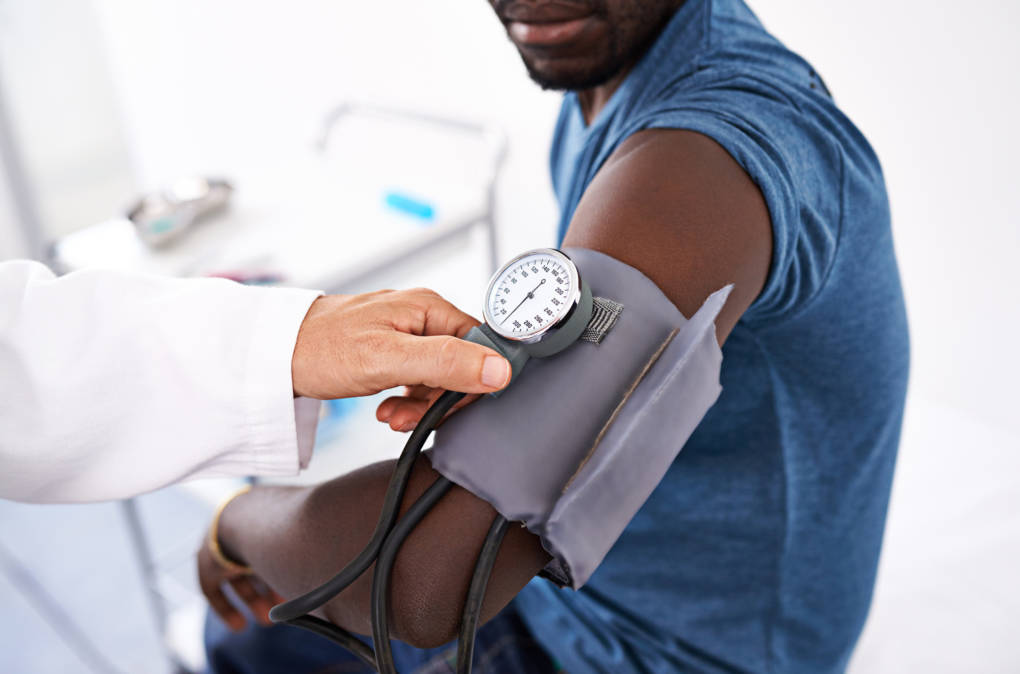
"caption": "It's not clear how living in a segregated neighborhood affects blood pressure, but stress is one potential cause, experts say.",
"description": "It's not clear how living in a segregated neighborhood affects blood pressure, but stress is one potential cause, experts say.",
"title": "It's not clear how living in a segregated neighborhood affects blood pressure, but stress is one potential cause, experts say.",
"credit": "annebaek/Getty Images/iStockphoto",
"status": "inherit",
"isLoading": false,
"fetchFailed": false
},
"news_11479458": {
"type": "attachments",
"id": "news_11479458",
"meta": {
"index": "attachments_1716263798",
"site": "news",
"id": "11479458",
"found": true
},
"parent": 11479457,
"imgSizes": {
"small": {
"file": "https://ww2.kqed.org/app/uploads/sites/10/2017/05/rinconnpr-23406964fae0c5c7b2d2e8dd7791d99ff421b4ab-520x390.jpg",
"width": 520,
"mimeType": "image/jpeg",
"height": 390
},
"twentyfourteen-full-width": {
"file": "https://ww2.kqed.org/app/uploads/sites/10/2017/05/rinconnpr-23406964fae0c5c7b2d2e8dd7791d99ff421b4ab-1038x576.jpg",
"width": 1038,
"mimeType": "image/jpeg",
"height": 576
},
"thumbnail": {
"file": "https://ww2.kqed.org/app/uploads/sites/10/2017/05/rinconnpr-23406964fae0c5c7b2d2e8dd7791d99ff421b4ab-160x120.jpg",
"width": 160,
"mimeType": "image/jpeg",
"height": 120
},
"fd-sm": {
"file": "https://ww2.kqed.org/app/uploads/sites/10/2017/05/rinconnpr-23406964fae0c5c7b2d2e8dd7791d99ff421b4ab-960x720.jpg",
"width": 960,
"mimeType": "image/jpeg",
"height": 720
},
"post-thumbnail": {
"file": "https://ww2.kqed.org/app/uploads/sites/10/2017/05/rinconnpr-23406964fae0c5c7b2d2e8dd7791d99ff421b4ab-672x372.jpg",
"width": 672,
"mimeType": "image/jpeg",
"height": 372
},
"xsmall": {
"file": "https://ww2.kqed.org/app/uploads/sites/10/2017/05/rinconnpr-23406964fae0c5c7b2d2e8dd7791d99ff421b4ab-375x281.jpg",
"width": 375,
"mimeType": "image/jpeg",
"height": 281
},
"kqedFullSize": {
"file": "https://ww2.kqed.org/app/uploads/sites/10/2017/05/rinconnpr-23406964fae0c5c7b2d2e8dd7791d99ff421b4ab.jpg",
"width": 1331,
"height": 998
},
"large": {
"file": "https://ww2.kqed.org/app/uploads/sites/10/2017/05/rinconnpr-23406964fae0c5c7b2d2e8dd7791d99ff421b4ab-1020x765.jpg",
"width": 1020,
"mimeType": "image/jpeg",
"height": 765
},
"xlarge": {
"file": "https://ww2.kqed.org/app/uploads/sites/10/2017/05/rinconnpr-23406964fae0c5c7b2d2e8dd7791d99ff421b4ab-1180x885.jpg",
"width": 1180,
"mimeType": "image/jpeg",
"height": 885
},
"guest-author-50": {
"file": "https://ww2.kqed.org/app/uploads/sites/10/2017/05/rinconnpr-23406964fae0c5c7b2d2e8dd7791d99ff421b4ab-50x50.jpg",
"width": 50,
"mimeType": "image/jpeg",
"height": 50
},
"guest-author-96": {
"file": "https://ww2.kqed.org/app/uploads/sites/10/2017/05/rinconnpr-23406964fae0c5c7b2d2e8dd7791d99ff421b4ab-96x96.jpg",
"width": 96,
"mimeType": "image/jpeg",
"height": 96
},
"medium": {
"file": "https://ww2.kqed.org/app/uploads/sites/10/2017/05/rinconnpr-23406964fae0c5c7b2d2e8dd7791d99ff421b4ab-800x600.jpg",
"width": 800,
"mimeType": "image/jpeg",
"height": 600
},
"guest-author-64": {
"file": "https://ww2.kqed.org/app/uploads/sites/10/2017/05/rinconnpr-23406964fae0c5c7b2d2e8dd7791d99ff421b4ab-64x64.jpg",
"width": 64,
"mimeType": "image/jpeg",
"height": 64
},
"guest-author-32": {
"file": "https://ww2.kqed.org/app/uploads/sites/10/2017/05/rinconnpr-23406964fae0c5c7b2d2e8dd7791d99ff421b4ab-32x32.jpg",
"width": 32,
"mimeType": "image/jpeg",
"height": 32
},
"fd-med": {
"file": "https://ww2.kqed.org/app/uploads/sites/10/2017/05/rinconnpr-23406964fae0c5c7b2d2e8dd7791d99ff421b4ab-1180x885.jpg",
"width": 1180,
"mimeType": "image/jpeg",
"height": 885
},
"detail": {
"file": "https://ww2.kqed.org/app/uploads/sites/10/2017/05/rinconnpr-23406964fae0c5c7b2d2e8dd7791d99ff421b4ab-150x150.jpg",
"width": 150,
"mimeType": "image/jpeg",
"height": 150
},
"guest-author-128": {
"file": "https://ww2.kqed.org/app/uploads/sites/10/2017/05/rinconnpr-23406964fae0c5c7b2d2e8dd7791d99ff421b4ab-128x128.jpg",
"width": 128,
"mimeType": "image/jpeg",
"height": 128
},
"xxsmall": {
"file": "https://ww2.kqed.org/app/uploads/sites/10/2017/05/rinconnpr-23406964fae0c5c7b2d2e8dd7791d99ff421b4ab-240x180.jpg",
"width": 240,
"mimeType": "image/jpeg",
"height": 180
}
},
"publishDate": 1495838699,
"modified": 1495839807,
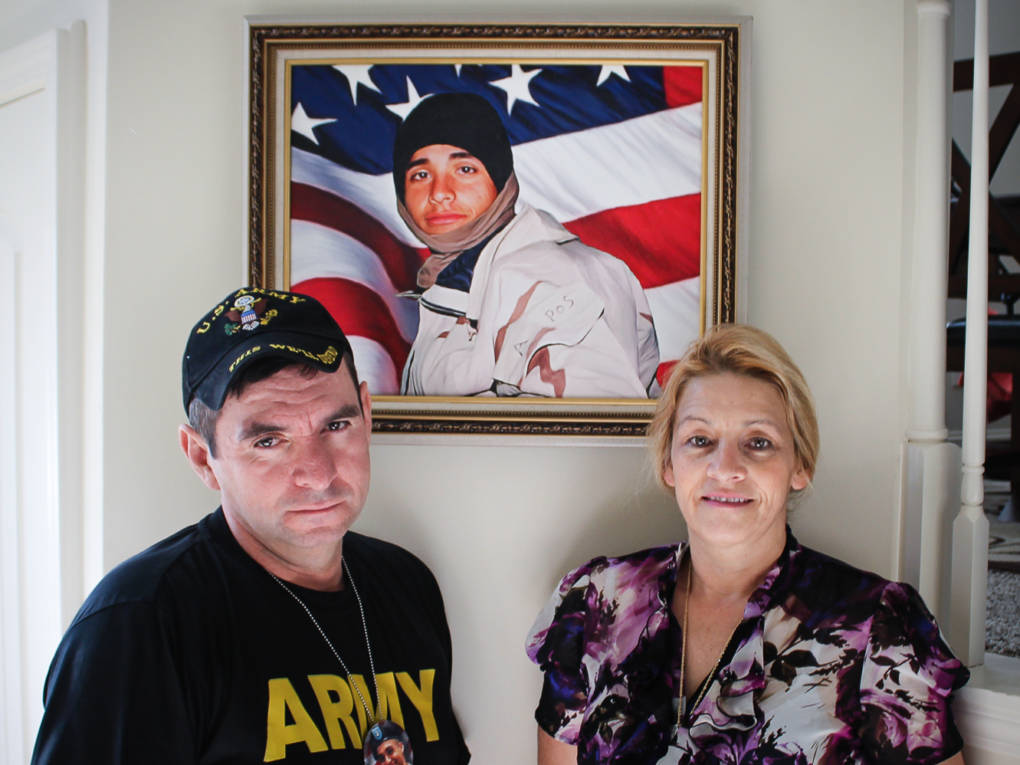
"caption": "George Rincon and Yolanda Reyes stand with a portrait of their son, Diego Rincon. The family immigrated to the U.S. from Colombia in 1989. Diego served in the Army and was killed in Iraq in 2003.",
"description": "George Rincon and Yolanda Reyes stand with a portrait of their son Diego Rincon. The family immigrated to the U.S. from Colombia in 1989. Diego served in the Army and was killed in Iraq in 2003.",
"title": "George Rincon and Yolanda Reyes stand with a portrait of their son Diego Rincon. The family immigrated to the U.S. from Colombia in 1989. Diego served in the Army and was killed in Iraq in 2003.",
"credit": "Von Diaz/StoryCorps",
"status": "inherit",
"isLoading": false,
"fetchFailed": false
},
"news_11479086": {
"type": "attachments",
"id": "news_11479086",
"meta": {
"index": "attachments_1716263798",
"site": "news",
"id": "11479086",
"found": true
},
"parent": 11479085,
"imgSizes": {
"small": {
"file": "https://ww2.kqed.org/app/uploads/sites/10/2017/05/gettyimages-687838746_wide-cd6c7ea316523bf486b740be7c362c26ff030d25-520x293.jpg",
"width": 520,
"mimeType": "image/jpeg",
"height": 293
},
"twentyfourteen-full-width": {
"file": "https://ww2.kqed.org/app/uploads/sites/10/2017/05/gettyimages-687838746_wide-cd6c7ea316523bf486b740be7c362c26ff030d25-1038x576.jpg",
"width": 1038,
"mimeType": "image/jpeg",
"height": 576
},
"thumbnail": {
"file": "https://ww2.kqed.org/app/uploads/sites/10/2017/05/gettyimages-687838746_wide-cd6c7ea316523bf486b740be7c362c26ff030d25-160x90.jpg",
"width": 160,
"mimeType": "image/jpeg",
"height": 90
},
"fd-sm": {
"file": "https://ww2.kqed.org/app/uploads/sites/10/2017/05/gettyimages-687838746_wide-cd6c7ea316523bf486b740be7c362c26ff030d25-960x540.jpg",
"width": 960,
"mimeType": "image/jpeg",
"height": 540
},
"post-thumbnail": {
"file": "https://ww2.kqed.org/app/uploads/sites/10/2017/05/gettyimages-687838746_wide-cd6c7ea316523bf486b740be7c362c26ff030d25-672x372.jpg",
"width": 672,
"mimeType": "image/jpeg",
"height": 372
},
"xsmall": {
"file": "https://ww2.kqed.org/app/uploads/sites/10/2017/05/gettyimages-687838746_wide-cd6c7ea316523bf486b740be7c362c26ff030d25-375x211.jpg",
"width": 375,
"mimeType": "image/jpeg",
"height": 211
},
"kqedFullSize": {
"file": "https://ww2.kqed.org/app/uploads/sites/10/2017/05/gettyimages-687838746_wide-cd6c7ea316523bf486b740be7c362c26ff030d25-e1495824792779.jpg",
"width": 1920,
"height": 1080
},
"large": {
"file": "https://ww2.kqed.org/app/uploads/sites/10/2017/05/gettyimages-687838746_wide-cd6c7ea316523bf486b740be7c362c26ff030d25-1020x574.jpg",
"width": 1020,
"mimeType": "image/jpeg",
"height": 574
},
"xlarge": {
"file": "https://ww2.kqed.org/app/uploads/sites/10/2017/05/gettyimages-687838746_wide-cd6c7ea316523bf486b740be7c362c26ff030d25-1180x664.jpg",
"width": 1180,
"mimeType": "image/jpeg",
"height": 664
},
"guest-author-50": {
"file": "https://ww2.kqed.org/app/uploads/sites/10/2017/05/gettyimages-687838746_wide-cd6c7ea316523bf486b740be7c362c26ff030d25-50x50.jpg",
"width": 50,
"mimeType": "image/jpeg",
"height": 50
},
"guest-author-96": {
"file": "https://ww2.kqed.org/app/uploads/sites/10/2017/05/gettyimages-687838746_wide-cd6c7ea316523bf486b740be7c362c26ff030d25-96x96.jpg",
"width": 96,
"mimeType": "image/jpeg",
"height": 96
},
"medium": {
"file": "https://ww2.kqed.org/app/uploads/sites/10/2017/05/gettyimages-687838746_wide-cd6c7ea316523bf486b740be7c362c26ff030d25-800x450.jpg",
"width": 800,
"mimeType": "image/jpeg",
"height": 450
},
"guest-author-64": {
"file": "https://ww2.kqed.org/app/uploads/sites/10/2017/05/gettyimages-687838746_wide-cd6c7ea316523bf486b740be7c362c26ff030d25-64x64.jpg",
"width": 64,
"mimeType": "image/jpeg",
"height": 64
},
"guest-author-32": {
"file": "https://ww2.kqed.org/app/uploads/sites/10/2017/05/gettyimages-687838746_wide-cd6c7ea316523bf486b740be7c362c26ff030d25-32x32.jpg",
"width": 32,
"mimeType": "image/jpeg",
"height": 32
},
"fd-lrg": {
"file": "https://ww2.kqed.org/app/uploads/sites/10/2017/05/gettyimages-687838746_wide-cd6c7ea316523bf486b740be7c362c26ff030d25-1920x1080.jpg",
"width": 1920,
"mimeType": "image/jpeg",
"height": 1080
},
"fd-med": {
"file": "https://ww2.kqed.org/app/uploads/sites/10/2017/05/gettyimages-687838746_wide-cd6c7ea316523bf486b740be7c362c26ff030d25-1180x664.jpg",
"width": 1180,
"mimeType": "image/jpeg",
"height": 664
},
"full-width": {
"file": "https://ww2.kqed.org/app/uploads/sites/10/2017/05/gettyimages-687838746_wide-cd6c7ea316523bf486b740be7c362c26ff030d25-1920x1080.jpg",
"width": 1920,
"mimeType": "image/jpeg",
"height": 1080
},
"detail": {
"file": "https://ww2.kqed.org/app/uploads/sites/10/2017/05/gettyimages-687838746_wide-cd6c7ea316523bf486b740be7c362c26ff030d25-150x150.jpg",
"width": 150,
"mimeType": "image/jpeg",
"height": 150
},
"guest-author-128": {
"file": "https://ww2.kqed.org/app/uploads/sites/10/2017/05/gettyimages-687838746_wide-cd6c7ea316523bf486b740be7c362c26ff030d25-128x128.jpg",
"width": 128,
"mimeType": "image/jpeg",
"height": 128
},
"xxsmall": {
"file": "https://ww2.kqed.org/app/uploads/sites/10/2017/05/gettyimages-687838746_wide-cd6c7ea316523bf486b740be7c362c26ff030d25-240x135.jpg",
"width": 240,
"mimeType": "image/jpeg",
"height": 135
}
},
"publishDate": 1495824766,
"modified": 1495824811,
"caption": "Model Dani Mathers listens as prosecutor Chadd Kim speaks at Wednesday's sentencing hearing. Mathers pleaded no contest to invading a woman's privacy in a gym.",
"description": "Model Dani Mathers listens as prosecutor Chadd Kim speaks at Wednesday's sentencing hearing. Mathers pleaded no contest to invading a woman's privacy in a gym.",
"title": "Model Dani Mathers listens as prosecutor Chadd Kim speaks at Wednesday's sentencing hearing. Mathers pleaded no contest to invading a woman's privacy in a gym.",
"credit": "Frederick M. Brown/Getty Images",
"status": "inherit",
"isLoading": false,
"fetchFailed": false
},
"news_11477359": {
"type": "attachments",
"id": "news_11477359",
"meta": {
"index": "attachments_1716263798",
"site": "news",
"id": "11477359",
"found": true
},
"parent": 11477352,
"imgSizes": {
"small": {
"file": "https://ww2.kqed.org/app/uploads/sites/10/2017/05/TrumpAF1-520x364.jpg",
"width": 520,
"mimeType": "image/jpeg",
"height": 364
},
"twentyfourteen-full-width": {
"file": "https://ww2.kqed.org/app/uploads/sites/10/2017/05/TrumpAF1-1038x576.jpg",
"width": 1038,
"mimeType": "image/jpeg",
"height": 576
},
"thumbnail": {
"file": "https://ww2.kqed.org/app/uploads/sites/10/2017/05/TrumpAF1-160x112.jpg",
"width": 160,
"mimeType": "image/jpeg",
"height": 112
},
"fd-sm": {
"file": "https://ww2.kqed.org/app/uploads/sites/10/2017/05/TrumpAF1-960x672.jpg",
"width": 960,
"mimeType": "image/jpeg",
"height": 672
},
"post-thumbnail": {
"file": "https://ww2.kqed.org/app/uploads/sites/10/2017/05/TrumpAF1-672x372.jpg",
"width": 672,
"mimeType": "image/jpeg",
"height": 372
},
"xsmall": {
"file": "https://ww2.kqed.org/app/uploads/sites/10/2017/05/TrumpAF1-375x263.jpg",
"width": 375,
"mimeType": "image/jpeg",
"height": 263
},
"kqedFullSize": {
"file": "https://ww2.kqed.org/app/uploads/sites/10/2017/05/TrumpAF1.jpg",
"width": 1920,
"height": 1344
},
"large": {
"file": "https://ww2.kqed.org/app/uploads/sites/10/2017/05/TrumpAF1-1020x714.jpg",
"width": 1020,
"mimeType": "image/jpeg",
"height": 714
},
"xlarge": {
"file": "https://ww2.kqed.org/app/uploads/sites/10/2017/05/TrumpAF1-1180x826.jpg",
"width": 1180,
"mimeType": "image/jpeg",
"height": 826
},
"guest-author-50": {
"file": "https://ww2.kqed.org/app/uploads/sites/10/2017/05/TrumpAF1-50x50.jpg",
"width": 50,
"mimeType": "image/jpeg",
"height": 50
},
"guest-author-96": {
"file": "https://ww2.kqed.org/app/uploads/sites/10/2017/05/TrumpAF1-96x96.jpg",
"width": 96,
"mimeType": "image/jpeg",
"height": 96
},
"medium": {
"file": "https://ww2.kqed.org/app/uploads/sites/10/2017/05/TrumpAF1-800x560.jpg",
"width": 800,
"mimeType": "image/jpeg",
"height": 560
},
"guest-author-64": {
"file": "https://ww2.kqed.org/app/uploads/sites/10/2017/05/TrumpAF1-64x64.jpg",
"width": 64,
"mimeType": "image/jpeg",
"height": 64
},
"guest-author-32": {
"file": "https://ww2.kqed.org/app/uploads/sites/10/2017/05/TrumpAF1-32x32.jpg",
"width": 32,
"mimeType": "image/jpeg",
"height": 32
},
"fd-lrg": {
"file": "https://ww2.kqed.org/app/uploads/sites/10/2017/05/TrumpAF1-1920x1344.jpg",
"width": 1920,
"mimeType": "image/jpeg",
"height": 1344
},
"fd-med": {
"file": "https://ww2.kqed.org/app/uploads/sites/10/2017/05/TrumpAF1-1180x826.jpg",
"width": 1180,
"mimeType": "image/jpeg",
"height": 826
},
"full-width": {
"file": "https://ww2.kqed.org/app/uploads/sites/10/2017/05/TrumpAF1-1920x1344.jpg",
"width": 1920,
"mimeType": "image/jpeg",
"height": 1344
},
"detail": {
"file": "https://ww2.kqed.org/app/uploads/sites/10/2017/05/TrumpAF1-150x150.jpg",
"width": 150,
"mimeType": "image/jpeg",
"height": 150
},
"guest-author-128": {
"file": "https://ww2.kqed.org/app/uploads/sites/10/2017/05/TrumpAF1-128x128.jpg",
"width": 128,
"mimeType": "image/jpeg",
"height": 128
},
"xxsmall": {
"file": "https://ww2.kqed.org/app/uploads/sites/10/2017/05/TrumpAF1-240x168.jpg",
"width": 240,
"mimeType": "image/jpeg",
"height": 168
}
},
"publishDate": 1495739160,
"modified": 1495739204,
"caption": "President Donald Trump boards Air Force One.",
"description": "President Donald Trump boards Air Force One.",
"title": "TrumpAF1",
"credit": "Ron Sachs/Getty Images",
"status": "inherit",
"isLoading": false,
"fetchFailed": false
}
},
"audioPlayerReducer": {
"postId": "stream_live",
"isPaused": true,
"isPlaying": false,
"pfsActive": false,
"pledgeModalIsOpen": true,
"playerDrawerIsOpen": false,
"liveAudioPlayStartedAt": 0,
"liveAudioPlayContext": ""
},
"authorsReducer": {
"byline_news_11510805": {
"type": "authors",
"id": "byline_news_11510805",
"meta": {
"override": true
},
"slug": "byline_news_11510805",
"name": "Dana Farrington",
"isLoading": false
},
"byline_news_11508374": {
"type": "authors",
"id": "byline_news_11508374",
"meta": {
"override": true
},
"slug": "byline_news_11508374",
"name": "Aarti Shahani",
"isLoading": false
},
"byline_news_11508090": {
"type": "authors",
"id": "byline_news_11508090",
"meta": {
"override": true
},
"slug": "byline_news_11508090",
"name": "Greg Myre",
"isLoading": false
},
"byline_news_11508210": {
"type": "authors",
"id": "byline_news_11508210",
"meta": {
"override": true
},
"slug": "byline_news_11508210",
"name": "Alina Selyukh \u003cbr>\u003cstrong>\u003ca href=\"http://www.npr.org/sections/thetwo-way/2017/06/13/532772877/verizon-closes-the-yahoo-deal-yahoo-ceo-marissa-mayer-resigns\">NPR\u003c/strong>\u003c/a>",
"isLoading": false
},
"byline_news_11507988": {
"type": "authors",
"id": "byline_news_11507988",
"meta": {
"override": true
},
"slug": "byline_news_11507988",
"name": "Bill Chappell\u003cbr>\u003cstrong>\u003ca href=\"http://www.npr.org/sections/thetwo-way/2017/06/13/532751641/ubers-travis-kalanick-announces-leave-of-absence-company-adopts-harassment-polic\">NPR\u003c/a>\u003c/strong>",
"isLoading": false
},
"byline_news_11506452": {
"type": "authors",
"id": "byline_news_11506452",
"meta": {
"override": true
},
"slug": "byline_news_11506452",
"name": "Parker Yesko",
"isLoading": false
},
"byline_news_11499710": {
"type": "authors",
"id": "byline_news_11499710",
"meta": {
"override": true
},
"slug": "byline_news_11499710",
"name": "\u003cstrong>\u003ca href=\"http://www.npr.org/people/404496424/jessica-taylor\">Jessica Taylor\u003c/a>\u003cbr />\u003ca href=\"http://www.npr.org/\">NPR\u003c/a>\u003c/strong>",
"isLoading": false
},
"byline_news_11487525": {
"type": "authors",
"id": "byline_news_11487525",
"meta": {
"override": true
},
"slug": "byline_news_11487525",
"name": "Doreen McCallister",
"isLoading": false
},
"byline_futureofyou_391498": {
"type": "authors",
"id": "byline_futureofyou_391498",
"meta": {
"override": true
},
"slug": "byline_futureofyou_391498",
"name": "Rob Stein\u003cbr />NPR Shots",
"isLoading": false
},
"byline_news_11479457": {
"type": "authors",
"id": "byline_news_11479457",
"meta": {
"override": true
},
"slug": "byline_news_11479457",
"name": "Jud Esty-Kendall",
"isLoading": false
},
"byline_news_11479085": {
"type": "authors",
"id": "byline_news_11479085",
"meta": {
"override": true
},
"slug": "byline_news_11479085",
"name": "Bill Chappell",
"isLoading": false
},
"byline_news_11477352": {
"type": "authors",
"id": "byline_news_11477352",
"meta": {
"override": true
},
"slug": "byline_news_11477352",
"name": "Camila Domonoske",
"isLoading": false
}
},
"pagesReducer": {
"news_affiliate_npr": {
"type": "terms",
"id": "news_253",
"meta": {
"index": "terms_1716263798",
"site": "news",
"id": "253",
"score": 14.255644
},
"featImg": null,
"name": "NPR",
"description": null,
"taxonomy": "affiliate",
"headData": {
"twImgId": null,
"twTitle": null,
"ogTitle": null,
"ogImgId": null,
"twDescription": null,
"description": "KQED is the NPR station for the Bay Area, providing award-winning news, programming, and community engagement.",
"title": "NPR Archives - Get the Latest News and Reports from California | KQED",
"ogDescription": null
},
"ttid": 7083,
"slug": "npr",
"isLoading": false,
"title": "NPR",
"pageMeta": {
"site": "news",
"WpPageTemplate": "page-topic-editorial",
"currentPage": 79
},
"blocks": [
{
"blockName": "kqed/post-list",
"attrs": {
"layout": "cardArticle2",
"query": "posts/news?affiliate=npr",
"seeMore": false,
"paginated": true,
"page": 79
}
},
{
"blockName": "kqed/ad"
}
]
}
},
"pfsSessionReducer": {},
"postsReducer": {
"stream_live": {
"type": "live",
"id": "stream_live",
"audioUrl": "https://streams.kqed.org/kqedradio",
"title": "Live Stream",
"excerpt": "Live Stream information currently unavailable.",
"link": "/radio",
"featImg": "",
"label": {
"name": "KQED Live",
"link": "/"
}
},
"stream_kqedNewscast": {
"type": "posts",
"id": "stream_kqedNewscast",
"audioUrl": "https://www.kqed.org/.stream/anon/radio/RDnews/newscast.mp3?_=1",
"title": "KQED Newscast",
"featImg": "",
"label": {
"name": "88.5 FM",
"link": "/"
}
},
"news_11510805": {
"type": "posts",
"id": "news_11510805",
"meta": {
"index": "posts_1716263798",
"site": "news",
"id": "11510805",
"score": null,
"sort": [
1497535200000
]
},
"guestAuthors": [],
"slug": "report-trump-under-investigation-for-possible-obstruction-of-justice",
"title": "Trump Conflates 'Phony Collusion' and Possible Obstruction of Justice Investigation",
"publishDate": 1497535200,
"format": "standard",
"headTitle": "Trump Conflates ‘Phony Collusion’ and Possible Obstruction of Justice Investigation | KQED",
"labelTerm": {},
"content": "\u003cp>\u003cstrong>Updated at 9:55 a.m. ET on June 15\u003c/strong>\u003c/p>\n\u003cp>President Trump dismissed a potential obstruction of justice investigation into his conduct, calling allegations of collusion between him, his campaign or people associated with him and Russia a “phony story.”\u003c/p>\n\u003cp>https://twitter.com/realDonaldTrump/status/875305788708974592\u003c/p>\n\u003cp>Of course, it’s possible to obstruct justice without colluding.\u003c/p>\n\u003cp>Trump was responding to a \u003ca href=\"https://www.washingtonpost.com/world/national-security/special-counsel-is-investigating-trump-for-possible-obstruction-of-justice/2017/06/14/9ce02506-5131-11e7-b064-828ba60fbb98_story.html?hpid=hp_no-name_no-name%3Apage%2Fbreaking-news-bar&tid=a_breakingnews&utm_term=.db67d5d0b0b9\">Washington Post\u003c/a> report that special counsel Robert Mueller, who is overseeing the Department of Justice Russia investigation, is looking into whether Trump attempted to obstruct justice. An hour later, Trump was back at it, calling the investigation the “single greatest WITCH HUNT in American political history.” (People who followed McCarthyism closely might disagree.)\u003c/p>\n\u003cp>[ad fullwidth]\u003c/p>\n\u003cp>https://twitter.com/realDonaldTrump/status/875321478849363968\u003c/p>\n\u003cp>The president also appeared to undermine Mueller’s leadership, saying the “witch hunt” was being “led by some very bad and conflicted people!”\u003c/p>\n\u003cp>There has been an effort on the right to try to undermine Mueller to de-legitimize his potential findings …\u003c/p>\n\u003cp>https://twitter.com/newtgingrich/status/875314161345077248\u003c/p>\n\u003cp>https://twitter.com/newtgingrich/status/875314527583260672\u003c/p>\n\u003cp>… even though some of the same people just a month earlier had been praising the former FBI director for his esteem:\u003c/p>\n\u003cp>https://twitter.com/newtgingrich/status/864998445244743684\u003c/p>\n\u003cp>News of Mueller looking into potential obstruction comes after former FBI Director James Comey testified last week. He said he didn’t know if Trump obstructed justice, but said it was for Mueller to decide.\u003c/p>\n\u003cp>Comey testified that he told the president he was not personally under investigation three times and confirmed that Trump was not under investigation at the time of his firing on May 9.\u003c/p>\n\u003cp>But, “Officials say that changed shortly after Comey’s firing,” the \u003cem>Post\u003c/em> reports.\u003c/p>\n\u003cp>It stands to reason that the circumstances surrounding Comey’s firing would now be at the center of Mueller’s query. That’s particularly the case since other high-ranking administration officials have declined under oath in open testimony to provide more details about whether Trump asked them in any way to influence Comey or the investigation.\u003c/p>\n\u003cp>Director of National Intelligence Dan Coats, National Security Agency Director Adm. Mike Rogers and Rogers’ former deputy, Richard Ledgett, agreed to be interviewed as part of Mueller’s investigation, according to five people “briefed on the requests” who were “not authorized to discuss the matter publicly,” the paper reports.\u003c/p>\n\u003cp>Officially, Mueller spokesman Peter Carr told NPR’s Carrie Johnson, “We’ll decline to comment.”\u003c/p>\n\u003cp>NSA spokeswoman Vanee Vines told NPR’s Phil Ewing, “NSA will fully cooperate with the special counsel. We are not in a position to comment further.”\u003c/p>\n\u003cp>A spokesman for Trump’s personal lawyer in the Russia matter, Marc Kasowitz, said, “The FBI leak of information regarding the president is outrageous, inexcusable and illegal.”\u003c/p>\n\u003cp>[contextly_sidebar id=”dZ5hkz8sRYhFsYhCEFfq4GQ2Wu3es6K6″]\u003c/p>\n\u003cp>Comey’s firing is a “central moment that’s being looked at” in the investigation, \u003cem>Post\u003c/em> reporter Devlin Barrett told NPR’s Ari Shapiro on \u003cem>All Things Considered\u003c/em>, “but it’s not the only thing.” Investigators are also considering the conversations Comey and the president had leading up to that point.\u003c/p>\n\u003cp>In his testimony on June 8, Comey told the Senate Intelligence Committee that he believed Trump had fired him over his role as lead of the FBI investigation into Russian interference in the U.S. election and Trump campaign associates’ possible ties to Russia.\u003c/p>\n\u003cp>The White House has been inconsistent with its public messaging about the dismissal — initially saying Trump took the recommendations of Attorney General Jeff Sessions and Deputy Attorney General Rod Rosenstein about Comey’s management of the FBI and his handling of the Clinton email investigation. But then the president himself said he had made up his mind prior to receiving the recommendations from the two top lawyers at the Department of Justice.\u003c/p>\n\u003cp>Comey testified that initial explanations that he was fired because of poor leadership were “lies, plain and simple.” He also said Trump had privately urged him to pull back on the investigation into former National Security Adviser Michael Flynn — \u003ca href=\"http://www.npr.org/2017/05/18/528989289/president-trump-holds-press-conference-with-colombias-president-before-overseas\">a claim that the president has denied\u003c/a>. Comey said he declined to tell agents working on the case about his conversation with Trump to shield them.\u003c/p>\n\u003cp>\u003ca href=\"http://www.npr.org/2017/05/22/529586885/report-trump-asked-intel-heads-to-push-back-on-fbi-russia-probe\">The Washington Post previously reported\u003c/a> that Trump also asked Rogers and Coats to push back against the FBI’s investigation. The intelligence chiefs \u003ca href=\"http://www.npr.org/2017/06/07/531851337/intelligence-chiefs-wont-discuss-private-conversations-with-trump-in-open-hearin\">declined to discuss\u003c/a> their private conversations with Trump during a Senate panel hearing on June 7.\u003c/p>\n\u003cp>Asked whether Trump’s actions rose to the level of obstruction of justice, Comey testified last week: “I don’t know. That’s Bob Mueller’s job to sort that out.” But Comey \u003ca href=\"http://www.npr.org/2017/06/10/532321287/is-trump-guilty-of-obstruction-of-justice-comey-laid-out-the-case\">did lay out facts that a prosecutor could use \u003c/a>to try to prove obstruction.\u003c/p>\n\u003cp>Trump and his supporters cast Comey’s testimony that he had told the president he was not personally under investigation as vindication. Trump disputed, though, Comey’s assertion he had asked for a pledge of loyalty. After Comey’s much-watched Senate testimony, the president said in a press conference that he would testify \u003ca href=\"http://www.npr.org/2017/06/09/532273772/trump-says-he-is-100-percent-willing-to-testify-about-interactions-with-comey\">under oath\u003c/a> regarding his interactions and conversations with the former FBI director.\u003c/p>\n\u003cp>“I think, frankly, our story shows that the president is by no means out of the woods as far as the investigation goes,” the \u003cem>Post’s\u003c/em> Barrett told NPR.\u003c/p>\n\u003cp>Chatter surfaced earlier this week that the president was \u003ca href=\"http://www.npr.org/2017/06/13/532763717/trump-considering-firing-special-counsel-just-another-example-of-stirring-the-po\">considering firing Mueller\u003c/a>. After a day of speculation, White House spokeswoman Sarah Huckabee Sanders said, “While the president has the right to, he has no intention to do so.” \u003ca href=\"https://www.nytimes.com/2017/06/13/us/politics/robert-mueller-special-counsel-trump.html\">The New York Times reported\u003c/a> that Trump had been waved off the idea by advisers.\u003c/p>\n\u003cp>Deputy Attorney General Rosenstein, \u003ca href=\"http://www.npr.org/2017/05/17/528846598/former-fbi-director-mueller-appointed-special-counsel-to-oversee-russia-probe\">who appointed Mueller\u003c/a> on May 17, \u003ca href=\"http://www.npr.org/2017/06/13/532756387/rosenstein-says-he-wouldnt-fire-special-counsel-without-good-cause\">testified on Tuesday\u003c/a> that he would not fire the special counsel without “good cause.”\u003c/p>\n\u003cp>Trump is not the only one under scrutiny, Barrett said: Investigators are also looking into the finances of Trump associates.\u003c/p>\n\u003cp>“Oftentimes what happens, frankly, in counterintelligence investigations is you start looking at sort of a core intelligence question — What did the Russians do and did they do it with any Americans? — and it grows into: What did any of those Americans do in their financial matters that may also raise alarms with the FBI?” Barrett said.\u003c/p>\n\u003cp>Mueller’s investigative team has expanded in recent weeks. \u003cem>The National Law Journal\u003c/em> reported on June 9 that Mueller has brought Deputy Solicitor General Michael Dreeben onto the team on a part-time basis. \u003ca href=\"http://www.nationallawjournal.com/id=1202789177543/Mueller-Enlists-Top-Criminal-Law-Expert-for-Russia-Probe?et=editorial&bu=National%20Law%20Journal&cn=20170609&src=EMC-Email&pt=Daily%20Headlines&slreturn=20170509104942\">Reporter Tony Mauro noted\u003c/a> the addition of Dreeben may signal that “Mueller may be seeking advice on complex areas of criminal law, including what constitutes obstruction of justice.” At the end of May, the chief of the Justice Department’s Fraud Section, Andrew Weissman, also joined the team, NPR’s Carrie Johnson reported at the time.\u003c/p>\n\u003cp>[ad floatright]\u003c/p>\n\u003cp>Justice Department policy is that a sitting president cannot be indicted by a grand jury, \u003ca href=\"https://www.washingtonpost.com/world/national-security/special-counsel-is-investigating-trump-for-possible-obstruction-of-justice/2017/06/14/9ce02506-5131-11e7-b064-828ba60fbb98_story.html?utm_term=.6069366b7243\">the Post also reported Wednesday\u003c/a>. Any findings by the department’s investigation would be referred to Congress, where lawmakers would determine whether to impeach the president.\u003c/p>\n\u003cdiv class=\"fullattribution\">Copyright 2017 NPR. To see more, visit http://www.npr.org/.\u003cimg decoding=\"async\" src=\"https://www.google-analytics.com/__utm.gif?utmac=UA-5828686-4&utmdt=Trump+Conflates+%27Phony+Collusion%27+And+Possible+Obstruction+Of+Justice+Investigation&utme=8(APIKey)9(MDAxOTAwOTE4MDEyMTkxMDAzNjczZDljZA004)\">\u003c/div>\n\n",
"blocks": [],
"excerpt": "As part of the DOJ Russia investigation, special counsel Robert Mueller's team is looking into whether President Trump attempted to obstruct justice, \u003cem>The Washington Post\u003c/em> reported Wednesday.",
"status": "publish",
"parent": 0,
"modified": 1721148995,
"stats": {
"hasAudio": false,
"hasVideo": false,
"hasChartOrMap": false,
"iframeSrcs": [],
"hasGoogleForm": false,
"hasGallery": false,
"hasHearkenModule": false,
"hasPolis": false,
"paragraphCount": 32,
"wordCount": 1248
},
"headData": {
"title": "Trump Conflates 'Phony Collusion' and Possible Obstruction of Justice Investigation | KQED",
"description": "As part of the DOJ Russia investigation, special counsel Robert Mueller's team is looking into whether President Trump attempted to obstruct justice, The Washington Post reported Wednesday.",
"ogTitle": "",
"ogDescription": "",
"ogImgId": "",
"twTitle": "",
"twDescription": "",
"twImgId": "",
"schema": {
"@context": "https://schema.org",
"@type": "NewsArticle",
"headline": "Trump Conflates 'Phony Collusion' and Possible Obstruction of Justice Investigation",
"datePublished": "2017-06-15T07:00:00-07:00",
"dateModified": "2024-07-16T09:56:35-07:00",
"image": "https://cdn.kqed.org/wp-content/uploads/2020/02/KQED-OG-Image@1x.png",
"isAccessibleForFree": "True",
"publisher": {
"@type": "NewsMediaOrganization",
"@id": "https://www.kqed.org/#organization",
"name": "KQED",
"logo": "https://cdn.kqed.org/wp-content/uploads/2020/02/KQED-OG-Image@1x.png",
"url": "https://www.kqed.org",
"sameAs": [
"https://www.facebook.com/KQED",
"https://twitter.com/KQED",
"https://www.instagram.com/kqed/",
"https://www.tiktok.com/@kqedofficial",
"https://www.linkedin.com/company/kqed",
"https://www.youtube.com/channel/UCeC0IOo7i1P_61zVUWbJ4nw"
]
}
}
},
"source": "NPR",
"sourceUrl": "http://www.npr.org/",
"sticky": false,
"nprImageCredit": "Nicholas Kamm",
"nprByline": "Dana Farrington",
"nprImageAgency": "AFP/Getty Images",
"nprStoryId": "532985377",
"nprApiLink": "http://api.npr.org/query?id=532985377&apiKey=MDAxOTAwOTE4MDEyMTkxMDAzNjczZDljZA004",
"nprHtmlLink": "http://www.npr.org/2017/06/14/532985377/report-trump-under-investigation-for-possible-obstruction-of-justice?ft=nprml&f=532985377",
"nprRetrievedStory": "1",
"nprPubDate": "Thu, 15 Jun 2017 13:56:00 -0400",
"nprStoryDate": "Wed, 14 Jun 2017 19:57:00 -0400",
"nprLastModifiedDate": "Thu, 15 Jun 2017 13:56:07 -0400",
"path": "/news/11510805/report-trump-under-investigation-for-possible-obstruction-of-justice",
"audioTrackLength": null,
"parsedContent": [
{
"type": "contentString",
"content": "\u003cdiv class=\"post-body\">\u003cp>\u003cp>\u003cstrong>Updated at 9:55 a.m. ET on June 15\u003c/strong>\u003c/p>\n\u003cp>President Trump dismissed a potential obstruction of justice investigation into his conduct, calling allegations of collusion between him, his campaign or people associated with him and Russia a “phony story.”\u003c/p>\u003c/p>\u003c/div>",
"attributes": {
"named": {},
"numeric": []
}
},
{
"type": "component",
"content": "",
"name": "singleTwitterStatus",
"attributes": {
"named": {
"id": "875305788708974592"
},
"numeric": []
}
},
{
"type": "contentString",
"content": "\u003cdiv class=\"post-body\">\u003cp>\n\u003cp>Of course, it’s possible to obstruct justice without colluding.\u003c/p>\n\u003cp>Trump was responding to a \u003ca href=\"https://www.washingtonpost.com/world/national-security/special-counsel-is-investigating-trump-for-possible-obstruction-of-justice/2017/06/14/9ce02506-5131-11e7-b064-828ba60fbb98_story.html?hpid=hp_no-name_no-name%3Apage%2Fbreaking-news-bar&tid=a_breakingnews&utm_term=.db67d5d0b0b9\">Washington Post\u003c/a> report that special counsel Robert Mueller, who is overseeing the Department of Justice Russia investigation, is looking into whether Trump attempted to obstruct justice. An hour later, Trump was back at it, calling the investigation the “single greatest WITCH HUNT in American political history.” (People who followed McCarthyism closely might disagree.)\u003c/p>\n\u003cp>\u003c/p>\u003c/div>",
"attributes": {
"named": {},
"numeric": []
}
},
{
"type": "component",
"content": "",
"name": "ad",
"attributes": {
"named": {
"label": "fullwidth"
},
"numeric": [
"fullwidth"
]
}
},
{
"type": "contentString",
"content": "\u003cdiv class=\"post-body\">\u003cp>\u003c/p>\u003c/p>\u003c/div>",
"attributes": {
"named": {},
"numeric": []
}
},
{
"type": "component",
"content": "",
"name": "singleTwitterStatus",
"attributes": {
"named": {
"id": "875321478849363968"
},
"numeric": []
}
},
{
"type": "contentString",
"content": "\u003cdiv class=\"post-body\">\u003cp>\n\u003cp>The president also appeared to undermine Mueller’s leadership, saying the “witch hunt” was being “led by some very bad and conflicted people!”\u003c/p>\n\u003cp>There has been an effort on the right to try to undermine Mueller to de-legitimize his potential findings …\u003c/p>\u003c/p>\u003c/div>",
"attributes": {
"named": {},
"numeric": []
}
},
{
"type": "component",
"content": "",
"name": "singleTwitterStatus",
"attributes": {
"named": {
"id": "875314161345077248"
},
"numeric": []
}
},
{
"type": "contentString",
"content": "\u003cdiv class=\"post-body\">\u003cp>\u003c/p>\u003c/div>",
"attributes": {
"named": {},
"numeric": []
}
},
{
"type": "component",
"content": "",
"name": "singleTwitterStatus",
"attributes": {
"named": {
"id": "875314527583260672"
},
"numeric": []
}
},
{
"type": "contentString",
"content": "\u003cdiv class=\"post-body\">\u003cp>\n\u003cp>… even though some of the same people just a month earlier had been praising the former FBI director for his esteem:\u003c/p>\u003c/p>\u003c/div>",
"attributes": {
"named": {},
"numeric": []
}
},
{
"type": "component",
"content": "",
"name": "singleTwitterStatus",
"attributes": {
"named": {
"id": "864998445244743684"
},
"numeric": []
}
},
{
"type": "contentString",
"content": "\u003cdiv class=\"post-body\">\u003cp>\n\u003cp>News of Mueller looking into potential obstruction comes after former FBI Director James Comey testified last week. He said he didn’t know if Trump obstructed justice, but said it was for Mueller to decide.\u003c/p>\n\u003cp>Comey testified that he told the president he was not personally under investigation three times and confirmed that Trump was not under investigation at the time of his firing on May 9.\u003c/p>\n\u003cp>But, “Officials say that changed shortly after Comey’s firing,” the \u003cem>Post\u003c/em> reports.\u003c/p>\n\u003cp>It stands to reason that the circumstances surrounding Comey’s firing would now be at the center of Mueller’s query. That’s particularly the case since other high-ranking administration officials have declined under oath in open testimony to provide more details about whether Trump asked them in any way to influence Comey or the investigation.\u003c/p>\n\u003cp>Director of National Intelligence Dan Coats, National Security Agency Director Adm. Mike Rogers and Rogers’ former deputy, Richard Ledgett, agreed to be interviewed as part of Mueller’s investigation, according to five people “briefed on the requests” who were “not authorized to discuss the matter publicly,” the paper reports.\u003c/p>\n\u003cp>Officially, Mueller spokesman Peter Carr told NPR’s Carrie Johnson, “We’ll decline to comment.”\u003c/p>\n\u003cp>NSA spokeswoman Vanee Vines told NPR’s Phil Ewing, “NSA will fully cooperate with the special counsel. We are not in a position to comment further.”\u003c/p>\n\u003cp>A spokesman for Trump’s personal lawyer in the Russia matter, Marc Kasowitz, said, “The FBI leak of information regarding the president is outrageous, inexcusable and illegal.”\u003c/p>\n\u003cp>\u003c/p>\u003cp>\u003c/p>\u003cp>\u003c/p>\n\u003cp>Comey’s firing is a “central moment that’s being looked at” in the investigation, \u003cem>Post\u003c/em> reporter Devlin Barrett told NPR’s Ari Shapiro on \u003cem>All Things Considered\u003c/em>, “but it’s not the only thing.” Investigators are also considering the conversations Comey and the president had leading up to that point.\u003c/p>\n\u003cp>In his testimony on June 8, Comey told the Senate Intelligence Committee that he believed Trump had fired him over his role as lead of the FBI investigation into Russian interference in the U.S. election and Trump campaign associates’ possible ties to Russia.\u003c/p>\n\u003cp>The White House has been inconsistent with its public messaging about the dismissal — initially saying Trump took the recommendations of Attorney General Jeff Sessions and Deputy Attorney General Rod Rosenstein about Comey’s management of the FBI and his handling of the Clinton email investigation. But then the president himself said he had made up his mind prior to receiving the recommendations from the two top lawyers at the Department of Justice.\u003c/p>\n\u003cp>Comey testified that initial explanations that he was fired because of poor leadership were “lies, plain and simple.” He also said Trump had privately urged him to pull back on the investigation into former National Security Adviser Michael Flynn — \u003ca href=\"http://www.npr.org/2017/05/18/528989289/president-trump-holds-press-conference-with-colombias-president-before-overseas\">a claim that the president has denied\u003c/a>. Comey said he declined to tell agents working on the case about his conversation with Trump to shield them.\u003c/p>\n\u003cp>\u003ca href=\"http://www.npr.org/2017/05/22/529586885/report-trump-asked-intel-heads-to-push-back-on-fbi-russia-probe\">The Washington Post previously reported\u003c/a> that Trump also asked Rogers and Coats to push back against the FBI’s investigation. The intelligence chiefs \u003ca href=\"http://www.npr.org/2017/06/07/531851337/intelligence-chiefs-wont-discuss-private-conversations-with-trump-in-open-hearin\">declined to discuss\u003c/a> their private conversations with Trump during a Senate panel hearing on June 7.\u003c/p>\n\u003cp>Asked whether Trump’s actions rose to the level of obstruction of justice, Comey testified last week: “I don’t know. That’s Bob Mueller’s job to sort that out.” But Comey \u003ca href=\"http://www.npr.org/2017/06/10/532321287/is-trump-guilty-of-obstruction-of-justice-comey-laid-out-the-case\">did lay out facts that a prosecutor could use \u003c/a>to try to prove obstruction.\u003c/p>\n\u003cp>Trump and his supporters cast Comey’s testimony that he had told the president he was not personally under investigation as vindication. Trump disputed, though, Comey’s assertion he had asked for a pledge of loyalty. After Comey’s much-watched Senate testimony, the president said in a press conference that he would testify \u003ca href=\"http://www.npr.org/2017/06/09/532273772/trump-says-he-is-100-percent-willing-to-testify-about-interactions-with-comey\">under oath\u003c/a> regarding his interactions and conversations with the former FBI director.\u003c/p>\n\u003cp>“I think, frankly, our story shows that the president is by no means out of the woods as far as the investigation goes,” the \u003cem>Post’s\u003c/em> Barrett told NPR.\u003c/p>\n\u003cp>Chatter surfaced earlier this week that the president was \u003ca href=\"http://www.npr.org/2017/06/13/532763717/trump-considering-firing-special-counsel-just-another-example-of-stirring-the-po\">considering firing Mueller\u003c/a>. After a day of speculation, White House spokeswoman Sarah Huckabee Sanders said, “While the president has the right to, he has no intention to do so.” \u003ca href=\"https://www.nytimes.com/2017/06/13/us/politics/robert-mueller-special-counsel-trump.html\">The New York Times reported\u003c/a> that Trump had been waved off the idea by advisers.\u003c/p>\n\u003cp>Deputy Attorney General Rosenstein, \u003ca href=\"http://www.npr.org/2017/05/17/528846598/former-fbi-director-mueller-appointed-special-counsel-to-oversee-russia-probe\">who appointed Mueller\u003c/a> on May 17, \u003ca href=\"http://www.npr.org/2017/06/13/532756387/rosenstein-says-he-wouldnt-fire-special-counsel-without-good-cause\">testified on Tuesday\u003c/a> that he would not fire the special counsel without “good cause.”\u003c/p>\n\u003cp>Trump is not the only one under scrutiny, Barrett said: Investigators are also looking into the finances of Trump associates.\u003c/p>\n\u003cp>“Oftentimes what happens, frankly, in counterintelligence investigations is you start looking at sort of a core intelligence question — What did the Russians do and did they do it with any Americans? — and it grows into: What did any of those Americans do in their financial matters that may also raise alarms with the FBI?” Barrett said.\u003c/p>\n\u003cp>Mueller’s investigative team has expanded in recent weeks. \u003cem>The National Law Journal\u003c/em> reported on June 9 that Mueller has brought Deputy Solicitor General Michael Dreeben onto the team on a part-time basis. \u003ca href=\"http://www.nationallawjournal.com/id=1202789177543/Mueller-Enlists-Top-Criminal-Law-Expert-for-Russia-Probe?et=editorial&bu=National%20Law%20Journal&cn=20170609&src=EMC-Email&pt=Daily%20Headlines&slreturn=20170509104942\">Reporter Tony Mauro noted\u003c/a> the addition of Dreeben may signal that “Mueller may be seeking advice on complex areas of criminal law, including what constitutes obstruction of justice.” At the end of May, the chief of the Justice Department’s Fraud Section, Andrew Weissman, also joined the team, NPR’s Carrie Johnson reported at the time.\u003c/p>\n\u003cp>\u003c/p>\u003c/div>",
"attributes": {
"named": {},
"numeric": []
}
},
{
"type": "component",
"content": "",
"name": "ad",
"attributes": {
"named": {
"label": "floatright"
},
"numeric": [
"floatright"
]
}
},
{
"type": "contentString",
"content": "\u003cdiv class=\"post-body\">\u003cp>\u003c/p>\n\u003cp>Justice Department policy is that a sitting president cannot be indicted by a grand jury, \u003ca href=\"https://www.washingtonpost.com/world/national-security/special-counsel-is-investigating-trump-for-possible-obstruction-of-justice/2017/06/14/9ce02506-5131-11e7-b064-828ba60fbb98_story.html?utm_term=.6069366b7243\">the Post also reported Wednesday\u003c/a>. Any findings by the department’s investigation would be referred to Congress, where lawmakers would determine whether to impeach the president.\u003c/p>\n\u003cdiv class=\"fullattribution\">Copyright 2017 NPR. To see more, visit http://www.npr.org/.\u003cimg decoding=\"async\" src=\"https://www.google-analytics.com/__utm.gif?utmac=UA-5828686-4&utmdt=Trump+Conflates+%27Phony+Collusion%27+And+Possible+Obstruction+Of+Justice+Investigation&utme=8(APIKey)9(MDAxOTAwOTE4MDEyMTkxMDAzNjczZDljZA004)\">\u003c/div>\n\n\u003c/div>\u003c/p>",
"attributes": {
"named": {},
"numeric": []
}
}
],
"link": "/news/11510805/report-trump-under-investigation-for-possible-obstruction-of-justice",
"authors": [
"byline_news_11510805"
],
"programs": [
"news_6944",
"news_72"
],
"categories": [
"news_6188",
"news_8",
"news_13"
],
"tags": [
"news_1323",
"news_425",
"news_20383",
"news_20963"
],
"affiliates": [
"news_253"
],
"featImg": "news_11510806",
"label": "source_news_11510805"
},
"news_11508374": {
"type": "posts",
"id": "news_11508374",
"meta": {
"index": "posts_1716263798",
"site": "news",
"id": "11508374",
"score": null,
"sort": [
1497511837000
]
},
"parent": 0,
"labelTerm": {},
"blocks": [],
"publishDate": 1497511837,
"format": "image",
"disqusTitle": "The Faceless Boss: A Look Into the Uber Driver Workplace",
"title": "The Faceless Boss: A Look Into the Uber Driver Workplace",
"headTitle": "The California Report | KQED News",
"content": "\u003cp>You probably never want to hear you've been fired. If you've heard those words, you know they feel like a punch in the gut. Now, imagine that instead of your boss telling you face to face, you get the news from a pop-up alert on your smartphone. That's how it works at Uber.\u003c/p>\n\u003cp>Eric Huestis didn't realize that, until it happened to him. At first, there was nothing unusual about that day in April. He took his Chrysler 300 to a Burlington, Vermont, car wash. He bought the used car specifically to drive for Uber. After the car wash, he slid into the front seat and tried to open his Uber app. Nothing. He'd been \"deactivated,\" as Uber calls it.\u003c/p>\n\u003cp>Uber has created one of the fastest-growing workforces in American history. And to recruit drivers, company leaders are fond of saying you can \"Be Your Own Boss.\" But through dozens of interviews and an informal survey, NPR found that hundreds of drivers feel the company is not living up to that promise. They say the San Francisco-based startup sets strict rules and punishments, just as other bosses do, but it's eerily distant. Even in dire situations — like when you've been axed — it's impossible to reach a human in charge. This facelessness is decidedly unlike other workplaces.\u003c/p>\n\u003cp>In interviews with NPR, Uber officials acknowledge that the company has to improve its communication with drivers and that in the initial years of growth, it was not a top priority. Now, they say, that's going to change.\u003c/p>\n\u003cp>\u003c!-- iframe plugin v.4.3 wordpress.org/plugins/iframe/ -->\u003cbr>\n\u003ciframe src=\"https://www.npr.org/player/embed/531642304/532100148\" width=\"100%\" height=\"290\" frameborder=\"0\" scrolling=\"no\" title=\"NPR embedded audio player\" class=\"iframe-class\">\u003c/iframe>\u003c/p>\n\u003cp>[ad fullwidth]\u003c/p>\n\u003cp>When Huestis found himself locked out, he wasn't sure if it was just a software glitch. He recalls the app alert told him to \"please contact customer support.\" It's counterintuitive, but again in Uber-speak, the driver is the \"customer.\" Drivers rely on the company's service — the now iconic black app — to match them with riders.\u003c/p>\n\u003cp>Huestis hit the button on the Uber app, which directed him to a form (not a person). Moments after hitting \"submit,\" he got a message from a company Uber uses to do criminal background checks. Checkr, another Silicon Valley startup, told him he had a marijuana record that needed to be reviewed before he could drive again.\u003c/p>\n\u003cp>The timing threw Huestis off.\u003c/p>\n\u003cp>The 42-year-old, who lives with his girlfriend and her child, indeed \u003cem>had\u003c/em> a record for three marijuana possessions — spanning from 1993 to 2010. He says when he started driving for Uber in early 2016, he passed the background check. The only thing that has changed since is that on New Year's Day, Jan. 1, 2017, Huestis \u003ca href=\"https://www.sec.state.vt.us/media/821533/shumlin_pardons.pdf\">was pardoned\u003c/a> by the governor of Vermont, clearing his record.\u003c/p>\n\u003cp>\"It wasn't a DWI. It wasn't a felony. It wasn't a rape charge. It wasn't a kidnapping,\" Huestis says. \"It was nothing violent or anything that would stop me from being a Uber driver. So I was like, 'Why is this happening?'\"\u003c/p>\n\u003cfigure id=\"attachment_11508376\" class=\"wp-caption aligncenter\" style=\"max-width: 800px\">\u003cimg class=\"size-medium wp-image-11508376\" src=\"https://ww2.kqed.org/news/wp-content/uploads/sites/10/2017/06/eric_custom-98cf0648b2c68232d42fa5956e58d1577c07b7c2-800x800.jpe\" alt=\"Eric Huestis was blocked from driving for Uber in Burlington, Vt., after he received a governor's pardon for past marijuana possession convictions. Uber later restored Huestis.\" width=\"800\" height=\"800\" srcset=\"https://ww2.kqed.org/app/uploads/sites/10/2017/06/eric_custom-98cf0648b2c68232d42fa5956e58d1577c07b7c2.jpe 800w, https://ww2.kqed.org/app/uploads/sites/10/2017/06/eric_custom-98cf0648b2c68232d42fa5956e58d1577c07b7c2-160x160.jpe 160w, https://ww2.kqed.org/app/uploads/sites/10/2017/06/eric_custom-98cf0648b2c68232d42fa5956e58d1577c07b7c2-240x240.jpe 240w, https://ww2.kqed.org/app/uploads/sites/10/2017/06/eric_custom-98cf0648b2c68232d42fa5956e58d1577c07b7c2-375x375.jpe 375w, https://ww2.kqed.org/app/uploads/sites/10/2017/06/eric_custom-98cf0648b2c68232d42fa5956e58d1577c07b7c2-520x520.jpe 520w, https://ww2.kqed.org/app/uploads/sites/10/2017/06/eric_custom-98cf0648b2c68232d42fa5956e58d1577c07b7c2-32x32.jpe 32w, https://ww2.kqed.org/app/uploads/sites/10/2017/06/eric_custom-98cf0648b2c68232d42fa5956e58d1577c07b7c2-50x50.jpe 50w, https://ww2.kqed.org/app/uploads/sites/10/2017/06/eric_custom-98cf0648b2c68232d42fa5956e58d1577c07b7c2-64x64.jpe 64w, https://ww2.kqed.org/app/uploads/sites/10/2017/06/eric_custom-98cf0648b2c68232d42fa5956e58d1577c07b7c2-96x96.jpe 96w, https://ww2.kqed.org/app/uploads/sites/10/2017/06/eric_custom-98cf0648b2c68232d42fa5956e58d1577c07b7c2-128x128.jpe 128w, https://ww2.kqed.org/app/uploads/sites/10/2017/06/eric_custom-98cf0648b2c68232d42fa5956e58d1577c07b7c2-150x150.jpe 150w\" sizes=\"(max-width: 800px) 100vw, 800px\">\u003cfigcaption class=\"wp-caption-text\">Eric Huestis was blocked from driving for Uber in Burlington, Vermont, after he received a governor's pardon for past marijuana possession convictions. Uber later restored Huestis. \u003ccite>(Courtesy of Eric Huestis)\u003c/cite>\u003c/figcaption>\u003c/figure>\n\u003cp>Huestis felt like he was invested in Uber — he even runs a Facebook page for local Uber drivers to bond — but the company isn't invested in him. Uber is among the largest private companies on earth and is currently valued at about $70 billion. But it didn't even have a number for him to call. Uber doesn't offer that kind of customer support. Huestis did manage to contact state officials, he says, but they didn't have a way to call Uber either.\u003c/p>\n\u003cp>So Huestis found himself trapped in a maze of online forms and generic emails. At first, the notifications told him it would take 15 days to review his case; then, 30 days. If that doesn't sound like a big deal, he puts it in perspective: \"What if you got booted off your cellphone provider? That [would] change everything. I mean, I got booted off my income provider, for no reason.\"\u003c/p>\n\u003cp>The experience of this Uber driver may be a window into the future of work. For years, workers have enjoyed the way technology creates distance from the boss. You can join meetings from home, or from Hawaii. But with Uber, we are coming to a strange inflection point. The company has designed an app that is so efficient, cheap and scalable that it manages 600,000 drivers in the U.S. Yet there's an underside to distance. It can create a system that lacks the most basic sympathy.\u003c/p>\n\u003cp>NPR conducted \u003ca href=\"#methodology\">an informal survey\u003c/a> of Uber drivers, using email lists and social media. It's not a scientific poll. Respondents are self-selected, and possibly more negative toward Uber than the average driver. Still, it's a window into how hundreds of drivers feel; and an Uber spokesman says many of NPR's survey results track the company's own findings about its driver workforce.\u003c/p>\n\u003cp>Huestis' experience is clearly not unique. Of the respondents, 193 said they were able to speak with a person at Uber to get the help they needed. But 688 said they were not — no human was available. In phone interviews with NPR, drivers shared examples of how they couldn't reach Uber after an accident on the job (one man contacted Uber's insurance company, which then became the conduit to Uber), or after being kicked off the platform (drivers typically don't get a hearing).\u003c/p>\n\u003cp>\u003c!-- iframe plugin v.4.3 wordpress.org/plugins/iframe/ -->\u003cbr>\n\u003ciframe src=\"https://www.npr.org/player/embed/532120218/532120219\" width=\"100%\" height=\"290\" frameborder=\"0\" scrolling=\"no\" title=\"NPR embedded audio player\" class=\"iframe-class\">\u003c/iframe>\u003c/p>\n\u003cp>Huestis lives week to week. After his deactivation, he managed to make a bit of money by picking up scrap metal from nearby farms and recycling it. Only he can't do that work alone. He needs a friend to help because he's an amputee. He lost his left leg in a motorcycle accident.\u003c/p>\n\u003cp>Huestis contacted NPR the same day he was axed and, over the weeks, we followed his ups and downs. On May 1 he texted, \"i'm in tears today, rents due, no income from uber in over 20 days.\" He spent day and night checking his Uber app, waiting to learn the fate of his career the way some people check Facebook to see if a selfie got liked.\u003c/p>\n\u003cp>Uber says the proper appeals procedures were followed with the third-party background check company in Huestis' case. After nearly a month, he was allowed to drive for Uber again. He says he would like to sue Uber for about $3,000 in lost wages. That's a lot of money for him, but not enough for a lawyer to bother with his case.\u003c/p>\n\u003ch3>'Be Your Own Boss' or 'Do What I Say'?\u003c/h3>\n\u003cp>Uber's tagline — \"Be Your Own Boss\" — is an invitation as empowering as Nike's \"Just Do it\" and Apple's \"Think Different.\"\u003c/p>\n\u003cp>In Uber's case, though, it's more than just savvy marketing. Being one's own boss is the legal argument that underlies Uber's entire business. The company says drivers are independent contractors — not employees entitled to expensive benefits. An Uber-commissioned \u003ca href=\"https://s3.amazonaws.com/uber-static/comms/PDF/Uber_Driver-Partners_Hall_Kreuger_2015.pdf\">study says\u003c/a> 87 percent of drivers joined because that's what they want: to be their own boss and set their own schedule. Uber lawyers cite that statistic in court as evidence when drivers sue the company for employee benefits.\u003c/p>\n\u003cp>But Uber leaders have not publicly asked an obvious follow-up question: At Uber, do you feel like your own boss? So NPR asked drivers, in the informal survey. A little more than half of respondents — 491 total — said they did; and, perhaps unexpectedly, nearly half — 436 — said they did not.\u003c/p>\n\u003cp>\"You don't feel like your own boss at all,\" says driver David McKee from Vista, California. \"The only thing you control is the time when you sign on and sign off. Other than that, Uber controls everything. It's 'Be Your Own Boss' and 'do what I say.'\"\u003c/p>\n\u003cp>[contextly_sidebar id=\"9aG9dyMgkpsf2wBJ47tLcYLs9BmJY9xx\"]\u003c/p>\n\u003cp>Few workers can drop their kids off at school every morning and then run errands as needed before clocking in. The power to set one's own hours is rare.\u003c/p>\n\u003cp>While McKee and other Uber drivers appreciate that flexibility, they say it is important to not overestimate it. A total of 779 survey respondents — more than 80 percent — say that to make enough money as an Uber driver, they have to work peak hours, like morning rush or weekend nights.\u003c/p>\n\u003cp>It's not unparalleled freedom, which is hardly surprising. After all, Uber is a transportation service that relies on customer demand, not a coding job where you can flip open your laptop and work anytime.\u003c/p>\n\u003cp>But drivers go a step further and say they are not just subject to market forces. At Uber, they are also bound by the company's determination to protect the brand by tightly controlling driver performance.\u003c/p>\n\u003cp>Uber uses the sensors in drivers' own smartphones to monitor their turns and lane changes and rolling stops. Of the survey respondents, 116 (more than 10 percent), say they didn't realize Uber was doing that (they may have missed that line in the very long contract) and 433 (nearly half) would like Uber to stop it. Uber's competitor. Lyft, does not do such tracking.\u003c/p>\n\u003cp>McKee says it is the job of the government to license you, penalize you and take away your license if warranted. He says Uber is making a power grab and \"becoming the police.\" He and other drivers also don't trust the company's intentions with their private data. Many Uber drivers work for more than one ride-hailing service, and they fear the tracking is a way for Uber to collect intelligence on smaller competitors like Lyft.\u003c/p>\n\u003cp>Uber says smartphone tracking is good for safety and protects drivers against unfair complaints from passengers. If you want to drive, opting out is not an option.\u003c/p>\n\u003cp>[contextly_sidebar id=\"dQ5lL0oOaXahUFQ949zsUdQXDUtUIcTA\"]\u003c/p>\n\u003cp>Drivers also don't have a choice when it comes to UberPool — the service where you can share a car with others. Drivers say they feel Uber is coercing them into offering it. They say while passengers get to pay much less, drivers also make much less — it is a money loser. In the NPR survey, 7 out of every 10 respondents who offer UberPool say they do not like it and wish they didn't have to provide it.\u003c/p>\n\u003cp>But they do. Uber has bundled its products, so if you want to drive for Uber's standard service (UberX), you have to offer Pool, too. For many, that doesn't feel very being-your-own-boss-like.\u003c/p>\n\u003ch3>Dynamic pricing: Keep 'em guessing, and driving\u003c/h3>\n\u003cp>The way pricing works at Uber also subjects drivers to a kind of control that's novel. While people who are independent contractors typically set their own price for services, at Uber the company sets the price. And it's dynamic, able to change second by second according to a calculation that is secret.\u003c/p>\n\u003cp>While economists marvel at dynamic pricing — it's a superpower that the smartphone and algorithms make possible — drivers scratch their heads. It leaves Uber all-knowing, and drivers clueless.\u003c/p>\n\u003cp>Unlike in other jobs, they're not sure what they'll make per hour, and so they can end up on the road far longer than expected. Seventy-nine drivers tell NPR they have driven shifts 14 hours or longer. That means being in the car, Uber app on, either driving a passenger or waiting for work. Three people showed NPR documentation for driving 20 hours in a single day. Uber does not limit how many hours a driver can work.\u003c/p>\n\u003cp>This is clearly a public safety hazard. But at Uber, drivers talk about it as though it is normal.\u003c/p>\n\u003cfigure id=\"attachment_11510928\" class=\"wp-caption aligncenter\" style=\"max-width: 800px\">\u003cimg src=\"https://ww2.kqed.org/news/wp-content/uploads/sites/10/2018/06/ReningerCar-800x533.jpg\" alt=\"\" width=\"800\" height=\"533\" class=\"size-medium wp-image-11510928\" srcset=\"https://ww2.kqed.org/app/uploads/sites/10/2018/06/ReningerCar.jpg 800w, https://ww2.kqed.org/app/uploads/sites/10/2018/06/ReningerCar-160x107.jpg 160w, https://ww2.kqed.org/app/uploads/sites/10/2018/06/ReningerCar-240x160.jpg 240w, https://ww2.kqed.org/app/uploads/sites/10/2018/06/ReningerCar-375x250.jpg 375w, https://ww2.kqed.org/app/uploads/sites/10/2018/06/ReningerCar-520x346.jpg 520w\" sizes=\"(max-width: 800px) 100vw, 800px\">\u003cfigcaption class=\"wp-caption-text\">Kyle Reninger sits in his car in Muncie. He drives for Uber part time, typically on weekend nights, so he is more likely to pick up surge prices, which earn him more money. He also drives for Lyft, an Uber competitor. \u003ccite>(Lucas Carter/NPR)\u003c/cite>\u003c/figcaption>\u003c/figure>\n\u003cp>Kyle Reninger is an Uber driver from Muncie, Indiana. The 32-year-old works weekend nights because, he says, that's when he is most likely to pick up surge fares — the higher prices (two, three, five times the regular rate) that passengers hate to pay and that drivers live by. They are the nuggets of the Uber gold rush.\u003c/p>\n\u003cp>Over the course of several weeks, he kept an audio diary for NPR, sending WhatsApp messages and screenshots between rides. His voice memos become a way to peer into his modern workplace and observe how the nights stretch out.\u003c/p>\n\u003cp>Reninger says he feels like his own boss: He chooses when to turn the Uber app on and off. And it's a side gig. He and his wife run a vegan bakery. As that business gets off the ground, Uber is a way to make quick money and also advertise to his passengers. He keeps vegan cookies in the car. (An Uber spokesman says it's OK for drivers to advertise another business in their own cars, so long as it is not an Uber competitor.)\u003c/p>\n\u003cfigure id=\"attachment_11510929\" class=\"wp-caption aligncenter\" style=\"max-width: 800px\">\u003cimg src=\"https://ww2.kqed.org/news/wp-content/uploads/sites/10/2018/06/uber-trio_custom-8f4071e98b70220ebcfd6a5c8062a7fe0cd54663-s800-c85-800x800.jpg\" alt=\"Reninger and his wife, Amanda, prepare baked goods for their vegan bakery business. (Right) Reninger stocks homemade cookies in his car and gives them out while he is driving for Uber.\" width=\"800\" height=\"800\" class=\"size-medium wp-image-11510929\" srcset=\"https://ww2.kqed.org/app/uploads/sites/10/2018/06/uber-trio_custom-8f4071e98b70220ebcfd6a5c8062a7fe0cd54663-s800-c85.jpg 800w, https://ww2.kqed.org/app/uploads/sites/10/2018/06/uber-trio_custom-8f4071e98b70220ebcfd6a5c8062a7fe0cd54663-s800-c85-160x160.jpg 160w, https://ww2.kqed.org/app/uploads/sites/10/2018/06/uber-trio_custom-8f4071e98b70220ebcfd6a5c8062a7fe0cd54663-s800-c85-240x240.jpg 240w, https://ww2.kqed.org/app/uploads/sites/10/2018/06/uber-trio_custom-8f4071e98b70220ebcfd6a5c8062a7fe0cd54663-s800-c85-375x375.jpg 375w, https://ww2.kqed.org/app/uploads/sites/10/2018/06/uber-trio_custom-8f4071e98b70220ebcfd6a5c8062a7fe0cd54663-s800-c85-520x520.jpg 520w, https://ww2.kqed.org/app/uploads/sites/10/2018/06/uber-trio_custom-8f4071e98b70220ebcfd6a5c8062a7fe0cd54663-s800-c85-32x32.jpg 32w, https://ww2.kqed.org/app/uploads/sites/10/2018/06/uber-trio_custom-8f4071e98b70220ebcfd6a5c8062a7fe0cd54663-s800-c85-50x50.jpg 50w, https://ww2.kqed.org/app/uploads/sites/10/2018/06/uber-trio_custom-8f4071e98b70220ebcfd6a5c8062a7fe0cd54663-s800-c85-64x64.jpg 64w, https://ww2.kqed.org/app/uploads/sites/10/2018/06/uber-trio_custom-8f4071e98b70220ebcfd6a5c8062a7fe0cd54663-s800-c85-96x96.jpg 96w, https://ww2.kqed.org/app/uploads/sites/10/2018/06/uber-trio_custom-8f4071e98b70220ebcfd6a5c8062a7fe0cd54663-s800-c85-128x128.jpg 128w, https://ww2.kqed.org/app/uploads/sites/10/2018/06/uber-trio_custom-8f4071e98b70220ebcfd6a5c8062a7fe0cd54663-s800-c85-150x150.jpg 150w\" sizes=\"(max-width: 800px) 100vw, 800px\">\u003cfigcaption class=\"wp-caption-text\">Reninger and his wife, Amanda, prepare baked goods for their vegan bakery business. (Right) Reninger stocks homemade cookies in his car and gives them out while he is driving for Uber. \u003ccite>(Lucas Carter/NPR)\u003c/cite>\u003c/figcaption>\u003c/figure>\n\u003cp>One Friday, Reninger sets out to make $200, not counting the cost of gas. He is on Uber and competitor Lyft, though the vast majority of his business comes from Uber.\u003c/p>\n\u003cp>Business is slower than he would like. It takes him 98 minutes on the road to get his first payment of $14.14.\u003c/p>\n\u003cp>That amount is less than he expected. The Uber app estimated he should bring in $7 more. He says he is used to Uber playing this game — suggesting one fare, then paying another. He sends a message in the app basically saying: I got underpaid; fix that. Then, he keeps waiting for his next passenger.\u003c/p>\n\u003cp>\"This is the hard part, the in between,\" he says in his voice memo. \"Not really sure, you know, if I should drive around, hope to get another ping. Or if I should head back north.\" He had driven down to Indianapolis, a little more than an hour from home, hoping for a busier night.\u003c/p>\n\u003cp>In between the waiting, the passengers he does get make him laugh, think or sometimes cringe. One man is a globe-trotter who talks about his forays in Europe. Another sneaks an open beer can into the car, even though it's against the law and Reninger asked him not to. \"That was kind of a jerk move,\" the driver says. By 1:42 a.m., nearly nine hours into his shift, he is only about halfway to his $200 goal.\u003c/p>\n\u003cp>An hour later, he gets another passenger who says over and over, \"I'm so drunk; I'm so drunk, man.\" The passenger wants to go to IHOP, which is typical. A bit less typical, Reninger says in another voice memo, is that the drunk man got out of the car, \"zipped down his pants and started to urinate, right in front of IHOP. Then walked in, like nothing happened.\"\u003c/p>\n\u003cfigure id=\"attachment_11510931\" class=\"wp-caption aligncenter\" style=\"max-width: 800px\">\u003cimg src=\"https://ww2.kqed.org/news/wp-content/uploads/sites/10/2018/06/06062017_reninger_uber_npr_1369-edit_custom-a51ec29fb68147aa4acd4dbe12a5f03e5c52ce54-s800-c85-800x532.jpg\" alt=\"Cars drive through Muncie at dusk.\" width=\"800\" height=\"532\" class=\"size-medium wp-image-11510931\" srcset=\"https://ww2.kqed.org/app/uploads/sites/10/2018/06/06062017_reninger_uber_npr_1369-edit_custom-a51ec29fb68147aa4acd4dbe12a5f03e5c52ce54-s800-c85.jpg 800w, https://ww2.kqed.org/app/uploads/sites/10/2018/06/06062017_reninger_uber_npr_1369-edit_custom-a51ec29fb68147aa4acd4dbe12a5f03e5c52ce54-s800-c85-160x106.jpg 160w, https://ww2.kqed.org/app/uploads/sites/10/2018/06/06062017_reninger_uber_npr_1369-edit_custom-a51ec29fb68147aa4acd4dbe12a5f03e5c52ce54-s800-c85-240x160.jpg 240w, https://ww2.kqed.org/app/uploads/sites/10/2018/06/06062017_reninger_uber_npr_1369-edit_custom-a51ec29fb68147aa4acd4dbe12a5f03e5c52ce54-s800-c85-375x249.jpg 375w, https://ww2.kqed.org/app/uploads/sites/10/2018/06/06062017_reninger_uber_npr_1369-edit_custom-a51ec29fb68147aa4acd4dbe12a5f03e5c52ce54-s800-c85-520x346.jpg 520w\" sizes=\"(max-width: 800px) 100vw, 800px\">\u003cfigcaption class=\"wp-caption-text\">Cars drive through Muncie at dusk. \u003ccite>(Lucas Carter/NPR)\u003c/cite>\u003c/figcaption>\u003c/figure>\n\u003cp>By 6:11 a.m., you can start to hear Reninger's voice fading. And there is something he doesn't admit in his voice memos while he is on the road: He is having a hard time staying awake. He sips water and rolls down his window to help him. He waits until he gets home to mention this.\u003c/p>\n\u003cp>All told, the Uber driver was in his car 14 hours, 9 minutes, and covered 401.2 miles. He got only one small surge fare. If you put aside the cost of gas, he made $165.30. Including tips, he nearly hit his goal. It just took a couple of more hours than he had hoped (and it was by no means his longest shift).\u003c/p>\n\u003cp>And so it goes. Each night for the Uber driver is a gamble. The hours go by — just like in a casino. Only here, you could get tired and kill someone.\u003c/p>\n\u003cp>This is a problem that Uber could solve. It designed the app to lock out drivers if they don't accept a certain number of passengers (kind of like being put in the digital corner). It could design a safety feature to lock out drivers after a certain number of hours. (Lyft does that.)\u003c/p>\n\u003cp>But Uber lacks the will to do so. A company spokesman says in an email, \"Uber is a flexible work opportunity, so people can drive whenever they want.\" Also, according to Uber data, more than half of U.S. drivers use the app less than 10 hours a week. (Uber declined to disclose data on how long full-time drivers have the app on.) And finally, the spokesman says, Uber is testing out a new app alert in some cities, to remind drivers about the importance of getting enough rest.\u003c/p>\n\u003ch3>Uber's awakening\u003c/h3>\n\u003cp>The hype around Uber is that the company doesn't need drivers because it is \u003ca href=\"http://www.npr.org/sections/alltechconsidered/2017/04/03/522099560/pittsburgh-offers-driving-lessons-for-ubers-autonomous-cars\">developing self-driving cars\u003c/a>; and the biggest workplace crisis is \u003ca href=\"http://www.npr.org/sections/thetwo-way/2017/06/06/531806891/uber-fires-20-employees-after-sexual-harassment-claim-investigation\">sexual harassment\u003c/a> — the way women in the corporate office are treated. But according to current and former employees as well as investors, Uber feels far more threatened by its broken relationship with drivers. This is the existential threat to the business, because self-driving fleets won't be ready anytime soon. Uber needs the human workforce now.\u003c/p>\n\u003cp>Last year, Uber hired Janelle Sallenave to improve the way it responds to drivers' and riders' needs, disputes and accidents. \"How could my job not exist? How could there not be somebody whose job it would be to oversee the support of our drivers?\" she says in a phone interview with NPR.\u003c/p>\n\u003cp>Sallenave says Uber, which began service in 2010, has grown so fast, it just didn't have the time to \"marinate\" — like older companies — on some of the basics. The focus has been on launching in more cities.\u003c/p>\n\u003cp>But now, she says, drivers are a top priority and Uber will be announcing changes. \"I think in the coming months some of the improvements we are making directly address feedback that our drivers have been giving us for the last year plus.\"\u003c/p>\n\u003cp>Sallenave acknowledges that getting an Uber representative on the phone six months ago was a feat that, she says, \"frankly I don't know I would be able to do.\" She says Uber has a lot of work to do to improve communication with drivers, and the company is doing that. It's staffing more than 200 physical drop-in centers (called \"green light hubs\") and introducing new dedicated phone lines.\u003c/p>\n\u003cp>Drivers' complaints about poor communication are no surprise to Sallenave. She says Uber needs to revamp the way it \"deactivates\" drivers and that the company faces \"some serious work\" in how it handles those situations. Sallenave says Uber is undertaking significant policy changes, though she declined to provide details.\u003c/p>\n\u003cp>She also maintains that drivers are their own boss; that Uber is a digital platform (like eBay), not an employer; and that drivers are a lot like her own husband, who recently started a consultancy business.\u003c/p>\n\u003cp>\"He doesn't get benefits. He doesn't exactly know what he's going to make. I mean, that to me is all of the risks, but also the potential reward, of being an individual small-business owner,\" she says.\u003c/p>\n\u003ch3>A case study in disruption\u003c/h3>\n\u003cp>A former federal regulator strongly disagrees with the Uber official's position.\u003c/p>\n\u003cp>\"You know, I can't just declare a pigeon a duck because I think it should be a duck,\" says David Weil. He was head of the Department of Labor's wage-and-hour division under President Barack Obama. It was Weil's job to investigate companies that misclassify workers.\u003c/p>\n\u003cfigure id=\"attachment_11510933\" class=\"wp-caption alignright\" style=\"max-width: 400px\">\u003cimg src=\"https://ww2.kqed.org/news/wp-content/uploads/sites/10/2018/06/kyle-driver-app_custom-d35e2f6f448a4b993aa78c730e096ea2bb48a190-s400-c85.jpg\" alt=\"A screenshot of the driver's view of the Uber app measures brakes and accelerations while Reninger drives.\" width=\"400\" height=\"711\" class=\"size-full wp-image-11510933\" srcset=\"https://ww2.kqed.org/app/uploads/sites/10/2018/06/kyle-driver-app_custom-d35e2f6f448a4b993aa78c730e096ea2bb48a190-s400-c85.jpg 400w, https://ww2.kqed.org/app/uploads/sites/10/2018/06/kyle-driver-app_custom-d35e2f6f448a4b993aa78c730e096ea2bb48a190-s400-c85-160x284.jpg 160w, https://ww2.kqed.org/app/uploads/sites/10/2018/06/kyle-driver-app_custom-d35e2f6f448a4b993aa78c730e096ea2bb48a190-s400-c85-240x427.jpg 240w, https://ww2.kqed.org/app/uploads/sites/10/2018/06/kyle-driver-app_custom-d35e2f6f448a4b993aa78c730e096ea2bb48a190-s400-c85-375x667.jpg 375w\" sizes=\"(max-width: 400px) 100vw, 400px\">\u003cfigcaption class=\"wp-caption-text\">A screenshot of the driver's view of the Uber app measures brakes and accelerations while Reninger drives. \u003ccite>(Courtesy of Kyle Reninger)\u003c/cite>\u003c/figcaption>\u003c/figure>\n\u003cp>In 2016, Weil visited Silicon Valley. He came with then-Labor Secretary Tom Perez (who is now head of the Democratic National Committee). And something struck Weil: While people in tech talked like they were all disruptors in the same boat, they weren't. At a startup like TaskRabbit, for example, the people providing a service set their own price and define what work they'll do. The company doesn't control those things. But at Uber, the company sets the price and designs the services (like Uber Black, X and Pool), \u003cem>and \u003c/em>those services are core to the brand.\u003c/p>\n\u003cp>\"Yeah, it looks a lot like an employment relationship. It looks like a very sophisticated, branded product provider,\" Weil says.\u003c/p>\n\u003cp>Weil's opinion, which is not based on inside knowledge, strikes at the heart of a number of legal battles and court cases in which workers are suing Uber, saying they are employees entitled to benefits.\u003c/p>\n\u003cp>But Weil didn't publicly express his opinion about Uber as a regulator; and he didn't put resources into investigations or outreach to Uber drivers. He says that is because although these drivers were a rapidly growing workforce, they were still a tiny sector, compared with janitors or nurses aides.\u003c/p>\n\u003cp>\"As the head of the agency, I every day dealt with this reality. We were responsible for 130 million workers in 7.3 million workplaces,\" he says. \"When you face those kinds of numbers you have to think every day very strategically about, where will you put your very limited resources?\"\u003c/p>\n\u003cp>In this respect, Uber becomes a fascinating case study in how disruption works. While the tech startup pursued aggressive growth — move fast, think later — public officials describe their collective response as cautious. \"You don't want to be seen as stopping progress,\" another former federal labor official told NPR.\u003c/p>\n\u003cp>\u003ca name=\"methodology\">\u003c/a>\u003c/p>\n\u003chr>\n\u003cp>\u003cstrong>About the survey\u003c/strong>\u003c/p>\n\u003cp>NPR conducted an informal survey of Uber drivers from May 20-21, 2017, based on questions developed in consultation with a nationally recognized survey company. NPR distributed survey invitations to Uber drivers through an email list and through popular and active general online forums. We avoided recruiting from any forum focused on complaints or negative topics to avoid unduly biasing the responses. The survey respondents are not a scientific sample and not representative of all Uber drivers nationwide. They are self-selected and therefore represent the views of drivers who chose to participate. For example, drivers may be more likely to respond if they are more comfortable filling out an online survey or if they have more negative feelings toward the company.\u003c/p>\n\u003cp>To verify that survey takers were indeed Uber drivers, NPR included questions in the survey that require intimate knowledge of how the company pays drivers. Of the 1,158 respondents, NPR determined 943 responses valid. This is just a fraction of the hundreds of thousands of people who drive for Uber. Not all respondents replied to every question. Percentages may not total 100 because of rounding. NPR asked about length of service, to ensure a diversity of driver experiences with Uber. NPR solicited contact information of drivers surveyed and called dozens of drivers for follow-up interviews. The drivers were almost all still active; a handful had stopped driving in the last three months.\u003c/p>\n\u003cp>[ad floatright]\u003c/p>\n\u003cp>\u003cem>NPR Business Desk intern Mollie Simon, Senior Research Director Lori Kaplan and News Apps Developer Brittany Mayes contributed to this story. \u003c/em>\u003c/p>\n\u003cdiv class=\"fullattribution\">Copyright 2017 NPR. To see more, visit http://www.npr.org/.\u003cimg src=\"https://www.google-analytics.com/__utm.gif?utmac=UA-5828686-4&utmdt=The+Faceless+Boss%3A+A+Look+Into+The+Uber+Driver+Workplace&utme=8(APIKey)9(MDAxOTAwOTE4MDEyMTkxMDAzNjczZDljZA004)\">\u003c/div>\n\n",
"disqusIdentifier": "11508374 https://ww2.kqed.org/news/?p=11508374",
"disqusUrl": "https://ww2.kqed.org/news/2017/06/15/the-faceless-boss-a-look-into-the-uber-driver-workplace/",
"stats": {
"hasVideo": false,
"hasChartOrMap": false,
"hasAudio": false,
"hasPolis": false,
"wordCount": 3972,
"hasGoogleForm": false,
"hasGallery": false,
"hasHearkenModule": false,
"iframeSrcs": [],
"paragraphCount": 75
},
"modified": 1497491306,
"excerpt": "To recruit drivers, Uber leaders are fond of saying you can 'Be Your Own Boss.' But NPR found that many Uber drivers feel controlled by a boss that is both always there, yet faceless.",
"headData": {
"twImgId": "",
"twTitle": "",
"ogTitle": "",
"ogImgId": "",
"twDescription": "",
"description": "To recruit drivers, Uber leaders are fond of saying you can 'Be Your Own Boss.' But NPR found that many Uber drivers feel controlled by a boss that is both always there, yet faceless.",
"title": "The Faceless Boss: A Look Into the Uber Driver Workplace | KQED",
"ogDescription": "",
"schema": {
"@context": "https://schema.org",
"@type": "NewsArticle",
"headline": "The Faceless Boss: A Look Into the Uber Driver Workplace",
"datePublished": "2017-06-15T00:30:37-07:00",
"dateModified": "2017-06-14T18:48:26-07:00",
"image": "https://cdn.kqed.org/wp-content/uploads/2020/02/KQED-OG-Image@1x.png",
"isAccessibleForFree": "True",
"publisher": {
"@type": "NewsMediaOrganization",
"@id": "https://www.kqed.org/#organization",
"name": "KQED",
"logo": "https://cdn.kqed.org/wp-content/uploads/2020/02/KQED-OG-Image@1x.png",
"url": "https://www.kqed.org",
"sameAs": [
"https://www.facebook.com/KQED",
"https://twitter.com/KQED",
"https://www.instagram.com/kqed/",
"https://www.tiktok.com/@kqedofficial",
"https://www.linkedin.com/company/kqed",
"https://www.youtube.com/channel/UCeC0IOo7i1P_61zVUWbJ4nw"
]
}
}
},
"guestAuthors": [
{
"lastName": "Shahani",
"yahooim": "",
"website": "",
"jabber": "",
"aim": "",
"displayName": "Aarti Shahani",
"linkedAccount": "aartishahani",
"description": "",
"type": "guest-author",
"userNicename": "aarti-shahani",
"userLogin": "aarti-shahani",
"firstName": "Aarti",
"userEmail": "ashahani@kqed.org",
"ID": "98603"
}
],
"slug": "the-faceless-boss-a-look-into-the-uber-driver-workplace",
"status": "publish",
"nprApiLink": "http://api.npr.org/query?id=531642304&apiKey=MDAxOTAwOTE4MDEyMTkxMDAzNjczZDljZA004",
"nprStoryDate": "Fri, 09 Jun 2017 07:10:00 -0400",
"nprLastModifiedDate": "Fri, 09 Jun 2017 19:46:11 -0400",
"nprHtmlLink": "http://www.npr.org/sections/alltechconsidered/2017/06/09/531642304/the-faceless-boss-a-look-into-the-uber-driver-workplace?ft=nprml&f=531642304",
"nprAudio": "https://ondemand.npr.org/anon.npr-mp3/npr/me/2017/06/20170608_me_uber_drivers_dont_feel_like_their_own_bosses.mp3?orgId=1&topicId=1006&d=337&story=531642304&ft=nprml&f=531642304",
"nprImageAgency": "Lucas Carter for NPR",
"source": "NPR",
"nprAudioM3u": "http://api.npr.org/m3u/1532100148-919482.m3u?orgId=1&topicId=1006&d=337&story=531642304&ft=nprml&f=531642304",
"nprStoryId": "531642304",
"sourceUrl": "http://www.npr.org/",
"nprByline": "Aarti Shahani",
"nprRetrievedStory": "1",
"nprPubDate": "Fri, 09 Jun 2017 19:46:00 -0400",
"path": "/news/11508374/the-faceless-boss-a-look-into-the-uber-driver-workplace",
"audioUrl": "https://ondemand.npr.org/anon.npr-mp3/npr/me/2017/06/20170608_me_uber_drivers_dont_feel_like_their_own_bosses.mp3?orgId=1&topicId=1006&d=337&story=531642304&ft=nprml&f=531642304",
"audioTrackLength": null,
"parsedContent": [
{
"type": "contentString",
"content": "\u003cdiv class=\"post-body\">\u003cp>\u003cp>You probably never want to hear you've been fired. If you've heard those words, you know they feel like a punch in the gut. Now, imagine that instead of your boss telling you face to face, you get the news from a pop-up alert on your smartphone. That's how it works at Uber.\u003c/p>\n\u003cp>Eric Huestis didn't realize that, until it happened to him. At first, there was nothing unusual about that day in April. He took his Chrysler 300 to a Burlington, Vermont, car wash. He bought the used car specifically to drive for Uber. After the car wash, he slid into the front seat and tried to open his Uber app. Nothing. He'd been \"deactivated,\" as Uber calls it.\u003c/p>\n\u003cp>Uber has created one of the fastest-growing workforces in American history. And to recruit drivers, company leaders are fond of saying you can \"Be Your Own Boss.\" But through dozens of interviews and an informal survey, NPR found that hundreds of drivers feel the company is not living up to that promise. They say the San Francisco-based startup sets strict rules and punishments, just as other bosses do, but it's eerily distant. Even in dire situations — like when you've been axed — it's impossible to reach a human in charge. This facelessness is decidedly unlike other workplaces.\u003c/p>\n\u003cp>In interviews with NPR, Uber officials acknowledge that the company has to improve its communication with drivers and that in the initial years of growth, it was not a top priority. Now, they say, that's going to change.\u003c/p>\n\u003cp>\u003c!-- iframe plugin v.4.3 wordpress.org/plugins/iframe/ -->\u003cbr>\n\u003ciframe src=\"https://www.npr.org/player/embed/531642304/532100148\" width=\"100%\" height=\"290\" frameborder=\"0\" scrolling=\"no\" title=\"NPR embedded audio player\" class=\"iframe-class\">\u003c/iframe>\u003c/p>\n\u003cp>\u003c/p>\u003c/div>",
"attributes": {
"named": {},
"numeric": []
}
},
{
"type": "component",
"content": "",
"name": "ad",
"attributes": {
"named": {
"label": "fullwidth"
},
"numeric": [
"fullwidth"
]
}
},
{
"type": "contentString",
"content": "\u003cdiv class=\"post-body\">\u003cp>\u003c/p>\n\u003cp>When Huestis found himself locked out, he wasn't sure if it was just a software glitch. He recalls the app alert told him to \"please contact customer support.\" It's counterintuitive, but again in Uber-speak, the driver is the \"customer.\" Drivers rely on the company's service — the now iconic black app — to match them with riders.\u003c/p>\n\u003cp>Huestis hit the button on the Uber app, which directed him to a form (not a person). Moments after hitting \"submit,\" he got a message from a company Uber uses to do criminal background checks. Checkr, another Silicon Valley startup, told him he had a marijuana record that needed to be reviewed before he could drive again.\u003c/p>\n\u003cp>The timing threw Huestis off.\u003c/p>\n\u003cp>The 42-year-old, who lives with his girlfriend and her child, indeed \u003cem>had\u003c/em> a record for three marijuana possessions — spanning from 1993 to 2010. He says when he started driving for Uber in early 2016, he passed the background check. The only thing that has changed since is that on New Year's Day, Jan. 1, 2017, Huestis \u003ca href=\"https://www.sec.state.vt.us/media/821533/shumlin_pardons.pdf\">was pardoned\u003c/a> by the governor of Vermont, clearing his record.\u003c/p>\n\u003cp>\"It wasn't a DWI. It wasn't a felony. It wasn't a rape charge. It wasn't a kidnapping,\" Huestis says. \"It was nothing violent or anything that would stop me from being a Uber driver. So I was like, 'Why is this happening?'\"\u003c/p>\n\u003cfigure id=\"attachment_11508376\" class=\"wp-caption aligncenter\" style=\"max-width: 800px\">\u003cimg class=\"size-medium wp-image-11508376\" src=\"https://ww2.kqed.org/news/wp-content/uploads/sites/10/2017/06/eric_custom-98cf0648b2c68232d42fa5956e58d1577c07b7c2-800x800.jpe\" alt=\"Eric Huestis was blocked from driving for Uber in Burlington, Vt., after he received a governor's pardon for past marijuana possession convictions. Uber later restored Huestis.\" width=\"800\" height=\"800\" srcset=\"https://ww2.kqed.org/app/uploads/sites/10/2017/06/eric_custom-98cf0648b2c68232d42fa5956e58d1577c07b7c2.jpe 800w, https://ww2.kqed.org/app/uploads/sites/10/2017/06/eric_custom-98cf0648b2c68232d42fa5956e58d1577c07b7c2-160x160.jpe 160w, https://ww2.kqed.org/app/uploads/sites/10/2017/06/eric_custom-98cf0648b2c68232d42fa5956e58d1577c07b7c2-240x240.jpe 240w, https://ww2.kqed.org/app/uploads/sites/10/2017/06/eric_custom-98cf0648b2c68232d42fa5956e58d1577c07b7c2-375x375.jpe 375w, https://ww2.kqed.org/app/uploads/sites/10/2017/06/eric_custom-98cf0648b2c68232d42fa5956e58d1577c07b7c2-520x520.jpe 520w, https://ww2.kqed.org/app/uploads/sites/10/2017/06/eric_custom-98cf0648b2c68232d42fa5956e58d1577c07b7c2-32x32.jpe 32w, https://ww2.kqed.org/app/uploads/sites/10/2017/06/eric_custom-98cf0648b2c68232d42fa5956e58d1577c07b7c2-50x50.jpe 50w, https://ww2.kqed.org/app/uploads/sites/10/2017/06/eric_custom-98cf0648b2c68232d42fa5956e58d1577c07b7c2-64x64.jpe 64w, https://ww2.kqed.org/app/uploads/sites/10/2017/06/eric_custom-98cf0648b2c68232d42fa5956e58d1577c07b7c2-96x96.jpe 96w, https://ww2.kqed.org/app/uploads/sites/10/2017/06/eric_custom-98cf0648b2c68232d42fa5956e58d1577c07b7c2-128x128.jpe 128w, https://ww2.kqed.org/app/uploads/sites/10/2017/06/eric_custom-98cf0648b2c68232d42fa5956e58d1577c07b7c2-150x150.jpe 150w\" sizes=\"(max-width: 800px) 100vw, 800px\">\u003cfigcaption class=\"wp-caption-text\">Eric Huestis was blocked from driving for Uber in Burlington, Vermont, after he received a governor's pardon for past marijuana possession convictions. Uber later restored Huestis. \u003ccite>(Courtesy of Eric Huestis)\u003c/cite>\u003c/figcaption>\u003c/figure>\n\u003cp>Huestis felt like he was invested in Uber — he even runs a Facebook page for local Uber drivers to bond — but the company isn't invested in him. Uber is among the largest private companies on earth and is currently valued at about $70 billion. But it didn't even have a number for him to call. Uber doesn't offer that kind of customer support. Huestis did manage to contact state officials, he says, but they didn't have a way to call Uber either.\u003c/p>\n\u003cp>So Huestis found himself trapped in a maze of online forms and generic emails. At first, the notifications told him it would take 15 days to review his case; then, 30 days. If that doesn't sound like a big deal, he puts it in perspective: \"What if you got booted off your cellphone provider? That [would] change everything. I mean, I got booted off my income provider, for no reason.\"\u003c/p>\n\u003cp>The experience of this Uber driver may be a window into the future of work. For years, workers have enjoyed the way technology creates distance from the boss. You can join meetings from home, or from Hawaii. But with Uber, we are coming to a strange inflection point. The company has designed an app that is so efficient, cheap and scalable that it manages 600,000 drivers in the U.S. Yet there's an underside to distance. It can create a system that lacks the most basic sympathy.\u003c/p>\n\u003cp>NPR conducted \u003ca href=\"#methodology\">an informal survey\u003c/a> of Uber drivers, using email lists and social media. It's not a scientific poll. Respondents are self-selected, and possibly more negative toward Uber than the average driver. Still, it's a window into how hundreds of drivers feel; and an Uber spokesman says many of NPR's survey results track the company's own findings about its driver workforce.\u003c/p>\n\u003cp>Huestis' experience is clearly not unique. Of the respondents, 193 said they were able to speak with a person at Uber to get the help they needed. But 688 said they were not — no human was available. In phone interviews with NPR, drivers shared examples of how they couldn't reach Uber after an accident on the job (one man contacted Uber's insurance company, which then became the conduit to Uber), or after being kicked off the platform (drivers typically don't get a hearing).\u003c/p>\n\u003cp>\u003c!-- iframe plugin v.4.3 wordpress.org/plugins/iframe/ -->\u003cbr>\n\u003ciframe src=\"https://www.npr.org/player/embed/532120218/532120219\" width=\"100%\" height=\"290\" frameborder=\"0\" scrolling=\"no\" title=\"NPR embedded audio player\" class=\"iframe-class\">\u003c/iframe>\u003c/p>\n\u003cp>Huestis lives week to week. After his deactivation, he managed to make a bit of money by picking up scrap metal from nearby farms and recycling it. Only he can't do that work alone. He needs a friend to help because he's an amputee. He lost his left leg in a motorcycle accident.\u003c/p>\n\u003cp>Huestis contacted NPR the same day he was axed and, over the weeks, we followed his ups and downs. On May 1 he texted, \"i'm in tears today, rents due, no income from uber in over 20 days.\" He spent day and night checking his Uber app, waiting to learn the fate of his career the way some people check Facebook to see if a selfie got liked.\u003c/p>\n\u003cp>Uber says the proper appeals procedures were followed with the third-party background check company in Huestis' case. After nearly a month, he was allowed to drive for Uber again. He says he would like to sue Uber for about $3,000 in lost wages. That's a lot of money for him, but not enough for a lawyer to bother with his case.\u003c/p>\n\u003ch3>'Be Your Own Boss' or 'Do What I Say'?\u003c/h3>\n\u003cp>Uber's tagline — \"Be Your Own Boss\" — is an invitation as empowering as Nike's \"Just Do it\" and Apple's \"Think Different.\"\u003c/p>\n\u003cp>In Uber's case, though, it's more than just savvy marketing. Being one's own boss is the legal argument that underlies Uber's entire business. The company says drivers are independent contractors — not employees entitled to expensive benefits. An Uber-commissioned \u003ca href=\"https://s3.amazonaws.com/uber-static/comms/PDF/Uber_Driver-Partners_Hall_Kreuger_2015.pdf\">study says\u003c/a> 87 percent of drivers joined because that's what they want: to be their own boss and set their own schedule. Uber lawyers cite that statistic in court as evidence when drivers sue the company for employee benefits.\u003c/p>\n\u003cp>But Uber leaders have not publicly asked an obvious follow-up question: At Uber, do you feel like your own boss? So NPR asked drivers, in the informal survey. A little more than half of respondents — 491 total — said they did; and, perhaps unexpectedly, nearly half — 436 — said they did not.\u003c/p>\n\u003cp>\"You don't feel like your own boss at all,\" says driver David McKee from Vista, California. \"The only thing you control is the time when you sign on and sign off. Other than that, Uber controls everything. It's 'Be Your Own Boss' and 'do what I say.'\"\u003c/p>\n\u003cp>\u003c/p>\u003cp>\u003c/p>\u003cp>\u003c/p>\n\u003cp>Few workers can drop their kids off at school every morning and then run errands as needed before clocking in. The power to set one's own hours is rare.\u003c/p>\n\u003cp>While McKee and other Uber drivers appreciate that flexibility, they say it is important to not overestimate it. A total of 779 survey respondents — more than 80 percent — say that to make enough money as an Uber driver, they have to work peak hours, like morning rush or weekend nights.\u003c/p>\n\u003cp>It's not unparalleled freedom, which is hardly surprising. After all, Uber is a transportation service that relies on customer demand, not a coding job where you can flip open your laptop and work anytime.\u003c/p>\n\u003cp>But drivers go a step further and say they are not just subject to market forces. At Uber, they are also bound by the company's determination to protect the brand by tightly controlling driver performance.\u003c/p>\n\u003cp>Uber uses the sensors in drivers' own smartphones to monitor their turns and lane changes and rolling stops. Of the survey respondents, 116 (more than 10 percent), say they didn't realize Uber was doing that (they may have missed that line in the very long contract) and 433 (nearly half) would like Uber to stop it. Uber's competitor. Lyft, does not do such tracking.\u003c/p>\n\u003cp>McKee says it is the job of the government to license you, penalize you and take away your license if warranted. He says Uber is making a power grab and \"becoming the police.\" He and other drivers also don't trust the company's intentions with their private data. Many Uber drivers work for more than one ride-hailing service, and they fear the tracking is a way for Uber to collect intelligence on smaller competitors like Lyft.\u003c/p>\n\u003cp>Uber says smartphone tracking is good for safety and protects drivers against unfair complaints from passengers. If you want to drive, opting out is not an option.\u003c/p>\n\u003cp>\u003c/p>\u003cp>\u003c/p>\u003cp>\u003c/p>\n\u003cp>Drivers also don't have a choice when it comes to UberPool — the service where you can share a car with others. Drivers say they feel Uber is coercing them into offering it. They say while passengers get to pay much less, drivers also make much less — it is a money loser. In the NPR survey, 7 out of every 10 respondents who offer UberPool say they do not like it and wish they didn't have to provide it.\u003c/p>\n\u003cp>But they do. Uber has bundled its products, so if you want to drive for Uber's standard service (UberX), you have to offer Pool, too. For many, that doesn't feel very being-your-own-boss-like.\u003c/p>\n\u003ch3>Dynamic pricing: Keep 'em guessing, and driving\u003c/h3>\n\u003cp>The way pricing works at Uber also subjects drivers to a kind of control that's novel. While people who are independent contractors typically set their own price for services, at Uber the company sets the price. And it's dynamic, able to change second by second according to a calculation that is secret.\u003c/p>\n\u003cp>While economists marvel at dynamic pricing — it's a superpower that the smartphone and algorithms make possible — drivers scratch their heads. It leaves Uber all-knowing, and drivers clueless.\u003c/p>\n\u003cp>Unlike in other jobs, they're not sure what they'll make per hour, and so they can end up on the road far longer than expected. Seventy-nine drivers tell NPR they have driven shifts 14 hours or longer. That means being in the car, Uber app on, either driving a passenger or waiting for work. Three people showed NPR documentation for driving 20 hours in a single day. Uber does not limit how many hours a driver can work.\u003c/p>\n\u003cp>This is clearly a public safety hazard. But at Uber, drivers talk about it as though it is normal.\u003c/p>\n\u003cfigure id=\"attachment_11510928\" class=\"wp-caption aligncenter\" style=\"max-width: 800px\">\u003cimg src=\"https://ww2.kqed.org/news/wp-content/uploads/sites/10/2018/06/ReningerCar-800x533.jpg\" alt=\"\" width=\"800\" height=\"533\" class=\"size-medium wp-image-11510928\" srcset=\"https://ww2.kqed.org/app/uploads/sites/10/2018/06/ReningerCar.jpg 800w, https://ww2.kqed.org/app/uploads/sites/10/2018/06/ReningerCar-160x107.jpg 160w, https://ww2.kqed.org/app/uploads/sites/10/2018/06/ReningerCar-240x160.jpg 240w, https://ww2.kqed.org/app/uploads/sites/10/2018/06/ReningerCar-375x250.jpg 375w, https://ww2.kqed.org/app/uploads/sites/10/2018/06/ReningerCar-520x346.jpg 520w\" sizes=\"(max-width: 800px) 100vw, 800px\">\u003cfigcaption class=\"wp-caption-text\">Kyle Reninger sits in his car in Muncie. He drives for Uber part time, typically on weekend nights, so he is more likely to pick up surge prices, which earn him more money. He also drives for Lyft, an Uber competitor. \u003ccite>(Lucas Carter/NPR)\u003c/cite>\u003c/figcaption>\u003c/figure>\n\u003cp>Kyle Reninger is an Uber driver from Muncie, Indiana. The 32-year-old works weekend nights because, he says, that's when he is most likely to pick up surge fares — the higher prices (two, three, five times the regular rate) that passengers hate to pay and that drivers live by. They are the nuggets of the Uber gold rush.\u003c/p>\n\u003cp>Over the course of several weeks, he kept an audio diary for NPR, sending WhatsApp messages and screenshots between rides. His voice memos become a way to peer into his modern workplace and observe how the nights stretch out.\u003c/p>\n\u003cp>Reninger says he feels like his own boss: He chooses when to turn the Uber app on and off. And it's a side gig. He and his wife run a vegan bakery. As that business gets off the ground, Uber is a way to make quick money and also advertise to his passengers. He keeps vegan cookies in the car. (An Uber spokesman says it's OK for drivers to advertise another business in their own cars, so long as it is not an Uber competitor.)\u003c/p>\n\u003cfigure id=\"attachment_11510929\" class=\"wp-caption aligncenter\" style=\"max-width: 800px\">\u003cimg src=\"https://ww2.kqed.org/news/wp-content/uploads/sites/10/2018/06/uber-trio_custom-8f4071e98b70220ebcfd6a5c8062a7fe0cd54663-s800-c85-800x800.jpg\" alt=\"Reninger and his wife, Amanda, prepare baked goods for their vegan bakery business. (Right) Reninger stocks homemade cookies in his car and gives them out while he is driving for Uber.\" width=\"800\" height=\"800\" class=\"size-medium wp-image-11510929\" srcset=\"https://ww2.kqed.org/app/uploads/sites/10/2018/06/uber-trio_custom-8f4071e98b70220ebcfd6a5c8062a7fe0cd54663-s800-c85.jpg 800w, https://ww2.kqed.org/app/uploads/sites/10/2018/06/uber-trio_custom-8f4071e98b70220ebcfd6a5c8062a7fe0cd54663-s800-c85-160x160.jpg 160w, https://ww2.kqed.org/app/uploads/sites/10/2018/06/uber-trio_custom-8f4071e98b70220ebcfd6a5c8062a7fe0cd54663-s800-c85-240x240.jpg 240w, https://ww2.kqed.org/app/uploads/sites/10/2018/06/uber-trio_custom-8f4071e98b70220ebcfd6a5c8062a7fe0cd54663-s800-c85-375x375.jpg 375w, https://ww2.kqed.org/app/uploads/sites/10/2018/06/uber-trio_custom-8f4071e98b70220ebcfd6a5c8062a7fe0cd54663-s800-c85-520x520.jpg 520w, https://ww2.kqed.org/app/uploads/sites/10/2018/06/uber-trio_custom-8f4071e98b70220ebcfd6a5c8062a7fe0cd54663-s800-c85-32x32.jpg 32w, https://ww2.kqed.org/app/uploads/sites/10/2018/06/uber-trio_custom-8f4071e98b70220ebcfd6a5c8062a7fe0cd54663-s800-c85-50x50.jpg 50w, https://ww2.kqed.org/app/uploads/sites/10/2018/06/uber-trio_custom-8f4071e98b70220ebcfd6a5c8062a7fe0cd54663-s800-c85-64x64.jpg 64w, https://ww2.kqed.org/app/uploads/sites/10/2018/06/uber-trio_custom-8f4071e98b70220ebcfd6a5c8062a7fe0cd54663-s800-c85-96x96.jpg 96w, https://ww2.kqed.org/app/uploads/sites/10/2018/06/uber-trio_custom-8f4071e98b70220ebcfd6a5c8062a7fe0cd54663-s800-c85-128x128.jpg 128w, https://ww2.kqed.org/app/uploads/sites/10/2018/06/uber-trio_custom-8f4071e98b70220ebcfd6a5c8062a7fe0cd54663-s800-c85-150x150.jpg 150w\" sizes=\"(max-width: 800px) 100vw, 800px\">\u003cfigcaption class=\"wp-caption-text\">Reninger and his wife, Amanda, prepare baked goods for their vegan bakery business. (Right) Reninger stocks homemade cookies in his car and gives them out while he is driving for Uber. \u003ccite>(Lucas Carter/NPR)\u003c/cite>\u003c/figcaption>\u003c/figure>\n\u003cp>One Friday, Reninger sets out to make $200, not counting the cost of gas. He is on Uber and competitor Lyft, though the vast majority of his business comes from Uber.\u003c/p>\n\u003cp>Business is slower than he would like. It takes him 98 minutes on the road to get his first payment of $14.14.\u003c/p>\n\u003cp>That amount is less than he expected. The Uber app estimated he should bring in $7 more. He says he is used to Uber playing this game — suggesting one fare, then paying another. He sends a message in the app basically saying: I got underpaid; fix that. Then, he keeps waiting for his next passenger.\u003c/p>\n\u003cp>\"This is the hard part, the in between,\" he says in his voice memo. \"Not really sure, you know, if I should drive around, hope to get another ping. Or if I should head back north.\" He had driven down to Indianapolis, a little more than an hour from home, hoping for a busier night.\u003c/p>\n\u003cp>In between the waiting, the passengers he does get make him laugh, think or sometimes cringe. One man is a globe-trotter who talks about his forays in Europe. Another sneaks an open beer can into the car, even though it's against the law and Reninger asked him not to. \"That was kind of a jerk move,\" the driver says. By 1:42 a.m., nearly nine hours into his shift, he is only about halfway to his $200 goal.\u003c/p>\n\u003cp>An hour later, he gets another passenger who says over and over, \"I'm so drunk; I'm so drunk, man.\" The passenger wants to go to IHOP, which is typical. A bit less typical, Reninger says in another voice memo, is that the drunk man got out of the car, \"zipped down his pants and started to urinate, right in front of IHOP. Then walked in, like nothing happened.\"\u003c/p>\n\u003cfigure id=\"attachment_11510931\" class=\"wp-caption aligncenter\" style=\"max-width: 800px\">\u003cimg src=\"https://ww2.kqed.org/news/wp-content/uploads/sites/10/2018/06/06062017_reninger_uber_npr_1369-edit_custom-a51ec29fb68147aa4acd4dbe12a5f03e5c52ce54-s800-c85-800x532.jpg\" alt=\"Cars drive through Muncie at dusk.\" width=\"800\" height=\"532\" class=\"size-medium wp-image-11510931\" srcset=\"https://ww2.kqed.org/app/uploads/sites/10/2018/06/06062017_reninger_uber_npr_1369-edit_custom-a51ec29fb68147aa4acd4dbe12a5f03e5c52ce54-s800-c85.jpg 800w, https://ww2.kqed.org/app/uploads/sites/10/2018/06/06062017_reninger_uber_npr_1369-edit_custom-a51ec29fb68147aa4acd4dbe12a5f03e5c52ce54-s800-c85-160x106.jpg 160w, https://ww2.kqed.org/app/uploads/sites/10/2018/06/06062017_reninger_uber_npr_1369-edit_custom-a51ec29fb68147aa4acd4dbe12a5f03e5c52ce54-s800-c85-240x160.jpg 240w, https://ww2.kqed.org/app/uploads/sites/10/2018/06/06062017_reninger_uber_npr_1369-edit_custom-a51ec29fb68147aa4acd4dbe12a5f03e5c52ce54-s800-c85-375x249.jpg 375w, https://ww2.kqed.org/app/uploads/sites/10/2018/06/06062017_reninger_uber_npr_1369-edit_custom-a51ec29fb68147aa4acd4dbe12a5f03e5c52ce54-s800-c85-520x346.jpg 520w\" sizes=\"(max-width: 800px) 100vw, 800px\">\u003cfigcaption class=\"wp-caption-text\">Cars drive through Muncie at dusk. \u003ccite>(Lucas Carter/NPR)\u003c/cite>\u003c/figcaption>\u003c/figure>\n\u003cp>By 6:11 a.m., you can start to hear Reninger's voice fading. And there is something he doesn't admit in his voice memos while he is on the road: He is having a hard time staying awake. He sips water and rolls down his window to help him. He waits until he gets home to mention this.\u003c/p>\n\u003cp>All told, the Uber driver was in his car 14 hours, 9 minutes, and covered 401.2 miles. He got only one small surge fare. If you put aside the cost of gas, he made $165.30. Including tips, he nearly hit his goal. It just took a couple of more hours than he had hoped (and it was by no means his longest shift).\u003c/p>\n\u003cp>And so it goes. Each night for the Uber driver is a gamble. The hours go by — just like in a casino. Only here, you could get tired and kill someone.\u003c/p>\n\u003cp>This is a problem that Uber could solve. It designed the app to lock out drivers if they don't accept a certain number of passengers (kind of like being put in the digital corner). It could design a safety feature to lock out drivers after a certain number of hours. (Lyft does that.)\u003c/p>\n\u003cp>But Uber lacks the will to do so. A company spokesman says in an email, \"Uber is a flexible work opportunity, so people can drive whenever they want.\" Also, according to Uber data, more than half of U.S. drivers use the app less than 10 hours a week. (Uber declined to disclose data on how long full-time drivers have the app on.) And finally, the spokesman says, Uber is testing out a new app alert in some cities, to remind drivers about the importance of getting enough rest.\u003c/p>\n\u003ch3>Uber's awakening\u003c/h3>\n\u003cp>The hype around Uber is that the company doesn't need drivers because it is \u003ca href=\"http://www.npr.org/sections/alltechconsidered/2017/04/03/522099560/pittsburgh-offers-driving-lessons-for-ubers-autonomous-cars\">developing self-driving cars\u003c/a>; and the biggest workplace crisis is \u003ca href=\"http://www.npr.org/sections/thetwo-way/2017/06/06/531806891/uber-fires-20-employees-after-sexual-harassment-claim-investigation\">sexual harassment\u003c/a> — the way women in the corporate office are treated. But according to current and former employees as well as investors, Uber feels far more threatened by its broken relationship with drivers. This is the existential threat to the business, because self-driving fleets won't be ready anytime soon. Uber needs the human workforce now.\u003c/p>\n\u003cp>Last year, Uber hired Janelle Sallenave to improve the way it responds to drivers' and riders' needs, disputes and accidents. \"How could my job not exist? How could there not be somebody whose job it would be to oversee the support of our drivers?\" she says in a phone interview with NPR.\u003c/p>\n\u003cp>Sallenave says Uber, which began service in 2010, has grown so fast, it just didn't have the time to \"marinate\" — like older companies — on some of the basics. The focus has been on launching in more cities.\u003c/p>\n\u003cp>But now, she says, drivers are a top priority and Uber will be announcing changes. \"I think in the coming months some of the improvements we are making directly address feedback that our drivers have been giving us for the last year plus.\"\u003c/p>\n\u003cp>Sallenave acknowledges that getting an Uber representative on the phone six months ago was a feat that, she says, \"frankly I don't know I would be able to do.\" She says Uber has a lot of work to do to improve communication with drivers, and the company is doing that. It's staffing more than 200 physical drop-in centers (called \"green light hubs\") and introducing new dedicated phone lines.\u003c/p>\n\u003cp>Drivers' complaints about poor communication are no surprise to Sallenave. She says Uber needs to revamp the way it \"deactivates\" drivers and that the company faces \"some serious work\" in how it handles those situations. Sallenave says Uber is undertaking significant policy changes, though she declined to provide details.\u003c/p>\n\u003cp>She also maintains that drivers are their own boss; that Uber is a digital platform (like eBay), not an employer; and that drivers are a lot like her own husband, who recently started a consultancy business.\u003c/p>\n\u003cp>\"He doesn't get benefits. He doesn't exactly know what he's going to make. I mean, that to me is all of the risks, but also the potential reward, of being an individual small-business owner,\" she says.\u003c/p>\n\u003ch3>A case study in disruption\u003c/h3>\n\u003cp>A former federal regulator strongly disagrees with the Uber official's position.\u003c/p>\n\u003cp>\"You know, I can't just declare a pigeon a duck because I think it should be a duck,\" says David Weil. He was head of the Department of Labor's wage-and-hour division under President Barack Obama. It was Weil's job to investigate companies that misclassify workers.\u003c/p>\n\u003cfigure id=\"attachment_11510933\" class=\"wp-caption alignright\" style=\"max-width: 400px\">\u003cimg src=\"https://ww2.kqed.org/news/wp-content/uploads/sites/10/2018/06/kyle-driver-app_custom-d35e2f6f448a4b993aa78c730e096ea2bb48a190-s400-c85.jpg\" alt=\"A screenshot of the driver's view of the Uber app measures brakes and accelerations while Reninger drives.\" width=\"400\" height=\"711\" class=\"size-full wp-image-11510933\" srcset=\"https://ww2.kqed.org/app/uploads/sites/10/2018/06/kyle-driver-app_custom-d35e2f6f448a4b993aa78c730e096ea2bb48a190-s400-c85.jpg 400w, https://ww2.kqed.org/app/uploads/sites/10/2018/06/kyle-driver-app_custom-d35e2f6f448a4b993aa78c730e096ea2bb48a190-s400-c85-160x284.jpg 160w, https://ww2.kqed.org/app/uploads/sites/10/2018/06/kyle-driver-app_custom-d35e2f6f448a4b993aa78c730e096ea2bb48a190-s400-c85-240x427.jpg 240w, https://ww2.kqed.org/app/uploads/sites/10/2018/06/kyle-driver-app_custom-d35e2f6f448a4b993aa78c730e096ea2bb48a190-s400-c85-375x667.jpg 375w\" sizes=\"(max-width: 400px) 100vw, 400px\">\u003cfigcaption class=\"wp-caption-text\">A screenshot of the driver's view of the Uber app measures brakes and accelerations while Reninger drives. \u003ccite>(Courtesy of Kyle Reninger)\u003c/cite>\u003c/figcaption>\u003c/figure>\n\u003cp>In 2016, Weil visited Silicon Valley. He came with then-Labor Secretary Tom Perez (who is now head of the Democratic National Committee). And something struck Weil: While people in tech talked like they were all disruptors in the same boat, they weren't. At a startup like TaskRabbit, for example, the people providing a service set their own price and define what work they'll do. The company doesn't control those things. But at Uber, the company sets the price and designs the services (like Uber Black, X and Pool), \u003cem>and \u003c/em>those services are core to the brand.\u003c/p>\n\u003cp>\"Yeah, it looks a lot like an employment relationship. It looks like a very sophisticated, branded product provider,\" Weil says.\u003c/p>\n\u003cp>Weil's opinion, which is not based on inside knowledge, strikes at the heart of a number of legal battles and court cases in which workers are suing Uber, saying they are employees entitled to benefits.\u003c/p>\n\u003cp>But Weil didn't publicly express his opinion about Uber as a regulator; and he didn't put resources into investigations or outreach to Uber drivers. He says that is because although these drivers were a rapidly growing workforce, they were still a tiny sector, compared with janitors or nurses aides.\u003c/p>\n\u003cp>\"As the head of the agency, I every day dealt with this reality. We were responsible for 130 million workers in 7.3 million workplaces,\" he says. \"When you face those kinds of numbers you have to think every day very strategically about, where will you put your very limited resources?\"\u003c/p>\n\u003cp>In this respect, Uber becomes a fascinating case study in how disruption works. While the tech startup pursued aggressive growth — move fast, think later — public officials describe their collective response as cautious. \"You don't want to be seen as stopping progress,\" another former federal labor official told NPR.\u003c/p>\n\u003cp>\u003ca name=\"methodology\">\u003c/a>\u003c/p>\n\u003chr>\n\u003cp>\u003cstrong>About the survey\u003c/strong>\u003c/p>\n\u003cp>NPR conducted an informal survey of Uber drivers from May 20-21, 2017, based on questions developed in consultation with a nationally recognized survey company. NPR distributed survey invitations to Uber drivers through an email list and through popular and active general online forums. We avoided recruiting from any forum focused on complaints or negative topics to avoid unduly biasing the responses. The survey respondents are not a scientific sample and not representative of all Uber drivers nationwide. They are self-selected and therefore represent the views of drivers who chose to participate. For example, drivers may be more likely to respond if they are more comfortable filling out an online survey or if they have more negative feelings toward the company.\u003c/p>\n\u003cp>To verify that survey takers were indeed Uber drivers, NPR included questions in the survey that require intimate knowledge of how the company pays drivers. Of the 1,158 respondents, NPR determined 943 responses valid. This is just a fraction of the hundreds of thousands of people who drive for Uber. Not all respondents replied to every question. Percentages may not total 100 because of rounding. NPR asked about length of service, to ensure a diversity of driver experiences with Uber. NPR solicited contact information of drivers surveyed and called dozens of drivers for follow-up interviews. The drivers were almost all still active; a handful had stopped driving in the last three months.\u003c/p>\n\u003cp>\u003c/p>\u003c/div>",
"attributes": {
"named": {},
"numeric": []
}
},
{
"type": "component",
"content": "",
"name": "ad",
"attributes": {
"named": {
"label": "floatright"
},
"numeric": [
"floatright"
]
}
},
{
"type": "contentString",
"content": "\u003cdiv class=\"post-body\">\u003cp>\u003c/p>\n\u003cp>\u003cem>NPR Business Desk intern Mollie Simon, Senior Research Director Lori Kaplan and News Apps Developer Brittany Mayes contributed to this story. \u003c/em>\u003c/p>\n\u003cdiv class=\"fullattribution\">Copyright 2017 NPR. To see more, visit http://www.npr.org/.\u003cimg src=\"https://www.google-analytics.com/__utm.gif?utmac=UA-5828686-4&utmdt=The+Faceless+Boss%3A+A+Look+Into+The+Uber+Driver+Workplace&utme=8(APIKey)9(MDAxOTAwOTE4MDEyMTkxMDAzNjczZDljZA004)\">\u003c/div>\n\n\u003c/div>\u003c/p>",
"attributes": {
"named": {},
"numeric": []
}
}
],
"link": "/news/11508374/the-faceless-boss-a-look-into-the-uber-driver-workplace",
"authors": [
"byline_news_11508374"
],
"programs": [
"news_6944",
"news_72"
],
"categories": [
"news_8",
"news_248",
"news_1397"
],
"tags": [
"news_19904",
"news_17286",
"news_4523"
],
"affiliates": [
"news_253"
],
"featImg": "news_11508385",
"label": "source_news_11508374"
},
"news_11508090": {
"type": "posts",
"id": "news_11508090",
"meta": {
"index": "posts_1716263798",
"site": "news",
"id": "11508090",
"score": null,
"sort": [
1497389820000
]
},
"parent": 0,
"labelTerm": {},
"blocks": [],
"publishDate": 1497389820,
"format": "aside",
"disqusTitle": "Jeff Sessions Testifies He Never Discussed Election With Russians",
"title": "Jeff Sessions Testifies He Never Discussed Election With Russians",
"headTitle": "The California Report | KQED News",
"content": "\u003cp>\u003c!-- iframe plugin v.4.3 wordpress.org/plugins/iframe/ -->\u003cbr>\n\u003ciframe width=\"800\" height=\"450\" src=\"https://www.npr.org/templates/event/embeddedVideo.php?storyId=532649665&mediaId=532672044\" frameborder=\"0\" scrolling=\"no\" class=\"iframe-class\">\u003c/iframe>\u003c/p>\n\u003cp>\u003cstrong>Updated at 5:37 p.m. ET\u003c/strong>\u003c/p>\n\u003cp>Attorney General Jeff Sessions told a Senate committee Tuesday that any suggestion he colluded with Russia during last year's U.S. presidential campaign was an \"appalling and detestable lie.\"\u003c/p>\n\u003cp>Sessions spent more than 2½ hours before the Senate Intelligence Committee, which included several testy exchanges with Democratic senators who accused him of obstructing their investigation.\u003c/p>\n\u003cp>Throughout the questioning, Sessions defended himself and refused to discuss any details of conversations he's had with President Trump. In his opening statement, Sessions said:\u003c/p>\n\u003cblockquote>\u003cp>\"Let me state this clearly, colleagues: I have never met with or had any conversation with any Russians or foreign officials concerning any type of interference with any campaign or election in the United States. Further, I have no knowledge of any such conversations by anyone connected to the Trump campaign.\"\u003c/p>\u003c/blockquote>\n\u003cp>The attorney general on March 2 recused himself from the FBI investigation into Russia's role in the election, saying he felt he was required to do so because he had been a prominent figure in Trump's campaign.\u003c/p>\n\u003cp>[ad fullwidth]\u003c/p>\n\u003cp>\"Many have suggested that my recusal is because I felt I was a subject of the investigation myself, that I may have done something wrong,\" he said, stressing this was not the case.\u003c/p>\n\u003cp>\"The suggestion that I participated in any collusion, that I was aware of any collusion with the Russian government, or hurt this country which I have served with honor for 35 years, or to undermine the integrity of our democratic process, is an appalling and detestable lie,\" Sessions said.\u003c/p>\n\u003cp>[contextly_sidebar id=\"WtC6eYpi6iOsN0ACuPPE69Jhqtiu8BXv\"]\u003c/p>\n\u003cp>His testimony came just six days after James Comey, the fired FBI director, \u003ca href=\"https://ww2.kqed.org/news/2017/06/08/watch-live-comey-testifies-before-senate-intelligence-committee/\" target=\"_blank\" rel=\"noopener noreferrer\">appeared before the same committee\u003c/a>. The former FBI director discussed a host of issues surrounding Russia's meddling in the 2016 presidential election, though his remarks also raised questions that were directed at Sessions on Tuesday.\u003c/p>\n\u003cp>Comey referred frequently to the attorney general, and included the tantalizing tidbit that there were \"facts that I can't discuss in an open setting.\" Sessions requested an open hearing, though he made clear in his opening remarks, and at several times during his testimony, that there were some things he would not discuss, including confidential conversations with the president.\u003c/p>\n\u003cp>Democratic senators expressed frustration with Sessions on several occasions.\u003c/p>\n\u003cp>In one tense exchange, Sen. Ron Wyden, D-Ore., said, \"I believe the American people have had it with stonewalling. Americans don't want to hear that answers to relevant questions are privileged or off-limits.\"\u003c/p>\n\u003cp>\"I am not stonewalling,\" Sessions said. \"I am following the historic policies of the Department of Justice\" on private discussions with the White House.\u003c/p>\n\u003cp>Sen. Mark Warner, the Virginia Democrat and vice chairman of the committee, raised his concerns in his opening statement:\u003c/p>\n\u003cblockquote>\u003cp>\"Our committee will want to hear what you are doing to ensure that the Russians — or any other foreign adversaries — cannot attack our democratic process like this ever again. I am concerned that the president still does not recognize the severity of the threat. He does not acknowledge the unanimous conclusions of the U.S. intelligence community that Russia massively intervened in our election.\"\u003c/p>\u003c/blockquote>\n\u003cp>Before he became attorney general, Sessions served two decades as a Republican senator from Alabama. But his former Democratic colleagues pressed him repeatedly on his contacts with Russia and his role in the dismissal of Comey — who led the FBI's probe on Russia until he was ousted.\u003c/p>\n\u003cp>The attorney general has acknowledged two meetings last year with Russia's ambassador to the U.S., Sergei Kislyak. But he denied reports that he had a third, previously undisclosed meeting with Kislyak at the Mayflower Hotel in Washington in April 2016.\u003c/p>\n\u003cp>[contextly_sidebar id=\"eeWz2Qciif0urNgm82phDR9lkCAZDJPu\"]\u003c/p>\n\u003cp>\"I did not have any private meetings, nor do I recall any conversations with any Russian officials at the Mayflower Hotel,\" said Sessions.\u003c/p>\n\u003cp>He was asked about the event several times, and said at one point, \"If any brief interaction occurred in passing with the Russian ambassador during that reception, I do not remember it.\"\u003c/p>\n\u003cp>In his testimony last week, Comey said he and Trump had a one-on-one meeting in the Oval Office on Feb. 14 about the investigation into the former national security adviser, Michael Flynn.\u003c/p>\n\u003cp>According to Comey, Trump said of Flynn: \"He is a good guy. I hope you can let this go.\"\u003c/p>\n\u003cp>After that meeting, Comey said he told Sessions he did not want to be left alone with Trump, because he didn't think it was appropriate for the president and the FBI director to have such private meetings. The FBI is part of the Justice Department that Sessions heads.\u003c/p>\n\u003cp>Sessions confirmed Comey's account, but placed less emphasis on the Trump-Comey meeting.\u003c/p>\n\u003cp>\"I believe it was the next day that [Comey] said something, expressed concern, about being left alone with the president,\" Sessions said. \"But that in itself is not problematic. He did not, at that time, tell me any details about anything that was said that was improper. I affirmed his concern that we should be following the proper guidelines of the Department of Justice, and basically backed him up in his concerns.\"\u003c/p>\n\u003cp>Earlier, Sen. Dianne Feinstein, D-Calif., asked Sessions why, after recusing himself from the Russia inquiry, he signed a letter last month recommending that President Trump fire Comey.\u003c/p>\n\u003cp>Sessions said he agreed with a letter drafted by his deputy, Rod Rosenstein, that Comey should be replaced. Sessions added his own letter to that effect, and both documents were sent to Trump, who then fired Comey later on the same day, May 9.\u003c/p>\n\u003cp>However, Sessions refused to say whether he ever spoke with Trump about firing Comey.\u003c/p>\n\u003cp>\u003c/p>\n\u003cp>[SessionsAnnote]\u003c/p>\n\u003cdiv class=\"fullattribution\">Copyright 2017 NPR. To see more, visit http://www.npr.org/.\u003cimg src=\"https://www.google-analytics.com/__utm.gif?utmac=UA-5828686-4&utmdt=Jeff+Sessions+Testifies+He+Never+Discussed+Election+With+Russians+&utme=8(APIKey)9(MDAxOTAwOTE4MDEyMTkxMDAzNjczZDljZA004)\">\u003c/div>\n\n",
"disqusIdentifier": "11508090 https://ww2.kqed.org/news/?p=11508090",
"disqusUrl": "https://ww2.kqed.org/news/2017/06/13/watch-live-jeff-sessions-testifies-before-senate-intelligence-committee/",
"stats": {
"hasVideo": false,
"hasChartOrMap": false,
"hasAudio": false,
"hasPolis": false,
"wordCount": 965,
"hasGoogleForm": false,
"hasGallery": false,
"hasHearkenModule": false,
"iframeSrcs": [],
"paragraphCount": 33
},
"modified": 1497393781,
"excerpt": "In testy exchanges with Democrat senators, Sessions defended himself against any suggestions of wrongdoing during the 2016 campaign, but refused to discuss his conversations with President Trump.",
"headData": {
"twImgId": "",
"twTitle": "",
"ogTitle": "",
"ogImgId": "",
"twDescription": "",
"description": "In testy exchanges with Democrat senators, Sessions defended himself against any suggestions of wrongdoing during the 2016 campaign, but refused to discuss his conversations with President Trump.",
"title": "Jeff Sessions Testifies He Never Discussed Election With Russians | KQED",
"ogDescription": "",
"schema": {
"@context": "https://schema.org",
"@type": "NewsArticle",
"headline": "Jeff Sessions Testifies He Never Discussed Election With Russians",
"datePublished": "2017-06-13T14:37:00-07:00",
"dateModified": "2017-06-13T15:43:01-07:00",
"image": "https://cdn.kqed.org/wp-content/uploads/2020/02/KQED-OG-Image@1x.png",
"isAccessibleForFree": "True",
"publisher": {
"@type": "NewsMediaOrganization",
"@id": "https://www.kqed.org/#organization",
"name": "KQED",
"logo": "https://cdn.kqed.org/wp-content/uploads/2020/02/KQED-OG-Image@1x.png",
"url": "https://www.kqed.org",
"sameAs": [
"https://www.facebook.com/KQED",
"https://twitter.com/KQED",
"https://www.instagram.com/kqed/",
"https://www.tiktok.com/@kqedofficial",
"https://www.linkedin.com/company/kqed",
"https://www.youtube.com/channel/UCeC0IOo7i1P_61zVUWbJ4nw"
]
}
}
},
"guestAuthors": [],
"slug": "watch-live-jeff-sessions-testifies-before-senate-intelligence-committee",
"status": "publish",
"sourceUrl": "http://www.npr.org/",
"nprApiLink": "http://api.npr.org/query?id=532649665&apiKey=MDAxOTAwOTE4MDEyMTkxMDAzNjczZDljZA004",
"videoEmbed": "http://www.npr.org/2017/06/13/532649665/watch-live-jeff-sessions-testifies-before-senate-intelligence-committee",
"nprByline": "Greg Myre",
"nprStoryDate": "Tue, 13 Jun 2017 14:18:00 -0400",
"nprLastModifiedDate": "Tue, 13 Jun 2017 17:37:38 -0400",
"nprHtmlLink": "http://www.npr.org/2017/06/13/532649665/jeff-sessions-testifies-he-never-discussed-election-with-russians?ft=nprml&f=532649665",
"source": "NPR",
"nprStoryId": "532649665",
"nprRetrievedStory": "1",
"nprPubDate": "Tue, 13 Jun 2017 17:37:00 -0400",
"path": "/news/11508090/watch-live-jeff-sessions-testifies-before-senate-intelligence-committee",
"audioTrackLength": null,
"parsedContent": [
{
"type": "contentString",
"content": "\u003cdiv class=\"post-body\">\u003cp>\u003cp>\u003c!-- iframe plugin v.4.3 wordpress.org/plugins/iframe/ -->\u003cbr>\n\u003ciframe width=\"800\" height=\"450\" src=\"https://www.npr.org/templates/event/embeddedVideo.php?storyId=532649665&mediaId=532672044\" frameborder=\"0\" scrolling=\"no\" class=\"iframe-class\">\u003c/iframe>\u003c/p>\n\u003cp>\u003cstrong>Updated at 5:37 p.m. ET\u003c/strong>\u003c/p>\n\u003cp>Attorney General Jeff Sessions told a Senate committee Tuesday that any suggestion he colluded with Russia during last year's U.S. presidential campaign was an \"appalling and detestable lie.\"\u003c/p>\n\u003cp>Sessions spent more than 2½ hours before the Senate Intelligence Committee, which included several testy exchanges with Democratic senators who accused him of obstructing their investigation.\u003c/p>\n\u003cp>Throughout the questioning, Sessions defended himself and refused to discuss any details of conversations he's had with President Trump. In his opening statement, Sessions said:\u003c/p>\n\u003cblockquote>\u003cp>\"Let me state this clearly, colleagues: I have never met with or had any conversation with any Russians or foreign officials concerning any type of interference with any campaign or election in the United States. Further, I have no knowledge of any such conversations by anyone connected to the Trump campaign.\"\u003c/p>\u003c/blockquote>\n\u003cp>The attorney general on March 2 recused himself from the FBI investigation into Russia's role in the election, saying he felt he was required to do so because he had been a prominent figure in Trump's campaign.\u003c/p>\n\u003cp>\u003c/p>\u003c/div>",
"attributes": {
"named": {},
"numeric": []
}
},
{
"type": "component",
"content": "",
"name": "ad",
"attributes": {
"named": {
"label": "fullwidth"
},
"numeric": [
"fullwidth"
]
}
},
{
"type": "contentString",
"content": "\u003cdiv class=\"post-body\">\u003cp>\u003c/p>\n\u003cp>\"Many have suggested that my recusal is because I felt I was a subject of the investigation myself, that I may have done something wrong,\" he said, stressing this was not the case.\u003c/p>\n\u003cp>\"The suggestion that I participated in any collusion, that I was aware of any collusion with the Russian government, or hurt this country which I have served with honor for 35 years, or to undermine the integrity of our democratic process, is an appalling and detestable lie,\" Sessions said.\u003c/p>\n\u003cp>\u003c/p>\u003cp>\u003c/p>\u003cp>\u003c/p>\n\u003cp>His testimony came just six days after James Comey, the fired FBI director, \u003ca href=\"https://ww2.kqed.org/news/2017/06/08/watch-live-comey-testifies-before-senate-intelligence-committee/\" target=\"_blank\" rel=\"noopener noreferrer\">appeared before the same committee\u003c/a>. The former FBI director discussed a host of issues surrounding Russia's meddling in the 2016 presidential election, though his remarks also raised questions that were directed at Sessions on Tuesday.\u003c/p>\n\u003cp>Comey referred frequently to the attorney general, and included the tantalizing tidbit that there were \"facts that I can't discuss in an open setting.\" Sessions requested an open hearing, though he made clear in his opening remarks, and at several times during his testimony, that there were some things he would not discuss, including confidential conversations with the president.\u003c/p>\n\u003cp>Democratic senators expressed frustration with Sessions on several occasions.\u003c/p>\n\u003cp>In one tense exchange, Sen. Ron Wyden, D-Ore., said, \"I believe the American people have had it with stonewalling. Americans don't want to hear that answers to relevant questions are privileged or off-limits.\"\u003c/p>\n\u003cp>\"I am not stonewalling,\" Sessions said. \"I am following the historic policies of the Department of Justice\" on private discussions with the White House.\u003c/p>\n\u003cp>Sen. Mark Warner, the Virginia Democrat and vice chairman of the committee, raised his concerns in his opening statement:\u003c/p>\n\u003cblockquote>\u003cp>\"Our committee will want to hear what you are doing to ensure that the Russians — or any other foreign adversaries — cannot attack our democratic process like this ever again. I am concerned that the president still does not recognize the severity of the threat. He does not acknowledge the unanimous conclusions of the U.S. intelligence community that Russia massively intervened in our election.\"\u003c/p>\u003c/blockquote>\n\u003cp>Before he became attorney general, Sessions served two decades as a Republican senator from Alabama. But his former Democratic colleagues pressed him repeatedly on his contacts with Russia and his role in the dismissal of Comey — who led the FBI's probe on Russia until he was ousted.\u003c/p>\n\u003cp>The attorney general has acknowledged two meetings last year with Russia's ambassador to the U.S., Sergei Kislyak. But he denied reports that he had a third, previously undisclosed meeting with Kislyak at the Mayflower Hotel in Washington in April 2016.\u003c/p>\n\u003cp>\u003c/p>\u003cp>\u003c/p>\u003cp>\u003c/p>\n\u003cp>\"I did not have any private meetings, nor do I recall any conversations with any Russian officials at the Mayflower Hotel,\" said Sessions.\u003c/p>\n\u003cp>He was asked about the event several times, and said at one point, \"If any brief interaction occurred in passing with the Russian ambassador during that reception, I do not remember it.\"\u003c/p>\n\u003cp>In his testimony last week, Comey said he and Trump had a one-on-one meeting in the Oval Office on Feb. 14 about the investigation into the former national security adviser, Michael Flynn.\u003c/p>\n\u003cp>According to Comey, Trump said of Flynn: \"He is a good guy. I hope you can let this go.\"\u003c/p>\n\u003cp>After that meeting, Comey said he told Sessions he did not want to be left alone with Trump, because he didn't think it was appropriate for the president and the FBI director to have such private meetings. The FBI is part of the Justice Department that Sessions heads.\u003c/p>\n\u003cp>Sessions confirmed Comey's account, but placed less emphasis on the Trump-Comey meeting.\u003c/p>\n\u003cp>\"I believe it was the next day that [Comey] said something, expressed concern, about being left alone with the president,\" Sessions said. \"But that in itself is not problematic. He did not, at that time, tell me any details about anything that was said that was improper. I affirmed his concern that we should be following the proper guidelines of the Department of Justice, and basically backed him up in his concerns.\"\u003c/p>\n\u003cp>Earlier, Sen. Dianne Feinstein, D-Calif., asked Sessions why, after recusing himself from the Russia inquiry, he signed a letter last month recommending that President Trump fire Comey.\u003c/p>\n\u003cp>Sessions said he agreed with a letter drafted by his deputy, Rod Rosenstein, that Comey should be replaced. Sessions added his own letter to that effect, and both documents were sent to Trump, who then fired Comey later on the same day, May 9.\u003c/p>\n\u003cp>However, Sessions refused to say whether he ever spoke with Trump about firing Comey.\u003c/p>\n\u003cp>\u003c/p>\n\u003cp>[SessionsAnnote]\u003c/p>\n\u003cdiv class=\"fullattribution\">Copyright 2017 NPR. To see more, visit http://www.npr.org/.\u003cimg src=\"https://www.google-analytics.com/__utm.gif?utmac=UA-5828686-4&utmdt=Jeff+Sessions+Testifies+He+Never+Discussed+Election+With+Russians+&utme=8(APIKey)9(MDAxOTAwOTE4MDEyMTkxMDAzNjczZDljZA004)\">\u003c/div>\n\n\u003c/div>\u003c/p>",
"attributes": {
"named": {},
"numeric": []
}
}
],
"link": "/news/11508090/watch-live-jeff-sessions-testifies-before-senate-intelligence-committee",
"authors": [
"byline_news_11508090"
],
"programs": [
"news_6944",
"news_72"
],
"categories": [
"news_6188",
"news_8",
"news_13"
],
"tags": [
"news_1323",
"news_19542",
"news_20383",
"news_20377",
"news_17041"
],
"affiliates": [
"news_253"
],
"featImg": "news_11508197",
"label": "source_news_11508090"
},
"news_11508210": {
"type": "posts",
"id": "news_11508210",
"meta": {
"index": "posts_1716263798",
"site": "news",
"id": "11508210",
"score": null,
"sort": [
1497384104000
]
},
"parent": 0,
"labelTerm": {},
"blocks": [],
"publishDate": 1497384104,
"format": "standard",
"disqusTitle": "Verizon Closes the Yahoo Deal; Yahoo CEO Marissa Mayer Resigns",
"title": "Verizon Closes the Yahoo Deal; Yahoo CEO Marissa Mayer Resigns",
"headTitle": "News Fix | KQED News",
"content": "\u003cp>\u003cstrong>Updated at 3:12 p.m. ET\u003c/strong>\u003c/p>\n\u003cp>The first sentence of Yahoo's Wikipedia page now reads, \"Yahoo! Inc. was an American multinational technology company.\"\u003c/p>\n\u003cp>Yahoo's internet properties officially became Verizon's properties Tuesday, as the telecom giant finalized its $4.5 billion acquisition.\u003c/p>\n\u003cp>And Marissa Mayer officially became Yahoo's last CEO. She is expected to receive a compensation package of more than $23 million as she exits the company, according to \u003ca href=\"https://www.sec.gov/Archives/edgar/data/1011006/000119312517079185/d206374dprer14a.htm\" target=\"_blank\" rel=\"noopener noreferrer\">a regulatory filing\u003c/a>.\u003c/p>\n\u003cp>Although Mayer's fate under Verizon was uncertain, her resignation was a frequently predicted outcome. The country's largest wireless carrier got Yahoo and its more than 1 billion monthly users at a bargain price following years of turmoil at the internet provider — high CEO turnover and uncertain direction, culminating in the disclosure (while the merger was pending) of \u003ca href=\"https://ww2.kqed.org/news/2017/02/16/yahoo-warns-more-users-their-private-info-may-have-been-stolen/\" target=\"_blank\" rel=\"noopener noreferrer\">massive data breaches\u003c/a> that happened under Mayer.\u003c/p>\n\u003cp>[ad fullwidth]\u003c/p>\n\u003cp>[contextly_sidebar id=\"KtSKfXnjJHiLUeL6kDgvbD5RX7lxNOPC\"]After the disclosure of the hacks, Verizon lowered its bid for Yahoo to $4.5 billion from $4.8 billion. (Yahoo's biggest value is in its stakes in the Chinese online retail giant Alibaba and in Yahoo Japan, which will remain separate under a new brand called Altaba.)\u003c/p>\n\u003cp>Taking over for Mayer will be former AOL CEO Tim Armstrong. Verizon has placed him at the helm of a new digital subsidiary, called Oath, that will house Yahoo's brands together with the previously acquired AOL brands. These include HuffPost, TechCrunch, Yahoo Sports, Yahoo Finance, Yahoo Mail, Flickr and Tumblr, among others.\u003c/p>\n\u003cp>\"Given the inherent changes to my role, I'll be leaving the company,\" Mayer wrote in a \u003ca href=\"https://marissamayr.tumblr.com/post/161775943139/nostalgia-gratitude-optimism\" target=\"_blank\" rel=\"noopener noreferrer\">post on Tumblr\u003c/a> on Tuesday, titled \"Nostalgia, Gratitude & Optimism.\" In it, Mayer thanks Yahoo employees and lists various accomplishments in which she says Yahoo's team \"rebuilt, reinvented, strengthened, and modernized\" the company and its products.\u003c/p>\n\u003cp>\"Looking back on my time at Yahoo, we have confronted seemingly insurmountable business challenges, along with many surprise twists and turns,\" Mayer wrote, signing off with: \"Yaho-o-oo! Marissa\"\u003c/p>\n\u003cp>Verizon and Oath confirmed Mayer's departure in the last paragraph of Tuesday's \u003ca href=\"http://www.verizon.com/about/news/verizon-completes-yahoo-acquisition-creating-diverse-house-50-brands-under-new-oath-subsidiary\" target=\"_blank\" rel=\"noopener noreferrer\">press release\u003c/a> about the deal, ending with: \"Verizon wishes Mayer well in her future endeavors.\"\u003c/p>\n\u003cp>The purchase of Yahoo's core internet business is part of Verizon's ongoing play to sprawl its digital-media presence and break into the digital-advertising market, where it could become a No. 3 to the dominant duo of Google and Facebook.\u003c/p>\n\u003cp>\u003c/p>\n\u003cp>\"Now that the deal is closed, we are excited to set our focus on being the best company for consumer media, and the best partner to our advertising, content and publisher partners,\" Armstrong said in a statement.\u003c/p>\n\u003cdiv class=\"fullattribution\">\u003cem>Copyright 2017 \u003ca href=\"http://www.npr.org\" target=\"_blank\" rel=\"noopener noreferrer\">NPR\u003c/a>. \u003c/em>\u003c/div>\n\n",
"disqusIdentifier": "11508210 https://ww2.kqed.org/news/?p=11508210",
"disqusUrl": "https://ww2.kqed.org/news/2017/06/13/verizon-closes-the-yahoo-deal-yahoo-ceo-marissa-mayer-resigns/",
"stats": {
"hasVideo": false,
"hasChartOrMap": false,
"hasAudio": false,
"hasPolis": false,
"wordCount": 448,
"hasGoogleForm": false,
"hasGallery": false,
"hasHearkenModule": false,
"iframeSrcs": [],
"paragraphCount": 14
},
"modified": 1497390124,
"excerpt": "Verizon has completed its $4.5 billion acquisition of Yahoo, folding it and AOL into a digital media subsidiary called Oath. ",
"headData": {
"twImgId": "",
"twTitle": "",
"ogTitle": "",
"ogImgId": "",
"twDescription": "",
"description": "Verizon has completed its $4.5 billion acquisition of Yahoo, folding it and AOL into a digital media subsidiary called Oath. ",
"title": "Verizon Closes the Yahoo Deal; Yahoo CEO Marissa Mayer Resigns | KQED",
"ogDescription": "",
"schema": {
"@context": "https://schema.org",
"@type": "NewsArticle",
"headline": "Verizon Closes the Yahoo Deal; Yahoo CEO Marissa Mayer Resigns",
"datePublished": "2017-06-13T13:01:44-07:00",
"dateModified": "2017-06-13T14:42:04-07:00",
"image": "https://cdn.kqed.org/wp-content/uploads/2020/02/KQED-OG-Image@1x.png",
"isAccessibleForFree": "True",
"publisher": {
"@type": "NewsMediaOrganization",
"@id": "https://www.kqed.org/#organization",
"name": "KQED",
"logo": "https://cdn.kqed.org/wp-content/uploads/2020/02/KQED-OG-Image@1x.png",
"url": "https://www.kqed.org",
"sameAs": [
"https://www.facebook.com/KQED",
"https://twitter.com/KQED",
"https://www.instagram.com/kqed/",
"https://www.tiktok.com/@kqedofficial",
"https://www.linkedin.com/company/kqed",
"https://www.youtube.com/channel/UCeC0IOo7i1P_61zVUWbJ4nw"
]
}
}
},
"guestAuthors": [],
"slug": "verizon-closes-the-yahoo-deal-yahoo-ceo-marissa-mayer-resigns",
"status": "publish",
"sourceUrl": "http://www.npr.org/sections/thetwo-way/2017/06/13/532772877/verizon-closes-the-yahoo-deal-yahoo-ceo-marissa-mayer-resigns",
"nprApiLink": "http://api.npr.org/query?id=532772877&apiKey=MDAxOTAwOTE4MDEyMTkxMDAzNjczZDljZA004",
"nprByline": "Alina Selyukh \u003cbr>\u003cstrong>\u003ca href=\"http://www.npr.org/sections/thetwo-way/2017/06/13/532772877/verizon-closes-the-yahoo-deal-yahoo-ceo-marissa-mayer-resigns\">NPR\u003c/strong>\u003c/a>",
"nprStoryDate": "Tue, 13 Jun 2017 13:47:00 -0400",
"nprLastModifiedDate": "Tue, 13 Jun 2017 15:13:20 -0400",
"nprHtmlLink": "http://www.npr.org/sections/thetwo-way/2017/06/13/532772877/verizon-closes-the-yahoo-deal-yahoo-ceo-marissa-mayer-resigns?ft=nprml&f=532772877",
"nprImageAgency": "AP",
"nprImageCredit": "Julie Jacobson",
"source": "NPR",
"nprStoryId": "532772877",
"nprRetrievedStory": "1",
"nprPubDate": "Tue, 13 Jun 2017 15:13:00 -0400",
"path": "/news/11508210/verizon-closes-the-yahoo-deal-yahoo-ceo-marissa-mayer-resigns",
"audioTrackLength": null,
"parsedContent": [
{
"type": "contentString",
"content": "\u003cdiv class=\"post-body\">\u003cp>\u003cp>\u003cstrong>Updated at 3:12 p.m. ET\u003c/strong>\u003c/p>\n\u003cp>The first sentence of Yahoo's Wikipedia page now reads, \"Yahoo! Inc. was an American multinational technology company.\"\u003c/p>\n\u003cp>Yahoo's internet properties officially became Verizon's properties Tuesday, as the telecom giant finalized its $4.5 billion acquisition.\u003c/p>\n\u003cp>And Marissa Mayer officially became Yahoo's last CEO. She is expected to receive a compensation package of more than $23 million as she exits the company, according to \u003ca href=\"https://www.sec.gov/Archives/edgar/data/1011006/000119312517079185/d206374dprer14a.htm\" target=\"_blank\" rel=\"noopener noreferrer\">a regulatory filing\u003c/a>.\u003c/p>\n\u003cp>Although Mayer's fate under Verizon was uncertain, her resignation was a frequently predicted outcome. The country's largest wireless carrier got Yahoo and its more than 1 billion monthly users at a bargain price following years of turmoil at the internet provider — high CEO turnover and uncertain direction, culminating in the disclosure (while the merger was pending) of \u003ca href=\"https://ww2.kqed.org/news/2017/02/16/yahoo-warns-more-users-their-private-info-may-have-been-stolen/\" target=\"_blank\" rel=\"noopener noreferrer\">massive data breaches\u003c/a> that happened under Mayer.\u003c/p>\n\u003cp>\u003c/p>\u003c/div>",
"attributes": {
"named": {},
"numeric": []
}
},
{
"type": "component",
"content": "",
"name": "ad",
"attributes": {
"named": {
"label": "fullwidth"
},
"numeric": [
"fullwidth"
]
}
},
{
"type": "contentString",
"content": "\u003cdiv class=\"post-body\">\u003cp>\u003c/p>\n\u003cp>\u003c/p>\u003cp>\u003c/p>\u003cp>After the disclosure of the hacks, Verizon lowered its bid for Yahoo to $4.5 billion from $4.8 billion. (Yahoo's biggest value is in its stakes in the Chinese online retail giant Alibaba and in Yahoo Japan, which will remain separate under a new brand called Altaba.)\u003c/p>\n\u003cp>Taking over for Mayer will be former AOL CEO Tim Armstrong. Verizon has placed him at the helm of a new digital subsidiary, called Oath, that will house Yahoo's brands together with the previously acquired AOL brands. These include HuffPost, TechCrunch, Yahoo Sports, Yahoo Finance, Yahoo Mail, Flickr and Tumblr, among others.\u003c/p>\n\u003cp>\"Given the inherent changes to my role, I'll be leaving the company,\" Mayer wrote in a \u003ca href=\"https://marissamayr.tumblr.com/post/161775943139/nostalgia-gratitude-optimism\" target=\"_blank\" rel=\"noopener noreferrer\">post on Tumblr\u003c/a> on Tuesday, titled \"Nostalgia, Gratitude & Optimism.\" In it, Mayer thanks Yahoo employees and lists various accomplishments in which she says Yahoo's team \"rebuilt, reinvented, strengthened, and modernized\" the company and its products.\u003c/p>\n\u003cp>\"Looking back on my time at Yahoo, we have confronted seemingly insurmountable business challenges, along with many surprise twists and turns,\" Mayer wrote, signing off with: \"Yaho-o-oo! Marissa\"\u003c/p>\n\u003cp>Verizon and Oath confirmed Mayer's departure in the last paragraph of Tuesday's \u003ca href=\"http://www.verizon.com/about/news/verizon-completes-yahoo-acquisition-creating-diverse-house-50-brands-under-new-oath-subsidiary\" target=\"_blank\" rel=\"noopener noreferrer\">press release\u003c/a> about the deal, ending with: \"Verizon wishes Mayer well in her future endeavors.\"\u003c/p>\n\u003cp>The purchase of Yahoo's core internet business is part of Verizon's ongoing play to sprawl its digital-media presence and break into the digital-advertising market, where it could become a No. 3 to the dominant duo of Google and Facebook.\u003c/p>\n\u003cp>\u003c/p>\n\u003cp>\"Now that the deal is closed, we are excited to set our focus on being the best company for consumer media, and the best partner to our advertising, content and publisher partners,\" Armstrong said in a statement.\u003c/p>\n\u003cdiv class=\"fullattribution\">\u003cem>Copyright 2017 \u003ca href=\"http://www.npr.org\" target=\"_blank\" rel=\"noopener noreferrer\">NPR\u003c/a>. \u003c/em>\u003c/div>\n\n\u003c/div>\u003c/p>",
"attributes": {
"named": {},
"numeric": []
}
}
],
"link": "/news/11508210/verizon-closes-the-yahoo-deal-yahoo-ceo-marissa-mayer-resigns",
"authors": [
"byline_news_11508210"
],
"programs": [
"news_6944"
],
"categories": [
"news_8",
"news_248"
],
"tags": [
"news_2756",
"news_20294",
"news_351"
],
"affiliates": [
"news_253"
],
"featImg": "news_11508275",
"label": "source_news_11508210"
},
"news_11507988": {
"type": "posts",
"id": "news_11507988",
"meta": {
"index": "posts_1716263798",
"site": "news",
"id": "11507988",
"score": null,
"sort": [
1497375179000
]
},
"parent": 0,
"labelTerm": {},
"blocks": [],
"publishDate": 1497375179,
"format": "standard",
"disqusTitle": "Uber CEO to Take Leave of Absence",
"title": "Uber CEO to Take Leave of Absence",
"headTitle": "The California Report | KQED News",
"content": "\u003cp>Uber made two big announcements Tuesday, adopting new policies to improve its workplace environment and saying CEO Travis Kalanick is going on a leave of absence for personal reasons.\u003c/p>\n\u003cp>Kalanick said he needs time to grieve the recent death of his mother. He also said he's responsible for \u003ca href=\"https://ww2.kqed.org/news/2017/06/12/uber-board-adopts-new-policies-kalanick-leave-of-absence/\" target=\"_blank\" rel=\"noopener noreferrer\">the company's current issues \u003c/a>and that he needs to become a better leader.\u003c/p>\n\u003cp>\"The ultimate responsibility, for where we've gotten and how we've gotten here rests on my shoulders,\" said Kalanick. \"There is of course much to be proud of but there is much to improve.\"\u003c/p>\n\u003cp>Kalanick said he would be working on a team that could lead \"Uber 2.0.\"\u003c/p>\n\u003cp>\"But if we are going to work on Uber 2.0, I also need to work on Travis 2.0 to become the leader that this company needs and that you deserve,\" he added.\u003c/p>\n\u003cp>[ad fullwidth]\u003c/p>\n\u003cp>The statement was included in Uber's note announcing new policies that are meant to help it fight sexual harassment and change a corporate culture that has been blamed for allowing workplace misconduct to flourish. Uber's board unanimously accepted former Attorney General Eric Holder's recommendations for improving the company.\u003c/p>\n\u003cp>Holder's firm was hired to investigate Uber's workplace after a former engineer exposed \u003ca href=\"https://ww2.kqed.org/news/2017/02/21/under-fire-for-gender-discrimination-uber-hires-eric-holder/\" target=\"_blank\" rel=\"noopener noreferrer\">rampant sexual harassment\u003c/a> within Uber's ranks.\u003c/p>\n\u003cp>Former Uber engineer Susan Fowler \u003ca href=\"http://www.npr.org/sections/thetwo-way/2017/02/20/516260638/uber-will-investigate-sexual-harassment-claims-by-engineer\">published a blog post\u003c/a> in February in which she said that she was sexually harassed at the company and that both managers and the human resources unit ignored her complaints.\u003c/p>\n\u003cp>In response to that and similar accusations, Uber fired \u003ca href=\"https://ww2.kqed.org/news/2017/06/06/uber-fires-20-employees-after-investigation-of-harassment-and-bias-claims/\" target=\"_blank\" rel=\"noopener noreferrer\">20 employees\u003c/a>, including senior executives, and reprimanded 40 more employees. Those moves came last week, after the outside firm was hired to investigate more than 200 misconduct claims against the company.\u003c/p>\n\u003cp>The first recommendation in the report, according to \u003ca href=\"https://apps.npr.org/documents/document.html?id=3863793-Uber-Covington-Recommendations\" target=\"_blank\" rel=\"noopener noreferrer\">a 13-page summary\u003c/a>, is titled \"Changes to Senior Leadership.\" It calls for some of Kalanick's duties to be reallocated and emphasizes the importance of the company's plan to hire a chief operating officer.\u003c/p>\n\u003cp>Other recommendations ranged from improving accountability and training at the company to bolstering both Uber's human resources department and its employee complaint process. The plan also calls for increasing diversity and establishing a version of the NFL's \"Rooney Rule\" that would require Uber to include at least one female and one minority candidate in hiring for jobs and to include a woman and/or a minority on hiring panels.\u003c/p>\n\u003cp>As Uber released details of the plan to its roughly 12,000 employees Tuesday, Chief Human Resources Officer Liane Hornsey said:\u003c/p>\n\u003cblockquote class=\"edTag\">\n\u003cdiv>\n\u003cp>\"Implementing these recommendations will improve our culture, promote fairness and accountability, and establish processes and systems to ensure the mistakes of the past will not be repeated.\u003c/p>\n\u003cp>\"While change does not happen overnight, we're committed to rebuilding trust with our employees, riders and drivers.\"\u003c/p>\n\u003c/div>\n\u003c/blockquote>\n\u003cp>Another recommendation in the new plan calls for Uber to forbid \"any type of romantic or intimate relationship between individuals in a reporting relationship.\" It also calls on the company to prohibit the consumption of alcohol during core work hours and to ban the use of controlled substances.\u003c/p>\n\u003cp>The final item in the summary that Uber released Tuesday calls for a review of the company's pay practices to make sure it complies with state and federal equal pay laws.\u003c/p>\n\u003cp>The new plan is emerging at a time of turmoil for Uber's top executives. Its president, \u003ca href=\"https://ww2.kqed.org/news/2017/03/20/after-short-lived-tenure-uber-president-quits-amid-company-turmoil/\" target=\"_blank\" rel=\"noopener noreferrer\">Jeff Jones\u003c/a>, quit in March after less than six months.\u003c/p>\n\u003cp>Thanks to an aggressive growth strategy, Uber now operates in cities on six continents. Valued at around $70 billion, it's one of the largest private companies in the world. But its reputation has suffered over the harassment reports, and the company has also faced challenges to its labor and competition practices, as well as a lawsuit from Google's parent company over its self-driving vehicle program.\u003c/p>\n\u003cp>Here is how \u003ca href=\"http://www.npr.org/2017/06/12/532645968/uber-considers-leave-of-absence-for-ceo-travis-kalanack\">NPR's Aarti Shahani\u003c/a> described perceptions about Kalanick, after news of his leave of absence began to circulate Monday:\u003c/p>\n\u003cblockquote class=\"edTag\">\n\u003cdiv>\n\u003cp>\"We really don't know too much about this yet, but a couple weeks ago, his mom died in a boating accident, and his dad landed in the hospital — so I mean really horrible personal loss. And it could be he just needs a break. It could also be that leadership is losing faith in his ability to pivot the company.\"\u003c/p>\n\u003c/div>\n\u003c/blockquote>\n\u003cp>The board first announced it had adopted the proposals in Holder's report on Sunday; hours afterward, the company saw another high-profile departure, as senior vice president for business Emil Michael announced his resignation.\u003c/p>\n\u003cp>\u003c/p>\n\u003cp>\u003cem>Additional reporting from the Associated Press\u003c/em>\u003c/p>\n\n",
"disqusIdentifier": "11507988 https://ww2.kqed.org/news/?p=11507988",
"disqusUrl": "https://ww2.kqed.org/news/2017/06/13/uber-ceo-to-take-leave-of-absence/",
"stats": {
"hasVideo": false,
"hasChartOrMap": false,
"hasAudio": false,
"hasPolis": false,
"wordCount": 778,
"hasGoogleForm": false,
"hasGallery": false,
"hasHearkenModule": false,
"iframeSrcs": [],
"paragraphCount": 24
},
"modified": 1497401880,
"excerpt": "A leadership team will run the company, while it attempts to deal with a 'toxic culture.'",
"headData": {
"twImgId": "",
"twTitle": "",
"ogTitle": "",
"ogImgId": "",
"twDescription": "",
"description": "A leadership team will run the company, while it attempts to deal with a 'toxic culture.'",
"title": "Uber CEO to Take Leave of Absence | KQED",
"ogDescription": "",
"schema": {
"@context": "https://schema.org",
"@type": "NewsArticle",
"headline": "Uber CEO to Take Leave of Absence",
"datePublished": "2017-06-13T10:32:59-07:00",
"dateModified": "2017-06-13T17:58:00-07:00",
"image": "https://cdn.kqed.org/wp-content/uploads/2020/02/KQED-OG-Image@1x.png",
"isAccessibleForFree": "True",
"publisher": {
"@type": "NewsMediaOrganization",
"@id": "https://www.kqed.org/#organization",
"name": "KQED",
"logo": "https://cdn.kqed.org/wp-content/uploads/2020/02/KQED-OG-Image@1x.png",
"url": "https://www.kqed.org",
"sameAs": [
"https://www.facebook.com/KQED",
"https://twitter.com/KQED",
"https://www.instagram.com/kqed/",
"https://www.tiktok.com/@kqedofficial",
"https://www.linkedin.com/company/kqed",
"https://www.youtube.com/channel/UCeC0IOo7i1P_61zVUWbJ4nw"
]
}
}
},
"guestAuthors": [],
"slug": "uber-ceo-to-take-leave-of-absence",
"status": "publish",
"sourceUrl": "http://www.npr.org/sections/thetwo-way/2017/06/13/532751641/ubers-travis-kalanick-announces-leave-of-absence-company-adopts-harassment-polic",
"nprByline": "Bill Chappell\u003cbr>\u003cstrong>\u003ca href=\"http://www.npr.org/sections/thetwo-way/2017/06/13/532751641/ubers-travis-kalanick-announces-leave-of-absence-company-adopts-harassment-polic\">NPR\u003c/a>\u003c/strong>",
"source": "NPR",
"path": "/news/11507988/uber-ceo-to-take-leave-of-absence",
"audioTrackLength": null,
"parsedContent": [
{
"type": "contentString",
"content": "\u003cdiv class=\"post-body\">\u003cp>\u003cp>Uber made two big announcements Tuesday, adopting new policies to improve its workplace environment and saying CEO Travis Kalanick is going on a leave of absence for personal reasons.\u003c/p>\n\u003cp>Kalanick said he needs time to grieve the recent death of his mother. He also said he's responsible for \u003ca href=\"https://ww2.kqed.org/news/2017/06/12/uber-board-adopts-new-policies-kalanick-leave-of-absence/\" target=\"_blank\" rel=\"noopener noreferrer\">the company's current issues \u003c/a>and that he needs to become a better leader.\u003c/p>\n\u003cp>\"The ultimate responsibility, for where we've gotten and how we've gotten here rests on my shoulders,\" said Kalanick. \"There is of course much to be proud of but there is much to improve.\"\u003c/p>\n\u003cp>Kalanick said he would be working on a team that could lead \"Uber 2.0.\"\u003c/p>\n\u003cp>\"But if we are going to work on Uber 2.0, I also need to work on Travis 2.0 to become the leader that this company needs and that you deserve,\" he added.\u003c/p>\n\u003cp>\u003c/p>\u003c/div>",
"attributes": {
"named": {},
"numeric": []
}
},
{
"type": "component",
"content": "",
"name": "ad",
"attributes": {
"named": {
"label": "fullwidth"
},
"numeric": [
"fullwidth"
]
}
},
{
"type": "contentString",
"content": "\u003cdiv class=\"post-body\">\u003cp>\u003c/p>\n\u003cp>The statement was included in Uber's note announcing new policies that are meant to help it fight sexual harassment and change a corporate culture that has been blamed for allowing workplace misconduct to flourish. Uber's board unanimously accepted former Attorney General Eric Holder's recommendations for improving the company.\u003c/p>\n\u003cp>Holder's firm was hired to investigate Uber's workplace after a former engineer exposed \u003ca href=\"https://ww2.kqed.org/news/2017/02/21/under-fire-for-gender-discrimination-uber-hires-eric-holder/\" target=\"_blank\" rel=\"noopener noreferrer\">rampant sexual harassment\u003c/a> within Uber's ranks.\u003c/p>\n\u003cp>Former Uber engineer Susan Fowler \u003ca href=\"http://www.npr.org/sections/thetwo-way/2017/02/20/516260638/uber-will-investigate-sexual-harassment-claims-by-engineer\">published a blog post\u003c/a> in February in which she said that she was sexually harassed at the company and that both managers and the human resources unit ignored her complaints.\u003c/p>\n\u003cp>In response to that and similar accusations, Uber fired \u003ca href=\"https://ww2.kqed.org/news/2017/06/06/uber-fires-20-employees-after-investigation-of-harassment-and-bias-claims/\" target=\"_blank\" rel=\"noopener noreferrer\">20 employees\u003c/a>, including senior executives, and reprimanded 40 more employees. Those moves came last week, after the outside firm was hired to investigate more than 200 misconduct claims against the company.\u003c/p>\n\u003cp>The first recommendation in the report, according to \u003ca href=\"https://apps.npr.org/documents/document.html?id=3863793-Uber-Covington-Recommendations\" target=\"_blank\" rel=\"noopener noreferrer\">a 13-page summary\u003c/a>, is titled \"Changes to Senior Leadership.\" It calls for some of Kalanick's duties to be reallocated and emphasizes the importance of the company's plan to hire a chief operating officer.\u003c/p>\n\u003cp>Other recommendations ranged from improving accountability and training at the company to bolstering both Uber's human resources department and its employee complaint process. The plan also calls for increasing diversity and establishing a version of the NFL's \"Rooney Rule\" that would require Uber to include at least one female and one minority candidate in hiring for jobs and to include a woman and/or a minority on hiring panels.\u003c/p>\n\u003cp>As Uber released details of the plan to its roughly 12,000 employees Tuesday, Chief Human Resources Officer Liane Hornsey said:\u003c/p>\n\u003cblockquote class=\"edTag\">\n\u003cdiv>\n\u003cp>\"Implementing these recommendations will improve our culture, promote fairness and accountability, and establish processes and systems to ensure the mistakes of the past will not be repeated.\u003c/p>\n\u003cp>\"While change does not happen overnight, we're committed to rebuilding trust with our employees, riders and drivers.\"\u003c/p>\n\u003c/div>\n\u003c/blockquote>\n\u003cp>Another recommendation in the new plan calls for Uber to forbid \"any type of romantic or intimate relationship between individuals in a reporting relationship.\" It also calls on the company to prohibit the consumption of alcohol during core work hours and to ban the use of controlled substances.\u003c/p>\n\u003cp>The final item in the summary that Uber released Tuesday calls for a review of the company's pay practices to make sure it complies with state and federal equal pay laws.\u003c/p>\n\u003cp>The new plan is emerging at a time of turmoil for Uber's top executives. Its president, \u003ca href=\"https://ww2.kqed.org/news/2017/03/20/after-short-lived-tenure-uber-president-quits-amid-company-turmoil/\" target=\"_blank\" rel=\"noopener noreferrer\">Jeff Jones\u003c/a>, quit in March after less than six months.\u003c/p>\n\u003cp>Thanks to an aggressive growth strategy, Uber now operates in cities on six continents. Valued at around $70 billion, it's one of the largest private companies in the world. But its reputation has suffered over the harassment reports, and the company has also faced challenges to its labor and competition practices, as well as a lawsuit from Google's parent company over its self-driving vehicle program.\u003c/p>\n\u003cp>Here is how \u003ca href=\"http://www.npr.org/2017/06/12/532645968/uber-considers-leave-of-absence-for-ceo-travis-kalanack\">NPR's Aarti Shahani\u003c/a> described perceptions about Kalanick, after news of his leave of absence began to circulate Monday:\u003c/p>\n\u003cblockquote class=\"edTag\">\n\u003cdiv>\n\u003cp>\"We really don't know too much about this yet, but a couple weeks ago, his mom died in a boating accident, and his dad landed in the hospital — so I mean really horrible personal loss. And it could be he just needs a break. It could also be that leadership is losing faith in his ability to pivot the company.\"\u003c/p>\n\u003c/div>\n\u003c/blockquote>\n\u003cp>The board first announced it had adopted the proposals in Holder's report on Sunday; hours afterward, the company saw another high-profile departure, as senior vice president for business Emil Michael announced his resignation.\u003c/p>\n\u003cp>\u003c/p>\n\u003cp>\u003cem>Additional reporting from the Associated Press\u003c/em>\u003c/p>\n\n\u003c/div>\u003c/p>",
"attributes": {
"named": {},
"numeric": []
}
}
],
"link": "/news/11507988/uber-ceo-to-take-leave-of-absence",
"authors": [
"byline_news_11507988"
],
"programs": [
"news_6944",
"news_72"
],
"categories": [
"news_8",
"news_248",
"news_1397"
],
"tags": [
"news_20602",
"news_4523"
],
"affiliates": [
"news_253"
],
"featImg": "news_11507993",
"label": "source_news_11507988"
},
"news_11506452": {
"type": "posts",
"id": "news_11506452",
"meta": {
"index": "posts_1716263798",
"site": "news",
"id": "11506452",
"score": null,
"sort": [
1497301859000
]
},
"parent": 0,
"labelTerm": {},
"blocks": [],
"publishDate": 1497301859,
"format": "standard",
"disqusTitle": "$100,000 to Snitch? Perks for Jailhouse Informants Come Under Scrutiny",
"title": "$100,000 to Snitch? Perks for Jailhouse Informants Come Under Scrutiny",
"headTitle": "The California Report | KQED News",
"content": "\u003cp>Nobody likes a snitch. But if you're in jail, informing on fellow inmates can pay.\u003c/p>\n\u003cp>Legislators in at least four states are now trying to make sure that rewarding jailhouse informants — with cash, perks or deals for freedom — isn't leading to wrongful convictions.\u003c/p>\n\u003cp>Bruce Lisker knows how convictions can go wrong. He was only 17 when he discovered his mother murdered in her suburban Los Angeles home.\u003c/p>\n\u003cp>\"I lost my mom and nothing would ever be the same. And I had no idea how not the same it would ever be,\" Lisker says.\u003c/p>\n\u003cp>It took investigators less than an hour to zero in on him as a suspect. It took 26 years for a court to determine that they were mistaken.\u003c/p>\n\u003cp>[ad fullwidth]\u003c/p>\n\u003cp>A key piece of evidence used to convict Lisker was testimony from a savvy jailhouse informant, whom he met after being moved out of juvenile detention.\u003c/p>\n\u003cp>\"Somebody put it in for me to be transferred to L.A. County Jail and suddenly I was,\" Lisker says. \"Under 18, I was placed in what later came to be known as the snitch tank.\"\u003c/p>\n\u003cfigure id=\"attachment_11506461\" class=\"wp-caption alignright\" style=\"max-width: 476px\">\u003cimg class=\"size-full wp-image-11506461\" src=\"https://ww2.kqed.org/news/wp-content/uploads/sites/10/2017/06/dorka-bruce-lisker-circa-1970-courtesy-of-bruce-lisker-ea655fc6fc8d98d73b80c5aa53eb850b615d8280.jpg\" alt=\"Bruce Lisker and his mother Dorka around 1970.\" width=\"476\" height=\"357\" srcset=\"https://ww2.kqed.org/app/uploads/sites/10/2017/06/dorka-bruce-lisker-circa-1970-courtesy-of-bruce-lisker-ea655fc6fc8d98d73b80c5aa53eb850b615d8280.jpg 476w, https://ww2.kqed.org/app/uploads/sites/10/2017/06/dorka-bruce-lisker-circa-1970-courtesy-of-bruce-lisker-ea655fc6fc8d98d73b80c5aa53eb850b615d8280-160x120.jpg 160w, https://ww2.kqed.org/app/uploads/sites/10/2017/06/dorka-bruce-lisker-circa-1970-courtesy-of-bruce-lisker-ea655fc6fc8d98d73b80c5aa53eb850b615d8280-240x180.jpg 240w, https://ww2.kqed.org/app/uploads/sites/10/2017/06/dorka-bruce-lisker-circa-1970-courtesy-of-bruce-lisker-ea655fc6fc8d98d73b80c5aa53eb850b615d8280-375x281.jpg 375w\" sizes=\"(max-width: 476px) 100vw, 476px\">\u003cfigcaption class=\"wp-caption-text\">Bruce Lisker and his mother, Dorka, around 1970. \u003ccite>(Courtesy of Bruce Lisker)\u003c/cite>\u003c/figcaption>\u003c/figure>\n\u003cp>A grand jury investigation found that the so-called snitch tank of 1980s Los Angeles was designed to give seasoned informants access to naive inmates.\u003c/p>\n\u003cp>Lisker says there were holes in his cell's walls. The man in the next cell over suggested that they pray together. He said he could help with Lisker's case and asked for a copy of the police report.\u003c/p>\n\u003cp>\"I rolled it up and shoved it through that little hole in the wall and let him look at it over dinner,\" Lisker says. \"And then we're going to talk later and he's going to tell me what he thinks, how to help me. ... How to help himself.\"\u003c/p>\n\u003cp>The man, it turns out, was working for law enforcement. For a reduction in his sentence, he said Lisker had confessed to him and his story matched the case file.\u003c/p>\n\u003cp>\"He had taken notes of all the stuff that was in there,\" Lisker says.\u003c/p>\n\u003cp>Today, inmates still trade information for rewards -– sometimes big ones. Two Southern California tipsters pulled in more than $300,000 between 2011 and 2015 informing on fellow inmates.\u003c/p>\n\u003cp>California Assemblyman Reginald Jones-Sawyer has written a state bill to limit these kickbacks. He thinks they can distort the truth.\u003c/p>\n\u003cp>\"I'm concerned about the veracity of the information. I might incriminate you at $100,000 a year. That could be a sideline business in prison,\" Jones-Sawyer says.\u003c/p>\n\u003cp>The bill, AB 359, requires better tracking and pretrial disclosure of who says what in jail. And Jones-Sawyer is proposing a maximum of $100 in cash or perks paid per case.\u003c/p>\n\u003caside class=\"pullquote alignright\">'It's hard to imagine a greater inducement to fabricate than the promise of one's own liberty.'\u003ccite>Alexandra Natapoff, quoting a court\u003c/cite>\u003c/aside>\n\u003cp>\"It's the taxpayers' money. And that's where I'm really concerned that we set an equitable number and that we don't exceed it,\" Jones-Sawyer says.\u003c/p>\n\u003cp>But Cory Salzillo of the California State Sheriffs' Association, a group opposing the bill, says it's impossible to tally the costs of certain perks informants receive.\u003c/p>\n\u003cp>\"Some of these things are not necessarily quantifiable -- a better cell assignment, or some other type of benefit that is not a tangible good with an inherent value,\" Salzillo says.\u003c/p>\n\u003cp>Sheriffs and district attorneys have other concerns about the bill as well. They say that tracking informants over time will be tough and that revealing too much about them will jeopardize other investigations they're helping with. When it comes to judging their credibility, Salzillo thinks the system works.\u003c/p>\n\u003cp>\"I'm not sure you can say just because a person receives something in exchange that they are inherently unreliable. But, the defendant will raise the question, certainly. Ultimately, that has to be adjudicated by the court,\" Salzillo says.\u003c/p>\n\u003cp>But criminal informants are \"inherently unreliable by definition,\" according to Loyola Law School Professor Alexandra Natapoff.\u003c/p>\n\u003cp>\"They're giving the government information in exchange for a benefit,\" she says.\u003c/p>\n\u003cp>Natapoff is the author of \u003cem>Snitching\u003c/em>, about how criminal informants erode justice.\u003c/p>\n\u003cp>\"As one court has said, it's hard to imagine a greater inducement to fabricate than the promise of one's own liberty,\" she says.\u003c/p>\n\u003cp>[contextly_sidebar id=\"gi81psEnBCwVBZTs7f7mJCYjiX95vTqw\"]\u003c/p>\n\u003cp>Still, Natapoff agrees, transparency helps. California prosecutors already have to disclose leniency deals. AB 359 adds to that requirement an informant's criminal record and history of substance abuse, mental illness and informing in other cases. Texas, Washington and Illinois are all considering similar bills.\u003c/p>\n\u003cp>\"States seem to be coming to a consensus that more information is better. It leads to fewer wrongful convictions and it's just a fairer and better way to run the adversarial system,\" Natapoff says.\u003c/p>\n\u003cp>Back in 1983, when he was returned to juvenile detention, Bruce Lisker was still sure he could prove his innocence. Then, one day, his lawyer dropped a bombshell -- that friend he'd prayed with at the county jail was planning to testify against him. Lisker remembers hearing the news.\u003c/p>\n\u003cp>\"My jaw [was] on the table,\" Lisker says. \"I think it was at that moment that whatever hope I had shining back at me from my attorney was gone.\"\u003c/p>\n\u003cp>It wasn't only his hope for acquittal that was gone. Lisker says it was also his faith that the justice system delivers truth. He spent 26 years behind bars before a court overturned his conviction and set him free.\u003c/p>\n\u003cp>Today, Lisker teaches creative writing classes to teenage girls at a juvenile hall near Los Angeles. Occasionally, his students ask him for tips on how to survive on the inside.\u003c/p>\n\u003cp>\"Keep your mouth closed and your eyes and ears open. That's pretty much a universally good piece of advice in any custody situation,\" Lisker tells them.\u003c/p>\n\u003cp>\u003c/p>\n\u003cp>\"The more that you can take in and the less that you can put out, the better.\"\u003c/p>\n\u003cdiv class=\"fullattribution\">Copyright 2017 NPR. To see more, visit http://www.npr.org/.\u003cimg src=\"https://www.google-analytics.com/__utm.gif?utmac=UA-5828686-4&utmdt=%24100%2C000+To+Snitch%3F+Perks+For+Jailhouse+Informants+Come+Under+Scrutiny&utme=8(APIKey)9(MDAxOTAwOTE4MDEyMTkxMDAzNjczZDljZA004)\">\u003c/div>\n\n",
"disqusIdentifier": "11506452 https://ww2.kqed.org/news/?p=11506452",
"disqusUrl": "https://ww2.kqed.org/news/2017/06/12/100000-to-snitch-perks-for-jailhouse-informants-come-under-scrutiny/",
"stats": {
"hasVideo": false,
"hasChartOrMap": false,
"hasAudio": false,
"hasPolis": false,
"wordCount": 1020,
"hasGoogleForm": false,
"hasGallery": false,
"hasHearkenModule": false,
"iframeSrcs": [],
"paragraphCount": 36
},
"modified": 1497304116,
"excerpt": "Legislators in at least four states are now trying to make sure that rewarding jailhouse informants — with cash, perks or deals for freedom — isn't leading to wrongful convictions.",
"headData": {
"twImgId": "",
"twTitle": "",
"ogTitle": "",
"ogImgId": "",
"twDescription": "",
"description": "Legislators in at least four states are now trying to make sure that rewarding jailhouse informants — with cash, perks or deals for freedom — isn't leading to wrongful convictions.",
"title": "$100,000 to Snitch? Perks for Jailhouse Informants Come Under Scrutiny | KQED",
"ogDescription": "",
"schema": {
"@context": "https://schema.org",
"@type": "NewsArticle",
"headline": "$100,000 to Snitch? Perks for Jailhouse Informants Come Under Scrutiny",
"datePublished": "2017-06-12T14:10:59-07:00",
"dateModified": "2017-06-12T14:48:36-07:00",
"image": "https://cdn.kqed.org/wp-content/uploads/2020/02/KQED-OG-Image@1x.png",
"isAccessibleForFree": "True",
"publisher": {
"@type": "NewsMediaOrganization",
"@id": "https://www.kqed.org/#organization",
"name": "KQED",
"logo": "https://cdn.kqed.org/wp-content/uploads/2020/02/KQED-OG-Image@1x.png",
"url": "https://www.kqed.org",
"sameAs": [
"https://www.facebook.com/KQED",
"https://twitter.com/KQED",
"https://www.instagram.com/kqed/",
"https://www.tiktok.com/@kqedofficial",
"https://www.linkedin.com/company/kqed",
"https://www.youtube.com/channel/UCeC0IOo7i1P_61zVUWbJ4nw"
]
}
}
},
"guestAuthors": [],
"slug": "100000-to-snitch-perks-for-jailhouse-informants-come-under-scrutiny",
"status": "publish",
"sourceUrl": "http://www.npr.org/",
"nprApiLink": "http://api.npr.org/query?id=531721751&apiKey=MDAxOTAwOTE4MDEyMTkxMDAzNjczZDljZA004",
"nprByline": "Parker Yesko",
"nprStoryDate": "Sat, 10 Jun 2017 05:00:25 -0400",
"nprLastModifiedDate": "Sat, 10 Jun 2017 05:00:25 -0400",
"nprHtmlLink": "http://www.npr.org/2017/06/10/531721751/-100-000-to-snitch-perks-for-jailhouse-informants-come-under-scrutiny?ft=nprml&f=531721751",
"nprImageAgency": "NPR ",
"nprImageCredit": "Parker Yesko ",
"source": "NPR",
"nprStoryId": "531721751",
"nprRetrievedStory": "1",
"nprPubDate": "Sat, 10 Jun 2017 05:00:00 -0400",
"path": "/news/11506452/100000-to-snitch-perks-for-jailhouse-informants-come-under-scrutiny",
"audioTrackLength": null,
"parsedContent": [
{
"type": "contentString",
"content": "\u003cdiv class=\"post-body\">\u003cp>\u003cp>Nobody likes a snitch. But if you're in jail, informing on fellow inmates can pay.\u003c/p>\n\u003cp>Legislators in at least four states are now trying to make sure that rewarding jailhouse informants — with cash, perks or deals for freedom — isn't leading to wrongful convictions.\u003c/p>\n\u003cp>Bruce Lisker knows how convictions can go wrong. He was only 17 when he discovered his mother murdered in her suburban Los Angeles home.\u003c/p>\n\u003cp>\"I lost my mom and nothing would ever be the same. And I had no idea how not the same it would ever be,\" Lisker says.\u003c/p>\n\u003cp>It took investigators less than an hour to zero in on him as a suspect. It took 26 years for a court to determine that they were mistaken.\u003c/p>\n\u003cp>\u003c/p>\u003c/div>",
"attributes": {
"named": {},
"numeric": []
}
},
{
"type": "component",
"content": "",
"name": "ad",
"attributes": {
"named": {
"label": "fullwidth"
},
"numeric": [
"fullwidth"
]
}
},
{
"type": "contentString",
"content": "\u003cdiv class=\"post-body\">\u003cp>\u003c/p>\n\u003cp>A key piece of evidence used to convict Lisker was testimony from a savvy jailhouse informant, whom he met after being moved out of juvenile detention.\u003c/p>\n\u003cp>\"Somebody put it in for me to be transferred to L.A. County Jail and suddenly I was,\" Lisker says. \"Under 18, I was placed in what later came to be known as the snitch tank.\"\u003c/p>\n\u003cfigure id=\"attachment_11506461\" class=\"wp-caption alignright\" style=\"max-width: 476px\">\u003cimg class=\"size-full wp-image-11506461\" src=\"https://ww2.kqed.org/news/wp-content/uploads/sites/10/2017/06/dorka-bruce-lisker-circa-1970-courtesy-of-bruce-lisker-ea655fc6fc8d98d73b80c5aa53eb850b615d8280.jpg\" alt=\"Bruce Lisker and his mother Dorka around 1970.\" width=\"476\" height=\"357\" srcset=\"https://ww2.kqed.org/app/uploads/sites/10/2017/06/dorka-bruce-lisker-circa-1970-courtesy-of-bruce-lisker-ea655fc6fc8d98d73b80c5aa53eb850b615d8280.jpg 476w, https://ww2.kqed.org/app/uploads/sites/10/2017/06/dorka-bruce-lisker-circa-1970-courtesy-of-bruce-lisker-ea655fc6fc8d98d73b80c5aa53eb850b615d8280-160x120.jpg 160w, https://ww2.kqed.org/app/uploads/sites/10/2017/06/dorka-bruce-lisker-circa-1970-courtesy-of-bruce-lisker-ea655fc6fc8d98d73b80c5aa53eb850b615d8280-240x180.jpg 240w, https://ww2.kqed.org/app/uploads/sites/10/2017/06/dorka-bruce-lisker-circa-1970-courtesy-of-bruce-lisker-ea655fc6fc8d98d73b80c5aa53eb850b615d8280-375x281.jpg 375w\" sizes=\"(max-width: 476px) 100vw, 476px\">\u003cfigcaption class=\"wp-caption-text\">Bruce Lisker and his mother, Dorka, around 1970. \u003ccite>(Courtesy of Bruce Lisker)\u003c/cite>\u003c/figcaption>\u003c/figure>\n\u003cp>A grand jury investigation found that the so-called snitch tank of 1980s Los Angeles was designed to give seasoned informants access to naive inmates.\u003c/p>\n\u003cp>Lisker says there were holes in his cell's walls. The man in the next cell over suggested that they pray together. He said he could help with Lisker's case and asked for a copy of the police report.\u003c/p>\n\u003cp>\"I rolled it up and shoved it through that little hole in the wall and let him look at it over dinner,\" Lisker says. \"And then we're going to talk later and he's going to tell me what he thinks, how to help me. ... How to help himself.\"\u003c/p>\n\u003cp>The man, it turns out, was working for law enforcement. For a reduction in his sentence, he said Lisker had confessed to him and his story matched the case file.\u003c/p>\n\u003cp>\"He had taken notes of all the stuff that was in there,\" Lisker says.\u003c/p>\n\u003cp>Today, inmates still trade information for rewards -– sometimes big ones. Two Southern California tipsters pulled in more than $300,000 between 2011 and 2015 informing on fellow inmates.\u003c/p>\n\u003cp>California Assemblyman Reginald Jones-Sawyer has written a state bill to limit these kickbacks. He thinks they can distort the truth.\u003c/p>\n\u003cp>\"I'm concerned about the veracity of the information. I might incriminate you at $100,000 a year. That could be a sideline business in prison,\" Jones-Sawyer says.\u003c/p>\n\u003cp>The bill, AB 359, requires better tracking and pretrial disclosure of who says what in jail. And Jones-Sawyer is proposing a maximum of $100 in cash or perks paid per case.\u003c/p>\n\u003caside class=\"pullquote alignright\">'It's hard to imagine a greater inducement to fabricate than the promise of one's own liberty.'\u003ccite>Alexandra Natapoff, quoting a court\u003c/cite>\u003c/aside>\n\u003cp>\"It's the taxpayers' money. And that's where I'm really concerned that we set an equitable number and that we don't exceed it,\" Jones-Sawyer says.\u003c/p>\n\u003cp>But Cory Salzillo of the California State Sheriffs' Association, a group opposing the bill, says it's impossible to tally the costs of certain perks informants receive.\u003c/p>\n\u003cp>\"Some of these things are not necessarily quantifiable -- a better cell assignment, or some other type of benefit that is not a tangible good with an inherent value,\" Salzillo says.\u003c/p>\n\u003cp>Sheriffs and district attorneys have other concerns about the bill as well. They say that tracking informants over time will be tough and that revealing too much about them will jeopardize other investigations they're helping with. When it comes to judging their credibility, Salzillo thinks the system works.\u003c/p>\n\u003cp>\"I'm not sure you can say just because a person receives something in exchange that they are inherently unreliable. But, the defendant will raise the question, certainly. Ultimately, that has to be adjudicated by the court,\" Salzillo says.\u003c/p>\n\u003cp>But criminal informants are \"inherently unreliable by definition,\" according to Loyola Law School Professor Alexandra Natapoff.\u003c/p>\n\u003cp>\"They're giving the government information in exchange for a benefit,\" she says.\u003c/p>\n\u003cp>Natapoff is the author of \u003cem>Snitching\u003c/em>, about how criminal informants erode justice.\u003c/p>\n\u003cp>\"As one court has said, it's hard to imagine a greater inducement to fabricate than the promise of one's own liberty,\" she says.\u003c/p>\n\u003cp>\u003c/p>\u003cp>\u003c/p>\u003cp>\u003c/p>\n\u003cp>Still, Natapoff agrees, transparency helps. California prosecutors already have to disclose leniency deals. AB 359 adds to that requirement an informant's criminal record and history of substance abuse, mental illness and informing in other cases. Texas, Washington and Illinois are all considering similar bills.\u003c/p>\n\u003cp>\"States seem to be coming to a consensus that more information is better. It leads to fewer wrongful convictions and it's just a fairer and better way to run the adversarial system,\" Natapoff says.\u003c/p>\n\u003cp>Back in 1983, when he was returned to juvenile detention, Bruce Lisker was still sure he could prove his innocence. Then, one day, his lawyer dropped a bombshell -- that friend he'd prayed with at the county jail was planning to testify against him. Lisker remembers hearing the news.\u003c/p>\n\u003cp>\"My jaw [was] on the table,\" Lisker says. \"I think it was at that moment that whatever hope I had shining back at me from my attorney was gone.\"\u003c/p>\n\u003cp>It wasn't only his hope for acquittal that was gone. Lisker says it was also his faith that the justice system delivers truth. He spent 26 years behind bars before a court overturned his conviction and set him free.\u003c/p>\n\u003cp>Today, Lisker teaches creative writing classes to teenage girls at a juvenile hall near Los Angeles. Occasionally, his students ask him for tips on how to survive on the inside.\u003c/p>\n\u003cp>\"Keep your mouth closed and your eyes and ears open. That's pretty much a universally good piece of advice in any custody situation,\" Lisker tells them.\u003c/p>\n\u003cp>\u003c/p>\n\u003cp>\"The more that you can take in and the less that you can put out, the better.\"\u003c/p>\n\u003cdiv class=\"fullattribution\">Copyright 2017 NPR. To see more, visit http://www.npr.org/.\u003cimg src=\"https://www.google-analytics.com/__utm.gif?utmac=UA-5828686-4&utmdt=%24100%2C000+To+Snitch%3F+Perks+For+Jailhouse+Informants+Come+Under+Scrutiny&utme=8(APIKey)9(MDAxOTAwOTE4MDEyMTkxMDAzNjczZDljZA004)\">\u003c/div>\n\n\u003c/div>\u003c/p>",
"attributes": {
"named": {},
"numeric": []
}
}
],
"link": "/news/11506452/100000-to-snitch-perks-for-jailhouse-informants-come-under-scrutiny",
"authors": [
"byline_news_11506452"
],
"programs": [
"news_6944",
"news_72"
],
"categories": [
"news_6188",
"news_8"
],
"tags": [
"news_2687",
"news_1471"
],
"affiliates": [
"news_253"
],
"featImg": "news_11506453",
"label": "source_news_11506452"
},
"news_11499710": {
"type": "posts",
"id": "news_11499710",
"meta": {
"index": "posts_1716263798",
"site": "news",
"id": "11499710",
"score": null,
"sort": [
1496950500000
]
},
"parent": 0,
"labelTerm": {},
"blocks": [],
"publishDate": 1496950500,
"format": "aside",
"disqusTitle": "Comey Accuses White House of 'Lies, Plain and Simple' About His Firing",
"title": "Comey Accuses White House of 'Lies, Plain and Simple' About His Firing",
"headTitle": "The California Report | KQED News",
"content": "\u003cp>[ComeyLive]\u003c/p>\n\u003cp>\u003cstrong>Updated at 3:01 p.m. ET\u003c/strong>\u003c/p>\n\u003cp>Former FBI Director James Comey told the Senate Intelligence Committee that he believed he was fired by President Trump over the growing Russia investigation, and that arguments otherwise by the White House were \"lies, plain and simple.\"\u003c/p>\n\u003cp>In bombshell testimony Thursday, Comey, who was abruptly let go a month ago, said he began memorializing his numerous, often uncomfortable, conversations with Trump -- in which he asked for his \"loyalty\" and for him to scuttle the FBI's investigation into former Trump National Security Adviser Michael Flynn -- because he \"was honestly concerned (Trump) might lie\" about their meetings.\u003c/p>\n\u003cp>[contextly_sidebar id=\"jRJMTaEwo8ZQLCELIZcFr8iwVY8OdE9H\"]\u003c/p>\n\u003cp>\"I knew there might come a day when I might need a record of what happened not just to defend myself\" but also the FBI, Comey added.\u003c/p>\n\u003cp>[ad fullwidth]\u003c/p>\n\u003cp>\"My impression is something big is about to happen. I need to remember every word that is spoken,\" he said of the numerous memos he wrote immediately after his encounters with the president.\u003c/p>\n\u003cp>\u003cstrong>\"Shifting explanations\" for Comey's firing \u003c/strong>\u003c/p>\n\u003cp>The former FBI director also harshly pushed back on Trump's changing explanations for why he had been let go, saying he was \"confused\" and \"increasingly concerned\" about the \"shifting explanations\" Trump gave. The president initially pointed to Comey's handling of the Hillary Clinton email investigation as the impetus, but later conceded it was because of his handling of the Russia investigation and claimed Comey was overseeing a demoralized FBI in disarray.\u003c/p>\n\u003cp>[contextly_sidebar id=\"8FOfNiKdaQpgGR2c9oqyqcawSaOKhIPU\"]\u003c/p>\n\u003cp>\"So it confused me when I saw on television the president saying he actually fired me because of the Russia investigation and learned again from the media that he was telling, privately, other parties that my firing had relieved 'great pressure' on the Russia investigation,\" Comey said, referring to reporting on Trump's conversation with Russian officials in the Oval Office the day after the dismissal.\u003c/p>\n\u003cp>\"The administration then chose to defame me, and more importantly the FBI,\" Comey said, by claiming the agency was \"poorly led.\"\u003c/p>\n\u003cp>[contextly_sidebar id=\"GpuYsOu3i6Sn9U3TvrSrxwaS0vMqWqex\"]\u003c/p>\n\u003cp>\"Those were lies, plain and simple,\" Comey bluntly told the committee.\u003c/p>\n\u003cp>White House Deputy Press Secretary Sarah Sanders later pushed back on Comey's assertions, telling reporters that \"I can definitely say the president is not a liar and I think it's frankly insulting\" that the question was asked.\u003c/p>\n\u003cp>\u003cstrong>Awkward \"loyalty\" dinners and Oval Office pressure\u003c/strong>\u003c/p>\n\u003cp>Comey's highly anticipated testimony followed the release by the committee of his written statement on Wednesday, which ticked off in rich detail the extent to which Trump pressed him about the Russia investigation. Comey wrote that Trump did ask him for a \"loyalty\" pledge during a one-on-one dinner and later told Comey in a solo Oval Office meeting that he \" hope[d] you can let ... go\" of the Flynn investigation.\u003c/p>\n\u003cp>The president has denied both those accusations. But Comey's testimony so far has only confirmed the many bombshell reports over the past few weeks about the private conversations he had with Trump, many of them unprecedented and possibly inappropriate.\u003c/p>\n\u003cp>[contextly_sidebar id=\"PkoHy1Kkpj064rWEcKCF6HbqqxahfpGv\"]\u003c/p>\n\u003cp>Comey told the committee that he did see Trump's request for loyalty from him -- an independent arbiter atop the FBI -- as a sort of quid pro quo.\u003c/p>\n\u003cp>\"My common sense told me what's going on here is he's looking to get something in exchange for granting my request to stay in the job,\" Comey said.\u003c/p>\n\u003cp>He also said that in a now-infamous photo just days after Trump's inauguration in which the president shook his hand and embraced him, Trump whispered in his ear, \"'I really look forward to working with you.'\"\u003c/p>\n\u003cp>On Trump's Feb. 14 private conversation with Comey in the Oval Office — the day after Flynn was asked to resign for misleading Vice President Mike Pence over his conversations with the Russian ambassador during the transition — Comey said that he believed the president was indeed directing him to scuttle the investigation into Flynn.\u003c/p>\n\u003cp>\"I took it as a direction,\" which he didn't follow, Comey said. \"I took it as, this is what he wants me to do.\" Comey also added that, at that time, Flynn was indeed in \"legal jeopardy\" over his ties and contacts with the Russians.\u003c/p>\n\u003cp>He noted that Attorney General Jeff Sessions tried to linger in on that meeting, and he said that it was his \"sense\" that Sessions \"knew he shouldn't be leaving.\" According to Comey's written testimony, he later told Sessions he didn't want to be left alone with Trump again. Comey said during questioning that he was \"stunned\" by that conversation and the president asking everyone else to leave, and later said it was a \"significant fact\" to him as a prosecutor that Trump wanted to speak with him alone.\u003c/p>\n\u003cp>[contextly_sidebar id=\"2Au7mMGeCTSauaMwV8Ad0l35XTxeIrie\"]\u003c/p>\n\u003cp>Comey did testify that he didn't believe Trump was asking Comey to stop the broader Russia investigation being conducted by the FBI, but that while his conversation with Trump was \"disturbing,\" he didn't \"think it's for me to say that the conversation I had with the president was an effort to obstruct.\"\u003c/p>\n\u003cp>\u003cstrong>Obstruction of justice? Up to special counsel Mueller to \"sort that out\" \u003c/strong>\u003c/p>\n\u003cp>Later asked by Sen. Joe Manchin, D-W.Va., whether Trump's interactions with him over Flynn rose to the level of obstruction of justice, Comey responded that was newly appointed special counsel Robert Mueller's \"job to sort that out.\"\u003c/p>\n\u003cp>Comey said he had indeed seen Trump's tweet last month suggesting that the president had \"tapes\" of their conversations — and that if those did exist, they would corroborate his testimony.\u003c/p>\n\u003cp>\"Lordy, I hope there are tapes,\" he told senators.\u003c/p>\n\u003cp>[contextly_sidebar id=\"yQFz2d9XQ7ctJqIpAA3jwWrRdUodKB8X\"]\u003c/p>\n\u003cp>And, Comey revealed that it was Trump's tweet about those alleged \"tapes\" that prompted him to call up a friend to leak the memos about his conversations with the president to the press last month in hopes it would lead to the appointment of a special counsel to oversee the Russia investigation.\u003c/p>\n\u003cp>Republicans have already seized on one section of Comey's written testimony as vindication. The former FBI director does detail in his written submission to the committee how he told Trump on three separate occasions that he himself was not under investigation -- a surprising assertion Trump put in his termination letter to Comey.\u003c/p>\n\u003cp>[contextly_sidebar id=\"Cfus4B3i9DIXOfTbHM7JAp7OWOUtESha\"]\u003c/p>\n\u003cp>Comey told the committee that deliberations with senior FBI leadership about whether to tell the president he was not personally under investigation, beginning in January before he was inaugurated, were not unanimous.\u003c/p>\n\u003cp>\"One of the members of the leadership team had a view that although it was technically true, we did not have a counterintelligence file case open on then-President-elect Trump, his concern was that because we're looking at the potential -- again that's the subject of the investigation -- coordination between the campaign and Russia, because it was President Trump -- President-elect Trump's campaign, this person's view was inevitably his behavior, his conduct will fall within the scope of that work. And so he was reluctant to make the statement that I made. I disagreed,\" Comey said. \"I thought it was fair to say what was literally true — there is not a counterintelligence investigation of Mr. Trump -- and I decided in the moment to say it given the nature of our conversation.\"\u003c/p>\n\u003cp>He later confirmed that when he was let go on May 9, there was no counterintelligence, nor criminal investigation, of Trump individually, and that the president was not personally under investigation.\u003c/p>\n\u003cp>Asked by Sen. Tom Cotton, R-Ark., as to whether he believed Trump colluded with Russia during the campaign, Comey responded, \"I don't think I should answer in an open setting.\" Following his open hearing with members of the Intelligence Committee, Comey did go into a closed briefing with senators.\u003c/p>\n\u003cp>Comey was also pressed by Republicans on the committee, including Florida Sen. Marco Rubio, on why he didn't alert White House officials or the White House Counsel's Office about what he believed were inappropriate conversations with Trump and a breach of protocol.\u003c/p>\n\u003cp>\"I don't know,\" Comey responded to Rubio. \"I think the circumstances were such that I was a bit stunned and didn't have the presence of mind.\"\u003c/p>\n\u003cp>\u003cstrong>Comey critical of Obama Attorney General Loretta Lynch \u003c/strong>\u003c/p>\n\u003cp>Republicans also pressed Comey on how he handled the investigation into Hillary Clinton's emails during the 2016 campaign, usurping then-Attorney General Loretta Lynch by announcing the FBI was not recommending prosecution for handling of classified information on Clinton's private server.\u003c/p>\n\u003cp>Comey testified he was disturbed by Lynch's tarmac meeting with Clinton's husband, former President Bill Clinton, and that was one reason he made his announcement in July, though he did say at that time he believed Hillary Clinton had been careless with classified information.\u003c/p>\n\u003cp>\"I didn't believe she could credibly decline that investigation, at least not without grievous damage to the Department of Justice and the FBI,\" Comey said of Obama's attorney general.\u003c/p>\n\u003cp>Comey said it made him uncomfortable that Lynch had directed him to refer to the Clinton email investigation as a \"matter\" and not an investigation, even though she was, indeed, under criminal investigation.\u003c/p>\n\u003cp>Pressed by Sen. John McCain, R-Ariz., as to why he didn't call for an independent counsel to handle that matter, Comey said that he \"knew there was no case there\" and that \"calling for a special counsel would be brutally unfair.\"\u003c/p>\n\u003cp>\u003cstrong>Republicans push back that Trump has been \"vindicated\" \u003c/strong>\u003c/p>\n\u003cp>The president himself has not yet directly responded to Comey's testimony, and has not tweeted, as many people speculated he might. However, the president's son, Donald Trump Jr., did largely live-tweet the event.\u003c/p>\n\u003cp>https://twitter.com/DonaldJTrumpJr/status/872828184575737861\u003c/p>\n\u003cp>https://twitter.com/DonaldJTrumpJr/status/872828336560640002\u003c/p>\n\u003cp>https://twitter.com/DonaldJTrumpJr/status/872828608464773120\u003c/p>\n\u003cp>https://twitter.com/DonaldJTrumpJr/status/872829135487475712\u003c/p>\n\u003cp>And Marc Kasowitz, President Trump's personal lawyer regarding the Russia inquiries, underscored in a statement that Comey did confirm what Trump has long asserted — that the former FBI director assured the president he was not under investigation.\u003c/p>\n\u003cp>\"[Comey] also admitted that there is no evidence that a single vote changed as a result of any Russian interference. Mr. Comey's testimony also makes clear that the President never sought to impede the investigation into attempted Russian interference in the 2016 election, and in fact, according to Mr. Comey, the President told Mr. Comey 'it would be good to find out' in that investigation if there were 'some 'satellite' associates of his who did something wrong. And he did not exclude anyone from that statement,\" Kasowitz said.\u003c/p>\n\u003cp>Kasowitz also claimed that Trump never told Comey he needed loyalty from him \"in any form of substance,\" even though the president \"is entitled to expect loyalty from those who are serving in an administration.\"\u003c/p>\n\u003cp>And he raised alarm over Comey's admission that he had encouraged a friend to leak his memos about his conversations with the president to the press, suggesting those were privileged communications.\u003c/p>\n\u003cp>\"We will leave it the appropriate authorities to determine whether this leaks should be investigated along with all those others being investigated,\" Kasowitz said.\u003c/p>\n\u003cp>Meanwhile, House Speaker Paul Ryan defended Trump at his weekly press conference, arguing that one reason the president had unusual conversations with Comey was because he was a novice president learning the ropes.\u003c/p>\n\u003cp>\"Of course there needs to be a degree of independence between DOJ, FBI and the White House and a line of communications established. The president is new at this. He's new to government. So he probably wasn't steeped in the long-running protocols that establish the relationships between DOJ, FBI and White Houses,\" Ryan said. \"He's just new to this.\"\u003c/p>\n\u003cp>Ryan was pushed by a reporter who asked how being new is an acceptable excuse when he has staff and legal counsel.\u003c/p>\n\u003cp>\"I'm not saying it's an acceptable excuse, it's just my observation,\" the House speaker replied.\u003c/p>\n\u003cp>\"I think people now realize why the president is so frustrated,\" Ryan also added. \"When the FBI director tells him on three different occasions he's not under investigation, yet the speculation swirls around the political system that he is, that's frustrating. Of course the president is frustrated, and I think the American people now know why he was so frustrated.\"\u003c/p>\n\u003cp>\u003cem>NPR's Susan Davis contributed to this report.\u003c/em>\u003c/p>\n\u003cp>[ad floatright]\u003c/p>\n\u003cp>Copyright 2017 NPR. To see more, visit http://www.npr.org/.\u003c/p>\n\n",
"disqusIdentifier": "11499710 https://ww2.kqed.org/news/?p=11499710",
"disqusUrl": "https://ww2.kqed.org/news/2017/06/08/watch-live-comey-testifies-before-senate-intelligence-committee/",
"stats": {
"hasVideo": false,
"hasChartOrMap": false,
"hasAudio": false,
"hasPolis": false,
"wordCount": 2099,
"hasGoogleForm": false,
"hasGallery": false,
"hasHearkenModule": false,
"iframeSrcs": [],
"paragraphCount": 63
},
"modified": 1496968996,
"excerpt": "Former FBI Director told the Senate Intelligence Committee he was \"confused\" and \"increasingly concerned\" about the \"shifting explanations\" President Trump gave for his May 9 firing.",
"headData": {
"twImgId": "",
"twTitle": "",
"ogTitle": "",
"ogImgId": "",
"twDescription": "",
"description": "Former FBI Director told the Senate Intelligence Committee he was "confused" and "increasingly concerned" about the "shifting explanations" President Trump gave for his May 9 firing.",
"title": "Comey Accuses White House of 'Lies, Plain and Simple' About His Firing | KQED",
"ogDescription": "",
"schema": {
"@context": "https://schema.org",
"@type": "NewsArticle",
"headline": "Comey Accuses White House of 'Lies, Plain and Simple' About His Firing",
"datePublished": "2017-06-08T12:35:00-07:00",
"dateModified": "2017-06-08T17:43:16-07:00",
"image": "https://cdn.kqed.org/wp-content/uploads/2020/02/KQED-OG-Image@1x.png",
"isAccessibleForFree": "True",
"publisher": {
"@type": "NewsMediaOrganization",
"@id": "https://www.kqed.org/#organization",
"name": "KQED",
"logo": "https://cdn.kqed.org/wp-content/uploads/2020/02/KQED-OG-Image@1x.png",
"url": "https://www.kqed.org",
"sameAs": [
"https://www.facebook.com/KQED",
"https://twitter.com/KQED",
"https://www.instagram.com/kqed/",
"https://www.tiktok.com/@kqedofficial",
"https://www.linkedin.com/company/kqed",
"https://www.youtube.com/channel/UCeC0IOo7i1P_61zVUWbJ4nw"
]
}
}
},
"guestAuthors": [],
"slug": "watch-live-comey-testifies-before-senate-intelligence-committee",
"status": "publish",
"sourceUrl": "http://www.npr.org/",
"nprApiLink": "http://api.npr.org/query?id=531643678&apiKey=MDAxOTAwOTE4MDEyMTkxMDAzNjczZDljZA004",
"nprByline": "\u003cstrong>\u003ca href=\"http://www.npr.org/people/404496424/jessica-taylor\">Jessica Taylor\u003c/a>\u003cbr />\u003ca href=\"http://www.npr.org/\">NPR\u003c/a>\u003c/strong>",
"nprStoryDate": "Thu, 08 Jun 2017 09:54:00 -0400",
"nprLastModifiedDate": "Thu, 08 Jun 2017 15:03:14 -0400",
"nprHtmlLink": "http://www.npr.org/2017/06/08/531643678/comey-accuses-white-house-of-lies-plain-and-simple-about-his-firing?ft=nprml&f=531643678",
"nprImageAgency": "Getty Images",
"nprImageCredit": "Justin Sullivan",
"source": "NPR",
"nprStoryId": "531643678",
"nprRetrievedStory": "1",
"nprPubDate": "Thu, 08 Jun 2017 15:03:00 -0400",
"path": "/news/11499710/watch-live-comey-testifies-before-senate-intelligence-committee",
"audioTrackLength": null,
"parsedContent": [
{
"type": "contentString",
"content": "\u003cdiv class=\"post-body\">\u003cp>\u003cp>[ComeyLive]\u003c/p>\n\u003cp>\u003cstrong>Updated at 3:01 p.m. ET\u003c/strong>\u003c/p>\n\u003cp>Former FBI Director James Comey told the Senate Intelligence Committee that he believed he was fired by President Trump over the growing Russia investigation, and that arguments otherwise by the White House were \"lies, plain and simple.\"\u003c/p>\n\u003cp>In bombshell testimony Thursday, Comey, who was abruptly let go a month ago, said he began memorializing his numerous, often uncomfortable, conversations with Trump -- in which he asked for his \"loyalty\" and for him to scuttle the FBI's investigation into former Trump National Security Adviser Michael Flynn -- because he \"was honestly concerned (Trump) might lie\" about their meetings.\u003c/p>\n\u003cp>\u003c/p>\u003cp>\u003c/p>\u003cp>\u003c/p>\n\u003cp>\"I knew there might come a day when I might need a record of what happened not just to defend myself\" but also the FBI, Comey added.\u003c/p>\n\u003cp>\u003c/p>\u003c/div>",
"attributes": {
"named": {},
"numeric": []
}
},
{
"type": "component",
"content": "",
"name": "ad",
"attributes": {
"named": {
"label": "fullwidth"
},
"numeric": [
"fullwidth"
]
}
},
{
"type": "contentString",
"content": "\u003cdiv class=\"post-body\">\u003cp>\u003c/p>\n\u003cp>\"My impression is something big is about to happen. I need to remember every word that is spoken,\" he said of the numerous memos he wrote immediately after his encounters with the president.\u003c/p>\n\u003cp>\u003cstrong>\"Shifting explanations\" for Comey's firing \u003c/strong>\u003c/p>\n\u003cp>The former FBI director also harshly pushed back on Trump's changing explanations for why he had been let go, saying he was \"confused\" and \"increasingly concerned\" about the \"shifting explanations\" Trump gave. The president initially pointed to Comey's handling of the Hillary Clinton email investigation as the impetus, but later conceded it was because of his handling of the Russia investigation and claimed Comey was overseeing a demoralized FBI in disarray.\u003c/p>\n\u003cp>\u003c/p>\u003cp>\u003c/p>\u003cp>\u003c/p>\n\u003cp>\"So it confused me when I saw on television the president saying he actually fired me because of the Russia investigation and learned again from the media that he was telling, privately, other parties that my firing had relieved 'great pressure' on the Russia investigation,\" Comey said, referring to reporting on Trump's conversation with Russian officials in the Oval Office the day after the dismissal.\u003c/p>\n\u003cp>\"The administration then chose to defame me, and more importantly the FBI,\" Comey said, by claiming the agency was \"poorly led.\"\u003c/p>\n\u003cp>\u003c/p>\u003cp>\u003c/p>\u003cp>\u003c/p>\n\u003cp>\"Those were lies, plain and simple,\" Comey bluntly told the committee.\u003c/p>\n\u003cp>White House Deputy Press Secretary Sarah Sanders later pushed back on Comey's assertions, telling reporters that \"I can definitely say the president is not a liar and I think it's frankly insulting\" that the question was asked.\u003c/p>\n\u003cp>\u003cstrong>Awkward \"loyalty\" dinners and Oval Office pressure\u003c/strong>\u003c/p>\n\u003cp>Comey's highly anticipated testimony followed the release by the committee of his written statement on Wednesday, which ticked off in rich detail the extent to which Trump pressed him about the Russia investigation. Comey wrote that Trump did ask him for a \"loyalty\" pledge during a one-on-one dinner and later told Comey in a solo Oval Office meeting that he \" hope[d] you can let ... go\" of the Flynn investigation.\u003c/p>\n\u003cp>The president has denied both those accusations. But Comey's testimony so far has only confirmed the many bombshell reports over the past few weeks about the private conversations he had with Trump, many of them unprecedented and possibly inappropriate.\u003c/p>\n\u003cp>\u003c/p>\u003cp>\u003c/p>\u003cp>\u003c/p>\n\u003cp>Comey told the committee that he did see Trump's request for loyalty from him -- an independent arbiter atop the FBI -- as a sort of quid pro quo.\u003c/p>\n\u003cp>\"My common sense told me what's going on here is he's looking to get something in exchange for granting my request to stay in the job,\" Comey said.\u003c/p>\n\u003cp>He also said that in a now-infamous photo just days after Trump's inauguration in which the president shook his hand and embraced him, Trump whispered in his ear, \"'I really look forward to working with you.'\"\u003c/p>\n\u003cp>On Trump's Feb. 14 private conversation with Comey in the Oval Office — the day after Flynn was asked to resign for misleading Vice President Mike Pence over his conversations with the Russian ambassador during the transition — Comey said that he believed the president was indeed directing him to scuttle the investigation into Flynn.\u003c/p>\n\u003cp>\"I took it as a direction,\" which he didn't follow, Comey said. \"I took it as, this is what he wants me to do.\" Comey also added that, at that time, Flynn was indeed in \"legal jeopardy\" over his ties and contacts with the Russians.\u003c/p>\n\u003cp>He noted that Attorney General Jeff Sessions tried to linger in on that meeting, and he said that it was his \"sense\" that Sessions \"knew he shouldn't be leaving.\" According to Comey's written testimony, he later told Sessions he didn't want to be left alone with Trump again. Comey said during questioning that he was \"stunned\" by that conversation and the president asking everyone else to leave, and later said it was a \"significant fact\" to him as a prosecutor that Trump wanted to speak with him alone.\u003c/p>\n\u003cp>\u003c/p>\u003cp>\u003c/p>\u003cp>\u003c/p>\n\u003cp>Comey did testify that he didn't believe Trump was asking Comey to stop the broader Russia investigation being conducted by the FBI, but that while his conversation with Trump was \"disturbing,\" he didn't \"think it's for me to say that the conversation I had with the president was an effort to obstruct.\"\u003c/p>\n\u003cp>\u003cstrong>Obstruction of justice? Up to special counsel Mueller to \"sort that out\" \u003c/strong>\u003c/p>\n\u003cp>Later asked by Sen. Joe Manchin, D-W.Va., whether Trump's interactions with him over Flynn rose to the level of obstruction of justice, Comey responded that was newly appointed special counsel Robert Mueller's \"job to sort that out.\"\u003c/p>\n\u003cp>Comey said he had indeed seen Trump's tweet last month suggesting that the president had \"tapes\" of their conversations — and that if those did exist, they would corroborate his testimony.\u003c/p>\n\u003cp>\"Lordy, I hope there are tapes,\" he told senators.\u003c/p>\n\u003cp>\u003c/p>\u003cp>\u003c/p>\u003cp>\u003c/p>\n\u003cp>And, Comey revealed that it was Trump's tweet about those alleged \"tapes\" that prompted him to call up a friend to leak the memos about his conversations with the president to the press last month in hopes it would lead to the appointment of a special counsel to oversee the Russia investigation.\u003c/p>\n\u003cp>Republicans have already seized on one section of Comey's written testimony as vindication. The former FBI director does detail in his written submission to the committee how he told Trump on three separate occasions that he himself was not under investigation -- a surprising assertion Trump put in his termination letter to Comey.\u003c/p>\n\u003cp>\u003c/p>\u003cp>\u003c/p>\u003cp>\u003c/p>\n\u003cp>Comey told the committee that deliberations with senior FBI leadership about whether to tell the president he was not personally under investigation, beginning in January before he was inaugurated, were not unanimous.\u003c/p>\n\u003cp>\"One of the members of the leadership team had a view that although it was technically true, we did not have a counterintelligence file case open on then-President-elect Trump, his concern was that because we're looking at the potential -- again that's the subject of the investigation -- coordination between the campaign and Russia, because it was President Trump -- President-elect Trump's campaign, this person's view was inevitably his behavior, his conduct will fall within the scope of that work. And so he was reluctant to make the statement that I made. I disagreed,\" Comey said. \"I thought it was fair to say what was literally true — there is not a counterintelligence investigation of Mr. Trump -- and I decided in the moment to say it given the nature of our conversation.\"\u003c/p>\n\u003cp>He later confirmed that when he was let go on May 9, there was no counterintelligence, nor criminal investigation, of Trump individually, and that the president was not personally under investigation.\u003c/p>\n\u003cp>Asked by Sen. Tom Cotton, R-Ark., as to whether he believed Trump colluded with Russia during the campaign, Comey responded, \"I don't think I should answer in an open setting.\" Following his open hearing with members of the Intelligence Committee, Comey did go into a closed briefing with senators.\u003c/p>\n\u003cp>Comey was also pressed by Republicans on the committee, including Florida Sen. Marco Rubio, on why he didn't alert White House officials or the White House Counsel's Office about what he believed were inappropriate conversations with Trump and a breach of protocol.\u003c/p>\n\u003cp>\"I don't know,\" Comey responded to Rubio. \"I think the circumstances were such that I was a bit stunned and didn't have the presence of mind.\"\u003c/p>\n\u003cp>\u003cstrong>Comey critical of Obama Attorney General Loretta Lynch \u003c/strong>\u003c/p>\n\u003cp>Republicans also pressed Comey on how he handled the investigation into Hillary Clinton's emails during the 2016 campaign, usurping then-Attorney General Loretta Lynch by announcing the FBI was not recommending prosecution for handling of classified information on Clinton's private server.\u003c/p>\n\u003cp>Comey testified he was disturbed by Lynch's tarmac meeting with Clinton's husband, former President Bill Clinton, and that was one reason he made his announcement in July, though he did say at that time he believed Hillary Clinton had been careless with classified information.\u003c/p>\n\u003cp>\"I didn't believe she could credibly decline that investigation, at least not without grievous damage to the Department of Justice and the FBI,\" Comey said of Obama's attorney general.\u003c/p>\n\u003cp>Comey said it made him uncomfortable that Lynch had directed him to refer to the Clinton email investigation as a \"matter\" and not an investigation, even though she was, indeed, under criminal investigation.\u003c/p>\n\u003cp>Pressed by Sen. John McCain, R-Ariz., as to why he didn't call for an independent counsel to handle that matter, Comey said that he \"knew there was no case there\" and that \"calling for a special counsel would be brutally unfair.\"\u003c/p>\n\u003cp>\u003cstrong>Republicans push back that Trump has been \"vindicated\" \u003c/strong>\u003c/p>\n\u003cp>The president himself has not yet directly responded to Comey's testimony, and has not tweeted, as many people speculated he might. However, the president's son, Donald Trump Jr., did largely live-tweet the event.\u003c/p>\u003c/p>\u003c/div>",
"attributes": {
"named": {},
"numeric": []
}
},
{
"type": "component",
"content": "",
"name": "singleTwitterStatus",
"attributes": {
"named": {
"id": "872828184575737861"
},
"numeric": []
}
},
{
"type": "contentString",
"content": "\u003cdiv class=\"post-body\">\u003cp>\u003c/p>\u003c/div>",
"attributes": {
"named": {},
"numeric": []
}
},
{
"type": "component",
"content": "",
"name": "singleTwitterStatus",
"attributes": {
"named": {
"id": "872828336560640002"
},
"numeric": []
}
},
{
"type": "contentString",
"content": "\u003cdiv class=\"post-body\">\u003cp>\u003c/p>\u003c/div>",
"attributes": {
"named": {},
"numeric": []
}
},
{
"type": "component",
"content": "",
"name": "singleTwitterStatus",
"attributes": {
"named": {
"id": "872828608464773120"
},
"numeric": []
}
},
{
"type": "contentString",
"content": "\u003cdiv class=\"post-body\">\u003cp>\u003c/p>\u003c/div>",
"attributes": {
"named": {},
"numeric": []
}
},
{
"type": "component",
"content": "",
"name": "singleTwitterStatus",
"attributes": {
"named": {
"id": "872829135487475712"
},
"numeric": []
}
},
{
"type": "contentString",
"content": "\u003cdiv class=\"post-body\">\u003cp>\n\u003cp>And Marc Kasowitz, President Trump's personal lawyer regarding the Russia inquiries, underscored in a statement that Comey did confirm what Trump has long asserted — that the former FBI director assured the president he was not under investigation.\u003c/p>\n\u003cp>\"[Comey] also admitted that there is no evidence that a single vote changed as a result of any Russian interference. Mr. Comey's testimony also makes clear that the President never sought to impede the investigation into attempted Russian interference in the 2016 election, and in fact, according to Mr. Comey, the President told Mr. Comey 'it would be good to find out' in that investigation if there were 'some 'satellite' associates of his who did something wrong. And he did not exclude anyone from that statement,\" Kasowitz said.\u003c/p>\n\u003cp>Kasowitz also claimed that Trump never told Comey he needed loyalty from him \"in any form of substance,\" even though the president \"is entitled to expect loyalty from those who are serving in an administration.\"\u003c/p>\n\u003cp>And he raised alarm over Comey's admission that he had encouraged a friend to leak his memos about his conversations with the president to the press, suggesting those were privileged communications.\u003c/p>\n\u003cp>\"We will leave it the appropriate authorities to determine whether this leaks should be investigated along with all those others being investigated,\" Kasowitz said.\u003c/p>\n\u003cp>Meanwhile, House Speaker Paul Ryan defended Trump at his weekly press conference, arguing that one reason the president had unusual conversations with Comey was because he was a novice president learning the ropes.\u003c/p>\n\u003cp>\"Of course there needs to be a degree of independence between DOJ, FBI and the White House and a line of communications established. The president is new at this. He's new to government. So he probably wasn't steeped in the long-running protocols that establish the relationships between DOJ, FBI and White Houses,\" Ryan said. \"He's just new to this.\"\u003c/p>\n\u003cp>Ryan was pushed by a reporter who asked how being new is an acceptable excuse when he has staff and legal counsel.\u003c/p>\n\u003cp>\"I'm not saying it's an acceptable excuse, it's just my observation,\" the House speaker replied.\u003c/p>\n\u003cp>\"I think people now realize why the president is so frustrated,\" Ryan also added. \"When the FBI director tells him on three different occasions he's not under investigation, yet the speculation swirls around the political system that he is, that's frustrating. Of course the president is frustrated, and I think the American people now know why he was so frustrated.\"\u003c/p>\n\u003cp>\u003cem>NPR's Susan Davis contributed to this report.\u003c/em>\u003c/p>\n\u003cp>\u003c/p>\u003c/div>",
"attributes": {
"named": {},
"numeric": []
}
},
{
"type": "component",
"content": "",
"name": "ad",
"attributes": {
"named": {
"label": "floatright"
},
"numeric": [
"floatright"
]
}
},
{
"type": "contentString",
"content": "\u003cdiv class=\"post-body\">\u003cp>\u003c/p>\n\u003cp>Copyright 2017 NPR. To see more, visit http://www.npr.org/.\u003c/p>\n\n\u003c/div>\u003c/p>",
"attributes": {
"named": {},
"numeric": []
}
}
],
"link": "/news/11499710/watch-live-comey-testifies-before-senate-intelligence-committee",
"authors": [
"byline_news_11499710"
],
"programs": [
"news_6944",
"news_72"
],
"categories": [
"news_8"
],
"tags": [
"news_425",
"news_19542",
"news_20383",
"news_17041"
],
"affiliates": [
"news_253"
],
"featImg": "news_11499833",
"label": "source_news_11499710"
},
"news_11487525": {
"type": "posts",
"id": "news_11487525",
"meta": {
"index": "posts_1716263798",
"site": "news",
"id": "11487525",
"score": null,
"sort": [
1496255360000
]
},
"parent": 0,
"labelTerm": {},
"blocks": [],
"publishDate": 1496255360,
"format": "standard",
"disqusTitle": "Wary of North Korea, U.S. Destroys Mock Warhead Over the Pacific",
"title": "Wary of North Korea, U.S. Destroys Mock Warhead Over the Pacific",
"headTitle": "The California Report | KQED News",
"content": "\u003cp>The Pentagon announced it has staged a test in which the military shot down a missile similar to the type that North Korea could someday use to threaten the United States.\u003c/p>\n\u003cp>NPR National Security Editor Philip Ewing reports on how Tuesday's test was conducted:\u003c/p>\n\u003cblockquote>\u003cp>\"First, a missile target took off from an island in the western Pacific.\u003c/p>\n\u003cp>\"Sensors on the ground picked it up and guided an interceptor that blasted off from California. The military says that missile struck the target outside the Earth's atmosphere in what the Pentagon called 'a direct collision' — and destroyed it.\u003c/p>\n\u003cp>\"The track record of the ballistic missile defense system in these tests is mixed, but the Pentagon says the hit shows that it's making progress.\u003c/p>\n\u003cp>\"Defense and intelligence officials warn that North Korea is making progress toward threatening the U.S. with a nuclear-tipped ballistic missile — although they won't say when.\"\u003c/p>\u003c/blockquote>\n\u003cp>This test was the first time a ground-based midcourse interceptor has destroyed an intercontinental ballistic missile target.\u003c/p>\n\u003cp>The test record for U.S. ballistic missile defense systems is mixed -- before Tuesday, nine of 17 attempts by a system like this since 1999 have been successful.\u003c/p>\n\u003cfigure id=\"attachment_11487535\" class=\"wp-caption alignright\" style=\"max-width: 800px\">\u003cimg class=\"size-medium wp-image-11487535\" src=\"https://ww2.kqed.org/news/wp-content/uploads/sites/10/2017/05/MissileTestVert-800x1102.jpg\" alt=\"A rocket designed to intercept an intercontinental ballistic missile is launched from Vandenberg Air Force Base on Tuesday.\" width=\"800\" height=\"1102\" srcset=\"https://ww2.kqed.org/app/uploads/sites/10/2017/05/MissileTestVert-800x1102.jpg 800w, https://ww2.kqed.org/app/uploads/sites/10/2017/05/MissileTestVert-160x220.jpg 160w, https://ww2.kqed.org/app/uploads/sites/10/2017/05/MissileTestVert-1020x1405.jpg 1020w, https://ww2.kqed.org/app/uploads/sites/10/2017/05/MissileTestVert.jpg 1920w, https://ww2.kqed.org/app/uploads/sites/10/2017/05/MissileTestVert-1180x1626.jpg 1180w, https://ww2.kqed.org/app/uploads/sites/10/2017/05/MissileTestVert-960x1323.jpg 960w, https://ww2.kqed.org/app/uploads/sites/10/2017/05/MissileTestVert-240x331.jpg 240w, https://ww2.kqed.org/app/uploads/sites/10/2017/05/MissileTestVert-375x517.jpg 375w, https://ww2.kqed.org/app/uploads/sites/10/2017/05/MissileTestVert-520x716.jpg 520w\" sizes=\"(max-width: 800px) 100vw, 800px\">\u003cfigcaption class=\"wp-caption-text\">A rocket designed to intercept an intercontinental ballistic missile is launched from Vandenberg Air Force Base on Tuesday. \u003ccite>(GENE BLEVINS/AFP/Getty Images)\u003c/cite>\u003c/figcaption>\u003c/figure>\n\u003cp>The Navy's Aegis BMD system -- in which a warship at sea launches against the ballistic missile target -- has a better record, with 35 successful intercepts of 42 attempts, according to the Missile Defense Agency.\u003c/p>\n\u003cp>[ad fullwidth]\u003c/p>\n\u003cp>The test conducted by troops of the 30th Space Wing at Vandenberg Air Force Base cost $244 million.\u003c/p>\n\u003cp>Philip E. Coyle is a former head of the Pentagon's test and evaluation office and a senior fellow at the Center for Arms Control and Non-Proliferation. He tells The Associated Press, \"In several ways, this test was a $244 million baby step, a baby step that took three years.\"\u003c/p>\n\u003cp>Defense and intelligence leaders warn that it's only a matter of time before North Korea can miniaturize a nuclear weapon and put it onto a missile that might be able to reach the United States, although they will not say how long they believe that might take.\u003c/p>\n\u003cp>The North continues a program of testing missiles and developing nuclear weapons.\u003c/p>\n\u003cp>\u003c/p>\n\u003cp>That's why missile defense advocates argue that the U.S. must continue working on a system that can defend U.S. allies in Asia and North America against potential launches; program critics argue it's a boondoggle whose failures have already proved it can't be trusted in the event of a crisis.\u003c/p>\n\u003cdiv class=\"fullattribution\">Copyright 2017 NPR. To see more, visit http://www.npr.org/.\u003cimg src=\"https://www.google-analytics.com/__utm.gif?utmac=UA-5828686-4&utmdt=Wary+Of+North+Korea%2C+U.S.+Destroys+Mock+Warhead+Over+The+Pacific+&utme=8(APIKey)9(MDAxOTAwOTE4MDEyMTkxMDAzNjczZDljZA004)\">\u003c/div>\n\n",
"disqusIdentifier": "11487525 https://ww2.kqed.org/news/?p=11487525",
"disqusUrl": "https://ww2.kqed.org/news/2017/05/31/wary-of-north-korea-u-s-destroys-mock-warhead-over-the-pacific/",
"stats": {
"hasVideo": false,
"hasChartOrMap": false,
"hasAudio": false,
"hasPolis": false,
"wordCount": 454,
"hasGoogleForm": false,
"hasGallery": false,
"hasHearkenModule": false,
"iframeSrcs": [],
"paragraphCount": 16
},
"modified": 1496265444,
"excerpt": "The Pentagon says its interceptor shot down a missile similar to the type that North Korea could someday use to threaten the United States.",
"headData": {
"twImgId": "",
"twTitle": "",
"ogTitle": "",
"ogImgId": "",
"twDescription": "",
"description": "The Pentagon says its interceptor shot down a missile similar to the type that North Korea could someday use to threaten the United States.",
"title": "Wary of North Korea, U.S. Destroys Mock Warhead Over the Pacific | KQED",
"ogDescription": "",
"schema": {
"@context": "https://schema.org",
"@type": "NewsArticle",
"headline": "Wary of North Korea, U.S. Destroys Mock Warhead Over the Pacific",
"datePublished": "2017-05-31T11:29:20-07:00",
"dateModified": "2017-05-31T14:17:24-07:00",
"image": "https://cdn.kqed.org/wp-content/uploads/2020/02/KQED-OG-Image@1x.png",
"isAccessibleForFree": "True",
"publisher": {
"@type": "NewsMediaOrganization",
"@id": "https://www.kqed.org/#organization",
"name": "KQED",
"logo": "https://cdn.kqed.org/wp-content/uploads/2020/02/KQED-OG-Image@1x.png",
"url": "https://www.kqed.org",
"sameAs": [
"https://www.facebook.com/KQED",
"https://twitter.com/KQED",
"https://www.instagram.com/kqed/",
"https://www.tiktok.com/@kqedofficial",
"https://www.linkedin.com/company/kqed",
"https://www.youtube.com/channel/UCeC0IOo7i1P_61zVUWbJ4nw"
]
}
}
},
"guestAuthors": [],
"slug": "wary-of-north-korea-u-s-destroys-mock-warhead-over-the-pacific",
"status": "publish",
"sourceUrl": "http://www.npr.org/",
"nprApiLink": "http://api.npr.org/query?id=530837428&apiKey=MDAxOTAwOTE4MDEyMTkxMDAzNjczZDljZA004",
"nprByline": "Doreen McCallister",
"nprStoryDate": "Wed, 31 May 2017 04:05:00 -0400",
"nprLastModifiedDate": "Wed, 31 May 2017 10:41:28 -0400",
"nprHtmlLink": "http://www.npr.org/sections/thetwo-way/2017/05/31/530837428/wary-of-north-korea-u-s-destroys-mock-warhead-over-the-pacific?ft=nprml&f=530837428",
"nprImageAgency": "AP",
"nprImageCredit": "Matt Hartman",
"source": "NPR",
"nprStoryId": "530837428",
"nprRetrievedStory": "1",
"nprPubDate": "Wed, 31 May 2017 10:41:00 -0400",
"path": "/news/11487525/wary-of-north-korea-u-s-destroys-mock-warhead-over-the-pacific",
"audioTrackLength": null,
"parsedContent": [
{
"type": "contentString",
"content": "\u003cdiv class=\"post-body\">\u003cp>\u003cp>The Pentagon announced it has staged a test in which the military shot down a missile similar to the type that North Korea could someday use to threaten the United States.\u003c/p>\n\u003cp>NPR National Security Editor Philip Ewing reports on how Tuesday's test was conducted:\u003c/p>\n\u003cblockquote>\u003cp>\"First, a missile target took off from an island in the western Pacific.\u003c/p>\n\u003cp>\"Sensors on the ground picked it up and guided an interceptor that blasted off from California. The military says that missile struck the target outside the Earth's atmosphere in what the Pentagon called 'a direct collision' — and destroyed it.\u003c/p>\n\u003cp>\"The track record of the ballistic missile defense system in these tests is mixed, but the Pentagon says the hit shows that it's making progress.\u003c/p>\n\u003cp>\"Defense and intelligence officials warn that North Korea is making progress toward threatening the U.S. with a nuclear-tipped ballistic missile — although they won't say when.\"\u003c/p>\u003c/blockquote>\n\u003cp>This test was the first time a ground-based midcourse interceptor has destroyed an intercontinental ballistic missile target.\u003c/p>\n\u003cp>The test record for U.S. ballistic missile defense systems is mixed -- before Tuesday, nine of 17 attempts by a system like this since 1999 have been successful.\u003c/p>\n\u003cfigure id=\"attachment_11487535\" class=\"wp-caption alignright\" style=\"max-width: 800px\">\u003cimg class=\"size-medium wp-image-11487535\" src=\"https://ww2.kqed.org/news/wp-content/uploads/sites/10/2017/05/MissileTestVert-800x1102.jpg\" alt=\"A rocket designed to intercept an intercontinental ballistic missile is launched from Vandenberg Air Force Base on Tuesday.\" width=\"800\" height=\"1102\" srcset=\"https://ww2.kqed.org/app/uploads/sites/10/2017/05/MissileTestVert-800x1102.jpg 800w, https://ww2.kqed.org/app/uploads/sites/10/2017/05/MissileTestVert-160x220.jpg 160w, https://ww2.kqed.org/app/uploads/sites/10/2017/05/MissileTestVert-1020x1405.jpg 1020w, https://ww2.kqed.org/app/uploads/sites/10/2017/05/MissileTestVert.jpg 1920w, https://ww2.kqed.org/app/uploads/sites/10/2017/05/MissileTestVert-1180x1626.jpg 1180w, https://ww2.kqed.org/app/uploads/sites/10/2017/05/MissileTestVert-960x1323.jpg 960w, https://ww2.kqed.org/app/uploads/sites/10/2017/05/MissileTestVert-240x331.jpg 240w, https://ww2.kqed.org/app/uploads/sites/10/2017/05/MissileTestVert-375x517.jpg 375w, https://ww2.kqed.org/app/uploads/sites/10/2017/05/MissileTestVert-520x716.jpg 520w\" sizes=\"(max-width: 800px) 100vw, 800px\">\u003cfigcaption class=\"wp-caption-text\">A rocket designed to intercept an intercontinental ballistic missile is launched from Vandenberg Air Force Base on Tuesday. \u003ccite>(GENE BLEVINS/AFP/Getty Images)\u003c/cite>\u003c/figcaption>\u003c/figure>\n\u003cp>The Navy's Aegis BMD system -- in which a warship at sea launches against the ballistic missile target -- has a better record, with 35 successful intercepts of 42 attempts, according to the Missile Defense Agency.\u003c/p>\n\u003cp>\u003c/p>\u003c/div>",
"attributes": {
"named": {},
"numeric": []
}
},
{
"type": "component",
"content": "",
"name": "ad",
"attributes": {
"named": {
"label": "fullwidth"
},
"numeric": [
"fullwidth"
]
}
},
{
"type": "contentString",
"content": "\u003cdiv class=\"post-body\">\u003cp>\u003c/p>\n\u003cp>The test conducted by troops of the 30th Space Wing at Vandenberg Air Force Base cost $244 million.\u003c/p>\n\u003cp>Philip E. Coyle is a former head of the Pentagon's test and evaluation office and a senior fellow at the Center for Arms Control and Non-Proliferation. He tells The Associated Press, \"In several ways, this test was a $244 million baby step, a baby step that took three years.\"\u003c/p>\n\u003cp>Defense and intelligence leaders warn that it's only a matter of time before North Korea can miniaturize a nuclear weapon and put it onto a missile that might be able to reach the United States, although they will not say how long they believe that might take.\u003c/p>\n\u003cp>The North continues a program of testing missiles and developing nuclear weapons.\u003c/p>\n\u003cp>\u003c/p>\n\u003cp>That's why missile defense advocates argue that the U.S. must continue working on a system that can defend U.S. allies in Asia and North America against potential launches; program critics argue it's a boondoggle whose failures have already proved it can't be trusted in the event of a crisis.\u003c/p>\n\u003cdiv class=\"fullattribution\">Copyright 2017 NPR. To see more, visit http://www.npr.org/.\u003cimg src=\"https://www.google-analytics.com/__utm.gif?utmac=UA-5828686-4&utmdt=Wary+Of+North+Korea%2C+U.S.+Destroys+Mock+Warhead+Over+The+Pacific+&utme=8(APIKey)9(MDAxOTAwOTE4MDEyMTkxMDAzNjczZDljZA004)\">\u003c/div>\n\n\u003c/div>\u003c/p>",
"attributes": {
"named": {},
"numeric": []
}
}
],
"link": "/news/11487525/wary-of-north-korea-u-s-destroys-mock-warhead-over-the-pacific",
"authors": [
"byline_news_11487525"
],
"programs": [
"news_6944",
"news_72"
],
"categories": [
"news_8",
"news_13",
"news_248"
],
"tags": [
"news_80",
"news_2166",
"news_17286"
],
"affiliates": [
"news_253"
],
"featImg": "news_11487529",
"label": "source_news_11487525"
},
"futureofyou_391498": {
"type": "posts",
"id": "futureofyou_391498",
"meta": {
"index": "posts_1716263798",
"site": "futureofyou",
"id": "391498",
"score": null,
"sort": [
1496168776000
]
},
"parent": 0,
"labelTerm": {},
"blocks": [],
"publishDate": 1496168776,
"format": "standard",
"disqusTitle": "Leaving Segregated Areas Lowered African-Americans' Blood Pressure",
"title": "Leaving Segregated Areas Lowered African-Americans' Blood Pressure",
"headTitle": "KQED Future of You | KQED Science",
"content": "\u003cp>African-Americans experience a significant drop in their blood pressure after they move out of highly segregated neighborhoods and into more integrated neighborhoods, researchers reported recently.\u003c/p>\n\u003cp>A \u003ca href=\"http://jamanetwork.com/journals/jamainternalmedicine/fullarticle/10.1001/jamainternmed.2017.1226\">study\u003c/a> involving more than 2,000 African-Americans found that those who moved from the most-segregated neighborhoods to less-segregated neighborhoods later experienced lower systolic blood pressure, a factor in heart attacks and strokes.\u003c/p>\n\u003caside class=\"pullquote alignright\">The researchers found the difference in blood pressure persisted after accounting for other factors that could have played a role, such as changes in income and education.\u003c/aside>\n\u003cp>\"The big message here is that this study shines a light on one of the root causes of heart disease and stroke in our country,\" says \u003ca href=\"http://www.cardiovascularbusiness.com/topics/practice-management/nhlbi-names-david-goff-director-division-cardiovascular-sciences\">David Goff\u003c/a>, director of the division of cardiovascular diseases at the National Heart, Lung, and Blood Institute, which funded the study. It was published in \u003cem>JAMA Internal Medicine\u003c/em>.\u003c/p>\n\u003cp>Doctors have known for a long time that African-Americans are prone to \u003ca href=\"https://www.ncbi.nlm.nih.gov/pubmedhealth/PMHT0024199/\">high blood pressure\u003c/a>. And previous research had found that people living in segregated places tended to have higher blood pressure.\u003c/p>\n\u003cp>The new study is the first to follow people over time to see how leaving segregated communities could affect the risk of heart disease. This kind of before-and-after study strengthens the observations made in the earlier studies.\u003c/p>\n\u003cp>[ad fullwidth]\u003c/p>\n\u003cp>Kiarri Kershaw, an assistant professor of preventive medicine at Northwestern University, and her colleagues followed 2,280 African-Americans participating in the \u003ca href=\"https://www.nhlbi.nih.gov/research/resources/obesity/population/cardia.htm\">Coronary Artery Risk Development in Young Adults\u003c/a> study.\u003c/p>\n\u003cp>The subjects were living in highly segregated neighborhoods in Chicago, Minneapolis, Birmingham, Ala., and Oakland, Calif., when the study began in 1985. They were between the ages of 18 and 30 when the study started.\u003c/p>\n\u003cp>The researchers followed the study subjects for 25 years, when they reached the ages of 43 to 55. Those who moved away from highly segregated neighborhoods to less-segregated neighborhoods and stayed there during that period had significantly lower blood pressure.\u003c/p>\n\u003cp>Their systolic blood pressure, the first of the two numbers used to measure blood pressure, was one to five points lower, the researchers reported.\u003c/p>\n\u003cp>While the differences in blood pressure may seem small, that difference among a large number of people could translate into thousands fewer heart attacks and strokes over time. Systolic blood pressure is thought to be the more important number when it comes to developing cardiovascular disease.\u003c/p>\n\u003cp>\"I think it's pretty powerful in the sense that the reasons for their moves were not necessarily for their health, but it has these other added benefits,\" Kershaw says.\u003c/p>\n\u003cp>The study did not examine how moving to less-segregated neighborhoods could affect blood pressure. But Kershaw thinks it's probably because of a combination of factors, including experiencing less stress from being exposed to less violence.\u003c/p>\n\u003cp>\"There's a decent-size body of evidence relating stress to blood pressure and that's one pathway that we hypothesize that segregation influences health — through exposure to violence, things like that — that could increase your stress level and then potentially influence blood pressure,\" Kershaw says.\u003c/p>\n\u003cp>Less-segregated neighborhoods may also provide more economic opportunities for people and their children and access to better schools, which could also reduce stress, she says.\u003c/p>\n\u003cp>In addition, those neighborhoods may also make it easier to live healthier lifestyles by having more access to parks, sidewalks, gyms, grocery stores with more fresh produce and pharmacies to get medication.\u003c/p>\n\u003cp>The researchers found the difference in blood pressure persisted after accounting for other factors that could have played a role, such as changes in income and education.\u003c/p>\n\u003cp>Kershaw acknowledges, however, that moving to less segregated neighborhoods could increase stress in at least one way — by potentially exposing African-Americans to more racism.\u003c/p>\n\u003cp>\"It's certainly possible that those who move to less segregated neighborhoods experience more exposure to racism, which could be one reason why some African-Americans choose to stay in more segregated neighborhoods,\" she wrote in an email. She noted that African-Americans living in more segregated neighborhoods tend to have better mental health.\u003c/p>\n\u003cp>But Kershaw says her study found there was an overall beneficial ffect on blood pressure of leaving a segregated neighborhood.\u003c/p>\n\u003cp>\"The take-home message is that policies that can allow people who are living in segregated neighborhoods to move and live in more integrated neighborhoods have some spillover effects that influences health like blood pressures,\" Kershaw says.\u003c/p>\n\u003cp>Others agree. \"This study is really important,\" says \u003ca href=\"https://www.hsph.harvard.edu/ashish-jha/\">Ashish Jha\u003c/a>, who studies health policy at the Harvard T.H. Chan School of Public Health and was not involved in the study.\u003c/p>\n\u003cp>\u003c/p>\n\u003cp>\"It helps us really feel much more confident that there's something about segregation itself that's leading to worse health outcomes,\" Jha says. \"And this study says that we really do have to tackle segregation if we're going to really improve the health of minorities in America.\"\u003c/p>\n\u003cdiv class=\"fullattribution\">Copyright 2017 NPR. To see more, visit http://www.npr.org/.\u003cimg src=\"https://www.google-analytics.com/__utm.gif?utmac=UA-5828686-4&utmdt=Leaving+Segregated+Neighborhoods+Lowers+Blacks%27+Blood+Pressure&utme=8(APIKey)9(MDAxOTAwOTE4MDEyMTkxMDAzNjczZDljZA004)\">\u003c/div>\n\n",
"disqusIdentifier": "391498 https://ww2.kqed.org/futureofyou/?p=391498",
"disqusUrl": "https://ww2.kqed.org/futureofyou/2017/05/30/leaving-segregated-areas-lowered-african-americans-blood-pressure/",
"stats": {
"hasVideo": false,
"hasChartOrMap": false,
"hasAudio": false,
"hasPolis": false,
"wordCount": 822,
"hasGoogleForm": false,
"hasGallery": false,
"hasHearkenModule": false,
"iframeSrcs": [],
"paragraphCount": 24
},
"modified": 1496169170,
"excerpt": "African-Americans experienced a drop in blood pressure when they moved from highly segregated neighborhoods to more integrated areas, according to a study that followed people's health for decades.",
"headData": {
"twImgId": "",
"twTitle": "",
"ogTitle": "",
"ogImgId": "",
"twDescription": "",
"description": "African-Americans experienced a drop in blood pressure when they moved from highly segregated neighborhoods to more integrated areas, according to a study that followed people's health for decades.",
"title": "Leaving Segregated Areas Lowered African-Americans' Blood Pressure | KQED",
"ogDescription": "",
"schema": {
"@context": "https://schema.org",
"@type": "Article",
"headline": "Leaving Segregated Areas Lowered African-Americans' Blood Pressure",
"datePublished": "2017-05-30T11:26:16-07:00",
"dateModified": "2017-05-30T11:32:50-07:00",
"image": "https://cdn.kqed.org/wp-content/uploads/2020/02/KQED-OG-Image@1x.png"
}
},
"guestAuthors": [],
"slug": "leaving-segregated-areas-lowered-african-americans-blood-pressure",
"status": "publish",
"nprApiLink": "http://api.npr.org/query?id=527966937&apiKey=MDAxOTAwOTE4MDEyMTkxMDAzNjczZDljZA004",
"nprStoryDate": "Mon, 15 May 2017 11:21:00 -0400",
"nprLastModifiedDate": "Tue, 16 May 2017 09:29:12 -0400",
"nprHtmlLink": "http://www.npr.org/sections/health-shots/2017/05/15/527966937/leaving-segregated-neighborhoods-lowers-blacks-blood-pressure?ft=nprml&f=527966937",
"nprAudio": "https://ondemand.npr.org/anon.npr-mp3/npr/atc/2017/05/20170515_atc_leaving_segregated_neighborhoods_lowers_blacks_blood_pressure.mp3?orgId=1&topicId=1128&d=235&p=2&story=527966937&t=progseg&e=528443161&seg=17&ft=nprml&f=527966937",
"nprImageAgency": "Getty Images/iStockphoto",
"source": "KQED Future of You",
"nprAudioM3u": "http://api.npr.org/m3u/1528503007-47f8ee.m3u?orgId=1&topicId=1128&d=235&p=2&story=527966937&t=progseg&e=528443161&seg=17&ft=nprml&f=527966937",
"nprStoryId": "527966937",
"nprByline": "Rob Stein\u003cbr />NPR Shots",
"nprImageCredit": "annebaek",
"WpOldSlug": "leaving-segregated-neighborhoods-lowered-african-americans-blood-pressure",
"nprRetrievedStory": "1",
"nprPubDate": "Mon, 15 May 2017 17:40:00 -0400",
"path": "/futureofyou/391498/leaving-segregated-areas-lowered-african-americans-blood-pressure",
"audioUrl": "https://ondemand.npr.org/anon.npr-mp3/npr/atc/2017/05/20170515_atc_leaving_segregated_neighborhoods_lowers_blacks_blood_pressure.mp3?orgId=1&topicId=1128&d=235&p=2&story=527966937&t=progseg&e=528443161&seg=17&ft=nprml&f=527966937",
"audioTrackLength": null,
"parsedContent": [
{
"type": "contentString",
"content": "\u003cdiv class=\"post-body\">\u003cp>\u003cp>African-Americans experience a significant drop in their blood pressure after they move out of highly segregated neighborhoods and into more integrated neighborhoods, researchers reported recently.\u003c/p>\n\u003cp>A \u003ca href=\"http://jamanetwork.com/journals/jamainternalmedicine/fullarticle/10.1001/jamainternmed.2017.1226\">study\u003c/a> involving more than 2,000 African-Americans found that those who moved from the most-segregated neighborhoods to less-segregated neighborhoods later experienced lower systolic blood pressure, a factor in heart attacks and strokes.\u003c/p>\n\u003caside class=\"pullquote alignright\">The researchers found the difference in blood pressure persisted after accounting for other factors that could have played a role, such as changes in income and education.\u003c/aside>\n\u003cp>\"The big message here is that this study shines a light on one of the root causes of heart disease and stroke in our country,\" says \u003ca href=\"http://www.cardiovascularbusiness.com/topics/practice-management/nhlbi-names-david-goff-director-division-cardiovascular-sciences\">David Goff\u003c/a>, director of the division of cardiovascular diseases at the National Heart, Lung, and Blood Institute, which funded the study. It was published in \u003cem>JAMA Internal Medicine\u003c/em>.\u003c/p>\n\u003cp>Doctors have known for a long time that African-Americans are prone to \u003ca href=\"https://www.ncbi.nlm.nih.gov/pubmedhealth/PMHT0024199/\">high blood pressure\u003c/a>. And previous research had found that people living in segregated places tended to have higher blood pressure.\u003c/p>\n\u003cp>The new study is the first to follow people over time to see how leaving segregated communities could affect the risk of heart disease. This kind of before-and-after study strengthens the observations made in the earlier studies.\u003c/p>\n\u003cp>\u003c/p>\u003c/div>",
"attributes": {
"named": {},
"numeric": []
}
},
{
"type": "component",
"content": "",
"name": "ad",
"attributes": {
"named": {
"label": "fullwidth"
},
"numeric": [
"fullwidth"
]
}
},
{
"type": "contentString",
"content": "\u003cdiv class=\"post-body\">\u003cp>\u003c/p>\n\u003cp>Kiarri Kershaw, an assistant professor of preventive medicine at Northwestern University, and her colleagues followed 2,280 African-Americans participating in the \u003ca href=\"https://www.nhlbi.nih.gov/research/resources/obesity/population/cardia.htm\">Coronary Artery Risk Development in Young Adults\u003c/a> study.\u003c/p>\n\u003cp>The subjects were living in highly segregated neighborhoods in Chicago, Minneapolis, Birmingham, Ala., and Oakland, Calif., when the study began in 1985. They were between the ages of 18 and 30 when the study started.\u003c/p>\n\u003cp>The researchers followed the study subjects for 25 years, when they reached the ages of 43 to 55. Those who moved away from highly segregated neighborhoods to less-segregated neighborhoods and stayed there during that period had significantly lower blood pressure.\u003c/p>\n\u003cp>Their systolic blood pressure, the first of the two numbers used to measure blood pressure, was one to five points lower, the researchers reported.\u003c/p>\n\u003cp>While the differences in blood pressure may seem small, that difference among a large number of people could translate into thousands fewer heart attacks and strokes over time. Systolic blood pressure is thought to be the more important number when it comes to developing cardiovascular disease.\u003c/p>\n\u003cp>\"I think it's pretty powerful in the sense that the reasons for their moves were not necessarily for their health, but it has these other added benefits,\" Kershaw says.\u003c/p>\n\u003cp>The study did not examine how moving to less-segregated neighborhoods could affect blood pressure. But Kershaw thinks it's probably because of a combination of factors, including experiencing less stress from being exposed to less violence.\u003c/p>\n\u003cp>\"There's a decent-size body of evidence relating stress to blood pressure and that's one pathway that we hypothesize that segregation influences health — through exposure to violence, things like that — that could increase your stress level and then potentially influence blood pressure,\" Kershaw says.\u003c/p>\n\u003cp>Less-segregated neighborhoods may also provide more economic opportunities for people and their children and access to better schools, which could also reduce stress, she says.\u003c/p>\n\u003cp>In addition, those neighborhoods may also make it easier to live healthier lifestyles by having more access to parks, sidewalks, gyms, grocery stores with more fresh produce and pharmacies to get medication.\u003c/p>\n\u003cp>The researchers found the difference in blood pressure persisted after accounting for other factors that could have played a role, such as changes in income and education.\u003c/p>\n\u003cp>Kershaw acknowledges, however, that moving to less segregated neighborhoods could increase stress in at least one way — by potentially exposing African-Americans to more racism.\u003c/p>\n\u003cp>\"It's certainly possible that those who move to less segregated neighborhoods experience more exposure to racism, which could be one reason why some African-Americans choose to stay in more segregated neighborhoods,\" she wrote in an email. She noted that African-Americans living in more segregated neighborhoods tend to have better mental health.\u003c/p>\n\u003cp>But Kershaw says her study found there was an overall beneficial ffect on blood pressure of leaving a segregated neighborhood.\u003c/p>\n\u003cp>\"The take-home message is that policies that can allow people who are living in segregated neighborhoods to move and live in more integrated neighborhoods have some spillover effects that influences health like blood pressures,\" Kershaw says.\u003c/p>\n\u003cp>Others agree. \"This study is really important,\" says \u003ca href=\"https://www.hsph.harvard.edu/ashish-jha/\">Ashish Jha\u003c/a>, who studies health policy at the Harvard T.H. Chan School of Public Health and was not involved in the study.\u003c/p>\n\u003cp>\u003c/p>\n\u003cp>\"It helps us really feel much more confident that there's something about segregation itself that's leading to worse health outcomes,\" Jha says. \"And this study says that we really do have to tackle segregation if we're going to really improve the health of minorities in America.\"\u003c/p>\n\u003cdiv class=\"fullattribution\">Copyright 2017 NPR. To see more, visit http://www.npr.org/.\u003cimg src=\"https://www.google-analytics.com/__utm.gif?utmac=UA-5828686-4&utmdt=Leaving+Segregated+Neighborhoods+Lowers+Blacks%27+Blood+Pressure&utme=8(APIKey)9(MDAxOTAwOTE4MDEyMTkxMDAzNjczZDljZA004)\">\u003c/div>\n\n\u003c/div>\u003c/p>",
"attributes": {
"named": {},
"numeric": []
}
}
],
"link": "/futureofyou/391498/leaving-segregated-areas-lowered-african-americans-blood-pressure",
"authors": [
"byline_futureofyou_391498"
],
"categories": [
"futureofyou_452",
"futureofyou_1",
"futureofyou_73"
],
"tags": [
"futureofyou_1283"
],
"featImg": "futureofyou_391499",
"label": "source_futureofyou_391498"
},
"news_11479457": {
"type": "posts",
"id": "news_11479457",
"meta": {
"index": "posts_1716263798",
"site": "news",
"id": "11479457",
"score": null,
"sort": [
1496043038000
]
},
"parent": 0,
"labelTerm": {},
"blocks": [],
"publishDate": 1496043038,
"format": "standard",
"disqusTitle": "Remembering a Soldier Who Died for His Country Before Becoming a Citizen",
"title": "Remembering a Soldier Who Died for His Country Before Becoming a Citizen",
"headTitle": "The California Report | KQED News",
"content": "\u003cp>Memorial Day weekend is a time when a lot of Americans remember those who have served and lost their lives during war — and not all of those individuals were U.S. citizens.\u003c/p>\n\u003cp>When the Iraq War started, nearly 40,000 members of the military were not U.S. citizens. Army Pfc. Diego Rincon was one of them.\u003c/p>\n\u003cp>In 1989, his family immigrated to the U.S. from Colombia. In 2003, he was killed by a suicide bomber in Iraq. He died for his country even though he wasn't a citizen.\u003c/p>\n\u003cp>His parents, George Rincon and Yolanda Reyes, still remember their son and how quickly he adapted to his home in the U.S.\u003c/p>\n\u003cp>\"We came here when he was 5 years old,\" Yolanda says. \"Diego started speaking English faster than we did. He was often letting me know, 'When I finish high school, I'm going to join the Army.' \"\u003c/p>\n\u003cp>[ad fullwidth]\u003c/p>\n\u003cp>Diego did go on to join the Army and he was on his way to becoming a citizen, along with his parents.\u003c/p>\n\u003cp>\"Before he went to Iraq, he got the green card,\" George says. \"But he said to me, 'Dad, don't do the citizenship until I return. We'll do it together.'\"\u003c/p>\n\u003cp>\u003c!-- iframe plugin v.4.3 wordpress.org/plugins/iframe/ -->\u003cbr>\n\u003ciframe src=\"https://www.npr.org/player/embed/530026309/530162643\" width=\"100%\" height=\"290\" frameborder=\"0\" scrolling=\"no\" title=\"NPR embedded audio player\" class=\"iframe-class\">\u003c/iframe>\u003c/p>\n\u003cp>Yolanda says the last time she spoke to Diego, he told her he had written her a letter, but instructed her not to open it until she was ready.\u003c/p>\n\u003cp>\"A week later I got the letter, and it was different from the rest,\" Yolanda says. \"He was talking about this feeling that he had that he was going to die. He asked for forgiveness for anything wrong that he had done, and he said that he loves me. This letter was like a bucket of icy water.\"\u003c/p>\n\u003cp>Diego died on March 29, 2003.\u003c/p>\n\u003cp>While his mother was sitting on the steps of the family's home, a chaplain walked into the house.\u003c/p>\n\u003cp>\"He said, 'Mr. Rincon, I'm sorry. Your son is dead,' \" George says.\u003c/p>\n\u003cp>Yolanda says she didn't believe the news at first.\u003c/p>\n\u003cfigure id=\"attachment_11479466\" class=\"wp-caption alignright\" style=\"max-width: 312px\">\u003cimg class=\"size-full wp-image-11479466\" src=\"https://ww2.kqed.org/news/wp-content/uploads/sites/10/2017/05/rinconextra-2_custom-43b72d18e166b3d45a02a15ce8cebe9eb799ae6e-s400-c85.jpg\" alt=\"Army Pfc. Diego Rincon during his time in Iraq in 2003.\" width=\"312\" height=\"462\" srcset=\"https://ww2.kqed.org/app/uploads/sites/10/2017/05/rinconextra-2_custom-43b72d18e166b3d45a02a15ce8cebe9eb799ae6e-s400-c85.jpg 312w, https://ww2.kqed.org/app/uploads/sites/10/2017/05/rinconextra-2_custom-43b72d18e166b3d45a02a15ce8cebe9eb799ae6e-s400-c85-160x237.jpg 160w, https://ww2.kqed.org/app/uploads/sites/10/2017/05/rinconextra-2_custom-43b72d18e166b3d45a02a15ce8cebe9eb799ae6e-s400-c85-240x355.jpg 240w\" sizes=\"(max-width: 312px) 100vw, 312px\">\u003cfigcaption class=\"wp-caption-text\">Army Pfc. Diego Rincon during his time in Iraq in 2003. \u003ccite>(Courtesy of the Rincon Family)\u003c/cite>\u003c/figcaption>\u003c/figure>\n\u003cp>\"I called the Army and asked for pictures of his body,\" she says. \"I looked at the pictures and I destroyed them.\"\u003c/p>\n\u003cp>It is still hard for the couple to believe that their son is gone.\u003c/p>\n\u003cp>\"Sometimes I wake up in the morning thinking that this is a nightmare and he's coming back,\" George says. \"But I had my baby for 19 years and it was a blessing.\"\u003c/p>\n\u003cp>Yolanda says they also wonder what might have happened if the family hadn't left Colombia.\u003c/p>\n\u003cp>\"At least he was doing something with honor, with pride,\" she says. \"He was doing something for America.\"\u003c/p>\n\u003cp>In the end, Diego did get citizenship. It came the day of the his funeral.\u003c/p>\n\u003cp>His death also helped get a bill passed that grants immediate citizenship to immigrant soldiers who die in combat.\u003c/p>\n\u003cp>\"It's a piece of paper, but it means a lot for us,\" George says. \"He will always be our hero.\"\u003c/p>\n\u003cp>\u003cem>Audio produced for \u003c/em>Morning Edition\u003cem> by Liyna Anwar and Jud Esty-Kendall.\u003c/em>\u003c/p>\n\u003cp>\u003c/p>\n\u003cp>\u003cem>StoryCorps is a national nonprofit that gives people the chance to interview friends and loved ones about their lives. These conversations are archived at the American Folklife Center at the Library of Congress, allowing participants to leave a legacy for future generations. Learn more, including how to interview someone in your life, at \u003ca href=\"http://storycorps.org/\" target=\"_blank\" rel=\"noopener noreferrer\">StoryCorps.org\u003c/a>.\u003c/em>\u003c/p>\n\u003cdiv class=\"fullattribution\">Copyright 2017 NPR. To see more, visit http://www.npr.org/.\u003cimg src=\"https://www.google-analytics.com/__utm.gif?utmac=UA-5828686-4&utmdt=Remembering+A+Soldier+Who+Died+For+His+Country+Before+Becoming+A+Citizen&utme=8(APIKey)9(MDAxOTAwOTE4MDEyMTkxMDAzNjczZDljZA004)\">\u003c/div>\n\n",
"disqusIdentifier": "11479457 https://ww2.kqed.org/news/?p=11479457",
"disqusUrl": "https://ww2.kqed.org/news/2017/05/29/remembering-a-soldier-who-died-for-his-country-before-becoming-a-citizen/",
"stats": {
"hasVideo": false,
"hasChartOrMap": false,
"hasAudio": false,
"hasPolis": false,
"wordCount": 594,
"hasGoogleForm": false,
"hasGallery": false,
"hasHearkenModule": false,
"iframeSrcs": [],
"paragraphCount": 26
},
"modified": 1495840058,
"excerpt": "George Rincon and Yolanda Reyes remember their son, Diego, an Iraq War veteran who was killed in action in 2003. The family came to the U.S. in 1989 as immigrants from Colombia.",
"headData": {
"twImgId": "",
"twTitle": "",
"ogTitle": "",
"ogImgId": "",
"twDescription": "",
"description": "George Rincon and Yolanda Reyes remember their son, Diego, an Iraq War veteran who was killed in action in 2003. The family came to the U.S. in 1989 as immigrants from Colombia.",
"title": "Remembering a Soldier Who Died for His Country Before Becoming a Citizen | KQED",
"ogDescription": "",
"schema": {
"@context": "https://schema.org",
"@type": "NewsArticle",
"headline": "Remembering a Soldier Who Died for His Country Before Becoming a Citizen",
"datePublished": "2017-05-29T00:30:38-07:00",
"dateModified": "2017-05-26T16:07:38-07:00",
"image": "https://cdn.kqed.org/wp-content/uploads/2020/02/KQED-OG-Image@1x.png",
"isAccessibleForFree": "True",
"publisher": {
"@type": "NewsMediaOrganization",
"@id": "https://www.kqed.org/#organization",
"name": "KQED",
"logo": "https://cdn.kqed.org/wp-content/uploads/2020/02/KQED-OG-Image@1x.png",
"url": "https://www.kqed.org",
"sameAs": [
"https://www.facebook.com/KQED",
"https://twitter.com/KQED",
"https://www.instagram.com/kqed/",
"https://www.tiktok.com/@kqedofficial",
"https://www.linkedin.com/company/kqed",
"https://www.youtube.com/channel/UCeC0IOo7i1P_61zVUWbJ4nw"
]
}
}
},
"guestAuthors": [],
"slug": "remembering-a-soldier-who-died-for-his-country-before-becoming-a-citizen",
"status": "publish",
"nprApiLink": "http://api.npr.org/query?id=530026309&apiKey=MDAxOTAwOTE4MDEyMTkxMDAzNjczZDljZA004",
"nprStoryDate": "Fri, 26 May 2017 04:38:00 -0400",
"nprLastModifiedDate": "Fri, 26 May 2017 04:38:06 -0400",
"nprHtmlLink": "http://www.npr.org/2017/05/26/530026309/remembering-a-soldier-who-died-for-his-country-before-becoming-a-citizen?ft=nprml&f=530026309",
"nprAudio": "https://ondemand.npr.org/anon.npr-mp3/npr/me/2017/05/20170526_me_remembering_a_soldier_who_died_for_his_country_before_becoming_a_citizen.mp3?orgId=1&topicId=1091&aggIds=4516989&d=169&p=3&story=530026309&t=progseg&e=530162105&seg=13&ft=nprml&f=530026309",
"nprImageAgency": "StoryCorps",
"source": "NPR",
"nprAudioM3u": "http://api.npr.org/m3u/1530162643-fbf7dd.m3u?orgId=1&topicId=1091&aggIds=4516989&d=169&p=3&story=530026309&t=progseg&e=530162105&seg=13&ft=nprml&f=530026309",
"nprStoryId": "530026309",
"sourceUrl": "http://www.npr.org/",
"nprByline": "Jud Esty-Kendall",
"nprImageCredit": "Von Diaz",
"nprRetrievedStory": "1",
"nprPubDate": "Fri, 26 May 2017 07:55:00 -0400",
"path": "/news/11479457/remembering-a-soldier-who-died-for-his-country-before-becoming-a-citizen",
"audioUrl": "https://ondemand.npr.org/anon.npr-mp3/npr/me/2017/05/20170526_me_remembering_a_soldier_who_died_for_his_country_before_becoming_a_citizen.mp3?orgId=1&topicId=1091&aggIds=4516989&d=169&p=3&story=530026309&t=progseg&e=530162105&seg=13&ft=nprml&f=530026309",
"audioTrackLength": null,
"parsedContent": [
{
"type": "contentString",
"content": "\u003cdiv class=\"post-body\">\u003cp>\u003cp>Memorial Day weekend is a time when a lot of Americans remember those who have served and lost their lives during war — and not all of those individuals were U.S. citizens.\u003c/p>\n\u003cp>When the Iraq War started, nearly 40,000 members of the military were not U.S. citizens. Army Pfc. Diego Rincon was one of them.\u003c/p>\n\u003cp>In 1989, his family immigrated to the U.S. from Colombia. In 2003, he was killed by a suicide bomber in Iraq. He died for his country even though he wasn't a citizen.\u003c/p>\n\u003cp>His parents, George Rincon and Yolanda Reyes, still remember their son and how quickly he adapted to his home in the U.S.\u003c/p>\n\u003cp>\"We came here when he was 5 years old,\" Yolanda says. \"Diego started speaking English faster than we did. He was often letting me know, 'When I finish high school, I'm going to join the Army.' \"\u003c/p>\n\u003cp>\u003c/p>\u003c/div>",
"attributes": {
"named": {},
"numeric": []
}
},
{
"type": "component",
"content": "",
"name": "ad",
"attributes": {
"named": {
"label": "fullwidth"
},
"numeric": [
"fullwidth"
]
}
},
{
"type": "contentString",
"content": "\u003cdiv class=\"post-body\">\u003cp>\u003c/p>\n\u003cp>Diego did go on to join the Army and he was on his way to becoming a citizen, along with his parents.\u003c/p>\n\u003cp>\"Before he went to Iraq, he got the green card,\" George says. \"But he said to me, 'Dad, don't do the citizenship until I return. We'll do it together.'\"\u003c/p>\n\u003cp>\u003c!-- iframe plugin v.4.3 wordpress.org/plugins/iframe/ -->\u003cbr>\n\u003ciframe src=\"https://www.npr.org/player/embed/530026309/530162643\" width=\"100%\" height=\"290\" frameborder=\"0\" scrolling=\"no\" title=\"NPR embedded audio player\" class=\"iframe-class\">\u003c/iframe>\u003c/p>\n\u003cp>Yolanda says the last time she spoke to Diego, he told her he had written her a letter, but instructed her not to open it until she was ready.\u003c/p>\n\u003cp>\"A week later I got the letter, and it was different from the rest,\" Yolanda says. \"He was talking about this feeling that he had that he was going to die. He asked for forgiveness for anything wrong that he had done, and he said that he loves me. This letter was like a bucket of icy water.\"\u003c/p>\n\u003cp>Diego died on March 29, 2003.\u003c/p>\n\u003cp>While his mother was sitting on the steps of the family's home, a chaplain walked into the house.\u003c/p>\n\u003cp>\"He said, 'Mr. Rincon, I'm sorry. Your son is dead,' \" George says.\u003c/p>\n\u003cp>Yolanda says she didn't believe the news at first.\u003c/p>\n\u003cfigure id=\"attachment_11479466\" class=\"wp-caption alignright\" style=\"max-width: 312px\">\u003cimg class=\"size-full wp-image-11479466\" src=\"https://ww2.kqed.org/news/wp-content/uploads/sites/10/2017/05/rinconextra-2_custom-43b72d18e166b3d45a02a15ce8cebe9eb799ae6e-s400-c85.jpg\" alt=\"Army Pfc. Diego Rincon during his time in Iraq in 2003.\" width=\"312\" height=\"462\" srcset=\"https://ww2.kqed.org/app/uploads/sites/10/2017/05/rinconextra-2_custom-43b72d18e166b3d45a02a15ce8cebe9eb799ae6e-s400-c85.jpg 312w, https://ww2.kqed.org/app/uploads/sites/10/2017/05/rinconextra-2_custom-43b72d18e166b3d45a02a15ce8cebe9eb799ae6e-s400-c85-160x237.jpg 160w, https://ww2.kqed.org/app/uploads/sites/10/2017/05/rinconextra-2_custom-43b72d18e166b3d45a02a15ce8cebe9eb799ae6e-s400-c85-240x355.jpg 240w\" sizes=\"(max-width: 312px) 100vw, 312px\">\u003cfigcaption class=\"wp-caption-text\">Army Pfc. Diego Rincon during his time in Iraq in 2003. \u003ccite>(Courtesy of the Rincon Family)\u003c/cite>\u003c/figcaption>\u003c/figure>\n\u003cp>\"I called the Army and asked for pictures of his body,\" she says. \"I looked at the pictures and I destroyed them.\"\u003c/p>\n\u003cp>It is still hard for the couple to believe that their son is gone.\u003c/p>\n\u003cp>\"Sometimes I wake up in the morning thinking that this is a nightmare and he's coming back,\" George says. \"But I had my baby for 19 years and it was a blessing.\"\u003c/p>\n\u003cp>Yolanda says they also wonder what might have happened if the family hadn't left Colombia.\u003c/p>\n\u003cp>\"At least he was doing something with honor, with pride,\" she says. \"He was doing something for America.\"\u003c/p>\n\u003cp>In the end, Diego did get citizenship. It came the day of the his funeral.\u003c/p>\n\u003cp>His death also helped get a bill passed that grants immediate citizenship to immigrant soldiers who die in combat.\u003c/p>\n\u003cp>\"It's a piece of paper, but it means a lot for us,\" George says. \"He will always be our hero.\"\u003c/p>\n\u003cp>\u003cem>Audio produced for \u003c/em>Morning Edition\u003cem> by Liyna Anwar and Jud Esty-Kendall.\u003c/em>\u003c/p>\n\u003cp>\u003c/p>\n\u003cp>\u003cem>StoryCorps is a national nonprofit that gives people the chance to interview friends and loved ones about their lives. These conversations are archived at the American Folklife Center at the Library of Congress, allowing participants to leave a legacy for future generations. Learn more, including how to interview someone in your life, at \u003ca href=\"http://storycorps.org/\" target=\"_blank\" rel=\"noopener noreferrer\">StoryCorps.org\u003c/a>.\u003c/em>\u003c/p>\n\u003cdiv class=\"fullattribution\">Copyright 2017 NPR. To see more, visit http://www.npr.org/.\u003cimg src=\"https://www.google-analytics.com/__utm.gif?utmac=UA-5828686-4&utmdt=Remembering+A+Soldier+Who+Died+For+His+Country+Before+Becoming+A+Citizen&utme=8(APIKey)9(MDAxOTAwOTE4MDEyMTkxMDAzNjczZDljZA004)\">\u003c/div>\n\n\u003c/div>\u003c/p>",
"attributes": {
"named": {},
"numeric": []
}
}
],
"link": "/news/11479457/remembering-a-soldier-who-died-for-his-country-before-becoming-a-citizen",
"authors": [
"byline_news_11479457"
],
"programs": [
"news_6944",
"news_72"
],
"categories": [
"news_1169",
"news_8",
"news_13"
],
"tags": [
"news_18146",
"news_80",
"news_17286",
"news_17041",
"news_237"
],
"affiliates": [
"news_253"
],
"featImg": "news_11479458",
"label": "source_news_11479457"
},
"news_11479085": {
"type": "posts",
"id": "news_11479085",
"meta": {
"index": "posts_1716263798",
"site": "news",
"id": "11479085",
"score": null,
"sort": [
1495824989000
]
},
"parent": 0,
"labelTerm": {},
"blocks": [],
"publishDate": 1495824989,
"format": "standard",
"disqusTitle": "'Playboy' Model Sentenced Over Body-Shaming Woman at Gym",
"title": "'Playboy' Model Sentenced Over Body-Shaming Woman at Gym",
"headTitle": "The California Report | KQED News",
"content": "\u003cp>Model Dani Mathers, whose haughty posting of a photo of a naked woman at her gym sparked outrage last summer, will be punished by spending a month removing graffiti in Los Angeles. Mathers pleaded no contest to a charge of invading the 70-year-old woman's privacy.\u003c/p>\n\u003cp>\"The issues that surround body shaming can be devastating,\" Los Angeles City Attorney Mike Feuer said, \"not only to daughters and mothers, but also to sons and fathers, members of the LGBTQ community, to a trans kid who might be struggling with identity, to people who are disabled. The message today is clear: Body shaming is not tolerated in the city of Los Angeles.\"\u003c/p>\n\u003cp>Mathers, 30, was \u003cem>Playboy\u003c/em>'s 2015 Playmate of the Year. She was banned by the LA Fitness health club chain \u003ca href=\"http://www.npr.org/sections/thetwo-way/2016/11/05/500831536/charges-filed-against-playboy-model-who-body-shamed-woman-at-gym\">for surreptitiously taking a photo\u003c/a> of a woman in a shower area and publishing it along with the caption, \"If I can't unsee this then you can't either.\"\u003c/p>\n\u003cp>When it announced the ban, LA Fitness called Mathers' behavior \"appalling.\" Saying it had revoked her membership, \u003ca href=\"https://twitter.com/lafitness/status/753992555163942912\">the company added\u003c/a>, \"It's not just our rule, it's common decency.\"\u003c/p>\n\u003cp>In the fallout that ensued, the model lost her job at Los Angeles radio station KLOS, where she was a contributor. In November, the criminal charge was filed, leaving Mathers facing a potential six-month jail term.\u003c/p>\n\u003cp>[ad fullwidth]\u003c/p>\n\u003cp>As negative responses poured in at the time of the initial posting, Mathers sought to apologize.\u003c/p>\n\u003cp>\"That was absolutely wrong and not what I meant to do. ... I know that body-shaming is wrong,\" she said, as \u003ca href=\"http://www.scpr.org/news/2016/07/17/62716/snapping-nude-pictures-of-people-at-the-gym-isn-t/\">member station KPCC reported\u003c/a>. \"That is not the type of person I am.\"\u003c/p>\n\u003cp>In February, Mathers had asked for a diversion in her case so she could avoid a criminal record and receive a light or suspended sentence. But as \u003ca href=\"http://www.thewrap.com/playboy-playmate-dani-mathers-does-not-qualify-for-leniency-in-body-shaming-case-city-attorney-says/\">The Wrap\u003c/a> reported, Feuer's office said she \"does not qualify nor merit such leniency.\"\u003c/p>\n\u003cp>\u003c/p>\n\u003cp>On Monday, California's Senate approved an invasion of privacy bill that would stiffen the punishment for those convicted of the crime, allowing a judge to impose a fine of up to $1,000. In addition, courts would be required to seek restitution for victims' costs related to removing images from the public sphere.\u003c/p>\n\u003cdiv class=\"fullattribution\">Copyright 2017 NPR. To see more, visit http://www.npr.org/.\u003cimg src=\"https://www.google-analytics.com/__utm.gif?utmac=UA-5828686-4&utmdt=%27Playboy%27+Model+Sentenced+Over+Body-Shaming+Woman+At+Gym&utme=8(APIKey)9(MDAxOTAwOTE4MDEyMTkxMDAzNjczZDljZA004)\">\u003c/div>\n\n",
"disqusIdentifier": "11479085 https://ww2.kqed.org/news/?p=11479085",
"disqusUrl": "https://ww2.kqed.org/news/2017/05/26/playboy-model-sentenced-over-body-shaming-woman-at-gym/",
"stats": {
"hasVideo": false,
"hasChartOrMap": false,
"hasAudio": false,
"hasPolis": false,
"wordCount": 388,
"hasGoogleForm": false,
"hasGallery": false,
"hasHearkenModule": false,
"iframeSrcs": [],
"paragraphCount": 11
},
"modified": 1495838141,
"excerpt": "'The issues that surround body shaming can be devastating,' Los Angeles City Attorney Mike Feuer said after Dani Mathers pleaded no contest to a charge of invasion of privacy.",
"headData": {
"twImgId": "",
"twTitle": "",
"ogTitle": "",
"ogImgId": "",
"twDescription": "",
"description": "'The issues that surround body shaming can be devastating,' Los Angeles City Attorney Mike Feuer said after Dani Mathers pleaded no contest to a charge of invasion of privacy.",
"title": "'Playboy' Model Sentenced Over Body-Shaming Woman at Gym | KQED",
"ogDescription": "",
"schema": {
"@context": "https://schema.org",
"@type": "NewsArticle",
"headline": "'Playboy' Model Sentenced Over Body-Shaming Woman at Gym",
"datePublished": "2017-05-26T11:56:29-07:00",
"dateModified": "2017-05-26T15:35:41-07:00",
"image": "https://cdn.kqed.org/wp-content/uploads/2020/02/KQED-OG-Image@1x.png",
"isAccessibleForFree": "True",
"publisher": {
"@type": "NewsMediaOrganization",
"@id": "https://www.kqed.org/#organization",
"name": "KQED",
"logo": "https://cdn.kqed.org/wp-content/uploads/2020/02/KQED-OG-Image@1x.png",
"url": "https://www.kqed.org",
"sameAs": [
"https://www.facebook.com/KQED",
"https://twitter.com/KQED",
"https://www.instagram.com/kqed/",
"https://www.tiktok.com/@kqedofficial",
"https://www.linkedin.com/company/kqed",
"https://www.youtube.com/channel/UCeC0IOo7i1P_61zVUWbJ4nw"
]
}
}
},
"guestAuthors": [],
"slug": "playboy-model-sentenced-over-body-shaming-woman-at-gym",
"status": "publish",
"sourceUrl": "http://www.npr.org/",
"nprApiLink": "http://api.npr.org/query?id=529999618&apiKey=MDAxOTAwOTE4MDEyMTkxMDAzNjczZDljZA004",
"nprByline": "Bill Chappell",
"nprStoryDate": "Thu, 25 May 2017 08:50:00 -0400",
"nprLastModifiedDate": "Thu, 25 May 2017 16:48:02 -0400",
"nprHtmlLink": "http://www.npr.org/sections/thetwo-way/2017/05/25/529999618/playboy-model-sentenced-over-body-shaming-woman-at-gym?ft=nprml&f=529999618",
"nprImageAgency": "Getty Images",
"nprImageCredit": "Frederick M. Brown",
"source": "NPR",
"nprStoryId": "529999618",
"nprRetrievedStory": "1",
"nprPubDate": "Thu, 25 May 2017 16:48:00 -0400",
"path": "/news/11479085/playboy-model-sentenced-over-body-shaming-woman-at-gym",
"audioTrackLength": null,
"parsedContent": [
{
"type": "contentString",
"content": "\u003cdiv class=\"post-body\">\u003cp>\u003cp>Model Dani Mathers, whose haughty posting of a photo of a naked woman at her gym sparked outrage last summer, will be punished by spending a month removing graffiti in Los Angeles. Mathers pleaded no contest to a charge of invading the 70-year-old woman's privacy.\u003c/p>\n\u003cp>\"The issues that surround body shaming can be devastating,\" Los Angeles City Attorney Mike Feuer said, \"not only to daughters and mothers, but also to sons and fathers, members of the LGBTQ community, to a trans kid who might be struggling with identity, to people who are disabled. The message today is clear: Body shaming is not tolerated in the city of Los Angeles.\"\u003c/p>\n\u003cp>Mathers, 30, was \u003cem>Playboy\u003c/em>'s 2015 Playmate of the Year. She was banned by the LA Fitness health club chain \u003ca href=\"http://www.npr.org/sections/thetwo-way/2016/11/05/500831536/charges-filed-against-playboy-model-who-body-shamed-woman-at-gym\">for surreptitiously taking a photo\u003c/a> of a woman in a shower area and publishing it along with the caption, \"If I can't unsee this then you can't either.\"\u003c/p>\n\u003cp>When it announced the ban, LA Fitness called Mathers' behavior \"appalling.\" Saying it had revoked her membership, \u003ca href=\"https://twitter.com/lafitness/status/753992555163942912\">the company added\u003c/a>, \"It's not just our rule, it's common decency.\"\u003c/p>\n\u003cp>In the fallout that ensued, the model lost her job at Los Angeles radio station KLOS, where she was a contributor. In November, the criminal charge was filed, leaving Mathers facing a potential six-month jail term.\u003c/p>\n\u003cp>\u003c/p>\u003c/div>",
"attributes": {
"named": {},
"numeric": []
}
},
{
"type": "component",
"content": "",
"name": "ad",
"attributes": {
"named": {
"label": "fullwidth"
},
"numeric": [
"fullwidth"
]
}
},
{
"type": "contentString",
"content": "\u003cdiv class=\"post-body\">\u003cp>\u003c/p>\n\u003cp>As negative responses poured in at the time of the initial posting, Mathers sought to apologize.\u003c/p>\n\u003cp>\"That was absolutely wrong and not what I meant to do. ... I know that body-shaming is wrong,\" she said, as \u003ca href=\"http://www.scpr.org/news/2016/07/17/62716/snapping-nude-pictures-of-people-at-the-gym-isn-t/\">member station KPCC reported\u003c/a>. \"That is not the type of person I am.\"\u003c/p>\n\u003cp>In February, Mathers had asked for a diversion in her case so she could avoid a criminal record and receive a light or suspended sentence. But as \u003ca href=\"http://www.thewrap.com/playboy-playmate-dani-mathers-does-not-qualify-for-leniency-in-body-shaming-case-city-attorney-says/\">The Wrap\u003c/a> reported, Feuer's office said she \"does not qualify nor merit such leniency.\"\u003c/p>\n\u003cp>\u003c/p>\n\u003cp>On Monday, California's Senate approved an invasion of privacy bill that would stiffen the punishment for those convicted of the crime, allowing a judge to impose a fine of up to $1,000. In addition, courts would be required to seek restitution for victims' costs related to removing images from the public sphere.\u003c/p>\n\u003cdiv class=\"fullattribution\">Copyright 2017 NPR. To see more, visit http://www.npr.org/.\u003cimg src=\"https://www.google-analytics.com/__utm.gif?utmac=UA-5828686-4&utmdt=%27Playboy%27+Model+Sentenced+Over+Body-Shaming+Woman+At+Gym&utme=8(APIKey)9(MDAxOTAwOTE4MDEyMTkxMDAzNjczZDljZA004)\">\u003c/div>\n\n\u003c/div>\u003c/p>",
"attributes": {
"named": {},
"numeric": []
}
}
],
"link": "/news/11479085/playboy-model-sentenced-over-body-shaming-woman-at-gym",
"authors": [
"byline_news_11479085"
],
"programs": [
"news_72"
],
"categories": [
"news_6188",
"news_8",
"news_248"
],
"tags": [
"news_1859",
"news_17286"
],
"affiliates": [
"news_253"
],
"featImg": "news_11479086",
"label": "source_news_11479085"
},
"news_11477352": {
"type": "posts",
"id": "news_11477352",
"meta": {
"index": "posts_1716263798",
"site": "news",
"id": "11477352",
"score": null,
"sort": [
1495747800000
]
},
"parent": 0,
"labelTerm": {},
"blocks": [],
"publishDate": 1495747800,
"format": "standard",
"disqusTitle": "Circuit Court Ruling Keeps Trump's Travel Ban on Hold",
"title": "Circuit Court Ruling Keeps Trump's Travel Ban on Hold",
"headTitle": "The California Report | KQED News",
"content": "\u003cp>\u003cstrong>Updated at 5:40 p.m. ET\u003c/strong>\u003c/p>\n\u003cp>The 4th U.S. Circuit Court of Appeals has ruled that President Trump's controversial travel ban should be kept on hold, maintaining a nationwide preliminary injunction that blocks key elements of the executive order from being enforced.\u003c/p>\n\u003cp>A 13-judge panel of the court \u003ca href=\"http://www.npr.org/2017/05/08/527077078/trump-travel-ban-returns-to-court-with-his-own-words-at-the-center\">heard arguments over the ban earlier this month\u003c/a>. In Thursday's decision, the chief judge writes that the travel ban \"drips with religious intolerance, animus, and discrimination.\"\u003c/p>\n\u003cp>[contextly_sidebar id=\"prKH33xXBhmtMljDcuWyeFgWNpXW8zm5\"]\u003c/p>\n\u003cp>Trump has signed two executive orders restricting travelers from a handful of majority-Muslim countries and putting a temporary moratorium on refugees. The \u003ca href=\"http://www.npr.org/2017/01/31/512439121/trumps-executive-order-on-immigration-annotated\">first\u003c/a> prompted chaos and was swiftly challenged in court. It was replaced by a \u003ca href=\"http://www.npr.org/2017/03/06/518785814/full-text-trumps-new-executive-order-on-travel-annotated\">second order\u003c/a>, which omitted references to religion and explicitly exempted green card holders. That one, too, was promptly challenged in court and its central provisions have never gone into effect.\u003c/p>\n\u003cp>[ad fullwidth]\u003c/p>\n\u003cp>The second executive order -- \"EO-2,\" as the court dubbed it -- is the one that was under consideration by the 4th Circuit as well as several other courtrooms across the country.\u003c/p>\n\u003cp>The issue at hand: whether a lower court acted properly in issuing a nationwide injunction to keep the order from being enforced. That means the court was not \u003cem>directly\u003c/em> ruling on the travel ban's constitutionality. But to rule on the injunction, the judges had to evaluate the strength of the case against the ban.\u003c/p>\n\u003cp>They decided the arguments against the executive order were strong indeed.\u003c/p>\n\u003cp>The judges ruled 10-3 on Thursday to \"affirm in substantial part\" the earlier decisions that have kept the controversial ban from going into effect.\u003c/p>\n\u003cp>In their decision, they drew on the \"backdrop of public statements by the President and his advisers and representatives\" to conclude that lawyers have a good chance of proving in court that Trump was motivated by religious animus when he signed the order.\u003c/p>\n\u003cp>The judges \"remain unconvinced\" that the travel ban had \"more to do with national security than it does with effectuating the President's promised Muslim ban.\"\u003c/p>\n\u003cp>[contextly_sidebar id=\"chwA6ZHFxxTBWZv2OSlQckgaGYSLP4MB\"]\u003c/p>\n\u003cp>\"We find that the reasonable observer would likely conclude that EO-2's primary purpose is to exclude persons from the United States on the basis of their religious beliefs,\" Chief Judge Roger Gregory wrote on behalf of the majority.\u003c/p>\n\u003cp>\"Surely the Establishment Clause of the First Amendment yet stands as an untiring sentinel for the protection of one of our most cherished founding principles — that government shall not establish any religious orthodoxy, or favor or disfavor one religion over another,\" the ruling read. While the president has broad power over immigration, \"that power is not absolute. It cannot go unchecked,\" the court said.\u003c/p>\n\u003cp>And claims of national security are not a \"silver bullet\" to defeat any arguments against a decision, the judges ruled.\u003c/p>\n\u003cp>Thursday afternoon, Attorney General Jeff Sessions issued a response to the ruling, saying the executive order was \"well within [the president's] lawful authority \"to keep the Nation safe\":\u003c/p>\n\u003cblockquote>\n\u003cp>\"The Department of Justice strongly disagrees with the decision of the divided court, which blocks the President's efforts to strengthen this country's national security. As the dissenting judges explained, the executive order is a constitutional exercise of the President's duty to protect our communities from terrorism. The President is not required to admit people from countries that sponsor or shelter terrorism, until he determines that they can be properly vetted and do not pose a security risk to the United States.\"\u003c/p>\n\u003c/blockquote>\n\u003cp>Sessions also said his department would ask the Supreme Court to review the ruling.\u003c/p>\n\u003cp>The judges did overturn one small part of the injunction — namely, the bit where it specifically applied to one Donald Trump. The injunction covered the entire administration, but also Trump as an individual, which the judges say was inappropriate. So now he is no longer singled out — which, the court says, should not affect the enforcement of the injunction.\u003c/p>\n\u003cp>Three judges dissented, saying they would vacate the injunction.\u003c/p>\n\u003cp>As NPR's Carrie Johnson \u003ca href=\"http://www.npr.org/2017/05/08/527077078/trump-travel-ban-returns-to-court-with-his-own-words-at-the-center\">has reported\u003c/a>, judges in the 4th Circuit had focused on Trump's own words about a \"Muslim ban\" as they heard arguments over the case earlier this month.\u003c/p>\n\u003cp>\"Judges on the court ... returned over and over to remarks made by Trump during the campaign,\" she wrote after that hearing. \"Judges also noted the presence on the Trump campaign website of the 'Muslim ban' promise, which was only taken down Monday afternoon after it was brought up in the daily White House briefing.\"\u003c/p>\n\u003cp>\u003c/p>\n\u003cp>One of the legal battles over the travel ban, whether this case or a similar lawsuit before another court, is expected to ultimately land before the U.S. Supreme Court. \u003c/p>\n\u003cdiv class=\"fullattribution\">Copyright 2017 NPR. To see more, visit http://www.npr.org/.\u003cimg src=\"https://www.google-analytics.com/__utm.gif?utmac=UA-5828686-4&utmdt=4th+Circuit+Court+Ruling+Keeps+Trump%27s+Travel+Ban+On+Hold+&utme=8(APIKey)9(MDAxOTAwOTE4MDEyMTkxMDAzNjczZDljZA004)\">\u003c/div>\n\n",
"disqusIdentifier": "11477352 https://ww2.kqed.org/news/?p=11477352",
"disqusUrl": "https://ww2.kqed.org/news/2017/05/25/circuit-court-ruling-keeps-trumps-travel-ban-on-hold/",
"stats": {
"hasVideo": false,
"hasChartOrMap": false,
"hasAudio": false,
"hasPolis": false,
"wordCount": 795,
"hasGoogleForm": false,
"hasGallery": false,
"hasHearkenModule": false,
"iframeSrcs": [],
"paragraphCount": 25
},
"modified": 1495754270,
"excerpt": "A 13-judge panel in Virginia was one of several federal appeals courts hearing arguments over President Trump's executive order that would restrict travel from six majority-Muslim countries.",
"headData": {
"twImgId": "",
"twTitle": "",
"ogTitle": "",
"ogImgId": "",
"twDescription": "",
"description": "A 13-judge panel in Virginia was one of several federal appeals courts hearing arguments over President Trump's executive order that would restrict travel from six majority-Muslim countries.",
"title": "Circuit Court Ruling Keeps Trump's Travel Ban on Hold | KQED",
"ogDescription": "",
"schema": {
"@context": "https://schema.org",
"@type": "NewsArticle",
"headline": "Circuit Court Ruling Keeps Trump's Travel Ban on Hold",
"datePublished": "2017-05-25T14:30:00-07:00",
"dateModified": "2017-05-25T16:17:50-07:00",
"image": "https://cdn.kqed.org/wp-content/uploads/2020/02/KQED-OG-Image@1x.png",
"isAccessibleForFree": "True",
"publisher": {
"@type": "NewsMediaOrganization",
"@id": "https://www.kqed.org/#organization",
"name": "KQED",
"logo": "https://cdn.kqed.org/wp-content/uploads/2020/02/KQED-OG-Image@1x.png",
"url": "https://www.kqed.org",
"sameAs": [
"https://www.facebook.com/KQED",
"https://twitter.com/KQED",
"https://www.instagram.com/kqed/",
"https://www.tiktok.com/@kqedofficial",
"https://www.linkedin.com/company/kqed",
"https://www.youtube.com/channel/UCeC0IOo7i1P_61zVUWbJ4nw"
]
}
}
},
"guestAuthors": [],
"slug": "circuit-court-ruling-keeps-trumps-travel-ban-on-hold",
"status": "publish",
"sourceUrl": "http://www.npr.org/",
"nprApiLink": "http://api.npr.org/query?id=530051807&apiKey=MDAxOTAwOTE4MDEyMTkxMDAzNjczZDljZA004",
"nprByline": "Camila Domonoske",
"nprStoryDate": "Thu, 25 May 2017 14:30:00 -0400",
"nprLastModifiedDate": "Thu, 25 May 2017 18:08:53 -0400",
"nprHtmlLink": "http://www.npr.org/sections/thetwo-way/2017/05/25/530051807/4th-circuit-court-ruling-keeps-trumps-travel-ban-on-hold?ft=nprml&f=530051807",
"source": "NPR",
"nprStoryId": "530051807",
"nprRetrievedStory": "1",
"nprPubDate": "Thu, 25 May 2017 18:08:00 -0400",
"path": "/news/11477352/circuit-court-ruling-keeps-trumps-travel-ban-on-hold",
"audioTrackLength": null,
"parsedContent": [
{
"type": "contentString",
"content": "\u003cdiv class=\"post-body\">\u003cp>\u003cp>\u003cstrong>Updated at 5:40 p.m. ET\u003c/strong>\u003c/p>\n\u003cp>The 4th U.S. Circuit Court of Appeals has ruled that President Trump's controversial travel ban should be kept on hold, maintaining a nationwide preliminary injunction that blocks key elements of the executive order from being enforced.\u003c/p>\n\u003cp>A 13-judge panel of the court \u003ca href=\"http://www.npr.org/2017/05/08/527077078/trump-travel-ban-returns-to-court-with-his-own-words-at-the-center\">heard arguments over the ban earlier this month\u003c/a>. In Thursday's decision, the chief judge writes that the travel ban \"drips with religious intolerance, animus, and discrimination.\"\u003c/p>\n\u003cp>\u003c/p>\u003cp>\u003c/p>\u003cp>\u003c/p>\n\u003cp>Trump has signed two executive orders restricting travelers from a handful of majority-Muslim countries and putting a temporary moratorium on refugees. The \u003ca href=\"http://www.npr.org/2017/01/31/512439121/trumps-executive-order-on-immigration-annotated\">first\u003c/a> prompted chaos and was swiftly challenged in court. It was replaced by a \u003ca href=\"http://www.npr.org/2017/03/06/518785814/full-text-trumps-new-executive-order-on-travel-annotated\">second order\u003c/a>, which omitted references to religion and explicitly exempted green card holders. That one, too, was promptly challenged in court and its central provisions have never gone into effect.\u003c/p>\n\u003cp>\u003c/p>\u003c/div>",
"attributes": {
"named": {},
"numeric": []
}
},
{
"type": "component",
"content": "",
"name": "ad",
"attributes": {
"named": {
"label": "fullwidth"
},
"numeric": [
"fullwidth"
]
}
},
{
"type": "contentString",
"content": "\u003cdiv class=\"post-body\">\u003cp>\u003c/p>\n\u003cp>The second executive order -- \"EO-2,\" as the court dubbed it -- is the one that was under consideration by the 4th Circuit as well as several other courtrooms across the country.\u003c/p>\n\u003cp>The issue at hand: whether a lower court acted properly in issuing a nationwide injunction to keep the order from being enforced. That means the court was not \u003cem>directly\u003c/em> ruling on the travel ban's constitutionality. But to rule on the injunction, the judges had to evaluate the strength of the case against the ban.\u003c/p>\n\u003cp>They decided the arguments against the executive order were strong indeed.\u003c/p>\n\u003cp>The judges ruled 10-3 on Thursday to \"affirm in substantial part\" the earlier decisions that have kept the controversial ban from going into effect.\u003c/p>\n\u003cp>In their decision, they drew on the \"backdrop of public statements by the President and his advisers and representatives\" to conclude that lawyers have a good chance of proving in court that Trump was motivated by religious animus when he signed the order.\u003c/p>\n\u003cp>The judges \"remain unconvinced\" that the travel ban had \"more to do with national security than it does with effectuating the President's promised Muslim ban.\"\u003c/p>\n\u003cp>\u003c/p>\u003cp>\u003c/p>\u003cp>\u003c/p>\n\u003cp>\"We find that the reasonable observer would likely conclude that EO-2's primary purpose is to exclude persons from the United States on the basis of their religious beliefs,\" Chief Judge Roger Gregory wrote on behalf of the majority.\u003c/p>\n\u003cp>\"Surely the Establishment Clause of the First Amendment yet stands as an untiring sentinel for the protection of one of our most cherished founding principles — that government shall not establish any religious orthodoxy, or favor or disfavor one religion over another,\" the ruling read. While the president has broad power over immigration, \"that power is not absolute. It cannot go unchecked,\" the court said.\u003c/p>\n\u003cp>And claims of national security are not a \"silver bullet\" to defeat any arguments against a decision, the judges ruled.\u003c/p>\n\u003cp>Thursday afternoon, Attorney General Jeff Sessions issued a response to the ruling, saying the executive order was \"well within [the president's] lawful authority \"to keep the Nation safe\":\u003c/p>\n\u003cblockquote>\n\u003cp>\"The Department of Justice strongly disagrees with the decision of the divided court, which blocks the President's efforts to strengthen this country's national security. As the dissenting judges explained, the executive order is a constitutional exercise of the President's duty to protect our communities from terrorism. The President is not required to admit people from countries that sponsor or shelter terrorism, until he determines that they can be properly vetted and do not pose a security risk to the United States.\"\u003c/p>\n\u003c/blockquote>\n\u003cp>Sessions also said his department would ask the Supreme Court to review the ruling.\u003c/p>\n\u003cp>The judges did overturn one small part of the injunction — namely, the bit where it specifically applied to one Donald Trump. The injunction covered the entire administration, but also Trump as an individual, which the judges say was inappropriate. So now he is no longer singled out — which, the court says, should not affect the enforcement of the injunction.\u003c/p>\n\u003cp>Three judges dissented, saying they would vacate the injunction.\u003c/p>\n\u003cp>As NPR's Carrie Johnson \u003ca href=\"http://www.npr.org/2017/05/08/527077078/trump-travel-ban-returns-to-court-with-his-own-words-at-the-center\">has reported\u003c/a>, judges in the 4th Circuit had focused on Trump's own words about a \"Muslim ban\" as they heard arguments over the case earlier this month.\u003c/p>\n\u003cp>\"Judges on the court ... returned over and over to remarks made by Trump during the campaign,\" she wrote after that hearing. \"Judges also noted the presence on the Trump campaign website of the 'Muslim ban' promise, which was only taken down Monday afternoon after it was brought up in the daily White House briefing.\"\u003c/p>\n\u003cp>\u003c/p>\n\u003cp>One of the legal battles over the travel ban, whether this case or a similar lawsuit before another court, is expected to ultimately land before the U.S. Supreme Court. \u003c/p>\n\u003cdiv class=\"fullattribution\">Copyright 2017 NPR. To see more, visit http://www.npr.org/.\u003cimg src=\"https://www.google-analytics.com/__utm.gif?utmac=UA-5828686-4&utmdt=4th+Circuit+Court+Ruling+Keeps+Trump%27s+Travel+Ban+On+Hold+&utme=8(APIKey)9(MDAxOTAwOTE4MDEyMTkxMDAzNjczZDljZA004)\">\u003c/div>\n\n\u003c/div>\u003c/p>",
"attributes": {
"named": {},
"numeric": []
}
}
],
"link": "/news/11477352/circuit-court-ruling-keeps-trumps-travel-ban-on-hold",
"authors": [
"byline_news_11477352"
],
"programs": [
"news_6944",
"news_72"
],
"categories": [
"news_1169",
"news_6188",
"news_8",
"news_13"
],
"tags": [
"news_1323",
"news_19542",
"news_4272",
"news_17286",
"news_20467"
],
"affiliates": [
"news_253"
],
"featImg": "news_11477359",
"label": "source_news_11477352"
}
},
"podcastsReducer": {
"isFetching": false,
"fetchFailed": false,
"hasFetched": false,
"podcasts": {}
},
"radioProgramsReducer": {
"isFetching": false,
"fetchFailed": false,
"hasFetched": false,
"radioPrograms": {}
},
"radioSearchSegmentsReducer": {},
"programsReducer": {
"all-things-considered": {
"id": "all-things-considered",
"title": "All Things Considered",
"info": "Every weekday, \u003cem>All Things Considered\u003c/em> hosts Robert Siegel, Audie Cornish, Ari Shapiro, and Kelly McEvers present the program's trademark mix of news, interviews, commentaries, reviews, and offbeat features. Michel Martin hosts on the weekends.",
"airtime": "MON-FRI 1pm-2pm, 4:30pm-6:30pm\u003cbr />SAT-SUN 5pm-6pm",
"imageSrc": "https://cdn.kqed.org/wp-content/uploads/2024/04/All-Things-Considered-Podcast-Tile-360x360-1.jpg",
"officialWebsiteLink": "https://www.npr.org/programs/all-things-considered/",
"meta": {
"site": "news",
"source": "npr"
},
"link": "/radio/program/all-things-considered"
},
"american-suburb-podcast": {
"id": "american-suburb-podcast",
"title": "American Suburb: The Podcast",
"tagline": "The flip side of gentrification, told through one town",
"info": "Gentrification is changing cities across America, forcing people from neighborhoods they have long called home. Call them the displaced. Now those priced out of the Bay Area are looking for a better life in an unlikely place. American Suburb follows this migration to one California town along the Delta, 45 miles from San Francisco. But is this once sleepy suburb ready for them?",
"imageSrc": "https://cdn.kqed.org/wp-content/uploads/2024/04/American-Suburb-Podcast-Tile-703x703-1.jpg",
"officialWebsiteLink": "/news/series/american-suburb-podcast",
"meta": {
"site": "news",
"source": "kqed",
"order": 19
},
"link": "/news/series/american-suburb-podcast/",
"subscribe": {
"npr": "https://rpb3r.app.goo.gl/RBrW",
"apple": "https://itunes.apple.com/WebObjects/MZStore.woa/wa/viewPodcast?mt=2&id=1287748328",
"tuneIn": "https://tunein.com/radio/American-Suburb-p1086805/",
"rss": "https://ww2.kqed.org/news/series/american-suburb-podcast/feed/podcast",
"google": "https://podcasts.google.com/feed/aHR0cHM6Ly9mZWVkcy5tZWdhcGhvbmUuZm0vS1FJTkMzMDExODgxNjA5"
}
},
"baycurious": {
"id": "baycurious",
"title": "Bay Curious",
"tagline": "Exploring the Bay Area, one question at a time",
"info": "KQED’s new podcast, Bay Curious, gets to the bottom of the mysteries — both profound and peculiar — that give the Bay Area its unique identity. And we’ll do it with your help! You ask the questions. You decide what Bay Curious investigates. And you join us on the journey to find the answers.",
"imageSrc": "https://cdn.kqed.org/wp-content/uploads/2024/04/Bay-Curious-Podcast-Tile-703x703-1.jpg",
"imageAlt": "KQED Bay Curious",
"officialWebsiteLink": "/news/series/baycurious",
"meta": {
"site": "news",
"source": "kqed",
"order": 3
},
"link": "/podcasts/baycurious",
"subscribe": {
"apple": "https://podcasts.apple.com/us/podcast/bay-curious/id1172473406",
"npr": "https://www.npr.org/podcasts/500557090/bay-curious",
"rss": "https://ww2.kqed.org/news/category/bay-curious-podcast/feed/podcast",
"amazon": "https://music.amazon.com/podcasts/9a90d476-aa04-455d-9a4c-0871ed6216d4/bay-curious",
"stitcher": "https://www.stitcher.com/podcast/kqed/bay-curious",
"spotify": "https://open.spotify.com/show/6O76IdmhixfijmhTZLIJ8k"
}
},
"bbc-world-service": {
"id": "bbc-world-service",
"title": "BBC World Service",
"info": "The day's top stories from BBC News compiled twice daily in the week, once at weekends.",
"airtime": "MON-FRI 9pm-10pm, TUE-FRI 1am-2am",
"imageSrc": "https://cdn.kqed.org/wp-content/uploads/2024/04/BBC-World-Service-Podcast-Tile-360x360-1.jpg",
"officialWebsiteLink": "https://www.bbc.co.uk/sounds/play/live:bbc_world_service",
"meta": {
"site": "news",
"source": "BBC World Service"
},
"link": "/radio/program/bbc-world-service",
"subscribe": {
"apple": "https://itunes.apple.com/us/podcast/global-news-podcast/id135067274?mt=2",
"tuneIn": "https://tunein.com/radio/BBC-World-Service-p455581/",
"rss": "https://podcasts.files.bbci.co.uk/p02nq0gn.rss"
}
},
"californiareport": {
"id": "californiareport",
"title": "The California Report",
"tagline": "California, day by day",
"info": "KQED’s statewide radio news program providing daily coverage of issues, trends and public policy decisions.",
"imageSrc": "https://cdn.kqed.org/wp-content/uploads/2024/04/The-California-Report-Podcast-Tile-703x703-1.jpg",
"imageAlt": "KQED The California Report",
"officialWebsiteLink": "/californiareport",
"meta": {
"site": "news",
"source": "kqed",
"order": 8
},
"link": "/californiareport",
"subscribe": {
"apple": "https://podcasts.apple.com/us/podcast/kqeds-the-california-report/id79681292",
"amazon": "https://music.amazon.com/podcasts/26099305-72af-4542-9dde-ac1807fe36d5/kqed-s-the-california-report",
"npr": "https://www.npr.org/podcasts/432285393/the-california-report",
"stitcher": "https://www.stitcher.com/podcast/kqedfm-kqeds-the-california-report-podcast-8838",
"rss": "https://ww2.kqed.org/news/tag/tcram/feed/podcast"
}
},
"californiareportmagazine": {
"id": "californiareportmagazine",
"title": "The California Report Magazine",
"tagline": "Your state, your stories",
"info": "Every week, The California Report Magazine takes you on a road trip for the ears: to visit the places and meet the people who make California unique. The in-depth storytelling podcast from the California Report.",
"airtime": "FRI 4:30pm-5pm, 6:30pm-7pm, 11pm-11:30pm",
"imageSrc": "https://cdn.kqed.org/wp-content/uploads/2024/04/The-California-Report-Magazine-Podcast-Tile-703x703-1.jpg",
"imageAlt": "KQED The California Report Magazine",
"officialWebsiteLink": "/californiareportmagazine",
"meta": {
"site": "news",
"source": "kqed",
"order": 10
},
"link": "/californiareportmagazine",
"subscribe": {
"apple": "https://podcasts.apple.com/us/podcast/the-california-report-magazine/id1314750545",
"google": "https://podcasts.google.com/feed/aHR0cHM6Ly9mZWVkcy5tZWdhcGhvbmUuZm0vS1FJTkM3NjkwNjk1OTAz",
"npr": "https://www.npr.org/podcasts/564733126/the-california-report-magazine",
"stitcher": "https://www.stitcher.com/podcast/kqed/the-california-report-magazine",
"rss": "https://ww2.kqed.org/news/tag/tcrmag/feed/podcast"
}
},
"city-arts": {
"id": "city-arts",
"title": "City Arts & Lectures",
"info": "A one-hour radio program to hear celebrated writers, artists and thinkers address contemporary ideas and values, often discussing the creative process. Please note: tapes or transcripts are not available",
"imageSrc": "https://ww2.kqed.org/radio/wp-content/uploads/sites/50/2018/05/cityartsandlecture-300x300.jpg",
"officialWebsiteLink": "https://www.cityarts.net/",
"airtime": "SUN 1pm-2pm, TUE 10pm, WED 1am",
"meta": {
"site": "news",
"source": "City Arts & Lectures"
},
"link": "https://www.cityarts.net",
"subscribe": {
"tuneIn": "https://tunein.com/radio/City-Arts-and-Lectures-p692/",
"rss": "https://www.cityarts.net/feed/"
}
},
"closealltabs": {
"id": "closealltabs",
"title": "Close All Tabs",
"tagline": "Your irreverent guide to the trends redefining our world",
"info": "Close All Tabs breaks down how digital culture shapes our world through thoughtful insights and irreverent humor.",
"imageSrc": "https://cdn.kqed.org/wp-content/uploads/2025/02/CAT_2_Tile-scaled.jpg",
"imageAlt": "KQED Close All Tabs",
"officialWebsiteLink": "/podcasts/closealltabs",
"meta": {
"site": "news",
"source": "kqed",
"order": 1
},
"link": "/podcasts/closealltabs",
"subscribe": {
"apple": "https://podcasts.apple.com/us/podcast/close-all-tabs/id214663465",
"rss": "https://feeds.megaphone.fm/KQINC6993880386",
"amazon": "https://music.amazon.com/podcasts/92d9d4ac-67a3-4eed-b10a-fb45d45b1ef2/close-all-tabs",
"spotify": "https://open.spotify.com/show/6LAJFHnGK1pYXYzv6SIol6?si=deb0cae19813417c"
}
},
"code-switch-life-kit": {
"id": "code-switch-life-kit",
"title": "Code Switch / Life Kit",
"info": "\u003cem>Code Switch\u003c/em>, which listeners will hear in the first part of the hour, has fearless and much-needed conversations about race. Hosted by journalists of color, the show tackles the subject of race head-on, exploring how it impacts every part of society — from politics and pop culture to history, sports and more.\u003cbr />\u003cbr />\u003cem>Life Kit\u003c/em>, which will be in the second part of the hour, guides you through spaces and feelings no one prepares you for — from finances to mental health, from workplace microaggressions to imposter syndrome, from relationships to parenting. The show features experts with real world experience and shares their knowledge. Because everyone needs a little help being human.\u003cbr />\u003cbr />\u003ca href=\"https://www.npr.org/podcasts/510312/codeswitch\">\u003cem>Code Switch\u003c/em> offical site and podcast\u003c/a>\u003cbr />\u003ca href=\"https://www.npr.org/lifekit\">\u003cem>Life Kit\u003c/em> offical site and podcast\u003c/a>\u003cbr />",
"airtime": "SUN 9pm-10pm",
"imageSrc": "https://cdn.kqed.org/wp-content/uploads/2024/04/Code-Switch-Life-Kit-Podcast-Tile-360x360-1.jpg",
"meta": {
"site": "radio",
"source": "npr"
},
"link": "/radio/program/code-switch-life-kit",
"subscribe": {
"apple": "https://podcasts.apple.com/podcast/1112190608?mt=2&at=11l79Y&ct=nprdirectory",
"google": "https://podcasts.google.com/feed/aHR0cHM6Ly93d3cubnByLm9yZy9yc3MvcG9kY2FzdC5waHA_aWQ9NTEwMzEy",
"spotify": "https://open.spotify.com/show/3bExJ9JQpkwNhoHvaIIuyV",
"rss": "https://feeds.npr.org/510312/podcast.xml"
}
},
"commonwealth-club": {
"id": "commonwealth-club",
"title": "Commonwealth Club of California Podcast",
"info": "The Commonwealth Club of California is the nation's oldest and largest public affairs forum. As a non-partisan forum, The Club brings to the public airwaves diverse viewpoints on important topics. The Club's weekly radio broadcast - the oldest in the U.S., dating back to 1924 - is carried across the nation on public radio stations and is now podcasting. Our website archive features audio of our recent programs, as well as selected speeches from our long and distinguished history. This podcast feed is usually updated twice a week and is always un-edited.",
"airtime": "THU 10pm, FRI 1am",
"imageSrc": "https://cdn.kqed.org/wp-content/uploads/2024/04/Commonwealth-Club-Podcast-Tile-360x360-1.jpg",
"officialWebsiteLink": "https://www.commonwealthclub.org/podcasts",
"meta": {
"site": "news",
"source": "Commonwealth Club of California"
},
"link": "/radio/program/commonwealth-club",
"subscribe": {
"apple": "https://itunes.apple.com/us/podcast/commonwealth-club-of-california-podcast/id976334034?mt=2",
"google": "https://podcasts.google.com/feed/aHR0cDovL3d3dy5jb21tb253ZWFsdGhjbHViLm9yZy9hdWRpby9wb2RjYXN0L3dlZWtseS54bWw",
"tuneIn": "https://tunein.com/radio/Commonwealth-Club-of-California-p1060/"
}
},
"forum": {
"id": "forum",
"title": "Forum",
"tagline": "The conversation starts here",
"info": "KQED’s live call-in program discussing local, state, national and international issues, as well as in-depth interviews.",
"airtime": "MON-FRI 9am-11am, 10pm-11pm",
"imageSrc": "https://cdn.kqed.org/wp-content/uploads/2024/04/Forum-Podcast-Tile-703x703-1.jpg",
"imageAlt": "KQED Forum with Mina Kim and Alexis Madrigal",
"officialWebsiteLink": "/forum",
"meta": {
"site": "news",
"source": "kqed",
"order": 9
},
"link": "/forum",
"subscribe": {
"apple": "https://podcasts.apple.com/us/podcast/kqeds-forum/id73329719",
"google": "https://podcasts.google.com/feed/aHR0cHM6Ly9mZWVkcy5tZWdhcGhvbmUuZm0vS1FJTkM5NTU3MzgxNjMz",
"npr": "https://www.npr.org/podcasts/432307980/forum",
"stitcher": "https://www.stitcher.com/podcast/kqedfm-kqeds-forum-podcast",
"rss": "https://feeds.megaphone.fm/KQINC9557381633"
}
},
"freakonomics-radio": {
"id": "freakonomics-radio",
"title": "Freakonomics Radio",
"info": "Freakonomics Radio is a one-hour award-winning podcast and public-radio project hosted by Stephen Dubner, with co-author Steve Levitt as a regular guest. It is produced in partnership with WNYC.",
"imageSrc": "https://ww2.kqed.org/news/wp-content/uploads/sites/10/2018/05/freakonomicsRadio.png",
"officialWebsiteLink": "http://freakonomics.com/",
"airtime": "SUN 1am-2am, SAT 3pm-4pm",
"meta": {
"site": "radio",
"source": "WNYC"
},
"link": "/radio/program/freakonomics-radio",
"subscribe": {
"npr": "https://rpb3r.app.goo.gl/4s8b",
"apple": "https://itunes.apple.com/us/podcast/freakonomics-radio/id354668519",
"tuneIn": "https://tunein.com/podcasts/WNYC-Podcasts/Freakonomics-Radio-p272293/",
"rss": "https://feeds.feedburner.com/freakonomicsradio"
}
},
"fresh-air": {
"id": "fresh-air",
"title": "Fresh Air",
"info": "Hosted by Terry Gross, \u003cem>Fresh Air from WHYY\u003c/em> is the Peabody Award-winning weekday magazine of contemporary arts and issues. One of public radio's most popular programs, Fresh Air features intimate conversations with today's biggest luminaries.",
"airtime": "MON-FRI 7pm-8pm",
"imageSrc": "https://cdn.kqed.org/wp-content/uploads/2024/04/Fresh-Air-Podcast-Tile-360x360-1.jpg",
"officialWebsiteLink": "https://www.npr.org/programs/fresh-air/",
"meta": {
"site": "radio",
"source": "npr"
},
"link": "/radio/program/fresh-air",
"subscribe": {
"npr": "https://rpb3r.app.goo.gl/4s8b",
"apple": "https://itunes.apple.com/WebObjects/MZStore.woa/wa/viewPodcast?s=143441&mt=2&id=214089682&at=11l79Y&ct=nprdirectory",
"tuneIn": "https://tunein.com/radio/Fresh-Air-p17/",
"rss": "https://feeds.npr.org/381444908/podcast.xml"
}
},
"here-and-now": {
"id": "here-and-now",
"title": "Here & Now",
"info": "A live production of NPR and WBUR Boston, in collaboration with stations across the country, Here & Now reflects the fluid world of news as it's happening in the middle of the day, with timely, in-depth news, interviews and conversation. Hosted by Robin Young, Jeremy Hobson and Tonya Mosley.",
"airtime": "MON-THU 11am-12pm",
"imageSrc": "https://cdn.kqed.org/wp-content/uploads/2024/04/Here-And-Now-Podcast-Tile-360x360-1.jpg",
"officialWebsiteLink": "http://www.wbur.org/hereandnow",
"meta": {
"site": "news",
"source": "npr"
},
"link": "/radio/program/here-and-now",
"subsdcribe": {
"apple": "https://itunes.apple.com/WebObjects/MZStore.woa/wa/viewPodcast?mt=2&id=426698661",
"tuneIn": "https://tunein.com/radio/Here--Now-p211/",
"rss": "https://feeds.npr.org/510051/podcast.xml"
}
},
"hidden-brain": {
"id": "hidden-brain",
"title": "Hidden Brain",
"info": "Shankar Vedantam uses science and storytelling to reveal the unconscious patterns that drive human behavior, shape our choices and direct our relationships.",
"imageSrc": "https://ww2.kqed.org/radio/wp-content/uploads/sites/50/2018/05/hiddenbrain.jpg",
"officialWebsiteLink": "https://www.npr.org/series/423302056/hidden-brain",
"airtime": "SUN 7pm-8pm",
"meta": {
"site": "news",
"source": "NPR"
},
"link": "/radio/program/hidden-brain",
"subscribe": {
"apple": "https://itunes.apple.com/us/podcast/hidden-brain/id1028908750?mt=2",
"tuneIn": "https://tunein.com/podcasts/Science-Podcasts/Hidden-Brain-p787503/",
"rss": "https://feeds.npr.org/510308/podcast.xml"
}
},
"how-i-built-this": {
"id": "how-i-built-this",
"title": "How I Built This with Guy Raz",
"info": "Guy Raz dives into the stories behind some of the world's best known companies. How I Built This weaves a narrative journey about innovators, entrepreneurs and idealists—and the movements they built.",
"imageSrc": "https://ww2.kqed.org/news/wp-content/uploads/sites/10/2018/05/howIBuiltThis.png",
"officialWebsiteLink": "https://www.npr.org/podcasts/510313/how-i-built-this",
"airtime": "SUN 7:30pm-8pm",
"meta": {
"site": "news",
"source": "npr"
},
"link": "/radio/program/how-i-built-this",
"subscribe": {
"npr": "https://rpb3r.app.goo.gl/3zxy",
"apple": "https://itunes.apple.com/us/podcast/how-i-built-this-with-guy-raz/id1150510297?mt=2",
"tuneIn": "https://tunein.com/podcasts/Arts--Culture-Podcasts/How-I-Built-This-p910896/",
"rss": "https://feeds.npr.org/510313/podcast.xml"
}
},
"hyphenacion": {
"id": "hyphenacion",
"title": "Hyphenación",
"tagline": "Where conversation and cultura meet",
"info": "What kind of no sabo word is Hyphenación? For us, it’s about living within a hyphenation. Like being a third-gen Mexican-American from the Texas border now living that Bay Area Chicano life. Like Xorje! Each week we bring together a couple of hyphenated Latinos to talk all about personal life choices: family, careers, relationships, belonging … everything is on the table. ",
"imageSrc": "https://cdn.kqed.org/wp-content/uploads/2025/03/Hyphenacion_FinalAssets_PodcastTile.png",
"imageAlt": "KQED Hyphenación",
"officialWebsiteLink": "/podcasts/hyphenacion",
"meta": {
"site": "news",
"source": "kqed",
"order": 15
},
"link": "/podcasts/hyphenacion",
"subscribe": {
"apple": "https://podcasts.apple.com/us/podcast/hyphenaci%C3%B3n/id1191591838",
"spotify": "https://open.spotify.com/show/2p3Fifq96nw9BPcmFdIq0o?si=39209f7b25774f38",
"youtube": "https://www.youtube.com/c/kqedarts",
"amazon": "https://music.amazon.com/podcasts/6c3dd23c-93fb-4aab-97ba-1725fa6315f1/hyphenaci%C3%B3n",
"rss": "https://feeds.megaphone.fm/KQINC2275451163"
}
},
"jerrybrown": {
"id": "jerrybrown",
"title": "The Political Mind of Jerry Brown",
"tagline": "Lessons from a lifetime in politics",
"info": "The Political Mind of Jerry Brown brings listeners the wisdom of the former Governor, Mayor, and presidential candidate. Scott Shafer interviewed Brown for more than 40 hours, covering the former governor's life and half-century in the political game – and Brown has some lessons he'd like to share. ",
"imageSrc": "https://cdn.kqed.org/wp-content/uploads/2024/04/The-Political-Mind-of-Jerry-Brown-Podcast-Tile-703x703-1.jpg",
"imageAlt": "KQED The Political Mind of Jerry Brown",
"officialWebsiteLink": "/podcasts/jerrybrown",
"meta": {
"site": "news",
"source": "kqed",
"order": 18
},
"link": "/podcasts/jerrybrown",
"subscribe": {
"npr": "https://www.npr.org/podcasts/790253322/the-political-mind-of-jerry-brown",
"apple": "https://itunes.apple.com/us/podcast/id1492194549",
"rss": "https://ww2.kqed.org/news/series/jerrybrown/feed/podcast/",
"tuneIn": "http://tun.in/pjGcK",
"stitcher": "https://www.stitcher.com/podcast/kqed/the-political-mind-of-jerry-brown",
"spotify": "https://open.spotify.com/show/54C1dmuyFyKMFttY6X2j6r?si=K8SgRCoISNK6ZbjpXrX5-w",
"amazon": "https://music.amazon.com/podcasts/44420f75-3b0e-4301-ab3b-16da6b09e543/the-political-mind-of-jerry-brown"
}
},
"latino-usa": {
"id": "latino-usa",
"title": "Latino USA",
"airtime": "MON 1am-2am, SUN 6pm-7pm",
"info": "Latino USA, the radio journal of news and culture, is the only national, English-language radio program produced from a Latino perspective.",
"imageSrc": "https://ww2.kqed.org/radio/wp-content/uploads/sites/50/2018/04/latinoUsa.jpg",
"officialWebsiteLink": "http://latinousa.org/",
"meta": {
"site": "news",
"source": "npr"
},
"link": "/radio/program/latino-usa",
"subscribe": {
"npr": "https://rpb3r.app.goo.gl/xtTd",
"apple": "https://itunes.apple.com/WebObjects/MZStore.woa/wa/viewPodcast?s=143441&mt=2&id=79681317&at=11l79Y&ct=nprdirectory",
"tuneIn": "https://tunein.com/radio/Latino-USA-p621/",
"rss": "https://feeds.npr.org/510016/podcast.xml"
}
},
"marketplace": {
"id": "marketplace",
"title": "Marketplace",
"info": "Our flagship program, helmed by Kai Ryssdal, examines what the day in money delivered, through stories, conversations, newsworthy numbers and more. Updated Monday through Friday at about 3:30 p.m. PT.",
"airtime": "MON-FRI 4pm-4:30pm, MON-WED 6:30pm-7pm",
"imageSrc": "https://cdn.kqed.org/wp-content/uploads/2024/04/Marketplace-Podcast-Tile-360x360-1.jpg",
"officialWebsiteLink": "https://www.marketplace.org/",
"meta": {
"site": "news",
"source": "American Public Media"
},
"link": "/radio/program/marketplace",
"subscribe": {
"apple": "https://itunes.apple.com/WebObjects/MZStore.woa/wa/viewPodcast?s=143441&mt=2&id=201853034&at=11l79Y&ct=nprdirectory",
"tuneIn": "https://tunein.com/radio/APM-Marketplace-p88/",
"rss": "https://feeds.publicradio.org/public_feeds/marketplace-pm/rss/rss"
}
},
"masters-of-scale": {
"id": "masters-of-scale",
"title": "Masters of Scale",
"info": "Masters of Scale is an original podcast in which LinkedIn co-founder and Greylock Partner Reid Hoffman sets out to describe and prove theories that explain how great entrepreneurs take their companies from zero to a gazillion in ingenious fashion.",
"airtime": "Every other Wednesday June 12 through October 16 at 8pm (repeats Thursdays at 2am)",
"imageSrc": "https://cdn.kqed.org/wp-content/uploads/2024/04/Masters-of-Scale-Podcast-Tile-360x360-1.jpg",
"officialWebsiteLink": "https://mastersofscale.com/",
"meta": {
"site": "radio",
"source": "WaitWhat"
},
"link": "/radio/program/masters-of-scale",
"subscribe": {
"apple": "http://mastersofscale.app.link/",
"rss": "https://rss.art19.com/masters-of-scale"
}
},
"mindshift": {
"id": "mindshift",
"title": "MindShift",
"tagline": "A podcast about the future of learning and how we raise our kids",
"info": "The MindShift podcast explores the innovations in education that are shaping how kids learn. Hosts Ki Sung and Katrina Schwartz introduce listeners to educators, researchers, parents and students who are developing effective ways to improve how kids learn. We cover topics like how fed-up administrators are developing surprising tactics to deal with classroom disruptions; how listening to podcasts are helping kids develop reading skills; the consequences of overparenting; and why interdisciplinary learning can engage students on all ends of the traditional achievement spectrum. This podcast is part of the MindShift education site, a division of KQED News. KQED is an NPR/PBS member station based in San Francisco. You can also visit the MindShift website for episodes and supplemental blog posts or tweet us \u003ca href=\"https://twitter.com/MindShiftKQED\">@MindShiftKQED\u003c/a> or visit us at \u003ca href=\"/mindshift\">MindShift.KQED.org\u003c/a>",
"imageSrc": "https://cdn.kqed.org/wp-content/uploads/2024/04/Mindshift-Podcast-Tile-703x703-1.jpg",
"imageAlt": "KQED MindShift: How We Will Learn",
"officialWebsiteLink": "/mindshift/",
"meta": {
"site": "news",
"source": "kqed",
"order": 12
},
"link": "/podcasts/mindshift",
"subscribe": {
"apple": "https://podcasts.apple.com/us/podcast/mindshift-podcast/id1078765985",
"google": "https://podcasts.google.com/feed/aHR0cHM6Ly9mZWVkcy5tZWdhcGhvbmUuZm0vS1FJTkM1NzY0NjAwNDI5",
"npr": "https://www.npr.org/podcasts/464615685/mind-shift-podcast",
"stitcher": "https://www.stitcher.com/podcast/kqed/stories-teachers-share",
"spotify": "https://open.spotify.com/show/0MxSpNYZKNprFLCl7eEtyx"
}
},
"morning-edition": {
"id": "morning-edition",
"title": "Morning Edition",
"info": "\u003cem>Morning Edition\u003c/em> takes listeners around the country and the world with multi-faceted stories and commentaries every weekday. Hosts Steve Inskeep, David Greene and Rachel Martin bring you the latest breaking news and features to prepare you for the day.",
"airtime": "MON-FRI 3am-9am",
"imageSrc": "https://cdn.kqed.org/wp-content/uploads/2024/04/Morning-Edition-Podcast-Tile-360x360-1.jpg",
"officialWebsiteLink": "https://www.npr.org/programs/morning-edition/",
"meta": {
"site": "news",
"source": "npr"
},
"link": "/radio/program/morning-edition"
},
"onourwatch": {
"id": "onourwatch",
"title": "On Our Watch",
"tagline": "Deeply-reported investigative journalism",
"info": "For decades, the process for how police police themselves has been inconsistent – if not opaque. In some states, like California, these proceedings were completely hidden. After a new police transparency law unsealed scores of internal affairs files, our reporters set out to examine these cases and the shadow world of police discipline. On Our Watch brings listeners into the rooms where officers are questioned and witnesses are interrogated to find out who this system is really protecting. Is it the officers, or the public they've sworn to serve?",
"imageSrc": "https://cdn.kqed.org/wp-content/uploads/2024/04/On-Our-Watch-Podcast-Tile-703x703-1.jpg",
"imageAlt": "On Our Watch from NPR and KQED",
"officialWebsiteLink": "/podcasts/onourwatch",
"meta": {
"site": "news",
"source": "kqed",
"order": 11
},
"link": "/podcasts/onourwatch",
"subscribe": {
"apple": "https://podcasts.apple.com/podcast/id1567098962",
"google": "https://podcasts.google.com/feed/aHR0cHM6Ly9mZWVkcy5ucHIub3JnLzUxMDM2MC9wb2RjYXN0LnhtbD9zYz1nb29nbGVwb2RjYXN0cw",
"npr": "https://rpb3r.app.goo.gl/onourwatch",
"spotify": "https://open.spotify.com/show/0OLWoyizopu6tY1XiuX70x",
"tuneIn": "https://tunein.com/radio/On-Our-Watch-p1436229/",
"stitcher": "https://www.stitcher.com/show/on-our-watch",
"rss": "https://feeds.npr.org/510360/podcast.xml"
}
},
"on-the-media": {
"id": "on-the-media",
"title": "On The Media",
"info": "Our weekly podcast explores how the media 'sausage' is made, casts an incisive eye on fluctuations in the marketplace of ideas, and examines threats to the freedom of information and expression in America and abroad. For one hour a week, the show tries to lift the veil from the process of \"making media,\" especially news media, because it's through that lens that we see the world and the world sees us",
"airtime": "SUN 2pm-3pm, MON 12am-1am",
"imageSrc": "https://ww2.kqed.org/radio/wp-content/uploads/sites/50/2018/04/onTheMedia.png",
"officialWebsiteLink": "https://www.wnycstudios.org/shows/otm",
"meta": {
"site": "news",
"source": "wnyc"
},
"link": "/radio/program/on-the-media",
"subscribe": {
"apple": "https://itunes.apple.com/us/podcast/on-the-media/id73330715?mt=2",
"tuneIn": "https://tunein.com/radio/On-the-Media-p69/",
"rss": "http://feeds.wnyc.org/onthemedia"
}
},
"pbs-newshour": {
"id": "pbs-newshour",
"title": "PBS NewsHour",
"info": "Analysis, background reports and updates from the PBS NewsHour putting today's news in context.",
"airtime": "MON-FRI 3pm-4pm",
"imageSrc": "https://cdn.kqed.org/wp-content/uploads/2024/04/PBS-News-Hour-Podcast-Tile-360x360-1.jpg",
"officialWebsiteLink": "https://www.pbs.org/newshour/",
"meta": {
"site": "news",
"source": "pbs"
},
"link": "/radio/program/pbs-newshour",
"subscribe": {
"apple": "https://itunes.apple.com/us/podcast/pbs-newshour-full-show/id394432287?mt=2",
"tuneIn": "https://tunein.com/radio/PBS-NewsHour---Full-Show-p425698/",
"rss": "https://www.pbs.org/newshour/feeds/rss/podcasts/show"
}
},
"perspectives": {
"id": "perspectives",
"title": "Perspectives",
"tagline": "KQED's series of daily listener commentaries since 1991",
"info": "KQED's series of daily listener commentaries since 1991.",
"imageSrc": "https://cdn.kqed.org/wp-content/uploads/2025/01/Perspectives_Tile_Final.jpg",
"imageAlt": "KQED Perspectives",
"officialWebsiteLink": "/perspectives/",
"meta": {
"site": "radio",
"source": "kqed",
"order": 14
},
"link": "/perspectives",
"subscribe": {
"apple": "https://podcasts.apple.com/us/podcast/id73801135",
"npr": "https://www.npr.org/podcasts/432309616/perspectives",
"rss": "https://ww2.kqed.org/perspectives/category/perspectives/feed/",
"google": "https://podcasts.google.com/feed/aHR0cHM6Ly93dzIua3FlZC5vcmcvcGVyc3BlY3RpdmVzL2NhdGVnb3J5L3BlcnNwZWN0aXZlcy9mZWVkLw"
}
},
"planet-money": {
"id": "planet-money",
"title": "Planet Money",
"info": "The economy explained. Imagine you could call up a friend and say, Meet me at the bar and tell me what's going on with the economy. Now imagine that's actually a fun evening.",
"airtime": "SUN 3pm-4pm",
"imageSrc": "https://ww2.kqed.org/radio/wp-content/uploads/sites/50/2018/04/planetmoney.jpg",
"officialWebsiteLink": "https://www.npr.org/sections/money/",
"meta": {
"site": "news",
"source": "npr"
},
"link": "/radio/program/planet-money",
"subscribe": {
"npr": "https://rpb3r.app.goo.gl/M4f5",
"apple": "https://itunes.apple.com/us/podcast/planet-money/id290783428?mt=2",
"tuneIn": "https://tunein.com/podcasts/Business--Economics-Podcasts/Planet-Money-p164680/",
"rss": "https://feeds.npr.org/510289/podcast.xml"
}
},
"politicalbreakdown": {
"id": "politicalbreakdown",
"title": "Political Breakdown",
"tagline": "Politics from a personal perspective",
"info": "Political Breakdown is a new series that explores the political intersection of California and the nation. Each week hosts Scott Shafer and Marisa Lagos are joined with a new special guest to unpack politics -- with personality — and offer an insider’s glimpse at how politics happens.",
"airtime": "THU 6:30pm-7pm",
"imageSrc": "https://cdn.kqed.org/wp-content/uploads/2024/04/Political-Breakdown-2024-Podcast-Tile-703x703-1.jpg",
"imageAlt": "KQED Political Breakdown",
"officialWebsiteLink": "/podcasts/politicalbreakdown",
"meta": {
"site": "radio",
"source": "kqed",
"order": 5
},
"link": "/podcasts/politicalbreakdown",
"subscribe": {
"apple": "https://podcasts.apple.com/us/podcast/political-breakdown/id1327641087",
"amazon": "https://music.amazon.com/podcasts/e0c2d153-ad36-4c8d-901d-f1da6a724824/political-breakdown",
"npr": "https://www.npr.org/podcasts/572155894/political-breakdown",
"stitcher": "https://www.stitcher.com/podcast/kqed/political-breakdown",
"spotify": "https://open.spotify.com/show/07RVyIjIdk2WDuVehvBMoN",
"rss": "https://ww2.kqed.org/news/tag/political-breakdown/feed/podcast"
}
},
"possible": {
"id": "possible",
"title": "Possible",
"info": "Possible is hosted by entrepreneur Reid Hoffman and writer Aria Finger. Together in Possible, Hoffman and Finger lead enlightening discussions about building a brighter collective future. The show features interviews with visionary guests like Trevor Noah, Sam Altman and Janette Sadik-Khan. Possible paints an optimistic portrait of the world we can create through science, policy, business, art and our shared humanity. It asks: What if everything goes right for once? How can we get there? Each episode also includes a short fiction story generated by advanced AI GPT-4, serving as a thought-provoking springboard to speculate how humanity could leverage technology for good.",
"airtime": "SUN 2pm",
"imageSrc": "https://cdn.kqed.org/wp-content/uploads/2024/04/Possible-Podcast-Tile-360x360-1.jpg",
"officialWebsiteLink": "https://www.possible.fm/",
"meta": {
"site": "news",
"source": "Possible"
},
"link": "/radio/program/possible",
"subscribe": {
"apple": "https://podcasts.apple.com/us/podcast/possible/id1677184070",
"spotify": "https://open.spotify.com/show/730YpdUSNlMyPQwNnyjp4k"
}
},
"pri-the-world": {
"id": "pri-the-world",
"title": "PRI's The World: Latest Edition",
"info": "Each weekday, host Marco Werman and his team of producers bring you the world's most interesting stories in an hour of radio that reminds us just how small our planet really is.",
"airtime": "MON-FRI 2pm-3pm",
"imageSrc": "https://cdn.kqed.org/wp-content/uploads/2024/04/The-World-Podcast-Tile-360x360-1.jpg",
"officialWebsiteLink": "https://www.pri.org/programs/the-world",
"meta": {
"site": "news",
"source": "PRI"
},
"link": "/radio/program/pri-the-world",
"subscribe": {
"apple": "https://itunes.apple.com/us/podcast/pris-the-world-latest-edition/id278196007?mt=2",
"tuneIn": "https://tunein.com/podcasts/News--Politics-Podcasts/PRIs-The-World-p24/",
"rss": "http://feeds.feedburner.com/pri/theworld"
}
},
"radiolab": {
"id": "radiolab",
"title": "Radiolab",
"info": "A two-time Peabody Award-winner, Radiolab is an investigation told through sounds and stories, and centered around one big idea. In the Radiolab world, information sounds like music and science and culture collide. Hosted by Jad Abumrad and Robert Krulwich, the show is designed for listeners who demand skepticism, but appreciate wonder. WNYC Studios is the producer of other leading podcasts including Freakonomics Radio, Death, Sex & Money, On the Media and many more.",
"airtime": "SUN 12am-1am, SAT 2pm-3pm",
"imageSrc": "https://ww2.kqed.org/radio/wp-content/uploads/sites/50/2018/04/radiolab1400.png",
"officialWebsiteLink": "https://www.wnycstudios.org/shows/radiolab/",
"meta": {
"site": "science",
"source": "WNYC"
},
"link": "/radio/program/radiolab",
"subscribe": {
"apple": "https://itunes.apple.com/us/podcast/radiolab/id152249110?mt=2",
"tuneIn": "https://tunein.com/radio/RadioLab-p68032/",
"rss": "https://feeds.wnyc.org/radiolab"
}
},
"reveal": {
"id": "reveal",
"title": "Reveal",
"info": "Created by The Center for Investigative Reporting and PRX, Reveal is public radios first one-hour weekly radio show and podcast dedicated to investigative reporting. Credible, fact based and without a partisan agenda, Reveal combines the power and artistry of driveway moment storytelling with data-rich reporting on critically important issues. The result is stories that inform and inspire, arming our listeners with information to right injustices, hold the powerful accountable and improve lives.Reveal is hosted by Al Letson and showcases the award-winning work of CIR and newsrooms large and small across the nation. In a radio and podcast market crowded with choices, Reveal focuses on important and often surprising stories that illuminate the world for our listeners.",
"airtime": "SAT 4pm-5pm",
"imageSrc": "https://ww2.kqed.org/radio/wp-content/uploads/sites/50/2018/04/reveal300px.png",
"officialWebsiteLink": "https://www.revealnews.org/episodes/",
"meta": {
"site": "news",
"source": "npr"
},
"link": "/radio/program/reveal",
"subscribe": {
"apple": "https://itunes.apple.com/us/podcast/reveal/id886009669",
"tuneIn": "https://tunein.com/radio/Reveal-p679597/",
"rss": "http://feeds.revealradio.org/revealpodcast"
}
},
"rightnowish": {
"id": "rightnowish",
"title": "Rightnowish",
"tagline": "Art is where you find it",
"info": "Rightnowish digs into life in the Bay Area right now… ish. Journalist Pendarvis Harshaw takes us to galleries painted on the sides of liquor stores in West Oakland. We'll dance in warehouses in the Bayview, make smoothies with kids in South Berkeley, and listen to classical music in a 1984 Cutlass Supreme in Richmond. Every week, Pen talks to movers and shakers about how the Bay Area shapes what they create, and how they shape the place we call home.",
"imageSrc": "https://cdn.kqed.org/wp-content/uploads/2024/04/Rightnowish-Podcast-Tile-500x500-1.jpg",
"imageAlt": "KQED Rightnowish with Pendarvis Harshaw",
"officialWebsiteLink": "/podcasts/rightnowish",
"meta": {
"site": "arts",
"source": "kqed",
"order": 16
},
"link": "/podcasts/rightnowish",
"subscribe": {
"npr": "https://www.npr.org/podcasts/721590300/rightnowish",
"rss": "https://ww2.kqed.org/arts/programs/rightnowish/feed/podcast",
"apple": "https://podcasts.apple.com/us/podcast/rightnowish/id1482187648",
"stitcher": "https://www.stitcher.com/podcast/kqed/rightnowish",
"google": "https://podcasts.google.com/feed/aHR0cHM6Ly9mZWVkcy5tZWdhcGhvbmUuZm0vS1FJTkMxMjU5MTY3NDc4",
"spotify": "https://open.spotify.com/show/7kEJuafTzTVan7B78ttz1I"
}
},
"science-friday": {
"id": "science-friday",
"title": "Science Friday",
"info": "Science Friday is a weekly science talk show, broadcast live over public radio stations nationwide. Each week, the show focuses on science topics that are in the news and tries to bring an educated, balanced discussion to bear on the scientific issues at hand. Panels of expert guests join host Ira Flatow, a veteran science journalist, to discuss science and to take questions from listeners during the call-in portion of the program.",
"airtime": "FRI 11am-1pm",
"imageSrc": "https://cdn.kqed.org/wp-content/uploads/2024/04/Science-Friday-Podcast-Tile-360x360-1.jpg",
"officialWebsiteLink": "https://www.wnycstudios.org/shows/science-friday",
"meta": {
"site": "news",
"source": "npr"
},
"link": "/radio/program/science-friday",
"subscribe": {
"apple": "https://itunes.apple.com/WebObjects/MZStore.woa/wa/viewPodcast?s=143441&mt=2&id=73329284&at=11l79Y&ct=nprdirectory",
"tuneIn": "https://tunein.com/radio/Science-Friday-p394/",
"rss": "http://feeds.wnyc.org/science-friday"
}
},
"snap-judgment": {
"id": "snap-judgment",
"title": "Snap Judgment",
"tagline": "Real stories with killer beats",
"info": "The Snap Judgment radio show and podcast mixes real stories with killer beats to produce cinematic, dramatic radio. Snap's musical brand of storytelling dares listeners to see the world through the eyes of another. This is storytelling... with a BEAT!! Snap first aired on public radio stations nationwide in July 2010. Today, Snap Judgment airs on over 450 public radio stations and is brought to the airwaves by KQED & PRX.",
"airtime": "SAT 1pm-2pm, 9pm-10pm",
"imageSrc": "https://cdn.kqed.org/wp-content/uploads/2024/05/Snap-Judgment-Podcast-Tile-703x703-1.jpg",
"imageAlt": "KQED Snap Judgment",
"officialWebsiteLink": "https://snapjudgment.org",
"meta": {
"site": "arts",
"source": "kqed",
"order": 4
},
"link": "https://snapjudgment.org",
"subscribe": {
"apple": "https://podcasts.apple.com/us/podcast/snap-judgment/id283657561",
"npr": "https://www.npr.org/podcasts/449018144/snap-judgment",
"stitcher": "https://www.pandora.com/podcast/snap-judgment/PC:241?source=stitcher-sunset",
"spotify": "https://open.spotify.com/show/3Cct7ZWmxHNAtLgBTqjC5v",
"rss": "https://snap.feed.snapjudgment.org/"
}
},
"soldout": {
"id": "soldout",
"title": "SOLD OUT: Rethinking Housing in America",
"tagline": "A new future for housing",
"info": "Sold Out: Rethinking Housing in America",
"imageSrc": "https://cdn.kqed.org/wp-content/uploads/2024/04/Sold-Out-Podcast-Tile-703x703-1.jpg",
"imageAlt": "KQED Sold Out: Rethinking Housing in America",
"officialWebsiteLink": "/podcasts/soldout",
"meta": {
"site": "news",
"source": "kqed",
"order": 13
},
"link": "/podcasts/soldout",
"subscribe": {
"npr": "https://www.npr.org/podcasts/911586047/s-o-l-d-o-u-t-a-new-future-for-housing",
"apple": "https://podcasts.apple.com/us/podcast/introducing-sold-out-rethinking-housing-in-america/id1531354937",
"rss": "https://feeds.megaphone.fm/soldout",
"spotify": "https://open.spotify.com/show/38dTBSk2ISFoPiyYNoKn1X",
"stitcher": "https://www.stitcher.com/podcast/kqed/sold-out-rethinking-housing-in-america",
"tunein": "https://tunein.com/radio/SOLD-OUT-Rethinking-Housing-in-America-p1365871/"
}
},
"spooked": {
"id": "spooked",
"title": "Spooked",
"tagline": "True-life supernatural stories",
"info": "",
"imageSrc": "https://cdn.kqed.org/wp-content/uploads/2024/10/Spooked-Podcast-Tile-703x703-1.jpg",
"imageAlt": "KQED Spooked",
"officialWebsiteLink": "https://spookedpodcast.org/",
"meta": {
"site": "news",
"source": "kqed",
"order": 7
},
"link": "https://spookedpodcast.org/",
"subscribe": {
"apple": "https://podcasts.apple.com/us/podcast/spooked/id1279361017",
"npr": "https://www.npr.org/podcasts/549547848/snap-judgment-presents-spooked",
"spotify": "https://open.spotify.com/show/76571Rfl3m7PLJQZKQIGCT",
"rss": "https://feeds.simplecast.com/TBotaapn"
}
},
"tech-nation": {
"id": "tech-nation",
"title": "Tech Nation Radio Podcast",
"info": "Tech Nation is a weekly public radio program, hosted by Dr. Moira Gunn. Founded in 1993, it has grown from a simple interview show to a multi-faceted production, featuring conversations with noted technology and science leaders, and a weekly science and technology-related commentary.",
"airtime": "FRI 10pm",
"imageSrc": "https://cdn.kqed.org/wp-content/uploads/2024/04/Tech-Nation-Radio-Podcast-Tile-360x360-1.jpg",
"officialWebsiteLink": "http://technation.podomatic.com/",
"meta": {
"site": "science",
"source": "Tech Nation Media"
},
"link": "/radio/program/tech-nation",
"subscribe": {
"rss": "https://technation.podomatic.com/rss2.xml"
}
},
"ted-radio-hour": {
"id": "ted-radio-hour",
"title": "TED Radio Hour",
"info": "The TED Radio Hour is a journey through fascinating ideas, astonishing inventions, fresh approaches to old problems, and new ways to think and create.",
"airtime": "SUN 3pm-4pm, SAT 10pm-11pm",
"imageSrc": "https://ww2.kqed.org/radio/wp-content/uploads/sites/50/2018/04/tedRadioHour.jpg",
"officialWebsiteLink": "https://www.npr.org/programs/ted-radio-hour/?showDate=2018-06-22",
"meta": {
"site": "news",
"source": "npr"
},
"link": "/radio/program/ted-radio-hour",
"subscribe": {
"npr": "https://rpb3r.app.goo.gl/8vsS",
"apple": "https://itunes.apple.com/WebObjects/MZStore.woa/wa/viewPodcast?s=143441&mt=2&id=523121474&at=11l79Y&ct=nprdirectory",
"tuneIn": "https://tunein.com/radio/TED-Radio-Hour-p418021/",
"rss": "https://feeds.npr.org/510298/podcast.xml"
}
},
"thebay": {
"id": "thebay",
"title": "The Bay",
"tagline": "Local news to keep you rooted",
"info": "Host Devin Katayama walks you through the biggest story of the day with reporters and newsmakers.",
"imageSrc": "https://cdn.kqed.org/wp-content/uploads/2024/04/The-Bay-Podcast-Tile-703x703-1.jpg",
"imageAlt": "KQED The Bay",
"officialWebsiteLink": "/podcasts/thebay",
"meta": {
"site": "radio",
"source": "kqed",
"order": 2
},
"link": "/podcasts/thebay",
"subscribe": {
"apple": "https://podcasts.apple.com/us/podcast/the-bay/id1350043452",
"amazon": "https://music.amazon.com/podcasts/d800ea4c-7a2c-42f2-b861-edaf78a5db0b/the-bay",
"npr": "https://www.npr.org/podcasts/586725995/the-bay",
"stitcher": "https://www.stitcher.com/podcast/kqed/the-bay",
"spotify": "https://open.spotify.com/show/4BIKBKIujizLHlIlBNaAqQ",
"rss": "https://feeds.megaphone.fm/KQINC8259786327"
}
},
"thelatest": {
"id": "thelatest",
"title": "The Latest",
"tagline": "Trusted local news in real time",
"info": "",
"imageSrc": "https://cdn.kqed.org/wp-content/uploads/2025/05/The-Latest-2025-Podcast-Tile-703x703-1.jpg",
"imageAlt": "KQED The Latest",
"officialWebsiteLink": "/thelatest",
"meta": {
"site": "news",
"source": "kqed",
"order": 6
},
"link": "/thelatest",
"subscribe": {
"apple": "https://podcasts.apple.com/us/podcast/the-latest-from-kqed/id1197721799",
"npr": "https://www.npr.org/podcasts/1257949365/the-latest-from-k-q-e-d",
"spotify": "https://open.spotify.com/show/5KIIXMgM9GTi5AepwOYvIZ?si=bd3053fec7244dba",
"rss": "https://feeds.megaphone.fm/KQINC9137121918"
}
},
"theleap": {
"id": "theleap",
"title": "The Leap",
"tagline": "What if you closed your eyes, and jumped?",
"info": "Stories about people making dramatic, risky changes, told by award-winning public radio reporter Judy Campbell.",
"imageSrc": "https://cdn.kqed.org/wp-content/uploads/2024/04/The-Leap-Podcast-Tile-703x703-1.jpg",
"imageAlt": "KQED The Leap",
"officialWebsiteLink": "/podcasts/theleap",
"meta": {
"site": "news",
"source": "kqed",
"order": 17
},
"link": "/podcasts/theleap",
"subscribe": {
"apple": "https://podcasts.apple.com/us/podcast/the-leap/id1046668171",
"npr": "https://www.npr.org/podcasts/447248267/the-leap",
"stitcher": "https://www.stitcher.com/podcast/kqed/the-leap",
"spotify": "https://open.spotify.com/show/3sSlVHHzU0ytLwuGs1SD1U",
"rss": "https://ww2.kqed.org/news/programs/the-leap/feed/podcast"
}
},
"the-moth-radio-hour": {
"id": "the-moth-radio-hour",
"title": "The Moth Radio Hour",
"info": "Since its launch in 1997, The Moth has presented thousands of true stories, told live and without notes, to standing-room-only crowds worldwide. Moth storytellers stand alone, under a spotlight, with only a microphone and a roomful of strangers. The storyteller and the audience embark on a high-wire act of shared experience which is both terrifying and exhilarating. Since 2008, The Moth podcast has featured many of our favorite stories told live on Moth stages around the country. For information on all of our programs and live events, visit themoth.org.",
"airtime": "SAT 8pm-9pm and SUN 11am-12pm",
"imageSrc": "https://ww2.kqed.org/radio/wp-content/uploads/sites/50/2018/04/theMoth.jpg",
"officialWebsiteLink": "https://themoth.org/",
"meta": {
"site": "arts",
"source": "prx"
},
"link": "/radio/program/the-moth-radio-hour",
"subscribe": {
"apple": "https://itunes.apple.com/us/podcast/the-moth-podcast/id275699983?mt=2",
"tuneIn": "https://tunein.com/radio/The-Moth-p273888/",
"rss": "http://feeds.themoth.org/themothpodcast"
}
},
"the-new-yorker-radio-hour": {
"id": "the-new-yorker-radio-hour",
"title": "The New Yorker Radio Hour",
"info": "The New Yorker Radio Hour is a weekly program presented by the magazine's editor, David Remnick, and produced by WNYC Studios and The New Yorker. Each episode features a diverse mix of interviews, profiles, storytelling, and an occasional burst of humor inspired by the magazine, and shaped by its writers, artists, and editors. This isn't a radio version of a magazine, but something all its own, reflecting the rich possibilities of audio storytelling and conversation. Theme music for the show was composed and performed by Merrill Garbus of tUnE-YArDs.",
"airtime": "SAT 10am-11am",
"imageSrc": "https://cdn.kqed.org/wp-content/uploads/2024/04/The-New-Yorker-Podcast-Tile-360x360-1.jpg",
"officialWebsiteLink": "https://www.wnycstudios.org/shows/tnyradiohour",
"meta": {
"site": "arts",
"source": "WNYC"
},
"link": "/radio/program/the-new-yorker-radio-hour",
"subscribe": {
"apple": "https://itunes.apple.com/us/podcast/id1050430296",
"tuneIn": "https://tunein.com/podcasts/WNYC-Podcasts/New-Yorker-Radio-Hour-p803804/",
"rss": "https://feeds.feedburner.com/newyorkerradiohour"
}
},
"the-sam-sanders-show": {
"id": "the-sam-sanders-show",
"title": "The Sam Sanders Show",
"info": "One of public radio's most dynamic voices, Sam Sanders helped launch The NPR Politics Podcast and hosted NPR's hit show It's Been A Minute. Now, the award-winning host returns with something brand new, The Sam Sanders Show. Every week, Sam Sanders and friends dig into the culture that shapes our lives: what's driving the biggest trends, how artists really think, and even the memes you can't stop scrolling past. Sam is beloved for his way of unpacking the world and bringing you up close to fresh currents and engaging conversations. The Sam Sanders Show is smart, funny and always a good time.",
"airtime": "FRI 12-1pm AND SAT 11am-12pm",
"imageSrc": "https://cdn.kqed.org/wp-content/uploads/2025/11/The-Sam-Sanders-Show-Podcast-Tile-400x400-1.jpg",
"officialWebsiteLink": "https://www.kcrw.com/shows/the-sam-sanders-show/latest",
"meta": {
"site": "arts",
"source": "KCRW"
},
"link": "https://www.kcrw.com/shows/the-sam-sanders-show/latest",
"subscribe": {
"rss": "https://feed.cdnstream1.com/zjb/feed/download/ac/28/59/ac28594c-e1d0-4231-8728-61865cdc80e8.xml"
}
},
"the-splendid-table": {
"id": "the-splendid-table",
"title": "The Splendid Table",
"info": "\u003cem>The Splendid Table\u003c/em> hosts our nation's conversations about cooking, sustainability and food culture.",
"imageSrc": "https://cdn.kqed.org/wp-content/uploads/2024/04/The-Splendid-Table-Podcast-Tile-360x360-1.jpg",
"officialWebsiteLink": "https://www.splendidtable.org/",
"airtime": "SUN 10-11 pm",
"meta": {
"site": "radio",
"source": "npr"
},
"link": "/radio/program/the-splendid-table"
},
"this-american-life": {
"id": "this-american-life",
"title": "This American Life",
"info": "This American Life is a weekly public radio show, heard by 2.2 million people on more than 500 stations. Another 2.5 million people download the weekly podcast. It is hosted by Ira Glass, produced in collaboration with Chicago Public Media, delivered to stations by PRX The Public Radio Exchange, and has won all of the major broadcasting awards.",
"airtime": "SAT 12pm-1pm, 7pm-8pm",
"imageSrc": "https://ww2.kqed.org/radio/wp-content/uploads/sites/50/2018/04/thisAmericanLife.png",
"officialWebsiteLink": "https://www.thisamericanlife.org/",
"meta": {
"site": "news",
"source": "wbez"
},
"link": "/radio/program/this-american-life",
"subscribe": {
"apple": "https://itunes.apple.com/WebObjects/MZStore.woa/wa/viewPodcast?s=143441&mt=2&id=201671138&at=11l79Y&ct=nprdirectory",
"rss": "https://www.thisamericanlife.org/podcast/rss.xml"
}
},
"tinydeskradio": {
"id": "tinydeskradio",
"title": "Tiny Desk Radio",
"info": "We're bringing the best of Tiny Desk to the airwaves, only on public radio.",
"airtime": "SUN 8pm and SAT 9pm",
"imageSrc": "https://cdn.kqed.org/wp-content/uploads/2025/04/300x300-For-Member-Station-Logo-Tiny-Desk-Radio-@2x.png",
"officialWebsiteLink": "https://www.npr.org/series/g-s1-52030/tiny-desk-radio",
"meta": {
"site": "news",
"source": "npr"
},
"link": "/radio/program/tinydeskradio",
"subscribe": {
"rss": "https://feeds.npr.org/g-s1-52030/rss.xml"
}
},
"wait-wait-dont-tell-me": {
"id": "wait-wait-dont-tell-me",
"title": "Wait Wait... Don't Tell Me!",
"info": "Peter Sagal and Bill Kurtis host the weekly NPR News quiz show alongside some of the best and brightest news and entertainment personalities.",
"airtime": "SUN 10am-11am, SAT 11am-12pm, SAT 6pm-7pm",
"imageSrc": "https://cdn.kqed.org/wp-content/uploads/2024/04/Wait-Wait-Podcast-Tile-300x300-1.jpg",
"officialWebsiteLink": "https://www.npr.org/programs/wait-wait-dont-tell-me/",
"meta": {
"site": "news",
"source": "npr"
},
"link": "/radio/program/wait-wait-dont-tell-me",
"subscribe": {
"npr": "https://rpb3r.app.goo.gl/Xogv",
"apple": "https://itunes.apple.com/WebObjects/MZStore.woa/wa/viewPodcast?s=143441&mt=2&id=121493804&at=11l79Y&ct=nprdirectory",
"tuneIn": "https://tunein.com/radio/Wait-Wait-Dont-Tell-Me-p46/",
"rss": "https://feeds.npr.org/344098539/podcast.xml"
}
},
"weekend-edition-saturday": {
"id": "weekend-edition-saturday",
"title": "Weekend Edition Saturday",
"info": "Weekend Edition Saturday wraps up the week's news and offers a mix of analysis and features on a wide range of topics, including arts, sports, entertainment, and human interest stories. The two-hour program is hosted by NPR's Peabody Award-winning Scott Simon.",
"airtime": "SAT 5am-10am",
"imageSrc": "https://cdn.kqed.org/wp-content/uploads/2024/04/Weekend-Edition-Podcast-Tile-360x360-1.jpg",
"officialWebsiteLink": "https://www.npr.org/programs/weekend-edition-saturday/",
"meta": {
"site": "news",
"source": "npr"
},
"link": "/radio/program/weekend-edition-saturday"
},
"weekend-edition-sunday": {
"id": "weekend-edition-sunday",
"title": "Weekend Edition Sunday",
"info": "Weekend Edition Sunday features interviews with newsmakers, artists, scientists, politicians, musicians, writers, theologians and historians. The program has covered news events from Nelson Mandela's 1990 release from a South African prison to the capture of Saddam Hussein.",
"airtime": "SUN 5am-10am",
"imageSrc": "https://cdn.kqed.org/wp-content/uploads/2024/04/Weekend-Edition-Podcast-Tile-360x360-1.jpg",
"officialWebsiteLink": "https://www.npr.org/programs/weekend-edition-sunday/",
"meta": {
"site": "news",
"source": "npr"
},
"link": "/radio/program/weekend-edition-sunday"
}
},
"racesReducer": {},
"racesGenElectionReducer": {},
"racesGenElection2026Reducer": {},
"radioSchedulesReducer": {},
"listsReducer": {
"posts/news?affiliate=npr": {
"isFetching": false,
"latestQuery": {
"from": 936,
"size": 12
},
"vitalsOnly": false,
"totalRequested": 12,
"isLoading": false,
"isLoadingMore": true,
"total": {
"value": 1246,
"relation": "eq"
},
"items": [
"news_11510805",
"news_11508374",
"news_11508090",
"news_11508210",
"news_11507988",
"news_11506452",
"news_11499710",
"news_11487525",
"futureofyou_391498",
"news_11479457",
"news_11479085",
"news_11477352"
],
"complete": true
}
},
"recallGuideReducer": {
"intros": {},
"policy": {},
"candidates": {}
},
"savedArticleReducer": {
"articles": [],
"status": {}
},
"newslettersReducer": {
"isFetching": false,
"fetchFailed": false,
"hasFetched": false,
"newsletters": {},
"isSubscribing": false,
"isUnsubscribing": false,
"subscribedNewsletters": {}
},
"termsReducer": {
"about": {
"name": "About",
"type": "terms",
"id": "about",
"slug": "about",
"link": "/about",
"taxonomy": "site"
},
"arts": {
"name": "Arts & Culture",
"grouping": [
"arts",
"pop",
"trulyca"
],
"description": "KQED Arts provides daily in-depth coverage of the Bay Area's music, art, film, performing arts, literature and arts news, as well as cultural commentary and criticism.",
"type": "terms",
"id": "arts",
"slug": "arts",
"link": "/arts",
"taxonomy": "site"
},
"artschool": {
"name": "Art School",
"parent": "arts",
"type": "terms",
"id": "artschool",
"slug": "artschool",
"link": "/artschool",
"taxonomy": "site"
},
"bayareabites": {
"name": "KQED food",
"grouping": [
"food",
"bayareabites",
"checkplease"
],
"parent": "food",
"type": "terms",
"id": "bayareabites",
"slug": "bayareabites",
"link": "/food",
"taxonomy": "site"
},
"bayareahiphop": {
"name": "Bay Area Hiphop",
"type": "terms",
"id": "bayareahiphop",
"slug": "bayareahiphop",
"link": "/bayareahiphop",
"taxonomy": "site"
},
"campaign21": {
"name": "Campaign 21",
"type": "terms",
"id": "campaign21",
"slug": "campaign21",
"link": "/campaign21",
"taxonomy": "site"
},
"careers": {
"name": "Careers",
"type": "terms",
"id": "careers",
"slug": "careers",
"link": "/careers",
"taxonomy": "site"
},
"checkplease": {
"name": "KQED food",
"grouping": [
"food",
"bayareabites",
"checkplease"
],
"parent": "food",
"type": "terms",
"id": "checkplease",
"slug": "checkplease",
"link": "/food",
"taxonomy": "site"
},
"education": {
"name": "Education",
"grouping": [
"education"
],
"type": "terms",
"id": "education",
"slug": "education",
"link": "/education",
"taxonomy": "site"
},
"elections": {
"name": "Elections",
"type": "terms",
"id": "elections",
"slug": "elections",
"link": "/elections",
"taxonomy": "site"
},
"events": {
"name": "Events",
"type": "terms",
"id": "events",
"slug": "events",
"link": "/events",
"taxonomy": "site"
},
"event": {
"name": "Event",
"alias": "events",
"type": "terms",
"id": "event",
"slug": "event",
"link": "/event",
"taxonomy": "site"
},
"filmschoolshorts": {
"name": "Film School Shorts",
"type": "terms",
"id": "filmschoolshorts",
"slug": "filmschoolshorts",
"link": "/filmschoolshorts",
"taxonomy": "site"
},
"food": {
"name": "KQED food",
"grouping": [
"food",
"bayareabites",
"checkplease"
],
"type": "terms",
"id": "food",
"slug": "food",
"link": "/food",
"taxonomy": "site"
},
"forum": {
"name": "Forum",
"relatedContentQuery": "posts/forum?",
"parent": "news",
"type": "terms",
"id": "forum",
"slug": "forum",
"link": "/forum",
"taxonomy": "site"
},
"futureofyou": {
"name": "Future of You",
"grouping": [
"science",
"futureofyou"
],
"parent": "science",
"type": "terms",
"id": "futureofyou",
"slug": "futureofyou",
"link": "/futureofyou",
"taxonomy": "site"
},
"jpepinheart": {
"name": "KQED food",
"relatedContentQuery": "posts/food,bayareabites,checkplease",
"parent": "food",
"type": "terms",
"id": "jpepinheart",
"slug": "jpepinheart",
"link": "/food",
"taxonomy": "site"
},
"liveblog": {
"name": "Live Blog",
"type": "terms",
"id": "liveblog",
"slug": "liveblog",
"link": "/liveblog",
"taxonomy": "site"
},
"livetv": {
"name": "Live TV",
"parent": "tv",
"type": "terms",
"id": "livetv",
"slug": "livetv",
"link": "/livetv",
"taxonomy": "site"
},
"lowdown": {
"name": "The Lowdown",
"relatedContentQuery": "posts/lowdown?",
"parent": "news",
"type": "terms",
"id": "lowdown",
"slug": "lowdown",
"link": "/lowdown",
"taxonomy": "site"
},
"mindshift": {
"name": "Mindshift",
"parent": "news",
"description": "MindShift explores the future of education by highlighting the innovative – and sometimes counterintuitive – ways educators and parents are helping all children succeed.",
"type": "terms",
"id": "mindshift",
"slug": "mindshift",
"link": "/mindshift",
"taxonomy": "site"
},
"news": {
"name": "News",
"grouping": [
"news",
"forum"
],
"type": "terms",
"id": "news",
"slug": "news",
"link": "/news",
"taxonomy": "site"
},
"newsletters": {
"name": "newsletters",
"type": "terms",
"id": "newsletters",
"slug": "newsletters",
"link": "/newsletters",
"taxonomy": "site"
},
"perspectives": {
"name": "Perspectives",
"parent": "radio",
"type": "terms",
"id": "perspectives",
"slug": "perspectives",
"link": "/perspectives",
"taxonomy": "site"
},
"podcasts": {
"name": "Podcasts",
"type": "terms",
"id": "podcasts",
"slug": "podcasts",
"link": "/podcasts",
"taxonomy": "site"
},
"pop": {
"name": "Pop",
"parent": "arts",
"type": "terms",
"id": "pop",
"slug": "pop",
"link": "/pop",
"taxonomy": "site"
},
"pressroom": {
"name": "Pressroom",
"type": "terms",
"id": "pressroom",
"slug": "pressroom",
"link": "/pressroom",
"taxonomy": "site"
},
"quest": {
"name": "Quest",
"parent": "science",
"type": "terms",
"id": "quest",
"slug": "quest",
"link": "/quest",
"taxonomy": "site"
},
"radio": {
"name": "Radio",
"grouping": [
"forum",
"perspectives"
],
"description": "Listen to KQED Public Radio – home of Forum and The California Report – on 88.5 FM in San Francisco, 89.3 FM in Sacramento, 88.3 FM in Santa Rosa and 88.1 FM in Martinez.",
"type": "terms",
"id": "radio",
"slug": "radio",
"link": "/radio",
"taxonomy": "site"
},
"root": {
"name": "KQED",
"image": "https://ww2.kqed.org/app/uploads/2020/02/KQED-OG-Image@1x.png",
"imageWidth": 1200,
"imageHeight": 630,
"headData": {
"title": "KQED | News, Radio, Podcasts, TV | Public Media for Northern California",
"description": "KQED provides public radio, television, and independent reporting on issues that matter to the Bay Area. We’re the NPR and PBS member station for Northern California."
},
"type": "terms",
"id": "root",
"slug": "root",
"link": "/root",
"taxonomy": "site"
},
"science": {
"name": "Science",
"grouping": [
"science",
"futureofyou"
],
"description": "KQED Science brings you award-winning science and environment coverage from the Bay Area and beyond.",
"type": "terms",
"id": "science",
"slug": "science",
"link": "/science",
"taxonomy": "site"
},
"stateofhealth": {
"name": "State of Health",
"parent": "science",
"type": "terms",
"id": "stateofhealth",
"slug": "stateofhealth",
"link": "/stateofhealth",
"taxonomy": "site"
},
"support": {
"name": "Support",
"type": "terms",
"id": "support",
"slug": "support",
"link": "/support",
"taxonomy": "site"
},
"thedolist": {
"name": "The Do List",
"parent": "arts",
"type": "terms",
"id": "thedolist",
"slug": "thedolist",
"link": "/thedolist",
"taxonomy": "site"
},
"trulyca": {
"name": "Truly CA",
"grouping": [
"arts",
"pop",
"trulyca"
],
"parent": "arts",
"type": "terms",
"id": "trulyca",
"slug": "trulyca",
"link": "/trulyca",
"taxonomy": "site"
},
"tv": {
"name": "TV",
"type": "terms",
"id": "tv",
"slug": "tv",
"link": "/tv",
"taxonomy": "site"
},
"voterguide": {
"name": "Voter Guide",
"parent": "elections",
"alias": "elections",
"type": "terms",
"id": "voterguide",
"slug": "voterguide",
"link": "/voterguide",
"taxonomy": "site"
},
"guiaelectoral": {
"name": "Guia Electoral",
"parent": "elections",
"alias": "elections",
"type": "terms",
"id": "guiaelectoral",
"slug": "guiaelectoral",
"link": "/guiaelectoral",
"taxonomy": "site"
},
"news_affiliate_npr": {
"isLoading": true
},
"news_253": {
"type": "terms",
"id": "news_253",
"meta": {
"index": "terms_1716263798",
"site": "news",
"id": "253",
"found": true
},
"relationships": {},
"featImg": null,
"name": "NPR",
"description": null,
"taxonomy": "affiliate",
"headData": {
"twImgId": null,
"twTitle": null,
"ogTitle": null,
"ogImgId": null,
"twDescription": null,
"description": "KQED is the NPR station for the Bay Area, providing award-winning news, programming, and community engagement.",
"title": "NPR Archives - Get the Latest News and Reports from California | KQED",
"ogDescription": null
},
"ttid": 7083,
"slug": "npr",
"isLoading": false,
"link": "/news/affiliate/npr"
},
"source_news_11510805": {
"type": "terms",
"id": "source_news_11510805",
"meta": {
"override": true
},
"name": "NPR",
"link": "http://www.npr.org/",
"isLoading": false
},
"source_news_11508374": {
"type": "terms",
"id": "source_news_11508374",
"meta": {
"override": true
},
"name": "NPR",
"link": "http://www.npr.org/",
"isLoading": false
},
"source_news_11508090": {
"type": "terms",
"id": "source_news_11508090",
"meta": {
"override": true
},
"name": "NPR",
"link": "http://www.npr.org/",
"isLoading": false
},
"source_news_11508210": {
"type": "terms",
"id": "source_news_11508210",
"meta": {
"override": true
},
"name": "NPR",
"link": "http://www.npr.org/sections/thetwo-way/2017/06/13/532772877/verizon-closes-the-yahoo-deal-yahoo-ceo-marissa-mayer-resigns",
"isLoading": false
},
"source_news_11507988": {
"type": "terms",
"id": "source_news_11507988",
"meta": {
"override": true
},
"name": "NPR",
"link": "http://www.npr.org/sections/thetwo-way/2017/06/13/532751641/ubers-travis-kalanick-announces-leave-of-absence-company-adopts-harassment-polic",
"isLoading": false
},
"source_news_11506452": {
"type": "terms",
"id": "source_news_11506452",
"meta": {
"override": true
},
"name": "NPR",
"link": "http://www.npr.org/",
"isLoading": false
},
"source_news_11499710": {
"type": "terms",
"id": "source_news_11499710",
"meta": {
"override": true
},
"name": "NPR",
"link": "http://www.npr.org/",
"isLoading": false
},
"source_news_11487525": {
"type": "terms",
"id": "source_news_11487525",
"meta": {
"override": true
},
"name": "NPR",
"link": "http://www.npr.org/",
"isLoading": false
},
"source_futureofyou_391498": {
"type": "terms",
"id": "source_futureofyou_391498",
"meta": {
"override": true
},
"name": "KQED Future of You",
"isLoading": false
},
"source_news_11479457": {
"type": "terms",
"id": "source_news_11479457",
"meta": {
"override": true
},
"name": "NPR",
"link": "http://www.npr.org/",
"isLoading": false
},
"source_news_11479085": {
"type": "terms",
"id": "source_news_11479085",
"meta": {
"override": true
},
"name": "NPR",
"link": "http://www.npr.org/",
"isLoading": false
},
"source_news_11477352": {
"type": "terms",
"id": "source_news_11477352",
"meta": {
"override": true
},
"name": "NPR",
"link": "http://www.npr.org/",
"isLoading": false
},
"news_6944": {
"type": "terms",
"id": "news_6944",
"meta": {
"index": "terms_1716263798",
"site": "news",
"id": "6944",
"found": true
},
"relationships": {},
"featImg": "https://ww2.kqed.org/app/uploads/sites/10/2014/10/News-Fix-Logo-Web-Banners-04.png",
"name": "News Fix",
"description": null,
"taxonomy": "program",
"headData": {
"twImgId": null,
"twTitle": null,
"ogTitle": null,
"ogImgId": null,
"twDescription": null,
"description": "The News Fix is a daily news podcast from KQED that breaks down the latest headlines and provides in-depth analysis of the stories that matter to the Bay Area.",
"title": "News Fix - Daily Dose of Bay Area News | KQED",
"ogDescription": null
},
"ttid": 6968,
"slug": "news-fix",
"isLoading": false,
"link": "/news/program/news-fix"
},
"news_72": {
"type": "terms",
"id": "news_72",
"meta": {
"index": "terms_1716263798",
"site": "news",
"id": "72",
"found": true
},
"relationships": {},
"featImg": "https://ww2.kqed.org/app/uploads/sites/10/2014/10/TCR-2-Logo-Web-Banners-03.png",
"name": "The California Report",
"description": null,
"taxonomy": "program",
"headData": {
"twImgId": null,
"twTitle": null,
"ogTitle": null,
"ogImgId": null,
"twDescription": null,
"description": null,
"title": "The California Report Archives | KQED News",
"ogDescription": null
},
"ttid": 6969,
"slug": "the-california-report",
"isLoading": false,
"link": "/news/program/the-california-report"
},
"news_6188": {
"type": "terms",
"id": "news_6188",
"meta": {
"index": "terms_1716263798",
"site": "news",
"id": "6188",
"found": true
},
"relationships": {},
"featImg": null,
"name": "Law and Justice",
"description": null,
"taxonomy": "category",
"headData": {
"twImgId": null,
"twTitle": null,
"ogTitle": null,
"ogImgId": null,
"twDescription": null,
"description": null,
"title": "Law and Justice Archives | KQED News",
"ogDescription": null
},
"ttid": 6212,
"slug": "law-and-justice",
"isLoading": false,
"link": "/news/category/law-and-justice"
},
"news_8": {
"type": "terms",
"id": "news_8",
"meta": {
"index": "terms_1716263798",
"site": "news",
"id": "8",
"found": true
},
"relationships": {},
"featImg": null,
"name": "News",
"description": null,
"taxonomy": "category",
"headData": {
"twImgId": null,
"twTitle": null,
"ogTitle": null,
"ogImgId": null,
"twDescription": null,
"description": null,
"title": "News Archives | KQED News",
"ogDescription": null
},
"ttid": 8,
"slug": "news",
"isLoading": false,
"link": "/news/category/news"
},
"news_13": {
"type": "terms",
"id": "news_13",
"meta": {
"index": "terms_1716263798",
"site": "news",
"id": "13",
"found": true
},
"relationships": {},
"name": "Politics",
"slug": "politics",
"taxonomy": "category",
"description": null,
"featImg": null,
"headData": {
"title": "Politics | KQED News",
"description": null,
"ogTitle": null,
"ogDescription": null,
"ogImgId": null,
"twTitle": null,
"twDescription": null,
"twImgId": null
},
"ttid": 13,
"isLoading": false,
"link": "/news/category/politics"
},
"news_1323": {
"type": "terms",
"id": "news_1323",
"meta": {
"index": "terms_1716263798",
"site": "news",
"id": "1323",
"found": true
},
"relationships": {},
"featImg": null,
"name": "Donald Trump",
"description": null,
"taxonomy": "tag",
"headData": {
"twImgId": null,
"twTitle": null,
"ogTitle": null,
"ogImgId": null,
"twDescription": null,
"description": null,
"title": "Donald Trump Archives | KQED News",
"ogDescription": null
},
"ttid": 1335,
"slug": "donald-trump",
"isLoading": false,
"link": "/news/tag/donald-trump"
},
"news_425": {
"type": "terms",
"id": "news_425",
"meta": {
"index": "terms_1716263798",
"site": "news",
"id": "425",
"found": true
},
"relationships": {},
"featImg": null,
"name": "FBI",
"description": null,
"taxonomy": "tag",
"headData": {
"twImgId": null,
"twTitle": null,
"ogTitle": null,
"ogImgId": null,
"twDescription": null,
"description": null,
"title": "FBI Archives | KQED News",
"ogDescription": null
},
"ttid": 434,
"slug": "fbi",
"isLoading": false,
"link": "/news/tag/fbi"
},
"news_20383": {
"type": "terms",
"id": "news_20383",
"meta": {
"index": "terms_1716263798",
"site": "news",
"id": "20383",
"found": true
},
"relationships": {},
"featImg": null,
"name": "James Comey",
"description": null,
"taxonomy": "tag",
"headData": {
"twImgId": null,
"twTitle": null,
"ogTitle": null,
"ogImgId": null,
"twDescription": null,
"description": null,
"title": "James Comey Archives | KQED News",
"ogDescription": null
},
"ttid": 20400,
"slug": "james-comey",
"isLoading": false,
"link": "/news/tag/james-comey"
},
"news_20963": {
"type": "terms",
"id": "news_20963",
"meta": {
"index": "terms_1716263798",
"site": "news",
"id": "20963",
"found": true
},
"relationships": {},
"featImg": null,
"name": "Robert Mueller",
"description": null,
"taxonomy": "tag",
"headData": {
"twImgId": null,
"twTitle": null,
"ogTitle": null,
"ogImgId": null,
"twDescription": null,
"description": null,
"title": "Robert Mueller Archives | KQED News",
"ogDescription": null
},
"ttid": 20980,
"slug": "robert-mueller",
"isLoading": false,
"link": "/news/tag/robert-mueller"
},
"news_248": {
"type": "terms",
"id": "news_248",
"meta": {
"index": "terms_1716263798",
"site": "news",
"id": "248",
"found": true
},
"relationships": {},
"featImg": null,
"name": "Technology",
"description": null,
"taxonomy": "category",
"headData": {
"twImgId": null,
"twTitle": null,
"ogTitle": null,
"ogImgId": null,
"twDescription": null,
"description": null,
"title": "Technology Archives | KQED News",
"ogDescription": null
},
"ttid": 256,
"slug": "technology",
"isLoading": false,
"link": "/news/category/technology"
},
"news_1397": {
"type": "terms",
"id": "news_1397",
"meta": {
"index": "terms_1716263798",
"site": "news",
"id": "1397",
"found": true
},
"relationships": {},
"featImg": null,
"name": "Transportation",
"description": null,
"taxonomy": "category",
"headData": {
"twImgId": null,
"twTitle": null,
"ogTitle": null,
"ogImgId": null,
"twDescription": null,
"description": null,
"title": "Transportation Archives | KQED News",
"ogDescription": null
},
"ttid": 1409,
"slug": "transportation",
"isLoading": false,
"link": "/news/category/transportation"
},
"news_19904": {
"type": "terms",
"id": "news_19904",
"meta": {
"index": "terms_1716263798",
"site": "news",
"id": "19904",
"found": true
},
"relationships": {},
"name": "Labor",
"slug": "labor",
"taxonomy": "tag",
"description": null,
"featImg": null,
"headData": {
"title": "Labor | KQED News",
"description": null,
"ogTitle": null,
"ogDescription": null,
"ogImgId": null,
"twTitle": null,
"twDescription": null,
"twImgId": null
},
"ttid": 19921,
"isLoading": false,
"link": "/news/tag/labor"
},
"news_17286": {
"type": "terms",
"id": "news_17286",
"meta": {
"index": "terms_1716263798",
"site": "news",
"id": "17286",
"found": true
},
"relationships": {},
"featImg": null,
"name": "tcr",
"description": null,
"taxonomy": "tag",
"headData": {
"twImgId": null,
"twTitle": null,
"ogTitle": null,
"ogImgId": null,
"twDescription": null,
"description": null,
"title": "tcr Archives | KQED News",
"ogDescription": null
},
"ttid": 17318,
"slug": "tcr",
"isLoading": false,
"link": "/news/tag/tcr"
},
"news_4523": {
"type": "terms",
"id": "news_4523",
"meta": {
"index": "terms_1716263798",
"site": "news",
"id": "4523",
"found": true
},
"relationships": {},
"featImg": null,
"name": "Uber",
"description": null,
"taxonomy": "tag",
"headData": {
"twImgId": null,
"twTitle": null,
"ogTitle": null,
"ogImgId": null,
"twDescription": null,
"description": null,
"title": "Uber Archives | KQED News",
"ogDescription": null
},
"ttid": 4542,
"slug": "uber",
"isLoading": false,
"link": "/news/tag/uber"
},
"news_19542": {
"type": "terms",
"id": "news_19542",
"meta": {
"index": "terms_1716263798",
"site": "news",
"id": "19542",
"found": true
},
"relationships": {},
"featImg": null,
"name": "featured",
"description": null,
"taxonomy": "tag",
"headData": {
"twImgId": null,
"twTitle": null,
"ogTitle": null,
"ogImgId": null,
"twDescription": null,
"description": null,
"title": "featured Archives | KQED News",
"ogDescription": null
},
"ttid": 19559,
"slug": "featured",
"isLoading": false,
"link": "/news/tag/featured"
},
"news_20377": {
"type": "terms",
"id": "news_20377",
"meta": {
"index": "terms_1716263798",
"site": "news",
"id": "20377",
"found": true
},
"relationships": {},
"featImg": null,
"name": "jeff sessions",
"description": null,
"taxonomy": "tag",
"headData": {
"twImgId": null,
"twTitle": null,
"ogTitle": null,
"ogImgId": null,
"twDescription": null,
"description": null,
"title": "jeff sessions Archives | KQED News",
"ogDescription": null
},
"ttid": 20394,
"slug": "jeff-sessions",
"isLoading": false,
"link": "/news/tag/jeff-sessions"
},
"news_17041": {
"type": "terms",
"id": "news_17041",
"meta": {
"index": "terms_1716263798",
"site": "news",
"id": "17041",
"found": true
},
"relationships": {},
"featImg": null,
"name": "the-california-report-featured",
"description": null,
"taxonomy": "tag",
"headData": {
"twImgId": null,
"twTitle": null,
"ogTitle": null,
"ogImgId": null,
"twDescription": null,
"description": null,
"title": "the-california-report-featured Archives | KQED News",
"ogDescription": null
},
"ttid": 17067,
"slug": "the-california-report-featured",
"isLoading": false,
"link": "/news/tag/the-california-report-featured"
},
"news_2756": {
"type": "terms",
"id": "news_2756",
"meta": {
"index": "terms_1716263798",
"site": "news",
"id": "2756",
"found": true
},
"relationships": {},
"featImg": null,
"name": "Marissa Mayer",
"description": null,
"taxonomy": "tag",
"headData": {
"twImgId": null,
"twTitle": null,
"ogTitle": null,
"ogImgId": null,
"twDescription": null,
"description": null,
"title": "Marissa Mayer Archives | KQED News",
"ogDescription": null
},
"ttid": 2774,
"slug": "marissa-mayer",
"isLoading": false,
"link": "/news/tag/marissa-mayer"
},
"news_20294": {
"type": "terms",
"id": "news_20294",
"meta": {
"index": "terms_1716263798",
"site": "news",
"id": "20294",
"found": true
},
"relationships": {},
"featImg": null,
"name": "Verizon",
"description": null,
"taxonomy": "tag",
"headData": {
"twImgId": null,
"twTitle": null,
"ogTitle": null,
"ogImgId": null,
"twDescription": null,
"description": null,
"title": "Verizon Archives | KQED News",
"ogDescription": null
},
"ttid": 20311,
"slug": "verizon",
"isLoading": false,
"link": "/news/tag/verizon"
},
"news_351": {
"type": "terms",
"id": "news_351",
"meta": {
"index": "terms_1716263798",
"site": "news",
"id": "351",
"found": true
},
"relationships": {},
"featImg": null,
"name": "Yahoo!",
"description": null,
"taxonomy": "tag",
"headData": {
"twImgId": null,
"twTitle": null,
"ogTitle": null,
"ogImgId": null,
"twDescription": null,
"description": null,
"title": "Yahoo! Archives | KQED News",
"ogDescription": null
},
"ttid": 359,
"slug": "yahoo",
"isLoading": false,
"link": "/news/tag/yahoo"
},
"news_20602": {
"type": "terms",
"id": "news_20602",
"meta": {
"index": "terms_1716263798",
"site": "news",
"id": "20602",
"found": true
},
"relationships": {},
"featImg": null,
"name": "Travis Kalanick",
"description": null,
"taxonomy": "tag",
"headData": {
"twImgId": null,
"twTitle": null,
"ogTitle": null,
"ogImgId": null,
"twDescription": null,
"description": null,
"title": "Travis Kalanick Archives | KQED News",
"ogDescription": null
},
"ttid": 20619,
"slug": "travis-kalanick",
"isLoading": false,
"link": "/news/tag/travis-kalanick"
},
"news_2687": {
"type": "terms",
"id": "news_2687",
"meta": {
"index": "terms_1716263798",
"site": "news",
"id": "2687",
"found": true
},
"relationships": {},
"featImg": null,
"name": "jail",
"description": null,
"taxonomy": "tag",
"headData": {
"twImgId": null,
"twTitle": null,
"ogTitle": null,
"ogImgId": null,
"twDescription": null,
"description": null,
"title": "jail Archives | KQED News",
"ogDescription": null
},
"ttid": 2704,
"slug": "jail",
"isLoading": false,
"link": "/news/tag/jail"
},
"news_1471": {
"type": "terms",
"id": "news_1471",
"meta": {
"index": "terms_1716263798",
"site": "news",
"id": "1471",
"found": true
},
"relationships": {},
"featImg": null,
"name": "prisons",
"description": null,
"taxonomy": "tag",
"headData": {
"twImgId": null,
"twTitle": null,
"ogTitle": null,
"ogImgId": null,
"twDescription": null,
"description": null,
"title": "prisons Archives | KQED News",
"ogDescription": null
},
"ttid": 1483,
"slug": "prisons",
"isLoading": false,
"link": "/news/tag/prisons"
},
"news_80": {
"type": "terms",
"id": "news_80",
"meta": {
"index": "terms_1716263798",
"site": "news",
"id": "80",
"found": true
},
"relationships": {},
"featImg": null,
"name": "Military",
"description": null,
"taxonomy": "tag",
"headData": {
"twImgId": null,
"twTitle": null,
"ogTitle": null,
"ogImgId": null,
"twDescription": null,
"description": null,
"title": "Military Archives | KQED News",
"ogDescription": null
},
"ttid": 81,
"slug": "military",
"isLoading": false,
"link": "/news/tag/military"
},
"news_2166": {
"type": "terms",
"id": "news_2166",
"meta": {
"index": "terms_1716263798",
"site": "news",
"id": "2166",
"found": true
},
"relationships": {},
"featImg": null,
"name": "North Korea",
"description": null,
"taxonomy": "tag",
"headData": {
"twImgId": null,
"twTitle": null,
"ogTitle": null,
"ogImgId": null,
"twDescription": null,
"description": null,
"title": "North Korea Archives | KQED News",
"ogDescription": null
},
"ttid": 2181,
"slug": "north-korea",
"isLoading": false,
"link": "/news/tag/north-korea"
},
"futureofyou_452": {
"type": "terms",
"id": "futureofyou_452",
"meta": {
"index": "terms_1716263798",
"site": "futureofyou",
"id": "452",
"found": true
},
"relationships": {},
"featImg": null,
"name": "Health Policy",
"description": null,
"taxonomy": "category",
"headData": {
"twImgId": null,
"twTitle": null,
"ogTitle": null,
"ogImgId": null,
"twDescription": null,
"description": null,
"title": "Health Policy Archives | KQED Arts",
"ogDescription": null
},
"ttid": 452,
"slug": "health-policy",
"isLoading": false,
"link": "/futureofyou/category/health-policy"
},
"futureofyou_1": {
"type": "terms",
"id": "futureofyou_1",
"meta": {
"index": "terms_1716263798",
"site": "futureofyou",
"id": "1",
"found": true
},
"relationships": {},
"featImg": null,
"name": "KQED Future Of You",
"description": null,
"taxonomy": "category",
"headData": {
"twImgId": null,
"twTitle": null,
"ogTitle": null,
"ogImgId": null,
"twDescription": null,
"description": null,
"title": "KQED Future Of You Archives | KQED Arts",
"ogDescription": null
},
"ttid": 1,
"slug": "future-of-you",
"isLoading": false,
"link": "/futureofyou/category/future-of-you"
},
"futureofyou_73": {
"type": "terms",
"id": "futureofyou_73",
"meta": {
"index": "terms_1716263798",
"site": "futureofyou",
"id": "73",
"found": true
},
"relationships": {},
"featImg": null,
"name": "KQED News",
"description": null,
"taxonomy": "category",
"headData": {
"twImgId": null,
"twTitle": null,
"ogTitle": null,
"ogImgId": null,
"twDescription": null,
"description": null,
"title": "KQED News Archives | KQED Arts",
"ogDescription": null
},
"ttid": 73,
"slug": "kqed-news",
"isLoading": false,
"link": "/futureofyou/category/kqed-news"
},
"futureofyou_1283": {
"type": "terms",
"id": "futureofyou_1283",
"meta": {
"index": "terms_1716263798",
"site": "futureofyou",
"id": "1283",
"found": true
},
"relationships": {},
"featImg": null,
"name": "blood pressure",
"description": null,
"taxonomy": "tag",
"headData": {
"twImgId": null,
"twTitle": null,
"ogTitle": null,
"ogImgId": null,
"twDescription": null,
"description": null,
"title": "blood pressure Archives | KQED Arts",
"ogDescription": null
},
"ttid": 1283,
"slug": "blood-pressure",
"isLoading": false,
"link": "/futureofyou/tag/blood-pressure"
},
"news_1169": {
"type": "terms",
"id": "news_1169",
"meta": {
"index": "terms_1716263798",
"site": "news",
"id": "1169",
"found": true
},
"relationships": {},
"featImg": null,
"name": "Immigration",
"description": null,
"taxonomy": "category",
"headData": {
"twImgId": null,
"twTitle": null,
"ogTitle": null,
"ogImgId": null,
"twDescription": null,
"description": null,
"title": "Immigration Archives | KQED News",
"ogDescription": null
},
"ttid": 1180,
"slug": "immigration",
"isLoading": false,
"link": "/news/category/immigration"
},
"news_18146": {
"type": "terms",
"id": "news_18146",
"meta": {
"index": "terms_1716263798",
"site": "news",
"id": "18146",
"found": true
},
"relationships": {},
"featImg": null,
"name": "Memorial Day",
"description": null,
"taxonomy": "tag",
"headData": {
"twImgId": null,
"twTitle": null,
"ogTitle": null,
"ogImgId": null,
"twDescription": null,
"description": null,
"title": "Memorial Day Archives | KQED News",
"ogDescription": null
},
"ttid": 18180,
"slug": "memorial-day",
"isLoading": false,
"link": "/news/tag/memorial-day"
},
"news_237": {
"type": "terms",
"id": "news_237",
"meta": {
"index": "terms_1716263798",
"site": "news",
"id": "237",
"found": true
},
"relationships": {},
"featImg": null,
"name": "veterans",
"description": null,
"taxonomy": "tag",
"headData": {
"twImgId": null,
"twTitle": null,
"ogTitle": null,
"ogImgId": null,
"twDescription": null,
"description": null,
"title": "veterans Archives | KQED News",
"ogDescription": null
},
"ttid": 245,
"slug": "veterans",
"isLoading": false,
"link": "/news/tag/veterans"
},
"news_1859": {
"type": "terms",
"id": "news_1859",
"meta": {
"index": "terms_1716263798",
"site": "news",
"id": "1859",
"found": true
},
"relationships": {},
"featImg": null,
"name": "privacy",
"description": null,
"taxonomy": "tag",
"headData": {
"twImgId": null,
"twTitle": null,
"ogTitle": null,
"ogImgId": null,
"twDescription": null,
"description": null,
"title": "privacy Archives | KQED News",
"ogDescription": null
},
"ttid": 1874,
"slug": "privacy",
"isLoading": false,
"link": "/news/tag/privacy"
},
"news_4272": {
"type": "terms",
"id": "news_4272",
"meta": {
"index": "terms_1716263798",
"site": "news",
"id": "4272",
"found": true
},
"relationships": {},
"featImg": null,
"name": "Muslims",
"description": null,
"taxonomy": "tag",
"headData": {
"twImgId": null,
"twTitle": null,
"ogTitle": null,
"ogImgId": null,
"twDescription": null,
"description": null,
"title": "Muslims Archives | KQED News",
"ogDescription": null
},
"ttid": 4291,
"slug": "muslims",
"isLoading": false,
"link": "/news/tag/muslims"
},
"news_20467": {
"type": "terms",
"id": "news_20467",
"meta": {
"index": "terms_1716263798",
"site": "news",
"id": "20467",
"found": true
},
"relationships": {},
"featImg": null,
"name": "Travel Ban",
"description": null,
"taxonomy": "tag",
"headData": {
"twImgId": null,
"twTitle": null,
"ogTitle": null,
"ogImgId": null,
"twDescription": null,
"description": null,
"title": "Travel Ban Archives | KQED News",
"ogDescription": null
},
"ttid": 20484,
"slug": "travel-ban",
"isLoading": false,
"link": "/news/tag/travel-ban"
}
},
"userPermissionsReducer": {
"wpLoggedIn": false
},
"eventsReducer": {},
"fssReducer": {},
"tvDailyScheduleReducer": {},
"tvWeeklyScheduleReducer": {},
"tvPrimetimeScheduleReducer": {},
"tvMonthlyScheduleReducer": {},
"userAccountReducer": {
"user": {
"email": null,
"emailStatus": "EMAIL_UNVALIDATED",
"loggedStatus": "LOGGED_OUT",
"loggingChecked": false,
"articles": [],
"firstName": null,
"lastName": null,
"phoneNumber": null,
"fetchingMembership": false,
"membershipError": false,
"memberships": [
{
"id": null,
"startDate": null,
"firstName": null,
"lastName": null,
"familyNumber": null,
"memberNumber": null,
"memberSince": null,
"expirationDate": null,
"pfsEligible": false,
"isSustaining": false,
"membershipLevel": "Prospect",
"membershipStatus": "Non Member",
"lastGiftDate": null,
"renewalDate": null,
"lastDonationAmount": null
}
]
},
"authModal": {
"isOpen": false,
"view": "LANDING_VIEW"
},
"error": null
},
"youthMediaReducer": {},
"checkPleaseReducer": {
"filterData": {
"region": {
"key": "Restaurant Region",
"filters": [
"Any Region"
]
},
"cuisine": {
"key": "Restaurant Cuisine",
"filters": [
"Any Cuisine"
]
}
},
"restaurantDataById": {},
"restaurantIdsSorted": [],
"error": null
},
"userAgentReducer": {
"userAgent": "Mozilla/5.0 AppleWebKit/537.36 (KHTML, like Gecko; compatible; ClaudeBot/1.0; +claudebot@anthropic.com)",
"isBot": true
},
"requestOutcomesReducer": {
"notFound": []
}
}